window.__IS_SSR__=true
window.__INITIAL_STATE__={
"attachmentsReducer": {
"audio_0": {
"type": "attachments",
"id": "audio_0",
"imgSizes": {
"kqedFullSize": {
"file": "https://ww2.kqed.org/news/wp-content/themes/KQED-unified/img/audio_bgs/background0.jpg"
}
}
},
"audio_1": {
"type": "attachments",
"id": "audio_1",
"imgSizes": {
"kqedFullSize": {
"file": "https://ww2.kqed.org/news/wp-content/themes/KQED-unified/img/audio_bgs/background1.jpg"
}
}
},
"audio_2": {
"type": "attachments",
"id": "audio_2",
"imgSizes": {
"kqedFullSize": {
"file": "https://ww2.kqed.org/news/wp-content/themes/KQED-unified/img/audio_bgs/background2.jpg"
}
}
},
"audio_3": {
"type": "attachments",
"id": "audio_3",
"imgSizes": {
"kqedFullSize": {
"file": "https://ww2.kqed.org/news/wp-content/themes/KQED-unified/img/audio_bgs/background3.jpg"
}
}
},
"audio_4": {
"type": "attachments",
"id": "audio_4",
"imgSizes": {
"kqedFullSize": {
"file": "https://ww2.kqed.org/news/wp-content/themes/KQED-unified/img/audio_bgs/background4.jpg"
}
}
},
"placeholder": {
"type": "attachments",
"id": "placeholder",
"imgSizes": {
"thumbnail": {
"file": "https://cdn.kqed.org/wp-content/uploads/2024/12/KQED-Default-Image-816638274-2000x1333-1-160x107.jpg",
"width": 160,
"height": 107,
"mimeType": "image/jpeg"
},
"medium": {
"file": "https://cdn.kqed.org/wp-content/uploads/2024/12/KQED-Default-Image-816638274-2000x1333-1-800x533.jpg",
"width": 800,
"height": 533,
"mimeType": "image/jpeg"
},
"medium_large": {
"file": "https://cdn.kqed.org/wp-content/uploads/2024/12/KQED-Default-Image-816638274-2000x1333-1-768x512.jpg",
"width": 768,
"height": 512,
"mimeType": "image/jpeg"
},
"large": {
"file": "https://cdn.kqed.org/wp-content/uploads/2024/12/KQED-Default-Image-816638274-2000x1333-1-1020x680.jpg",
"width": 1020,
"height": 680,
"mimeType": "image/jpeg"
},
"1536x1536": {
"file": "https://cdn.kqed.org/wp-content/uploads/2024/12/KQED-Default-Image-816638274-2000x1333-1-1536x1024.jpg",
"width": 1536,
"height": 1024,
"mimeType": "image/jpeg"
},
"fd-lrg": {
"file": "https://cdn.kqed.org/wp-content/uploads/2024/12/KQED-Default-Image-816638274-2000x1333-1-1536x1024.jpg",
"width": 1536,
"height": 1024,
"mimeType": "image/jpeg"
},
"fd-med": {
"file": "https://cdn.kqed.org/wp-content/uploads/2024/12/KQED-Default-Image-816638274-2000x1333-1-1020x680.jpg",
"width": 1020,
"height": 680,
"mimeType": "image/jpeg"
},
"fd-sm": {
"file": "https://cdn.kqed.org/wp-content/uploads/2024/12/KQED-Default-Image-816638274-2000x1333-1-800x533.jpg",
"width": 800,
"height": 533,
"mimeType": "image/jpeg"
},
"post-thumbnail": {
"file": "https://cdn.kqed.org/wp-content/uploads/2024/12/KQED-Default-Image-816638274-2000x1333-1-672x372.jpg",
"width": 672,
"height": 372,
"mimeType": "image/jpeg"
},
"twentyfourteen-full-width": {
"file": "https://cdn.kqed.org/wp-content/uploads/2024/12/KQED-Default-Image-816638274-2000x1333-1-1038x576.jpg",
"width": 1038,
"height": 576,
"mimeType": "image/jpeg"
},
"xxsmall": {
"file": "https://cdn.kqed.org/wp-content/uploads/2024/12/KQED-Default-Image-816638274-2000x1333-1-160x107.jpg",
"width": 160,
"height": 107,
"mimeType": "image/jpeg"
},
"xsmall": {
"file": "https://cdn.kqed.org/wp-content/uploads/2024/12/KQED-Default-Image-816638274-2000x1333-1-672x372.jpg",
"width": 672,
"height": 372,
"mimeType": "image/jpeg"
},
"small": {
"file": "https://cdn.kqed.org/wp-content/uploads/2024/12/KQED-Default-Image-816638274-2000x1333-1-672x372.jpg",
"width": 672,
"height": 372,
"mimeType": "image/jpeg"
},
"xlarge": {
"file": "https://cdn.kqed.org/wp-content/uploads/2024/12/KQED-Default-Image-816638274-2000x1333-1-1020x680.jpg",
"width": 1020,
"height": 680,
"mimeType": "image/jpeg"
},
"full-width": {
"file": "https://cdn.kqed.org/wp-content/uploads/2024/12/KQED-Default-Image-816638274-2000x1333-1-1920x1280.jpg",
"width": 1920,
"height": 1280,
"mimeType": "image/jpeg"
},
"guest-author-32": {
"file": "https://cdn.kqed.org/wp-content/uploads/2025/01/KQED-Default-Image-816638274-1333x1333-1-160x160.jpg",
"width": 32,
"height": 32,
"mimeType": "image/jpeg"
},
"guest-author-50": {
"file": "https://cdn.kqed.org/wp-content/uploads/2025/01/KQED-Default-Image-816638274-1333x1333-1-160x160.jpg",
"width": 50,
"height": 50,
"mimeType": "image/jpeg"
},
"guest-author-64": {
"file": "https://cdn.kqed.org/wp-content/uploads/2025/01/KQED-Default-Image-816638274-1333x1333-1-160x160.jpg",
"width": 64,
"height": 64,
"mimeType": "image/jpeg"
},
"guest-author-96": {
"file": "https://cdn.kqed.org/wp-content/uploads/2025/01/KQED-Default-Image-816638274-1333x1333-1-160x160.jpg",
"width": 96,
"height": 96,
"mimeType": "image/jpeg"
},
"guest-author-128": {
"file": "https://cdn.kqed.org/wp-content/uploads/2025/01/KQED-Default-Image-816638274-1333x1333-1-160x160.jpg",
"width": 128,
"height": 128,
"mimeType": "image/jpeg"
},
"detail": {
"file": "https://cdn.kqed.org/wp-content/uploads/2025/01/KQED-Default-Image-816638274-1333x1333-1-160x160.jpg",
"width": 160,
"height": 160,
"mimeType": "image/jpeg"
},
"kqedFullSize": {
"file": "https://cdn.kqed.org/wp-content/uploads/2024/12/KQED-Default-Image-816638274-2000x1333-1.jpg",
"width": 2000,
"height": 1333
}
}
},
"bayareabites_102277": {
"type": "attachments",
"id": "bayareabites_102277",
"meta": {
"index": "attachments_1716263798",
"site": "bayareabites",
"id": "102277",
"found": true
},
"parent": 102276,
"imgSizes": {
"twentyfourteen-full-width": {
"file": "https://ww2.kqed.org/app/uploads/sites/24/2015/10/istock_000011746985_full_custom-81009e8115b30df828b8d04b661332f996a33003-1038x576.jpg",
"width": 1038,
"mimeType": "image/jpeg",
"height": 576
},
"thumbnail": {
"file": "https://ww2.kqed.org/app/uploads/sites/24/2015/10/istock_000011746985_full_custom-81009e8115b30df828b8d04b661332f996a33003-400x266.jpg",
"width": 400,
"mimeType": "image/jpeg",
"height": 266
},
"fd-sm": {
"file": "https://ww2.kqed.org/app/uploads/sites/24/2015/10/istock_000011746985_full_custom-81009e8115b30df828b8d04b661332f996a33003-960x638.jpg",
"width": 960,
"mimeType": "image/jpeg",
"height": 638
},
"post-thumbnail": {
"file": "https://ww2.kqed.org/app/uploads/sites/24/2015/10/istock_000011746985_full_custom-81009e8115b30df828b8d04b661332f996a33003-672x372.jpg",
"width": 672,
"mimeType": "image/jpeg",
"height": 372
},
"kqedFullSize": {
"file": "https://ww2.kqed.org/app/uploads/sites/24/2015/10/istock_000011746985_full_custom-81009e8115b30df828b8d04b661332f996a33003.jpg",
"width": 3000,
"height": 1993
},
"large": {
"file": "https://ww2.kqed.org/app/uploads/sites/24/2015/10/istock_000011746985_full_custom-81009e8115b30df828b8d04b661332f996a33003-1440x957.jpg",
"width": 1440,
"mimeType": "image/jpeg",
"height": 957
},
"guest-author-96": {
"file": "https://ww2.kqed.org/app/uploads/sites/24/2015/10/istock_000011746985_full_custom-81009e8115b30df828b8d04b661332f996a33003-96x96.jpg",
"width": 96,
"mimeType": "image/jpeg",
"height": 96
},
"medium": {
"file": "https://ww2.kqed.org/app/uploads/sites/24/2015/10/istock_000011746985_full_custom-81009e8115b30df828b8d04b661332f996a33003-800x531.jpg",
"width": 800,
"mimeType": "image/jpeg",
"height": 531
},
"guest-author-64": {
"file": "https://ww2.kqed.org/app/uploads/sites/24/2015/10/istock_000011746985_full_custom-81009e8115b30df828b8d04b661332f996a33003-64x64.jpg",
"width": 64,
"mimeType": "image/jpeg",
"height": 64
},
"guest-author-32": {
"file": "https://ww2.kqed.org/app/uploads/sites/24/2015/10/istock_000011746985_full_custom-81009e8115b30df828b8d04b661332f996a33003-32x32.jpg",
"width": 32,
"mimeType": "image/jpeg",
"height": 32
},
"cat_post_thumb_sizecategory-posts-2": {
"file": "https://ww2.kqed.org/app/uploads/sites/24/2015/10/istock_000011746985_full_custom-81009e8115b30df828b8d04b661332f996a33003-150x150.jpg",
"width": 150,
"mimeType": "image/jpeg",
"height": 150
},
"fd-lrg": {
"file": "https://ww2.kqed.org/app/uploads/sites/24/2015/10/istock_000011746985_full_custom-81009e8115b30df828b8d04b661332f996a33003-1920x1276.jpg",
"width": 1920,
"mimeType": "image/jpeg",
"height": 1276
},
"fd-med": {
"file": "https://ww2.kqed.org/app/uploads/sites/24/2015/10/istock_000011746985_full_custom-81009e8115b30df828b8d04b661332f996a33003-1180x784.jpg",
"width": 1180,
"mimeType": "image/jpeg",
"height": 784
},
"detail": {
"file": "https://ww2.kqed.org/app/uploads/sites/24/2015/10/istock_000011746985_full_custom-81009e8115b30df828b8d04b661332f996a33003-75x75.jpg",
"width": 75,
"mimeType": "image/jpeg",
"height": 75
},
"guest-author-128": {
"file": "https://ww2.kqed.org/app/uploads/sites/24/2015/10/istock_000011746985_full_custom-81009e8115b30df828b8d04b661332f996a33003-128x128.jpg",
"width": 128,
"mimeType": "image/jpeg",
"height": 128
}
},
"publishDate": 1445291329,
"modified": 1445291507,
"caption": "The vast majority of reported cases of norovirus — the leading cause of foodborne disease outbreaks and illnesses across the country — have been linked to infected food industry workers.",
"description": "The vast majority of reported cases of norovirus — the leading cause of foodborne disease outbreaks and illnesses across the country -- have been linked to infected food industry wor",
"title": "The vast majority of reported cases of norovirus — the leading cause of foodborne disease outbreaks and illnesses across the country — have been linked to infected food industry workers.",
"credit": "iStockphoto",
"status": "inherit",
"isLoading": false,
"fetchFailed": false
},
"bayareabites_102200": {
"type": "attachments",
"id": "bayareabites_102200",
"meta": {
"index": "attachments_1716263798",
"site": "bayareabites",
"id": "102200",
"found": true
},
"parent": 102199,
"imgSizes": {
"twentyfourteen-full-width": {
"file": "https://ww2.kqed.org/app/uploads/sites/24/2015/10/kitchen_0292_custom-895bdcf5a82a7995563d8292f5778ba00cef6721-1038x576.jpg",
"width": 1038,
"mimeType": "image/jpeg",
"height": 576
},
"thumbnail": {
"file": "https://ww2.kqed.org/app/uploads/sites/24/2015/10/kitchen_0292_custom-895bdcf5a82a7995563d8292f5778ba00cef6721-400x266.jpg",
"width": 400,
"mimeType": "image/jpeg",
"height": 266
},
"fd-sm": {
"file": "https://ww2.kqed.org/app/uploads/sites/24/2015/10/kitchen_0292_custom-895bdcf5a82a7995563d8292f5778ba00cef6721-960x639.jpg",
"width": 960,
"mimeType": "image/jpeg",
"height": 639
},
"post-thumbnail": {
"file": "https://ww2.kqed.org/app/uploads/sites/24/2015/10/kitchen_0292_custom-895bdcf5a82a7995563d8292f5778ba00cef6721-672x372.jpg",
"width": 672,
"mimeType": "image/jpeg",
"height": 372
},
"kqedFullSize": {
"file": "https://ww2.kqed.org/app/uploads/sites/24/2015/10/kitchen_0292_custom-895bdcf5a82a7995563d8292f5778ba00cef6721.jpg",
"width": 2880,
"height": 1918
},
"large": {
"file": "https://ww2.kqed.org/app/uploads/sites/24/2015/10/kitchen_0292_custom-895bdcf5a82a7995563d8292f5778ba00cef6721-1440x959.jpg",
"width": 1440,
"mimeType": "image/jpeg",
"height": 959
},
"guest-author-96": {
"file": "https://ww2.kqed.org/app/uploads/sites/24/2015/10/kitchen_0292_custom-895bdcf5a82a7995563d8292f5778ba00cef6721-96x96.jpg",
"width": 96,
"mimeType": "image/jpeg",
"height": 96
},
"medium": {
"file": "https://ww2.kqed.org/app/uploads/sites/24/2015/10/kitchen_0292_custom-895bdcf5a82a7995563d8292f5778ba00cef6721-800x533.jpg",
"width": 800,
"mimeType": "image/jpeg",
"height": 533
},
"guest-author-64": {
"file": "https://ww2.kqed.org/app/uploads/sites/24/2015/10/kitchen_0292_custom-895bdcf5a82a7995563d8292f5778ba00cef6721-64x64.jpg",
"width": 64,
"mimeType": "image/jpeg",
"height": 64
},
"guest-author-32": {
"file": "https://ww2.kqed.org/app/uploads/sites/24/2015/10/kitchen_0292_custom-895bdcf5a82a7995563d8292f5778ba00cef6721-32x32.jpg",
"width": 32,
"mimeType": "image/jpeg",
"height": 32
},
"cat_post_thumb_sizecategory-posts-2": {
"file": "https://ww2.kqed.org/app/uploads/sites/24/2015/10/kitchen_0292_custom-895bdcf5a82a7995563d8292f5778ba00cef6721-150x150.jpg",
"width": 150,
"mimeType": "image/jpeg",
"height": 150
},
"fd-lrg": {
"file": "https://ww2.kqed.org/app/uploads/sites/24/2015/10/kitchen_0292_custom-895bdcf5a82a7995563d8292f5778ba00cef6721-1920x1279.jpg",
"width": 1920,
"mimeType": "image/jpeg",
"height": 1279
},
"fd-med": {
"file": "https://ww2.kqed.org/app/uploads/sites/24/2015/10/kitchen_0292_custom-895bdcf5a82a7995563d8292f5778ba00cef6721-1180x786.jpg",
"width": 1180,
"mimeType": "image/jpeg",
"height": 786
},
"detail": {
"file": "https://ww2.kqed.org/app/uploads/sites/24/2015/10/kitchen_0292_custom-895bdcf5a82a7995563d8292f5778ba00cef6721-75x75.jpg",
"width": 75,
"mimeType": "image/jpeg",
"height": 75
},
"guest-author-128": {
"file": "https://ww2.kqed.org/app/uploads/sites/24/2015/10/kitchen_0292_custom-895bdcf5a82a7995563d8292f5778ba00cef6721-128x128.jpg",
"width": 128,
"mimeType": "image/jpeg",
"height": 128
}
},
"publishDate": 1444928795,
"modified": 1444929192,
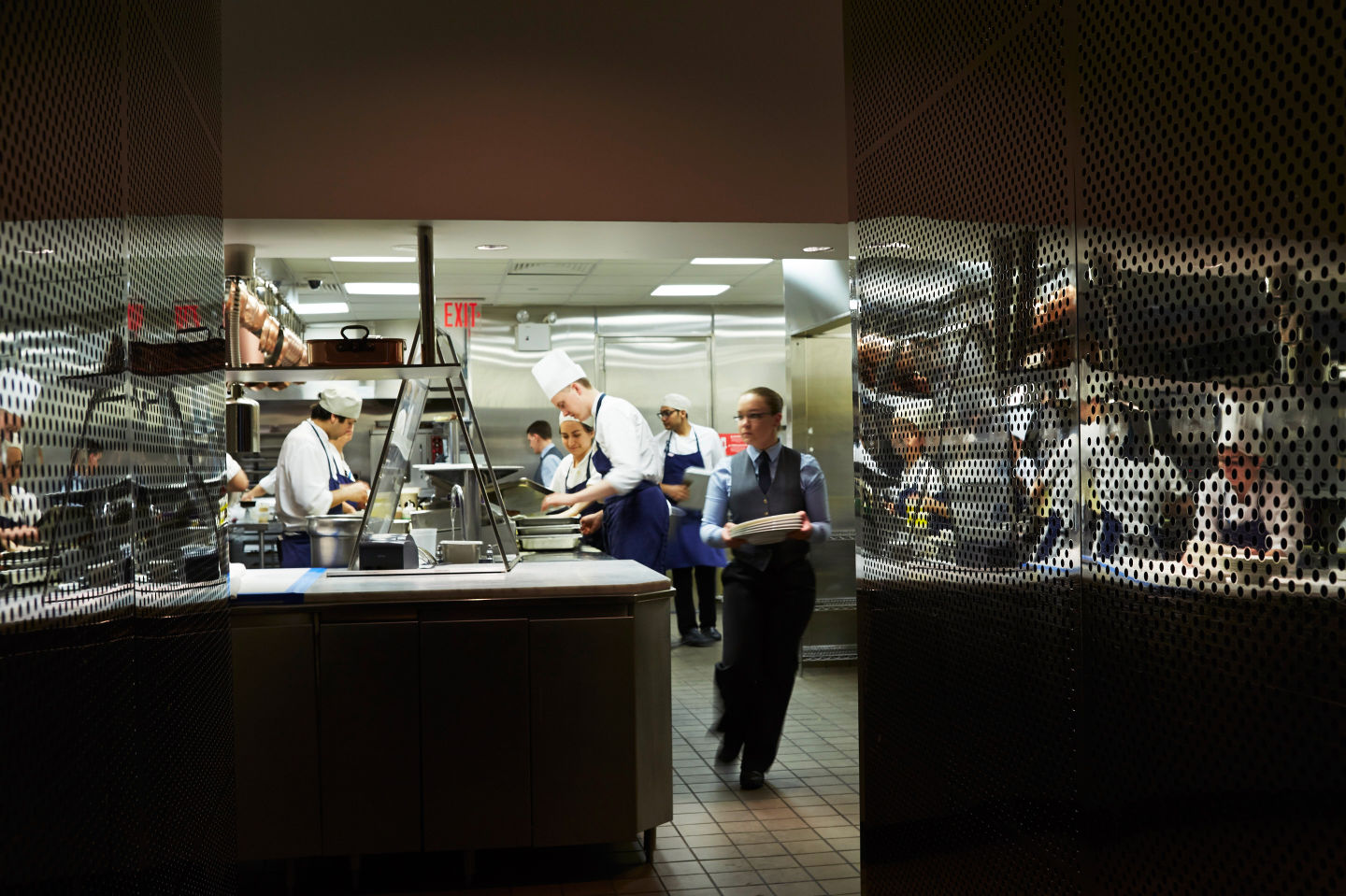
"caption": "Staff in the kitchen of The Modern, a restaurant operated by Meyer's Union Square Hospitality Group and located in the Museum of Modern Art.",
"description": "Staff in the kitchen of The Modern, a restaurant operated by Meyer's Union Square Hospitality Group and located in the Museum of Modern A",
"title": "Staff in the kitchen of The Modern, a restaurant operated by Meyer's Union Square Hospitality Group and located in the Museum of Modern Art.",
"credit": "Ellen Silverman/Union Square Hospitality Group ",
"status": "inherit",
"isLoading": false,
"fetchFailed": false
},
"bayareabites_102159": {
"type": "attachments",
"id": "bayareabites_102159",
"meta": {
"index": "attachments_1716263798",
"site": "bayareabites",
"id": "102159",
"found": true
},
"parent": 102158,
"imgSizes": {
"twentyfourteen-full-width": {
"file": "https://ww2.kqed.org/app/uploads/sites/24/2015/10/ap_796448410270-44b91c4dea35881d5d8d3f509e379be3bff082d4-1038x576.jpg",
"width": 1038,
"mimeType": "image/jpeg",
"height": 576
},
"thumbnail": {
"file": "https://ww2.kqed.org/app/uploads/sites/24/2015/10/ap_796448410270-44b91c4dea35881d5d8d3f509e379be3bff082d4-400x300.jpg",
"width": 400,
"mimeType": "image/jpeg",
"height": 300
},
"fd-sm": {
"file": "https://ww2.kqed.org/app/uploads/sites/24/2015/10/ap_796448410270-44b91c4dea35881d5d8d3f509e379be3bff082d4-960x720.jpg",
"width": 960,
"mimeType": "image/jpeg",
"height": 720
},
"post-thumbnail": {
"file": "https://ww2.kqed.org/app/uploads/sites/24/2015/10/ap_796448410270-44b91c4dea35881d5d8d3f509e379be3bff082d4-672x372.jpg",
"width": 672,
"mimeType": "image/jpeg",
"height": 372
},
"kqedFullSize": {
"file": "https://ww2.kqed.org/app/uploads/sites/24/2015/10/ap_796448410270-44b91c4dea35881d5d8d3f509e379be3bff082d4.jpg",
"width": 2664,
"height": 1998
},
"large": {
"file": "https://ww2.kqed.org/app/uploads/sites/24/2015/10/ap_796448410270-44b91c4dea35881d5d8d3f509e379be3bff082d4-1440x1080.jpg",
"width": 1440,
"mimeType": "image/jpeg",
"height": 1080
},
"guest-author-96": {
"file": "https://ww2.kqed.org/app/uploads/sites/24/2015/10/ap_796448410270-44b91c4dea35881d5d8d3f509e379be3bff082d4-96x96.jpg",
"width": 96,
"mimeType": "image/jpeg",
"height": 96
},
"medium": {
"file": "https://ww2.kqed.org/app/uploads/sites/24/2015/10/ap_796448410270-44b91c4dea35881d5d8d3f509e379be3bff082d4-800x600.jpg",
"width": 800,
"mimeType": "image/jpeg",
"height": 600
},
"guest-author-64": {
"file": "https://ww2.kqed.org/app/uploads/sites/24/2015/10/ap_796448410270-44b91c4dea35881d5d8d3f509e379be3bff082d4-64x64.jpg",
"width": 64,
"mimeType": "image/jpeg",
"height": 64
},
"guest-author-32": {
"file": "https://ww2.kqed.org/app/uploads/sites/24/2015/10/ap_796448410270-44b91c4dea35881d5d8d3f509e379be3bff082d4-32x32.jpg",
"width": 32,
"mimeType": "image/jpeg",
"height": 32
},
"cat_post_thumb_sizecategory-posts-2": {
"file": "https://ww2.kqed.org/app/uploads/sites/24/2015/10/ap_796448410270-44b91c4dea35881d5d8d3f509e379be3bff082d4-150x150.jpg",
"width": 150,
"mimeType": "image/jpeg",
"height": 150
},
"fd-lrg": {
"file": "https://ww2.kqed.org/app/uploads/sites/24/2015/10/ap_796448410270-44b91c4dea35881d5d8d3f509e379be3bff082d4-1920x1440.jpg",
"width": 1920,
"mimeType": "image/jpeg",
"height": 1440
},
"fd-med": {
"file": "https://ww2.kqed.org/app/uploads/sites/24/2015/10/ap_796448410270-44b91c4dea35881d5d8d3f509e379be3bff082d4-1180x885.jpg",
"width": 1180,
"mimeType": "image/jpeg",
"height": 885
},
"detail": {
"file": "https://ww2.kqed.org/app/uploads/sites/24/2015/10/ap_796448410270-44b91c4dea35881d5d8d3f509e379be3bff082d4-75x75.jpg",
"width": 75,
"mimeType": "image/jpeg",
"height": 75
},
"guest-author-128": {
"file": "https://ww2.kqed.org/app/uploads/sites/24/2015/10/ap_796448410270-44b91c4dea35881d5d8d3f509e379be3bff082d4-128x128.jpg",
"width": 128,
"mimeType": "image/jpeg",
"height": 128
}
},
"publishDate": 1444777205,
"modified": 1444844645,
"caption": "Shoppers walks from the checkout at a Walmart Supercenter store in Springdale, Ark., Thursday, June 4, 2015.",
"description": "Shoppers walks from the checkout at a Walmart Supercenter store in Springdale, Ark., Thursday, June 4, 2015.",
"title": "Shoppers walks from the checkout at a Walmart Supercenter store in Springdale, Ark., Thursday, June 4, 2015.",
"credit": "Danny Johnston/AP",
"status": "inherit",
"isLoading": false,
"fetchFailed": false
},
"bayareabites_102053": {
"type": "attachments",
"id": "bayareabites_102053",
"meta": {
"index": "attachments_1716263798",
"site": "bayareabites",
"id": "102053",
"found": true
},
"parent": 101903,
"imgSizes": {
"twentyfourteen-full-width": {
"file": "https://ww2.kqed.org/app/uploads/sites/24/2015/10/soulwine-train-bus-1038x576.jpg",
"width": 1038,
"mimeType": "image/jpeg",
"height": 576
},
"thumbnail": {
"file": "https://ww2.kqed.org/app/uploads/sites/24/2015/10/soulwine-train-bus-400x267.jpg",
"width": 400,
"mimeType": "image/jpeg",
"height": 267
},
"fd-sm": {
"file": "https://ww2.kqed.org/app/uploads/sites/24/2015/10/soulwine-train-bus-960x640.jpg",
"width": 960,
"mimeType": "image/jpeg",
"height": 640
},
"post-thumbnail": {
"file": "https://ww2.kqed.org/app/uploads/sites/24/2015/10/soulwine-train-bus-672x372.jpg",
"width": 672,
"mimeType": "image/jpeg",
"height": 372
},
"kqedFullSize": {
"file": "https://ww2.kqed.org/app/uploads/sites/24/2015/10/soulwine-train-bus.jpg",
"width": 5209,
"height": 3473
},
"large": {
"file": "https://ww2.kqed.org/app/uploads/sites/24/2015/10/soulwine-train-bus-1440x960.jpg",
"width": 1440,
"mimeType": "image/jpeg",
"height": 960
},
"guest-author-96": {
"file": "https://ww2.kqed.org/app/uploads/sites/24/2015/10/soulwine-train-bus-96x96.jpg",
"width": 96,
"mimeType": "image/jpeg",
"height": 96
},
"medium": {
"file": "https://ww2.kqed.org/app/uploads/sites/24/2015/10/soulwine-train-bus-800x533.jpg",
"width": 800,
"mimeType": "image/jpeg",
"height": 533
},
"guest-author-64": {
"file": "https://ww2.kqed.org/app/uploads/sites/24/2015/10/soulwine-train-bus-64x64.jpg",
"width": 64,
"mimeType": "image/jpeg",
"height": 64
},
"guest-author-32": {
"file": "https://ww2.kqed.org/app/uploads/sites/24/2015/10/soulwine-train-bus-32x32.jpg",
"width": 32,
"mimeType": "image/jpeg",
"height": 32
},
"cat_post_thumb_sizecategory-posts-2": {
"file": "https://ww2.kqed.org/app/uploads/sites/24/2015/10/soulwine-train-bus-150x150.jpg",
"width": 150,
"mimeType": "image/jpeg",
"height": 150
},
"fd-lrg": {
"file": "https://ww2.kqed.org/app/uploads/sites/24/2015/10/soulwine-train-bus-1920x1280.jpg",
"width": 1920,
"mimeType": "image/jpeg",
"height": 1280
},
"fd-med": {
"file": "https://ww2.kqed.org/app/uploads/sites/24/2015/10/soulwine-train-bus-1180x787.jpg",
"width": 1180,
"mimeType": "image/jpeg",
"height": 787
},
"detail": {
"file": "https://ww2.kqed.org/app/uploads/sites/24/2015/10/soulwine-train-bus-75x75.jpg",
"width": 75,
"mimeType": "image/jpeg",
"height": 75
},
"guest-author-128": {
"file": "https://ww2.kqed.org/app/uploads/sites/24/2015/10/soulwine-train-bus-128x128.jpg",
"width": 128,
"mimeType": "image/jpeg",
"height": 128
}
},
"publishDate": 1444628886,
"modified": 1444631410,
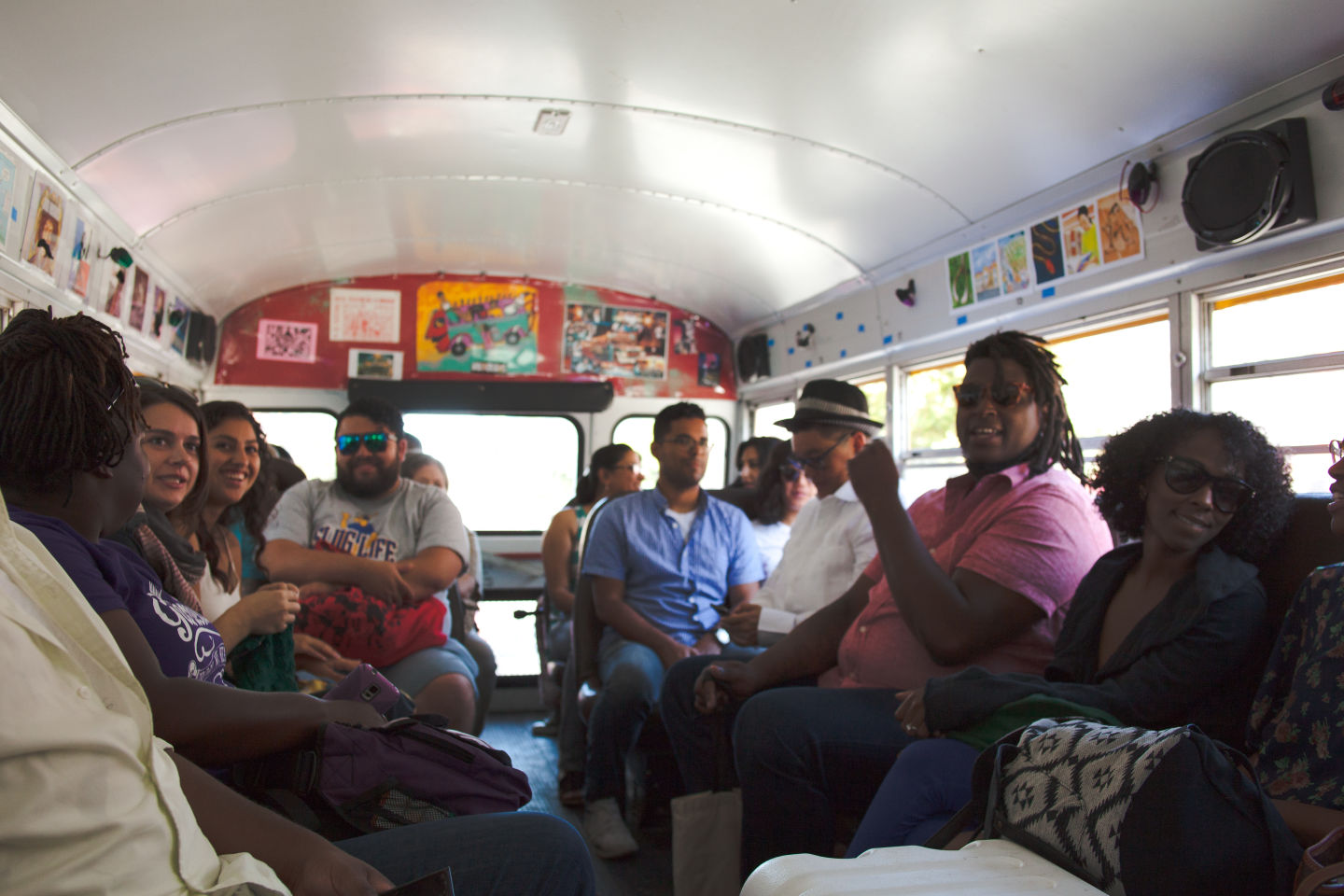
"caption": "Attendees on the Mexican Bus during the Oakland Food Policy Council's Wine Soul Train event.",
"description": "Attendees on the Mexican Bus during the Oakland Food Policy Council's Wine Soul Train event.",
"title": "Attendees on the Mexican Bus during the Oakland Food Policy Council's Wine Soul Train event.",
"credit": "Vic Pantelone",
"status": "inherit",
"isLoading": false,
"fetchFailed": false
},
"bayareabites_101866": {
"type": "attachments",
"id": "bayareabites_101866",
"meta": {
"index": "attachments_1716263798",
"site": "bayareabites",
"id": "101866",
"found": true
},
"parent": 0,
"imgSizes": {
"twentyfourteen-full-width": {
"file": "https://ww2.kqed.org/app/uploads/sites/24/2015/10/15264019997_16eb0a405d_k-2-1038x576.jpg",
"width": 1038,
"mimeType": "image/jpeg",
"height": 576
},
"thumbnail": {
"file": "https://ww2.kqed.org/app/uploads/sites/24/2015/10/15264019997_16eb0a405d_k-2-400x267.jpg",
"width": 400,
"mimeType": "image/jpeg",
"height": 267
},
"fd-sm": {
"file": "https://ww2.kqed.org/app/uploads/sites/24/2015/10/15264019997_16eb0a405d_k-2-960x640.jpg",
"width": 960,
"mimeType": "image/jpeg",
"height": 640
},
"post-thumbnail": {
"file": "https://ww2.kqed.org/app/uploads/sites/24/2015/10/15264019997_16eb0a405d_k-2-672x372.jpg",
"width": 672,
"mimeType": "image/jpeg",
"height": 372
},
"kqedFullSize": {
"file": "https://ww2.kqed.org/app/uploads/sites/24/2015/10/15264019997_16eb0a405d_k-2.jpg",
"width": 1920,
"height": 1280
},
"large": {
"file": "https://ww2.kqed.org/app/uploads/sites/24/2015/10/15264019997_16eb0a405d_k-2-1440x960.jpg",
"width": 1440,
"mimeType": "image/jpeg",
"height": 960
},
"guest-author-96": {
"file": "https://ww2.kqed.org/app/uploads/sites/24/2015/10/15264019997_16eb0a405d_k-2-96x96.jpg",
"width": 96,
"mimeType": "image/jpeg",
"height": 96
},
"medium": {
"file": "https://ww2.kqed.org/app/uploads/sites/24/2015/10/15264019997_16eb0a405d_k-2-800x533.jpg",
"width": 800,
"mimeType": "image/jpeg",
"height": 533
},
"guest-author-64": {
"file": "https://ww2.kqed.org/app/uploads/sites/24/2015/10/15264019997_16eb0a405d_k-2-64x64.jpg",
"width": 64,
"mimeType": "image/jpeg",
"height": 64
},
"guest-author-32": {
"file": "https://ww2.kqed.org/app/uploads/sites/24/2015/10/15264019997_16eb0a405d_k-2-32x32.jpg",
"width": 32,
"mimeType": "image/jpeg",
"height": 32
},
"cat_post_thumb_sizecategory-posts-2": {
"file": "https://ww2.kqed.org/app/uploads/sites/24/2015/10/15264019997_16eb0a405d_k-2-150x150.jpg",
"width": 150,
"mimeType": "image/jpeg",
"height": 150
},
"fd-lrg": {
"file": "https://ww2.kqed.org/app/uploads/sites/24/2015/10/15264019997_16eb0a405d_k-2-1920x1280.jpg",
"width": 1920,
"mimeType": "image/jpeg",
"height": 1280
},
"fd-med": {
"file": "https://ww2.kqed.org/app/uploads/sites/24/2015/10/15264019997_16eb0a405d_k-2-1180x787.jpg",
"width": 1180,
"mimeType": "image/jpeg",
"height": 787
},
"detail": {
"file": "https://ww2.kqed.org/app/uploads/sites/24/2015/10/15264019997_16eb0a405d_k-2-75x75.jpg",
"width": 75,
"mimeType": "image/jpeg",
"height": 75
},
"guest-author-128": {
"file": "https://ww2.kqed.org/app/uploads/sites/24/2015/10/15264019997_16eb0a405d_k-2-128x128.jpg",
"width": 128,
"mimeType": "image/jpeg",
"height": 128
}
},
"publishDate": 1444185545,
"modified": 1444185674,
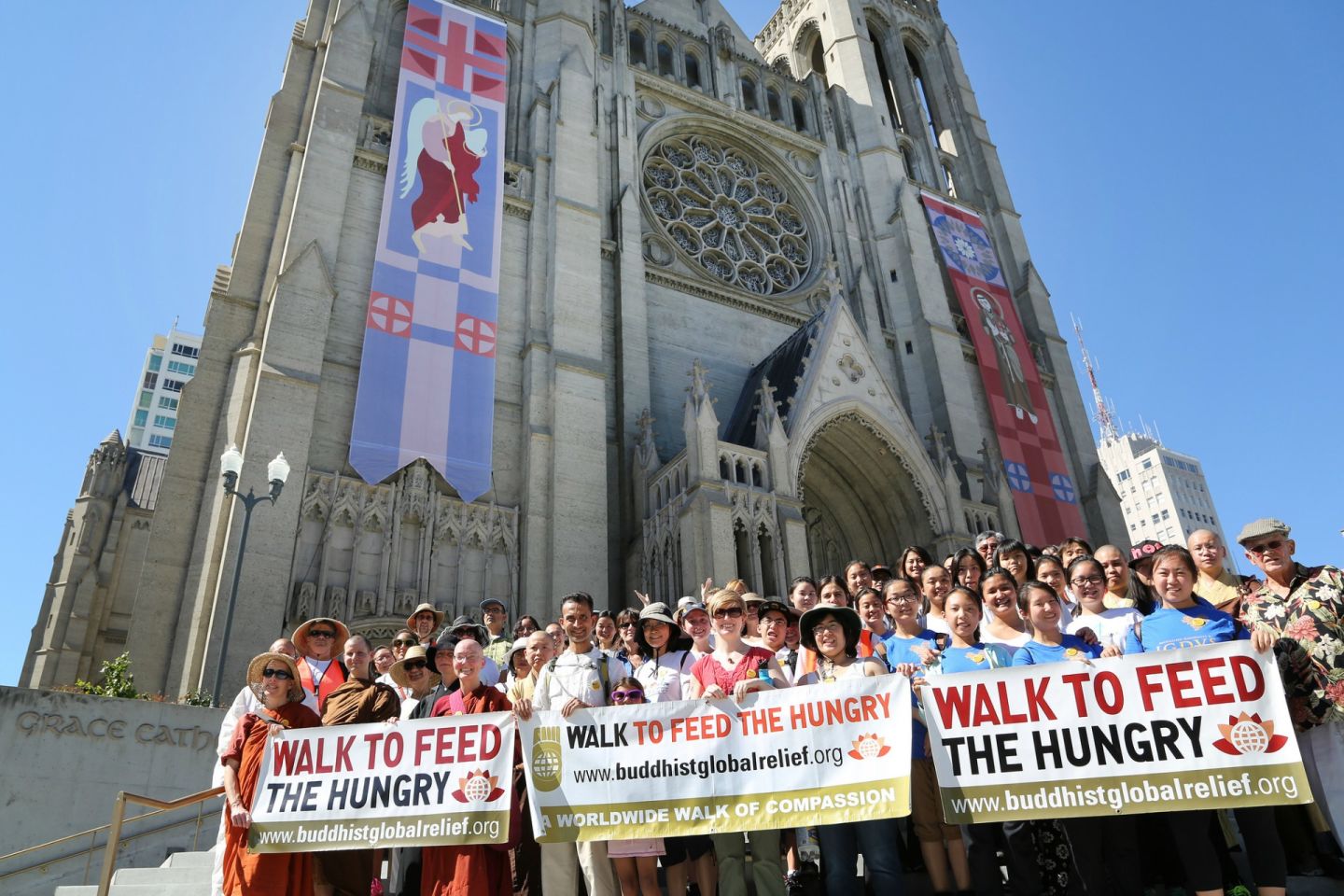
"caption": "Last year's Walk to Feed the Hungry in front of Grace Cathedral ",
"description": "Last year's Walk to Feed the Hungry in front of Grace Cathedral ",
"title": "Last year's Walk to Feed the Hungry in front of Grace Cathedral",
"credit": "Kevin K Cheung",
"status": "inherit",
"isLoading": false,
"fetchFailed": false
},
"bayareabites_100840": {
"type": "attachments",
"id": "bayareabites_100840",
"meta": {
"index": "attachments_1716263798",
"site": "bayareabites",
"id": "100840",
"found": true
},
"parent": 100839,
"imgSizes": {
"twentyfourteen-full-width": {
"file": "https://ww2.kqed.org/app/uploads/sites/24/2015/09/ap_44972528173_custom-3269c680632b2b1430deb2132e3430395b28301a-1038x576.jpg",
"width": 1038,
"mimeType": "image/jpeg",
"height": 576
},
"thumbnail": {
"file": "https://ww2.kqed.org/app/uploads/sites/24/2015/09/ap_44972528173_custom-3269c680632b2b1430deb2132e3430395b28301a-400x300.jpg",
"width": 400,
"mimeType": "image/jpeg",
"height": 300
},
"fd-sm": {
"file": "https://ww2.kqed.org/app/uploads/sites/24/2015/09/ap_44972528173_custom-3269c680632b2b1430deb2132e3430395b28301a-960x719.jpg",
"width": 960,
"mimeType": "image/jpeg",
"height": 719
},
"post-thumbnail": {
"file": "https://ww2.kqed.org/app/uploads/sites/24/2015/09/ap_44972528173_custom-3269c680632b2b1430deb2132e3430395b28301a-672x372.jpg",
"width": 672,
"mimeType": "image/jpeg",
"height": 372
},
"kqedFullSize": {
"file": "https://ww2.kqed.org/app/uploads/sites/24/2015/09/ap_44972528173_custom-3269c680632b2b1430deb2132e3430395b28301a.jpg",
"width": 3000,
"height": 2248
},
"large": {
"file": "https://ww2.kqed.org/app/uploads/sites/24/2015/09/ap_44972528173_custom-3269c680632b2b1430deb2132e3430395b28301a-1440x1079.jpg",
"width": 1440,
"mimeType": "image/jpeg",
"height": 1079
},
"guest-author-96": {
"file": "https://ww2.kqed.org/app/uploads/sites/24/2015/09/ap_44972528173_custom-3269c680632b2b1430deb2132e3430395b28301a-96x96.jpg",
"width": 96,
"mimeType": "image/jpeg",
"height": 96
},
"medium": {
"file": "https://ww2.kqed.org/app/uploads/sites/24/2015/09/ap_44972528173_custom-3269c680632b2b1430deb2132e3430395b28301a-800x599.jpg",
"width": 800,
"mimeType": "image/jpeg",
"height": 599
},
"guest-author-64": {
"file": "https://ww2.kqed.org/app/uploads/sites/24/2015/09/ap_44972528173_custom-3269c680632b2b1430deb2132e3430395b28301a-64x64.jpg",
"width": 64,
"mimeType": "image/jpeg",
"height": 64
},
"guest-author-32": {
"file": "https://ww2.kqed.org/app/uploads/sites/24/2015/09/ap_44972528173_custom-3269c680632b2b1430deb2132e3430395b28301a-32x32.jpg",
"width": 32,
"mimeType": "image/jpeg",
"height": 32
},
"cat_post_thumb_sizecategory-posts-2": {
"file": "https://ww2.kqed.org/app/uploads/sites/24/2015/09/ap_44972528173_custom-3269c680632b2b1430deb2132e3430395b28301a-150x150.jpg",
"width": 150,
"mimeType": "image/jpeg",
"height": 150
},
"fd-lrg": {
"file": "https://ww2.kqed.org/app/uploads/sites/24/2015/09/ap_44972528173_custom-3269c680632b2b1430deb2132e3430395b28301a-1920x1439.jpg",
"width": 1920,
"mimeType": "image/jpeg",
"height": 1439
},
"fd-med": {
"file": "https://ww2.kqed.org/app/uploads/sites/24/2015/09/ap_44972528173_custom-3269c680632b2b1430deb2132e3430395b28301a-1180x884.jpg",
"width": 1180,
"mimeType": "image/jpeg",
"height": 884
},
"detail": {
"file": "https://ww2.kqed.org/app/uploads/sites/24/2015/09/ap_44972528173_custom-3269c680632b2b1430deb2132e3430395b28301a-75x75.jpg",
"width": 75,
"mimeType": "image/jpeg",
"height": 75
},
"guest-author-128": {
"file": "https://ww2.kqed.org/app/uploads/sites/24/2015/09/ap_44972528173_custom-3269c680632b2b1430deb2132e3430395b28301a-128x128.jpg",
"width": 128,
"mimeType": "image/jpeg",
"height": 128
}
},
"publishDate": 1442599815,
"modified": 1442600042,
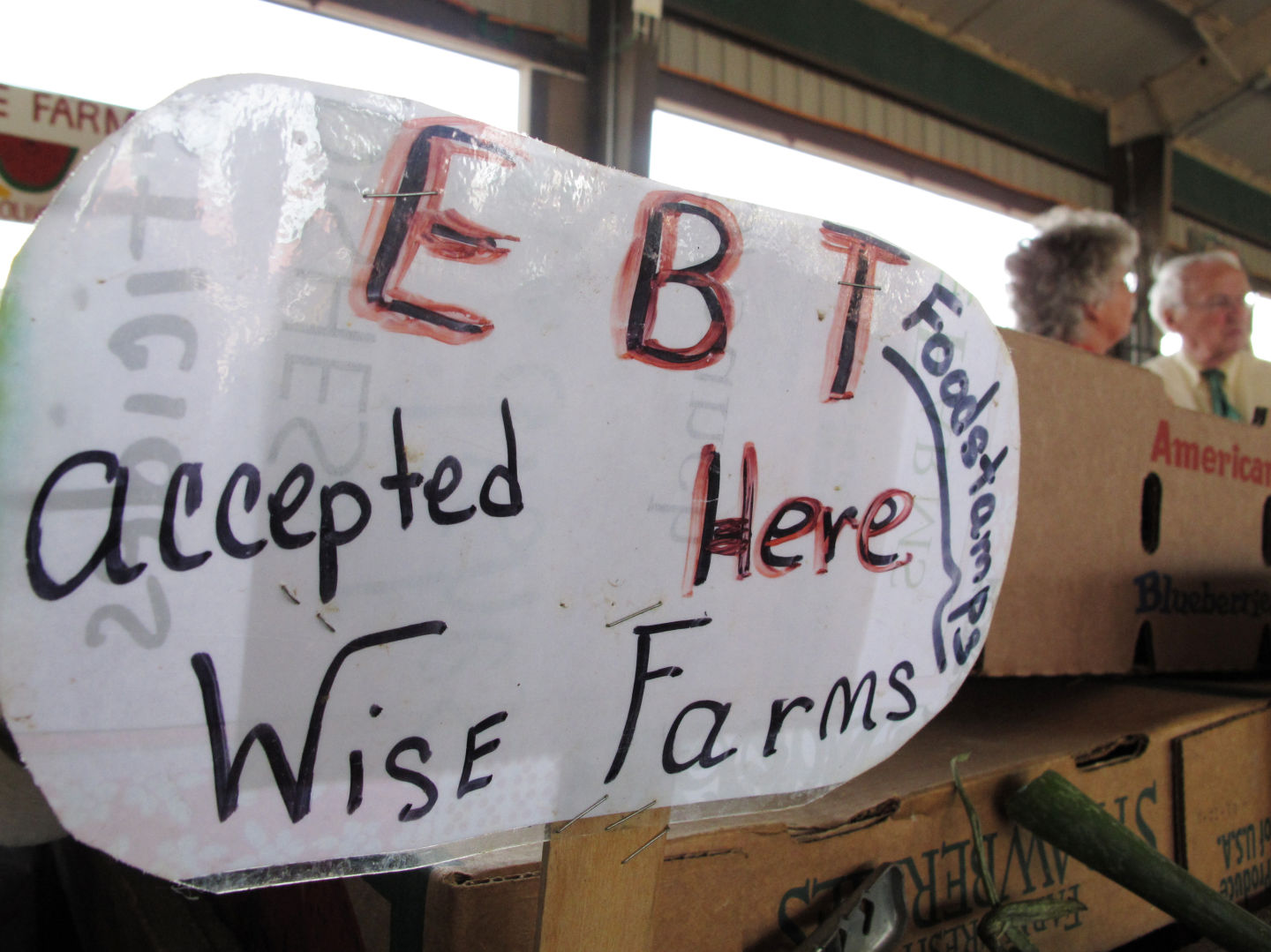
"caption": "The federal food stamps program is working to make sure low-income Americans are getting enough calories, but those calories are less nutritious than what everyone else eats, research finds. The USDA is funding programs to try to bridge that gap, such as initiatives that allow food stamp recipients to use their benefits at farmers markets.",
"description": "The federal food stamps program is working to make sure low-income Americans are getting enough calories, but those calories are less nutritious than what everyone else eats, research finds. The USDA is funding programs to try to bridge that gap, such as initiatives that allow food stamp recipients to use their benefits at farmers markets.",
"title": "The federal food stamps program is working to make sure low-income Americans are getting enough calories, but those calories are less nutritious than what everyone else eats, research finds. The USDA is funding programs to try to bridge that gap, such as initiatives that allow food stamp recipients to use their benefits at farmers markets.",
"credit": "Allen Breed/AP ",
"status": "inherit",
"isLoading": false,
"fetchFailed": false
},
"bayareabites_100543": {
"type": "attachments",
"id": "bayareabites_100543",
"meta": {
"index": "attachments_1716263798",
"site": "bayareabites",
"id": "100543",
"found": true
},
"parent": 100395,
"imgSizes": {
"twentyfourteen-full-width": {
"file": "https://ww2.kqed.org/app/uploads/sites/24/2015/09/corner3-1920-1038x576.jpg",
"width": 1038,
"mimeType": "image/jpeg",
"height": 576
},
"thumbnail": {
"file": "https://ww2.kqed.org/app/uploads/sites/24/2015/09/corner3-1920-400x300.jpg",
"width": 400,
"mimeType": "image/jpeg",
"height": 300
},
"fd-sm": {
"file": "https://ww2.kqed.org/app/uploads/sites/24/2015/09/corner3-1920-960x720.jpg",
"width": 960,
"mimeType": "image/jpeg",
"height": 720
},
"post-thumbnail": {
"file": "https://ww2.kqed.org/app/uploads/sites/24/2015/09/corner3-1920-672x372.jpg",
"width": 672,
"mimeType": "image/jpeg",
"height": 372
},
"kqedFullSize": {
"file": "https://ww2.kqed.org/app/uploads/sites/24/2015/09/corner3-1920.jpg",
"width": 1920,
"height": 1440
},
"large": {
"file": "https://ww2.kqed.org/app/uploads/sites/24/2015/09/corner3-1920-1440x1080.jpg",
"width": 1440,
"mimeType": "image/jpeg",
"height": 1080
},
"guest-author-96": {
"file": "https://ww2.kqed.org/app/uploads/sites/24/2015/09/corner3-1920-96x96.jpg",
"width": 96,
"mimeType": "image/jpeg",
"height": 96
},
"medium": {
"file": "https://ww2.kqed.org/app/uploads/sites/24/2015/09/corner3-1920-800x600.jpg",
"width": 800,
"mimeType": "image/jpeg",
"height": 600
},
"guest-author-64": {
"file": "https://ww2.kqed.org/app/uploads/sites/24/2015/09/corner3-1920-64x64.jpg",
"width": 64,
"mimeType": "image/jpeg",
"height": 64
},
"guest-author-32": {
"file": "https://ww2.kqed.org/app/uploads/sites/24/2015/09/corner3-1920-32x32.jpg",
"width": 32,
"mimeType": "image/jpeg",
"height": 32
},
"cat_post_thumb_sizecategory-posts-2": {
"file": "https://ww2.kqed.org/app/uploads/sites/24/2015/09/corner3-1920-150x150.jpg",
"width": 150,
"mimeType": "image/jpeg",
"height": 150
},
"fd-lrg": {
"file": "https://ww2.kqed.org/app/uploads/sites/24/2015/09/corner3-1920-1920x1440.jpg",
"width": 1920,
"mimeType": "image/jpeg",
"height": 1440
},
"fd-med": {
"file": "https://ww2.kqed.org/app/uploads/sites/24/2015/09/corner3-1920-1180x885.jpg",
"width": 1180,
"mimeType": "image/jpeg",
"height": 885
},
"detail": {
"file": "https://ww2.kqed.org/app/uploads/sites/24/2015/09/corner3-1920-75x75.jpg",
"width": 75,
"mimeType": "image/jpeg",
"height": 75
},
"guest-author-128": {
"file": "https://ww2.kqed.org/app/uploads/sites/24/2015/09/corner3-1920-128x128.jpg",
"width": 128,
"mimeType": "image/jpeg",
"height": 128
}
},
"publishDate": 1442363073,
"modified": 1442363214,
"caption": "Paula Beal, HOPE Healthy Corner Store Leader, has been helping out with the transition of Sunbeam Market in West Oakland.",
"description": "Paula Beal, HOPE Healthy Corner Store Leader, has been helping out with the transition of Sunbeam Market in West Oakland.",
"title": "Paula Beal, HOPE Healthy Corner Store Leader, has been helping out with the transition of Sunbeam Market in West Oakland.",
"credit": "Photo courtesy of HOPE Collaborative",
"status": "inherit",
"isLoading": false,
"fetchFailed": false
},
"bayareabites_100146": {
"type": "attachments",
"id": "bayareabites_100146",
"meta": {
"index": "attachments_1716263798",
"site": "bayareabites",
"id": "100146",
"found": true
},
"parent": 100145,
"imgSizes": {
"thumbnail": {
"file": "https://ww2.kqed.org/app/uploads/sites/24/2015/09/blacklivesmatter-400x267.jpg",
"width": 400,
"mimeType": "image/jpeg",
"height": 267
},
"post-thumbnail": {
"file": "https://ww2.kqed.org/app/uploads/sites/24/2015/09/blacklivesmatter-672x372.jpg",
"width": 672,
"mimeType": "image/jpeg",
"height": 372
},
"kqedFullSize": {
"file": "https://ww2.kqed.org/app/uploads/sites/24/2015/09/blacklivesmatter.jpg",
"width": 680,
"height": 454
},
"cat_post_thumb_sizecategory-posts-2": {
"file": "https://ww2.kqed.org/app/uploads/sites/24/2015/09/blacklivesmatter-150x150.jpg",
"width": 150,
"mimeType": "image/jpeg",
"height": 150
},
"guest-author-96": {
"file": "https://ww2.kqed.org/app/uploads/sites/24/2015/09/blacklivesmatter-96x96.jpg",
"width": 96,
"mimeType": "image/jpeg",
"height": 96
},
"guest-author-64": {
"file": "https://ww2.kqed.org/app/uploads/sites/24/2015/09/blacklivesmatter-64x64.jpg",
"width": 64,
"mimeType": "image/jpeg",
"height": 64
},
"detail": {
"file": "https://ww2.kqed.org/app/uploads/sites/24/2015/09/blacklivesmatter-75x75.jpg",
"width": 75,
"mimeType": "image/jpeg",
"height": 75
},
"guest-author-32": {
"file": "https://ww2.kqed.org/app/uploads/sites/24/2015/09/blacklivesmatter-32x32.jpg",
"width": 32,
"mimeType": "image/jpeg",
"height": 32
},
"guest-author-128": {
"file": "https://ww2.kqed.org/app/uploads/sites/24/2015/09/blacklivesmatter-128x128.jpg",
"width": 128,
"mimeType": "image/jpeg",
"height": 128
}
},
"publishDate": 1441728052,
"modified": 1441728186,
"caption": "Black Lives Matter",
"description": "Black Lives Matter",
"title": "blacklivesmatter",
"credit": "\t\u003ca href=\"http://www.shutterstock.com/gallery-940660p1.html?cr=00&pl=edit-00\">a katz / Shutterstock.com\u003c/a>\t",
"status": "inherit",
"isLoading": false,
"fetchFailed": false
},
"bayareabites_99859": {
"type": "attachments",
"id": "bayareabites_99859",
"meta": {
"index": "attachments_1716263798",
"site": "bayareabites",
"id": "99859",
"found": true
},
"parent": 99858,
"imgSizes": {
"twentyfourteen-full-width": {
"file": "https://ww2.kqed.org/app/uploads/sites/24/2015/08/img_2347-09d2ccc44306c476b37a676e42813089a5063d4b-1038x576.jpg",
"width": 1038,
"mimeType": "image/jpeg",
"height": 576
},
"thumbnail": {
"file": "https://ww2.kqed.org/app/uploads/sites/24/2015/08/img_2347-09d2ccc44306c476b37a676e42813089a5063d4b-400x300.jpg",
"width": 400,
"mimeType": "image/jpeg",
"height": 300
},
"fd-sm": {
"file": "https://ww2.kqed.org/app/uploads/sites/24/2015/08/img_2347-09d2ccc44306c476b37a676e42813089a5063d4b-960x720.jpg",
"width": 960,
"mimeType": "image/jpeg",
"height": 720
},
"post-thumbnail": {
"file": "https://ww2.kqed.org/app/uploads/sites/24/2015/08/img_2347-09d2ccc44306c476b37a676e42813089a5063d4b-672x372.jpg",
"width": 672,
"mimeType": "image/jpeg",
"height": 372
},
"kqedFullSize": {
"file": "https://ww2.kqed.org/app/uploads/sites/24/2015/08/img_2347-09d2ccc44306c476b37a676e42813089a5063d4b.jpg",
"width": 3246,
"height": 2435
},
"large": {
"file": "https://ww2.kqed.org/app/uploads/sites/24/2015/08/img_2347-09d2ccc44306c476b37a676e42813089a5063d4b-1440x1080.jpg",
"width": 1440,
"mimeType": "image/jpeg",
"height": 1080
},
"guest-author-96": {
"file": "https://ww2.kqed.org/app/uploads/sites/24/2015/08/img_2347-09d2ccc44306c476b37a676e42813089a5063d4b-96x96.jpg",
"width": 96,
"mimeType": "image/jpeg",
"height": 96
},
"medium": {
"file": "https://ww2.kqed.org/app/uploads/sites/24/2015/08/img_2347-09d2ccc44306c476b37a676e42813089a5063d4b-800x600.jpg",
"width": 800,
"mimeType": "image/jpeg",
"height": 600
},
"guest-author-64": {
"file": "https://ww2.kqed.org/app/uploads/sites/24/2015/08/img_2347-09d2ccc44306c476b37a676e42813089a5063d4b-64x64.jpg",
"width": 64,
"mimeType": "image/jpeg",
"height": 64
},
"guest-author-32": {
"file": "https://ww2.kqed.org/app/uploads/sites/24/2015/08/img_2347-09d2ccc44306c476b37a676e42813089a5063d4b-32x32.jpg",
"width": 32,
"mimeType": "image/jpeg",
"height": 32
},
"cat_post_thumb_sizecategory-posts-2": {
"file": "https://ww2.kqed.org/app/uploads/sites/24/2015/08/img_2347-09d2ccc44306c476b37a676e42813089a5063d4b-150x150.jpg",
"width": 150,
"mimeType": "image/jpeg",
"height": 150
},
"fd-lrg": {
"file": "https://ww2.kqed.org/app/uploads/sites/24/2015/08/img_2347-09d2ccc44306c476b37a676e42813089a5063d4b-1920x1440.jpg",
"width": 1920,
"mimeType": "image/jpeg",
"height": 1440
},
"fd-med": {
"file": "https://ww2.kqed.org/app/uploads/sites/24/2015/08/img_2347-09d2ccc44306c476b37a676e42813089a5063d4b-1180x885.jpg",
"width": 1180,
"mimeType": "image/jpeg",
"height": 885
},
"detail": {
"file": "https://ww2.kqed.org/app/uploads/sites/24/2015/08/img_2347-09d2ccc44306c476b37a676e42813089a5063d4b-75x75.jpg",
"width": 75,
"mimeType": "image/jpeg",
"height": 75
},
"guest-author-128": {
"file": "https://ww2.kqed.org/app/uploads/sites/24/2015/08/img_2347-09d2ccc44306c476b37a676e42813089a5063d4b-128x128.jpg",
"width": 128,
"mimeType": "image/jpeg",
"height": 128
}
},
"publishDate": 1440723340,
"modified": 1440723666,
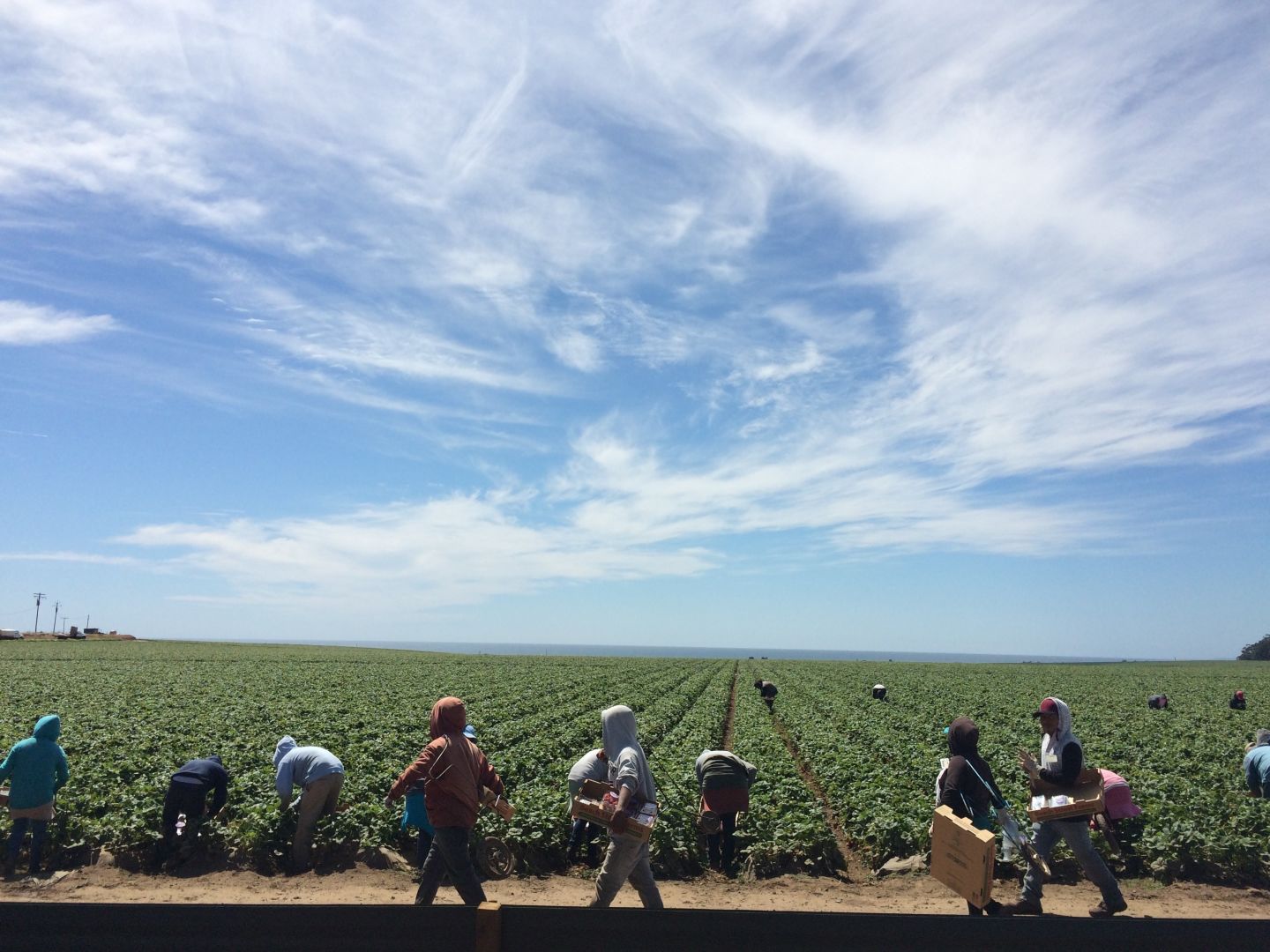
"caption": "Strawberry pickers in Watsonville, Calif. Many farmworkers in the state are out of work because of the severe drought. Those who do have a job are often working harder for less money.",
"description": "Strawberry pickers in Watsonville, Calif. Many farmworkers in the state are out of work because of the severe drought. Those who do have a job are often working harder for less money.",
"title": "Strawberry pickers in Watsonville, Calif. Many farmworkers in the state are out of work because of the severe drought. Those who do have a job are often working harder for less money.",
"credit": "Lesley McClurg/For NPR",
"status": "inherit",
"isLoading": false,
"fetchFailed": false
},
"bayareabites_99852": {
"type": "attachments",
"id": "bayareabites_99852",
"meta": {
"index": "attachments_1716263798",
"site": "bayareabites",
"id": "99852",
"found": true
},
"parent": 99851,
"imgSizes": {
"twentyfourteen-full-width": {
"file": "https://ww2.kqed.org/app/uploads/sites/24/2015/08/gettyimages-471006602-99705b6d250521f4014e8c84f29849326d342a59-1038x576.jpg",
"width": 1038,
"mimeType": "image/jpeg",
"height": 576
},
"thumbnail": {
"file": "https://ww2.kqed.org/app/uploads/sites/24/2015/08/gettyimages-471006602-99705b6d250521f4014e8c84f29849326d342a59-400x300.jpg",
"width": 400,
"mimeType": "image/jpeg",
"height": 300
},
"fd-sm": {
"file": "https://ww2.kqed.org/app/uploads/sites/24/2015/08/gettyimages-471006602-99705b6d250521f4014e8c84f29849326d342a59-960x720.jpg",
"width": 960,
"mimeType": "image/jpeg",
"height": 720
},
"post-thumbnail": {
"file": "https://ww2.kqed.org/app/uploads/sites/24/2015/08/gettyimages-471006602-99705b6d250521f4014e8c84f29849326d342a59-672x372.jpg",
"width": 672,
"mimeType": "image/jpeg",
"height": 372
},
"kqedFullSize": {
"file": "https://ww2.kqed.org/app/uploads/sites/24/2015/08/gettyimages-471006602-99705b6d250521f4014e8c84f29849326d342a59.jpg",
"width": 2699,
"height": 2024
},
"large": {
"file": "https://ww2.kqed.org/app/uploads/sites/24/2015/08/gettyimages-471006602-99705b6d250521f4014e8c84f29849326d342a59-1440x1080.jpg",
"width": 1440,
"mimeType": "image/jpeg",
"height": 1080
},
"guest-author-96": {
"file": "https://ww2.kqed.org/app/uploads/sites/24/2015/08/gettyimages-471006602-99705b6d250521f4014e8c84f29849326d342a59-96x96.jpg",
"width": 96,
"mimeType": "image/jpeg",
"height": 96
},
"medium": {
"file": "https://ww2.kqed.org/app/uploads/sites/24/2015/08/gettyimages-471006602-99705b6d250521f4014e8c84f29849326d342a59-800x600.jpg",
"width": 800,
"mimeType": "image/jpeg",
"height": 600
},
"guest-author-64": {
"file": "https://ww2.kqed.org/app/uploads/sites/24/2015/08/gettyimages-471006602-99705b6d250521f4014e8c84f29849326d342a59-64x64.jpg",
"width": 64,
"mimeType": "image/jpeg",
"height": 64
},
"guest-author-32": {
"file": "https://ww2.kqed.org/app/uploads/sites/24/2015/08/gettyimages-471006602-99705b6d250521f4014e8c84f29849326d342a59-32x32.jpg",
"width": 32,
"mimeType": "image/jpeg",
"height": 32
},
"cat_post_thumb_sizecategory-posts-2": {
"file": "https://ww2.kqed.org/app/uploads/sites/24/2015/08/gettyimages-471006602-99705b6d250521f4014e8c84f29849326d342a59-150x150.jpg",
"width": 150,
"mimeType": "image/jpeg",
"height": 150
},
"fd-lrg": {
"file": "https://ww2.kqed.org/app/uploads/sites/24/2015/08/gettyimages-471006602-99705b6d250521f4014e8c84f29849326d342a59-1920x1440.jpg",
"width": 1920,
"mimeType": "image/jpeg",
"height": 1440
},
"fd-med": {
"file": "https://ww2.kqed.org/app/uploads/sites/24/2015/08/gettyimages-471006602-99705b6d250521f4014e8c84f29849326d342a59-1180x885.jpg",
"width": 1180,
"mimeType": "image/jpeg",
"height": 885
},
"detail": {
"file": "https://ww2.kqed.org/app/uploads/sites/24/2015/08/gettyimages-471006602-99705b6d250521f4014e8c84f29849326d342a59-75x75.jpg",
"width": 75,
"mimeType": "image/jpeg",
"height": 75
},
"guest-author-128": {
"file": "https://ww2.kqed.org/app/uploads/sites/24/2015/08/gettyimages-471006602-99705b6d250521f4014e8c84f29849326d342a59-128x128.jpg",
"width": 128,
"mimeType": "image/jpeg",
"height": 128
}
},
"publishDate": 1440722442,
"modified": 1440722616,
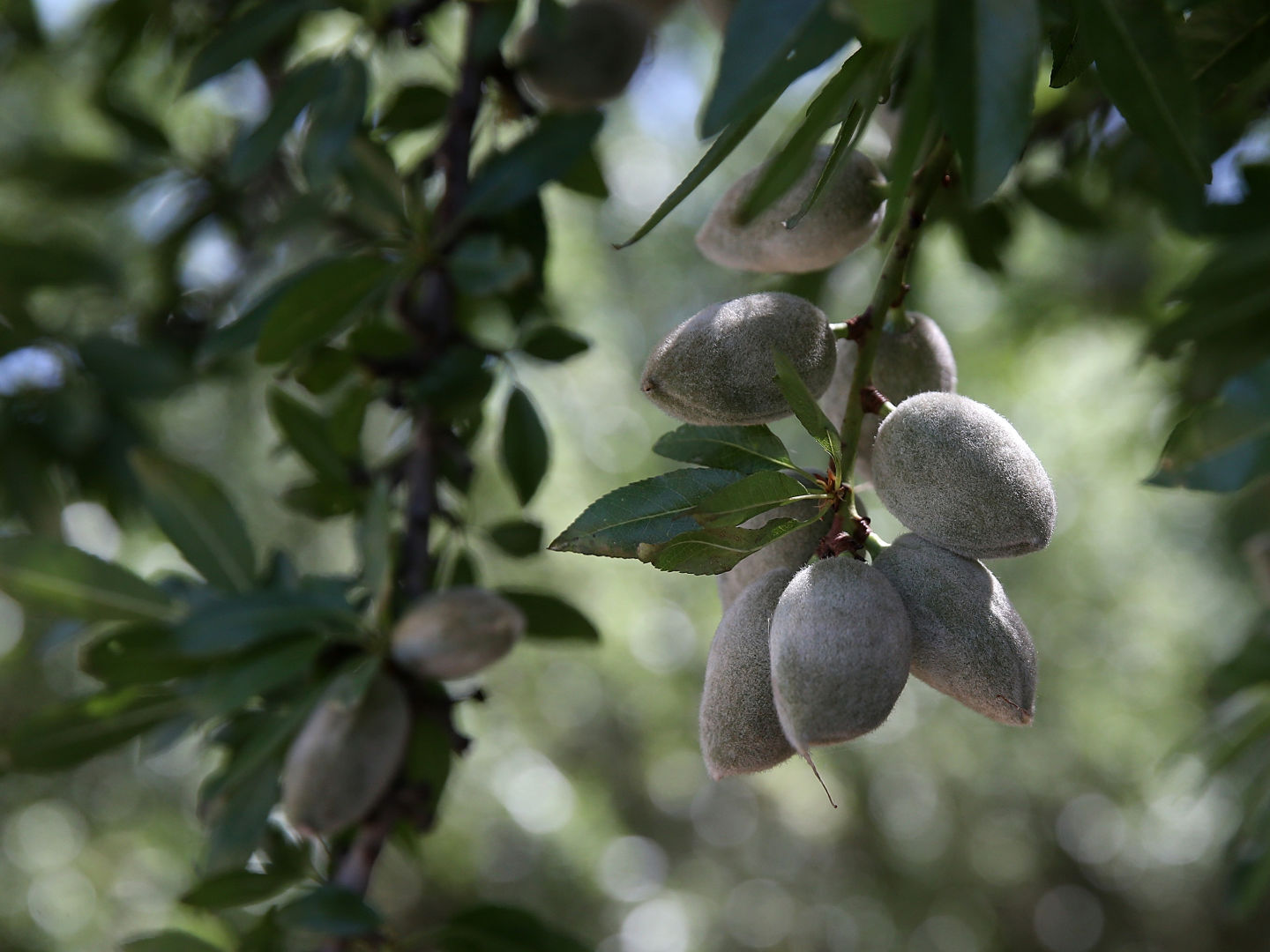
"caption": "Almonds hang from a branch at an orchard in Firebaugh, Calif. Despite the strain of prolonged drought, in 2014, California farms sold $54 billion worth of crops like almonds or grapes, and animal products like milk.",
"description": "Almonds hang from a branch at an orchard in Firebaugh, Calif. Despite the strain of prolonged drought, in 2014, California farms sold $54 billion worth of crops like almonds or grapes, and animal products like milk",
"title": "Almonds hang from a branch at an orchard in Firebaugh, Calif. Despite the strain of prolonged drought, in 2014, California farms sold $54 billion worth of crops like almonds or grapes, and animal products like milk.",
"credit": "Justin Sullivan/Getty Images",
"status": "inherit",
"isLoading": false,
"fetchFailed": false
},
"bayareabites_98390": {
"type": "attachments",
"id": "bayareabites_98390",
"meta": {
"index": "attachments_1716263798",
"site": "bayareabites",
"id": "98390",
"found": true
},
"parent": 98389,
"imgSizes": {
"twentyfourteen-full-width": {
"file": "https://ww2.kqed.org/app/uploads/sites/24/2015/07/gettyimages-481598326-4c6bc0c449f7db71cb9e1c2a7a15887e0f5c0249-1038x576.jpg",
"width": 1038,
"mimeType": "image/jpeg",
"height": 576
},
"thumbnail": {
"file": "https://ww2.kqed.org/app/uploads/sites/24/2015/07/gettyimages-481598326-4c6bc0c449f7db71cb9e1c2a7a15887e0f5c0249-400x300.jpg",
"width": 400,
"mimeType": "image/jpeg",
"height": 300
},
"fd-sm": {
"file": "https://ww2.kqed.org/app/uploads/sites/24/2015/07/gettyimages-481598326-4c6bc0c449f7db71cb9e1c2a7a15887e0f5c0249-960x720.jpg",
"width": 960,
"mimeType": "image/jpeg",
"height": 720
},
"post-thumbnail": {
"file": "https://ww2.kqed.org/app/uploads/sites/24/2015/07/gettyimages-481598326-4c6bc0c449f7db71cb9e1c2a7a15887e0f5c0249-672x372.jpg",
"width": 672,
"mimeType": "image/jpeg",
"height": 372
},
"kqedFullSize": {
"file": "https://ww2.kqed.org/app/uploads/sites/24/2015/07/gettyimages-481598326-4c6bc0c449f7db71cb9e1c2a7a15887e0f5c0249-e1437669041900.jpg",
"width": 1920,
"height": 1440
},
"large": {
"file": "https://ww2.kqed.org/app/uploads/sites/24/2015/07/gettyimages-481598326-4c6bc0c449f7db71cb9e1c2a7a15887e0f5c0249-1440x1080.jpg",
"width": 1440,
"mimeType": "image/jpeg",
"height": 1080
},
"guest-author-96": {
"file": "https://ww2.kqed.org/app/uploads/sites/24/2015/07/gettyimages-481598326-4c6bc0c449f7db71cb9e1c2a7a15887e0f5c0249-96x96.jpg",
"width": 96,
"mimeType": "image/jpeg",
"height": 96
},
"medium": {
"file": "https://ww2.kqed.org/app/uploads/sites/24/2015/07/gettyimages-481598326-4c6bc0c449f7db71cb9e1c2a7a15887e0f5c0249-800x600.jpg",
"width": 800,
"mimeType": "image/jpeg",
"height": 600
},
"guest-author-64": {
"file": "https://ww2.kqed.org/app/uploads/sites/24/2015/07/gettyimages-481598326-4c6bc0c449f7db71cb9e1c2a7a15887e0f5c0249-64x64.jpg",
"width": 64,
"mimeType": "image/jpeg",
"height": 64
},
"guest-author-32": {
"file": "https://ww2.kqed.org/app/uploads/sites/24/2015/07/gettyimages-481598326-4c6bc0c449f7db71cb9e1c2a7a15887e0f5c0249-32x32.jpg",
"width": 32,
"mimeType": "image/jpeg",
"height": 32
},
"cat_post_thumb_sizecategory-posts-2": {
"file": "https://ww2.kqed.org/app/uploads/sites/24/2015/07/gettyimages-481598326-4c6bc0c449f7db71cb9e1c2a7a15887e0f5c0249-150x150.jpg",
"width": 150,
"mimeType": "image/jpeg",
"height": 150
},
"fd-lrg": {
"file": "https://ww2.kqed.org/app/uploads/sites/24/2015/07/gettyimages-481598326-4c6bc0c449f7db71cb9e1c2a7a15887e0f5c0249-1400x1050.jpg",
"width": 1400,
"mimeType": "image/jpeg",
"height": 1050
},
"fd-med": {
"file": "https://ww2.kqed.org/app/uploads/sites/24/2015/07/gettyimages-481598326-4c6bc0c449f7db71cb9e1c2a7a15887e0f5c0249-1180x885.jpg",
"width": 1180,
"mimeType": "image/jpeg",
"height": 885
},
"detail": {
"file": "https://ww2.kqed.org/app/uploads/sites/24/2015/07/gettyimages-481598326-4c6bc0c449f7db71cb9e1c2a7a15887e0f5c0249-75x75.jpg",
"width": 75,
"mimeType": "image/jpeg",
"height": 75
},
"guest-author-128": {
"file": "https://ww2.kqed.org/app/uploads/sites/24/2015/07/gettyimages-481598326-4c6bc0c449f7db71cb9e1c2a7a15887e0f5c0249-128x128.jpg",
"width": 128,
"mimeType": "image/jpeg",
"height": 128
}
},
"publishDate": 1437668901,
"modified": 1437669066,
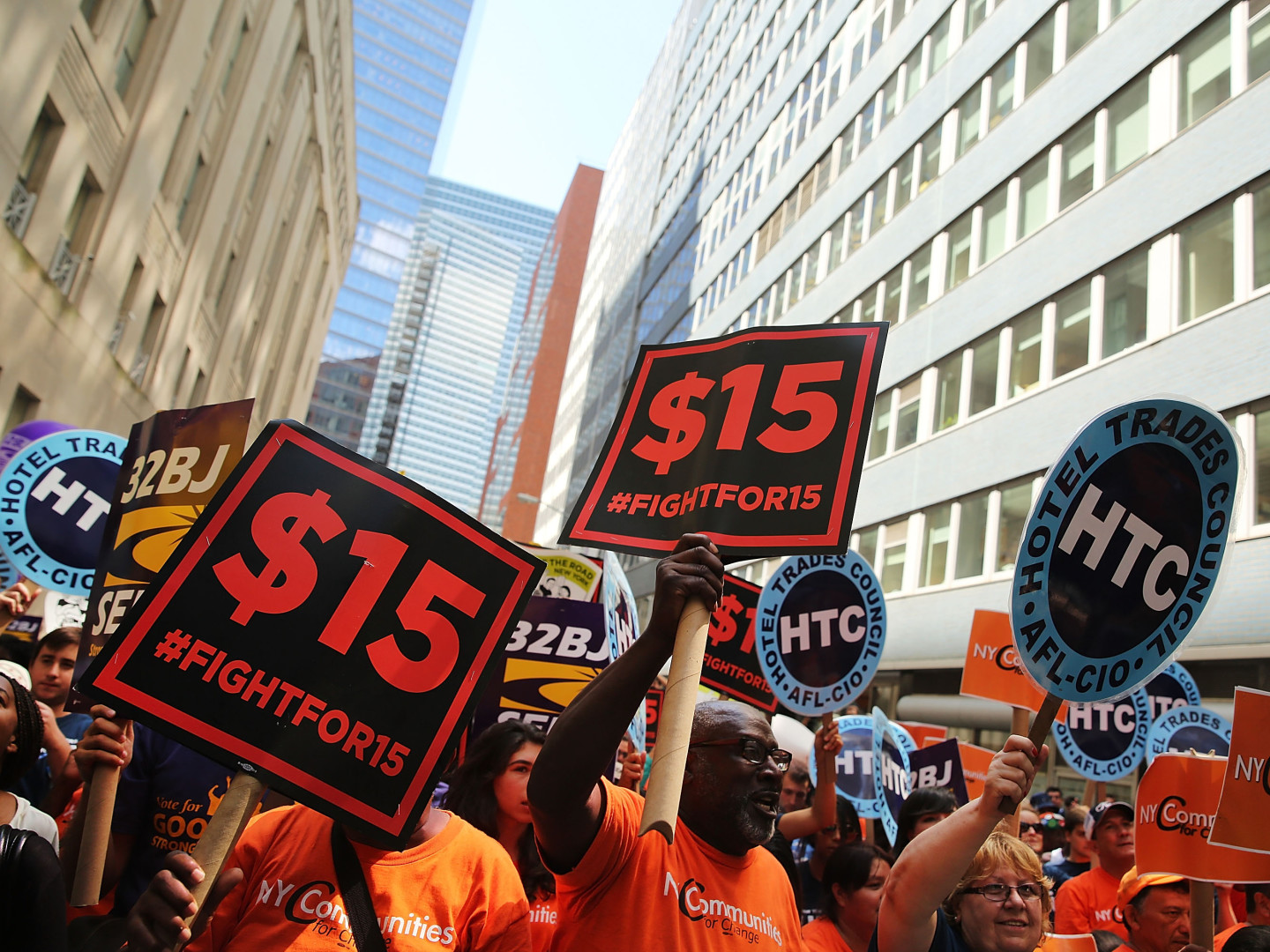
"caption": "Labor leaders, workers and activists attend a rally for a $15 minimum hourly wage Wednesday in New York City. A panel appointed by Gov. Andrew Cuomo recommended the increase.",
"description": "Labor leaders, workers and activists attend a rally for a $15 minimum hourly wage Wednesday in New York City. A panel appointed by Gov. Andrew Cuomo recommended the increase",
"title": "Labor leaders, workers and activists attend a rally for a $15 minimum hourly wage Wednesday in New York City. A panel appointed by Gov. Andrew Cuomo recommended the increase.",
"credit": "Spencer Platt/Getty Images ",
"status": "inherit",
"isLoading": false,
"fetchFailed": false
},
"bayareabites_98368": {
"type": "attachments",
"id": "bayareabites_98368",
"meta": {
"index": "attachments_1716263798",
"site": "bayareabites",
"id": "98368",
"found": true
},
"parent": 98365,
"imgSizes": {
"thumbnail": {
"file": "https://ww2.kqed.org/app/uploads/sites/24/2015/07/Homestead-680x453-400x266.jpg",
"width": 400,
"mimeType": "image/jpeg",
"height": 266
},
"post-thumbnail": {
"file": "https://ww2.kqed.org/app/uploads/sites/24/2015/07/Homestead-680x453-672x372.jpg",
"width": 672,
"mimeType": "image/jpeg",
"height": 372
},
"kqedFullSize": {
"file": "https://ww2.kqed.org/app/uploads/sites/24/2015/07/Homestead-680x453.jpg",
"width": 680,
"height": 453
},
"cat_post_thumb_sizecategory-posts-2": {
"file": "https://ww2.kqed.org/app/uploads/sites/24/2015/07/Homestead-680x453-150x150.jpg",
"width": 150,
"mimeType": "image/jpeg",
"height": 150
},
"guest-author-96": {
"file": "https://ww2.kqed.org/app/uploads/sites/24/2015/07/Homestead-680x453-96x96.jpg",
"width": 96,
"mimeType": "image/jpeg",
"height": 96
},
"guest-author-64": {
"file": "https://ww2.kqed.org/app/uploads/sites/24/2015/07/Homestead-680x453-64x64.jpg",
"width": 64,
"mimeType": "image/jpeg",
"height": 64
},
"detail": {
"file": "https://ww2.kqed.org/app/uploads/sites/24/2015/07/Homestead-680x453-75x75.jpg",
"width": 75,
"mimeType": "image/jpeg",
"height": 75
},
"guest-author-32": {
"file": "https://ww2.kqed.org/app/uploads/sites/24/2015/07/Homestead-680x453-32x32.jpg",
"width": 32,
"mimeType": "image/jpeg",
"height": 32
},
"guest-author-128": {
"file": "https://ww2.kqed.org/app/uploads/sites/24/2015/07/Homestead-680x453-128x128.jpg",
"width": 128,
"mimeType": "image/jpeg",
"height": 128
}
},
"publishDate": 1437601479,
"modified": 1437601515,
"caption": "The line at Homestead, a restaurant where prices have recently gone up to accommodate a new pay structure for cooks. ",
"description": null,
"title": "The line at Homestead, a restaurant where prices have recently gone up to accommodate a new pay structure for cooks.",
"credit": "Photo by Thomas Hawk, courtesy of Flickr/Creative Commons. ",
"status": "inherit",
"isLoading": false,
"fetchFailed": false
}
},
"audioPlayerReducer": {
"postId": "stream_live",
"isPaused": true,
"isPlaying": false,
"pfsActive": false,
"pledgeModalIsOpen": true,
"playerDrawerIsOpen": false,
"liveAudioPlayStartedAt": 0,
"liveAudioPlayContext": ""
},
"authorsReducer": {
"byline_bayareabites_102276": {
"type": "authors",
"id": "byline_bayareabites_102276",
"meta": {
"override": true
},
"slug": "byline_bayareabites_102276",
"name": "Lynne Shallcross, \u003ca href=\"https://ww2.kqed.org/bayareabites/category/npr-food/\">NPR Food\u003c/a>",
"isLoading": false
},
"byline_bayareabites_102158": {
"type": "authors",
"id": "byline_bayareabites_102158",
"meta": {
"override": true
},
"slug": "byline_bayareabites_102158",
"name": "Tracie McMillan, \u003ca href=\"https://ww2.kqed.org/bayareabites/category/npr-food/\">NPR Food\u003c/a>",
"isLoading": false
},
"byline_bayareabites_100839": {
"type": "authors",
"id": "byline_bayareabites_100839",
"meta": {
"override": true
},
"slug": "byline_bayareabites_100839",
"name": "Maria Godoy, \u003ca href=\"https://ww2.kqed.org/bayareabites/author/nprfood/\">NPR Food\u003c/a>",
"isLoading": false
},
"byline_bayareabites_99858": {
"type": "authors",
"id": "byline_bayareabites_99858",
"meta": {
"override": true
},
"slug": "byline_bayareabites_99858",
"name": "Lesley McClurg, Capital Public Radio at \u003ca href=\"https://ww2.kqed.org/bayareabites/author/nprfood/\">NPR Food\u003c/a>",
"isLoading": false
},
"byline_bayareabites_99851": {
"type": "authors",
"id": "byline_bayareabites_99851",
"meta": {
"override": true
},
"slug": "byline_bayareabites_99851",
"name": "Dan Charles, \u003ca href=\"https://ww2.kqed.org/bayareabites/category/npr-food/\">NPR Food\u003c/a>",
"isLoading": false
},
"byline_bayareabites_98389": {
"type": "authors",
"id": "byline_bayareabites_98389",
"meta": {
"override": true
},
"slug": "byline_bayareabites_98389",
"name": "Hansi Lo Wang, \u003ca href=\"http://ww2.kqed.org/bayareabites/author/nprfood/\">NPR Food\u003c/a>",
"isLoading": false
},
"byline_bayareabites_98365": {
"type": "authors",
"id": "byline_bayareabites_98365",
"meta": {
"override": true
},
"slug": "byline_bayareabites_98365",
"name": "\u003ca href=\"http://civileats.com/author/tgreenaway/\">Twilight Greenaway\u003c/a>, \u003ca href=\"https://ww2.kqed.org/bayareabites/author/civileat/\">Civil Eats\u003c/a>",
"isLoading": false
},
"nprfood": {
"type": "authors",
"id": "5403",
"meta": {
"index": "authors_1716337520",
"id": "5403",
"found": true
},
"name": "NPR Food",
"firstName": "NPR Food",
"lastName": null,
"slug": "nprfood",
"email": "nprfood@kqed.org",
"display_author_email": false,
"staff_mastheads": [],
"title": null,
"bio": "Food and Health-related stories from NPR including NPR Radio; NPR's food blog, \"The Salt\"; NPR's Health News blog, \"Shots\"; NPR's Breaking News blog \"The Two-Way\"; NPR's global stories blog \"Goats and Soda,\" NPR's economy explainer \"Planet Money\"; food-related technology news from NPR's \"All Tech Considered\"; and food series \"Kitchen Window.\"",
"avatar": "https://secure.gravatar.com/avatar/c4b735bb26404fa18ce2447d32e64291?s=600&d=blank&r=g",
"twitter": "nprfood",
"facebook": null,
"instagram": null,
"linkedin": null,
"sites": [
{
"site": "bayareabites",
"roles": [
"contributor"
]
},
{
"site": "food",
"roles": [
"contributor"
]
}
],
"headData": {
"title": "NPR Food | KQED",
"description": null,
"ogImgSrc": "https://secure.gravatar.com/avatar/c4b735bb26404fa18ce2447d32e64291?s=600&d=blank&r=g",
"twImgSrc": "https://secure.gravatar.com/avatar/c4b735bb26404fa18ce2447d32e64291?s=600&d=blank&r=g"
},
"isLoading": false,
"link": "/author/nprfood"
},
"shelbypope": {
"type": "authors",
"id": "5566",
"meta": {
"index": "authors_1716337520",
"id": "5566",
"found": true
},
"name": "Shelby Pope",
"firstName": "Shelby",
"lastName": "Pope",
"slug": "shelbypope",
"email": "shelbylpope@gmail.com",
"display_author_email": false,
"staff_mastheads": [],
"title": "KQED Contributor",
"bio": "Shelby Pope is a freelance writer living and eating her way through the East Bay. She’s written about food, art and science for publications including the Smithsonian, Lucky Peach, and the Washington Post's pet blog. When she’s not taste testing sourdough bread to find the Bay Area’s best loaf, you can find her on Twitter \u003ca href=\"https://twitter.com/shelbylpope\">@shelbylpope\u003c/a> or at \u003ca href=\"https://shelbypope.com/\">shelbypope.com\u003c/a>",
"avatar": "https://secure.gravatar.com/avatar/df74e904399e45720e48e36c6e1ae7a90c32216eb2c9c82f3b2e1a9641b507d3?s=600&d=blank&r=g",
"twitter": "shelbylpope",
"bluesky": null,
"facebook": null,
"instagram": null,
"linkedin": null,
"sites": [
{
"site": "arts",
"roles": [
"subscriber"
]
},
{
"site": "food",
"roles": [
"subscriber"
]
}
],
"headData": {
"title": "Shelby Pope | KQED",
"description": "KQED Contributor",
"ogImgSrc": "https://secure.gravatar.com/avatar/df74e904399e45720e48e36c6e1ae7a90c32216eb2c9c82f3b2e1a9641b507d3?s=600&d=blank&r=g",
"twImgSrc": "https://secure.gravatar.com/avatar/df74e904399e45720e48e36c6e1ae7a90c32216eb2c9c82f3b2e1a9641b507d3?s=600&d=blank&r=g"
},
"isLoading": false,
"link": "/author/shelbypope"
},
"alexandrawall": {
"type": "authors",
"id": "5567",
"meta": {
"index": "authors_1716337520",
"id": "5567",
"found": true
},
"name": "Alix Wall",
"firstName": "Alix",
"lastName": "Wall",
"slug": "alexandrawall",
"email": "alixwall@sbcglobal.net",
"display_author_email": false,
"staff_mastheads": [],
"title": null,
"bio": "Alix Wall appeared in her hometown paper in Riverside, California as “Chef of the Week” when she was 15 years old, and in high school, she founded “The Bon Appetit Club.” After working as a journalist for many years, Alix became a certified natural foods chef from Bauman College in Berkeley. While she cooks part-time healthy, organic meals for busy families, she is also a contributing editor of j. weekly, the Bay Area’s Jewish newspaper, in which she has a monthly food column. Her food writing can also be found on Berkeleyside’s NOSH and in Edible East Bay. In addition to food, she loves writing about how couples met and fell in love, which she does for The San Francisco Chronicle’s Style section and j. weekly. In 2016, she founded The Illuminoshi: The Not-So-Secret Society of Bay Area Jewish Food Professionals. She is also writer/producer for a documentary-in-progress called \u003ca href=\"https://www.lonelychildmovie.com/\">The Lonely Child\u003c/a>. Follow Alix on Twitter \u003ca href=\"https://twitter.com/WallAlix\">@WallAlix\u003c/a>.",
"avatar": "https://secure.gravatar.com/avatar/421a27f26a185be932f8d567b499b1f1?s=600&d=blank&r=g",
"twitter": null,
"facebook": null,
"instagram": null,
"linkedin": null,
"sites": [
{
"site": "bayareabites",
"roles": [
"contributor"
]
},
{
"site": "food",
"roles": [
"contributor"
]
}
],
"headData": {
"title": "Alix Wall | KQED",
"description": null,
"ogImgSrc": "https://secure.gravatar.com/avatar/421a27f26a185be932f8d567b499b1f1?s=600&d=blank&r=g",
"twImgSrc": "https://secure.gravatar.com/avatar/421a27f26a185be932f8d567b499b1f1?s=600&d=blank&r=g"
},
"isLoading": false,
"link": "/author/alexandrawall"
},
"civileat": {
"type": "authors",
"id": "5583",
"meta": {
"index": "authors_1716337520",
"id": "5583",
"found": true
},
"name": "Civil Eats",
"firstName": "Civil",
"lastName": "Eats",
"slug": "civileat",
"email": "twilight@civileats.com",
"display_author_email": false,
"staff_mastheads": [],
"title": null,
"bio": "\u003ca href=\"http://civileats.com/\">Civil Eats\u003c/a> is a daily news source for critical thought about the American food system. We publish stories that shift the conversation around sustainable agriculture in an effort to build economically and socially just communities. Follow Civil Eats on Twitter \u003ca href=\"https://twitter.com/CivilEats\">@civileats\u003c/a> and on \u003ca href=\"https://www.facebook.com/pages/Civil-Eats/56766540637\">Facebook\u003c/a>.",
"avatar": "https://secure.gravatar.com/avatar/8f6f50bfb6403afe7cbc194b66cc1d4d?s=600&d=blank&r=g",
"twitter": "CivilEats",
"facebook": "/pages/Civil-Eats/56766540637?ref=hl",
"instagram": null,
"linkedin": null,
"sites": [
{
"site": "bayareabites",
"roles": [
"contributor"
]
},
{
"site": "food",
"roles": [
"contributor"
]
}
],
"headData": {
"title": "Civil Eats | KQED",
"description": null,
"ogImgSrc": "https://secure.gravatar.com/avatar/8f6f50bfb6403afe7cbc194b66cc1d4d?s=600&d=blank&r=g",
"twImgSrc": "https://secure.gravatar.com/avatar/8f6f50bfb6403afe7cbc194b66cc1d4d?s=600&d=blank&r=g"
},
"isLoading": false,
"link": "/author/civileat"
}
},
"pagesReducer": {
"bayareabites_category_economy-and-food-costs": {
"type": "terms",
"id": "bayareabites_1962",
"meta": {
"index": "terms_1716263798",
"site": "bayareabites",
"id": "1962",
"score": 13.896381
},
"featImg": null,
"name": "economy and food costs",
"description": null,
"taxonomy": "category",
"headData": {
"twImgId": null,
"twTitle": null,
"ogTitle": null,
"ogImgId": null,
"twDescription": null,
"description": null,
"title": "economy and food costs Archives | KQED Bay Area Bites",
"ogDescription": null
},
"ttid": 1488,
"slug": "economy-and-food-costs",
"isLoading": false,
"title": "economy and food costs",
"pageMeta": {
"site": "bayareabites",
"WpPageTemplate": "page-topic-editorial",
"currentPage": 7
},
"blocks": [
{
"blockName": "kqed/post-list",
"attrs": {
"layout": "cardArticle2",
"query": "posts/bayareabites?category=economy-and-food-costs",
"seeMore": false,
"paginated": true,
"page": 7
}
},
{
"blockName": "kqed/ad"
}
]
}
},
"pfsSessionReducer": {},
"postsReducer": {
"stream_live": {
"type": "live",
"id": "stream_live",
"audioUrl": "https://streams.kqed.org/kqedradio",
"title": "Live Stream",
"excerpt": "Live Stream information currently unavailable.",
"link": "/radio",
"featImg": "",
"label": {
"name": "KQED Live",
"link": "/"
}
},
"stream_kqedNewscast": {
"type": "posts",
"id": "stream_kqedNewscast",
"audioUrl": "https://www.kqed.org/.stream/anon/radio/RDnews/newscast.mp3?_=1",
"title": "KQED Newscast",
"featImg": "",
"label": {
"name": "88.5 FM",
"link": "/"
}
},
"bayareabites_102276": {
"type": "posts",
"id": "bayareabites_102276",
"meta": {
"index": "posts_1716263798",
"site": "bayareabites",
"id": "102276",
"score": null,
"sort": [
1445291706000
]
},
"parent": 0,
"labelTerm": {
"site": "bayareabites"
},
"blocks": [],
"publishDate": 1445291706,
"format": "standard",
"disqusTitle": "Survey: Half Of Food Workers Go To Work Sick Because They Have To",
"title": "Survey: Half Of Food Workers Go To Work Sick Because They Have To",
"headTitle": "Bay Area Bites | KQED Food",
"content": "\u003cp>Flu season is here. And when the flu strikes, the luckier victims may call in sick without getting punished or losing pay.\u003c/p>\n\u003cp>But many American workers, including those who handle our food, aren't so fortunate.\u003c/p>\n\u003cp>Fifty-one percent of food workers – who do everything from grow and process food to cook and serve it – said they \"always\" or \"frequently\" go to work when they're sick, according to the results of a \u003ca href=\"http://www.alchemysystems.com/mindofthefoodworker/\">survey\u003c/a> released Monday.\u003cstrong> \u003c/strong>Another 38 percent said they go to work sick \"sometimes.\" \u003cstrong>\u003c/strong>\u003c/p>\n\u003cp>That's a practice that can have serious public health consequences. For instance, as The Salt \u003ca href=\"http://www.npr.org/sections/thesalt/2014/06/03/318524155/norovirus-far-more-likely-to-come-from-restaurant-than-cruise-ship\">reported\u003c/a> last year, the vast majority of reported cases of norovirus — the \u003ca href=\"http://www.cdc.gov/vitalsigns/norovirus/index.html\">leading cause\u003c/a> of foodborne disease outbreaks and illnesses across the country — have been linked to infected food industry workers.\u003c/p>\n\u003cp>But it's not as if these sick food workers are careless. Nine out of 10 workers polled in the new survey said they feel responsible for the safety and well-being of their customers. Yet about 45 percent said they go to work sick because they \"can't afford to lose pay.\" And about 46 percent said they do it because \"don't want to let co-workers down.\"\u003c/p>\n\u003cp>[ad fullwidth]\u003c/p>\n\u003cp>The study was commissioned by Alchemy, a firm that works with companies across the food chain to improve safety and productivity. Alchemy CEO Jeff Eastman tells The Salt that the survey was designed to help his firm learn more about the experience of the food worker. Alchemy asked the \u003ca href=\"http://www.crpp.com/\">Center for Research and Public Policy\u003c/a>, a consulting firm, to conduct the research with more than 1,200 food workers in the U.S. and Canada\u003cstrong> \u003c/strong>in July.\u003c/p>\n\u003cp>Though some people might be tempted to point a finger at the workers for going to work sick, the reality of their situation helps explain why they do it, says \u003ca href=\"http://foodchainworkers.org/?page_id=118\">Jose Oliva\u003c/a>, co-director of the Food Chain Workers Alliance. \"A lot of these workers actually depend on every single one of the days that they work for money,\" Oliva says. \"So if you don't go to work, you don't get paid.\"\u003c/p>\n\u003cp>Indeed, a \u003ca href=\"http://foodchainworkers.org/wp-content/uploads/2012/06/Hands-That-Feed-Us-Report.pdf\">2012 study\u003c/a>\u003cstrong> \u003c/strong>from Oliva's Food Chain Workers Alliance and the Restaurant Opportunities Centers United found that 79 percent of food system workers did not have paid sick days or did not know if they did. Similar to the current study, the 2012 report also found that 53 percent of workers had worked when they were sick.\u003c/p>\n\u003cp>And Oliva points to another factor in the equation: low wages. Many of the lowest-paying jobs in America are in the food industry, according to data from the \u003ca href=\"http://www.bls.gov/oes/current/oes_nat.htm#00-0000\">Bureau of Labor Statistics\u003c/a>. If workers were making a living wage, Oliva says, they might have more flexibility to take an unpaid day when needed. But for workers making minimum wage, or even the federal subminimum \"tipped\" wage of $2.13 per hour, \"You just can't,\" take an unpaid day, Oliva says.\u003c/p>\n\u003cp>According to \u003ca href=\"http://laborcenter.berkeley.edu/author/saru-jayaraman/\">Saru Jayaraman\u003c/a>, co-director of the Restaurant Opportunities Centers United and director of the Food Labor Research Center at the University of California, Berkeley, workers have other incentives to come to work sick. \"It's also that they'd actually be penalized, fired or retaliated against for taking a day off when sick,\" she says.\u003c/p>\n\u003cp>Research that the ROCU conducted in Philadelphia, for example, showed that a third of restaurant workers in that city have worked sick because they feared retaliation if they took a day off. Jayaraman, author of the 2014 book \u003ca href=\"http://www.amazon.com/Behind-Kitchen-Door-Saru-Jayaraman/dp/0801479517\">Behind the Kitchen Door\u003c/a>, says workers have told her that they've reported to duty with everything from H1N1 to pink eye and typhoid fever.\u003c/p>\n\u003cp>\"One of the most egregious examples that I describe in the book is a worker at a Fayetteville, N.C., Olive Garden [who] was forced to work with hepatitis A because [Olive Garden] doesn't have an earned sick leave policy,\" Jayaraman says. As a result, Jayaraman says, 3,000 people had to be tested for hepatitis A at the Cumberland County, N.C., health department.\u003c/p>\n\u003cp>Four states – California, Connecticut, Massachusetts and Oregon – \u003ca href=\"http://familyvaluesatwork.org/media-center/paid-sick-days-wins\">have passed legislation\u003c/a> to provide paid sick leave, in addition to a number of cities across the country. Last month, President Obama \u003ca href=\"http://www.npr.org/2015/09/07/438354750/obama-signs-order-to-extend-contractors-paid-sick-leave\">signed an executive order\u003c/a> allowing employees of federal contractors to earn up to seven paid sick days a year.\u003c/p>\n\u003cp>Some food businesses are improving their policies, too. In July, Chipotle \u003ca href=\"http://ir.chipotle.com/phoenix.zhtml?c=194775&p=irol-newsArticle&ID=2069647\">expanded\u003c/a> paid sick leave to all its employees.\u003c/p>\n\u003cp>But Jayaraman says there's still \"tremendous opposition\" to paid sick leave, from the National Restaurant Association and other industry groups. (The association did not respond to multiple requests for comment from NPR.)\u003c/p>\n\u003cp>\u003cstrong>Update, 1:57 p.m.\u003c/strong>\u003c/p>\n\u003cp>The National Restaurant Association's Christin Fernandez tells The Salt that her organization \"does not want workers going into work sick. Flexible scheduling is a hallmark of the restaurant industry. If a restaurant employee is not feeling well, one of good things about the industry is that they can talk to their employer ... and work out a schedule that best fits their health needs.\" \u003c/p>\n\u003cp>\u003c/p>\n\u003cp>\u003cem>Copyright 2015 \u003ca href=\"http://www.npr.org/\" target=\"_blank\">NPR\u003c/a>.\u003c/em> \u003c/p>\n\n",
"disqusIdentifier": "102276 http://ww2.kqed.org/bayareabites/?p=102276",
"disqusUrl": "https://ww2.kqed.org/bayareabites/2015/10/19/survey-half-of-food-workers-go-to-work-sick-because-they-have-to/",
"stats": {
"hasVideo": false,
"hasChartOrMap": false,
"hasAudio": false,
"hasPolis": false,
"wordCount": 861,
"hasGoogleForm": false,
"hasGallery": false,
"hasHearkenModule": false,
"iframeSrcs": [],
"paragraphCount": 20
},
"modified": 1445291706,
"excerpt": "Sick food workers who go to work say they can't afford to stay home or don't want to let their co-workers down, a survey finds. That puts consumers at risk of getting sick from contaminated food.",
"headData": {
"twImgId": "",
"twTitle": "",
"ogTitle": "",
"ogImgId": "",
"twDescription": "",
"description": "Sick food workers who go to work say they can't afford to stay home or don't want to let their co-workers down, a survey finds. That puts consumers at risk of getting sick from contaminated food.",
"title": "Survey: Half Of Food Workers Go To Work Sick Because They Have To | KQED",
"ogDescription": "",
"schema": {
"@context": "https://schema.org",
"@type": "Article",
"headline": "Survey: Half Of Food Workers Go To Work Sick Because They Have To",
"datePublished": "2015-10-19T14:55:06-07:00",
"dateModified": "2015-10-19T14:55:06-07:00",
"image": "https://cdn.kqed.org/wp-content/uploads/2020/02/KQED-OG-Image@1x.png"
}
},
"guestAuthors": [],
"slug": "survey-half-of-food-workers-go-to-work-sick-because-they-have-to",
"status": "publish",
"nprApiLink": "http://api.npr.org/query?id=449213511&apiKey=MDAxOTAwOTE4MDEyMTkxMDAzNjczZDljZA004",
"nprByline": "Lynne Shallcross, \u003ca href=\"https://ww2.kqed.org/bayareabites/category/npr-food/\">NPR Food\u003c/a>",
"nprStoryDate": "Mon, 19 Oct 2015 12:28:00 -0400",
"nprLastModifiedDate": "Mon, 19 Oct 2015 14:47:43 -0400",
"nprHtmlLink": "http://www.npr.org/sections/thesalt/2015/10/19/449213511/survey-half-of-food-workers-go-to-work-sick-because-they-have-to?ft=nprml&f=449213511",
"nprStoryId": "449213511",
"nprRetrievedStory": "1",
"nprPubDate": "Mon, 19 Oct 2015 14:47:00 -0400",
"path": "/bayareabites/102276/survey-half-of-food-workers-go-to-work-sick-because-they-have-to",
"audioTrackLength": null,
"parsedContent": [
{
"type": "contentString",
"content": "\u003cdiv class=\"post-body\">\u003cp>\u003cp>Flu season is here. And when the flu strikes, the luckier victims may call in sick without getting punished or losing pay.\u003c/p>\n\u003cp>But many American workers, including those who handle our food, aren't so fortunate.\u003c/p>\n\u003cp>Fifty-one percent of food workers – who do everything from grow and process food to cook and serve it – said they \"always\" or \"frequently\" go to work when they're sick, according to the results of a \u003ca href=\"http://www.alchemysystems.com/mindofthefoodworker/\">survey\u003c/a> released Monday.\u003cstrong> \u003c/strong>Another 38 percent said they go to work sick \"sometimes.\" \u003cstrong>\u003c/strong>\u003c/p>\n\u003cp>That's a practice that can have serious public health consequences. For instance, as The Salt \u003ca href=\"http://www.npr.org/sections/thesalt/2014/06/03/318524155/norovirus-far-more-likely-to-come-from-restaurant-than-cruise-ship\">reported\u003c/a> last year, the vast majority of reported cases of norovirus — the \u003ca href=\"http://www.cdc.gov/vitalsigns/norovirus/index.html\">leading cause\u003c/a> of foodborne disease outbreaks and illnesses across the country — have been linked to infected food industry workers.\u003c/p>\n\u003cp>But it's not as if these sick food workers are careless. Nine out of 10 workers polled in the new survey said they feel responsible for the safety and well-being of their customers. Yet about 45 percent said they go to work sick because they \"can't afford to lose pay.\" And about 46 percent said they do it because \"don't want to let co-workers down.\"\u003c/p>\n\u003cp>\u003c/p>\u003c/div>",
"attributes": {
"named": {},
"numeric": []
}
},
{
"type": "component",
"content": "",
"name": "ad",
"attributes": {
"named": {
"label": "fullwidth"
},
"numeric": [
"fullwidth"
]
}
},
{
"type": "contentString",
"content": "\u003cdiv class=\"post-body\">\u003cp>\u003c/p>\n\u003cp>The study was commissioned by Alchemy, a firm that works with companies across the food chain to improve safety and productivity. Alchemy CEO Jeff Eastman tells The Salt that the survey was designed to help his firm learn more about the experience of the food worker. Alchemy asked the \u003ca href=\"http://www.crpp.com/\">Center for Research and Public Policy\u003c/a>, a consulting firm, to conduct the research with more than 1,200 food workers in the U.S. and Canada\u003cstrong> \u003c/strong>in July.\u003c/p>\n\u003cp>Though some people might be tempted to point a finger at the workers for going to work sick, the reality of their situation helps explain why they do it, says \u003ca href=\"http://foodchainworkers.org/?page_id=118\">Jose Oliva\u003c/a>, co-director of the Food Chain Workers Alliance. \"A lot of these workers actually depend on every single one of the days that they work for money,\" Oliva says. \"So if you don't go to work, you don't get paid.\"\u003c/p>\n\u003cp>Indeed, a \u003ca href=\"http://foodchainworkers.org/wp-content/uploads/2012/06/Hands-That-Feed-Us-Report.pdf\">2012 study\u003c/a>\u003cstrong> \u003c/strong>from Oliva's Food Chain Workers Alliance and the Restaurant Opportunities Centers United found that 79 percent of food system workers did not have paid sick days or did not know if they did. Similar to the current study, the 2012 report also found that 53 percent of workers had worked when they were sick.\u003c/p>\n\u003cp>And Oliva points to another factor in the equation: low wages. Many of the lowest-paying jobs in America are in the food industry, according to data from the \u003ca href=\"http://www.bls.gov/oes/current/oes_nat.htm#00-0000\">Bureau of Labor Statistics\u003c/a>. If workers were making a living wage, Oliva says, they might have more flexibility to take an unpaid day when needed. But for workers making minimum wage, or even the federal subminimum \"tipped\" wage of $2.13 per hour, \"You just can't,\" take an unpaid day, Oliva says.\u003c/p>\n\u003cp>According to \u003ca href=\"http://laborcenter.berkeley.edu/author/saru-jayaraman/\">Saru Jayaraman\u003c/a>, co-director of the Restaurant Opportunities Centers United and director of the Food Labor Research Center at the University of California, Berkeley, workers have other incentives to come to work sick. \"It's also that they'd actually be penalized, fired or retaliated against for taking a day off when sick,\" she says.\u003c/p>\n\u003cp>Research that the ROCU conducted in Philadelphia, for example, showed that a third of restaurant workers in that city have worked sick because they feared retaliation if they took a day off. Jayaraman, author of the 2014 book \u003ca href=\"http://www.amazon.com/Behind-Kitchen-Door-Saru-Jayaraman/dp/0801479517\">Behind the Kitchen Door\u003c/a>, says workers have told her that they've reported to duty with everything from H1N1 to pink eye and typhoid fever.\u003c/p>\n\u003cp>\"One of the most egregious examples that I describe in the book is a worker at a Fayetteville, N.C., Olive Garden [who] was forced to work with hepatitis A because [Olive Garden] doesn't have an earned sick leave policy,\" Jayaraman says. As a result, Jayaraman says, 3,000 people had to be tested for hepatitis A at the Cumberland County, N.C., health department.\u003c/p>\n\u003cp>Four states – California, Connecticut, Massachusetts and Oregon – \u003ca href=\"http://familyvaluesatwork.org/media-center/paid-sick-days-wins\">have passed legislation\u003c/a> to provide paid sick leave, in addition to a number of cities across the country. Last month, President Obama \u003ca href=\"http://www.npr.org/2015/09/07/438354750/obama-signs-order-to-extend-contractors-paid-sick-leave\">signed an executive order\u003c/a> allowing employees of federal contractors to earn up to seven paid sick days a year.\u003c/p>\n\u003cp>Some food businesses are improving their policies, too. In July, Chipotle \u003ca href=\"http://ir.chipotle.com/phoenix.zhtml?c=194775&p=irol-newsArticle&ID=2069647\">expanded\u003c/a> paid sick leave to all its employees.\u003c/p>\n\u003cp>But Jayaraman says there's still \"tremendous opposition\" to paid sick leave, from the National Restaurant Association and other industry groups. (The association did not respond to multiple requests for comment from NPR.)\u003c/p>\n\u003cp>\u003cstrong>Update, 1:57 p.m.\u003c/strong>\u003c/p>\n\u003cp>The National Restaurant Association's Christin Fernandez tells The Salt that her organization \"does not want workers going into work sick. Flexible scheduling is a hallmark of the restaurant industry. If a restaurant employee is not feeling well, one of good things about the industry is that they can talk to their employer ... and work out a schedule that best fits their health needs.\" \u003c/p>\n\u003cp>\u003c/p>\n\u003cp>\u003cem>Copyright 2015 \u003ca href=\"http://www.npr.org/\" target=\"_blank\">NPR\u003c/a>.\u003c/em> \u003c/p>\n\n\u003c/div>\u003c/p>",
"attributes": {
"named": {},
"numeric": []
}
}
],
"link": "/bayareabites/102276/survey-half-of-food-workers-go-to-work-sick-because-they-have-to",
"authors": [
"byline_bayareabites_102276"
],
"categories": [
"bayareabites_1962",
"bayareabites_1146",
"bayareabites_10916",
"bayareabites_2035"
],
"tags": [
"bayareabites_14800",
"bayareabites_11544",
"bayareabites_14982"
],
"featImg": "bayareabites_102277",
"label": "bayareabites"
},
"bayareabites_102199": {
"type": "posts",
"id": "bayareabites_102199",
"meta": {
"index": "posts_1716263798",
"site": "bayareabites",
"id": "102199",
"score": null,
"sort": [
1444929492000
]
},
"parent": 0,
"labelTerm": {
"site": "bayareabites"
},
"blocks": [],
"publishDate": 1444929492,
"format": "audio",
"disqusTitle": "Danny Meyer To Banish Tipping And Raise Prices At His N.Y. Restaurants",
"title": "Danny Meyer To Banish Tipping And Raise Prices At His N.Y. Restaurants",
"headTitle": "Bay Area Bites | KQED Food",
"content": "\u003cp>\u003cstrong>Listen to the Story on All Things Considered:\u003c/strong>\u003cbr>\nhttp://pd.npr.org/anon.npr-mp3/npr/atc/2015/10/20151014_atc_danny_meyer_will_banish_tipping_and_raise_prices_at_his_restaurants.mp3\u003c/p>\n\u003cp>In mid-November, diners at the New York restaurants Gramercy Tavern and The Modern may notice something new on their menus: higher prices, across the board.\u003c/p>\n\u003cp>Why? Because the man in charge of those and 11 other celebrated eateries is doing away with tipping. \u003ca href=\"http://www.npr.org/templates/story/story.php?storyId=6162737\">Danny Meyer\u003c/a>, the CEO of \u003ca href=\"http://www.ushgnyc.com/\">Union Square Hospitality Group\u003c/a> (he also founded \u003ca href=\"http://www.npr.org/sections/thesalt/2015/01/30/382658859/shake-shack-sizzles-with-ipo-as-mcdonald-s-fizzles\">Shake Shack\u003c/a>), says tipping is actually a big problem for his industry.\u003c/p>\n\u003cp>\"I think that restaurant patrons have unwittingly believed that they could, if they wanted to, use their tip to punish bad service, and/or to praise great service,\" Meyer tells \u003cem>All Things Considered's\u003c/em> Kelly McEvers. \"What that's done over the years has actually been quite the opposite, because the average American restaurant-goer leaves the exact same tip, irrespective of the service they receive. And unfortunately, none of those tips that you leave in a restaurant may be shared with the full team, i.e. the cooks, the dishwashers, the prep cooks, the butchers, etc.\"\u003c/p>\n\u003cp>But it might not be easy to bridge that gap between what the servers make and what the dishwashers make. Meyer says that since he started in the restaurant business 30 years ago, he's seen \"something fascinating and completely unfair: Waiters' income in a fine-dining restaurant has gone up well over 200 percent.\"\u003c/p>\n\u003cp>[ad fullwidth]\u003c/p>\n\u003cp>That's happened for two reasons: \"Menu prices have gone up, and the average tip that people leave has actually gone up from around 15 percent in 1985 to about 21 percent today.\"\u003c/p>\n\u003cp>Meanwhile, Meyer says, workers at the back of the house who don't get tipped have seen their hourly wage go up only 22 to 25 percent.\u003c/p>\n\u003cfigure id=\"attachment_102201\" class=\"wp-caption aligncenter\" style=\"max-width: 1920px\">\u003cimg src=\"http://ww2.kqed.org/bayareabites/wp-content/uploads/sites/24/2015/10/6636125613_bcd787e11c_o-1-_wide-6f2940f020eed16ac92afeff6eba488ba5deff7a-e1444929274490.jpg\" alt=\"Gramercy Tavern, in New York City, one of Danny Meyer's restaurants. Meyer says he will try to keep the new prices on par with a 21 percent tip — what diners have been adding on average lately.\" width=\"1920\" height=\"1080\" class=\"size-full wp-image-102201\">\u003cfigcaption class=\"wp-caption-text\">Gramercy Tavern, in New York City, one of Danny Meyer's restaurants. Meyer says he will try to keep the new prices on par with a 21 percent tip — what diners have been adding on average lately. \u003ccite>(\u003ca href=\"https://www.flickr.com/photos/16497759@N07/6636125613/\" target=\"_blank\">London Road/Flickr\u003c/a> )\u003c/cite>\u003c/figcaption>\u003c/figure>\n\u003cp>\"So by incorporating everything in the menu prices, and therefore having it be the restaurant's responsibility to pay everybody a fair wage, we think we have the opportunity to make a great place to work for everybody — not just servers, but also for our cooks,\" he says.\u003c/p>\n\u003cp>Meyer says he hopes it'll also solve the problem of servers having to take a pay cut of about 25 percent if they want to move up and become managers. \"We're going to change that,\" he says.\u003c/p>\n\u003cp>Of course, this sea change in how his restaurants are run will result in higher menu prices. How much? Meyer says, \"When you get your bill, it should look just about exactly as it would have if you had left your gratuity in the old days.\"\u003c/p>\n\u003cp>That means he will try to keep prices on par with a 21 percent tip — what diners have been adding on average lately.\u003c/p>\n\u003cp>This strategy could also help fine-dining restaurants in expensive cities like New York City hold on to cooks who now might find even better opportunities at fast-food restaurants, Meyer says.\u003c/p>\n\u003cp>\"We've never faced a labor shortage the way we have right now,\" he says. \"The fast-food industry is by law going to be raising its minimum wage to $15 an hour. So why would you tell your parents, 'Gee, please help me pay the bills for a culinary education so I can make less than that in a white-tablecloth restaurant.' \"\u003c/p>\n\u003cp>Will other restaurants follow?\u003c/p>\n\u003cp>\"There's a huge number of colleagues in our industry who will be watching very, very closely,\" says Meyer. \"We felt a responsibility to go first, and we're proud to do it because it's the right thing to do. And I really think you're going to see this happen all over the country.\" \u003c/p>\n\u003cp>\u003c/p>\n\u003cp>\u003cem> Copyright 2015 \u003ca href=\"http://www.npr.org/\" target=\"_blank\">NPR\u003c/a>.\u003cbr>\n\u003c/em>\u003c/p>\n\n",
"disqusIdentifier": "102199 http://ww2.kqed.org/bayareabites/?p=102199",
"disqusUrl": "https://ww2.kqed.org/bayareabites/2015/10/15/danny-meyer-to-banish-tipping-and-raise-prices-at-his-n-y-restaurants/",
"stats": {
"hasVideo": false,
"hasChartOrMap": false,
"hasAudio": false,
"hasPolis": false,
"wordCount": 660,
"hasGoogleForm": false,
"hasGallery": false,
"hasHearkenModule": false,
"iframeSrcs": [],
"paragraphCount": 18
},
"modified": 1444929492,
"excerpt": "Meyer says \"something fascinating and completely unfair\" plagues the restaurant industry: Waiters' incomes have risen far faster than other staff. To balance salaries out, he'll charge more for food.",
"headData": {
"twImgId": "",
"twTitle": "",
"ogTitle": "",
"ogImgId": "",
"twDescription": "",
"description": "Meyer says "something fascinating and completely unfair" plagues the restaurant industry: Waiters' incomes have risen far faster than other staff. To balance salaries out, he'll charge more for food.",
"title": "Danny Meyer To Banish Tipping And Raise Prices At His N.Y. Restaurants | KQED",
"ogDescription": "",
"schema": {
"@context": "https://schema.org",
"@type": "Article",
"headline": "Danny Meyer To Banish Tipping And Raise Prices At His N.Y. Restaurants",
"datePublished": "2015-10-15T10:18:12-07:00",
"dateModified": "2015-10-15T10:18:12-07:00",
"image": "https://cdn.kqed.org/wp-content/uploads/2020/02/KQED-OG-Image@1x.png"
}
},
"guestAuthors": [],
"slug": "danny-meyer-to-banish-tipping-and-raise-prices-at-his-n-y-restaurants",
"status": "publish",
"nprApiLink": "http://api.npr.org/query?id=448678237&apiKey=MDAxOTAwOTE4MDEyMTkxMDAzNjczZDljZA004",
"nprStoryDate": "Wed, 14 Oct 2015 17:23:00 -0400",
"nprLastModifiedDate": "Thu, 15 Oct 2015 12:09:11 -0400",
"nprHtmlLink": "http://www.npr.org/sections/thesalt/2015/10/14/448678237/danny-meyer-will-banish-tipping-and-raise-prices-at-his-restaurants?ft=nprml&f=448678237",
"nprAudio": "http://pd.npr.org/anon.npr-mp3/npr/atc/2015/10/20151014_atc_danny_meyer_will_banish_tipping_and_raise_prices_at_his_restaurants.mp3?orgId=1&topicId=1053&d=245&p=2&story=448678237&t=progseg&e=448563347&seg=16&ft=nprml&f=448678237",
"nprAudioM3u": "http://api.npr.org/m3u/1448697195-5ab831.m3u?orgId=1&topicId=1053&d=245&p=2&story=448678237&t=progseg&e=448563347&seg=16&ft=nprml&f=448678237",
"nprStoryId": "448678237",
"nprRetrievedStory": "1",
"nprPubDate": "Thu, 15 Oct 2015 12:09:00 -0400",
"path": "/bayareabites/102199/danny-meyer-to-banish-tipping-and-raise-prices-at-his-n-y-restaurants",
"audioUrl": "http://pd.npr.org/anon.npr-mp3/npr/atc/2015/10/20151014_atc_danny_meyer_will_banish_tipping_and_raise_prices_at_his_restaurants.mp3?orgId=1&topicId=1053&d=245&p=2&story=448678237&t=progseg&e=448563347&seg=16&ft=nprml&f=448678237",
"audioTrackLength": null,
"parsedContent": [
{
"type": "contentString",
"content": "\u003cdiv class=\"post-body\">\u003cp>\u003cp>\u003cstrong>Listen to the Story on All Things Considered:\u003c/strong>\u003cbr>\nhttp://pd.npr.org/anon.npr-mp3/npr/atc/2015/10/20151014_atc_danny_meyer_will_banish_tipping_and_raise_prices_at_his_restaurants.mp3\u003c/p>\n\u003cp>In mid-November, diners at the New York restaurants Gramercy Tavern and The Modern may notice something new on their menus: higher prices, across the board.\u003c/p>\n\u003cp>Why? Because the man in charge of those and 11 other celebrated eateries is doing away with tipping. \u003ca href=\"http://www.npr.org/templates/story/story.php?storyId=6162737\">Danny Meyer\u003c/a>, the CEO of \u003ca href=\"http://www.ushgnyc.com/\">Union Square Hospitality Group\u003c/a> (he also founded \u003ca href=\"http://www.npr.org/sections/thesalt/2015/01/30/382658859/shake-shack-sizzles-with-ipo-as-mcdonald-s-fizzles\">Shake Shack\u003c/a>), says tipping is actually a big problem for his industry.\u003c/p>\n\u003cp>\"I think that restaurant patrons have unwittingly believed that they could, if they wanted to, use their tip to punish bad service, and/or to praise great service,\" Meyer tells \u003cem>All Things Considered's\u003c/em> Kelly McEvers. \"What that's done over the years has actually been quite the opposite, because the average American restaurant-goer leaves the exact same tip, irrespective of the service they receive. And unfortunately, none of those tips that you leave in a restaurant may be shared with the full team, i.e. the cooks, the dishwashers, the prep cooks, the butchers, etc.\"\u003c/p>\n\u003cp>But it might not be easy to bridge that gap between what the servers make and what the dishwashers make. Meyer says that since he started in the restaurant business 30 years ago, he's seen \"something fascinating and completely unfair: Waiters' income in a fine-dining restaurant has gone up well over 200 percent.\"\u003c/p>\n\u003cp>\u003c/p>\u003c/div>",
"attributes": {
"named": {},
"numeric": []
}
},
{
"type": "component",
"content": "",
"name": "ad",
"attributes": {
"named": {
"label": "fullwidth"
},
"numeric": [
"fullwidth"
]
}
},
{
"type": "contentString",
"content": "\u003cdiv class=\"post-body\">\u003cp>\u003c/p>\n\u003cp>That's happened for two reasons: \"Menu prices have gone up, and the average tip that people leave has actually gone up from around 15 percent in 1985 to about 21 percent today.\"\u003c/p>\n\u003cp>Meanwhile, Meyer says, workers at the back of the house who don't get tipped have seen their hourly wage go up only 22 to 25 percent.\u003c/p>\n\u003cfigure id=\"attachment_102201\" class=\"wp-caption aligncenter\" style=\"max-width: 1920px\">\u003cimg src=\"http://ww2.kqed.org/bayareabites/wp-content/uploads/sites/24/2015/10/6636125613_bcd787e11c_o-1-_wide-6f2940f020eed16ac92afeff6eba488ba5deff7a-e1444929274490.jpg\" alt=\"Gramercy Tavern, in New York City, one of Danny Meyer's restaurants. Meyer says he will try to keep the new prices on par with a 21 percent tip — what diners have been adding on average lately.\" width=\"1920\" height=\"1080\" class=\"size-full wp-image-102201\">\u003cfigcaption class=\"wp-caption-text\">Gramercy Tavern, in New York City, one of Danny Meyer's restaurants. Meyer says he will try to keep the new prices on par with a 21 percent tip — what diners have been adding on average lately. \u003ccite>(\u003ca href=\"https://www.flickr.com/photos/16497759@N07/6636125613/\" target=\"_blank\">London Road/Flickr\u003c/a> )\u003c/cite>\u003c/figcaption>\u003c/figure>\n\u003cp>\"So by incorporating everything in the menu prices, and therefore having it be the restaurant's responsibility to pay everybody a fair wage, we think we have the opportunity to make a great place to work for everybody — not just servers, but also for our cooks,\" he says.\u003c/p>\n\u003cp>Meyer says he hopes it'll also solve the problem of servers having to take a pay cut of about 25 percent if they want to move up and become managers. \"We're going to change that,\" he says.\u003c/p>\n\u003cp>Of course, this sea change in how his restaurants are run will result in higher menu prices. How much? Meyer says, \"When you get your bill, it should look just about exactly as it would have if you had left your gratuity in the old days.\"\u003c/p>\n\u003cp>That means he will try to keep prices on par with a 21 percent tip — what diners have been adding on average lately.\u003c/p>\n\u003cp>This strategy could also help fine-dining restaurants in expensive cities like New York City hold on to cooks who now might find even better opportunities at fast-food restaurants, Meyer says.\u003c/p>\n\u003cp>\"We've never faced a labor shortage the way we have right now,\" he says. \"The fast-food industry is by law going to be raising its minimum wage to $15 an hour. So why would you tell your parents, 'Gee, please help me pay the bills for a culinary education so I can make less than that in a white-tablecloth restaurant.' \"\u003c/p>\n\u003cp>Will other restaurants follow?\u003c/p>\n\u003cp>\"There's a huge number of colleagues in our industry who will be watching very, very closely,\" says Meyer. \"We felt a responsibility to go first, and we're proud to do it because it's the right thing to do. And I really think you're going to see this happen all over the country.\" \u003c/p>\n\u003cp>\u003c/p>\n\u003cp>\u003cem> Copyright 2015 \u003ca href=\"http://www.npr.org/\" target=\"_blank\">NPR\u003c/a>.\u003cbr>\n\u003c/em>\u003c/p>\n\n\u003c/div>\u003c/p>",
"attributes": {
"named": {},
"numeric": []
}
}
],
"link": "/bayareabites/102199/danny-meyer-to-banish-tipping-and-raise-prices-at-his-n-y-restaurants",
"authors": [
"5403"
],
"categories": [
"bayareabites_1962",
"bayareabites_10028",
"bayareabites_4084",
"bayareabites_1146",
"bayareabites_10916",
"bayareabites_1807"
],
"tags": [
"bayareabites_9174",
"bayareabites_14976",
"bayareabites_72",
"bayareabites_11429",
"bayareabites_14977",
"bayareabites_1147"
],
"featImg": "bayareabites_102200",
"label": "bayareabites"
},
"bayareabites_102158": {
"type": "posts",
"id": "bayareabites_102158",
"meta": {
"index": "posts_1716263798",
"site": "bayareabites",
"id": "102158",
"score": null,
"sort": [
1444843794000
]
},
"parent": 0,
"labelTerm": {
"site": "bayareabites"
},
"blocks": [],
"publishDate": 1444843794,
"format": "standard",
"disqusTitle": "Why Walmart And Other Retail Chains May Not Fix The Food Deserts",
"title": "Why Walmart And Other Retail Chains May Not Fix The Food Deserts",
"headTitle": "Bay Area Bites | KQED Food",
"content": "\u003cp>Earlier this month, \u003ca href=\"http://corporate.walmart.com/article/walmart-outlines-new-ways-it-is-helping-customers-live-healthy-lives\">Walmart trumpeted that it had beaten a goal\u003c/a> it set five years ago: to open at least 275 stores in food deserts by 2016. That targeted expansion into \"neighborhoods without access to fresh affordable groceries\" came as part of the retailer's \"healthier food initiative,\" \u003ca href=\"http://www.reuters.com/article/2011/07/20/us-grocers-whitehouse-idUSTRE76J5S420110720\">lauded by — and launched with — First Lady Michelle Obama\u003c/a> in 2011. Walmarts have been popping up in lower-income urban areas where grocery stores are scarce ever since.\u003c/p>\n\u003cp>But new research suggests that plugging food access holes with big box stores may not lead to healthier habits. According to a study just published online in the \u003ca href=\"http://www.ajpmonline.org/article/S0749-3797(15)00415-8/fulltext\">American Journal of Public Health\u003c/a>, Americans' junk food calories increasingly come from big box stores rather than traditional grocers.\u003c/p>\n\u003cp>The share of calories from packaged food products purchased at mass merchandisers, convenience stores and warehouse clubs nearly doubled from 2000 to 2012, rising from 23 percent to 40 percent, according to an \u003ca href=\"http://www.ajpmonline.org/cms/attachment/2037401609/2051875473/gr1_lrg.jpg\">analysis of Nielsen Homescan data\u003c/a> by University of North Carolina researchers. That increase was almost entirely driven by a loss in packaged food sales at grocery stores, whose share of those sales dropped from 69 to 51 percent over the same period. (\"Packaged food products\" here means processed and shelf-stable foods, including snacks, soda and desserts.)\u003c/p>\n\u003cp>What's more, the packaged foods people bought at big box and convenience stores were, on average, higher in sugar, sodium and saturated fat than those bought at traditional grocers, the researchers found.\u003c/p>\n\u003cp>The problem, says Dalia Stern, a researcher at the Carolina Population Center and lead author of the study, is that big box stories sell plenty of junk along with healthy options — and shoppers don't necessarily go for the latter.\u003c/p>\n\u003cp>[ad fullwidth]\u003c/p>\n\u003cp>\"We can't assume that because a store is bigger and stocks healthy and unhealthy products, that [people] are going to choose the healthy products,\" says Stern.\u003c/p>\n\u003cp>While that's particularly true at places like Walmart, other food retailers aren't off the hook, either. Other 2011 Homescan data in the \u003cem>AJPM\u003c/em> study indicated that produce purchases top out at grocery stores: about 6 to 12 percent of shoppers' budgets. Shoppers at big merchandisers and warehouse clubs, by comparison, spent 4 and 2 percent of their food bill on fruits and vegetables, respectively.\u003c/p>\n\u003cp>Stern's findings about junk food purchases at big box stores adds weight to other research on large-scale retailers' impact on our diet. In January, a \u003ca href=\"http://www.nber.org/papers/w20892\">report\u003c/a> from researchers at the National Bureau of Economic Research suggested that the density of supercenters like Walmart played a key role in increasing the rate of obesity in the U.S.\u003c/p>\n\u003cp>Even so, says Stern, \"it might not necessarily be the type of store that is really driving what people are purchasing.\" Instead, she noted, it could be a mix of consumer preference and junk food simply outnumbering — and out-marketing — the healthy stuff.\u003c/p>\n\u003cp>That's not to say that having a grocery store nearby is irrelevant to health, caution public health advocates. \"Access is not a silver bullet,\" Allison Hagey, associate director of Policy Link, a public policy organization, tells The Salt. Instead, she says, changing people's diets is a problem of \"both manufacturers and working with consumers. You need to access in order to have healthy food,\" she says. But \"telling someone 'kale' without telling them what to do with it is really hard.\"\u003c/p>\n\u003cp>The only retail outlet where produce sales outstrip packaged foods may be the farmer's market. But consider how many Americans are actually eating from there. While there are now about 8,700 farmers markets in the U.S. – \u003ca href=\"http://www.ams.usda.gov/sites/default/files/media/FarmersMarketDirectoryListing.jpg\">quadruple\u003c/a> what we had 20 years ago — , the share of sales attributed to them (along with wholesalers and processors) was just under 6 percent in 2014.\u003c/p>\n\u003cp>Compare that to the boom in big box stores: From 1994 to 2015, Walmart went from having \u003ca href=\"http://media.corporate-ir.net/media_files/irol/11/112761/ARs/1994AR.pdf\">68 supercenters\u003c/a>, the store format that includes grocery departments, to \u003ca href=\"http://stock.walmart.com/files/doc_financials/2014/Annual/2014-annual-report.pdf\">3,288\u003c/a>. All combined, supercenters (think Target's grocery division) made up 17 percent of grocery sales last year, according to the \u003ca href=\"http://https/docs.google.com/viewer?url=http%3A%2F%2Fwww.ers.usda.gov%2Fdatafiles%2FFood_Expenditures%2FFood_Expenditures%2Ftable14.xls\">USDA, \u003c/a>while plain old supermarkets and grocers made up another 64 percent.\u003c/p>\n\u003cp>So how can all these stores do more to help people be healthy? Stern and her colleagues write that they need to \"stock and promote purchases of more healthful products at better prices relative to less healthful foods.\" \u003c/p>\n\u003cp>\u003c/p>\n\u003cp>\u003cem>Copyright 2015 \u003ca href=\"http://www.npr.org/\" target=\"_blank\">NPR\u003c/a>.\u003c/em> \u003c/p>\n\n",
"disqusIdentifier": "102158 http://ww2.kqed.org/bayareabites/?p=102158",
"disqusUrl": "https://ww2.kqed.org/bayareabites/2015/10/14/why-wal-mart-and-other-retail-chains-may-not-fix-the-food-deserts/",
"stats": {
"hasVideo": false,
"hasChartOrMap": false,
"hasAudio": false,
"hasPolis": false,
"wordCount": 740,
"hasGoogleForm": false,
"hasGallery": false,
"hasHearkenModule": false,
"iframeSrcs": [],
"paragraphCount": 16
},
"modified": 1444844753,
"excerpt": "Americans' junk food calories increasingly come from big box and convenience stores rather than traditional grocers, a study finds. And researchers say this trend is a public health concern.",
"headData": {
"twImgId": "",
"twTitle": "",
"ogTitle": "",
"ogImgId": "",
"twDescription": "",
"description": "Americans' junk food calories increasingly come from big box and convenience stores rather than traditional grocers, a study finds. And researchers say this trend is a public health concern.",
"title": "Why Walmart And Other Retail Chains May Not Fix The Food Deserts | KQED",
"ogDescription": "",
"schema": {
"@context": "https://schema.org",
"@type": "Article",
"headline": "Why Walmart And Other Retail Chains May Not Fix The Food Deserts",
"datePublished": "2015-10-14T10:29:54-07:00",
"dateModified": "2015-10-14T10:45:53-07:00",
"image": "https://cdn.kqed.org/wp-content/uploads/2020/02/KQED-OG-Image@1x.png"
}
},
"guestAuthors": [],
"slug": "why-wal-mart-and-other-retail-chains-may-not-fix-the-food-deserts",
"status": "publish",
"nprApiLink": "http://api.npr.org/query?id=448300139&apiKey=MDAxOTAwOTE4MDEyMTkxMDAzNjczZDljZA004",
"nprByline": "Tracie McMillan, \u003ca href=\"https://ww2.kqed.org/bayareabites/category/npr-food/\">NPR Food\u003c/a>",
"nprStoryDate": "Tue, 13 Oct 2015 16:58:49 -0400",
"nprLastModifiedDate": "Tue, 13 Oct 2015 16:58:49 -0400",
"nprHtmlLink": "http://www.npr.org/sections/thesalt/2015/10/13/448300139/why-wal-mart-and-other-retail-chains-may-not-fix-the-food-deserts?ft=nprml&f=448300139",
"nprStoryId": "448300139",
"nprRetrievedStory": "1",
"nprPubDate": "Tue, 13 Oct 2015 16:58:00 -0400",
"path": "/bayareabites/102158/why-wal-mart-and-other-retail-chains-may-not-fix-the-food-deserts",
"audioTrackLength": null,
"parsedContent": [
{
"type": "contentString",
"content": "\u003cdiv class=\"post-body\">\u003cp>\u003cp>Earlier this month, \u003ca href=\"http://corporate.walmart.com/article/walmart-outlines-new-ways-it-is-helping-customers-live-healthy-lives\">Walmart trumpeted that it had beaten a goal\u003c/a> it set five years ago: to open at least 275 stores in food deserts by 2016. That targeted expansion into \"neighborhoods without access to fresh affordable groceries\" came as part of the retailer's \"healthier food initiative,\" \u003ca href=\"http://www.reuters.com/article/2011/07/20/us-grocers-whitehouse-idUSTRE76J5S420110720\">lauded by — and launched with — First Lady Michelle Obama\u003c/a> in 2011. Walmarts have been popping up in lower-income urban areas where grocery stores are scarce ever since.\u003c/p>\n\u003cp>But new research suggests that plugging food access holes with big box stores may not lead to healthier habits. According to a study just published online in the \u003ca href=\"http://www.ajpmonline.org/article/S0749-3797(15)00415-8/fulltext\">American Journal of Public Health\u003c/a>, Americans' junk food calories increasingly come from big box stores rather than traditional grocers.\u003c/p>\n\u003cp>The share of calories from packaged food products purchased at mass merchandisers, convenience stores and warehouse clubs nearly doubled from 2000 to 2012, rising from 23 percent to 40 percent, according to an \u003ca href=\"http://www.ajpmonline.org/cms/attachment/2037401609/2051875473/gr1_lrg.jpg\">analysis of Nielsen Homescan data\u003c/a> by University of North Carolina researchers. That increase was almost entirely driven by a loss in packaged food sales at grocery stores, whose share of those sales dropped from 69 to 51 percent over the same period. (\"Packaged food products\" here means processed and shelf-stable foods, including snacks, soda and desserts.)\u003c/p>\n\u003cp>What's more, the packaged foods people bought at big box and convenience stores were, on average, higher in sugar, sodium and saturated fat than those bought at traditional grocers, the researchers found.\u003c/p>\n\u003cp>The problem, says Dalia Stern, a researcher at the Carolina Population Center and lead author of the study, is that big box stories sell plenty of junk along with healthy options — and shoppers don't necessarily go for the latter.\u003c/p>\n\u003cp>\u003c/p>\u003c/div>",
"attributes": {
"named": {},
"numeric": []
}
},
{
"type": "component",
"content": "",
"name": "ad",
"attributes": {
"named": {
"label": "fullwidth"
},
"numeric": [
"fullwidth"
]
}
},
{
"type": "contentString",
"content": "\u003cdiv class=\"post-body\">\u003cp>\u003c/p>\n\u003cp>\"We can't assume that because a store is bigger and stocks healthy and unhealthy products, that [people] are going to choose the healthy products,\" says Stern.\u003c/p>\n\u003cp>While that's particularly true at places like Walmart, other food retailers aren't off the hook, either. Other 2011 Homescan data in the \u003cem>AJPM\u003c/em> study indicated that produce purchases top out at grocery stores: about 6 to 12 percent of shoppers' budgets. Shoppers at big merchandisers and warehouse clubs, by comparison, spent 4 and 2 percent of their food bill on fruits and vegetables, respectively.\u003c/p>\n\u003cp>Stern's findings about junk food purchases at big box stores adds weight to other research on large-scale retailers' impact on our diet. In January, a \u003ca href=\"http://www.nber.org/papers/w20892\">report\u003c/a> from researchers at the National Bureau of Economic Research suggested that the density of supercenters like Walmart played a key role in increasing the rate of obesity in the U.S.\u003c/p>\n\u003cp>Even so, says Stern, \"it might not necessarily be the type of store that is really driving what people are purchasing.\" Instead, she noted, it could be a mix of consumer preference and junk food simply outnumbering — and out-marketing — the healthy stuff.\u003c/p>\n\u003cp>That's not to say that having a grocery store nearby is irrelevant to health, caution public health advocates. \"Access is not a silver bullet,\" Allison Hagey, associate director of Policy Link, a public policy organization, tells The Salt. Instead, she says, changing people's diets is a problem of \"both manufacturers and working with consumers. You need to access in order to have healthy food,\" she says. But \"telling someone 'kale' without telling them what to do with it is really hard.\"\u003c/p>\n\u003cp>The only retail outlet where produce sales outstrip packaged foods may be the farmer's market. But consider how many Americans are actually eating from there. While there are now about 8,700 farmers markets in the U.S. – \u003ca href=\"http://www.ams.usda.gov/sites/default/files/media/FarmersMarketDirectoryListing.jpg\">quadruple\u003c/a> what we had 20 years ago — , the share of sales attributed to them (along with wholesalers and processors) was just under 6 percent in 2014.\u003c/p>\n\u003cp>Compare that to the boom in big box stores: From 1994 to 2015, Walmart went from having \u003ca href=\"http://media.corporate-ir.net/media_files/irol/11/112761/ARs/1994AR.pdf\">68 supercenters\u003c/a>, the store format that includes grocery departments, to \u003ca href=\"http://stock.walmart.com/files/doc_financials/2014/Annual/2014-annual-report.pdf\">3,288\u003c/a>. All combined, supercenters (think Target's grocery division) made up 17 percent of grocery sales last year, according to the \u003ca href=\"http://https/docs.google.com/viewer?url=http%3A%2F%2Fwww.ers.usda.gov%2Fdatafiles%2FFood_Expenditures%2FFood_Expenditures%2Ftable14.xls\">USDA, \u003c/a>while plain old supermarkets and grocers made up another 64 percent.\u003c/p>\n\u003cp>So how can all these stores do more to help people be healthy? Stern and her colleagues write that they need to \"stock and promote purchases of more healthful products at better prices relative to less healthful foods.\" \u003c/p>\n\u003cp>\u003c/p>\n\u003cp>\u003cem>Copyright 2015 \u003ca href=\"http://www.npr.org/\" target=\"_blank\">NPR\u003c/a>.\u003c/em> \u003c/p>\n\n\u003c/div>\u003c/p>",
"attributes": {
"named": {},
"numeric": []
}
}
],
"link": "/bayareabites/102158/why-wal-mart-and-other-retail-chains-may-not-fix-the-food-deserts",
"authors": [
"byline_bayareabites_102158"
],
"categories": [
"bayareabites_1962",
"bayareabites_4084",
"bayareabites_10916"
],
"tags": [
"bayareabites_9531",
"bayareabites_11872"
],
"featImg": "bayareabites_102159",
"label": "bayareabites"
},
"bayareabites_101903": {
"type": "posts",
"id": "bayareabites_101903",
"meta": {
"index": "posts_1716263798",
"site": "bayareabites",
"id": "101903",
"score": null,
"sort": [
1444672790000
]
},
"parent": 0,
"labelTerm": {
"site": "bayareabites"
},
"blocks": [],
"publishDate": 1444672790,
"format": "standard",
"disqusTitle": "Race, Money and Food: Talking To The Oakland Food Policy Council",
"title": "Race, Money and Food: Talking To The Oakland Food Policy Council",
"headTitle": "Bay Area Bites | KQED Food",
"content": "\u003cp>When the Sacramento book club Sistahs on the Reading Edge, composed of ten black women and one white woman, was kicked off the \u003ca href=\"http://winetrain.com/\" target=\"_blank\">Napa Valley Wine Train\u003c/a> for making too much noise--among other complaints, they were accused of laughing too loudly--the outcry was immediate. The CEO quickly \u003ca href=\"http://ww2.kqed.org/news/2015/08/25/napa-wine-train-says-it-was-100-wrong-to-kick-black-women-off\" target=\"_blank\">apologized\u003c/a>, but the story was already picked up nationally from ABC to BET, and the hashtag \u003ca href=\"https://twitter.com/search?q=%23laughingwhileblack&lang=en\" target=\"_blank\">#LaughingWhileBlack\u003c/a> went viral. Locally, the \u003ca href=\"http://oaklandfood.org/\" target=\"_blank\">Oakland Food Policy Council\u003c/a> knew they had to respond. They put together the \u003ca href=\"http://www.nbcbayarea.com/news/local/Wine-Soul-Train-Tours-Black-Latino-Wineries-Vineyards-325472591.html\" target=\"_blank\">Wine Soul Train\u003c/a>, a tour of black, Asian and Latino-owned wineries via the colorful “\u003ca href=\"http://www.mexicanbus.net/\" target=\"_blank\">Mexican Bus\u003c/a>.” The \u003ca href=\"http://ww2.kqed.org/news/2015/10/08/more-than-red-and-white-in-napa-black-and-brown-as-well\" target=\"_blank\">event was a success\u003c/a>, quickly selling out, and the council hopes to continue hosting the event in the future.\u003c/p>\n\u003cp>The event was the perfect example of the Oakland Food Policy Council’s approach to combating the city’s food issues: focusing on actionable, specific ways to create a more equitable food system while examining the deeper, systemic racial and economic inequities that lead to such an unequal system in the first place.\u003c/p>\n\u003cp>The council is the result of a \u003ca href=\"http://clerkwebsvr1.oaklandnet.com/attachments/14033.pdf\" target=\"_blank\">2006 report\u003c/a> then mayor Jerry Brown commissioned on the state of food and hunger in Oakland. The report called for the formation of a council to address issues within Oakland’s food system, and the council officially formed in 2009.\u003c/p>\n\u003cp>Now, the council is made up of 21 members who are divided into \u003ca href=\"http://oaklandfood.org/our-work/workgroups-2/\" target=\"_blank\">four main areas of focus\u003c/a>: economic security and development, food access, procurement policy and urban agriculture. All meetings are open to the public.\u003c/p>\n\u003cp>In just a few years, the council has made impressive strides. They’ve worked to get food trucks allowed in areas where they were previously prohibited, helped increase the amount of food insecure residents signed up for food assistance programs, and last year, they published the “\u003ca href=\"http://oaklandfood.org/resources/the-hustle-guide/\" target=\"_blank\">Hustle Guide\u003c/a>,” which covers everything people need to know to start their own mobile or cottage food business. One of their biggest accomplishments was their “Right To Grow” \u003ca href=\"http://oaklandfood.org/2014/06/04/growing-food-is-a-right-not-a-privilege/\" target=\"_blank\">campaign\u003c/a>, which helped push the Oakland city council to \u003ca href=\"http://www.sfgate.com/bayarea/article/Oakland-plowing-a-path-for-urban-farming-on-5835728.php\" target=\"_blank\">relax the permitting\u003c/a> around urban agriculture, making it easier for residents to grow their own food.\u003c/p>\n\u003cfigure id=\"attachment_101975\" class=\"wp-caption aligncenter\" style=\"max-width: 1920px\">\u003ca href=\"http://ww2.kqed.org/bayareabites/wp-content/uploads/sites/24/2015/10/OFPC_mtg2-2.jpg\">\u003cimg class=\"size-full wp-image-101975\" src=\"http://ww2.kqed.org/bayareabites/wp-content/uploads/sites/24/2015/10/OFPC_mtg2-2.jpg\" alt=\"A meeting of the Oakland Food Policy Council\" width=\"1920\" height=\"1137\" srcset=\"https://ww2.kqed.org/app/uploads/sites/24/2015/10/OFPC_mtg2-2.jpg 1920w, https://ww2.kqed.org/app/uploads/sites/24/2015/10/OFPC_mtg2-2-400x237.jpg 400w, https://ww2.kqed.org/app/uploads/sites/24/2015/10/OFPC_mtg2-2-800x474.jpg 800w, https://ww2.kqed.org/app/uploads/sites/24/2015/10/OFPC_mtg2-2-1440x853.jpg 1440w, https://ww2.kqed.org/app/uploads/sites/24/2015/10/OFPC_mtg2-2-1180x699.jpg 1180w, https://ww2.kqed.org/app/uploads/sites/24/2015/10/OFPC_mtg2-2-960x569.jpg 960w\" sizes=\"(max-width: 1920px) 100vw, 1920px\">\u003c/a>\u003cfigcaption class=\"wp-caption-text\">A meeting of the Oakland Food Policy Council \u003ccite>(Oakland Food Policy Council)\u003c/cite>\u003c/figcaption>\u003c/figure>\n\u003cp>Over the last few years, they’ve also made an internal shift to viewing food issues through the lens of racial and economic inequities--mainly in part due to their current executive director, \u003ca href=\"http://oaklandfood.org/who-we-are/staff/\" target=\"_blank\">Esperanza Pallana\u003c/a>.\u003c/p>\n\u003cfigure id=\"attachment_102084\" class=\"wp-caption alignright\" style=\"max-width: 400px\">\u003cimg class=\"size-thumbnail wp-image-102084\" src=\"http://ww2.kqed.org/bayareabites/wp-content/uploads/sites/24/2015/10/Pallana1_CloseUp2011-400x417.jpg\" alt=\"Esperanza Pallana.\" width=\"400\" height=\"417\" srcset=\"https://ww2.kqed.org/app/uploads/sites/24/2015/10/Pallana1_CloseUp2011-400x417.jpg 400w, https://ww2.kqed.org/app/uploads/sites/24/2015/10/Pallana1_CloseUp2011.jpg 800w, https://ww2.kqed.org/app/uploads/sites/24/2015/10/Pallana1_CloseUp2011-32x32.jpg 32w\" sizes=\"(max-width: 400px) 100vw, 400px\">\u003cfigcaption class=\"wp-caption-text\">Esperanza Pallana. \u003ccite>(Russell Yip/San Francisco Chronicle/Polaris)\u003c/cite>\u003c/figcaption>\u003c/figure>\n\u003cp>As soon as Pallana read an article about the council's formation, she knew she wanted to get involved. But when she attended the first meetings in 2009, she was disenchanted with what she saw: a sea of white faces--she estimated that over 80% of the council was white--who were mainly academics and professionals.\u003c/p>\n\u003cp>[ad fullwidth]\u003c/p>\n\u003cp>Pallana wanted a more representative council, one that not only reflected the ethnic makeup of the city, but the diversity of community leaders already working in the city.\u003c/p>\n\u003cp>“We’re not really a council if we’re not actually representing the community,” she said. “Since our focus is equity and sustainability, our target is definitely working to transform the food system to be equitable. We need the folks who are living the inequities in that food system to be part of the work, to be informing us--and really at the end of the day--leading us.”\u003c/p>\n\u003cp>While her first attempts to join the council were unsuccessful, she persisted, and in 2011, she came on as executive director.\u003c/p>\n\u003cp>When the council began, their main focus was sustainability. Now, under Pallana’s leadership, the council has shifted to emphasize equity as their guiding principle. “Our emphasis is in equity because we really understand that equity is the first step to sustainability,” she said. “You can’t have--you will not have--a sustainable system if you do not have an equitable system.”\u003c/p>\n\u003cp>What would an equitable food system look like in Oakland? In the council’s eyes, it would mean an Oakland where food service workers work in fair working conditions for a living wage. It would also mean getting rid of the disparities caused by wealth inequalities, which lead to radically different life expectancies: a \u003ca href=\"http://thepulseofoakland.com/\" target=\"_blank\">commonly cited\u003c/a> Alameda County Public Health Department report states that, on average, a black person living in West Oakland will die almost 15 years earlier than a white person born in the Oakland Hills.\u003c/p>\n\u003cp>Many food organizations base their programs on the idea of food literacy, which typically entails going into at-risk communities and teaching them the basics of cooking and eating, and lecturing on what foods are healthy and unhealthy. Pallana says this can lead to a pedantic, unintentionally condescending approach that ends up alienating the people they’re trying to reach.\u003c/p>\n\u003cp>“[Food literacy] culturally tends to be very Eurocentric and did not resonate with communities of color. The phrase itself, ‘food literacy’ implies that there are people who are food illiterate,” she said. “That kind of sets a power dynamic that there are some people that are more literate on food than others, and I think when it comes to food and culture, I just don’t see that to be the case.”\u003c/p>\n\u003cp>\u003ca href=\"http://decolonizeyourdiet.org/\">\u003cimg class=\"alignright size-full wp-image-102086\" src=\"http://ww2.kqed.org/bayareabites/wp-content/uploads/sites/24/2015/10/decolonize-kitchen.jpg\" alt=\"Decolonize Your Diet\" width=\"300\" srcset=\"https://ww2.kqed.org/app/uploads/sites/24/2015/10/decolonize-kitchen.jpg 444w, https://ww2.kqed.org/app/uploads/sites/24/2015/10/decolonize-kitchen-400x450.jpg 400w\" sizes=\"(max-width: 444px) 100vw, 444px\">\u003c/a>\u003c/p>\n\u003cp>Now, the OFPC tries to work within communities, to draw on the knowledge that’s already there, and encourage people to eat healthy foods that are culturally relevant and accessible to them. On Dia de Los Muertos (November 1), the council is hosting \u003ca href=\"https://www.eventbrite.com/e/decolonize-your-diet-political-action-you-can-savor-tickets-18399658875?utm_content=buffer17ad1&utm_medium=social&utm_source=facebook.com&utm_campaign=buffer\" target=\"_blank\">hosting a launch party\u003c/a> for a book that covers this topic: \u003ca href=\"http://decolonizeyourdiet.org/\" target=\"_blank\">\u003cem>Decolonize Your Diet\u003c/em>\u003c/a>, by Oakland authors Luz Calvo and Catriona Rueda Esquibel. Calvo, a professor of Ethnic Studies at Cal State East Bay and Esquibel, an associate professor in Race and Resistance Studies at San Francisco State University, are partners. When Calvo was diagnosed with breast cancer in 2006, they shifted their diet to one full of traditional vegetarian Mexican foods. The book's subtitle is \"Mexican-American Plant-Based Recipes for Health and Healing,\" and the two emphasize that a diet based on what their ancestors ate--corn, beans, squash--can help reverse some of the damage of a harmful, modern day standard American diet. This new intersectional approach to food justice has also coincided with a demographic shift on the council: Pallana said that this year’s council is only 38% white.\u003c/p>\n\u003cfigure id=\"attachment_101974\" class=\"wp-caption aligncenter\" style=\"max-width: 1920px\">\u003ca href=\"http://ww2.kqed.org/bayareabites/wp-content/uploads/sites/24/2015/10/FOT775F-2.jpg\">\u003cimg class=\"wp-image-101974 size-full\" src=\"http://ww2.kqed.org/bayareabites/wp-content/uploads/sites/24/2015/10/FOT775F-2.jpg\" alt=\"Attendees board the "Wine Soul Train" (aka the Mexican Bus) at the Council's recent event\" width=\"1920\" height=\"1079\" srcset=\"https://ww2.kqed.org/app/uploads/sites/24/2015/10/FOT775F-2.jpg 1920w, https://ww2.kqed.org/app/uploads/sites/24/2015/10/FOT775F-2-400x225.jpg 400w, https://ww2.kqed.org/app/uploads/sites/24/2015/10/FOT775F-2-800x450.jpg 800w, https://ww2.kqed.org/app/uploads/sites/24/2015/10/FOT775F-2-1440x809.jpg 1440w, https://ww2.kqed.org/app/uploads/sites/24/2015/10/FOT775F-2-1180x663.jpg 1180w, https://ww2.kqed.org/app/uploads/sites/24/2015/10/FOT775F-2-960x540.jpg 960w\" sizes=\"(max-width: 1920px) 100vw, 1920px\">\u003c/a>\u003cfigcaption class=\"wp-caption-text\">Attendees board the \"Wine Soul Train\" (aka the Mexican Bus) at the Council's recent event \u003ccite>(James Johnson-Piett)\u003c/cite>\u003c/figcaption>\u003c/figure>\n\u003cp>Pallana is optimistic about the council’s future, and the city’s commitment to food justice issues, pointing to Mayor Schaaf’s appointment of Jose Corona as Director of Equity and Strategic Partnerships: “She couldn't have picked a better person, and it definitely gave me a sense that she is getting people who have demonstrated that they are committed to the issue of economic equity.”\u003c/p>\n\u003cp>But even with the city’s support, the OFPC has been struggling with their future. The influx of wealth into Oakland the last few years has led to a changing demographic makeup and more money coming into the city, but it doesn’t mean that Oakland’s hunger problems have gotten better. In fact, they’ve gotten worse: in their 2010 report, the Alameda County Food Bank reported that 1 in 6 members of Alameda County rely on their services. In 2014, that number was \u003ca href=\"http://www.accfb.org/1-in-5-county-residents-now-relies-on-food-bank-assistance/\" target=\"_blank\">1 in 5\u003c/a>.\u003c/p>\n\u003cp>[ad floatright]\u003c/p>\n\u003cp>“The constant economic shift is hard,” Pallana said. “We’re doing this work so our Oakland residents can have stronger, healthier communities. We’re working with our community, within it, as part of it. And if economic forces are such that [residents are] actually being displaced out of Oakland, then all this great work that we’re doing, who is it for? Who’s going to benefit?”\u003c/p>\n\n",
"disqusIdentifier": "101903 http://ww2.kqed.org/bayareabites/?p=101903",
"disqusUrl": "https://ww2.kqed.org/bayareabites/2015/10/12/race-money-and-food-talking-to-the-oakland-food-policy-council/",
"stats": {
"hasVideo": false,
"hasChartOrMap": false,
"hasAudio": false,
"hasPolis": false,
"wordCount": 1352,
"hasGoogleForm": false,
"hasGallery": false,
"hasHearkenModule": false,
"iframeSrcs": [],
"paragraphCount": 21
},
"modified": 1444753179,
"excerpt": "Oakland’s Food Policy Council aims to combat the inequity that lead to food insecurity and inequalities.",
"headData": {
"twImgId": "",
"twTitle": "",
"ogTitle": "",
"ogImgId": "",
"twDescription": "",
"description": "Oakland’s Food Policy Council aims to combat the inequity that lead to food insecurity and inequalities.",
"title": "Race, Money and Food: Talking To The Oakland Food Policy Council | KQED",
"ogDescription": "",
"schema": {
"@context": "https://schema.org",
"@type": "Article",
"headline": "Race, Money and Food: Talking To The Oakland Food Policy Council",
"datePublished": "2015-10-12T10:59:50-07:00",
"dateModified": "2015-10-13T09:19:39-07:00",
"image": "https://cdn.kqed.org/wp-content/uploads/2020/02/KQED-OG-Image@1x.png"
}
},
"guestAuthors": [],
"slug": "race-money-and-food-talking-to-the-oakland-food-policy-council",
"status": "publish",
"path": "/bayareabites/101903/race-money-and-food-talking-to-the-oakland-food-policy-council",
"audioTrackLength": null,
"parsedContent": [
{
"type": "contentString",
"content": "\u003cdiv class=\"post-body\">\u003cp>\u003cp>When the Sacramento book club Sistahs on the Reading Edge, composed of ten black women and one white woman, was kicked off the \u003ca href=\"http://winetrain.com/\" target=\"_blank\">Napa Valley Wine Train\u003c/a> for making too much noise--among other complaints, they were accused of laughing too loudly--the outcry was immediate. The CEO quickly \u003ca href=\"http://ww2.kqed.org/news/2015/08/25/napa-wine-train-says-it-was-100-wrong-to-kick-black-women-off\" target=\"_blank\">apologized\u003c/a>, but the story was already picked up nationally from ABC to BET, and the hashtag \u003ca href=\"https://twitter.com/search?q=%23laughingwhileblack&lang=en\" target=\"_blank\">#LaughingWhileBlack\u003c/a> went viral. Locally, the \u003ca href=\"http://oaklandfood.org/\" target=\"_blank\">Oakland Food Policy Council\u003c/a> knew they had to respond. They put together the \u003ca href=\"http://www.nbcbayarea.com/news/local/Wine-Soul-Train-Tours-Black-Latino-Wineries-Vineyards-325472591.html\" target=\"_blank\">Wine Soul Train\u003c/a>, a tour of black, Asian and Latino-owned wineries via the colorful “\u003ca href=\"http://www.mexicanbus.net/\" target=\"_blank\">Mexican Bus\u003c/a>.” The \u003ca href=\"http://ww2.kqed.org/news/2015/10/08/more-than-red-and-white-in-napa-black-and-brown-as-well\" target=\"_blank\">event was a success\u003c/a>, quickly selling out, and the council hopes to continue hosting the event in the future.\u003c/p>\n\u003cp>The event was the perfect example of the Oakland Food Policy Council’s approach to combating the city’s food issues: focusing on actionable, specific ways to create a more equitable food system while examining the deeper, systemic racial and economic inequities that lead to such an unequal system in the first place.\u003c/p>\n\u003cp>The council is the result of a \u003ca href=\"http://clerkwebsvr1.oaklandnet.com/attachments/14033.pdf\" target=\"_blank\">2006 report\u003c/a> then mayor Jerry Brown commissioned on the state of food and hunger in Oakland. The report called for the formation of a council to address issues within Oakland’s food system, and the council officially formed in 2009.\u003c/p>\n\u003cp>Now, the council is made up of 21 members who are divided into \u003ca href=\"http://oaklandfood.org/our-work/workgroups-2/\" target=\"_blank\">four main areas of focus\u003c/a>: economic security and development, food access, procurement policy and urban agriculture. All meetings are open to the public.\u003c/p>\n\u003cp>In just a few years, the council has made impressive strides. They’ve worked to get food trucks allowed in areas where they were previously prohibited, helped increase the amount of food insecure residents signed up for food assistance programs, and last year, they published the “\u003ca href=\"http://oaklandfood.org/resources/the-hustle-guide/\" target=\"_blank\">Hustle Guide\u003c/a>,” which covers everything people need to know to start their own mobile or cottage food business. One of their biggest accomplishments was their “Right To Grow” \u003ca href=\"http://oaklandfood.org/2014/06/04/growing-food-is-a-right-not-a-privilege/\" target=\"_blank\">campaign\u003c/a>, which helped push the Oakland city council to \u003ca href=\"http://www.sfgate.com/bayarea/article/Oakland-plowing-a-path-for-urban-farming-on-5835728.php\" target=\"_blank\">relax the permitting\u003c/a> around urban agriculture, making it easier for residents to grow their own food.\u003c/p>\n\u003cfigure id=\"attachment_101975\" class=\"wp-caption aligncenter\" style=\"max-width: 1920px\">\u003ca href=\"http://ww2.kqed.org/bayareabites/wp-content/uploads/sites/24/2015/10/OFPC_mtg2-2.jpg\">\u003cimg class=\"size-full wp-image-101975\" src=\"http://ww2.kqed.org/bayareabites/wp-content/uploads/sites/24/2015/10/OFPC_mtg2-2.jpg\" alt=\"A meeting of the Oakland Food Policy Council\" width=\"1920\" height=\"1137\" srcset=\"https://ww2.kqed.org/app/uploads/sites/24/2015/10/OFPC_mtg2-2.jpg 1920w, https://ww2.kqed.org/app/uploads/sites/24/2015/10/OFPC_mtg2-2-400x237.jpg 400w, https://ww2.kqed.org/app/uploads/sites/24/2015/10/OFPC_mtg2-2-800x474.jpg 800w, https://ww2.kqed.org/app/uploads/sites/24/2015/10/OFPC_mtg2-2-1440x853.jpg 1440w, https://ww2.kqed.org/app/uploads/sites/24/2015/10/OFPC_mtg2-2-1180x699.jpg 1180w, https://ww2.kqed.org/app/uploads/sites/24/2015/10/OFPC_mtg2-2-960x569.jpg 960w\" sizes=\"(max-width: 1920px) 100vw, 1920px\">\u003c/a>\u003cfigcaption class=\"wp-caption-text\">A meeting of the Oakland Food Policy Council \u003ccite>(Oakland Food Policy Council)\u003c/cite>\u003c/figcaption>\u003c/figure>\n\u003cp>Over the last few years, they’ve also made an internal shift to viewing food issues through the lens of racial and economic inequities--mainly in part due to their current executive director, \u003ca href=\"http://oaklandfood.org/who-we-are/staff/\" target=\"_blank\">Esperanza Pallana\u003c/a>.\u003c/p>\n\u003cfigure id=\"attachment_102084\" class=\"wp-caption alignright\" style=\"max-width: 400px\">\u003cimg class=\"size-thumbnail wp-image-102084\" src=\"http://ww2.kqed.org/bayareabites/wp-content/uploads/sites/24/2015/10/Pallana1_CloseUp2011-400x417.jpg\" alt=\"Esperanza Pallana.\" width=\"400\" height=\"417\" srcset=\"https://ww2.kqed.org/app/uploads/sites/24/2015/10/Pallana1_CloseUp2011-400x417.jpg 400w, https://ww2.kqed.org/app/uploads/sites/24/2015/10/Pallana1_CloseUp2011.jpg 800w, https://ww2.kqed.org/app/uploads/sites/24/2015/10/Pallana1_CloseUp2011-32x32.jpg 32w\" sizes=\"(max-width: 400px) 100vw, 400px\">\u003cfigcaption class=\"wp-caption-text\">Esperanza Pallana. \u003ccite>(Russell Yip/San Francisco Chronicle/Polaris)\u003c/cite>\u003c/figcaption>\u003c/figure>\n\u003cp>As soon as Pallana read an article about the council's formation, she knew she wanted to get involved. But when she attended the first meetings in 2009, she was disenchanted with what she saw: a sea of white faces--she estimated that over 80% of the council was white--who were mainly academics and professionals.\u003c/p>\n\u003cp>\u003c/p>\u003c/div>",
"attributes": {
"named": {},
"numeric": []
}
},
{
"type": "component",
"content": "",
"name": "ad",
"attributes": {
"named": {
"label": "fullwidth"
},
"numeric": [
"fullwidth"
]
}
},
{
"type": "contentString",
"content": "\u003cdiv class=\"post-body\">\u003cp>\u003c/p>\n\u003cp>Pallana wanted a more representative council, one that not only reflected the ethnic makeup of the city, but the diversity of community leaders already working in the city.\u003c/p>\n\u003cp>“We’re not really a council if we’re not actually representing the community,” she said. “Since our focus is equity and sustainability, our target is definitely working to transform the food system to be equitable. We need the folks who are living the inequities in that food system to be part of the work, to be informing us--and really at the end of the day--leading us.”\u003c/p>\n\u003cp>While her first attempts to join the council were unsuccessful, she persisted, and in 2011, she came on as executive director.\u003c/p>\n\u003cp>When the council began, their main focus was sustainability. Now, under Pallana’s leadership, the council has shifted to emphasize equity as their guiding principle. “Our emphasis is in equity because we really understand that equity is the first step to sustainability,” she said. “You can’t have--you will not have--a sustainable system if you do not have an equitable system.”\u003c/p>\n\u003cp>What would an equitable food system look like in Oakland? In the council’s eyes, it would mean an Oakland where food service workers work in fair working conditions for a living wage. It would also mean getting rid of the disparities caused by wealth inequalities, which lead to radically different life expectancies: a \u003ca href=\"http://thepulseofoakland.com/\" target=\"_blank\">commonly cited\u003c/a> Alameda County Public Health Department report states that, on average, a black person living in West Oakland will die almost 15 years earlier than a white person born in the Oakland Hills.\u003c/p>\n\u003cp>Many food organizations base their programs on the idea of food literacy, which typically entails going into at-risk communities and teaching them the basics of cooking and eating, and lecturing on what foods are healthy and unhealthy. Pallana says this can lead to a pedantic, unintentionally condescending approach that ends up alienating the people they’re trying to reach.\u003c/p>\n\u003cp>“[Food literacy] culturally tends to be very Eurocentric and did not resonate with communities of color. The phrase itself, ‘food literacy’ implies that there are people who are food illiterate,” she said. “That kind of sets a power dynamic that there are some people that are more literate on food than others, and I think when it comes to food and culture, I just don’t see that to be the case.”\u003c/p>\n\u003cp>\u003ca href=\"http://decolonizeyourdiet.org/\">\u003cimg class=\"alignright size-full wp-image-102086\" src=\"http://ww2.kqed.org/bayareabites/wp-content/uploads/sites/24/2015/10/decolonize-kitchen.jpg\" alt=\"Decolonize Your Diet\" width=\"300\" srcset=\"https://ww2.kqed.org/app/uploads/sites/24/2015/10/decolonize-kitchen.jpg 444w, https://ww2.kqed.org/app/uploads/sites/24/2015/10/decolonize-kitchen-400x450.jpg 400w\" sizes=\"(max-width: 444px) 100vw, 444px\">\u003c/a>\u003c/p>\n\u003cp>Now, the OFPC tries to work within communities, to draw on the knowledge that’s already there, and encourage people to eat healthy foods that are culturally relevant and accessible to them. On Dia de Los Muertos (November 1), the council is hosting \u003ca href=\"https://www.eventbrite.com/e/decolonize-your-diet-political-action-you-can-savor-tickets-18399658875?utm_content=buffer17ad1&utm_medium=social&utm_source=facebook.com&utm_campaign=buffer\" target=\"_blank\">hosting a launch party\u003c/a> for a book that covers this topic: \u003ca href=\"http://decolonizeyourdiet.org/\" target=\"_blank\">\u003cem>Decolonize Your Diet\u003c/em>\u003c/a>, by Oakland authors Luz Calvo and Catriona Rueda Esquibel. Calvo, a professor of Ethnic Studies at Cal State East Bay and Esquibel, an associate professor in Race and Resistance Studies at San Francisco State University, are partners. When Calvo was diagnosed with breast cancer in 2006, they shifted their diet to one full of traditional vegetarian Mexican foods. The book's subtitle is \"Mexican-American Plant-Based Recipes for Health and Healing,\" and the two emphasize that a diet based on what their ancestors ate--corn, beans, squash--can help reverse some of the damage of a harmful, modern day standard American diet. This new intersectional approach to food justice has also coincided with a demographic shift on the council: Pallana said that this year’s council is only 38% white.\u003c/p>\n\u003cfigure id=\"attachment_101974\" class=\"wp-caption aligncenter\" style=\"max-width: 1920px\">\u003ca href=\"http://ww2.kqed.org/bayareabites/wp-content/uploads/sites/24/2015/10/FOT775F-2.jpg\">\u003cimg class=\"wp-image-101974 size-full\" src=\"http://ww2.kqed.org/bayareabites/wp-content/uploads/sites/24/2015/10/FOT775F-2.jpg\" alt=\"Attendees board the "Wine Soul Train" (aka the Mexican Bus) at the Council's recent event\" width=\"1920\" height=\"1079\" srcset=\"https://ww2.kqed.org/app/uploads/sites/24/2015/10/FOT775F-2.jpg 1920w, https://ww2.kqed.org/app/uploads/sites/24/2015/10/FOT775F-2-400x225.jpg 400w, https://ww2.kqed.org/app/uploads/sites/24/2015/10/FOT775F-2-800x450.jpg 800w, https://ww2.kqed.org/app/uploads/sites/24/2015/10/FOT775F-2-1440x809.jpg 1440w, https://ww2.kqed.org/app/uploads/sites/24/2015/10/FOT775F-2-1180x663.jpg 1180w, https://ww2.kqed.org/app/uploads/sites/24/2015/10/FOT775F-2-960x540.jpg 960w\" sizes=\"(max-width: 1920px) 100vw, 1920px\">\u003c/a>\u003cfigcaption class=\"wp-caption-text\">Attendees board the \"Wine Soul Train\" (aka the Mexican Bus) at the Council's recent event \u003ccite>(James Johnson-Piett)\u003c/cite>\u003c/figcaption>\u003c/figure>\n\u003cp>Pallana is optimistic about the council’s future, and the city’s commitment to food justice issues, pointing to Mayor Schaaf’s appointment of Jose Corona as Director of Equity and Strategic Partnerships: “She couldn't have picked a better person, and it definitely gave me a sense that she is getting people who have demonstrated that they are committed to the issue of economic equity.”\u003c/p>\n\u003cp>But even with the city’s support, the OFPC has been struggling with their future. The influx of wealth into Oakland the last few years has led to a changing demographic makeup and more money coming into the city, but it doesn’t mean that Oakland’s hunger problems have gotten better. In fact, they’ve gotten worse: in their 2010 report, the Alameda County Food Bank reported that 1 in 6 members of Alameda County rely on their services. In 2014, that number was \u003ca href=\"http://www.accfb.org/1-in-5-county-residents-now-relies-on-food-bank-assistance/\" target=\"_blank\">1 in 5\u003c/a>.\u003c/p>\n\u003cp>\u003c/p>\u003c/div>",
"attributes": {
"named": {},
"numeric": []
}
},
{
"type": "component",
"content": "",
"name": "ad",
"attributes": {
"named": {
"label": "floatright"
},
"numeric": [
"floatright"
]
}
},
{
"type": "contentString",
"content": "\u003cdiv class=\"post-body\">\u003cp>\u003c/p>\n\u003cp>“The constant economic shift is hard,” Pallana said. “We’re doing this work so our Oakland residents can have stronger, healthier communities. We’re working with our community, within it, as part of it. And if economic forces are such that [residents are] actually being displaced out of Oakland, then all this great work that we’re doing, who is it for? Who’s going to benefit?”\u003c/p>\n\n\u003c/div>\u003c/p>",
"attributes": {
"named": {},
"numeric": []
}
}
],
"link": "/bayareabites/101903/race-money-and-food-talking-to-the-oakland-food-policy-council",
"authors": [
"5566"
],
"categories": [
"bayareabites_109",
"bayareabites_1962",
"bayareabites_3032",
"bayareabites_366",
"bayareabites_2035"
],
"tags": [
"bayareabites_2891",
"bayareabites_14931",
"bayareabites_14932",
"bayareabites_14930"
],
"featImg": "bayareabites_102053",
"label": "bayareabites"
},
"bayareabites_101867": {
"type": "posts",
"id": "bayareabites_101867",
"meta": {
"index": "posts_1716263798",
"site": "bayareabites",
"id": "101867",
"score": null,
"sort": [
1444400973000
]
},
"parent": 0,
"labelTerm": {
"site": "bayareabites"
},
"blocks": [],
"publishDate": 1444400973,
"format": "standard",
"disqusTitle": "Fighting World Hunger The Buddhist Way: Walk to Feed the Hungry with Buddhist Global Relief",
"title": "Fighting World Hunger The Buddhist Way: Walk to Feed the Hungry with Buddhist Global Relief",
"headTitle": "Bay Area Bites | KQED Food",
"content": "\u003cp>In 2007, \u003ca href=\"https://en.wikipedia.org/wiki/Bhikkhu_Bodhi\" target=\"_blank\">Bhikkhu Bodhi\u003c/a> was disenchanted with a growing trend he saw in the American Buddhism community. The Theravada Buddhist monk, \u003ca href=\"http://www.amazon.com/Bhikkhu-Bodhi/e/B001JXB7VI\" target=\"_blank\">the author \u003c/a>of several influential translations of Buddhist texts, was happy that Buddhism was growing and becoming popular in the US, but he was troubled with what he saw as the community’s emphasis on self-fulfillment at the expense of empathy for the greater world--Buddhism in a vacuum, essentially.\u003c/p>\n\u003cp>He penned an editorial about the topic in the magazine \u003cem>Buddhadharma\u003c/em>, titling it “\u003ca href=\"http://www.lionsroar.com/a-challenge-to-buddhists/\" target=\"_blank\">A Challenge to Buddhists\u003c/a>,” and implored readers to do more to fight global suffering, declaring that:\u003c/p>\n\u003cblockquote>\u003cp>“The special challenge facing Buddhism in our age is to stand up as an advocate for justice in the world, a voice of conscience for those victims of social, economic, and political injustice who cannot stand up and speak for themselves.”\u003c/p>\u003c/blockquote>\n\u003cp>Bodhi’s editorial sparked a major response in the American Buddhist community. Many felt the same, and wanted to channel their energy into actionable charity work. In 2009, Bodhi and others created \u003ca href=\"https://buddhistglobalrelief.org/index.html\" target=\"_blank\">Buddhist Global Relief\u003c/a> (BGR). They see the ultimate work of Buddhism as helping others and ending suffering, and point out that Buddha himself spoke out against hunger: in the Dhammapada, one of the most widely read collections of his writings, Buddha said that “Hunger is the worst illness.”\u003c/p>\n\u003cp>The nonprofit works on \u003ca href=\"https://buddhistglobalrelief.org/active/whatWeDo.html\" target=\"_blank\">long term solutions\u003c/a> to ending poverty and hunger, and helps communities create their own sustainable food sources, rather than creating an endless cycle of food dependence. They’ve built wells in Cambodia, provided deworming medication in Niger, and promoted the health benefits of breastfeeding in Côte d'Ivoire. The group also focuses on promoting \u003ca href=\"https://buddhistglobalrelief.org/active/projects2015.html\" target=\"_blank\">women’s education and economic power worldwide\u003c/a>, which they see as a crucial step in eradicating the inequities that lead to hunger and poverty.\u003c/p>\n\u003cfigure id=\"attachment_101869\" class=\"wp-caption aligncenter\" style=\"max-width: 1920px\">\u003ca href=\"http://ww2.kqed.org/bayareabites/wp-content/uploads/sites/24/2015/10/15263955888_dcb9b8b4f0_k-2.jpg\">\u003cimg class=\"wp-image-101869 size-full\" src=\"http://ww2.kqed.org/bayareabites/wp-content/uploads/sites/24/2015/10/15263955888_dcb9b8b4f0_k-2.jpg\" alt=\"At Từ Quang Temple, walk leader Ayya Santussika Bhikkhuni talks to one of the original temple founders, Minh Huynh\" width=\"1920\" height=\"1280\" srcset=\"https://ww2.kqed.org/app/uploads/sites/24/2015/10/15263955888_dcb9b8b4f0_k-2.jpg 1920w, https://ww2.kqed.org/app/uploads/sites/24/2015/10/15263955888_dcb9b8b4f0_k-2-400x267.jpg 400w, https://ww2.kqed.org/app/uploads/sites/24/2015/10/15263955888_dcb9b8b4f0_k-2-800x533.jpg 800w, https://ww2.kqed.org/app/uploads/sites/24/2015/10/15263955888_dcb9b8b4f0_k-2-1440x960.jpg 1440w, https://ww2.kqed.org/app/uploads/sites/24/2015/10/15263955888_dcb9b8b4f0_k-2-1180x787.jpg 1180w, https://ww2.kqed.org/app/uploads/sites/24/2015/10/15263955888_dcb9b8b4f0_k-2-960x640.jpg 960w\" sizes=\"(max-width: 1920px) 100vw, 1920px\">\u003c/a>\u003cfigcaption class=\"wp-caption-text\">At Từ Quang Temple, walk leader Ayya Santussika Bhikkhuni talks to one of the original temple founders, Minh Huynh \u003ccite>(Kevin K Cheung)\u003c/cite>\u003c/figcaption>\u003c/figure>\n\u003cp>One of BGR’s most popular events are the annual \u003ca href=\"https://buddhistglobalrelief.org/active/walks.html\" target=\"_blank\">Walks to Feed the Hungry\u003c/a>, which take place in cities across the US ranging from Milford, Michigan (population: 6,175) to Los Angeles (3.8 million). The money raised by the walks goes to both the group’s international projects as well as a local charity chosen by the group’s members.\u003c/p>\n\u003cp>[ad fullwidth]\u003c/p>\n\u003cp>On October 24, BGR will host \u003ca href=\"http://www.karunabv.org/san-francisco-walk-2015.html\" target=\"_blank\">its walk in San Francisco\u003c/a> (there's also a \u003ca href=\"http://www.karunabv.org/san-jose-walk-2015.html\" target=\"_blank\">San Jose walk\u003c/a> this Sunday, October 11). The walk will be led by Ayya Santussika, an Indiana born Buddhist nun who moved to Mountain View to become a software developer and became inspired by the area’s vibrant Buddhist community. Part of the funds raised by the walk--last year’s walk raised more than $13,000--will go to San Francisco’s \u003ca href=\"http://www.projecthomelessconnect.org/\" target=\"_blank\">Project Homeless Connect\u003c/a>, which provides food and health care to vulnerable populations.\u003c/p>\n\u003cp>These walks have been going on in San Francisco since 2012, but this year’s event is particularly special. Bhikkhu Bodhi--the man whose impassioned editorial started the organization--will be attending.\u003c/p>\n\u003cp>“That’s a big honor,” said Sonali Aggarwal, the organizer of this year’s San Francisco walk. “This is going to be even more special. [Attendees have] been just reading his books and now they can personally meet him.”\u003c/p>\n\u003cp>Buddhism has enjoyed a long history in San Francisco, thanks to its large communities of Asian immigrants, who each brought their version of the religion and helped spread it across the US. The 3.3 mile walk echoes this history, with a route that winds through the city’s Asian neighborhoods and serves as a walking timeline of Buddhism's spread throughout Asia.\u003c/p>\n\u003cp>“[Buddhism] came to America last, so we go to the \u003ca href=\"http://www.mindfulnesscare.org/\" target=\"_blank\">Mindfulness Center\u003c/a> last,” said Aggarwal. “We start in Chinatown, Japantown, the Vietnamese temple, in a similar fashion to how Buddhism spread in Asia. We are following the same pattern.”\u003c/p>\n\u003cfigure id=\"attachment_101865\" class=\"wp-caption aligncenter\" style=\"max-width: 1920px\">\u003ca href=\"http://ww2.kqed.org/bayareabites/wp-content/uploads/sites/24/2015/10/15450584185_ba6a585ac9_k-2.jpg\">\u003cimg class=\"wp-image-101865 size-full\" src=\"http://ww2.kqed.org/bayareabites/wp-content/uploads/sites/24/2015/10/15450584185_ba6a585ac9_k-2.jpg\" alt=\"Last year's group at the Buddhist Church of San Francisco, where Rev. Ronald K. Kobata is leading them in devotional chanting\" width=\"1920\" height=\"1273\" srcset=\"https://ww2.kqed.org/app/uploads/sites/24/2015/10/15450584185_ba6a585ac9_k-2.jpg 1920w, https://ww2.kqed.org/app/uploads/sites/24/2015/10/15450584185_ba6a585ac9_k-2-400x265.jpg 400w, https://ww2.kqed.org/app/uploads/sites/24/2015/10/15450584185_ba6a585ac9_k-2-800x530.jpg 800w, https://ww2.kqed.org/app/uploads/sites/24/2015/10/15450584185_ba6a585ac9_k-2-1440x955.jpg 1440w, https://ww2.kqed.org/app/uploads/sites/24/2015/10/15450584185_ba6a585ac9_k-2-1180x782.jpg 1180w, https://ww2.kqed.org/app/uploads/sites/24/2015/10/15450584185_ba6a585ac9_k-2-960x637.jpg 960w\" sizes=\"(max-width: 1920px) 100vw, 1920px\">\u003c/a>\u003cfigcaption class=\"wp-caption-text\">Last year's group at the Buddhist Church of San Francisco, where Rev. Ronald K. Kobata is leading them in devotional chanting \u003ccite>(Kevin K Cheung)\u003c/cite>\u003c/figcaption>\u003c/figure>\n\u003cp>People can help the group’s work by\u003ca href=\"https://buddhistglobalrelief.org/active/donation.php\" target=\"_blank\"> donating\u003c/a> or \u003ca href=\"https://buddhistglobalrelief.org/active/volunteerOp.html\" target=\"_blank\">volunteering\u003c/a>, and if they’re interested in the walk, signing up a group for the event and finding sponsors.\u003c/p>\n\u003cp>Aggarwal hopes the event will appeal to people who are attracted to the now zeitgeisty ideas of mindfulness and want to learn more about its Buddhist roots--not to mention have a fun day enjoying a sunny walk through some of San Francisco’s most beautiful places of worship.\u003c/p>\n\u003cp>“It’s a great way to have fun, meet like minded people who are interested in both meditation and seeing how Buddhism started and spread around in the world, and also help out with the global relief,” said Aggarwal.\u003c/p>\n\u003cp>\u003c/p>\n\u003cp>https://youtu.be/3K0XDIaj0SM\u003c/p>\n\n",
"disqusIdentifier": "101867 http://ww2.kqed.org/bayareabites/?p=101867",
"disqusUrl": "https://ww2.kqed.org/bayareabites/2015/10/09/fighting-world-hunger-the-buddhist-way-walk-to-feed-the-hungry-with-buddhist-global-relief/",
"stats": {
"hasVideo": false,
"hasChartOrMap": false,
"hasAudio": false,
"hasPolis": false,
"wordCount": 839,
"hasGoogleForm": false,
"hasGallery": false,
"hasHearkenModule": false,
"iframeSrcs": [],
"paragraphCount": 16
},
"modified": 1446155838,
"excerpt": "Buddhist Global Relief's annual walk features a walking tour of iconic San Francisco’s Buddhist temples while raising money for local and international charities.",
"headData": {
"twImgId": "",
"twTitle": "",
"ogTitle": "",
"ogImgId": "",
"twDescription": "",
"description": "Buddhist Global Relief's annual walk features a walking tour of iconic San Francisco’s Buddhist temples while raising money for local and international charities.",
"title": "Fighting World Hunger The Buddhist Way: Walk to Feed the Hungry with Buddhist Global Relief | KQED",
"ogDescription": "",
"schema": {
"@context": "https://schema.org",
"@type": "Article",
"headline": "Fighting World Hunger The Buddhist Way: Walk to Feed the Hungry with Buddhist Global Relief",
"datePublished": "2015-10-09T07:29:33-07:00",
"dateModified": "2015-10-29T14:57:18-07:00",
"image": "https://cdn.kqed.org/wp-content/uploads/2020/02/KQED-OG-Image@1x.png"
}
},
"guestAuthors": [],
"slug": "fighting-world-hunger-the-buddhist-way-walk-to-feed-the-hungry-with-buddhist-global-relief",
"status": "publish",
"path": "/bayareabites/101867/fighting-world-hunger-the-buddhist-way-walk-to-feed-the-hungry-with-buddhist-global-relief",
"audioTrackLength": null,
"parsedContent": [
{
"type": "contentString",
"content": "\u003cdiv class=\"post-body\">\u003cp>\u003cp>In 2007, \u003ca href=\"https://en.wikipedia.org/wiki/Bhikkhu_Bodhi\" target=\"_blank\">Bhikkhu Bodhi\u003c/a> was disenchanted with a growing trend he saw in the American Buddhism community. The Theravada Buddhist monk, \u003ca href=\"http://www.amazon.com/Bhikkhu-Bodhi/e/B001JXB7VI\" target=\"_blank\">the author \u003c/a>of several influential translations of Buddhist texts, was happy that Buddhism was growing and becoming popular in the US, but he was troubled with what he saw as the community’s emphasis on self-fulfillment at the expense of empathy for the greater world--Buddhism in a vacuum, essentially.\u003c/p>\n\u003cp>He penned an editorial about the topic in the magazine \u003cem>Buddhadharma\u003c/em>, titling it “\u003ca href=\"http://www.lionsroar.com/a-challenge-to-buddhists/\" target=\"_blank\">A Challenge to Buddhists\u003c/a>,” and implored readers to do more to fight global suffering, declaring that:\u003c/p>\n\u003cblockquote>\u003cp>“The special challenge facing Buddhism in our age is to stand up as an advocate for justice in the world, a voice of conscience for those victims of social, economic, and political injustice who cannot stand up and speak for themselves.”\u003c/p>\u003c/blockquote>\n\u003cp>Bodhi’s editorial sparked a major response in the American Buddhist community. Many felt the same, and wanted to channel their energy into actionable charity work. In 2009, Bodhi and others created \u003ca href=\"https://buddhistglobalrelief.org/index.html\" target=\"_blank\">Buddhist Global Relief\u003c/a> (BGR). They see the ultimate work of Buddhism as helping others and ending suffering, and point out that Buddha himself spoke out against hunger: in the Dhammapada, one of the most widely read collections of his writings, Buddha said that “Hunger is the worst illness.”\u003c/p>\n\u003cp>The nonprofit works on \u003ca href=\"https://buddhistglobalrelief.org/active/whatWeDo.html\" target=\"_blank\">long term solutions\u003c/a> to ending poverty and hunger, and helps communities create their own sustainable food sources, rather than creating an endless cycle of food dependence. They’ve built wells in Cambodia, provided deworming medication in Niger, and promoted the health benefits of breastfeeding in Côte d'Ivoire. The group also focuses on promoting \u003ca href=\"https://buddhistglobalrelief.org/active/projects2015.html\" target=\"_blank\">women’s education and economic power worldwide\u003c/a>, which they see as a crucial step in eradicating the inequities that lead to hunger and poverty.\u003c/p>\n\u003cfigure id=\"attachment_101869\" class=\"wp-caption aligncenter\" style=\"max-width: 1920px\">\u003ca href=\"http://ww2.kqed.org/bayareabites/wp-content/uploads/sites/24/2015/10/15263955888_dcb9b8b4f0_k-2.jpg\">\u003cimg class=\"wp-image-101869 size-full\" src=\"http://ww2.kqed.org/bayareabites/wp-content/uploads/sites/24/2015/10/15263955888_dcb9b8b4f0_k-2.jpg\" alt=\"At Từ Quang Temple, walk leader Ayya Santussika Bhikkhuni talks to one of the original temple founders, Minh Huynh\" width=\"1920\" height=\"1280\" srcset=\"https://ww2.kqed.org/app/uploads/sites/24/2015/10/15263955888_dcb9b8b4f0_k-2.jpg 1920w, https://ww2.kqed.org/app/uploads/sites/24/2015/10/15263955888_dcb9b8b4f0_k-2-400x267.jpg 400w, https://ww2.kqed.org/app/uploads/sites/24/2015/10/15263955888_dcb9b8b4f0_k-2-800x533.jpg 800w, https://ww2.kqed.org/app/uploads/sites/24/2015/10/15263955888_dcb9b8b4f0_k-2-1440x960.jpg 1440w, https://ww2.kqed.org/app/uploads/sites/24/2015/10/15263955888_dcb9b8b4f0_k-2-1180x787.jpg 1180w, https://ww2.kqed.org/app/uploads/sites/24/2015/10/15263955888_dcb9b8b4f0_k-2-960x640.jpg 960w\" sizes=\"(max-width: 1920px) 100vw, 1920px\">\u003c/a>\u003cfigcaption class=\"wp-caption-text\">At Từ Quang Temple, walk leader Ayya Santussika Bhikkhuni talks to one of the original temple founders, Minh Huynh \u003ccite>(Kevin K Cheung)\u003c/cite>\u003c/figcaption>\u003c/figure>\n\u003cp>One of BGR’s most popular events are the annual \u003ca href=\"https://buddhistglobalrelief.org/active/walks.html\" target=\"_blank\">Walks to Feed the Hungry\u003c/a>, which take place in cities across the US ranging from Milford, Michigan (population: 6,175) to Los Angeles (3.8 million). The money raised by the walks goes to both the group’s international projects as well as a local charity chosen by the group’s members.\u003c/p>\n\u003cp>\u003c/p>\u003c/div>",
"attributes": {
"named": {},
"numeric": []
}
},
{
"type": "component",
"content": "",
"name": "ad",
"attributes": {
"named": {
"label": "fullwidth"
},
"numeric": [
"fullwidth"
]
}
},
{
"type": "contentString",
"content": "\u003cdiv class=\"post-body\">\u003cp>\u003c/p>\n\u003cp>On October 24, BGR will host \u003ca href=\"http://www.karunabv.org/san-francisco-walk-2015.html\" target=\"_blank\">its walk in San Francisco\u003c/a> (there's also a \u003ca href=\"http://www.karunabv.org/san-jose-walk-2015.html\" target=\"_blank\">San Jose walk\u003c/a> this Sunday, October 11). The walk will be led by Ayya Santussika, an Indiana born Buddhist nun who moved to Mountain View to become a software developer and became inspired by the area’s vibrant Buddhist community. Part of the funds raised by the walk--last year’s walk raised more than $13,000--will go to San Francisco’s \u003ca href=\"http://www.projecthomelessconnect.org/\" target=\"_blank\">Project Homeless Connect\u003c/a>, which provides food and health care to vulnerable populations.\u003c/p>\n\u003cp>These walks have been going on in San Francisco since 2012, but this year’s event is particularly special. Bhikkhu Bodhi--the man whose impassioned editorial started the organization--will be attending.\u003c/p>\n\u003cp>“That’s a big honor,” said Sonali Aggarwal, the organizer of this year’s San Francisco walk. “This is going to be even more special. [Attendees have] been just reading his books and now they can personally meet him.”\u003c/p>\n\u003cp>Buddhism has enjoyed a long history in San Francisco, thanks to its large communities of Asian immigrants, who each brought their version of the religion and helped spread it across the US. The 3.3 mile walk echoes this history, with a route that winds through the city’s Asian neighborhoods and serves as a walking timeline of Buddhism's spread throughout Asia.\u003c/p>\n\u003cp>“[Buddhism] came to America last, so we go to the \u003ca href=\"http://www.mindfulnesscare.org/\" target=\"_blank\">Mindfulness Center\u003c/a> last,” said Aggarwal. “We start in Chinatown, Japantown, the Vietnamese temple, in a similar fashion to how Buddhism spread in Asia. We are following the same pattern.”\u003c/p>\n\u003cfigure id=\"attachment_101865\" class=\"wp-caption aligncenter\" style=\"max-width: 1920px\">\u003ca href=\"http://ww2.kqed.org/bayareabites/wp-content/uploads/sites/24/2015/10/15450584185_ba6a585ac9_k-2.jpg\">\u003cimg class=\"wp-image-101865 size-full\" src=\"http://ww2.kqed.org/bayareabites/wp-content/uploads/sites/24/2015/10/15450584185_ba6a585ac9_k-2.jpg\" alt=\"Last year's group at the Buddhist Church of San Francisco, where Rev. Ronald K. Kobata is leading them in devotional chanting\" width=\"1920\" height=\"1273\" srcset=\"https://ww2.kqed.org/app/uploads/sites/24/2015/10/15450584185_ba6a585ac9_k-2.jpg 1920w, https://ww2.kqed.org/app/uploads/sites/24/2015/10/15450584185_ba6a585ac9_k-2-400x265.jpg 400w, https://ww2.kqed.org/app/uploads/sites/24/2015/10/15450584185_ba6a585ac9_k-2-800x530.jpg 800w, https://ww2.kqed.org/app/uploads/sites/24/2015/10/15450584185_ba6a585ac9_k-2-1440x955.jpg 1440w, https://ww2.kqed.org/app/uploads/sites/24/2015/10/15450584185_ba6a585ac9_k-2-1180x782.jpg 1180w, https://ww2.kqed.org/app/uploads/sites/24/2015/10/15450584185_ba6a585ac9_k-2-960x637.jpg 960w\" sizes=\"(max-width: 1920px) 100vw, 1920px\">\u003c/a>\u003cfigcaption class=\"wp-caption-text\">Last year's group at the Buddhist Church of San Francisco, where Rev. Ronald K. Kobata is leading them in devotional chanting \u003ccite>(Kevin K Cheung)\u003c/cite>\u003c/figcaption>\u003c/figure>\n\u003cp>People can help the group’s work by\u003ca href=\"https://buddhistglobalrelief.org/active/donation.php\" target=\"_blank\"> donating\u003c/a> or \u003ca href=\"https://buddhistglobalrelief.org/active/volunteerOp.html\" target=\"_blank\">volunteering\u003c/a>, and if they’re interested in the walk, signing up a group for the event and finding sponsors.\u003c/p>\n\u003cp>Aggarwal hopes the event will appeal to people who are attracted to the now zeitgeisty ideas of mindfulness and want to learn more about its Buddhist roots--not to mention have a fun day enjoying a sunny walk through some of San Francisco’s most beautiful places of worship.\u003c/p>\n\u003cp>“It’s a great way to have fun, meet like minded people who are interested in both meditation and seeing how Buddhism started and spread around in the world, and also help out with the global relief,” said Aggarwal.\u003c/p>\n\u003cp>\u003c/p>\u003c/p>\u003cp>\u003cspan class='utils-parseShortcode-shortcodes-__youtubeShortcode__embedYoutube'>\n \u003cspan class='utils-parseShortcode-shortcodes-__youtubeShortcode__embedYoutubeInside'>\n \u003ciframe\n loading='lazy'\n class='utils-parseShortcode-shortcodes-__youtubeShortcode__youtubePlayer'\n type='text/html'\n src='//www.youtube.com/embed/3K0XDIaj0SM'\n title='//www.youtube.com/embed/3K0XDIaj0SM'\n allowfullscreen='true'\n style='border:0;'>\u003c/iframe>\n \u003c/span>\n \u003c/span>\u003c/p>\u003cp>\n\u003c/div>\u003c/p>",
"attributes": {
"named": {},
"numeric": []
}
}
],
"link": "/bayareabites/101867/fighting-world-hunger-the-buddhist-way-walk-to-feed-the-hungry-with-buddhist-global-relief",
"authors": [
"5566"
],
"categories": [
"bayareabites_1962",
"bayareabites_50",
"bayareabites_12493",
"bayareabites_3032",
"bayareabites_10028",
"bayareabites_2035",
"bayareabites_90",
"bayareabites_60"
],
"tags": [
"bayareabites_14929",
"bayareabites_14661",
"bayareabites_14928",
"bayareabites_248",
"bayareabites_14933"
],
"featImg": "bayareabites_101866",
"label": "bayareabites"
},
"bayareabites_100839": {
"type": "posts",
"id": "bayareabites_100839",
"meta": {
"index": "posts_1716263798",
"site": "bayareabites",
"id": "100839",
"score": null,
"sort": [
1442600270000
]
},
"parent": 0,
"labelTerm": {
"site": "bayareabites"
},
"blocks": [],
"publishDate": 1442600270,
"format": "standard",
"disqusTitle": "Study Finds Most People On Food Stamps Eat Less Nutritious Food Than Everyone Else",
"title": "Study Finds Most People On Food Stamps Eat Less Nutritious Food Than Everyone Else",
"headTitle": "Bay Area Bites | KQED Food",
"content": "\u003cp>The wealth gap in America manifests itself not just in our pocketbooks but also in our bellies: The poor are eating less nutritious food than everyone else.\u003c/p>\n\u003cp>So concludes a new \u003ca href=\"http://www.ajpmonline.org/article/S0749-3797(15)00226-3/abstract\">review\u003c/a> of 25 studies published between 2003 and 2014 that looked at the food spending and quality of diets of participants in SNAP, the federal Supplemental Nutrition Assistance Program, also known as food stamps.\u003c/p>\n\u003cp>Compared with both higher-income Americans and low-income people eligible but not enrolled in the program, SNAP participants on average ate about the same number of calories. But they consumed fewer fruits and vegetables and whole grains and more added sugars, says \u003ca href=\"https://www.chip.uconn.edu/chipweb/bio.php?id=806\">Tatiana Andreyeva\u003c/a>, the study's lead author and a researcher with the Rudd Center for Food Policy and Obesity at the University of Connecticut.\u003c/p>\n\u003cp>\"SNAP is working to reduce food insecurity. That's the good news,\" Andreyeva tells The Salt. \"One of the major findings is we didn't find any difference in calorie intake. The bad news is that the quality of diet is lower.\"\u003c/p>\n\u003cp>As a whole, Americans aren't exactly the healthiest eaters – only \u003ca href=\"https://www.nlm.nih.gov/medlineplus/news/fullstory_153500.html\">1 in 10\u003c/a> of us eat enough fruits and vegetables, and much of what \u003ca href=\"http://www.npr.org/sections/thesalt/2014/05/21/311895781/the-vegetables-most-americans-eat-are-drowning-in-salt-and-fat\">we do eat\u003c/a> are tomatoes and starchy potatoes in the form of pizza and french fries. In the studies Andreyeva reviewed,\u003cstrong> \u003c/strong>the average American scored just 58 out of 100 – a failing grade – on the \u003ca href=\"http://www.cnpp.usda.gov/healthyeatingindex\">Healthy Eating Index\u003c/a>, a measure of how well diets meet the federal dietary guidelines.\u003c/p>\n\u003cp>[ad fullwidth]\u003c/p>\n\u003cp>But the average food stamp recipient scored even worse: 47 out of 100 in one study, and 51 out 100 in another. Their scores were even lower than what low-income people not in the program got on average: 51 out of 100 in one study and 57 out 100 in the other.\u003c/p>\n\u003cp>Andreyeva stresses that her findings, which appear in the October issue of the \u003cem>American Journal of Preventive Medicine\u003c/em>, don't mean people on SNAP make particularly bad food choices. Rather, they likely reflect the reality that the people who turn to SNAP for help tend to have the most limited means. Indeed, she found that both adults and children on SNAP were less likely to eat three meals a day than higher-income people not enrolled.\u003c/p>\n\u003cp>\"It's hard to eat healthy on a very limited budget,\" Andreyeva says, especially when the cheapest food is often packed with calories but not necessarily nutrients, and many lack the time and skills to cook.\u003c/p>\n\u003cp>About 14.5 percent of Americans — some \u003ca href=\"http://www.fns.usda.gov/sites/default/files/pd/29SNAPcurrPP.pdf\">46.5 million people\u003c/a> — rely on food stamps. And at a time when more than \u003ca href=\"http://www.cdc.gov/obesity/data/adult.html\">one-third of U.S. adults\u003c/a> are obese, she hopes her research will prompt lawmakers to consider how SNAP can address not just hunger but quality nutrition.\u003c/p>\n\u003cp>While the move toward healthier eating habits takes hold among wealthier Americans, Andreyeva worries the poorest among us will get left behind.\u003c/p>\n\u003cp>\"Overall I feel that diets are improving slowly,\" she says. \"My concern is that they're not improving at all or at slower rate among SNAP participants.\"\u003c/p>\n\u003cp>Take, for example, sugary drink consumption. The studies she looked at came to different conclusions on the question of whether SNAP recipients drink more soda than everyone else. But she notes that \u003ca href=\"http://www.ncbi.nlm.nih.gov/pubmed/26303370\">research\u003c/a> published just last month — too late to include in her review – found that people on food stamps got 12 percent of their daily calories from sugary drinks, versus 6 percent for higher-income people. This finding comes even as overall \u003ca href=\"http://www.npr.org/sections/health-shots/2014/05/16/312823157/will-soda-lovers-drink-to-less-sugar-in-the-can\">soda sales are declining\u003c/a> in the U.S.\u003c/p>\n\u003cp>Now, the U.S. Department of Agriculture has been experimenting with incentive programs to encourage healthier eating habits for people on SNAP.\u003c/p>\n\u003cp>For instance, as \u003ca href=\"http://www.npr.org/sections/thesalt/2014/11/10/361803607/how-double-bucks-for-food-stamps-conquered-capitol-hill\">we've reported\u003c/a>, the agency is investing $100 million in \u003ca href=\"http://www.doubleupfoodbucks.org/\">Double Up Food Bucks\u003c/a>, a program that doubles the value of SNAP benefits when people use them to buy fruits and vegetables at farmers markets.\u003c/p>\n\u003cp>And USDA also helps fund education efforts like \u003ca href=\"http://cookingmatters.org/\">Cooking Matters\u003c/a>. The program teaches low-income families how to cook and shop to get the most nutritional bang for the buck – by buying frozen versus fresh vegetables, for example, or focusing on the price-per-unit rather than the total price when comparing two items.\u003c/p>\n\u003cp>Across the U.S., hundreds of nutrition education and incentive programs are being implemented, says \u003ca href=\"http://altarum.org/staff/ruth-morgan\">Ruth Morgan\u003c/a>, an analyst with the Altarum Institute who helps evaluate food assistance programs for the USDA.\u003c/p>\n\u003cp>\"There's been a push on USDA side to see what's working. Everyone is reinventing the wheel,\" Morgan says.\u003c/p>\n\u003cp>But these incentive programs are run by states, so the USDA's Food and Nutrition Service says it's hard to know just how many hungry Americans on SNAP they're reaching. \u003c/p>\n\u003cp>\u003c/p>\n\u003cp>\u003cem>Copyright 2015 \u003ca href=\"http://www.npr.org/\" target=\"_blank\">NPR\u003c/a>.\u003c/em>\u003c/p>\n\n",
"disqusIdentifier": "100839 http://ww2.kqed.org/bayareabites/?p=100839",
"disqusUrl": "https://ww2.kqed.org/bayareabites/2015/09/18/most-people-on-food-stamps-eat-less-nutritious-food-than-everyone-else/",
"stats": {
"hasVideo": false,
"hasChartOrMap": false,
"hasAudio": false,
"hasPolis": false,
"wordCount": 803,
"hasGoogleForm": false,
"hasGallery": false,
"hasHearkenModule": false,
"iframeSrcs": [],
"paragraphCount": 21
},
"modified": 1442600787,
"excerpt": "People on federal food assistance on average ate fewer fruits and vegetables and had worse diets than other Americans, a study finds. It reflects the challenges of eating well on limited means.",
"headData": {
"twImgId": "",
"twTitle": "",
"ogTitle": "",
"ogImgId": "",
"twDescription": "",
"description": "People on federal food assistance on average ate fewer fruits and vegetables and had worse diets than other Americans, a study finds. It reflects the challenges of eating well on limited means.",
"title": "Study Finds Most People On Food Stamps Eat Less Nutritious Food Than Everyone Else | KQED",
"ogDescription": "",
"schema": {
"@context": "https://schema.org",
"@type": "Article",
"headline": "Study Finds Most People On Food Stamps Eat Less Nutritious Food Than Everyone Else",
"datePublished": "2015-09-18T11:17:50-07:00",
"dateModified": "2015-09-18T11:26:27-07:00",
"image": "https://cdn.kqed.org/wp-content/uploads/2020/02/KQED-OG-Image@1x.png"
}
},
"guestAuthors": [],
"slug": "most-people-on-food-stamps-eat-less-nutritious-food-than-everyone-else",
"status": "publish",
"nprApiLink": "http://api.npr.org/query?id=441143723&apiKey=MDAxOTAwOTE4MDEyMTkxMDAzNjczZDljZA004",
"nprByline": "Maria Godoy, \u003ca href=\"https://ww2.kqed.org/bayareabites/author/nprfood/\">NPR Food\u003c/a>",
"nprStoryDate": "Fri, 18 Sep 2015 12:59:00 -0400",
"nprLastModifiedDate": "Fri, 18 Sep 2015 14:09:56 -0400",
"nprHtmlLink": "http://www.npr.org/sections/thesalt/2015/09/18/441143723/people-on-food-stamps-eat-less-nutritious-food-than-everyone-else?ft=nprml&f=441143723",
"nprStoryId": "441143723",
"nprRetrievedStory": "1",
"nprPubDate": "Fri, 18 Sep 2015 14:09:00 -0400",
"path": "/bayareabites/100839/most-people-on-food-stamps-eat-less-nutritious-food-than-everyone-else",
"audioTrackLength": null,
"parsedContent": [
{
"type": "contentString",
"content": "\u003cdiv class=\"post-body\">\u003cp>\u003cp>The wealth gap in America manifests itself not just in our pocketbooks but also in our bellies: The poor are eating less nutritious food than everyone else.\u003c/p>\n\u003cp>So concludes a new \u003ca href=\"http://www.ajpmonline.org/article/S0749-3797(15)00226-3/abstract\">review\u003c/a> of 25 studies published between 2003 and 2014 that looked at the food spending and quality of diets of participants in SNAP, the federal Supplemental Nutrition Assistance Program, also known as food stamps.\u003c/p>\n\u003cp>Compared with both higher-income Americans and low-income people eligible but not enrolled in the program, SNAP participants on average ate about the same number of calories. But they consumed fewer fruits and vegetables and whole grains and more added sugars, says \u003ca href=\"https://www.chip.uconn.edu/chipweb/bio.php?id=806\">Tatiana Andreyeva\u003c/a>, the study's lead author and a researcher with the Rudd Center for Food Policy and Obesity at the University of Connecticut.\u003c/p>\n\u003cp>\"SNAP is working to reduce food insecurity. That's the good news,\" Andreyeva tells The Salt. \"One of the major findings is we didn't find any difference in calorie intake. The bad news is that the quality of diet is lower.\"\u003c/p>\n\u003cp>As a whole, Americans aren't exactly the healthiest eaters – only \u003ca href=\"https://www.nlm.nih.gov/medlineplus/news/fullstory_153500.html\">1 in 10\u003c/a> of us eat enough fruits and vegetables, and much of what \u003ca href=\"http://www.npr.org/sections/thesalt/2014/05/21/311895781/the-vegetables-most-americans-eat-are-drowning-in-salt-and-fat\">we do eat\u003c/a> are tomatoes and starchy potatoes in the form of pizza and french fries. In the studies Andreyeva reviewed,\u003cstrong> \u003c/strong>the average American scored just 58 out of 100 – a failing grade – on the \u003ca href=\"http://www.cnpp.usda.gov/healthyeatingindex\">Healthy Eating Index\u003c/a>, a measure of how well diets meet the federal dietary guidelines.\u003c/p>\n\u003cp>\u003c/p>\u003c/div>",
"attributes": {
"named": {},
"numeric": []
}
},
{
"type": "component",
"content": "",
"name": "ad",
"attributes": {
"named": {
"label": "fullwidth"
},
"numeric": [
"fullwidth"
]
}
},
{
"type": "contentString",
"content": "\u003cdiv class=\"post-body\">\u003cp>\u003c/p>\n\u003cp>But the average food stamp recipient scored even worse: 47 out of 100 in one study, and 51 out 100 in another. Their scores were even lower than what low-income people not in the program got on average: 51 out of 100 in one study and 57 out 100 in the other.\u003c/p>\n\u003cp>Andreyeva stresses that her findings, which appear in the October issue of the \u003cem>American Journal of Preventive Medicine\u003c/em>, don't mean people on SNAP make particularly bad food choices. Rather, they likely reflect the reality that the people who turn to SNAP for help tend to have the most limited means. Indeed, she found that both adults and children on SNAP were less likely to eat three meals a day than higher-income people not enrolled.\u003c/p>\n\u003cp>\"It's hard to eat healthy on a very limited budget,\" Andreyeva says, especially when the cheapest food is often packed with calories but not necessarily nutrients, and many lack the time and skills to cook.\u003c/p>\n\u003cp>About 14.5 percent of Americans — some \u003ca href=\"http://www.fns.usda.gov/sites/default/files/pd/29SNAPcurrPP.pdf\">46.5 million people\u003c/a> — rely on food stamps. And at a time when more than \u003ca href=\"http://www.cdc.gov/obesity/data/adult.html\">one-third of U.S. adults\u003c/a> are obese, she hopes her research will prompt lawmakers to consider how SNAP can address not just hunger but quality nutrition.\u003c/p>\n\u003cp>While the move toward healthier eating habits takes hold among wealthier Americans, Andreyeva worries the poorest among us will get left behind.\u003c/p>\n\u003cp>\"Overall I feel that diets are improving slowly,\" she says. \"My concern is that they're not improving at all or at slower rate among SNAP participants.\"\u003c/p>\n\u003cp>Take, for example, sugary drink consumption. The studies she looked at came to different conclusions on the question of whether SNAP recipients drink more soda than everyone else. But she notes that \u003ca href=\"http://www.ncbi.nlm.nih.gov/pubmed/26303370\">research\u003c/a> published just last month — too late to include in her review – found that people on food stamps got 12 percent of their daily calories from sugary drinks, versus 6 percent for higher-income people. This finding comes even as overall \u003ca href=\"http://www.npr.org/sections/health-shots/2014/05/16/312823157/will-soda-lovers-drink-to-less-sugar-in-the-can\">soda sales are declining\u003c/a> in the U.S.\u003c/p>\n\u003cp>Now, the U.S. Department of Agriculture has been experimenting with incentive programs to encourage healthier eating habits for people on SNAP.\u003c/p>\n\u003cp>For instance, as \u003ca href=\"http://www.npr.org/sections/thesalt/2014/11/10/361803607/how-double-bucks-for-food-stamps-conquered-capitol-hill\">we've reported\u003c/a>, the agency is investing $100 million in \u003ca href=\"http://www.doubleupfoodbucks.org/\">Double Up Food Bucks\u003c/a>, a program that doubles the value of SNAP benefits when people use them to buy fruits and vegetables at farmers markets.\u003c/p>\n\u003cp>And USDA also helps fund education efforts like \u003ca href=\"http://cookingmatters.org/\">Cooking Matters\u003c/a>. The program teaches low-income families how to cook and shop to get the most nutritional bang for the buck – by buying frozen versus fresh vegetables, for example, or focusing on the price-per-unit rather than the total price when comparing two items.\u003c/p>\n\u003cp>Across the U.S., hundreds of nutrition education and incentive programs are being implemented, says \u003ca href=\"http://altarum.org/staff/ruth-morgan\">Ruth Morgan\u003c/a>, an analyst with the Altarum Institute who helps evaluate food assistance programs for the USDA.\u003c/p>\n\u003cp>\"There's been a push on USDA side to see what's working. Everyone is reinventing the wheel,\" Morgan says.\u003c/p>\n\u003cp>But these incentive programs are run by states, so the USDA's Food and Nutrition Service says it's hard to know just how many hungry Americans on SNAP they're reaching. \u003c/p>\n\u003cp>\u003c/p>\n\u003cp>\u003cem>Copyright 2015 \u003ca href=\"http://www.npr.org/\" target=\"_blank\">NPR\u003c/a>.\u003c/em>\u003c/p>\n\n\u003c/div>\u003c/p>",
"attributes": {
"named": {},
"numeric": []
}
}
],
"link": "/bayareabites/100839/most-people-on-food-stamps-eat-less-nutritious-food-than-everyone-else",
"authors": [
"byline_bayareabites_100839"
],
"categories": [
"bayareabites_1962",
"bayareabites_10028",
"bayareabites_1245",
"bayareabites_2035",
"bayareabites_358"
],
"tags": [
"bayareabites_14846",
"bayareabites_8713",
"bayareabites_13313",
"bayareabites_10011",
"bayareabites_449",
"bayareabites_2613",
"bayareabites_11838",
"bayareabites_11318",
"bayareabites_8913"
],
"featImg": "bayareabites_100840",
"label": "bayareabites"
},
"bayareabites_100395": {
"type": "posts",
"id": "bayareabites_100395",
"meta": {
"index": "posts_1716263798",
"site": "bayareabites",
"id": "100395",
"score": null,
"sort": [
1442432787000
]
},
"parent": 0,
"labelTerm": {
"site": "bayareabites"
},
"blocks": [],
"publishDate": 1442432787,
"format": "aside",
"disqusTitle": "Local Bay Area Chefs Wanted for 'Healthy Corner Store Chef Challenge'",
"title": "Local Bay Area Chefs Wanted for 'Healthy Corner Store Chef Challenge'",
"headTitle": "Bay Area Bites | KQED Food",
"content": "\u003cfigure id=\"attachment_100541\" class=\"wp-caption aligncenter\" style=\"max-width: 1200px\">\u003cimg class=\"size-full wp-image-100541\" src=\"http://ww2.kqed.org/bayareabites/wp-content/uploads/sites/24/2015/09/corner1-final.jpg\" alt=\"Youth volunteers with the HOPE Collaborative lead a taste test at a West Oakland corner store in the Healthy Corner Store Project.\" width=\"1200\" height=\"800\" srcset=\"https://ww2.kqed.org/app/uploads/sites/24/2015/09/corner1-final.jpg 1200w, https://ww2.kqed.org/app/uploads/sites/24/2015/09/corner1-final-400x267.jpg 400w, https://ww2.kqed.org/app/uploads/sites/24/2015/09/corner1-final-800x533.jpg 800w, https://ww2.kqed.org/app/uploads/sites/24/2015/09/corner1-final-1180x787.jpg 1180w, https://ww2.kqed.org/app/uploads/sites/24/2015/09/corner1-final-960x640.jpg 960w\" sizes=\"(max-width: 1200px) 100vw, 1200px\">\u003cfigcaption class=\"wp-caption-text\">Youth volunteers with the HOPE Collaborative lead a taste test at a West Oakland corner store in the Healthy Corner Store Project. \u003ccite>(Photo courtesy of HOPE Collaborative)\u003c/cite>\u003c/figcaption>\u003c/figure>\n\u003cp>Iron Chef it isn’t. But some Bay Area chefs are currently in their kitchens, trying to come up with a healthy wrap, bowl or sandwich that can not only tickle the taste buds, but can be easily made with limited kitchens and bought for around $5.\u003c/p>\n\u003cp>It’s called the \u003ca href=\"http://www.hopecollaborative.net/wp-content/uploads/2015/08/HOPEChefChallengeGuidelines_Final.pdf\" target=\"_blank\">Healthy Corner Store Chef Challenge\u003c/a>, and rather than at Kitchen Stadium, it will be happening at Oakland’s Humanist Hall on \u003ca href=\"https://www.facebook.com/events/891133840980371/\" target=\"_blank\">October 5\u003c/a>.\u003c/p>\n\u003cp>The competition is being put on by the \u003ca href=\"http://www.hopecollaborative.net\" target=\"_blank\">HOPE Collaborative\u003c/a>, (HOPE stands for Health for Oakland's People and Environment) a grassroots network of public agencies, community professionals and Oakland residents who are trying to bring healthier food options to so-called “food deserts,” or low-income neighborhoods in Oakland without easy access to healthy and nutritious food, like fresh produce.\u003c/p>\n\u003cp>Founded in 2007, HOPE was established by invitation by the \u003ca href=\"https://www.wkkf.org/what-we-do/healthy-kids/food-and-community\" target=\"_blank\">W.K. Kellogg Foundation’s Food and Fitness Collaborative Initiative\u003c/a>.\u003c/p>\n\u003cp>While HOPE has numerous projects in the food and environmental justice arena, one success story has been the \u003ca href=\"http://www.hopecollaborative.net/our-work/food-systems/healthy-corner-store-project/\" target=\"_blank\">Healthy Corner Store Project.\u003c/a>\u003c/p>\n\u003cp>[ad fullwidth]\u003c/p>\n\u003cp>When residents of West and East Oakland complained about a lack of quality food within walking distance, HOPE surveyed 80 business owners to find out where there might be interest, and identified which neighborhood stores would be a good fit for the program.\u003c/p>\n\u003cp>While some of the stores have already added or expanded their fresh produce section, “these local markets see the most need for a deli and prepared foods section with healthy food in their stores, but they don’t have the know-how or resources to implement that,” said Sabrina Wu, HOPE’s Project Director.\u003c/p>\n\u003cfigure id=\"attachment_100542\" class=\"wp-caption aligncenter\" style=\"max-width: 640px\">\u003cimg class=\"size-full wp-image-100542\" src=\"http://ww2.kqed.org/bayareabites/wp-content/uploads/sites/24/2015/09/corner2-final.jpg\" alt=\"Fresh, local, organic produce is now stocked at the Three Amigos Market in East Oakland as part of the Healthy Corner Store Project.\" width=\"640\" height=\"480\" srcset=\"https://ww2.kqed.org/app/uploads/sites/24/2015/09/corner2-final.jpg 640w, https://ww2.kqed.org/app/uploads/sites/24/2015/09/corner2-final-400x300.jpg 400w\" sizes=\"(max-width: 640px) 100vw, 640px\">\u003cfigcaption class=\"wp-caption-text\">Fresh, local, organic produce is now stocked at the Three Amigos Market in East Oakland as part of the Healthy Corner Store Project. \u003ccite>(Photo courtesy of HOPE Collaborative)\u003c/cite>\u003c/figcaption>\u003c/figure>\n\u003cp>HOPE has already worked with some local chefs to develop recipes, and they’ve worked with architects to help design expansions of the stores. They’ve connected stores with grants and funding sources, and consulted with store owners on everything from regulations that must be followed when selling fresh produce, to how to track sales and how the stores’ bottom line is affected by the changes made.\u003c/p>\n\u003cp>“We’ve connected each store with an organization to provide on the ground grassroots support,” said Wu, but “we are also encouraging people to support the store, because the store owners will only maintain these changes over time if people are buying the product, and ultimately, we want these stores to be able to transition to a healthier business model and better serve the community.”\u003c/p>\n\u003cp>The program draws from the best practices of similar healthy retail programs around the country that are in existence or have been in the past, Wu said.\u003c/p>\n\u003cp>For the October 5 event, the goal is to raise broader public awareness and support of the Healthy Corner Store Project, but also to “leverage the amazing foodie and restaurant community here in the Bay Area to better support food access for low income people,” said Wu, adding “We’d like to engage as many Oakland residents as possible in our work.”\u003c/p>\n\u003cfigure id=\"attachment_100543\" class=\"wp-caption aligncenter\" style=\"max-width: 1920px\">\u003cimg class=\"size-full wp-image-100543\" src=\"http://ww2.kqed.org/bayareabites/wp-content/uploads/sites/24/2015/09/corner3-1920.jpg\" alt=\"Paula Beal, HOPE Healthy Corner Store Leader, has been helping out with the transition of Sunbeam Market in West Oakland.\" width=\"1920\" height=\"1440\" srcset=\"https://ww2.kqed.org/app/uploads/sites/24/2015/09/corner3-1920.jpg 1920w, https://ww2.kqed.org/app/uploads/sites/24/2015/09/corner3-1920-400x300.jpg 400w, https://ww2.kqed.org/app/uploads/sites/24/2015/09/corner3-1920-800x600.jpg 800w, https://ww2.kqed.org/app/uploads/sites/24/2015/09/corner3-1920-1440x1080.jpg 1440w, https://ww2.kqed.org/app/uploads/sites/24/2015/09/corner3-1920-1180x885.jpg 1180w, https://ww2.kqed.org/app/uploads/sites/24/2015/09/corner3-1920-960x720.jpg 960w\" sizes=\"(max-width: 1920px) 100vw, 1920px\">\u003cfigcaption class=\"wp-caption-text\">Paula Beal, HOPE Healthy Corner Store Leader, has been helping out with the transition of Sunbeam Market in West Oakland. \u003ccite>(Photo courtesy of HOPE Collaborative)\u003c/cite>\u003c/figcaption>\u003c/figure>\n\u003cp>A broad call went out to chefs – both beginning and more experienced restaurant chefs – to create a dish that costs around $5 that is both delicious and nutritious. Furthermore, it must be able to be made in a limited kitchen, which, for example, doesn’t have a kitchen hood, since that is not something a corner store has.\u003c/p>\n\u003cul>Chefs can enter in one or more of the five categories, which include:\n\u003cli>sandwich, wrap or Panini\u003c/li>\n\u003cli>side or main salad\u003c/li>\n\u003cli>smoothie or juice\u003c/li>\n\u003cli>soup or stew\u003c/li>\n\u003cli>rice or noodle bowl\u003c/li>\n\u003c/ul>\n\u003cp>The HOPE Collaborative has assembled some experts in the field to serve on a judging panel, but those in attendance will also be able to taste each entry and vote on their favorite as well. While an audience favorite will be announced that night, the judges panel will be “rating them with a different lens,\" said Wu. Of course the nutritional profile is paramount, but the judges “will be looking at how feasible it is to replicate it in a corner store, and how culturally appropriate it may be for the population that lives there, and whether the recipe price point is reasonable within those markets. All of those things will be looked at rather than just taste.”\u003c/p>\n\u003cp>They figured out the space has room for about 20 chefs to compete, so all who enter may not be chosen. Those chefs who do compete may have their recipe included in a future cookbook put out by the HOPE Collaborative.\u003c/p>\n\u003cp>The event will be emceed by \u003ca href=\"http://charliehallowell.com\" target=\"_blank\">Chef Charlie Hallowell\u003c/a>, owner of Oakland restaurants \u003ca href=\"http://www.pizzaiolooakland.com\" target=\"_blank\">Pizzaiolo\u003c/a>, \u003ca href=\"http://bootandshoeservice.com\" target=\"_blank\">Boot & Shoe Service \u003c/a>and \u003ca href=\"http://penroseoakland.com\" target=\"_blank\">Penrose\u003c/a>, and a DJ will be spinning as well.\u003c/p>\n\u003cp>\u003c/p>\n\u003cp>Chefs can submit entries until 5 p.m. on September 30. The Chef Challenge Event is at 5 p.m. on Monday, October 5 at the Humanist Hall, 390 27\u003csup>th\u003c/sup> Street, Oakland. Chefs can receive a $50 stipend to buy food, and must prepare over 100 sample tastes for the crowd.\u003c/p>\n\u003cul>\n\u003cli>Get the \u003ca href=\"http://www.hopecollaborative.net/wp-content/uploads/2015/08/HOPEChefChallengeGuidelines_Final.pdf\" target=\"_blank\">\u003cstrong>Contest guidelines\u003c/strong>\u003c/a> on the Hope Collaborative website.\u003c/li>\n\u003cli>Get \u003ca href=\"https://www.facebook.com/events/891133840980371/\" target=\"_blank\">\u003cstrong>tickets and information\u003c/strong>\u003c/a> about the October 5 \u003cstrong>Healthy Corner Store Chef Challenge\u003c/strong> on the event Facebook page.\u003c/li>\n\u003c/ul>\n\n",
"disqusIdentifier": "100395 http://ww2.kqed.org/bayareabites/?p=100395",
"disqusUrl": "https://ww2.kqed.org/bayareabites/2015/09/16/local-bay-area-chefs-wanted-for-healthy-corner-store-chef-challenge/",
"stats": {
"hasVideo": false,
"hasChartOrMap": false,
"hasAudio": false,
"hasPolis": false,
"wordCount": 960,
"hasGoogleForm": false,
"hasGallery": false,
"hasHearkenModule": false,
"iframeSrcs": [],
"paragraphCount": 18
},
"modified": 1481592805,
"excerpt": "Local chefs are invited to go head-to-head to come up with a healthy and delicious meal for around $5 that can be sold at a corner market in a contest called the Healthy Corner Store Chef Challenge, sponsored by Oakland's HOPE Collective.",
"headData": {
"twImgId": "",
"twTitle": "",
"ogTitle": "",
"ogImgId": "",
"twDescription": "",
"description": "Local chefs are invited to go head-to-head to come up with a healthy and delicious meal for around $5 that can be sold at a corner market in a contest called the Healthy Corner Store Chef Challenge, sponsored by Oakland's HOPE Collective.",
"title": "Local Bay Area Chefs Wanted for 'Healthy Corner Store Chef Challenge' | KQED",
"ogDescription": "",
"schema": {
"@context": "https://schema.org",
"@type": "Article",
"headline": "Local Bay Area Chefs Wanted for 'Healthy Corner Store Chef Challenge'",
"datePublished": "2015-09-16T12:46:27-07:00",
"dateModified": "2016-12-12T17:33:25-08:00",
"image": "https://cdn.kqed.org/wp-content/uploads/2020/02/KQED-OG-Image@1x.png"
}
},
"guestAuthors": [],
"slug": "local-bay-area-chefs-wanted-for-healthy-corner-store-chef-challenge",
"status": "publish",
"path": "/bayareabites/100395/local-bay-area-chefs-wanted-for-healthy-corner-store-chef-challenge",
"audioTrackLength": null,
"parsedContent": [
{
"type": "contentString",
"content": "\u003cdiv class=\"post-body\">\u003cp>\u003cfigure id=\"attachment_100541\" class=\"wp-caption aligncenter\" style=\"max-width: 1200px\">\u003cimg class=\"size-full wp-image-100541\" src=\"http://ww2.kqed.org/bayareabites/wp-content/uploads/sites/24/2015/09/corner1-final.jpg\" alt=\"Youth volunteers with the HOPE Collaborative lead a taste test at a West Oakland corner store in the Healthy Corner Store Project.\" width=\"1200\" height=\"800\" srcset=\"https://ww2.kqed.org/app/uploads/sites/24/2015/09/corner1-final.jpg 1200w, https://ww2.kqed.org/app/uploads/sites/24/2015/09/corner1-final-400x267.jpg 400w, https://ww2.kqed.org/app/uploads/sites/24/2015/09/corner1-final-800x533.jpg 800w, https://ww2.kqed.org/app/uploads/sites/24/2015/09/corner1-final-1180x787.jpg 1180w, https://ww2.kqed.org/app/uploads/sites/24/2015/09/corner1-final-960x640.jpg 960w\" sizes=\"(max-width: 1200px) 100vw, 1200px\">\u003cfigcaption class=\"wp-caption-text\">Youth volunteers with the HOPE Collaborative lead a taste test at a West Oakland corner store in the Healthy Corner Store Project. \u003ccite>(Photo courtesy of HOPE Collaborative)\u003c/cite>\u003c/figcaption>\u003c/figure>\n\u003cp>Iron Chef it isn’t. But some Bay Area chefs are currently in their kitchens, trying to come up with a healthy wrap, bowl or sandwich that can not only tickle the taste buds, but can be easily made with limited kitchens and bought for around $5.\u003c/p>\n\u003cp>It’s called the \u003ca href=\"http://www.hopecollaborative.net/wp-content/uploads/2015/08/HOPEChefChallengeGuidelines_Final.pdf\" target=\"_blank\">Healthy Corner Store Chef Challenge\u003c/a>, and rather than at Kitchen Stadium, it will be happening at Oakland’s Humanist Hall on \u003ca href=\"https://www.facebook.com/events/891133840980371/\" target=\"_blank\">October 5\u003c/a>.\u003c/p>\n\u003cp>The competition is being put on by the \u003ca href=\"http://www.hopecollaborative.net\" target=\"_blank\">HOPE Collaborative\u003c/a>, (HOPE stands for Health for Oakland's People and Environment) a grassroots network of public agencies, community professionals and Oakland residents who are trying to bring healthier food options to so-called “food deserts,” or low-income neighborhoods in Oakland without easy access to healthy and nutritious food, like fresh produce.\u003c/p>\n\u003cp>Founded in 2007, HOPE was established by invitation by the \u003ca href=\"https://www.wkkf.org/what-we-do/healthy-kids/food-and-community\" target=\"_blank\">W.K. Kellogg Foundation’s Food and Fitness Collaborative Initiative\u003c/a>.\u003c/p>\n\u003cp>While HOPE has numerous projects in the food and environmental justice arena, one success story has been the \u003ca href=\"http://www.hopecollaborative.net/our-work/food-systems/healthy-corner-store-project/\" target=\"_blank\">Healthy Corner Store Project.\u003c/a>\u003c/p>\n\u003cp>\u003c/p>\u003c/div>",
"attributes": {
"named": {},
"numeric": []
}
},
{
"type": "component",
"content": "",
"name": "ad",
"attributes": {
"named": {
"label": "fullwidth"
},
"numeric": [
"fullwidth"
]
}
},
{
"type": "contentString",
"content": "\u003cdiv class=\"post-body\">\u003cp>\u003c/p>\n\u003cp>When residents of West and East Oakland complained about a lack of quality food within walking distance, HOPE surveyed 80 business owners to find out where there might be interest, and identified which neighborhood stores would be a good fit for the program.\u003c/p>\n\u003cp>While some of the stores have already added or expanded their fresh produce section, “these local markets see the most need for a deli and prepared foods section with healthy food in their stores, but they don’t have the know-how or resources to implement that,” said Sabrina Wu, HOPE’s Project Director.\u003c/p>\n\u003cfigure id=\"attachment_100542\" class=\"wp-caption aligncenter\" style=\"max-width: 640px\">\u003cimg class=\"size-full wp-image-100542\" src=\"http://ww2.kqed.org/bayareabites/wp-content/uploads/sites/24/2015/09/corner2-final.jpg\" alt=\"Fresh, local, organic produce is now stocked at the Three Amigos Market in East Oakland as part of the Healthy Corner Store Project.\" width=\"640\" height=\"480\" srcset=\"https://ww2.kqed.org/app/uploads/sites/24/2015/09/corner2-final.jpg 640w, https://ww2.kqed.org/app/uploads/sites/24/2015/09/corner2-final-400x300.jpg 400w\" sizes=\"(max-width: 640px) 100vw, 640px\">\u003cfigcaption class=\"wp-caption-text\">Fresh, local, organic produce is now stocked at the Three Amigos Market in East Oakland as part of the Healthy Corner Store Project. \u003ccite>(Photo courtesy of HOPE Collaborative)\u003c/cite>\u003c/figcaption>\u003c/figure>\n\u003cp>HOPE has already worked with some local chefs to develop recipes, and they’ve worked with architects to help design expansions of the stores. They’ve connected stores with grants and funding sources, and consulted with store owners on everything from regulations that must be followed when selling fresh produce, to how to track sales and how the stores’ bottom line is affected by the changes made.\u003c/p>\n\u003cp>“We’ve connected each store with an organization to provide on the ground grassroots support,” said Wu, but “we are also encouraging people to support the store, because the store owners will only maintain these changes over time if people are buying the product, and ultimately, we want these stores to be able to transition to a healthier business model and better serve the community.”\u003c/p>\n\u003cp>The program draws from the best practices of similar healthy retail programs around the country that are in existence or have been in the past, Wu said.\u003c/p>\n\u003cp>For the October 5 event, the goal is to raise broader public awareness and support of the Healthy Corner Store Project, but also to “leverage the amazing foodie and restaurant community here in the Bay Area to better support food access for low income people,” said Wu, adding “We’d like to engage as many Oakland residents as possible in our work.”\u003c/p>\n\u003cfigure id=\"attachment_100543\" class=\"wp-caption aligncenter\" style=\"max-width: 1920px\">\u003cimg class=\"size-full wp-image-100543\" src=\"http://ww2.kqed.org/bayareabites/wp-content/uploads/sites/24/2015/09/corner3-1920.jpg\" alt=\"Paula Beal, HOPE Healthy Corner Store Leader, has been helping out with the transition of Sunbeam Market in West Oakland.\" width=\"1920\" height=\"1440\" srcset=\"https://ww2.kqed.org/app/uploads/sites/24/2015/09/corner3-1920.jpg 1920w, https://ww2.kqed.org/app/uploads/sites/24/2015/09/corner3-1920-400x300.jpg 400w, https://ww2.kqed.org/app/uploads/sites/24/2015/09/corner3-1920-800x600.jpg 800w, https://ww2.kqed.org/app/uploads/sites/24/2015/09/corner3-1920-1440x1080.jpg 1440w, https://ww2.kqed.org/app/uploads/sites/24/2015/09/corner3-1920-1180x885.jpg 1180w, https://ww2.kqed.org/app/uploads/sites/24/2015/09/corner3-1920-960x720.jpg 960w\" sizes=\"(max-width: 1920px) 100vw, 1920px\">\u003cfigcaption class=\"wp-caption-text\">Paula Beal, HOPE Healthy Corner Store Leader, has been helping out with the transition of Sunbeam Market in West Oakland. \u003ccite>(Photo courtesy of HOPE Collaborative)\u003c/cite>\u003c/figcaption>\u003c/figure>\n\u003cp>A broad call went out to chefs – both beginning and more experienced restaurant chefs – to create a dish that costs around $5 that is both delicious and nutritious. Furthermore, it must be able to be made in a limited kitchen, which, for example, doesn’t have a kitchen hood, since that is not something a corner store has.\u003c/p>\n\u003cul>Chefs can enter in one or more of the five categories, which include:\n\u003cli>sandwich, wrap or Panini\u003c/li>\n\u003cli>side or main salad\u003c/li>\n\u003cli>smoothie or juice\u003c/li>\n\u003cli>soup or stew\u003c/li>\n\u003cli>rice or noodle bowl\u003c/li>\n\u003c/ul>\n\u003cp>The HOPE Collaborative has assembled some experts in the field to serve on a judging panel, but those in attendance will also be able to taste each entry and vote on their favorite as well. While an audience favorite will be announced that night, the judges panel will be “rating them with a different lens,\" said Wu. Of course the nutritional profile is paramount, but the judges “will be looking at how feasible it is to replicate it in a corner store, and how culturally appropriate it may be for the population that lives there, and whether the recipe price point is reasonable within those markets. All of those things will be looked at rather than just taste.”\u003c/p>\n\u003cp>They figured out the space has room for about 20 chefs to compete, so all who enter may not be chosen. Those chefs who do compete may have their recipe included in a future cookbook put out by the HOPE Collaborative.\u003c/p>\n\u003cp>The event will be emceed by \u003ca href=\"http://charliehallowell.com\" target=\"_blank\">Chef Charlie Hallowell\u003c/a>, owner of Oakland restaurants \u003ca href=\"http://www.pizzaiolooakland.com\" target=\"_blank\">Pizzaiolo\u003c/a>, \u003ca href=\"http://bootandshoeservice.com\" target=\"_blank\">Boot & Shoe Service \u003c/a>and \u003ca href=\"http://penroseoakland.com\" target=\"_blank\">Penrose\u003c/a>, and a DJ will be spinning as well.\u003c/p>\n\u003cp>\u003c/p>\n\u003cp>Chefs can submit entries until 5 p.m. on September 30. The Chef Challenge Event is at 5 p.m. on Monday, October 5 at the Humanist Hall, 390 27\u003csup>th\u003c/sup> Street, Oakland. Chefs can receive a $50 stipend to buy food, and must prepare over 100 sample tastes for the crowd.\u003c/p>\n\u003cul>\n\u003cli>Get the \u003ca href=\"http://www.hopecollaborative.net/wp-content/uploads/2015/08/HOPEChefChallengeGuidelines_Final.pdf\" target=\"_blank\">\u003cstrong>Contest guidelines\u003c/strong>\u003c/a> on the Hope Collaborative website.\u003c/li>\n\u003cli>Get \u003ca href=\"https://www.facebook.com/events/891133840980371/\" target=\"_blank\">\u003cstrong>tickets and information\u003c/strong>\u003c/a> about the October 5 \u003cstrong>Healthy Corner Store Chef Challenge\u003c/strong> on the event Facebook page.\u003c/li>\n\u003c/ul>\n\n\u003c/div>\u003c/p>",
"attributes": {
"named": {},
"numeric": []
}
}
],
"link": "/bayareabites/100395/local-bay-area-chefs-wanted-for-healthy-corner-store-chef-challenge",
"authors": [
"5567"
],
"categories": [
"bayareabites_8770",
"bayareabites_1962",
"bayareabites_50",
"bayareabites_1245",
"bayareabites_366"
],
"tags": [
"bayareabites_14820",
"bayareabites_14818",
"bayareabites_14819"
],
"featImg": "bayareabites_100543",
"label": "bayareabites"
},
"bayareabites_100145": {
"type": "posts",
"id": "bayareabites_100145",
"meta": {
"index": "posts_1716263798",
"site": "bayareabites",
"id": "100145",
"score": null,
"sort": [
1441729536000
]
},
"parent": 0,
"labelTerm": {
"site": "bayareabites"
},
"blocks": [],
"publishDate": 1441729536,
"format": "standard",
"disqusTitle": "Why Food Belongs in Our Discussions of Race",
"title": "Why Food Belongs in Our Discussions of Race",
"headTitle": "Bay Area Bites | KQED Food",
"content": "\u003cp>In the wake of the unrest in Ferguson, Missouri, after the death of Michael Brown, the Baltimore uprising after the death of Freddie Gray, and the emergence of the Black Lives Matter movement, much has been \u003ca href=\"http://www.nytimes.com/2015/05/10/opinion/sunday/the-real-problem-with-americas-inner-cities.html\">written\u003c/a> about the nature of poverty and violence in American cities. But one aspect that is chronically underreported is the lack of access to healthy foods in many of those same communities. Indeed, the reliance on a highly processed food supply is causing disease, suffering, and eventual death, especially to those in the poorest of neighborhoods.\u003c/p>\n\u003cp>A \u003ca href=\"http://hub.jhu.edu/2015/06/10/baltimore-food-deserts\">report\u003c/a> released this June by the Johns Hopkins Center for a Livable Future found that one in four Baltimore residents lives in an under-resourced area or “food desert” (a term that some food activists \u003ca href=\"http://news.yahoo.com/time-ditch-term-food-desert-211708444.html\">reject\u003c/a>). This is not unusual or unique to Baltimore, but is the standard in urban centers throughout the country. Only eight percent of Black Americans live in a community with \u003ca href=\"http://stateofobesity.org/disparities/blacks/\">one or more grocery stores\u003c/a>, compared to 31 percent of white Americans.\u003c/p>\n\u003cp>And while food is by no means at the center of the Black Lives Matter movement, it could emerge as an important corollary issue in the months and years to come.\u003c/p>\n\u003cp>“The fact is, I can’t get an organic apple for 10 miles,” said Ron Finley, known as the “\u003ca href=\"http://www.ted.com/talks/ron_finley_a_guerilla_gardener_in_south_central_la\">gangsta gardener\u003c/a>,” who lives in South Central, Los Angeles. “Why is it like that? Why don’t certain companies do business in these so-called communities? ‘Oh there’s no money,’ they say—there’s money. If there’s no money than why are there drugstores here? Why are the dialysis centers here? Why are there fast food restaurants? What there is, is disregard for these places.”\u003c/p>\n\u003cp>The disregard that Finley speaks of has vast implications for the health of people living in areas with little access to healthy, whole foods. Meaning that a significant threat to Black lives comes from our food supply itself—from the glut of fast food and other highly processed food options and the virtually unregulated chemical additives that lace these foods.\u003c/p>\n\u003cp>[ad fullwidth]\u003c/p>\n\u003cp>The rates of diet-related disease break down dramatically along racial lines. African Americans get sick at younger ages, have more severe illnesses, and die sooner than white Americans. \u003cem>The American Journal of Public Health\u003c/em> \u003ca href=\"http://ajph.aphapublications.org/doi/abs/10.2105/AJPH.2004.060749\">found\u003c/a> that Blacks scored almost 50 percent higher than whites on a measurement called Allostatic Load, the 10 biomarkers of aging and stress. While there are clearly multiple factors at work, diet plays a significant role in these findings.\u003c/p>\n\u003cp>According to the Centers for Disease Control and Prevention, the \u003ca href=\"http://www.cdc.gov/mmwr/preview/mmwrhtml/mm5827a2.htm\">rate of obesity\u003c/a> for African Americans is 51 percent higher than for white Americans and one in two African Americans born in the year 2000 is expected to develop type 2 diabetes. Compared with white adults, the \u003ca href=\"http://ndep.nih.gov/diabetes-facts/\">risk of diabetes\u003c/a> is 77 percent higher among blacks. The \u003ca href=\"http://stateofobesity.org/disparities/blacks/\">rates of death\u003c/a> from heart disease and stroke are almost twice as high among African Americans.\u003c/p>\n\u003cp>Just as our economy has become starkly stratified with wealth concentrated at the top, it is increasing clear that we live in a two-tiered food system in which the wealthy tend to eat well and are rewarded with better health, while the poor tend to eat low-quality diets, causing their health to suffer. A \u003ca href=\"http://archinte.jamanetwork.com/article.aspx?articleid=1899558\">report\u003c/a> released last year by the Harvard School of Public Health found that while diet quality improved among people of high socioeconomic status, it deteriorated among those at the other end of the spectrum, and the gap doubled between 2000 and 2010. African Americans experience the highest \u003ca href=\"http://www.census.gov/prod/2013pubs/acsbr11-17.pdf\">rate of poverty\u003c/a> in the U.S.—25.8 percent, compared to 11.6 percent of whites. And 45.8 percent of young Black children \u003ca href=\"http://stateofworkingamerica.org/fact-sheets/poverty/\">live in poverty\u003c/a> compared with 14.5 percent of white children.\u003c/p>\n\u003cp>Dr. Marvin L. “Doc” Cheatham, Sr., President of the Matthew A. Henson Neighborhood Association in Baltimore said he sees this in his community. “Stop allowing there to be two Baltimores,” he wrote in an email. “Have the Health Department and our elected officials place more funding and more emphasis on poorer, neglected, communities….”\u003c/p>\n\u003cp>The solution to food inequality has traditionally been framed as a problem of access and education: Bring healthy foods into under-served communities and educate those living there on healthy eating, the argument goes. But just as getting oneself out of poverty is far \u003ca href=\"http://www.theatlantic.com/features/archive/2014/05/the-case-for-reparations/361631/\">more complicated\u003c/a> than working hard and getting an education, maintaining a healthy body by “choosing” to eat well is far more complex than making simple decisions about what to eat in our current food landscape.\u003c/p>\n\u003cp>In both cases, the ideology of “personal responsibility” is invoked, which fails to address deeper, structural issues like the myriad causes and effects of poverty. As \u003ca href=\"http://www.ucpress.edu/book.php?isbn=9780520266254\">author\u003c/a> and University of California Santa Cruz professor Julie Guthman puts it, “Built environments reflect social relations and political dynamics…more than it creates them.”\u003c/p>\n\u003cp>When we frame the problem in terms of simplistic solutions, like “better access to fruits and vegetables” or “education about healthy eating” the underlying structures remain and the food, agricultural, and chemical industries are not impacted at all. As Ta-Nehisi Coates’ writes in his \u003ca href=\"http://www.amazon.com/Between-World-Me-Ta-Nehisi-Coates/dp/0812993543\">new book\u003c/a> \u003cem>Between The World And Me\u003c/em>, “The purpose of the language of … ‘personal responsibility’ is broad exoneration.”\u003c/p>\n\u003cp>I asked Karen Washington, a food activist and farmer at \u003ca href=\"http://www.riseandrootfarm.com/index/\">Rise & Root Farm\u003c/a> in the Bronx, what she thought about creating better access in “food deserts.” “Bringing a grocery store into food insecure neighborhoods is not the answer,” she wrote in a recent email. “What needs to be addressed is the cause of food insecurity; the reason for hunger and poverty. Do you really think that bringing a supermarket into an impoverished neighborhood, where people have no jobs and no hope is the solution? Heck no!”\u003c/p>\n\u003cp>According to the latest U.S. Department of Labor \u003ca href=\"http://www.bls.gov/news.release/empsit.nr0.htm\">report\u003c/a>, the rate of Black unemployment is more than double the rate of white unemployment—9.1 and 4.2 percent, respectively. Workers \u003ca href=\"http://www.epi.org/publication/a-decade-of-flat-wages-the-key-barrier-to-shared-prosperity-and-a-rising-middle-class/\">wages\u003c/a> have been stagnant across the board for the past decade but for black workers, wages have fallen by \u003ca href=\"http://www.epi.org/publication/the-impact-of-full-employment-on-african-american-employment-and-wages/\">twice as much\u003c/a> as they have for whites in the past five years.\u003c/p>\n\u003cp>Washington says that the bottom line is that people need jobs. “No one talks about job creation, business enterprises, or entrepreneurships in low-income communities,” she said. “We have to start owning our own businesses, like farmers’ markets, food hubs, and food cooperatives. When you own something it gives you power.”\u003c/p>\n\u003cp>Finley wants to see more people growing food for themselves and their neighbors. He says the focus is too often merely about bringing food into communities. “People don’t have any skin in the game. I want people to have some kind of hand in their food. I don’t care how rich you are, if you don’t have a hand in your food, you’re enslaved,” he said.\u003c/p>\n\u003cp>Of course, it’s critical to point out that for many people of color, the danger of immediate bodily harm is far more pressing than concerns about long-term health effects. As Washington sees it, it doesn’t make sense to apply the Black Lives Matter Movement directly to food. “The only correlation is that people are tired of the injustices that plague their communities each and every day and are starting to take action and matters into their own hands,” she said.\u003c/p>\n\u003cp>But it’s also clear that the Black Lives Matter movement is expanding. “We are broadening the conversation around state violence to include all of the ways in which Black people are intentionally left powerless at the hands of the state,” \u003ca href=\"http://blacklivesmatter.com/about/\">reads\u003c/a> the group’s website.\u003c/p>\n\u003cp>It’s crucial to bring issues around food and health into dialogue with discussions of structural racism, poverty, and violence in this country. “What are they feeding us if we have more diseases than we’ve ever had before in certain communities?” asks Finley. “You have asthma, hypertension, diabetes, obesity—and all of this stuff is food-related.”\u003c/p>\n\u003cp>Finley says this makes for an obvious connection to the Black Lives Matter movement. “We’re under siege and a lot of these communities are being occupied and terrorized—by food companies,” he said.\u003c/p>\n\u003cp>[ad floatright]\u003c/p>\n\u003cp>\u003cstrong>About the Writer\u003c/strong>\u003cbr>\n\u003ca href=\"http://civileats.com/author/kwartman/\" target=\"_blank\">Kristin Wartman\u003c/a> is a journalist who writes about food, health, politics, and culture. Her work has appeared in \u003cem>The New York Times\u003c/em>, \u003cem>The Atlantic\u003c/em>, Huffington Post and many others. Kristin's first book, Formerly Known as Food—a critical look at how the industrial food system is changing our minds, bodies, and culture—is forthcoming from St. Martin’s Press.\u003c/p>\n\n",
"disqusIdentifier": "100145 http://ww2.kqed.org/bayareabites/?p=100145",
"disqusUrl": "https://ww2.kqed.org/bayareabites/2015/09/08/why-food-belongs-in-our-discussions-of-race/",
"stats": {
"hasVideo": false,
"hasChartOrMap": false,
"hasAudio": false,
"hasPolis": false,
"wordCount": 1522,
"hasGoogleForm": false,
"hasGallery": false,
"hasHearkenModule": false,
"iframeSrcs": [],
"paragraphCount": 23
},
"modified": 1546974911,
"excerpt": "While the Black Lives Matters movement works to put a stop to police violence, another less-visible form of structural violence is taking place all across America.",
"headData": {
"twImgId": "",
"twTitle": "",
"ogTitle": "",
"ogImgId": "",
"twDescription": "",
"description": "While the Black Lives Matters movement works to put a stop to police violence, another less-visible form of structural violence is taking place all across America.",
"title": "Why Food Belongs in Our Discussions of Race | KQED",
"ogDescription": "",
"schema": {
"@context": "https://schema.org",
"@type": "Article",
"headline": "Why Food Belongs in Our Discussions of Race",
"datePublished": "2015-09-08T09:25:36-07:00",
"dateModified": "2019-01-08T11:15:11-08:00",
"image": "https://cdn.kqed.org/wp-content/uploads/2020/02/KQED-OG-Image@1x.png"
}
},
"guestAuthors": [],
"slug": "why-food-belongs-in-our-discussions-of-race",
"status": "publish",
"path": "/bayareabites/100145/why-food-belongs-in-our-discussions-of-race",
"audioTrackLength": null,
"parsedContent": [
{
"type": "contentString",
"content": "\u003cdiv class=\"post-body\">\u003cp>\u003cp>In the wake of the unrest in Ferguson, Missouri, after the death of Michael Brown, the Baltimore uprising after the death of Freddie Gray, and the emergence of the Black Lives Matter movement, much has been \u003ca href=\"http://www.nytimes.com/2015/05/10/opinion/sunday/the-real-problem-with-americas-inner-cities.html\">written\u003c/a> about the nature of poverty and violence in American cities. But one aspect that is chronically underreported is the lack of access to healthy foods in many of those same communities. Indeed, the reliance on a highly processed food supply is causing disease, suffering, and eventual death, especially to those in the poorest of neighborhoods.\u003c/p>\n\u003cp>A \u003ca href=\"http://hub.jhu.edu/2015/06/10/baltimore-food-deserts\">report\u003c/a> released this June by the Johns Hopkins Center for a Livable Future found that one in four Baltimore residents lives in an under-resourced area or “food desert” (a term that some food activists \u003ca href=\"http://news.yahoo.com/time-ditch-term-food-desert-211708444.html\">reject\u003c/a>). This is not unusual or unique to Baltimore, but is the standard in urban centers throughout the country. Only eight percent of Black Americans live in a community with \u003ca href=\"http://stateofobesity.org/disparities/blacks/\">one or more grocery stores\u003c/a>, compared to 31 percent of white Americans.\u003c/p>\n\u003cp>And while food is by no means at the center of the Black Lives Matter movement, it could emerge as an important corollary issue in the months and years to come.\u003c/p>\n\u003cp>“The fact is, I can’t get an organic apple for 10 miles,” said Ron Finley, known as the “\u003ca href=\"http://www.ted.com/talks/ron_finley_a_guerilla_gardener_in_south_central_la\">gangsta gardener\u003c/a>,” who lives in South Central, Los Angeles. “Why is it like that? Why don’t certain companies do business in these so-called communities? ‘Oh there’s no money,’ they say—there’s money. If there’s no money than why are there drugstores here? Why are the dialysis centers here? Why are there fast food restaurants? What there is, is disregard for these places.”\u003c/p>\n\u003cp>The disregard that Finley speaks of has vast implications for the health of people living in areas with little access to healthy, whole foods. Meaning that a significant threat to Black lives comes from our food supply itself—from the glut of fast food and other highly processed food options and the virtually unregulated chemical additives that lace these foods.\u003c/p>\n\u003cp>\u003c/p>\u003c/div>",
"attributes": {
"named": {},
"numeric": []
}
},
{
"type": "component",
"content": "",
"name": "ad",
"attributes": {
"named": {
"label": "fullwidth"
},
"numeric": [
"fullwidth"
]
}
},
{
"type": "contentString",
"content": "\u003cdiv class=\"post-body\">\u003cp>\u003c/p>\n\u003cp>The rates of diet-related disease break down dramatically along racial lines. African Americans get sick at younger ages, have more severe illnesses, and die sooner than white Americans. \u003cem>The American Journal of Public Health\u003c/em> \u003ca href=\"http://ajph.aphapublications.org/doi/abs/10.2105/AJPH.2004.060749\">found\u003c/a> that Blacks scored almost 50 percent higher than whites on a measurement called Allostatic Load, the 10 biomarkers of aging and stress. While there are clearly multiple factors at work, diet plays a significant role in these findings.\u003c/p>\n\u003cp>According to the Centers for Disease Control and Prevention, the \u003ca href=\"http://www.cdc.gov/mmwr/preview/mmwrhtml/mm5827a2.htm\">rate of obesity\u003c/a> for African Americans is 51 percent higher than for white Americans and one in two African Americans born in the year 2000 is expected to develop type 2 diabetes. Compared with white adults, the \u003ca href=\"http://ndep.nih.gov/diabetes-facts/\">risk of diabetes\u003c/a> is 77 percent higher among blacks. The \u003ca href=\"http://stateofobesity.org/disparities/blacks/\">rates of death\u003c/a> from heart disease and stroke are almost twice as high among African Americans.\u003c/p>\n\u003cp>Just as our economy has become starkly stratified with wealth concentrated at the top, it is increasing clear that we live in a two-tiered food system in which the wealthy tend to eat well and are rewarded with better health, while the poor tend to eat low-quality diets, causing their health to suffer. A \u003ca href=\"http://archinte.jamanetwork.com/article.aspx?articleid=1899558\">report\u003c/a> released last year by the Harvard School of Public Health found that while diet quality improved among people of high socioeconomic status, it deteriorated among those at the other end of the spectrum, and the gap doubled between 2000 and 2010. African Americans experience the highest \u003ca href=\"http://www.census.gov/prod/2013pubs/acsbr11-17.pdf\">rate of poverty\u003c/a> in the U.S.—25.8 percent, compared to 11.6 percent of whites. And 45.8 percent of young Black children \u003ca href=\"http://stateofworkingamerica.org/fact-sheets/poverty/\">live in poverty\u003c/a> compared with 14.5 percent of white children.\u003c/p>\n\u003cp>Dr. Marvin L. “Doc” Cheatham, Sr., President of the Matthew A. Henson Neighborhood Association in Baltimore said he sees this in his community. “Stop allowing there to be two Baltimores,” he wrote in an email. “Have the Health Department and our elected officials place more funding and more emphasis on poorer, neglected, communities….”\u003c/p>\n\u003cp>The solution to food inequality has traditionally been framed as a problem of access and education: Bring healthy foods into under-served communities and educate those living there on healthy eating, the argument goes. But just as getting oneself out of poverty is far \u003ca href=\"http://www.theatlantic.com/features/archive/2014/05/the-case-for-reparations/361631/\">more complicated\u003c/a> than working hard and getting an education, maintaining a healthy body by “choosing” to eat well is far more complex than making simple decisions about what to eat in our current food landscape.\u003c/p>\n\u003cp>In both cases, the ideology of “personal responsibility” is invoked, which fails to address deeper, structural issues like the myriad causes and effects of poverty. As \u003ca href=\"http://www.ucpress.edu/book.php?isbn=9780520266254\">author\u003c/a> and University of California Santa Cruz professor Julie Guthman puts it, “Built environments reflect social relations and political dynamics…more than it creates them.”\u003c/p>\n\u003cp>When we frame the problem in terms of simplistic solutions, like “better access to fruits and vegetables” or “education about healthy eating” the underlying structures remain and the food, agricultural, and chemical industries are not impacted at all. As Ta-Nehisi Coates’ writes in his \u003ca href=\"http://www.amazon.com/Between-World-Me-Ta-Nehisi-Coates/dp/0812993543\">new book\u003c/a> \u003cem>Between The World And Me\u003c/em>, “The purpose of the language of … ‘personal responsibility’ is broad exoneration.”\u003c/p>\n\u003cp>I asked Karen Washington, a food activist and farmer at \u003ca href=\"http://www.riseandrootfarm.com/index/\">Rise & Root Farm\u003c/a> in the Bronx, what she thought about creating better access in “food deserts.” “Bringing a grocery store into food insecure neighborhoods is not the answer,” she wrote in a recent email. “What needs to be addressed is the cause of food insecurity; the reason for hunger and poverty. Do you really think that bringing a supermarket into an impoverished neighborhood, where people have no jobs and no hope is the solution? Heck no!”\u003c/p>\n\u003cp>According to the latest U.S. Department of Labor \u003ca href=\"http://www.bls.gov/news.release/empsit.nr0.htm\">report\u003c/a>, the rate of Black unemployment is more than double the rate of white unemployment—9.1 and 4.2 percent, respectively. Workers \u003ca href=\"http://www.epi.org/publication/a-decade-of-flat-wages-the-key-barrier-to-shared-prosperity-and-a-rising-middle-class/\">wages\u003c/a> have been stagnant across the board for the past decade but for black workers, wages have fallen by \u003ca href=\"http://www.epi.org/publication/the-impact-of-full-employment-on-african-american-employment-and-wages/\">twice as much\u003c/a> as they have for whites in the past five years.\u003c/p>\n\u003cp>Washington says that the bottom line is that people need jobs. “No one talks about job creation, business enterprises, or entrepreneurships in low-income communities,” she said. “We have to start owning our own businesses, like farmers’ markets, food hubs, and food cooperatives. When you own something it gives you power.”\u003c/p>\n\u003cp>Finley wants to see more people growing food for themselves and their neighbors. He says the focus is too often merely about bringing food into communities. “People don’t have any skin in the game. I want people to have some kind of hand in their food. I don’t care how rich you are, if you don’t have a hand in your food, you’re enslaved,” he said.\u003c/p>\n\u003cp>Of course, it’s critical to point out that for many people of color, the danger of immediate bodily harm is far more pressing than concerns about long-term health effects. As Washington sees it, it doesn’t make sense to apply the Black Lives Matter Movement directly to food. “The only correlation is that people are tired of the injustices that plague their communities each and every day and are starting to take action and matters into their own hands,” she said.\u003c/p>\n\u003cp>But it’s also clear that the Black Lives Matter movement is expanding. “We are broadening the conversation around state violence to include all of the ways in which Black people are intentionally left powerless at the hands of the state,” \u003ca href=\"http://blacklivesmatter.com/about/\">reads\u003c/a> the group’s website.\u003c/p>\n\u003cp>It’s crucial to bring issues around food and health into dialogue with discussions of structural racism, poverty, and violence in this country. “What are they feeding us if we have more diseases than we’ve ever had before in certain communities?” asks Finley. “You have asthma, hypertension, diabetes, obesity—and all of this stuff is food-related.”\u003c/p>\n\u003cp>Finley says this makes for an obvious connection to the Black Lives Matter movement. “We’re under siege and a lot of these communities are being occupied and terrorized—by food companies,” he said.\u003c/p>\n\u003cp>\u003c/p>\u003c/div>",
"attributes": {
"named": {},
"numeric": []
}
},
{
"type": "component",
"content": "",
"name": "ad",
"attributes": {
"named": {
"label": "floatright"
},
"numeric": [
"floatright"
]
}
},
{
"type": "contentString",
"content": "\u003cdiv class=\"post-body\">\u003cp>\u003c/p>\n\u003cp>\u003cstrong>About the Writer\u003c/strong>\u003cbr>\n\u003ca href=\"http://civileats.com/author/kwartman/\" target=\"_blank\">Kristin Wartman\u003c/a> is a journalist who writes about food, health, politics, and culture. Her work has appeared in \u003cem>The New York Times\u003c/em>, \u003cem>The Atlantic\u003c/em>, Huffington Post and many others. Kristin's first book, Formerly Known as Food—a critical look at how the industrial food system is changing our minds, bodies, and culture—is forthcoming from St. Martin’s Press.\u003c/p>\n\n\u003c/div>\u003c/p>",
"attributes": {
"named": {},
"numeric": []
}
}
],
"link": "/bayareabites/100145/why-food-belongs-in-our-discussions-of-race",
"authors": [
"5583"
],
"categories": [
"bayareabites_13718",
"bayareabites_1962",
"bayareabites_1245",
"bayareabites_2035"
],
"tags": [
"bayareabites_16263",
"bayareabites_14775",
"bayareabites_449"
],
"featImg": "bayareabites_100146",
"label": "bayareabites"
},
"bayareabites_99858": {
"type": "posts",
"id": "bayareabites_99858",
"meta": {
"index": "posts_1716263798",
"site": "bayareabites",
"id": "99858",
"score": null,
"sort": [
1440723975000
]
},
"parent": 0,
"labelTerm": {
"site": "bayareabites"
},
"blocks": [],
"publishDate": 1440723975,
"format": "audio",
"disqusTitle": "Farmworkers See Jobs, Earnings Shrivel In California Drought",
"title": "Farmworkers See Jobs, Earnings Shrivel In California Drought",
"headTitle": "Bay Area Bites | KQED Food",
"content": "\u003cp>\u003cstrong>Listen to the Story on Morning Edition:\u003c/strong>\u003cbr>\nhttp://pd.npr.org/anon.npr-mp3/npr/me/2015/08/20150827_me_farmworkers_see_jobs_earnings_shrivel_in_california_drought.mp3\u003c/p>\n\u003cp>More than 21,000 people are out of work this year from California's drought, according to a \u003ca href=\"http://www.scribd.com/doc/275033974/Aug-2014-Final-Drought-Report\">study\u003c/a> from the University of California, Davis. The majority are in agriculture. Those farmworkers lucky enough to have a job are often working harder for less money.\u003c/p>\n\u003cp>Leaning forward and crouching from the waist, Anastacio picks strawberries from plants about as tall as his knees. We're not using his last name because Anastacio and his family are undocumented.\u003c/p>\n\u003cp>He's working in an organic field in Watsonville, near Santa Cruz. This year, he's averaging about half as many boxes of berries as he usually does.\u003c/p>\n\u003cp>\"We are earning less money because we are done with work early, and there is less fruit,\" he says in Spanish. A steady stream of sweat pours off his brow.\u003c/p>\n\u003cp>[ad fullwidth]\u003c/p>\n\u003cp>He and his family illegally crossed the border from Mexico about six years ago. When he arrived, his average workday was about 11 hours; now it's seven.\u003c/p>\n\u003cp>\"We take longer to fill up the box because the strawberries are smaller,\" he says. \"When the strawberries are bigger, you fill up the box faster.\"\u003c/p>\n\u003cp>He gently places the glistening fruit in yellow baskets. He's paid by the box, but his supervisor will refuse the fruit if it's blemished.\u003c/p>\n\u003cfigure id=\"attachment_99860\" class=\"wp-caption aligncenter\" style=\"max-width: 1920px\">\u003cimg src=\"http://ww2.kqed.org/bayareabites/wp-content/uploads/sites/24/2015/08/berry-pick30-2d3d5d0b59db94f24a7973fe4c929fb0ed2f6c37-e1440724210301.jpg\" alt=\"A field worker fills a box of strawberries in Watsonville, Calif. Berry pickers say they're earning less money this year. Because of the drought, there's less fruit to pick, and the fruit that is there is smaller, which means it takes longer to fill a box. Pickers are paid by the box.\" width=\"1920\" height=\"1440\" class=\"size-full wp-image-99860\">\u003cfigcaption class=\"wp-caption-text\">A field worker fills a box of strawberries in Watsonville, Calif. Berry pickers say they're earning less money this year. Because of the drought, there's less fruit to pick, and the fruit that is there is smaller, which means it takes longer to fill a box. Pickers are paid by the box. \u003ccite>(Lesley McClurg/For NPR)\u003c/cite>\u003c/figcaption>\u003c/figure>\n\u003cp>His wife, Dominga, is out of work. She strained her back from picking berries.\u003c/p>\n\u003cp>\"We don't have enough for food,\" she says in Spanish. \"For example, right now we have to pay rent, and bills and they're expensive.\" \u003c/p>\n\u003cp>Dominga and her husband have four children. The family lives in a tiny apartment paying $1,600 a month in rent.\u003c/p>\n\u003cp>The story is similar at a nearby migrant camp. Aracelli Fernandez and her children dig through donated piles of clothes strewn out on a dusty lawn.\u003c/p>\n\u003cp>\"In past years here, the grass was so green that we would come out and lay out during our breaks,\" Fernandez tells us in Spanish. \"If you take a look now, everything is dried up.\"\u003c/p>\n\u003cp>In 24 years of picking, she says, she's never seen such wilted plants.\u003c/p>\n\u003cp>\"We could be making 50 boxes in a day,\" she says. \"Right now we are only making 25 to 30 boxes per day.\" \u003c/p>\n\u003cp>Michael McCann, the executive director of \u003ca href=\"http://www.proteusinc.org/index.php/14-about-us\">Proteus\u003c/a>, an organization that offers services to agricultural workers, says the drought is exacerbating living conditions that are already bad.\u003c/p>\n\u003cp>\"These people live in poverty normally,\" he says. \"So when you cut their hours, or cut their ability to work, it just makes a poor situation worse.\"\u003c/p>\n\u003cp>Proteus is based in Visalia, near Fresno. It's ground zero for drought devastation. McCann says workers paid piecemeal are struggling the most. Smaller fruit hurt earnings. And these days, he says, they are a given.\u003c/p>\n\u003cp>\"Smaller fruit is an absolute. There's no question. It's easily seen. An orange which is normally a little larger than a baseball is now a little smaller than baseball,\" he says.\u003c/p>\n\u003cp>It's a hydration issue: Cells in the fruit won't enlarge if they don't have enough water.\u003c/p>\n\u003cp>McCann says some farmers will pay laborers a higher wage to make up for smaller fruit, but not all do.\u003c/p>\n\u003cp>Around 576,000 acres are not being planted this year — that's costing California's agriculture industry about $1.8 billion, according the UC Davis study.\u003c/p>\n\u003cp>Workers at the bottom have been hit hardest. To see the effect, McCann says, just visit a food pantry or other group offering food-aid service.\u003c/p>\n\u003cp>\"The lines are blocks long,\" McCann says, \"and yet the supermarket is empty. So that's a pretty simple visual example of the effect economically.\"\u003c/p>\n\u003cp>Fernandez says the stress is taking its toll. \"Right now I have a migraine,\" she says. \"I've suffered from migraines for five years. But I have to show up to work regardless of the pain, because if I don't work, there isn't food in the house.\"\u003c/p>\n\u003cp>She places her hand on her lower back and points to a large knot. She lifts up her pant leg and reveals swollen knees. But, she says, she feels lucky to have a job. \u003c/p>\n\u003cp>\u003c/p>\n\u003cp>\u003cem>Copyright 2015 \u003ca href=\"http://www.capradio.org\" target=\"_blank\">Capital Public Radio\u003c/a>.\u003c/em>\u003c/p>\n\n",
"disqusIdentifier": "99858 http://ww2.kqed.org/bayareabites/?p=99858",
"disqusUrl": "https://ww2.kqed.org/bayareabites/2015/08/27/farmworkers-see-jobs-earnings-shrivel-in-california-drought/",
"stats": {
"hasVideo": false,
"hasChartOrMap": false,
"hasAudio": false,
"hasPolis": false,
"wordCount": 781,
"hasGoogleForm": false,
"hasGallery": false,
"hasHearkenModule": false,
"iframeSrcs": [],
"paragraphCount": 29
},
"modified": 1440724219,
"excerpt": "More than 21,000 are out of work this year from California's drought, a study says. The majority are farmworkers, and those lucky enough to have a job are often working longer hours for less money.",
"headData": {
"twImgId": "",
"twTitle": "",
"ogTitle": "",
"ogImgId": "",
"twDescription": "",
"description": "More than 21,000 are out of work this year from California's drought, a study says. The majority are farmworkers, and those lucky enough to have a job are often working longer hours for less money.",
"title": "Farmworkers See Jobs, Earnings Shrivel In California Drought | KQED",
"ogDescription": "",
"schema": {
"@context": "https://schema.org",
"@type": "Article",
"headline": "Farmworkers See Jobs, Earnings Shrivel In California Drought",
"datePublished": "2015-08-27T18:06:15-07:00",
"dateModified": "2015-08-27T18:10:19-07:00",
"image": "https://cdn.kqed.org/wp-content/uploads/2020/02/KQED-OG-Image@1x.png"
}
},
"guestAuthors": [],
"slug": "farmworkers-see-jobs-earnings-shrivel-in-california-drought",
"status": "publish",
"nprApiLink": "http://api.npr.org/query?id=434763709&apiKey=MDAxOTAwOTE4MDEyMTkxMDAzNjczZDljZA004",
"nprByline": "Lesley McClurg, Capital Public Radio at \u003ca href=\"https://ww2.kqed.org/bayareabites/author/nprfood/\">NPR Food\u003c/a>",
"nprStoryDate": "Thu, 27 Aug 2015 05:07:00 -0400",
"nprLastModifiedDate": "Thu, 27 Aug 2015 14:34:33 -0400",
"nprHtmlLink": "http://www.npr.org/sections/thesalt/2015/08/27/434763709/farmworkers-see-jobs-earnings-shrivel-in-california-drought?ft=nprml&f=434763709",
"nprAudio": "http://pd.npr.org/anon.npr-mp3/npr/me/2015/08/20150827_me_farmworkers_see_jobs_earnings_shrivel_in_california_drought.mp3?orgId=285&topicId=1091&d=233&p=3&story=434763709&t=progseg&e=435112692&seg=1&ft=nprml&f=434763709",
"nprAudioM3u": "http://api.npr.org/m3u/1435113648-ee45e8.m3u?orgId=285&topicId=1091&d=233&p=3&story=434763709&t=progseg&e=435112692&seg=1&ft=nprml&f=434763709",
"nprStoryId": "434763709",
"nprRetrievedStory": "1",
"nprPubDate": "Thu, 27 Aug 2015 15:52:00 -0400",
"path": "/bayareabites/99858/farmworkers-see-jobs-earnings-shrivel-in-california-drought",
"audioUrl": "http://pd.npr.org/anon.npr-mp3/npr/me/2015/08/20150827_me_farmworkers_see_jobs_earnings_shrivel_in_california_drought.mp3?orgId=285&topicId=1091&d=233&p=3&story=434763709&t=progseg&e=435112692&seg=1&ft=nprml&f=434763709",
"audioTrackLength": null,
"parsedContent": [
{
"type": "contentString",
"content": "\u003cdiv class=\"post-body\">\u003cp>\u003cp>\u003cstrong>Listen to the Story on Morning Edition:\u003c/strong>\u003cbr>\nhttp://pd.npr.org/anon.npr-mp3/npr/me/2015/08/20150827_me_farmworkers_see_jobs_earnings_shrivel_in_california_drought.mp3\u003c/p>\n\u003cp>More than 21,000 people are out of work this year from California's drought, according to a \u003ca href=\"http://www.scribd.com/doc/275033974/Aug-2014-Final-Drought-Report\">study\u003c/a> from the University of California, Davis. The majority are in agriculture. Those farmworkers lucky enough to have a job are often working harder for less money.\u003c/p>\n\u003cp>Leaning forward and crouching from the waist, Anastacio picks strawberries from plants about as tall as his knees. We're not using his last name because Anastacio and his family are undocumented.\u003c/p>\n\u003cp>He's working in an organic field in Watsonville, near Santa Cruz. This year, he's averaging about half as many boxes of berries as he usually does.\u003c/p>\n\u003cp>\"We are earning less money because we are done with work early, and there is less fruit,\" he says in Spanish. A steady stream of sweat pours off his brow.\u003c/p>\n\u003cp>\u003c/p>\u003c/div>",
"attributes": {
"named": {},
"numeric": []
}
},
{
"type": "component",
"content": "",
"name": "ad",
"attributes": {
"named": {
"label": "fullwidth"
},
"numeric": [
"fullwidth"
]
}
},
{
"type": "contentString",
"content": "\u003cdiv class=\"post-body\">\u003cp>\u003c/p>\n\u003cp>He and his family illegally crossed the border from Mexico about six years ago. When he arrived, his average workday was about 11 hours; now it's seven.\u003c/p>\n\u003cp>\"We take longer to fill up the box because the strawberries are smaller,\" he says. \"When the strawberries are bigger, you fill up the box faster.\"\u003c/p>\n\u003cp>He gently places the glistening fruit in yellow baskets. He's paid by the box, but his supervisor will refuse the fruit if it's blemished.\u003c/p>\n\u003cfigure id=\"attachment_99860\" class=\"wp-caption aligncenter\" style=\"max-width: 1920px\">\u003cimg src=\"http://ww2.kqed.org/bayareabites/wp-content/uploads/sites/24/2015/08/berry-pick30-2d3d5d0b59db94f24a7973fe4c929fb0ed2f6c37-e1440724210301.jpg\" alt=\"A field worker fills a box of strawberries in Watsonville, Calif. Berry pickers say they're earning less money this year. Because of the drought, there's less fruit to pick, and the fruit that is there is smaller, which means it takes longer to fill a box. Pickers are paid by the box.\" width=\"1920\" height=\"1440\" class=\"size-full wp-image-99860\">\u003cfigcaption class=\"wp-caption-text\">A field worker fills a box of strawberries in Watsonville, Calif. Berry pickers say they're earning less money this year. Because of the drought, there's less fruit to pick, and the fruit that is there is smaller, which means it takes longer to fill a box. Pickers are paid by the box. \u003ccite>(Lesley McClurg/For NPR)\u003c/cite>\u003c/figcaption>\u003c/figure>\n\u003cp>His wife, Dominga, is out of work. She strained her back from picking berries.\u003c/p>\n\u003cp>\"We don't have enough for food,\" she says in Spanish. \"For example, right now we have to pay rent, and bills and they're expensive.\" \u003c/p>\n\u003cp>Dominga and her husband have four children. The family lives in a tiny apartment paying $1,600 a month in rent.\u003c/p>\n\u003cp>The story is similar at a nearby migrant camp. Aracelli Fernandez and her children dig through donated piles of clothes strewn out on a dusty lawn.\u003c/p>\n\u003cp>\"In past years here, the grass was so green that we would come out and lay out during our breaks,\" Fernandez tells us in Spanish. \"If you take a look now, everything is dried up.\"\u003c/p>\n\u003cp>In 24 years of picking, she says, she's never seen such wilted plants.\u003c/p>\n\u003cp>\"We could be making 50 boxes in a day,\" she says. \"Right now we are only making 25 to 30 boxes per day.\" \u003c/p>\n\u003cp>Michael McCann, the executive director of \u003ca href=\"http://www.proteusinc.org/index.php/14-about-us\">Proteus\u003c/a>, an organization that offers services to agricultural workers, says the drought is exacerbating living conditions that are already bad.\u003c/p>\n\u003cp>\"These people live in poverty normally,\" he says. \"So when you cut their hours, or cut their ability to work, it just makes a poor situation worse.\"\u003c/p>\n\u003cp>Proteus is based in Visalia, near Fresno. It's ground zero for drought devastation. McCann says workers paid piecemeal are struggling the most. Smaller fruit hurt earnings. And these days, he says, they are a given.\u003c/p>\n\u003cp>\"Smaller fruit is an absolute. There's no question. It's easily seen. An orange which is normally a little larger than a baseball is now a little smaller than baseball,\" he says.\u003c/p>\n\u003cp>It's a hydration issue: Cells in the fruit won't enlarge if they don't have enough water.\u003c/p>\n\u003cp>McCann says some farmers will pay laborers a higher wage to make up for smaller fruit, but not all do.\u003c/p>\n\u003cp>Around 576,000 acres are not being planted this year — that's costing California's agriculture industry about $1.8 billion, according the UC Davis study.\u003c/p>\n\u003cp>Workers at the bottom have been hit hardest. To see the effect, McCann says, just visit a food pantry or other group offering food-aid service.\u003c/p>\n\u003cp>\"The lines are blocks long,\" McCann says, \"and yet the supermarket is empty. So that's a pretty simple visual example of the effect economically.\"\u003c/p>\n\u003cp>Fernandez says the stress is taking its toll. \"Right now I have a migraine,\" she says. \"I've suffered from migraines for five years. But I have to show up to work regardless of the pain, because if I don't work, there isn't food in the house.\"\u003c/p>\n\u003cp>She places her hand on her lower back and points to a large knot. She lifts up her pant leg and reveals swollen knees. But, she says, she feels lucky to have a job. \u003c/p>\n\u003cp>\u003c/p>\n\u003cp>\u003cem>Copyright 2015 \u003ca href=\"http://www.capradio.org\" target=\"_blank\">Capital Public Radio\u003c/a>.\u003c/em>\u003c/p>\n\n\u003c/div>\u003c/p>",
"attributes": {
"named": {},
"numeric": []
}
}
],
"link": "/bayareabites/99858/farmworkers-see-jobs-earnings-shrivel-in-california-drought",
"authors": [
"byline_bayareabites_99858"
],
"categories": [
"bayareabites_1962",
"bayareabites_1874",
"bayareabites_10028",
"bayareabites_10916",
"bayareabites_2035",
"bayareabites_34",
"bayareabites_60"
],
"tags": [
"bayareabites_250",
"bayareabites_13888",
"bayareabites_11813",
"bayareabites_10503"
],
"featImg": "bayareabites_99859",
"label": "bayareabites"
},
"bayareabites_99851": {
"type": "posts",
"id": "bayareabites_99851",
"meta": {
"index": "posts_1716263798",
"site": "bayareabites",
"id": "99851",
"score": null,
"sort": [
1440722758000
]
},
"parent": 0,
"labelTerm": {
"site": "bayareabites"
},
"blocks": [],
"publishDate": 1440722758,
"format": "audio",
"disqusTitle": "Despite The Drought, California Farms See Record Sales In 2014",
"title": "Despite The Drought, California Farms See Record Sales In 2014",
"headTitle": "Bay Area Bites | KQED Food",
"content": "\u003cp>\u003cstrong>Listen to the Story on Morning Edition:\u003c/strong>\u003cbr>\nhttp://pd.npr.org/anon.npr-mp3/npr/me/2015/08/20150827_me_despite_the_drought_california_farms_see_record_sales.mp3\u003c/p>\n\u003cp>While prolonged drought has \u003ca href=\"http://www.npr.org/sections/thesalt/2015/08/27/434763709/farmworkers-see-jobs-earnings-shrivel-in-california-drought\">strained\u003c/a> California agriculture, most of the state's farms, it seems, aren't just surviving it: They are prospering.\u003c/p>\n\u003cp>The environment, though, that's another story. We'll get to that.\u003c/p>\n\u003cp>But first, the prosperity. According to new \u003ca href=\"http://www.ers.usda.gov/data-products/farm-income-and-wealth-statistics/annual-cash-receipts-by-commodity.aspx#P892cc423657a499584e30a89895d0f4d_2_16iT0R0x5\">figures\u003c/a> from the U.S. Department of Agriculture, in 2014, the year the drought really hit, California's farmers sold $54 billion worth of crops like almonds or grapes, and animal products like milk.\u003c/p>\n\u003cp>That's an all-time record, up 5 percent over the previous year, and an increase of 20 percent from 2012.\u003c/p>\n\u003cp>[ad fullwidth]\u003c/p>\n\u003cp>If you're surprised by this, you haven't been paying close attention, says \u003ca href=\"http://are.ucdavis.edu/en/people/faculty/daniel-sumner/#pk_campaign=short-name-redirect&pk_kwd=sumner\">Daniel Sumner\u003c/a>, an agricultural economist at the University of California, Davis. It's been clear for some time, he says, that California's farmers did very well last year.\u003c/p>\n\u003cp>There are two keys to the record-breaking revenues. The first is prices. \"You have all-time high prices over the whole range of crops,\" says Richard Howitt, another economist at UC Davis.\u003c/p>\n\u003cp>Second, even though farmers didn't get their normal supply of water from rivers and reservoirs, they pumped it from underground aquifers instead. According to a \u003ca href=\"https://watershed.ucdavis.edu/files/biblio/DroughtReport_23July2014_0.pdf\">report\u003c/a> that Sumner and Howitt co-authored last year, farmers in 2014 replaced about 75 percent of their surface water deficit by draining their groundwater reserves.\u003c/p>\n\u003cp>James McFarlane, who grows almonds and citrus near Fresno, is one of those farmers. He says that drought has been \"beyond terrible\" for some farmers. But for him personally? \"It's been a good year. We've been able to make some money, and you have to just count your blessings and call that a good year,\" he says.\u003c/p>\n\u003cp>McFarlane has received some irrigation water from Kings River, via the Fresno Irrigation District, but he is also pumping water from his wells. \"If it weren't for the wells, we couldn't have made it work,\" he says.\u003c/p>\n\u003cp>Howitt says that there are two contrasting realities in California agriculture these days. \"Some people just don't have the underground water. You meet these people and they really are in poor shape,\" he says. But where there is water, \"you have investors pouring money into planting these almond trees at a rate that they've never seen before.\"\u003c/p>\n\u003cp>But this is also where the environmental damage comes in. Those underground reserves are getting depleted, wells are going dry, and in many locations, the land is sinking as water is drawn out. When this happens, it permanently reduces the soil's ability to absorb and store water in the future.\u003c/p>\n\u003cp>California has enacted new rules that eventually should stop farmers from pumping so much groundwater, but for now, it continues. This year, California's farmers are still pumping enough groundwater to replace about 70 percent of the shortfall in surface water, according to a new UC Davis \u003ca href=\"https://watershed.ucdavis.edu/files/biblio/Final_Drought%20Report_08182015_Full_Report_WithAppendices.pdf\">report\u003c/a>.\u003c/p>\n\u003cp>Such extensive use of groundwater can't continue forever, and high commodity prices probably won't either. Milk prices already have fallen, and if China stops buying so much of California's nut production, those prices may crash as well.\u003c/p>\n\u003cp>On the good side, though, maybe rain and snow will return, filling the reservoirs again. \u003c/p>\n\u003cp>\u003c/p>\n\u003cp>\u003cem>Copyright 2015 \u003ca href=\"http://www.npr.org/\" target=\"_blank\">NPR\u003c/a>.\u003c/em> \u003c/p>\n\n",
"disqusIdentifier": "99851 http://ww2.kqed.org/bayareabites/?p=99851",
"disqusUrl": "https://ww2.kqed.org/bayareabites/2015/08/27/despite-the-drought-california-farms-see-record-sales-in-2014/",
"stats": {
"hasVideo": false,
"hasChartOrMap": false,
"hasAudio": false,
"hasPolis": false,
"wordCount": 561,
"hasGoogleForm": false,
"hasGallery": false,
"hasHearkenModule": false,
"iframeSrcs": [],
"paragraphCount": 18
},
"modified": 1440722758,
"excerpt": "While the drought has put a strain on California agriculture, its farms actually set a record for total sales — $54 billion — in 2014. How? By pumping more water from their wells.",
"headData": {
"twImgId": "",
"twTitle": "",
"ogTitle": "",
"ogImgId": "",
"twDescription": "",
"description": "While the drought has put a strain on California agriculture, its farms actually set a record for total sales — $54 billion — in 2014. How? By pumping more water from their wells.",
"title": "Despite The Drought, California Farms See Record Sales In 2014 | KQED",
"ogDescription": "",
"schema": {
"@context": "https://schema.org",
"@type": "Article",
"headline": "Despite The Drought, California Farms See Record Sales In 2014",
"datePublished": "2015-08-27T17:45:58-07:00",
"dateModified": "2015-08-27T17:45:58-07:00",
"image": "https://cdn.kqed.org/wp-content/uploads/2020/02/KQED-OG-Image@1x.png"
}
},
"guestAuthors": [],
"slug": "despite-the-drought-california-farms-see-record-sales-in-2014",
"status": "publish",
"nprApiLink": "http://api.npr.org/query?id=434649587&apiKey=MDAxOTAwOTE4MDEyMTkxMDAzNjczZDljZA004",
"nprByline": "Dan Charles, \u003ca href=\"https://ww2.kqed.org/bayareabites/category/npr-food/\">NPR Food\u003c/a>",
"nprStoryDate": "Thu, 27 Aug 2015 05:08:00 -0400",
"nprLastModifiedDate": "Thu, 27 Aug 2015 16:03:03 -0400",
"nprHtmlLink": "http://www.npr.org/sections/thesalt/2015/08/27/434649587/despite-the-drought-california-farms-see-record-sales?ft=nprml&f=434649587",
"nprAudio": "http://pd.npr.org/anon.npr-mp3/npr/me/2015/08/20150827_me_despite_the_drought_california_farms_see_record_sales.mp3?orgId=1&topicId=1053&d=145&p=3&story=434649587&t=progseg&e=435112692&seg=2&ft=nprml&f=434649587",
"nprAudioM3u": "http://api.npr.org/m3u/1435113654-fb1e88.m3u?orgId=1&topicId=1053&d=145&p=3&story=434649587&t=progseg&e=435112692&seg=2&ft=nprml&f=434649587",
"nprStoryId": "434649587",
"nprRetrievedStory": "1",
"nprPubDate": "Thu, 27 Aug 2015 16:03:00 -0400",
"path": "/bayareabites/99851/despite-the-drought-california-farms-see-record-sales-in-2014",
"audioUrl": "http://pd.npr.org/anon.npr-mp3/npr/me/2015/08/20150827_me_despite_the_drought_california_farms_see_record_sales.mp3?orgId=1&topicId=1053&d=145&p=3&story=434649587&t=progseg&e=435112692&seg=2&ft=nprml&f=434649587",
"audioTrackLength": null,
"parsedContent": [
{
"type": "contentString",
"content": "\u003cdiv class=\"post-body\">\u003cp>\u003cp>\u003cstrong>Listen to the Story on Morning Edition:\u003c/strong>\u003cbr>\nhttp://pd.npr.org/anon.npr-mp3/npr/me/2015/08/20150827_me_despite_the_drought_california_farms_see_record_sales.mp3\u003c/p>\n\u003cp>While prolonged drought has \u003ca href=\"http://www.npr.org/sections/thesalt/2015/08/27/434763709/farmworkers-see-jobs-earnings-shrivel-in-california-drought\">strained\u003c/a> California agriculture, most of the state's farms, it seems, aren't just surviving it: They are prospering.\u003c/p>\n\u003cp>The environment, though, that's another story. We'll get to that.\u003c/p>\n\u003cp>But first, the prosperity. According to new \u003ca href=\"http://www.ers.usda.gov/data-products/farm-income-and-wealth-statistics/annual-cash-receipts-by-commodity.aspx#P892cc423657a499584e30a89895d0f4d_2_16iT0R0x5\">figures\u003c/a> from the U.S. Department of Agriculture, in 2014, the year the drought really hit, California's farmers sold $54 billion worth of crops like almonds or grapes, and animal products like milk.\u003c/p>\n\u003cp>That's an all-time record, up 5 percent over the previous year, and an increase of 20 percent from 2012.\u003c/p>\n\u003cp>\u003c/p>\u003c/div>",
"attributes": {
"named": {},
"numeric": []
}
},
{
"type": "component",
"content": "",
"name": "ad",
"attributes": {
"named": {
"label": "fullwidth"
},
"numeric": [
"fullwidth"
]
}
},
{
"type": "contentString",
"content": "\u003cdiv class=\"post-body\">\u003cp>\u003c/p>\n\u003cp>If you're surprised by this, you haven't been paying close attention, says \u003ca href=\"http://are.ucdavis.edu/en/people/faculty/daniel-sumner/#pk_campaign=short-name-redirect&pk_kwd=sumner\">Daniel Sumner\u003c/a>, an agricultural economist at the University of California, Davis. It's been clear for some time, he says, that California's farmers did very well last year.\u003c/p>\n\u003cp>There are two keys to the record-breaking revenues. The first is prices. \"You have all-time high prices over the whole range of crops,\" says Richard Howitt, another economist at UC Davis.\u003c/p>\n\u003cp>Second, even though farmers didn't get their normal supply of water from rivers and reservoirs, they pumped it from underground aquifers instead. According to a \u003ca href=\"https://watershed.ucdavis.edu/files/biblio/DroughtReport_23July2014_0.pdf\">report\u003c/a> that Sumner and Howitt co-authored last year, farmers in 2014 replaced about 75 percent of their surface water deficit by draining their groundwater reserves.\u003c/p>\n\u003cp>James McFarlane, who grows almonds and citrus near Fresno, is one of those farmers. He says that drought has been \"beyond terrible\" for some farmers. But for him personally? \"It's been a good year. We've been able to make some money, and you have to just count your blessings and call that a good year,\" he says.\u003c/p>\n\u003cp>McFarlane has received some irrigation water from Kings River, via the Fresno Irrigation District, but he is also pumping water from his wells. \"If it weren't for the wells, we couldn't have made it work,\" he says.\u003c/p>\n\u003cp>Howitt says that there are two contrasting realities in California agriculture these days. \"Some people just don't have the underground water. You meet these people and they really are in poor shape,\" he says. But where there is water, \"you have investors pouring money into planting these almond trees at a rate that they've never seen before.\"\u003c/p>\n\u003cp>But this is also where the environmental damage comes in. Those underground reserves are getting depleted, wells are going dry, and in many locations, the land is sinking as water is drawn out. When this happens, it permanently reduces the soil's ability to absorb and store water in the future.\u003c/p>\n\u003cp>California has enacted new rules that eventually should stop farmers from pumping so much groundwater, but for now, it continues. This year, California's farmers are still pumping enough groundwater to replace about 70 percent of the shortfall in surface water, according to a new UC Davis \u003ca href=\"https://watershed.ucdavis.edu/files/biblio/Final_Drought%20Report_08182015_Full_Report_WithAppendices.pdf\">report\u003c/a>.\u003c/p>\n\u003cp>Such extensive use of groundwater can't continue forever, and high commodity prices probably won't either. Milk prices already have fallen, and if China stops buying so much of California's nut production, those prices may crash as well.\u003c/p>\n\u003cp>On the good side, though, maybe rain and snow will return, filling the reservoirs again. \u003c/p>\n\u003cp>\u003c/p>\n\u003cp>\u003cem>Copyright 2015 \u003ca href=\"http://www.npr.org/\" target=\"_blank\">NPR\u003c/a>.\u003c/em> \u003c/p>\n\n\u003c/div>\u003c/p>",
"attributes": {
"named": {},
"numeric": []
}
}
],
"link": "/bayareabites/99851/despite-the-drought-california-farms-see-record-sales-in-2014",
"authors": [
"byline_bayareabites_99851"
],
"categories": [
"bayareabites_1962",
"bayareabites_1874",
"bayareabites_10028",
"bayareabites_10916",
"bayareabites_34",
"bayareabites_60"
],
"tags": [
"bayareabites_250",
"bayareabites_13888",
"bayareabites_11813",
"bayareabites_134",
"bayareabites_14735",
"bayareabites_1344"
],
"featImg": "bayareabites_99852",
"label": "bayareabites"
},
"bayareabites_98389": {
"type": "posts",
"id": "bayareabites_98389",
"meta": {
"index": "posts_1716263798",
"site": "bayareabites",
"id": "98389",
"score": null,
"sort": [
1437669234000
]
},
"parent": 0,
"labelTerm": {
"site": "bayareabites"
},
"blocks": [],
"publishDate": 1437669234,
"format": "audio",
"disqusTitle": "Fast-Food Workers Cheer As $15 Minimum Wage Advances In New York State",
"title": "Fast-Food Workers Cheer As $15 Minimum Wage Advances In New York State",
"headTitle": "Bay Area Bites | KQED Food",
"content": "\u003cp>\u003cstrong>Listen to the Story on Morning Edition:\u003c/strong>\u003cbr>\nhttp://pd.npr.org/anon.npr-mp3/npr/me/2015/07/20150723_me_fast-food_workers_cheer_as_15_minimum_wage_advances_in_new_york_state.mp3\u003c/p>\n\u003cp>There aren't a lot of obscure government board meetings that warrant a watch party, let alone one with a marching band.\u003c/p>\n\u003cp>But that's how fast-food restaurant workers and their supporters celebrated Wednesday on a blocked-off street in Manhattan, as they watched a state panel recommend a $6.25 increase in their hourly wage, to $15.\u003c/p>\n\u003cp>\"It's a victory! We have been fighting, and today we have made history,\" said Alvin Major, a 49-year-old cook at a KFC restaurant in Brooklyn. He said a $15 minimum wage would mean that he could stop relying on food stamps to feed his family of six.\u003c/p>\n\u003cp>\"This will help me to take care of my kids, send them to the right school and put food on the table,\" he said.\u003c/p>\n\u003cp>[ad fullwidth]\u003c/p>\n\u003cp>The bump to $15 an hour in New York, which would affect workers at chains with 30 or more stores nationally, would match recent increases in San Francisco, Seattle and Los Angeles. It would take effect over the next three years for New York City, and over the next six years for the entire state, if the state's labor commissioner approves the proposal.\u003c/p>\n\u003cp>Gov. Andrew Cuomo, who appointed the wage board that recommended the wage hike, called its proposal an important first step.\u003c/p>\n\u003cp>\"We will not stop until we reach true economic justice and we raise the minimum wage for every worker in every job in this state,\" he said.\u003c/p>\n\u003cp>The fast-food industry is one of New York's biggest employers of low-wage workers.\u003c/p>\n\u003cp>Randy Mastro, an attorney for fast-food franchise holders, says his clients are being unfairly targeted.\u003c/p>\n\u003cp>\"There are many other similarly situated restaurants, diners, food counters, not included in this proposal,\" he said.\u003c/p>\n\u003cp>It also could affect business growth, hiring and competition in the state, says Carolyn Richmond, who represents restaurant owners in the New York City Hospitality Alliance.\u003c/p>\n\u003cp>She says the proposed wage hike would mean that some of her clients won't be able to hire more workers, and that smaller fast-food chains that want to expand might think twice before opening in New York.\u003c/p>\n\u003cp>\u003c/p>\n\u003cp>\u003cem>Copyright 2015 \u003ca href=\"http://www.npr.org/\" target=\"_blank\">NPR\u003c/a>.\u003c/em> \u003c/p>\n\n",
"disqusIdentifier": "98389 http://ww2.kqed.org/bayareabites/?p=98389",
"disqusUrl": "https://ww2.kqed.org/bayareabites/2015/07/23/fast-food-workers-cheer-as-15-minimum-wage-advances-in-new-york-state/",
"stats": {
"hasVideo": false,
"hasChartOrMap": false,
"hasAudio": false,
"hasPolis": false,
"wordCount": 384,
"hasGoogleForm": false,
"hasGallery": false,
"hasHearkenModule": false,
"iframeSrcs": [],
"paragraphCount": 16
},
"modified": 1437669364,
"excerpt": "The increase, which boosts the minimum wage for many fast-food workers from $8.75 to $15 over several years, needs the labor commissioner's OK. Franchise holders say they're being targeted unfairly.",
"headData": {
"twImgId": "",
"twTitle": "",
"ogTitle": "",
"ogImgId": "",
"twDescription": "",
"description": "The increase, which boosts the minimum wage for many fast-food workers from $8.75 to $15 over several years, needs the labor commissioner's OK. Franchise holders say they're being targeted unfairly.",
"title": "Fast-Food Workers Cheer As $15 Minimum Wage Advances In New York State | KQED",
"ogDescription": "",
"schema": {
"@context": "https://schema.org",
"@type": "Article",
"headline": "Fast-Food Workers Cheer As $15 Minimum Wage Advances In New York State",
"datePublished": "2015-07-23T09:33:54-07:00",
"dateModified": "2015-07-23T09:36:04-07:00",
"image": "https://cdn.kqed.org/wp-content/uploads/2020/02/KQED-OG-Image@1x.png"
}
},
"guestAuthors": [],
"slug": "fast-food-workers-cheer-as-15-minimum-wage-advances-in-new-york-state",
"status": "publish",
"nprApiLink": "http://api.npr.org/query?id=425460095&apiKey=MDAxOTAwOTE4MDEyMTkxMDAzNjczZDljZA004",
"nprByline": "Hansi Lo Wang, \u003ca href=\"http://ww2.kqed.org/bayareabites/author/nprfood/\">NPR Food\u003c/a>",
"nprStoryDate": "Thu, 23 Jul 2015 04:30:00 -0400",
"nprLastModifiedDate": "Thu, 23 Jul 2015 09:15:31 -0400",
"nprHtmlLink": "http://www.npr.org/sections/thesalt/2015/07/23/425460095/fast-food-workers-cheer-as-15-minimum-wage-advances-in-new-york-state?ft=nprml&f=425460095",
"nprAudio": "http://pd.npr.org/anon.npr-mp3/npr/me/2015/07/20150723_me_fast-food_workers_cheer_as_15_minimum_wage_advances_in_new_york_state.mp3?orgId=1&topicId=1017&d=152&p=3&story=425460095&t=progseg&e=425507632&seg=7&ft=nprml&f=425460095",
"nprAudioM3u": "http://api.npr.org/m3u/1425512002-77d167.m3u?orgId=1&topicId=1017&d=152&p=3&story=425460095&t=progseg&e=425507632&seg=7&ft=nprml&f=425460095",
"nprStoryId": "425460095",
"nprRetrievedStory": "1",
"nprPubDate": "Thu, 23 Jul 2015 09:40:00 -0400",
"path": "/bayareabites/98389/fast-food-workers-cheer-as-15-minimum-wage-advances-in-new-york-state",
"audioUrl": "http://pd.npr.org/anon.npr-mp3/npr/me/2015/07/20150723_me_fast-food_workers_cheer_as_15_minimum_wage_advances_in_new_york_state.mp3?orgId=1&topicId=1017&d=152&p=3&story=425460095&t=progseg&e=425507632&seg=7&ft=nprml&f=425460095",
"audioTrackLength": null,
"parsedContent": [
{
"type": "contentString",
"content": "\u003cdiv class=\"post-body\">\u003cp>\u003cp>\u003cstrong>Listen to the Story on Morning Edition:\u003c/strong>\u003cbr>\nhttp://pd.npr.org/anon.npr-mp3/npr/me/2015/07/20150723_me_fast-food_workers_cheer_as_15_minimum_wage_advances_in_new_york_state.mp3\u003c/p>\n\u003cp>There aren't a lot of obscure government board meetings that warrant a watch party, let alone one with a marching band.\u003c/p>\n\u003cp>But that's how fast-food restaurant workers and their supporters celebrated Wednesday on a blocked-off street in Manhattan, as they watched a state panel recommend a $6.25 increase in their hourly wage, to $15.\u003c/p>\n\u003cp>\"It's a victory! We have been fighting, and today we have made history,\" said Alvin Major, a 49-year-old cook at a KFC restaurant in Brooklyn. He said a $15 minimum wage would mean that he could stop relying on food stamps to feed his family of six.\u003c/p>\n\u003cp>\"This will help me to take care of my kids, send them to the right school and put food on the table,\" he said.\u003c/p>\n\u003cp>\u003c/p>\u003c/div>",
"attributes": {
"named": {},
"numeric": []
}
},
{
"type": "component",
"content": "",
"name": "ad",
"attributes": {
"named": {
"label": "fullwidth"
},
"numeric": [
"fullwidth"
]
}
},
{
"type": "contentString",
"content": "\u003cdiv class=\"post-body\">\u003cp>\u003c/p>\n\u003cp>The bump to $15 an hour in New York, which would affect workers at chains with 30 or more stores nationally, would match recent increases in San Francisco, Seattle and Los Angeles. It would take effect over the next three years for New York City, and over the next six years for the entire state, if the state's labor commissioner approves the proposal.\u003c/p>\n\u003cp>Gov. Andrew Cuomo, who appointed the wage board that recommended the wage hike, called its proposal an important first step.\u003c/p>\n\u003cp>\"We will not stop until we reach true economic justice and we raise the minimum wage for every worker in every job in this state,\" he said.\u003c/p>\n\u003cp>The fast-food industry is one of New York's biggest employers of low-wage workers.\u003c/p>\n\u003cp>Randy Mastro, an attorney for fast-food franchise holders, says his clients are being unfairly targeted.\u003c/p>\n\u003cp>\"There are many other similarly situated restaurants, diners, food counters, not included in this proposal,\" he said.\u003c/p>\n\u003cp>It also could affect business growth, hiring and competition in the state, says Carolyn Richmond, who represents restaurant owners in the New York City Hospitality Alliance.\u003c/p>\n\u003cp>She says the proposed wage hike would mean that some of her clients won't be able to hire more workers, and that smaller fast-food chains that want to expand might think twice before opening in New York.\u003c/p>\n\u003cp>\u003c/p>\n\u003cp>\u003cem>Copyright 2015 \u003ca href=\"http://www.npr.org/\" target=\"_blank\">NPR\u003c/a>.\u003c/em> \u003c/p>\n\n\u003c/div>\u003c/p>",
"attributes": {
"named": {},
"numeric": []
}
}
],
"link": "/bayareabites/98389/fast-food-workers-cheer-as-15-minimum-wage-advances-in-new-york-state",
"authors": [
"byline_bayareabites_98389"
],
"categories": [
"bayareabites_1962",
"bayareabites_10028",
"bayareabites_10916",
"bayareabites_2035",
"bayareabites_34"
],
"tags": [
"bayareabites_12104",
"bayareabites_11502",
"bayareabites_11505",
"bayareabites_2569",
"bayareabites_72"
],
"featImg": "bayareabites_98390",
"label": "bayareabites"
},
"bayareabites_98365": {
"type": "posts",
"id": "bayareabites_98365",
"meta": {
"index": "posts_1716263798",
"site": "bayareabites",
"id": "98365",
"score": null,
"sort": [
1437601802000
]
},
"parent": 0,
"labelTerm": {
"site": "bayareabites"
},
"blocks": [],
"publishDate": 1437601802,
"format": "standard",
"disqusTitle": "Goodbye Tipping, Hello Living Wage: The Changing Face of Progressive Restaurants",
"title": "Goodbye Tipping, Hello Living Wage: The Changing Face of Progressive Restaurants",
"headTitle": "Bay Area Bites | KQED Food",
"content": "\u003cp>A new message appearing at the top of the menu at Camino, a high-end restaurant in Oakland, California, \u003ca href=\"http://www.caminorestaurant.com/no-tips\" target=\"_blank\">declares the end of an age-old American practice\u003c/a>. “No more tips!” it reads. “Our prices now include service so we can pay our employees a living wage.”\u003cspan id=\"more-22668\">\u003c/span>\u003c/p>\n\u003cp>The new prices—which have gone up 22 percent, and which now range from $29 to $37—and the restaurant’s corresponding tipping policy went into effect earlier this year, around the time the city’s minimum wage rose 36 percent to $12.25. And the two are related. While the new policy probably won’t put more into pockets of Camino’s decently paid servers, it will do something quietly revolutionary: it will help them offer a living wage to their (traditionally underpaid) cooks, dishwashers, and bussers.\u003c/p>\n\u003cp>Camino’s husband-and-wife co-owners Russell Moore and Allison Hopelain shared their philosophy on the restaurant’s website: “We have tried to instill a sense of teamwork at Camino—a place where each member of the team—waiters, bartenders, cooks, hosts and dishwashers—is all involved in serving our guests. And yet, we have been paying them as if we are running two separate businesses.” But the new policy changes all that.\u003c/p>\n\u003cp>A server working on a recent weekend seemed optimistic, although she has the least to lose from the new arrangement. Her new hourly wage is livable, she said, even if it means she never walks away with the occasional motherlode of tips in the high season. “If you’re willing to stick it out through the year, it makes up for the lack of big nights in the high season on slow shifts, during the less-crowded times of year,” she said.\u003c/p>\n\u003cp>“It means that all employees are paid based on their experience and have\u003cbr>\nroom to grow,” says Hopelain. “We offer any employee who is scheduled for five shifts a week health insurance and we do not cut shifts when we are slow.”\u003c/p>\n\u003cp>[ad fullwidth]\u003c/p>\n\u003cp>While a handful of \u003ca href=\"http://time.com/3890984/cities-highest-minimum-wage-map/\" target=\"_blank\">cities across the country\u003c/a> have plans to raise their minimum wages over the next five years, only a few have put the rubber to the road. Like Oakland and San Francisco, Seattle is taking a tiered approach to raising its minimum wage (i.e., different businesses are required to increase wages at varying rates, depending on their size) with the goal of hitting $15 an hour by 2020. While restaurants are inevitably passing some of these costs on to their customers, many are also taking the opportunity to develop progressive pay models that could begin to level the playing fields between the front and back of the house.\u003c/p>\n\u003cp>Raising food prices to replace tipping is only one of the approaches Oakland restaurants are taking to survive the wage hike and redistribute the wealth.\u003c/p>\n\u003cp>At several other restaurants around the city, such as Toast, Boca Nova \u003ca href=\"http://www.sfgate.com/restaurants/article/Minimum-wage-hike-hits-booming-Oakland-dining-6115583.php\">diners now pay\u003c/a> an added 15 to 20 percent \u003ca href=\"http://www.mercurynews.com/business/ci_27262359/service-charges-instead-tips-being-tried-out-at\" target=\"_blank\">service charge\u003c/a>. Although it doesn’t make a big difference in the final amount paid, service charges might be an easier pill for some customers to swallow than higher menu prices.\u003c/p>\n\u003cp>Dr. Michael Lynn, a professor of consumer behavior and marketing at the Cornell University School of Hotel Administration, says that his research shows that, “people don’t think about the tip as a part of restaurants’ expensiveness.” The same goes for a service charges, he adds. “So voluntary tipping and service charges are roughly the same in terms of perceptions of cost.”\u003c/p>\n\u003cp>In both cases the goal is to improve living conditions for the lowest paid workers in the chain—while paying their bills and retaining their most valuable employees.\u003c/p>\n\u003cp>\u003cstrong>An Industry Rife With Inequality\u003c/strong>\u003c/p>\n\u003cp>The American restaurant industry can be seen as a microcosm for the nation as a whole, in that it has long upheld a strong class divide. On the one hand, you have servers, bartenders, and hosts who run the “front of the house” in high-end restaurants. These jobs are often seen as a means to an end, a notorious way to help finance higher education and beginning careers in the arts, or—in some cases—a path to advance to a higher-profile career in the food world.\u003c/p>\n\u003cp>But for back of the house workers, as well as servers in lower-end establishments and most casual chain restaurants (think: the thousands of Red Lobsters and Olive Gardens around the country), that’s simply not the case. The \u003ca href=\"http://www.epi.org/publication/restaurant-workers/\" target=\"_blank\">median hourly wage\u003c/a> in the restaurant industry, including tips, is just $10, compared with $18 outside the restaurant industry. And just as they do in our nation at large, gender and race play an important role in this divide.\u003c/p>\n\u003cp>According to the \u003ca href=\"http://rocunited.org/\" target=\"_blank\">Restaurant Opportunity Center United\u003c/a>, an advocacy group working for restaurant workers around the nation, the median wage among white restaurant workers is almost \u003ca href=\"http://rocunited.org/research-resources/\">$4 per hour higher\u003c/a> than the median wage among restaurant workers of color, who are most likely to work the lowest-paying positions like cashiers. Similarly, ROC says female restaurant workers “suffer a 21.8 percent gender tax even after experience, education, and English language ability are accounted for.”\u003c/p>\n\u003cp>According to Saru Jayaraman, director of the \u003ca href=\"http://laborcenter.berkeley.edu/topic/food-labor-research-center/\" target=\"_blank\">Food Labor Research Center\u003c/a> at University of California at Berkeley and co-director of ROC United, “Seventy percent of tipped workers are women–women who suffer from deep poverty.” In fact, \u003ca href=\"http://www.epi.org/publication/restaurant-workers/\" target=\"_blank\">one in six\u003c/a> restaurant workers lives below the poverty line. Furthermore, the current approach to paying tipped workers tends to compound these problems. While a handful of states don’t differentiate between the minimum wage for tipped and non-tipped workers, many pay \u003ca href=\"http://www.dol.gov/whd/state/tipped.htm\" target=\"_blank\">them much less\u003c/a>, and the federal minimum has \u003ca href=\"http://rocunited.org/one-fair-wage/national/\" target=\"_blank\">been $2.13 since 1991\u003c/a>. (ROC United has been campaigning to \u003ca href=\"http://rocunited.org/one-fair-wage/\" target=\"_blank\">do away with tipped minimum wage entirely\u003c/a> in recent years.)\u003c/p>\n\u003cp>\u003cstrong>Can Fair Wage Pioneers Survive the Jump?\u003c/strong>\u003c/p>\n\u003cp>In light of this context, the move away from tipping appears all the more progressive. But the big question is: Will the restaurants working the hardest to level the playing field for their employees be able to survive the shift?\u003c/p>\n\u003cp>Take Sal Bednarz, owner of Actual Café and Victory Burger, a side-by-side café and casual grass-fed burger joint in Oakland.\u003c/p>\n\u003cp>“All of our employees are making more than they were, but it’s our kitchen workers who have benefited considerably,” he says. “They’re happy about that—we’re happy about that.”\u003c/p>\n\u003cp>Bednarz says he raised his prices by 9 percent to account for the wage increase, and after an initial uptick in business, he’s seen what he calls “softness in certain areas of business,” including the café’s counter lunch and breakfast service, which he says are more price sensitive than the table service they offer in the evenings. He hasn’t moved to a service charge because, he says, it just isn’t possible for counter service.\u003c/p>\n\u003cp>The Actual Café’s location hasn’t helped either. “We’re a block away from the city of Emeryville and a few blocks from Berkeley,” Bednarz. “The fact that our minimum wage went up before those other cities meant that some of our most price-sensitive customers probably went elsewhere for their lattés.” In the long term, he says, he trusts that those cities will follow suit with higher wages, but Bednarz is nervous about the long-term viability of his and other small businesses that run on extremely tight margins.\u003c/p>\n\u003cp>“I believe that the long-term macro-economic forces at work here will put more money into lots of workers’ pockets and wages will go up everywhere, creating more disposable income for folks. And retail prices will go up as a result of folks paying higher wages. So I’m not sure which will be the stronger force. We may end up paying our workers more, but they’ll have less spending power in the end. It’s too early to tell.”\u003c/p>\n\u003cp>\u003cstrong>Footing the Bill\u003c/strong>\u003c/p>\n\u003cp>In Seattle, several restaurants are responding to the city’s recent wage increases and getting out ahead of the coming ones, including casual seafood restaurant \u003ca href=\"http://www.king5.com/story/news/local/seattle/2015/03/30/ivars-seattle-15-minimum-wage/70681252/\" target=\"_blank\">Ivar’s\u003c/a> and the higher-end \u003ca href=\"https://eatseacreatures.com/\" target=\"_blank\">Sea Creatures\u003c/a> chain, which have both gotten rid of tips and brought all their workers up to at least $15 an hour.\u003c/p>\n\u003cp>The decision, says Sea Creatures co-owner Jeremy Price, came as a result of a combination of the rising city wages, the need to provide health insurance for their workers via the Affordable Care Act, and a philosophy that he describes as “not loving tips in the first place.”\u003c/p>\n\u003cp>All the Sea Creatures Restaurants now include a 20 percent service charge, added on to the bill. And there is no longer a space on the credit card slip for tips. Price says his customers have been quick to adapt to the change, and some even leave small cash tips when they are especially happy with the service. “We’ve had very few complaints,” he says.\u003c/p>\n\u003cp>As at Camino and other Bay Area restaurants, Price and his partners have set up a system that maintains server pay of $31 to $40 an hour (including both wages and a percentage of the service charge), and now servers are also eligible for health insurance and a 401K retirement plan.\u003c/p>\n\u003cp>“We didn’t have a ton of cooks making less than $15, but now they are all making at least that,” says Price, who estimates that, “If you aggregate all the cooks, it’s around a 7 percent increase.”\u003c/p>\n\u003cp>Price says the company has seen more people sign up for healthcare and 401K plans than expected. The service charge isn’t covering all of that cost, he says, so Price and his co-owners are taking pay cuts.\u003c/p>\n\u003cp>“Our goal is to attract and retain the best people,” he adds. “So long-term, this is going to be a win for us, and we’re willing to take a pay cut to get there.”\u003c/p>\n\u003cp>Indeed, ROC’s Jayaraman says the forward-thinking restaurants she’s encountered feel that investing in their workers pays off in the long term. There’s usually less turnover, she says, which saves costs. But that’s not all. “They also see more invested employees interested in protecting their employers’ bottom lines by reducing things like energy costs, and reducing food waste,” she says.\u003c/p>\n\u003cp>It also has the potential to prompt a deeper sense of commitment to the work in other ways. The goal at Sea Creatures, Price says, “is making service work a little more professional, creating a situation where people can treat it like a career.”\u003c/p>\n\u003cp>At a time when the bulk of American workers are seeing \u003ca href=\"http://www.epi.org/publication/charting-wage-stagnation/\" target=\"_blank\">wage stagnation\u003c/a>, increasing income inequality and many employers’ move \u003ca href=\"http://bigstory.ap.org/article/temporary-jobs-rise-todays-shifting-economy\" target=\"_blank\">toward less-formal contract and temporary employment\u003c/a>, this is no small deal.\u003c/p>\n\u003cp>[ad floatright]\u003c/p>\n\u003cp>Camino’s Hopewell sees the shift as an opportunity to approach the way her employees work in a whole new way–one that views the restaurant a little more like a single, living organism. “If there is a service issue, we address it as a restaurant concern. It is not just the server who gets a bad tip,” she says.\u003c/p>\n\n",
"disqusIdentifier": "98365 http://ww2.kqed.org/bayareabites/?p=98365",
"disqusUrl": "https://ww2.kqed.org/bayareabites/2015/07/22/goodbye-tipping-hello-living-wage-the-changing-face-of-progressive-restaurants/",
"stats": {
"hasVideo": false,
"hasChartOrMap": false,
"hasAudio": false,
"hasPolis": false,
"wordCount": 1973,
"hasGoogleForm": false,
"hasGallery": false,
"hasHearkenModule": false,
"iframeSrcs": [],
"paragraphCount": 36
},
"modified": 1437602405,
"excerpt": "In cities like Oakland and Seattle, where the minimum wage is on the rise, restaurants are raising prices and rethinking tips as a way to level the playing field for workers. ",
"headData": {
"twImgId": "",
"twTitle": "",
"ogTitle": "",
"ogImgId": "",
"twDescription": "",
"description": "In cities like Oakland and Seattle, where the minimum wage is on the rise, restaurants are raising prices and rethinking tips as a way to level the playing field for workers. ",
"title": "Goodbye Tipping, Hello Living Wage: The Changing Face of Progressive Restaurants | KQED",
"ogDescription": "",
"schema": {
"@context": "https://schema.org",
"@type": "Article",
"headline": "Goodbye Tipping, Hello Living Wage: The Changing Face of Progressive Restaurants",
"datePublished": "2015-07-22T14:50:02-07:00",
"dateModified": "2015-07-22T15:00:05-07:00",
"image": "https://cdn.kqed.org/wp-content/uploads/2020/02/KQED-OG-Image@1x.png"
}
},
"guestAuthors": [],
"slug": "goodbye-tipping-hello-living-wage-the-changing-face-of-progressive-restaurants",
"status": "publish",
"nprByline": "\u003ca href=\"http://civileats.com/author/tgreenaway/\">Twilight Greenaway\u003c/a>, \u003ca href=\"https://ww2.kqed.org/bayareabites/author/civileat/\">Civil Eats\u003c/a>",
"path": "/bayareabites/98365/goodbye-tipping-hello-living-wage-the-changing-face-of-progressive-restaurants",
"audioTrackLength": null,
"parsedContent": [
{
"type": "contentString",
"content": "\u003cdiv class=\"post-body\">\u003cp>\u003cp>A new message appearing at the top of the menu at Camino, a high-end restaurant in Oakland, California, \u003ca href=\"http://www.caminorestaurant.com/no-tips\" target=\"_blank\">declares the end of an age-old American practice\u003c/a>. “No more tips!” it reads. “Our prices now include service so we can pay our employees a living wage.”\u003cspan id=\"more-22668\">\u003c/span>\u003c/p>\n\u003cp>The new prices—which have gone up 22 percent, and which now range from $29 to $37—and the restaurant’s corresponding tipping policy went into effect earlier this year, around the time the city’s minimum wage rose 36 percent to $12.25. And the two are related. While the new policy probably won’t put more into pockets of Camino’s decently paid servers, it will do something quietly revolutionary: it will help them offer a living wage to their (traditionally underpaid) cooks, dishwashers, and bussers.\u003c/p>\n\u003cp>Camino’s husband-and-wife co-owners Russell Moore and Allison Hopelain shared their philosophy on the restaurant’s website: “We have tried to instill a sense of teamwork at Camino—a place where each member of the team—waiters, bartenders, cooks, hosts and dishwashers—is all involved in serving our guests. And yet, we have been paying them as if we are running two separate businesses.” But the new policy changes all that.\u003c/p>\n\u003cp>A server working on a recent weekend seemed optimistic, although she has the least to lose from the new arrangement. Her new hourly wage is livable, she said, even if it means she never walks away with the occasional motherlode of tips in the high season. “If you’re willing to stick it out through the year, it makes up for the lack of big nights in the high season on slow shifts, during the less-crowded times of year,” she said.\u003c/p>\n\u003cp>“It means that all employees are paid based on their experience and have\u003cbr>\nroom to grow,” says Hopelain. “We offer any employee who is scheduled for five shifts a week health insurance and we do not cut shifts when we are slow.”\u003c/p>\n\u003cp>\u003c/p>\u003c/div>",
"attributes": {
"named": {},
"numeric": []
}
},
{
"type": "component",
"content": "",
"name": "ad",
"attributes": {
"named": {
"label": "fullwidth"
},
"numeric": [
"fullwidth"
]
}
},
{
"type": "contentString",
"content": "\u003cdiv class=\"post-body\">\u003cp>\u003c/p>\n\u003cp>While a handful of \u003ca href=\"http://time.com/3890984/cities-highest-minimum-wage-map/\" target=\"_blank\">cities across the country\u003c/a> have plans to raise their minimum wages over the next five years, only a few have put the rubber to the road. Like Oakland and San Francisco, Seattle is taking a tiered approach to raising its minimum wage (i.e., different businesses are required to increase wages at varying rates, depending on their size) with the goal of hitting $15 an hour by 2020. While restaurants are inevitably passing some of these costs on to their customers, many are also taking the opportunity to develop progressive pay models that could begin to level the playing fields between the front and back of the house.\u003c/p>\n\u003cp>Raising food prices to replace tipping is only one of the approaches Oakland restaurants are taking to survive the wage hike and redistribute the wealth.\u003c/p>\n\u003cp>At several other restaurants around the city, such as Toast, Boca Nova \u003ca href=\"http://www.sfgate.com/restaurants/article/Minimum-wage-hike-hits-booming-Oakland-dining-6115583.php\">diners now pay\u003c/a> an added 15 to 20 percent \u003ca href=\"http://www.mercurynews.com/business/ci_27262359/service-charges-instead-tips-being-tried-out-at\" target=\"_blank\">service charge\u003c/a>. Although it doesn’t make a big difference in the final amount paid, service charges might be an easier pill for some customers to swallow than higher menu prices.\u003c/p>\n\u003cp>Dr. Michael Lynn, a professor of consumer behavior and marketing at the Cornell University School of Hotel Administration, says that his research shows that, “people don’t think about the tip as a part of restaurants’ expensiveness.” The same goes for a service charges, he adds. “So voluntary tipping and service charges are roughly the same in terms of perceptions of cost.”\u003c/p>\n\u003cp>In both cases the goal is to improve living conditions for the lowest paid workers in the chain—while paying their bills and retaining their most valuable employees.\u003c/p>\n\u003cp>\u003cstrong>An Industry Rife With Inequality\u003c/strong>\u003c/p>\n\u003cp>The American restaurant industry can be seen as a microcosm for the nation as a whole, in that it has long upheld a strong class divide. On the one hand, you have servers, bartenders, and hosts who run the “front of the house” in high-end restaurants. These jobs are often seen as a means to an end, a notorious way to help finance higher education and beginning careers in the arts, or—in some cases—a path to advance to a higher-profile career in the food world.\u003c/p>\n\u003cp>But for back of the house workers, as well as servers in lower-end establishments and most casual chain restaurants (think: the thousands of Red Lobsters and Olive Gardens around the country), that’s simply not the case. The \u003ca href=\"http://www.epi.org/publication/restaurant-workers/\" target=\"_blank\">median hourly wage\u003c/a> in the restaurant industry, including tips, is just $10, compared with $18 outside the restaurant industry. And just as they do in our nation at large, gender and race play an important role in this divide.\u003c/p>\n\u003cp>According to the \u003ca href=\"http://rocunited.org/\" target=\"_blank\">Restaurant Opportunity Center United\u003c/a>, an advocacy group working for restaurant workers around the nation, the median wage among white restaurant workers is almost \u003ca href=\"http://rocunited.org/research-resources/\">$4 per hour higher\u003c/a> than the median wage among restaurant workers of color, who are most likely to work the lowest-paying positions like cashiers. Similarly, ROC says female restaurant workers “suffer a 21.8 percent gender tax even after experience, education, and English language ability are accounted for.”\u003c/p>\n\u003cp>According to Saru Jayaraman, director of the \u003ca href=\"http://laborcenter.berkeley.edu/topic/food-labor-research-center/\" target=\"_blank\">Food Labor Research Center\u003c/a> at University of California at Berkeley and co-director of ROC United, “Seventy percent of tipped workers are women–women who suffer from deep poverty.” In fact, \u003ca href=\"http://www.epi.org/publication/restaurant-workers/\" target=\"_blank\">one in six\u003c/a> restaurant workers lives below the poverty line. Furthermore, the current approach to paying tipped workers tends to compound these problems. While a handful of states don’t differentiate between the minimum wage for tipped and non-tipped workers, many pay \u003ca href=\"http://www.dol.gov/whd/state/tipped.htm\" target=\"_blank\">them much less\u003c/a>, and the federal minimum has \u003ca href=\"http://rocunited.org/one-fair-wage/national/\" target=\"_blank\">been $2.13 since 1991\u003c/a>. (ROC United has been campaigning to \u003ca href=\"http://rocunited.org/one-fair-wage/\" target=\"_blank\">do away with tipped minimum wage entirely\u003c/a> in recent years.)\u003c/p>\n\u003cp>\u003cstrong>Can Fair Wage Pioneers Survive the Jump?\u003c/strong>\u003c/p>\n\u003cp>In light of this context, the move away from tipping appears all the more progressive. But the big question is: Will the restaurants working the hardest to level the playing field for their employees be able to survive the shift?\u003c/p>\n\u003cp>Take Sal Bednarz, owner of Actual Café and Victory Burger, a side-by-side café and casual grass-fed burger joint in Oakland.\u003c/p>\n\u003cp>“All of our employees are making more than they were, but it’s our kitchen workers who have benefited considerably,” he says. “They’re happy about that—we’re happy about that.”\u003c/p>\n\u003cp>Bednarz says he raised his prices by 9 percent to account for the wage increase, and after an initial uptick in business, he’s seen what he calls “softness in certain areas of business,” including the café’s counter lunch and breakfast service, which he says are more price sensitive than the table service they offer in the evenings. He hasn’t moved to a service charge because, he says, it just isn’t possible for counter service.\u003c/p>\n\u003cp>The Actual Café’s location hasn’t helped either. “We’re a block away from the city of Emeryville and a few blocks from Berkeley,” Bednarz. “The fact that our minimum wage went up before those other cities meant that some of our most price-sensitive customers probably went elsewhere for their lattés.” In the long term, he says, he trusts that those cities will follow suit with higher wages, but Bednarz is nervous about the long-term viability of his and other small businesses that run on extremely tight margins.\u003c/p>\n\u003cp>“I believe that the long-term macro-economic forces at work here will put more money into lots of workers’ pockets and wages will go up everywhere, creating more disposable income for folks. And retail prices will go up as a result of folks paying higher wages. So I’m not sure which will be the stronger force. We may end up paying our workers more, but they’ll have less spending power in the end. It’s too early to tell.”\u003c/p>\n\u003cp>\u003cstrong>Footing the Bill\u003c/strong>\u003c/p>\n\u003cp>In Seattle, several restaurants are responding to the city’s recent wage increases and getting out ahead of the coming ones, including casual seafood restaurant \u003ca href=\"http://www.king5.com/story/news/local/seattle/2015/03/30/ivars-seattle-15-minimum-wage/70681252/\" target=\"_blank\">Ivar’s\u003c/a> and the higher-end \u003ca href=\"https://eatseacreatures.com/\" target=\"_blank\">Sea Creatures\u003c/a> chain, which have both gotten rid of tips and brought all their workers up to at least $15 an hour.\u003c/p>\n\u003cp>The decision, says Sea Creatures co-owner Jeremy Price, came as a result of a combination of the rising city wages, the need to provide health insurance for their workers via the Affordable Care Act, and a philosophy that he describes as “not loving tips in the first place.”\u003c/p>\n\u003cp>All the Sea Creatures Restaurants now include a 20 percent service charge, added on to the bill. And there is no longer a space on the credit card slip for tips. Price says his customers have been quick to adapt to the change, and some even leave small cash tips when they are especially happy with the service. “We’ve had very few complaints,” he says.\u003c/p>\n\u003cp>As at Camino and other Bay Area restaurants, Price and his partners have set up a system that maintains server pay of $31 to $40 an hour (including both wages and a percentage of the service charge), and now servers are also eligible for health insurance and a 401K retirement plan.\u003c/p>\n\u003cp>“We didn’t have a ton of cooks making less than $15, but now they are all making at least that,” says Price, who estimates that, “If you aggregate all the cooks, it’s around a 7 percent increase.”\u003c/p>\n\u003cp>Price says the company has seen more people sign up for healthcare and 401K plans than expected. The service charge isn’t covering all of that cost, he says, so Price and his co-owners are taking pay cuts.\u003c/p>\n\u003cp>“Our goal is to attract and retain the best people,” he adds. “So long-term, this is going to be a win for us, and we’re willing to take a pay cut to get there.”\u003c/p>\n\u003cp>Indeed, ROC’s Jayaraman says the forward-thinking restaurants she’s encountered feel that investing in their workers pays off in the long term. There’s usually less turnover, she says, which saves costs. But that’s not all. “They also see more invested employees interested in protecting their employers’ bottom lines by reducing things like energy costs, and reducing food waste,” she says.\u003c/p>\n\u003cp>It also has the potential to prompt a deeper sense of commitment to the work in other ways. The goal at Sea Creatures, Price says, “is making service work a little more professional, creating a situation where people can treat it like a career.”\u003c/p>\n\u003cp>At a time when the bulk of American workers are seeing \u003ca href=\"http://www.epi.org/publication/charting-wage-stagnation/\" target=\"_blank\">wage stagnation\u003c/a>, increasing income inequality and many employers’ move \u003ca href=\"http://bigstory.ap.org/article/temporary-jobs-rise-todays-shifting-economy\" target=\"_blank\">toward less-formal contract and temporary employment\u003c/a>, this is no small deal.\u003c/p>\n\u003cp>\u003c/p>\u003c/div>",
"attributes": {
"named": {},
"numeric": []
}
},
{
"type": "component",
"content": "",
"name": "ad",
"attributes": {
"named": {
"label": "floatright"
},
"numeric": [
"floatright"
]
}
},
{
"type": "contentString",
"content": "\u003cdiv class=\"post-body\">\u003cp>\u003c/p>\n\u003cp>Camino’s Hopewell sees the shift as an opportunity to approach the way her employees work in a whole new way–one that views the restaurant a little more like a single, living organism. “If there is a service issue, we address it as a restaurant concern. It is not just the server who gets a bad tip,” she says.\u003c/p>\n\n\u003c/div>\u003c/p>",
"attributes": {
"named": {},
"numeric": []
}
}
],
"link": "/bayareabites/98365/goodbye-tipping-hello-living-wage-the-changing-face-of-progressive-restaurants",
"authors": [
"byline_bayareabites_98365"
],
"categories": [
"bayareabites_109",
"bayareabites_13718",
"bayareabites_8770",
"bayareabites_1962",
"bayareabites_4084",
"bayareabites_1146",
"bayareabites_1875",
"bayareabites_366",
"bayareabites_1807"
],
"tags": [
"bayareabites_11505",
"bayareabites_14183",
"bayareabites_11427",
"bayareabites_11429"
],
"featImg": "bayareabites_98368",
"label": "bayareabites"
}
},
"podcastsReducer": {
"isFetching": false,
"fetchFailed": false,
"hasFetched": false,
"podcasts": {}
},
"radioProgramsReducer": {
"isFetching": false,
"fetchFailed": false,
"hasFetched": false,
"radioPrograms": {}
},
"radioSearchSegmentsReducer": {},
"programsReducer": {
"all-things-considered": {
"id": "all-things-considered",
"title": "All Things Considered",
"info": "Every weekday, \u003cem>All Things Considered\u003c/em> hosts Robert Siegel, Audie Cornish, Ari Shapiro, and Kelly McEvers present the program's trademark mix of news, interviews, commentaries, reviews, and offbeat features. Michel Martin hosts on the weekends.",
"airtime": "MON-FRI 1pm-2pm, 4:30pm-6:30pm\u003cbr />SAT-SUN 5pm-6pm",
"imageSrc": "https://cdn.kqed.org/wp-content/uploads/2024/04/All-Things-Considered-Podcast-Tile-360x360-1.jpg",
"officialWebsiteLink": "https://www.npr.org/programs/all-things-considered/",
"meta": {
"site": "news",
"source": "npr"
},
"link": "/radio/program/all-things-considered"
},
"american-suburb-podcast": {
"id": "american-suburb-podcast",
"title": "American Suburb: The Podcast",
"tagline": "The flip side of gentrification, told through one town",
"info": "Gentrification is changing cities across America, forcing people from neighborhoods they have long called home. Call them the displaced. Now those priced out of the Bay Area are looking for a better life in an unlikely place. American Suburb follows this migration to one California town along the Delta, 45 miles from San Francisco. But is this once sleepy suburb ready for them?",
"imageSrc": "https://cdn.kqed.org/wp-content/uploads/2024/04/American-Suburb-Podcast-Tile-703x703-1.jpg",
"officialWebsiteLink": "/news/series/american-suburb-podcast",
"meta": {
"site": "news",
"source": "kqed",
"order": 19
},
"link": "/news/series/american-suburb-podcast/",
"subscribe": {
"npr": "https://rpb3r.app.goo.gl/RBrW",
"apple": "https://itunes.apple.com/WebObjects/MZStore.woa/wa/viewPodcast?mt=2&id=1287748328",
"tuneIn": "https://tunein.com/radio/American-Suburb-p1086805/",
"rss": "https://ww2.kqed.org/news/series/american-suburb-podcast/feed/podcast",
"google": "https://podcasts.google.com/feed/aHR0cHM6Ly9mZWVkcy5tZWdhcGhvbmUuZm0vS1FJTkMzMDExODgxNjA5"
}
},
"baycurious": {
"id": "baycurious",
"title": "Bay Curious",
"tagline": "Exploring the Bay Area, one question at a time",
"info": "KQED’s new podcast, Bay Curious, gets to the bottom of the mysteries — both profound and peculiar — that give the Bay Area its unique identity. And we’ll do it with your help! You ask the questions. You decide what Bay Curious investigates. And you join us on the journey to find the answers.",
"imageSrc": "https://cdn.kqed.org/wp-content/uploads/2024/04/Bay-Curious-Podcast-Tile-703x703-1.jpg",
"imageAlt": "KQED Bay Curious",
"officialWebsiteLink": "/news/series/baycurious",
"meta": {
"site": "news",
"source": "kqed",
"order": 3
},
"link": "/podcasts/baycurious",
"subscribe": {
"apple": "https://podcasts.apple.com/us/podcast/bay-curious/id1172473406",
"npr": "https://www.npr.org/podcasts/500557090/bay-curious",
"rss": "https://ww2.kqed.org/news/category/bay-curious-podcast/feed/podcast",
"amazon": "https://music.amazon.com/podcasts/9a90d476-aa04-455d-9a4c-0871ed6216d4/bay-curious",
"stitcher": "https://www.stitcher.com/podcast/kqed/bay-curious",
"spotify": "https://open.spotify.com/show/6O76IdmhixfijmhTZLIJ8k"
}
},
"bbc-world-service": {
"id": "bbc-world-service",
"title": "BBC World Service",
"info": "The day's top stories from BBC News compiled twice daily in the week, once at weekends.",
"airtime": "MON-FRI 9pm-10pm, TUE-FRI 1am-2am",
"imageSrc": "https://cdn.kqed.org/wp-content/uploads/2024/04/BBC-World-Service-Podcast-Tile-360x360-1.jpg",
"officialWebsiteLink": "https://www.bbc.co.uk/sounds/play/live:bbc_world_service",
"meta": {
"site": "news",
"source": "BBC World Service"
},
"link": "/radio/program/bbc-world-service",
"subscribe": {
"apple": "https://itunes.apple.com/us/podcast/global-news-podcast/id135067274?mt=2",
"tuneIn": "https://tunein.com/radio/BBC-World-Service-p455581/",
"rss": "https://podcasts.files.bbci.co.uk/p02nq0gn.rss"
}
},
"californiareport": {
"id": "californiareport",
"title": "The California Report",
"tagline": "California, day by day",
"info": "KQED’s statewide radio news program providing daily coverage of issues, trends and public policy decisions.",
"imageSrc": "https://cdn.kqed.org/wp-content/uploads/2024/04/The-California-Report-Podcast-Tile-703x703-1.jpg",
"imageAlt": "KQED The California Report",
"officialWebsiteLink": "/californiareport",
"meta": {
"site": "news",
"source": "kqed",
"order": 8
},
"link": "/californiareport",
"subscribe": {
"apple": "https://podcasts.apple.com/us/podcast/kqeds-the-california-report/id79681292",
"amazon": "https://music.amazon.com/podcasts/26099305-72af-4542-9dde-ac1807fe36d5/kqed-s-the-california-report",
"npr": "https://www.npr.org/podcasts/432285393/the-california-report",
"stitcher": "https://www.stitcher.com/podcast/kqedfm-kqeds-the-california-report-podcast-8838",
"rss": "https://ww2.kqed.org/news/tag/tcram/feed/podcast"
}
},
"californiareportmagazine": {
"id": "californiareportmagazine",
"title": "The California Report Magazine",
"tagline": "Your state, your stories",
"info": "Every week, The California Report Magazine takes you on a road trip for the ears: to visit the places and meet the people who make California unique. The in-depth storytelling podcast from the California Report.",
"airtime": "FRI 4:30pm-5pm, 6:30pm-7pm, 11pm-11:30pm",
"imageSrc": "https://cdn.kqed.org/wp-content/uploads/2024/04/The-California-Report-Magazine-Podcast-Tile-703x703-1.jpg",
"imageAlt": "KQED The California Report Magazine",
"officialWebsiteLink": "/californiareportmagazine",
"meta": {
"site": "news",
"source": "kqed",
"order": 10
},
"link": "/californiareportmagazine",
"subscribe": {
"apple": "https://podcasts.apple.com/us/podcast/the-california-report-magazine/id1314750545",
"google": "https://podcasts.google.com/feed/aHR0cHM6Ly9mZWVkcy5tZWdhcGhvbmUuZm0vS1FJTkM3NjkwNjk1OTAz",
"npr": "https://www.npr.org/podcasts/564733126/the-california-report-magazine",
"stitcher": "https://www.stitcher.com/podcast/kqed/the-california-report-magazine",
"rss": "https://ww2.kqed.org/news/tag/tcrmag/feed/podcast"
}
},
"city-arts": {
"id": "city-arts",
"title": "City Arts & Lectures",
"info": "A one-hour radio program to hear celebrated writers, artists and thinkers address contemporary ideas and values, often discussing the creative process. Please note: tapes or transcripts are not available",
"imageSrc": "https://ww2.kqed.org/radio/wp-content/uploads/sites/50/2018/05/cityartsandlecture-300x300.jpg",
"officialWebsiteLink": "https://www.cityarts.net/",
"airtime": "SUN 1pm-2pm, TUE 10pm, WED 1am",
"meta": {
"site": "news",
"source": "City Arts & Lectures"
},
"link": "https://www.cityarts.net",
"subscribe": {
"tuneIn": "https://tunein.com/radio/City-Arts-and-Lectures-p692/",
"rss": "https://www.cityarts.net/feed/"
}
},
"closealltabs": {
"id": "closealltabs",
"title": "Close All Tabs",
"tagline": "Your irreverent guide to the trends redefining our world",
"info": "Close All Tabs breaks down how digital culture shapes our world through thoughtful insights and irreverent humor.",
"imageSrc": "https://cdn.kqed.org/wp-content/uploads/2025/02/CAT_2_Tile-scaled.jpg",
"imageAlt": "KQED Close All Tabs",
"officialWebsiteLink": "/podcasts/closealltabs",
"meta": {
"site": "news",
"source": "kqed",
"order": 1
},
"link": "/podcasts/closealltabs",
"subscribe": {
"apple": "https://podcasts.apple.com/us/podcast/close-all-tabs/id214663465",
"rss": "https://feeds.megaphone.fm/KQINC6993880386",
"amazon": "https://music.amazon.com/podcasts/92d9d4ac-67a3-4eed-b10a-fb45d45b1ef2/close-all-tabs",
"spotify": "https://open.spotify.com/show/6LAJFHnGK1pYXYzv6SIol6?si=deb0cae19813417c"
}
},
"code-switch-life-kit": {
"id": "code-switch-life-kit",
"title": "Code Switch / Life Kit",
"info": "\u003cem>Code Switch\u003c/em>, which listeners will hear in the first part of the hour, has fearless and much-needed conversations about race. Hosted by journalists of color, the show tackles the subject of race head-on, exploring how it impacts every part of society — from politics and pop culture to history, sports and more.\u003cbr />\u003cbr />\u003cem>Life Kit\u003c/em>, which will be in the second part of the hour, guides you through spaces and feelings no one prepares you for — from finances to mental health, from workplace microaggressions to imposter syndrome, from relationships to parenting. The show features experts with real world experience and shares their knowledge. Because everyone needs a little help being human.\u003cbr />\u003cbr />\u003ca href=\"https://www.npr.org/podcasts/510312/codeswitch\">\u003cem>Code Switch\u003c/em> offical site and podcast\u003c/a>\u003cbr />\u003ca href=\"https://www.npr.org/lifekit\">\u003cem>Life Kit\u003c/em> offical site and podcast\u003c/a>\u003cbr />",
"airtime": "SUN 9pm-10pm",
"imageSrc": "https://cdn.kqed.org/wp-content/uploads/2024/04/Code-Switch-Life-Kit-Podcast-Tile-360x360-1.jpg",
"meta": {
"site": "radio",
"source": "npr"
},
"link": "/radio/program/code-switch-life-kit",
"subscribe": {
"apple": "https://podcasts.apple.com/podcast/1112190608?mt=2&at=11l79Y&ct=nprdirectory",
"google": "https://podcasts.google.com/feed/aHR0cHM6Ly93d3cubnByLm9yZy9yc3MvcG9kY2FzdC5waHA_aWQ9NTEwMzEy",
"spotify": "https://open.spotify.com/show/3bExJ9JQpkwNhoHvaIIuyV",
"rss": "https://feeds.npr.org/510312/podcast.xml"
}
},
"commonwealth-club": {
"id": "commonwealth-club",
"title": "Commonwealth Club of California Podcast",
"info": "The Commonwealth Club of California is the nation's oldest and largest public affairs forum. As a non-partisan forum, The Club brings to the public airwaves diverse viewpoints on important topics. The Club's weekly radio broadcast - the oldest in the U.S., dating back to 1924 - is carried across the nation on public radio stations and is now podcasting. Our website archive features audio of our recent programs, as well as selected speeches from our long and distinguished history. This podcast feed is usually updated twice a week and is always un-edited.",
"airtime": "THU 10pm, FRI 1am",
"imageSrc": "https://cdn.kqed.org/wp-content/uploads/2024/04/Commonwealth-Club-Podcast-Tile-360x360-1.jpg",
"officialWebsiteLink": "https://www.commonwealthclub.org/podcasts",
"meta": {
"site": "news",
"source": "Commonwealth Club of California"
},
"link": "/radio/program/commonwealth-club",
"subscribe": {
"apple": "https://itunes.apple.com/us/podcast/commonwealth-club-of-california-podcast/id976334034?mt=2",
"google": "https://podcasts.google.com/feed/aHR0cDovL3d3dy5jb21tb253ZWFsdGhjbHViLm9yZy9hdWRpby9wb2RjYXN0L3dlZWtseS54bWw",
"tuneIn": "https://tunein.com/radio/Commonwealth-Club-of-California-p1060/"
}
},
"forum": {
"id": "forum",
"title": "Forum",
"tagline": "The conversation starts here",
"info": "KQED’s live call-in program discussing local, state, national and international issues, as well as in-depth interviews.",
"airtime": "MON-FRI 9am-11am, 10pm-11pm",
"imageSrc": "https://cdn.kqed.org/wp-content/uploads/2024/04/Forum-Podcast-Tile-703x703-1.jpg",
"imageAlt": "KQED Forum with Mina Kim and Alexis Madrigal",
"officialWebsiteLink": "/forum",
"meta": {
"site": "news",
"source": "kqed",
"order": 9
},
"link": "/forum",
"subscribe": {
"apple": "https://podcasts.apple.com/us/podcast/kqeds-forum/id73329719",
"google": "https://podcasts.google.com/feed/aHR0cHM6Ly9mZWVkcy5tZWdhcGhvbmUuZm0vS1FJTkM5NTU3MzgxNjMz",
"npr": "https://www.npr.org/podcasts/432307980/forum",
"stitcher": "https://www.stitcher.com/podcast/kqedfm-kqeds-forum-podcast",
"rss": "https://feeds.megaphone.fm/KQINC9557381633"
}
},
"freakonomics-radio": {
"id": "freakonomics-radio",
"title": "Freakonomics Radio",
"info": "Freakonomics Radio is a one-hour award-winning podcast and public-radio project hosted by Stephen Dubner, with co-author Steve Levitt as a regular guest. It is produced in partnership with WNYC.",
"imageSrc": "https://ww2.kqed.org/news/wp-content/uploads/sites/10/2018/05/freakonomicsRadio.png",
"officialWebsiteLink": "http://freakonomics.com/",
"airtime": "SUN 1am-2am, SAT 3pm-4pm",
"meta": {
"site": "radio",
"source": "WNYC"
},
"link": "/radio/program/freakonomics-radio",
"subscribe": {
"npr": "https://rpb3r.app.goo.gl/4s8b",
"apple": "https://itunes.apple.com/us/podcast/freakonomics-radio/id354668519",
"tuneIn": "https://tunein.com/podcasts/WNYC-Podcasts/Freakonomics-Radio-p272293/",
"rss": "https://feeds.feedburner.com/freakonomicsradio"
}
},
"fresh-air": {
"id": "fresh-air",
"title": "Fresh Air",
"info": "Hosted by Terry Gross, \u003cem>Fresh Air from WHYY\u003c/em> is the Peabody Award-winning weekday magazine of contemporary arts and issues. One of public radio's most popular programs, Fresh Air features intimate conversations with today's biggest luminaries.",
"airtime": "MON-FRI 7pm-8pm",
"imageSrc": "https://cdn.kqed.org/wp-content/uploads/2024/04/Fresh-Air-Podcast-Tile-360x360-1.jpg",
"officialWebsiteLink": "https://www.npr.org/programs/fresh-air/",
"meta": {
"site": "radio",
"source": "npr"
},
"link": "/radio/program/fresh-air",
"subscribe": {
"npr": "https://rpb3r.app.goo.gl/4s8b",
"apple": "https://itunes.apple.com/WebObjects/MZStore.woa/wa/viewPodcast?s=143441&mt=2&id=214089682&at=11l79Y&ct=nprdirectory",
"tuneIn": "https://tunein.com/radio/Fresh-Air-p17/",
"rss": "https://feeds.npr.org/381444908/podcast.xml"
}
},
"here-and-now": {
"id": "here-and-now",
"title": "Here & Now",
"info": "A live production of NPR and WBUR Boston, in collaboration with stations across the country, Here & Now reflects the fluid world of news as it's happening in the middle of the day, with timely, in-depth news, interviews and conversation. Hosted by Robin Young, Jeremy Hobson and Tonya Mosley.",
"airtime": "MON-THU 11am-12pm",
"imageSrc": "https://cdn.kqed.org/wp-content/uploads/2024/04/Here-And-Now-Podcast-Tile-360x360-1.jpg",
"officialWebsiteLink": "http://www.wbur.org/hereandnow",
"meta": {
"site": "news",
"source": "npr"
},
"link": "/radio/program/here-and-now",
"subsdcribe": {
"apple": "https://itunes.apple.com/WebObjects/MZStore.woa/wa/viewPodcast?mt=2&id=426698661",
"tuneIn": "https://tunein.com/radio/Here--Now-p211/",
"rss": "https://feeds.npr.org/510051/podcast.xml"
}
},
"hidden-brain": {
"id": "hidden-brain",
"title": "Hidden Brain",
"info": "Shankar Vedantam uses science and storytelling to reveal the unconscious patterns that drive human behavior, shape our choices and direct our relationships.",
"imageSrc": "https://ww2.kqed.org/radio/wp-content/uploads/sites/50/2018/05/hiddenbrain.jpg",
"officialWebsiteLink": "https://www.npr.org/series/423302056/hidden-brain",
"airtime": "SUN 7pm-8pm",
"meta": {
"site": "news",
"source": "NPR"
},
"link": "/radio/program/hidden-brain",
"subscribe": {
"apple": "https://itunes.apple.com/us/podcast/hidden-brain/id1028908750?mt=2",
"tuneIn": "https://tunein.com/podcasts/Science-Podcasts/Hidden-Brain-p787503/",
"rss": "https://feeds.npr.org/510308/podcast.xml"
}
},
"how-i-built-this": {
"id": "how-i-built-this",
"title": "How I Built This with Guy Raz",
"info": "Guy Raz dives into the stories behind some of the world's best known companies. How I Built This weaves a narrative journey about innovators, entrepreneurs and idealists—and the movements they built.",
"imageSrc": "https://ww2.kqed.org/news/wp-content/uploads/sites/10/2018/05/howIBuiltThis.png",
"officialWebsiteLink": "https://www.npr.org/podcasts/510313/how-i-built-this",
"airtime": "SUN 7:30pm-8pm",
"meta": {
"site": "news",
"source": "npr"
},
"link": "/radio/program/how-i-built-this",
"subscribe": {
"npr": "https://rpb3r.app.goo.gl/3zxy",
"apple": "https://itunes.apple.com/us/podcast/how-i-built-this-with-guy-raz/id1150510297?mt=2",
"tuneIn": "https://tunein.com/podcasts/Arts--Culture-Podcasts/How-I-Built-This-p910896/",
"rss": "https://feeds.npr.org/510313/podcast.xml"
}
},
"hyphenacion": {
"id": "hyphenacion",
"title": "Hyphenación",
"tagline": "Where conversation and cultura meet",
"info": "What kind of no sabo word is Hyphenación? For us, it’s about living within a hyphenation. Like being a third-gen Mexican-American from the Texas border now living that Bay Area Chicano life. Like Xorje! Each week we bring together a couple of hyphenated Latinos to talk all about personal life choices: family, careers, relationships, belonging … everything is on the table. ",
"imageSrc": "https://cdn.kqed.org/wp-content/uploads/2025/03/Hyphenacion_FinalAssets_PodcastTile.png",
"imageAlt": "KQED Hyphenación",
"officialWebsiteLink": "/podcasts/hyphenacion",
"meta": {
"site": "news",
"source": "kqed",
"order": 15
},
"link": "/podcasts/hyphenacion",
"subscribe": {
"apple": "https://podcasts.apple.com/us/podcast/hyphenaci%C3%B3n/id1191591838",
"spotify": "https://open.spotify.com/show/2p3Fifq96nw9BPcmFdIq0o?si=39209f7b25774f38",
"youtube": "https://www.youtube.com/c/kqedarts",
"amazon": "https://music.amazon.com/podcasts/6c3dd23c-93fb-4aab-97ba-1725fa6315f1/hyphenaci%C3%B3n",
"rss": "https://feeds.megaphone.fm/KQINC2275451163"
}
},
"jerrybrown": {
"id": "jerrybrown",
"title": "The Political Mind of Jerry Brown",
"tagline": "Lessons from a lifetime in politics",
"info": "The Political Mind of Jerry Brown brings listeners the wisdom of the former Governor, Mayor, and presidential candidate. Scott Shafer interviewed Brown for more than 40 hours, covering the former governor's life and half-century in the political game – and Brown has some lessons he'd like to share. ",
"imageSrc": "https://cdn.kqed.org/wp-content/uploads/2024/04/The-Political-Mind-of-Jerry-Brown-Podcast-Tile-703x703-1.jpg",
"imageAlt": "KQED The Political Mind of Jerry Brown",
"officialWebsiteLink": "/podcasts/jerrybrown",
"meta": {
"site": "news",
"source": "kqed",
"order": 18
},
"link": "/podcasts/jerrybrown",
"subscribe": {
"npr": "https://www.npr.org/podcasts/790253322/the-political-mind-of-jerry-brown",
"apple": "https://itunes.apple.com/us/podcast/id1492194549",
"rss": "https://ww2.kqed.org/news/series/jerrybrown/feed/podcast/",
"tuneIn": "http://tun.in/pjGcK",
"stitcher": "https://www.stitcher.com/podcast/kqed/the-political-mind-of-jerry-brown",
"spotify": "https://open.spotify.com/show/54C1dmuyFyKMFttY6X2j6r?si=K8SgRCoISNK6ZbjpXrX5-w",
"amazon": "https://music.amazon.com/podcasts/44420f75-3b0e-4301-ab3b-16da6b09e543/the-political-mind-of-jerry-brown"
}
},
"latino-usa": {
"id": "latino-usa",
"title": "Latino USA",
"airtime": "MON 1am-2am, SUN 6pm-7pm",
"info": "Latino USA, the radio journal of news and culture, is the only national, English-language radio program produced from a Latino perspective.",
"imageSrc": "https://ww2.kqed.org/radio/wp-content/uploads/sites/50/2018/04/latinoUsa.jpg",
"officialWebsiteLink": "http://latinousa.org/",
"meta": {
"site": "news",
"source": "npr"
},
"link": "/radio/program/latino-usa",
"subscribe": {
"npr": "https://rpb3r.app.goo.gl/xtTd",
"apple": "https://itunes.apple.com/WebObjects/MZStore.woa/wa/viewPodcast?s=143441&mt=2&id=79681317&at=11l79Y&ct=nprdirectory",
"tuneIn": "https://tunein.com/radio/Latino-USA-p621/",
"rss": "https://feeds.npr.org/510016/podcast.xml"
}
},
"marketplace": {
"id": "marketplace",
"title": "Marketplace",
"info": "Our flagship program, helmed by Kai Ryssdal, examines what the day in money delivered, through stories, conversations, newsworthy numbers and more. Updated Monday through Friday at about 3:30 p.m. PT.",
"airtime": "MON-FRI 4pm-4:30pm, MON-WED 6:30pm-7pm",
"imageSrc": "https://cdn.kqed.org/wp-content/uploads/2024/04/Marketplace-Podcast-Tile-360x360-1.jpg",
"officialWebsiteLink": "https://www.marketplace.org/",
"meta": {
"site": "news",
"source": "American Public Media"
},
"link": "/radio/program/marketplace",
"subscribe": {
"apple": "https://itunes.apple.com/WebObjects/MZStore.woa/wa/viewPodcast?s=143441&mt=2&id=201853034&at=11l79Y&ct=nprdirectory",
"tuneIn": "https://tunein.com/radio/APM-Marketplace-p88/",
"rss": "https://feeds.publicradio.org/public_feeds/marketplace-pm/rss/rss"
}
},
"masters-of-scale": {
"id": "masters-of-scale",
"title": "Masters of Scale",
"info": "Masters of Scale is an original podcast in which LinkedIn co-founder and Greylock Partner Reid Hoffman sets out to describe and prove theories that explain how great entrepreneurs take their companies from zero to a gazillion in ingenious fashion.",
"airtime": "Every other Wednesday June 12 through October 16 at 8pm (repeats Thursdays at 2am)",
"imageSrc": "https://cdn.kqed.org/wp-content/uploads/2024/04/Masters-of-Scale-Podcast-Tile-360x360-1.jpg",
"officialWebsiteLink": "https://mastersofscale.com/",
"meta": {
"site": "radio",
"source": "WaitWhat"
},
"link": "/radio/program/masters-of-scale",
"subscribe": {
"apple": "http://mastersofscale.app.link/",
"rss": "https://rss.art19.com/masters-of-scale"
}
},
"mindshift": {
"id": "mindshift",
"title": "MindShift",
"tagline": "A podcast about the future of learning and how we raise our kids",
"info": "The MindShift podcast explores the innovations in education that are shaping how kids learn. Hosts Ki Sung and Katrina Schwartz introduce listeners to educators, researchers, parents and students who are developing effective ways to improve how kids learn. We cover topics like how fed-up administrators are developing surprising tactics to deal with classroom disruptions; how listening to podcasts are helping kids develop reading skills; the consequences of overparenting; and why interdisciplinary learning can engage students on all ends of the traditional achievement spectrum. This podcast is part of the MindShift education site, a division of KQED News. KQED is an NPR/PBS member station based in San Francisco. You can also visit the MindShift website for episodes and supplemental blog posts or tweet us \u003ca href=\"https://twitter.com/MindShiftKQED\">@MindShiftKQED\u003c/a> or visit us at \u003ca href=\"/mindshift\">MindShift.KQED.org\u003c/a>",
"imageSrc": "https://cdn.kqed.org/wp-content/uploads/2024/04/Mindshift-Podcast-Tile-703x703-1.jpg",
"imageAlt": "KQED MindShift: How We Will Learn",
"officialWebsiteLink": "/mindshift/",
"meta": {
"site": "news",
"source": "kqed",
"order": 12
},
"link": "/podcasts/mindshift",
"subscribe": {
"apple": "https://podcasts.apple.com/us/podcast/mindshift-podcast/id1078765985",
"google": "https://podcasts.google.com/feed/aHR0cHM6Ly9mZWVkcy5tZWdhcGhvbmUuZm0vS1FJTkM1NzY0NjAwNDI5",
"npr": "https://www.npr.org/podcasts/464615685/mind-shift-podcast",
"stitcher": "https://www.stitcher.com/podcast/kqed/stories-teachers-share",
"spotify": "https://open.spotify.com/show/0MxSpNYZKNprFLCl7eEtyx"
}
},
"morning-edition": {
"id": "morning-edition",
"title": "Morning Edition",
"info": "\u003cem>Morning Edition\u003c/em> takes listeners around the country and the world with multi-faceted stories and commentaries every weekday. Hosts Steve Inskeep, David Greene and Rachel Martin bring you the latest breaking news and features to prepare you for the day.",
"airtime": "MON-FRI 3am-9am",
"imageSrc": "https://cdn.kqed.org/wp-content/uploads/2024/04/Morning-Edition-Podcast-Tile-360x360-1.jpg",
"officialWebsiteLink": "https://www.npr.org/programs/morning-edition/",
"meta": {
"site": "news",
"source": "npr"
},
"link": "/radio/program/morning-edition"
},
"onourwatch": {
"id": "onourwatch",
"title": "On Our Watch",
"tagline": "Deeply-reported investigative journalism",
"info": "For decades, the process for how police police themselves has been inconsistent – if not opaque. In some states, like California, these proceedings were completely hidden. After a new police transparency law unsealed scores of internal affairs files, our reporters set out to examine these cases and the shadow world of police discipline. On Our Watch brings listeners into the rooms where officers are questioned and witnesses are interrogated to find out who this system is really protecting. Is it the officers, or the public they've sworn to serve?",
"imageSrc": "https://cdn.kqed.org/wp-content/uploads/2024/04/On-Our-Watch-Podcast-Tile-703x703-1.jpg",
"imageAlt": "On Our Watch from NPR and KQED",
"officialWebsiteLink": "/podcasts/onourwatch",
"meta": {
"site": "news",
"source": "kqed",
"order": 11
},
"link": "/podcasts/onourwatch",
"subscribe": {
"apple": "https://podcasts.apple.com/podcast/id1567098962",
"google": "https://podcasts.google.com/feed/aHR0cHM6Ly9mZWVkcy5ucHIub3JnLzUxMDM2MC9wb2RjYXN0LnhtbD9zYz1nb29nbGVwb2RjYXN0cw",
"npr": "https://rpb3r.app.goo.gl/onourwatch",
"spotify": "https://open.spotify.com/show/0OLWoyizopu6tY1XiuX70x",
"tuneIn": "https://tunein.com/radio/On-Our-Watch-p1436229/",
"stitcher": "https://www.stitcher.com/show/on-our-watch",
"rss": "https://feeds.npr.org/510360/podcast.xml"
}
},
"on-the-media": {
"id": "on-the-media",
"title": "On The Media",
"info": "Our weekly podcast explores how the media 'sausage' is made, casts an incisive eye on fluctuations in the marketplace of ideas, and examines threats to the freedom of information and expression in America and abroad. For one hour a week, the show tries to lift the veil from the process of \"making media,\" especially news media, because it's through that lens that we see the world and the world sees us",
"airtime": "SUN 2pm-3pm, MON 12am-1am",
"imageSrc": "https://ww2.kqed.org/radio/wp-content/uploads/sites/50/2018/04/onTheMedia.png",
"officialWebsiteLink": "https://www.wnycstudios.org/shows/otm",
"meta": {
"site": "news",
"source": "wnyc"
},
"link": "/radio/program/on-the-media",
"subscribe": {
"apple": "https://itunes.apple.com/us/podcast/on-the-media/id73330715?mt=2",
"tuneIn": "https://tunein.com/radio/On-the-Media-p69/",
"rss": "http://feeds.wnyc.org/onthemedia"
}
},
"pbs-newshour": {
"id": "pbs-newshour",
"title": "PBS NewsHour",
"info": "Analysis, background reports and updates from the PBS NewsHour putting today's news in context.",
"airtime": "MON-FRI 3pm-4pm",
"imageSrc": "https://cdn.kqed.org/wp-content/uploads/2024/04/PBS-News-Hour-Podcast-Tile-360x360-1.jpg",
"officialWebsiteLink": "https://www.pbs.org/newshour/",
"meta": {
"site": "news",
"source": "pbs"
},
"link": "/radio/program/pbs-newshour",
"subscribe": {
"apple": "https://itunes.apple.com/us/podcast/pbs-newshour-full-show/id394432287?mt=2",
"tuneIn": "https://tunein.com/radio/PBS-NewsHour---Full-Show-p425698/",
"rss": "https://www.pbs.org/newshour/feeds/rss/podcasts/show"
}
},
"perspectives": {
"id": "perspectives",
"title": "Perspectives",
"tagline": "KQED's series of daily listener commentaries since 1991",
"info": "KQED's series of daily listener commentaries since 1991.",
"imageSrc": "https://cdn.kqed.org/wp-content/uploads/2025/01/Perspectives_Tile_Final.jpg",
"imageAlt": "KQED Perspectives",
"officialWebsiteLink": "/perspectives/",
"meta": {
"site": "radio",
"source": "kqed",
"order": 14
},
"link": "/perspectives",
"subscribe": {
"apple": "https://podcasts.apple.com/us/podcast/id73801135",
"npr": "https://www.npr.org/podcasts/432309616/perspectives",
"rss": "https://ww2.kqed.org/perspectives/category/perspectives/feed/",
"google": "https://podcasts.google.com/feed/aHR0cHM6Ly93dzIua3FlZC5vcmcvcGVyc3BlY3RpdmVzL2NhdGVnb3J5L3BlcnNwZWN0aXZlcy9mZWVkLw"
}
},
"planet-money": {
"id": "planet-money",
"title": "Planet Money",
"info": "The economy explained. Imagine you could call up a friend and say, Meet me at the bar and tell me what's going on with the economy. Now imagine that's actually a fun evening.",
"airtime": "SUN 3pm-4pm",
"imageSrc": "https://ww2.kqed.org/radio/wp-content/uploads/sites/50/2018/04/planetmoney.jpg",
"officialWebsiteLink": "https://www.npr.org/sections/money/",
"meta": {
"site": "news",
"source": "npr"
},
"link": "/radio/program/planet-money",
"subscribe": {
"npr": "https://rpb3r.app.goo.gl/M4f5",
"apple": "https://itunes.apple.com/us/podcast/planet-money/id290783428?mt=2",
"tuneIn": "https://tunein.com/podcasts/Business--Economics-Podcasts/Planet-Money-p164680/",
"rss": "https://feeds.npr.org/510289/podcast.xml"
}
},
"politicalbreakdown": {
"id": "politicalbreakdown",
"title": "Political Breakdown",
"tagline": "Politics from a personal perspective",
"info": "Political Breakdown is a new series that explores the political intersection of California and the nation. Each week hosts Scott Shafer and Marisa Lagos are joined with a new special guest to unpack politics -- with personality — and offer an insider’s glimpse at how politics happens.",
"airtime": "THU 6:30pm-7pm",
"imageSrc": "https://cdn.kqed.org/wp-content/uploads/2024/04/Political-Breakdown-2024-Podcast-Tile-703x703-1.jpg",
"imageAlt": "KQED Political Breakdown",
"officialWebsiteLink": "/podcasts/politicalbreakdown",
"meta": {
"site": "radio",
"source": "kqed",
"order": 5
},
"link": "/podcasts/politicalbreakdown",
"subscribe": {
"apple": "https://podcasts.apple.com/us/podcast/political-breakdown/id1327641087",
"amazon": "https://music.amazon.com/podcasts/e0c2d153-ad36-4c8d-901d-f1da6a724824/political-breakdown",
"npr": "https://www.npr.org/podcasts/572155894/political-breakdown",
"stitcher": "https://www.stitcher.com/podcast/kqed/political-breakdown",
"spotify": "https://open.spotify.com/show/07RVyIjIdk2WDuVehvBMoN",
"rss": "https://ww2.kqed.org/news/tag/political-breakdown/feed/podcast"
}
},
"possible": {
"id": "possible",
"title": "Possible",
"info": "Possible is hosted by entrepreneur Reid Hoffman and writer Aria Finger. Together in Possible, Hoffman and Finger lead enlightening discussions about building a brighter collective future. The show features interviews with visionary guests like Trevor Noah, Sam Altman and Janette Sadik-Khan. Possible paints an optimistic portrait of the world we can create through science, policy, business, art and our shared humanity. It asks: What if everything goes right for once? How can we get there? Each episode also includes a short fiction story generated by advanced AI GPT-4, serving as a thought-provoking springboard to speculate how humanity could leverage technology for good.",
"airtime": "SUN 2pm",
"imageSrc": "https://cdn.kqed.org/wp-content/uploads/2024/04/Possible-Podcast-Tile-360x360-1.jpg",
"officialWebsiteLink": "https://www.possible.fm/",
"meta": {
"site": "news",
"source": "Possible"
},
"link": "/radio/program/possible",
"subscribe": {
"apple": "https://podcasts.apple.com/us/podcast/possible/id1677184070",
"spotify": "https://open.spotify.com/show/730YpdUSNlMyPQwNnyjp4k"
}
},
"pri-the-world": {
"id": "pri-the-world",
"title": "PRI's The World: Latest Edition",
"info": "Each weekday, host Marco Werman and his team of producers bring you the world's most interesting stories in an hour of radio that reminds us just how small our planet really is.",
"airtime": "MON-FRI 2pm-3pm",
"imageSrc": "https://cdn.kqed.org/wp-content/uploads/2024/04/The-World-Podcast-Tile-360x360-1.jpg",
"officialWebsiteLink": "https://www.pri.org/programs/the-world",
"meta": {
"site": "news",
"source": "PRI"
},
"link": "/radio/program/pri-the-world",
"subscribe": {
"apple": "https://itunes.apple.com/us/podcast/pris-the-world-latest-edition/id278196007?mt=2",
"tuneIn": "https://tunein.com/podcasts/News--Politics-Podcasts/PRIs-The-World-p24/",
"rss": "http://feeds.feedburner.com/pri/theworld"
}
},
"radiolab": {
"id": "radiolab",
"title": "Radiolab",
"info": "A two-time Peabody Award-winner, Radiolab is an investigation told through sounds and stories, and centered around one big idea. In the Radiolab world, information sounds like music and science and culture collide. Hosted by Jad Abumrad and Robert Krulwich, the show is designed for listeners who demand skepticism, but appreciate wonder. WNYC Studios is the producer of other leading podcasts including Freakonomics Radio, Death, Sex & Money, On the Media and many more.",
"airtime": "SUN 12am-1am, SAT 2pm-3pm",
"imageSrc": "https://ww2.kqed.org/radio/wp-content/uploads/sites/50/2018/04/radiolab1400.png",
"officialWebsiteLink": "https://www.wnycstudios.org/shows/radiolab/",
"meta": {
"site": "science",
"source": "WNYC"
},
"link": "/radio/program/radiolab",
"subscribe": {
"apple": "https://itunes.apple.com/us/podcast/radiolab/id152249110?mt=2",
"tuneIn": "https://tunein.com/radio/RadioLab-p68032/",
"rss": "https://feeds.wnyc.org/radiolab"
}
},
"reveal": {
"id": "reveal",
"title": "Reveal",
"info": "Created by The Center for Investigative Reporting and PRX, Reveal is public radios first one-hour weekly radio show and podcast dedicated to investigative reporting. Credible, fact based and without a partisan agenda, Reveal combines the power and artistry of driveway moment storytelling with data-rich reporting on critically important issues. The result is stories that inform and inspire, arming our listeners with information to right injustices, hold the powerful accountable and improve lives.Reveal is hosted by Al Letson and showcases the award-winning work of CIR and newsrooms large and small across the nation. In a radio and podcast market crowded with choices, Reveal focuses on important and often surprising stories that illuminate the world for our listeners.",
"airtime": "SAT 4pm-5pm",
"imageSrc": "https://ww2.kqed.org/radio/wp-content/uploads/sites/50/2018/04/reveal300px.png",
"officialWebsiteLink": "https://www.revealnews.org/episodes/",
"meta": {
"site": "news",
"source": "npr"
},
"link": "/radio/program/reveal",
"subscribe": {
"apple": "https://itunes.apple.com/us/podcast/reveal/id886009669",
"tuneIn": "https://tunein.com/radio/Reveal-p679597/",
"rss": "http://feeds.revealradio.org/revealpodcast"
}
},
"rightnowish": {
"id": "rightnowish",
"title": "Rightnowish",
"tagline": "Art is where you find it",
"info": "Rightnowish digs into life in the Bay Area right now… ish. Journalist Pendarvis Harshaw takes us to galleries painted on the sides of liquor stores in West Oakland. We'll dance in warehouses in the Bayview, make smoothies with kids in South Berkeley, and listen to classical music in a 1984 Cutlass Supreme in Richmond. Every week, Pen talks to movers and shakers about how the Bay Area shapes what they create, and how they shape the place we call home.",
"imageSrc": "https://cdn.kqed.org/wp-content/uploads/2024/04/Rightnowish-Podcast-Tile-500x500-1.jpg",
"imageAlt": "KQED Rightnowish with Pendarvis Harshaw",
"officialWebsiteLink": "/podcasts/rightnowish",
"meta": {
"site": "arts",
"source": "kqed",
"order": 16
},
"link": "/podcasts/rightnowish",
"subscribe": {
"npr": "https://www.npr.org/podcasts/721590300/rightnowish",
"rss": "https://ww2.kqed.org/arts/programs/rightnowish/feed/podcast",
"apple": "https://podcasts.apple.com/us/podcast/rightnowish/id1482187648",
"stitcher": "https://www.stitcher.com/podcast/kqed/rightnowish",
"google": "https://podcasts.google.com/feed/aHR0cHM6Ly9mZWVkcy5tZWdhcGhvbmUuZm0vS1FJTkMxMjU5MTY3NDc4",
"spotify": "https://open.spotify.com/show/7kEJuafTzTVan7B78ttz1I"
}
},
"science-friday": {
"id": "science-friday",
"title": "Science Friday",
"info": "Science Friday is a weekly science talk show, broadcast live over public radio stations nationwide. Each week, the show focuses on science topics that are in the news and tries to bring an educated, balanced discussion to bear on the scientific issues at hand. Panels of expert guests join host Ira Flatow, a veteran science journalist, to discuss science and to take questions from listeners during the call-in portion of the program.",
"airtime": "FRI 11am-1pm",
"imageSrc": "https://cdn.kqed.org/wp-content/uploads/2024/04/Science-Friday-Podcast-Tile-360x360-1.jpg",
"officialWebsiteLink": "https://www.wnycstudios.org/shows/science-friday",
"meta": {
"site": "news",
"source": "npr"
},
"link": "/radio/program/science-friday",
"subscribe": {
"apple": "https://itunes.apple.com/WebObjects/MZStore.woa/wa/viewPodcast?s=143441&mt=2&id=73329284&at=11l79Y&ct=nprdirectory",
"tuneIn": "https://tunein.com/radio/Science-Friday-p394/",
"rss": "http://feeds.wnyc.org/science-friday"
}
},
"snap-judgment": {
"id": "snap-judgment",
"title": "Snap Judgment",
"tagline": "Real stories with killer beats",
"info": "The Snap Judgment radio show and podcast mixes real stories with killer beats to produce cinematic, dramatic radio. Snap's musical brand of storytelling dares listeners to see the world through the eyes of another. This is storytelling... with a BEAT!! Snap first aired on public radio stations nationwide in July 2010. Today, Snap Judgment airs on over 450 public radio stations and is brought to the airwaves by KQED & PRX.",
"airtime": "SAT 1pm-2pm, 9pm-10pm",
"imageSrc": "https://cdn.kqed.org/wp-content/uploads/2024/05/Snap-Judgment-Podcast-Tile-703x703-1.jpg",
"imageAlt": "KQED Snap Judgment",
"officialWebsiteLink": "https://snapjudgment.org",
"meta": {
"site": "arts",
"source": "kqed",
"order": 4
},
"link": "https://snapjudgment.org",
"subscribe": {
"apple": "https://podcasts.apple.com/us/podcast/snap-judgment/id283657561",
"npr": "https://www.npr.org/podcasts/449018144/snap-judgment",
"stitcher": "https://www.pandora.com/podcast/snap-judgment/PC:241?source=stitcher-sunset",
"spotify": "https://open.spotify.com/show/3Cct7ZWmxHNAtLgBTqjC5v",
"rss": "https://snap.feed.snapjudgment.org/"
}
},
"soldout": {
"id": "soldout",
"title": "SOLD OUT: Rethinking Housing in America",
"tagline": "A new future for housing",
"info": "Sold Out: Rethinking Housing in America",
"imageSrc": "https://cdn.kqed.org/wp-content/uploads/2024/04/Sold-Out-Podcast-Tile-703x703-1.jpg",
"imageAlt": "KQED Sold Out: Rethinking Housing in America",
"officialWebsiteLink": "/podcasts/soldout",
"meta": {
"site": "news",
"source": "kqed",
"order": 13
},
"link": "/podcasts/soldout",
"subscribe": {
"npr": "https://www.npr.org/podcasts/911586047/s-o-l-d-o-u-t-a-new-future-for-housing",
"apple": "https://podcasts.apple.com/us/podcast/introducing-sold-out-rethinking-housing-in-america/id1531354937",
"rss": "https://feeds.megaphone.fm/soldout",
"spotify": "https://open.spotify.com/show/38dTBSk2ISFoPiyYNoKn1X",
"stitcher": "https://www.stitcher.com/podcast/kqed/sold-out-rethinking-housing-in-america",
"tunein": "https://tunein.com/radio/SOLD-OUT-Rethinking-Housing-in-America-p1365871/"
}
},
"spooked": {
"id": "spooked",
"title": "Spooked",
"tagline": "True-life supernatural stories",
"info": "",
"imageSrc": "https://cdn.kqed.org/wp-content/uploads/2024/10/Spooked-Podcast-Tile-703x703-1.jpg",
"imageAlt": "KQED Spooked",
"officialWebsiteLink": "https://spookedpodcast.org/",
"meta": {
"site": "news",
"source": "kqed",
"order": 7
},
"link": "https://spookedpodcast.org/",
"subscribe": {
"apple": "https://podcasts.apple.com/us/podcast/spooked/id1279361017",
"npr": "https://www.npr.org/podcasts/549547848/snap-judgment-presents-spooked",
"spotify": "https://open.spotify.com/show/76571Rfl3m7PLJQZKQIGCT",
"rss": "https://feeds.simplecast.com/TBotaapn"
}
},
"tech-nation": {
"id": "tech-nation",
"title": "Tech Nation Radio Podcast",
"info": "Tech Nation is a weekly public radio program, hosted by Dr. Moira Gunn. Founded in 1993, it has grown from a simple interview show to a multi-faceted production, featuring conversations with noted technology and science leaders, and a weekly science and technology-related commentary.",
"airtime": "FRI 10pm",
"imageSrc": "https://cdn.kqed.org/wp-content/uploads/2024/04/Tech-Nation-Radio-Podcast-Tile-360x360-1.jpg",
"officialWebsiteLink": "http://technation.podomatic.com/",
"meta": {
"site": "science",
"source": "Tech Nation Media"
},
"link": "/radio/program/tech-nation",
"subscribe": {
"rss": "https://technation.podomatic.com/rss2.xml"
}
},
"ted-radio-hour": {
"id": "ted-radio-hour",
"title": "TED Radio Hour",
"info": "The TED Radio Hour is a journey through fascinating ideas, astonishing inventions, fresh approaches to old problems, and new ways to think and create.",
"airtime": "SUN 3pm-4pm, SAT 10pm-11pm",
"imageSrc": "https://ww2.kqed.org/radio/wp-content/uploads/sites/50/2018/04/tedRadioHour.jpg",
"officialWebsiteLink": "https://www.npr.org/programs/ted-radio-hour/?showDate=2018-06-22",
"meta": {
"site": "news",
"source": "npr"
},
"link": "/radio/program/ted-radio-hour",
"subscribe": {
"npr": "https://rpb3r.app.goo.gl/8vsS",
"apple": "https://itunes.apple.com/WebObjects/MZStore.woa/wa/viewPodcast?s=143441&mt=2&id=523121474&at=11l79Y&ct=nprdirectory",
"tuneIn": "https://tunein.com/radio/TED-Radio-Hour-p418021/",
"rss": "https://feeds.npr.org/510298/podcast.xml"
}
},
"thebay": {
"id": "thebay",
"title": "The Bay",
"tagline": "Local news to keep you rooted",
"info": "Host Devin Katayama walks you through the biggest story of the day with reporters and newsmakers.",
"imageSrc": "https://cdn.kqed.org/wp-content/uploads/2024/04/The-Bay-Podcast-Tile-703x703-1.jpg",
"imageAlt": "KQED The Bay",
"officialWebsiteLink": "/podcasts/thebay",
"meta": {
"site": "radio",
"source": "kqed",
"order": 2
},
"link": "/podcasts/thebay",
"subscribe": {
"apple": "https://podcasts.apple.com/us/podcast/the-bay/id1350043452",
"amazon": "https://music.amazon.com/podcasts/d800ea4c-7a2c-42f2-b861-edaf78a5db0b/the-bay",
"npr": "https://www.npr.org/podcasts/586725995/the-bay",
"stitcher": "https://www.stitcher.com/podcast/kqed/the-bay",
"spotify": "https://open.spotify.com/show/4BIKBKIujizLHlIlBNaAqQ",
"rss": "https://feeds.megaphone.fm/KQINC8259786327"
}
},
"thelatest": {
"id": "thelatest",
"title": "The Latest",
"tagline": "Trusted local news in real time",
"info": "",
"imageSrc": "https://cdn.kqed.org/wp-content/uploads/2025/05/The-Latest-2025-Podcast-Tile-703x703-1.jpg",
"imageAlt": "KQED The Latest",
"officialWebsiteLink": "/thelatest",
"meta": {
"site": "news",
"source": "kqed",
"order": 6
},
"link": "/thelatest",
"subscribe": {
"apple": "https://podcasts.apple.com/us/podcast/the-latest-from-kqed/id1197721799",
"npr": "https://www.npr.org/podcasts/1257949365/the-latest-from-k-q-e-d",
"spotify": "https://open.spotify.com/show/5KIIXMgM9GTi5AepwOYvIZ?si=bd3053fec7244dba",
"rss": "https://feeds.megaphone.fm/KQINC9137121918"
}
},
"theleap": {
"id": "theleap",
"title": "The Leap",
"tagline": "What if you closed your eyes, and jumped?",
"info": "Stories about people making dramatic, risky changes, told by award-winning public radio reporter Judy Campbell.",
"imageSrc": "https://cdn.kqed.org/wp-content/uploads/2024/04/The-Leap-Podcast-Tile-703x703-1.jpg",
"imageAlt": "KQED The Leap",
"officialWebsiteLink": "/podcasts/theleap",
"meta": {
"site": "news",
"source": "kqed",
"order": 17
},
"link": "/podcasts/theleap",
"subscribe": {
"apple": "https://podcasts.apple.com/us/podcast/the-leap/id1046668171",
"npr": "https://www.npr.org/podcasts/447248267/the-leap",
"stitcher": "https://www.stitcher.com/podcast/kqed/the-leap",
"spotify": "https://open.spotify.com/show/3sSlVHHzU0ytLwuGs1SD1U",
"rss": "https://ww2.kqed.org/news/programs/the-leap/feed/podcast"
}
},
"the-moth-radio-hour": {
"id": "the-moth-radio-hour",
"title": "The Moth Radio Hour",
"info": "Since its launch in 1997, The Moth has presented thousands of true stories, told live and without notes, to standing-room-only crowds worldwide. Moth storytellers stand alone, under a spotlight, with only a microphone and a roomful of strangers. The storyteller and the audience embark on a high-wire act of shared experience which is both terrifying and exhilarating. Since 2008, The Moth podcast has featured many of our favorite stories told live on Moth stages around the country. For information on all of our programs and live events, visit themoth.org.",
"airtime": "SAT 8pm-9pm and SUN 11am-12pm",
"imageSrc": "https://ww2.kqed.org/radio/wp-content/uploads/sites/50/2018/04/theMoth.jpg",
"officialWebsiteLink": "https://themoth.org/",
"meta": {
"site": "arts",
"source": "prx"
},
"link": "/radio/program/the-moth-radio-hour",
"subscribe": {
"apple": "https://itunes.apple.com/us/podcast/the-moth-podcast/id275699983?mt=2",
"tuneIn": "https://tunein.com/radio/The-Moth-p273888/",
"rss": "http://feeds.themoth.org/themothpodcast"
}
},
"the-new-yorker-radio-hour": {
"id": "the-new-yorker-radio-hour",
"title": "The New Yorker Radio Hour",
"info": "The New Yorker Radio Hour is a weekly program presented by the magazine's editor, David Remnick, and produced by WNYC Studios and The New Yorker. Each episode features a diverse mix of interviews, profiles, storytelling, and an occasional burst of humor inspired by the magazine, and shaped by its writers, artists, and editors. This isn't a radio version of a magazine, but something all its own, reflecting the rich possibilities of audio storytelling and conversation. Theme music for the show was composed and performed by Merrill Garbus of tUnE-YArDs.",
"airtime": "SAT 10am-11am",
"imageSrc": "https://cdn.kqed.org/wp-content/uploads/2024/04/The-New-Yorker-Podcast-Tile-360x360-1.jpg",
"officialWebsiteLink": "https://www.wnycstudios.org/shows/tnyradiohour",
"meta": {
"site": "arts",
"source": "WNYC"
},
"link": "/radio/program/the-new-yorker-radio-hour",
"subscribe": {
"apple": "https://itunes.apple.com/us/podcast/id1050430296",
"tuneIn": "https://tunein.com/podcasts/WNYC-Podcasts/New-Yorker-Radio-Hour-p803804/",
"rss": "https://feeds.feedburner.com/newyorkerradiohour"
}
},
"the-sam-sanders-show": {
"id": "the-sam-sanders-show",
"title": "The Sam Sanders Show",
"info": "One of public radio's most dynamic voices, Sam Sanders helped launch The NPR Politics Podcast and hosted NPR's hit show It's Been A Minute. Now, the award-winning host returns with something brand new, The Sam Sanders Show. Every week, Sam Sanders and friends dig into the culture that shapes our lives: what's driving the biggest trends, how artists really think, and even the memes you can't stop scrolling past. Sam is beloved for his way of unpacking the world and bringing you up close to fresh currents and engaging conversations. The Sam Sanders Show is smart, funny and always a good time.",
"airtime": "FRI 12-1pm AND SAT 11am-12pm",
"imageSrc": "https://cdn.kqed.org/wp-content/uploads/2025/11/The-Sam-Sanders-Show-Podcast-Tile-400x400-1.jpg",
"officialWebsiteLink": "https://www.kcrw.com/shows/the-sam-sanders-show/latest",
"meta": {
"site": "arts",
"source": "KCRW"
},
"link": "https://www.kcrw.com/shows/the-sam-sanders-show/latest",
"subscribe": {
"rss": "https://feed.cdnstream1.com/zjb/feed/download/ac/28/59/ac28594c-e1d0-4231-8728-61865cdc80e8.xml"
}
},
"the-splendid-table": {
"id": "the-splendid-table",
"title": "The Splendid Table",
"info": "\u003cem>The Splendid Table\u003c/em> hosts our nation's conversations about cooking, sustainability and food culture.",
"imageSrc": "https://cdn.kqed.org/wp-content/uploads/2024/04/The-Splendid-Table-Podcast-Tile-360x360-1.jpg",
"officialWebsiteLink": "https://www.splendidtable.org/",
"airtime": "SUN 10-11 pm",
"meta": {
"site": "radio",
"source": "npr"
},
"link": "/radio/program/the-splendid-table"
},
"this-american-life": {
"id": "this-american-life",
"title": "This American Life",
"info": "This American Life is a weekly public radio show, heard by 2.2 million people on more than 500 stations. Another 2.5 million people download the weekly podcast. It is hosted by Ira Glass, produced in collaboration with Chicago Public Media, delivered to stations by PRX The Public Radio Exchange, and has won all of the major broadcasting awards.",
"airtime": "SAT 12pm-1pm, 7pm-8pm",
"imageSrc": "https://ww2.kqed.org/radio/wp-content/uploads/sites/50/2018/04/thisAmericanLife.png",
"officialWebsiteLink": "https://www.thisamericanlife.org/",
"meta": {
"site": "news",
"source": "wbez"
},
"link": "/radio/program/this-american-life",
"subscribe": {
"apple": "https://itunes.apple.com/WebObjects/MZStore.woa/wa/viewPodcast?s=143441&mt=2&id=201671138&at=11l79Y&ct=nprdirectory",
"rss": "https://www.thisamericanlife.org/podcast/rss.xml"
}
},
"tinydeskradio": {
"id": "tinydeskradio",
"title": "Tiny Desk Radio",
"info": "We're bringing the best of Tiny Desk to the airwaves, only on public radio.",
"airtime": "SUN 8pm and SAT 9pm",
"imageSrc": "https://cdn.kqed.org/wp-content/uploads/2025/04/300x300-For-Member-Station-Logo-Tiny-Desk-Radio-@2x.png",
"officialWebsiteLink": "https://www.npr.org/series/g-s1-52030/tiny-desk-radio",
"meta": {
"site": "news",
"source": "npr"
},
"link": "/radio/program/tinydeskradio",
"subscribe": {
"rss": "https://feeds.npr.org/g-s1-52030/rss.xml"
}
},
"wait-wait-dont-tell-me": {
"id": "wait-wait-dont-tell-me",
"title": "Wait Wait... Don't Tell Me!",
"info": "Peter Sagal and Bill Kurtis host the weekly NPR News quiz show alongside some of the best and brightest news and entertainment personalities.",
"airtime": "SUN 10am-11am, SAT 11am-12pm, SAT 6pm-7pm",
"imageSrc": "https://cdn.kqed.org/wp-content/uploads/2024/04/Wait-Wait-Podcast-Tile-300x300-1.jpg",
"officialWebsiteLink": "https://www.npr.org/programs/wait-wait-dont-tell-me/",
"meta": {
"site": "news",
"source": "npr"
},
"link": "/radio/program/wait-wait-dont-tell-me",
"subscribe": {
"npr": "https://rpb3r.app.goo.gl/Xogv",
"apple": "https://itunes.apple.com/WebObjects/MZStore.woa/wa/viewPodcast?s=143441&mt=2&id=121493804&at=11l79Y&ct=nprdirectory",
"tuneIn": "https://tunein.com/radio/Wait-Wait-Dont-Tell-Me-p46/",
"rss": "https://feeds.npr.org/344098539/podcast.xml"
}
},
"weekend-edition-saturday": {
"id": "weekend-edition-saturday",
"title": "Weekend Edition Saturday",
"info": "Weekend Edition Saturday wraps up the week's news and offers a mix of analysis and features on a wide range of topics, including arts, sports, entertainment, and human interest stories. The two-hour program is hosted by NPR's Peabody Award-winning Scott Simon.",
"airtime": "SAT 5am-10am",
"imageSrc": "https://cdn.kqed.org/wp-content/uploads/2024/04/Weekend-Edition-Podcast-Tile-360x360-1.jpg",
"officialWebsiteLink": "https://www.npr.org/programs/weekend-edition-saturday/",
"meta": {
"site": "news",
"source": "npr"
},
"link": "/radio/program/weekend-edition-saturday"
},
"weekend-edition-sunday": {
"id": "weekend-edition-sunday",
"title": "Weekend Edition Sunday",
"info": "Weekend Edition Sunday features interviews with newsmakers, artists, scientists, politicians, musicians, writers, theologians and historians. The program has covered news events from Nelson Mandela's 1990 release from a South African prison to the capture of Saddam Hussein.",
"airtime": "SUN 5am-10am",
"imageSrc": "https://cdn.kqed.org/wp-content/uploads/2024/04/Weekend-Edition-Podcast-Tile-360x360-1.jpg",
"officialWebsiteLink": "https://www.npr.org/programs/weekend-edition-sunday/",
"meta": {
"site": "news",
"source": "npr"
},
"link": "/radio/program/weekend-edition-sunday"
}
},
"racesReducer": {},
"racesGenElectionReducer": {},
"racesGenElection2026Reducer": {},
"racesGenElection2026PresidentialReducer": {},
"radioSchedulesReducer": {},
"listsReducer": {
"posts/bayareabites?category=economy-and-food-costs": {
"isFetching": false,
"latestQuery": {
"from": 72,
"size": 12
},
"vitalsOnly": false,
"totalRequested": 12,
"isLoading": false,
"isLoadingMore": true,
"total": {
"value": 270,
"relation": "eq"
},
"items": [
"bayareabites_102276",
"bayareabites_102199",
"bayareabites_102158",
"bayareabites_101903",
"bayareabites_101867",
"bayareabites_100839",
"bayareabites_100395",
"bayareabites_100145",
"bayareabites_99858",
"bayareabites_99851",
"bayareabites_98389",
"bayareabites_98365"
],
"complete": true
}
},
"recallGuideReducer": {
"intros": {},
"policy": {},
"candidates": {}
},
"savedArticleReducer": {
"articles": [],
"status": {}
},
"newslettersReducer": {
"isFetching": false,
"fetchFailed": false,
"hasFetched": false,
"newsletters": {},
"isSubscribing": false,
"isUnsubscribing": false,
"subscribedNewsletters": {}
},
"termsReducer": {
"about": {
"name": "About",
"type": "terms",
"id": "about",
"slug": "about",
"link": "/about",
"taxonomy": "site"
},
"arts": {
"name": "Arts & Culture",
"grouping": [
"arts",
"pop",
"trulyca"
],
"description": "KQED Arts provides daily in-depth coverage of the Bay Area's music, art, film, performing arts, literature and arts news, as well as cultural commentary and criticism.",
"type": "terms",
"id": "arts",
"slug": "arts",
"link": "/arts",
"taxonomy": "site"
},
"artschool": {
"name": "Art School",
"parent": "arts",
"type": "terms",
"id": "artschool",
"slug": "artschool",
"link": "/artschool",
"taxonomy": "site"
},
"bayareabites": {
"name": "KQED food",
"grouping": [
"food",
"bayareabites",
"checkplease"
],
"parent": "food",
"type": "terms",
"id": "bayareabites",
"slug": "bayareabites",
"link": "/food",
"taxonomy": "site"
},
"bayareahiphop": {
"name": "Bay Area Hiphop",
"type": "terms",
"id": "bayareahiphop",
"slug": "bayareahiphop",
"link": "/bayareahiphop",
"taxonomy": "site"
},
"campaign21": {
"name": "Campaign 21",
"type": "terms",
"id": "campaign21",
"slug": "campaign21",
"link": "/campaign21",
"taxonomy": "site"
},
"careers": {
"name": "Careers",
"type": "terms",
"id": "careers",
"slug": "careers",
"link": "/careers",
"taxonomy": "site"
},
"checkplease": {
"name": "KQED food",
"grouping": [
"food",
"bayareabites",
"checkplease"
],
"parent": "food",
"type": "terms",
"id": "checkplease",
"slug": "checkplease",
"link": "/food",
"taxonomy": "site"
},
"education": {
"name": "Education",
"grouping": [
"education"
],
"type": "terms",
"id": "education",
"slug": "education",
"link": "/education",
"taxonomy": "site"
},
"elections": {
"name": "Elections",
"type": "terms",
"id": "elections",
"slug": "elections",
"link": "/elections",
"taxonomy": "site"
},
"events": {
"name": "Events",
"type": "terms",
"id": "events",
"slug": "events",
"link": "/events",
"taxonomy": "site"
},
"event": {
"name": "Event",
"alias": "events",
"type": "terms",
"id": "event",
"slug": "event",
"link": "/event",
"taxonomy": "site"
},
"filmschoolshorts": {
"name": "Film School Shorts",
"type": "terms",
"id": "filmschoolshorts",
"slug": "filmschoolshorts",
"link": "/filmschoolshorts",
"taxonomy": "site"
},
"food": {
"name": "KQED food",
"grouping": [
"food",
"bayareabites",
"checkplease"
],
"type": "terms",
"id": "food",
"slug": "food",
"link": "/food",
"taxonomy": "site"
},
"forum": {
"name": "Forum",
"relatedContentQuery": "posts/forum?",
"parent": "news",
"type": "terms",
"id": "forum",
"slug": "forum",
"link": "/forum",
"taxonomy": "site"
},
"futureofyou": {
"name": "Future of You",
"grouping": [
"science",
"futureofyou"
],
"parent": "science",
"type": "terms",
"id": "futureofyou",
"slug": "futureofyou",
"link": "/futureofyou",
"taxonomy": "site"
},
"jpepinheart": {
"name": "KQED food",
"relatedContentQuery": "posts/food,bayareabites,checkplease",
"parent": "food",
"type": "terms",
"id": "jpepinheart",
"slug": "jpepinheart",
"link": "/food",
"taxonomy": "site"
},
"liveblog": {
"name": "Live Blog",
"type": "terms",
"id": "liveblog",
"slug": "liveblog",
"link": "/liveblog",
"taxonomy": "site"
},
"livetv": {
"name": "Live TV",
"parent": "tv",
"type": "terms",
"id": "livetv",
"slug": "livetv",
"link": "/livetv",
"taxonomy": "site"
},
"lowdown": {
"name": "The Lowdown",
"relatedContentQuery": "posts/lowdown?",
"parent": "news",
"type": "terms",
"id": "lowdown",
"slug": "lowdown",
"link": "/lowdown",
"taxonomy": "site"
},
"mindshift": {
"name": "Mindshift",
"parent": "news",
"description": "MindShift explores the future of education by highlighting the innovative – and sometimes counterintuitive – ways educators and parents are helping all children succeed.",
"type": "terms",
"id": "mindshift",
"slug": "mindshift",
"link": "/mindshift",
"taxonomy": "site"
},
"news": {
"name": "News",
"grouping": [
"news",
"forum"
],
"type": "terms",
"id": "news",
"slug": "news",
"link": "/news",
"taxonomy": "site"
},
"newsletters": {
"name": "newsletters",
"type": "terms",
"id": "newsletters",
"slug": "newsletters",
"link": "/newsletters",
"taxonomy": "site"
},
"perspectives": {
"name": "Perspectives",
"parent": "radio",
"type": "terms",
"id": "perspectives",
"slug": "perspectives",
"link": "/perspectives",
"taxonomy": "site"
},
"podcasts": {
"name": "Podcasts",
"type": "terms",
"id": "podcasts",
"slug": "podcasts",
"link": "/podcasts",
"taxonomy": "site"
},
"pop": {
"name": "Pop",
"parent": "arts",
"type": "terms",
"id": "pop",
"slug": "pop",
"link": "/pop",
"taxonomy": "site"
},
"pressroom": {
"name": "Pressroom",
"type": "terms",
"id": "pressroom",
"slug": "pressroom",
"link": "/pressroom",
"taxonomy": "site"
},
"quest": {
"name": "Quest",
"parent": "science",
"type": "terms",
"id": "quest",
"slug": "quest",
"link": "/quest",
"taxonomy": "site"
},
"radio": {
"name": "Radio",
"grouping": [
"forum",
"perspectives"
],
"description": "Listen to KQED Public Radio – home of Forum and The California Report – on 88.5 FM in San Francisco, 89.3 FM in Sacramento, 88.3 FM in Santa Rosa and 88.1 FM in Martinez.",
"type": "terms",
"id": "radio",
"slug": "radio",
"link": "/radio",
"taxonomy": "site"
},
"root": {
"name": "KQED",
"image": "https://ww2.kqed.org/app/uploads/2020/02/KQED-OG-Image@1x.png",
"imageWidth": 1200,
"imageHeight": 630,
"headData": {
"title": "KQED | News, Radio, Podcasts, TV | Public Media for Northern California",
"description": "KQED provides public radio, television, and independent reporting on issues that matter to the Bay Area. We’re the NPR and PBS member station for Northern California."
},
"type": "terms",
"id": "root",
"slug": "root",
"link": "/root",
"taxonomy": "site"
},
"science": {
"name": "Science",
"grouping": [
"science",
"futureofyou"
],
"description": "KQED Science brings you award-winning science and environment coverage from the Bay Area and beyond.",
"type": "terms",
"id": "science",
"slug": "science",
"link": "/science",
"taxonomy": "site"
},
"stateofhealth": {
"name": "State of Health",
"parent": "science",
"type": "terms",
"id": "stateofhealth",
"slug": "stateofhealth",
"link": "/stateofhealth",
"taxonomy": "site"
},
"support": {
"name": "Support",
"type": "terms",
"id": "support",
"slug": "support",
"link": "/support",
"taxonomy": "site"
},
"thedolist": {
"name": "The Do List",
"parent": "arts",
"type": "terms",
"id": "thedolist",
"slug": "thedolist",
"link": "/thedolist",
"taxonomy": "site"
},
"trulyca": {
"name": "Truly CA",
"grouping": [
"arts",
"pop",
"trulyca"
],
"parent": "arts",
"type": "terms",
"id": "trulyca",
"slug": "trulyca",
"link": "/trulyca",
"taxonomy": "site"
},
"tv": {
"name": "TV",
"type": "terms",
"id": "tv",
"slug": "tv",
"link": "/tv",
"taxonomy": "site"
},
"voterguide": {
"name": "Voter Guide",
"parent": "elections",
"alias": "elections",
"type": "terms",
"id": "voterguide",
"slug": "voterguide",
"link": "/voterguide",
"taxonomy": "site"
},
"guiaelectoral": {
"name": "Guia Electoral",
"parent": "elections",
"alias": "elections",
"type": "terms",
"id": "guiaelectoral",
"slug": "guiaelectoral",
"link": "/guiaelectoral",
"taxonomy": "site"
},
"bayareabites_category_economy-and-food-costs": {
"isLoading": true
},
"bayareabites_1962": {
"type": "terms",
"id": "bayareabites_1962",
"meta": {
"index": "terms_1716263798",
"site": "bayareabites",
"id": "1962",
"found": true
},
"relationships": {},
"featImg": null,
"name": "economy and food costs",
"description": null,
"taxonomy": "category",
"headData": {
"twImgId": null,
"twTitle": null,
"ogTitle": null,
"ogImgId": null,
"twDescription": null,
"description": null,
"title": "economy and food costs Archives | KQED Bay Area Bites",
"ogDescription": null
},
"ttid": 1488,
"slug": "economy-and-food-costs",
"isLoading": false,
"link": "/bayareabites/category/economy-and-food-costs"
},
"bayareabites_1146": {
"type": "terms",
"id": "bayareabites_1146",
"meta": {
"index": "terms_1716263798",
"site": "bayareabites",
"id": "1146",
"found": true
},
"relationships": {},
"featImg": null,
"name": "hospitality",
"description": null,
"taxonomy": "category",
"headData": {
"twImgId": null,
"twTitle": null,
"ogTitle": null,
"ogImgId": null,
"twDescription": null,
"description": null,
"title": "hospitality Archives | KQED Bay Area Bites",
"ogDescription": null
},
"ttid": 1460,
"slug": "hospitality",
"isLoading": false,
"link": "/bayareabites/category/hospitality"
},
"bayareabites_10916": {
"type": "terms",
"id": "bayareabites_10916",
"meta": {
"index": "terms_1716263798",
"site": "bayareabites",
"id": "10916",
"found": true
},
"relationships": {},
"featImg": null,
"name": "NPR food",
"description": null,
"taxonomy": "category",
"headData": {
"twImgId": null,
"twTitle": null,
"ogTitle": null,
"ogImgId": null,
"twDescription": null,
"description": null,
"title": "NPR food Archives | KQED Bay Area Bites",
"ogDescription": null
},
"ttid": 5375,
"slug": "npr-food",
"isLoading": false,
"link": "/bayareabites/category/npr-food"
},
"bayareabites_2035": {
"type": "terms",
"id": "bayareabites_2035",
"meta": {
"index": "terms_1716263798",
"site": "bayareabites",
"id": "2035",
"found": true
},
"relationships": {},
"featImg": null,
"name": "politics, activism, food safety",
"description": null,
"taxonomy": "category",
"headData": {
"twImgId": null,
"twTitle": null,
"ogTitle": null,
"ogImgId": null,
"twDescription": null,
"description": null,
"title": "politics, activism, food safety Archives | KQED Bay Area Bites",
"ogDescription": null
},
"ttid": 943,
"slug": "politics-activism-food-safety",
"isLoading": false,
"link": "/bayareabites/category/politics-activism-food-safety"
},
"bayareabites_14800": {
"type": "terms",
"id": "bayareabites_14800",
"meta": {
"index": "terms_1716263798",
"site": "bayareabites",
"id": "14800",
"found": true
},
"relationships": {},
"featImg": null,
"name": "food workers",
"description": null,
"taxonomy": "tag",
"headData": {
"twImgId": null,
"twTitle": null,
"ogTitle": null,
"ogImgId": null,
"twDescription": null,
"description": null,
"title": "food workers Archives | KQED Bay Area Bites",
"ogDescription": null
},
"ttid": 99130,
"slug": "food-workers",
"isLoading": false,
"link": "/bayareabites/tag/food-workers"
},
"bayareabites_11544": {
"type": "terms",
"id": "bayareabites_11544",
"meta": {
"index": "terms_1716263798",
"site": "bayareabites",
"id": "11544",
"found": true
},
"relationships": {},
"featImg": null,
"name": "foodborne illness",
"description": null,
"taxonomy": "tag",
"headData": {
"twImgId": null,
"twTitle": null,
"ogTitle": null,
"ogImgId": null,
"twDescription": null,
"description": null,
"title": "foodborne illness Archives | KQED Bay Area Bites",
"ogDescription": null
},
"ttid": 6006,
"slug": "foodborne-illness",
"isLoading": false,
"link": "/bayareabites/tag/foodborne-illness"
},
"bayareabites_14982": {
"type": "terms",
"id": "bayareabites_14982",
"meta": {
"index": "terms_1716263798",
"site": "bayareabites",
"id": "14982",
"found": true
},
"relationships": {},
"featImg": null,
"name": "sick days",
"description": null,
"taxonomy": "tag",
"headData": {
"twImgId": null,
"twTitle": null,
"ogTitle": null,
"ogImgId": null,
"twDescription": null,
"description": null,
"title": "sick days Archives | KQED Bay Area Bites",
"ogDescription": null
},
"ttid": 99312,
"slug": "sick-days",
"isLoading": false,
"link": "/bayareabites/tag/sick-days"
},
"bayareabites_10028": {
"type": "terms",
"id": "bayareabites_10028",
"meta": {
"index": "terms_1716263798",
"site": "bayareabites",
"id": "10028",
"found": true
},
"relationships": {},
"featImg": null,
"name": "food news",
"description": null,
"taxonomy": "category",
"headData": {
"twImgId": null,
"twTitle": null,
"ogTitle": null,
"ogImgId": null,
"twDescription": null,
"description": null,
"title": "food news Archives | KQED Bay Area Bites",
"ogDescription": null
},
"ttid": 8301,
"slug": "food-news",
"isLoading": false,
"link": "/bayareabites/category/food-news"
},
"bayareabites_4084": {
"type": "terms",
"id": "bayareabites_4084",
"meta": {
"index": "terms_1716263798",
"site": "bayareabites",
"id": "4084",
"found": true
},
"relationships": {},
"featImg": null,
"name": "food trends and technology",
"description": null,
"taxonomy": "category",
"headData": {
"twImgId": null,
"twTitle": null,
"ogTitle": null,
"ogImgId": null,
"twDescription": null,
"description": null,
"title": "food trends and technology Archives | KQED Bay Area Bites",
"ogDescription": null
},
"ttid": 2573,
"slug": "food-and-technology",
"isLoading": false,
"link": "/bayareabites/category/food-and-technology"
},
"bayareabites_1807": {
"type": "terms",
"id": "bayareabites_1807",
"meta": {
"index": "terms_1716263798",
"site": "bayareabites",
"id": "1807",
"found": true
},
"relationships": {},
"featImg": null,
"name": "restaurants, bars, cafes, pop-ups",
"description": null,
"taxonomy": "category",
"headData": {
"twImgId": null,
"twTitle": null,
"ogTitle": null,
"ogImgId": null,
"twDescription": null,
"description": null,
"title": "restaurants, bars, cafes, pop-ups Archives | KQED Bay Area Bites",
"ogDescription": null
},
"ttid": 56,
"slug": "restaurants-and-bars",
"isLoading": false,
"link": "/bayareabites/category/restaurants-and-bars"
},
"bayareabites_9174": {
"type": "terms",
"id": "bayareabites_9174",
"meta": {
"index": "terms_1716263798",
"site": "bayareabites",
"id": "9174",
"found": true
},
"relationships": {},
"featImg": null,
"name": "danny meyer",
"description": null,
"taxonomy": "tag",
"headData": {
"twImgId": null,
"twTitle": null,
"ogTitle": null,
"ogImgId": null,
"twDescription": null,
"description": null,
"title": "danny meyer Archives | KQED Bay Area Bites",
"ogDescription": null
},
"ttid": 3628,
"slug": "danny-meyer",
"isLoading": false,
"link": "/bayareabites/tag/danny-meyer"
},
"bayareabites_14976": {
"type": "terms",
"id": "bayareabites_14976",
"meta": {
"index": "terms_1716263798",
"site": "bayareabites",
"id": "14976",
"found": true
},
"relationships": {},
"featImg": null,
"name": "Gramercy Tavern",
"description": null,
"taxonomy": "tag",
"headData": {
"twImgId": null,
"twTitle": null,
"ogTitle": null,
"ogImgId": null,
"twDescription": null,
"description": null,
"title": "Gramercy Tavern Archives | KQED Bay Area Bites",
"ogDescription": null
},
"ttid": 99306,
"slug": "gramercy-tavern",
"isLoading": false,
"link": "/bayareabites/tag/gramercy-tavern"
},
"bayareabites_72": {
"type": "terms",
"id": "bayareabites_72",
"meta": {
"index": "terms_1716263798",
"site": "bayareabites",
"id": "72",
"found": true
},
"relationships": {},
"featImg": null,
"name": "New York City",
"description": null,
"taxonomy": "tag",
"headData": {
"twImgId": null,
"twTitle": null,
"ogTitle": null,
"ogImgId": null,
"twDescription": null,
"description": null,
"title": "New York City Archives | KQED Bay Area Bites",
"ogDescription": null
},
"ttid": 36,
"slug": "new-york-city",
"isLoading": false,
"link": "/bayareabites/tag/new-york-city"
},
"bayareabites_11429": {
"type": "terms",
"id": "bayareabites_11429",
"meta": {
"index": "terms_1716263798",
"site": "bayareabites",
"id": "11429",
"found": true
},
"relationships": {},
"featImg": null,
"name": "restaurant workers wages",
"description": null,
"taxonomy": "tag",
"headData": {
"twImgId": null,
"twTitle": null,
"ogTitle": null,
"ogImgId": null,
"twDescription": null,
"description": null,
"title": "restaurant workers wages Archives | KQED Bay Area Bites",
"ogDescription": null
},
"ttid": 5889,
"slug": "restaurant-workers-wages",
"isLoading": false,
"link": "/bayareabites/tag/restaurant-workers-wages"
},
"bayareabites_14977": {
"type": "terms",
"id": "bayareabites_14977",
"meta": {
"index": "terms_1716263798",
"site": "bayareabites",
"id": "14977",
"found": true
},
"relationships": {},
"featImg": null,
"name": "The Modern",
"description": null,
"taxonomy": "tag",
"headData": {
"twImgId": null,
"twTitle": null,
"ogTitle": null,
"ogImgId": null,
"twDescription": null,
"description": null,
"title": "The Modern Archives | KQED Bay Area Bites",
"ogDescription": null
},
"ttid": 99307,
"slug": "the-modern",
"isLoading": false,
"link": "/bayareabites/tag/the-modern"
},
"bayareabites_1147": {
"type": "terms",
"id": "bayareabites_1147",
"meta": {
"index": "terms_1716263798",
"site": "bayareabites",
"id": "1147",
"found": true
},
"relationships": {},
"featImg": null,
"name": "tipping",
"description": null,
"taxonomy": "tag",
"headData": {
"twImgId": null,
"twTitle": null,
"ogTitle": null,
"ogImgId": null,
"twDescription": null,
"description": null,
"title": "tipping Archives | KQED Bay Area Bites",
"ogDescription": null
},
"ttid": 1018,
"slug": "tipping",
"isLoading": false,
"link": "/bayareabites/tag/tipping"
},
"bayareabites_9531": {
"type": "terms",
"id": "bayareabites_9531",
"meta": {
"index": "terms_1716263798",
"site": "bayareabites",
"id": "9531",
"found": true
},
"relationships": {},
"featImg": null,
"name": "food deserts",
"description": null,
"taxonomy": "tag",
"headData": {
"twImgId": null,
"twTitle": null,
"ogTitle": null,
"ogImgId": null,
"twDescription": null,
"description": null,
"title": "food deserts Archives | KQED Bay Area Bites",
"ogDescription": null
},
"ttid": 3985,
"slug": "food-deserts",
"isLoading": false,
"link": "/bayareabites/tag/food-deserts"
},
"bayareabites_11872": {
"type": "terms",
"id": "bayareabites_11872",
"meta": {
"index": "terms_1716263798",
"site": "bayareabites",
"id": "11872",
"found": true
},
"relationships": {},
"featImg": null,
"name": "Walmart",
"description": null,
"taxonomy": "tag",
"headData": {
"twImgId": null,
"twTitle": null,
"ogTitle": null,
"ogImgId": null,
"twDescription": null,
"description": null,
"title": "Walmart Archives | KQED Bay Area Bites",
"ogDescription": null
},
"ttid": 6334,
"slug": "walmart",
"isLoading": false,
"link": "/bayareabites/tag/walmart"
},
"bayareabites_109": {
"type": "terms",
"id": "bayareabites_109",
"meta": {
"index": "terms_1716263798",
"site": "bayareabites",
"id": "109",
"found": true
},
"relationships": {},
"featImg": null,
"name": "bay area",
"description": null,
"taxonomy": "category",
"headData": {
"twImgId": null,
"twTitle": null,
"ogTitle": null,
"ogImgId": null,
"twDescription": null,
"description": null,
"title": "bay area Archives | KQED Bay Area Bites",
"ogDescription": null
},
"ttid": 73,
"slug": "bay-area",
"isLoading": false,
"link": "/bayareabites/category/bay-area"
},
"bayareabites_3032": {
"type": "terms",
"id": "bayareabites_3032",
"meta": {
"index": "terms_1716263798",
"site": "bayareabites",
"id": "3032",
"found": true
},
"relationships": {},
"featImg": null,
"name": "food banks, hunger, volunteer",
"description": null,
"taxonomy": "category",
"headData": {
"twImgId": null,
"twTitle": null,
"ogTitle": null,
"ogImgId": null,
"twDescription": null,
"description": null,
"title": "food banks, hunger, volunteer Archives | KQED Bay Area Bites",
"ogDescription": null
},
"ttid": 2109,
"slug": "food-banks-hunger-volunteer",
"isLoading": false,
"link": "/bayareabites/category/food-banks-hunger-volunteer"
},
"bayareabites_366": {
"type": "terms",
"id": "bayareabites_366",
"meta": {
"index": "terms_1716263798",
"site": "bayareabites",
"id": "366",
"found": true
},
"relationships": {},
"featImg": null,
"name": "oakland",
"description": null,
"taxonomy": "category",
"headData": {
"twImgId": null,
"twTitle": null,
"ogTitle": null,
"ogImgId": null,
"twDescription": null,
"description": null,
"title": "oakland Archives | KQED Bay Area Bites",
"ogDescription": null
},
"ttid": 7635,
"slug": "oakland",
"isLoading": false,
"link": "/bayareabites/category/oakland"
},
"bayareabites_2891": {
"type": "terms",
"id": "bayareabites_2891",
"meta": {
"index": "terms_1716263798",
"site": "bayareabites",
"id": "2891",
"found": true
},
"relationships": {},
"featImg": null,
"name": "east oakland",
"description": null,
"taxonomy": "tag",
"headData": {
"twImgId": null,
"twTitle": null,
"ogTitle": null,
"ogImgId": null,
"twDescription": null,
"description": null,
"title": "east oakland Archives | KQED Bay Area Bites",
"ogDescription": null
},
"ttid": 2021,
"slug": "east-oakland",
"isLoading": false,
"link": "/bayareabites/tag/east-oakland"
},
"bayareabites_14931": {
"type": "terms",
"id": "bayareabites_14931",
"meta": {
"index": "terms_1716263798",
"site": "bayareabites",
"id": "14931",
"found": true
},
"relationships": {},
"featImg": null,
"name": "Esperanza Pallana",
"description": null,
"taxonomy": "tag",
"headData": {
"twImgId": null,
"twTitle": null,
"ogTitle": null,
"ogImgId": null,
"twDescription": null,
"description": null,
"title": "Esperanza Pallana Archives | KQED Bay Area Bites",
"ogDescription": null
},
"ttid": 99261,
"slug": "esperanza-pallana",
"isLoading": false,
"link": "/bayareabites/tag/esperanza-pallana"
},
"bayareabites_14932": {
"type": "terms",
"id": "bayareabites_14932",
"meta": {
"index": "terms_1716263798",
"site": "bayareabites",
"id": "14932",
"found": true
},
"relationships": {},
"featImg": null,
"name": "income inequality",
"description": null,
"taxonomy": "tag",
"headData": {
"twImgId": null,
"twTitle": null,
"ogTitle": null,
"ogImgId": null,
"twDescription": null,
"description": null,
"title": "income inequality Archives | KQED Bay Area Bites",
"ogDescription": null
},
"ttid": 99262,
"slug": "income-inequality",
"isLoading": false,
"link": "/bayareabites/tag/income-inequality"
},
"bayareabites_14930": {
"type": "terms",
"id": "bayareabites_14930",
"meta": {
"index": "terms_1716263798",
"site": "bayareabites",
"id": "14930",
"found": true
},
"relationships": {},
"featImg": null,
"name": "Oakland Food Policy Council",
"description": null,
"taxonomy": "tag",
"headData": {
"twImgId": null,
"twTitle": null,
"ogTitle": null,
"ogImgId": null,
"twDescription": null,
"description": null,
"title": "Oakland Food Policy Council Archives | KQED Bay Area Bites",
"ogDescription": null
},
"ttid": 99260,
"slug": "oakland-food-policy-council",
"isLoading": false,
"link": "/bayareabites/tag/oakland-food-policy-council"
},
"bayareabites_50": {
"type": "terms",
"id": "bayareabites_50",
"meta": {
"index": "terms_1716263798",
"site": "bayareabites",
"id": "50",
"found": true
},
"relationships": {},
"featImg": null,
"name": "events",
"description": null,
"taxonomy": "category",
"headData": {
"twImgId": null,
"twTitle": null,
"ogTitle": null,
"ogImgId": null,
"twDescription": null,
"description": null,
"title": "events Archives | KQED Bay Area Bites",
"ogDescription": null
},
"ttid": 750,
"slug": "events",
"isLoading": false,
"link": "/bayareabites/category/events"
},
"bayareabites_12493": {
"type": "terms",
"id": "bayareabites_12493",
"meta": {
"index": "terms_1716263798",
"site": "bayareabites",
"id": "12493",
"found": true
},
"relationships": {},
"featImg": null,
"name": "Food & Spirituality",
"description": null,
"taxonomy": "category",
"headData": {
"twImgId": null,
"twTitle": null,
"ogTitle": null,
"ogImgId": null,
"twDescription": null,
"description": null,
"title": "Food & Spirituality Archives | KQED Bay Area Bites",
"ogDescription": null
},
"ttid": 6956,
"slug": "food-spirituality",
"isLoading": false,
"link": "/bayareabites/category/food-spirituality"
},
"bayareabites_90": {
"type": "terms",
"id": "bayareabites_90",
"meta": {
"index": "terms_1716263798",
"site": "bayareabites",
"id": "90",
"found": true
},
"relationships": {},
"featImg": null,
"name": "san francisco",
"description": null,
"taxonomy": "category",
"headData": {
"twImgId": null,
"twTitle": null,
"ogTitle": null,
"ogImgId": null,
"twDescription": null,
"description": null,
"title": "san francisco Archives | KQED Bay Area Bites",
"ogDescription": null
},
"ttid": 54,
"slug": "san-francisco",
"isLoading": false,
"link": "/bayareabites/category/san-francisco"
},
"bayareabites_60": {
"type": "terms",
"id": "bayareabites_60",
"meta": {
"index": "terms_1716263798",
"site": "bayareabites",
"id": "60",
"found": true
},
"relationships": {},
"featImg": null,
"name": "sustainability, environment, climate change",
"description": null,
"taxonomy": "category",
"headData": {
"twImgId": null,
"twTitle": null,
"ogTitle": null,
"ogImgId": null,
"twDescription": null,
"description": null,
"title": "sustainability, environment, climate change Archives | KQED Bay Area Bites",
"ogDescription": null
},
"ttid": 23,
"slug": "sustainability",
"isLoading": false,
"link": "/bayareabites/category/sustainability"
},
"bayareabites_14929": {
"type": "terms",
"id": "bayareabites_14929",
"meta": {
"index": "terms_1716263798",
"site": "bayareabites",
"id": "14929",
"found": true
},
"relationships": {},
"featImg": null,
"name": "Bhikkhu Bodhi",
"description": null,
"taxonomy": "tag",
"headData": {
"twImgId": null,
"twTitle": null,
"ogTitle": null,
"ogImgId": null,
"twDescription": null,
"description": null,
"title": "Bhikkhu Bodhi Archives | KQED Bay Area Bites",
"ogDescription": null
},
"ttid": 99259,
"slug": "bhikkhu-bodhi",
"isLoading": false,
"link": "/bayareabites/tag/bhikkhu-bodhi"
},
"bayareabites_14661": {
"type": "terms",
"id": "bayareabites_14661",
"meta": {
"index": "terms_1716263798",
"site": "bayareabites",
"id": "14661",
"found": true
},
"relationships": {},
"featImg": null,
"name": "Buddhism",
"description": null,
"taxonomy": "tag",
"headData": {
"twImgId": null,
"twTitle": null,
"ogTitle": null,
"ogImgId": null,
"twDescription": null,
"description": null,
"title": "Buddhism Archives | KQED Bay Area Bites",
"ogDescription": null
},
"ttid": 99037,
"slug": "buddhism",
"isLoading": false,
"link": "/bayareabites/tag/buddhism"
},
"bayareabites_14928": {
"type": "terms",
"id": "bayareabites_14928",
"meta": {
"index": "terms_1716263798",
"site": "bayareabites",
"id": "14928",
"found": true
},
"relationships": {},
"featImg": null,
"name": "Buddhist Global Relief",
"description": null,
"taxonomy": "tag",
"headData": {
"twImgId": null,
"twTitle": null,
"ogTitle": null,
"ogImgId": null,
"twDescription": null,
"description": null,
"title": "Buddhist Global Relief Archives | KQED Bay Area Bites",
"ogDescription": null
},
"ttid": 99258,
"slug": "buddhist-global-relief",
"isLoading": false,
"link": "/bayareabites/tag/buddhist-global-relief"
},
"bayareabites_248": {
"type": "terms",
"id": "bayareabites_248",
"meta": {
"index": "terms_1716263798",
"site": "bayareabites",
"id": "248",
"found": true
},
"relationships": {},
"featImg": null,
"name": "hunger",
"description": null,
"taxonomy": "tag",
"headData": {
"twImgId": null,
"twTitle": null,
"ogTitle": null,
"ogImgId": null,
"twDescription": null,
"description": null,
"title": "hunger Archives | KQED Bay Area Bites",
"ogDescription": null
},
"ttid": 213,
"slug": "hunger",
"isLoading": false,
"link": "/bayareabites/tag/hunger"
},
"bayareabites_14933": {
"type": "terms",
"id": "bayareabites_14933",
"meta": {
"index": "terms_1716263798",
"site": "bayareabites",
"id": "14933",
"found": true
},
"relationships": {},
"featImg": null,
"name": "Walk to Feed the Hungry",
"description": null,
"taxonomy": "tag",
"headData": {
"twImgId": null,
"twTitle": null,
"ogTitle": null,
"ogImgId": null,
"twDescription": null,
"description": null,
"title": "Walk to Feed the Hungry Archives | KQED Bay Area Bites",
"ogDescription": null
},
"ttid": 99263,
"slug": "walk-to-feed-the-hungry",
"isLoading": false,
"link": "/bayareabites/tag/walk-to-feed-the-hungry"
},
"bayareabites_1245": {
"type": "terms",
"id": "bayareabites_1245",
"meta": {
"index": "terms_1716263798",
"site": "bayareabites",
"id": "1245",
"found": true
},
"relationships": {},
"featImg": null,
"name": "health and nutrition",
"description": null,
"taxonomy": "category",
"headData": {
"twImgId": null,
"twTitle": null,
"ogTitle": null,
"ogImgId": null,
"twDescription": null,
"description": null,
"title": "health and nutrition Archives | KQED Bay Area Bites",
"ogDescription": null
},
"ttid": 1078,
"slug": "health-and-nutrition",
"isLoading": false,
"link": "/bayareabites/category/health-and-nutrition"
},
"bayareabites_358": {
"type": "terms",
"id": "bayareabites_358",
"meta": {
"index": "terms_1716263798",
"site": "bayareabites",
"id": "358",
"found": true
},
"relationships": {},
"featImg": null,
"name": "science",
"description": null,
"taxonomy": "category",
"headData": {
"twImgId": null,
"twTitle": null,
"ogTitle": null,
"ogImgId": null,
"twDescription": null,
"description": null,
"title": "science Archives | KQED Bay Area Bites",
"ogDescription": null
},
"ttid": 7943,
"slug": "science",
"isLoading": false,
"link": "/bayareabites/category/science"
},
"bayareabites_14846": {
"type": "terms",
"id": "bayareabites_14846",
"meta": {
"index": "terms_1716263798",
"site": "bayareabites",
"id": "14846",
"found": true
},
"relationships": {},
"featImg": null,
"name": "Cooking Matters",
"description": null,
"taxonomy": "tag",
"headData": {
"twImgId": null,
"twTitle": null,
"ogTitle": null,
"ogImgId": null,
"twDescription": null,
"description": null,
"title": "Cooking Matters Archives | KQED Bay Area Bites",
"ogDescription": null
},
"ttid": 99176,
"slug": "cooking-matters",
"isLoading": false,
"link": "/bayareabites/tag/cooking-matters"
},
"bayareabites_8713": {
"type": "terms",
"id": "bayareabites_8713",
"meta": {
"index": "terms_1716263798",
"site": "bayareabites",
"id": "8713",
"found": true
},
"relationships": {},
"featImg": null,
"name": "food desert",
"description": null,
"taxonomy": "tag",
"headData": {
"twImgId": null,
"twTitle": null,
"ogTitle": null,
"ogImgId": null,
"twDescription": null,
"description": null,
"title": "food desert Archives | KQED Bay Area Bites",
"ogDescription": null
},
"ttid": 3166,
"slug": "food-desert",
"isLoading": false,
"link": "/bayareabites/tag/food-desert"
},
"bayareabites_13313": {
"type": "terms",
"id": "bayareabites_13313",
"meta": {
"index": "terms_1716263798",
"site": "bayareabites",
"id": "13313",
"found": true
},
"relationships": {},
"featImg": null,
"name": "food insecurity",
"description": null,
"taxonomy": "tag",
"headData": {
"twImgId": null,
"twTitle": null,
"ogTitle": null,
"ogImgId": null,
"twDescription": null,
"description": null,
"title": "food insecurity Archives | KQED Bay Area Bites",
"ogDescription": null
},
"ttid": 7781,
"slug": "food-insecurity",
"isLoading": false,
"link": "/bayareabites/tag/food-insecurity"
},
"bayareabites_10011": {
"type": "terms",
"id": "bayareabites_10011",
"meta": {
"index": "terms_1716263798",
"site": "bayareabites",
"id": "10011",
"found": true
},
"relationships": {},
"featImg": null,
"name": "food stamps",
"description": null,
"taxonomy": "tag",
"headData": {
"twImgId": null,
"twTitle": null,
"ogTitle": null,
"ogImgId": null,
"twDescription": null,
"description": null,
"title": "food stamps Archives | KQED Bay Area Bites",
"ogDescription": null
},
"ttid": 4465,
"slug": "food-stamps",
"isLoading": false,
"link": "/bayareabites/tag/food-stamps"
},
"bayareabites_449": {
"type": "terms",
"id": "bayareabites_449",
"meta": {
"index": "terms_1716263798",
"site": "bayareabites",
"id": "449",
"found": true
},
"relationships": {},
"featImg": null,
"name": "nutrition",
"description": null,
"taxonomy": "tag",
"headData": {
"twImgId": null,
"twTitle": null,
"ogTitle": null,
"ogImgId": null,
"twDescription": null,
"description": null,
"title": "nutrition Archives | KQED Bay Area Bites",
"ogDescription": null
},
"ttid": 414,
"slug": "nutrition",
"isLoading": false,
"link": "/bayareabites/tag/nutrition"
},
"bayareabites_2613": {
"type": "terms",
"id": "bayareabites_2613",
"meta": {
"index": "terms_1716263798",
"site": "bayareabites",
"id": "2613",
"found": true
},
"relationships": {},
"featImg": null,
"name": "obesity",
"description": null,
"taxonomy": "tag",
"headData": {
"twImgId": null,
"twTitle": null,
"ogTitle": null,
"ogImgId": null,
"twDescription": null,
"description": null,
"title": "obesity Archives | KQED Bay Area Bites",
"ogDescription": null
},
"ttid": 1907,
"slug": "obesity",
"isLoading": false,
"link": "/bayareabites/tag/obesity"
},
"bayareabites_11838": {
"type": "terms",
"id": "bayareabites_11838",
"meta": {
"index": "terms_1716263798",
"site": "bayareabites",
"id": "11838",
"found": true
},
"relationships": {},
"featImg": null,
"name": "SNAP",
"description": null,
"taxonomy": "tag",
"headData": {
"twImgId": null,
"twTitle": null,
"ogTitle": null,
"ogImgId": null,
"twDescription": null,
"description": null,
"title": "SNAP Archives | KQED Bay Area Bites",
"ogDescription": null
},
"ttid": 6300,
"slug": "snap",
"isLoading": false,
"link": "/bayareabites/tag/snap"
},
"bayareabites_11318": {
"type": "terms",
"id": "bayareabites_11318",
"meta": {
"index": "terms_1716263798",
"site": "bayareabites",
"id": "11318",
"found": true
},
"relationships": {},
"featImg": null,
"name": "study",
"description": null,
"taxonomy": "tag",
"headData": {
"twImgId": null,
"twTitle": null,
"ogTitle": null,
"ogImgId": null,
"twDescription": null,
"description": null,
"title": "study Archives | KQED Bay Area Bites",
"ogDescription": null
},
"ttid": 5777,
"slug": "study",
"isLoading": false,
"link": "/bayareabites/tag/study"
},
"bayareabites_8913": {
"type": "terms",
"id": "bayareabites_8913",
"meta": {
"index": "terms_1716263798",
"site": "bayareabites",
"id": "8913",
"found": true
},
"relationships": {},
"featImg": null,
"name": "usda",
"description": null,
"taxonomy": "tag",
"headData": {
"twImgId": null,
"twTitle": null,
"ogTitle": null,
"ogImgId": null,
"twDescription": null,
"description": null,
"title": "usda Archives | KQED Bay Area Bites",
"ogDescription": null
},
"ttid": 3366,
"slug": "usda",
"isLoading": false,
"link": "/bayareabites/tag/usda"
},
"bayareabites_8770": {
"type": "terms",
"id": "bayareabites_8770",
"meta": {
"index": "terms_1716263798",
"site": "bayareabites",
"id": "8770",
"found": true
},
"relationships": {},
"featImg": null,
"name": "east bay",
"description": null,
"taxonomy": "category",
"headData": {
"twImgId": null,
"twTitle": null,
"ogTitle": null,
"ogImgId": null,
"twDescription": null,
"description": null,
"title": "east bay Archives | KQED Bay Area Bites",
"ogDescription": null
},
"ttid": 7634,
"slug": "east-bay",
"isLoading": false,
"link": "/bayareabites/category/east-bay"
},
"bayareabites_14820": {
"type": "terms",
"id": "bayareabites_14820",
"meta": {
"index": "terms_1716263798",
"site": "bayareabites",
"id": "14820",
"found": true
},
"relationships": {},
"featImg": null,
"name": "Healthy Corner Market Project",
"description": null,
"taxonomy": "tag",
"headData": {
"twImgId": null,
"twTitle": null,
"ogTitle": null,
"ogImgId": null,
"twDescription": null,
"description": null,
"title": "Healthy Corner Market Project Archives | KQED Bay Area Bites",
"ogDescription": null
},
"ttid": 99150,
"slug": "healthy-corner-market-project",
"isLoading": false,
"link": "/bayareabites/tag/healthy-corner-market-project"
},
"bayareabites_14818": {
"type": "terms",
"id": "bayareabites_14818",
"meta": {
"index": "terms_1716263798",
"site": "bayareabites",
"id": "14818",
"found": true
},
"relationships": {},
"featImg": null,
"name": "HOPE Collective",
"description": null,
"taxonomy": "tag",
"headData": {
"twImgId": null,
"twTitle": null,
"ogTitle": null,
"ogImgId": null,
"twDescription": null,
"description": null,
"title": "HOPE Collective Archives | KQED Bay Area Bites",
"ogDescription": null
},
"ttid": 99148,
"slug": "hope-collective",
"isLoading": false,
"link": "/bayareabites/tag/hope-collective"
},
"bayareabites_14819": {
"type": "terms",
"id": "bayareabites_14819",
"meta": {
"index": "terms_1716263798",
"site": "bayareabites",
"id": "14819",
"found": true
},
"relationships": {},
"featImg": null,
"name": "Sabrina Wu",
"description": null,
"taxonomy": "tag",
"headData": {
"twImgId": null,
"twTitle": null,
"ogTitle": null,
"ogImgId": null,
"twDescription": null,
"description": null,
"title": "Sabrina Wu Archives | KQED Bay Area Bites",
"ogDescription": null
},
"ttid": 99149,
"slug": "sabrina-wu",
"isLoading": false,
"link": "/bayareabites/tag/sabrina-wu"
},
"bayareabites_13718": {
"type": "terms",
"id": "bayareabites_13718",
"meta": {
"index": "terms_1716263798",
"site": "bayareabites",
"id": "13718",
"found": true
},
"relationships": {},
"featImg": null,
"name": "Civil Eats",
"description": null,
"taxonomy": "category",
"headData": {
"twImgId": null,
"twTitle": null,
"ogTitle": null,
"ogImgId": null,
"twDescription": null,
"description": null,
"title": "Civil Eats Archives | KQED Bay Area Bites",
"ogDescription": null
},
"ttid": 8190,
"slug": "civil-eats",
"isLoading": false,
"link": "/bayareabites/category/civil-eats"
},
"bayareabites_16263": {
"type": "terms",
"id": "bayareabites_16263",
"meta": {
"index": "terms_1716263798",
"site": "bayareabites",
"id": "16263",
"found": true
},
"relationships": {},
"featImg": null,
"name": "culture",
"description": null,
"taxonomy": "tag",
"headData": {
"twImgId": null,
"twTitle": null,
"ogTitle": null,
"ogImgId": null,
"twDescription": null,
"description": null,
"title": "culture Archives | KQED Bay Area Bites",
"ogDescription": null
},
"ttid": 100593,
"slug": "culture",
"isLoading": false,
"link": "/bayareabites/tag/culture"
},
"bayareabites_14775": {
"type": "terms",
"id": "bayareabites_14775",
"meta": {
"index": "terms_1716263798",
"site": "bayareabites",
"id": "14775",
"found": true
},
"relationships": {},
"featImg": null,
"name": "food news",
"description": null,
"taxonomy": "tag",
"headData": {
"twImgId": null,
"twTitle": null,
"ogTitle": null,
"ogImgId": null,
"twDescription": null,
"description": null,
"title": "food news Archives | KQED Bay Area Bites",
"ogDescription": null
},
"ttid": 4482,
"slug": "food-news",
"isLoading": false,
"link": "/bayareabites/tag/food-news"
},
"bayareabites_1874": {
"type": "terms",
"id": "bayareabites_1874",
"meta": {
"index": "terms_1716263798",
"site": "bayareabites",
"id": "1874",
"found": true
},
"relationships": {},
"featImg": null,
"name": "farmers and farms",
"description": null,
"taxonomy": "category",
"headData": {
"twImgId": null,
"twTitle": null,
"ogTitle": null,
"ogImgId": null,
"twDescription": null,
"description": null,
"title": "farmers and farms Archives | KQED Bay Area Bites",
"ogDescription": null
},
"ttid": 1452,
"slug": "farmers-farmers-markets",
"isLoading": false,
"link": "/bayareabites/category/farmers-farmers-markets"
},
"bayareabites_34": {
"type": "terms",
"id": "bayareabites_34",
"meta": {
"index": "terms_1716263798",
"site": "bayareabites",
"id": "34",
"found": true
},
"relationships": {},
"featImg": null,
"name": "radio",
"description": null,
"taxonomy": "category",
"headData": {
"twImgId": null,
"twTitle": null,
"ogTitle": null,
"ogImgId": null,
"twDescription": null,
"description": null,
"title": "radio Archives | KQED Bay Area Bites",
"ogDescription": null
},
"ttid": 1158,
"slug": "radio",
"isLoading": false,
"link": "/bayareabites/category/radio"
},
"bayareabites_250": {
"type": "terms",
"id": "bayareabites_250",
"meta": {
"index": "terms_1716263798",
"site": "bayareabites",
"id": "250",
"found": true
},
"relationships": {},
"featImg": null,
"name": "California",
"description": null,
"taxonomy": "tag",
"headData": {
"twImgId": null,
"twTitle": null,
"ogTitle": null,
"ogImgId": null,
"twDescription": null,
"description": null,
"title": "California Archives | KQED Bay Area Bites",
"ogDescription": null
},
"ttid": 215,
"slug": "california",
"isLoading": false,
"link": "/bayareabites/tag/california"
},
"bayareabites_13888": {
"type": "terms",
"id": "bayareabites_13888",
"meta": {
"index": "terms_1716263798",
"site": "bayareabites",
"id": "13888",
"found": true
},
"relationships": {},
"featImg": null,
"name": "California drought",
"description": null,
"taxonomy": "tag",
"headData": {
"twImgId": null,
"twTitle": null,
"ogTitle": null,
"ogImgId": null,
"twDescription": null,
"description": null,
"title": "California drought Archives | KQED Bay Area Bites",
"ogDescription": null
},
"ttid": 8362,
"slug": "california-drought",
"isLoading": false,
"link": "/bayareabites/tag/california-drought"
},
"bayareabites_11813": {
"type": "terms",
"id": "bayareabites_11813",
"meta": {
"index": "terms_1716263798",
"site": "bayareabites",
"id": "11813",
"found": true
},
"relationships": {},
"featImg": null,
"name": "drought",
"description": null,
"taxonomy": "tag",
"headData": {
"twImgId": null,
"twTitle": null,
"ogTitle": null,
"ogImgId": null,
"twDescription": null,
"description": null,
"title": "drought Archives | KQED Bay Area Bites",
"ogDescription": null
},
"ttid": 6275,
"slug": "drought",
"isLoading": false,
"link": "/bayareabites/tag/drought"
},
"bayareabites_10503": {
"type": "terms",
"id": "bayareabites_10503",
"meta": {
"index": "terms_1716263798",
"site": "bayareabites",
"id": "10503",
"found": true
},
"relationships": {},
"featImg": null,
"name": "farm workers",
"description": null,
"taxonomy": "tag",
"headData": {
"twImgId": null,
"twTitle": null,
"ogTitle": null,
"ogImgId": null,
"twDescription": null,
"description": null,
"title": "farm workers Archives | KQED Bay Area Bites",
"ogDescription": null
},
"ttid": 4957,
"slug": "farm-workers",
"isLoading": false,
"link": "/bayareabites/tag/farm-workers"
},
"bayareabites_134": {
"type": "terms",
"id": "bayareabites_134",
"meta": {
"index": "terms_1716263798",
"site": "bayareabites",
"id": "134",
"found": true
},
"relationships": {},
"featImg": null,
"name": "farmers",
"description": null,
"taxonomy": "tag",
"headData": {
"twImgId": null,
"twTitle": null,
"ogTitle": null,
"ogImgId": null,
"twDescription": null,
"description": null,
"title": "farmers Archives | KQED Bay Area Bites",
"ogDescription": null
},
"ttid": 99,
"slug": "farmers",
"isLoading": false,
"link": "/bayareabites/tag/farmers"
},
"bayareabites_14735": {
"type": "terms",
"id": "bayareabites_14735",
"meta": {
"index": "terms_1716263798",
"site": "bayareabites",
"id": "14735",
"found": true
},
"relationships": {},
"featImg": null,
"name": "sales",
"description": null,
"taxonomy": "tag",
"headData": {
"twImgId": null,
"twTitle": null,
"ogTitle": null,
"ogImgId": null,
"twDescription": null,
"description": null,
"title": "sales Archives | KQED Bay Area Bites",
"ogDescription": null
},
"ttid": 99111,
"slug": "sales",
"isLoading": false,
"link": "/bayareabites/tag/sales"
},
"bayareabites_1344": {
"type": "terms",
"id": "bayareabites_1344",
"meta": {
"index": "terms_1716263798",
"site": "bayareabites",
"id": "1344",
"found": true
},
"relationships": {},
"featImg": null,
"name": "water",
"description": null,
"taxonomy": "tag",
"headData": {
"twImgId": null,
"twTitle": null,
"ogTitle": null,
"ogImgId": null,
"twDescription": null,
"description": null,
"title": "water Archives | KQED Bay Area Bites",
"ogDescription": null
},
"ttid": 1295,
"slug": "water",
"isLoading": false,
"link": "/bayareabites/tag/water"
},
"bayareabites_12104": {
"type": "terms",
"id": "bayareabites_12104",
"meta": {
"index": "terms_1716263798",
"site": "bayareabites",
"id": "12104",
"found": true
},
"relationships": {},
"featImg": null,
"name": "fast food workers",
"description": null,
"taxonomy": "tag",
"headData": {
"twImgId": null,
"twTitle": null,
"ogTitle": null,
"ogImgId": null,
"twDescription": null,
"description": null,
"title": "fast food workers Archives | KQED Bay Area Bites",
"ogDescription": null
},
"ttid": 6566,
"slug": "fast-food-workers",
"isLoading": false,
"link": "/bayareabites/tag/fast-food-workers"
},
"bayareabites_11502": {
"type": "terms",
"id": "bayareabites_11502",
"meta": {
"index": "terms_1716263798",
"site": "bayareabites",
"id": "11502",
"found": true
},
"relationships": {},
"featImg": null,
"name": "living wage",
"description": null,
"taxonomy": "tag",
"headData": {
"twImgId": null,
"twTitle": null,
"ogTitle": null,
"ogImgId": null,
"twDescription": null,
"description": null,
"title": "living wage Archives | KQED Bay Area Bites",
"ogDescription": null
},
"ttid": 5963,
"slug": "living-wage",
"isLoading": false,
"link": "/bayareabites/tag/living-wage"
},
"bayareabites_11505": {
"type": "terms",
"id": "bayareabites_11505",
"meta": {
"index": "terms_1716263798",
"site": "bayareabites",
"id": "11505",
"found": true
},
"relationships": {},
"featImg": null,
"name": "minimum wage",
"description": null,
"taxonomy": "tag",
"headData": {
"twImgId": null,
"twTitle": null,
"ogTitle": null,
"ogImgId": null,
"twDescription": null,
"description": null,
"title": "minimum wage Archives | KQED Bay Area Bites",
"ogDescription": null
},
"ttid": 5966,
"slug": "minimum-wage",
"isLoading": false,
"link": "/bayareabites/tag/minimum-wage"
},
"bayareabites_2569": {
"type": "terms",
"id": "bayareabites_2569",
"meta": {
"index": "terms_1716263798",
"site": "bayareabites",
"id": "2569",
"found": true
},
"relationships": {},
"featImg": null,
"name": "new york",
"description": null,
"taxonomy": "tag",
"headData": {
"twImgId": null,
"twTitle": null,
"ogTitle": null,
"ogImgId": null,
"twDescription": null,
"description": null,
"title": "new york Archives | KQED Bay Area Bites",
"ogDescription": null
},
"ttid": 1848,
"slug": "new-york",
"isLoading": false,
"link": "/bayareabites/tag/new-york"
},
"bayareabites_1875": {
"type": "terms",
"id": "bayareabites_1875",
"meta": {
"index": "terms_1716263798",
"site": "bayareabites",
"id": "1875",
"found": true
},
"relationships": {},
"featImg": null,
"name": "local food businesses",
"description": null,
"taxonomy": "category",
"headData": {
"twImgId": null,
"twTitle": null,
"ogTitle": null,
"ogImgId": null,
"twDescription": null,
"description": null,
"title": "local food businesses Archives | KQED Bay Area Bites",
"ogDescription": null
},
"ttid": 1453,
"slug": "local-food-businesses",
"isLoading": false,
"link": "/bayareabites/category/local-food-businesses"
},
"bayareabites_14183": {
"type": "terms",
"id": "bayareabites_14183",
"meta": {
"index": "terms_1716263798",
"site": "bayareabites",
"id": "14183",
"found": true
},
"relationships": {},
"featImg": null,
"name": "Oakland minimum wage",
"description": null,
"taxonomy": "tag",
"headData": {
"twImgId": null,
"twTitle": null,
"ogTitle": null,
"ogImgId": null,
"twDescription": null,
"description": null,
"title": "Oakland minimum wage Archives | KQED Bay Area Bites",
"ogDescription": null
},
"ttid": 8659,
"slug": "oakland-minimum-wage",
"isLoading": false,
"link": "/bayareabites/tag/oakland-minimum-wage"
},
"bayareabites_11427": {
"type": "terms",
"id": "bayareabites_11427",
"meta": {
"index": "terms_1716263798",
"site": "bayareabites",
"id": "11427",
"found": true
},
"relationships": {},
"featImg": null,
"name": "restaurant workers",
"description": null,
"taxonomy": "tag",
"headData": {
"twImgId": null,
"twTitle": null,
"ogTitle": null,
"ogImgId": null,
"twDescription": null,
"description": null,
"title": "restaurant workers Archives | KQED Bay Area Bites",
"ogDescription": null
},
"ttid": 5887,
"slug": "restaurant-workers",
"isLoading": false,
"link": "/bayareabites/tag/restaurant-workers"
}
},
"userPermissionsReducer": {
"wpLoggedIn": false
},
"eventsReducer": {},
"fssReducer": {},
"tvDailyScheduleReducer": {},
"tvWeeklyScheduleReducer": {},
"tvPrimetimeScheduleReducer": {},
"tvMonthlyScheduleReducer": {},
"userAccountReducer": {
"user": {
"email": null,
"emailStatus": "EMAIL_UNVALIDATED",
"loggedStatus": "LOGGED_OUT",
"loggingChecked": false,
"articles": [],
"firstName": null,
"lastName": null,
"phoneNumber": null,
"fetchingMembership": false,
"membershipError": false,
"memberships": [
{
"id": null,
"startDate": null,
"firstName": null,
"lastName": null,
"familyNumber": null,
"memberNumber": null,
"memberSince": null,
"expirationDate": null,
"pfsEligible": false,
"isSustaining": false,
"membershipLevel": "Prospect",
"membershipStatus": "Non Member",
"lastGiftDate": null,
"renewalDate": null,
"lastDonationAmount": null
}
]
},
"authModal": {
"isOpen": false,
"view": "LANDING_VIEW"
},
"error": null
},
"youthMediaReducer": {},
"checkPleaseReducer": {
"filterData": {
"region": {
"key": "Restaurant Region",
"filters": [
"Any Region"
]
},
"cuisine": {
"key": "Restaurant Cuisine",
"filters": [
"Any Cuisine"
]
}
},
"restaurantDataById": {},
"restaurantIdsSorted": [],
"error": null
},
"userAgentReducer": {
"userAgent": "Mozilla/5.0 AppleWebKit/537.36 (KHTML, like Gecko; compatible; ClaudeBot/1.0; +claudebot@anthropic.com)",
"isBot": true
},
"requestOutcomesReducer": {
"notFound": []
}
}