window.__IS_SSR__=true
window.__INITIAL_STATE__={
"attachmentsReducer": {
"audio_0": {
"type": "attachments",
"id": "audio_0",
"imgSizes": {
"kqedFullSize": {
"file": "https://ww2.kqed.org/news/wp-content/themes/KQED-unified/img/audio_bgs/background0.jpg"
}
}
},
"audio_1": {
"type": "attachments",
"id": "audio_1",
"imgSizes": {
"kqedFullSize": {
"file": "https://ww2.kqed.org/news/wp-content/themes/KQED-unified/img/audio_bgs/background1.jpg"
}
}
},
"audio_2": {
"type": "attachments",
"id": "audio_2",
"imgSizes": {
"kqedFullSize": {
"file": "https://ww2.kqed.org/news/wp-content/themes/KQED-unified/img/audio_bgs/background2.jpg"
}
}
},
"audio_3": {
"type": "attachments",
"id": "audio_3",
"imgSizes": {
"kqedFullSize": {
"file": "https://ww2.kqed.org/news/wp-content/themes/KQED-unified/img/audio_bgs/background3.jpg"
}
}
},
"audio_4": {
"type": "attachments",
"id": "audio_4",
"imgSizes": {
"kqedFullSize": {
"file": "https://ww2.kqed.org/news/wp-content/themes/KQED-unified/img/audio_bgs/background4.jpg"
}
}
},
"placeholder": {
"type": "attachments",
"id": "placeholder",
"imgSizes": {
"thumbnail": {
"file": "https://cdn.kqed.org/wp-content/uploads/2024/12/KQED-Default-Image-816638274-2000x1333-1-160x107.jpg",
"width": 160,
"height": 107,
"mimeType": "image/jpeg"
},
"medium": {
"file": "https://cdn.kqed.org/wp-content/uploads/2024/12/KQED-Default-Image-816638274-2000x1333-1-800x533.jpg",
"width": 800,
"height": 533,
"mimeType": "image/jpeg"
},
"medium_large": {
"file": "https://cdn.kqed.org/wp-content/uploads/2024/12/KQED-Default-Image-816638274-2000x1333-1-768x512.jpg",
"width": 768,
"height": 512,
"mimeType": "image/jpeg"
},
"large": {
"file": "https://cdn.kqed.org/wp-content/uploads/2024/12/KQED-Default-Image-816638274-2000x1333-1-1020x680.jpg",
"width": 1020,
"height": 680,
"mimeType": "image/jpeg"
},
"1536x1536": {
"file": "https://cdn.kqed.org/wp-content/uploads/2024/12/KQED-Default-Image-816638274-2000x1333-1-1536x1024.jpg",
"width": 1536,
"height": 1024,
"mimeType": "image/jpeg"
},
"fd-lrg": {
"file": "https://cdn.kqed.org/wp-content/uploads/2024/12/KQED-Default-Image-816638274-2000x1333-1-1536x1024.jpg",
"width": 1536,
"height": 1024,
"mimeType": "image/jpeg"
},
"fd-med": {
"file": "https://cdn.kqed.org/wp-content/uploads/2024/12/KQED-Default-Image-816638274-2000x1333-1-1020x680.jpg",
"width": 1020,
"height": 680,
"mimeType": "image/jpeg"
},
"fd-sm": {
"file": "https://cdn.kqed.org/wp-content/uploads/2024/12/KQED-Default-Image-816638274-2000x1333-1-800x533.jpg",
"width": 800,
"height": 533,
"mimeType": "image/jpeg"
},
"post-thumbnail": {
"file": "https://cdn.kqed.org/wp-content/uploads/2024/12/KQED-Default-Image-816638274-2000x1333-1-672x372.jpg",
"width": 672,
"height": 372,
"mimeType": "image/jpeg"
},
"twentyfourteen-full-width": {
"file": "https://cdn.kqed.org/wp-content/uploads/2024/12/KQED-Default-Image-816638274-2000x1333-1-1038x576.jpg",
"width": 1038,
"height": 576,
"mimeType": "image/jpeg"
},
"xxsmall": {
"file": "https://cdn.kqed.org/wp-content/uploads/2024/12/KQED-Default-Image-816638274-2000x1333-1-160x107.jpg",
"width": 160,
"height": 107,
"mimeType": "image/jpeg"
},
"xsmall": {
"file": "https://cdn.kqed.org/wp-content/uploads/2024/12/KQED-Default-Image-816638274-2000x1333-1-672x372.jpg",
"width": 672,
"height": 372,
"mimeType": "image/jpeg"
},
"small": {
"file": "https://cdn.kqed.org/wp-content/uploads/2024/12/KQED-Default-Image-816638274-2000x1333-1-672x372.jpg",
"width": 672,
"height": 372,
"mimeType": "image/jpeg"
},
"xlarge": {
"file": "https://cdn.kqed.org/wp-content/uploads/2024/12/KQED-Default-Image-816638274-2000x1333-1-1020x680.jpg",
"width": 1020,
"height": 680,
"mimeType": "image/jpeg"
},
"full-width": {
"file": "https://cdn.kqed.org/wp-content/uploads/2024/12/KQED-Default-Image-816638274-2000x1333-1-1920x1280.jpg",
"width": 1920,
"height": 1280,
"mimeType": "image/jpeg"
},
"guest-author-32": {
"file": "https://cdn.kqed.org/wp-content/uploads/2025/01/KQED-Default-Image-816638274-1333x1333-1-160x160.jpg",
"width": 32,
"height": 32,
"mimeType": "image/jpeg"
},
"guest-author-50": {
"file": "https://cdn.kqed.org/wp-content/uploads/2025/01/KQED-Default-Image-816638274-1333x1333-1-160x160.jpg",
"width": 50,
"height": 50,
"mimeType": "image/jpeg"
},
"guest-author-64": {
"file": "https://cdn.kqed.org/wp-content/uploads/2025/01/KQED-Default-Image-816638274-1333x1333-1-160x160.jpg",
"width": 64,
"height": 64,
"mimeType": "image/jpeg"
},
"guest-author-96": {
"file": "https://cdn.kqed.org/wp-content/uploads/2025/01/KQED-Default-Image-816638274-1333x1333-1-160x160.jpg",
"width": 96,
"height": 96,
"mimeType": "image/jpeg"
},
"guest-author-128": {
"file": "https://cdn.kqed.org/wp-content/uploads/2025/01/KQED-Default-Image-816638274-1333x1333-1-160x160.jpg",
"width": 128,
"height": 128,
"mimeType": "image/jpeg"
},
"detail": {
"file": "https://cdn.kqed.org/wp-content/uploads/2025/01/KQED-Default-Image-816638274-1333x1333-1-160x160.jpg",
"width": 160,
"height": 160,
"mimeType": "image/jpeg"
},
"kqedFullSize": {
"file": "https://cdn.kqed.org/wp-content/uploads/2024/12/KQED-Default-Image-816638274-2000x1333-1.jpg",
"width": 2000,
"height": 1333
}
}
},
"bayareabites_111622": {
"type": "attachments",
"id": "bayareabites_111622",
"meta": {
"index": "attachments_1716263798",
"site": "bayareabites",
"id": "111622",
"found": true
},
"parent": 111560,
"imgSizes": {
"twentyfourteen-full-width": {
"file": "https://ww2.kqed.org/app/uploads/sites/24/2016/08/panel-stage-1038x576.jpg",
"width": 1038,
"mimeType": "image/jpeg",
"height": 576
},
"thumbnail": {
"file": "https://ww2.kqed.org/app/uploads/sites/24/2016/08/panel-stage-400x267.jpg",
"width": 400,
"mimeType": "image/jpeg",
"height": 267
},
"fd-sm": {
"file": "https://ww2.kqed.org/app/uploads/sites/24/2016/08/panel-stage-960x640.jpg",
"width": 960,
"mimeType": "image/jpeg",
"height": 640
},
"post-thumbnail": {
"file": "https://ww2.kqed.org/app/uploads/sites/24/2016/08/panel-stage-672x372.jpg",
"width": 672,
"mimeType": "image/jpeg",
"height": 372
},
"kqedFullSize": {
"file": "https://ww2.kqed.org/app/uploads/sites/24/2016/08/panel-stage.jpg",
"width": 1920,
"height": 1280
},
"large": {
"file": "https://ww2.kqed.org/app/uploads/sites/24/2016/08/panel-stage-1440x960.jpg",
"width": 1440,
"mimeType": "image/jpeg",
"height": 960
},
"guest-author-50": {
"file": "https://ww2.kqed.org/app/uploads/sites/24/2016/08/panel-stage-50x50.jpg",
"width": 50,
"mimeType": "image/jpeg",
"height": 50
},
"guest-author-96": {
"file": "https://ww2.kqed.org/app/uploads/sites/24/2016/08/panel-stage-96x96.jpg",
"width": 96,
"mimeType": "image/jpeg",
"height": 96
},
"medium": {
"file": "https://ww2.kqed.org/app/uploads/sites/24/2016/08/panel-stage-800x533.jpg",
"width": 800,
"mimeType": "image/jpeg",
"height": 533
},
"guest-author-64": {
"file": "https://ww2.kqed.org/app/uploads/sites/24/2016/08/panel-stage-64x64.jpg",
"width": 64,
"mimeType": "image/jpeg",
"height": 64
},
"guest-author-32": {
"file": "https://ww2.kqed.org/app/uploads/sites/24/2016/08/panel-stage-32x32.jpg",
"width": 32,
"mimeType": "image/jpeg",
"height": 32
},
"cat_post_thumb_sizecategory-posts-2": {
"file": "https://ww2.kqed.org/app/uploads/sites/24/2016/08/panel-stage-150x150.jpg",
"width": 150,
"mimeType": "image/jpeg",
"height": 150
},
"fd-lrg": {
"file": "https://ww2.kqed.org/app/uploads/sites/24/2016/08/panel-stage-1920x1280.jpg",
"width": 1920,
"mimeType": "image/jpeg",
"height": 1280
},
"fd-med": {
"file": "https://ww2.kqed.org/app/uploads/sites/24/2016/08/panel-stage-1180x787.jpg",
"width": 1180,
"mimeType": "image/jpeg",
"height": 787
},
"detail": {
"file": "https://ww2.kqed.org/app/uploads/sites/24/2016/08/panel-stage-150x150.jpg",
"width": 150,
"mimeType": "image/jpeg",
"height": 150
},
"medium_large": {
"file": "https://ww2.kqed.org/app/uploads/sites/24/2016/08/panel-stage-768x512.jpg",
"width": 768,
"mimeType": "image/jpeg",
"height": 512
},
"guest-author-128": {
"file": "https://ww2.kqed.org/app/uploads/sites/24/2016/08/panel-stage-128x128.jpg",
"width": 128,
"mimeType": "image/jpeg",
"height": 128
}
},
"publishDate": 1471905381,
"modified": 1471910844,
"caption": "Women Leaders at the Table moderator and panel (R to L): Shakirah Simley, Joann Lo, Brittni Chicuata, Kristyn Leach, Dominica Rice Cisneros",
"description": null,
"title": "panel-stage",
"credit": "Wendy Goodfriend",
"status": "inherit",
"isLoading": false,
"fetchFailed": false
},
"bayareabites_111367": {
"type": "attachments",
"id": "bayareabites_111367",
"meta": {
"index": "attachments_1716263798",
"site": "bayareabites",
"id": "111367",
"found": true
},
"parent": 111366,
"imgSizes": {
"twentyfourteen-full-width": {
"file": "https://ww2.kqed.org/app/uploads/sites/24/2016/08/milkprotest_enl-e55da1f73c031015c787388c32b758eecf17ce5a-1038x576.jpg",
"width": 1038,
"mimeType": "image/jpeg",
"height": 576
},
"thumbnail": {
"file": "https://ww2.kqed.org/app/uploads/sites/24/2016/08/milkprotest_enl-e55da1f73c031015c787388c32b758eecf17ce5a-400x266.jpg",
"width": 400,
"mimeType": "image/jpeg",
"height": 266
},
"fd-sm": {
"file": "https://ww2.kqed.org/app/uploads/sites/24/2016/08/milkprotest_enl-e55da1f73c031015c787388c32b758eecf17ce5a-960x639.jpg",
"width": 960,
"mimeType": "image/jpeg",
"height": 639
},
"post-thumbnail": {
"file": "https://ww2.kqed.org/app/uploads/sites/24/2016/08/milkprotest_enl-e55da1f73c031015c787388c32b758eecf17ce5a-672x372.jpg",
"width": 672,
"mimeType": "image/jpeg",
"height": 372
},
"kqedFullSize": {
"file": "https://ww2.kqed.org/app/uploads/sites/24/2016/08/milkprotest_enl-e55da1f73c031015c787388c32b758eecf17ce5a.jpg",
"width": 2000,
"height": 1331
},
"large": {
"file": "https://ww2.kqed.org/app/uploads/sites/24/2016/08/milkprotest_enl-e55da1f73c031015c787388c32b758eecf17ce5a-1440x958.jpg",
"width": 1440,
"mimeType": "image/jpeg",
"height": 958
},
"guest-author-50": {
"file": "https://ww2.kqed.org/app/uploads/sites/24/2016/08/milkprotest_enl-e55da1f73c031015c787388c32b758eecf17ce5a-50x50.jpg",
"width": 50,
"mimeType": "image/jpeg",
"height": 50
},
"guest-author-96": {
"file": "https://ww2.kqed.org/app/uploads/sites/24/2016/08/milkprotest_enl-e55da1f73c031015c787388c32b758eecf17ce5a-96x96.jpg",
"width": 96,
"mimeType": "image/jpeg",
"height": 96
},
"medium": {
"file": "https://ww2.kqed.org/app/uploads/sites/24/2016/08/milkprotest_enl-e55da1f73c031015c787388c32b758eecf17ce5a-800x532.jpg",
"width": 800,
"mimeType": "image/jpeg",
"height": 532
},
"guest-author-64": {
"file": "https://ww2.kqed.org/app/uploads/sites/24/2016/08/milkprotest_enl-e55da1f73c031015c787388c32b758eecf17ce5a-64x64.jpg",
"width": 64,
"mimeType": "image/jpeg",
"height": 64
},
"guest-author-32": {
"file": "https://ww2.kqed.org/app/uploads/sites/24/2016/08/milkprotest_enl-e55da1f73c031015c787388c32b758eecf17ce5a-32x32.jpg",
"width": 32,
"mimeType": "image/jpeg",
"height": 32
},
"cat_post_thumb_sizecategory-posts-2": {
"file": "https://ww2.kqed.org/app/uploads/sites/24/2016/08/milkprotest_enl-e55da1f73c031015c787388c32b758eecf17ce5a-150x150.jpg",
"width": 150,
"mimeType": "image/jpeg",
"height": 150
},
"fd-lrg": {
"file": "https://ww2.kqed.org/app/uploads/sites/24/2016/08/milkprotest_enl-e55da1f73c031015c787388c32b758eecf17ce5a-1920x1278.jpg",
"width": 1920,
"mimeType": "image/jpeg",
"height": 1278
},
"fd-med": {
"file": "https://ww2.kqed.org/app/uploads/sites/24/2016/08/milkprotest_enl-e55da1f73c031015c787388c32b758eecf17ce5a-1180x785.jpg",
"width": 1180,
"mimeType": "image/jpeg",
"height": 785
},
"detail": {
"file": "https://ww2.kqed.org/app/uploads/sites/24/2016/08/milkprotest_enl-e55da1f73c031015c787388c32b758eecf17ce5a-150x150.jpg",
"width": 150,
"mimeType": "image/jpeg",
"height": 150
},
"medium_large": {
"file": "https://ww2.kqed.org/app/uploads/sites/24/2016/08/milkprotest_enl-e55da1f73c031015c787388c32b758eecf17ce5a-768x511.jpg",
"width": 768,
"mimeType": "image/jpeg",
"height": 511
},
"guest-author-128": {
"file": "https://ww2.kqed.org/app/uploads/sites/24/2016/08/milkprotest_enl-e55da1f73c031015c787388c32b758eecf17ce5a-128x128.jpg",
"width": 128,
"mimeType": "image/jpeg",
"height": 128
}
},
"publishDate": 1470930599,
"modified": 1470934732,
"caption": "To protest against the falling prices of dairy and meat, farmers pour liters of milk in front of a prefecture in northwestern France in January.",
"description": "To protest against the falling prices of dairy and meat, farmers pour liters of milk in front of a prefecture in northwestern France in January.",
"title": "To protest against the falling prices of dairy and meat, farmers pour liters of milk in front of a prefecture in northwestern France in January.",
"credit": "Jean-Francois Monier/AFP/Getty Images",
"status": "inherit",
"isLoading": false,
"fetchFailed": false
},
"bayareabites_111092": {
"type": "attachments",
"id": "bayareabites_111092",
"meta": {
"index": "attachments_1716263798",
"site": "bayareabites",
"id": "111092",
"found": true
},
"parent": 111091,
"imgSizes": {
"twentyfourteen-full-width": {
"file": "https://ww2.kqed.org/app/uploads/sites/24/2016/07/salvagesupperclub_enl-a8c6ccc7da776238ba4a2dadb091377879a5f791-1038x576.jpg",
"width": 1038,
"mimeType": "image/jpeg",
"height": 576
},
"thumbnail": {
"file": "https://ww2.kqed.org/app/uploads/sites/24/2016/07/salvagesupperclub_enl-a8c6ccc7da776238ba4a2dadb091377879a5f791-400x266.jpg",
"width": 400,
"mimeType": "image/jpeg",
"height": 266
},
"fd-sm": {
"file": "https://ww2.kqed.org/app/uploads/sites/24/2016/07/salvagesupperclub_enl-a8c6ccc7da776238ba4a2dadb091377879a5f791-960x639.jpg",
"width": 960,
"mimeType": "image/jpeg",
"height": 639
},
"post-thumbnail": {
"file": "https://ww2.kqed.org/app/uploads/sites/24/2016/07/salvagesupperclub_enl-a8c6ccc7da776238ba4a2dadb091377879a5f791-672x372.jpg",
"width": 672,
"mimeType": "image/jpeg",
"height": 372
},
"kqedFullSize": {
"file": "https://ww2.kqed.org/app/uploads/sites/24/2016/07/salvagesupperclub_enl-a8c6ccc7da776238ba4a2dadb091377879a5f791.jpg",
"width": 2000,
"height": 1332
},
"large": {
"file": "https://ww2.kqed.org/app/uploads/sites/24/2016/07/salvagesupperclub_enl-a8c6ccc7da776238ba4a2dadb091377879a5f791-1440x959.jpg",
"width": 1440,
"mimeType": "image/jpeg",
"height": 959
},
"guest-author-50": {
"file": "https://ww2.kqed.org/app/uploads/sites/24/2016/07/salvagesupperclub_enl-a8c6ccc7da776238ba4a2dadb091377879a5f791-50x50.jpg",
"width": 50,
"mimeType": "image/jpeg",
"height": 50
},
"guest-author-96": {
"file": "https://ww2.kqed.org/app/uploads/sites/24/2016/07/salvagesupperclub_enl-a8c6ccc7da776238ba4a2dadb091377879a5f791-96x96.jpg",
"width": 96,
"mimeType": "image/jpeg",
"height": 96
},
"medium": {
"file": "https://ww2.kqed.org/app/uploads/sites/24/2016/07/salvagesupperclub_enl-a8c6ccc7da776238ba4a2dadb091377879a5f791-800x533.jpg",
"width": 800,
"mimeType": "image/jpeg",
"height": 533
},
"guest-author-64": {
"file": "https://ww2.kqed.org/app/uploads/sites/24/2016/07/salvagesupperclub_enl-a8c6ccc7da776238ba4a2dadb091377879a5f791-64x64.jpg",
"width": 64,
"mimeType": "image/jpeg",
"height": 64
},
"guest-author-32": {
"file": "https://ww2.kqed.org/app/uploads/sites/24/2016/07/salvagesupperclub_enl-a8c6ccc7da776238ba4a2dadb091377879a5f791-32x32.jpg",
"width": 32,
"mimeType": "image/jpeg",
"height": 32
},
"cat_post_thumb_sizecategory-posts-2": {
"file": "https://ww2.kqed.org/app/uploads/sites/24/2016/07/salvagesupperclub_enl-a8c6ccc7da776238ba4a2dadb091377879a5f791-150x150.jpg",
"width": 150,
"mimeType": "image/jpeg",
"height": 150
},
"fd-lrg": {
"file": "https://ww2.kqed.org/app/uploads/sites/24/2016/07/salvagesupperclub_enl-a8c6ccc7da776238ba4a2dadb091377879a5f791-1920x1279.jpg",
"width": 1920,
"mimeType": "image/jpeg",
"height": 1279
},
"fd-med": {
"file": "https://ww2.kqed.org/app/uploads/sites/24/2016/07/salvagesupperclub_enl-a8c6ccc7da776238ba4a2dadb091377879a5f791-1180x786.jpg",
"width": 1180,
"mimeType": "image/jpeg",
"height": 786
},
"detail": {
"file": "https://ww2.kqed.org/app/uploads/sites/24/2016/07/salvagesupperclub_enl-a8c6ccc7da776238ba4a2dadb091377879a5f791-150x150.jpg",
"width": 150,
"mimeType": "image/jpeg",
"height": 150
},
"medium_large": {
"file": "https://ww2.kqed.org/app/uploads/sites/24/2016/07/salvagesupperclub_enl-a8c6ccc7da776238ba4a2dadb091377879a5f791-768x511.jpg",
"width": 768,
"mimeType": "image/jpeg",
"height": 511
},
"guest-author-128": {
"file": "https://ww2.kqed.org/app/uploads/sites/24/2016/07/salvagesupperclub_enl-a8c6ccc7da776238ba4a2dadb091377879a5f791-128x128.jpg",
"width": 128,
"mimeType": "image/jpeg",
"height": 128
}
},
"publishDate": 1469804298,
"modified": 1469804859,
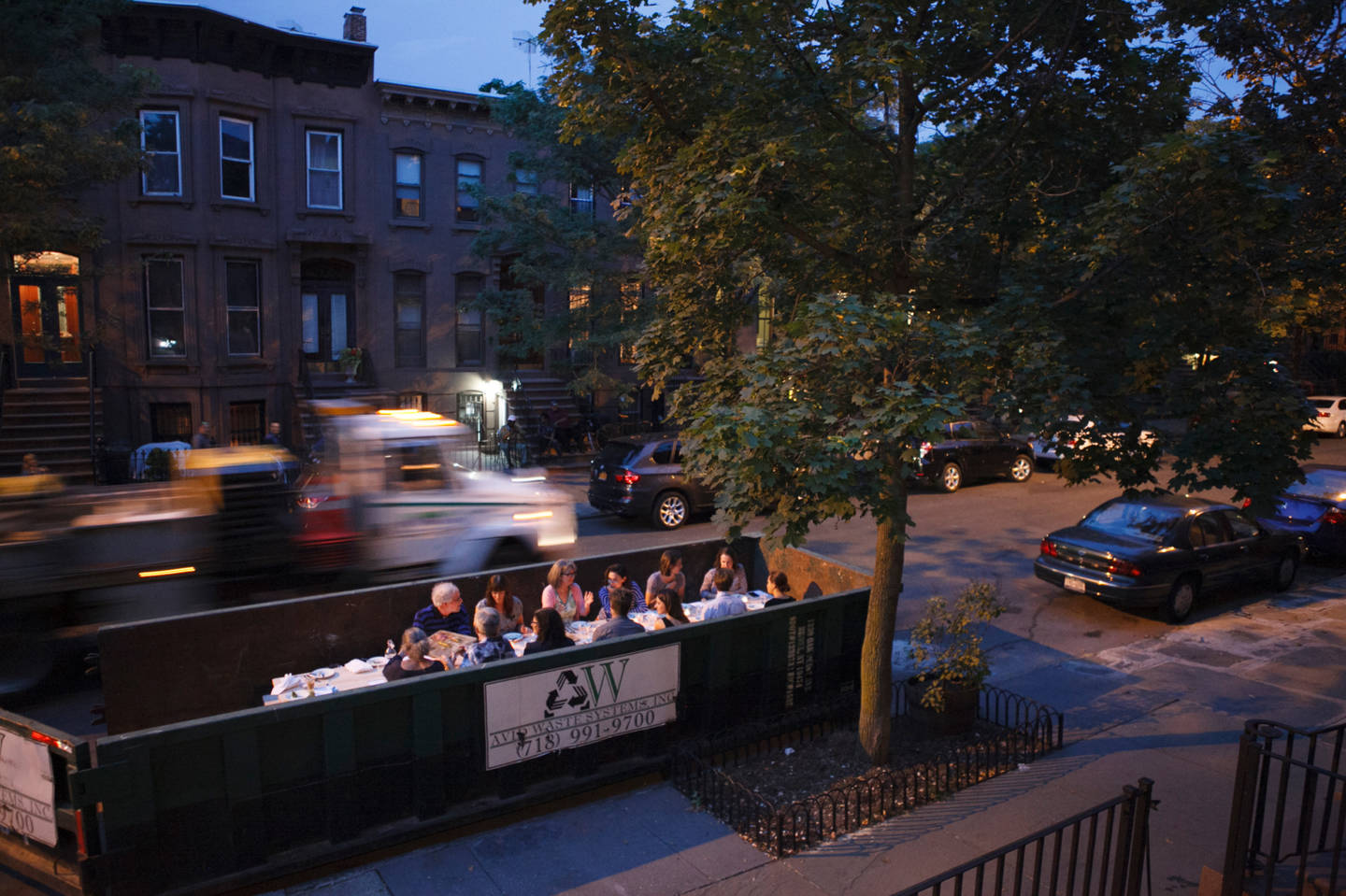
"caption": "The Salvage Supperclub hosts dinners in clean, tastefully decked out dumpsters. The menus highlight ingredients frequently tossed out by home cooks – think wilted basil or bruised plums — that could be put to tastier uses.",
"description": "The Salvage Supperclub hosts dinners in clean, tastefully decked out dumpsters. The menus highlight ingredients frequently tossed out by home cooks – think wilted basil or bruised plums — that could be put to tastier",
"title": "The Salvage Supperclub hosts dinners in clean, tastefully decked out dumpsters. The menus highlight ingredients frequently tossed out by home cooks – think wilted basil or bruised plums — that could be put to tastier uses.",
"credit": "Courtesy of Andrew Hinderaker",
"status": "inherit",
"isLoading": false,
"fetchFailed": false
},
"bayareabites_109999": {
"type": "attachments",
"id": "bayareabites_109999",
"meta": {
"index": "attachments_1716263798",
"site": "bayareabites",
"id": "109999",
"found": true
},
"parent": 109998,
"imgSizes": {
"twentyfourteen-full-width": {
"file": "https://ww2.kqed.org/app/uploads/sites/24/2016/06/IMG_4762-1-1024x683-1024x576.jpg",
"width": 1024,
"mimeType": "image/jpeg",
"height": 576
},
"thumbnail": {
"file": "https://ww2.kqed.org/app/uploads/sites/24/2016/06/IMG_4762-1-1024x683-400x267.jpg",
"width": 400,
"mimeType": "image/jpeg",
"height": 267
},
"fd-sm": {
"file": "https://ww2.kqed.org/app/uploads/sites/24/2016/06/IMG_4762-1-1024x683-960x640.jpg",
"width": 960,
"mimeType": "image/jpeg",
"height": 640
},
"post-thumbnail": {
"file": "https://ww2.kqed.org/app/uploads/sites/24/2016/06/IMG_4762-1-1024x683-672x372.jpg",
"width": 672,
"mimeType": "image/jpeg",
"height": 372
},
"kqedFullSize": {
"file": "https://ww2.kqed.org/app/uploads/sites/24/2016/06/IMG_4762-1-1024x683.jpg",
"width": 1024,
"height": 683
},
"guest-author-50": {
"file": "https://ww2.kqed.org/app/uploads/sites/24/2016/06/IMG_4762-1-1024x683-50x50.jpg",
"width": 50,
"mimeType": "image/jpeg",
"height": 50
},
"guest-author-96": {
"file": "https://ww2.kqed.org/app/uploads/sites/24/2016/06/IMG_4762-1-1024x683-96x96.jpg",
"width": 96,
"mimeType": "image/jpeg",
"height": 96
},
"medium": {
"file": "https://ww2.kqed.org/app/uploads/sites/24/2016/06/IMG_4762-1-1024x683-800x534.jpg",
"width": 800,
"mimeType": "image/jpeg",
"height": 534
},
"guest-author-64": {
"file": "https://ww2.kqed.org/app/uploads/sites/24/2016/06/IMG_4762-1-1024x683-64x64.jpg",
"width": 64,
"mimeType": "image/jpeg",
"height": 64
},
"guest-author-32": {
"file": "https://ww2.kqed.org/app/uploads/sites/24/2016/06/IMG_4762-1-1024x683-32x32.jpg",
"width": 32,
"mimeType": "image/jpeg",
"height": 32
},
"cat_post_thumb_sizecategory-posts-2": {
"file": "https://ww2.kqed.org/app/uploads/sites/24/2016/06/IMG_4762-1-1024x683-150x150.jpg",
"width": 150,
"mimeType": "image/jpeg",
"height": 150
},
"detail": {
"file": "https://ww2.kqed.org/app/uploads/sites/24/2016/06/IMG_4762-1-1024x683-150x150.jpg",
"width": 150,
"mimeType": "image/jpeg",
"height": 150
},
"medium_large": {
"file": "https://ww2.kqed.org/app/uploads/sites/24/2016/06/IMG_4762-1-1024x683-768x512.jpg",
"width": 768,
"mimeType": "image/jpeg",
"height": 512
},
"guest-author-128": {
"file": "https://ww2.kqed.org/app/uploads/sites/24/2016/06/IMG_4762-1-1024x683-128x128.jpg",
"width": 128,
"mimeType": "image/jpeg",
"height": 128
}
},
"publishDate": 1465842540,
"modified": 1465842634,
"caption": "Photos courtesy of Alameda County Community Food Bank",
"description": null,
"title": "IMG_4762-1-1024x683",
"credit": null,
"status": "inherit",
"isLoading": false,
"fetchFailed": false
},
"bayareabites_109791": {
"type": "attachments",
"id": "bayareabites_109791",
"meta": {
"index": "attachments_1716263798",
"site": "bayareabites",
"id": "109791",
"found": true
},
"parent": 109789,
"imgSizes": {
"thumbnail": {
"file": "https://ww2.kqed.org/app/uploads/sites/24/2016/05/SamEmilioGFMercantile-680x449-400x264.jpg",
"width": 400,
"mimeType": "image/jpeg",
"height": 264
},
"post-thumbnail": {
"file": "https://ww2.kqed.org/app/uploads/sites/24/2016/05/SamEmilioGFMercantile-680x449-672x372.jpg",
"width": 672,
"mimeType": "image/jpeg",
"height": 372
},
"kqedFullSize": {
"file": "https://ww2.kqed.org/app/uploads/sites/24/2016/05/SamEmilioGFMercantile-680x449.jpg",
"width": 680,
"height": 449
},
"cat_post_thumb_sizecategory-posts-2": {
"file": "https://ww2.kqed.org/app/uploads/sites/24/2016/05/SamEmilioGFMercantile-680x449-150x150.jpg",
"width": 150,
"mimeType": "image/jpeg",
"height": 150
},
"guest-author-50": {
"file": "https://ww2.kqed.org/app/uploads/sites/24/2016/05/SamEmilioGFMercantile-680x449-50x50.jpg",
"width": 50,
"mimeType": "image/jpeg",
"height": 50
},
"guest-author-96": {
"file": "https://ww2.kqed.org/app/uploads/sites/24/2016/05/SamEmilioGFMercantile-680x449-96x96.jpg",
"width": 96,
"mimeType": "image/jpeg",
"height": 96
},
"guest-author-64": {
"file": "https://ww2.kqed.org/app/uploads/sites/24/2016/05/SamEmilioGFMercantile-680x449-64x64.jpg",
"width": 64,
"mimeType": "image/jpeg",
"height": 64
},
"detail": {
"file": "https://ww2.kqed.org/app/uploads/sites/24/2016/05/SamEmilioGFMercantile-680x449-150x150.jpg",
"width": 150,
"mimeType": "image/jpeg",
"height": 150
},
"guest-author-32": {
"file": "https://ww2.kqed.org/app/uploads/sites/24/2016/05/SamEmilioGFMercantile-680x449-32x32.jpg",
"width": 32,
"mimeType": "image/jpeg",
"height": 32
},
"guest-author-128": {
"file": "https://ww2.kqed.org/app/uploads/sites/24/2016/05/SamEmilioGFMercantile-680x449-128x128.jpg",
"width": 128,
"mimeType": "image/jpeg",
"height": 128
}
},
"publishDate": 1464739921,
"modified": 1464740068,
"caption": "Sam Mogannam, founder of San Francisco’s Bi-Rite (far left)",
"description": null,
"title": "SamEmilioGFMercantile-680x449",
"credit": "Gamma 9",
"status": "inherit",
"isLoading": false,
"fetchFailed": false
},
"bayareabites_109377": {
"type": "attachments",
"id": "bayareabites_109377",
"meta": {
"index": "attachments_1716263798",
"site": "bayareabites",
"id": "109377",
"found": true
},
"parent": 109376,
"imgSizes": {
"twentyfourteen-full-width": {
"file": "https://ww2.kqed.org/app/uploads/sites/24/2016/05/ap_504898218860_custom-ced0dfce7064cfa5c21ef5493eb2df1a022bc6c0-1038x576.jpg",
"width": 1038,
"mimeType": "image/jpeg",
"height": 576
},
"thumbnail": {
"file": "https://ww2.kqed.org/app/uploads/sites/24/2016/05/ap_504898218860_custom-ced0dfce7064cfa5c21ef5493eb2df1a022bc6c0-400x243.jpg",
"width": 400,
"mimeType": "image/jpeg",
"height": 243
},
"fd-sm": {
"file": "https://ww2.kqed.org/app/uploads/sites/24/2016/05/ap_504898218860_custom-ced0dfce7064cfa5c21ef5493eb2df1a022bc6c0-960x584.jpg",
"width": 960,
"mimeType": "image/jpeg",
"height": 584
},
"post-thumbnail": {
"file": "https://ww2.kqed.org/app/uploads/sites/24/2016/05/ap_504898218860_custom-ced0dfce7064cfa5c21ef5493eb2df1a022bc6c0-672x372.jpg",
"width": 672,
"mimeType": "image/jpeg",
"height": 372
},
"kqedFullSize": {
"file": "https://ww2.kqed.org/app/uploads/sites/24/2016/05/ap_504898218860_custom-ced0dfce7064cfa5c21ef5493eb2df1a022bc6c0.jpg",
"width": 4814,
"height": 2928
},
"large": {
"file": "https://ww2.kqed.org/app/uploads/sites/24/2016/05/ap_504898218860_custom-ced0dfce7064cfa5c21ef5493eb2df1a022bc6c0-1440x876.jpg",
"width": 1440,
"mimeType": "image/jpeg",
"height": 876
},
"guest-author-96": {
"file": "https://ww2.kqed.org/app/uploads/sites/24/2016/05/ap_504898218860_custom-ced0dfce7064cfa5c21ef5493eb2df1a022bc6c0-96x96.jpg",
"width": 96,
"mimeType": "image/jpeg",
"height": 96
},
"medium": {
"file": "https://ww2.kqed.org/app/uploads/sites/24/2016/05/ap_504898218860_custom-ced0dfce7064cfa5c21ef5493eb2df1a022bc6c0-800x487.jpg",
"width": 800,
"mimeType": "image/jpeg",
"height": 487
},
"guest-author-64": {
"file": "https://ww2.kqed.org/app/uploads/sites/24/2016/05/ap_504898218860_custom-ced0dfce7064cfa5c21ef5493eb2df1a022bc6c0-64x64.jpg",
"width": 64,
"mimeType": "image/jpeg",
"height": 64
},
"guest-author-32": {
"file": "https://ww2.kqed.org/app/uploads/sites/24/2016/05/ap_504898218860_custom-ced0dfce7064cfa5c21ef5493eb2df1a022bc6c0-32x32.jpg",
"width": 32,
"mimeType": "image/jpeg",
"height": 32
},
"cat_post_thumb_sizecategory-posts-2": {
"file": "https://ww2.kqed.org/app/uploads/sites/24/2016/05/ap_504898218860_custom-ced0dfce7064cfa5c21ef5493eb2df1a022bc6c0-150x150.jpg",
"width": 150,
"mimeType": "image/jpeg",
"height": 150
},
"fd-lrg": {
"file": "https://ww2.kqed.org/app/uploads/sites/24/2016/05/ap_504898218860_custom-ced0dfce7064cfa5c21ef5493eb2df1a022bc6c0-1920x1168.jpg",
"width": 1920,
"mimeType": "image/jpeg",
"height": 1168
},
"fd-med": {
"file": "https://ww2.kqed.org/app/uploads/sites/24/2016/05/ap_504898218860_custom-ced0dfce7064cfa5c21ef5493eb2df1a022bc6c0-1180x718.jpg",
"width": 1180,
"mimeType": "image/jpeg",
"height": 718
},
"detail": {
"file": "https://ww2.kqed.org/app/uploads/sites/24/2016/05/ap_504898218860_custom-ced0dfce7064cfa5c21ef5493eb2df1a022bc6c0-150x150.jpg",
"width": 150,
"mimeType": "image/jpeg",
"height": 150
},
"medium_large": {
"file": "https://ww2.kqed.org/app/uploads/sites/24/2016/05/ap_504898218860_custom-ced0dfce7064cfa5c21ef5493eb2df1a022bc6c0-768x467.jpg",
"width": 768,
"mimeType": "image/jpeg",
"height": 467
},
"guest-author-128": {
"file": "https://ww2.kqed.org/app/uploads/sites/24/2016/05/ap_504898218860_custom-ced0dfce7064cfa5c21ef5493eb2df1a022bc6c0-128x128.jpg",
"width": 128,
"mimeType": "image/jpeg",
"height": 128
}
},
"publishDate": 1463377909,
"modified": 1463378075,
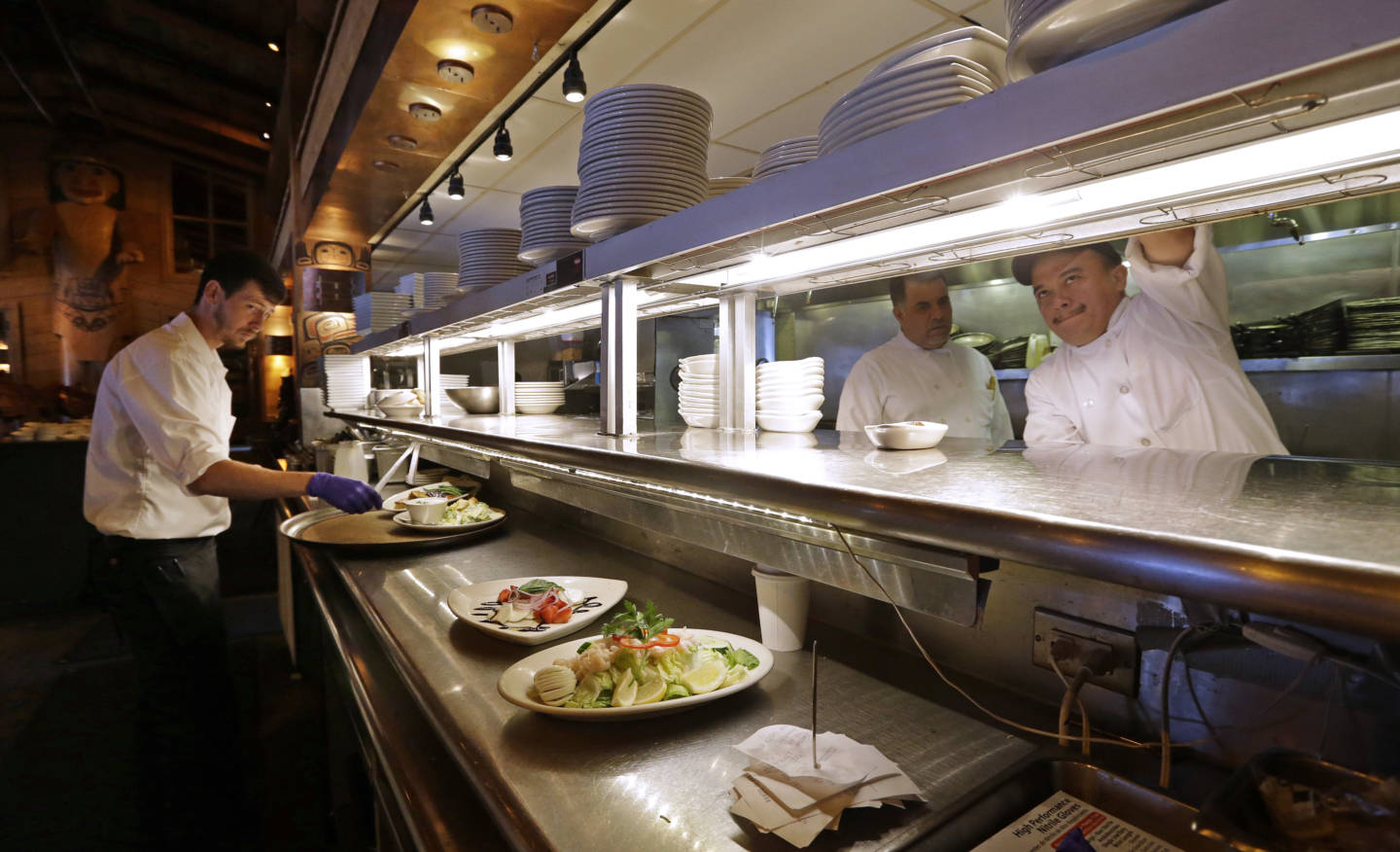
"caption": "After Seattle's new minimum wage law took effect last April, Ivar's Seafood Restaurants announced it would immediately increase its prices by about 21 percent, eliminate tipping and pay all its hourly workers a $15 per hour. Several other restaurants are adopting a no-tip policy to equalize the pay gap among employees, but many have gone back on that move.",
"description": "After Seattle's new minimum wage law took effect last April, Ivar’s Seafood Restaurants announced it would immediately increase its prices by about 21 percent, eliminate tipping and pay all its hourly workers a $15 per hour. Several other restaurants are adopting a no-tip policy to equalize the pay gap among employees, but many have gone back on that mov",
"title": "After Seattle's new minimum wage law took effect last April, Ivar's Seafood Restaurants announced it would immediately increase its prices by about 21 percent, eliminate tipping and pay all its hourly workers a $15 per hour. Several other restaurants are adopting a no-tip policy to equalize the pay gap among employees, but many have gone back on that move.",
"credit": "Elaine Thompson/AP ",
"status": "inherit",
"isLoading": false,
"fetchFailed": false
},
"bayareabites_108979": {
"type": "attachments",
"id": "bayareabites_108979",
"meta": {
"index": "attachments_1716263798",
"site": "bayareabites",
"id": "108979",
"found": true
},
"parent": 108978,
"imgSizes": {
"twentyfourteen-full-width": {
"file": "https://ww2.kqed.org/app/uploads/sites/24/2016/04/20160426_chobani-03_custom-04fb2948e9fd97ca1bd7f3327267da604629b4c0-1038x576.jpg",
"width": 1038,
"mimeType": "image/jpeg",
"height": 576
},
"thumbnail": {
"file": "https://ww2.kqed.org/app/uploads/sites/24/2016/04/20160426_chobani-03_custom-04fb2948e9fd97ca1bd7f3327267da604629b4c0-400x266.jpg",
"width": 400,
"mimeType": "image/jpeg",
"height": 266
},
"fd-sm": {
"file": "https://ww2.kqed.org/app/uploads/sites/24/2016/04/20160426_chobani-03_custom-04fb2948e9fd97ca1bd7f3327267da604629b4c0-960x639.jpg",
"width": 960,
"mimeType": "image/jpeg",
"height": 639
},
"post-thumbnail": {
"file": "https://ww2.kqed.org/app/uploads/sites/24/2016/04/20160426_chobani-03_custom-04fb2948e9fd97ca1bd7f3327267da604629b4c0-672x372.jpg",
"width": 672,
"mimeType": "image/jpeg",
"height": 372
},
"kqedFullSize": {
"file": "https://ww2.kqed.org/app/uploads/sites/24/2016/04/20160426_chobani-03_custom-04fb2948e9fd97ca1bd7f3327267da604629b4c0.jpg",
"width": 1996,
"height": 1328
},
"large": {
"file": "https://ww2.kqed.org/app/uploads/sites/24/2016/04/20160426_chobani-03_custom-04fb2948e9fd97ca1bd7f3327267da604629b4c0-1440x958.jpg",
"width": 1440,
"mimeType": "image/jpeg",
"height": 958
},
"guest-author-96": {
"file": "https://ww2.kqed.org/app/uploads/sites/24/2016/04/20160426_chobani-03_custom-04fb2948e9fd97ca1bd7f3327267da604629b4c0-96x96.jpg",
"width": 96,
"mimeType": "image/jpeg",
"height": 96
},
"medium": {
"file": "https://ww2.kqed.org/app/uploads/sites/24/2016/04/20160426_chobani-03_custom-04fb2948e9fd97ca1bd7f3327267da604629b4c0-800x532.jpg",
"width": 800,
"mimeType": "image/jpeg",
"height": 532
},
"guest-author-64": {
"file": "https://ww2.kqed.org/app/uploads/sites/24/2016/04/20160426_chobani-03_custom-04fb2948e9fd97ca1bd7f3327267da604629b4c0-64x64.jpg",
"width": 64,
"mimeType": "image/jpeg",
"height": 64
},
"guest-author-32": {
"file": "https://ww2.kqed.org/app/uploads/sites/24/2016/04/20160426_chobani-03_custom-04fb2948e9fd97ca1bd7f3327267da604629b4c0-32x32.jpg",
"width": 32,
"mimeType": "image/jpeg",
"height": 32
},
"cat_post_thumb_sizecategory-posts-2": {
"file": "https://ww2.kqed.org/app/uploads/sites/24/2016/04/20160426_chobani-03_custom-04fb2948e9fd97ca1bd7f3327267da604629b4c0-150x150.jpg",
"width": 150,
"mimeType": "image/jpeg",
"height": 150
},
"fd-lrg": {
"file": "https://ww2.kqed.org/app/uploads/sites/24/2016/04/20160426_chobani-03_custom-04fb2948e9fd97ca1bd7f3327267da604629b4c0-1920x1277.jpg",
"width": 1920,
"mimeType": "image/jpeg",
"height": 1277
},
"fd-med": {
"file": "https://ww2.kqed.org/app/uploads/sites/24/2016/04/20160426_chobani-03_custom-04fb2948e9fd97ca1bd7f3327267da604629b4c0-1180x785.jpg",
"width": 1180,
"mimeType": "image/jpeg",
"height": 785
},
"detail": {
"file": "https://ww2.kqed.org/app/uploads/sites/24/2016/04/20160426_chobani-03_custom-04fb2948e9fd97ca1bd7f3327267da604629b4c0-150x150.jpg",
"width": 150,
"mimeType": "image/jpeg",
"height": 150
},
"medium_large": {
"file": "https://ww2.kqed.org/app/uploads/sites/24/2016/04/20160426_chobani-03_custom-04fb2948e9fd97ca1bd7f3327267da604629b4c0-768x511.jpg",
"width": 768,
"mimeType": "image/jpeg",
"height": 511
},
"guest-author-128": {
"file": "https://ww2.kqed.org/app/uploads/sites/24/2016/04/20160426_chobani-03_custom-04fb2948e9fd97ca1bd7f3327267da604629b4c0-128x128.jpg",
"width": 128,
"mimeType": "image/jpeg",
"height": 128
}
},
"publishDate": 1462120049,
"modified": 1462120287,
"caption": "Chobani CEO Hamdi Ulukaya (left) presents an employee with shares of the company on Tuesday at the Chobani plant in New Berlin, in upstate New York.",
"description": "Chobani CEO Hamdi Ulukaya (left) presents an employee with shares of the company at the Chobani plant in New Berlin, N.Y., on Tuesday.",
"title": "Chobani CEO Hamdi Ulukaya (left) presents an employee with shares of the company on Tuesday at the Chobani plant in New Berlin, in upstate New York.",
"credit": "Johannes Arlt",
"status": "inherit",
"isLoading": false,
"fetchFailed": false
},
"bayareabites_108117": {
"type": "attachments",
"id": "bayareabites_108117",
"meta": {
"index": "attachments_1716263798",
"site": "bayareabites",
"id": "108117",
"found": true
},
"parent": 108116,
"imgSizes": {
"twentyfourteen-full-width": {
"file": "https://ww2.kqed.org/app/uploads/sites/24/2016/03/manhattanmarket_enl-6c1f4c6c02f19a207d1201aaef77e414a0c1f6e2-1038x576.jpg",
"width": 1038,
"mimeType": "image/jpeg",
"height": 576
},
"thumbnail": {
"file": "https://ww2.kqed.org/app/uploads/sites/24/2016/03/manhattanmarket_enl-6c1f4c6c02f19a207d1201aaef77e414a0c1f6e2-400x267.jpg",
"width": 400,
"mimeType": "image/jpeg",
"height": 267
},
"fd-sm": {
"file": "https://ww2.kqed.org/app/uploads/sites/24/2016/03/manhattanmarket_enl-6c1f4c6c02f19a207d1201aaef77e414a0c1f6e2-960x641.jpg",
"width": 960,
"mimeType": "image/jpeg",
"height": 641
},
"post-thumbnail": {
"file": "https://ww2.kqed.org/app/uploads/sites/24/2016/03/manhattanmarket_enl-6c1f4c6c02f19a207d1201aaef77e414a0c1f6e2-672x372.jpg",
"width": 672,
"mimeType": "image/jpeg",
"height": 372
},
"kqedFullSize": {
"file": "https://ww2.kqed.org/app/uploads/sites/24/2016/03/manhattanmarket_enl-6c1f4c6c02f19a207d1201aaef77e414a0c1f6e2.jpg",
"width": 2000,
"height": 1335
},
"large": {
"file": "https://ww2.kqed.org/app/uploads/sites/24/2016/03/manhattanmarket_enl-6c1f4c6c02f19a207d1201aaef77e414a0c1f6e2-1440x961.jpg",
"width": 1440,
"mimeType": "image/jpeg",
"height": 961
},
"guest-author-96": {
"file": "https://ww2.kqed.org/app/uploads/sites/24/2016/03/manhattanmarket_enl-6c1f4c6c02f19a207d1201aaef77e414a0c1f6e2-96x96.jpg",
"width": 96,
"mimeType": "image/jpeg",
"height": 96
},
"medium": {
"file": "https://ww2.kqed.org/app/uploads/sites/24/2016/03/manhattanmarket_enl-6c1f4c6c02f19a207d1201aaef77e414a0c1f6e2-800x534.jpg",
"width": 800,
"mimeType": "image/jpeg",
"height": 534
},
"guest-author-64": {
"file": "https://ww2.kqed.org/app/uploads/sites/24/2016/03/manhattanmarket_enl-6c1f4c6c02f19a207d1201aaef77e414a0c1f6e2-64x64.jpg",
"width": 64,
"mimeType": "image/jpeg",
"height": 64
},
"guest-author-32": {
"file": "https://ww2.kqed.org/app/uploads/sites/24/2016/03/manhattanmarket_enl-6c1f4c6c02f19a207d1201aaef77e414a0c1f6e2-32x32.jpg",
"width": 32,
"mimeType": "image/jpeg",
"height": 32
},
"cat_post_thumb_sizecategory-posts-2": {
"file": "https://ww2.kqed.org/app/uploads/sites/24/2016/03/manhattanmarket_enl-6c1f4c6c02f19a207d1201aaef77e414a0c1f6e2-150x150.jpg",
"width": 150,
"mimeType": "image/jpeg",
"height": 150
},
"fd-lrg": {
"file": "https://ww2.kqed.org/app/uploads/sites/24/2016/03/manhattanmarket_enl-6c1f4c6c02f19a207d1201aaef77e414a0c1f6e2-1920x1282.jpg",
"width": 1920,
"mimeType": "image/jpeg",
"height": 1282
},
"fd-med": {
"file": "https://ww2.kqed.org/app/uploads/sites/24/2016/03/manhattanmarket_enl-6c1f4c6c02f19a207d1201aaef77e414a0c1f6e2-1180x788.jpg",
"width": 1180,
"mimeType": "image/jpeg",
"height": 788
},
"detail": {
"file": "https://ww2.kqed.org/app/uploads/sites/24/2016/03/manhattanmarket_enl-6c1f4c6c02f19a207d1201aaef77e414a0c1f6e2-75x75.jpg",
"width": 75,
"mimeType": "image/jpeg",
"height": 75
},
"medium_large": {
"file": "https://ww2.kqed.org/app/uploads/sites/24/2016/03/manhattanmarket_enl-6c1f4c6c02f19a207d1201aaef77e414a0c1f6e2-768x513.jpg",
"width": 768,
"mimeType": "image/jpeg",
"height": 513
},
"guest-author-128": {
"file": "https://ww2.kqed.org/app/uploads/sites/24/2016/03/manhattanmarket_enl-6c1f4c6c02f19a207d1201aaef77e414a0c1f6e2-128x128.jpg",
"width": 128,
"mimeType": "image/jpeg",
"height": 128
}
},
"publishDate": 1459230942,
"modified": 1459233208,
"caption": "Shoppers sort through yellow plums at the Union Square Park greenmarket in New York City. A study of retailers in Manhattan finds that organic foods are much more common in affluent neighborhoods.",
"description": "Shoppers sort through yellow plums at the Union Square Park greenmarket in New York City. A study of retailers in Manhattan finds that organic foods are much more common in affluent neighborh",
"title": "Shoppers sort through yellow plums at the Union Square Park greenmarket in New York City. A study of retailers in Manhattan finds that organic foods are much more common in affluent neighborhoods.",
"credit": "Manhattan finds that organic foods are much more common in affluent neighborhoods. Andy Katz/Pacific Press/LightRocket via Getty Images ",
"status": "inherit",
"isLoading": false,
"fetchFailed": false
},
"bayareabites_107822": {
"type": "attachments",
"id": "bayareabites_107822",
"meta": {
"index": "attachments_1716263798",
"site": "bayareabites",
"id": "107822",
"found": true
},
"parent": 107760,
"imgSizes": {
"twentyfourteen-full-width": {
"file": "https://ww2.kqed.org/app/uploads/sites/24/2016/03/IMG_1905-1920-1038x576.jpg",
"width": 1038,
"mimeType": "image/jpeg",
"height": 576
},
"thumbnail": {
"file": "https://ww2.kqed.org/app/uploads/sites/24/2016/03/IMG_1905-1920-400x300.jpg",
"width": 400,
"mimeType": "image/jpeg",
"height": 300
},
"fd-sm": {
"file": "https://ww2.kqed.org/app/uploads/sites/24/2016/03/IMG_1905-1920-960x720.jpg",
"width": 960,
"mimeType": "image/jpeg",
"height": 720
},
"post-thumbnail": {
"file": "https://ww2.kqed.org/app/uploads/sites/24/2016/03/IMG_1905-1920-672x372.jpg",
"width": 672,
"mimeType": "image/jpeg",
"height": 372
},
"kqedFullSize": {
"file": "https://ww2.kqed.org/app/uploads/sites/24/2016/03/IMG_1905-1920.jpg",
"width": 1920,
"height": 1440
},
"large": {
"file": "https://ww2.kqed.org/app/uploads/sites/24/2016/03/IMG_1905-1920-1440x1080.jpg",
"width": 1440,
"mimeType": "image/jpeg",
"height": 1080
},
"guest-author-96": {
"file": "https://ww2.kqed.org/app/uploads/sites/24/2016/03/IMG_1905-1920-96x96.jpg",
"width": 96,
"mimeType": "image/jpeg",
"height": 96
},
"medium": {
"file": "https://ww2.kqed.org/app/uploads/sites/24/2016/03/IMG_1905-1920-800x600.jpg",
"width": 800,
"mimeType": "image/jpeg",
"height": 600
},
"guest-author-64": {
"file": "https://ww2.kqed.org/app/uploads/sites/24/2016/03/IMG_1905-1920-64x64.jpg",
"width": 64,
"mimeType": "image/jpeg",
"height": 64
},
"guest-author-32": {
"file": "https://ww2.kqed.org/app/uploads/sites/24/2016/03/IMG_1905-1920-32x32.jpg",
"width": 32,
"mimeType": "image/jpeg",
"height": 32
},
"cat_post_thumb_sizecategory-posts-2": {
"file": "https://ww2.kqed.org/app/uploads/sites/24/2016/03/IMG_1905-1920-150x150.jpg",
"width": 150,
"mimeType": "image/jpeg",
"height": 150
},
"fd-lrg": {
"file": "https://ww2.kqed.org/app/uploads/sites/24/2016/03/IMG_1905-1920-1920x1440.jpg",
"width": 1920,
"mimeType": "image/jpeg",
"height": 1440
},
"fd-med": {
"file": "https://ww2.kqed.org/app/uploads/sites/24/2016/03/IMG_1905-1920-1180x885.jpg",
"width": 1180,
"mimeType": "image/jpeg",
"height": 885
},
"detail": {
"file": "https://ww2.kqed.org/app/uploads/sites/24/2016/03/IMG_1905-1920-75x75.jpg",
"width": 75,
"mimeType": "image/jpeg",
"height": 75
},
"medium_large": {
"file": "https://ww2.kqed.org/app/uploads/sites/24/2016/03/IMG_1905-1920-768x576.jpg",
"width": 768,
"mimeType": "image/jpeg",
"height": 576
},
"guest-author-128": {
"file": "https://ww2.kqed.org/app/uploads/sites/24/2016/03/IMG_1905-1920-128x128.jpg",
"width": 128,
"mimeType": "image/jpeg",
"height": 128
}
},
"publishDate": 1458373107,
"modified": 1458373372,
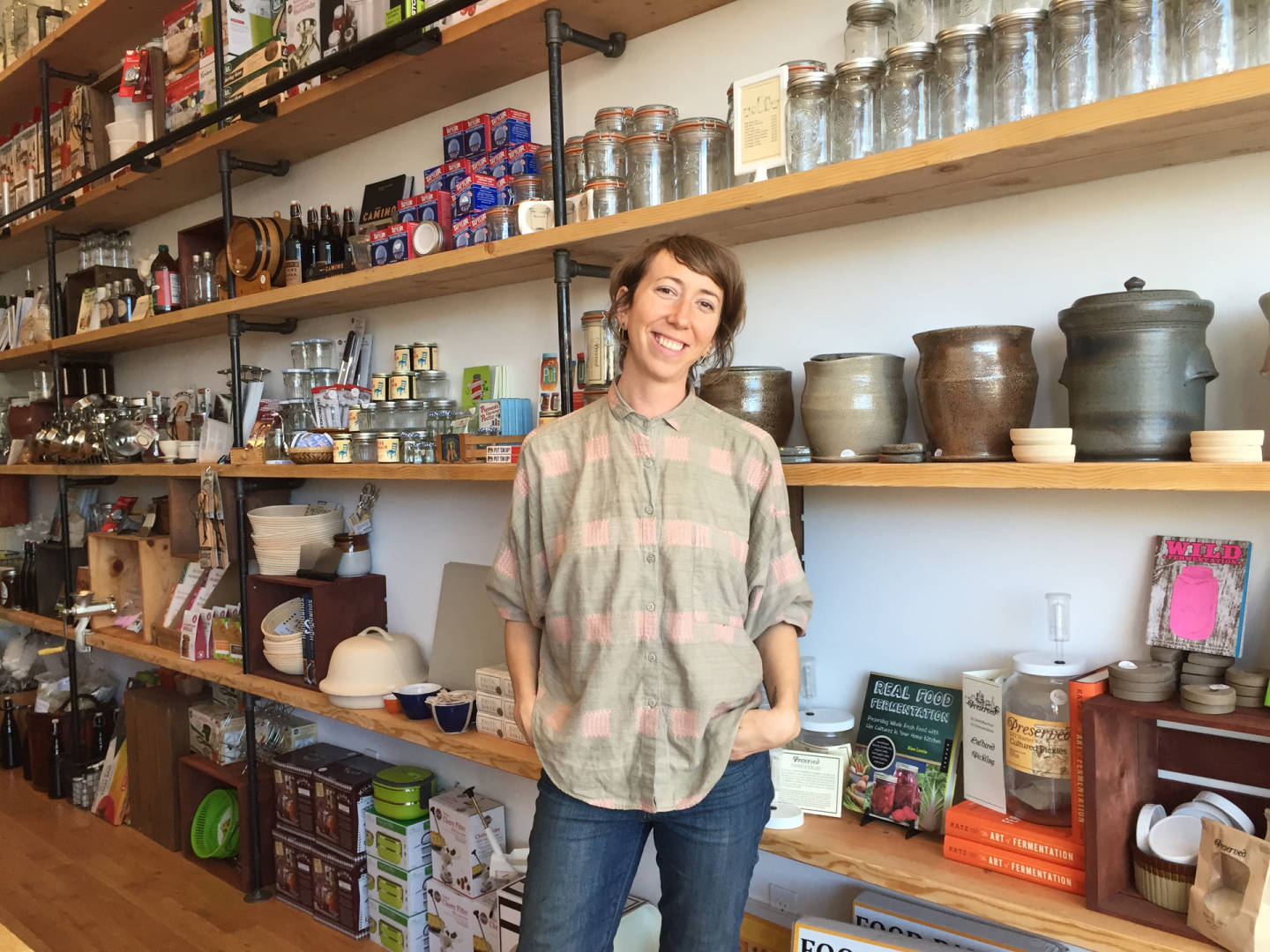
"caption": "Elizabeth Vecchiarelli has just moved to Temescal with a larger version of her popular store, Preserved.",
"description": null,
"title": "IMG_1905-1920",
"credit": "Alix Wall",
"status": "inherit",
"isLoading": false,
"fetchFailed": false
},
"bayareabites_104311": {
"type": "attachments",
"id": "bayareabites_104311",
"meta": {
"index": "attachments_1716263798",
"site": "bayareabites",
"id": "104311",
"found": true
},
"parent": 0,
"imgSizes": {
"twentyfourteen-full-width": {
"file": "https://ww2.kqed.org/app/uploads/sites/24/2015/12/Participant-receiving-Food-Bank-resources-at-PHC-Event-2-1038x576.jpg",
"width": 1038,
"mimeType": "image/jpeg",
"height": 576
},
"thumbnail": {
"file": "https://ww2.kqed.org/app/uploads/sites/24/2015/12/Participant-receiving-Food-Bank-resources-at-PHC-Event-2-400x267.jpg",
"width": 400,
"mimeType": "image/jpeg",
"height": 267
},
"fd-sm": {
"file": "https://ww2.kqed.org/app/uploads/sites/24/2015/12/Participant-receiving-Food-Bank-resources-at-PHC-Event-2-960x640.jpg",
"width": 960,
"mimeType": "image/jpeg",
"height": 640
},
"post-thumbnail": {
"file": "https://ww2.kqed.org/app/uploads/sites/24/2015/12/Participant-receiving-Food-Bank-resources-at-PHC-Event-2-672x372.jpg",
"width": 672,
"mimeType": "image/jpeg",
"height": 372
},
"kqedFullSize": {
"file": "https://ww2.kqed.org/app/uploads/sites/24/2015/12/Participant-receiving-Food-Bank-resources-at-PHC-Event-2.jpg",
"width": 1920,
"height": 1280
},
"large": {
"file": "https://ww2.kqed.org/app/uploads/sites/24/2015/12/Participant-receiving-Food-Bank-resources-at-PHC-Event-2-1440x960.jpg",
"width": 1440,
"mimeType": "image/jpeg",
"height": 960
},
"guest-author-96": {
"file": "https://ww2.kqed.org/app/uploads/sites/24/2015/12/Participant-receiving-Food-Bank-resources-at-PHC-Event-2-96x96.jpg",
"width": 96,
"mimeType": "image/jpeg",
"height": 96
},
"medium": {
"file": "https://ww2.kqed.org/app/uploads/sites/24/2015/12/Participant-receiving-Food-Bank-resources-at-PHC-Event-2-800x533.jpg",
"width": 800,
"mimeType": "image/jpeg",
"height": 533
},
"guest-author-64": {
"file": "https://ww2.kqed.org/app/uploads/sites/24/2015/12/Participant-receiving-Food-Bank-resources-at-PHC-Event-2-64x64.jpg",
"width": 64,
"mimeType": "image/jpeg",
"height": 64
},
"guest-author-32": {
"file": "https://ww2.kqed.org/app/uploads/sites/24/2015/12/Participant-receiving-Food-Bank-resources-at-PHC-Event-2-32x32.jpg",
"width": 32,
"mimeType": "image/jpeg",
"height": 32
},
"cat_post_thumb_sizecategory-posts-2": {
"file": "https://ww2.kqed.org/app/uploads/sites/24/2015/12/Participant-receiving-Food-Bank-resources-at-PHC-Event-2-150x150.jpg",
"width": 150,
"mimeType": "image/jpeg",
"height": 150
},
"fd-lrg": {
"file": "https://ww2.kqed.org/app/uploads/sites/24/2015/12/Participant-receiving-Food-Bank-resources-at-PHC-Event-2-1920x1280.jpg",
"width": 1920,
"mimeType": "image/jpeg",
"height": 1280
},
"fd-med": {
"file": "https://ww2.kqed.org/app/uploads/sites/24/2015/12/Participant-receiving-Food-Bank-resources-at-PHC-Event-2-1180x787.jpg",
"width": 1180,
"mimeType": "image/jpeg",
"height": 787
},
"detail": {
"file": "https://ww2.kqed.org/app/uploads/sites/24/2015/12/Participant-receiving-Food-Bank-resources-at-PHC-Event-2-75x75.jpg",
"width": 75,
"mimeType": "image/jpeg",
"height": 75
},
"guest-author-128": {
"file": "https://ww2.kqed.org/app/uploads/sites/24/2015/12/Participant-receiving-Food-Bank-resources-at-PHC-Event-2-128x128.jpg",
"width": 128,
"mimeType": "image/jpeg",
"height": 128
}
},
"publishDate": 1449186578,
"modified": 1449186643,
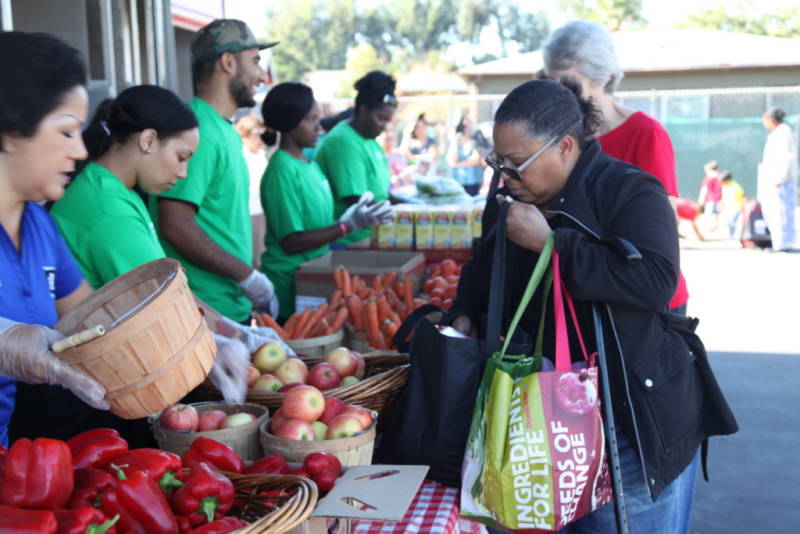
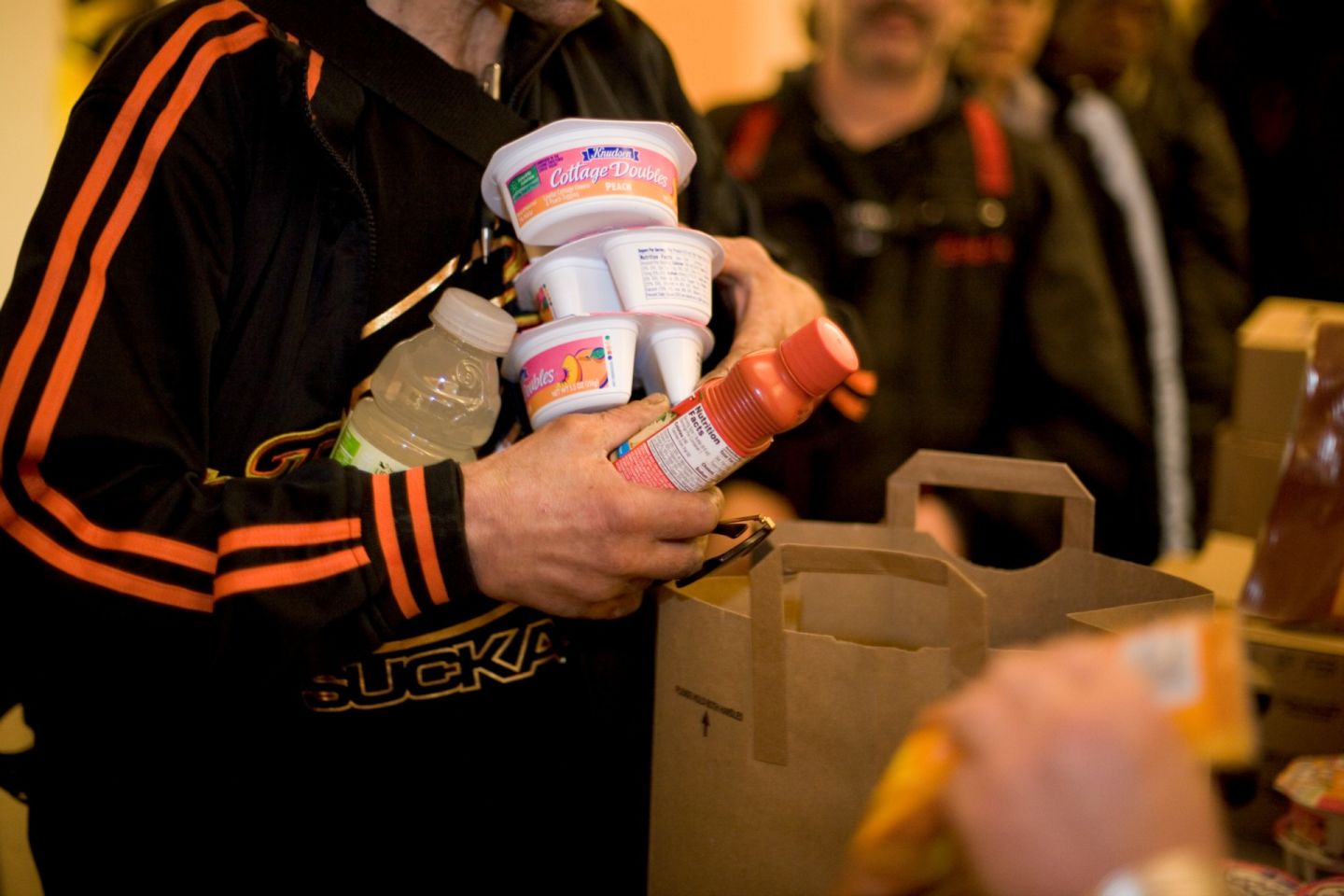
"caption": "A participant receiving Food Bank resources at a PHC Event.",
"description": "A participant receiving Food Bank resources at a PHC Event.",
"title": "A participant receiving Food Bank resources at a PHC Event.",
"credit": "Jamey Thomas",
"status": "inherit",
"isLoading": false,
"fetchFailed": false
},
"bayareabites_103843": {
"type": "attachments",
"id": "bayareabites_103843",
"meta": {
"index": "attachments_1716263798",
"site": "bayareabites",
"id": "103843",
"found": true
},
"parent": 103841,
"imgSizes": {
"twentyfourteen-full-width": {
"file": "https://ww2.kqed.org/app/uploads/sites/24/2015/11/frozenturkey_custom-551660041b282899105e944fef0abe8148fa3817-s1400-c85-1038x576.jpg",
"width": 1038,
"mimeType": "image/jpeg",
"height": 576
},
"thumbnail": {
"file": "https://ww2.kqed.org/app/uploads/sites/24/2015/11/frozenturkey_custom-551660041b282899105e944fef0abe8148fa3817-s1400-c85-400x258.jpg",
"width": 400,
"mimeType": "image/jpeg",
"height": 258
},
"fd-sm": {
"file": "https://ww2.kqed.org/app/uploads/sites/24/2015/11/frozenturkey_custom-551660041b282899105e944fef0abe8148fa3817-s1400-c85-960x619.jpg",
"width": 960,
"mimeType": "image/jpeg",
"height": 619
},
"post-thumbnail": {
"file": "https://ww2.kqed.org/app/uploads/sites/24/2015/11/frozenturkey_custom-551660041b282899105e944fef0abe8148fa3817-s1400-c85-672x372.jpg",
"width": 672,
"mimeType": "image/jpeg",
"height": 372
},
"kqedFullSize": {
"file": "https://ww2.kqed.org/app/uploads/sites/24/2015/11/frozenturkey_custom-551660041b282899105e944fef0abe8148fa3817-s1400-c85.jpg",
"width": 1400,
"height": 903
},
"guest-author-96": {
"file": "https://ww2.kqed.org/app/uploads/sites/24/2015/11/frozenturkey_custom-551660041b282899105e944fef0abe8148fa3817-s1400-c85-96x96.jpg",
"width": 96,
"mimeType": "image/jpeg",
"height": 96
},
"medium": {
"file": "https://ww2.kqed.org/app/uploads/sites/24/2015/11/frozenturkey_custom-551660041b282899105e944fef0abe8148fa3817-s1400-c85-800x516.jpg",
"width": 800,
"mimeType": "image/jpeg",
"height": 516
},
"guest-author-64": {
"file": "https://ww2.kqed.org/app/uploads/sites/24/2015/11/frozenturkey_custom-551660041b282899105e944fef0abe8148fa3817-s1400-c85-64x64.jpg",
"width": 64,
"mimeType": "image/jpeg",
"height": 64
},
"guest-author-32": {
"file": "https://ww2.kqed.org/app/uploads/sites/24/2015/11/frozenturkey_custom-551660041b282899105e944fef0abe8148fa3817-s1400-c85-32x32.jpg",
"width": 32,
"mimeType": "image/jpeg",
"height": 32
},
"cat_post_thumb_sizecategory-posts-2": {
"file": "https://ww2.kqed.org/app/uploads/sites/24/2015/11/frozenturkey_custom-551660041b282899105e944fef0abe8148fa3817-s1400-c85-150x150.jpg",
"width": 150,
"mimeType": "image/jpeg",
"height": 150
},
"fd-med": {
"file": "https://ww2.kqed.org/app/uploads/sites/24/2015/11/frozenturkey_custom-551660041b282899105e944fef0abe8148fa3817-s1400-c85-1180x761.jpg",
"width": 1180,
"mimeType": "image/jpeg",
"height": 761
},
"detail": {
"file": "https://ww2.kqed.org/app/uploads/sites/24/2015/11/frozenturkey_custom-551660041b282899105e944fef0abe8148fa3817-s1400-c85-75x75.jpg",
"width": 75,
"mimeType": "image/jpeg",
"height": 75
},
"guest-author-128": {
"file": "https://ww2.kqed.org/app/uploads/sites/24/2015/11/frozenturkey_custom-551660041b282899105e944fef0abe8148fa3817-s1400-c85-128x128.jpg",
"width": 128,
"mimeType": "image/jpeg",
"height": 128
}
},
"publishDate": 1447795985,
"modified": 1447795996,
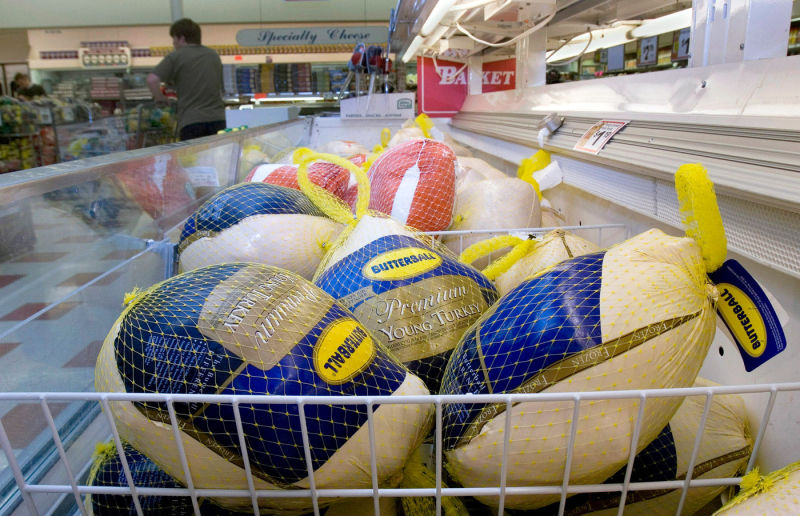
"caption": "The average wholesale price of turkeys was $1.35 per pound in mid-November. But the retail price of frozen tom turkeys has fallen to an average of 87 cents a pound. Why? Because grocers know cheap turkeys draw customers into the store.",
"description": "The average wholesale price of turkeys was $1.35 per pound in mid-November. But the retail price of frozen tom turkeys has fallen to an average of 87 cents a pound. Why? Because grocers know cheap turkeys draw customers into the store.",
"title": "frozenturkey_custom-551660041b282899105e944fef0abe8148fa3817-s1400-c85",
"credit": "Larry Crowe/AP",
"status": "inherit",
"isLoading": false,
"fetchFailed": false
},
"bayareabites_103738": {
"type": "attachments",
"id": "bayareabites_103738",
"meta": {
"index": "attachments_1716263798",
"site": "bayareabites",
"id": "103738",
"found": true
},
"parent": 0,
"imgSizes": {
"twentyfourteen-full-width": {
"file": "https://ww2.kqed.org/app/uploads/sites/24/2015/11/edited11-1038x576.jpg",
"width": 1038,
"mimeType": "image/jpeg",
"height": 576
},
"thumbnail": {
"file": "https://ww2.kqed.org/app/uploads/sites/24/2015/11/edited11-400x267.jpg",
"width": 400,
"mimeType": "image/jpeg",
"height": 267
},
"fd-sm": {
"file": "https://ww2.kqed.org/app/uploads/sites/24/2015/11/edited11-960x641.jpg",
"width": 960,
"mimeType": "image/jpeg",
"height": 641
},
"post-thumbnail": {
"file": "https://ww2.kqed.org/app/uploads/sites/24/2015/11/edited11-672x372.jpg",
"width": 672,
"mimeType": "image/jpeg",
"height": 372
},
"kqedFullSize": {
"file": "https://ww2.kqed.org/app/uploads/sites/24/2015/11/edited11.jpg",
"width": 1920,
"height": 1281
},
"large": {
"file": "https://ww2.kqed.org/app/uploads/sites/24/2015/11/edited11-1440x961.jpg",
"width": 1440,
"mimeType": "image/jpeg",
"height": 961
},
"guest-author-96": {
"file": "https://ww2.kqed.org/app/uploads/sites/24/2015/11/edited11-96x96.jpg",
"width": 96,
"mimeType": "image/jpeg",
"height": 96
},
"medium": {
"file": "https://ww2.kqed.org/app/uploads/sites/24/2015/11/edited11-800x534.jpg",
"width": 800,
"mimeType": "image/jpeg",
"height": 534
},
"guest-author-64": {
"file": "https://ww2.kqed.org/app/uploads/sites/24/2015/11/edited11-64x64.jpg",
"width": 64,
"mimeType": "image/jpeg",
"height": 64
},
"guest-author-32": {
"file": "https://ww2.kqed.org/app/uploads/sites/24/2015/11/edited11-32x32.jpg",
"width": 32,
"mimeType": "image/jpeg",
"height": 32
},
"cat_post_thumb_sizecategory-posts-2": {
"file": "https://ww2.kqed.org/app/uploads/sites/24/2015/11/edited11-150x150.jpg",
"width": 150,
"mimeType": "image/jpeg",
"height": 150
},
"fd-lrg": {
"file": "https://ww2.kqed.org/app/uploads/sites/24/2015/11/edited11-1920x1281.jpg",
"width": 1920,
"mimeType": "image/jpeg",
"height": 1281
},
"fd-med": {
"file": "https://ww2.kqed.org/app/uploads/sites/24/2015/11/edited11-1180x787.jpg",
"width": 1180,
"mimeType": "image/jpeg",
"height": 787
},
"detail": {
"file": "https://ww2.kqed.org/app/uploads/sites/24/2015/11/edited11-75x75.jpg",
"width": 75,
"mimeType": "image/jpeg",
"height": 75
},
"guest-author-128": {
"file": "https://ww2.kqed.org/app/uploads/sites/24/2015/11/edited11-128x128.jpg",
"width": 128,
"mimeType": "image/jpeg",
"height": 128
}
},
"publishDate": 1447286590,
"modified": 1447298743,
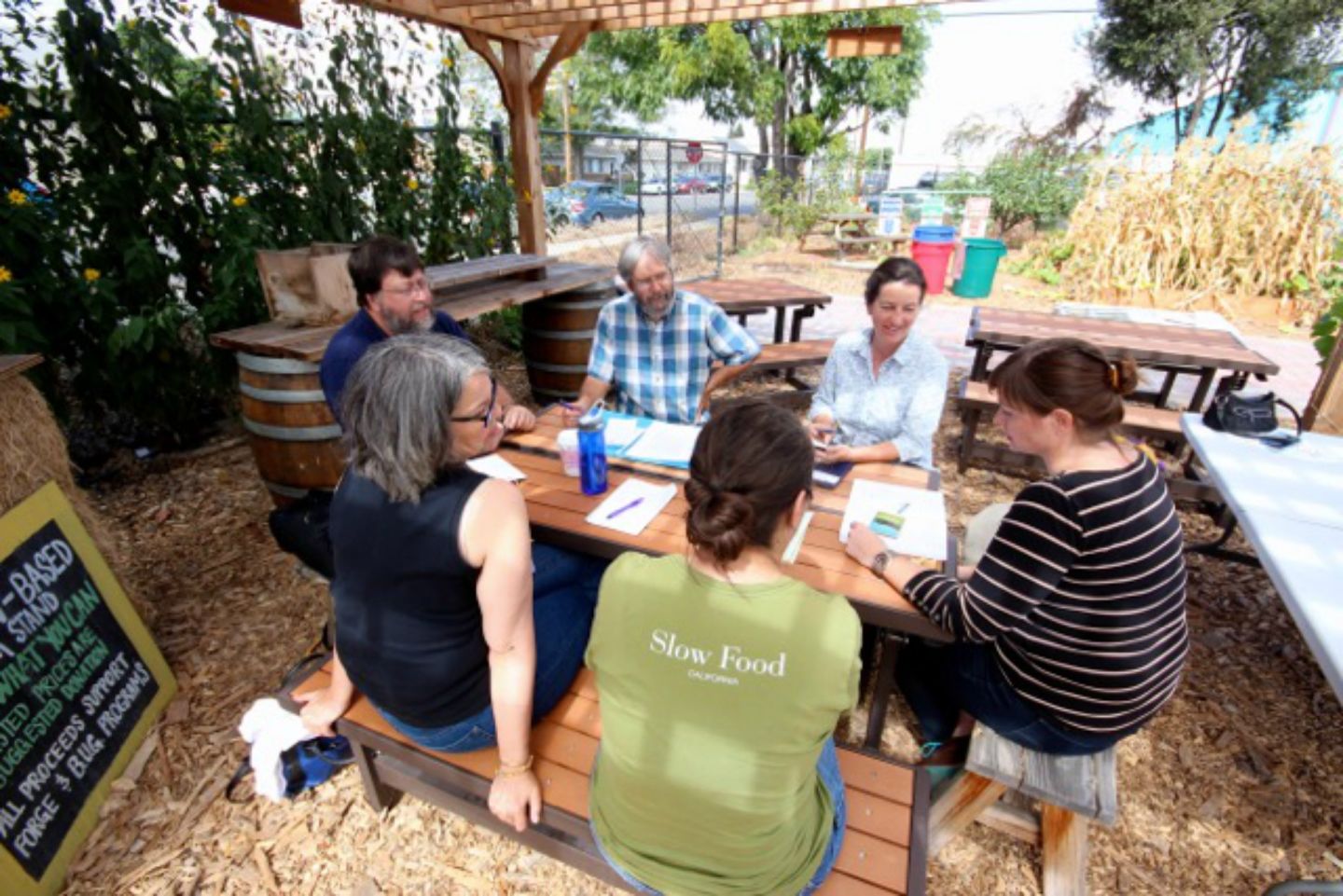
"caption": "Members from the California Food Policy Council Central Valley/Mountain region chatting at the CAFPC statewide meeting in 2014.",
"description": "Members from the California Food Policy Council Central Valley/Mountain region chatting at the CAFPC statewide meeting in 2014.",
"title": "Members from the California Food Policy Council Central Valley/Mountain region chatting at the CAFPC statewide meeting in 2014.",
"credit": "Doris Meier",
"status": "inherit",
"isLoading": false,
"fetchFailed": false
}
},
"audioPlayerReducer": {
"postId": "stream_live",
"isPaused": true,
"isPlaying": false,
"pfsActive": false,
"pledgeModalIsOpen": true,
"playerDrawerIsOpen": false,
"liveAudioPlayStartedAt": 0,
"liveAudioPlayContext": ""
},
"authorsReducer": {
"byline_bayareabites_111366": {
"type": "authors",
"id": "byline_bayareabites_111366",
"meta": {
"override": true
},
"slug": "byline_bayareabites_111366",
"name": "Dan Charles, NPR Food",
"isLoading": false
},
"byline_bayareabites_111091": {
"type": "authors",
"id": "byline_bayareabites_111091",
"meta": {
"override": true
},
"slug": "byline_bayareabites_111091",
"name": "\u003ca href=\"https://ww2.kqed.org/bayareabites/author/sarahhenry/\">Sarah Henry\u003c/a>, \u003ca href=\"http://ediblesanfrancisco.ediblefeast.com/wasted\">Edible SF\u003c/a> at NPR Food",
"isLoading": false
},
"byline_bayareabites_109998": {
"type": "authors",
"id": "byline_bayareabites_109998",
"meta": {
"override": true
},
"slug": "byline_bayareabites_109998",
"name": "\u003ca href=\"http://civileats.com/author/zloftusfarren/\">Zoe Loftus-Farren, \u003ca href=\"https://ww2.kqed.org/bayareabites/author/civileat/\">Civil Eats\u003c/a>",
"isLoading": false
},
"byline_bayareabites_109789": {
"type": "authors",
"id": "byline_bayareabites_109789",
"meta": {
"override": true
},
"slug": "byline_bayareabites_109789",
"name": "\u003ca href=\"http://civileats.com/author/dreiss/\">Dawn Reiss\u003c/a>, \u003ca href=\"https://ww2.kqed.org/bayareabites/author/civileat/\">Civil Eats\u003c/a>",
"isLoading": false
},
"byline_bayareabites_108978": {
"type": "authors",
"id": "byline_bayareabites_108978",
"meta": {
"override": true
},
"slug": "byline_bayareabites_108978",
"name": "Yuki Noguchi, \u003ca href=\"https://ww2.kqed.org/bayareabites/author/nprfood/\">NPR Food\u003c/a>",
"isLoading": false
},
"byline_bayareabites_108116": {
"type": "authors",
"id": "byline_bayareabites_108116",
"meta": {
"override": true
},
"slug": "byline_bayareabites_108116",
"name": "Tracie McMillan, \u003ca href=\"https://ww2.kqed.org/bayareabites/author/nprfood/\">NPR Food\u003c/a>",
"isLoading": false
},
"byline_bayareabites_103841": {
"type": "authors",
"id": "byline_bayareabites_103841",
"meta": {
"override": true
},
"slug": "byline_bayareabites_103841",
"name": "Marilyn Geewax, \u003ca href=\"https://ww2.kqed.org/bayareabites/author/nprfood/\">NPR Food\u003c/a>",
"isLoading": false
},
"wendy-goodfriend": {
"type": "authors",
"id": "5014",
"meta": {
"index": "authors_1716337520",
"id": "5014",
"found": true
},
"name": "Wendy Goodfriend",
"firstName": "Wendy",
"lastName": "Goodfriend",
"slug": "wendy-goodfriend",
"email": "wendy@wendygoodfriend.com",
"display_author_email": false,
"staff_mastheads": [],
"title": "KQED Contributor",
"bio": "I was the Senior Digital Producer for KQED Food up until July, 2018. Since 2001, I designed, produced, managed and contributed to mostly food-related websites and blogs for KQED including: KQED.org; KQED Food; Bay Area Bites; Check, Please! Bay Area; Taste This; Celebrity Chefs; seven of Jacques Pepin's TV series websites; and Joanne Weir's Cooking in the City. I initiated the majority of KQED Food's social media feeds and maintained them up until 2017. As far as content creation, photography is my passion and I also shoot video and write stories. My photos have been used in articles for KQED Food, News, Arts, and Science as well as for promotional purposes in print and online. Professional education and training includes: clinical psychology, photography, commercial cooking, web design, information architecture and UX.",
"avatar": "https://secure.gravatar.com/avatar/dfba64372339cc34cf17e446e6f18fa8?s=600&d=blank&r=g",
"twitter": null,
"facebook": "bayareabites",
"instagram": null,
"linkedin": "wendygoodfriend",
"sites": [
{
"site": "jpepinheart",
"roles": []
},
{
"site": "about",
"roles": [
"editor"
]
},
{
"site": "bayareabites",
"roles": [
"subscriber"
]
},
{
"site": "science",
"roles": [
"administrator"
]
},
{
"site": "checkplease",
"roles": [
"subscriber"
]
},
{
"site": "food",
"roles": [
"author"
]
},
{
"site": "essentialpepin",
"roles": [
"administrator"
]
}
],
"headData": {
"title": "Wendy Goodfriend | KQED",
"description": "KQED Contributor",
"ogImgSrc": "https://secure.gravatar.com/avatar/dfba64372339cc34cf17e446e6f18fa8?s=600&d=blank&r=g",
"twImgSrc": "https://secure.gravatar.com/avatar/dfba64372339cc34cf17e446e6f18fa8?s=600&d=blank&r=g"
},
"isLoading": false,
"link": "/author/wendy-goodfriend"
},
"stephanie-rosenbaum": {
"type": "authors",
"id": "5038",
"meta": {
"index": "authors_1716337520",
"id": "5038",
"found": true
},
"name": "Stephanie Rosenbaum Klassen",
"firstName": "Stephanie",
"lastName": "Rosenbaum Klassen",
"slug": "stephanie-rosenbaum",
"email": "dixieday@aol.com",
"display_author_email": false,
"staff_mastheads": [],
"title": "KQED Contributor",
"bio": "Stephanie Rosenbaum Klassen is a longtime local food writer, author, and cook. Her books include The Art of Vintage Cocktails (Egg & Dart Press), World of Doughnuts (Egg & Dart Press); Kids in the Kitchen: Fun Food (Williams Sonoma); Honey from Flower to Table (Chronicle Books) and The Astrology Cookbook: A Cosmic Guide to Feasts of Love (Manic D Press). She has studied organic farming at UCSC and holds a certificate in Ecological Horticulture from the Center for Agroecology and Sustainable Food Systems. She does frequent cooking demonstrations at local farmers’ markets and has taught food writing at Media Alliance in San Francisco and the Continuing Education program at Stanford University. She has been the lead restaurant critic for the San Francisco Bay Guardian as well as for San Francisco magazine. She has been an assistant chef at the Headlands Center for the Arts, an artists' residency program located in the Marin Headlands, and a production cook at the Marin Sun Farms Cafe in Pt Reyes Station. After some 20 years in San Francisco interspersed with stints in Oakland, Santa Cruz, Brooklyn, and Manhattan, she recently moved to Sonoma county but still writes in San Francisco several days a week.",
"avatar": "https://secure.gravatar.com/avatar/26520681f950a766c2c0eb9872646dec42b88de07cc4cdd65958385671e93cf7?s=600&d=mm&r=g",
"twitter": "sjrosenbaum",
"bluesky": null,
"facebook": null,
"instagram": null,
"linkedin": null,
"sites": [
{
"site": "bayareabites",
"roles": [
"subscriber"
]
},
{
"site": "food",
"roles": [
"subscriber"
]
}
],
"headData": {
"title": "Stephanie Rosenbaum Klassen | KQED",
"description": "KQED Contributor",
"ogImgSrc": "https://secure.gravatar.com/avatar/26520681f950a766c2c0eb9872646dec42b88de07cc4cdd65958385671e93cf7?s=600&d=mm&r=g",
"twImgSrc": "https://secure.gravatar.com/avatar/26520681f950a766c2c0eb9872646dec42b88de07cc4cdd65958385671e93cf7?s=600&d=mm&r=g"
},
"isLoading": false,
"link": "/author/stephanie-rosenbaum"
},
"nprfood": {
"type": "authors",
"id": "5403",
"meta": {
"index": "authors_1716337520",
"id": "5403",
"found": true
},
"name": "NPR Food",
"firstName": "NPR Food",
"lastName": null,
"slug": "nprfood",
"email": "nprfood@kqed.org",
"display_author_email": false,
"staff_mastheads": [],
"title": null,
"bio": "Food and Health-related stories from NPR including NPR Radio; NPR's food blog, \"The Salt\"; NPR's Health News blog, \"Shots\"; NPR's Breaking News blog \"The Two-Way\"; NPR's global stories blog \"Goats and Soda,\" NPR's economy explainer \"Planet Money\"; food-related technology news from NPR's \"All Tech Considered\"; and food series \"Kitchen Window.\"",
"avatar": "https://secure.gravatar.com/avatar/c4b735bb26404fa18ce2447d32e64291?s=600&d=blank&r=g",
"twitter": "nprfood",
"facebook": null,
"instagram": null,
"linkedin": null,
"sites": [
{
"site": "bayareabites",
"roles": [
"contributor"
]
},
{
"site": "food",
"roles": [
"contributor"
]
}
],
"headData": {
"title": "NPR Food | KQED",
"description": null,
"ogImgSrc": "https://secure.gravatar.com/avatar/c4b735bb26404fa18ce2447d32e64291?s=600&d=blank&r=g",
"twImgSrc": "https://secure.gravatar.com/avatar/c4b735bb26404fa18ce2447d32e64291?s=600&d=blank&r=g"
},
"isLoading": false,
"link": "/author/nprfood"
},
"shelbypope": {
"type": "authors",
"id": "5566",
"meta": {
"index": "authors_1716337520",
"id": "5566",
"found": true
},
"name": "Shelby Pope",
"firstName": "Shelby",
"lastName": "Pope",
"slug": "shelbypope",
"email": "shelbylpope@gmail.com",
"display_author_email": false,
"staff_mastheads": [],
"title": "KQED Contributor",
"bio": "Shelby Pope is a freelance writer living and eating her way through the East Bay. She’s written about food, art and science for publications including the Smithsonian, Lucky Peach, and the Washington Post's pet blog. When she’s not taste testing sourdough bread to find the Bay Area’s best loaf, you can find her on Twitter \u003ca href=\"https://twitter.com/shelbylpope\">@shelbylpope\u003c/a> or at \u003ca href=\"https://shelbypope.com/\">shelbypope.com\u003c/a>",
"avatar": "https://secure.gravatar.com/avatar/df74e904399e45720e48e36c6e1ae7a90c32216eb2c9c82f3b2e1a9641b507d3?s=600&d=blank&r=g",
"twitter": "shelbylpope",
"bluesky": null,
"facebook": null,
"instagram": null,
"linkedin": null,
"sites": [
{
"site": "arts",
"roles": [
"subscriber"
]
},
{
"site": "food",
"roles": [
"subscriber"
]
}
],
"headData": {
"title": "Shelby Pope | KQED",
"description": "KQED Contributor",
"ogImgSrc": "https://secure.gravatar.com/avatar/df74e904399e45720e48e36c6e1ae7a90c32216eb2c9c82f3b2e1a9641b507d3?s=600&d=blank&r=g",
"twImgSrc": "https://secure.gravatar.com/avatar/df74e904399e45720e48e36c6e1ae7a90c32216eb2c9c82f3b2e1a9641b507d3?s=600&d=blank&r=g"
},
"isLoading": false,
"link": "/author/shelbypope"
},
"alexandrawall": {
"type": "authors",
"id": "5567",
"meta": {
"index": "authors_1716337520",
"id": "5567",
"found": true
},
"name": "Alix Wall",
"firstName": "Alix",
"lastName": "Wall",
"slug": "alexandrawall",
"email": "alixwall@sbcglobal.net",
"display_author_email": false,
"staff_mastheads": [],
"title": null,
"bio": "Alix Wall appeared in her hometown paper in Riverside, California as “Chef of the Week” when she was 15 years old, and in high school, she founded “The Bon Appetit Club.” After working as a journalist for many years, Alix became a certified natural foods chef from Bauman College in Berkeley. While she cooks part-time healthy, organic meals for busy families, she is also a contributing editor of j. weekly, the Bay Area’s Jewish newspaper, in which she has a monthly food column. Her food writing can also be found on Berkeleyside’s NOSH and in Edible East Bay. In addition to food, she loves writing about how couples met and fell in love, which she does for The San Francisco Chronicle’s Style section and j. weekly. In 2016, she founded The Illuminoshi: The Not-So-Secret Society of Bay Area Jewish Food Professionals. She is also writer/producer for a documentary-in-progress called \u003ca href=\"https://www.lonelychildmovie.com/\">The Lonely Child\u003c/a>. Follow Alix on Twitter \u003ca href=\"https://twitter.com/WallAlix\">@WallAlix\u003c/a>.",
"avatar": "https://secure.gravatar.com/avatar/421a27f26a185be932f8d567b499b1f1?s=600&d=blank&r=g",
"twitter": null,
"facebook": null,
"instagram": null,
"linkedin": null,
"sites": [
{
"site": "bayareabites",
"roles": [
"contributor"
]
},
{
"site": "food",
"roles": [
"contributor"
]
}
],
"headData": {
"title": "Alix Wall | KQED",
"description": null,
"ogImgSrc": "https://secure.gravatar.com/avatar/421a27f26a185be932f8d567b499b1f1?s=600&d=blank&r=g",
"twImgSrc": "https://secure.gravatar.com/avatar/421a27f26a185be932f8d567b499b1f1?s=600&d=blank&r=g"
},
"isLoading": false,
"link": "/author/alexandrawall"
}
},
"pagesReducer": {
"bayareabites_category_economy-and-food-costs": {
"type": "terms",
"id": "bayareabites_1962",
"meta": {
"index": "terms_1716263798",
"site": "bayareabites",
"id": "1962",
"score": 13.89634
},
"featImg": null,
"name": "economy and food costs",
"description": null,
"taxonomy": "category",
"headData": {
"twImgId": null,
"twTitle": null,
"ogTitle": null,
"ogImgId": null,
"twDescription": null,
"description": null,
"title": "economy and food costs Archives | KQED Bay Area Bites",
"ogDescription": null
},
"ttid": 1488,
"slug": "economy-and-food-costs",
"isLoading": false,
"title": "economy and food costs",
"pageMeta": {
"site": "bayareabites",
"WpPageTemplate": "page-topic-editorial",
"currentPage": 6
},
"blocks": [
{
"blockName": "kqed/post-list",
"attrs": {
"layout": "cardArticle2",
"query": "posts/bayareabites?category=economy-and-food-costs",
"seeMore": false,
"paginated": true,
"page": 6
}
},
{
"blockName": "kqed/ad"
}
]
}
},
"pfsSessionReducer": {},
"postsReducer": {
"stream_live": {
"type": "live",
"id": "stream_live",
"audioUrl": "https://streams.kqed.org/kqedradio",
"title": "Live Stream",
"excerpt": "Live Stream information currently unavailable.",
"link": "/radio",
"featImg": "",
"label": {
"name": "KQED Live",
"link": "/"
}
},
"stream_kqedNewscast": {
"type": "posts",
"id": "stream_kqedNewscast",
"audioUrl": "https://www.kqed.org/.stream/anon/radio/RDnews/newscast.mp3?_=1",
"title": "KQED Newscast",
"featImg": "",
"label": {
"name": "88.5 FM",
"link": "/"
}
},
"bayareabites_111560": {
"type": "posts",
"id": "bayareabites_111560",
"meta": {
"index": "posts_1716263798",
"site": "bayareabites",
"id": "111560",
"score": null,
"sort": [
1471962718000
]
},
"parent": 0,
"labelTerm": {},
"blocks": [],
"publishDate": 1471962718,
"format": "standard",
"disqusTitle": "Making a Place at the Table: Race and Equality in the Good Food Movement",
"title": "Making a Place at the Table: Race and Equality in the Good Food Movement",
"headTitle": "Bay Area Bites | KQED Food",
"content": "\u003cp>Listen to \u003cstrong>Women Leaders at the Table: Addressing Inequity in the Good Food Movement\u003c/strong>:\u003cbr>\nhttp://audio.commonwealthclub.org/audio/podcast/cc_20160815_Women_at_the_Table.mp3\u003c/p>\n\u003cp>A farmer, a restaurant owner, a labor supporter and a public-health community advocate walk into a room over a bar...and they're greeted like rock stars by a sold-out crowd. This was the scene at the Swedish American Hall on Monday night, August 15, when San Francisco's Commonwealth Club presented \u003ca href=\"https://www.commonwealthclub.org/events/2016-08-15/women-leaders-table-addressing-inequity-good-food-movement\" target=\"_blank\">Women Leaders at the Table: Addressing Inequity in the Good Food Movement\u003c/a>.\u003c/p>\n\u003cfigure id=\"attachment_111629\" class=\"wp-caption aligncenter\" style=\"max-width: 1920px\">\u003cimg src=\"http://ww2.kqed.org/bayareabites/wp-content/uploads/sites/24/2016/08/cathy-curtis.jpg\" alt=\"Cathy Curtis, organizer of the Commonwealth Club’s Food Matters program.\" width=\"1920\" height=\"1280\" class=\"size-full wp-image-111629\" srcset=\"https://ww2.kqed.org/app/uploads/sites/24/2016/08/cathy-curtis.jpg 1920w, https://ww2.kqed.org/app/uploads/sites/24/2016/08/cathy-curtis-400x267.jpg 400w, https://ww2.kqed.org/app/uploads/sites/24/2016/08/cathy-curtis-800x533.jpg 800w, https://ww2.kqed.org/app/uploads/sites/24/2016/08/cathy-curtis-768x512.jpg 768w, https://ww2.kqed.org/app/uploads/sites/24/2016/08/cathy-curtis-1440x960.jpg 1440w, https://ww2.kqed.org/app/uploads/sites/24/2016/08/cathy-curtis-1180x787.jpg 1180w, https://ww2.kqed.org/app/uploads/sites/24/2016/08/cathy-curtis-960x640.jpg 960w\" sizes=\"(max-width: 1920px) 100vw, 1920px\">\u003cfigcaption class=\"wp-caption-text\">Cathy Curtis (right), organizer of the Commonwealth Club’s Food Matters program. \u003ccite>(Wendy Goodfriend)\u003c/cite>\u003c/figcaption>\u003c/figure>\n\u003cp>When Cathy Curtis, the organizer of the Commonwealth Club's Food Matters program (formerly Bay Gourmet), began to put together a panel of women of color to address issues of inequity and race in the good-food movement, she had no idea it would draw such a crowd. Initially, the panel was set to take place in a small meeting room within the club, but once posted, the event sold out almost immediately, and Curtis and the panel's moderator, Shakirah Simley, were flooded with emails begging them to shift the event to a larger venue. After a last-minute scramble, the \u003ca href=\"http://www.netimeas.com/\" target=\"_blank\">Ne Timeas\u003c/a> restaurant group, which owns Aatxe in the Swedish American Hall (as well as Cafe du Nord next door), offered free use of the hall's large meeting room upstairs. \u003ca href=\"http://civileats.com/\" target=\"_blank\">Civil Eats\u003c/a> offered media support; \u003ca href=\"http://www.cuesa.org\" target=\"_blank\">CUESA\u003c/a> pulled in volunteers; \u003ca href=\"http://www.biritemarket.com/\" target=\"_blank\">Bi-Rite Market\u003c/a> donated wine and sandwiches for the post-meeting reception. \u003c/p>\n\u003cfigure id=\"attachment_111644\" class=\"wp-caption aligncenter\" style=\"max-width: 1920px\">\u003cimg src=\"http://ww2.kqed.org/bayareabites/wp-content/uploads/sites/24/2016/08/shakirah-simley.jpg\" alt=\"Moderator Shakirah Simley, founder of the preserving company Slow Jams and now community programs manager (and canner-in-residence) for Bi-Rite.\" width=\"1920\" height=\"1280\" class=\"size-full wp-image-111644\" srcset=\"https://ww2.kqed.org/app/uploads/sites/24/2016/08/shakirah-simley.jpg 1920w, https://ww2.kqed.org/app/uploads/sites/24/2016/08/shakirah-simley-400x267.jpg 400w, https://ww2.kqed.org/app/uploads/sites/24/2016/08/shakirah-simley-800x533.jpg 800w, https://ww2.kqed.org/app/uploads/sites/24/2016/08/shakirah-simley-768x512.jpg 768w, https://ww2.kqed.org/app/uploads/sites/24/2016/08/shakirah-simley-1440x960.jpg 1440w, https://ww2.kqed.org/app/uploads/sites/24/2016/08/shakirah-simley-1180x787.jpg 1180w, https://ww2.kqed.org/app/uploads/sites/24/2016/08/shakirah-simley-960x640.jpg 960w\" sizes=\"(max-width: 1920px) 100vw, 1920px\">\u003cfigcaption class=\"wp-caption-text\">Moderator Shakirah Simley, founder of the preserving company Slow Jams and now community programs manager (and canner-in-residence) for Bi-Rite. \u003ccite>(Wendy Goodfriend)\u003c/cite>\u003c/figcaption>\u003c/figure>\n\u003cp>By 7pm, the room was filled to capacity. This was not a meeting preaching the hazards of Big Food or Big Ag to the already-converted (although there were plenty of \u003ca href=\"http://www.nytimes.com/2015/11/22/fashion/snapping-new-clapping.html\" target=\"_blank\">finger-snapping \u003c/a>moments of approval), but rather an insightful dissection of some of the assumptions and privileges within the movement for \"good, clean, fair\" food, from the racial complications of soda taxes to the implications, benefits, and repercussions of direct action, from \u003ca href=\"http://ww2.kqed.org/news/2014/12/10/black-brunch-organizers-put-protest-on-the-menu/\" target=\"_blank\">Black Brunch\u003c/a> to the push for \u003ca href=\"http://abc7news.com/business/minimum-wage-increases-in-3-bay-area-cities-today/1409737/\" target=\"_blank\">higher minimum wages\u003c/a> across the state. \u003c/p>\n\u003cfigure id=\"attachment_111641\" class=\"wp-caption aligncenter\" style=\"max-width: 1920px\">\u003cimg src=\"http://ww2.kqed.org/bayareabites/wp-content/uploads/sites/24/2016/08/panel-audience.jpg\" alt=\"Women Leaders at the Table moderator and panel (R to L): Shakirah Simley, Joann Lo, Brittni Chicuata, Kristyn Leach, Dominica Rice Cisneros\" width=\"1920\" height=\"1280\" class=\"size-full wp-image-111641\" srcset=\"https://ww2.kqed.org/app/uploads/sites/24/2016/08/panel-audience.jpg 1920w, https://ww2.kqed.org/app/uploads/sites/24/2016/08/panel-audience-400x267.jpg 400w, https://ww2.kqed.org/app/uploads/sites/24/2016/08/panel-audience-800x533.jpg 800w, https://ww2.kqed.org/app/uploads/sites/24/2016/08/panel-audience-768x512.jpg 768w, https://ww2.kqed.org/app/uploads/sites/24/2016/08/panel-audience-1440x960.jpg 1440w, https://ww2.kqed.org/app/uploads/sites/24/2016/08/panel-audience-1180x787.jpg 1180w, https://ww2.kqed.org/app/uploads/sites/24/2016/08/panel-audience-960x640.jpg 960w\" sizes=\"(max-width: 1920px) 100vw, 1920px\">\u003cfigcaption class=\"wp-caption-text\">Women Leaders at the Table moderator and panel (R to L): Shakirah Simley, Joann Lo, Brittni Chicuata, Kristyn Leach, Dominica Rice Cisneros \u003ccite>(Wendy Goodfriend)\u003c/cite>\u003c/figcaption>\u003c/figure>\n\u003cp>On the panel were Joanne Lo, co-director of the \u003ca href=\"http://foodchainworkers.org/\" target=\"_blank\">Food Chain Workers Alliance\u003c/a> and chair of the Los Angeles Food Policy Council; Brittni Chicuata, government relations director for the Bay Area chapters of the \u003ca href=\"http://www.heart.org/HEARTORG/Affiliate/SanFrancisco/California/Home_UCM_WSA022_AffiliatePage.jsp\" target=\"_blank\">American Heart Association\u003c/a> and the American Stroke Association; Kristyn Leach, farmer at \u003ca href=\"http://www.sagecenter.org/work/agricultural-revitalization/sunol-agpark/sunol-agpark-farmers/namu-farm/\" target=\"_blank\">Namu Farm\u003c/a>; and Dominica Rice Cisneros, owner of \u003ca href=\"http://www.cosechacafe.com/\" target=\"_blank\">Cosecha Cafe\u003c/a> in Oakland, with moderator Shakirah Simley, founder of the preserving company Slow Jams and now community programs manager (and canner-in-residence) for \u003ca href=\"http://www.biritemarket.com\" target=\"_blank\">Bi-Rite\u003c/a>.\u003c/p>\n\u003cp>[ad fullwidth]\u003c/p>\n\u003cp>In her introduction, Curtis urged attendees to look not just at \"what's on the plate, but who's sitting at the table,\" as we work towards creating a more equitable good food movement. This isn't as easy as it sounds; when asked about how her work as a public health advocate, particularly among urban African-American communities, connects with the good food movement, Brittni Chicuata stated, \"When I think of the good food movement, or the slow food movement, or when a lot of folks think of it, it's 'that's bougie and inaccessible and not for me.'\" What matters to Chicuata is helping communities face, and overcome, what they (and she) see as systemic barriers to living healthy lives. In other words, it's less about the kale, and more about transportation, education, labor, the history of zoning laws, and the history of red-lining by banks that kept business loans out of low-income neighborhoods, says Chicuata, who grew up in the Fillmore and now lives in Oakland. \u003c/p>\n\u003cfigure id=\"attachment_111638\" class=\"wp-caption aligncenter\" style=\"max-width: 1920px\">\u003cimg src=\"http://ww2.kqed.org/bayareabites/wp-content/uploads/sites/24/2016/08/brittni-chicuata.jpg\" alt=\"Brittni Chicuata (center), Government Relations Director, American Heart Association | American Stroke Association.\" width=\"1920\" height=\"1280\" class=\"size-full wp-image-111638\" srcset=\"https://ww2.kqed.org/app/uploads/sites/24/2016/08/brittni-chicuata.jpg 1920w, https://ww2.kqed.org/app/uploads/sites/24/2016/08/brittni-chicuata-400x267.jpg 400w, https://ww2.kqed.org/app/uploads/sites/24/2016/08/brittni-chicuata-800x533.jpg 800w, https://ww2.kqed.org/app/uploads/sites/24/2016/08/brittni-chicuata-768x512.jpg 768w, https://ww2.kqed.org/app/uploads/sites/24/2016/08/brittni-chicuata-1440x960.jpg 1440w, https://ww2.kqed.org/app/uploads/sites/24/2016/08/brittni-chicuata-1180x787.jpg 1180w, https://ww2.kqed.org/app/uploads/sites/24/2016/08/brittni-chicuata-960x640.jpg 960w\" sizes=\"(max-width: 1920px) 100vw, 1920px\">\u003cfigcaption class=\"wp-caption-text\">Brittni Chicuata (center), Government Relations Director, American Heart Association | American Stroke Association. \u003ccite>(Wendy Goodfriend)\u003c/cite>\u003c/figcaption>\u003c/figure>\n\u003cp>Although, of course, the kale--or in this case, the shiso leaves and hot peppers--have to come from somewhere, and small-scale, sustainable farming is at the heart of the good food movement. At Namu Farm, Kristyn Leach describes her acre-and-a-half parcel of land in the Sunol Ag Park as an experiment in \"really kind of crazy and strange\" farming, with an emphasis on very slow, deliberate practices of carbon-sequestering, no-till cultivation with rotating cover crops, inspired by both permaculture and traditional Asian farming techniques. Said Leach, \"I became a farmer because it's a really direct way to care for the people around me,\" and be a responsible steward of the land. \u003c/p>\n\u003cfigure id=\"attachment_111621\" class=\"wp-caption aligncenter\" style=\"max-width: 1920px\">\u003cimg src=\"http://ww2.kqed.org/bayareabites/wp-content/uploads/sites/24/2016/08/kristyn-brittni.jpg\" alt=\"Kristyn Leach (left), Farmer, Namu Farm.\" width=\"1920\" height=\"1280\" class=\"size-full wp-image-111621\" srcset=\"https://ww2.kqed.org/app/uploads/sites/24/2016/08/kristyn-brittni.jpg 1920w, https://ww2.kqed.org/app/uploads/sites/24/2016/08/kristyn-brittni-400x267.jpg 400w, https://ww2.kqed.org/app/uploads/sites/24/2016/08/kristyn-brittni-800x533.jpg 800w, https://ww2.kqed.org/app/uploads/sites/24/2016/08/kristyn-brittni-768x512.jpg 768w, https://ww2.kqed.org/app/uploads/sites/24/2016/08/kristyn-brittni-1440x960.jpg 1440w, https://ww2.kqed.org/app/uploads/sites/24/2016/08/kristyn-brittni-1180x787.jpg 1180w, https://ww2.kqed.org/app/uploads/sites/24/2016/08/kristyn-brittni-960x640.jpg 960w\" sizes=\"(max-width: 1920px) 100vw, 1920px\">\u003cfigcaption class=\"wp-caption-text\">Kristyn Leach (left), Farmer, Namu Farm. \u003ccite>(Wendy Goodfriend)\u003c/cite>\u003c/figcaption>\u003c/figure>\n\u003cp>For business owner Dominica Rice Cisneros, whose downtown Oakland Cosecha Cafe is celebrating its 5th anniversary this week, being part of the good food movement meant helping to revitalize the part of Oakland where she lived, by opening a family-friendly cafe in the Swan's Market, and, as a small business, creating jobs that respect and reward the skills of women in her community. (She hires men, too, but her tortilla-making morning kitchen crew is all female.) \"We don't just sell tacos, we sell peace of mind. You bring your family to us, we're going to take care of them,\" said Cisneros. \u003c/p>\n\u003cfigure id=\"attachment_111639\" class=\"wp-caption aligncenter\" style=\"max-width: 1920px\">\u003cimg src=\"http://ww2.kqed.org/bayareabites/wp-content/uploads/sites/24/2016/08/dominica-rice-cisneros.jpg\" alt=\"Dominica Rice Cisneros, chef and owner of Cosecha Cafe in Oakland.\" width=\"1920\" height=\"1280\" class=\"size-full wp-image-111639\" srcset=\"https://ww2.kqed.org/app/uploads/sites/24/2016/08/dominica-rice-cisneros.jpg 1920w, https://ww2.kqed.org/app/uploads/sites/24/2016/08/dominica-rice-cisneros-400x267.jpg 400w, https://ww2.kqed.org/app/uploads/sites/24/2016/08/dominica-rice-cisneros-800x533.jpg 800w, https://ww2.kqed.org/app/uploads/sites/24/2016/08/dominica-rice-cisneros-768x512.jpg 768w, https://ww2.kqed.org/app/uploads/sites/24/2016/08/dominica-rice-cisneros-1440x960.jpg 1440w, https://ww2.kqed.org/app/uploads/sites/24/2016/08/dominica-rice-cisneros-1180x787.jpg 1180w, https://ww2.kqed.org/app/uploads/sites/24/2016/08/dominica-rice-cisneros-960x640.jpg 960w\" sizes=\"(max-width: 1920px) 100vw, 1920px\">\u003cfigcaption class=\"wp-caption-text\">Dominica Rice Cisneros, chef and owner of Cosecha Cafe in Oakland. \u003ccite>(Wendy Goodfriend)\u003c/cite>\u003c/figcaption>\u003c/figure>\n\u003cp>But what happens when different communities see \"good food\" in different ways? What happens when attempts at intersectionality come across more like bossiness, interference, or tokenism? As a public health advocate who sees people suffering every day with preventable diseases, Chicuata is a vocal proponent of soda taxes. She's no fan of the savvy strategies that big soda corporations use to protect their markets and promote their products in historically underfunded cities like Richmond, CA. But she also sees the willingness of some advocacy groups to call out communities of color around these issues as \"bad campaigning\" that weakens everyone. \"When folks of color, as stakeholders, are not at the table, and are only tokenized at the 25th hour to be your messenger, it doesn't work,\" said Chicuata. \"We need to be at the table making decisions about how the policy is written, how that money is coming back into the community, and what our outreach strategy is going to be. I can't just come help you when you have made all the decisions.\" \u003c/p>\n\u003cfigure id=\"attachment_111619\" class=\"wp-caption aligncenter\" style=\"max-width: 1920px\">\u003cimg src=\"http://ww2.kqed.org/bayareabites/wp-content/uploads/sites/24/2016/08/joann-shakirah.jpg\" alt=\"Joann Lo, Co-Director, Food Chain Workers Alliance; Chair, Los Angeles Food Policy Council.\" width=\"1920\" height=\"1280\" class=\"size-full wp-image-111619\" srcset=\"https://ww2.kqed.org/app/uploads/sites/24/2016/08/joann-shakirah.jpg 1920w, https://ww2.kqed.org/app/uploads/sites/24/2016/08/joann-shakirah-400x267.jpg 400w, https://ww2.kqed.org/app/uploads/sites/24/2016/08/joann-shakirah-800x533.jpg 800w, https://ww2.kqed.org/app/uploads/sites/24/2016/08/joann-shakirah-768x512.jpg 768w, https://ww2.kqed.org/app/uploads/sites/24/2016/08/joann-shakirah-1440x960.jpg 1440w, https://ww2.kqed.org/app/uploads/sites/24/2016/08/joann-shakirah-1180x787.jpg 1180w, https://ww2.kqed.org/app/uploads/sites/24/2016/08/joann-shakirah-960x640.jpg 960w\" sizes=\"(max-width: 1920px) 100vw, 1920px\">\u003cfigcaption class=\"wp-caption-text\">Joann Lo, Co-Director, Food Chain Workers Alliance; Chair, Los Angeles Food Policy Council. \u003ccite>(Wendy Goodfriend)\u003c/cite>\u003c/figcaption>\u003c/figure>\n\u003cp>Food activists who want to bring workers' issues, like livable wages and better working conditions, into the public eye can learn from the labor movement's emphasis on direct action, said Lo. Forging connections across communities can also break down isolation and help workers learn to speak up for themselves, and for each other. \"It's really important for us to develop leadership among workers, including women, people of color, immigrants...[for them to] share their stories, to feel connected. These workers are often invisible to most people, to most eaters, but we rely on them and their stories are important,\" said Lo, who has worked with Story Corps and Real Food Media on Voices of the Food Chain, a series of videos focusing on issues faced by farm and food workers. \u003c/p>\n\u003cp>[ad floatright]\u003c/p>\n\u003cp>Asked who else should be at the table, and whose contributions should be lifted up and acknowledged, Leach responded, \"Farmers and grandmas, not mutually exclusive.\" For Cisneros, it's the \"moms, moms and grandmas,\" while Chicuata pressed for more recognition and dignity, for family caretakers and farmworkers, and Simley acknowledged the contributions of young activists. Food justice is social justice, these women agreed, and there's room for everyone at the table. \u003c/p>\n\u003cfigure id=\"attachment_111617\" class=\"wp-caption aligncenter\" style=\"max-width: 1920px\">\u003cimg src=\"http://ww2.kqed.org/bayareabites/wp-content/uploads/sites/24/2016/08/group1920.jpg\" alt=\"Women Leaders at the Table panel (R to L): Kristyn Leach, Shakirah Simley, Brittni Chicuata, Joann Lo, Dominica Rice Cisneros\" width=\"1920\" height=\"1280\" class=\"size-full wp-image-111617\" srcset=\"https://ww2.kqed.org/app/uploads/sites/24/2016/08/group1920.jpg 1920w, https://ww2.kqed.org/app/uploads/sites/24/2016/08/group1920-400x267.jpg 400w, https://ww2.kqed.org/app/uploads/sites/24/2016/08/group1920-800x533.jpg 800w, https://ww2.kqed.org/app/uploads/sites/24/2016/08/group1920-768x512.jpg 768w, https://ww2.kqed.org/app/uploads/sites/24/2016/08/group1920-1440x960.jpg 1440w, https://ww2.kqed.org/app/uploads/sites/24/2016/08/group1920-1180x787.jpg 1180w, https://ww2.kqed.org/app/uploads/sites/24/2016/08/group1920-960x640.jpg 960w\" sizes=\"(max-width: 1920px) 100vw, 1920px\">\u003cfigcaption class=\"wp-caption-text\">Women Leaders at the Table panel and moderator (R to L): Kristyn Leach, Shakirah Simley, Brittni Chicuata, Joann Lo, Dominica Rice Cisneros \u003ccite>(Wendy Goodfriend)\u003c/cite>\u003c/figcaption>\u003c/figure>\n\n",
"disqusIdentifier": "111560 http://ww2.kqed.org/bayareabites/?p=111560",
"disqusUrl": "https://ww2.kqed.org/bayareabites/2016/08/23/making-a-place-at-the-table-race-and-equality-in-the-good-food-movement/",
"stats": {
"hasVideo": false,
"hasChartOrMap": false,
"hasAudio": false,
"hasPolis": false,
"wordCount": 1330,
"hasGoogleForm": false,
"hasGallery": false,
"hasHearkenModule": false,
"iframeSrcs": [],
"paragraphCount": 13
},
"modified": 1472133552,
"excerpt": "What will a fair, inclusive good food movement look like? Five women debate at the Commonwealth Club. ",
"headData": {
"twImgId": "",
"twTitle": "",
"ogTitle": "",
"ogImgId": "",
"twDescription": "",
"description": "What will a fair, inclusive good food movement look like? Five women debate at the Commonwealth Club. ",
"title": "Making a Place at the Table: Race and Equality in the Good Food Movement | KQED",
"ogDescription": "",
"schema": {
"@context": "https://schema.org",
"@type": "Article",
"headline": "Making a Place at the Table: Race and Equality in the Good Food Movement",
"datePublished": "2016-08-23T07:31:58-07:00",
"dateModified": "2016-08-25T06:59:12-07:00",
"image": "https://cdn.kqed.org/wp-content/uploads/2020/02/KQED-OG-Image@1x.png"
}
},
"guestAuthors": [],
"slug": "making-a-place-at-the-table-race-and-equality-in-the-good-food-movement",
"status": "publish",
"sourceUrl": "https://ww2.kqed.org/bayareabites/category/politics-activism-food-safety/",
"source": "Politics, Activism, Food Safety",
"path": "/bayareabites/111560/making-a-place-at-the-table-race-and-equality-in-the-good-food-movement",
"audioTrackLength": null,
"parsedContent": [
{
"type": "contentString",
"content": "\u003cdiv class=\"post-body\">\u003cp>\u003cp>Listen to \u003cstrong>Women Leaders at the Table: Addressing Inequity in the Good Food Movement\u003c/strong>:\u003cbr>\nhttp://audio.commonwealthclub.org/audio/podcast/cc_20160815_Women_at_the_Table.mp3\u003c/p>\n\u003cp>A farmer, a restaurant owner, a labor supporter and a public-health community advocate walk into a room over a bar...and they're greeted like rock stars by a sold-out crowd. This was the scene at the Swedish American Hall on Monday night, August 15, when San Francisco's Commonwealth Club presented \u003ca href=\"https://www.commonwealthclub.org/events/2016-08-15/women-leaders-table-addressing-inequity-good-food-movement\" target=\"_blank\">Women Leaders at the Table: Addressing Inequity in the Good Food Movement\u003c/a>.\u003c/p>\n\u003cfigure id=\"attachment_111629\" class=\"wp-caption aligncenter\" style=\"max-width: 1920px\">\u003cimg src=\"http://ww2.kqed.org/bayareabites/wp-content/uploads/sites/24/2016/08/cathy-curtis.jpg\" alt=\"Cathy Curtis, organizer of the Commonwealth Club’s Food Matters program.\" width=\"1920\" height=\"1280\" class=\"size-full wp-image-111629\" srcset=\"https://ww2.kqed.org/app/uploads/sites/24/2016/08/cathy-curtis.jpg 1920w, https://ww2.kqed.org/app/uploads/sites/24/2016/08/cathy-curtis-400x267.jpg 400w, https://ww2.kqed.org/app/uploads/sites/24/2016/08/cathy-curtis-800x533.jpg 800w, https://ww2.kqed.org/app/uploads/sites/24/2016/08/cathy-curtis-768x512.jpg 768w, https://ww2.kqed.org/app/uploads/sites/24/2016/08/cathy-curtis-1440x960.jpg 1440w, https://ww2.kqed.org/app/uploads/sites/24/2016/08/cathy-curtis-1180x787.jpg 1180w, https://ww2.kqed.org/app/uploads/sites/24/2016/08/cathy-curtis-960x640.jpg 960w\" sizes=\"(max-width: 1920px) 100vw, 1920px\">\u003cfigcaption class=\"wp-caption-text\">Cathy Curtis (right), organizer of the Commonwealth Club’s Food Matters program. \u003ccite>(Wendy Goodfriend)\u003c/cite>\u003c/figcaption>\u003c/figure>\n\u003cp>When Cathy Curtis, the organizer of the Commonwealth Club's Food Matters program (formerly Bay Gourmet), began to put together a panel of women of color to address issues of inequity and race in the good-food movement, she had no idea it would draw such a crowd. Initially, the panel was set to take place in a small meeting room within the club, but once posted, the event sold out almost immediately, and Curtis and the panel's moderator, Shakirah Simley, were flooded with emails begging them to shift the event to a larger venue. After a last-minute scramble, the \u003ca href=\"http://www.netimeas.com/\" target=\"_blank\">Ne Timeas\u003c/a> restaurant group, which owns Aatxe in the Swedish American Hall (as well as Cafe du Nord next door), offered free use of the hall's large meeting room upstairs. \u003ca href=\"http://civileats.com/\" target=\"_blank\">Civil Eats\u003c/a> offered media support; \u003ca href=\"http://www.cuesa.org\" target=\"_blank\">CUESA\u003c/a> pulled in volunteers; \u003ca href=\"http://www.biritemarket.com/\" target=\"_blank\">Bi-Rite Market\u003c/a> donated wine and sandwiches for the post-meeting reception. \u003c/p>\n\u003cfigure id=\"attachment_111644\" class=\"wp-caption aligncenter\" style=\"max-width: 1920px\">\u003cimg src=\"http://ww2.kqed.org/bayareabites/wp-content/uploads/sites/24/2016/08/shakirah-simley.jpg\" alt=\"Moderator Shakirah Simley, founder of the preserving company Slow Jams and now community programs manager (and canner-in-residence) for Bi-Rite.\" width=\"1920\" height=\"1280\" class=\"size-full wp-image-111644\" srcset=\"https://ww2.kqed.org/app/uploads/sites/24/2016/08/shakirah-simley.jpg 1920w, https://ww2.kqed.org/app/uploads/sites/24/2016/08/shakirah-simley-400x267.jpg 400w, https://ww2.kqed.org/app/uploads/sites/24/2016/08/shakirah-simley-800x533.jpg 800w, https://ww2.kqed.org/app/uploads/sites/24/2016/08/shakirah-simley-768x512.jpg 768w, https://ww2.kqed.org/app/uploads/sites/24/2016/08/shakirah-simley-1440x960.jpg 1440w, https://ww2.kqed.org/app/uploads/sites/24/2016/08/shakirah-simley-1180x787.jpg 1180w, https://ww2.kqed.org/app/uploads/sites/24/2016/08/shakirah-simley-960x640.jpg 960w\" sizes=\"(max-width: 1920px) 100vw, 1920px\">\u003cfigcaption class=\"wp-caption-text\">Moderator Shakirah Simley, founder of the preserving company Slow Jams and now community programs manager (and canner-in-residence) for Bi-Rite. \u003ccite>(Wendy Goodfriend)\u003c/cite>\u003c/figcaption>\u003c/figure>\n\u003cp>By 7pm, the room was filled to capacity. This was not a meeting preaching the hazards of Big Food or Big Ag to the already-converted (although there were plenty of \u003ca href=\"http://www.nytimes.com/2015/11/22/fashion/snapping-new-clapping.html\" target=\"_blank\">finger-snapping \u003c/a>moments of approval), but rather an insightful dissection of some of the assumptions and privileges within the movement for \"good, clean, fair\" food, from the racial complications of soda taxes to the implications, benefits, and repercussions of direct action, from \u003ca href=\"http://ww2.kqed.org/news/2014/12/10/black-brunch-organizers-put-protest-on-the-menu/\" target=\"_blank\">Black Brunch\u003c/a> to the push for \u003ca href=\"http://abc7news.com/business/minimum-wage-increases-in-3-bay-area-cities-today/1409737/\" target=\"_blank\">higher minimum wages\u003c/a> across the state. \u003c/p>\n\u003cfigure id=\"attachment_111641\" class=\"wp-caption aligncenter\" style=\"max-width: 1920px\">\u003cimg src=\"http://ww2.kqed.org/bayareabites/wp-content/uploads/sites/24/2016/08/panel-audience.jpg\" alt=\"Women Leaders at the Table moderator and panel (R to L): Shakirah Simley, Joann Lo, Brittni Chicuata, Kristyn Leach, Dominica Rice Cisneros\" width=\"1920\" height=\"1280\" class=\"size-full wp-image-111641\" srcset=\"https://ww2.kqed.org/app/uploads/sites/24/2016/08/panel-audience.jpg 1920w, https://ww2.kqed.org/app/uploads/sites/24/2016/08/panel-audience-400x267.jpg 400w, https://ww2.kqed.org/app/uploads/sites/24/2016/08/panel-audience-800x533.jpg 800w, https://ww2.kqed.org/app/uploads/sites/24/2016/08/panel-audience-768x512.jpg 768w, https://ww2.kqed.org/app/uploads/sites/24/2016/08/panel-audience-1440x960.jpg 1440w, https://ww2.kqed.org/app/uploads/sites/24/2016/08/panel-audience-1180x787.jpg 1180w, https://ww2.kqed.org/app/uploads/sites/24/2016/08/panel-audience-960x640.jpg 960w\" sizes=\"(max-width: 1920px) 100vw, 1920px\">\u003cfigcaption class=\"wp-caption-text\">Women Leaders at the Table moderator and panel (R to L): Shakirah Simley, Joann Lo, Brittni Chicuata, Kristyn Leach, Dominica Rice Cisneros \u003ccite>(Wendy Goodfriend)\u003c/cite>\u003c/figcaption>\u003c/figure>\n\u003cp>On the panel were Joanne Lo, co-director of the \u003ca href=\"http://foodchainworkers.org/\" target=\"_blank\">Food Chain Workers Alliance\u003c/a> and chair of the Los Angeles Food Policy Council; Brittni Chicuata, government relations director for the Bay Area chapters of the \u003ca href=\"http://www.heart.org/HEARTORG/Affiliate/SanFrancisco/California/Home_UCM_WSA022_AffiliatePage.jsp\" target=\"_blank\">American Heart Association\u003c/a> and the American Stroke Association; Kristyn Leach, farmer at \u003ca href=\"http://www.sagecenter.org/work/agricultural-revitalization/sunol-agpark/sunol-agpark-farmers/namu-farm/\" target=\"_blank\">Namu Farm\u003c/a>; and Dominica Rice Cisneros, owner of \u003ca href=\"http://www.cosechacafe.com/\" target=\"_blank\">Cosecha Cafe\u003c/a> in Oakland, with moderator Shakirah Simley, founder of the preserving company Slow Jams and now community programs manager (and canner-in-residence) for \u003ca href=\"http://www.biritemarket.com\" target=\"_blank\">Bi-Rite\u003c/a>.\u003c/p>\n\u003cp>\u003c/p>\u003c/div>",
"attributes": {
"named": {},
"numeric": []
}
},
{
"type": "component",
"content": "",
"name": "ad",
"attributes": {
"named": {
"label": "fullwidth"
},
"numeric": [
"fullwidth"
]
}
},
{
"type": "contentString",
"content": "\u003cdiv class=\"post-body\">\u003cp>\u003c/p>\n\u003cp>In her introduction, Curtis urged attendees to look not just at \"what's on the plate, but who's sitting at the table,\" as we work towards creating a more equitable good food movement. This isn't as easy as it sounds; when asked about how her work as a public health advocate, particularly among urban African-American communities, connects with the good food movement, Brittni Chicuata stated, \"When I think of the good food movement, or the slow food movement, or when a lot of folks think of it, it's 'that's bougie and inaccessible and not for me.'\" What matters to Chicuata is helping communities face, and overcome, what they (and she) see as systemic barriers to living healthy lives. In other words, it's less about the kale, and more about transportation, education, labor, the history of zoning laws, and the history of red-lining by banks that kept business loans out of low-income neighborhoods, says Chicuata, who grew up in the Fillmore and now lives in Oakland. \u003c/p>\n\u003cfigure id=\"attachment_111638\" class=\"wp-caption aligncenter\" style=\"max-width: 1920px\">\u003cimg src=\"http://ww2.kqed.org/bayareabites/wp-content/uploads/sites/24/2016/08/brittni-chicuata.jpg\" alt=\"Brittni Chicuata (center), Government Relations Director, American Heart Association | American Stroke Association.\" width=\"1920\" height=\"1280\" class=\"size-full wp-image-111638\" srcset=\"https://ww2.kqed.org/app/uploads/sites/24/2016/08/brittni-chicuata.jpg 1920w, https://ww2.kqed.org/app/uploads/sites/24/2016/08/brittni-chicuata-400x267.jpg 400w, https://ww2.kqed.org/app/uploads/sites/24/2016/08/brittni-chicuata-800x533.jpg 800w, https://ww2.kqed.org/app/uploads/sites/24/2016/08/brittni-chicuata-768x512.jpg 768w, https://ww2.kqed.org/app/uploads/sites/24/2016/08/brittni-chicuata-1440x960.jpg 1440w, https://ww2.kqed.org/app/uploads/sites/24/2016/08/brittni-chicuata-1180x787.jpg 1180w, https://ww2.kqed.org/app/uploads/sites/24/2016/08/brittni-chicuata-960x640.jpg 960w\" sizes=\"(max-width: 1920px) 100vw, 1920px\">\u003cfigcaption class=\"wp-caption-text\">Brittni Chicuata (center), Government Relations Director, American Heart Association | American Stroke Association. \u003ccite>(Wendy Goodfriend)\u003c/cite>\u003c/figcaption>\u003c/figure>\n\u003cp>Although, of course, the kale--or in this case, the shiso leaves and hot peppers--have to come from somewhere, and small-scale, sustainable farming is at the heart of the good food movement. At Namu Farm, Kristyn Leach describes her acre-and-a-half parcel of land in the Sunol Ag Park as an experiment in \"really kind of crazy and strange\" farming, with an emphasis on very slow, deliberate practices of carbon-sequestering, no-till cultivation with rotating cover crops, inspired by both permaculture and traditional Asian farming techniques. Said Leach, \"I became a farmer because it's a really direct way to care for the people around me,\" and be a responsible steward of the land. \u003c/p>\n\u003cfigure id=\"attachment_111621\" class=\"wp-caption aligncenter\" style=\"max-width: 1920px\">\u003cimg src=\"http://ww2.kqed.org/bayareabites/wp-content/uploads/sites/24/2016/08/kristyn-brittni.jpg\" alt=\"Kristyn Leach (left), Farmer, Namu Farm.\" width=\"1920\" height=\"1280\" class=\"size-full wp-image-111621\" srcset=\"https://ww2.kqed.org/app/uploads/sites/24/2016/08/kristyn-brittni.jpg 1920w, https://ww2.kqed.org/app/uploads/sites/24/2016/08/kristyn-brittni-400x267.jpg 400w, https://ww2.kqed.org/app/uploads/sites/24/2016/08/kristyn-brittni-800x533.jpg 800w, https://ww2.kqed.org/app/uploads/sites/24/2016/08/kristyn-brittni-768x512.jpg 768w, https://ww2.kqed.org/app/uploads/sites/24/2016/08/kristyn-brittni-1440x960.jpg 1440w, https://ww2.kqed.org/app/uploads/sites/24/2016/08/kristyn-brittni-1180x787.jpg 1180w, https://ww2.kqed.org/app/uploads/sites/24/2016/08/kristyn-brittni-960x640.jpg 960w\" sizes=\"(max-width: 1920px) 100vw, 1920px\">\u003cfigcaption class=\"wp-caption-text\">Kristyn Leach (left), Farmer, Namu Farm. \u003ccite>(Wendy Goodfriend)\u003c/cite>\u003c/figcaption>\u003c/figure>\n\u003cp>For business owner Dominica Rice Cisneros, whose downtown Oakland Cosecha Cafe is celebrating its 5th anniversary this week, being part of the good food movement meant helping to revitalize the part of Oakland where she lived, by opening a family-friendly cafe in the Swan's Market, and, as a small business, creating jobs that respect and reward the skills of women in her community. (She hires men, too, but her tortilla-making morning kitchen crew is all female.) \"We don't just sell tacos, we sell peace of mind. You bring your family to us, we're going to take care of them,\" said Cisneros. \u003c/p>\n\u003cfigure id=\"attachment_111639\" class=\"wp-caption aligncenter\" style=\"max-width: 1920px\">\u003cimg src=\"http://ww2.kqed.org/bayareabites/wp-content/uploads/sites/24/2016/08/dominica-rice-cisneros.jpg\" alt=\"Dominica Rice Cisneros, chef and owner of Cosecha Cafe in Oakland.\" width=\"1920\" height=\"1280\" class=\"size-full wp-image-111639\" srcset=\"https://ww2.kqed.org/app/uploads/sites/24/2016/08/dominica-rice-cisneros.jpg 1920w, https://ww2.kqed.org/app/uploads/sites/24/2016/08/dominica-rice-cisneros-400x267.jpg 400w, https://ww2.kqed.org/app/uploads/sites/24/2016/08/dominica-rice-cisneros-800x533.jpg 800w, https://ww2.kqed.org/app/uploads/sites/24/2016/08/dominica-rice-cisneros-768x512.jpg 768w, https://ww2.kqed.org/app/uploads/sites/24/2016/08/dominica-rice-cisneros-1440x960.jpg 1440w, https://ww2.kqed.org/app/uploads/sites/24/2016/08/dominica-rice-cisneros-1180x787.jpg 1180w, https://ww2.kqed.org/app/uploads/sites/24/2016/08/dominica-rice-cisneros-960x640.jpg 960w\" sizes=\"(max-width: 1920px) 100vw, 1920px\">\u003cfigcaption class=\"wp-caption-text\">Dominica Rice Cisneros, chef and owner of Cosecha Cafe in Oakland. \u003ccite>(Wendy Goodfriend)\u003c/cite>\u003c/figcaption>\u003c/figure>\n\u003cp>But what happens when different communities see \"good food\" in different ways? What happens when attempts at intersectionality come across more like bossiness, interference, or tokenism? As a public health advocate who sees people suffering every day with preventable diseases, Chicuata is a vocal proponent of soda taxes. She's no fan of the savvy strategies that big soda corporations use to protect their markets and promote their products in historically underfunded cities like Richmond, CA. But she also sees the willingness of some advocacy groups to call out communities of color around these issues as \"bad campaigning\" that weakens everyone. \"When folks of color, as stakeholders, are not at the table, and are only tokenized at the 25th hour to be your messenger, it doesn't work,\" said Chicuata. \"We need to be at the table making decisions about how the policy is written, how that money is coming back into the community, and what our outreach strategy is going to be. I can't just come help you when you have made all the decisions.\" \u003c/p>\n\u003cfigure id=\"attachment_111619\" class=\"wp-caption aligncenter\" style=\"max-width: 1920px\">\u003cimg src=\"http://ww2.kqed.org/bayareabites/wp-content/uploads/sites/24/2016/08/joann-shakirah.jpg\" alt=\"Joann Lo, Co-Director, Food Chain Workers Alliance; Chair, Los Angeles Food Policy Council.\" width=\"1920\" height=\"1280\" class=\"size-full wp-image-111619\" srcset=\"https://ww2.kqed.org/app/uploads/sites/24/2016/08/joann-shakirah.jpg 1920w, https://ww2.kqed.org/app/uploads/sites/24/2016/08/joann-shakirah-400x267.jpg 400w, https://ww2.kqed.org/app/uploads/sites/24/2016/08/joann-shakirah-800x533.jpg 800w, https://ww2.kqed.org/app/uploads/sites/24/2016/08/joann-shakirah-768x512.jpg 768w, https://ww2.kqed.org/app/uploads/sites/24/2016/08/joann-shakirah-1440x960.jpg 1440w, https://ww2.kqed.org/app/uploads/sites/24/2016/08/joann-shakirah-1180x787.jpg 1180w, https://ww2.kqed.org/app/uploads/sites/24/2016/08/joann-shakirah-960x640.jpg 960w\" sizes=\"(max-width: 1920px) 100vw, 1920px\">\u003cfigcaption class=\"wp-caption-text\">Joann Lo, Co-Director, Food Chain Workers Alliance; Chair, Los Angeles Food Policy Council. \u003ccite>(Wendy Goodfriend)\u003c/cite>\u003c/figcaption>\u003c/figure>\n\u003cp>Food activists who want to bring workers' issues, like livable wages and better working conditions, into the public eye can learn from the labor movement's emphasis on direct action, said Lo. Forging connections across communities can also break down isolation and help workers learn to speak up for themselves, and for each other. \"It's really important for us to develop leadership among workers, including women, people of color, immigrants...[for them to] share their stories, to feel connected. These workers are often invisible to most people, to most eaters, but we rely on them and their stories are important,\" said Lo, who has worked with Story Corps and Real Food Media on Voices of the Food Chain, a series of videos focusing on issues faced by farm and food workers. \u003c/p>\n\u003cp>\u003c/p>\u003c/div>",
"attributes": {
"named": {},
"numeric": []
}
},
{
"type": "component",
"content": "",
"name": "ad",
"attributes": {
"named": {
"label": "floatright"
},
"numeric": [
"floatright"
]
}
},
{
"type": "contentString",
"content": "\u003cdiv class=\"post-body\">\u003cp>\u003c/p>\n\u003cp>Asked who else should be at the table, and whose contributions should be lifted up and acknowledged, Leach responded, \"Farmers and grandmas, not mutually exclusive.\" For Cisneros, it's the \"moms, moms and grandmas,\" while Chicuata pressed for more recognition and dignity, for family caretakers and farmworkers, and Simley acknowledged the contributions of young activists. Food justice is social justice, these women agreed, and there's room for everyone at the table. \u003c/p>\n\u003cfigure id=\"attachment_111617\" class=\"wp-caption aligncenter\" style=\"max-width: 1920px\">\u003cimg src=\"http://ww2.kqed.org/bayareabites/wp-content/uploads/sites/24/2016/08/group1920.jpg\" alt=\"Women Leaders at the Table panel (R to L): Kristyn Leach, Shakirah Simley, Brittni Chicuata, Joann Lo, Dominica Rice Cisneros\" width=\"1920\" height=\"1280\" class=\"size-full wp-image-111617\" srcset=\"https://ww2.kqed.org/app/uploads/sites/24/2016/08/group1920.jpg 1920w, https://ww2.kqed.org/app/uploads/sites/24/2016/08/group1920-400x267.jpg 400w, https://ww2.kqed.org/app/uploads/sites/24/2016/08/group1920-800x533.jpg 800w, https://ww2.kqed.org/app/uploads/sites/24/2016/08/group1920-768x512.jpg 768w, https://ww2.kqed.org/app/uploads/sites/24/2016/08/group1920-1440x960.jpg 1440w, https://ww2.kqed.org/app/uploads/sites/24/2016/08/group1920-1180x787.jpg 1180w, https://ww2.kqed.org/app/uploads/sites/24/2016/08/group1920-960x640.jpg 960w\" sizes=\"(max-width: 1920px) 100vw, 1920px\">\u003cfigcaption class=\"wp-caption-text\">Women Leaders at the Table panel and moderator (R to L): Kristyn Leach, Shakirah Simley, Brittni Chicuata, Joann Lo, Dominica Rice Cisneros \u003ccite>(Wendy Goodfriend)\u003c/cite>\u003c/figcaption>\u003c/figure>\n\n\u003c/div>\u003c/p>",
"attributes": {
"named": {},
"numeric": []
}
}
],
"link": "/bayareabites/111560/making-a-place-at-the-table-race-and-equality-in-the-good-food-movement",
"authors": [
"5038",
"5014"
],
"categories": [
"bayareabites_109",
"bayareabites_1962",
"bayareabites_50",
"bayareabites_1874",
"bayareabites_11028",
"bayareabites_10028",
"bayareabites_2035",
"bayareabites_60"
],
"tags": [
"bayareabites_1268",
"bayareabites_15576",
"bayareabites_14803",
"bayareabites_15049"
],
"featImg": "bayareabites_111622",
"label": "source_bayareabites_111560"
},
"bayareabites_111366": {
"type": "posts",
"id": "bayareabites_111366",
"meta": {
"index": "posts_1716263798",
"site": "bayareabites",
"id": "111366",
"score": null,
"sort": [
1470934845000
]
},
"parent": 0,
"labelTerm": {
"site": "bayareabites"
},
"blocks": [],
"publishDate": 1470934845,
"format": "aside",
"disqusTitle": "Why Do Milk Prices Spike And Crash? Because It's Like Oil",
"title": "Why Do Milk Prices Spike And Crash? Because It's Like Oil",
"headTitle": "Bay Area Bites | KQED Food",
"content": "\u003cfigure id=\"attachment_111368\" class=\"wp-caption aligncenter\" style=\"max-width: 2000px\">\u003cimg src=\"http://ww2.kqed.org/bayareabites/wp-content/uploads/sites/24/2016/08/milkpricesprotest_enl-00e6d19f426cfb83637b7ec0838f66b0ceb2c438.jpg\" alt=\"Hungarian dairy farmers protest in front of Budapest's parliament in May. The banner reads: "Drink Hungarian Milk!"\" width=\"2000\" height=\"1331\" class=\"size-full wp-image-111368\" srcset=\"https://ww2.kqed.org/app/uploads/sites/24/2016/08/milkpricesprotest_enl-00e6d19f426cfb83637b7ec0838f66b0ceb2c438.jpg 2000w, https://ww2.kqed.org/app/uploads/sites/24/2016/08/milkpricesprotest_enl-00e6d19f426cfb83637b7ec0838f66b0ceb2c438-400x266.jpg 400w, https://ww2.kqed.org/app/uploads/sites/24/2016/08/milkpricesprotest_enl-00e6d19f426cfb83637b7ec0838f66b0ceb2c438-800x532.jpg 800w, https://ww2.kqed.org/app/uploads/sites/24/2016/08/milkpricesprotest_enl-00e6d19f426cfb83637b7ec0838f66b0ceb2c438-768x511.jpg 768w, https://ww2.kqed.org/app/uploads/sites/24/2016/08/milkpricesprotest_enl-00e6d19f426cfb83637b7ec0838f66b0ceb2c438-1440x958.jpg 1440w, https://ww2.kqed.org/app/uploads/sites/24/2016/08/milkpricesprotest_enl-00e6d19f426cfb83637b7ec0838f66b0ceb2c438-1180x785.jpg 1180w, https://ww2.kqed.org/app/uploads/sites/24/2016/08/milkpricesprotest_enl-00e6d19f426cfb83637b7ec0838f66b0ceb2c438-960x639.jpg 960w\" sizes=\"(max-width: 2000px) 100vw, 2000px\">\u003cfigcaption class=\"wp-caption-text\">Hungarian dairy farmers protest in front of Budapest's parliament in May. The banner reads: \"Drink Hungarian Milk!\" \u003ccite>(Tamas Kovacs/AP)\u003c/cite>\u003c/figcaption>\u003c/figure>\n\u003cp>Milk prices are in the tank. You may not have noticed this, since prices in the supermarket have fallen only slightly. But on the farm, it's dramatic. Dairy farmers are getting about 20 percent less for their milk than they did last year; 40 percent less than when milk prices hit an all-time peak two years ago.\u003c/p>\n\u003cp>\"We're losing money,\" says Dave Drennan, executive director of the Missouri Dairyman's Association. In Europe and Australia, dairy farmers have taken to the streets to protest their plight.\u003c/p>\n\u003cp>Big swings in milk prices aren't new. Prices were even \u003ca href=\"http://future.aae.wisc.edu/data/monthly_values/by_area/10?yoy=true&yearlist=2005</p><p>2006</p><p>2007</p><p>2008</p><p>2009</p><p>2010</p><p>2011</p><p>2012</p><p>2013</p><p>2014</p><p>2015</p><p>2016>ype=line&area=US\">lower\u003c/a> in 2006 and 2009. It's remarkable, in fact, just how volatile the dairy business is.\u003c/p>\n\u003cp>But why? The number of cows and the amount of milk they produce don't change so quickly. These aren't wheat fields, which bad weather can destroy. And the amount of milk that people drink changes only gradually. So what makes milk prices soar and crash?\u003c/p>\n\u003cp>One reason: Milk is not, for the most part, something that people drink anymore. In the United States, only about a quarter of milk production now is sold as milk or cream. The rest is refined into a variety of other products. Cheese and yogurt are the best-known, but there also are a variety of dry products like milk powder, whey concentrate and special high-value \u003ca href=\"http://www.npr.org/sections/thesalt/2012/11/08/164687100/you-can-thank-a-whey-refinery-for-that-protein-smoothie\">proteins\u003c/a> that are valuable byproducts of cheese-making.\u003c/p>\n\u003cp>[ad fullwidth]\u003c/p>\n\u003cp>Milk, in fact, is like crude oil. It goes into refineries and emerges in the form of products that are traded around the globe. The prices for these commodities can boom or crash because of political and economic storms on faraway continents.\u003c/p>\n\u003cp>Over the past few years, there have been storms a-plenty. Jerry Cessna, the milk expert at the USDA's Economic Research Service, ticks off some of them.\u003c/p>\n\u003cp>Two years ago, China was gobbling up milk powder, driving prices to all-time highs. Then the economy slowed, and Chinese buyers disappeared.\u003c/p>\n\u003cp>Russia used to buy a lot of European cheese. But after Western countries punished Russia with economic sanctions in 2014, it struck back with a ban on Western cheese. That left millions of pounds of dairy products looking for new buyers.\u003c/p>\n\u003cfigure id=\"attachment_111367\" class=\"wp-caption aligncenter\" style=\"max-width: 2000px\">\u003cimg src=\"http://ww2.kqed.org/bayareabites/wp-content/uploads/sites/24/2016/08/milkprotest_enl-e55da1f73c031015c787388c32b758eecf17ce5a.jpg\" alt=\"To protest against the falling prices of dairy and meat, farmers pour liters of milk in front of a prefecture in northwestern France in January.\" width=\"2000\" height=\"1331\" class=\"size-full wp-image-111367\" srcset=\"https://ww2.kqed.org/app/uploads/sites/24/2016/08/milkprotest_enl-e55da1f73c031015c787388c32b758eecf17ce5a.jpg 2000w, https://ww2.kqed.org/app/uploads/sites/24/2016/08/milkprotest_enl-e55da1f73c031015c787388c32b758eecf17ce5a-400x266.jpg 400w, https://ww2.kqed.org/app/uploads/sites/24/2016/08/milkprotest_enl-e55da1f73c031015c787388c32b758eecf17ce5a-800x532.jpg 800w, https://ww2.kqed.org/app/uploads/sites/24/2016/08/milkprotest_enl-e55da1f73c031015c787388c32b758eecf17ce5a-768x511.jpg 768w, https://ww2.kqed.org/app/uploads/sites/24/2016/08/milkprotest_enl-e55da1f73c031015c787388c32b758eecf17ce5a-1440x958.jpg 1440w, https://ww2.kqed.org/app/uploads/sites/24/2016/08/milkprotest_enl-e55da1f73c031015c787388c32b758eecf17ce5a-1180x785.jpg 1180w, https://ww2.kqed.org/app/uploads/sites/24/2016/08/milkprotest_enl-e55da1f73c031015c787388c32b758eecf17ce5a-960x639.jpg 960w\" sizes=\"(max-width: 2000px) 100vw, 2000px\">\u003cfigcaption class=\"wp-caption-text\">To protest against the falling prices of dairy and meat, farmers pour liters of milk in front of a prefecture in northwestern France in January. \u003ccite>(Jean-Francois Monier/AFP/Getty Images)\u003c/cite>\u003c/figcaption>\u003c/figure>\n\u003cp>Meanwhile, the European Union decided to abolish a quota system that once regulated the amount of milk its dairy farmers could produce. The result was that farmers raced to produce more milk, especially in Ireland and the Netherlands, and the global glut of milk got even worse.\u003c/p>\n\u003cp>\"It's a global phenomenon,\" Cessna says. All over the world, dairy farmers are suffering. Some are going out of business or asking governments to rescue them.\u003c/p>\n\u003cp>Last week, 60 members of Congress, mainly from big dairy states, \u003ca href=\"https://courtney.house.gov/media-center/press-releases/bipartisan-bicameral-congressional-coalition-sends-letter-usda-urging\">asked\u003c/a> the U.S. Department of Agriculture to step in. Their letter didn't say exactly what form that help should take; Drennan said that the USDA could buy more milk products to ease the oversupply and support prices.\u003c/p>\n\u003cp>The crisis doesn't affect all milk producers in the same way, however. Some may give up, but that leaves the survivors in a stronger position when prices recover. Historically, this process has driven the \u003ca href=\"http://www.npr.org/sections/thesalt/2014/06/16/321705130/in-the-making-of-megafarms-a-few-winners-and-many-losers\">consolidation\u003c/a> of farming into fewer and ever-larger operations.\u003c/p>\n\u003cp>Jed Stockton, a spokesman for one of the largest dairy operations in the country, \u003ca href=\"http://www.npr.org/sections/thesalt/2014/12/25/372664332/inside-the-indiana-megadairy-making-coca-colas-new-milk\">Fair Oaks Farms\u003c/a> of Indiana, wrote in an email to The Salt that \"we have changed very little\" as a result of low milk prices. \"We are low-cost producers and by continuing our efficiencies we are able to weather the storm.\"\u003c/p>\n\u003cp>Dairy farmers do have the option of enrolling in a new, government-backed program that acts as an insurance policy against losses. Farmers pay premiums to participate, and they can get payouts either when milk prices fall or feed costs rise. This week, the USDA announced payments of $11.2 million to dairy farmers.\u003c/p>\n\u003cp>According to Cessna, there are signs that the crisis may be easing. New Zealand, the world's biggest exporter of milk products, has cut its production. And just in the past few weeks, the milk price did move up slightly.\u003c/p>\n\u003cp>\u003c/p>\n\u003cp> \u003cem>Copyright 2016 \u003ca href=\"http://www.npr.org/\" target=\"_blank\">NPR\u003c/a>.\u003c/em> \u003c/p>\n\n",
"disqusIdentifier": "111366 http://ww2.kqed.org/bayareabites/?p=111366",
"disqusUrl": "https://ww2.kqed.org/bayareabites/2016/08/11/why-do-milk-prices-spike-and-crash-because-its-like-oil/",
"stats": {
"hasVideo": false,
"hasChartOrMap": false,
"hasAudio": false,
"hasPolis": false,
"wordCount": 748,
"hasGoogleForm": false,
"hasGallery": false,
"hasHearkenModule": false,
"iframeSrcs": [],
"paragraphCount": 19
},
"modified": 1470934845,
"excerpt": "Milk is like oil - it's refined into products that are traded globally. So global events can mean profits or losses for dairy farmers. This year, they're seeing losses, and asking Congress for help.",
"headData": {
"twImgId": "",
"twTitle": "",
"ogTitle": "",
"ogImgId": "",
"twDescription": "",
"description": "Milk is like oil - it's refined into products that are traded globally. So global events can mean profits or losses for dairy farmers. This year, they're seeing losses, and asking Congress for help.",
"title": "Why Do Milk Prices Spike And Crash? Because It's Like Oil | KQED",
"ogDescription": "",
"schema": {
"@context": "https://schema.org",
"@type": "Article",
"headline": "Why Do Milk Prices Spike And Crash? Because It's Like Oil",
"datePublished": "2016-08-11T10:00:45-07:00",
"dateModified": "2016-08-11T10:00:45-07:00",
"image": "https://cdn.kqed.org/wp-content/uploads/2020/02/KQED-OG-Image@1x.png"
}
},
"guestAuthors": [],
"slug": "why-do-milk-prices-spike-and-crash-because-its-like-oil",
"status": "publish",
"nprApiLink": "http://api.npr.org/query?id=488708017&apiKey=MDAxOTAwOTE4MDEyMTkxMDAzNjczZDljZA004",
"nprByline": "Dan Charles, NPR Food",
"nprStoryDate": "Fri, 05 Aug 2016 14:15:00 -0400",
"nprLastModifiedDate": "Fri, 05 Aug 2016 15:16:09 -0400",
"nprHtmlLink": "http://www.npr.org/sections/thesalt/2016/08/05/488708017/why-do-milk-prices-spike-and-crash-because-its-like-oil?ft=nprml&f=488708017",
"nprImageAgency": "AFP/Getty Images",
"nprImageCredit": "Jean-Francois Monier",
"nprStoryId": "488708017",
"nprRetrievedStory": "1",
"nprPubDate": "Fri, 05 Aug 2016 15:16:00 -0400",
"path": "/bayareabites/111366/why-do-milk-prices-spike-and-crash-because-its-like-oil",
"audioTrackLength": null,
"parsedContent": [
{
"type": "contentString",
"content": "\u003cdiv class=\"post-body\">\u003cp>\u003cfigure id=\"attachment_111368\" class=\"wp-caption aligncenter\" style=\"max-width: 2000px\">\u003cimg src=\"http://ww2.kqed.org/bayareabites/wp-content/uploads/sites/24/2016/08/milkpricesprotest_enl-00e6d19f426cfb83637b7ec0838f66b0ceb2c438.jpg\" alt=\"Hungarian dairy farmers protest in front of Budapest's parliament in May. The banner reads: "Drink Hungarian Milk!"\" width=\"2000\" height=\"1331\" class=\"size-full wp-image-111368\" srcset=\"https://ww2.kqed.org/app/uploads/sites/24/2016/08/milkpricesprotest_enl-00e6d19f426cfb83637b7ec0838f66b0ceb2c438.jpg 2000w, https://ww2.kqed.org/app/uploads/sites/24/2016/08/milkpricesprotest_enl-00e6d19f426cfb83637b7ec0838f66b0ceb2c438-400x266.jpg 400w, https://ww2.kqed.org/app/uploads/sites/24/2016/08/milkpricesprotest_enl-00e6d19f426cfb83637b7ec0838f66b0ceb2c438-800x532.jpg 800w, https://ww2.kqed.org/app/uploads/sites/24/2016/08/milkpricesprotest_enl-00e6d19f426cfb83637b7ec0838f66b0ceb2c438-768x511.jpg 768w, https://ww2.kqed.org/app/uploads/sites/24/2016/08/milkpricesprotest_enl-00e6d19f426cfb83637b7ec0838f66b0ceb2c438-1440x958.jpg 1440w, https://ww2.kqed.org/app/uploads/sites/24/2016/08/milkpricesprotest_enl-00e6d19f426cfb83637b7ec0838f66b0ceb2c438-1180x785.jpg 1180w, https://ww2.kqed.org/app/uploads/sites/24/2016/08/milkpricesprotest_enl-00e6d19f426cfb83637b7ec0838f66b0ceb2c438-960x639.jpg 960w\" sizes=\"(max-width: 2000px) 100vw, 2000px\">\u003cfigcaption class=\"wp-caption-text\">Hungarian dairy farmers protest in front of Budapest's parliament in May. The banner reads: \"Drink Hungarian Milk!\" \u003ccite>(Tamas Kovacs/AP)\u003c/cite>\u003c/figcaption>\u003c/figure>\n\u003cp>Milk prices are in the tank. You may not have noticed this, since prices in the supermarket have fallen only slightly. But on the farm, it's dramatic. Dairy farmers are getting about 20 percent less for their milk than they did last year; 40 percent less than when milk prices hit an all-time peak two years ago.\u003c/p>\n\u003cp>\"We're losing money,\" says Dave Drennan, executive director of the Missouri Dairyman's Association. In Europe and Australia, dairy farmers have taken to the streets to protest their plight.\u003c/p>\n\u003cp>Big swings in milk prices aren't new. Prices were even \u003ca href=\"http://future.aae.wisc.edu/data/monthly_values/by_area/10?yoy=true&yearlist=2005</p><p>2006</p><p>2007</p><p>2008</p><p>2009</p><p>2010</p><p>2011</p><p>2012</p><p>2013</p><p>2014</p><p>2015</p><p>2016>ype=line&area=US\">lower\u003c/a> in 2006 and 2009. It's remarkable, in fact, just how volatile the dairy business is.\u003c/p>\n\u003cp>But why? The number of cows and the amount of milk they produce don't change so quickly. These aren't wheat fields, which bad weather can destroy. And the amount of milk that people drink changes only gradually. So what makes milk prices soar and crash?\u003c/p>\n\u003cp>One reason: Milk is not, for the most part, something that people drink anymore. In the United States, only about a quarter of milk production now is sold as milk or cream. The rest is refined into a variety of other products. Cheese and yogurt are the best-known, but there also are a variety of dry products like milk powder, whey concentrate and special high-value \u003ca href=\"http://www.npr.org/sections/thesalt/2012/11/08/164687100/you-can-thank-a-whey-refinery-for-that-protein-smoothie\">proteins\u003c/a> that are valuable byproducts of cheese-making.\u003c/p>\n\u003cp>\u003c/p>\u003c/div>",
"attributes": {
"named": {},
"numeric": []
}
},
{
"type": "component",
"content": "",
"name": "ad",
"attributes": {
"named": {
"label": "fullwidth"
},
"numeric": [
"fullwidth"
]
}
},
{
"type": "contentString",
"content": "\u003cdiv class=\"post-body\">\u003cp>\u003c/p>\n\u003cp>Milk, in fact, is like crude oil. It goes into refineries and emerges in the form of products that are traded around the globe. The prices for these commodities can boom or crash because of political and economic storms on faraway continents.\u003c/p>\n\u003cp>Over the past few years, there have been storms a-plenty. Jerry Cessna, the milk expert at the USDA's Economic Research Service, ticks off some of them.\u003c/p>\n\u003cp>Two years ago, China was gobbling up milk powder, driving prices to all-time highs. Then the economy slowed, and Chinese buyers disappeared.\u003c/p>\n\u003cp>Russia used to buy a lot of European cheese. But after Western countries punished Russia with economic sanctions in 2014, it struck back with a ban on Western cheese. That left millions of pounds of dairy products looking for new buyers.\u003c/p>\n\u003cfigure id=\"attachment_111367\" class=\"wp-caption aligncenter\" style=\"max-width: 2000px\">\u003cimg src=\"http://ww2.kqed.org/bayareabites/wp-content/uploads/sites/24/2016/08/milkprotest_enl-e55da1f73c031015c787388c32b758eecf17ce5a.jpg\" alt=\"To protest against the falling prices of dairy and meat, farmers pour liters of milk in front of a prefecture in northwestern France in January.\" width=\"2000\" height=\"1331\" class=\"size-full wp-image-111367\" srcset=\"https://ww2.kqed.org/app/uploads/sites/24/2016/08/milkprotest_enl-e55da1f73c031015c787388c32b758eecf17ce5a.jpg 2000w, https://ww2.kqed.org/app/uploads/sites/24/2016/08/milkprotest_enl-e55da1f73c031015c787388c32b758eecf17ce5a-400x266.jpg 400w, https://ww2.kqed.org/app/uploads/sites/24/2016/08/milkprotest_enl-e55da1f73c031015c787388c32b758eecf17ce5a-800x532.jpg 800w, https://ww2.kqed.org/app/uploads/sites/24/2016/08/milkprotest_enl-e55da1f73c031015c787388c32b758eecf17ce5a-768x511.jpg 768w, https://ww2.kqed.org/app/uploads/sites/24/2016/08/milkprotest_enl-e55da1f73c031015c787388c32b758eecf17ce5a-1440x958.jpg 1440w, https://ww2.kqed.org/app/uploads/sites/24/2016/08/milkprotest_enl-e55da1f73c031015c787388c32b758eecf17ce5a-1180x785.jpg 1180w, https://ww2.kqed.org/app/uploads/sites/24/2016/08/milkprotest_enl-e55da1f73c031015c787388c32b758eecf17ce5a-960x639.jpg 960w\" sizes=\"(max-width: 2000px) 100vw, 2000px\">\u003cfigcaption class=\"wp-caption-text\">To protest against the falling prices of dairy and meat, farmers pour liters of milk in front of a prefecture in northwestern France in January. \u003ccite>(Jean-Francois Monier/AFP/Getty Images)\u003c/cite>\u003c/figcaption>\u003c/figure>\n\u003cp>Meanwhile, the European Union decided to abolish a quota system that once regulated the amount of milk its dairy farmers could produce. The result was that farmers raced to produce more milk, especially in Ireland and the Netherlands, and the global glut of milk got even worse.\u003c/p>\n\u003cp>\"It's a global phenomenon,\" Cessna says. All over the world, dairy farmers are suffering. Some are going out of business or asking governments to rescue them.\u003c/p>\n\u003cp>Last week, 60 members of Congress, mainly from big dairy states, \u003ca href=\"https://courtney.house.gov/media-center/press-releases/bipartisan-bicameral-congressional-coalition-sends-letter-usda-urging\">asked\u003c/a> the U.S. Department of Agriculture to step in. Their letter didn't say exactly what form that help should take; Drennan said that the USDA could buy more milk products to ease the oversupply and support prices.\u003c/p>\n\u003cp>The crisis doesn't affect all milk producers in the same way, however. Some may give up, but that leaves the survivors in a stronger position when prices recover. Historically, this process has driven the \u003ca href=\"http://www.npr.org/sections/thesalt/2014/06/16/321705130/in-the-making-of-megafarms-a-few-winners-and-many-losers\">consolidation\u003c/a> of farming into fewer and ever-larger operations.\u003c/p>\n\u003cp>Jed Stockton, a spokesman for one of the largest dairy operations in the country, \u003ca href=\"http://www.npr.org/sections/thesalt/2014/12/25/372664332/inside-the-indiana-megadairy-making-coca-colas-new-milk\">Fair Oaks Farms\u003c/a> of Indiana, wrote in an email to The Salt that \"we have changed very little\" as a result of low milk prices. \"We are low-cost producers and by continuing our efficiencies we are able to weather the storm.\"\u003c/p>\n\u003cp>Dairy farmers do have the option of enrolling in a new, government-backed program that acts as an insurance policy against losses. Farmers pay premiums to participate, and they can get payouts either when milk prices fall or feed costs rise. This week, the USDA announced payments of $11.2 million to dairy farmers.\u003c/p>\n\u003cp>According to Cessna, there are signs that the crisis may be easing. New Zealand, the world's biggest exporter of milk products, has cut its production. And just in the past few weeks, the milk price did move up slightly.\u003c/p>\n\u003cp>\u003c/p>\n\u003cp> \u003cem>Copyright 2016 \u003ca href=\"http://www.npr.org/\" target=\"_blank\">NPR\u003c/a>.\u003c/em> \u003c/p>\n\n\u003c/div>\u003c/p>",
"attributes": {
"named": {},
"numeric": []
}
}
],
"link": "/bayareabites/111366/why-do-milk-prices-spike-and-crash-because-its-like-oil",
"authors": [
"byline_bayareabites_111366"
],
"categories": [
"bayareabites_1962"
],
"tags": [
"bayareabites_10480",
"bayareabites_1621",
"bayareabites_15560"
],
"featImg": "bayareabites_111367",
"label": "bayareabites"
},
"bayareabites_111091": {
"type": "posts",
"id": "bayareabites_111091",
"meta": {
"index": "posts_1716263798",
"site": "bayareabites",
"id": "111091",
"score": null,
"sort": [
1469805241000
]
},
"parent": 0,
"labelTerm": {
"site": "bayareabites"
},
"blocks": [],
"publishDate": 1469805241,
"format": "standard",
"disqusTitle": "Salvage Supperclub: A High-End Dinner In A Dumpster To Fight Food Waste",
"title": "Salvage Supperclub: A High-End Dinner In A Dumpster To Fight Food Waste",
"headTitle": "Bay Area Bites | KQED Food",
"content": "\u003cp>It's a balmy Sunday night in late June in San Francisco, post-Pride parade, and I'm about to eat dinner in a pristine blue dumpster in a dead-end SOMA (South of Market) street. The event, Salvage Supperclub, seeks to draw attention to food waste and encourage home cooks to not throw out less than ideal, yet still edible stuff.\u003c/p>\n\u003cp>A glance at the menu and the evening looks promising. The hosts are gracious, the guests friendly and the organizers earnest. The dumpster is simply but tastefully decked out: glass tea lights, long wooden benches, bar towel napkins.\u003c/p>\n\u003cp>But the bottom line: A dumpster dinner better be delicious or I'm out of here.\u003c/p>\n\u003cp>On tonight's menu: Wilted basil, bruised plums, past-their-prime tomatoes, vegetable pulp, surplus squash, whole favas (we're talking even the tough outer layer), garbanzo bean water, dairy whey, sweet potato skins and overripe, peel-on bananas. These ingredients, some of the most frequently tossed food items in home kitchens, don't exactly whet the appetite as advertised.\u003c/p>\n\u003cp>But, with the exception of the banana skin — it was hard to get past the slimy texture and scent of rot, even if the peel was reimagined as a crispy doughnut — it's all finger-licking good. And not too fancy: the sort of dishes — fava, corn and lettuce soup; tomato, eggplant and squash ratatouille; mini veggie burgers with crispy potatoes — that modest home cooks might actually make. Which is chef Pesha Perslweig's intention for the meal, the brainchild of New Yorker Josh Treuhaft, an industrial designer who has thrown similar dumpster dinners in Brooklyn, N.Y., and Berkeley, Calif.\u003c/p>\n\u003cp>[ad fullwidth]\u003c/p>\n\u003cp>\"The idea behind this multi-course, veg-forward tasting menu is for eaters to see the incredible potential many of us fail to see in our food,\" says Treuhaft, whose day job is as a designer focused on sustainability. He hopes Salvage Supperclub might play a role in modifying people's behavior for the greater good.\u003c/p>\n\u003cp>\"I want to engage people and get them excited about food waste prevention, so we send less food to the landfill or compost,\" he says. \"The goal here is to broaden the scope of what is edible.\"\u003c/p>\n\u003cp>Sure, the concept sounds gimmicky: Bring together a bunch of food-obsessed Bay Area dwellers willing to pay premium San Francisco prices to get cozy at a communal table in a pop-up venue typically associated with trash. Then, invite them to chow down on grub frequently destined for the green bin. But the assembled group of 16 seem less the sort in search of the next new foodie thing and more eager to eat well \u003cem>and\u003c/em> save the world, or at least be more mindful about waste. There's a retired high school math teacher and his family, a hairdresser friend of the chef and several guests with food-related jobs.\u003c/p>\n\u003cp>The San Francisco dinners (there were two back-to-back) also serve as benefits for Food Runners. The nonprofit has rescued excess food from the city's restaurants, corporations, caterers, hotels and others for almost 30 years. Food Runners helps perfectly edible, perishable and prepared food find its way to people in need — at soup kitchens, homeless shelters, group housing and senior and low-income apartments.\u003c/p>\n\u003cp>Demand for this service has ratcheted up in recent years, as the number of homeless and hungry in San Francisco has risen significantly. At the same time, the boom in tech companies with gourmet cafeterias has coincided with a dramatic uptick in donations from millennials who want to divert excess ready-to-eat fare to charity. About two tons of donations a week come from tech firms alone, Food Runners founder Mary Risley estimates. Food Runners delivers 16 tons of food a week, enough to make 5,000 meals a day.\u003c/p>\n\u003cp>Ingredients for the supper clubs are sourced from emerging local players in the food waste movement. In the mix: Emeryville-based Imperfect Produce, whose mission is to find homes for so-called ugly fruits and vegetables through a delivery subscription box; and San Francisco startup Cerplus, an online marketplace that connects farmers' and wholesalers' surplus and secondary produce with restaurants and food businesses.\u003c/p>\n\u003cfigure id=\"attachment_111093\" class=\"wp-caption alignright\" style=\"max-width: 1500px\">\u003cimg src=\"http://ww2.kqed.org/bayareabites/wp-content/uploads/sites/24/2016/07/dumpsterdinner_enl-f4a8ec3c5db0004d85a1aa0b0ca0194f8b3759c9.jpg\" alt=\"This San Francisco dumpster was decorated with glass tea lights, long wooden benches and bar towel napkins for the Salvage Supperclub dinner.\" width=\"1500\" height=\"2000\" class=\"size-full wp-image-111093\" srcset=\"https://ww2.kqed.org/app/uploads/sites/24/2016/07/dumpsterdinner_enl-f4a8ec3c5db0004d85a1aa0b0ca0194f8b3759c9.jpg 1500w, https://ww2.kqed.org/app/uploads/sites/24/2016/07/dumpsterdinner_enl-f4a8ec3c5db0004d85a1aa0b0ca0194f8b3759c9-400x533.jpg 400w, https://ww2.kqed.org/app/uploads/sites/24/2016/07/dumpsterdinner_enl-f4a8ec3c5db0004d85a1aa0b0ca0194f8b3759c9-800x1067.jpg 800w, https://ww2.kqed.org/app/uploads/sites/24/2016/07/dumpsterdinner_enl-f4a8ec3c5db0004d85a1aa0b0ca0194f8b3759c9-768x1024.jpg 768w, https://ww2.kqed.org/app/uploads/sites/24/2016/07/dumpsterdinner_enl-f4a8ec3c5db0004d85a1aa0b0ca0194f8b3759c9-1440x1920.jpg 1440w, https://ww2.kqed.org/app/uploads/sites/24/2016/07/dumpsterdinner_enl-f4a8ec3c5db0004d85a1aa0b0ca0194f8b3759c9-1180x1573.jpg 1180w, https://ww2.kqed.org/app/uploads/sites/24/2016/07/dumpsterdinner_enl-f4a8ec3c5db0004d85a1aa0b0ca0194f8b3759c9-960x1280.jpg 960w\" sizes=\"(max-width: 1500px) 100vw, 1500px\">\u003cfigcaption class=\"wp-caption-text\">This San Francisco dumpster was decorated with glass tea lights, long wooden benches and bar towel napkins for the Salvage Supperclub dinner. \u003ccite>(Sarah Henry for NPR)\u003c/cite>\u003c/figcaption>\u003c/figure>\n\u003cp>Self-taught, private chef Perlsweig grew up with a grandfather who survived the Depression. Food waste was practically unheard of in that house. \"Once I started working on this project, I realized that there is a lot we can all do to cut down on how much we waste,\" says Perlsweig, who uses the Instagram handle the_bruisedpeach.\u003c/p>\n\u003cp>Perlsweig enjoys the challenge of reclaiming food for the supper club: Aquafaba, the viscous canned chickpea liquid most of us dump down the drain, replaces egg in a basil aioli. It also works as a whipped cream substitute on top of a banana split. There are melon seeds in cocktail concoctions; stone-fruit-pit-infused sweet syrups; fava pods soaked and steamed and used in stock.\u003c/p>\n\u003cp>At this dinner, an entrepreneurial type dubs the vegetable-pulp sliders a potential food truck hit. The wine flows, the fog moves in, diners wrap blankets around their shoulders and open packet hand warmers. There's a comfortable lull in conversation. Into the void comes a city recycling truck, which noisily pulls up right beside the dumpster. This fortuitous turn of events perks up the guests, now mostly intent on keeping warm between courses. You couldn't script this stuff if you tried.\u003c/p>\n\u003cp>Treuhaft is delighted. There's a videographer on hand to document the sight and sound of the city's garbage guys on their routine rounds picking up this city's recyclables and waste. Not captured on camera: the aroma of decomposing organic matter destined for a landfill or compost location.\u003c/p>\n\u003cp>It's a timely and pungent reminder that, in this city of excess and squalor, where many eat like kings while many others barely stave off starvation, much still goes to waste.\u003c/p>\n\u003cp>\"I hope my guests come away from my dinners with a new outlook on how they're using and not using the food in their kitchens,\" says Perlsweig, who sports rose-hued hair and obligatory industry-inspired ink. \"It makes me happy to hear that a former guest made carrot top pesto or was inspired by a dish of mine. Change is hard. If I can move the dial, however small, in the right direction, then I feel like I've done my job.\"\u003c/p>\n\u003chr>\n\u003cp>\u003cem>Sarah Henry is a food writer based in the San Francisco Bay Area and the author of \u003c/em>\u003ca href=\"http://www.yellowpearpress.com/book/farmsteads-of-the-california-coast/\">Farmsteads of the California Coast\u003c/a>\u003cem>. A version of this story first appeared in \u003c/em>\u003ca href=\"http://ediblesanfrancisco.ediblefeast.com/wasted\">Edible San Francisco\u003c/a>\u003cem>.\u003c/em> \u003c/p>\n\u003cp>[ad floatright]\u003c/p>\n\u003cp>\u003cem>Copyright 2016 \u003ca href=\"http://www.npr.org/\" target=\"_blank\">NPR\u003c/a>.\u003c/em> \u003c/p>\n\n",
"disqusIdentifier": "111091 http://ww2.kqed.org/bayareabites/?p=111091",
"disqusUrl": "https://ww2.kqed.org/bayareabites/2016/07/29/salvage-supperclub-a-high-end-dinner-in-a-dumpster-to-fight-food-waste/",
"stats": {
"hasVideo": false,
"hasChartOrMap": false,
"hasAudio": false,
"hasPolis": false,
"wordCount": 1145,
"hasGoogleForm": false,
"hasGallery": false,
"hasHearkenModule": false,
"iframeSrcs": [],
"paragraphCount": 21
},
"modified": 1469806060,
"excerpt": "The ingredients — think wilted basil, bruised plums, garbanzo bean water — sound less than appetizing. Whipped together, they're a tasty meal that show how home cooks can use often-tossed foods.",
"headData": {
"twImgId": "",
"twTitle": "",
"ogTitle": "",
"ogImgId": "",
"twDescription": "",
"description": "The ingredients — think wilted basil, bruised plums, garbanzo bean water — sound less than appetizing. Whipped together, they're a tasty meal that show how home cooks can use often-tossed foods.",
"title": "Salvage Supperclub: A High-End Dinner In A Dumpster To Fight Food Waste | KQED",
"ogDescription": "",
"schema": {
"@context": "https://schema.org",
"@type": "Article",
"headline": "Salvage Supperclub: A High-End Dinner In A Dumpster To Fight Food Waste",
"datePublished": "2016-07-29T08:14:01-07:00",
"dateModified": "2016-07-29T08:27:40-07:00",
"image": "https://cdn.kqed.org/wp-content/uploads/2020/02/KQED-OG-Image@1x.png"
}
},
"guestAuthors": [],
"slug": "salvage-supperclub-a-high-end-dinner-in-a-dumpster-to-fight-food-waste",
"status": "publish",
"nprApiLink": "http://api.npr.org/query?id=487089896&apiKey=MDAxOTAwOTE4MDEyMTkxMDAzNjczZDljZA004",
"nprByline": "\u003ca href=\"https://ww2.kqed.org/bayareabites/author/sarahhenry/\">Sarah Henry\u003c/a>, \u003ca href=\"http://ediblesanfrancisco.ediblefeast.com/wasted\">Edible SF\u003c/a> at NPR Food",
"nprStoryDate": "Fri, 29 Jul 2016 07:00:27 -0400",
"nprLastModifiedDate": "Fri, 29 Jul 2016 07:00:27 -0400",
"nprHtmlLink": "http://www.npr.org/sections/thesalt/2016/07/29/487089896/salvage-supperclub-a-high-end-dinner-in-a-dumpster-to-fight-food-waste?ft=nprml&f=487089896",
"nprImageAgency": "Courtesy of Andrew Hinderaker",
"nprStoryId": "487089896",
"nprRetrievedStory": "1",
"nprPubDate": "Fri, 29 Jul 2016 07:00:00 -0400",
"path": "/bayareabites/111091/salvage-supperclub-a-high-end-dinner-in-a-dumpster-to-fight-food-waste",
"audioTrackLength": null,
"parsedContent": [
{
"type": "contentString",
"content": "\u003cdiv class=\"post-body\">\u003cp>\u003cp>It's a balmy Sunday night in late June in San Francisco, post-Pride parade, and I'm about to eat dinner in a pristine blue dumpster in a dead-end SOMA (South of Market) street. The event, Salvage Supperclub, seeks to draw attention to food waste and encourage home cooks to not throw out less than ideal, yet still edible stuff.\u003c/p>\n\u003cp>A glance at the menu and the evening looks promising. The hosts are gracious, the guests friendly and the organizers earnest. The dumpster is simply but tastefully decked out: glass tea lights, long wooden benches, bar towel napkins.\u003c/p>\n\u003cp>But the bottom line: A dumpster dinner better be delicious or I'm out of here.\u003c/p>\n\u003cp>On tonight's menu: Wilted basil, bruised plums, past-their-prime tomatoes, vegetable pulp, surplus squash, whole favas (we're talking even the tough outer layer), garbanzo bean water, dairy whey, sweet potato skins and overripe, peel-on bananas. These ingredients, some of the most frequently tossed food items in home kitchens, don't exactly whet the appetite as advertised.\u003c/p>\n\u003cp>But, with the exception of the banana skin — it was hard to get past the slimy texture and scent of rot, even if the peel was reimagined as a crispy doughnut — it's all finger-licking good. And not too fancy: the sort of dishes — fava, corn and lettuce soup; tomato, eggplant and squash ratatouille; mini veggie burgers with crispy potatoes — that modest home cooks might actually make. Which is chef Pesha Perslweig's intention for the meal, the brainchild of New Yorker Josh Treuhaft, an industrial designer who has thrown similar dumpster dinners in Brooklyn, N.Y., and Berkeley, Calif.\u003c/p>\n\u003cp>\u003c/p>\u003c/div>",
"attributes": {
"named": {},
"numeric": []
}
},
{
"type": "component",
"content": "",
"name": "ad",
"attributes": {
"named": {
"label": "fullwidth"
},
"numeric": [
"fullwidth"
]
}
},
{
"type": "contentString",
"content": "\u003cdiv class=\"post-body\">\u003cp>\u003c/p>\n\u003cp>\"The idea behind this multi-course, veg-forward tasting menu is for eaters to see the incredible potential many of us fail to see in our food,\" says Treuhaft, whose day job is as a designer focused on sustainability. He hopes Salvage Supperclub might play a role in modifying people's behavior for the greater good.\u003c/p>\n\u003cp>\"I want to engage people and get them excited about food waste prevention, so we send less food to the landfill or compost,\" he says. \"The goal here is to broaden the scope of what is edible.\"\u003c/p>\n\u003cp>Sure, the concept sounds gimmicky: Bring together a bunch of food-obsessed Bay Area dwellers willing to pay premium San Francisco prices to get cozy at a communal table in a pop-up venue typically associated with trash. Then, invite them to chow down on grub frequently destined for the green bin. But the assembled group of 16 seem less the sort in search of the next new foodie thing and more eager to eat well \u003cem>and\u003c/em> save the world, or at least be more mindful about waste. There's a retired high school math teacher and his family, a hairdresser friend of the chef and several guests with food-related jobs.\u003c/p>\n\u003cp>The San Francisco dinners (there were two back-to-back) also serve as benefits for Food Runners. The nonprofit has rescued excess food from the city's restaurants, corporations, caterers, hotels and others for almost 30 years. Food Runners helps perfectly edible, perishable and prepared food find its way to people in need — at soup kitchens, homeless shelters, group housing and senior and low-income apartments.\u003c/p>\n\u003cp>Demand for this service has ratcheted up in recent years, as the number of homeless and hungry in San Francisco has risen significantly. At the same time, the boom in tech companies with gourmet cafeterias has coincided with a dramatic uptick in donations from millennials who want to divert excess ready-to-eat fare to charity. About two tons of donations a week come from tech firms alone, Food Runners founder Mary Risley estimates. Food Runners delivers 16 tons of food a week, enough to make 5,000 meals a day.\u003c/p>\n\u003cp>Ingredients for the supper clubs are sourced from emerging local players in the food waste movement. In the mix: Emeryville-based Imperfect Produce, whose mission is to find homes for so-called ugly fruits and vegetables through a delivery subscription box; and San Francisco startup Cerplus, an online marketplace that connects farmers' and wholesalers' surplus and secondary produce with restaurants and food businesses.\u003c/p>\n\u003cfigure id=\"attachment_111093\" class=\"wp-caption alignright\" style=\"max-width: 1500px\">\u003cimg src=\"http://ww2.kqed.org/bayareabites/wp-content/uploads/sites/24/2016/07/dumpsterdinner_enl-f4a8ec3c5db0004d85a1aa0b0ca0194f8b3759c9.jpg\" alt=\"This San Francisco dumpster was decorated with glass tea lights, long wooden benches and bar towel napkins for the Salvage Supperclub dinner.\" width=\"1500\" height=\"2000\" class=\"size-full wp-image-111093\" srcset=\"https://ww2.kqed.org/app/uploads/sites/24/2016/07/dumpsterdinner_enl-f4a8ec3c5db0004d85a1aa0b0ca0194f8b3759c9.jpg 1500w, https://ww2.kqed.org/app/uploads/sites/24/2016/07/dumpsterdinner_enl-f4a8ec3c5db0004d85a1aa0b0ca0194f8b3759c9-400x533.jpg 400w, https://ww2.kqed.org/app/uploads/sites/24/2016/07/dumpsterdinner_enl-f4a8ec3c5db0004d85a1aa0b0ca0194f8b3759c9-800x1067.jpg 800w, https://ww2.kqed.org/app/uploads/sites/24/2016/07/dumpsterdinner_enl-f4a8ec3c5db0004d85a1aa0b0ca0194f8b3759c9-768x1024.jpg 768w, https://ww2.kqed.org/app/uploads/sites/24/2016/07/dumpsterdinner_enl-f4a8ec3c5db0004d85a1aa0b0ca0194f8b3759c9-1440x1920.jpg 1440w, https://ww2.kqed.org/app/uploads/sites/24/2016/07/dumpsterdinner_enl-f4a8ec3c5db0004d85a1aa0b0ca0194f8b3759c9-1180x1573.jpg 1180w, https://ww2.kqed.org/app/uploads/sites/24/2016/07/dumpsterdinner_enl-f4a8ec3c5db0004d85a1aa0b0ca0194f8b3759c9-960x1280.jpg 960w\" sizes=\"(max-width: 1500px) 100vw, 1500px\">\u003cfigcaption class=\"wp-caption-text\">This San Francisco dumpster was decorated with glass tea lights, long wooden benches and bar towel napkins for the Salvage Supperclub dinner. \u003ccite>(Sarah Henry for NPR)\u003c/cite>\u003c/figcaption>\u003c/figure>\n\u003cp>Self-taught, private chef Perlsweig grew up with a grandfather who survived the Depression. Food waste was practically unheard of in that house. \"Once I started working on this project, I realized that there is a lot we can all do to cut down on how much we waste,\" says Perlsweig, who uses the Instagram handle the_bruisedpeach.\u003c/p>\n\u003cp>Perlsweig enjoys the challenge of reclaiming food for the supper club: Aquafaba, the viscous canned chickpea liquid most of us dump down the drain, replaces egg in a basil aioli. It also works as a whipped cream substitute on top of a banana split. There are melon seeds in cocktail concoctions; stone-fruit-pit-infused sweet syrups; fava pods soaked and steamed and used in stock.\u003c/p>\n\u003cp>At this dinner, an entrepreneurial type dubs the vegetable-pulp sliders a potential food truck hit. The wine flows, the fog moves in, diners wrap blankets around their shoulders and open packet hand warmers. There's a comfortable lull in conversation. Into the void comes a city recycling truck, which noisily pulls up right beside the dumpster. This fortuitous turn of events perks up the guests, now mostly intent on keeping warm between courses. You couldn't script this stuff if you tried.\u003c/p>\n\u003cp>Treuhaft is delighted. There's a videographer on hand to document the sight and sound of the city's garbage guys on their routine rounds picking up this city's recyclables and waste. Not captured on camera: the aroma of decomposing organic matter destined for a landfill or compost location.\u003c/p>\n\u003cp>It's a timely and pungent reminder that, in this city of excess and squalor, where many eat like kings while many others barely stave off starvation, much still goes to waste.\u003c/p>\n\u003cp>\"I hope my guests come away from my dinners with a new outlook on how they're using and not using the food in their kitchens,\" says Perlsweig, who sports rose-hued hair and obligatory industry-inspired ink. \"It makes me happy to hear that a former guest made carrot top pesto or was inspired by a dish of mine. Change is hard. If I can move the dial, however small, in the right direction, then I feel like I've done my job.\"\u003c/p>\n\u003chr>\n\u003cp>\u003cem>Sarah Henry is a food writer based in the San Francisco Bay Area and the author of \u003c/em>\u003ca href=\"http://www.yellowpearpress.com/book/farmsteads-of-the-california-coast/\">Farmsteads of the California Coast\u003c/a>\u003cem>. A version of this story first appeared in \u003c/em>\u003ca href=\"http://ediblesanfrancisco.ediblefeast.com/wasted\">Edible San Francisco\u003c/a>\u003cem>.\u003c/em> \u003c/p>\n\u003cp>\u003c/p>\u003c/div>",
"attributes": {
"named": {},
"numeric": []
}
},
{
"type": "component",
"content": "",
"name": "ad",
"attributes": {
"named": {
"label": "floatright"
},
"numeric": [
"floatright"
]
}
},
{
"type": "contentString",
"content": "\u003cdiv class=\"post-body\">\u003cp>\u003c/p>\n\u003cp>\u003cem>Copyright 2016 \u003ca href=\"http://www.npr.org/\" target=\"_blank\">NPR\u003c/a>.\u003c/em> \u003c/p>\n\n\u003c/div>\u003c/p>",
"attributes": {
"named": {},
"numeric": []
}
}
],
"link": "/bayareabites/111091/salvage-supperclub-a-high-end-dinner-in-a-dumpster-to-fight-food-waste",
"authors": [
"byline_bayareabites_111091"
],
"categories": [
"bayareabites_1962",
"bayareabites_11028",
"bayareabites_4084",
"bayareabites_2035",
"bayareabites_1807",
"bayareabites_90",
"bayareabites_358",
"bayareabites_60"
],
"tags": [
"bayareabites_11003",
"bayareabites_3707",
"bayareabites_15546"
],
"featImg": "bayareabites_111092",
"label": "bayareabites"
},
"bayareabites_109998": {
"type": "posts",
"id": "bayareabites_109998",
"meta": {
"index": "posts_1716263798",
"site": "bayareabites",
"id": "109998",
"score": null,
"sort": [
1465843200000
]
},
"parent": 0,
"labelTerm": {
"site": "bayareabites"
},
"blocks": [],
"publishDate": 1465843200,
"format": "standard",
"disqusTitle": "Mobile Pantries Get Fresh Food to Where People Need It Most",
"title": "Mobile Pantries Get Fresh Food to Where People Need It Most",
"headTitle": "Bay Area Bites | KQED Food",
"content": "\u003cp>School is letting out, and the back parking lot of \u003ca href=\"http://www.ousd.org/laurel\">Laurel Elementary School\u003c/a> in East Oakland bustles with activity. As children stream out of the building, many join their parents and caregivers in line at the bi-monthly mobile food pantry run by the \u003ca href=\"http://www.accfb.org/\">Alameda County Community Food Bank\u003c/a>. Together, the children and adults select apples, oranges, and onions from the produce-only pantry.\u003cspan id=\"more-24801\">\u003c/span>\u003c/p>\n\u003cp>Sherrie Lowe, who has two children and a grandchild at Laurel, has been using mobile pantries at the school for three or four years now. For her, the mobile pantry is all about convenience. “You pick up your kids, you pick up your fruit, you pick up your vegetables all at one stop,” she says amidst the lively activity of the pantry line.\u003c/p>\n\u003cp>Guillermo Villarreal, whose daughter attends the school as well, also stressed the convenience. He’s heard of a bigger pantry in East Oakland, but says, “It’s so hard to get there when you have no transportation and you have to borrow people’s cars.”\u003c/p>\n\u003cp>While the U.S. produces more than enough food to go around, roughly 48 million Americans—more than 15 percent—live in food-insecure homes, according to a 2014 study by the U.S. hunger relief organization Feeding America. Compounding the problem, between 500,000 and 1 million adults will \u003ca href=\"http://www.cbpp.org/research/food-assistance/more-than-500000-adults-will-lose-snap-benefits-in-2016-as-waivers-expire\">lose their SNAP benefits\u003c/a> (formerly known as the Food Stamp Program) over the course of 2016 as their waivers expire.\u003c/p>\n\u003cp>As providers of groceries, prepared meals, and nutrition education, food banks serve as a vital lifeline for people unable to access the type or quantity of food they need for a healthy lifestyle. Traditional food banks, however, do not reach everyone.\u003c/p>\n\u003cp>[ad fullwidth]\u003c/p>\n\u003cp>That’s where mobile food pantries like the one at Laurel Elementary come in. Mobile pantries have been around since the late 1990s, but food bank representatives around the country seem to agree that the trend is growing and will increasingly offer a complement to brick and mortar food distribution locations. Managers point to several reasons for the building momentum.\u003c/p>\n\u003cp>\u003cstrong>Targeting Need\u003c/strong>\u003c/p>\n\u003cp>\u003ca href=\"http://www.ers.usda.gov/data-products/food-access-research-atlas/documentation.aspx\">Millions of people in America\u003c/a> live in “food deserts,” or areas that lack healthy food providers like grocery stores, farmers’ markets—and in many cases, food banks as well. Because mobile pantries can travel, they can enter these underserved areas and help residents with the logistics of attaining food.\u003c/p>\n\u003cp>Michael Altfest serves as associate director of communications and marketing at the Alameda County Community Food Bank in the San Francisco East Bay, which runs the mobile pantry serving Laurel Elementary and operates mobile pantries in Alameda communities each business day of the month. “There is plenty of food out there,” Altfest says. “The idea behind the mobile pantry is to bring the food to where it is needed.”\u003c/p>\n\u003cp>In Alameda County, this often means taking the food to schools where a high percentage of students qualify for free or reduced-priced lunches, Altfest continues. At Laurel Elementary, for example, 80 percent of the students are eligible for subsidized meals.\u003c/p>\n\u003cp>“All our families are in need to one degree or another,” says Laurel Principal John Stangl, explaining that the fact the mobile food pantry is open to all families at the school, regardless of whether they qualify for free meals, helps “address the stigma and make everybody feel comfortable coming through the line.”\u003c/p>\n\u003cp>The targeted strategy seems to be working for Alameda county; over the past year, its mobile program has essentially doubled both its number of distribution sites and the amount of food it distributes.\u003c/p>\n\u003cp>\u003cstrong>Mobile Model Effective in Rural Areas\u003c/strong>\u003c/p>\n\u003cp>Barbara Ewen, senior director of food programs for \u003ca href=\"http://tafb.org/\">Tarrant Area Food Bank\u003c/a> near Fort Worth, Texas, explains that the mobile model can be similarly effective in rural areas. Although the actual number of food-insecure people is lower in rural areas, Ewen says, they are more spread out and have fewer resources. “Many small towns in Texas don’t have grocery stores, and if they do have grocery stores, they’re expensive,” she says.\u003c/p>\n\u003cp>To improve food access, Tarrant Food Bank has begun sending mobile pantries to familiar locations like schools and fire stations. When they first first rolled out the mobile program, the food bank served roughly 500 households. Ewen says they now serve more than 9,000 households through their mobile pantries.\u003c/p>\n\u003cp>The nimbleness of pantries on wheels makes them especially valuable during emergency situations as well, because they can transport food to where people need it most. The Tarrant Area Food Bank provided mobile services following a 2013 tornado in Granburry, Texas, for example. And since finding out that families in Flint, Michigan, were exposed to lead-contaminated water for more than a year, the Food Bank of Eastern Michigan has been using mobile pantries to distribute lead-mitigating foods, particularly those high in calcium, iron, and vitamin C, to impacted residents.\u003c/p>\n\u003cfigure id=\"attachment_110000\" class=\"wp-caption aligncenter\" style=\"max-width: 828px\">\u003cimg src=\"http://ww2.kqed.org/bayareabites/wp-content/uploads/sites/24/2016/06/Food-Dsitribution-04.jpg\" alt=\"Photos courtesy of Alameda County Community Food Bank\" width=\"828\" height=\"552\" class=\"size-full wp-image-110000\" srcset=\"https://ww2.kqed.org/app/uploads/sites/24/2016/06/Food-Dsitribution-04.jpg 828w, https://ww2.kqed.org/app/uploads/sites/24/2016/06/Food-Dsitribution-04-400x267.jpg 400w, https://ww2.kqed.org/app/uploads/sites/24/2016/06/Food-Dsitribution-04-800x533.jpg 800w, https://ww2.kqed.org/app/uploads/sites/24/2016/06/Food-Dsitribution-04-768x512.jpg 768w\" sizes=\"(max-width: 828px) 100vw, 828px\">\u003cfigcaption class=\"wp-caption-text\">Photos courtesy of Alameda County Community Food Bank\u003c/figcaption>\u003c/figure>\n\u003cp>\u003cstrong>Distributing Fresh Food More Efficiently\u003c/strong>\u003c/p>\n\u003cp>Ross Fraser, director of media relations with Feeding America, says he appreciates the efficiency of mobile pantries, which move food directly from warehouses to the people who need it. Of the 200 food banks in the Feeding America network, Fraser says 170 have set up mobile counterparts.\u003c/p>\n\u003cp>Mobile pantries also set themselves apart when it comes to fresh foods. “Since these are refrigerated trucks, we don’t have to worry about getting the food somewhere else with refrigeration,” says Fraser. “You open the doors, and voilà, it’s like a grocery store on wheels.”\u003c/p>\n\u003cp>During harvest seasons, this can be particularly useful. The Alameda Community Food Bank receives a lot of peaches, plums and other stone fruit in the summer, managers say.\u003c/p>\n\u003cp>In conjunction with seasonal produce, mobile pantry staff and volunteers often find themselves in the position to educate community members about new foods and provide them with recipes. Tarrant mobile pantries have offered a resource on 20 ways to cook beets, for instance.\u003c/p>\n\u003cp>Despite the many benefits, the mobile food bank model does face some challenges. For Tarrant Area Food Bank at least, the model is more expensive, Ewen says. Large, refrigerated trucks are pricey, typically costing well over $100,000 each, by Altfest’s estimates. What’s more, because mobile pantries are often set up outdoors in parking lots, extreme weather can be a barrier in some parts of the country.\u003c/p>\n\u003cp>Nevertheless, asked whether she sees the model as likely to expand, Ewen didn’t hesitate: “Absolutely.”\u003c/p>\n\u003cp>Hers is a view others in the food pantry community share. Fraser, for one, believes the model is “steadily growing,” and Altfest says that Alameda would love to continue to expand the mobile program. “Ideally,” he says, “we would have as many access points as needed for people to be able to access the food.”\u003c/p>\n\u003cp>[ad floatright]\u003c/p>\n\u003cp>\u003cstrong>ABOUT THE WRITER\u003c/strong>\u003cbr>\nZoe Loftus-Farren is a Bay Area-based writer and a contributing editor at Earth Island Journal. She holds a J.D. from Berkeley Law and writes about food policy, climate change, and environmental justice.\u003c/p>\n\n",
"disqusIdentifier": "109998 http://ww2.kqed.org/bayareabites/?p=109998",
"disqusUrl": "https://ww2.kqed.org/bayareabites/2016/06/13/mobile-pantries-get-fresh-food-to-where-people-need-it-most/",
"stats": {
"hasVideo": false,
"hasChartOrMap": false,
"hasAudio": false,
"hasPolis": false,
"wordCount": 1229,
"hasGoogleForm": false,
"hasGallery": false,
"hasHearkenModule": false,
"iframeSrcs": [],
"paragraphCount": 27
},
"modified": 1465860201,
"excerpt": "As food insecurity spikes, food banks are using refrigerated trucks to bring fresh food directly to communities nationwide.",
"headData": {
"twImgId": "",
"twTitle": "",
"ogTitle": "",
"ogImgId": "",
"twDescription": "",
"description": "As food insecurity spikes, food banks are using refrigerated trucks to bring fresh food directly to communities nationwide.",
"title": "Mobile Pantries Get Fresh Food to Where People Need It Most | KQED",
"ogDescription": "",
"schema": {
"@context": "https://schema.org",
"@type": "Article",
"headline": "Mobile Pantries Get Fresh Food to Where People Need It Most",
"datePublished": "2016-06-13T11:40:00-07:00",
"dateModified": "2016-06-13T16:23:21-07:00",
"image": "https://cdn.kqed.org/wp-content/uploads/2020/02/KQED-OG-Image@1x.png"
}
},
"guestAuthors": [],
"slug": "mobile-pantries-get-fresh-food-to-where-people-need-it-most",
"status": "publish",
"nprByline": "\u003ca href=\"http://civileats.com/author/zloftusfarren/\">Zoe Loftus-Farren, \u003ca href=\"https://ww2.kqed.org/bayareabites/author/civileat/\">Civil Eats\u003c/a>",
"path": "/bayareabites/109998/mobile-pantries-get-fresh-food-to-where-people-need-it-most",
"audioTrackLength": null,
"parsedContent": [
{
"type": "contentString",
"content": "\u003cdiv class=\"post-body\">\u003cp>\u003cp>School is letting out, and the back parking lot of \u003ca href=\"http://www.ousd.org/laurel\">Laurel Elementary School\u003c/a> in East Oakland bustles with activity. As children stream out of the building, many join their parents and caregivers in line at the bi-monthly mobile food pantry run by the \u003ca href=\"http://www.accfb.org/\">Alameda County Community Food Bank\u003c/a>. Together, the children and adults select apples, oranges, and onions from the produce-only pantry.\u003cspan id=\"more-24801\">\u003c/span>\u003c/p>\n\u003cp>Sherrie Lowe, who has two children and a grandchild at Laurel, has been using mobile pantries at the school for three or four years now. For her, the mobile pantry is all about convenience. “You pick up your kids, you pick up your fruit, you pick up your vegetables all at one stop,” she says amidst the lively activity of the pantry line.\u003c/p>\n\u003cp>Guillermo Villarreal, whose daughter attends the school as well, also stressed the convenience. He’s heard of a bigger pantry in East Oakland, but says, “It’s so hard to get there when you have no transportation and you have to borrow people’s cars.”\u003c/p>\n\u003cp>While the U.S. produces more than enough food to go around, roughly 48 million Americans—more than 15 percent—live in food-insecure homes, according to a 2014 study by the U.S. hunger relief organization Feeding America. Compounding the problem, between 500,000 and 1 million adults will \u003ca href=\"http://www.cbpp.org/research/food-assistance/more-than-500000-adults-will-lose-snap-benefits-in-2016-as-waivers-expire\">lose their SNAP benefits\u003c/a> (formerly known as the Food Stamp Program) over the course of 2016 as their waivers expire.\u003c/p>\n\u003cp>As providers of groceries, prepared meals, and nutrition education, food banks serve as a vital lifeline for people unable to access the type or quantity of food they need for a healthy lifestyle. Traditional food banks, however, do not reach everyone.\u003c/p>\n\u003cp>\u003c/p>\u003c/div>",
"attributes": {
"named": {},
"numeric": []
}
},
{
"type": "component",
"content": "",
"name": "ad",
"attributes": {
"named": {
"label": "fullwidth"
},
"numeric": [
"fullwidth"
]
}
},
{
"type": "contentString",
"content": "\u003cdiv class=\"post-body\">\u003cp>\u003c/p>\n\u003cp>That’s where mobile food pantries like the one at Laurel Elementary come in. Mobile pantries have been around since the late 1990s, but food bank representatives around the country seem to agree that the trend is growing and will increasingly offer a complement to brick and mortar food distribution locations. Managers point to several reasons for the building momentum.\u003c/p>\n\u003cp>\u003cstrong>Targeting Need\u003c/strong>\u003c/p>\n\u003cp>\u003ca href=\"http://www.ers.usda.gov/data-products/food-access-research-atlas/documentation.aspx\">Millions of people in America\u003c/a> live in “food deserts,” or areas that lack healthy food providers like grocery stores, farmers’ markets—and in many cases, food banks as well. Because mobile pantries can travel, they can enter these underserved areas and help residents with the logistics of attaining food.\u003c/p>\n\u003cp>Michael Altfest serves as associate director of communications and marketing at the Alameda County Community Food Bank in the San Francisco East Bay, which runs the mobile pantry serving Laurel Elementary and operates mobile pantries in Alameda communities each business day of the month. “There is plenty of food out there,” Altfest says. “The idea behind the mobile pantry is to bring the food to where it is needed.”\u003c/p>\n\u003cp>In Alameda County, this often means taking the food to schools where a high percentage of students qualify for free or reduced-priced lunches, Altfest continues. At Laurel Elementary, for example, 80 percent of the students are eligible for subsidized meals.\u003c/p>\n\u003cp>“All our families are in need to one degree or another,” says Laurel Principal John Stangl, explaining that the fact the mobile food pantry is open to all families at the school, regardless of whether they qualify for free meals, helps “address the stigma and make everybody feel comfortable coming through the line.”\u003c/p>\n\u003cp>The targeted strategy seems to be working for Alameda county; over the past year, its mobile program has essentially doubled both its number of distribution sites and the amount of food it distributes.\u003c/p>\n\u003cp>\u003cstrong>Mobile Model Effective in Rural Areas\u003c/strong>\u003c/p>\n\u003cp>Barbara Ewen, senior director of food programs for \u003ca href=\"http://tafb.org/\">Tarrant Area Food Bank\u003c/a> near Fort Worth, Texas, explains that the mobile model can be similarly effective in rural areas. Although the actual number of food-insecure people is lower in rural areas, Ewen says, they are more spread out and have fewer resources. “Many small towns in Texas don’t have grocery stores, and if they do have grocery stores, they’re expensive,” she says.\u003c/p>\n\u003cp>To improve food access, Tarrant Food Bank has begun sending mobile pantries to familiar locations like schools and fire stations. When they first first rolled out the mobile program, the food bank served roughly 500 households. Ewen says they now serve more than 9,000 households through their mobile pantries.\u003c/p>\n\u003cp>The nimbleness of pantries on wheels makes them especially valuable during emergency situations as well, because they can transport food to where people need it most. The Tarrant Area Food Bank provided mobile services following a 2013 tornado in Granburry, Texas, for example. And since finding out that families in Flint, Michigan, were exposed to lead-contaminated water for more than a year, the Food Bank of Eastern Michigan has been using mobile pantries to distribute lead-mitigating foods, particularly those high in calcium, iron, and vitamin C, to impacted residents.\u003c/p>\n\u003cfigure id=\"attachment_110000\" class=\"wp-caption aligncenter\" style=\"max-width: 828px\">\u003cimg src=\"http://ww2.kqed.org/bayareabites/wp-content/uploads/sites/24/2016/06/Food-Dsitribution-04.jpg\" alt=\"Photos courtesy of Alameda County Community Food Bank\" width=\"828\" height=\"552\" class=\"size-full wp-image-110000\" srcset=\"https://ww2.kqed.org/app/uploads/sites/24/2016/06/Food-Dsitribution-04.jpg 828w, https://ww2.kqed.org/app/uploads/sites/24/2016/06/Food-Dsitribution-04-400x267.jpg 400w, https://ww2.kqed.org/app/uploads/sites/24/2016/06/Food-Dsitribution-04-800x533.jpg 800w, https://ww2.kqed.org/app/uploads/sites/24/2016/06/Food-Dsitribution-04-768x512.jpg 768w\" sizes=\"(max-width: 828px) 100vw, 828px\">\u003cfigcaption class=\"wp-caption-text\">Photos courtesy of Alameda County Community Food Bank\u003c/figcaption>\u003c/figure>\n\u003cp>\u003cstrong>Distributing Fresh Food More Efficiently\u003c/strong>\u003c/p>\n\u003cp>Ross Fraser, director of media relations with Feeding America, says he appreciates the efficiency of mobile pantries, which move food directly from warehouses to the people who need it. Of the 200 food banks in the Feeding America network, Fraser says 170 have set up mobile counterparts.\u003c/p>\n\u003cp>Mobile pantries also set themselves apart when it comes to fresh foods. “Since these are refrigerated trucks, we don’t have to worry about getting the food somewhere else with refrigeration,” says Fraser. “You open the doors, and voilà, it’s like a grocery store on wheels.”\u003c/p>\n\u003cp>During harvest seasons, this can be particularly useful. The Alameda Community Food Bank receives a lot of peaches, plums and other stone fruit in the summer, managers say.\u003c/p>\n\u003cp>In conjunction with seasonal produce, mobile pantry staff and volunteers often find themselves in the position to educate community members about new foods and provide them with recipes. Tarrant mobile pantries have offered a resource on 20 ways to cook beets, for instance.\u003c/p>\n\u003cp>Despite the many benefits, the mobile food bank model does face some challenges. For Tarrant Area Food Bank at least, the model is more expensive, Ewen says. Large, refrigerated trucks are pricey, typically costing well over $100,000 each, by Altfest’s estimates. What’s more, because mobile pantries are often set up outdoors in parking lots, extreme weather can be a barrier in some parts of the country.\u003c/p>\n\u003cp>Nevertheless, asked whether she sees the model as likely to expand, Ewen didn’t hesitate: “Absolutely.”\u003c/p>\n\u003cp>Hers is a view others in the food pantry community share. Fraser, for one, believes the model is “steadily growing,” and Altfest says that Alameda would love to continue to expand the mobile program. “Ideally,” he says, “we would have as many access points as needed for people to be able to access the food.”\u003c/p>\n\u003cp>\u003c/p>\u003c/div>",
"attributes": {
"named": {},
"numeric": []
}
},
{
"type": "component",
"content": "",
"name": "ad",
"attributes": {
"named": {
"label": "floatright"
},
"numeric": [
"floatright"
]
}
},
{
"type": "contentString",
"content": "\u003cdiv class=\"post-body\">\u003cp>\u003c/p>\n\u003cp>\u003cstrong>ABOUT THE WRITER\u003c/strong>\u003cbr>\nZoe Loftus-Farren is a Bay Area-based writer and a contributing editor at Earth Island Journal. She holds a J.D. from Berkeley Law and writes about food policy, climate change, and environmental justice.\u003c/p>\n\n\u003c/div>\u003c/p>",
"attributes": {
"named": {},
"numeric": []
}
}
],
"link": "/bayareabites/109998/mobile-pantries-get-fresh-food-to-where-people-need-it-most",
"authors": [
"byline_bayareabites_109998"
],
"categories": [
"bayareabites_1962",
"bayareabites_3032"
],
"tags": [
"bayareabites_1602",
"bayareabites_9531",
"bayareabites_13313",
"bayareabites_15497"
],
"featImg": "bayareabites_109999",
"label": "bayareabites"
},
"bayareabites_109789": {
"type": "posts",
"id": "bayareabites_109789",
"meta": {
"index": "posts_1716263798",
"site": "bayareabites",
"id": "109789",
"score": null,
"sort": [
1464884523000
]
},
"parent": 0,
"labelTerm": {},
"blocks": [],
"publishDate": 1464884523,
"format": "standard",
"disqusTitle": "How Small Grocers are Banding Together to Change Food Retail For the Good",
"title": "How Small Grocers are Banding Together to Change Food Retail For the Good",
"headTitle": "Bay Area Bites | KQED Food",
"content": "\u003cp>At a time when the food retail business is \u003ca href=\"http://www.foodandwaterwatch.org/sites/default/files/consolidation_buyer_power_grocery_fs_dec_2010.pdf\">controlled by a handful a large chains\u003c/a>, independent grocers are few and far between. But that’s only part of what makes Sam Mogannam, founder of San Francisco’s Bi-Rite, a unicorn.\u003c/p>\n\u003cp>The restaurateur-turned-grocer sources local products grown and made by small producers and does about \u003ca href=\"http://www.forbes.com/companies/bi-rite-market/\">$44 million in revenue\u003c/a> out of two retail locations, catering operations, and a creamery (run with his wife Anne Walker) that serves ice cream and baked goods. Despite having more than 300 employees, Mogannam said he pays 100 percent of his staffers’ medical benefits—including part-timers who work 20 or more hours a week. He also offers a 401(k) program that he matches at 4 percent and profit-sharing that ranges from 2 to 6 percent, as well as a host of other benefits including feeding his staff every day and giving them 25 percent off all in-store purchases. Additionally, he hosts training workshops and community cooking classes at a nonprofit called \u003ca href=\"https://18reasons.org/\">18 Reasons\u003c/a>.\u003c/p>\n\u003cp>Still, he said the number one complaint Bi-Rite receives is about how expensive it is to shop there. “There’s always someone out there whose willing to sell it for less, and often times it makes us look like assholes,” Mogannam said. “It’s really hard.”\u003c/p>\n\u003cp>That’s the type of uphill climb many independent grocers face these days as they try to provide a livable wage and adequate benefits to employees while selling food made by small-scale farms and artisans. According to the U.S. Department of Agriculture, Americans now spend less of their budget, only 9.9 percent in 2013 compared to 17.5 percent in 1960, on food. As food has gotten cheaper, many independent grocers have found it difficult to compete.\u003c/p>\n\u003cp>That’s part of the reason Mogannam opted to make Bi-Rite a co-sponsor of \u003ca href=\"http://www.goodfoodawards.org/\">The Good Food Awards\u003c/a>, an annual event that champions producers who are creating and growing responsibly and sustainably made, artisan food and drinks, since its inception in 2010.\u003c/p>\n\u003cp>[ad fullwidth]\u003c/p>\n\u003cp>For several years, the company shared the sponsorship stage with Whole Foods and Williams-Sonoma. But, Mogannam said, “At one point I was getting sick of seeing these two corporate behemoths being the champion of the food movement.”\u003c/p>\n\u003cp>So he told Sarah Weiner, who co-founded and runs the awards via the \u003ca href=\"http://seedlingprojects.org/\">Seedling Projects\u003c/a>, that he thought stores like his and other independents needed to pool together as the presenting sponsor of the Good Food Awards. “Through the process of talking through it and testing the idea out with a few people, the idea of the collaborative was born,” Mogannam said.\u003c/p>\n\u003cp>\u003cimg src=\"http://ww2.kqed.org/bayareabites/wp-content/uploads/sites/24/2016/05/Screen-Shot-2016-05-25-at-6.19.39-PM-300x300.png\" alt=\"Screen-Shot-2016-05-25-at-6.19.39-PM-300x300\" width=\"300\" height=\"300\" class=\"alignright size-full wp-image-109792\" srcset=\"https://ww2.kqed.org/app/uploads/sites/24/2016/05/Screen-Shot-2016-05-25-at-6.19.39-PM-300x300.png 300w, https://ww2.kqed.org/app/uploads/sites/24/2016/05/Screen-Shot-2016-05-25-at-6.19.39-PM-300x300-150x150.png 150w, https://ww2.kqed.org/app/uploads/sites/24/2016/05/Screen-Shot-2016-05-25-at-6.19.39-PM-300x300-32x32.png 32w, https://ww2.kqed.org/app/uploads/sites/24/2016/05/Screen-Shot-2016-05-25-at-6.19.39-PM-300x300-50x50.png 50w, https://ww2.kqed.org/app/uploads/sites/24/2016/05/Screen-Shot-2016-05-25-at-6.19.39-PM-300x300-64x64.png 64w, https://ww2.kqed.org/app/uploads/sites/24/2016/05/Screen-Shot-2016-05-25-at-6.19.39-PM-300x300-96x96.png 96w, https://ww2.kqed.org/app/uploads/sites/24/2016/05/Screen-Shot-2016-05-25-at-6.19.39-PM-300x300-128x128.png 128w\" sizes=\"(max-width: 300px) 100vw, 300px\">\u003c/p>\n\u003cp>The initial idea was two-fold. They would create a network of independent retailers who could sponsor the Good Food Awards collectively as an entity. They would also help to grow the sale of organic and sustainable products by championing the producers and pushing sales in their stores.\u003c/p>\n\u003cp>That was September 2014, and Mogannam and Weiner rounded up 11 retailers to start the collaborative with a three-year vision to grow it to 25. “It was all on paper. It was nothing,” Mogannam recalled. “The founding members of the collaborative took this huge leap of faith. That put a lot of pressure on me to come up with something that was going to actually work and deliver on that promise.”\u003c/p>\n\u003cp>Later that year, Whole Foods coincidentally backed out of their sponsorship. “If we hadn’t pulled together the group, the funding for the Good Food Awards might not have happened,” said Mogannam, adding that the awards were being operated on a “shoestring budget” of $30,000 at that time. “Instead we were able to step in and bring in more money and more legitimacy because all of a sudden there was a natural presence of independents, a retail version of these producers.”\u003c/p>\n\u003cp>In January 2015, the retailers collaborative began and has continued financially backing the Good Food Awards, which had 1,927 entries from 48 states and the District of Columbia in 2016—its sixth year of honoring local and artisan producers.\u003c/p>\n\u003cp>The \u003ca href=\"http://www.goodfoodawards.org/sponsors/\">Good Food Retailers Collaborative\u003c/a> now includes 17 retailers from across the nation. Besides Bi-Rite and Canyon Market in San Francisco, the list includes: The \u003ca href=\"http://www.thebrooklynkitchen.com/\">Brooklyn Kitchen\u003c/a>, \u003ca href=\"http://www.greenegrape.com/\">The Greene Grape\u003c/a>, and \u003ca href=\"https://foragersmarket.com/\">Foragers Market\u003c/a> in New York City, \u003ca href=\"https://www.glensgardenmarket.com/\">Glen’s Garden Market\u003c/a> in Washington, D.C., \u003ca href=\"http://www.pastoralartisan.com/\">Pastoral Artisan Cheese Bread & Wine\u003c/a> in Chicago,\u003ca href=\"https://www.zingermans.com/\">Zingerman’s\u003c/a> in Ann Arbor, \u003ca href=\"http://markethallfoods.com/\">Market Hall Foods\u003c/a> in Oakland, and \u003ca href=\"http://healdsburgshed.com/\">SHED\u003c/a> in Healdsburg, California, among others.\u003c/p>\n\u003cp>The collaborative has the potential to highlight the many things that set this type of retailers apart. “I had no idea independent retailers worked differently with producers than bigger retailers,” said Weiner.\u003c/p>\n\u003cp>For example, independent retailers are often willing to take smaller profit margins with products from small producers like organic jam and GMO-free pasta than most larger retailers are. The ordering and processing system is also typically more streamlined and easier with an independent retailer. “A lot of producers need that kind of step in order to scale up and make it,” Weiner said. These things make independent grocers an ideal match for the kinds of foods that were being promoted by the awards.\u003c/p>\n\u003cp>\u003cstrong>Incubating a More Sustainable System\u003c/strong>\u003c/p>\n\u003cp>These days, there’s a lot of talk about tech incubators, but Mogannam believes that every good retailer can be an incubator too. When a grocer gives prime shelf space to new products made by sustainable makers, it helps increase sales to a producer who is creating non-GMO mayonnaise, organic shallot oil, or a mustard made with sustainably-sourced jalapeños and honey. In turn those producers are often supporting small, independent farmers for another year. “We are trying to drive business to the small retailers so we can continue to support these producers, so there’s more product and more land being farmed well,” Mogannam said.\u003c/p>\n\u003cp>\u003cimg src=\"http://ww2.kqed.org/bayareabites/wp-content/uploads/sites/24/2016/05/Screen-Shot-2016-05-25-at-6.20.28-PM-300x297.png\" alt=\"Screen-Shot-2016-05-25-at-6.20.28-PM-300x297\" width=\"300\" height=\"297\" class=\"alignright size-full wp-image-109793\" srcset=\"https://ww2.kqed.org/app/uploads/sites/24/2016/05/Screen-Shot-2016-05-25-at-6.20.28-PM-300x297.png 300w, https://ww2.kqed.org/app/uploads/sites/24/2016/05/Screen-Shot-2016-05-25-at-6.20.28-PM-300x297-150x150.png 150w, https://ww2.kqed.org/app/uploads/sites/24/2016/05/Screen-Shot-2016-05-25-at-6.20.28-PM-300x297-32x32.png 32w, https://ww2.kqed.org/app/uploads/sites/24/2016/05/Screen-Shot-2016-05-25-at-6.20.28-PM-300x297-50x50.png 50w, https://ww2.kqed.org/app/uploads/sites/24/2016/05/Screen-Shot-2016-05-25-at-6.20.28-PM-300x297-64x64.png 64w, https://ww2.kqed.org/app/uploads/sites/24/2016/05/Screen-Shot-2016-05-25-at-6.20.28-PM-300x297-96x96.png 96w, https://ww2.kqed.org/app/uploads/sites/24/2016/05/Screen-Shot-2016-05-25-at-6.20.28-PM-300x297-128x128.png 128w\" sizes=\"(max-width: 300px) 100vw, 300px\">\u003c/p>\n\u003cp>That’s exactly why lawyer-turned-grocer Danielle Vogel of \u003ca href=\"https://www.glensgardenmarket.com/\">Glen’s Garden Market\u003c/a> in Washington, D.C. says one of her company’s core values is growing small businesses along with their own. In the three years since they’ve opened, Vogel says, they’ve helped launch 56 food businesses on their shelves. “In our store we give prime slotting to brands we are trying to incubate and accelerate,” she said.\u003c/p>\n\u003cp>Employees are also encouraged to share the names of three businesses the market has launched during their daily pre-shift meetings that include a “daily recitation” of company values. “Much of our inventory walks through the doors in the arms of the person that made it,” she said.\u003c/p>\n\u003cp>But sometimes the small food producers they work with grow too fast and can’t keep up with the demand without an infusion of cash—a problem that is all too common for small businesses who struggle to get funding from banks. Instead Glen’s Garden Market will barter with a small producer, like \u003ca href=\"http://www.milkcultdc.com/\">Milk Cult\u003c/a>, which makes ice cream and ice cream sandwiches, by purchasing equipment so the company can scale up and repay the grocer with inventory of the same value.\u003c/p>\n\u003cp>“When you’re making the cookie, making the ice cream, and cutting these things by hand, you can’t make that many in an operation of two people,” said Vogel. “So we were consuming their entire production inventory every single week. But that doesn’t help them grow as a business.”\u003c/p>\n\u003cp>After Milk Cult identified an ice cream sandwich cutter they’d like to have made for them, Vogel says her company wrote an $8,000 check—the price of the machine—and Glen’s received ice cream sandwiches in return. This allowed Milk Cult to take on Whole Foods accounts, she says, “and now they are growing their business throughout the city, and that’s good for all of us.”\u003c/p>\n\u003cp>\u003cstrong>Small Giants\u003c/strong>\u003c/p>\n\u003cp>The Good Food Retailers Collaborative came together earlier this month for the \u003ca href=\"http://www.goodfoodawards.org/mercantile/2016-good-food-mercantile-chicago-retailers/\">Good Food Mercantile\u003c/a>—a retail event held in Chicago after this year’s awards, featuring 80 food crafters and a number of the area’s chefs and other food community members. The day after the event, 13 members of the collaborative and a few others huddled up in a four-story Airbnb rental in the city’s West Loop and discussed how they could collectively grow their independent businesses.\u003c/p>\n\u003cp>Positioned on pillows on the floor and sofas, retailers spent the day talking about rising minimum wage trends, GMO labeling (a shift they all support), attracting and retaining talent, and best business practices. “We don’t have the same problems,” said Richard Tarlov of \u003ca href=\"http://www.canyonmarket.com/\">Canyon Market\u003c/a>. But he added, “we certainly want to learn from each other and bounce ideas around. It’s like a brotherhood of really serious merchants.”\u003c/p>\n\u003cp>Danielle Vogel shared that Glen’s Garden Market has an “extensive training process” and couples that with a “robust and quirky set of benefits that are specifically tailored to Millennials.” The laundry list includes sponsoring a women’s racing cycling team and offering a CSA through the company to hourly staff. For $10 a week, staff can receive a two-person share of vegetables or add a pound of locally ranched meat for another $10. “For $20 a week, they are eating like kings, and they are really participating in the best of what we offer, which also makes them brand advocates,” she said.\u003c/p>\n\u003cp>The astronomical housing costs in markets like San Francisco and New York coupled with the business impact of raising the minimum wage have impacted many of the retailers’ ability to retain talent. Greg O’Neill, co-owner and COO of Chicago’s \u003ca href=\"http://www.pastoralartisan.com/\">Pastoral Enterprises\u003c/a>, says being a specialty store requires extra training, which translates into higher labor costs that can’t usually be passed on to consumers.\u003c/p>\n\u003cp>“It’s one of the biggest struggles; you have to make the numbers work,” said O’Neill, who suggests that stores his size give performance-based feedback more frequently and tie an increase in wages to training and knowledge milestones with a “passport approach” and various hurdles to jump along the way.\u003c/p>\n\u003cp>That’s why Hunter Hopcroft of \u003ca href=\"http://www.stockprovisions.com/\">JM Stock Provisions\u003c/a> in Richmond, Virginia, said Mogannam sets “the gold standard” by including five extra paid vacation days, career development classes, bonuses for referring new hires, and even personalized birthday cards to every employee.\u003c/p>\n\u003cp>In all these efforts, the collaborative of retailers is trying to compete against convention grocers, and it’s an uphill battle to remain profitable. But Mogannam thinks that small can be mighty, especially when small grocers band together.\u003c/p>\n\u003cp>“Is this about creating small giants,” Mogannam said. “Everybody who is in the collaborative is a small giant. We take care of our people, we take care of [those] we do business with, we take care of our community, and, in the process, take care of our resources.”\u003c/p>\n\u003cp>\u003cem>Photo credits, from top: Gamma 9, Samantha Putman, Kassie Borreson.\u003c/em>\u003c/p>\n\u003cp>[ad floatright]\u003c/p>\n\u003cp>\u003cstrong>About the Writer\u003c/strong>\u003cbr>\nDawn Reiss is an award-winning Chicago-based journalist and a member of the American Society of Journalists and Authors. Her work has appeared in a variety of publications including TIME, U.S. News & World Report, \u003ca href=\"http://time.com/\">Time.com\u003c/a>, USA Today, The Atlantic, Reuters, Travel + Leisure, Plate magazine and Chicago Tribune. Find her on Twitter @dawnreiss or\u003ca href=\"http://www.dawnreiss.com/\">www.dawnreiss.com\u003c/a>.\u003c/p>\n\n",
"disqusIdentifier": "109789 http://ww2.kqed.org/bayareabites/?p=109789",
"disqusUrl": "https://ww2.kqed.org/bayareabites/2016/06/02/how-small-grocers-are-banding-together-to-change-food-retail-for-the-good/",
"stats": {
"hasVideo": false,
"hasChartOrMap": false,
"hasAudio": false,
"hasPolis": false,
"wordCount": 2015,
"hasGoogleForm": false,
"hasGallery": false,
"hasHearkenModule": false,
"iframeSrcs": [],
"paragraphCount": 36
},
"modified": 1464884523,
"excerpt": "Cultivating an independent grocery space can be challenging, but a group of retailers are building a collaborative to change the conversation.",
"headData": {
"twImgId": "",
"twTitle": "",
"ogTitle": "",
"ogImgId": "",
"twDescription": "",
"description": "Cultivating an independent grocery space can be challenging, but a group of retailers are building a collaborative to change the conversation.",
"title": "How Small Grocers are Banding Together to Change Food Retail For the Good | KQED",
"ogDescription": "",
"schema": {
"@context": "https://schema.org",
"@type": "Article",
"headline": "How Small Grocers are Banding Together to Change Food Retail For the Good",
"datePublished": "2016-06-02T09:22:03-07:00",
"dateModified": "2016-06-02T09:22:03-07:00",
"image": "https://cdn.kqed.org/wp-content/uploads/2020/02/KQED-OG-Image@1x.png"
}
},
"guestAuthors": [],
"slug": "how-small-grocers-are-banding-together-to-change-food-retail-for-the-good",
"status": "publish",
"sourceUrl": "https://ww2.kqed.org/bayareabites/category/food-and-technology/",
"nprByline": "\u003ca href=\"http://civileats.com/author/dreiss/\">Dawn Reiss\u003c/a>, \u003ca href=\"https://ww2.kqed.org/bayareabites/author/civileat/\">Civil Eats\u003c/a>",
"source": "Food Trends",
"path": "/bayareabites/109789/how-small-grocers-are-banding-together-to-change-food-retail-for-the-good",
"audioTrackLength": null,
"parsedContent": [
{
"type": "contentString",
"content": "\u003cdiv class=\"post-body\">\u003cp>\u003cp>At a time when the food retail business is \u003ca href=\"http://www.foodandwaterwatch.org/sites/default/files/consolidation_buyer_power_grocery_fs_dec_2010.pdf\">controlled by a handful a large chains\u003c/a>, independent grocers are few and far between. But that’s only part of what makes Sam Mogannam, founder of San Francisco’s Bi-Rite, a unicorn.\u003c/p>\n\u003cp>The restaurateur-turned-grocer sources local products grown and made by small producers and does about \u003ca href=\"http://www.forbes.com/companies/bi-rite-market/\">$44 million in revenue\u003c/a> out of two retail locations, catering operations, and a creamery (run with his wife Anne Walker) that serves ice cream and baked goods. Despite having more than 300 employees, Mogannam said he pays 100 percent of his staffers’ medical benefits—including part-timers who work 20 or more hours a week. He also offers a 401(k) program that he matches at 4 percent and profit-sharing that ranges from 2 to 6 percent, as well as a host of other benefits including feeding his staff every day and giving them 25 percent off all in-store purchases. Additionally, he hosts training workshops and community cooking classes at a nonprofit called \u003ca href=\"https://18reasons.org/\">18 Reasons\u003c/a>.\u003c/p>\n\u003cp>Still, he said the number one complaint Bi-Rite receives is about how expensive it is to shop there. “There’s always someone out there whose willing to sell it for less, and often times it makes us look like assholes,” Mogannam said. “It’s really hard.”\u003c/p>\n\u003cp>That’s the type of uphill climb many independent grocers face these days as they try to provide a livable wage and adequate benefits to employees while selling food made by small-scale farms and artisans. According to the U.S. Department of Agriculture, Americans now spend less of their budget, only 9.9 percent in 2013 compared to 17.5 percent in 1960, on food. As food has gotten cheaper, many independent grocers have found it difficult to compete.\u003c/p>\n\u003cp>That’s part of the reason Mogannam opted to make Bi-Rite a co-sponsor of \u003ca href=\"http://www.goodfoodawards.org/\">The Good Food Awards\u003c/a>, an annual event that champions producers who are creating and growing responsibly and sustainably made, artisan food and drinks, since its inception in 2010.\u003c/p>\n\u003cp>\u003c/p>\u003c/div>",
"attributes": {
"named": {},
"numeric": []
}
},
{
"type": "component",
"content": "",
"name": "ad",
"attributes": {
"named": {
"label": "fullwidth"
},
"numeric": [
"fullwidth"
]
}
},
{
"type": "contentString",
"content": "\u003cdiv class=\"post-body\">\u003cp>\u003c/p>\n\u003cp>For several years, the company shared the sponsorship stage with Whole Foods and Williams-Sonoma. But, Mogannam said, “At one point I was getting sick of seeing these two corporate behemoths being the champion of the food movement.”\u003c/p>\n\u003cp>So he told Sarah Weiner, who co-founded and runs the awards via the \u003ca href=\"http://seedlingprojects.org/\">Seedling Projects\u003c/a>, that he thought stores like his and other independents needed to pool together as the presenting sponsor of the Good Food Awards. “Through the process of talking through it and testing the idea out with a few people, the idea of the collaborative was born,” Mogannam said.\u003c/p>\n\u003cp>\u003cimg src=\"http://ww2.kqed.org/bayareabites/wp-content/uploads/sites/24/2016/05/Screen-Shot-2016-05-25-at-6.19.39-PM-300x300.png\" alt=\"Screen-Shot-2016-05-25-at-6.19.39-PM-300x300\" width=\"300\" height=\"300\" class=\"alignright size-full wp-image-109792\" srcset=\"https://ww2.kqed.org/app/uploads/sites/24/2016/05/Screen-Shot-2016-05-25-at-6.19.39-PM-300x300.png 300w, https://ww2.kqed.org/app/uploads/sites/24/2016/05/Screen-Shot-2016-05-25-at-6.19.39-PM-300x300-150x150.png 150w, https://ww2.kqed.org/app/uploads/sites/24/2016/05/Screen-Shot-2016-05-25-at-6.19.39-PM-300x300-32x32.png 32w, https://ww2.kqed.org/app/uploads/sites/24/2016/05/Screen-Shot-2016-05-25-at-6.19.39-PM-300x300-50x50.png 50w, https://ww2.kqed.org/app/uploads/sites/24/2016/05/Screen-Shot-2016-05-25-at-6.19.39-PM-300x300-64x64.png 64w, https://ww2.kqed.org/app/uploads/sites/24/2016/05/Screen-Shot-2016-05-25-at-6.19.39-PM-300x300-96x96.png 96w, https://ww2.kqed.org/app/uploads/sites/24/2016/05/Screen-Shot-2016-05-25-at-6.19.39-PM-300x300-128x128.png 128w\" sizes=\"(max-width: 300px) 100vw, 300px\">\u003c/p>\n\u003cp>The initial idea was two-fold. They would create a network of independent retailers who could sponsor the Good Food Awards collectively as an entity. They would also help to grow the sale of organic and sustainable products by championing the producers and pushing sales in their stores.\u003c/p>\n\u003cp>That was September 2014, and Mogannam and Weiner rounded up 11 retailers to start the collaborative with a three-year vision to grow it to 25. “It was all on paper. It was nothing,” Mogannam recalled. “The founding members of the collaborative took this huge leap of faith. That put a lot of pressure on me to come up with something that was going to actually work and deliver on that promise.”\u003c/p>\n\u003cp>Later that year, Whole Foods coincidentally backed out of their sponsorship. “If we hadn’t pulled together the group, the funding for the Good Food Awards might not have happened,” said Mogannam, adding that the awards were being operated on a “shoestring budget” of $30,000 at that time. “Instead we were able to step in and bring in more money and more legitimacy because all of a sudden there was a natural presence of independents, a retail version of these producers.”\u003c/p>\n\u003cp>In January 2015, the retailers collaborative began and has continued financially backing the Good Food Awards, which had 1,927 entries from 48 states and the District of Columbia in 2016—its sixth year of honoring local and artisan producers.\u003c/p>\n\u003cp>The \u003ca href=\"http://www.goodfoodawards.org/sponsors/\">Good Food Retailers Collaborative\u003c/a> now includes 17 retailers from across the nation. Besides Bi-Rite and Canyon Market in San Francisco, the list includes: The \u003ca href=\"http://www.thebrooklynkitchen.com/\">Brooklyn Kitchen\u003c/a>, \u003ca href=\"http://www.greenegrape.com/\">The Greene Grape\u003c/a>, and \u003ca href=\"https://foragersmarket.com/\">Foragers Market\u003c/a> in New York City, \u003ca href=\"https://www.glensgardenmarket.com/\">Glen’s Garden Market\u003c/a> in Washington, D.C., \u003ca href=\"http://www.pastoralartisan.com/\">Pastoral Artisan Cheese Bread & Wine\u003c/a> in Chicago,\u003ca href=\"https://www.zingermans.com/\">Zingerman’s\u003c/a> in Ann Arbor, \u003ca href=\"http://markethallfoods.com/\">Market Hall Foods\u003c/a> in Oakland, and \u003ca href=\"http://healdsburgshed.com/\">SHED\u003c/a> in Healdsburg, California, among others.\u003c/p>\n\u003cp>The collaborative has the potential to highlight the many things that set this type of retailers apart. “I had no idea independent retailers worked differently with producers than bigger retailers,” said Weiner.\u003c/p>\n\u003cp>For example, independent retailers are often willing to take smaller profit margins with products from small producers like organic jam and GMO-free pasta than most larger retailers are. The ordering and processing system is also typically more streamlined and easier with an independent retailer. “A lot of producers need that kind of step in order to scale up and make it,” Weiner said. These things make independent grocers an ideal match for the kinds of foods that were being promoted by the awards.\u003c/p>\n\u003cp>\u003cstrong>Incubating a More Sustainable System\u003c/strong>\u003c/p>\n\u003cp>These days, there’s a lot of talk about tech incubators, but Mogannam believes that every good retailer can be an incubator too. When a grocer gives prime shelf space to new products made by sustainable makers, it helps increase sales to a producer who is creating non-GMO mayonnaise, organic shallot oil, or a mustard made with sustainably-sourced jalapeños and honey. In turn those producers are often supporting small, independent farmers for another year. “We are trying to drive business to the small retailers so we can continue to support these producers, so there’s more product and more land being farmed well,” Mogannam said.\u003c/p>\n\u003cp>\u003cimg src=\"http://ww2.kqed.org/bayareabites/wp-content/uploads/sites/24/2016/05/Screen-Shot-2016-05-25-at-6.20.28-PM-300x297.png\" alt=\"Screen-Shot-2016-05-25-at-6.20.28-PM-300x297\" width=\"300\" height=\"297\" class=\"alignright size-full wp-image-109793\" srcset=\"https://ww2.kqed.org/app/uploads/sites/24/2016/05/Screen-Shot-2016-05-25-at-6.20.28-PM-300x297.png 300w, https://ww2.kqed.org/app/uploads/sites/24/2016/05/Screen-Shot-2016-05-25-at-6.20.28-PM-300x297-150x150.png 150w, https://ww2.kqed.org/app/uploads/sites/24/2016/05/Screen-Shot-2016-05-25-at-6.20.28-PM-300x297-32x32.png 32w, https://ww2.kqed.org/app/uploads/sites/24/2016/05/Screen-Shot-2016-05-25-at-6.20.28-PM-300x297-50x50.png 50w, https://ww2.kqed.org/app/uploads/sites/24/2016/05/Screen-Shot-2016-05-25-at-6.20.28-PM-300x297-64x64.png 64w, https://ww2.kqed.org/app/uploads/sites/24/2016/05/Screen-Shot-2016-05-25-at-6.20.28-PM-300x297-96x96.png 96w, https://ww2.kqed.org/app/uploads/sites/24/2016/05/Screen-Shot-2016-05-25-at-6.20.28-PM-300x297-128x128.png 128w\" sizes=\"(max-width: 300px) 100vw, 300px\">\u003c/p>\n\u003cp>That’s exactly why lawyer-turned-grocer Danielle Vogel of \u003ca href=\"https://www.glensgardenmarket.com/\">Glen’s Garden Market\u003c/a> in Washington, D.C. says one of her company’s core values is growing small businesses along with their own. In the three years since they’ve opened, Vogel says, they’ve helped launch 56 food businesses on their shelves. “In our store we give prime slotting to brands we are trying to incubate and accelerate,” she said.\u003c/p>\n\u003cp>Employees are also encouraged to share the names of three businesses the market has launched during their daily pre-shift meetings that include a “daily recitation” of company values. “Much of our inventory walks through the doors in the arms of the person that made it,” she said.\u003c/p>\n\u003cp>But sometimes the small food producers they work with grow too fast and can’t keep up with the demand without an infusion of cash—a problem that is all too common for small businesses who struggle to get funding from banks. Instead Glen’s Garden Market will barter with a small producer, like \u003ca href=\"http://www.milkcultdc.com/\">Milk Cult\u003c/a>, which makes ice cream and ice cream sandwiches, by purchasing equipment so the company can scale up and repay the grocer with inventory of the same value.\u003c/p>\n\u003cp>“When you’re making the cookie, making the ice cream, and cutting these things by hand, you can’t make that many in an operation of two people,” said Vogel. “So we were consuming their entire production inventory every single week. But that doesn’t help them grow as a business.”\u003c/p>\n\u003cp>After Milk Cult identified an ice cream sandwich cutter they’d like to have made for them, Vogel says her company wrote an $8,000 check—the price of the machine—and Glen’s received ice cream sandwiches in return. This allowed Milk Cult to take on Whole Foods accounts, she says, “and now they are growing their business throughout the city, and that’s good for all of us.”\u003c/p>\n\u003cp>\u003cstrong>Small Giants\u003c/strong>\u003c/p>\n\u003cp>The Good Food Retailers Collaborative came together earlier this month for the \u003ca href=\"http://www.goodfoodawards.org/mercantile/2016-good-food-mercantile-chicago-retailers/\">Good Food Mercantile\u003c/a>—a retail event held in Chicago after this year’s awards, featuring 80 food crafters and a number of the area’s chefs and other food community members. The day after the event, 13 members of the collaborative and a few others huddled up in a four-story Airbnb rental in the city’s West Loop and discussed how they could collectively grow their independent businesses.\u003c/p>\n\u003cp>Positioned on pillows on the floor and sofas, retailers spent the day talking about rising minimum wage trends, GMO labeling (a shift they all support), attracting and retaining talent, and best business practices. “We don’t have the same problems,” said Richard Tarlov of \u003ca href=\"http://www.canyonmarket.com/\">Canyon Market\u003c/a>. But he added, “we certainly want to learn from each other and bounce ideas around. It’s like a brotherhood of really serious merchants.”\u003c/p>\n\u003cp>Danielle Vogel shared that Glen’s Garden Market has an “extensive training process” and couples that with a “robust and quirky set of benefits that are specifically tailored to Millennials.” The laundry list includes sponsoring a women’s racing cycling team and offering a CSA through the company to hourly staff. For $10 a week, staff can receive a two-person share of vegetables or add a pound of locally ranched meat for another $10. “For $20 a week, they are eating like kings, and they are really participating in the best of what we offer, which also makes them brand advocates,” she said.\u003c/p>\n\u003cp>The astronomical housing costs in markets like San Francisco and New York coupled with the business impact of raising the minimum wage have impacted many of the retailers’ ability to retain talent. Greg O’Neill, co-owner and COO of Chicago’s \u003ca href=\"http://www.pastoralartisan.com/\">Pastoral Enterprises\u003c/a>, says being a specialty store requires extra training, which translates into higher labor costs that can’t usually be passed on to consumers.\u003c/p>\n\u003cp>“It’s one of the biggest struggles; you have to make the numbers work,” said O’Neill, who suggests that stores his size give performance-based feedback more frequently and tie an increase in wages to training and knowledge milestones with a “passport approach” and various hurdles to jump along the way.\u003c/p>\n\u003cp>That’s why Hunter Hopcroft of \u003ca href=\"http://www.stockprovisions.com/\">JM Stock Provisions\u003c/a> in Richmond, Virginia, said Mogannam sets “the gold standard” by including five extra paid vacation days, career development classes, bonuses for referring new hires, and even personalized birthday cards to every employee.\u003c/p>\n\u003cp>In all these efforts, the collaborative of retailers is trying to compete against convention grocers, and it’s an uphill battle to remain profitable. But Mogannam thinks that small can be mighty, especially when small grocers band together.\u003c/p>\n\u003cp>“Is this about creating small giants,” Mogannam said. “Everybody who is in the collaborative is a small giant. We take care of our people, we take care of [those] we do business with, we take care of our community, and, in the process, take care of our resources.”\u003c/p>\n\u003cp>\u003cem>Photo credits, from top: Gamma 9, Samantha Putman, Kassie Borreson.\u003c/em>\u003c/p>\n\u003cp>\u003c/p>\u003c/div>",
"attributes": {
"named": {},
"numeric": []
}
},
{
"type": "component",
"content": "",
"name": "ad",
"attributes": {
"named": {
"label": "floatright"
},
"numeric": [
"floatright"
]
}
},
{
"type": "contentString",
"content": "\u003cdiv class=\"post-body\">\u003cp>\u003c/p>\n\u003cp>\u003cstrong>About the Writer\u003c/strong>\u003cbr>\nDawn Reiss is an award-winning Chicago-based journalist and a member of the American Society of Journalists and Authors. Her work has appeared in a variety of publications including TIME, U.S. News & World Report, \u003ca href=\"http://time.com/\">Time.com\u003c/a>, USA Today, The Atlantic, Reuters, Travel + Leisure, Plate magazine and Chicago Tribune. Find her on Twitter @dawnreiss or\u003ca href=\"http://www.dawnreiss.com/\">www.dawnreiss.com\u003c/a>.\u003c/p>\n\n\u003c/div>\u003c/p>",
"attributes": {
"named": {},
"numeric": []
}
}
],
"link": "/bayareabites/109789/how-small-grocers-are-banding-together-to-change-food-retail-for-the-good",
"authors": [
"byline_bayareabites_109789"
],
"categories": [
"bayareabites_1962",
"bayareabites_4084",
"bayareabites_1875",
"bayareabites_2035",
"bayareabites_60"
],
"tags": [
"bayareabites_2345",
"bayareabites_8828",
"bayareabites_9574",
"bayareabites_15488"
],
"featImg": "bayareabites_109791",
"label": "source_bayareabites_109789"
},
"bayareabites_109376": {
"type": "posts",
"id": "bayareabites_109376",
"meta": {
"index": "posts_1716263798",
"site": "bayareabites",
"id": "109376",
"score": null,
"sort": [
1463378444000
]
},
"parent": 0,
"labelTerm": {
"site": "bayareabites"
},
"blocks": [],
"publishDate": 1463378444,
"format": "standard",
"disqusTitle": "Why Restaurants Are Ditching The Switch To No Tipping",
"title": "Why Restaurants Are Ditching The Switch To No Tipping",
"headTitle": "Bay Area Bites | KQED Food",
"content": "\u003cp>\u003cstrong>Listen to the Story on Weekend Edition Sunday:\u003c/strong>\u003cbr>\nhttp://pd.npr.org/anon.npr-mp3/npr/wesun/2016/05/20160515_wesun_why_restaurants_are_ditching_the_switch_to_no_tipping.mp3\u003c/p>\n\u003cp>In recent years, there's been a no-tipping movement within the restaurant industry.\u003c/p>\n\u003cp>The idea has been to rectify a basic pay unfairness to even out the pay between tipped and untipped employees. Dishwashers and cooks at the back of the house don't earn as much money as waiters because they don't get tips.\u003c/p>\n\u003cp>So, do away with tipping, raise menu prices a little bit, and pay everyone a higher wage.\u003c/p>\n\u003cp>But that experiment has failed at some restaurants. Joe's Crab Shack, the first large U.S. chain to implement a no-tip model, \u003ca href=\"http://money.cnn.com/2016/05/12/pf/joes-crab-shack-ends-no-tipping-policy/index.html?sr=twmoney051316joes-crab-shack-ends-no-tipping-policy0803AMVODtopLink&linkId=24464458\">announced this month\u003c/a> that it is moving away from the experiment, which only lasted three months.\u003c/p>\n\u003cp>[ad fullwidth]\u003c/p>\n\u003cp>Restaurant owner Thad Vogler also dropped tipping for a while, but found it was too difficult to maintain. He owns Trou Normand and Bar Agricole in San Francisco.\u003c/p>\n\u003cp>San Francisco's minimum wage law got Vogler to try it in the first place, he says.\u003c/p>\n\u003cp>\"There are a number of city mandates that are expensive, and the imminent $16 minimum wage is among those, so it's been very much on restaurant owners' minds how to compensate differently. So I'd been at a number of meetings with other restaurateurs in the city and there was a sort of sense that a number of us were going to make this shift, and I thought I would go first.\"\u003c/p>\n\u003cp>In our weekly series covering the middle class, \u003cem>Hanging On\u003c/em>, Vogler talks to NPR's Linda Wertheimer about why he returned to the traditional tipping model at his two restaurants, and what he might've done differently. Other San Francisco restaurants weren't making the switch, he says, but he still thinks non-gratuity policies are the future of the industry.\u003c/p>\n\u003cfigure id=\"attachment_109378\" class=\"wp-caption aligncenter\" style=\"max-width: 2997px\">\u003cimg src=\"http://ww2.kqed.org/bayareabites/wp-content/uploads/sites/24/2016/05/gettyimages-130539179_slide-b08d52104710184b240658b41e6696a370034a9b.jpg\" alt=\"Thad Vogler, at his restaurant Bar Agricole in 2011, says the no-tipping model didn't work out for his two San Francisco restaurants. Looking back, he would've hiked up his prices even more so the money flowed to the staff more evenly.\" width=\"2997\" height=\"1996\" class=\"size-full wp-image-109378\" srcset=\"https://ww2.kqed.org/app/uploads/sites/24/2016/05/gettyimages-130539179_slide-b08d52104710184b240658b41e6696a370034a9b.jpg 2997w, https://ww2.kqed.org/app/uploads/sites/24/2016/05/gettyimages-130539179_slide-b08d52104710184b240658b41e6696a370034a9b-400x266.jpg 400w, https://ww2.kqed.org/app/uploads/sites/24/2016/05/gettyimages-130539179_slide-b08d52104710184b240658b41e6696a370034a9b-800x533.jpg 800w, https://ww2.kqed.org/app/uploads/sites/24/2016/05/gettyimages-130539179_slide-b08d52104710184b240658b41e6696a370034a9b-768x511.jpg 768w, https://ww2.kqed.org/app/uploads/sites/24/2016/05/gettyimages-130539179_slide-b08d52104710184b240658b41e6696a370034a9b-1440x959.jpg 1440w, https://ww2.kqed.org/app/uploads/sites/24/2016/05/gettyimages-130539179_slide-b08d52104710184b240658b41e6696a370034a9b-1180x786.jpg 1180w, https://ww2.kqed.org/app/uploads/sites/24/2016/05/gettyimages-130539179_slide-b08d52104710184b240658b41e6696a370034a9b-960x639.jpg 960w\" sizes=\"(max-width: 2997px) 100vw, 2997px\">\u003cfigcaption class=\"wp-caption-text\">Thad Vogler, at his restaurant Bar Agricole in 2011, says the no-tipping model didn't work out for his two San Francisco restaurants. Looking back, he would've hiked up his prices even more so the money flowed to the staff more evenly. \u003ccite>(Noah Berger/Bloomberg via Getty Images )\u003c/cite>\u003c/figcaption>\u003c/figure>\n\u003ch3>Interview Highlights\u003c/h3>\n\u003cp>\u003cstrong>On how much the staff was making before eliminating tipping \u003c/strong>\u003c/p>\n\u003cp>I would say the kitchen staff was making between $13 and $20 and hour probably and the front of the house staff was making between $25 and $40 an hour.\u003c/p>\n\u003cp>\u003cstrong>On whether he gave raises to even out the back of the house versus front of the house income disparity\u003c/strong>\u003c/p>\n\u003cp>Yeah, very much so. I would describe it that the kitchen received raises, the senior staff in the front of the house, their income remained pretty similar, and then entry-level staff took a bit of a hit in the front of the house.\u003c/p>\n\u003cp>\u003cstrong>On what made him decide to switch back to tipping\u003c/strong>\u003c/p>\n\u003cp>Attrition. We were losing staff, servers mostly. Kitchen was of course happy and turnover was nonexistent. And senior staff in the front of the house was happy. We were continuing to hire young, new people, train them and then they'd get the set of skills necessary, and they would generally give notice and move to other restaurants in our community who were still on a traditional tip economy.\u003c/p>\n\u003cp>\u003cstrong>On how the staff has reacted to the switch back to tipping\u003c/strong>\u003c/p>\n\u003cp>Oh, they were delighted. Most of all, my management was very relieved. It had been a tremendous amount of work, and we all remain very much in favor of it, ideologically, and I like many think it may be the way things are going. It just started to feel like an ideologue, insisting on this way of doing it when others in our community that had said they would switch were not switching. So it really wasn't happening after a year the way we thought it might. Financially, we wanted to be more one of the pack, while innovating more with food and drink and service.\u003c/p>\n\u003cp>\u003cstrong>On what he think needs to happen in order for a restaurant to make a no-tip policy work\u003c/strong>\u003c/p>\n\u003cp>There was one primary mistake, which was thinking that somehow, I wanted the prices to be basically what people were paying previously, including tip. So we knew our tip percentage was around 21 percent, so we increased all of our prices by that and charged accordingly, and then we gave the kitchen raises. So there was a bit less for the front of the house, so that was really my mistake. I know that others that are making the switch now are raising their prices by more like 40 percent to be sure that that doesn't happen. \u003c/p>\n\u003cp>\u003c/p>\n\u003cp>\u003cem>Copyright 2016 \u003ca href=\"http://www.npr.org/\" target=\"_blank\">NPR\u003c/a>.\u003c/em> \u003c/p>\n\n",
"disqusIdentifier": "109376 http://ww2.kqed.org/bayareabites/?p=109376",
"disqusUrl": "https://ww2.kqed.org/bayareabites/2016/05/15/why-restaurants-are-ditching-the-switch-to-no-tipping/",
"stats": {
"hasVideo": false,
"hasChartOrMap": false,
"hasAudio": false,
"hasPolis": false,
"wordCount": 790,
"hasGoogleForm": false,
"hasGallery": false,
"hasHearkenModule": false,
"iframeSrcs": [],
"paragraphCount": 22
},
"modified": 1463378444,
"excerpt": "It's customer and staff complaints that did away with the model to start, but that's also what's bringing the tradition back to restaurants that've been experimenting with the policy to even out pay.",
"headData": {
"twImgId": "",
"twTitle": "",
"ogTitle": "",
"ogImgId": "",
"twDescription": "",
"description": "It's customer and staff complaints that did away with the model to start, but that's also what's bringing the tradition back to restaurants that've been experimenting with the policy to even out pay.",
"title": "Why Restaurants Are Ditching The Switch To No Tipping | KQED",
"ogDescription": "",
"schema": {
"@context": "https://schema.org",
"@type": "Article",
"headline": "Why Restaurants Are Ditching The Switch To No Tipping",
"datePublished": "2016-05-15T23:00:44-07:00",
"dateModified": "2016-05-15T23:00:44-07:00",
"image": "https://cdn.kqed.org/wp-content/uploads/2020/02/KQED-OG-Image@1x.png"
}
},
"guestAuthors": [],
"slug": "why-restaurants-are-ditching-the-switch-to-no-tipping",
"status": "publish",
"nprApiLink": "http://api.npr.org/query?id=478096516&apiKey=MDAxOTAwOTE4MDEyMTkxMDAzNjczZDljZA004",
"nprStoryDate": "Sun, 15 May 2016 07:48:00 -0400",
"nprLastModifiedDate": "Sun, 15 May 2016 10:33:01 -0400",
"nprHtmlLink": "http://www.npr.org/sections/thesalt/2016/05/15/478096516/why-restaurants-are-ditching-the-switch-to-no-tipping?ft=nprml&f=478096516",
"nprAudio": "http://pd.npr.org/anon.npr-mp3/npr/wesun/2016/05/20160515_wesun_why_restaurants_are_ditching_the_switch_to_no_tipping.mp3?orgId=1&topicId=1006&d=273&p=10&story=478096516&t=progseg&e=478114618&seg=4&ft=nprml&f=478096516",
"nprImageAgency": "AP",
"nprImageCredit": "Elaine Thompson",
"nprAudioM3u": "http://api.npr.org/m3u/1478114709-03d2ab.m3u?orgId=1&topicId=1006&d=273&p=10&story=478096516&t=progseg&e=478114618&seg=4&ft=nprml&f=478096516",
"nprStoryId": "478096516",
"nprRetrievedStory": "1",
"nprPubDate": "Sun, 15 May 2016 10:33:00 -0400",
"path": "/bayareabites/109376/why-restaurants-are-ditching-the-switch-to-no-tipping",
"audioUrl": "http://pd.npr.org/anon.npr-mp3/npr/wesun/2016/05/20160515_wesun_why_restaurants_are_ditching_the_switch_to_no_tipping.mp3",
"audioDuration": null,
"audioTrackLength": null,
"parsedContent": [
{
"type": "contentString",
"content": "\u003cdiv class=\"post-body\">\u003cp>\u003cp>\u003cstrong>Listen to the Story on Weekend Edition Sunday:\u003c/strong>\u003cbr>\nhttp://pd.npr.org/anon.npr-mp3/npr/wesun/2016/05/20160515_wesun_why_restaurants_are_ditching_the_switch_to_no_tipping.mp3\u003c/p>\n\u003cp>In recent years, there's been a no-tipping movement within the restaurant industry.\u003c/p>\n\u003cp>The idea has been to rectify a basic pay unfairness to even out the pay between tipped and untipped employees. Dishwashers and cooks at the back of the house don't earn as much money as waiters because they don't get tips.\u003c/p>\n\u003cp>So, do away with tipping, raise menu prices a little bit, and pay everyone a higher wage.\u003c/p>\n\u003cp>But that experiment has failed at some restaurants. Joe's Crab Shack, the first large U.S. chain to implement a no-tip model, \u003ca href=\"http://money.cnn.com/2016/05/12/pf/joes-crab-shack-ends-no-tipping-policy/index.html?sr=twmoney051316joes-crab-shack-ends-no-tipping-policy0803AMVODtopLink&linkId=24464458\">announced this month\u003c/a> that it is moving away from the experiment, which only lasted three months.\u003c/p>\n\u003cp>\u003c/p>\u003c/div>",
"attributes": {
"named": {},
"numeric": []
}
},
{
"type": "component",
"content": "",
"name": "ad",
"attributes": {
"named": {
"label": "fullwidth"
},
"numeric": [
"fullwidth"
]
}
},
{
"type": "contentString",
"content": "\u003cdiv class=\"post-body\">\u003cp>\u003c/p>\n\u003cp>Restaurant owner Thad Vogler also dropped tipping for a while, but found it was too difficult to maintain. He owns Trou Normand and Bar Agricole in San Francisco.\u003c/p>\n\u003cp>San Francisco's minimum wage law got Vogler to try it in the first place, he says.\u003c/p>\n\u003cp>\"There are a number of city mandates that are expensive, and the imminent $16 minimum wage is among those, so it's been very much on restaurant owners' minds how to compensate differently. So I'd been at a number of meetings with other restaurateurs in the city and there was a sort of sense that a number of us were going to make this shift, and I thought I would go first.\"\u003c/p>\n\u003cp>In our weekly series covering the middle class, \u003cem>Hanging On\u003c/em>, Vogler talks to NPR's Linda Wertheimer about why he returned to the traditional tipping model at his two restaurants, and what he might've done differently. Other San Francisco restaurants weren't making the switch, he says, but he still thinks non-gratuity policies are the future of the industry.\u003c/p>\n\u003cfigure id=\"attachment_109378\" class=\"wp-caption aligncenter\" style=\"max-width: 2997px\">\u003cimg src=\"http://ww2.kqed.org/bayareabites/wp-content/uploads/sites/24/2016/05/gettyimages-130539179_slide-b08d52104710184b240658b41e6696a370034a9b.jpg\" alt=\"Thad Vogler, at his restaurant Bar Agricole in 2011, says the no-tipping model didn't work out for his two San Francisco restaurants. Looking back, he would've hiked up his prices even more so the money flowed to the staff more evenly.\" width=\"2997\" height=\"1996\" class=\"size-full wp-image-109378\" srcset=\"https://ww2.kqed.org/app/uploads/sites/24/2016/05/gettyimages-130539179_slide-b08d52104710184b240658b41e6696a370034a9b.jpg 2997w, https://ww2.kqed.org/app/uploads/sites/24/2016/05/gettyimages-130539179_slide-b08d52104710184b240658b41e6696a370034a9b-400x266.jpg 400w, https://ww2.kqed.org/app/uploads/sites/24/2016/05/gettyimages-130539179_slide-b08d52104710184b240658b41e6696a370034a9b-800x533.jpg 800w, https://ww2.kqed.org/app/uploads/sites/24/2016/05/gettyimages-130539179_slide-b08d52104710184b240658b41e6696a370034a9b-768x511.jpg 768w, https://ww2.kqed.org/app/uploads/sites/24/2016/05/gettyimages-130539179_slide-b08d52104710184b240658b41e6696a370034a9b-1440x959.jpg 1440w, https://ww2.kqed.org/app/uploads/sites/24/2016/05/gettyimages-130539179_slide-b08d52104710184b240658b41e6696a370034a9b-1180x786.jpg 1180w, https://ww2.kqed.org/app/uploads/sites/24/2016/05/gettyimages-130539179_slide-b08d52104710184b240658b41e6696a370034a9b-960x639.jpg 960w\" sizes=\"(max-width: 2997px) 100vw, 2997px\">\u003cfigcaption class=\"wp-caption-text\">Thad Vogler, at his restaurant Bar Agricole in 2011, says the no-tipping model didn't work out for his two San Francisco restaurants. Looking back, he would've hiked up his prices even more so the money flowed to the staff more evenly. \u003ccite>(Noah Berger/Bloomberg via Getty Images )\u003c/cite>\u003c/figcaption>\u003c/figure>\n\u003ch3>Interview Highlights\u003c/h3>\n\u003cp>\u003cstrong>On how much the staff was making before eliminating tipping \u003c/strong>\u003c/p>\n\u003cp>I would say the kitchen staff was making between $13 and $20 and hour probably and the front of the house staff was making between $25 and $40 an hour.\u003c/p>\n\u003cp>\u003cstrong>On whether he gave raises to even out the back of the house versus front of the house income disparity\u003c/strong>\u003c/p>\n\u003cp>Yeah, very much so. I would describe it that the kitchen received raises, the senior staff in the front of the house, their income remained pretty similar, and then entry-level staff took a bit of a hit in the front of the house.\u003c/p>\n\u003cp>\u003cstrong>On what made him decide to switch back to tipping\u003c/strong>\u003c/p>\n\u003cp>Attrition. We were losing staff, servers mostly. Kitchen was of course happy and turnover was nonexistent. And senior staff in the front of the house was happy. We were continuing to hire young, new people, train them and then they'd get the set of skills necessary, and they would generally give notice and move to other restaurants in our community who were still on a traditional tip economy.\u003c/p>\n\u003cp>\u003cstrong>On how the staff has reacted to the switch back to tipping\u003c/strong>\u003c/p>\n\u003cp>Oh, they were delighted. Most of all, my management was very relieved. It had been a tremendous amount of work, and we all remain very much in favor of it, ideologically, and I like many think it may be the way things are going. It just started to feel like an ideologue, insisting on this way of doing it when others in our community that had said they would switch were not switching. So it really wasn't happening after a year the way we thought it might. Financially, we wanted to be more one of the pack, while innovating more with food and drink and service.\u003c/p>\n\u003cp>\u003cstrong>On what he think needs to happen in order for a restaurant to make a no-tip policy work\u003c/strong>\u003c/p>\n\u003cp>There was one primary mistake, which was thinking that somehow, I wanted the prices to be basically what people were paying previously, including tip. So we knew our tip percentage was around 21 percent, so we increased all of our prices by that and charged accordingly, and then we gave the kitchen raises. So there was a bit less for the front of the house, so that was really my mistake. I know that others that are making the switch now are raising their prices by more like 40 percent to be sure that that doesn't happen. \u003c/p>\n\u003cp>\u003c/p>\n\u003cp>\u003cem>Copyright 2016 \u003ca href=\"http://www.npr.org/\" target=\"_blank\">NPR\u003c/a>.\u003c/em> \u003c/p>\n\n\u003c/div>\u003c/p>",
"attributes": {
"named": {},
"numeric": []
}
}
],
"link": "/bayareabites/109376/why-restaurants-are-ditching-the-switch-to-no-tipping",
"authors": [
"5403"
],
"categories": [
"bayareabites_1962",
"bayareabites_4084",
"bayareabites_1146",
"bayareabites_1807"
],
"tags": [
"bayareabites_9022",
"bayareabites_15456",
"bayareabites_1147"
],
"featImg": "bayareabites_109377",
"label": "bayareabites"
},
"bayareabites_108978": {
"type": "posts",
"id": "bayareabites_108978",
"meta": {
"index": "posts_1716263798",
"site": "bayareabites",
"id": "108978",
"score": null,
"sort": [
1462120823000
]
},
"parent": 0,
"labelTerm": {
"site": "bayareabites"
},
"blocks": [],
"publishDate": 1462120823,
"format": "audio",
"disqusTitle": "Why Chobani Gave Employees A Financial Stake In Company's Future",
"title": "Why Chobani Gave Employees A Financial Stake In Company's Future",
"headTitle": "Bay Area Bites | KQED Food",
"content": "\u003cp>\u003cstrong>Listen to the story on All Things Considered:\u003c/strong>\u003cbr>\nhttp://pd.npr.org/anon.npr-mp3/npr/atc/2016/04/20160428_atc_why_chobani_gave_employees_a_financial_stake_in_companys_future.mp3\u003c/p>\n\u003cp>It's been a good week for employees of \u003ca href=\"http://www.chobani.com/\">Chobani\u003c/a>. They learned that they could eventually own about 10 percent of the rapidly expanding Greek yogurt company. That could potentially make millionaires of some workers, if the privately held company is sold or goes public.\u003c/p>\n\u003cp>It's a grand gesture, and reflects a rising trend in employee ownership.\u003c/p>\n\u003cp>Chobani's \u003ca href=\"http://www.bloomberg.com/news/articles/2013-01-31/at-chobani-the-turkish-king-of-greek-yogurt\">meteoric rise\u003c/a> began in a defunct old Kraft yogurt manufacturing plant in upstate New York. Founder Hamdi Ulukaya's only experience in the dairy business was that his mother made delicious strained yogurt in his hometown in Turkey.\u003c/p>\n\u003cp>Now, a decade later, the company has reached $1 billion in annual sales. It has two factories, 2,000 employees and is worth an estimated $3 billion.\u003c/p>\n\u003cp>[ad fullwidth]\u003c/p>\n\u003cp>Ulukaya — still Chobani's majority owner — told employees on Tuesday to think of the grants as a pledge to expand the company even more.\u003c/p>\n\u003cp>\"We used to work together; now we are partners,\" he told workers at the company's facility in New Berlin, N.Y.\u003c/p>\n\u003cfigure id=\"attachment_108983\" class=\"wp-caption alignright\" style=\"max-width: 600px\">\u003ca href=\"http://ww2.kqed.org/bayareabites/wp-content/uploads/sites/24/2016/05/20160426_chobani-02_custom-cdb6bf0339c3eacd741f28b6df35d3bbdadc7dfb-s600-c85.jpg\">\u003cimg src=\"http://ww2.kqed.org/bayareabites/wp-content/uploads/sites/24/2016/05/20160426_chobani-02_custom-cdb6bf0339c3eacd741f28b6df35d3bbdadc7dfb-s600-c85.jpg\" alt=\"Ulukaya, who also founded Chobani, personally determined the shares each employee received, based on each one's role and tenure at the company.\" width=\"600\" height=\"463\" class=\"size-full wp-image-108983\" srcset=\"https://ww2.kqed.org/app/uploads/sites/24/2016/05/20160426_chobani-02_custom-cdb6bf0339c3eacd741f28b6df35d3bbdadc7dfb-s600-c85.jpg 600w, https://ww2.kqed.org/app/uploads/sites/24/2016/05/20160426_chobani-02_custom-cdb6bf0339c3eacd741f28b6df35d3bbdadc7dfb-s600-c85-400x309.jpg 400w\" sizes=\"(max-width: 600px) 100vw, 600px\">\u003c/a>\u003cfigcaption class=\"wp-caption-text\">Ulukaya, who also founded Chobani, personally determined the shares each employee received, based on each one's role and tenure at the company. \u003ccite>(Johannes Arlt)\u003c/cite>\u003c/figcaption>\u003c/figure>\n\u003cp>Ulukaya is outspoken about corporate civic duty. Ten percent of Chobani profits go to charity. One-third of its workforce is made up of refugees. And an employee ownership grant was always part of Ulukaya's dream plan.\u003c/p>\n\u003cp>Still, his announcement \u003ca href=\"http://money.cnn.com/2016/04/26/pf/chobani/\">came as a surprise\u003c/a> to almost all employees.\u003c/p>\n\u003cp>\"We built something; now we're sharing it,\" Ulukaya said.\u003c/p>\n\u003cp>\u003ca href=\"https://www.nceo.org/articles/esop-employee-stock-ownership-plan\">Employee stock ownership\u003c/a> is not all that unusual, especially among technology firms. Food companies like \u003ca href=\"https://news.starbucks.com/2014annualmeeting/program-that-turned-employees-into-partners\">Starbucks\u003c/a> and Whole Foods offer stock grants.\u003c/p>\n\u003cp>Corey Rosen, of the National Center for Employee Ownership, says employee ownership takes many different forms, and in a growing number of companies, workers own the firms outright.\u003c/p>\n\u003cp>Dairy company \u003ca href=\"http://www.schreiberfoods.com/\">Schreiber Foods\u003c/a>, for example, is larger than Chobani and is 100 percent employee-owned through an employee stock ownership plan, or ESOP.\u003c/p>\n\u003cp>Rosen says such plans allow employees to own, control and share in the profits of a company through a trust. Their popularity is increasing, he says, in part because they enjoy large \u003ca href=\"https://www.nceo.org/articles/esop-tax-incentives-contribution-limits\">tax benefits\u003c/a> and because retiring baby boomers who own companies see it as a good way to transfer ownership. He estimates nearly one-tenth of American workers are part of an ESOP.\u003c/p>\n\u003cp>\"This has kind of been an under-the-radar change in the American economy that's really very significant,\" Rosen says.\u003c/p>\n\u003cp>He says when employee ownership is distributed throughout the rank and file, whether through an ESOP or a stock grant program, it has powerful impact on worker culture. Rosen claims company performance improves after they start employee ownership programs, and workers build wealth much, much faster.\u003c/p>\n\u003cp>\"We hear all this discussion these days about economic inequality, and the wage system is really not going to solve that problem very well,\" Rosen says. \"Even if you raise the minimum wage, it's only going to affect a small minority of the workforce.\"\u003c/p>\n\u003cp>Michael Gonda, a Chobani spokesman and longtime employee, says granting everyone a piece of Chobani was important to Ulukaya.\u003c/p>\n\u003cp>\"One of the hardest things to do for a program like this, is when you have 2,000 employees that you want to participate in it, is figuring out that allocation,\" Gonda says. \"Obviously, time and role at the company have a huge part to play, but this is a very personal part of the process for Hamdi, and he spent a lot of time going through that.\"\u003c/p>\n\u003cp>The company didn't disclose details about the allocations, but the longest-serving employees received the largest shares.\u003c/p>\n\u003cp>Gonda says there was a lot of hugging and crying at the announcement ceremony.\u003c/p>\n\u003cp>\"There's a very emotional bond and an emotional connection that you don't typically associate with a manufacturing facility, or a yogurt plant,\" he says.\u003c/p>\n\u003cp>Now that bond includes a joint financial stake in the future performance of the company. \u003c/p>\n\u003cp>\u003c/p>\n\u003cp>\u003cem>Copyright 2016 \u003ca href=\"http://www.npr.org/\" target=\"_blank\">NPR\u003c/a>. \u003c/em>\u003c/p>\n\n",
"disqusIdentifier": "108978 http://ww2.kqed.org/bayareabites/?p=108978",
"disqusUrl": "https://ww2.kqed.org/bayareabites/2016/05/01/why-chobani-gave-employees-a-financial-stake-in-companys-future/",
"stats": {
"hasVideo": false,
"hasChartOrMap": false,
"hasAudio": false,
"hasPolis": false,
"wordCount": 693,
"hasGoogleForm": false,
"hasGallery": false,
"hasHearkenModule": false,
"iframeSrcs": [],
"paragraphCount": 26
},
"modified": 1462120823,
"excerpt": "Workers at the yogurt-maker got a potential windfall when the company said it would give them shares that could be worth up to 10 percent of the firm. It reflects a rising trend in employee ownership.",
"headData": {
"twImgId": "",
"twTitle": "",
"ogTitle": "",
"ogImgId": "",
"twDescription": "",
"description": "Workers at the yogurt-maker got a potential windfall when the company said it would give them shares that could be worth up to 10 percent of the firm. It reflects a rising trend in employee ownership.",
"title": "Why Chobani Gave Employees A Financial Stake In Company's Future | KQED",
"ogDescription": "",
"schema": {
"@context": "https://schema.org",
"@type": "Article",
"headline": "Why Chobani Gave Employees A Financial Stake In Company's Future",
"datePublished": "2016-05-01T09:40:23-07:00",
"dateModified": "2016-05-01T09:40:23-07:00",
"image": "https://cdn.kqed.org/wp-content/uploads/2020/02/KQED-OG-Image@1x.png"
}
},
"guestAuthors": [],
"slug": "why-chobani-gave-employees-a-financial-stake-in-companys-future",
"status": "publish",
"nprApiLink": "http://api.npr.org/query?id=476021520&apiKey=MDAxOTAwOTE4MDEyMTkxMDAzNjczZDljZA004",
"nprByline": "Yuki Noguchi, \u003ca href=\"https://ww2.kqed.org/bayareabites/author/nprfood/\">NPR Food\u003c/a>",
"nprStoryDate": "Thu, 28 Apr 2016 17:12:00 -0400",
"nprLastModifiedDate": "Fri, 29 Apr 2016 21:07:12 -0400",
"nprHtmlLink": "http://www.npr.org/sections/thesalt/2016/04/28/476021520/why-chobani-gave-employees-a-financial-stake-in-companys-future?ft=nprml&f=476021520",
"nprAudio": "http://pd.npr.org/anon.npr-mp3/npr/atc/2016/04/20160428_atc_why_chobani_gave_employees_a_financial_stake_in_companys_future.mp3?orgId=1&topicId=1006&d=217&p=2&story=476021520&t=progseg&e=475988078&seg=16&ft=nprml&f=476021520",
"nprImageAgency": "Johannes Arlt",
"nprAudioM3u": "http://api.npr.org/m3u/1476060579-481eb5.m3u?orgId=1&topicId=1006&d=217&p=2&story=476021520&t=progseg&e=475988078&seg=16&ft=nprml&f=476021520",
"nprStoryId": "476021520",
"nprRetrievedStory": "1",
"nprPubDate": "Fri, 29 Apr 2016 21:07:00 -0400",
"path": "/bayareabites/108978/why-chobani-gave-employees-a-financial-stake-in-companys-future",
"audioUrl": "http://pd.npr.org/anon.npr-mp3/npr/atc/2016/04/20160428_atc_why_chobani_gave_employees_a_financial_stake_in_companys_future.mp3",
"audioDuration": null,
"audioTrackLength": null,
"parsedContent": [
{
"type": "contentString",
"content": "\u003cdiv class=\"post-body\">\u003cp>\u003cp>\u003cstrong>Listen to the story on All Things Considered:\u003c/strong>\u003cbr>\nhttp://pd.npr.org/anon.npr-mp3/npr/atc/2016/04/20160428_atc_why_chobani_gave_employees_a_financial_stake_in_companys_future.mp3\u003c/p>\n\u003cp>It's been a good week for employees of \u003ca href=\"http://www.chobani.com/\">Chobani\u003c/a>. They learned that they could eventually own about 10 percent of the rapidly expanding Greek yogurt company. That could potentially make millionaires of some workers, if the privately held company is sold or goes public.\u003c/p>\n\u003cp>It's a grand gesture, and reflects a rising trend in employee ownership.\u003c/p>\n\u003cp>Chobani's \u003ca href=\"http://www.bloomberg.com/news/articles/2013-01-31/at-chobani-the-turkish-king-of-greek-yogurt\">meteoric rise\u003c/a> began in a defunct old Kraft yogurt manufacturing plant in upstate New York. Founder Hamdi Ulukaya's only experience in the dairy business was that his mother made delicious strained yogurt in his hometown in Turkey.\u003c/p>\n\u003cp>Now, a decade later, the company has reached $1 billion in annual sales. It has two factories, 2,000 employees and is worth an estimated $3 billion.\u003c/p>\n\u003cp>\u003c/p>\u003c/div>",
"attributes": {
"named": {},
"numeric": []
}
},
{
"type": "component",
"content": "",
"name": "ad",
"attributes": {
"named": {
"label": "fullwidth"
},
"numeric": [
"fullwidth"
]
}
},
{
"type": "contentString",
"content": "\u003cdiv class=\"post-body\">\u003cp>\u003c/p>\n\u003cp>Ulukaya — still Chobani's majority owner — told employees on Tuesday to think of the grants as a pledge to expand the company even more.\u003c/p>\n\u003cp>\"We used to work together; now we are partners,\" he told workers at the company's facility in New Berlin, N.Y.\u003c/p>\n\u003cfigure id=\"attachment_108983\" class=\"wp-caption alignright\" style=\"max-width: 600px\">\u003ca href=\"http://ww2.kqed.org/bayareabites/wp-content/uploads/sites/24/2016/05/20160426_chobani-02_custom-cdb6bf0339c3eacd741f28b6df35d3bbdadc7dfb-s600-c85.jpg\">\u003cimg src=\"http://ww2.kqed.org/bayareabites/wp-content/uploads/sites/24/2016/05/20160426_chobani-02_custom-cdb6bf0339c3eacd741f28b6df35d3bbdadc7dfb-s600-c85.jpg\" alt=\"Ulukaya, who also founded Chobani, personally determined the shares each employee received, based on each one's role and tenure at the company.\" width=\"600\" height=\"463\" class=\"size-full wp-image-108983\" srcset=\"https://ww2.kqed.org/app/uploads/sites/24/2016/05/20160426_chobani-02_custom-cdb6bf0339c3eacd741f28b6df35d3bbdadc7dfb-s600-c85.jpg 600w, https://ww2.kqed.org/app/uploads/sites/24/2016/05/20160426_chobani-02_custom-cdb6bf0339c3eacd741f28b6df35d3bbdadc7dfb-s600-c85-400x309.jpg 400w\" sizes=\"(max-width: 600px) 100vw, 600px\">\u003c/a>\u003cfigcaption class=\"wp-caption-text\">Ulukaya, who also founded Chobani, personally determined the shares each employee received, based on each one's role and tenure at the company. \u003ccite>(Johannes Arlt)\u003c/cite>\u003c/figcaption>\u003c/figure>\n\u003cp>Ulukaya is outspoken about corporate civic duty. Ten percent of Chobani profits go to charity. One-third of its workforce is made up of refugees. And an employee ownership grant was always part of Ulukaya's dream plan.\u003c/p>\n\u003cp>Still, his announcement \u003ca href=\"http://money.cnn.com/2016/04/26/pf/chobani/\">came as a surprise\u003c/a> to almost all employees.\u003c/p>\n\u003cp>\"We built something; now we're sharing it,\" Ulukaya said.\u003c/p>\n\u003cp>\u003ca href=\"https://www.nceo.org/articles/esop-employee-stock-ownership-plan\">Employee stock ownership\u003c/a> is not all that unusual, especially among technology firms. Food companies like \u003ca href=\"https://news.starbucks.com/2014annualmeeting/program-that-turned-employees-into-partners\">Starbucks\u003c/a> and Whole Foods offer stock grants.\u003c/p>\n\u003cp>Corey Rosen, of the National Center for Employee Ownership, says employee ownership takes many different forms, and in a growing number of companies, workers own the firms outright.\u003c/p>\n\u003cp>Dairy company \u003ca href=\"http://www.schreiberfoods.com/\">Schreiber Foods\u003c/a>, for example, is larger than Chobani and is 100 percent employee-owned through an employee stock ownership plan, or ESOP.\u003c/p>\n\u003cp>Rosen says such plans allow employees to own, control and share in the profits of a company through a trust. Their popularity is increasing, he says, in part because they enjoy large \u003ca href=\"https://www.nceo.org/articles/esop-tax-incentives-contribution-limits\">tax benefits\u003c/a> and because retiring baby boomers who own companies see it as a good way to transfer ownership. He estimates nearly one-tenth of American workers are part of an ESOP.\u003c/p>\n\u003cp>\"This has kind of been an under-the-radar change in the American economy that's really very significant,\" Rosen says.\u003c/p>\n\u003cp>He says when employee ownership is distributed throughout the rank and file, whether through an ESOP or a stock grant program, it has powerful impact on worker culture. Rosen claims company performance improves after they start employee ownership programs, and workers build wealth much, much faster.\u003c/p>\n\u003cp>\"We hear all this discussion these days about economic inequality, and the wage system is really not going to solve that problem very well,\" Rosen says. \"Even if you raise the minimum wage, it's only going to affect a small minority of the workforce.\"\u003c/p>\n\u003cp>Michael Gonda, a Chobani spokesman and longtime employee, says granting everyone a piece of Chobani was important to Ulukaya.\u003c/p>\n\u003cp>\"One of the hardest things to do for a program like this, is when you have 2,000 employees that you want to participate in it, is figuring out that allocation,\" Gonda says. \"Obviously, time and role at the company have a huge part to play, but this is a very personal part of the process for Hamdi, and he spent a lot of time going through that.\"\u003c/p>\n\u003cp>The company didn't disclose details about the allocations, but the longest-serving employees received the largest shares.\u003c/p>\n\u003cp>Gonda says there was a lot of hugging and crying at the announcement ceremony.\u003c/p>\n\u003cp>\"There's a very emotional bond and an emotional connection that you don't typically associate with a manufacturing facility, or a yogurt plant,\" he says.\u003c/p>\n\u003cp>Now that bond includes a joint financial stake in the future performance of the company. \u003c/p>\n\u003cp>\u003c/p>\n\u003cp>\u003cem>Copyright 2016 \u003ca href=\"http://www.npr.org/\" target=\"_blank\">NPR\u003c/a>. \u003c/em>\u003c/p>\n\n\u003c/div>\u003c/p>",
"attributes": {
"named": {},
"numeric": []
}
}
],
"link": "/bayareabites/108978/why-chobani-gave-employees-a-financial-stake-in-companys-future",
"authors": [
"byline_bayareabites_108978"
],
"categories": [
"bayareabites_1962",
"bayareabites_2035"
],
"tags": [
"bayareabites_12333"
],
"featImg": "bayareabites_108979",
"label": "bayareabites"
},
"bayareabites_108116": {
"type": "posts",
"id": "bayareabites_108116",
"meta": {
"index": "posts_1716263798",
"site": "bayareabites",
"id": "108116",
"score": null,
"sort": [
1459269690000
]
},
"parent": 0,
"labelTerm": {
"site": "bayareabites"
},
"blocks": [],
"publishDate": 1459269690,
"format": "standard",
"disqusTitle": "Organic Foods Still Aren't As Mass Market As You Might Think",
"title": "Organic Foods Still Aren't As Mass Market As You Might Think",
"headTitle": "Bay Area Bites | KQED Food",
"content": "\u003cp>Organic food has gone majorly mainstream, right? Wal-Mart has been \u003ca href=\"http://www.forbes.com/sites/clareoconnor/2014/04/10/watch-out-whole-foods-walmart-aims-to-drive-down-organic-prices-with-new-cheaper-line/#1c4a5c8f1a68\">driving down\u003c/a> the price of organic with an in-house organic line. Whole Foods has begun experimenting with \u003ca href=\"http://www.bloomberg.com/news/articles/2015-05-14/whole-foods-walmart-costco-steal-growth-in-organic-groceries\">cheaper stores \u003c/a>to catch up. And the increase in sales of organic food has \u003ca href=\"http://www.foodnavigator-usa.com/Markets/US-organic-food-market-to-grow-14-from-2013-18\">dramatically outpaced\u003c/a> that of conventional food. What's more, 30 percent of shoppers report an \u003ca href=\"http://www.icn-net.com/docs/12086_FMIN_Trends2012_v5.pdf\">interest in paying more for organic \u003c/a>food — and a significant interest even in low-income neighborhoods. Given all that, it's easy to assume that organic has become just as common in downmarket groceries as in upscale ones.\u003c/p>\n\u003cp>But that's not necessarily the case, suggests a \u003ca href=\"http://www.tandfonline.com/doi/full/10.1080/10454446.2015.1048023#abstract\">recent\u003c/a> study in the \u003cem>Journal of Food Products Marketing\u003c/em>.\u003c/p>\n\u003cp>Researchers undertook a painstaking quantification of organic food sales across Manhattan. They visited 1,256 stores, assessing whether each retail location sold organic, local or conventional versions of 24 foods that are among the most common to be sold organically.\u003c/p>\n\u003cp>What they found surprised them: Stores selling more than a handful of organic products were overwhelmingly concentrated on the Upper East and Upper West sides —neighborhoods that are wealthy and highly educated. Sixty percent of the borough's stores did not offer a single organic item on the list, and one-third offered 12 items or less. Only 5 percent of the stores offered at least half of the 24 items in organic versions.\u003c/p>\n\u003cp>\"I was surprised at how few stores had a good offering of organic products,\" says study co-author \u003ca href=\"http://steinhardt.nyu.edu/faculty/Carolyn_Dimitri\">Carolyn Dimitri\u003c/a>, a professor at New York University's Food Studies Program. \"I thought organic food was everywhere ... but when you take a look, [organic food] does seem to be concentrated in a few select neighborhoods, rather than the wide availability that was implied by the industry.\"\u003c/p>\n\u003cp>[ad fullwidth]\u003c/p>\n\u003cp>Indeed, only five organic items were found in 10 percent or more of stores: cheese, eggs, milk, packaged lettuce and yogurt. Organic milk, the most common item, was found in just 35 percent of stores.\u003c/p>\n\u003cp>Some of the findings, such as a correlation between store size and number of organic items offered, may be somewhat specific to Manhattan, says Dimitri. Real estate pressures put shelf space at a premium in New York, limiting retailers' interest in stocking products with lower turnover — as may be the case with organics. That would likely be less of an issue for the large-scale stores common in suburban American, such as Wal-Mart.\u003c/p>\n\u003cp>Still, the finding that organics are more common in affluent neighborhoods doesn't mean lower-income Americans don't care about organics, says Alexis Baden-Meyers, political director for the \u003ca href=\"http://https/www.organicconsumers.org/\">Organic Consumers Association\u003c/a>, who said it's easy to confuse consumer interest with consumer budgets.\u003c/p>\n\u003cp>\"Most people want to buy organic and will buy it whenever it's available and they can afford it,\" says Baden-Meyers.\u003c/p>\n\u003cp>But because organic foods aren't just rare, but routinely command a significantly higher price than conventional — anywhere from \u003ca href=\"http://www.cnbc.com/2016/02/16/organics-premium-prices-may-not-be-high-enough-report.html\">20 percent for lettuce to 173 percent for beef\u003c/a>, according to recent CNBC coverage — fewer Americans buy organics than they otherwise would. \"It's less about demand,\" says Baden-Mayers, \"[and] more about how to make it more accessible and affordable.\" \u003c/p>\n\u003cp>\u003c/p>\n\u003cp>\u003cem>Copyright 2016 \u003ca href=\"http://www.npr.org/\" target=\"_blank\">NPR\u003c/a>.\u003c/em>\u003c/p>\n\n",
"disqusIdentifier": "108116 http://ww2.kqed.org/bayareabites/?p=108116",
"disqusUrl": "https://ww2.kqed.org/bayareabites/2016/03/29/organic-foods-still-arent-as-mass-market-as-you-might-think/",
"stats": {
"hasVideo": false,
"hasChartOrMap": false,
"hasAudio": false,
"hasPolis": false,
"wordCount": 539,
"hasGoogleForm": false,
"hasGallery": false,
"hasHearkenModule": false,
"iframeSrcs": [],
"paragraphCount": 13
},
"modified": 1459269690,
"excerpt": "With Wal-Mart now selling organic food, and Whole Foods testing cheaper stores, it's easy to think organic has gone mainstream. But one study finds organics are still far more common in richer areas.",
"headData": {
"twImgId": "",
"twTitle": "",
"ogTitle": "",
"ogImgId": "",
"twDescription": "",
"description": "With Wal-Mart now selling organic food, and Whole Foods testing cheaper stores, it's easy to think organic has gone mainstream. But one study finds organics are still far more common in richer areas.",
"title": "Organic Foods Still Aren't As Mass Market As You Might Think | KQED",
"ogDescription": "",
"schema": {
"@context": "https://schema.org",
"@type": "Article",
"headline": "Organic Foods Still Aren't As Mass Market As You Might Think",
"datePublished": "2016-03-29T09:41:30-07:00",
"dateModified": "2016-03-29T09:41:30-07:00",
"image": "https://cdn.kqed.org/wp-content/uploads/2020/02/KQED-OG-Image@1x.png"
}
},
"guestAuthors": [],
"slug": "organic-foods-still-arent-as-mass-market-as-you-might-think",
"status": "publish",
"nprApiLink": "http://api.npr.org/query?id=472167760&apiKey=MDAxOTAwOTE4MDEyMTkxMDAzNjczZDljZA004",
"nprByline": "Tracie McMillan, \u003ca href=\"https://ww2.kqed.org/bayareabites/author/nprfood/\">NPR Food\u003c/a>",
"nprStoryDate": "Mon, 28 Mar 2016 16:09:00 -0400",
"nprLastModifiedDate": "Mon, 28 Mar 2016 16:10:16 -0400",
"nprHtmlLink": "http://www.npr.org/sections/thesalt/2016/03/28/472167760/organic-foods-still-arent-as-mass-market-as-you-might-think?ft=nprml&f=472167760",
"nprImageAgency": "Pacific Press/LightRocket via Getty Images",
"nprImageCredit": "Andy Katz",
"nprStoryId": "472167760",
"nprRetrievedStory": "1",
"nprPubDate": "Mon, 28 Mar 2016 16:10:00 -0400",
"path": "/bayareabites/108116/organic-foods-still-arent-as-mass-market-as-you-might-think",
"audioTrackLength": null,
"parsedContent": [
{
"type": "contentString",
"content": "\u003cdiv class=\"post-body\">\u003cp>\u003cp>Organic food has gone majorly mainstream, right? Wal-Mart has been \u003ca href=\"http://www.forbes.com/sites/clareoconnor/2014/04/10/watch-out-whole-foods-walmart-aims-to-drive-down-organic-prices-with-new-cheaper-line/#1c4a5c8f1a68\">driving down\u003c/a> the price of organic with an in-house organic line. Whole Foods has begun experimenting with \u003ca href=\"http://www.bloomberg.com/news/articles/2015-05-14/whole-foods-walmart-costco-steal-growth-in-organic-groceries\">cheaper stores \u003c/a>to catch up. And the increase in sales of organic food has \u003ca href=\"http://www.foodnavigator-usa.com/Markets/US-organic-food-market-to-grow-14-from-2013-18\">dramatically outpaced\u003c/a> that of conventional food. What's more, 30 percent of shoppers report an \u003ca href=\"http://www.icn-net.com/docs/12086_FMIN_Trends2012_v5.pdf\">interest in paying more for organic \u003c/a>food — and a significant interest even in low-income neighborhoods. Given all that, it's easy to assume that organic has become just as common in downmarket groceries as in upscale ones.\u003c/p>\n\u003cp>But that's not necessarily the case, suggests a \u003ca href=\"http://www.tandfonline.com/doi/full/10.1080/10454446.2015.1048023#abstract\">recent\u003c/a> study in the \u003cem>Journal of Food Products Marketing\u003c/em>.\u003c/p>\n\u003cp>Researchers undertook a painstaking quantification of organic food sales across Manhattan. They visited 1,256 stores, assessing whether each retail location sold organic, local or conventional versions of 24 foods that are among the most common to be sold organically.\u003c/p>\n\u003cp>What they found surprised them: Stores selling more than a handful of organic products were overwhelmingly concentrated on the Upper East and Upper West sides —neighborhoods that are wealthy and highly educated. Sixty percent of the borough's stores did not offer a single organic item on the list, and one-third offered 12 items or less. Only 5 percent of the stores offered at least half of the 24 items in organic versions.\u003c/p>\n\u003cp>\"I was surprised at how few stores had a good offering of organic products,\" says study co-author \u003ca href=\"http://steinhardt.nyu.edu/faculty/Carolyn_Dimitri\">Carolyn Dimitri\u003c/a>, a professor at New York University's Food Studies Program. \"I thought organic food was everywhere ... but when you take a look, [organic food] does seem to be concentrated in a few select neighborhoods, rather than the wide availability that was implied by the industry.\"\u003c/p>\n\u003cp>\u003c/p>\u003c/div>",
"attributes": {
"named": {},
"numeric": []
}
},
{
"type": "component",
"content": "",
"name": "ad",
"attributes": {
"named": {
"label": "fullwidth"
},
"numeric": [
"fullwidth"
]
}
},
{
"type": "contentString",
"content": "\u003cdiv class=\"post-body\">\u003cp>\u003c/p>\n\u003cp>Indeed, only five organic items were found in 10 percent or more of stores: cheese, eggs, milk, packaged lettuce and yogurt. Organic milk, the most common item, was found in just 35 percent of stores.\u003c/p>\n\u003cp>Some of the findings, such as a correlation between store size and number of organic items offered, may be somewhat specific to Manhattan, says Dimitri. Real estate pressures put shelf space at a premium in New York, limiting retailers' interest in stocking products with lower turnover — as may be the case with organics. That would likely be less of an issue for the large-scale stores common in suburban American, such as Wal-Mart.\u003c/p>\n\u003cp>Still, the finding that organics are more common in affluent neighborhoods doesn't mean lower-income Americans don't care about organics, says Alexis Baden-Meyers, political director for the \u003ca href=\"http://https/www.organicconsumers.org/\">Organic Consumers Association\u003c/a>, who said it's easy to confuse consumer interest with consumer budgets.\u003c/p>\n\u003cp>\"Most people want to buy organic and will buy it whenever it's available and they can afford it,\" says Baden-Meyers.\u003c/p>\n\u003cp>But because organic foods aren't just rare, but routinely command a significantly higher price than conventional — anywhere from \u003ca href=\"http://www.cnbc.com/2016/02/16/organics-premium-prices-may-not-be-high-enough-report.html\">20 percent for lettuce to 173 percent for beef\u003c/a>, according to recent CNBC coverage — fewer Americans buy organics than they otherwise would. \"It's less about demand,\" says Baden-Mayers, \"[and] more about how to make it more accessible and affordable.\" \u003c/p>\n\u003cp>\u003c/p>\n\u003cp>\u003cem>Copyright 2016 \u003ca href=\"http://www.npr.org/\" target=\"_blank\">NPR\u003c/a>.\u003c/em>\u003c/p>\n\n\u003c/div>\u003c/p>",
"attributes": {
"named": {},
"numeric": []
}
}
],
"link": "/bayareabites/108116/organic-foods-still-arent-as-mass-market-as-you-might-think",
"authors": [
"byline_bayareabites_108116"
],
"categories": [
"bayareabites_1962",
"bayareabites_1245",
"bayareabites_12555"
],
"tags": [
"bayareabites_65"
],
"featImg": "bayareabites_108117",
"label": "bayareabites"
},
"bayareabites_107760": {
"type": "posts",
"id": "bayareabites_107760",
"meta": {
"index": "posts_1716263798",
"site": "bayareabites",
"id": "107760",
"score": null,
"sort": [
1458696888000
]
},
"parent": 0,
"labelTerm": {},
"blocks": [],
"publishDate": 1458696888,
"format": "standard",
"disqusTitle": "First Peek: Oakland’s Newly-Expanded 'Preserved' Offers Everything for the DIY Set",
"title": "First Peek: Oakland’s Newly-Expanded 'Preserved' Offers Everything for the DIY Set",
"headTitle": "Bay Area Bites | KQED Food",
"content": "\u003cp>Elizabeth Vecchiarelli managed to do a lot with 100 square feet of space. For a year, she sold wares related to food preservation and DIY in a backyard shed called Preserved on Oakland’s Piedmont Avenue and taught classes on how to make your own sauerkraut, kimchi, vinegar and kombucha on a bench right outside. But after a year, she has moved into much grander digs in Temescal, on a popular stretch of Telegraph Avenue (her presence next to Bakesale Betty’s guarantees \u003cem>a lot\u003c/em> of foot traffic). The second iteration of her store, also called \u003ca href=\"http://www.preservedgoods.com\" target=\"_blank\">Preserved\u003c/a>, had its grand opening March 4.\u003c/p>\n\u003cp>“This is 500 square feet, but it feels way bigger than five times the size of the last one,” said Vecchiarelli.\u003c/p>\n\u003cp>While her shed was filled floor to ceiling, the store is as well, with a ladder needed to reach the highest shelves. Vecchiarelli is hoping to fill a niche that didn’t exist in the East Bay before Preserved.\u003c/p>\n\u003cp>When the fermentation enthusiast first moved here four years ago from Portland, she realized she couldn’t find one-stop shopping to buy all the supplies she might need for various food projects. While \u003ca href=\"http://biofueloasis.com\" target=\"_blank\">Biofuel Oasis\u003c/a> had some, their selection was small, and while \u003ca href=\"http://www.rainbow.coop\" target=\"_blank\">Rainbow Grocery\u003c/a> has an excellent kitchenware section, it required crossing the bridge.\u003c/p>\n\u003cp>Broken down by section, Preserved carries supplies for making your own: sauerkraut, kimchi and other fermented vegetables; jams, jellies and vinegars; sourdough and other breads; yogurt, cheese and butter; beer, cider and mead; kombucha, \u003ca href=\"https://en.wikipedia.org/wiki/Kefir\" target=\"_blank\">kefir\u003c/a> – both milk and water – bitters and tinctures; soap, salves, and then what Vecchiarelli calls “functional kitchen wares,” things like old school food mills, mortars and pestles, and many sizes of strainers.\u003c/p>\n\u003cfigure id=\"attachment_107819\" class=\"wp-caption aligncenter\" style=\"max-width: 1920px\">\u003cimg class=\"size-full wp-image-107819\" src=\"http://ww2.kqed.org/bayareabites/wp-content/uploads/sites/24/2016/03/IMG_1868-1920.jpg\" alt=\"Part of the bread section at Preserved.\" width=\"1920\" height=\"2560\" srcset=\"https://ww2.kqed.org/app/uploads/sites/24/2016/03/IMG_1868-1920.jpg 1920w, https://ww2.kqed.org/app/uploads/sites/24/2016/03/IMG_1868-1920-400x533.jpg 400w, https://ww2.kqed.org/app/uploads/sites/24/2016/03/IMG_1868-1920-800x1067.jpg 800w, https://ww2.kqed.org/app/uploads/sites/24/2016/03/IMG_1868-1920-768x1024.jpg 768w, https://ww2.kqed.org/app/uploads/sites/24/2016/03/IMG_1868-1920-1440x1920.jpg 1440w, https://ww2.kqed.org/app/uploads/sites/24/2016/03/IMG_1868-1920-1180x1573.jpg 1180w, https://ww2.kqed.org/app/uploads/sites/24/2016/03/IMG_1868-1920-960x1280.jpg 960w\" sizes=\"(max-width: 1920px) 100vw, 1920px\">\u003cfigcaption class=\"wp-caption-text\">Part of the bread section at Preserved. \u003ccite>(Alix Wall)\u003c/cite>\u003c/figcaption>\u003c/figure>\n\u003cp>“I’m trying to bring in things that are affordable, functional and economical,” she said.\u003c/p>\n\u003cp>[ad fullwidth]\u003c/p>\n\u003cp>Preserved sells fermentation crocks that span a range of prices, from handmade ceramic ones to those that are mass-produced; as well as a wide variety of mason jars.\u003c/p>\n\u003cp>Then there are the stranger things like a jerky gun (to make beef and other jerkies); a deluxe cherry pitter, which uses suction to excise the stone; and a non-electric dehydrator that hangs from a hook, allowing fruits and vegetables to air-dry.\u003c/p>\n\u003cp>Less affordable is the food section, as she carries things like \u003ca href=\"http://www.southrivermiso.com\" target=\"_blank\">South River\u003c/a> miso, which can cost up to four times as much as the brands of miso found at the market.\u003c/p>\n\u003cp>“The misos I carry are aged a minimum of one to two years,” she said. “They are traditionally fermented using old wooden barrels and are unpasteurized. Most miso you get from the grocery store has been fermenting only a couple of weeks. These are not only more healthful, but much more flavorful. The taste of these is unparalleled, and you use much less of it. Once you taste these, you won’t want anything else.”\u003c/p>\n\u003cfigure id=\"attachment_107821\" class=\"wp-caption aligncenter\" style=\"max-width: 1920px\">\u003cimg class=\"size-full wp-image-107821\" src=\"http://ww2.kqed.org/bayareabites/wp-content/uploads/sites/24/2016/03/IMG_1884-1920.jpg\" alt=\"The store is stocked floor to ceiling with items needed for DIY projects in the kitchen. \" width=\"1920\" height=\"1440\" srcset=\"https://ww2.kqed.org/app/uploads/sites/24/2016/03/IMG_1884-1920.jpg 1920w, https://ww2.kqed.org/app/uploads/sites/24/2016/03/IMG_1884-1920-400x300.jpg 400w, https://ww2.kqed.org/app/uploads/sites/24/2016/03/IMG_1884-1920-800x600.jpg 800w, https://ww2.kqed.org/app/uploads/sites/24/2016/03/IMG_1884-1920-768x576.jpg 768w, https://ww2.kqed.org/app/uploads/sites/24/2016/03/IMG_1884-1920-1440x1080.jpg 1440w, https://ww2.kqed.org/app/uploads/sites/24/2016/03/IMG_1884-1920-1180x885.jpg 1180w, https://ww2.kqed.org/app/uploads/sites/24/2016/03/IMG_1884-1920-960x720.jpg 960w\" sizes=\"(max-width: 1920px) 100vw, 1920px\">\u003cfigcaption class=\"wp-caption-text\">The store is stocked floor to ceiling with items needed for DIY projects in the kitchen. \u003ccite>(Alix Wall)\u003c/cite>\u003c/figcaption>\u003c/figure>\n\u003cp>She says the same about Red Boat fish sauce – she is very choosy about the products she features – and says it’s head and shoulders above most brands.\u003c/p>\n\u003cp>She also carries other Japanese products, like tamari and umeboshi plum vinegar, both of which are organic and made using traditional methods with no preservatives. She stocks many local producers, like jam from \u003ca href=\"http://bluechairfruit.com\" target=\"_blank\">Blue Chair Fruit\u003c/a>, shrubs from \u003ca href=\"http://innajam.com\" target=\"_blank\">Inna\u003c/a> and spices from \u003ca href=\"http://oaktownspiceshop.com\" target=\"_blank\">Oaktown Spice Shop\u003c/a> (she’s working on some custom blends with them, stay tuned). Refrigerated products include: cheeses from local producers like \u003ca href=\"http://sierranevadacheese.com\" target=\"_blank\">Sierra Nevada Cheese Company\u003c/a>, \u003ca href=\"http://www.bellwetherfarms.com\" target=\"_blank\">Bellwether Farms\u003c/a> and \u003ca href=\"http://gardenvarietycheese.com\" target=\"_blank\">Garden Variety\u003c/a>, a producer of sheeps’ milk products in Watsonville. Also stocked are the cultures to make a variety of cheeses at home. While in Portland Vecchiarelli worked at the award-winning \u003ca href=\"http://www.olympiaprovisions.com\" target=\"_blank\">Olympia Provisions\u003c/a>, so she carries a number of their salamis and other cured meats.\u003c/p>\n\u003cp>Raised in New Jersey, Vecchiarelli’s entrée into the food world, and specifically the area of fermentation, occurred when she moved to Philadelphia and worked at a wine, cheese and beer bar called \u003ca href=\"https://www.triaphilly.com\" target=\"_blank\">Tria\u003c/a>.\u003c/p>\n\u003cp>“Not only were we as a staff required to do weekly trainings on how different cheeses are made, but on the different styles of cheeses,” she said. “We had blind tastings, and we also had a little school there for customers to take classes, which I eventually got involved in.”\u003c/p>\n\u003cp>Later, Vecchiarelli got into farming, and with that came her introduction to Sandor Katz’s fermentation bible: \u003ca href=\"http://www.amazon.com/Wild-Fermentation-Flavor-Nutrition-Live-Culture/dp/1931498237/ref=sr_1_1?ie=UTF8&qid=1458237014&sr=8-1&keywords=wild+fermentation\" target=\"_blank\">“Wild Fermentation.”\u003c/a>\u003c/p>\n\u003cp>That book was completely eye-opening for Vecchiarelli, because while she had been already immersed in the world of wine, cheese and beer; she hadn’t considered that foods like yogurt, tempeh and sourdough were all fermented, too.\u003c/p>\n\u003cp>While Katz’s book led Vecchiarelli to begin experimenting with preserving her own vegetables, she found she wasn’t successful at it right off the bat. But the more she tinkered, the more delicious her ferments became. When she moved to Portland, she began offering classes to friends and then friends of friends.\u003c/p>\n\u003cfigure id=\"attachment_107820\" class=\"wp-caption aligncenter\" style=\"max-width: 1920px\">\u003cimg class=\"size-full wp-image-107820\" src=\"http://ww2.kqed.org/bayareabites/wp-content/uploads/sites/24/2016/03/IMG_1873-1920.jpg\" alt=\"The cheese and butter-making section features books from different authors on how to make them.\" width=\"1920\" height=\"1440\" srcset=\"https://ww2.kqed.org/app/uploads/sites/24/2016/03/IMG_1873-1920.jpg 1920w, https://ww2.kqed.org/app/uploads/sites/24/2016/03/IMG_1873-1920-400x300.jpg 400w, https://ww2.kqed.org/app/uploads/sites/24/2016/03/IMG_1873-1920-800x600.jpg 800w, https://ww2.kqed.org/app/uploads/sites/24/2016/03/IMG_1873-1920-768x576.jpg 768w, https://ww2.kqed.org/app/uploads/sites/24/2016/03/IMG_1873-1920-1440x1080.jpg 1440w, https://ww2.kqed.org/app/uploads/sites/24/2016/03/IMG_1873-1920-1180x885.jpg 1180w, https://ww2.kqed.org/app/uploads/sites/24/2016/03/IMG_1873-1920-960x720.jpg 960w\" sizes=\"(max-width: 1920px) 100vw, 1920px\">\u003cfigcaption class=\"wp-caption-text\">The cheese and butter-making section features books from different authors on how to make them. \u003ccite>(Alix Wall)\u003c/cite>\u003c/figcaption>\u003c/figure>\n\u003cp>“Classes are awesome because they’re community-based and give people a direct connection to ask questions. And people feel more comfortable in groups. I had a great experience and that really empowered me to teach,” she said.\u003c/p>\n\u003cp>When Vecchiarelli began reading up on the health effects of fermented products, she decided to become more educated in nutrition and moved to the East Bay to attend \u003ca href=\"http://www.baumancollege.org\" target=\"_blank\">Bauman College\u003c/a>. While studying nutrition, she worked in front of the house at the Oakland restaurant \u003ca href=\"http://www.caminorestaurant.com\" target=\"_blank\">Camino\u003c/a> for three years.\u003c/p>\n\u003cp>“They are on message with everything I believe in,” she said. “I familiarized myself with food culture in the Bay. While I had been immersed in the food world for over a decade, this was a great crash course into all the local farms. [Chef Russell Moore] also does a ton of fermentation and preserving, so even though I had quite the repertoire, he introduced me to new things. ‘You’re a fermenter, and you’re not making your own vinegar?’ he asked me.”\u003c/p>\n\u003cp>(Camino’s vinegar is one that is in stock as well).\u003c/p>\n\u003cp>Ultimately, Vecchiarelli is hoping to educate the masses about how to make all of these products, and sell the supplies to make them at an affordable price-point while she’s at it.\u003c/p>\n\u003cp>“A main mission is to make all of this approachable on an economic and educational level,” she said.\u003c/p>\n\u003cp>\u003ca href=\"http://www.preservedgoods.com/#!classroom/c1675\" target=\"_blank\">Classes\u003c/a> are offered twice weekly, both Thursday evenings and Saturday mornings, and whether you take a kombucha class or a kimchi and sauerkraut class, you can then buy whatever supplies you need to do-it-yourself at home. Vecchiarelli teaches many of the classes herself, but some are offered by other local experts-- Rachel Saunders of Blue Chair Fruit teaches the jam class, and Camino chef Danny Keiser teaches the sausage-making class.\u003c/p>\n\u003cp>While most supplies can be bought individually, Vecchiarelli makes her own starter kits as well, with more coming soon. She also writes her own recipe cards, which, she believes “make all of these things wholly approachable, so people think, ‘I really can go home and do this right now.’”\u003c/p>\n\u003cp>[ad floatright]\u003c/p>\n\u003cp>\u003ca href=\"http://www.preservedgoods.com\" target=\"_blank\">\u003cstrong>Preserved\u003c/strong>\u003c/a>\u003cbr>\n5032 Telegraph Avenue [\u003ca href=\"https://goo.gl/X0zfdO\" target=\"_blank\">Map\u003c/a>]\u003cbr>\nOakland, CA 94609\u003cbr>\nTel: (510) 922-8434\u003cbr>\nHours: Wed-Sun 12pm-7pm, Closed Mon-Tue\u003cbr>\nFacebook: \u003ca href=\"https://www.facebook.com/Preserved-555931467868433/\" target=\"_blank\">Preserved\u003c/a>\u003cbr>\nTwitter: \u003ca href=\"https://twitter.com/preservedgoods\" target=\"_blank\">@preservedgoods\u003c/a>\u003cbr>\nInstagram: \u003ca href=\"https://www.instagram.com/preservedgoods/\" target=\"_blank\">preservedgoods\u003c/a>\u003c/p>\n\n",
"disqusIdentifier": "107760 http://ww2.kqed.org/bayareabites/?p=107760",
"disqusUrl": "https://ww2.kqed.org/bayareabites/2016/03/22/first-look-oaklands-newly-expanded-preserved-offers-everything-for-the-diy-set/",
"stats": {
"hasVideo": false,
"hasChartOrMap": false,
"hasAudio": false,
"hasPolis": false,
"wordCount": 1305,
"hasGoogleForm": false,
"hasGallery": false,
"hasHearkenModule": false,
"iframeSrcs": [],
"paragraphCount": 28
},
"modified": 1459272429,
"excerpt": "Want to learn how to make your own cheese, kombucha, bitters, yogurt, sauerkraut, kimchi, kefir, sausage, pickles, vinegar, pickled fish or beer? Preserved in Oakland should be your first stop.",
"headData": {
"twImgId": "",
"twTitle": "",
"ogTitle": "",
"ogImgId": "",
"twDescription": "",
"description": "Want to learn how to make your own cheese, kombucha, bitters, yogurt, sauerkraut, kimchi, kefir, sausage, pickles, vinegar, pickled fish or beer? Preserved in Oakland should be your first stop.",
"title": "First Peek: Oakland’s Newly-Expanded 'Preserved' Offers Everything for the DIY Set | KQED",
"ogDescription": "",
"schema": {
"@context": "https://schema.org",
"@type": "Article",
"headline": "First Peek: Oakland’s Newly-Expanded 'Preserved' Offers Everything for the DIY Set",
"datePublished": "2016-03-22T18:34:48-07:00",
"dateModified": "2016-03-29T10:27:09-07:00",
"image": "https://cdn.kqed.org/wp-content/uploads/2020/02/KQED-OG-Image@1x.png"
}
},
"guestAuthors": [],
"slug": "first-look-oaklands-newly-expanded-preserved-offers-everything-for-the-diy-set",
"status": "publish",
"sourceUrl": "https://ww2.kqed.org/bayareabites/category/diy-and-urban-homesteading/",
"source": "DIY & urban homesteading",
"path": "/bayareabites/107760/first-look-oaklands-newly-expanded-preserved-offers-everything-for-the-diy-set",
"audioTrackLength": null,
"parsedContent": [
{
"type": "contentString",
"content": "\u003cdiv class=\"post-body\">\u003cp>\u003cp>Elizabeth Vecchiarelli managed to do a lot with 100 square feet of space. For a year, she sold wares related to food preservation and DIY in a backyard shed called Preserved on Oakland’s Piedmont Avenue and taught classes on how to make your own sauerkraut, kimchi, vinegar and kombucha on a bench right outside. But after a year, she has moved into much grander digs in Temescal, on a popular stretch of Telegraph Avenue (her presence next to Bakesale Betty’s guarantees \u003cem>a lot\u003c/em> of foot traffic). The second iteration of her store, also called \u003ca href=\"http://www.preservedgoods.com\" target=\"_blank\">Preserved\u003c/a>, had its grand opening March 4.\u003c/p>\n\u003cp>“This is 500 square feet, but it feels way bigger than five times the size of the last one,” said Vecchiarelli.\u003c/p>\n\u003cp>While her shed was filled floor to ceiling, the store is as well, with a ladder needed to reach the highest shelves. Vecchiarelli is hoping to fill a niche that didn’t exist in the East Bay before Preserved.\u003c/p>\n\u003cp>When the fermentation enthusiast first moved here four years ago from Portland, she realized she couldn’t find one-stop shopping to buy all the supplies she might need for various food projects. While \u003ca href=\"http://biofueloasis.com\" target=\"_blank\">Biofuel Oasis\u003c/a> had some, their selection was small, and while \u003ca href=\"http://www.rainbow.coop\" target=\"_blank\">Rainbow Grocery\u003c/a> has an excellent kitchenware section, it required crossing the bridge.\u003c/p>\n\u003cp>Broken down by section, Preserved carries supplies for making your own: sauerkraut, kimchi and other fermented vegetables; jams, jellies and vinegars; sourdough and other breads; yogurt, cheese and butter; beer, cider and mead; kombucha, \u003ca href=\"https://en.wikipedia.org/wiki/Kefir\" target=\"_blank\">kefir\u003c/a> – both milk and water – bitters and tinctures; soap, salves, and then what Vecchiarelli calls “functional kitchen wares,” things like old school food mills, mortars and pestles, and many sizes of strainers.\u003c/p>\n\u003cfigure id=\"attachment_107819\" class=\"wp-caption aligncenter\" style=\"max-width: 1920px\">\u003cimg class=\"size-full wp-image-107819\" src=\"http://ww2.kqed.org/bayareabites/wp-content/uploads/sites/24/2016/03/IMG_1868-1920.jpg\" alt=\"Part of the bread section at Preserved.\" width=\"1920\" height=\"2560\" srcset=\"https://ww2.kqed.org/app/uploads/sites/24/2016/03/IMG_1868-1920.jpg 1920w, https://ww2.kqed.org/app/uploads/sites/24/2016/03/IMG_1868-1920-400x533.jpg 400w, https://ww2.kqed.org/app/uploads/sites/24/2016/03/IMG_1868-1920-800x1067.jpg 800w, https://ww2.kqed.org/app/uploads/sites/24/2016/03/IMG_1868-1920-768x1024.jpg 768w, https://ww2.kqed.org/app/uploads/sites/24/2016/03/IMG_1868-1920-1440x1920.jpg 1440w, https://ww2.kqed.org/app/uploads/sites/24/2016/03/IMG_1868-1920-1180x1573.jpg 1180w, https://ww2.kqed.org/app/uploads/sites/24/2016/03/IMG_1868-1920-960x1280.jpg 960w\" sizes=\"(max-width: 1920px) 100vw, 1920px\">\u003cfigcaption class=\"wp-caption-text\">Part of the bread section at Preserved. \u003ccite>(Alix Wall)\u003c/cite>\u003c/figcaption>\u003c/figure>\n\u003cp>“I’m trying to bring in things that are affordable, functional and economical,” she said.\u003c/p>\n\u003cp>\u003c/p>\u003c/div>",
"attributes": {
"named": {},
"numeric": []
}
},
{
"type": "component",
"content": "",
"name": "ad",
"attributes": {
"named": {
"label": "fullwidth"
},
"numeric": [
"fullwidth"
]
}
},
{
"type": "contentString",
"content": "\u003cdiv class=\"post-body\">\u003cp>\u003c/p>\n\u003cp>Preserved sells fermentation crocks that span a range of prices, from handmade ceramic ones to those that are mass-produced; as well as a wide variety of mason jars.\u003c/p>\n\u003cp>Then there are the stranger things like a jerky gun (to make beef and other jerkies); a deluxe cherry pitter, which uses suction to excise the stone; and a non-electric dehydrator that hangs from a hook, allowing fruits and vegetables to air-dry.\u003c/p>\n\u003cp>Less affordable is the food section, as she carries things like \u003ca href=\"http://www.southrivermiso.com\" target=\"_blank\">South River\u003c/a> miso, which can cost up to four times as much as the brands of miso found at the market.\u003c/p>\n\u003cp>“The misos I carry are aged a minimum of one to two years,” she said. “They are traditionally fermented using old wooden barrels and are unpasteurized. Most miso you get from the grocery store has been fermenting only a couple of weeks. These are not only more healthful, but much more flavorful. The taste of these is unparalleled, and you use much less of it. Once you taste these, you won’t want anything else.”\u003c/p>\n\u003cfigure id=\"attachment_107821\" class=\"wp-caption aligncenter\" style=\"max-width: 1920px\">\u003cimg class=\"size-full wp-image-107821\" src=\"http://ww2.kqed.org/bayareabites/wp-content/uploads/sites/24/2016/03/IMG_1884-1920.jpg\" alt=\"The store is stocked floor to ceiling with items needed for DIY projects in the kitchen. \" width=\"1920\" height=\"1440\" srcset=\"https://ww2.kqed.org/app/uploads/sites/24/2016/03/IMG_1884-1920.jpg 1920w, https://ww2.kqed.org/app/uploads/sites/24/2016/03/IMG_1884-1920-400x300.jpg 400w, https://ww2.kqed.org/app/uploads/sites/24/2016/03/IMG_1884-1920-800x600.jpg 800w, https://ww2.kqed.org/app/uploads/sites/24/2016/03/IMG_1884-1920-768x576.jpg 768w, https://ww2.kqed.org/app/uploads/sites/24/2016/03/IMG_1884-1920-1440x1080.jpg 1440w, https://ww2.kqed.org/app/uploads/sites/24/2016/03/IMG_1884-1920-1180x885.jpg 1180w, https://ww2.kqed.org/app/uploads/sites/24/2016/03/IMG_1884-1920-960x720.jpg 960w\" sizes=\"(max-width: 1920px) 100vw, 1920px\">\u003cfigcaption class=\"wp-caption-text\">The store is stocked floor to ceiling with items needed for DIY projects in the kitchen. \u003ccite>(Alix Wall)\u003c/cite>\u003c/figcaption>\u003c/figure>\n\u003cp>She says the same about Red Boat fish sauce – she is very choosy about the products she features – and says it’s head and shoulders above most brands.\u003c/p>\n\u003cp>She also carries other Japanese products, like tamari and umeboshi plum vinegar, both of which are organic and made using traditional methods with no preservatives. She stocks many local producers, like jam from \u003ca href=\"http://bluechairfruit.com\" target=\"_blank\">Blue Chair Fruit\u003c/a>, shrubs from \u003ca href=\"http://innajam.com\" target=\"_blank\">Inna\u003c/a> and spices from \u003ca href=\"http://oaktownspiceshop.com\" target=\"_blank\">Oaktown Spice Shop\u003c/a> (she’s working on some custom blends with them, stay tuned). Refrigerated products include: cheeses from local producers like \u003ca href=\"http://sierranevadacheese.com\" target=\"_blank\">Sierra Nevada Cheese Company\u003c/a>, \u003ca href=\"http://www.bellwetherfarms.com\" target=\"_blank\">Bellwether Farms\u003c/a> and \u003ca href=\"http://gardenvarietycheese.com\" target=\"_blank\">Garden Variety\u003c/a>, a producer of sheeps’ milk products in Watsonville. Also stocked are the cultures to make a variety of cheeses at home. While in Portland Vecchiarelli worked at the award-winning \u003ca href=\"http://www.olympiaprovisions.com\" target=\"_blank\">Olympia Provisions\u003c/a>, so she carries a number of their salamis and other cured meats.\u003c/p>\n\u003cp>Raised in New Jersey, Vecchiarelli’s entrée into the food world, and specifically the area of fermentation, occurred when she moved to Philadelphia and worked at a wine, cheese and beer bar called \u003ca href=\"https://www.triaphilly.com\" target=\"_blank\">Tria\u003c/a>.\u003c/p>\n\u003cp>“Not only were we as a staff required to do weekly trainings on how different cheeses are made, but on the different styles of cheeses,” she said. “We had blind tastings, and we also had a little school there for customers to take classes, which I eventually got involved in.”\u003c/p>\n\u003cp>Later, Vecchiarelli got into farming, and with that came her introduction to Sandor Katz’s fermentation bible: \u003ca href=\"http://www.amazon.com/Wild-Fermentation-Flavor-Nutrition-Live-Culture/dp/1931498237/ref=sr_1_1?ie=UTF8&qid=1458237014&sr=8-1&keywords=wild+fermentation\" target=\"_blank\">“Wild Fermentation.”\u003c/a>\u003c/p>\n\u003cp>That book was completely eye-opening for Vecchiarelli, because while she had been already immersed in the world of wine, cheese and beer; she hadn’t considered that foods like yogurt, tempeh and sourdough were all fermented, too.\u003c/p>\n\u003cp>While Katz’s book led Vecchiarelli to begin experimenting with preserving her own vegetables, she found she wasn’t successful at it right off the bat. But the more she tinkered, the more delicious her ferments became. When she moved to Portland, she began offering classes to friends and then friends of friends.\u003c/p>\n\u003cfigure id=\"attachment_107820\" class=\"wp-caption aligncenter\" style=\"max-width: 1920px\">\u003cimg class=\"size-full wp-image-107820\" src=\"http://ww2.kqed.org/bayareabites/wp-content/uploads/sites/24/2016/03/IMG_1873-1920.jpg\" alt=\"The cheese and butter-making section features books from different authors on how to make them.\" width=\"1920\" height=\"1440\" srcset=\"https://ww2.kqed.org/app/uploads/sites/24/2016/03/IMG_1873-1920.jpg 1920w, https://ww2.kqed.org/app/uploads/sites/24/2016/03/IMG_1873-1920-400x300.jpg 400w, https://ww2.kqed.org/app/uploads/sites/24/2016/03/IMG_1873-1920-800x600.jpg 800w, https://ww2.kqed.org/app/uploads/sites/24/2016/03/IMG_1873-1920-768x576.jpg 768w, https://ww2.kqed.org/app/uploads/sites/24/2016/03/IMG_1873-1920-1440x1080.jpg 1440w, https://ww2.kqed.org/app/uploads/sites/24/2016/03/IMG_1873-1920-1180x885.jpg 1180w, https://ww2.kqed.org/app/uploads/sites/24/2016/03/IMG_1873-1920-960x720.jpg 960w\" sizes=\"(max-width: 1920px) 100vw, 1920px\">\u003cfigcaption class=\"wp-caption-text\">The cheese and butter-making section features books from different authors on how to make them. \u003ccite>(Alix Wall)\u003c/cite>\u003c/figcaption>\u003c/figure>\n\u003cp>“Classes are awesome because they’re community-based and give people a direct connection to ask questions. And people feel more comfortable in groups. I had a great experience and that really empowered me to teach,” she said.\u003c/p>\n\u003cp>When Vecchiarelli began reading up on the health effects of fermented products, she decided to become more educated in nutrition and moved to the East Bay to attend \u003ca href=\"http://www.baumancollege.org\" target=\"_blank\">Bauman College\u003c/a>. While studying nutrition, she worked in front of the house at the Oakland restaurant \u003ca href=\"http://www.caminorestaurant.com\" target=\"_blank\">Camino\u003c/a> for three years.\u003c/p>\n\u003cp>“They are on message with everything I believe in,” she said. “I familiarized myself with food culture in the Bay. While I had been immersed in the food world for over a decade, this was a great crash course into all the local farms. [Chef Russell Moore] also does a ton of fermentation and preserving, so even though I had quite the repertoire, he introduced me to new things. ‘You’re a fermenter, and you’re not making your own vinegar?’ he asked me.”\u003c/p>\n\u003cp>(Camino’s vinegar is one that is in stock as well).\u003c/p>\n\u003cp>Ultimately, Vecchiarelli is hoping to educate the masses about how to make all of these products, and sell the supplies to make them at an affordable price-point while she’s at it.\u003c/p>\n\u003cp>“A main mission is to make all of this approachable on an economic and educational level,” she said.\u003c/p>\n\u003cp>\u003ca href=\"http://www.preservedgoods.com/#!classroom/c1675\" target=\"_blank\">Classes\u003c/a> are offered twice weekly, both Thursday evenings and Saturday mornings, and whether you take a kombucha class or a kimchi and sauerkraut class, you can then buy whatever supplies you need to do-it-yourself at home. Vecchiarelli teaches many of the classes herself, but some are offered by other local experts-- Rachel Saunders of Blue Chair Fruit teaches the jam class, and Camino chef Danny Keiser teaches the sausage-making class.\u003c/p>\n\u003cp>While most supplies can be bought individually, Vecchiarelli makes her own starter kits as well, with more coming soon. She also writes her own recipe cards, which, she believes “make all of these things wholly approachable, so people think, ‘I really can go home and do this right now.’”\u003c/p>\n\u003cp>\u003c/p>\u003c/div>",
"attributes": {
"named": {},
"numeric": []
}
},
{
"type": "component",
"content": "",
"name": "ad",
"attributes": {
"named": {
"label": "floatright"
},
"numeric": [
"floatright"
]
}
},
{
"type": "contentString",
"content": "\u003cdiv class=\"post-body\">\u003cp>\u003c/p>\n\u003cp>\u003ca href=\"http://www.preservedgoods.com\" target=\"_blank\">\u003cstrong>Preserved\u003c/strong>\u003c/a>\u003cbr>\n5032 Telegraph Avenue [\u003ca href=\"https://goo.gl/X0zfdO\" target=\"_blank\">Map\u003c/a>]\u003cbr>\nOakland, CA 94609\u003cbr>\nTel: (510) 922-8434\u003cbr>\nHours: Wed-Sun 12pm-7pm, Closed Mon-Tue\u003cbr>\nFacebook: \u003ca href=\"https://www.facebook.com/Preserved-555931467868433/\" target=\"_blank\">Preserved\u003c/a>\u003cbr>\nTwitter: \u003ca href=\"https://twitter.com/preservedgoods\" target=\"_blank\">@preservedgoods\u003c/a>\u003cbr>\nInstagram: \u003ca href=\"https://www.instagram.com/preservedgoods/\" target=\"_blank\">preservedgoods\u003c/a>\u003c/p>\n\n\u003c/div>\u003c/p>",
"attributes": {
"named": {},
"numeric": []
}
}
],
"link": "/bayareabites/107760/first-look-oaklands-newly-expanded-preserved-offers-everything-for-the-diy-set",
"authors": [
"5567"
],
"categories": [
"bayareabites_109",
"bayareabites_2695",
"bayareabites_64",
"bayareabites_2638",
"bayareabites_8770",
"bayareabites_1962",
"bayareabites_4084",
"bayareabites_2554",
"bayareabites_1245",
"bayareabites_1875",
"bayareabites_366",
"bayareabites_60"
],
"tags": [
"bayareabites_344",
"bayareabites_987",
"bayareabites_15359",
"bayareabites_15358",
"bayareabites_8843"
],
"featImg": "bayareabites_107822",
"label": "source_bayareabites_107760"
},
"bayareabites_104312": {
"type": "posts",
"id": "bayareabites_104312",
"meta": {
"index": "posts_1716263798",
"site": "bayareabites",
"id": "104312",
"score": null,
"sort": [
1449502537000
]
},
"parent": 0,
"labelTerm": {},
"blocks": [],
"publishDate": 1449502537,
"format": "standard",
"disqusTitle": "Project Homeless Connect Provides Diverse Resources for Homeless San Franciscans",
"title": "Project Homeless Connect Provides Diverse Resources for Homeless San Franciscans",
"headTitle": "Bay Area Bites | KQED Food",
"content": "\u003cp>Not only do the \u003ca href=\"http://sfgov.org/lhcb/sites/sfgov.org.lhcb/files/2015%20San%20Francisco%20Homeless%20Count%20%20Report_0.pdf\" target=\"_blank\">almost 7,000 \u003c/a>homeless residents of San Francisco have to grapple with the obvious challenges of homelessness, there’s another hidden set of challenges that come with their situation: simply accessing the services designed to help them.\u003c/p>\n\u003cp>Say you’re homeless and trying to get information about your veteran benefits. Once you’ve found the money to ride across the city on Muni, you might wait in line for two hours for an appointment. Then, when you finally reach the front of the line, you realize that you’ve you left your ID at the shelter where you’re staying. Or maybe you reach into your pack to pull out your ID, but realize that everything else you carry in your pack damaged it. Or maybe you left it at another shelter. Now you’ve wasted two hours, and have to trek back across the city. You know what church offers a free meal, but it’s later than you anticipated and they’ve stopped serving: your failed errand has cost you dinner.\u003c/p>\n\u003cp>That’s just a sample scenario of what homeless residents face everyday while trying to access the services geared to help the: a maze of small indignities and painfully banal problems that might seem simple to housed residents (Muni fare, internet access to look up a service’s hours, a safe place to store valuables) but are magnified to insurmountable obstacles to those experiencing homelessness. San Francisco’s \u003ca href=\"http://www.projecthomelessconnect.org/\" target=\"_blank\">Project Homeless Connect\u003c/a> aims to change that. The organization holds all-in-one help days several times a year offering over 150 services to assist homeless residents with everything from pet care to getting a California ID card.\u003c/p>\n\u003cp>“Project Homeless Connect is not about duplicating what already exists in the community, but bringing together what exists and making it easier to access for people experiencing homelessness,” said Emily Cohen, the group’s Deputy Director. “The idea of putting together over 100 different non-profit and city agencies together in a single day is so somebody doesn’t have to go all over town for months trying to get the things that they need, but can talk to the people they need all at once, in a single day.”\u003c/p>\n\u003cfigure id=\"attachment_104308\" class=\"wp-caption aligncenter\" style=\"max-width: 1920px\">\u003cimg class=\"size-full wp-image-104308\" src=\"http://ww2.kqed.org/bayareabites/wp-content/uploads/sites/24/2015/12/150923_JameyThomas_PHC_060-2.jpg\" alt=\"A sprawling PHC event\" width=\"1920\" height=\"1280\" srcset=\"https://ww2.kqed.org/app/uploads/sites/24/2015/12/150923_JameyThomas_PHC_060-2.jpg 1920w, https://ww2.kqed.org/app/uploads/sites/24/2015/12/150923_JameyThomas_PHC_060-2-400x267.jpg 400w, https://ww2.kqed.org/app/uploads/sites/24/2015/12/150923_JameyThomas_PHC_060-2-800x533.jpg 800w, https://ww2.kqed.org/app/uploads/sites/24/2015/12/150923_JameyThomas_PHC_060-2-1440x960.jpg 1440w, https://ww2.kqed.org/app/uploads/sites/24/2015/12/150923_JameyThomas_PHC_060-2-1180x787.jpg 1180w, https://ww2.kqed.org/app/uploads/sites/24/2015/12/150923_JameyThomas_PHC_060-2-960x640.jpg 960w\" sizes=\"(max-width: 1920px) 100vw, 1920px\">\u003cfigcaption class=\"wp-caption-text\">A sprawling PHC event \u003ccite>(Jamey Thomas)\u003c/cite>\u003c/figcaption>\u003c/figure>\n\u003cp>Project Homeless Connect got its start in 2004 when then-mayor Gavin Newsom launched the program in conjunction with the San Francisco Department of Public Health. Since then, they’ve held about five well attended events a year: they’ve \u003ca href=\"http://www.projecthomelessconnect.org/about/results/\" target=\"_blank\">now served\u003c/a> over 75,000 homeless and low income San Franciscans. In 2012, they spun off the events into a daily program, called \u003ca href=\"http://www.projecthomelessconnect.org/get-help/every-day-connect/\" target=\"_blank\">Every Day Connect\u003c/a>, that offers the same kind of needs-based matchmaking on an everyday basis. The large events have been lauded for their success by the federal government's \u003ca href=\"http://usich.gov/\" target=\"_blank\">Interagency Council on Homelessness\u003c/a>, who deemed it a best practice model. The concept has also been replicated in over 200 cities across the country and in Canada and Australia.\u003c/p>\n\u003cp>[ad fullwidth]\u003c/p>\n\u003cp>“We really pride ourselves on hospitality, and treating every person who comes through our doors with the utmost dignity and respect: greeting them warmly, offering them a cup of coffee while they wait, and making people feel welcomed,” Cohen said. “We really believe that services in a dignified and compassionate setting are the most successful.”\u003c/p>\n\u003cp>The \u003ca href=\"http://www.projecthomelessconnect.org/calendar/\" target=\"_blank\">next PHC event\u003c/a> happens December 16. Before every event, a small army of volunteers is marshaled, a corporate sponsor secured. Volunteers spend the weeks leading up to the event handing out flyers to promote it, but Cohen said the biggest driver of traffic is word of mouth: “‘When people come to Project Homeless Connect and get what they need, and they’re treated with dignity and respect, they share that message with their friends and their peers, [and] it snowballs.”\u003c/p>\n\u003cp>A typical PHC event aims to cover every resource a homeless or low income person could need, including hair cuts, dental procedures, STD tests, and legal counseling. At their last event in September, they handed out 475 pairs of reading glasses, exchanged 175 needles and repaired 23 walkers or wheelchairs.\u003c/p>\n\u003cp>Food is also a focus. All attendees have the option to bring home a bag of groceries, provided by the \u003ca href=\"http://www.sfmfoodbank.org/\" target=\"_blank\">SF Marin Food Bank\u003c/a> and carefully tailored to their situation: are they living on the streets, with no access to refrigeration? Are they living in a shelter with limited kitchen access? Are they living in a cramped SRO with no cooking supplies? Attendees, and volunteers, also get a lunch served in a pop-up cafe, typically with relaxing live music playing in the background.\u003c/p>\n\u003cfigure id=\"attachment_104310\" class=\"wp-caption aligncenter\" style=\"max-width: 1920px\">\u003cimg class=\"size-full wp-image-104310\" src=\"http://ww2.kqed.org/bayareabites/wp-content/uploads/sites/24/2015/12/Food-Resource-2.jpg\" alt=\"Bags of food for participants from the Food Bank.\" width=\"1920\" height=\"1280\" srcset=\"https://ww2.kqed.org/app/uploads/sites/24/2015/12/Food-Resource-2.jpg 1920w, https://ww2.kqed.org/app/uploads/sites/24/2015/12/Food-Resource-2-400x267.jpg 400w, https://ww2.kqed.org/app/uploads/sites/24/2015/12/Food-Resource-2-800x533.jpg 800w, https://ww2.kqed.org/app/uploads/sites/24/2015/12/Food-Resource-2-1440x960.jpg 1440w, https://ww2.kqed.org/app/uploads/sites/24/2015/12/Food-Resource-2-1180x787.jpg 1180w, https://ww2.kqed.org/app/uploads/sites/24/2015/12/Food-Resource-2-960x640.jpg 960w\" sizes=\"(max-width: 1920px) 100vw, 1920px\">\u003cfigcaption class=\"wp-caption-text\">Bags of food for participants from the Food Bank. \u003ccite>(Jamey Thomas)\u003c/cite>\u003c/figcaption>\u003c/figure>\n\u003cp>For those who want to donate food, Goldie Pyka, the public relations manager for the Food Bank, recommends looking at their list of \u003ca href=\"http://www.sfmfoodbank.org/sites/default/files/documents/FoodFundDrives/2015_food_and_fund_drive_most-needed-foodsposter_final.pdf\" target=\"_blank\">most needed items\u003c/a>. But there are special considerations to keep in mind when donating to a largely homeless population: “Many of the people who come to PHC also have dental concerns, so soft foods are preferable. Think apple sauce, instant-oatmeal, canned fruits and veggies, beans, etc,” Pyka wrote in an email. “It may sound obvious, but people who are homeless generally have very few personal possessions, so ready-to-eat items are best. But this also means that other items, like ultra-sturdy bags and can openers, are critically important.”\u003c/p>\n\u003cp>There are also certain items to avoid: “A small but important note is to avoid foods that contain poppy seeds as these can, in some cases, result in a false-positive drug test,” she wrote.\u003c/p>\n\u003cp>And while some of PHC’s event offerings don’t deal with immediate concerns like food and shelter, Cohen says amenities like photo portraits and massage are still vital services in other ways.\u003c/p>\n\u003cp>“There are so many sort of peripheral benefits to the services we provide. Take massage. People experiencing homelessness have very high levels of stress in their lives, and to be able to help alleviate some of that burden is tremendous,” Cohen said.\u003c/p>\n\u003cp>“People sleeping on hard ground outside? Their backs hurt. They’re carrying around their belongings on their feet a lot, so being able to provide massage is a really nice gift,” she continued. “It’s not what you think of when you think of when you think of ending homelessness. But it restores dignity, it restores well being, and it’s a really important part of what we do.”\u003c/p>\n\u003cp>Like many nonprofits, PHC cobbles together their funding from a variety of sources: city funds, corporate sponsorship, grants and individual donations. And like every nonprofit, they’re in constant need of more of that funding. The group is hoping to expand their events, possibly by making them smaller and more frequent, or devising a mobile event to reach more people.\u003c/p>\n\u003cp>Yet for all the challenges that come with running such ambitious and large scale events, Cohen says there’s one thing they don’t have to worry about: the support of their community. The group has an active group of hundreds of volunteers who eagerly return to each event. And the group is also a shrewd user of social media. Using the hashtag \u003ca href=\"https://twitter.com/hashtag/PHCHelps?src=hash\" target=\"_blank\">#PHChelps\u003c/a>, they post items needed by their clients--say, a new pair of work boots for someone who got a construction job. Followers repost the message, ideally finding someone who has a spare pair of boots or who’s willing to buy a pair for them off of Amazon. Not every request gets fulfilled, but Cohen said she’s been impressed with the response.\u003c/p>\n\u003cfigure id=\"attachment_104309\" class=\"wp-caption aligncenter\" style=\"max-width: 1920px\">\u003cimg class=\"size-full wp-image-104309\" src=\"http://ww2.kqed.org/bayareabites/wp-content/uploads/sites/24/2015/12/Food-Resource-at-the-Ready-2.jpg\" alt=\"Volunteers prepare bags of food for a PHC event.\" width=\"1920\" height=\"1280\" srcset=\"https://ww2.kqed.org/app/uploads/sites/24/2015/12/Food-Resource-at-the-Ready-2.jpg 1920w, https://ww2.kqed.org/app/uploads/sites/24/2015/12/Food-Resource-at-the-Ready-2-400x267.jpg 400w, https://ww2.kqed.org/app/uploads/sites/24/2015/12/Food-Resource-at-the-Ready-2-800x533.jpg 800w, https://ww2.kqed.org/app/uploads/sites/24/2015/12/Food-Resource-at-the-Ready-2-1440x960.jpg 1440w, https://ww2.kqed.org/app/uploads/sites/24/2015/12/Food-Resource-at-the-Ready-2-1180x787.jpg 1180w, https://ww2.kqed.org/app/uploads/sites/24/2015/12/Food-Resource-at-the-Ready-2-960x640.jpg 960w\" sizes=\"(max-width: 1920px) 100vw, 1920px\">\u003cfigcaption class=\"wp-caption-text\">Volunteers prepare bags of food for a PHC event. \u003ccite>(Jamey Thomas)\u003c/cite>\u003c/figcaption>\u003c/figure>\n\u003cp>[ad floatright]\u003c/p>\n\u003cp>“Homelessness is a community problem and it’s going to require a community response. PHC provides that apparatus for folks in San Francisco and in the Bay Area to get involved, and be an active participant in the solution,” she said. “We get calls everyday from people saying,‘I want to help. I don’t know what to do, but there are so many homeless people in San Francisco, and I want to do something.’ We offer them the ability to get really involved.”\u003c/p>\n\n",
"disqusIdentifier": "104312 http://ww2.kqed.org/bayareabites/?p=104312",
"disqusUrl": "https://ww2.kqed.org/bayareabites/2015/12/07/shelter-is-just-the-beginning-project-homeless-connect-hosts-multi-service-events-to-help-homeless-san-franciscans/",
"stats": {
"hasVideo": false,
"hasChartOrMap": false,
"hasAudio": false,
"hasPolis": false,
"wordCount": 1418,
"hasGoogleForm": false,
"hasGallery": false,
"hasHearkenModule": false,
"iframeSrcs": [],
"paragraphCount": 19
},
"modified": 1481592491,
"excerpt": "PHC hosts all-in-one help days several times a year that provides over 150 services to homeless and low income residents. Their next event is December 16.\r\n",
"headData": {
"twImgId": "",
"twTitle": "",
"ogTitle": "",
"ogImgId": "",
"twDescription": "",
"description": "PHC hosts all-in-one help days several times a year that provides over 150 services to homeless and low income residents. Their next event is December 16.\r\n",
"title": "Project Homeless Connect Provides Diverse Resources for Homeless San Franciscans | KQED",
"ogDescription": "",
"schema": {
"@context": "https://schema.org",
"@type": "Article",
"headline": "Project Homeless Connect Provides Diverse Resources for Homeless San Franciscans",
"datePublished": "2015-12-07T07:35:37-08:00",
"dateModified": "2016-12-12T17:28:11-08:00",
"image": "https://cdn.kqed.org/wp-content/uploads/2020/02/KQED-OG-Image@1x.png"
}
},
"guestAuthors": [],
"slug": "shelter-is-just-the-beginning-project-homeless-connect-hosts-multi-service-events-to-help-homeless-san-franciscans",
"status": "publish",
"sourceUrl": "https://ww2.kqed.org/bayareabites/category/food-banks-hunger-volunteer/",
"source": "Food Banks, Hunger, Volunteer",
"path": "/bayareabites/104312/shelter-is-just-the-beginning-project-homeless-connect-hosts-multi-service-events-to-help-homeless-san-franciscans",
"audioTrackLength": null,
"parsedContent": [
{
"type": "contentString",
"content": "\u003cdiv class=\"post-body\">\u003cp>\u003cp>Not only do the \u003ca href=\"http://sfgov.org/lhcb/sites/sfgov.org.lhcb/files/2015%20San%20Francisco%20Homeless%20Count%20%20Report_0.pdf\" target=\"_blank\">almost 7,000 \u003c/a>homeless residents of San Francisco have to grapple with the obvious challenges of homelessness, there’s another hidden set of challenges that come with their situation: simply accessing the services designed to help them.\u003c/p>\n\u003cp>Say you’re homeless and trying to get information about your veteran benefits. Once you’ve found the money to ride across the city on Muni, you might wait in line for two hours for an appointment. Then, when you finally reach the front of the line, you realize that you’ve you left your ID at the shelter where you’re staying. Or maybe you reach into your pack to pull out your ID, but realize that everything else you carry in your pack damaged it. Or maybe you left it at another shelter. Now you’ve wasted two hours, and have to trek back across the city. You know what church offers a free meal, but it’s later than you anticipated and they’ve stopped serving: your failed errand has cost you dinner.\u003c/p>\n\u003cp>That’s just a sample scenario of what homeless residents face everyday while trying to access the services geared to help the: a maze of small indignities and painfully banal problems that might seem simple to housed residents (Muni fare, internet access to look up a service’s hours, a safe place to store valuables) but are magnified to insurmountable obstacles to those experiencing homelessness. San Francisco’s \u003ca href=\"http://www.projecthomelessconnect.org/\" target=\"_blank\">Project Homeless Connect\u003c/a> aims to change that. The organization holds all-in-one help days several times a year offering over 150 services to assist homeless residents with everything from pet care to getting a California ID card.\u003c/p>\n\u003cp>“Project Homeless Connect is not about duplicating what already exists in the community, but bringing together what exists and making it easier to access for people experiencing homelessness,” said Emily Cohen, the group’s Deputy Director. “The idea of putting together over 100 different non-profit and city agencies together in a single day is so somebody doesn’t have to go all over town for months trying to get the things that they need, but can talk to the people they need all at once, in a single day.”\u003c/p>\n\u003cfigure id=\"attachment_104308\" class=\"wp-caption aligncenter\" style=\"max-width: 1920px\">\u003cimg class=\"size-full wp-image-104308\" src=\"http://ww2.kqed.org/bayareabites/wp-content/uploads/sites/24/2015/12/150923_JameyThomas_PHC_060-2.jpg\" alt=\"A sprawling PHC event\" width=\"1920\" height=\"1280\" srcset=\"https://ww2.kqed.org/app/uploads/sites/24/2015/12/150923_JameyThomas_PHC_060-2.jpg 1920w, https://ww2.kqed.org/app/uploads/sites/24/2015/12/150923_JameyThomas_PHC_060-2-400x267.jpg 400w, https://ww2.kqed.org/app/uploads/sites/24/2015/12/150923_JameyThomas_PHC_060-2-800x533.jpg 800w, https://ww2.kqed.org/app/uploads/sites/24/2015/12/150923_JameyThomas_PHC_060-2-1440x960.jpg 1440w, https://ww2.kqed.org/app/uploads/sites/24/2015/12/150923_JameyThomas_PHC_060-2-1180x787.jpg 1180w, https://ww2.kqed.org/app/uploads/sites/24/2015/12/150923_JameyThomas_PHC_060-2-960x640.jpg 960w\" sizes=\"(max-width: 1920px) 100vw, 1920px\">\u003cfigcaption class=\"wp-caption-text\">A sprawling PHC event \u003ccite>(Jamey Thomas)\u003c/cite>\u003c/figcaption>\u003c/figure>\n\u003cp>Project Homeless Connect got its start in 2004 when then-mayor Gavin Newsom launched the program in conjunction with the San Francisco Department of Public Health. Since then, they’ve held about five well attended events a year: they’ve \u003ca href=\"http://www.projecthomelessconnect.org/about/results/\" target=\"_blank\">now served\u003c/a> over 75,000 homeless and low income San Franciscans. In 2012, they spun off the events into a daily program, called \u003ca href=\"http://www.projecthomelessconnect.org/get-help/every-day-connect/\" target=\"_blank\">Every Day Connect\u003c/a>, that offers the same kind of needs-based matchmaking on an everyday basis. The large events have been lauded for their success by the federal government's \u003ca href=\"http://usich.gov/\" target=\"_blank\">Interagency Council on Homelessness\u003c/a>, who deemed it a best practice model. The concept has also been replicated in over 200 cities across the country and in Canada and Australia.\u003c/p>\n\u003cp>\u003c/p>\u003c/div>",
"attributes": {
"named": {},
"numeric": []
}
},
{
"type": "component",
"content": "",
"name": "ad",
"attributes": {
"named": {
"label": "fullwidth"
},
"numeric": [
"fullwidth"
]
}
},
{
"type": "contentString",
"content": "\u003cdiv class=\"post-body\">\u003cp>\u003c/p>\n\u003cp>“We really pride ourselves on hospitality, and treating every person who comes through our doors with the utmost dignity and respect: greeting them warmly, offering them a cup of coffee while they wait, and making people feel welcomed,” Cohen said. “We really believe that services in a dignified and compassionate setting are the most successful.”\u003c/p>\n\u003cp>The \u003ca href=\"http://www.projecthomelessconnect.org/calendar/\" target=\"_blank\">next PHC event\u003c/a> happens December 16. Before every event, a small army of volunteers is marshaled, a corporate sponsor secured. Volunteers spend the weeks leading up to the event handing out flyers to promote it, but Cohen said the biggest driver of traffic is word of mouth: “‘When people come to Project Homeless Connect and get what they need, and they’re treated with dignity and respect, they share that message with their friends and their peers, [and] it snowballs.”\u003c/p>\n\u003cp>A typical PHC event aims to cover every resource a homeless or low income person could need, including hair cuts, dental procedures, STD tests, and legal counseling. At their last event in September, they handed out 475 pairs of reading glasses, exchanged 175 needles and repaired 23 walkers or wheelchairs.\u003c/p>\n\u003cp>Food is also a focus. All attendees have the option to bring home a bag of groceries, provided by the \u003ca href=\"http://www.sfmfoodbank.org/\" target=\"_blank\">SF Marin Food Bank\u003c/a> and carefully tailored to their situation: are they living on the streets, with no access to refrigeration? Are they living in a shelter with limited kitchen access? Are they living in a cramped SRO with no cooking supplies? Attendees, and volunteers, also get a lunch served in a pop-up cafe, typically with relaxing live music playing in the background.\u003c/p>\n\u003cfigure id=\"attachment_104310\" class=\"wp-caption aligncenter\" style=\"max-width: 1920px\">\u003cimg class=\"size-full wp-image-104310\" src=\"http://ww2.kqed.org/bayareabites/wp-content/uploads/sites/24/2015/12/Food-Resource-2.jpg\" alt=\"Bags of food for participants from the Food Bank.\" width=\"1920\" height=\"1280\" srcset=\"https://ww2.kqed.org/app/uploads/sites/24/2015/12/Food-Resource-2.jpg 1920w, https://ww2.kqed.org/app/uploads/sites/24/2015/12/Food-Resource-2-400x267.jpg 400w, https://ww2.kqed.org/app/uploads/sites/24/2015/12/Food-Resource-2-800x533.jpg 800w, https://ww2.kqed.org/app/uploads/sites/24/2015/12/Food-Resource-2-1440x960.jpg 1440w, https://ww2.kqed.org/app/uploads/sites/24/2015/12/Food-Resource-2-1180x787.jpg 1180w, https://ww2.kqed.org/app/uploads/sites/24/2015/12/Food-Resource-2-960x640.jpg 960w\" sizes=\"(max-width: 1920px) 100vw, 1920px\">\u003cfigcaption class=\"wp-caption-text\">Bags of food for participants from the Food Bank. \u003ccite>(Jamey Thomas)\u003c/cite>\u003c/figcaption>\u003c/figure>\n\u003cp>For those who want to donate food, Goldie Pyka, the public relations manager for the Food Bank, recommends looking at their list of \u003ca href=\"http://www.sfmfoodbank.org/sites/default/files/documents/FoodFundDrives/2015_food_and_fund_drive_most-needed-foodsposter_final.pdf\" target=\"_blank\">most needed items\u003c/a>. But there are special considerations to keep in mind when donating to a largely homeless population: “Many of the people who come to PHC also have dental concerns, so soft foods are preferable. Think apple sauce, instant-oatmeal, canned fruits and veggies, beans, etc,” Pyka wrote in an email. “It may sound obvious, but people who are homeless generally have very few personal possessions, so ready-to-eat items are best. But this also means that other items, like ultra-sturdy bags and can openers, are critically important.”\u003c/p>\n\u003cp>There are also certain items to avoid: “A small but important note is to avoid foods that contain poppy seeds as these can, in some cases, result in a false-positive drug test,” she wrote.\u003c/p>\n\u003cp>And while some of PHC’s event offerings don’t deal with immediate concerns like food and shelter, Cohen says amenities like photo portraits and massage are still vital services in other ways.\u003c/p>\n\u003cp>“There are so many sort of peripheral benefits to the services we provide. Take massage. People experiencing homelessness have very high levels of stress in their lives, and to be able to help alleviate some of that burden is tremendous,” Cohen said.\u003c/p>\n\u003cp>“People sleeping on hard ground outside? Their backs hurt. They’re carrying around their belongings on their feet a lot, so being able to provide massage is a really nice gift,” she continued. “It’s not what you think of when you think of when you think of ending homelessness. But it restores dignity, it restores well being, and it’s a really important part of what we do.”\u003c/p>\n\u003cp>Like many nonprofits, PHC cobbles together their funding from a variety of sources: city funds, corporate sponsorship, grants and individual donations. And like every nonprofit, they’re in constant need of more of that funding. The group is hoping to expand their events, possibly by making them smaller and more frequent, or devising a mobile event to reach more people.\u003c/p>\n\u003cp>Yet for all the challenges that come with running such ambitious and large scale events, Cohen says there’s one thing they don’t have to worry about: the support of their community. The group has an active group of hundreds of volunteers who eagerly return to each event. And the group is also a shrewd user of social media. Using the hashtag \u003ca href=\"https://twitter.com/hashtag/PHCHelps?src=hash\" target=\"_blank\">#PHChelps\u003c/a>, they post items needed by their clients--say, a new pair of work boots for someone who got a construction job. Followers repost the message, ideally finding someone who has a spare pair of boots or who’s willing to buy a pair for them off of Amazon. Not every request gets fulfilled, but Cohen said she’s been impressed with the response.\u003c/p>\n\u003cfigure id=\"attachment_104309\" class=\"wp-caption aligncenter\" style=\"max-width: 1920px\">\u003cimg class=\"size-full wp-image-104309\" src=\"http://ww2.kqed.org/bayareabites/wp-content/uploads/sites/24/2015/12/Food-Resource-at-the-Ready-2.jpg\" alt=\"Volunteers prepare bags of food for a PHC event.\" width=\"1920\" height=\"1280\" srcset=\"https://ww2.kqed.org/app/uploads/sites/24/2015/12/Food-Resource-at-the-Ready-2.jpg 1920w, https://ww2.kqed.org/app/uploads/sites/24/2015/12/Food-Resource-at-the-Ready-2-400x267.jpg 400w, https://ww2.kqed.org/app/uploads/sites/24/2015/12/Food-Resource-at-the-Ready-2-800x533.jpg 800w, https://ww2.kqed.org/app/uploads/sites/24/2015/12/Food-Resource-at-the-Ready-2-1440x960.jpg 1440w, https://ww2.kqed.org/app/uploads/sites/24/2015/12/Food-Resource-at-the-Ready-2-1180x787.jpg 1180w, https://ww2.kqed.org/app/uploads/sites/24/2015/12/Food-Resource-at-the-Ready-2-960x640.jpg 960w\" sizes=\"(max-width: 1920px) 100vw, 1920px\">\u003cfigcaption class=\"wp-caption-text\">Volunteers prepare bags of food for a PHC event. \u003ccite>(Jamey Thomas)\u003c/cite>\u003c/figcaption>\u003c/figure>\n\u003cp>\u003c/p>\u003c/div>",
"attributes": {
"named": {},
"numeric": []
}
},
{
"type": "component",
"content": "",
"name": "ad",
"attributes": {
"named": {
"label": "floatright"
},
"numeric": [
"floatright"
]
}
},
{
"type": "contentString",
"content": "\u003cdiv class=\"post-body\">\u003cp>\u003c/p>\n\u003cp>“Homelessness is a community problem and it’s going to require a community response. PHC provides that apparatus for folks in San Francisco and in the Bay Area to get involved, and be an active participant in the solution,” she said. “We get calls everyday from people saying,‘I want to help. I don’t know what to do, but there are so many homeless people in San Francisco, and I want to do something.’ We offer them the ability to get really involved.”\u003c/p>\n\n\u003c/div>\u003c/p>",
"attributes": {
"named": {},
"numeric": []
}
}
],
"link": "/bayareabites/104312/shelter-is-just-the-beginning-project-homeless-connect-hosts-multi-service-events-to-help-homeless-san-franciscans",
"authors": [
"5566"
],
"categories": [
"bayareabites_109",
"bayareabites_1962",
"bayareabites_50",
"bayareabites_3032",
"bayareabites_2035",
"bayareabites_90"
],
"tags": [
"bayareabites_3038",
"bayareabites_15125",
"bayareabites_12738"
],
"featImg": "bayareabites_104311",
"label": "source_bayareabites_104312"
},
"bayareabites_103841": {
"type": "posts",
"id": "bayareabites_103841",
"meta": {
"index": "posts_1716263798",
"site": "bayareabites",
"id": "103841",
"score": null,
"sort": [
1447796054000
]
},
"parent": 0,
"labelTerm": {
"site": "bayareabites"
},
"blocks": [],
"publishDate": 1447796054,
"format": "standard",
"disqusTitle": "As Americans Shop For Thanksgiving, They're Finding Cheaper Prices",
"title": "As Americans Shop For Thanksgiving, They're Finding Cheaper Prices",
"headTitle": "Bay Area Bites | KQED Food",
"content": "\u003cp>Grocers know this: Cheap turkeys will get customers into the store.\u003c/p>\n\u003cp>So this Thanksgiving, despite an avian flu that killed 8 million turkeys, shoppers are having no trouble finding bargain birds priced lower than last year.\u003c/p>\n\u003cp>In fact, store managers have been slicing all sorts of holiday-related food prices this fall.\u003c/p>\n\u003cp>On Tuesday, the Labor Department said its \u003ca href=\"http://www.bls.gov/news.release/cpi.t02.htm\">consumer price index\u003c/a> ticked up a modest 0.2 percent in October, mostly because of higher prices for shelter and medical care. But for food, the increase was just 0.1 percent, the weakest growth rate since May.\u003c/p>\n\u003cp>And many of the foods you'll be buying for the holidays actually have been getting cheaper. For example, the CPI report showed prices for beef roasts fell 1 percent last month, while candy dropped 0.4 percent. Snacks, gravies, coffee, milk, carbonated beverages, frozen vegetables and cheese — all fell in price last month.\u003c/p>\n\u003cp>[ad fullwidth]\u003c/p>\n\u003cp>To understand what's happening, let's start with the estimated 46 million turkeys we will be eating in coming days. Earlier this year, you may have heard that an avian flu had hit turkeys hard, so you may have been expecting pricier poultry. Turns out, the turkeys most seriously affected were those used for deli products and sausages.\u003c/p>\n\u003cp>Still, grocers did have to pay more for the kinds of turkeys Norman Rockwell painted. The USDA's mid-November \u003ca href=\"http://www.ams.usda.gov/mnreports/pywturkey.pdf\">report\u003c/a> on frozen tom turkeys, in the 16-24 pound range, showed that the average \u003cem>wholesale\u003c/em> price was $1.35 per pound, up from last year's $1.17.\u003c/p>\n\u003cp>But when you get to the store register, you probably won't feel that wholesale price hike. In fact, \u003ca href=\"http://search.ams.usda.gov/mnreports/pywretailturkey.pdf\">USDA says\u003c/a> the \u003cem>retail\u003c/em> price of frozen tom turkeys has fallen to an average of 87 cents a pound, compared with last year's 93 cents. That decline might leave you scratching your head and asking: Why are supermarket prices lower than wholesale prices?\u003c/p>\n\u003cp>Answer: Grocers compete so fiercely that they are willing to lose money on frozen birds to get you into the store.\u003c/p>\n\u003cp>\"Retailers fully expect frozen turkeys to continue to be the draw in supermarket promotions, and prices are expected to remain competitive,\" USDA spokesman Sam Jones-Ellard said in an email about prices.\u003c/p>\n\u003cp>Wal-Mart, for example, says it has cut prices so that the typical 16-pound, premium frozen Butterball turkey will cost $17.44 on average nationally, down 64 cents from one year ago.\u003c/p>\n\u003cp>The USDA says cheaper turkeys also will put downward pressure on prices for roaster chickens and hams in coming days. And with beef-roast prices already sliding, holiday tables likely will be loaded up with protein.\u003c/p>\n\u003cp>If you want to give thanks for the lower prices, you can direct your gratitude to oil producers. They have kept rivers of crude oil flowing despite oceans of inventories. Amid this over-supply, \u003ca href=\"http://www.fuelgaugereport.com/\">gasoline prices\u003c/a> have been dropping. AAA, the auto club, says regular gasoline is selling for $2.14 a gallon on average, compared with $2.88 a year ago. That is making it cheaper for farmers and truckers to get food to your table.\u003c/p>\n\u003cp>Other factors are helping, too: A strong dollar is making it cheaper to import fruits, vegetables, wines and cheeses. And that strong dollar, along with slowing growth in other countries, is reducing global demand for U.S. foods, and leaving more available at lower prices for Americans. At the same time, many U.S. farmers have brought in huge harvests of corn, wheat and soybeans.\u003c/p>\n\u003cp>All of that means the food headed to stores in coming weeks will likely stay cheap. The Labor Department's most recent \u003ca href=\"http://www.bls.gov/news.release/ppi.nr0.htm\">producer price index\u003c/a> showed that in October, wholesale prices for food dropped 0.8 percent for a second straight month. Wholesale eggs showed the biggest cost decline since March 2000.\u003c/p>\n\u003cp>So if you like eggnog, this really will be a season to be jolly. \u003c/p>\n\u003cp>\u003c/p>\n\u003cp>\u003cem>Copyright 2015 \u003ca href=\"http://www.npr.org/\">NPR\u003c/a>.\u003c/em>\u003c/p>\n\n",
"disqusIdentifier": "103841 http://ww2.kqed.org/bayareabites/?p=103841",
"disqusUrl": "https://ww2.kqed.org/bayareabites/2015/11/17/as-americans-shop-for-thanksgiving-theyre-finding-cheaper-prices/",
"stats": {
"hasVideo": false,
"hasChartOrMap": false,
"hasAudio": false,
"hasPolis": false,
"wordCount": 654,
"hasGoogleForm": false,
"hasGallery": false,
"hasHearkenModule": false,
"iframeSrcs": [],
"paragraphCount": 19
},
"modified": 1447796054,
"excerpt": "Grocers faced higher wholesale prices for frozen turkeys this year. But because of fierce competition, they still cut their retail prices. Consumers are finding bargains on other holiday foods, too.",
"headData": {
"twImgId": "",
"twTitle": "",
"ogTitle": "",
"ogImgId": "",
"twDescription": "",
"description": "Grocers faced higher wholesale prices for frozen turkeys this year. But because of fierce competition, they still cut their retail prices. Consumers are finding bargains on other holiday foods, too.",
"title": "As Americans Shop For Thanksgiving, They're Finding Cheaper Prices | KQED",
"ogDescription": "",
"schema": {
"@context": "https://schema.org",
"@type": "Article",
"headline": "As Americans Shop For Thanksgiving, They're Finding Cheaper Prices",
"datePublished": "2015-11-17T13:34:14-08:00",
"dateModified": "2015-11-17T13:34:14-08:00",
"image": "https://cdn.kqed.org/wp-content/uploads/2020/02/KQED-OG-Image@1x.png"
}
},
"guestAuthors": [],
"slug": "as-americans-shop-for-thanksgiving-theyre-finding-cheaper-prices",
"status": "publish",
"nprApiLink": "http://api.npr.org/query?id=456353954&apiKey=MDAxOTAwOTE4MDEyMTkxMDAzNjczZDljZA004",
"nprByline": "Marilyn Geewax, \u003ca href=\"https://ww2.kqed.org/bayareabites/author/nprfood/\">NPR Food\u003c/a>",
"nprStoryDate": "Tue, 17 Nov 2015 13:25:00 -0500",
"nprLastModifiedDate": "Tue, 17 Nov 2015 14:19:15 -0500",
"nprHtmlLink": "http://www.npr.org/sections/thesalt/2015/11/17/456353954/as-americans-shop-for-thanksgiving-theyre-finding-cheaper-prices?ft=nprml&f=456353954",
"nprStoryId": "456353954",
"nprRetrievedStory": "1",
"nprPubDate": "Tue, 17 Nov 2015 14:19:00 -0500",
"path": "/bayareabites/103841/as-americans-shop-for-thanksgiving-theyre-finding-cheaper-prices",
"audioTrackLength": null,
"parsedContent": [
{
"type": "contentString",
"content": "\u003cdiv class=\"post-body\">\u003cp>\u003cp>Grocers know this: Cheap turkeys will get customers into the store.\u003c/p>\n\u003cp>So this Thanksgiving, despite an avian flu that killed 8 million turkeys, shoppers are having no trouble finding bargain birds priced lower than last year.\u003c/p>\n\u003cp>In fact, store managers have been slicing all sorts of holiday-related food prices this fall.\u003c/p>\n\u003cp>On Tuesday, the Labor Department said its \u003ca href=\"http://www.bls.gov/news.release/cpi.t02.htm\">consumer price index\u003c/a> ticked up a modest 0.2 percent in October, mostly because of higher prices for shelter and medical care. But for food, the increase was just 0.1 percent, the weakest growth rate since May.\u003c/p>\n\u003cp>And many of the foods you'll be buying for the holidays actually have been getting cheaper. For example, the CPI report showed prices for beef roasts fell 1 percent last month, while candy dropped 0.4 percent. Snacks, gravies, coffee, milk, carbonated beverages, frozen vegetables and cheese — all fell in price last month.\u003c/p>\n\u003cp>\u003c/p>\u003c/div>",
"attributes": {
"named": {},
"numeric": []
}
},
{
"type": "component",
"content": "",
"name": "ad",
"attributes": {
"named": {
"label": "fullwidth"
},
"numeric": [
"fullwidth"
]
}
},
{
"type": "contentString",
"content": "\u003cdiv class=\"post-body\">\u003cp>\u003c/p>\n\u003cp>To understand what's happening, let's start with the estimated 46 million turkeys we will be eating in coming days. Earlier this year, you may have heard that an avian flu had hit turkeys hard, so you may have been expecting pricier poultry. Turns out, the turkeys most seriously affected were those used for deli products and sausages.\u003c/p>\n\u003cp>Still, grocers did have to pay more for the kinds of turkeys Norman Rockwell painted. The USDA's mid-November \u003ca href=\"http://www.ams.usda.gov/mnreports/pywturkey.pdf\">report\u003c/a> on frozen tom turkeys, in the 16-24 pound range, showed that the average \u003cem>wholesale\u003c/em> price was $1.35 per pound, up from last year's $1.17.\u003c/p>\n\u003cp>But when you get to the store register, you probably won't feel that wholesale price hike. In fact, \u003ca href=\"http://search.ams.usda.gov/mnreports/pywretailturkey.pdf\">USDA says\u003c/a> the \u003cem>retail\u003c/em> price of frozen tom turkeys has fallen to an average of 87 cents a pound, compared with last year's 93 cents. That decline might leave you scratching your head and asking: Why are supermarket prices lower than wholesale prices?\u003c/p>\n\u003cp>Answer: Grocers compete so fiercely that they are willing to lose money on frozen birds to get you into the store.\u003c/p>\n\u003cp>\"Retailers fully expect frozen turkeys to continue to be the draw in supermarket promotions, and prices are expected to remain competitive,\" USDA spokesman Sam Jones-Ellard said in an email about prices.\u003c/p>\n\u003cp>Wal-Mart, for example, says it has cut prices so that the typical 16-pound, premium frozen Butterball turkey will cost $17.44 on average nationally, down 64 cents from one year ago.\u003c/p>\n\u003cp>The USDA says cheaper turkeys also will put downward pressure on prices for roaster chickens and hams in coming days. And with beef-roast prices already sliding, holiday tables likely will be loaded up with protein.\u003c/p>\n\u003cp>If you want to give thanks for the lower prices, you can direct your gratitude to oil producers. They have kept rivers of crude oil flowing despite oceans of inventories. Amid this over-supply, \u003ca href=\"http://www.fuelgaugereport.com/\">gasoline prices\u003c/a> have been dropping. AAA, the auto club, says regular gasoline is selling for $2.14 a gallon on average, compared with $2.88 a year ago. That is making it cheaper for farmers and truckers to get food to your table.\u003c/p>\n\u003cp>Other factors are helping, too: A strong dollar is making it cheaper to import fruits, vegetables, wines and cheeses. And that strong dollar, along with slowing growth in other countries, is reducing global demand for U.S. foods, and leaving more available at lower prices for Americans. At the same time, many U.S. farmers have brought in huge harvests of corn, wheat and soybeans.\u003c/p>\n\u003cp>All of that means the food headed to stores in coming weeks will likely stay cheap. The Labor Department's most recent \u003ca href=\"http://www.bls.gov/news.release/ppi.nr0.htm\">producer price index\u003c/a> showed that in October, wholesale prices for food dropped 0.8 percent for a second straight month. Wholesale eggs showed the biggest cost decline since March 2000.\u003c/p>\n\u003cp>So if you like eggnog, this really will be a season to be jolly. \u003c/p>\n\u003cp>\u003c/p>\n\u003cp>\u003cem>Copyright 2015 \u003ca href=\"http://www.npr.org/\">NPR\u003c/a>.\u003c/em>\u003c/p>\n\n\u003c/div>\u003c/p>",
"attributes": {
"named": {},
"numeric": []
}
}
],
"link": "/bayareabites/103841/as-americans-shop-for-thanksgiving-theyre-finding-cheaper-prices",
"authors": [
"byline_bayareabites_103841"
],
"categories": [
"bayareabites_1962",
"bayareabites_10916"
],
"tags": [
"bayareabites_14765",
"bayareabites_13273",
"bayareabites_530"
],
"featImg": "bayareabites_103843",
"label": "bayareabites"
},
"bayareabites_103739": {
"type": "posts",
"id": "bayareabites_103739",
"meta": {
"index": "posts_1716263798",
"site": "bayareabites",
"id": "103739",
"score": null,
"sort": [
1447426802000
]
},
"parent": 0,
"labelTerm": {},
"blocks": [],
"publishDate": 1447426802,
"format": "standard",
"disqusTitle": "How Oakland's Roots of Change is Transforming Food Policy in California",
"title": "How Oakland's Roots of Change is Transforming Food Policy in California",
"headTitle": "Bay Area Bites | KQED Food",
"content": "\u003cp>What's the difference between free range and organic chickens? Should I eat \u003ca href=\"http://www.theguardian.com/commentisfree/2013/jan/16/vegans-stomach-unpalatable-truth-quinoa\" target=\"_blank\">quinoa\u003c/a>? And tell me again why organic spinach is twice the cost of conventional? Given the complexity of contemporary food systems and their related issues, it's not surprising that some consumers latch onto simplistic answers to these confusing series of questions: GMOs = always bad! Small, organic farms = going to save the world! Big ag = the enemy!\u003c/p>\n\u003cp>The Oakland-based organization \u003ca href=\"http://www.rootsofchange.org/\" target=\"_blank\">Roots of Change\u003c/a> avoids this kind of easy thinking through their groundbreaking policy work, educational initiatives, and their engaging social media presence. They post a steady stream of topical articles on their \u003ca href=\"http://facebook.com/rootsofchange\" target=\"_blank\">Facebook page\u003c/a> -- with added commentary -- which attracts varied opinions from their fans. These well-intentioned commenters occasionally reduce complicated issues into black-and-white, \"good guys vs. bad guys\" arguments.\u003c/p>\n\u003cp>Roots of Change genuinely wants to change this dynamic. Their social media manager diplomatically steps into these online debates by gently pointing out hidden facets of the convoluted processes that shape our food systems -- thus encouraging a more balanced discussion.\u003c/p>\n\u003cp>In response to an \u003ca href=\"https://www.facebook.com/rootsofchange/photos/a.102897345876.103231.87964505876/10153073645310877/?type=3&theater\" target=\"_blank\">individual who advocated that Foster Farms be shut down\u003c/a> due to concerns over one of its poultry processing plant's water usage, the manager wrote,“It is a bit more complex.\" Then he/she went on to explain that Foster contracts with several local farms.\u003c/p>\n\u003cp>\"If you put [them] out of business, you could hurt just those farmers you'd like to see flourish. A better way would be to grow the market for local, organic and sustainably raised birds and attract producers to that marketplace. But no matter what, it takes water to process chickens, lots of water.”\u003c/p>\n\u003cp>[ad fullwidth]\u003c/p>\n\u003cp>This willingness to think broadly and to deeply engage with the community has made Roots Of Change a formidable organization. (They’ve also attracted a broad audience on Facebook with over 60,000 followers.) The group describes themselves as a “think and do tank,” and their goal is to change current food systems through policy work.\u003c/p>\n\u003cp>Since their inception in 2002, they've laid the foundation for lasting change through many projects, such as helping San Francisco and Los Angeles create viable, effective food policies. They were \u003ca href=\"http://www.rootsofchange.org/policy-watch/roc-sponsored-leg/\" target=\"_blank\">instrumental in shaping Market Match\u003c/a>, the statewide incentive program that matches nutritional benefits like WIC and CalFresh at farmers markets. And they helped influence \u003ca href=\"https://www.cdfa.ca.gov/agvision/\" target=\"_blank\">Ag Vision\u003c/a>, the state’s plan for a healthy agricultural future.\u003c/p>\n\u003cfigure id=\"attachment_103737\" class=\"wp-caption aligncenter\" style=\"max-width: 1920px\">\u003cimg class=\"wp-image-103737 size-full\" src=\"http://ww2.kqed.org/bayareabites/wp-content/uploads/sites/24/2015/11/edited21.jpg\" alt=\"Celebrating the passage of nutrition incentive matching legislation AB 1321 at Heart of the City Farmers Market in September. From left: Christina Oatfield, Eli Zigas, Peter Ruddock, Michael Dimock, Assemblymember Phil Ting, Kate Creps, Martin Bourque, Xavier Morales, Allen Moy.\" width=\"1920\" height=\"1279\" srcset=\"https://ww2.kqed.org/app/uploads/sites/24/2015/11/edited21.jpg 1920w, https://ww2.kqed.org/app/uploads/sites/24/2015/11/edited21-400x266.jpg 400w, https://ww2.kqed.org/app/uploads/sites/24/2015/11/edited21-800x533.jpg 800w, https://ww2.kqed.org/app/uploads/sites/24/2015/11/edited21-1440x959.jpg 1440w, https://ww2.kqed.org/app/uploads/sites/24/2015/11/edited21-1180x786.jpg 1180w, https://ww2.kqed.org/app/uploads/sites/24/2015/11/edited21-960x640.jpg 960w\" sizes=\"(max-width: 1920px) 100vw, 1920px\">\u003cfigcaption class=\"wp-caption-text\">Celebrating the passage of nutrition incentive matching legislation AB 1321 at Heart of the City Farmers Market in September. From left: Christina Oatfield, Eli Zigas, Peter Ruddock, Michael Dimock, Assemblymember Phil Ting, Kate Creps, Martin Bourque, Xavier Morales, Allen Moy. \u003ccite>(Doris Meier)\u003c/cite>\u003c/figcaption>\u003c/figure>\n\u003cp>“Our goal is to catalyze the food movement, [and] provide road maps to victories for transforming the food system,” said Michael Dimock, president of Roots of Change.\u003c/p>\n\u003cp>In the past few years, the group’s main initiative has been the \u003ca href=\"http://www.rootsofchange.org/projects/california-food-policy-council/\" target=\"_blank\">California Food Policy Council\u003c/a>. This group of 29 regional food policy councils works together to share ideas, resources, and lobbies on behalf of food and ag-related issues in Sacramento.\u003c/p>\n\u003cp>The council’s broad goals means that their work can't be narrowly classified. They encompass all aspects of the food system, from the environmental impacts of raising meat to fast food workers’ fight for fair wages.\u003c/p>\n\u003cp>“We have a long history of working with all elements, what we call grass tops to grassroots,” Dimock said.\u003c/p>\n\u003cp>It took a spirited debate in the early days of the council to agree on their six main focus areas: healthy food access; ecological farming systems; small farm viability; farm labor; school food environments; and reasonable food system infrastructure. Council members include advocates from a range of fields, including public health, social justice, local economies, environmentalism and labor.\u003c/p>\n\u003cp>One of Roots Of Change's biggest goals, Dimock said, was to “bring more democracy [and] more people to the food system, because there were too few interest groups controlling the evolution of the food system. That approach has proved to be politically powerful. If you can bring a broad cross section of people into a policy debate, it’s clear that, ‘Wow, people from all walks of life support this. We can get bills passed.’”\u003c/p>\n\u003cfigure id=\"attachment_103736\" class=\"wp-caption aligncenter\" style=\"max-width: 1920px\">\u003cimg class=\"wp-image-103736 size-full\" src=\"http://ww2.kqed.org/bayareabites/wp-content/uploads/sites/24/2015/11/edited31.jpg\" alt=\"The group discusses their 2013 Legislative Report on Food & Farming at the capitol building in Sacramento in early 2014. From left: Michael Dimock, Y. Armando Nieto, Assemblymember Roger Dickinson, D’Artagnan Scorza, Matthew Marsom, Brenda Ruiz.\" width=\"1920\" height=\"1281\" srcset=\"https://ww2.kqed.org/app/uploads/sites/24/2015/11/edited31.jpg 1920w, https://ww2.kqed.org/app/uploads/sites/24/2015/11/edited31-400x267.jpg 400w, https://ww2.kqed.org/app/uploads/sites/24/2015/11/edited31-800x534.jpg 800w, https://ww2.kqed.org/app/uploads/sites/24/2015/11/edited31-1440x961.jpg 1440w, https://ww2.kqed.org/app/uploads/sites/24/2015/11/edited31-1180x787.jpg 1180w, https://ww2.kqed.org/app/uploads/sites/24/2015/11/edited31-960x641.jpg 960w\" sizes=\"(max-width: 1920px) 100vw, 1920px\">\u003cfigcaption class=\"wp-caption-text\">The group discusses their 2013 Legislative Report on Food & Farming at the Capitol Building in Sacramento in early 2014. From left: Michael Dimock, Y. Armando Nieto, Assemblymember Roger Dickinson, D’Artagnan Scorza, Matthew Marsom, Brenda Ruiz. \u003ccite>(Doris Meier)\u003c/cite>\u003c/figcaption>\u003c/figure>\n\u003cp>When people learn about their work, Dimock says they often assume that mainstream agricultural groups are the enemy, but it’s not true. Agricultural groups, representing farmers weakened by the drought and in search of solutions, have supported Roots of Change on important legislation like climate change bills.\u003c/p>\n\u003cp>“We try to include farmers in all of the conversations we have around the development of bills so that we can take into account their needs. Our long-term vision is that agriculture remain vibrant and central to the California culture and economy. Part of what makes us California is our incredible diversity, and the innovation and farming systems here,” he said, noting California’s storied history that spans the early days of organic farming to landmark events in the food justice movement. “Ag has to remain at the center of our culture.”\u003c/p>\n\u003cp>Roots of Change’s success hasn’t been without its challenges. In 2008 and 2009, \u003ca href=\"http://www.rootsofchange.org/projects/working-diversity-fierce-allies-project/\" target=\"_blank\">the group recognized \u003c/a>that they were struggling with issues of racism and classism and sought outside help. (They're not alone in \u003ca href=\"http://munchies.vice.com/articles/the-new-food-movement-has-a-problem-with-race\" target=\"_blank\">facing this type of criticism regarding diversity\u003c/a>, however.) Following that, the group embarked on a two-year process with Oakland’s \u003ca href=\"http://www.peoplesgrocery.org/roots_of_change\" target=\"_blank\">People’s Grocery\u003c/a> to improve their \"cultural competency\" and unite on common goals.\u003c/p>\n\u003cp>Currently, Dimock said, their biggest problems revolve around funding -- like many non-profits. Historically, the group’s funding has been foundation-based, but as Roots of Change increases their lobbying efforts, many foundations can’t allocate funds for such explicitly political goals.\u003c/p>\n\u003cp>But Dimock is optimistic about the future of the organization. One of their most recent successes was the signing of bill \u003ca href=\"http://asmdc.org/members/a80/news-room/press-releases/governor-brown-signs-gonzalez-bill-protecting-grocery-workers-jobs\" target=\"_blank\">AB 359\u003c/a> into law by Governor Brown this summer. The new law helps protect grocery store workers from being fired when a store changes owners and is the first statewide law of its kind.\u003c/p>\n\u003cp>In the next few weeks, Roots of Change will release their yearly legislative report, which outlines the group’s goals for reworking the state's food system, the policies they support, and reveals how politicians across the state voted. The report also serves as a reminder to politicians that their constituents care about food issues -- while praising those who acknowledge them and calling out those who don’t.\u003c/p>\n\u003cp>[ad floatright]\u003c/p>\n\u003cp>And in the coming years, they're planning to expand the California Food Policy Council across the country, creating a collaborative national group that enacts long-term policy change around food systems.\u003c/p>\n\n",
"disqusIdentifier": "103739 http://ww2.kqed.org/bayareabites/?p=103739",
"disqusUrl": "https://ww2.kqed.org/bayareabites/2015/11/13/how-oaklands-roots-of-change-transforms-food-policy-in-california/",
"stats": {
"hasVideo": false,
"hasChartOrMap": false,
"hasAudio": false,
"hasPolis": false,
"wordCount": 1235,
"hasGoogleForm": false,
"hasGallery": false,
"hasHearkenModule": false,
"iframeSrcs": [],
"paragraphCount": 22
},
"modified": 1448008698,
"excerpt": "This Oakland organization takes an all-inclusive approach to changing food systems statewide. ",
"headData": {
"twImgId": "",
"twTitle": "",
"ogTitle": "",
"ogImgId": "",
"twDescription": "",
"description": "This Oakland organization takes an all-inclusive approach to changing food systems statewide. ",
"title": "How Oakland's Roots of Change is Transforming Food Policy in California | KQED",
"ogDescription": "",
"schema": {
"@context": "https://schema.org",
"@type": "Article",
"headline": "How Oakland's Roots of Change is Transforming Food Policy in California",
"datePublished": "2015-11-13T07:00:02-08:00",
"dateModified": "2015-11-20T00:38:18-08:00",
"image": "https://cdn.kqed.org/wp-content/uploads/2020/02/KQED-OG-Image@1x.png"
}
},
"guestAuthors": [],
"slug": "how-oaklands-roots-of-change-transforms-food-policy-in-california",
"status": "publish",
"sourceUrl": "http://ww2.kqed.org/bayareabites/category/politics-activism-food-safety/",
"source": "Politics, Activism & Food Safety",
"path": "/bayareabites/103739/how-oaklands-roots-of-change-transforms-food-policy-in-california",
"audioTrackLength": null,
"parsedContent": [
{
"type": "contentString",
"content": "\u003cdiv class=\"post-body\">\u003cp>\u003cp>What's the difference between free range and organic chickens? Should I eat \u003ca href=\"http://www.theguardian.com/commentisfree/2013/jan/16/vegans-stomach-unpalatable-truth-quinoa\" target=\"_blank\">quinoa\u003c/a>? And tell me again why organic spinach is twice the cost of conventional? Given the complexity of contemporary food systems and their related issues, it's not surprising that some consumers latch onto simplistic answers to these confusing series of questions: GMOs = always bad! Small, organic farms = going to save the world! Big ag = the enemy!\u003c/p>\n\u003cp>The Oakland-based organization \u003ca href=\"http://www.rootsofchange.org/\" target=\"_blank\">Roots of Change\u003c/a> avoids this kind of easy thinking through their groundbreaking policy work, educational initiatives, and their engaging social media presence. They post a steady stream of topical articles on their \u003ca href=\"http://facebook.com/rootsofchange\" target=\"_blank\">Facebook page\u003c/a> -- with added commentary -- which attracts varied opinions from their fans. These well-intentioned commenters occasionally reduce complicated issues into black-and-white, \"good guys vs. bad guys\" arguments.\u003c/p>\n\u003cp>Roots of Change genuinely wants to change this dynamic. Their social media manager diplomatically steps into these online debates by gently pointing out hidden facets of the convoluted processes that shape our food systems -- thus encouraging a more balanced discussion.\u003c/p>\n\u003cp>In response to an \u003ca href=\"https://www.facebook.com/rootsofchange/photos/a.102897345876.103231.87964505876/10153073645310877/?type=3&theater\" target=\"_blank\">individual who advocated that Foster Farms be shut down\u003c/a> due to concerns over one of its poultry processing plant's water usage, the manager wrote,“It is a bit more complex.\" Then he/she went on to explain that Foster contracts with several local farms.\u003c/p>\n\u003cp>\"If you put [them] out of business, you could hurt just those farmers you'd like to see flourish. A better way would be to grow the market for local, organic and sustainably raised birds and attract producers to that marketplace. But no matter what, it takes water to process chickens, lots of water.”\u003c/p>\n\u003cp>\u003c/p>\u003c/div>",
"attributes": {
"named": {},
"numeric": []
}
},
{
"type": "component",
"content": "",
"name": "ad",
"attributes": {
"named": {
"label": "fullwidth"
},
"numeric": [
"fullwidth"
]
}
},
{
"type": "contentString",
"content": "\u003cdiv class=\"post-body\">\u003cp>\u003c/p>\n\u003cp>This willingness to think broadly and to deeply engage with the community has made Roots Of Change a formidable organization. (They’ve also attracted a broad audience on Facebook with over 60,000 followers.) The group describes themselves as a “think and do tank,” and their goal is to change current food systems through policy work.\u003c/p>\n\u003cp>Since their inception in 2002, they've laid the foundation for lasting change through many projects, such as helping San Francisco and Los Angeles create viable, effective food policies. They were \u003ca href=\"http://www.rootsofchange.org/policy-watch/roc-sponsored-leg/\" target=\"_blank\">instrumental in shaping Market Match\u003c/a>, the statewide incentive program that matches nutritional benefits like WIC and CalFresh at farmers markets. And they helped influence \u003ca href=\"https://www.cdfa.ca.gov/agvision/\" target=\"_blank\">Ag Vision\u003c/a>, the state’s plan for a healthy agricultural future.\u003c/p>\n\u003cfigure id=\"attachment_103737\" class=\"wp-caption aligncenter\" style=\"max-width: 1920px\">\u003cimg class=\"wp-image-103737 size-full\" src=\"http://ww2.kqed.org/bayareabites/wp-content/uploads/sites/24/2015/11/edited21.jpg\" alt=\"Celebrating the passage of nutrition incentive matching legislation AB 1321 at Heart of the City Farmers Market in September. From left: Christina Oatfield, Eli Zigas, Peter Ruddock, Michael Dimock, Assemblymember Phil Ting, Kate Creps, Martin Bourque, Xavier Morales, Allen Moy.\" width=\"1920\" height=\"1279\" srcset=\"https://ww2.kqed.org/app/uploads/sites/24/2015/11/edited21.jpg 1920w, https://ww2.kqed.org/app/uploads/sites/24/2015/11/edited21-400x266.jpg 400w, https://ww2.kqed.org/app/uploads/sites/24/2015/11/edited21-800x533.jpg 800w, https://ww2.kqed.org/app/uploads/sites/24/2015/11/edited21-1440x959.jpg 1440w, https://ww2.kqed.org/app/uploads/sites/24/2015/11/edited21-1180x786.jpg 1180w, https://ww2.kqed.org/app/uploads/sites/24/2015/11/edited21-960x640.jpg 960w\" sizes=\"(max-width: 1920px) 100vw, 1920px\">\u003cfigcaption class=\"wp-caption-text\">Celebrating the passage of nutrition incentive matching legislation AB 1321 at Heart of the City Farmers Market in September. From left: Christina Oatfield, Eli Zigas, Peter Ruddock, Michael Dimock, Assemblymember Phil Ting, Kate Creps, Martin Bourque, Xavier Morales, Allen Moy. \u003ccite>(Doris Meier)\u003c/cite>\u003c/figcaption>\u003c/figure>\n\u003cp>“Our goal is to catalyze the food movement, [and] provide road maps to victories for transforming the food system,” said Michael Dimock, president of Roots of Change.\u003c/p>\n\u003cp>In the past few years, the group’s main initiative has been the \u003ca href=\"http://www.rootsofchange.org/projects/california-food-policy-council/\" target=\"_blank\">California Food Policy Council\u003c/a>. This group of 29 regional food policy councils works together to share ideas, resources, and lobbies on behalf of food and ag-related issues in Sacramento.\u003c/p>\n\u003cp>The council’s broad goals means that their work can't be narrowly classified. They encompass all aspects of the food system, from the environmental impacts of raising meat to fast food workers’ fight for fair wages.\u003c/p>\n\u003cp>“We have a long history of working with all elements, what we call grass tops to grassroots,” Dimock said.\u003c/p>\n\u003cp>It took a spirited debate in the early days of the council to agree on their six main focus areas: healthy food access; ecological farming systems; small farm viability; farm labor; school food environments; and reasonable food system infrastructure. Council members include advocates from a range of fields, including public health, social justice, local economies, environmentalism and labor.\u003c/p>\n\u003cp>One of Roots Of Change's biggest goals, Dimock said, was to “bring more democracy [and] more people to the food system, because there were too few interest groups controlling the evolution of the food system. That approach has proved to be politically powerful. If you can bring a broad cross section of people into a policy debate, it’s clear that, ‘Wow, people from all walks of life support this. We can get bills passed.’”\u003c/p>\n\u003cfigure id=\"attachment_103736\" class=\"wp-caption aligncenter\" style=\"max-width: 1920px\">\u003cimg class=\"wp-image-103736 size-full\" src=\"http://ww2.kqed.org/bayareabites/wp-content/uploads/sites/24/2015/11/edited31.jpg\" alt=\"The group discusses their 2013 Legislative Report on Food & Farming at the capitol building in Sacramento in early 2014. From left: Michael Dimock, Y. Armando Nieto, Assemblymember Roger Dickinson, D’Artagnan Scorza, Matthew Marsom, Brenda Ruiz.\" width=\"1920\" height=\"1281\" srcset=\"https://ww2.kqed.org/app/uploads/sites/24/2015/11/edited31.jpg 1920w, https://ww2.kqed.org/app/uploads/sites/24/2015/11/edited31-400x267.jpg 400w, https://ww2.kqed.org/app/uploads/sites/24/2015/11/edited31-800x534.jpg 800w, https://ww2.kqed.org/app/uploads/sites/24/2015/11/edited31-1440x961.jpg 1440w, https://ww2.kqed.org/app/uploads/sites/24/2015/11/edited31-1180x787.jpg 1180w, https://ww2.kqed.org/app/uploads/sites/24/2015/11/edited31-960x641.jpg 960w\" sizes=\"(max-width: 1920px) 100vw, 1920px\">\u003cfigcaption class=\"wp-caption-text\">The group discusses their 2013 Legislative Report on Food & Farming at the Capitol Building in Sacramento in early 2014. From left: Michael Dimock, Y. Armando Nieto, Assemblymember Roger Dickinson, D’Artagnan Scorza, Matthew Marsom, Brenda Ruiz. \u003ccite>(Doris Meier)\u003c/cite>\u003c/figcaption>\u003c/figure>\n\u003cp>When people learn about their work, Dimock says they often assume that mainstream agricultural groups are the enemy, but it’s not true. Agricultural groups, representing farmers weakened by the drought and in search of solutions, have supported Roots of Change on important legislation like climate change bills.\u003c/p>\n\u003cp>“We try to include farmers in all of the conversations we have around the development of bills so that we can take into account their needs. Our long-term vision is that agriculture remain vibrant and central to the California culture and economy. Part of what makes us California is our incredible diversity, and the innovation and farming systems here,” he said, noting California’s storied history that spans the early days of organic farming to landmark events in the food justice movement. “Ag has to remain at the center of our culture.”\u003c/p>\n\u003cp>Roots of Change’s success hasn’t been without its challenges. In 2008 and 2009, \u003ca href=\"http://www.rootsofchange.org/projects/working-diversity-fierce-allies-project/\" target=\"_blank\">the group recognized \u003c/a>that they were struggling with issues of racism and classism and sought outside help. (They're not alone in \u003ca href=\"http://munchies.vice.com/articles/the-new-food-movement-has-a-problem-with-race\" target=\"_blank\">facing this type of criticism regarding diversity\u003c/a>, however.) Following that, the group embarked on a two-year process with Oakland’s \u003ca href=\"http://www.peoplesgrocery.org/roots_of_change\" target=\"_blank\">People’s Grocery\u003c/a> to improve their \"cultural competency\" and unite on common goals.\u003c/p>\n\u003cp>Currently, Dimock said, their biggest problems revolve around funding -- like many non-profits. Historically, the group’s funding has been foundation-based, but as Roots of Change increases their lobbying efforts, many foundations can’t allocate funds for such explicitly political goals.\u003c/p>\n\u003cp>But Dimock is optimistic about the future of the organization. One of their most recent successes was the signing of bill \u003ca href=\"http://asmdc.org/members/a80/news-room/press-releases/governor-brown-signs-gonzalez-bill-protecting-grocery-workers-jobs\" target=\"_blank\">AB 359\u003c/a> into law by Governor Brown this summer. The new law helps protect grocery store workers from being fired when a store changes owners and is the first statewide law of its kind.\u003c/p>\n\u003cp>In the next few weeks, Roots of Change will release their yearly legislative report, which outlines the group’s goals for reworking the state's food system, the policies they support, and reveals how politicians across the state voted. The report also serves as a reminder to politicians that their constituents care about food issues -- while praising those who acknowledge them and calling out those who don’t.\u003c/p>\n\u003cp>\u003c/p>\u003c/div>",
"attributes": {
"named": {},
"numeric": []
}
},
{
"type": "component",
"content": "",
"name": "ad",
"attributes": {
"named": {
"label": "floatright"
},
"numeric": [
"floatright"
]
}
},
{
"type": "contentString",
"content": "\u003cdiv class=\"post-body\">\u003cp>\u003c/p>\n\u003cp>And in the coming years, they're planning to expand the California Food Policy Council across the country, creating a collaborative national group that enacts long-term policy change around food systems.\u003c/p>\n\n\u003c/div>\u003c/p>",
"attributes": {
"named": {},
"numeric": []
}
}
],
"link": "/bayareabites/103739/how-oaklands-roots-of-change-transforms-food-policy-in-california",
"authors": [
"5566"
],
"categories": [
"bayareabites_109",
"bayareabites_1962",
"bayareabites_95",
"bayareabites_10028",
"bayareabites_2554",
"bayareabites_366",
"bayareabites_2035",
"bayareabites_60"
],
"tags": [
"bayareabites_129",
"bayareabites_11497",
"bayareabites_669",
"bayareabites_15090",
"bayareabites_15089"
],
"featImg": "bayareabites_103738",
"label": "source_bayareabites_103739"
}
},
"podcastsReducer": {
"isFetching": false,
"fetchFailed": false,
"hasFetched": false,
"podcasts": {}
},
"radioProgramsReducer": {
"isFetching": false,
"fetchFailed": false,
"hasFetched": false,
"radioPrograms": {}
},
"radioSearchSegmentsReducer": {},
"programsReducer": {
"all-things-considered": {
"id": "all-things-considered",
"title": "All Things Considered",
"info": "Every weekday, \u003cem>All Things Considered\u003c/em> hosts Robert Siegel, Audie Cornish, Ari Shapiro, and Kelly McEvers present the program's trademark mix of news, interviews, commentaries, reviews, and offbeat features. Michel Martin hosts on the weekends.",
"airtime": "MON-FRI 1pm-2pm, 4:30pm-6:30pm\u003cbr />SAT-SUN 5pm-6pm",
"imageSrc": "https://cdn.kqed.org/wp-content/uploads/2024/04/All-Things-Considered-Podcast-Tile-360x360-1.jpg",
"officialWebsiteLink": "https://www.npr.org/programs/all-things-considered/",
"meta": {
"site": "news",
"source": "npr"
},
"link": "/radio/program/all-things-considered"
},
"american-suburb-podcast": {
"id": "american-suburb-podcast",
"title": "American Suburb: The Podcast",
"tagline": "The flip side of gentrification, told through one town",
"info": "Gentrification is changing cities across America, forcing people from neighborhoods they have long called home. Call them the displaced. Now those priced out of the Bay Area are looking for a better life in an unlikely place. American Suburb follows this migration to one California town along the Delta, 45 miles from San Francisco. But is this once sleepy suburb ready for them?",
"imageSrc": "https://cdn.kqed.org/wp-content/uploads/2024/04/American-Suburb-Podcast-Tile-703x703-1.jpg",
"officialWebsiteLink": "/news/series/american-suburb-podcast",
"meta": {
"site": "news",
"source": "kqed",
"order": 19
},
"link": "/news/series/american-suburb-podcast/",
"subscribe": {
"npr": "https://rpb3r.app.goo.gl/RBrW",
"apple": "https://itunes.apple.com/WebObjects/MZStore.woa/wa/viewPodcast?mt=2&id=1287748328",
"tuneIn": "https://tunein.com/radio/American-Suburb-p1086805/",
"rss": "https://ww2.kqed.org/news/series/american-suburb-podcast/feed/podcast",
"google": "https://podcasts.google.com/feed/aHR0cHM6Ly9mZWVkcy5tZWdhcGhvbmUuZm0vS1FJTkMzMDExODgxNjA5"
}
},
"baycurious": {
"id": "baycurious",
"title": "Bay Curious",
"tagline": "Exploring the Bay Area, one question at a time",
"info": "KQED’s new podcast, Bay Curious, gets to the bottom of the mysteries — both profound and peculiar — that give the Bay Area its unique identity. And we’ll do it with your help! You ask the questions. You decide what Bay Curious investigates. And you join us on the journey to find the answers.",
"imageSrc": "https://cdn.kqed.org/wp-content/uploads/2024/04/Bay-Curious-Podcast-Tile-703x703-1.jpg",
"imageAlt": "KQED Bay Curious",
"officialWebsiteLink": "/news/series/baycurious",
"meta": {
"site": "news",
"source": "kqed",
"order": 3
},
"link": "/podcasts/baycurious",
"subscribe": {
"apple": "https://podcasts.apple.com/us/podcast/bay-curious/id1172473406",
"npr": "https://www.npr.org/podcasts/500557090/bay-curious",
"rss": "https://ww2.kqed.org/news/category/bay-curious-podcast/feed/podcast",
"amazon": "https://music.amazon.com/podcasts/9a90d476-aa04-455d-9a4c-0871ed6216d4/bay-curious",
"stitcher": "https://www.stitcher.com/podcast/kqed/bay-curious",
"spotify": "https://open.spotify.com/show/6O76IdmhixfijmhTZLIJ8k"
}
},
"bbc-world-service": {
"id": "bbc-world-service",
"title": "BBC World Service",
"info": "The day's top stories from BBC News compiled twice daily in the week, once at weekends.",
"airtime": "MON-FRI 9pm-10pm, TUE-FRI 1am-2am",
"imageSrc": "https://cdn.kqed.org/wp-content/uploads/2024/04/BBC-World-Service-Podcast-Tile-360x360-1.jpg",
"officialWebsiteLink": "https://www.bbc.co.uk/sounds/play/live:bbc_world_service",
"meta": {
"site": "news",
"source": "BBC World Service"
},
"link": "/radio/program/bbc-world-service",
"subscribe": {
"apple": "https://itunes.apple.com/us/podcast/global-news-podcast/id135067274?mt=2",
"tuneIn": "https://tunein.com/radio/BBC-World-Service-p455581/",
"rss": "https://podcasts.files.bbci.co.uk/p02nq0gn.rss"
}
},
"californiareport": {
"id": "californiareport",
"title": "The California Report",
"tagline": "California, day by day",
"info": "KQED’s statewide radio news program providing daily coverage of issues, trends and public policy decisions.",
"imageSrc": "https://cdn.kqed.org/wp-content/uploads/2024/04/The-California-Report-Podcast-Tile-703x703-1.jpg",
"imageAlt": "KQED The California Report",
"officialWebsiteLink": "/californiareport",
"meta": {
"site": "news",
"source": "kqed",
"order": 8
},
"link": "/californiareport",
"subscribe": {
"apple": "https://podcasts.apple.com/us/podcast/kqeds-the-california-report/id79681292",
"amazon": "https://music.amazon.com/podcasts/26099305-72af-4542-9dde-ac1807fe36d5/kqed-s-the-california-report",
"npr": "https://www.npr.org/podcasts/432285393/the-california-report",
"stitcher": "https://www.stitcher.com/podcast/kqedfm-kqeds-the-california-report-podcast-8838",
"rss": "https://ww2.kqed.org/news/tag/tcram/feed/podcast"
}
},
"californiareportmagazine": {
"id": "californiareportmagazine",
"title": "The California Report Magazine",
"tagline": "Your state, your stories",
"info": "Every week, The California Report Magazine takes you on a road trip for the ears: to visit the places and meet the people who make California unique. The in-depth storytelling podcast from the California Report.",
"airtime": "FRI 4:30pm-5pm, 6:30pm-7pm, 11pm-11:30pm",
"imageSrc": "https://cdn.kqed.org/wp-content/uploads/2024/04/The-California-Report-Magazine-Podcast-Tile-703x703-1.jpg",
"imageAlt": "KQED The California Report Magazine",
"officialWebsiteLink": "/californiareportmagazine",
"meta": {
"site": "news",
"source": "kqed",
"order": 10
},
"link": "/californiareportmagazine",
"subscribe": {
"apple": "https://podcasts.apple.com/us/podcast/the-california-report-magazine/id1314750545",
"google": "https://podcasts.google.com/feed/aHR0cHM6Ly9mZWVkcy5tZWdhcGhvbmUuZm0vS1FJTkM3NjkwNjk1OTAz",
"npr": "https://www.npr.org/podcasts/564733126/the-california-report-magazine",
"stitcher": "https://www.stitcher.com/podcast/kqed/the-california-report-magazine",
"rss": "https://ww2.kqed.org/news/tag/tcrmag/feed/podcast"
}
},
"city-arts": {
"id": "city-arts",
"title": "City Arts & Lectures",
"info": "A one-hour radio program to hear celebrated writers, artists and thinkers address contemporary ideas and values, often discussing the creative process. Please note: tapes or transcripts are not available",
"imageSrc": "https://ww2.kqed.org/radio/wp-content/uploads/sites/50/2018/05/cityartsandlecture-300x300.jpg",
"officialWebsiteLink": "https://www.cityarts.net/",
"airtime": "SUN 1pm-2pm, TUE 10pm, WED 1am",
"meta": {
"site": "news",
"source": "City Arts & Lectures"
},
"link": "https://www.cityarts.net",
"subscribe": {
"tuneIn": "https://tunein.com/radio/City-Arts-and-Lectures-p692/",
"rss": "https://www.cityarts.net/feed/"
}
},
"closealltabs": {
"id": "closealltabs",
"title": "Close All Tabs",
"tagline": "Your irreverent guide to the trends redefining our world",
"info": "Close All Tabs breaks down how digital culture shapes our world through thoughtful insights and irreverent humor.",
"imageSrc": "https://cdn.kqed.org/wp-content/uploads/2025/02/CAT_2_Tile-scaled.jpg",
"imageAlt": "KQED Close All Tabs",
"officialWebsiteLink": "/podcasts/closealltabs",
"meta": {
"site": "news",
"source": "kqed",
"order": 1
},
"link": "/podcasts/closealltabs",
"subscribe": {
"apple": "https://podcasts.apple.com/us/podcast/close-all-tabs/id214663465",
"rss": "https://feeds.megaphone.fm/KQINC6993880386",
"amazon": "https://music.amazon.com/podcasts/92d9d4ac-67a3-4eed-b10a-fb45d45b1ef2/close-all-tabs",
"spotify": "https://open.spotify.com/show/6LAJFHnGK1pYXYzv6SIol6?si=deb0cae19813417c"
}
},
"code-switch-life-kit": {
"id": "code-switch-life-kit",
"title": "Code Switch / Life Kit",
"info": "\u003cem>Code Switch\u003c/em>, which listeners will hear in the first part of the hour, has fearless and much-needed conversations about race. Hosted by journalists of color, the show tackles the subject of race head-on, exploring how it impacts every part of society — from politics and pop culture to history, sports and more.\u003cbr />\u003cbr />\u003cem>Life Kit\u003c/em>, which will be in the second part of the hour, guides you through spaces and feelings no one prepares you for — from finances to mental health, from workplace microaggressions to imposter syndrome, from relationships to parenting. The show features experts with real world experience and shares their knowledge. Because everyone needs a little help being human.\u003cbr />\u003cbr />\u003ca href=\"https://www.npr.org/podcasts/510312/codeswitch\">\u003cem>Code Switch\u003c/em> offical site and podcast\u003c/a>\u003cbr />\u003ca href=\"https://www.npr.org/lifekit\">\u003cem>Life Kit\u003c/em> offical site and podcast\u003c/a>\u003cbr />",
"airtime": "SUN 9pm-10pm",
"imageSrc": "https://cdn.kqed.org/wp-content/uploads/2024/04/Code-Switch-Life-Kit-Podcast-Tile-360x360-1.jpg",
"meta": {
"site": "radio",
"source": "npr"
},
"link": "/radio/program/code-switch-life-kit",
"subscribe": {
"apple": "https://podcasts.apple.com/podcast/1112190608?mt=2&at=11l79Y&ct=nprdirectory",
"google": "https://podcasts.google.com/feed/aHR0cHM6Ly93d3cubnByLm9yZy9yc3MvcG9kY2FzdC5waHA_aWQ9NTEwMzEy",
"spotify": "https://open.spotify.com/show/3bExJ9JQpkwNhoHvaIIuyV",
"rss": "https://feeds.npr.org/510312/podcast.xml"
}
},
"commonwealth-club": {
"id": "commonwealth-club",
"title": "Commonwealth Club of California Podcast",
"info": "The Commonwealth Club of California is the nation's oldest and largest public affairs forum. As a non-partisan forum, The Club brings to the public airwaves diverse viewpoints on important topics. The Club's weekly radio broadcast - the oldest in the U.S., dating back to 1924 - is carried across the nation on public radio stations and is now podcasting. Our website archive features audio of our recent programs, as well as selected speeches from our long and distinguished history. This podcast feed is usually updated twice a week and is always un-edited.",
"airtime": "THU 10pm, FRI 1am",
"imageSrc": "https://cdn.kqed.org/wp-content/uploads/2024/04/Commonwealth-Club-Podcast-Tile-360x360-1.jpg",
"officialWebsiteLink": "https://www.commonwealthclub.org/podcasts",
"meta": {
"site": "news",
"source": "Commonwealth Club of California"
},
"link": "/radio/program/commonwealth-club",
"subscribe": {
"apple": "https://itunes.apple.com/us/podcast/commonwealth-club-of-california-podcast/id976334034?mt=2",
"google": "https://podcasts.google.com/feed/aHR0cDovL3d3dy5jb21tb253ZWFsdGhjbHViLm9yZy9hdWRpby9wb2RjYXN0L3dlZWtseS54bWw",
"tuneIn": "https://tunein.com/radio/Commonwealth-Club-of-California-p1060/"
}
},
"forum": {
"id": "forum",
"title": "Forum",
"tagline": "The conversation starts here",
"info": "KQED’s live call-in program discussing local, state, national and international issues, as well as in-depth interviews.",
"airtime": "MON-FRI 9am-11am, 10pm-11pm",
"imageSrc": "https://cdn.kqed.org/wp-content/uploads/2024/04/Forum-Podcast-Tile-703x703-1.jpg",
"imageAlt": "KQED Forum with Mina Kim and Alexis Madrigal",
"officialWebsiteLink": "/forum",
"meta": {
"site": "news",
"source": "kqed",
"order": 9
},
"link": "/forum",
"subscribe": {
"apple": "https://podcasts.apple.com/us/podcast/kqeds-forum/id73329719",
"google": "https://podcasts.google.com/feed/aHR0cHM6Ly9mZWVkcy5tZWdhcGhvbmUuZm0vS1FJTkM5NTU3MzgxNjMz",
"npr": "https://www.npr.org/podcasts/432307980/forum",
"stitcher": "https://www.stitcher.com/podcast/kqedfm-kqeds-forum-podcast",
"rss": "https://feeds.megaphone.fm/KQINC9557381633"
}
},
"freakonomics-radio": {
"id": "freakonomics-radio",
"title": "Freakonomics Radio",
"info": "Freakonomics Radio is a one-hour award-winning podcast and public-radio project hosted by Stephen Dubner, with co-author Steve Levitt as a regular guest. It is produced in partnership with WNYC.",
"imageSrc": "https://ww2.kqed.org/news/wp-content/uploads/sites/10/2018/05/freakonomicsRadio.png",
"officialWebsiteLink": "http://freakonomics.com/",
"airtime": "SUN 1am-2am, SAT 3pm-4pm",
"meta": {
"site": "radio",
"source": "WNYC"
},
"link": "/radio/program/freakonomics-radio",
"subscribe": {
"npr": "https://rpb3r.app.goo.gl/4s8b",
"apple": "https://itunes.apple.com/us/podcast/freakonomics-radio/id354668519",
"tuneIn": "https://tunein.com/podcasts/WNYC-Podcasts/Freakonomics-Radio-p272293/",
"rss": "https://feeds.feedburner.com/freakonomicsradio"
}
},
"fresh-air": {
"id": "fresh-air",
"title": "Fresh Air",
"info": "Hosted by Terry Gross, \u003cem>Fresh Air from WHYY\u003c/em> is the Peabody Award-winning weekday magazine of contemporary arts and issues. One of public radio's most popular programs, Fresh Air features intimate conversations with today's biggest luminaries.",
"airtime": "MON-FRI 7pm-8pm",
"imageSrc": "https://cdn.kqed.org/wp-content/uploads/2024/04/Fresh-Air-Podcast-Tile-360x360-1.jpg",
"officialWebsiteLink": "https://www.npr.org/programs/fresh-air/",
"meta": {
"site": "radio",
"source": "npr"
},
"link": "/radio/program/fresh-air",
"subscribe": {
"npr": "https://rpb3r.app.goo.gl/4s8b",
"apple": "https://itunes.apple.com/WebObjects/MZStore.woa/wa/viewPodcast?s=143441&mt=2&id=214089682&at=11l79Y&ct=nprdirectory",
"tuneIn": "https://tunein.com/radio/Fresh-Air-p17/",
"rss": "https://feeds.npr.org/381444908/podcast.xml"
}
},
"here-and-now": {
"id": "here-and-now",
"title": "Here & Now",
"info": "A live production of NPR and WBUR Boston, in collaboration with stations across the country, Here & Now reflects the fluid world of news as it's happening in the middle of the day, with timely, in-depth news, interviews and conversation. Hosted by Robin Young, Jeremy Hobson and Tonya Mosley.",
"airtime": "MON-THU 11am-12pm",
"imageSrc": "https://cdn.kqed.org/wp-content/uploads/2024/04/Here-And-Now-Podcast-Tile-360x360-1.jpg",
"officialWebsiteLink": "http://www.wbur.org/hereandnow",
"meta": {
"site": "news",
"source": "npr"
},
"link": "/radio/program/here-and-now",
"subsdcribe": {
"apple": "https://itunes.apple.com/WebObjects/MZStore.woa/wa/viewPodcast?mt=2&id=426698661",
"tuneIn": "https://tunein.com/radio/Here--Now-p211/",
"rss": "https://feeds.npr.org/510051/podcast.xml"
}
},
"hidden-brain": {
"id": "hidden-brain",
"title": "Hidden Brain",
"info": "Shankar Vedantam uses science and storytelling to reveal the unconscious patterns that drive human behavior, shape our choices and direct our relationships.",
"imageSrc": "https://ww2.kqed.org/radio/wp-content/uploads/sites/50/2018/05/hiddenbrain.jpg",
"officialWebsiteLink": "https://www.npr.org/series/423302056/hidden-brain",
"airtime": "SUN 7pm-8pm",
"meta": {
"site": "news",
"source": "NPR"
},
"link": "/radio/program/hidden-brain",
"subscribe": {
"apple": "https://itunes.apple.com/us/podcast/hidden-brain/id1028908750?mt=2",
"tuneIn": "https://tunein.com/podcasts/Science-Podcasts/Hidden-Brain-p787503/",
"rss": "https://feeds.npr.org/510308/podcast.xml"
}
},
"how-i-built-this": {
"id": "how-i-built-this",
"title": "How I Built This with Guy Raz",
"info": "Guy Raz dives into the stories behind some of the world's best known companies. How I Built This weaves a narrative journey about innovators, entrepreneurs and idealists—and the movements they built.",
"imageSrc": "https://ww2.kqed.org/news/wp-content/uploads/sites/10/2018/05/howIBuiltThis.png",
"officialWebsiteLink": "https://www.npr.org/podcasts/510313/how-i-built-this",
"airtime": "SUN 7:30pm-8pm",
"meta": {
"site": "news",
"source": "npr"
},
"link": "/radio/program/how-i-built-this",
"subscribe": {
"npr": "https://rpb3r.app.goo.gl/3zxy",
"apple": "https://itunes.apple.com/us/podcast/how-i-built-this-with-guy-raz/id1150510297?mt=2",
"tuneIn": "https://tunein.com/podcasts/Arts--Culture-Podcasts/How-I-Built-This-p910896/",
"rss": "https://feeds.npr.org/510313/podcast.xml"
}
},
"hyphenacion": {
"id": "hyphenacion",
"title": "Hyphenación",
"tagline": "Where conversation and cultura meet",
"info": "What kind of no sabo word is Hyphenación? For us, it’s about living within a hyphenation. Like being a third-gen Mexican-American from the Texas border now living that Bay Area Chicano life. Like Xorje! Each week we bring together a couple of hyphenated Latinos to talk all about personal life choices: family, careers, relationships, belonging … everything is on the table. ",
"imageSrc": "https://cdn.kqed.org/wp-content/uploads/2025/03/Hyphenacion_FinalAssets_PodcastTile.png",
"imageAlt": "KQED Hyphenación",
"officialWebsiteLink": "/podcasts/hyphenacion",
"meta": {
"site": "news",
"source": "kqed",
"order": 15
},
"link": "/podcasts/hyphenacion",
"subscribe": {
"apple": "https://podcasts.apple.com/us/podcast/hyphenaci%C3%B3n/id1191591838",
"spotify": "https://open.spotify.com/show/2p3Fifq96nw9BPcmFdIq0o?si=39209f7b25774f38",
"youtube": "https://www.youtube.com/c/kqedarts",
"amazon": "https://music.amazon.com/podcasts/6c3dd23c-93fb-4aab-97ba-1725fa6315f1/hyphenaci%C3%B3n",
"rss": "https://feeds.megaphone.fm/KQINC2275451163"
}
},
"jerrybrown": {
"id": "jerrybrown",
"title": "The Political Mind of Jerry Brown",
"tagline": "Lessons from a lifetime in politics",
"info": "The Political Mind of Jerry Brown brings listeners the wisdom of the former Governor, Mayor, and presidential candidate. Scott Shafer interviewed Brown for more than 40 hours, covering the former governor's life and half-century in the political game – and Brown has some lessons he'd like to share. ",
"imageSrc": "https://cdn.kqed.org/wp-content/uploads/2024/04/The-Political-Mind-of-Jerry-Brown-Podcast-Tile-703x703-1.jpg",
"imageAlt": "KQED The Political Mind of Jerry Brown",
"officialWebsiteLink": "/podcasts/jerrybrown",
"meta": {
"site": "news",
"source": "kqed",
"order": 18
},
"link": "/podcasts/jerrybrown",
"subscribe": {
"npr": "https://www.npr.org/podcasts/790253322/the-political-mind-of-jerry-brown",
"apple": "https://itunes.apple.com/us/podcast/id1492194549",
"rss": "https://ww2.kqed.org/news/series/jerrybrown/feed/podcast/",
"tuneIn": "http://tun.in/pjGcK",
"stitcher": "https://www.stitcher.com/podcast/kqed/the-political-mind-of-jerry-brown",
"spotify": "https://open.spotify.com/show/54C1dmuyFyKMFttY6X2j6r?si=K8SgRCoISNK6ZbjpXrX5-w",
"amazon": "https://music.amazon.com/podcasts/44420f75-3b0e-4301-ab3b-16da6b09e543/the-political-mind-of-jerry-brown"
}
},
"latino-usa": {
"id": "latino-usa",
"title": "Latino USA",
"airtime": "MON 1am-2am, SUN 6pm-7pm",
"info": "Latino USA, the radio journal of news and culture, is the only national, English-language radio program produced from a Latino perspective.",
"imageSrc": "https://ww2.kqed.org/radio/wp-content/uploads/sites/50/2018/04/latinoUsa.jpg",
"officialWebsiteLink": "http://latinousa.org/",
"meta": {
"site": "news",
"source": "npr"
},
"link": "/radio/program/latino-usa",
"subscribe": {
"npr": "https://rpb3r.app.goo.gl/xtTd",
"apple": "https://itunes.apple.com/WebObjects/MZStore.woa/wa/viewPodcast?s=143441&mt=2&id=79681317&at=11l79Y&ct=nprdirectory",
"tuneIn": "https://tunein.com/radio/Latino-USA-p621/",
"rss": "https://feeds.npr.org/510016/podcast.xml"
}
},
"marketplace": {
"id": "marketplace",
"title": "Marketplace",
"info": "Our flagship program, helmed by Kai Ryssdal, examines what the day in money delivered, through stories, conversations, newsworthy numbers and more. Updated Monday through Friday at about 3:30 p.m. PT.",
"airtime": "MON-FRI 4pm-4:30pm, MON-WED 6:30pm-7pm",
"imageSrc": "https://cdn.kqed.org/wp-content/uploads/2024/04/Marketplace-Podcast-Tile-360x360-1.jpg",
"officialWebsiteLink": "https://www.marketplace.org/",
"meta": {
"site": "news",
"source": "American Public Media"
},
"link": "/radio/program/marketplace",
"subscribe": {
"apple": "https://itunes.apple.com/WebObjects/MZStore.woa/wa/viewPodcast?s=143441&mt=2&id=201853034&at=11l79Y&ct=nprdirectory",
"tuneIn": "https://tunein.com/radio/APM-Marketplace-p88/",
"rss": "https://feeds.publicradio.org/public_feeds/marketplace-pm/rss/rss"
}
},
"masters-of-scale": {
"id": "masters-of-scale",
"title": "Masters of Scale",
"info": "Masters of Scale is an original podcast in which LinkedIn co-founder and Greylock Partner Reid Hoffman sets out to describe and prove theories that explain how great entrepreneurs take their companies from zero to a gazillion in ingenious fashion.",
"airtime": "Every other Wednesday June 12 through October 16 at 8pm (repeats Thursdays at 2am)",
"imageSrc": "https://cdn.kqed.org/wp-content/uploads/2024/04/Masters-of-Scale-Podcast-Tile-360x360-1.jpg",
"officialWebsiteLink": "https://mastersofscale.com/",
"meta": {
"site": "radio",
"source": "WaitWhat"
},
"link": "/radio/program/masters-of-scale",
"subscribe": {
"apple": "http://mastersofscale.app.link/",
"rss": "https://rss.art19.com/masters-of-scale"
}
},
"mindshift": {
"id": "mindshift",
"title": "MindShift",
"tagline": "A podcast about the future of learning and how we raise our kids",
"info": "The MindShift podcast explores the innovations in education that are shaping how kids learn. Hosts Ki Sung and Katrina Schwartz introduce listeners to educators, researchers, parents and students who are developing effective ways to improve how kids learn. We cover topics like how fed-up administrators are developing surprising tactics to deal with classroom disruptions; how listening to podcasts are helping kids develop reading skills; the consequences of overparenting; and why interdisciplinary learning can engage students on all ends of the traditional achievement spectrum. This podcast is part of the MindShift education site, a division of KQED News. KQED is an NPR/PBS member station based in San Francisco. You can also visit the MindShift website for episodes and supplemental blog posts or tweet us \u003ca href=\"https://twitter.com/MindShiftKQED\">@MindShiftKQED\u003c/a> or visit us at \u003ca href=\"/mindshift\">MindShift.KQED.org\u003c/a>",
"imageSrc": "https://cdn.kqed.org/wp-content/uploads/2024/04/Mindshift-Podcast-Tile-703x703-1.jpg",
"imageAlt": "KQED MindShift: How We Will Learn",
"officialWebsiteLink": "/mindshift/",
"meta": {
"site": "news",
"source": "kqed",
"order": 12
},
"link": "/podcasts/mindshift",
"subscribe": {
"apple": "https://podcasts.apple.com/us/podcast/mindshift-podcast/id1078765985",
"google": "https://podcasts.google.com/feed/aHR0cHM6Ly9mZWVkcy5tZWdhcGhvbmUuZm0vS1FJTkM1NzY0NjAwNDI5",
"npr": "https://www.npr.org/podcasts/464615685/mind-shift-podcast",
"stitcher": "https://www.stitcher.com/podcast/kqed/stories-teachers-share",
"spotify": "https://open.spotify.com/show/0MxSpNYZKNprFLCl7eEtyx"
}
},
"morning-edition": {
"id": "morning-edition",
"title": "Morning Edition",
"info": "\u003cem>Morning Edition\u003c/em> takes listeners around the country and the world with multi-faceted stories and commentaries every weekday. Hosts Steve Inskeep, David Greene and Rachel Martin bring you the latest breaking news and features to prepare you for the day.",
"airtime": "MON-FRI 3am-9am",
"imageSrc": "https://cdn.kqed.org/wp-content/uploads/2024/04/Morning-Edition-Podcast-Tile-360x360-1.jpg",
"officialWebsiteLink": "https://www.npr.org/programs/morning-edition/",
"meta": {
"site": "news",
"source": "npr"
},
"link": "/radio/program/morning-edition"
},
"onourwatch": {
"id": "onourwatch",
"title": "On Our Watch",
"tagline": "Deeply-reported investigative journalism",
"info": "For decades, the process for how police police themselves has been inconsistent – if not opaque. In some states, like California, these proceedings were completely hidden. After a new police transparency law unsealed scores of internal affairs files, our reporters set out to examine these cases and the shadow world of police discipline. On Our Watch brings listeners into the rooms where officers are questioned and witnesses are interrogated to find out who this system is really protecting. Is it the officers, or the public they've sworn to serve?",
"imageSrc": "https://cdn.kqed.org/wp-content/uploads/2024/04/On-Our-Watch-Podcast-Tile-703x703-1.jpg",
"imageAlt": "On Our Watch from NPR and KQED",
"officialWebsiteLink": "/podcasts/onourwatch",
"meta": {
"site": "news",
"source": "kqed",
"order": 11
},
"link": "/podcasts/onourwatch",
"subscribe": {
"apple": "https://podcasts.apple.com/podcast/id1567098962",
"google": "https://podcasts.google.com/feed/aHR0cHM6Ly9mZWVkcy5ucHIub3JnLzUxMDM2MC9wb2RjYXN0LnhtbD9zYz1nb29nbGVwb2RjYXN0cw",
"npr": "https://rpb3r.app.goo.gl/onourwatch",
"spotify": "https://open.spotify.com/show/0OLWoyizopu6tY1XiuX70x",
"tuneIn": "https://tunein.com/radio/On-Our-Watch-p1436229/",
"stitcher": "https://www.stitcher.com/show/on-our-watch",
"rss": "https://feeds.npr.org/510360/podcast.xml"
}
},
"on-the-media": {
"id": "on-the-media",
"title": "On The Media",
"info": "Our weekly podcast explores how the media 'sausage' is made, casts an incisive eye on fluctuations in the marketplace of ideas, and examines threats to the freedom of information and expression in America and abroad. For one hour a week, the show tries to lift the veil from the process of \"making media,\" especially news media, because it's through that lens that we see the world and the world sees us",
"airtime": "SUN 2pm-3pm, MON 12am-1am",
"imageSrc": "https://ww2.kqed.org/radio/wp-content/uploads/sites/50/2018/04/onTheMedia.png",
"officialWebsiteLink": "https://www.wnycstudios.org/shows/otm",
"meta": {
"site": "news",
"source": "wnyc"
},
"link": "/radio/program/on-the-media",
"subscribe": {
"apple": "https://itunes.apple.com/us/podcast/on-the-media/id73330715?mt=2",
"tuneIn": "https://tunein.com/radio/On-the-Media-p69/",
"rss": "http://feeds.wnyc.org/onthemedia"
}
},
"pbs-newshour": {
"id": "pbs-newshour",
"title": "PBS NewsHour",
"info": "Analysis, background reports and updates from the PBS NewsHour putting today's news in context.",
"airtime": "MON-FRI 3pm-4pm",
"imageSrc": "https://cdn.kqed.org/wp-content/uploads/2024/04/PBS-News-Hour-Podcast-Tile-360x360-1.jpg",
"officialWebsiteLink": "https://www.pbs.org/newshour/",
"meta": {
"site": "news",
"source": "pbs"
},
"link": "/radio/program/pbs-newshour",
"subscribe": {
"apple": "https://itunes.apple.com/us/podcast/pbs-newshour-full-show/id394432287?mt=2",
"tuneIn": "https://tunein.com/radio/PBS-NewsHour---Full-Show-p425698/",
"rss": "https://www.pbs.org/newshour/feeds/rss/podcasts/show"
}
},
"perspectives": {
"id": "perspectives",
"title": "Perspectives",
"tagline": "KQED's series of daily listener commentaries since 1991",
"info": "KQED's series of daily listener commentaries since 1991.",
"imageSrc": "https://cdn.kqed.org/wp-content/uploads/2025/01/Perspectives_Tile_Final.jpg",
"imageAlt": "KQED Perspectives",
"officialWebsiteLink": "/perspectives/",
"meta": {
"site": "radio",
"source": "kqed",
"order": 14
},
"link": "/perspectives",
"subscribe": {
"apple": "https://podcasts.apple.com/us/podcast/id73801135",
"npr": "https://www.npr.org/podcasts/432309616/perspectives",
"rss": "https://ww2.kqed.org/perspectives/category/perspectives/feed/",
"google": "https://podcasts.google.com/feed/aHR0cHM6Ly93dzIua3FlZC5vcmcvcGVyc3BlY3RpdmVzL2NhdGVnb3J5L3BlcnNwZWN0aXZlcy9mZWVkLw"
}
},
"planet-money": {
"id": "planet-money",
"title": "Planet Money",
"info": "The economy explained. Imagine you could call up a friend and say, Meet me at the bar and tell me what's going on with the economy. Now imagine that's actually a fun evening.",
"airtime": "SUN 3pm-4pm",
"imageSrc": "https://ww2.kqed.org/radio/wp-content/uploads/sites/50/2018/04/planetmoney.jpg",
"officialWebsiteLink": "https://www.npr.org/sections/money/",
"meta": {
"site": "news",
"source": "npr"
},
"link": "/radio/program/planet-money",
"subscribe": {
"npr": "https://rpb3r.app.goo.gl/M4f5",
"apple": "https://itunes.apple.com/us/podcast/planet-money/id290783428?mt=2",
"tuneIn": "https://tunein.com/podcasts/Business--Economics-Podcasts/Planet-Money-p164680/",
"rss": "https://feeds.npr.org/510289/podcast.xml"
}
},
"politicalbreakdown": {
"id": "politicalbreakdown",
"title": "Political Breakdown",
"tagline": "Politics from a personal perspective",
"info": "Political Breakdown is a new series that explores the political intersection of California and the nation. Each week hosts Scott Shafer and Marisa Lagos are joined with a new special guest to unpack politics -- with personality — and offer an insider’s glimpse at how politics happens.",
"airtime": "THU 6:30pm-7pm",
"imageSrc": "https://cdn.kqed.org/wp-content/uploads/2024/04/Political-Breakdown-2024-Podcast-Tile-703x703-1.jpg",
"imageAlt": "KQED Political Breakdown",
"officialWebsiteLink": "/podcasts/politicalbreakdown",
"meta": {
"site": "radio",
"source": "kqed",
"order": 5
},
"link": "/podcasts/politicalbreakdown",
"subscribe": {
"apple": "https://podcasts.apple.com/us/podcast/political-breakdown/id1327641087",
"amazon": "https://music.amazon.com/podcasts/e0c2d153-ad36-4c8d-901d-f1da6a724824/political-breakdown",
"npr": "https://www.npr.org/podcasts/572155894/political-breakdown",
"stitcher": "https://www.stitcher.com/podcast/kqed/political-breakdown",
"spotify": "https://open.spotify.com/show/07RVyIjIdk2WDuVehvBMoN",
"rss": "https://ww2.kqed.org/news/tag/political-breakdown/feed/podcast"
}
},
"possible": {
"id": "possible",
"title": "Possible",
"info": "Possible is hosted by entrepreneur Reid Hoffman and writer Aria Finger. Together in Possible, Hoffman and Finger lead enlightening discussions about building a brighter collective future. The show features interviews with visionary guests like Trevor Noah, Sam Altman and Janette Sadik-Khan. Possible paints an optimistic portrait of the world we can create through science, policy, business, art and our shared humanity. It asks: What if everything goes right for once? How can we get there? Each episode also includes a short fiction story generated by advanced AI GPT-4, serving as a thought-provoking springboard to speculate how humanity could leverage technology for good.",
"airtime": "SUN 2pm",
"imageSrc": "https://cdn.kqed.org/wp-content/uploads/2024/04/Possible-Podcast-Tile-360x360-1.jpg",
"officialWebsiteLink": "https://www.possible.fm/",
"meta": {
"site": "news",
"source": "Possible"
},
"link": "/radio/program/possible",
"subscribe": {
"apple": "https://podcasts.apple.com/us/podcast/possible/id1677184070",
"spotify": "https://open.spotify.com/show/730YpdUSNlMyPQwNnyjp4k"
}
},
"pri-the-world": {
"id": "pri-the-world",
"title": "PRI's The World: Latest Edition",
"info": "Each weekday, host Marco Werman and his team of producers bring you the world's most interesting stories in an hour of radio that reminds us just how small our planet really is.",
"airtime": "MON-FRI 2pm-3pm",
"imageSrc": "https://cdn.kqed.org/wp-content/uploads/2024/04/The-World-Podcast-Tile-360x360-1.jpg",
"officialWebsiteLink": "https://www.pri.org/programs/the-world",
"meta": {
"site": "news",
"source": "PRI"
},
"link": "/radio/program/pri-the-world",
"subscribe": {
"apple": "https://itunes.apple.com/us/podcast/pris-the-world-latest-edition/id278196007?mt=2",
"tuneIn": "https://tunein.com/podcasts/News--Politics-Podcasts/PRIs-The-World-p24/",
"rss": "http://feeds.feedburner.com/pri/theworld"
}
},
"radiolab": {
"id": "radiolab",
"title": "Radiolab",
"info": "A two-time Peabody Award-winner, Radiolab is an investigation told through sounds and stories, and centered around one big idea. In the Radiolab world, information sounds like music and science and culture collide. Hosted by Jad Abumrad and Robert Krulwich, the show is designed for listeners who demand skepticism, but appreciate wonder. WNYC Studios is the producer of other leading podcasts including Freakonomics Radio, Death, Sex & Money, On the Media and many more.",
"airtime": "SUN 12am-1am, SAT 2pm-3pm",
"imageSrc": "https://ww2.kqed.org/radio/wp-content/uploads/sites/50/2018/04/radiolab1400.png",
"officialWebsiteLink": "https://www.wnycstudios.org/shows/radiolab/",
"meta": {
"site": "science",
"source": "WNYC"
},
"link": "/radio/program/radiolab",
"subscribe": {
"apple": "https://itunes.apple.com/us/podcast/radiolab/id152249110?mt=2",
"tuneIn": "https://tunein.com/radio/RadioLab-p68032/",
"rss": "https://feeds.wnyc.org/radiolab"
}
},
"reveal": {
"id": "reveal",
"title": "Reveal",
"info": "Created by The Center for Investigative Reporting and PRX, Reveal is public radios first one-hour weekly radio show and podcast dedicated to investigative reporting. Credible, fact based and without a partisan agenda, Reveal combines the power and artistry of driveway moment storytelling with data-rich reporting on critically important issues. The result is stories that inform and inspire, arming our listeners with information to right injustices, hold the powerful accountable and improve lives.Reveal is hosted by Al Letson and showcases the award-winning work of CIR and newsrooms large and small across the nation. In a radio and podcast market crowded with choices, Reveal focuses on important and often surprising stories that illuminate the world for our listeners.",
"airtime": "SAT 4pm-5pm",
"imageSrc": "https://ww2.kqed.org/radio/wp-content/uploads/sites/50/2018/04/reveal300px.png",
"officialWebsiteLink": "https://www.revealnews.org/episodes/",
"meta": {
"site": "news",
"source": "npr"
},
"link": "/radio/program/reveal",
"subscribe": {
"apple": "https://itunes.apple.com/us/podcast/reveal/id886009669",
"tuneIn": "https://tunein.com/radio/Reveal-p679597/",
"rss": "http://feeds.revealradio.org/revealpodcast"
}
},
"rightnowish": {
"id": "rightnowish",
"title": "Rightnowish",
"tagline": "Art is where you find it",
"info": "Rightnowish digs into life in the Bay Area right now… ish. Journalist Pendarvis Harshaw takes us to galleries painted on the sides of liquor stores in West Oakland. We'll dance in warehouses in the Bayview, make smoothies with kids in South Berkeley, and listen to classical music in a 1984 Cutlass Supreme in Richmond. Every week, Pen talks to movers and shakers about how the Bay Area shapes what they create, and how they shape the place we call home.",
"imageSrc": "https://cdn.kqed.org/wp-content/uploads/2024/04/Rightnowish-Podcast-Tile-500x500-1.jpg",
"imageAlt": "KQED Rightnowish with Pendarvis Harshaw",
"officialWebsiteLink": "/podcasts/rightnowish",
"meta": {
"site": "arts",
"source": "kqed",
"order": 16
},
"link": "/podcasts/rightnowish",
"subscribe": {
"npr": "https://www.npr.org/podcasts/721590300/rightnowish",
"rss": "https://ww2.kqed.org/arts/programs/rightnowish/feed/podcast",
"apple": "https://podcasts.apple.com/us/podcast/rightnowish/id1482187648",
"stitcher": "https://www.stitcher.com/podcast/kqed/rightnowish",
"google": "https://podcasts.google.com/feed/aHR0cHM6Ly9mZWVkcy5tZWdhcGhvbmUuZm0vS1FJTkMxMjU5MTY3NDc4",
"spotify": "https://open.spotify.com/show/7kEJuafTzTVan7B78ttz1I"
}
},
"science-friday": {
"id": "science-friday",
"title": "Science Friday",
"info": "Science Friday is a weekly science talk show, broadcast live over public radio stations nationwide. Each week, the show focuses on science topics that are in the news and tries to bring an educated, balanced discussion to bear on the scientific issues at hand. Panels of expert guests join host Ira Flatow, a veteran science journalist, to discuss science and to take questions from listeners during the call-in portion of the program.",
"airtime": "FRI 11am-1pm",
"imageSrc": "https://cdn.kqed.org/wp-content/uploads/2024/04/Science-Friday-Podcast-Tile-360x360-1.jpg",
"officialWebsiteLink": "https://www.wnycstudios.org/shows/science-friday",
"meta": {
"site": "news",
"source": "npr"
},
"link": "/radio/program/science-friday",
"subscribe": {
"apple": "https://itunes.apple.com/WebObjects/MZStore.woa/wa/viewPodcast?s=143441&mt=2&id=73329284&at=11l79Y&ct=nprdirectory",
"tuneIn": "https://tunein.com/radio/Science-Friday-p394/",
"rss": "http://feeds.wnyc.org/science-friday"
}
},
"snap-judgment": {
"id": "snap-judgment",
"title": "Snap Judgment",
"tagline": "Real stories with killer beats",
"info": "The Snap Judgment radio show and podcast mixes real stories with killer beats to produce cinematic, dramatic radio. Snap's musical brand of storytelling dares listeners to see the world through the eyes of another. This is storytelling... with a BEAT!! Snap first aired on public radio stations nationwide in July 2010. Today, Snap Judgment airs on over 450 public radio stations and is brought to the airwaves by KQED & PRX.",
"airtime": "SAT 1pm-2pm, 9pm-10pm",
"imageSrc": "https://cdn.kqed.org/wp-content/uploads/2024/05/Snap-Judgment-Podcast-Tile-703x703-1.jpg",
"imageAlt": "KQED Snap Judgment",
"officialWebsiteLink": "https://snapjudgment.org",
"meta": {
"site": "arts",
"source": "kqed",
"order": 4
},
"link": "https://snapjudgment.org",
"subscribe": {
"apple": "https://podcasts.apple.com/us/podcast/snap-judgment/id283657561",
"npr": "https://www.npr.org/podcasts/449018144/snap-judgment",
"stitcher": "https://www.pandora.com/podcast/snap-judgment/PC:241?source=stitcher-sunset",
"spotify": "https://open.spotify.com/show/3Cct7ZWmxHNAtLgBTqjC5v",
"rss": "https://snap.feed.snapjudgment.org/"
}
},
"soldout": {
"id": "soldout",
"title": "SOLD OUT: Rethinking Housing in America",
"tagline": "A new future for housing",
"info": "Sold Out: Rethinking Housing in America",
"imageSrc": "https://cdn.kqed.org/wp-content/uploads/2024/04/Sold-Out-Podcast-Tile-703x703-1.jpg",
"imageAlt": "KQED Sold Out: Rethinking Housing in America",
"officialWebsiteLink": "/podcasts/soldout",
"meta": {
"site": "news",
"source": "kqed",
"order": 13
},
"link": "/podcasts/soldout",
"subscribe": {
"npr": "https://www.npr.org/podcasts/911586047/s-o-l-d-o-u-t-a-new-future-for-housing",
"apple": "https://podcasts.apple.com/us/podcast/introducing-sold-out-rethinking-housing-in-america/id1531354937",
"rss": "https://feeds.megaphone.fm/soldout",
"spotify": "https://open.spotify.com/show/38dTBSk2ISFoPiyYNoKn1X",
"stitcher": "https://www.stitcher.com/podcast/kqed/sold-out-rethinking-housing-in-america",
"tunein": "https://tunein.com/radio/SOLD-OUT-Rethinking-Housing-in-America-p1365871/"
}
},
"spooked": {
"id": "spooked",
"title": "Spooked",
"tagline": "True-life supernatural stories",
"info": "",
"imageSrc": "https://cdn.kqed.org/wp-content/uploads/2024/10/Spooked-Podcast-Tile-703x703-1.jpg",
"imageAlt": "KQED Spooked",
"officialWebsiteLink": "https://spookedpodcast.org/",
"meta": {
"site": "news",
"source": "kqed",
"order": 7
},
"link": "https://spookedpodcast.org/",
"subscribe": {
"apple": "https://podcasts.apple.com/us/podcast/spooked/id1279361017",
"npr": "https://www.npr.org/podcasts/549547848/snap-judgment-presents-spooked",
"spotify": "https://open.spotify.com/show/76571Rfl3m7PLJQZKQIGCT",
"rss": "https://feeds.simplecast.com/TBotaapn"
}
},
"tech-nation": {
"id": "tech-nation",
"title": "Tech Nation Radio Podcast",
"info": "Tech Nation is a weekly public radio program, hosted by Dr. Moira Gunn. Founded in 1993, it has grown from a simple interview show to a multi-faceted production, featuring conversations with noted technology and science leaders, and a weekly science and technology-related commentary.",
"airtime": "FRI 10pm",
"imageSrc": "https://cdn.kqed.org/wp-content/uploads/2024/04/Tech-Nation-Radio-Podcast-Tile-360x360-1.jpg",
"officialWebsiteLink": "http://technation.podomatic.com/",
"meta": {
"site": "science",
"source": "Tech Nation Media"
},
"link": "/radio/program/tech-nation",
"subscribe": {
"rss": "https://technation.podomatic.com/rss2.xml"
}
},
"ted-radio-hour": {
"id": "ted-radio-hour",
"title": "TED Radio Hour",
"info": "The TED Radio Hour is a journey through fascinating ideas, astonishing inventions, fresh approaches to old problems, and new ways to think and create.",
"airtime": "SUN 3pm-4pm, SAT 10pm-11pm",
"imageSrc": "https://ww2.kqed.org/radio/wp-content/uploads/sites/50/2018/04/tedRadioHour.jpg",
"officialWebsiteLink": "https://www.npr.org/programs/ted-radio-hour/?showDate=2018-06-22",
"meta": {
"site": "news",
"source": "npr"
},
"link": "/radio/program/ted-radio-hour",
"subscribe": {
"npr": "https://rpb3r.app.goo.gl/8vsS",
"apple": "https://itunes.apple.com/WebObjects/MZStore.woa/wa/viewPodcast?s=143441&mt=2&id=523121474&at=11l79Y&ct=nprdirectory",
"tuneIn": "https://tunein.com/radio/TED-Radio-Hour-p418021/",
"rss": "https://feeds.npr.org/510298/podcast.xml"
}
},
"thebay": {
"id": "thebay",
"title": "The Bay",
"tagline": "Local news to keep you rooted",
"info": "Host Devin Katayama walks you through the biggest story of the day with reporters and newsmakers.",
"imageSrc": "https://cdn.kqed.org/wp-content/uploads/2024/04/The-Bay-Podcast-Tile-703x703-1.jpg",
"imageAlt": "KQED The Bay",
"officialWebsiteLink": "/podcasts/thebay",
"meta": {
"site": "radio",
"source": "kqed",
"order": 2
},
"link": "/podcasts/thebay",
"subscribe": {
"apple": "https://podcasts.apple.com/us/podcast/the-bay/id1350043452",
"amazon": "https://music.amazon.com/podcasts/d800ea4c-7a2c-42f2-b861-edaf78a5db0b/the-bay",
"npr": "https://www.npr.org/podcasts/586725995/the-bay",
"stitcher": "https://www.stitcher.com/podcast/kqed/the-bay",
"spotify": "https://open.spotify.com/show/4BIKBKIujizLHlIlBNaAqQ",
"rss": "https://feeds.megaphone.fm/KQINC8259786327"
}
},
"thelatest": {
"id": "thelatest",
"title": "The Latest",
"tagline": "Trusted local news in real time",
"info": "",
"imageSrc": "https://cdn.kqed.org/wp-content/uploads/2025/05/The-Latest-2025-Podcast-Tile-703x703-1.jpg",
"imageAlt": "KQED The Latest",
"officialWebsiteLink": "/thelatest",
"meta": {
"site": "news",
"source": "kqed",
"order": 6
},
"link": "/thelatest",
"subscribe": {
"apple": "https://podcasts.apple.com/us/podcast/the-latest-from-kqed/id1197721799",
"npr": "https://www.npr.org/podcasts/1257949365/the-latest-from-k-q-e-d",
"spotify": "https://open.spotify.com/show/5KIIXMgM9GTi5AepwOYvIZ?si=bd3053fec7244dba",
"rss": "https://feeds.megaphone.fm/KQINC9137121918"
}
},
"theleap": {
"id": "theleap",
"title": "The Leap",
"tagline": "What if you closed your eyes, and jumped?",
"info": "Stories about people making dramatic, risky changes, told by award-winning public radio reporter Judy Campbell.",
"imageSrc": "https://cdn.kqed.org/wp-content/uploads/2024/04/The-Leap-Podcast-Tile-703x703-1.jpg",
"imageAlt": "KQED The Leap",
"officialWebsiteLink": "/podcasts/theleap",
"meta": {
"site": "news",
"source": "kqed",
"order": 17
},
"link": "/podcasts/theleap",
"subscribe": {
"apple": "https://podcasts.apple.com/us/podcast/the-leap/id1046668171",
"npr": "https://www.npr.org/podcasts/447248267/the-leap",
"stitcher": "https://www.stitcher.com/podcast/kqed/the-leap",
"spotify": "https://open.spotify.com/show/3sSlVHHzU0ytLwuGs1SD1U",
"rss": "https://ww2.kqed.org/news/programs/the-leap/feed/podcast"
}
},
"the-moth-radio-hour": {
"id": "the-moth-radio-hour",
"title": "The Moth Radio Hour",
"info": "Since its launch in 1997, The Moth has presented thousands of true stories, told live and without notes, to standing-room-only crowds worldwide. Moth storytellers stand alone, under a spotlight, with only a microphone and a roomful of strangers. The storyteller and the audience embark on a high-wire act of shared experience which is both terrifying and exhilarating. Since 2008, The Moth podcast has featured many of our favorite stories told live on Moth stages around the country. For information on all of our programs and live events, visit themoth.org.",
"airtime": "SAT 8pm-9pm and SUN 11am-12pm",
"imageSrc": "https://ww2.kqed.org/radio/wp-content/uploads/sites/50/2018/04/theMoth.jpg",
"officialWebsiteLink": "https://themoth.org/",
"meta": {
"site": "arts",
"source": "prx"
},
"link": "/radio/program/the-moth-radio-hour",
"subscribe": {
"apple": "https://itunes.apple.com/us/podcast/the-moth-podcast/id275699983?mt=2",
"tuneIn": "https://tunein.com/radio/The-Moth-p273888/",
"rss": "http://feeds.themoth.org/themothpodcast"
}
},
"the-new-yorker-radio-hour": {
"id": "the-new-yorker-radio-hour",
"title": "The New Yorker Radio Hour",
"info": "The New Yorker Radio Hour is a weekly program presented by the magazine's editor, David Remnick, and produced by WNYC Studios and The New Yorker. Each episode features a diverse mix of interviews, profiles, storytelling, and an occasional burst of humor inspired by the magazine, and shaped by its writers, artists, and editors. This isn't a radio version of a magazine, but something all its own, reflecting the rich possibilities of audio storytelling and conversation. Theme music for the show was composed and performed by Merrill Garbus of tUnE-YArDs.",
"airtime": "SAT 10am-11am",
"imageSrc": "https://cdn.kqed.org/wp-content/uploads/2024/04/The-New-Yorker-Podcast-Tile-360x360-1.jpg",
"officialWebsiteLink": "https://www.wnycstudios.org/shows/tnyradiohour",
"meta": {
"site": "arts",
"source": "WNYC"
},
"link": "/radio/program/the-new-yorker-radio-hour",
"subscribe": {
"apple": "https://itunes.apple.com/us/podcast/id1050430296",
"tuneIn": "https://tunein.com/podcasts/WNYC-Podcasts/New-Yorker-Radio-Hour-p803804/",
"rss": "https://feeds.feedburner.com/newyorkerradiohour"
}
},
"the-sam-sanders-show": {
"id": "the-sam-sanders-show",
"title": "The Sam Sanders Show",
"info": "One of public radio's most dynamic voices, Sam Sanders helped launch The NPR Politics Podcast and hosted NPR's hit show It's Been A Minute. Now, the award-winning host returns with something brand new, The Sam Sanders Show. Every week, Sam Sanders and friends dig into the culture that shapes our lives: what's driving the biggest trends, how artists really think, and even the memes you can't stop scrolling past. Sam is beloved for his way of unpacking the world and bringing you up close to fresh currents and engaging conversations. The Sam Sanders Show is smart, funny and always a good time.",
"airtime": "FRI 12-1pm AND SAT 11am-12pm",
"imageSrc": "https://cdn.kqed.org/wp-content/uploads/2025/11/The-Sam-Sanders-Show-Podcast-Tile-400x400-1.jpg",
"officialWebsiteLink": "https://www.kcrw.com/shows/the-sam-sanders-show/latest",
"meta": {
"site": "arts",
"source": "KCRW"
},
"link": "https://www.kcrw.com/shows/the-sam-sanders-show/latest",
"subscribe": {
"rss": "https://feed.cdnstream1.com/zjb/feed/download/ac/28/59/ac28594c-e1d0-4231-8728-61865cdc80e8.xml"
}
},
"the-splendid-table": {
"id": "the-splendid-table",
"title": "The Splendid Table",
"info": "\u003cem>The Splendid Table\u003c/em> hosts our nation's conversations about cooking, sustainability and food culture.",
"imageSrc": "https://cdn.kqed.org/wp-content/uploads/2024/04/The-Splendid-Table-Podcast-Tile-360x360-1.jpg",
"officialWebsiteLink": "https://www.splendidtable.org/",
"airtime": "SUN 10-11 pm",
"meta": {
"site": "radio",
"source": "npr"
},
"link": "/radio/program/the-splendid-table"
},
"this-american-life": {
"id": "this-american-life",
"title": "This American Life",
"info": "This American Life is a weekly public radio show, heard by 2.2 million people on more than 500 stations. Another 2.5 million people download the weekly podcast. It is hosted by Ira Glass, produced in collaboration with Chicago Public Media, delivered to stations by PRX The Public Radio Exchange, and has won all of the major broadcasting awards.",
"airtime": "SAT 12pm-1pm, 7pm-8pm",
"imageSrc": "https://ww2.kqed.org/radio/wp-content/uploads/sites/50/2018/04/thisAmericanLife.png",
"officialWebsiteLink": "https://www.thisamericanlife.org/",
"meta": {
"site": "news",
"source": "wbez"
},
"link": "/radio/program/this-american-life",
"subscribe": {
"apple": "https://itunes.apple.com/WebObjects/MZStore.woa/wa/viewPodcast?s=143441&mt=2&id=201671138&at=11l79Y&ct=nprdirectory",
"rss": "https://www.thisamericanlife.org/podcast/rss.xml"
}
},
"tinydeskradio": {
"id": "tinydeskradio",
"title": "Tiny Desk Radio",
"info": "We're bringing the best of Tiny Desk to the airwaves, only on public radio.",
"airtime": "SUN 8pm and SAT 9pm",
"imageSrc": "https://cdn.kqed.org/wp-content/uploads/2025/04/300x300-For-Member-Station-Logo-Tiny-Desk-Radio-@2x.png",
"officialWebsiteLink": "https://www.npr.org/series/g-s1-52030/tiny-desk-radio",
"meta": {
"site": "news",
"source": "npr"
},
"link": "/radio/program/tinydeskradio",
"subscribe": {
"rss": "https://feeds.npr.org/g-s1-52030/rss.xml"
}
},
"wait-wait-dont-tell-me": {
"id": "wait-wait-dont-tell-me",
"title": "Wait Wait... Don't Tell Me!",
"info": "Peter Sagal and Bill Kurtis host the weekly NPR News quiz show alongside some of the best and brightest news and entertainment personalities.",
"airtime": "SUN 10am-11am, SAT 11am-12pm, SAT 6pm-7pm",
"imageSrc": "https://cdn.kqed.org/wp-content/uploads/2024/04/Wait-Wait-Podcast-Tile-300x300-1.jpg",
"officialWebsiteLink": "https://www.npr.org/programs/wait-wait-dont-tell-me/",
"meta": {
"site": "news",
"source": "npr"
},
"link": "/radio/program/wait-wait-dont-tell-me",
"subscribe": {
"npr": "https://rpb3r.app.goo.gl/Xogv",
"apple": "https://itunes.apple.com/WebObjects/MZStore.woa/wa/viewPodcast?s=143441&mt=2&id=121493804&at=11l79Y&ct=nprdirectory",
"tuneIn": "https://tunein.com/radio/Wait-Wait-Dont-Tell-Me-p46/",
"rss": "https://feeds.npr.org/344098539/podcast.xml"
}
},
"weekend-edition-saturday": {
"id": "weekend-edition-saturday",
"title": "Weekend Edition Saturday",
"info": "Weekend Edition Saturday wraps up the week's news and offers a mix of analysis and features on a wide range of topics, including arts, sports, entertainment, and human interest stories. The two-hour program is hosted by NPR's Peabody Award-winning Scott Simon.",
"airtime": "SAT 5am-10am",
"imageSrc": "https://cdn.kqed.org/wp-content/uploads/2024/04/Weekend-Edition-Podcast-Tile-360x360-1.jpg",
"officialWebsiteLink": "https://www.npr.org/programs/weekend-edition-saturday/",
"meta": {
"site": "news",
"source": "npr"
},
"link": "/radio/program/weekend-edition-saturday"
},
"weekend-edition-sunday": {
"id": "weekend-edition-sunday",
"title": "Weekend Edition Sunday",
"info": "Weekend Edition Sunday features interviews with newsmakers, artists, scientists, politicians, musicians, writers, theologians and historians. The program has covered news events from Nelson Mandela's 1990 release from a South African prison to the capture of Saddam Hussein.",
"airtime": "SUN 5am-10am",
"imageSrc": "https://cdn.kqed.org/wp-content/uploads/2024/04/Weekend-Edition-Podcast-Tile-360x360-1.jpg",
"officialWebsiteLink": "https://www.npr.org/programs/weekend-edition-sunday/",
"meta": {
"site": "news",
"source": "npr"
},
"link": "/radio/program/weekend-edition-sunday"
}
},
"racesReducer": {},
"racesGenElectionReducer": {},
"racesGenElection2026Reducer": {},
"racesGenElection2026PresidentialReducer": {},
"radioSchedulesReducer": {},
"listsReducer": {
"posts/bayareabites?category=economy-and-food-costs": {
"isFetching": false,
"latestQuery": {
"from": 60,
"size": 12
},
"vitalsOnly": false,
"totalRequested": 12,
"isLoading": false,
"isLoadingMore": true,
"total": {
"value": 270,
"relation": "eq"
},
"items": [
"bayareabites_111560",
"bayareabites_111366",
"bayareabites_111091",
"bayareabites_109998",
"bayareabites_109789",
"bayareabites_109376",
"bayareabites_108978",
"bayareabites_108116",
"bayareabites_107760",
"bayareabites_104312",
"bayareabites_103841",
"bayareabites_103739"
],
"complete": true
}
},
"recallGuideReducer": {
"intros": {},
"policy": {},
"candidates": {}
},
"savedArticleReducer": {
"articles": [],
"status": {}
},
"newslettersReducer": {
"isFetching": false,
"fetchFailed": false,
"hasFetched": false,
"newsletters": {},
"isSubscribing": false,
"isUnsubscribing": false,
"subscribedNewsletters": {}
},
"termsReducer": {
"about": {
"name": "About",
"type": "terms",
"id": "about",
"slug": "about",
"link": "/about",
"taxonomy": "site"
},
"arts": {
"name": "Arts & Culture",
"grouping": [
"arts",
"pop",
"trulyca"
],
"description": "KQED Arts provides daily in-depth coverage of the Bay Area's music, art, film, performing arts, literature and arts news, as well as cultural commentary and criticism.",
"type": "terms",
"id": "arts",
"slug": "arts",
"link": "/arts",
"taxonomy": "site"
},
"artschool": {
"name": "Art School",
"parent": "arts",
"type": "terms",
"id": "artschool",
"slug": "artschool",
"link": "/artschool",
"taxonomy": "site"
},
"bayareabites": {
"name": "KQED food",
"grouping": [
"food",
"bayareabites",
"checkplease"
],
"parent": "food",
"type": "terms",
"id": "bayareabites",
"slug": "bayareabites",
"link": "/food",
"taxonomy": "site"
},
"bayareahiphop": {
"name": "Bay Area Hiphop",
"type": "terms",
"id": "bayareahiphop",
"slug": "bayareahiphop",
"link": "/bayareahiphop",
"taxonomy": "site"
},
"campaign21": {
"name": "Campaign 21",
"type": "terms",
"id": "campaign21",
"slug": "campaign21",
"link": "/campaign21",
"taxonomy": "site"
},
"careers": {
"name": "Careers",
"type": "terms",
"id": "careers",
"slug": "careers",
"link": "/careers",
"taxonomy": "site"
},
"checkplease": {
"name": "KQED food",
"grouping": [
"food",
"bayareabites",
"checkplease"
],
"parent": "food",
"type": "terms",
"id": "checkplease",
"slug": "checkplease",
"link": "/food",
"taxonomy": "site"
},
"education": {
"name": "Education",
"grouping": [
"education"
],
"type": "terms",
"id": "education",
"slug": "education",
"link": "/education",
"taxonomy": "site"
},
"elections": {
"name": "Elections",
"type": "terms",
"id": "elections",
"slug": "elections",
"link": "/elections",
"taxonomy": "site"
},
"events": {
"name": "Events",
"type": "terms",
"id": "events",
"slug": "events",
"link": "/events",
"taxonomy": "site"
},
"event": {
"name": "Event",
"alias": "events",
"type": "terms",
"id": "event",
"slug": "event",
"link": "/event",
"taxonomy": "site"
},
"filmschoolshorts": {
"name": "Film School Shorts",
"type": "terms",
"id": "filmschoolshorts",
"slug": "filmschoolshorts",
"link": "/filmschoolshorts",
"taxonomy": "site"
},
"food": {
"name": "KQED food",
"grouping": [
"food",
"bayareabites",
"checkplease"
],
"type": "terms",
"id": "food",
"slug": "food",
"link": "/food",
"taxonomy": "site"
},
"forum": {
"name": "Forum",
"relatedContentQuery": "posts/forum?",
"parent": "news",
"type": "terms",
"id": "forum",
"slug": "forum",
"link": "/forum",
"taxonomy": "site"
},
"futureofyou": {
"name": "Future of You",
"grouping": [
"science",
"futureofyou"
],
"parent": "science",
"type": "terms",
"id": "futureofyou",
"slug": "futureofyou",
"link": "/futureofyou",
"taxonomy": "site"
},
"jpepinheart": {
"name": "KQED food",
"relatedContentQuery": "posts/food,bayareabites,checkplease",
"parent": "food",
"type": "terms",
"id": "jpepinheart",
"slug": "jpepinheart",
"link": "/food",
"taxonomy": "site"
},
"liveblog": {
"name": "Live Blog",
"type": "terms",
"id": "liveblog",
"slug": "liveblog",
"link": "/liveblog",
"taxonomy": "site"
},
"livetv": {
"name": "Live TV",
"parent": "tv",
"type": "terms",
"id": "livetv",
"slug": "livetv",
"link": "/livetv",
"taxonomy": "site"
},
"lowdown": {
"name": "The Lowdown",
"relatedContentQuery": "posts/lowdown?",
"parent": "news",
"type": "terms",
"id": "lowdown",
"slug": "lowdown",
"link": "/lowdown",
"taxonomy": "site"
},
"mindshift": {
"name": "Mindshift",
"parent": "news",
"description": "MindShift explores the future of education by highlighting the innovative – and sometimes counterintuitive – ways educators and parents are helping all children succeed.",
"type": "terms",
"id": "mindshift",
"slug": "mindshift",
"link": "/mindshift",
"taxonomy": "site"
},
"news": {
"name": "News",
"grouping": [
"news",
"forum"
],
"type": "terms",
"id": "news",
"slug": "news",
"link": "/news",
"taxonomy": "site"
},
"newsletters": {
"name": "newsletters",
"type": "terms",
"id": "newsletters",
"slug": "newsletters",
"link": "/newsletters",
"taxonomy": "site"
},
"perspectives": {
"name": "Perspectives",
"parent": "radio",
"type": "terms",
"id": "perspectives",
"slug": "perspectives",
"link": "/perspectives",
"taxonomy": "site"
},
"podcasts": {
"name": "Podcasts",
"type": "terms",
"id": "podcasts",
"slug": "podcasts",
"link": "/podcasts",
"taxonomy": "site"
},
"pop": {
"name": "Pop",
"parent": "arts",
"type": "terms",
"id": "pop",
"slug": "pop",
"link": "/pop",
"taxonomy": "site"
},
"pressroom": {
"name": "Pressroom",
"type": "terms",
"id": "pressroom",
"slug": "pressroom",
"link": "/pressroom",
"taxonomy": "site"
},
"quest": {
"name": "Quest",
"parent": "science",
"type": "terms",
"id": "quest",
"slug": "quest",
"link": "/quest",
"taxonomy": "site"
},
"radio": {
"name": "Radio",
"grouping": [
"forum",
"perspectives"
],
"description": "Listen to KQED Public Radio – home of Forum and The California Report – on 88.5 FM in San Francisco, 89.3 FM in Sacramento, 88.3 FM in Santa Rosa and 88.1 FM in Martinez.",
"type": "terms",
"id": "radio",
"slug": "radio",
"link": "/radio",
"taxonomy": "site"
},
"root": {
"name": "KQED",
"image": "https://ww2.kqed.org/app/uploads/2020/02/KQED-OG-Image@1x.png",
"imageWidth": 1200,
"imageHeight": 630,
"headData": {
"title": "KQED | News, Radio, Podcasts, TV | Public Media for Northern California",
"description": "KQED provides public radio, television, and independent reporting on issues that matter to the Bay Area. We’re the NPR and PBS member station for Northern California."
},
"type": "terms",
"id": "root",
"slug": "root",
"link": "/root",
"taxonomy": "site"
},
"science": {
"name": "Science",
"grouping": [
"science",
"futureofyou"
],
"description": "KQED Science brings you award-winning science and environment coverage from the Bay Area and beyond.",
"type": "terms",
"id": "science",
"slug": "science",
"link": "/science",
"taxonomy": "site"
},
"stateofhealth": {
"name": "State of Health",
"parent": "science",
"type": "terms",
"id": "stateofhealth",
"slug": "stateofhealth",
"link": "/stateofhealth",
"taxonomy": "site"
},
"support": {
"name": "Support",
"type": "terms",
"id": "support",
"slug": "support",
"link": "/support",
"taxonomy": "site"
},
"thedolist": {
"name": "The Do List",
"parent": "arts",
"type": "terms",
"id": "thedolist",
"slug": "thedolist",
"link": "/thedolist",
"taxonomy": "site"
},
"trulyca": {
"name": "Truly CA",
"grouping": [
"arts",
"pop",
"trulyca"
],
"parent": "arts",
"type": "terms",
"id": "trulyca",
"slug": "trulyca",
"link": "/trulyca",
"taxonomy": "site"
},
"tv": {
"name": "TV",
"type": "terms",
"id": "tv",
"slug": "tv",
"link": "/tv",
"taxonomy": "site"
},
"voterguide": {
"name": "Voter Guide",
"parent": "elections",
"alias": "elections",
"type": "terms",
"id": "voterguide",
"slug": "voterguide",
"link": "/voterguide",
"taxonomy": "site"
},
"guiaelectoral": {
"name": "Guia Electoral",
"parent": "elections",
"alias": "elections",
"type": "terms",
"id": "guiaelectoral",
"slug": "guiaelectoral",
"link": "/guiaelectoral",
"taxonomy": "site"
},
"bayareabites_category_economy-and-food-costs": {
"isLoading": true
},
"bayareabites_1962": {
"type": "terms",
"id": "bayareabites_1962",
"meta": {
"index": "terms_1716263798",
"site": "bayareabites",
"id": "1962",
"found": true
},
"relationships": {},
"featImg": null,
"name": "economy and food costs",
"description": null,
"taxonomy": "category",
"headData": {
"twImgId": null,
"twTitle": null,
"ogTitle": null,
"ogImgId": null,
"twDescription": null,
"description": null,
"title": "economy and food costs Archives | KQED Bay Area Bites",
"ogDescription": null
},
"ttid": 1488,
"slug": "economy-and-food-costs",
"isLoading": false,
"link": "/bayareabites/category/economy-and-food-costs"
},
"source_bayareabites_111560": {
"type": "terms",
"id": "source_bayareabites_111560",
"meta": {
"override": true
},
"name": "Politics, Activism, Food Safety",
"link": "https://ww2.kqed.org/bayareabites/category/politics-activism-food-safety/",
"isLoading": false
},
"source_bayareabites_109789": {
"type": "terms",
"id": "source_bayareabites_109789",
"meta": {
"override": true
},
"name": "Food Trends",
"link": "https://ww2.kqed.org/bayareabites/category/food-and-technology/",
"isLoading": false
},
"source_bayareabites_107760": {
"type": "terms",
"id": "source_bayareabites_107760",
"meta": {
"override": true
},
"name": "DIY & urban homesteading",
"link": "https://ww2.kqed.org/bayareabites/category/diy-and-urban-homesteading/",
"isLoading": false
},
"source_bayareabites_104312": {
"type": "terms",
"id": "source_bayareabites_104312",
"meta": {
"override": true
},
"name": "Food Banks, Hunger, Volunteer",
"link": "https://ww2.kqed.org/bayareabites/category/food-banks-hunger-volunteer/",
"isLoading": false
},
"source_bayareabites_103739": {
"type": "terms",
"id": "source_bayareabites_103739",
"meta": {
"override": true
},
"name": "Politics, Activism & Food Safety",
"link": "http://ww2.kqed.org/bayareabites/category/politics-activism-food-safety/",
"isLoading": false
},
"bayareabites_109": {
"type": "terms",
"id": "bayareabites_109",
"meta": {
"index": "terms_1716263798",
"site": "bayareabites",
"id": "109",
"found": true
},
"relationships": {},
"featImg": null,
"name": "bay area",
"description": null,
"taxonomy": "category",
"headData": {
"twImgId": null,
"twTitle": null,
"ogTitle": null,
"ogImgId": null,
"twDescription": null,
"description": null,
"title": "bay area Archives | KQED Bay Area Bites",
"ogDescription": null
},
"ttid": 73,
"slug": "bay-area",
"isLoading": false,
"link": "/bayareabites/category/bay-area"
},
"bayareabites_50": {
"type": "terms",
"id": "bayareabites_50",
"meta": {
"index": "terms_1716263798",
"site": "bayareabites",
"id": "50",
"found": true
},
"relationships": {},
"featImg": null,
"name": "events",
"description": null,
"taxonomy": "category",
"headData": {
"twImgId": null,
"twTitle": null,
"ogTitle": null,
"ogImgId": null,
"twDescription": null,
"description": null,
"title": "events Archives | KQED Bay Area Bites",
"ogDescription": null
},
"ttid": 750,
"slug": "events",
"isLoading": false,
"link": "/bayareabites/category/events"
},
"bayareabites_1874": {
"type": "terms",
"id": "bayareabites_1874",
"meta": {
"index": "terms_1716263798",
"site": "bayareabites",
"id": "1874",
"found": true
},
"relationships": {},
"featImg": null,
"name": "farmers and farms",
"description": null,
"taxonomy": "category",
"headData": {
"twImgId": null,
"twTitle": null,
"ogTitle": null,
"ogImgId": null,
"twDescription": null,
"description": null,
"title": "farmers and farms Archives | KQED Bay Area Bites",
"ogDescription": null
},
"ttid": 1452,
"slug": "farmers-farmers-markets",
"isLoading": false,
"link": "/bayareabites/category/farmers-farmers-markets"
},
"bayareabites_11028": {
"type": "terms",
"id": "bayareabites_11028",
"meta": {
"index": "terms_1716263798",
"site": "bayareabites",
"id": "11028",
"found": true
},
"relationships": {},
"featImg": null,
"name": "food art",
"description": null,
"taxonomy": "category",
"headData": {
"twImgId": null,
"twTitle": null,
"ogTitle": null,
"ogImgId": null,
"twDescription": null,
"description": null,
"title": "food art Archives | KQED Bay Area Bites",
"ogDescription": null
},
"ttid": 7736,
"slug": "food-art",
"isLoading": false,
"link": "/bayareabites/category/food-art"
},
"bayareabites_10028": {
"type": "terms",
"id": "bayareabites_10028",
"meta": {
"index": "terms_1716263798",
"site": "bayareabites",
"id": "10028",
"found": true
},
"relationships": {},
"featImg": null,
"name": "food news",
"description": null,
"taxonomy": "category",
"headData": {
"twImgId": null,
"twTitle": null,
"ogTitle": null,
"ogImgId": null,
"twDescription": null,
"description": null,
"title": "food news Archives | KQED Bay Area Bites",
"ogDescription": null
},
"ttid": 8301,
"slug": "food-news",
"isLoading": false,
"link": "/bayareabites/category/food-news"
},
"bayareabites_2035": {
"type": "terms",
"id": "bayareabites_2035",
"meta": {
"index": "terms_1716263798",
"site": "bayareabites",
"id": "2035",
"found": true
},
"relationships": {},
"featImg": null,
"name": "politics, activism, food safety",
"description": null,
"taxonomy": "category",
"headData": {
"twImgId": null,
"twTitle": null,
"ogTitle": null,
"ogImgId": null,
"twDescription": null,
"description": null,
"title": "politics, activism, food safety Archives | KQED Bay Area Bites",
"ogDescription": null
},
"ttid": 943,
"slug": "politics-activism-food-safety",
"isLoading": false,
"link": "/bayareabites/category/politics-activism-food-safety"
},
"bayareabites_60": {
"type": "terms",
"id": "bayareabites_60",
"meta": {
"index": "terms_1716263798",
"site": "bayareabites",
"id": "60",
"found": true
},
"relationships": {},
"featImg": null,
"name": "sustainability, environment, climate change",
"description": null,
"taxonomy": "category",
"headData": {
"twImgId": null,
"twTitle": null,
"ogTitle": null,
"ogImgId": null,
"twDescription": null,
"description": null,
"title": "sustainability, environment, climate change Archives | KQED Bay Area Bites",
"ogDescription": null
},
"ttid": 23,
"slug": "sustainability",
"isLoading": false,
"link": "/bayareabites/category/sustainability"
},
"bayareabites_1268": {
"type": "terms",
"id": "bayareabites_1268",
"meta": {
"index": "terms_1716263798",
"site": "bayareabites",
"id": "1268",
"found": true
},
"relationships": {},
"featImg": null,
"name": "commonwealth club",
"description": null,
"taxonomy": "tag",
"headData": {
"twImgId": null,
"twTitle": null,
"ogTitle": null,
"ogImgId": null,
"twDescription": null,
"description": null,
"title": "commonwealth club Archives | KQED Bay Area Bites",
"ogDescription": null
},
"ttid": 1111,
"slug": "commonwealth-club",
"isLoading": false,
"link": "/bayareabites/tag/commonwealth-club"
},
"bayareabites_15576": {
"type": "terms",
"id": "bayareabites_15576",
"meta": {
"index": "terms_1716263798",
"site": "bayareabites",
"id": "15576",
"found": true
},
"relationships": {},
"featImg": null,
"name": "equality",
"description": null,
"taxonomy": "tag",
"headData": {
"twImgId": null,
"twTitle": null,
"ogTitle": null,
"ogImgId": null,
"twDescription": null,
"description": null,
"title": "equality Archives | KQED Bay Area Bites",
"ogDescription": null
},
"ttid": 99906,
"slug": "equality",
"isLoading": false,
"link": "/bayareabites/tag/equality"
},
"bayareabites_14803": {
"type": "terms",
"id": "bayareabites_14803",
"meta": {
"index": "terms_1716263798",
"site": "bayareabites",
"id": "14803",
"found": true
},
"relationships": {},
"featImg": null,
"name": "race",
"description": null,
"taxonomy": "tag",
"headData": {
"twImgId": null,
"twTitle": null,
"ogTitle": null,
"ogImgId": null,
"twDescription": null,
"description": null,
"title": "race Archives | KQED Bay Area Bites",
"ogDescription": null
},
"ttid": 99133,
"slug": "race",
"isLoading": false,
"link": "/bayareabites/tag/race"
},
"bayareabites_15049": {
"type": "terms",
"id": "bayareabites_15049",
"meta": {
"index": "terms_1716263798",
"site": "bayareabites",
"id": "15049",
"found": true
},
"relationships": {},
"featImg": null,
"name": "women",
"description": null,
"taxonomy": "tag",
"headData": {
"twImgId": null,
"twTitle": null,
"ogTitle": null,
"ogImgId": null,
"twDescription": null,
"description": null,
"title": "women Archives | KQED Bay Area Bites",
"ogDescription": null
},
"ttid": 99379,
"slug": "women",
"isLoading": false,
"link": "/bayareabites/tag/women"
},
"bayareabites_10480": {
"type": "terms",
"id": "bayareabites_10480",
"meta": {
"index": "terms_1716263798",
"site": "bayareabites",
"id": "10480",
"found": true
},
"relationships": {},
"featImg": null,
"name": "dairy",
"description": null,
"taxonomy": "tag",
"headData": {
"twImgId": null,
"twTitle": null,
"ogTitle": null,
"ogImgId": null,
"twDescription": null,
"description": null,
"title": "dairy Archives | KQED Bay Area Bites",
"ogDescription": null
},
"ttid": 4934,
"slug": "dairy",
"isLoading": false,
"link": "/bayareabites/tag/dairy"
},
"bayareabites_1621": {
"type": "terms",
"id": "bayareabites_1621",
"meta": {
"index": "terms_1716263798",
"site": "bayareabites",
"id": "1621",
"found": true
},
"relationships": {},
"featImg": null,
"name": "milk",
"description": null,
"taxonomy": "tag",
"headData": {
"twImgId": null,
"twTitle": null,
"ogTitle": null,
"ogImgId": null,
"twDescription": null,
"description": null,
"title": "milk Archives | KQED Bay Area Bites",
"ogDescription": null
},
"ttid": 1320,
"slug": "milk",
"isLoading": false,
"link": "/bayareabites/tag/milk"
},
"bayareabites_15560": {
"type": "terms",
"id": "bayareabites_15560",
"meta": {
"index": "terms_1716263798",
"site": "bayareabites",
"id": "15560",
"found": true
},
"relationships": {},
"featImg": null,
"name": "oil",
"description": null,
"taxonomy": "tag",
"headData": {
"twImgId": null,
"twTitle": null,
"ogTitle": null,
"ogImgId": null,
"twDescription": null,
"description": null,
"title": "oil Archives | KQED Bay Area Bites",
"ogDescription": null
},
"ttid": 99890,
"slug": "oil",
"isLoading": false,
"link": "/bayareabites/tag/oil"
},
"bayareabites_4084": {
"type": "terms",
"id": "bayareabites_4084",
"meta": {
"index": "terms_1716263798",
"site": "bayareabites",
"id": "4084",
"found": true
},
"relationships": {},
"featImg": null,
"name": "food trends and technology",
"description": null,
"taxonomy": "category",
"headData": {
"twImgId": null,
"twTitle": null,
"ogTitle": null,
"ogImgId": null,
"twDescription": null,
"description": null,
"title": "food trends and technology Archives | KQED Bay Area Bites",
"ogDescription": null
},
"ttid": 2573,
"slug": "food-and-technology",
"isLoading": false,
"link": "/bayareabites/category/food-and-technology"
},
"bayareabites_1807": {
"type": "terms",
"id": "bayareabites_1807",
"meta": {
"index": "terms_1716263798",
"site": "bayareabites",
"id": "1807",
"found": true
},
"relationships": {},
"featImg": null,
"name": "restaurants, bars, cafes, pop-ups",
"description": null,
"taxonomy": "category",
"headData": {
"twImgId": null,
"twTitle": null,
"ogTitle": null,
"ogImgId": null,
"twDescription": null,
"description": null,
"title": "restaurants, bars, cafes, pop-ups Archives | KQED Bay Area Bites",
"ogDescription": null
},
"ttid": 56,
"slug": "restaurants-and-bars",
"isLoading": false,
"link": "/bayareabites/category/restaurants-and-bars"
},
"bayareabites_90": {
"type": "terms",
"id": "bayareabites_90",
"meta": {
"index": "terms_1716263798",
"site": "bayareabites",
"id": "90",
"found": true
},
"relationships": {},
"featImg": null,
"name": "san francisco",
"description": null,
"taxonomy": "category",
"headData": {
"twImgId": null,
"twTitle": null,
"ogTitle": null,
"ogImgId": null,
"twDescription": null,
"description": null,
"title": "san francisco Archives | KQED Bay Area Bites",
"ogDescription": null
},
"ttid": 54,
"slug": "san-francisco",
"isLoading": false,
"link": "/bayareabites/category/san-francisco"
},
"bayareabites_358": {
"type": "terms",
"id": "bayareabites_358",
"meta": {
"index": "terms_1716263798",
"site": "bayareabites",
"id": "358",
"found": true
},
"relationships": {},
"featImg": null,
"name": "science",
"description": null,
"taxonomy": "category",
"headData": {
"twImgId": null,
"twTitle": null,
"ogTitle": null,
"ogImgId": null,
"twDescription": null,
"description": null,
"title": "science Archives | KQED Bay Area Bites",
"ogDescription": null
},
"ttid": 7943,
"slug": "science",
"isLoading": false,
"link": "/bayareabites/category/science"
},
"bayareabites_11003": {
"type": "terms",
"id": "bayareabites_11003",
"meta": {
"index": "terms_1716263798",
"site": "bayareabites",
"id": "11003",
"found": true
},
"relationships": {},
"featImg": null,
"name": "dumpster diving",
"description": null,
"taxonomy": "tag",
"headData": {
"twImgId": null,
"twTitle": null,
"ogTitle": null,
"ogImgId": null,
"twDescription": null,
"description": null,
"title": "dumpster diving Archives | KQED Bay Area Bites",
"ogDescription": null
},
"ttid": 5462,
"slug": "dumpster-diving",
"isLoading": false,
"link": "/bayareabites/tag/dumpster-diving"
},
"bayareabites_3707": {
"type": "terms",
"id": "bayareabites_3707",
"meta": {
"index": "terms_1716263798",
"site": "bayareabites",
"id": "3707",
"found": true
},
"relationships": {},
"featImg": null,
"name": "food waste",
"description": null,
"taxonomy": "tag",
"headData": {
"twImgId": null,
"twTitle": null,
"ogTitle": null,
"ogImgId": null,
"twDescription": null,
"description": null,
"title": "food waste Archives | KQED Bay Area Bites",
"ogDescription": null
},
"ttid": 2448,
"slug": "food-waste",
"isLoading": false,
"link": "/bayareabites/tag/food-waste"
},
"bayareabites_15546": {
"type": "terms",
"id": "bayareabites_15546",
"meta": {
"index": "terms_1716263798",
"site": "bayareabites",
"id": "15546",
"found": true
},
"relationships": {},
"featImg": null,
"name": "Salvage Supperclub",
"description": null,
"taxonomy": "tag",
"headData": {
"twImgId": null,
"twTitle": null,
"ogTitle": null,
"ogImgId": null,
"twDescription": null,
"description": null,
"title": "Salvage Supperclub Archives | KQED Bay Area Bites",
"ogDescription": null
},
"ttid": 99876,
"slug": "salvage-supperclub",
"isLoading": false,
"link": "/bayareabites/tag/salvage-supperclub"
},
"bayareabites_3032": {
"type": "terms",
"id": "bayareabites_3032",
"meta": {
"index": "terms_1716263798",
"site": "bayareabites",
"id": "3032",
"found": true
},
"relationships": {},
"featImg": null,
"name": "food banks, hunger, volunteer",
"description": null,
"taxonomy": "category",
"headData": {
"twImgId": null,
"twTitle": null,
"ogTitle": null,
"ogImgId": null,
"twDescription": null,
"description": null,
"title": "food banks, hunger, volunteer Archives | KQED Bay Area Bites",
"ogDescription": null
},
"ttid": 2109,
"slug": "food-banks-hunger-volunteer",
"isLoading": false,
"link": "/bayareabites/category/food-banks-hunger-volunteer"
},
"bayareabites_1602": {
"type": "terms",
"id": "bayareabites_1602",
"meta": {
"index": "terms_1716263798",
"site": "bayareabites",
"id": "1602",
"found": true
},
"relationships": {},
"featImg": null,
"name": "food banks",
"description": null,
"taxonomy": "tag",
"headData": {
"twImgId": null,
"twTitle": null,
"ogTitle": null,
"ogImgId": null,
"twDescription": null,
"description": null,
"title": "food banks Archives | KQED Bay Area Bites",
"ogDescription": null
},
"ttid": 2112,
"slug": "food-banks",
"isLoading": false,
"link": "/bayareabites/tag/food-banks"
},
"bayareabites_9531": {
"type": "terms",
"id": "bayareabites_9531",
"meta": {
"index": "terms_1716263798",
"site": "bayareabites",
"id": "9531",
"found": true
},
"relationships": {},
"featImg": null,
"name": "food deserts",
"description": null,
"taxonomy": "tag",
"headData": {
"twImgId": null,
"twTitle": null,
"ogTitle": null,
"ogImgId": null,
"twDescription": null,
"description": null,
"title": "food deserts Archives | KQED Bay Area Bites",
"ogDescription": null
},
"ttid": 3985,
"slug": "food-deserts",
"isLoading": false,
"link": "/bayareabites/tag/food-deserts"
},
"bayareabites_13313": {
"type": "terms",
"id": "bayareabites_13313",
"meta": {
"index": "terms_1716263798",
"site": "bayareabites",
"id": "13313",
"found": true
},
"relationships": {},
"featImg": null,
"name": "food insecurity",
"description": null,
"taxonomy": "tag",
"headData": {
"twImgId": null,
"twTitle": null,
"ogTitle": null,
"ogImgId": null,
"twDescription": null,
"description": null,
"title": "food insecurity Archives | KQED Bay Area Bites",
"ogDescription": null
},
"ttid": 7781,
"slug": "food-insecurity",
"isLoading": false,
"link": "/bayareabites/tag/food-insecurity"
},
"bayareabites_15497": {
"type": "terms",
"id": "bayareabites_15497",
"meta": {
"index": "terms_1716263798",
"site": "bayareabites",
"id": "15497",
"found": true
},
"relationships": {},
"featImg": null,
"name": "mobile food pantries",
"description": null,
"taxonomy": "tag",
"headData": {
"twImgId": null,
"twTitle": null,
"ogTitle": null,
"ogImgId": null,
"twDescription": null,
"description": null,
"title": "mobile food pantries Archives | KQED Bay Area Bites",
"ogDescription": null
},
"ttid": 99827,
"slug": "mobile-food-pantries",
"isLoading": false,
"link": "/bayareabites/tag/mobile-food-pantries"
},
"bayareabites_1875": {
"type": "terms",
"id": "bayareabites_1875",
"meta": {
"index": "terms_1716263798",
"site": "bayareabites",
"id": "1875",
"found": true
},
"relationships": {},
"featImg": null,
"name": "local food businesses",
"description": null,
"taxonomy": "category",
"headData": {
"twImgId": null,
"twTitle": null,
"ogTitle": null,
"ogImgId": null,
"twDescription": null,
"description": null,
"title": "local food businesses Archives | KQED Bay Area Bites",
"ogDescription": null
},
"ttid": 1453,
"slug": "local-food-businesses",
"isLoading": false,
"link": "/bayareabites/category/local-food-businesses"
},
"bayareabites_2345": {
"type": "terms",
"id": "bayareabites_2345",
"meta": {
"index": "terms_1716263798",
"site": "bayareabites",
"id": "2345",
"found": true
},
"relationships": {},
"featImg": null,
"name": "Bi Rite",
"description": null,
"taxonomy": "tag",
"headData": {
"twImgId": null,
"twTitle": null,
"ogTitle": null,
"ogImgId": null,
"twDescription": null,
"description": null,
"title": "Bi Rite Archives | KQED Bay Area Bites",
"ogDescription": null
},
"ttid": 1742,
"slug": "bi-rite",
"isLoading": false,
"link": "/bayareabites/tag/bi-rite"
},
"bayareabites_8828": {
"type": "terms",
"id": "bayareabites_8828",
"meta": {
"index": "terms_1716263798",
"site": "bayareabites",
"id": "8828",
"found": true
},
"relationships": {},
"featImg": null,
"name": "Good Food Awards",
"description": null,
"taxonomy": "tag",
"headData": {
"twImgId": null,
"twTitle": null,
"ogTitle": null,
"ogImgId": null,
"twDescription": null,
"description": null,
"title": "Good Food Awards Archives | KQED Bay Area Bites",
"ogDescription": null
},
"ttid": 3281,
"slug": "good-food-awards",
"isLoading": false,
"link": "/bayareabites/tag/good-food-awards"
},
"bayareabites_9574": {
"type": "terms",
"id": "bayareabites_9574",
"meta": {
"index": "terms_1716263798",
"site": "bayareabites",
"id": "9574",
"found": true
},
"relationships": {},
"featImg": null,
"name": "Sam Mogannam",
"description": null,
"taxonomy": "tag",
"headData": {
"twImgId": null,
"twTitle": null,
"ogTitle": null,
"ogImgId": null,
"twDescription": null,
"description": null,
"title": "Sam Mogannam Archives | KQED Bay Area Bites",
"ogDescription": null
},
"ttid": 4028,
"slug": "sam-mogannam",
"isLoading": false,
"link": "/bayareabites/tag/sam-mogannam"
},
"bayareabites_15488": {
"type": "terms",
"id": "bayareabites_15488",
"meta": {
"index": "terms_1716263798",
"site": "bayareabites",
"id": "15488",
"found": true
},
"relationships": {},
"featImg": null,
"name": "The Good Food Retailers Collaborative",
"description": null,
"taxonomy": "tag",
"headData": {
"twImgId": null,
"twTitle": null,
"ogTitle": null,
"ogImgId": null,
"twDescription": null,
"description": null,
"title": "The Good Food Retailers Collaborative Archives | KQED Bay Area Bites",
"ogDescription": null
},
"ttid": 99818,
"slug": "the-good-food-retailers-collaborative",
"isLoading": false,
"link": "/bayareabites/tag/the-good-food-retailers-collaborative"
},
"bayareabites_1146": {
"type": "terms",
"id": "bayareabites_1146",
"meta": {
"index": "terms_1716263798",
"site": "bayareabites",
"id": "1146",
"found": true
},
"relationships": {},
"featImg": null,
"name": "hospitality",
"description": null,
"taxonomy": "category",
"headData": {
"twImgId": null,
"twTitle": null,
"ogTitle": null,
"ogImgId": null,
"twDescription": null,
"description": null,
"title": "hospitality Archives | KQED Bay Area Bites",
"ogDescription": null
},
"ttid": 1460,
"slug": "hospitality",
"isLoading": false,
"link": "/bayareabites/category/hospitality"
},
"bayareabites_9022": {
"type": "terms",
"id": "bayareabites_9022",
"meta": {
"index": "terms_1716263798",
"site": "bayareabites",
"id": "9022",
"found": true
},
"relationships": {},
"featImg": null,
"name": "Bar Agricole",
"description": null,
"taxonomy": "tag",
"headData": {
"twImgId": null,
"twTitle": null,
"ogTitle": null,
"ogImgId": null,
"twDescription": null,
"description": null,
"title": "Bar Agricole Archives | KQED Bay Area Bites",
"ogDescription": null
},
"ttid": 3475,
"slug": "bar-agricole",
"isLoading": false,
"link": "/bayareabites/tag/bar-agricole"
},
"bayareabites_15456": {
"type": "terms",
"id": "bayareabites_15456",
"meta": {
"index": "terms_1716263798",
"site": "bayareabites",
"id": "15456",
"found": true
},
"relationships": {},
"featImg": null,
"name": "no-tipping",
"description": null,
"taxonomy": "tag",
"headData": {
"twImgId": null,
"twTitle": null,
"ogTitle": null,
"ogImgId": null,
"twDescription": null,
"description": null,
"title": "no-tipping Archives | KQED Bay Area Bites",
"ogDescription": null
},
"ttid": 99786,
"slug": "no-tipping",
"isLoading": false,
"link": "/bayareabites/tag/no-tipping"
},
"bayareabites_1147": {
"type": "terms",
"id": "bayareabites_1147",
"meta": {
"index": "terms_1716263798",
"site": "bayareabites",
"id": "1147",
"found": true
},
"relationships": {},
"featImg": null,
"name": "tipping",
"description": null,
"taxonomy": "tag",
"headData": {
"twImgId": null,
"twTitle": null,
"ogTitle": null,
"ogImgId": null,
"twDescription": null,
"description": null,
"title": "tipping Archives | KQED Bay Area Bites",
"ogDescription": null
},
"ttid": 1018,
"slug": "tipping",
"isLoading": false,
"link": "/bayareabites/tag/tipping"
},
"bayareabites_12333": {
"type": "terms",
"id": "bayareabites_12333",
"meta": {
"index": "terms_1716263798",
"site": "bayareabites",
"id": "12333",
"found": true
},
"relationships": {},
"featImg": null,
"name": "Chobani",
"description": null,
"taxonomy": "tag",
"headData": {
"twImgId": null,
"twTitle": null,
"ogTitle": null,
"ogImgId": null,
"twDescription": null,
"description": null,
"title": "Chobani Archives | KQED Bay Area Bites",
"ogDescription": null
},
"ttid": 6795,
"slug": "chobani",
"isLoading": false,
"link": "/bayareabites/tag/chobani"
},
"bayareabites_1245": {
"type": "terms",
"id": "bayareabites_1245",
"meta": {
"index": "terms_1716263798",
"site": "bayareabites",
"id": "1245",
"found": true
},
"relationships": {},
"featImg": null,
"name": "health and nutrition",
"description": null,
"taxonomy": "category",
"headData": {
"twImgId": null,
"twTitle": null,
"ogTitle": null,
"ogImgId": null,
"twDescription": null,
"description": null,
"title": "health and nutrition Archives | KQED Bay Area Bites",
"ogDescription": null
},
"ttid": 1078,
"slug": "health-and-nutrition",
"isLoading": false,
"link": "/bayareabites/category/health-and-nutrition"
},
"bayareabites_12555": {
"type": "terms",
"id": "bayareabites_12555",
"meta": {
"index": "terms_1716263798",
"site": "bayareabites",
"id": "12555",
"found": true
},
"relationships": {},
"featImg": null,
"name": "marketing, advertising & labeling",
"description": null,
"taxonomy": "category",
"headData": {
"twImgId": null,
"twTitle": null,
"ogTitle": null,
"ogImgId": null,
"twDescription": null,
"description": null,
"title": "marketing, advertising & labeling Archives | KQED Bay Area Bites",
"ogDescription": null
},
"ttid": 7018,
"slug": "marketing-and-advertising",
"isLoading": false,
"link": "/bayareabites/category/marketing-and-advertising"
},
"bayareabites_65": {
"type": "terms",
"id": "bayareabites_65",
"meta": {
"index": "terms_1716263798",
"site": "bayareabites",
"id": "65",
"found": true
},
"relationships": {},
"featImg": null,
"name": "organic",
"description": null,
"taxonomy": "tag",
"headData": {
"twImgId": null,
"twTitle": null,
"ogTitle": null,
"ogImgId": null,
"twDescription": null,
"description": null,
"title": "organic Archives | KQED Bay Area Bites",
"ogDescription": null
},
"ttid": 29,
"slug": "organic",
"isLoading": false,
"link": "/bayareabites/tag/organic"
},
"bayareabites_2695": {
"type": "terms",
"id": "bayareabites_2695",
"meta": {
"index": "terms_1716263798",
"site": "bayareabites",
"id": "2695",
"found": true
},
"relationships": {},
"featImg": null,
"name": "cooking techniques and tips",
"description": null,
"taxonomy": "category",
"headData": {
"twImgId": null,
"twTitle": null,
"ogTitle": null,
"ogImgId": null,
"twDescription": null,
"description": null,
"title": "cooking techniques and tips Archives | KQED Bay Area Bites",
"ogDescription": null
},
"ttid": 1905,
"slug": "cooking-techniques-and-tips",
"isLoading": false,
"link": "/bayareabites/category/cooking-techniques-and-tips"
},
"bayareabites_64": {
"type": "terms",
"id": "bayareabites_64",
"meta": {
"index": "terms_1716263798",
"site": "bayareabites",
"id": "64",
"found": true
},
"relationships": {},
"featImg": null,
"name": "culinary education and classes",
"description": null,
"taxonomy": "category",
"headData": {
"twImgId": null,
"twTitle": null,
"ogTitle": null,
"ogImgId": null,
"twDescription": null,
"description": null,
"title": "culinary education and classes Archives | KQED Bay Area Bites",
"ogDescription": null
},
"ttid": 28,
"slug": "culinary-education",
"isLoading": false,
"link": "/bayareabites/category/culinary-education"
},
"bayareabites_2638": {
"type": "terms",
"id": "bayareabites_2638",
"meta": {
"index": "terms_1716263798",
"site": "bayareabites",
"id": "2638",
"found": true
},
"relationships": {},
"featImg": null,
"name": "DIY, foraging, urban homesteading",
"description": null,
"taxonomy": "category",
"headData": {
"twImgId": null,
"twTitle": null,
"ogTitle": null,
"ogImgId": null,
"twDescription": null,
"description": null,
"title": "DIY, foraging, urban homesteading Archives | KQED Bay Area Bites",
"ogDescription": null
},
"ttid": 1880,
"slug": "diy-and-urban-homesteading",
"isLoading": false,
"link": "/bayareabites/category/diy-and-urban-homesteading"
},
"bayareabites_8770": {
"type": "terms",
"id": "bayareabites_8770",
"meta": {
"index": "terms_1716263798",
"site": "bayareabites",
"id": "8770",
"found": true
},
"relationships": {},
"featImg": null,
"name": "east bay",
"description": null,
"taxonomy": "category",
"headData": {
"twImgId": null,
"twTitle": null,
"ogTitle": null,
"ogImgId": null,
"twDescription": null,
"description": null,
"title": "east bay Archives | KQED Bay Area Bites",
"ogDescription": null
},
"ttid": 7634,
"slug": "east-bay",
"isLoading": false,
"link": "/bayareabites/category/east-bay"
},
"bayareabites_2554": {
"type": "terms",
"id": "bayareabites_2554",
"meta": {
"index": "terms_1716263798",
"site": "bayareabites",
"id": "2554",
"found": true
},
"relationships": {},
"featImg": null,
"name": "gardening and urban farming",
"description": null,
"taxonomy": "category",
"headData": {
"twImgId": null,
"twTitle": null,
"ogTitle": null,
"ogImgId": null,
"twDescription": null,
"description": null,
"title": "gardening and urban farming Archives | KQED Bay Area Bites",
"ogDescription": null
},
"ttid": 1016,
"slug": "gardening-and-urban-farming",
"isLoading": false,
"link": "/bayareabites/category/gardening-and-urban-farming"
},
"bayareabites_366": {
"type": "terms",
"id": "bayareabites_366",
"meta": {
"index": "terms_1716263798",
"site": "bayareabites",
"id": "366",
"found": true
},
"relationships": {},
"featImg": null,
"name": "oakland",
"description": null,
"taxonomy": "category",
"headData": {
"twImgId": null,
"twTitle": null,
"ogTitle": null,
"ogImgId": null,
"twDescription": null,
"description": null,
"title": "oakland Archives | KQED Bay Area Bites",
"ogDescription": null
},
"ttid": 7635,
"slug": "oakland",
"isLoading": false,
"link": "/bayareabites/category/oakland"
},
"bayareabites_344": {
"type": "terms",
"id": "bayareabites_344",
"meta": {
"index": "terms_1716263798",
"site": "bayareabites",
"id": "344",
"found": true
},
"relationships": {},
"featImg": null,
"name": "canning",
"description": null,
"taxonomy": "tag",
"headData": {
"twImgId": null,
"twTitle": null,
"ogTitle": null,
"ogImgId": null,
"twDescription": null,
"description": null,
"title": "canning Archives | KQED Bay Area Bites",
"ogDescription": null
},
"ttid": 309,
"slug": "canning",
"isLoading": false,
"link": "/bayareabites/tag/canning"
},
"bayareabites_987": {
"type": "terms",
"id": "bayareabites_987",
"meta": {
"index": "terms_1716263798",
"site": "bayareabites",
"id": "987",
"found": true
},
"relationships": {},
"featImg": null,
"name": "DIY",
"description": null,
"taxonomy": "tag",
"headData": {
"twImgId": null,
"twTitle": null,
"ogTitle": null,
"ogImgId": null,
"twDescription": null,
"description": null,
"title": "DIY Archives | KQED Bay Area Bites",
"ogDescription": null
},
"ttid": 898,
"slug": "diy",
"isLoading": false,
"link": "/bayareabites/tag/diy"
},
"bayareabites_15359": {
"type": "terms",
"id": "bayareabites_15359",
"meta": {
"index": "terms_1716263798",
"site": "bayareabites",
"id": "15359",
"found": true
},
"relationships": {},
"featImg": null,
"name": "Elizabeth Vecchiarelli",
"description": null,
"taxonomy": "tag",
"headData": {
"twImgId": null,
"twTitle": null,
"ogTitle": null,
"ogImgId": null,
"twDescription": null,
"description": null,
"title": "Elizabeth Vecchiarelli Archives | KQED Bay Area Bites",
"ogDescription": null
},
"ttid": 99689,
"slug": "elizabeth-vecchiarelli",
"isLoading": false,
"link": "/bayareabites/tag/elizabeth-vecchiarelli"
},
"bayareabites_15358": {
"type": "terms",
"id": "bayareabites_15358",
"meta": {
"index": "terms_1716263798",
"site": "bayareabites",
"id": "15358",
"found": true
},
"relationships": {},
"featImg": null,
"name": "Preserved",
"description": null,
"taxonomy": "tag",
"headData": {
"twImgId": null,
"twTitle": null,
"ogTitle": null,
"ogImgId": null,
"twDescription": null,
"description": null,
"title": "Preserved Archives | KQED Bay Area Bites",
"ogDescription": null
},
"ttid": 99688,
"slug": "preserved",
"isLoading": false,
"link": "/bayareabites/tag/preserved"
},
"bayareabites_8843": {
"type": "terms",
"id": "bayareabites_8843",
"meta": {
"index": "terms_1716263798",
"site": "bayareabites",
"id": "8843",
"found": true
},
"relationships": {},
"featImg": null,
"name": "temescal",
"description": null,
"taxonomy": "tag",
"headData": {
"twImgId": null,
"twTitle": null,
"ogTitle": null,
"ogImgId": null,
"twDescription": null,
"description": null,
"title": "temescal Archives | KQED Bay Area Bites",
"ogDescription": null
},
"ttid": 3296,
"slug": "temescal",
"isLoading": false,
"link": "/bayareabites/tag/temescal"
},
"bayareabites_3038": {
"type": "terms",
"id": "bayareabites_3038",
"meta": {
"index": "terms_1716263798",
"site": "bayareabites",
"id": "3038",
"found": true
},
"relationships": {},
"featImg": null,
"name": "homeless",
"description": null,
"taxonomy": "tag",
"headData": {
"twImgId": null,
"twTitle": null,
"ogTitle": null,
"ogImgId": null,
"twDescription": null,
"description": null,
"title": "homeless Archives | KQED Bay Area Bites",
"ogDescription": null
},
"ttid": 2113,
"slug": "homeless",
"isLoading": false,
"link": "/bayareabites/tag/homeless"
},
"bayareabites_15125": {
"type": "terms",
"id": "bayareabites_15125",
"meta": {
"index": "terms_1716263798",
"site": "bayareabites",
"id": "15125",
"found": true
},
"relationships": {},
"featImg": null,
"name": "project homeless connect",
"description": null,
"taxonomy": "tag",
"headData": {
"twImgId": null,
"twTitle": null,
"ogTitle": null,
"ogImgId": null,
"twDescription": null,
"description": null,
"title": "project homeless connect Archives | KQED Bay Area Bites",
"ogDescription": null
},
"ttid": 99455,
"slug": "project-homeless-connect",
"isLoading": false,
"link": "/bayareabites/tag/project-homeless-connect"
},
"bayareabites_12738": {
"type": "terms",
"id": "bayareabites_12738",
"meta": {
"index": "terms_1716263798",
"site": "bayareabites",
"id": "12738",
"found": true
},
"relationships": {},
"featImg": null,
"name": "san francisco and marin food banks",
"description": null,
"taxonomy": "tag",
"headData": {
"twImgId": null,
"twTitle": null,
"ogTitle": null,
"ogImgId": null,
"twDescription": null,
"description": null,
"title": "san francisco and marin food banks Archives | KQED Bay Area Bites",
"ogDescription": null
},
"ttid": 7201,
"slug": "san-francisco-and-marin-food-banks",
"isLoading": false,
"link": "/bayareabites/tag/san-francisco-and-marin-food-banks"
},
"bayareabites_10916": {
"type": "terms",
"id": "bayareabites_10916",
"meta": {
"index": "terms_1716263798",
"site": "bayareabites",
"id": "10916",
"found": true
},
"relationships": {},
"featImg": null,
"name": "NPR food",
"description": null,
"taxonomy": "category",
"headData": {
"twImgId": null,
"twTitle": null,
"ogTitle": null,
"ogImgId": null,
"twDescription": null,
"description": null,
"title": "NPR food Archives | KQED Bay Area Bites",
"ogDescription": null
},
"ttid": 5375,
"slug": "npr-food",
"isLoading": false,
"link": "/bayareabites/category/npr-food"
},
"bayareabites_14765": {
"type": "terms",
"id": "bayareabites_14765",
"meta": {
"index": "terms_1716263798",
"site": "bayareabites",
"id": "14765",
"found": true
},
"relationships": {},
"featImg": null,
"name": "economy and food costs",
"description": null,
"taxonomy": "tag",
"headData": {
"twImgId": null,
"twTitle": null,
"ogTitle": null,
"ogImgId": null,
"twDescription": null,
"description": null,
"title": "economy and food costs Archives | KQED Bay Area Bites",
"ogDescription": null
},
"ttid": 3503,
"slug": "economy-and-food-costs",
"isLoading": false,
"link": "/bayareabites/tag/economy-and-food-costs"
},
"bayareabites_13273": {
"type": "terms",
"id": "bayareabites_13273",
"meta": {
"index": "terms_1716263798",
"site": "bayareabites",
"id": "13273",
"found": true
},
"relationships": {},
"featImg": null,
"name": "groceries",
"description": null,
"taxonomy": "tag",
"headData": {
"twImgId": null,
"twTitle": null,
"ogTitle": null,
"ogImgId": null,
"twDescription": null,
"description": null,
"title": "groceries Archives | KQED Bay Area Bites",
"ogDescription": null
},
"ttid": 7740,
"slug": "groceries",
"isLoading": false,
"link": "/bayareabites/tag/groceries"
},
"bayareabites_530": {
"type": "terms",
"id": "bayareabites_530",
"meta": {
"index": "terms_1716263798",
"site": "bayareabites",
"id": "530",
"found": true
},
"relationships": {},
"featImg": null,
"name": "thanksgiving",
"description": null,
"taxonomy": "tag",
"headData": {
"twImgId": null,
"twTitle": null,
"ogTitle": null,
"ogImgId": null,
"twDescription": null,
"description": null,
"title": "thanksgiving Archives | KQED Bay Area Bites",
"ogDescription": null
},
"ttid": 495,
"slug": "thanksgiving",
"isLoading": false,
"link": "/bayareabites/tag/thanksgiving"
},
"bayareabites_95": {
"type": "terms",
"id": "bayareabites_95",
"meta": {
"index": "terms_1716263798",
"site": "bayareabites",
"id": "95",
"found": true
},
"relationships": {},
"featImg": null,
"name": "farmers markets",
"description": null,
"taxonomy": "category",
"headData": {
"twImgId": null,
"twTitle": null,
"ogTitle": null,
"ogImgId": null,
"twDescription": null,
"description": null,
"title": "farmers markets Archives | KQED Bay Area Bites",
"ogDescription": null
},
"ttid": 59,
"slug": "farmers-markets",
"isLoading": false,
"link": "/bayareabites/category/farmers-markets"
},
"bayareabites_129": {
"type": "terms",
"id": "bayareabites_129",
"meta": {
"index": "terms_1716263798",
"site": "bayareabites",
"id": "129",
"found": true
},
"relationships": {},
"featImg": null,
"name": "agriculture",
"description": null,
"taxonomy": "tag",
"headData": {
"twImgId": null,
"twTitle": null,
"ogTitle": null,
"ogImgId": null,
"twDescription": null,
"description": null,
"title": "agriculture Archives | KQED Bay Area Bites",
"ogDescription": null
},
"ttid": 93,
"slug": "agriculture",
"isLoading": false,
"link": "/bayareabites/tag/agriculture"
},
"bayareabites_11497": {
"type": "terms",
"id": "bayareabites_11497",
"meta": {
"index": "terms_1716263798",
"site": "bayareabites",
"id": "11497",
"found": true
},
"relationships": {},
"featImg": null,
"name": "food policy",
"description": null,
"taxonomy": "tag",
"headData": {
"twImgId": null,
"twTitle": null,
"ogTitle": null,
"ogImgId": null,
"twDescription": null,
"description": null,
"title": "food policy Archives | KQED Bay Area Bites",
"ogDescription": null
},
"ttid": 5958,
"slug": "food-policy",
"isLoading": false,
"link": "/bayareabites/tag/food-policy"
},
"bayareabites_669": {
"type": "terms",
"id": "bayareabites_669",
"meta": {
"index": "terms_1716263798",
"site": "bayareabites",
"id": "669",
"found": true
},
"relationships": {},
"featImg": null,
"name": "food politics",
"description": null,
"taxonomy": "tag",
"headData": {
"twImgId": null,
"twTitle": null,
"ogTitle": null,
"ogImgId": null,
"twDescription": null,
"description": null,
"title": "food politics Archives | KQED Bay Area Bites",
"ogDescription": null
},
"ttid": 2061,
"slug": "food-politics",
"isLoading": false,
"link": "/bayareabites/tag/food-politics"
},
"bayareabites_15090": {
"type": "terms",
"id": "bayareabites_15090",
"meta": {
"index": "terms_1716263798",
"site": "bayareabites",
"id": "15090",
"found": true
},
"relationships": {},
"featImg": null,
"name": "Michael Dimock",
"description": null,
"taxonomy": "tag",
"headData": {
"twImgId": null,
"twTitle": null,
"ogTitle": null,
"ogImgId": null,
"twDescription": null,
"description": null,
"title": "Michael Dimock Archives | KQED Bay Area Bites",
"ogDescription": null
},
"ttid": 99420,
"slug": "michael-dimock",
"isLoading": false,
"link": "/bayareabites/tag/michael-dimock"
},
"bayareabites_15089": {
"type": "terms",
"id": "bayareabites_15089",
"meta": {
"index": "terms_1716263798",
"site": "bayareabites",
"id": "15089",
"found": true
},
"relationships": {},
"featImg": null,
"name": "Roots of Change",
"description": null,
"taxonomy": "tag",
"headData": {
"twImgId": null,
"twTitle": null,
"ogTitle": null,
"ogImgId": null,
"twDescription": null,
"description": null,
"title": "Roots of Change Archives | KQED Bay Area Bites",
"ogDescription": null
},
"ttid": 99419,
"slug": "roots-of-change",
"isLoading": false,
"link": "/bayareabites/tag/roots-of-change"
}
},
"userPermissionsReducer": {
"wpLoggedIn": false
},
"eventsReducer": {},
"fssReducer": {},
"tvDailyScheduleReducer": {},
"tvWeeklyScheduleReducer": {},
"tvPrimetimeScheduleReducer": {},
"tvMonthlyScheduleReducer": {},
"userAccountReducer": {
"user": {
"email": null,
"emailStatus": "EMAIL_UNVALIDATED",
"loggedStatus": "LOGGED_OUT",
"loggingChecked": false,
"articles": [],
"firstName": null,
"lastName": null,
"phoneNumber": null,
"fetchingMembership": false,
"membershipError": false,
"memberships": [
{
"id": null,
"startDate": null,
"firstName": null,
"lastName": null,
"familyNumber": null,
"memberNumber": null,
"memberSince": null,
"expirationDate": null,
"pfsEligible": false,
"isSustaining": false,
"membershipLevel": "Prospect",
"membershipStatus": "Non Member",
"lastGiftDate": null,
"renewalDate": null,
"lastDonationAmount": null
}
]
},
"authModal": {
"isOpen": false,
"view": "LANDING_VIEW"
},
"error": null
},
"youthMediaReducer": {},
"checkPleaseReducer": {
"filterData": {
"region": {
"key": "Restaurant Region",
"filters": [
"Any Region"
]
},
"cuisine": {
"key": "Restaurant Cuisine",
"filters": [
"Any Cuisine"
]
}
},
"restaurantDataById": {},
"restaurantIdsSorted": [],
"error": null
},
"userAgentReducer": {
"userAgent": "Mozilla/5.0 AppleWebKit/537.36 (KHTML, like Gecko; compatible; ClaudeBot/1.0; +claudebot@anthropic.com)",
"isBot": true
},
"requestOutcomesReducer": {
"notFound": []
}
}