window.__IS_SSR__=true
window.__INITIAL_STATE__={
"attachmentsReducer": {
"audio_0": {
"type": "attachments",
"id": "audio_0",
"imgSizes": {
"kqedFullSize": {
"file": "https://ww2.kqed.org/news/wp-content/themes/KQED-unified/img/audio_bgs/background0.jpg"
}
}
},
"audio_1": {
"type": "attachments",
"id": "audio_1",
"imgSizes": {
"kqedFullSize": {
"file": "https://ww2.kqed.org/news/wp-content/themes/KQED-unified/img/audio_bgs/background1.jpg"
}
}
},
"audio_2": {
"type": "attachments",
"id": "audio_2",
"imgSizes": {
"kqedFullSize": {
"file": "https://ww2.kqed.org/news/wp-content/themes/KQED-unified/img/audio_bgs/background2.jpg"
}
}
},
"audio_3": {
"type": "attachments",
"id": "audio_3",
"imgSizes": {
"kqedFullSize": {
"file": "https://ww2.kqed.org/news/wp-content/themes/KQED-unified/img/audio_bgs/background3.jpg"
}
}
},
"audio_4": {
"type": "attachments",
"id": "audio_4",
"imgSizes": {
"kqedFullSize": {
"file": "https://ww2.kqed.org/news/wp-content/themes/KQED-unified/img/audio_bgs/background4.jpg"
}
}
},
"placeholder": {
"type": "attachments",
"id": "placeholder",
"imgSizes": {
"thumbnail": {
"file": "https://cdn.kqed.org/wp-content/uploads/2024/12/KQED-Default-Image-816638274-2000x1333-1-160x107.jpg",
"width": 160,
"height": 107,
"mimeType": "image/jpeg"
},
"medium": {
"file": "https://cdn.kqed.org/wp-content/uploads/2024/12/KQED-Default-Image-816638274-2000x1333-1-800x533.jpg",
"width": 800,
"height": 533,
"mimeType": "image/jpeg"
},
"medium_large": {
"file": "https://cdn.kqed.org/wp-content/uploads/2024/12/KQED-Default-Image-816638274-2000x1333-1-768x512.jpg",
"width": 768,
"height": 512,
"mimeType": "image/jpeg"
},
"large": {
"file": "https://cdn.kqed.org/wp-content/uploads/2024/12/KQED-Default-Image-816638274-2000x1333-1-1020x680.jpg",
"width": 1020,
"height": 680,
"mimeType": "image/jpeg"
},
"1536x1536": {
"file": "https://cdn.kqed.org/wp-content/uploads/2024/12/KQED-Default-Image-816638274-2000x1333-1-1536x1024.jpg",
"width": 1536,
"height": 1024,
"mimeType": "image/jpeg"
},
"fd-lrg": {
"file": "https://cdn.kqed.org/wp-content/uploads/2024/12/KQED-Default-Image-816638274-2000x1333-1-1536x1024.jpg",
"width": 1536,
"height": 1024,
"mimeType": "image/jpeg"
},
"fd-med": {
"file": "https://cdn.kqed.org/wp-content/uploads/2024/12/KQED-Default-Image-816638274-2000x1333-1-1020x680.jpg",
"width": 1020,
"height": 680,
"mimeType": "image/jpeg"
},
"fd-sm": {
"file": "https://cdn.kqed.org/wp-content/uploads/2024/12/KQED-Default-Image-816638274-2000x1333-1-800x533.jpg",
"width": 800,
"height": 533,
"mimeType": "image/jpeg"
},
"post-thumbnail": {
"file": "https://cdn.kqed.org/wp-content/uploads/2024/12/KQED-Default-Image-816638274-2000x1333-1-672x372.jpg",
"width": 672,
"height": 372,
"mimeType": "image/jpeg"
},
"twentyfourteen-full-width": {
"file": "https://cdn.kqed.org/wp-content/uploads/2024/12/KQED-Default-Image-816638274-2000x1333-1-1038x576.jpg",
"width": 1038,
"height": 576,
"mimeType": "image/jpeg"
},
"xxsmall": {
"file": "https://cdn.kqed.org/wp-content/uploads/2024/12/KQED-Default-Image-816638274-2000x1333-1-160x107.jpg",
"width": 160,
"height": 107,
"mimeType": "image/jpeg"
},
"xsmall": {
"file": "https://cdn.kqed.org/wp-content/uploads/2024/12/KQED-Default-Image-816638274-2000x1333-1-672x372.jpg",
"width": 672,
"height": 372,
"mimeType": "image/jpeg"
},
"small": {
"file": "https://cdn.kqed.org/wp-content/uploads/2024/12/KQED-Default-Image-816638274-2000x1333-1-672x372.jpg",
"width": 672,
"height": 372,
"mimeType": "image/jpeg"
},
"xlarge": {
"file": "https://cdn.kqed.org/wp-content/uploads/2024/12/KQED-Default-Image-816638274-2000x1333-1-1020x680.jpg",
"width": 1020,
"height": 680,
"mimeType": "image/jpeg"
},
"full-width": {
"file": "https://cdn.kqed.org/wp-content/uploads/2024/12/KQED-Default-Image-816638274-2000x1333-1-1920x1280.jpg",
"width": 1920,
"height": 1280,
"mimeType": "image/jpeg"
},
"guest-author-32": {
"file": "https://cdn.kqed.org/wp-content/uploads/2025/01/KQED-Default-Image-816638274-1333x1333-1-160x160.jpg",
"width": 32,
"height": 32,
"mimeType": "image/jpeg"
},
"guest-author-50": {
"file": "https://cdn.kqed.org/wp-content/uploads/2025/01/KQED-Default-Image-816638274-1333x1333-1-160x160.jpg",
"width": 50,
"height": 50,
"mimeType": "image/jpeg"
},
"guest-author-64": {
"file": "https://cdn.kqed.org/wp-content/uploads/2025/01/KQED-Default-Image-816638274-1333x1333-1-160x160.jpg",
"width": 64,
"height": 64,
"mimeType": "image/jpeg"
},
"guest-author-96": {
"file": "https://cdn.kqed.org/wp-content/uploads/2025/01/KQED-Default-Image-816638274-1333x1333-1-160x160.jpg",
"width": 96,
"height": 96,
"mimeType": "image/jpeg"
},
"guest-author-128": {
"file": "https://cdn.kqed.org/wp-content/uploads/2025/01/KQED-Default-Image-816638274-1333x1333-1-160x160.jpg",
"width": 128,
"height": 128,
"mimeType": "image/jpeg"
},
"detail": {
"file": "https://cdn.kqed.org/wp-content/uploads/2025/01/KQED-Default-Image-816638274-1333x1333-1-160x160.jpg",
"width": 160,
"height": 160,
"mimeType": "image/jpeg"
},
"kqedFullSize": {
"file": "https://cdn.kqed.org/wp-content/uploads/2024/12/KQED-Default-Image-816638274-2000x1333-1.jpg",
"width": 2000,
"height": 1333
}
}
},
"bayareabites_120432": {
"type": "attachments",
"id": "bayareabites_120432",
"meta": {
"index": "attachments_1716263798",
"site": "bayareabites",
"id": "120432",
"found": true
},
"parent": 120431,
"imgSizes": {
"small": {
"file": "https://ww2.kqed.org/app/uploads/sites/24/2017/09/gettyimages-474278414-2_custom-265594c252cdd771a284216e28fc1eda8e59b9f6-520x346.jpg",
"width": 520,
"mimeType": "image/jpeg",
"height": 346
},
"twentyfourteen-full-width": {
"file": "https://ww2.kqed.org/app/uploads/sites/24/2017/09/gettyimages-474278414-2_custom-265594c252cdd771a284216e28fc1eda8e59b9f6-1038x576.jpg",
"width": 1038,
"mimeType": "image/jpeg",
"height": 576
},
"thumbnail": {
"file": "https://ww2.kqed.org/app/uploads/sites/24/2017/09/gettyimages-474278414-2_custom-265594c252cdd771a284216e28fc1eda8e59b9f6-160x107.jpg",
"width": 160,
"mimeType": "image/jpeg",
"height": 107
},
"fd-sm": {
"file": "https://ww2.kqed.org/app/uploads/sites/24/2017/09/gettyimages-474278414-2_custom-265594c252cdd771a284216e28fc1eda8e59b9f6-960x639.jpg",
"width": 960,
"mimeType": "image/jpeg",
"height": 639
},
"post-thumbnail": {
"file": "https://ww2.kqed.org/app/uploads/sites/24/2017/09/gettyimages-474278414-2_custom-265594c252cdd771a284216e28fc1eda8e59b9f6-672x372.jpg",
"width": 672,
"mimeType": "image/jpeg",
"height": 372
},
"xsmall": {
"file": "https://ww2.kqed.org/app/uploads/sites/24/2017/09/gettyimages-474278414-2_custom-265594c252cdd771a284216e28fc1eda8e59b9f6-375x250.jpg",
"width": 375,
"mimeType": "image/jpeg",
"height": 250
},
"kqedFullSize": {
"file": "https://ww2.kqed.org/app/uploads/sites/24/2017/09/gettyimages-474278414-2_custom-265594c252cdd771a284216e28fc1eda8e59b9f6.jpg",
"width": 2000,
"height": 1332
},
"large": {
"file": "https://ww2.kqed.org/app/uploads/sites/24/2017/09/gettyimages-474278414-2_custom-265594c252cdd771a284216e28fc1eda8e59b9f6-1020x679.jpg",
"width": 1020,
"mimeType": "image/jpeg",
"height": 679
},
"xlarge": {
"file": "https://ww2.kqed.org/app/uploads/sites/24/2017/09/gettyimages-474278414-2_custom-265594c252cdd771a284216e28fc1eda8e59b9f6-1180x786.jpg",
"width": 1180,
"mimeType": "image/jpeg",
"height": 786
},
"guest-author-50": {
"file": "https://ww2.kqed.org/app/uploads/sites/24/2017/09/gettyimages-474278414-2_custom-265594c252cdd771a284216e28fc1eda8e59b9f6-50x50.jpg",
"width": 50,
"mimeType": "image/jpeg",
"height": 50
},
"guest-author-96": {
"file": "https://ww2.kqed.org/app/uploads/sites/24/2017/09/gettyimages-474278414-2_custom-265594c252cdd771a284216e28fc1eda8e59b9f6-96x96.jpg",
"width": 96,
"mimeType": "image/jpeg",
"height": 96
},
"medium": {
"file": "https://ww2.kqed.org/app/uploads/sites/24/2017/09/gettyimages-474278414-2_custom-265594c252cdd771a284216e28fc1eda8e59b9f6-800x533.jpg",
"width": 800,
"mimeType": "image/jpeg",
"height": 533
},
"guest-author-64": {
"file": "https://ww2.kqed.org/app/uploads/sites/24/2017/09/gettyimages-474278414-2_custom-265594c252cdd771a284216e28fc1eda8e59b9f6-64x64.jpg",
"width": 64,
"mimeType": "image/jpeg",
"height": 64
},
"guest-author-32": {
"file": "https://ww2.kqed.org/app/uploads/sites/24/2017/09/gettyimages-474278414-2_custom-265594c252cdd771a284216e28fc1eda8e59b9f6-32x32.jpg",
"width": 32,
"mimeType": "image/jpeg",
"height": 32
},
"fd-lrg": {
"file": "https://ww2.kqed.org/app/uploads/sites/24/2017/09/gettyimages-474278414-2_custom-265594c252cdd771a284216e28fc1eda8e59b9f6-1920x1279.jpg",
"width": 1920,
"mimeType": "image/jpeg",
"height": 1279
},
"fd-med": {
"file": "https://ww2.kqed.org/app/uploads/sites/24/2017/09/gettyimages-474278414-2_custom-265594c252cdd771a284216e28fc1eda8e59b9f6-1180x786.jpg",
"width": 1180,
"mimeType": "image/jpeg",
"height": 786
},
"full-width": {
"file": "https://ww2.kqed.org/app/uploads/sites/24/2017/09/gettyimages-474278414-2_custom-265594c252cdd771a284216e28fc1eda8e59b9f6-1920x1279.jpg",
"width": 1920,
"mimeType": "image/jpeg",
"height": 1279
},
"detail": {
"file": "https://ww2.kqed.org/app/uploads/sites/24/2017/09/gettyimages-474278414-2_custom-265594c252cdd771a284216e28fc1eda8e59b9f6-150x150.jpg",
"width": 150,
"mimeType": "image/jpeg",
"height": 150
},
"medium_large": {
"file": "https://ww2.kqed.org/app/uploads/sites/24/2017/09/gettyimages-474278414-2_custom-265594c252cdd771a284216e28fc1eda8e59b9f6-768x511.jpg",
"width": 768,
"mimeType": "image/jpeg",
"height": 511
},
"guest-author-128": {
"file": "https://ww2.kqed.org/app/uploads/sites/24/2017/09/gettyimages-474278414-2_custom-265594c252cdd771a284216e28fc1eda8e59b9f6-128x128.jpg",
"width": 128,
"mimeType": "image/jpeg",
"height": 128
},
"xxsmall": {
"file": "https://ww2.kqed.org/app/uploads/sites/24/2017/09/gettyimages-474278414-2_custom-265594c252cdd771a284216e28fc1eda8e59b9f6-240x160.jpg",
"width": 240,
"mimeType": "image/jpeg",
"height": 160
}
},
"publishDate": 1504736164,
"modified": 1504736246,
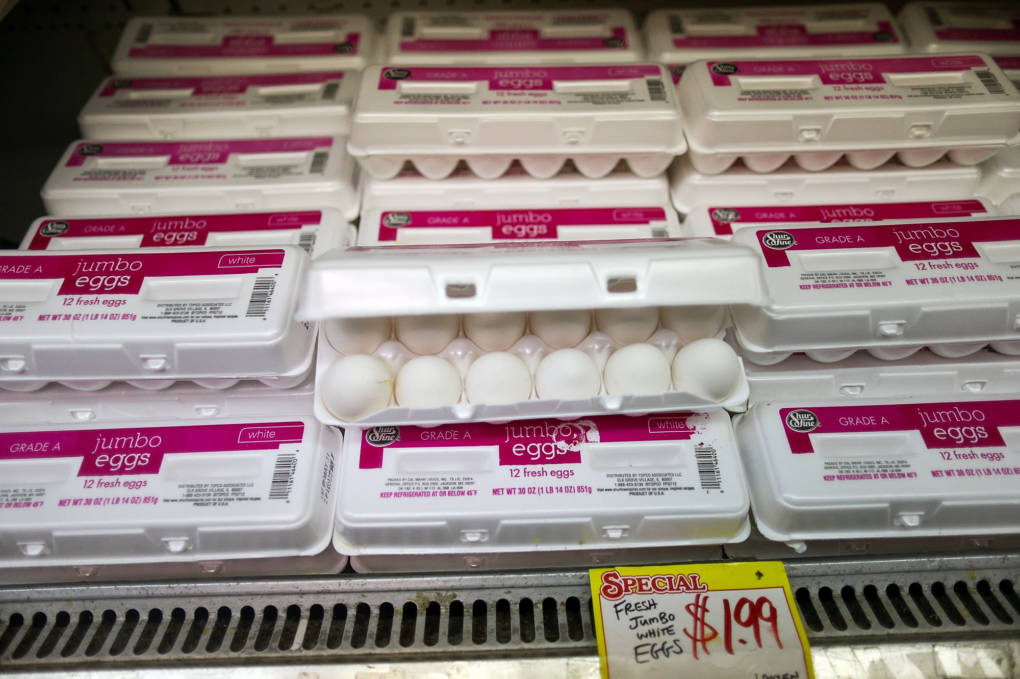
"caption": "Retail food prices have just been through the longest period of deflation in about 60 years.",
"description": "Retail food prices have just been through the longest period of deflation in about 60 years.",
"title": "Retail food prices have just been through the longest period of deflation in about 60 years.",
"credit": "Joe Raedle/Getty Images",
"status": "inherit",
"isLoading": false,
"fetchFailed": false
},
"bayareabites_118482": {
"type": "attachments",
"id": "bayareabites_118482",
"meta": {
"index": "attachments_1716263798",
"site": "bayareabites",
"id": "118482",
"found": true
},
"parent": 118479,
"imgSizes": {
"small": {
"file": "https://ww2.kqed.org/app/uploads/sites/24/2017/06/170615-meal-deliveries-520x347.jpg",
"width": 520,
"mimeType": "image/jpeg",
"height": 347
},
"twentyfourteen-full-width": {
"file": "https://ww2.kqed.org/app/uploads/sites/24/2017/06/170615-meal-deliveries-1038x576.jpg",
"width": 1038,
"mimeType": "image/jpeg",
"height": 576
},
"thumbnail": {
"file": "https://ww2.kqed.org/app/uploads/sites/24/2017/06/170615-meal-deliveries-160x107.jpg",
"width": 160,
"mimeType": "image/jpeg",
"height": 107
},
"fd-sm": {
"file": "https://ww2.kqed.org/app/uploads/sites/24/2017/06/170615-meal-deliveries-960x640.jpg",
"width": 960,
"mimeType": "image/jpeg",
"height": 640
},
"post-thumbnail": {
"file": "https://ww2.kqed.org/app/uploads/sites/24/2017/06/170615-meal-deliveries-672x372.jpg",
"width": 672,
"mimeType": "image/jpeg",
"height": 372
},
"xsmall": {
"file": "https://ww2.kqed.org/app/uploads/sites/24/2017/06/170615-meal-deliveries-375x250.jpg",
"width": 375,
"mimeType": "image/jpeg",
"height": 250
},
"kqedFullSize": {
"file": "https://ww2.kqed.org/app/uploads/sites/24/2017/06/170615-meal-deliveries.jpg",
"width": 1200,
"height": 800
},
"large": {
"file": "https://ww2.kqed.org/app/uploads/sites/24/2017/06/170615-meal-deliveries-1020x680.jpg",
"width": 1020,
"mimeType": "image/jpeg",
"height": 680
},
"xlarge": {
"file": "https://ww2.kqed.org/app/uploads/sites/24/2017/06/170615-meal-deliveries-1180x787.jpg",
"width": 1180,
"mimeType": "image/jpeg",
"height": 787
},
"guest-author-50": {
"file": "https://ww2.kqed.org/app/uploads/sites/24/2017/06/170615-meal-deliveries-50x50.jpg",
"width": 50,
"mimeType": "image/jpeg",
"height": 50
},
"guest-author-96": {
"file": "https://ww2.kqed.org/app/uploads/sites/24/2017/06/170615-meal-deliveries-96x96.jpg",
"width": 96,
"mimeType": "image/jpeg",
"height": 96
},
"medium": {
"file": "https://ww2.kqed.org/app/uploads/sites/24/2017/06/170615-meal-deliveries-800x533.jpg",
"width": 800,
"mimeType": "image/jpeg",
"height": 533
},
"guest-author-64": {
"file": "https://ww2.kqed.org/app/uploads/sites/24/2017/06/170615-meal-deliveries-64x64.jpg",
"width": 64,
"mimeType": "image/jpeg",
"height": 64
},
"guest-author-32": {
"file": "https://ww2.kqed.org/app/uploads/sites/24/2017/06/170615-meal-deliveries-32x32.jpg",
"width": 32,
"mimeType": "image/jpeg",
"height": 32
},
"fd-med": {
"file": "https://ww2.kqed.org/app/uploads/sites/24/2017/06/170615-meal-deliveries-1180x787.jpg",
"width": 1180,
"mimeType": "image/jpeg",
"height": 787
},
"detail": {
"file": "https://ww2.kqed.org/app/uploads/sites/24/2017/06/170615-meal-deliveries-150x150.jpg",
"width": 150,
"mimeType": "image/jpeg",
"height": 150
},
"medium_large": {
"file": "https://ww2.kqed.org/app/uploads/sites/24/2017/06/170615-meal-deliveries-768x512.jpg",
"width": 768,
"mimeType": "image/jpeg",
"height": 512
},
"guest-author-128": {
"file": "https://ww2.kqed.org/app/uploads/sites/24/2017/06/170615-meal-deliveries-128x128.jpg",
"width": 128,
"mimeType": "image/jpeg",
"height": 128
},
"xxsmall": {
"file": "https://ww2.kqed.org/app/uploads/sites/24/2017/06/170615-meal-deliveries-240x160.jpg",
"width": 240,
"mimeType": "image/jpeg",
"height": 160
}
},
"publishDate": 1498071082,
"modified": 1498071170,
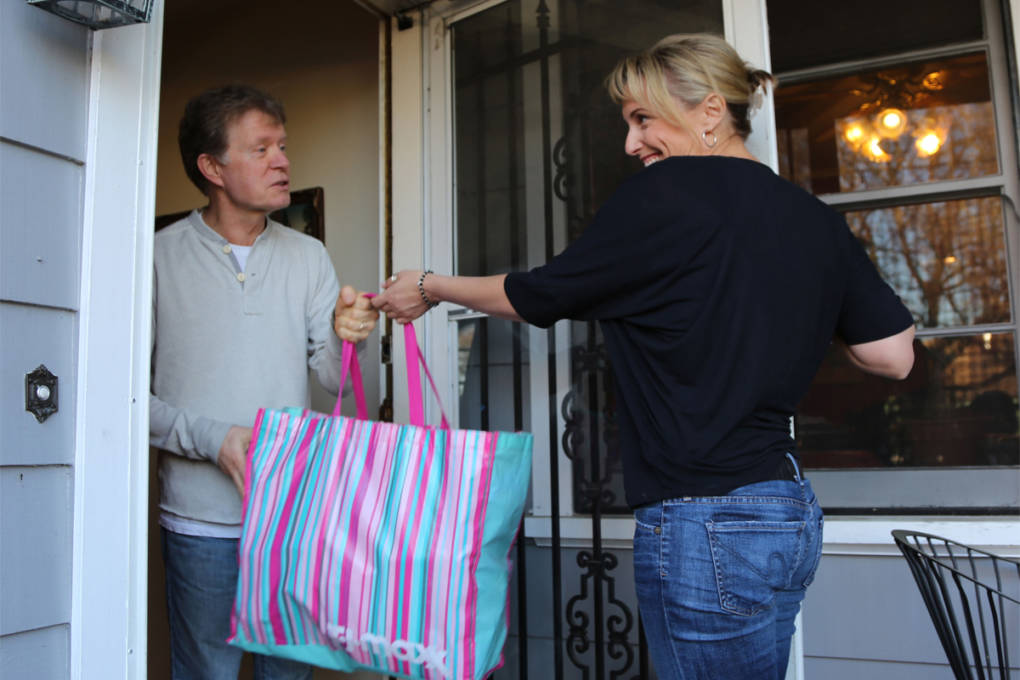
"caption": " Ceres Community Project ",
"description": null,
"title": "170615-meal-deliveries",
"credit": " \u003ca href=\"http://www.ceresproject.org/\">Ceres Community Project\u003c/a>",
"status": "inherit",
"isLoading": false,
"fetchFailed": false
},
"bayareabites_117020": {
"type": "attachments",
"id": "bayareabites_117020",
"meta": {
"index": "attachments_1716263798",
"site": "bayareabites",
"id": "117020",
"found": true
},
"parent": 117019,
"imgSizes": {
"small": {
"file": "https://ww2.kqed.org/app/uploads/sites/24/2017/04/gettyimages-639821392-ae1dcb9e2af6219903804878ece0062843223851-520x390.jpg",
"width": 520,
"mimeType": "image/jpeg",
"height": 390
},
"twentyfourteen-full-width": {
"file": "https://ww2.kqed.org/app/uploads/sites/24/2017/04/gettyimages-639821392-ae1dcb9e2af6219903804878ece0062843223851-911x576.jpg",
"width": 911,
"mimeType": "image/jpeg",
"height": 576
},
"thumbnail": {
"file": "https://ww2.kqed.org/app/uploads/sites/24/2017/04/gettyimages-639821392-ae1dcb9e2af6219903804878ece0062843223851-160x120.jpg",
"width": 160,
"mimeType": "image/jpeg",
"height": 120
},
"post-thumbnail": {
"file": "https://ww2.kqed.org/app/uploads/sites/24/2017/04/gettyimages-639821392-ae1dcb9e2af6219903804878ece0062843223851-672x372.jpg",
"width": 672,
"mimeType": "image/jpeg",
"height": 372
},
"xsmall": {
"file": "https://ww2.kqed.org/app/uploads/sites/24/2017/04/gettyimages-639821392-ae1dcb9e2af6219903804878ece0062843223851-375x281.jpg",
"width": 375,
"mimeType": "image/jpeg",
"height": 281
},
"kqedFullSize": {
"file": "https://ww2.kqed.org/app/uploads/sites/24/2017/04/gettyimages-639821392-ae1dcb9e2af6219903804878ece0062843223851.jpg",
"width": 911,
"height": 683
},
"guest-author-50": {
"file": "https://ww2.kqed.org/app/uploads/sites/24/2017/04/gettyimages-639821392-ae1dcb9e2af6219903804878ece0062843223851-50x50.jpg",
"width": 50,
"mimeType": "image/jpeg",
"height": 50
},
"guest-author-96": {
"file": "https://ww2.kqed.org/app/uploads/sites/24/2017/04/gettyimages-639821392-ae1dcb9e2af6219903804878ece0062843223851-96x96.jpg",
"width": 96,
"mimeType": "image/jpeg",
"height": 96
},
"medium": {
"file": "https://ww2.kqed.org/app/uploads/sites/24/2017/04/gettyimages-639821392-ae1dcb9e2af6219903804878ece0062843223851-800x600.jpg",
"width": 800,
"mimeType": "image/jpeg",
"height": 600
},
"guest-author-64": {
"file": "https://ww2.kqed.org/app/uploads/sites/24/2017/04/gettyimages-639821392-ae1dcb9e2af6219903804878ece0062843223851-64x64.jpg",
"width": 64,
"mimeType": "image/jpeg",
"height": 64
},
"guest-author-32": {
"file": "https://ww2.kqed.org/app/uploads/sites/24/2017/04/gettyimages-639821392-ae1dcb9e2af6219903804878ece0062843223851-32x32.jpg",
"width": 32,
"mimeType": "image/jpeg",
"height": 32
},
"detail": {
"file": "https://ww2.kqed.org/app/uploads/sites/24/2017/04/gettyimages-639821392-ae1dcb9e2af6219903804878ece0062843223851-150x150.jpg",
"width": 150,
"mimeType": "image/jpeg",
"height": 150
},
"medium_large": {
"file": "https://ww2.kqed.org/app/uploads/sites/24/2017/04/gettyimages-639821392-ae1dcb9e2af6219903804878ece0062843223851-768x576.jpg",
"width": 768,
"mimeType": "image/jpeg",
"height": 576
},
"guest-author-128": {
"file": "https://ww2.kqed.org/app/uploads/sites/24/2017/04/gettyimages-639821392-ae1dcb9e2af6219903804878ece0062843223851-128x128.jpg",
"width": 128,
"mimeType": "image/jpeg",
"height": 128
},
"xxsmall": {
"file": "https://ww2.kqed.org/app/uploads/sites/24/2017/04/gettyimages-639821392-ae1dcb9e2af6219903804878ece0062843223851-240x180.jpg",
"width": 240,
"mimeType": "image/jpeg",
"height": 180
}
},
"publishDate": 1493408228,
"modified": 1493409154,
"caption": "Interdisciplinary artist and TED Fellow, Damon Davis.",
"description": "Interdisciplinary artist and TED Fellow, Damon Davis.",
"title": "Interdisciplinary artist and TED Fellow, Damon Davis.",
"credit": "Maarten de Boer/Getty Images",
"status": "inherit",
"isLoading": false,
"fetchFailed": false
},
"bayareabites_117001": {
"type": "attachments",
"id": "bayareabites_117001",
"meta": {
"index": "attachments_1716263798",
"site": "bayareabites",
"id": "117001",
"found": true
},
"parent": 117000,
"imgSizes": {
"small": {
"file": "https://ww2.kqed.org/app/uploads/sites/24/2017/04/tyson_wide-54173c636eae6806c523810ecffc26eece1afc34-520x292.jpg",
"width": 520,
"mimeType": "image/jpeg",
"height": 292
},
"twentyfourteen-full-width": {
"file": "https://ww2.kqed.org/app/uploads/sites/24/2017/04/tyson_wide-54173c636eae6806c523810ecffc26eece1afc34-1038x576.jpg",
"width": 1038,
"mimeType": "image/jpeg",
"height": 576
},
"thumbnail": {
"file": "https://ww2.kqed.org/app/uploads/sites/24/2017/04/tyson_wide-54173c636eae6806c523810ecffc26eece1afc34-160x90.jpg",
"width": 160,
"mimeType": "image/jpeg",
"height": 90
},
"fd-sm": {
"file": "https://ww2.kqed.org/app/uploads/sites/24/2017/04/tyson_wide-54173c636eae6806c523810ecffc26eece1afc34-960x540.jpg",
"width": 960,
"mimeType": "image/jpeg",
"height": 540
},
"post-thumbnail": {
"file": "https://ww2.kqed.org/app/uploads/sites/24/2017/04/tyson_wide-54173c636eae6806c523810ecffc26eece1afc34-672x372.jpg",
"width": 672,
"mimeType": "image/jpeg",
"height": 372
},
"xsmall": {
"file": "https://ww2.kqed.org/app/uploads/sites/24/2017/04/tyson_wide-54173c636eae6806c523810ecffc26eece1afc34-375x211.jpg",
"width": 375,
"mimeType": "image/jpeg",
"height": 211
},
"kqedFullSize": {
"file": "https://ww2.kqed.org/app/uploads/sites/24/2017/04/tyson_wide-54173c636eae6806c523810ecffc26eece1afc34.jpg",
"width": 1497,
"height": 842
},
"large": {
"file": "https://ww2.kqed.org/app/uploads/sites/24/2017/04/tyson_wide-54173c636eae6806c523810ecffc26eece1afc34-1020x574.jpg",
"width": 1020,
"mimeType": "image/jpeg",
"height": 574
},
"xlarge": {
"file": "https://ww2.kqed.org/app/uploads/sites/24/2017/04/tyson_wide-54173c636eae6806c523810ecffc26eece1afc34-1180x664.jpg",
"width": 1180,
"mimeType": "image/jpeg",
"height": 664
},
"guest-author-50": {
"file": "https://ww2.kqed.org/app/uploads/sites/24/2017/04/tyson_wide-54173c636eae6806c523810ecffc26eece1afc34-50x50.jpg",
"width": 50,
"mimeType": "image/jpeg",
"height": 50
},
"guest-author-96": {
"file": "https://ww2.kqed.org/app/uploads/sites/24/2017/04/tyson_wide-54173c636eae6806c523810ecffc26eece1afc34-96x96.jpg",
"width": 96,
"mimeType": "image/jpeg",
"height": 96
},
"medium": {
"file": "https://ww2.kqed.org/app/uploads/sites/24/2017/04/tyson_wide-54173c636eae6806c523810ecffc26eece1afc34-800x450.jpg",
"width": 800,
"mimeType": "image/jpeg",
"height": 450
},
"guest-author-64": {
"file": "https://ww2.kqed.org/app/uploads/sites/24/2017/04/tyson_wide-54173c636eae6806c523810ecffc26eece1afc34-64x64.jpg",
"width": 64,
"mimeType": "image/jpeg",
"height": 64
},
"guest-author-32": {
"file": "https://ww2.kqed.org/app/uploads/sites/24/2017/04/tyson_wide-54173c636eae6806c523810ecffc26eece1afc34-32x32.jpg",
"width": 32,
"mimeType": "image/jpeg",
"height": 32
},
"fd-med": {
"file": "https://ww2.kqed.org/app/uploads/sites/24/2017/04/tyson_wide-54173c636eae6806c523810ecffc26eece1afc34-1180x664.jpg",
"width": 1180,
"mimeType": "image/jpeg",
"height": 664
},
"detail": {
"file": "https://ww2.kqed.org/app/uploads/sites/24/2017/04/tyson_wide-54173c636eae6806c523810ecffc26eece1afc34-150x150.jpg",
"width": 150,
"mimeType": "image/jpeg",
"height": 150
},
"medium_large": {
"file": "https://ww2.kqed.org/app/uploads/sites/24/2017/04/tyson_wide-54173c636eae6806c523810ecffc26eece1afc34-768x432.jpg",
"width": 768,
"mimeType": "image/jpeg",
"height": 432
},
"guest-author-128": {
"file": "https://ww2.kqed.org/app/uploads/sites/24/2017/04/tyson_wide-54173c636eae6806c523810ecffc26eece1afc34-128x128.jpg",
"width": 128,
"mimeType": "image/jpeg",
"height": 128
},
"xxsmall": {
"file": "https://ww2.kqed.org/app/uploads/sites/24/2017/04/tyson_wide-54173c636eae6806c523810ecffc26eece1afc34-240x135.jpg",
"width": 240,
"mimeType": "image/jpeg",
"height": 135
}
},
"publishDate": 1493233384,
"modified": 1493233670,
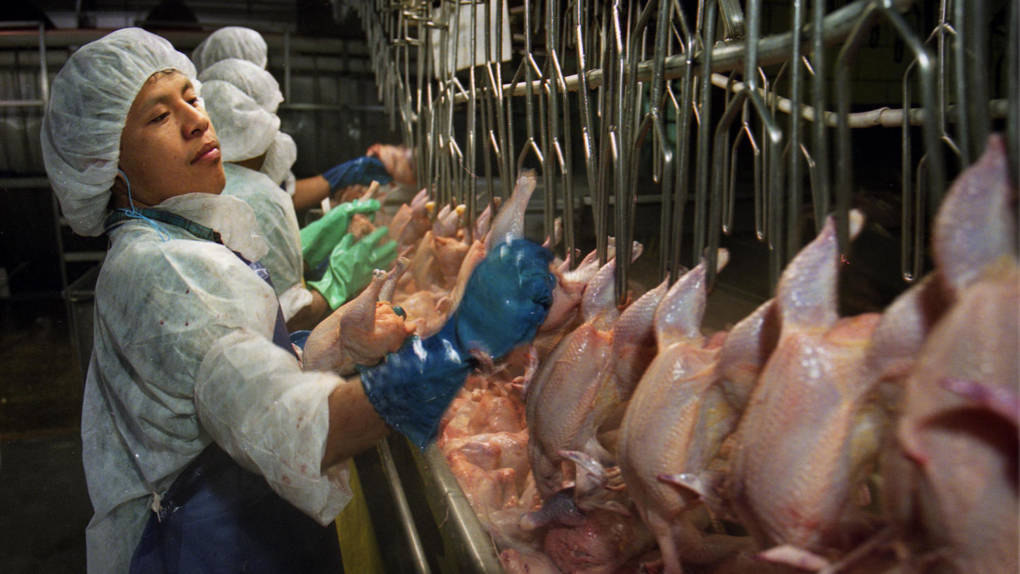
"caption": "Poultry workers at major U.S. meat-processing plants are highly susceptible to repetitive-motion injuries, denied bathroom breaks and are most often immigrants and refugees.",
"description": "Poultry workers at major U.S. meat-processing plants are highly susceptible to repetitive-motion injuries, denied bathroom breaks and are most often immigrants and refugees.",
"title": "Poultry workers at major U.S. meat-processing plants are highly susceptible to repetitive-motion injuries, denied bathroom breaks and are most often immigrants and refugees.",
"credit": "Earl Dotter/Oxfam",
"status": "inherit",
"isLoading": false,
"fetchFailed": false
},
"bayareabites_116961": {
"type": "attachments",
"id": "bayareabites_116961",
"meta": {
"index": "attachments_1716263798",
"site": "bayareabites",
"id": "116961",
"found": true
},
"parent": 0,
"imgSizes": {
"small": {
"file": "https://ww2.kqed.org/app/uploads/sites/24/2017/04/1618357_10152263615963987_989099538_o-520x345.jpg",
"width": 520,
"mimeType": "image/jpeg",
"height": 345
},
"twentyfourteen-full-width": {
"file": "https://ww2.kqed.org/app/uploads/sites/24/2017/04/1618357_10152263615963987_989099538_o-1038x576.jpg",
"width": 1038,
"mimeType": "image/jpeg",
"height": 576
},
"thumbnail": {
"file": "https://ww2.kqed.org/app/uploads/sites/24/2017/04/1618357_10152263615963987_989099538_o-160x106.jpg",
"width": 160,
"mimeType": "image/jpeg",
"height": 106
},
"fd-sm": {
"file": "https://ww2.kqed.org/app/uploads/sites/24/2017/04/1618357_10152263615963987_989099538_o-960x638.jpg",
"width": 960,
"mimeType": "image/jpeg",
"height": 638
},
"post-thumbnail": {
"file": "https://ww2.kqed.org/app/uploads/sites/24/2017/04/1618357_10152263615963987_989099538_o-672x372.jpg",
"width": 672,
"mimeType": "image/jpeg",
"height": 372
},
"xsmall": {
"file": "https://ww2.kqed.org/app/uploads/sites/24/2017/04/1618357_10152263615963987_989099538_o-375x249.jpg",
"width": 375,
"mimeType": "image/jpeg",
"height": 249
},
"kqedFullSize": {
"file": "https://ww2.kqed.org/app/uploads/sites/24/2017/04/1618357_10152263615963987_989099538_o.jpg",
"width": 1920,
"height": 1275
},
"large": {
"file": "https://ww2.kqed.org/app/uploads/sites/24/2017/04/1618357_10152263615963987_989099538_o-1020x677.jpg",
"width": 1020,
"mimeType": "image/jpeg",
"height": 677
},
"xlarge": {
"file": "https://ww2.kqed.org/app/uploads/sites/24/2017/04/1618357_10152263615963987_989099538_o-1180x784.jpg",
"width": 1180,
"mimeType": "image/jpeg",
"height": 784
},
"guest-author-50": {
"file": "https://ww2.kqed.org/app/uploads/sites/24/2017/04/1618357_10152263615963987_989099538_o-50x50.jpg",
"width": 50,
"mimeType": "image/jpeg",
"height": 50
},
"guest-author-96": {
"file": "https://ww2.kqed.org/app/uploads/sites/24/2017/04/1618357_10152263615963987_989099538_o-96x96.jpg",
"width": 96,
"mimeType": "image/jpeg",
"height": 96
},
"medium": {
"file": "https://ww2.kqed.org/app/uploads/sites/24/2017/04/1618357_10152263615963987_989099538_o-800x531.jpg",
"width": 800,
"mimeType": "image/jpeg",
"height": 531
},
"guest-author-64": {
"file": "https://ww2.kqed.org/app/uploads/sites/24/2017/04/1618357_10152263615963987_989099538_o-64x64.jpg",
"width": 64,
"mimeType": "image/jpeg",
"height": 64
},
"guest-author-32": {
"file": "https://ww2.kqed.org/app/uploads/sites/24/2017/04/1618357_10152263615963987_989099538_o-32x32.jpg",
"width": 32,
"mimeType": "image/jpeg",
"height": 32
},
"fd-lrg": {
"file": "https://ww2.kqed.org/app/uploads/sites/24/2017/04/1618357_10152263615963987_989099538_o-1920x1275.jpg",
"width": 1920,
"mimeType": "image/jpeg",
"height": 1275
},
"fd-med": {
"file": "https://ww2.kqed.org/app/uploads/sites/24/2017/04/1618357_10152263615963987_989099538_o-1180x784.jpg",
"width": 1180,
"mimeType": "image/jpeg",
"height": 784
},
"full-width": {
"file": "https://ww2.kqed.org/app/uploads/sites/24/2017/04/1618357_10152263615963987_989099538_o-1920x1275.jpg",
"width": 1920,
"mimeType": "image/jpeg",
"height": 1275
},
"detail": {
"file": "https://ww2.kqed.org/app/uploads/sites/24/2017/04/1618357_10152263615963987_989099538_o-150x150.jpg",
"width": 150,
"mimeType": "image/jpeg",
"height": 150
},
"medium_large": {
"file": "https://ww2.kqed.org/app/uploads/sites/24/2017/04/1618357_10152263615963987_989099538_o-768x510.jpg",
"width": 768,
"mimeType": "image/jpeg",
"height": 510
},
"guest-author-128": {
"file": "https://ww2.kqed.org/app/uploads/sites/24/2017/04/1618357_10152263615963987_989099538_o-128x128.jpg",
"width": 128,
"mimeType": "image/jpeg",
"height": 128
},
"xxsmall": {
"file": "https://ww2.kqed.org/app/uploads/sites/24/2017/04/1618357_10152263615963987_989099538_o-240x159.jpg",
"width": 240,
"mimeType": "image/jpeg",
"height": 159
}
},
"publishDate": 1493073950,
"modified": 1493087323,
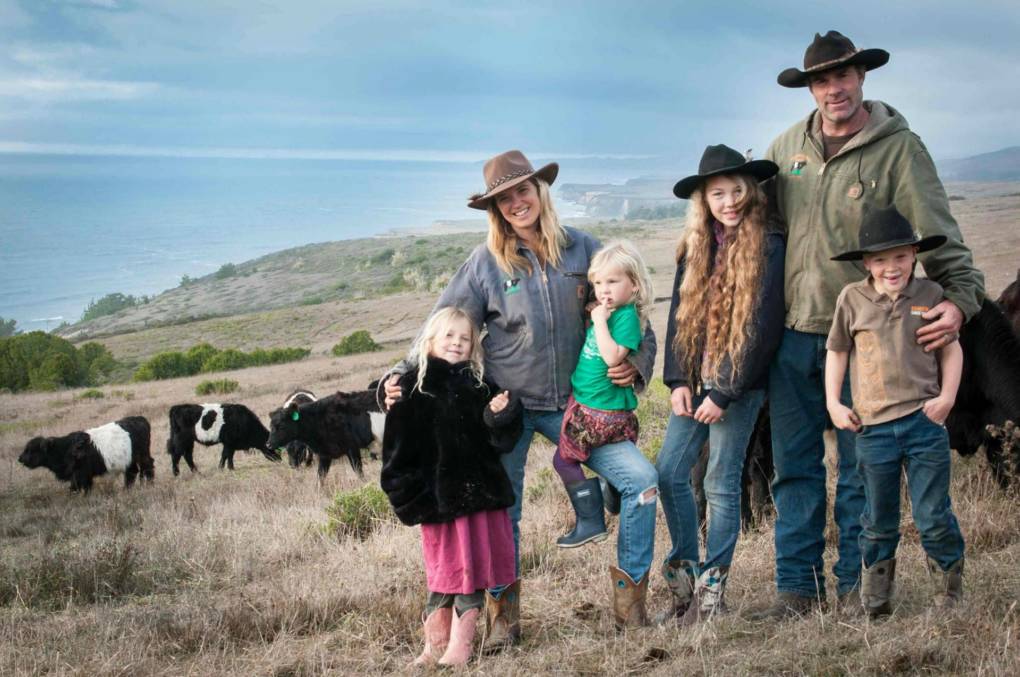
"caption": "Markegard Family Grass-Fed Meat uses Credibles have customers pre-pay their CSAs, so the family can plan production accordingly.",
"description": "Markegard Family Grass-Fed Meat uses Credibles have customers pre-pay their CSAs, so the family can plan production accordingly.",
"title": "Markegard Family Grass-Fed uses Credibles to sell their meat products.",
"credit": "Mandela Foods Cooperative/Credibles ",
"status": "inherit",
"isLoading": false,
"fetchFailed": false
},
"bayareabites_116928": {
"type": "attachments",
"id": "bayareabites_116928",
"meta": {
"index": "attachments_1716263798",
"site": "bayareabites",
"id": "116928",
"found": true
},
"parent": 116901,
"imgSizes": {
"small": {
"file": "https://ww2.kqed.org/app/uploads/sites/24/2017/04/Good-Eggs-Packaging-2-Image-by-Colin-Price-for-Good-Eggs-520x325.jpg",
"width": 520,
"mimeType": "image/jpeg",
"height": 325
},
"twentyfourteen-full-width": {
"file": "https://ww2.kqed.org/app/uploads/sites/24/2017/04/Good-Eggs-Packaging-2-Image-by-Colin-Price-for-Good-Eggs-1038x576.jpg",
"width": 1038,
"mimeType": "image/jpeg",
"height": 576
},
"thumbnail": {
"file": "https://ww2.kqed.org/app/uploads/sites/24/2017/04/Good-Eggs-Packaging-2-Image-by-Colin-Price-for-Good-Eggs-160x100.jpg",
"width": 160,
"mimeType": "image/jpeg",
"height": 100
},
"fd-sm": {
"file": "https://ww2.kqed.org/app/uploads/sites/24/2017/04/Good-Eggs-Packaging-2-Image-by-Colin-Price-for-Good-Eggs-960x600.jpg",
"width": 960,
"mimeType": "image/jpeg",
"height": 600
},
"post-thumbnail": {
"file": "https://ww2.kqed.org/app/uploads/sites/24/2017/04/Good-Eggs-Packaging-2-Image-by-Colin-Price-for-Good-Eggs-672x372.jpg",
"width": 672,
"mimeType": "image/jpeg",
"height": 372
},
"xsmall": {
"file": "https://ww2.kqed.org/app/uploads/sites/24/2017/04/Good-Eggs-Packaging-2-Image-by-Colin-Price-for-Good-Eggs-375x234.jpg",
"width": 375,
"mimeType": "image/jpeg",
"height": 234
},
"kqedFullSize": {
"file": "https://ww2.kqed.org/app/uploads/sites/24/2017/04/Good-Eggs-Packaging-2-Image-by-Colin-Price-for-Good-Eggs.jpg",
"width": 5760,
"height": 3600
},
"large": {
"file": "https://ww2.kqed.org/app/uploads/sites/24/2017/04/Good-Eggs-Packaging-2-Image-by-Colin-Price-for-Good-Eggs-1020x638.jpg",
"width": 1020,
"mimeType": "image/jpeg",
"height": 638
},
"xlarge": {
"file": "https://ww2.kqed.org/app/uploads/sites/24/2017/04/Good-Eggs-Packaging-2-Image-by-Colin-Price-for-Good-Eggs-1180x738.jpg",
"width": 1180,
"mimeType": "image/jpeg",
"height": 738
},
"guest-author-50": {
"file": "https://ww2.kqed.org/app/uploads/sites/24/2017/04/Good-Eggs-Packaging-2-Image-by-Colin-Price-for-Good-Eggs-50x50.jpg",
"width": 50,
"mimeType": "image/jpeg",
"height": 50
},
"guest-author-96": {
"file": "https://ww2.kqed.org/app/uploads/sites/24/2017/04/Good-Eggs-Packaging-2-Image-by-Colin-Price-for-Good-Eggs-96x96.jpg",
"width": 96,
"mimeType": "image/jpeg",
"height": 96
},
"medium": {
"file": "https://ww2.kqed.org/app/uploads/sites/24/2017/04/Good-Eggs-Packaging-2-Image-by-Colin-Price-for-Good-Eggs-800x500.jpg",
"width": 800,
"mimeType": "image/jpeg",
"height": 500
},
"guest-author-64": {
"file": "https://ww2.kqed.org/app/uploads/sites/24/2017/04/Good-Eggs-Packaging-2-Image-by-Colin-Price-for-Good-Eggs-64x64.jpg",
"width": 64,
"mimeType": "image/jpeg",
"height": 64
},
"guest-author-32": {
"file": "https://ww2.kqed.org/app/uploads/sites/24/2017/04/Good-Eggs-Packaging-2-Image-by-Colin-Price-for-Good-Eggs-32x32.jpg",
"width": 32,
"mimeType": "image/jpeg",
"height": 32
},
"fd-lrg": {
"file": "https://ww2.kqed.org/app/uploads/sites/24/2017/04/Good-Eggs-Packaging-2-Image-by-Colin-Price-for-Good-Eggs-1920x1200.jpg",
"width": 1920,
"mimeType": "image/jpeg",
"height": 1200
},
"fd-med": {
"file": "https://ww2.kqed.org/app/uploads/sites/24/2017/04/Good-Eggs-Packaging-2-Image-by-Colin-Price-for-Good-Eggs-1180x738.jpg",
"width": 1180,
"mimeType": "image/jpeg",
"height": 738
},
"full-width": {
"file": "https://ww2.kqed.org/app/uploads/sites/24/2017/04/Good-Eggs-Packaging-2-Image-by-Colin-Price-for-Good-Eggs-1920x1200.jpg",
"width": 1920,
"mimeType": "image/jpeg",
"height": 1200
},
"detail": {
"file": "https://ww2.kqed.org/app/uploads/sites/24/2017/04/Good-Eggs-Packaging-2-Image-by-Colin-Price-for-Good-Eggs-150x150.jpg",
"width": 150,
"mimeType": "image/jpeg",
"height": 150
},
"medium_large": {
"file": "https://ww2.kqed.org/app/uploads/sites/24/2017/04/Good-Eggs-Packaging-2-Image-by-Colin-Price-for-Good-Eggs-768x480.jpg",
"width": 768,
"mimeType": "image/jpeg",
"height": 480
},
"guest-author-128": {
"file": "https://ww2.kqed.org/app/uploads/sites/24/2017/04/Good-Eggs-Packaging-2-Image-by-Colin-Price-for-Good-Eggs-128x128.jpg",
"width": 128,
"mimeType": "image/jpeg",
"height": 128
},
"xxsmall": {
"file": "https://ww2.kqed.org/app/uploads/sites/24/2017/04/Good-Eggs-Packaging-2-Image-by-Colin-Price-for-Good-Eggs-240x150.jpg",
"width": 240,
"mimeType": "image/jpeg",
"height": 150
}
},
"publishDate": 1492799088,
"modified": 1492799128,
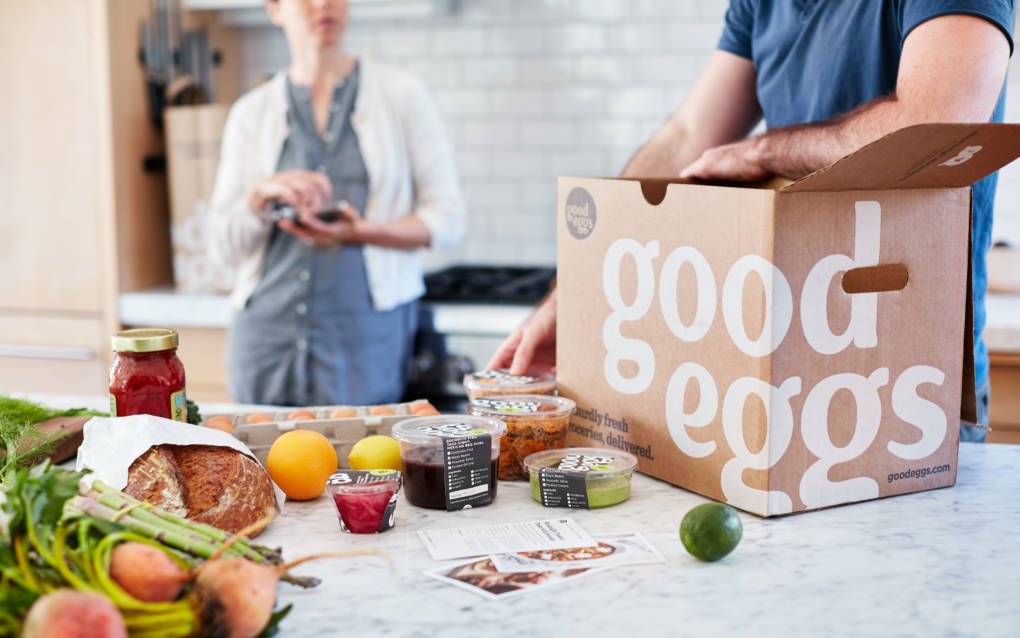
"caption": "Good Eggs meal kit ",
"description": "Good Eggs meal kit ",
"title": "Good Eggs Packaging 2 Image by Colin Price for Good Eggs",
"credit": "Colin Price/Courtesy of Good Eggs",
"status": "inherit",
"isLoading": false,
"fetchFailed": false
},
"bayareabites_116293": {
"type": "attachments",
"id": "bayareabites_116293",
"meta": {
"index": "attachments_1716263798",
"site": "bayareabites",
"id": "116293",
"found": true
},
"parent": 0,
"imgSizes": {
"small": {
"file": "https://ww2.kqed.org/app/uploads/sites/24/2017/03/DSC_2259-520x197.jpg",
"width": 520,
"mimeType": "image/jpeg",
"height": 197
},
"twentyfourteen-full-width": {
"file": "https://ww2.kqed.org/app/uploads/sites/24/2017/03/DSC_2259-1038x576.jpg",
"width": 1038,
"mimeType": "image/jpeg",
"height": 576
},
"thumbnail": {
"file": "https://ww2.kqed.org/app/uploads/sites/24/2017/03/DSC_2259-160x61.jpg",
"width": 160,
"mimeType": "image/jpeg",
"height": 61
},
"fd-sm": {
"file": "https://ww2.kqed.org/app/uploads/sites/24/2017/03/DSC_2259-960x365.jpg",
"width": 960,
"mimeType": "image/jpeg",
"height": 365
},
"post-thumbnail": {
"file": "https://ww2.kqed.org/app/uploads/sites/24/2017/03/DSC_2259-672x372.jpg",
"width": 672,
"mimeType": "image/jpeg",
"height": 372
},
"xsmall": {
"file": "https://ww2.kqed.org/app/uploads/sites/24/2017/03/DSC_2259-375x142.jpg",
"width": 375,
"mimeType": "image/jpeg",
"height": 142
},
"kqedFullSize": {
"file": "https://ww2.kqed.org/app/uploads/sites/24/2017/03/DSC_2259.jpg",
"width": 1920,
"height": 729
},
"large": {
"file": "https://ww2.kqed.org/app/uploads/sites/24/2017/03/DSC_2259-1020x387.jpg",
"width": 1020,
"mimeType": "image/jpeg",
"height": 387
},
"xlarge": {
"file": "https://ww2.kqed.org/app/uploads/sites/24/2017/03/DSC_2259-1180x448.jpg",
"width": 1180,
"mimeType": "image/jpeg",
"height": 448
},
"guest-author-50": {
"file": "https://ww2.kqed.org/app/uploads/sites/24/2017/03/DSC_2259-50x50.jpg",
"width": 50,
"mimeType": "image/jpeg",
"height": 50
},
"guest-author-96": {
"file": "https://ww2.kqed.org/app/uploads/sites/24/2017/03/DSC_2259-96x96.jpg",
"width": 96,
"mimeType": "image/jpeg",
"height": 96
},
"medium": {
"file": "https://ww2.kqed.org/app/uploads/sites/24/2017/03/DSC_2259-800x304.jpg",
"width": 800,
"mimeType": "image/jpeg",
"height": 304
},
"guest-author-64": {
"file": "https://ww2.kqed.org/app/uploads/sites/24/2017/03/DSC_2259-64x64.jpg",
"width": 64,
"mimeType": "image/jpeg",
"height": 64
},
"guest-author-32": {
"file": "https://ww2.kqed.org/app/uploads/sites/24/2017/03/DSC_2259-32x32.jpg",
"width": 32,
"mimeType": "image/jpeg",
"height": 32
},
"fd-lrg": {
"file": "https://ww2.kqed.org/app/uploads/sites/24/2017/03/DSC_2259-1920x729.jpg",
"width": 1920,
"mimeType": "image/jpeg",
"height": 729
},
"fd-med": {
"file": "https://ww2.kqed.org/app/uploads/sites/24/2017/03/DSC_2259-1180x448.jpg",
"width": 1180,
"mimeType": "image/jpeg",
"height": 448
},
"full-width": {
"file": "https://ww2.kqed.org/app/uploads/sites/24/2017/03/DSC_2259-1920x729.jpg",
"width": 1920,
"mimeType": "image/jpeg",
"height": 729
},
"detail": {
"file": "https://ww2.kqed.org/app/uploads/sites/24/2017/03/DSC_2259-150x150.jpg",
"width": 150,
"mimeType": "image/jpeg",
"height": 150
},
"medium_large": {
"file": "https://ww2.kqed.org/app/uploads/sites/24/2017/03/DSC_2259-768x292.jpg",
"width": 768,
"mimeType": "image/jpeg",
"height": 292
},
"guest-author-128": {
"file": "https://ww2.kqed.org/app/uploads/sites/24/2017/03/DSC_2259-128x128.jpg",
"width": 128,
"mimeType": "image/jpeg",
"height": 128
},
"xxsmall": {
"file": "https://ww2.kqed.org/app/uploads/sites/24/2017/03/DSC_2259-240x91.jpg",
"width": 240,
"mimeType": "image/jpeg",
"height": 91
}
},
"publishDate": 1490380868,
"modified": 1490381030,
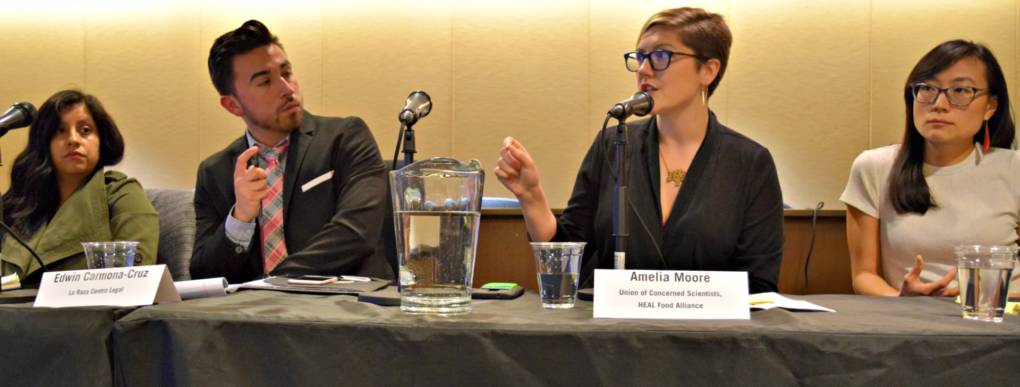
"caption": "Panelists at the CUESA event \"Resist Together! Reframing the Food Movement.\"\n",
"description": "Panelists at the CUESA event \"Resist Together! Reframing the Food Movement.\"\n",
"title": "Panelists at the CUESA event \"Resist Together! Reframing the Food Movement.\"",
"credit": "Shelby Pope",
"status": "inherit",
"isLoading": false,
"fetchFailed": false
},
"bayareabites_115274": {
"type": "attachments",
"id": "bayareabites_115274",
"meta": {
"index": "attachments_1716263798",
"site": "bayareabites",
"id": "115274",
"found": true
},
"parent": 115273,
"imgSizes": {
"small": {
"file": "https://ww2.kqed.org/app/uploads/sites/24/2017/02/cheapeats2_wide-05fb98d6b9b328ebc4a3e00a3c9e08c64e00eefe-520x293.jpg",
"width": 520,
"mimeType": "image/jpeg",
"height": 293
},
"twentyfourteen-full-width": {
"file": "https://ww2.kqed.org/app/uploads/sites/24/2017/02/cheapeats2_wide-05fb98d6b9b328ebc4a3e00a3c9e08c64e00eefe-1038x576.jpg",
"width": 1038,
"mimeType": "image/jpeg",
"height": 576
},
"thumbnail": {
"file": "https://ww2.kqed.org/app/uploads/sites/24/2017/02/cheapeats2_wide-05fb98d6b9b328ebc4a3e00a3c9e08c64e00eefe-160x90.jpg",
"width": 160,
"mimeType": "image/jpeg",
"height": 90
},
"fd-sm": {
"file": "https://ww2.kqed.org/app/uploads/sites/24/2017/02/cheapeats2_wide-05fb98d6b9b328ebc4a3e00a3c9e08c64e00eefe-960x540.jpg",
"width": 960,
"mimeType": "image/jpeg",
"height": 540
},
"post-thumbnail": {
"file": "https://ww2.kqed.org/app/uploads/sites/24/2017/02/cheapeats2_wide-05fb98d6b9b328ebc4a3e00a3c9e08c64e00eefe-672x372.jpg",
"width": 672,
"mimeType": "image/jpeg",
"height": 372
},
"xsmall": {
"file": "https://ww2.kqed.org/app/uploads/sites/24/2017/02/cheapeats2_wide-05fb98d6b9b328ebc4a3e00a3c9e08c64e00eefe-375x211.jpg",
"width": 375,
"mimeType": "image/jpeg",
"height": 211
},
"kqedFullSize": {
"file": "https://ww2.kqed.org/app/uploads/sites/24/2017/02/cheapeats2_wide-05fb98d6b9b328ebc4a3e00a3c9e08c64e00eefe.jpg",
"width": 1931,
"height": 1087
},
"large": {
"file": "https://ww2.kqed.org/app/uploads/sites/24/2017/02/cheapeats2_wide-05fb98d6b9b328ebc4a3e00a3c9e08c64e00eefe-1020x574.jpg",
"width": 1020,
"mimeType": "image/jpeg",
"height": 574
},
"xlarge": {
"file": "https://ww2.kqed.org/app/uploads/sites/24/2017/02/cheapeats2_wide-05fb98d6b9b328ebc4a3e00a3c9e08c64e00eefe-1180x664.jpg",
"width": 1180,
"mimeType": "image/jpeg",
"height": 664
},
"guest-author-50": {
"file": "https://ww2.kqed.org/app/uploads/sites/24/2017/02/cheapeats2_wide-05fb98d6b9b328ebc4a3e00a3c9e08c64e00eefe-50x50.jpg",
"width": 50,
"mimeType": "image/jpeg",
"height": 50
},
"guest-author-96": {
"file": "https://ww2.kqed.org/app/uploads/sites/24/2017/02/cheapeats2_wide-05fb98d6b9b328ebc4a3e00a3c9e08c64e00eefe-96x96.jpg",
"width": 96,
"mimeType": "image/jpeg",
"height": 96
},
"medium": {
"file": "https://ww2.kqed.org/app/uploads/sites/24/2017/02/cheapeats2_wide-05fb98d6b9b328ebc4a3e00a3c9e08c64e00eefe-800x450.jpg",
"width": 800,
"mimeType": "image/jpeg",
"height": 450
},
"guest-author-64": {
"file": "https://ww2.kqed.org/app/uploads/sites/24/2017/02/cheapeats2_wide-05fb98d6b9b328ebc4a3e00a3c9e08c64e00eefe-64x64.jpg",
"width": 64,
"mimeType": "image/jpeg",
"height": 64
},
"guest-author-32": {
"file": "https://ww2.kqed.org/app/uploads/sites/24/2017/02/cheapeats2_wide-05fb98d6b9b328ebc4a3e00a3c9e08c64e00eefe-32x32.jpg",
"width": 32,
"mimeType": "image/jpeg",
"height": 32
},
"fd-lrg": {
"file": "https://ww2.kqed.org/app/uploads/sites/24/2017/02/cheapeats2_wide-05fb98d6b9b328ebc4a3e00a3c9e08c64e00eefe-1920x1081.jpg",
"width": 1920,
"mimeType": "image/jpeg",
"height": 1081
},
"fd-med": {
"file": "https://ww2.kqed.org/app/uploads/sites/24/2017/02/cheapeats2_wide-05fb98d6b9b328ebc4a3e00a3c9e08c64e00eefe-1180x664.jpg",
"width": 1180,
"mimeType": "image/jpeg",
"height": 664
},
"full-width": {
"file": "https://ww2.kqed.org/app/uploads/sites/24/2017/02/cheapeats2_wide-05fb98d6b9b328ebc4a3e00a3c9e08c64e00eefe-1920x1081.jpg",
"width": 1920,
"mimeType": "image/jpeg",
"height": 1081
},
"detail": {
"file": "https://ww2.kqed.org/app/uploads/sites/24/2017/02/cheapeats2_wide-05fb98d6b9b328ebc4a3e00a3c9e08c64e00eefe-150x150.jpg",
"width": 150,
"mimeType": "image/jpeg",
"height": 150
},
"medium_large": {
"file": "https://ww2.kqed.org/app/uploads/sites/24/2017/02/cheapeats2_wide-05fb98d6b9b328ebc4a3e00a3c9e08c64e00eefe-768x432.jpg",
"width": 768,
"mimeType": "image/jpeg",
"height": 432
},
"guest-author-128": {
"file": "https://ww2.kqed.org/app/uploads/sites/24/2017/02/cheapeats2_wide-05fb98d6b9b328ebc4a3e00a3c9e08c64e00eefe-128x128.jpg",
"width": 128,
"mimeType": "image/jpeg",
"height": 128
},
"xxsmall": {
"file": "https://ww2.kqed.org/app/uploads/sites/24/2017/02/cheapeats2_wide-05fb98d6b9b328ebc4a3e00a3c9e08c64e00eefe-240x135.jpg",
"width": 240,
"mimeType": "image/jpeg",
"height": 135
}
},
"publishDate": 1487002141,
"modified": 1487002358,
"caption": "One restaurant challenges our assumptions that immigrant food must be cheap.",
"description": "One restaurant challenges our assumptions that immigrant food must be cheap.",
"title": "One restaurant challenges our assumptions that immigrant food must be cheap.",
"credit": "Alex Reynolds/NPR",
"status": "inherit",
"isLoading": false,
"fetchFailed": false
},
"bayareabites_114833": {
"type": "attachments",
"id": "bayareabites_114833",
"meta": {
"index": "attachments_1716263798",
"site": "bayareabites",
"id": "114833",
"found": true
},
"parent": 114832,
"imgSizes": {
"small": {
"file": "https://ww2.kqed.org/app/uploads/sites/24/2017/01/gettyimages-627971250_enl-cf1d6e4c4feb913ee078e4929f1fee91e36a573c-520x346.jpg",
"width": 520,
"mimeType": "image/jpeg",
"height": 346
},
"twentyfourteen-full-width": {
"file": "https://ww2.kqed.org/app/uploads/sites/24/2017/01/gettyimages-627971250_enl-cf1d6e4c4feb913ee078e4929f1fee91e36a573c-1038x576.jpg",
"width": 1038,
"mimeType": "image/jpeg",
"height": 576
},
"thumbnail": {
"file": "https://ww2.kqed.org/app/uploads/sites/24/2017/01/gettyimages-627971250_enl-cf1d6e4c4feb913ee078e4929f1fee91e36a573c-160x107.jpg",
"width": 160,
"mimeType": "image/jpeg",
"height": 107
},
"fd-sm": {
"file": "https://ww2.kqed.org/app/uploads/sites/24/2017/01/gettyimages-627971250_enl-cf1d6e4c4feb913ee078e4929f1fee91e36a573c-960x639.jpg",
"width": 960,
"mimeType": "image/jpeg",
"height": 639
},
"post-thumbnail": {
"file": "https://ww2.kqed.org/app/uploads/sites/24/2017/01/gettyimages-627971250_enl-cf1d6e4c4feb913ee078e4929f1fee91e36a573c-672x372.jpg",
"width": 672,
"mimeType": "image/jpeg",
"height": 372
},
"xsmall": {
"file": "https://ww2.kqed.org/app/uploads/sites/24/2017/01/gettyimages-627971250_enl-cf1d6e4c4feb913ee078e4929f1fee91e36a573c-375x250.jpg",
"width": 375,
"mimeType": "image/jpeg",
"height": 250
},
"kqedFullSize": {
"file": "https://ww2.kqed.org/app/uploads/sites/24/2017/01/gettyimages-627971250_enl-cf1d6e4c4feb913ee078e4929f1fee91e36a573c.jpg",
"width": 2000,
"height": 1332
},
"large": {
"file": "https://ww2.kqed.org/app/uploads/sites/24/2017/01/gettyimages-627971250_enl-cf1d6e4c4feb913ee078e4929f1fee91e36a573c-1020x679.jpg",
"width": 1020,
"mimeType": "image/jpeg",
"height": 679
},
"xlarge": {
"file": "https://ww2.kqed.org/app/uploads/sites/24/2017/01/gettyimages-627971250_enl-cf1d6e4c4feb913ee078e4929f1fee91e36a573c-1180x786.jpg",
"width": 1180,
"mimeType": "image/jpeg",
"height": 786
},
"guest-author-50": {
"file": "https://ww2.kqed.org/app/uploads/sites/24/2017/01/gettyimages-627971250_enl-cf1d6e4c4feb913ee078e4929f1fee91e36a573c-50x50.jpg",
"width": 50,
"mimeType": "image/jpeg",
"height": 50
},
"guest-author-96": {
"file": "https://ww2.kqed.org/app/uploads/sites/24/2017/01/gettyimages-627971250_enl-cf1d6e4c4feb913ee078e4929f1fee91e36a573c-96x96.jpg",
"width": 96,
"mimeType": "image/jpeg",
"height": 96
},
"medium": {
"file": "https://ww2.kqed.org/app/uploads/sites/24/2017/01/gettyimages-627971250_enl-cf1d6e4c4feb913ee078e4929f1fee91e36a573c-800x533.jpg",
"width": 800,
"mimeType": "image/jpeg",
"height": 533
},
"guest-author-64": {
"file": "https://ww2.kqed.org/app/uploads/sites/24/2017/01/gettyimages-627971250_enl-cf1d6e4c4feb913ee078e4929f1fee91e36a573c-64x64.jpg",
"width": 64,
"mimeType": "image/jpeg",
"height": 64
},
"guest-author-32": {
"file": "https://ww2.kqed.org/app/uploads/sites/24/2017/01/gettyimages-627971250_enl-cf1d6e4c4feb913ee078e4929f1fee91e36a573c-32x32.jpg",
"width": 32,
"mimeType": "image/jpeg",
"height": 32
},
"fd-lrg": {
"file": "https://ww2.kqed.org/app/uploads/sites/24/2017/01/gettyimages-627971250_enl-cf1d6e4c4feb913ee078e4929f1fee91e36a573c-1920x1279.jpg",
"width": 1920,
"mimeType": "image/jpeg",
"height": 1279
},
"fd-med": {
"file": "https://ww2.kqed.org/app/uploads/sites/24/2017/01/gettyimages-627971250_enl-cf1d6e4c4feb913ee078e4929f1fee91e36a573c-1180x786.jpg",
"width": 1180,
"mimeType": "image/jpeg",
"height": 786
},
"full-width": {
"file": "https://ww2.kqed.org/app/uploads/sites/24/2017/01/gettyimages-627971250_enl-cf1d6e4c4feb913ee078e4929f1fee91e36a573c-1920x1279.jpg",
"width": 1920,
"mimeType": "image/jpeg",
"height": 1279
},
"detail": {
"file": "https://ww2.kqed.org/app/uploads/sites/24/2017/01/gettyimages-627971250_enl-cf1d6e4c4feb913ee078e4929f1fee91e36a573c-150x150.jpg",
"width": 150,
"mimeType": "image/jpeg",
"height": 150
},
"medium_large": {
"file": "https://ww2.kqed.org/app/uploads/sites/24/2017/01/gettyimages-627971250_enl-cf1d6e4c4feb913ee078e4929f1fee91e36a573c-768x511.jpg",
"width": 768,
"mimeType": "image/jpeg",
"height": 511
},
"guest-author-128": {
"file": "https://ww2.kqed.org/app/uploads/sites/24/2017/01/gettyimages-627971250_enl-cf1d6e4c4feb913ee078e4929f1fee91e36a573c-128x128.jpg",
"width": 128,
"mimeType": "image/jpeg",
"height": 128
},
"xxsmall": {
"file": "https://ww2.kqed.org/app/uploads/sites/24/2017/01/gettyimages-627971250_enl-cf1d6e4c4feb913ee078e4929f1fee91e36a573c-240x160.jpg",
"width": 240,
"mimeType": "image/jpeg",
"height": 160
}
},
"publishDate": 1485367486,
"modified": 1485367826,
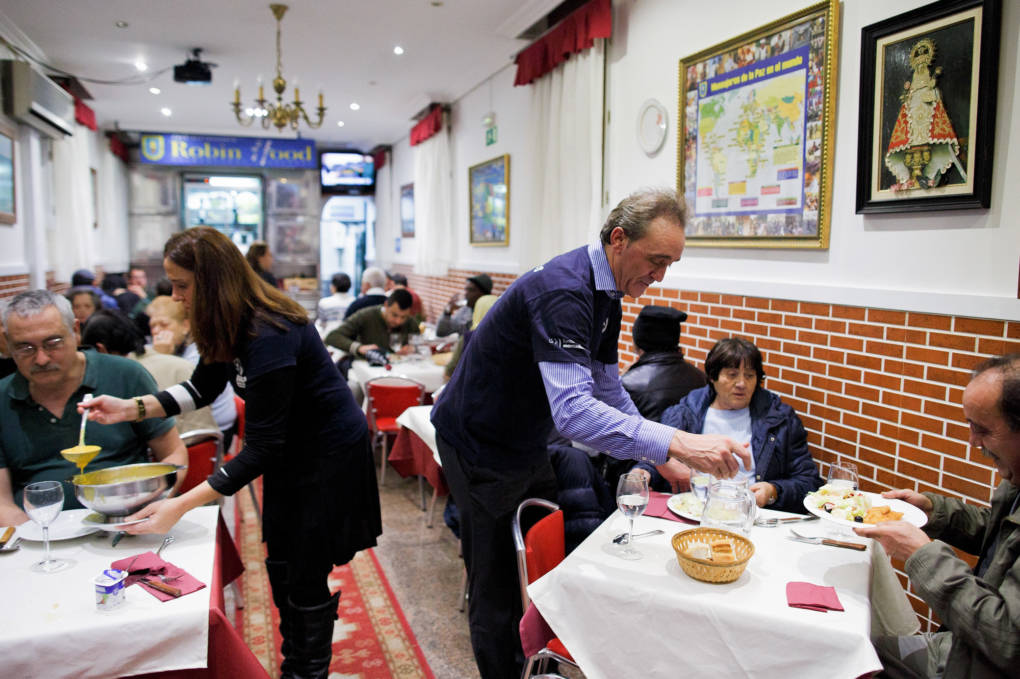
"caption": "Volunteers serve free dinner to homeless people at Robin Hood restaurant in Madrid.",
"description": "Volunteers serve free dinner to homeless people at Robin Hood restaurant in Madrid.",
"title": "Volunteers serve free dinner to homeless people at Robin Hood restaurant in Madrid.",
"credit": "Pablo Blazquez Dominguez/Getty Images",
"status": "inherit",
"isLoading": false,
"fetchFailed": false
},
"bayareabites_114357": {
"type": "attachments",
"id": "bayareabites_114357",
"meta": {
"index": "attachments_1716263798",
"site": "bayareabites",
"id": "114357",
"found": true
},
"parent": 114279,
"imgSizes": {
"small": {
"file": "https://ww2.kqed.org/app/uploads/sites/24/2016/12/alt_feature-520x260.jpg",
"width": 520,
"mimeType": "image/jpeg",
"height": 260
},
"twentyfourteen-full-width": {
"file": "https://ww2.kqed.org/app/uploads/sites/24/2016/12/alt_feature-1038x576.jpg",
"width": 1038,
"mimeType": "image/jpeg",
"height": 576
},
"thumbnail": {
"file": "https://ww2.kqed.org/app/uploads/sites/24/2016/12/alt_feature-160x80.jpg",
"width": 160,
"mimeType": "image/jpeg",
"height": 80
},
"fd-sm": {
"file": "https://ww2.kqed.org/app/uploads/sites/24/2016/12/alt_feature-960x480.jpg",
"width": 960,
"mimeType": "image/jpeg",
"height": 480
},
"post-thumbnail": {
"file": "https://ww2.kqed.org/app/uploads/sites/24/2016/12/alt_feature-672x372.jpg",
"width": 672,
"mimeType": "image/jpeg",
"height": 372
},
"xsmall": {
"file": "https://ww2.kqed.org/app/uploads/sites/24/2016/12/alt_feature-375x188.jpg",
"width": 375,
"mimeType": "image/jpeg",
"height": 188
},
"kqedFullSize": {
"file": "https://ww2.kqed.org/app/uploads/sites/24/2016/12/alt_feature.jpg",
"width": 1920,
"height": 960
},
"large": {
"file": "https://ww2.kqed.org/app/uploads/sites/24/2016/12/alt_feature-1020x510.jpg",
"width": 1020,
"mimeType": "image/jpeg",
"height": 510
},
"xlarge": {
"file": "https://ww2.kqed.org/app/uploads/sites/24/2016/12/alt_feature-1180x590.jpg",
"width": 1180,
"mimeType": "image/jpeg",
"height": 590
},
"guest-author-50": {
"file": "https://ww2.kqed.org/app/uploads/sites/24/2016/12/alt_feature-50x50.jpg",
"width": 50,
"mimeType": "image/jpeg",
"height": 50
},
"guest-author-96": {
"file": "https://ww2.kqed.org/app/uploads/sites/24/2016/12/alt_feature-96x96.jpg",
"width": 96,
"mimeType": "image/jpeg",
"height": 96
},
"medium": {
"file": "https://ww2.kqed.org/app/uploads/sites/24/2016/12/alt_feature-800x400.jpg",
"width": 800,
"mimeType": "image/jpeg",
"height": 400
},
"guest-author-64": {
"file": "https://ww2.kqed.org/app/uploads/sites/24/2016/12/alt_feature-64x64.jpg",
"width": 64,
"mimeType": "image/jpeg",
"height": 64
},
"guest-author-32": {
"file": "https://ww2.kqed.org/app/uploads/sites/24/2016/12/alt_feature-32x32.jpg",
"width": 32,
"mimeType": "image/jpeg",
"height": 32
},
"fd-lrg": {
"file": "https://ww2.kqed.org/app/uploads/sites/24/2016/12/alt_feature-1920x960.jpg",
"width": 1920,
"mimeType": "image/jpeg",
"height": 960
},
"fd-med": {
"file": "https://ww2.kqed.org/app/uploads/sites/24/2016/12/alt_feature-1180x590.jpg",
"width": 1180,
"mimeType": "image/jpeg",
"height": 590
},
"full-width": {
"file": "https://ww2.kqed.org/app/uploads/sites/24/2016/12/alt_feature-1920x960.jpg",
"width": 1920,
"mimeType": "image/jpeg",
"height": 960
},
"detail": {
"file": "https://ww2.kqed.org/app/uploads/sites/24/2016/12/alt_feature-150x150.jpg",
"width": 150,
"mimeType": "image/jpeg",
"height": 150
},
"medium_large": {
"file": "https://ww2.kqed.org/app/uploads/sites/24/2016/12/alt_feature-768x384.jpg",
"width": 768,
"mimeType": "image/jpeg",
"height": 384
},
"guest-author-128": {
"file": "https://ww2.kqed.org/app/uploads/sites/24/2016/12/alt_feature-128x128.jpg",
"width": 128,
"mimeType": "image/jpeg",
"height": 128
},
"xxsmall": {
"file": "https://ww2.kqed.org/app/uploads/sites/24/2016/12/alt_feature-240x120.jpg",
"width": 240,
"mimeType": "image/jpeg",
"height": 120
}
},
"publishDate": 1482425237,
"modified": 1482425699,
"caption": "Closing announcements from alaMar, Ozumo in Oakland, Actual Cafe, and Cajun Pacific.\n",
"description": "Closing announcements from alaMar, Ozumo in Oakland, Actual Cafe, and Cajun Pacific.\n",
"title": "Closing announcements from alaMar, Ozumo in Oakland, Actual Cafe, and Cajun Pacific.",
"credit": "Facebook pages of alaMar, Ozumo in Oakland, Actual Cafe, and Cajun Pacific.",
"status": "inherit",
"isLoading": false,
"fetchFailed": false
},
"bayareabites_113672": {
"type": "attachments",
"id": "bayareabites_113672",
"meta": {
"index": "attachments_1716263798",
"site": "bayareabites",
"id": "113672",
"found": true
},
"parent": 113671,
"imgSizes": {
"small": {
"file": "https://ww2.kqed.org/app/uploads/sites/24/2016/11/gettyimages-157333245-90_custom-d153c5ac95df8cf1509508adc0ecc266d06e46af-520x345.jpg",
"width": 520,
"mimeType": "image/jpeg",
"height": 345
},
"twentyfourteen-full-width": {
"file": "https://ww2.kqed.org/app/uploads/sites/24/2016/11/gettyimages-157333245-90_custom-d153c5ac95df8cf1509508adc0ecc266d06e46af-1038x576.jpg",
"width": 1038,
"mimeType": "image/jpeg",
"height": 576
},
"thumbnail": {
"file": "https://ww2.kqed.org/app/uploads/sites/24/2016/11/gettyimages-157333245-90_custom-d153c5ac95df8cf1509508adc0ecc266d06e46af-160x106.jpg",
"width": 160,
"mimeType": "image/jpeg",
"height": 106
},
"fd-sm": {
"file": "https://ww2.kqed.org/app/uploads/sites/24/2016/11/gettyimages-157333245-90_custom-d153c5ac95df8cf1509508adc0ecc266d06e46af-960x637.jpg",
"width": 960,
"mimeType": "image/jpeg",
"height": 637
},
"post-thumbnail": {
"file": "https://ww2.kqed.org/app/uploads/sites/24/2016/11/gettyimages-157333245-90_custom-d153c5ac95df8cf1509508adc0ecc266d06e46af-672x372.jpg",
"width": 672,
"mimeType": "image/jpeg",
"height": 372
},
"xsmall": {
"file": "https://ww2.kqed.org/app/uploads/sites/24/2016/11/gettyimages-157333245-90_custom-d153c5ac95df8cf1509508adc0ecc266d06e46af-375x249.jpg",
"width": 375,
"mimeType": "image/jpeg",
"height": 249
},
"kqedFullSize": {
"file": "https://ww2.kqed.org/app/uploads/sites/24/2016/11/gettyimages-157333245-90_custom-d153c5ac95df8cf1509508adc0ecc266d06e46af.jpg",
"width": 2000,
"height": 1328
},
"large": {
"file": "https://ww2.kqed.org/app/uploads/sites/24/2016/11/gettyimages-157333245-90_custom-d153c5ac95df8cf1509508adc0ecc266d06e46af-1020x677.jpg",
"width": 1020,
"mimeType": "image/jpeg",
"height": 677
},
"xlarge": {
"file": "https://ww2.kqed.org/app/uploads/sites/24/2016/11/gettyimages-157333245-90_custom-d153c5ac95df8cf1509508adc0ecc266d06e46af-1180x784.jpg",
"width": 1180,
"mimeType": "image/jpeg",
"height": 784
},
"guest-author-50": {
"file": "https://ww2.kqed.org/app/uploads/sites/24/2016/11/gettyimages-157333245-90_custom-d153c5ac95df8cf1509508adc0ecc266d06e46af-50x50.jpg",
"width": 50,
"mimeType": "image/jpeg",
"height": 50
},
"guest-author-96": {
"file": "https://ww2.kqed.org/app/uploads/sites/24/2016/11/gettyimages-157333245-90_custom-d153c5ac95df8cf1509508adc0ecc266d06e46af-96x96.jpg",
"width": 96,
"mimeType": "image/jpeg",
"height": 96
},
"medium": {
"file": "https://ww2.kqed.org/app/uploads/sites/24/2016/11/gettyimages-157333245-90_custom-d153c5ac95df8cf1509508adc0ecc266d06e46af-800x531.jpg",
"width": 800,
"mimeType": "image/jpeg",
"height": 531
},
"guest-author-64": {
"file": "https://ww2.kqed.org/app/uploads/sites/24/2016/11/gettyimages-157333245-90_custom-d153c5ac95df8cf1509508adc0ecc266d06e46af-64x64.jpg",
"width": 64,
"mimeType": "image/jpeg",
"height": 64
},
"guest-author-32": {
"file": "https://ww2.kqed.org/app/uploads/sites/24/2016/11/gettyimages-157333245-90_custom-d153c5ac95df8cf1509508adc0ecc266d06e46af-32x32.jpg",
"width": 32,
"mimeType": "image/jpeg",
"height": 32
},
"fd-lrg": {
"file": "https://ww2.kqed.org/app/uploads/sites/24/2016/11/gettyimages-157333245-90_custom-d153c5ac95df8cf1509508adc0ecc266d06e46af-1920x1275.jpg",
"width": 1920,
"mimeType": "image/jpeg",
"height": 1275
},
"fd-med": {
"file": "https://ww2.kqed.org/app/uploads/sites/24/2016/11/gettyimages-157333245-90_custom-d153c5ac95df8cf1509508adc0ecc266d06e46af-1180x784.jpg",
"width": 1180,
"mimeType": "image/jpeg",
"height": 784
},
"full-width": {
"file": "https://ww2.kqed.org/app/uploads/sites/24/2016/11/gettyimages-157333245-90_custom-d153c5ac95df8cf1509508adc0ecc266d06e46af-1920x1275.jpg",
"width": 1920,
"mimeType": "image/jpeg",
"height": 1275
},
"detail": {
"file": "https://ww2.kqed.org/app/uploads/sites/24/2016/11/gettyimages-157333245-90_custom-d153c5ac95df8cf1509508adc0ecc266d06e46af-150x150.jpg",
"width": 150,
"mimeType": "image/jpeg",
"height": 150
},
"medium_large": {
"file": "https://ww2.kqed.org/app/uploads/sites/24/2016/11/gettyimages-157333245-90_custom-d153c5ac95df8cf1509508adc0ecc266d06e46af-768x510.jpg",
"width": 768,
"mimeType": "image/jpeg",
"height": 510
},
"guest-author-128": {
"file": "https://ww2.kqed.org/app/uploads/sites/24/2016/11/gettyimages-157333245-90_custom-d153c5ac95df8cf1509508adc0ecc266d06e46af-128x128.jpg",
"width": 128,
"mimeType": "image/jpeg",
"height": 128
},
"xxsmall": {
"file": "https://ww2.kqed.org/app/uploads/sites/24/2016/11/gettyimages-157333245-90_custom-d153c5ac95df8cf1509508adc0ecc266d06e46af-240x159.jpg",
"width": 240,
"mimeType": "image/jpeg",
"height": 159
}
},
"publishDate": 1479448101,
"modified": 1479448220,
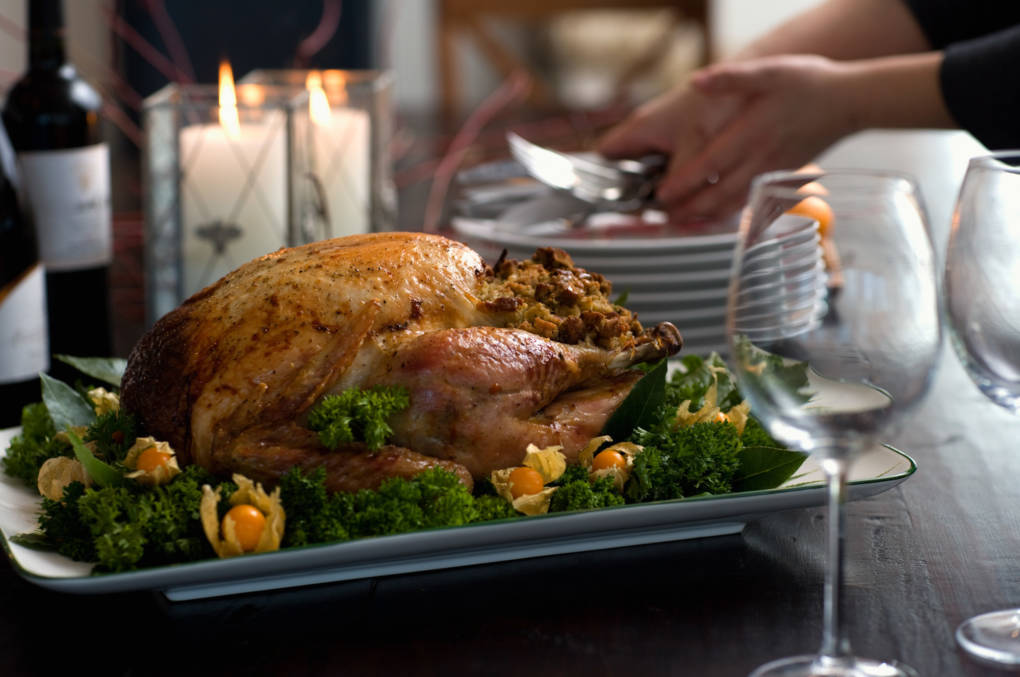
"caption": "The average cost of Thanksgiving dinner for 10 is $49.87 this year, down from last year's $50.11. One big change: a drop in the price of turkey.",
"description": "The average cost of Thanksgiving dinner for 10 is $49.87 this year, down from last year's $50.11. One big change: a drop in the price of turkey.",
"title": "The average cost of Thanksgiving dinner for 10 is $49.87 this year, down from last year's $50.11. One big change: a drop in the price of turkey.",
"credit": "Love_Life /Getty Images",
"status": "inherit",
"isLoading": false,
"fetchFailed": false
},
"bayareabites_111702": {
"type": "attachments",
"id": "bayareabites_111702",
"meta": {
"index": "attachments_1716263798",
"site": "bayareabites",
"id": "111702",
"found": true
},
"parent": 111698,
"imgSizes": {
"twentyfourteen-full-width": {
"file": "https://ww2.kqed.org/app/uploads/sites/24/2016/08/IMG_8400-1038x576.jpg",
"width": 1038,
"mimeType": "image/jpeg",
"height": 576
},
"thumbnail": {
"file": "https://ww2.kqed.org/app/uploads/sites/24/2016/08/IMG_8400-400x300.jpg",
"width": 400,
"mimeType": "image/jpeg",
"height": 300
},
"fd-sm": {
"file": "https://ww2.kqed.org/app/uploads/sites/24/2016/08/IMG_8400-960x720.jpg",
"width": 960,
"mimeType": "image/jpeg",
"height": 720
},
"post-thumbnail": {
"file": "https://ww2.kqed.org/app/uploads/sites/24/2016/08/IMG_8400-672x372.jpg",
"width": 672,
"mimeType": "image/jpeg",
"height": 372
},
"kqedFullSize": {
"file": "https://ww2.kqed.org/app/uploads/sites/24/2016/08/IMG_8400.jpg",
"width": 1920,
"height": 1440
},
"large": {
"file": "https://ww2.kqed.org/app/uploads/sites/24/2016/08/IMG_8400-1440x1080.jpg",
"width": 1440,
"mimeType": "image/jpeg",
"height": 1080
},
"guest-author-50": {
"file": "https://ww2.kqed.org/app/uploads/sites/24/2016/08/IMG_8400-50x50.jpg",
"width": 50,
"mimeType": "image/jpeg",
"height": 50
},
"guest-author-96": {
"file": "https://ww2.kqed.org/app/uploads/sites/24/2016/08/IMG_8400-96x96.jpg",
"width": 96,
"mimeType": "image/jpeg",
"height": 96
},
"medium": {
"file": "https://ww2.kqed.org/app/uploads/sites/24/2016/08/IMG_8400-800x600.jpg",
"width": 800,
"mimeType": "image/jpeg",
"height": 600
},
"guest-author-64": {
"file": "https://ww2.kqed.org/app/uploads/sites/24/2016/08/IMG_8400-64x64.jpg",
"width": 64,
"mimeType": "image/jpeg",
"height": 64
},
"guest-author-32": {
"file": "https://ww2.kqed.org/app/uploads/sites/24/2016/08/IMG_8400-32x32.jpg",
"width": 32,
"mimeType": "image/jpeg",
"height": 32
},
"cat_post_thumb_sizecategory-posts-2": {
"file": "https://ww2.kqed.org/app/uploads/sites/24/2016/08/IMG_8400-150x150.jpg",
"width": 150,
"mimeType": "image/jpeg",
"height": 150
},
"fd-lrg": {
"file": "https://ww2.kqed.org/app/uploads/sites/24/2016/08/IMG_8400-1920x1440.jpg",
"width": 1920,
"mimeType": "image/jpeg",
"height": 1440
},
"fd-med": {
"file": "https://ww2.kqed.org/app/uploads/sites/24/2016/08/IMG_8400-1180x885.jpg",
"width": 1180,
"mimeType": "image/jpeg",
"height": 885
},
"detail": {
"file": "https://ww2.kqed.org/app/uploads/sites/24/2016/08/IMG_8400-150x150.jpg",
"width": 150,
"mimeType": "image/jpeg",
"height": 150
},
"medium_large": {
"file": "https://ww2.kqed.org/app/uploads/sites/24/2016/08/IMG_8400-768x576.jpg",
"width": 768,
"mimeType": "image/jpeg",
"height": 576
},
"guest-author-128": {
"file": "https://ww2.kqed.org/app/uploads/sites/24/2016/08/IMG_8400-128x128.jpg",
"width": 128,
"mimeType": "image/jpeg",
"height": 128
}
},
"publishDate": 1472230241,
"modified": 1472231534,
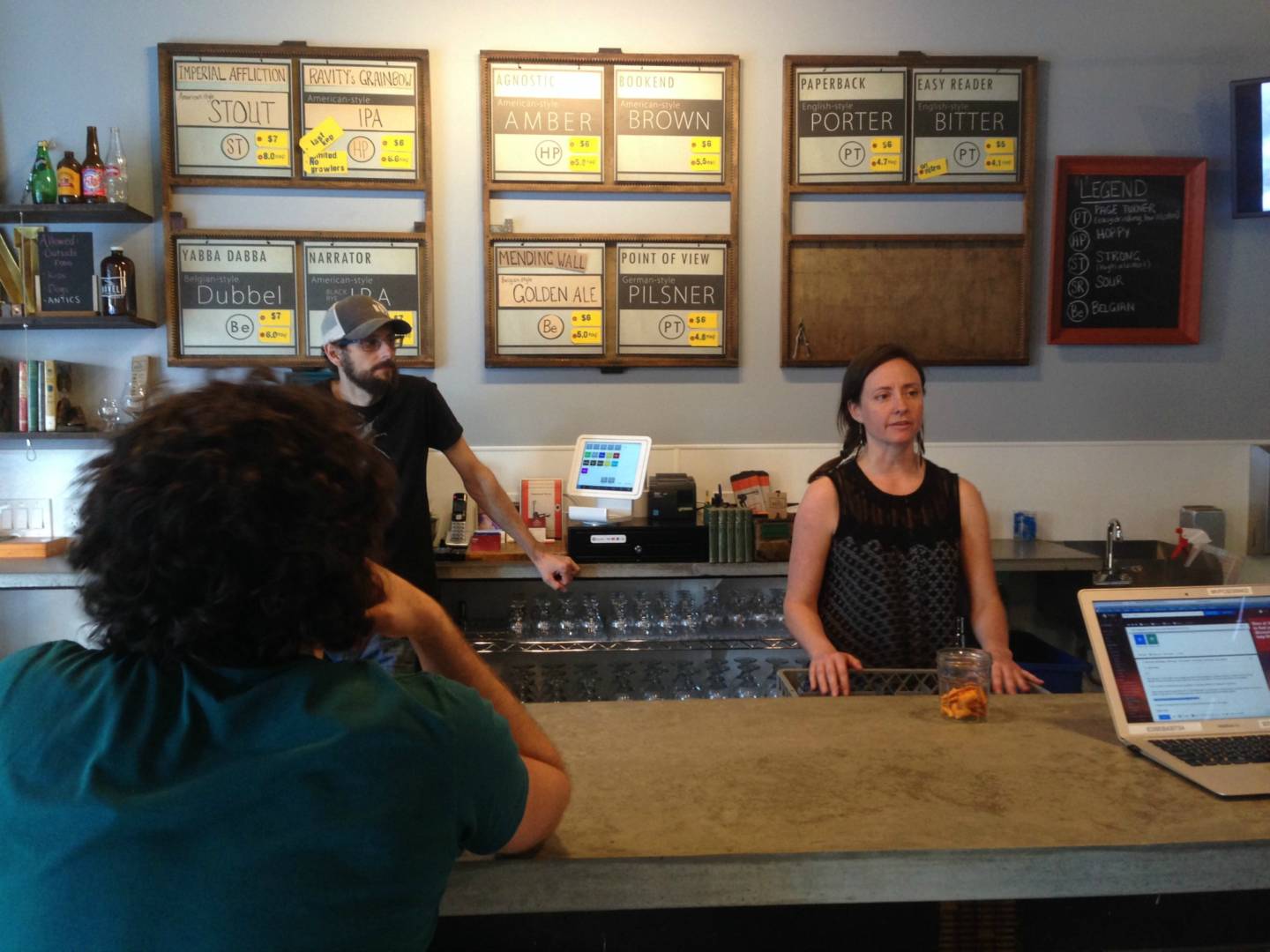
"caption": "Novel Brewing owners Brian Koloszyc and Teresa Tamburello working the bar.",
"description": "Novel Brewing owners Brian Koloszyc and Teresa Tamburello working the bar.",
"title": "Novel Brewing owners Brian Koloszyc and Teresa Tamburello working the bar.",
"credit": "Shelby Pope",
"status": "inherit",
"isLoading": false,
"fetchFailed": false
}
},
"audioPlayerReducer": {
"postId": "stream_live",
"isPaused": true,
"isPlaying": false,
"pfsActive": false,
"pledgeModalIsOpen": true,
"playerDrawerIsOpen": false,
"liveAudioPlayStartedAt": 0,
"liveAudioPlayContext": ""
},
"authorsReducer": {
"byline_bayareabites_120431": {
"type": "authors",
"id": "byline_bayareabites_120431",
"meta": {
"override": true
},
"slug": "byline_bayareabites_120431",
"name": "Alina Selyukh, NPR Food",
"isLoading": false
},
"byline_bayareabites_118479": {
"type": "authors",
"id": "byline_bayareabites_118479",
"meta": {
"override": true
},
"slug": "byline_bayareabites_118479",
"name": "\u003ca href=\"http://civileats.com/author/jhelmer/\">Jodi Helmer,\u003c/a> \u003ca href=\"https://ww2.kqed.org/bayareabites/author/civileat/\">Civil Eats\u003c/a>",
"isLoading": false
},
"byline_bayareabites_117019": {
"type": "authors",
"id": "byline_bayareabites_117019",
"meta": {
"override": true
},
"slug": "byline_bayareabites_117019",
"name": "Nina Gregory, \u003cstrong>\u003ca href=\"http://www.npr.org/sections/codeswitch/2017/04/28/516430327/at-ted-this-week-two-speakers-got-to-the-root-of-things\">NPR Food\u003c/a>\u003c/strong>",
"isLoading": false
},
"byline_bayareabites_117000": {
"type": "authors",
"id": "byline_bayareabites_117000",
"meta": {
"override": true
},
"slug": "byline_bayareabites_117000",
"name": "Peggy Lowe, \u003cstrong>\u003ca href=\"http://www.npr.org/sections/thesalt/2017/04/26/525736888/tyson-foods-promises-better-conditions-and-safety-for-meat-workers\">NPR Food\u003c/a>\u003c/strong>",
"isLoading": false
},
"byline_bayareabites_115273": {
"type": "authors",
"id": "byline_bayareabites_115273",
"meta": {
"override": true
},
"slug": "byline_bayareabites_115273",
"name": "Diep Tran, \u003ca href=\"https://ww2.kqed.org/bayareabites/author/nprfood/\">NPR Food\u003c/a>",
"isLoading": false
},
"byline_bayareabites_114832": {
"type": "authors",
"id": "byline_bayareabites_114832",
"meta": {
"override": true
},
"slug": "byline_bayareabites_114832",
"name": "Lauren Frayer, NPR Food",
"isLoading": false
},
"byline_bayareabites_113671": {
"type": "authors",
"id": "byline_bayareabites_113671",
"meta": {
"override": true
},
"slug": "byline_bayareabites_113671",
"name": "Maria Hollenhorst, \u003ca href=\"https://ww2.kqed.org/bayareabites/authors/nprfood/\">NPR Food\u003c/a>",
"isLoading": false
},
"kdomara": {
"type": "authors",
"id": "1459",
"meta": {
"index": "authors_1716337520",
"id": "1459",
"found": true
},
"name": "Kelly O'Mara",
"firstName": "Kelly",
"lastName": "O'Mara",
"slug": "kdomara",
"email": "komara@kqed.org",
"display_author_email": false,
"staff_mastheads": [
"news"
],
"title": "KQED Contributor",
"bio": "Kelly O'Mara is a writer and reporter in the San Francisco Bay Area. She writes about food, health, sports, travel, business and California news. Her work has appeared on KQED, online for Outside Magazine, epsnW, VICE and in Competitor Magazine, among others. Follow Kelly on Twitter \u003ca href=\"https://twitter.com/kellydomara\">@kellydomara\u003c/a>.",
"avatar": "https://secure.gravatar.com/avatar/768fec7412028b72f13bdd0f5f9d8186?s=600&d=blank&r=g",
"twitter": null,
"facebook": null,
"instagram": null,
"linkedin": null,
"sites": [
{
"site": "arts",
"roles": []
},
{
"site": "news",
"roles": []
},
{
"site": "bayareabites",
"roles": []
},
{
"site": "stateofhealth",
"roles": []
},
{
"site": "science",
"roles": []
},
{
"site": "checkplease",
"roles": [
"editor"
]
},
{
"site": "food",
"roles": []
},
{
"site": "forum",
"roles": [
"editor"
]
},
{
"site": "liveblog",
"roles": [
"editor"
]
}
],
"headData": {
"title": "Kelly O'Mara | KQED",
"description": "KQED Contributor",
"ogImgSrc": "https://secure.gravatar.com/avatar/768fec7412028b72f13bdd0f5f9d8186?s=600&d=blank&r=g",
"twImgSrc": "https://secure.gravatar.com/avatar/768fec7412028b72f13bdd0f5f9d8186?s=600&d=blank&r=g"
},
"isLoading": false,
"link": "/author/kdomara"
},
"shelbypope": {
"type": "authors",
"id": "5566",
"meta": {
"index": "authors_1716337520",
"id": "5566",
"found": true
},
"name": "Shelby Pope",
"firstName": "Shelby",
"lastName": "Pope",
"slug": "shelbypope",
"email": "shelbylpope@gmail.com",
"display_author_email": false,
"staff_mastheads": [],
"title": "KQED Contributor",
"bio": "Shelby Pope is a freelance writer living and eating her way through the East Bay. She’s written about food, art and science for publications including the Smithsonian, Lucky Peach, and the Washington Post's pet blog. When she’s not taste testing sourdough bread to find the Bay Area’s best loaf, you can find her on Twitter \u003ca href=\"https://twitter.com/shelbylpope\">@shelbylpope\u003c/a> or at \u003ca href=\"https://shelbypope.com/\">shelbypope.com\u003c/a>",
"avatar": "https://secure.gravatar.com/avatar/df74e904399e45720e48e36c6e1ae7a90c32216eb2c9c82f3b2e1a9641b507d3?s=600&d=blank&r=g",
"twitter": "shelbylpope",
"bluesky": null,
"facebook": null,
"instagram": null,
"linkedin": null,
"sites": [
{
"site": "arts",
"roles": [
"subscriber"
]
},
{
"site": "food",
"roles": [
"subscriber"
]
}
],
"headData": {
"title": "Shelby Pope | KQED",
"description": "KQED Contributor",
"ogImgSrc": "https://secure.gravatar.com/avatar/df74e904399e45720e48e36c6e1ae7a90c32216eb2c9c82f3b2e1a9641b507d3?s=600&d=blank&r=g",
"twImgSrc": "https://secure.gravatar.com/avatar/df74e904399e45720e48e36c6e1ae7a90c32216eb2c9c82f3b2e1a9641b507d3?s=600&d=blank&r=g"
},
"isLoading": false,
"link": "/author/shelbypope"
}
},
"pagesReducer": {
"bayareabites_category_economy-and-food-costs": {
"type": "terms",
"id": "bayareabites_1962",
"meta": {
"index": "terms_1716263798",
"site": "bayareabites",
"id": "1962",
"score": 13.896381
},
"featImg": null,
"name": "economy and food costs",
"description": null,
"taxonomy": "category",
"headData": {
"twImgId": null,
"twTitle": null,
"ogTitle": null,
"ogImgId": null,
"twDescription": null,
"description": null,
"title": "economy and food costs Archives | KQED Bay Area Bites",
"ogDescription": null
},
"ttid": 1488,
"slug": "economy-and-food-costs",
"isLoading": false,
"title": "economy and food costs",
"pageMeta": {
"site": "bayareabites",
"WpPageTemplate": "page-topic-editorial",
"currentPage": 5
},
"blocks": [
{
"blockName": "kqed/post-list",
"attrs": {
"layout": "cardArticle2",
"query": "posts/bayareabites?category=economy-and-food-costs",
"seeMore": false,
"paginated": true,
"page": 5
}
},
{
"blockName": "kqed/ad"
}
]
}
},
"pfsSessionReducer": {},
"postsReducer": {
"stream_live": {
"type": "live",
"id": "stream_live",
"audioUrl": "https://streams.kqed.org/kqedradio",
"title": "Live Stream",
"excerpt": "Live Stream information currently unavailable.",
"link": "/radio",
"featImg": "",
"label": {
"name": "KQED Live",
"link": "/"
}
},
"stream_kqedNewscast": {
"type": "posts",
"id": "stream_kqedNewscast",
"audioUrl": "https://www.kqed.org/.stream/anon/radio/RDnews/newscast.mp3?_=1",
"title": "KQED Newscast",
"featImg": "",
"label": {
"name": "88.5 FM",
"link": "/"
}
},
"bayareabites_120431": {
"type": "posts",
"id": "bayareabites_120431",
"meta": {
"index": "posts_1716263798",
"site": "bayareabites",
"id": "120431",
"score": null,
"sort": [
1504736790000
]
},
"parent": 0,
"labelTerm": {},
"blocks": [],
"publishDate": 1504736790,
"format": "audio",
"disqusTitle": "Grocery Prices Have Been Falling. Did You Notice?",
"title": "Grocery Prices Have Been Falling. Did You Notice?",
"headTitle": "Bay Area Bites | KQED Food",
"content": "\u003cp>\u003cstrong>Listen to the story on NPR's Morning Edition:\u003c/strong>\u003cbr>\nhttps://ondemand.npr.org/anon.npr-mp3/npr/me/2017/09/20170906_me_grocery_prices_have_been_falling_did_you_notice_.mp3\u003c/p>\n\u003cp>Food prices in America were down for the longest period in about 60 years.\u003c/p>\n\u003cp>Wait, what?\u003c/p>\n\u003cp>It's not something that shoppers seemed to have noticed much.\u003c/p>\n\u003cp>\"Are you serious? Really?\" says Michelle German, holding a bag of groceries and wine at a Harris Teeter store in Washington, D.C. \"I just spent about $40 dollars on four items and I'm like, wait, how did I spend that much money?\"\u003c/p>\n\u003cp>[ad fullwidth]\u003c/p>\n\u003cp>But a number of foods — most notably, beef, eggs and dairy — saw some \u003ca href=\"https://www.bls.gov/opub/ted/2016/consumer-food-prices-rise-0-point-2-percent-from-july-2015-to-july-2016.htm\">serious price drops\u003c/a> over the course of 2016 and into 2017. For 19 months straight, the U.S. government reported declines in the food consumer price index, which compares supermarket prices with what they were a year earlier.\u003c/p>\n\u003cfigure id=\"attachment_120437\" class=\"wp-caption aligncenter\" style=\"max-width: 1544px\">\u003cimg src=\"https://ww2.kqed.org/bayareabites/wp-content/uploads/sites/24/2017/09/Screen-Shot-2017-09-06-at-3.16.14-PM.png\" alt='Source: <a href=\"https://data.bls.gov/timeseries/CUUR0000SAF11?output_view=pct_12mths\">Bureau of Labor Statistics Consumer Price Index</a>' width=\"1544\" height=\"1066\" class=\"size-full wp-image-120437\" srcset=\"https://ww2.kqed.org/app/uploads/sites/24/2017/09/Screen-Shot-2017-09-06-at-3.16.14-PM.png 1544w, https://ww2.kqed.org/app/uploads/sites/24/2017/09/Screen-Shot-2017-09-06-at-3.16.14-PM-160x110.png 160w, https://ww2.kqed.org/app/uploads/sites/24/2017/09/Screen-Shot-2017-09-06-at-3.16.14-PM-800x552.png 800w, https://ww2.kqed.org/app/uploads/sites/24/2017/09/Screen-Shot-2017-09-06-at-3.16.14-PM-768x530.png 768w, https://ww2.kqed.org/app/uploads/sites/24/2017/09/Screen-Shot-2017-09-06-at-3.16.14-PM-1020x704.png 1020w, https://ww2.kqed.org/app/uploads/sites/24/2017/09/Screen-Shot-2017-09-06-at-3.16.14-PM-1180x815.png 1180w, https://ww2.kqed.org/app/uploads/sites/24/2017/09/Screen-Shot-2017-09-06-at-3.16.14-PM-960x663.png 960w, https://ww2.kqed.org/app/uploads/sites/24/2017/09/Screen-Shot-2017-09-06-at-3.16.14-PM-240x166.png 240w, https://ww2.kqed.org/app/uploads/sites/24/2017/09/Screen-Shot-2017-09-06-at-3.16.14-PM-375x259.png 375w, https://ww2.kqed.org/app/uploads/sites/24/2017/09/Screen-Shot-2017-09-06-at-3.16.14-PM-520x359.png 520w\" sizes=\"(max-width: 1544px) 100vw, 1544px\">\u003cfigcaption class=\"wp-caption-text\">Source: \u003ca href=\"https://data.bls.gov/timeseries/CUUR0000SAF11?output_view=pct_12mths\">Bureau of Labor Statistics Consumer Price Index\u003c/a> \u003ccite>(Brittany Mayes and Jessenia Araya/NPR)\u003c/cite>\u003c/figcaption>\u003c/figure>\n\u003cp>The measure \u003ca href=\"https://www.bls.gov/opub/ted/2017/consumer-price-index-rose-1-point-7-percent-from-july-2016-to-july-2017.htm\">marked its first small uptick\u003c/a> in July. (Year-to-year comparisons are more telling than month-to-month data, because they aren't affected by seasonal fluctuations.)\u003c/p>\n\u003cp>\"It is rather a unique period, something certainly I've never seen in my 37 years,\" says Brian Todd, president and CEO of \u003ca href=\"https://www.foodinstitute.com/\">The Food Institute\u003c/a>, an industry research organization. According to \u003ca href=\"https://data.bls.gov/timeseries/CUUR0000SAF11?output_view=pct_12mths\">data from the Bureau of Labor Statistics\u003c/a>, the last time the country went through such a long deflationary stretch in groceries was in the mid-1950s.\u003c/p>\n\u003cp>Typically, low food prices accompany a weak, struggling economy, says Jon Springer, retail editor at \u003ca href=\"http://www.supermarketnews.com/\">Supermarket News\u003c/a>, a trade publication. \"What happened over this last year has really taken people a little bit by surprise,\" he says, calling the period \"unusual.\" Todd, too, called it \"unique.\"\u003c/p>\n\u003cp>So, what happened?\u003c/p>\n\u003cp>Economists blame a confluence of factors. Energy and transportation costs fell, allowing food producers to operate more cheaply. But there was also a glut of food on the market: China started buying less food from the U.S. — and so did other countries, partly because American goods got more expensive as the dollar got stronger. Some experts also say Americans themselves contributed, through changing tastes — for instances, more people have been cutting back on beef.\u003c/p>\n\u003cfigure id=\"attachment_120436\" class=\"wp-caption aligncenter\" style=\"max-width: 1560px\">\u003cimg src=\"https://ww2.kqed.org/bayareabites/wp-content/uploads/sites/24/2017/09/Screen-Shot-2017-09-06-at-3.16.43-PM.png\" alt='Source: <a href=\"https://data.bls.gov/timeseries/CUUR0000SAF11?output_view=pct_12mths\">Bureau of Labor Statistics Consumer Price Index</a>' width=\"1560\" height=\"744\" class=\"size-full wp-image-120436\" srcset=\"https://ww2.kqed.org/app/uploads/sites/24/2017/09/Screen-Shot-2017-09-06-at-3.16.43-PM.png 1560w, https://ww2.kqed.org/app/uploads/sites/24/2017/09/Screen-Shot-2017-09-06-at-3.16.43-PM-160x76.png 160w, https://ww2.kqed.org/app/uploads/sites/24/2017/09/Screen-Shot-2017-09-06-at-3.16.43-PM-800x382.png 800w, https://ww2.kqed.org/app/uploads/sites/24/2017/09/Screen-Shot-2017-09-06-at-3.16.43-PM-768x366.png 768w, https://ww2.kqed.org/app/uploads/sites/24/2017/09/Screen-Shot-2017-09-06-at-3.16.43-PM-1020x486.png 1020w, https://ww2.kqed.org/app/uploads/sites/24/2017/09/Screen-Shot-2017-09-06-at-3.16.43-PM-1180x563.png 1180w, https://ww2.kqed.org/app/uploads/sites/24/2017/09/Screen-Shot-2017-09-06-at-3.16.43-PM-960x458.png 960w, https://ww2.kqed.org/app/uploads/sites/24/2017/09/Screen-Shot-2017-09-06-at-3.16.43-PM-240x114.png 240w, https://ww2.kqed.org/app/uploads/sites/24/2017/09/Screen-Shot-2017-09-06-at-3.16.43-PM-375x179.png 375w, https://ww2.kqed.org/app/uploads/sites/24/2017/09/Screen-Shot-2017-09-06-at-3.16.43-PM-520x248.png 520w\" sizes=\"(max-width: 1560px) 100vw, 1560px\">\u003cfigcaption class=\"wp-caption-text\">Source: \u003ca href=\"https://data.bls.gov/timeseries/CUUR0000SAF11?output_view=pct_12mths\">Bureau of Labor Statistics Consumer Price Index\u003c/a> \u003ccite>(Brittany Mayes and Jessenia Araya/NPR)\u003c/cite>\u003c/figcaption>\u003c/figure>\n\u003cp>It all translated into a shift of supply and demand: People weren't buying as much beef and eggs as farmers and ranchers were producing.\u003c/p>\n\u003cp>\"Our consumption is actually pretty good in the U.S. ... But, there's no way they can eat enough cheese and ice cream to use everything we produce,\" says dairy farmer Merri Post. \"Although I'd like to sure see them try — I think if everybody had a little more cheese.... ,\" she adds, with a laugh.\u003c/p>\n\u003cp>Merri and Bill Post run the \u003ca href=\"https://www.facebook.com/Middleroad-Acres-182360816388/\">Middleroad Acres\u003c/a> farm in southwestern Minnesota. Every day, their cows produce some 10,000 pounds of milk, which winds through plants in Iowa and Wisconsin to become cheddar cheese. Dairy is their lifeblood — they actually live on the same farm where Bill grew up.\u003c/p>\n\u003cp>Merri Post says they had prepared for low milk prices but didn't expect such a long streak. The couple grows the crops that they feed their cows, but she says they lose money with every bushel of corn they feed a cow.\u003c/p>\n\u003cp>\"There are times you know ... you're writing a check for the privilege to milk your cows,\" says Post. \"You're not making money. You are writing a check to do your job that day.\"\u003c/p>\n\u003cp>Last year, there was such a glut of dairy that some farmers \u003ca href=\"https://www.csmonitor.com/USA/2016/1014/Why-dairy-farmers-dumped-43-million-gallons-of-milk-this-year\">were dumping\u003c/a> excess milk. \"We aren't at that,\" Post says. \"Although our creameries \u003cem>are \u003c/em>full. They can't take on more milk.\"\u003c/p>\n\u003cp>There's good news for Post, though: The dairy price index is slowly starting to tick up along with many other foods.\u003c/p>\n\u003cp>Grocery prices \"will gradually go up,\" says Springer. \"One of the big questions is how fast retailers will enact their own price increases because they've got to keep an eye on one another — because nobody wants to look like they're more expensive than the other guy.\"\u003c/p>\n\u003cp>The price war among grocery stores has been intense. The leading sellers, Walmart and Kroger, have been fighting Target and other competitors for the lowest price around. Even the typically upscale Whole Foods last week lowered prices for organic baby kale and avocado after its acquisition by Amazon closed. German chains Aldi and Lidl, which are adding stores in the U.S., are \u003ca href=\"https://www.bloomberg.com/news/features/2017-06-27/the-price-war-over-american-groceries-is-getting-bloody\">adding extra pressure\u003c/a> with deep discounts.\u003c/p>\n\u003cp>\"There is quite a bit of price competition already happening in the grocery industry, so they've got to be very cautious about\" raising prices, Springer says. Todd, at the Food Institute, predicts that overall, prices this year will be higher by only about 1 percent, compared with last year. \u003c/p>\n\u003cp>\u003c/p>\n\u003cp> \u003cem>Copyright 2017 \u003ca href=\"http://www.npr.org/\">NPR\u003c/a>.\u003c/em> \u003c/p>\n\n",
"disqusIdentifier": "120431 https://ww2.kqed.org/bayareabites/?p=120431",
"disqusUrl": "https://ww2.kqed.org/bayareabites/2017/09/06/grocery-prices-have-been-falling-did-you-notice/",
"stats": {
"hasVideo": false,
"hasChartOrMap": false,
"hasAudio": false,
"hasPolis": false,
"wordCount": 828,
"hasGoogleForm": false,
"hasGallery": false,
"hasHearkenModule": false,
"iframeSrcs": [],
"paragraphCount": 24
},
"modified": 1504736790,
"excerpt": "For 19 months in a row, food prices in America's supermarkets fell compared to a year earlier. This is good news for shoppers but has weighed on the grocery industry and the people who grow our food.",
"headData": {
"twImgId": "",
"twTitle": "",
"ogTitle": "",
"ogImgId": "",
"twDescription": "",
"description": "For 19 months in a row, food prices in America's supermarkets fell compared to a year earlier. This is good news for shoppers but has weighed on the grocery industry and the people who grow our food.",
"title": "Grocery Prices Have Been Falling. Did You Notice? | KQED",
"ogDescription": "",
"schema": {
"@context": "https://schema.org",
"@type": "Article",
"headline": "Grocery Prices Have Been Falling. Did You Notice?",
"datePublished": "2017-09-06T15:26:30-07:00",
"dateModified": "2017-09-06T15:26:30-07:00",
"image": "https://cdn.kqed.org/wp-content/uploads/2020/02/KQED-OG-Image@1x.png"
}
},
"guestAuthors": [],
"slug": "grocery-prices-have-been-falling-did-you-notice",
"status": "publish",
"nprApiLink": "http://api.npr.org/query?id=547820236&apiKey=MDAxOTAwOTE4MDEyMTkxMDAzNjczZDljZA004",
"nprStoryDate": "Wed, 06 Sep 2017 04:55:00 -0400",
"nprLastModifiedDate": "Wed, 06 Sep 2017 15:48:11 -0400",
"nprHtmlLink": "http://www.npr.org/sections/thesalt/2017/09/06/547820236/grocery-prices-have-been-falling-did-you-notice?ft=nprml&f=547820236",
"nprAudio": "https://ondemand.npr.org/anon.npr-mp3/npr/me/2017/09/20170906_me_grocery_prices_have_been_falling_did_you_notice_.mp3?orgId=1&topicId=1053&d=215&p=3&story=547820236&t=progseg&e=548803221&seg=13&ft=nprml&f=547820236",
"nprImageAgency": "Getty Images",
"source": "Economy and Food Costs",
"nprAudioM3u": "http://api.npr.org/m3u/1548819289-44cfbe.m3u?orgId=1&topicId=1053&d=215&p=3&story=547820236&t=progseg&e=548803221&seg=13&ft=nprml&f=547820236",
"nprStoryId": "547820236",
"sourceUrl": "https://ww2.kqed.org/bayareabites/category/economy-and-food-costs/",
"nprByline": "Alina Selyukh, NPR Food",
"nprImageCredit": "Joe Raedle",
"nprRetrievedStory": "1",
"nprPubDate": "Wed, 06 Sep 2017 08:16:00 -0400",
"path": "/bayareabites/120431/grocery-prices-have-been-falling-did-you-notice",
"audioUrl": "https://ondemand.npr.org/anon.npr-mp3/npr/me/2017/09/20170906_me_grocery_prices_have_been_falling_did_you_notice_.mp3?orgId=1&topicId=1053&d=215&p=3&story=547820236&t=progseg&e=548803221&seg=13&ft=nprml&f=547820236",
"audioTrackLength": null,
"parsedContent": [
{
"type": "contentString",
"content": "\u003cdiv class=\"post-body\">\u003cp>\u003cp>\u003cstrong>Listen to the story on NPR's Morning Edition:\u003c/strong>\u003cbr>\n\u003c/p>\u003c/div>",
"attributes": {
"named": {},
"numeric": []
}
},
{
"type": "component",
"content": "",
"name": "nprOneAudioLink",
"attributes": {
"named": {
"src": "https://ondemand.npr.org/anon.npr-mp3/npr/me/2017/09/20170906_me_grocery_prices_have_been_falling_did_you_notice_.mp3"
},
"numeric": []
}
},
{
"type": "contentString",
"content": "\u003cdiv class=\"post-body\">\u003cp>\u003c/p>\n\u003cp>Food prices in America were down for the longest period in about 60 years.\u003c/p>\n\u003cp>Wait, what?\u003c/p>\n\u003cp>It's not something that shoppers seemed to have noticed much.\u003c/p>\n\u003cp>\"Are you serious? Really?\" says Michelle German, holding a bag of groceries and wine at a Harris Teeter store in Washington, D.C. \"I just spent about $40 dollars on four items and I'm like, wait, how did I spend that much money?\"\u003c/p>\n\u003cp>\u003c/p>\u003c/div>",
"attributes": {
"named": {},
"numeric": []
}
},
{
"type": "component",
"content": "",
"name": "ad",
"attributes": {
"named": {
"label": "fullwidth"
},
"numeric": [
"fullwidth"
]
}
},
{
"type": "contentString",
"content": "\u003cdiv class=\"post-body\">\u003cp>\u003c/p>\n\u003cp>But a number of foods — most notably, beef, eggs and dairy — saw some \u003ca href=\"https://www.bls.gov/opub/ted/2016/consumer-food-prices-rise-0-point-2-percent-from-july-2015-to-july-2016.htm\">serious price drops\u003c/a> over the course of 2016 and into 2017. For 19 months straight, the U.S. government reported declines in the food consumer price index, which compares supermarket prices with what they were a year earlier.\u003c/p>\n\u003cfigure id=\"attachment_120437\" class=\"wp-caption aligncenter\" style=\"max-width: 1544px\">\u003cimg src=\"https://ww2.kqed.org/bayareabites/wp-content/uploads/sites/24/2017/09/Screen-Shot-2017-09-06-at-3.16.14-PM.png\" alt='Source: <a href=\"https://data.bls.gov/timeseries/CUUR0000SAF11?output_view=pct_12mths\">Bureau of Labor Statistics Consumer Price Index</a>' width=\"1544\" height=\"1066\" class=\"size-full wp-image-120437\" srcset=\"https://ww2.kqed.org/app/uploads/sites/24/2017/09/Screen-Shot-2017-09-06-at-3.16.14-PM.png 1544w, https://ww2.kqed.org/app/uploads/sites/24/2017/09/Screen-Shot-2017-09-06-at-3.16.14-PM-160x110.png 160w, https://ww2.kqed.org/app/uploads/sites/24/2017/09/Screen-Shot-2017-09-06-at-3.16.14-PM-800x552.png 800w, https://ww2.kqed.org/app/uploads/sites/24/2017/09/Screen-Shot-2017-09-06-at-3.16.14-PM-768x530.png 768w, https://ww2.kqed.org/app/uploads/sites/24/2017/09/Screen-Shot-2017-09-06-at-3.16.14-PM-1020x704.png 1020w, https://ww2.kqed.org/app/uploads/sites/24/2017/09/Screen-Shot-2017-09-06-at-3.16.14-PM-1180x815.png 1180w, https://ww2.kqed.org/app/uploads/sites/24/2017/09/Screen-Shot-2017-09-06-at-3.16.14-PM-960x663.png 960w, https://ww2.kqed.org/app/uploads/sites/24/2017/09/Screen-Shot-2017-09-06-at-3.16.14-PM-240x166.png 240w, https://ww2.kqed.org/app/uploads/sites/24/2017/09/Screen-Shot-2017-09-06-at-3.16.14-PM-375x259.png 375w, https://ww2.kqed.org/app/uploads/sites/24/2017/09/Screen-Shot-2017-09-06-at-3.16.14-PM-520x359.png 520w\" sizes=\"(max-width: 1544px) 100vw, 1544px\">\u003cfigcaption class=\"wp-caption-text\">Source: \u003ca href=\"https://data.bls.gov/timeseries/CUUR0000SAF11?output_view=pct_12mths\">Bureau of Labor Statistics Consumer Price Index\u003c/a> \u003ccite>(Brittany Mayes and Jessenia Araya/NPR)\u003c/cite>\u003c/figcaption>\u003c/figure>\n\u003cp>The measure \u003ca href=\"https://www.bls.gov/opub/ted/2017/consumer-price-index-rose-1-point-7-percent-from-july-2016-to-july-2017.htm\">marked its first small uptick\u003c/a> in July. (Year-to-year comparisons are more telling than month-to-month data, because they aren't affected by seasonal fluctuations.)\u003c/p>\n\u003cp>\"It is rather a unique period, something certainly I've never seen in my 37 years,\" says Brian Todd, president and CEO of \u003ca href=\"https://www.foodinstitute.com/\">The Food Institute\u003c/a>, an industry research organization. According to \u003ca href=\"https://data.bls.gov/timeseries/CUUR0000SAF11?output_view=pct_12mths\">data from the Bureau of Labor Statistics\u003c/a>, the last time the country went through such a long deflationary stretch in groceries was in the mid-1950s.\u003c/p>\n\u003cp>Typically, low food prices accompany a weak, struggling economy, says Jon Springer, retail editor at \u003ca href=\"http://www.supermarketnews.com/\">Supermarket News\u003c/a>, a trade publication. \"What happened over this last year has really taken people a little bit by surprise,\" he says, calling the period \"unusual.\" Todd, too, called it \"unique.\"\u003c/p>\n\u003cp>So, what happened?\u003c/p>\n\u003cp>Economists blame a confluence of factors. Energy and transportation costs fell, allowing food producers to operate more cheaply. But there was also a glut of food on the market: China started buying less food from the U.S. — and so did other countries, partly because American goods got more expensive as the dollar got stronger. Some experts also say Americans themselves contributed, through changing tastes — for instances, more people have been cutting back on beef.\u003c/p>\n\u003cfigure id=\"attachment_120436\" class=\"wp-caption aligncenter\" style=\"max-width: 1560px\">\u003cimg src=\"https://ww2.kqed.org/bayareabites/wp-content/uploads/sites/24/2017/09/Screen-Shot-2017-09-06-at-3.16.43-PM.png\" alt='Source: <a href=\"https://data.bls.gov/timeseries/CUUR0000SAF11?output_view=pct_12mths\">Bureau of Labor Statistics Consumer Price Index</a>' width=\"1560\" height=\"744\" class=\"size-full wp-image-120436\" srcset=\"https://ww2.kqed.org/app/uploads/sites/24/2017/09/Screen-Shot-2017-09-06-at-3.16.43-PM.png 1560w, https://ww2.kqed.org/app/uploads/sites/24/2017/09/Screen-Shot-2017-09-06-at-3.16.43-PM-160x76.png 160w, https://ww2.kqed.org/app/uploads/sites/24/2017/09/Screen-Shot-2017-09-06-at-3.16.43-PM-800x382.png 800w, https://ww2.kqed.org/app/uploads/sites/24/2017/09/Screen-Shot-2017-09-06-at-3.16.43-PM-768x366.png 768w, https://ww2.kqed.org/app/uploads/sites/24/2017/09/Screen-Shot-2017-09-06-at-3.16.43-PM-1020x486.png 1020w, https://ww2.kqed.org/app/uploads/sites/24/2017/09/Screen-Shot-2017-09-06-at-3.16.43-PM-1180x563.png 1180w, https://ww2.kqed.org/app/uploads/sites/24/2017/09/Screen-Shot-2017-09-06-at-3.16.43-PM-960x458.png 960w, https://ww2.kqed.org/app/uploads/sites/24/2017/09/Screen-Shot-2017-09-06-at-3.16.43-PM-240x114.png 240w, https://ww2.kqed.org/app/uploads/sites/24/2017/09/Screen-Shot-2017-09-06-at-3.16.43-PM-375x179.png 375w, https://ww2.kqed.org/app/uploads/sites/24/2017/09/Screen-Shot-2017-09-06-at-3.16.43-PM-520x248.png 520w\" sizes=\"(max-width: 1560px) 100vw, 1560px\">\u003cfigcaption class=\"wp-caption-text\">Source: \u003ca href=\"https://data.bls.gov/timeseries/CUUR0000SAF11?output_view=pct_12mths\">Bureau of Labor Statistics Consumer Price Index\u003c/a> \u003ccite>(Brittany Mayes and Jessenia Araya/NPR)\u003c/cite>\u003c/figcaption>\u003c/figure>\n\u003cp>It all translated into a shift of supply and demand: People weren't buying as much beef and eggs as farmers and ranchers were producing.\u003c/p>\n\u003cp>\"Our consumption is actually pretty good in the U.S. ... But, there's no way they can eat enough cheese and ice cream to use everything we produce,\" says dairy farmer Merri Post. \"Although I'd like to sure see them try — I think if everybody had a little more cheese.... ,\" she adds, with a laugh.\u003c/p>\n\u003cp>Merri and Bill Post run the \u003ca href=\"https://www.facebook.com/Middleroad-Acres-182360816388/\">Middleroad Acres\u003c/a> farm in southwestern Minnesota. Every day, their cows produce some 10,000 pounds of milk, which winds through plants in Iowa and Wisconsin to become cheddar cheese. Dairy is their lifeblood — they actually live on the same farm where Bill grew up.\u003c/p>\n\u003cp>Merri Post says they had prepared for low milk prices but didn't expect such a long streak. The couple grows the crops that they feed their cows, but she says they lose money with every bushel of corn they feed a cow.\u003c/p>\n\u003cp>\"There are times you know ... you're writing a check for the privilege to milk your cows,\" says Post. \"You're not making money. You are writing a check to do your job that day.\"\u003c/p>\n\u003cp>Last year, there was such a glut of dairy that some farmers \u003ca href=\"https://www.csmonitor.com/USA/2016/1014/Why-dairy-farmers-dumped-43-million-gallons-of-milk-this-year\">were dumping\u003c/a> excess milk. \"We aren't at that,\" Post says. \"Although our creameries \u003cem>are \u003c/em>full. They can't take on more milk.\"\u003c/p>\n\u003cp>There's good news for Post, though: The dairy price index is slowly starting to tick up along with many other foods.\u003c/p>\n\u003cp>Grocery prices \"will gradually go up,\" says Springer. \"One of the big questions is how fast retailers will enact their own price increases because they've got to keep an eye on one another — because nobody wants to look like they're more expensive than the other guy.\"\u003c/p>\n\u003cp>The price war among grocery stores has been intense. The leading sellers, Walmart and Kroger, have been fighting Target and other competitors for the lowest price around. Even the typically upscale Whole Foods last week lowered prices for organic baby kale and avocado after its acquisition by Amazon closed. German chains Aldi and Lidl, which are adding stores in the U.S., are \u003ca href=\"https://www.bloomberg.com/news/features/2017-06-27/the-price-war-over-american-groceries-is-getting-bloody\">adding extra pressure\u003c/a> with deep discounts.\u003c/p>\n\u003cp>\"There is quite a bit of price competition already happening in the grocery industry, so they've got to be very cautious about\" raising prices, Springer says. Todd, at the Food Institute, predicts that overall, prices this year will be higher by only about 1 percent, compared with last year. \u003c/p>\n\u003cp>\u003c/p>\n\u003cp> \u003cem>Copyright 2017 \u003ca href=\"http://www.npr.org/\">NPR\u003c/a>.\u003c/em> \u003c/p>\n\n\u003c/div>\u003c/p>",
"attributes": {
"named": {},
"numeric": []
}
}
],
"link": "/bayareabites/120431/grocery-prices-have-been-falling-did-you-notice",
"authors": [
"byline_bayareabites_120431"
],
"categories": [
"bayareabites_1962",
"bayareabites_10028",
"bayareabites_358"
],
"tags": [
"bayareabites_1397",
"bayareabites_835",
"bayareabites_13273",
"bayareabites_15185"
],
"featImg": "bayareabites_120432",
"label": "source_bayareabites_120431"
},
"bayareabites_118479": {
"type": "posts",
"id": "bayareabites_118479",
"meta": {
"index": "posts_1716263798",
"site": "bayareabites",
"id": "118479",
"score": null,
"sort": [
1498072394000
]
},
"parent": 0,
"labelTerm": {},
"blocks": [],
"publishDate": 1498072394,
"format": "standard",
"disqusTitle": "Bringing Healing Meals to the Chronically Ill in California",
"title": "Bringing Healing Meals to the Chronically Ill in California",
"headTitle": "Bay Area Bites | KQED Food",
"content": "\u003cp>\u003cem>California nonprofits are advocating for a medically tailored meal pilot program for low-income residents.\u003c/em>\u003c/p>\n\u003cp>“Food is medicine” has become a common refrain. Now a coalition of California nonprofits hopes to test this theory with a program that would deliver medically tailored meals to the doors of low-income California residents living with heart disease, cancer, and diabetes.\u003c/p>\n\u003cp>Earlier this year, The California Food is Medicine Coalition, which is made up of six California nonprofits: \u003ca href=\"http://www.ceresproject.org/\">Ceres Community Project\u003c/a> in Santa Rosa, \u003ca href=\"http://www.mamaskitchen.org/\">Mama’s Kitchen\u003c/a> in San Diego, \u003ca href=\"https://www.openhand.org/\">Project Open Hand\u003c/a> in San Francisco, \u003ca href=\"http://healthtrust.org/\">HealthTrust\u003c/a> in San Jose, \u003ca href=\"http://fftfoodbank.org/\">Food for Thought\u003c/a> in Sonoma County, and \u003ca href=\"http://www.angelfood.org/site/PageServer#.WTa5WTOZPAI\">Project Angel Food\u003c/a> in Los Angeles—all groups that for the most part started delivering medically tailored meals during the HIV/AIDS crisis and saw the impact on patients’ quality of life—worked with state Senator Mike McGuire to request funding to pilot the program.\u003c/p>\n\u003cp>“We’re trying to make the case that high-quality nutritional support in the form of a meal-delivery program to meet the nutritional needs of patients with specific illnesses should be considered a medical intervention without which the patient will not do nearly as well,” said Cathryn Couch, executive director of Ceres Project. “This kind of work is being done in other states and we’re behind.”\u003c/p>\n\u003cp>If the coalition’s request for $9 million in funding over three years is approved, it would be the first multi-organization, multi-county, multi-disease pilot in the country—and it could have a significant impact on healthcare costs and health outcomes.\u003c/p>\n\u003cp>[ad fullwidth]\u003c/p>\n\u003cp>Earlier work in Philadelphia, led by the nonprofit \u003ca href=\"http://www.mannapa.org/\">MANNA\u003c/a> and documented in a 2013 \u003ca href=\"http://www.mannapa.org/wp-content/uploads/2014/07/MANNA-Study.pdf\">study\u003c/a> published in the \u003cem>Journal of Primary Care and Community Health, \u003c/em>showed promising results. After delivering three medically tailored meals per day to 65 patients with different chronic illnesses for six months, researchers found that the healthcare costs for those patients dropped from $38,937 per month to $28,183 per month, and were 55 percent lower than the healthcare costs of a comparison group. The frequency of hospital admissions and length of hospital stays also declined.\u003c/p>\n\u003cp>A healthful and diverse diet, say these groups, can work wonders to bring patients back to health. “With our model, you don’t have to wait years to see results,” said MANNA CEO Sue Daugherty. “With hypertension, we can see the results in one month; with A1C [a blood test for average blood glucose], we can see the results in three months.”\u003c/p>\n\u003cp>\u003cstrong>Food Heals\u003c/strong>\u003c/p>\n\u003cp>MANNA, like many members of the Food is Medicine Coalition, started delivering meals to those living with HIV/AIDS in the 1990s. The program expanded over time and, in 2014, thanks to a partnership with local insurer Health Partners Plans, MANNA started tailoring meals for 80 different health conditions ranging from cancer and kidney disease to diabetes and HIV/AIDS.\u003c/p>\n\u003cp>The dietician-designed menus offered by Ceres Project feature dishes such as mushroom quiche, chickpea burgers, lentil soup, fish stew, and pasta with summer vegetables.\u003c/p>\n\u003cp>Preparations are further tailored to specific illnesses. Meals for diabetes patients would have fewer carbohydrates while meals for patients with heart disease would limit sodium and saturated fats. All meals are based around fresh fruits and vegetables, whole grains, and high quality proteins.\u003c/p>\n\u003cp>Groups also allow for dietary modifications. MANNA, for example, provides pureed meals for those who struggle to chew or swallow, low spice meals, low lactose, and seafood-free meals for those with allergies.\u003c/p>\n\u003cp>A 2016 \u003ca href=\"http://ascopubs.org/doi/abs/10.1200/jco.2016.34.26_suppl.155\">study\u003c/a> found that home-delivered, medically tailored meals helped cancer patients decrease fatigue, eat more nutritiously, and live more independently.\u003c/p>\n\u003cp>And the Harvard Center for Health Law and Policy Innovation has \u003ca href=\"http://dialogue4health.org/uploads/resources/Downer_102115.pdf\">reported\u003c/a> that medically tailored meals help lower blood glucose levels, reduce the number of hospitalizations and ER visits, and increase medication adherence among those with diabetes. Harvard’s study also showed that providing three meals per day for six months costs less than a single night of hospitalization.\u003c/p>\n\u003cp>The opportunity to improve health outcomes helped MANNA secure partnerships with three insurers. The nonprofit operates out of a new commercial kitchen with 36 staff members and 4,500 active volunteers to deliver meals to roster of 1,000 clients who receive 1 million meals annually.\u003c/p>\n\u003cp>“There is finally recognition that a prescription diet is just as important as prescription medications,” Daugherty says.\u003c/p>\n\u003cp>\u003cstrong>Statewide Support\u003c/strong>\u003c/p>\n\u003cp>While MANNA secures its funding through a number of channels including contracts with insurers, individual donations, foundations, and corporate giving, the Food is Medicine Coalition hopes to have funding embedded into the state budget and will then allocate resources to patients receiving public health insurance through Medi-Cal, California’s implementation of Medicaid.\u003c/p>\n\u003cp>According to Couch, the program has the support of the California Department of Public Health, California Department of Healthcare Services, and other key stakeholders.\u003c/p>\n\u003cp>The Department of Public Health declined to comment on pending legislation, but a spokesperson said in a statement: “For those individuals diagnosed with chronic disease such as diabetes and heart disease, proper nutrition can be a key component of treatment.”\u003c/p>\n\u003cp>Couch believes the intervention is critical for supporting patients but admits there are still logistics to work out.\u003c/p>\n\u003cp>The goal is to have Medi-Cal refer patients to local organizations such as Mama’s Kitchen and Project Open Hand, which can deliver the meals in their respective counties.\u003c/p>\n\u003cp>As part of the pilot, the coalition will track healthcare utilization and health outcomes before, during, and after the intervention. Couch estimates that a $9 million investment would shave $19 million in healthcare costs during the first year of the program.\u003c/p>\n\u003cp>“We’re talking about patients who have to decide whether to pay for their medications or their utilities,” Couch says. “This is a population without any food support and the sooner we can demonstrate the positive outcomes to healthcare utilization and insurance costs, the sooner we can show that it makes sense to include medically tailored meal deliveries as an essential health benefit.”\u003c/p>\n\u003cp>Thanks to their dogged determination, the coalition received good news: In June, members of the state Senate approved $6 million over three years to pilot the program. While the Assembly did not include funding in its budget, the joint Conference Committee on the Budget voted to include the funding in the final budget. The budget is expected to be \u003ca href=\"http://www.latimes.com/politics/la-pol-sac-california-budget-agreement-20170613-story.html\">ratified today\u003c/a>, and will go to the governor’s desk soon after. There is still a chance Brown could veto the expenditure, but Couch is hopeful.\u003c/p>\n\u003cp>“It’s such a small amount of money compared to the overall healthcare budget in California,” she said. “Even if it doesn’t go through this year, we’ll be back in 2018. We’ve come too far to give up now.”\u003c/p>\n\u003cp>[ad floatright]\u003c/p>\n\u003cp>\u003cstrong>ABOUT THE AUTHOR\u003c/strong>\u003cbr>\nJodi Helmer is a North Carolina-based freelancer who writes about food and farming for \u003cem>National Geographic Traveler\u003c/em>,\u003cem>Hemispheres\u003c/em>, \u003cem>Modern Farmer\u003c/em> and MensJournal.com among others. Visit her online at \u003ca href=\"http://www.jodihelmer.com/\">Jodihelmer.com\u003c/a>.\u003c/p>\n\n",
"disqusIdentifier": "118479 https://ww2.kqed.org/bayareabites/?p=118479",
"disqusUrl": "https://ww2.kqed.org/bayareabites/2017/06/21/bringing-healing-meals-to-the-chronically-ill-in-california/",
"stats": {
"hasVideo": false,
"hasChartOrMap": false,
"hasAudio": false,
"hasPolis": false,
"wordCount": 1197,
"hasGoogleForm": false,
"hasGallery": false,
"hasHearkenModule": false,
"iframeSrcs": [],
"paragraphCount": 29
},
"modified": 1498072394,
"excerpt": "California nonprofits are advocating for a medically tailored meal pilot program for low-income residents.",
"headData": {
"twImgId": "",
"twTitle": "",
"ogTitle": "",
"ogImgId": "",
"twDescription": "",
"description": "California nonprofits are advocating for a medically tailored meal pilot program for low-income residents.",
"title": "Bringing Healing Meals to the Chronically Ill in California | KQED",
"ogDescription": "",
"schema": {
"@context": "https://schema.org",
"@type": "Article",
"headline": "Bringing Healing Meals to the Chronically Ill in California",
"datePublished": "2017-06-21T12:13:14-07:00",
"dateModified": "2017-06-21T12:13:14-07:00",
"image": "https://cdn.kqed.org/wp-content/uploads/2020/02/KQED-OG-Image@1x.png"
}
},
"guestAuthors": [],
"slug": "bringing-healing-meals-to-the-chronically-ill-in-california",
"status": "publish",
"sourceUrl": "https://ww2.kqed.org/bayareabites/category/food-banks-hunger-volunteer/",
"nprByline": "\u003ca href=\"http://civileats.com/author/jhelmer/\">Jodi Helmer,\u003c/a> \u003ca href=\"https://ww2.kqed.org/bayareabites/author/civileat/\">Civil Eats\u003c/a>",
"source": "Food Banks, Hunger, Volunteer",
"path": "/bayareabites/118479/bringing-healing-meals-to-the-chronically-ill-in-california",
"audioTrackLength": null,
"parsedContent": [
{
"type": "contentString",
"content": "\u003cdiv class=\"post-body\">\u003cp>\u003cp>\u003cem>California nonprofits are advocating for a medically tailored meal pilot program for low-income residents.\u003c/em>\u003c/p>\n\u003cp>“Food is medicine” has become a common refrain. Now a coalition of California nonprofits hopes to test this theory with a program that would deliver medically tailored meals to the doors of low-income California residents living with heart disease, cancer, and diabetes.\u003c/p>\n\u003cp>Earlier this year, The California Food is Medicine Coalition, which is made up of six California nonprofits: \u003ca href=\"http://www.ceresproject.org/\">Ceres Community Project\u003c/a> in Santa Rosa, \u003ca href=\"http://www.mamaskitchen.org/\">Mama’s Kitchen\u003c/a> in San Diego, \u003ca href=\"https://www.openhand.org/\">Project Open Hand\u003c/a> in San Francisco, \u003ca href=\"http://healthtrust.org/\">HealthTrust\u003c/a> in San Jose, \u003ca href=\"http://fftfoodbank.org/\">Food for Thought\u003c/a> in Sonoma County, and \u003ca href=\"http://www.angelfood.org/site/PageServer#.WTa5WTOZPAI\">Project Angel Food\u003c/a> in Los Angeles—all groups that for the most part started delivering medically tailored meals during the HIV/AIDS crisis and saw the impact on patients’ quality of life—worked with state Senator Mike McGuire to request funding to pilot the program.\u003c/p>\n\u003cp>“We’re trying to make the case that high-quality nutritional support in the form of a meal-delivery program to meet the nutritional needs of patients with specific illnesses should be considered a medical intervention without which the patient will not do nearly as well,” said Cathryn Couch, executive director of Ceres Project. “This kind of work is being done in other states and we’re behind.”\u003c/p>\n\u003cp>If the coalition’s request for $9 million in funding over three years is approved, it would be the first multi-organization, multi-county, multi-disease pilot in the country—and it could have a significant impact on healthcare costs and health outcomes.\u003c/p>\n\u003cp>\u003c/p>\u003c/div>",
"attributes": {
"named": {},
"numeric": []
}
},
{
"type": "component",
"content": "",
"name": "ad",
"attributes": {
"named": {
"label": "fullwidth"
},
"numeric": [
"fullwidth"
]
}
},
{
"type": "contentString",
"content": "\u003cdiv class=\"post-body\">\u003cp>\u003c/p>\n\u003cp>Earlier work in Philadelphia, led by the nonprofit \u003ca href=\"http://www.mannapa.org/\">MANNA\u003c/a> and documented in a 2013 \u003ca href=\"http://www.mannapa.org/wp-content/uploads/2014/07/MANNA-Study.pdf\">study\u003c/a> published in the \u003cem>Journal of Primary Care and Community Health, \u003c/em>showed promising results. After delivering three medically tailored meals per day to 65 patients with different chronic illnesses for six months, researchers found that the healthcare costs for those patients dropped from $38,937 per month to $28,183 per month, and were 55 percent lower than the healthcare costs of a comparison group. The frequency of hospital admissions and length of hospital stays also declined.\u003c/p>\n\u003cp>A healthful and diverse diet, say these groups, can work wonders to bring patients back to health. “With our model, you don’t have to wait years to see results,” said MANNA CEO Sue Daugherty. “With hypertension, we can see the results in one month; with A1C [a blood test for average blood glucose], we can see the results in three months.”\u003c/p>\n\u003cp>\u003cstrong>Food Heals\u003c/strong>\u003c/p>\n\u003cp>MANNA, like many members of the Food is Medicine Coalition, started delivering meals to those living with HIV/AIDS in the 1990s. The program expanded over time and, in 2014, thanks to a partnership with local insurer Health Partners Plans, MANNA started tailoring meals for 80 different health conditions ranging from cancer and kidney disease to diabetes and HIV/AIDS.\u003c/p>\n\u003cp>The dietician-designed menus offered by Ceres Project feature dishes such as mushroom quiche, chickpea burgers, lentil soup, fish stew, and pasta with summer vegetables.\u003c/p>\n\u003cp>Preparations are further tailored to specific illnesses. Meals for diabetes patients would have fewer carbohydrates while meals for patients with heart disease would limit sodium and saturated fats. All meals are based around fresh fruits and vegetables, whole grains, and high quality proteins.\u003c/p>\n\u003cp>Groups also allow for dietary modifications. MANNA, for example, provides pureed meals for those who struggle to chew or swallow, low spice meals, low lactose, and seafood-free meals for those with allergies.\u003c/p>\n\u003cp>A 2016 \u003ca href=\"http://ascopubs.org/doi/abs/10.1200/jco.2016.34.26_suppl.155\">study\u003c/a> found that home-delivered, medically tailored meals helped cancer patients decrease fatigue, eat more nutritiously, and live more independently.\u003c/p>\n\u003cp>And the Harvard Center for Health Law and Policy Innovation has \u003ca href=\"http://dialogue4health.org/uploads/resources/Downer_102115.pdf\">reported\u003c/a> that medically tailored meals help lower blood glucose levels, reduce the number of hospitalizations and ER visits, and increase medication adherence among those with diabetes. Harvard’s study also showed that providing three meals per day for six months costs less than a single night of hospitalization.\u003c/p>\n\u003cp>The opportunity to improve health outcomes helped MANNA secure partnerships with three insurers. The nonprofit operates out of a new commercial kitchen with 36 staff members and 4,500 active volunteers to deliver meals to roster of 1,000 clients who receive 1 million meals annually.\u003c/p>\n\u003cp>“There is finally recognition that a prescription diet is just as important as prescription medications,” Daugherty says.\u003c/p>\n\u003cp>\u003cstrong>Statewide Support\u003c/strong>\u003c/p>\n\u003cp>While MANNA secures its funding through a number of channels including contracts with insurers, individual donations, foundations, and corporate giving, the Food is Medicine Coalition hopes to have funding embedded into the state budget and will then allocate resources to patients receiving public health insurance through Medi-Cal, California’s implementation of Medicaid.\u003c/p>\n\u003cp>According to Couch, the program has the support of the California Department of Public Health, California Department of Healthcare Services, and other key stakeholders.\u003c/p>\n\u003cp>The Department of Public Health declined to comment on pending legislation, but a spokesperson said in a statement: “For those individuals diagnosed with chronic disease such as diabetes and heart disease, proper nutrition can be a key component of treatment.”\u003c/p>\n\u003cp>Couch believes the intervention is critical for supporting patients but admits there are still logistics to work out.\u003c/p>\n\u003cp>The goal is to have Medi-Cal refer patients to local organizations such as Mama’s Kitchen and Project Open Hand, which can deliver the meals in their respective counties.\u003c/p>\n\u003cp>As part of the pilot, the coalition will track healthcare utilization and health outcomes before, during, and after the intervention. Couch estimates that a $9 million investment would shave $19 million in healthcare costs during the first year of the program.\u003c/p>\n\u003cp>“We’re talking about patients who have to decide whether to pay for their medications or their utilities,” Couch says. “This is a population without any food support and the sooner we can demonstrate the positive outcomes to healthcare utilization and insurance costs, the sooner we can show that it makes sense to include medically tailored meal deliveries as an essential health benefit.”\u003c/p>\n\u003cp>Thanks to their dogged determination, the coalition received good news: In June, members of the state Senate approved $6 million over three years to pilot the program. While the Assembly did not include funding in its budget, the joint Conference Committee on the Budget voted to include the funding in the final budget. The budget is expected to be \u003ca href=\"http://www.latimes.com/politics/la-pol-sac-california-budget-agreement-20170613-story.html\">ratified today\u003c/a>, and will go to the governor’s desk soon after. There is still a chance Brown could veto the expenditure, but Couch is hopeful.\u003c/p>\n\u003cp>“It’s such a small amount of money compared to the overall healthcare budget in California,” she said. “Even if it doesn’t go through this year, we’ll be back in 2018. We’ve come too far to give up now.”\u003c/p>\n\u003cp>\u003c/p>\u003c/div>",
"attributes": {
"named": {},
"numeric": []
}
},
{
"type": "component",
"content": "",
"name": "ad",
"attributes": {
"named": {
"label": "floatright"
},
"numeric": [
"floatright"
]
}
},
{
"type": "contentString",
"content": "\u003cdiv class=\"post-body\">\u003cp>\u003c/p>\n\u003cp>\u003cstrong>ABOUT THE AUTHOR\u003c/strong>\u003cbr>\nJodi Helmer is a North Carolina-based freelancer who writes about food and farming for \u003cem>National Geographic Traveler\u003c/em>,\u003cem>Hemispheres\u003c/em>, \u003cem>Modern Farmer\u003c/em> and MensJournal.com among others. Visit her online at \u003ca href=\"http://www.jodihelmer.com/\">Jodihelmer.com\u003c/a>.\u003c/p>\n\n\u003c/div>\u003c/p>",
"attributes": {
"named": {},
"numeric": []
}
}
],
"link": "/bayareabites/118479/bringing-healing-meals-to-the-chronically-ill-in-california",
"authors": [
"byline_bayareabites_118479"
],
"categories": [
"bayareabites_109",
"bayareabites_1962",
"bayareabites_11028",
"bayareabites_3032",
"bayareabites_10028",
"bayareabites_4084",
"bayareabites_1875",
"bayareabites_2035"
],
"tags": [
"bayareabites_15381",
"bayareabites_2722",
"bayareabites_15886",
"bayareabites_14414",
"bayareabites_15887"
],
"featImg": "bayareabites_118482",
"label": "source_bayareabites_118479"
},
"bayareabites_117019": {
"type": "posts",
"id": "bayareabites_117019",
"meta": {
"index": "posts_1716263798",
"site": "bayareabites",
"id": "117019",
"score": null,
"sort": [
1493409297000
]
},
"parent": 0,
"labelTerm": {
"site": "bayareabites"
},
"blocks": [],
"publishDate": 1493409297,
"format": "aside",
"disqusTitle": "At TED This Week, Two Speakers Got To The Root Of Things",
"title": "At TED This Week, Two Speakers Got To The Root Of Things",
"headTitle": "Bay Area Bites | KQED Food",
"content": "\u003cp>https://www.youtube.com/watch?v=vKGxMnAlMWE\u003c/p>\n\u003cp>At the TED Conference in Vancouver this week two TED Fellows talked about putting ideas to work to invigorate marginalized communities from within, while harnessing the collective power, creativity, and good will of residents who want to live in thriving, healthy and safe neighborhoods.\u003c/p>\n\u003cp>Devita Davison, executive director of FoodLab Detroit, offered a different means of taking action: \"transformation and hope: through food.\" She began by reminding the audience of Detroit's apex in the 1950s, when the city's name itself represented the strength of America's manufacturing capabilities and ingenuity. \"Now, today, just a half a century later, Detroit is the poster child for urban decay.\"\u003c/p>\n\u003cp>Between a shrinking population and decades of disinvestment, Davison pointed to the persistent problem of scarcity for its mostly African-American population. \"There is a scarcity in Detroit. There is a scarcity of retail. More specifically: fresh food retail. Resulting in a city,\" she said, \"where 70 percent of Detroiters are obese and overweight. And they struggle... to access nutritious food.\"\u003c/p>\n\u003cp>Emphasizing the proliferation of fast food and convenience stores — and the shortage of supermarkets and fresh produce — Davison said, \"this is not good news about the city of Detroit. But this is... the story Detroiters intend to change. No... this is the story that Detroiters ARE changing. Through urban agriculture and food entrepreneurship.\"\u003c/p>\n\u003cp>[ad fullwidth]\u003c/p>\n\u003cp>Despite — or perhaps because of — deindustrialization and a rapidly shrinking population, Detroit has, what she calls, \"unique assets.\" Specifically, the city has some 40 square miles of vacant lots. It is close to water, the soil is fertile and there are a lot of people willing to work, people who also want fresh fruits and vegetables. And what's happening, Davison said, is, \"a people-powered grass roots movement... transforming this city to what was the capital of American industry into an agrarian paradise.\"\u003c/p>\n\u003cp>As the audience applauded, Davison continued, \"For those of us who are working in urban agriculture in Detroit, Michigan today, our vision for the future of the city is very clear. We're working to make sure Detroit is the most sustainable, most food secure city on planet earth! And we're just getting started.\"\u003c/p>\n\u003cp>She detailed some of the grassroots progress underway: more than 1,500 urban farms and gardens where more than just produce is being grown. Community is also being cultivated on these plots of land as people grow food together. Davison invites the audience along, \"Come walk with me, I want to take you to a few Detroit neighborhoods, and I want you to see what it looks like... folks who are moving the needle in low-income communities and people of color.\"\u003c/p>\n\u003cp>https://www.instagram.com/p/BNbcHn7BrSc/\u003c/p>\n\u003cp>She showed a photo of Oakland Avenue Farms, in Detroit's North End neighborhood. It looks like a small city park, except for the abundant plants pouring out of tidy planters and growing in large, green bushes from the ground. Davison described the five acres as, \"art, architecture, sustainable ecologies and new market practices. In the truest sense of the word, this is what agriCULTURE looks like in the city of Detroit.\"\u003c/p>\n\u003cp>A $500,000 grant will allow the farm to do everything from designing an irrigation system to rehabbing a vacant house and building a store produce to sell. They'll host culinary events where guests will not just tour the farm and meet the grower, but have chefs prepare farm-to-table dinners with produce at peak season. \"We want to change people's relationship to food. We want them to know exactly where their food comes from that is grown on that farm that's on the plate.\"\u003c/p>\n\u003cp>Davison's tour traverses the city to the Brightmoor neighborhood on the west side of Detroit, a lower income community with about 13,000 residents. In this community, Davison explains, they're taking a block-by-block approach to addressing the lack of access to healthy food. \"You'll find a 21-block 'micro-neighborhood' called Brightmoor Farmway. Now what was a notorious, unsafe, underserved community has transformed into a welcoming, beautiful, safe farmway, lush with parks and gardens and farms and greenhouses.\" She showed images of a blossoming youth garden, an abandoned house that's been painted into a giant blackboard where people draw bright messages for each other and a building the community bought out of foreclosure that's been transformed into a community kitchen and cafe.\u003c/p>\n\u003cp>Her final example is a nonprofit organization, Keep Growing Detroit, whose aim is to have most of the city's produce grown locally. To that end, the organization has distributed 70,000 seeds which helped lead to some 550,000 pounds of produce being grown in the Motor City.\u003c/p>\n\u003cp>\"In a city like Detroit where far too many African-Americans are dying as a result of diet-related diseases,\" she acknowledges the progress being made on the food scene there, pointing to Detroit Vegan Soul, a restaurant that grew from delivery to catering to two restaurants that serve plant-based food. \"Detroiters are hungry for culturally appropriate, fresh, delicious food.\"\u003c/p>\n\u003cp>Davison ended her time on the TED stage by describing the work of her organization, Food Lab Detroit. They help local food entrepreneurs build their businesses with everything from incubation, to workshops to access to experts and mentors so that they can, \"grow and scale.\" While acknowledging that Detroit's problems are deep and systemic, Davison offers some hope: those small businesses, run by people traditionally excluded from the business world, last year provided 252 jobs and generated more than $7.5 million in revenue. Not mention lots of delicious, nutritious meals grown from the ground of what's for too long been seeded with despair and decay.\u003c/p>\n\u003cp>Before interdisciplinary artist and TED Fellow, Damon Davis, took to the stage on Monday, an excerpt from his film, \"Whose Streets,\" was shown. The documentary, about the unrest in Ferguson in 2014, premiered earlier this year at the Sundance Film Festival and will open in theaters on August 11.\u003c/p>\n\u003cfigure id=\"attachment_117020\" class=\"wp-caption aligncenter\" style=\"max-width: 911px\">\u003ca href=\"https://ww2.kqed.org/bayareabites/wp-content/uploads/sites/24/2017/04/gettyimages-639821392-ae1dcb9e2af6219903804878ece0062843223851.jpg\">\u003cimg src=\"https://ww2.kqed.org/bayareabites/wp-content/uploads/sites/24/2017/04/gettyimages-639821392-ae1dcb9e2af6219903804878ece0062843223851.jpg\" alt=\"Interdisciplinary artist and TED Fellow, Damon Davis.\" width=\"911\" height=\"683\" class=\"size-full wp-image-117020\" srcset=\"https://ww2.kqed.org/app/uploads/sites/24/2017/04/gettyimages-639821392-ae1dcb9e2af6219903804878ece0062843223851.jpg 911w, https://ww2.kqed.org/app/uploads/sites/24/2017/04/gettyimages-639821392-ae1dcb9e2af6219903804878ece0062843223851-160x120.jpg 160w, https://ww2.kqed.org/app/uploads/sites/24/2017/04/gettyimages-639821392-ae1dcb9e2af6219903804878ece0062843223851-800x600.jpg 800w, https://ww2.kqed.org/app/uploads/sites/24/2017/04/gettyimages-639821392-ae1dcb9e2af6219903804878ece0062843223851-768x576.jpg 768w, https://ww2.kqed.org/app/uploads/sites/24/2017/04/gettyimages-639821392-ae1dcb9e2af6219903804878ece0062843223851-240x180.jpg 240w, https://ww2.kqed.org/app/uploads/sites/24/2017/04/gettyimages-639821392-ae1dcb9e2af6219903804878ece0062843223851-375x281.jpg 375w, https://ww2.kqed.org/app/uploads/sites/24/2017/04/gettyimages-639821392-ae1dcb9e2af6219903804878ece0062843223851-520x390.jpg 520w\" sizes=\"(max-width: 911px) 100vw, 911px\">\u003c/a>\u003cfigcaption class=\"wp-caption-text\">Interdisciplinary artist and TED Fellow, Damon Davis. \u003ccite>(Maarten de Boer/Getty Images)\u003c/cite>\u003c/figcaption>\u003c/figure>\n\u003cp>Davis began his talk by acknowledging his fear while standing onstage. \"But what happens when, even in the face of... fear, you do what you gotta do. That's called courage. And just like fear, courage is contagious.\"\u003c/p>\n\u003cp>From East St. Louis, Illinois, Damon said that when Michael Brown, Jr., was gunned down by police, he thought, \"He ain't the first, and he won't be the last young kid to lose his life to law enforcement. But see,\" he continued, \"his death was different. When Mike was killed, I remember the powers that be trying to use fear as a weapon. The police response to a community in mourning was to use force to impose fear. Fear of militarized police, imprisonment, fines. The media even tried to make us afraid of each other by the way that they spun the story... this time was different.\"\u003c/p>\n\u003cp>A musician and an artist whose work is in the permanent collection at the Smithsonian Museum of African American History and Culture, Davis' work tells the story of contemporary African-Americans. After the protests had gone on for a few days, he felt compelled to go see what was going on. \"When I got out there, I found something surprising. I found anger... but what I found more of was love — people with love for themselves, love for their community, and it was beautiful. Until them police showed up. Then a new emotion was interjected into the conversation: fear.\"\u003c/p>\n\u003cp>Then, he said, that fear turned to action: yelling, screaming, protesting. Davis went home and started \"making things specific to the protest... things that would give people voice and things that would fortify them for the road ahead.\"\u003c/p>\n\u003cp>He took photographs of the hands of the people there, portraits of protest. He posted them on boarded-up buildings and hoped it would boost the community's morale. Those photos are now in the permanent collection of the Smithsonian Museum of African American History and Culture.\u003c/p>\n\u003cp>But he and his filmmaking partner, Sabaah Folayan, wanted to do more. So they started making their documentary, \"Whose Streets.\"\u003c/p>\n\u003cp>\"I kinda became a conduit for all of this courage that was given to me. And I think that's part of our job as artists. I think we should be conveyors of courage in the work that we do. We are the wall between the normal folks and the people that use their power to spread fear and hate, especially in times like these.\"\u003c/p>\n\u003cp>As the TED audience, which includes powerful leaders from corporate and cultural institutions, sat rapt, in silence, he turned to them, \"I'm going to ask you, y'all the movers and shakers, y'know,\" he whispered, \"the 'thought leaders.' What are you going to do with the gifts that you've been given to break us from the fear that binds us every day? Because, see, I'm afraid every day. I can't remember a time when I wasn't... but once I figured out how to use that fear, I found my power.\" \u003c/p>\n\u003cp>[ad floatright]\u003c/p>\n\u003cp>\u003cem>Copyright 2017 \u003ca href=\"http://www.npr.org/\" target=\"_blank\">NPR\u003c/a>. \u003c/em>\u003c/p>\n\n",
"disqusIdentifier": "117019 https://ww2.kqed.org/bayareabites/?p=117019",
"disqusUrl": "https://ww2.kqed.org/bayareabites/2017/04/28/at-ted-this-week-two-speakers-got-to-the-root-of-things/",
"stats": {
"hasVideo": true,
"hasChartOrMap": false,
"hasAudio": false,
"hasPolis": false,
"wordCount": 1549,
"hasGoogleForm": false,
"hasGallery": false,
"hasHearkenModule": false,
"iframeSrcs": [],
"paragraphCount": 25
},
"modified": 1493421329,
"excerpt": "At the TED Conference in Vancouver this week, two Fellows, Devita Davison and Damon Davis talked about putting ideas to work to invigorate marginalized communities from within.",
"headData": {
"twImgId": "",
"twTitle": "",
"ogTitle": "",
"ogImgId": "",
"twDescription": "",
"description": "At the TED Conference in Vancouver this week, two Fellows, Devita Davison and Damon Davis talked about putting ideas to work to invigorate marginalized communities from within.",
"title": "At TED This Week, Two Speakers Got To The Root Of Things | KQED",
"ogDescription": "",
"schema": {
"@context": "https://schema.org",
"@type": "Article",
"headline": "At TED This Week, Two Speakers Got To The Root Of Things",
"datePublished": "2017-04-28T12:54:57-07:00",
"dateModified": "2017-04-28T16:15:29-07:00",
"image": "https://cdn.kqed.org/wp-content/uploads/2020/02/KQED-OG-Image@1x.png"
}
},
"guestAuthors": [],
"slug": "at-ted-this-week-two-speakers-got-to-the-root-of-things",
"status": "publish",
"nprApiLink": "http://api.npr.org/query?id=516430327&apiKey=MDAxOTAwOTE4MDEyMTkxMDAzNjczZDljZA004",
"nprByline": "Nina Gregory, \u003cstrong>\u003ca href=\"http://www.npr.org/sections/codeswitch/2017/04/28/516430327/at-ted-this-week-two-speakers-got-to-the-root-of-things\">NPR Food\u003c/a>\u003c/strong>",
"nprStoryDate": "Fri, 28 Apr 2017 15:31:00 -0400",
"nprLastModifiedDate": "Fri, 28 Apr 2017 15:33:42 -0400",
"nprHtmlLink": "http://www.npr.org/sections/codeswitch/2017/04/28/516430327/at-ted-this-week-two-speakers-got-to-the-root-of-things?ft=nprml&f=516430327",
"nprImageAgency": "Getty Images",
"nprImageCredit": "Maarten de Boer",
"nprStoryId": "516430327",
"nprRetrievedStory": "1",
"nprPubDate": "Fri, 28 Apr 2017 15:33:00 -0400",
"path": "/bayareabites/117019/at-ted-this-week-two-speakers-got-to-the-root-of-things",
"audioTrackLength": null,
"parsedContent": [
{
"type": "contentString",
"content": "\u003cdiv class=\"post-body\">\u003cp>\u003c/p>\u003cp>\u003cspan class='utils-parseShortcode-shortcodes-__youtubeShortcode__embedYoutube'>\n \u003cspan class='utils-parseShortcode-shortcodes-__youtubeShortcode__embedYoutubeInside'>\n \u003ciframe\n loading='lazy'\n class='utils-parseShortcode-shortcodes-__youtubeShortcode__youtubePlayer'\n type='text/html'\n src='//www.youtube.com/embed/vKGxMnAlMWE'\n title='//www.youtube.com/embed/vKGxMnAlMWE'\n allowfullscreen='true'\n style='border:0;'>\u003c/iframe>\n \u003c/span>\n \u003c/span>\u003c/p>\u003cp>\u003cp>At the TED Conference in Vancouver this week two TED Fellows talked about putting ideas to work to invigorate marginalized communities from within, while harnessing the collective power, creativity, and good will of residents who want to live in thriving, healthy and safe neighborhoods.\u003c/p>\n\u003cp>Devita Davison, executive director of FoodLab Detroit, offered a different means of taking action: \"transformation and hope: through food.\" She began by reminding the audience of Detroit's apex in the 1950s, when the city's name itself represented the strength of America's manufacturing capabilities and ingenuity. \"Now, today, just a half a century later, Detroit is the poster child for urban decay.\"\u003c/p>\n\u003cp>Between a shrinking population and decades of disinvestment, Davison pointed to the persistent problem of scarcity for its mostly African-American population. \"There is a scarcity in Detroit. There is a scarcity of retail. More specifically: fresh food retail. Resulting in a city,\" she said, \"where 70 percent of Detroiters are obese and overweight. And they struggle... to access nutritious food.\"\u003c/p>\n\u003cp>Emphasizing the proliferation of fast food and convenience stores — and the shortage of supermarkets and fresh produce — Davison said, \"this is not good news about the city of Detroit. But this is... the story Detroiters intend to change. No... this is the story that Detroiters ARE changing. Through urban agriculture and food entrepreneurship.\"\u003c/p>\n\u003cp>\u003c/p>\u003c/div>",
"attributes": {
"named": {},
"numeric": []
}
},
{
"type": "component",
"content": "",
"name": "ad",
"attributes": {
"named": {
"label": "fullwidth"
},
"numeric": [
"fullwidth"
]
}
},
{
"type": "contentString",
"content": "\u003cdiv class=\"post-body\">\u003cp>\u003c/p>\n\u003cp>Despite — or perhaps because of — deindustrialization and a rapidly shrinking population, Detroit has, what she calls, \"unique assets.\" Specifically, the city has some 40 square miles of vacant lots. It is close to water, the soil is fertile and there are a lot of people willing to work, people who also want fresh fruits and vegetables. And what's happening, Davison said, is, \"a people-powered grass roots movement... transforming this city to what was the capital of American industry into an agrarian paradise.\"\u003c/p>\n\u003cp>As the audience applauded, Davison continued, \"For those of us who are working in urban agriculture in Detroit, Michigan today, our vision for the future of the city is very clear. We're working to make sure Detroit is the most sustainable, most food secure city on planet earth! And we're just getting started.\"\u003c/p>\n\u003cp>She detailed some of the grassroots progress underway: more than 1,500 urban farms and gardens where more than just produce is being grown. Community is also being cultivated on these plots of land as people grow food together. Davison invites the audience along, \"Come walk with me, I want to take you to a few Detroit neighborhoods, and I want you to see what it looks like... folks who are moving the needle in low-income communities and people of color.\"\u003c/p>\u003c/p>\u003c/div>",
"attributes": {
"named": {},
"numeric": []
}
},
{
"type": "component",
"content": "",
"name": "instagramLink",
"attributes": {
"named": {
"instagramUrl": "https://www.instagram.com/p/BNbcHn7BrSc/"
},
"numeric": []
}
},
{
"type": "contentString",
"content": "\u003cdiv class=\"post-body\">\u003cp>\u003cp>She showed a photo of Oakland Avenue Farms, in Detroit's North End neighborhood. It looks like a small city park, except for the abundant plants pouring out of tidy planters and growing in large, green bushes from the ground. Davison described the five acres as, \"art, architecture, sustainable ecologies and new market practices. In the truest sense of the word, this is what agriCULTURE looks like in the city of Detroit.\"\u003c/p>\n\u003cp>A $500,000 grant will allow the farm to do everything from designing an irrigation system to rehabbing a vacant house and building a store produce to sell. They'll host culinary events where guests will not just tour the farm and meet the grower, but have chefs prepare farm-to-table dinners with produce at peak season. \"We want to change people's relationship to food. We want them to know exactly where their food comes from that is grown on that farm that's on the plate.\"\u003c/p>\n\u003cp>Davison's tour traverses the city to the Brightmoor neighborhood on the west side of Detroit, a lower income community with about 13,000 residents. In this community, Davison explains, they're taking a block-by-block approach to addressing the lack of access to healthy food. \"You'll find a 21-block 'micro-neighborhood' called Brightmoor Farmway. Now what was a notorious, unsafe, underserved community has transformed into a welcoming, beautiful, safe farmway, lush with parks and gardens and farms and greenhouses.\" She showed images of a blossoming youth garden, an abandoned house that's been painted into a giant blackboard where people draw bright messages for each other and a building the community bought out of foreclosure that's been transformed into a community kitchen and cafe.\u003c/p>\n\u003cp>Her final example is a nonprofit organization, Keep Growing Detroit, whose aim is to have most of the city's produce grown locally. To that end, the organization has distributed 70,000 seeds which helped lead to some 550,000 pounds of produce being grown in the Motor City.\u003c/p>\n\u003cp>\"In a city like Detroit where far too many African-Americans are dying as a result of diet-related diseases,\" she acknowledges the progress being made on the food scene there, pointing to Detroit Vegan Soul, a restaurant that grew from delivery to catering to two restaurants that serve plant-based food. \"Detroiters are hungry for culturally appropriate, fresh, delicious food.\"\u003c/p>\n\u003cp>Davison ended her time on the TED stage by describing the work of her organization, Food Lab Detroit. They help local food entrepreneurs build their businesses with everything from incubation, to workshops to access to experts and mentors so that they can, \"grow and scale.\" While acknowledging that Detroit's problems are deep and systemic, Davison offers some hope: those small businesses, run by people traditionally excluded from the business world, last year provided 252 jobs and generated more than $7.5 million in revenue. Not mention lots of delicious, nutritious meals grown from the ground of what's for too long been seeded with despair and decay.\u003c/p>\n\u003cp>Before interdisciplinary artist and TED Fellow, Damon Davis, took to the stage on Monday, an excerpt from his film, \"Whose Streets,\" was shown. The documentary, about the unrest in Ferguson in 2014, premiered earlier this year at the Sundance Film Festival and will open in theaters on August 11.\u003c/p>\n\u003cfigure id=\"attachment_117020\" class=\"wp-caption aligncenter\" style=\"max-width: 911px\">\u003ca href=\"https://ww2.kqed.org/bayareabites/wp-content/uploads/sites/24/2017/04/gettyimages-639821392-ae1dcb9e2af6219903804878ece0062843223851.jpg\">\u003cimg src=\"https://ww2.kqed.org/bayareabites/wp-content/uploads/sites/24/2017/04/gettyimages-639821392-ae1dcb9e2af6219903804878ece0062843223851.jpg\" alt=\"Interdisciplinary artist and TED Fellow, Damon Davis.\" width=\"911\" height=\"683\" class=\"size-full wp-image-117020\" srcset=\"https://ww2.kqed.org/app/uploads/sites/24/2017/04/gettyimages-639821392-ae1dcb9e2af6219903804878ece0062843223851.jpg 911w, https://ww2.kqed.org/app/uploads/sites/24/2017/04/gettyimages-639821392-ae1dcb9e2af6219903804878ece0062843223851-160x120.jpg 160w, https://ww2.kqed.org/app/uploads/sites/24/2017/04/gettyimages-639821392-ae1dcb9e2af6219903804878ece0062843223851-800x600.jpg 800w, https://ww2.kqed.org/app/uploads/sites/24/2017/04/gettyimages-639821392-ae1dcb9e2af6219903804878ece0062843223851-768x576.jpg 768w, https://ww2.kqed.org/app/uploads/sites/24/2017/04/gettyimages-639821392-ae1dcb9e2af6219903804878ece0062843223851-240x180.jpg 240w, https://ww2.kqed.org/app/uploads/sites/24/2017/04/gettyimages-639821392-ae1dcb9e2af6219903804878ece0062843223851-375x281.jpg 375w, https://ww2.kqed.org/app/uploads/sites/24/2017/04/gettyimages-639821392-ae1dcb9e2af6219903804878ece0062843223851-520x390.jpg 520w\" sizes=\"(max-width: 911px) 100vw, 911px\">\u003c/a>\u003cfigcaption class=\"wp-caption-text\">Interdisciplinary artist and TED Fellow, Damon Davis. \u003ccite>(Maarten de Boer/Getty Images)\u003c/cite>\u003c/figcaption>\u003c/figure>\n\u003cp>Davis began his talk by acknowledging his fear while standing onstage. \"But what happens when, even in the face of... fear, you do what you gotta do. That's called courage. And just like fear, courage is contagious.\"\u003c/p>\n\u003cp>From East St. Louis, Illinois, Damon said that when Michael Brown, Jr., was gunned down by police, he thought, \"He ain't the first, and he won't be the last young kid to lose his life to law enforcement. But see,\" he continued, \"his death was different. When Mike was killed, I remember the powers that be trying to use fear as a weapon. The police response to a community in mourning was to use force to impose fear. Fear of militarized police, imprisonment, fines. The media even tried to make us afraid of each other by the way that they spun the story... this time was different.\"\u003c/p>\n\u003cp>A musician and an artist whose work is in the permanent collection at the Smithsonian Museum of African American History and Culture, Davis' work tells the story of contemporary African-Americans. After the protests had gone on for a few days, he felt compelled to go see what was going on. \"When I got out there, I found something surprising. I found anger... but what I found more of was love — people with love for themselves, love for their community, and it was beautiful. Until them police showed up. Then a new emotion was interjected into the conversation: fear.\"\u003c/p>\n\u003cp>Then, he said, that fear turned to action: yelling, screaming, protesting. Davis went home and started \"making things specific to the protest... things that would give people voice and things that would fortify them for the road ahead.\"\u003c/p>\n\u003cp>He took photographs of the hands of the people there, portraits of protest. He posted them on boarded-up buildings and hoped it would boost the community's morale. Those photos are now in the permanent collection of the Smithsonian Museum of African American History and Culture.\u003c/p>\n\u003cp>But he and his filmmaking partner, Sabaah Folayan, wanted to do more. So they started making their documentary, \"Whose Streets.\"\u003c/p>\n\u003cp>\"I kinda became a conduit for all of this courage that was given to me. And I think that's part of our job as artists. I think we should be conveyors of courage in the work that we do. We are the wall between the normal folks and the people that use their power to spread fear and hate, especially in times like these.\"\u003c/p>\n\u003cp>As the TED audience, which includes powerful leaders from corporate and cultural institutions, sat rapt, in silence, he turned to them, \"I'm going to ask you, y'all the movers and shakers, y'know,\" he whispered, \"the 'thought leaders.' What are you going to do with the gifts that you've been given to break us from the fear that binds us every day? Because, see, I'm afraid every day. I can't remember a time when I wasn't... but once I figured out how to use that fear, I found my power.\" \u003c/p>\n\u003cp>\u003c/p>\u003c/div>",
"attributes": {
"named": {},
"numeric": []
}
},
{
"type": "component",
"content": "",
"name": "ad",
"attributes": {
"named": {
"label": "floatright"
},
"numeric": [
"floatright"
]
}
},
{
"type": "contentString",
"content": "\u003cdiv class=\"post-body\">\u003cp>\u003c/p>\n\u003cp>\u003cem>Copyright 2017 \u003ca href=\"http://www.npr.org/\" target=\"_blank\">NPR\u003c/a>. \u003c/em>\u003c/p>\n\n\u003c/div>\u003c/p>",
"attributes": {
"named": {},
"numeric": []
}
}
],
"link": "/bayareabites/117019/at-ted-this-week-two-speakers-got-to-the-root-of-things",
"authors": [
"byline_bayareabites_117019"
],
"categories": [
"bayareabites_1962",
"bayareabites_4084",
"bayareabites_1245",
"bayareabites_10916",
"bayareabites_2035",
"bayareabites_316"
],
"tags": [
"bayareabites_11837",
"bayareabites_15834"
],
"featImg": "bayareabites_117020",
"label": "bayareabites"
},
"bayareabites_117000": {
"type": "posts",
"id": "bayareabites_117000",
"meta": {
"index": "posts_1716263798",
"site": "bayareabites",
"id": "117000",
"score": null,
"sort": [
1493233726000
]
},
"parent": 0,
"labelTerm": {
"site": "bayareabites"
},
"blocks": [],
"publishDate": 1493233726,
"format": "standard",
"disqusTitle": "Tyson Foods Promises Better Conditions And Safety For Meat Workers",
"title": "Tyson Foods Promises Better Conditions And Safety For Meat Workers",
"headTitle": "Bay Area Bites | KQED Food",
"content": "\u003cp>Under pressure from worker advocates and growing consumer awareness, Tyson Foods on Wednesday promised better conditions for employees at its meat-processing plants.\u003c/p>\n\u003cp>Tyson, in a rare move for an industry heavily criticized for lack of worker safeguards, announced it would provide regularly scheduled bathroom breaks, give more attention to line speeds at plants, offer training on workers' rights and establish safety councils that include employees.\u003c/p>\n\u003cp>The initiatives are an expansion of a workplace safety pilot program launched in 2015 and social compliance audits begun in 2012, says Gary Mickelson, a Tyson spokesman. They are also part of \u003ca href=\"http://ir.tyson.com/investor-relations/news-releases/news-releases-details/2016/Tom-Hayes-to-Succeed-Donnie-Smith-as-CEO-of-Tyson-Foods-on-December-31-2016/default.aspx\">new CEO Tom Hayes'\u003c/a> deeper focus on sustainability, Mickelson says.\u003c/p>\n\u003cp>The announcement was made in conjunction with Oxfam America, an anti-poverty group that has long pushed for such concessions, and the United Food and Commercial Workers International Union, the primary union for 70,000 U.S. poultry workers.\u003c/p>\n\u003cp>A \u003ca href=\"http://harvestpublicmedia.org/topic/dangerous-jobs-cheap-meat\">Harvest Public Media investigation\u003c/a> found that the more than 500,000 men and women who work in slaughterhouses and meat-processing plants have some of the most dangerous factory jobs in America. Government fines for abuses are low and lines speeds are so fast that workers are often crippled for life with repetitive motion problems, the investigation found.\u003c/p>\n\u003cp>[ad fullwidth]\u003c/p>\n\u003cp>In a \u003ca href=\"http://www.kunc.org/post/poultry-plant-workers-face-abuse-job-report-says\">report issued last year called \"No Relief,\"\u003c/a> Oxfam charged that workers at the four largest U.S. poultry companies — Tyson Foods, Sanderson Farms, Perdue Farms and Pilgrim's Pride — are routinely denied bathroom breaks, forcing some to wear adult diapers to work and others to urinate on themselves in order to avoid retribution from supervisors.\u003c/p>\n\u003cp>Oxfam and other worker advocates want to use consumers as a lever to push companies to make changes. Without pressure from grocery-shoppers – much like buyers' growing concerns about animal welfare issues and antibiotic use – food companies have been slow to respond, says Oliver Gottfried, a senior campaign strategist for Oxfam America.\u003c/p>\n\u003cp>https://www.youtube.com/watch?v=KctDrk6yVsY\u003c/p>\n\u003cp>\"Consumers are becoming more aware of that and we feel like once they learned what was happening to the hands that were feeding them, the hands that were processing the chicken, that they'd want to speak out about it,\" Gottfried says. \"And they have.\"\u003c/p>\n\u003cp>Gottfried \u003ca href=\"https://secure2.oxfamamerica.org/page/s/stand_with_poultry_workers\">points to an Oxfam petition\u003c/a>, signed by 150,000 people, demanding that Tyson Foods, Sanderson Farms, Perdue Farms and Pilgrim's Pride offer fair and safe working conditions.\u003c/p>\n\u003cp>Tyson, based in Springdale, Ark., employs 114,000 people, including roughly 95,000 in the company's U.S. chicken, beef, pork and prepared foods facilities.\u003c/p>\n\u003cp>Wednesday's announcement was among the first for incoming Chief Operating Officer Noel White, who was named to the spot in February \u003ca href=\"http://siouxcityjournal.com/business/local/king-to-depart-tyson-foods-white-to-serve-as-chief/article_be82e9e0-5358-58bc-91fb-8e3818cfcc2c.html\">following a shakeup of Tyson's leadership team\u003c/a>.\u003c/p>\n\u003cp>\"We've always been committed to supporting our employees and have sound workplace practices in place, but also want to do better,\" White said in a prepared announcement. \"That's why we're taking steps that include expanding training, improving workplace safety and compensation, increasing transparency and helping workers with life skills.\"\u003c/p>\n\u003cp>Other initiatives announced Wednesday include hiking wages, publicly sharing results of a third-party audit on worker conditions, increasing benefits to include more vacation and holidays, and expanding existing safety programs.\u003c/p>\n\u003cp>Gottfried says Tyson is the first company to respond to Oxfam's call to action. Next up is Perdue, which Oxfam will visit this week to share customers' petitions calling for better working conditions.\u003c/p>\n\u003cp>The meatpacking industry has had a culture of secrecy and a lack of transparency in the past, Gottfried says, adding that the more consumers know about that, the more that culture will change.\u003c/p>\n\u003cp>\"The lack of response from these companies to requests from consumers, to requests from advocates like Oxfam, to requests from the media, is to pretend that simply the problem doesn't exist and ignore it,\" Gottfried says. \"We believe they can't do that anymore.\"\u003c/p>\n\u003cp>\u003cem>This\u003c/em>\u003cem> story comes to us from \u003ca href=\"http://www.harvestpublicmedia.org\">Harvest Public Media\u003c/a>, a reporting collaboration focused on food and agriculture. \u003c/em> \u003c/p>\n\u003cp>\u003c/p>\n\u003cp>\u003cem>Copyright 2017 \u003ca href=\"//www.kcur.org/\" target=\"_blank\">KCUR-FM\u003c/a>. \u003c/em>\u003c/p>\n\n",
"disqusIdentifier": "117000 https://ww2.kqed.org/bayareabites/?p=117000",
"disqusUrl": "https://ww2.kqed.org/bayareabites/2017/04/26/tyson-foods-promises-better-conditions-and-safety-for-meat-workers/",
"stats": {
"hasVideo": true,
"hasChartOrMap": false,
"hasAudio": false,
"hasPolis": false,
"wordCount": 674,
"hasGoogleForm": false,
"hasGallery": false,
"hasHearkenModule": false,
"iframeSrcs": [],
"paragraphCount": 20
},
"modified": 1493233726,
"excerpt": "Meat-processing employs more than a half-million people. An investigation found they've got some of the most dangerous factory jobs in America and suffer from injury, low pay and lack of work breaks.",
"headData": {
"twImgId": "",
"twTitle": "",
"ogTitle": "",
"ogImgId": "",
"twDescription": "",
"description": "Meat-processing employs more than a half-million people. An investigation found they've got some of the most dangerous factory jobs in America and suffer from injury, low pay and lack of work breaks.",
"title": "Tyson Foods Promises Better Conditions And Safety For Meat Workers | KQED",
"ogDescription": "",
"schema": {
"@context": "https://schema.org",
"@type": "Article",
"headline": "Tyson Foods Promises Better Conditions And Safety For Meat Workers",
"datePublished": "2017-04-26T12:08:46-07:00",
"dateModified": "2017-04-26T12:08:46-07:00",
"image": "https://cdn.kqed.org/wp-content/uploads/2020/02/KQED-OG-Image@1x.png"
}
},
"guestAuthors": [],
"slug": "tyson-foods-promises-better-conditions-and-safety-for-meat-workers",
"status": "publish",
"nprApiLink": "http://api.npr.org/query?id=525736888&apiKey=MDAxOTAwOTE4MDEyMTkxMDAzNjczZDljZA004",
"nprByline": "Peggy Lowe, \u003cstrong>\u003ca href=\"http://www.npr.org/sections/thesalt/2017/04/26/525736888/tyson-foods-promises-better-conditions-and-safety-for-meat-workers\">NPR Food\u003c/a>\u003c/strong>",
"nprStoryDate": "Wed, 26 Apr 2017 14:36:40 -0400",
"nprLastModifiedDate": "Wed, 26 Apr 2017 14:36:40 -0400",
"nprHtmlLink": "http://www.npr.org/sections/thesalt/2017/04/26/525736888/tyson-foods-promises-better-conditions-and-safety-for-meat-workers?ft=nprml&f=525736888",
"nprImageAgency": "Oxfam",
"nprImageCredit": "Earl Dotter",
"nprStoryId": "525736888",
"nprRetrievedStory": "1",
"nprPubDate": "Wed, 26 Apr 2017 14:36:00 -0400",
"path": "/bayareabites/117000/tyson-foods-promises-better-conditions-and-safety-for-meat-workers",
"audioTrackLength": null,
"parsedContent": [
{
"type": "contentString",
"content": "\u003cdiv class=\"post-body\">\u003cp>\u003cp>Under pressure from worker advocates and growing consumer awareness, Tyson Foods on Wednesday promised better conditions for employees at its meat-processing plants.\u003c/p>\n\u003cp>Tyson, in a rare move for an industry heavily criticized for lack of worker safeguards, announced it would provide regularly scheduled bathroom breaks, give more attention to line speeds at plants, offer training on workers' rights and establish safety councils that include employees.\u003c/p>\n\u003cp>The initiatives are an expansion of a workplace safety pilot program launched in 2015 and social compliance audits begun in 2012, says Gary Mickelson, a Tyson spokesman. They are also part of \u003ca href=\"http://ir.tyson.com/investor-relations/news-releases/news-releases-details/2016/Tom-Hayes-to-Succeed-Donnie-Smith-as-CEO-of-Tyson-Foods-on-December-31-2016/default.aspx\">new CEO Tom Hayes'\u003c/a> deeper focus on sustainability, Mickelson says.\u003c/p>\n\u003cp>The announcement was made in conjunction with Oxfam America, an anti-poverty group that has long pushed for such concessions, and the United Food and Commercial Workers International Union, the primary union for 70,000 U.S. poultry workers.\u003c/p>\n\u003cp>A \u003ca href=\"http://harvestpublicmedia.org/topic/dangerous-jobs-cheap-meat\">Harvest Public Media investigation\u003c/a> found that the more than 500,000 men and women who work in slaughterhouses and meat-processing plants have some of the most dangerous factory jobs in America. Government fines for abuses are low and lines speeds are so fast that workers are often crippled for life with repetitive motion problems, the investigation found.\u003c/p>\n\u003cp>\u003c/p>\u003c/div>",
"attributes": {
"named": {},
"numeric": []
}
},
{
"type": "component",
"content": "",
"name": "ad",
"attributes": {
"named": {
"label": "fullwidth"
},
"numeric": [
"fullwidth"
]
}
},
{
"type": "contentString",
"content": "\u003cdiv class=\"post-body\">\u003cp>\u003c/p>\n\u003cp>In a \u003ca href=\"http://www.kunc.org/post/poultry-plant-workers-face-abuse-job-report-says\">report issued last year called \"No Relief,\"\u003c/a> Oxfam charged that workers at the four largest U.S. poultry companies — Tyson Foods, Sanderson Farms, Perdue Farms and Pilgrim's Pride — are routinely denied bathroom breaks, forcing some to wear adult diapers to work and others to urinate on themselves in order to avoid retribution from supervisors.\u003c/p>\n\u003cp>Oxfam and other worker advocates want to use consumers as a lever to push companies to make changes. Without pressure from grocery-shoppers – much like buyers' growing concerns about animal welfare issues and antibiotic use – food companies have been slow to respond, says Oliver Gottfried, a senior campaign strategist for Oxfam America.\u003c/p>\u003c/p>\u003cp>\u003cspan class='utils-parseShortcode-shortcodes-__youtubeShortcode__embedYoutube'>\n \u003cspan class='utils-parseShortcode-shortcodes-__youtubeShortcode__embedYoutubeInside'>\n \u003ciframe\n loading='lazy'\n class='utils-parseShortcode-shortcodes-__youtubeShortcode__youtubePlayer'\n type='text/html'\n src='//www.youtube.com/embed/KctDrk6yVsY'\n title='//www.youtube.com/embed/KctDrk6yVsY'\n allowfullscreen='true'\n style='border:0;'>\u003c/iframe>\n \u003c/span>\n \u003c/span>\u003c/p>\u003cp>\u003cp>\"Consumers are becoming more aware of that and we feel like once they learned what was happening to the hands that were feeding them, the hands that were processing the chicken, that they'd want to speak out about it,\" Gottfried says. \"And they have.\"\u003c/p>\n\u003cp>Gottfried \u003ca href=\"https://secure2.oxfamamerica.org/page/s/stand_with_poultry_workers\">points to an Oxfam petition\u003c/a>, signed by 150,000 people, demanding that Tyson Foods, Sanderson Farms, Perdue Farms and Pilgrim's Pride offer fair and safe working conditions.\u003c/p>\n\u003cp>Tyson, based in Springdale, Ark., employs 114,000 people, including roughly 95,000 in the company's U.S. chicken, beef, pork and prepared foods facilities.\u003c/p>\n\u003cp>Wednesday's announcement was among the first for incoming Chief Operating Officer Noel White, who was named to the spot in February \u003ca href=\"http://siouxcityjournal.com/business/local/king-to-depart-tyson-foods-white-to-serve-as-chief/article_be82e9e0-5358-58bc-91fb-8e3818cfcc2c.html\">following a shakeup of Tyson's leadership team\u003c/a>.\u003c/p>\n\u003cp>\"We've always been committed to supporting our employees and have sound workplace practices in place, but also want to do better,\" White said in a prepared announcement. \"That's why we're taking steps that include expanding training, improving workplace safety and compensation, increasing transparency and helping workers with life skills.\"\u003c/p>\n\u003cp>Other initiatives announced Wednesday include hiking wages, publicly sharing results of a third-party audit on worker conditions, increasing benefits to include more vacation and holidays, and expanding existing safety programs.\u003c/p>\n\u003cp>Gottfried says Tyson is the first company to respond to Oxfam's call to action. Next up is Perdue, which Oxfam will visit this week to share customers' petitions calling for better working conditions.\u003c/p>\n\u003cp>The meatpacking industry has had a culture of secrecy and a lack of transparency in the past, Gottfried says, adding that the more consumers know about that, the more that culture will change.\u003c/p>\n\u003cp>\"The lack of response from these companies to requests from consumers, to requests from advocates like Oxfam, to requests from the media, is to pretend that simply the problem doesn't exist and ignore it,\" Gottfried says. \"We believe they can't do that anymore.\"\u003c/p>\n\u003cp>\u003cem>This\u003c/em>\u003cem> story comes to us from \u003ca href=\"http://www.harvestpublicmedia.org\">Harvest Public Media\u003c/a>, a reporting collaboration focused on food and agriculture. \u003c/em> \u003c/p>\n\u003cp>\u003c/p>\n\u003cp>\u003cem>Copyright 2017 \u003ca href=\"//www.kcur.org/\" target=\"_blank\">KCUR-FM\u003c/a>. \u003c/em>\u003c/p>\n\n\u003c/div>\u003c/p>",
"attributes": {
"named": {},
"numeric": []
}
}
],
"link": "/bayareabites/117000/tyson-foods-promises-better-conditions-and-safety-for-meat-workers",
"authors": [
"byline_bayareabites_117000"
],
"categories": [
"bayareabites_1962",
"bayareabites_10028",
"bayareabites_10916",
"bayareabites_2035"
],
"tags": [
"bayareabites_3898",
"bayareabites_14419"
],
"featImg": "bayareabites_117001",
"label": "bayareabites"
},
"bayareabites_116958": {
"type": "posts",
"id": "bayareabites_116958",
"meta": {
"index": "posts_1716263798",
"site": "bayareabites",
"id": "116958",
"score": null,
"sort": [
1493126680000
]
},
"parent": 0,
"labelTerm": {
"site": "bayareabites"
},
"blocks": [],
"publishDate": 1493126680,
"format": "standard",
"disqusTitle": "Credibles is Changing the Way Food Businesses Raise Cash",
"title": "Credibles is Changing the Way Food Businesses Raise Cash",
"headTitle": "Bay Area Bites | KQED Food",
"content": "\u003cp>When \u003ca href=\"http://noevalleybakery.com/\" target=\"_blank\">Noe Valley Bakery\u003c/a> wanted to open a second location, they didn’t ask a bank or angel investors for financing. Instead, they turned to their customers—a loyal bunch who had grown with the company during the twenty years at their original location. The owners asked those customers to start a prepaid tab at their new West Portal shop, allowing the bakery to raise start-up costs, while also ensuring a steady flow of traffic to the new location. The unusual proposition worked. The bakery raised over $10,000, and opened the \u003ca href=\"https://www.hoodline.com/2017/03/noe-valley-bakery-debuts-second-location-in-west-portal\" target=\"_blank\">West Portal location\u003c/a> at the end of March.\u003c/p>\n\u003cp>The bakery’s successful opening, in a time when many Bay Area restaurants are \u003ca href=\"https://ww2.kqed.org/bayareabites/2016/12/27/heres-why-2016-was-rough-for-bay-area-restaurants/\" target=\"_blank\">struggling with money issues\u003c/a>, was the result of San Francisco’s \u003ca href=\"https://credibles.co/\" target=\"_blank\">Credibles\u003c/a>, a company that provides a way for customers to financially support their favorite food businesses. Customers prepay a business—starting a tab with their local butcher shop, coffee shop, or dairy farm—which they draw from on subsequent visits. Instead of pulling out their wallets, Credibles customers get purchases subtracted from their tab.\u003c/p>\n\u003cfigure id=\"attachment_116964\" class=\"wp-caption alignright\" style=\"max-width: 1920px\">\u003cimg class=\"size-full wp-image-116964\" src=\"https://ww2.kqed.org/bayareabites/wp-content/uploads/sites/24/2017/04/Credibles-logo-highres.png\" alt=\"Credibles helps customers fund their favorite food businesses.\" width=\"1920\" height=\"1920\" srcset=\"https://ww2.kqed.org/app/uploads/sites/24/2017/04/Credibles-logo-highres.png 1920w, https://ww2.kqed.org/app/uploads/sites/24/2017/04/Credibles-logo-highres-160x160.png 160w, https://ww2.kqed.org/app/uploads/sites/24/2017/04/Credibles-logo-highres-800x800.png 800w, https://ww2.kqed.org/app/uploads/sites/24/2017/04/Credibles-logo-highres-768x768.png 768w, https://ww2.kqed.org/app/uploads/sites/24/2017/04/Credibles-logo-highres-1020x1020.png 1020w, https://ww2.kqed.org/app/uploads/sites/24/2017/04/Credibles-logo-highres-1180x1180.png 1180w, https://ww2.kqed.org/app/uploads/sites/24/2017/04/Credibles-logo-highres-960x960.png 960w, https://ww2.kqed.org/app/uploads/sites/24/2017/04/Credibles-logo-highres-240x240.png 240w, https://ww2.kqed.org/app/uploads/sites/24/2017/04/Credibles-logo-highres-375x375.png 375w, https://ww2.kqed.org/app/uploads/sites/24/2017/04/Credibles-logo-highres-520x520.png 520w, https://ww2.kqed.org/app/uploads/sites/24/2017/04/Credibles-logo-highres-32x32.png 32w, https://ww2.kqed.org/app/uploads/sites/24/2017/04/Credibles-logo-highres-50x50.png 50w, https://ww2.kqed.org/app/uploads/sites/24/2017/04/Credibles-logo-highres-64x64.png 64w, https://ww2.kqed.org/app/uploads/sites/24/2017/04/Credibles-logo-highres-96x96.png 96w, https://ww2.kqed.org/app/uploads/sites/24/2017/04/Credibles-logo-highres-128x128.png 128w, https://ww2.kqed.org/app/uploads/sites/24/2017/04/Credibles-logo-highres-150x150.png 150w\" sizes=\"(max-width: 1920px) 100vw, 1920px\">\u003cfigcaption class=\"wp-caption-text\">Credibles helps customers fund their favorite food businesses. \u003ccite>(Credibles )\u003c/cite>\u003c/figcaption>\u003c/figure>\n\u003cp>It’s a simple model, but it can make a big difference to small food businesses, who love it because it helps remove the economic uncertainty that comes in the food world. It’s particularly helpful for farmers, who have to put money upfront for a season’s crops, uncertain if they’ll make it back at farmers markets months later. For retail businesses it’s an easy way to raise money for big expenses, like another location or a new roasting machine, while gaining a group of confirmed customers: the company says that customers who prepay return to the business one-and-a-half to two times more often than they previously did.\u003c/p>\n\u003cp>For customers, Credibles offers a simple way to invest in the success of a local business without having to change their daily routine. Many businesses offer an incentive for a larger prepayment: If you prepay $400 at Berkeley’s \u003ca href=\"http://thelocalbutchershop.com/\" target=\"_blank\">Local Butcher Shop\u003c/a>, \u003ca href=\"https://credibles.co/offering/local-butcher\" target=\"_blank\">you’ll get $440 in credit\u003c/a>. It’s also convenient. Businesses simply note that a person is paying with their Credibles account, so customers can still make purchases if they’ve forgot their wallet. It’s like being a VIP at your neighborhood’s organic fruit farm.\u003c/p>\n\u003cp>Credibles was started in San Francisco in 2014 by founder Arno Hesse. Hesse, who describes himself as a “bank executive in recovery,” is part of the “\u003ca href=\"https://slowmoney.org/\" target=\"_blank\">slow money\u003c/a>” movement, which provides sustainable financing for local food ventures. He was with some fellow investors at a chicken ranch in Vacaville that they had provided with a group loan. Don’t worry about the loan’s interest, Hesse told the farmer. Just pay it in eggs. The farmer thought for a moment. Could she pay the entire loan back in eggs? she asked.\u003c/p>\n\u003cp>[ad fullwidth]\u003c/p>\n\u003cp>Sorry, Hesse told her. There were only so many eggs he could eat. Besides, he joked, his doctor had warned him about his cholesterol levels. “Unfortunately I’m not in the business of peddling egg credits,” he remembers telling her.\u003c/p>\n\u003cp>But on the drive home, Hesse and the other investors started talking. What if they created a system where businesses could repay loans from customers with edible credits? It would be a particularly good fit for food companies. Unlike a winery, for example, where people might buy a case and not need to come back for months at a time, customers constantly return to the same food businesses.\u003c/p>\n\u003cp>After a trial period in 2013, Credibles launched in 2014. It started with just a handful of Bay Area businesses, and is now available in several hundred businesses across ten states. While it serves as a kind of loan for the businesses, the company legally falls under the same regulations as gift cards.\u003c/p>\n\u003cfigure id=\"attachment_116962\" class=\"wp-caption aligncenter\" style=\"max-width: 1920px\">\u003cimg class=\"size-full wp-image-116962\" src=\"https://ww2.kqed.org/bayareabites/wp-content/uploads/sites/24/2017/04/10329780_758398874191474_2330393922114283659_o.jpg\" alt=\"Produce at the Mandela Foods Cooperative.\" width=\"1920\" height=\"1323\" srcset=\"https://ww2.kqed.org/app/uploads/sites/24/2017/04/10329780_758398874191474_2330393922114283659_o.jpg 1920w, https://ww2.kqed.org/app/uploads/sites/24/2017/04/10329780_758398874191474_2330393922114283659_o-160x110.jpg 160w, https://ww2.kqed.org/app/uploads/sites/24/2017/04/10329780_758398874191474_2330393922114283659_o-800x551.jpg 800w, https://ww2.kqed.org/app/uploads/sites/24/2017/04/10329780_758398874191474_2330393922114283659_o-768x529.jpg 768w, https://ww2.kqed.org/app/uploads/sites/24/2017/04/10329780_758398874191474_2330393922114283659_o-1020x703.jpg 1020w, https://ww2.kqed.org/app/uploads/sites/24/2017/04/10329780_758398874191474_2330393922114283659_o-1180x813.jpg 1180w, https://ww2.kqed.org/app/uploads/sites/24/2017/04/10329780_758398874191474_2330393922114283659_o-960x662.jpg 960w, https://ww2.kqed.org/app/uploads/sites/24/2017/04/10329780_758398874191474_2330393922114283659_o-240x165.jpg 240w, https://ww2.kqed.org/app/uploads/sites/24/2017/04/10329780_758398874191474_2330393922114283659_o-375x258.jpg 375w, https://ww2.kqed.org/app/uploads/sites/24/2017/04/10329780_758398874191474_2330393922114283659_o-520x358.jpg 520w\" sizes=\"(max-width: 1920px) 100vw, 1920px\">\u003cfigcaption class=\"wp-caption-text\">Produce at the Mandela Foods Cooperative. \u003ccite>(Mandela Foods Cooperative/Credibles )\u003c/cite>\u003c/figcaption>\u003c/figure>\n\u003cp>Credible’s biggest challenge is getting the word out, and convincing food businesses to add another computer program to their setup. “A lot of food businesses are distinctly off line,” said Hesse. “We have been testing out fliers and signs in businesses, getting the word out to the customer that this is the new thing. When people get a chance to see what it is, people say, ‘Oh it’s so simple.’”\u003c/p>\n\u003cp>Another challenge is the rise in alternative ways to pay for things. In recent years, technologies from bitcoins to Apple Pay have promised to revolutionize the way we spend money. Credibles is the rare new payment method that relies less on technology, not more. Yes, they have an app so customers can track how much credit they have left, but the strength of the Credibles system comes from the in-person connection between customer and producer, Hesse said. The Credibles website references \u003cem>Cheers\u003c/em>, and it’s obvious that that’s the kind of of local camaraderie Hesse wants to foster. “Apple Pay and Android Pay, they do \u003ca href=\"https://support.google.com/androidpay/merchant/answer/6345242?hl=en\" target=\"_blank\">virtualized tokens \u003c/a>that can be used only once to minimize the transaction for security,” he said. “Our security token is somebody [saying], ‘Oh, it’s the [customer’s] face.’ We know each other.”\u003c/p>\n\u003cfigure id=\"attachment_116963\" class=\"wp-caption alignright\" style=\"max-width: 1920px\">\u003cimg class=\"size-full wp-image-116963\" src=\"https://ww2.kqed.org/bayareabites/wp-content/uploads/sites/24/2017/04/c9213d65-762e-4291-a420-aa3784c88fc8.jpg\" alt=\"Credibles partnered with Oakland's Mandela Foods Cooperative for their Fresh Creds program, which incentives customers to purchase produce.\" width=\"1920\" height=\"2488\" srcset=\"https://ww2.kqed.org/app/uploads/sites/24/2017/04/c9213d65-762e-4291-a420-aa3784c88fc8.jpg 1920w, https://ww2.kqed.org/app/uploads/sites/24/2017/04/c9213d65-762e-4291-a420-aa3784c88fc8-160x207.jpg 160w, https://ww2.kqed.org/app/uploads/sites/24/2017/04/c9213d65-762e-4291-a420-aa3784c88fc8-800x1037.jpg 800w, https://ww2.kqed.org/app/uploads/sites/24/2017/04/c9213d65-762e-4291-a420-aa3784c88fc8-768x995.jpg 768w, https://ww2.kqed.org/app/uploads/sites/24/2017/04/c9213d65-762e-4291-a420-aa3784c88fc8-1020x1322.jpg 1020w, https://ww2.kqed.org/app/uploads/sites/24/2017/04/c9213d65-762e-4291-a420-aa3784c88fc8-1180x1529.jpg 1180w, https://ww2.kqed.org/app/uploads/sites/24/2017/04/c9213d65-762e-4291-a420-aa3784c88fc8-960x1244.jpg 960w, https://ww2.kqed.org/app/uploads/sites/24/2017/04/c9213d65-762e-4291-a420-aa3784c88fc8-240x311.jpg 240w, https://ww2.kqed.org/app/uploads/sites/24/2017/04/c9213d65-762e-4291-a420-aa3784c88fc8-375x486.jpg 375w, https://ww2.kqed.org/app/uploads/sites/24/2017/04/c9213d65-762e-4291-a420-aa3784c88fc8-520x674.jpg 520w\" sizes=\"(max-width: 1920px) 100vw, 1920px\">\u003cfigcaption class=\"wp-caption-text\">Credibles partnered with Oakland's Mandela Foods Cooperative for their Fresh Creds program, which incentives customers to purchase produce. \u003ccite>(Mandela Foods Cooperative/Credibles )\u003c/cite>\u003c/figcaption>\u003c/figure>\n\u003cp>There have been several success stories like the Noe Valley Bakery. There’s the \u003ca href=\"https://credibles.co/offering/markegard\" target=\"_blank\">Markegard Family Ranch\u003c/a> near Pescadero, which sells its humanely-raised meat through a Credibles-supported CSA. There’s \u003ca href=\"https://credibles.co/offering/drivers\" target=\"_blank\">Driver’s Market\u003c/a> in Sausalito, which marshaled a small army of “Designated Drivers” to prepay for their groceries, so the store can recover from the cost of a blown generator. Hesse is proud of those stories. But he’s especially proud of the work they’re doing with \u003ca href=\"http://www.mandelamarketplace.org/\" target=\"_blank\">Mandela MarketPlace\u003c/a>. The nonprofit uses Credibles to run their \u003ca href=\"https://credibles.co/offering/fresh-creds\" target=\"_blank\">Fresh Creds program\u003c/a> at stores like the Mandela Foods Cooperative, where for every dollar SNAP customers spend on produce, they get 50 cents of credit to spend on fruits and vegetables.\u003c/p>\n\u003cp>Hesse wants Credibles to be used for projects big and small, as helpful a source of funding for projects in food deserts as it is for those in wealthy Marin neighborhoods. In the future, the disenchanted former banking executive wants Credibles to be used as frequently as the bank loans of his previous life.\u003c/p>\n\u003cp>[ad floatright]\u003c/p>\n\u003cp>“We would love if this becomes mainstream. Even a busy family with four kids and two earners can get involved in this,” he said. “We’re all eating, we're all consumers, but only a few people are investors and funders. We want to turn that around.”\u003c/p>\n\n",
"disqusIdentifier": "116958 https://ww2.kqed.org/bayareabites/?p=116958",
"disqusUrl": "https://ww2.kqed.org/bayareabites/2017/04/25/credibles-is-changing-the-way-food-businesses-raise-cash/",
"stats": {
"hasVideo": false,
"hasChartOrMap": false,
"hasAudio": false,
"hasPolis": false,
"wordCount": 1185,
"hasGoogleForm": false,
"hasGallery": false,
"hasHearkenModule": false,
"iframeSrcs": [],
"paragraphCount": 15
},
"modified": 1494017501,
"excerpt": "By opening a prepaid tab, can customers effectively give their favorite food businesses a cash advance?",
"headData": {
"twImgId": "",
"twTitle": "",
"ogTitle": "",
"ogImgId": "",
"twDescription": "",
"description": "By opening a prepaid tab, can customers effectively give their favorite food businesses a cash advance?",
"title": "Credibles is Changing the Way Food Businesses Raise Cash | KQED",
"ogDescription": "",
"schema": {
"@context": "https://schema.org",
"@type": "Article",
"headline": "Credibles is Changing the Way Food Businesses Raise Cash",
"datePublished": "2017-04-25T06:24:40-07:00",
"dateModified": "2017-05-05T13:51:41-07:00",
"image": "https://cdn.kqed.org/wp-content/uploads/2020/02/KQED-OG-Image@1x.png"
}
},
"guestAuthors": [],
"slug": "credibles-is-changing-the-way-food-businesses-raise-cash",
"status": "publish",
"path": "/bayareabites/116958/credibles-is-changing-the-way-food-businesses-raise-cash",
"audioTrackLength": null,
"parsedContent": [
{
"type": "contentString",
"content": "\u003cdiv class=\"post-body\">\u003cp>\u003cp>When \u003ca href=\"http://noevalleybakery.com/\" target=\"_blank\">Noe Valley Bakery\u003c/a> wanted to open a second location, they didn’t ask a bank or angel investors for financing. Instead, they turned to their customers—a loyal bunch who had grown with the company during the twenty years at their original location. The owners asked those customers to start a prepaid tab at their new West Portal shop, allowing the bakery to raise start-up costs, while also ensuring a steady flow of traffic to the new location. The unusual proposition worked. The bakery raised over $10,000, and opened the \u003ca href=\"https://www.hoodline.com/2017/03/noe-valley-bakery-debuts-second-location-in-west-portal\" target=\"_blank\">West Portal location\u003c/a> at the end of March.\u003c/p>\n\u003cp>The bakery’s successful opening, in a time when many Bay Area restaurants are \u003ca href=\"https://ww2.kqed.org/bayareabites/2016/12/27/heres-why-2016-was-rough-for-bay-area-restaurants/\" target=\"_blank\">struggling with money issues\u003c/a>, was the result of San Francisco’s \u003ca href=\"https://credibles.co/\" target=\"_blank\">Credibles\u003c/a>, a company that provides a way for customers to financially support their favorite food businesses. Customers prepay a business—starting a tab with their local butcher shop, coffee shop, or dairy farm—which they draw from on subsequent visits. Instead of pulling out their wallets, Credibles customers get purchases subtracted from their tab.\u003c/p>\n\u003cfigure id=\"attachment_116964\" class=\"wp-caption alignright\" style=\"max-width: 1920px\">\u003cimg class=\"size-full wp-image-116964\" src=\"https://ww2.kqed.org/bayareabites/wp-content/uploads/sites/24/2017/04/Credibles-logo-highres.png\" alt=\"Credibles helps customers fund their favorite food businesses.\" width=\"1920\" height=\"1920\" srcset=\"https://ww2.kqed.org/app/uploads/sites/24/2017/04/Credibles-logo-highres.png 1920w, https://ww2.kqed.org/app/uploads/sites/24/2017/04/Credibles-logo-highres-160x160.png 160w, https://ww2.kqed.org/app/uploads/sites/24/2017/04/Credibles-logo-highres-800x800.png 800w, https://ww2.kqed.org/app/uploads/sites/24/2017/04/Credibles-logo-highres-768x768.png 768w, https://ww2.kqed.org/app/uploads/sites/24/2017/04/Credibles-logo-highres-1020x1020.png 1020w, https://ww2.kqed.org/app/uploads/sites/24/2017/04/Credibles-logo-highres-1180x1180.png 1180w, https://ww2.kqed.org/app/uploads/sites/24/2017/04/Credibles-logo-highres-960x960.png 960w, https://ww2.kqed.org/app/uploads/sites/24/2017/04/Credibles-logo-highres-240x240.png 240w, https://ww2.kqed.org/app/uploads/sites/24/2017/04/Credibles-logo-highres-375x375.png 375w, https://ww2.kqed.org/app/uploads/sites/24/2017/04/Credibles-logo-highres-520x520.png 520w, https://ww2.kqed.org/app/uploads/sites/24/2017/04/Credibles-logo-highres-32x32.png 32w, https://ww2.kqed.org/app/uploads/sites/24/2017/04/Credibles-logo-highres-50x50.png 50w, https://ww2.kqed.org/app/uploads/sites/24/2017/04/Credibles-logo-highres-64x64.png 64w, https://ww2.kqed.org/app/uploads/sites/24/2017/04/Credibles-logo-highres-96x96.png 96w, https://ww2.kqed.org/app/uploads/sites/24/2017/04/Credibles-logo-highres-128x128.png 128w, https://ww2.kqed.org/app/uploads/sites/24/2017/04/Credibles-logo-highres-150x150.png 150w\" sizes=\"(max-width: 1920px) 100vw, 1920px\">\u003cfigcaption class=\"wp-caption-text\">Credibles helps customers fund their favorite food businesses. \u003ccite>(Credibles )\u003c/cite>\u003c/figcaption>\u003c/figure>\n\u003cp>It’s a simple model, but it can make a big difference to small food businesses, who love it because it helps remove the economic uncertainty that comes in the food world. It’s particularly helpful for farmers, who have to put money upfront for a season’s crops, uncertain if they’ll make it back at farmers markets months later. For retail businesses it’s an easy way to raise money for big expenses, like another location or a new roasting machine, while gaining a group of confirmed customers: the company says that customers who prepay return to the business one-and-a-half to two times more often than they previously did.\u003c/p>\n\u003cp>For customers, Credibles offers a simple way to invest in the success of a local business without having to change their daily routine. Many businesses offer an incentive for a larger prepayment: If you prepay $400 at Berkeley’s \u003ca href=\"http://thelocalbutchershop.com/\" target=\"_blank\">Local Butcher Shop\u003c/a>, \u003ca href=\"https://credibles.co/offering/local-butcher\" target=\"_blank\">you’ll get $440 in credit\u003c/a>. It’s also convenient. Businesses simply note that a person is paying with their Credibles account, so customers can still make purchases if they’ve forgot their wallet. It’s like being a VIP at your neighborhood’s organic fruit farm.\u003c/p>\n\u003cp>Credibles was started in San Francisco in 2014 by founder Arno Hesse. Hesse, who describes himself as a “bank executive in recovery,” is part of the “\u003ca href=\"https://slowmoney.org/\" target=\"_blank\">slow money\u003c/a>” movement, which provides sustainable financing for local food ventures. He was with some fellow investors at a chicken ranch in Vacaville that they had provided with a group loan. Don’t worry about the loan’s interest, Hesse told the farmer. Just pay it in eggs. The farmer thought for a moment. Could she pay the entire loan back in eggs? she asked.\u003c/p>\n\u003cp>\u003c/p>\u003c/div>",
"attributes": {
"named": {},
"numeric": []
}
},
{
"type": "component",
"content": "",
"name": "ad",
"attributes": {
"named": {
"label": "fullwidth"
},
"numeric": [
"fullwidth"
]
}
},
{
"type": "contentString",
"content": "\u003cdiv class=\"post-body\">\u003cp>\u003c/p>\n\u003cp>Sorry, Hesse told her. There were only so many eggs he could eat. Besides, he joked, his doctor had warned him about his cholesterol levels. “Unfortunately I’m not in the business of peddling egg credits,” he remembers telling her.\u003c/p>\n\u003cp>But on the drive home, Hesse and the other investors started talking. What if they created a system where businesses could repay loans from customers with edible credits? It would be a particularly good fit for food companies. Unlike a winery, for example, where people might buy a case and not need to come back for months at a time, customers constantly return to the same food businesses.\u003c/p>\n\u003cp>After a trial period in 2013, Credibles launched in 2014. It started with just a handful of Bay Area businesses, and is now available in several hundred businesses across ten states. While it serves as a kind of loan for the businesses, the company legally falls under the same regulations as gift cards.\u003c/p>\n\u003cfigure id=\"attachment_116962\" class=\"wp-caption aligncenter\" style=\"max-width: 1920px\">\u003cimg class=\"size-full wp-image-116962\" src=\"https://ww2.kqed.org/bayareabites/wp-content/uploads/sites/24/2017/04/10329780_758398874191474_2330393922114283659_o.jpg\" alt=\"Produce at the Mandela Foods Cooperative.\" width=\"1920\" height=\"1323\" srcset=\"https://ww2.kqed.org/app/uploads/sites/24/2017/04/10329780_758398874191474_2330393922114283659_o.jpg 1920w, https://ww2.kqed.org/app/uploads/sites/24/2017/04/10329780_758398874191474_2330393922114283659_o-160x110.jpg 160w, https://ww2.kqed.org/app/uploads/sites/24/2017/04/10329780_758398874191474_2330393922114283659_o-800x551.jpg 800w, https://ww2.kqed.org/app/uploads/sites/24/2017/04/10329780_758398874191474_2330393922114283659_o-768x529.jpg 768w, https://ww2.kqed.org/app/uploads/sites/24/2017/04/10329780_758398874191474_2330393922114283659_o-1020x703.jpg 1020w, https://ww2.kqed.org/app/uploads/sites/24/2017/04/10329780_758398874191474_2330393922114283659_o-1180x813.jpg 1180w, https://ww2.kqed.org/app/uploads/sites/24/2017/04/10329780_758398874191474_2330393922114283659_o-960x662.jpg 960w, https://ww2.kqed.org/app/uploads/sites/24/2017/04/10329780_758398874191474_2330393922114283659_o-240x165.jpg 240w, https://ww2.kqed.org/app/uploads/sites/24/2017/04/10329780_758398874191474_2330393922114283659_o-375x258.jpg 375w, https://ww2.kqed.org/app/uploads/sites/24/2017/04/10329780_758398874191474_2330393922114283659_o-520x358.jpg 520w\" sizes=\"(max-width: 1920px) 100vw, 1920px\">\u003cfigcaption class=\"wp-caption-text\">Produce at the Mandela Foods Cooperative. \u003ccite>(Mandela Foods Cooperative/Credibles )\u003c/cite>\u003c/figcaption>\u003c/figure>\n\u003cp>Credible’s biggest challenge is getting the word out, and convincing food businesses to add another computer program to their setup. “A lot of food businesses are distinctly off line,” said Hesse. “We have been testing out fliers and signs in businesses, getting the word out to the customer that this is the new thing. When people get a chance to see what it is, people say, ‘Oh it’s so simple.’”\u003c/p>\n\u003cp>Another challenge is the rise in alternative ways to pay for things. In recent years, technologies from bitcoins to Apple Pay have promised to revolutionize the way we spend money. Credibles is the rare new payment method that relies less on technology, not more. Yes, they have an app so customers can track how much credit they have left, but the strength of the Credibles system comes from the in-person connection between customer and producer, Hesse said. The Credibles website references \u003cem>Cheers\u003c/em>, and it’s obvious that that’s the kind of of local camaraderie Hesse wants to foster. “Apple Pay and Android Pay, they do \u003ca href=\"https://support.google.com/androidpay/merchant/answer/6345242?hl=en\" target=\"_blank\">virtualized tokens \u003c/a>that can be used only once to minimize the transaction for security,” he said. “Our security token is somebody [saying], ‘Oh, it’s the [customer’s] face.’ We know each other.”\u003c/p>\n\u003cfigure id=\"attachment_116963\" class=\"wp-caption alignright\" style=\"max-width: 1920px\">\u003cimg class=\"size-full wp-image-116963\" src=\"https://ww2.kqed.org/bayareabites/wp-content/uploads/sites/24/2017/04/c9213d65-762e-4291-a420-aa3784c88fc8.jpg\" alt=\"Credibles partnered with Oakland's Mandela Foods Cooperative for their Fresh Creds program, which incentives customers to purchase produce.\" width=\"1920\" height=\"2488\" srcset=\"https://ww2.kqed.org/app/uploads/sites/24/2017/04/c9213d65-762e-4291-a420-aa3784c88fc8.jpg 1920w, https://ww2.kqed.org/app/uploads/sites/24/2017/04/c9213d65-762e-4291-a420-aa3784c88fc8-160x207.jpg 160w, https://ww2.kqed.org/app/uploads/sites/24/2017/04/c9213d65-762e-4291-a420-aa3784c88fc8-800x1037.jpg 800w, https://ww2.kqed.org/app/uploads/sites/24/2017/04/c9213d65-762e-4291-a420-aa3784c88fc8-768x995.jpg 768w, https://ww2.kqed.org/app/uploads/sites/24/2017/04/c9213d65-762e-4291-a420-aa3784c88fc8-1020x1322.jpg 1020w, https://ww2.kqed.org/app/uploads/sites/24/2017/04/c9213d65-762e-4291-a420-aa3784c88fc8-1180x1529.jpg 1180w, https://ww2.kqed.org/app/uploads/sites/24/2017/04/c9213d65-762e-4291-a420-aa3784c88fc8-960x1244.jpg 960w, https://ww2.kqed.org/app/uploads/sites/24/2017/04/c9213d65-762e-4291-a420-aa3784c88fc8-240x311.jpg 240w, https://ww2.kqed.org/app/uploads/sites/24/2017/04/c9213d65-762e-4291-a420-aa3784c88fc8-375x486.jpg 375w, https://ww2.kqed.org/app/uploads/sites/24/2017/04/c9213d65-762e-4291-a420-aa3784c88fc8-520x674.jpg 520w\" sizes=\"(max-width: 1920px) 100vw, 1920px\">\u003cfigcaption class=\"wp-caption-text\">Credibles partnered with Oakland's Mandela Foods Cooperative for their Fresh Creds program, which incentives customers to purchase produce. \u003ccite>(Mandela Foods Cooperative/Credibles )\u003c/cite>\u003c/figcaption>\u003c/figure>\n\u003cp>There have been several success stories like the Noe Valley Bakery. There’s the \u003ca href=\"https://credibles.co/offering/markegard\" target=\"_blank\">Markegard Family Ranch\u003c/a> near Pescadero, which sells its humanely-raised meat through a Credibles-supported CSA. There’s \u003ca href=\"https://credibles.co/offering/drivers\" target=\"_blank\">Driver’s Market\u003c/a> in Sausalito, which marshaled a small army of “Designated Drivers” to prepay for their groceries, so the store can recover from the cost of a blown generator. Hesse is proud of those stories. But he’s especially proud of the work they’re doing with \u003ca href=\"http://www.mandelamarketplace.org/\" target=\"_blank\">Mandela MarketPlace\u003c/a>. The nonprofit uses Credibles to run their \u003ca href=\"https://credibles.co/offering/fresh-creds\" target=\"_blank\">Fresh Creds program\u003c/a> at stores like the Mandela Foods Cooperative, where for every dollar SNAP customers spend on produce, they get 50 cents of credit to spend on fruits and vegetables.\u003c/p>\n\u003cp>Hesse wants Credibles to be used for projects big and small, as helpful a source of funding for projects in food deserts as it is for those in wealthy Marin neighborhoods. In the future, the disenchanted former banking executive wants Credibles to be used as frequently as the bank loans of his previous life.\u003c/p>\n\u003cp>\u003c/p>\u003c/div>",
"attributes": {
"named": {},
"numeric": []
}
},
{
"type": "component",
"content": "",
"name": "ad",
"attributes": {
"named": {
"label": "floatright"
},
"numeric": [
"floatright"
]
}
},
{
"type": "contentString",
"content": "\u003cdiv class=\"post-body\">\u003cp>\u003c/p>\n\u003cp>“We would love if this becomes mainstream. Even a busy family with four kids and two earners can get involved in this,” he said. “We’re all eating, we're all consumers, but only a few people are investors and funders. We want to turn that around.”\u003c/p>\n\n\u003c/div>\u003c/p>",
"attributes": {
"named": {},
"numeric": []
}
}
],
"link": "/bayareabites/116958/credibles-is-changing-the-way-food-businesses-raise-cash",
"authors": [
"5566"
],
"categories": [
"bayareabites_109",
"bayareabites_752",
"bayareabites_1962",
"bayareabites_4084",
"bayareabites_1875"
],
"tags": [
"bayareabites_15831",
"bayareabites_15832",
"bayareabites_3148"
],
"featImg": "bayareabites_116961",
"label": "bayareabites"
},
"bayareabites_116901": {
"type": "posts",
"id": "bayareabites_116901",
"meta": {
"index": "posts_1716263798",
"site": "bayareabites",
"id": "116901",
"score": null,
"sort": [
1492805164000
]
},
"parent": 0,
"labelTerm": {
"site": "bayareabites"
},
"blocks": [],
"publishDate": 1492805164,
"format": "standard",
"disqusTitle": "Are Meal Kit Delivery Services Good or Bad for the Environment?",
"title": "Are Meal Kit Delivery Services Good or Bad for the Environment?",
"headTitle": "Bay Area Bites | KQED Food",
"content": "\u003cp>If you've ever ordered a meal kit from \u003ca href=\"https://www.blueapron.com/\" target=\"_blank\">Blue Apron\u003c/a> or \u003ca href=\"https://www.plated.com\" target=\"_blank\">Plated\u003c/a> or \u003ca href=\"https://www.hellofresh.com/tasty/\" target=\"_blank\">Hello Fresh\u003c/a> or one of the many companies in the business of mailing boxes of ingredients and instructions, you've probably had this experience: A large cardboard box shows up on a delivery truck from one of the company's few distribution centers around the country, filled with ice packs and insulation (to keep the produce cold on its long journey), and many, many small plastic packages of food.\u003c/p>\n\u003cp>It ends up looking something like this:\u003c/p>\n\u003cfigure id=\"attachment_116926\" class=\"wp-caption aligncenter\" style=\"max-width: 610px\">\u003ca href=\"https://ww2.kqed.org/bayareabites/wp-content/uploads/sites/24/2017/04/20130404-blue-apron-1.jpg\">\u003cimg src=\"https://ww2.kqed.org/bayareabites/wp-content/uploads/sites/24/2017/04/20130404-blue-apron-1.jpg\" alt=\"A Blue Apron unboxing photo\" width=\"610\" height=\"458\" class=\"size-full wp-image-116926\" srcset=\"https://ww2.kqed.org/app/uploads/sites/24/2017/04/20130404-blue-apron-1.jpg 610w, https://ww2.kqed.org/app/uploads/sites/24/2017/04/20130404-blue-apron-1-160x120.jpg 160w, https://ww2.kqed.org/app/uploads/sites/24/2017/04/20130404-blue-apron-1-240x180.jpg 240w, https://ww2.kqed.org/app/uploads/sites/24/2017/04/20130404-blue-apron-1-375x282.jpg 375w, https://ww2.kqed.org/app/uploads/sites/24/2017/04/20130404-blue-apron-1-520x390.jpg 520w\" sizes=\"(max-width: 610px) 100vw, 610px\">\u003c/a>\u003cfigcaption class=\"wp-caption-text\">A Blue Apron unboxing photo\u003c/figcaption>\u003c/figure>\n\u003cp>Once you cook the three meals, you're left with, well, lots and lots of garbage. And if Blue Apron, for example, is really delivering 5 million meals per month, then that adds up to a significant amount of waste overall. This visible reminder of the environmental impact (combined with \u003ca href=\"https://www.buzzfeed.com/carolineodonovan/the-not-so-wholesome-reality-behind-the-making-of-your-meal\" target=\"_blank\">some bad publicity\u003c/a> and a few \u003ca href=\"https://techcrunch.com/2016/09/01/blue-aprons-farm-egg-makes-me-question-everything/\" target=\"_blank\">screeds\u003c/a> \u003ca href=\"http://grist.org/food/dear-blue-apron-youre-just-making-it-worse/\" target=\"_blank\">on the internet\u003c/a>) has caused enough concern that most of the major meal kits delivery services are attempting to make their products more sustainable.\u003c/p>\n\u003cp>\"We know there is a lot of concern about the packaging impact associated with the meal kit category,\" said\tBlue Apron spokesperson Allie Evarts, by email, \"and we are committed to leading the industry in finding sustainable, scalable solutions.\"\u003c/p>\n\u003cp>\"All of our packaging materials are chosen with environmental impact in mind. Our packaging is recyclable, and we offer customers the option of returning our packaging to us for recycling free of charge through our returns program,\" she said. \u003c/p>\n\u003cp>[ad fullwidth]\u003c/p>\n\u003cp>So, how well is that working out?\u003c/p>\n\u003cfigure id=\"attachment_116933\" class=\"wp-caption aligncenter\" style=\"max-width: 2340px\">\u003ca href=\"https://ww2.kqed.org/bayareabites/wp-content/uploads/sites/24/2017/04/blueapronbox.jpg\">\u003cimg src=\"https://ww2.kqed.org/bayareabites/wp-content/uploads/sites/24/2017/04/blueapronbox.jpg\" alt=\"Blue Apron box.\" width=\"2340\" height=\"1400\" class=\"size-full wp-image-116933\" srcset=\"https://ww2.kqed.org/app/uploads/sites/24/2017/04/blueapronbox.jpg 2340w, https://ww2.kqed.org/app/uploads/sites/24/2017/04/blueapronbox-160x96.jpg 160w, https://ww2.kqed.org/app/uploads/sites/24/2017/04/blueapronbox-800x479.jpg 800w, https://ww2.kqed.org/app/uploads/sites/24/2017/04/blueapronbox-768x459.jpg 768w, https://ww2.kqed.org/app/uploads/sites/24/2017/04/blueapronbox-1020x610.jpg 1020w, https://ww2.kqed.org/app/uploads/sites/24/2017/04/blueapronbox-1180x706.jpg 1180w, https://ww2.kqed.org/app/uploads/sites/24/2017/04/blueapronbox-960x574.jpg 960w, https://ww2.kqed.org/app/uploads/sites/24/2017/04/blueapronbox-240x144.jpg 240w, https://ww2.kqed.org/app/uploads/sites/24/2017/04/blueapronbox-375x224.jpg 375w, https://ww2.kqed.org/app/uploads/sites/24/2017/04/blueapronbox-520x311.jpg 520w\" sizes=\"(max-width: 2340px) 100vw, 2340px\">\u003c/a>\u003cfigcaption class=\"wp-caption-text\">Blue Apron box. \u003ccite>(Courtesy of Blue Apron)\u003c/cite>\u003c/figcaption>\u003c/figure>\n\u003cp>\u003cstrong>The Bad: The Packaging\u003c/strong>\u003c/p>\n\u003cp>You're a conscientious consumer. Once you're done cooking, you want to recycle or reuse the plastic bags and containers. And Blue Apron outlines a number of ways its boxes, ice packs, and containers can be \u003ca href=\"http://blog.blueapron.com/how-were-upcycling-our-blue-apron-boxes/\" target=\"_blank\">reused\u003c/a>. This does work for a certain number of shipments, but after so many weeks you really don't need any more ice packs.\u003c/p>\n\u003cp>Next, you try to recycle. The cardboard boxes can be broken down and put in the recycling. Hello Fresh's boxes are made from \"non-recycled cardboard to provide sturdier support during transport,\" said a spokesperson, and the box insulation is made of recycled cotton, plastic #4, and kraft paper or, in the winter, it's made of mylar and plastic #4. The company is also testing new box materials in some locations. Plated has similar efforts, though it's insulation materials are largely compostable. \u003c/p>\n\u003cp>For the many of the major companies -- I've tried both Blue Apron and Plated -- it can be difficult to actually recycle their recyclables.\u003c/p>\n\u003cfigure id=\"attachment_116930\" class=\"wp-caption aligncenter\" style=\"max-width: 1476px\">\u003ca href=\"https://ww2.kqed.org/bayareabites/wp-content/uploads/sites/24/2017/04/screen-shot-2016-08-31-at-11-39-20-am.png\">\u003cimg src=\"https://ww2.kqed.org/bayareabites/wp-content/uploads/sites/24/2017/04/screen-shot-2016-08-31-at-11-39-20-am.png\" alt=\"Blue Apron's recycling guide.\" width=\"1476\" height=\"1063\" class=\"size-full wp-image-116930\" srcset=\"https://ww2.kqed.org/app/uploads/sites/24/2017/04/screen-shot-2016-08-31-at-11-39-20-am.png 1476w, https://ww2.kqed.org/app/uploads/sites/24/2017/04/screen-shot-2016-08-31-at-11-39-20-am-160x115.png 160w, https://ww2.kqed.org/app/uploads/sites/24/2017/04/screen-shot-2016-08-31-at-11-39-20-am-800x576.png 800w, https://ww2.kqed.org/app/uploads/sites/24/2017/04/screen-shot-2016-08-31-at-11-39-20-am-768x553.png 768w, https://ww2.kqed.org/app/uploads/sites/24/2017/04/screen-shot-2016-08-31-at-11-39-20-am-1020x735.png 1020w, https://ww2.kqed.org/app/uploads/sites/24/2017/04/screen-shot-2016-08-31-at-11-39-20-am-1180x850.png 1180w, https://ww2.kqed.org/app/uploads/sites/24/2017/04/screen-shot-2016-08-31-at-11-39-20-am-960x691.png 960w, https://ww2.kqed.org/app/uploads/sites/24/2017/04/screen-shot-2016-08-31-at-11-39-20-am-240x173.png 240w, https://ww2.kqed.org/app/uploads/sites/24/2017/04/screen-shot-2016-08-31-at-11-39-20-am-375x270.png 375w, https://ww2.kqed.org/app/uploads/sites/24/2017/04/screen-shot-2016-08-31-at-11-39-20-am-520x374.png 520w\" sizes=\"(max-width: 1476px) 100vw, 1476px\">\u003c/a>\u003cfigcaption class=\"wp-caption-text\">Blue Apron's recycling guide.\u003c/figcaption>\u003c/figure>\n\u003cp>Much of the plastic in the small bags is made from low-density polyethylene and is often not accepted for curbside recycling because of its minimal recycling value, \u003ca href=\"https://www.buzzfeed.com/ellencushing/these-are-the-trashy-consequences-of-blue-apron-delivery?utm_term=.fizorq14a#.rjxm2w3A8\" target=\"_blank\">as has been pointed out before by those who've tried\u003c/a>. You can use a recycling locator tool to find where the plastic bags can be recycled -- at your nearby grocery store, at times, or at a municipal waste facility. (Presumably, though, if you're too busy to go to the grocery store and need your food shipped to you, this is a tough sell.)\u003c/p>\n\u003cp>Blue Apron has also launched \u003ca href=\"http://blog.blueapron.com/recycling-faq/\" target=\"_blank\">a returns program\u003c/a>, so you can put all the packaging from a few shipments back into one of its boxes, print up a label, and mail it back for them to recycle.\u003c/p>\n\u003cp>\u003cstrong>The Bad: The Shipping\u003c/strong>\u003c/p>\n\u003cp>Even if you went to the store or farmers market yourself, you'd likely have some packaging and trash anyway -- unless you're very mindful of always bringing your own bags. For the meal kit delivery services, the larger environmental impact may come from all the shipping food back and forth across the country.\u003c/p>\n\u003cp>Blue Apron, for example, has just three distribution centers: one in Richmond, one in New Jersey, and one in Texas. HelloFresh also has three distribution center in those same three states.\u003c/p>\n\u003cp>That means it's entirely possible, for example, for a customer in Georgia to be getting food that was first shipped to New Jersey and then back to them. All those trucks driving around also requires more ice packs and insulation to keep the food fresh -- making the boxes heavier, requiring more energy to ship, etc.\u003c/p>\n\u003cp>\"We are not able to provide a metric for how far food travels between our fulfillment centers and customers’ homes, but we have developed a delivery network that optimizes outbound logistics to ensure the most efficient, timely and safe delivery of our orders,\" said Evarts.\u003c/p>\n\u003cp>To a degree, the only way to avoid this is to always get food locally -- which isn't scalable necessarily and makes it harder to create efficiencies and profitability.\u003c/p>\n\u003cfigure id=\"attachment_116931\" class=\"wp-caption aligncenter\" style=\"max-width: 2048px\">\u003ca href=\"https://ww2.kqed.org/bayareabites/wp-content/uploads/sites/24/2017/04/16707666_1562051493822696_6891262578483594271_o.jpg\">\u003cimg src=\"https://ww2.kqed.org/bayareabites/wp-content/uploads/sites/24/2017/04/16707666_1562051493822696_6891262578483594271_o.jpg\" alt=\"HelloFresh's meals\" width=\"2048\" height=\"1365\" class=\"size-full wp-image-116931\" srcset=\"https://ww2.kqed.org/app/uploads/sites/24/2017/04/16707666_1562051493822696_6891262578483594271_o.jpg 2048w, https://ww2.kqed.org/app/uploads/sites/24/2017/04/16707666_1562051493822696_6891262578483594271_o-160x107.jpg 160w, https://ww2.kqed.org/app/uploads/sites/24/2017/04/16707666_1562051493822696_6891262578483594271_o-800x533.jpg 800w, https://ww2.kqed.org/app/uploads/sites/24/2017/04/16707666_1562051493822696_6891262578483594271_o-768x512.jpg 768w, https://ww2.kqed.org/app/uploads/sites/24/2017/04/16707666_1562051493822696_6891262578483594271_o-1020x680.jpg 1020w, https://ww2.kqed.org/app/uploads/sites/24/2017/04/16707666_1562051493822696_6891262578483594271_o-1180x786.jpg 1180w, https://ww2.kqed.org/app/uploads/sites/24/2017/04/16707666_1562051493822696_6891262578483594271_o-960x640.jpg 960w, https://ww2.kqed.org/app/uploads/sites/24/2017/04/16707666_1562051493822696_6891262578483594271_o-240x160.jpg 240w, https://ww2.kqed.org/app/uploads/sites/24/2017/04/16707666_1562051493822696_6891262578483594271_o-375x250.jpg 375w, https://ww2.kqed.org/app/uploads/sites/24/2017/04/16707666_1562051493822696_6891262578483594271_o-520x347.jpg 520w\" sizes=\"(max-width: 2048px) 100vw, 2048px\">\u003c/a>\u003cfigcaption class=\"wp-caption-text\">HelloFresh's meals \u003ccite>(Courtesy of HelloFresh)\u003c/cite>\u003c/figcaption>\u003c/figure>\n\u003cp>\u003cstrong>The Good: Food Waste\u003c/strong>\u003c/p>\n\u003cp>On the plus side, for these services, food production is incredibly resource-intensive, and yet, left to our own devices, we \u003ca href=\"https://ww2.kqed.org/bayareabites/2015/09/16/its-time-to-get-serious-about-reducing-food-waste-feds-say/\" target=\"_blank\">waste huge amounts of food\u003c/a>. It seems reasonable that many meal kits, by providing only the amounts of food you need, cut down on overall waste. You're less likely to throw out potatoes that went bad because you never used them, if you have only the exact number you need and exact directions on what you need to do.\u003c/p>\n\u003cp>Blue Apron did sign on to \u003ca href=\"https://www.epa.gov/sustainable-management-food/united-states-food-loss-and-waste-2030-champions\" target=\"_blank\">the U.S. Food Loss and Waste 2030 Champions\u003c/a> pledge from the EPA, which aims to cut down waste by 50 percent by 2030.\u003c/p>\n\u003cp>Evarts also said the company donates any surplus food from its fulfillment centers to local food banks. Here, from its Richmond center, that food goes to \u003ca href=\"https://www.sfmfoodbank.org/\" target=\"_blank\">the SF-Marin Food Bank\u003c/a>.\u003c/p>\n\u003cp>\u003cstrong>Is Local the Answer?\u003c/strong>\u003c/p>\n\u003cp>\u003ca href=\"https://www.goodeggs.com/sfbay/home\" target=\"_blank\">Good Eggs\u003c/a>, the Bay Area-based farmers market delivery service, launched its own meal kits last week. Given that their customer base would not be receptive to perceived excesses of waste or consumerism, the company has made an effort to eliminate much of the packaging and capitalize on their local roots. As Andrew Johnson, the company's creative director, said, \"Our users know what a carrot is.\" You won't find plastic bags labeled \"carrots.\"\u003c/p>\n\u003cp>That makes sense, but does it really cut down on the environmental costs?\u003c/p>\n\u003cp>I tried Good Eggs' new service this past weekend. It came in one small cardboard box and a regular paper grocery bag. There were fewer plastic bags and excess paper. Because it comes from San Francisco directly, the company doesn't have to use insulation -- there was nearly none -- or ship the food as far.\u003c/p>\n\u003cfigure id=\"attachment_116934\" class=\"wp-caption aligncenter\" style=\"max-width: 1500px\">\u003ca href=\"https://ww2.kqed.org/bayareabites/wp-content/uploads/sites/24/2017/04/Favorites-DinnerKitsfromGoodEggs2Fwww.goodonpaperdesign.jpeg\">\u003cimg src=\"https://ww2.kqed.org/bayareabites/wp-content/uploads/sites/24/2017/04/Favorites-DinnerKitsfromGoodEggs2Fwww.goodonpaperdesign.jpeg\" alt=\"A Good Eggs dinner kit.\" width=\"1500\" height=\"1698\" class=\"size-full wp-image-116934\" srcset=\"https://ww2.kqed.org/app/uploads/sites/24/2017/04/Favorites-DinnerKitsfromGoodEggs2Fwww.goodonpaperdesign.jpeg 1500w, https://ww2.kqed.org/app/uploads/sites/24/2017/04/Favorites-DinnerKitsfromGoodEggs2Fwww.goodonpaperdesign-160x181.jpeg 160w, https://ww2.kqed.org/app/uploads/sites/24/2017/04/Favorites-DinnerKitsfromGoodEggs2Fwww.goodonpaperdesign-800x906.jpeg 800w, https://ww2.kqed.org/app/uploads/sites/24/2017/04/Favorites-DinnerKitsfromGoodEggs2Fwww.goodonpaperdesign-768x869.jpeg 768w, https://ww2.kqed.org/app/uploads/sites/24/2017/04/Favorites-DinnerKitsfromGoodEggs2Fwww.goodonpaperdesign-1020x1155.jpeg 1020w, https://ww2.kqed.org/app/uploads/sites/24/2017/04/Favorites-DinnerKitsfromGoodEggs2Fwww.goodonpaperdesign-1180x1336.jpeg 1180w, https://ww2.kqed.org/app/uploads/sites/24/2017/04/Favorites-DinnerKitsfromGoodEggs2Fwww.goodonpaperdesign-960x1087.jpeg 960w, https://ww2.kqed.org/app/uploads/sites/24/2017/04/Favorites-DinnerKitsfromGoodEggs2Fwww.goodonpaperdesign-240x272.jpeg 240w, https://ww2.kqed.org/app/uploads/sites/24/2017/04/Favorites-DinnerKitsfromGoodEggs2Fwww.goodonpaperdesign-375x425.jpeg 375w, https://ww2.kqed.org/app/uploads/sites/24/2017/04/Favorites-DinnerKitsfromGoodEggs2Fwww.goodonpaperdesign-520x589.jpeg 520w\" sizes=\"(max-width: 1500px) 100vw, 1500px\">\u003c/a>\u003cfigcaption class=\"wp-caption-text\">A Good Eggs dinner kit. \u003ccite>(Lisa Wong Jackson)\u003c/cite>\u003c/figcaption>\u003c/figure>\n\u003cp>Largely, things came either without any packaging -- a lime is a lime -- or in plastic containers, which seemed slightly easier to recycle or reuse than small plastic bags. There were also no extra bags holding together all the ingredients for a given meal and fewer paper instructions. Good Eggs also already has vans out on the road, with its regular deliveries, and it doesn't contract with a third-party delivery service (like UPS or FedEx), which gives it slightly more control. That means that if you want to return your packaging, you can simply leave it in front of your door during your next delivery and they'll take it back.\u003c/p>\n\u003cp>Given that Good Eggs' roots are in delivery for local farmers and farmers markets, it makes sense that 85 percent of its food comes from nearby. But that makes it harder to scale. If the company wants to expand beyond the Bay Area, they'll have to re-create similar local-based networks in other towns.\u003c/p>\n\u003cp>\"The way we scale local food is to make it more accessible,\" said Johnson.\u003c/p>\n\u003cp>Given that Good Eggs previously \u003ca href=\"https://techcrunch.com/2015/08/05/good-eggs-layoffs/\" target=\"_blank\">had to layoff people and cut its services outside San Francisco\u003c/a>, this will be a challenge.\u003c/p>\n\u003cp>While most of these services are contracting with sustainable providers -- Blue Apron just acquired \u003ca href=\"https://www.bnranch.com/\" target=\"_blank\">BN Ranch\u003c/a> -- there's a degree to which surviving in the competitive industry on a large scale requires efficiency and standardization. Already, the space is \u003ca href=\"http://www.motherjones.com/environment/2016/10/half-meal-kit-customers-bolt-after-free-offer-runs-out\" target=\"_blank\">struggling to keep customers\u003c/a> and stand out in the crowded field.\u003c/p>\n\u003cp>--\u003c/p>\n\u003cp>Evarts said Blue Apron's goal is to \"build a better food system.\" Good Eggs staff, too, outlined a vision for the future where delivery vans go door-to-door, like the milkmen of old, and drop off just the food you need for the week, fresh from the farmer. \u003c/p>\n\u003cp>Ultimately, this would make it easier for people to eat sustainably and locally, and would be better for the environment than each of us individually driving to the store, buying more food than we need, creating waste, driving home, and throwing out the extra food. It's also better than ordering takeout or restaurant delivery, which Good Eggs staff noted research suggests is what most of us actually do when we don't have time to prep and cook a locally-sourced, sustainable, healthy dinner.\u003c/p>\n\u003cp>But when I asked if it's more environmentally friendly \u003cem>right now\u003c/em> to use their meal kit service or to do all your shopping individually yourself, they paused.\u003c/p>\n\u003cp>[ad floatright]\u003c/p>\n\u003cp>\"That's an interesting question,\" said Dani Fisher, Good Eggs' head of marketing. Maybe the other question is: What's the alternative? Would you really go shopping, or would you just order takeout? Then, which one's better for the environment?\u003c/p>\n\n",
"disqusIdentifier": "116901 https://ww2.kqed.org/bayareabites/?p=116901",
"disqusUrl": "https://ww2.kqed.org/bayareabites/2017/04/21/are-meal-kits-and-delivery-services-good-or-bad-for-the-environment/",
"stats": {
"hasVideo": false,
"hasChartOrMap": false,
"hasAudio": false,
"hasPolis": false,
"wordCount": 1565,
"hasGoogleForm": false,
"hasGallery": false,
"hasHearkenModule": false,
"iframeSrcs": [],
"paragraphCount": 38
},
"modified": 1493088647,
"excerpt": "Meal kits raise some concerns about their environmental impact, but could they ultimately be better for the environment? It depends on the alternative.",
"headData": {
"twImgId": "",
"twTitle": "",
"ogTitle": "",
"ogImgId": "",
"twDescription": "",
"description": "Meal kits raise some concerns about their environmental impact, but could they ultimately be better for the environment? It depends on the alternative.",
"title": "Are Meal Kit Delivery Services Good or Bad for the Environment? | KQED",
"ogDescription": "",
"schema": {
"@context": "https://schema.org",
"@type": "Article",
"headline": "Are Meal Kit Delivery Services Good or Bad for the Environment?",
"datePublished": "2017-04-21T13:06:04-07:00",
"dateModified": "2017-04-24T19:50:47-07:00",
"image": "https://cdn.kqed.org/wp-content/uploads/2020/02/KQED-OG-Image@1x.png"
}
},
"guestAuthors": [],
"slug": "are-meal-kits-and-delivery-services-good-or-bad-for-the-environment",
"status": "publish",
"path": "/bayareabites/116901/are-meal-kits-and-delivery-services-good-or-bad-for-the-environment",
"audioTrackLength": null,
"parsedContent": [
{
"type": "contentString",
"content": "\u003cdiv class=\"post-body\">\u003cp>\u003cp>If you've ever ordered a meal kit from \u003ca href=\"https://www.blueapron.com/\" target=\"_blank\">Blue Apron\u003c/a> or \u003ca href=\"https://www.plated.com\" target=\"_blank\">Plated\u003c/a> or \u003ca href=\"https://www.hellofresh.com/tasty/\" target=\"_blank\">Hello Fresh\u003c/a> or one of the many companies in the business of mailing boxes of ingredients and instructions, you've probably had this experience: A large cardboard box shows up on a delivery truck from one of the company's few distribution centers around the country, filled with ice packs and insulation (to keep the produce cold on its long journey), and many, many small plastic packages of food.\u003c/p>\n\u003cp>It ends up looking something like this:\u003c/p>\n\u003cfigure id=\"attachment_116926\" class=\"wp-caption aligncenter\" style=\"max-width: 610px\">\u003ca href=\"https://ww2.kqed.org/bayareabites/wp-content/uploads/sites/24/2017/04/20130404-blue-apron-1.jpg\">\u003cimg src=\"https://ww2.kqed.org/bayareabites/wp-content/uploads/sites/24/2017/04/20130404-blue-apron-1.jpg\" alt=\"A Blue Apron unboxing photo\" width=\"610\" height=\"458\" class=\"size-full wp-image-116926\" srcset=\"https://ww2.kqed.org/app/uploads/sites/24/2017/04/20130404-blue-apron-1.jpg 610w, https://ww2.kqed.org/app/uploads/sites/24/2017/04/20130404-blue-apron-1-160x120.jpg 160w, https://ww2.kqed.org/app/uploads/sites/24/2017/04/20130404-blue-apron-1-240x180.jpg 240w, https://ww2.kqed.org/app/uploads/sites/24/2017/04/20130404-blue-apron-1-375x282.jpg 375w, https://ww2.kqed.org/app/uploads/sites/24/2017/04/20130404-blue-apron-1-520x390.jpg 520w\" sizes=\"(max-width: 610px) 100vw, 610px\">\u003c/a>\u003cfigcaption class=\"wp-caption-text\">A Blue Apron unboxing photo\u003c/figcaption>\u003c/figure>\n\u003cp>Once you cook the three meals, you're left with, well, lots and lots of garbage. And if Blue Apron, for example, is really delivering 5 million meals per month, then that adds up to a significant amount of waste overall. This visible reminder of the environmental impact (combined with \u003ca href=\"https://www.buzzfeed.com/carolineodonovan/the-not-so-wholesome-reality-behind-the-making-of-your-meal\" target=\"_blank\">some bad publicity\u003c/a> and a few \u003ca href=\"https://techcrunch.com/2016/09/01/blue-aprons-farm-egg-makes-me-question-everything/\" target=\"_blank\">screeds\u003c/a> \u003ca href=\"http://grist.org/food/dear-blue-apron-youre-just-making-it-worse/\" target=\"_blank\">on the internet\u003c/a>) has caused enough concern that most of the major meal kits delivery services are attempting to make their products more sustainable.\u003c/p>\n\u003cp>\"We know there is a lot of concern about the packaging impact associated with the meal kit category,\" said\tBlue Apron spokesperson Allie Evarts, by email, \"and we are committed to leading the industry in finding sustainable, scalable solutions.\"\u003c/p>\n\u003cp>\"All of our packaging materials are chosen with environmental impact in mind. Our packaging is recyclable, and we offer customers the option of returning our packaging to us for recycling free of charge through our returns program,\" she said. \u003c/p>\n\u003cp>\u003c/p>\u003c/div>",
"attributes": {
"named": {},
"numeric": []
}
},
{
"type": "component",
"content": "",
"name": "ad",
"attributes": {
"named": {
"label": "fullwidth"
},
"numeric": [
"fullwidth"
]
}
},
{
"type": "contentString",
"content": "\u003cdiv class=\"post-body\">\u003cp>\u003c/p>\n\u003cp>So, how well is that working out?\u003c/p>\n\u003cfigure id=\"attachment_116933\" class=\"wp-caption aligncenter\" style=\"max-width: 2340px\">\u003ca href=\"https://ww2.kqed.org/bayareabites/wp-content/uploads/sites/24/2017/04/blueapronbox.jpg\">\u003cimg src=\"https://ww2.kqed.org/bayareabites/wp-content/uploads/sites/24/2017/04/blueapronbox.jpg\" alt=\"Blue Apron box.\" width=\"2340\" height=\"1400\" class=\"size-full wp-image-116933\" srcset=\"https://ww2.kqed.org/app/uploads/sites/24/2017/04/blueapronbox.jpg 2340w, https://ww2.kqed.org/app/uploads/sites/24/2017/04/blueapronbox-160x96.jpg 160w, https://ww2.kqed.org/app/uploads/sites/24/2017/04/blueapronbox-800x479.jpg 800w, https://ww2.kqed.org/app/uploads/sites/24/2017/04/blueapronbox-768x459.jpg 768w, https://ww2.kqed.org/app/uploads/sites/24/2017/04/blueapronbox-1020x610.jpg 1020w, https://ww2.kqed.org/app/uploads/sites/24/2017/04/blueapronbox-1180x706.jpg 1180w, https://ww2.kqed.org/app/uploads/sites/24/2017/04/blueapronbox-960x574.jpg 960w, https://ww2.kqed.org/app/uploads/sites/24/2017/04/blueapronbox-240x144.jpg 240w, https://ww2.kqed.org/app/uploads/sites/24/2017/04/blueapronbox-375x224.jpg 375w, https://ww2.kqed.org/app/uploads/sites/24/2017/04/blueapronbox-520x311.jpg 520w\" sizes=\"(max-width: 2340px) 100vw, 2340px\">\u003c/a>\u003cfigcaption class=\"wp-caption-text\">Blue Apron box. \u003ccite>(Courtesy of Blue Apron)\u003c/cite>\u003c/figcaption>\u003c/figure>\n\u003cp>\u003cstrong>The Bad: The Packaging\u003c/strong>\u003c/p>\n\u003cp>You're a conscientious consumer. Once you're done cooking, you want to recycle or reuse the plastic bags and containers. And Blue Apron outlines a number of ways its boxes, ice packs, and containers can be \u003ca href=\"http://blog.blueapron.com/how-were-upcycling-our-blue-apron-boxes/\" target=\"_blank\">reused\u003c/a>. This does work for a certain number of shipments, but after so many weeks you really don't need any more ice packs.\u003c/p>\n\u003cp>Next, you try to recycle. The cardboard boxes can be broken down and put in the recycling. Hello Fresh's boxes are made from \"non-recycled cardboard to provide sturdier support during transport,\" said a spokesperson, and the box insulation is made of recycled cotton, plastic #4, and kraft paper or, in the winter, it's made of mylar and plastic #4. The company is also testing new box materials in some locations. Plated has similar efforts, though it's insulation materials are largely compostable. \u003c/p>\n\u003cp>For the many of the major companies -- I've tried both Blue Apron and Plated -- it can be difficult to actually recycle their recyclables.\u003c/p>\n\u003cfigure id=\"attachment_116930\" class=\"wp-caption aligncenter\" style=\"max-width: 1476px\">\u003ca href=\"https://ww2.kqed.org/bayareabites/wp-content/uploads/sites/24/2017/04/screen-shot-2016-08-31-at-11-39-20-am.png\">\u003cimg src=\"https://ww2.kqed.org/bayareabites/wp-content/uploads/sites/24/2017/04/screen-shot-2016-08-31-at-11-39-20-am.png\" alt=\"Blue Apron's recycling guide.\" width=\"1476\" height=\"1063\" class=\"size-full wp-image-116930\" srcset=\"https://ww2.kqed.org/app/uploads/sites/24/2017/04/screen-shot-2016-08-31-at-11-39-20-am.png 1476w, https://ww2.kqed.org/app/uploads/sites/24/2017/04/screen-shot-2016-08-31-at-11-39-20-am-160x115.png 160w, https://ww2.kqed.org/app/uploads/sites/24/2017/04/screen-shot-2016-08-31-at-11-39-20-am-800x576.png 800w, https://ww2.kqed.org/app/uploads/sites/24/2017/04/screen-shot-2016-08-31-at-11-39-20-am-768x553.png 768w, https://ww2.kqed.org/app/uploads/sites/24/2017/04/screen-shot-2016-08-31-at-11-39-20-am-1020x735.png 1020w, https://ww2.kqed.org/app/uploads/sites/24/2017/04/screen-shot-2016-08-31-at-11-39-20-am-1180x850.png 1180w, https://ww2.kqed.org/app/uploads/sites/24/2017/04/screen-shot-2016-08-31-at-11-39-20-am-960x691.png 960w, https://ww2.kqed.org/app/uploads/sites/24/2017/04/screen-shot-2016-08-31-at-11-39-20-am-240x173.png 240w, https://ww2.kqed.org/app/uploads/sites/24/2017/04/screen-shot-2016-08-31-at-11-39-20-am-375x270.png 375w, https://ww2.kqed.org/app/uploads/sites/24/2017/04/screen-shot-2016-08-31-at-11-39-20-am-520x374.png 520w\" sizes=\"(max-width: 1476px) 100vw, 1476px\">\u003c/a>\u003cfigcaption class=\"wp-caption-text\">Blue Apron's recycling guide.\u003c/figcaption>\u003c/figure>\n\u003cp>Much of the plastic in the small bags is made from low-density polyethylene and is often not accepted for curbside recycling because of its minimal recycling value, \u003ca href=\"https://www.buzzfeed.com/ellencushing/these-are-the-trashy-consequences-of-blue-apron-delivery?utm_term=.fizorq14a#.rjxm2w3A8\" target=\"_blank\">as has been pointed out before by those who've tried\u003c/a>. You can use a recycling locator tool to find where the plastic bags can be recycled -- at your nearby grocery store, at times, or at a municipal waste facility. (Presumably, though, if you're too busy to go to the grocery store and need your food shipped to you, this is a tough sell.)\u003c/p>\n\u003cp>Blue Apron has also launched \u003ca href=\"http://blog.blueapron.com/recycling-faq/\" target=\"_blank\">a returns program\u003c/a>, so you can put all the packaging from a few shipments back into one of its boxes, print up a label, and mail it back for them to recycle.\u003c/p>\n\u003cp>\u003cstrong>The Bad: The Shipping\u003c/strong>\u003c/p>\n\u003cp>Even if you went to the store or farmers market yourself, you'd likely have some packaging and trash anyway -- unless you're very mindful of always bringing your own bags. For the meal kit delivery services, the larger environmental impact may come from all the shipping food back and forth across the country.\u003c/p>\n\u003cp>Blue Apron, for example, has just three distribution centers: one in Richmond, one in New Jersey, and one in Texas. HelloFresh also has three distribution center in those same three states.\u003c/p>\n\u003cp>That means it's entirely possible, for example, for a customer in Georgia to be getting food that was first shipped to New Jersey and then back to them. All those trucks driving around also requires more ice packs and insulation to keep the food fresh -- making the boxes heavier, requiring more energy to ship, etc.\u003c/p>\n\u003cp>\"We are not able to provide a metric for how far food travels between our fulfillment centers and customers’ homes, but we have developed a delivery network that optimizes outbound logistics to ensure the most efficient, timely and safe delivery of our orders,\" said Evarts.\u003c/p>\n\u003cp>To a degree, the only way to avoid this is to always get food locally -- which isn't scalable necessarily and makes it harder to create efficiencies and profitability.\u003c/p>\n\u003cfigure id=\"attachment_116931\" class=\"wp-caption aligncenter\" style=\"max-width: 2048px\">\u003ca href=\"https://ww2.kqed.org/bayareabites/wp-content/uploads/sites/24/2017/04/16707666_1562051493822696_6891262578483594271_o.jpg\">\u003cimg src=\"https://ww2.kqed.org/bayareabites/wp-content/uploads/sites/24/2017/04/16707666_1562051493822696_6891262578483594271_o.jpg\" alt=\"HelloFresh's meals\" width=\"2048\" height=\"1365\" class=\"size-full wp-image-116931\" srcset=\"https://ww2.kqed.org/app/uploads/sites/24/2017/04/16707666_1562051493822696_6891262578483594271_o.jpg 2048w, https://ww2.kqed.org/app/uploads/sites/24/2017/04/16707666_1562051493822696_6891262578483594271_o-160x107.jpg 160w, https://ww2.kqed.org/app/uploads/sites/24/2017/04/16707666_1562051493822696_6891262578483594271_o-800x533.jpg 800w, https://ww2.kqed.org/app/uploads/sites/24/2017/04/16707666_1562051493822696_6891262578483594271_o-768x512.jpg 768w, https://ww2.kqed.org/app/uploads/sites/24/2017/04/16707666_1562051493822696_6891262578483594271_o-1020x680.jpg 1020w, https://ww2.kqed.org/app/uploads/sites/24/2017/04/16707666_1562051493822696_6891262578483594271_o-1180x786.jpg 1180w, https://ww2.kqed.org/app/uploads/sites/24/2017/04/16707666_1562051493822696_6891262578483594271_o-960x640.jpg 960w, https://ww2.kqed.org/app/uploads/sites/24/2017/04/16707666_1562051493822696_6891262578483594271_o-240x160.jpg 240w, https://ww2.kqed.org/app/uploads/sites/24/2017/04/16707666_1562051493822696_6891262578483594271_o-375x250.jpg 375w, https://ww2.kqed.org/app/uploads/sites/24/2017/04/16707666_1562051493822696_6891262578483594271_o-520x347.jpg 520w\" sizes=\"(max-width: 2048px) 100vw, 2048px\">\u003c/a>\u003cfigcaption class=\"wp-caption-text\">HelloFresh's meals \u003ccite>(Courtesy of HelloFresh)\u003c/cite>\u003c/figcaption>\u003c/figure>\n\u003cp>\u003cstrong>The Good: Food Waste\u003c/strong>\u003c/p>\n\u003cp>On the plus side, for these services, food production is incredibly resource-intensive, and yet, left to our own devices, we \u003ca href=\"https://ww2.kqed.org/bayareabites/2015/09/16/its-time-to-get-serious-about-reducing-food-waste-feds-say/\" target=\"_blank\">waste huge amounts of food\u003c/a>. It seems reasonable that many meal kits, by providing only the amounts of food you need, cut down on overall waste. You're less likely to throw out potatoes that went bad because you never used them, if you have only the exact number you need and exact directions on what you need to do.\u003c/p>\n\u003cp>Blue Apron did sign on to \u003ca href=\"https://www.epa.gov/sustainable-management-food/united-states-food-loss-and-waste-2030-champions\" target=\"_blank\">the U.S. Food Loss and Waste 2030 Champions\u003c/a> pledge from the EPA, which aims to cut down waste by 50 percent by 2030.\u003c/p>\n\u003cp>Evarts also said the company donates any surplus food from its fulfillment centers to local food banks. Here, from its Richmond center, that food goes to \u003ca href=\"https://www.sfmfoodbank.org/\" target=\"_blank\">the SF-Marin Food Bank\u003c/a>.\u003c/p>\n\u003cp>\u003cstrong>Is Local the Answer?\u003c/strong>\u003c/p>\n\u003cp>\u003ca href=\"https://www.goodeggs.com/sfbay/home\" target=\"_blank\">Good Eggs\u003c/a>, the Bay Area-based farmers market delivery service, launched its own meal kits last week. Given that their customer base would not be receptive to perceived excesses of waste or consumerism, the company has made an effort to eliminate much of the packaging and capitalize on their local roots. As Andrew Johnson, the company's creative director, said, \"Our users know what a carrot is.\" You won't find plastic bags labeled \"carrots.\"\u003c/p>\n\u003cp>That makes sense, but does it really cut down on the environmental costs?\u003c/p>\n\u003cp>I tried Good Eggs' new service this past weekend. It came in one small cardboard box and a regular paper grocery bag. There were fewer plastic bags and excess paper. Because it comes from San Francisco directly, the company doesn't have to use insulation -- there was nearly none -- or ship the food as far.\u003c/p>\n\u003cfigure id=\"attachment_116934\" class=\"wp-caption aligncenter\" style=\"max-width: 1500px\">\u003ca href=\"https://ww2.kqed.org/bayareabites/wp-content/uploads/sites/24/2017/04/Favorites-DinnerKitsfromGoodEggs2Fwww.goodonpaperdesign.jpeg\">\u003cimg src=\"https://ww2.kqed.org/bayareabites/wp-content/uploads/sites/24/2017/04/Favorites-DinnerKitsfromGoodEggs2Fwww.goodonpaperdesign.jpeg\" alt=\"A Good Eggs dinner kit.\" width=\"1500\" height=\"1698\" class=\"size-full wp-image-116934\" srcset=\"https://ww2.kqed.org/app/uploads/sites/24/2017/04/Favorites-DinnerKitsfromGoodEggs2Fwww.goodonpaperdesign.jpeg 1500w, https://ww2.kqed.org/app/uploads/sites/24/2017/04/Favorites-DinnerKitsfromGoodEggs2Fwww.goodonpaperdesign-160x181.jpeg 160w, https://ww2.kqed.org/app/uploads/sites/24/2017/04/Favorites-DinnerKitsfromGoodEggs2Fwww.goodonpaperdesign-800x906.jpeg 800w, https://ww2.kqed.org/app/uploads/sites/24/2017/04/Favorites-DinnerKitsfromGoodEggs2Fwww.goodonpaperdesign-768x869.jpeg 768w, https://ww2.kqed.org/app/uploads/sites/24/2017/04/Favorites-DinnerKitsfromGoodEggs2Fwww.goodonpaperdesign-1020x1155.jpeg 1020w, https://ww2.kqed.org/app/uploads/sites/24/2017/04/Favorites-DinnerKitsfromGoodEggs2Fwww.goodonpaperdesign-1180x1336.jpeg 1180w, https://ww2.kqed.org/app/uploads/sites/24/2017/04/Favorites-DinnerKitsfromGoodEggs2Fwww.goodonpaperdesign-960x1087.jpeg 960w, https://ww2.kqed.org/app/uploads/sites/24/2017/04/Favorites-DinnerKitsfromGoodEggs2Fwww.goodonpaperdesign-240x272.jpeg 240w, https://ww2.kqed.org/app/uploads/sites/24/2017/04/Favorites-DinnerKitsfromGoodEggs2Fwww.goodonpaperdesign-375x425.jpeg 375w, https://ww2.kqed.org/app/uploads/sites/24/2017/04/Favorites-DinnerKitsfromGoodEggs2Fwww.goodonpaperdesign-520x589.jpeg 520w\" sizes=\"(max-width: 1500px) 100vw, 1500px\">\u003c/a>\u003cfigcaption class=\"wp-caption-text\">A Good Eggs dinner kit. \u003ccite>(Lisa Wong Jackson)\u003c/cite>\u003c/figcaption>\u003c/figure>\n\u003cp>Largely, things came either without any packaging -- a lime is a lime -- or in plastic containers, which seemed slightly easier to recycle or reuse than small plastic bags. There were also no extra bags holding together all the ingredients for a given meal and fewer paper instructions. Good Eggs also already has vans out on the road, with its regular deliveries, and it doesn't contract with a third-party delivery service (like UPS or FedEx), which gives it slightly more control. That means that if you want to return your packaging, you can simply leave it in front of your door during your next delivery and they'll take it back.\u003c/p>\n\u003cp>Given that Good Eggs' roots are in delivery for local farmers and farmers markets, it makes sense that 85 percent of its food comes from nearby. But that makes it harder to scale. If the company wants to expand beyond the Bay Area, they'll have to re-create similar local-based networks in other towns.\u003c/p>\n\u003cp>\"The way we scale local food is to make it more accessible,\" said Johnson.\u003c/p>\n\u003cp>Given that Good Eggs previously \u003ca href=\"https://techcrunch.com/2015/08/05/good-eggs-layoffs/\" target=\"_blank\">had to layoff people and cut its services outside San Francisco\u003c/a>, this will be a challenge.\u003c/p>\n\u003cp>While most of these services are contracting with sustainable providers -- Blue Apron just acquired \u003ca href=\"https://www.bnranch.com/\" target=\"_blank\">BN Ranch\u003c/a> -- there's a degree to which surviving in the competitive industry on a large scale requires efficiency and standardization. Already, the space is \u003ca href=\"http://www.motherjones.com/environment/2016/10/half-meal-kit-customers-bolt-after-free-offer-runs-out\" target=\"_blank\">struggling to keep customers\u003c/a> and stand out in the crowded field.\u003c/p>\n\u003cp>--\u003c/p>\n\u003cp>Evarts said Blue Apron's goal is to \"build a better food system.\" Good Eggs staff, too, outlined a vision for the future where delivery vans go door-to-door, like the milkmen of old, and drop off just the food you need for the week, fresh from the farmer. \u003c/p>\n\u003cp>Ultimately, this would make it easier for people to eat sustainably and locally, and would be better for the environment than each of us individually driving to the store, buying more food than we need, creating waste, driving home, and throwing out the extra food. It's also better than ordering takeout or restaurant delivery, which Good Eggs staff noted research suggests is what most of us actually do when we don't have time to prep and cook a locally-sourced, sustainable, healthy dinner.\u003c/p>\n\u003cp>But when I asked if it's more environmentally friendly \u003cem>right now\u003c/em> to use their meal kit service or to do all your shopping individually yourself, they paused.\u003c/p>\n\u003cp>\u003c/p>\u003c/div>",
"attributes": {
"named": {},
"numeric": []
}
},
{
"type": "component",
"content": "",
"name": "ad",
"attributes": {
"named": {
"label": "floatright"
},
"numeric": [
"floatright"
]
}
},
{
"type": "contentString",
"content": "\u003cdiv class=\"post-body\">\u003cp>\u003c/p>\n\u003cp>\"That's an interesting question,\" said Dani Fisher, Good Eggs' head of marketing. Maybe the other question is: What's the alternative? Would you really go shopping, or would you just order takeout? Then, which one's better for the environment?\u003c/p>\n\n\u003c/div>\u003c/p>",
"attributes": {
"named": {},
"numeric": []
}
}
],
"link": "/bayareabites/116901/are-meal-kits-and-delivery-services-good-or-bad-for-the-environment",
"authors": [
"1459"
],
"categories": [
"bayareabites_1962",
"bayareabites_4084",
"bayareabites_1875",
"bayareabites_60"
],
"tags": [
"bayareabites_15637",
"bayareabites_14381",
"bayareabites_11039",
"bayareabites_15830",
"bayareabites_11030"
],
"featImg": "bayareabites_116928",
"label": "bayareabites"
},
"bayareabites_116266": {
"type": "posts",
"id": "bayareabites_116266",
"meta": {
"index": "posts_1716263798",
"site": "bayareabites",
"id": "116266",
"score": null,
"sort": [
1490385447000
]
},
"parent": 0,
"labelTerm": {},
"blocks": [],
"publishDate": 1490385447,
"format": "standard",
"disqusTitle": "The Bay Area Food Movement Tackles Trump",
"title": "The Bay Area Food Movement Tackles Trump",
"headTitle": "Bay Area Bites | KQED Food",
"content": "\u003cp>The food world’s response to President Trump has varied. Farmers, from the Central Valley to Midwest, supported him. Restaurant owners are grappling with how political they can be without risking business. Some have declared their businesses “sanctuary restaurants,” while others, like the restaurant group that recently opened a restaurant in a Trump-owned hotel, simply see working with the president as a \u003ca href=\"https://www.washingtonpost.com/news/going-out-guide/wp/2015/09/30/blt-prime-steakhouse-to-open-in-the-trump-international-hotel/\" target=\"_blank\">good business decision\u003c/a>. But in the Bay Area, the food world is ready to resist.\u003c/p>\n\u003cp>That was the focus of a Thursday night \u003ca href=\"http://www.cuesa.org/\" target=\"_blank\">CUESA\u003c/a> event called “\u003ca href=\"https://www.eventbrite.com/e/resist-together-reframing-the-food-movement-tickets-32544341000?ref=ebtnebtckt#\" target=\"_blank\">Resist Together! Reframing the Food Movement\u003c/a>,” where panelists Evelyn Rangel-Medina of the \u003ca href=\"http://rocunited.org/staff-and-locals/bay-area/\" target=\"_blank\">Restaurant Opportunities Centers United\u003c/a>, Edwin Carmona-Cruz from \u003ca href=\"http://www.lrcl.org/\" target=\"_blank\">La Raza Centro Legal\u003c/a>, Amelia Moore from the \u003ca href=\"http://www.ucsusa.org/\" target=\"_blank\">Union of Concerned Scientists\u003c/a>, Leslie Mah from \u003ca href=\"https://nourishresist.org/\" target=\"_blank\">Nourish|Resist\u003c/a> and moderator, writer Stephen Satterfield, discuss the intersection of food and activism in the age of Trump.\u003c/p>\n\u003cfigure id=\"attachment_116287\" class=\"wp-caption aligncenter\" style=\"max-width: 1920px\">\u003cimg class=\"size-full wp-image-116287\" src=\"https://ww2.kqed.org/bayareabites/wp-content/uploads/sites/24/2017/03/DSC_2170.jpg\" alt=\"The crowd at CUESA's event.\" width=\"1920\" height=\"1300\" srcset=\"https://ww2.kqed.org/app/uploads/sites/24/2017/03/DSC_2170.jpg 1920w, https://ww2.kqed.org/app/uploads/sites/24/2017/03/DSC_2170-160x108.jpg 160w, https://ww2.kqed.org/app/uploads/sites/24/2017/03/DSC_2170-800x542.jpg 800w, https://ww2.kqed.org/app/uploads/sites/24/2017/03/DSC_2170-768x520.jpg 768w, https://ww2.kqed.org/app/uploads/sites/24/2017/03/DSC_2170-1020x691.jpg 1020w, https://ww2.kqed.org/app/uploads/sites/24/2017/03/DSC_2170-1180x799.jpg 1180w, https://ww2.kqed.org/app/uploads/sites/24/2017/03/DSC_2170-960x650.jpg 960w, https://ww2.kqed.org/app/uploads/sites/24/2017/03/DSC_2170-240x163.jpg 240w, https://ww2.kqed.org/app/uploads/sites/24/2017/03/DSC_2170-375x254.jpg 375w, https://ww2.kqed.org/app/uploads/sites/24/2017/03/DSC_2170-520x352.jpg 520w\" sizes=\"(max-width: 1920px) 100vw, 1920px\">\u003cfigcaption class=\"wp-caption-text\">The crowd at CUESA's event. \u003ccite>(Shelby Pope)\u003c/cite>\u003c/figcaption>\u003c/figure>\n\u003cp>CUESA director of education Julie Cummins introduced the event by emphasizing the need for people to think of food with a “bigger lens”: to think less about food itself and instead focus on the social and political issues in which our food is produced and made. Mah agreed, talking about how people need to shift in how they see the food movement, and go from making passive food choices (whatever’s cheapest at the store) to active ones (did that apple come from a farm in California or Mexico? Do the farmers take advantage of their workers?) The focus needs to be on “good food meets food justice,” Mah said.\u003c/p>\n\u003cp>The panel discussed the problems that Trump’s focus on illegal immigration can cause restaurants. Carmona-Cruz discussed how La Raza leads trainings for restaurants about what to do if ICE comes knocking at their door. Undocumented restaurant workers are often taken advantage of, he said, made to work for much less than minimum wage. “We have to realize that good food equals good practices,” he said. “We like to think about it in an intersectional way.”\u003c/p>\n\u003cfigure id=\"attachment_116290\" class=\"wp-caption aligncenter\" style=\"max-width: 1920px\">\u003cimg class=\"size-full wp-image-116290\" src=\"https://ww2.kqed.org/bayareabites/wp-content/uploads/sites/24/2017/03/DSC_2243.jpg\" alt=\"Panelist Edwin Carmona-Cruz, from La Raza Centro Legal.\" width=\"1920\" height=\"1449\" srcset=\"https://ww2.kqed.org/app/uploads/sites/24/2017/03/DSC_2243.jpg 1920w, https://ww2.kqed.org/app/uploads/sites/24/2017/03/DSC_2243-160x121.jpg 160w, https://ww2.kqed.org/app/uploads/sites/24/2017/03/DSC_2243-800x604.jpg 800w, https://ww2.kqed.org/app/uploads/sites/24/2017/03/DSC_2243-768x580.jpg 768w, https://ww2.kqed.org/app/uploads/sites/24/2017/03/DSC_2243-1020x770.jpg 1020w, https://ww2.kqed.org/app/uploads/sites/24/2017/03/DSC_2243-1180x891.jpg 1180w, https://ww2.kqed.org/app/uploads/sites/24/2017/03/DSC_2243-960x725.jpg 960w, https://ww2.kqed.org/app/uploads/sites/24/2017/03/DSC_2243-240x181.jpg 240w, https://ww2.kqed.org/app/uploads/sites/24/2017/03/DSC_2243-375x283.jpg 375w, https://ww2.kqed.org/app/uploads/sites/24/2017/03/DSC_2243-520x392.jpg 520w\" sizes=\"(max-width: 1920px) 100vw, 1920px\">\u003cfigcaption class=\"wp-caption-text\">Panelist Edwin Carmona-Cruz, from La Raza Centro Legal. \u003ccite>(Shelby Pope)\u003c/cite>\u003c/figcaption>\u003c/figure>\n\u003cp>Intersectionality is key, Moore said. It’s not just about people buying most of of their produce from the farmers' market. For the food system to become more equitable as a whole, she said, people have to collaborate with other social justice movements, like Black Lives Matter.\u003c/p>\n\u003cp>[ad fullwidth]\u003c/p>\n\u003cp>“Our food system is reliant on people of color and immigrants,” Rangel-Medina said, adding that any food movement needs to be relevant for everyone, from restaurant workers to the people who pick our food. She mentioned the uncomfortable dichotomy that anyone who’s dined out in the Bay Area has observed. Why are Latino workers consistently working in back of the house positions, while the the bulk of front of house workers--who generally make more money, and serve as the face of the resturaunt--white? Yes, it’s awkward for well-intentioned Bay Area liberals to discuss these kinds of inequities. Yet, it’s vital, Rangel-Medina said. “If we don’t do this hard work we end up with Trump.”\u003c/p>\n\u003cfigure id=\"attachment_116292\" class=\"wp-caption aligncenter\" style=\"max-width: 1920px\">\u003cimg class=\"size-full wp-image-116292\" src=\"https://ww2.kqed.org/bayareabites/wp-content/uploads/sites/24/2017/03/DSC_2256.jpg\" alt=\"Panelist Evelyn Rangel-Medina, from Restaurant Opportunities Centers United.\" width=\"1920\" height=\"1332\" srcset=\"https://ww2.kqed.org/app/uploads/sites/24/2017/03/DSC_2256.jpg 1920w, https://ww2.kqed.org/app/uploads/sites/24/2017/03/DSC_2256-160x111.jpg 160w, https://ww2.kqed.org/app/uploads/sites/24/2017/03/DSC_2256-800x555.jpg 800w, https://ww2.kqed.org/app/uploads/sites/24/2017/03/DSC_2256-768x533.jpg 768w, https://ww2.kqed.org/app/uploads/sites/24/2017/03/DSC_2256-1020x708.jpg 1020w, https://ww2.kqed.org/app/uploads/sites/24/2017/03/DSC_2256-1180x819.jpg 1180w, https://ww2.kqed.org/app/uploads/sites/24/2017/03/DSC_2256-960x666.jpg 960w, https://ww2.kqed.org/app/uploads/sites/24/2017/03/DSC_2256-240x167.jpg 240w, https://ww2.kqed.org/app/uploads/sites/24/2017/03/DSC_2256-375x260.jpg 375w, https://ww2.kqed.org/app/uploads/sites/24/2017/03/DSC_2256-520x361.jpg 520w\" sizes=\"(max-width: 1920px) 100vw, 1920px\">\u003cfigcaption class=\"wp-caption-text\">Panelist Evelyn Rangel-Medina, from Restaurant Opportunities Centers United. \u003ccite>(Shelby Pope)\u003c/cite>\u003c/figcaption>\u003c/figure>\n\u003cp>The fear and uncertainty that Trump’s presidency has created isn’t anything new, she added. “People of color have already been living in a Trump-like America.” Rangel-Medina pointed out that California, bastion of progressiveness and leader of the Trump resistance, is also the state that passed \u003ca href=\"https://en.wikipedia.org/wiki/California_Proposition_187\" target=\"_blank\">Proposition 187\u003c/a> in 1994, which denied undocumented Californians access to health care and education. We can’t rest on our laurels, confident that things will sort themselves out, believing that the Bay Area is somehow immune to Trump’s agenda, she said. We have to work hard to create a different future. “If we can create a demand for organic food, we can also demand racial equity,” she said.\u003c/p>\n\u003cp>That sentiment--in order to create change, people have to get out of their comfort zones--was echoed by the panelists. Moore mentioned her conservative Uncle Tom (yes, his real name) and the need for “Conversations across the aisle. We need to be collaborative.” Carmona-Cruz echoed her sentiments. “We as citizens need to put our bodies on the line for the first time,” he said.\u003c/p>\n\u003cfigure id=\"attachment_116288\" class=\"wp-caption aligncenter\" style=\"max-width: 1920px\">\u003cimg class=\"size-full wp-image-116288\" src=\"https://ww2.kqed.org/bayareabites/wp-content/uploads/sites/24/2017/03/DSC_2185.jpg\" alt=\"Panelist Amelia Moore, from the Union of Concerned Scientists.\" width=\"1920\" height=\"1382\" srcset=\"https://ww2.kqed.org/app/uploads/sites/24/2017/03/DSC_2185.jpg 1920w, https://ww2.kqed.org/app/uploads/sites/24/2017/03/DSC_2185-160x115.jpg 160w, https://ww2.kqed.org/app/uploads/sites/24/2017/03/DSC_2185-800x576.jpg 800w, https://ww2.kqed.org/app/uploads/sites/24/2017/03/DSC_2185-768x553.jpg 768w, https://ww2.kqed.org/app/uploads/sites/24/2017/03/DSC_2185-1020x734.jpg 1020w, https://ww2.kqed.org/app/uploads/sites/24/2017/03/DSC_2185-1180x849.jpg 1180w, https://ww2.kqed.org/app/uploads/sites/24/2017/03/DSC_2185-960x691.jpg 960w, https://ww2.kqed.org/app/uploads/sites/24/2017/03/DSC_2185-240x173.jpg 240w, https://ww2.kqed.org/app/uploads/sites/24/2017/03/DSC_2185-375x270.jpg 375w, https://ww2.kqed.org/app/uploads/sites/24/2017/03/DSC_2185-520x374.jpg 520w\" sizes=\"(max-width: 1920px) 100vw, 1920px\">\u003cfigcaption class=\"wp-caption-text\">Panelist Amelia Moore, from the Union of Concerned Scientists. \u003ccite>(Shelby Pope)\u003c/cite>\u003c/figcaption>\u003c/figure>\n\u003cp>“Intention is no longer enough,” Satterfield said. So what can people do? Carmona-Cruz advised that everyone should know \u003ca href=\"http://www.nclr.org/issues/immigration/resources/rights\" target=\"_blank\">what to do if ICE comes to your door\u003c/a>, and if a raid does happen, to make it as public as possible: “take out your phone, Facebook Live it.\" If you’re somewhere where you think an ICE raid might be taking place, you call (415) 200-1548, a 24-hour hotline managed by SF Rapid Response Network that will dispatch an observer to verify the raid and provide an attorney for detainees. He also encouraged people to look beyond national organizations like the ACLU and find a local group when considering where to donate.\u003c/p>\n\u003cp>If you work at a restaurant, urge it to become a \u003ca href=\"http://sanctuaryrestaurants.org/\" target=\"_blank\">sanctuary restaurant\u003c/a>, Rangel-Medina recommended. She also recommended supporting the bill for California to become a \u003ca href=\"http://www.usatoday.com/story/news/politics/2017/02/11/california-sanctuary-state-bill/97786476/\" target=\"_blank\">sanctuary state\u003c/a>.\u003c/p>\n\u003cfigure id=\"attachment_116289\" class=\"wp-caption aligncenter\" style=\"max-width: 1920px\">\u003cimg class=\"size-full wp-image-116289\" src=\"https://ww2.kqed.org/bayareabites/wp-content/uploads/sites/24/2017/03/DSC_2234.jpg\" alt=\"Panelist Leslie Mah, from Nourish|Resist.\" width=\"1920\" height=\"1473\" srcset=\"https://ww2.kqed.org/app/uploads/sites/24/2017/03/DSC_2234.jpg 1920w, https://ww2.kqed.org/app/uploads/sites/24/2017/03/DSC_2234-160x123.jpg 160w, https://ww2.kqed.org/app/uploads/sites/24/2017/03/DSC_2234-800x614.jpg 800w, https://ww2.kqed.org/app/uploads/sites/24/2017/03/DSC_2234-768x589.jpg 768w, https://ww2.kqed.org/app/uploads/sites/24/2017/03/DSC_2234-1020x783.jpg 1020w, https://ww2.kqed.org/app/uploads/sites/24/2017/03/DSC_2234-1180x905.jpg 1180w, https://ww2.kqed.org/app/uploads/sites/24/2017/03/DSC_2234-960x737.jpg 960w, https://ww2.kqed.org/app/uploads/sites/24/2017/03/DSC_2234-240x184.jpg 240w, https://ww2.kqed.org/app/uploads/sites/24/2017/03/DSC_2234-375x288.jpg 375w, https://ww2.kqed.org/app/uploads/sites/24/2017/03/DSC_2234-520x399.jpg 520w\" sizes=\"(max-width: 1920px) 100vw, 1920px\">\u003cfigcaption class=\"wp-caption-text\">Panelist Leslie Mah, from Nourish|Resist. \u003ccite>(Shelby Pope)\u003c/cite>\u003c/figcaption>\u003c/figure>\n\u003cp>\u003c/p>\n\u003cp>It will take hard work to fight Trump (who Carmona-Cruz referred to as “Cheeto man”) and his policies, the panel agreed. But as Mah pointed out, food can be an ideal starting point for political discussion, a way to find common ground with people who don’t share the same beliefs: “Everyone has to eat,” she said. “It’s a place to realize that you and I are the same.”\u003c/p>\n\n",
"disqusIdentifier": "116266 https://ww2.kqed.org/bayareabites/?p=116266",
"disqusUrl": "https://ww2.kqed.org/bayareabites/2017/03/24/the-bay-area-food-movement-tackles-trump/",
"stats": {
"hasVideo": false,
"hasChartOrMap": false,
"hasAudio": false,
"hasPolis": false,
"wordCount": 998,
"hasGoogleForm": false,
"hasGallery": false,
"hasHearkenModule": false,
"iframeSrcs": [],
"paragraphCount": 13
},
"modified": 1490985493,
"excerpt": "How the Bay Area's food movement is planning for four years of Trump was the topic of discussion at CUESA's event: Resist Together! Reframing the Food Movement. ",
"headData": {
"twImgId": "",
"twTitle": "",
"ogTitle": "",
"ogImgId": "",
"twDescription": "",
"description": "How the Bay Area's food movement is planning for four years of Trump was the topic of discussion at CUESA's event: Resist Together! Reframing the Food Movement. ",
"title": "The Bay Area Food Movement Tackles Trump | KQED",
"ogDescription": "",
"schema": {
"@context": "https://schema.org",
"@type": "Article",
"headline": "The Bay Area Food Movement Tackles Trump",
"datePublished": "2017-03-24T12:57:27-07:00",
"dateModified": "2017-03-31T11:38:13-07:00",
"image": "https://cdn.kqed.org/wp-content/uploads/2020/02/KQED-OG-Image@1x.png"
}
},
"guestAuthors": [],
"slug": "the-bay-area-food-movement-tackles-trump",
"status": "publish",
"sourceUrl": "https://ww2.kqed.org/bayareabites/category/politics-activism-food-safety/",
"source": "Politics, Activism, Food Safety",
"path": "/bayareabites/116266/the-bay-area-food-movement-tackles-trump",
"audioTrackLength": null,
"parsedContent": [
{
"type": "contentString",
"content": "\u003cdiv class=\"post-body\">\u003cp>\u003cp>The food world’s response to President Trump has varied. Farmers, from the Central Valley to Midwest, supported him. Restaurant owners are grappling with how political they can be without risking business. Some have declared their businesses “sanctuary restaurants,” while others, like the restaurant group that recently opened a restaurant in a Trump-owned hotel, simply see working with the president as a \u003ca href=\"https://www.washingtonpost.com/news/going-out-guide/wp/2015/09/30/blt-prime-steakhouse-to-open-in-the-trump-international-hotel/\" target=\"_blank\">good business decision\u003c/a>. But in the Bay Area, the food world is ready to resist.\u003c/p>\n\u003cp>That was the focus of a Thursday night \u003ca href=\"http://www.cuesa.org/\" target=\"_blank\">CUESA\u003c/a> event called “\u003ca href=\"https://www.eventbrite.com/e/resist-together-reframing-the-food-movement-tickets-32544341000?ref=ebtnebtckt#\" target=\"_blank\">Resist Together! Reframing the Food Movement\u003c/a>,” where panelists Evelyn Rangel-Medina of the \u003ca href=\"http://rocunited.org/staff-and-locals/bay-area/\" target=\"_blank\">Restaurant Opportunities Centers United\u003c/a>, Edwin Carmona-Cruz from \u003ca href=\"http://www.lrcl.org/\" target=\"_blank\">La Raza Centro Legal\u003c/a>, Amelia Moore from the \u003ca href=\"http://www.ucsusa.org/\" target=\"_blank\">Union of Concerned Scientists\u003c/a>, Leslie Mah from \u003ca href=\"https://nourishresist.org/\" target=\"_blank\">Nourish|Resist\u003c/a> and moderator, writer Stephen Satterfield, discuss the intersection of food and activism in the age of Trump.\u003c/p>\n\u003cfigure id=\"attachment_116287\" class=\"wp-caption aligncenter\" style=\"max-width: 1920px\">\u003cimg class=\"size-full wp-image-116287\" src=\"https://ww2.kqed.org/bayareabites/wp-content/uploads/sites/24/2017/03/DSC_2170.jpg\" alt=\"The crowd at CUESA's event.\" width=\"1920\" height=\"1300\" srcset=\"https://ww2.kqed.org/app/uploads/sites/24/2017/03/DSC_2170.jpg 1920w, https://ww2.kqed.org/app/uploads/sites/24/2017/03/DSC_2170-160x108.jpg 160w, https://ww2.kqed.org/app/uploads/sites/24/2017/03/DSC_2170-800x542.jpg 800w, https://ww2.kqed.org/app/uploads/sites/24/2017/03/DSC_2170-768x520.jpg 768w, https://ww2.kqed.org/app/uploads/sites/24/2017/03/DSC_2170-1020x691.jpg 1020w, https://ww2.kqed.org/app/uploads/sites/24/2017/03/DSC_2170-1180x799.jpg 1180w, https://ww2.kqed.org/app/uploads/sites/24/2017/03/DSC_2170-960x650.jpg 960w, https://ww2.kqed.org/app/uploads/sites/24/2017/03/DSC_2170-240x163.jpg 240w, https://ww2.kqed.org/app/uploads/sites/24/2017/03/DSC_2170-375x254.jpg 375w, https://ww2.kqed.org/app/uploads/sites/24/2017/03/DSC_2170-520x352.jpg 520w\" sizes=\"(max-width: 1920px) 100vw, 1920px\">\u003cfigcaption class=\"wp-caption-text\">The crowd at CUESA's event. \u003ccite>(Shelby Pope)\u003c/cite>\u003c/figcaption>\u003c/figure>\n\u003cp>CUESA director of education Julie Cummins introduced the event by emphasizing the need for people to think of food with a “bigger lens”: to think less about food itself and instead focus on the social and political issues in which our food is produced and made. Mah agreed, talking about how people need to shift in how they see the food movement, and go from making passive food choices (whatever’s cheapest at the store) to active ones (did that apple come from a farm in California or Mexico? Do the farmers take advantage of their workers?) The focus needs to be on “good food meets food justice,” Mah said.\u003c/p>\n\u003cp>The panel discussed the problems that Trump’s focus on illegal immigration can cause restaurants. Carmona-Cruz discussed how La Raza leads trainings for restaurants about what to do if ICE comes knocking at their door. Undocumented restaurant workers are often taken advantage of, he said, made to work for much less than minimum wage. “We have to realize that good food equals good practices,” he said. “We like to think about it in an intersectional way.”\u003c/p>\n\u003cfigure id=\"attachment_116290\" class=\"wp-caption aligncenter\" style=\"max-width: 1920px\">\u003cimg class=\"size-full wp-image-116290\" src=\"https://ww2.kqed.org/bayareabites/wp-content/uploads/sites/24/2017/03/DSC_2243.jpg\" alt=\"Panelist Edwin Carmona-Cruz, from La Raza Centro Legal.\" width=\"1920\" height=\"1449\" srcset=\"https://ww2.kqed.org/app/uploads/sites/24/2017/03/DSC_2243.jpg 1920w, https://ww2.kqed.org/app/uploads/sites/24/2017/03/DSC_2243-160x121.jpg 160w, https://ww2.kqed.org/app/uploads/sites/24/2017/03/DSC_2243-800x604.jpg 800w, https://ww2.kqed.org/app/uploads/sites/24/2017/03/DSC_2243-768x580.jpg 768w, https://ww2.kqed.org/app/uploads/sites/24/2017/03/DSC_2243-1020x770.jpg 1020w, https://ww2.kqed.org/app/uploads/sites/24/2017/03/DSC_2243-1180x891.jpg 1180w, https://ww2.kqed.org/app/uploads/sites/24/2017/03/DSC_2243-960x725.jpg 960w, https://ww2.kqed.org/app/uploads/sites/24/2017/03/DSC_2243-240x181.jpg 240w, https://ww2.kqed.org/app/uploads/sites/24/2017/03/DSC_2243-375x283.jpg 375w, https://ww2.kqed.org/app/uploads/sites/24/2017/03/DSC_2243-520x392.jpg 520w\" sizes=\"(max-width: 1920px) 100vw, 1920px\">\u003cfigcaption class=\"wp-caption-text\">Panelist Edwin Carmona-Cruz, from La Raza Centro Legal. \u003ccite>(Shelby Pope)\u003c/cite>\u003c/figcaption>\u003c/figure>\n\u003cp>Intersectionality is key, Moore said. It’s not just about people buying most of of their produce from the farmers' market. For the food system to become more equitable as a whole, she said, people have to collaborate with other social justice movements, like Black Lives Matter.\u003c/p>\n\u003cp>\u003c/p>\u003c/div>",
"attributes": {
"named": {},
"numeric": []
}
},
{
"type": "component",
"content": "",
"name": "ad",
"attributes": {
"named": {
"label": "fullwidth"
},
"numeric": [
"fullwidth"
]
}
},
{
"type": "contentString",
"content": "\u003cdiv class=\"post-body\">\u003cp>\u003c/p>\n\u003cp>“Our food system is reliant on people of color and immigrants,” Rangel-Medina said, adding that any food movement needs to be relevant for everyone, from restaurant workers to the people who pick our food. She mentioned the uncomfortable dichotomy that anyone who’s dined out in the Bay Area has observed. Why are Latino workers consistently working in back of the house positions, while the the bulk of front of house workers--who generally make more money, and serve as the face of the resturaunt--white? Yes, it’s awkward for well-intentioned Bay Area liberals to discuss these kinds of inequities. Yet, it’s vital, Rangel-Medina said. “If we don’t do this hard work we end up with Trump.”\u003c/p>\n\u003cfigure id=\"attachment_116292\" class=\"wp-caption aligncenter\" style=\"max-width: 1920px\">\u003cimg class=\"size-full wp-image-116292\" src=\"https://ww2.kqed.org/bayareabites/wp-content/uploads/sites/24/2017/03/DSC_2256.jpg\" alt=\"Panelist Evelyn Rangel-Medina, from Restaurant Opportunities Centers United.\" width=\"1920\" height=\"1332\" srcset=\"https://ww2.kqed.org/app/uploads/sites/24/2017/03/DSC_2256.jpg 1920w, https://ww2.kqed.org/app/uploads/sites/24/2017/03/DSC_2256-160x111.jpg 160w, https://ww2.kqed.org/app/uploads/sites/24/2017/03/DSC_2256-800x555.jpg 800w, https://ww2.kqed.org/app/uploads/sites/24/2017/03/DSC_2256-768x533.jpg 768w, https://ww2.kqed.org/app/uploads/sites/24/2017/03/DSC_2256-1020x708.jpg 1020w, https://ww2.kqed.org/app/uploads/sites/24/2017/03/DSC_2256-1180x819.jpg 1180w, https://ww2.kqed.org/app/uploads/sites/24/2017/03/DSC_2256-960x666.jpg 960w, https://ww2.kqed.org/app/uploads/sites/24/2017/03/DSC_2256-240x167.jpg 240w, https://ww2.kqed.org/app/uploads/sites/24/2017/03/DSC_2256-375x260.jpg 375w, https://ww2.kqed.org/app/uploads/sites/24/2017/03/DSC_2256-520x361.jpg 520w\" sizes=\"(max-width: 1920px) 100vw, 1920px\">\u003cfigcaption class=\"wp-caption-text\">Panelist Evelyn Rangel-Medina, from Restaurant Opportunities Centers United. \u003ccite>(Shelby Pope)\u003c/cite>\u003c/figcaption>\u003c/figure>\n\u003cp>The fear and uncertainty that Trump’s presidency has created isn’t anything new, she added. “People of color have already been living in a Trump-like America.” Rangel-Medina pointed out that California, bastion of progressiveness and leader of the Trump resistance, is also the state that passed \u003ca href=\"https://en.wikipedia.org/wiki/California_Proposition_187\" target=\"_blank\">Proposition 187\u003c/a> in 1994, which denied undocumented Californians access to health care and education. We can’t rest on our laurels, confident that things will sort themselves out, believing that the Bay Area is somehow immune to Trump’s agenda, she said. We have to work hard to create a different future. “If we can create a demand for organic food, we can also demand racial equity,” she said.\u003c/p>\n\u003cp>That sentiment--in order to create change, people have to get out of their comfort zones--was echoed by the panelists. Moore mentioned her conservative Uncle Tom (yes, his real name) and the need for “Conversations across the aisle. We need to be collaborative.” Carmona-Cruz echoed her sentiments. “We as citizens need to put our bodies on the line for the first time,” he said.\u003c/p>\n\u003cfigure id=\"attachment_116288\" class=\"wp-caption aligncenter\" style=\"max-width: 1920px\">\u003cimg class=\"size-full wp-image-116288\" src=\"https://ww2.kqed.org/bayareabites/wp-content/uploads/sites/24/2017/03/DSC_2185.jpg\" alt=\"Panelist Amelia Moore, from the Union of Concerned Scientists.\" width=\"1920\" height=\"1382\" srcset=\"https://ww2.kqed.org/app/uploads/sites/24/2017/03/DSC_2185.jpg 1920w, https://ww2.kqed.org/app/uploads/sites/24/2017/03/DSC_2185-160x115.jpg 160w, https://ww2.kqed.org/app/uploads/sites/24/2017/03/DSC_2185-800x576.jpg 800w, https://ww2.kqed.org/app/uploads/sites/24/2017/03/DSC_2185-768x553.jpg 768w, https://ww2.kqed.org/app/uploads/sites/24/2017/03/DSC_2185-1020x734.jpg 1020w, https://ww2.kqed.org/app/uploads/sites/24/2017/03/DSC_2185-1180x849.jpg 1180w, https://ww2.kqed.org/app/uploads/sites/24/2017/03/DSC_2185-960x691.jpg 960w, https://ww2.kqed.org/app/uploads/sites/24/2017/03/DSC_2185-240x173.jpg 240w, https://ww2.kqed.org/app/uploads/sites/24/2017/03/DSC_2185-375x270.jpg 375w, https://ww2.kqed.org/app/uploads/sites/24/2017/03/DSC_2185-520x374.jpg 520w\" sizes=\"(max-width: 1920px) 100vw, 1920px\">\u003cfigcaption class=\"wp-caption-text\">Panelist Amelia Moore, from the Union of Concerned Scientists. \u003ccite>(Shelby Pope)\u003c/cite>\u003c/figcaption>\u003c/figure>\n\u003cp>“Intention is no longer enough,” Satterfield said. So what can people do? Carmona-Cruz advised that everyone should know \u003ca href=\"http://www.nclr.org/issues/immigration/resources/rights\" target=\"_blank\">what to do if ICE comes to your door\u003c/a>, and if a raid does happen, to make it as public as possible: “take out your phone, Facebook Live it.\" If you’re somewhere where you think an ICE raid might be taking place, you call (415) 200-1548, a 24-hour hotline managed by SF Rapid Response Network that will dispatch an observer to verify the raid and provide an attorney for detainees. He also encouraged people to look beyond national organizations like the ACLU and find a local group when considering where to donate.\u003c/p>\n\u003cp>If you work at a restaurant, urge it to become a \u003ca href=\"http://sanctuaryrestaurants.org/\" target=\"_blank\">sanctuary restaurant\u003c/a>, Rangel-Medina recommended. She also recommended supporting the bill for California to become a \u003ca href=\"http://www.usatoday.com/story/news/politics/2017/02/11/california-sanctuary-state-bill/97786476/\" target=\"_blank\">sanctuary state\u003c/a>.\u003c/p>\n\u003cfigure id=\"attachment_116289\" class=\"wp-caption aligncenter\" style=\"max-width: 1920px\">\u003cimg class=\"size-full wp-image-116289\" src=\"https://ww2.kqed.org/bayareabites/wp-content/uploads/sites/24/2017/03/DSC_2234.jpg\" alt=\"Panelist Leslie Mah, from Nourish|Resist.\" width=\"1920\" height=\"1473\" srcset=\"https://ww2.kqed.org/app/uploads/sites/24/2017/03/DSC_2234.jpg 1920w, https://ww2.kqed.org/app/uploads/sites/24/2017/03/DSC_2234-160x123.jpg 160w, https://ww2.kqed.org/app/uploads/sites/24/2017/03/DSC_2234-800x614.jpg 800w, https://ww2.kqed.org/app/uploads/sites/24/2017/03/DSC_2234-768x589.jpg 768w, https://ww2.kqed.org/app/uploads/sites/24/2017/03/DSC_2234-1020x783.jpg 1020w, https://ww2.kqed.org/app/uploads/sites/24/2017/03/DSC_2234-1180x905.jpg 1180w, https://ww2.kqed.org/app/uploads/sites/24/2017/03/DSC_2234-960x737.jpg 960w, https://ww2.kqed.org/app/uploads/sites/24/2017/03/DSC_2234-240x184.jpg 240w, https://ww2.kqed.org/app/uploads/sites/24/2017/03/DSC_2234-375x288.jpg 375w, https://ww2.kqed.org/app/uploads/sites/24/2017/03/DSC_2234-520x399.jpg 520w\" sizes=\"(max-width: 1920px) 100vw, 1920px\">\u003cfigcaption class=\"wp-caption-text\">Panelist Leslie Mah, from Nourish|Resist. \u003ccite>(Shelby Pope)\u003c/cite>\u003c/figcaption>\u003c/figure>\n\u003cp>\u003c/p>\n\u003cp>It will take hard work to fight Trump (who Carmona-Cruz referred to as “Cheeto man”) and his policies, the panel agreed. But as Mah pointed out, food can be an ideal starting point for political discussion, a way to find common ground with people who don’t share the same beliefs: “Everyone has to eat,” she said. “It’s a place to realize that you and I are the same.”\u003c/p>\n\n\u003c/div>\u003c/p>",
"attributes": {
"named": {},
"numeric": []
}
}
],
"link": "/bayareabites/116266/the-bay-area-food-movement-tackles-trump",
"authors": [
"5566"
],
"categories": [
"bayareabites_109",
"bayareabites_12276",
"bayareabites_1962",
"bayareabites_50",
"bayareabites_11028",
"bayareabites_10028",
"bayareabites_2035",
"bayareabites_358"
],
"tags": [
"bayareabites_565",
"bayareabites_237",
"bayareabites_15792",
"bayareabites_2722",
"bayareabites_2243",
"bayareabites_15697"
],
"featImg": "bayareabites_116293",
"label": "source_bayareabites_116266"
},
"bayareabites_115273": {
"type": "posts",
"id": "bayareabites_115273",
"meta": {
"index": "posts_1716263798",
"site": "bayareabites",
"id": "115273",
"score": null,
"sort": [
1487002454000
]
},
"parent": 0,
"labelTerm": {
"site": "bayareabites"
},
"blocks": [],
"publishDate": 1487002454,
"format": "standard",
"disqusTitle": "Cheap Eats, Cheap Labor: The Hidden Human Costs Of Those Lists",
"title": "Cheap Eats, Cheap Labor: The Hidden Human Costs Of Those Lists",
"headTitle": "Bay Area Bites | KQED Food",
"content": "\u003cp>Everyone loves a cheap eats list. A treasure map to $1 tacos! $4 banh mi! $6 pad Thai! More often than not, the Xs that mark the cheap spots are in the city's immigrant enclaves. Indeed, food media is never so diverse as when it runs these lists, its pages fill with names of restaurateurs and chefs of color.\u003c/p>\n\u003cp>These lists infuriate me.\u003c/p>\n\u003cp>Before I became a restaurant owner, I spent my childhood in my relatives' pho restaurants. Because of that, I have deep compassion for and understanding of the pressures facing immigrant restaurateurs.\u003c/p>\n\u003cp>I watched my aunts and uncles work 16-hour days, only to charge cut-rate prices for their food. And I also witnessed the grueling hours that their employees put in, also at cut-rate wages. It is a cruel reality that immigrant enterprise is powered by the cheap labor of fellow immigrants.\u003c/p>\n\u003cp>Restaurant workers are already among the \u003ca href=\"http://www.epi.org/publication/restaurant-workers/\">lowest paid workers\u003c/a> in America. Many full-time workers rely on public assistance to make ends meet. Often enough, restaurant workers could not afford to eat at the restaurants where they work. And at the bottom of this system are the employees of the restaurants on these cheap eats list.\u003c/p>\n\u003cp>[ad fullwidth]\u003c/p>\n\u003cp>American enterprise has long been a gateway to the American dream for many immigrants. But much of it was also \u003ca href=\"http://www.pbs.org/opb/historydetectives/feature/indentured-servants-in-the-us/\">built on exploited labor\u003c/a>. Enslaved African-Americans built Southern plantations. Chinese immigrant workers built the railroads. Latino migrant farm workers are the backbone that turned California into America's agricultural powerhouse.\u003c/p>\n\u003cp>This view of people of color as sources of \"cheap\" labor bleeds into our restaurant culture: Immigrant food is often expected to be cheap, because, implicitly, the labor that produces it is expected to be cheap, because that labor has historically been cheap. And so pulling together a \"cheap eats\" list rather than, say, an \"affordable eats\" list both invokes that history and reinforces it by prioritizing price at the expense of labor.\u003c/p>\n\u003cp>At my restaurant, an appetizer of spring rolls is $7. A chicken banh mi with house-made mayo and a side of fries or slaw is $12. A chicken pho is $11. I use sustainably grown chickens; the vegetables are from the farmers market. My staff are paid well over minimum wage. Generally, though, my prices are compared not to other restaurants that use sustainable ingredients and work towards paying their workers a living wage, but to Vietnamese restaurants where bowls of pho run $7, banh mis are $3 (or you can buy two and get one free). And because of that focus on price above all else, I've been criticized for being too expensive. I've been told flatly by Yelpers, customers and food reviewers that my restaurant is too expensive \"for Vietnamese food.\"\u003c/p>\n\u003cp>I'm fully aware of the irony here: My family and I came to the U.S. as refugees in the 1970s and '80s. My relatives, like so many immigrant entrepreneurs, did what they had to do with their restaurant to survive and created a business model that worked for their time. That business model became the dominant model. It continues to be the dominant model. That business model is the one the ultimately traps the entrepreneur who would like to break out of this mold.\u003c/p>\n\u003cp>I have worked hard to combat the underlying racism that drives so much of the \"celebration\" of \"cheap eats,\" and I believe that consumers and food media can play a large part in this fight. We need to rethink the very idea behind cheap eats lists. We need to recognize that the narratives we tell ourselves about immigrant resourcefulness and tenacity also makes us willfully blind to the human cost that makes the $3 banh mi possible.\u003c/p>\n\u003cp>These lists are part of a broader restaurant culture that devalues labor and ignores the consequences of that devaluation. And these lists make it difficult for immigrant businesses — and I include my own here — to break out of the trope that equates communities of color with cheap food and cheap labor. I don't see treasure in cheap eats. Restaurants where workers are paid fairly and the food respected? That's the true treasure.\u003c/p>\n\u003cp>\u003cem>Diep Tran is the chef and owner of Good Girl Dinette, a popular Los Angeles diner serving local, seasonal Vietnamese comfort food.\u003c/em>\u003c/p>\n\u003cp>\u003cem>This essay was crafted in response to a summit on racism and difference in food, staged at \u003ca href=\"http://rivendellwriterscolony.org/\">Rivendell Writers Colony\u003c/a> by \u003ca href=\"https://www.southernfoodways.org/\">The Southern Foodways Alliance \u003c/a>and \u003ca href=\"http://tonitiptonmartin.com/foundation/\">Soul Summit\u003c/a>.\u003c/em>\u003c/p>\n\u003cp>\u003c/p>\n\u003cp>\u003cem>Copyright 2017 \u003ca href=\"http://www.npr.org/\" target=\"_blank\">NPR\u003c/a>.\u003c/em>\u003c/p>\n\n",
"disqusIdentifier": "115273 https://ww2.kqed.org/bayareabites/?p=115273",
"disqusUrl": "https://ww2.kqed.org/bayareabites/2017/02/13/cheap-eats-cheap-labor-the-hidden-human-costs-of-those-lists/",
"stats": {
"hasVideo": false,
"hasChartOrMap": false,
"hasAudio": false,
"hasPolis": false,
"wordCount": 758,
"hasGoogleForm": false,
"hasGallery": false,
"hasHearkenModule": false,
"iframeSrcs": [],
"paragraphCount": 16
},
"modified": 1487002454,
"excerpt": "Those all-too-common lists of cheap places to eat are part of a broader restaurant culture that devalues immigrant labor and ignores the consequences, says commentator and restaurateur Diep Tran.",
"headData": {
"twImgId": "",
"twTitle": "",
"ogTitle": "",
"ogImgId": "",
"twDescription": "",
"description": "Those all-too-common lists of cheap places to eat are part of a broader restaurant culture that devalues immigrant labor and ignores the consequences, says commentator and restaurateur Diep Tran.",
"title": "Cheap Eats, Cheap Labor: The Hidden Human Costs Of Those Lists | KQED",
"ogDescription": "",
"schema": {
"@context": "https://schema.org",
"@type": "Article",
"headline": "Cheap Eats, Cheap Labor: The Hidden Human Costs Of Those Lists",
"datePublished": "2017-02-13T08:14:14-08:00",
"dateModified": "2017-02-13T08:14:14-08:00",
"image": "https://cdn.kqed.org/wp-content/uploads/2020/02/KQED-OG-Image@1x.png"
}
},
"guestAuthors": [],
"slug": "cheap-eats-cheap-labor-the-hidden-human-costs-of-those-lists",
"status": "publish",
"nprApiLink": "http://api.npr.org/query?id=512905725&apiKey=MDAxOTAwOTE4MDEyMTkxMDAzNjczZDljZA004",
"nprByline": "Diep Tran, \u003ca href=\"https://ww2.kqed.org/bayareabites/author/nprfood/\">NPR Food\u003c/a>",
"nprStoryDate": "Sun, 12 Feb 2017 07:00:03 -0500",
"nprLastModifiedDate": "Sun, 12 Feb 2017 07:00:03 -0500",
"nprHtmlLink": "http://www.npr.org/sections/thesalt/2017/02/12/512905725/cheap-eats-cheap-labor-the-hidden-human-costs-of-those-lists?ft=nprml&f=512905725",
"nprImageAgency": "Alex Reynolds/NPR",
"nprStoryId": "512905725",
"nprRetrievedStory": "1",
"nprPubDate": "Sun, 12 Feb 2017 07:00:00 -0500",
"path": "/bayareabites/115273/cheap-eats-cheap-labor-the-hidden-human-costs-of-those-lists",
"audioTrackLength": null,
"parsedContent": [
{
"type": "contentString",
"content": "\u003cdiv class=\"post-body\">\u003cp>\u003cp>Everyone loves a cheap eats list. A treasure map to $1 tacos! $4 banh mi! $6 pad Thai! More often than not, the Xs that mark the cheap spots are in the city's immigrant enclaves. Indeed, food media is never so diverse as when it runs these lists, its pages fill with names of restaurateurs and chefs of color.\u003c/p>\n\u003cp>These lists infuriate me.\u003c/p>\n\u003cp>Before I became a restaurant owner, I spent my childhood in my relatives' pho restaurants. Because of that, I have deep compassion for and understanding of the pressures facing immigrant restaurateurs.\u003c/p>\n\u003cp>I watched my aunts and uncles work 16-hour days, only to charge cut-rate prices for their food. And I also witnessed the grueling hours that their employees put in, also at cut-rate wages. It is a cruel reality that immigrant enterprise is powered by the cheap labor of fellow immigrants.\u003c/p>\n\u003cp>Restaurant workers are already among the \u003ca href=\"http://www.epi.org/publication/restaurant-workers/\">lowest paid workers\u003c/a> in America. Many full-time workers rely on public assistance to make ends meet. Often enough, restaurant workers could not afford to eat at the restaurants where they work. And at the bottom of this system are the employees of the restaurants on these cheap eats list.\u003c/p>\n\u003cp>\u003c/p>\u003c/div>",
"attributes": {
"named": {},
"numeric": []
}
},
{
"type": "component",
"content": "",
"name": "ad",
"attributes": {
"named": {
"label": "fullwidth"
},
"numeric": [
"fullwidth"
]
}
},
{
"type": "contentString",
"content": "\u003cdiv class=\"post-body\">\u003cp>\u003c/p>\n\u003cp>American enterprise has long been a gateway to the American dream for many immigrants. But much of it was also \u003ca href=\"http://www.pbs.org/opb/historydetectives/feature/indentured-servants-in-the-us/\">built on exploited labor\u003c/a>. Enslaved African-Americans built Southern plantations. Chinese immigrant workers built the railroads. Latino migrant farm workers are the backbone that turned California into America's agricultural powerhouse.\u003c/p>\n\u003cp>This view of people of color as sources of \"cheap\" labor bleeds into our restaurant culture: Immigrant food is often expected to be cheap, because, implicitly, the labor that produces it is expected to be cheap, because that labor has historically been cheap. And so pulling together a \"cheap eats\" list rather than, say, an \"affordable eats\" list both invokes that history and reinforces it by prioritizing price at the expense of labor.\u003c/p>\n\u003cp>At my restaurant, an appetizer of spring rolls is $7. A chicken banh mi with house-made mayo and a side of fries or slaw is $12. A chicken pho is $11. I use sustainably grown chickens; the vegetables are from the farmers market. My staff are paid well over minimum wage. Generally, though, my prices are compared not to other restaurants that use sustainable ingredients and work towards paying their workers a living wage, but to Vietnamese restaurants where bowls of pho run $7, banh mis are $3 (or you can buy two and get one free). And because of that focus on price above all else, I've been criticized for being too expensive. I've been told flatly by Yelpers, customers and food reviewers that my restaurant is too expensive \"for Vietnamese food.\"\u003c/p>\n\u003cp>I'm fully aware of the irony here: My family and I came to the U.S. as refugees in the 1970s and '80s. My relatives, like so many immigrant entrepreneurs, did what they had to do with their restaurant to survive and created a business model that worked for their time. That business model became the dominant model. It continues to be the dominant model. That business model is the one the ultimately traps the entrepreneur who would like to break out of this mold.\u003c/p>\n\u003cp>I have worked hard to combat the underlying racism that drives so much of the \"celebration\" of \"cheap eats,\" and I believe that consumers and food media can play a large part in this fight. We need to rethink the very idea behind cheap eats lists. We need to recognize that the narratives we tell ourselves about immigrant resourcefulness and tenacity also makes us willfully blind to the human cost that makes the $3 banh mi possible.\u003c/p>\n\u003cp>These lists are part of a broader restaurant culture that devalues labor and ignores the consequences of that devaluation. And these lists make it difficult for immigrant businesses — and I include my own here — to break out of the trope that equates communities of color with cheap food and cheap labor. I don't see treasure in cheap eats. Restaurants where workers are paid fairly and the food respected? That's the true treasure.\u003c/p>\n\u003cp>\u003cem>Diep Tran is the chef and owner of Good Girl Dinette, a popular Los Angeles diner serving local, seasonal Vietnamese comfort food.\u003c/em>\u003c/p>\n\u003cp>\u003cem>This essay was crafted in response to a summit on racism and difference in food, staged at \u003ca href=\"http://rivendellwriterscolony.org/\">Rivendell Writers Colony\u003c/a> by \u003ca href=\"https://www.southernfoodways.org/\">The Southern Foodways Alliance \u003c/a>and \u003ca href=\"http://tonitiptonmartin.com/foundation/\">Soul Summit\u003c/a>.\u003c/em>\u003c/p>\n\u003cp>\u003c/p>\n\u003cp>\u003cem>Copyright 2017 \u003ca href=\"http://www.npr.org/\" target=\"_blank\">NPR\u003c/a>.\u003c/em>\u003c/p>\n\n\u003c/div>\u003c/p>",
"attributes": {
"named": {},
"numeric": []
}
}
],
"link": "/bayareabites/115273/cheap-eats-cheap-labor-the-hidden-human-costs-of-those-lists",
"authors": [
"byline_bayareabites_115273"
],
"categories": [
"bayareabites_1962",
"bayareabites_11028",
"bayareabites_10028",
"bayareabites_2035"
],
"tags": [
"bayareabites_452",
"bayareabites_14947"
],
"featImg": "bayareabites_115274",
"label": "bayareabites"
},
"bayareabites_114832": {
"type": "posts",
"id": "bayareabites_114832",
"meta": {
"index": "posts_1716263798",
"site": "bayareabites",
"id": "114832",
"score": null,
"sort": [
1485368001000
]
},
"parent": 0,
"labelTerm": {
"site": "bayareabites"
},
"blocks": [],
"publishDate": 1485368001,
"format": "audio",
"disqusTitle": "Spain's 'Robin Hood Restaurant' Charges The Rich And Feeds The Poor",
"title": "Spain's 'Robin Hood Restaurant' Charges The Rich And Feeds The Poor",
"headTitle": "Bay Area Bites | KQED Food",
"content": "\u003cp>\u003cstrong>Listen to the story on All Things Considered:\u003c/strong>\u003cbr>\nhttps://ondemand.npr.org/anon.npr-mp3/npr/atc/2017/01/20170124_atc_spains_robin_hood_restaurant_charges_the_rich_and_feeds_the_poor.mp3\u003c/p>\n\u003cp>On a frigid winter night, a man wearing two coats shuffles into a brightly lit brick restaurant in downtown Madrid. Staff greet him warmly; he's been here many times. The maître d' stamps his ID card, and the hungry man selects a table with a red tablecloth, under a big brass chandelier.\u003c/p>\n\u003cp>The man, Luis Gallardo, is homeless — and so are all the diners, every night, at the city's Robin Hood restaurant. Its mission is to charge the rich and feed the poor. Paying customers at breakfast and lunch foot the bill for the restaurant to serve dinner to homeless people, free of charge.\u003c/p>\n\u003cp>It's become Spain's most sought-after lunch reservation. The restaurant has poached staff from luxury hotels. Celebrity chefs are lining up to cook once a week. For paying clients, the lunch is fully booked through the end of March.\u003c/p>\n\u003cfigure id=\"attachment_114834\" class=\"wp-caption aligncenter\" style=\"max-width: 1780px\">\u003cimg src=\"https://ww2.kqed.org/bayareabites/wp-content/uploads/sites/24/2017/01/gettyimages-627971264-81bbffea04626ee866c930f26e82b796bdf16e46.jpg\" alt='A dinner patron chats with Father Angel (right), who says that he wants homeless people to \"eat with the same dignity as any other customer.\"' width=\"1780\" height=\"1334\" class=\"size-full wp-image-114834\" srcset=\"https://ww2.kqed.org/app/uploads/sites/24/2017/01/gettyimages-627971264-81bbffea04626ee866c930f26e82b796bdf16e46.jpg 1780w, https://ww2.kqed.org/app/uploads/sites/24/2017/01/gettyimages-627971264-81bbffea04626ee866c930f26e82b796bdf16e46-160x120.jpg 160w, https://ww2.kqed.org/app/uploads/sites/24/2017/01/gettyimages-627971264-81bbffea04626ee866c930f26e82b796bdf16e46-800x600.jpg 800w, https://ww2.kqed.org/app/uploads/sites/24/2017/01/gettyimages-627971264-81bbffea04626ee866c930f26e82b796bdf16e46-768x576.jpg 768w, https://ww2.kqed.org/app/uploads/sites/24/2017/01/gettyimages-627971264-81bbffea04626ee866c930f26e82b796bdf16e46-1020x764.jpg 1020w, https://ww2.kqed.org/app/uploads/sites/24/2017/01/gettyimages-627971264-81bbffea04626ee866c930f26e82b796bdf16e46-1180x884.jpg 1180w, https://ww2.kqed.org/app/uploads/sites/24/2017/01/gettyimages-627971264-81bbffea04626ee866c930f26e82b796bdf16e46-960x719.jpg 960w, https://ww2.kqed.org/app/uploads/sites/24/2017/01/gettyimages-627971264-81bbffea04626ee866c930f26e82b796bdf16e46-240x180.jpg 240w, https://ww2.kqed.org/app/uploads/sites/24/2017/01/gettyimages-627971264-81bbffea04626ee866c930f26e82b796bdf16e46-375x281.jpg 375w, https://ww2.kqed.org/app/uploads/sites/24/2017/01/gettyimages-627971264-81bbffea04626ee866c930f26e82b796bdf16e46-520x390.jpg 520w\" sizes=\"(max-width: 1780px) 100vw, 1780px\">\u003cfigcaption class=\"wp-caption-text\">A dinner patron chats with Father Angel (right), who says that he wants homeless people to \"eat with the same dignity as any other customer.\" \u003ccite>(Pablo Blazquez Dominguez/Getty Images)\u003c/cite>\u003c/figcaption>\u003c/figure>\n\u003cp>The restaurant opened in early December, and is run by an 80-year-old Catholic priest, Ángel García Rodriguez, whom everyone knows simply as \"Padre Ángel.\"\u003c/p>\n\u003cp>[ad fullwidth]\u003c/p>\n\u003cp>\"I want them to eat with the same dignity as any other customer,\" Father Ángel says. \"And the same quality, with glasses made of crystal, not plastic, and in an atmosphere of friendship and conversation.\"\u003c/p>\n\u003cp>Outside, there's a sign listing the house rules: Patrons are allowed to sing as they please, as long as it doesn't disturb other customers. They can use the free wifi and borrow a cell phone if they need to make a call. They're free to bring their own food and order only drinks, if they prefer. Or they can take over the kitchen for a birthday party or other special celebration.\u003c/p>\n\u003cp>As founder of \u003ca href=\"http://www.mensajerosdelapaz.com/\">Messengers of Peace\u003c/a>, a local charity, Padre Ángel has also converted an abandoned church nearby into a sort of community center. It's the only church in Madrid that's open 24 hours a day — with free coffee, television and places for patrons to sleep. He or a colleague celebrates Mass there daily.\u003c/p>\n\u003cp>On the night NPR visited, the Robin Hood waiters served mushroom consommé, followed by roast turkey and potatoes. For dessert, there's a choice of vanilla pudding or yogurt.\u003c/p>\n\u003cp>Gallardo, the man in two coats, says the meal reminds him of Christmases past, before the accounting firm he ran went bankrupt and he had to lay off 60 employees. He shows NPR some photos on his cell phone of a dining table holding a huge spread of sweets and a bottle of French wine. He says the photos were taken two years ago at his home, which he has since had to sell to pay debts.\u003c/p>\n\u003cp>\"We were just like any other family,\" says Gallardo, 48, shaking his head. His wife has now left him.\u003c/p>\n\u003cp>He lives on the street now, sleeping in ATM machine alcoves.\u003c/p>\n\u003cp>As for his future, he says: \"My future is now. I can't even talk about tomorrow. I'd like to know, but I don't what it holds.\"\u003c/p>\n\u003cfigure id=\"attachment_114835\" class=\"wp-caption aligncenter\" style=\"max-width: 1776px\">\u003cimg src=\"https://ww2.kqed.org/bayareabites/wp-content/uploads/sites/24/2017/01/gettyimages-627971270-006b21027aadbddbe425886faf3eacc4940f5b97.jpg\" alt=\"Robin Hood Restaurant has become quite the hotspot — the restaurant has poached staff from luxury hotels and celebrity chefs are lining up to work there once a week.\" width=\"1776\" height=\"1332\" class=\"size-full wp-image-114835\" srcset=\"https://ww2.kqed.org/app/uploads/sites/24/2017/01/gettyimages-627971270-006b21027aadbddbe425886faf3eacc4940f5b97.jpg 1776w, https://ww2.kqed.org/app/uploads/sites/24/2017/01/gettyimages-627971270-006b21027aadbddbe425886faf3eacc4940f5b97-160x120.jpg 160w, https://ww2.kqed.org/app/uploads/sites/24/2017/01/gettyimages-627971270-006b21027aadbddbe425886faf3eacc4940f5b97-800x600.jpg 800w, https://ww2.kqed.org/app/uploads/sites/24/2017/01/gettyimages-627971270-006b21027aadbddbe425886faf3eacc4940f5b97-768x576.jpg 768w, https://ww2.kqed.org/app/uploads/sites/24/2017/01/gettyimages-627971270-006b21027aadbddbe425886faf3eacc4940f5b97-1020x765.jpg 1020w, https://ww2.kqed.org/app/uploads/sites/24/2017/01/gettyimages-627971270-006b21027aadbddbe425886faf3eacc4940f5b97-1180x885.jpg 1180w, https://ww2.kqed.org/app/uploads/sites/24/2017/01/gettyimages-627971270-006b21027aadbddbe425886faf3eacc4940f5b97-960x720.jpg 960w, https://ww2.kqed.org/app/uploads/sites/24/2017/01/gettyimages-627971270-006b21027aadbddbe425886faf3eacc4940f5b97-240x180.jpg 240w, https://ww2.kqed.org/app/uploads/sites/24/2017/01/gettyimages-627971270-006b21027aadbddbe425886faf3eacc4940f5b97-375x281.jpg 375w, https://ww2.kqed.org/app/uploads/sites/24/2017/01/gettyimages-627971270-006b21027aadbddbe425886faf3eacc4940f5b97-520x390.jpg 520w\" sizes=\"(max-width: 1776px) 100vw, 1776px\">\u003cfigcaption class=\"wp-caption-text\">Robin Hood Restaurant has become quite the hotspot — the restaurant has poached staff from luxury hotels and celebrity chefs are lining up to work there once a week. \u003ccite>(Pablo Blazquez Dominguez/Getty Images)\u003c/cite>\u003c/figcaption>\u003c/figure>\n\u003cp>Spain's economy may be out of recession, but its effects are lingering. Unemployment still hovers near 20 percent. The Robin Hood Restaurant feeds more than 100 needy people each night, in two shifts.\u003c/p>\n\u003cp>Back in the kitchen, the restaurant's dishwasher has just broken down. A volunteer plunges her hands into the sink and starts washing plates by hand.\u003c/p>\n\u003cp>\"Some of our diners are very educated, and some are a bit ashamed to be here,\" says Nieve Cuenca, a retiree who comes to help out in the kitchen once a week.\u003c/p>\n\u003cp>\"I love this work. It's the best thing I've ever done in my life,\" she says, elbow-deep in soapy water. \u003c/p>\n\u003cp>\u003c/p>\n\u003cp>\u003cem>Copyright 2017 \u003ca href=\"http://www.npr.org/\" target=\"_blank\">NPR\u003c/a>.\u003c/em> \u003c/p>\n\n",
"disqusIdentifier": "114832 https://ww2.kqed.org/bayareabites/?p=114832",
"disqusUrl": "https://ww2.kqed.org/bayareabites/2017/01/25/spains-robin-hood-restaurant-charges-the-rich-and-feeds-the-poor/",
"stats": {
"hasVideo": false,
"hasChartOrMap": false,
"hasAudio": false,
"hasPolis": false,
"wordCount": 719,
"hasGoogleForm": false,
"hasGallery": false,
"hasHearkenModule": false,
"iframeSrcs": [],
"paragraphCount": 20
},
"modified": 1485368001,
"excerpt": "As the country reels from its financial crisis, a new restaurant, run by a Catholic priest, lets paying daytime customers foot the dinner bill for homeless people to dine with dignity — and style.",
"headData": {
"twImgId": "",
"twTitle": "",
"ogTitle": "",
"ogImgId": "",
"twDescription": "",
"description": "As the country reels from its financial crisis, a new restaurant, run by a Catholic priest, lets paying daytime customers foot the dinner bill for homeless people to dine with dignity — and style.",
"title": "Spain's 'Robin Hood Restaurant' Charges The Rich And Feeds The Poor | KQED",
"ogDescription": "",
"schema": {
"@context": "https://schema.org",
"@type": "Article",
"headline": "Spain's 'Robin Hood Restaurant' Charges The Rich And Feeds The Poor",
"datePublished": "2017-01-25T10:13:21-08:00",
"dateModified": "2017-01-25T10:13:21-08:00",
"image": "https://cdn.kqed.org/wp-content/uploads/2020/02/KQED-OG-Image@1x.png"
}
},
"guestAuthors": [],
"slug": "spains-robin-hood-restaurant-charges-the-rich-and-feeds-the-poor",
"status": "publish",
"nprApiLink": "http://api.npr.org/query?id=511267616&apiKey=MDAxOTAwOTE4MDEyMTkxMDAzNjczZDljZA004",
"nprByline": "Lauren Frayer, NPR Food",
"nprStoryDate": "Tue, 24 Jan 2017 15:50:00 -0500",
"nprLastModifiedDate": "Tue, 24 Jan 2017 16:53:57 -0500",
"nprHtmlLink": "http://www.npr.org/sections/thesalt/2017/01/24/511267616/spains-robin-hood-restaurant-charges-the-rich-and-feeds-the-poor?ft=nprml&f=511267616",
"nprAudio": "https://ondemand.npr.org/anon.npr-mp3/npr/atc/2017/01/20170124_atc_spains_robin_hood_restaurant_charges_the_rich_and_feeds_the_poor.mp3?orgId=1&topicId=1053&d=220&p=2&story=511267616&t=progseg&e=511364915&seg=8&ft=nprml&f=511267616",
"nprImageAgency": "Getty Images",
"nprImageCredit": "Pablo Blazquez Dominguez",
"nprAudioM3u": "http://api.npr.org/m3u/1511468504-052e43.m3u?orgId=1&topicId=1053&d=220&p=2&story=511267616&t=progseg&e=511364915&seg=8&ft=nprml&f=511267616",
"nprStoryId": "511267616",
"nprRetrievedStory": "1",
"nprPubDate": "Tue, 24 Jan 2017 18:06:00 -0500",
"path": "/bayareabites/114832/spains-robin-hood-restaurant-charges-the-rich-and-feeds-the-poor",
"audioUrl": "https://ondemand.npr.org/anon.npr-mp3/npr/atc/2017/01/20170124_atc_spains_robin_hood_restaurant_charges_the_rich_and_feeds_the_poor.mp3?orgId=1&topicId=1053&d=220&p=2&story=511267616&t=progseg&e=511364915&seg=8&ft=nprml&f=511267616",
"audioTrackLength": null,
"parsedContent": [
{
"type": "contentString",
"content": "\u003cdiv class=\"post-body\">\u003cp>\u003cp>\u003cstrong>Listen to the story on All Things Considered:\u003c/strong>\u003cbr>\n\u003c/p>\u003c/div>",
"attributes": {
"named": {},
"numeric": []
}
},
{
"type": "component",
"content": "",
"name": "nprOneAudioLink",
"attributes": {
"named": {
"src": "https://ondemand.npr.org/anon.npr-mp3/npr/atc/2017/01/20170124_atc_spains_robin_hood_restaurant_charges_the_rich_and_feeds_the_poor.mp3"
},
"numeric": []
}
},
{
"type": "contentString",
"content": "\u003cdiv class=\"post-body\">\u003cp>\u003c/p>\n\u003cp>On a frigid winter night, a man wearing two coats shuffles into a brightly lit brick restaurant in downtown Madrid. Staff greet him warmly; he's been here many times. The maître d' stamps his ID card, and the hungry man selects a table with a red tablecloth, under a big brass chandelier.\u003c/p>\n\u003cp>The man, Luis Gallardo, is homeless — and so are all the diners, every night, at the city's Robin Hood restaurant. Its mission is to charge the rich and feed the poor. Paying customers at breakfast and lunch foot the bill for the restaurant to serve dinner to homeless people, free of charge.\u003c/p>\n\u003cp>It's become Spain's most sought-after lunch reservation. The restaurant has poached staff from luxury hotels. Celebrity chefs are lining up to cook once a week. For paying clients, the lunch is fully booked through the end of March.\u003c/p>\n\u003cfigure id=\"attachment_114834\" class=\"wp-caption aligncenter\" style=\"max-width: 1780px\">\u003cimg src=\"https://ww2.kqed.org/bayareabites/wp-content/uploads/sites/24/2017/01/gettyimages-627971264-81bbffea04626ee866c930f26e82b796bdf16e46.jpg\" alt='A dinner patron chats with Father Angel (right), who says that he wants homeless people to \"eat with the same dignity as any other customer.\"' width=\"1780\" height=\"1334\" class=\"size-full wp-image-114834\" srcset=\"https://ww2.kqed.org/app/uploads/sites/24/2017/01/gettyimages-627971264-81bbffea04626ee866c930f26e82b796bdf16e46.jpg 1780w, https://ww2.kqed.org/app/uploads/sites/24/2017/01/gettyimages-627971264-81bbffea04626ee866c930f26e82b796bdf16e46-160x120.jpg 160w, https://ww2.kqed.org/app/uploads/sites/24/2017/01/gettyimages-627971264-81bbffea04626ee866c930f26e82b796bdf16e46-800x600.jpg 800w, https://ww2.kqed.org/app/uploads/sites/24/2017/01/gettyimages-627971264-81bbffea04626ee866c930f26e82b796bdf16e46-768x576.jpg 768w, https://ww2.kqed.org/app/uploads/sites/24/2017/01/gettyimages-627971264-81bbffea04626ee866c930f26e82b796bdf16e46-1020x764.jpg 1020w, https://ww2.kqed.org/app/uploads/sites/24/2017/01/gettyimages-627971264-81bbffea04626ee866c930f26e82b796bdf16e46-1180x884.jpg 1180w, https://ww2.kqed.org/app/uploads/sites/24/2017/01/gettyimages-627971264-81bbffea04626ee866c930f26e82b796bdf16e46-960x719.jpg 960w, https://ww2.kqed.org/app/uploads/sites/24/2017/01/gettyimages-627971264-81bbffea04626ee866c930f26e82b796bdf16e46-240x180.jpg 240w, https://ww2.kqed.org/app/uploads/sites/24/2017/01/gettyimages-627971264-81bbffea04626ee866c930f26e82b796bdf16e46-375x281.jpg 375w, https://ww2.kqed.org/app/uploads/sites/24/2017/01/gettyimages-627971264-81bbffea04626ee866c930f26e82b796bdf16e46-520x390.jpg 520w\" sizes=\"(max-width: 1780px) 100vw, 1780px\">\u003cfigcaption class=\"wp-caption-text\">A dinner patron chats with Father Angel (right), who says that he wants homeless people to \"eat with the same dignity as any other customer.\" \u003ccite>(Pablo Blazquez Dominguez/Getty Images)\u003c/cite>\u003c/figcaption>\u003c/figure>\n\u003cp>The restaurant opened in early December, and is run by an 80-year-old Catholic priest, Ángel García Rodriguez, whom everyone knows simply as \"Padre Ángel.\"\u003c/p>\n\u003cp>\u003c/p>\u003c/div>",
"attributes": {
"named": {},
"numeric": []
}
},
{
"type": "component",
"content": "",
"name": "ad",
"attributes": {
"named": {
"label": "fullwidth"
},
"numeric": [
"fullwidth"
]
}
},
{
"type": "contentString",
"content": "\u003cdiv class=\"post-body\">\u003cp>\u003c/p>\n\u003cp>\"I want them to eat with the same dignity as any other customer,\" Father Ángel says. \"And the same quality, with glasses made of crystal, not plastic, and in an atmosphere of friendship and conversation.\"\u003c/p>\n\u003cp>Outside, there's a sign listing the house rules: Patrons are allowed to sing as they please, as long as it doesn't disturb other customers. They can use the free wifi and borrow a cell phone if they need to make a call. They're free to bring their own food and order only drinks, if they prefer. Or they can take over the kitchen for a birthday party or other special celebration.\u003c/p>\n\u003cp>As founder of \u003ca href=\"http://www.mensajerosdelapaz.com/\">Messengers of Peace\u003c/a>, a local charity, Padre Ángel has also converted an abandoned church nearby into a sort of community center. It's the only church in Madrid that's open 24 hours a day — with free coffee, television and places for patrons to sleep. He or a colleague celebrates Mass there daily.\u003c/p>\n\u003cp>On the night NPR visited, the Robin Hood waiters served mushroom consommé, followed by roast turkey and potatoes. For dessert, there's a choice of vanilla pudding or yogurt.\u003c/p>\n\u003cp>Gallardo, the man in two coats, says the meal reminds him of Christmases past, before the accounting firm he ran went bankrupt and he had to lay off 60 employees. He shows NPR some photos on his cell phone of a dining table holding a huge spread of sweets and a bottle of French wine. He says the photos were taken two years ago at his home, which he has since had to sell to pay debts.\u003c/p>\n\u003cp>\"We were just like any other family,\" says Gallardo, 48, shaking his head. His wife has now left him.\u003c/p>\n\u003cp>He lives on the street now, sleeping in ATM machine alcoves.\u003c/p>\n\u003cp>As for his future, he says: \"My future is now. I can't even talk about tomorrow. I'd like to know, but I don't what it holds.\"\u003c/p>\n\u003cfigure id=\"attachment_114835\" class=\"wp-caption aligncenter\" style=\"max-width: 1776px\">\u003cimg src=\"https://ww2.kqed.org/bayareabites/wp-content/uploads/sites/24/2017/01/gettyimages-627971270-006b21027aadbddbe425886faf3eacc4940f5b97.jpg\" alt=\"Robin Hood Restaurant has become quite the hotspot — the restaurant has poached staff from luxury hotels and celebrity chefs are lining up to work there once a week.\" width=\"1776\" height=\"1332\" class=\"size-full wp-image-114835\" srcset=\"https://ww2.kqed.org/app/uploads/sites/24/2017/01/gettyimages-627971270-006b21027aadbddbe425886faf3eacc4940f5b97.jpg 1776w, https://ww2.kqed.org/app/uploads/sites/24/2017/01/gettyimages-627971270-006b21027aadbddbe425886faf3eacc4940f5b97-160x120.jpg 160w, https://ww2.kqed.org/app/uploads/sites/24/2017/01/gettyimages-627971270-006b21027aadbddbe425886faf3eacc4940f5b97-800x600.jpg 800w, https://ww2.kqed.org/app/uploads/sites/24/2017/01/gettyimages-627971270-006b21027aadbddbe425886faf3eacc4940f5b97-768x576.jpg 768w, https://ww2.kqed.org/app/uploads/sites/24/2017/01/gettyimages-627971270-006b21027aadbddbe425886faf3eacc4940f5b97-1020x765.jpg 1020w, https://ww2.kqed.org/app/uploads/sites/24/2017/01/gettyimages-627971270-006b21027aadbddbe425886faf3eacc4940f5b97-1180x885.jpg 1180w, https://ww2.kqed.org/app/uploads/sites/24/2017/01/gettyimages-627971270-006b21027aadbddbe425886faf3eacc4940f5b97-960x720.jpg 960w, https://ww2.kqed.org/app/uploads/sites/24/2017/01/gettyimages-627971270-006b21027aadbddbe425886faf3eacc4940f5b97-240x180.jpg 240w, https://ww2.kqed.org/app/uploads/sites/24/2017/01/gettyimages-627971270-006b21027aadbddbe425886faf3eacc4940f5b97-375x281.jpg 375w, https://ww2.kqed.org/app/uploads/sites/24/2017/01/gettyimages-627971270-006b21027aadbddbe425886faf3eacc4940f5b97-520x390.jpg 520w\" sizes=\"(max-width: 1776px) 100vw, 1776px\">\u003cfigcaption class=\"wp-caption-text\">Robin Hood Restaurant has become quite the hotspot — the restaurant has poached staff from luxury hotels and celebrity chefs are lining up to work there once a week. \u003ccite>(Pablo Blazquez Dominguez/Getty Images)\u003c/cite>\u003c/figcaption>\u003c/figure>\n\u003cp>Spain's economy may be out of recession, but its effects are lingering. Unemployment still hovers near 20 percent. The Robin Hood Restaurant feeds more than 100 needy people each night, in two shifts.\u003c/p>\n\u003cp>Back in the kitchen, the restaurant's dishwasher has just broken down. A volunteer plunges her hands into the sink and starts washing plates by hand.\u003c/p>\n\u003cp>\"Some of our diners are very educated, and some are a bit ashamed to be here,\" says Nieve Cuenca, a retiree who comes to help out in the kitchen once a week.\u003c/p>\n\u003cp>\"I love this work. It's the best thing I've ever done in my life,\" she says, elbow-deep in soapy water. \u003c/p>\n\u003cp>\u003c/p>\n\u003cp>\u003cem>Copyright 2017 \u003ca href=\"http://www.npr.org/\" target=\"_blank\">NPR\u003c/a>.\u003c/em> \u003c/p>\n\n\u003c/div>\u003c/p>",
"attributes": {
"named": {},
"numeric": []
}
}
],
"link": "/bayareabites/114832/spains-robin-hood-restaurant-charges-the-rich-and-feeds-the-poor",
"authors": [
"byline_bayareabites_114832"
],
"categories": [
"bayareabites_1962",
"bayareabites_3032",
"bayareabites_2035"
],
"tags": [
"bayareabites_3038",
"bayareabites_248",
"bayareabites_15726",
"bayareabites_9114"
],
"featImg": "bayareabites_114833",
"label": "bayareabites"
},
"bayareabites_114279": {
"type": "posts",
"id": "bayareabites_114279",
"meta": {
"index": "posts_1716263798",
"site": "bayareabites",
"id": "114279",
"score": null,
"sort": [
1482847635000
]
},
"parent": 0,
"labelTerm": {},
"blocks": [],
"publishDate": 1482847635,
"format": "standard",
"disqusTitle": "Here's Why 2016 Was Rough For Bay Area Restaurants",
"title": "Here's Why 2016 Was Rough For Bay Area Restaurants",
"headTitle": "Bay Area Bites | KQED Food",
"content": "\u003cp>Most people can agree that 2016 was a \u003ca href=\"http://www.slate.com/articles/news_and_politics/history/2016/07/is_2016_the_worst_year_in_history.html\" target=\"_blank\">hard year\u003c/a>. And in the Bay Area, one group was hit particularly hard: restaurateurs. It seemed like every week, a \u003ca href=\"http://www.sfchronicle.com/restaurants/article/Range-to-close-after-more-than-11-years-on-10695260.php\" target=\"_blank\">beloved eatery \u003c/a>closed, while another one opened, only to shut down a \u003ca href=\"http://www.sfchronicle.com/restaurants/article/Rash-of-new-restaurants-folding-in-short-order-10626867.php\" target=\"_blank\">few months later\u003c/a>. As the Bay Area continues to enjoy tech-fueled economic growth, the restaurant industry has suffered, even as the accolades--in 2015 \u003cem>Bon Appetit\u003c/em> named San Francisco the country’s \u003ca href=\"http://www.bonappetit.com/restaurants-travel/best-new-restaurants/article/sf-city\" target=\"_blank\">best food city\u003c/a>!--continue to pile up. Everything is expensive: while SF commercial rents have \u003ca href=\"https://www.bloomberg.com/news/articles/2016-03-24/tech-slowdown-seen-in-san-francisco-s-commercial-property-market\" target=\"_blank\">relaxed slightly\u003c/a>, the're still astronomical, forcing chefs to look beyond San Francisco and into the East Bay. The increase in housing prices over the last few years has caused restaurant employees to work farther and farther from their jobs, leading to unsustainable, multiple hour commutes. And on top of all that, food prices \u003ca href=\"http://www.sfchronicle.com/restaurants/article/Why-is-it-so-expensive-to-dine-out-in-San-6856554.php\" target=\"_blank\">continue to rise\u003c/a>.\u003c/p>\n\u003cp>The result of all this? In 2017, the restaurants you go to--from the hole-in-the wall joint near your office to the fancy, anniversary dinner spot--will look different. They might be closed one day a week, to make up for their shortage of qualified staff. Your go-to dish might be more expensive, to make up for the rising minimum wage. They might be closed for good, and quickly replaced with an \u003ca href=\"http://sf.eater.com/2016/12/14/13956538/gosu-edm-tea-house-san-francisco\" target=\"_blank\">EDM bubble tea shop\u003c/a>. Here are a few of the issues that the industry grappled with in 2016, and how they’re planning for 2017.\u003c/p>\n\u003cfigure id=\"attachment_93666\" class=\"wp-caption aligncenter\" style=\"max-width: 1920px\">\u003cimg class=\"size-full wp-image-93666\" src=\"http://ww2.kqed.org/bayareabites/wp-content/uploads/sites/24/2015/03/edited2.jpg\" alt=\"Oakland Mayor Libby Schaaf speaks at a Wednesday press conference about the new minimum wage Photo: Shelby Pope\" width=\"1920\" height=\"1626\" srcset=\"https://ww2.kqed.org/app/uploads/sites/24/2015/03/edited2.jpg 1920w, https://ww2.kqed.org/app/uploads/sites/24/2015/03/edited2-400x339.jpg 400w, https://ww2.kqed.org/app/uploads/sites/24/2015/03/edited2-800x678.jpg 800w, https://ww2.kqed.org/app/uploads/sites/24/2015/03/edited2-1440x1220.jpg 1440w, https://ww2.kqed.org/app/uploads/sites/24/2015/03/edited2-1180x999.jpg 1180w, https://ww2.kqed.org/app/uploads/sites/24/2015/03/edited2-768x650.jpg 768w, https://ww2.kqed.org/app/uploads/sites/24/2015/03/edited2-320x271.jpg 320w\" sizes=\"(max-width: 1920px) 100vw, 1920px\">\u003cfigcaption class=\"wp-caption-text\">Oakland Mayor Libby Schaaf speaks at a press conference about the new minimum wage Photo: Shelby Pope\u003c/figcaption>\u003c/figure>\n\u003ch3>What’s a fair wage?\u003c/h3>\n\u003cp>This year, Bay Area restaurants contended with the question of how much their workers should make. There were visible struggles, like Oakland’s \u003ca href=\"http://www.eastbaytimes.com/2016/11/29/minimum-wage-protest-closes-intersection-in-east-oakland/\" target=\"_blank\">Fight For $15 protests\u003c/a>, where fast food workers joined with child care workers and airport employees to agitate for higher wages. Then there were the less visible discussions about pay, with restaurants still reeling from Oakland’s minimum wage hike in 2015, when it jumped from $9/hr to $12.25. (This year, it rose to $12.55) Most restaurateurs support fair pay for their workers. But the sudden jump--unlike graduated increases, like San Francisco’s, which will raise to $15 by 2018--caused restaurants to scramble, as they tried to scrounge up the money to cover the higher labor costs.\u003c/p>\n\u003cp>Just this month, Nelson German, the chef behind Oakland seafood restaurant alaMar \u003ca href=\"http://insidescoopsf.sfgate.com/blog/2016/12/20/alamar-kitchen-retools-in-oakland-caters-to-new-restaurant-economy/\" target=\"_blank\">announced his decision\u003c/a> to end the restaurant in it’s current form and reopen it as a casual eatery with counter service. One of the reasons? The minimum wage. When the Semifreddi’s cafe on Claremont \u003ca href=\"http://www.berkeleyside.com/2016/09/08/berkeleys-semifreddis-bakery-to-close-sept-30/\" target=\"_blank\">closed\u003c/a>, they mentioned similar reasons. Uptown sushi restaurant Ozumo cited the higher cost of everything, \u003ca href=\"http://insidescoopsf.sfgate.com/blog/2016/11/14/oaklands-ozumo-to-close/\" target=\"_blank\">from rent to labor,\u003c/a> as explanation for their recent shuttering. And wages will continue to rise. On January 1, 2017, Oakland’s minimum wage rises to $12.86, and next summer, San Francisco’s minimum wage increases to $14/hr. (Depressingly, the new minimum wages, while obviously a step in the right direction, are still woefully inadequate for the current Bay Area housing market: advocacy group Oakland Rising \u003ca href=\"https://twitter.com/OaklandRising/status/809534977842946048?lang=en\" target=\"_blank\">recently tweeted\u003c/a> that “A minimum wage worker would need to work 130 hours a week to afford median rent in Oakland”).\u003c/p>\n\u003cfigure id=\"attachment_96358\" class=\"wp-caption aligncenter\" style=\"max-width: 720px\">\u003cimg class=\"size-full wp-image-96358\" src=\"http://ww2.kqed.org/bayareabites/wp-content/uploads/sites/24/2015/05/4434448412_6822b151cf_o-720x480.png\" alt=\"Actual Café.\" width=\"720\" height=\"480\" srcset=\"https://ww2.kqed.org/app/uploads/sites/24/2015/05/4434448412_6822b151cf_o-720x480.png 720w, https://ww2.kqed.org/app/uploads/sites/24/2015/05/4434448412_6822b151cf_o-720x480-400x267.png 400w\" sizes=\"(max-width: 720px) 100vw, 720px\">\u003cfigcaption class=\"wp-caption-text\">Actual Café. \u003ccite>(Carrie Cizauskas/Flickr)\u003c/cite>\u003c/figcaption>\u003c/figure>\n\u003ch3>Fewer workers, fewer restaurants\u003c/h3>\n\u003cp>One of the biggest problems currently facing the Bay Area restaurant industry is a lack of qualified staff. Part of the reason is the sheer amount of restaurants in the area, leading to stiff competition for business and skilled staff members. (\u003ca href=\"http://www.nytimes.com/2016/09/19/technology/how-tech-companies-disrupted-silicon-valleys-restaurant-scene.html\" target=\"_blank\">In an interview\u003c/a> with the \u003cem>New York Times\u003c/em>, Delfina co-owner Craig Stoll admitted to posting Craigslist ads featuring pictures of dramatic butchery and pretty waitresses to attract employees). But the core issue is an untenable cost of living. It’s simply too expensive for someone to survive in the Bay Area on a sous chef, dishwasher or server salary--an issue that contributed to Oakland’s Actual Cafe and Victory Burger \u003ca href=\"http://www.berkeleyside.com/2016/12/16/bites-7-east-bay-restaurant-closures-announced/\" target=\"_blank\">recent closures\u003c/a>.\u003c/p>\n\u003cp>[ad fullwidth]\u003c/p>\n\u003cp>Some workers stay, commuting into San Francisco from cheaper cities like Concord or Hercules, falling asleep in their chef’s whites on the two-hour, late-night bus ride back. Some defect to startups looking for people to make their catered lunches, and who could blame them: a steady, 9-5 food service position (with benefits!) that pays twice as much as their last restaurant job? Restaurants have always had to grapple with razor-thin profit margins. But now, they’re having to think like labor activists: how do you create conditions that allow your employees to survive? (Lazy Bear even flirted with the idea of \u003ca href=\"http://sf.eater.com/2015/11/3/9667006/future-of-dining-panel-san-francisco\" target=\"_blank\">subsidized employee housing\u003c/a>). Many think that the city should do more, anything, to make things easier--to ease up on permit fees (a SF liquor license costs \u003ca href=\"http://sf.eater.com/2016/10/3/13150324/new-liquor-licenses-san-francisco\" target=\"_blank\">around $300,000\u003c/a>) or increase affordable housing--but progress is slow. Chris Pastena, who owns Chop Bar, Lungomare and Calavera, is Oakland’s largest private restaurant employer. But he recently told Hoodline that he’s \u003ca href=\"https://www.hoodline.com/2016/12/pastena-without-small-biz-focus-oakland-will-end-up-with-chain-stores\" target=\"_blank\">not going to open\u003c/a> any new restaurants until the city does more to encourage small businesses.\u003c/p>\n\u003cfigure id=\"attachment_109835\" class=\"wp-caption aligncenter\" style=\"max-width: 1024px\">\u003cimg class=\"size-full wp-image-109835\" src=\"http://ww2.kqed.org/bayareabites/wp-content/uploads/sites/24/2016/06/20160525_LocoLOakland_Daniel-Patterson-in-Kitchen_AudreyMa-1369-1024x683.jpg\" alt=\"Daniel Patterson in the kitchen of Oakland’s first LocoL.\" width=\"1024\" height=\"683\" srcset=\"https://ww2.kqed.org/app/uploads/sites/24/2016/06/20160525_LocoLOakland_Daniel-Patterson-in-Kitchen_AudreyMa-1369-1024x683.jpg 1024w, https://ww2.kqed.org/app/uploads/sites/24/2016/06/20160525_LocoLOakland_Daniel-Patterson-in-Kitchen_AudreyMa-1369-1024x683-400x267.jpg 400w, https://ww2.kqed.org/app/uploads/sites/24/2016/06/20160525_LocoLOakland_Daniel-Patterson-in-Kitchen_AudreyMa-1369-1024x683-800x534.jpg 800w, https://ww2.kqed.org/app/uploads/sites/24/2016/06/20160525_LocoLOakland_Daniel-Patterson-in-Kitchen_AudreyMa-1369-1024x683-768x512.jpg 768w, https://ww2.kqed.org/app/uploads/sites/24/2016/06/20160525_LocoLOakland_Daniel-Patterson-in-Kitchen_AudreyMa-1369-1024x683-960x640.jpg 960w\" sizes=\"(max-width: 1024px) 100vw, 1024px\">\u003cfigcaption class=\"wp-caption-text\">Daniel Patterson in the kitchen of Oakland’s first LocoL. \u003ccite>(Audrey Ma)\u003c/cite>\u003c/figcaption>\u003c/figure>\n\u003ch3>The rise of fast casual\u003c/h3>\n\u003cp>As restaurant owners see their friends and colleagues fail, they’re less likely to take risks. That’s especially true if there are investors involved, people used to quick returns on their investment. That leads to an emphasis on the familiar, the proven success: another Burmese restaurant, another ramen joint, another \u003ca href=\"http://sf.eater.com/2016/5/26/11787814/tony-gemignani-slice-house-walnut-creek\" target=\"_blank\">Tony Gemignani pizza place\u003c/a>. Sure, there have been plenty of new, innovative 2016 openings, places like \u003ca href=\"https://ww2.kqed.org/bayareabites/2016/05/26/locol-oakland-opens-with-cheap-tasty-burgs-and-bowls/\" target=\"_blank\">LocoL\u003c/a> or The Perennial. And there will be plenty of those next year, too. But you’ll also see things like an outpost of pricey sushi spot \u003ca href=\"http://sf.eater.com/2016/11/28/13771292/nobu-palo-alto-epiphany-hotel\" target=\"_blank\">Nobu\u003c/a> and an extension of salad chain Tender Greens. The corporations behind these chains know that the Bay Area is a market full of newly wealthy food obsessives, and unlike local restaurants, they can afford the city’s litany of expensive fees and permits.\u003c/p>\n\u003cp>[ad floatright]\u003c/p>\n\u003cp>Many restaurant owners see \u003ca href=\"https://ww2.kqed.org/bayareabites/2016/08/25/a-guide-to-healthy-fast-food-in-the-bay-area/\" target=\"_blank\">fast casual restaurants\u003c/a>, instead of ones with full table service, as the solution to their economic woes. No table service cuts down on labor costs, offers diners a cheaper experience while shorter menus means a more efficient use of expensive labor. Earlier this year, Souvla owner Charles Bililies attributed part of his success to the restaurant's ability to produce a \u003ca href=\"http://modernluxury.com/san-francisco/story/the-great-restaurant-deluge\" target=\"_blank\">huge volume of orders\u003c/a>, thanks to their streamlined menu and collaborations with delivery apps and catering. 2017 will see more and more restaurants with this type of fast casual experience, from \u003ca href=\"http://insidescoopsf.sfgate.com/blog/2016/06/13/the-kebabery-camino-to-open-kebab-shop-in-oakland/\" target=\"_blank\">The Kebabery\u003c/a> in Oakland to \u003ca href=\"http://insidescoopsf.sfgate.com/blog/2016/11/08/heres-the-menu-for-rt-rotisserie-the-rich-table-spinoff-headed-to-hayes-valley/\" target=\"_blank\">RT Rotisserie\u003c/a> in Hayes Valley.\u003c/p>\n\n",
"disqusIdentifier": "114279 http://ww2.kqed.org/bayareabites/?p=114279",
"disqusUrl": "https://ww2.kqed.org/bayareabites/2016/12/27/heres-why-2016-was-rough-for-bay-area-restaurants/",
"stats": {
"hasVideo": false,
"hasChartOrMap": false,
"hasAudio": false,
"hasPolis": false,
"wordCount": 1142,
"hasGoogleForm": false,
"hasGallery": false,
"hasHearkenModule": false,
"iframeSrcs": [],
"paragraphCount": 10
},
"modified": 1486318068,
"excerpt": "A look into some of the issues Bay Area restaurateurs are struggling with going into 2017. ",
"headData": {
"twImgId": "",
"twTitle": "",
"ogTitle": "",
"ogImgId": "",
"twDescription": "",
"description": "A look into some of the issues Bay Area restaurateurs are struggling with going into 2017. ",
"title": "Here's Why 2016 Was Rough For Bay Area Restaurants | KQED",
"ogDescription": "",
"schema": {
"@context": "https://schema.org",
"@type": "Article",
"headline": "Here's Why 2016 Was Rough For Bay Area Restaurants",
"datePublished": "2016-12-27T06:07:15-08:00",
"dateModified": "2017-02-05T10:07:48-08:00",
"image": "https://cdn.kqed.org/wp-content/uploads/2020/02/KQED-OG-Image@1x.png"
}
},
"guestAuthors": [],
"slug": "heres-why-2016-was-rough-for-bay-area-restaurants",
"status": "publish",
"sourceUrl": "https://ww2.kqed.org/bayareabites/category/economy-and-food-costs/",
"source": "Economy And Food Costs",
"path": "/bayareabites/114279/heres-why-2016-was-rough-for-bay-area-restaurants",
"audioTrackLength": null,
"parsedContent": [
{
"type": "contentString",
"content": "\u003cdiv class=\"post-body\">\u003cp>\u003cp>Most people can agree that 2016 was a \u003ca href=\"http://www.slate.com/articles/news_and_politics/history/2016/07/is_2016_the_worst_year_in_history.html\" target=\"_blank\">hard year\u003c/a>. And in the Bay Area, one group was hit particularly hard: restaurateurs. It seemed like every week, a \u003ca href=\"http://www.sfchronicle.com/restaurants/article/Range-to-close-after-more-than-11-years-on-10695260.php\" target=\"_blank\">beloved eatery \u003c/a>closed, while another one opened, only to shut down a \u003ca href=\"http://www.sfchronicle.com/restaurants/article/Rash-of-new-restaurants-folding-in-short-order-10626867.php\" target=\"_blank\">few months later\u003c/a>. As the Bay Area continues to enjoy tech-fueled economic growth, the restaurant industry has suffered, even as the accolades--in 2015 \u003cem>Bon Appetit\u003c/em> named San Francisco the country’s \u003ca href=\"http://www.bonappetit.com/restaurants-travel/best-new-restaurants/article/sf-city\" target=\"_blank\">best food city\u003c/a>!--continue to pile up. Everything is expensive: while SF commercial rents have \u003ca href=\"https://www.bloomberg.com/news/articles/2016-03-24/tech-slowdown-seen-in-san-francisco-s-commercial-property-market\" target=\"_blank\">relaxed slightly\u003c/a>, the're still astronomical, forcing chefs to look beyond San Francisco and into the East Bay. The increase in housing prices over the last few years has caused restaurant employees to work farther and farther from their jobs, leading to unsustainable, multiple hour commutes. And on top of all that, food prices \u003ca href=\"http://www.sfchronicle.com/restaurants/article/Why-is-it-so-expensive-to-dine-out-in-San-6856554.php\" target=\"_blank\">continue to rise\u003c/a>.\u003c/p>\n\u003cp>The result of all this? In 2017, the restaurants you go to--from the hole-in-the wall joint near your office to the fancy, anniversary dinner spot--will look different. They might be closed one day a week, to make up for their shortage of qualified staff. Your go-to dish might be more expensive, to make up for the rising minimum wage. They might be closed for good, and quickly replaced with an \u003ca href=\"http://sf.eater.com/2016/12/14/13956538/gosu-edm-tea-house-san-francisco\" target=\"_blank\">EDM bubble tea shop\u003c/a>. Here are a few of the issues that the industry grappled with in 2016, and how they’re planning for 2017.\u003c/p>\n\u003cfigure id=\"attachment_93666\" class=\"wp-caption aligncenter\" style=\"max-width: 1920px\">\u003cimg class=\"size-full wp-image-93666\" src=\"http://ww2.kqed.org/bayareabites/wp-content/uploads/sites/24/2015/03/edited2.jpg\" alt=\"Oakland Mayor Libby Schaaf speaks at a Wednesday press conference about the new minimum wage Photo: Shelby Pope\" width=\"1920\" height=\"1626\" srcset=\"https://ww2.kqed.org/app/uploads/sites/24/2015/03/edited2.jpg 1920w, https://ww2.kqed.org/app/uploads/sites/24/2015/03/edited2-400x339.jpg 400w, https://ww2.kqed.org/app/uploads/sites/24/2015/03/edited2-800x678.jpg 800w, https://ww2.kqed.org/app/uploads/sites/24/2015/03/edited2-1440x1220.jpg 1440w, https://ww2.kqed.org/app/uploads/sites/24/2015/03/edited2-1180x999.jpg 1180w, https://ww2.kqed.org/app/uploads/sites/24/2015/03/edited2-768x650.jpg 768w, https://ww2.kqed.org/app/uploads/sites/24/2015/03/edited2-320x271.jpg 320w\" sizes=\"(max-width: 1920px) 100vw, 1920px\">\u003cfigcaption class=\"wp-caption-text\">Oakland Mayor Libby Schaaf speaks at a press conference about the new minimum wage Photo: Shelby Pope\u003c/figcaption>\u003c/figure>\n\u003ch3>What’s a fair wage?\u003c/h3>\n\u003cp>This year, Bay Area restaurants contended with the question of how much their workers should make. There were visible struggles, like Oakland’s \u003ca href=\"http://www.eastbaytimes.com/2016/11/29/minimum-wage-protest-closes-intersection-in-east-oakland/\" target=\"_blank\">Fight For $15 protests\u003c/a>, where fast food workers joined with child care workers and airport employees to agitate for higher wages. Then there were the less visible discussions about pay, with restaurants still reeling from Oakland’s minimum wage hike in 2015, when it jumped from $9/hr to $12.25. (This year, it rose to $12.55) Most restaurateurs support fair pay for their workers. But the sudden jump--unlike graduated increases, like San Francisco’s, which will raise to $15 by 2018--caused restaurants to scramble, as they tried to scrounge up the money to cover the higher labor costs.\u003c/p>\n\u003cp>Just this month, Nelson German, the chef behind Oakland seafood restaurant alaMar \u003ca href=\"http://insidescoopsf.sfgate.com/blog/2016/12/20/alamar-kitchen-retools-in-oakland-caters-to-new-restaurant-economy/\" target=\"_blank\">announced his decision\u003c/a> to end the restaurant in it’s current form and reopen it as a casual eatery with counter service. One of the reasons? The minimum wage. When the Semifreddi’s cafe on Claremont \u003ca href=\"http://www.berkeleyside.com/2016/09/08/berkeleys-semifreddis-bakery-to-close-sept-30/\" target=\"_blank\">closed\u003c/a>, they mentioned similar reasons. Uptown sushi restaurant Ozumo cited the higher cost of everything, \u003ca href=\"http://insidescoopsf.sfgate.com/blog/2016/11/14/oaklands-ozumo-to-close/\" target=\"_blank\">from rent to labor,\u003c/a> as explanation for their recent shuttering. And wages will continue to rise. On January 1, 2017, Oakland’s minimum wage rises to $12.86, and next summer, San Francisco’s minimum wage increases to $14/hr. (Depressingly, the new minimum wages, while obviously a step in the right direction, are still woefully inadequate for the current Bay Area housing market: advocacy group Oakland Rising \u003ca href=\"https://twitter.com/OaklandRising/status/809534977842946048?lang=en\" target=\"_blank\">recently tweeted\u003c/a> that “A minimum wage worker would need to work 130 hours a week to afford median rent in Oakland”).\u003c/p>\n\u003cfigure id=\"attachment_96358\" class=\"wp-caption aligncenter\" style=\"max-width: 720px\">\u003cimg class=\"size-full wp-image-96358\" src=\"http://ww2.kqed.org/bayareabites/wp-content/uploads/sites/24/2015/05/4434448412_6822b151cf_o-720x480.png\" alt=\"Actual Café.\" width=\"720\" height=\"480\" srcset=\"https://ww2.kqed.org/app/uploads/sites/24/2015/05/4434448412_6822b151cf_o-720x480.png 720w, https://ww2.kqed.org/app/uploads/sites/24/2015/05/4434448412_6822b151cf_o-720x480-400x267.png 400w\" sizes=\"(max-width: 720px) 100vw, 720px\">\u003cfigcaption class=\"wp-caption-text\">Actual Café. \u003ccite>(Carrie Cizauskas/Flickr)\u003c/cite>\u003c/figcaption>\u003c/figure>\n\u003ch3>Fewer workers, fewer restaurants\u003c/h3>\n\u003cp>One of the biggest problems currently facing the Bay Area restaurant industry is a lack of qualified staff. Part of the reason is the sheer amount of restaurants in the area, leading to stiff competition for business and skilled staff members. (\u003ca href=\"http://www.nytimes.com/2016/09/19/technology/how-tech-companies-disrupted-silicon-valleys-restaurant-scene.html\" target=\"_blank\">In an interview\u003c/a> with the \u003cem>New York Times\u003c/em>, Delfina co-owner Craig Stoll admitted to posting Craigslist ads featuring pictures of dramatic butchery and pretty waitresses to attract employees). But the core issue is an untenable cost of living. It’s simply too expensive for someone to survive in the Bay Area on a sous chef, dishwasher or server salary--an issue that contributed to Oakland’s Actual Cafe and Victory Burger \u003ca href=\"http://www.berkeleyside.com/2016/12/16/bites-7-east-bay-restaurant-closures-announced/\" target=\"_blank\">recent closures\u003c/a>.\u003c/p>\n\u003cp>\u003c/p>\u003c/div>",
"attributes": {
"named": {},
"numeric": []
}
},
{
"type": "component",
"content": "",
"name": "ad",
"attributes": {
"named": {
"label": "fullwidth"
},
"numeric": [
"fullwidth"
]
}
},
{
"type": "contentString",
"content": "\u003cdiv class=\"post-body\">\u003cp>\u003c/p>\n\u003cp>Some workers stay, commuting into San Francisco from cheaper cities like Concord or Hercules, falling asleep in their chef’s whites on the two-hour, late-night bus ride back. Some defect to startups looking for people to make their catered lunches, and who could blame them: a steady, 9-5 food service position (with benefits!) that pays twice as much as their last restaurant job? Restaurants have always had to grapple with razor-thin profit margins. But now, they’re having to think like labor activists: how do you create conditions that allow your employees to survive? (Lazy Bear even flirted with the idea of \u003ca href=\"http://sf.eater.com/2015/11/3/9667006/future-of-dining-panel-san-francisco\" target=\"_blank\">subsidized employee housing\u003c/a>). Many think that the city should do more, anything, to make things easier--to ease up on permit fees (a SF liquor license costs \u003ca href=\"http://sf.eater.com/2016/10/3/13150324/new-liquor-licenses-san-francisco\" target=\"_blank\">around $300,000\u003c/a>) or increase affordable housing--but progress is slow. Chris Pastena, who owns Chop Bar, Lungomare and Calavera, is Oakland’s largest private restaurant employer. But he recently told Hoodline that he’s \u003ca href=\"https://www.hoodline.com/2016/12/pastena-without-small-biz-focus-oakland-will-end-up-with-chain-stores\" target=\"_blank\">not going to open\u003c/a> any new restaurants until the city does more to encourage small businesses.\u003c/p>\n\u003cfigure id=\"attachment_109835\" class=\"wp-caption aligncenter\" style=\"max-width: 1024px\">\u003cimg class=\"size-full wp-image-109835\" src=\"http://ww2.kqed.org/bayareabites/wp-content/uploads/sites/24/2016/06/20160525_LocoLOakland_Daniel-Patterson-in-Kitchen_AudreyMa-1369-1024x683.jpg\" alt=\"Daniel Patterson in the kitchen of Oakland’s first LocoL.\" width=\"1024\" height=\"683\" srcset=\"https://ww2.kqed.org/app/uploads/sites/24/2016/06/20160525_LocoLOakland_Daniel-Patterson-in-Kitchen_AudreyMa-1369-1024x683.jpg 1024w, https://ww2.kqed.org/app/uploads/sites/24/2016/06/20160525_LocoLOakland_Daniel-Patterson-in-Kitchen_AudreyMa-1369-1024x683-400x267.jpg 400w, https://ww2.kqed.org/app/uploads/sites/24/2016/06/20160525_LocoLOakland_Daniel-Patterson-in-Kitchen_AudreyMa-1369-1024x683-800x534.jpg 800w, https://ww2.kqed.org/app/uploads/sites/24/2016/06/20160525_LocoLOakland_Daniel-Patterson-in-Kitchen_AudreyMa-1369-1024x683-768x512.jpg 768w, https://ww2.kqed.org/app/uploads/sites/24/2016/06/20160525_LocoLOakland_Daniel-Patterson-in-Kitchen_AudreyMa-1369-1024x683-960x640.jpg 960w\" sizes=\"(max-width: 1024px) 100vw, 1024px\">\u003cfigcaption class=\"wp-caption-text\">Daniel Patterson in the kitchen of Oakland’s first LocoL. \u003ccite>(Audrey Ma)\u003c/cite>\u003c/figcaption>\u003c/figure>\n\u003ch3>The rise of fast casual\u003c/h3>\n\u003cp>As restaurant owners see their friends and colleagues fail, they’re less likely to take risks. That’s especially true if there are investors involved, people used to quick returns on their investment. That leads to an emphasis on the familiar, the proven success: another Burmese restaurant, another ramen joint, another \u003ca href=\"http://sf.eater.com/2016/5/26/11787814/tony-gemignani-slice-house-walnut-creek\" target=\"_blank\">Tony Gemignani pizza place\u003c/a>. Sure, there have been plenty of new, innovative 2016 openings, places like \u003ca href=\"https://ww2.kqed.org/bayareabites/2016/05/26/locol-oakland-opens-with-cheap-tasty-burgs-and-bowls/\" target=\"_blank\">LocoL\u003c/a> or The Perennial. And there will be plenty of those next year, too. But you’ll also see things like an outpost of pricey sushi spot \u003ca href=\"http://sf.eater.com/2016/11/28/13771292/nobu-palo-alto-epiphany-hotel\" target=\"_blank\">Nobu\u003c/a> and an extension of salad chain Tender Greens. The corporations behind these chains know that the Bay Area is a market full of newly wealthy food obsessives, and unlike local restaurants, they can afford the city’s litany of expensive fees and permits.\u003c/p>\n\u003cp>\u003c/p>\u003c/div>",
"attributes": {
"named": {},
"numeric": []
}
},
{
"type": "component",
"content": "",
"name": "ad",
"attributes": {
"named": {
"label": "floatright"
},
"numeric": [
"floatright"
]
}
},
{
"type": "contentString",
"content": "\u003cdiv class=\"post-body\">\u003cp>\u003c/p>\n\u003cp>Many restaurant owners see \u003ca href=\"https://ww2.kqed.org/bayareabites/2016/08/25/a-guide-to-healthy-fast-food-in-the-bay-area/\" target=\"_blank\">fast casual restaurants\u003c/a>, instead of ones with full table service, as the solution to their economic woes. No table service cuts down on labor costs, offers diners a cheaper experience while shorter menus means a more efficient use of expensive labor. Earlier this year, Souvla owner Charles Bililies attributed part of his success to the restaurant's ability to produce a \u003ca href=\"http://modernluxury.com/san-francisco/story/the-great-restaurant-deluge\" target=\"_blank\">huge volume of orders\u003c/a>, thanks to their streamlined menu and collaborations with delivery apps and catering. 2017 will see more and more restaurants with this type of fast casual experience, from \u003ca href=\"http://insidescoopsf.sfgate.com/blog/2016/06/13/the-kebabery-camino-to-open-kebab-shop-in-oakland/\" target=\"_blank\">The Kebabery\u003c/a> in Oakland to \u003ca href=\"http://insidescoopsf.sfgate.com/blog/2016/11/08/heres-the-menu-for-rt-rotisserie-the-rich-table-spinoff-headed-to-hayes-valley/\" target=\"_blank\">RT Rotisserie\u003c/a> in Hayes Valley.\u003c/p>\n\n\u003c/div>\u003c/p>",
"attributes": {
"named": {},
"numeric": []
}
}
],
"link": "/bayareabites/114279/heres-why-2016-was-rough-for-bay-area-restaurants",
"authors": [
"5566"
],
"categories": [
"bayareabites_109",
"bayareabites_1962",
"bayareabites_11028",
"bayareabites_10028",
"bayareabites_4084",
"bayareabites_1875",
"bayareabites_2035"
],
"tags": [
"bayareabites_14765",
"bayareabites_15706",
"bayareabites_14183"
],
"featImg": "bayareabites_114357",
"label": "source_bayareabites_114279"
},
"bayareabites_113671": {
"type": "posts",
"id": "bayareabites_113671",
"meta": {
"index": "posts_1716263798",
"site": "bayareabites",
"id": "113671",
"score": null,
"sort": [
1479481243000
]
},
"parent": 0,
"labelTerm": {
"site": "bayareabites"
},
"blocks": [],
"publishDate": 1479481243,
"format": "standard",
"disqusTitle": "Thanksgiving Dinner Is Getting Cheaper, As Grocery Prices Fall Again",
"title": "Thanksgiving Dinner Is Getting Cheaper, As Grocery Prices Fall Again",
"headTitle": "Bay Area Bites | KQED Food",
"content": "\u003cp>Meals cooked at home keep getting cheaper, and Thanksgiving dinner will be a real bargain this year.\u003c/p>\n\u003cp>That's what two separate measures of food prices showed on Thursday.\u003c/p>\n\u003cp>One gauge, the \u003ca href=\"http://www.bls.gov/news.release/cpi.nr0.htm\">Consumer Price Index \u003c/a>done in October by the Bureau of Labor Statistics, showed that the cost of food at the supermarket — known as \"food-at-home\" prices — fell for the sixth straight month. Such prices are now down 2.3 percent from the same time last year.\u003c/p>\n\u003cp>And in its annual survey of Thanksgiving dinner prices, the \u003ca href=\"http://www.fb.org/newsroom/news_article/501/\">American Farm Bureau Federation\u003c/a> reports that the cost of a Thanksgiving Day meal for 10 has fallen from last year, reflecting lower turkey and milk prices.\u003c/p>\n\u003cp>Cheaper food in October helped offset a 7 percent leap in gasoline prices. Overall, the CPI rose 0.4 percent in October, the BLS says.\u003c/p>\n\u003cp>[ad fullwidth]\u003c/p>\n\u003cp>\"The fall in grocery prices is likely to help out many middle- and lower-income households deal with rising energy prices,\" IHS Global Insight economist Chris Christopher wrote in his analysis of the CPI data.\u003c/p>\n\u003cp>In part because food prices have been so restrained, the CPI has risen just 1.6 percent over the past 12 months. The BLS said October marked the 14th consecutive month of decline for eggs, meats, poultry and fish indexes.\u003c/p>\n\u003cp>And then there's turkey specifically. The Farm Bureau says the average cost of Thanksgiving dinner for 10 is $49.87 this year, down from last year's $50.11. The group bases its estimate on an informal survey carried out by volunteer shoppers.\u003c/p>\n\u003cp>The surveyors check grocery store prices for classic Thanksgiving items: turkey, bread, stuffing, sweet potatoes, rolls with butter, cranberries, a veggie tray, pumpkin pie and coffee and milk. They search for the lowest prices, excluding coupons and promotional offers.\u003c/p>\n\u003cp>The most significant change this year was a 30-cent drop in the price of a 16-pound turkey. Additionally, the bureau reported the price of milk has fallen to its lowest level since 2009. The October CPI confirmed such drops, showing a 2.8 percent and 1.8 percent decline this year in the cost of poultry and milk respectively.\u003c/p>\n\u003cp>\"We have seen farm prices for many foods — including turkeys — fall from the higher levels of recent years,\" Farm Bureau director of market intelligence John Newton said in a statement.\u003c/p>\n\u003cp>The Farm Bureau notes that its menu — which has not changed since 1986 — is \"considered modest by some\" and acknowledges that many Americans enhance their holiday meals with additional dishes.\u003c/p>\n\u003cp>But environmentalists are hoping Americans don't get too carried away with those extra dishes. One group, the Natural Resources Defense Council, estimates \u003ca href=\"https://www.nrdc.org/experts/dana-gunders/dont-waste-turkey-tips-save-food-t-day\">204 million pounds\u003c/a> of turkey will get thrown away over this Thanksgiving holiday period. The group notes that those scrapped leftovers use up many resources, from water to energy.\u003c/p>\n\u003cp>The group offers this recommendation: \"Buy less than you think. If you're hosting anything like the average Thanksgiving dinner for 10, almost a third of that dinner will go to waste this year.\"\u003c/p>\n\u003cp>\u003c/p>\n\u003cp>\u003cem>Copyright 2016 \u003ca href=\"http://www.npr.org/\" target=\"_blank\">NPR\u003c/a>. \u003c/em>\u003c/p>\n\n",
"disqusIdentifier": "113671 http://ww2.kqed.org/bayareabites/?p=113671",
"disqusUrl": "https://ww2.kqed.org/bayareabites/2016/11/18/thanksgiving-dinner-is-getting-cheaper-as-grocery-prices-fall-again/",
"stats": {
"hasVideo": false,
"hasChartOrMap": false,
"hasAudio": false,
"hasPolis": false,
"wordCount": 515,
"hasGoogleForm": false,
"hasGallery": false,
"hasHearkenModule": false,
"iframeSrcs": [],
"paragraphCount": 17
},
"modified": 1480708668,
"excerpt": "The government's measure of consumer prices showed supermarket food prices dropped in October for the sixth straight month. The Farm Bureau's measure of Thanksgiving meal prices dropped, too.",
"headData": {
"twImgId": "",
"twTitle": "",
"ogTitle": "",
"ogImgId": "",
"twDescription": "",
"description": "The government's measure of consumer prices showed supermarket food prices dropped in October for the sixth straight month. The Farm Bureau's measure of Thanksgiving meal prices dropped, too.",
"title": "Thanksgiving Dinner Is Getting Cheaper, As Grocery Prices Fall Again | KQED",
"ogDescription": "",
"schema": {
"@context": "https://schema.org",
"@type": "Article",
"headline": "Thanksgiving Dinner Is Getting Cheaper, As Grocery Prices Fall Again",
"datePublished": "2016-11-18T07:00:43-08:00",
"dateModified": "2016-12-02T11:57:48-08:00",
"image": "https://cdn.kqed.org/wp-content/uploads/2020/02/KQED-OG-Image@1x.png"
}
},
"guestAuthors": [],
"slug": "thanksgiving-dinner-is-getting-cheaper-as-grocery-prices-fall-again",
"status": "publish",
"nprApiLink": "http://api.npr.org/query?id=502449964&apiKey=MDAxOTAwOTE4MDEyMTkxMDAzNjczZDljZA004",
"nprByline": "Maria Hollenhorst, \u003ca href=\"https://ww2.kqed.org/bayareabites/authors/nprfood/\">NPR Food\u003c/a>",
"nprStoryDate": "Thu, 17 Nov 2016 13:59:00 -0500",
"nprLastModifiedDate": "Thu, 17 Nov 2016 15:11:54 -0500",
"nprHtmlLink": "http://www.npr.org/sections/thesalt/2016/11/17/502449964/thanksgiving-dinner-is-getting-cheaper-as-grocery-prices-fall-again?ft=nprml&f=502449964",
"nprImageAgency": "Getty Images",
"nprImageCredit": "Love_Life ",
"nprStoryId": "502449964",
"nprRetrievedStory": "1",
"nprPubDate": "Thu, 17 Nov 2016 15:11:00 -0500",
"path": "/bayareabites/113671/thanksgiving-dinner-is-getting-cheaper-as-grocery-prices-fall-again",
"audioTrackLength": null,
"parsedContent": [
{
"type": "contentString",
"content": "\u003cdiv class=\"post-body\">\u003cp>\u003cp>Meals cooked at home keep getting cheaper, and Thanksgiving dinner will be a real bargain this year.\u003c/p>\n\u003cp>That's what two separate measures of food prices showed on Thursday.\u003c/p>\n\u003cp>One gauge, the \u003ca href=\"http://www.bls.gov/news.release/cpi.nr0.htm\">Consumer Price Index \u003c/a>done in October by the Bureau of Labor Statistics, showed that the cost of food at the supermarket — known as \"food-at-home\" prices — fell for the sixth straight month. Such prices are now down 2.3 percent from the same time last year.\u003c/p>\n\u003cp>And in its annual survey of Thanksgiving dinner prices, the \u003ca href=\"http://www.fb.org/newsroom/news_article/501/\">American Farm Bureau Federation\u003c/a> reports that the cost of a Thanksgiving Day meal for 10 has fallen from last year, reflecting lower turkey and milk prices.\u003c/p>\n\u003cp>Cheaper food in October helped offset a 7 percent leap in gasoline prices. Overall, the CPI rose 0.4 percent in October, the BLS says.\u003c/p>\n\u003cp>\u003c/p>\u003c/div>",
"attributes": {
"named": {},
"numeric": []
}
},
{
"type": "component",
"content": "",
"name": "ad",
"attributes": {
"named": {
"label": "fullwidth"
},
"numeric": [
"fullwidth"
]
}
},
{
"type": "contentString",
"content": "\u003cdiv class=\"post-body\">\u003cp>\u003c/p>\n\u003cp>\"The fall in grocery prices is likely to help out many middle- and lower-income households deal with rising energy prices,\" IHS Global Insight economist Chris Christopher wrote in his analysis of the CPI data.\u003c/p>\n\u003cp>In part because food prices have been so restrained, the CPI has risen just 1.6 percent over the past 12 months. The BLS said October marked the 14th consecutive month of decline for eggs, meats, poultry and fish indexes.\u003c/p>\n\u003cp>And then there's turkey specifically. The Farm Bureau says the average cost of Thanksgiving dinner for 10 is $49.87 this year, down from last year's $50.11. The group bases its estimate on an informal survey carried out by volunteer shoppers.\u003c/p>\n\u003cp>The surveyors check grocery store prices for classic Thanksgiving items: turkey, bread, stuffing, sweet potatoes, rolls with butter, cranberries, a veggie tray, pumpkin pie and coffee and milk. They search for the lowest prices, excluding coupons and promotional offers.\u003c/p>\n\u003cp>The most significant change this year was a 30-cent drop in the price of a 16-pound turkey. Additionally, the bureau reported the price of milk has fallen to its lowest level since 2009. The October CPI confirmed such drops, showing a 2.8 percent and 1.8 percent decline this year in the cost of poultry and milk respectively.\u003c/p>\n\u003cp>\"We have seen farm prices for many foods — including turkeys — fall from the higher levels of recent years,\" Farm Bureau director of market intelligence John Newton said in a statement.\u003c/p>\n\u003cp>The Farm Bureau notes that its menu — which has not changed since 1986 — is \"considered modest by some\" and acknowledges that many Americans enhance their holiday meals with additional dishes.\u003c/p>\n\u003cp>But environmentalists are hoping Americans don't get too carried away with those extra dishes. One group, the Natural Resources Defense Council, estimates \u003ca href=\"https://www.nrdc.org/experts/dana-gunders/dont-waste-turkey-tips-save-food-t-day\">204 million pounds\u003c/a> of turkey will get thrown away over this Thanksgiving holiday period. The group notes that those scrapped leftovers use up many resources, from water to energy.\u003c/p>\n\u003cp>The group offers this recommendation: \"Buy less than you think. If you're hosting anything like the average Thanksgiving dinner for 10, almost a third of that dinner will go to waste this year.\"\u003c/p>\n\u003cp>\u003c/p>\n\u003cp>\u003cem>Copyright 2016 \u003ca href=\"http://www.npr.org/\" target=\"_blank\">NPR\u003c/a>. \u003c/em>\u003c/p>\n\n\u003c/div>\u003c/p>",
"attributes": {
"named": {},
"numeric": []
}
}
],
"link": "/bayareabites/113671/thanksgiving-dinner-is-getting-cheaper-as-grocery-prices-fall-again",
"authors": [
"byline_bayareabites_113671"
],
"categories": [
"bayareabites_1962",
"bayareabites_1763",
"bayareabites_10916"
],
"tags": [
"bayareabites_15688",
"bayareabites_530"
],
"featImg": "bayareabites_113672",
"label": "bayareabites"
},
"bayareabites_111698": {
"type": "posts",
"id": "bayareabites_111698",
"meta": {
"index": "posts_1716263798",
"site": "bayareabites",
"id": "111698",
"score": null,
"sort": [
1472497508000
]
},
"parent": 0,
"labelTerm": {},
"blocks": [],
"publishDate": 1472497508,
"format": "standard",
"disqusTitle": "For A New Brewery, What Does It Take To Make It?",
"title": "For A New Brewery, What Does It Take To Make It?",
"headTitle": "Bay Area Bites | KQED Food",
"content": "\u003cp>It’s no secret that the Bay Area is a hard place to run a business. Sure--at least according to lofty Silicon Valley-speak--we might foster innovation. But we also have soaring rents, high taxes, and a labyrinthine collection of licenses and fees that pile up before you can open your doors.\u003c/p>\n\u003cp>Those challenges are especially acute for food businesses. If you’re a restaurant, margins are already razor thin, and once you’ve added up food and labor costs--higher now because of minimum wage increases--you’re facing a hard road. Just this spring, Eater reported that \u003ca href=\"http://sf.eater.com/2016/3/4/11161436/restaurants-closed-spring-2016-san-francisco\" target=\"_blank\">39 restaurants closed\u003c/a> around the Bay Area. Local food websites are filled with news of exciting openings--a new poke bowl place! Quinoa-making robots!--mixed in with news of yet another local institution’s demise from rising rents.\u003c/p>\n\u003cp>So how do you do it? How do you make in the cutthroat Bay Area food world without losing your life savings or your enthusiasm? We talked to \u003cstrong>Novel Brewing\u003c/strong>, a North Oakland brewery from husband and wife team Brian Koloszyc and Teresa Tamburello that opened earlier this summer, to discover one business’ plan for making it in both a changing Oakland and the increasingly crowded world of Bay Area breweries.\u003c/p>\n\u003cfigure id=\"attachment_111701\" class=\"wp-caption aligncenter\" style=\"max-width: 1920px\">\u003cimg class=\"size-full wp-image-111701\" src=\"http://ww2.kqed.org/bayareabites/wp-content/uploads/sites/24/2016/08/IMG_8395.jpg\" alt=\"Novel Brewing is located in Oakland's Golden Gate neighborhood.\" width=\"1920\" height=\"1440\" srcset=\"https://ww2.kqed.org/app/uploads/sites/24/2016/08/IMG_8395.jpg 1920w, https://ww2.kqed.org/app/uploads/sites/24/2016/08/IMG_8395-400x300.jpg 400w, https://ww2.kqed.org/app/uploads/sites/24/2016/08/IMG_8395-800x600.jpg 800w, https://ww2.kqed.org/app/uploads/sites/24/2016/08/IMG_8395-768x576.jpg 768w, https://ww2.kqed.org/app/uploads/sites/24/2016/08/IMG_8395-1440x1080.jpg 1440w, https://ww2.kqed.org/app/uploads/sites/24/2016/08/IMG_8395-1180x885.jpg 1180w, https://ww2.kqed.org/app/uploads/sites/24/2016/08/IMG_8395-960x720.jpg 960w\" sizes=\"(max-width: 1920px) 100vw, 1920px\">\u003cfigcaption class=\"wp-caption-text\">Novel Brewing is located in Oakland's Golden Gate neighborhood. \u003ccite>(Shelby Pope)\u003c/cite>\u003c/figcaption>\u003c/figure>\n\u003ch2>Go Slow\u003c/h2>\n\u003cp>Koloszyc’s interest in beer started when he was a college student in Burlington, Vermont, studying literature during the week and drinking beer--from the city’s fledgling craft beer scene--during the weekends. After school, he moved to Seattle and worked at a video game company. Every time they released a game, he and his co-workers celebrated with trips to a brewery where they could brew on-site. He then got into home brewing and on his second date with Tamburello they bought brewing equipment. In 2012, they started to seriously consider opening a brewery and he went back to Vermont for the American Brewer’s Guild’s brewing diploma program. That was followed by a 6-week internship at Pasa Robles’ \u003ca href=\"http://www.firestonebeer.com/\" target=\"_blank\">Firestone Walker\u003c/a>.\u003c/p>\n\u003cp>Once they decided to start moving forward with a brewery, Koloszyc drafted a business plan for a brewery with a book theme, since it was something they both had backgrounds in--Koloszyc studied literature in college, and Tamburello’s family ran a printing press. For two years, he tweaked the plan, obsessing over every possibility and potential for failure. They finally opened in early June, and despite the long, slow process, Koloszyc wouldn’t have it any other way: “We’re just taking baby steps, one step at a time,” he said. “Slow growth instead of quick growth.”\u003c/p>\n\u003cfigure id=\"attachment_111702\" class=\"wp-caption aligncenter\" style=\"max-width: 1920px\">\u003cimg class=\"size-full wp-image-111702\" src=\"http://ww2.kqed.org/bayareabites/wp-content/uploads/sites/24/2016/08/IMG_8400.jpg\" alt=\"Novel Brewing owners Brian Koloszyc and Teresa Tamburello working the bar.\" width=\"1920\" height=\"1440\" srcset=\"https://ww2.kqed.org/app/uploads/sites/24/2016/08/IMG_8400.jpg 1920w, https://ww2.kqed.org/app/uploads/sites/24/2016/08/IMG_8400-400x300.jpg 400w, https://ww2.kqed.org/app/uploads/sites/24/2016/08/IMG_8400-800x600.jpg 800w, https://ww2.kqed.org/app/uploads/sites/24/2016/08/IMG_8400-768x576.jpg 768w, https://ww2.kqed.org/app/uploads/sites/24/2016/08/IMG_8400-1440x1080.jpg 1440w, https://ww2.kqed.org/app/uploads/sites/24/2016/08/IMG_8400-1180x885.jpg 1180w, https://ww2.kqed.org/app/uploads/sites/24/2016/08/IMG_8400-960x720.jpg 960w\" sizes=\"(max-width: 1920px) 100vw, 1920px\">\u003cfigcaption class=\"wp-caption-text\">Novel Brewing owners Brian Koloszyc and Teresa Tamburello working the bar. \u003ccite>(Shelby Pope)\u003c/cite>\u003c/figcaption>\u003c/figure>\n\u003ch2>Be Money Savvy\u003c/h2>\n\u003cp>Before opening their doors, Koloszyc and Tamburello ran an Indiegogo campaign to raise money for their brewery. They raised almost $12,000. (That money went to the very glamorous task of replacing a broken sewer lateral). Aside from that money, the couple has funded the brewery entirely on their own, with no investors. That’s led to some cost-cutting compromises: their bar is built from typesetting drawers from the Tamburello family’s retired printing press. They couldn’t afford to build a kitchen, so they welcome outside food, providing a stack of takeout menus from local spots. They both work part time jobs, so the brewery isn’t open Monday or Tuesday. And because of the high cost of labor, they can’t afford to hire someone to work those days (they do have one part time employee who helps on weekends). “We’re working every part of every job because we can’t really afford employees right now,” Koloszyc said. “It makes it difficult, but we also know you need a living wage in the Bay Area.”\u003c/p>\n\u003ch2>Be Willing to Adapt\u003c/h2>\n\u003cp>Koloszyc makes good beer, but so do a lot of people. So while the Bay Area brewing scene is awash in extra hoppy IPAS, he’s doing something a little different by emphasizing a more global menu, including English style bitter ales, goses and German kolschs. (When I visited, my favorites were their Belgians, especially a carmely dubbel).\u003c/p>\n\u003cp>[ad fullwidth]\u003c/p>\n\u003cp>Koloszyc has a small brewing setup, which means he can’t produce a lot of beer. This would be a liability for a company focused on huge yields--one trying to distribute their beer to every bar and grocery store in the Bay Area--but since they’re focused on the pub, it means that he’s able to produce a ton of beer varieties. Currently, he’s putting new beers on the menu every week, and while they’ll eventually get a more consistent menu, he plans to keep producing new styles depending on what customers like.\u003c/p>\n\u003cfigure id=\"attachment_111704\" class=\"wp-caption aligncenter\" style=\"max-width: 1920px\">\u003cimg class=\"size-full wp-image-111704\" src=\"http://ww2.kqed.org/bayareabites/wp-content/uploads/sites/24/2016/08/IMG_8419.jpg\" alt=\"A beer sampler in a hollowed-out book from Novel Brewing.\" width=\"1920\" height=\"1440\" srcset=\"https://ww2.kqed.org/app/uploads/sites/24/2016/08/IMG_8419.jpg 1920w, https://ww2.kqed.org/app/uploads/sites/24/2016/08/IMG_8419-400x300.jpg 400w, https://ww2.kqed.org/app/uploads/sites/24/2016/08/IMG_8419-800x600.jpg 800w, https://ww2.kqed.org/app/uploads/sites/24/2016/08/IMG_8419-768x576.jpg 768w, https://ww2.kqed.org/app/uploads/sites/24/2016/08/IMG_8419-1440x1080.jpg 1440w, https://ww2.kqed.org/app/uploads/sites/24/2016/08/IMG_8419-1180x885.jpg 1180w, https://ww2.kqed.org/app/uploads/sites/24/2016/08/IMG_8419-960x720.jpg 960w\" sizes=\"(max-width: 1920px) 100vw, 1920px\">\u003cfigcaption class=\"wp-caption-text\">A beer sampler in a hollowed-out book from Novel Brewing. \u003ccite>(Shelby Pope)\u003c/cite>\u003c/figcaption>\u003c/figure>\n\u003cp>“My wife and I work behind the tasting room bar every night, so we have this direct connection: everyone who comes in, we ask them, ‘What are you looking for, What do you like?’ We get immediate feedback we can incorporate into our business,” he said. “I think that’s hugely important-- making that connection, [making] people feel like part of the process, part of the brewery. I think that’s what’s going to ultimately separate us in the end.”\u003c/p>\n\u003ch2>Know Your Neighbors\u003c/h2>\n\u003cp>Tamburello and Koloszyc aren’t trying to be the next Lagunitas or Drake’s--and they’re hoping that’ll be the key to their success. Sure, they’d love some local distribution, but their goal is to fill a niche they think the neighborhood needs. And while they want to be the best neighborhood brewery they can--Koloszyc talks dreamily of author events and trivia nights--they’re not trying to be anything more than that.They’re located in Oakland’s Golden Gate neighborhood--where they’ve lived for eight years--an area largely ignored by Oakland’s gentrification-fueled wave of craft cocktail bars.\u003c/p>\n\u003cfigure id=\"attachment_111700\" class=\"wp-caption aligncenter\" style=\"max-width: 1920px\">\u003cimg class=\"size-full wp-image-111700\" src=\"http://ww2.kqed.org/bayareabites/wp-content/uploads/sites/24/2016/08/IMG_2528-2.jpg\" alt=\"Novel Brewing's husband and wife owners Brian Koloszyc and Teresa Tamburello.\" width=\"1920\" height=\"2561\" srcset=\"https://ww2.kqed.org/app/uploads/sites/24/2016/08/IMG_2528-2.jpg 1920w, https://ww2.kqed.org/app/uploads/sites/24/2016/08/IMG_2528-2-400x534.jpg 400w, https://ww2.kqed.org/app/uploads/sites/24/2016/08/IMG_2528-2-800x1067.jpg 800w, https://ww2.kqed.org/app/uploads/sites/24/2016/08/IMG_2528-2-768x1024.jpg 768w, https://ww2.kqed.org/app/uploads/sites/24/2016/08/IMG_2528-2-1440x1921.jpg 1440w, https://ww2.kqed.org/app/uploads/sites/24/2016/08/IMG_2528-2-1180x1574.jpg 1180w, https://ww2.kqed.org/app/uploads/sites/24/2016/08/IMG_2528-2-960x1281.jpg 960w\" sizes=\"(max-width: 1920px) 100vw, 1920px\">\u003cfigcaption class=\"wp-caption-text\">Novel Brewing's husband and wife owners Brian Koloszyc and Teresa Tamburello. \u003ccite>(Brian Koloszyc)\u003c/cite>\u003c/figcaption>\u003c/figure>\n\u003cp>Their measure of success is if their neighbors like it, and while only time will tell if Novel Brewing succeeds, they’re already on the right track. On a recent Wednesday, the bar was packed, with couples on dates, and solo drinkers reading books from the couple’s collection scattered around the bar. A movie was playing, and a labrador was sprawled out on the floor. It’s been a two and a half months since the brewery opened, and the reception has been much better than they thought, Koloszyc said. “I didn’t realize how great the local neighborhood was going to be, how supportive and patient and instructive,” he said. “That was a huge relief and allowed us to relax a little bit.”\u003c/p>\n\u003cp>“We’re creating this environment for our local neighborhood because that’s who our customers are. In order to survive in this world, you need to know who your customers are and how to connect with them,” he said. “Those are the people who are going to be your foundation, the people who are going to support you through those lean times.”\u003c/p>\n\u003cp>[ad floatright]\u003c/p>\n\u003cp>\u003ca href=\"http://www.novelbrewing.com/\" target=\"_blank\">\u003cstrong>Novel Brewing Company\u003c/strong>\u003c/a>\u003cbr>\n6510 San Pablo Ave [\u003ca href=\"https://goo.gl/maps/2ypgXzdrJZS2\" target=\"_blank\">Map\u003c/a>]\u003cbr>\nOakland, CA 94608\u003cbr>\nPh: (510) 922-9974\u003cbr>\nHours: Closed Mon and Tue; Wed-Fri, 4-10pm; Sat, 12-10pm; Sun, 12-8pm\u003cbr>\nFacebook: \u003ca href=\"http://www.facebook.com/novelbrewing\" target=\"_blank\">Novel Brewing Company\u003c/a>\u003cbr>\nTwitter: \u003ca href=\"https://twitter.com/novelbrewing\" target=\"_blank\">@novelbrewing\u003c/a>\u003cbr>\nInstagram: \u003ca href=\"https://www.instagram.com/novelbrewing/\" target=\"_blank\">@novelbrewing\u003c/a>\u003cbr>\nPrice range: $ (Beers $6-$7)\u003c/p>\n\n",
"disqusIdentifier": "111698 http://ww2.kqed.org/bayareabites/?p=111698",
"disqusUrl": "https://ww2.kqed.org/bayareabites/2016/08/29/for-a-new-brewery-what-does-it-take-to-make-it/",
"stats": {
"hasVideo": false,
"hasChartOrMap": false,
"hasAudio": false,
"hasPolis": false,
"wordCount": 1324,
"hasGoogleForm": false,
"hasGallery": false,
"hasHearkenModule": false,
"iframeSrcs": [],
"paragraphCount": 15
},
"modified": 1481130956,
"excerpt": "We talked to North Oakland newcomers Novel Brewing about beer, books and making it in the Bay Area.",
"headData": {
"twImgId": "",
"twTitle": "",
"ogTitle": "",
"ogImgId": "",
"twDescription": "",
"description": "We talked to North Oakland newcomers Novel Brewing about beer, books and making it in the Bay Area.",
"title": "For A New Brewery, What Does It Take To Make It? | KQED",
"ogDescription": "",
"schema": {
"@context": "https://schema.org",
"@type": "Article",
"headline": "For A New Brewery, What Does It Take To Make It?",
"datePublished": "2016-08-29T12:05:08-07:00",
"dateModified": "2016-12-07T09:15:56-08:00",
"image": "https://cdn.kqed.org/wp-content/uploads/2020/02/KQED-OG-Image@1x.png"
}
},
"guestAuthors": [],
"slug": "for-a-new-brewery-what-does-it-take-to-make-it",
"status": "publish",
"sourceUrl": "https://ww2.kqed.org/bayareabites/category/beverages-2/beer/",
"source": "Beer",
"path": "/bayareabites/111698/for-a-new-brewery-what-does-it-take-to-make-it",
"audioTrackLength": null,
"parsedContent": [
{
"type": "contentString",
"content": "\u003cdiv class=\"post-body\">\u003cp>\u003cp>It’s no secret that the Bay Area is a hard place to run a business. Sure--at least according to lofty Silicon Valley-speak--we might foster innovation. But we also have soaring rents, high taxes, and a labyrinthine collection of licenses and fees that pile up before you can open your doors.\u003c/p>\n\u003cp>Those challenges are especially acute for food businesses. If you’re a restaurant, margins are already razor thin, and once you’ve added up food and labor costs--higher now because of minimum wage increases--you’re facing a hard road. Just this spring, Eater reported that \u003ca href=\"http://sf.eater.com/2016/3/4/11161436/restaurants-closed-spring-2016-san-francisco\" target=\"_blank\">39 restaurants closed\u003c/a> around the Bay Area. Local food websites are filled with news of exciting openings--a new poke bowl place! Quinoa-making robots!--mixed in with news of yet another local institution’s demise from rising rents.\u003c/p>\n\u003cp>So how do you do it? How do you make in the cutthroat Bay Area food world without losing your life savings or your enthusiasm? We talked to \u003cstrong>Novel Brewing\u003c/strong>, a North Oakland brewery from husband and wife team Brian Koloszyc and Teresa Tamburello that opened earlier this summer, to discover one business’ plan for making it in both a changing Oakland and the increasingly crowded world of Bay Area breweries.\u003c/p>\n\u003cfigure id=\"attachment_111701\" class=\"wp-caption aligncenter\" style=\"max-width: 1920px\">\u003cimg class=\"size-full wp-image-111701\" src=\"http://ww2.kqed.org/bayareabites/wp-content/uploads/sites/24/2016/08/IMG_8395.jpg\" alt=\"Novel Brewing is located in Oakland's Golden Gate neighborhood.\" width=\"1920\" height=\"1440\" srcset=\"https://ww2.kqed.org/app/uploads/sites/24/2016/08/IMG_8395.jpg 1920w, https://ww2.kqed.org/app/uploads/sites/24/2016/08/IMG_8395-400x300.jpg 400w, https://ww2.kqed.org/app/uploads/sites/24/2016/08/IMG_8395-800x600.jpg 800w, https://ww2.kqed.org/app/uploads/sites/24/2016/08/IMG_8395-768x576.jpg 768w, https://ww2.kqed.org/app/uploads/sites/24/2016/08/IMG_8395-1440x1080.jpg 1440w, https://ww2.kqed.org/app/uploads/sites/24/2016/08/IMG_8395-1180x885.jpg 1180w, https://ww2.kqed.org/app/uploads/sites/24/2016/08/IMG_8395-960x720.jpg 960w\" sizes=\"(max-width: 1920px) 100vw, 1920px\">\u003cfigcaption class=\"wp-caption-text\">Novel Brewing is located in Oakland's Golden Gate neighborhood. \u003ccite>(Shelby Pope)\u003c/cite>\u003c/figcaption>\u003c/figure>\n\u003ch2>Go Slow\u003c/h2>\n\u003cp>Koloszyc’s interest in beer started when he was a college student in Burlington, Vermont, studying literature during the week and drinking beer--from the city’s fledgling craft beer scene--during the weekends. After school, he moved to Seattle and worked at a video game company. Every time they released a game, he and his co-workers celebrated with trips to a brewery where they could brew on-site. He then got into home brewing and on his second date with Tamburello they bought brewing equipment. In 2012, they started to seriously consider opening a brewery and he went back to Vermont for the American Brewer’s Guild’s brewing diploma program. That was followed by a 6-week internship at Pasa Robles’ \u003ca href=\"http://www.firestonebeer.com/\" target=\"_blank\">Firestone Walker\u003c/a>.\u003c/p>\n\u003cp>Once they decided to start moving forward with a brewery, Koloszyc drafted a business plan for a brewery with a book theme, since it was something they both had backgrounds in--Koloszyc studied literature in college, and Tamburello’s family ran a printing press. For two years, he tweaked the plan, obsessing over every possibility and potential for failure. They finally opened in early June, and despite the long, slow process, Koloszyc wouldn’t have it any other way: “We’re just taking baby steps, one step at a time,” he said. “Slow growth instead of quick growth.”\u003c/p>\n\u003cfigure id=\"attachment_111702\" class=\"wp-caption aligncenter\" style=\"max-width: 1920px\">\u003cimg class=\"size-full wp-image-111702\" src=\"http://ww2.kqed.org/bayareabites/wp-content/uploads/sites/24/2016/08/IMG_8400.jpg\" alt=\"Novel Brewing owners Brian Koloszyc and Teresa Tamburello working the bar.\" width=\"1920\" height=\"1440\" srcset=\"https://ww2.kqed.org/app/uploads/sites/24/2016/08/IMG_8400.jpg 1920w, https://ww2.kqed.org/app/uploads/sites/24/2016/08/IMG_8400-400x300.jpg 400w, https://ww2.kqed.org/app/uploads/sites/24/2016/08/IMG_8400-800x600.jpg 800w, https://ww2.kqed.org/app/uploads/sites/24/2016/08/IMG_8400-768x576.jpg 768w, https://ww2.kqed.org/app/uploads/sites/24/2016/08/IMG_8400-1440x1080.jpg 1440w, https://ww2.kqed.org/app/uploads/sites/24/2016/08/IMG_8400-1180x885.jpg 1180w, https://ww2.kqed.org/app/uploads/sites/24/2016/08/IMG_8400-960x720.jpg 960w\" sizes=\"(max-width: 1920px) 100vw, 1920px\">\u003cfigcaption class=\"wp-caption-text\">Novel Brewing owners Brian Koloszyc and Teresa Tamburello working the bar. \u003ccite>(Shelby Pope)\u003c/cite>\u003c/figcaption>\u003c/figure>\n\u003ch2>Be Money Savvy\u003c/h2>\n\u003cp>Before opening their doors, Koloszyc and Tamburello ran an Indiegogo campaign to raise money for their brewery. They raised almost $12,000. (That money went to the very glamorous task of replacing a broken sewer lateral). Aside from that money, the couple has funded the brewery entirely on their own, with no investors. That’s led to some cost-cutting compromises: their bar is built from typesetting drawers from the Tamburello family’s retired printing press. They couldn’t afford to build a kitchen, so they welcome outside food, providing a stack of takeout menus from local spots. They both work part time jobs, so the brewery isn’t open Monday or Tuesday. And because of the high cost of labor, they can’t afford to hire someone to work those days (they do have one part time employee who helps on weekends). “We’re working every part of every job because we can’t really afford employees right now,” Koloszyc said. “It makes it difficult, but we also know you need a living wage in the Bay Area.”\u003c/p>\n\u003ch2>Be Willing to Adapt\u003c/h2>\n\u003cp>Koloszyc makes good beer, but so do a lot of people. So while the Bay Area brewing scene is awash in extra hoppy IPAS, he’s doing something a little different by emphasizing a more global menu, including English style bitter ales, goses and German kolschs. (When I visited, my favorites were their Belgians, especially a carmely dubbel).\u003c/p>\n\u003cp>\u003c/p>\u003c/div>",
"attributes": {
"named": {},
"numeric": []
}
},
{
"type": "component",
"content": "",
"name": "ad",
"attributes": {
"named": {
"label": "fullwidth"
},
"numeric": [
"fullwidth"
]
}
},
{
"type": "contentString",
"content": "\u003cdiv class=\"post-body\">\u003cp>\u003c/p>\n\u003cp>Koloszyc has a small brewing setup, which means he can’t produce a lot of beer. This would be a liability for a company focused on huge yields--one trying to distribute their beer to every bar and grocery store in the Bay Area--but since they’re focused on the pub, it means that he’s able to produce a ton of beer varieties. Currently, he’s putting new beers on the menu every week, and while they’ll eventually get a more consistent menu, he plans to keep producing new styles depending on what customers like.\u003c/p>\n\u003cfigure id=\"attachment_111704\" class=\"wp-caption aligncenter\" style=\"max-width: 1920px\">\u003cimg class=\"size-full wp-image-111704\" src=\"http://ww2.kqed.org/bayareabites/wp-content/uploads/sites/24/2016/08/IMG_8419.jpg\" alt=\"A beer sampler in a hollowed-out book from Novel Brewing.\" width=\"1920\" height=\"1440\" srcset=\"https://ww2.kqed.org/app/uploads/sites/24/2016/08/IMG_8419.jpg 1920w, https://ww2.kqed.org/app/uploads/sites/24/2016/08/IMG_8419-400x300.jpg 400w, https://ww2.kqed.org/app/uploads/sites/24/2016/08/IMG_8419-800x600.jpg 800w, https://ww2.kqed.org/app/uploads/sites/24/2016/08/IMG_8419-768x576.jpg 768w, https://ww2.kqed.org/app/uploads/sites/24/2016/08/IMG_8419-1440x1080.jpg 1440w, https://ww2.kqed.org/app/uploads/sites/24/2016/08/IMG_8419-1180x885.jpg 1180w, https://ww2.kqed.org/app/uploads/sites/24/2016/08/IMG_8419-960x720.jpg 960w\" sizes=\"(max-width: 1920px) 100vw, 1920px\">\u003cfigcaption class=\"wp-caption-text\">A beer sampler in a hollowed-out book from Novel Brewing. \u003ccite>(Shelby Pope)\u003c/cite>\u003c/figcaption>\u003c/figure>\n\u003cp>“My wife and I work behind the tasting room bar every night, so we have this direct connection: everyone who comes in, we ask them, ‘What are you looking for, What do you like?’ We get immediate feedback we can incorporate into our business,” he said. “I think that’s hugely important-- making that connection, [making] people feel like part of the process, part of the brewery. I think that’s what’s going to ultimately separate us in the end.”\u003c/p>\n\u003ch2>Know Your Neighbors\u003c/h2>\n\u003cp>Tamburello and Koloszyc aren’t trying to be the next Lagunitas or Drake’s--and they’re hoping that’ll be the key to their success. Sure, they’d love some local distribution, but their goal is to fill a niche they think the neighborhood needs. And while they want to be the best neighborhood brewery they can--Koloszyc talks dreamily of author events and trivia nights--they’re not trying to be anything more than that.They’re located in Oakland’s Golden Gate neighborhood--where they’ve lived for eight years--an area largely ignored by Oakland’s gentrification-fueled wave of craft cocktail bars.\u003c/p>\n\u003cfigure id=\"attachment_111700\" class=\"wp-caption aligncenter\" style=\"max-width: 1920px\">\u003cimg class=\"size-full wp-image-111700\" src=\"http://ww2.kqed.org/bayareabites/wp-content/uploads/sites/24/2016/08/IMG_2528-2.jpg\" alt=\"Novel Brewing's husband and wife owners Brian Koloszyc and Teresa Tamburello.\" width=\"1920\" height=\"2561\" srcset=\"https://ww2.kqed.org/app/uploads/sites/24/2016/08/IMG_2528-2.jpg 1920w, https://ww2.kqed.org/app/uploads/sites/24/2016/08/IMG_2528-2-400x534.jpg 400w, https://ww2.kqed.org/app/uploads/sites/24/2016/08/IMG_2528-2-800x1067.jpg 800w, https://ww2.kqed.org/app/uploads/sites/24/2016/08/IMG_2528-2-768x1024.jpg 768w, https://ww2.kqed.org/app/uploads/sites/24/2016/08/IMG_2528-2-1440x1921.jpg 1440w, https://ww2.kqed.org/app/uploads/sites/24/2016/08/IMG_2528-2-1180x1574.jpg 1180w, https://ww2.kqed.org/app/uploads/sites/24/2016/08/IMG_2528-2-960x1281.jpg 960w\" sizes=\"(max-width: 1920px) 100vw, 1920px\">\u003cfigcaption class=\"wp-caption-text\">Novel Brewing's husband and wife owners Brian Koloszyc and Teresa Tamburello. \u003ccite>(Brian Koloszyc)\u003c/cite>\u003c/figcaption>\u003c/figure>\n\u003cp>Their measure of success is if their neighbors like it, and while only time will tell if Novel Brewing succeeds, they’re already on the right track. On a recent Wednesday, the bar was packed, with couples on dates, and solo drinkers reading books from the couple’s collection scattered around the bar. A movie was playing, and a labrador was sprawled out on the floor. It’s been a two and a half months since the brewery opened, and the reception has been much better than they thought, Koloszyc said. “I didn’t realize how great the local neighborhood was going to be, how supportive and patient and instructive,” he said. “That was a huge relief and allowed us to relax a little bit.”\u003c/p>\n\u003cp>“We’re creating this environment for our local neighborhood because that’s who our customers are. In order to survive in this world, you need to know who your customers are and how to connect with them,” he said. “Those are the people who are going to be your foundation, the people who are going to support you through those lean times.”\u003c/p>\n\u003cp>\u003c/p>\u003c/div>",
"attributes": {
"named": {},
"numeric": []
}
},
{
"type": "component",
"content": "",
"name": "ad",
"attributes": {
"named": {
"label": "floatright"
},
"numeric": [
"floatright"
]
}
},
{
"type": "contentString",
"content": "\u003cdiv class=\"post-body\">\u003cp>\u003c/p>\n\u003cp>\u003ca href=\"http://www.novelbrewing.com/\" target=\"_blank\">\u003cstrong>Novel Brewing Company\u003c/strong>\u003c/a>\u003cbr>\n6510 San Pablo Ave [\u003ca href=\"https://goo.gl/maps/2ypgXzdrJZS2\" target=\"_blank\">Map\u003c/a>]\u003cbr>\nOakland, CA 94608\u003cbr>\nPh: (510) 922-9974\u003cbr>\nHours: Closed Mon and Tue; Wed-Fri, 4-10pm; Sat, 12-10pm; Sun, 12-8pm\u003cbr>\nFacebook: \u003ca href=\"http://www.facebook.com/novelbrewing\" target=\"_blank\">Novel Brewing Company\u003c/a>\u003cbr>\nTwitter: \u003ca href=\"https://twitter.com/novelbrewing\" target=\"_blank\">@novelbrewing\u003c/a>\u003cbr>\nInstagram: \u003ca href=\"https://www.instagram.com/novelbrewing/\" target=\"_blank\">@novelbrewing\u003c/a>\u003cbr>\nPrice range: $ (Beers $6-$7)\u003c/p>\n\n\u003c/div>\u003c/p>",
"attributes": {
"named": {},
"numeric": []
}
}
],
"link": "/bayareabites/111698/for-a-new-brewery-what-does-it-take-to-make-it",
"authors": [
"5566"
],
"categories": [
"bayareabites_109",
"bayareabites_301",
"bayareabites_13306",
"bayareabites_8770",
"bayareabites_1962",
"bayareabites_1875",
"bayareabites_366"
],
"tags": [
"bayareabites_14753",
"bayareabites_14587",
"bayareabites_15580"
],
"featImg": "bayareabites_111702",
"label": "source_bayareabites_111698"
}
},
"podcastsReducer": {
"isFetching": false,
"fetchFailed": false,
"hasFetched": false,
"podcasts": {}
},
"radioProgramsReducer": {
"isFetching": false,
"fetchFailed": false,
"hasFetched": false,
"radioPrograms": {}
},
"radioSearchSegmentsReducer": {},
"programsReducer": {
"all-things-considered": {
"id": "all-things-considered",
"title": "All Things Considered",
"info": "Every weekday, \u003cem>All Things Considered\u003c/em> hosts Robert Siegel, Audie Cornish, Ari Shapiro, and Kelly McEvers present the program's trademark mix of news, interviews, commentaries, reviews, and offbeat features. Michel Martin hosts on the weekends.",
"airtime": "MON-FRI 1pm-2pm, 4:30pm-6:30pm\u003cbr />SAT-SUN 5pm-6pm",
"imageSrc": "https://cdn.kqed.org/wp-content/uploads/2024/04/All-Things-Considered-Podcast-Tile-360x360-1.jpg",
"officialWebsiteLink": "https://www.npr.org/programs/all-things-considered/",
"meta": {
"site": "news",
"source": "npr"
},
"link": "/radio/program/all-things-considered"
},
"american-suburb-podcast": {
"id": "american-suburb-podcast",
"title": "American Suburb: The Podcast",
"tagline": "The flip side of gentrification, told through one town",
"info": "Gentrification is changing cities across America, forcing people from neighborhoods they have long called home. Call them the displaced. Now those priced out of the Bay Area are looking for a better life in an unlikely place. American Suburb follows this migration to one California town along the Delta, 45 miles from San Francisco. But is this once sleepy suburb ready for them?",
"imageSrc": "https://cdn.kqed.org/wp-content/uploads/2024/04/American-Suburb-Podcast-Tile-703x703-1.jpg",
"officialWebsiteLink": "/news/series/american-suburb-podcast",
"meta": {
"site": "news",
"source": "kqed",
"order": 19
},
"link": "/news/series/american-suburb-podcast/",
"subscribe": {
"npr": "https://rpb3r.app.goo.gl/RBrW",
"apple": "https://itunes.apple.com/WebObjects/MZStore.woa/wa/viewPodcast?mt=2&id=1287748328",
"tuneIn": "https://tunein.com/radio/American-Suburb-p1086805/",
"rss": "https://ww2.kqed.org/news/series/american-suburb-podcast/feed/podcast",
"google": "https://podcasts.google.com/feed/aHR0cHM6Ly9mZWVkcy5tZWdhcGhvbmUuZm0vS1FJTkMzMDExODgxNjA5"
}
},
"baycurious": {
"id": "baycurious",
"title": "Bay Curious",
"tagline": "Exploring the Bay Area, one question at a time",
"info": "KQED’s new podcast, Bay Curious, gets to the bottom of the mysteries — both profound and peculiar — that give the Bay Area its unique identity. And we’ll do it with your help! You ask the questions. You decide what Bay Curious investigates. And you join us on the journey to find the answers.",
"imageSrc": "https://cdn.kqed.org/wp-content/uploads/2024/04/Bay-Curious-Podcast-Tile-703x703-1.jpg",
"imageAlt": "KQED Bay Curious",
"officialWebsiteLink": "/news/series/baycurious",
"meta": {
"site": "news",
"source": "kqed",
"order": 3
},
"link": "/podcasts/baycurious",
"subscribe": {
"apple": "https://podcasts.apple.com/us/podcast/bay-curious/id1172473406",
"npr": "https://www.npr.org/podcasts/500557090/bay-curious",
"rss": "https://ww2.kqed.org/news/category/bay-curious-podcast/feed/podcast",
"amazon": "https://music.amazon.com/podcasts/9a90d476-aa04-455d-9a4c-0871ed6216d4/bay-curious",
"stitcher": "https://www.stitcher.com/podcast/kqed/bay-curious",
"spotify": "https://open.spotify.com/show/6O76IdmhixfijmhTZLIJ8k"
}
},
"bbc-world-service": {
"id": "bbc-world-service",
"title": "BBC World Service",
"info": "The day's top stories from BBC News compiled twice daily in the week, once at weekends.",
"airtime": "MON-FRI 9pm-10pm, TUE-FRI 1am-2am",
"imageSrc": "https://cdn.kqed.org/wp-content/uploads/2024/04/BBC-World-Service-Podcast-Tile-360x360-1.jpg",
"officialWebsiteLink": "https://www.bbc.co.uk/sounds/play/live:bbc_world_service",
"meta": {
"site": "news",
"source": "BBC World Service"
},
"link": "/radio/program/bbc-world-service",
"subscribe": {
"apple": "https://itunes.apple.com/us/podcast/global-news-podcast/id135067274?mt=2",
"tuneIn": "https://tunein.com/radio/BBC-World-Service-p455581/",
"rss": "https://podcasts.files.bbci.co.uk/p02nq0gn.rss"
}
},
"californiareport": {
"id": "californiareport",
"title": "The California Report",
"tagline": "California, day by day",
"info": "KQED’s statewide radio news program providing daily coverage of issues, trends and public policy decisions.",
"imageSrc": "https://cdn.kqed.org/wp-content/uploads/2024/04/The-California-Report-Podcast-Tile-703x703-1.jpg",
"imageAlt": "KQED The California Report",
"officialWebsiteLink": "/californiareport",
"meta": {
"site": "news",
"source": "kqed",
"order": 8
},
"link": "/californiareport",
"subscribe": {
"apple": "https://podcasts.apple.com/us/podcast/kqeds-the-california-report/id79681292",
"amazon": "https://music.amazon.com/podcasts/26099305-72af-4542-9dde-ac1807fe36d5/kqed-s-the-california-report",
"npr": "https://www.npr.org/podcasts/432285393/the-california-report",
"stitcher": "https://www.stitcher.com/podcast/kqedfm-kqeds-the-california-report-podcast-8838",
"rss": "https://ww2.kqed.org/news/tag/tcram/feed/podcast"
}
},
"californiareportmagazine": {
"id": "californiareportmagazine",
"title": "The California Report Magazine",
"tagline": "Your state, your stories",
"info": "Every week, The California Report Magazine takes you on a road trip for the ears: to visit the places and meet the people who make California unique. The in-depth storytelling podcast from the California Report.",
"airtime": "FRI 4:30pm-5pm, 6:30pm-7pm, 11pm-11:30pm",
"imageSrc": "https://cdn.kqed.org/wp-content/uploads/2024/04/The-California-Report-Magazine-Podcast-Tile-703x703-1.jpg",
"imageAlt": "KQED The California Report Magazine",
"officialWebsiteLink": "/californiareportmagazine",
"meta": {
"site": "news",
"source": "kqed",
"order": 10
},
"link": "/californiareportmagazine",
"subscribe": {
"apple": "https://podcasts.apple.com/us/podcast/the-california-report-magazine/id1314750545",
"google": "https://podcasts.google.com/feed/aHR0cHM6Ly9mZWVkcy5tZWdhcGhvbmUuZm0vS1FJTkM3NjkwNjk1OTAz",
"npr": "https://www.npr.org/podcasts/564733126/the-california-report-magazine",
"stitcher": "https://www.stitcher.com/podcast/kqed/the-california-report-magazine",
"rss": "https://ww2.kqed.org/news/tag/tcrmag/feed/podcast"
}
},
"city-arts": {
"id": "city-arts",
"title": "City Arts & Lectures",
"info": "A one-hour radio program to hear celebrated writers, artists and thinkers address contemporary ideas and values, often discussing the creative process. Please note: tapes or transcripts are not available",
"imageSrc": "https://ww2.kqed.org/radio/wp-content/uploads/sites/50/2018/05/cityartsandlecture-300x300.jpg",
"officialWebsiteLink": "https://www.cityarts.net/",
"airtime": "SUN 1pm-2pm, TUE 10pm, WED 1am",
"meta": {
"site": "news",
"source": "City Arts & Lectures"
},
"link": "https://www.cityarts.net",
"subscribe": {
"tuneIn": "https://tunein.com/radio/City-Arts-and-Lectures-p692/",
"rss": "https://www.cityarts.net/feed/"
}
},
"closealltabs": {
"id": "closealltabs",
"title": "Close All Tabs",
"tagline": "Your irreverent guide to the trends redefining our world",
"info": "Close All Tabs breaks down how digital culture shapes our world through thoughtful insights and irreverent humor.",
"imageSrc": "https://cdn.kqed.org/wp-content/uploads/2025/02/CAT_2_Tile-scaled.jpg",
"imageAlt": "KQED Close All Tabs",
"officialWebsiteLink": "/podcasts/closealltabs",
"meta": {
"site": "news",
"source": "kqed",
"order": 1
},
"link": "/podcasts/closealltabs",
"subscribe": {
"apple": "https://podcasts.apple.com/us/podcast/close-all-tabs/id214663465",
"rss": "https://feeds.megaphone.fm/KQINC6993880386",
"amazon": "https://music.amazon.com/podcasts/92d9d4ac-67a3-4eed-b10a-fb45d45b1ef2/close-all-tabs",
"spotify": "https://open.spotify.com/show/6LAJFHnGK1pYXYzv6SIol6?si=deb0cae19813417c"
}
},
"code-switch-life-kit": {
"id": "code-switch-life-kit",
"title": "Code Switch / Life Kit",
"info": "\u003cem>Code Switch\u003c/em>, which listeners will hear in the first part of the hour, has fearless and much-needed conversations about race. Hosted by journalists of color, the show tackles the subject of race head-on, exploring how it impacts every part of society — from politics and pop culture to history, sports and more.\u003cbr />\u003cbr />\u003cem>Life Kit\u003c/em>, which will be in the second part of the hour, guides you through spaces and feelings no one prepares you for — from finances to mental health, from workplace microaggressions to imposter syndrome, from relationships to parenting. The show features experts with real world experience and shares their knowledge. Because everyone needs a little help being human.\u003cbr />\u003cbr />\u003ca href=\"https://www.npr.org/podcasts/510312/codeswitch\">\u003cem>Code Switch\u003c/em> offical site and podcast\u003c/a>\u003cbr />\u003ca href=\"https://www.npr.org/lifekit\">\u003cem>Life Kit\u003c/em> offical site and podcast\u003c/a>\u003cbr />",
"airtime": "SUN 9pm-10pm",
"imageSrc": "https://cdn.kqed.org/wp-content/uploads/2024/04/Code-Switch-Life-Kit-Podcast-Tile-360x360-1.jpg",
"meta": {
"site": "radio",
"source": "npr"
},
"link": "/radio/program/code-switch-life-kit",
"subscribe": {
"apple": "https://podcasts.apple.com/podcast/1112190608?mt=2&at=11l79Y&ct=nprdirectory",
"google": "https://podcasts.google.com/feed/aHR0cHM6Ly93d3cubnByLm9yZy9yc3MvcG9kY2FzdC5waHA_aWQ9NTEwMzEy",
"spotify": "https://open.spotify.com/show/3bExJ9JQpkwNhoHvaIIuyV",
"rss": "https://feeds.npr.org/510312/podcast.xml"
}
},
"commonwealth-club": {
"id": "commonwealth-club",
"title": "Commonwealth Club of California Podcast",
"info": "The Commonwealth Club of California is the nation's oldest and largest public affairs forum. As a non-partisan forum, The Club brings to the public airwaves diverse viewpoints on important topics. The Club's weekly radio broadcast - the oldest in the U.S., dating back to 1924 - is carried across the nation on public radio stations and is now podcasting. Our website archive features audio of our recent programs, as well as selected speeches from our long and distinguished history. This podcast feed is usually updated twice a week and is always un-edited.",
"airtime": "THU 10pm, FRI 1am",
"imageSrc": "https://cdn.kqed.org/wp-content/uploads/2024/04/Commonwealth-Club-Podcast-Tile-360x360-1.jpg",
"officialWebsiteLink": "https://www.commonwealthclub.org/podcasts",
"meta": {
"site": "news",
"source": "Commonwealth Club of California"
},
"link": "/radio/program/commonwealth-club",
"subscribe": {
"apple": "https://itunes.apple.com/us/podcast/commonwealth-club-of-california-podcast/id976334034?mt=2",
"google": "https://podcasts.google.com/feed/aHR0cDovL3d3dy5jb21tb253ZWFsdGhjbHViLm9yZy9hdWRpby9wb2RjYXN0L3dlZWtseS54bWw",
"tuneIn": "https://tunein.com/radio/Commonwealth-Club-of-California-p1060/"
}
},
"forum": {
"id": "forum",
"title": "Forum",
"tagline": "The conversation starts here",
"info": "KQED’s live call-in program discussing local, state, national and international issues, as well as in-depth interviews.",
"airtime": "MON-FRI 9am-11am, 10pm-11pm",
"imageSrc": "https://cdn.kqed.org/wp-content/uploads/2024/04/Forum-Podcast-Tile-703x703-1.jpg",
"imageAlt": "KQED Forum with Mina Kim and Alexis Madrigal",
"officialWebsiteLink": "/forum",
"meta": {
"site": "news",
"source": "kqed",
"order": 9
},
"link": "/forum",
"subscribe": {
"apple": "https://podcasts.apple.com/us/podcast/kqeds-forum/id73329719",
"google": "https://podcasts.google.com/feed/aHR0cHM6Ly9mZWVkcy5tZWdhcGhvbmUuZm0vS1FJTkM5NTU3MzgxNjMz",
"npr": "https://www.npr.org/podcasts/432307980/forum",
"stitcher": "https://www.stitcher.com/podcast/kqedfm-kqeds-forum-podcast",
"rss": "https://feeds.megaphone.fm/KQINC9557381633"
}
},
"freakonomics-radio": {
"id": "freakonomics-radio",
"title": "Freakonomics Radio",
"info": "Freakonomics Radio is a one-hour award-winning podcast and public-radio project hosted by Stephen Dubner, with co-author Steve Levitt as a regular guest. It is produced in partnership with WNYC.",
"imageSrc": "https://ww2.kqed.org/news/wp-content/uploads/sites/10/2018/05/freakonomicsRadio.png",
"officialWebsiteLink": "http://freakonomics.com/",
"airtime": "SUN 1am-2am, SAT 3pm-4pm",
"meta": {
"site": "radio",
"source": "WNYC"
},
"link": "/radio/program/freakonomics-radio",
"subscribe": {
"npr": "https://rpb3r.app.goo.gl/4s8b",
"apple": "https://itunes.apple.com/us/podcast/freakonomics-radio/id354668519",
"tuneIn": "https://tunein.com/podcasts/WNYC-Podcasts/Freakonomics-Radio-p272293/",
"rss": "https://feeds.feedburner.com/freakonomicsradio"
}
},
"fresh-air": {
"id": "fresh-air",
"title": "Fresh Air",
"info": "Hosted by Terry Gross, \u003cem>Fresh Air from WHYY\u003c/em> is the Peabody Award-winning weekday magazine of contemporary arts and issues. One of public radio's most popular programs, Fresh Air features intimate conversations with today's biggest luminaries.",
"airtime": "MON-FRI 7pm-8pm",
"imageSrc": "https://cdn.kqed.org/wp-content/uploads/2024/04/Fresh-Air-Podcast-Tile-360x360-1.jpg",
"officialWebsiteLink": "https://www.npr.org/programs/fresh-air/",
"meta": {
"site": "radio",
"source": "npr"
},
"link": "/radio/program/fresh-air",
"subscribe": {
"npr": "https://rpb3r.app.goo.gl/4s8b",
"apple": "https://itunes.apple.com/WebObjects/MZStore.woa/wa/viewPodcast?s=143441&mt=2&id=214089682&at=11l79Y&ct=nprdirectory",
"tuneIn": "https://tunein.com/radio/Fresh-Air-p17/",
"rss": "https://feeds.npr.org/381444908/podcast.xml"
}
},
"here-and-now": {
"id": "here-and-now",
"title": "Here & Now",
"info": "A live production of NPR and WBUR Boston, in collaboration with stations across the country, Here & Now reflects the fluid world of news as it's happening in the middle of the day, with timely, in-depth news, interviews and conversation. Hosted by Robin Young, Jeremy Hobson and Tonya Mosley.",
"airtime": "MON-THU 11am-12pm",
"imageSrc": "https://cdn.kqed.org/wp-content/uploads/2024/04/Here-And-Now-Podcast-Tile-360x360-1.jpg",
"officialWebsiteLink": "http://www.wbur.org/hereandnow",
"meta": {
"site": "news",
"source": "npr"
},
"link": "/radio/program/here-and-now",
"subsdcribe": {
"apple": "https://itunes.apple.com/WebObjects/MZStore.woa/wa/viewPodcast?mt=2&id=426698661",
"tuneIn": "https://tunein.com/radio/Here--Now-p211/",
"rss": "https://feeds.npr.org/510051/podcast.xml"
}
},
"hidden-brain": {
"id": "hidden-brain",
"title": "Hidden Brain",
"info": "Shankar Vedantam uses science and storytelling to reveal the unconscious patterns that drive human behavior, shape our choices and direct our relationships.",
"imageSrc": "https://ww2.kqed.org/radio/wp-content/uploads/sites/50/2018/05/hiddenbrain.jpg",
"officialWebsiteLink": "https://www.npr.org/series/423302056/hidden-brain",
"airtime": "SUN 7pm-8pm",
"meta": {
"site": "news",
"source": "NPR"
},
"link": "/radio/program/hidden-brain",
"subscribe": {
"apple": "https://itunes.apple.com/us/podcast/hidden-brain/id1028908750?mt=2",
"tuneIn": "https://tunein.com/podcasts/Science-Podcasts/Hidden-Brain-p787503/",
"rss": "https://feeds.npr.org/510308/podcast.xml"
}
},
"how-i-built-this": {
"id": "how-i-built-this",
"title": "How I Built This with Guy Raz",
"info": "Guy Raz dives into the stories behind some of the world's best known companies. How I Built This weaves a narrative journey about innovators, entrepreneurs and idealists—and the movements they built.",
"imageSrc": "https://ww2.kqed.org/news/wp-content/uploads/sites/10/2018/05/howIBuiltThis.png",
"officialWebsiteLink": "https://www.npr.org/podcasts/510313/how-i-built-this",
"airtime": "SUN 7:30pm-8pm",
"meta": {
"site": "news",
"source": "npr"
},
"link": "/radio/program/how-i-built-this",
"subscribe": {
"npr": "https://rpb3r.app.goo.gl/3zxy",
"apple": "https://itunes.apple.com/us/podcast/how-i-built-this-with-guy-raz/id1150510297?mt=2",
"tuneIn": "https://tunein.com/podcasts/Arts--Culture-Podcasts/How-I-Built-This-p910896/",
"rss": "https://feeds.npr.org/510313/podcast.xml"
}
},
"hyphenacion": {
"id": "hyphenacion",
"title": "Hyphenación",
"tagline": "Where conversation and cultura meet",
"info": "What kind of no sabo word is Hyphenación? For us, it’s about living within a hyphenation. Like being a third-gen Mexican-American from the Texas border now living that Bay Area Chicano life. Like Xorje! Each week we bring together a couple of hyphenated Latinos to talk all about personal life choices: family, careers, relationships, belonging … everything is on the table. ",
"imageSrc": "https://cdn.kqed.org/wp-content/uploads/2025/03/Hyphenacion_FinalAssets_PodcastTile.png",
"imageAlt": "KQED Hyphenación",
"officialWebsiteLink": "/podcasts/hyphenacion",
"meta": {
"site": "news",
"source": "kqed",
"order": 15
},
"link": "/podcasts/hyphenacion",
"subscribe": {
"apple": "https://podcasts.apple.com/us/podcast/hyphenaci%C3%B3n/id1191591838",
"spotify": "https://open.spotify.com/show/2p3Fifq96nw9BPcmFdIq0o?si=39209f7b25774f38",
"youtube": "https://www.youtube.com/c/kqedarts",
"amazon": "https://music.amazon.com/podcasts/6c3dd23c-93fb-4aab-97ba-1725fa6315f1/hyphenaci%C3%B3n",
"rss": "https://feeds.megaphone.fm/KQINC2275451163"
}
},
"jerrybrown": {
"id": "jerrybrown",
"title": "The Political Mind of Jerry Brown",
"tagline": "Lessons from a lifetime in politics",
"info": "The Political Mind of Jerry Brown brings listeners the wisdom of the former Governor, Mayor, and presidential candidate. Scott Shafer interviewed Brown for more than 40 hours, covering the former governor's life and half-century in the political game – and Brown has some lessons he'd like to share. ",
"imageSrc": "https://cdn.kqed.org/wp-content/uploads/2024/04/The-Political-Mind-of-Jerry-Brown-Podcast-Tile-703x703-1.jpg",
"imageAlt": "KQED The Political Mind of Jerry Brown",
"officialWebsiteLink": "/podcasts/jerrybrown",
"meta": {
"site": "news",
"source": "kqed",
"order": 18
},
"link": "/podcasts/jerrybrown",
"subscribe": {
"npr": "https://www.npr.org/podcasts/790253322/the-political-mind-of-jerry-brown",
"apple": "https://itunes.apple.com/us/podcast/id1492194549",
"rss": "https://ww2.kqed.org/news/series/jerrybrown/feed/podcast/",
"tuneIn": "http://tun.in/pjGcK",
"stitcher": "https://www.stitcher.com/podcast/kqed/the-political-mind-of-jerry-brown",
"spotify": "https://open.spotify.com/show/54C1dmuyFyKMFttY6X2j6r?si=K8SgRCoISNK6ZbjpXrX5-w",
"amazon": "https://music.amazon.com/podcasts/44420f75-3b0e-4301-ab3b-16da6b09e543/the-political-mind-of-jerry-brown"
}
},
"latino-usa": {
"id": "latino-usa",
"title": "Latino USA",
"airtime": "MON 1am-2am, SUN 6pm-7pm",
"info": "Latino USA, the radio journal of news and culture, is the only national, English-language radio program produced from a Latino perspective.",
"imageSrc": "https://ww2.kqed.org/radio/wp-content/uploads/sites/50/2018/04/latinoUsa.jpg",
"officialWebsiteLink": "http://latinousa.org/",
"meta": {
"site": "news",
"source": "npr"
},
"link": "/radio/program/latino-usa",
"subscribe": {
"npr": "https://rpb3r.app.goo.gl/xtTd",
"apple": "https://itunes.apple.com/WebObjects/MZStore.woa/wa/viewPodcast?s=143441&mt=2&id=79681317&at=11l79Y&ct=nprdirectory",
"tuneIn": "https://tunein.com/radio/Latino-USA-p621/",
"rss": "https://feeds.npr.org/510016/podcast.xml"
}
},
"marketplace": {
"id": "marketplace",
"title": "Marketplace",
"info": "Our flagship program, helmed by Kai Ryssdal, examines what the day in money delivered, through stories, conversations, newsworthy numbers and more. Updated Monday through Friday at about 3:30 p.m. PT.",
"airtime": "MON-FRI 4pm-4:30pm, MON-WED 6:30pm-7pm",
"imageSrc": "https://cdn.kqed.org/wp-content/uploads/2024/04/Marketplace-Podcast-Tile-360x360-1.jpg",
"officialWebsiteLink": "https://www.marketplace.org/",
"meta": {
"site": "news",
"source": "American Public Media"
},
"link": "/radio/program/marketplace",
"subscribe": {
"apple": "https://itunes.apple.com/WebObjects/MZStore.woa/wa/viewPodcast?s=143441&mt=2&id=201853034&at=11l79Y&ct=nprdirectory",
"tuneIn": "https://tunein.com/radio/APM-Marketplace-p88/",
"rss": "https://feeds.publicradio.org/public_feeds/marketplace-pm/rss/rss"
}
},
"masters-of-scale": {
"id": "masters-of-scale",
"title": "Masters of Scale",
"info": "Masters of Scale is an original podcast in which LinkedIn co-founder and Greylock Partner Reid Hoffman sets out to describe and prove theories that explain how great entrepreneurs take their companies from zero to a gazillion in ingenious fashion.",
"airtime": "Every other Wednesday June 12 through October 16 at 8pm (repeats Thursdays at 2am)",
"imageSrc": "https://cdn.kqed.org/wp-content/uploads/2024/04/Masters-of-Scale-Podcast-Tile-360x360-1.jpg",
"officialWebsiteLink": "https://mastersofscale.com/",
"meta": {
"site": "radio",
"source": "WaitWhat"
},
"link": "/radio/program/masters-of-scale",
"subscribe": {
"apple": "http://mastersofscale.app.link/",
"rss": "https://rss.art19.com/masters-of-scale"
}
},
"mindshift": {
"id": "mindshift",
"title": "MindShift",
"tagline": "A podcast about the future of learning and how we raise our kids",
"info": "The MindShift podcast explores the innovations in education that are shaping how kids learn. Hosts Ki Sung and Katrina Schwartz introduce listeners to educators, researchers, parents and students who are developing effective ways to improve how kids learn. We cover topics like how fed-up administrators are developing surprising tactics to deal with classroom disruptions; how listening to podcasts are helping kids develop reading skills; the consequences of overparenting; and why interdisciplinary learning can engage students on all ends of the traditional achievement spectrum. This podcast is part of the MindShift education site, a division of KQED News. KQED is an NPR/PBS member station based in San Francisco. You can also visit the MindShift website for episodes and supplemental blog posts or tweet us \u003ca href=\"https://twitter.com/MindShiftKQED\">@MindShiftKQED\u003c/a> or visit us at \u003ca href=\"/mindshift\">MindShift.KQED.org\u003c/a>",
"imageSrc": "https://cdn.kqed.org/wp-content/uploads/2024/04/Mindshift-Podcast-Tile-703x703-1.jpg",
"imageAlt": "KQED MindShift: How We Will Learn",
"officialWebsiteLink": "/mindshift/",
"meta": {
"site": "news",
"source": "kqed",
"order": 12
},
"link": "/podcasts/mindshift",
"subscribe": {
"apple": "https://podcasts.apple.com/us/podcast/mindshift-podcast/id1078765985",
"google": "https://podcasts.google.com/feed/aHR0cHM6Ly9mZWVkcy5tZWdhcGhvbmUuZm0vS1FJTkM1NzY0NjAwNDI5",
"npr": "https://www.npr.org/podcasts/464615685/mind-shift-podcast",
"stitcher": "https://www.stitcher.com/podcast/kqed/stories-teachers-share",
"spotify": "https://open.spotify.com/show/0MxSpNYZKNprFLCl7eEtyx"
}
},
"morning-edition": {
"id": "morning-edition",
"title": "Morning Edition",
"info": "\u003cem>Morning Edition\u003c/em> takes listeners around the country and the world with multi-faceted stories and commentaries every weekday. Hosts Steve Inskeep, David Greene and Rachel Martin bring you the latest breaking news and features to prepare you for the day.",
"airtime": "MON-FRI 3am-9am",
"imageSrc": "https://cdn.kqed.org/wp-content/uploads/2024/04/Morning-Edition-Podcast-Tile-360x360-1.jpg",
"officialWebsiteLink": "https://www.npr.org/programs/morning-edition/",
"meta": {
"site": "news",
"source": "npr"
},
"link": "/radio/program/morning-edition"
},
"onourwatch": {
"id": "onourwatch",
"title": "On Our Watch",
"tagline": "Deeply-reported investigative journalism",
"info": "For decades, the process for how police police themselves has been inconsistent – if not opaque. In some states, like California, these proceedings were completely hidden. After a new police transparency law unsealed scores of internal affairs files, our reporters set out to examine these cases and the shadow world of police discipline. On Our Watch brings listeners into the rooms where officers are questioned and witnesses are interrogated to find out who this system is really protecting. Is it the officers, or the public they've sworn to serve?",
"imageSrc": "https://cdn.kqed.org/wp-content/uploads/2024/04/On-Our-Watch-Podcast-Tile-703x703-1.jpg",
"imageAlt": "On Our Watch from NPR and KQED",
"officialWebsiteLink": "/podcasts/onourwatch",
"meta": {
"site": "news",
"source": "kqed",
"order": 11
},
"link": "/podcasts/onourwatch",
"subscribe": {
"apple": "https://podcasts.apple.com/podcast/id1567098962",
"google": "https://podcasts.google.com/feed/aHR0cHM6Ly9mZWVkcy5ucHIub3JnLzUxMDM2MC9wb2RjYXN0LnhtbD9zYz1nb29nbGVwb2RjYXN0cw",
"npr": "https://rpb3r.app.goo.gl/onourwatch",
"spotify": "https://open.spotify.com/show/0OLWoyizopu6tY1XiuX70x",
"tuneIn": "https://tunein.com/radio/On-Our-Watch-p1436229/",
"stitcher": "https://www.stitcher.com/show/on-our-watch",
"rss": "https://feeds.npr.org/510360/podcast.xml"
}
},
"on-the-media": {
"id": "on-the-media",
"title": "On The Media",
"info": "Our weekly podcast explores how the media 'sausage' is made, casts an incisive eye on fluctuations in the marketplace of ideas, and examines threats to the freedom of information and expression in America and abroad. For one hour a week, the show tries to lift the veil from the process of \"making media,\" especially news media, because it's through that lens that we see the world and the world sees us",
"airtime": "SUN 2pm-3pm, MON 12am-1am",
"imageSrc": "https://ww2.kqed.org/radio/wp-content/uploads/sites/50/2018/04/onTheMedia.png",
"officialWebsiteLink": "https://www.wnycstudios.org/shows/otm",
"meta": {
"site": "news",
"source": "wnyc"
},
"link": "/radio/program/on-the-media",
"subscribe": {
"apple": "https://itunes.apple.com/us/podcast/on-the-media/id73330715?mt=2",
"tuneIn": "https://tunein.com/radio/On-the-Media-p69/",
"rss": "http://feeds.wnyc.org/onthemedia"
}
},
"pbs-newshour": {
"id": "pbs-newshour",
"title": "PBS NewsHour",
"info": "Analysis, background reports and updates from the PBS NewsHour putting today's news in context.",
"airtime": "MON-FRI 3pm-4pm",
"imageSrc": "https://cdn.kqed.org/wp-content/uploads/2024/04/PBS-News-Hour-Podcast-Tile-360x360-1.jpg",
"officialWebsiteLink": "https://www.pbs.org/newshour/",
"meta": {
"site": "news",
"source": "pbs"
},
"link": "/radio/program/pbs-newshour",
"subscribe": {
"apple": "https://itunes.apple.com/us/podcast/pbs-newshour-full-show/id394432287?mt=2",
"tuneIn": "https://tunein.com/radio/PBS-NewsHour---Full-Show-p425698/",
"rss": "https://www.pbs.org/newshour/feeds/rss/podcasts/show"
}
},
"perspectives": {
"id": "perspectives",
"title": "Perspectives",
"tagline": "KQED's series of daily listener commentaries since 1991",
"info": "KQED's series of daily listener commentaries since 1991.",
"imageSrc": "https://cdn.kqed.org/wp-content/uploads/2025/01/Perspectives_Tile_Final.jpg",
"imageAlt": "KQED Perspectives",
"officialWebsiteLink": "/perspectives/",
"meta": {
"site": "radio",
"source": "kqed",
"order": 14
},
"link": "/perspectives",
"subscribe": {
"apple": "https://podcasts.apple.com/us/podcast/id73801135",
"npr": "https://www.npr.org/podcasts/432309616/perspectives",
"rss": "https://ww2.kqed.org/perspectives/category/perspectives/feed/",
"google": "https://podcasts.google.com/feed/aHR0cHM6Ly93dzIua3FlZC5vcmcvcGVyc3BlY3RpdmVzL2NhdGVnb3J5L3BlcnNwZWN0aXZlcy9mZWVkLw"
}
},
"planet-money": {
"id": "planet-money",
"title": "Planet Money",
"info": "The economy explained. Imagine you could call up a friend and say, Meet me at the bar and tell me what's going on with the economy. Now imagine that's actually a fun evening.",
"airtime": "SUN 3pm-4pm",
"imageSrc": "https://ww2.kqed.org/radio/wp-content/uploads/sites/50/2018/04/planetmoney.jpg",
"officialWebsiteLink": "https://www.npr.org/sections/money/",
"meta": {
"site": "news",
"source": "npr"
},
"link": "/radio/program/planet-money",
"subscribe": {
"npr": "https://rpb3r.app.goo.gl/M4f5",
"apple": "https://itunes.apple.com/us/podcast/planet-money/id290783428?mt=2",
"tuneIn": "https://tunein.com/podcasts/Business--Economics-Podcasts/Planet-Money-p164680/",
"rss": "https://feeds.npr.org/510289/podcast.xml"
}
},
"politicalbreakdown": {
"id": "politicalbreakdown",
"title": "Political Breakdown",
"tagline": "Politics from a personal perspective",
"info": "Political Breakdown is a new series that explores the political intersection of California and the nation. Each week hosts Scott Shafer and Marisa Lagos are joined with a new special guest to unpack politics -- with personality — and offer an insider’s glimpse at how politics happens.",
"airtime": "THU 6:30pm-7pm",
"imageSrc": "https://cdn.kqed.org/wp-content/uploads/2024/04/Political-Breakdown-2024-Podcast-Tile-703x703-1.jpg",
"imageAlt": "KQED Political Breakdown",
"officialWebsiteLink": "/podcasts/politicalbreakdown",
"meta": {
"site": "radio",
"source": "kqed",
"order": 5
},
"link": "/podcasts/politicalbreakdown",
"subscribe": {
"apple": "https://podcasts.apple.com/us/podcast/political-breakdown/id1327641087",
"amazon": "https://music.amazon.com/podcasts/e0c2d153-ad36-4c8d-901d-f1da6a724824/political-breakdown",
"npr": "https://www.npr.org/podcasts/572155894/political-breakdown",
"stitcher": "https://www.stitcher.com/podcast/kqed/political-breakdown",
"spotify": "https://open.spotify.com/show/07RVyIjIdk2WDuVehvBMoN",
"rss": "https://ww2.kqed.org/news/tag/political-breakdown/feed/podcast"
}
},
"possible": {
"id": "possible",
"title": "Possible",
"info": "Possible is hosted by entrepreneur Reid Hoffman and writer Aria Finger. Together in Possible, Hoffman and Finger lead enlightening discussions about building a brighter collective future. The show features interviews with visionary guests like Trevor Noah, Sam Altman and Janette Sadik-Khan. Possible paints an optimistic portrait of the world we can create through science, policy, business, art and our shared humanity. It asks: What if everything goes right for once? How can we get there? Each episode also includes a short fiction story generated by advanced AI GPT-4, serving as a thought-provoking springboard to speculate how humanity could leverage technology for good.",
"airtime": "SUN 2pm",
"imageSrc": "https://cdn.kqed.org/wp-content/uploads/2024/04/Possible-Podcast-Tile-360x360-1.jpg",
"officialWebsiteLink": "https://www.possible.fm/",
"meta": {
"site": "news",
"source": "Possible"
},
"link": "/radio/program/possible",
"subscribe": {
"apple": "https://podcasts.apple.com/us/podcast/possible/id1677184070",
"spotify": "https://open.spotify.com/show/730YpdUSNlMyPQwNnyjp4k"
}
},
"pri-the-world": {
"id": "pri-the-world",
"title": "PRI's The World: Latest Edition",
"info": "Each weekday, host Marco Werman and his team of producers bring you the world's most interesting stories in an hour of radio that reminds us just how small our planet really is.",
"airtime": "MON-FRI 2pm-3pm",
"imageSrc": "https://cdn.kqed.org/wp-content/uploads/2024/04/The-World-Podcast-Tile-360x360-1.jpg",
"officialWebsiteLink": "https://www.pri.org/programs/the-world",
"meta": {
"site": "news",
"source": "PRI"
},
"link": "/radio/program/pri-the-world",
"subscribe": {
"apple": "https://itunes.apple.com/us/podcast/pris-the-world-latest-edition/id278196007?mt=2",
"tuneIn": "https://tunein.com/podcasts/News--Politics-Podcasts/PRIs-The-World-p24/",
"rss": "http://feeds.feedburner.com/pri/theworld"
}
},
"radiolab": {
"id": "radiolab",
"title": "Radiolab",
"info": "A two-time Peabody Award-winner, Radiolab is an investigation told through sounds and stories, and centered around one big idea. In the Radiolab world, information sounds like music and science and culture collide. Hosted by Jad Abumrad and Robert Krulwich, the show is designed for listeners who demand skepticism, but appreciate wonder. WNYC Studios is the producer of other leading podcasts including Freakonomics Radio, Death, Sex & Money, On the Media and many more.",
"airtime": "SUN 12am-1am, SAT 2pm-3pm",
"imageSrc": "https://ww2.kqed.org/radio/wp-content/uploads/sites/50/2018/04/radiolab1400.png",
"officialWebsiteLink": "https://www.wnycstudios.org/shows/radiolab/",
"meta": {
"site": "science",
"source": "WNYC"
},
"link": "/radio/program/radiolab",
"subscribe": {
"apple": "https://itunes.apple.com/us/podcast/radiolab/id152249110?mt=2",
"tuneIn": "https://tunein.com/radio/RadioLab-p68032/",
"rss": "https://feeds.wnyc.org/radiolab"
}
},
"reveal": {
"id": "reveal",
"title": "Reveal",
"info": "Created by The Center for Investigative Reporting and PRX, Reveal is public radios first one-hour weekly radio show and podcast dedicated to investigative reporting. Credible, fact based and without a partisan agenda, Reveal combines the power and artistry of driveway moment storytelling with data-rich reporting on critically important issues. The result is stories that inform and inspire, arming our listeners with information to right injustices, hold the powerful accountable and improve lives.Reveal is hosted by Al Letson and showcases the award-winning work of CIR and newsrooms large and small across the nation. In a radio and podcast market crowded with choices, Reveal focuses on important and often surprising stories that illuminate the world for our listeners.",
"airtime": "SAT 4pm-5pm",
"imageSrc": "https://ww2.kqed.org/radio/wp-content/uploads/sites/50/2018/04/reveal300px.png",
"officialWebsiteLink": "https://www.revealnews.org/episodes/",
"meta": {
"site": "news",
"source": "npr"
},
"link": "/radio/program/reveal",
"subscribe": {
"apple": "https://itunes.apple.com/us/podcast/reveal/id886009669",
"tuneIn": "https://tunein.com/radio/Reveal-p679597/",
"rss": "http://feeds.revealradio.org/revealpodcast"
}
},
"rightnowish": {
"id": "rightnowish",
"title": "Rightnowish",
"tagline": "Art is where you find it",
"info": "Rightnowish digs into life in the Bay Area right now… ish. Journalist Pendarvis Harshaw takes us to galleries painted on the sides of liquor stores in West Oakland. We'll dance in warehouses in the Bayview, make smoothies with kids in South Berkeley, and listen to classical music in a 1984 Cutlass Supreme in Richmond. Every week, Pen talks to movers and shakers about how the Bay Area shapes what they create, and how they shape the place we call home.",
"imageSrc": "https://cdn.kqed.org/wp-content/uploads/2024/04/Rightnowish-Podcast-Tile-500x500-1.jpg",
"imageAlt": "KQED Rightnowish with Pendarvis Harshaw",
"officialWebsiteLink": "/podcasts/rightnowish",
"meta": {
"site": "arts",
"source": "kqed",
"order": 16
},
"link": "/podcasts/rightnowish",
"subscribe": {
"npr": "https://www.npr.org/podcasts/721590300/rightnowish",
"rss": "https://ww2.kqed.org/arts/programs/rightnowish/feed/podcast",
"apple": "https://podcasts.apple.com/us/podcast/rightnowish/id1482187648",
"stitcher": "https://www.stitcher.com/podcast/kqed/rightnowish",
"google": "https://podcasts.google.com/feed/aHR0cHM6Ly9mZWVkcy5tZWdhcGhvbmUuZm0vS1FJTkMxMjU5MTY3NDc4",
"spotify": "https://open.spotify.com/show/7kEJuafTzTVan7B78ttz1I"
}
},
"science-friday": {
"id": "science-friday",
"title": "Science Friday",
"info": "Science Friday is a weekly science talk show, broadcast live over public radio stations nationwide. Each week, the show focuses on science topics that are in the news and tries to bring an educated, balanced discussion to bear on the scientific issues at hand. Panels of expert guests join host Ira Flatow, a veteran science journalist, to discuss science and to take questions from listeners during the call-in portion of the program.",
"airtime": "FRI 11am-1pm",
"imageSrc": "https://cdn.kqed.org/wp-content/uploads/2024/04/Science-Friday-Podcast-Tile-360x360-1.jpg",
"officialWebsiteLink": "https://www.wnycstudios.org/shows/science-friday",
"meta": {
"site": "news",
"source": "npr"
},
"link": "/radio/program/science-friday",
"subscribe": {
"apple": "https://itunes.apple.com/WebObjects/MZStore.woa/wa/viewPodcast?s=143441&mt=2&id=73329284&at=11l79Y&ct=nprdirectory",
"tuneIn": "https://tunein.com/radio/Science-Friday-p394/",
"rss": "http://feeds.wnyc.org/science-friday"
}
},
"snap-judgment": {
"id": "snap-judgment",
"title": "Snap Judgment",
"tagline": "Real stories with killer beats",
"info": "The Snap Judgment radio show and podcast mixes real stories with killer beats to produce cinematic, dramatic radio. Snap's musical brand of storytelling dares listeners to see the world through the eyes of another. This is storytelling... with a BEAT!! Snap first aired on public radio stations nationwide in July 2010. Today, Snap Judgment airs on over 450 public radio stations and is brought to the airwaves by KQED & PRX.",
"airtime": "SAT 1pm-2pm, 9pm-10pm",
"imageSrc": "https://cdn.kqed.org/wp-content/uploads/2024/05/Snap-Judgment-Podcast-Tile-703x703-1.jpg",
"imageAlt": "KQED Snap Judgment",
"officialWebsiteLink": "https://snapjudgment.org",
"meta": {
"site": "arts",
"source": "kqed",
"order": 4
},
"link": "https://snapjudgment.org",
"subscribe": {
"apple": "https://podcasts.apple.com/us/podcast/snap-judgment/id283657561",
"npr": "https://www.npr.org/podcasts/449018144/snap-judgment",
"stitcher": "https://www.pandora.com/podcast/snap-judgment/PC:241?source=stitcher-sunset",
"spotify": "https://open.spotify.com/show/3Cct7ZWmxHNAtLgBTqjC5v",
"rss": "https://snap.feed.snapjudgment.org/"
}
},
"soldout": {
"id": "soldout",
"title": "SOLD OUT: Rethinking Housing in America",
"tagline": "A new future for housing",
"info": "Sold Out: Rethinking Housing in America",
"imageSrc": "https://cdn.kqed.org/wp-content/uploads/2024/04/Sold-Out-Podcast-Tile-703x703-1.jpg",
"imageAlt": "KQED Sold Out: Rethinking Housing in America",
"officialWebsiteLink": "/podcasts/soldout",
"meta": {
"site": "news",
"source": "kqed",
"order": 13
},
"link": "/podcasts/soldout",
"subscribe": {
"npr": "https://www.npr.org/podcasts/911586047/s-o-l-d-o-u-t-a-new-future-for-housing",
"apple": "https://podcasts.apple.com/us/podcast/introducing-sold-out-rethinking-housing-in-america/id1531354937",
"rss": "https://feeds.megaphone.fm/soldout",
"spotify": "https://open.spotify.com/show/38dTBSk2ISFoPiyYNoKn1X",
"stitcher": "https://www.stitcher.com/podcast/kqed/sold-out-rethinking-housing-in-america",
"tunein": "https://tunein.com/radio/SOLD-OUT-Rethinking-Housing-in-America-p1365871/"
}
},
"spooked": {
"id": "spooked",
"title": "Spooked",
"tagline": "True-life supernatural stories",
"info": "",
"imageSrc": "https://cdn.kqed.org/wp-content/uploads/2024/10/Spooked-Podcast-Tile-703x703-1.jpg",
"imageAlt": "KQED Spooked",
"officialWebsiteLink": "https://spookedpodcast.org/",
"meta": {
"site": "news",
"source": "kqed",
"order": 7
},
"link": "https://spookedpodcast.org/",
"subscribe": {
"apple": "https://podcasts.apple.com/us/podcast/spooked/id1279361017",
"npr": "https://www.npr.org/podcasts/549547848/snap-judgment-presents-spooked",
"spotify": "https://open.spotify.com/show/76571Rfl3m7PLJQZKQIGCT",
"rss": "https://feeds.simplecast.com/TBotaapn"
}
},
"tech-nation": {
"id": "tech-nation",
"title": "Tech Nation Radio Podcast",
"info": "Tech Nation is a weekly public radio program, hosted by Dr. Moira Gunn. Founded in 1993, it has grown from a simple interview show to a multi-faceted production, featuring conversations with noted technology and science leaders, and a weekly science and technology-related commentary.",
"airtime": "FRI 10pm",
"imageSrc": "https://cdn.kqed.org/wp-content/uploads/2024/04/Tech-Nation-Radio-Podcast-Tile-360x360-1.jpg",
"officialWebsiteLink": "http://technation.podomatic.com/",
"meta": {
"site": "science",
"source": "Tech Nation Media"
},
"link": "/radio/program/tech-nation",
"subscribe": {
"rss": "https://technation.podomatic.com/rss2.xml"
}
},
"ted-radio-hour": {
"id": "ted-radio-hour",
"title": "TED Radio Hour",
"info": "The TED Radio Hour is a journey through fascinating ideas, astonishing inventions, fresh approaches to old problems, and new ways to think and create.",
"airtime": "SUN 3pm-4pm, SAT 10pm-11pm",
"imageSrc": "https://ww2.kqed.org/radio/wp-content/uploads/sites/50/2018/04/tedRadioHour.jpg",
"officialWebsiteLink": "https://www.npr.org/programs/ted-radio-hour/?showDate=2018-06-22",
"meta": {
"site": "news",
"source": "npr"
},
"link": "/radio/program/ted-radio-hour",
"subscribe": {
"npr": "https://rpb3r.app.goo.gl/8vsS",
"apple": "https://itunes.apple.com/WebObjects/MZStore.woa/wa/viewPodcast?s=143441&mt=2&id=523121474&at=11l79Y&ct=nprdirectory",
"tuneIn": "https://tunein.com/radio/TED-Radio-Hour-p418021/",
"rss": "https://feeds.npr.org/510298/podcast.xml"
}
},
"thebay": {
"id": "thebay",
"title": "The Bay",
"tagline": "Local news to keep you rooted",
"info": "Host Devin Katayama walks you through the biggest story of the day with reporters and newsmakers.",
"imageSrc": "https://cdn.kqed.org/wp-content/uploads/2024/04/The-Bay-Podcast-Tile-703x703-1.jpg",
"imageAlt": "KQED The Bay",
"officialWebsiteLink": "/podcasts/thebay",
"meta": {
"site": "radio",
"source": "kqed",
"order": 2
},
"link": "/podcasts/thebay",
"subscribe": {
"apple": "https://podcasts.apple.com/us/podcast/the-bay/id1350043452",
"amazon": "https://music.amazon.com/podcasts/d800ea4c-7a2c-42f2-b861-edaf78a5db0b/the-bay",
"npr": "https://www.npr.org/podcasts/586725995/the-bay",
"stitcher": "https://www.stitcher.com/podcast/kqed/the-bay",
"spotify": "https://open.spotify.com/show/4BIKBKIujizLHlIlBNaAqQ",
"rss": "https://feeds.megaphone.fm/KQINC8259786327"
}
},
"thelatest": {
"id": "thelatest",
"title": "The Latest",
"tagline": "Trusted local news in real time",
"info": "",
"imageSrc": "https://cdn.kqed.org/wp-content/uploads/2025/05/The-Latest-2025-Podcast-Tile-703x703-1.jpg",
"imageAlt": "KQED The Latest",
"officialWebsiteLink": "/thelatest",
"meta": {
"site": "news",
"source": "kqed",
"order": 6
},
"link": "/thelatest",
"subscribe": {
"apple": "https://podcasts.apple.com/us/podcast/the-latest-from-kqed/id1197721799",
"npr": "https://www.npr.org/podcasts/1257949365/the-latest-from-k-q-e-d",
"spotify": "https://open.spotify.com/show/5KIIXMgM9GTi5AepwOYvIZ?si=bd3053fec7244dba",
"rss": "https://feeds.megaphone.fm/KQINC9137121918"
}
},
"theleap": {
"id": "theleap",
"title": "The Leap",
"tagline": "What if you closed your eyes, and jumped?",
"info": "Stories about people making dramatic, risky changes, told by award-winning public radio reporter Judy Campbell.",
"imageSrc": "https://cdn.kqed.org/wp-content/uploads/2024/04/The-Leap-Podcast-Tile-703x703-1.jpg",
"imageAlt": "KQED The Leap",
"officialWebsiteLink": "/podcasts/theleap",
"meta": {
"site": "news",
"source": "kqed",
"order": 17
},
"link": "/podcasts/theleap",
"subscribe": {
"apple": "https://podcasts.apple.com/us/podcast/the-leap/id1046668171",
"npr": "https://www.npr.org/podcasts/447248267/the-leap",
"stitcher": "https://www.stitcher.com/podcast/kqed/the-leap",
"spotify": "https://open.spotify.com/show/3sSlVHHzU0ytLwuGs1SD1U",
"rss": "https://ww2.kqed.org/news/programs/the-leap/feed/podcast"
}
},
"the-moth-radio-hour": {
"id": "the-moth-radio-hour",
"title": "The Moth Radio Hour",
"info": "Since its launch in 1997, The Moth has presented thousands of true stories, told live and without notes, to standing-room-only crowds worldwide. Moth storytellers stand alone, under a spotlight, with only a microphone and a roomful of strangers. The storyteller and the audience embark on a high-wire act of shared experience which is both terrifying and exhilarating. Since 2008, The Moth podcast has featured many of our favorite stories told live on Moth stages around the country. For information on all of our programs and live events, visit themoth.org.",
"airtime": "SAT 8pm-9pm and SUN 11am-12pm",
"imageSrc": "https://ww2.kqed.org/radio/wp-content/uploads/sites/50/2018/04/theMoth.jpg",
"officialWebsiteLink": "https://themoth.org/",
"meta": {
"site": "arts",
"source": "prx"
},
"link": "/radio/program/the-moth-radio-hour",
"subscribe": {
"apple": "https://itunes.apple.com/us/podcast/the-moth-podcast/id275699983?mt=2",
"tuneIn": "https://tunein.com/radio/The-Moth-p273888/",
"rss": "http://feeds.themoth.org/themothpodcast"
}
},
"the-new-yorker-radio-hour": {
"id": "the-new-yorker-radio-hour",
"title": "The New Yorker Radio Hour",
"info": "The New Yorker Radio Hour is a weekly program presented by the magazine's editor, David Remnick, and produced by WNYC Studios and The New Yorker. Each episode features a diverse mix of interviews, profiles, storytelling, and an occasional burst of humor inspired by the magazine, and shaped by its writers, artists, and editors. This isn't a radio version of a magazine, but something all its own, reflecting the rich possibilities of audio storytelling and conversation. Theme music for the show was composed and performed by Merrill Garbus of tUnE-YArDs.",
"airtime": "SAT 10am-11am",
"imageSrc": "https://cdn.kqed.org/wp-content/uploads/2024/04/The-New-Yorker-Podcast-Tile-360x360-1.jpg",
"officialWebsiteLink": "https://www.wnycstudios.org/shows/tnyradiohour",
"meta": {
"site": "arts",
"source": "WNYC"
},
"link": "/radio/program/the-new-yorker-radio-hour",
"subscribe": {
"apple": "https://itunes.apple.com/us/podcast/id1050430296",
"tuneIn": "https://tunein.com/podcasts/WNYC-Podcasts/New-Yorker-Radio-Hour-p803804/",
"rss": "https://feeds.feedburner.com/newyorkerradiohour"
}
},
"the-sam-sanders-show": {
"id": "the-sam-sanders-show",
"title": "The Sam Sanders Show",
"info": "One of public radio's most dynamic voices, Sam Sanders helped launch The NPR Politics Podcast and hosted NPR's hit show It's Been A Minute. Now, the award-winning host returns with something brand new, The Sam Sanders Show. Every week, Sam Sanders and friends dig into the culture that shapes our lives: what's driving the biggest trends, how artists really think, and even the memes you can't stop scrolling past. Sam is beloved for his way of unpacking the world and bringing you up close to fresh currents and engaging conversations. The Sam Sanders Show is smart, funny and always a good time.",
"airtime": "FRI 12-1pm AND SAT 11am-12pm",
"imageSrc": "https://cdn.kqed.org/wp-content/uploads/2025/11/The-Sam-Sanders-Show-Podcast-Tile-400x400-1.jpg",
"officialWebsiteLink": "https://www.kcrw.com/shows/the-sam-sanders-show/latest",
"meta": {
"site": "arts",
"source": "KCRW"
},
"link": "https://www.kcrw.com/shows/the-sam-sanders-show/latest",
"subscribe": {
"rss": "https://feed.cdnstream1.com/zjb/feed/download/ac/28/59/ac28594c-e1d0-4231-8728-61865cdc80e8.xml"
}
},
"the-splendid-table": {
"id": "the-splendid-table",
"title": "The Splendid Table",
"info": "\u003cem>The Splendid Table\u003c/em> hosts our nation's conversations about cooking, sustainability and food culture.",
"imageSrc": "https://cdn.kqed.org/wp-content/uploads/2024/04/The-Splendid-Table-Podcast-Tile-360x360-1.jpg",
"officialWebsiteLink": "https://www.splendidtable.org/",
"airtime": "SUN 10-11 pm",
"meta": {
"site": "radio",
"source": "npr"
},
"link": "/radio/program/the-splendid-table"
},
"this-american-life": {
"id": "this-american-life",
"title": "This American Life",
"info": "This American Life is a weekly public radio show, heard by 2.2 million people on more than 500 stations. Another 2.5 million people download the weekly podcast. It is hosted by Ira Glass, produced in collaboration with Chicago Public Media, delivered to stations by PRX The Public Radio Exchange, and has won all of the major broadcasting awards.",
"airtime": "SAT 12pm-1pm, 7pm-8pm",
"imageSrc": "https://ww2.kqed.org/radio/wp-content/uploads/sites/50/2018/04/thisAmericanLife.png",
"officialWebsiteLink": "https://www.thisamericanlife.org/",
"meta": {
"site": "news",
"source": "wbez"
},
"link": "/radio/program/this-american-life",
"subscribe": {
"apple": "https://itunes.apple.com/WebObjects/MZStore.woa/wa/viewPodcast?s=143441&mt=2&id=201671138&at=11l79Y&ct=nprdirectory",
"rss": "https://www.thisamericanlife.org/podcast/rss.xml"
}
},
"tinydeskradio": {
"id": "tinydeskradio",
"title": "Tiny Desk Radio",
"info": "We're bringing the best of Tiny Desk to the airwaves, only on public radio.",
"airtime": "SUN 8pm and SAT 9pm",
"imageSrc": "https://cdn.kqed.org/wp-content/uploads/2025/04/300x300-For-Member-Station-Logo-Tiny-Desk-Radio-@2x.png",
"officialWebsiteLink": "https://www.npr.org/series/g-s1-52030/tiny-desk-radio",
"meta": {
"site": "news",
"source": "npr"
},
"link": "/radio/program/tinydeskradio",
"subscribe": {
"rss": "https://feeds.npr.org/g-s1-52030/rss.xml"
}
},
"wait-wait-dont-tell-me": {
"id": "wait-wait-dont-tell-me",
"title": "Wait Wait... Don't Tell Me!",
"info": "Peter Sagal and Bill Kurtis host the weekly NPR News quiz show alongside some of the best and brightest news and entertainment personalities.",
"airtime": "SUN 10am-11am, SAT 11am-12pm, SAT 6pm-7pm",
"imageSrc": "https://cdn.kqed.org/wp-content/uploads/2024/04/Wait-Wait-Podcast-Tile-300x300-1.jpg",
"officialWebsiteLink": "https://www.npr.org/programs/wait-wait-dont-tell-me/",
"meta": {
"site": "news",
"source": "npr"
},
"link": "/radio/program/wait-wait-dont-tell-me",
"subscribe": {
"npr": "https://rpb3r.app.goo.gl/Xogv",
"apple": "https://itunes.apple.com/WebObjects/MZStore.woa/wa/viewPodcast?s=143441&mt=2&id=121493804&at=11l79Y&ct=nprdirectory",
"tuneIn": "https://tunein.com/radio/Wait-Wait-Dont-Tell-Me-p46/",
"rss": "https://feeds.npr.org/344098539/podcast.xml"
}
},
"weekend-edition-saturday": {
"id": "weekend-edition-saturday",
"title": "Weekend Edition Saturday",
"info": "Weekend Edition Saturday wraps up the week's news and offers a mix of analysis and features on a wide range of topics, including arts, sports, entertainment, and human interest stories. The two-hour program is hosted by NPR's Peabody Award-winning Scott Simon.",
"airtime": "SAT 5am-10am",
"imageSrc": "https://cdn.kqed.org/wp-content/uploads/2024/04/Weekend-Edition-Podcast-Tile-360x360-1.jpg",
"officialWebsiteLink": "https://www.npr.org/programs/weekend-edition-saturday/",
"meta": {
"site": "news",
"source": "npr"
},
"link": "/radio/program/weekend-edition-saturday"
},
"weekend-edition-sunday": {
"id": "weekend-edition-sunday",
"title": "Weekend Edition Sunday",
"info": "Weekend Edition Sunday features interviews with newsmakers, artists, scientists, politicians, musicians, writers, theologians and historians. The program has covered news events from Nelson Mandela's 1990 release from a South African prison to the capture of Saddam Hussein.",
"airtime": "SUN 5am-10am",
"imageSrc": "https://cdn.kqed.org/wp-content/uploads/2024/04/Weekend-Edition-Podcast-Tile-360x360-1.jpg",
"officialWebsiteLink": "https://www.npr.org/programs/weekend-edition-sunday/",
"meta": {
"site": "news",
"source": "npr"
},
"link": "/radio/program/weekend-edition-sunday"
}
},
"racesReducer": {},
"racesGenElectionReducer": {},
"racesGenElection2026Reducer": {},
"racesGenElection2026PresidentialReducer": {},
"radioSchedulesReducer": {},
"listsReducer": {
"posts/bayareabites?category=economy-and-food-costs": {
"isFetching": false,
"latestQuery": {
"from": 48,
"size": 12
},
"vitalsOnly": false,
"totalRequested": 12,
"isLoading": false,
"isLoadingMore": true,
"total": {
"value": 270,
"relation": "eq"
},
"items": [
"bayareabites_120431",
"bayareabites_118479",
"bayareabites_117019",
"bayareabites_117000",
"bayareabites_116958",
"bayareabites_116901",
"bayareabites_116266",
"bayareabites_115273",
"bayareabites_114832",
"bayareabites_114279",
"bayareabites_113671",
"bayareabites_111698"
],
"complete": true
}
},
"recallGuideReducer": {
"intros": {},
"policy": {},
"candidates": {}
},
"savedArticleReducer": {
"articles": [],
"status": {}
},
"newslettersReducer": {
"isFetching": false,
"fetchFailed": false,
"hasFetched": false,
"newsletters": {},
"isSubscribing": false,
"isUnsubscribing": false,
"subscribedNewsletters": {}
},
"termsReducer": {
"about": {
"name": "About",
"type": "terms",
"id": "about",
"slug": "about",
"link": "/about",
"taxonomy": "site"
},
"arts": {
"name": "Arts & Culture",
"grouping": [
"arts",
"pop",
"trulyca"
],
"description": "KQED Arts provides daily in-depth coverage of the Bay Area's music, art, film, performing arts, literature and arts news, as well as cultural commentary and criticism.",
"type": "terms",
"id": "arts",
"slug": "arts",
"link": "/arts",
"taxonomy": "site"
},
"artschool": {
"name": "Art School",
"parent": "arts",
"type": "terms",
"id": "artschool",
"slug": "artschool",
"link": "/artschool",
"taxonomy": "site"
},
"bayareabites": {
"name": "KQED food",
"grouping": [
"food",
"bayareabites",
"checkplease"
],
"parent": "food",
"type": "terms",
"id": "bayareabites",
"slug": "bayareabites",
"link": "/food",
"taxonomy": "site"
},
"bayareahiphop": {
"name": "Bay Area Hiphop",
"type": "terms",
"id": "bayareahiphop",
"slug": "bayareahiphop",
"link": "/bayareahiphop",
"taxonomy": "site"
},
"campaign21": {
"name": "Campaign 21",
"type": "terms",
"id": "campaign21",
"slug": "campaign21",
"link": "/campaign21",
"taxonomy": "site"
},
"careers": {
"name": "Careers",
"type": "terms",
"id": "careers",
"slug": "careers",
"link": "/careers",
"taxonomy": "site"
},
"checkplease": {
"name": "KQED food",
"grouping": [
"food",
"bayareabites",
"checkplease"
],
"parent": "food",
"type": "terms",
"id": "checkplease",
"slug": "checkplease",
"link": "/food",
"taxonomy": "site"
},
"education": {
"name": "Education",
"grouping": [
"education"
],
"type": "terms",
"id": "education",
"slug": "education",
"link": "/education",
"taxonomy": "site"
},
"elections": {
"name": "Elections",
"type": "terms",
"id": "elections",
"slug": "elections",
"link": "/elections",
"taxonomy": "site"
},
"events": {
"name": "Events",
"type": "terms",
"id": "events",
"slug": "events",
"link": "/events",
"taxonomy": "site"
},
"event": {
"name": "Event",
"alias": "events",
"type": "terms",
"id": "event",
"slug": "event",
"link": "/event",
"taxonomy": "site"
},
"filmschoolshorts": {
"name": "Film School Shorts",
"type": "terms",
"id": "filmschoolshorts",
"slug": "filmschoolshorts",
"link": "/filmschoolshorts",
"taxonomy": "site"
},
"food": {
"name": "KQED food",
"grouping": [
"food",
"bayareabites",
"checkplease"
],
"type": "terms",
"id": "food",
"slug": "food",
"link": "/food",
"taxonomy": "site"
},
"forum": {
"name": "Forum",
"relatedContentQuery": "posts/forum?",
"parent": "news",
"type": "terms",
"id": "forum",
"slug": "forum",
"link": "/forum",
"taxonomy": "site"
},
"futureofyou": {
"name": "Future of You",
"grouping": [
"science",
"futureofyou"
],
"parent": "science",
"type": "terms",
"id": "futureofyou",
"slug": "futureofyou",
"link": "/futureofyou",
"taxonomy": "site"
},
"jpepinheart": {
"name": "KQED food",
"relatedContentQuery": "posts/food,bayareabites,checkplease",
"parent": "food",
"type": "terms",
"id": "jpepinheart",
"slug": "jpepinheart",
"link": "/food",
"taxonomy": "site"
},
"liveblog": {
"name": "Live Blog",
"type": "terms",
"id": "liveblog",
"slug": "liveblog",
"link": "/liveblog",
"taxonomy": "site"
},
"livetv": {
"name": "Live TV",
"parent": "tv",
"type": "terms",
"id": "livetv",
"slug": "livetv",
"link": "/livetv",
"taxonomy": "site"
},
"lowdown": {
"name": "The Lowdown",
"relatedContentQuery": "posts/lowdown?",
"parent": "news",
"type": "terms",
"id": "lowdown",
"slug": "lowdown",
"link": "/lowdown",
"taxonomy": "site"
},
"mindshift": {
"name": "Mindshift",
"parent": "news",
"description": "MindShift explores the future of education by highlighting the innovative – and sometimes counterintuitive – ways educators and parents are helping all children succeed.",
"type": "terms",
"id": "mindshift",
"slug": "mindshift",
"link": "/mindshift",
"taxonomy": "site"
},
"news": {
"name": "News",
"grouping": [
"news",
"forum"
],
"type": "terms",
"id": "news",
"slug": "news",
"link": "/news",
"taxonomy": "site"
},
"newsletters": {
"name": "newsletters",
"type": "terms",
"id": "newsletters",
"slug": "newsletters",
"link": "/newsletters",
"taxonomy": "site"
},
"perspectives": {
"name": "Perspectives",
"parent": "radio",
"type": "terms",
"id": "perspectives",
"slug": "perspectives",
"link": "/perspectives",
"taxonomy": "site"
},
"podcasts": {
"name": "Podcasts",
"type": "terms",
"id": "podcasts",
"slug": "podcasts",
"link": "/podcasts",
"taxonomy": "site"
},
"pop": {
"name": "Pop",
"parent": "arts",
"type": "terms",
"id": "pop",
"slug": "pop",
"link": "/pop",
"taxonomy": "site"
},
"pressroom": {
"name": "Pressroom",
"type": "terms",
"id": "pressroom",
"slug": "pressroom",
"link": "/pressroom",
"taxonomy": "site"
},
"quest": {
"name": "Quest",
"parent": "science",
"type": "terms",
"id": "quest",
"slug": "quest",
"link": "/quest",
"taxonomy": "site"
},
"radio": {
"name": "Radio",
"grouping": [
"forum",
"perspectives"
],
"description": "Listen to KQED Public Radio – home of Forum and The California Report – on 88.5 FM in San Francisco, 89.3 FM in Sacramento, 88.3 FM in Santa Rosa and 88.1 FM in Martinez.",
"type": "terms",
"id": "radio",
"slug": "radio",
"link": "/radio",
"taxonomy": "site"
},
"root": {
"name": "KQED",
"image": "https://ww2.kqed.org/app/uploads/2020/02/KQED-OG-Image@1x.png",
"imageWidth": 1200,
"imageHeight": 630,
"headData": {
"title": "KQED | News, Radio, Podcasts, TV | Public Media for Northern California",
"description": "KQED provides public radio, television, and independent reporting on issues that matter to the Bay Area. We’re the NPR and PBS member station for Northern California."
},
"type": "terms",
"id": "root",
"slug": "root",
"link": "/root",
"taxonomy": "site"
},
"science": {
"name": "Science",
"grouping": [
"science",
"futureofyou"
],
"description": "KQED Science brings you award-winning science and environment coverage from the Bay Area and beyond.",
"type": "terms",
"id": "science",
"slug": "science",
"link": "/science",
"taxonomy": "site"
},
"stateofhealth": {
"name": "State of Health",
"parent": "science",
"type": "terms",
"id": "stateofhealth",
"slug": "stateofhealth",
"link": "/stateofhealth",
"taxonomy": "site"
},
"support": {
"name": "Support",
"type": "terms",
"id": "support",
"slug": "support",
"link": "/support",
"taxonomy": "site"
},
"thedolist": {
"name": "The Do List",
"parent": "arts",
"type": "terms",
"id": "thedolist",
"slug": "thedolist",
"link": "/thedolist",
"taxonomy": "site"
},
"trulyca": {
"name": "Truly CA",
"grouping": [
"arts",
"pop",
"trulyca"
],
"parent": "arts",
"type": "terms",
"id": "trulyca",
"slug": "trulyca",
"link": "/trulyca",
"taxonomy": "site"
},
"tv": {
"name": "TV",
"type": "terms",
"id": "tv",
"slug": "tv",
"link": "/tv",
"taxonomy": "site"
},
"voterguide": {
"name": "Voter Guide",
"parent": "elections",
"alias": "elections",
"type": "terms",
"id": "voterguide",
"slug": "voterguide",
"link": "/voterguide",
"taxonomy": "site"
},
"guiaelectoral": {
"name": "Guia Electoral",
"parent": "elections",
"alias": "elections",
"type": "terms",
"id": "guiaelectoral",
"slug": "guiaelectoral",
"link": "/guiaelectoral",
"taxonomy": "site"
},
"bayareabites_category_economy-and-food-costs": {
"isLoading": true
},
"bayareabites_1962": {
"type": "terms",
"id": "bayareabites_1962",
"meta": {
"index": "terms_1716263798",
"site": "bayareabites",
"id": "1962",
"found": true
},
"relationships": {},
"featImg": null,
"name": "economy and food costs",
"description": null,
"taxonomy": "category",
"headData": {
"twImgId": null,
"twTitle": null,
"ogTitle": null,
"ogImgId": null,
"twDescription": null,
"description": null,
"title": "economy and food costs Archives | KQED Bay Area Bites",
"ogDescription": null
},
"ttid": 1488,
"slug": "economy-and-food-costs",
"isLoading": false,
"link": "/bayareabites/category/economy-and-food-costs"
},
"source_bayareabites_120431": {
"type": "terms",
"id": "source_bayareabites_120431",
"meta": {
"override": true
},
"name": "Economy and Food Costs",
"link": "https://ww2.kqed.org/bayareabites/category/economy-and-food-costs/",
"isLoading": false
},
"source_bayareabites_118479": {
"type": "terms",
"id": "source_bayareabites_118479",
"meta": {
"override": true
},
"name": "Food Banks, Hunger, Volunteer",
"link": "https://ww2.kqed.org/bayareabites/category/food-banks-hunger-volunteer/",
"isLoading": false
},
"source_bayareabites_116266": {
"type": "terms",
"id": "source_bayareabites_116266",
"meta": {
"override": true
},
"name": "Politics, Activism, Food Safety",
"link": "https://ww2.kqed.org/bayareabites/category/politics-activism-food-safety/",
"isLoading": false
},
"source_bayareabites_114279": {
"type": "terms",
"id": "source_bayareabites_114279",
"meta": {
"override": true
},
"name": "Economy And Food Costs",
"link": "https://ww2.kqed.org/bayareabites/category/economy-and-food-costs/",
"isLoading": false
},
"source_bayareabites_111698": {
"type": "terms",
"id": "source_bayareabites_111698",
"meta": {
"override": true
},
"name": "Beer",
"link": "https://ww2.kqed.org/bayareabites/category/beverages-2/beer/",
"isLoading": false
},
"bayareabites_10028": {
"type": "terms",
"id": "bayareabites_10028",
"meta": {
"index": "terms_1716263798",
"site": "bayareabites",
"id": "10028",
"found": true
},
"relationships": {},
"featImg": null,
"name": "food news",
"description": null,
"taxonomy": "category",
"headData": {
"twImgId": null,
"twTitle": null,
"ogTitle": null,
"ogImgId": null,
"twDescription": null,
"description": null,
"title": "food news Archives | KQED Bay Area Bites",
"ogDescription": null
},
"ttid": 8301,
"slug": "food-news",
"isLoading": false,
"link": "/bayareabites/category/food-news"
},
"bayareabites_358": {
"type": "terms",
"id": "bayareabites_358",
"meta": {
"index": "terms_1716263798",
"site": "bayareabites",
"id": "358",
"found": true
},
"relationships": {},
"featImg": null,
"name": "science",
"description": null,
"taxonomy": "category",
"headData": {
"twImgId": null,
"twTitle": null,
"ogTitle": null,
"ogImgId": null,
"twDescription": null,
"description": null,
"title": "science Archives | KQED Bay Area Bites",
"ogDescription": null
},
"ttid": 7943,
"slug": "science",
"isLoading": false,
"link": "/bayareabites/category/science"
},
"bayareabites_1397": {
"type": "terms",
"id": "bayareabites_1397",
"meta": {
"index": "terms_1716263798",
"site": "bayareabites",
"id": "1397",
"found": true
},
"relationships": {},
"featImg": null,
"name": "economy",
"description": null,
"taxonomy": "tag",
"headData": {
"twImgId": null,
"twTitle": null,
"ogTitle": null,
"ogImgId": null,
"twDescription": null,
"description": null,
"title": "economy Archives | KQED Bay Area Bites",
"ogDescription": null
},
"ttid": 1486,
"slug": "economy",
"isLoading": false,
"link": "/bayareabites/tag/economy"
},
"bayareabites_835": {
"type": "terms",
"id": "bayareabites_835",
"meta": {
"index": "terms_1716263798",
"site": "bayareabites",
"id": "835",
"found": true
},
"relationships": {},
"featImg": null,
"name": "food prices",
"description": null,
"taxonomy": "tag",
"headData": {
"twImgId": null,
"twTitle": null,
"ogTitle": null,
"ogImgId": null,
"twDescription": null,
"description": null,
"title": "food prices Archives | KQED Bay Area Bites",
"ogDescription": null
},
"ttid": 833,
"slug": "food-prices",
"isLoading": false,
"link": "/bayareabites/tag/food-prices"
},
"bayareabites_13273": {
"type": "terms",
"id": "bayareabites_13273",
"meta": {
"index": "terms_1716263798",
"site": "bayareabites",
"id": "13273",
"found": true
},
"relationships": {},
"featImg": null,
"name": "groceries",
"description": null,
"taxonomy": "tag",
"headData": {
"twImgId": null,
"twTitle": null,
"ogTitle": null,
"ogImgId": null,
"twDescription": null,
"description": null,
"title": "groceries Archives | KQED Bay Area Bites",
"ogDescription": null
},
"ttid": 7740,
"slug": "groceries",
"isLoading": false,
"link": "/bayareabites/tag/groceries"
},
"bayareabites_15185": {
"type": "terms",
"id": "bayareabites_15185",
"meta": {
"index": "terms_1716263798",
"site": "bayareabites",
"id": "15185",
"found": true
},
"relationships": {},
"featImg": null,
"name": "supermarkets",
"description": null,
"taxonomy": "tag",
"headData": {
"twImgId": null,
"twTitle": null,
"ogTitle": null,
"ogImgId": null,
"twDescription": null,
"description": null,
"title": "supermarkets Archives | KQED Bay Area Bites",
"ogDescription": null
},
"ttid": 99515,
"slug": "supermarkets",
"isLoading": false,
"link": "/bayareabites/tag/supermarkets"
},
"bayareabites_109": {
"type": "terms",
"id": "bayareabites_109",
"meta": {
"index": "terms_1716263798",
"site": "bayareabites",
"id": "109",
"found": true
},
"relationships": {},
"featImg": null,
"name": "bay area",
"description": null,
"taxonomy": "category",
"headData": {
"twImgId": null,
"twTitle": null,
"ogTitle": null,
"ogImgId": null,
"twDescription": null,
"description": null,
"title": "bay area Archives | KQED Bay Area Bites",
"ogDescription": null
},
"ttid": 73,
"slug": "bay-area",
"isLoading": false,
"link": "/bayareabites/category/bay-area"
},
"bayareabites_11028": {
"type": "terms",
"id": "bayareabites_11028",
"meta": {
"index": "terms_1716263798",
"site": "bayareabites",
"id": "11028",
"found": true
},
"relationships": {},
"featImg": null,
"name": "food art",
"description": null,
"taxonomy": "category",
"headData": {
"twImgId": null,
"twTitle": null,
"ogTitle": null,
"ogImgId": null,
"twDescription": null,
"description": null,
"title": "food art Archives | KQED Bay Area Bites",
"ogDescription": null
},
"ttid": 7736,
"slug": "food-art",
"isLoading": false,
"link": "/bayareabites/category/food-art"
},
"bayareabites_3032": {
"type": "terms",
"id": "bayareabites_3032",
"meta": {
"index": "terms_1716263798",
"site": "bayareabites",
"id": "3032",
"found": true
},
"relationships": {},
"featImg": null,
"name": "food banks, hunger, volunteer",
"description": null,
"taxonomy": "category",
"headData": {
"twImgId": null,
"twTitle": null,
"ogTitle": null,
"ogImgId": null,
"twDescription": null,
"description": null,
"title": "food banks, hunger, volunteer Archives | KQED Bay Area Bites",
"ogDescription": null
},
"ttid": 2109,
"slug": "food-banks-hunger-volunteer",
"isLoading": false,
"link": "/bayareabites/category/food-banks-hunger-volunteer"
},
"bayareabites_4084": {
"type": "terms",
"id": "bayareabites_4084",
"meta": {
"index": "terms_1716263798",
"site": "bayareabites",
"id": "4084",
"found": true
},
"relationships": {},
"featImg": null,
"name": "food trends and technology",
"description": null,
"taxonomy": "category",
"headData": {
"twImgId": null,
"twTitle": null,
"ogTitle": null,
"ogImgId": null,
"twDescription": null,
"description": null,
"title": "food trends and technology Archives | KQED Bay Area Bites",
"ogDescription": null
},
"ttid": 2573,
"slug": "food-and-technology",
"isLoading": false,
"link": "/bayareabites/category/food-and-technology"
},
"bayareabites_1875": {
"type": "terms",
"id": "bayareabites_1875",
"meta": {
"index": "terms_1716263798",
"site": "bayareabites",
"id": "1875",
"found": true
},
"relationships": {},
"featImg": null,
"name": "local food businesses",
"description": null,
"taxonomy": "category",
"headData": {
"twImgId": null,
"twTitle": null,
"ogTitle": null,
"ogImgId": null,
"twDescription": null,
"description": null,
"title": "local food businesses Archives | KQED Bay Area Bites",
"ogDescription": null
},
"ttid": 1453,
"slug": "local-food-businesses",
"isLoading": false,
"link": "/bayareabites/category/local-food-businesses"
},
"bayareabites_2035": {
"type": "terms",
"id": "bayareabites_2035",
"meta": {
"index": "terms_1716263798",
"site": "bayareabites",
"id": "2035",
"found": true
},
"relationships": {},
"featImg": null,
"name": "politics, activism, food safety",
"description": null,
"taxonomy": "category",
"headData": {
"twImgId": null,
"twTitle": null,
"ogTitle": null,
"ogImgId": null,
"twDescription": null,
"description": null,
"title": "politics, activism, food safety Archives | KQED Bay Area Bites",
"ogDescription": null
},
"ttid": 943,
"slug": "politics-activism-food-safety",
"isLoading": false,
"link": "/bayareabites/category/politics-activism-food-safety"
},
"bayareabites_15381": {
"type": "terms",
"id": "bayareabites_15381",
"meta": {
"index": "terms_1716263798",
"site": "bayareabites",
"id": "15381",
"found": true
},
"relationships": {},
"featImg": null,
"name": "ceres community project",
"description": null,
"taxonomy": "tag",
"headData": {
"twImgId": null,
"twTitle": null,
"ogTitle": null,
"ogImgId": null,
"twDescription": null,
"description": null,
"title": "ceres community project Archives | KQED Bay Area Bites",
"ogDescription": null
},
"ttid": 99711,
"slug": "ceres-community-project",
"isLoading": false,
"link": "/bayareabites/tag/ceres-community-project"
},
"bayareabites_2722": {
"type": "terms",
"id": "bayareabites_2722",
"meta": {
"index": "terms_1716263798",
"site": "bayareabites",
"id": "2722",
"found": true
},
"relationships": {},
"featImg": null,
"name": "food justice",
"description": null,
"taxonomy": "tag",
"headData": {
"twImgId": null,
"twTitle": null,
"ogTitle": null,
"ogImgId": null,
"twDescription": null,
"description": null,
"title": "food justice Archives | KQED Bay Area Bites",
"ogDescription": null
},
"ttid": 1927,
"slug": "food-justice",
"isLoading": false,
"link": "/bayareabites/tag/food-justice"
},
"bayareabites_15886": {
"type": "terms",
"id": "bayareabites_15886",
"meta": {
"index": "terms_1716263798",
"site": "bayareabites",
"id": "15886",
"found": true
},
"relationships": {},
"featImg": null,
"name": "meal programs",
"description": null,
"taxonomy": "tag",
"headData": {
"twImgId": null,
"twTitle": null,
"ogTitle": null,
"ogImgId": null,
"twDescription": null,
"description": null,
"title": "meal programs Archives | KQED Bay Area Bites",
"ogDescription": null
},
"ttid": 100216,
"slug": "meal-programs",
"isLoading": false,
"link": "/bayareabites/tag/meal-programs"
},
"bayareabites_14414": {
"type": "terms",
"id": "bayareabites_14414",
"meta": {
"index": "terms_1716263798",
"site": "bayareabites",
"id": "14414",
"found": true
},
"relationships": {},
"featImg": null,
"name": "Project Open Hand",
"description": null,
"taxonomy": "tag",
"headData": {
"twImgId": null,
"twTitle": null,
"ogTitle": null,
"ogImgId": null,
"twDescription": null,
"description": null,
"title": "Project Open Hand Archives | KQED Bay Area Bites",
"ogDescription": null
},
"ttid": 98790,
"slug": "project-open-hand",
"isLoading": false,
"link": "/bayareabites/tag/project-open-hand"
},
"bayareabites_15887": {
"type": "terms",
"id": "bayareabites_15887",
"meta": {
"index": "terms_1716263798",
"site": "bayareabites",
"id": "15887",
"found": true
},
"relationships": {},
"featImg": null,
"name": "The California Food is Medicine Coalition",
"description": null,
"taxonomy": "tag",
"headData": {
"twImgId": null,
"twTitle": null,
"ogTitle": null,
"ogImgId": null,
"twDescription": null,
"description": null,
"title": "The California Food is Medicine Coalition Archives | KQED Bay Area Bites",
"ogDescription": null
},
"ttid": 100217,
"slug": "the-california-food-is-medicine-coalition",
"isLoading": false,
"link": "/bayareabites/tag/the-california-food-is-medicine-coalition"
},
"bayareabites_1245": {
"type": "terms",
"id": "bayareabites_1245",
"meta": {
"index": "terms_1716263798",
"site": "bayareabites",
"id": "1245",
"found": true
},
"relationships": {},
"featImg": null,
"name": "health and nutrition",
"description": null,
"taxonomy": "category",
"headData": {
"twImgId": null,
"twTitle": null,
"ogTitle": null,
"ogImgId": null,
"twDescription": null,
"description": null,
"title": "health and nutrition Archives | KQED Bay Area Bites",
"ogDescription": null
},
"ttid": 1078,
"slug": "health-and-nutrition",
"isLoading": false,
"link": "/bayareabites/category/health-and-nutrition"
},
"bayareabites_10916": {
"type": "terms",
"id": "bayareabites_10916",
"meta": {
"index": "terms_1716263798",
"site": "bayareabites",
"id": "10916",
"found": true
},
"relationships": {},
"featImg": null,
"name": "NPR food",
"description": null,
"taxonomy": "category",
"headData": {
"twImgId": null,
"twTitle": null,
"ogTitle": null,
"ogImgId": null,
"twDescription": null,
"description": null,
"title": "NPR food Archives | KQED Bay Area Bites",
"ogDescription": null
},
"ttid": 5375,
"slug": "npr-food",
"isLoading": false,
"link": "/bayareabites/category/npr-food"
},
"bayareabites_316": {
"type": "terms",
"id": "bayareabites_316",
"meta": {
"index": "terms_1716263798",
"site": "bayareabites",
"id": "316",
"found": true
},
"relationships": {},
"featImg": null,
"name": "video",
"description": null,
"taxonomy": "category",
"headData": {
"twImgId": null,
"twTitle": null,
"ogTitle": null,
"ogImgId": null,
"twDescription": null,
"description": null,
"title": "video Archives | KQED Bay Area Bites",
"ogDescription": null
},
"ttid": 5360,
"slug": "video",
"isLoading": false,
"link": "/bayareabites/category/video"
},
"bayareabites_11837": {
"type": "terms",
"id": "bayareabites_11837",
"meta": {
"index": "terms_1716263798",
"site": "bayareabites",
"id": "11837",
"found": true
},
"relationships": {},
"featImg": null,
"name": "Detroit",
"description": null,
"taxonomy": "tag",
"headData": {
"twImgId": null,
"twTitle": null,
"ogTitle": null,
"ogImgId": null,
"twDescription": null,
"description": null,
"title": "Detroit Archives | KQED Bay Area Bites",
"ogDescription": null
},
"ttid": 6299,
"slug": "detroit",
"isLoading": false,
"link": "/bayareabites/tag/detroit"
},
"bayareabites_15834": {
"type": "terms",
"id": "bayareabites_15834",
"meta": {
"index": "terms_1716263798",
"site": "bayareabites",
"id": "15834",
"found": true
},
"relationships": {},
"featImg": null,
"name": "TED talks",
"description": null,
"taxonomy": "tag",
"headData": {
"twImgId": null,
"twTitle": null,
"ogTitle": null,
"ogImgId": null,
"twDescription": null,
"description": null,
"title": "TED talks Archives | KQED Bay Area Bites",
"ogDescription": null
},
"ttid": 100164,
"slug": "ted-talks",
"isLoading": false,
"link": "/bayareabites/tag/ted-talks"
},
"bayareabites_3898": {
"type": "terms",
"id": "bayareabites_3898",
"meta": {
"index": "terms_1716263798",
"site": "bayareabites",
"id": "3898",
"found": true
},
"relationships": {},
"featImg": null,
"name": "meat industry",
"description": null,
"taxonomy": "tag",
"headData": {
"twImgId": null,
"twTitle": null,
"ogTitle": null,
"ogImgId": null,
"twDescription": null,
"description": null,
"title": "meat industry Archives | KQED Bay Area Bites",
"ogDescription": null
},
"ttid": 2488,
"slug": "meat-industry",
"isLoading": false,
"link": "/bayareabites/tag/meat-industry"
},
"bayareabites_14419": {
"type": "terms",
"id": "bayareabites_14419",
"meta": {
"index": "terms_1716263798",
"site": "bayareabites",
"id": "14419",
"found": true
},
"relationships": {},
"featImg": null,
"name": "tyson foods",
"description": null,
"taxonomy": "tag",
"headData": {
"twImgId": null,
"twTitle": null,
"ogTitle": null,
"ogImgId": null,
"twDescription": null,
"description": null,
"title": "tyson foods Archives | KQED Bay Area Bites",
"ogDescription": null
},
"ttid": 98795,
"slug": "tyson-foods",
"isLoading": false,
"link": "/bayareabites/tag/tyson-foods"
},
"bayareabites_752": {
"type": "terms",
"id": "bayareabites_752",
"meta": {
"index": "terms_1716263798",
"site": "bayareabites",
"id": "752",
"found": true
},
"relationships": {},
"featImg": null,
"name": "Bay Area Bites Food + Drink",
"description": null,
"taxonomy": "category",
"headData": {
"twImgId": null,
"twTitle": null,
"ogTitle": null,
"ogImgId": null,
"twDescription": null,
"description": null,
"title": "Bay Area Bites Food + Drink Archives | KQED Bay Area Bites",
"ogDescription": null
},
"ttid": 1,
"slug": "food-and-drink",
"isLoading": false,
"link": "/bayareabites/category/food-and-drink"
},
"bayareabites_15831": {
"type": "terms",
"id": "bayareabites_15831",
"meta": {
"index": "terms_1716263798",
"site": "bayareabites",
"id": "15831",
"found": true
},
"relationships": {},
"featImg": null,
"name": "Credibles",
"description": null,
"taxonomy": "tag",
"headData": {
"twImgId": null,
"twTitle": null,
"ogTitle": null,
"ogImgId": null,
"twDescription": null,
"description": null,
"title": "Credibles Archives | KQED Bay Area Bites",
"ogDescription": null
},
"ttid": 100161,
"slug": "credibles",
"isLoading": false,
"link": "/bayareabites/tag/credibles"
},
"bayareabites_15832": {
"type": "terms",
"id": "bayareabites_15832",
"meta": {
"index": "terms_1716263798",
"site": "bayareabites",
"id": "15832",
"found": true
},
"relationships": {},
"featImg": null,
"name": "loans",
"description": null,
"taxonomy": "tag",
"headData": {
"twImgId": null,
"twTitle": null,
"ogTitle": null,
"ogImgId": null,
"twDescription": null,
"description": null,
"title": "loans Archives | KQED Bay Area Bites",
"ogDescription": null
},
"ttid": 100162,
"slug": "loans",
"isLoading": false,
"link": "/bayareabites/tag/loans"
},
"bayareabites_3148": {
"type": "terms",
"id": "bayareabites_3148",
"meta": {
"index": "terms_1716263798",
"site": "bayareabites",
"id": "3148",
"found": true
},
"relationships": {},
"featImg": null,
"name": "noe valley bakery",
"description": null,
"taxonomy": "tag",
"headData": {
"twImgId": null,
"twTitle": null,
"ogTitle": null,
"ogImgId": null,
"twDescription": null,
"description": null,
"title": "noe valley bakery Archives | KQED Bay Area Bites",
"ogDescription": null
},
"ttid": 2168,
"slug": "noe-valley-bakery",
"isLoading": false,
"link": "/bayareabites/tag/noe-valley-bakery"
},
"bayareabites_60": {
"type": "terms",
"id": "bayareabites_60",
"meta": {
"index": "terms_1716263798",
"site": "bayareabites",
"id": "60",
"found": true
},
"relationships": {},
"featImg": null,
"name": "sustainability, environment, climate change",
"description": null,
"taxonomy": "category",
"headData": {
"twImgId": null,
"twTitle": null,
"ogTitle": null,
"ogImgId": null,
"twDescription": null,
"description": null,
"title": "sustainability, environment, climate change Archives | KQED Bay Area Bites",
"ogDescription": null
},
"ttid": 23,
"slug": "sustainability",
"isLoading": false,
"link": "/bayareabites/category/sustainability"
},
"bayareabites_15637": {
"type": "terms",
"id": "bayareabites_15637",
"meta": {
"index": "terms_1716263798",
"site": "bayareabites",
"id": "15637",
"found": true
},
"relationships": {},
"featImg": null,
"name": "Blue Apron",
"description": null,
"taxonomy": "tag",
"headData": {
"twImgId": null,
"twTitle": null,
"ogTitle": null,
"ogImgId": null,
"twDescription": null,
"description": null,
"title": "Blue Apron Archives | KQED Bay Area Bites",
"ogDescription": null
},
"ttid": 99967,
"slug": "blue-apron",
"isLoading": false,
"link": "/bayareabites/tag/blue-apron"
},
"bayareabites_14381": {
"type": "terms",
"id": "bayareabites_14381",
"meta": {
"index": "terms_1716263798",
"site": "bayareabites",
"id": "14381",
"found": true
},
"relationships": {},
"featImg": null,
"name": "food delivery",
"description": null,
"taxonomy": "tag",
"headData": {
"twImgId": null,
"twTitle": null,
"ogTitle": null,
"ogImgId": null,
"twDescription": null,
"description": null,
"title": "food delivery Archives | KQED Bay Area Bites",
"ogDescription": null
},
"ttid": 98757,
"slug": "food-delivery",
"isLoading": false,
"link": "/bayareabites/tag/food-delivery"
},
"bayareabites_11039": {
"type": "terms",
"id": "bayareabites_11039",
"meta": {
"index": "terms_1716263798",
"site": "bayareabites",
"id": "11039",
"found": true
},
"relationships": {},
"featImg": null,
"name": "Good Eggs",
"description": null,
"taxonomy": "tag",
"headData": {
"twImgId": null,
"twTitle": null,
"ogTitle": null,
"ogImgId": null,
"twDescription": null,
"description": null,
"title": "Good Eggs Archives | KQED Bay Area Bites",
"ogDescription": null
},
"ttid": 5498,
"slug": "good-eggs",
"isLoading": false,
"link": "/bayareabites/tag/good-eggs"
},
"bayareabites_15830": {
"type": "terms",
"id": "bayareabites_15830",
"meta": {
"index": "terms_1716263798",
"site": "bayareabites",
"id": "15830",
"found": true
},
"relationships": {},
"featImg": null,
"name": "Hello Fresh",
"description": null,
"taxonomy": "tag",
"headData": {
"twImgId": null,
"twTitle": null,
"ogTitle": null,
"ogImgId": null,
"twDescription": null,
"description": null,
"title": "Hello Fresh Archives | KQED Bay Area Bites",
"ogDescription": null
},
"ttid": 100160,
"slug": "hello-fresh",
"isLoading": false,
"link": "/bayareabites/tag/hello-fresh"
},
"bayareabites_11030": {
"type": "terms",
"id": "bayareabites_11030",
"meta": {
"index": "terms_1716263798",
"site": "bayareabites",
"id": "11030",
"found": true
},
"relationships": {},
"featImg": null,
"name": "meal kits",
"description": null,
"taxonomy": "tag",
"headData": {
"twImgId": null,
"twTitle": null,
"ogTitle": null,
"ogImgId": null,
"twDescription": null,
"description": null,
"title": "meal kits Archives | KQED Bay Area Bites",
"ogDescription": null
},
"ttid": 5489,
"slug": "meal-kits",
"isLoading": false,
"link": "/bayareabites/tag/meal-kits"
},
"bayareabites_12276": {
"type": "terms",
"id": "bayareabites_12276",
"meta": {
"index": "terms_1716263798",
"site": "bayareabites",
"id": "12276",
"found": true
},
"relationships": {},
"featImg": null,
"name": "CUESA",
"description": null,
"taxonomy": "category",
"headData": {
"twImgId": null,
"twTitle": null,
"ogTitle": null,
"ogImgId": null,
"twDescription": null,
"description": null,
"title": "CUESA Archives | KQED Bay Area Bites",
"ogDescription": null
},
"ttid": 6738,
"slug": "cuesa",
"isLoading": false,
"link": "/bayareabites/category/cuesa"
},
"bayareabites_50": {
"type": "terms",
"id": "bayareabites_50",
"meta": {
"index": "terms_1716263798",
"site": "bayareabites",
"id": "50",
"found": true
},
"relationships": {},
"featImg": null,
"name": "events",
"description": null,
"taxonomy": "category",
"headData": {
"twImgId": null,
"twTitle": null,
"ogTitle": null,
"ogImgId": null,
"twDescription": null,
"description": null,
"title": "events Archives | KQED Bay Area Bites",
"ogDescription": null
},
"ttid": 750,
"slug": "events",
"isLoading": false,
"link": "/bayareabites/category/events"
},
"bayareabites_565": {
"type": "terms",
"id": "bayareabites_565",
"meta": {
"index": "terms_1716263798",
"site": "bayareabites",
"id": "565",
"found": true
},
"relationships": {},
"featImg": null,
"name": "activism",
"description": null,
"taxonomy": "tag",
"headData": {
"twImgId": null,
"twTitle": null,
"ogTitle": null,
"ogImgId": null,
"twDescription": null,
"description": null,
"title": "activism Archives | KQED Bay Area Bites",
"ogDescription": null
},
"ttid": 530,
"slug": "activism",
"isLoading": false,
"link": "/bayareabites/tag/activism"
},
"bayareabites_237": {
"type": "terms",
"id": "bayareabites_237",
"meta": {
"index": "terms_1716263798",
"site": "bayareabites",
"id": "237",
"found": true
},
"relationships": {},
"featImg": null,
"name": "cuesa",
"description": null,
"taxonomy": "tag",
"headData": {
"twImgId": null,
"twTitle": null,
"ogTitle": null,
"ogImgId": null,
"twDescription": null,
"description": null,
"title": "cuesa Archives | KQED Bay Area Bites",
"ogDescription": null
},
"ttid": 202,
"slug": "cuesa",
"isLoading": false,
"link": "/bayareabites/tag/cuesa"
},
"bayareabites_15792": {
"type": "terms",
"id": "bayareabites_15792",
"meta": {
"index": "terms_1716263798",
"site": "bayareabites",
"id": "15792",
"found": true
},
"relationships": {},
"featImg": null,
"name": "food activism",
"description": null,
"taxonomy": "tag",
"headData": {
"twImgId": null,
"twTitle": null,
"ogTitle": null,
"ogImgId": null,
"twDescription": null,
"description": null,
"title": "food activism Archives | KQED Bay Area Bites",
"ogDescription": null
},
"ttid": 100122,
"slug": "food-activism",
"isLoading": false,
"link": "/bayareabites/tag/food-activism"
},
"bayareabites_2243": {
"type": "terms",
"id": "bayareabites_2243",
"meta": {
"index": "terms_1716263798",
"site": "bayareabites",
"id": "2243",
"found": true
},
"relationships": {},
"featImg": null,
"name": "politics",
"description": null,
"taxonomy": "tag",
"headData": {
"twImgId": null,
"twTitle": null,
"ogTitle": null,
"ogImgId": null,
"twDescription": null,
"description": null,
"title": "politics Archives | KQED Bay Area Bites",
"ogDescription": null
},
"ttid": 1668,
"slug": "politics",
"isLoading": false,
"link": "/bayareabites/tag/politics"
},
"bayareabites_15697": {
"type": "terms",
"id": "bayareabites_15697",
"meta": {
"index": "terms_1716263798",
"site": "bayareabites",
"id": "15697",
"found": true
},
"relationships": {},
"featImg": null,
"name": "Trump",
"description": null,
"taxonomy": "tag",
"headData": {
"twImgId": null,
"twTitle": null,
"ogTitle": null,
"ogImgId": null,
"twDescription": null,
"description": null,
"title": "Trump Archives | KQED Bay Area Bites",
"ogDescription": null
},
"ttid": 100027,
"slug": "trump",
"isLoading": false,
"link": "/bayareabites/tag/trump"
},
"bayareabites_452": {
"type": "terms",
"id": "bayareabites_452",
"meta": {
"index": "terms_1716263798",
"site": "bayareabites",
"id": "452",
"found": true
},
"relationships": {},
"featImg": null,
"name": "immigrants",
"description": null,
"taxonomy": "tag",
"headData": {
"twImgId": null,
"twTitle": null,
"ogTitle": null,
"ogImgId": null,
"twDescription": null,
"description": null,
"title": "immigrants Archives | KQED Bay Area Bites",
"ogDescription": null
},
"ttid": 417,
"slug": "immigrants",
"isLoading": false,
"link": "/bayareabites/tag/immigrants"
},
"bayareabites_14947": {
"type": "terms",
"id": "bayareabites_14947",
"meta": {
"index": "terms_1716263798",
"site": "bayareabites",
"id": "14947",
"found": true
},
"relationships": {},
"featImg": null,
"name": "labor",
"description": null,
"taxonomy": "tag",
"headData": {
"twImgId": null,
"twTitle": null,
"ogTitle": null,
"ogImgId": null,
"twDescription": null,
"description": null,
"title": "labor Archives | KQED Bay Area Bites",
"ogDescription": null
},
"ttid": 99277,
"slug": "labor",
"isLoading": false,
"link": "/bayareabites/tag/labor"
},
"bayareabites_3038": {
"type": "terms",
"id": "bayareabites_3038",
"meta": {
"index": "terms_1716263798",
"site": "bayareabites",
"id": "3038",
"found": true
},
"relationships": {},
"featImg": null,
"name": "homeless",
"description": null,
"taxonomy": "tag",
"headData": {
"twImgId": null,
"twTitle": null,
"ogTitle": null,
"ogImgId": null,
"twDescription": null,
"description": null,
"title": "homeless Archives | KQED Bay Area Bites",
"ogDescription": null
},
"ttid": 2113,
"slug": "homeless",
"isLoading": false,
"link": "/bayareabites/tag/homeless"
},
"bayareabites_248": {
"type": "terms",
"id": "bayareabites_248",
"meta": {
"index": "terms_1716263798",
"site": "bayareabites",
"id": "248",
"found": true
},
"relationships": {},
"featImg": null,
"name": "hunger",
"description": null,
"taxonomy": "tag",
"headData": {
"twImgId": null,
"twTitle": null,
"ogTitle": null,
"ogImgId": null,
"twDescription": null,
"description": null,
"title": "hunger Archives | KQED Bay Area Bites",
"ogDescription": null
},
"ttid": 213,
"slug": "hunger",
"isLoading": false,
"link": "/bayareabites/tag/hunger"
},
"bayareabites_15726": {
"type": "terms",
"id": "bayareabites_15726",
"meta": {
"index": "terms_1716263798",
"site": "bayareabites",
"id": "15726",
"found": true
},
"relationships": {},
"featImg": null,
"name": "Robin Hood Restaurant",
"description": null,
"taxonomy": "tag",
"headData": {
"twImgId": null,
"twTitle": null,
"ogTitle": null,
"ogImgId": null,
"twDescription": null,
"description": null,
"title": "Robin Hood Restaurant Archives | KQED Bay Area Bites",
"ogDescription": null
},
"ttid": 100056,
"slug": "robin-hood-restaurant",
"isLoading": false,
"link": "/bayareabites/tag/robin-hood-restaurant"
},
"bayareabites_9114": {
"type": "terms",
"id": "bayareabites_9114",
"meta": {
"index": "terms_1716263798",
"site": "bayareabites",
"id": "9114",
"found": true
},
"relationships": {},
"featImg": null,
"name": "spain",
"description": null,
"taxonomy": "tag",
"headData": {
"twImgId": null,
"twTitle": null,
"ogTitle": null,
"ogImgId": null,
"twDescription": null,
"description": null,
"title": "spain Archives | KQED Bay Area Bites",
"ogDescription": null
},
"ttid": 3568,
"slug": "spain",
"isLoading": false,
"link": "/bayareabites/tag/spain"
},
"bayareabites_14765": {
"type": "terms",
"id": "bayareabites_14765",
"meta": {
"index": "terms_1716263798",
"site": "bayareabites",
"id": "14765",
"found": true
},
"relationships": {},
"featImg": null,
"name": "economy and food costs",
"description": null,
"taxonomy": "tag",
"headData": {
"twImgId": null,
"twTitle": null,
"ogTitle": null,
"ogImgId": null,
"twDescription": null,
"description": null,
"title": "economy and food costs Archives | KQED Bay Area Bites",
"ogDescription": null
},
"ttid": 3503,
"slug": "economy-and-food-costs",
"isLoading": false,
"link": "/bayareabites/tag/economy-and-food-costs"
},
"bayareabites_15706": {
"type": "terms",
"id": "bayareabites_15706",
"meta": {
"index": "terms_1716263798",
"site": "bayareabites",
"id": "15706",
"found": true
},
"relationships": {},
"featImg": null,
"name": "labor shortage",
"description": null,
"taxonomy": "tag",
"headData": {
"twImgId": null,
"twTitle": null,
"ogTitle": null,
"ogImgId": null,
"twDescription": null,
"description": null,
"title": "labor shortage Archives | KQED Bay Area Bites",
"ogDescription": null
},
"ttid": 100036,
"slug": "labor-shortage",
"isLoading": false,
"link": "/bayareabites/tag/labor-shortage"
},
"bayareabites_14183": {
"type": "terms",
"id": "bayareabites_14183",
"meta": {
"index": "terms_1716263798",
"site": "bayareabites",
"id": "14183",
"found": true
},
"relationships": {},
"featImg": null,
"name": "Oakland minimum wage",
"description": null,
"taxonomy": "tag",
"headData": {
"twImgId": null,
"twTitle": null,
"ogTitle": null,
"ogImgId": null,
"twDescription": null,
"description": null,
"title": "Oakland minimum wage Archives | KQED Bay Area Bites",
"ogDescription": null
},
"ttid": 8659,
"slug": "oakland-minimum-wage",
"isLoading": false,
"link": "/bayareabites/tag/oakland-minimum-wage"
},
"bayareabites_1763": {
"type": "terms",
"id": "bayareabites_1763",
"meta": {
"index": "terms_1716263798",
"site": "bayareabites",
"id": "1763",
"found": true
},
"relationships": {},
"featImg": null,
"name": "holidays and traditions",
"description": null,
"taxonomy": "category",
"headData": {
"twImgId": null,
"twTitle": null,
"ogTitle": null,
"ogImgId": null,
"twDescription": null,
"description": null,
"title": "holidays and traditions Archives | KQED Bay Area Bites",
"ogDescription": null
},
"ttid": 1254,
"slug": "holidays-and-traditions",
"isLoading": false,
"link": "/bayareabites/category/holidays-and-traditions"
},
"bayareabites_15688": {
"type": "terms",
"id": "bayareabites_15688",
"meta": {
"index": "terms_1716263798",
"site": "bayareabites",
"id": "15688",
"found": true
},
"relationships": {},
"featImg": null,
"name": "consumer price index",
"description": null,
"taxonomy": "tag",
"headData": {
"twImgId": null,
"twTitle": null,
"ogTitle": null,
"ogImgId": null,
"twDescription": null,
"description": null,
"title": "consumer price index Archives | KQED Bay Area Bites",
"ogDescription": null
},
"ttid": 100018,
"slug": "consumer-price-index",
"isLoading": false,
"link": "/bayareabites/tag/consumer-price-index"
},
"bayareabites_530": {
"type": "terms",
"id": "bayareabites_530",
"meta": {
"index": "terms_1716263798",
"site": "bayareabites",
"id": "530",
"found": true
},
"relationships": {},
"featImg": null,
"name": "thanksgiving",
"description": null,
"taxonomy": "tag",
"headData": {
"twImgId": null,
"twTitle": null,
"ogTitle": null,
"ogImgId": null,
"twDescription": null,
"description": null,
"title": "thanksgiving Archives | KQED Bay Area Bites",
"ogDescription": null
},
"ttid": 495,
"slug": "thanksgiving",
"isLoading": false,
"link": "/bayareabites/tag/thanksgiving"
},
"bayareabites_301": {
"type": "terms",
"id": "bayareabites_301",
"meta": {
"index": "terms_1716263798",
"site": "bayareabites",
"id": "301",
"found": true
},
"relationships": {},
"featImg": null,
"name": "beer",
"description": "Beer",
"taxonomy": "category",
"headData": {
"twImgId": null,
"twTitle": null,
"ogTitle": null,
"ogImgId": null,
"twDescription": null,
"description": "beer",
"title": "beer Archives | KQED Bay Area Bites",
"ogDescription": null
},
"ttid": 1071,
"slug": "beer",
"isLoading": false,
"link": "/bayareabites/category/beer"
},
"bayareabites_13306": {
"type": "terms",
"id": "bayareabites_13306",
"meta": {
"index": "terms_1716263798",
"site": "bayareabites",
"id": "13306",
"found": true
},
"relationships": {},
"featImg": null,
"name": "beverages",
"description": null,
"taxonomy": "category",
"headData": {
"twImgId": null,
"twTitle": null,
"ogTitle": null,
"ogImgId": null,
"twDescription": null,
"description": null,
"title": "beverages Archives | KQED Bay Area Bites",
"ogDescription": null
},
"ttid": 7773,
"slug": "beverages",
"isLoading": false,
"link": "/bayareabites/category/beverages"
},
"bayareabites_8770": {
"type": "terms",
"id": "bayareabites_8770",
"meta": {
"index": "terms_1716263798",
"site": "bayareabites",
"id": "8770",
"found": true
},
"relationships": {},
"featImg": null,
"name": "east bay",
"description": null,
"taxonomy": "category",
"headData": {
"twImgId": null,
"twTitle": null,
"ogTitle": null,
"ogImgId": null,
"twDescription": null,
"description": null,
"title": "east bay Archives | KQED Bay Area Bites",
"ogDescription": null
},
"ttid": 7634,
"slug": "east-bay",
"isLoading": false,
"link": "/bayareabites/category/east-bay"
},
"bayareabites_366": {
"type": "terms",
"id": "bayareabites_366",
"meta": {
"index": "terms_1716263798",
"site": "bayareabites",
"id": "366",
"found": true
},
"relationships": {},
"featImg": null,
"name": "oakland",
"description": null,
"taxonomy": "category",
"headData": {
"twImgId": null,
"twTitle": null,
"ogTitle": null,
"ogImgId": null,
"twDescription": null,
"description": null,
"title": "oakland Archives | KQED Bay Area Bites",
"ogDescription": null
},
"ttid": 7635,
"slug": "oakland",
"isLoading": false,
"link": "/bayareabites/category/oakland"
},
"bayareabites_14753": {
"type": "terms",
"id": "bayareabites_14753",
"meta": {
"index": "terms_1716263798",
"site": "bayareabites",
"id": "14753",
"found": true
},
"relationships": {},
"featImg": null,
"name": "beer",
"description": null,
"taxonomy": "tag",
"headData": {
"twImgId": null,
"twTitle": null,
"ogTitle": null,
"ogImgId": null,
"twDescription": null,
"description": null,
"title": "beer Archives | KQED Bay Area Bites",
"ogDescription": null
},
"ttid": 266,
"slug": "beer",
"isLoading": false,
"link": "/bayareabites/tag/beer"
},
"bayareabites_14587": {
"type": "terms",
"id": "bayareabites_14587",
"meta": {
"index": "terms_1716263798",
"site": "bayareabites",
"id": "14587",
"found": true
},
"relationships": {},
"featImg": null,
"name": "breweries",
"description": null,
"taxonomy": "tag",
"headData": {
"twImgId": null,
"twTitle": null,
"ogTitle": null,
"ogImgId": null,
"twDescription": null,
"description": null,
"title": "breweries Archives | KQED Bay Area Bites",
"ogDescription": null
},
"ttid": 98963,
"slug": "breweries",
"isLoading": false,
"link": "/bayareabites/tag/breweries"
},
"bayareabites_15580": {
"type": "terms",
"id": "bayareabites_15580",
"meta": {
"index": "terms_1716263798",
"site": "bayareabites",
"id": "15580",
"found": true
},
"relationships": {},
"featImg": null,
"name": "Novel Brewings",
"description": null,
"taxonomy": "tag",
"headData": {
"twImgId": null,
"twTitle": null,
"ogTitle": null,
"ogImgId": null,
"twDescription": null,
"description": null,
"title": "Novel Brewings Archives | KQED Bay Area Bites",
"ogDescription": null
},
"ttid": 99910,
"slug": "novel-brewings",
"isLoading": false,
"link": "/bayareabites/tag/novel-brewings"
}
},
"userPermissionsReducer": {
"wpLoggedIn": false
},
"eventsReducer": {},
"fssReducer": {},
"tvDailyScheduleReducer": {},
"tvWeeklyScheduleReducer": {},
"tvPrimetimeScheduleReducer": {},
"tvMonthlyScheduleReducer": {},
"userAccountReducer": {
"user": {
"email": null,
"emailStatus": "EMAIL_UNVALIDATED",
"loggedStatus": "LOGGED_OUT",
"loggingChecked": false,
"articles": [],
"firstName": null,
"lastName": null,
"phoneNumber": null,
"fetchingMembership": false,
"membershipError": false,
"memberships": [
{
"id": null,
"startDate": null,
"firstName": null,
"lastName": null,
"familyNumber": null,
"memberNumber": null,
"memberSince": null,
"expirationDate": null,
"pfsEligible": false,
"isSustaining": false,
"membershipLevel": "Prospect",
"membershipStatus": "Non Member",
"lastGiftDate": null,
"renewalDate": null,
"lastDonationAmount": null
}
]
},
"authModal": {
"isOpen": false,
"view": "LANDING_VIEW"
},
"error": null
},
"youthMediaReducer": {},
"checkPleaseReducer": {
"filterData": {
"region": {
"key": "Restaurant Region",
"filters": [
"Any Region"
]
},
"cuisine": {
"key": "Restaurant Cuisine",
"filters": [
"Any Cuisine"
]
}
},
"restaurantDataById": {},
"restaurantIdsSorted": [],
"error": null
},
"userAgentReducer": {
"userAgent": "Mozilla/5.0 AppleWebKit/537.36 (KHTML, like Gecko; compatible; ClaudeBot/1.0; +claudebot@anthropic.com)",
"isBot": true
},
"requestOutcomesReducer": {
"notFound": []
}
}