window.__IS_SSR__=true
window.__INITIAL_STATE__={
"attachmentsReducer": {
"audio_0": {
"type": "attachments",
"id": "audio_0",
"imgSizes": {
"kqedFullSize": {
"file": "https://ww2.kqed.org/news/wp-content/themes/KQED-unified/img/audio_bgs/background0.jpg"
}
}
},
"audio_1": {
"type": "attachments",
"id": "audio_1",
"imgSizes": {
"kqedFullSize": {
"file": "https://ww2.kqed.org/news/wp-content/themes/KQED-unified/img/audio_bgs/background1.jpg"
}
}
},
"audio_2": {
"type": "attachments",
"id": "audio_2",
"imgSizes": {
"kqedFullSize": {
"file": "https://ww2.kqed.org/news/wp-content/themes/KQED-unified/img/audio_bgs/background2.jpg"
}
}
},
"audio_3": {
"type": "attachments",
"id": "audio_3",
"imgSizes": {
"kqedFullSize": {
"file": "https://ww2.kqed.org/news/wp-content/themes/KQED-unified/img/audio_bgs/background3.jpg"
}
}
},
"audio_4": {
"type": "attachments",
"id": "audio_4",
"imgSizes": {
"kqedFullSize": {
"file": "https://ww2.kqed.org/news/wp-content/themes/KQED-unified/img/audio_bgs/background4.jpg"
}
}
},
"placeholder": {
"type": "attachments",
"id": "placeholder",
"imgSizes": {
"thumbnail": {
"file": "https://cdn.kqed.org/wp-content/uploads/2024/12/KQED-Default-Image-816638274-2000x1333-1-160x107.jpg",
"width": 160,
"height": 107,
"mimeType": "image/jpeg"
},
"medium": {
"file": "https://cdn.kqed.org/wp-content/uploads/2024/12/KQED-Default-Image-816638274-2000x1333-1-800x533.jpg",
"width": 800,
"height": 533,
"mimeType": "image/jpeg"
},
"medium_large": {
"file": "https://cdn.kqed.org/wp-content/uploads/2024/12/KQED-Default-Image-816638274-2000x1333-1-768x512.jpg",
"width": 768,
"height": 512,
"mimeType": "image/jpeg"
},
"large": {
"file": "https://cdn.kqed.org/wp-content/uploads/2024/12/KQED-Default-Image-816638274-2000x1333-1-1020x680.jpg",
"width": 1020,
"height": 680,
"mimeType": "image/jpeg"
},
"1536x1536": {
"file": "https://cdn.kqed.org/wp-content/uploads/2024/12/KQED-Default-Image-816638274-2000x1333-1-1536x1024.jpg",
"width": 1536,
"height": 1024,
"mimeType": "image/jpeg"
},
"fd-lrg": {
"file": "https://cdn.kqed.org/wp-content/uploads/2024/12/KQED-Default-Image-816638274-2000x1333-1-1536x1024.jpg",
"width": 1536,
"height": 1024,
"mimeType": "image/jpeg"
},
"fd-med": {
"file": "https://cdn.kqed.org/wp-content/uploads/2024/12/KQED-Default-Image-816638274-2000x1333-1-1020x680.jpg",
"width": 1020,
"height": 680,
"mimeType": "image/jpeg"
},
"fd-sm": {
"file": "https://cdn.kqed.org/wp-content/uploads/2024/12/KQED-Default-Image-816638274-2000x1333-1-800x533.jpg",
"width": 800,
"height": 533,
"mimeType": "image/jpeg"
},
"post-thumbnail": {
"file": "https://cdn.kqed.org/wp-content/uploads/2024/12/KQED-Default-Image-816638274-2000x1333-1-672x372.jpg",
"width": 672,
"height": 372,
"mimeType": "image/jpeg"
},
"twentyfourteen-full-width": {
"file": "https://cdn.kqed.org/wp-content/uploads/2024/12/KQED-Default-Image-816638274-2000x1333-1-1038x576.jpg",
"width": 1038,
"height": 576,
"mimeType": "image/jpeg"
},
"xxsmall": {
"file": "https://cdn.kqed.org/wp-content/uploads/2024/12/KQED-Default-Image-816638274-2000x1333-1-160x107.jpg",
"width": 160,
"height": 107,
"mimeType": "image/jpeg"
},
"xsmall": {
"file": "https://cdn.kqed.org/wp-content/uploads/2024/12/KQED-Default-Image-816638274-2000x1333-1-672x372.jpg",
"width": 672,
"height": 372,
"mimeType": "image/jpeg"
},
"small": {
"file": "https://cdn.kqed.org/wp-content/uploads/2024/12/KQED-Default-Image-816638274-2000x1333-1-672x372.jpg",
"width": 672,
"height": 372,
"mimeType": "image/jpeg"
},
"xlarge": {
"file": "https://cdn.kqed.org/wp-content/uploads/2024/12/KQED-Default-Image-816638274-2000x1333-1-1020x680.jpg",
"width": 1020,
"height": 680,
"mimeType": "image/jpeg"
},
"full-width": {
"file": "https://cdn.kqed.org/wp-content/uploads/2024/12/KQED-Default-Image-816638274-2000x1333-1-1920x1280.jpg",
"width": 1920,
"height": 1280,
"mimeType": "image/jpeg"
},
"guest-author-32": {
"file": "https://cdn.kqed.org/wp-content/uploads/2025/01/KQED-Default-Image-816638274-1333x1333-1-160x160.jpg",
"width": 32,
"height": 32,
"mimeType": "image/jpeg"
},
"guest-author-50": {
"file": "https://cdn.kqed.org/wp-content/uploads/2025/01/KQED-Default-Image-816638274-1333x1333-1-160x160.jpg",
"width": 50,
"height": 50,
"mimeType": "image/jpeg"
},
"guest-author-64": {
"file": "https://cdn.kqed.org/wp-content/uploads/2025/01/KQED-Default-Image-816638274-1333x1333-1-160x160.jpg",
"width": 64,
"height": 64,
"mimeType": "image/jpeg"
},
"guest-author-96": {
"file": "https://cdn.kqed.org/wp-content/uploads/2025/01/KQED-Default-Image-816638274-1333x1333-1-160x160.jpg",
"width": 96,
"height": 96,
"mimeType": "image/jpeg"
},
"guest-author-128": {
"file": "https://cdn.kqed.org/wp-content/uploads/2025/01/KQED-Default-Image-816638274-1333x1333-1-160x160.jpg",
"width": 128,
"height": 128,
"mimeType": "image/jpeg"
},
"detail": {
"file": "https://cdn.kqed.org/wp-content/uploads/2025/01/KQED-Default-Image-816638274-1333x1333-1-160x160.jpg",
"width": 160,
"height": 160,
"mimeType": "image/jpeg"
},
"kqedFullSize": {
"file": "https://cdn.kqed.org/wp-content/uploads/2024/12/KQED-Default-Image-816638274-2000x1333-1.jpg",
"width": 2000,
"height": 1333
}
}
},
"bayareabites_32124": {
"type": "attachments",
"id": "bayareabites_32124",
"meta": {
"index": "attachments_1716263798",
"site": "bayareabites",
"id": "32124",
"found": true
},
"parent": 31857,
"imgSizes": {
"kqedFullSize": {
"file": "https://ww2.kqed.org/app/uploads/sites/24/2011/08/peoplesgrocerystaff500.jpg",
"width": 500,
"height": 375
}
},
"publishDate": 1314120524,
"modified": 1314120524,
"caption": null,
"description": null,
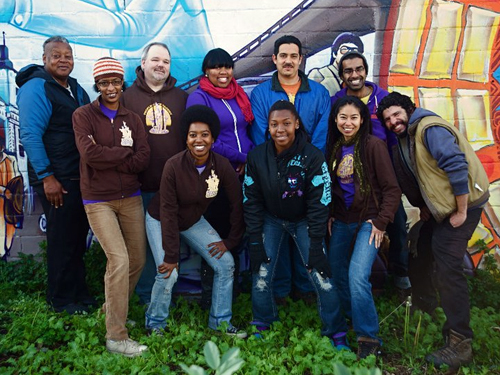
"title": "The Peoples Grocery Staff. Photo by Asual Aswad",
"credit": null,
"status": "inherit",
"isLoading": false,
"fetchFailed": false
}
},
"audioPlayerReducer": {
"postId": "stream_live",
"isPaused": true,
"isPlaying": false,
"pfsActive": false,
"pledgeModalIsOpen": true,
"playerDrawerIsOpen": false,
"liveAudioPlayStartedAt": 0,
"liveAudioPlayContext": ""
},
"authorsReducer": {
"wendy-goodfriend": {
"type": "authors",
"id": "5014",
"meta": {
"index": "authors_1716337520",
"id": "5014",
"found": true
},
"name": "Wendy Goodfriend",
"firstName": "Wendy",
"lastName": "Goodfriend",
"slug": "wendy-goodfriend",
"email": "wendy@wendygoodfriend.com",
"display_author_email": false,
"staff_mastheads": [],
"title": "KQED Contributor",
"bio": "I was the Senior Digital Producer for KQED Food up until July, 2018. Since 2001, I designed, produced, managed and contributed to mostly food-related websites and blogs for KQED including: KQED.org; KQED Food; Bay Area Bites; Check, Please! Bay Area; Taste This; Celebrity Chefs; seven of Jacques Pepin's TV series websites; and Joanne Weir's Cooking in the City. I initiated the majority of KQED Food's social media feeds and maintained them up until 2017. As far as content creation, photography is my passion and I also shoot video and write stories. My photos have been used in articles for KQED Food, News, Arts, and Science as well as for promotional purposes in print and online. Professional education and training includes: clinical psychology, photography, commercial cooking, web design, information architecture and UX.",
"avatar": "https://secure.gravatar.com/avatar/dfba64372339cc34cf17e446e6f18fa8?s=600&d=blank&r=g",
"twitter": null,
"facebook": "bayareabites",
"instagram": null,
"linkedin": "wendygoodfriend",
"sites": [
{
"site": "jpepinheart",
"roles": []
},
{
"site": "about",
"roles": [
"editor"
]
},
{
"site": "bayareabites",
"roles": [
"subscriber"
]
},
{
"site": "science",
"roles": [
"administrator"
]
},
{
"site": "checkplease",
"roles": [
"subscriber"
]
},
{
"site": "food",
"roles": [
"author"
]
},
{
"site": "essentialpepin",
"roles": [
"administrator"
]
}
],
"headData": {
"title": "Wendy Goodfriend | KQED",
"description": "KQED Contributor",
"ogImgSrc": "https://secure.gravatar.com/avatar/dfba64372339cc34cf17e446e6f18fa8?s=600&d=blank&r=g",
"twImgSrc": "https://secure.gravatar.com/avatar/dfba64372339cc34cf17e446e6f18fa8?s=600&d=blank&r=g"
},
"isLoading": false,
"link": "/author/wendy-goodfriend"
},
"denise-lincoln": {
"type": "authors",
"id": "5016",
"meta": {
"index": "authors_1716337520",
"id": "5016",
"found": true
},
"name": "Denise Santoro Lincoln",
"firstName": "Denise Santoro",
"lastName": "Lincoln",
"slug": "denise-lincoln",
"email": "dmsantoro@yahoo.com",
"display_author_email": false,
"staff_mastheads": [],
"title": null,
"bio": "I am a writer, editor, mother of twins, and enthusiastic home cook. I was raised by an Italian-American mother who, in the 1970s, grew her own basil (because she couldn’t find any in the local grocery stores), zucchini (for those delicious flowers), and tomatoes (because the ones in the store tasted like “a potato”). My mom taught us to love all kinds of food and revere high-quality ingredients. I am now trying to follow in my mother’s footsteps and am on a mission to help my daughters become adventurous eaters who have a healthy respect for seasonal food raised locally. My daughters and I grow vegetables and go to the farmers’ market. We also love to shop at Piedmont Grocery and Trader Joe’s. When I’m not hanging out with my daughters or cooking, I like to contribute to cookbooks (including Williams-Sonoma’s Food Made Fast and Foods of the World series), work as an editor, and write about food for \u003cstrong>Bay Area Bites\u003c/strong> and \u003cstrong>Denise's Kitchen\u003c/strong>. My food inspirations are M.F.K Fisher, Julia Child, and Alice Waters — three fabulous women who encompass everything I love about food.",
"avatar": "https://secure.gravatar.com/avatar/dc444b11959eca5e5364cfc2e4358efb?s=600&d=blank&r=g",
"twitter": null,
"facebook": null,
"instagram": null,
"linkedin": null,
"sites": [
{
"site": "bayareabites",
"roles": [
"contributor"
]
}
],
"headData": {
"title": "Denise Santoro Lincoln | KQED",
"description": null,
"ogImgSrc": "https://secure.gravatar.com/avatar/dc444b11959eca5e5364cfc2e4358efb?s=600&d=blank&r=g",
"twImgSrc": "https://secure.gravatar.com/avatar/dc444b11959eca5e5364cfc2e4358efb?s=600&d=blank&r=g"
},
"isLoading": false,
"link": "/author/denise-lincoln"
},
"stephanie-rosenbaum": {
"type": "authors",
"id": "5038",
"meta": {
"index": "authors_1716337520",
"id": "5038",
"found": true
},
"name": "Stephanie Rosenbaum Klassen",
"firstName": "Stephanie",
"lastName": "Rosenbaum Klassen",
"slug": "stephanie-rosenbaum",
"email": "dixieday@aol.com",
"display_author_email": false,
"staff_mastheads": [],
"title": "KQED Contributor",
"bio": "Stephanie Rosenbaum Klassen is a longtime local food writer, author, and cook. Her books include The Art of Vintage Cocktails (Egg & Dart Press), World of Doughnuts (Egg & Dart Press); Kids in the Kitchen: Fun Food (Williams Sonoma); Honey from Flower to Table (Chronicle Books) and The Astrology Cookbook: A Cosmic Guide to Feasts of Love (Manic D Press). She has studied organic farming at UCSC and holds a certificate in Ecological Horticulture from the Center for Agroecology and Sustainable Food Systems. She does frequent cooking demonstrations at local farmers’ markets and has taught food writing at Media Alliance in San Francisco and the Continuing Education program at Stanford University. She has been the lead restaurant critic for the San Francisco Bay Guardian as well as for San Francisco magazine. She has been an assistant chef at the Headlands Center for the Arts, an artists' residency program located in the Marin Headlands, and a production cook at the Marin Sun Farms Cafe in Pt Reyes Station. After some 20 years in San Francisco interspersed with stints in Oakland, Santa Cruz, Brooklyn, and Manhattan, she recently moved to Sonoma county but still writes in San Francisco several days a week.",
"avatar": "https://secure.gravatar.com/avatar/26520681f950a766c2c0eb9872646dec42b88de07cc4cdd65958385671e93cf7?s=600&d=mm&r=g",
"twitter": "sjrosenbaum",
"bluesky": null,
"facebook": null,
"instagram": null,
"linkedin": null,
"sites": [
{
"site": "bayareabites",
"roles": [
"subscriber"
]
},
{
"site": "food",
"roles": [
"subscriber"
]
}
],
"headData": {
"title": "Stephanie Rosenbaum Klassen | KQED",
"description": "KQED Contributor",
"ogImgSrc": "https://secure.gravatar.com/avatar/26520681f950a766c2c0eb9872646dec42b88de07cc4cdd65958385671e93cf7?s=600&d=mm&r=g",
"twImgSrc": "https://secure.gravatar.com/avatar/26520681f950a766c2c0eb9872646dec42b88de07cc4cdd65958385671e93cf7?s=600&d=mm&r=g"
},
"isLoading": false,
"link": "/author/stephanie-rosenbaum"
},
"andrewsimmons": {
"type": "authors",
"id": "5060",
"meta": {
"index": "authors_1716337520",
"id": "5060",
"found": true
},
"name": "Andrew Simmons",
"firstName": "Andrew",
"lastName": "Simmons",
"slug": "andrewsimmons",
"email": "adlsimmons@gmail.com",
"display_author_email": false,
"staff_mastheads": [],
"title": null,
"bio": "Andrew is from Louisville, Kentucky. He lives in San Francisco, plays music, works with kids, and writes for a variety of magazines and newspapers, including The Oakland Tribune, The Contra Costa County Times, Wine Enthusiast, The Onion, and Thrasher. Pro: hush puppies, green garlic, caramel ice cream, Japanese sweet potatoes, smelts, Larb Ped, beer, wine, cocktails, and assorted dumplings; con: milk, chips, and candy.",
"avatar": "https://secure.gravatar.com/avatar/42e85c65b8e2ff85837caa9418e48a7a?s=600&d=blank&r=g",
"twitter": null,
"facebook": null,
"instagram": null,
"linkedin": null,
"sites": [
{
"site": "bayareabites",
"roles": [
"contributor"
]
}
],
"headData": {
"title": "Andrew Simmons | KQED",
"description": null,
"ogImgSrc": "https://secure.gravatar.com/avatar/42e85c65b8e2ff85837caa9418e48a7a?s=600&d=blank&r=g",
"twImgSrc": "https://secure.gravatar.com/avatar/42e85c65b8e2ff85837caa9418e48a7a?s=600&d=blank&r=g"
},
"isLoading": false,
"link": "/author/andrewsimmons"
},
"sarahhenry": {
"type": "authors",
"id": "5125",
"meta": {
"index": "authors_1716337520",
"id": "5125",
"found": true
},
"name": "Sarah Henry",
"firstName": "Sarah",
"lastName": "Henry",
"slug": "sarahhenry",
"email": "sarahhenry0509@gmail.com",
"display_author_email": false,
"staff_mastheads": [],
"title": null,
"bio": "\u003ca href=\"http://www.sarahhenrywriter.com/\">Sarah Henry\u003c/a> hails from Sydney, Australia, where she grew up eating lamingtons, Vegemite, and prawns (not shrimp) on the barbie (barbecue). Sarah has called the Bay Area home for the past two decades and remembers how delighted she was when a modest farmers' market sprouted in downtown San Francisco years ago. As a freelance writer Sarah has covered local food people, places, politics, culture, and news for the \u003ca href=\"http://www.sfgate.com/food/article/Latina-entrepreneurs-share-wealth-knowledge-2693764.php\">San Francisco Chronicle\u003c/a>, \u003ca href=\"http://www.mercurynews.com/food-wine/ci_21619882/good-eggs-pie-subscriptions-and-seafood-deliveries\">San Jose Mercury News\u003c/a>, \u003ca href=\"http://alumni.berkeley.edu/news/california-magazine/fall-2011-good-fight/justice%E2%80%94and-good-grub%E2%80%94-all\">California\u003c/a>, \u003ca href=\"http://www.modernluxury.com/san-francisco\">San Francisco\u003c/a>, \u003ca href=\"http://www.diablomag.com/Diablo-Magazine/November-2012/Artisan-Eats/\">Diablo\u003c/a>, \u003ca href=\"http://www.ediblecommunities.com/eastbay/fall-2012/school-lunch-20.htm\">Edible East Bay\u003c/a>, \u003ca href=\"http://www.ediblecommunities.com/marinandwinecountry/summer-2012-issue-14/getting-wild-at-a-west-marin-supper-club.htm\">Edible Marin & Wine Country\u003c/a>, and \u003ca href=\"http://www.berkeleyside.com/\">Berkeleyside\u003c/a>. A contributor to the national food policy site \u003ca href=\"http://civileats.com/\">Civil Eats\u003c/a>, her stories have also appeared in \u003ca href=\"http://www.theatlantic.com/sarah-henry/\">The Atlantic\u003c/a>, \u003ca href=\"http://www.afar.com/highlights/kamal-mouzawaks-beirut-lebanon\">AFAR\u003c/a>, \u003ca href=\"http://www.gilttaste.com/stories/5207-a-family-tied-together-by-apron-strings\">Gilt Taste\u003c/a>, \u003ca href=\"http://www.lhj.com/community/your-stories/whats-for-dinner-dude/?page=1\">Ladies' Home Journal\u003c/a>, \u003ca href=\"http://grist.org/author/sarah-henry/\">Grist\u003c/a>, \u003ca href=\"http://www.shareable.net/users/sarah-henry\">Shareable\u003c/a>, and \u003ca href=\"http://www.eatingwell.com/food_news_origins/green_sustainable/host_a_diy_food_swap\">Eating Well\u003c/a>. An epicurean tour guide for \u003ca href=\"http://edibleexcursions.net/\">Edible Excursions\u003c/a>, Sarah is the voice behind the blog \u003ca href=\"http://lettuceeatkale.com/\">Lettuce Eat Kale\u003c/a> and \u003ca href=\"http://twitter.com/lettuceeatkale\">tweets\u003c/a> under that moniker too.",
"avatar": "https://secure.gravatar.com/avatar/3fcd7301e44f9b621f8c9fc7ad678ac7?s=600&d=blank&r=g",
"twitter": "lettuceeatkale",
"facebook": "pages/Lettuce-Eat-Kale/239312194611",
"instagram": null,
"linkedin": null,
"sites": [
{
"site": "bayareabites",
"roles": [
"contributor"
]
},
{
"site": "food",
"roles": [
"contributor"
]
}
],
"headData": {
"title": "Sarah Henry | KQED",
"description": null,
"ogImgSrc": "https://secure.gravatar.com/avatar/3fcd7301e44f9b621f8c9fc7ad678ac7?s=600&d=blank&r=g",
"twImgSrc": "https://secure.gravatar.com/avatar/3fcd7301e44f9b621f8c9fc7ad678ac7?s=600&d=blank&r=g"
},
"isLoading": false,
"link": "/author/sarahhenry"
},
"elainewu": {
"type": "authors",
"id": "5127",
"meta": {
"index": "authors_1716337520",
"id": "5127",
"found": true
},
"name": "Elaine Wu",
"firstName": "Elaine",
"lastName": "Wu",
"slug": "elainewu",
"email": "virgoblueproductions@gmail.com",
"display_author_email": false,
"staff_mastheads": [],
"title": null,
"bio": "Elaine spent 12 years as a producer, writer, and correspondent for television and radio both in the Bay Area (KPIX/CBS 5, KSAN FM, KTCT AM) and in Asia (Metro Radio, MTV Asia). She has been nominated for three Emmy Award nominations for her work on the program “Evening Magazine.” She then moved on to Silicon Valley where she managed social media, public relations, and event planning for various tech companies such as Intuit, BlogHer, Rocket Fuel, and Vocera.\r\n\r\n \r\n\r\nIn 2007, Elaine started her own blog (then called “VirgoBlue”) highlighting some of her favorite restaurants around the Bay Area. These days, her blog “\u003ca href=\"http://www.virgoinwonderland.wordpress.com\">Virgo in Wonderland\u003c/a>” still reflects her love of food, as well as travel, fascinating people she’s met, and her family’s Disneyland adventures. Her food dislikes include okra, lamb, sweet potatoes, and yellow cheese on pizza. Follow her on Instagram @virgoinwonderland",
"avatar": "https://secure.gravatar.com/avatar/2cd3b96be5e7a29bf2c745e3f33cc74b?s=600&d=blank&r=g",
"twitter": null,
"facebook": null,
"instagram": null,
"linkedin": null,
"sites": [
{
"site": "bayareabites",
"roles": [
"contributor"
]
}
],
"headData": {
"title": "Elaine Wu | KQED",
"description": null,
"ogImgSrc": "https://secure.gravatar.com/avatar/2cd3b96be5e7a29bf2c745e3f33cc74b?s=600&d=blank&r=g",
"twImgSrc": "https://secure.gravatar.com/avatar/2cd3b96be5e7a29bf2c745e3f33cc74b?s=600&d=blank&r=g"
},
"isLoading": false,
"link": "/author/elainewu"
}
},
"pagesReducer": {
"bayareabites_category_economy-and-food-costs": {
"type": "terms",
"id": "bayareabites_1962",
"meta": {
"index": "terms_1716263798",
"site": "bayareabites",
"id": "1962",
"score": 13.896381
},
"featImg": null,
"name": "economy and food costs",
"description": null,
"taxonomy": "category",
"headData": {
"twImgId": null,
"twTitle": null,
"ogTitle": null,
"ogImgId": null,
"twDescription": null,
"description": null,
"title": "economy and food costs Archives | KQED Bay Area Bites",
"ogDescription": null
},
"ttid": 1488,
"slug": "economy-and-food-costs",
"isLoading": false,
"title": "economy and food costs",
"pageMeta": {
"site": "bayareabites",
"WpPageTemplate": "page-topic-editorial",
"currentPage": 21
},
"blocks": [
{
"blockName": "kqed/post-list",
"attrs": {
"layout": "cardArticle2",
"query": "posts/bayareabites?category=economy-and-food-costs",
"seeMore": false,
"paginated": true,
"page": 21
}
},
{
"blockName": "kqed/ad"
}
]
}
},
"pfsSessionReducer": {},
"postsReducer": {
"stream_live": {
"type": "live",
"id": "stream_live",
"audioUrl": "https://streams.kqed.org/kqedradio",
"title": "Live Stream",
"excerpt": "Live Stream information currently unavailable.",
"link": "/radio",
"featImg": "",
"label": {
"name": "KQED Live",
"link": "/"
}
},
"stream_kqedNewscast": {
"type": "posts",
"id": "stream_kqedNewscast",
"audioUrl": "https://www.kqed.org/.stream/anon/radio/RDnews/newscast.mp3?_=1",
"title": "KQED Newscast",
"featImg": "",
"label": {
"name": "88.5 FM",
"link": "/"
}
},
"bayareabites_31857": {
"type": "posts",
"id": "bayareabites_31857",
"meta": {
"index": "posts_1716263798",
"site": "bayareabites",
"id": "31857",
"score": null,
"sort": [
1314121032000
]
},
"parent": 0,
"labelTerm": {
"site": "bayareabites"
},
"blocks": [],
"publishDate": 1314121032,
"format": "aside",
"disqusTitle": "Edible Education 101: Rock Stars of Food Movement Teach UC Berkeley Class",
"title": "Edible Education 101: Rock Stars of Food Movement Teach UC Berkeley Class",
"headTitle": "Bay Area Bites | KQED Food",
"content": "\u003cp>\u003ca href=\"http://ww2.kqed.org/bayareabites/wp-content/uploads/sites/24/2011/08/Nikki-Henderson1.jpg\">\u003cimg src=\"http://ww2.kqed.org/bayareabites/wp-content/uploads/sites/24/2011/08/Nikki-Henderson1.jpg\" alt=\"Nikki Henderson. Image: Peoples Grocery\" title=\"Nikki Henderson. Image: Peoples Grocery\" width=\"300\" height=\"451\" class=\"alignnone size-full wp-image-31877\">\u003c/a>\u003cbr>\n\u003cem>\u003cstrong>Nikki Henderson\u003c/strong>. Photo: People's Grocery\u003c/em>\u003c/p>\n\u003cp>A new class at UC Berkeley is getting a lot of buzz. \u003ca href=\"http://www.chezpanissefoundation.org/edible-education-101\">Edible Education: The Rise and Future of the Food Movement\u003c/a> is all about food politics. In an unusual step, Cal is opening up the 13-week course to the general public. Well, the class was open to all. Three hundred free tickets for the first night were snatched up in less than fifteen minutes. Student enrollment filled up just as fast. Edible Education is being organized, and funded, by Alice Water’s \u003ca href=\"http://www.chezpanissefoundation.org/\">Chez Pannise Foundation\u003c/a>. \u003ca href=\"http://revolutionandevolution.blogspot.com/\">Nikki Henderson\u003c/a>, the executive director of \u003ca href=\"http://www.peoplesgrocery.org/\">People’s Grocery\u003c/a> in Oakland, along with author and U.C. Berkeley journalism professor \u003ca href=\"http://michaelpollan.com/press-kit/\">Michael Pollan\u003c/a>, will co-teach the semester course.\u003c/p>\n\u003cp>\u003ca href=\"http://ww2.kqed.org/bayareabites/wp-content/uploads/sites/24/2011/08/michael-pollan-Credit-Alia-Malley5.jpg\">\u003cimg src=\"http://ww2.kqed.org/bayareabites/wp-content/uploads/sites/24/2011/08/michael-pollan-Credit-Alia-Malley5.jpg\" alt=\"michael-pollan-Credit Alia Malley\" title=\"michael-pollan-Credit Alia Malley\" width=\"307\" height=\"451\" class=\"alignnone size-full wp-image-31985\">\u003c/a>\u003cbr>\n\u003cem>\u003cstrong>Michael Pollan\u003c/strong>. Photo: Alia Malley\u003c/em>\u003c/p>\n\u003cp>Think of the sustainable food movement as a dinner party. Edible Education will take a look at the guest list and topics of conversation. How do the slow food movement and food justice fit together? What does corporate food look like? The class will feature immigrant farm workers telling their own stories. Each week will include a guest lecturer.\u003c/p>\n\u003cul>\n\u003cstrong>Here’s the line-up:\u003c/strong>\n\u003cli>8/30: The Global Food Movement, Founder \u003ca href=\"http://en.wikipedia.org/wiki/Carlo_Petrini\">Carlo Petrini\u003c/a> with Corby Kummer\u003c/li>\n\u003cli>9/6: Building a Successful Movement, \u003ca href=\"http://www.vilcek.org/prizes/essays-presentations/the-world-on-our.html\">Peter Sellars\u003c/a>\u003c/li>\n\u003cli>9/13: The Politics of Food, \u003ca href=\"http://www.foodpolitics.com/2011/06/what-will-usdas-food-plate-look-like/\">Marion Nestle\u003c/a>, Ph.D., M.P.H.\u003c/li>\n\u003cli>9/20: Perspectives on Race, Place & Food, Alegria De La Cruz, Rebecca Flournoy, \u003ca href=\"http://colorlines.com/archives/2011/02/americas_food_sweatshops_and_the_workers_of_color_who_feed_us.html\">Yvonne Yen Liu\u003c/a>\u003c/li>\n\u003cli>9/27: Nutrition, Health and Diet Related Disease, Patricia Crawford & \u003ca href=\"http://www.ucsf.edu/news/2010/03/3222/ucsf-lecture-sugar-and-obesity-goes-viral-experts-confront-health-cri\">Robert Lustig\u003c/a>\u003c/li>\n\u003cli>10/4: Corporations & the Food Movement, \u003ca href=\"http://investors.walmartstores.com/phoenix.zhtml?c=112761&p=irol-govBio&ID=188157\">Jack Sinclair\u003c/a>, Jib Ellison, Michael Pollan\u003c/li>\n\u003cli>10/11: School Lunch and Edible Schoolyards, \u003ca href=\"http://edibleschoolyard.org/\">Ann Cooper\u003c/a>\u003c/li>\n\u003cli>10/18: Global Economies of Food: GMOs, and Feeding the World, \u003ca href=\"http://rajpatel.org/\">Raj Patel\u003c/a>\u003c/li>\n\u003cli>10/25: Agriculture and Social Justice, \u003ca href=\"http://en.wikipedia.org/wiki/Eric_Schlosser\">Eric Schlosser\u003c/a>, Greg Asbed & \u003ca href=\"http://www.ciw-online.org/\">Lucas Benitez\u003c/a>\u003c/li>\n\u003cli>11/1: What is an Edible Education? \u003ca href=\"http://www.chezpanisse.com/about/alice-waters/\">Alice Waters\u003c/a>\u003c/li>\n\u003cli>11/8: Food and the Environment, \u003ca href=\"http://www.smallplanet.org/about/frances/bio\">Frances Moore Lappé\u003c/a> & Gidon Eshel\n\u003c/li>\u003cli>11/22: \u003ca href=\"http://vanjones.net/\">Van Jones\u003c/a>\u003c/li>\n\n\u003cli>11/29: Place Based Models of Change, \u003ca href=\"http://www.globalonenessproject.org/interviewee/brahm-ahmadi\">Brahm Ahmadi\u003c/a>, Hank Herrera\u003c/li>\n\u003c/ul>\n\u003cp>The class is every Tuesday from August 30th through November 29th, 6-7:30pm (doors open at 5:30pm) at the Wheeler Auditorium at UC Berkeley.\u003c/p>\n\u003cp>[ad fullwidth]\u003c/p>\n\u003cp>\u003ca href=\"http://www.ticketweb.com/snl/EventListings.action?pl=panisse&orgId=130613\">Tickets will be available, free of charge, six days before each class\u003c/a>.\u003c/p>\n\u003cp>Bay Area Bites will provide coverage of the course. \u003c/p>\n\u003cp>\u003c/p>\n\u003cp>\u003cstrong>Related Articles:\u003c/strong>\u003cbr>\n\u003ca href=\"http://www.berkeleyside.com/2011/08/19/nikki-henderson-on-the-frontlines-of-edible-education/\">Nikki Henderson: On the frontlines of edible education\u003c/a> by \u003ca href=\"http://twitter.com/#!/lettuceeatkale\">Sarah Henry\u003c/a> (Berkeleyside)\u003c/p>\n\n",
"disqusIdentifier": "31857 http://blogs.kqed.org/bayareabites/?p=31857",
"disqusUrl": "https://ww2.kqed.org/bayareabites/2011/08/23/edible-education-101-rock-stars-of-food-movement-teach-uc-berkeley-class/",
"stats": {
"hasVideo": false,
"hasChartOrMap": false,
"hasAudio": false,
"hasPolis": false,
"wordCount": 404,
"hasGoogleForm": false,
"hasGallery": false,
"hasHearkenModule": false,
"iframeSrcs": [],
"paragraphCount": 10
},
"modified": 1314238888,
"excerpt": "New UC Berkeley class explores food politics with some of the food movement's biggest names. The popular class is open to the general public.",
"headData": {
"twImgId": "",
"twTitle": "",
"ogTitle": "",
"ogImgId": "",
"twDescription": "",
"description": "New UC Berkeley class explores food politics with some of the food movement's biggest names. The popular class is open to the general public.",
"title": "Edible Education 101: Rock Stars of Food Movement Teach UC Berkeley Class | KQED",
"ogDescription": "",
"schema": {
"@context": "https://schema.org",
"@type": "Article",
"headline": "Edible Education 101: Rock Stars of Food Movement Teach UC Berkeley Class",
"datePublished": "2011-08-23T10:37:12-07:00",
"dateModified": "2011-08-24T19:21:28-07:00",
"image": "https://cdn.kqed.org/wp-content/uploads/2020/02/KQED-OG-Image@1x.png"
}
},
"guestAuthors": [],
"slug": "edible-education-101-rock-stars-of-food-movement-teach-uc-berkeley-class",
"status": "publish",
"path": "/bayareabites/31857/edible-education-101-rock-stars-of-food-movement-teach-uc-berkeley-class",
"audioTrackLength": null,
"parsedContent": [
{
"type": "contentString",
"content": "\u003cdiv class=\"post-body\">\u003cp>\u003cp>\u003ca href=\"http://ww2.kqed.org/bayareabites/wp-content/uploads/sites/24/2011/08/Nikki-Henderson1.jpg\">\u003cimg src=\"http://ww2.kqed.org/bayareabites/wp-content/uploads/sites/24/2011/08/Nikki-Henderson1.jpg\" alt=\"Nikki Henderson. Image: Peoples Grocery\" title=\"Nikki Henderson. Image: Peoples Grocery\" width=\"300\" height=\"451\" class=\"alignnone size-full wp-image-31877\">\u003c/a>\u003cbr>\n\u003cem>\u003cstrong>Nikki Henderson\u003c/strong>. Photo: People's Grocery\u003c/em>\u003c/p>\n\u003cp>A new class at UC Berkeley is getting a lot of buzz. \u003ca href=\"http://www.chezpanissefoundation.org/edible-education-101\">Edible Education: The Rise and Future of the Food Movement\u003c/a> is all about food politics. In an unusual step, Cal is opening up the 13-week course to the general public. Well, the class was open to all. Three hundred free tickets for the first night were snatched up in less than fifteen minutes. Student enrollment filled up just as fast. Edible Education is being organized, and funded, by Alice Water’s \u003ca href=\"http://www.chezpanissefoundation.org/\">Chez Pannise Foundation\u003c/a>. \u003ca href=\"http://revolutionandevolution.blogspot.com/\">Nikki Henderson\u003c/a>, the executive director of \u003ca href=\"http://www.peoplesgrocery.org/\">People’s Grocery\u003c/a> in Oakland, along with author and U.C. Berkeley journalism professor \u003ca href=\"http://michaelpollan.com/press-kit/\">Michael Pollan\u003c/a>, will co-teach the semester course.\u003c/p>\n\u003cp>\u003ca href=\"http://ww2.kqed.org/bayareabites/wp-content/uploads/sites/24/2011/08/michael-pollan-Credit-Alia-Malley5.jpg\">\u003cimg src=\"http://ww2.kqed.org/bayareabites/wp-content/uploads/sites/24/2011/08/michael-pollan-Credit-Alia-Malley5.jpg\" alt=\"michael-pollan-Credit Alia Malley\" title=\"michael-pollan-Credit Alia Malley\" width=\"307\" height=\"451\" class=\"alignnone size-full wp-image-31985\">\u003c/a>\u003cbr>\n\u003cem>\u003cstrong>Michael Pollan\u003c/strong>. Photo: Alia Malley\u003c/em>\u003c/p>\n\u003cp>Think of the sustainable food movement as a dinner party. Edible Education will take a look at the guest list and topics of conversation. How do the slow food movement and food justice fit together? What does corporate food look like? The class will feature immigrant farm workers telling their own stories. Each week will include a guest lecturer.\u003c/p>\n\u003cul>\n\u003cstrong>Here’s the line-up:\u003c/strong>\n\u003cli>8/30: The Global Food Movement, Founder \u003ca href=\"http://en.wikipedia.org/wiki/Carlo_Petrini\">Carlo Petrini\u003c/a> with Corby Kummer\u003c/li>\n\u003cli>9/6: Building a Successful Movement, \u003ca href=\"http://www.vilcek.org/prizes/essays-presentations/the-world-on-our.html\">Peter Sellars\u003c/a>\u003c/li>\n\u003cli>9/13: The Politics of Food, \u003ca href=\"http://www.foodpolitics.com/2011/06/what-will-usdas-food-plate-look-like/\">Marion Nestle\u003c/a>, Ph.D., M.P.H.\u003c/li>\n\u003cli>9/20: Perspectives on Race, Place & Food, Alegria De La Cruz, Rebecca Flournoy, \u003ca href=\"http://colorlines.com/archives/2011/02/americas_food_sweatshops_and_the_workers_of_color_who_feed_us.html\">Yvonne Yen Liu\u003c/a>\u003c/li>\n\u003cli>9/27: Nutrition, Health and Diet Related Disease, Patricia Crawford & \u003ca href=\"http://www.ucsf.edu/news/2010/03/3222/ucsf-lecture-sugar-and-obesity-goes-viral-experts-confront-health-cri\">Robert Lustig\u003c/a>\u003c/li>\n\u003cli>10/4: Corporations & the Food Movement, \u003ca href=\"http://investors.walmartstores.com/phoenix.zhtml?c=112761&p=irol-govBio&ID=188157\">Jack Sinclair\u003c/a>, Jib Ellison, Michael Pollan\u003c/li>\n\u003cli>10/11: School Lunch and Edible Schoolyards, \u003ca href=\"http://edibleschoolyard.org/\">Ann Cooper\u003c/a>\u003c/li>\n\u003cli>10/18: Global Economies of Food: GMOs, and Feeding the World, \u003ca href=\"http://rajpatel.org/\">Raj Patel\u003c/a>\u003c/li>\n\u003cli>10/25: Agriculture and Social Justice, \u003ca href=\"http://en.wikipedia.org/wiki/Eric_Schlosser\">Eric Schlosser\u003c/a>, Greg Asbed & \u003ca href=\"http://www.ciw-online.org/\">Lucas Benitez\u003c/a>\u003c/li>\n\u003cli>11/1: What is an Edible Education? \u003ca href=\"http://www.chezpanisse.com/about/alice-waters/\">Alice Waters\u003c/a>\u003c/li>\n\u003cli>11/8: Food and the Environment, \u003ca href=\"http://www.smallplanet.org/about/frances/bio\">Frances Moore Lappé\u003c/a> & Gidon Eshel\n\u003c/li>\u003cli>11/22: \u003ca href=\"http://vanjones.net/\">Van Jones\u003c/a>\u003c/li>\n\n\u003cli>11/29: Place Based Models of Change, \u003ca href=\"http://www.globalonenessproject.org/interviewee/brahm-ahmadi\">Brahm Ahmadi\u003c/a>, Hank Herrera\u003c/li>\n\u003c/ul>\n\u003cp>The class is every Tuesday from August 30th through November 29th, 6-7:30pm (doors open at 5:30pm) at the Wheeler Auditorium at UC Berkeley.\u003c/p>\n\u003cp>\u003c/p>\u003c/div>",
"attributes": {
"named": {},
"numeric": []
}
},
{
"type": "component",
"content": "",
"name": "ad",
"attributes": {
"named": {
"label": "fullwidth"
},
"numeric": [
"fullwidth"
]
}
},
{
"type": "contentString",
"content": "\u003cdiv class=\"post-body\">\u003cp>\u003c/p>\n\u003cp>\u003ca href=\"http://www.ticketweb.com/snl/EventListings.action?pl=panisse&orgId=130613\">Tickets will be available, free of charge, six days before each class\u003c/a>.\u003c/p>\n\u003cp>Bay Area Bites will provide coverage of the course. \u003c/p>\n\u003cp>\u003c/p>\n\u003cp>\u003cstrong>Related Articles:\u003c/strong>\u003cbr>\n\u003ca href=\"http://www.berkeleyside.com/2011/08/19/nikki-henderson-on-the-frontlines-of-edible-education/\">Nikki Henderson: On the frontlines of edible education\u003c/a> by \u003ca href=\"http://twitter.com/#!/lettuceeatkale\">Sarah Henry\u003c/a> (Berkeleyside)\u003c/p>\n\n\u003c/div>\u003c/p>",
"attributes": {
"named": {},
"numeric": []
}
}
],
"link": "/bayareabites/31857/edible-education-101-rock-stars-of-food-movement-teach-uc-berkeley-class",
"authors": [
"5101"
],
"categories": [
"bayareabites_752",
"bayareabites_63",
"bayareabites_64",
"bayareabites_1962",
"bayareabites_1874",
"bayareabites_95",
"bayareabites_3032",
"bayareabites_4084",
"bayareabites_2554",
"bayareabites_1245",
"bayareabites_2035",
"bayareabites_60"
],
"tags": [
"bayareabites_234",
"bayareabites_583",
"bayareabites_9646",
"bayareabites_9645",
"bayareabites_8729",
"bayareabites_744",
"bayareabites_2722",
"bayareabites_669",
"bayareabites_97",
"bayareabites_9098",
"bayareabites_9097",
"bayareabites_1158",
"bayareabites_9224",
"bayareabites_9648",
"bayareabites_9649",
"bayareabites_9647"
],
"featImg": "bayareabites_32124",
"label": "bayareabites"
},
"bayareabites_26313": {
"type": "posts",
"id": "bayareabites_26313",
"meta": {
"index": "posts_1716263798",
"site": "bayareabites",
"id": "26313",
"score": null,
"sort": [
1302797821000
]
},
"parent": 0,
"labelTerm": {
"site": "bayareabites"
},
"blocks": [],
"publishDate": 1302797821,
"format": "aside",
"disqusTitle": "Foodies Have Their Pick of Online Coupon Sites ",
"title": "Foodies Have Their Pick of Online Coupon Sites ",
"headTitle": "Bay Area Bites | KQED Food",
"content": "\u003cp>\u003cimg src=\"http://ww2.kqed.org/bayareabites/wp-content/uploads/sites/24/2011/04/online-coupon-sites.jpg\" alt=\"collage of online coupon websites\" title=\"collage of online coupon websites\" width=\"500\" height=\"400\" class=\"alignnone size-full wp-image-26338\">\u003c/p>\n\u003cp>It’s no secret that online coupons are exploding in popularity, especially for foodies looking to spend less on a great meal. I’ve purchased more than my fair share. And a \u003ca href=\"http://www.blogher.com/2011-social-media-matters-study\">recent study released by BlogHer\u003c/a> even states that 51% of all women online are using coupon sites like \u003ca href=\"http://www.groupon.com/\">Groupon\u003c/a> and \u003ca href=\"http://livingsocial.com/\">LivingSocial\u003c/a>.\u003c/p>\n\u003cp>However, a recent \u003ca href=\"http://www.nytimes.com/2011/04/13/dining/13discounts.html\">New York Times\u003c/a> article discussed whether restaurants actually benefit from the online coupon trend. It seems to be a trade-off with some establishments finding them a positive marketing tool while others claiming the discounts do not boost profits. \u003c/p>\n\u003cp>Let’s breakdown the different types of online coupon sites recently popular with food lovers.\u003c/p>\n\u003cp>Sites like \u003ca href=\"http://www.scoutmob.com/\">Scoutmob\u003c/a> and \u003ca href=\"http://www.blackboardeats.com/\">Blackboard Eats\u003c/a> offer users a discount passcode to various eateries that they can access on their mobile phones and use the next time they frequent that business. There’s no pre-purchasing a certificate or gift card, involved. Blackboard Eats, however, does charge $1 for each passcode you want, or a fee of $20 for unlimited access to their discounts for one year.\u003c/p>\n\u003cp>[ad fullwidth]\u003c/p>\n\u003cp>\u003ca href=\"http://www.restaurant.com/\">Restaurant.com\u003c/a> allows you to purchase gift certificates to a large list of pre-determined restaurants affiliated with the site, at a huge discount. Many times, you can find a discount code online for up to 80% off the listed price, which can bring a $25 gift certificate down to $5. There are many restrictions, though, and they differ with each restaurant, so it pays to read the fine print before you confirm your order.\u003c/p>\n\u003cp>That brings us to sites like \u003ca href=\"http://dealpulp.com/\">DealPulp\u003c/a>, \u003ca href=\"http://townhog.com/\">TownHog\u003c/a>, \u003ca href=\"http://livingsocial.com/\">LivingSocial\u003c/a> and \u003ca href=\"http://www.groupon.com/\">Groupon\u003c/a>, which require you to pre-pay for a largely discounted deal at a variety of different merchants, including eateries. Deals are usually 50% off or more, and have less restrictions than a certificate from Restaurant.com. Deals change daily, so you have a limited amount of time to purchase it.\u003c/p>\n\u003cp>There have been \u003ca href=\"http://posiescafe.com/wp/?p=316\">horror stories\u003c/a> of some merchants being overwhelmed by the popularity of their online coupon or discount, and not being able to handle the response. But the owner of \u003ca href=\"http://www.milkshakewerks.com/\">Milkshake Werks\u003c/a>, Leslie Widmann in Redwood Shores had a great experience working with one of these sites. \u003c/p>\n\u003cblockquote>\u003cp>“Groupon helped us set up a structure that would be good for our business. It was a great experience for us. The result was almost instant increased awareness of our business. Even folks who didn’t purchase the offer came by because they didn’t know about us. Now many of them are regulars.”\u003c/p>\u003c/blockquote>\n\u003cp>But success in the world of online coupons for a merchant doesn’t necessarily translate into dollars. It’s more about marketing.\u003c/p>\n\u003cp>Widmann explains, “You have to look at it in terms of effective advertising and where you’re going to spend your ad and marketing dollars. We’ve done some print ads and the effect was very subtle. The urgency and instant name recognition of a site like Groupon sparks excitement and people feel like they have to take advantage of the deal right away.”\u003c/p>\n\u003cp>Scoutmob’s social media manager, Nicole Jayne, has a similar theory for why online coupon sites are so successful. \u003c/p>\n\u003cblockquote>\u003cp>“In the past, for a local small business, the only advertising options they had were billboards, radio, television and print. There was no real way to measure the success of that type of marketing. Online coupon sites allow these businesses to measure the effectiveness of getting their name out there almost instantly and translate that into traffic and revenue.”\u003c/p>\u003c/blockquote>\n\u003cp>There’s also no doubt the popularity of these sites is due in part to the recession and unstable economy. However, couponing is no flash in the pan trend, says Denise Tanton, the senior community manager at BlogHer. She, herself, recently started writing a popular series of blog posts about \u003ca href=\"http://www.blogher.com/planning-extreme-couponing-shopping-trip\">extreme couponing\u003c/a>. “I started noticing couponing blogs more and thought this was a new trend. But after researching, I realized it wasn’t new, it’s just that the media has caught on because of the recession. And now \u003ca href=\"http://tlc.howstuffworks.com/tv/extreme-couponing\">TLC\u003c/a> has latched on to it with a new show.”\u003c/p>\n\u003cp>\u003c/p>\n\u003cp>She says coupons have been popular since the seventies. Even with the slowly improving economy, coupons will never go away, just evolve.\u003c/p>\n\u003cblockquote>\u003cp>“I think we’re going to see more e-coupons, texted and mobile coupons. As smartphones become more pervasive, we’ll see more companies offering digital and smartphone based coupons. Companies will get more control over their offers that way.”\u003c/p>\u003c/blockquote>\n\u003col>\nAs for the money-saving food lover like me, there are three rules I live by before I hit “purchase”:\n\u003cli>Would I actually go to this eatery, even if I didn’t have this coupon? If I don’t answer yes, I’m out.\u003c/li>\n\u003cli>Did I read the fine print? Some of these places don’t allow you to use your offer on a Friday or Saturday, have restricted times, or have expiration dates that are sooner than you’d like.\u003c/li>\n\u003cli>It’s not a deal, unless you actually use it.\u003c/li>\n\u003c/ol>\n\n",
"disqusIdentifier": "26313 http://blogs.kqed.org/bayareabites/?p=26313",
"disqusUrl": "https://ww2.kqed.org/bayareabites/2011/04/14/foodies-have-their-pick-of-online-coupon-sites/",
"stats": {
"hasVideo": false,
"hasChartOrMap": false,
"hasAudio": false,
"hasPolis": false,
"wordCount": 867,
"hasGoogleForm": false,
"hasGallery": false,
"hasHearkenModule": false,
"iframeSrcs": [],
"paragraphCount": 18
},
"modified": 1302797821,
"excerpt": "An overview of the trend of online coupon sites for restaurant deals. Who benefits and who does not?",
"headData": {
"twImgId": "",
"twTitle": "",
"ogTitle": "",
"ogImgId": "",
"twDescription": "",
"description": "An overview of the trend of online coupon sites for restaurant deals. Who benefits and who does not?",
"title": "Foodies Have Their Pick of Online Coupon Sites | KQED",
"ogDescription": "",
"schema": {
"@context": "https://schema.org",
"@type": "Article",
"headline": "Foodies Have Their Pick of Online Coupon Sites ",
"datePublished": "2011-04-14T09:17:01-07:00",
"dateModified": "2011-04-14T09:17:01-07:00",
"image": "https://cdn.kqed.org/wp-content/uploads/2020/02/KQED-OG-Image@1x.png"
}
},
"guestAuthors": [],
"slug": "foodies-have-their-pick-of-online-coupon-sites",
"status": "publish",
"path": "/bayareabites/26313/foodies-have-their-pick-of-online-coupon-sites",
"audioTrackLength": null,
"parsedContent": [
{
"type": "contentString",
"content": "\u003cdiv class=\"post-body\">\u003cp>\u003cp>\u003cimg src=\"http://ww2.kqed.org/bayareabites/wp-content/uploads/sites/24/2011/04/online-coupon-sites.jpg\" alt=\"collage of online coupon websites\" title=\"collage of online coupon websites\" width=\"500\" height=\"400\" class=\"alignnone size-full wp-image-26338\">\u003c/p>\n\u003cp>It’s no secret that online coupons are exploding in popularity, especially for foodies looking to spend less on a great meal. I’ve purchased more than my fair share. And a \u003ca href=\"http://www.blogher.com/2011-social-media-matters-study\">recent study released by BlogHer\u003c/a> even states that 51% of all women online are using coupon sites like \u003ca href=\"http://www.groupon.com/\">Groupon\u003c/a> and \u003ca href=\"http://livingsocial.com/\">LivingSocial\u003c/a>.\u003c/p>\n\u003cp>However, a recent \u003ca href=\"http://www.nytimes.com/2011/04/13/dining/13discounts.html\">New York Times\u003c/a> article discussed whether restaurants actually benefit from the online coupon trend. It seems to be a trade-off with some establishments finding them a positive marketing tool while others claiming the discounts do not boost profits. \u003c/p>\n\u003cp>Let’s breakdown the different types of online coupon sites recently popular with food lovers.\u003c/p>\n\u003cp>Sites like \u003ca href=\"http://www.scoutmob.com/\">Scoutmob\u003c/a> and \u003ca href=\"http://www.blackboardeats.com/\">Blackboard Eats\u003c/a> offer users a discount passcode to various eateries that they can access on their mobile phones and use the next time they frequent that business. There’s no pre-purchasing a certificate or gift card, involved. Blackboard Eats, however, does charge $1 for each passcode you want, or a fee of $20 for unlimited access to their discounts for one year.\u003c/p>\n\u003cp>\u003c/p>\u003c/div>",
"attributes": {
"named": {},
"numeric": []
}
},
{
"type": "component",
"content": "",
"name": "ad",
"attributes": {
"named": {
"label": "fullwidth"
},
"numeric": [
"fullwidth"
]
}
},
{
"type": "contentString",
"content": "\u003cdiv class=\"post-body\">\u003cp>\u003c/p>\n\u003cp>\u003ca href=\"http://www.restaurant.com/\">Restaurant.com\u003c/a> allows you to purchase gift certificates to a large list of pre-determined restaurants affiliated with the site, at a huge discount. Many times, you can find a discount code online for up to 80% off the listed price, which can bring a $25 gift certificate down to $5. There are many restrictions, though, and they differ with each restaurant, so it pays to read the fine print before you confirm your order.\u003c/p>\n\u003cp>That brings us to sites like \u003ca href=\"http://dealpulp.com/\">DealPulp\u003c/a>, \u003ca href=\"http://townhog.com/\">TownHog\u003c/a>, \u003ca href=\"http://livingsocial.com/\">LivingSocial\u003c/a> and \u003ca href=\"http://www.groupon.com/\">Groupon\u003c/a>, which require you to pre-pay for a largely discounted deal at a variety of different merchants, including eateries. Deals are usually 50% off or more, and have less restrictions than a certificate from Restaurant.com. Deals change daily, so you have a limited amount of time to purchase it.\u003c/p>\n\u003cp>There have been \u003ca href=\"http://posiescafe.com/wp/?p=316\">horror stories\u003c/a> of some merchants being overwhelmed by the popularity of their online coupon or discount, and not being able to handle the response. But the owner of \u003ca href=\"http://www.milkshakewerks.com/\">Milkshake Werks\u003c/a>, Leslie Widmann in Redwood Shores had a great experience working with one of these sites. \u003c/p>\n\u003cblockquote>\u003cp>“Groupon helped us set up a structure that would be good for our business. It was a great experience for us. The result was almost instant increased awareness of our business. Even folks who didn’t purchase the offer came by because they didn’t know about us. Now many of them are regulars.”\u003c/p>\u003c/blockquote>\n\u003cp>But success in the world of online coupons for a merchant doesn’t necessarily translate into dollars. It’s more about marketing.\u003c/p>\n\u003cp>Widmann explains, “You have to look at it in terms of effective advertising and where you’re going to spend your ad and marketing dollars. We’ve done some print ads and the effect was very subtle. The urgency and instant name recognition of a site like Groupon sparks excitement and people feel like they have to take advantage of the deal right away.”\u003c/p>\n\u003cp>Scoutmob’s social media manager, Nicole Jayne, has a similar theory for why online coupon sites are so successful. \u003c/p>\n\u003cblockquote>\u003cp>“In the past, for a local small business, the only advertising options they had were billboards, radio, television and print. There was no real way to measure the success of that type of marketing. Online coupon sites allow these businesses to measure the effectiveness of getting their name out there almost instantly and translate that into traffic and revenue.”\u003c/p>\u003c/blockquote>\n\u003cp>There’s also no doubt the popularity of these sites is due in part to the recession and unstable economy. However, couponing is no flash in the pan trend, says Denise Tanton, the senior community manager at BlogHer. She, herself, recently started writing a popular series of blog posts about \u003ca href=\"http://www.blogher.com/planning-extreme-couponing-shopping-trip\">extreme couponing\u003c/a>. “I started noticing couponing blogs more and thought this was a new trend. But after researching, I realized it wasn’t new, it’s just that the media has caught on because of the recession. And now \u003ca href=\"http://tlc.howstuffworks.com/tv/extreme-couponing\">TLC\u003c/a> has latched on to it with a new show.”\u003c/p>\n\u003cp>\u003c/p>\n\u003cp>She says coupons have been popular since the seventies. Even with the slowly improving economy, coupons will never go away, just evolve.\u003c/p>\n\u003cblockquote>\u003cp>“I think we’re going to see more e-coupons, texted and mobile coupons. As smartphones become more pervasive, we’ll see more companies offering digital and smartphone based coupons. Companies will get more control over their offers that way.”\u003c/p>\u003c/blockquote>\n\u003col>\nAs for the money-saving food lover like me, there are three rules I live by before I hit “purchase”:\n\u003cli>Would I actually go to this eatery, even if I didn’t have this coupon? If I don’t answer yes, I’m out.\u003c/li>\n\u003cli>Did I read the fine print? Some of these places don’t allow you to use your offer on a Friday or Saturday, have restricted times, or have expiration dates that are sooner than you’d like.\u003c/li>\n\u003cli>It’s not a deal, unless you actually use it.\u003c/li>\n\u003c/ol>\n\n\u003c/div>\u003c/p>",
"attributes": {
"named": {},
"numeric": []
}
}
],
"link": "/bayareabites/26313/foodies-have-their-pick-of-online-coupon-sites",
"authors": [
"5127"
],
"categories": [
"bayareabites_1962",
"bayareabites_4084",
"bayareabites_1875",
"bayareabites_1927"
],
"tags": [
"bayareabites_9200",
"bayareabites_9199"
],
"label": "bayareabites"
},
"bayareabites_26111": {
"type": "posts",
"id": "bayareabites_26111",
"meta": {
"index": "posts_1716263798",
"site": "bayareabites",
"id": "26111",
"score": null,
"sort": [
1302541955000
]
},
"parent": 0,
"labelTerm": {
"site": "bayareabites"
},
"blocks": [],
"publishDate": 1302541955,
"format": "aside",
"disqusTitle": "Food Swaps: Sharing Goodies, Stocking Pantries, One Trade at a Time ",
"title": "Food Swaps: Sharing Goodies, Stocking Pantries, One Trade at a Time ",
"headTitle": "Bay Area Bites | KQED Food",
"content": "\u003cp>\u003cimg src=\"http://ww2.kqed.org/bayareabites/wp-content/uploads/sites/24/2011/04/food.swap_.group_.jpg\" alt=\"Food swappers checking out the chow at the East Bay Homemade Food Swap in Oakland on Saturday. \" title=\"Food swappers checking out the chow at the East Bay Homemade Food Swap in Oakland on Saturday. \" width=\"500\" height=\"375\" class=\"alignnone size-full wp-image-26177\">\u003cbr>\n\u003cem>Food swappers checking out the chow at the East Bay Homemade Food Swap in Oakland on Saturday. \u003c/em>\u003c/p>\n\u003cp>When in under two weeks \u003cem>The New York Times\u003c/em> runs not just one but two stories on a food phenomenon popping up around the country it's clear there's a trend cooking (from scratch) in kitchens across the country.\u003c/p>\n\u003cp>The food swap is making a comeback. As \u003ca href=\"http://wordstoeatby.blogspot.com/\">Debbie Koenig\u003c/a> notes in her \u003ca href=\"http://www.nytimes.com/2011/03/13/nyregion/13barter.html\">\u003cem>Times\u003c/em> story on an edible exchange in Brooklyn\u003c/a>, there's nothing new about trading, say, currant scones for pickled beets. In the days when doctors made house calls, they sometimes received produce in lieu of payment for services rendered.\u003c/p>\n\u003cp>\u003ca href=\"http://www.facebook.com/ebcafoodswap\">\u003cimg src=\"http://ww2.kqed.org/bayareabites/wp-content/uploads/sites/24/2011/04/food.swap_.oakland.200.jpg\" alt=\"Food Swap Oakland flyer\" title=\"Food Swap Oakland flyer\" width=\"200\" height=\"291\" class=\"alignleft size-full wp-image-26160\">\u003c/a>These days, artisan D.I.Y.ers have added a modern, culinary spin to the food swap, which is gaining traction during the lingering economic downturn. The appeal: Discovering new foods, meeting fellow food lovers and stocking the pantry. While home-grown eggs, greens and herbs, along with handcrafted jams, breads and spreads are often in the mix, less common homemade fare like fava leaf pesto, basil liqueur and avocado pound cake may also be up for grabs.\u003c/p>\n\u003cp>On Saturday afternoon at the \u003ca href=\"http://www.facebook.com/ebcafoodswap\">East Bay Homemade Food Swap\u003c/a> 25 mostly female home cooks who hadn't bartered before descended on \u003ca href=\"http://girlonbikewrites.blogspot.com/\">Kendra Poma\u003c/a>'s cozy Oakland bungalow and set up a small space showcasing their wares in anticipation of the silent-auction style swap. \u003c/p>\n\u003cp>[ad fullwidth]\u003c/p>\n\u003cp>The room was packed, the vibe friendly. A table in the back served as a tasting station, swappers wore name tags, and filled in paper slips describing their offerings. The presentation was impressive for a group of mostly self-taught cooks. A food swap feels like an affordable and accessible way to stock your pantry with both familiar and unusual foods, says \u003ca href=\"http://www.elcielosanto.com/\">Renee Avalos\u003c/a>, a personal chef whose main client is filmmaker \u003ca href=\"http://www.thefutureoffood.com/crew.html\">Deborah Koons Garcia\u003c/a> (\u003cem>\u003ca href=\"http://www.thefutureoffood.com/\">The Future of Food\u003c/a>\u003c/em>, \u003cem>\u003ca href=\"http://www.symphonyofthesoil.com/\">Symphony of the Soil\u003c/a>\u003c/em>), echoing the sentiment of other attendees.\u003cbr clear=\"all\">\u003c/p>\n\u003cp>\u003cimg src=\"http://ww2.kqed.org/bayareabites/wp-content/uploads/sites/24/2011/04/food.swap_.kendra-pomo.jpg\" alt=\"Host Kendra Poma makes an edible exchange at the food swap in her home last weekend.\" title=\"Host Kendra Poma makes an edible exchange at the food swap in her home last weekend.\" width=\"500\" height=\"375\" class=\"size-full wp-image-26165\">\u003cbr>\n\u003cem>Host Kendra Poma makes an edible exchange at the food swap in her home last weekend.\u003c/em>\u003c/p>\n\u003cp>Poma, a seasoned clothes swapper who was inspired to hold her own edible exchange after watching \u003ca href=\"http://cookingupastory.com/food-swap\">a video on a Portland food swap\u003c/a>, plans to hold seasonal meet ups; the next event is slated for July. Future swaps will be held in local businesses, which can accommodate a few more swappers, though Poma says about 25 to 30 participants feels about right. \"I like to be able to greet each person as they walk in the door,\" says the 27-year-old.\u003c/p>\n\u003cp>\u003ciframe src=\"http://blip.tv/play/hsEGgpzTKAI.html\" width=\"480\" height=\"300\" frameborder=\"0\">\u003c/iframe>\u003cembed type=\"application/x-shockwave-flash\" src=\"http://a.blip.tv/api.swf#hsEGgpzTKAI\">\u003c/embed>\u003cbr>\n\u003cem>Portland food swap in progress. Video courtesy of \u003ca href=\"http://twitter.com/#!/cookingupastory\">Cooking up a Story\u003c/a>\u003c/em>\u003c/p>\n\u003cp>For the first hour or so people milled about, chatting and checking out the chow. When Poma, who swapped peach-and-ginger kombucha, homegrown herbal teas and vegan boysenberry swirl chocolate cake, announced it was time to start making swaps, the room got really quiet as people focused on taking care of business, scribbling on the swap slips notes like \"I'd like to trade my radish onion relish for a jar of your ginger pear butter.\" Once everyone had had a chance to make their swap choices known the actual trades took place. Informal, verbal requests for unclaimed items followed once written swaps had been honored. The idea, after all, is to go home with different foods.\u003c/p>\n\u003cp>\u003cimg src=\"http://ww2.kqed.org/bayareabites/wp-content/uploads/sites/24/2011/04/food.swap_.collage.500.jpg\" alt=\"An assortment of preserves, pickles, fermented foods, and baked goods for exchange at Saturdays food swap.\" title=\"An assortment of preserves, pickles, fermented foods, and baked goods for exchange at Saturdays food swap.\" width=\"500\" height=\"500\" class=\"alignnone size-full wp-image-26174\">\u003cbr>\n\u003cem>An assortment of preserves, pickles, fermented foods, and baked goods for exchange at Saturday's food swap.\u003c/em>\u003c/p>\n\u003cp>Surprisingly, a lot of participants polled on the day said they opted to make something new -- be that blood orange marmalade or their mom's kick-arse kim chee -- rather than play it safe with a tried-and-true recipe. Some got ideas for what to bring next time: Drinking vinegars, in the case of Christina Stork, owner of the yarn store \u003ca href=\"http://www.articlepract.com/shop.html\">Article Pract\u003c/a>, who makes fennel, orange, and pomegranate drops.\u003c/p>\n\u003cp>More savory and less sweets, for Keri Keifer of \u003ca href=\"http://blissbake.blogspot.com/\">Grand Avenue Bakeshop\u003c/a>, who felt a small sting of disappointment when one of her proposed swaps was declined. Alas, liqueur maker Andrea Bornschlegel was shying away from sweet treats. In the spirit of the event, though, she swung by at the end and offered Keifer a half full tasting bottle as a token, which Keifer happily accepted.\u003c/p>\n\u003cp>The youngest swapper, budding food entrepreneur Cameron Kaplan, 12, included a cardboard sign about her novelty concoctions on a stick she calls \u003ca href=\"http://www.dessertbite.com/\">Lollicakes\u003c/a>, a savvy strategy that endeared her to many in the crowd.\u003c/p>\n\u003cp>Fueled by social media and a seemingly endless interest in \u003ca href=\"http://lettuceeatkale.com/2009/urban-homestead-an-old-idea-is-new-again/\">urban homesteading\u003c/a>, the edible exchange seems like a natural fit for local food fanciers. While a couple of participants on Saturday had sold goods via the \u003ca href=\"http://foragesf.com/market/\">Underground Market\u003c/a>, they enjoyed the low-key, cash-free nature of the homey food swap. \"It's a great place for me to trade excess inventory or offer a small batch of something, like my green gage plum jam,\" explains Becky Spencer of \u003ca href=\"http://urbanpreserves.wordpress.com/\">Urban Preserves\u003c/a>.\u003c/p>\n\u003cp>Since no money changes hands, such meet ups aren't subject to health department scrutiny, and nobody raised concerns about food safety at Saturday's gathering.\u003c/p>\n\u003cp>Poma ran a smoothly choreographed event, part edible exchange and part social mixer, that went off without a hitch in just under two hours. She advises anyone interested in holding their own swap to visit the \u003ca href=\"http://www.facebook.com/pdxswappers?v=wall\">PDX Swappers Facebook page\u003c/a> and \u003ca href=\"http://hipgirlshome.com/foodswaps/\">The Hip Girl's Guide to Homemaking\u003c/a> for pointers.\u003c/p>\n\u003cp>Other local swaps include canner \u003ca href=\"http://ksolomon.com/\">Karen Solomon\u003c/a>'s monthly \u003ca href=\"http://www.epicurious.com/articlesguides/blogs/editor/2011/02/host-a-baby-food-swap.html\">organic baby food exchange\u003c/a> and \u003ca href=\"http://alittleyum.com/\">Simran Singh and Stacie Dong\u003c/a>'s family dinner swap, both hosted by \u003ca href=\"http://www.18reasons.org/\">18 Reasons\u003c/a> in San Francisco and \u003ca href=\"http://www.forageoakland.blogspot.com/\">Forage Oakland\u003c/a>'s occasional produce and preserve exchanges. Coming soon: Belly to Belly Bartermart, hosted by local chef Ellen Johnson, according to \u003ca href=\"http://twitter.com/twyspy\">Twilight Greenaway\u003c/a> in her \u003ca href=\"http://www.nytimes.com/2011/03/25/us/25bcfoodswap.html\">\u003cem>Times\u003c/em> story on the Bay Area's food swap culture\u003c/a>. \u003c/p>\n\u003cp>[ad floatright]\u003c/p>\n\u003cp>Of course, home cooks have been swapping (or simply gifting) preserves, pickles, cakes, and cookies for years in an informal way. Formal swapping, though, adds something a little special to the exchange, explains Keifer, contently filling her backpack with a cornucopia of interesting eats she swapped for her candied peels and cardamom cookies. \u003c/p>\n\u003cblockquote>\u003cp>\"Whether it's Belgian beer, tomatillo sauce, or backyard eggs, you have a sense that someone has really nurtured whatever it is they're exchanging,\" she says. \"Bartering in this kind of setting is a truly underground experience and a great way to network with like-minded people and create community without any money changing hands.\"\u003c/p>\u003c/blockquote>\n\n",
"disqusIdentifier": "26111 http://blogs.kqed.org/bayareabites/?p=26111",
"disqusUrl": "https://ww2.kqed.org/bayareabites/2011/04/11/food-swaps-sharing-goodies-stocking-pantries-one-trade-at-a-time/",
"stats": {
"hasVideo": false,
"hasChartOrMap": true,
"hasAudio": false,
"hasPolis": false,
"wordCount": 1075,
"hasGoogleForm": false,
"hasGallery": false,
"hasHearkenModule": false,
"iframeSrcs": [
"http://blip.tv/play/hsEGgpzTKAI.html"
],
"paragraphCount": 22
},
"modified": 1302725886,
"excerpt": "The food swap is the latest D.I.Y. culinary trend cooking (from scratch) in kitchens around the country. Find out why trading radish onion relish for ginger pear butter in the East Bay and beyond is the newest food phenomenon favored by urban homesteaders.",
"headData": {
"twImgId": "",
"twTitle": "",
"ogTitle": "",
"ogImgId": "",
"twDescription": "",
"description": "The food swap is the latest D.I.Y. culinary trend cooking (from scratch) in kitchens around the country. Find out why trading radish onion relish for ginger pear butter in the East Bay and beyond is the newest food phenomenon favored by urban homesteaders.",
"title": "Food Swaps: Sharing Goodies, Stocking Pantries, One Trade at a Time | KQED",
"ogDescription": "",
"schema": {
"@context": "https://schema.org",
"@type": "Article",
"headline": "Food Swaps: Sharing Goodies, Stocking Pantries, One Trade at a Time ",
"datePublished": "2011-04-11T10:12:35-07:00",
"dateModified": "2011-04-13T13:18:06-07:00",
"image": "https://cdn.kqed.org/wp-content/uploads/2020/02/KQED-OG-Image@1x.png"
}
},
"guestAuthors": [],
"slug": "food-swaps-sharing-goodies-stocking-pantries-one-trade-at-a-time",
"status": "publish",
"path": "/bayareabites/26111/food-swaps-sharing-goodies-stocking-pantries-one-trade-at-a-time",
"audioTrackLength": null,
"parsedContent": [
{
"type": "contentString",
"content": "\u003cdiv class=\"post-body\">\u003cp>\u003cp>\u003cimg src=\"http://ww2.kqed.org/bayareabites/wp-content/uploads/sites/24/2011/04/food.swap_.group_.jpg\" alt=\"Food swappers checking out the chow at the East Bay Homemade Food Swap in Oakland on Saturday. \" title=\"Food swappers checking out the chow at the East Bay Homemade Food Swap in Oakland on Saturday. \" width=\"500\" height=\"375\" class=\"alignnone size-full wp-image-26177\">\u003cbr>\n\u003cem>Food swappers checking out the chow at the East Bay Homemade Food Swap in Oakland on Saturday. \u003c/em>\u003c/p>\n\u003cp>When in under two weeks \u003cem>The New York Times\u003c/em> runs not just one but two stories on a food phenomenon popping up around the country it's clear there's a trend cooking (from scratch) in kitchens across the country.\u003c/p>\n\u003cp>The food swap is making a comeback. As \u003ca href=\"http://wordstoeatby.blogspot.com/\">Debbie Koenig\u003c/a> notes in her \u003ca href=\"http://www.nytimes.com/2011/03/13/nyregion/13barter.html\">\u003cem>Times\u003c/em> story on an edible exchange in Brooklyn\u003c/a>, there's nothing new about trading, say, currant scones for pickled beets. In the days when doctors made house calls, they sometimes received produce in lieu of payment for services rendered.\u003c/p>\n\u003cp>\u003ca href=\"http://www.facebook.com/ebcafoodswap\">\u003cimg src=\"http://ww2.kqed.org/bayareabites/wp-content/uploads/sites/24/2011/04/food.swap_.oakland.200.jpg\" alt=\"Food Swap Oakland flyer\" title=\"Food Swap Oakland flyer\" width=\"200\" height=\"291\" class=\"alignleft size-full wp-image-26160\">\u003c/a>These days, artisan D.I.Y.ers have added a modern, culinary spin to the food swap, which is gaining traction during the lingering economic downturn. The appeal: Discovering new foods, meeting fellow food lovers and stocking the pantry. While home-grown eggs, greens and herbs, along with handcrafted jams, breads and spreads are often in the mix, less common homemade fare like fava leaf pesto, basil liqueur and avocado pound cake may also be up for grabs.\u003c/p>\n\u003cp>On Saturday afternoon at the \u003ca href=\"http://www.facebook.com/ebcafoodswap\">East Bay Homemade Food Swap\u003c/a> 25 mostly female home cooks who hadn't bartered before descended on \u003ca href=\"http://girlonbikewrites.blogspot.com/\">Kendra Poma\u003c/a>'s cozy Oakland bungalow and set up a small space showcasing their wares in anticipation of the silent-auction style swap. \u003c/p>\n\u003cp>\u003c/p>\u003c/div>",
"attributes": {
"named": {},
"numeric": []
}
},
{
"type": "component",
"content": "",
"name": "ad",
"attributes": {
"named": {
"label": "fullwidth"
},
"numeric": [
"fullwidth"
]
}
},
{
"type": "contentString",
"content": "\u003cdiv class=\"post-body\">\u003cp>\u003c/p>\n\u003cp>The room was packed, the vibe friendly. A table in the back served as a tasting station, swappers wore name tags, and filled in paper slips describing their offerings. The presentation was impressive for a group of mostly self-taught cooks. A food swap feels like an affordable and accessible way to stock your pantry with both familiar and unusual foods, says \u003ca href=\"http://www.elcielosanto.com/\">Renee Avalos\u003c/a>, a personal chef whose main client is filmmaker \u003ca href=\"http://www.thefutureoffood.com/crew.html\">Deborah Koons Garcia\u003c/a> (\u003cem>\u003ca href=\"http://www.thefutureoffood.com/\">The Future of Food\u003c/a>\u003c/em>, \u003cem>\u003ca href=\"http://www.symphonyofthesoil.com/\">Symphony of the Soil\u003c/a>\u003c/em>), echoing the sentiment of other attendees.\u003cbr clear=\"all\">\u003c/p>\n\u003cp>\u003cimg src=\"http://ww2.kqed.org/bayareabites/wp-content/uploads/sites/24/2011/04/food.swap_.kendra-pomo.jpg\" alt=\"Host Kendra Poma makes an edible exchange at the food swap in her home last weekend.\" title=\"Host Kendra Poma makes an edible exchange at the food swap in her home last weekend.\" width=\"500\" height=\"375\" class=\"size-full wp-image-26165\">\u003cbr>\n\u003cem>Host Kendra Poma makes an edible exchange at the food swap in her home last weekend.\u003c/em>\u003c/p>\n\u003cp>Poma, a seasoned clothes swapper who was inspired to hold her own edible exchange after watching \u003ca href=\"http://cookingupastory.com/food-swap\">a video on a Portland food swap\u003c/a>, plans to hold seasonal meet ups; the next event is slated for July. Future swaps will be held in local businesses, which can accommodate a few more swappers, though Poma says about 25 to 30 participants feels about right. \"I like to be able to greet each person as they walk in the door,\" says the 27-year-old.\u003c/p>\n\u003cp>\u003ciframe src=\"http://blip.tv/play/hsEGgpzTKAI.html\" width=\"480\" height=\"300\" frameborder=\"0\">\u003c/iframe>\u003cembed type=\"application/x-shockwave-flash\" src=\"http://a.blip.tv/api.swf#hsEGgpzTKAI\">\u003c/embed>\u003cbr>\n\u003cem>Portland food swap in progress. Video courtesy of \u003ca href=\"http://twitter.com/#!/cookingupastory\">Cooking up a Story\u003c/a>\u003c/em>\u003c/p>\n\u003cp>For the first hour or so people milled about, chatting and checking out the chow. When Poma, who swapped peach-and-ginger kombucha, homegrown herbal teas and vegan boysenberry swirl chocolate cake, announced it was time to start making swaps, the room got really quiet as people focused on taking care of business, scribbling on the swap slips notes like \"I'd like to trade my radish onion relish for a jar of your ginger pear butter.\" Once everyone had had a chance to make their swap choices known the actual trades took place. Informal, verbal requests for unclaimed items followed once written swaps had been honored. The idea, after all, is to go home with different foods.\u003c/p>\n\u003cp>\u003cimg src=\"http://ww2.kqed.org/bayareabites/wp-content/uploads/sites/24/2011/04/food.swap_.collage.500.jpg\" alt=\"An assortment of preserves, pickles, fermented foods, and baked goods for exchange at Saturdays food swap.\" title=\"An assortment of preserves, pickles, fermented foods, and baked goods for exchange at Saturdays food swap.\" width=\"500\" height=\"500\" class=\"alignnone size-full wp-image-26174\">\u003cbr>\n\u003cem>An assortment of preserves, pickles, fermented foods, and baked goods for exchange at Saturday's food swap.\u003c/em>\u003c/p>\n\u003cp>Surprisingly, a lot of participants polled on the day said they opted to make something new -- be that blood orange marmalade or their mom's kick-arse kim chee -- rather than play it safe with a tried-and-true recipe. Some got ideas for what to bring next time: Drinking vinegars, in the case of Christina Stork, owner of the yarn store \u003ca href=\"http://www.articlepract.com/shop.html\">Article Pract\u003c/a>, who makes fennel, orange, and pomegranate drops.\u003c/p>\n\u003cp>More savory and less sweets, for Keri Keifer of \u003ca href=\"http://blissbake.blogspot.com/\">Grand Avenue Bakeshop\u003c/a>, who felt a small sting of disappointment when one of her proposed swaps was declined. Alas, liqueur maker Andrea Bornschlegel was shying away from sweet treats. In the spirit of the event, though, she swung by at the end and offered Keifer a half full tasting bottle as a token, which Keifer happily accepted.\u003c/p>\n\u003cp>The youngest swapper, budding food entrepreneur Cameron Kaplan, 12, included a cardboard sign about her novelty concoctions on a stick she calls \u003ca href=\"http://www.dessertbite.com/\">Lollicakes\u003c/a>, a savvy strategy that endeared her to many in the crowd.\u003c/p>\n\u003cp>Fueled by social media and a seemingly endless interest in \u003ca href=\"http://lettuceeatkale.com/2009/urban-homestead-an-old-idea-is-new-again/\">urban homesteading\u003c/a>, the edible exchange seems like a natural fit for local food fanciers. While a couple of participants on Saturday had sold goods via the \u003ca href=\"http://foragesf.com/market/\">Underground Market\u003c/a>, they enjoyed the low-key, cash-free nature of the homey food swap. \"It's a great place for me to trade excess inventory or offer a small batch of something, like my green gage plum jam,\" explains Becky Spencer of \u003ca href=\"http://urbanpreserves.wordpress.com/\">Urban Preserves\u003c/a>.\u003c/p>\n\u003cp>Since no money changes hands, such meet ups aren't subject to health department scrutiny, and nobody raised concerns about food safety at Saturday's gathering.\u003c/p>\n\u003cp>Poma ran a smoothly choreographed event, part edible exchange and part social mixer, that went off without a hitch in just under two hours. She advises anyone interested in holding their own swap to visit the \u003ca href=\"http://www.facebook.com/pdxswappers?v=wall\">PDX Swappers Facebook page\u003c/a> and \u003ca href=\"http://hipgirlshome.com/foodswaps/\">The Hip Girl's Guide to Homemaking\u003c/a> for pointers.\u003c/p>\n\u003cp>Other local swaps include canner \u003ca href=\"http://ksolomon.com/\">Karen Solomon\u003c/a>'s monthly \u003ca href=\"http://www.epicurious.com/articlesguides/blogs/editor/2011/02/host-a-baby-food-swap.html\">organic baby food exchange\u003c/a> and \u003ca href=\"http://alittleyum.com/\">Simran Singh and Stacie Dong\u003c/a>'s family dinner swap, both hosted by \u003ca href=\"http://www.18reasons.org/\">18 Reasons\u003c/a> in San Francisco and \u003ca href=\"http://www.forageoakland.blogspot.com/\">Forage Oakland\u003c/a>'s occasional produce and preserve exchanges. Coming soon: Belly to Belly Bartermart, hosted by local chef Ellen Johnson, according to \u003ca href=\"http://twitter.com/twyspy\">Twilight Greenaway\u003c/a> in her \u003ca href=\"http://www.nytimes.com/2011/03/25/us/25bcfoodswap.html\">\u003cem>Times\u003c/em> story on the Bay Area's food swap culture\u003c/a>. \u003c/p>\n\u003cp>\u003c/p>\u003c/div>",
"attributes": {
"named": {},
"numeric": []
}
},
{
"type": "component",
"content": "",
"name": "ad",
"attributes": {
"named": {
"label": "floatright"
},
"numeric": [
"floatright"
]
}
},
{
"type": "contentString",
"content": "\u003cdiv class=\"post-body\">\u003cp>\u003c/p>\n\u003cp>Of course, home cooks have been swapping (or simply gifting) preserves, pickles, cakes, and cookies for years in an informal way. Formal swapping, though, adds something a little special to the exchange, explains Keifer, contently filling her backpack with a cornucopia of interesting eats she swapped for her candied peels and cardamom cookies. \u003c/p>\n\u003cblockquote>\u003cp>\"Whether it's Belgian beer, tomatillo sauce, or backyard eggs, you have a sense that someone has really nurtured whatever it is they're exchanging,\" she says. \"Bartering in this kind of setting is a truly underground experience and a great way to network with like-minded people and create community without any money changing hands.\"\u003c/p>\u003c/blockquote>\n\n\u003c/div>\u003c/p>",
"attributes": {
"named": {},
"numeric": []
}
}
],
"link": "/bayareabites/26111/food-swaps-sharing-goodies-stocking-pantries-one-trade-at-a-time",
"authors": [
"5125"
],
"categories": [
"bayareabites_752",
"bayareabites_2638",
"bayareabites_1962",
"bayareabites_50",
"bayareabites_4084"
],
"tags": [
"bayareabites_9186",
"bayareabites_9184",
"bayareabites_9182",
"bayareabites_9181",
"bayareabites_9195",
"bayareabites_14757",
"bayareabites_9162"
],
"label": "bayareabites"
},
"bayareabites_25501": {
"type": "posts",
"id": "bayareabites_25501",
"meta": {
"index": "posts_1716263798",
"site": "bayareabites",
"id": "25501",
"score": null,
"sort": [
1301158018000
]
},
"parent": 0,
"labelTerm": {
"site": "bayareabites"
},
"blocks": [],
"publishDate": 1301158018,
"format": "aside",
"disqusTitle": "Mission Reinvention: Food Businesses Buck Recession",
"title": "Mission Reinvention: Food Businesses Buck Recession",
"headTitle": "Bay Area Bites | KQED Food",
"content": "\u003cp>A few months ago I began leading tours for \u003ca href=\"http://edibleexcursions.net/excursion.htm\">Edible Excursions\u003c/a> (run by epicurean concierge \u003ca href=\"http://www.berkeleyside.com/2010/07/23/berkeley-bites-lisa-rogovin-epicurean-concierge/\">Lisa Rogovin\u003c/a>) around North Berkeley's Gourmet Ghetto, which includes visits to the \u003ca href=\"http://cheeseboardcollective.coop/\">Cheeseboard Collective\u003c/a>, photo ops in front of \u003ca href=\"http://www.chezpanisse.com/intro.php\">Chez Panisse\u003c/a>, and the occasional celebrity sighting (or what counts as celebrity in that town--don't blink but there's \u003ca href=\"http://en.wikipedia.org/wiki/Michael_Lewis_%28author%29\">Michael Lewis\u003c/a> buying pie with one of his kids.)\u003c/p>\n\u003cp>Many participants ask about other tours the company offers, which I don't lead, but I realized pretty quickly I needed to know what was on the menu so I could share the details with potential repeat customers.\u003c/p>\n\u003cp>So I recently shadowed the \u003ca href=\"http://edibleexcursions.net/taste_mission.htm\">Taste the Mission\u003c/a> tour (arguable the real Ghetto Gourmet these days) and what struck me on that food store and restaurant jaunt, as we spent three hours hoofing around the 'hood, was the different business models employed by the people in the kitchens trying to survive--or even thrive--during recessionary times.\u003c/p>\n\u003cp>What I came away with from that afternoon (aside from an impressive food baby after hearty sampling at nine spots) is a bit of a metaphor for life--there's no right way to do it, different strategies work for different people, love what you do, work hard, and the rest will follow. \u003c/p>\n\u003cp>\u003cstrong>Below, a trio of approaches to ride out the recession.\u003c/strong>\u003c/p>\n\u003cp>[ad fullwidth]\u003c/p>\n\u003cp>\u003cimg src=\"http://ww2.kqed.org/bayareabites/wp-content/uploads/sites/24/2011/03/pan.dulce_.la_.victoria500.jpg\" alt=\"Pan Dulce on display at La Victoria Bakery. Photo: Courtesy of Edible Excursions\" title=\"Pan Dulce on display at La Victoria Bakery. Photo: Courtesy of Edible Excursions\" width=\"500\" height=\"375\" class=\"alignnone size-full wp-image-25542\">\u003cbr>\n\u003cem>Pan Dulce on display at La Victoria Bakery. Photo: Courtesy of Edible Excursions.\u003c/em>\u003c/p>\n\u003cp>\u003cstrong>Adapt or die:\u003c/strong> The best example of this approach can be found at \u003ca href=\"http://www.lavictoriabakery.com/\">La Victoria Bakery\u003c/a>, an anchor institution at 24th and Alabama Streets that's sold \u003cem>conchas \u003c/em>for some sixty years. Fast-talking owner Jamie Maldonado figured out that simply serving Latin pastries wasn't going to cut it in today's culinary climate. These days the cafe features a line of sweet treats from \u003ca href=\"http://www.wholesomebakery.com/\">Wholesome Bakery\u003c/a>, which turns out vegan cakes, cookies, and pies. Maldonado rents out kitchen space to Mission fixtures such as \u003ca href=\"http://lettuceeatkale.com/2010/wild-man-iso-rabins-a-new-food-entrepreneur/\">Iso Rabins\u003c/a> of \u003ca href=\"http://foragesf.com/\">forageSF\u003c/a>, and Danny Gabriner of \u003ca href=\"http://www.sourflour.org/\">Sour Flour\u003c/a>, both of whom were at the cafe during our tour. And the cafe now hosts pop-up dinners by popular street-food chefs like \u003ca href=\"http://hapasf.com/\">Hapa SF\u003c/a> and \u003ca href=\"http://soulcocina.com/\">Soul Cocina\u003c/a>. \u003c/p>\n\u003cp>\u003cimg src=\"http://ww2.kqed.org/bayareabites/wp-content/uploads/sites/24/2011/03/mission.collage500.jpg\" alt=\"mission collage\" title=\"mission collage\" width=\"500\" height=\"500\" class=\"alignnone size-full wp-image-25547\">\u003cbr>\n\u003cem>Top left: Natalie Galatzer of Bike Basket Pies. Photo: Daniel Laing. Top right: Karen Heisler and crew from Mission Pie. Photo: Anne Hamersky.\u003cbr>\nBottom left: Mission Minis sweet treats. Photo: Serena Bartlett. Bottom right: Manny Gimenez of Mr. Pollo. Photo: Serena Bartlett.\u003c/em>\u003c/p>\n\u003cp>\u003cstrong>Start Small:\u003c/strong> This category includes many relatively new arrivals to the Mission District, such as bite-sized cupcakery \u003ca href=\"http://missionminis.com/index.html\">Mission Minis\u003c/a>, seasonal sweet and savory pastries from \u003ca href=\"http://bikebasketpies.com/\">Bike Basket Pies\u003c/a>, and the in-demand \u003ca href=\"http://ww2.kqed.org/bayareabites/2009/05/25/arepas-homemade-flatbreads/\">arepas\u003c/a> from Manny Torres Gimenez of \u003ca href=\"http://www.mrpollosf.com/\">Mr. Pollo\u003c/a>. \u003c/p>\n\u003cp>Consider, too, \u003ca href=\"http://missionpie.com/\">Mission Pie\u003c/a>, which began as a slip of a store serving sweet tarts and took over the space next door when it became available at the busy intersection of Mission and 25th Streets. Store co-owner Karen Heisler says that the organic way the business grew made sense in terms of their overall business plan. \"We wanted to make sure the community wanted us and responded to what we do,\" says Heisler, who sells affordable, sustainable \u003ca href=\"http://ww2.kqed.org/bayareabites/2011/01/10/bicoastal-pie/\">savory and sweet eats\u003c/a> made from ingredients sourced locally from places like \u003ca href=\"http://www.pieranch.org/\">Pie Ranch\u003c/a>, \u003ca href=\"http://bluehouseorganicfarm.com/\">Blue House Farm\u003c/a>, and \u003ca href=\"http://www.goodhumus.com/\">Good Humus Farm\u003c/a>. Heisler says she's not interested in opening Mission Pie 2 or scaling up to sell wholesale, but wants to continue to solidify loyal relationships with consumers and vendors. (Heisler talks about her favorite local places in this \u003ca href=\"http://ww2.kqed.org/bayareabites/2010/12/10/food-secrets-of-mission-pies-karen-heisler-and-krystin-rubin/\">previous BAB post\u003c/a>.)\u003c/p>\n\u003cp>\u003cimg src=\"http://ww2.kqed.org/bayareabites/wp-content/uploads/sites/24/2011/03/knead.patisserie300.jpg\" alt=\"Street sign for the restaurant and bakery housed in one space. Photo: Serena Bartlett.\" title=\"Street sign for the restaurant and bakery housed in one space. Photo: Serena Bartlett.\" width=\"300\" height=\"450\" class=\"alignnone size-full wp-image-25549\">\u003cbr>\n\u003cem>Street sign for the restaurant and bakery housed in one space. Photo: Serena Bartlett.\u003c/em>\u003c/p>\n\u003cp>\u003cstrong>Diversify:\u003c/strong> Yaron Milgrom, owner of \u003ca href=\"http://www.localmissioneatery.com/\">Local: Mission Eatery\u003c/a> envisioned a village gathering place with a food focus. His business at 24th and Folsom Streets is essentially an inexpensive sandwich-soup-salad shop by day and morphs into a high-end restaurant at night. It also acts as a cookbook lending library and offers kitchen classes several times a month. Jake Des Voignes is the chef and his partner in life Shauna Des Voignes runs \u003ca href=\"http://twitter.com/kneadpatisserie\">Knead Patisserie\u003c/a> in the rear of the restaurant. Shauna sets up a cart in the establishment's entryway in the morning, catching commuters on the fly who nab lemon ricotta turnovers or brioche apple rolls on their way to BART.\u003c/p>\n\u003cp>Who makes it in the fickle food biz in the continually evolving Mission District remains to be seen. But the economic models employed here may well be instructive--as these food folks create community around good grub.\u003c/p>\n\u003cp>\u003c/p>\n\u003cp>What other innovative approaches to selling food have you come across in the Mission or elsewhere in your travels?\u003c/p>\n\n",
"disqusIdentifier": "25501 http://blogs.kqed.org/bayareabites/?p=25501",
"disqusUrl": "https://ww2.kqed.org/bayareabites/2011/03/26/mission-reinvention-food-businesses-buck-recession/",
"stats": {
"hasVideo": false,
"hasChartOrMap": false,
"hasAudio": false,
"hasPolis": false,
"wordCount": 770,
"hasGoogleForm": false,
"hasGallery": false,
"hasHearkenModule": false,
"iframeSrcs": [],
"paragraphCount": 16
},
"modified": 1301163333,
"excerpt": "Who survives the recession in the fickle food biz in the continually evolving Mission District remains to be seen. But some food folks are trying innovative approaches to make money and create community around good grub.",
"headData": {
"twImgId": "",
"twTitle": "",
"ogTitle": "",
"ogImgId": "",
"twDescription": "",
"description": "Who survives the recession in the fickle food biz in the continually evolving Mission District remains to be seen. But some food folks are trying innovative approaches to make money and create community around good grub.",
"title": "Mission Reinvention: Food Businesses Buck Recession | KQED",
"ogDescription": "",
"schema": {
"@context": "https://schema.org",
"@type": "Article",
"headline": "Mission Reinvention: Food Businesses Buck Recession",
"datePublished": "2011-03-26T09:46:58-07:00",
"dateModified": "2011-03-26T11:15:33-07:00",
"image": "https://cdn.kqed.org/wp-content/uploads/2020/02/KQED-OG-Image@1x.png"
}
},
"guestAuthors": [],
"slug": "mission-reinvention-food-businesses-buck-recession",
"status": "publish",
"path": "/bayareabites/25501/mission-reinvention-food-businesses-buck-recession",
"audioTrackLength": null,
"parsedContent": [
{
"type": "contentString",
"content": "\u003cdiv class=\"post-body\">\u003cp>\u003cp>A few months ago I began leading tours for \u003ca href=\"http://edibleexcursions.net/excursion.htm\">Edible Excursions\u003c/a> (run by epicurean concierge \u003ca href=\"http://www.berkeleyside.com/2010/07/23/berkeley-bites-lisa-rogovin-epicurean-concierge/\">Lisa Rogovin\u003c/a>) around North Berkeley's Gourmet Ghetto, which includes visits to the \u003ca href=\"http://cheeseboardcollective.coop/\">Cheeseboard Collective\u003c/a>, photo ops in front of \u003ca href=\"http://www.chezpanisse.com/intro.php\">Chez Panisse\u003c/a>, and the occasional celebrity sighting (or what counts as celebrity in that town--don't blink but there's \u003ca href=\"http://en.wikipedia.org/wiki/Michael_Lewis_%28author%29\">Michael Lewis\u003c/a> buying pie with one of his kids.)\u003c/p>\n\u003cp>Many participants ask about other tours the company offers, which I don't lead, but I realized pretty quickly I needed to know what was on the menu so I could share the details with potential repeat customers.\u003c/p>\n\u003cp>So I recently shadowed the \u003ca href=\"http://edibleexcursions.net/taste_mission.htm\">Taste the Mission\u003c/a> tour (arguable the real Ghetto Gourmet these days) and what struck me on that food store and restaurant jaunt, as we spent three hours hoofing around the 'hood, was the different business models employed by the people in the kitchens trying to survive--or even thrive--during recessionary times.\u003c/p>\n\u003cp>What I came away with from that afternoon (aside from an impressive food baby after hearty sampling at nine spots) is a bit of a metaphor for life--there's no right way to do it, different strategies work for different people, love what you do, work hard, and the rest will follow. \u003c/p>\n\u003cp>\u003cstrong>Below, a trio of approaches to ride out the recession.\u003c/strong>\u003c/p>\n\u003cp>\u003c/p>\u003c/div>",
"attributes": {
"named": {},
"numeric": []
}
},
{
"type": "component",
"content": "",
"name": "ad",
"attributes": {
"named": {
"label": "fullwidth"
},
"numeric": [
"fullwidth"
]
}
},
{
"type": "contentString",
"content": "\u003cdiv class=\"post-body\">\u003cp>\u003c/p>\n\u003cp>\u003cimg src=\"http://ww2.kqed.org/bayareabites/wp-content/uploads/sites/24/2011/03/pan.dulce_.la_.victoria500.jpg\" alt=\"Pan Dulce on display at La Victoria Bakery. Photo: Courtesy of Edible Excursions\" title=\"Pan Dulce on display at La Victoria Bakery. Photo: Courtesy of Edible Excursions\" width=\"500\" height=\"375\" class=\"alignnone size-full wp-image-25542\">\u003cbr>\n\u003cem>Pan Dulce on display at La Victoria Bakery. Photo: Courtesy of Edible Excursions.\u003c/em>\u003c/p>\n\u003cp>\u003cstrong>Adapt or die:\u003c/strong> The best example of this approach can be found at \u003ca href=\"http://www.lavictoriabakery.com/\">La Victoria Bakery\u003c/a>, an anchor institution at 24th and Alabama Streets that's sold \u003cem>conchas \u003c/em>for some sixty years. Fast-talking owner Jamie Maldonado figured out that simply serving Latin pastries wasn't going to cut it in today's culinary climate. These days the cafe features a line of sweet treats from \u003ca href=\"http://www.wholesomebakery.com/\">Wholesome Bakery\u003c/a>, which turns out vegan cakes, cookies, and pies. Maldonado rents out kitchen space to Mission fixtures such as \u003ca href=\"http://lettuceeatkale.com/2010/wild-man-iso-rabins-a-new-food-entrepreneur/\">Iso Rabins\u003c/a> of \u003ca href=\"http://foragesf.com/\">forageSF\u003c/a>, and Danny Gabriner of \u003ca href=\"http://www.sourflour.org/\">Sour Flour\u003c/a>, both of whom were at the cafe during our tour. And the cafe now hosts pop-up dinners by popular street-food chefs like \u003ca href=\"http://hapasf.com/\">Hapa SF\u003c/a> and \u003ca href=\"http://soulcocina.com/\">Soul Cocina\u003c/a>. \u003c/p>\n\u003cp>\u003cimg src=\"http://ww2.kqed.org/bayareabites/wp-content/uploads/sites/24/2011/03/mission.collage500.jpg\" alt=\"mission collage\" title=\"mission collage\" width=\"500\" height=\"500\" class=\"alignnone size-full wp-image-25547\">\u003cbr>\n\u003cem>Top left: Natalie Galatzer of Bike Basket Pies. Photo: Daniel Laing. Top right: Karen Heisler and crew from Mission Pie. Photo: Anne Hamersky.\u003cbr>\nBottom left: Mission Minis sweet treats. Photo: Serena Bartlett. Bottom right: Manny Gimenez of Mr. Pollo. Photo: Serena Bartlett.\u003c/em>\u003c/p>\n\u003cp>\u003cstrong>Start Small:\u003c/strong> This category includes many relatively new arrivals to the Mission District, such as bite-sized cupcakery \u003ca href=\"http://missionminis.com/index.html\">Mission Minis\u003c/a>, seasonal sweet and savory pastries from \u003ca href=\"http://bikebasketpies.com/\">Bike Basket Pies\u003c/a>, and the in-demand \u003ca href=\"http://ww2.kqed.org/bayareabites/2009/05/25/arepas-homemade-flatbreads/\">arepas\u003c/a> from Manny Torres Gimenez of \u003ca href=\"http://www.mrpollosf.com/\">Mr. Pollo\u003c/a>. \u003c/p>\n\u003cp>Consider, too, \u003ca href=\"http://missionpie.com/\">Mission Pie\u003c/a>, which began as a slip of a store serving sweet tarts and took over the space next door when it became available at the busy intersection of Mission and 25th Streets. Store co-owner Karen Heisler says that the organic way the business grew made sense in terms of their overall business plan. \"We wanted to make sure the community wanted us and responded to what we do,\" says Heisler, who sells affordable, sustainable \u003ca href=\"http://ww2.kqed.org/bayareabites/2011/01/10/bicoastal-pie/\">savory and sweet eats\u003c/a> made from ingredients sourced locally from places like \u003ca href=\"http://www.pieranch.org/\">Pie Ranch\u003c/a>, \u003ca href=\"http://bluehouseorganicfarm.com/\">Blue House Farm\u003c/a>, and \u003ca href=\"http://www.goodhumus.com/\">Good Humus Farm\u003c/a>. Heisler says she's not interested in opening Mission Pie 2 or scaling up to sell wholesale, but wants to continue to solidify loyal relationships with consumers and vendors. (Heisler talks about her favorite local places in this \u003ca href=\"http://ww2.kqed.org/bayareabites/2010/12/10/food-secrets-of-mission-pies-karen-heisler-and-krystin-rubin/\">previous BAB post\u003c/a>.)\u003c/p>\n\u003cp>\u003cimg src=\"http://ww2.kqed.org/bayareabites/wp-content/uploads/sites/24/2011/03/knead.patisserie300.jpg\" alt=\"Street sign for the restaurant and bakery housed in one space. Photo: Serena Bartlett.\" title=\"Street sign for the restaurant and bakery housed in one space. Photo: Serena Bartlett.\" width=\"300\" height=\"450\" class=\"alignnone size-full wp-image-25549\">\u003cbr>\n\u003cem>Street sign for the restaurant and bakery housed in one space. Photo: Serena Bartlett.\u003c/em>\u003c/p>\n\u003cp>\u003cstrong>Diversify:\u003c/strong> Yaron Milgrom, owner of \u003ca href=\"http://www.localmissioneatery.com/\">Local: Mission Eatery\u003c/a> envisioned a village gathering place with a food focus. His business at 24th and Folsom Streets is essentially an inexpensive sandwich-soup-salad shop by day and morphs into a high-end restaurant at night. It also acts as a cookbook lending library and offers kitchen classes several times a month. Jake Des Voignes is the chef and his partner in life Shauna Des Voignes runs \u003ca href=\"http://twitter.com/kneadpatisserie\">Knead Patisserie\u003c/a> in the rear of the restaurant. Shauna sets up a cart in the establishment's entryway in the morning, catching commuters on the fly who nab lemon ricotta turnovers or brioche apple rolls on their way to BART.\u003c/p>\n\u003cp>Who makes it in the fickle food biz in the continually evolving Mission District remains to be seen. But the economic models employed here may well be instructive--as these food folks create community around good grub.\u003c/p>\n\u003cp>\u003c/p>\n\u003cp>What other innovative approaches to selling food have you come across in the Mission or elsewhere in your travels?\u003c/p>\n\n\u003c/div>\u003c/p>",
"attributes": {
"named": {},
"numeric": []
}
}
],
"link": "/bayareabites/25501/mission-reinvention-food-businesses-buck-recession",
"authors": [
"5125"
],
"categories": [
"bayareabites_1516",
"bayareabites_109",
"bayareabites_752",
"bayareabites_1962",
"bayareabites_1875"
],
"tags": [
"bayareabites_9151",
"bayareabites_9142",
"bayareabites_9153",
"bayareabites_9148",
"bayareabites_9152",
"bayareabites_9145",
"bayareabites_9149",
"bayareabites_227",
"bayareabites_9150"
],
"label": "bayareabites"
},
"bayareabites_23951": {
"type": "posts",
"id": "bayareabites_23951",
"meta": {
"index": "posts_1716263798",
"site": "bayareabites",
"id": "23951",
"score": null,
"sort": [
1299168034000
]
},
"parent": 0,
"labelTerm": {
"site": "bayareabites"
},
"blocks": [],
"publishDate": 1299168034,
"format": "aside",
"disqusTitle": "Comforting, Cheap and Kid-Friendly: Half-the-Meat Tamale Pie",
"title": "Comforting, Cheap and Kid-Friendly: Half-the-Meat Tamale Pie",
"headTitle": "Bay Area Bites | KQED Food",
"content": "\u003cp>\u003cimg src=\"http://ww2.kqed.org/bayareabites/wp-content/uploads/sites/24/2011/03/tamale-pie.jpg\" alt=\"tamale pie\" title=\"tamale pie\" width=\"500\" height=\"375\" class=\"alignnone size-full wp-image-23953\">\u003cbr>\nFood and taste are cyclical in a person's life. A dish that is a hands-down favorite in your childhood may not seem so desirable as an adult. Take scrambled eggs. These were my favorite childhood breakfast, but once I was a teenager I detested their wobbly texture and thought their odor was slightly sulfuric. Then, when I was pregnant, I couldn't seem to eat enough scrambled eggs. \u003c/p>\n\u003cp>So what does this have to do with tamale pie? Everything. You see tamale pie is one of those dishes many of us loved in our youth, but then either forgot about or hated once we were in our 20s. The whole casserole thing belonged to a time of culinary naiveté from the 70s and 80s, and so we tucked the thought of tamale pie away with deviled eggs and Jell-O. \u003c/p>\n\u003cp>But now that I'm a mom trying to find new meals for my kids to eat, I have finally come full circle. What seemed unsophisticated a few years ago now seems like a completely legitimate dinner for a family with two kids. There is nothing urbane or refined about a weekday meal crammed in between homework and Girl Scouts and a quick casserole that is full of nutritious ingredients your kids will eat without complaint is the only appeal you need. From \u003ca href=\"http://ww2.kqed.org/bayareabites/2010/01/28/creamy-chicken-and-rice-casserole/\">Creamy Chicken and Rice Casserole\u003c/a> to \u003ca href=\"http://ww2.kqed.org/bayareabites/2011/01/13/cheesy-enchilada-casserole-chicken-vegetarian/\">Cheesy Enchilada Casserole\u003c/a>, my weekday meals are relying more and more on one-dish recipes that fall into the category of comfort food and are easy on a kid's tongue. Bring on the casseroles and pass the sour cream!\u003c/p>\n\u003cp>Here's my Half-the-Meat Tamale Pie recipe. Unlike other similar casseroles, this one uses only a half-pound of meat (either beef or turkey is fine) plus two cups of whole beans. This makes it not only more heart healthy, but also incredibly inexpensive. The entire dinner for four to six people costs about $10 to make and includes fresh vegetables like Anaheim peppers and whole kernels of corn. It's also a dish my children love, and I have to say that although I wouldn't have made this dish in my 20s, I am rather fond of it now. \u003c/p>\n\u003cfieldset class=\"hrecipe\">\n\u003clegend class=\"fn\">Recipe: Half-the-Meat Tamale Pie\u003c/legend>\n\u003cp class=\"summary\">\u003cstrong>Summary:\u003c/strong> \u003cem>A Southwestern casserole made using meat, beans and chilies with a cornmeal crust\u003c/em>\u003c/p>\n\u003cp>By \u003cspan class=\"author\">Denise Santoro Lincoln\u003c/span>\u003c/p>\n\u003cp>\u003cimg src=\"http://ww2.kqed.org/bayareabites/wp-content/uploads/sites/24/2011/03/pan-of-tamale-pie500.jpg\" alt=\"Pan of Tamale Pie\" title=\"Pan of Tamale Pie\" width=\"500\" height=\"375\" class=\"alignnone size-full wp-image-24078 photo\">\u003c/p>\n\u003cp>Prep time: \u003cspan class=\"preptime\">25 min \u003cspan class=\"value-title\" title=\"PT25M\">\u003c/span>\u003c/span>\u003cbr>\n Cook time: \u003cspan class=\"cooktime\">40 min\u003cspan class=\"value-title\" title=\"PT40M\">\u003c/span>\u003c/span>\u003cbr>\n Total time: \u003cspan class=\"duration\">1 hour 5 min \u003cspan class=\"value-title\" title=\"PT1H5M\">\u003c/span>\u003c/span>\u003cbr>\n Yield: \u003cspan class=\"yield\">1 tamale pie (4-6 servings)\u003c/span>\u003c/p>\n\u003cdiv class=\"ingredients\">\n\u003ch4>Ingredients\u003c/h4>\n\u003cul class=\"ingredients\">\n\u003cli class=\"ingredient\">1 Tbsp corn or vegetable oil\u003c/li>\n\u003cli class=\"ingredient\">1/2 pound ground meat (beef or turkey)\u003c/li>\n\u003cli class=\"ingredient\">1 15 oz can or 2 cups black beans\u003c/li>\n\u003cli class=\"ingredient\">1 whole onion minced\u003c/li>\n\u003cli class=\"ingredient\">2 Anaheim peppers minced (If you want to really go retro, use a can of sliced Mexican chilies instead)\u003c/li>\n\u003cli class=\"ingredient\">2 Tbsp tomato paste\u003c/li>\n\u003cli class=\"ingredient\">1 cup chicken or vegetable broth (plus more if needed)\u003c/li>\n\u003cli class=\"ingredient\">\u003cspan class=\"amount\">1 Tbsp\u003c/span> \u003cspan class=\"name\">chile powder\u003c/span>\u003c/li>\n\u003cli class=\"ingredient\">\u003cspan class=\"amount\">1 tsp\u003c/span> \u003cspan class=\"name\">ground cumin\u003c/span>\u003c/li>\n\u003cli class=\"ingredient\">\u003cspan class=\"amount\">1 tsp\u003c/span> \u003cspan class=\"name\">dried Mexican oregano (regular Oregano is fine)\u003c/span>\u003c/li>\n\u003cli class=\"ingredient\">\u003cspan class=\"amount\">1 cup\u003c/span> \u003cspan class=\"name\">slice black olives\u003c/span> (You got it. The ones from the can. Now stop sneering.)\u003c/li>\n\u003cli class=\"ingredient\">\u003cspan class=\"amount\">1\u003c/span> \u003cspan class=\"name\">ear of corn (removed from the hull)\u003c/span> or \u003cspan class=\"amount\">1 cup\u003c/span> \u003cspan class=\"name\">frozen corn\u003c/span>\u003c/li>\n\u003cp>\u003cstrong>Cornmeal Crust\u003c/strong>\u003c/p>\n\u003cli class=\"ingredient\">\u003cspan class=\"amount\">1/2 cup\u003c/span> \u003cspan class=\"name\">masa harina or finely ground corn meal (if you don’t have this on hand, just use 1 cup medium ground cornmeal)\u003c/span>\u003c/li>\n\u003cli class=\"ingredient\">\u003cspan class=\"amount\">1/2 cup\u003c/span> \u003cspan class=\"name\">medium ground corn meal\u003c/span>\u003c/li>\n\u003cli class=\"ingredient\">\u003cspan class=\"amount\">1 cup\u003c/span> \u003cspan class=\"name\">water\u003c/span>\u003c/li>\n\u003cli class=\"ingredient\">\u003cspan class=\"amount\">1 cup\u003c/span> \u003cspan class=\"name\">chicken or vegetable broth\u003c/span>\u003c/li>\n\u003cli class=\"ingredient\">\u003cspan class=\"amount\">1 cup\u003c/span> \u003cspan class=\"name\">cheddar or Monterey jack cheese grated\u003c/span>\u003c/li>\n\u003cli class=\"ingredient\">Salt to taste\u003c/li>\n\u003c/ul>\n\u003c/div>\n\u003cdiv class=\"instructions\">\n\u003ch4>Instructions\u003c/h4>\n\u003col class=\"instructions\">\n\u003cli>Heat oil in a large pan on medium-high heat and then add in the onions. Sauté for 3-5 minutes or until softened.\u003c/li>\n\u003cli>Add in the meat, chili powder, oregano and ground cumin and then continue to cook until meat is browned.\u003c/li>\n\u003cli>Toss in the Anaheim peppers and sauté for another minute and then combine the tomato paste into the vegetables and meat. Cook for another minute before adding in the broth and then stir to fully incorporate.\u003c/li>\n\u003cli> Add in the beans, cover and simmer for 15-20 minutes. Meanwhile, preheat oven to 350 degrees.\u003c/li>\n\u003cli> For the crust, you should now boil the water and broth in a medium pot with about 1/2 tsp salt. When mixture comes to a boil, whisk in the masaharina/finely ground cornmeal and medium ground cornmeal. Simmer for 5 minutes, stirring almost constantly (this is sort of like making a quick polenta). Add salt to taste.\u003c/li>\n\u003cli> Add the olives and corn to the meat and bean mixture and then place it in a 9x13 baking pan (or just use the pan you cooked it in if it's oven proof. Once again I use my handy dandy large cast iron pan).\u003c/li>\n\u003cli> Add 1/2 cup cheese into the hot cornmeal topping and then pour it evenly over the meat and beans and then top with the final 1/2 cup of grated cheese. Bake for 30-40 minutes (if you have a convection oven you will be closer to 30 minutes; if a regular oven closer to 40).\u003c/li>\n\u003cli> When crust is golden brown remove casserole from the oven. Serve with sour cream.\u003c/li>\n\u003c/ol>\n\u003c/div>\n\u003cp class=\"culinarytradition\">\u003cstrong>Culinary Tradition: \u003c/strong>\u003cem>USA Southwestern\u003c/em>\u003c/p>\n\u003c/fieldset>\n\u003cp>[ad fullwidth]\u003c/p>\u003cp>\u003c/p>\n",
"disqusIdentifier": "23951 http://blogs.kqed.org/bayareabites/?p=23951",
"disqusUrl": "https://ww2.kqed.org/bayareabites/2011/03/03/comforting-cheap-and-kid-friendly-half-the-meat-tamale-pie/",
"stats": {
"hasVideo": false,
"hasChartOrMap": false,
"hasAudio": false,
"hasPolis": false,
"wordCount": 861,
"hasGoogleForm": false,
"hasGallery": false,
"hasHearkenModule": false,
"iframeSrcs": [],
"paragraphCount": 10
},
"modified": 1299177117,
"excerpt": "Here's my Half-the-Meat Tamale Pie recipe. Unlike other similar casseroles, this one uses only a half-pound of meat (either beef or turkey is fine) plus two cups of whole beans. This makes it not only more heart healthy, but also incredibly inexpensive. The entire dinner for four to six people costs about $10 to make and includes fresh vegetables like Anaheim peppers and whole kernels of corn. It's also a dish my children love, and I have to say that although I wouldn't have made this dish in my 20s, I am rather fond of it now.",
"headData": {
"twImgId": "",
"twTitle": "",
"ogTitle": "",
"ogImgId": "",
"twDescription": "",
"description": "Here's my Half-the-Meat Tamale Pie recipe. Unlike other similar casseroles, this one uses only a half-pound of meat (either beef or turkey is fine) plus two cups of whole beans. This makes it not only more heart healthy, but also incredibly inexpensive. The entire dinner for four to six people costs about $10 to make and includes fresh vegetables like Anaheim peppers and whole kernels of corn. It's also a dish my children love, and I have to say that although I wouldn't have made this dish in my 20s, I am rather fond of it now.",
"title": "Comforting, Cheap and Kid-Friendly: Half-the-Meat Tamale Pie | KQED",
"ogDescription": "",
"schema": {
"@context": "https://schema.org",
"@type": "Article",
"headline": "Comforting, Cheap and Kid-Friendly: Half-the-Meat Tamale Pie",
"datePublished": "2011-03-03T08:00:34-08:00",
"dateModified": "2011-03-03T10:31:57-08:00",
"image": "https://cdn.kqed.org/wp-content/uploads/2020/02/KQED-OG-Image@1x.png"
}
},
"guestAuthors": [],
"slug": "comforting-cheap-and-kid-friendly-half-the-meat-tamale-pie",
"status": "publish",
"path": "/bayareabites/23951/comforting-cheap-and-kid-friendly-half-the-meat-tamale-pie",
"audioTrackLength": null,
"parsedContent": [
{
"type": "contentString",
"content": "\u003cdiv class=\"post-body\">\u003cp>\u003cp>\u003cimg src=\"http://ww2.kqed.org/bayareabites/wp-content/uploads/sites/24/2011/03/tamale-pie.jpg\" alt=\"tamale pie\" title=\"tamale pie\" width=\"500\" height=\"375\" class=\"alignnone size-full wp-image-23953\">\u003cbr>\nFood and taste are cyclical in a person's life. A dish that is a hands-down favorite in your childhood may not seem so desirable as an adult. Take scrambled eggs. These were my favorite childhood breakfast, but once I was a teenager I detested their wobbly texture and thought their odor was slightly sulfuric. Then, when I was pregnant, I couldn't seem to eat enough scrambled eggs. \u003c/p>\n\u003cp>So what does this have to do with tamale pie? Everything. You see tamale pie is one of those dishes many of us loved in our youth, but then either forgot about or hated once we were in our 20s. The whole casserole thing belonged to a time of culinary naiveté from the 70s and 80s, and so we tucked the thought of tamale pie away with deviled eggs and Jell-O. \u003c/p>\n\u003cp>But now that I'm a mom trying to find new meals for my kids to eat, I have finally come full circle. What seemed unsophisticated a few years ago now seems like a completely legitimate dinner for a family with two kids. There is nothing urbane or refined about a weekday meal crammed in between homework and Girl Scouts and a quick casserole that is full of nutritious ingredients your kids will eat without complaint is the only appeal you need. From \u003ca href=\"http://ww2.kqed.org/bayareabites/2010/01/28/creamy-chicken-and-rice-casserole/\">Creamy Chicken and Rice Casserole\u003c/a> to \u003ca href=\"http://ww2.kqed.org/bayareabites/2011/01/13/cheesy-enchilada-casserole-chicken-vegetarian/\">Cheesy Enchilada Casserole\u003c/a>, my weekday meals are relying more and more on one-dish recipes that fall into the category of comfort food and are easy on a kid's tongue. Bring on the casseroles and pass the sour cream!\u003c/p>\n\u003cp>Here's my Half-the-Meat Tamale Pie recipe. Unlike other similar casseroles, this one uses only a half-pound of meat (either beef or turkey is fine) plus two cups of whole beans. This makes it not only more heart healthy, but also incredibly inexpensive. The entire dinner for four to six people costs about $10 to make and includes fresh vegetables like Anaheim peppers and whole kernels of corn. It's also a dish my children love, and I have to say that although I wouldn't have made this dish in my 20s, I am rather fond of it now. \u003c/p>\n\u003cfieldset class=\"hrecipe\">\n\u003clegend class=\"fn\">Recipe: Half-the-Meat Tamale Pie\u003c/legend>\n\u003cp class=\"summary\">\u003cstrong>Summary:\u003c/strong> \u003cem>A Southwestern casserole made using meat, beans and chilies with a cornmeal crust\u003c/em>\u003c/p>\n\u003cp>By \u003cspan class=\"author\">Denise Santoro Lincoln\u003c/span>\u003c/p>\n\u003cp>\u003cimg src=\"http://ww2.kqed.org/bayareabites/wp-content/uploads/sites/24/2011/03/pan-of-tamale-pie500.jpg\" alt=\"Pan of Tamale Pie\" title=\"Pan of Tamale Pie\" width=\"500\" height=\"375\" class=\"alignnone size-full wp-image-24078 photo\">\u003c/p>\n\u003cp>Prep time: \u003cspan class=\"preptime\">25 min \u003cspan class=\"value-title\" title=\"PT25M\">\u003c/span>\u003c/span>\u003cbr>\n Cook time: \u003cspan class=\"cooktime\">40 min\u003cspan class=\"value-title\" title=\"PT40M\">\u003c/span>\u003c/span>\u003cbr>\n Total time: \u003cspan class=\"duration\">1 hour 5 min \u003cspan class=\"value-title\" title=\"PT1H5M\">\u003c/span>\u003c/span>\u003cbr>\n Yield: \u003cspan class=\"yield\">1 tamale pie (4-6 servings)\u003c/span>\u003c/p>\n\u003cdiv class=\"ingredients\">\n\u003ch4>Ingredients\u003c/h4>\n\u003cul class=\"ingredients\">\n\u003cli class=\"ingredient\">1 Tbsp corn or vegetable oil\u003c/li>\n\u003cli class=\"ingredient\">1/2 pound ground meat (beef or turkey)\u003c/li>\n\u003cli class=\"ingredient\">1 15 oz can or 2 cups black beans\u003c/li>\n\u003cli class=\"ingredient\">1 whole onion minced\u003c/li>\n\u003cli class=\"ingredient\">2 Anaheim peppers minced (If you want to really go retro, use a can of sliced Mexican chilies instead)\u003c/li>\n\u003cli class=\"ingredient\">2 Tbsp tomato paste\u003c/li>\n\u003cli class=\"ingredient\">1 cup chicken or vegetable broth (plus more if needed)\u003c/li>\n\u003cli class=\"ingredient\">\u003cspan class=\"amount\">1 Tbsp\u003c/span> \u003cspan class=\"name\">chile powder\u003c/span>\u003c/li>\n\u003cli class=\"ingredient\">\u003cspan class=\"amount\">1 tsp\u003c/span> \u003cspan class=\"name\">ground cumin\u003c/span>\u003c/li>\n\u003cli class=\"ingredient\">\u003cspan class=\"amount\">1 tsp\u003c/span> \u003cspan class=\"name\">dried Mexican oregano (regular Oregano is fine)\u003c/span>\u003c/li>\n\u003cli class=\"ingredient\">\u003cspan class=\"amount\">1 cup\u003c/span> \u003cspan class=\"name\">slice black olives\u003c/span> (You got it. The ones from the can. Now stop sneering.)\u003c/li>\n\u003cli class=\"ingredient\">\u003cspan class=\"amount\">1\u003c/span> \u003cspan class=\"name\">ear of corn (removed from the hull)\u003c/span> or \u003cspan class=\"amount\">1 cup\u003c/span> \u003cspan class=\"name\">frozen corn\u003c/span>\u003c/li>\n\u003cp>\u003cstrong>Cornmeal Crust\u003c/strong>\u003c/p>\n\u003cli class=\"ingredient\">\u003cspan class=\"amount\">1/2 cup\u003c/span> \u003cspan class=\"name\">masa harina or finely ground corn meal (if you don’t have this on hand, just use 1 cup medium ground cornmeal)\u003c/span>\u003c/li>\n\u003cli class=\"ingredient\">\u003cspan class=\"amount\">1/2 cup\u003c/span> \u003cspan class=\"name\">medium ground corn meal\u003c/span>\u003c/li>\n\u003cli class=\"ingredient\">\u003cspan class=\"amount\">1 cup\u003c/span> \u003cspan class=\"name\">water\u003c/span>\u003c/li>\n\u003cli class=\"ingredient\">\u003cspan class=\"amount\">1 cup\u003c/span> \u003cspan class=\"name\">chicken or vegetable broth\u003c/span>\u003c/li>\n\u003cli class=\"ingredient\">\u003cspan class=\"amount\">1 cup\u003c/span> \u003cspan class=\"name\">cheddar or Monterey jack cheese grated\u003c/span>\u003c/li>\n\u003cli class=\"ingredient\">Salt to taste\u003c/li>\n\u003c/ul>\n\u003c/div>\n\u003cdiv class=\"instructions\">\n\u003ch4>Instructions\u003c/h4>\n\u003col class=\"instructions\">\n\u003cli>Heat oil in a large pan on medium-high heat and then add in the onions. Sauté for 3-5 minutes or until softened.\u003c/li>\n\u003cli>Add in the meat, chili powder, oregano and ground cumin and then continue to cook until meat is browned.\u003c/li>\n\u003cli>Toss in the Anaheim peppers and sauté for another minute and then combine the tomato paste into the vegetables and meat. Cook for another minute before adding in the broth and then stir to fully incorporate.\u003c/li>\n\u003cli> Add in the beans, cover and simmer for 15-20 minutes. Meanwhile, preheat oven to 350 degrees.\u003c/li>\n\u003cli> For the crust, you should now boil the water and broth in a medium pot with about 1/2 tsp salt. When mixture comes to a boil, whisk in the masaharina/finely ground cornmeal and medium ground cornmeal. Simmer for 5 minutes, stirring almost constantly (this is sort of like making a quick polenta). Add salt to taste.\u003c/li>\n\u003cli> Add the olives and corn to the meat and bean mixture and then place it in a 9x13 baking pan (or just use the pan you cooked it in if it's oven proof. Once again I use my handy dandy large cast iron pan).\u003c/li>\n\u003cli> Add 1/2 cup cheese into the hot cornmeal topping and then pour it evenly over the meat and beans and then top with the final 1/2 cup of grated cheese. Bake for 30-40 minutes (if you have a convection oven you will be closer to 30 minutes; if a regular oven closer to 40).\u003c/li>\n\u003cli> When crust is golden brown remove casserole from the oven. Serve with sour cream.\u003c/li>\n\u003c/ol>\n\u003c/div>\n\u003cp class=\"culinarytradition\">\u003cstrong>Culinary Tradition: \u003c/strong>\u003cem>USA Southwestern\u003c/em>\u003c/p>\n\u003c/fieldset>\n\u003cp>\u003c/p>\u003c/div>",
"attributes": {
"named": {},
"numeric": []
}
},
{
"type": "component",
"content": "",
"name": "ad",
"attributes": {
"named": {
"label": "fullwidth"
},
"numeric": [
"fullwidth"
]
}
},
{
"type": "contentString",
"content": "\u003cdiv class=\"post-body\">\u003cp>\u003c/p>\u003cp>\u003c/p>\n\u003c/div>\u003c/p>",
"attributes": {
"named": {},
"numeric": []
}
}
],
"link": "/bayareabites/23951/comforting-cheap-and-kid-friendly-half-the-meat-tamale-pie",
"authors": [
"5016"
],
"categories": [
"bayareabites_1962",
"bayareabites_1246",
"bayareabites_12"
],
"tags": [
"bayareabites_3384",
"bayareabites_731",
"bayareabites_537",
"bayareabites_2192",
"bayareabites_1005",
"bayareabites_9049",
"bayareabites_574"
],
"label": "bayareabites"
},
"bayareabites_22089": {
"type": "posts",
"id": "bayareabites_22089",
"meta": {
"index": "posts_1716263798",
"site": "bayareabites",
"id": "22089",
"score": null,
"sort": [
1296144002000
]
},
"parent": 0,
"labelTerm": {
"site": "bayareabites"
},
"blocks": [],
"publishDate": 1296144002,
"format": "aside",
"disqusTitle": "Three-Bean Vegetarian Chili",
"title": "Three-Bean Vegetarian Chili",
"headTitle": "Bay Area Bites | KQED Food",
"content": "\u003cp>\u003cimg src=\"http://ww2.kqed.org/bayareabites/wp-content/uploads/sites/24/2011/01/bowl-of-veggie-chili500.jpg\" alt=\"bowl of vegetarian chili\" title=\"bowl of vegetarian chili\" width=\"500\" height=\"375\" class=\"alignnone size-full wp-image-22168\">\u003c/p>\n\u003cp>Winter has always been an ideal time for making a big pot of chili. Full of spices and served hot, it's the perfect anecdote to a chilly day. It's also the ultimate dish for a large group, whether you're having a big family dinner or a Super Bowl party. \u003c/p>\n\u003cp>I used to think chili had to have meat in it to be interesting. I figured\u003ca href=\"http://ww2.kqed.org/bayareabites/2010/06/02/how-to-make-chili/\"> the slow roasted beef in my recipe\u003c/a> provided the stew's deep and substantial flavors. So I was surprised to find that a vegetarian chili I recently made had its own robust complexity that was just as satisfying. And, unlike meat chili, the vegetarian variety only took an hour to prepare and cost less than $10 to make for a family of four. \u003c/p>\n\u003cp>Now I do love my meat chili, but because it uses beef chuck, it takes hours to braise, so making it is a bit of an event. Three-bean chili, on the other hand, takes little more time than preparing a standard weekday dinner if you use canned beans. And, if you want something really special you can start your preparations the night before and \u003ca href=\"http://whatscookingamerica.net/Vegetables/driedbeantip.htm\">boil up a batch of dried beans\u003c/a>.\u003c/p>\n\u003cp>Preparing vegetarian chili is a bit like planting a flower garden. You want it colorful and lush without being overbearing. Using a variety of chilies, from fresh to canned, dried and powdered, is the key to achieving something that is smoky and deep with just the right amount of heat. And while some recipes I've seen out there call for a hodgepodge of vegetables, I try to avoid making my chili look like a version of vegetables on parade. Instead I like to partner my beans and the various chilies with other ingredients that will accent their flavors, like beer, coffee, corn and Mexican chocolate. Simmered together everything coalesces into a rich and hearty whole.\u003c/p>\n\u003cp>[ad fullwidth]\u003c/p>\n\u003cp>So whether you're making a weeknight family dinner, or in need of a dish that will satisfy a crowd, it's a good time to enjoy a pot of chili.\u003c/p>\n\u003cp>\u003cstrong>Three-Bean Vegetarian Chili\u003c/strong>\u003c/p>\n\u003cp>\u003cstrong>Makes: \u003c/strong>Enough for 5-6 people (can easily be doubled)\u003cbr>\n\u003cstrong>\u003cbr>\nIngredients:\u003c/strong>\u003cbr>\n1 Tbsp vegetable or corn oil\u003cbr>\n3 cans or 6 cups homemade cooked beans (pinto, kidney, black or some of each)\u003cbr>\n1 large onion chopped\u003cbr>\n2 Anaheim peppers chopped\u003cbr>\n1 small or a ½ large jalapeno pepper\u003cbr>\n1 carrot diced\u003cbr>\n2 medium or one large bell pepper (I use red or orange but green is also fine)\u003cbr>\n½ can tomato paste\u003cbr>\n1 15 oz can diced tomatoes\u003cbr>\n1 cup medium-body beer (I like Negro Modelo)\u003cbr>\n½ cup brewed coffee\u003cbr>\n2 Tbsp chili powder (mild or Chipotle)\u003cbr>\n1 Tbsp ground cumin\u003cbr>\n½ tsp dried and ground coriander seed\u003cbr>\n2 Tbsp dried Mexican or regular oregano (crushed between your hands)\u003cbr>\n1 tsp salt\u003cbr>\n1-2 chilis from a can chipotle chiles in adobo sauce (depending on how spicy you want your chili)\u003cbr>\n1 cup fresh or frozen corn kernals\u003cbr>\n2 Tbsp masa harina or finely ground corn meal (optional)\u003cbr>\n2 tsp grated Mexican chocolate or cocoa powder (optional)\u003c/p>\n\u003cp>Note: you can just freeze the chipotle chilies you don't use\u003c/p>\n\u003cp>\u003cstrong>Possible Toppings\u003c/strong>\u003cbr>\nSour cream\u003cbr>\nDiced white or spring onions\u003cbr>\nGrated cheese\u003cbr>\nCrumbled corn chips\u003cbr>\nOlives\u003cbr>\nCorn nuts\u003c/p>\n\u003cp>\u003cstrong>Preparation:\u003c/strong>\u003c/p>\n\u003cp>1. Heat a large heavy pot (I like to use a cast-iron Dutch oven) on medium high heat. When the pot is heated, add in 1 Tbsp oil and then add in your chopped onion, jalapeno, carrot, and Anaheim peppers. Sauté for 5-7 minutes or until onions are translucent.\u003c/p>\n\u003cp>2. Mix in the tomato paste along with the chili powder, cumin, ground coriander, salt and oregano. Let cook on medium heat for 2-3 minutes.\u003c/p>\n\u003cp>3. Add in the beer, diced tomatoes and chopped bell pepper. Stir and then mix in the beans, coffee and chipotle chili in adobo sauce.\u003c/p>\n\u003cp>4. Bring the chili to a soft boil and then cover and set the burner to simmer. Cook for at least 45 minutes to one hour, stirring every so often to make sure the chili doesn't burn on the bottom of the pot. \u003c/p>\n\u003cp>5. Once all the flavors have melded, stir in the chocolate, corn and masa harina.\u003c/p>\n\u003cp>6. If the chili seems too soupy, or if it's a little too spicy, add another tablespoon of masa harina. Mix in thoroughly.\u003c/p>\n\u003cp>\u003c/p>\n\u003cp>7. Simmer for another 10 minutes and then serve with your favorite toppings and cornbread. \u003c/p>\n\n",
"disqusIdentifier": "22089 http://blogs.kqed.org/bayareabites/?p=22089",
"disqusUrl": "https://ww2.kqed.org/bayareabites/2011/01/27/three-bean-vegetarian-chili/",
"stats": {
"hasVideo": false,
"hasChartOrMap": false,
"hasAudio": false,
"hasPolis": false,
"wordCount": 755,
"hasGoogleForm": false,
"hasGallery": false,
"hasHearkenModule": false,
"iframeSrcs": [],
"paragraphCount": 20
},
"modified": 1547247224,
"excerpt": "I used to think chili had to have meat in it to be interesting. I figured the slow roasted beef in my recipe provided the stew's deep and substantial flavors. So I was surprised to find that a vegetarian chili I recently made had its own complex flavors that were just as satisfying. And, unlike meat chili, the vegetarian variety only took an hour to prepare and cost less than $10 to make for a family of four.",
"headData": {
"twImgId": "",
"twTitle": "",
"ogTitle": "",
"ogImgId": "",
"twDescription": "",
"description": "I used to think chili had to have meat in it to be interesting. I figured the slow roasted beef in my recipe provided the stew's deep and substantial flavors. So I was surprised to find that a vegetarian chili I recently made had its own complex flavors that were just as satisfying. And, unlike meat chili, the vegetarian variety only took an hour to prepare and cost less than $10 to make for a family of four.",
"title": "Three-Bean Vegetarian Chili | KQED",
"ogDescription": "",
"schema": {
"@context": "https://schema.org",
"@type": "Article",
"headline": "Three-Bean Vegetarian Chili",
"datePublished": "2011-01-27T08:00:02-08:00",
"dateModified": "2019-01-11T14:53:44-08:00",
"image": "https://cdn.kqed.org/wp-content/uploads/2020/02/KQED-OG-Image@1x.png"
}
},
"guestAuthors": [],
"slug": "three-bean-vegetarian-chili",
"status": "publish",
"path": "/bayareabites/22089/three-bean-vegetarian-chili",
"audioTrackLength": null,
"parsedContent": [
{
"type": "contentString",
"content": "\u003cdiv class=\"post-body\">\u003cp>\u003cp>\u003cimg src=\"http://ww2.kqed.org/bayareabites/wp-content/uploads/sites/24/2011/01/bowl-of-veggie-chili500.jpg\" alt=\"bowl of vegetarian chili\" title=\"bowl of vegetarian chili\" width=\"500\" height=\"375\" class=\"alignnone size-full wp-image-22168\">\u003c/p>\n\u003cp>Winter has always been an ideal time for making a big pot of chili. Full of spices and served hot, it's the perfect anecdote to a chilly day. It's also the ultimate dish for a large group, whether you're having a big family dinner or a Super Bowl party. \u003c/p>\n\u003cp>I used to think chili had to have meat in it to be interesting. I figured\u003ca href=\"http://ww2.kqed.org/bayareabites/2010/06/02/how-to-make-chili/\"> the slow roasted beef in my recipe\u003c/a> provided the stew's deep and substantial flavors. So I was surprised to find that a vegetarian chili I recently made had its own robust complexity that was just as satisfying. And, unlike meat chili, the vegetarian variety only took an hour to prepare and cost less than $10 to make for a family of four. \u003c/p>\n\u003cp>Now I do love my meat chili, but because it uses beef chuck, it takes hours to braise, so making it is a bit of an event. Three-bean chili, on the other hand, takes little more time than preparing a standard weekday dinner if you use canned beans. And, if you want something really special you can start your preparations the night before and \u003ca href=\"http://whatscookingamerica.net/Vegetables/driedbeantip.htm\">boil up a batch of dried beans\u003c/a>.\u003c/p>\n\u003cp>Preparing vegetarian chili is a bit like planting a flower garden. You want it colorful and lush without being overbearing. Using a variety of chilies, from fresh to canned, dried and powdered, is the key to achieving something that is smoky and deep with just the right amount of heat. And while some recipes I've seen out there call for a hodgepodge of vegetables, I try to avoid making my chili look like a version of vegetables on parade. Instead I like to partner my beans and the various chilies with other ingredients that will accent their flavors, like beer, coffee, corn and Mexican chocolate. Simmered together everything coalesces into a rich and hearty whole.\u003c/p>\n\u003cp>\u003c/p>\u003c/div>",
"attributes": {
"named": {},
"numeric": []
}
},
{
"type": "component",
"content": "",
"name": "ad",
"attributes": {
"named": {
"label": "fullwidth"
},
"numeric": [
"fullwidth"
]
}
},
{
"type": "contentString",
"content": "\u003cdiv class=\"post-body\">\u003cp>\u003c/p>\n\u003cp>So whether you're making a weeknight family dinner, or in need of a dish that will satisfy a crowd, it's a good time to enjoy a pot of chili.\u003c/p>\n\u003cp>\u003cstrong>Three-Bean Vegetarian Chili\u003c/strong>\u003c/p>\n\u003cp>\u003cstrong>Makes: \u003c/strong>Enough for 5-6 people (can easily be doubled)\u003cbr>\n\u003cstrong>\u003cbr>\nIngredients:\u003c/strong>\u003cbr>\n1 Tbsp vegetable or corn oil\u003cbr>\n3 cans or 6 cups homemade cooked beans (pinto, kidney, black or some of each)\u003cbr>\n1 large onion chopped\u003cbr>\n2 Anaheim peppers chopped\u003cbr>\n1 small or a ½ large jalapeno pepper\u003cbr>\n1 carrot diced\u003cbr>\n2 medium or one large bell pepper (I use red or orange but green is also fine)\u003cbr>\n½ can tomato paste\u003cbr>\n1 15 oz can diced tomatoes\u003cbr>\n1 cup medium-body beer (I like Negro Modelo)\u003cbr>\n½ cup brewed coffee\u003cbr>\n2 Tbsp chili powder (mild or Chipotle)\u003cbr>\n1 Tbsp ground cumin\u003cbr>\n½ tsp dried and ground coriander seed\u003cbr>\n2 Tbsp dried Mexican or regular oregano (crushed between your hands)\u003cbr>\n1 tsp salt\u003cbr>\n1-2 chilis from a can chipotle chiles in adobo sauce (depending on how spicy you want your chili)\u003cbr>\n1 cup fresh or frozen corn kernals\u003cbr>\n2 Tbsp masa harina or finely ground corn meal (optional)\u003cbr>\n2 tsp grated Mexican chocolate or cocoa powder (optional)\u003c/p>\n\u003cp>Note: you can just freeze the chipotle chilies you don't use\u003c/p>\n\u003cp>\u003cstrong>Possible Toppings\u003c/strong>\u003cbr>\nSour cream\u003cbr>\nDiced white or spring onions\u003cbr>\nGrated cheese\u003cbr>\nCrumbled corn chips\u003cbr>\nOlives\u003cbr>\nCorn nuts\u003c/p>\n\u003cp>\u003cstrong>Preparation:\u003c/strong>\u003c/p>\n\u003cp>1. Heat a large heavy pot (I like to use a cast-iron Dutch oven) on medium high heat. When the pot is heated, add in 1 Tbsp oil and then add in your chopped onion, jalapeno, carrot, and Anaheim peppers. Sauté for 5-7 minutes or until onions are translucent.\u003c/p>\n\u003cp>2. Mix in the tomato paste along with the chili powder, cumin, ground coriander, salt and oregano. Let cook on medium heat for 2-3 minutes.\u003c/p>\n\u003cp>3. Add in the beer, diced tomatoes and chopped bell pepper. Stir and then mix in the beans, coffee and chipotle chili in adobo sauce.\u003c/p>\n\u003cp>4. Bring the chili to a soft boil and then cover and set the burner to simmer. Cook for at least 45 minutes to one hour, stirring every so often to make sure the chili doesn't burn on the bottom of the pot. \u003c/p>\n\u003cp>5. Once all the flavors have melded, stir in the chocolate, corn and masa harina.\u003c/p>\n\u003cp>6. If the chili seems too soupy, or if it's a little too spicy, add another tablespoon of masa harina. Mix in thoroughly.\u003c/p>\n\u003cp>\u003c/p>\n\u003cp>7. Simmer for another 10 minutes and then serve with your favorite toppings and cornbread. \u003c/p>\n\n\u003c/div>\u003c/p>",
"attributes": {
"named": {},
"numeric": []
}
}
],
"link": "/bayareabites/22089/three-bean-vegetarian-chili",
"authors": [
"5016"
],
"categories": [
"bayareabites_752",
"bayareabites_1962",
"bayareabites_12",
"bayareabites_1873"
],
"tags": [
"bayareabites_1744",
"bayareabites_14738",
"bayareabites_4158",
"bayareabites_3381",
"bayareabites_108"
],
"label": "bayareabites"
},
"bayareabites_15834": {
"type": "posts",
"id": "bayareabites_15834",
"meta": {
"index": "posts_1716263798",
"site": "bayareabites",
"id": "15834",
"score": null,
"sort": [
1281279647000
]
},
"parent": 0,
"labelTerm": {
"site": "bayareabites"
},
"blocks": [],
"publishDate": 1281279647,
"format": "aside",
"disqusTitle": "The Glean Team",
"title": "The Glean Team",
"headTitle": "Bay Area Bites | KQED Food",
"content": "\u003cp>\u003ca href=\"http://ww2.kqed.org/bayareabites/wp-content/uploads/sites/24/2010/08/gleaners500.jpg\">\u003cimg src=\"http://ww2.kqed.org/bayareabites/wp-content/uploads/sites/24/2010/08/gleaners500.jpg\" alt=\"gleaners\" title=\"gleaners\" width=\"500\" height=\"375\" class=\"alignnone size-full wp-image-15900\">\u003c/a>\u003c/p>\n\u003cp>Anyone who's ever browsed through the baskets of \u003ca href=\"http://www.starroutefarms.com/\">Star Route Farms\u003c/a> or \u003ca href=\"http://www.sfzc.org/ggf/\">Green Gulch Farm\u003c/a> knows what beautiful greens look like. Bunches of taut, brilliantly verdant kale and chard, each leaf perfectly ruffled or puckered, turgid and bright, rustling together crisp as taffeta or a new dollar bill. \u003c/p>\n\u003cp>Such perfection is no mean feat for an organic farm, where insidious leaf-miners and flea beetles (to name just two of a whole host of burrowing, munching hungry creatures who have a greedy lust for chard and arugula unmatched by even Alice Waters) can turn a row of gorgeous leaves into hole-punched eyelet overnight. Strong plants, good soil, a lot of attention, companion plantings that feed beneficial bugs--all these help. But so does accepting that your crop is always going to be on a bell curve, and not every leaf can be above average. \u003c/p>\n\u003cp>Of course, restaurant chefs (and the picky shoppers paying top dollar at Ferry Plaza) want perfection. Providing impeccable produce year after year has made the reputation of these local farms. But what happens to all the delectable but not-quite-gorgeous-enough stuff? \u003c/p>\n\u003cp>Thanks to \u003ca href=\"http://www.marinorganic.org\">Marin Organic\u003c/a>, it's showing up on the plates of those who need it most: active, hungry, growing kids. \u003c/p>\n\u003cp>[ad fullwidth]\u003c/p>\n\u003cp>Every Monday, Scott Davidson, Marin Organic's School Lunch and Gleaning Program Manager, meets up with an all-ages group of volunteers at a selected farm. The task is simple: go through rows that have already been harvested for sale, and pick the best of what's left. The produce is boxed, rinsed, and loaded onto Marin Organic's truck. Cooled overnight, it's delivered the next day to schools, camps, and/or after-school programs all over Marin, either for free or at very low cost. \u003c/p>\n\u003cp>Fresh, nutritious, locally-grown produce goes to the kitchen and turns into lunch--and because there's no cost to the farm, and very little cost in labor, participating schools actually save money, money that can then be spent on getting more healthy food to their students. \u003c/p>\n\u003cp>Anyone with a couple of hours free on a Monday afternoon can \u003ca href=\"http://www.marinorganic.org/organic_school_lunch.php\">join the Glean Team\u003c/a>. Sign up online or over the phone, and an email detailing the next week's location will be sent to you every Friday. Usually, the location flip-flops between Green Gulch and Star Route, with a few other farms making occasional appearances. \u003c/p>\n\u003cp>Wear a jacket and don't-mind-getting-muddy shoes, and bring a few tote and/or plastic bags for your post-gleaning haul. (After the gleaning is done, volunteers can go through the harvested section yet again and pick for themselves.) \u003c/p>\n\u003cp>Last Monday, we left a hot, sunny afternoon in Oakland for the cool, foggy twists of the Shoreline Highway, bumping down the eucalyptus-lined road to the Zen Center's Green Gulch Farm. As you might expect from a longtime Buddhist retreat cupped close to the ocean, the whole place is soaked in peace and abundantly quiet. The joy jumps out in color: ravishingly purple bursts of lavender, whorled-pink roses, black-red pincushion flowers, vermillion-tipped raspberry canes and espaliered apples and pears weighted with green-and-gold fruit. Yellow-spattered mustard plants gone to flower reach up six feet high over the broccoli and cabbage rows we've come to harvest.\u003c/p>\n\u003cp>These weed-laced rows are going to be mowed under tomorrow, Scott tells us. The biggest, fattest heads of broccoli and cauliflower have already been picked, but sharp eyes can find side shoots, mini-heads growing next to where the main stalk was broken off. These tender, bite-sized florets are gold to school-kitchen chefs, he tells us, easy to cook and easy to eat.\u003c/p>\n\u003cp>\u003ca href=\"http://ww2.kqed.org/bayareabites/wp-content/uploads/sites/24/2010/08/broccoli500.jpg\">\u003cimg src=\"http://ww2.kqed.org/bayareabites/wp-content/uploads/sites/24/2010/08/broccoli500.jpg\" alt=\"broccoli\" title=\"broccoli\" width=\"500\" height=\"375\" class=\"alignnone size-full wp-image-15902\">\u003c/a>\u003c/p>\n\u003cp>We fan out down the rows. Everyone likes the hunt, especially the teenage boys in the crew. The leaves are huge and heavy, hiding the score, but underneath, the tender stalks snap easily and our recycled waxed-cardboard boxes fill up fast. We move onto small, loosely curled heads of cabbage, then over to red-veined plumes of ruby chard, puckery dino kale and curled Bloomsdale spinach. \u003c/p>\n\u003cp>We're mindful to take only the best-looking stuff, part of the education process of eating local and organic. Because it's being given away, it has to look better, even, than what's bought: No one, even a cash-strapped camp or school, wants to feel like a dumping ground for wormy charity carrots, no matter how much Vitamin A they might provide. It's not hard, however: there are still plenty of lovely greens left, enough to fill at least twenty-five or thirty boxes, if not more. \u003c/p>\n\u003cp>\u003ca href=\"http://ww2.kqed.org/bayareabites/wp-content/uploads/sites/24/2010/08/broccoli500a.jpg\">\u003cimg src=\"http://ww2.kqed.org/bayareabites/wp-content/uploads/sites/24/2010/08/broccoli500a.jpg\" alt=\"broccoli\" title=\"broccoli\" width=\"500\" height=\"375\" class=\"alignnone size-full wp-image-15904\">\u003c/a>\u003c/p>\n\u003cp>Scott points out the clumps of nettles growing in between the rows. This weed is probably the most nutritious thing growing on the farm (sellable for at least $6 a pound at a farmers' market) but the leaves will cause a brief, itchy sting if touched. They do leave their mark on my wrists and knees as I pick, but I don't mind: I've happily paid good money for nettle soup and nettle pasta at \u003ca href=\"http://www.delfinasf.com\">Delfina\u003c/a>. Tomorrow's breakfast will be emerald eggs, scrambled with sauteed nettles. (Once cooked, they're harmless and delicious, especially rich in B vitamins. Just wear gloves, or use tongs, when working with the raw item.)\u003c/p>\n\u003cp>By six o'clock, the boxes are neatly stacked in the truck. Now we can go over the rows one more time, picking for ourselves. Now I'm not so particular: holey chard, nettle tips, tiny volunteer beets and potatoes all go into my bag. We'll be living off this bounty for a few days at least, while back at the farm, the tractor will be turning under the last few roots and leaves, making room for a new planting. \u003c/p>\n\u003cp>\u003ca href=\"http://ww2.kqed.org/bayareabites/wp-content/uploads/sites/24/2010/08/greenpie500.jpg\">\u003cimg src=\"http://ww2.kqed.org/bayareabites/wp-content/uploads/sites/24/2010/08/greenpie500.jpg\" alt=\"Green Gulch Greens Pie\" title=\"Green Gulch Greens Pie\" width=\"500\" height=\"375\" class=\"alignnone size-full wp-image-15906\">\u003c/a>\u003c/p>\n\u003cp>\u003cstrong>Green Gulch Greens Pie \u003c/strong>\u003cbr>\nThis adaptable, calzone-like pie is inspired by Greek spanikopita. You could easily replace the yeast dough with six or seven sheets of defrosted phyllo dough, brushing melted butter between each sheet before filling and sealing. \u003c/p>\n\u003cp>Any mixture of reasonably tender greens will work here, including chard, spinach, orach, mustard, radish or turnip tops, lacinato (dino) kale, and beet greens. If you want to add in some tougher greens, like collards, kale, or broccoli leaves, be sure to shred them very finely so they'll cook as fast as the softer greens. A handful of strongly flavored greens, like arugula, parsley, or sorrel can be tossed in as an accent. \u003c/p>\n\u003cp>\u003cstrong>Makes 2 pies\u003c/strong>, enough to serve 6-8\u003c/p>\n\u003cp>\u003cstrong>Ingredients:\u003c/strong>\u003cbr>\nFor dough:\u003cbr>\n1 1/2 tsp yeast (1/2 package)\u003cbr>\n3/4 cup lukewarm water\u003cbr>\n2 cups all-purpose white flour, or 1 cup white flour mixed with 1 cup whole wheat flour\u003cbr>\n1 tbsp cornmeal\u003cbr>\n1 tsp salt\u003cbr>\n1 tbsp olive oil\u003c/p>\n\u003cp>For filling:\u003cbr>\napproximately 10 cups shredded mixed greens\u003cbr>\n1 large onion, peeled and diced (about 1 cup)\u003cbr>\n4 cloves garlic, peeled and chopped\u003cbr>\n2 tablespoons olive oil\u003cbr>\n1/4 tsp freshly grated nutmeg, or to taste\u003cbr>\nJuice and grated rind of 1 lemon\u003cbr>\n2 oz. feta cheese, crumbled\u003cbr>\n1 oz. ricotta salata, crumbled\u003cbr>\nSalt, if needed\u003cbr>\n2 eggs\u003cbr>\n2 tbsp raw rice\u003cbr>\nEgg wash (optional): 1 egg yolk beaten with 1 tbsp water\u003c/p>\n\u003cp>\u003cstrong>Preparation:\u003c/strong>\u003cbr>\n1. To make dough: Dissolve yeast in water and let sit for a few minutes. In a large bowl, stir together flour, cornmeal and salt. Pour in yeast mixture and olive oil. Stir to make a pliable dough. \u003c/p>\n\u003cp>2. On a lightly floured surface, knead dough for 5-8 minutes, until it feels springy and elastic. Rinse out bowl, coat lightly with olive oil, and return dough to the bowl, turning to coat with oil. \u003c/p>\n\u003cp>3. Cover bowl with a clean damp towel and let dough rise in a warm place until doubled in bulk, about 1 1/2 hours. Punch down and divide dough in two.\u003c/p>\n\u003cp>4. While dough is rising, make filling: Place a large saute pan over medium-low heat. Add oil, then onions and garlic. Cook, stirring frequently, until onions are soft and translucent but not browned. \u003c/p>\n\u003cp>5. Add greens by the handful, stirring, until they collapse and cook down. (You make have to do this in batches, removing the already cooked greens to a separate bowl.) \u003c/p>\n\u003cp>6. When all the greens are cooked, add nutmeg, lemon juice and lemon rind, and crumbled cheeses. Let cool slightly, and taste for seasoning, adding salt if needed. Stir in rice and beaten eggs, and let sit for 15 minutes. \u003c/p>\n\u003cp>7. To assemble, preheat oven to 375F. Roll and stretch one dough ball into a long oval. Lightly grease a large rimmed baking sheet. Place dough on sheet. Cover half the oval with greens filling, leaving an inch-wide margin. Fold over remaining dough and pinch together to seal. Repeat with remaining portion of dough. \u003c/p>\n\u003cp>8. If desired, brush pies with egg wash. Bake for 45-50 minutes, until dough is firm and golden brown. \u003c/p>\n\u003cp>[ad floatright]\u003c/p>\n\u003cp>For more information or to sign up with the Glean Team, go to \u003ca href=\"http://www.marinorganic.org/organic_school_lunch.php#glean\">Marin Organic\u003c/a>. The next outing will be Monday, Aug. 9th, from 4-6pm at Star Route Farms in Bolinas. \u003c/p>\n\n",
"disqusIdentifier": "15834 http://blogs.kqed.org/bayareabites/?p=15834",
"disqusUrl": "https://ww2.kqed.org/bayareabites/2010/08/08/the-glean-team/",
"stats": {
"hasVideo": false,
"hasChartOrMap": false,
"hasAudio": false,
"hasPolis": false,
"wordCount": 1537,
"hasGoogleForm": false,
"hasGallery": false,
"hasHearkenModule": false,
"iframeSrcs": [],
"paragraphCount": 34
},
"modified": 1281323134,
"excerpt": "Every Monday, Marin Organic's Glean Team, an all-ages group of volunteers, meets up at a local farm. Their task is simple: go through already-harvested rows and pick the best of what's left. By the next day, this organic and local bounty will be on the plates of Marin kids in schools and camps all across the county. ",
"headData": {
"twImgId": "",
"twTitle": "",
"ogTitle": "",
"ogImgId": "",
"twDescription": "",
"description": "Every Monday, Marin Organic's Glean Team, an all-ages group of volunteers, meets up at a local farm. Their task is simple: go through already-harvested rows and pick the best of what's left. By the next day, this organic and local bounty will be on the plates of Marin kids in schools and camps all across the county. ",
"title": "The Glean Team | KQED",
"ogDescription": "",
"schema": {
"@context": "https://schema.org",
"@type": "Article",
"headline": "The Glean Team",
"datePublished": "2010-08-08T08:00:47-07:00",
"dateModified": "2010-08-08T20:05:34-07:00",
"image": "https://cdn.kqed.org/wp-content/uploads/2020/02/KQED-OG-Image@1x.png"
}
},
"guestAuthors": [],
"slug": "the-glean-team",
"status": "publish",
"path": "/bayareabites/15834/the-glean-team",
"audioTrackLength": null,
"parsedContent": [
{
"type": "contentString",
"content": "\u003cdiv class=\"post-body\">\u003cp>\u003cp>\u003ca href=\"http://ww2.kqed.org/bayareabites/wp-content/uploads/sites/24/2010/08/gleaners500.jpg\">\u003cimg src=\"http://ww2.kqed.org/bayareabites/wp-content/uploads/sites/24/2010/08/gleaners500.jpg\" alt=\"gleaners\" title=\"gleaners\" width=\"500\" height=\"375\" class=\"alignnone size-full wp-image-15900\">\u003c/a>\u003c/p>\n\u003cp>Anyone who's ever browsed through the baskets of \u003ca href=\"http://www.starroutefarms.com/\">Star Route Farms\u003c/a> or \u003ca href=\"http://www.sfzc.org/ggf/\">Green Gulch Farm\u003c/a> knows what beautiful greens look like. Bunches of taut, brilliantly verdant kale and chard, each leaf perfectly ruffled or puckered, turgid and bright, rustling together crisp as taffeta or a new dollar bill. \u003c/p>\n\u003cp>Such perfection is no mean feat for an organic farm, where insidious leaf-miners and flea beetles (to name just two of a whole host of burrowing, munching hungry creatures who have a greedy lust for chard and arugula unmatched by even Alice Waters) can turn a row of gorgeous leaves into hole-punched eyelet overnight. Strong plants, good soil, a lot of attention, companion plantings that feed beneficial bugs--all these help. But so does accepting that your crop is always going to be on a bell curve, and not every leaf can be above average. \u003c/p>\n\u003cp>Of course, restaurant chefs (and the picky shoppers paying top dollar at Ferry Plaza) want perfection. Providing impeccable produce year after year has made the reputation of these local farms. But what happens to all the delectable but not-quite-gorgeous-enough stuff? \u003c/p>\n\u003cp>Thanks to \u003ca href=\"http://www.marinorganic.org\">Marin Organic\u003c/a>, it's showing up on the plates of those who need it most: active, hungry, growing kids. \u003c/p>\n\u003cp>\u003c/p>\u003c/div>",
"attributes": {
"named": {},
"numeric": []
}
},
{
"type": "component",
"content": "",
"name": "ad",
"attributes": {
"named": {
"label": "fullwidth"
},
"numeric": [
"fullwidth"
]
}
},
{
"type": "contentString",
"content": "\u003cdiv class=\"post-body\">\u003cp>\u003c/p>\n\u003cp>Every Monday, Scott Davidson, Marin Organic's School Lunch and Gleaning Program Manager, meets up with an all-ages group of volunteers at a selected farm. The task is simple: go through rows that have already been harvested for sale, and pick the best of what's left. The produce is boxed, rinsed, and loaded onto Marin Organic's truck. Cooled overnight, it's delivered the next day to schools, camps, and/or after-school programs all over Marin, either for free or at very low cost. \u003c/p>\n\u003cp>Fresh, nutritious, locally-grown produce goes to the kitchen and turns into lunch--and because there's no cost to the farm, and very little cost in labor, participating schools actually save money, money that can then be spent on getting more healthy food to their students. \u003c/p>\n\u003cp>Anyone with a couple of hours free on a Monday afternoon can \u003ca href=\"http://www.marinorganic.org/organic_school_lunch.php\">join the Glean Team\u003c/a>. Sign up online or over the phone, and an email detailing the next week's location will be sent to you every Friday. Usually, the location flip-flops between Green Gulch and Star Route, with a few other farms making occasional appearances. \u003c/p>\n\u003cp>Wear a jacket and don't-mind-getting-muddy shoes, and bring a few tote and/or plastic bags for your post-gleaning haul. (After the gleaning is done, volunteers can go through the harvested section yet again and pick for themselves.) \u003c/p>\n\u003cp>Last Monday, we left a hot, sunny afternoon in Oakland for the cool, foggy twists of the Shoreline Highway, bumping down the eucalyptus-lined road to the Zen Center's Green Gulch Farm. As you might expect from a longtime Buddhist retreat cupped close to the ocean, the whole place is soaked in peace and abundantly quiet. The joy jumps out in color: ravishingly purple bursts of lavender, whorled-pink roses, black-red pincushion flowers, vermillion-tipped raspberry canes and espaliered apples and pears weighted with green-and-gold fruit. Yellow-spattered mustard plants gone to flower reach up six feet high over the broccoli and cabbage rows we've come to harvest.\u003c/p>\n\u003cp>These weed-laced rows are going to be mowed under tomorrow, Scott tells us. The biggest, fattest heads of broccoli and cauliflower have already been picked, but sharp eyes can find side shoots, mini-heads growing next to where the main stalk was broken off. These tender, bite-sized florets are gold to school-kitchen chefs, he tells us, easy to cook and easy to eat.\u003c/p>\n\u003cp>\u003ca href=\"http://ww2.kqed.org/bayareabites/wp-content/uploads/sites/24/2010/08/broccoli500.jpg\">\u003cimg src=\"http://ww2.kqed.org/bayareabites/wp-content/uploads/sites/24/2010/08/broccoli500.jpg\" alt=\"broccoli\" title=\"broccoli\" width=\"500\" height=\"375\" class=\"alignnone size-full wp-image-15902\">\u003c/a>\u003c/p>\n\u003cp>We fan out down the rows. Everyone likes the hunt, especially the teenage boys in the crew. The leaves are huge and heavy, hiding the score, but underneath, the tender stalks snap easily and our recycled waxed-cardboard boxes fill up fast. We move onto small, loosely curled heads of cabbage, then over to red-veined plumes of ruby chard, puckery dino kale and curled Bloomsdale spinach. \u003c/p>\n\u003cp>We're mindful to take only the best-looking stuff, part of the education process of eating local and organic. Because it's being given away, it has to look better, even, than what's bought: No one, even a cash-strapped camp or school, wants to feel like a dumping ground for wormy charity carrots, no matter how much Vitamin A they might provide. It's not hard, however: there are still plenty of lovely greens left, enough to fill at least twenty-five or thirty boxes, if not more. \u003c/p>\n\u003cp>\u003ca href=\"http://ww2.kqed.org/bayareabites/wp-content/uploads/sites/24/2010/08/broccoli500a.jpg\">\u003cimg src=\"http://ww2.kqed.org/bayareabites/wp-content/uploads/sites/24/2010/08/broccoli500a.jpg\" alt=\"broccoli\" title=\"broccoli\" width=\"500\" height=\"375\" class=\"alignnone size-full wp-image-15904\">\u003c/a>\u003c/p>\n\u003cp>Scott points out the clumps of nettles growing in between the rows. This weed is probably the most nutritious thing growing on the farm (sellable for at least $6 a pound at a farmers' market) but the leaves will cause a brief, itchy sting if touched. They do leave their mark on my wrists and knees as I pick, but I don't mind: I've happily paid good money for nettle soup and nettle pasta at \u003ca href=\"http://www.delfinasf.com\">Delfina\u003c/a>. Tomorrow's breakfast will be emerald eggs, scrambled with sauteed nettles. (Once cooked, they're harmless and delicious, especially rich in B vitamins. Just wear gloves, or use tongs, when working with the raw item.)\u003c/p>\n\u003cp>By six o'clock, the boxes are neatly stacked in the truck. Now we can go over the rows one more time, picking for ourselves. Now I'm not so particular: holey chard, nettle tips, tiny volunteer beets and potatoes all go into my bag. We'll be living off this bounty for a few days at least, while back at the farm, the tractor will be turning under the last few roots and leaves, making room for a new planting. \u003c/p>\n\u003cp>\u003ca href=\"http://ww2.kqed.org/bayareabites/wp-content/uploads/sites/24/2010/08/greenpie500.jpg\">\u003cimg src=\"http://ww2.kqed.org/bayareabites/wp-content/uploads/sites/24/2010/08/greenpie500.jpg\" alt=\"Green Gulch Greens Pie\" title=\"Green Gulch Greens Pie\" width=\"500\" height=\"375\" class=\"alignnone size-full wp-image-15906\">\u003c/a>\u003c/p>\n\u003cp>\u003cstrong>Green Gulch Greens Pie \u003c/strong>\u003cbr>\nThis adaptable, calzone-like pie is inspired by Greek spanikopita. You could easily replace the yeast dough with six or seven sheets of defrosted phyllo dough, brushing melted butter between each sheet before filling and sealing. \u003c/p>\n\u003cp>Any mixture of reasonably tender greens will work here, including chard, spinach, orach, mustard, radish or turnip tops, lacinato (dino) kale, and beet greens. If you want to add in some tougher greens, like collards, kale, or broccoli leaves, be sure to shred them very finely so they'll cook as fast as the softer greens. A handful of strongly flavored greens, like arugula, parsley, or sorrel can be tossed in as an accent. \u003c/p>\n\u003cp>\u003cstrong>Makes 2 pies\u003c/strong>, enough to serve 6-8\u003c/p>\n\u003cp>\u003cstrong>Ingredients:\u003c/strong>\u003cbr>\nFor dough:\u003cbr>\n1 1/2 tsp yeast (1/2 package)\u003cbr>\n3/4 cup lukewarm water\u003cbr>\n2 cups all-purpose white flour, or 1 cup white flour mixed with 1 cup whole wheat flour\u003cbr>\n1 tbsp cornmeal\u003cbr>\n1 tsp salt\u003cbr>\n1 tbsp olive oil\u003c/p>\n\u003cp>For filling:\u003cbr>\napproximately 10 cups shredded mixed greens\u003cbr>\n1 large onion, peeled and diced (about 1 cup)\u003cbr>\n4 cloves garlic, peeled and chopped\u003cbr>\n2 tablespoons olive oil\u003cbr>\n1/4 tsp freshly grated nutmeg, or to taste\u003cbr>\nJuice and grated rind of 1 lemon\u003cbr>\n2 oz. feta cheese, crumbled\u003cbr>\n1 oz. ricotta salata, crumbled\u003cbr>\nSalt, if needed\u003cbr>\n2 eggs\u003cbr>\n2 tbsp raw rice\u003cbr>\nEgg wash (optional): 1 egg yolk beaten with 1 tbsp water\u003c/p>\n\u003cp>\u003cstrong>Preparation:\u003c/strong>\u003cbr>\n1. To make dough: Dissolve yeast in water and let sit for a few minutes. In a large bowl, stir together flour, cornmeal and salt. Pour in yeast mixture and olive oil. Stir to make a pliable dough. \u003c/p>\n\u003cp>2. On a lightly floured surface, knead dough for 5-8 minutes, until it feels springy and elastic. Rinse out bowl, coat lightly with olive oil, and return dough to the bowl, turning to coat with oil. \u003c/p>\n\u003cp>3. Cover bowl with a clean damp towel and let dough rise in a warm place until doubled in bulk, about 1 1/2 hours. Punch down and divide dough in two.\u003c/p>\n\u003cp>4. While dough is rising, make filling: Place a large saute pan over medium-low heat. Add oil, then onions and garlic. Cook, stirring frequently, until onions are soft and translucent but not browned. \u003c/p>\n\u003cp>5. Add greens by the handful, stirring, until they collapse and cook down. (You make have to do this in batches, removing the already cooked greens to a separate bowl.) \u003c/p>\n\u003cp>6. When all the greens are cooked, add nutmeg, lemon juice and lemon rind, and crumbled cheeses. Let cool slightly, and taste for seasoning, adding salt if needed. Stir in rice and beaten eggs, and let sit for 15 minutes. \u003c/p>\n\u003cp>7. To assemble, preheat oven to 375F. Roll and stretch one dough ball into a long oval. Lightly grease a large rimmed baking sheet. Place dough on sheet. Cover half the oval with greens filling, leaving an inch-wide margin. Fold over remaining dough and pinch together to seal. Repeat with remaining portion of dough. \u003c/p>\n\u003cp>8. If desired, brush pies with egg wash. Bake for 45-50 minutes, until dough is firm and golden brown. \u003c/p>\n\u003cp>\u003c/p>\u003c/div>",
"attributes": {
"named": {},
"numeric": []
}
},
{
"type": "component",
"content": "",
"name": "ad",
"attributes": {
"named": {
"label": "floatright"
},
"numeric": [
"floatright"
]
}
},
{
"type": "contentString",
"content": "\u003cdiv class=\"post-body\">\u003cp>\u003c/p>\n\u003cp>For more information or to sign up with the Glean Team, go to \u003ca href=\"http://www.marinorganic.org/organic_school_lunch.php#glean\">Marin Organic\u003c/a>. The next outing will be Monday, Aug. 9th, from 4-6pm at Star Route Farms in Bolinas. \u003c/p>\n\n\u003c/div>\u003c/p>",
"attributes": {
"named": {},
"numeric": []
}
}
],
"link": "/bayareabites/15834/the-glean-team",
"authors": [
"5038"
],
"categories": [
"bayareabites_752",
"bayareabites_1962",
"bayareabites_1874",
"bayareabites_3032",
"bayareabites_2554",
"bayareabites_1246",
"bayareabites_60"
],
"tags": [
"bayareabites_8317",
"bayareabites_485",
"bayareabites_1000",
"bayareabites_8318",
"bayareabites_796"
],
"label": "bayareabites"
},
"bayareabites_12899": {
"type": "posts",
"id": "bayareabites_12899",
"meta": {
"index": "posts_1716263798",
"site": "bayareabites",
"id": "12899",
"score": null,
"sort": [
1272762627000
]
},
"parent": 0,
"labelTerm": {
"site": "bayareabites"
},
"blocks": [],
"publishDate": 1272762627,
"format": "aside",
"disqusTitle": "Food Runners & Urban Gardens on Food & Wine This Week",
"title": "Food Runners & Urban Gardens on Food & Wine This Week",
"headTitle": "Bay Area Bites | KQED Food",
"content": "\u003cp>\u003cimg src=\"http://ww2.kqed.org/bayareabites/wp-content/uploads/sites/24/2010/04/group500a.jpg\" alt=\"Stephanie Rosenbaum, Mary Risley, Leslie Sbrocco\" title=\"Stephanie Rosenbaum, Mary Risley, Leslie Sbrocco\" width=\"500\" height=\"335\" class=\"alignnone size-full wp-image-12901\">\u003cbr>\nWith a nod to Earth Month, \u003ca href=\"http://www.kqed.org/tv/programs/thisweek/watch/archive/226561/d\">Food and Wine This Week\u003c/a> looks at urban gardens emerging in San Francisco, and rides along with Food Runners as they pick up leftover food for distribution to those in need. \u003ca href=\"http://blogs.kqed.org/food/host-biography/\">Leslie Sbrocco\u003c/a> is back with Bay Area Bites blogger, \u003ca href=\"http://ww2.kqed.org/bayareabites/author/stephanie-rosenbaum/\">Stephanie Rosenbaum\u003c/a> and Mary Risley, founder of \u003ca href=\"http://www.foodrunners.org\">Food Runners\u003c/a> -- an organization who's mission is to help alleviate hunger in San Francisco, to help prevent waste and to help create community.\u003c/p>\n\u003cp>https://www.youtube.com/watch?v=PWHQLHMMiog\u003c/p>\n\u003cp> \u003cstrong>Related Posts and Websites:\u003c/strong>\u003c/p>\n\u003cul>\n\u003cli>\u003ca href=\"http://www.foodrunners.org/\">Food Runners website\u003c/a>\u003c/li>\n\u003cli>\u003ca href=\"http://ww2.kqed.org/bayareabites/2010/04/25/food-runners-and-urban-gardens/\">Food Runners and Urban Gardens\u003c/a>\u003c/li>\n\u003cli>\u003ca href=\"http://ww2.kqed.org/bayareabites/2010/04/18/edible-gardening-with-planting-justice/\">Edible Gardening with Planting Justice\u003c/a>\u003c/li>\n\u003cli>\u003ca href=\"http://ww2.kqed.org/bayareabites/2010/04/06/a-pigeon-in-every-cart-wading-through-food-waste-in-california/\">A Pigeon in Every Cart: Wading Through Food Waste in California\u003c/a>\u003c/li>\n\u003cli>\u003ca href=\"http://www.littlecitygardens.com/\">Little City Gardens\u003c/a>\u003c/li>\n\u003cli>\u003ca href=\"http://www.sfgate.com/cgi-bin/article.cgi?f=/g/a/2010/04/29/littlecitygarden.DTL&type=food\">Little City Gardens makes a go of urban agriculture in San Francisco\u003c/a>\u003c/li>\n\u003cli>\u003ca href=\"http://www.alemanyfarm.org/\">Alemany Farm\u003c/a>\u003c/li>\n\u003cli>\u003ca href=\"http://www.gardenfortheenvironment.org/\">Garden for the Environment\u003c/a>\u003c/li>\n\u003cli>\u003ca href=\"http://www.thefreefarm.org/\">The Free Farm\u003c/a>\u003c/li>\n\u003cli>\u003ca href=\"http://freefarmstand.org/\">Free Farm Stand\u003c/a>\u003c/li>\n\u003cli>\u003ca href=\"http://www.plantingjustice.org/\">Planting Justice\u003c/a>\u003c/li>\n\u003cli>\u003ca href=\"http://neighborhoodfruit.com/\">Neighborhood Fruit\u003c/a>\u003c/li>\n\u003cli>\u003ca href=\"http://producetothepeople.org/\">Produce to the People\u003c/a>\u003c/li>\n\u003cli>\u003ca href=\"http://ghosttownfarm.wordpress.com/\">Ghost Town Farm\u003c/a>\u003c/li>\n\u003c/ul>\n\n\u003cp>[ad fullwidth]\u003c/p>\u003cp>\u003c/p>\n",
"disqusIdentifier": "12899 http://blogs.kqed.org/bayareabites/?p=12899",
"disqusUrl": "https://ww2.kqed.org/bayareabites/2010/05/01/food-runners-urban-gardens-on-food-wine-this-week/",
"stats": {
"hasVideo": true,
"hasChartOrMap": false,
"hasAudio": false,
"hasPolis": false,
"wordCount": 152,
"hasGoogleForm": false,
"hasGallery": false,
"hasHearkenModule": false,
"iframeSrcs": [],
"paragraphCount": 4
},
"modified": 1430164660,
"excerpt": "With a nod to Earth Month, \u003cem>Food and Wine This Week\u003c/em> looks at urban gardens emerging in San Francisco, and rides along with Food Runners as they pick up leftover food for distribution to those in need. Leslie Sbrocco is back with Bay Area Bites blogger, Stephanie Rosenbaum and Mary Risley, founder of Food Runners -- an organization who's mission is to help alleviate hunger in San Francisco, to help prevent waste and to help create community.",
"headData": {
"twImgId": "",
"twTitle": "",
"ogTitle": "",
"ogImgId": "",
"twDescription": "",
"description": "With a nod to Earth Month, Food and Wine This Week looks at urban gardens emerging in San Francisco, and rides along with Food Runners as they pick up leftover food for distribution to those in need. Leslie Sbrocco is back with Bay Area Bites blogger, Stephanie Rosenbaum and Mary Risley, founder of Food Runners -- an organization who's mission is to help alleviate hunger in San Francisco, to help prevent waste and to help create community.",
"title": "Food Runners & Urban Gardens on Food & Wine This Week | KQED",
"ogDescription": "",
"schema": {
"@context": "https://schema.org",
"@type": "Article",
"headline": "Food Runners & Urban Gardens on Food & Wine This Week",
"datePublished": "2010-05-01T18:10:27-07:00",
"dateModified": "2015-04-27T12:57:40-07:00",
"image": "https://cdn.kqed.org/wp-content/uploads/2020/02/KQED-OG-Image@1x.png"
}
},
"guestAuthors": [],
"slug": "food-runners-urban-gardens-on-food-wine-this-week",
"status": "publish",
"path": "/bayareabites/12899/food-runners-urban-gardens-on-food-wine-this-week",
"audioTrackLength": null,
"parsedContent": [
{
"type": "contentString",
"content": "\u003cdiv class=\"post-body\">\u003cp>\u003cp>\u003cimg src=\"http://ww2.kqed.org/bayareabites/wp-content/uploads/sites/24/2010/04/group500a.jpg\" alt=\"Stephanie Rosenbaum, Mary Risley, Leslie Sbrocco\" title=\"Stephanie Rosenbaum, Mary Risley, Leslie Sbrocco\" width=\"500\" height=\"335\" class=\"alignnone size-full wp-image-12901\">\u003cbr>\nWith a nod to Earth Month, \u003ca href=\"http://www.kqed.org/tv/programs/thisweek/watch/archive/226561/d\">Food and Wine This Week\u003c/a> looks at urban gardens emerging in San Francisco, and rides along with Food Runners as they pick up leftover food for distribution to those in need. \u003ca href=\"http://blogs.kqed.org/food/host-biography/\">Leslie Sbrocco\u003c/a> is back with Bay Area Bites blogger, \u003ca href=\"http://ww2.kqed.org/bayareabites/author/stephanie-rosenbaum/\">Stephanie Rosenbaum\u003c/a> and Mary Risley, founder of \u003ca href=\"http://www.foodrunners.org\">Food Runners\u003c/a> -- an organization who's mission is to help alleviate hunger in San Francisco, to help prevent waste and to help create community.\u003c/p>\u003c/p>\u003cp>\u003cspan class='utils-parseShortcode-shortcodes-__youtubeShortcode__embedYoutube'>\n \u003cspan class='utils-parseShortcode-shortcodes-__youtubeShortcode__embedYoutubeInside'>\n \u003ciframe\n loading='lazy'\n class='utils-parseShortcode-shortcodes-__youtubeShortcode__youtubePlayer'\n type='text/html'\n src='//www.youtube.com/embed/PWHQLHMMiog'\n title='//www.youtube.com/embed/PWHQLHMMiog'\n allowfullscreen='true'\n style='border:0;'>\u003c/iframe>\n \u003c/span>\n \u003c/span>\u003c/p>\u003cp>\u003cp> \u003cstrong>Related Posts and Websites:\u003c/strong>\u003c/p>\n\u003cul>\n\u003cli>\u003ca href=\"http://www.foodrunners.org/\">Food Runners website\u003c/a>\u003c/li>\n\u003cli>\u003ca href=\"http://ww2.kqed.org/bayareabites/2010/04/25/food-runners-and-urban-gardens/\">Food Runners and Urban Gardens\u003c/a>\u003c/li>\n\u003cli>\u003ca href=\"http://ww2.kqed.org/bayareabites/2010/04/18/edible-gardening-with-planting-justice/\">Edible Gardening with Planting Justice\u003c/a>\u003c/li>\n\u003cli>\u003ca href=\"http://ww2.kqed.org/bayareabites/2010/04/06/a-pigeon-in-every-cart-wading-through-food-waste-in-california/\">A Pigeon in Every Cart: Wading Through Food Waste in California\u003c/a>\u003c/li>\n\u003cli>\u003ca href=\"http://www.littlecitygardens.com/\">Little City Gardens\u003c/a>\u003c/li>\n\u003cli>\u003ca href=\"http://www.sfgate.com/cgi-bin/article.cgi?f=/g/a/2010/04/29/littlecitygarden.DTL&type=food\">Little City Gardens makes a go of urban agriculture in San Francisco\u003c/a>\u003c/li>\n\u003cli>\u003ca href=\"http://www.alemanyfarm.org/\">Alemany Farm\u003c/a>\u003c/li>\n\u003cli>\u003ca href=\"http://www.gardenfortheenvironment.org/\">Garden for the Environment\u003c/a>\u003c/li>\n\u003cli>\u003ca href=\"http://www.thefreefarm.org/\">The Free Farm\u003c/a>\u003c/li>\n\u003cli>\u003ca href=\"http://freefarmstand.org/\">Free Farm Stand\u003c/a>\u003c/li>\n\u003cli>\u003ca href=\"http://www.plantingjustice.org/\">Planting Justice\u003c/a>\u003c/li>\n\u003cli>\u003ca href=\"http://neighborhoodfruit.com/\">Neighborhood Fruit\u003c/a>\u003c/li>\n\u003cli>\u003ca href=\"http://producetothepeople.org/\">Produce to the People\u003c/a>\u003c/li>\n\u003cli>\u003ca href=\"http://ghosttownfarm.wordpress.com/\">Ghost Town Farm\u003c/a>\u003c/li>\n\u003c/ul>\n\n\u003cp>\u003c/p>\u003c/div>",
"attributes": {
"named": {},
"numeric": []
}
},
{
"type": "component",
"content": "",
"name": "ad",
"attributes": {
"named": {
"label": "fullwidth"
},
"numeric": [
"fullwidth"
]
}
},
{
"type": "contentString",
"content": "\u003cdiv class=\"post-body\">\u003cp>\u003c/p>\u003cp>\u003c/p>\n\u003c/div>\u003c/p>",
"attributes": {
"named": {},
"numeric": []
}
}
],
"link": "/bayareabites/12899/food-runners-urban-gardens-on-food-wine-this-week",
"authors": [
"5014"
],
"categories": [
"bayareabites_1962",
"bayareabites_3032",
"bayareabites_2554",
"bayareabites_45",
"bayareabites_1875",
"bayareabites_1593"
],
"tags": [
"bayareabites_3537",
"bayareabites_3941",
"bayareabites_3393"
],
"label": "bayareabites"
},
"bayareabites_12740": {
"type": "posts",
"id": "bayareabites_12740",
"meta": {
"index": "posts_1716263798",
"site": "bayareabites",
"id": "12740",
"score": null,
"sort": [
1272215678000
]
},
"parent": 0,
"labelTerm": {
"site": "bayareabites"
},
"blocks": [],
"publishDate": 1272215678,
"format": "aside",
"disqusTitle": "Food Runners and Urban Gardens",
"title": "Food Runners and Urban Gardens",
"headTitle": "Bay Area Bites | KQED Food",
"content": "\u003cp>\u003cimg src=\"http://ww2.kqed.org/bayareabites/wp-content/uploads/sites/24/2010/04/mural-freefarm500.jpg\" alt=\"Mural at Free Farm by Leanne C. Miller\" title=\"Mural at Free Farm by Leanne C. Miller\" width=\"500\" height=\"375\" class=\"alignnone size-full wp-image-12799\">\u003cbr>\n\u003cem>From graffiti to mural at Free Farm\u003c/em>\u003c/p>\n\u003cp>In a place as densely populated as the Bay Area, one person's bright idea can make a big impact. Just ask Mary Risley, owner of \u003ca href=\"http://www.tantemarie.com\">Tante Marie's Cooking School\u003c/a> and the founder of \u003ca href=\"http://www.foodrunners.org\">Food Runners\u003c/a>. As a cooking teacher, Risley loved being part of San Francisco's vibrant food culture. But she also knew that part of the price of perfection for the city's restaurants, bakeries, cafes, and cooking schools was a willingness to toss anything that wasn't 100% great. Which meant a lot of food--good quality, clean, unused but not sellable--was filling up a lot of dumpsters at the end of every business day.\u003c/p>\n\u003cp>With the city's ever-rising cost of living (and ever-squeezed public and private resources for homeless shelters, low-income families, and crisis centers), how could such food get out of the landfill and into the hands of the hungry? Businesses were busy, nonprofits were stretched; the missing link was just that, a link that would connect the food industry with organizations dedicated to feeding the hungry. \u003c/p>\n\u003cp>Looking for a way to start giving back to the city that had nourished her and supported her business, Risley went first to the SF Food Bank, but realized she wanted to be doing a lot more than packing bags of canned goods. So the Food Bank got her in touch with Daily Bread, an organization in Berkeley run by Carolyn North, which picked up unused food and spread it around to the city's homeless shelters and crisis centers. She asked North if she could start a similar organization across the bay, and North agreed, so long as she changed the name. So in 1987, Risley started Food Runners, a nonprofit dedicated to feeding the hungry by reducing food waste. \u003c/p>\n\u003cp>As a businesswoman, Risley wanted to make Food Runners into a professional, easy-to-use system that would be simple and mutually beneficial for both businesses and service organizations. 23 years later, Food Runners relies on a network of 250 volunteers who pick up excess usable food from over 400 sites every weekday, from every type of place from small cafes and big hotels to local schools and corporate cafeterias. The food is delivered by volunteers' car and the company's refrigerated truck to shelters and neighborhood food pantries. \u003c/p>\n\u003cp>[ad fullwidth]\u003c/p>\n\u003cp>\u003ciframe align=\"center\" src=\"http://www.flickr.com/slideShow/index.gne?group_id=&user_id=16618038@N00&set_id=72157623804632613&tags=urbangardens\" frameborder=\"0\" width=\"500\" height=\"500\" scrolling=\"no\">\u003c/iframe>\u003c/p>\n\u003cp>When I managed a cafe in the Ferry Building, I knew that all I had to do was box up our extra pastries at the end of every day. The next morning, a cheerful volunteer would show up, pick up the boxes and sign off on my tax-deductible tally sheet. Later that day, those pastries, made with organic ingredients and fruit from a local family farm, might be feeding parents and kids at a drop-in center for homeless families, or adding a little bit of sweetness to a seniors' lunch.\u003c/p>\n\u003cp>There are other ways to turn waste into resources. The easiest way to start? Drop that banana peel into your green bin. One banana peel multiplied by over 700,000 residents in San Francisco alone means that many tons of food waste (everything from that four-day-old hunk of burrito at the back of the fridge to orange peels and onion skins) are diverted from the waste stream every day via the city's green-waste bins. All that stinky stuff goes to \u003ca href=\"http://www.jepsonprairieorganics.com/\">Jepson Prairie Organics\u003c/a>, a composting facility near Vacaville. Over the course of about 30 days, it's transformed into high-quality compost that's ready for use by local farms, nurseries, and vineyards.\u003c/p>\n\u003cp>Or, what about starting from the very beginning, and growing more food from scratch right here in the city? Even in cities as highly populated as San Francisco, Oakland, and Berkeley, a surprisingly amount of arable land is still available. Just look at the \u003ca href=\"http://www.thefreefarm.org\">Free Farm\u003c/a>, which was started on a vacant lot at Gough and Eddy Streets in January of this year. \u003c/p>\n\u003cp>Pastor Megan Rohrer, a young Lutheran pastor who works with a variety of homeless communities around the city as the executive director of\u003ca href=\"http://www.welcomeministry.org\"> Welcome Ministry\u003c/a>, wanted to expand the work she was doing, going from feeding the hungry of San Francisco to growing food for those same communities. The St. Paulus Lutheran church was willing to offer an empty lot it owned to her and a dedicated community of volunteers to make a garden.\u003c/p>\n\u003cp>Meanwhile Tree, a longtime food-justice activist and community gardener as well as the founder of the Mission's popular \u003ca href=\"http://www.freefarmstand.org\">Free Farmstand\u003c/a>, was looking for a place to grow more local food to supply the farmstand. Once Megan's church connections met Tree's gardening expertise, the Free Farm was born. With grants from the Mesa Foundation along with several local Episcopal and Lutheran churches, plus a whole lot of wheelbarrow-pushing volunteer labor, the weedy lot has undergone an astonishing transformation. \u003c/p>\n\u003cp>What was once a trash-strewn, needle-littered eyesore that neighbors called \"The Pit\" is now a welcoming, mural-lined space full of neatly mounded raised beds planted with salad mix, potatoes, beans, broccoli and lettuce. Bricks salvaged from the St. Paulus church (which stood on the space before burning down in 1995) now form strawberry beds on the hillside and a winding spiral bed planted with flowers, herbs, and vegetables. Cold frames and a newly built greenhouse are filled with trays of tiny seedlings, everything from kale to tomatoes to marigolds started from seeds donated by church communities across the country. Bright garden-themed murals by local artist Leanne C. Miller cover the concrete wall on the west side, and there are plans to bring more artists and sculptors into the garden to create site-specific works. \u003c/p>\n\u003cp>Volunteers get down and dirty every Wednesday and Saturday from 10am to 2pm, building infrastructure, hauling mulch, manure and compost, planting seedlings, waterings, and more. A volunteer-made vegan lunch, often featuring produce harvested from the garden, is shared by all. Volunteers will also share in the harvest, with excess supplying the Free Farmstand (Rohrer hopes to establish another neighborhood Free Farmstand on the site) as well as providing fresh local produce for twice-weekly homeless dinners organized by Welcome. (For more information on Welcome's additional garden projects around the Bay Area, go to\u003ca href=\"http://www.urbanshare.org\"> Urban Share\u003c/a>.)\u003c/p>\n\u003cp>At the educational \u003ca href=\"http://www.gardenfortheenvironment.org\">Garden for the Environment\u003c/a> in the Inner Sunset, weekend workshops teach everything from composting basics to chicken husbandry. Want to spread the word? If you're a San Francisco resident, you can sign up for a three-month gardening and compost educator program that will give you all the necessary tools to teach the basics of urban green gardening and composting. Just want to do a little digging? Volunteer days are Wednesday and Saturdays, 10am to 3pm, with pizza from nearby Arizmendi Bakery to share. The garden's also a great place to get ideas for your own backyard. Organized by concept, there are examples of low-water gardens, native plants, edibles, and more. \u003c/p>\n\u003cp>In association with the SF Parks Trust, the Garden for the Environment is also offering \u003ca href=\"http://www.parksportal.com/EventDetail/tabid/58/eventid/10230/locid/0/orgid/2/dateid/46376/Default.aspx\">Garden City\u003c/a>, a three-part class on creating an urban farm or community garden, on May 2nd, 9th, and 16th. Topics include locating and identifying available land, working with the city to get the proper permits, building a community of volunteers, and the horticultural nuts and bolts of productive edible gardening and landscaping. \u003c/p>\n\u003cp>[ad floatright]\u003c/p>\n\u003cp>And finally, don't forget about what's growing in your own backyard. Want to turn your lawn into a food forest? Check out a recent \u003ca href=\"http://ww2.kqed.org/bayareabites/2010/04/18/edible-gardening-with-planting-justice/\">blog post\u003c/a> about how a week (and a bunch of friends and neighbors) transformed one Oakland bungalow, thanks to the help of permaculture designers \u003ca href=\"http://www.plantingjustice.org\">Planting Justice\u003c/a>. \u003ca href=\"http://neighborhoodfruit.com/\">Neighborhood Fruit\u003c/a> and \u003ca href=\"http://producetothepeople.org/\">Produce for the People\u003c/a> can help you find, glean or distribute excess fruit in your neighborhood. Got extra lemons or loquats? Don't waste them, share them!\u003c/p>\n\n",
"disqusIdentifier": "12740 http://blogs.kqed.org/bayareabites/?p=12740",
"disqusUrl": "https://ww2.kqed.org/bayareabites/2010/04/25/food-runners-and-urban-gardens/",
"stats": {
"hasVideo": false,
"hasChartOrMap": true,
"hasAudio": false,
"hasPolis": false,
"wordCount": 1330,
"hasGoogleForm": false,
"hasGallery": false,
"hasHearkenModule": false,
"iframeSrcs": [
"http://www.flickr.com/slideShow/index.gne"
],
"paragraphCount": 18
},
"modified": 1272316793,
"excerpt": "With the city's ever-rising cost of living (and ever-squeezed public and private resources for homeless shelters, low-income families, and crisis centers), wasn't there a way to get such food out of the landfill and into the hands of the hungry? Businesses were busy, nonprofits were stretched; the missing link was just that, a link that would connect the food industry with organizations dedicated to feeding the hungry. ",
"headData": {
"twImgId": "",
"twTitle": "",
"ogTitle": "",
"ogImgId": "",
"twDescription": "",
"description": "With the city's ever-rising cost of living (and ever-squeezed public and private resources for homeless shelters, low-income families, and crisis centers), wasn't there a way to get such food out of the landfill and into the hands of the hungry? Businesses were busy, nonprofits were stretched; the missing link was just that, a link that would connect the food industry with organizations dedicated to feeding the hungry. ",
"title": "Food Runners and Urban Gardens | KQED",
"ogDescription": "",
"schema": {
"@context": "https://schema.org",
"@type": "Article",
"headline": "Food Runners and Urban Gardens",
"datePublished": "2010-04-25T10:14:38-07:00",
"dateModified": "2010-04-26T14:19:53-07:00",
"image": "https://cdn.kqed.org/wp-content/uploads/2020/02/KQED-OG-Image@1x.png"
}
},
"guestAuthors": [],
"slug": "food-runners-and-urban-gardens",
"status": "publish",
"path": "/bayareabites/12740/food-runners-and-urban-gardens",
"audioTrackLength": null,
"parsedContent": [
{
"type": "contentString",
"content": "\u003cdiv class=\"post-body\">\u003cp>\u003cp>\u003cimg src=\"http://ww2.kqed.org/bayareabites/wp-content/uploads/sites/24/2010/04/mural-freefarm500.jpg\" alt=\"Mural at Free Farm by Leanne C. Miller\" title=\"Mural at Free Farm by Leanne C. Miller\" width=\"500\" height=\"375\" class=\"alignnone size-full wp-image-12799\">\u003cbr>\n\u003cem>From graffiti to mural at Free Farm\u003c/em>\u003c/p>\n\u003cp>In a place as densely populated as the Bay Area, one person's bright idea can make a big impact. Just ask Mary Risley, owner of \u003ca href=\"http://www.tantemarie.com\">Tante Marie's Cooking School\u003c/a> and the founder of \u003ca href=\"http://www.foodrunners.org\">Food Runners\u003c/a>. As a cooking teacher, Risley loved being part of San Francisco's vibrant food culture. But she also knew that part of the price of perfection for the city's restaurants, bakeries, cafes, and cooking schools was a willingness to toss anything that wasn't 100% great. Which meant a lot of food--good quality, clean, unused but not sellable--was filling up a lot of dumpsters at the end of every business day.\u003c/p>\n\u003cp>With the city's ever-rising cost of living (and ever-squeezed public and private resources for homeless shelters, low-income families, and crisis centers), how could such food get out of the landfill and into the hands of the hungry? Businesses were busy, nonprofits were stretched; the missing link was just that, a link that would connect the food industry with organizations dedicated to feeding the hungry. \u003c/p>\n\u003cp>Looking for a way to start giving back to the city that had nourished her and supported her business, Risley went first to the SF Food Bank, but realized she wanted to be doing a lot more than packing bags of canned goods. So the Food Bank got her in touch with Daily Bread, an organization in Berkeley run by Carolyn North, which picked up unused food and spread it around to the city's homeless shelters and crisis centers. She asked North if she could start a similar organization across the bay, and North agreed, so long as she changed the name. So in 1987, Risley started Food Runners, a nonprofit dedicated to feeding the hungry by reducing food waste. \u003c/p>\n\u003cp>As a businesswoman, Risley wanted to make Food Runners into a professional, easy-to-use system that would be simple and mutually beneficial for both businesses and service organizations. 23 years later, Food Runners relies on a network of 250 volunteers who pick up excess usable food from over 400 sites every weekday, from every type of place from small cafes and big hotels to local schools and corporate cafeterias. The food is delivered by volunteers' car and the company's refrigerated truck to shelters and neighborhood food pantries. \u003c/p>\n\u003cp>\u003c/p>\u003c/div>",
"attributes": {
"named": {},
"numeric": []
}
},
{
"type": "component",
"content": "",
"name": "ad",
"attributes": {
"named": {
"label": "fullwidth"
},
"numeric": [
"fullwidth"
]
}
},
{
"type": "contentString",
"content": "\u003cdiv class=\"post-body\">\u003cp>\u003c/p>\n\u003cp>\u003ciframe align=\"center\" src=\"http://www.flickr.com/slideShow/index.gne?group_id=&user_id=16618038@N00&set_id=72157623804632613&tags=urbangardens\" frameborder=\"0\" width=\"500\" height=\"500\" scrolling=\"no\">\u003c/iframe>\u003c/p>\n\u003cp>When I managed a cafe in the Ferry Building, I knew that all I had to do was box up our extra pastries at the end of every day. The next morning, a cheerful volunteer would show up, pick up the boxes and sign off on my tax-deductible tally sheet. Later that day, those pastries, made with organic ingredients and fruit from a local family farm, might be feeding parents and kids at a drop-in center for homeless families, or adding a little bit of sweetness to a seniors' lunch.\u003c/p>\n\u003cp>There are other ways to turn waste into resources. The easiest way to start? Drop that banana peel into your green bin. One banana peel multiplied by over 700,000 residents in San Francisco alone means that many tons of food waste (everything from that four-day-old hunk of burrito at the back of the fridge to orange peels and onion skins) are diverted from the waste stream every day via the city's green-waste bins. All that stinky stuff goes to \u003ca href=\"http://www.jepsonprairieorganics.com/\">Jepson Prairie Organics\u003c/a>, a composting facility near Vacaville. Over the course of about 30 days, it's transformed into high-quality compost that's ready for use by local farms, nurseries, and vineyards.\u003c/p>\n\u003cp>Or, what about starting from the very beginning, and growing more food from scratch right here in the city? Even in cities as highly populated as San Francisco, Oakland, and Berkeley, a surprisingly amount of arable land is still available. Just look at the \u003ca href=\"http://www.thefreefarm.org\">Free Farm\u003c/a>, which was started on a vacant lot at Gough and Eddy Streets in January of this year. \u003c/p>\n\u003cp>Pastor Megan Rohrer, a young Lutheran pastor who works with a variety of homeless communities around the city as the executive director of\u003ca href=\"http://www.welcomeministry.org\"> Welcome Ministry\u003c/a>, wanted to expand the work she was doing, going from feeding the hungry of San Francisco to growing food for those same communities. The St. Paulus Lutheran church was willing to offer an empty lot it owned to her and a dedicated community of volunteers to make a garden.\u003c/p>\n\u003cp>Meanwhile Tree, a longtime food-justice activist and community gardener as well as the founder of the Mission's popular \u003ca href=\"http://www.freefarmstand.org\">Free Farmstand\u003c/a>, was looking for a place to grow more local food to supply the farmstand. Once Megan's church connections met Tree's gardening expertise, the Free Farm was born. With grants from the Mesa Foundation along with several local Episcopal and Lutheran churches, plus a whole lot of wheelbarrow-pushing volunteer labor, the weedy lot has undergone an astonishing transformation. \u003c/p>\n\u003cp>What was once a trash-strewn, needle-littered eyesore that neighbors called \"The Pit\" is now a welcoming, mural-lined space full of neatly mounded raised beds planted with salad mix, potatoes, beans, broccoli and lettuce. Bricks salvaged from the St. Paulus church (which stood on the space before burning down in 1995) now form strawberry beds on the hillside and a winding spiral bed planted with flowers, herbs, and vegetables. Cold frames and a newly built greenhouse are filled with trays of tiny seedlings, everything from kale to tomatoes to marigolds started from seeds donated by church communities across the country. Bright garden-themed murals by local artist Leanne C. Miller cover the concrete wall on the west side, and there are plans to bring more artists and sculptors into the garden to create site-specific works. \u003c/p>\n\u003cp>Volunteers get down and dirty every Wednesday and Saturday from 10am to 2pm, building infrastructure, hauling mulch, manure and compost, planting seedlings, waterings, and more. A volunteer-made vegan lunch, often featuring produce harvested from the garden, is shared by all. Volunteers will also share in the harvest, with excess supplying the Free Farmstand (Rohrer hopes to establish another neighborhood Free Farmstand on the site) as well as providing fresh local produce for twice-weekly homeless dinners organized by Welcome. (For more information on Welcome's additional garden projects around the Bay Area, go to\u003ca href=\"http://www.urbanshare.org\"> Urban Share\u003c/a>.)\u003c/p>\n\u003cp>At the educational \u003ca href=\"http://www.gardenfortheenvironment.org\">Garden for the Environment\u003c/a> in the Inner Sunset, weekend workshops teach everything from composting basics to chicken husbandry. Want to spread the word? If you're a San Francisco resident, you can sign up for a three-month gardening and compost educator program that will give you all the necessary tools to teach the basics of urban green gardening and composting. Just want to do a little digging? Volunteer days are Wednesday and Saturdays, 10am to 3pm, with pizza from nearby Arizmendi Bakery to share. The garden's also a great place to get ideas for your own backyard. Organized by concept, there are examples of low-water gardens, native plants, edibles, and more. \u003c/p>\n\u003cp>In association with the SF Parks Trust, the Garden for the Environment is also offering \u003ca href=\"http://www.parksportal.com/EventDetail/tabid/58/eventid/10230/locid/0/orgid/2/dateid/46376/Default.aspx\">Garden City\u003c/a>, a three-part class on creating an urban farm or community garden, on May 2nd, 9th, and 16th. Topics include locating and identifying available land, working with the city to get the proper permits, building a community of volunteers, and the horticultural nuts and bolts of productive edible gardening and landscaping. \u003c/p>\n\u003cp>\u003c/p>\u003c/div>",
"attributes": {
"named": {},
"numeric": []
}
},
{
"type": "component",
"content": "",
"name": "ad",
"attributes": {
"named": {
"label": "floatright"
},
"numeric": [
"floatright"
]
}
},
{
"type": "contentString",
"content": "\u003cdiv class=\"post-body\">\u003cp>\u003c/p>\n\u003cp>And finally, don't forget about what's growing in your own backyard. Want to turn your lawn into a food forest? Check out a recent \u003ca href=\"http://ww2.kqed.org/bayareabites/2010/04/18/edible-gardening-with-planting-justice/\">blog post\u003c/a> about how a week (and a bunch of friends and neighbors) transformed one Oakland bungalow, thanks to the help of permaculture designers \u003ca href=\"http://www.plantingjustice.org\">Planting Justice\u003c/a>. \u003ca href=\"http://neighborhoodfruit.com/\">Neighborhood Fruit\u003c/a> and \u003ca href=\"http://producetothepeople.org/\">Produce for the People\u003c/a> can help you find, glean or distribute excess fruit in your neighborhood. Got extra lemons or loquats? Don't waste them, share them!\u003c/p>\n\n\u003c/div>\u003c/p>",
"attributes": {
"named": {},
"numeric": []
}
}
],
"link": "/bayareabites/12740/food-runners-and-urban-gardens",
"authors": [
"5038"
],
"categories": [
"bayareabites_2638",
"bayareabites_1962",
"bayareabites_3032",
"bayareabites_2554",
"bayareabites_1875",
"bayareabites_2035",
"bayareabites_90"
],
"tags": [
"bayareabites_3941",
"bayareabites_3707",
"bayareabites_3947",
"bayareabites_2720",
"bayareabites_3948",
"bayareabites_3946",
"bayareabites_3710",
"bayareabites_3945",
"bayareabites_3942"
],
"label": "bayareabites"
},
"bayareabites_12646": {
"type": "posts",
"id": "bayareabites_12646",
"meta": {
"index": "posts_1716263798",
"site": "bayareabites",
"id": "12646",
"score": null,
"sort": [
1271775654000
]
},
"parent": 0,
"labelTerm": {
"site": "bayareabites"
},
"blocks": [],
"publishDate": 1271775654,
"format": "aside",
"disqusTitle": "Book Review: Gristle (Thinking Twice About the Meat We Eat)",
"title": "Book Review: Gristle (Thinking Twice About the Meat We Eat)",
"headTitle": "Bay Area Bites | KQED Food",
"content": "\u003cp>\u003ca href=\"http://www.amazon.com/exec/obidos/ASIN/159558191X/kqedorg-20\">\u003cimg src=\"http://ww2.kqed.org/bayareabites/wp-content/uploads/sites/24/2010/04/mobybook.jpg\" alt=\"Gristle Edited by Moby and Miyun Park\" title=\"Gristle Edited by Moby and Miyun Park\" width=\"190\" height=\"272\" class=\"alignleft size-full wp-image-12658\">\u003c/a>Most reviews of \u003ca href=\"http://www.thenewpress.com/index.php?option=com_title&task=view_title&metaproductid=1679\">Gristle\u003c/a> will start with an assessment of \u003ca href=\"http://www.moby.com/\">Moby\u003c/a>, the fantastically irritating middle-aged multi-platinum electronic musician-turned-food policy expert who edited the book. Based on what I know of Moby, I do not like him. It wouldn't be fair to hate him. Hating is a tough thing to do, even when you really know someone well enough to feel okay about doing it. While, for a long time, Moby barely registered a chirp on my pop culture radar, he first became the subject of my considerable distaste in 1999, when his mega-smash album Play came out, saturating radio station playlists, television commercials, and department store dressing rooms with \"soulful\" \u003ca href=\"http://en.wikipedia.org/wiki/Alan_Lomax\">Alan Lomax\u003c/a>-recorded blues samples wrapped in pulsing techno. The songs were inescapable and horrible. Much to my dismay, they chased me everywhere I went. More recently, in late March, weeks before this book arrived in my mailbox, I thought of Moby again when the New York Times published a \u003ca href=\"http://www.nytimes.com/2010/03/28/nyregion/28routine.html\">Sunday Routine feature\u003c/a> about him. Every section reads as if the author (Moby, in his first-person voice, presumably as recorded and edited by writer Lizette Alvarez) cannot help but be astounded by his own charm and cleverness. He names his favorite kind of organic tea, brags about his wretched-sounding pancakes, revels in online Scrabble victories, rattles off a vile but fiercely healthy smoothie recipe, and (on account of Calvinist ancestors) admits to a few \"guilty\" pleasures -- including that leviathan of vice, \"mass market fiction.\" A friend linked to the article on Facebook, adding a highly derisive caption. A day later, a mutual friend commented on the post, sharing a shameful nugget of hearsay from yet another friend who apparently knows Moby quite well -- well enough to text with him, at least. According to this undoubtedly suspect source, when Moby texts, he dutifully concludes each message with a jaunty sign-off: \"This is Moby, on the text.\"\u003c/p>\n\u003cp>While Gristle's editor might come across as a smug self-righteous cartoon, an easy target given the trappings he's prone to wearing, the message he, co-editor \u003ca href=\"http://www.globalanimalpartnership.org/miyun.park.html\">Miyun Park\u003c/a>, and the host of noble experts they've gathered are pushing is real and worthy of very serious discussion. Simply put, this book -- a featherweight at 144 pages -- has forced me to re-contemplate the advantages of vegetarianism in the face of a corporation-clogged taxpayer-funded mainstream meat industry dedicated to processing artificially cheap, unhealthy, and potentially dangerous animal protein products for mass consumption, with a startling disregard for its underpaid workers and the environment.\u003c/p>\n\u003cp>In Gristle, each contributor handles a brief chapter with a one word title focusing on a single negative aspect of factory farming's effect on people, animals, and the world -- an issue to house arguments supported, in turn, by facts. It's a tidy assemblage of frill-free prose and grim, gray-scale visual aids. There's a uniformity to the writing and presentation uncommon to a collection of such far-flung perspectives, but the diversity nips any argument that Moby's cast of contributors are all cut from the same animal rights activist cloth.\u003c/p>\n\u003cp>There's \u003ca href=\"http://www.brendanbrazier.com/\">Brendan Brazier\u003c/a>, Canadian Ironman triathlon competitor, weighing in on health. asserting that, \"leaving farm animals out of your diet is a simple decision with life-long benefits.\" Whole Foods honcho and dedicated libertarian \u003ca href=\"http://en.wikipedia.org/wiki/John_Mackey_(businessman)\">John Mackey\u003c/a> talks taxes, revealing that Americans currently spend 8% of their incomes on food, whereas, one hundred years ago, they spent over five times as much -- a change brought about, in part, by government subsidies that distort markets \"tremendously.\" \u003ca href=\"http://www.democraticunderground.com/discuss/duboard.php?az=view_all&address=364x769257\">Christine Chavez and Julie Chavez Rodriguez\u003c/a>, human rights activists and granddaughters of Cesar Chavez, write about the abysmal working conditions in factory farms. Paul and Phyllis Willis, the manager of \u003ca href=\"http://www.nimanranch.com/index.aspx\">Niman Ranch Pork Company\u003c/a> and a community activist respectively, discuss how factory farms tear up communities: In just two decades, Iowa has seen an 84% decrease in the number of farms raising pigs, yet almost five times as many pigs. That means bigger farms, and less farmers. \u003ca href=\"http://www.feedprojects.org/\">Lauren Bush\u003c/a>, C.E.O. and co-founder of FEED as well as the niece of George W., focuses on the environment, and \u003ca href=\"http://www.smallplanet.org/\">Diet for a Small Planet author Frances Moore Lappe and her daughter Anne\u003c/a> address global warming, offering up a specific morsel I actually remember stewing over in my youth: 16 pounds of grain and soy are required to raise one pound of steak.\u003c/p>\n\u003cp>I have written before about my own experiment with vegetarianism. I never ate much meat as a kid, largely because my parents didn't. I stopped altogether when I was 13, in 1993. I tasted fish again in 2001, and poultry a few years later. Before long, I was a full-bore bone-gnawing omnivore, even more adventurous and meat-centric once I began writing frequently about food for amusement and income. Reading Gristle sent me back to a time I often struggle to remember -- the moment I decided to stop eating meat -- and about halfway through the book, I wondered why I had. There was a time not long ago when I saw the meatless phase of my young life largely as a drawn-out gesture of gentle rebellion against my cultural surroundings, a politicized substitute for dying my hair green. I was only vocal and remotely militant about vegetarianism for a few years, and yet I remained a vegetarian for many more. Did I stick to my diet out of habit? Was I trapped by a desire to maintain consistency? Making sense of the flights of logic generated by my 16-year-old mind always requires major effort, but in this matter, I was probably never so stupid. Meat -- as most of America knows it, and has known it for decades -- might not be murder, but it is a huge unholy mess.\u003c/p>\n\u003cp>[ad fullwidth]\u003c/p>\n\u003cp>Growing up, I always liked animals, particularly cute ones like pigs and sheep, but I didn't stop eating them because they blinked, breathed, and made noises. The philosophical heft of my decision didn't approach Moby's. Once, as he describes in the aforementioned New York Times piece, \"the most pretentious person [he] has ever met, Moby outlines his reasoning in the introduction. Essentially, he followed the golden rule as extended to animals, with \u003ca href=\"http://en.wikipedia.org/wiki/Pascal's_Wager\">Blaise Pascal's Gambit \u003c/a> wading in: \"I took the logic of [\"betting\" on God's existence as opposed to non-existence] and applied it. . .I decided that it's probably a better \"bet\" to extend compassion as far and wide as possible as opposed to restricting the lengths to which I would extend compassion.\" Me, I just had a vague aesthetic aversion. Meat seemed heavy, dirty, and unclean. There were just icky inklings, though I soon found facts to back them up. In Gristle, those facts come off as particularly devastating. \u003c/p>\n\u003cp>\u003ca href=\"http://www.amazon.com/exec/obidos/ASIN/159558191X/kqedorg-20\">Gristle\u003c/a> rather delicately avoids directly damning all carnivorous acts. For all its polemics and pamphlet-esque tone, this book is, at its core, optimistic, hinging on the idea that, if people really know the facts about where the meat they eat comes from, they'll change their ways. They'll eat less meat, and make sure that the meat they do eat comes from truly reputable, responsible farms -- even if it's expensive or inconvenient to do so. Maybe they'll even eschew it entirely. In the introduction, Moby writes, \"if enough people find out about the hidden ramifications of industrialized farmed animal production, we'll eventually see a shift away from supporting these destructive industries, which would lead to a healthier, cleaner, and more humane world.\" \u003c/p>\n\u003cp>I'm not positive that would help. In his chapter, John Mackey suggests that, \"the only reason our abuse of animals is still tolerated is because most people aren't aware of it.\" While the average American may not know the details of how domesticated animals are treated in factory farms, the net of ills cast by the meat industry's participants is too huge, perfect, and ridiculous not to warrant suspicion -- especially considering how much attention a slew of best-sellers have devoted to it. Even with Moby's name attached, a wee volume from a smallish press is going to be read by the same people who already read Diet for a Small Planet, Fast Food Nation, and The Omnivore's Dilemma -- not exactly obscure texts, but not quite Oprah, MTV, and Good Morning America either. In her epilogue, Miyun Park writes: \u003c/p>\n\u003cblockquote>\u003cp>\"[S]omehow industrial animal agribusiness has largely managed to get away with oppressing workers, making us and our children unhealthy, slowly but surely destroying rural communities, contributing to global warming and global hunger, cultivating the emergence of devastating zoonotic diseases, and polluting the water we drink, the air we breathe, and the land on which we all live -- all while getting subsidized by taxpayers.\"\u003c/p>\u003c/blockquote>\n\u003cp> It's astonishing, and while saying \"enough\" to the injustice is fine, the problem isn't that the information hasn't at least begun to trickle down. The problem is that a lot of people really don't care that much. It's one thing to read about abused, confined fowl, tortured, manure-smeared stacks of swine, polluted rivers, and drug-resistant bacteria, and be horrified, but it's another thing entirely to implement a dramatic lifestyle shift. It isn't, as Brazier puts it, a \"simple change.\" \u003c/p>\n\u003cp>Speaking personally, fast food restaurants -- where Americans inhale most of their factory-farmed meat -- are easy to avoid. At the same time, my favorite local ethnic eateries likely source from the same coops and lots. Grease-laden sidewalk tacos, Filipino breakfast \u003ca href=\"http://www.inuyaki.com/archives/33\">silogs\u003c/a>, sausages at Lao dives, Shanghai soup dumplings, Cambodian curries, and Korean short ribs don't always come with a Niman Ranch stamp. Enjoying those flavors, supporting those small businesses, and by extension, the communities from which they spring means eating meat that does harm. It's a tough call sometimes. At many area restaurants catering to diners with Slow Food-friendly values, menus proudly name the farms and ranches charged with raising the meat they serve. High-end grocery stores do the same, and they're rewarded with customers from the same relatively moneyed, socially-conscious pool. To put it mildly, the circumstances encourage elitism, and discourage a wider diffusion of responsibly raised animal products. \u003c/p>\n\u003cp>[ad floatright]\u003c/p>\n\u003cp>I take my meat-eating opportunities one bite at a time. I'm not nostalgic for the vegetarian days, but I struggle with guilt for grazing broadly, especially when I'm pretty sure I'm eating an animal whose life was miserable and brief. Eating in a professional capacity scrambles good intentions. One week, I shop at the right stores and eat very little meat, and only that which I know to be of worthy provenance, and the next, there's a new torta to taste, and taste it I must. Since reading Gristle -- an amped-up Cliff's Notes for the pro-vegetarian literature I inhaled as a teenager -- the predicament has been a little tougher. Dancing above my head like \u003ca href=\"http://www.nbc.com/saturday-night-live/video/mango-and-j-lo/2667/\">Mango\u003c/a>, Moby is there, surveying every bite, sipping a cup of organic white tea, wagging a skinny little finger, eyes closed, his huge pale noggin shaking back and forth. You can't have the torta. No, no, no, he says softly. Sadly, I can't just smack him away. \u003c/p>\n\n",
"disqusIdentifier": "12646 http://blogs.kqed.org/bayareabites/?p=12646",
"disqusUrl": "https://ww2.kqed.org/bayareabites/2010/04/20/book-review-gristle/",
"stats": {
"hasVideo": false,
"hasChartOrMap": false,
"hasAudio": false,
"hasPolis": false,
"wordCount": 1899,
"hasGoogleForm": false,
"hasGallery": false,
"hasHearkenModule": false,
"iframeSrcs": [],
"paragraphCount": 14
},
"modified": 1271781945,
"excerpt": "Simply put, this book -- a featherweight at 144 pages -- has forced me to re-contemplate the advantages of vegetarianism in the face of a corporation-clogged taxpayer-funded mainstream meat industry dedicated to processing artificially cheap, unhealthy, and potentially dangerous animal protein products for mass consumption, with a startling disregard for its underpaid workers and the environment.\r\n",
"headData": {
"twImgId": "",
"twTitle": "",
"ogTitle": "",
"ogImgId": "",
"twDescription": "",
"description": "Simply put, this book -- a featherweight at 144 pages -- has forced me to re-contemplate the advantages of vegetarianism in the face of a corporation-clogged taxpayer-funded mainstream meat industry dedicated to processing artificially cheap, unhealthy, and potentially dangerous animal protein products for mass consumption, with a startling disregard for its underpaid workers and the environment.\r\n",
"title": "Book Review: Gristle (Thinking Twice About the Meat We Eat) | KQED",
"ogDescription": "",
"schema": {
"@context": "https://schema.org",
"@type": "Article",
"headline": "Book Review: Gristle (Thinking Twice About the Meat We Eat)",
"datePublished": "2010-04-20T08:00:54-07:00",
"dateModified": "2010-04-20T09:45:45-07:00",
"image": "https://cdn.kqed.org/wp-content/uploads/2020/02/KQED-OG-Image@1x.png"
}
},
"guestAuthors": [],
"slug": "book-review-gristle",
"status": "publish",
"path": "/bayareabites/12646/book-review-gristle",
"audioTrackLength": null,
"parsedContent": [
{
"type": "contentString",
"content": "\u003cdiv class=\"post-body\">\u003cp>\u003cp>\u003ca href=\"http://www.amazon.com/exec/obidos/ASIN/159558191X/kqedorg-20\">\u003cimg src=\"http://ww2.kqed.org/bayareabites/wp-content/uploads/sites/24/2010/04/mobybook.jpg\" alt=\"Gristle Edited by Moby and Miyun Park\" title=\"Gristle Edited by Moby and Miyun Park\" width=\"190\" height=\"272\" class=\"alignleft size-full wp-image-12658\">\u003c/a>Most reviews of \u003ca href=\"http://www.thenewpress.com/index.php?option=com_title&task=view_title&metaproductid=1679\">Gristle\u003c/a> will start with an assessment of \u003ca href=\"http://www.moby.com/\">Moby\u003c/a>, the fantastically irritating middle-aged multi-platinum electronic musician-turned-food policy expert who edited the book. Based on what I know of Moby, I do not like him. It wouldn't be fair to hate him. Hating is a tough thing to do, even when you really know someone well enough to feel okay about doing it. While, for a long time, Moby barely registered a chirp on my pop culture radar, he first became the subject of my considerable distaste in 1999, when his mega-smash album Play came out, saturating radio station playlists, television commercials, and department store dressing rooms with \"soulful\" \u003ca href=\"http://en.wikipedia.org/wiki/Alan_Lomax\">Alan Lomax\u003c/a>-recorded blues samples wrapped in pulsing techno. The songs were inescapable and horrible. Much to my dismay, they chased me everywhere I went. More recently, in late March, weeks before this book arrived in my mailbox, I thought of Moby again when the New York Times published a \u003ca href=\"http://www.nytimes.com/2010/03/28/nyregion/28routine.html\">Sunday Routine feature\u003c/a> about him. Every section reads as if the author (Moby, in his first-person voice, presumably as recorded and edited by writer Lizette Alvarez) cannot help but be astounded by his own charm and cleverness. He names his favorite kind of organic tea, brags about his wretched-sounding pancakes, revels in online Scrabble victories, rattles off a vile but fiercely healthy smoothie recipe, and (on account of Calvinist ancestors) admits to a few \"guilty\" pleasures -- including that leviathan of vice, \"mass market fiction.\" A friend linked to the article on Facebook, adding a highly derisive caption. A day later, a mutual friend commented on the post, sharing a shameful nugget of hearsay from yet another friend who apparently knows Moby quite well -- well enough to text with him, at least. According to this undoubtedly suspect source, when Moby texts, he dutifully concludes each message with a jaunty sign-off: \"This is Moby, on the text.\"\u003c/p>\n\u003cp>While Gristle's editor might come across as a smug self-righteous cartoon, an easy target given the trappings he's prone to wearing, the message he, co-editor \u003ca href=\"http://www.globalanimalpartnership.org/miyun.park.html\">Miyun Park\u003c/a>, and the host of noble experts they've gathered are pushing is real and worthy of very serious discussion. Simply put, this book -- a featherweight at 144 pages -- has forced me to re-contemplate the advantages of vegetarianism in the face of a corporation-clogged taxpayer-funded mainstream meat industry dedicated to processing artificially cheap, unhealthy, and potentially dangerous animal protein products for mass consumption, with a startling disregard for its underpaid workers and the environment.\u003c/p>\n\u003cp>In Gristle, each contributor handles a brief chapter with a one word title focusing on a single negative aspect of factory farming's effect on people, animals, and the world -- an issue to house arguments supported, in turn, by facts. It's a tidy assemblage of frill-free prose and grim, gray-scale visual aids. There's a uniformity to the writing and presentation uncommon to a collection of such far-flung perspectives, but the diversity nips any argument that Moby's cast of contributors are all cut from the same animal rights activist cloth.\u003c/p>\n\u003cp>There's \u003ca href=\"http://www.brendanbrazier.com/\">Brendan Brazier\u003c/a>, Canadian Ironman triathlon competitor, weighing in on health. asserting that, \"leaving farm animals out of your diet is a simple decision with life-long benefits.\" Whole Foods honcho and dedicated libertarian \u003ca href=\"http://en.wikipedia.org/wiki/John_Mackey_(businessman)\">John Mackey\u003c/a> talks taxes, revealing that Americans currently spend 8% of their incomes on food, whereas, one hundred years ago, they spent over five times as much -- a change brought about, in part, by government subsidies that distort markets \"tremendously.\" \u003ca href=\"http://www.democraticunderground.com/discuss/duboard.php?az=view_all&address=364x769257\">Christine Chavez and Julie Chavez Rodriguez\u003c/a>, human rights activists and granddaughters of Cesar Chavez, write about the abysmal working conditions in factory farms. Paul and Phyllis Willis, the manager of \u003ca href=\"http://www.nimanranch.com/index.aspx\">Niman Ranch Pork Company\u003c/a> and a community activist respectively, discuss how factory farms tear up communities: In just two decades, Iowa has seen an 84% decrease in the number of farms raising pigs, yet almost five times as many pigs. That means bigger farms, and less farmers. \u003ca href=\"http://www.feedprojects.org/\">Lauren Bush\u003c/a>, C.E.O. and co-founder of FEED as well as the niece of George W., focuses on the environment, and \u003ca href=\"http://www.smallplanet.org/\">Diet for a Small Planet author Frances Moore Lappe and her daughter Anne\u003c/a> address global warming, offering up a specific morsel I actually remember stewing over in my youth: 16 pounds of grain and soy are required to raise one pound of steak.\u003c/p>\n\u003cp>I have written before about my own experiment with vegetarianism. I never ate much meat as a kid, largely because my parents didn't. I stopped altogether when I was 13, in 1993. I tasted fish again in 2001, and poultry a few years later. Before long, I was a full-bore bone-gnawing omnivore, even more adventurous and meat-centric once I began writing frequently about food for amusement and income. Reading Gristle sent me back to a time I often struggle to remember -- the moment I decided to stop eating meat -- and about halfway through the book, I wondered why I had. There was a time not long ago when I saw the meatless phase of my young life largely as a drawn-out gesture of gentle rebellion against my cultural surroundings, a politicized substitute for dying my hair green. I was only vocal and remotely militant about vegetarianism for a few years, and yet I remained a vegetarian for many more. Did I stick to my diet out of habit? Was I trapped by a desire to maintain consistency? Making sense of the flights of logic generated by my 16-year-old mind always requires major effort, but in this matter, I was probably never so stupid. Meat -- as most of America knows it, and has known it for decades -- might not be murder, but it is a huge unholy mess.\u003c/p>\n\u003cp>\u003c/p>\u003c/div>",
"attributes": {
"named": {},
"numeric": []
}
},
{
"type": "component",
"content": "",
"name": "ad",
"attributes": {
"named": {
"label": "fullwidth"
},
"numeric": [
"fullwidth"
]
}
},
{
"type": "contentString",
"content": "\u003cdiv class=\"post-body\">\u003cp>\u003c/p>\n\u003cp>Growing up, I always liked animals, particularly cute ones like pigs and sheep, but I didn't stop eating them because they blinked, breathed, and made noises. The philosophical heft of my decision didn't approach Moby's. Once, as he describes in the aforementioned New York Times piece, \"the most pretentious person [he] has ever met, Moby outlines his reasoning in the introduction. Essentially, he followed the golden rule as extended to animals, with \u003ca href=\"http://en.wikipedia.org/wiki/Pascal's_Wager\">Blaise Pascal's Gambit \u003c/a> wading in: \"I took the logic of [\"betting\" on God's existence as opposed to non-existence] and applied it. . .I decided that it's probably a better \"bet\" to extend compassion as far and wide as possible as opposed to restricting the lengths to which I would extend compassion.\" Me, I just had a vague aesthetic aversion. Meat seemed heavy, dirty, and unclean. There were just icky inklings, though I soon found facts to back them up. In Gristle, those facts come off as particularly devastating. \u003c/p>\n\u003cp>\u003ca href=\"http://www.amazon.com/exec/obidos/ASIN/159558191X/kqedorg-20\">Gristle\u003c/a> rather delicately avoids directly damning all carnivorous acts. For all its polemics and pamphlet-esque tone, this book is, at its core, optimistic, hinging on the idea that, if people really know the facts about where the meat they eat comes from, they'll change their ways. They'll eat less meat, and make sure that the meat they do eat comes from truly reputable, responsible farms -- even if it's expensive or inconvenient to do so. Maybe they'll even eschew it entirely. In the introduction, Moby writes, \"if enough people find out about the hidden ramifications of industrialized farmed animal production, we'll eventually see a shift away from supporting these destructive industries, which would lead to a healthier, cleaner, and more humane world.\" \u003c/p>\n\u003cp>I'm not positive that would help. In his chapter, John Mackey suggests that, \"the only reason our abuse of animals is still tolerated is because most people aren't aware of it.\" While the average American may not know the details of how domesticated animals are treated in factory farms, the net of ills cast by the meat industry's participants is too huge, perfect, and ridiculous not to warrant suspicion -- especially considering how much attention a slew of best-sellers have devoted to it. Even with Moby's name attached, a wee volume from a smallish press is going to be read by the same people who already read Diet for a Small Planet, Fast Food Nation, and The Omnivore's Dilemma -- not exactly obscure texts, but not quite Oprah, MTV, and Good Morning America either. In her epilogue, Miyun Park writes: \u003c/p>\n\u003cblockquote>\u003cp>\"[S]omehow industrial animal agribusiness has largely managed to get away with oppressing workers, making us and our children unhealthy, slowly but surely destroying rural communities, contributing to global warming and global hunger, cultivating the emergence of devastating zoonotic diseases, and polluting the water we drink, the air we breathe, and the land on which we all live -- all while getting subsidized by taxpayers.\"\u003c/p>\u003c/blockquote>\n\u003cp> It's astonishing, and while saying \"enough\" to the injustice is fine, the problem isn't that the information hasn't at least begun to trickle down. The problem is that a lot of people really don't care that much. It's one thing to read about abused, confined fowl, tortured, manure-smeared stacks of swine, polluted rivers, and drug-resistant bacteria, and be horrified, but it's another thing entirely to implement a dramatic lifestyle shift. It isn't, as Brazier puts it, a \"simple change.\" \u003c/p>\n\u003cp>Speaking personally, fast food restaurants -- where Americans inhale most of their factory-farmed meat -- are easy to avoid. At the same time, my favorite local ethnic eateries likely source from the same coops and lots. Grease-laden sidewalk tacos, Filipino breakfast \u003ca href=\"http://www.inuyaki.com/archives/33\">silogs\u003c/a>, sausages at Lao dives, Shanghai soup dumplings, Cambodian curries, and Korean short ribs don't always come with a Niman Ranch stamp. Enjoying those flavors, supporting those small businesses, and by extension, the communities from which they spring means eating meat that does harm. It's a tough call sometimes. At many area restaurants catering to diners with Slow Food-friendly values, menus proudly name the farms and ranches charged with raising the meat they serve. High-end grocery stores do the same, and they're rewarded with customers from the same relatively moneyed, socially-conscious pool. To put it mildly, the circumstances encourage elitism, and discourage a wider diffusion of responsibly raised animal products. \u003c/p>\n\u003cp>\u003c/p>\u003c/div>",
"attributes": {
"named": {},
"numeric": []
}
},
{
"type": "component",
"content": "",
"name": "ad",
"attributes": {
"named": {
"label": "floatright"
},
"numeric": [
"floatright"
]
}
},
{
"type": "contentString",
"content": "\u003cdiv class=\"post-body\">\u003cp>\u003c/p>\n\u003cp>I take my meat-eating opportunities one bite at a time. I'm not nostalgic for the vegetarian days, but I struggle with guilt for grazing broadly, especially when I'm pretty sure I'm eating an animal whose life was miserable and brief. Eating in a professional capacity scrambles good intentions. One week, I shop at the right stores and eat very little meat, and only that which I know to be of worthy provenance, and the next, there's a new torta to taste, and taste it I must. Since reading Gristle -- an amped-up Cliff's Notes for the pro-vegetarian literature I inhaled as a teenager -- the predicament has been a little tougher. Dancing above my head like \u003ca href=\"http://www.nbc.com/saturday-night-live/video/mango-and-j-lo/2667/\">Mango\u003c/a>, Moby is there, surveying every bite, sipping a cup of organic white tea, wagging a skinny little finger, eyes closed, his huge pale noggin shaking back and forth. You can't have the torta. No, no, no, he says softly. Sadly, I can't just smack him away. \u003c/p>\n\n\u003c/div>\u003c/p>",
"attributes": {
"named": {},
"numeric": []
}
}
],
"link": "/bayareabites/12646/book-review-gristle",
"authors": [
"5060"
],
"categories": [
"bayareabites_2254",
"bayareabites_1962",
"bayareabites_2090",
"bayareabites_1245",
"bayareabites_2035",
"bayareabites_1873"
],
"tags": [
"bayareabites_3899",
"bayareabites_3897",
"bayareabites_3900",
"bayareabites_3898",
"bayareabites_3901",
"bayareabites_3896",
"bayareabites_947",
"bayareabites_2568",
"bayareabites_3063"
],
"label": "bayareabites"
},
"bayareabites_12136": {
"type": "posts",
"id": "bayareabites_12136",
"meta": {
"index": "posts_1716263798",
"site": "bayareabites",
"id": "12136",
"score": null,
"sort": [
1270569815000
]
},
"parent": 0,
"labelTerm": {
"site": "bayareabites"
},
"blocks": [],
"publishDate": 1270569815,
"format": "aside",
"disqusTitle": "A Pigeon in Every Cart: Wading Through Food Waste in California",
"title": "A Pigeon in Every Cart: Wading Through Food Waste in California",
"headTitle": "Bay Area Bites | KQED Food",
"content": "\u003cp>\u003cimg src=\"http://ww2.kqed.org/bayareabites/wp-content/uploads/sites/24/2010/04/foodwaste-cartoon500.jpg\" alt=\"apocalypse asparagus cartoon\" title=\"apocalypse asparagus cartoon\" width=\"500\" height=\"451\" class=\"alignnone size-full wp-image-12190\">\u003cbr>\nRecently, I started watching \u003ca href=\"http://www.jamieoliver.com/campaigns/jamies-food-revolution\">Jamie Oliver's Food Revolution\u003c/a> on ABC. In his enthusiasm and optimism, \u003ca href=\"https://twitter.com/jamie_oliver\">Oliver\u003c/a> amazes. Sometimes, for the same reasons, he also annoys. He really started making me wince in the second episode, when he was frantically goading on a sweet, morbidly obese sixth grader's cooking efforts with the fairly far-fetched promise that stir-fry expertise would endear him to the young ladies he coveted. Still, the third episode focusing on high-schoolers was more moving than it was excruciating. Some corny moments aside, his mission to improve the quality of the meals that kids and their parents wolf down is commendable and daring; to see it stretch to the United States' most nutrient-deprived corners is satisfying. While the point of their inclusion may have been a by-product of Oliver's primary intent to reform Huntington, West Virginia's diet, the footage of elementary school students tossing all greenery and non-processed items from their trays into huge gray garbage bins especially resonated with me. I'm a part-time substitute teacher for the San Francisco Unified School District, and I have seen that scene before, in very high-definition: industrial-strength receptacles stuffed to the hilt with perfectly good apples, salads, rolls, and unopened milk containers. \u003c/p>\n\u003cp>Sadly, the ritualized dumping only scratches the surface of what increasingly appears to be a food waste pandemic in the state of California. Each year, California farmers, restaurants and supermarkets toss six million tons of edible food. To put the amount in perspective, Oakland's Oracle Arena, or the Staples Center in Los Angeles, sports and entertainment venues with capacities approaching 20,000, could be filled to the brim, 35 times over. According to \u003ca href=\"http://hungerincal.uscannenberg.org/\">Hunger in the Golden State\u003c/a>, a collaborative endeavor by \u003ca href=\"http://www.californiawatch.org/\">California Watch\u003c/a> and \u003ca href=\"http://twitter.com/USCAnnenberg\">USC's Annenberg School for Communication and Journalism\u003c/a>, food products represent 15.5% of our state's waste. Last week, the project reported on its findings, alleging that major \"shortcomings...at every step...along California's food distribution chain [allows] vast amounts of food to go to waste in landfills despite laws and tax incentives that encourage food donations.\" Sharing the evidence in detail would exhaust the confines of this meager forum, but I'll let you chew on a few stirring nuggets, presented succinctly: \u003c/p>\n\u003cp>Last year, only 940 of the 90,000 eating and drinking establishments operating in California worked with \u003ca href=\"http://www.foodtodonate.com/\">Food Donation Connection\u003c/a>, overwhelmingly the largest program linking food service donors with hunger relief agencies. In 2009, such wonders of sustainability as Pizza Hut and KFC accounted for over half of the participants. Why? Mom-and-pop restaurants and single-owner franchises aren't eligible for a tax deduction for food donations, and thus often elect not to get involved. \u003c/p>\n\u003cp>California grows half our country's fruits, vegetables and nuts, yet experts guess that farmers plow under millions of tons of produce after each harvest. While farmers don't exactly avoid efficiency, when a crop carries a price incapable of paying for its harvest, few trying to make a living off sales see the point in doubling down on a loss. Although food bank donations and gleaning operations have helped, a shockingly high percentage of most commercial crops never leave their fields. Thousands of pounds of produce are abandoned -- enough to feed whole cities. According to \u003ca href=\"http://www.hiddenharvest.org/\">Hidden Harvest\u003c/a>, a Coachella-based outfit, one local effort managed to \"save\" 14,000 of approximately 140,000 pounds of carrots left above ground. A 2004 study by University of Arizona anthropologist Timothy Jones claims that up to 10% of some crops, like cauliflower for example, simply rot. The overall figure for crop waste across the country, he says, may be even higher -- closer to 20%.\u003c/p>\n\u003cp>Many grocery stores -- like Safeway, for example -- participate in some kind of hunger relief program. At the same time, many chains only donate bakery items, or at least balk at donating perishable produce. Even though a 1996 federal statute protects donations made in good faith against liabilities, stores reportedly worry they'd be held responsible if anyone fell ill after eating donated meat or vegetables. \"Many grocery stores decline to give food because they're either unaware of the liability protection in place or they feign ignorance of the law because they don't want to bother,\" Jonathon Bloom, author of the blog \u003ca href=\"http://www.wastedfood.com/\">Wasted Food\u003c/a>, was quoted as saying. \"Almost as often, stores know they'd win such a lawsuit, but are afraid of the negative publicity they'd face if such a suit happened.\"\u003c/p>\n\u003cp>[ad fullwidth]\u003c/p>\n\u003cp>Restaurants, farms, stores and schools aren't the only culprits. Perfectly edible food represents a quarter of all waste tossed away by California households. \u003c/p>\n\u003cp>\"A certain amount of waste is inevitable in all forms of business,\" write the piece's authors Tina Mather, Kim Daniels and Shannon Pence. \"It’s built into the economics of every production and manufacturing cycle -- whether it is clothes-making, home-building or newspaper printing. But the commodity of food takes on added significance...Health officials, researchers, economists, farmers and corporate leaders interviewed for this project say that more efficient production and distribution of our food could help feed millions of families.\"\u003c/p>\n\u003cp>On a large-scale, organized level, non-profits are trying to stem the tide of edible refuse. \u003c/p>\n\u003cblockquote>\u003cp>According to Hunger in the Golden State, \"numerous volunteer organizations work to 're-harvest' California's vast produce landscape and divert edible food that would be wasted from grocery stores and restaurants into California's food banks and soup kitchens.\" On a local and personal level, individuals and fledgling groups engage in a broad spectrum of holistic efforts to ensure less food ends up in the garbage. \u003c/p>\u003c/blockquote>\n\u003cp>As outlined in Twilight Greenaway's \u003ca href=\"http://thebolditalic.com/Twilight/stories/76-free-falling\">Free Falling blog\u003c/a>, dumpster diving less frequently evokes unpopular punk bands from meth-y Pacific Northwest enclaves scrounging half-eaten pizzas at rest stops, instead feeling more and more like a responsible practice on the part of people who are simultaneously thrifty and serious about what they eat. A Monday \u003ca href=\"http://www.sfgate.com/cgi-bin/article.cgi?f=/c/a/2010/04/05/MNCK1CNVEH.DTL\">article\u003c/a> in the Chronicle tipped a hat to \u003ca href=\"http://www.foodrunners.org/\">Food Runners\u003c/a>, a 23-year-old San Francisco organization redistributing food that \"would be otherwise discarded.\" Websites like \u003ca href=\"http://neighborhoodfruit.com/\">Neighborhood Fruit\u003c/a> connect San Franciscans weighed down with bounty from backyard trees to fellow citizens happy to take some off their hands. On Sundays, from one to three p.m., \u003ca href=\"http://freefarmstand.org/\">Free Farm Stand\u003c/a> holds court at Treat and 23rd, giving away produce grown in urban farms and gardens -- according to the website, over 6,700 pounds so far. \u003c/p>\n\u003cp>The free food movement is gaining momentum for a lot of reasons. For one, it's cheaper to pick up a bag of free apples than go to a farmer's market. While no one has ever liked the idea of wasting good food, taking direct steps to actually cut back on and use existing food waste have required a heightened state of consciousness and crummy economic circumstances compelling even financially secure folks to trim costs. I \u003ca href=\"http://ww2.kqed.org/bayareabites/2010/03/30/a-tomato-grows-on-capp-street/\">explored urban gardens\u003c/a> last week, but I've been thinking about it more. Along with foraging, it's the sort of noble and attractive pursuit that easily comes off as elitist. Home and community gardens can make produce cheaper and encourage self-sufficiency independent from food-ferrying corporate systems, but most home gardeners sowing heirloom lettuce seeds aren't in it to save a buck. Time is a luxury, and gardens often necessitate commitments poor, hard-working people with families can't muster. Nonetheless, the organized mopping up of waste, the gardens and the webs of community activity materializing amongst these efforts -- they coincide with a cultural shift -- certainly in the Bay Area, and, to some extent, nation-wide, in large cities -- pushing back to a time when food production was not industrialized, when pathways from farms to tables were clearer, more straightforward and less harmful to the environment. \u003c/p>\n\u003cp>The push carries with it a whiff of fear. Making use of all the food we do produce is important certainly, not just because the less fortunate need to eat and we must put systems in place to feed them, ideally with food that's already being grown and raised, but because the less fortunate are growing in numbers. Unemployment woes and public service cuts impact everyone one way or another. From collapse, to war, to terrorism, to disease and earthquakes, our giant food supply system is vulnerable. The other day, I read about a new book by Brett L. Markham called \u003ca href=\"http://www.markhamfarm.com/index.php?option=com_content&view=article&id=46&Itemid=27\">Mini Farming: Self-Sufficiency on 1/4 Acre\u003c/a>. I haven't read the book itself, but the promotional website casts the mission in a somewhat somber tone:\u003c/p>\n\u003cblockquote>\u003cp>\"Let's be honest. The economy is a mess and likely to remain so for some time. The GAO has reported that Peak Oil is a real and proximate phenomenon that will make things even worse. Wages, even in high tech industries, have been stagnant for several years. We have no idea what challenges the future might bring. The time to start raising your own food is not when people are already starving.\"\u003c/p>\u003c/blockquote>\n\u003cp>Maybe there's a grim survivalist tint to all this. Last week, \u003ca href=\"https://twitter.com/oaklandlocal\">Oakland Local\u003c/a> peddled a pretty fine \u003ca href=\"http://oaklandlocal.com/article/pigeon-might-be-whats-dinner-oakland-soon-0\">April Fool's joke\u003c/a> about street pigeon becoming the signature dish at a new Oakland restaurant. Free-range domesticated squab is one thing; a mangy pigeon raised on bottle caps and cigarette butts is another. It's not so far-fetched though. A \u003ca href=\"http://www.wired.com/wiredscience/2008/07/does-pigeon-mea/\">2008 Wired article\u003c/a> only half-jokingly suggested we start eating these \"waste-scavenging, protein-generating biomachines\" that so hardily populate our urban landscape. Someday, maybe la cucina povera will be a necessity, and it will be truly poor. We stay alive on bugs and vermin -- things we can't kill off, things that often scrape by -- fittingly -- feasting on our garbage. In the Twitter-free food-verse of our Mad Maxian future, perhaps we'll all push grocery carts through alleys filled with shredded feathery pigeon carcasses, stopping to harvest whatever sprouts up through cracks in the concrete.\u003c/p>\n\u003cp>\u003cstrong>Related Links\u003c/strong>:\u003c/p>\n\u003cp>\u003ca href=\"http://hungerincal.uscannenberg.org/\">Hunger in the Golden State\u003c/a>\u003cbr>\nTwitter: \u003ca href=\"https://twitter.com/hunger_in_CA\">@hunger_in_CA\u003c/a>\u003cbr>\nFacebook: \u003ca href=\"http://www.facebook.com/group.php?gid=313481282425&ref=ts#!/group.php?v=wall&ref=ts&gid=313481282425\">Hunger in the Golden State\u003c/a>\u003c/p>\n\u003cp>\u003ca href=\"http://hungerincal.uscannenberg.org/?p=1084\">Waste on The California Report\u003c/a>\u003cbr>\nPart One: \u003ca href=\"http://www.californiareport.org/archive/R201003191630/c\">Hunger in the Land of Plenty\u003c/a>\u003cbr>\nPart Two: \u003ca href=\"http://www.californiareport.org/archive/R201003261630/c\">The Food Stamp Quandary\u003c/a>\u003cbr>\nPart Three: \u003ca href=\"http://www.californiareport.org/archive/R201004021630/d\">Waste\u003c/a>\u003c/p>\n\u003cp>\u003ca href=\"http://www.californiawatch.org/\">California Watch\u003c/a>\u003cbr>\nTwitter: \u003ca href=\"http://twitter.com/californiawatch\">@CaliforniaWatch\u003c/a>\u003cbr>\nFacebook: \u003ca href=\"http://www.facebook.com/pages/California-Watch/237941305246?ref=ts\">California Watch\u003c/a>\u003cbr>\nFlickr: \u003ca href=\"http://www.flickr.com/groups/californiawatch/\">California Watch Photo Pool\u003c/a> \u003c/p>\n\u003cp>[ad floatright]\u003c/p>\n\u003cp>Jonathan Bloom's \u003ca href=\"http://www.wastedfood.com/\">Wasted Food blog\u003c/a>\u003cbr>\nTwitter: \u003ca href=\"http://twitter.com/wastedfood\">@WastedFood\u003c/a>\u003cbr>\nFlickr: \u003ca href=\"http://www.flickr.com/photos/32123311@N00/sets/72157600360855734/\">Food Waste photos\u003c/a>\u003c/p>\n\n",
"disqusIdentifier": "12136 http://blogs.kqed.org/bayareabites/?p=12136",
"disqusUrl": "https://ww2.kqed.org/bayareabites/2010/04/06/a-pigeon-in-every-cart-wading-through-food-waste-in-california/",
"stats": {
"hasVideo": false,
"hasChartOrMap": false,
"hasAudio": false,
"hasPolis": false,
"wordCount": 1743,
"hasGoogleForm": false,
"hasGallery": false,
"hasHearkenModule": false,
"iframeSrcs": [],
"paragraphCount": 21
},
"modified": 1272507480,
"excerpt": "Nonetheless, the organized mopping up of waste, the gardens and the webs of community activity materializing amongst these efforts -- they coincide with a cultural shift -- certainly in the Bay Area, and, to some extent, nation-wide, in large cities -- pushing back to a time when food production was not industrialized, when pathways from farms to tables were clearer, more straightforward and less harmful to the environment.",
"headData": {
"twImgId": "",
"twTitle": "",
"ogTitle": "",
"ogImgId": "",
"twDescription": "",
"description": "Nonetheless, the organized mopping up of waste, the gardens and the webs of community activity materializing amongst these efforts -- they coincide with a cultural shift -- certainly in the Bay Area, and, to some extent, nation-wide, in large cities -- pushing back to a time when food production was not industrialized, when pathways from farms to tables were clearer, more straightforward and less harmful to the environment.",
"title": "A Pigeon in Every Cart: Wading Through Food Waste in California | KQED",
"ogDescription": "",
"schema": {
"@context": "https://schema.org",
"@type": "Article",
"headline": "A Pigeon in Every Cart: Wading Through Food Waste in California",
"datePublished": "2010-04-06T09:03:35-07:00",
"dateModified": "2010-04-28T19:18:00-07:00",
"image": "https://cdn.kqed.org/wp-content/uploads/2020/02/KQED-OG-Image@1x.png"
}
},
"guestAuthors": [],
"slug": "a-pigeon-in-every-cart-wading-through-food-waste-in-california",
"status": "publish",
"path": "/bayareabites/12136/a-pigeon-in-every-cart-wading-through-food-waste-in-california",
"audioTrackLength": null,
"parsedContent": [
{
"type": "contentString",
"content": "\u003cdiv class=\"post-body\">\u003cp>\u003cp>\u003cimg src=\"http://ww2.kqed.org/bayareabites/wp-content/uploads/sites/24/2010/04/foodwaste-cartoon500.jpg\" alt=\"apocalypse asparagus cartoon\" title=\"apocalypse asparagus cartoon\" width=\"500\" height=\"451\" class=\"alignnone size-full wp-image-12190\">\u003cbr>\nRecently, I started watching \u003ca href=\"http://www.jamieoliver.com/campaigns/jamies-food-revolution\">Jamie Oliver's Food Revolution\u003c/a> on ABC. In his enthusiasm and optimism, \u003ca href=\"https://twitter.com/jamie_oliver\">Oliver\u003c/a> amazes. Sometimes, for the same reasons, he also annoys. He really started making me wince in the second episode, when he was frantically goading on a sweet, morbidly obese sixth grader's cooking efforts with the fairly far-fetched promise that stir-fry expertise would endear him to the young ladies he coveted. Still, the third episode focusing on high-schoolers was more moving than it was excruciating. Some corny moments aside, his mission to improve the quality of the meals that kids and their parents wolf down is commendable and daring; to see it stretch to the United States' most nutrient-deprived corners is satisfying. While the point of their inclusion may have been a by-product of Oliver's primary intent to reform Huntington, West Virginia's diet, the footage of elementary school students tossing all greenery and non-processed items from their trays into huge gray garbage bins especially resonated with me. I'm a part-time substitute teacher for the San Francisco Unified School District, and I have seen that scene before, in very high-definition: industrial-strength receptacles stuffed to the hilt with perfectly good apples, salads, rolls, and unopened milk containers. \u003c/p>\n\u003cp>Sadly, the ritualized dumping only scratches the surface of what increasingly appears to be a food waste pandemic in the state of California. Each year, California farmers, restaurants and supermarkets toss six million tons of edible food. To put the amount in perspective, Oakland's Oracle Arena, or the Staples Center in Los Angeles, sports and entertainment venues with capacities approaching 20,000, could be filled to the brim, 35 times over. According to \u003ca href=\"http://hungerincal.uscannenberg.org/\">Hunger in the Golden State\u003c/a>, a collaborative endeavor by \u003ca href=\"http://www.californiawatch.org/\">California Watch\u003c/a> and \u003ca href=\"http://twitter.com/USCAnnenberg\">USC's Annenberg School for Communication and Journalism\u003c/a>, food products represent 15.5% of our state's waste. Last week, the project reported on its findings, alleging that major \"shortcomings...at every step...along California's food distribution chain [allows] vast amounts of food to go to waste in landfills despite laws and tax incentives that encourage food donations.\" Sharing the evidence in detail would exhaust the confines of this meager forum, but I'll let you chew on a few stirring nuggets, presented succinctly: \u003c/p>\n\u003cp>Last year, only 940 of the 90,000 eating and drinking establishments operating in California worked with \u003ca href=\"http://www.foodtodonate.com/\">Food Donation Connection\u003c/a>, overwhelmingly the largest program linking food service donors with hunger relief agencies. In 2009, such wonders of sustainability as Pizza Hut and KFC accounted for over half of the participants. Why? Mom-and-pop restaurants and single-owner franchises aren't eligible for a tax deduction for food donations, and thus often elect not to get involved. \u003c/p>\n\u003cp>California grows half our country's fruits, vegetables and nuts, yet experts guess that farmers plow under millions of tons of produce after each harvest. While farmers don't exactly avoid efficiency, when a crop carries a price incapable of paying for its harvest, few trying to make a living off sales see the point in doubling down on a loss. Although food bank donations and gleaning operations have helped, a shockingly high percentage of most commercial crops never leave their fields. Thousands of pounds of produce are abandoned -- enough to feed whole cities. According to \u003ca href=\"http://www.hiddenharvest.org/\">Hidden Harvest\u003c/a>, a Coachella-based outfit, one local effort managed to \"save\" 14,000 of approximately 140,000 pounds of carrots left above ground. A 2004 study by University of Arizona anthropologist Timothy Jones claims that up to 10% of some crops, like cauliflower for example, simply rot. The overall figure for crop waste across the country, he says, may be even higher -- closer to 20%.\u003c/p>\n\u003cp>Many grocery stores -- like Safeway, for example -- participate in some kind of hunger relief program. At the same time, many chains only donate bakery items, or at least balk at donating perishable produce. Even though a 1996 federal statute protects donations made in good faith against liabilities, stores reportedly worry they'd be held responsible if anyone fell ill after eating donated meat or vegetables. \"Many grocery stores decline to give food because they're either unaware of the liability protection in place or they feign ignorance of the law because they don't want to bother,\" Jonathon Bloom, author of the blog \u003ca href=\"http://www.wastedfood.com/\">Wasted Food\u003c/a>, was quoted as saying. \"Almost as often, stores know they'd win such a lawsuit, but are afraid of the negative publicity they'd face if such a suit happened.\"\u003c/p>\n\u003cp>\u003c/p>\u003c/div>",
"attributes": {
"named": {},
"numeric": []
}
},
{
"type": "component",
"content": "",
"name": "ad",
"attributes": {
"named": {
"label": "fullwidth"
},
"numeric": [
"fullwidth"
]
}
},
{
"type": "contentString",
"content": "\u003cdiv class=\"post-body\">\u003cp>\u003c/p>\n\u003cp>Restaurants, farms, stores and schools aren't the only culprits. Perfectly edible food represents a quarter of all waste tossed away by California households. \u003c/p>\n\u003cp>\"A certain amount of waste is inevitable in all forms of business,\" write the piece's authors Tina Mather, Kim Daniels and Shannon Pence. \"It’s built into the economics of every production and manufacturing cycle -- whether it is clothes-making, home-building or newspaper printing. But the commodity of food takes on added significance...Health officials, researchers, economists, farmers and corporate leaders interviewed for this project say that more efficient production and distribution of our food could help feed millions of families.\"\u003c/p>\n\u003cp>On a large-scale, organized level, non-profits are trying to stem the tide of edible refuse. \u003c/p>\n\u003cblockquote>\u003cp>According to Hunger in the Golden State, \"numerous volunteer organizations work to 're-harvest' California's vast produce landscape and divert edible food that would be wasted from grocery stores and restaurants into California's food banks and soup kitchens.\" On a local and personal level, individuals and fledgling groups engage in a broad spectrum of holistic efforts to ensure less food ends up in the garbage. \u003c/p>\u003c/blockquote>\n\u003cp>As outlined in Twilight Greenaway's \u003ca href=\"http://thebolditalic.com/Twilight/stories/76-free-falling\">Free Falling blog\u003c/a>, dumpster diving less frequently evokes unpopular punk bands from meth-y Pacific Northwest enclaves scrounging half-eaten pizzas at rest stops, instead feeling more and more like a responsible practice on the part of people who are simultaneously thrifty and serious about what they eat. A Monday \u003ca href=\"http://www.sfgate.com/cgi-bin/article.cgi?f=/c/a/2010/04/05/MNCK1CNVEH.DTL\">article\u003c/a> in the Chronicle tipped a hat to \u003ca href=\"http://www.foodrunners.org/\">Food Runners\u003c/a>, a 23-year-old San Francisco organization redistributing food that \"would be otherwise discarded.\" Websites like \u003ca href=\"http://neighborhoodfruit.com/\">Neighborhood Fruit\u003c/a> connect San Franciscans weighed down with bounty from backyard trees to fellow citizens happy to take some off their hands. On Sundays, from one to three p.m., \u003ca href=\"http://freefarmstand.org/\">Free Farm Stand\u003c/a> holds court at Treat and 23rd, giving away produce grown in urban farms and gardens -- according to the website, over 6,700 pounds so far. \u003c/p>\n\u003cp>The free food movement is gaining momentum for a lot of reasons. For one, it's cheaper to pick up a bag of free apples than go to a farmer's market. While no one has ever liked the idea of wasting good food, taking direct steps to actually cut back on and use existing food waste have required a heightened state of consciousness and crummy economic circumstances compelling even financially secure folks to trim costs. I \u003ca href=\"http://ww2.kqed.org/bayareabites/2010/03/30/a-tomato-grows-on-capp-street/\">explored urban gardens\u003c/a> last week, but I've been thinking about it more. Along with foraging, it's the sort of noble and attractive pursuit that easily comes off as elitist. Home and community gardens can make produce cheaper and encourage self-sufficiency independent from food-ferrying corporate systems, but most home gardeners sowing heirloom lettuce seeds aren't in it to save a buck. Time is a luxury, and gardens often necessitate commitments poor, hard-working people with families can't muster. Nonetheless, the organized mopping up of waste, the gardens and the webs of community activity materializing amongst these efforts -- they coincide with a cultural shift -- certainly in the Bay Area, and, to some extent, nation-wide, in large cities -- pushing back to a time when food production was not industrialized, when pathways from farms to tables were clearer, more straightforward and less harmful to the environment. \u003c/p>\n\u003cp>The push carries with it a whiff of fear. Making use of all the food we do produce is important certainly, not just because the less fortunate need to eat and we must put systems in place to feed them, ideally with food that's already being grown and raised, but because the less fortunate are growing in numbers. Unemployment woes and public service cuts impact everyone one way or another. From collapse, to war, to terrorism, to disease and earthquakes, our giant food supply system is vulnerable. The other day, I read about a new book by Brett L. Markham called \u003ca href=\"http://www.markhamfarm.com/index.php?option=com_content&view=article&id=46&Itemid=27\">Mini Farming: Self-Sufficiency on 1/4 Acre\u003c/a>. I haven't read the book itself, but the promotional website casts the mission in a somewhat somber tone:\u003c/p>\n\u003cblockquote>\u003cp>\"Let's be honest. The economy is a mess and likely to remain so for some time. The GAO has reported that Peak Oil is a real and proximate phenomenon that will make things even worse. Wages, even in high tech industries, have been stagnant for several years. We have no idea what challenges the future might bring. The time to start raising your own food is not when people are already starving.\"\u003c/p>\u003c/blockquote>\n\u003cp>Maybe there's a grim survivalist tint to all this. Last week, \u003ca href=\"https://twitter.com/oaklandlocal\">Oakland Local\u003c/a> peddled a pretty fine \u003ca href=\"http://oaklandlocal.com/article/pigeon-might-be-whats-dinner-oakland-soon-0\">April Fool's joke\u003c/a> about street pigeon becoming the signature dish at a new Oakland restaurant. Free-range domesticated squab is one thing; a mangy pigeon raised on bottle caps and cigarette butts is another. It's not so far-fetched though. A \u003ca href=\"http://www.wired.com/wiredscience/2008/07/does-pigeon-mea/\">2008 Wired article\u003c/a> only half-jokingly suggested we start eating these \"waste-scavenging, protein-generating biomachines\" that so hardily populate our urban landscape. Someday, maybe la cucina povera will be a necessity, and it will be truly poor. We stay alive on bugs and vermin -- things we can't kill off, things that often scrape by -- fittingly -- feasting on our garbage. In the Twitter-free food-verse of our Mad Maxian future, perhaps we'll all push grocery carts through alleys filled with shredded feathery pigeon carcasses, stopping to harvest whatever sprouts up through cracks in the concrete.\u003c/p>\n\u003cp>\u003cstrong>Related Links\u003c/strong>:\u003c/p>\n\u003cp>\u003ca href=\"http://hungerincal.uscannenberg.org/\">Hunger in the Golden State\u003c/a>\u003cbr>\nTwitter: \u003ca href=\"https://twitter.com/hunger_in_CA\">@hunger_in_CA\u003c/a>\u003cbr>\nFacebook: \u003ca href=\"http://www.facebook.com/group.php?gid=313481282425&ref=ts#!/group.php?v=wall&ref=ts&gid=313481282425\">Hunger in the Golden State\u003c/a>\u003c/p>\n\u003cp>\u003ca href=\"http://hungerincal.uscannenberg.org/?p=1084\">Waste on The California Report\u003c/a>\u003cbr>\nPart One: \u003ca href=\"http://www.californiareport.org/archive/R201003191630/c\">Hunger in the Land of Plenty\u003c/a>\u003cbr>\nPart Two: \u003ca href=\"http://www.californiareport.org/archive/R201003261630/c\">The Food Stamp Quandary\u003c/a>\u003cbr>\nPart Three: \u003ca href=\"http://www.californiareport.org/archive/R201004021630/d\">Waste\u003c/a>\u003c/p>\n\u003cp>\u003ca href=\"http://www.californiawatch.org/\">California Watch\u003c/a>\u003cbr>\nTwitter: \u003ca href=\"http://twitter.com/californiawatch\">@CaliforniaWatch\u003c/a>\u003cbr>\nFacebook: \u003ca href=\"http://www.facebook.com/pages/California-Watch/237941305246?ref=ts\">California Watch\u003c/a>\u003cbr>\nFlickr: \u003ca href=\"http://www.flickr.com/groups/californiawatch/\">California Watch Photo Pool\u003c/a> \u003c/p>\n\u003cp>\u003c/p>\u003c/div>",
"attributes": {
"named": {},
"numeric": []
}
},
{
"type": "component",
"content": "",
"name": "ad",
"attributes": {
"named": {
"label": "floatright"
},
"numeric": [
"floatright"
]
}
},
{
"type": "contentString",
"content": "\u003cdiv class=\"post-body\">\u003cp>\u003c/p>\n\u003cp>Jonathan Bloom's \u003ca href=\"http://www.wastedfood.com/\">Wasted Food blog\u003c/a>\u003cbr>\nTwitter: \u003ca href=\"http://twitter.com/wastedfood\">@WastedFood\u003c/a>\u003cbr>\nFlickr: \u003ca href=\"http://www.flickr.com/photos/32123311@N00/sets/72157600360855734/\">Food Waste photos\u003c/a>\u003c/p>\n\n\u003c/div>\u003c/p>",
"attributes": {
"named": {},
"numeric": []
}
}
],
"link": "/bayareabites/12136/a-pigeon-in-every-cart-wading-through-food-waste-in-california",
"authors": [
"5060"
],
"categories": [
"bayareabites_1962",
"bayareabites_2554",
"bayareabites_2035",
"bayareabites_60"
],
"tags": [
"bayareabites_3941",
"bayareabites_3707",
"bayareabites_3709",
"bayareabites_3061",
"bayareabites_3708",
"bayareabites_495",
"bayareabites_3710",
"bayareabites_3712",
"bayareabites_3711"
],
"label": "bayareabites"
},
"bayareabites_11452": {
"type": "posts",
"id": "bayareabites_11452",
"meta": {
"index": "posts_1716263798",
"site": "bayareabites",
"id": "11452",
"score": null,
"sort": [
1268928025000
]
},
"parent": 0,
"labelTerm": {
"site": "bayareabites"
},
"blocks": [],
"publishDate": 1268928025,
"format": "aside",
"disqusTitle": "Fast and Cheap: Cube Steak Sandwiches ",
"title": "Fast and Cheap: Cube Steak Sandwiches ",
"headTitle": "Bay Area Bites | KQED Food",
"content": "\u003cp>\u003cimg src=\"http://ww2.kqed.org/bayareabites/wp-content/uploads/sites/24/2010/03/steak-sandwich.jpg\" alt=\"steak sandwich\" title=\"steak sandwich\" width=\"400\" height=\"300\" class=\"aligncenter size-full wp-image-11460\">\u003c/p>\n\u003cp>About a million years ago, when I was waitressing my way through college, I worked at a prime rib house. The name of the restaurant sounded more like a strip club than a steak joint -- I kid you not, it was The Gentleman's Choice. We were known for our prime cuts of beef plus a very decent bar. Our signature dish was, obviously, prime rib. But those thick slabs of beef were always a bit of a turn off for me. I was happy to avoid the meat overload with au jus and a baked potato side dish in favor of the simpler steak sandwich. While the prime rib plates seemed excessive for my tastes, the sandwich offered great beef flavor but in a crusty bun (and I really love the crunch). Since that time, I've always had a soft spot in my heart for a good steak sandwich.\u003c/p>\n\u003cp>Now although the sandwich from The Gentleman's Choice is my Platonic ideal, I can very rarely even try to duplicate it as the main ingredient is thinly sliced prime rib -- something only occasionally available at my house the day after Christmas. I'm also not one to make roast beef very often (actually, never). So a couple of years ago, after watching a \u003ca href=\"http://www.foodnetwork.com/recipes/ina-garten/beef-and-horseradish-sauce-sandwich-recipe/index.html\">Barefoot Contessa episode where Ina Garten roasted an enormous (and very expensive) filet of beef\u003c/a> (which is essentially one large filet mignon) for her steak sandwich lunch, I went to the butcher feeling completely depressed. I wanted my own hearty steak sandwich, but knew that tenderloin and prime rib decadence wasn't in the cards for me as I didn't have Ina's budget. After chatting with the butcher about my dilemma, he came up with a solution: cube steak.\u003c/p>\n\u003cp>\u003cimg src=\"http://ww2.kqed.org/bayareabites/wp-content/uploads/sites/24/2010/03/seasoning-cube-steak.jpg\" alt=\"seasoning cube steak\" title=\"seasoning cube steak\" width=\"400\" height=\"300\" class=\"aligncenter size-full wp-image-11461\">\u003c/p>\n\u003cp>Yes, this 1950s staple is my route to affordable steak sandwich success. Made from either the top or bottom round, cube steak undergoes a serious pounding that helps tenderize it into submission. So, although you start off with a chewier piece of meat than the upmarket prime rib roast or tenderloin, you end up with something that works beautifully when pressed into a bun. As a busy mom, I also love that this dish takes less than 10 minutes to make.\u003c/p>\n\u003cp>[ad fullwidth]\u003c/p>\n\u003cp>Since my discovery, I've made various iterations of the steak sandwich, topping it with everything from cheese and onions for a mock Philly cheese steak, to mushrooms, onions and gravy for unadulterated comfort food. Sure, I would still love a thinly-sliced prime rib sandwich every now and again, but between Christmases, I'm happy to stick with the more inexpensive variety.\u003c/p>\n\u003cp>\u003cimg src=\"http://ww2.kqed.org/bayareabites/wp-content/uploads/sites/24/2010/03/Comforting-Cube-Steak-Sandwich.jpg\" alt=\"Comforting Cube Steak Sandwich\" title=\"Comforting Cube Steak Sandwich\" width=\"400\" height=\"300\" class=\"aligncenter size-full wp-image-11462\">\u003c/p>\n\u003cp>\u003cstrong>Comforting Cube Steak Sandwich\u003c/strong>\u003c/p>\n\u003cp>\u003cstrong>Makes:\u003c/strong> 4 sandwiches\u003c/p>\n\u003cp>\u003cstrong>Ingredients:\u003c/strong>\u003cbr>\n8 slices of cube steak\u003cbr>\n1 large onion thinly sliced\u003cbr>\n1 cup brown or white mushrooms thinly sliced\u003cbr>\n1/4 cup flour\u003cbr>\n1/2 tsp kosher or sea salt\u003cbr>\n1/4 tsp black pepper\u003cbr>\n2 Tbsp butter\u003cbr>\n2 Tbsp olive oil\u003cbr>\n1 Tbsp Worcestershire sauce\u003cbr>\n1/2 cup beer, wine or broth\u003cbr>\nMore salt and pepper to taste\u003cbr>\n4 crunchy rolls\u003cbr>\nHorseradish and mayonnaise (optional)\u003c/p>\n\u003cp>\u003cstrong>Preparation:\u003c/strong>\u003cbr>\n1. Sprinkle salt and pepper on the meat.\u003cbr>\n2. Place flour on a flat plate and then add the remaining seasonings to the flour.\u003cbr>\n3. Dredge the meat in the flour and then set aside.\u003cbr>\n4. Heat the 1 Tbsp butter and 1 Tbsp oil in a large pan (I like to use my cast iron). When it bubbles and the pan is not, lay half the meat into the pan. Cook on each side for 2-3 minutes, or until done.\u003cbr>\n5. Remove meat from the pan and then add the remaining butter and oil, repeat step #4 and then remove the meat from the pan.\u003cbr>\n6. Add the onions and Worcestershire sauce to the pan along with extra oil if needed and sauté until soft. Add the sliced mushrooms and continue to sauté until they are soft and integrated into the onions. Remove vegetables from the pan.\u003cbr>\n7. Lower the heat and then add the beer, wine or broth to the pan, scraping up everything on the bottom of the pan. Because the meat was dredged in flour you should be able to make a nice gravy from the pan drippings, but if the gravy is too thin, make a slurry with some flour and more wine or beer and add to sauce to thicken.\u003cbr>\n8. Slice rolls (you can preheat these if you like) and then place two cooked cube steaks on each, topping with onions, mushrooms and gravy. Serve with a slather of some mayonnaise mixed with horseradish if desired.\u003c/p>\n\u003cp>\u003cstrong>Mock Philly Cheese Steak\u003c/strong>\u003c/p>\n\u003cp>If you're interested in a sandwich that's more like a Philly cheese steak, just omit the mushrooms and add some sliced peppers to the pan instead. Also, instead of making gravy just top the sandwich with cheese sauce (recipe below).\u003c/p>\n\u003cp>\u003cstrong>Makes:\u003c/strong> 4 sandwiches\u003c/p>\n\u003cp>\u003cstrong>Ingredients:\u003c/strong>\u003cbr>\n8 slices of cube steak\u003cbr>\n1 large onion thinly sliced\u003cbr>\n1 large red pepper thinly sliced\u003cbr>\n1 Tbsp Worcestershire sauce\u003cbr>\n1 cup cheese sauce (see recipe below)\u003cbr>\n1/2 tsp kosher or sea salt\u003cbr>\n1/4 tsp black pepper\u003cbr>\n2 Tbsp butter\u003cbr>\n2 Tbsp olive oil\u003cbr>\nMore salt and pepper to taste\u003cbr>\n4 crunchy rolls\u003c/p>\n\u003cp>\u003cstrong>Preparation:\u003c/strong>\u003cbr>\n1. Sprinkle salt and pepper on the meat and then marinade in Worcestershire sauce for at least five minutes.\u003cbr>\n2. Heat the 1 Tbsp butter and 1 Tbsp oil in a large pan (I like to use my cast iron). When it bubbles and the pan is not, lay half the meat into the pan. Cook on each side for 2-3 minutes, or until done.\u003cbr>\n3. Remove meat from the pan and then add the remaining butter and oil, repeat step #2 and then remove the meat from the pan.\u003cbr>\n4. Add the onions to the pan along with Worcestershire sauce from the marinade. Add extra oil if needed and sauté until soft. Add the sliced peppers and continue to sauté until they are soft and integrated into the onions. Remove vegetables from the pan.\u003cbr>\n5. Meanwhile, make your cheese sauce (recipe below).\u003cbr>\n6. Slice rolls (you can preheat these if you like) and then place two cooked cube steaks on each, topping with onions and peppers. Slather on some cheese sauce and serve.\u003c/p>\n\u003cp>\u003cstrong>Cheese Sauce\u003c/strong>\u003cbr>\n\u003cstrong>\u003cbr>\nMakes:\u003c/strong> a little over 1 1/2 cups\u003c/p>\n\u003cp>\u003cstrong>Ingredients:\u003c/strong>\u003cbr>\n3 Tbsp butter\u003cbr>\n1 Tbsp flour\u003cbr>\n1 cup whole or 2% warmed milk\u003cbr>\n1 cup grated cheese (mild cheddar, provolone, Swiss, Gruyere, American, a mix of each or whatever you like)\u003cbr>\nSalt and pepper to taste\u003c/p>\n\u003cp>[ad floatright]\u003c/p>\n\u003cp>\u003cstrong>Preparation:\u003c/strong>\u003cbr>\n1. Heat butter in a medium sauce pan.\u003cbr>\n2. When butter start to bubble, add in the flour and mix to create a roux.\u003cbr>\n3. Slowly add in the milk and whisk to incorporate.\u003cbr>\n4. Turn off the heat and mix in the cheese. It should melt in nicely.\u003cbr>\n5. Add salt and pepper to taste.\u003c/p>\n\n",
"disqusIdentifier": "11452 http://blogs.kqed.org/bayareabites/?p=11452",
"disqusUrl": "https://ww2.kqed.org/bayareabites/2010/03/18/fast-and-cheap-cube-steak-sandwiches/",
"stats": {
"hasVideo": false,
"hasChartOrMap": false,
"hasAudio": false,
"hasPolis": false,
"wordCount": 1161,
"hasGoogleForm": false,
"hasGallery": false,
"hasHearkenModule": false,
"iframeSrcs": [],
"paragraphCount": 21
},
"modified": 1268930546,
"excerpt": "Yes, this 1950s staple is my route to affordable steak sandwich success. Made from either the top or bottom round, cube steak undergoes a serious pounding that helps tenderize it into submission. So, although you start off with a chewier piece of meat than the upmarket prime rib roast or tenderloin, you end up with something that works beautifully when pressed into a bun. As a busy mom, I also love that this dish takes less than 10 minutes to make.",
"headData": {
"twImgId": "",
"twTitle": "",
"ogTitle": "",
"ogImgId": "",
"twDescription": "",
"description": "Yes, this 1950s staple is my route to affordable steak sandwich success. Made from either the top or bottom round, cube steak undergoes a serious pounding that helps tenderize it into submission. So, although you start off with a chewier piece of meat than the upmarket prime rib roast or tenderloin, you end up with something that works beautifully when pressed into a bun. As a busy mom, I also love that this dish takes less than 10 minutes to make.",
"title": "Fast and Cheap: Cube Steak Sandwiches | KQED",
"ogDescription": "",
"schema": {
"@context": "https://schema.org",
"@type": "Article",
"headline": "Fast and Cheap: Cube Steak Sandwiches ",
"datePublished": "2010-03-18T09:00:25-07:00",
"dateModified": "2010-03-18T09:42:26-07:00",
"image": "https://cdn.kqed.org/wp-content/uploads/2020/02/KQED-OG-Image@1x.png"
}
},
"guestAuthors": [],
"slug": "fast-and-cheap-cube-steak-sandwiches",
"status": "publish",
"path": "/bayareabites/11452/fast-and-cheap-cube-steak-sandwiches",
"audioTrackLength": null,
"parsedContent": [
{
"type": "contentString",
"content": "\u003cdiv class=\"post-body\">\u003cp>\u003cp>\u003cimg src=\"http://ww2.kqed.org/bayareabites/wp-content/uploads/sites/24/2010/03/steak-sandwich.jpg\" alt=\"steak sandwich\" title=\"steak sandwich\" width=\"400\" height=\"300\" class=\"aligncenter size-full wp-image-11460\">\u003c/p>\n\u003cp>About a million years ago, when I was waitressing my way through college, I worked at a prime rib house. The name of the restaurant sounded more like a strip club than a steak joint -- I kid you not, it was The Gentleman's Choice. We were known for our prime cuts of beef plus a very decent bar. Our signature dish was, obviously, prime rib. But those thick slabs of beef were always a bit of a turn off for me. I was happy to avoid the meat overload with au jus and a baked potato side dish in favor of the simpler steak sandwich. While the prime rib plates seemed excessive for my tastes, the sandwich offered great beef flavor but in a crusty bun (and I really love the crunch). Since that time, I've always had a soft spot in my heart for a good steak sandwich.\u003c/p>\n\u003cp>Now although the sandwich from The Gentleman's Choice is my Platonic ideal, I can very rarely even try to duplicate it as the main ingredient is thinly sliced prime rib -- something only occasionally available at my house the day after Christmas. I'm also not one to make roast beef very often (actually, never). So a couple of years ago, after watching a \u003ca href=\"http://www.foodnetwork.com/recipes/ina-garten/beef-and-horseradish-sauce-sandwich-recipe/index.html\">Barefoot Contessa episode where Ina Garten roasted an enormous (and very expensive) filet of beef\u003c/a> (which is essentially one large filet mignon) for her steak sandwich lunch, I went to the butcher feeling completely depressed. I wanted my own hearty steak sandwich, but knew that tenderloin and prime rib decadence wasn't in the cards for me as I didn't have Ina's budget. After chatting with the butcher about my dilemma, he came up with a solution: cube steak.\u003c/p>\n\u003cp>\u003cimg src=\"http://ww2.kqed.org/bayareabites/wp-content/uploads/sites/24/2010/03/seasoning-cube-steak.jpg\" alt=\"seasoning cube steak\" title=\"seasoning cube steak\" width=\"400\" height=\"300\" class=\"aligncenter size-full wp-image-11461\">\u003c/p>\n\u003cp>Yes, this 1950s staple is my route to affordable steak sandwich success. Made from either the top or bottom round, cube steak undergoes a serious pounding that helps tenderize it into submission. So, although you start off with a chewier piece of meat than the upmarket prime rib roast or tenderloin, you end up with something that works beautifully when pressed into a bun. As a busy mom, I also love that this dish takes less than 10 minutes to make.\u003c/p>\n\u003cp>\u003c/p>\u003c/div>",
"attributes": {
"named": {},
"numeric": []
}
},
{
"type": "component",
"content": "",
"name": "ad",
"attributes": {
"named": {
"label": "fullwidth"
},
"numeric": [
"fullwidth"
]
}
},
{
"type": "contentString",
"content": "\u003cdiv class=\"post-body\">\u003cp>\u003c/p>\n\u003cp>Since my discovery, I've made various iterations of the steak sandwich, topping it with everything from cheese and onions for a mock Philly cheese steak, to mushrooms, onions and gravy for unadulterated comfort food. Sure, I would still love a thinly-sliced prime rib sandwich every now and again, but between Christmases, I'm happy to stick with the more inexpensive variety.\u003c/p>\n\u003cp>\u003cimg src=\"http://ww2.kqed.org/bayareabites/wp-content/uploads/sites/24/2010/03/Comforting-Cube-Steak-Sandwich.jpg\" alt=\"Comforting Cube Steak Sandwich\" title=\"Comforting Cube Steak Sandwich\" width=\"400\" height=\"300\" class=\"aligncenter size-full wp-image-11462\">\u003c/p>\n\u003cp>\u003cstrong>Comforting Cube Steak Sandwich\u003c/strong>\u003c/p>\n\u003cp>\u003cstrong>Makes:\u003c/strong> 4 sandwiches\u003c/p>\n\u003cp>\u003cstrong>Ingredients:\u003c/strong>\u003cbr>\n8 slices of cube steak\u003cbr>\n1 large onion thinly sliced\u003cbr>\n1 cup brown or white mushrooms thinly sliced\u003cbr>\n1/4 cup flour\u003cbr>\n1/2 tsp kosher or sea salt\u003cbr>\n1/4 tsp black pepper\u003cbr>\n2 Tbsp butter\u003cbr>\n2 Tbsp olive oil\u003cbr>\n1 Tbsp Worcestershire sauce\u003cbr>\n1/2 cup beer, wine or broth\u003cbr>\nMore salt and pepper to taste\u003cbr>\n4 crunchy rolls\u003cbr>\nHorseradish and mayonnaise (optional)\u003c/p>\n\u003cp>\u003cstrong>Preparation:\u003c/strong>\u003cbr>\n1. Sprinkle salt and pepper on the meat.\u003cbr>\n2. Place flour on a flat plate and then add the remaining seasonings to the flour.\u003cbr>\n3. Dredge the meat in the flour and then set aside.\u003cbr>\n4. Heat the 1 Tbsp butter and 1 Tbsp oil in a large pan (I like to use my cast iron). When it bubbles and the pan is not, lay half the meat into the pan. Cook on each side for 2-3 minutes, or until done.\u003cbr>\n5. Remove meat from the pan and then add the remaining butter and oil, repeat step #4 and then remove the meat from the pan.\u003cbr>\n6. Add the onions and Worcestershire sauce to the pan along with extra oil if needed and sauté until soft. Add the sliced mushrooms and continue to sauté until they are soft and integrated into the onions. Remove vegetables from the pan.\u003cbr>\n7. Lower the heat and then add the beer, wine or broth to the pan, scraping up everything on the bottom of the pan. Because the meat was dredged in flour you should be able to make a nice gravy from the pan drippings, but if the gravy is too thin, make a slurry with some flour and more wine or beer and add to sauce to thicken.\u003cbr>\n8. Slice rolls (you can preheat these if you like) and then place two cooked cube steaks on each, topping with onions, mushrooms and gravy. Serve with a slather of some mayonnaise mixed with horseradish if desired.\u003c/p>\n\u003cp>\u003cstrong>Mock Philly Cheese Steak\u003c/strong>\u003c/p>\n\u003cp>If you're interested in a sandwich that's more like a Philly cheese steak, just omit the mushrooms and add some sliced peppers to the pan instead. Also, instead of making gravy just top the sandwich with cheese sauce (recipe below).\u003c/p>\n\u003cp>\u003cstrong>Makes:\u003c/strong> 4 sandwiches\u003c/p>\n\u003cp>\u003cstrong>Ingredients:\u003c/strong>\u003cbr>\n8 slices of cube steak\u003cbr>\n1 large onion thinly sliced\u003cbr>\n1 large red pepper thinly sliced\u003cbr>\n1 Tbsp Worcestershire sauce\u003cbr>\n1 cup cheese sauce (see recipe below)\u003cbr>\n1/2 tsp kosher or sea salt\u003cbr>\n1/4 tsp black pepper\u003cbr>\n2 Tbsp butter\u003cbr>\n2 Tbsp olive oil\u003cbr>\nMore salt and pepper to taste\u003cbr>\n4 crunchy rolls\u003c/p>\n\u003cp>\u003cstrong>Preparation:\u003c/strong>\u003cbr>\n1. Sprinkle salt and pepper on the meat and then marinade in Worcestershire sauce for at least five minutes.\u003cbr>\n2. Heat the 1 Tbsp butter and 1 Tbsp oil in a large pan (I like to use my cast iron). When it bubbles and the pan is not, lay half the meat into the pan. Cook on each side for 2-3 minutes, or until done.\u003cbr>\n3. Remove meat from the pan and then add the remaining butter and oil, repeat step #2 and then remove the meat from the pan.\u003cbr>\n4. Add the onions to the pan along with Worcestershire sauce from the marinade. Add extra oil if needed and sauté until soft. Add the sliced peppers and continue to sauté until they are soft and integrated into the onions. Remove vegetables from the pan.\u003cbr>\n5. Meanwhile, make your cheese sauce (recipe below).\u003cbr>\n6. Slice rolls (you can preheat these if you like) and then place two cooked cube steaks on each, topping with onions and peppers. Slather on some cheese sauce and serve.\u003c/p>\n\u003cp>\u003cstrong>Cheese Sauce\u003c/strong>\u003cbr>\n\u003cstrong>\u003cbr>\nMakes:\u003c/strong> a little over 1 1/2 cups\u003c/p>\n\u003cp>\u003cstrong>Ingredients:\u003c/strong>\u003cbr>\n3 Tbsp butter\u003cbr>\n1 Tbsp flour\u003cbr>\n1 cup whole or 2% warmed milk\u003cbr>\n1 cup grated cheese (mild cheddar, provolone, Swiss, Gruyere, American, a mix of each or whatever you like)\u003cbr>\nSalt and pepper to taste\u003c/p>\n\u003cp>\u003c/p>\u003c/div>",
"attributes": {
"named": {},
"numeric": []
}
},
{
"type": "component",
"content": "",
"name": "ad",
"attributes": {
"named": {
"label": "floatright"
},
"numeric": [
"floatright"
]
}
},
{
"type": "contentString",
"content": "\u003cdiv class=\"post-body\">\u003cp>\u003c/p>\n\u003cp>\u003cstrong>Preparation:\u003c/strong>\u003cbr>\n1. Heat butter in a medium sauce pan.\u003cbr>\n2. When butter start to bubble, add in the flour and mix to create a roux.\u003cbr>\n3. Slowly add in the milk and whisk to incorporate.\u003cbr>\n4. Turn off the heat and mix in the cheese. It should melt in nicely.\u003cbr>\n5. Add salt and pepper to taste.\u003c/p>\n\n\u003c/div>\u003c/p>",
"attributes": {
"named": {},
"numeric": []
}
}
],
"link": "/bayareabites/11452/fast-and-cheap-cube-steak-sandwiches",
"authors": [
"5016"
],
"categories": [
"bayareabites_752",
"bayareabites_1962",
"bayareabites_1246",
"bayareabites_12"
],
"tags": [
"bayareabites_3599",
"bayareabites_1180",
"bayareabites_753",
"bayareabites_3598"
],
"label": "bayareabites"
}
},
"podcastsReducer": {
"isFetching": false,
"fetchFailed": false,
"hasFetched": false,
"podcasts": {}
},
"radioProgramsReducer": {
"isFetching": false,
"fetchFailed": false,
"hasFetched": false,
"radioPrograms": {}
},
"radioSearchSegmentsReducer": {},
"programsReducer": {
"all-things-considered": {
"id": "all-things-considered",
"title": "All Things Considered",
"info": "Every weekday, \u003cem>All Things Considered\u003c/em> hosts Robert Siegel, Audie Cornish, Ari Shapiro, and Kelly McEvers present the program's trademark mix of news, interviews, commentaries, reviews, and offbeat features. Michel Martin hosts on the weekends.",
"airtime": "MON-FRI 1pm-2pm, 4:30pm-6:30pm\u003cbr />SAT-SUN 5pm-6pm",
"imageSrc": "https://cdn.kqed.org/wp-content/uploads/2024/04/All-Things-Considered-Podcast-Tile-360x360-1.jpg",
"officialWebsiteLink": "https://www.npr.org/programs/all-things-considered/",
"meta": {
"site": "news",
"source": "npr"
},
"link": "/radio/program/all-things-considered"
},
"american-suburb-podcast": {
"id": "american-suburb-podcast",
"title": "American Suburb: The Podcast",
"tagline": "The flip side of gentrification, told through one town",
"info": "Gentrification is changing cities across America, forcing people from neighborhoods they have long called home. Call them the displaced. Now those priced out of the Bay Area are looking for a better life in an unlikely place. American Suburb follows this migration to one California town along the Delta, 45 miles from San Francisco. But is this once sleepy suburb ready for them?",
"imageSrc": "https://cdn.kqed.org/wp-content/uploads/2024/04/American-Suburb-Podcast-Tile-703x703-1.jpg",
"officialWebsiteLink": "/news/series/american-suburb-podcast",
"meta": {
"site": "news",
"source": "kqed",
"order": 19
},
"link": "/news/series/american-suburb-podcast/",
"subscribe": {
"npr": "https://rpb3r.app.goo.gl/RBrW",
"apple": "https://itunes.apple.com/WebObjects/MZStore.woa/wa/viewPodcast?mt=2&id=1287748328",
"tuneIn": "https://tunein.com/radio/American-Suburb-p1086805/",
"rss": "https://ww2.kqed.org/news/series/american-suburb-podcast/feed/podcast",
"google": "https://podcasts.google.com/feed/aHR0cHM6Ly9mZWVkcy5tZWdhcGhvbmUuZm0vS1FJTkMzMDExODgxNjA5"
}
},
"baycurious": {
"id": "baycurious",
"title": "Bay Curious",
"tagline": "Exploring the Bay Area, one question at a time",
"info": "KQED’s new podcast, Bay Curious, gets to the bottom of the mysteries — both profound and peculiar — that give the Bay Area its unique identity. And we’ll do it with your help! You ask the questions. You decide what Bay Curious investigates. And you join us on the journey to find the answers.",
"imageSrc": "https://cdn.kqed.org/wp-content/uploads/2024/04/Bay-Curious-Podcast-Tile-703x703-1.jpg",
"imageAlt": "KQED Bay Curious",
"officialWebsiteLink": "/news/series/baycurious",
"meta": {
"site": "news",
"source": "kqed",
"order": 3
},
"link": "/podcasts/baycurious",
"subscribe": {
"apple": "https://podcasts.apple.com/us/podcast/bay-curious/id1172473406",
"npr": "https://www.npr.org/podcasts/500557090/bay-curious",
"rss": "https://ww2.kqed.org/news/category/bay-curious-podcast/feed/podcast",
"amazon": "https://music.amazon.com/podcasts/9a90d476-aa04-455d-9a4c-0871ed6216d4/bay-curious",
"stitcher": "https://www.stitcher.com/podcast/kqed/bay-curious",
"spotify": "https://open.spotify.com/show/6O76IdmhixfijmhTZLIJ8k"
}
},
"bbc-world-service": {
"id": "bbc-world-service",
"title": "BBC World Service",
"info": "The day's top stories from BBC News compiled twice daily in the week, once at weekends.",
"airtime": "MON-FRI 9pm-10pm, TUE-FRI 1am-2am",
"imageSrc": "https://cdn.kqed.org/wp-content/uploads/2024/04/BBC-World-Service-Podcast-Tile-360x360-1.jpg",
"officialWebsiteLink": "https://www.bbc.co.uk/sounds/play/live:bbc_world_service",
"meta": {
"site": "news",
"source": "BBC World Service"
},
"link": "/radio/program/bbc-world-service",
"subscribe": {
"apple": "https://itunes.apple.com/us/podcast/global-news-podcast/id135067274?mt=2",
"tuneIn": "https://tunein.com/radio/BBC-World-Service-p455581/",
"rss": "https://podcasts.files.bbci.co.uk/p02nq0gn.rss"
}
},
"californiareport": {
"id": "californiareport",
"title": "The California Report",
"tagline": "California, day by day",
"info": "KQED’s statewide radio news program providing daily coverage of issues, trends and public policy decisions.",
"imageSrc": "https://cdn.kqed.org/wp-content/uploads/2024/04/The-California-Report-Podcast-Tile-703x703-1.jpg",
"imageAlt": "KQED The California Report",
"officialWebsiteLink": "/californiareport",
"meta": {
"site": "news",
"source": "kqed",
"order": 8
},
"link": "/californiareport",
"subscribe": {
"apple": "https://podcasts.apple.com/us/podcast/kqeds-the-california-report/id79681292",
"amazon": "https://music.amazon.com/podcasts/26099305-72af-4542-9dde-ac1807fe36d5/kqed-s-the-california-report",
"npr": "https://www.npr.org/podcasts/432285393/the-california-report",
"stitcher": "https://www.stitcher.com/podcast/kqedfm-kqeds-the-california-report-podcast-8838",
"rss": "https://ww2.kqed.org/news/tag/tcram/feed/podcast"
}
},
"californiareportmagazine": {
"id": "californiareportmagazine",
"title": "The California Report Magazine",
"tagline": "Your state, your stories",
"info": "Every week, The California Report Magazine takes you on a road trip for the ears: to visit the places and meet the people who make California unique. The in-depth storytelling podcast from the California Report.",
"airtime": "FRI 4:30pm-5pm, 6:30pm-7pm, 11pm-11:30pm",
"imageSrc": "https://cdn.kqed.org/wp-content/uploads/2024/04/The-California-Report-Magazine-Podcast-Tile-703x703-1.jpg",
"imageAlt": "KQED The California Report Magazine",
"officialWebsiteLink": "/californiareportmagazine",
"meta": {
"site": "news",
"source": "kqed",
"order": 10
},
"link": "/californiareportmagazine",
"subscribe": {
"apple": "https://podcasts.apple.com/us/podcast/the-california-report-magazine/id1314750545",
"google": "https://podcasts.google.com/feed/aHR0cHM6Ly9mZWVkcy5tZWdhcGhvbmUuZm0vS1FJTkM3NjkwNjk1OTAz",
"npr": "https://www.npr.org/podcasts/564733126/the-california-report-magazine",
"stitcher": "https://www.stitcher.com/podcast/kqed/the-california-report-magazine",
"rss": "https://ww2.kqed.org/news/tag/tcrmag/feed/podcast"
}
},
"city-arts": {
"id": "city-arts",
"title": "City Arts & Lectures",
"info": "A one-hour radio program to hear celebrated writers, artists and thinkers address contemporary ideas and values, often discussing the creative process. Please note: tapes or transcripts are not available",
"imageSrc": "https://ww2.kqed.org/radio/wp-content/uploads/sites/50/2018/05/cityartsandlecture-300x300.jpg",
"officialWebsiteLink": "https://www.cityarts.net/",
"airtime": "SUN 1pm-2pm, TUE 10pm, WED 1am",
"meta": {
"site": "news",
"source": "City Arts & Lectures"
},
"link": "https://www.cityarts.net",
"subscribe": {
"tuneIn": "https://tunein.com/radio/City-Arts-and-Lectures-p692/",
"rss": "https://www.cityarts.net/feed/"
}
},
"closealltabs": {
"id": "closealltabs",
"title": "Close All Tabs",
"tagline": "Your irreverent guide to the trends redefining our world",
"info": "Close All Tabs breaks down how digital culture shapes our world through thoughtful insights and irreverent humor.",
"imageSrc": "https://cdn.kqed.org/wp-content/uploads/2025/02/CAT_2_Tile-scaled.jpg",
"imageAlt": "KQED Close All Tabs",
"officialWebsiteLink": "/podcasts/closealltabs",
"meta": {
"site": "news",
"source": "kqed",
"order": 1
},
"link": "/podcasts/closealltabs",
"subscribe": {
"apple": "https://podcasts.apple.com/us/podcast/close-all-tabs/id214663465",
"rss": "https://feeds.megaphone.fm/KQINC6993880386",
"amazon": "https://music.amazon.com/podcasts/92d9d4ac-67a3-4eed-b10a-fb45d45b1ef2/close-all-tabs",
"spotify": "https://open.spotify.com/show/6LAJFHnGK1pYXYzv6SIol6?si=deb0cae19813417c"
}
},
"code-switch-life-kit": {
"id": "code-switch-life-kit",
"title": "Code Switch / Life Kit",
"info": "\u003cem>Code Switch\u003c/em>, which listeners will hear in the first part of the hour, has fearless and much-needed conversations about race. Hosted by journalists of color, the show tackles the subject of race head-on, exploring how it impacts every part of society — from politics and pop culture to history, sports and more.\u003cbr />\u003cbr />\u003cem>Life Kit\u003c/em>, which will be in the second part of the hour, guides you through spaces and feelings no one prepares you for — from finances to mental health, from workplace microaggressions to imposter syndrome, from relationships to parenting. The show features experts with real world experience and shares their knowledge. Because everyone needs a little help being human.\u003cbr />\u003cbr />\u003ca href=\"https://www.npr.org/podcasts/510312/codeswitch\">\u003cem>Code Switch\u003c/em> offical site and podcast\u003c/a>\u003cbr />\u003ca href=\"https://www.npr.org/lifekit\">\u003cem>Life Kit\u003c/em> offical site and podcast\u003c/a>\u003cbr />",
"airtime": "SUN 9pm-10pm",
"imageSrc": "https://cdn.kqed.org/wp-content/uploads/2024/04/Code-Switch-Life-Kit-Podcast-Tile-360x360-1.jpg",
"meta": {
"site": "radio",
"source": "npr"
},
"link": "/radio/program/code-switch-life-kit",
"subscribe": {
"apple": "https://podcasts.apple.com/podcast/1112190608?mt=2&at=11l79Y&ct=nprdirectory",
"google": "https://podcasts.google.com/feed/aHR0cHM6Ly93d3cubnByLm9yZy9yc3MvcG9kY2FzdC5waHA_aWQ9NTEwMzEy",
"spotify": "https://open.spotify.com/show/3bExJ9JQpkwNhoHvaIIuyV",
"rss": "https://feeds.npr.org/510312/podcast.xml"
}
},
"commonwealth-club": {
"id": "commonwealth-club",
"title": "Commonwealth Club of California Podcast",
"info": "The Commonwealth Club of California is the nation's oldest and largest public affairs forum. As a non-partisan forum, The Club brings to the public airwaves diverse viewpoints on important topics. The Club's weekly radio broadcast - the oldest in the U.S., dating back to 1924 - is carried across the nation on public radio stations and is now podcasting. Our website archive features audio of our recent programs, as well as selected speeches from our long and distinguished history. This podcast feed is usually updated twice a week and is always un-edited.",
"airtime": "THU 10pm, FRI 1am",
"imageSrc": "https://cdn.kqed.org/wp-content/uploads/2024/04/Commonwealth-Club-Podcast-Tile-360x360-1.jpg",
"officialWebsiteLink": "https://www.commonwealthclub.org/podcasts",
"meta": {
"site": "news",
"source": "Commonwealth Club of California"
},
"link": "/radio/program/commonwealth-club",
"subscribe": {
"apple": "https://itunes.apple.com/us/podcast/commonwealth-club-of-california-podcast/id976334034?mt=2",
"google": "https://podcasts.google.com/feed/aHR0cDovL3d3dy5jb21tb253ZWFsdGhjbHViLm9yZy9hdWRpby9wb2RjYXN0L3dlZWtseS54bWw",
"tuneIn": "https://tunein.com/radio/Commonwealth-Club-of-California-p1060/"
}
},
"forum": {
"id": "forum",
"title": "Forum",
"tagline": "The conversation starts here",
"info": "KQED’s live call-in program discussing local, state, national and international issues, as well as in-depth interviews.",
"airtime": "MON-FRI 9am-11am, 10pm-11pm",
"imageSrc": "https://cdn.kqed.org/wp-content/uploads/2024/04/Forum-Podcast-Tile-703x703-1.jpg",
"imageAlt": "KQED Forum with Mina Kim and Alexis Madrigal",
"officialWebsiteLink": "/forum",
"meta": {
"site": "news",
"source": "kqed",
"order": 9
},
"link": "/forum",
"subscribe": {
"apple": "https://podcasts.apple.com/us/podcast/kqeds-forum/id73329719",
"google": "https://podcasts.google.com/feed/aHR0cHM6Ly9mZWVkcy5tZWdhcGhvbmUuZm0vS1FJTkM5NTU3MzgxNjMz",
"npr": "https://www.npr.org/podcasts/432307980/forum",
"stitcher": "https://www.stitcher.com/podcast/kqedfm-kqeds-forum-podcast",
"rss": "https://feeds.megaphone.fm/KQINC9557381633"
}
},
"freakonomics-radio": {
"id": "freakonomics-radio",
"title": "Freakonomics Radio",
"info": "Freakonomics Radio is a one-hour award-winning podcast and public-radio project hosted by Stephen Dubner, with co-author Steve Levitt as a regular guest. It is produced in partnership with WNYC.",
"imageSrc": "https://ww2.kqed.org/news/wp-content/uploads/sites/10/2018/05/freakonomicsRadio.png",
"officialWebsiteLink": "http://freakonomics.com/",
"airtime": "SUN 1am-2am, SAT 3pm-4pm",
"meta": {
"site": "radio",
"source": "WNYC"
},
"link": "/radio/program/freakonomics-radio",
"subscribe": {
"npr": "https://rpb3r.app.goo.gl/4s8b",
"apple": "https://itunes.apple.com/us/podcast/freakonomics-radio/id354668519",
"tuneIn": "https://tunein.com/podcasts/WNYC-Podcasts/Freakonomics-Radio-p272293/",
"rss": "https://feeds.feedburner.com/freakonomicsradio"
}
},
"fresh-air": {
"id": "fresh-air",
"title": "Fresh Air",
"info": "Hosted by Terry Gross, \u003cem>Fresh Air from WHYY\u003c/em> is the Peabody Award-winning weekday magazine of contemporary arts and issues. One of public radio's most popular programs, Fresh Air features intimate conversations with today's biggest luminaries.",
"airtime": "MON-FRI 7pm-8pm",
"imageSrc": "https://cdn.kqed.org/wp-content/uploads/2024/04/Fresh-Air-Podcast-Tile-360x360-1.jpg",
"officialWebsiteLink": "https://www.npr.org/programs/fresh-air/",
"meta": {
"site": "radio",
"source": "npr"
},
"link": "/radio/program/fresh-air",
"subscribe": {
"npr": "https://rpb3r.app.goo.gl/4s8b",
"apple": "https://itunes.apple.com/WebObjects/MZStore.woa/wa/viewPodcast?s=143441&mt=2&id=214089682&at=11l79Y&ct=nprdirectory",
"tuneIn": "https://tunein.com/radio/Fresh-Air-p17/",
"rss": "https://feeds.npr.org/381444908/podcast.xml"
}
},
"here-and-now": {
"id": "here-and-now",
"title": "Here & Now",
"info": "A live production of NPR and WBUR Boston, in collaboration with stations across the country, Here & Now reflects the fluid world of news as it's happening in the middle of the day, with timely, in-depth news, interviews and conversation. Hosted by Robin Young, Jeremy Hobson and Tonya Mosley.",
"airtime": "MON-THU 11am-12pm",
"imageSrc": "https://cdn.kqed.org/wp-content/uploads/2024/04/Here-And-Now-Podcast-Tile-360x360-1.jpg",
"officialWebsiteLink": "http://www.wbur.org/hereandnow",
"meta": {
"site": "news",
"source": "npr"
},
"link": "/radio/program/here-and-now",
"subsdcribe": {
"apple": "https://itunes.apple.com/WebObjects/MZStore.woa/wa/viewPodcast?mt=2&id=426698661",
"tuneIn": "https://tunein.com/radio/Here--Now-p211/",
"rss": "https://feeds.npr.org/510051/podcast.xml"
}
},
"hidden-brain": {
"id": "hidden-brain",
"title": "Hidden Brain",
"info": "Shankar Vedantam uses science and storytelling to reveal the unconscious patterns that drive human behavior, shape our choices and direct our relationships.",
"imageSrc": "https://ww2.kqed.org/radio/wp-content/uploads/sites/50/2018/05/hiddenbrain.jpg",
"officialWebsiteLink": "https://www.npr.org/series/423302056/hidden-brain",
"airtime": "SUN 7pm-8pm",
"meta": {
"site": "news",
"source": "NPR"
},
"link": "/radio/program/hidden-brain",
"subscribe": {
"apple": "https://itunes.apple.com/us/podcast/hidden-brain/id1028908750?mt=2",
"tuneIn": "https://tunein.com/podcasts/Science-Podcasts/Hidden-Brain-p787503/",
"rss": "https://feeds.npr.org/510308/podcast.xml"
}
},
"how-i-built-this": {
"id": "how-i-built-this",
"title": "How I Built This with Guy Raz",
"info": "Guy Raz dives into the stories behind some of the world's best known companies. How I Built This weaves a narrative journey about innovators, entrepreneurs and idealists—and the movements they built.",
"imageSrc": "https://ww2.kqed.org/news/wp-content/uploads/sites/10/2018/05/howIBuiltThis.png",
"officialWebsiteLink": "https://www.npr.org/podcasts/510313/how-i-built-this",
"airtime": "SUN 7:30pm-8pm",
"meta": {
"site": "news",
"source": "npr"
},
"link": "/radio/program/how-i-built-this",
"subscribe": {
"npr": "https://rpb3r.app.goo.gl/3zxy",
"apple": "https://itunes.apple.com/us/podcast/how-i-built-this-with-guy-raz/id1150510297?mt=2",
"tuneIn": "https://tunein.com/podcasts/Arts--Culture-Podcasts/How-I-Built-This-p910896/",
"rss": "https://feeds.npr.org/510313/podcast.xml"
}
},
"hyphenacion": {
"id": "hyphenacion",
"title": "Hyphenación",
"tagline": "Where conversation and cultura meet",
"info": "What kind of no sabo word is Hyphenación? For us, it’s about living within a hyphenation. Like being a third-gen Mexican-American from the Texas border now living that Bay Area Chicano life. Like Xorje! Each week we bring together a couple of hyphenated Latinos to talk all about personal life choices: family, careers, relationships, belonging … everything is on the table. ",
"imageSrc": "https://cdn.kqed.org/wp-content/uploads/2025/03/Hyphenacion_FinalAssets_PodcastTile.png",
"imageAlt": "KQED Hyphenación",
"officialWebsiteLink": "/podcasts/hyphenacion",
"meta": {
"site": "news",
"source": "kqed",
"order": 15
},
"link": "/podcasts/hyphenacion",
"subscribe": {
"apple": "https://podcasts.apple.com/us/podcast/hyphenaci%C3%B3n/id1191591838",
"spotify": "https://open.spotify.com/show/2p3Fifq96nw9BPcmFdIq0o?si=39209f7b25774f38",
"youtube": "https://www.youtube.com/c/kqedarts",
"amazon": "https://music.amazon.com/podcasts/6c3dd23c-93fb-4aab-97ba-1725fa6315f1/hyphenaci%C3%B3n",
"rss": "https://feeds.megaphone.fm/KQINC2275451163"
}
},
"jerrybrown": {
"id": "jerrybrown",
"title": "The Political Mind of Jerry Brown",
"tagline": "Lessons from a lifetime in politics",
"info": "The Political Mind of Jerry Brown brings listeners the wisdom of the former Governor, Mayor, and presidential candidate. Scott Shafer interviewed Brown for more than 40 hours, covering the former governor's life and half-century in the political game – and Brown has some lessons he'd like to share. ",
"imageSrc": "https://cdn.kqed.org/wp-content/uploads/2024/04/The-Political-Mind-of-Jerry-Brown-Podcast-Tile-703x703-1.jpg",
"imageAlt": "KQED The Political Mind of Jerry Brown",
"officialWebsiteLink": "/podcasts/jerrybrown",
"meta": {
"site": "news",
"source": "kqed",
"order": 18
},
"link": "/podcasts/jerrybrown",
"subscribe": {
"npr": "https://www.npr.org/podcasts/790253322/the-political-mind-of-jerry-brown",
"apple": "https://itunes.apple.com/us/podcast/id1492194549",
"rss": "https://ww2.kqed.org/news/series/jerrybrown/feed/podcast/",
"tuneIn": "http://tun.in/pjGcK",
"stitcher": "https://www.stitcher.com/podcast/kqed/the-political-mind-of-jerry-brown",
"spotify": "https://open.spotify.com/show/54C1dmuyFyKMFttY6X2j6r?si=K8SgRCoISNK6ZbjpXrX5-w",
"amazon": "https://music.amazon.com/podcasts/44420f75-3b0e-4301-ab3b-16da6b09e543/the-political-mind-of-jerry-brown"
}
},
"latino-usa": {
"id": "latino-usa",
"title": "Latino USA",
"airtime": "MON 1am-2am, SUN 6pm-7pm",
"info": "Latino USA, the radio journal of news and culture, is the only national, English-language radio program produced from a Latino perspective.",
"imageSrc": "https://ww2.kqed.org/radio/wp-content/uploads/sites/50/2018/04/latinoUsa.jpg",
"officialWebsiteLink": "http://latinousa.org/",
"meta": {
"site": "news",
"source": "npr"
},
"link": "/radio/program/latino-usa",
"subscribe": {
"npr": "https://rpb3r.app.goo.gl/xtTd",
"apple": "https://itunes.apple.com/WebObjects/MZStore.woa/wa/viewPodcast?s=143441&mt=2&id=79681317&at=11l79Y&ct=nprdirectory",
"tuneIn": "https://tunein.com/radio/Latino-USA-p621/",
"rss": "https://feeds.npr.org/510016/podcast.xml"
}
},
"marketplace": {
"id": "marketplace",
"title": "Marketplace",
"info": "Our flagship program, helmed by Kai Ryssdal, examines what the day in money delivered, through stories, conversations, newsworthy numbers and more. Updated Monday through Friday at about 3:30 p.m. PT.",
"airtime": "MON-FRI 4pm-4:30pm, MON-WED 6:30pm-7pm",
"imageSrc": "https://cdn.kqed.org/wp-content/uploads/2024/04/Marketplace-Podcast-Tile-360x360-1.jpg",
"officialWebsiteLink": "https://www.marketplace.org/",
"meta": {
"site": "news",
"source": "American Public Media"
},
"link": "/radio/program/marketplace",
"subscribe": {
"apple": "https://itunes.apple.com/WebObjects/MZStore.woa/wa/viewPodcast?s=143441&mt=2&id=201853034&at=11l79Y&ct=nprdirectory",
"tuneIn": "https://tunein.com/radio/APM-Marketplace-p88/",
"rss": "https://feeds.publicradio.org/public_feeds/marketplace-pm/rss/rss"
}
},
"masters-of-scale": {
"id": "masters-of-scale",
"title": "Masters of Scale",
"info": "Masters of Scale is an original podcast in which LinkedIn co-founder and Greylock Partner Reid Hoffman sets out to describe and prove theories that explain how great entrepreneurs take their companies from zero to a gazillion in ingenious fashion.",
"airtime": "Every other Wednesday June 12 through October 16 at 8pm (repeats Thursdays at 2am)",
"imageSrc": "https://cdn.kqed.org/wp-content/uploads/2024/04/Masters-of-Scale-Podcast-Tile-360x360-1.jpg",
"officialWebsiteLink": "https://mastersofscale.com/",
"meta": {
"site": "radio",
"source": "WaitWhat"
},
"link": "/radio/program/masters-of-scale",
"subscribe": {
"apple": "http://mastersofscale.app.link/",
"rss": "https://rss.art19.com/masters-of-scale"
}
},
"mindshift": {
"id": "mindshift",
"title": "MindShift",
"tagline": "A podcast about the future of learning and how we raise our kids",
"info": "The MindShift podcast explores the innovations in education that are shaping how kids learn. Hosts Ki Sung and Katrina Schwartz introduce listeners to educators, researchers, parents and students who are developing effective ways to improve how kids learn. We cover topics like how fed-up administrators are developing surprising tactics to deal with classroom disruptions; how listening to podcasts are helping kids develop reading skills; the consequences of overparenting; and why interdisciplinary learning can engage students on all ends of the traditional achievement spectrum. This podcast is part of the MindShift education site, a division of KQED News. KQED is an NPR/PBS member station based in San Francisco. You can also visit the MindShift website for episodes and supplemental blog posts or tweet us \u003ca href=\"https://twitter.com/MindShiftKQED\">@MindShiftKQED\u003c/a> or visit us at \u003ca href=\"/mindshift\">MindShift.KQED.org\u003c/a>",
"imageSrc": "https://cdn.kqed.org/wp-content/uploads/2024/04/Mindshift-Podcast-Tile-703x703-1.jpg",
"imageAlt": "KQED MindShift: How We Will Learn",
"officialWebsiteLink": "/mindshift/",
"meta": {
"site": "news",
"source": "kqed",
"order": 12
},
"link": "/podcasts/mindshift",
"subscribe": {
"apple": "https://podcasts.apple.com/us/podcast/mindshift-podcast/id1078765985",
"google": "https://podcasts.google.com/feed/aHR0cHM6Ly9mZWVkcy5tZWdhcGhvbmUuZm0vS1FJTkM1NzY0NjAwNDI5",
"npr": "https://www.npr.org/podcasts/464615685/mind-shift-podcast",
"stitcher": "https://www.stitcher.com/podcast/kqed/stories-teachers-share",
"spotify": "https://open.spotify.com/show/0MxSpNYZKNprFLCl7eEtyx"
}
},
"morning-edition": {
"id": "morning-edition",
"title": "Morning Edition",
"info": "\u003cem>Morning Edition\u003c/em> takes listeners around the country and the world with multi-faceted stories and commentaries every weekday. Hosts Steve Inskeep, David Greene and Rachel Martin bring you the latest breaking news and features to prepare you for the day.",
"airtime": "MON-FRI 3am-9am",
"imageSrc": "https://cdn.kqed.org/wp-content/uploads/2024/04/Morning-Edition-Podcast-Tile-360x360-1.jpg",
"officialWebsiteLink": "https://www.npr.org/programs/morning-edition/",
"meta": {
"site": "news",
"source": "npr"
},
"link": "/radio/program/morning-edition"
},
"onourwatch": {
"id": "onourwatch",
"title": "On Our Watch",
"tagline": "Deeply-reported investigative journalism",
"info": "For decades, the process for how police police themselves has been inconsistent – if not opaque. In some states, like California, these proceedings were completely hidden. After a new police transparency law unsealed scores of internal affairs files, our reporters set out to examine these cases and the shadow world of police discipline. On Our Watch brings listeners into the rooms where officers are questioned and witnesses are interrogated to find out who this system is really protecting. Is it the officers, or the public they've sworn to serve?",
"imageSrc": "https://cdn.kqed.org/wp-content/uploads/2024/04/On-Our-Watch-Podcast-Tile-703x703-1.jpg",
"imageAlt": "On Our Watch from NPR and KQED",
"officialWebsiteLink": "/podcasts/onourwatch",
"meta": {
"site": "news",
"source": "kqed",
"order": 11
},
"link": "/podcasts/onourwatch",
"subscribe": {
"apple": "https://podcasts.apple.com/podcast/id1567098962",
"google": "https://podcasts.google.com/feed/aHR0cHM6Ly9mZWVkcy5ucHIub3JnLzUxMDM2MC9wb2RjYXN0LnhtbD9zYz1nb29nbGVwb2RjYXN0cw",
"npr": "https://rpb3r.app.goo.gl/onourwatch",
"spotify": "https://open.spotify.com/show/0OLWoyizopu6tY1XiuX70x",
"tuneIn": "https://tunein.com/radio/On-Our-Watch-p1436229/",
"stitcher": "https://www.stitcher.com/show/on-our-watch",
"rss": "https://feeds.npr.org/510360/podcast.xml"
}
},
"on-the-media": {
"id": "on-the-media",
"title": "On The Media",
"info": "Our weekly podcast explores how the media 'sausage' is made, casts an incisive eye on fluctuations in the marketplace of ideas, and examines threats to the freedom of information and expression in America and abroad. For one hour a week, the show tries to lift the veil from the process of \"making media,\" especially news media, because it's through that lens that we see the world and the world sees us",
"airtime": "SUN 2pm-3pm, MON 12am-1am",
"imageSrc": "https://ww2.kqed.org/radio/wp-content/uploads/sites/50/2018/04/onTheMedia.png",
"officialWebsiteLink": "https://www.wnycstudios.org/shows/otm",
"meta": {
"site": "news",
"source": "wnyc"
},
"link": "/radio/program/on-the-media",
"subscribe": {
"apple": "https://itunes.apple.com/us/podcast/on-the-media/id73330715?mt=2",
"tuneIn": "https://tunein.com/radio/On-the-Media-p69/",
"rss": "http://feeds.wnyc.org/onthemedia"
}
},
"pbs-newshour": {
"id": "pbs-newshour",
"title": "PBS NewsHour",
"info": "Analysis, background reports and updates from the PBS NewsHour putting today's news in context.",
"airtime": "MON-FRI 3pm-4pm",
"imageSrc": "https://cdn.kqed.org/wp-content/uploads/2024/04/PBS-News-Hour-Podcast-Tile-360x360-1.jpg",
"officialWebsiteLink": "https://www.pbs.org/newshour/",
"meta": {
"site": "news",
"source": "pbs"
},
"link": "/radio/program/pbs-newshour",
"subscribe": {
"apple": "https://itunes.apple.com/us/podcast/pbs-newshour-full-show/id394432287?mt=2",
"tuneIn": "https://tunein.com/radio/PBS-NewsHour---Full-Show-p425698/",
"rss": "https://www.pbs.org/newshour/feeds/rss/podcasts/show"
}
},
"perspectives": {
"id": "perspectives",
"title": "Perspectives",
"tagline": "KQED's series of daily listener commentaries since 1991",
"info": "KQED's series of daily listener commentaries since 1991.",
"imageSrc": "https://cdn.kqed.org/wp-content/uploads/2025/01/Perspectives_Tile_Final.jpg",
"imageAlt": "KQED Perspectives",
"officialWebsiteLink": "/perspectives/",
"meta": {
"site": "radio",
"source": "kqed",
"order": 14
},
"link": "/perspectives",
"subscribe": {
"apple": "https://podcasts.apple.com/us/podcast/id73801135",
"npr": "https://www.npr.org/podcasts/432309616/perspectives",
"rss": "https://ww2.kqed.org/perspectives/category/perspectives/feed/",
"google": "https://podcasts.google.com/feed/aHR0cHM6Ly93dzIua3FlZC5vcmcvcGVyc3BlY3RpdmVzL2NhdGVnb3J5L3BlcnNwZWN0aXZlcy9mZWVkLw"
}
},
"planet-money": {
"id": "planet-money",
"title": "Planet Money",
"info": "The economy explained. Imagine you could call up a friend and say, Meet me at the bar and tell me what's going on with the economy. Now imagine that's actually a fun evening.",
"airtime": "SUN 3pm-4pm",
"imageSrc": "https://ww2.kqed.org/radio/wp-content/uploads/sites/50/2018/04/planetmoney.jpg",
"officialWebsiteLink": "https://www.npr.org/sections/money/",
"meta": {
"site": "news",
"source": "npr"
},
"link": "/radio/program/planet-money",
"subscribe": {
"npr": "https://rpb3r.app.goo.gl/M4f5",
"apple": "https://itunes.apple.com/us/podcast/planet-money/id290783428?mt=2",
"tuneIn": "https://tunein.com/podcasts/Business--Economics-Podcasts/Planet-Money-p164680/",
"rss": "https://feeds.npr.org/510289/podcast.xml"
}
},
"politicalbreakdown": {
"id": "politicalbreakdown",
"title": "Political Breakdown",
"tagline": "Politics from a personal perspective",
"info": "Political Breakdown is a new series that explores the political intersection of California and the nation. Each week hosts Scott Shafer and Marisa Lagos are joined with a new special guest to unpack politics -- with personality — and offer an insider’s glimpse at how politics happens.",
"airtime": "THU 6:30pm-7pm",
"imageSrc": "https://cdn.kqed.org/wp-content/uploads/2024/04/Political-Breakdown-2024-Podcast-Tile-703x703-1.jpg",
"imageAlt": "KQED Political Breakdown",
"officialWebsiteLink": "/podcasts/politicalbreakdown",
"meta": {
"site": "radio",
"source": "kqed",
"order": 5
},
"link": "/podcasts/politicalbreakdown",
"subscribe": {
"apple": "https://podcasts.apple.com/us/podcast/political-breakdown/id1327641087",
"amazon": "https://music.amazon.com/podcasts/e0c2d153-ad36-4c8d-901d-f1da6a724824/political-breakdown",
"npr": "https://www.npr.org/podcasts/572155894/political-breakdown",
"stitcher": "https://www.stitcher.com/podcast/kqed/political-breakdown",
"spotify": "https://open.spotify.com/show/07RVyIjIdk2WDuVehvBMoN",
"rss": "https://ww2.kqed.org/news/tag/political-breakdown/feed/podcast"
}
},
"possible": {
"id": "possible",
"title": "Possible",
"info": "Possible is hosted by entrepreneur Reid Hoffman and writer Aria Finger. Together in Possible, Hoffman and Finger lead enlightening discussions about building a brighter collective future. The show features interviews with visionary guests like Trevor Noah, Sam Altman and Janette Sadik-Khan. Possible paints an optimistic portrait of the world we can create through science, policy, business, art and our shared humanity. It asks: What if everything goes right for once? How can we get there? Each episode also includes a short fiction story generated by advanced AI GPT-4, serving as a thought-provoking springboard to speculate how humanity could leverage technology for good.",
"airtime": "SUN 2pm",
"imageSrc": "https://cdn.kqed.org/wp-content/uploads/2024/04/Possible-Podcast-Tile-360x360-1.jpg",
"officialWebsiteLink": "https://www.possible.fm/",
"meta": {
"site": "news",
"source": "Possible"
},
"link": "/radio/program/possible",
"subscribe": {
"apple": "https://podcasts.apple.com/us/podcast/possible/id1677184070",
"spotify": "https://open.spotify.com/show/730YpdUSNlMyPQwNnyjp4k"
}
},
"pri-the-world": {
"id": "pri-the-world",
"title": "PRI's The World: Latest Edition",
"info": "Each weekday, host Marco Werman and his team of producers bring you the world's most interesting stories in an hour of radio that reminds us just how small our planet really is.",
"airtime": "MON-FRI 2pm-3pm",
"imageSrc": "https://cdn.kqed.org/wp-content/uploads/2024/04/The-World-Podcast-Tile-360x360-1.jpg",
"officialWebsiteLink": "https://www.pri.org/programs/the-world",
"meta": {
"site": "news",
"source": "PRI"
},
"link": "/radio/program/pri-the-world",
"subscribe": {
"apple": "https://itunes.apple.com/us/podcast/pris-the-world-latest-edition/id278196007?mt=2",
"tuneIn": "https://tunein.com/podcasts/News--Politics-Podcasts/PRIs-The-World-p24/",
"rss": "http://feeds.feedburner.com/pri/theworld"
}
},
"radiolab": {
"id": "radiolab",
"title": "Radiolab",
"info": "A two-time Peabody Award-winner, Radiolab is an investigation told through sounds and stories, and centered around one big idea. In the Radiolab world, information sounds like music and science and culture collide. Hosted by Jad Abumrad and Robert Krulwich, the show is designed for listeners who demand skepticism, but appreciate wonder. WNYC Studios is the producer of other leading podcasts including Freakonomics Radio, Death, Sex & Money, On the Media and many more.",
"airtime": "SUN 12am-1am, SAT 2pm-3pm",
"imageSrc": "https://ww2.kqed.org/radio/wp-content/uploads/sites/50/2018/04/radiolab1400.png",
"officialWebsiteLink": "https://www.wnycstudios.org/shows/radiolab/",
"meta": {
"site": "science",
"source": "WNYC"
},
"link": "/radio/program/radiolab",
"subscribe": {
"apple": "https://itunes.apple.com/us/podcast/radiolab/id152249110?mt=2",
"tuneIn": "https://tunein.com/radio/RadioLab-p68032/",
"rss": "https://feeds.wnyc.org/radiolab"
}
},
"reveal": {
"id": "reveal",
"title": "Reveal",
"info": "Created by The Center for Investigative Reporting and PRX, Reveal is public radios first one-hour weekly radio show and podcast dedicated to investigative reporting. Credible, fact based and without a partisan agenda, Reveal combines the power and artistry of driveway moment storytelling with data-rich reporting on critically important issues. The result is stories that inform and inspire, arming our listeners with information to right injustices, hold the powerful accountable and improve lives.Reveal is hosted by Al Letson and showcases the award-winning work of CIR and newsrooms large and small across the nation. In a radio and podcast market crowded with choices, Reveal focuses on important and often surprising stories that illuminate the world for our listeners.",
"airtime": "SAT 4pm-5pm",
"imageSrc": "https://ww2.kqed.org/radio/wp-content/uploads/sites/50/2018/04/reveal300px.png",
"officialWebsiteLink": "https://www.revealnews.org/episodes/",
"meta": {
"site": "news",
"source": "npr"
},
"link": "/radio/program/reveal",
"subscribe": {
"apple": "https://itunes.apple.com/us/podcast/reveal/id886009669",
"tuneIn": "https://tunein.com/radio/Reveal-p679597/",
"rss": "http://feeds.revealradio.org/revealpodcast"
}
},
"rightnowish": {
"id": "rightnowish",
"title": "Rightnowish",
"tagline": "Art is where you find it",
"info": "Rightnowish digs into life in the Bay Area right now… ish. Journalist Pendarvis Harshaw takes us to galleries painted on the sides of liquor stores in West Oakland. We'll dance in warehouses in the Bayview, make smoothies with kids in South Berkeley, and listen to classical music in a 1984 Cutlass Supreme in Richmond. Every week, Pen talks to movers and shakers about how the Bay Area shapes what they create, and how they shape the place we call home.",
"imageSrc": "https://cdn.kqed.org/wp-content/uploads/2024/04/Rightnowish-Podcast-Tile-500x500-1.jpg",
"imageAlt": "KQED Rightnowish with Pendarvis Harshaw",
"officialWebsiteLink": "/podcasts/rightnowish",
"meta": {
"site": "arts",
"source": "kqed",
"order": 16
},
"link": "/podcasts/rightnowish",
"subscribe": {
"npr": "https://www.npr.org/podcasts/721590300/rightnowish",
"rss": "https://ww2.kqed.org/arts/programs/rightnowish/feed/podcast",
"apple": "https://podcasts.apple.com/us/podcast/rightnowish/id1482187648",
"stitcher": "https://www.stitcher.com/podcast/kqed/rightnowish",
"google": "https://podcasts.google.com/feed/aHR0cHM6Ly9mZWVkcy5tZWdhcGhvbmUuZm0vS1FJTkMxMjU5MTY3NDc4",
"spotify": "https://open.spotify.com/show/7kEJuafTzTVan7B78ttz1I"
}
},
"science-friday": {
"id": "science-friday",
"title": "Science Friday",
"info": "Science Friday is a weekly science talk show, broadcast live over public radio stations nationwide. Each week, the show focuses on science topics that are in the news and tries to bring an educated, balanced discussion to bear on the scientific issues at hand. Panels of expert guests join host Ira Flatow, a veteran science journalist, to discuss science and to take questions from listeners during the call-in portion of the program.",
"airtime": "FRI 11am-1pm",
"imageSrc": "https://cdn.kqed.org/wp-content/uploads/2024/04/Science-Friday-Podcast-Tile-360x360-1.jpg",
"officialWebsiteLink": "https://www.wnycstudios.org/shows/science-friday",
"meta": {
"site": "news",
"source": "npr"
},
"link": "/radio/program/science-friday",
"subscribe": {
"apple": "https://itunes.apple.com/WebObjects/MZStore.woa/wa/viewPodcast?s=143441&mt=2&id=73329284&at=11l79Y&ct=nprdirectory",
"tuneIn": "https://tunein.com/radio/Science-Friday-p394/",
"rss": "http://feeds.wnyc.org/science-friday"
}
},
"snap-judgment": {
"id": "snap-judgment",
"title": "Snap Judgment",
"tagline": "Real stories with killer beats",
"info": "The Snap Judgment radio show and podcast mixes real stories with killer beats to produce cinematic, dramatic radio. Snap's musical brand of storytelling dares listeners to see the world through the eyes of another. This is storytelling... with a BEAT!! Snap first aired on public radio stations nationwide in July 2010. Today, Snap Judgment airs on over 450 public radio stations and is brought to the airwaves by KQED & PRX.",
"airtime": "SAT 1pm-2pm, 9pm-10pm",
"imageSrc": "https://cdn.kqed.org/wp-content/uploads/2024/05/Snap-Judgment-Podcast-Tile-703x703-1.jpg",
"imageAlt": "KQED Snap Judgment",
"officialWebsiteLink": "https://snapjudgment.org",
"meta": {
"site": "arts",
"source": "kqed",
"order": 4
},
"link": "https://snapjudgment.org",
"subscribe": {
"apple": "https://podcasts.apple.com/us/podcast/snap-judgment/id283657561",
"npr": "https://www.npr.org/podcasts/449018144/snap-judgment",
"stitcher": "https://www.pandora.com/podcast/snap-judgment/PC:241?source=stitcher-sunset",
"spotify": "https://open.spotify.com/show/3Cct7ZWmxHNAtLgBTqjC5v",
"rss": "https://snap.feed.snapjudgment.org/"
}
},
"soldout": {
"id": "soldout",
"title": "SOLD OUT: Rethinking Housing in America",
"tagline": "A new future for housing",
"info": "Sold Out: Rethinking Housing in America",
"imageSrc": "https://cdn.kqed.org/wp-content/uploads/2024/04/Sold-Out-Podcast-Tile-703x703-1.jpg",
"imageAlt": "KQED Sold Out: Rethinking Housing in America",
"officialWebsiteLink": "/podcasts/soldout",
"meta": {
"site": "news",
"source": "kqed",
"order": 13
},
"link": "/podcasts/soldout",
"subscribe": {
"npr": "https://www.npr.org/podcasts/911586047/s-o-l-d-o-u-t-a-new-future-for-housing",
"apple": "https://podcasts.apple.com/us/podcast/introducing-sold-out-rethinking-housing-in-america/id1531354937",
"rss": "https://feeds.megaphone.fm/soldout",
"spotify": "https://open.spotify.com/show/38dTBSk2ISFoPiyYNoKn1X",
"stitcher": "https://www.stitcher.com/podcast/kqed/sold-out-rethinking-housing-in-america",
"tunein": "https://tunein.com/radio/SOLD-OUT-Rethinking-Housing-in-America-p1365871/"
}
},
"spooked": {
"id": "spooked",
"title": "Spooked",
"tagline": "True-life supernatural stories",
"info": "",
"imageSrc": "https://cdn.kqed.org/wp-content/uploads/2024/10/Spooked-Podcast-Tile-703x703-1.jpg",
"imageAlt": "KQED Spooked",
"officialWebsiteLink": "https://spookedpodcast.org/",
"meta": {
"site": "news",
"source": "kqed",
"order": 7
},
"link": "https://spookedpodcast.org/",
"subscribe": {
"apple": "https://podcasts.apple.com/us/podcast/spooked/id1279361017",
"npr": "https://www.npr.org/podcasts/549547848/snap-judgment-presents-spooked",
"spotify": "https://open.spotify.com/show/76571Rfl3m7PLJQZKQIGCT",
"rss": "https://feeds.simplecast.com/TBotaapn"
}
},
"tech-nation": {
"id": "tech-nation",
"title": "Tech Nation Radio Podcast",
"info": "Tech Nation is a weekly public radio program, hosted by Dr. Moira Gunn. Founded in 1993, it has grown from a simple interview show to a multi-faceted production, featuring conversations with noted technology and science leaders, and a weekly science and technology-related commentary.",
"airtime": "FRI 10pm",
"imageSrc": "https://cdn.kqed.org/wp-content/uploads/2024/04/Tech-Nation-Radio-Podcast-Tile-360x360-1.jpg",
"officialWebsiteLink": "http://technation.podomatic.com/",
"meta": {
"site": "science",
"source": "Tech Nation Media"
},
"link": "/radio/program/tech-nation",
"subscribe": {
"rss": "https://technation.podomatic.com/rss2.xml"
}
},
"ted-radio-hour": {
"id": "ted-radio-hour",
"title": "TED Radio Hour",
"info": "The TED Radio Hour is a journey through fascinating ideas, astonishing inventions, fresh approaches to old problems, and new ways to think and create.",
"airtime": "SUN 3pm-4pm, SAT 10pm-11pm",
"imageSrc": "https://ww2.kqed.org/radio/wp-content/uploads/sites/50/2018/04/tedRadioHour.jpg",
"officialWebsiteLink": "https://www.npr.org/programs/ted-radio-hour/?showDate=2018-06-22",
"meta": {
"site": "news",
"source": "npr"
},
"link": "/radio/program/ted-radio-hour",
"subscribe": {
"npr": "https://rpb3r.app.goo.gl/8vsS",
"apple": "https://itunes.apple.com/WebObjects/MZStore.woa/wa/viewPodcast?s=143441&mt=2&id=523121474&at=11l79Y&ct=nprdirectory",
"tuneIn": "https://tunein.com/radio/TED-Radio-Hour-p418021/",
"rss": "https://feeds.npr.org/510298/podcast.xml"
}
},
"thebay": {
"id": "thebay",
"title": "The Bay",
"tagline": "Local news to keep you rooted",
"info": "Host Devin Katayama walks you through the biggest story of the day with reporters and newsmakers.",
"imageSrc": "https://cdn.kqed.org/wp-content/uploads/2024/04/The-Bay-Podcast-Tile-703x703-1.jpg",
"imageAlt": "KQED The Bay",
"officialWebsiteLink": "/podcasts/thebay",
"meta": {
"site": "radio",
"source": "kqed",
"order": 2
},
"link": "/podcasts/thebay",
"subscribe": {
"apple": "https://podcasts.apple.com/us/podcast/the-bay/id1350043452",
"amazon": "https://music.amazon.com/podcasts/d800ea4c-7a2c-42f2-b861-edaf78a5db0b/the-bay",
"npr": "https://www.npr.org/podcasts/586725995/the-bay",
"stitcher": "https://www.stitcher.com/podcast/kqed/the-bay",
"spotify": "https://open.spotify.com/show/4BIKBKIujizLHlIlBNaAqQ",
"rss": "https://feeds.megaphone.fm/KQINC8259786327"
}
},
"thelatest": {
"id": "thelatest",
"title": "The Latest",
"tagline": "Trusted local news in real time",
"info": "",
"imageSrc": "https://cdn.kqed.org/wp-content/uploads/2025/05/The-Latest-2025-Podcast-Tile-703x703-1.jpg",
"imageAlt": "KQED The Latest",
"officialWebsiteLink": "/thelatest",
"meta": {
"site": "news",
"source": "kqed",
"order": 6
},
"link": "/thelatest",
"subscribe": {
"apple": "https://podcasts.apple.com/us/podcast/the-latest-from-kqed/id1197721799",
"npr": "https://www.npr.org/podcasts/1257949365/the-latest-from-k-q-e-d",
"spotify": "https://open.spotify.com/show/5KIIXMgM9GTi5AepwOYvIZ?si=bd3053fec7244dba",
"rss": "https://feeds.megaphone.fm/KQINC9137121918"
}
},
"theleap": {
"id": "theleap",
"title": "The Leap",
"tagline": "What if you closed your eyes, and jumped?",
"info": "Stories about people making dramatic, risky changes, told by award-winning public radio reporter Judy Campbell.",
"imageSrc": "https://cdn.kqed.org/wp-content/uploads/2024/04/The-Leap-Podcast-Tile-703x703-1.jpg",
"imageAlt": "KQED The Leap",
"officialWebsiteLink": "/podcasts/theleap",
"meta": {
"site": "news",
"source": "kqed",
"order": 17
},
"link": "/podcasts/theleap",
"subscribe": {
"apple": "https://podcasts.apple.com/us/podcast/the-leap/id1046668171",
"npr": "https://www.npr.org/podcasts/447248267/the-leap",
"stitcher": "https://www.stitcher.com/podcast/kqed/the-leap",
"spotify": "https://open.spotify.com/show/3sSlVHHzU0ytLwuGs1SD1U",
"rss": "https://ww2.kqed.org/news/programs/the-leap/feed/podcast"
}
},
"the-moth-radio-hour": {
"id": "the-moth-radio-hour",
"title": "The Moth Radio Hour",
"info": "Since its launch in 1997, The Moth has presented thousands of true stories, told live and without notes, to standing-room-only crowds worldwide. Moth storytellers stand alone, under a spotlight, with only a microphone and a roomful of strangers. The storyteller and the audience embark on a high-wire act of shared experience which is both terrifying and exhilarating. Since 2008, The Moth podcast has featured many of our favorite stories told live on Moth stages around the country. For information on all of our programs and live events, visit themoth.org.",
"airtime": "SAT 8pm-9pm and SUN 11am-12pm",
"imageSrc": "https://ww2.kqed.org/radio/wp-content/uploads/sites/50/2018/04/theMoth.jpg",
"officialWebsiteLink": "https://themoth.org/",
"meta": {
"site": "arts",
"source": "prx"
},
"link": "/radio/program/the-moth-radio-hour",
"subscribe": {
"apple": "https://itunes.apple.com/us/podcast/the-moth-podcast/id275699983?mt=2",
"tuneIn": "https://tunein.com/radio/The-Moth-p273888/",
"rss": "http://feeds.themoth.org/themothpodcast"
}
},
"the-new-yorker-radio-hour": {
"id": "the-new-yorker-radio-hour",
"title": "The New Yorker Radio Hour",
"info": "The New Yorker Radio Hour is a weekly program presented by the magazine's editor, David Remnick, and produced by WNYC Studios and The New Yorker. Each episode features a diverse mix of interviews, profiles, storytelling, and an occasional burst of humor inspired by the magazine, and shaped by its writers, artists, and editors. This isn't a radio version of a magazine, but something all its own, reflecting the rich possibilities of audio storytelling and conversation. Theme music for the show was composed and performed by Merrill Garbus of tUnE-YArDs.",
"airtime": "SAT 10am-11am",
"imageSrc": "https://cdn.kqed.org/wp-content/uploads/2024/04/The-New-Yorker-Podcast-Tile-360x360-1.jpg",
"officialWebsiteLink": "https://www.wnycstudios.org/shows/tnyradiohour",
"meta": {
"site": "arts",
"source": "WNYC"
},
"link": "/radio/program/the-new-yorker-radio-hour",
"subscribe": {
"apple": "https://itunes.apple.com/us/podcast/id1050430296",
"tuneIn": "https://tunein.com/podcasts/WNYC-Podcasts/New-Yorker-Radio-Hour-p803804/",
"rss": "https://feeds.feedburner.com/newyorkerradiohour"
}
},
"the-sam-sanders-show": {
"id": "the-sam-sanders-show",
"title": "The Sam Sanders Show",
"info": "One of public radio's most dynamic voices, Sam Sanders helped launch The NPR Politics Podcast and hosted NPR's hit show It's Been A Minute. Now, the award-winning host returns with something brand new, The Sam Sanders Show. Every week, Sam Sanders and friends dig into the culture that shapes our lives: what's driving the biggest trends, how artists really think, and even the memes you can't stop scrolling past. Sam is beloved for his way of unpacking the world and bringing you up close to fresh currents and engaging conversations. The Sam Sanders Show is smart, funny and always a good time.",
"airtime": "FRI 12-1pm AND SAT 11am-12pm",
"imageSrc": "https://cdn.kqed.org/wp-content/uploads/2025/11/The-Sam-Sanders-Show-Podcast-Tile-400x400-1.jpg",
"officialWebsiteLink": "https://www.kcrw.com/shows/the-sam-sanders-show/latest",
"meta": {
"site": "arts",
"source": "KCRW"
},
"link": "https://www.kcrw.com/shows/the-sam-sanders-show/latest",
"subscribe": {
"rss": "https://feed.cdnstream1.com/zjb/feed/download/ac/28/59/ac28594c-e1d0-4231-8728-61865cdc80e8.xml"
}
},
"the-splendid-table": {
"id": "the-splendid-table",
"title": "The Splendid Table",
"info": "\u003cem>The Splendid Table\u003c/em> hosts our nation's conversations about cooking, sustainability and food culture.",
"imageSrc": "https://cdn.kqed.org/wp-content/uploads/2024/04/The-Splendid-Table-Podcast-Tile-360x360-1.jpg",
"officialWebsiteLink": "https://www.splendidtable.org/",
"airtime": "SUN 10-11 pm",
"meta": {
"site": "radio",
"source": "npr"
},
"link": "/radio/program/the-splendid-table"
},
"this-american-life": {
"id": "this-american-life",
"title": "This American Life",
"info": "This American Life is a weekly public radio show, heard by 2.2 million people on more than 500 stations. Another 2.5 million people download the weekly podcast. It is hosted by Ira Glass, produced in collaboration with Chicago Public Media, delivered to stations by PRX The Public Radio Exchange, and has won all of the major broadcasting awards.",
"airtime": "SAT 12pm-1pm, 7pm-8pm",
"imageSrc": "https://ww2.kqed.org/radio/wp-content/uploads/sites/50/2018/04/thisAmericanLife.png",
"officialWebsiteLink": "https://www.thisamericanlife.org/",
"meta": {
"site": "news",
"source": "wbez"
},
"link": "/radio/program/this-american-life",
"subscribe": {
"apple": "https://itunes.apple.com/WebObjects/MZStore.woa/wa/viewPodcast?s=143441&mt=2&id=201671138&at=11l79Y&ct=nprdirectory",
"rss": "https://www.thisamericanlife.org/podcast/rss.xml"
}
},
"tinydeskradio": {
"id": "tinydeskradio",
"title": "Tiny Desk Radio",
"info": "We're bringing the best of Tiny Desk to the airwaves, only on public radio.",
"airtime": "SUN 8pm and SAT 9pm",
"imageSrc": "https://cdn.kqed.org/wp-content/uploads/2025/04/300x300-For-Member-Station-Logo-Tiny-Desk-Radio-@2x.png",
"officialWebsiteLink": "https://www.npr.org/series/g-s1-52030/tiny-desk-radio",
"meta": {
"site": "news",
"source": "npr"
},
"link": "/radio/program/tinydeskradio",
"subscribe": {
"rss": "https://feeds.npr.org/g-s1-52030/rss.xml"
}
},
"wait-wait-dont-tell-me": {
"id": "wait-wait-dont-tell-me",
"title": "Wait Wait... Don't Tell Me!",
"info": "Peter Sagal and Bill Kurtis host the weekly NPR News quiz show alongside some of the best and brightest news and entertainment personalities.",
"airtime": "SUN 10am-11am, SAT 11am-12pm, SAT 6pm-7pm",
"imageSrc": "https://cdn.kqed.org/wp-content/uploads/2024/04/Wait-Wait-Podcast-Tile-300x300-1.jpg",
"officialWebsiteLink": "https://www.npr.org/programs/wait-wait-dont-tell-me/",
"meta": {
"site": "news",
"source": "npr"
},
"link": "/radio/program/wait-wait-dont-tell-me",
"subscribe": {
"npr": "https://rpb3r.app.goo.gl/Xogv",
"apple": "https://itunes.apple.com/WebObjects/MZStore.woa/wa/viewPodcast?s=143441&mt=2&id=121493804&at=11l79Y&ct=nprdirectory",
"tuneIn": "https://tunein.com/radio/Wait-Wait-Dont-Tell-Me-p46/",
"rss": "https://feeds.npr.org/344098539/podcast.xml"
}
},
"weekend-edition-saturday": {
"id": "weekend-edition-saturday",
"title": "Weekend Edition Saturday",
"info": "Weekend Edition Saturday wraps up the week's news and offers a mix of analysis and features on a wide range of topics, including arts, sports, entertainment, and human interest stories. The two-hour program is hosted by NPR's Peabody Award-winning Scott Simon.",
"airtime": "SAT 5am-10am",
"imageSrc": "https://cdn.kqed.org/wp-content/uploads/2024/04/Weekend-Edition-Podcast-Tile-360x360-1.jpg",
"officialWebsiteLink": "https://www.npr.org/programs/weekend-edition-saturday/",
"meta": {
"site": "news",
"source": "npr"
},
"link": "/radio/program/weekend-edition-saturday"
},
"weekend-edition-sunday": {
"id": "weekend-edition-sunday",
"title": "Weekend Edition Sunday",
"info": "Weekend Edition Sunday features interviews with newsmakers, artists, scientists, politicians, musicians, writers, theologians and historians. The program has covered news events from Nelson Mandela's 1990 release from a South African prison to the capture of Saddam Hussein.",
"airtime": "SUN 5am-10am",
"imageSrc": "https://cdn.kqed.org/wp-content/uploads/2024/04/Weekend-Edition-Podcast-Tile-360x360-1.jpg",
"officialWebsiteLink": "https://www.npr.org/programs/weekend-edition-sunday/",
"meta": {
"site": "news",
"source": "npr"
},
"link": "/radio/program/weekend-edition-sunday"
}
},
"racesReducer": {},
"racesGenElectionReducer": {},
"racesGenElection2026Reducer": {},
"racesGenElection2026PresidentialReducer": {},
"radioSchedulesReducer": {},
"listsReducer": {
"posts/bayareabites?category=economy-and-food-costs": {
"isFetching": false,
"latestQuery": {
"from": 240,
"size": 12
},
"vitalsOnly": false,
"totalRequested": 12,
"isLoading": false,
"isLoadingMore": true,
"total": {
"value": 270,
"relation": "eq"
},
"items": [
"bayareabites_31857",
"bayareabites_26313",
"bayareabites_26111",
"bayareabites_25501",
"bayareabites_23951",
"bayareabites_22089",
"bayareabites_15834",
"bayareabites_12899",
"bayareabites_12740",
"bayareabites_12646",
"bayareabites_12136",
"bayareabites_11452"
],
"complete": true
}
},
"recallGuideReducer": {
"intros": {},
"policy": {},
"candidates": {}
},
"savedArticleReducer": {
"articles": [],
"status": {}
},
"newslettersReducer": {
"isFetching": false,
"fetchFailed": false,
"hasFetched": false,
"newsletters": {},
"isSubscribing": false,
"isUnsubscribing": false,
"subscribedNewsletters": {}
},
"termsReducer": {
"about": {
"name": "About",
"type": "terms",
"id": "about",
"slug": "about",
"link": "/about",
"taxonomy": "site"
},
"arts": {
"name": "Arts & Culture",
"grouping": [
"arts",
"pop",
"trulyca"
],
"description": "KQED Arts provides daily in-depth coverage of the Bay Area's music, art, film, performing arts, literature and arts news, as well as cultural commentary and criticism.",
"type": "terms",
"id": "arts",
"slug": "arts",
"link": "/arts",
"taxonomy": "site"
},
"artschool": {
"name": "Art School",
"parent": "arts",
"type": "terms",
"id": "artschool",
"slug": "artschool",
"link": "/artschool",
"taxonomy": "site"
},
"bayareabites": {
"name": "KQED food",
"grouping": [
"food",
"bayareabites",
"checkplease"
],
"parent": "food",
"type": "terms",
"id": "bayareabites",
"slug": "bayareabites",
"link": "/food",
"taxonomy": "site"
},
"bayareahiphop": {
"name": "Bay Area Hiphop",
"type": "terms",
"id": "bayareahiphop",
"slug": "bayareahiphop",
"link": "/bayareahiphop",
"taxonomy": "site"
},
"campaign21": {
"name": "Campaign 21",
"type": "terms",
"id": "campaign21",
"slug": "campaign21",
"link": "/campaign21",
"taxonomy": "site"
},
"careers": {
"name": "Careers",
"type": "terms",
"id": "careers",
"slug": "careers",
"link": "/careers",
"taxonomy": "site"
},
"checkplease": {
"name": "KQED food",
"grouping": [
"food",
"bayareabites",
"checkplease"
],
"parent": "food",
"type": "terms",
"id": "checkplease",
"slug": "checkplease",
"link": "/food",
"taxonomy": "site"
},
"education": {
"name": "Education",
"grouping": [
"education"
],
"type": "terms",
"id": "education",
"slug": "education",
"link": "/education",
"taxonomy": "site"
},
"elections": {
"name": "Elections",
"type": "terms",
"id": "elections",
"slug": "elections",
"link": "/elections",
"taxonomy": "site"
},
"events": {
"name": "Events",
"type": "terms",
"id": "events",
"slug": "events",
"link": "/events",
"taxonomy": "site"
},
"event": {
"name": "Event",
"alias": "events",
"type": "terms",
"id": "event",
"slug": "event",
"link": "/event",
"taxonomy": "site"
},
"filmschoolshorts": {
"name": "Film School Shorts",
"type": "terms",
"id": "filmschoolshorts",
"slug": "filmschoolshorts",
"link": "/filmschoolshorts",
"taxonomy": "site"
},
"food": {
"name": "KQED food",
"grouping": [
"food",
"bayareabites",
"checkplease"
],
"type": "terms",
"id": "food",
"slug": "food",
"link": "/food",
"taxonomy": "site"
},
"forum": {
"name": "Forum",
"relatedContentQuery": "posts/forum?",
"parent": "news",
"type": "terms",
"id": "forum",
"slug": "forum",
"link": "/forum",
"taxonomy": "site"
},
"futureofyou": {
"name": "Future of You",
"grouping": [
"science",
"futureofyou"
],
"parent": "science",
"type": "terms",
"id": "futureofyou",
"slug": "futureofyou",
"link": "/futureofyou",
"taxonomy": "site"
},
"jpepinheart": {
"name": "KQED food",
"relatedContentQuery": "posts/food,bayareabites,checkplease",
"parent": "food",
"type": "terms",
"id": "jpepinheart",
"slug": "jpepinheart",
"link": "/food",
"taxonomy": "site"
},
"liveblog": {
"name": "Live Blog",
"type": "terms",
"id": "liveblog",
"slug": "liveblog",
"link": "/liveblog",
"taxonomy": "site"
},
"livetv": {
"name": "Live TV",
"parent": "tv",
"type": "terms",
"id": "livetv",
"slug": "livetv",
"link": "/livetv",
"taxonomy": "site"
},
"lowdown": {
"name": "The Lowdown",
"relatedContentQuery": "posts/lowdown?",
"parent": "news",
"type": "terms",
"id": "lowdown",
"slug": "lowdown",
"link": "/lowdown",
"taxonomy": "site"
},
"mindshift": {
"name": "Mindshift",
"parent": "news",
"description": "MindShift explores the future of education by highlighting the innovative – and sometimes counterintuitive – ways educators and parents are helping all children succeed.",
"type": "terms",
"id": "mindshift",
"slug": "mindshift",
"link": "/mindshift",
"taxonomy": "site"
},
"news": {
"name": "News",
"grouping": [
"news",
"forum"
],
"type": "terms",
"id": "news",
"slug": "news",
"link": "/news",
"taxonomy": "site"
},
"newsletters": {
"name": "newsletters",
"type": "terms",
"id": "newsletters",
"slug": "newsletters",
"link": "/newsletters",
"taxonomy": "site"
},
"perspectives": {
"name": "Perspectives",
"parent": "radio",
"type": "terms",
"id": "perspectives",
"slug": "perspectives",
"link": "/perspectives",
"taxonomy": "site"
},
"podcasts": {
"name": "Podcasts",
"type": "terms",
"id": "podcasts",
"slug": "podcasts",
"link": "/podcasts",
"taxonomy": "site"
},
"pop": {
"name": "Pop",
"parent": "arts",
"type": "terms",
"id": "pop",
"slug": "pop",
"link": "/pop",
"taxonomy": "site"
},
"pressroom": {
"name": "Pressroom",
"type": "terms",
"id": "pressroom",
"slug": "pressroom",
"link": "/pressroom",
"taxonomy": "site"
},
"quest": {
"name": "Quest",
"parent": "science",
"type": "terms",
"id": "quest",
"slug": "quest",
"link": "/quest",
"taxonomy": "site"
},
"radio": {
"name": "Radio",
"grouping": [
"forum",
"perspectives"
],
"description": "Listen to KQED Public Radio – home of Forum and The California Report – on 88.5 FM in San Francisco, 89.3 FM in Sacramento, 88.3 FM in Santa Rosa and 88.1 FM in Martinez.",
"type": "terms",
"id": "radio",
"slug": "radio",
"link": "/radio",
"taxonomy": "site"
},
"root": {
"name": "KQED",
"image": "https://ww2.kqed.org/app/uploads/2020/02/KQED-OG-Image@1x.png",
"imageWidth": 1200,
"imageHeight": 630,
"headData": {
"title": "KQED | News, Radio, Podcasts, TV | Public Media for Northern California",
"description": "KQED provides public radio, television, and independent reporting on issues that matter to the Bay Area. We’re the NPR and PBS member station for Northern California."
},
"type": "terms",
"id": "root",
"slug": "root",
"link": "/root",
"taxonomy": "site"
},
"science": {
"name": "Science",
"grouping": [
"science",
"futureofyou"
],
"description": "KQED Science brings you award-winning science and environment coverage from the Bay Area and beyond.",
"type": "terms",
"id": "science",
"slug": "science",
"link": "/science",
"taxonomy": "site"
},
"stateofhealth": {
"name": "State of Health",
"parent": "science",
"type": "terms",
"id": "stateofhealth",
"slug": "stateofhealth",
"link": "/stateofhealth",
"taxonomy": "site"
},
"support": {
"name": "Support",
"type": "terms",
"id": "support",
"slug": "support",
"link": "/support",
"taxonomy": "site"
},
"thedolist": {
"name": "The Do List",
"parent": "arts",
"type": "terms",
"id": "thedolist",
"slug": "thedolist",
"link": "/thedolist",
"taxonomy": "site"
},
"trulyca": {
"name": "Truly CA",
"grouping": [
"arts",
"pop",
"trulyca"
],
"parent": "arts",
"type": "terms",
"id": "trulyca",
"slug": "trulyca",
"link": "/trulyca",
"taxonomy": "site"
},
"tv": {
"name": "TV",
"type": "terms",
"id": "tv",
"slug": "tv",
"link": "/tv",
"taxonomy": "site"
},
"voterguide": {
"name": "Voter Guide",
"parent": "elections",
"alias": "elections",
"type": "terms",
"id": "voterguide",
"slug": "voterguide",
"link": "/voterguide",
"taxonomy": "site"
},
"guiaelectoral": {
"name": "Guia Electoral",
"parent": "elections",
"alias": "elections",
"type": "terms",
"id": "guiaelectoral",
"slug": "guiaelectoral",
"link": "/guiaelectoral",
"taxonomy": "site"
},
"bayareabites_category_economy-and-food-costs": {
"isLoading": true
},
"bayareabites_1962": {
"type": "terms",
"id": "bayareabites_1962",
"meta": {
"index": "terms_1716263798",
"site": "bayareabites",
"id": "1962",
"found": true
},
"relationships": {},
"featImg": null,
"name": "economy and food costs",
"description": null,
"taxonomy": "category",
"headData": {
"twImgId": null,
"twTitle": null,
"ogTitle": null,
"ogImgId": null,
"twDescription": null,
"description": null,
"title": "economy and food costs Archives | KQED Bay Area Bites",
"ogDescription": null
},
"ttid": 1488,
"slug": "economy-and-food-costs",
"isLoading": false,
"link": "/bayareabites/category/economy-and-food-costs"
},
"bayareabites_752": {
"type": "terms",
"id": "bayareabites_752",
"meta": {
"index": "terms_1716263798",
"site": "bayareabites",
"id": "752",
"found": true
},
"relationships": {},
"featImg": null,
"name": "Bay Area Bites Food + Drink",
"description": null,
"taxonomy": "category",
"headData": {
"twImgId": null,
"twTitle": null,
"ogTitle": null,
"ogImgId": null,
"twDescription": null,
"description": null,
"title": "Bay Area Bites Food + Drink Archives | KQED Bay Area Bites",
"ogDescription": null
},
"ttid": 1,
"slug": "food-and-drink",
"isLoading": false,
"link": "/bayareabites/category/food-and-drink"
},
"bayareabites_63": {
"type": "terms",
"id": "bayareabites_63",
"meta": {
"index": "terms_1716263798",
"site": "bayareabites",
"id": "63",
"found": true
},
"relationships": {},
"featImg": null,
"name": "chefs",
"description": null,
"taxonomy": "category",
"headData": {
"twImgId": null,
"twTitle": null,
"ogTitle": null,
"ogImgId": null,
"twDescription": null,
"description": null,
"title": "chefs Archives | KQED Bay Area Bites",
"ogDescription": null
},
"ttid": 27,
"slug": "chefs",
"isLoading": false,
"link": "/bayareabites/category/chefs"
},
"bayareabites_64": {
"type": "terms",
"id": "bayareabites_64",
"meta": {
"index": "terms_1716263798",
"site": "bayareabites",
"id": "64",
"found": true
},
"relationships": {},
"featImg": null,
"name": "culinary education and classes",
"description": null,
"taxonomy": "category",
"headData": {
"twImgId": null,
"twTitle": null,
"ogTitle": null,
"ogImgId": null,
"twDescription": null,
"description": null,
"title": "culinary education and classes Archives | KQED Bay Area Bites",
"ogDescription": null
},
"ttid": 28,
"slug": "culinary-education",
"isLoading": false,
"link": "/bayareabites/category/culinary-education"
},
"bayareabites_1874": {
"type": "terms",
"id": "bayareabites_1874",
"meta": {
"index": "terms_1716263798",
"site": "bayareabites",
"id": "1874",
"found": true
},
"relationships": {},
"featImg": null,
"name": "farmers and farms",
"description": null,
"taxonomy": "category",
"headData": {
"twImgId": null,
"twTitle": null,
"ogTitle": null,
"ogImgId": null,
"twDescription": null,
"description": null,
"title": "farmers and farms Archives | KQED Bay Area Bites",
"ogDescription": null
},
"ttid": 1452,
"slug": "farmers-farmers-markets",
"isLoading": false,
"link": "/bayareabites/category/farmers-farmers-markets"
},
"bayareabites_95": {
"type": "terms",
"id": "bayareabites_95",
"meta": {
"index": "terms_1716263798",
"site": "bayareabites",
"id": "95",
"found": true
},
"relationships": {},
"featImg": null,
"name": "farmers markets",
"description": null,
"taxonomy": "category",
"headData": {
"twImgId": null,
"twTitle": null,
"ogTitle": null,
"ogImgId": null,
"twDescription": null,
"description": null,
"title": "farmers markets Archives | KQED Bay Area Bites",
"ogDescription": null
},
"ttid": 59,
"slug": "farmers-markets",
"isLoading": false,
"link": "/bayareabites/category/farmers-markets"
},
"bayareabites_3032": {
"type": "terms",
"id": "bayareabites_3032",
"meta": {
"index": "terms_1716263798",
"site": "bayareabites",
"id": "3032",
"found": true
},
"relationships": {},
"featImg": null,
"name": "food banks, hunger, volunteer",
"description": null,
"taxonomy": "category",
"headData": {
"twImgId": null,
"twTitle": null,
"ogTitle": null,
"ogImgId": null,
"twDescription": null,
"description": null,
"title": "food banks, hunger, volunteer Archives | KQED Bay Area Bites",
"ogDescription": null
},
"ttid": 2109,
"slug": "food-banks-hunger-volunteer",
"isLoading": false,
"link": "/bayareabites/category/food-banks-hunger-volunteer"
},
"bayareabites_4084": {
"type": "terms",
"id": "bayareabites_4084",
"meta": {
"index": "terms_1716263798",
"site": "bayareabites",
"id": "4084",
"found": true
},
"relationships": {},
"featImg": null,
"name": "food trends and technology",
"description": null,
"taxonomy": "category",
"headData": {
"twImgId": null,
"twTitle": null,
"ogTitle": null,
"ogImgId": null,
"twDescription": null,
"description": null,
"title": "food trends and technology Archives | KQED Bay Area Bites",
"ogDescription": null
},
"ttid": 2573,
"slug": "food-and-technology",
"isLoading": false,
"link": "/bayareabites/category/food-and-technology"
},
"bayareabites_2554": {
"type": "terms",
"id": "bayareabites_2554",
"meta": {
"index": "terms_1716263798",
"site": "bayareabites",
"id": "2554",
"found": true
},
"relationships": {},
"featImg": null,
"name": "gardening and urban farming",
"description": null,
"taxonomy": "category",
"headData": {
"twImgId": null,
"twTitle": null,
"ogTitle": null,
"ogImgId": null,
"twDescription": null,
"description": null,
"title": "gardening and urban farming Archives | KQED Bay Area Bites",
"ogDescription": null
},
"ttid": 1016,
"slug": "gardening-and-urban-farming",
"isLoading": false,
"link": "/bayareabites/category/gardening-and-urban-farming"
},
"bayareabites_1245": {
"type": "terms",
"id": "bayareabites_1245",
"meta": {
"index": "terms_1716263798",
"site": "bayareabites",
"id": "1245",
"found": true
},
"relationships": {},
"featImg": null,
"name": "health and nutrition",
"description": null,
"taxonomy": "category",
"headData": {
"twImgId": null,
"twTitle": null,
"ogTitle": null,
"ogImgId": null,
"twDescription": null,
"description": null,
"title": "health and nutrition Archives | KQED Bay Area Bites",
"ogDescription": null
},
"ttid": 1078,
"slug": "health-and-nutrition",
"isLoading": false,
"link": "/bayareabites/category/health-and-nutrition"
},
"bayareabites_2035": {
"type": "terms",
"id": "bayareabites_2035",
"meta": {
"index": "terms_1716263798",
"site": "bayareabites",
"id": "2035",
"found": true
},
"relationships": {},
"featImg": null,
"name": "politics, activism, food safety",
"description": null,
"taxonomy": "category",
"headData": {
"twImgId": null,
"twTitle": null,
"ogTitle": null,
"ogImgId": null,
"twDescription": null,
"description": null,
"title": "politics, activism, food safety Archives | KQED Bay Area Bites",
"ogDescription": null
},
"ttid": 943,
"slug": "politics-activism-food-safety",
"isLoading": false,
"link": "/bayareabites/category/politics-activism-food-safety"
},
"bayareabites_60": {
"type": "terms",
"id": "bayareabites_60",
"meta": {
"index": "terms_1716263798",
"site": "bayareabites",
"id": "60",
"found": true
},
"relationships": {},
"featImg": null,
"name": "sustainability, environment, climate change",
"description": null,
"taxonomy": "category",
"headData": {
"twImgId": null,
"twTitle": null,
"ogTitle": null,
"ogImgId": null,
"twDescription": null,
"description": null,
"title": "sustainability, environment, climate change Archives | KQED Bay Area Bites",
"ogDescription": null
},
"ttid": 23,
"slug": "sustainability",
"isLoading": false,
"link": "/bayareabites/category/sustainability"
},
"bayareabites_234": {
"type": "terms",
"id": "bayareabites_234",
"meta": {
"index": "terms_1716263798",
"site": "bayareabites",
"id": "234",
"found": true
},
"relationships": {},
"featImg": null,
"name": "alice waters",
"description": null,
"taxonomy": "tag",
"headData": {
"twImgId": null,
"twTitle": null,
"ogTitle": null,
"ogImgId": null,
"twDescription": null,
"description": null,
"title": "alice waters Archives | KQED Bay Area Bites",
"ogDescription": null
},
"ttid": 199,
"slug": "alice-waters",
"isLoading": false,
"link": "/bayareabites/tag/alice-waters"
},
"bayareabites_583": {
"type": "terms",
"id": "bayareabites_583",
"meta": {
"index": "terms_1716263798",
"site": "bayareabites",
"id": "583",
"found": true
},
"relationships": {},
"featImg": null,
"name": "chez panisse",
"description": null,
"taxonomy": "tag",
"headData": {
"twImgId": null,
"twTitle": null,
"ogTitle": null,
"ogImgId": null,
"twDescription": null,
"description": null,
"title": "chez panisse Archives | KQED Bay Area Bites",
"ogDescription": null
},
"ttid": 548,
"slug": "chez-panisse",
"isLoading": false,
"link": "/bayareabites/tag/chez-panisse"
},
"bayareabites_9646": {
"type": "terms",
"id": "bayareabites_9646",
"meta": {
"index": "terms_1716263798",
"site": "bayareabites",
"id": "9646",
"found": true
},
"relationships": {},
"featImg": null,
"name": "Chez Panisse Foundation",
"description": null,
"taxonomy": "tag",
"headData": {
"twImgId": null,
"twTitle": null,
"ogTitle": null,
"ogImgId": null,
"twDescription": null,
"description": null,
"title": "Chez Panisse Foundation Archives | KQED Bay Area Bites",
"ogDescription": null
},
"ttid": 4100,
"slug": "chez-panisse-foundation",
"isLoading": false,
"link": "/bayareabites/tag/chez-panisse-foundation"
},
"bayareabites_9645": {
"type": "terms",
"id": "bayareabites_9645",
"meta": {
"index": "terms_1716263798",
"site": "bayareabites",
"id": "9645",
"found": true
},
"relationships": {},
"featImg": null,
"name": "edible education",
"description": null,
"taxonomy": "tag",
"headData": {
"twImgId": null,
"twTitle": null,
"ogTitle": null,
"ogImgId": null,
"twDescription": null,
"description": null,
"title": "edible education Archives | KQED Bay Area Bites",
"ogDescription": null
},
"ttid": 4099,
"slug": "edible-education",
"isLoading": false,
"link": "/bayareabites/tag/edible-education"
},
"bayareabites_8729": {
"type": "terms",
"id": "bayareabites_8729",
"meta": {
"index": "terms_1716263798",
"site": "bayareabites",
"id": "8729",
"found": true
},
"relationships": {},
"featImg": null,
"name": "edible schoolyard",
"description": null,
"taxonomy": "tag",
"headData": {
"twImgId": null,
"twTitle": null,
"ogTitle": null,
"ogImgId": null,
"twDescription": null,
"description": null,
"title": "edible schoolyard Archives | KQED Bay Area Bites",
"ogDescription": null
},
"ttid": 3182,
"slug": "edible-schoolyard",
"isLoading": false,
"link": "/bayareabites/tag/edible-schoolyard"
},
"bayareabites_744": {
"type": "terms",
"id": "bayareabites_744",
"meta": {
"index": "terms_1716263798",
"site": "bayareabites",
"id": "744",
"found": true
},
"relationships": {},
"featImg": null,
"name": "food",
"description": null,
"taxonomy": "tag",
"headData": {
"twImgId": null,
"twTitle": null,
"ogTitle": null,
"ogImgId": null,
"twDescription": null,
"description": null,
"title": "food Archives | KQED Bay Area Bites",
"ogDescription": null
},
"ttid": 727,
"slug": "food",
"isLoading": false,
"link": "/bayareabites/tag/food"
},
"bayareabites_2722": {
"type": "terms",
"id": "bayareabites_2722",
"meta": {
"index": "terms_1716263798",
"site": "bayareabites",
"id": "2722",
"found": true
},
"relationships": {},
"featImg": null,
"name": "food justice",
"description": null,
"taxonomy": "tag",
"headData": {
"twImgId": null,
"twTitle": null,
"ogTitle": null,
"ogImgId": null,
"twDescription": null,
"description": null,
"title": "food justice Archives | KQED Bay Area Bites",
"ogDescription": null
},
"ttid": 1927,
"slug": "food-justice",
"isLoading": false,
"link": "/bayareabites/tag/food-justice"
},
"bayareabites_669": {
"type": "terms",
"id": "bayareabites_669",
"meta": {
"index": "terms_1716263798",
"site": "bayareabites",
"id": "669",
"found": true
},
"relationships": {},
"featImg": null,
"name": "food politics",
"description": null,
"taxonomy": "tag",
"headData": {
"twImgId": null,
"twTitle": null,
"ogTitle": null,
"ogImgId": null,
"twDescription": null,
"description": null,
"title": "food politics Archives | KQED Bay Area Bites",
"ogDescription": null
},
"ttid": 2061,
"slug": "food-politics",
"isLoading": false,
"link": "/bayareabites/tag/food-politics"
},
"bayareabites_97": {
"type": "terms",
"id": "bayareabites_97",
"meta": {
"index": "terms_1716263798",
"site": "bayareabites",
"id": "97",
"found": true
},
"relationships": {},
"featImg": null,
"name": "michael pollan",
"description": null,
"taxonomy": "tag",
"headData": {
"twImgId": null,
"twTitle": null,
"ogTitle": null,
"ogImgId": null,
"twDescription": null,
"description": null,
"title": "michael pollan Archives | KQED Bay Area Bites",
"ogDescription": null
},
"ttid": 61,
"slug": "michael-pollan",
"isLoading": false,
"link": "/bayareabites/tag/michael-pollan"
},
"bayareabites_9098": {
"type": "terms",
"id": "bayareabites_9098",
"meta": {
"index": "terms_1716263798",
"site": "bayareabites",
"id": "9098",
"found": true
},
"relationships": {},
"featImg": null,
"name": "nikki henderson",
"description": null,
"taxonomy": "tag",
"headData": {
"twImgId": null,
"twTitle": null,
"ogTitle": null,
"ogImgId": null,
"twDescription": null,
"description": null,
"title": "nikki henderson Archives | KQED Bay Area Bites",
"ogDescription": null
},
"ttid": 3552,
"slug": "nikki-henderson",
"isLoading": false,
"link": "/bayareabites/tag/nikki-henderson"
},
"bayareabites_9097": {
"type": "terms",
"id": "bayareabites_9097",
"meta": {
"index": "terms_1716263798",
"site": "bayareabites",
"id": "9097",
"found": true
},
"relationships": {},
"featImg": null,
"name": "people's grocery",
"description": null,
"taxonomy": "tag",
"headData": {
"twImgId": null,
"twTitle": null,
"ogTitle": null,
"ogImgId": null,
"twDescription": null,
"description": null,
"title": "people's grocery Archives | KQED Bay Area Bites",
"ogDescription": null
},
"ttid": 3551,
"slug": "peoples-grocery",
"isLoading": false,
"link": "/bayareabites/tag/peoples-grocery"
},
"bayareabites_1158": {
"type": "terms",
"id": "bayareabites_1158",
"meta": {
"index": "terms_1716263798",
"site": "bayareabites",
"id": "1158",
"found": true
},
"relationships": {},
"featImg": null,
"name": "raj patel",
"description": null,
"taxonomy": "tag",
"headData": {
"twImgId": null,
"twTitle": null,
"ogTitle": null,
"ogImgId": null,
"twDescription": null,
"description": null,
"title": "raj patel Archives | KQED Bay Area Bites",
"ogDescription": null
},
"ttid": 1026,
"slug": "raj-patel",
"isLoading": false,
"link": "/bayareabites/tag/raj-patel"
},
"bayareabites_9224": {
"type": "terms",
"id": "bayareabites_9224",
"meta": {
"index": "terms_1716263798",
"site": "bayareabites",
"id": "9224",
"found": true
},
"relationships": {},
"featImg": null,
"name": "Robert Lustig",
"description": null,
"taxonomy": "tag",
"headData": {
"twImgId": null,
"twTitle": null,
"ogTitle": null,
"ogImgId": null,
"twDescription": null,
"description": null,
"title": "Robert Lustig Archives | KQED Bay Area Bites",
"ogDescription": null
},
"ttid": 3678,
"slug": "robert-lustig",
"isLoading": false,
"link": "/bayareabites/tag/robert-lustig"
},
"bayareabites_9648": {
"type": "terms",
"id": "bayareabites_9648",
"meta": {
"index": "terms_1716263798",
"site": "bayareabites",
"id": "9648",
"found": true
},
"relationships": {},
"featImg": null,
"name": "Slow food movement",
"description": null,
"taxonomy": "tag",
"headData": {
"twImgId": null,
"twTitle": null,
"ogTitle": null,
"ogImgId": null,
"twDescription": null,
"description": null,
"title": "Slow food movement Archives | KQED Bay Area Bites",
"ogDescription": null
},
"ttid": 4102,
"slug": "slow-food-movement",
"isLoading": false,
"link": "/bayareabites/tag/slow-food-movement"
},
"bayareabites_9649": {
"type": "terms",
"id": "bayareabites_9649",
"meta": {
"index": "terms_1716263798",
"site": "bayareabites",
"id": "9649",
"found": true
},
"relationships": {},
"featImg": null,
"name": "UC Berkeley",
"description": null,
"taxonomy": "tag",
"headData": {
"twImgId": null,
"twTitle": null,
"ogTitle": null,
"ogImgId": null,
"twDescription": null,
"description": null,
"title": "UC Berkeley Archives | KQED Bay Area Bites",
"ogDescription": null
},
"ttid": 4103,
"slug": "uc-berkeley",
"isLoading": false,
"link": "/bayareabites/tag/uc-berkeley"
},
"bayareabites_9647": {
"type": "terms",
"id": "bayareabites_9647",
"meta": {
"index": "terms_1716263798",
"site": "bayareabites",
"id": "9647",
"found": true
},
"relationships": {},
"featImg": null,
"name": "Van Jones",
"description": null,
"taxonomy": "tag",
"headData": {
"twImgId": null,
"twTitle": null,
"ogTitle": null,
"ogImgId": null,
"twDescription": null,
"description": null,
"title": "Van Jones Archives | KQED Bay Area Bites",
"ogDescription": null
},
"ttid": 4101,
"slug": "van-jones",
"isLoading": false,
"link": "/bayareabites/tag/van-jones"
},
"bayareabites_1875": {
"type": "terms",
"id": "bayareabites_1875",
"meta": {
"index": "terms_1716263798",
"site": "bayareabites",
"id": "1875",
"found": true
},
"relationships": {},
"featImg": null,
"name": "local food businesses",
"description": null,
"taxonomy": "category",
"headData": {
"twImgId": null,
"twTitle": null,
"ogTitle": null,
"ogImgId": null,
"twDescription": null,
"description": null,
"title": "local food businesses Archives | KQED Bay Area Bites",
"ogDescription": null
},
"ttid": 1453,
"slug": "local-food-businesses",
"isLoading": false,
"link": "/bayareabites/category/local-food-businesses"
},
"bayareabites_1927": {
"type": "terms",
"id": "bayareabites_1927",
"meta": {
"index": "terms_1716263798",
"site": "bayareabites",
"id": "1927",
"found": true
},
"relationships": {},
"featImg": null,
"name": "online marketplaces and food sites",
"description": null,
"taxonomy": "category",
"headData": {
"twImgId": null,
"twTitle": null,
"ogTitle": null,
"ogImgId": null,
"twDescription": null,
"description": null,
"title": "online marketplaces and food sites Archives | KQED Bay Area Bites",
"ogDescription": null
},
"ttid": 1472,
"slug": "online-marketplaces-and-food-sites",
"isLoading": false,
"link": "/bayareabites/category/online-marketplaces-and-food-sites"
},
"bayareabites_9200": {
"type": "terms",
"id": "bayareabites_9200",
"meta": {
"index": "terms_1716263798",
"site": "bayareabites",
"id": "9200",
"found": true
},
"relationships": {},
"featImg": null,
"name": "coupons",
"description": null,
"taxonomy": "tag",
"headData": {
"twImgId": null,
"twTitle": null,
"ogTitle": null,
"ogImgId": null,
"twDescription": null,
"description": null,
"title": "coupons Archives | KQED Bay Area Bites",
"ogDescription": null
},
"ttid": 3654,
"slug": "coupons",
"isLoading": false,
"link": "/bayareabites/tag/coupons"
},
"bayareabites_9199": {
"type": "terms",
"id": "bayareabites_9199",
"meta": {
"index": "terms_1716263798",
"site": "bayareabites",
"id": "9199",
"found": true
},
"relationships": {},
"featImg": null,
"name": "groupon",
"description": null,
"taxonomy": "tag",
"headData": {
"twImgId": null,
"twTitle": null,
"ogTitle": null,
"ogImgId": null,
"twDescription": null,
"description": null,
"title": "groupon Archives | KQED Bay Area Bites",
"ogDescription": null
},
"ttid": 3653,
"slug": "groupon",
"isLoading": false,
"link": "/bayareabites/tag/groupon"
},
"bayareabites_2638": {
"type": "terms",
"id": "bayareabites_2638",
"meta": {
"index": "terms_1716263798",
"site": "bayareabites",
"id": "2638",
"found": true
},
"relationships": {},
"featImg": null,
"name": "DIY, foraging, urban homesteading",
"description": null,
"taxonomy": "category",
"headData": {
"twImgId": null,
"twTitle": null,
"ogTitle": null,
"ogImgId": null,
"twDescription": null,
"description": null,
"title": "DIY, foraging, urban homesteading Archives | KQED Bay Area Bites",
"ogDescription": null
},
"ttid": 1880,
"slug": "diy-and-urban-homesteading",
"isLoading": false,
"link": "/bayareabites/category/diy-and-urban-homesteading"
},
"bayareabites_50": {
"type": "terms",
"id": "bayareabites_50",
"meta": {
"index": "terms_1716263798",
"site": "bayareabites",
"id": "50",
"found": true
},
"relationships": {},
"featImg": null,
"name": "events",
"description": null,
"taxonomy": "category",
"headData": {
"twImgId": null,
"twTitle": null,
"ogTitle": null,
"ogImgId": null,
"twDescription": null,
"description": null,
"title": "events Archives | KQED Bay Area Bites",
"ogDescription": null
},
"ttid": 750,
"slug": "events",
"isLoading": false,
"link": "/bayareabites/category/events"
},
"bayareabites_9186": {
"type": "terms",
"id": "bayareabites_9186",
"meta": {
"index": "terms_1716263798",
"site": "bayareabites",
"id": "9186",
"found": true
},
"relationships": {},
"featImg": null,
"name": "D.I.Y. food",
"description": null,
"taxonomy": "tag",
"headData": {
"twImgId": null,
"twTitle": null,
"ogTitle": null,
"ogImgId": null,
"twDescription": null,
"description": null,
"title": "D.I.Y. food Archives | KQED Bay Area Bites",
"ogDescription": null
},
"ttid": 3640,
"slug": "d-i-y-food",
"isLoading": false,
"link": "/bayareabites/tag/d-i-y-food"
},
"bayareabites_9184": {
"type": "terms",
"id": "bayareabites_9184",
"meta": {
"index": "terms_1716263798",
"site": "bayareabites",
"id": "9184",
"found": true
},
"relationships": {},
"featImg": null,
"name": "east bay homemade food swap",
"description": null,
"taxonomy": "tag",
"headData": {
"twImgId": null,
"twTitle": null,
"ogTitle": null,
"ogImgId": null,
"twDescription": null,
"description": null,
"title": "east bay homemade food swap Archives | KQED Bay Area Bites",
"ogDescription": null
},
"ttid": 3638,
"slug": "east-bay-homemade-food-swap",
"isLoading": false,
"link": "/bayareabites/tag/east-bay-homemade-food-swap"
},
"bayareabites_9182": {
"type": "terms",
"id": "bayareabites_9182",
"meta": {
"index": "terms_1716263798",
"site": "bayareabites",
"id": "9182",
"found": true
},
"relationships": {},
"featImg": null,
"name": "food exchanges",
"description": null,
"taxonomy": "tag",
"headData": {
"twImgId": null,
"twTitle": null,
"ogTitle": null,
"ogImgId": null,
"twDescription": null,
"description": null,
"title": "food exchanges Archives | KQED Bay Area Bites",
"ogDescription": null
},
"ttid": 3636,
"slug": "food-exchanges",
"isLoading": false,
"link": "/bayareabites/tag/food-exchanges"
},
"bayareabites_9181": {
"type": "terms",
"id": "bayareabites_9181",
"meta": {
"index": "terms_1716263798",
"site": "bayareabites",
"id": "9181",
"found": true
},
"relationships": {},
"featImg": null,
"name": "food swaps",
"description": null,
"taxonomy": "tag",
"headData": {
"twImgId": null,
"twTitle": null,
"ogTitle": null,
"ogImgId": null,
"twDescription": null,
"description": null,
"title": "food swaps Archives | KQED Bay Area Bites",
"ogDescription": null
},
"ttid": 3635,
"slug": "food-swaps",
"isLoading": false,
"link": "/bayareabites/tag/food-swaps"
},
"bayareabites_9195": {
"type": "terms",
"id": "bayareabites_9195",
"meta": {
"index": "terms_1716263798",
"site": "bayareabites",
"id": "9195",
"found": true
},
"relationships": {},
"featImg": null,
"name": "kendra poma",
"description": null,
"taxonomy": "tag",
"headData": {
"twImgId": null,
"twTitle": null,
"ogTitle": null,
"ogImgId": null,
"twDescription": null,
"description": null,
"title": "kendra poma Archives | KQED Bay Area Bites",
"ogDescription": null
},
"ttid": 3649,
"slug": "kendra-poma",
"isLoading": false,
"link": "/bayareabites/tag/kendra-poma"
},
"bayareabites_14757": {
"type": "terms",
"id": "bayareabites_14757",
"meta": {
"index": "terms_1716263798",
"site": "bayareabites",
"id": "14757",
"found": true
},
"relationships": {},
"featImg": null,
"name": "oakland",
"description": null,
"taxonomy": "tag",
"headData": {
"twImgId": null,
"twTitle": null,
"ogTitle": null,
"ogImgId": null,
"twDescription": null,
"description": null,
"title": "oakland Archives | KQED Bay Area Bites",
"ogDescription": null
},
"ttid": 331,
"slug": "oakland",
"isLoading": false,
"link": "/bayareabites/tag/oakland"
},
"bayareabites_9162": {
"type": "terms",
"id": "bayareabites_9162",
"meta": {
"index": "terms_1716263798",
"site": "bayareabites",
"id": "9162",
"found": true
},
"relationships": {},
"featImg": null,
"name": "urban homesteading",
"description": null,
"taxonomy": "tag",
"headData": {
"twImgId": null,
"twTitle": null,
"ogTitle": null,
"ogImgId": null,
"twDescription": null,
"description": null,
"title": "urban homesteading Archives | KQED Bay Area Bites",
"ogDescription": null
},
"ttid": 3616,
"slug": "urban-homesteading",
"isLoading": false,
"link": "/bayareabites/tag/urban-homesteading"
},
"bayareabites_1516": {
"type": "terms",
"id": "bayareabites_1516",
"meta": {
"index": "terms_1716263798",
"site": "bayareabites",
"id": "1516",
"found": true
},
"relationships": {},
"featImg": null,
"name": "baking and bakeries",
"description": null,
"taxonomy": "category",
"headData": {
"twImgId": null,
"twTitle": null,
"ogTitle": null,
"ogImgId": null,
"twDescription": null,
"description": null,
"title": "baking and bakeries Archives | KQED Bay Area Bites",
"ogDescription": null
},
"ttid": 1253,
"slug": "baking-and-bakeries",
"isLoading": false,
"link": "/bayareabites/category/baking-and-bakeries"
},
"bayareabites_109": {
"type": "terms",
"id": "bayareabites_109",
"meta": {
"index": "terms_1716263798",
"site": "bayareabites",
"id": "109",
"found": true
},
"relationships": {},
"featImg": null,
"name": "bay area",
"description": null,
"taxonomy": "category",
"headData": {
"twImgId": null,
"twTitle": null,
"ogTitle": null,
"ogImgId": null,
"twDescription": null,
"description": null,
"title": "bay area Archives | KQED Bay Area Bites",
"ogDescription": null
},
"ttid": 73,
"slug": "bay-area",
"isLoading": false,
"link": "/bayareabites/category/bay-area"
},
"bayareabites_9151": {
"type": "terms",
"id": "bayareabites_9151",
"meta": {
"index": "terms_1716263798",
"site": "bayareabites",
"id": "9151",
"found": true
},
"relationships": {},
"featImg": null,
"name": "Bike Basket Pies",
"description": null,
"taxonomy": "tag",
"headData": {
"twImgId": null,
"twTitle": null,
"ogTitle": null,
"ogImgId": null,
"twDescription": null,
"description": null,
"title": "Bike Basket Pies Archives | KQED Bay Area Bites",
"ogDescription": null
},
"ttid": 3605,
"slug": "bike-basket-pies",
"isLoading": false,
"link": "/bayareabites/tag/bike-basket-pies"
},
"bayareabites_9142": {
"type": "terms",
"id": "bayareabites_9142",
"meta": {
"index": "terms_1716263798",
"site": "bayareabites",
"id": "9142",
"found": true
},
"relationships": {},
"featImg": null,
"name": "Edible Excursions",
"description": null,
"taxonomy": "tag",
"headData": {
"twImgId": null,
"twTitle": null,
"ogTitle": null,
"ogImgId": null,
"twDescription": null,
"description": null,
"title": "Edible Excursions Archives | KQED Bay Area Bites",
"ogDescription": null
},
"ttid": 3596,
"slug": "edible-excursions",
"isLoading": false,
"link": "/bayareabites/tag/edible-excursions"
},
"bayareabites_9153": {
"type": "terms",
"id": "bayareabites_9153",
"meta": {
"index": "terms_1716263798",
"site": "bayareabites",
"id": "9153",
"found": true
},
"relationships": {},
"featImg": null,
"name": "Knead Patisserie",
"description": null,
"taxonomy": "tag",
"headData": {
"twImgId": null,
"twTitle": null,
"ogTitle": null,
"ogImgId": null,
"twDescription": null,
"description": null,
"title": "Knead Patisserie Archives | KQED Bay Area Bites",
"ogDescription": null
},
"ttid": 3607,
"slug": "knead-patisserie",
"isLoading": false,
"link": "/bayareabites/tag/knead-patisserie"
},
"bayareabites_9148": {
"type": "terms",
"id": "bayareabites_9148",
"meta": {
"index": "terms_1716263798",
"site": "bayareabites",
"id": "9148",
"found": true
},
"relationships": {},
"featImg": null,
"name": "La Victoria Bakery",
"description": null,
"taxonomy": "tag",
"headData": {
"twImgId": null,
"twTitle": null,
"ogTitle": null,
"ogImgId": null,
"twDescription": null,
"description": null,
"title": "La Victoria Bakery Archives | KQED Bay Area Bites",
"ogDescription": null
},
"ttid": 3602,
"slug": "la-victoria-bakery",
"isLoading": false,
"link": "/bayareabites/tag/la-victoria-bakery"
},
"bayareabites_9152": {
"type": "terms",
"id": "bayareabites_9152",
"meta": {
"index": "terms_1716263798",
"site": "bayareabites",
"id": "9152",
"found": true
},
"relationships": {},
"featImg": null,
"name": "Local: Mission Eatery",
"description": null,
"taxonomy": "tag",
"headData": {
"twImgId": null,
"twTitle": null,
"ogTitle": null,
"ogImgId": null,
"twDescription": null,
"description": null,
"title": "Local: Mission Eatery Archives | KQED Bay Area Bites",
"ogDescription": null
},
"ttid": 3606,
"slug": "local-mission-eatery",
"isLoading": false,
"link": "/bayareabites/tag/local-mission-eatery"
},
"bayareabites_9145": {
"type": "terms",
"id": "bayareabites_9145",
"meta": {
"index": "terms_1716263798",
"site": "bayareabites",
"id": "9145",
"found": true
},
"relationships": {},
"featImg": null,
"name": "Mission District food scene",
"description": null,
"taxonomy": "tag",
"headData": {
"twImgId": null,
"twTitle": null,
"ogTitle": null,
"ogImgId": null,
"twDescription": null,
"description": null,
"title": "Mission District food scene Archives | KQED Bay Area Bites",
"ogDescription": null
},
"ttid": 3599,
"slug": "mission-district-food-scene",
"isLoading": false,
"link": "/bayareabites/tag/mission-district-food-scene"
},
"bayareabites_9149": {
"type": "terms",
"id": "bayareabites_9149",
"meta": {
"index": "terms_1716263798",
"site": "bayareabites",
"id": "9149",
"found": true
},
"relationships": {},
"featImg": null,
"name": "Mission Minis",
"description": null,
"taxonomy": "tag",
"headData": {
"twImgId": null,
"twTitle": null,
"ogTitle": null,
"ogImgId": null,
"twDescription": null,
"description": null,
"title": "Mission Minis Archives | KQED Bay Area Bites",
"ogDescription": null
},
"ttid": 3603,
"slug": "mission-minis",
"isLoading": false,
"link": "/bayareabites/tag/mission-minis"
},
"bayareabites_227": {
"type": "terms",
"id": "bayareabites_227",
"meta": {
"index": "terms_1716263798",
"site": "bayareabites",
"id": "227",
"found": true
},
"relationships": {},
"featImg": null,
"name": "mission pie",
"description": null,
"taxonomy": "tag",
"headData": {
"twImgId": null,
"twTitle": null,
"ogTitle": null,
"ogImgId": null,
"twDescription": null,
"description": null,
"title": "mission pie Archives | KQED Bay Area Bites",
"ogDescription": null
},
"ttid": 192,
"slug": "mission-pie",
"isLoading": false,
"link": "/bayareabites/tag/mission-pie"
},
"bayareabites_9150": {
"type": "terms",
"id": "bayareabites_9150",
"meta": {
"index": "terms_1716263798",
"site": "bayareabites",
"id": "9150",
"found": true
},
"relationships": {},
"featImg": null,
"name": "Mr. Pollo",
"description": null,
"taxonomy": "tag",
"headData": {
"twImgId": null,
"twTitle": null,
"ogTitle": null,
"ogImgId": null,
"twDescription": null,
"description": null,
"title": "Mr. Pollo Archives | KQED Bay Area Bites",
"ogDescription": null
},
"ttid": 3604,
"slug": "mr-pollo",
"isLoading": false,
"link": "/bayareabites/tag/mr-pollo"
},
"bayareabites_1246": {
"type": "terms",
"id": "bayareabites_1246",
"meta": {
"index": "terms_1716263798",
"site": "bayareabites",
"id": "1246",
"found": true
},
"relationships": {},
"featImg": null,
"name": "kids and family",
"description": null,
"taxonomy": "category",
"headData": {
"twImgId": null,
"twTitle": null,
"ogTitle": null,
"ogImgId": null,
"twDescription": null,
"description": null,
"title": "kids and family Archives | KQED Bay Area Bites",
"ogDescription": null
},
"ttid": 1085,
"slug": "kids-and-family",
"isLoading": false,
"link": "/bayareabites/category/kids-and-family"
},
"bayareabites_12": {
"type": "terms",
"id": "bayareabites_12",
"meta": {
"index": "terms_1716263798",
"site": "bayareabites",
"id": "12",
"found": true
},
"relationships": {},
"featImg": null,
"name": "recipes",
"description": null,
"taxonomy": "category",
"headData": {
"twImgId": null,
"twTitle": null,
"ogTitle": null,
"ogImgId": null,
"twDescription": null,
"description": null,
"title": "recipes Archives | KQED Bay Area Bites",
"ogDescription": null
},
"ttid": 10,
"slug": "recipes",
"isLoading": false,
"link": "/bayareabites/category/recipes"
},
"bayareabites_3384": {
"type": "terms",
"id": "bayareabites_3384",
"meta": {
"index": "terms_1716263798",
"site": "bayareabites",
"id": "3384",
"found": true
},
"relationships": {},
"featImg": null,
"name": "affordable family meals",
"description": null,
"taxonomy": "tag",
"headData": {
"twImgId": null,
"twTitle": null,
"ogTitle": null,
"ogImgId": null,
"twDescription": null,
"description": null,
"title": "affordable family meals Archives | KQED Bay Area Bites",
"ogDescription": null
},
"ttid": 2274,
"slug": "affordable-family-meals",
"isLoading": false,
"link": "/bayareabites/tag/affordable-family-meals"
},
"bayareabites_731": {
"type": "terms",
"id": "bayareabites_731",
"meta": {
"index": "terms_1716263798",
"site": "bayareabites",
"id": "731",
"found": true
},
"relationships": {},
"featImg": null,
"name": "casseroles",
"description": null,
"taxonomy": "tag",
"headData": {
"twImgId": null,
"twTitle": null,
"ogTitle": null,
"ogImgId": null,
"twDescription": null,
"description": null,
"title": "casseroles Archives | KQED Bay Area Bites",
"ogDescription": null
},
"ttid": 696,
"slug": "casseroles",
"isLoading": false,
"link": "/bayareabites/tag/casseroles"
},
"bayareabites_537": {
"type": "terms",
"id": "bayareabites_537",
"meta": {
"index": "terms_1716263798",
"site": "bayareabites",
"id": "537",
"found": true
},
"relationships": {},
"featImg": null,
"name": "family recipes",
"description": null,
"taxonomy": "tag",
"headData": {
"twImgId": null,
"twTitle": null,
"ogTitle": null,
"ogImgId": null,
"twDescription": null,
"description": null,
"title": "family recipes Archives | KQED Bay Area Bites",
"ogDescription": null
},
"ttid": 502,
"slug": "family-recipes",
"isLoading": false,
"link": "/bayareabites/tag/family-recipes"
},
"bayareabites_2192": {
"type": "terms",
"id": "bayareabites_2192",
"meta": {
"index": "terms_1716263798",
"site": "bayareabites",
"id": "2192",
"found": true
},
"relationships": {},
"featImg": null,
"name": "inexpensive family meals",
"description": null,
"taxonomy": "tag",
"headData": {
"twImgId": null,
"twTitle": null,
"ogTitle": null,
"ogImgId": null,
"twDescription": null,
"description": null,
"title": "inexpensive family meals Archives | KQED Bay Area Bites",
"ogDescription": null
},
"ttid": 1629,
"slug": "inexpensive-family-meals",
"isLoading": false,
"link": "/bayareabites/tag/inexpensive-family-meals"
},
"bayareabites_1005": {
"type": "terms",
"id": "bayareabites_1005",
"meta": {
"index": "terms_1716263798",
"site": "bayareabites",
"id": "1005",
"found": true
},
"relationships": {},
"featImg": null,
"name": "kids and food",
"description": null,
"taxonomy": "tag",
"headData": {
"twImgId": null,
"twTitle": null,
"ogTitle": null,
"ogImgId": null,
"twDescription": null,
"description": null,
"title": "kids and food Archives | KQED Bay Area Bites",
"ogDescription": null
},
"ttid": 916,
"slug": "kids-and-food",
"isLoading": false,
"link": "/bayareabites/tag/kids-and-food"
},
"bayareabites_9049": {
"type": "terms",
"id": "bayareabites_9049",
"meta": {
"index": "terms_1716263798",
"site": "bayareabites",
"id": "9049",
"found": true
},
"relationships": {},
"featImg": null,
"name": "tamale pie",
"description": null,
"taxonomy": "tag",
"headData": {
"twImgId": null,
"twTitle": null,
"ogTitle": null,
"ogImgId": null,
"twDescription": null,
"description": null,
"title": "tamale pie Archives | KQED Bay Area Bites",
"ogDescription": null
},
"ttid": 3502,
"slug": "tamale-pie",
"isLoading": false,
"link": "/bayareabites/tag/tamale-pie"
},
"bayareabites_574": {
"type": "terms",
"id": "bayareabites_574",
"meta": {
"index": "terms_1716263798",
"site": "bayareabites",
"id": "574",
"found": true
},
"relationships": {},
"featImg": null,
"name": "tamales",
"description": null,
"taxonomy": "tag",
"headData": {
"twImgId": null,
"twTitle": null,
"ogTitle": null,
"ogImgId": null,
"twDescription": null,
"description": null,
"title": "tamales Archives | KQED Bay Area Bites",
"ogDescription": null
},
"ttid": 539,
"slug": "tamales",
"isLoading": false,
"link": "/bayareabites/tag/tamales"
},
"bayareabites_1873": {
"type": "terms",
"id": "bayareabites_1873",
"meta": {
"index": "terms_1716263798",
"site": "bayareabites",
"id": "1873",
"found": true
},
"relationships": {},
"featImg": null,
"name": "vegetarian and vegan",
"description": null,
"taxonomy": "category",
"headData": {
"twImgId": null,
"twTitle": null,
"ogTitle": null,
"ogImgId": null,
"twDescription": null,
"description": null,
"title": "vegetarian and vegan Archives | KQED Bay Area Bites",
"ogDescription": null
},
"ttid": 1451,
"slug": "vegetarian-and-vegan",
"isLoading": false,
"link": "/bayareabites/category/vegetarian-and-vegan"
},
"bayareabites_1744": {
"type": "terms",
"id": "bayareabites_1744",
"meta": {
"index": "terms_1716263798",
"site": "bayareabites",
"id": "1744",
"found": true
},
"relationships": {},
"featImg": null,
"name": "chili",
"description": null,
"taxonomy": "tag",
"headData": {
"twImgId": null,
"twTitle": null,
"ogTitle": null,
"ogImgId": null,
"twDescription": null,
"description": null,
"title": "chili Archives | KQED Bay Area Bites",
"ogDescription": null
},
"ttid": 1378,
"slug": "chili",
"isLoading": false,
"link": "/bayareabites/tag/chili"
},
"bayareabites_14738": {
"type": "terms",
"id": "bayareabites_14738",
"meta": {
"index": "terms_1716263798",
"site": "bayareabites",
"id": "14738",
"found": true
},
"relationships": {},
"featImg": null,
"name": "recipes",
"description": null,
"taxonomy": "tag",
"headData": {
"twImgId": null,
"twTitle": null,
"ogTitle": null,
"ogImgId": null,
"twDescription": null,
"description": null,
"title": "recipes Archives | KQED Bay Area Bites",
"ogDescription": null
},
"ttid": 831,
"slug": "recipes",
"isLoading": false,
"link": "/bayareabites/tag/recipes"
},
"bayareabites_4158": {
"type": "terms",
"id": "bayareabites_4158",
"meta": {
"index": "terms_1716263798",
"site": "bayareabites",
"id": "4158",
"found": true
},
"relationships": {},
"featImg": null,
"name": "stews",
"description": null,
"taxonomy": "tag",
"headData": {
"twImgId": null,
"twTitle": null,
"ogTitle": null,
"ogImgId": null,
"twDescription": null,
"description": null,
"title": "stews Archives | KQED Bay Area Bites",
"ogDescription": null
},
"ttid": 2606,
"slug": "stews",
"isLoading": false,
"link": "/bayareabites/tag/stews"
},
"bayareabites_3381": {
"type": "terms",
"id": "bayareabites_3381",
"meta": {
"index": "terms_1716263798",
"site": "bayareabites",
"id": "3381",
"found": true
},
"relationships": {},
"featImg": null,
"name": "super bowl",
"description": null,
"taxonomy": "tag",
"headData": {
"twImgId": null,
"twTitle": null,
"ogTitle": null,
"ogImgId": null,
"twDescription": null,
"description": null,
"title": "super bowl Archives | KQED Bay Area Bites",
"ogDescription": null
},
"ttid": 2271,
"slug": "super-bowl",
"isLoading": false,
"link": "/bayareabites/tag/super-bowl"
},
"bayareabites_108": {
"type": "terms",
"id": "bayareabites_108",
"meta": {
"index": "terms_1716263798",
"site": "bayareabites",
"id": "108",
"found": true
},
"relationships": {},
"featImg": null,
"name": "vegetarian",
"description": null,
"taxonomy": "tag",
"headData": {
"twImgId": null,
"twTitle": null,
"ogTitle": null,
"ogImgId": null,
"twDescription": null,
"description": null,
"title": "vegetarian Archives | KQED Bay Area Bites",
"ogDescription": null
},
"ttid": 72,
"slug": "vegetarian",
"isLoading": false,
"link": "/bayareabites/tag/vegetarian"
},
"bayareabites_8317": {
"type": "terms",
"id": "bayareabites_8317",
"meta": {
"index": "terms_1716263798",
"site": "bayareabites",
"id": "8317",
"found": true
},
"relationships": {},
"featImg": null,
"name": "glean",
"description": null,
"taxonomy": "tag",
"headData": {
"twImgId": null,
"twTitle": null,
"ogTitle": null,
"ogImgId": null,
"twDescription": null,
"description": null,
"title": "glean Archives | KQED Bay Area Bites",
"ogDescription": null
},
"ttid": 2770,
"slug": "glean",
"isLoading": false,
"link": "/bayareabites/tag/glean"
},
"bayareabites_485": {
"type": "terms",
"id": "bayareabites_485",
"meta": {
"index": "terms_1716263798",
"site": "bayareabites",
"id": "485",
"found": true
},
"relationships": {},
"featImg": null,
"name": "green gulch farm",
"description": null,
"taxonomy": "tag",
"headData": {
"twImgId": null,
"twTitle": null,
"ogTitle": null,
"ogImgId": null,
"twDescription": null,
"description": null,
"title": "green gulch farm Archives | KQED Bay Area Bites",
"ogDescription": null
},
"ttid": 450,
"slug": "green-gulch-farm",
"isLoading": false,
"link": "/bayareabites/tag/green-gulch-farm"
},
"bayareabites_1000": {
"type": "terms",
"id": "bayareabites_1000",
"meta": {
"index": "terms_1716263798",
"site": "bayareabites",
"id": "1000",
"found": true
},
"relationships": {},
"featImg": null,
"name": "greens",
"description": null,
"taxonomy": "tag",
"headData": {
"twImgId": null,
"twTitle": null,
"ogTitle": null,
"ogImgId": null,
"twDescription": null,
"description": null,
"title": "greens Archives | KQED Bay Area Bites",
"ogDescription": null
},
"ttid": 911,
"slug": "greens",
"isLoading": false,
"link": "/bayareabites/tag/greens"
},
"bayareabites_8318": {
"type": "terms",
"id": "bayareabites_8318",
"meta": {
"index": "terms_1716263798",
"site": "bayareabites",
"id": "8318",
"found": true
},
"relationships": {},
"featImg": null,
"name": "marin organic",
"description": null,
"taxonomy": "tag",
"headData": {
"twImgId": null,
"twTitle": null,
"ogTitle": null,
"ogImgId": null,
"twDescription": null,
"description": null,
"title": "marin organic Archives | KQED Bay Area Bites",
"ogDescription": null
},
"ttid": 2771,
"slug": "marin-organic",
"isLoading": false,
"link": "/bayareabites/tag/marin-organic"
},
"bayareabites_796": {
"type": "terms",
"id": "bayareabites_796",
"meta": {
"index": "terms_1716263798",
"site": "bayareabites",
"id": "796",
"found": true
},
"relationships": {},
"featImg": null,
"name": "star route farms",
"description": null,
"taxonomy": "tag",
"headData": {
"twImgId": null,
"twTitle": null,
"ogTitle": null,
"ogImgId": null,
"twDescription": null,
"description": null,
"title": "star route farms Archives | KQED Bay Area Bites",
"ogDescription": null
},
"ttid": 792,
"slug": "star-route-farms",
"isLoading": false,
"link": "/bayareabites/tag/star-route-farms"
},
"bayareabites_45": {
"type": "terms",
"id": "bayareabites_45",
"meta": {
"index": "terms_1716263798",
"site": "bayareabites",
"id": "45",
"found": true
},
"relationships": {},
"featImg": null,
"name": "KQED",
"description": null,
"taxonomy": "category",
"headData": {
"twImgId": null,
"twTitle": null,
"ogTitle": null,
"ogImgId": null,
"twDescription": null,
"description": null,
"title": "KQED Archives | KQED Bay Area Bites",
"ogDescription": null
},
"ttid": 7,
"slug": "kqed",
"isLoading": false,
"link": "/bayareabites/category/kqed"
},
"bayareabites_1593": {
"type": "terms",
"id": "bayareabites_1593",
"meta": {
"index": "terms_1716263798",
"site": "bayareabites",
"id": "1593",
"found": true
},
"relationships": {},
"featImg": null,
"name": "tv, film, video, photography",
"description": null,
"taxonomy": "category",
"headData": {
"twImgId": null,
"twTitle": null,
"ogTitle": null,
"ogImgId": null,
"twDescription": null,
"description": null,
"title": "tv, film, video, photography Archives | KQED Bay Area Bites",
"ogDescription": null
},
"ttid": 9,
"slug": "tv-film-video",
"isLoading": false,
"link": "/bayareabites/category/tv-film-video"
},
"bayareabites_3537": {
"type": "terms",
"id": "bayareabites_3537",
"meta": {
"index": "terms_1716263798",
"site": "bayareabites",
"id": "3537",
"found": true
},
"relationships": {},
"featImg": null,
"name": "food and wine this week",
"description": null,
"taxonomy": "tag",
"headData": {
"twImgId": null,
"twTitle": null,
"ogTitle": null,
"ogImgId": null,
"twDescription": null,
"description": null,
"title": "food and wine this week Archives | KQED Bay Area Bites",
"ogDescription": null
},
"ttid": 2347,
"slug": "food-and-wine-this-week",
"isLoading": false,
"link": "/bayareabites/tag/food-and-wine-this-week"
},
"bayareabites_3941": {
"type": "terms",
"id": "bayareabites_3941",
"meta": {
"index": "terms_1716263798",
"site": "bayareabites",
"id": "3941",
"found": true
},
"relationships": {},
"featImg": null,
"name": "food runners",
"description": null,
"taxonomy": "tag",
"headData": {
"twImgId": null,
"twTitle": null,
"ogTitle": null,
"ogImgId": null,
"twDescription": null,
"description": null,
"title": "food runners Archives | KQED Bay Area Bites",
"ogDescription": null
},
"ttid": 2500,
"slug": "food-runners",
"isLoading": false,
"link": "/bayareabites/tag/food-runners"
},
"bayareabites_3393": {
"type": "terms",
"id": "bayareabites_3393",
"meta": {
"index": "terms_1716263798",
"site": "bayareabites",
"id": "3393",
"found": true
},
"relationships": {},
"featImg": null,
"name": "this week in northern california",
"description": null,
"taxonomy": "tag",
"headData": {
"twImgId": null,
"twTitle": null,
"ogTitle": null,
"ogImgId": null,
"twDescription": null,
"description": null,
"title": "this week in northern california Archives | KQED Bay Area Bites",
"ogDescription": null
},
"ttid": 2280,
"slug": "this-week-in-northern-california",
"isLoading": false,
"link": "/bayareabites/tag/this-week-in-northern-california"
},
"bayareabites_90": {
"type": "terms",
"id": "bayareabites_90",
"meta": {
"index": "terms_1716263798",
"site": "bayareabites",
"id": "90",
"found": true
},
"relationships": {},
"featImg": null,
"name": "san francisco",
"description": null,
"taxonomy": "category",
"headData": {
"twImgId": null,
"twTitle": null,
"ogTitle": null,
"ogImgId": null,
"twDescription": null,
"description": null,
"title": "san francisco Archives | KQED Bay Area Bites",
"ogDescription": null
},
"ttid": 54,
"slug": "san-francisco",
"isLoading": false,
"link": "/bayareabites/category/san-francisco"
},
"bayareabites_3707": {
"type": "terms",
"id": "bayareabites_3707",
"meta": {
"index": "terms_1716263798",
"site": "bayareabites",
"id": "3707",
"found": true
},
"relationships": {},
"featImg": null,
"name": "food waste",
"description": null,
"taxonomy": "tag",
"headData": {
"twImgId": null,
"twTitle": null,
"ogTitle": null,
"ogImgId": null,
"twDescription": null,
"description": null,
"title": "food waste Archives | KQED Bay Area Bites",
"ogDescription": null
},
"ttid": 2448,
"slug": "food-waste",
"isLoading": false,
"link": "/bayareabites/tag/food-waste"
},
"bayareabites_3947": {
"type": "terms",
"id": "bayareabites_3947",
"meta": {
"index": "terms_1716263798",
"site": "bayareabites",
"id": "3947",
"found": true
},
"relationships": {},
"featImg": null,
"name": "free farm",
"description": null,
"taxonomy": "tag",
"headData": {
"twImgId": null,
"twTitle": null,
"ogTitle": null,
"ogImgId": null,
"twDescription": null,
"description": null,
"title": "free farm Archives | KQED Bay Area Bites",
"ogDescription": null
},
"ttid": 2506,
"slug": "free-farm",
"isLoading": false,
"link": "/bayareabites/tag/free-farm"
},
"bayareabites_2720": {
"type": "terms",
"id": "bayareabites_2720",
"meta": {
"index": "terms_1716263798",
"site": "bayareabites",
"id": "2720",
"found": true
},
"relationships": {},
"featImg": null,
"name": "Free farmstand",
"description": null,
"taxonomy": "tag",
"headData": {
"twImgId": null,
"twTitle": null,
"ogTitle": null,
"ogImgId": null,
"twDescription": null,
"description": null,
"title": "Free farmstand Archives | KQED Bay Area Bites",
"ogDescription": null
},
"ttid": 1925,
"slug": "free-farmstand",
"isLoading": false,
"link": "/bayareabites/tag/free-farmstand"
},
"bayareabites_3948": {
"type": "terms",
"id": "bayareabites_3948",
"meta": {
"index": "terms_1716263798",
"site": "bayareabites",
"id": "3948",
"found": true
},
"relationships": {},
"featImg": null,
"name": "Garden City",
"description": null,
"taxonomy": "tag",
"headData": {
"twImgId": null,
"twTitle": null,
"ogTitle": null,
"ogImgId": null,
"twDescription": null,
"description": null,
"title": "Garden City Archives | KQED Bay Area Bites",
"ogDescription": null
},
"ttid": 2507,
"slug": "garden-city",
"isLoading": false,
"link": "/bayareabites/tag/garden-city"
},
"bayareabites_3946": {
"type": "terms",
"id": "bayareabites_3946",
"meta": {
"index": "terms_1716263798",
"site": "bayareabites",
"id": "3946",
"found": true
},
"relationships": {},
"featImg": null,
"name": "Garden for the Environment",
"description": null,
"taxonomy": "tag",
"headData": {
"twImgId": null,
"twTitle": null,
"ogTitle": null,
"ogImgId": null,
"twDescription": null,
"description": null,
"title": "Garden for the Environment Archives | KQED Bay Area Bites",
"ogDescription": null
},
"ttid": 2505,
"slug": "garden-for-the-environment",
"isLoading": false,
"link": "/bayareabites/tag/garden-for-the-environment"
},
"bayareabites_3710": {
"type": "terms",
"id": "bayareabites_3710",
"meta": {
"index": "terms_1716263798",
"site": "bayareabites",
"id": "3710",
"found": true
},
"relationships": {},
"featImg": null,
"name": "neighborhood fruit",
"description": null,
"taxonomy": "tag",
"headData": {
"twImgId": null,
"twTitle": null,
"ogTitle": null,
"ogImgId": null,
"twDescription": null,
"description": null,
"title": "neighborhood fruit Archives | KQED Bay Area Bites",
"ogDescription": null
},
"ttid": 2451,
"slug": "neighborhood-fruit",
"isLoading": false,
"link": "/bayareabites/tag/neighborhood-fruit"
},
"bayareabites_3945": {
"type": "terms",
"id": "bayareabites_3945",
"meta": {
"index": "terms_1716263798",
"site": "bayareabites",
"id": "3945",
"found": true
},
"relationships": {},
"featImg": null,
"name": "Produce for the People",
"description": null,
"taxonomy": "tag",
"headData": {
"twImgId": null,
"twTitle": null,
"ogTitle": null,
"ogImgId": null,
"twDescription": null,
"description": null,
"title": "Produce for the People Archives | KQED Bay Area Bites",
"ogDescription": null
},
"ttid": 2504,
"slug": "produce-for-the-people",
"isLoading": false,
"link": "/bayareabites/tag/produce-for-the-people"
},
"bayareabites_3942": {
"type": "terms",
"id": "bayareabites_3942",
"meta": {
"index": "terms_1716263798",
"site": "bayareabites",
"id": "3942",
"found": true
},
"relationships": {},
"featImg": null,
"name": "tante marie cooking school",
"description": null,
"taxonomy": "tag",
"headData": {
"twImgId": null,
"twTitle": null,
"ogTitle": null,
"ogImgId": null,
"twDescription": null,
"description": null,
"title": "tante marie cooking school Archives | KQED Bay Area Bites",
"ogDescription": null
},
"ttid": 2501,
"slug": "tante-marie-cooking-school",
"isLoading": false,
"link": "/bayareabites/tag/tante-marie-cooking-school"
},
"bayareabites_2254": {
"type": "terms",
"id": "bayareabites_2254",
"meta": {
"index": "terms_1716263798",
"site": "bayareabites",
"id": "2254",
"found": true
},
"relationships": {},
"featImg": null,
"name": "books, magazines, newspapers",
"description": null,
"taxonomy": "category",
"headData": {
"twImgId": null,
"twTitle": null,
"ogTitle": null,
"ogImgId": null,
"twDescription": null,
"description": null,
"title": "books, magazines, newspapers Archives | KQED Bay Area Bites",
"ogDescription": null
},
"ttid": 11,
"slug": "books-and-magazines",
"isLoading": false,
"link": "/bayareabites/category/books-and-magazines"
},
"bayareabites_2090": {
"type": "terms",
"id": "bayareabites_2090",
"meta": {
"index": "terms_1716263798",
"site": "bayareabites",
"id": "2090",
"found": true
},
"relationships": {},
"featImg": null,
"name": "food history and celebrities",
"description": null,
"taxonomy": "category",
"headData": {
"twImgId": null,
"twTitle": null,
"ogTitle": null,
"ogImgId": null,
"twDescription": null,
"description": null,
"title": "food history and celebrities Archives | KQED Bay Area Bites",
"ogDescription": null
},
"ttid": 1561,
"slug": "food-history-and-celebrities",
"isLoading": false,
"link": "/bayareabites/category/food-history-and-celebrities"
},
"bayareabites_3899": {
"type": "terms",
"id": "bayareabites_3899",
"meta": {
"index": "terms_1716263798",
"site": "bayareabites",
"id": "3899",
"found": true
},
"relationships": {},
"featImg": null,
"name": "diet for a small planet",
"description": null,
"taxonomy": "tag",
"headData": {
"twImgId": null,
"twTitle": null,
"ogTitle": null,
"ogImgId": null,
"twDescription": null,
"description": null,
"title": "diet for a small planet Archives | KQED Bay Area Bites",
"ogDescription": null
},
"ttid": 2489,
"slug": "diet-for-a-small-planet",
"isLoading": false,
"link": "/bayareabites/tag/diet-for-a-small-planet"
},
"bayareabites_3897": {
"type": "terms",
"id": "bayareabites_3897",
"meta": {
"index": "terms_1716263798",
"site": "bayareabites",
"id": "3897",
"found": true
},
"relationships": {},
"featImg": null,
"name": "factory farms",
"description": null,
"taxonomy": "tag",
"headData": {
"twImgId": null,
"twTitle": null,
"ogTitle": null,
"ogImgId": null,
"twDescription": null,
"description": null,
"title": "factory farms Archives | KQED Bay Area Bites",
"ogDescription": null
},
"ttid": 2487,
"slug": "factory-farms",
"isLoading": false,
"link": "/bayareabites/tag/factory-farms"
},
"bayareabites_3900": {
"type": "terms",
"id": "bayareabites_3900",
"meta": {
"index": "terms_1716263798",
"site": "bayareabites",
"id": "3900",
"found": true
},
"relationships": {},
"featImg": null,
"name": "gristle",
"description": null,
"taxonomy": "tag",
"headData": {
"twImgId": null,
"twTitle": null,
"ogTitle": null,
"ogImgId": null,
"twDescription": null,
"description": null,
"title": "gristle Archives | KQED Bay Area Bites",
"ogDescription": null
},
"ttid": 2490,
"slug": "gristle",
"isLoading": false,
"link": "/bayareabites/tag/gristle"
},
"bayareabites_3898": {
"type": "terms",
"id": "bayareabites_3898",
"meta": {
"index": "terms_1716263798",
"site": "bayareabites",
"id": "3898",
"found": true
},
"relationships": {},
"featImg": null,
"name": "meat industry",
"description": null,
"taxonomy": "tag",
"headData": {
"twImgId": null,
"twTitle": null,
"ogTitle": null,
"ogImgId": null,
"twDescription": null,
"description": null,
"title": "meat industry Archives | KQED Bay Area Bites",
"ogDescription": null
},
"ttid": 2488,
"slug": "meat-industry",
"isLoading": false,
"link": "/bayareabites/tag/meat-industry"
},
"bayareabites_3901": {
"type": "terms",
"id": "bayareabites_3901",
"meta": {
"index": "terms_1716263798",
"site": "bayareabites",
"id": "3901",
"found": true
},
"relationships": {},
"featImg": null,
"name": "miyun park",
"description": null,
"taxonomy": "tag",
"headData": {
"twImgId": null,
"twTitle": null,
"ogTitle": null,
"ogImgId": null,
"twDescription": null,
"description": null,
"title": "miyun park Archives | KQED Bay Area Bites",
"ogDescription": null
},
"ttid": 2491,
"slug": "miyun-park",
"isLoading": false,
"link": "/bayareabites/tag/miyun-park"
},
"bayareabites_3896": {
"type": "terms",
"id": "bayareabites_3896",
"meta": {
"index": "terms_1716263798",
"site": "bayareabites",
"id": "3896",
"found": true
},
"relationships": {},
"featImg": null,
"name": "moby",
"description": null,
"taxonomy": "tag",
"headData": {
"twImgId": null,
"twTitle": null,
"ogTitle": null,
"ogImgId": null,
"twDescription": null,
"description": null,
"title": "moby Archives | KQED Bay Area Bites",
"ogDescription": null
},
"ttid": 2486,
"slug": "moby",
"isLoading": false,
"link": "/bayareabites/tag/moby"
},
"bayareabites_947": {
"type": "terms",
"id": "bayareabites_947",
"meta": {
"index": "terms_1716263798",
"site": "bayareabites",
"id": "947",
"found": true
},
"relationships": {},
"featImg": null,
"name": "niman ranch",
"description": null,
"taxonomy": "tag",
"headData": {
"twImgId": null,
"twTitle": null,
"ogTitle": null,
"ogImgId": null,
"twDescription": null,
"description": null,
"title": "niman ranch Archives | KQED Bay Area Bites",
"ogDescription": null
},
"ttid": 863,
"slug": "niman-ranch",
"isLoading": false,
"link": "/bayareabites/tag/niman-ranch"
},
"bayareabites_2568": {
"type": "terms",
"id": "bayareabites_2568",
"meta": {
"index": "terms_1716263798",
"site": "bayareabites",
"id": "2568",
"found": true
},
"relationships": {},
"featImg": null,
"name": "vegetarianism",
"description": null,
"taxonomy": "tag",
"headData": {
"twImgId": null,
"twTitle": null,
"ogTitle": null,
"ogImgId": null,
"twDescription": null,
"description": null,
"title": "vegetarianism Archives | KQED Bay Area Bites",
"ogDescription": null
},
"ttid": 1847,
"slug": "vegetarianism",
"isLoading": false,
"link": "/bayareabites/tag/vegetarianism"
},
"bayareabites_3063": {
"type": "terms",
"id": "bayareabites_3063",
"meta": {
"index": "terms_1716263798",
"site": "bayareabites",
"id": "3063",
"found": true
},
"relationships": {},
"featImg": null,
"name": "Whole Foods",
"description": null,
"taxonomy": "tag",
"headData": {
"twImgId": null,
"twTitle": null,
"ogTitle": null,
"ogImgId": null,
"twDescription": null,
"description": null,
"title": "Whole Foods Archives | KQED Bay Area Bites",
"ogDescription": null
},
"ttid": 2130,
"slug": "whole-foods",
"isLoading": false,
"link": "/bayareabites/tag/whole-foods"
},
"bayareabites_3709": {
"type": "terms",
"id": "bayareabites_3709",
"meta": {
"index": "terms_1716263798",
"site": "bayareabites",
"id": "3709",
"found": true
},
"relationships": {},
"featImg": null,
"name": "free farm stand",
"description": null,
"taxonomy": "tag",
"headData": {
"twImgId": null,
"twTitle": null,
"ogTitle": null,
"ogImgId": null,
"twDescription": null,
"description": null,
"title": "free farm stand Archives | KQED Bay Area Bites",
"ogDescription": null
},
"ttid": 2450,
"slug": "free-farm-stand",
"isLoading": false,
"link": "/bayareabites/tag/free-farm-stand"
},
"bayareabites_3061": {
"type": "terms",
"id": "bayareabites_3061",
"meta": {
"index": "terms_1716263798",
"site": "bayareabites",
"id": "3061",
"found": true
},
"relationships": {},
"featImg": null,
"name": "Free Food",
"description": null,
"taxonomy": "tag",
"headData": {
"twImgId": null,
"twTitle": null,
"ogTitle": null,
"ogImgId": null,
"twDescription": null,
"description": null,
"title": "Free Food Archives | KQED Bay Area Bites",
"ogDescription": null
},
"ttid": 2128,
"slug": "free-food",
"isLoading": false,
"link": "/bayareabites/tag/free-food"
},
"bayareabites_3708": {
"type": "terms",
"id": "bayareabites_3708",
"meta": {
"index": "terms_1716263798",
"site": "bayareabites",
"id": "3708",
"found": true
},
"relationships": {},
"featImg": null,
"name": "hunger in the golden state",
"description": null,
"taxonomy": "tag",
"headData": {
"twImgId": null,
"twTitle": null,
"ogTitle": null,
"ogImgId": null,
"twDescription": null,
"description": null,
"title": "hunger in the golden state Archives | KQED Bay Area Bites",
"ogDescription": null
},
"ttid": 2449,
"slug": "hunger-in-the-golden-state",
"isLoading": false,
"link": "/bayareabites/tag/hunger-in-the-golden-state"
},
"bayareabites_495": {
"type": "terms",
"id": "bayareabites_495",
"meta": {
"index": "terms_1716263798",
"site": "bayareabites",
"id": "495",
"found": true
},
"relationships": {},
"featImg": null,
"name": "jamie oliver",
"description": null,
"taxonomy": "tag",
"headData": {
"twImgId": null,
"twTitle": null,
"ogTitle": null,
"ogImgId": null,
"twDescription": null,
"description": null,
"title": "jamie oliver Archives | KQED Bay Area Bites",
"ogDescription": null
},
"ttid": 460,
"slug": "jamie-oliver",
"isLoading": false,
"link": "/bayareabites/tag/jamie-oliver"
},
"bayareabites_3712": {
"type": "terms",
"id": "bayareabites_3712",
"meta": {
"index": "terms_1716263798",
"site": "bayareabites",
"id": "3712",
"found": true
},
"relationships": {},
"featImg": null,
"name": "survivalism",
"description": null,
"taxonomy": "tag",
"headData": {
"twImgId": null,
"twTitle": null,
"ogTitle": null,
"ogImgId": null,
"twDescription": null,
"description": null,
"title": "survivalism Archives | KQED Bay Area Bites",
"ogDescription": null
},
"ttid": 2453,
"slug": "survivalism",
"isLoading": false,
"link": "/bayareabites/tag/survivalism"
},
"bayareabites_3711": {
"type": "terms",
"id": "bayareabites_3711",
"meta": {
"index": "terms_1716263798",
"site": "bayareabites",
"id": "3711",
"found": true
},
"relationships": {},
"featImg": null,
"name": "twilight greenaway",
"description": null,
"taxonomy": "tag",
"headData": {
"twImgId": null,
"twTitle": null,
"ogTitle": null,
"ogImgId": null,
"twDescription": null,
"description": null,
"title": "twilight greenaway Archives | KQED Bay Area Bites",
"ogDescription": null
},
"ttid": 2452,
"slug": "twilight-greenaway",
"isLoading": false,
"link": "/bayareabites/tag/twilight-greenaway"
},
"bayareabites_3599": {
"type": "terms",
"id": "bayareabites_3599",
"meta": {
"index": "terms_1716263798",
"site": "bayareabites",
"id": "3599",
"found": true
},
"relationships": {},
"featImg": null,
"name": "cube steak",
"description": null,
"taxonomy": "tag",
"headData": {
"twImgId": null,
"twTitle": null,
"ogTitle": null,
"ogImgId": null,
"twDescription": null,
"description": null,
"title": "cube steak Archives | KQED Bay Area Bites",
"ogDescription": null
},
"ttid": 2383,
"slug": "cube-steak",
"isLoading": false,
"link": "/bayareabites/tag/cube-steak"
},
"bayareabites_1180": {
"type": "terms",
"id": "bayareabites_1180",
"meta": {
"index": "terms_1716263798",
"site": "bayareabites",
"id": "1180",
"found": true
},
"relationships": {},
"featImg": null,
"name": "sandwiches",
"description": null,
"taxonomy": "tag",
"headData": {
"twImgId": null,
"twTitle": null,
"ogTitle": null,
"ogImgId": null,
"twDescription": null,
"description": null,
"title": "sandwiches Archives | KQED Bay Area Bites",
"ogDescription": null
},
"ttid": 1040,
"slug": "sandwiches",
"isLoading": false,
"link": "/bayareabites/tag/sandwiches"
},
"bayareabites_753": {
"type": "terms",
"id": "bayareabites_753",
"meta": {
"index": "terms_1716263798",
"site": "bayareabites",
"id": "753",
"found": true
},
"relationships": {},
"featImg": null,
"name": "steak",
"description": null,
"taxonomy": "tag",
"headData": {
"twImgId": null,
"twTitle": null,
"ogTitle": null,
"ogImgId": null,
"twDescription": null,
"description": null,
"title": "steak Archives | KQED Bay Area Bites",
"ogDescription": null
},
"ttid": 771,
"slug": "steak",
"isLoading": false,
"link": "/bayareabites/tag/steak"
},
"bayareabites_3598": {
"type": "terms",
"id": "bayareabites_3598",
"meta": {
"index": "terms_1716263798",
"site": "bayareabites",
"id": "3598",
"found": true
},
"relationships": {},
"featImg": null,
"name": "steak sandwich",
"description": null,
"taxonomy": "tag",
"headData": {
"twImgId": null,
"twTitle": null,
"ogTitle": null,
"ogImgId": null,
"twDescription": null,
"description": null,
"title": "steak sandwich Archives | KQED Bay Area Bites",
"ogDescription": null
},
"ttid": 2382,
"slug": "steak-sandwich",
"isLoading": false,
"link": "/bayareabites/tag/steak-sandwich"
}
},
"userPermissionsReducer": {
"wpLoggedIn": false
},
"eventsReducer": {},
"fssReducer": {},
"tvDailyScheduleReducer": {},
"tvWeeklyScheduleReducer": {},
"tvPrimetimeScheduleReducer": {},
"tvMonthlyScheduleReducer": {},
"userAccountReducer": {
"user": {
"email": null,
"emailStatus": "EMAIL_UNVALIDATED",
"loggedStatus": "LOGGED_OUT",
"loggingChecked": false,
"articles": [],
"firstName": null,
"lastName": null,
"phoneNumber": null,
"fetchingMembership": false,
"membershipError": false,
"memberships": [
{
"id": null,
"startDate": null,
"firstName": null,
"lastName": null,
"familyNumber": null,
"memberNumber": null,
"memberSince": null,
"expirationDate": null,
"pfsEligible": false,
"isSustaining": false,
"membershipLevel": "Prospect",
"membershipStatus": "Non Member",
"lastGiftDate": null,
"renewalDate": null,
"lastDonationAmount": null
}
]
},
"authModal": {
"isOpen": false,
"view": "LANDING_VIEW"
},
"error": null
},
"youthMediaReducer": {},
"checkPleaseReducer": {
"filterData": {
"region": {
"key": "Restaurant Region",
"filters": [
"Any Region"
]
},
"cuisine": {
"key": "Restaurant Cuisine",
"filters": [
"Any Cuisine"
]
}
},
"restaurantDataById": {},
"restaurantIdsSorted": [],
"error": null
},
"userAgentReducer": {
"userAgent": "Mozilla/5.0 AppleWebKit/537.36 (KHTML, like Gecko; compatible; ClaudeBot/1.0; +claudebot@anthropic.com)",
"isBot": true
},
"requestOutcomesReducer": {
"notFound": []
}
}