window.__IS_SSR__=true
window.__INITIAL_STATE__={
"attachmentsReducer": {
"audio_0": {
"type": "attachments",
"id": "audio_0",
"imgSizes": {
"kqedFullSize": {
"file": "https://ww2.kqed.org/news/wp-content/themes/KQED-unified/img/audio_bgs/background0.jpg"
}
}
},
"audio_1": {
"type": "attachments",
"id": "audio_1",
"imgSizes": {
"kqedFullSize": {
"file": "https://ww2.kqed.org/news/wp-content/themes/KQED-unified/img/audio_bgs/background1.jpg"
}
}
},
"audio_2": {
"type": "attachments",
"id": "audio_2",
"imgSizes": {
"kqedFullSize": {
"file": "https://ww2.kqed.org/news/wp-content/themes/KQED-unified/img/audio_bgs/background2.jpg"
}
}
},
"audio_3": {
"type": "attachments",
"id": "audio_3",
"imgSizes": {
"kqedFullSize": {
"file": "https://ww2.kqed.org/news/wp-content/themes/KQED-unified/img/audio_bgs/background3.jpg"
}
}
},
"audio_4": {
"type": "attachments",
"id": "audio_4",
"imgSizes": {
"kqedFullSize": {
"file": "https://ww2.kqed.org/news/wp-content/themes/KQED-unified/img/audio_bgs/background4.jpg"
}
}
},
"placeholder": {
"type": "attachments",
"id": "placeholder",
"imgSizes": {
"thumbnail": {
"file": "https://cdn.kqed.org/wp-content/uploads/2024/12/KQED-Default-Image-816638274-2000x1333-1-160x107.jpg",
"width": 160,
"height": 107,
"mimeType": "image/jpeg"
},
"medium": {
"file": "https://cdn.kqed.org/wp-content/uploads/2024/12/KQED-Default-Image-816638274-2000x1333-1-800x533.jpg",
"width": 800,
"height": 533,
"mimeType": "image/jpeg"
},
"medium_large": {
"file": "https://cdn.kqed.org/wp-content/uploads/2024/12/KQED-Default-Image-816638274-2000x1333-1-768x512.jpg",
"width": 768,
"height": 512,
"mimeType": "image/jpeg"
},
"large": {
"file": "https://cdn.kqed.org/wp-content/uploads/2024/12/KQED-Default-Image-816638274-2000x1333-1-1020x680.jpg",
"width": 1020,
"height": 680,
"mimeType": "image/jpeg"
},
"1536x1536": {
"file": "https://cdn.kqed.org/wp-content/uploads/2024/12/KQED-Default-Image-816638274-2000x1333-1-1536x1024.jpg",
"width": 1536,
"height": 1024,
"mimeType": "image/jpeg"
},
"fd-lrg": {
"file": "https://cdn.kqed.org/wp-content/uploads/2024/12/KQED-Default-Image-816638274-2000x1333-1-1536x1024.jpg",
"width": 1536,
"height": 1024,
"mimeType": "image/jpeg"
},
"fd-med": {
"file": "https://cdn.kqed.org/wp-content/uploads/2024/12/KQED-Default-Image-816638274-2000x1333-1-1020x680.jpg",
"width": 1020,
"height": 680,
"mimeType": "image/jpeg"
},
"fd-sm": {
"file": "https://cdn.kqed.org/wp-content/uploads/2024/12/KQED-Default-Image-816638274-2000x1333-1-800x533.jpg",
"width": 800,
"height": 533,
"mimeType": "image/jpeg"
},
"post-thumbnail": {
"file": "https://cdn.kqed.org/wp-content/uploads/2024/12/KQED-Default-Image-816638274-2000x1333-1-672x372.jpg",
"width": 672,
"height": 372,
"mimeType": "image/jpeg"
},
"twentyfourteen-full-width": {
"file": "https://cdn.kqed.org/wp-content/uploads/2024/12/KQED-Default-Image-816638274-2000x1333-1-1038x576.jpg",
"width": 1038,
"height": 576,
"mimeType": "image/jpeg"
},
"xxsmall": {
"file": "https://cdn.kqed.org/wp-content/uploads/2024/12/KQED-Default-Image-816638274-2000x1333-1-160x107.jpg",
"width": 160,
"height": 107,
"mimeType": "image/jpeg"
},
"xsmall": {
"file": "https://cdn.kqed.org/wp-content/uploads/2024/12/KQED-Default-Image-816638274-2000x1333-1-672x372.jpg",
"width": 672,
"height": 372,
"mimeType": "image/jpeg"
},
"small": {
"file": "https://cdn.kqed.org/wp-content/uploads/2024/12/KQED-Default-Image-816638274-2000x1333-1-672x372.jpg",
"width": 672,
"height": 372,
"mimeType": "image/jpeg"
},
"xlarge": {
"file": "https://cdn.kqed.org/wp-content/uploads/2024/12/KQED-Default-Image-816638274-2000x1333-1-1020x680.jpg",
"width": 1020,
"height": 680,
"mimeType": "image/jpeg"
},
"full-width": {
"file": "https://cdn.kqed.org/wp-content/uploads/2024/12/KQED-Default-Image-816638274-2000x1333-1-1920x1280.jpg",
"width": 1920,
"height": 1280,
"mimeType": "image/jpeg"
},
"guest-author-32": {
"file": "https://cdn.kqed.org/wp-content/uploads/2025/01/KQED-Default-Image-816638274-1333x1333-1-160x160.jpg",
"width": 32,
"height": 32,
"mimeType": "image/jpeg"
},
"guest-author-50": {
"file": "https://cdn.kqed.org/wp-content/uploads/2025/01/KQED-Default-Image-816638274-1333x1333-1-160x160.jpg",
"width": 50,
"height": 50,
"mimeType": "image/jpeg"
},
"guest-author-64": {
"file": "https://cdn.kqed.org/wp-content/uploads/2025/01/KQED-Default-Image-816638274-1333x1333-1-160x160.jpg",
"width": 64,
"height": 64,
"mimeType": "image/jpeg"
},
"guest-author-96": {
"file": "https://cdn.kqed.org/wp-content/uploads/2025/01/KQED-Default-Image-816638274-1333x1333-1-160x160.jpg",
"width": 96,
"height": 96,
"mimeType": "image/jpeg"
},
"guest-author-128": {
"file": "https://cdn.kqed.org/wp-content/uploads/2025/01/KQED-Default-Image-816638274-1333x1333-1-160x160.jpg",
"width": 128,
"height": 128,
"mimeType": "image/jpeg"
},
"detail": {
"file": "https://cdn.kqed.org/wp-content/uploads/2025/01/KQED-Default-Image-816638274-1333x1333-1-160x160.jpg",
"width": 160,
"height": 160,
"mimeType": "image/jpeg"
},
"kqedFullSize": {
"file": "https://cdn.kqed.org/wp-content/uploads/2024/12/KQED-Default-Image-816638274-2000x1333-1.jpg",
"width": 2000,
"height": 1333
}
}
},
"bayareabites_81140": {
"type": "attachments",
"id": "bayareabites_81140",
"meta": {
"index": "attachments_1716263798",
"site": "bayareabites",
"id": "81140",
"found": true
},
"parent": 81139,
"imgSizes": {
"kqedFullSize": {
"file": "https://ww2.kqed.org/app/uploads/sites/24/2014/04/goldenegg_wide-5fbdb37c3b2f6c1a414997c53797807d999fa268.jpg",
"width": 794,
"height": 446
}
},
"publishDate": 1398957001,
"modified": 1398957001,
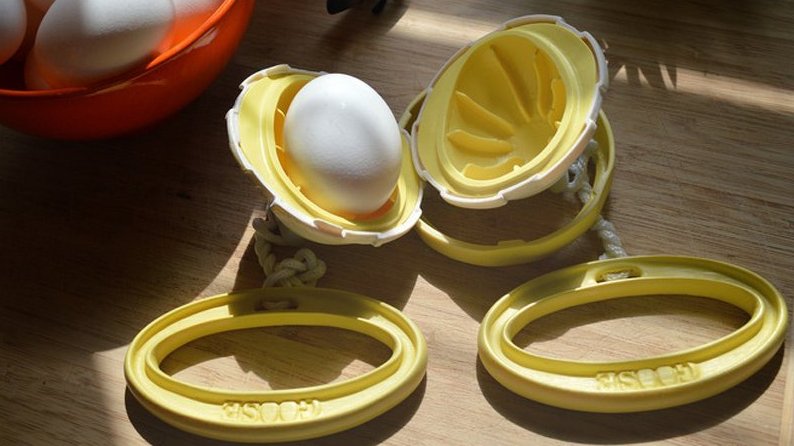
"caption": "The Golden Goose will retail for around $24. Photo: Courtesy Y Line Product Design",
"description": "The Golden Goose will retail for around $24.",
"title": "The Golden Goose will retail for around $24.",
"credit": null,
"status": "inherit",
"isLoading": false,
"fetchFailed": false
},
"bayareabites_79075": {
"type": "attachments",
"id": "bayareabites_79075",
"meta": {
"index": "attachments_1716263798",
"site": "bayareabites",
"id": "79075",
"found": true
},
"parent": 79069,
"imgSizes": {
"kqedFullSize": {
"file": "https://ww2.kqed.org/app/uploads/sites/24/2014/03/juju_01_wide-f0e31331acffba20be88803456bcf74a59e1f1e0-s4.jpg",
"width": 624,
"height": 351
}
},
"publishDate": 1394726833,
"modified": 1394726833,
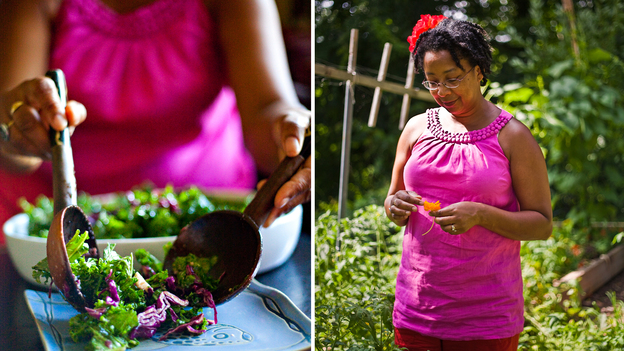
"caption": "JuJu Harris is the author of The Arcadia Mobile Market Seasonal Cookbook. A former recipient of government food assistance, she now teaches healthy eating skills to low-income families in D.C. Photo: Courtesy of Molly M. Peterson",
"description": null,
"title": "juju_01",
"credit": null,
"status": "inherit",
"isLoading": false,
"fetchFailed": false
},
"bayareabites_78959": {
"type": "attachments",
"id": "bayareabites_78959",
"meta": {
"index": "attachments_1716263798",
"site": "bayareabites",
"id": "78959",
"found": true
},
"parent": 78953,
"imgSizes": {
"kqedFullSize": {
"file": "https://ww2.kqed.org/app/uploads/sites/24/2014/03/4416942703_825113d166_o-copy_wide-d3ac7a14f8b5ef4178d6bcb128745f88ae544f29-s4.jpg",
"width": 624,
"height": 350
}
},
"publishDate": 1394404685,
"modified": 1394404685,
"caption": "Customers dine at the original Eataly in Turin, Italy, which opened in 2007. Photo: demoshelsinki/Flickr",
"description": null,
"title": "4416942703_825113d166_o-copy",
"credit": null,
"status": "inherit",
"isLoading": false,
"fetchFailed": false
},
"bayareabites_78949": {
"type": "attachments",
"id": "bayareabites_78949",
"meta": {
"index": "attachments_1716263798",
"site": "bayareabites",
"id": "78949",
"found": true
},
"parent": 78943,
"imgSizes": {
"kqedFullSize": {
"file": "https://ww2.kqed.org/app/uploads/sites/24/2014/03/cabezonhead_wide-ab315bd56f81ef7b61ee657e38281b2681b7de7d-s4.jpg",
"width": 624,
"height": 351
}
},
"publishDate": 1394253629,
"modified": 1394253629,
"caption": "The head of a cabezon fish prepared by the author. Photo: Alastair Bland/NPR",
"description": null,
"title": "cabezonhead",
"credit": null,
"status": "inherit",
"isLoading": false,
"fetchFailed": false
},
"bayareabites_78756": {
"type": "attachments",
"id": "bayareabites_78756",
"meta": {
"index": "attachments_1716263798",
"site": "bayareabites",
"id": "78756",
"found": true
},
"parent": 78555,
"imgSizes": {
"kqedFullSize": {
"file": "https://ww2.kqed.org/app/uploads/sites/24/2014/03/featuresausage.jpg",
"width": 640,
"height": 360
}
},
"publishDate": 1393853772,
"modified": 1393853772,
"caption": "Finished raw sausage. Photo: Stephanie Rosenbaum",
"description": null,
"title": "featuresausage",
"credit": null,
"status": "inherit",
"isLoading": false,
"fetchFailed": false
},
"bayareabites_78733": {
"type": "attachments",
"id": "bayareabites_78733",
"meta": {
"index": "attachments_1716263798",
"site": "bayareabites",
"id": "78733",
"found": true
},
"parent": 78580,
"imgSizes": {
"kqedFullSize": {
"file": "https://ww2.kqed.org/app/uploads/sites/24/2014/02/Robyn-Wagoneering-Mural2.jpg",
"width": 640,
"height": 428
}
},
"publishDate": 1393642768,
"modified": 1393642768,
"caption": null,
"description": null,
"title": "Robyn Wagoneering Mural2",
"credit": null,
"status": "inherit",
"isLoading": false,
"fetchFailed": false
},
"bayareabites_78509": {
"type": "attachments",
"id": "bayareabites_78509",
"meta": {
"index": "attachments_1716263798",
"site": "bayareabites",
"id": "78509",
"found": true
},
"parent": 78504,
"imgSizes": {
"kqedFullSize": {
"file": "https://ww2.kqed.org/app/uploads/sites/24/2014/02/2305368176_f7780b9537_o-copy_wide-b5de3f6ea2db1c307d7b5041a9dda4479739a56f-s4.jpg",
"width": 624,
"height": 350
}
},
"publishDate": 1393127031,
"modified": 1393127031,
"caption": "While traditional cholents feature meat and beans cooked for a whole day, some modern versions, like this one, use vegetable protein and a quick braise. Photo: rusvaplauke/Flickr",
"description": null,
"title": "2305368176_f7780b9537_o-copy",
"credit": null,
"status": "inherit",
"isLoading": false,
"fetchFailed": false
},
"bayareabites_78343": {
"type": "attachments",
"id": "bayareabites_78343",
"meta": {
"index": "attachments_1716263798",
"site": "bayareabites",
"id": "78343",
"found": true
},
"parent": 78339,
"imgSizes": {
"kqedFullSize": {
"file": "https://ww2.kqed.org/app/uploads/sites/24/2014/02/featured.jpg",
"width": 640,
"height": 426
}
},
"publishDate": 1392751525,
"modified": 1392751525,
"caption": "These websites can provide some places to purchase handy items for your kitchen. Photo: Thinkstock",
"description": "These websites can provide some places to purchase handy items for your kitchen. Photo: Thinkstock",
"title": "cooking websites",
"credit": null,
"status": "inherit",
"isLoading": false,
"fetchFailed": false
},
"bayareabites_77810": {
"type": "attachments",
"id": "bayareabites_77810",
"meta": {
"index": "attachments_1716263798",
"site": "bayareabites",
"id": "77810",
"found": true
},
"parent": 77307,
"imgSizes": {
"kqedFullSize": {
"file": "https://ww2.kqed.org/app/uploads/sites/24/2014/02/herring-peppercorn640x360.jpg",
"width": 640,
"height": 360
}
},
"publishDate": 1391805120,
"modified": 1391805120,
"caption": null,
"description": null,
"title": "herring-peppercorn640x360",
"credit": null,
"status": "inherit",
"isLoading": false,
"fetchFailed": false
},
"bayareabites_77551": {
"type": "attachments",
"id": "bayareabites_77551",
"meta": {
"index": "attachments_1716263798",
"site": "bayareabites",
"id": "77551",
"found": true
},
"parent": 77549,
"imgSizes": {
"kqedFullSize": {
"file": "https://ww2.kqed.org/app/uploads/sites/24/2014/02/4018577865_0e6c291421_z.jpg",
"width": 640,
"height": 480
}
},
"publishDate": 1391407404,
"modified": 1391407404,
"caption": "A chef's kitchen can be filled with gadgets. Photo: Apples Matutina/Flickr",
"description": null,
"title": "4018577865_0e6c291421_z",
"credit": null,
"status": "inherit",
"isLoading": false,
"fetchFailed": false
},
"bayareabites_77694": {
"type": "attachments",
"id": "bayareabites_77694",
"meta": {
"index": "attachments_1716263798",
"site": "bayareabites",
"id": "77694",
"found": true
},
"parent": 77684,
"imgSizes": {
"kqedFullSize": {
"file": "https://ww2.kqed.org/app/uploads/sites/24/2014/02/sriracha-640x360.jpg",
"width": 640,
"height": 360
}
},
"publishDate": 1391572036,
"modified": 1391572036,
"caption": null,
"description": null,
"title": "sriracha-640x360",
"credit": null,
"status": "inherit",
"isLoading": false,
"fetchFailed": false
},
"bayareabites_76484": {
"type": "attachments",
"id": "bayareabites_76484",
"meta": {
"index": "attachments_1716263798",
"site": "bayareabites",
"id": "76484",
"found": true
},
"parent": 75942,
"imgSizes": {
"kqedFullSize": {
"file": "https://ww2.kqed.org/app/uploads/sites/24/2014/01/lobster-final640x360.jpg",
"width": 640,
"height": 360
}
},
"publishDate": 1389728618,
"modified": 1389728618,
"caption": null,
"description": null,
"title": "lobster-final640x360",
"credit": null,
"status": "inherit",
"isLoading": false,
"fetchFailed": false
}
},
"audioPlayerReducer": {
"postId": "stream_live",
"isPaused": true,
"isPlaying": false,
"pfsActive": false,
"pledgeModalIsOpen": true,
"playerDrawerIsOpen": false,
"liveAudioPlayStartedAt": 0,
"liveAudioPlayContext": ""
},
"authorsReducer": {
"byline_bayareabites_81139": {
"type": "authors",
"id": "byline_bayareabites_81139",
"meta": {
"override": true
},
"slug": "byline_bayareabites_81139",
"name": "Elise Hu",
"isLoading": false
},
"byline_bayareabites_79069": {
"type": "authors",
"id": "byline_bayareabites_79069",
"meta": {
"override": true
},
"slug": "byline_bayareabites_79069",
"name": "April Fulton",
"isLoading": false
},
"byline_bayareabites_78953": {
"type": "authors",
"id": "byline_bayareabites_78953",
"meta": {
"override": true
},
"slug": "byline_bayareabites_78953",
"name": "Sylvia Poggioli",
"isLoading": false
},
"byline_bayareabites_78943": {
"type": "authors",
"id": "byline_bayareabites_78943",
"meta": {
"override": true
},
"slug": "byline_bayareabites_78943",
"name": "Alastair Bland",
"isLoading": false
},
"byline_bayareabites_78504": {
"type": "authors",
"id": "byline_bayareabites_78504",
"meta": {
"override": true
},
"slug": "byline_bayareabites_78504",
"name": "Deena Prichep",
"isLoading": false
},
"kdomara": {
"type": "authors",
"id": "1459",
"meta": {
"index": "authors_1716337520",
"id": "1459",
"found": true
},
"name": "Kelly O'Mara",
"firstName": "Kelly",
"lastName": "O'Mara",
"slug": "kdomara",
"email": "komara@kqed.org",
"display_author_email": false,
"staff_mastheads": [
"news"
],
"title": "KQED Contributor",
"bio": "Kelly O'Mara is a writer and reporter in the San Francisco Bay Area. She writes about food, health, sports, travel, business and California news. Her work has appeared on KQED, online for Outside Magazine, epsnW, VICE and in Competitor Magazine, among others. Follow Kelly on Twitter \u003ca href=\"https://twitter.com/kellydomara\">@kellydomara\u003c/a>.",
"avatar": "https://secure.gravatar.com/avatar/768fec7412028b72f13bdd0f5f9d8186?s=600&d=blank&r=g",
"twitter": null,
"facebook": null,
"instagram": null,
"linkedin": null,
"sites": [
{
"site": "arts",
"roles": []
},
{
"site": "news",
"roles": []
},
{
"site": "bayareabites",
"roles": []
},
{
"site": "stateofhealth",
"roles": []
},
{
"site": "science",
"roles": []
},
{
"site": "checkplease",
"roles": [
"editor"
]
},
{
"site": "food",
"roles": []
},
{
"site": "forum",
"roles": [
"editor"
]
},
{
"site": "liveblog",
"roles": [
"editor"
]
}
],
"headData": {
"title": "Kelly O'Mara | KQED",
"description": "KQED Contributor",
"ogImgSrc": "https://secure.gravatar.com/avatar/768fec7412028b72f13bdd0f5f9d8186?s=600&d=blank&r=g",
"twImgSrc": "https://secure.gravatar.com/avatar/768fec7412028b72f13bdd0f5f9d8186?s=600&d=blank&r=g"
},
"isLoading": false,
"link": "/author/kdomara"
},
"wendy-goodfriend": {
"type": "authors",
"id": "5014",
"meta": {
"index": "authors_1716337520",
"id": "5014",
"found": true
},
"name": "Wendy Goodfriend",
"firstName": "Wendy",
"lastName": "Goodfriend",
"slug": "wendy-goodfriend",
"email": "wendy@wendygoodfriend.com",
"display_author_email": false,
"staff_mastheads": [],
"title": "KQED Contributor",
"bio": "I was the Senior Digital Producer for KQED Food up until July, 2018. Since 2001, I designed, produced, managed and contributed to mostly food-related websites and blogs for KQED including: KQED.org; KQED Food; Bay Area Bites; Check, Please! Bay Area; Taste This; Celebrity Chefs; seven of Jacques Pepin's TV series websites; and Joanne Weir's Cooking in the City. I initiated the majority of KQED Food's social media feeds and maintained them up until 2017. As far as content creation, photography is my passion and I also shoot video and write stories. My photos have been used in articles for KQED Food, News, Arts, and Science as well as for promotional purposes in print and online. Professional education and training includes: clinical psychology, photography, commercial cooking, web design, information architecture and UX.",
"avatar": "https://secure.gravatar.com/avatar/dfba64372339cc34cf17e446e6f18fa8?s=600&d=blank&r=g",
"twitter": null,
"facebook": "bayareabites",
"instagram": null,
"linkedin": "wendygoodfriend",
"sites": [
{
"site": "jpepinheart",
"roles": []
},
{
"site": "about",
"roles": [
"editor"
]
},
{
"site": "bayareabites",
"roles": [
"subscriber"
]
},
{
"site": "science",
"roles": [
"administrator"
]
},
{
"site": "checkplease",
"roles": [
"subscriber"
]
},
{
"site": "food",
"roles": [
"author"
]
},
{
"site": "essentialpepin",
"roles": [
"administrator"
]
}
],
"headData": {
"title": "Wendy Goodfriend | KQED",
"description": "KQED Contributor",
"ogImgSrc": "https://secure.gravatar.com/avatar/dfba64372339cc34cf17e446e6f18fa8?s=600&d=blank&r=g",
"twImgSrc": "https://secure.gravatar.com/avatar/dfba64372339cc34cf17e446e6f18fa8?s=600&d=blank&r=g"
},
"isLoading": false,
"link": "/author/wendy-goodfriend"
},
"stephanie-rosenbaum": {
"type": "authors",
"id": "5038",
"meta": {
"index": "authors_1716337520",
"id": "5038",
"found": true
},
"name": "Stephanie Rosenbaum Klassen",
"firstName": "Stephanie",
"lastName": "Rosenbaum Klassen",
"slug": "stephanie-rosenbaum",
"email": "dixieday@aol.com",
"display_author_email": false,
"staff_mastheads": [],
"title": "KQED Contributor",
"bio": "Stephanie Rosenbaum Klassen is a longtime local food writer, author, and cook. Her books include The Art of Vintage Cocktails (Egg & Dart Press), World of Doughnuts (Egg & Dart Press); Kids in the Kitchen: Fun Food (Williams Sonoma); Honey from Flower to Table (Chronicle Books) and The Astrology Cookbook: A Cosmic Guide to Feasts of Love (Manic D Press). She has studied organic farming at UCSC and holds a certificate in Ecological Horticulture from the Center for Agroecology and Sustainable Food Systems. She does frequent cooking demonstrations at local farmers’ markets and has taught food writing at Media Alliance in San Francisco and the Continuing Education program at Stanford University. She has been the lead restaurant critic for the San Francisco Bay Guardian as well as for San Francisco magazine. She has been an assistant chef at the Headlands Center for the Arts, an artists' residency program located in the Marin Headlands, and a production cook at the Marin Sun Farms Cafe in Pt Reyes Station. After some 20 years in San Francisco interspersed with stints in Oakland, Santa Cruz, Brooklyn, and Manhattan, she recently moved to Sonoma county but still writes in San Francisco several days a week.",
"avatar": "https://secure.gravatar.com/avatar/26520681f950a766c2c0eb9872646dec42b88de07cc4cdd65958385671e93cf7?s=600&d=mm&r=g",
"twitter": "sjrosenbaum",
"bluesky": null,
"facebook": null,
"instagram": null,
"linkedin": null,
"sites": [
{
"site": "bayareabites",
"roles": [
"subscriber"
]
},
{
"site": "food",
"roles": [
"subscriber"
]
}
],
"headData": {
"title": "Stephanie Rosenbaum Klassen | KQED",
"description": "KQED Contributor",
"ogImgSrc": "https://secure.gravatar.com/avatar/26520681f950a766c2c0eb9872646dec42b88de07cc4cdd65958385671e93cf7?s=600&d=mm&r=g",
"twImgSrc": "https://secure.gravatar.com/avatar/26520681f950a766c2c0eb9872646dec42b88de07cc4cdd65958385671e93cf7?s=600&d=mm&r=g"
},
"isLoading": false,
"link": "/author/stephanie-rosenbaum"
},
"maryladd": {
"type": "authors",
"id": "5092",
"meta": {
"index": "authors_1716337520",
"id": "5092",
"found": true
},
"name": "Mary Ladd",
"firstName": "Mary",
"lastName": "Ladd",
"slug": "maryladd",
"email": "writereadeat@gmail.com",
"display_author_email": false,
"staff_mastheads": [],
"title": null,
"bio": "Mary Ladd is a freelance writer and event professional based in her hometown of San Francisco. Her writing has been featured in SF Weekly, Tasting Table, the San Francisco Chronicle and elsewhere. She has shuttled \u003ca href=\"http://sf.eater.com/archives/2009/03/26/eater_map_mr_bourdains_san_francisco_whereabouts.php\">Anthony Bourdain\u003c/a> around town and mastered the art of properly loading a catering van in a flash. Mary has eaten the world’s hottest burger and loves to cook and eat. Follow her at \u003ca href=\"https://twitter.com/mladdfood\">@mladdfood\u003c/a>",
"avatar": "https://secure.gravatar.com/avatar/dab53b49e4e893d0d1e6a7ec6ed29e27?s=600&d=blank&r=g",
"twitter": "mladdfood",
"facebook": null,
"instagram": null,
"linkedin": null,
"sites": [
{
"site": "bayareabites",
"roles": [
"contributor"
]
}
],
"headData": {
"title": "Mary Ladd | KQED",
"description": null,
"ogImgSrc": "https://secure.gravatar.com/avatar/dab53b49e4e893d0d1e6a7ec6ed29e27?s=600&d=blank&r=g",
"twImgSrc": "https://secure.gravatar.com/avatar/dab53b49e4e893d0d1e6a7ec6ed29e27?s=600&d=blank&r=g"
},
"isLoading": false,
"link": "/author/maryladd"
},
"katewilliams": {
"type": "authors",
"id": "5485",
"meta": {
"index": "authors_1716337520",
"id": "5485",
"found": true
},
"name": "Kate Williams",
"firstName": "Kate",
"lastName": "Williams",
"slug": "katewilliams",
"email": "williaka@gmail.com",
"display_author_email": false,
"staff_mastheads": [],
"title": null,
"bio": "Kate Williams grew up outside of Atlanta, where twenty-pound baskets of peaches were an end-of-summer tradition. After spending time in Boston developing recipes for America's Test Kitchen and pretending to be a New Englander, she moved to sunny Berkeley. Here she works as a personal chef and food writer, covering topics ranging from taco trucks to modernist cookbooks. In addition to KQED's Bay Area Bites, Kate's work appears on Serious Eats, Berkeleyside NOSH, The Oxford American, America's Test Kitchen cookbooks, and Food52.",
"avatar": "https://secure.gravatar.com/avatar/25623fe56e181fe8b6ee92fd0ea077de?s=600&d=blank&r=g",
"twitter": "KateHWilliams",
"facebook": null,
"instagram": null,
"linkedin": null,
"sites": [
{
"site": "bayareabites",
"roles": [
"contributor"
]
},
{
"site": "food",
"roles": [
"contributor"
]
}
],
"headData": {
"title": "Kate Williams | KQED",
"description": null,
"ogImgSrc": "https://secure.gravatar.com/avatar/25623fe56e181fe8b6ee92fd0ea077de?s=600&d=blank&r=g",
"twImgSrc": "https://secure.gravatar.com/avatar/25623fe56e181fe8b6ee92fd0ea077de?s=600&d=blank&r=g"
},
"isLoading": false,
"link": "/author/katewilliams"
}
},
"pagesReducer": {
"bayareabites_category_cooking-techniques-and-tips": {
"type": "terms",
"id": "bayareabites_2695",
"meta": {
"index": "terms_1716263798",
"site": "bayareabites",
"id": "2695",
"score": 14.405281
},
"featImg": null,
"name": "cooking techniques and tips",
"description": null,
"taxonomy": "category",
"headData": {
"twImgId": null,
"twTitle": null,
"ogTitle": null,
"ogImgId": null,
"twDescription": null,
"description": null,
"title": "cooking techniques and tips Archives | KQED Bay Area Bites",
"ogDescription": null
},
"ttid": 1905,
"slug": "cooking-techniques-and-tips",
"isLoading": false,
"title": "cooking techniques and tips",
"pageMeta": {
"site": "bayareabites",
"WpPageTemplate": "page-topic-editorial",
"currentPage": 7
},
"blocks": [
{
"blockName": "kqed/post-list",
"attrs": {
"layout": "cardArticle2",
"query": "posts/bayareabites?category=cooking-techniques-and-tips",
"seeMore": false,
"paginated": true,
"page": 7
}
},
{
"blockName": "kqed/ad"
}
]
}
},
"pfsSessionReducer": {},
"postsReducer": {
"stream_live": {
"type": "live",
"id": "stream_live",
"audioUrl": "https://hls.kqed.org/hls/kqed_app/playlist.m3u8",
"title": "Live Stream",
"excerpt": "Live Stream information currently unavailable.",
"link": "/radio",
"featImg": "",
"label": {
"name": "KQED Live",
"link": "/"
}
},
"stream_kqedNewscast": {
"type": "posts",
"id": "stream_kqedNewscast",
"audioUrl": "https://www.kqed.org/.stream/anon/radio/RDnews/newscast.mp3?_=1",
"title": "KQED Newscast",
"featImg": "",
"label": {
"name": "88.5 FM",
"link": "/"
}
},
"bayareabites_81139": {
"type": "posts",
"id": "bayareabites_81139",
"meta": {
"index": "posts_1716263798",
"site": "bayareabites",
"id": "81139",
"score": null,
"sort": [
1398959074000
]
},
"parent": 0,
"labelTerm": {
"site": "bayareabites"
},
"blocks": [],
"publishDate": 1398959074,
"format": "aside",
"disqusTitle": "Innovation: A Gadget That Scrambles The Egg Inside The Shell",
"title": "Innovation: A Gadget That Scrambles The Egg Inside The Shell",
"headTitle": "Bay Area Bites | KQED Food",
"content": "\u003cfigure id=\"attachment_81140\" class=\"wp-caption aligncenter\" style=\"max-width: 794px\">\u003ca href=\"http://ww2.kqed.org/bayareabites/wp-content/uploads/sites/24/2014/04/goldenegg_wide-5fbdb37c3b2f6c1a414997c53797807d999fa268.jpg\">\u003cimg src=\"http://ww2.kqed.org/bayareabites/wp-content/uploads/sites/24/2014/04/goldenegg_wide-5fbdb37c3b2f6c1a414997c53797807d999fa268.jpg\" alt=\"The Golden Goose will retail for around $24. Photo: Courtesy Y Line Product Design\" width=\"794\" height=\"446\" class=\"size-full wp-image-81140\">\u003c/a>\u003cfigcaption class=\"wp-caption-text\">The Golden Goose will retail for around $24. Photo: Courtesy Y Line Product Design\u003c/figcaption>\u003c/figure>\n\u003cp>\u003cstrong>Listen to the Story\u003c/strong> on \u003ca href=\"http://www.npr.org/blogs/alltechconsidered/2014/04/30/307978652/innovation-a-gadget-that-scrambles-the-egg-inside-the-shell\">Morning Edition\u003c/a> [audio src=\"http://pd.npr.org/anon.npr-mp3/npr/me/2014/04/20140430_me_hr_2_return_029_-_reneeselena.mp3\"] \u003c/p>\n\u003cp>by \u003ca href=\"http://www.npr.org/people/144449221/elise-hu\">Elise Hu\u003c/a>, \u003ca href=\"http://www.npr.org/blogs/alltechconsidered/2014/04/30/307978652/innovation-a-gadget-that-scrambles-the-egg-inside-the-shell\">All Tech Considered at NPR\u003c/a> (4/30/14)\u003c/p>\n\u003cfigure id=\"attachment_81141\" class=\"wp-caption alignleft\" style=\"max-width: 200px\">\u003ca href=\"http://ww2.kqed.org/bayareabites/wp-content/uploads/sites/24/2014/04/goose-by-y-line-product-design-016z_custom-a15eda8a866d273ec39856010a0b5486ebde0c88.jpg\">\u003cimg src=\"http://ww2.kqed.org/bayareabites/wp-content/uploads/sites/24/2014/04/goose-by-y-line-product-design-016z_custom-a15eda8a866d273ec39856010a0b5486ebde0c88.jpg\" alt=\"The tool scrambles an egg inside its shell in 15 seconds. Illustration: Courtesy of Y Line Product Design\" width=\"200\" height=\"154\" class=\"size-full wp-image-81141\">\u003c/a>\u003cfigcaption class=\"wp-caption-text\">The tool scrambles an egg inside its shell in 15 seconds. Illustration: Courtesy of Y Line Product Design\u003c/figcaption>\u003c/figure>\n\u003cp>If this egg scrambling tool works as promised, your egg can come out of its shell with the yolk and egg already mixed. You could hard or soft boil, fry, scramble or devil them into what creator Geraint Krumpe calls \"golden eggs,\" named for the eggs' creamy, soft yellow color when they come out.\u003c/p>\n\u003cp>\"I was laid off from a company I worked for for 11 years,\" Krumpe says, when asked how this all started. \"So I had to get creative.\"\u003c/p>\n\u003cp>Krumpe started a product design company, and last Easter he was surfing YouTube videos and found inspiration. \"I found \u003ca href=\"https://www.youtube.com/watch?v=aazP6zvJmiQ\">a video with a science guy\u003c/a> spinning an egg inside a shirtsleeve. So I said, I have to try this. I stayed up late and broke a bunch of eggs trying to get one to work,\" he says.\u003c/p>\n\u003cp>[ad fullwidth]\u003c/p>\n\u003cp>Eleven months later, after a lot of development and testing, Krumpe and his company released the kitchen creation he calls \u003ca href=\"https://www.kickstarter.com/projects/ylinedesign/a-goose-that-lays-golden-eggs\">the Golden Goose\u003c/a>. It works by rotating an egg back and forth at an accelerated rate to mix the yolk and egg together without introducing any outside air. A soft cradle nestles the egg and holds it center, keeping it from breaking during the back-and-forth motion.\u003c/p>\n\u003cp>The device scrambles an egg inside the shell in about 15 seconds.\u003c/p>\n\u003cfigure id=\"attachment_81142\" class=\"wp-caption alignleft\" style=\"max-width: 290px\">\u003ca href=\"http://ww2.kqed.org/bayareabites/wp-content/uploads/sites/24/2014/04/goose-by-y-line-product-design-010-d235589e408fc14b47fcddd25a4e2ae2045feed0.jpg\">\u003cimg src=\"http://ww2.kqed.org/bayareabites/wp-content/uploads/sites/24/2014/04/goose-by-y-line-product-design-010-d235589e408fc14b47fcddd25a4e2ae2045feed0-290x217.jpg\" alt='A hard-boiled \"golden egg,\" which was scrambled inside the shell before boiling. Photo: Courtesy Y Line Product Design' width=\"290\" height=\"217\" class=\"size-medium wp-image-81142\">\u003c/a>\u003cfigcaption class=\"wp-caption-text\">A hard-boiled \"golden egg,\" which was scrambled inside the shell before boiling. Photo: Courtesy Y Line Product Design\u003c/figcaption>\u003c/figure>\n\u003cp>\"You haven't entered any outside air or other gases into the mix of protein and fats, and it allows for this chemistry to happen that has culinary benefits, because depending on what temperature the egg is at and for what time period, you can achieve a range of different flavor profiles and even different colors,\" Krumpe says.\u003c/p>\n\u003cp>Imagine all the golden egg creations! Krumpe tells us that a hard-boiled golden egg comes out tasting like savory custard. And if you simply scramble the egg in its shell and crack it into an iron skillet, it creates a tasty scrambled egg dish because you never whisked in any outside air. Plus, there's a little less dish washing.\u003c/p>\n\u003cp>\"This way you don't have to wash a fork and bowl, and it has been suggested that you could spend a lot of time as a prep cook scrambling eggs and putting them in the fridge for breakfast or baking. Here they're pre-scrambled. It doesn't take much effort and it's the best possible way to scramble,\" Krumpe says.\u003c/p>\n\u003cp>This invention is already funded, reaching more than $60,000 in support from 1,800 backers, way above its original $34,500 fundraising goal.\u003c/p>\n\u003cp>Now that it's funded, the plan is to manufacture the devices for the donors this summer and then take Golden Goose directly to consumers. Krumpe says it will retail for around $24, but probably won't be for sale until November at the earliest.\u003c/p>\n\u003cp>\u003ca href=\"https://www.kickstarter.com/projects/ylinedesign/a-goose-that-lays-golden-eggs\">Check out the Kickstarter page\u003c/a> for yourself, but a warning, if you're hungry: It includes many photos of delicious egg dishes. \u003c/p>\n\u003cp>[youtube //www.youtube.com/watch?v=PoIxtFBhh5k]\u003c/p>\n\u003cp>\u003c/p>\n\u003cp>\u003cem>Copyright 2014 \u003ca href=\"http://www.npr.org/\">NPR\u003c/a>.\u003c/em> \u003c/p>\n\n",
"disqusIdentifier": "81139 http://blogs.kqed.org/bayareabites/?p=81139",
"disqusUrl": "https://ww2.kqed.org/bayareabites/2014/05/01/innovation-a-gadget-that-scrambles-the-egg-inside-the-shell/",
"stats": {
"hasVideo": true,
"hasChartOrMap": false,
"hasAudio": true,
"hasPolis": false,
"wordCount": 588,
"hasGoogleForm": false,
"hasGallery": false,
"hasHearkenModule": false,
"iframeSrcs": [],
"paragraphCount": 17
},
"modified": 1398959074,
"excerpt": "This new kitchen tool promises to scramble egg whites and the yolk to create delicious culinary creations, and save you from washing a whisk. A soft cradle keeps the egg from breaking.",
"headData": {
"twImgId": "",
"twTitle": "",
"ogTitle": "",
"ogImgId": "",
"twDescription": "",
"description": "This new kitchen tool promises to scramble egg whites and the yolk to create delicious culinary creations, and save you from washing a whisk. A soft cradle keeps the egg from breaking.",
"title": "Innovation: A Gadget That Scrambles The Egg Inside The Shell | KQED",
"ogDescription": "",
"schema": {
"@context": "https://schema.org",
"@type": "Article",
"headline": "Innovation: A Gadget That Scrambles The Egg Inside The Shell",
"datePublished": "2014-05-01T08:44:34-07:00",
"dateModified": "2014-05-01T08:44:34-07:00",
"image": "https://cdn.kqed.org/wp-content/uploads/2020/02/KQED-OG-Image@1x.png"
}
},
"guestAuthors": [],
"slug": "innovation-a-gadget-that-scrambles-the-egg-inside-the-shell",
"status": "publish",
"nprApiLink": "http://api.npr.org/query?id=307978652&apiKey=MDAxOTAwOTE4MDEyMTkxMDAzNjczZDljZA004",
"nprByline": "Elise Hu",
"nprStoryDate": "Wed, 30 Apr 2014 06:48:00 -0400",
"nprLastModifiedDate": "Wed, 30 Apr 2014 17:08:42 -0400",
"nprHtmlLink": "http://www.npr.org/blogs/alltechconsidered/2014/04/30/307978652/innovation-a-gadget-that-scrambles-the-egg-inside-the-shell?ft=3&f=307978652",
"nprAudio": "http://pd.npr.org/anon.npr-mp3/npr/me/2014/04/20140430_me_hr_2_return_029_-_reneeselena.mp3?orgId=1&topicId=1053&ft=3&f=307978652",
"nprAudioM3u": "http://api.npr.org/m3u/1308247014-4c3007.m3u?orgId=1&topicId=1053&ft=3&f=307978652",
"nprStoryId": "307978652",
"nprRetrievedStory": "1",
"nprPubDate": "Wed, 30 Apr 2014 17:08:00 -0400",
"path": "/bayareabites/81139/innovation-a-gadget-that-scrambles-the-egg-inside-the-shell",
"audioUrl": "http://pd.npr.org/anon.npr-mp3/npr/me/2014/04/20140430_me_hr_2_return_029_-_reneeselena.mp3",
"audioDuration": null,
"audioTrackLength": null,
"parsedContent": [
{
"type": "contentString",
"content": "\u003cdiv class=\"post-body\">\u003cp>\u003cfigure id=\"attachment_81140\" class=\"wp-caption aligncenter\" style=\"max-width: 794px\">\u003ca href=\"http://ww2.kqed.org/bayareabites/wp-content/uploads/sites/24/2014/04/goldenegg_wide-5fbdb37c3b2f6c1a414997c53797807d999fa268.jpg\">\u003cimg src=\"http://ww2.kqed.org/bayareabites/wp-content/uploads/sites/24/2014/04/goldenegg_wide-5fbdb37c3b2f6c1a414997c53797807d999fa268.jpg\" alt=\"The Golden Goose will retail for around $24. Photo: Courtesy Y Line Product Design\" width=\"794\" height=\"446\" class=\"size-full wp-image-81140\">\u003c/a>\u003cfigcaption class=\"wp-caption-text\">The Golden Goose will retail for around $24. Photo: Courtesy Y Line Product Design\u003c/figcaption>\u003c/figure>\n\u003cp>\u003cstrong>Listen to the Story\u003c/strong> on \u003ca href=\"http://www.npr.org/blogs/alltechconsidered/2014/04/30/307978652/innovation-a-gadget-that-scrambles-the-egg-inside-the-shell\">Morning Edition\u003c/a> \u003c/p>\u003c/div>",
"attributes": {
"named": {},
"numeric": []
}
},
{
"type": "component",
"content": "",
"name": "audio",
"attributes": {
"named": {
"src": "http://pd.npr.org/anon.npr-mp3/npr/me/2014/04/20140430_me_hr_2_return_029_-_reneeselena.mp3",
"label": ""
},
"numeric": []
}
},
{
"type": "contentString",
"content": "\u003cdiv class=\"post-body\">\u003cp> \u003c/p>\n\u003cp>by \u003ca href=\"http://www.npr.org/people/144449221/elise-hu\">Elise Hu\u003c/a>, \u003ca href=\"http://www.npr.org/blogs/alltechconsidered/2014/04/30/307978652/innovation-a-gadget-that-scrambles-the-egg-inside-the-shell\">All Tech Considered at NPR\u003c/a> (4/30/14)\u003c/p>\n\u003cfigure id=\"attachment_81141\" class=\"wp-caption alignleft\" style=\"max-width: 200px\">\u003ca href=\"http://ww2.kqed.org/bayareabites/wp-content/uploads/sites/24/2014/04/goose-by-y-line-product-design-016z_custom-a15eda8a866d273ec39856010a0b5486ebde0c88.jpg\">\u003cimg src=\"http://ww2.kqed.org/bayareabites/wp-content/uploads/sites/24/2014/04/goose-by-y-line-product-design-016z_custom-a15eda8a866d273ec39856010a0b5486ebde0c88.jpg\" alt=\"The tool scrambles an egg inside its shell in 15 seconds. Illustration: Courtesy of Y Line Product Design\" width=\"200\" height=\"154\" class=\"size-full wp-image-81141\">\u003c/a>\u003cfigcaption class=\"wp-caption-text\">The tool scrambles an egg inside its shell in 15 seconds. Illustration: Courtesy of Y Line Product Design\u003c/figcaption>\u003c/figure>\n\u003cp>If this egg scrambling tool works as promised, your egg can come out of its shell with the yolk and egg already mixed. You could hard or soft boil, fry, scramble or devil them into what creator Geraint Krumpe calls \"golden eggs,\" named for the eggs' creamy, soft yellow color when they come out.\u003c/p>\n\u003cp>\"I was laid off from a company I worked for for 11 years,\" Krumpe says, when asked how this all started. \"So I had to get creative.\"\u003c/p>\n\u003cp>Krumpe started a product design company, and last Easter he was surfing YouTube videos and found inspiration. \"I found \u003ca href=\"https://www.youtube.com/watch?v=aazP6zvJmiQ\">a video with a science guy\u003c/a> spinning an egg inside a shirtsleeve. So I said, I have to try this. I stayed up late and broke a bunch of eggs trying to get one to work,\" he says.\u003c/p>\n\u003cp>\u003c/p>\u003c/div>",
"attributes": {
"named": {},
"numeric": []
}
},
{
"type": "component",
"content": "",
"name": "ad",
"attributes": {
"named": {
"label": "fullwidth"
},
"numeric": [
"fullwidth"
]
}
},
{
"type": "contentString",
"content": "\u003cdiv class=\"post-body\">\u003cp>\u003c/p>\n\u003cp>Eleven months later, after a lot of development and testing, Krumpe and his company released the kitchen creation he calls \u003ca href=\"https://www.kickstarter.com/projects/ylinedesign/a-goose-that-lays-golden-eggs\">the Golden Goose\u003c/a>. It works by rotating an egg back and forth at an accelerated rate to mix the yolk and egg together without introducing any outside air. A soft cradle nestles the egg and holds it center, keeping it from breaking during the back-and-forth motion.\u003c/p>\n\u003cp>The device scrambles an egg inside the shell in about 15 seconds.\u003c/p>\n\u003cfigure id=\"attachment_81142\" class=\"wp-caption alignleft\" style=\"max-width: 290px\">\u003ca href=\"http://ww2.kqed.org/bayareabites/wp-content/uploads/sites/24/2014/04/goose-by-y-line-product-design-010-d235589e408fc14b47fcddd25a4e2ae2045feed0.jpg\">\u003cimg src=\"http://ww2.kqed.org/bayareabites/wp-content/uploads/sites/24/2014/04/goose-by-y-line-product-design-010-d235589e408fc14b47fcddd25a4e2ae2045feed0-290x217.jpg\" alt='A hard-boiled \"golden egg,\" which was scrambled inside the shell before boiling. Photo: Courtesy Y Line Product Design' width=\"290\" height=\"217\" class=\"size-medium wp-image-81142\">\u003c/a>\u003cfigcaption class=\"wp-caption-text\">A hard-boiled \"golden egg,\" which was scrambled inside the shell before boiling. Photo: Courtesy Y Line Product Design\u003c/figcaption>\u003c/figure>\n\u003cp>\"You haven't entered any outside air or other gases into the mix of protein and fats, and it allows for this chemistry to happen that has culinary benefits, because depending on what temperature the egg is at and for what time period, you can achieve a range of different flavor profiles and even different colors,\" Krumpe says.\u003c/p>\n\u003cp>Imagine all the golden egg creations! Krumpe tells us that a hard-boiled golden egg comes out tasting like savory custard. And if you simply scramble the egg in its shell and crack it into an iron skillet, it creates a tasty scrambled egg dish because you never whisked in any outside air. Plus, there's a little less dish washing.\u003c/p>\n\u003cp>\"This way you don't have to wash a fork and bowl, and it has been suggested that you could spend a lot of time as a prep cook scrambling eggs and putting them in the fridge for breakfast or baking. Here they're pre-scrambled. It doesn't take much effort and it's the best possible way to scramble,\" Krumpe says.\u003c/p>\n\u003cp>This invention is already funded, reaching more than $60,000 in support from 1,800 backers, way above its original $34,500 fundraising goal.\u003c/p>\n\u003cp>Now that it's funded, the plan is to manufacture the devices for the donors this summer and then take Golden Goose directly to consumers. Krumpe says it will retail for around $24, but probably won't be for sale until November at the earliest.\u003c/p>\n\u003cp>\u003ca href=\"https://www.kickstarter.com/projects/ylinedesign/a-goose-that-lays-golden-eggs\">Check out the Kickstarter page\u003c/a> for yourself, but a warning, if you're hungry: It includes many photos of delicious egg dishes. \u003c/p>\n\u003cp>\u003c/p>\u003cp>\u003cspan class='utils-parseShortcode-shortcodes-__youtubeShortcode__embedYoutube'>\n \u003cspan class='utils-parseShortcode-shortcodes-__youtubeShortcode__embedYoutubeInside'>\n \u003ciframe\n loading='lazy'\n class='utils-parseShortcode-shortcodes-__youtubeShortcode__youtubePlayer'\n type='text/html'\n src='//www.youtube.com/embed/PoIxtFBhh5k'\n title='//www.youtube.com/embed/PoIxtFBhh5k'\n allowfullscreen='true'\n style='border:0;'>\u003c/iframe>\n \u003c/span>\n \u003c/span>\u003c/p>\u003cp>\u003c/p>\n\u003cp>\u003c/p>\n\u003cp>\u003cem>Copyright 2014 \u003ca href=\"http://www.npr.org/\">NPR\u003c/a>.\u003c/em> \u003c/p>\n\n\u003c/div>\u003c/p>",
"attributes": {
"named": {},
"numeric": []
}
}
],
"link": "/bayareabites/81139/innovation-a-gadget-that-scrambles-the-egg-inside-the-shell",
"authors": [
"byline_bayareabites_81139"
],
"categories": [
"bayareabites_2695",
"bayareabites_1321",
"bayareabites_4084",
"bayareabites_10916",
"bayareabites_34"
],
"tags": [
"bayareabites_12290",
"bayareabites_33",
"bayareabites_10904",
"bayareabites_13310"
],
"featImg": "bayareabites_81140",
"label": "bayareabites"
},
"bayareabites_79069": {
"type": "posts",
"id": "bayareabites_79069",
"meta": {
"index": "posts_1716263798",
"site": "bayareabites",
"id": "79069",
"score": null,
"sort": [
1394727217000
]
},
"parent": 0,
"labelTerm": {
"site": "bayareabites"
},
"blocks": [],
"publishDate": 1394727217,
"format": "aside",
"disqusTitle": "Advice for Eating Well on a Tight Budget, From a Mom Who's Been There",
"title": "Advice for Eating Well on a Tight Budget, From a Mom Who's Been There",
"headTitle": "Bay Area Bites | KQED Food",
"content": "\u003cfigure id=\"attachment_79070\" class=\"wp-caption aligncenter\" style=\"max-width: 1024px\">\u003ca href=\"http://ww2.kqed.org/bayareabites/wp-content/uploads/sites/24/2014/03/juju_01_wide-f0e31331acffba20be88803456bcf74a59e1f1e0.jpg\">\u003cimg src=\"http://ww2.kqed.org/bayareabites/wp-content/uploads/sites/24/2014/03/juju_01_wide-f0e31331acffba20be88803456bcf74a59e1f1e0-1024x576.jpg\" alt=\"JuJu Harris is the author of The Arcadia Mobile Market Seasonal Cookbook. A former recipient of government food assistance, she now teaches healthy eating skills to low-income families in D.C. Photo: Courtesy of Molly M. Peterson\" width=\"1024\" height=\"576\" class=\"size-large wp-image-79070\">\u003c/a>\u003cfigcaption class=\"wp-caption-text\">JuJu Harris is the author of The Arcadia Mobile Market Seasonal Cookbook. A former recipient of government food assistance, she now teaches healthy eating skills to low-income families in D.C. Photo: Courtesy of Molly M. Peterson\u003c/figcaption>\u003c/figure>\n\u003cp>Post by April Harris, \u003ca href=\"http://www.npr.org/blogs/thesalt/2014/03/13/289594815/former-wic-mom-brings-produce-and-cooking-skills-to-dc-s-food-deserts\" target=\"_blank\">The Salt at NPR Food\u003c/a> (3/13/2014)\u003c/p>\n\u003cp>JuJu Harris didn't set out to write a cookbook, but then again, she didn't set out to raise seven children or accept public assistance to feed them, either. Harris always wanted to work with nature.\u003c/p>\n\u003cp>\"My dream job was, I was going to grow up and be a national park ranger,\" she says. It didn't quite work out that way. She drifted from job to job in Oakland, Calif., where she was born. At 32, she joined the Peace Corps, traveling to Paraguay to help local farmers improve their crops.\u003c/p>\n\u003cp>While she was supposed to be helping the men – the ones who held the farming jobs and the money – she found herself drawn to the women and children. She encouraged the families to put their money into both their agricultural businesses \u003cem>and\u003c/em> their children.\u003c/p>\n\u003cp>\"I learned the importance of nutrition for women and how it impacts her family,\" Harris says. When the women improved their diets, they had \"more mental energy\" to deal with their children, too, she says.\u003c/p>\n\u003cp>[ad fullwidth]\u003c/p>\n\u003cp>Years later, back in the states, Harris found herself in a similar situation — with small children, post-partum depression, and little money. She knew she needed to take better care of herself, so she began experimenting with a garden, baking bread, doing whatever she could to supplement the Women, Infants and Children (WIC) food program staples she was receiving. She taught herself to cook with kale, collards, cabbage and other inexpensive and nutritionally dense produce. Neighbors came over. She taught them to cook, too.\u003c/p>\n\u003cp>Although she's not yet reached her dream of becoming a park ranger, Harris gets to spend plenty of time outdoors these days.\u003c/p>\n\u003cp>She's now teaching low-income families how to choose and cook healthy produce. She's a culinary educator and SNAP outreach coordinator with the \u003ca href=\"http://arcadiafood.org/\">Arcadia Center for Sustainable Food and Agriculture\u003c/a>, a nonprofit group dedicated to creating a more equitable local food system in the Washington, D.C. area.\u003c/p>\n\u003cp>She drives the Center's Mobile Market bus – a kind of farmers market on wheels — into some of the poorest neighborhoods in the city.\u003c/p>\n\u003cp>\"Working at the Mobile Market, I talk to a lot of moms, and many of them tell me, 'I don't know how to cook.' A lot of them are teen mothers. They pick up vegetables and say, 'I don't know what this is. Is it good? Is it hard to cook?'\" Harris says. So she talks up the squash and the Swiss chard, offering tips on how to store and cook them.\u003c/p>\n\u003cp>\"You can bring the food to people's doorstep and make it affordable. But if they don't know how to cook what's available, in the end, you haven't changed anything,\" she says.\u003c/p>\n\u003cp>Cooking skills are just one barrier to healthy eating. A recent \u003ca href=\"http://www.nokidhungry.org/images/cm-study/report-highlights.pdf\">survey\u003c/a> by the nonprofit \u003ca href=\"http://www.nokidhungry.org/about-us\">Share Our Strength\u003c/a> shows that 85 percent of low-income families say eating healthy is important, but only 53 percent say they cook healthy dinners most weeknights. A majority of the 1,500 respondents said cost and time to plan, shop and cook are the biggest barriers to improving their nutrition.\u003c/p>\n\u003cfigure id=\"attachment_79071\" class=\"wp-caption aligncenter\" style=\"max-width: 768px\">\u003ca href=\"http://ww2.kqed.org/bayareabites/wp-content/uploads/sites/24/2014/03/arcadia_juju_017_rev_1200px_vert-5893164f3a081679a87856975d966b8e346353c7.jpg\">\u003cimg src=\"http://ww2.kqed.org/bayareabites/wp-content/uploads/sites/24/2014/03/arcadia_juju_017_rev_1200px_vert-5893164f3a081679a87856975d966b8e346353c7-768x1024.jpg\" alt=\"Baked oatmeal with blueberries, one of the recipes featured in The Arcadia Mobile Market Seasonal Cookbook. "It's possible to eat healthy on a budget," Harris says. "Not easy, but possible." Photo: Courtesy of Molly M. Peterson\" width=\"768\" height=\"1024\" class=\"size-large wp-image-79071\">\u003c/a>\u003cfigcaption class=\"wp-caption-text\">Baked oatmeal with blueberries, one of the recipes featured in The Arcadia Mobile Market Seasonal Cookbook. \"It's possible to eat healthy on a budget,\" Harris says. \"Not easy, but possible.\" Photo: Courtesy of Molly M. Peterson\u003c/figcaption>\u003c/figure>\n\u003cp>After having dozens of these kinds of conversations a day, Harris decided to put together a shopping guide and recipe book she could hand out to these moms.\u003c/p>\n\u003cp>\"Nothing fancy,\" she says, \"just a little something on some nice cardstock.\"\u003c/p>\n\u003cp>She told a couple of her Arcadia colleagues about the idea, and they helped her take it a step further. With the help of Arcadia volunteers and some major grant money, Harris published a coffee table-worthy cookbook. It features saturated color photographs and simple recipes combining \u003ca href=\"http://www.fns.usda.gov/sites/default/files/Snapshot-WIC-Children-WomenFoodPkgs.pdf\">food assistance staples\u003c/a> like milk, eggs and beans, with seasonal produce – dishes like Garlic-Cilantro Fish Marinade and Beet Greens With White Beans And Bacon. It also includes tips for setting up a pantry and a seasonal guide to everything from apples to turnips.\u003c/p>\n\u003cp>Shoppers on food assistance who frequent the mobile market can now get free copies of the cookbook. \u003cem>The Arcadia Mobile Market Seasonal Cookbook\u003c/em> is also available to the general public for $20 a copy.\u003c/p>\n\u003cp>Harris wants to get the word out before June, when the WIC program begins handing out farmers' markets checks, which recipients can use to purchase items from the Arcadia bus and other farmers' markets. That's when young moms and others on limited budgets who want to improve their health really come out, Harris says. But many are afraid to try new foods for fear of wasting money, she says, so she gives them guidance, suggesting small changes, like one new meal a week.\u003c/p>\n\u003cp>Harris has an easy manner with these moms because she gets it. She's been where many of the people who come to the Mobile Market are now, says Pamela Hess, Arcadia's executive director and the editor — as well as all-around-wrangler — of the cookbook.\u003c/p>\n\u003cp>\"JuJu is one part fairy godmother, one part good witch. Her garden is incredible — great tangles of flowers and honeybees and roses and vegetables climbing trellises, and always another bed being laid. Her food bears the same stamp of wild and whimsy and fundamental integrity,\" Hess says.\u003c/p>\n\u003cp>\"I think some of these programs – people are well meaning, but they've never lived the life. I was on WIC till my kid was 5, and one year my husband broke his leg. I've worked at a food bank, I've been on food stamps,\" Harris says.\u003c/p>\n\u003cp>She says she's just doing her part. \"The problem of food insecurity is so big, I just do what I can do. And I can cook.\" She hopes the Arcadia cookbook will show that \"it's possible to eat healthy on a budget. Not easy, but possible.\"\u003c/p>\n\u003chr>\n\u003ch3>\u003cstrong>Garlicky Kale Salad\u003c/strong>\u003c/h3>\n\u003cp>\u003cem>From The Arcadia Mobile Market Seasonal Cookbook\u003c/em>\u003c/p>\n\u003cp>3 cloves garlic, peeled\u003c/p>\n\u003cp>½ cup lemon juice\u003c/p>\n\u003cp>¼ cup soy sauce\u003c/p>\n\u003cp>3 inches fresh ginger, peeled (ginger is easily peeled with the side of a metal spoon)\u003c/p>\n\u003cp>½ teaspoon of black pepper\u003c/p>\n\u003cp>1 cup olive oil\u003c/p>\n\u003cp>1 bunch kale, washed, de-ribbbed, and leaves chopped\u003c/p>\n\u003cp>1 carrot, grated\u003c/p>\n\u003cp>1 cup red cabbage, thinly sliced\u003c/p>\n\u003cp>½ cup dried cranberries\u003c/p>\n\u003cp>1 cup garbanzo beans\u003c/p>\n\u003cp>In a blender, add the garlic, lemon juice, soy sauce, ginger, and black pepper and puree. Using the lid opening, slowly add olive oil with the motor running on low to thicken the dressing.\u003c/p>\n\u003cp>In a large bowl, add kale, carrots, cabbage, cranberries and garbanzo beans. Pour dressing into the bowl and toss to coat. Mix thoroughly and let salad sit for at least 20 minutes. \u003c/p>\n\u003cp>[ad floatright]\u003c/p>\n\u003cp>\u003cem>Copyright 2014 \u003ca href=\"http://www.npr.org/\" target=\"_blank\">NPR\u003c/a>. \u003c/em>\u003c/p>\n\n",
"disqusIdentifier": "79069 http://blogs.kqed.org/bayareabites/?p=79069",
"disqusUrl": "https://ww2.kqed.org/bayareabites/2014/03/13/advice-for-eating-well-on-a-tight-budget-from-a-mom-whos-been-there/",
"stats": {
"hasVideo": false,
"hasChartOrMap": false,
"hasAudio": false,
"hasPolis": false,
"wordCount": 1211,
"hasGoogleForm": false,
"hasGallery": false,
"hasHearkenModule": false,
"iframeSrcs": [],
"paragraphCount": 38
},
"modified": 1394727217,
"excerpt": "Learning to garden and cook with cheap, healthy produce helped JuJu Harris survive while raising seven kids on public assistance. In a new cookbook, she shares her tips for other struggling moms.",
"headData": {
"twImgId": "",
"twTitle": "",
"ogTitle": "",
"ogImgId": "",
"twDescription": "",
"description": "Learning to garden and cook with cheap, healthy produce helped JuJu Harris survive while raising seven kids on public assistance. In a new cookbook, she shares her tips for other struggling moms.",
"title": "Advice for Eating Well on a Tight Budget, From a Mom Who's Been There | KQED",
"ogDescription": "",
"schema": {
"@context": "https://schema.org",
"@type": "Article",
"headline": "Advice for Eating Well on a Tight Budget, From a Mom Who's Been There",
"datePublished": "2014-03-13T09:13:37-07:00",
"dateModified": "2014-03-13T09:13:37-07:00",
"image": "https://cdn.kqed.org/wp-content/uploads/2020/02/KQED-OG-Image@1x.png"
}
},
"guestAuthors": [],
"slug": "advice-for-eating-well-on-a-tight-budget-from-a-mom-whos-been-there",
"status": "publish",
"nprApiLink": "http://api.npr.org/query?id=289594815&apiKey=MDAxOTAwOTE4MDEyMTkxMDAzNjczZDljZA004",
"nprByline": "April Fulton",
"nprStoryDate": "Thu, 13 Mar 2014 10:46:00 -0400",
"nprLastModifiedDate": "Thu, 13 Mar 2014 10:47:50 -0400",
"nprHtmlLink": "http://www.npr.org/blogs/thesalt/2014/03/13/289594815/former-wic-mom-brings-produce-and-cooking-skills-to-dc-s-food-deserts?ft=3&f=289594815",
"nprStoryId": "289594815",
"nprRetrievedStory": "1",
"nprPubDate": "Thu, 13 Mar 2014 10:47:00 -0400",
"path": "/bayareabites/79069/advice-for-eating-well-on-a-tight-budget-from-a-mom-whos-been-there",
"audioTrackLength": null,
"parsedContent": [
{
"type": "contentString",
"content": "\u003cdiv class=\"post-body\">\u003cp>\u003cfigure id=\"attachment_79070\" class=\"wp-caption aligncenter\" style=\"max-width: 1024px\">\u003ca href=\"http://ww2.kqed.org/bayareabites/wp-content/uploads/sites/24/2014/03/juju_01_wide-f0e31331acffba20be88803456bcf74a59e1f1e0.jpg\">\u003cimg src=\"http://ww2.kqed.org/bayareabites/wp-content/uploads/sites/24/2014/03/juju_01_wide-f0e31331acffba20be88803456bcf74a59e1f1e0-1024x576.jpg\" alt=\"JuJu Harris is the author of The Arcadia Mobile Market Seasonal Cookbook. A former recipient of government food assistance, she now teaches healthy eating skills to low-income families in D.C. Photo: Courtesy of Molly M. Peterson\" width=\"1024\" height=\"576\" class=\"size-large wp-image-79070\">\u003c/a>\u003cfigcaption class=\"wp-caption-text\">JuJu Harris is the author of The Arcadia Mobile Market Seasonal Cookbook. A former recipient of government food assistance, she now teaches healthy eating skills to low-income families in D.C. Photo: Courtesy of Molly M. Peterson\u003c/figcaption>\u003c/figure>\n\u003cp>Post by April Harris, \u003ca href=\"http://www.npr.org/blogs/thesalt/2014/03/13/289594815/former-wic-mom-brings-produce-and-cooking-skills-to-dc-s-food-deserts\" target=\"_blank\">The Salt at NPR Food\u003c/a> (3/13/2014)\u003c/p>\n\u003cp>JuJu Harris didn't set out to write a cookbook, but then again, she didn't set out to raise seven children or accept public assistance to feed them, either. Harris always wanted to work with nature.\u003c/p>\n\u003cp>\"My dream job was, I was going to grow up and be a national park ranger,\" she says. It didn't quite work out that way. She drifted from job to job in Oakland, Calif., where she was born. At 32, she joined the Peace Corps, traveling to Paraguay to help local farmers improve their crops.\u003c/p>\n\u003cp>While she was supposed to be helping the men – the ones who held the farming jobs and the money – she found herself drawn to the women and children. She encouraged the families to put their money into both their agricultural businesses \u003cem>and\u003c/em> their children.\u003c/p>\n\u003cp>\"I learned the importance of nutrition for women and how it impacts her family,\" Harris says. When the women improved their diets, they had \"more mental energy\" to deal with their children, too, she says.\u003c/p>\n\u003cp>\u003c/p>\u003c/div>",
"attributes": {
"named": {},
"numeric": []
}
},
{
"type": "component",
"content": "",
"name": "ad",
"attributes": {
"named": {
"label": "fullwidth"
},
"numeric": [
"fullwidth"
]
}
},
{
"type": "contentString",
"content": "\u003cdiv class=\"post-body\">\u003cp>\u003c/p>\n\u003cp>Years later, back in the states, Harris found herself in a similar situation — with small children, post-partum depression, and little money. She knew she needed to take better care of herself, so she began experimenting with a garden, baking bread, doing whatever she could to supplement the Women, Infants and Children (WIC) food program staples she was receiving. She taught herself to cook with kale, collards, cabbage and other inexpensive and nutritionally dense produce. Neighbors came over. She taught them to cook, too.\u003c/p>\n\u003cp>Although she's not yet reached her dream of becoming a park ranger, Harris gets to spend plenty of time outdoors these days.\u003c/p>\n\u003cp>She's now teaching low-income families how to choose and cook healthy produce. She's a culinary educator and SNAP outreach coordinator with the \u003ca href=\"http://arcadiafood.org/\">Arcadia Center for Sustainable Food and Agriculture\u003c/a>, a nonprofit group dedicated to creating a more equitable local food system in the Washington, D.C. area.\u003c/p>\n\u003cp>She drives the Center's Mobile Market bus – a kind of farmers market on wheels — into some of the poorest neighborhoods in the city.\u003c/p>\n\u003cp>\"Working at the Mobile Market, I talk to a lot of moms, and many of them tell me, 'I don't know how to cook.' A lot of them are teen mothers. They pick up vegetables and say, 'I don't know what this is. Is it good? Is it hard to cook?'\" Harris says. So she talks up the squash and the Swiss chard, offering tips on how to store and cook them.\u003c/p>\n\u003cp>\"You can bring the food to people's doorstep and make it affordable. But if they don't know how to cook what's available, in the end, you haven't changed anything,\" she says.\u003c/p>\n\u003cp>Cooking skills are just one barrier to healthy eating. A recent \u003ca href=\"http://www.nokidhungry.org/images/cm-study/report-highlights.pdf\">survey\u003c/a> by the nonprofit \u003ca href=\"http://www.nokidhungry.org/about-us\">Share Our Strength\u003c/a> shows that 85 percent of low-income families say eating healthy is important, but only 53 percent say they cook healthy dinners most weeknights. A majority of the 1,500 respondents said cost and time to plan, shop and cook are the biggest barriers to improving their nutrition.\u003c/p>\n\u003cfigure id=\"attachment_79071\" class=\"wp-caption aligncenter\" style=\"max-width: 768px\">\u003ca href=\"http://ww2.kqed.org/bayareabites/wp-content/uploads/sites/24/2014/03/arcadia_juju_017_rev_1200px_vert-5893164f3a081679a87856975d966b8e346353c7.jpg\">\u003cimg src=\"http://ww2.kqed.org/bayareabites/wp-content/uploads/sites/24/2014/03/arcadia_juju_017_rev_1200px_vert-5893164f3a081679a87856975d966b8e346353c7-768x1024.jpg\" alt=\"Baked oatmeal with blueberries, one of the recipes featured in The Arcadia Mobile Market Seasonal Cookbook. "It's possible to eat healthy on a budget," Harris says. "Not easy, but possible." Photo: Courtesy of Molly M. Peterson\" width=\"768\" height=\"1024\" class=\"size-large wp-image-79071\">\u003c/a>\u003cfigcaption class=\"wp-caption-text\">Baked oatmeal with blueberries, one of the recipes featured in The Arcadia Mobile Market Seasonal Cookbook. \"It's possible to eat healthy on a budget,\" Harris says. \"Not easy, but possible.\" Photo: Courtesy of Molly M. Peterson\u003c/figcaption>\u003c/figure>\n\u003cp>After having dozens of these kinds of conversations a day, Harris decided to put together a shopping guide and recipe book she could hand out to these moms.\u003c/p>\n\u003cp>\"Nothing fancy,\" she says, \"just a little something on some nice cardstock.\"\u003c/p>\n\u003cp>She told a couple of her Arcadia colleagues about the idea, and they helped her take it a step further. With the help of Arcadia volunteers and some major grant money, Harris published a coffee table-worthy cookbook. It features saturated color photographs and simple recipes combining \u003ca href=\"http://www.fns.usda.gov/sites/default/files/Snapshot-WIC-Children-WomenFoodPkgs.pdf\">food assistance staples\u003c/a> like milk, eggs and beans, with seasonal produce – dishes like Garlic-Cilantro Fish Marinade and Beet Greens With White Beans And Bacon. It also includes tips for setting up a pantry and a seasonal guide to everything from apples to turnips.\u003c/p>\n\u003cp>Shoppers on food assistance who frequent the mobile market can now get free copies of the cookbook. \u003cem>The Arcadia Mobile Market Seasonal Cookbook\u003c/em> is also available to the general public for $20 a copy.\u003c/p>\n\u003cp>Harris wants to get the word out before June, when the WIC program begins handing out farmers' markets checks, which recipients can use to purchase items from the Arcadia bus and other farmers' markets. That's when young moms and others on limited budgets who want to improve their health really come out, Harris says. But many are afraid to try new foods for fear of wasting money, she says, so she gives them guidance, suggesting small changes, like one new meal a week.\u003c/p>\n\u003cp>Harris has an easy manner with these moms because she gets it. She's been where many of the people who come to the Mobile Market are now, says Pamela Hess, Arcadia's executive director and the editor — as well as all-around-wrangler — of the cookbook.\u003c/p>\n\u003cp>\"JuJu is one part fairy godmother, one part good witch. Her garden is incredible — great tangles of flowers and honeybees and roses and vegetables climbing trellises, and always another bed being laid. Her food bears the same stamp of wild and whimsy and fundamental integrity,\" Hess says.\u003c/p>\n\u003cp>\"I think some of these programs – people are well meaning, but they've never lived the life. I was on WIC till my kid was 5, and one year my husband broke his leg. I've worked at a food bank, I've been on food stamps,\" Harris says.\u003c/p>\n\u003cp>She says she's just doing her part. \"The problem of food insecurity is so big, I just do what I can do. And I can cook.\" She hopes the Arcadia cookbook will show that \"it's possible to eat healthy on a budget. Not easy, but possible.\"\u003c/p>\n\u003chr>\n\u003ch3>\u003cstrong>Garlicky Kale Salad\u003c/strong>\u003c/h3>\n\u003cp>\u003cem>From The Arcadia Mobile Market Seasonal Cookbook\u003c/em>\u003c/p>\n\u003cp>3 cloves garlic, peeled\u003c/p>\n\u003cp>½ cup lemon juice\u003c/p>\n\u003cp>¼ cup soy sauce\u003c/p>\n\u003cp>3 inches fresh ginger, peeled (ginger is easily peeled with the side of a metal spoon)\u003c/p>\n\u003cp>½ teaspoon of black pepper\u003c/p>\n\u003cp>1 cup olive oil\u003c/p>\n\u003cp>1 bunch kale, washed, de-ribbbed, and leaves chopped\u003c/p>\n\u003cp>1 carrot, grated\u003c/p>\n\u003cp>1 cup red cabbage, thinly sliced\u003c/p>\n\u003cp>½ cup dried cranberries\u003c/p>\n\u003cp>1 cup garbanzo beans\u003c/p>\n\u003cp>In a blender, add the garlic, lemon juice, soy sauce, ginger, and black pepper and puree. Using the lid opening, slowly add olive oil with the motor running on low to thicken the dressing.\u003c/p>\n\u003cp>In a large bowl, add kale, carrots, cabbage, cranberries and garbanzo beans. Pour dressing into the bowl and toss to coat. Mix thoroughly and let salad sit for at least 20 minutes. \u003c/p>\n\u003cp>\u003c/p>\u003c/div>",
"attributes": {
"named": {},
"numeric": []
}
},
{
"type": "component",
"content": "",
"name": "ad",
"attributes": {
"named": {
"label": "floatright"
},
"numeric": [
"floatright"
]
}
},
{
"type": "contentString",
"content": "\u003cdiv class=\"post-body\">\u003cp>\u003c/p>\n\u003cp>\u003cem>Copyright 2014 \u003ca href=\"http://www.npr.org/\" target=\"_blank\">NPR\u003c/a>. \u003c/em>\u003c/p>\n\n\u003c/div>\u003c/p>",
"attributes": {
"named": {},
"numeric": []
}
}
],
"link": "/bayareabites/79069/advice-for-eating-well-on-a-tight-budget-from-a-mom-whos-been-there",
"authors": [
"byline_bayareabites_79069"
],
"categories": [
"bayareabites_588",
"bayareabites_2695",
"bayareabites_64",
"bayareabites_1962",
"bayareabites_1874",
"bayareabites_1245",
"bayareabites_1246",
"bayareabites_10916",
"bayareabites_12"
],
"tags": [
"bayareabites_13160",
"bayareabites_8575",
"bayareabites_10011",
"bayareabites_10921",
"bayareabites_12558"
],
"featImg": "bayareabites_79075",
"label": "bayareabites"
},
"bayareabites_78953": {
"type": "posts",
"id": "bayareabites_78953",
"meta": {
"index": "posts_1716263798",
"site": "bayareabites",
"id": "78953",
"score": null,
"sort": [
1394404715000
]
},
"parent": 0,
"labelTerm": {
"site": "bayareabites"
},
"blocks": [],
"publishDate": 1394404715,
"format": "aside",
"disqusTitle": "A Theme Park for Foodies? Italians Say Bologna",
"title": "A Theme Park for Foodies? Italians Say Bologna",
"headTitle": "Bay Area Bites | KQED Food",
"content": "\u003cfigure id=\"attachment_78954\" class=\"wp-caption aligncenter\" style=\"max-width: 1024px\">\u003ca href=\"http://ww2.kqed.org/bayareabites/wp-content/uploads/sites/24/2014/03/4416942703_825113d166_o-copy_wide-d3ac7a14f8b5ef4178d6bcb128745f88ae544f29.jpg\">\u003cimg src=\"http://ww2.kqed.org/bayareabites/wp-content/uploads/sites/24/2014/03/4416942703_825113d166_o-copy_wide-d3ac7a14f8b5ef4178d6bcb128745f88ae544f29-1024x575.jpg\" alt=\"Customers dine at the original Eataly in Turin, Italy, which opened in 2007. Photo: demoshelsinki/Flickr\" width=\"1024\" height=\"575\" class=\"size-large wp-image-78954\">\u003c/a>\u003cfigcaption class=\"wp-caption-text\">Customers dine at the original Eataly in Turin, Italy, which opened in 2007. Photo: demoshelsinki/Flickr\u003c/figcaption>\u003c/figure>\n\u003cp>Post by \u003ca href=\"http://www.npr.org/people/2101034/sylvia-poggioli\" target=\"_blank\">Sylvia Poggiolo\u003c/a>, \u003ca href=\"http://www.npr.org/blogs/thesalt/2014/03/09/286939246/a-theme-park-for-foodies-italians-say-bologna\" target=\"_blank\">The Salt at NPR Food\u003c/a> (3/9/2014)\u003c/p>\n\u003cp>Italy has more \u003ca href=\"http://whc.unesco.org/en/statesparties/IT/\">UNESCO world heritage sites\u003c/a> than any other country in the world, and its art and cultural riches have drawn visitors for centuries.\u003c/p>\n\u003cp>It also prides itself on being a culinary mecca, where preparing, cooking and serving meals is a fine, even sacred, art. And now that the country is in the deepest and most protracted recession since World War II, why not cash in on its reputation as a paradise for visiting gourmets and gourmands?\u003c/p>\n\u003cp>In late February, Oscar Farinetti, who founded the Eataly chain of food emporiums, announced a new plan to help rescue economy: \"Fico Eataly World,\" a theme park devoted entirely to food and wine.\u003c/p>\n\u003cp>The project is a joint venture between Eataly and the municipality of Bologna, which is providing 86,000 square feet of land with warehouses to be transformed into food labs, grocery stores and, of course, restaurants. The price tag for the park is estimated at $55 million.\u003c/p>\n\u003cp>[ad fullwidth]\u003c/p>\n\u003cp>Eataly, which has over two dozen branches around the world, was founded in Turin in 2007 by Farinetti, who is CEO and owns a 60 percent share. The other 40 percent is owned by cooperatives of the COOP group of supermarkets.\u003c/p>\n\u003cp>The cooperatives have their roots in the Communist Party that was powerful in the Emilia-Romagna region that surrounds Bologna in the post-war period. The founder of the Slow Food Movement, Carlo Petrini, is also left-leaning, and another example of the ties between the left and the contemporary gastronomy movement.\u003c/p>\n\u003cp>The location for the Eataly theme park could not be more appropriate. Italy has many very different cuisines, but Bologna and Emilia-Romagna are widely, if grudgingly, recognized as the gastronomic capital of Italy.\u003c/p>\n\u003cp>The region is the home of Parmesan cheese, prosciutto di Parma, balsamic vinegar, \u003ca href=\"http://ww2.kqed.org/bayareabites/2013/08/27/tortellini-the-dumpling-inspired-by-venus-navel\">tortellini\u003c/a> and lasagna, among many other delicacies. Since the Middle Ages, the city was known as Bologna La Grassa, Bologna the fat – as in, affluent and epicurean.\u003c/p>\n\u003cp>Today, Bologna is also home to the world's only University of Gelato, as I \u003ca href=\"http://ww2.kqed.org/bayareabites/2013/06/17/italian-gelato-university-ice-cream\">reported\u003c/a> in 2013.\u003c/p>\n\u003cp>The foreign media has referred to the planned food theme park as a \"Disneyland of Food.\"\u003c/p>\n\u003cp>But when I mentioned the \"Disneyland for foodies\" to people shopping at two well-known Roman outdoor markets, everyone grimaced in disgust.\u003c/p>\n\u003cp>\"Sounds like something for tourists,\" Simona Vitali, a middle-aged woman shopping for groceries in Piazza San Cosimato, told me. \"We Italians have no need for such a theme park.\"\u003c/p>\n\u003cp>Farinetti \u003ca href=\"http://www.lagazzettadelmezzogiorno.it/english/eataly-planning-mega-food-theme-park-no631090\">told\u003c/a> the online English language service ANSA he hopes the park will draw annually 10 million visitors who will \"play with this magical thing, Italian food.\"\u003c/p>\n\u003cp>Eataly World is scheduled to open Nov. 1, 2015. \u003c/p>\n\u003cp>\u003c/p>\n\u003cp>\u003cem>Copyright 2014 \u003ca href=\"http://www.npr.org/\" target=\"_blank\">NPR\u003c/a>. \u003c/em>\u003c/p>\n\n",
"disqusIdentifier": "78953 http://blogs.kqed.org/bayareabites/?p=78953",
"disqusUrl": "https://ww2.kqed.org/bayareabites/2014/03/09/a-theme-park-for-foodies-italians-say-bologna/",
"stats": {
"hasVideo": false,
"hasChartOrMap": false,
"hasAudio": false,
"hasPolis": false,
"wordCount": 481,
"hasGoogleForm": false,
"hasGallery": false,
"hasHearkenModule": false,
"iframeSrcs": [],
"paragraphCount": 18
},
"modified": 1394404715,
"excerpt": "The Eataly food emporium plans to open a $55 million theme park in Italy, devoted to the nation's culinary pleasures. Some have dubbed it the \"Disneyland of food,\" but Italians aren't impressed.",
"headData": {
"twImgId": "",
"twTitle": "",
"ogTitle": "",
"ogImgId": "",
"twDescription": "",
"description": "The Eataly food emporium plans to open a $55 million theme park in Italy, devoted to the nation's culinary pleasures. Some have dubbed it the "Disneyland of food," but Italians aren't impressed.",
"title": "A Theme Park for Foodies? Italians Say Bologna | KQED",
"ogDescription": "",
"schema": {
"@context": "https://schema.org",
"@type": "Article",
"headline": "A Theme Park for Foodies? Italians Say Bologna",
"datePublished": "2014-03-09T15:38:35-07:00",
"dateModified": "2014-03-09T15:38:35-07:00",
"image": "https://cdn.kqed.org/wp-content/uploads/2020/02/KQED-OG-Image@1x.png"
}
},
"guestAuthors": [],
"slug": "a-theme-park-for-foodies-italians-say-bologna",
"status": "publish",
"nprApiLink": "http://api.npr.org/query?id=286939246&apiKey=MDAxOTAwOTE4MDEyMTkxMDAzNjczZDljZA004",
"nprByline": "Sylvia Poggioli",
"nprStoryDate": "Sun, 09 Mar 2014 14:36:00 -0400",
"nprLastModifiedDate": "Sun, 09 Mar 2014 14:36:37 -0400",
"nprHtmlLink": "http://www.npr.org/blogs/thesalt/2014/03/09/286939246/a-theme-park-for-foodies-italians-say-bologna?ft=3&f=286939246",
"nprStoryId": "286939246",
"nprRetrievedStory": "1",
"nprPubDate": "Sun, 09 Mar 2014 14:36:00 -0400",
"path": "/bayareabites/78953/a-theme-park-for-foodies-italians-say-bologna",
"audioTrackLength": null,
"parsedContent": [
{
"type": "contentString",
"content": "\u003cdiv class=\"post-body\">\u003cp>\u003cfigure id=\"attachment_78954\" class=\"wp-caption aligncenter\" style=\"max-width: 1024px\">\u003ca href=\"http://ww2.kqed.org/bayareabites/wp-content/uploads/sites/24/2014/03/4416942703_825113d166_o-copy_wide-d3ac7a14f8b5ef4178d6bcb128745f88ae544f29.jpg\">\u003cimg src=\"http://ww2.kqed.org/bayareabites/wp-content/uploads/sites/24/2014/03/4416942703_825113d166_o-copy_wide-d3ac7a14f8b5ef4178d6bcb128745f88ae544f29-1024x575.jpg\" alt=\"Customers dine at the original Eataly in Turin, Italy, which opened in 2007. Photo: demoshelsinki/Flickr\" width=\"1024\" height=\"575\" class=\"size-large wp-image-78954\">\u003c/a>\u003cfigcaption class=\"wp-caption-text\">Customers dine at the original Eataly in Turin, Italy, which opened in 2007. Photo: demoshelsinki/Flickr\u003c/figcaption>\u003c/figure>\n\u003cp>Post by \u003ca href=\"http://www.npr.org/people/2101034/sylvia-poggioli\" target=\"_blank\">Sylvia Poggiolo\u003c/a>, \u003ca href=\"http://www.npr.org/blogs/thesalt/2014/03/09/286939246/a-theme-park-for-foodies-italians-say-bologna\" target=\"_blank\">The Salt at NPR Food\u003c/a> (3/9/2014)\u003c/p>\n\u003cp>Italy has more \u003ca href=\"http://whc.unesco.org/en/statesparties/IT/\">UNESCO world heritage sites\u003c/a> than any other country in the world, and its art and cultural riches have drawn visitors for centuries.\u003c/p>\n\u003cp>It also prides itself on being a culinary mecca, where preparing, cooking and serving meals is a fine, even sacred, art. And now that the country is in the deepest and most protracted recession since World War II, why not cash in on its reputation as a paradise for visiting gourmets and gourmands?\u003c/p>\n\u003cp>In late February, Oscar Farinetti, who founded the Eataly chain of food emporiums, announced a new plan to help rescue economy: \"Fico Eataly World,\" a theme park devoted entirely to food and wine.\u003c/p>\n\u003cp>The project is a joint venture between Eataly and the municipality of Bologna, which is providing 86,000 square feet of land with warehouses to be transformed into food labs, grocery stores and, of course, restaurants. The price tag for the park is estimated at $55 million.\u003c/p>\n\u003cp>\u003c/p>\u003c/div>",
"attributes": {
"named": {},
"numeric": []
}
},
{
"type": "component",
"content": "",
"name": "ad",
"attributes": {
"named": {
"label": "fullwidth"
},
"numeric": [
"fullwidth"
]
}
},
{
"type": "contentString",
"content": "\u003cdiv class=\"post-body\">\u003cp>\u003c/p>\n\u003cp>Eataly, which has over two dozen branches around the world, was founded in Turin in 2007 by Farinetti, who is CEO and owns a 60 percent share. The other 40 percent is owned by cooperatives of the COOP group of supermarkets.\u003c/p>\n\u003cp>The cooperatives have their roots in the Communist Party that was powerful in the Emilia-Romagna region that surrounds Bologna in the post-war period. The founder of the Slow Food Movement, Carlo Petrini, is also left-leaning, and another example of the ties between the left and the contemporary gastronomy movement.\u003c/p>\n\u003cp>The location for the Eataly theme park could not be more appropriate. Italy has many very different cuisines, but Bologna and Emilia-Romagna are widely, if grudgingly, recognized as the gastronomic capital of Italy.\u003c/p>\n\u003cp>The region is the home of Parmesan cheese, prosciutto di Parma, balsamic vinegar, \u003ca href=\"http://ww2.kqed.org/bayareabites/2013/08/27/tortellini-the-dumpling-inspired-by-venus-navel\">tortellini\u003c/a> and lasagna, among many other delicacies. Since the Middle Ages, the city was known as Bologna La Grassa, Bologna the fat – as in, affluent and epicurean.\u003c/p>\n\u003cp>Today, Bologna is also home to the world's only University of Gelato, as I \u003ca href=\"http://ww2.kqed.org/bayareabites/2013/06/17/italian-gelato-university-ice-cream\">reported\u003c/a> in 2013.\u003c/p>\n\u003cp>The foreign media has referred to the planned food theme park as a \"Disneyland of Food.\"\u003c/p>\n\u003cp>But when I mentioned the \"Disneyland for foodies\" to people shopping at two well-known Roman outdoor markets, everyone grimaced in disgust.\u003c/p>\n\u003cp>\"Sounds like something for tourists,\" Simona Vitali, a middle-aged woman shopping for groceries in Piazza San Cosimato, told me. \"We Italians have no need for such a theme park.\"\u003c/p>\n\u003cp>Farinetti \u003ca href=\"http://www.lagazzettadelmezzogiorno.it/english/eataly-planning-mega-food-theme-park-no631090\">told\u003c/a> the online English language service ANSA he hopes the park will draw annually 10 million visitors who will \"play with this magical thing, Italian food.\"\u003c/p>\n\u003cp>Eataly World is scheduled to open Nov. 1, 2015. \u003c/p>\n\u003cp>\u003c/p>\n\u003cp>\u003cem>Copyright 2014 \u003ca href=\"http://www.npr.org/\" target=\"_blank\">NPR\u003c/a>. \u003c/em>\u003c/p>\n\n\u003c/div>\u003c/p>",
"attributes": {
"named": {},
"numeric": []
}
}
],
"link": "/bayareabites/78953/a-theme-park-for-foodies-italians-say-bologna",
"authors": [
"byline_bayareabites_78953"
],
"categories": [
"bayareabites_2695",
"bayareabites_64",
"bayareabites_50",
"bayareabites_334",
"bayareabites_10916",
"bayareabites_61"
],
"tags": [
"bayareabites_13146",
"bayareabites_13147",
"bayareabites_8685",
"bayareabites_8646",
"bayareabites_10921",
"bayareabites_198"
],
"featImg": "bayareabites_78959",
"label": "bayareabites"
},
"bayareabites_78943": {
"type": "posts",
"id": "bayareabites_78943",
"meta": {
"index": "posts_1716263798",
"site": "bayareabites",
"id": "78943",
"score": null,
"sort": [
1394293500000
]
},
"parent": 0,
"labelTerm": {
"site": "bayareabites"
},
"blocks": [],
"publishDate": 1394293500,
"format": "aside",
"disqusTitle": "Why We Should Quit Tossing Fish Heads and Eat 'Em Up Instead. Yum!",
"title": "Why We Should Quit Tossing Fish Heads and Eat 'Em Up Instead. Yum!",
"headTitle": "Bay Area Bites | KQED Food",
"content": "\u003cfigure id=\"attachment_78944\" class=\"wp-caption aligncenter\" style=\"max-width: 1024px\">\u003ca href=\"http://ww2.kqed.org/bayareabites/wp-content/uploads/sites/24/2014/03/cabezonhead_wide-ab315bd56f81ef7b61ee657e38281b2681b7de7d.jpg\">\u003cimg src=\"http://ww2.kqed.org/bayareabites/wp-content/uploads/sites/24/2014/03/cabezonhead_wide-ab315bd56f81ef7b61ee657e38281b2681b7de7d-1024x576.jpg\" alt=\"The head of a cabezon fish prepared by the author. Photo: Alastair Bland/NPR\" width=\"1024\" height=\"576\" class=\"size-large wp-image-78944\">\u003c/a>\u003cfigcaption class=\"wp-caption-text\">The head of a cabezon fish prepared by the author. Photo: Alastair Bland/NPR\u003c/figcaption>\u003c/figure>\n\u003cp>Post by Alastair Bland, \u003ca href=\"http://www.npr.org/blogs/thesalt/2014/03/07/286881659/why-we-should-quit-tossing-fish-heads-and-eat-em-up-instead-yum\" target=\"_blank\">The Salt at NPR Food\u003c/a> (3/7/2014)\u003c/p>\n\u003cp>About a decade ago, I backpacked the coastal desert of Baja California, Mexico, feasting daily on snapper and corvina that I caught and grilled whole over driftwood beach fires.\u003c/p>\n\u003cp>The highlight, for me, were their heads, which oozed with sizzling fat and were packed with extra-tender meat along the jawbones, around the eye sockets, below the gill plates and in the cheeks. Even the eyeballs and the softer pieces of cartilage were delicious. I devoured all but their backbones and ribs, which I threw in the fire pit to char.\u003c/p>\n\u003cp>But most North Americans and Europeans miss out on the joys of fish heads, preferring to eat only clean, boneless filets. And with little demand for fish byproducts worldwide, most heads, tails and carcasses are processed into livestock feed or farm fertilizer or thrown back into the sea.\u003c/p>\n\u003cp>The United Nations Food and Agriculture Organization recently \u003ca href=\"http://www.fao.org/news/story/en/item/214442/icode/\" target=\"_blank\">called\u003c/a> out the absurdity of this waste, suggesting it's time to get more fish heads on people's plates.\u003c/p>\n\u003cp>[ad fullwidth]\u003c/p>\n\u003cp>\"We must ensure that these byproducts are not wasted,\" Audun Lem, chief of FAO's products, trade and marketing branch, said in a statement.\u003c/p>\n\u003cp>Norwegian fishermen alone dumped an estimated 220,000 tons of wild fish parts at sea in 2011 after processing their catch on the water, according to a \u003ca href=\"http://www.sciencedirect.com/science/article/pii/S0924224414000235\" target=\"_blank\">report\u003c/a> published in February in the journal \u003cem>Trends in Food Science and Technology\u003c/em>. Filleting a fish and tossing the scraps can be extremely wasteful, producing \u003ca href=\"http://alaskafisheries.noaa.gov/rr/tables/tabl3.pdf\" target=\"_blank\">two to three pounds\u003c/a> of head and scraps for every pound of boneless, skinless meat, the National Marine Fisheries Service reports.\u003c/p>\n\u003cfigure id=\"attachment_78945\" class=\"wp-caption aligncenter\" style=\"max-width: 1024px\">\u003ca href=\"http://ww2.kqed.org/bayareabites/wp-content/uploads/sites/24/2014/03/atlanticsalmonheads_small_sq-1521a058514cd4d49dfac4087dfb49a48730f1e1.jpg\">\u003cimg src=\"http://ww2.kqed.org/bayareabites/wp-content/uploads/sites/24/2014/03/atlanticsalmonheads_small_sq-1521a058514cd4d49dfac4087dfb49a48730f1e1-1024x1024.jpg\" alt=\"Heads of farmed Atlantic salmon for sale at an Asian-owned grocery store in San Francisco. Photo: Alastair Bland/NPR\" width=\"1024\" height=\"1024\" class=\"size-large wp-image-78945\">\u003c/a>\u003cfigcaption class=\"wp-caption-text\">Heads of farmed Atlantic salmon for sale at an Asian-owned grocery store in San Francisco. Photo: Alastair Bland/NPR\u003c/figcaption>\u003c/figure>\n\u003cp>Jogeir Toppe\u003cstrong>, \u003c/strong>a scientist with the FAO in Rome, studies the economics and logistics of utilizing fish byproducts. He says there are lots of incentives for developing the market for fish heads and bones at a mass scale.\u003c/p>\n\u003cp>Fish bones, brains, cartilage and fat are nutritious, containing extra-high levels of vitamin A, omega-3 fatty acids, iron, zinc and calcium, according to Toppe. And using such scraps for human food could also benefit the environment by reducing pollution from processing facilities.\u003c/p>\n\u003cp>\"From the nutritional, environmental and economic points of view, it makes perfect sense to use all parts of the fish,\" Toppe tells The Salt. (The exception, he notes, is shark, orange roughy, swordfish and some tuna heads, because they could contain high levels of mercury and other toxins.)\u003c/p>\n\u003cp>Of course, eating fish heads isn't a novel idea in many parts of the world. In Southeast Asia, fish head curry is a popular item. Toppe, who has studied diets in Africa, notes people living around Lake Victoria who catch Nile perch fillet the fish and send the meat to Europe. And they get to enjoy the heads and other remains at home.\u003c/p>\n\u003cp>A few nations, including Iceland, Norway, Scotland and the U.S., send frozen or dehydrated cod and salmon heads to Africa and Asia, and Toppe says entrepreneurs around the world are edging into this business.\u003c/p>\n\u003cp>Frank Allen runs an operation called Live Online Seafood that transfers frozen cod heads from Alaskan fishing vessels directly to trans-Pacific freighters at the port of Dutch Harbor. From there, the meaty heads are shipped to China and South Korea, where they are prized for making fish soup.\u003c/p>\n\u003cp>The cod heads, Allen says, include the collar meat behind the gills and amount to about a third of the entire fish. Allen's company currently handles about 40 tons of cod heads per month — less, he estimates, than 1 percent the total amount of cod heads macerated and pumped overboard from Alaskan fish processing boats. He hopes eventually to be delivering cod heads to nations in Africa.\u003c/p>\n\u003cp>\"That's where people really need it the most,\" Allen says.\u003c/p>\n\u003cp>Another Alaskan company, called Alaska Marine Nutrition near Kenai, renders salmon heads into oil, which is packed into one-gram capsules and marketed as a nutritional supplement in the U.S.\u003c/p>\n\u003cp>Co-owner Richard Mullins says that seems to be the most effective way to market the nutritional goodness of fish heads to Americans.\u003c/p>\n\u003cp>\"We have a thing in our culture about eating things with eyes,\" Mullins says.\u003c/p>\n\u003cp>But those who want to give fish heads a try can often find salmon heads and other fish scraps at Asian grocery stores and outdoor fish markets.\u003c/p>\n\u003cp>\"I sell all of my salmon byproducts,\" says commercial fisherman Pat O'Shea, who peddles fish parts, along with steaks and fillets, at San Francisco markets. Filipinos in the area, he says, buys his salmon heads to make a soup called \u003cem>sinigang\u003c/em>, while Chinese-American customers often buy the tails to bake and eat like chips.\u003c/p>\n\u003cp>If you're still leery of trying a whole fish head, then maybe this short film, featuring the song \"Fish Heads\" by the duo Barnes and Barnes, will stoke you're appetite: \"Eat them up, yum!\" \u003c/p>\n\u003cp>[youtube //www.youtube.com/watch?v=TqBsXoZMVDc]\u003c/p>\n\u003cp>\u003c/p>\n\u003cp>\u003cem>Copyright 2014 \u003ca href=\"http://www.npr.org/\" target=\"_blank\">NPR\u003c/a>. \u003c/em>\u003c/p>\n\n",
"disqusIdentifier": "78943 http://blogs.kqed.org/bayareabites/?p=78943",
"disqusUrl": "https://ww2.kqed.org/bayareabites/2014/03/08/why-we-should-quit-tossing-fish-heads-and-eat-em-up-instead-yum/",
"stats": {
"hasVideo": true,
"hasChartOrMap": false,
"hasAudio": false,
"hasPolis": false,
"wordCount": 867,
"hasGoogleForm": false,
"hasGallery": false,
"hasHearkenModule": false,
"iframeSrcs": [],
"paragraphCount": 25
},
"modified": 1394253935,
"excerpt": "If you really want to fight food waste, eat fish heads, the U.N. says. They're nutritious and delicious, but most fish heads get thrown back in the sea as trash or turned into livestock feed.",
"headData": {
"twImgId": "",
"twTitle": "",
"ogTitle": "",
"ogImgId": "",
"twDescription": "",
"description": "If you really want to fight food waste, eat fish heads, the U.N. says. They're nutritious and delicious, but most fish heads get thrown back in the sea as trash or turned into livestock feed.",
"title": "Why We Should Quit Tossing Fish Heads and Eat 'Em Up Instead. Yum! | KQED",
"ogDescription": "",
"schema": {
"@context": "https://schema.org",
"@type": "Article",
"headline": "Why We Should Quit Tossing Fish Heads and Eat 'Em Up Instead. Yum!",
"datePublished": "2014-03-08T07:45:00-08:00",
"dateModified": "2014-03-07T20:45:35-08:00",
"image": "https://cdn.kqed.org/wp-content/uploads/2020/02/KQED-OG-Image@1x.png"
}
},
"guestAuthors": [],
"slug": "why-we-should-quit-tossing-fish-heads-and-eat-em-up-instead-yum",
"status": "publish",
"nprApiLink": "http://api.npr.org/query?id=286881659&apiKey=MDAxOTAwOTE4MDEyMTkxMDAzNjczZDljZA004",
"nprByline": "Alastair Bland",
"nprStoryDate": "Fri, 07 Mar 2014 15:06:00 -0500",
"nprLastModifiedDate": "Fri, 07 Mar 2014 15:18:32 -0500",
"nprHtmlLink": "http://www.npr.org/blogs/thesalt/2014/03/07/286881659/why-we-should-quit-tossing-fish-heads-and-eat-em-up-instead-yum?ft=3&f=286881659",
"nprStoryId": "286881659",
"nprRetrievedStory": "1",
"nprPubDate": "Fri, 07 Mar 2014 15:18:00 -0500",
"path": "/bayareabites/78943/why-we-should-quit-tossing-fish-heads-and-eat-em-up-instead-yum",
"audioTrackLength": null,
"parsedContent": [
{
"type": "contentString",
"content": "\u003cdiv class=\"post-body\">\u003cp>\u003cfigure id=\"attachment_78944\" class=\"wp-caption aligncenter\" style=\"max-width: 1024px\">\u003ca href=\"http://ww2.kqed.org/bayareabites/wp-content/uploads/sites/24/2014/03/cabezonhead_wide-ab315bd56f81ef7b61ee657e38281b2681b7de7d.jpg\">\u003cimg src=\"http://ww2.kqed.org/bayareabites/wp-content/uploads/sites/24/2014/03/cabezonhead_wide-ab315bd56f81ef7b61ee657e38281b2681b7de7d-1024x576.jpg\" alt=\"The head of a cabezon fish prepared by the author. Photo: Alastair Bland/NPR\" width=\"1024\" height=\"576\" class=\"size-large wp-image-78944\">\u003c/a>\u003cfigcaption class=\"wp-caption-text\">The head of a cabezon fish prepared by the author. Photo: Alastair Bland/NPR\u003c/figcaption>\u003c/figure>\n\u003cp>Post by Alastair Bland, \u003ca href=\"http://www.npr.org/blogs/thesalt/2014/03/07/286881659/why-we-should-quit-tossing-fish-heads-and-eat-em-up-instead-yum\" target=\"_blank\">The Salt at NPR Food\u003c/a> (3/7/2014)\u003c/p>\n\u003cp>About a decade ago, I backpacked the coastal desert of Baja California, Mexico, feasting daily on snapper and corvina that I caught and grilled whole over driftwood beach fires.\u003c/p>\n\u003cp>The highlight, for me, were their heads, which oozed with sizzling fat and were packed with extra-tender meat along the jawbones, around the eye sockets, below the gill plates and in the cheeks. Even the eyeballs and the softer pieces of cartilage were delicious. I devoured all but their backbones and ribs, which I threw in the fire pit to char.\u003c/p>\n\u003cp>But most North Americans and Europeans miss out on the joys of fish heads, preferring to eat only clean, boneless filets. And with little demand for fish byproducts worldwide, most heads, tails and carcasses are processed into livestock feed or farm fertilizer or thrown back into the sea.\u003c/p>\n\u003cp>The United Nations Food and Agriculture Organization recently \u003ca href=\"http://www.fao.org/news/story/en/item/214442/icode/\" target=\"_blank\">called\u003c/a> out the absurdity of this waste, suggesting it's time to get more fish heads on people's plates.\u003c/p>\n\u003cp>\u003c/p>\u003c/div>",
"attributes": {
"named": {},
"numeric": []
}
},
{
"type": "component",
"content": "",
"name": "ad",
"attributes": {
"named": {
"label": "fullwidth"
},
"numeric": [
"fullwidth"
]
}
},
{
"type": "contentString",
"content": "\u003cdiv class=\"post-body\">\u003cp>\u003c/p>\n\u003cp>\"We must ensure that these byproducts are not wasted,\" Audun Lem, chief of FAO's products, trade and marketing branch, said in a statement.\u003c/p>\n\u003cp>Norwegian fishermen alone dumped an estimated 220,000 tons of wild fish parts at sea in 2011 after processing their catch on the water, according to a \u003ca href=\"http://www.sciencedirect.com/science/article/pii/S0924224414000235\" target=\"_blank\">report\u003c/a> published in February in the journal \u003cem>Trends in Food Science and Technology\u003c/em>. Filleting a fish and tossing the scraps can be extremely wasteful, producing \u003ca href=\"http://alaskafisheries.noaa.gov/rr/tables/tabl3.pdf\" target=\"_blank\">two to three pounds\u003c/a> of head and scraps for every pound of boneless, skinless meat, the National Marine Fisheries Service reports.\u003c/p>\n\u003cfigure id=\"attachment_78945\" class=\"wp-caption aligncenter\" style=\"max-width: 1024px\">\u003ca href=\"http://ww2.kqed.org/bayareabites/wp-content/uploads/sites/24/2014/03/atlanticsalmonheads_small_sq-1521a058514cd4d49dfac4087dfb49a48730f1e1.jpg\">\u003cimg src=\"http://ww2.kqed.org/bayareabites/wp-content/uploads/sites/24/2014/03/atlanticsalmonheads_small_sq-1521a058514cd4d49dfac4087dfb49a48730f1e1-1024x1024.jpg\" alt=\"Heads of farmed Atlantic salmon for sale at an Asian-owned grocery store in San Francisco. Photo: Alastair Bland/NPR\" width=\"1024\" height=\"1024\" class=\"size-large wp-image-78945\">\u003c/a>\u003cfigcaption class=\"wp-caption-text\">Heads of farmed Atlantic salmon for sale at an Asian-owned grocery store in San Francisco. Photo: Alastair Bland/NPR\u003c/figcaption>\u003c/figure>\n\u003cp>Jogeir Toppe\u003cstrong>, \u003c/strong>a scientist with the FAO in Rome, studies the economics and logistics of utilizing fish byproducts. He says there are lots of incentives for developing the market for fish heads and bones at a mass scale.\u003c/p>\n\u003cp>Fish bones, brains, cartilage and fat are nutritious, containing extra-high levels of vitamin A, omega-3 fatty acids, iron, zinc and calcium, according to Toppe. And using such scraps for human food could also benefit the environment by reducing pollution from processing facilities.\u003c/p>\n\u003cp>\"From the nutritional, environmental and economic points of view, it makes perfect sense to use all parts of the fish,\" Toppe tells The Salt. (The exception, he notes, is shark, orange roughy, swordfish and some tuna heads, because they could contain high levels of mercury and other toxins.)\u003c/p>\n\u003cp>Of course, eating fish heads isn't a novel idea in many parts of the world. In Southeast Asia, fish head curry is a popular item. Toppe, who has studied diets in Africa, notes people living around Lake Victoria who catch Nile perch fillet the fish and send the meat to Europe. And they get to enjoy the heads and other remains at home.\u003c/p>\n\u003cp>A few nations, including Iceland, Norway, Scotland and the U.S., send frozen or dehydrated cod and salmon heads to Africa and Asia, and Toppe says entrepreneurs around the world are edging into this business.\u003c/p>\n\u003cp>Frank Allen runs an operation called Live Online Seafood that transfers frozen cod heads from Alaskan fishing vessels directly to trans-Pacific freighters at the port of Dutch Harbor. From there, the meaty heads are shipped to China and South Korea, where they are prized for making fish soup.\u003c/p>\n\u003cp>The cod heads, Allen says, include the collar meat behind the gills and amount to about a third of the entire fish. Allen's company currently handles about 40 tons of cod heads per month — less, he estimates, than 1 percent the total amount of cod heads macerated and pumped overboard from Alaskan fish processing boats. He hopes eventually to be delivering cod heads to nations in Africa.\u003c/p>\n\u003cp>\"That's where people really need it the most,\" Allen says.\u003c/p>\n\u003cp>Another Alaskan company, called Alaska Marine Nutrition near Kenai, renders salmon heads into oil, which is packed into one-gram capsules and marketed as a nutritional supplement in the U.S.\u003c/p>\n\u003cp>Co-owner Richard Mullins says that seems to be the most effective way to market the nutritional goodness of fish heads to Americans.\u003c/p>\n\u003cp>\"We have a thing in our culture about eating things with eyes,\" Mullins says.\u003c/p>\n\u003cp>But those who want to give fish heads a try can often find salmon heads and other fish scraps at Asian grocery stores and outdoor fish markets.\u003c/p>\n\u003cp>\"I sell all of my salmon byproducts,\" says commercial fisherman Pat O'Shea, who peddles fish parts, along with steaks and fillets, at San Francisco markets. Filipinos in the area, he says, buys his salmon heads to make a soup called \u003cem>sinigang\u003c/em>, while Chinese-American customers often buy the tails to bake and eat like chips.\u003c/p>\n\u003cp>If you're still leery of trying a whole fish head, then maybe this short film, featuring the song \"Fish Heads\" by the duo Barnes and Barnes, will stoke you're appetite: \"Eat them up, yum!\" \u003c/p>\n\u003cp>\u003c/p>\u003cp>\u003cspan class='utils-parseShortcode-shortcodes-__youtubeShortcode__embedYoutube'>\n \u003cspan class='utils-parseShortcode-shortcodes-__youtubeShortcode__embedYoutubeInside'>\n \u003ciframe\n loading='lazy'\n class='utils-parseShortcode-shortcodes-__youtubeShortcode__youtubePlayer'\n type='text/html'\n src='//www.youtube.com/embed/TqBsXoZMVDc'\n title='//www.youtube.com/embed/TqBsXoZMVDc'\n allowfullscreen='true'\n style='border:0;'>\u003c/iframe>\n \u003c/span>\n \u003c/span>\u003c/p>\u003cp>\u003c/p>\n\u003cp>\u003c/p>\n\u003cp>\u003cem>Copyright 2014 \u003ca href=\"http://www.npr.org/\" target=\"_blank\">NPR\u003c/a>. \u003c/em>\u003c/p>\n\n\u003c/div>\u003c/p>",
"attributes": {
"named": {},
"numeric": []
}
}
],
"link": "/bayareabites/78943/why-we-should-quit-tossing-fish-heads-and-eat-em-up-instead-yum",
"authors": [
"byline_bayareabites_78943"
],
"categories": [
"bayareabites_2998",
"bayareabites_2695",
"bayareabites_1962",
"bayareabites_3032",
"bayareabites_4084",
"bayareabites_1245",
"bayareabites_10916",
"bayareabites_60"
],
"tags": [
"bayareabites_11293",
"bayareabites_376",
"bayareabites_13145",
"bayareabites_3707",
"bayareabites_10921"
],
"featImg": "bayareabites_78949",
"label": "bayareabites"
},
"bayareabites_78555": {
"type": "posts",
"id": "bayareabites_78555",
"meta": {
"index": "posts_1716263798",
"site": "bayareabites",
"id": "78555",
"score": null,
"sort": [
1393866024000
]
},
"parent": 0,
"labelTerm": {
"site": "bayareabites"
},
"blocks": [],
"publishDate": 1393866024,
"format": "aside",
"disqusTitle": "Making Boudin Blanc with the Meat Club: Try It Yourself",
"title": "Making Boudin Blanc with the Meat Club: Try It Yourself",
"headTitle": "Bay Area Bites | KQED Food",
"content": "\u003cfigure id=\"attachment_78756\" class=\"wp-caption aligncenter\" style=\"max-width: 640px\">\u003ca href=\"http://ww2.kqed.org/bayareabites/wp-content/uploads/sites/24/2014/03/featuresausage.jpg\">\u003cimg src=\"http://ww2.kqed.org/bayareabites/wp-content/uploads/sites/24/2014/03/featuresausage.jpg\" alt=\"Finished raw sausage. Photo: Stephanie Rosenbaum\" width=\"640\" height=\"360\" class=\"size-full wp-image-78756\">\u003c/a>\u003cfigcaption class=\"wp-caption-text\">Finished raw sausage. Photo: Stephanie Rosenbaum\u003c/figcaption>\u003c/figure>\n\u003cp>Don't make sausage--or pâté, or rillettes--alone. That's the mission statement of the Meat Club, an informal group of meat-project enthusiasts who have been gathering these past few months to tackle DIY kitchen projects that might daunt the solo cook. This past Sunday, eleven members of the ad hoc club met in North Oakland to tackle French \u003cem>boudin blanc,\u003c/em> a suave, emulsified sausage made from pork, chicken, and cream.\u003c/p>\n\u003cp>By 5 p.m., host Lisa Kramer was setting up the four stand mixers that members--a loose affiliation of friends and friends-of-friends, roughly divided between food-industry professionals and accomplished hobbyists--have hauled over. Suzanne Drexhage, owner of Berkeley's cafe-wine bar \u003ca href=\"http://ww2.kqed.org/bayareabites/2013/01/23/bartavelle-coffee-and-wine-bar/\">Bartavelle\u003c/a>, and Kelsie Kerr, who worked as a chef at both \u003ca href=\"http://www.chezpanisse.com\">Chez Panisse\u003c/a> and \u003ca href=\"http://www.caferouge.net\">Cafe Rouge\u003c/a> and co-authored both volumes of \u003ca href=\"http://www.amazon.com/exec/obidos/ASIN/0307336794/kqedorg-20\">\u003cem>The Art of Simple Food\u003c/em>\u003c/a> with Alice Waters, were calmly chopping some 15 pounds of boneless pork shoulder, sourced from Cafe Rouge.\u003c/p>\n\u003cfigure id=\"attachment_78753\" class=\"wp-caption aligncenter\" style=\"max-width: 1448px\">\u003ca href=\"http://ww2.kqed.org/bayareabites/wp-content/uploads/sites/24/2014/03/seangrinding4.jpg\">\u003cimg src=\"http://ww2.kqed.org/bayareabites/wp-content/uploads/sites/24/2014/03/seangrinding4.jpg\" alt=\"Sean grinds the meat. Photo: Stephanie Rosenbaum\" width=\"1448\" height=\"1086\" class=\"size-full wp-image-78753\">\u003c/a>\u003cfigcaption class=\"wp-caption-text\">Sean grinds the meat. Photo: Stephanie Rosenbaum\u003c/figcaption>\u003c/figure>\n\u003cp>Sean Timberlake of \u003ca href=\"http://www.punkdomestics.com/\">Punk Domestics\u003c/a> arrived, his apron emblazoned \"Go Pig or Go Home.\" With him was Karen Solomon, author of \u003ca href=\"http://www.amazon.com/exec/obidos/ASIN/1580089585/kqedorg-20\">\u003cem>Jam It, Pickle It, Cure It\u003c/em>\u003c/a>, her own apron a frilled, hot-pink number inscribed with a not-exactly-family-friendly word (let's just say it rhymes with \u003cem>stitch\u003c/em>). Aprons are definitely the accessory of the moment, since by the end of the night we all will be well greased with what Drexhage dubs \"pork shmoo.\" Previous Meat Clubbers still remember the \"lard explosion\" of the first meeting, when the group made \u003cem>ciccolli,\u003c/em> a slow-cooked, spreadable pork terrine from Emilia-Romagna that involves intense rendering.\u003c/p>\n\u003cfigure id=\"attachment_78752\" class=\"wp-caption aligncenter\" style=\"max-width: 1448px\">\u003ca href=\"http://ww2.kqed.org/bayareabites/wp-content/uploads/sites/24/2014/03/salting-meat2.jpg\">\u003cimg src=\"http://ww2.kqed.org/bayareabites/wp-content/uploads/sites/24/2014/03/salting-meat2.jpg\" alt=\"Salting the meat. Photo: Stephanie Rosenbaum\" width=\"1448\" height=\"1086\" class=\"size-full wp-image-78752\">\u003c/a>\u003cfigcaption class=\"wp-caption-text\">Salting the meat. Photo: Stephanie Rosenbaum\u003c/figcaption>\u003c/figure>\n\u003cp>Spread out wherever there's room for a pan or a cutting board, the eleven of us each found a job: measuring and grinding spices; cubing chicken breast; slicing creamy white pork fat into strips; trimming the crusts off a loaf of white, fine-crumbed pain de mie; sauteing sliced onions in butter. The meats and fat are mixed, salted, and spiced, then spread out in hotel pans and popped into the fridge to chill before grinding. This is something I learned in my time making large quantities of sausage in the kitchen at Sausalito's \u003ca href=\"http://ww2.kqed.org/bayareabites/2011/10/09/makin-bacon-at-the-headlands/\">Headlands Center for the Arts\u003c/a>: keep every part of your sausage-makings, from the meat to the grinder blades, as cold as possible. As with pie crust, you want to keep your fat firm, not softening into paste. Cold meat and cold fat grinds smooth and clean, without clogging.\u003c/p>\n\u003cp>It's especially important on the large scale we're working with tonight. We've decided on roughly three pounds of finished sausage per person, which means starting out with some 30 pounds of meat, which is a lot to process in a home kitchen without trough-sized mixing bowls or a walk-in refrigerator. So, we filled the largest roasting pans we could find with our raw meat mixture and headed to the dining room to snack while they chilled.\u003c/p>\n\u003cp>[ad fullwidth]\u003c/p>\n\u003cp>Of course, the break table was a feast of DIY. I bring the test batch of \u003ca href=\"http://ww2.kqed.org/bayareabites/2014/02/24/get-your-beignets-ready-for-mardi-gras/\" target=\"_blank\">beignets \u003c/a>I've just made, with a jar of crab apple syrup (otherwise known as jelly that never set, but who needs to know?) for drizzling. Sean sets up his new signature treat, the Mason jar relish tray. Each mini-jar is filled with homemade preserved, fermented, or pickled treats, from kimchee and \u003cem>hoshigaki\u003c/em> (Japanese-style dried persimmons) to bread-and-butter pickles, pickled turnips and sweet peppers in oil. Elaine added a jar of her homemade butter; Lisa provided bread and a creamy round of Cowgirl Creamery's Mt Tam cheese. Amy's Mendocino \u003ca href=\"http://www.navarrowine.com/\">Navarro\u003c/a> Chardonnay and my bottle of \u003ca href=\"http://ww2.kqed.org/bayareabites/2013/12/02/san-francisco-mead-company-whats-the-buzz/\">SF Mead Company\u003c/a>'s \"California Gold\" are kept back for later, when we've finished with the heavy machinery. If you haven't seen a deluxe KitchenAid whapping around six pounds of sausage mix, well, it's a sight that warrants sobriety.\u003c/p>\n\u003cfigure id=\"attachment_78750\" class=\"wp-caption aligncenter\" style=\"max-width: 1448px\">\u003ca href=\"http://ww2.kqed.org/bayareabites/wp-content/uploads/sites/24/2014/03/mixed-meats3.jpg\">\u003cimg src=\"http://ww2.kqed.org/bayareabites/wp-content/uploads/sites/24/2014/03/mixed-meats3.jpg\" alt=\"Chicken, pork and pork fat ready for grinding. Photo: Stephanie Rosenbaum\" width=\"1448\" height=\"1086\" class=\"size-full wp-image-78750\">\u003c/a>\u003cfigcaption class=\"wp-caption-text\">Chicken, pork and pork fat ready for grinding. Photo: Stephanie Rosenbaum\u003c/figcaption>\u003c/figure>\n\u003cp>Back in the meat room, we fed the chunks of meat and fat into the hoppers, watching the coarse-ground ground meat snake down to the bowls, dumping each heaping bowl into empty roasting pans as they filled. Then, we changed out the grinding disks from coarse to fine, and ground the sausage again. Kelsie suggested sending the mixture through the fine disks one more time for ultimate smoothness, but faced with 30 pounds of meat, and both emulsifying and stuffing still ahead of us, we demurred (although you certainly can).\u003c/p>\n\u003cp>The meat got divided into five- and six-pound piles, according to the size of our assorted mixers, then paddle-slapped in batches until fluffy and smooth. Then, it went back into the fridge to chill, while we started rolling hog casings like stockings or, yes, condoms, onto the cone-shaped stuffing attachments. \u003c/p>\n\u003cp>Hog casings are cleaned, empty hog intestines, usually sold frozen or packed in salt. If you get them salt packed, you'll need to soak them until they're re-hydrated. I ask the group where they'd source hog casings; they suggest \u003ca href=\"http://www.avedanos.com\">Avedano's\u003c/a>, Cafe Rouge, \u003ca href=\"http://www.goldengatemeatcompany.com/\">Golden Gate Meats\u003c/a>, and \u003ca href=\"https://www.facebook.com/vbfoods\">Ver Brugge Foods\u003c/a>. (I'd add in \u003ca href=\"http://www.marinameats.com/\">Marina Meats\u003c/a>.) It's a good idea to call ahead, since it's an item that may need to be special ordered.\u003c/p>\n\u003cfigure id=\"attachment_78751\" class=\"wp-caption aligncenter\" style=\"max-width: 1448px\">\u003ca href=\"http://ww2.kqed.org/bayareabites/wp-content/uploads/sites/24/2014/03/mixing5.jpg\">\u003cimg src=\"http://ww2.kqed.org/bayareabites/wp-content/uploads/sites/24/2014/03/mixing5.jpg\" alt=\"Mixing the sausage with cream and bread crumbs. Photo: Stephanie Rosenbaum\" width=\"1448\" height=\"1086\" class=\"size-full wp-image-78751\">\u003c/a>\u003cfigcaption class=\"wp-caption-text\">Mixing the sausage with cream and bread crumbs. Photo: Stephanie Rosenbaum\u003c/figcaption>\u003c/figure>\n\u003cp>Into the home stretch, now: Time to stuff! This was a duet for four hands: one to feed the hopper, one to manage the coiling sausage as it filled. By this point, the mixture was thick and sticky, with a tendency to suction itself into the hopper. It has be pushed down firmly, in long up-and-all-the-way-down strokes. My partner in pork-shmoo, Jeanne Brophy, discovers a trick that keeps the mixture from forming a vacuum that sucks the casing back into the tube: she makes a ring with her thumb and forefinger and \"cleans\" the sausage mix from the pusher as she goes, pushing the meat back down into the hopper as she pulls the pusher up. Don't overfill the casing as you go; this is a soft filling that will expand as it cooks. It's hypnotically satisfying, watching the filled coils snake down. We tied off the ends, like tying a balloon, and brought them over to where Sean was swiftly twisting them into links, twisting in alternate directions to keep the links from untwisting themselves in the car and BART rides home.\u003c/p>\n\u003cfigure id=\"attachment_78754\" class=\"wp-caption aligncenter\" style=\"max-width: 1448px\">\u003ca href=\"http://ww2.kqed.org/bayareabites/wp-content/uploads/sites/24/2014/03/stuffing6.jpg\">\u003cimg src=\"http://ww2.kqed.org/bayareabites/wp-content/uploads/sites/24/2014/03/stuffing6.jpg\" alt=\"Stuffing the sausages. Photo: Stephanie Rosenbaum\" width=\"1448\" height=\"1086\" class=\"size-full wp-image-78754\">\u003c/a>\u003cfigcaption class=\"wp-caption-text\">Stuffing the sausages. Photo: Stephanie Rosenbaum\u003c/figcaption>\u003c/figure>\n\u003cp>It will be after 11 p.m. by the time I finally made it back to Bernal Heights, shmoo on my shoes and some three-plus pounds of sausage ready for poaching, as elegant as sausage can be. But first, with wine and mead, we toasted another project completed.\u003c/p>\n\u003cp>\u003cstrong>Boudin Blanc\u003c/strong>\u003cbr>\n\u003cem>Adapted from \u003ca href=\"http://www.amazon.com/exec/obidos/ASIN/0060175834/kqedorg-20\">'The Chez Panisse Cafe Cookbook'\u003c/a> by Alice Waters.\u003c/em>\u003c/p>\n\u003cp>The key to stress-free sausage making is keeping everything--the meat, the bowls, the paddles, and especially the grinding attachments--very cold. This keeps the fat in the sausage mix from softening into a smeary paste, which can clog the grinder and stuffer. Chill your bowls, paddles, grinding and stuffing attachments in the freezer for at least an hour before you start. Allow extra time to chill your meat mixture before grinding and before stuffing.\u003c/p>\n\u003cp>\u003cem>Makes about 3 pounds of finished sausage\u003c/em>\u003c/p>\n\u003cp>\u003cstrong>Ingredients\u003c/strong>\u003c/p>\n\u003cul>\n\u003cli>1 1/4 lb boneless pork shoulder,\u003c/li>\n\u003cli>1 lb skinless chicken breast\u003c/li>\n\u003cli>1/2 lb pork fat\u003c/li>\n\u003cli>1 1/2 tbsp sea salt\u003c/li>\n\u003cli>\u003cstrong>Spice mix:\u003c/strong>\n\u003cul>\n\u003cli>1 bay leaf\u003c/li>\n\u003cli>2 1/2 tsp black peppercorns\u003c/li>\n\u003cli>1 allspice berry\u003c/li>\n\u003cli>1/4 tsp caraway seeds\u003c/li>\n\u003cli>1/4 tsp coriander seeds\u003c/li>\n\u003cli>1/4 tsp dried thyme\u003c/li>\n\u003cli>1/8 tsp cayenne\u003c/li>\n\u003cli>1/8 tsp freshly grated nutmeg\u003c/li>\n\u003c/ul>\n\u003c/li>\u003cli>1 medium onion, peeled and sliced\u003c/li>\n\u003cli>1 tbsp butter\u003c/li>\n\u003cli>1/2 cup fresh bread crumbs\u003c/li>\n\u003cli>1 1/2 cups heavy cream\u003c/li>\n\u003cli>2 tsp fresh thyme leaves\u003c/li>\n\u003cli>Hog casings, soaked and rinsed\u003c/li>\n\u003c/ul>\n\u003cp>\u003cstrong>Preparation:\u003c/strong>\u003c/p>\n\u003col>\n\u003cli>Chop pork shoulder into rough cubes, removing any stringy, gristly bits or glands as you go. Do the same for the chicken and pork fat. Mix pork, chicken, and fat together, sprinkling with the salt and mixing well. Chill in the refrigerator for 30 minutes.\u003c/li>\n\u003cli>While meat mixture is chilling, grind the spices to a fine powder in a spice grinder. Measure 1 tablespoon of the powdered spices and mix into meat.\u003c/li>\n\u003cli>Using the coarse disk on your grinder, grind the pork and chicken mixture. Return the mixture to the fridge while you replace the coarse disk on your grinder with the fine one. Grind the mixture through the fine disk.\u003c/li>\n\u003cli> In a saute pan over medium heat, melt butter. Saute onions, stirring frequently, until soft and translucent. Remove from heat and let cool.\u003c/li>\n\u003cli>Mix bread crumbs into cream and let soak for a few minutes. Mix ground meat with onions, cream mixture and thyme. Scoop meat mixture into the chilled bowl of a stand mixer. Mix with the paddle attachment on high speed for 5-7 minutes, until mixture is fluffy and smooth.\u003c/li>\n\u003cli>Bring a small pot of water to a simmer. Add a tablespoon of meat mixture. Poach for a few minutes, until cooked through. Drain and let cool for a few minutes. Taste for seasoning, and add additional salt and/or spice mix to the meat mixture as needed. If desired, poach another test spoonful after seasoning to taste again.\u003c/li>\n\u003cli>Return mixture to the fridge to chill for another 15-20 minutes. Put stuffing attachment onto stand mixer. Roll hog casing onto stuffer. Feed meat mixture into hopper, pushing with a wooden or plastic pusher. Fill casing loosely. Tie off at both ends, then twist at 4 to 6-inch intervals to make links. Alternate the direction of the twisting with each link, i.e, twist to the right to make the first link, then twist to the left on the second, and so forth. This will help keep the links from unwinding.\u003c/li>\n\u003cli>Bring a wide, deep pot of water to a gentle simmer. Using the tip of a sharp knife or a fondue fork, poke a few small holes in each sausage. Add links to simmering water and poach for 10-15 minutes, until cooked through. To avoid sausage blow-ups, don't let the water go above a simmer. Remove links and let cool, then refrigerate or freeze until needed.\u003c/li>\n\u003cli>To cook sausage, saute in over medium heat in a small amount of oil or clarified butter. Turn frequently to brown all sides, about 5-6 minutes.\u003c/li>\n\u003c/ol>\n\u003cp>[ad floatright]\u003c/p>\n\u003cp>\u003cem>Elaine Wu, Amy Cleary, Kelsie Kerr, Suzanne Drexhange, owner of Bartavelle, Dana Velden, Sean Timberlake, Jeanne TK, Karen Solomon, Lisa Kramer.\u003c/em>\u003c/p>\n\n",
"disqusIdentifier": "78555 http://blogs.kqed.org/bayareabites/?p=78555",
"disqusUrl": "https://ww2.kqed.org/bayareabites/2014/03/03/making-boudin-blanc-with-the-meat-club-try-it-yourself/",
"stats": {
"hasVideo": false,
"hasChartOrMap": false,
"hasAudio": false,
"hasPolis": false,
"wordCount": 1818,
"hasGoogleForm": false,
"hasGallery": false,
"hasHearkenModule": false,
"iframeSrcs": [],
"paragraphCount": 19
},
"modified": 1393996606,
"excerpt": "What's the first rule of Meat Club? Never make meat alone, not when you can measure, mix, grind, and stuff together with friends. Stephanie Rosenbaum hangs out with a group of sociable DIY'ers determined to beat the fear of meat-ing with a 30-pound batch of French boudin blanc. ",
"headData": {
"twImgId": "",
"twTitle": "",
"ogTitle": "",
"ogImgId": "",
"twDescription": "",
"description": "What's the first rule of Meat Club? Never make meat alone, not when you can measure, mix, grind, and stuff together with friends. Stephanie Rosenbaum hangs out with a group of sociable DIY'ers determined to beat the fear of meat-ing with a 30-pound batch of French boudin blanc. ",
"title": "Making Boudin Blanc with the Meat Club: Try It Yourself | KQED",
"ogDescription": "",
"schema": {
"@context": "https://schema.org",
"@type": "Article",
"headline": "Making Boudin Blanc with the Meat Club: Try It Yourself",
"datePublished": "2014-03-03T09:00:24-08:00",
"dateModified": "2014-03-04T21:16:46-08:00",
"image": "https://cdn.kqed.org/wp-content/uploads/2020/02/KQED-OG-Image@1x.png"
}
},
"guestAuthors": [],
"slug": "making-boudin-blanc-with-the-meat-club-try-it-yourself",
"status": "publish",
"path": "/bayareabites/78555/making-boudin-blanc-with-the-meat-club-try-it-yourself",
"audioTrackLength": null,
"parsedContent": [
{
"type": "contentString",
"content": "\u003cdiv class=\"post-body\">\u003cp>\u003cfigure id=\"attachment_78756\" class=\"wp-caption aligncenter\" style=\"max-width: 640px\">\u003ca href=\"http://ww2.kqed.org/bayareabites/wp-content/uploads/sites/24/2014/03/featuresausage.jpg\">\u003cimg src=\"http://ww2.kqed.org/bayareabites/wp-content/uploads/sites/24/2014/03/featuresausage.jpg\" alt=\"Finished raw sausage. Photo: Stephanie Rosenbaum\" width=\"640\" height=\"360\" class=\"size-full wp-image-78756\">\u003c/a>\u003cfigcaption class=\"wp-caption-text\">Finished raw sausage. Photo: Stephanie Rosenbaum\u003c/figcaption>\u003c/figure>\n\u003cp>Don't make sausage--or pâté, or rillettes--alone. That's the mission statement of the Meat Club, an informal group of meat-project enthusiasts who have been gathering these past few months to tackle DIY kitchen projects that might daunt the solo cook. This past Sunday, eleven members of the ad hoc club met in North Oakland to tackle French \u003cem>boudin blanc,\u003c/em> a suave, emulsified sausage made from pork, chicken, and cream.\u003c/p>\n\u003cp>By 5 p.m., host Lisa Kramer was setting up the four stand mixers that members--a loose affiliation of friends and friends-of-friends, roughly divided between food-industry professionals and accomplished hobbyists--have hauled over. Suzanne Drexhage, owner of Berkeley's cafe-wine bar \u003ca href=\"http://ww2.kqed.org/bayareabites/2013/01/23/bartavelle-coffee-and-wine-bar/\">Bartavelle\u003c/a>, and Kelsie Kerr, who worked as a chef at both \u003ca href=\"http://www.chezpanisse.com\">Chez Panisse\u003c/a> and \u003ca href=\"http://www.caferouge.net\">Cafe Rouge\u003c/a> and co-authored both volumes of \u003ca href=\"http://www.amazon.com/exec/obidos/ASIN/0307336794/kqedorg-20\">\u003cem>The Art of Simple Food\u003c/em>\u003c/a> with Alice Waters, were calmly chopping some 15 pounds of boneless pork shoulder, sourced from Cafe Rouge.\u003c/p>\n\u003cfigure id=\"attachment_78753\" class=\"wp-caption aligncenter\" style=\"max-width: 1448px\">\u003ca href=\"http://ww2.kqed.org/bayareabites/wp-content/uploads/sites/24/2014/03/seangrinding4.jpg\">\u003cimg src=\"http://ww2.kqed.org/bayareabites/wp-content/uploads/sites/24/2014/03/seangrinding4.jpg\" alt=\"Sean grinds the meat. Photo: Stephanie Rosenbaum\" width=\"1448\" height=\"1086\" class=\"size-full wp-image-78753\">\u003c/a>\u003cfigcaption class=\"wp-caption-text\">Sean grinds the meat. Photo: Stephanie Rosenbaum\u003c/figcaption>\u003c/figure>\n\u003cp>Sean Timberlake of \u003ca href=\"http://www.punkdomestics.com/\">Punk Domestics\u003c/a> arrived, his apron emblazoned \"Go Pig or Go Home.\" With him was Karen Solomon, author of \u003ca href=\"http://www.amazon.com/exec/obidos/ASIN/1580089585/kqedorg-20\">\u003cem>Jam It, Pickle It, Cure It\u003c/em>\u003c/a>, her own apron a frilled, hot-pink number inscribed with a not-exactly-family-friendly word (let's just say it rhymes with \u003cem>stitch\u003c/em>). Aprons are definitely the accessory of the moment, since by the end of the night we all will be well greased with what Drexhage dubs \"pork shmoo.\" Previous Meat Clubbers still remember the \"lard explosion\" of the first meeting, when the group made \u003cem>ciccolli,\u003c/em> a slow-cooked, spreadable pork terrine from Emilia-Romagna that involves intense rendering.\u003c/p>\n\u003cfigure id=\"attachment_78752\" class=\"wp-caption aligncenter\" style=\"max-width: 1448px\">\u003ca href=\"http://ww2.kqed.org/bayareabites/wp-content/uploads/sites/24/2014/03/salting-meat2.jpg\">\u003cimg src=\"http://ww2.kqed.org/bayareabites/wp-content/uploads/sites/24/2014/03/salting-meat2.jpg\" alt=\"Salting the meat. Photo: Stephanie Rosenbaum\" width=\"1448\" height=\"1086\" class=\"size-full wp-image-78752\">\u003c/a>\u003cfigcaption class=\"wp-caption-text\">Salting the meat. Photo: Stephanie Rosenbaum\u003c/figcaption>\u003c/figure>\n\u003cp>Spread out wherever there's room for a pan or a cutting board, the eleven of us each found a job: measuring and grinding spices; cubing chicken breast; slicing creamy white pork fat into strips; trimming the crusts off a loaf of white, fine-crumbed pain de mie; sauteing sliced onions in butter. The meats and fat are mixed, salted, and spiced, then spread out in hotel pans and popped into the fridge to chill before grinding. This is something I learned in my time making large quantities of sausage in the kitchen at Sausalito's \u003ca href=\"http://ww2.kqed.org/bayareabites/2011/10/09/makin-bacon-at-the-headlands/\">Headlands Center for the Arts\u003c/a>: keep every part of your sausage-makings, from the meat to the grinder blades, as cold as possible. As with pie crust, you want to keep your fat firm, not softening into paste. Cold meat and cold fat grinds smooth and clean, without clogging.\u003c/p>\n\u003cp>It's especially important on the large scale we're working with tonight. We've decided on roughly three pounds of finished sausage per person, which means starting out with some 30 pounds of meat, which is a lot to process in a home kitchen without trough-sized mixing bowls or a walk-in refrigerator. So, we filled the largest roasting pans we could find with our raw meat mixture and headed to the dining room to snack while they chilled.\u003c/p>\n\u003cp>\u003c/p>\u003c/div>",
"attributes": {
"named": {},
"numeric": []
}
},
{
"type": "component",
"content": "",
"name": "ad",
"attributes": {
"named": {
"label": "fullwidth"
},
"numeric": [
"fullwidth"
]
}
},
{
"type": "contentString",
"content": "\u003cdiv class=\"post-body\">\u003cp>\u003c/p>\n\u003cp>Of course, the break table was a feast of DIY. I bring the test batch of \u003ca href=\"http://ww2.kqed.org/bayareabites/2014/02/24/get-your-beignets-ready-for-mardi-gras/\" target=\"_blank\">beignets \u003c/a>I've just made, with a jar of crab apple syrup (otherwise known as jelly that never set, but who needs to know?) for drizzling. Sean sets up his new signature treat, the Mason jar relish tray. Each mini-jar is filled with homemade preserved, fermented, or pickled treats, from kimchee and \u003cem>hoshigaki\u003c/em> (Japanese-style dried persimmons) to bread-and-butter pickles, pickled turnips and sweet peppers in oil. Elaine added a jar of her homemade butter; Lisa provided bread and a creamy round of Cowgirl Creamery's Mt Tam cheese. Amy's Mendocino \u003ca href=\"http://www.navarrowine.com/\">Navarro\u003c/a> Chardonnay and my bottle of \u003ca href=\"http://ww2.kqed.org/bayareabites/2013/12/02/san-francisco-mead-company-whats-the-buzz/\">SF Mead Company\u003c/a>'s \"California Gold\" are kept back for later, when we've finished with the heavy machinery. If you haven't seen a deluxe KitchenAid whapping around six pounds of sausage mix, well, it's a sight that warrants sobriety.\u003c/p>\n\u003cfigure id=\"attachment_78750\" class=\"wp-caption aligncenter\" style=\"max-width: 1448px\">\u003ca href=\"http://ww2.kqed.org/bayareabites/wp-content/uploads/sites/24/2014/03/mixed-meats3.jpg\">\u003cimg src=\"http://ww2.kqed.org/bayareabites/wp-content/uploads/sites/24/2014/03/mixed-meats3.jpg\" alt=\"Chicken, pork and pork fat ready for grinding. Photo: Stephanie Rosenbaum\" width=\"1448\" height=\"1086\" class=\"size-full wp-image-78750\">\u003c/a>\u003cfigcaption class=\"wp-caption-text\">Chicken, pork and pork fat ready for grinding. Photo: Stephanie Rosenbaum\u003c/figcaption>\u003c/figure>\n\u003cp>Back in the meat room, we fed the chunks of meat and fat into the hoppers, watching the coarse-ground ground meat snake down to the bowls, dumping each heaping bowl into empty roasting pans as they filled. Then, we changed out the grinding disks from coarse to fine, and ground the sausage again. Kelsie suggested sending the mixture through the fine disks one more time for ultimate smoothness, but faced with 30 pounds of meat, and both emulsifying and stuffing still ahead of us, we demurred (although you certainly can).\u003c/p>\n\u003cp>The meat got divided into five- and six-pound piles, according to the size of our assorted mixers, then paddle-slapped in batches until fluffy and smooth. Then, it went back into the fridge to chill, while we started rolling hog casings like stockings or, yes, condoms, onto the cone-shaped stuffing attachments. \u003c/p>\n\u003cp>Hog casings are cleaned, empty hog intestines, usually sold frozen or packed in salt. If you get them salt packed, you'll need to soak them until they're re-hydrated. I ask the group where they'd source hog casings; they suggest \u003ca href=\"http://www.avedanos.com\">Avedano's\u003c/a>, Cafe Rouge, \u003ca href=\"http://www.goldengatemeatcompany.com/\">Golden Gate Meats\u003c/a>, and \u003ca href=\"https://www.facebook.com/vbfoods\">Ver Brugge Foods\u003c/a>. (I'd add in \u003ca href=\"http://www.marinameats.com/\">Marina Meats\u003c/a>.) It's a good idea to call ahead, since it's an item that may need to be special ordered.\u003c/p>\n\u003cfigure id=\"attachment_78751\" class=\"wp-caption aligncenter\" style=\"max-width: 1448px\">\u003ca href=\"http://ww2.kqed.org/bayareabites/wp-content/uploads/sites/24/2014/03/mixing5.jpg\">\u003cimg src=\"http://ww2.kqed.org/bayareabites/wp-content/uploads/sites/24/2014/03/mixing5.jpg\" alt=\"Mixing the sausage with cream and bread crumbs. Photo: Stephanie Rosenbaum\" width=\"1448\" height=\"1086\" class=\"size-full wp-image-78751\">\u003c/a>\u003cfigcaption class=\"wp-caption-text\">Mixing the sausage with cream and bread crumbs. Photo: Stephanie Rosenbaum\u003c/figcaption>\u003c/figure>\n\u003cp>Into the home stretch, now: Time to stuff! This was a duet for four hands: one to feed the hopper, one to manage the coiling sausage as it filled. By this point, the mixture was thick and sticky, with a tendency to suction itself into the hopper. It has be pushed down firmly, in long up-and-all-the-way-down strokes. My partner in pork-shmoo, Jeanne Brophy, discovers a trick that keeps the mixture from forming a vacuum that sucks the casing back into the tube: she makes a ring with her thumb and forefinger and \"cleans\" the sausage mix from the pusher as she goes, pushing the meat back down into the hopper as she pulls the pusher up. Don't overfill the casing as you go; this is a soft filling that will expand as it cooks. It's hypnotically satisfying, watching the filled coils snake down. We tied off the ends, like tying a balloon, and brought them over to where Sean was swiftly twisting them into links, twisting in alternate directions to keep the links from untwisting themselves in the car and BART rides home.\u003c/p>\n\u003cfigure id=\"attachment_78754\" class=\"wp-caption aligncenter\" style=\"max-width: 1448px\">\u003ca href=\"http://ww2.kqed.org/bayareabites/wp-content/uploads/sites/24/2014/03/stuffing6.jpg\">\u003cimg src=\"http://ww2.kqed.org/bayareabites/wp-content/uploads/sites/24/2014/03/stuffing6.jpg\" alt=\"Stuffing the sausages. Photo: Stephanie Rosenbaum\" width=\"1448\" height=\"1086\" class=\"size-full wp-image-78754\">\u003c/a>\u003cfigcaption class=\"wp-caption-text\">Stuffing the sausages. Photo: Stephanie Rosenbaum\u003c/figcaption>\u003c/figure>\n\u003cp>It will be after 11 p.m. by the time I finally made it back to Bernal Heights, shmoo on my shoes and some three-plus pounds of sausage ready for poaching, as elegant as sausage can be. But first, with wine and mead, we toasted another project completed.\u003c/p>\n\u003cp>\u003cstrong>Boudin Blanc\u003c/strong>\u003cbr>\n\u003cem>Adapted from \u003ca href=\"http://www.amazon.com/exec/obidos/ASIN/0060175834/kqedorg-20\">'The Chez Panisse Cafe Cookbook'\u003c/a> by Alice Waters.\u003c/em>\u003c/p>\n\u003cp>The key to stress-free sausage making is keeping everything--the meat, the bowls, the paddles, and especially the grinding attachments--very cold. This keeps the fat in the sausage mix from softening into a smeary paste, which can clog the grinder and stuffer. Chill your bowls, paddles, grinding and stuffing attachments in the freezer for at least an hour before you start. Allow extra time to chill your meat mixture before grinding and before stuffing.\u003c/p>\n\u003cp>\u003cem>Makes about 3 pounds of finished sausage\u003c/em>\u003c/p>\n\u003cp>\u003cstrong>Ingredients\u003c/strong>\u003c/p>\n\u003cul>\n\u003cli>1 1/4 lb boneless pork shoulder,\u003c/li>\n\u003cli>1 lb skinless chicken breast\u003c/li>\n\u003cli>1/2 lb pork fat\u003c/li>\n\u003cli>1 1/2 tbsp sea salt\u003c/li>\n\u003cli>\u003cstrong>Spice mix:\u003c/strong>\n\u003cul>\n\u003cli>1 bay leaf\u003c/li>\n\u003cli>2 1/2 tsp black peppercorns\u003c/li>\n\u003cli>1 allspice berry\u003c/li>\n\u003cli>1/4 tsp caraway seeds\u003c/li>\n\u003cli>1/4 tsp coriander seeds\u003c/li>\n\u003cli>1/4 tsp dried thyme\u003c/li>\n\u003cli>1/8 tsp cayenne\u003c/li>\n\u003cli>1/8 tsp freshly grated nutmeg\u003c/li>\n\u003c/ul>\n\u003c/li>\u003cli>1 medium onion, peeled and sliced\u003c/li>\n\u003cli>1 tbsp butter\u003c/li>\n\u003cli>1/2 cup fresh bread crumbs\u003c/li>\n\u003cli>1 1/2 cups heavy cream\u003c/li>\n\u003cli>2 tsp fresh thyme leaves\u003c/li>\n\u003cli>Hog casings, soaked and rinsed\u003c/li>\n\u003c/ul>\n\u003cp>\u003cstrong>Preparation:\u003c/strong>\u003c/p>\n\u003col>\n\u003cli>Chop pork shoulder into rough cubes, removing any stringy, gristly bits or glands as you go. Do the same for the chicken and pork fat. Mix pork, chicken, and fat together, sprinkling with the salt and mixing well. Chill in the refrigerator for 30 minutes.\u003c/li>\n\u003cli>While meat mixture is chilling, grind the spices to a fine powder in a spice grinder. Measure 1 tablespoon of the powdered spices and mix into meat.\u003c/li>\n\u003cli>Using the coarse disk on your grinder, grind the pork and chicken mixture. Return the mixture to the fridge while you replace the coarse disk on your grinder with the fine one. Grind the mixture through the fine disk.\u003c/li>\n\u003cli> In a saute pan over medium heat, melt butter. Saute onions, stirring frequently, until soft and translucent. Remove from heat and let cool.\u003c/li>\n\u003cli>Mix bread crumbs into cream and let soak for a few minutes. Mix ground meat with onions, cream mixture and thyme. Scoop meat mixture into the chilled bowl of a stand mixer. Mix with the paddle attachment on high speed for 5-7 minutes, until mixture is fluffy and smooth.\u003c/li>\n\u003cli>Bring a small pot of water to a simmer. Add a tablespoon of meat mixture. Poach for a few minutes, until cooked through. Drain and let cool for a few minutes. Taste for seasoning, and add additional salt and/or spice mix to the meat mixture as needed. If desired, poach another test spoonful after seasoning to taste again.\u003c/li>\n\u003cli>Return mixture to the fridge to chill for another 15-20 minutes. Put stuffing attachment onto stand mixer. Roll hog casing onto stuffer. Feed meat mixture into hopper, pushing with a wooden or plastic pusher. Fill casing loosely. Tie off at both ends, then twist at 4 to 6-inch intervals to make links. Alternate the direction of the twisting with each link, i.e, twist to the right to make the first link, then twist to the left on the second, and so forth. This will help keep the links from unwinding.\u003c/li>\n\u003cli>Bring a wide, deep pot of water to a gentle simmer. Using the tip of a sharp knife or a fondue fork, poke a few small holes in each sausage. Add links to simmering water and poach for 10-15 minutes, until cooked through. To avoid sausage blow-ups, don't let the water go above a simmer. Remove links and let cool, then refrigerate or freeze until needed.\u003c/li>\n\u003cli>To cook sausage, saute in over medium heat in a small amount of oil or clarified butter. Turn frequently to brown all sides, about 5-6 minutes.\u003c/li>\n\u003c/ol>\n\u003cp>\u003c/p>\u003c/div>",
"attributes": {
"named": {},
"numeric": []
}
},
{
"type": "component",
"content": "",
"name": "ad",
"attributes": {
"named": {
"label": "floatright"
},
"numeric": [
"floatright"
]
}
},
{
"type": "contentString",
"content": "\u003cdiv class=\"post-body\">\u003cp>\u003c/p>\n\u003cp>\u003cem>Elaine Wu, Amy Cleary, Kelsie Kerr, Suzanne Drexhange, owner of Bartavelle, Dana Velden, Sean Timberlake, Jeanne TK, Karen Solomon, Lisa Kramer.\u003c/em>\u003c/p>\n\n\u003c/div>\u003c/p>",
"attributes": {
"named": {},
"numeric": []
}
}
],
"link": "/bayareabites/78555/making-boudin-blanc-with-the-meat-club-try-it-yourself",
"authors": [
"5038"
],
"categories": [
"bayareabites_109",
"bayareabites_752",
"bayareabites_63",
"bayareabites_2695",
"bayareabites_2638",
"bayareabites_1875",
"bayareabites_12"
],
"tags": [
"bayareabites_11064",
"bayareabites_13121",
"bayareabites_13105",
"bayareabites_987",
"bayareabites_243",
"bayareabites_13103"
],
"featImg": "bayareabites_78756",
"label": "bayareabites"
},
"bayareabites_78580": {
"type": "posts",
"id": "bayareabites_78580",
"meta": {
"index": "posts_1716263798",
"site": "bayareabites",
"id": "78580",
"score": null,
"sort": [
1393697350000
]
},
"parent": 0,
"labelTerm": {
"site": "bayareabites"
},
"blocks": [],
"publishDate": 1393697350,
"format": "aside",
"disqusTitle": "(Tasty) Ice Cream and Liquid Nitrogen: Get Smitten with Robyn Sue Fisher",
"title": "(Tasty) Ice Cream and Liquid Nitrogen: Get Smitten with Robyn Sue Fisher",
"headTitle": "Bay Area Bites | KQED Food",
"content": "\u003cfigure id=\"attachment_78728\" class=\"wp-caption aligncenter\" style=\"max-width: 1533px\">\u003ca href=\"http://ww2.kqed.org/bayareabites/wp-content/uploads/sites/24/2014/02/Robyn-Wagoneering-Mural.jpg\">\u003cimg class=\"size-full wp-image-78728\" src=\"http://ww2.kqed.org/bayareabites/wp-content/uploads/sites/24/2014/02/Robyn-Wagoneering-Mural.jpg\" alt=\"Robyn Sue Fisher and her red wagon. Photo: Courtesty of Smitten Ice Cream\" width=\"1533\" height=\"1026\">\u003c/a>\u003cfigcaption class=\"wp-caption-text\">Robyn Sue Fisher and her red wagon. Photo: Courtesty of Smitten Ice Cream\u003c/figcaption>\u003c/figure>\n\u003cp>Everyone loves ice cream, and all the better when it incorporates components that amp up the science “wow” factor in a big and fun show. Around here, that means Robyn Sue Fisher, who is the founder of \u003ca href=\"http://smittenicecream.com/\" target=\"_blank\">Smitten Ice Cream\u003c/a>, started out of an (adorable) red Radio Flyer wagon. She's outgrew the wagon, though, and set up shop in a stylish shipping container in Hayes Valley. Fisher has now expanded and recently opened a new outpost of Smitten in the Whole Foods Market in Los Altos and has plans to open in Rockridge in April and Lafayette further east in May.\u003c/p>\n\u003cp>At Smitten, Fisher and her crew of Brristas create velvety creamy batches of remarkably tasty desserts in a matter of three minutes with the use of liquid nitrogen. For many, the show is as much fun as eating the results. There are gourmet flavors from salted caramel (still very much a trend) to the seasonal blood orange with pistachio shortbread to Meyer lemon to fresh mint that is miles away from the bright green sweets of yesteryear. Bay Area Bites caught up with Fisher to find out what’s new and what’s in store for ice cream (and science) fans.\u003c/p>\n\u003cfigure id=\"attachment_78729\" class=\"wp-caption aligncenter\" style=\"max-width: 620px\">\u003ca href=\"http://ww2.kqed.org/bayareabites/wp-content/uploads/sites/24/2014/02/Meyer-Lemon-Brrr-Isabelle-Engler-PhotoCred.jpg\">\u003cimg class=\"size-full wp-image-78729\" src=\"http://ww2.kqed.org/bayareabites/wp-content/uploads/sites/24/2014/02/Meyer-Lemon-Brrr-Isabelle-Engler-PhotoCred.jpg\" alt=\"Meyer lemon ice cream getting made. Photo: Isabelle Enger\" width=\"620\" height=\"417\">\u003c/a>\u003cfigcaption class=\"wp-caption-text\">Meyer lemon ice cream getting made. Photo: Isabelle Enger\u003c/figcaption>\u003c/figure>\n\u003cp>\u003cstrong>Bay Area Bites: Congratulations on opening in Los Altos. Next, you’ll have spots in Rockridge & Lafayette. What has the expansion process been like? \u003c/strong>\u003c/p>\n\u003cp>\u003cstrong>Fisher: \u003c/strong>It's been really exciting. We have built an awesome team to make sure we have all of our ducks in a row. We have been working for several years on our next generation Brrr(TM) machine -- our one-of-a-kind patented ice cream churning machine that makes ice cream with liquid nitrogen to create the freshest and smoothest ice cream on earth. And we'll have six of these Brrr machines in each new location so that we can have six made-to-order flavors each day, rather than four at Hayes Valley. Our amazing pastry chef, \u003ca href=\"http://www.tcho.com/tcho-pro/smitten-ice-cream/\" target=\"_blank\">Robyn Lenzi\u003c/a>, has also been working on some fun and super tasty new products, such as our Brrrgers (i.e., homemade Brioche ice cream sandwiches, which look like mini ice cream burgers).\u003c/p>\n\u003cfigure id=\"attachment_78730\" class=\"wp-caption aligncenter\" style=\"max-width: 409px\">\u003ca href=\"http://ww2.kqed.org/bayareabites/wp-content/uploads/sites/24/2014/02/Photo-cred-Nathan-Michael.jpeg\">\u003cimg class=\" wp-image-78730 \" src=\"http://ww2.kqed.org/bayareabites/wp-content/uploads/sites/24/2014/02/Photo-cred-Nathan-Michael.jpeg\" alt=\"Smitten Ice Cream cone topped with housemade pistachio brittle. Photo courtesy of Nathan Michael\" width=\"409\" height=\"614\">\u003c/a>\u003cfigcaption class=\"wp-caption-text\">Smitten Ice Cream cone topped with housemade pistachio brittle. Photo courtesy of Nathan Michael\u003c/figcaption>\u003c/figure>\n\u003cp>We have also been working with an awesome team of architects to design our new locations so that they have a really unique and special feel -- sticking with our roots but taking it one step further and bringing it to a brick and mortar location. The new Smitten Ice Cream shops definitely make the Hayes Valley location look like a kiosk, as the new shops are more than three times bigger and are ready to make even more people smitten with made-to-order scoops and homemade pairings (i.e., toppings)!\u003c/p>\n\u003cp>[ad fullwidth]\u003c/p>\n\u003cp>\u003cstrong>Bay Area Bites: The use of liquid nitrogen means you get the ice cream to a customer after 90 seconds of brrr cold. How do you get the product to still be so creamy?\u003c/strong>\u003c/p>\n\u003cp>\u003cstrong>Fisher:\u003c/strong> Our patented Brrr machines (literally invented by my team and I in a basement shop and prototyped on the streets of San Francisco out of our Radio Flyer Wagon) are specially designed to make the creamiest scoop possible. The Brrr machine uses liquid nitrogen, which is -321 degrees Fahrenheit. Freezing the ice cream at such a low temperature and with the special patented helical mixing blades creates exceptionally small ice crystals. These small ice crystals are why our product is smoother and creamier than any other ice cream out there. Our Brrr machine also has patented software that senses viscosity to ensure the ice cream has the perfect texture.\u003c/p>\n\u003cfigure id=\"attachment_78732\" class=\"wp-caption aligncenter\" style=\"max-width: 560px\">\u003ca href=\"http://ww2.kqed.org/bayareabites/wp-content/uploads/sites/24/2014/02/SF-Weekly-Wagon.jpeg\">\u003cimg class=\"size-full wp-image-78732\" src=\"http://ww2.kqed.org/bayareabites/wp-content/uploads/sites/24/2014/02/SF-Weekly-Wagon.jpeg\" alt=\"Robyn Sue Fisher in her wagon. Photo: Courtesy of SF Weekly\" width=\"560\" height=\"371\">\u003c/a>\u003cfigcaption class=\"wp-caption-text\">Robyn Sue Fisher in her wagon. Photo: Courtesy of SF Weekly\u003c/figcaption>\u003c/figure>\n\u003cp>\u003cstrong>Bay Area Bites: Is the ice cream set up different for your new locations? What tools do you use?\u003c/strong>\u003c/p>\n\u003cp>\u003cstrong>Fisher:\u003c/strong> Our new locations have six of our next generation Brrr machines. These next generation machines churn more ice cream at one time and do so quicker. The six Brrr machines allow us to serve six flavors, rather than four.\u003c/p>\n\u003cp>\u003cstrong>Bay Area Bites: Where do you get your recipes? What are the best sellers?\u003c/strong>\u003c/p>\n\u003cp>\u003cstrong>Fisher: \u003c/strong>Our awesome pastry chef, Robyn Lenzi, creates all of our recipes from the finest ingredients in the Bay Area. Our best sellers are our salted caramel; our fresh mint chip, which is made with fresh organic mint, rather than extract, and homemade chocolate chips; and our seasonal flavors, which are made with fresh, organic, just picked local fruit (e.g., blood orange with pistachio shortbread in March rhubarb crisp in April, and strawberry white balsamic in May).\u003c/p>\n\u003cp>\u003cstrong>Bay Area Bites: Why did you start making ice cream? What sorts of sweets did you grow up with?\u003c/strong>\u003c/p>\n\u003cp>\u003cstrong>Fisher:\u003c/strong> Ice cream has always been the food I loved most, and I wanted to take that product I loved and make it even better. I was bothered that ice cream, in today's \"modern\" day and age, had become laden with preservatives, emulsifiers and stabilizers to last throughout the labyrinth distribution chain from production to end consumer. I wanted to take all of that away and make every batch of ice cream to-order with only fresh, pure ingredients. With our unique production technique, we could throw all of the compromises and sacrifices out the window and focus only on taste.\u003c/p>\n\u003cp>Ice cream has ALWAYS been my favorite sweet. My mom used to say that I had two stomachs, and one was solely reserved for ice cream. I still believe that!\u003c/p>\n\u003ch3>Information:\u003c/h3>\n\u003cp>\u003c/p>\n\u003cp>\u003cstrong>Smitten Ice Cream\u003c/strong>\u003cbr>\n\u003ca href=\"http://smittenicecream.com/\" target=\"_blank\">www.smittenicecream.com\u003c/a>\u003cbr>\n432 Octavia St. #1A (at Linden St.)\u003cbr>\n415-863-1518\u003cbr>\nTwitter: \u003ca href=\"https://twitter.com/SmittenIceCream\" target=\"_blank\">@SmittenIceCream \u003c/a>\u003cbr>\nFacebook: \u003ca href=\"https://www.facebook.com/SmittenIceCream\">Smitten Ice Cream\u003c/a>\u003c/p>\n\n",
"disqusIdentifier": "78580 http://blogs.kqed.org/bayareabites/?p=78580",
"disqusUrl": "https://ww2.kqed.org/bayareabites/2014/03/01/smitten-ice-creams-robyn-sue-fisher/",
"stats": {
"hasVideo": false,
"hasChartOrMap": false,
"hasAudio": false,
"hasPolis": false,
"wordCount": 974,
"hasGoogleForm": false,
"hasGallery": false,
"hasHearkenModule": false,
"iframeSrcs": [],
"paragraphCount": 17
},
"modified": 1393996787,
"excerpt": "Smitten Ice Cream started out of a red Radio Flyer wagon in San Francisco and now has outposts in Hayes Valley and Los Altos with more Bay Area spots on the way. Mary Ladd interviews Smitten's founder, Robin Sue Fisher, about using liquid nitrogen to make fresh and smooth ice cream and what's coming next from this dessert scientist.",
"headData": {
"twImgId": "",
"twTitle": "",
"ogTitle": "",
"ogImgId": "",
"twDescription": "",
"description": "Smitten Ice Cream started out of a red Radio Flyer wagon in San Francisco and now has outposts in Hayes Valley and Los Altos with more Bay Area spots on the way. Mary Ladd interviews Smitten's founder, Robin Sue Fisher, about using liquid nitrogen to make fresh and smooth ice cream and what's coming next from this dessert scientist.",
"title": "(Tasty) Ice Cream and Liquid Nitrogen: Get Smitten with Robyn Sue Fisher | KQED",
"ogDescription": "",
"schema": {
"@context": "https://schema.org",
"@type": "Article",
"headline": "(Tasty) Ice Cream and Liquid Nitrogen: Get Smitten with Robyn Sue Fisher",
"datePublished": "2014-03-01T10:09:10-08:00",
"dateModified": "2014-03-04T21:19:47-08:00",
"image": "https://cdn.kqed.org/wp-content/uploads/2020/02/KQED-OG-Image@1x.png"
}
},
"guestAuthors": [],
"slug": "smitten-ice-creams-robyn-sue-fisher",
"status": "publish",
"path": "/bayareabites/78580/smitten-ice-creams-robyn-sue-fisher",
"audioTrackLength": null,
"parsedContent": [
{
"type": "contentString",
"content": "\u003cdiv class=\"post-body\">\u003cp>\u003cfigure id=\"attachment_78728\" class=\"wp-caption aligncenter\" style=\"max-width: 1533px\">\u003ca href=\"http://ww2.kqed.org/bayareabites/wp-content/uploads/sites/24/2014/02/Robyn-Wagoneering-Mural.jpg\">\u003cimg class=\"size-full wp-image-78728\" src=\"http://ww2.kqed.org/bayareabites/wp-content/uploads/sites/24/2014/02/Robyn-Wagoneering-Mural.jpg\" alt=\"Robyn Sue Fisher and her red wagon. Photo: Courtesty of Smitten Ice Cream\" width=\"1533\" height=\"1026\">\u003c/a>\u003cfigcaption class=\"wp-caption-text\">Robyn Sue Fisher and her red wagon. Photo: Courtesty of Smitten Ice Cream\u003c/figcaption>\u003c/figure>\n\u003cp>Everyone loves ice cream, and all the better when it incorporates components that amp up the science “wow” factor in a big and fun show. Around here, that means Robyn Sue Fisher, who is the founder of \u003ca href=\"http://smittenicecream.com/\" target=\"_blank\">Smitten Ice Cream\u003c/a>, started out of an (adorable) red Radio Flyer wagon. She's outgrew the wagon, though, and set up shop in a stylish shipping container in Hayes Valley. Fisher has now expanded and recently opened a new outpost of Smitten in the Whole Foods Market in Los Altos and has plans to open in Rockridge in April and Lafayette further east in May.\u003c/p>\n\u003cp>At Smitten, Fisher and her crew of Brristas create velvety creamy batches of remarkably tasty desserts in a matter of three minutes with the use of liquid nitrogen. For many, the show is as much fun as eating the results. There are gourmet flavors from salted caramel (still very much a trend) to the seasonal blood orange with pistachio shortbread to Meyer lemon to fresh mint that is miles away from the bright green sweets of yesteryear. Bay Area Bites caught up with Fisher to find out what’s new and what’s in store for ice cream (and science) fans.\u003c/p>\n\u003cfigure id=\"attachment_78729\" class=\"wp-caption aligncenter\" style=\"max-width: 620px\">\u003ca href=\"http://ww2.kqed.org/bayareabites/wp-content/uploads/sites/24/2014/02/Meyer-Lemon-Brrr-Isabelle-Engler-PhotoCred.jpg\">\u003cimg class=\"size-full wp-image-78729\" src=\"http://ww2.kqed.org/bayareabites/wp-content/uploads/sites/24/2014/02/Meyer-Lemon-Brrr-Isabelle-Engler-PhotoCred.jpg\" alt=\"Meyer lemon ice cream getting made. Photo: Isabelle Enger\" width=\"620\" height=\"417\">\u003c/a>\u003cfigcaption class=\"wp-caption-text\">Meyer lemon ice cream getting made. Photo: Isabelle Enger\u003c/figcaption>\u003c/figure>\n\u003cp>\u003cstrong>Bay Area Bites: Congratulations on opening in Los Altos. Next, you’ll have spots in Rockridge & Lafayette. What has the expansion process been like? \u003c/strong>\u003c/p>\n\u003cp>\u003cstrong>Fisher: \u003c/strong>It's been really exciting. We have built an awesome team to make sure we have all of our ducks in a row. We have been working for several years on our next generation Brrr(TM) machine -- our one-of-a-kind patented ice cream churning machine that makes ice cream with liquid nitrogen to create the freshest and smoothest ice cream on earth. And we'll have six of these Brrr machines in each new location so that we can have six made-to-order flavors each day, rather than four at Hayes Valley. Our amazing pastry chef, \u003ca href=\"http://www.tcho.com/tcho-pro/smitten-ice-cream/\" target=\"_blank\">Robyn Lenzi\u003c/a>, has also been working on some fun and super tasty new products, such as our Brrrgers (i.e., homemade Brioche ice cream sandwiches, which look like mini ice cream burgers).\u003c/p>\n\u003cfigure id=\"attachment_78730\" class=\"wp-caption aligncenter\" style=\"max-width: 409px\">\u003ca href=\"http://ww2.kqed.org/bayareabites/wp-content/uploads/sites/24/2014/02/Photo-cred-Nathan-Michael.jpeg\">\u003cimg class=\" wp-image-78730 \" src=\"http://ww2.kqed.org/bayareabites/wp-content/uploads/sites/24/2014/02/Photo-cred-Nathan-Michael.jpeg\" alt=\"Smitten Ice Cream cone topped with housemade pistachio brittle. Photo courtesy of Nathan Michael\" width=\"409\" height=\"614\">\u003c/a>\u003cfigcaption class=\"wp-caption-text\">Smitten Ice Cream cone topped with housemade pistachio brittle. Photo courtesy of Nathan Michael\u003c/figcaption>\u003c/figure>\n\u003cp>We have also been working with an awesome team of architects to design our new locations so that they have a really unique and special feel -- sticking with our roots but taking it one step further and bringing it to a brick and mortar location. The new Smitten Ice Cream shops definitely make the Hayes Valley location look like a kiosk, as the new shops are more than three times bigger and are ready to make even more people smitten with made-to-order scoops and homemade pairings (i.e., toppings)!\u003c/p>\n\u003cp>\u003c/p>\u003c/div>",
"attributes": {
"named": {},
"numeric": []
}
},
{
"type": "component",
"content": "",
"name": "ad",
"attributes": {
"named": {
"label": "fullwidth"
},
"numeric": [
"fullwidth"
]
}
},
{
"type": "contentString",
"content": "\u003cdiv class=\"post-body\">\u003cp>\u003c/p>\n\u003cp>\u003cstrong>Bay Area Bites: The use of liquid nitrogen means you get the ice cream to a customer after 90 seconds of brrr cold. How do you get the product to still be so creamy?\u003c/strong>\u003c/p>\n\u003cp>\u003cstrong>Fisher:\u003c/strong> Our patented Brrr machines (literally invented by my team and I in a basement shop and prototyped on the streets of San Francisco out of our Radio Flyer Wagon) are specially designed to make the creamiest scoop possible. The Brrr machine uses liquid nitrogen, which is -321 degrees Fahrenheit. Freezing the ice cream at such a low temperature and with the special patented helical mixing blades creates exceptionally small ice crystals. These small ice crystals are why our product is smoother and creamier than any other ice cream out there. Our Brrr machine also has patented software that senses viscosity to ensure the ice cream has the perfect texture.\u003c/p>\n\u003cfigure id=\"attachment_78732\" class=\"wp-caption aligncenter\" style=\"max-width: 560px\">\u003ca href=\"http://ww2.kqed.org/bayareabites/wp-content/uploads/sites/24/2014/02/SF-Weekly-Wagon.jpeg\">\u003cimg class=\"size-full wp-image-78732\" src=\"http://ww2.kqed.org/bayareabites/wp-content/uploads/sites/24/2014/02/SF-Weekly-Wagon.jpeg\" alt=\"Robyn Sue Fisher in her wagon. Photo: Courtesy of SF Weekly\" width=\"560\" height=\"371\">\u003c/a>\u003cfigcaption class=\"wp-caption-text\">Robyn Sue Fisher in her wagon. Photo: Courtesy of SF Weekly\u003c/figcaption>\u003c/figure>\n\u003cp>\u003cstrong>Bay Area Bites: Is the ice cream set up different for your new locations? What tools do you use?\u003c/strong>\u003c/p>\n\u003cp>\u003cstrong>Fisher:\u003c/strong> Our new locations have six of our next generation Brrr machines. These next generation machines churn more ice cream at one time and do so quicker. The six Brrr machines allow us to serve six flavors, rather than four.\u003c/p>\n\u003cp>\u003cstrong>Bay Area Bites: Where do you get your recipes? What are the best sellers?\u003c/strong>\u003c/p>\n\u003cp>\u003cstrong>Fisher: \u003c/strong>Our awesome pastry chef, Robyn Lenzi, creates all of our recipes from the finest ingredients in the Bay Area. Our best sellers are our salted caramel; our fresh mint chip, which is made with fresh organic mint, rather than extract, and homemade chocolate chips; and our seasonal flavors, which are made with fresh, organic, just picked local fruit (e.g., blood orange with pistachio shortbread in March rhubarb crisp in April, and strawberry white balsamic in May).\u003c/p>\n\u003cp>\u003cstrong>Bay Area Bites: Why did you start making ice cream? What sorts of sweets did you grow up with?\u003c/strong>\u003c/p>\n\u003cp>\u003cstrong>Fisher:\u003c/strong> Ice cream has always been the food I loved most, and I wanted to take that product I loved and make it even better. I was bothered that ice cream, in today's \"modern\" day and age, had become laden with preservatives, emulsifiers and stabilizers to last throughout the labyrinth distribution chain from production to end consumer. I wanted to take all of that away and make every batch of ice cream to-order with only fresh, pure ingredients. With our unique production technique, we could throw all of the compromises and sacrifices out the window and focus only on taste.\u003c/p>\n\u003cp>Ice cream has ALWAYS been my favorite sweet. My mom used to say that I had two stomachs, and one was solely reserved for ice cream. I still believe that!\u003c/p>\n\u003ch3>Information:\u003c/h3>\n\u003cp>\u003c/p>\n\u003cp>\u003cstrong>Smitten Ice Cream\u003c/strong>\u003cbr>\n\u003ca href=\"http://smittenicecream.com/\" target=\"_blank\">www.smittenicecream.com\u003c/a>\u003cbr>\n432 Octavia St. #1A (at Linden St.)\u003cbr>\n415-863-1518\u003cbr>\nTwitter: \u003ca href=\"https://twitter.com/SmittenIceCream\" target=\"_blank\">@SmittenIceCream \u003c/a>\u003cbr>\nFacebook: \u003ca href=\"https://www.facebook.com/SmittenIceCream\">Smitten Ice Cream\u003c/a>\u003c/p>\n\n\u003c/div>\u003c/p>",
"attributes": {
"named": {},
"numeric": []
}
}
],
"link": "/bayareabites/78580/smitten-ice-creams-robyn-sue-fisher",
"authors": [
"5092"
],
"categories": [
"bayareabites_109",
"bayareabites_752",
"bayareabites_2695",
"bayareabites_1653",
"bayareabites_1875",
"bayareabites_90"
],
"tags": [
"bayareabites_8864",
"bayareabites_312",
"bayareabites_12456",
"bayareabites_10429",
"bayareabites_13112",
"bayareabites_13113",
"bayareabites_11570",
"bayareabites_11392"
],
"featImg": "bayareabites_78733",
"label": "bayareabites"
},
"bayareabites_78504": {
"type": "posts",
"id": "bayareabites_78504",
"meta": {
"index": "posts_1716263798",
"site": "bayareabites",
"id": "78504",
"score": null,
"sort": [
1393174011000
]
},
"parent": 0,
"labelTerm": {
"site": "bayareabites"
},
"blocks": [],
"publishDate": 1393174011,
"format": "aside",
"disqusTitle": "Cholent: The Original Slow-Cooked Dish ",
"title": "Cholent: The Original Slow-Cooked Dish ",
"headTitle": "Bay Area Bites | KQED Food",
"content": "\u003cfigure id=\"attachment_78505\" class=\"wp-caption aligncenter\" style=\"max-width: 1024px\">\u003ca href=\"http://ww2.kqed.org/bayareabites/wp-content/uploads/sites/24/2014/02/2305368176_f7780b9537_o-copy_wide-b5de3f6ea2db1c307d7b5041a9dda4479739a56f.jpg\">\u003cimg src=\"http://ww2.kqed.org/bayareabites/wp-content/uploads/sites/24/2014/02/2305368176_f7780b9537_o-copy_wide-b5de3f6ea2db1c307d7b5041a9dda4479739a56f.jpg\" alt=\"While traditional cholents feature meat and beans cooked for a whole day, some modern versions, like this one, use vegetable protein and a quick braise. Photo: rusvaplauke/Flickr\" width=\"1024\" height=\"575\" class=\"size-full wp-image-78505\">\u003c/a>\u003cfigcaption class=\"wp-caption-text\">While traditional cholents feature meat and beans cooked for a whole day, some modern versions, like this one, use vegetable protein and a quick braise. Photo: rusvaplauke/Flickr\u003c/figcaption>\u003c/figure>\n\u003cp>Post by Deena Prichep, \u003ca href=\"http://www.npr.org/blogs/thesalt/2014/02/22/280231765/cholent-the-original-slow-cooked-dish\" target=\"_blank\">The Salt at NPR Food\u003c/a> (2/22/2014)\u003c/p>\n\u003cp>\u003cstrong>Listen to the Story\u003c/strong> on \u003ca href=\"http://www.npr.org/blogs/thesalt/2014/02/22/280231765/cholent-the-original-slow-cooked-dish\">Weekend Edition\u003c/a> [audio src=\"http://pd.npr.org/anon.npr-mp3/npr/wesat/2014/02/20140222_wesat_cholent_the_original_slow-cooked_dish_.mp3\"] \u003c/p>\n\u003cp>This chilly winter, many of us have warmed ourselves — and our kitchens — with long-cooked meals. Roasts, beans, and stews have been in heavy rotation. But there's a dish called \u003cem>cholent\u003c/em> that isn't just cooked for a few hours — it's cooked for a full day.\u003c/p>\n\u003cp>\u003cem>Cholent\u003c/em> is rooted in the Jewish Sabbath, which traditionally prohibits work from sundown Friday to sundown Saturday. Under some interpretations, this includes prohibitions on even turning on the oven or stove. So for those who want to have a hot meal (and many feel a religious imperative to do so), the solution is to set up a stewed dish cooking low and slow on Friday, long before the sunset. Over a day of slow cooking, flavors infuse, beans soften, and tough cuts of meat become tender. By the time synagogue services are complete on Saturday afternoon, the rich, flavorful stew is ready to ladle out.\u003c/p>\n\u003cp>Food historian \u003ca href=\"http://www.gilmarks.com/\">Gil Marks\u003c/a> has traced \u003cem>cholent's\u003c/em> journey over the past thousand years, as it moved through different countries.\u003c/p>\n\u003cp>[ad fullwidth]\u003c/p>\n\u003cp>\"The dish comes out of the Middle East, and then it spreads to North Africa, and by the 9th century, it's already found in Spain,\" Marks says.\u003c/p>\n\u003cp>The dish eventually made its way to Eastern Europe — the term \u003cem>cholent\u003c/em> refers to this version, which is most common in America. Eastern European (Ashkenazi) \u003cem>cholent\u003c/em> usually features beans, barley, and some sort of meat. The seasoning will vary. Marks points to Hungarian recipes with paprika, peppered Lithuanian variations, and Polish \u003cem>cholents\u003c/em> flavored with little more than onions and garlic.\u003c/p>\n\u003cp>The surviving versions from the Middle East through North African vary as well — from Iraqi \u003ca href=\"http://www.tasteofbeirut.com/2011/11/iraqi-jewish-chicken-and-rice-tibeat/\">\u003cem>tbit\u003c/em>\u003c/a> featuring a whole chicken stewed overnight with rice, to turmeric- and cumin-scented \u003ca href=\"http://www.dinnersanddreams.net/2011/01/skhina.html\">Moroccan \u003c/a>stews with long-cooked eggs that become caramel-colored.\u003c/p>\n\u003cp>And Marks maintains that \u003cem>cholent\u003c/em> didn't just change shape in different countries — it gave rise to new dishes. \u003ca href=\"http://www.foodandwine.com/recipes/toulouse-style-cassoulet\">Cassoulet\u003c/a> is a classic Southern French dish, but Marks thinks it has its roots in \u003cem>cholent\u003c/em>.\u003c/p>\n\u003cp>\"We do find a number of French sources from the Catholic church forbidding Christians from eating a long-cooked bean dish because it's Jewish,\" he says.\u003c/p>\n\u003cp>And \u003ca href=\"http://www.simplyrecipes.com/recipes/slow_cooked_boston_baked_beans/\">Boston baked beans\u003c/a> may seem like a dish born in America, but Marks maintains that it came from a version of \u003cem>cholent\u003c/em> made by Sephardic Jews – those of Spanish, Portuguese, Middle Eastern and North African descent.\u003c/p>\n\u003cp>Marks says the Puritans learned this version of the dish – called \u003cem>shachna --\u003c/em> from Jews they met during their time in Holland.\u003c/p>\n\u003cp>Shachna, Marks explains, consists of beans cooked in goose fat with honey. But the Puritans \"don't have goose, so they substitute pork. And they don't have honey, so they substitute either maple syrup or molasses.\"\u003c/p>\n\u003cp>Unfortunately, these \u003cem>cholent\u003c/em> theories on Boston baked beans and cassoulet can be difficult to really prove. But \u003cem>cholen\u003c/em>t has changed modern American cooking in ways that are undeniable.\u003c/p>\n\u003cp>Inventor Irving Naxon came up with over 200 patents, for everything from washing machines to sending data over telephone wires. But one of his most popular ideas was inspired by his mother's stories of making \u003cem>cholent\u003c/em> in Lithuania.\u003c/p>\n\u003cp>\"She would walk it over to the village bakery, where, as the ovens were turned off for the Sabbath, the pot of \u003cem>cholent\u003c/em> would be put in the oven,\" explains Naxon's daughter, Lenore. \"And that slow residual heat over the course of the 24 hours would be enough to cook the \u003cem>cholent\u003c/em>.\"\u003c/p>\n\u003cp>After the Saturday religious services, the kids would pick up their pots for a warm Sabbath meal.\u003c/p>\n\u003cp>\"So my father heard that story, and thought, hmm, well how can I take the crock and electrify it with some slow, even heat?\" Lenore Naxon remembers.\u003c/p>\n\u003cp>The resulting invention was first called the Naxon Beanery — but you might know it better as the \u003ca href=\"http://www.crock-pot.com/\">Crock-Pot\u003c/a>. It's an idea that went from the Middle East, to a little shtetl in Lithuania, to millions of American homes. And in some of them, it's still being used to make \u003cem>cholent.\u003c/em>\u003c/p>\n\u003chr>\n\u003ch3>Cholent\u003c/h3>\n\u003cp>\u003cem>yields about 6 servings\u003c/em>\u003c/p>\n\u003cp>\u003cem>This recipe comes from Devora Wilhelm of Portland's \u003ca href=\"http://www.maimonidesjds.org/\">Maimonides Jewish Day School\u003c/a> — it originally came from her mother, who got it from a Hungarian friend. Wilhelm stresses that you should feel free to tailor your cholent to your taste — use waxy or starchy potatoes, chickpeas or kidney or pinto beans. As Wilhelm encourages, \"it doesn't matter, it's cholent — do what you want.\"\u003c/em>\u003c/p>\n\u003cp>\u003cstrong>Ingredients:\u003c/strong>\u003c/p>\n\u003cp>a few tablespoons canola or olive oil\u003c/p>\n\u003cp>6 onions, peeled and sliced or diced in large pieces (they'll nearly melt by the end, so don't worry)\u003c/p>\n\u003cp>1 cup pinto beans, soaked overnight\u003c/p>\n\u003cp>1 cup barley, soaked overnight\u003cbr> 5 potatoes, peeled and cut up into large chunks (starchy or waxy)\u003c/p>\n\u003cp>generous sprinklings each of paprika, salt, black pepper, turmeric , garlic powder\u003c/p>\n\u003cp>About 1/4 — 3/4 of a chicken (this can be pieces of a whole bird, just legs or thighs, cut-up cutlets, etc.)\u003c/p>\n\u003cp>Heat oil in a medium heat over a large pot (or, if you have a stovetop-friendly slow cooker, you can use that). Saute the onions until soft and translucent. If you've used a separate pot, transfer to a slow cooker a this point. Add the beans, barley, and potatoes, and cover with water up to a few inches from the top of the cooker. Add the seasonings, then taste the water and adjust as needed to have a combination of flavors to your liking. Add the chicken, and add additional water if needed so that it's between 1-2 inches from the top of the crock.\u003c/p>\n\u003cp> Cook the cholent on high for three to five hours. Taste and adjust seasonings as needed, then turn to low and cook until the next day. Enjoy warm for lunch (although Wilhelm's children have been known to dip into it for breakfast). \u003c/p>\n\u003cp>[ad floatright]\u003c/p>\n\u003cp>\u003cem>Copyright 2014 \u003ca href=\"http://www.npr.org\" target=\"_blank\">NPR\u003c/a>. \u003c/em>\u003c/p>\n\n",
"disqusIdentifier": "78504 http://blogs.kqed.org/bayareabites/?p=78504",
"disqusUrl": "https://ww2.kqed.org/bayareabites/2014/02/23/cholent-the-original-slow-cooked-dish/",
"stats": {
"hasVideo": false,
"hasChartOrMap": false,
"hasAudio": true,
"hasPolis": false,
"wordCount": 1066,
"hasGoogleForm": false,
"hasGallery": false,
"hasHearkenModule": false,
"iframeSrcs": [],
"paragraphCount": 33
},
"modified": 1393127286,
"excerpt": "A stewed dish cooked very low and slow, \u003cem>cholent\u003c/em> has roots in the Jewish Sabbath. This ancient stew directly inspired the Crock-Pot – and maybe the French cassoulet and Boston baked beans as well.",
"headData": {
"twImgId": "",
"twTitle": "",
"ogTitle": "",
"ogImgId": "",
"twDescription": "",
"description": "A stewed dish cooked very low and slow, cholent has roots in the Jewish Sabbath. This ancient stew directly inspired the Crock-Pot – and maybe the French cassoulet and Boston baked beans as well.",
"title": "Cholent: The Original Slow-Cooked Dish | KQED",
"ogDescription": "",
"schema": {
"@context": "https://schema.org",
"@type": "Article",
"headline": "Cholent: The Original Slow-Cooked Dish ",
"datePublished": "2014-02-23T08:46:51-08:00",
"dateModified": "2014-02-22T19:48:06-08:00",
"image": "https://cdn.kqed.org/wp-content/uploads/2020/02/KQED-OG-Image@1x.png"
}
},
"guestAuthors": [],
"slug": "cholent-the-original-slow-cooked-dish",
"status": "publish",
"nprApiLink": "http://api.npr.org/query?id=280231765&apiKey=MDAxOTAwOTE4MDEyMTkxMDAzNjczZDljZA004",
"nprByline": "Deena Prichep",
"nprStoryDate": "Sat, 22 Feb 2014 08:00:00 -0500",
"nprLastModifiedDate": "Sat, 22 Feb 2014 13:49:50 -0500",
"nprHtmlLink": "http://www.npr.org/blogs/thesalt/2014/02/22/280231765/cholent-the-original-slow-cooked-dish?ft=3&f=280231765",
"nprAudio": "http://pd.npr.org/anon.npr-mp3/npr/wesat/2014/02/20140222_wesat_cholent_the_original_slow-cooked_dish_.mp3?orgId=1&topicId=1053&ft=3&f=280231765",
"nprAudioM3u": "http://api.npr.org/m3u/1281113194-0736fb.m3u?orgId=1&topicId=1053&ft=3&f=280231765",
"nprStoryId": "280231765",
"nprRetrievedStory": "1",
"nprPubDate": "Sat, 22 Feb 2014 13:49:00 -0500",
"path": "/bayareabites/78504/cholent-the-original-slow-cooked-dish",
"audioUrl": "http://pd.npr.org/anon.npr-mp3/npr/wesat/2014/02/20140222_wesat_cholent_the_original_slow-cooked_dish_.mp3?orgId=1&topicId=1053&ft=3&f=280231765",
"audioDuration": null,
"audioTrackLength": null,
"parsedContent": [
{
"type": "contentString",
"content": "\u003cdiv class=\"post-body\">\u003cp>\u003cfigure id=\"attachment_78505\" class=\"wp-caption aligncenter\" style=\"max-width: 1024px\">\u003ca href=\"http://ww2.kqed.org/bayareabites/wp-content/uploads/sites/24/2014/02/2305368176_f7780b9537_o-copy_wide-b5de3f6ea2db1c307d7b5041a9dda4479739a56f.jpg\">\u003cimg src=\"http://ww2.kqed.org/bayareabites/wp-content/uploads/sites/24/2014/02/2305368176_f7780b9537_o-copy_wide-b5de3f6ea2db1c307d7b5041a9dda4479739a56f.jpg\" alt=\"While traditional cholents feature meat and beans cooked for a whole day, some modern versions, like this one, use vegetable protein and a quick braise. Photo: rusvaplauke/Flickr\" width=\"1024\" height=\"575\" class=\"size-full wp-image-78505\">\u003c/a>\u003cfigcaption class=\"wp-caption-text\">While traditional cholents feature meat and beans cooked for a whole day, some modern versions, like this one, use vegetable protein and a quick braise. Photo: rusvaplauke/Flickr\u003c/figcaption>\u003c/figure>\n\u003cp>Post by Deena Prichep, \u003ca href=\"http://www.npr.org/blogs/thesalt/2014/02/22/280231765/cholent-the-original-slow-cooked-dish\" target=\"_blank\">The Salt at NPR Food\u003c/a> (2/22/2014)\u003c/p>\n\u003cp>\u003cstrong>Listen to the Story\u003c/strong> on \u003ca href=\"http://www.npr.org/blogs/thesalt/2014/02/22/280231765/cholent-the-original-slow-cooked-dish\">Weekend Edition\u003c/a> \u003c/p>\u003c/div>",
"attributes": {
"named": {},
"numeric": []
}
},
{
"type": "component",
"content": "",
"name": "audio",
"attributes": {
"named": {
"src": "http://pd.npr.org/anon.npr-mp3/npr/wesat/2014/02/20140222_wesat_cholent_the_original_slow-cooked_dish_.mp3",
"label": ""
},
"numeric": []
}
},
{
"type": "contentString",
"content": "\u003cdiv class=\"post-body\">\u003cp> \u003c/p>\n\u003cp>This chilly winter, many of us have warmed ourselves — and our kitchens — with long-cooked meals. Roasts, beans, and stews have been in heavy rotation. But there's a dish called \u003cem>cholent\u003c/em> that isn't just cooked for a few hours — it's cooked for a full day.\u003c/p>\n\u003cp>\u003cem>Cholent\u003c/em> is rooted in the Jewish Sabbath, which traditionally prohibits work from sundown Friday to sundown Saturday. Under some interpretations, this includes prohibitions on even turning on the oven or stove. So for those who want to have a hot meal (and many feel a religious imperative to do so), the solution is to set up a stewed dish cooking low and slow on Friday, long before the sunset. Over a day of slow cooking, flavors infuse, beans soften, and tough cuts of meat become tender. By the time synagogue services are complete on Saturday afternoon, the rich, flavorful stew is ready to ladle out.\u003c/p>\n\u003cp>Food historian \u003ca href=\"http://www.gilmarks.com/\">Gil Marks\u003c/a> has traced \u003cem>cholent's\u003c/em> journey over the past thousand years, as it moved through different countries.\u003c/p>\n\u003cp>\u003c/p>\u003c/div>",
"attributes": {
"named": {},
"numeric": []
}
},
{
"type": "component",
"content": "",
"name": "ad",
"attributes": {
"named": {
"label": "fullwidth"
},
"numeric": [
"fullwidth"
]
}
},
{
"type": "contentString",
"content": "\u003cdiv class=\"post-body\">\u003cp>\u003c/p>\n\u003cp>\"The dish comes out of the Middle East, and then it spreads to North Africa, and by the 9th century, it's already found in Spain,\" Marks says.\u003c/p>\n\u003cp>The dish eventually made its way to Eastern Europe — the term \u003cem>cholent\u003c/em> refers to this version, which is most common in America. Eastern European (Ashkenazi) \u003cem>cholent\u003c/em> usually features beans, barley, and some sort of meat. The seasoning will vary. Marks points to Hungarian recipes with paprika, peppered Lithuanian variations, and Polish \u003cem>cholents\u003c/em> flavored with little more than onions and garlic.\u003c/p>\n\u003cp>The surviving versions from the Middle East through North African vary as well — from Iraqi \u003ca href=\"http://www.tasteofbeirut.com/2011/11/iraqi-jewish-chicken-and-rice-tibeat/\">\u003cem>tbit\u003c/em>\u003c/a> featuring a whole chicken stewed overnight with rice, to turmeric- and cumin-scented \u003ca href=\"http://www.dinnersanddreams.net/2011/01/skhina.html\">Moroccan \u003c/a>stews with long-cooked eggs that become caramel-colored.\u003c/p>\n\u003cp>And Marks maintains that \u003cem>cholent\u003c/em> didn't just change shape in different countries — it gave rise to new dishes. \u003ca href=\"http://www.foodandwine.com/recipes/toulouse-style-cassoulet\">Cassoulet\u003c/a> is a classic Southern French dish, but Marks thinks it has its roots in \u003cem>cholent\u003c/em>.\u003c/p>\n\u003cp>\"We do find a number of French sources from the Catholic church forbidding Christians from eating a long-cooked bean dish because it's Jewish,\" he says.\u003c/p>\n\u003cp>And \u003ca href=\"http://www.simplyrecipes.com/recipes/slow_cooked_boston_baked_beans/\">Boston baked beans\u003c/a> may seem like a dish born in America, but Marks maintains that it came from a version of \u003cem>cholent\u003c/em> made by Sephardic Jews – those of Spanish, Portuguese, Middle Eastern and North African descent.\u003c/p>\n\u003cp>Marks says the Puritans learned this version of the dish – called \u003cem>shachna --\u003c/em> from Jews they met during their time in Holland.\u003c/p>\n\u003cp>Shachna, Marks explains, consists of beans cooked in goose fat with honey. But the Puritans \"don't have goose, so they substitute pork. And they don't have honey, so they substitute either maple syrup or molasses.\"\u003c/p>\n\u003cp>Unfortunately, these \u003cem>cholent\u003c/em> theories on Boston baked beans and cassoulet can be difficult to really prove. But \u003cem>cholen\u003c/em>t has changed modern American cooking in ways that are undeniable.\u003c/p>\n\u003cp>Inventor Irving Naxon came up with over 200 patents, for everything from washing machines to sending data over telephone wires. But one of his most popular ideas was inspired by his mother's stories of making \u003cem>cholent\u003c/em> in Lithuania.\u003c/p>\n\u003cp>\"She would walk it over to the village bakery, where, as the ovens were turned off for the Sabbath, the pot of \u003cem>cholent\u003c/em> would be put in the oven,\" explains Naxon's daughter, Lenore. \"And that slow residual heat over the course of the 24 hours would be enough to cook the \u003cem>cholent\u003c/em>.\"\u003c/p>\n\u003cp>After the Saturday religious services, the kids would pick up their pots for a warm Sabbath meal.\u003c/p>\n\u003cp>\"So my father heard that story, and thought, hmm, well how can I take the crock and electrify it with some slow, even heat?\" Lenore Naxon remembers.\u003c/p>\n\u003cp>The resulting invention was first called the Naxon Beanery — but you might know it better as the \u003ca href=\"http://www.crock-pot.com/\">Crock-Pot\u003c/a>. It's an idea that went from the Middle East, to a little shtetl in Lithuania, to millions of American homes. And in some of them, it's still being used to make \u003cem>cholent.\u003c/em>\u003c/p>\n\u003chr>\n\u003ch3>Cholent\u003c/h3>\n\u003cp>\u003cem>yields about 6 servings\u003c/em>\u003c/p>\n\u003cp>\u003cem>This recipe comes from Devora Wilhelm of Portland's \u003ca href=\"http://www.maimonidesjds.org/\">Maimonides Jewish Day School\u003c/a> — it originally came from her mother, who got it from a Hungarian friend. Wilhelm stresses that you should feel free to tailor your cholent to your taste — use waxy or starchy potatoes, chickpeas or kidney or pinto beans. As Wilhelm encourages, \"it doesn't matter, it's cholent — do what you want.\"\u003c/em>\u003c/p>\n\u003cp>\u003cstrong>Ingredients:\u003c/strong>\u003c/p>\n\u003cp>a few tablespoons canola or olive oil\u003c/p>\n\u003cp>6 onions, peeled and sliced or diced in large pieces (they'll nearly melt by the end, so don't worry)\u003c/p>\n\u003cp>1 cup pinto beans, soaked overnight\u003c/p>\n\u003cp>1 cup barley, soaked overnight\u003cbr> 5 potatoes, peeled and cut up into large chunks (starchy or waxy)\u003c/p>\n\u003cp>generous sprinklings each of paprika, salt, black pepper, turmeric , garlic powder\u003c/p>\n\u003cp>About 1/4 — 3/4 of a chicken (this can be pieces of a whole bird, just legs or thighs, cut-up cutlets, etc.)\u003c/p>\n\u003cp>Heat oil in a medium heat over a large pot (or, if you have a stovetop-friendly slow cooker, you can use that). Saute the onions until soft and translucent. If you've used a separate pot, transfer to a slow cooker a this point. Add the beans, barley, and potatoes, and cover with water up to a few inches from the top of the cooker. Add the seasonings, then taste the water and adjust as needed to have a combination of flavors to your liking. Add the chicken, and add additional water if needed so that it's between 1-2 inches from the top of the crock.\u003c/p>\n\u003cp> Cook the cholent on high for three to five hours. Taste and adjust seasonings as needed, then turn to low and cook until the next day. Enjoy warm for lunch (although Wilhelm's children have been known to dip into it for breakfast). \u003c/p>\n\u003cp>\u003c/p>\u003c/div>",
"attributes": {
"named": {},
"numeric": []
}
},
{
"type": "component",
"content": "",
"name": "ad",
"attributes": {
"named": {
"label": "floatright"
},
"numeric": [
"floatright"
]
}
},
{
"type": "contentString",
"content": "\u003cdiv class=\"post-body\">\u003cp>\u003c/p>\n\u003cp>\u003cem>Copyright 2014 \u003ca href=\"http://www.npr.org\" target=\"_blank\">NPR\u003c/a>. \u003c/em>\u003c/p>\n\n\u003c/div>\u003c/p>",
"attributes": {
"named": {},
"numeric": []
}
}
],
"link": "/bayareabites/78504/cholent-the-original-slow-cooked-dish",
"authors": [
"byline_bayareabites_78504"
],
"categories": [
"bayareabites_2695",
"bayareabites_10916",
"bayareabites_34",
"bayareabites_12"
],
"tags": [
"bayareabites_13099",
"bayareabites_3662",
"bayareabites_14738",
"bayareabites_10236",
"bayareabites_10921"
],
"featImg": "bayareabites_78509",
"label": "bayareabites"
},
"bayareabites_78339": {
"type": "posts",
"id": "bayareabites_78339",
"meta": {
"index": "posts_1716263798",
"site": "bayareabites",
"id": "78339",
"score": null,
"sort": [
1392755535000
]
},
"parent": 0,
"labelTerm": {
"site": "bayareabites"
},
"blocks": [],
"publishDate": 1392755535,
"format": "aside",
"disqusTitle": "A Few Kitchen Websites You Should Be Visiting",
"title": "A Few Kitchen Websites You Should Be Visiting",
"headTitle": "Bay Area Bites | KQED Food",
"content": "\u003cfigure id=\"attachment_78342\" class=\"wp-caption aligncenter\" style=\"max-width: 1536px\">\u003ca href=\"http://ww2.kqed.org/bayareabites/wp-content/uploads/sites/24/2014/02/178573452.jpg\">\u003cimg src=\"http://ww2.kqed.org/bayareabites/wp-content/uploads/sites/24/2014/02/178573452.jpg\" alt=\"These websites can provide some places to purchase handy items for your kitchen. Photo: Thinkstock\" width=\"1536\" height=\"1024\" class=\"size-full wp-image-78342\">\u003c/a>\u003cfigcaption class=\"wp-caption-text\">These websites can provide some places to purchase handy items for your kitchen. Photo: Thinkstock\u003c/figcaption>\u003c/figure>\n\u003cp>Of course you come to Bay Area Bites for all your Bay Area food needs. But, we (unfortunately) don't offer kitchen items for sale and we can't help you find the perfect \u003ca href=\"http://www.thriftynorthwestmom.com/amazon-pineapple-slicer-and-decorer-on-sale-for-4-14/\" target=\"_blank\">pineapple de-corer\u003c/a>.\u003c/p>\n\u003cp>Yes, we suggested \u003ca href=\"http://ww2.kqed.org/bayareabites/2014/02/07/kitchen-gadgets-every-cook-has-to-have/\" title=\"Kitchen Gadgets Every Cook Has to Have\" target=\"_blank\">a number of items that most serious amateur chefs should have in their kitchen\u003c/a>. And, in the process of researching those kitchen gadgets, it became clear that amateur chefs also need to know where to get the items they need to elevate their kitchens.\u003c/p>\n\u003cp>In that spirit here are some kitchen sites you should visit before you start purchasing willy-nilly:\u003c/p>\n\u003cfigure id=\"attachment_78345\" class=\"wp-caption aligncenter\" style=\"max-width: 1065px\">\u003ca href=\"http://ww2.kqed.org/bayareabites/wp-content/uploads/sites/24/2014/02/williams-sonoma.jpg\">\u003cimg src=\"http://ww2.kqed.org/bayareabites/wp-content/uploads/sites/24/2014/02/williams-sonoma.jpg\" alt=\"Williams-Sonoma's website offers a wealth of high-end cooking utensils. Photo: Williams-Sonoma\" width=\"1065\" height=\"476\" class=\"size-full wp-image-78345\">\u003c/a>\u003cfigcaption class=\"wp-caption-text\">Williams-Sonoma's website offers a wealth of high-end cooking utensils. Photo: Williams-Sonoma\u003c/figcaption>\u003c/figure>\n\u003cp>\u003cstrong>\u003ca href=\"http://www.williams-sonoma.com/\" target=\"_blank\">Williams-Sonoma\u003c/a>\u003c/strong> and \u003cstrong>\u003ca href=\"http://www.surlatable.com/\" target=\"_blank\">Sur La Table\u003c/a>\u003c/strong>: These two are kind of the granddaddies of high-end kitchen stores. You can be virtually guaranteed that, if you're willing to spend the money, you can find any kind of kitchen gadget you could possibly want at Williams-Sonoma or Sur La Table. \u003c/p>\n\u003cp>Williams-Sonoma, of course, does many things besides kitchen items and also owns West Elm and Pottery Barn. Sur La Table, with just 100 retail stores to Williams-Sonoma's 560, specializes in \"the art and soul of cooking.\" Either is a great place to start when looking for an obscure kitchen tool that you simply can't live with out. And, the added benefit is that, with physical locations, you can always visit to test out how that zester really fits in your hands.\u003c/p>\n\u003cfigure id=\"attachment_78346\" class=\"wp-caption aligncenter\" style=\"max-width: 1309px\">\u003ca href=\"http://ww2.kqed.org/bayareabites/wp-content/uploads/sites/24/2014/02/food52.jpg\">\u003cimg src=\"http://ww2.kqed.org/bayareabites/wp-content/uploads/sites/24/2014/02/food52.jpg\" alt='Provisions by Food52 sorts its offerings by \"collections.\" Photo: Food52' width=\"1309\" height=\"541\" class=\"size-full wp-image-78346\">\u003c/a>\u003cfigcaption class=\"wp-caption-text\">Provisions by Food52 sorts its offerings by \"collections.\" Photo: Food52\u003c/figcaption>\u003c/figure>\n\u003cp>\u003cstrong>\u003ca href=\"http://food52.com/provisions\" target=\"_blank\">Provisions by Food52\u003c/a>\u003c/strong>: Sure, Food52 started as website for cooks to read and talk about food. But, this past August, Food52 launched Provisions, which combines recipes with a catalog to buy the things you need to make the delicious-looking dishes in the pictures. The products are organized in collections like \"European Pastires\" or \"A Long Winter's Night\" or the practical \"Cleaning.\" \u003c/p>\n\u003cp>[ad fullwidth]\u003c/p>\n\u003cp>Not as wholly comprehensive at the mega-stores and sites, Provisions by Food52 has more a hand-picked feel because the items are selected by the staff and by community members in Food52 -- and some of those items are unique only to Provisions. It's as much a place for inspiration as it is for serious checking off of your to-do list.\u003c/p>\n\u003cfigure id=\"attachment_78349\" class=\"wp-caption aligncenter\" style=\"max-width: 1317px\">\u003ca href=\"http://ww2.kqed.org/bayareabites/wp-content/uploads/sites/24/2014/02/opensky.jpg\">\u003cimg src=\"http://ww2.kqed.org/bayareabites/wp-content/uploads/sites/24/2014/02/opensky.jpg\" alt=\"OpenSky has a unique feel to its store and items. Photo: OpenSky\" width=\"1317\" height=\"593\" class=\"size-full wp-image-78349\">\u003c/a>\u003cfigcaption class=\"wp-caption-text\">OpenSky has a unique feel to its store and items. Photo: OpenSky\u003c/figcaption>\u003c/figure>\n\u003cp>\u003cstrong>OpenSky\u003c/strong>: In its few years, OpenSky has changed its business model a couple times, but what it offers now are small online shops and collections picked by celebrities or organizations. You can choose to follow people like Bobby Flay or Cynthia Rowley, who then select their favorite items. Or, follow a store like S'more Bakery in New York to see everything they come out with. Or, just search by category and keywords. The idea is that you'll see lots of different recommendations selected for you personally. While there are many different categories, the heavy focus is on food and kitchen items.\u003c/p>\n\u003cp>OpenSky has also developed a system of accumulating rewards points -- for purchasing items or referring friends -- and those points then give you discounts on future purchases. It's a dangerous rabbit hole to go down! Expect to spend some time browsing and looking for one-of-a-kind items.\u003c/p>\n\u003cfigure id=\"attachment_78348\" class=\"wp-caption aligncenter\" style=\"max-width: 1303px\">\u003ca href=\"http://ww2.kqed.org/bayareabites/wp-content/uploads/sites/24/2014/02/cooking.jpg\">\u003cimg src=\"http://ww2.kqed.org/bayareabites/wp-content/uploads/sites/24/2014/02/cooking.jpg\" alt=\"Cooking.com has a wide range of items. Photo: Cooking.com\" width=\"1303\" height=\"541\" class=\"size-full wp-image-78348\">\u003c/a>\u003cfigcaption class=\"wp-caption-text\">Cooking.com has a wide range of items. Photo: Cooking.com\u003c/figcaption>\u003c/figure>\n\u003cp>\u003cstrong>Cooking.com\u003c/strong>: On the other end of the spectrum is Cooking.com. The site, which has been around since 1998, prides itself on its corporate connections -- owned by Target! founders from Disney! -- and its massive collection of cooking items. And, we mean massive. You can find almost anything you want and the site frequently has sales or discounts. Cooking.com also offers a price match and satisfaction guarantee, in case that knife doesn't do quite what you want it to.\u003c/p>\n\u003cp>--\u003c/p>\n\u003cp>\u003c/p>\n\u003cp>There are plenty more niche sites for blenders or \u003ca href=\"http://www.globalsugarart.com/index.php\" target=\"_blank\">pastry items\u003c/a> or baking or \u003ca href=\"http://www.jacobbromwell.com/?utm_source=cj\" target=\"_blank\">metal bowls made by hand in the USA\u003c/a>. This is certainly not comprehensive, but hopefully it'll put you on the digital trail of some good deals and handy kitchen items. Just don't waste too much time browsing while at work!\u003c/p>\n\u003ch3>Where do you buy your kitchen items?\u003c/h3>\n\n",
"disqusIdentifier": "78339 http://blogs.kqed.org/bayareabites/?p=78339",
"disqusUrl": "https://ww2.kqed.org/bayareabites/2014/02/18/a-few-kitchen-websites-you-should-be-visiting/",
"stats": {
"hasVideo": false,
"hasChartOrMap": false,
"hasAudio": false,
"hasPolis": false,
"wordCount": 724,
"hasGoogleForm": false,
"hasGallery": false,
"hasHearkenModule": false,
"iframeSrcs": [],
"paragraphCount": 14
},
"modified": 1392847218,
"excerpt": "When it's time to stock up the kitchen, where do you turn? Check out these staple websites for cooking gadgets and tools.",
"headData": {
"twImgId": "",
"twTitle": "",
"ogTitle": "",
"ogImgId": "",
"twDescription": "",
"description": "When it's time to stock up the kitchen, where do you turn? Check out these staple websites for cooking gadgets and tools.",
"title": "A Few Kitchen Websites You Should Be Visiting | KQED",
"ogDescription": "",
"schema": {
"@context": "https://schema.org",
"@type": "Article",
"headline": "A Few Kitchen Websites You Should Be Visiting",
"datePublished": "2014-02-18T12:32:15-08:00",
"dateModified": "2014-02-19T14:00:18-08:00",
"image": "https://cdn.kqed.org/wp-content/uploads/2020/02/KQED-OG-Image@1x.png"
}
},
"guestAuthors": [],
"slug": "a-few-kitchen-websites-you-should-be-visiting",
"status": "publish",
"path": "/bayareabites/78339/a-few-kitchen-websites-you-should-be-visiting",
"audioTrackLength": null,
"parsedContent": [
{
"type": "contentString",
"content": "\u003cdiv class=\"post-body\">\u003cp>\u003cfigure id=\"attachment_78342\" class=\"wp-caption aligncenter\" style=\"max-width: 1536px\">\u003ca href=\"http://ww2.kqed.org/bayareabites/wp-content/uploads/sites/24/2014/02/178573452.jpg\">\u003cimg src=\"http://ww2.kqed.org/bayareabites/wp-content/uploads/sites/24/2014/02/178573452.jpg\" alt=\"These websites can provide some places to purchase handy items for your kitchen. Photo: Thinkstock\" width=\"1536\" height=\"1024\" class=\"size-full wp-image-78342\">\u003c/a>\u003cfigcaption class=\"wp-caption-text\">These websites can provide some places to purchase handy items for your kitchen. Photo: Thinkstock\u003c/figcaption>\u003c/figure>\n\u003cp>Of course you come to Bay Area Bites for all your Bay Area food needs. But, we (unfortunately) don't offer kitchen items for sale and we can't help you find the perfect \u003ca href=\"http://www.thriftynorthwestmom.com/amazon-pineapple-slicer-and-decorer-on-sale-for-4-14/\" target=\"_blank\">pineapple de-corer\u003c/a>.\u003c/p>\n\u003cp>Yes, we suggested \u003ca href=\"http://ww2.kqed.org/bayareabites/2014/02/07/kitchen-gadgets-every-cook-has-to-have/\" title=\"Kitchen Gadgets Every Cook Has to Have\" target=\"_blank\">a number of items that most serious amateur chefs should have in their kitchen\u003c/a>. And, in the process of researching those kitchen gadgets, it became clear that amateur chefs also need to know where to get the items they need to elevate their kitchens.\u003c/p>\n\u003cp>In that spirit here are some kitchen sites you should visit before you start purchasing willy-nilly:\u003c/p>\n\u003cfigure id=\"attachment_78345\" class=\"wp-caption aligncenter\" style=\"max-width: 1065px\">\u003ca href=\"http://ww2.kqed.org/bayareabites/wp-content/uploads/sites/24/2014/02/williams-sonoma.jpg\">\u003cimg src=\"http://ww2.kqed.org/bayareabites/wp-content/uploads/sites/24/2014/02/williams-sonoma.jpg\" alt=\"Williams-Sonoma's website offers a wealth of high-end cooking utensils. Photo: Williams-Sonoma\" width=\"1065\" height=\"476\" class=\"size-full wp-image-78345\">\u003c/a>\u003cfigcaption class=\"wp-caption-text\">Williams-Sonoma's website offers a wealth of high-end cooking utensils. Photo: Williams-Sonoma\u003c/figcaption>\u003c/figure>\n\u003cp>\u003cstrong>\u003ca href=\"http://www.williams-sonoma.com/\" target=\"_blank\">Williams-Sonoma\u003c/a>\u003c/strong> and \u003cstrong>\u003ca href=\"http://www.surlatable.com/\" target=\"_blank\">Sur La Table\u003c/a>\u003c/strong>: These two are kind of the granddaddies of high-end kitchen stores. You can be virtually guaranteed that, if you're willing to spend the money, you can find any kind of kitchen gadget you could possibly want at Williams-Sonoma or Sur La Table. \u003c/p>\n\u003cp>Williams-Sonoma, of course, does many things besides kitchen items and also owns West Elm and Pottery Barn. Sur La Table, with just 100 retail stores to Williams-Sonoma's 560, specializes in \"the art and soul of cooking.\" Either is a great place to start when looking for an obscure kitchen tool that you simply can't live with out. And, the added benefit is that, with physical locations, you can always visit to test out how that zester really fits in your hands.\u003c/p>\n\u003cfigure id=\"attachment_78346\" class=\"wp-caption aligncenter\" style=\"max-width: 1309px\">\u003ca href=\"http://ww2.kqed.org/bayareabites/wp-content/uploads/sites/24/2014/02/food52.jpg\">\u003cimg src=\"http://ww2.kqed.org/bayareabites/wp-content/uploads/sites/24/2014/02/food52.jpg\" alt='Provisions by Food52 sorts its offerings by \"collections.\" Photo: Food52' width=\"1309\" height=\"541\" class=\"size-full wp-image-78346\">\u003c/a>\u003cfigcaption class=\"wp-caption-text\">Provisions by Food52 sorts its offerings by \"collections.\" Photo: Food52\u003c/figcaption>\u003c/figure>\n\u003cp>\u003cstrong>\u003ca href=\"http://food52.com/provisions\" target=\"_blank\">Provisions by Food52\u003c/a>\u003c/strong>: Sure, Food52 started as website for cooks to read and talk about food. But, this past August, Food52 launched Provisions, which combines recipes with a catalog to buy the things you need to make the delicious-looking dishes in the pictures. The products are organized in collections like \"European Pastires\" or \"A Long Winter's Night\" or the practical \"Cleaning.\" \u003c/p>\n\u003cp>\u003c/p>\u003c/div>",
"attributes": {
"named": {},
"numeric": []
}
},
{
"type": "component",
"content": "",
"name": "ad",
"attributes": {
"named": {
"label": "fullwidth"
},
"numeric": [
"fullwidth"
]
}
},
{
"type": "contentString",
"content": "\u003cdiv class=\"post-body\">\u003cp>\u003c/p>\n\u003cp>Not as wholly comprehensive at the mega-stores and sites, Provisions by Food52 has more a hand-picked feel because the items are selected by the staff and by community members in Food52 -- and some of those items are unique only to Provisions. It's as much a place for inspiration as it is for serious checking off of your to-do list.\u003c/p>\n\u003cfigure id=\"attachment_78349\" class=\"wp-caption aligncenter\" style=\"max-width: 1317px\">\u003ca href=\"http://ww2.kqed.org/bayareabites/wp-content/uploads/sites/24/2014/02/opensky.jpg\">\u003cimg src=\"http://ww2.kqed.org/bayareabites/wp-content/uploads/sites/24/2014/02/opensky.jpg\" alt=\"OpenSky has a unique feel to its store and items. Photo: OpenSky\" width=\"1317\" height=\"593\" class=\"size-full wp-image-78349\">\u003c/a>\u003cfigcaption class=\"wp-caption-text\">OpenSky has a unique feel to its store and items. Photo: OpenSky\u003c/figcaption>\u003c/figure>\n\u003cp>\u003cstrong>OpenSky\u003c/strong>: In its few years, OpenSky has changed its business model a couple times, but what it offers now are small online shops and collections picked by celebrities or organizations. You can choose to follow people like Bobby Flay or Cynthia Rowley, who then select their favorite items. Or, follow a store like S'more Bakery in New York to see everything they come out with. Or, just search by category and keywords. The idea is that you'll see lots of different recommendations selected for you personally. While there are many different categories, the heavy focus is on food and kitchen items.\u003c/p>\n\u003cp>OpenSky has also developed a system of accumulating rewards points -- for purchasing items or referring friends -- and those points then give you discounts on future purchases. It's a dangerous rabbit hole to go down! Expect to spend some time browsing and looking for one-of-a-kind items.\u003c/p>\n\u003cfigure id=\"attachment_78348\" class=\"wp-caption aligncenter\" style=\"max-width: 1303px\">\u003ca href=\"http://ww2.kqed.org/bayareabites/wp-content/uploads/sites/24/2014/02/cooking.jpg\">\u003cimg src=\"http://ww2.kqed.org/bayareabites/wp-content/uploads/sites/24/2014/02/cooking.jpg\" alt=\"Cooking.com has a wide range of items. Photo: Cooking.com\" width=\"1303\" height=\"541\" class=\"size-full wp-image-78348\">\u003c/a>\u003cfigcaption class=\"wp-caption-text\">Cooking.com has a wide range of items. Photo: Cooking.com\u003c/figcaption>\u003c/figure>\n\u003cp>\u003cstrong>Cooking.com\u003c/strong>: On the other end of the spectrum is Cooking.com. The site, which has been around since 1998, prides itself on its corporate connections -- owned by Target! founders from Disney! -- and its massive collection of cooking items. And, we mean massive. You can find almost anything you want and the site frequently has sales or discounts. Cooking.com also offers a price match and satisfaction guarantee, in case that knife doesn't do quite what you want it to.\u003c/p>\n\u003cp>--\u003c/p>\n\u003cp>\u003c/p>\n\u003cp>There are plenty more niche sites for blenders or \u003ca href=\"http://www.globalsugarart.com/index.php\" target=\"_blank\">pastry items\u003c/a> or baking or \u003ca href=\"http://www.jacobbromwell.com/?utm_source=cj\" target=\"_blank\">metal bowls made by hand in the USA\u003c/a>. This is certainly not comprehensive, but hopefully it'll put you on the digital trail of some good deals and handy kitchen items. Just don't waste too much time browsing while at work!\u003c/p>\n\u003ch3>Where do you buy your kitchen items?\u003c/h3>\n\n\u003c/div>\u003c/p>",
"attributes": {
"named": {},
"numeric": []
}
}
],
"link": "/bayareabites/78339/a-few-kitchen-websites-you-should-be-visiting",
"authors": [
"1459"
],
"categories": [
"bayareabites_752",
"bayareabites_2695",
"bayareabites_1321",
"bayareabites_4084",
"bayareabites_1927"
],
"tags": [
"bayareabites_569",
"bayareabites_8495",
"bayareabites_551",
"bayareabites_10234",
"bayareabites_1461",
"bayareabites_1393"
],
"featImg": "bayareabites_78343",
"label": "bayareabites"
},
"bayareabites_77307": {
"type": "posts",
"id": "bayareabites_77307",
"meta": {
"index": "posts_1716263798",
"site": "bayareabites",
"id": "77307",
"score": null,
"sort": [
1391809727000
]
},
"parent": 0,
"labelTerm": {
"site": "bayareabites"
},
"blocks": [],
"publishDate": 1391809727,
"format": "aside",
"disqusTitle": "Bay Area's Herring Run Is On -- Go Hyperlocal in Your Seafood Eating",
"title": "Bay Area's Herring Run Is On -- Go Hyperlocal in Your Seafood Eating",
"headTitle": "Bay Area Bites | KQED Food",
"content": "\u003cfigure id=\"attachment_77807\" class=\"wp-caption aligncenter\" style=\"max-width: 400px\">\u003ca href=\"http://ww2.kqed.org/bayareabites/wp-content/uploads/sites/24/2014/02/herring-700.jpg\">\u003cimg src=\"http://ww2.kqed.org/bayareabites/wp-content/uploads/sites/24/2014/02/herring-700.jpg\" alt=\"Fresh herring from Richardson Bay. Photo: Maria Finn\" width=\"400\" class=\"size-full wp-image-77807\">\u003c/a>\u003cfigcaption class=\"wp-caption-text\">Fresh herring from Richardson Bay. Photo: Maria Finn\u003c/figcaption>\u003c/figure>\n\u003cp>\u003cstrong>Quick: what's the last commercial fish species still caught in San Francisco Bay?\u003c/strong> Nope, not oysters, not Dungeness crab. It's herring, and right now, our herrings' winter spawning run is in full swing. If you've ever wanted to go hyperlocal in your seafood eating, now's your chance to get these healthy, delicious, and very sustainable fish onto your table. Fresh herring is popping up on restaurant menus and fish markets around the Bay Area. (The second annual \u003ca href=\"http://cassgidley.org/news-and-events/sausalito-herring-festival/\">Sausalito Herring Festival\u003c/a> was planned for Sunday, Feb. 9, but has unfortunately been cancelled due to the weekend's storm.)\u003c/p>\n\u003cp>If you have Scandinavian, German, Eastern European or Jewish roots, you've probably eaten herring before--probably pickled, maybe smoked, often doused in sour cream sauce with sliced onions. Sometimes fat chunks of pickled herring were wrapped around olives, onions, or pickles, in a preparation typically known as rollmops. As a Jewish kid in New Jersey, I grew up with a perpetual jar of herring in the fridge, and that's where I thought herring came from: out of the fridge, from a jar. \u003c/p>\n\u003cfigure id=\"attachment_77806\" class=\"wp-caption aligncenter\" style=\"max-width: 400px\">\u003ca href=\"http://ww2.kqed.org/bayareabites/wp-content/uploads/sites/24/2014/02/pickled-herring.jpg\">\u003cimg src=\"http://ww2.kqed.org/bayareabites/wp-content/uploads/sites/24/2014/02/pickled-herring.jpg\" alt=\"Pickled herring with pink peppercorns and lemon. Photo by Maria Finn\" width=\"400\" class=\"size-full wp-image-77806\">\u003c/a>\u003cfigcaption class=\"wp-caption-text\">Pickled herring with pink peppercorns and lemon. Photo by Maria Finn\u003c/figcaption>\u003c/figure>\n\u003cp>Not so. The Pacific herring's spawning run from the open ocean into San Francisco Bay typically happens between mid-January and mid-March, to the delight of both commercial and sport fishermen. Many thousands of sea gulls, cormorants, pelicans, murres, ducks, sea lions, and more go into a squawking, barking feeding frenzy when the fat, roe-filled herring arrive. So far, the herring population this year looks quite robust, good news after the near-collapse of the population in 2009, when the state closed down the commercial herring fishery completely in hopes of letting the spawning fish rebuild their numbers. As a \"forage fish\" for dozens of predators, herring is a valuable food source for a wide range of bird and marine life in the area, supporting many migrating birds along the Pacific Flyway, as well as sea lions, salmon, even whales. \u003c/p>\n\u003cp>The golden roe, or egg sacs, of the female herring are treasured in Japan, where they are known as \u003cem>kazunoko\u003c/em> and are especially prized as a delicacy for \u003cem>Shogatsu,\u003c/em> or Japanese New Year. Until quite recently, most of the local herring catch focused on the roe, which were salted and sent to Japan. The rest of the fish were often used for fishmeal, pet food, or even discarded. \u003c/p>\n\u003cp>Now, however, local awareness of this tasty, seasonal fish has grown, and more and more restaurants and fish markets are featuring it during its short winter season. Herring is rich in omega-3 fats and vitamin D, and since it eats low on the food chain, feeding on drifting phytoplankton (tiny plants) and zooplankton (mostly tiny crustaceans and larvae), it typically contains very low levels of mercury and other heavy metals that large fish like tuna and swordfish can accumulate. \u003c/p>\n\u003cp>[ad fullwidth]\u003c/p>\n\u003cp>The \u003ca href=\"https://www.dfg.ca.gov/marine/herring/\">California Department of Fish and Wildlife\u003c/a> has set a yearly fishing quota of no more than 5% of the total estimated herring population in the Bay, in order to protect the stocks for future runs, with this year's quota set at about 3,700 tons. The department surveys the population every year, since the recruitment (spawning survival) rates vary greatly from year to year, depending on climate, ocean temperature, habitat, and many other factors. \u003c/p>\n\u003cp>\u003cstrong>So, who's got herring on the menu?\u003c/strong> Typically, herring is served pickled or marinated, which gives a firm, succulent texture to the raw fish, much like ceviche. At the \u003ca href=\"http://www.healdsburgshed.com\">Shed\u003c/a> in Healdsburg, local herring is marinated in housemade red wine vinegar and olive oil, then served in a lunchtime salad with frisee, soft-cooked egg, capers, and boiled potato. At \u003ca href=\"http://www.bartartine.com\">Bar Tartine\u003c/a>, pickled herring comes Scandinavian style with creamed onions and sprouted rye bread. Marinated herring with bok choy and winter squash is on the appetizer menu at \u003ca href=\"http://richtablesf.com/\">Rich Table\u003c/a> in Hayes Valley, while \u003ca href=\"http://www.waterbarsf.com\">Waterbar\u003c/a> along the Embarcadero is roasting their herring in the wood oven, then serving it with warm fingerling potatoes, whole grain mustard, and sherry-roasted onions. For true nose-to-tail types, \u003ca href=\"http://www.localscornersf.com\">Local's Corner\u003c/a> is offering a three-course herring menu: pickled with beet, radish, carrot, ancho cress and creme fraiche; milt and roe on toast with vadouvan aioli; and smoked with potato, apple, cabbage, and whole-grain mustard. They're sourcing from \u003ca href=\"http://twoxsea.com/\">Two X Sea\u003c/a> and \u003ca href=\"http://water2table.com/\">Water2Table\u003c/a>. This weekend, you can also look for fresh herring on the menus at \u003ca href=\"http://walzwerk.com/\">Walzwerk\u003c/a> in San Francisco and \u003ca href=\"http://www.331fish.com/\">Fish.\u003c/a>, \u003ca href=\"http://www.angelinorestaurant.com/\">Angelino\u003c/a>, \u003ca href=\"http://osteriadivino.com/home.html\">Osteria Divino\u003c/a>, and \u003ca href=\"http://sushiran.com/\">Sushi Ran\u003c/a> in Sausalito.\u003c/p>\n\u003cfigure id=\"attachment_77808\" class=\"wp-caption aligncenter\" style=\"max-width: 1000px\">\u003ca href=\"http://ww2.kqed.org/bayareabites/wp-content/uploads/sites/24/2014/02/herring-salad-shed1000.jpg\">\u003cimg src=\"http://ww2.kqed.org/bayareabites/wp-content/uploads/sites/24/2014/02/herring-salad-shed1000.jpg\" alt=\"At the Shed in Healdsburg, local herring is marinated in housemade red wine vinegar and olive oil, then served in a lunchtime salad with frisee, soft-cooked egg, capers, and boiled potato. Photo: Stephanie Rosenbaum\" width=\"1000\" height=\"750\" class=\"size-full wp-image-77808\">\u003c/a>\u003cfigcaption class=\"wp-caption-text\">At the Shed in Healdsburg, local herring is marinated in housemade red wine vinegar and olive oil, then served in a lunchtime salad with frisee, soft-cooked egg, capers, and boiled potato. Photo: Stephanie Rosenbaum\u003c/figcaption>\u003c/figure>\n\u003cp>At Oakland's Spanish-themed \u003ca href=\"http://www.duendeoakland.com\">Duende\u003c/a>, the tapas menu includes a \u003cem>tosta de pescado\u003c/em> of pickled herring and steelhead mousse. \u003ca href=\"http://www.eatpekopeko.com\">Peko Peko\u003c/a>, a Japanese catering company and pop-up izakaya restaurant in Temescal, featured herring nanban-zuke--a Japanese preparation similar to escabeche--at a recent dinner. Nearby, \u003ca href=\"http://www.beautysbagelshop.com\">Beauty's Bagels\u003c/a> is hoping to get more herring in the house by this weekend; if they do, says chef-owner Blake Joffe, they'll pickle it in white wine with onion, garlic, allspice, mustard seed, dill, and bay leaf. Once pickled, it will be served over arugula dressed with the pickling liquid, with a bagel and cream cheese on the side. \u003c/p>\n\u003cp>If you're looking to source your own, both \u003ca href=\"http://www.montereyfish.com/pages/nav/retail.html\">Monterey Fish Market\u003c/a> in Berkeley \u003ca href=\"http://www.rockridgemarkethall.com/hapuku-fish\"> Hapuku Fish\u003c/a> in Rockridge's Market Hall both have fresh local herring in stock. Kirk Lombard, who runs frequent \u003ca href=\"http://www.seaforager.com/\">Sea Forager tours\u003c/a> around the Bay, does a \"herring alert\" for interested subscribers on his email list to let them know when the fish are running. \u003c/p>\n\u003cfigure id=\"attachment_77805\" class=\"wp-caption aligncenter\" style=\"max-width: 400px\">\u003ca href=\"http://ww2.kqed.org/bayareabites/wp-content/uploads/sites/24/2014/02/herring-peppercorn.jpg\">\u003cimg src=\"http://ww2.kqed.org/bayareabites/wp-content/uploads/sites/24/2014/02/herring-peppercorn.jpg\" alt=\"Fresh herring with pink peppercorns. Photo by Maria Finn\" width=\"400\" class=\"size-full wp-image-77805\">\u003c/a>\u003cfigcaption class=\"wp-caption-text\">Fresh herring with pink peppercorns. Photo by Maria Finn\u003c/figcaption>\u003c/figure>\n\u003cp>\u003cstrong>What about catching and cooking your own?\u003c/strong> Bay Area Bites spoke with Maria Finn, author of \u003ca href=\"http://ww2.kqed.org/bayareabites/2012/10/26/the-whole-fish-how-adventurous-eating-of-seafood-can-make-you-healthier-sexier-and-help-save-the-ocean/\">The Whole Fish: How Adventurous Eating of Seafood Can Make You Healthier, Sexier, and Help Save the Ocean\u003c/a>. Finn, who lives on a houseboat in Sausalito's Richardson Bay, has a front-row seat on the season's herring feeding frenzy, as sea lions, sea birds gather in the water just outside her windows when the herring show up. She shared her tips for preparing every part of the fish, below. (For tips and how-to videos on scaling, filleting, and smoking whole fish, check out this \u003ca href=\"http://ww2.kqed.org/bayareabites/2013/06/20/learn-how-to-butcher-smoke-and-can-a-whole-fish-with-chef-neil-davidson/\">post\u003c/a>.)\u003c/p>\n\u003cp>\u003cstrong>Finn:\u003c/strong> Last week, I went out on a small boat in Richardson Bay in Sausalito with a neighbor and used a hand-tossed net. However, some people were wading out a few feet and catching them with five-gallon buckets near the Tiburon Ferry landing, so you don't need a boat or net. Just look for the critical mass of sea lions, sea birds, and/or commercial fishing boats. You do need a \u003ca href=\"https://www.dfg.ca.gov/licensing/fishing/\"> sport fishing license\u003c/a> to catch herring; there are one- and two-day licenses available, as well as full-season ones. Also, as I tossed the net amid lots of frolicking sea lions and seals, some seaweed with herring eggs came up, so I save some of that as well. I took about half of a five-gallon bucket of herring, and trust me, that's a lot of fish to clean. \u003c/p>\n\u003cfigure id=\"attachment_77812\" class=\"wp-caption aligncenter\" style=\"max-width: 400px\">\u003ca href=\"http://ww2.kqed.org/bayareabites/wp-content/uploads/sites/24/2014/02/salting-herring-roe.jpg\">\u003cimg src=\"http://ww2.kqed.org/bayareabites/wp-content/uploads/sites/24/2014/02/salting-herring-roe.jpg\" alt=\"Salting herring roes. Photo by Maria Finn\" width=\"400\" class=\"size-full wp-image-77812\">\u003c/a>\u003cfigcaption class=\"wp-caption-text\">Salting herring roes. Photo by Maria Finn\u003c/figcaption>\u003c/figure>\n\u003cp>\u003cstrong>Bay Area Bites: Okay, you've got your fish and your seaweed with roe. Now what? Do you treat the male and female fish differently?\u003c/strong>\u003c/p>\n\u003cp>\u003cstrong>Finn: \u003c/strong>First, I gutted them. I slit up their bellies very delicately so as to not cut open the egg sacs or milt sacs. The egg sacs I set aside for bottarga. For this, I keep the sacs intact, coat them with a little olive oil, and then salt and put them in the fridge overnight. The next day, I take them out and layer them between salt for a week. After they are stiff, I take out an egg sac, rinse it and grate it over pasta (I like pappardelle by \u003ca href=\"http://communitygrains.com/products/dried-pasta\">Community Grains\u003c/a>) and add some greens like kale and then a poached egg on top. Ridiculously good. With the roe-on-kelp, I mixed them with thinly sliced cucumbers and put a sesame oil-rice vinegar dressing on them. The male \"milt\" or sperm, I dredged in flour, pan-fried in butter, and then spread on toast. (I learned this from Douglas Bernstein at \u003ca href=\"http://www.331fish.com/\">Fish\u003c/a> restaurant in Sausalito). For the fish itself, after gutting, I scaled them, tossed them in olive oil and salt and grilled them. I made a preserved lemon and anchovy sauce to drizzle on them. They were really good!\u003c/p>\n\u003cp>\u003cstrong>Bay Area Bites: You mentioned earlier that you shared some of your herring with chef friends. What did they do with them? \u003c/strong>\u003c/p>\n\u003cp>\u003cstrong>Finn:\u003c/strong> Andrea Blum, the former chef at \u003ca href=\"http://montalvoarts.org/\">Montalvo Art Center\u003c/a>, \u003ca href=\"http://en.wikipedia.org/wiki/Kipper\">kippered\u003c/a> some. David Johnson, my next door neighbor, who runs the \u003ca href=\"http://www.daveyjonesdeli.com/\">Davey Jones Deli\u003c/a> nearby, is smoking them for herring salad sandwiches. For the now-cancelled Sausalito herring festival, he had planned to make a herring paella. My neighbor Maude Bradley is also a chef. She took a bag home and made herring in ginger miso and poached herring with garlic, leeks, and olives. Her favorite was Super Bowl snacks of crispy fried salt-and-pepper herring. \u003c/p>\n\u003cp>\u003cstrong>Bay Area Bites: What about your cats? Did they get any herring treats? Can you use the scraps to catch other fish? \u003c/strong>\u003c/p>\n\u003cp>[ad floatright]\u003c/p>\n\u003cp>\u003cstrong>Finn:\u003c/strong> My fat little cats like unhealthy, junk-cat food. So I keep the herring raw (heads, guts, blood lines, etc), grind it up, and slip it into their wet food. Over time, I want to incorporate more and more until they are eating raw, local seafood scraps and not the junk food they love so much now. I also save heads and other parts I don't eat to use for bait when I'm out fishing for stripers or ling cod, or to use to bait my crab pot. \u003c/p>\n\n",
"disqusIdentifier": "77307 http://blogs.kqed.org/bayareabites/?p=77307",
"disqusUrl": "https://ww2.kqed.org/bayareabites/2014/02/07/bay-areas-herring-run-is-on-go-hyperlocal-in-your-seafood-eating/",
"stats": {
"hasVideo": false,
"hasChartOrMap": false,
"hasAudio": false,
"hasPolis": false,
"wordCount": 1687,
"hasGoogleForm": false,
"hasGallery": false,
"hasHearkenModule": false,
"iframeSrcs": [],
"paragraphCount": 19
},
"modified": 1391886608,
"excerpt": "The herring run is on in San Francisco. Bay Area Bites talks to local sustainable-seafood expert Maria Finn for tips on sourcing and cooking every part of this healthy, affordable, and very local fish during its brief appearance in our waters. ",
"headData": {
"twImgId": "",
"twTitle": "",
"ogTitle": "",
"ogImgId": "",
"twDescription": "",
"description": "The herring run is on in San Francisco. Bay Area Bites talks to local sustainable-seafood expert Maria Finn for tips on sourcing and cooking every part of this healthy, affordable, and very local fish during its brief appearance in our waters. ",
"title": "Bay Area's Herring Run Is On -- Go Hyperlocal in Your Seafood Eating | KQED",
"ogDescription": "",
"schema": {
"@context": "https://schema.org",
"@type": "Article",
"headline": "Bay Area's Herring Run Is On -- Go Hyperlocal in Your Seafood Eating",
"datePublished": "2014-02-07T13:48:47-08:00",
"dateModified": "2014-02-08T11:10:08-08:00",
"image": "https://cdn.kqed.org/wp-content/uploads/2020/02/KQED-OG-Image@1x.png"
}
},
"guestAuthors": [],
"slug": "bay-areas-herring-run-is-on-go-hyperlocal-in-your-seafood-eating",
"status": "publish",
"path": "/bayareabites/77307/bay-areas-herring-run-is-on-go-hyperlocal-in-your-seafood-eating",
"audioTrackLength": null,
"parsedContent": [
{
"type": "contentString",
"content": "\u003cdiv class=\"post-body\">\u003cp>\u003cfigure id=\"attachment_77807\" class=\"wp-caption aligncenter\" style=\"max-width: 400px\">\u003ca href=\"http://ww2.kqed.org/bayareabites/wp-content/uploads/sites/24/2014/02/herring-700.jpg\">\u003cimg src=\"http://ww2.kqed.org/bayareabites/wp-content/uploads/sites/24/2014/02/herring-700.jpg\" alt=\"Fresh herring from Richardson Bay. Photo: Maria Finn\" width=\"400\" class=\"size-full wp-image-77807\">\u003c/a>\u003cfigcaption class=\"wp-caption-text\">Fresh herring from Richardson Bay. Photo: Maria Finn\u003c/figcaption>\u003c/figure>\n\u003cp>\u003cstrong>Quick: what's the last commercial fish species still caught in San Francisco Bay?\u003c/strong> Nope, not oysters, not Dungeness crab. It's herring, and right now, our herrings' winter spawning run is in full swing. If you've ever wanted to go hyperlocal in your seafood eating, now's your chance to get these healthy, delicious, and very sustainable fish onto your table. Fresh herring is popping up on restaurant menus and fish markets around the Bay Area. (The second annual \u003ca href=\"http://cassgidley.org/news-and-events/sausalito-herring-festival/\">Sausalito Herring Festival\u003c/a> was planned for Sunday, Feb. 9, but has unfortunately been cancelled due to the weekend's storm.)\u003c/p>\n\u003cp>If you have Scandinavian, German, Eastern European or Jewish roots, you've probably eaten herring before--probably pickled, maybe smoked, often doused in sour cream sauce with sliced onions. Sometimes fat chunks of pickled herring were wrapped around olives, onions, or pickles, in a preparation typically known as rollmops. As a Jewish kid in New Jersey, I grew up with a perpetual jar of herring in the fridge, and that's where I thought herring came from: out of the fridge, from a jar. \u003c/p>\n\u003cfigure id=\"attachment_77806\" class=\"wp-caption aligncenter\" style=\"max-width: 400px\">\u003ca href=\"http://ww2.kqed.org/bayareabites/wp-content/uploads/sites/24/2014/02/pickled-herring.jpg\">\u003cimg src=\"http://ww2.kqed.org/bayareabites/wp-content/uploads/sites/24/2014/02/pickled-herring.jpg\" alt=\"Pickled herring with pink peppercorns and lemon. Photo by Maria Finn\" width=\"400\" class=\"size-full wp-image-77806\">\u003c/a>\u003cfigcaption class=\"wp-caption-text\">Pickled herring with pink peppercorns and lemon. Photo by Maria Finn\u003c/figcaption>\u003c/figure>\n\u003cp>Not so. The Pacific herring's spawning run from the open ocean into San Francisco Bay typically happens between mid-January and mid-March, to the delight of both commercial and sport fishermen. Many thousands of sea gulls, cormorants, pelicans, murres, ducks, sea lions, and more go into a squawking, barking feeding frenzy when the fat, roe-filled herring arrive. So far, the herring population this year looks quite robust, good news after the near-collapse of the population in 2009, when the state closed down the commercial herring fishery completely in hopes of letting the spawning fish rebuild their numbers. As a \"forage fish\" for dozens of predators, herring is a valuable food source for a wide range of bird and marine life in the area, supporting many migrating birds along the Pacific Flyway, as well as sea lions, salmon, even whales. \u003c/p>\n\u003cp>The golden roe, or egg sacs, of the female herring are treasured in Japan, where they are known as \u003cem>kazunoko\u003c/em> and are especially prized as a delicacy for \u003cem>Shogatsu,\u003c/em> or Japanese New Year. Until quite recently, most of the local herring catch focused on the roe, which were salted and sent to Japan. The rest of the fish were often used for fishmeal, pet food, or even discarded. \u003c/p>\n\u003cp>Now, however, local awareness of this tasty, seasonal fish has grown, and more and more restaurants and fish markets are featuring it during its short winter season. Herring is rich in omega-3 fats and vitamin D, and since it eats low on the food chain, feeding on drifting phytoplankton (tiny plants) and zooplankton (mostly tiny crustaceans and larvae), it typically contains very low levels of mercury and other heavy metals that large fish like tuna and swordfish can accumulate. \u003c/p>\n\u003cp>\u003c/p>\u003c/div>",
"attributes": {
"named": {},
"numeric": []
}
},
{
"type": "component",
"content": "",
"name": "ad",
"attributes": {
"named": {
"label": "fullwidth"
},
"numeric": [
"fullwidth"
]
}
},
{
"type": "contentString",
"content": "\u003cdiv class=\"post-body\">\u003cp>\u003c/p>\n\u003cp>The \u003ca href=\"https://www.dfg.ca.gov/marine/herring/\">California Department of Fish and Wildlife\u003c/a> has set a yearly fishing quota of no more than 5% of the total estimated herring population in the Bay, in order to protect the stocks for future runs, with this year's quota set at about 3,700 tons. The department surveys the population every year, since the recruitment (spawning survival) rates vary greatly from year to year, depending on climate, ocean temperature, habitat, and many other factors. \u003c/p>\n\u003cp>\u003cstrong>So, who's got herring on the menu?\u003c/strong> Typically, herring is served pickled or marinated, which gives a firm, succulent texture to the raw fish, much like ceviche. At the \u003ca href=\"http://www.healdsburgshed.com\">Shed\u003c/a> in Healdsburg, local herring is marinated in housemade red wine vinegar and olive oil, then served in a lunchtime salad with frisee, soft-cooked egg, capers, and boiled potato. At \u003ca href=\"http://www.bartartine.com\">Bar Tartine\u003c/a>, pickled herring comes Scandinavian style with creamed onions and sprouted rye bread. Marinated herring with bok choy and winter squash is on the appetizer menu at \u003ca href=\"http://richtablesf.com/\">Rich Table\u003c/a> in Hayes Valley, while \u003ca href=\"http://www.waterbarsf.com\">Waterbar\u003c/a> along the Embarcadero is roasting their herring in the wood oven, then serving it with warm fingerling potatoes, whole grain mustard, and sherry-roasted onions. For true nose-to-tail types, \u003ca href=\"http://www.localscornersf.com\">Local's Corner\u003c/a> is offering a three-course herring menu: pickled with beet, radish, carrot, ancho cress and creme fraiche; milt and roe on toast with vadouvan aioli; and smoked with potato, apple, cabbage, and whole-grain mustard. They're sourcing from \u003ca href=\"http://twoxsea.com/\">Two X Sea\u003c/a> and \u003ca href=\"http://water2table.com/\">Water2Table\u003c/a>. This weekend, you can also look for fresh herring on the menus at \u003ca href=\"http://walzwerk.com/\">Walzwerk\u003c/a> in San Francisco and \u003ca href=\"http://www.331fish.com/\">Fish.\u003c/a>, \u003ca href=\"http://www.angelinorestaurant.com/\">Angelino\u003c/a>, \u003ca href=\"http://osteriadivino.com/home.html\">Osteria Divino\u003c/a>, and \u003ca href=\"http://sushiran.com/\">Sushi Ran\u003c/a> in Sausalito.\u003c/p>\n\u003cfigure id=\"attachment_77808\" class=\"wp-caption aligncenter\" style=\"max-width: 1000px\">\u003ca href=\"http://ww2.kqed.org/bayareabites/wp-content/uploads/sites/24/2014/02/herring-salad-shed1000.jpg\">\u003cimg src=\"http://ww2.kqed.org/bayareabites/wp-content/uploads/sites/24/2014/02/herring-salad-shed1000.jpg\" alt=\"At the Shed in Healdsburg, local herring is marinated in housemade red wine vinegar and olive oil, then served in a lunchtime salad with frisee, soft-cooked egg, capers, and boiled potato. Photo: Stephanie Rosenbaum\" width=\"1000\" height=\"750\" class=\"size-full wp-image-77808\">\u003c/a>\u003cfigcaption class=\"wp-caption-text\">At the Shed in Healdsburg, local herring is marinated in housemade red wine vinegar and olive oil, then served in a lunchtime salad with frisee, soft-cooked egg, capers, and boiled potato. Photo: Stephanie Rosenbaum\u003c/figcaption>\u003c/figure>\n\u003cp>At Oakland's Spanish-themed \u003ca href=\"http://www.duendeoakland.com\">Duende\u003c/a>, the tapas menu includes a \u003cem>tosta de pescado\u003c/em> of pickled herring and steelhead mousse. \u003ca href=\"http://www.eatpekopeko.com\">Peko Peko\u003c/a>, a Japanese catering company and pop-up izakaya restaurant in Temescal, featured herring nanban-zuke--a Japanese preparation similar to escabeche--at a recent dinner. Nearby, \u003ca href=\"http://www.beautysbagelshop.com\">Beauty's Bagels\u003c/a> is hoping to get more herring in the house by this weekend; if they do, says chef-owner Blake Joffe, they'll pickle it in white wine with onion, garlic, allspice, mustard seed, dill, and bay leaf. Once pickled, it will be served over arugula dressed with the pickling liquid, with a bagel and cream cheese on the side. \u003c/p>\n\u003cp>If you're looking to source your own, both \u003ca href=\"http://www.montereyfish.com/pages/nav/retail.html\">Monterey Fish Market\u003c/a> in Berkeley \u003ca href=\"http://www.rockridgemarkethall.com/hapuku-fish\"> Hapuku Fish\u003c/a> in Rockridge's Market Hall both have fresh local herring in stock. Kirk Lombard, who runs frequent \u003ca href=\"http://www.seaforager.com/\">Sea Forager tours\u003c/a> around the Bay, does a \"herring alert\" for interested subscribers on his email list to let them know when the fish are running. \u003c/p>\n\u003cfigure id=\"attachment_77805\" class=\"wp-caption aligncenter\" style=\"max-width: 400px\">\u003ca href=\"http://ww2.kqed.org/bayareabites/wp-content/uploads/sites/24/2014/02/herring-peppercorn.jpg\">\u003cimg src=\"http://ww2.kqed.org/bayareabites/wp-content/uploads/sites/24/2014/02/herring-peppercorn.jpg\" alt=\"Fresh herring with pink peppercorns. Photo by Maria Finn\" width=\"400\" class=\"size-full wp-image-77805\">\u003c/a>\u003cfigcaption class=\"wp-caption-text\">Fresh herring with pink peppercorns. Photo by Maria Finn\u003c/figcaption>\u003c/figure>\n\u003cp>\u003cstrong>What about catching and cooking your own?\u003c/strong> Bay Area Bites spoke with Maria Finn, author of \u003ca href=\"http://ww2.kqed.org/bayareabites/2012/10/26/the-whole-fish-how-adventurous-eating-of-seafood-can-make-you-healthier-sexier-and-help-save-the-ocean/\">The Whole Fish: How Adventurous Eating of Seafood Can Make You Healthier, Sexier, and Help Save the Ocean\u003c/a>. Finn, who lives on a houseboat in Sausalito's Richardson Bay, has a front-row seat on the season's herring feeding frenzy, as sea lions, sea birds gather in the water just outside her windows when the herring show up. She shared her tips for preparing every part of the fish, below. (For tips and how-to videos on scaling, filleting, and smoking whole fish, check out this \u003ca href=\"http://ww2.kqed.org/bayareabites/2013/06/20/learn-how-to-butcher-smoke-and-can-a-whole-fish-with-chef-neil-davidson/\">post\u003c/a>.)\u003c/p>\n\u003cp>\u003cstrong>Finn:\u003c/strong> Last week, I went out on a small boat in Richardson Bay in Sausalito with a neighbor and used a hand-tossed net. However, some people were wading out a few feet and catching them with five-gallon buckets near the Tiburon Ferry landing, so you don't need a boat or net. Just look for the critical mass of sea lions, sea birds, and/or commercial fishing boats. You do need a \u003ca href=\"https://www.dfg.ca.gov/licensing/fishing/\"> sport fishing license\u003c/a> to catch herring; there are one- and two-day licenses available, as well as full-season ones. Also, as I tossed the net amid lots of frolicking sea lions and seals, some seaweed with herring eggs came up, so I save some of that as well. I took about half of a five-gallon bucket of herring, and trust me, that's a lot of fish to clean. \u003c/p>\n\u003cfigure id=\"attachment_77812\" class=\"wp-caption aligncenter\" style=\"max-width: 400px\">\u003ca href=\"http://ww2.kqed.org/bayareabites/wp-content/uploads/sites/24/2014/02/salting-herring-roe.jpg\">\u003cimg src=\"http://ww2.kqed.org/bayareabites/wp-content/uploads/sites/24/2014/02/salting-herring-roe.jpg\" alt=\"Salting herring roes. Photo by Maria Finn\" width=\"400\" class=\"size-full wp-image-77812\">\u003c/a>\u003cfigcaption class=\"wp-caption-text\">Salting herring roes. Photo by Maria Finn\u003c/figcaption>\u003c/figure>\n\u003cp>\u003cstrong>Bay Area Bites: Okay, you've got your fish and your seaweed with roe. Now what? Do you treat the male and female fish differently?\u003c/strong>\u003c/p>\n\u003cp>\u003cstrong>Finn: \u003c/strong>First, I gutted them. I slit up their bellies very delicately so as to not cut open the egg sacs or milt sacs. The egg sacs I set aside for bottarga. For this, I keep the sacs intact, coat them with a little olive oil, and then salt and put them in the fridge overnight. The next day, I take them out and layer them between salt for a week. After they are stiff, I take out an egg sac, rinse it and grate it over pasta (I like pappardelle by \u003ca href=\"http://communitygrains.com/products/dried-pasta\">Community Grains\u003c/a>) and add some greens like kale and then a poached egg on top. Ridiculously good. With the roe-on-kelp, I mixed them with thinly sliced cucumbers and put a sesame oil-rice vinegar dressing on them. The male \"milt\" or sperm, I dredged in flour, pan-fried in butter, and then spread on toast. (I learned this from Douglas Bernstein at \u003ca href=\"http://www.331fish.com/\">Fish\u003c/a> restaurant in Sausalito). For the fish itself, after gutting, I scaled them, tossed them in olive oil and salt and grilled them. I made a preserved lemon and anchovy sauce to drizzle on them. They were really good!\u003c/p>\n\u003cp>\u003cstrong>Bay Area Bites: You mentioned earlier that you shared some of your herring with chef friends. What did they do with them? \u003c/strong>\u003c/p>\n\u003cp>\u003cstrong>Finn:\u003c/strong> Andrea Blum, the former chef at \u003ca href=\"http://montalvoarts.org/\">Montalvo Art Center\u003c/a>, \u003ca href=\"http://en.wikipedia.org/wiki/Kipper\">kippered\u003c/a> some. David Johnson, my next door neighbor, who runs the \u003ca href=\"http://www.daveyjonesdeli.com/\">Davey Jones Deli\u003c/a> nearby, is smoking them for herring salad sandwiches. For the now-cancelled Sausalito herring festival, he had planned to make a herring paella. My neighbor Maude Bradley is also a chef. She took a bag home and made herring in ginger miso and poached herring with garlic, leeks, and olives. Her favorite was Super Bowl snacks of crispy fried salt-and-pepper herring. \u003c/p>\n\u003cp>\u003cstrong>Bay Area Bites: What about your cats? Did they get any herring treats? Can you use the scraps to catch other fish? \u003c/strong>\u003c/p>\n\u003cp>\u003c/p>\u003c/div>",
"attributes": {
"named": {},
"numeric": []
}
},
{
"type": "component",
"content": "",
"name": "ad",
"attributes": {
"named": {
"label": "floatright"
},
"numeric": [
"floatright"
]
}
},
{
"type": "contentString",
"content": "\u003cdiv class=\"post-body\">\u003cp>\u003c/p>\n\u003cp>\u003cstrong>Finn:\u003c/strong> My fat little cats like unhealthy, junk-cat food. So I keep the herring raw (heads, guts, blood lines, etc), grind it up, and slip it into their wet food. Over time, I want to incorporate more and more until they are eating raw, local seafood scraps and not the junk food they love so much now. I also save heads and other parts I don't eat to use for bait when I'm out fishing for stripers or ling cod, or to use to bait my crab pot. \u003c/p>\n\n\u003c/div>\u003c/p>",
"attributes": {
"named": {},
"numeric": []
}
}
],
"link": "/bayareabites/77307/bay-areas-herring-run-is-on-go-hyperlocal-in-your-seafood-eating",
"authors": [
"5038"
],
"categories": [
"bayareabites_109",
"bayareabites_752",
"bayareabites_63",
"bayareabites_2695",
"bayareabites_50",
"bayareabites_12",
"bayareabites_90",
"bayareabites_60"
],
"tags": [
"bayareabites_376",
"bayareabites_10488",
"bayareabites_529",
"bayareabites_13045",
"bayareabites_10840"
],
"featImg": "bayareabites_77810",
"label": "bayareabites"
},
"bayareabites_77549": {
"type": "posts",
"id": "bayareabites_77549",
"meta": {
"index": "posts_1716263798",
"site": "bayareabites",
"id": "77549",
"score": null,
"sort": [
1391798532000
]
},
"parent": 0,
"labelTerm": {
"site": "bayareabites"
},
"blocks": [],
"publishDate": 1391798532,
"format": "aside",
"disqusTitle": "Kitchen Gadgets Every Cook Has to Have",
"title": "Kitchen Gadgets Every Cook Has to Have",
"headTitle": "Bay Area Bites | KQED Food",
"content": "\u003cfigure id=\"attachment_77551\" class=\"wp-caption aligncenter\" style=\"max-width: 640px\">\u003ca href=\"http://www.flickr.com/photos/32207694@N05/4018577865/in/photolist-787gcg-7ba19Q-7ijQWm-7pQau3-7qo7Pg-7uQwep-e6oU8o-iMJLLE-fQGyEU-ae3dmw-b8tAZv-9huuqk-bKynHK-bwDCNQ-bwDD1u-bwE7FC-8AUZSp-8NBRTt-eoiq3f-dLPV3K-7xCcwE-9b8ViE-c5u7Rq-bDnVKv-bDnVGB-7XWNFi-94FZz7-bvcC4e-7Deexg-bsMqXu-7ZvRcL-cFSMMY-9xmWH2-d14Dhj-bsugTW-7AuNWr-8X7LQD-cK25U3-7Y151Q-f7R3cA-bMCroD-dotjZq-bZaiMw-gRUjxu-dS8fuY-agNujV-7CVdx2-7PQCtW-8Jufjz-c4zMdL-byLWMD\">\u003cimg src=\"http://ww2.kqed.org/bayareabites/wp-content/uploads/sites/24/2014/02/4018577865_0e6c291421_z.jpg\" alt=\"A chef's kitchen can be filled with gadgets. Photo: Apples Matutina/Flickr\" width=\"640\" height=\"480\" class=\"size-full wp-image-77551\">\u003c/a>\u003cfigcaption class=\"wp-caption-text\">A chef's kitchen can be filled with gadgets. Photo: Apples Matutina/Flickr\u003c/figcaption>\u003c/figure>\n\u003cp>There are lots of things the amateur cook can stock in their kitchen. Some range from the absurd (\u003ca href=\"http://www.amazon.com/Fox-Run-5431-PICKEL-PICKER/dp/B0000VLPP8?tag=vglnkc7198-20\" target=\"_blank\">a pickle picker\u003c/a>, \u003ca href=\"http://www.pfaltzgraff.com/bbq-corn-butter-spreader/5073652.html\" target=\"_blank\">a corn butter-spreader\u003c/a>, \u003ca href=\"http://www.rollnpour.com/\" target=\"_blank\">the Roll 'n Pour\u003c/a> -- just in case pouring milk is too difficult) to the obvious (spatulas, mixers, bowls). But, in between is a range of gadgets obscure and not-so-obscure. \u003c/p>\n\u003cp>How do you know which are actually going to be useful and which just sound cool? Partially, it depends on the person. Maybe \u003ca href=\"http://www.amazon.com/Back-Basics-TEM4500--Muffin-Toaster/dp/B000QA1224/ref=sr_1_1?ie=UTF8&qid=1320159990&sr=8-1&tag=vglnkc7198-20\" target=\"_blank\">the egg-and-muffin toaster\u003c/a> is really the go-to breakfast gadget for you. Or, maybe you just can't stop crying every time you're slicing and \u003ca href=\"http://www.surlatable.com/product/PRO-527622/Onion+Goggles\" target=\"_blank\">Onion Goggles\u003c/a> might be the simple but amazing solution. What is useful to some, might be useless to other. \u003c/p>\n\u003cp>Here, though, are a handful of items that every chef should probably try at least once:\u003c/p>\n\u003cfigure id=\"attachment_77553\" class=\"wp-caption aligncenter\" style=\"max-width: 1024px\">\u003ca href=\"http://ww2.kqed.org/bayareabites/wp-content/uploads/sites/24/2014/02/71zG5oUleQL._SL1500_.jpg\">\u003cimg src=\"http://ww2.kqed.org/bayareabites/wp-content/uploads/sites/24/2014/02/71zG5oUleQL._SL1500_-1024x1024.jpg\" alt=\"The Omega 8004 commercial juicer sells for $250. Photo: Omega\" width=\"500\" height=\"500\" class=\"size-large wp-image-77553\">\u003c/a>\u003cfigcaption class=\"wp-caption-text\">The Omega 8004 commercial juicer sells for $250. Photo: Omega\u003c/figcaption>\u003c/figure>\n\u003cp>\u003cstrong>Juicer\u003c/strong>: With \u003ca href=\"http://ww2.kqed.org/bayareabites/2014/01/01/food-trends-bay-area-2013/\" title=\"Food Trends that Fed and Fueled the Bay Area in 2013\" target=\"_blank\">the juice craze still in full swing\u003c/a>, if you want to juice it makes sense to DIY instead of handing over money every time you'd like your food in liquid form. Debates over the best juicer rage across the internet, but you can't go wrong with the \u003ca href=\"http://www.omegajuicers.com/\" target=\"_blank\">Omega Juicers\u003c/a>. The 8004 Nutrition Center Commercial Masticating Juicer is one of the most popular juicers, \u003ca href=\"http://www.amazon.com/dp/B001RLYOEE/?tag=gizmodoamzn-20&ascsubtag=%5Breferrer%7Cwww.google.com%5Btype%7Clink%5BpostId%7C1461169632%5Basin%7CB001RLYOEE%5BauthorId%7C5856732741879800112\" target=\"_blank\">costs over $200\u003c/a> and has 150 watts and a two horsepower motor. If that's more power than is necessary for your juicing needs, there are plenty of lower-key juicing options.\u003c/p>\n\u003cfigure id=\"attachment_77557\" class=\"wp-caption aligncenter\" style=\"max-width: 500px\">\u003ca href=\"http://ww2.kqed.org/bayareabites/wp-content/uploads/sites/24/2014/02/processor.jpg\">\u003cimg src=\"http://ww2.kqed.org/bayareabites/wp-content/uploads/sites/24/2014/02/processor.jpg\" alt=\"The Oster FPSTFP4010 food processor may be the best bet for your money. Photo: Oster\" width=\"500\" height=\"500\" class=\"size-full wp-image-77557\">\u003c/a>\u003cfigcaption class=\"wp-caption-text\">The Oster FPSTFP4010 food processor may be the best bet for your money. Photo: Oster\u003c/figcaption>\u003c/figure>\n\u003cp>\u003cstrong>Food Processor\u003c/strong>: Of course, you can't juice all your food. Sometimes you need to process food (or cut or slice or dice). As mashing our food up has become more and more popular, food processors and juicers and blenders have flooded the market. It can be hard to know which will really do your processing well. According to \u003ca href=\"http://www.consumerreports.org/cro/news/2013/07/the-five-best-food-processors-from-our-tests-for-100-or-less/index.htm\" target=\"_blank\">Consumer Reports\u003c/a>, the \u003ca href=\"http://www.amazon.com/Oster-FPSTFP4010-4-Cup-Continuous-Processor/dp/B003A14M96\" target=\"_blank\">Oster FPSTFP4010\u003c/a> may be the best bet for your money at just $34. Though it's small, it is mighty. Or, if you really want to splurge, the top-rated \u003ca href=\"http://consumerreports.org/cro/appliances/kitchen-appliances/food-processors-choppers/food-processor-ratings/models/overview/breville-bfp800xl-a-99049067.htm\" target=\"_blank\">Breville BFP800XL/A\u003c/a> will do anything you want -- and will cost you $400.\u003c/p>\n\u003cfigure id=\"attachment_77558\" class=\"wp-caption aligncenter\" style=\"max-width: 185px\">\u003ca href=\"http://ww2.kqed.org/bayareabites/wp-content/uploads/sites/24/2014/02/ice-45.jpg\">\u003cimg src=\"http://ww2.kqed.org/bayareabites/wp-content/uploads/sites/24/2014/02/ice-45.jpg\" alt=\"The Cuisinart Mix It In Soft Serve Ice Cream Maker. Photo: Cuisinart\" width=\"185\" height=\"265\" class=\"size-full wp-image-77558\">\u003c/a>\u003cfigcaption class=\"wp-caption-text\">The Cuisinart Mix It In Soft Serve Ice Cream Maker. Photo: Cuisinart\u003c/figcaption>\u003c/figure>\n\u003cp>\u003cstrong>Ice Cream Maker\u003c/strong>: OK, so no one \u003cem>needs \u003c/em>an ice cream maker. But, who doesn't want one? The problem with ice cream makers, though, is the ice cream never turns out quite as good as you hope. Many the hopeful ice cream maker has been scarred by memories of trying to churn and churn the ice cream as a child. Fortunately, ice cream technology has come a long way since then. The \u003ca href=\"http://www.cuisinart.com/products/ice_cream/ice-45.html\" target=\"_blank\">Cuisinart Mix It In Soft Serve Ice Cream Maker\u003c/a> makes close to restaurant-level soft serve and lets you mix in toppings like sprinkles. Just combine that with the \u003ca href=\"http://www.amazon.com/Breville-BPI640XL-Personal-Pie-Maker/dp/B004RF7QFQ/?tag=gizmodoamzn-20&ascsubtag=%5Breferrer%7Cwww.google.com%5Btype%7Clink%5BpostId%7C1461169632%5Basin%7CB004RF7QFQ%5BauthorId%7C5856732741879800112\" target=\"_blank\">Breville Personal Pie Maker\u003c/a> and you'll never go hungry again.\u003c/p>\n\u003cfigure id=\"attachment_77564\" class=\"wp-caption aligncenter\" style=\"max-width: 330px\">\u003ca href=\"http://ww2.kqed.org/bayareabites/wp-content/uploads/sites/24/2014/02/isrenderingengine.png\">\u003cimg src=\"http://ww2.kqed.org/bayareabites/wp-content/uploads/sites/24/2014/02/isrenderingengine.png\" alt=\"The Wusthof classic carving knife. Photo: Wusthof\" width=\"330\" height=\"47\" class=\"size-full wp-image-77564\">\u003c/a>\u003cfigcaption class=\"wp-caption-text\">The Wusthof classic carving knife. Photo: Wusthof\u003c/figcaption>\u003c/figure>\n\u003cp>\u003cstrong>Carbon Knives\u003c/strong>: The carbon v. steel debate may be controversial, but it's worth testing different kinds of knives. Stainless steel can be less likely to rust, but the carbon steel knives often provide a sharper edge -- as long as you maintain them regularly. For most of us it doesn't make much difference what kind of knife we use, but for the aspiring home chef at least one carbon knife is worth having. Some of the best include \u003ca href=\"http://shun.kaiusaltd.com/knives\" target=\"_blank\">Shun knives\u003c/a> made in Japan from 16 layers of a high-carbon stainless steel allow, \u003ca href=\"http://www.wusthof.com/desktopdefault.aspx/tabid-75/52_view-121/categories-121/country-usa/wlang-2/\" target=\"_blank\">Wusthof\u003c/a> wide professional chef's knives made in Germany, and the \u003ca href=\"http://www.amazon.com/Sabatier-Forged-Carbon-Steel-France/dp/B007NZQSD8\" target=\"_blank\">Sabatier French knives\u003c/a> made by a 150-year-old company from 100% carbon steel.\u003c/p>\n\u003cfigure id=\"attachment_77561\" class=\"wp-caption aligncenter\" style=\"max-width: 299px\">\u003ca href=\"http://ww2.kqed.org/bayareabites/wp-content/uploads/sites/24/2014/02/stemgem.jpg\">\u003cimg src=\"http://ww2.kqed.org/bayareabites/wp-content/uploads/sites/24/2014/02/stemgem.jpg\" alt=\"The StemGem removes the stem from strawberries. Photo: Chef'n\" width=\"299\" height=\"289\" class=\"size-full wp-image-77561\">\u003c/a>\u003cfigcaption class=\"wp-caption-text\">The StemGem removes the stem from strawberries. Photo: Chef'n\u003c/figcaption>\u003c/figure>\n\u003cp>\u003cstrong>Peelers and Corers and Slicers\u003c/strong>: There's an entire sub-market in the kitchen tool industry of gadgets to de-core and un-stem and slice your vegetables and fruit. Some of them are pretty straight-forward like \u003ca href=\"http://www.discountjuicers.com/cucumberpeeler.html\" target=\"_blank\">the cucumber and zucchini peelers\u003c/a>. Some of them are very specific like \u003ca href=\"http://www.williams-sonoma.com/products/four-in-one-avocado-tool/\" target=\"_blank\">the four-in-one avocado tool\u003c/a>. Then, there's the \u003ca href=\"http://www.chefn.com/Product.aspx?id=162\" target=\"_blank\">StemGem\u003c/a> -- a strawberry-shaped tool thats sole purpose is to cleanly remove the stems from strawberries. You should probably pick these tools based on which you eat most frequently.\u003c/p>\n\u003ch3>What are your favorite gadgets in the kitchen? What are the ones that ended up being a waste?\u003c/h3>\n\u003cp>[ad fullwidth]\u003c/p>\u003cp>\u003c/p>\n",
"disqusIdentifier": "77549 http://blogs.kqed.org/bayareabites/?p=77549",
"disqusUrl": "https://ww2.kqed.org/bayareabites/2014/02/07/kitchen-gadgets-every-cook-has-to-have/",
"stats": {
"hasVideo": false,
"hasChartOrMap": false,
"hasAudio": false,
"hasPolis": false,
"wordCount": 754,
"hasGoogleForm": false,
"hasGallery": false,
"hasHearkenModule": false,
"iframeSrcs": [],
"paragraphCount": 10
},
"modified": 1391809942,
"excerpt": "There are hundreds of gadgets you can buy for your kitchen. But, what are the ones the amateur cook really can't do without? Here are a few that should probably line your shelves.",
"headData": {
"twImgId": "",
"twTitle": "",
"ogTitle": "",
"ogImgId": "",
"twDescription": "",
"description": "There are hundreds of gadgets you can buy for your kitchen. But, what are the ones the amateur cook really can't do without? Here are a few that should probably line your shelves.",
"title": "Kitchen Gadgets Every Cook Has to Have | KQED",
"ogDescription": "",
"schema": {
"@context": "https://schema.org",
"@type": "Article",
"headline": "Kitchen Gadgets Every Cook Has to Have",
"datePublished": "2014-02-07T10:42:12-08:00",
"dateModified": "2014-02-07T13:52:22-08:00",
"image": "https://cdn.kqed.org/wp-content/uploads/2020/02/KQED-OG-Image@1x.png"
}
},
"guestAuthors": [],
"slug": "kitchen-gadgets-every-cook-has-to-have",
"status": "publish",
"path": "/bayareabites/77549/kitchen-gadgets-every-cook-has-to-have",
"audioTrackLength": null,
"parsedContent": [
{
"type": "contentString",
"content": "\u003cdiv class=\"post-body\">\u003cp>\u003cfigure id=\"attachment_77551\" class=\"wp-caption aligncenter\" style=\"max-width: 640px\">\u003ca href=\"http://www.flickr.com/photos/32207694@N05/4018577865/in/photolist-787gcg-7ba19Q-7ijQWm-7pQau3-7qo7Pg-7uQwep-e6oU8o-iMJLLE-fQGyEU-ae3dmw-b8tAZv-9huuqk-bKynHK-bwDCNQ-bwDD1u-bwE7FC-8AUZSp-8NBRTt-eoiq3f-dLPV3K-7xCcwE-9b8ViE-c5u7Rq-bDnVKv-bDnVGB-7XWNFi-94FZz7-bvcC4e-7Deexg-bsMqXu-7ZvRcL-cFSMMY-9xmWH2-d14Dhj-bsugTW-7AuNWr-8X7LQD-cK25U3-7Y151Q-f7R3cA-bMCroD-dotjZq-bZaiMw-gRUjxu-dS8fuY-agNujV-7CVdx2-7PQCtW-8Jufjz-c4zMdL-byLWMD\">\u003cimg src=\"http://ww2.kqed.org/bayareabites/wp-content/uploads/sites/24/2014/02/4018577865_0e6c291421_z.jpg\" alt=\"A chef's kitchen can be filled with gadgets. Photo: Apples Matutina/Flickr\" width=\"640\" height=\"480\" class=\"size-full wp-image-77551\">\u003c/a>\u003cfigcaption class=\"wp-caption-text\">A chef's kitchen can be filled with gadgets. Photo: Apples Matutina/Flickr\u003c/figcaption>\u003c/figure>\n\u003cp>There are lots of things the amateur cook can stock in their kitchen. Some range from the absurd (\u003ca href=\"http://www.amazon.com/Fox-Run-5431-PICKEL-PICKER/dp/B0000VLPP8?tag=vglnkc7198-20\" target=\"_blank\">a pickle picker\u003c/a>, \u003ca href=\"http://www.pfaltzgraff.com/bbq-corn-butter-spreader/5073652.html\" target=\"_blank\">a corn butter-spreader\u003c/a>, \u003ca href=\"http://www.rollnpour.com/\" target=\"_blank\">the Roll 'n Pour\u003c/a> -- just in case pouring milk is too difficult) to the obvious (spatulas, mixers, bowls). But, in between is a range of gadgets obscure and not-so-obscure. \u003c/p>\n\u003cp>How do you know which are actually going to be useful and which just sound cool? Partially, it depends on the person. Maybe \u003ca href=\"http://www.amazon.com/Back-Basics-TEM4500--Muffin-Toaster/dp/B000QA1224/ref=sr_1_1?ie=UTF8&qid=1320159990&sr=8-1&tag=vglnkc7198-20\" target=\"_blank\">the egg-and-muffin toaster\u003c/a> is really the go-to breakfast gadget for you. Or, maybe you just can't stop crying every time you're slicing and \u003ca href=\"http://www.surlatable.com/product/PRO-527622/Onion+Goggles\" target=\"_blank\">Onion Goggles\u003c/a> might be the simple but amazing solution. What is useful to some, might be useless to other. \u003c/p>\n\u003cp>Here, though, are a handful of items that every chef should probably try at least once:\u003c/p>\n\u003cfigure id=\"attachment_77553\" class=\"wp-caption aligncenter\" style=\"max-width: 1024px\">\u003ca href=\"http://ww2.kqed.org/bayareabites/wp-content/uploads/sites/24/2014/02/71zG5oUleQL._SL1500_.jpg\">\u003cimg src=\"http://ww2.kqed.org/bayareabites/wp-content/uploads/sites/24/2014/02/71zG5oUleQL._SL1500_-1024x1024.jpg\" alt=\"The Omega 8004 commercial juicer sells for $250. Photo: Omega\" width=\"500\" height=\"500\" class=\"size-large wp-image-77553\">\u003c/a>\u003cfigcaption class=\"wp-caption-text\">The Omega 8004 commercial juicer sells for $250. Photo: Omega\u003c/figcaption>\u003c/figure>\n\u003cp>\u003cstrong>Juicer\u003c/strong>: With \u003ca href=\"http://ww2.kqed.org/bayareabites/2014/01/01/food-trends-bay-area-2013/\" title=\"Food Trends that Fed and Fueled the Bay Area in 2013\" target=\"_blank\">the juice craze still in full swing\u003c/a>, if you want to juice it makes sense to DIY instead of handing over money every time you'd like your food in liquid form. Debates over the best juicer rage across the internet, but you can't go wrong with the \u003ca href=\"http://www.omegajuicers.com/\" target=\"_blank\">Omega Juicers\u003c/a>. The 8004 Nutrition Center Commercial Masticating Juicer is one of the most popular juicers, \u003ca href=\"http://www.amazon.com/dp/B001RLYOEE/?tag=gizmodoamzn-20&ascsubtag=%5Breferrer%7Cwww.google.com%5Btype%7Clink%5BpostId%7C1461169632%5Basin%7CB001RLYOEE%5BauthorId%7C5856732741879800112\" target=\"_blank\">costs over $200\u003c/a> and has 150 watts and a two horsepower motor. If that's more power than is necessary for your juicing needs, there are plenty of lower-key juicing options.\u003c/p>\n\u003cfigure id=\"attachment_77557\" class=\"wp-caption aligncenter\" style=\"max-width: 500px\">\u003ca href=\"http://ww2.kqed.org/bayareabites/wp-content/uploads/sites/24/2014/02/processor.jpg\">\u003cimg src=\"http://ww2.kqed.org/bayareabites/wp-content/uploads/sites/24/2014/02/processor.jpg\" alt=\"The Oster FPSTFP4010 food processor may be the best bet for your money. Photo: Oster\" width=\"500\" height=\"500\" class=\"size-full wp-image-77557\">\u003c/a>\u003cfigcaption class=\"wp-caption-text\">The Oster FPSTFP4010 food processor may be the best bet for your money. Photo: Oster\u003c/figcaption>\u003c/figure>\n\u003cp>\u003cstrong>Food Processor\u003c/strong>: Of course, you can't juice all your food. Sometimes you need to process food (or cut or slice or dice). As mashing our food up has become more and more popular, food processors and juicers and blenders have flooded the market. It can be hard to know which will really do your processing well. According to \u003ca href=\"http://www.consumerreports.org/cro/news/2013/07/the-five-best-food-processors-from-our-tests-for-100-or-less/index.htm\" target=\"_blank\">Consumer Reports\u003c/a>, the \u003ca href=\"http://www.amazon.com/Oster-FPSTFP4010-4-Cup-Continuous-Processor/dp/B003A14M96\" target=\"_blank\">Oster FPSTFP4010\u003c/a> may be the best bet for your money at just $34. Though it's small, it is mighty. Or, if you really want to splurge, the top-rated \u003ca href=\"http://consumerreports.org/cro/appliances/kitchen-appliances/food-processors-choppers/food-processor-ratings/models/overview/breville-bfp800xl-a-99049067.htm\" target=\"_blank\">Breville BFP800XL/A\u003c/a> will do anything you want -- and will cost you $400.\u003c/p>\n\u003cfigure id=\"attachment_77558\" class=\"wp-caption aligncenter\" style=\"max-width: 185px\">\u003ca href=\"http://ww2.kqed.org/bayareabites/wp-content/uploads/sites/24/2014/02/ice-45.jpg\">\u003cimg src=\"http://ww2.kqed.org/bayareabites/wp-content/uploads/sites/24/2014/02/ice-45.jpg\" alt=\"The Cuisinart Mix It In Soft Serve Ice Cream Maker. Photo: Cuisinart\" width=\"185\" height=\"265\" class=\"size-full wp-image-77558\">\u003c/a>\u003cfigcaption class=\"wp-caption-text\">The Cuisinart Mix It In Soft Serve Ice Cream Maker. Photo: Cuisinart\u003c/figcaption>\u003c/figure>\n\u003cp>\u003cstrong>Ice Cream Maker\u003c/strong>: OK, so no one \u003cem>needs \u003c/em>an ice cream maker. But, who doesn't want one? The problem with ice cream makers, though, is the ice cream never turns out quite as good as you hope. Many the hopeful ice cream maker has been scarred by memories of trying to churn and churn the ice cream as a child. Fortunately, ice cream technology has come a long way since then. The \u003ca href=\"http://www.cuisinart.com/products/ice_cream/ice-45.html\" target=\"_blank\">Cuisinart Mix It In Soft Serve Ice Cream Maker\u003c/a> makes close to restaurant-level soft serve and lets you mix in toppings like sprinkles. Just combine that with the \u003ca href=\"http://www.amazon.com/Breville-BPI640XL-Personal-Pie-Maker/dp/B004RF7QFQ/?tag=gizmodoamzn-20&ascsubtag=%5Breferrer%7Cwww.google.com%5Btype%7Clink%5BpostId%7C1461169632%5Basin%7CB004RF7QFQ%5BauthorId%7C5856732741879800112\" target=\"_blank\">Breville Personal Pie Maker\u003c/a> and you'll never go hungry again.\u003c/p>\n\u003cfigure id=\"attachment_77564\" class=\"wp-caption aligncenter\" style=\"max-width: 330px\">\u003ca href=\"http://ww2.kqed.org/bayareabites/wp-content/uploads/sites/24/2014/02/isrenderingengine.png\">\u003cimg src=\"http://ww2.kqed.org/bayareabites/wp-content/uploads/sites/24/2014/02/isrenderingengine.png\" alt=\"The Wusthof classic carving knife. Photo: Wusthof\" width=\"330\" height=\"47\" class=\"size-full wp-image-77564\">\u003c/a>\u003cfigcaption class=\"wp-caption-text\">The Wusthof classic carving knife. Photo: Wusthof\u003c/figcaption>\u003c/figure>\n\u003cp>\u003cstrong>Carbon Knives\u003c/strong>: The carbon v. steel debate may be controversial, but it's worth testing different kinds of knives. Stainless steel can be less likely to rust, but the carbon steel knives often provide a sharper edge -- as long as you maintain them regularly. For most of us it doesn't make much difference what kind of knife we use, but for the aspiring home chef at least one carbon knife is worth having. Some of the best include \u003ca href=\"http://shun.kaiusaltd.com/knives\" target=\"_blank\">Shun knives\u003c/a> made in Japan from 16 layers of a high-carbon stainless steel allow, \u003ca href=\"http://www.wusthof.com/desktopdefault.aspx/tabid-75/52_view-121/categories-121/country-usa/wlang-2/\" target=\"_blank\">Wusthof\u003c/a> wide professional chef's knives made in Germany, and the \u003ca href=\"http://www.amazon.com/Sabatier-Forged-Carbon-Steel-France/dp/B007NZQSD8\" target=\"_blank\">Sabatier French knives\u003c/a> made by a 150-year-old company from 100% carbon steel.\u003c/p>\n\u003cfigure id=\"attachment_77561\" class=\"wp-caption aligncenter\" style=\"max-width: 299px\">\u003ca href=\"http://ww2.kqed.org/bayareabites/wp-content/uploads/sites/24/2014/02/stemgem.jpg\">\u003cimg src=\"http://ww2.kqed.org/bayareabites/wp-content/uploads/sites/24/2014/02/stemgem.jpg\" alt=\"The StemGem removes the stem from strawberries. Photo: Chef'n\" width=\"299\" height=\"289\" class=\"size-full wp-image-77561\">\u003c/a>\u003cfigcaption class=\"wp-caption-text\">The StemGem removes the stem from strawberries. Photo: Chef'n\u003c/figcaption>\u003c/figure>\n\u003cp>\u003cstrong>Peelers and Corers and Slicers\u003c/strong>: There's an entire sub-market in the kitchen tool industry of gadgets to de-core and un-stem and slice your vegetables and fruit. Some of them are pretty straight-forward like \u003ca href=\"http://www.discountjuicers.com/cucumberpeeler.html\" target=\"_blank\">the cucumber and zucchini peelers\u003c/a>. Some of them are very specific like \u003ca href=\"http://www.williams-sonoma.com/products/four-in-one-avocado-tool/\" target=\"_blank\">the four-in-one avocado tool\u003c/a>. Then, there's the \u003ca href=\"http://www.chefn.com/Product.aspx?id=162\" target=\"_blank\">StemGem\u003c/a> -- a strawberry-shaped tool thats sole purpose is to cleanly remove the stems from strawberries. You should probably pick these tools based on which you eat most frequently.\u003c/p>\n\u003ch3>What are your favorite gadgets in the kitchen? What are the ones that ended up being a waste?\u003c/h3>\n\u003cp>\u003c/p>\u003c/div>",
"attributes": {
"named": {},
"numeric": []
}
},
{
"type": "component",
"content": "",
"name": "ad",
"attributes": {
"named": {
"label": "fullwidth"
},
"numeric": [
"fullwidth"
]
}
},
{
"type": "contentString",
"content": "\u003cdiv class=\"post-body\">\u003cp>\u003c/p>\u003cp>\u003c/p>\n\u003c/div>\u003c/p>",
"attributes": {
"named": {},
"numeric": []
}
}
],
"link": "/bayareabites/77549/kitchen-gadgets-every-cook-has-to-have",
"authors": [
"1459"
],
"categories": [
"bayareabites_752",
"bayareabites_2695",
"bayareabites_1321",
"bayareabites_4084",
"bayareabites_1927"
],
"tags": [
"bayareabites_569",
"bayareabites_551",
"bayareabites_312",
"bayareabites_10395",
"bayareabites_10234",
"bayareabites_2330"
],
"featImg": "bayareabites_77551",
"label": "bayareabites"
},
"bayareabites_77684": {
"type": "posts",
"id": "bayareabites_77684",
"meta": {
"index": "posts_1716263798",
"site": "bayareabites",
"id": "77684",
"score": null,
"sort": [
1391622245000
]
},
"parent": 0,
"labelTerm": {
"site": "bayareabites"
},
"blocks": [],
"publishDate": 1391622245,
"format": "aside",
"disqusTitle": "DIY Sriracha: Make it at Home and Never Worry About a Hot Sauce Shortage Again",
"title": "DIY Sriracha: Make it at Home and Never Worry About a Hot Sauce Shortage Again",
"headTitle": "Bay Area Bites | KQED Food",
"content": "\u003cfigure id=\"attachment_77693\" class=\"wp-caption aligncenter\" style=\"max-width: 500px\">\u003ca href=\"http://ww2.kqed.org/bayareabites/wp-content/uploads/sites/24/2014/02/final-bottled-sauce.jpg\">\u003cimg src=\"http://ww2.kqed.org/bayareabites/wp-content/uploads/sites/24/2014/02/final-bottled-sauce.jpg\" alt=\"Make Sriracha hot sauce at home to ensure a constant supply. Photo: Kate Williams\" width=\"500\" class=\"size-full wp-image-77693\">\u003c/a>\u003cfigcaption class=\"wp-caption-text\">Make Sriracha hot sauce at home to ensure a constant supply. Photo: Kate Williams\u003c/figcaption>\u003c/figure>\n\u003cp>Before Christmas, back when the Srirachapocalypse was nigh, I was privy to a long conversation on strategies for stockpiling the chile-garlic hot sauce. We talked about which stores still carried it, where was the best place to store it, how long can one last on Tabasco alone, and plenty of other topics including a comparison of the number of bottles currently in our kitchens. Me? I had one bottle, close to empty, in my fridge at the time. Still, I don’t necessarily put Sriracha on everything, and I wasn’t terribly worried about its pending depletion. But given the fact that so many other spice-loving folks were already hoarding the stuff, I figured there must be a better way to survive the shortage than buying out Berkeley Bowl’s supply.\u003c/p>\n\u003cp>With a little bit of patience and a pair of plastic gloves, it’s not too complicated to make Sriracha at home. Plus, heat, garlic, and sugar levels can be easily modified; a boon if you, like me, find Huy Fong Sriracha a bit too sweet. \u003c/p>\n\u003cfigure id=\"attachment_77689\" class=\"wp-caption aligncenter\" style=\"max-width: 1000px\">\u003ca href=\"http://ww2.kqed.org/bayareabites/wp-content/uploads/sites/24/2014/02/very-full-food-processor.jpg\">\u003cimg src=\"http://ww2.kqed.org/bayareabites/wp-content/uploads/sites/24/2014/02/very-full-food-processor.jpg\" alt=\"Use easy-to-find red Fresno chiles for a medium-hot sauce, or add spicier chiles, like habaneros, for a more daring blend. Whichever you choose, pulse them to a mash in a food processor. Photo: Kate Williams\" width=\"1000\" height=\"748\" class=\"size-full wp-image-77689\">\u003c/a>\u003cfigcaption class=\"wp-caption-text\">Use easy-to-find red Fresno chiles for a medium-hot sauce, or add spicier chiles, like habaneros, for a more daring blend. Whichever you choose, pulse them to a mash in a food processor. Photo: Kate Williams\u003c/figcaption>\u003c/figure>\n\u003cp>The first step is to make a pepper-garlic mash and let the mixture ferment for around two weeks. Traditionally, chile-garlic sauce is made with red serranos, but I prefer easier-to-find and slightly milder Fresno chiles. For the best flavor, I trim off just the top part of the stem, leaving the aromatic base. I pulse the trimmed chiles with 12 cloves of garlic in a food processor until they’ve broken down a bit before adding brown sugar and kosher salt to the mix. I keep it running until the chiles and garlic have turned into seed-sized bits, and they’ve released much of their juice. \u003c/p>\n\u003cfigure id=\"attachment_77691\" class=\"wp-caption aligncenter\" style=\"max-width: 1000px\">\u003ca href=\"http://ww2.kqed.org/bayareabites/wp-content/uploads/sites/24/2014/02/yogurt-draining.jpg\">\u003cimg src=\"http://ww2.kqed.org/bayareabites/wp-content/uploads/sites/24/2014/02/yogurt-draining.jpg\" alt=\"Adding the whey drained off from a cup of yogurt will add live cultures to the chile mash, significantly speeding up the fermentation process. Photo: Kate Williams\" width=\"1000\" height=\"667\" class=\"size-full wp-image-77691\">\u003c/a>\u003cfigcaption class=\"wp-caption-text\">Adding the whey drained off from a cup of yogurt will add live cultures to the chile mash, significantly speeding up the fermentation process. Photo: Kate Williams\u003c/figcaption>\u003c/figure>\n\u003cp>Technically, the chile mixture will ferment safely on its own, as the salt will inhibit the growth of any bad bacteria. Yet I like to give my ferments a little bit of a jump-start with some live cultures. The easiest place to get live cultures is from the whey that drains out of yogurt. I simply scoop a cup of yogurt into a coffee-filter lined strainer and let it drip until I’ve collected 1/4 cup of liquid. (It’ll take a few hours, so this is best to start ahead of time.) I pour the whey into the processor with the chile mash, and pulse to combine. Then I transfer the mixture into a 1-quart glass jar—but I don’t seal it.\u003c/p>\n\u003cp>The fermentation process will create a carbon dioxide by-product that will need a way to escape. At the same time, it is best to cover the jar to let in as little oxygen as possible. There are air-locks you can purchase that will screw on to canning jars, but I find that simply flipping the lid upside down and screwing the band on loosely will do the trick well enough.\u003c/p>\n\u003cfigure id=\"attachment_77692\" class=\"wp-caption aligncenter\" style=\"max-width: 500px\">\u003ca href=\"http://ww2.kqed.org/bayareabites/wp-content/uploads/sites/24/2014/02/fermenting-in-progress.jpg\">\u003cimg src=\"http://ww2.kqed.org/bayareabites/wp-content/uploads/sites/24/2014/02/fermenting-in-progress.jpg\" alt=\"Once fermentation begins, the chile mash will rise in the jar and bubbles will form throughout. The mash may separate from the liquid at the bottom of the jar. Photo: Kate Williams\" width=\"500\" class=\"size-full wp-image-77692\">\u003c/a>\u003cfigcaption class=\"wp-caption-text\">Once fermentation begins, the chile mash will rise in the jar and bubbles will form throughout. The mash may separate from the liquid at the bottom of the jar. Photo: Kate Williams\u003c/figcaption>\u003c/figure>\n\u003cp>At this point, all the chile mash needs is time. For the first few days, you may not see any changes in the jar; but at some point around day 3 or 4, the mash will appear to grow, form bubbles, and perhaps separate from the liquid at the bottom of this jar. This is good. Continue to monitor the jar. You can open the lid from time to time, take a whiff, and check for mold. The mash should smell sweet, spicy, and maybe a little sour. If anything smells super funky (like paint thinner), you’ll unfortunately need to chuck it and start again.\u003c/p>\n\u003cp>[ad fullwidth]\u003c/p>\n\u003cp>Depending on the ambient temperature of your kitchen, the fermentation process could take as little as a week, or as long as three. It hasn’t been very cold this winter, so I found that the chile mash took about 12 days to ferment properly. You’ll know that fermentation has slowed when the mash sinks back down to in the jar. At this point, it should smell like Sriracha. You’ll probably be more than ready to eat it. \u003c/p>\n\u003cfigure id=\"attachment_77690\" class=\"wp-caption aligncenter\" style=\"max-width: 500px\">\u003ca href=\"http://ww2.kqed.org/bayareabites/wp-content/uploads/sites/24/2014/02/final-ingredients.jpg\">\u003cimg src=\"http://ww2.kqed.org/bayareabites/wp-content/uploads/sites/24/2014/02/final-ingredients.jpg\" alt=\"After fermentation has slowed down, transfer the chile mash to a blender with distilled vinegar and puree. Photo: Kate Williams\" width=\"500\" class=\"size-full wp-image-77690\">\u003c/a>\u003cfigcaption class=\"wp-caption-text\">After fermentation has slowed down, transfer the chile mash to a blender with distilled vinegar and puree. Photo: Kate Williams\u003c/figcaption>\u003c/figure>\n\u003cp>But before digging in, you’ll need to turn the chunky chile mash into smooth sauce. First, transfer the mash to a blender (the stronger the motor, the better) with 1/2 cup of regular white vinegar. Slowly crank the blender up to high and puree the mixture as smooth as possible. Once it looks smooth, blend it some more.\u003c/p>\n\u003cfigure id=\"attachment_77688\" class=\"wp-caption aligncenter\" style=\"max-width: 1000px\">\u003ca href=\"http://ww2.kqed.org/bayareabites/wp-content/uploads/sites/24/2014/02/level-of-dryness.jpg\">\u003cimg src=\"http://ww2.kqed.org/bayareabites/wp-content/uploads/sites/24/2014/02/level-of-dryness.jpg\" alt=\"When straining the mixture, use a spatuala to press as much of the chile flesh through the strainer as possible. Leave only a dry mixture of skins and seeds behind. Photo: Kate Williams\" width=\"1000\" height=\"667\" class=\"size-full wp-image-77688\">\u003c/a>\u003cfigcaption class=\"wp-caption-text\">When straining the mixture, use a spatuala to press as much of the chile flesh through the strainer as possible. Leave only a dry mixture of skins and seeds behind. Photo: Kate Williams\u003c/figcaption>\u003c/figure>\n\u003cp>Now pour the vinegar and chile mixture through a fine-mesh strainer into a medium saucepan. I like to use a spatula or wooden spoon to smoosh as much of the chile flesh through the strainer as possible, leaving behind only the seeds and remaining pieces of skin. (If your strainer is on the small side, you will likely need to do this step in batches. Take your time, and consider this step to be your arm workout for the week.)\u003c/p>\n\u003cp>Finally, once I’ve smooshed the puree through the strainer, I bring the sauce to a simmer, and continue to cook it until the sauce has thickened enough to coat the back of a spoon. Now all that’s left to do is bottle the sauce; a plastic squeeze bottle is nice for serving, but I like the aesthetics of a glass bottle myself. Go ahead, use it on everything.\u003c/p>\n\u003ch3>Recipe: DIY Sriracha\u003c/h3>\n\u003cp>\u003cem>Makes about 2 cups\u003c/em> \u003c/p>\n\u003cul>\n\u003cstrong>Ingredients:\u003c/strong>\n\u003cli>1\tcup plain yogurt with live cultures\u003c/li>\n\u003cli>1 1/2\tpounds red jalapenos or Fresno chiles, stems snipped off leaving green tops intact\u003c/li>\n\u003cli>12\tcloves garlic, peeled\u003c/li>\n\u003cli>1/4\tcup brown sugar\u003c/li>\n\u003cli>1\ttablespoon kosher salt\u003c/li>\n\u003cli>1/2\tcup distilled white vinegar\u003c/li>\n\u003c/ul>\n\u003cul>\n\u003cstrong>Equipment:\u003c/strong>\n\u003cli>Fine-mesh strainer\u003c/li>\n\u003cli>Coffee Filters\u003c/li>\n\u003cli>Food processor\u003c/li>\n\u003cli>Blender\u003c/li>\n\u003cli>1-quart glass jar with two-part lid\u003c/li>\n\u003cli>Medium saucepan\u003c/li>\n\u003cli>Glass jar or plastic squeeze bottle for storage\u003c/li>\n\u003c/ul>\n\u003cp>[ad floatright]\u003c/p>\n\u003cp>\u003cstrong>Instructions:\u003c/strong>\u003c/p>\n\u003col>\n\u003cli>Line a fine-mesh strainer with a triple layer of coffee filters and set it over a liquid measuring cup. Spoon the yogurt into the strainer, cover, and refrigerate until the yogurt has released 1/4 cup of liquid, about 2 hours. Keep the thickened yogurt for a snack.\u003c/li>\n\u003cli>Place the jalapenos, garlic, sugar, and salt in a food processor, and pulse until the chiles are finely chopped, stopping to scrape the sides of the bowl as needed. Add the whey and pulse to combine.\u003c/li>\n\u003cli>Transfer the mixture to a 1-quart class canning jar and cover, turning the lid upside down so that the rubber gasket faces up. Screw band on loosely. You will want air to escape the jar.\u003c/li>\n\u003cli>Let jar sit in a dark place at room temperature to ferment until the liquid level has risen and then fallen (bubbles will form in mixture), indicating that fermentation has slowed. This will take around 12 to 16 days.\u003c/li>\n\u003cli>Transfer chile mixture to the jar of a blender, add the white vinegar, and puree until completely smooth, 1-3 minutes. Transfer to a fine mesh strainer set over a medium saucepan. Strain chile mixture into the saucepan, using a rubber spatula to push through as much pulp as you can. You’ll want to leave behind only the seeds and large pieces of chiles behind.\u003c/li>\n\u003cli>Bring the mixture to a boil over medium-high heat. Reduce the heat to medium-low and simmer until the sauce thickens enough to cling to a spoon, about 15 minutes. Transfer to glass jar or plastic squeeze bottle and store in the refrigerator for up to 6 months.\u003c/li>\n\u003c/ol>\n\n",
"disqusIdentifier": "77684 http://blogs.kqed.org/bayareabites/?p=77684",
"disqusUrl": "https://ww2.kqed.org/bayareabites/2014/02/05/diy-sriracha-make-it-at-home-and-never-worry-about-a-hot-sauce-shortage-again/",
"stats": {
"hasVideo": false,
"hasChartOrMap": false,
"hasAudio": false,
"hasPolis": false,
"wordCount": 1426,
"hasGoogleForm": false,
"hasGallery": false,
"hasHearkenModule": false,
"iframeSrcs": [],
"paragraphCount": 14
},
"modified": 1391708432,
"excerpt": "The Sriracha shortage may be over, but there's no reason to rely on the factory-made sauce when it can be fermented and bottled at home. Even better—DIY Sriracha is easily adaptable to suit varied tastes in heat, sweetness, and potency. Kate Williams runs through the steps.",
"headData": {
"twImgId": "",
"twTitle": "",
"ogTitle": "",
"ogImgId": "",
"twDescription": "",
"description": "The Sriracha shortage may be over, but there's no reason to rely on the factory-made sauce when it can be fermented and bottled at home. Even better—DIY Sriracha is easily adaptable to suit varied tastes in heat, sweetness, and potency. Kate Williams runs through the steps.",
"title": "DIY Sriracha: Make it at Home and Never Worry About a Hot Sauce Shortage Again | KQED",
"ogDescription": "",
"schema": {
"@context": "https://schema.org",
"@type": "Article",
"headline": "DIY Sriracha: Make it at Home and Never Worry About a Hot Sauce Shortage Again",
"datePublished": "2014-02-05T09:44:05-08:00",
"dateModified": "2014-02-06T09:40:32-08:00",
"image": "https://cdn.kqed.org/wp-content/uploads/2020/02/KQED-OG-Image@1x.png"
}
},
"guestAuthors": [],
"slug": "diy-sriracha-make-it-at-home-and-never-worry-about-a-hot-sauce-shortage-again",
"status": "publish",
"path": "/bayareabites/77684/diy-sriracha-make-it-at-home-and-never-worry-about-a-hot-sauce-shortage-again",
"audioTrackLength": null,
"parsedContent": [
{
"type": "contentString",
"content": "\u003cdiv class=\"post-body\">\u003cp>\u003cfigure id=\"attachment_77693\" class=\"wp-caption aligncenter\" style=\"max-width: 500px\">\u003ca href=\"http://ww2.kqed.org/bayareabites/wp-content/uploads/sites/24/2014/02/final-bottled-sauce.jpg\">\u003cimg src=\"http://ww2.kqed.org/bayareabites/wp-content/uploads/sites/24/2014/02/final-bottled-sauce.jpg\" alt=\"Make Sriracha hot sauce at home to ensure a constant supply. Photo: Kate Williams\" width=\"500\" class=\"size-full wp-image-77693\">\u003c/a>\u003cfigcaption class=\"wp-caption-text\">Make Sriracha hot sauce at home to ensure a constant supply. Photo: Kate Williams\u003c/figcaption>\u003c/figure>\n\u003cp>Before Christmas, back when the Srirachapocalypse was nigh, I was privy to a long conversation on strategies for stockpiling the chile-garlic hot sauce. We talked about which stores still carried it, where was the best place to store it, how long can one last on Tabasco alone, and plenty of other topics including a comparison of the number of bottles currently in our kitchens. Me? I had one bottle, close to empty, in my fridge at the time. Still, I don’t necessarily put Sriracha on everything, and I wasn’t terribly worried about its pending depletion. But given the fact that so many other spice-loving folks were already hoarding the stuff, I figured there must be a better way to survive the shortage than buying out Berkeley Bowl’s supply.\u003c/p>\n\u003cp>With a little bit of patience and a pair of plastic gloves, it’s not too complicated to make Sriracha at home. Plus, heat, garlic, and sugar levels can be easily modified; a boon if you, like me, find Huy Fong Sriracha a bit too sweet. \u003c/p>\n\u003cfigure id=\"attachment_77689\" class=\"wp-caption aligncenter\" style=\"max-width: 1000px\">\u003ca href=\"http://ww2.kqed.org/bayareabites/wp-content/uploads/sites/24/2014/02/very-full-food-processor.jpg\">\u003cimg src=\"http://ww2.kqed.org/bayareabites/wp-content/uploads/sites/24/2014/02/very-full-food-processor.jpg\" alt=\"Use easy-to-find red Fresno chiles for a medium-hot sauce, or add spicier chiles, like habaneros, for a more daring blend. Whichever you choose, pulse them to a mash in a food processor. Photo: Kate Williams\" width=\"1000\" height=\"748\" class=\"size-full wp-image-77689\">\u003c/a>\u003cfigcaption class=\"wp-caption-text\">Use easy-to-find red Fresno chiles for a medium-hot sauce, or add spicier chiles, like habaneros, for a more daring blend. Whichever you choose, pulse them to a mash in a food processor. Photo: Kate Williams\u003c/figcaption>\u003c/figure>\n\u003cp>The first step is to make a pepper-garlic mash and let the mixture ferment for around two weeks. Traditionally, chile-garlic sauce is made with red serranos, but I prefer easier-to-find and slightly milder Fresno chiles. For the best flavor, I trim off just the top part of the stem, leaving the aromatic base. I pulse the trimmed chiles with 12 cloves of garlic in a food processor until they’ve broken down a bit before adding brown sugar and kosher salt to the mix. I keep it running until the chiles and garlic have turned into seed-sized bits, and they’ve released much of their juice. \u003c/p>\n\u003cfigure id=\"attachment_77691\" class=\"wp-caption aligncenter\" style=\"max-width: 1000px\">\u003ca href=\"http://ww2.kqed.org/bayareabites/wp-content/uploads/sites/24/2014/02/yogurt-draining.jpg\">\u003cimg src=\"http://ww2.kqed.org/bayareabites/wp-content/uploads/sites/24/2014/02/yogurt-draining.jpg\" alt=\"Adding the whey drained off from a cup of yogurt will add live cultures to the chile mash, significantly speeding up the fermentation process. Photo: Kate Williams\" width=\"1000\" height=\"667\" class=\"size-full wp-image-77691\">\u003c/a>\u003cfigcaption class=\"wp-caption-text\">Adding the whey drained off from a cup of yogurt will add live cultures to the chile mash, significantly speeding up the fermentation process. Photo: Kate Williams\u003c/figcaption>\u003c/figure>\n\u003cp>Technically, the chile mixture will ferment safely on its own, as the salt will inhibit the growth of any bad bacteria. Yet I like to give my ferments a little bit of a jump-start with some live cultures. The easiest place to get live cultures is from the whey that drains out of yogurt. I simply scoop a cup of yogurt into a coffee-filter lined strainer and let it drip until I’ve collected 1/4 cup of liquid. (It’ll take a few hours, so this is best to start ahead of time.) I pour the whey into the processor with the chile mash, and pulse to combine. Then I transfer the mixture into a 1-quart glass jar—but I don’t seal it.\u003c/p>\n\u003cp>The fermentation process will create a carbon dioxide by-product that will need a way to escape. At the same time, it is best to cover the jar to let in as little oxygen as possible. There are air-locks you can purchase that will screw on to canning jars, but I find that simply flipping the lid upside down and screwing the band on loosely will do the trick well enough.\u003c/p>\n\u003cfigure id=\"attachment_77692\" class=\"wp-caption aligncenter\" style=\"max-width: 500px\">\u003ca href=\"http://ww2.kqed.org/bayareabites/wp-content/uploads/sites/24/2014/02/fermenting-in-progress.jpg\">\u003cimg src=\"http://ww2.kqed.org/bayareabites/wp-content/uploads/sites/24/2014/02/fermenting-in-progress.jpg\" alt=\"Once fermentation begins, the chile mash will rise in the jar and bubbles will form throughout. The mash may separate from the liquid at the bottom of the jar. Photo: Kate Williams\" width=\"500\" class=\"size-full wp-image-77692\">\u003c/a>\u003cfigcaption class=\"wp-caption-text\">Once fermentation begins, the chile mash will rise in the jar and bubbles will form throughout. The mash may separate from the liquid at the bottom of the jar. Photo: Kate Williams\u003c/figcaption>\u003c/figure>\n\u003cp>At this point, all the chile mash needs is time. For the first few days, you may not see any changes in the jar; but at some point around day 3 or 4, the mash will appear to grow, form bubbles, and perhaps separate from the liquid at the bottom of this jar. This is good. Continue to monitor the jar. You can open the lid from time to time, take a whiff, and check for mold. The mash should smell sweet, spicy, and maybe a little sour. If anything smells super funky (like paint thinner), you’ll unfortunately need to chuck it and start again.\u003c/p>\n\u003cp>\u003c/p>\u003c/div>",
"attributes": {
"named": {},
"numeric": []
}
},
{
"type": "component",
"content": "",
"name": "ad",
"attributes": {
"named": {
"label": "fullwidth"
},
"numeric": [
"fullwidth"
]
}
},
{
"type": "contentString",
"content": "\u003cdiv class=\"post-body\">\u003cp>\u003c/p>\n\u003cp>Depending on the ambient temperature of your kitchen, the fermentation process could take as little as a week, or as long as three. It hasn’t been very cold this winter, so I found that the chile mash took about 12 days to ferment properly. You’ll know that fermentation has slowed when the mash sinks back down to in the jar. At this point, it should smell like Sriracha. You’ll probably be more than ready to eat it. \u003c/p>\n\u003cfigure id=\"attachment_77690\" class=\"wp-caption aligncenter\" style=\"max-width: 500px\">\u003ca href=\"http://ww2.kqed.org/bayareabites/wp-content/uploads/sites/24/2014/02/final-ingredients.jpg\">\u003cimg src=\"http://ww2.kqed.org/bayareabites/wp-content/uploads/sites/24/2014/02/final-ingredients.jpg\" alt=\"After fermentation has slowed down, transfer the chile mash to a blender with distilled vinegar and puree. Photo: Kate Williams\" width=\"500\" class=\"size-full wp-image-77690\">\u003c/a>\u003cfigcaption class=\"wp-caption-text\">After fermentation has slowed down, transfer the chile mash to a blender with distilled vinegar and puree. Photo: Kate Williams\u003c/figcaption>\u003c/figure>\n\u003cp>But before digging in, you’ll need to turn the chunky chile mash into smooth sauce. First, transfer the mash to a blender (the stronger the motor, the better) with 1/2 cup of regular white vinegar. Slowly crank the blender up to high and puree the mixture as smooth as possible. Once it looks smooth, blend it some more.\u003c/p>\n\u003cfigure id=\"attachment_77688\" class=\"wp-caption aligncenter\" style=\"max-width: 1000px\">\u003ca href=\"http://ww2.kqed.org/bayareabites/wp-content/uploads/sites/24/2014/02/level-of-dryness.jpg\">\u003cimg src=\"http://ww2.kqed.org/bayareabites/wp-content/uploads/sites/24/2014/02/level-of-dryness.jpg\" alt=\"When straining the mixture, use a spatuala to press as much of the chile flesh through the strainer as possible. Leave only a dry mixture of skins and seeds behind. Photo: Kate Williams\" width=\"1000\" height=\"667\" class=\"size-full wp-image-77688\">\u003c/a>\u003cfigcaption class=\"wp-caption-text\">When straining the mixture, use a spatuala to press as much of the chile flesh through the strainer as possible. Leave only a dry mixture of skins and seeds behind. Photo: Kate Williams\u003c/figcaption>\u003c/figure>\n\u003cp>Now pour the vinegar and chile mixture through a fine-mesh strainer into a medium saucepan. I like to use a spatula or wooden spoon to smoosh as much of the chile flesh through the strainer as possible, leaving behind only the seeds and remaining pieces of skin. (If your strainer is on the small side, you will likely need to do this step in batches. Take your time, and consider this step to be your arm workout for the week.)\u003c/p>\n\u003cp>Finally, once I’ve smooshed the puree through the strainer, I bring the sauce to a simmer, and continue to cook it until the sauce has thickened enough to coat the back of a spoon. Now all that’s left to do is bottle the sauce; a plastic squeeze bottle is nice for serving, but I like the aesthetics of a glass bottle myself. Go ahead, use it on everything.\u003c/p>\n\u003ch3>Recipe: DIY Sriracha\u003c/h3>\n\u003cp>\u003cem>Makes about 2 cups\u003c/em> \u003c/p>\n\u003cul>\n\u003cstrong>Ingredients:\u003c/strong>\n\u003cli>1\tcup plain yogurt with live cultures\u003c/li>\n\u003cli>1 1/2\tpounds red jalapenos or Fresno chiles, stems snipped off leaving green tops intact\u003c/li>\n\u003cli>12\tcloves garlic, peeled\u003c/li>\n\u003cli>1/4\tcup brown sugar\u003c/li>\n\u003cli>1\ttablespoon kosher salt\u003c/li>\n\u003cli>1/2\tcup distilled white vinegar\u003c/li>\n\u003c/ul>\n\u003cul>\n\u003cstrong>Equipment:\u003c/strong>\n\u003cli>Fine-mesh strainer\u003c/li>\n\u003cli>Coffee Filters\u003c/li>\n\u003cli>Food processor\u003c/li>\n\u003cli>Blender\u003c/li>\n\u003cli>1-quart glass jar with two-part lid\u003c/li>\n\u003cli>Medium saucepan\u003c/li>\n\u003cli>Glass jar or plastic squeeze bottle for storage\u003c/li>\n\u003c/ul>\n\u003cp>\u003c/p>\u003c/div>",
"attributes": {
"named": {},
"numeric": []
}
},
{
"type": "component",
"content": "",
"name": "ad",
"attributes": {
"named": {
"label": "floatright"
},
"numeric": [
"floatright"
]
}
},
{
"type": "contentString",
"content": "\u003cdiv class=\"post-body\">\u003cp>\u003c/p>\n\u003cp>\u003cstrong>Instructions:\u003c/strong>\u003c/p>\n\u003col>\n\u003cli>Line a fine-mesh strainer with a triple layer of coffee filters and set it over a liquid measuring cup. Spoon the yogurt into the strainer, cover, and refrigerate until the yogurt has released 1/4 cup of liquid, about 2 hours. Keep the thickened yogurt for a snack.\u003c/li>\n\u003cli>Place the jalapenos, garlic, sugar, and salt in a food processor, and pulse until the chiles are finely chopped, stopping to scrape the sides of the bowl as needed. Add the whey and pulse to combine.\u003c/li>\n\u003cli>Transfer the mixture to a 1-quart class canning jar and cover, turning the lid upside down so that the rubber gasket faces up. Screw band on loosely. You will want air to escape the jar.\u003c/li>\n\u003cli>Let jar sit in a dark place at room temperature to ferment until the liquid level has risen and then fallen (bubbles will form in mixture), indicating that fermentation has slowed. This will take around 12 to 16 days.\u003c/li>\n\u003cli>Transfer chile mixture to the jar of a blender, add the white vinegar, and puree until completely smooth, 1-3 minutes. Transfer to a fine mesh strainer set over a medium saucepan. Strain chile mixture into the saucepan, using a rubber spatula to push through as much pulp as you can. You’ll want to leave behind only the seeds and large pieces of chiles behind.\u003c/li>\n\u003cli>Bring the mixture to a boil over medium-high heat. Reduce the heat to medium-low and simmer until the sauce thickens enough to cling to a spoon, about 15 minutes. Transfer to glass jar or plastic squeeze bottle and store in the refrigerator for up to 6 months.\u003c/li>\n\u003c/ol>\n\n\u003c/div>\u003c/p>",
"attributes": {
"named": {},
"numeric": []
}
}
],
"link": "/bayareabites/77684/diy-sriracha-make-it-at-home-and-never-worry-about-a-hot-sauce-shortage-again",
"authors": [
"5485"
],
"categories": [
"bayareabites_2998",
"bayareabites_752",
"bayareabites_2695",
"bayareabites_2638",
"bayareabites_4084",
"bayareabites_12"
],
"tags": [
"bayareabites_987",
"bayareabites_11510",
"bayareabites_12800",
"bayareabites_13035"
],
"featImg": "bayareabites_77694",
"label": "bayareabites"
},
"bayareabites_75942": {
"type": "posts",
"id": "bayareabites_75942",
"meta": {
"index": "posts_1716263798",
"site": "bayareabites",
"id": "75942",
"score": null,
"sort": [
1390411294000
]
},
"parent": 0,
"labelTerm": {
"site": "bayareabites"
},
"blocks": [],
"publishDate": 1390411294,
"format": "aside",
"disqusTitle": "Cooking Whole Live Lobster: A Photo Tutorial",
"title": "Cooking Whole Live Lobster: A Photo Tutorial",
"headTitle": "Bay Area Bites | KQED Food",
"content": "\u003cfigure id=\"attachment_76479\" class=\"wp-caption aligncenter\" style=\"max-width: 1000px\">\u003ca href=\"http://ww2.kqed.org/bayareabites/wp-content/uploads/sites/24/2014/01/ingredients1000a.jpg\">\u003cimg src=\"http://ww2.kqed.org/bayareabites/wp-content/uploads/sites/24/2014/01/ingredients1000a.jpg\" title=\"Live lobsters with Meyer lemons, butter and sourdough loaf.\" alt=\"Live lobsters with Meyer lemons, butter and sourdough loaf. Photo: Wendy Goodfriend\" width=\"1000\" height=\"568\" class=\"size-full wp-image-76479\">\u003c/a>\u003cfigcaption class=\"wp-caption-text\">Live lobsters with Meyer lemons, butter and sourdough loaf. Photo: Wendy Goodfriend\u003c/figcaption>\u003c/figure>\n\u003cp>\u003cem>All Photos:\u003c/em> \u003ca href=\"http://ww2.kqed.org/bayareabites/author/wendy-goodfriend/\">\u003cem>Wendy Goodfriend\u003c/em>\u003c/a>\u003c/p>\n\u003cp>No, they aren't local. But whole live lobsters from Maine or Canada are a delectable treat, and if you're already in the groove of \u003ca href=\"http://ww2.kqed.org/bayareabites/2014/01/04/cook-clean-and-serve-whole-crab-like-a-local-a-photo-tutorial/\">cooking your own live crab\u003c/a>, pretty easy to cook at home. They're rarely seen on Bay Area menus, so if you're a homesick New Englander who fled ice scrapers and snow shovels but still craves a good lobster roll or a whole boiled lobster now and again, doing it yourself is the best option. \u003c/p>\n\u003cp>Lobsters are typically sold live, out of salt water tanks in fish markets, higher-end supermarkets, and Asian markets. Their claws are almost always closed with a rubber band so they can't grab you, the fishmonger, or their fellow tank-mates. For food safety's sake, you have to keep them alive until you cook them, so look for lively, healthy lobsters that are active in the tank, holding their claws up and their tails straight. Limp lobsters with droopy, dangling claws or curled-under tails should be avoided. Get your lobsters home and chilled as soon as possible. Plan to cook them the same day you purchase them, if possible, but definitely within 24 hours. \u003c/p>\n\u003cp>Line a large brown paper grocery bag, a wide pot or a large bowl with some damp, crumpled newspaper or fresh seaweed, should you have some handy. Untie the plastic bags you carried your lobsters home in, transfer them into your prepared bag, pot, or bowl (remember, their claws are trapped, so they can't pinch you), and refrigerate immediately. Like Dungeness crabs, they're salt water creatures, so don't submerge them in fresh water, and no matter how squeamish you are, don't smother them by shoving them straight into the fridge still knotted in layers of plastic bags. \u003c/p>\n\u003cp>Bring about 2 inches of well-salted water to a boil in a large, deep stockpot. Once the water is boiling, take the lobsters out the fridge, and holding them firmly by the body where it meets the tail, snip off the rubber bands on their claws. Drop them head first into the pot and cover. Like crabs, you time by the average weight of one lobster, not the total weight. Depending on the size of your pot and how many lobsters you're cooking, you may have to do them in batches--they shouldn't be too crowded. Start with a base of 10 minutes for a 1-lb lobster, then add roughly 2 minutes per quarter-pound of weight. \u003c/p>\n\u003cul>\n\u003cli>1 lb lobster: 10 min\u003c/li>\n\u003cli>1 1/4 lb lobster: 12 min\u003c/li>\n\u003cli>1 1/2 lb lobster: 14 min\u003c/li>\n\u003cli>1 3/4 lb lobster: 16 min\u003c/li>\n\u003cli>2 lb lobster: 18 min\u003c/li>\n\u003c/ul>\n\u003cp>[gallery type=\"slideshow\" link=\"none\" size=\"full\" ids=\"76734,76733,76736,76735,76732,76742,76739,76745,76738,76746,76748,76751,76749,76750,76752,76743,76744,76482\"]\u003c/p>\n\u003cp>The shell should be red and the meat under the shell where the tail meets the body should be white and opaque, not translucent. Overcooked lobster can get rubbery, so keep an eye on your kitchen timer. \u003c/p>\n\u003cp>[ad fullwidth]\u003c/p>\n\u003cp>Using tongs, remove lobster from the pot and cool down briefly under cold running water. Let lobsters rest until cool enough to handle. They will release water from their joints and cavities as you clean them, so work in the sink or on a work surface that's easily moppable. \u003c/p>\n\u003cp>You can serve the lobsters hot from the pot with bibs, claw crackers and plenty of melted butter, and let your guests attack their own. Or you can let them cool, then clean and deshell them into a pile of succulent meat perfect for serving in a luxurious salad, as pictured here, or in a lobster sandwich (recipe below) dressed with homemade tarragon mayonnaise between lightly toasted slices of buttery brioche. \u003c/p>\n\u003cfigure id=\"attachment_76483\" class=\"wp-caption aligncenter\" style=\"max-width: 1000px\">\u003ca href=\"http://ww2.kqed.org/bayareabites/wp-content/uploads/sites/24/2014/01/lobster-final.jpg\">\u003cimg src=\"http://ww2.kqed.org/bayareabites/wp-content/uploads/sites/24/2014/01/lobster-final.jpg\" alt=\"Freshly cooked and cleaned lobster. Photo: Wendy Goodfriend\" width=\"1000\" height=\"669\" class=\"size-full wp-image-76483\">\u003c/a>\u003cfigcaption class=\"wp-caption-text\">Freshly cooked and cleaned lobster. Photo: Wendy Goodfriend\u003c/figcaption>\u003c/figure>\n\u003cp>To take apart your cooked lobster, twist off the tail where it meets the body. Using kitchen shears, snip through the center of the tail shell and remove the meat inside, preferably in one piece. Set shells aside for stock, if desired. Twist off claws. Using claw cracker, crack claws along the joints and remove meat inside. There's not much meat inside the slender legs on either side of the body; you can crack the legs and try wiggling out what's in there with a pointed shellfish fork or pick, or just add them to your pot or shellfish stock. Chop the tail and claw meat into bite-sized pieces and refrigerate until needed. \u003c/p>\n\u003ch3>Recipe: Luxurious Lobster Sandwiches\u003c/h3>\n\u003cp>This is a glamorous, mess-free (for your guest, at least) way to serve lobster, a perfect surprise for a late, post-show supper or indulgent brunch for two. If you're going so far as to boil your own lobster, you might as well make your own mayonnaise, too, to get that beautifully supple texture that can't be found in a jar. These are inspired, in equal parts, by the lobster rolls of my New England-spent summers, and the fancy lobster club sandwiches served under the stained-glass dome of the Rotunda restaurant at Neiman Marcus in Union Square. \u003c/p>\n\u003cp>\u003ca href=\"http://www.lafarine.com\">La Farine Boulangerie\u003c/a> in the East Bay is a good source for brioche rolls; if you can't find brioche, try challah bread. Or, you can go all the way and make Thomas Keller's version, the recipe for which can be found in \u003ca href=\"http://www.amazon.com/exec/obidos/ASIN/1579652395/kqedorg-20\"> Bouchon\u003c/a>, \u003ca href=\"http://www.amazon.com/exec/obidos/ASIN/1579654355/kqedorg-20\">Bouchon Bakery\u003c/a>, and \u003ca href=\"http://www.amazon.com/exec/obidos/ASIN/1579653774/kqedorg-20\">Ad Hoc at Home\u003c/a>. \u003c/p>\n\u003cul>\n\u003cstrong>Ingredients:\u003c/strong>\n\u003cli>Two live lobsters, each about 1 1/4 lbs\u003c/li>\n\u003cli>1 teaspoon fresh tarragon leaves, chopped\u003c/li>\n\u003cli>1 small head butter (Boston) lettuce, rinsed and dried\u003c/li>\n\u003cli>1 ripe avocado\u003c/li>\n\u003cli>4 slices brioche or 2 brioche buns\u003c/li>\n\u003c/ul>\n\u003cul>\n\u003cem>Tarragon Lemon Mayonnaise:\u003c/em> \n\u003cli>1 egg yolk\u003c/li>\n\u003cli>1/3 cup olive oil\u003c/li>\n\u003cli>1/3 cup grapeseed oil\u003c/li>\n\u003cli>1 tablespoon lemon juice, from a Meyer lemon if possible\u003c/li>\n\u003cli>1/4 tsp Dijon mustard\u003c/li>\n\u003cli>1/4 tsp salt\u003c/li>\n\u003cli>1 tablespoon fresh tarragon leaves, finely chopped\u003c/li>\n\u003cli>Freshly ground pepper, to taste\u003c/li>\n\u003c/ul>\n\u003cp>\u003cstrong>Preparation:\u003c/strong>\u003cbr>\n1. \u003cstrong>Cook the lobster:\u003c/strong> In a large stockpot, bring 2 inches of well-salted water to a boil. When water is boiling, add lobsters, head down. Cover and simmer for approximately 12 minutes, until shells are bright red and meat is white and opaque. Remove lobsters from pot. Cool briefly under cold running water. Let lobsters rest until cool enough to handle. \u003c/p>\n\u003cp>2. \u003cstrong>Shell the lobster:\u003c/strong> Twist off tail and snip through shell with kitchen shears. Remove tail meat in one piece. Twist off claws and crack with claw cracker along joints. Remove claw meat. Chop tail and claw meat into bite-sized pieces and refrigerate until needed. \u003c/p>\n\u003cp>3. \u003cstrong>Make mayonnaise:\u003c/strong> Pour oils together into a small pitcher. In a medium bowl, whisk egg yolk, lemon juice, and 1/4 tsp salt together. Pouring very slowly, begin to drizzle in oil while whisking vigorously. Continue to whisk and drizzle until mixture expands and thickens. Increase your oil pour to a small but steady stream and continue whisking until all the oil is added. Whisk in tarragon leaves and a few grinds of fresh pepper. Taste and adjust seasoning, adding more lemon juice or salt as needed. Refrigerate until needed. \u003c/p>\n\u003cp>4. \u003cstrong>Make the lobster salad:\u003c/strong> Fold half the mayonnaise into the lobster pieces. Add enough remaining mayonnaise so that lobster chunks are lightly coated. Sprinkle with an additional teaspoon or so of minced fresh tarragon. Taste for seasoning. \u003c/p>\n\u003cp>[ad floatright]\u003c/p>\n\u003cp>5. \u003cstrong>Make the sandwich:\u003c/strong> Toast brioche slices or buns lightly until just barely golden. Line bottom slice with lettuce leaves. Spoon lobster salad over lettuce leaves to fill bun generously. Top with thinly sliced avocado. Spread a thin layer of tarragon mayonnaise on the remaining slice of bread or bun and close up the sandwich. Serve immediately. Champagne or Riesling makes a good accompaniment. \u003c/p>\n\n",
"disqusIdentifier": "75942 http://blogs.kqed.org/bayareabites/?p=75942",
"disqusUrl": "https://ww2.kqed.org/bayareabites/2014/01/22/cooking-whole-live-lobster-a-photo-tutorial/",
"stats": {
"hasVideo": false,
"hasChartOrMap": false,
"hasAudio": false,
"hasPolis": false,
"wordCount": 1322,
"hasGoogleForm": false,
"hasGallery": true,
"hasHearkenModule": false,
"iframeSrcs": [],
"paragraphCount": 19
},
"modified": 1506470877,
"excerpt": "Now that you've conquered crab, try lobster, with our step-by-step photo tutorial to buying, cooking, and serving live lobster. Includes recipe for a luxurious lobster salad sandwich with homemade lemon-tarragon mayonnaise.\r\n",
"headData": {
"twImgId": "",
"twTitle": "",
"ogTitle": "",
"ogImgId": "",
"twDescription": "",
"description": "Now that you've conquered crab, try lobster, with our step-by-step photo tutorial to buying, cooking, and serving live lobster. Includes recipe for a luxurious lobster salad sandwich with homemade lemon-tarragon mayonnaise.\r\n",
"title": "Cooking Whole Live Lobster: A Photo Tutorial | KQED",
"ogDescription": "",
"schema": {
"@context": "https://schema.org",
"@type": "Article",
"headline": "Cooking Whole Live Lobster: A Photo Tutorial",
"datePublished": "2014-01-22T09:21:34-08:00",
"dateModified": "2017-09-26T17:07:57-07:00",
"image": "https://cdn.kqed.org/wp-content/uploads/2020/02/KQED-OG-Image@1x.png"
}
},
"guestAuthors": [],
"slug": "cooking-whole-live-lobster-a-photo-tutorial",
"status": "publish",
"path": "/bayareabites/75942/cooking-whole-live-lobster-a-photo-tutorial",
"audioTrackLength": null,
"parsedContent": [
{
"type": "contentString",
"content": "\u003cdiv class=\"post-body\">\u003cp>\u003cfigure id=\"attachment_76479\" class=\"wp-caption aligncenter\" style=\"max-width: 1000px\">\u003ca href=\"http://ww2.kqed.org/bayareabites/wp-content/uploads/sites/24/2014/01/ingredients1000a.jpg\">\u003cimg src=\"http://ww2.kqed.org/bayareabites/wp-content/uploads/sites/24/2014/01/ingredients1000a.jpg\" title=\"Live lobsters with Meyer lemons, butter and sourdough loaf.\" alt=\"Live lobsters with Meyer lemons, butter and sourdough loaf. Photo: Wendy Goodfriend\" width=\"1000\" height=\"568\" class=\"size-full wp-image-76479\">\u003c/a>\u003cfigcaption class=\"wp-caption-text\">Live lobsters with Meyer lemons, butter and sourdough loaf. Photo: Wendy Goodfriend\u003c/figcaption>\u003c/figure>\n\u003cp>\u003cem>All Photos:\u003c/em> \u003ca href=\"http://ww2.kqed.org/bayareabites/author/wendy-goodfriend/\">\u003cem>Wendy Goodfriend\u003c/em>\u003c/a>\u003c/p>\n\u003cp>No, they aren't local. But whole live lobsters from Maine or Canada are a delectable treat, and if you're already in the groove of \u003ca href=\"http://ww2.kqed.org/bayareabites/2014/01/04/cook-clean-and-serve-whole-crab-like-a-local-a-photo-tutorial/\">cooking your own live crab\u003c/a>, pretty easy to cook at home. They're rarely seen on Bay Area menus, so if you're a homesick New Englander who fled ice scrapers and snow shovels but still craves a good lobster roll or a whole boiled lobster now and again, doing it yourself is the best option. \u003c/p>\n\u003cp>Lobsters are typically sold live, out of salt water tanks in fish markets, higher-end supermarkets, and Asian markets. Their claws are almost always closed with a rubber band so they can't grab you, the fishmonger, or their fellow tank-mates. For food safety's sake, you have to keep them alive until you cook them, so look for lively, healthy lobsters that are active in the tank, holding their claws up and their tails straight. Limp lobsters with droopy, dangling claws or curled-under tails should be avoided. Get your lobsters home and chilled as soon as possible. Plan to cook them the same day you purchase them, if possible, but definitely within 24 hours. \u003c/p>\n\u003cp>Line a large brown paper grocery bag, a wide pot or a large bowl with some damp, crumpled newspaper or fresh seaweed, should you have some handy. Untie the plastic bags you carried your lobsters home in, transfer them into your prepared bag, pot, or bowl (remember, their claws are trapped, so they can't pinch you), and refrigerate immediately. Like Dungeness crabs, they're salt water creatures, so don't submerge them in fresh water, and no matter how squeamish you are, don't smother them by shoving them straight into the fridge still knotted in layers of plastic bags. \u003c/p>\n\u003cp>Bring about 2 inches of well-salted water to a boil in a large, deep stockpot. Once the water is boiling, take the lobsters out the fridge, and holding them firmly by the body where it meets the tail, snip off the rubber bands on their claws. Drop them head first into the pot and cover. Like crabs, you time by the average weight of one lobster, not the total weight. Depending on the size of your pot and how many lobsters you're cooking, you may have to do them in batches--they shouldn't be too crowded. Start with a base of 10 minutes for a 1-lb lobster, then add roughly 2 minutes per quarter-pound of weight. \u003c/p>\n\u003cul>\n\u003cli>1 lb lobster: 10 min\u003c/li>\n\u003cli>1 1/4 lb lobster: 12 min\u003c/li>\n\u003cli>1 1/2 lb lobster: 14 min\u003c/li>\n\u003cli>1 3/4 lb lobster: 16 min\u003c/li>\n\u003cli>2 lb lobster: 18 min\u003c/li>\n\u003c/ul>\n\u003cp>\u003c/p>\u003c/div>",
"attributes": {
"named": {},
"numeric": []
}
},
{
"type": "component",
"content": "",
"name": "gallery",
"attributes": {
"named": {
"type": "slideshow",
"link": "none",
"size": "full",
"ids": "76734,76733,76736,76735,76732,76742,76739,76745,76738,76746,76748,76751,76749,76750,76752,76743,76744,76482",
"label": ""
},
"numeric": []
}
},
{
"type": "contentString",
"content": "\u003cdiv class=\"post-body\">\u003cp>\u003c/p>\n\u003cp>The shell should be red and the meat under the shell where the tail meets the body should be white and opaque, not translucent. Overcooked lobster can get rubbery, so keep an eye on your kitchen timer. \u003c/p>\n\u003cp>\u003c/p>\u003c/div>",
"attributes": {
"named": {},
"numeric": []
}
},
{
"type": "component",
"content": "",
"name": "ad",
"attributes": {
"named": {
"label": "fullwidth"
},
"numeric": [
"fullwidth"
]
}
},
{
"type": "contentString",
"content": "\u003cdiv class=\"post-body\">\u003cp>\u003c/p>\n\u003cp>Using tongs, remove lobster from the pot and cool down briefly under cold running water. Let lobsters rest until cool enough to handle. They will release water from their joints and cavities as you clean them, so work in the sink or on a work surface that's easily moppable. \u003c/p>\n\u003cp>You can serve the lobsters hot from the pot with bibs, claw crackers and plenty of melted butter, and let your guests attack their own. Or you can let them cool, then clean and deshell them into a pile of succulent meat perfect for serving in a luxurious salad, as pictured here, or in a lobster sandwich (recipe below) dressed with homemade tarragon mayonnaise between lightly toasted slices of buttery brioche. \u003c/p>\n\u003cfigure id=\"attachment_76483\" class=\"wp-caption aligncenter\" style=\"max-width: 1000px\">\u003ca href=\"http://ww2.kqed.org/bayareabites/wp-content/uploads/sites/24/2014/01/lobster-final.jpg\">\u003cimg src=\"http://ww2.kqed.org/bayareabites/wp-content/uploads/sites/24/2014/01/lobster-final.jpg\" alt=\"Freshly cooked and cleaned lobster. Photo: Wendy Goodfriend\" width=\"1000\" height=\"669\" class=\"size-full wp-image-76483\">\u003c/a>\u003cfigcaption class=\"wp-caption-text\">Freshly cooked and cleaned lobster. Photo: Wendy Goodfriend\u003c/figcaption>\u003c/figure>\n\u003cp>To take apart your cooked lobster, twist off the tail where it meets the body. Using kitchen shears, snip through the center of the tail shell and remove the meat inside, preferably in one piece. Set shells aside for stock, if desired. Twist off claws. Using claw cracker, crack claws along the joints and remove meat inside. There's not much meat inside the slender legs on either side of the body; you can crack the legs and try wiggling out what's in there with a pointed shellfish fork or pick, or just add them to your pot or shellfish stock. Chop the tail and claw meat into bite-sized pieces and refrigerate until needed. \u003c/p>\n\u003ch3>Recipe: Luxurious Lobster Sandwiches\u003c/h3>\n\u003cp>This is a glamorous, mess-free (for your guest, at least) way to serve lobster, a perfect surprise for a late, post-show supper or indulgent brunch for two. If you're going so far as to boil your own lobster, you might as well make your own mayonnaise, too, to get that beautifully supple texture that can't be found in a jar. These are inspired, in equal parts, by the lobster rolls of my New England-spent summers, and the fancy lobster club sandwiches served under the stained-glass dome of the Rotunda restaurant at Neiman Marcus in Union Square. \u003c/p>\n\u003cp>\u003ca href=\"http://www.lafarine.com\">La Farine Boulangerie\u003c/a> in the East Bay is a good source for brioche rolls; if you can't find brioche, try challah bread. Or, you can go all the way and make Thomas Keller's version, the recipe for which can be found in \u003ca href=\"http://www.amazon.com/exec/obidos/ASIN/1579652395/kqedorg-20\"> Bouchon\u003c/a>, \u003ca href=\"http://www.amazon.com/exec/obidos/ASIN/1579654355/kqedorg-20\">Bouchon Bakery\u003c/a>, and \u003ca href=\"http://www.amazon.com/exec/obidos/ASIN/1579653774/kqedorg-20\">Ad Hoc at Home\u003c/a>. \u003c/p>\n\u003cul>\n\u003cstrong>Ingredients:\u003c/strong>\n\u003cli>Two live lobsters, each about 1 1/4 lbs\u003c/li>\n\u003cli>1 teaspoon fresh tarragon leaves, chopped\u003c/li>\n\u003cli>1 small head butter (Boston) lettuce, rinsed and dried\u003c/li>\n\u003cli>1 ripe avocado\u003c/li>\n\u003cli>4 slices brioche or 2 brioche buns\u003c/li>\n\u003c/ul>\n\u003cul>\n\u003cem>Tarragon Lemon Mayonnaise:\u003c/em> \n\u003cli>1 egg yolk\u003c/li>\n\u003cli>1/3 cup olive oil\u003c/li>\n\u003cli>1/3 cup grapeseed oil\u003c/li>\n\u003cli>1 tablespoon lemon juice, from a Meyer lemon if possible\u003c/li>\n\u003cli>1/4 tsp Dijon mustard\u003c/li>\n\u003cli>1/4 tsp salt\u003c/li>\n\u003cli>1 tablespoon fresh tarragon leaves, finely chopped\u003c/li>\n\u003cli>Freshly ground pepper, to taste\u003c/li>\n\u003c/ul>\n\u003cp>\u003cstrong>Preparation:\u003c/strong>\u003cbr>\n1. \u003cstrong>Cook the lobster:\u003c/strong> In a large stockpot, bring 2 inches of well-salted water to a boil. When water is boiling, add lobsters, head down. Cover and simmer for approximately 12 minutes, until shells are bright red and meat is white and opaque. Remove lobsters from pot. Cool briefly under cold running water. Let lobsters rest until cool enough to handle. \u003c/p>\n\u003cp>2. \u003cstrong>Shell the lobster:\u003c/strong> Twist off tail and snip through shell with kitchen shears. Remove tail meat in one piece. Twist off claws and crack with claw cracker along joints. Remove claw meat. Chop tail and claw meat into bite-sized pieces and refrigerate until needed. \u003c/p>\n\u003cp>3. \u003cstrong>Make mayonnaise:\u003c/strong> Pour oils together into a small pitcher. In a medium bowl, whisk egg yolk, lemon juice, and 1/4 tsp salt together. Pouring very slowly, begin to drizzle in oil while whisking vigorously. Continue to whisk and drizzle until mixture expands and thickens. Increase your oil pour to a small but steady stream and continue whisking until all the oil is added. Whisk in tarragon leaves and a few grinds of fresh pepper. Taste and adjust seasoning, adding more lemon juice or salt as needed. Refrigerate until needed. \u003c/p>\n\u003cp>4. \u003cstrong>Make the lobster salad:\u003c/strong> Fold half the mayonnaise into the lobster pieces. Add enough remaining mayonnaise so that lobster chunks are lightly coated. Sprinkle with an additional teaspoon or so of minced fresh tarragon. Taste for seasoning. \u003c/p>\n\u003cp>\u003c/p>\u003c/div>",
"attributes": {
"named": {},
"numeric": []
}
},
{
"type": "component",
"content": "",
"name": "ad",
"attributes": {
"named": {
"label": "floatright"
},
"numeric": [
"floatright"
]
}
},
{
"type": "contentString",
"content": "\u003cdiv class=\"post-body\">\u003cp>\u003c/p>\n\u003cp>5. \u003cstrong>Make the sandwich:\u003c/strong> Toast brioche slices or buns lightly until just barely golden. Line bottom slice with lettuce leaves. Spoon lobster salad over lettuce leaves to fill bun generously. Top with thinly sliced avocado. Spread a thin layer of tarragon mayonnaise on the remaining slice of bread or bun and close up the sandwich. Serve immediately. Champagne or Riesling makes a good accompaniment. \u003c/p>\n\n\u003c/div>\u003c/p>",
"attributes": {
"named": {},
"numeric": []
}
}
],
"link": "/bayareabites/75942/cooking-whole-live-lobster-a-photo-tutorial",
"authors": [
"5038",
"5014"
],
"categories": [
"bayareabites_752",
"bayareabites_2695",
"bayareabites_12"
],
"tags": [
"bayareabites_564",
"bayareabites_12212",
"bayareabites_12884",
"bayareabites_12885",
"bayareabites_12883"
],
"featImg": "bayareabites_76484",
"label": "bayareabites"
}
},
"podcastsReducer": {
"isFetching": false,
"fetchFailed": false,
"hasFetched": false,
"podcasts": {}
},
"radioProgramsReducer": {
"isFetching": false,
"fetchFailed": false,
"hasFetched": false,
"radioPrograms": {}
},
"radioSearchSegmentsReducer": {},
"programsReducer": {
"all-things-considered": {
"id": "all-things-considered",
"title": "All Things Considered",
"info": "Every weekday, \u003cem>All Things Considered\u003c/em> hosts Robert Siegel, Audie Cornish, Ari Shapiro, and Kelly McEvers present the program's trademark mix of news, interviews, commentaries, reviews, and offbeat features. Michel Martin hosts on the weekends.",
"airtime": "MON-FRI 1pm-2pm, 4:30pm-6:30pm\u003cbr />SAT-SUN 5pm-6pm",
"imageSrc": "https://cdn.kqed.org/wp-content/uploads/2024/04/All-Things-Considered-Podcast-Tile-360x360-1.jpg",
"officialWebsiteLink": "https://www.npr.org/programs/all-things-considered/",
"meta": {
"site": "news",
"source": "npr"
},
"link": "/radio/program/all-things-considered"
},
"american-suburb-podcast": {
"id": "american-suburb-podcast",
"title": "American Suburb: The Podcast",
"tagline": "The flip side of gentrification, told through one town",
"info": "Gentrification is changing cities across America, forcing people from neighborhoods they have long called home. Call them the displaced. Now those priced out of the Bay Area are looking for a better life in an unlikely place. American Suburb follows this migration to one California town along the Delta, 45 miles from San Francisco. But is this once sleepy suburb ready for them?",
"imageSrc": "https://cdn.kqed.org/wp-content/uploads/2024/04/American-Suburb-Podcast-Tile-703x703-1.jpg",
"officialWebsiteLink": "/news/series/american-suburb-podcast",
"meta": {
"site": "news",
"source": "kqed",
"order": 19
},
"link": "/news/series/american-suburb-podcast/",
"subscribe": {
"npr": "https://rpb3r.app.goo.gl/RBrW",
"apple": "https://itunes.apple.com/WebObjects/MZStore.woa/wa/viewPodcast?mt=2&id=1287748328",
"tuneIn": "https://tunein.com/radio/American-Suburb-p1086805/",
"rss": "https://ww2.kqed.org/news/series/american-suburb-podcast/feed/podcast",
"google": "https://podcasts.google.com/feed/aHR0cHM6Ly9mZWVkcy5tZWdhcGhvbmUuZm0vS1FJTkMzMDExODgxNjA5"
}
},
"baycurious": {
"id": "baycurious",
"title": "Bay Curious",
"tagline": "Exploring the Bay Area, one question at a time",
"info": "KQED’s new podcast, Bay Curious, gets to the bottom of the mysteries — both profound and peculiar — that give the Bay Area its unique identity. And we’ll do it with your help! You ask the questions. You decide what Bay Curious investigates. And you join us on the journey to find the answers.",
"imageSrc": "https://cdn.kqed.org/wp-content/uploads/2024/04/Bay-Curious-Podcast-Tile-703x703-1.jpg",
"imageAlt": "KQED Bay Curious",
"officialWebsiteLink": "/news/series/baycurious",
"meta": {
"site": "news",
"source": "kqed",
"order": 3
},
"link": "/podcasts/baycurious",
"subscribe": {
"apple": "https://podcasts.apple.com/us/podcast/bay-curious/id1172473406",
"npr": "https://www.npr.org/podcasts/500557090/bay-curious",
"rss": "https://ww2.kqed.org/news/category/bay-curious-podcast/feed/podcast",
"amazon": "https://music.amazon.com/podcasts/9a90d476-aa04-455d-9a4c-0871ed6216d4/bay-curious",
"stitcher": "https://www.stitcher.com/podcast/kqed/bay-curious",
"spotify": "https://open.spotify.com/show/6O76IdmhixfijmhTZLIJ8k"
}
},
"bbc-world-service": {
"id": "bbc-world-service",
"title": "BBC World Service",
"info": "The day's top stories from BBC News compiled twice daily in the week, once at weekends.",
"airtime": "MON-FRI 9pm-10pm, TUE-FRI 1am-2am",
"imageSrc": "https://cdn.kqed.org/wp-content/uploads/2024/04/BBC-World-Service-Podcast-Tile-360x360-1.jpg",
"officialWebsiteLink": "https://www.bbc.co.uk/sounds/play/live:bbc_world_service",
"meta": {
"site": "news",
"source": "BBC World Service"
},
"link": "/radio/program/bbc-world-service",
"subscribe": {
"apple": "https://itunes.apple.com/us/podcast/global-news-podcast/id135067274?mt=2",
"tuneIn": "https://tunein.com/radio/BBC-World-Service-p455581/",
"rss": "https://podcasts.files.bbci.co.uk/p02nq0gn.rss"
}
},
"californiareport": {
"id": "californiareport",
"title": "The California Report",
"tagline": "California, day by day",
"info": "KQED’s statewide radio news program providing daily coverage of issues, trends and public policy decisions.",
"imageSrc": "https://cdn.kqed.org/wp-content/uploads/2024/04/The-California-Report-Podcast-Tile-703x703-1.jpg",
"imageAlt": "KQED The California Report",
"officialWebsiteLink": "/californiareport",
"meta": {
"site": "news",
"source": "kqed",
"order": 8
},
"link": "/californiareport",
"subscribe": {
"apple": "https://podcasts.apple.com/us/podcast/kqeds-the-california-report/id79681292",
"amazon": "https://music.amazon.com/podcasts/26099305-72af-4542-9dde-ac1807fe36d5/kqed-s-the-california-report",
"npr": "https://www.npr.org/podcasts/432285393/the-california-report",
"stitcher": "https://www.stitcher.com/podcast/kqedfm-kqeds-the-california-report-podcast-8838",
"rss": "https://ww2.kqed.org/news/tag/tcram/feed/podcast"
}
},
"californiareportmagazine": {
"id": "californiareportmagazine",
"title": "The California Report Magazine",
"tagline": "Your state, your stories",
"info": "Every week, The California Report Magazine takes you on a road trip for the ears: to visit the places and meet the people who make California unique. The in-depth storytelling podcast from the California Report.",
"airtime": "FRI 4:30pm-5pm, 6:30pm-7pm, 11pm-11:30pm",
"imageSrc": "https://cdn.kqed.org/wp-content/uploads/2024/04/The-California-Report-Magazine-Podcast-Tile-703x703-1.jpg",
"imageAlt": "KQED The California Report Magazine",
"officialWebsiteLink": "/californiareportmagazine",
"meta": {
"site": "news",
"source": "kqed",
"order": 10
},
"link": "/californiareportmagazine",
"subscribe": {
"apple": "https://podcasts.apple.com/us/podcast/the-california-report-magazine/id1314750545",
"google": "https://podcasts.google.com/feed/aHR0cHM6Ly9mZWVkcy5tZWdhcGhvbmUuZm0vS1FJTkM3NjkwNjk1OTAz",
"npr": "https://www.npr.org/podcasts/564733126/the-california-report-magazine",
"stitcher": "https://www.stitcher.com/podcast/kqed/the-california-report-magazine",
"rss": "https://ww2.kqed.org/news/tag/tcrmag/feed/podcast"
}
},
"city-arts": {
"id": "city-arts",
"title": "City Arts & Lectures",
"info": "A one-hour radio program to hear celebrated writers, artists and thinkers address contemporary ideas and values, often discussing the creative process. Please note: tapes or transcripts are not available",
"imageSrc": "https://ww2.kqed.org/radio/wp-content/uploads/sites/50/2018/05/cityartsandlecture-300x300.jpg",
"officialWebsiteLink": "https://www.cityarts.net/",
"airtime": "SUN 1pm-2pm, TUE 10pm, WED 1am",
"meta": {
"site": "news",
"source": "City Arts & Lectures"
},
"link": "https://www.cityarts.net",
"subscribe": {
"tuneIn": "https://tunein.com/radio/City-Arts-and-Lectures-p692/",
"rss": "https://www.cityarts.net/feed/"
}
},
"closealltabs": {
"id": "closealltabs",
"title": "Close All Tabs",
"tagline": "Your irreverent guide to the trends redefining our world",
"info": "Close All Tabs breaks down how digital culture shapes our world through thoughtful insights and irreverent humor.",
"imageSrc": "https://cdn.kqed.org/wp-content/uploads/2025/02/CAT_2_Tile-scaled.jpg",
"imageAlt": "KQED Close All Tabs",
"officialWebsiteLink": "/podcasts/closealltabs",
"meta": {
"site": "news",
"source": "kqed",
"order": 1
},
"link": "/podcasts/closealltabs",
"subscribe": {
"apple": "https://podcasts.apple.com/us/podcast/close-all-tabs/id214663465",
"rss": "https://feeds.megaphone.fm/KQINC6993880386",
"amazon": "https://music.amazon.com/podcasts/92d9d4ac-67a3-4eed-b10a-fb45d45b1ef2/close-all-tabs",
"spotify": "https://open.spotify.com/show/6LAJFHnGK1pYXYzv6SIol6?si=deb0cae19813417c"
}
},
"code-switch-life-kit": {
"id": "code-switch-life-kit",
"title": "Code Switch / Life Kit",
"info": "\u003cem>Code Switch\u003c/em>, which listeners will hear in the first part of the hour, has fearless and much-needed conversations about race. Hosted by journalists of color, the show tackles the subject of race head-on, exploring how it impacts every part of society — from politics and pop culture to history, sports and more.\u003cbr />\u003cbr />\u003cem>Life Kit\u003c/em>, which will be in the second part of the hour, guides you through spaces and feelings no one prepares you for — from finances to mental health, from workplace microaggressions to imposter syndrome, from relationships to parenting. The show features experts with real world experience and shares their knowledge. Because everyone needs a little help being human.\u003cbr />\u003cbr />\u003ca href=\"https://www.npr.org/podcasts/510312/codeswitch\">\u003cem>Code Switch\u003c/em> offical site and podcast\u003c/a>\u003cbr />\u003ca href=\"https://www.npr.org/lifekit\">\u003cem>Life Kit\u003c/em> offical site and podcast\u003c/a>\u003cbr />",
"airtime": "SUN 9pm-10pm",
"imageSrc": "https://cdn.kqed.org/wp-content/uploads/2024/04/Code-Switch-Life-Kit-Podcast-Tile-360x360-1.jpg",
"meta": {
"site": "radio",
"source": "npr"
},
"link": "/radio/program/code-switch-life-kit",
"subscribe": {
"apple": "https://podcasts.apple.com/podcast/1112190608?mt=2&at=11l79Y&ct=nprdirectory",
"google": "https://podcasts.google.com/feed/aHR0cHM6Ly93d3cubnByLm9yZy9yc3MvcG9kY2FzdC5waHA_aWQ9NTEwMzEy",
"spotify": "https://open.spotify.com/show/3bExJ9JQpkwNhoHvaIIuyV",
"rss": "https://feeds.npr.org/510312/podcast.xml"
}
},
"commonwealth-club": {
"id": "commonwealth-club",
"title": "Commonwealth Club of California Podcast",
"info": "The Commonwealth Club of California is the nation's oldest and largest public affairs forum. As a non-partisan forum, The Club brings to the public airwaves diverse viewpoints on important topics. The Club's weekly radio broadcast - the oldest in the U.S., dating back to 1924 - is carried across the nation on public radio stations and is now podcasting. Our website archive features audio of our recent programs, as well as selected speeches from our long and distinguished history. This podcast feed is usually updated twice a week and is always un-edited.",
"airtime": "THU 10pm, FRI 1am",
"imageSrc": "https://cdn.kqed.org/wp-content/uploads/2024/04/Commonwealth-Club-Podcast-Tile-360x360-1.jpg",
"officialWebsiteLink": "https://www.commonwealthclub.org/podcasts",
"meta": {
"site": "news",
"source": "Commonwealth Club of California"
},
"link": "/radio/program/commonwealth-club",
"subscribe": {
"apple": "https://itunes.apple.com/us/podcast/commonwealth-club-of-california-podcast/id976334034?mt=2",
"google": "https://podcasts.google.com/feed/aHR0cDovL3d3dy5jb21tb253ZWFsdGhjbHViLm9yZy9hdWRpby9wb2RjYXN0L3dlZWtseS54bWw",
"tuneIn": "https://tunein.com/radio/Commonwealth-Club-of-California-p1060/"
}
},
"forum": {
"id": "forum",
"title": "Forum",
"tagline": "The conversation starts here",
"info": "KQED’s live call-in program discussing local, state, national and international issues, as well as in-depth interviews.",
"airtime": "MON-FRI 9am-11am, 10pm-11pm",
"imageSrc": "https://cdn.kqed.org/wp-content/uploads/2024/04/Forum-Podcast-Tile-703x703-1.jpg",
"imageAlt": "KQED Forum with Mina Kim and Alexis Madrigal",
"officialWebsiteLink": "/forum",
"meta": {
"site": "news",
"source": "kqed",
"order": 9
},
"link": "/forum",
"subscribe": {
"apple": "https://podcasts.apple.com/us/podcast/kqeds-forum/id73329719",
"google": "https://podcasts.google.com/feed/aHR0cHM6Ly9mZWVkcy5tZWdhcGhvbmUuZm0vS1FJTkM5NTU3MzgxNjMz",
"npr": "https://www.npr.org/podcasts/432307980/forum",
"stitcher": "https://www.stitcher.com/podcast/kqedfm-kqeds-forum-podcast",
"rss": "https://feeds.megaphone.fm/KQINC9557381633"
}
},
"freakonomics-radio": {
"id": "freakonomics-radio",
"title": "Freakonomics Radio",
"info": "Freakonomics Radio is a one-hour award-winning podcast and public-radio project hosted by Stephen Dubner, with co-author Steve Levitt as a regular guest. It is produced in partnership with WNYC.",
"imageSrc": "https://ww2.kqed.org/news/wp-content/uploads/sites/10/2018/05/freakonomicsRadio.png",
"officialWebsiteLink": "http://freakonomics.com/",
"airtime": "SUN 1am-2am, SAT 3pm-4pm",
"meta": {
"site": "radio",
"source": "WNYC"
},
"link": "/radio/program/freakonomics-radio",
"subscribe": {
"npr": "https://rpb3r.app.goo.gl/4s8b",
"apple": "https://itunes.apple.com/us/podcast/freakonomics-radio/id354668519",
"tuneIn": "https://tunein.com/podcasts/WNYC-Podcasts/Freakonomics-Radio-p272293/",
"rss": "https://feeds.feedburner.com/freakonomicsradio"
}
},
"fresh-air": {
"id": "fresh-air",
"title": "Fresh Air",
"info": "Hosted by Terry Gross, \u003cem>Fresh Air from WHYY\u003c/em> is the Peabody Award-winning weekday magazine of contemporary arts and issues. One of public radio's most popular programs, Fresh Air features intimate conversations with today's biggest luminaries.",
"airtime": "MON-FRI 7pm-8pm",
"imageSrc": "https://cdn.kqed.org/wp-content/uploads/2024/04/Fresh-Air-Podcast-Tile-360x360-1.jpg",
"officialWebsiteLink": "https://www.npr.org/programs/fresh-air/",
"meta": {
"site": "radio",
"source": "npr"
},
"link": "/radio/program/fresh-air",
"subscribe": {
"npr": "https://rpb3r.app.goo.gl/4s8b",
"apple": "https://itunes.apple.com/WebObjects/MZStore.woa/wa/viewPodcast?s=143441&mt=2&id=214089682&at=11l79Y&ct=nprdirectory",
"tuneIn": "https://tunein.com/radio/Fresh-Air-p17/",
"rss": "https://feeds.npr.org/381444908/podcast.xml"
}
},
"here-and-now": {
"id": "here-and-now",
"title": "Here & Now",
"info": "A live production of NPR and WBUR Boston, in collaboration with stations across the country, Here & Now reflects the fluid world of news as it's happening in the middle of the day, with timely, in-depth news, interviews and conversation. Hosted by Robin Young, Jeremy Hobson and Tonya Mosley.",
"airtime": "MON-THU 11am-12pm",
"imageSrc": "https://cdn.kqed.org/wp-content/uploads/2024/04/Here-And-Now-Podcast-Tile-360x360-1.jpg",
"officialWebsiteLink": "http://www.wbur.org/hereandnow",
"meta": {
"site": "news",
"source": "npr"
},
"link": "/radio/program/here-and-now",
"subsdcribe": {
"apple": "https://itunes.apple.com/WebObjects/MZStore.woa/wa/viewPodcast?mt=2&id=426698661",
"tuneIn": "https://tunein.com/radio/Here--Now-p211/",
"rss": "https://feeds.npr.org/510051/podcast.xml"
}
},
"hidden-brain": {
"id": "hidden-brain",
"title": "Hidden Brain",
"info": "Shankar Vedantam uses science and storytelling to reveal the unconscious patterns that drive human behavior, shape our choices and direct our relationships.",
"imageSrc": "https://ww2.kqed.org/radio/wp-content/uploads/sites/50/2018/05/hiddenbrain.jpg",
"officialWebsiteLink": "https://www.npr.org/series/423302056/hidden-brain",
"airtime": "SUN 7pm-8pm",
"meta": {
"site": "news",
"source": "NPR"
},
"link": "/radio/program/hidden-brain",
"subscribe": {
"apple": "https://itunes.apple.com/us/podcast/hidden-brain/id1028908750?mt=2",
"tuneIn": "https://tunein.com/podcasts/Science-Podcasts/Hidden-Brain-p787503/",
"rss": "https://feeds.npr.org/510308/podcast.xml"
}
},
"how-i-built-this": {
"id": "how-i-built-this",
"title": "How I Built This with Guy Raz",
"info": "Guy Raz dives into the stories behind some of the world's best known companies. How I Built This weaves a narrative journey about innovators, entrepreneurs and idealists—and the movements they built.",
"imageSrc": "https://ww2.kqed.org/news/wp-content/uploads/sites/10/2018/05/howIBuiltThis.png",
"officialWebsiteLink": "https://www.npr.org/podcasts/510313/how-i-built-this",
"airtime": "SUN 7:30pm-8pm",
"meta": {
"site": "news",
"source": "npr"
},
"link": "/radio/program/how-i-built-this",
"subscribe": {
"npr": "https://rpb3r.app.goo.gl/3zxy",
"apple": "https://itunes.apple.com/us/podcast/how-i-built-this-with-guy-raz/id1150510297?mt=2",
"tuneIn": "https://tunein.com/podcasts/Arts--Culture-Podcasts/How-I-Built-This-p910896/",
"rss": "https://feeds.npr.org/510313/podcast.xml"
}
},
"hyphenacion": {
"id": "hyphenacion",
"title": "Hyphenación",
"tagline": "Where conversation and cultura meet",
"info": "What kind of no sabo word is Hyphenación? For us, it’s about living within a hyphenation. Like being a third-gen Mexican-American from the Texas border now living that Bay Area Chicano life. Like Xorje! Each week we bring together a couple of hyphenated Latinos to talk all about personal life choices: family, careers, relationships, belonging … everything is on the table. ",
"imageSrc": "https://cdn.kqed.org/wp-content/uploads/2025/03/Hyphenacion_FinalAssets_PodcastTile.png",
"imageAlt": "KQED Hyphenación",
"officialWebsiteLink": "/podcasts/hyphenacion",
"meta": {
"site": "news",
"source": "kqed",
"order": 15
},
"link": "/podcasts/hyphenacion",
"subscribe": {
"apple": "https://podcasts.apple.com/us/podcast/hyphenaci%C3%B3n/id1191591838",
"spotify": "https://open.spotify.com/show/2p3Fifq96nw9BPcmFdIq0o?si=39209f7b25774f38",
"youtube": "https://www.youtube.com/c/kqedarts",
"amazon": "https://music.amazon.com/podcasts/6c3dd23c-93fb-4aab-97ba-1725fa6315f1/hyphenaci%C3%B3n",
"rss": "https://feeds.megaphone.fm/KQINC2275451163"
}
},
"jerrybrown": {
"id": "jerrybrown",
"title": "The Political Mind of Jerry Brown",
"tagline": "Lessons from a lifetime in politics",
"info": "The Political Mind of Jerry Brown brings listeners the wisdom of the former Governor, Mayor, and presidential candidate. Scott Shafer interviewed Brown for more than 40 hours, covering the former governor's life and half-century in the political game – and Brown has some lessons he'd like to share. ",
"imageSrc": "https://cdn.kqed.org/wp-content/uploads/2024/04/The-Political-Mind-of-Jerry-Brown-Podcast-Tile-703x703-1.jpg",
"imageAlt": "KQED The Political Mind of Jerry Brown",
"officialWebsiteLink": "/podcasts/jerrybrown",
"meta": {
"site": "news",
"source": "kqed",
"order": 18
},
"link": "/podcasts/jerrybrown",
"subscribe": {
"npr": "https://www.npr.org/podcasts/790253322/the-political-mind-of-jerry-brown",
"apple": "https://itunes.apple.com/us/podcast/id1492194549",
"rss": "https://ww2.kqed.org/news/series/jerrybrown/feed/podcast/",
"tuneIn": "http://tun.in/pjGcK",
"stitcher": "https://www.stitcher.com/podcast/kqed/the-political-mind-of-jerry-brown",
"spotify": "https://open.spotify.com/show/54C1dmuyFyKMFttY6X2j6r?si=K8SgRCoISNK6ZbjpXrX5-w",
"amazon": "https://music.amazon.com/podcasts/44420f75-3b0e-4301-ab3b-16da6b09e543/the-political-mind-of-jerry-brown"
}
},
"latino-usa": {
"id": "latino-usa",
"title": "Latino USA",
"airtime": "MON 1am-2am, SUN 6pm-7pm",
"info": "Latino USA, the radio journal of news and culture, is the only national, English-language radio program produced from a Latino perspective.",
"imageSrc": "https://ww2.kqed.org/radio/wp-content/uploads/sites/50/2018/04/latinoUsa.jpg",
"officialWebsiteLink": "http://latinousa.org/",
"meta": {
"site": "news",
"source": "npr"
},
"link": "/radio/program/latino-usa",
"subscribe": {
"npr": "https://rpb3r.app.goo.gl/xtTd",
"apple": "https://itunes.apple.com/WebObjects/MZStore.woa/wa/viewPodcast?s=143441&mt=2&id=79681317&at=11l79Y&ct=nprdirectory",
"tuneIn": "https://tunein.com/radio/Latino-USA-p621/",
"rss": "https://feeds.npr.org/510016/podcast.xml"
}
},
"marketplace": {
"id": "marketplace",
"title": "Marketplace",
"info": "Our flagship program, helmed by Kai Ryssdal, examines what the day in money delivered, through stories, conversations, newsworthy numbers and more. Updated Monday through Friday at about 3:30 p.m. PT.",
"airtime": "MON-FRI 4pm-4:30pm, MON-WED 6:30pm-7pm",
"imageSrc": "https://cdn.kqed.org/wp-content/uploads/2024/04/Marketplace-Podcast-Tile-360x360-1.jpg",
"officialWebsiteLink": "https://www.marketplace.org/",
"meta": {
"site": "news",
"source": "American Public Media"
},
"link": "/radio/program/marketplace",
"subscribe": {
"apple": "https://itunes.apple.com/WebObjects/MZStore.woa/wa/viewPodcast?s=143441&mt=2&id=201853034&at=11l79Y&ct=nprdirectory",
"tuneIn": "https://tunein.com/radio/APM-Marketplace-p88/",
"rss": "https://feeds.publicradio.org/public_feeds/marketplace-pm/rss/rss"
}
},
"masters-of-scale": {
"id": "masters-of-scale",
"title": "Masters of Scale",
"info": "Masters of Scale is an original podcast in which LinkedIn co-founder and Greylock Partner Reid Hoffman sets out to describe and prove theories that explain how great entrepreneurs take their companies from zero to a gazillion in ingenious fashion.",
"airtime": "Every other Wednesday June 12 through October 16 at 8pm (repeats Thursdays at 2am)",
"imageSrc": "https://cdn.kqed.org/wp-content/uploads/2024/04/Masters-of-Scale-Podcast-Tile-360x360-1.jpg",
"officialWebsiteLink": "https://mastersofscale.com/",
"meta": {
"site": "radio",
"source": "WaitWhat"
},
"link": "/radio/program/masters-of-scale",
"subscribe": {
"apple": "http://mastersofscale.app.link/",
"rss": "https://rss.art19.com/masters-of-scale"
}
},
"mindshift": {
"id": "mindshift",
"title": "MindShift",
"tagline": "A podcast about the future of learning and how we raise our kids",
"info": "The MindShift podcast explores the innovations in education that are shaping how kids learn. Hosts Ki Sung and Katrina Schwartz introduce listeners to educators, researchers, parents and students who are developing effective ways to improve how kids learn. We cover topics like how fed-up administrators are developing surprising tactics to deal with classroom disruptions; how listening to podcasts are helping kids develop reading skills; the consequences of overparenting; and why interdisciplinary learning can engage students on all ends of the traditional achievement spectrum. This podcast is part of the MindShift education site, a division of KQED News. KQED is an NPR/PBS member station based in San Francisco. You can also visit the MindShift website for episodes and supplemental blog posts or tweet us \u003ca href=\"https://twitter.com/MindShiftKQED\">@MindShiftKQED\u003c/a> or visit us at \u003ca href=\"/mindshift\">MindShift.KQED.org\u003c/a>",
"imageSrc": "https://cdn.kqed.org/wp-content/uploads/2024/04/Mindshift-Podcast-Tile-703x703-1.jpg",
"imageAlt": "KQED MindShift: How We Will Learn",
"officialWebsiteLink": "/mindshift/",
"meta": {
"site": "news",
"source": "kqed",
"order": 12
},
"link": "/podcasts/mindshift",
"subscribe": {
"apple": "https://podcasts.apple.com/us/podcast/mindshift-podcast/id1078765985",
"google": "https://podcasts.google.com/feed/aHR0cHM6Ly9mZWVkcy5tZWdhcGhvbmUuZm0vS1FJTkM1NzY0NjAwNDI5",
"npr": "https://www.npr.org/podcasts/464615685/mind-shift-podcast",
"stitcher": "https://www.stitcher.com/podcast/kqed/stories-teachers-share",
"spotify": "https://open.spotify.com/show/0MxSpNYZKNprFLCl7eEtyx"
}
},
"morning-edition": {
"id": "morning-edition",
"title": "Morning Edition",
"info": "\u003cem>Morning Edition\u003c/em> takes listeners around the country and the world with multi-faceted stories and commentaries every weekday. Hosts Steve Inskeep, David Greene and Rachel Martin bring you the latest breaking news and features to prepare you for the day.",
"airtime": "MON-FRI 3am-9am",
"imageSrc": "https://cdn.kqed.org/wp-content/uploads/2024/04/Morning-Edition-Podcast-Tile-360x360-1.jpg",
"officialWebsiteLink": "https://www.npr.org/programs/morning-edition/",
"meta": {
"site": "news",
"source": "npr"
},
"link": "/radio/program/morning-edition"
},
"onourwatch": {
"id": "onourwatch",
"title": "On Our Watch",
"tagline": "Deeply-reported investigative journalism",
"info": "For decades, the process for how police police themselves has been inconsistent – if not opaque. In some states, like California, these proceedings were completely hidden. After a new police transparency law unsealed scores of internal affairs files, our reporters set out to examine these cases and the shadow world of police discipline. On Our Watch brings listeners into the rooms where officers are questioned and witnesses are interrogated to find out who this system is really protecting. Is it the officers, or the public they've sworn to serve?",
"imageSrc": "https://cdn.kqed.org/wp-content/uploads/2024/04/On-Our-Watch-Podcast-Tile-703x703-1.jpg",
"imageAlt": "On Our Watch from NPR and KQED",
"officialWebsiteLink": "/podcasts/onourwatch",
"meta": {
"site": "news",
"source": "kqed",
"order": 11
},
"link": "/podcasts/onourwatch",
"subscribe": {
"apple": "https://podcasts.apple.com/podcast/id1567098962",
"google": "https://podcasts.google.com/feed/aHR0cHM6Ly9mZWVkcy5ucHIub3JnLzUxMDM2MC9wb2RjYXN0LnhtbD9zYz1nb29nbGVwb2RjYXN0cw",
"npr": "https://rpb3r.app.goo.gl/onourwatch",
"spotify": "https://open.spotify.com/show/0OLWoyizopu6tY1XiuX70x",
"tuneIn": "https://tunein.com/radio/On-Our-Watch-p1436229/",
"stitcher": "https://www.stitcher.com/show/on-our-watch",
"rss": "https://feeds.npr.org/510360/podcast.xml"
}
},
"on-the-media": {
"id": "on-the-media",
"title": "On The Media",
"info": "Our weekly podcast explores how the media 'sausage' is made, casts an incisive eye on fluctuations in the marketplace of ideas, and examines threats to the freedom of information and expression in America and abroad. For one hour a week, the show tries to lift the veil from the process of \"making media,\" especially news media, because it's through that lens that we see the world and the world sees us",
"airtime": "SUN 2pm-3pm, MON 12am-1am",
"imageSrc": "https://ww2.kqed.org/radio/wp-content/uploads/sites/50/2018/04/onTheMedia.png",
"officialWebsiteLink": "https://www.wnycstudios.org/shows/otm",
"meta": {
"site": "news",
"source": "wnyc"
},
"link": "/radio/program/on-the-media",
"subscribe": {
"apple": "https://itunes.apple.com/us/podcast/on-the-media/id73330715?mt=2",
"tuneIn": "https://tunein.com/radio/On-the-Media-p69/",
"rss": "http://feeds.wnyc.org/onthemedia"
}
},
"pbs-newshour": {
"id": "pbs-newshour",
"title": "PBS NewsHour",
"info": "Analysis, background reports and updates from the PBS NewsHour putting today's news in context.",
"airtime": "MON-FRI 3pm-4pm",
"imageSrc": "https://cdn.kqed.org/wp-content/uploads/2024/04/PBS-News-Hour-Podcast-Tile-360x360-1.jpg",
"officialWebsiteLink": "https://www.pbs.org/newshour/",
"meta": {
"site": "news",
"source": "pbs"
},
"link": "/radio/program/pbs-newshour",
"subscribe": {
"apple": "https://itunes.apple.com/us/podcast/pbs-newshour-full-show/id394432287?mt=2",
"tuneIn": "https://tunein.com/radio/PBS-NewsHour---Full-Show-p425698/",
"rss": "https://www.pbs.org/newshour/feeds/rss/podcasts/show"
}
},
"perspectives": {
"id": "perspectives",
"title": "Perspectives",
"tagline": "KQED's series of daily listener commentaries since 1991",
"info": "KQED's series of daily listener commentaries since 1991.",
"imageSrc": "https://cdn.kqed.org/wp-content/uploads/2025/01/Perspectives_Tile_Final.jpg",
"imageAlt": "KQED Perspectives",
"officialWebsiteLink": "/perspectives/",
"meta": {
"site": "radio",
"source": "kqed",
"order": 14
},
"link": "/perspectives",
"subscribe": {
"apple": "https://podcasts.apple.com/us/podcast/id73801135",
"npr": "https://www.npr.org/podcasts/432309616/perspectives",
"rss": "https://ww2.kqed.org/perspectives/category/perspectives/feed/",
"google": "https://podcasts.google.com/feed/aHR0cHM6Ly93dzIua3FlZC5vcmcvcGVyc3BlY3RpdmVzL2NhdGVnb3J5L3BlcnNwZWN0aXZlcy9mZWVkLw"
}
},
"planet-money": {
"id": "planet-money",
"title": "Planet Money",
"info": "The economy explained. Imagine you could call up a friend and say, Meet me at the bar and tell me what's going on with the economy. Now imagine that's actually a fun evening.",
"airtime": "SUN 3pm-4pm",
"imageSrc": "https://ww2.kqed.org/radio/wp-content/uploads/sites/50/2018/04/planetmoney.jpg",
"officialWebsiteLink": "https://www.npr.org/sections/money/",
"meta": {
"site": "news",
"source": "npr"
},
"link": "/radio/program/planet-money",
"subscribe": {
"npr": "https://rpb3r.app.goo.gl/M4f5",
"apple": "https://itunes.apple.com/us/podcast/planet-money/id290783428?mt=2",
"tuneIn": "https://tunein.com/podcasts/Business--Economics-Podcasts/Planet-Money-p164680/",
"rss": "https://feeds.npr.org/510289/podcast.xml"
}
},
"politicalbreakdown": {
"id": "politicalbreakdown",
"title": "Political Breakdown",
"tagline": "Politics from a personal perspective",
"info": "Political Breakdown is a new series that explores the political intersection of California and the nation. Each week hosts Scott Shafer and Marisa Lagos are joined with a new special guest to unpack politics -- with personality — and offer an insider’s glimpse at how politics happens.",
"airtime": "THU 6:30pm-7pm",
"imageSrc": "https://cdn.kqed.org/wp-content/uploads/2024/04/Political-Breakdown-2024-Podcast-Tile-703x703-1.jpg",
"imageAlt": "KQED Political Breakdown",
"officialWebsiteLink": "/podcasts/politicalbreakdown",
"meta": {
"site": "radio",
"source": "kqed",
"order": 5
},
"link": "/podcasts/politicalbreakdown",
"subscribe": {
"apple": "https://podcasts.apple.com/us/podcast/political-breakdown/id1327641087",
"amazon": "https://music.amazon.com/podcasts/e0c2d153-ad36-4c8d-901d-f1da6a724824/political-breakdown",
"npr": "https://www.npr.org/podcasts/572155894/political-breakdown",
"stitcher": "https://www.stitcher.com/podcast/kqed/political-breakdown",
"spotify": "https://open.spotify.com/show/07RVyIjIdk2WDuVehvBMoN",
"rss": "https://ww2.kqed.org/news/tag/political-breakdown/feed/podcast"
}
},
"possible": {
"id": "possible",
"title": "Possible",
"info": "Possible is hosted by entrepreneur Reid Hoffman and writer Aria Finger. Together in Possible, Hoffman and Finger lead enlightening discussions about building a brighter collective future. The show features interviews with visionary guests like Trevor Noah, Sam Altman and Janette Sadik-Khan. Possible paints an optimistic portrait of the world we can create through science, policy, business, art and our shared humanity. It asks: What if everything goes right for once? How can we get there? Each episode also includes a short fiction story generated by advanced AI GPT-4, serving as a thought-provoking springboard to speculate how humanity could leverage technology for good.",
"airtime": "SUN 2pm",
"imageSrc": "https://cdn.kqed.org/wp-content/uploads/2024/04/Possible-Podcast-Tile-360x360-1.jpg",
"officialWebsiteLink": "https://www.possible.fm/",
"meta": {
"site": "news",
"source": "Possible"
},
"link": "/radio/program/possible",
"subscribe": {
"apple": "https://podcasts.apple.com/us/podcast/possible/id1677184070",
"spotify": "https://open.spotify.com/show/730YpdUSNlMyPQwNnyjp4k"
}
},
"pri-the-world": {
"id": "pri-the-world",
"title": "PRI's The World: Latest Edition",
"info": "Each weekday, host Marco Werman and his team of producers bring you the world's most interesting stories in an hour of radio that reminds us just how small our planet really is.",
"airtime": "MON-FRI 2pm-3pm",
"imageSrc": "https://cdn.kqed.org/wp-content/uploads/2024/04/The-World-Podcast-Tile-360x360-1.jpg",
"officialWebsiteLink": "https://www.pri.org/programs/the-world",
"meta": {
"site": "news",
"source": "PRI"
},
"link": "/radio/program/pri-the-world",
"subscribe": {
"apple": "https://itunes.apple.com/us/podcast/pris-the-world-latest-edition/id278196007?mt=2",
"tuneIn": "https://tunein.com/podcasts/News--Politics-Podcasts/PRIs-The-World-p24/",
"rss": "http://feeds.feedburner.com/pri/theworld"
}
},
"radiolab": {
"id": "radiolab",
"title": "Radiolab",
"info": "A two-time Peabody Award-winner, Radiolab is an investigation told through sounds and stories, and centered around one big idea. In the Radiolab world, information sounds like music and science and culture collide. Hosted by Jad Abumrad and Robert Krulwich, the show is designed for listeners who demand skepticism, but appreciate wonder. WNYC Studios is the producer of other leading podcasts including Freakonomics Radio, Death, Sex & Money, On the Media and many more.",
"airtime": "SUN 12am-1am, SAT 2pm-3pm",
"imageSrc": "https://ww2.kqed.org/radio/wp-content/uploads/sites/50/2018/04/radiolab1400.png",
"officialWebsiteLink": "https://www.wnycstudios.org/shows/radiolab/",
"meta": {
"site": "science",
"source": "WNYC"
},
"link": "/radio/program/radiolab",
"subscribe": {
"apple": "https://itunes.apple.com/us/podcast/radiolab/id152249110?mt=2",
"tuneIn": "https://tunein.com/radio/RadioLab-p68032/",
"rss": "https://feeds.wnyc.org/radiolab"
}
},
"reveal": {
"id": "reveal",
"title": "Reveal",
"info": "Created by The Center for Investigative Reporting and PRX, Reveal is public radios first one-hour weekly radio show and podcast dedicated to investigative reporting. Credible, fact based and without a partisan agenda, Reveal combines the power and artistry of driveway moment storytelling with data-rich reporting on critically important issues. The result is stories that inform and inspire, arming our listeners with information to right injustices, hold the powerful accountable and improve lives.Reveal is hosted by Al Letson and showcases the award-winning work of CIR and newsrooms large and small across the nation. In a radio and podcast market crowded with choices, Reveal focuses on important and often surprising stories that illuminate the world for our listeners.",
"airtime": "SAT 4pm-5pm",
"imageSrc": "https://ww2.kqed.org/radio/wp-content/uploads/sites/50/2018/04/reveal300px.png",
"officialWebsiteLink": "https://www.revealnews.org/episodes/",
"meta": {
"site": "news",
"source": "npr"
},
"link": "/radio/program/reveal",
"subscribe": {
"apple": "https://itunes.apple.com/us/podcast/reveal/id886009669",
"tuneIn": "https://tunein.com/radio/Reveal-p679597/",
"rss": "http://feeds.revealradio.org/revealpodcast"
}
},
"rightnowish": {
"id": "rightnowish",
"title": "Rightnowish",
"tagline": "Art is where you find it",
"info": "Rightnowish digs into life in the Bay Area right now… ish. Journalist Pendarvis Harshaw takes us to galleries painted on the sides of liquor stores in West Oakland. We'll dance in warehouses in the Bayview, make smoothies with kids in South Berkeley, and listen to classical music in a 1984 Cutlass Supreme in Richmond. Every week, Pen talks to movers and shakers about how the Bay Area shapes what they create, and how they shape the place we call home.",
"imageSrc": "https://cdn.kqed.org/wp-content/uploads/2024/04/Rightnowish-Podcast-Tile-500x500-1.jpg",
"imageAlt": "KQED Rightnowish with Pendarvis Harshaw",
"officialWebsiteLink": "/podcasts/rightnowish",
"meta": {
"site": "arts",
"source": "kqed",
"order": 16
},
"link": "/podcasts/rightnowish",
"subscribe": {
"npr": "https://www.npr.org/podcasts/721590300/rightnowish",
"rss": "https://ww2.kqed.org/arts/programs/rightnowish/feed/podcast",
"apple": "https://podcasts.apple.com/us/podcast/rightnowish/id1482187648",
"stitcher": "https://www.stitcher.com/podcast/kqed/rightnowish",
"google": "https://podcasts.google.com/feed/aHR0cHM6Ly9mZWVkcy5tZWdhcGhvbmUuZm0vS1FJTkMxMjU5MTY3NDc4",
"spotify": "https://open.spotify.com/show/7kEJuafTzTVan7B78ttz1I"
}
},
"science-friday": {
"id": "science-friday",
"title": "Science Friday",
"info": "Science Friday is a weekly science talk show, broadcast live over public radio stations nationwide. Each week, the show focuses on science topics that are in the news and tries to bring an educated, balanced discussion to bear on the scientific issues at hand. Panels of expert guests join host Ira Flatow, a veteran science journalist, to discuss science and to take questions from listeners during the call-in portion of the program.",
"airtime": "FRI 11am-1pm",
"imageSrc": "https://cdn.kqed.org/wp-content/uploads/2024/04/Science-Friday-Podcast-Tile-360x360-1.jpg",
"officialWebsiteLink": "https://www.wnycstudios.org/shows/science-friday",
"meta": {
"site": "news",
"source": "npr"
},
"link": "/radio/program/science-friday",
"subscribe": {
"apple": "https://itunes.apple.com/WebObjects/MZStore.woa/wa/viewPodcast?s=143441&mt=2&id=73329284&at=11l79Y&ct=nprdirectory",
"tuneIn": "https://tunein.com/radio/Science-Friday-p394/",
"rss": "http://feeds.wnyc.org/science-friday"
}
},
"snap-judgment": {
"id": "snap-judgment",
"title": "Snap Judgment",
"tagline": "Real stories with killer beats",
"info": "The Snap Judgment radio show and podcast mixes real stories with killer beats to produce cinematic, dramatic radio. Snap's musical brand of storytelling dares listeners to see the world through the eyes of another. This is storytelling... with a BEAT!! Snap first aired on public radio stations nationwide in July 2010. Today, Snap Judgment airs on over 450 public radio stations and is brought to the airwaves by KQED & PRX.",
"airtime": "SAT 1pm-2pm, 9pm-10pm",
"imageSrc": "https://cdn.kqed.org/wp-content/uploads/2024/05/Snap-Judgment-Podcast-Tile-703x703-1.jpg",
"imageAlt": "KQED Snap Judgment",
"officialWebsiteLink": "https://snapjudgment.org",
"meta": {
"site": "arts",
"source": "kqed",
"order": 4
},
"link": "https://snapjudgment.org",
"subscribe": {
"apple": "https://podcasts.apple.com/us/podcast/snap-judgment/id283657561",
"npr": "https://www.npr.org/podcasts/449018144/snap-judgment",
"stitcher": "https://www.pandora.com/podcast/snap-judgment/PC:241?source=stitcher-sunset",
"spotify": "https://open.spotify.com/show/3Cct7ZWmxHNAtLgBTqjC5v",
"rss": "https://snap.feed.snapjudgment.org/"
}
},
"soldout": {
"id": "soldout",
"title": "SOLD OUT: Rethinking Housing in America",
"tagline": "A new future for housing",
"info": "Sold Out: Rethinking Housing in America",
"imageSrc": "https://cdn.kqed.org/wp-content/uploads/2024/04/Sold-Out-Podcast-Tile-703x703-1.jpg",
"imageAlt": "KQED Sold Out: Rethinking Housing in America",
"officialWebsiteLink": "/podcasts/soldout",
"meta": {
"site": "news",
"source": "kqed",
"order": 13
},
"link": "/podcasts/soldout",
"subscribe": {
"npr": "https://www.npr.org/podcasts/911586047/s-o-l-d-o-u-t-a-new-future-for-housing",
"apple": "https://podcasts.apple.com/us/podcast/introducing-sold-out-rethinking-housing-in-america/id1531354937",
"rss": "https://feeds.megaphone.fm/soldout",
"spotify": "https://open.spotify.com/show/38dTBSk2ISFoPiyYNoKn1X",
"stitcher": "https://www.stitcher.com/podcast/kqed/sold-out-rethinking-housing-in-america",
"tunein": "https://tunein.com/radio/SOLD-OUT-Rethinking-Housing-in-America-p1365871/"
}
},
"spooked": {
"id": "spooked",
"title": "Spooked",
"tagline": "True-life supernatural stories",
"info": "",
"imageSrc": "https://cdn.kqed.org/wp-content/uploads/2024/10/Spooked-Podcast-Tile-703x703-1.jpg",
"imageAlt": "KQED Spooked",
"officialWebsiteLink": "https://spookedpodcast.org/",
"meta": {
"site": "news",
"source": "kqed",
"order": 7
},
"link": "https://spookedpodcast.org/",
"subscribe": {
"apple": "https://podcasts.apple.com/us/podcast/spooked/id1279361017",
"npr": "https://www.npr.org/podcasts/549547848/snap-judgment-presents-spooked",
"spotify": "https://open.spotify.com/show/76571Rfl3m7PLJQZKQIGCT",
"rss": "https://feeds.simplecast.com/TBotaapn"
}
},
"tech-nation": {
"id": "tech-nation",
"title": "Tech Nation Radio Podcast",
"info": "Tech Nation is a weekly public radio program, hosted by Dr. Moira Gunn. Founded in 1993, it has grown from a simple interview show to a multi-faceted production, featuring conversations with noted technology and science leaders, and a weekly science and technology-related commentary.",
"airtime": "FRI 10pm",
"imageSrc": "https://cdn.kqed.org/wp-content/uploads/2024/04/Tech-Nation-Radio-Podcast-Tile-360x360-1.jpg",
"officialWebsiteLink": "http://technation.podomatic.com/",
"meta": {
"site": "science",
"source": "Tech Nation Media"
},
"link": "/radio/program/tech-nation",
"subscribe": {
"rss": "https://technation.podomatic.com/rss2.xml"
}
},
"ted-radio-hour": {
"id": "ted-radio-hour",
"title": "TED Radio Hour",
"info": "The TED Radio Hour is a journey through fascinating ideas, astonishing inventions, fresh approaches to old problems, and new ways to think and create.",
"airtime": "SUN 3pm-4pm, SAT 10pm-11pm",
"imageSrc": "https://ww2.kqed.org/radio/wp-content/uploads/sites/50/2018/04/tedRadioHour.jpg",
"officialWebsiteLink": "https://www.npr.org/programs/ted-radio-hour/?showDate=2018-06-22",
"meta": {
"site": "news",
"source": "npr"
},
"link": "/radio/program/ted-radio-hour",
"subscribe": {
"npr": "https://rpb3r.app.goo.gl/8vsS",
"apple": "https://itunes.apple.com/WebObjects/MZStore.woa/wa/viewPodcast?s=143441&mt=2&id=523121474&at=11l79Y&ct=nprdirectory",
"tuneIn": "https://tunein.com/radio/TED-Radio-Hour-p418021/",
"rss": "https://feeds.npr.org/510298/podcast.xml"
}
},
"thebay": {
"id": "thebay",
"title": "The Bay",
"tagline": "Local news to keep you rooted",
"info": "Host Devin Katayama walks you through the biggest story of the day with reporters and newsmakers.",
"imageSrc": "https://cdn.kqed.org/wp-content/uploads/2024/04/The-Bay-Podcast-Tile-703x703-1.jpg",
"imageAlt": "KQED The Bay",
"officialWebsiteLink": "/podcasts/thebay",
"meta": {
"site": "radio",
"source": "kqed",
"order": 2
},
"link": "/podcasts/thebay",
"subscribe": {
"apple": "https://podcasts.apple.com/us/podcast/the-bay/id1350043452",
"amazon": "https://music.amazon.com/podcasts/d800ea4c-7a2c-42f2-b861-edaf78a5db0b/the-bay",
"npr": "https://www.npr.org/podcasts/586725995/the-bay",
"stitcher": "https://www.stitcher.com/podcast/kqed/the-bay",
"spotify": "https://open.spotify.com/show/4BIKBKIujizLHlIlBNaAqQ",
"rss": "https://feeds.megaphone.fm/KQINC8259786327"
}
},
"thelatest": {
"id": "thelatest",
"title": "The Latest",
"tagline": "Trusted local news in real time",
"info": "",
"imageSrc": "https://cdn.kqed.org/wp-content/uploads/2025/05/The-Latest-2025-Podcast-Tile-703x703-1.jpg",
"imageAlt": "KQED The Latest",
"officialWebsiteLink": "/thelatest",
"meta": {
"site": "news",
"source": "kqed",
"order": 6
},
"link": "/thelatest",
"subscribe": {
"apple": "https://podcasts.apple.com/us/podcast/the-latest-from-kqed/id1197721799",
"npr": "https://www.npr.org/podcasts/1257949365/the-latest-from-k-q-e-d",
"spotify": "https://open.spotify.com/show/5KIIXMgM9GTi5AepwOYvIZ?si=bd3053fec7244dba",
"rss": "https://feeds.megaphone.fm/KQINC9137121918"
}
},
"theleap": {
"id": "theleap",
"title": "The Leap",
"tagline": "What if you closed your eyes, and jumped?",
"info": "Stories about people making dramatic, risky changes, told by award-winning public radio reporter Judy Campbell.",
"imageSrc": "https://cdn.kqed.org/wp-content/uploads/2024/04/The-Leap-Podcast-Tile-703x703-1.jpg",
"imageAlt": "KQED The Leap",
"officialWebsiteLink": "/podcasts/theleap",
"meta": {
"site": "news",
"source": "kqed",
"order": 17
},
"link": "/podcasts/theleap",
"subscribe": {
"apple": "https://podcasts.apple.com/us/podcast/the-leap/id1046668171",
"npr": "https://www.npr.org/podcasts/447248267/the-leap",
"stitcher": "https://www.stitcher.com/podcast/kqed/the-leap",
"spotify": "https://open.spotify.com/show/3sSlVHHzU0ytLwuGs1SD1U",
"rss": "https://ww2.kqed.org/news/programs/the-leap/feed/podcast"
}
},
"the-moth-radio-hour": {
"id": "the-moth-radio-hour",
"title": "The Moth Radio Hour",
"info": "Since its launch in 1997, The Moth has presented thousands of true stories, told live and without notes, to standing-room-only crowds worldwide. Moth storytellers stand alone, under a spotlight, with only a microphone and a roomful of strangers. The storyteller and the audience embark on a high-wire act of shared experience which is both terrifying and exhilarating. Since 2008, The Moth podcast has featured many of our favorite stories told live on Moth stages around the country. For information on all of our programs and live events, visit themoth.org.",
"airtime": "SAT 8pm-9pm and SUN 11am-12pm",
"imageSrc": "https://ww2.kqed.org/radio/wp-content/uploads/sites/50/2018/04/theMoth.jpg",
"officialWebsiteLink": "https://themoth.org/",
"meta": {
"site": "arts",
"source": "prx"
},
"link": "/radio/program/the-moth-radio-hour",
"subscribe": {
"apple": "https://itunes.apple.com/us/podcast/the-moth-podcast/id275699983?mt=2",
"tuneIn": "https://tunein.com/radio/The-Moth-p273888/",
"rss": "http://feeds.themoth.org/themothpodcast"
}
},
"the-new-yorker-radio-hour": {
"id": "the-new-yorker-radio-hour",
"title": "The New Yorker Radio Hour",
"info": "The New Yorker Radio Hour is a weekly program presented by the magazine's editor, David Remnick, and produced by WNYC Studios and The New Yorker. Each episode features a diverse mix of interviews, profiles, storytelling, and an occasional burst of humor inspired by the magazine, and shaped by its writers, artists, and editors. This isn't a radio version of a magazine, but something all its own, reflecting the rich possibilities of audio storytelling and conversation. Theme music for the show was composed and performed by Merrill Garbus of tUnE-YArDs.",
"airtime": "SAT 10am-11am",
"imageSrc": "https://cdn.kqed.org/wp-content/uploads/2024/04/The-New-Yorker-Podcast-Tile-360x360-1.jpg",
"officialWebsiteLink": "https://www.wnycstudios.org/shows/tnyradiohour",
"meta": {
"site": "arts",
"source": "WNYC"
},
"link": "/radio/program/the-new-yorker-radio-hour",
"subscribe": {
"apple": "https://itunes.apple.com/us/podcast/id1050430296",
"tuneIn": "https://tunein.com/podcasts/WNYC-Podcasts/New-Yorker-Radio-Hour-p803804/",
"rss": "https://feeds.feedburner.com/newyorkerradiohour"
}
},
"the-sam-sanders-show": {
"id": "the-sam-sanders-show",
"title": "The Sam Sanders Show",
"info": "One of public radio's most dynamic voices, Sam Sanders helped launch The NPR Politics Podcast and hosted NPR's hit show It's Been A Minute. Now, the award-winning host returns with something brand new, The Sam Sanders Show. Every week, Sam Sanders and friends dig into the culture that shapes our lives: what's driving the biggest trends, how artists really think, and even the memes you can't stop scrolling past. Sam is beloved for his way of unpacking the world and bringing you up close to fresh currents and engaging conversations. The Sam Sanders Show is smart, funny and always a good time.",
"airtime": "FRI 12-1pm AND SAT 11am-12pm",
"imageSrc": "https://cdn.kqed.org/wp-content/uploads/2025/11/The-Sam-Sanders-Show-Podcast-Tile-400x400-1.jpg",
"officialWebsiteLink": "https://www.kcrw.com/shows/the-sam-sanders-show/latest",
"meta": {
"site": "arts",
"source": "KCRW"
},
"link": "https://www.kcrw.com/shows/the-sam-sanders-show/latest",
"subscribe": {
"rss": "https://feed.cdnstream1.com/zjb/feed/download/ac/28/59/ac28594c-e1d0-4231-8728-61865cdc80e8.xml"
}
},
"the-splendid-table": {
"id": "the-splendid-table",
"title": "The Splendid Table",
"info": "\u003cem>The Splendid Table\u003c/em> hosts our nation's conversations about cooking, sustainability and food culture.",
"imageSrc": "https://cdn.kqed.org/wp-content/uploads/2024/04/The-Splendid-Table-Podcast-Tile-360x360-1.jpg",
"officialWebsiteLink": "https://www.splendidtable.org/",
"airtime": "SUN 10-11 pm",
"meta": {
"site": "radio",
"source": "npr"
},
"link": "/radio/program/the-splendid-table"
},
"this-american-life": {
"id": "this-american-life",
"title": "This American Life",
"info": "This American Life is a weekly public radio show, heard by 2.2 million people on more than 500 stations. Another 2.5 million people download the weekly podcast. It is hosted by Ira Glass, produced in collaboration with Chicago Public Media, delivered to stations by PRX The Public Radio Exchange, and has won all of the major broadcasting awards.",
"airtime": "SAT 12pm-1pm, 7pm-8pm",
"imageSrc": "https://ww2.kqed.org/radio/wp-content/uploads/sites/50/2018/04/thisAmericanLife.png",
"officialWebsiteLink": "https://www.thisamericanlife.org/",
"meta": {
"site": "news",
"source": "wbez"
},
"link": "/radio/program/this-american-life",
"subscribe": {
"apple": "https://itunes.apple.com/WebObjects/MZStore.woa/wa/viewPodcast?s=143441&mt=2&id=201671138&at=11l79Y&ct=nprdirectory",
"rss": "https://www.thisamericanlife.org/podcast/rss.xml"
}
},
"tinydeskradio": {
"id": "tinydeskradio",
"title": "Tiny Desk Radio",
"info": "We're bringing the best of Tiny Desk to the airwaves, only on public radio.",
"airtime": "SUN 8pm and SAT 9pm",
"imageSrc": "https://cdn.kqed.org/wp-content/uploads/2025/04/300x300-For-Member-Station-Logo-Tiny-Desk-Radio-@2x.png",
"officialWebsiteLink": "https://www.npr.org/series/g-s1-52030/tiny-desk-radio",
"meta": {
"site": "news",
"source": "npr"
},
"link": "/radio/program/tinydeskradio",
"subscribe": {
"rss": "https://feeds.npr.org/g-s1-52030/rss.xml"
}
},
"wait-wait-dont-tell-me": {
"id": "wait-wait-dont-tell-me",
"title": "Wait Wait... Don't Tell Me!",
"info": "Peter Sagal and Bill Kurtis host the weekly NPR News quiz show alongside some of the best and brightest news and entertainment personalities.",
"airtime": "SUN 10am-11am, SAT 11am-12pm, SAT 6pm-7pm",
"imageSrc": "https://cdn.kqed.org/wp-content/uploads/2024/04/Wait-Wait-Podcast-Tile-300x300-1.jpg",
"officialWebsiteLink": "https://www.npr.org/programs/wait-wait-dont-tell-me/",
"meta": {
"site": "news",
"source": "npr"
},
"link": "/radio/program/wait-wait-dont-tell-me",
"subscribe": {
"npr": "https://rpb3r.app.goo.gl/Xogv",
"apple": "https://itunes.apple.com/WebObjects/MZStore.woa/wa/viewPodcast?s=143441&mt=2&id=121493804&at=11l79Y&ct=nprdirectory",
"tuneIn": "https://tunein.com/radio/Wait-Wait-Dont-Tell-Me-p46/",
"rss": "https://feeds.npr.org/344098539/podcast.xml"
}
},
"weekend-edition-saturday": {
"id": "weekend-edition-saturday",
"title": "Weekend Edition Saturday",
"info": "Weekend Edition Saturday wraps up the week's news and offers a mix of analysis and features on a wide range of topics, including arts, sports, entertainment, and human interest stories. The two-hour program is hosted by NPR's Peabody Award-winning Scott Simon.",
"airtime": "SAT 5am-10am",
"imageSrc": "https://cdn.kqed.org/wp-content/uploads/2024/04/Weekend-Edition-Podcast-Tile-360x360-1.jpg",
"officialWebsiteLink": "https://www.npr.org/programs/weekend-edition-saturday/",
"meta": {
"site": "news",
"source": "npr"
},
"link": "/radio/program/weekend-edition-saturday"
},
"weekend-edition-sunday": {
"id": "weekend-edition-sunday",
"title": "Weekend Edition Sunday",
"info": "Weekend Edition Sunday features interviews with newsmakers, artists, scientists, politicians, musicians, writers, theologians and historians. The program has covered news events from Nelson Mandela's 1990 release from a South African prison to the capture of Saddam Hussein.",
"airtime": "SUN 5am-10am",
"imageSrc": "https://cdn.kqed.org/wp-content/uploads/2024/04/Weekend-Edition-Podcast-Tile-360x360-1.jpg",
"officialWebsiteLink": "https://www.npr.org/programs/weekend-edition-sunday/",
"meta": {
"site": "news",
"source": "npr"
},
"link": "/radio/program/weekend-edition-sunday"
}
},
"racesReducer": {},
"racesGenElectionReducer": {},
"racesGenElection2026Reducer": {},
"racesGenElection2026PresidentialReducer": {},
"radioSchedulesReducer": {},
"listsReducer": {
"posts/bayareabites?category=cooking-techniques-and-tips": {
"isFetching": false,
"latestQuery": {
"from": 72,
"size": 12
},
"vitalsOnly": false,
"totalRequested": 12,
"isLoading": false,
"isLoadingMore": true,
"total": {
"value": 240,
"relation": "eq"
},
"items": [
"bayareabites_81139",
"bayareabites_79069",
"bayareabites_78953",
"bayareabites_78943",
"bayareabites_78555",
"bayareabites_78580",
"bayareabites_78504",
"bayareabites_78339",
"bayareabites_77307",
"bayareabites_77549",
"bayareabites_77684",
"bayareabites_75942"
],
"complete": true
}
},
"recallGuideReducer": {
"intros": {},
"policy": {},
"candidates": {}
},
"savedArticleReducer": {
"articles": [],
"status": {}
},
"newslettersReducer": {
"isFetching": false,
"fetchFailed": false,
"hasFetched": false,
"newsletters": {},
"isSubscribing": false,
"isUnsubscribing": false,
"subscribedNewsletters": {}
},
"termsReducer": {
"about": {
"name": "About",
"type": "terms",
"id": "about",
"slug": "about",
"link": "/about",
"taxonomy": "site"
},
"arts": {
"name": "Arts & Culture",
"grouping": [
"arts",
"pop",
"trulyca"
],
"description": "KQED Arts provides daily in-depth coverage of the Bay Area's music, art, film, performing arts, literature and arts news, as well as cultural commentary and criticism.",
"type": "terms",
"id": "arts",
"slug": "arts",
"link": "/arts",
"taxonomy": "site"
},
"artschool": {
"name": "Art School",
"parent": "arts",
"type": "terms",
"id": "artschool",
"slug": "artschool",
"link": "/artschool",
"taxonomy": "site"
},
"bayareabites": {
"name": "KQED food",
"grouping": [
"food",
"bayareabites",
"checkplease"
],
"parent": "food",
"type": "terms",
"id": "bayareabites",
"slug": "bayareabites",
"link": "/food",
"taxonomy": "site"
},
"bayareahiphop": {
"name": "Bay Area Hiphop",
"type": "terms",
"id": "bayareahiphop",
"slug": "bayareahiphop",
"link": "/bayareahiphop",
"taxonomy": "site"
},
"campaign21": {
"name": "Campaign 21",
"type": "terms",
"id": "campaign21",
"slug": "campaign21",
"link": "/campaign21",
"taxonomy": "site"
},
"careers": {
"name": "Careers",
"type": "terms",
"id": "careers",
"slug": "careers",
"link": "/careers",
"taxonomy": "site"
},
"checkplease": {
"name": "KQED food",
"grouping": [
"food",
"bayareabites",
"checkplease"
],
"parent": "food",
"type": "terms",
"id": "checkplease",
"slug": "checkplease",
"link": "/food",
"taxonomy": "site"
},
"education": {
"name": "Education",
"grouping": [
"education"
],
"type": "terms",
"id": "education",
"slug": "education",
"link": "/education",
"taxonomy": "site"
},
"elections": {
"name": "Elections",
"type": "terms",
"id": "elections",
"slug": "elections",
"link": "/elections",
"taxonomy": "site"
},
"events": {
"name": "Events",
"type": "terms",
"id": "events",
"slug": "events",
"link": "/events",
"taxonomy": "site"
},
"event": {
"name": "Event",
"alias": "events",
"type": "terms",
"id": "event",
"slug": "event",
"link": "/event",
"taxonomy": "site"
},
"filmschoolshorts": {
"name": "Film School Shorts",
"type": "terms",
"id": "filmschoolshorts",
"slug": "filmschoolshorts",
"link": "/filmschoolshorts",
"taxonomy": "site"
},
"food": {
"name": "KQED food",
"grouping": [
"food",
"bayareabites",
"checkplease"
],
"type": "terms",
"id": "food",
"slug": "food",
"link": "/food",
"taxonomy": "site"
},
"forum": {
"name": "Forum",
"relatedContentQuery": "posts/forum?",
"parent": "news",
"type": "terms",
"id": "forum",
"slug": "forum",
"link": "/forum",
"taxonomy": "site"
},
"futureofyou": {
"name": "Future of You",
"grouping": [
"science",
"futureofyou"
],
"parent": "science",
"type": "terms",
"id": "futureofyou",
"slug": "futureofyou",
"link": "/futureofyou",
"taxonomy": "site"
},
"jpepinheart": {
"name": "KQED food",
"relatedContentQuery": "posts/food,bayareabites,checkplease",
"parent": "food",
"type": "terms",
"id": "jpepinheart",
"slug": "jpepinheart",
"link": "/food",
"taxonomy": "site"
},
"liveblog": {
"name": "Live Blog",
"type": "terms",
"id": "liveblog",
"slug": "liveblog",
"link": "/liveblog",
"taxonomy": "site"
},
"livetv": {
"name": "Live TV",
"parent": "tv",
"type": "terms",
"id": "livetv",
"slug": "livetv",
"link": "/livetv",
"taxonomy": "site"
},
"lowdown": {
"name": "The Lowdown",
"relatedContentQuery": "posts/lowdown?",
"parent": "news",
"type": "terms",
"id": "lowdown",
"slug": "lowdown",
"link": "/lowdown",
"taxonomy": "site"
},
"mindshift": {
"name": "Mindshift",
"parent": "news",
"description": "MindShift explores the future of education by highlighting the innovative – and sometimes counterintuitive – ways educators and parents are helping all children succeed.",
"type": "terms",
"id": "mindshift",
"slug": "mindshift",
"link": "/mindshift",
"taxonomy": "site"
},
"news": {
"name": "News",
"grouping": [
"news",
"forum"
],
"type": "terms",
"id": "news",
"slug": "news",
"link": "/news",
"taxonomy": "site"
},
"newsletters": {
"name": "newsletters",
"type": "terms",
"id": "newsletters",
"slug": "newsletters",
"link": "/newsletters",
"taxonomy": "site"
},
"perspectives": {
"name": "Perspectives",
"parent": "radio",
"type": "terms",
"id": "perspectives",
"slug": "perspectives",
"link": "/perspectives",
"taxonomy": "site"
},
"podcasts": {
"name": "Podcasts",
"type": "terms",
"id": "podcasts",
"slug": "podcasts",
"link": "/podcasts",
"taxonomy": "site"
},
"pop": {
"name": "Pop",
"parent": "arts",
"type": "terms",
"id": "pop",
"slug": "pop",
"link": "/pop",
"taxonomy": "site"
},
"pressroom": {
"name": "Pressroom",
"type": "terms",
"id": "pressroom",
"slug": "pressroom",
"link": "/pressroom",
"taxonomy": "site"
},
"quest": {
"name": "Quest",
"parent": "science",
"type": "terms",
"id": "quest",
"slug": "quest",
"link": "/quest",
"taxonomy": "site"
},
"radio": {
"name": "Radio",
"grouping": [
"forum",
"perspectives"
],
"description": "Listen to KQED Public Radio – home of Forum and The California Report – on 88.5 FM in San Francisco, 89.3 FM in Sacramento, 88.3 FM in Santa Rosa and 88.1 FM in Martinez.",
"type": "terms",
"id": "radio",
"slug": "radio",
"link": "/radio",
"taxonomy": "site"
},
"root": {
"name": "KQED",
"image": "https://ww2.kqed.org/app/uploads/2020/02/KQED-OG-Image@1x.png",
"imageWidth": 1200,
"imageHeight": 630,
"headData": {
"title": "KQED | News, Radio, Podcasts, TV | Public Media for Northern California",
"description": "KQED provides public radio, television, and independent reporting on issues that matter to the Bay Area. We’re the NPR and PBS member station for Northern California."
},
"type": "terms",
"id": "root",
"slug": "root",
"link": "/root",
"taxonomy": "site"
},
"science": {
"name": "Science",
"grouping": [
"science",
"futureofyou"
],
"description": "KQED Science brings you award-winning science and environment coverage from the Bay Area and beyond.",
"type": "terms",
"id": "science",
"slug": "science",
"link": "/science",
"taxonomy": "site"
},
"stateofhealth": {
"name": "State of Health",
"parent": "science",
"type": "terms",
"id": "stateofhealth",
"slug": "stateofhealth",
"link": "/stateofhealth",
"taxonomy": "site"
},
"support": {
"name": "Support",
"type": "terms",
"id": "support",
"slug": "support",
"link": "/support",
"taxonomy": "site"
},
"thedolist": {
"name": "The Do List",
"parent": "arts",
"type": "terms",
"id": "thedolist",
"slug": "thedolist",
"link": "/thedolist",
"taxonomy": "site"
},
"trulyca": {
"name": "Truly CA",
"grouping": [
"arts",
"pop",
"trulyca"
],
"parent": "arts",
"type": "terms",
"id": "trulyca",
"slug": "trulyca",
"link": "/trulyca",
"taxonomy": "site"
},
"tv": {
"name": "TV",
"type": "terms",
"id": "tv",
"slug": "tv",
"link": "/tv",
"taxonomy": "site"
},
"voterguide": {
"name": "Voter Guide",
"parent": "elections",
"alias": "elections",
"type": "terms",
"id": "voterguide",
"slug": "voterguide",
"link": "/voterguide",
"taxonomy": "site"
},
"guiaelectoral": {
"name": "Guia Electoral",
"parent": "elections",
"alias": "elections",
"type": "terms",
"id": "guiaelectoral",
"slug": "guiaelectoral",
"link": "/guiaelectoral",
"taxonomy": "site"
},
"bayareabites_category_cooking-techniques-and-tips": {
"isLoading": true
},
"bayareabites_2695": {
"type": "terms",
"id": "bayareabites_2695",
"meta": {
"index": "terms_1716263798",
"site": "bayareabites",
"id": "2695",
"found": true
},
"relationships": {},
"featImg": null,
"name": "cooking techniques and tips",
"description": null,
"taxonomy": "category",
"headData": {
"twImgId": null,
"twTitle": null,
"ogTitle": null,
"ogImgId": null,
"twDescription": null,
"description": null,
"title": "cooking techniques and tips Archives | KQED Bay Area Bites",
"ogDescription": null
},
"ttid": 1905,
"slug": "cooking-techniques-and-tips",
"isLoading": false,
"link": "/bayareabites/category/cooking-techniques-and-tips"
},
"bayareabites_1321": {
"type": "terms",
"id": "bayareabites_1321",
"meta": {
"index": "terms_1716263798",
"site": "bayareabites",
"id": "1321",
"found": true
},
"relationships": {},
"featImg": null,
"name": "cookware and accessories",
"description": null,
"taxonomy": "category",
"headData": {
"twImgId": null,
"twTitle": null,
"ogTitle": null,
"ogImgId": null,
"twDescription": null,
"description": null,
"title": "cookware and accessories Archives | KQED Bay Area Bites",
"ogDescription": null
},
"ttid": 1155,
"slug": "cookware-and-accessories",
"isLoading": false,
"link": "/bayareabites/category/cookware-and-accessories"
},
"bayareabites_4084": {
"type": "terms",
"id": "bayareabites_4084",
"meta": {
"index": "terms_1716263798",
"site": "bayareabites",
"id": "4084",
"found": true
},
"relationships": {},
"featImg": null,
"name": "food trends and technology",
"description": null,
"taxonomy": "category",
"headData": {
"twImgId": null,
"twTitle": null,
"ogTitle": null,
"ogImgId": null,
"twDescription": null,
"description": null,
"title": "food trends and technology Archives | KQED Bay Area Bites",
"ogDescription": null
},
"ttid": 2573,
"slug": "food-and-technology",
"isLoading": false,
"link": "/bayareabites/category/food-and-technology"
},
"bayareabites_10916": {
"type": "terms",
"id": "bayareabites_10916",
"meta": {
"index": "terms_1716263798",
"site": "bayareabites",
"id": "10916",
"found": true
},
"relationships": {},
"featImg": null,
"name": "NPR food",
"description": null,
"taxonomy": "category",
"headData": {
"twImgId": null,
"twTitle": null,
"ogTitle": null,
"ogImgId": null,
"twDescription": null,
"description": null,
"title": "NPR food Archives | KQED Bay Area Bites",
"ogDescription": null
},
"ttid": 5375,
"slug": "npr-food",
"isLoading": false,
"link": "/bayareabites/category/npr-food"
},
"bayareabites_34": {
"type": "terms",
"id": "bayareabites_34",
"meta": {
"index": "terms_1716263798",
"site": "bayareabites",
"id": "34",
"found": true
},
"relationships": {},
"featImg": null,
"name": "radio",
"description": null,
"taxonomy": "category",
"headData": {
"twImgId": null,
"twTitle": null,
"ogTitle": null,
"ogImgId": null,
"twDescription": null,
"description": null,
"title": "radio Archives | KQED Bay Area Bites",
"ogDescription": null
},
"ttid": 1158,
"slug": "radio",
"isLoading": false,
"link": "/bayareabites/category/radio"
},
"bayareabites_12290": {
"type": "terms",
"id": "bayareabites_12290",
"meta": {
"index": "terms_1716263798",
"site": "bayareabites",
"id": "12290",
"found": true
},
"relationships": {},
"featImg": null,
"name": "all tech considered",
"description": null,
"taxonomy": "tag",
"headData": {
"twImgId": null,
"twTitle": null,
"ogTitle": null,
"ogImgId": null,
"twDescription": null,
"description": null,
"title": "all tech considered Archives | KQED Bay Area Bites",
"ogDescription": null
},
"ttid": 6752,
"slug": "all-tech-considered",
"isLoading": false,
"link": "/bayareabites/tag/all-tech-considered"
},
"bayareabites_33": {
"type": "terms",
"id": "bayareabites_33",
"meta": {
"index": "terms_1716263798",
"site": "bayareabites",
"id": "33",
"found": true
},
"relationships": {},
"featImg": null,
"name": "eggs",
"description": null,
"taxonomy": "tag",
"headData": {
"twImgId": null,
"twTitle": null,
"ogTitle": null,
"ogImgId": null,
"twDescription": null,
"description": null,
"title": "eggs Archives | KQED Bay Area Bites",
"ogDescription": null
},
"ttid": 1497,
"slug": "eggs",
"isLoading": false,
"link": "/bayareabites/tag/eggs"
},
"bayareabites_10904": {
"type": "terms",
"id": "bayareabites_10904",
"meta": {
"index": "terms_1716263798",
"site": "bayareabites",
"id": "10904",
"found": true
},
"relationships": {},
"featImg": null,
"name": "scrambled eggs",
"description": null,
"taxonomy": "tag",
"headData": {
"twImgId": null,
"twTitle": null,
"ogTitle": null,
"ogImgId": null,
"twDescription": null,
"description": null,
"title": "scrambled eggs Archives | KQED Bay Area Bites",
"ogDescription": null
},
"ttid": 5363,
"slug": "scrambled-eggs",
"isLoading": false,
"link": "/bayareabites/tag/scrambled-eggs"
},
"bayareabites_13310": {
"type": "terms",
"id": "bayareabites_13310",
"meta": {
"index": "terms_1716263798",
"site": "bayareabites",
"id": "13310",
"found": true
},
"relationships": {},
"featImg": null,
"name": "the Golden Goose",
"description": null,
"taxonomy": "tag",
"headData": {
"twImgId": null,
"twTitle": null,
"ogTitle": null,
"ogImgId": null,
"twDescription": null,
"description": null,
"title": "the Golden Goose Archives | KQED Bay Area Bites",
"ogDescription": null
},
"ttid": 7778,
"slug": "the-golden-goose",
"isLoading": false,
"link": "/bayareabites/tag/the-golden-goose"
},
"bayareabites_588": {
"type": "terms",
"id": "bayareabites_588",
"meta": {
"index": "terms_1716263798",
"site": "bayareabites",
"id": "588",
"found": true
},
"relationships": {},
"featImg": null,
"name": "cookbooks",
"description": null,
"taxonomy": "category",
"headData": {
"twImgId": null,
"twTitle": null,
"ogTitle": null,
"ogImgId": null,
"twDescription": null,
"description": null,
"title": "cookbooks Archives | KQED Bay Area Bites",
"ogDescription": null
},
"ttid": 76,
"slug": "cookbooks",
"isLoading": false,
"link": "/bayareabites/category/cookbooks"
},
"bayareabites_64": {
"type": "terms",
"id": "bayareabites_64",
"meta": {
"index": "terms_1716263798",
"site": "bayareabites",
"id": "64",
"found": true
},
"relationships": {},
"featImg": null,
"name": "culinary education and classes",
"description": null,
"taxonomy": "category",
"headData": {
"twImgId": null,
"twTitle": null,
"ogTitle": null,
"ogImgId": null,
"twDescription": null,
"description": null,
"title": "culinary education and classes Archives | KQED Bay Area Bites",
"ogDescription": null
},
"ttid": 28,
"slug": "culinary-education",
"isLoading": false,
"link": "/bayareabites/category/culinary-education"
},
"bayareabites_1962": {
"type": "terms",
"id": "bayareabites_1962",
"meta": {
"index": "terms_1716263798",
"site": "bayareabites",
"id": "1962",
"found": true
},
"relationships": {},
"featImg": null,
"name": "economy and food costs",
"description": null,
"taxonomy": "category",
"headData": {
"twImgId": null,
"twTitle": null,
"ogTitle": null,
"ogImgId": null,
"twDescription": null,
"description": null,
"title": "economy and food costs Archives | KQED Bay Area Bites",
"ogDescription": null
},
"ttid": 1488,
"slug": "economy-and-food-costs",
"isLoading": false,
"link": "/bayareabites/category/economy-and-food-costs"
},
"bayareabites_1874": {
"type": "terms",
"id": "bayareabites_1874",
"meta": {
"index": "terms_1716263798",
"site": "bayareabites",
"id": "1874",
"found": true
},
"relationships": {},
"featImg": null,
"name": "farmers and farms",
"description": null,
"taxonomy": "category",
"headData": {
"twImgId": null,
"twTitle": null,
"ogTitle": null,
"ogImgId": null,
"twDescription": null,
"description": null,
"title": "farmers and farms Archives | KQED Bay Area Bites",
"ogDescription": null
},
"ttid": 1452,
"slug": "farmers-farmers-markets",
"isLoading": false,
"link": "/bayareabites/category/farmers-farmers-markets"
},
"bayareabites_1245": {
"type": "terms",
"id": "bayareabites_1245",
"meta": {
"index": "terms_1716263798",
"site": "bayareabites",
"id": "1245",
"found": true
},
"relationships": {},
"featImg": null,
"name": "health and nutrition",
"description": null,
"taxonomy": "category",
"headData": {
"twImgId": null,
"twTitle": null,
"ogTitle": null,
"ogImgId": null,
"twDescription": null,
"description": null,
"title": "health and nutrition Archives | KQED Bay Area Bites",
"ogDescription": null
},
"ttid": 1078,
"slug": "health-and-nutrition",
"isLoading": false,
"link": "/bayareabites/category/health-and-nutrition"
},
"bayareabites_1246": {
"type": "terms",
"id": "bayareabites_1246",
"meta": {
"index": "terms_1716263798",
"site": "bayareabites",
"id": "1246",
"found": true
},
"relationships": {},
"featImg": null,
"name": "kids and family",
"description": null,
"taxonomy": "category",
"headData": {
"twImgId": null,
"twTitle": null,
"ogTitle": null,
"ogImgId": null,
"twDescription": null,
"description": null,
"title": "kids and family Archives | KQED Bay Area Bites",
"ogDescription": null
},
"ttid": 1085,
"slug": "kids-and-family",
"isLoading": false,
"link": "/bayareabites/category/kids-and-family"
},
"bayareabites_12": {
"type": "terms",
"id": "bayareabites_12",
"meta": {
"index": "terms_1716263798",
"site": "bayareabites",
"id": "12",
"found": true
},
"relationships": {},
"featImg": null,
"name": "recipes",
"description": null,
"taxonomy": "category",
"headData": {
"twImgId": null,
"twTitle": null,
"ogTitle": null,
"ogImgId": null,
"twDescription": null,
"description": null,
"title": "recipes Archives | KQED Bay Area Bites",
"ogDescription": null
},
"ttid": 10,
"slug": "recipes",
"isLoading": false,
"link": "/bayareabites/category/recipes"
},
"bayareabites_13160": {
"type": "terms",
"id": "bayareabites_13160",
"meta": {
"index": "terms_1716263798",
"site": "bayareabites",
"id": "13160",
"found": true
},
"relationships": {},
"featImg": null,
"name": "Arcadia Center for Sustainable Food and Agriculture",
"description": null,
"taxonomy": "tag",
"headData": {
"twImgId": null,
"twTitle": null,
"ogTitle": null,
"ogImgId": null,
"twDescription": null,
"description": null,
"title": "Arcadia Center for Sustainable Food and Agriculture Archives | KQED Bay Area Bites",
"ogDescription": null
},
"ttid": 7623,
"slug": "arcadia-center-for-sustainable-food-and-agriculture",
"isLoading": false,
"link": "/bayareabites/tag/arcadia-center-for-sustainable-food-and-agriculture"
},
"bayareabites_8575": {
"type": "terms",
"id": "bayareabites_8575",
"meta": {
"index": "terms_1716263798",
"site": "bayareabites",
"id": "8575",
"found": true
},
"relationships": {},
"featImg": null,
"name": "food insecure",
"description": null,
"taxonomy": "tag",
"headData": {
"twImgId": null,
"twTitle": null,
"ogTitle": null,
"ogImgId": null,
"twDescription": null,
"description": null,
"title": "food insecure Archives | KQED Bay Area Bites",
"ogDescription": null
},
"ttid": 3028,
"slug": "food-insecure",
"isLoading": false,
"link": "/bayareabites/tag/food-insecure"
},
"bayareabites_10011": {
"type": "terms",
"id": "bayareabites_10011",
"meta": {
"index": "terms_1716263798",
"site": "bayareabites",
"id": "10011",
"found": true
},
"relationships": {},
"featImg": null,
"name": "food stamps",
"description": null,
"taxonomy": "tag",
"headData": {
"twImgId": null,
"twTitle": null,
"ogTitle": null,
"ogImgId": null,
"twDescription": null,
"description": null,
"title": "food stamps Archives | KQED Bay Area Bites",
"ogDescription": null
},
"ttid": 4465,
"slug": "food-stamps",
"isLoading": false,
"link": "/bayareabites/tag/food-stamps"
},
"bayareabites_10921": {
"type": "terms",
"id": "bayareabites_10921",
"meta": {
"index": "terms_1716263798",
"site": "bayareabites",
"id": "10921",
"found": true
},
"relationships": {},
"featImg": null,
"name": "the salt",
"description": null,
"taxonomy": "tag",
"headData": {
"twImgId": null,
"twTitle": null,
"ogTitle": null,
"ogImgId": null,
"twDescription": null,
"description": null,
"title": "the salt Archives | KQED Bay Area Bites",
"ogDescription": null
},
"ttid": 5380,
"slug": "the-salt",
"isLoading": false,
"link": "/bayareabites/tag/the-salt"
},
"bayareabites_12558": {
"type": "terms",
"id": "bayareabites_12558",
"meta": {
"index": "terms_1716263798",
"site": "bayareabites",
"id": "12558",
"found": true
},
"relationships": {},
"featImg": null,
"name": "WIC",
"description": null,
"taxonomy": "tag",
"headData": {
"twImgId": null,
"twTitle": null,
"ogTitle": null,
"ogImgId": null,
"twDescription": null,
"description": null,
"title": "WIC Archives | KQED Bay Area Bites",
"ogDescription": null
},
"ttid": 7021,
"slug": "wic",
"isLoading": false,
"link": "/bayareabites/tag/wic"
},
"bayareabites_50": {
"type": "terms",
"id": "bayareabites_50",
"meta": {
"index": "terms_1716263798",
"site": "bayareabites",
"id": "50",
"found": true
},
"relationships": {},
"featImg": null,
"name": "events",
"description": null,
"taxonomy": "category",
"headData": {
"twImgId": null,
"twTitle": null,
"ogTitle": null,
"ogImgId": null,
"twDescription": null,
"description": null,
"title": "events Archives | KQED Bay Area Bites",
"ogDescription": null
},
"ttid": 750,
"slug": "events",
"isLoading": false,
"link": "/bayareabites/category/events"
},
"bayareabites_334": {
"type": "terms",
"id": "bayareabites_334",
"meta": {
"index": "terms_1716263798",
"site": "bayareabites",
"id": "334",
"found": true
},
"relationships": {},
"featImg": null,
"name": "humor",
"description": null,
"taxonomy": "category",
"headData": {
"twImgId": null,
"twTitle": null,
"ogTitle": null,
"ogImgId": null,
"twDescription": null,
"description": null,
"title": "humor Archives | KQED Bay Area Bites",
"ogDescription": null
},
"ttid": 5913,
"slug": "humor",
"isLoading": false,
"link": "/bayareabites/category/humor"
},
"bayareabites_61": {
"type": "terms",
"id": "bayareabites_61",
"meta": {
"index": "terms_1716263798",
"site": "bayareabites",
"id": "61",
"found": true
},
"relationships": {},
"featImg": null,
"name": "travel",
"description": null,
"taxonomy": "category",
"headData": {
"twImgId": null,
"twTitle": null,
"ogTitle": null,
"ogImgId": null,
"twDescription": null,
"description": null,
"title": "travel Archives | KQED Bay Area Bites",
"ogDescription": null
},
"ttid": 1216,
"slug": "travel",
"isLoading": false,
"link": "/bayareabites/category/travel"
},
"bayareabites_13146": {
"type": "terms",
"id": "bayareabites_13146",
"meta": {
"index": "terms_1716263798",
"site": "bayareabites",
"id": "13146",
"found": true
},
"relationships": {},
"featImg": null,
"name": "bologna",
"description": null,
"taxonomy": "tag",
"headData": {
"twImgId": null,
"twTitle": null,
"ogTitle": null,
"ogImgId": null,
"twDescription": null,
"description": null,
"title": "bologna Archives | KQED Bay Area Bites",
"ogDescription": null
},
"ttid": 7609,
"slug": "bologna",
"isLoading": false,
"link": "/bayareabites/tag/bologna"
},
"bayareabites_13147": {
"type": "terms",
"id": "bayareabites_13147",
"meta": {
"index": "terms_1716263798",
"site": "bayareabites",
"id": "13147",
"found": true
},
"relationships": {},
"featImg": null,
"name": "Disneyland",
"description": null,
"taxonomy": "tag",
"headData": {
"twImgId": null,
"twTitle": null,
"ogTitle": null,
"ogImgId": null,
"twDescription": null,
"description": null,
"title": "Disneyland Archives | KQED Bay Area Bites",
"ogDescription": null
},
"ttid": 7610,
"slug": "disneyland",
"isLoading": false,
"link": "/bayareabites/tag/disneyland"
},
"bayareabites_8685": {
"type": "terms",
"id": "bayareabites_8685",
"meta": {
"index": "terms_1716263798",
"site": "bayareabites",
"id": "8685",
"found": true
},
"relationships": {},
"featImg": null,
"name": "eataly",
"description": null,
"taxonomy": "tag",
"headData": {
"twImgId": null,
"twTitle": null,
"ogTitle": null,
"ogImgId": null,
"twDescription": null,
"description": null,
"title": "eataly Archives | KQED Bay Area Bites",
"ogDescription": null
},
"ttid": 3138,
"slug": "eataly",
"isLoading": false,
"link": "/bayareabites/tag/eataly"
},
"bayareabites_8646": {
"type": "terms",
"id": "bayareabites_8646",
"meta": {
"index": "terms_1716263798",
"site": "bayareabites",
"id": "8646",
"found": true
},
"relationships": {},
"featImg": null,
"name": "italy",
"description": null,
"taxonomy": "tag",
"headData": {
"twImgId": null,
"twTitle": null,
"ogTitle": null,
"ogImgId": null,
"twDescription": null,
"description": null,
"title": "italy Archives | KQED Bay Area Bites",
"ogDescription": null
},
"ttid": 3099,
"slug": "italy",
"isLoading": false,
"link": "/bayareabites/tag/italy"
},
"bayareabites_198": {
"type": "terms",
"id": "bayareabites_198",
"meta": {
"index": "terms_1716263798",
"site": "bayareabites",
"id": "198",
"found": true
},
"relationships": {},
"featImg": null,
"name": "tourists",
"description": null,
"taxonomy": "tag",
"headData": {
"twImgId": null,
"twTitle": null,
"ogTitle": null,
"ogImgId": null,
"twDescription": null,
"description": null,
"title": "tourists Archives | KQED Bay Area Bites",
"ogDescription": null
},
"ttid": 163,
"slug": "tourists",
"isLoading": false,
"link": "/bayareabites/tag/tourists"
},
"bayareabites_2998": {
"type": "terms",
"id": "bayareabites_2998",
"meta": {
"index": "terms_1716263798",
"site": "bayareabites",
"id": "2998",
"found": true
},
"relationships": {},
"featImg": null,
"name": "asian food and drink",
"description": null,
"taxonomy": "category",
"headData": {
"twImgId": null,
"twTitle": null,
"ogTitle": null,
"ogImgId": null,
"twDescription": null,
"description": null,
"title": "asian food and drink Archives | KQED Bay Area Bites",
"ogDescription": null
},
"ttid": 58,
"slug": "asian-food-and-drink",
"isLoading": false,
"link": "/bayareabites/category/asian-food-and-drink"
},
"bayareabites_3032": {
"type": "terms",
"id": "bayareabites_3032",
"meta": {
"index": "terms_1716263798",
"site": "bayareabites",
"id": "3032",
"found": true
},
"relationships": {},
"featImg": null,
"name": "food banks, hunger, volunteer",
"description": null,
"taxonomy": "category",
"headData": {
"twImgId": null,
"twTitle": null,
"ogTitle": null,
"ogImgId": null,
"twDescription": null,
"description": null,
"title": "food banks, hunger, volunteer Archives | KQED Bay Area Bites",
"ogDescription": null
},
"ttid": 2109,
"slug": "food-banks-hunger-volunteer",
"isLoading": false,
"link": "/bayareabites/category/food-banks-hunger-volunteer"
},
"bayareabites_60": {
"type": "terms",
"id": "bayareabites_60",
"meta": {
"index": "terms_1716263798",
"site": "bayareabites",
"id": "60",
"found": true
},
"relationships": {},
"featImg": null,
"name": "sustainability, environment, climate change",
"description": null,
"taxonomy": "category",
"headData": {
"twImgId": null,
"twTitle": null,
"ogTitle": null,
"ogImgId": null,
"twDescription": null,
"description": null,
"title": "sustainability, environment, climate change Archives | KQED Bay Area Bites",
"ogDescription": null
},
"ttid": 23,
"slug": "sustainability",
"isLoading": false,
"link": "/bayareabites/category/sustainability"
},
"bayareabites_11293": {
"type": "terms",
"id": "bayareabites_11293",
"meta": {
"index": "terms_1716263798",
"site": "bayareabites",
"id": "11293",
"found": true
},
"relationships": {},
"featImg": null,
"name": "FAO",
"description": null,
"taxonomy": "tag",
"headData": {
"twImgId": null,
"twTitle": null,
"ogTitle": null,
"ogImgId": null,
"twDescription": null,
"description": null,
"title": "FAO Archives | KQED Bay Area Bites",
"ogDescription": null
},
"ttid": 5752,
"slug": "fao",
"isLoading": false,
"link": "/bayareabites/tag/fao"
},
"bayareabites_376": {
"type": "terms",
"id": "bayareabites_376",
"meta": {
"index": "terms_1716263798",
"site": "bayareabites",
"id": "376",
"found": true
},
"relationships": {},
"featImg": null,
"name": "fish",
"description": null,
"taxonomy": "tag",
"headData": {
"twImgId": null,
"twTitle": null,
"ogTitle": null,
"ogImgId": null,
"twDescription": null,
"description": null,
"title": "fish Archives | KQED Bay Area Bites",
"ogDescription": null
},
"ttid": 341,
"slug": "fish",
"isLoading": false,
"link": "/bayareabites/tag/fish"
},
"bayareabites_13145": {
"type": "terms",
"id": "bayareabites_13145",
"meta": {
"index": "terms_1716263798",
"site": "bayareabites",
"id": "13145",
"found": true
},
"relationships": {},
"featImg": null,
"name": "fish heads",
"description": null,
"taxonomy": "tag",
"headData": {
"twImgId": null,
"twTitle": null,
"ogTitle": null,
"ogImgId": null,
"twDescription": null,
"description": null,
"title": "fish heads Archives | KQED Bay Area Bites",
"ogDescription": null
},
"ttid": 7608,
"slug": "fish-heads",
"isLoading": false,
"link": "/bayareabites/tag/fish-heads"
},
"bayareabites_3707": {
"type": "terms",
"id": "bayareabites_3707",
"meta": {
"index": "terms_1716263798",
"site": "bayareabites",
"id": "3707",
"found": true
},
"relationships": {},
"featImg": null,
"name": "food waste",
"description": null,
"taxonomy": "tag",
"headData": {
"twImgId": null,
"twTitle": null,
"ogTitle": null,
"ogImgId": null,
"twDescription": null,
"description": null,
"title": "food waste Archives | KQED Bay Area Bites",
"ogDescription": null
},
"ttid": 2448,
"slug": "food-waste",
"isLoading": false,
"link": "/bayareabites/tag/food-waste"
},
"bayareabites_109": {
"type": "terms",
"id": "bayareabites_109",
"meta": {
"index": "terms_1716263798",
"site": "bayareabites",
"id": "109",
"found": true
},
"relationships": {},
"featImg": null,
"name": "bay area",
"description": null,
"taxonomy": "category",
"headData": {
"twImgId": null,
"twTitle": null,
"ogTitle": null,
"ogImgId": null,
"twDescription": null,
"description": null,
"title": "bay area Archives | KQED Bay Area Bites",
"ogDescription": null
},
"ttid": 73,
"slug": "bay-area",
"isLoading": false,
"link": "/bayareabites/category/bay-area"
},
"bayareabites_752": {
"type": "terms",
"id": "bayareabites_752",
"meta": {
"index": "terms_1716263798",
"site": "bayareabites",
"id": "752",
"found": true
},
"relationships": {},
"featImg": null,
"name": "Bay Area Bites Food + Drink",
"description": null,
"taxonomy": "category",
"headData": {
"twImgId": null,
"twTitle": null,
"ogTitle": null,
"ogImgId": null,
"twDescription": null,
"description": null,
"title": "Bay Area Bites Food + Drink Archives | KQED Bay Area Bites",
"ogDescription": null
},
"ttid": 1,
"slug": "food-and-drink",
"isLoading": false,
"link": "/bayareabites/category/food-and-drink"
},
"bayareabites_63": {
"type": "terms",
"id": "bayareabites_63",
"meta": {
"index": "terms_1716263798",
"site": "bayareabites",
"id": "63",
"found": true
},
"relationships": {},
"featImg": null,
"name": "chefs",
"description": null,
"taxonomy": "category",
"headData": {
"twImgId": null,
"twTitle": null,
"ogTitle": null,
"ogImgId": null,
"twDescription": null,
"description": null,
"title": "chefs Archives | KQED Bay Area Bites",
"ogDescription": null
},
"ttid": 27,
"slug": "chefs",
"isLoading": false,
"link": "/bayareabites/category/chefs"
},
"bayareabites_2638": {
"type": "terms",
"id": "bayareabites_2638",
"meta": {
"index": "terms_1716263798",
"site": "bayareabites",
"id": "2638",
"found": true
},
"relationships": {},
"featImg": null,
"name": "DIY, foraging, urban homesteading",
"description": null,
"taxonomy": "category",
"headData": {
"twImgId": null,
"twTitle": null,
"ogTitle": null,
"ogImgId": null,
"twDescription": null,
"description": null,
"title": "DIY, foraging, urban homesteading Archives | KQED Bay Area Bites",
"ogDescription": null
},
"ttid": 1880,
"slug": "diy-and-urban-homesteading",
"isLoading": false,
"link": "/bayareabites/category/diy-and-urban-homesteading"
},
"bayareabites_1875": {
"type": "terms",
"id": "bayareabites_1875",
"meta": {
"index": "terms_1716263798",
"site": "bayareabites",
"id": "1875",
"found": true
},
"relationships": {},
"featImg": null,
"name": "local food businesses",
"description": null,
"taxonomy": "category",
"headData": {
"twImgId": null,
"twTitle": null,
"ogTitle": null,
"ogImgId": null,
"twDescription": null,
"description": null,
"title": "local food businesses Archives | KQED Bay Area Bites",
"ogDescription": null
},
"ttid": 1453,
"slug": "local-food-businesses",
"isLoading": false,
"link": "/bayareabites/category/local-food-businesses"
},
"bayareabites_11064": {
"type": "terms",
"id": "bayareabites_11064",
"meta": {
"index": "terms_1716263798",
"site": "bayareabites",
"id": "11064",
"found": true
},
"relationships": {},
"featImg": null,
"name": "bartavelle",
"description": null,
"taxonomy": "tag",
"headData": {
"twImgId": null,
"twTitle": null,
"ogTitle": null,
"ogImgId": null,
"twDescription": null,
"description": null,
"title": "bartavelle Archives | KQED Bay Area Bites",
"ogDescription": null
},
"ttid": 5523,
"slug": "bartavelle",
"isLoading": false,
"link": "/bayareabites/tag/bartavelle"
},
"bayareabites_13121": {
"type": "terms",
"id": "bayareabites_13121",
"meta": {
"index": "terms_1716263798",
"site": "bayareabites",
"id": "13121",
"found": true
},
"relationships": {},
"featImg": null,
"name": "boudin blanc",
"description": null,
"taxonomy": "tag",
"headData": {
"twImgId": null,
"twTitle": null,
"ogTitle": null,
"ogImgId": null,
"twDescription": null,
"description": null,
"title": "boudin blanc Archives | KQED Bay Area Bites",
"ogDescription": null
},
"ttid": 7584,
"slug": "boudin-blanc",
"isLoading": false,
"link": "/bayareabites/tag/boudin-blanc"
},
"bayareabites_13105": {
"type": "terms",
"id": "bayareabites_13105",
"meta": {
"index": "terms_1716263798",
"site": "bayareabites",
"id": "13105",
"found": true
},
"relationships": {},
"featImg": null,
"name": "cafe rouge",
"description": null,
"taxonomy": "tag",
"headData": {
"twImgId": null,
"twTitle": null,
"ogTitle": null,
"ogImgId": null,
"twDescription": null,
"description": null,
"title": "cafe rouge Archives | KQED Bay Area Bites",
"ogDescription": null
},
"ttid": 7568,
"slug": "cafe-rouge",
"isLoading": false,
"link": "/bayareabites/tag/cafe-rouge"
},
"bayareabites_987": {
"type": "terms",
"id": "bayareabites_987",
"meta": {
"index": "terms_1716263798",
"site": "bayareabites",
"id": "987",
"found": true
},
"relationships": {},
"featImg": null,
"name": "DIY",
"description": null,
"taxonomy": "tag",
"headData": {
"twImgId": null,
"twTitle": null,
"ogTitle": null,
"ogImgId": null,
"twDescription": null,
"description": null,
"title": "DIY Archives | KQED Bay Area Bites",
"ogDescription": null
},
"ttid": 898,
"slug": "diy",
"isLoading": false,
"link": "/bayareabites/tag/diy"
},
"bayareabites_243": {
"type": "terms",
"id": "bayareabites_243",
"meta": {
"index": "terms_1716263798",
"site": "bayareabites",
"id": "243",
"found": true
},
"relationships": {},
"featImg": null,
"name": "meat",
"description": null,
"taxonomy": "tag",
"headData": {
"twImgId": null,
"twTitle": null,
"ogTitle": null,
"ogImgId": null,
"twDescription": null,
"description": null,
"title": "meat Archives | KQED Bay Area Bites",
"ogDescription": null
},
"ttid": 208,
"slug": "meat",
"isLoading": false,
"link": "/bayareabites/tag/meat"
},
"bayareabites_13103": {
"type": "terms",
"id": "bayareabites_13103",
"meta": {
"index": "terms_1716263798",
"site": "bayareabites",
"id": "13103",
"found": true
},
"relationships": {},
"featImg": null,
"name": "sausages",
"description": null,
"taxonomy": "tag",
"headData": {
"twImgId": null,
"twTitle": null,
"ogTitle": null,
"ogImgId": null,
"twDescription": null,
"description": null,
"title": "sausages Archives | KQED Bay Area Bites",
"ogDescription": null
},
"ttid": 7566,
"slug": "sausages",
"isLoading": false,
"link": "/bayareabites/tag/sausages"
},
"bayareabites_1653": {
"type": "terms",
"id": "bayareabites_1653",
"meta": {
"index": "terms_1716263798",
"site": "bayareabites",
"id": "1653",
"found": true
},
"relationships": {},
"featImg": null,
"name": "dessert and chocolate",
"description": null,
"taxonomy": "category",
"headData": {
"twImgId": null,
"twTitle": null,
"ogTitle": null,
"ogImgId": null,
"twDescription": null,
"description": null,
"title": "dessert and chocolate Archives | KQED Bay Area Bites",
"ogDescription": null
},
"ttid": 12,
"slug": "dessert-and-chocolate",
"isLoading": false,
"link": "/bayareabites/category/dessert-and-chocolate"
},
"bayareabites_90": {
"type": "terms",
"id": "bayareabites_90",
"meta": {
"index": "terms_1716263798",
"site": "bayareabites",
"id": "90",
"found": true
},
"relationships": {},
"featImg": null,
"name": "san francisco",
"description": null,
"taxonomy": "category",
"headData": {
"twImgId": null,
"twTitle": null,
"ogTitle": null,
"ogImgId": null,
"twDescription": null,
"description": null,
"title": "san francisco Archives | KQED Bay Area Bites",
"ogDescription": null
},
"ttid": 54,
"slug": "san-francisco",
"isLoading": false,
"link": "/bayareabites/category/san-francisco"
},
"bayareabites_8864": {
"type": "terms",
"id": "bayareabites_8864",
"meta": {
"index": "terms_1716263798",
"site": "bayareabites",
"id": "8864",
"found": true
},
"relationships": {},
"featImg": null,
"name": "Hayes Valley",
"description": null,
"taxonomy": "tag",
"headData": {
"twImgId": null,
"twTitle": null,
"ogTitle": null,
"ogImgId": null,
"twDescription": null,
"description": null,
"title": "Hayes Valley Archives | KQED Bay Area Bites",
"ogDescription": null
},
"ttid": 3317,
"slug": "hayes-valley",
"isLoading": false,
"link": "/bayareabites/tag/hayes-valley"
},
"bayareabites_312": {
"type": "terms",
"id": "bayareabites_312",
"meta": {
"index": "terms_1716263798",
"site": "bayareabites",
"id": "312",
"found": true
},
"relationships": {},
"featImg": null,
"name": "ice cream",
"description": null,
"taxonomy": "tag",
"headData": {
"twImgId": null,
"twTitle": null,
"ogTitle": null,
"ogImgId": null,
"twDescription": null,
"description": null,
"title": "ice cream Archives | KQED Bay Area Bites",
"ogDescription": null
},
"ttid": 277,
"slug": "ice-cream",
"isLoading": false,
"link": "/bayareabites/tag/ice-cream"
},
"bayareabites_12456": {
"type": "terms",
"id": "bayareabites_12456",
"meta": {
"index": "terms_1716263798",
"site": "bayareabites",
"id": "12456",
"found": true
},
"relationships": {},
"featImg": null,
"name": "lafayette",
"description": null,
"taxonomy": "tag",
"headData": {
"twImgId": null,
"twTitle": null,
"ogTitle": null,
"ogImgId": null,
"twDescription": null,
"description": null,
"title": "lafayette Archives | KQED Bay Area Bites",
"ogDescription": null
},
"ttid": 6918,
"slug": "lafayette",
"isLoading": false,
"link": "/bayareabites/tag/lafayette"
},
"bayareabites_10429": {
"type": "terms",
"id": "bayareabites_10429",
"meta": {
"index": "terms_1716263798",
"site": "bayareabites",
"id": "10429",
"found": true
},
"relationships": {},
"featImg": null,
"name": "los altos",
"description": null,
"taxonomy": "tag",
"headData": {
"twImgId": null,
"twTitle": null,
"ogTitle": null,
"ogImgId": null,
"twDescription": null,
"description": null,
"title": "los altos Archives | KQED Bay Area Bites",
"ogDescription": null
},
"ttid": 4883,
"slug": "los-altos",
"isLoading": false,
"link": "/bayareabites/tag/los-altos"
},
"bayareabites_13112": {
"type": "terms",
"id": "bayareabites_13112",
"meta": {
"index": "terms_1716263798",
"site": "bayareabites",
"id": "13112",
"found": true
},
"relationships": {},
"featImg": null,
"name": "robin sue fisher",
"description": null,
"taxonomy": "tag",
"headData": {
"twImgId": null,
"twTitle": null,
"ogTitle": null,
"ogImgId": null,
"twDescription": null,
"description": null,
"title": "robin sue fisher Archives | KQED Bay Area Bites",
"ogDescription": null
},
"ttid": 7575,
"slug": "robin-sue-fisher",
"isLoading": false,
"link": "/bayareabites/tag/robin-sue-fisher"
},
"bayareabites_13113": {
"type": "terms",
"id": "bayareabites_13113",
"meta": {
"index": "terms_1716263798",
"site": "bayareabites",
"id": "13113",
"found": true
},
"relationships": {},
"featImg": null,
"name": "rockridge district",
"description": null,
"taxonomy": "tag",
"headData": {
"twImgId": null,
"twTitle": null,
"ogTitle": null,
"ogImgId": null,
"twDescription": null,
"description": null,
"title": "rockridge district Archives | KQED Bay Area Bites",
"ogDescription": null
},
"ttid": 7576,
"slug": "rockridge-district",
"isLoading": false,
"link": "/bayareabites/tag/rockridge-district"
},
"bayareabites_11570": {
"type": "terms",
"id": "bayareabites_11570",
"meta": {
"index": "terms_1716263798",
"site": "bayareabites",
"id": "11570",
"found": true
},
"relationships": {},
"featImg": null,
"name": "Smitten",
"description": null,
"taxonomy": "tag",
"headData": {
"twImgId": null,
"twTitle": null,
"ogTitle": null,
"ogImgId": null,
"twDescription": null,
"description": null,
"title": "Smitten Archives | KQED Bay Area Bites",
"ogDescription": null
},
"ttid": 6032,
"slug": "smitten",
"isLoading": false,
"link": "/bayareabites/tag/smitten"
},
"bayareabites_11392": {
"type": "terms",
"id": "bayareabites_11392",
"meta": {
"index": "terms_1716263798",
"site": "bayareabites",
"id": "11392",
"found": true
},
"relationships": {},
"featImg": null,
"name": "Smitten Ice Cream",
"description": null,
"taxonomy": "tag",
"headData": {
"twImgId": null,
"twTitle": null,
"ogTitle": null,
"ogImgId": null,
"twDescription": null,
"description": null,
"title": "Smitten Ice Cream Archives | KQED Bay Area Bites",
"ogDescription": null
},
"ttid": 5852,
"slug": "smitten-ice-cream",
"isLoading": false,
"link": "/bayareabites/tag/smitten-ice-cream"
},
"bayareabites_13099": {
"type": "terms",
"id": "bayareabites_13099",
"meta": {
"index": "terms_1716263798",
"site": "bayareabites",
"id": "13099",
"found": true
},
"relationships": {},
"featImg": null,
"name": "cholent",
"description": null,
"taxonomy": "tag",
"headData": {
"twImgId": null,
"twTitle": null,
"ogTitle": null,
"ogImgId": null,
"twDescription": null,
"description": null,
"title": "cholent Archives | KQED Bay Area Bites",
"ogDescription": null
},
"ttid": 7562,
"slug": "cholent",
"isLoading": false,
"link": "/bayareabites/tag/cholent"
},
"bayareabites_3662": {
"type": "terms",
"id": "bayareabites_3662",
"meta": {
"index": "terms_1716263798",
"site": "bayareabites",
"id": "3662",
"found": true
},
"relationships": {},
"featImg": null,
"name": "Jewish food",
"description": null,
"taxonomy": "tag",
"headData": {
"twImgId": null,
"twTitle": null,
"ogTitle": null,
"ogImgId": null,
"twDescription": null,
"description": null,
"title": "Jewish food Archives | KQED Bay Area Bites",
"ogDescription": null
},
"ttid": 2419,
"slug": "jewish-food",
"isLoading": false,
"link": "/bayareabites/tag/jewish-food"
},
"bayareabites_14738": {
"type": "terms",
"id": "bayareabites_14738",
"meta": {
"index": "terms_1716263798",
"site": "bayareabites",
"id": "14738",
"found": true
},
"relationships": {},
"featImg": null,
"name": "recipes",
"description": null,
"taxonomy": "tag",
"headData": {
"twImgId": null,
"twTitle": null,
"ogTitle": null,
"ogImgId": null,
"twDescription": null,
"description": null,
"title": "recipes Archives | KQED Bay Area Bites",
"ogDescription": null
},
"ttid": 831,
"slug": "recipes",
"isLoading": false,
"link": "/bayareabites/tag/recipes"
},
"bayareabites_10236": {
"type": "terms",
"id": "bayareabites_10236",
"meta": {
"index": "terms_1716263798",
"site": "bayareabites",
"id": "10236",
"found": true
},
"relationships": {},
"featImg": null,
"name": "slow cooker",
"description": null,
"taxonomy": "tag",
"headData": {
"twImgId": null,
"twTitle": null,
"ogTitle": null,
"ogImgId": null,
"twDescription": null,
"description": null,
"title": "slow cooker Archives | KQED Bay Area Bites",
"ogDescription": null
},
"ttid": 4690,
"slug": "slow-cooker",
"isLoading": false,
"link": "/bayareabites/tag/slow-cooker"
},
"bayareabites_1927": {
"type": "terms",
"id": "bayareabites_1927",
"meta": {
"index": "terms_1716263798",
"site": "bayareabites",
"id": "1927",
"found": true
},
"relationships": {},
"featImg": null,
"name": "online marketplaces and food sites",
"description": null,
"taxonomy": "category",
"headData": {
"twImgId": null,
"twTitle": null,
"ogTitle": null,
"ogImgId": null,
"twDescription": null,
"description": null,
"title": "online marketplaces and food sites Archives | KQED Bay Area Bites",
"ogDescription": null
},
"ttid": 1472,
"slug": "online-marketplaces-and-food-sites",
"isLoading": false,
"link": "/bayareabites/category/online-marketplaces-and-food-sites"
},
"bayareabites_569": {
"type": "terms",
"id": "bayareabites_569",
"meta": {
"index": "terms_1716263798",
"site": "bayareabites",
"id": "569",
"found": true
},
"relationships": {},
"featImg": null,
"name": "cooking",
"description": null,
"taxonomy": "tag",
"headData": {
"twImgId": null,
"twTitle": null,
"ogTitle": null,
"ogImgId": null,
"twDescription": null,
"description": null,
"title": "cooking Archives | KQED Bay Area Bites",
"ogDescription": null
},
"ttid": 534,
"slug": "cooking",
"isLoading": false,
"link": "/bayareabites/tag/cooking"
},
"bayareabites_8495": {
"type": "terms",
"id": "bayareabites_8495",
"meta": {
"index": "terms_1716263798",
"site": "bayareabites",
"id": "8495",
"found": true
},
"relationships": {},
"featImg": null,
"name": "food52",
"description": null,
"taxonomy": "tag",
"headData": {
"twImgId": null,
"twTitle": null,
"ogTitle": null,
"ogImgId": null,
"twDescription": null,
"description": null,
"title": "food52 Archives | KQED Bay Area Bites",
"ogDescription": null
},
"ttid": 2948,
"slug": "food52",
"isLoading": false,
"link": "/bayareabites/tag/food52"
},
"bayareabites_551": {
"type": "terms",
"id": "bayareabites_551",
"meta": {
"index": "terms_1716263798",
"site": "bayareabites",
"id": "551",
"found": true
},
"relationships": {},
"featImg": null,
"name": "gadgets",
"description": null,
"taxonomy": "tag",
"headData": {
"twImgId": null,
"twTitle": null,
"ogTitle": null,
"ogImgId": null,
"twDescription": null,
"description": null,
"title": "gadgets Archives | KQED Bay Area Bites",
"ogDescription": null
},
"ttid": 516,
"slug": "gadgets",
"isLoading": false,
"link": "/bayareabites/tag/gadgets"
},
"bayareabites_10234": {
"type": "terms",
"id": "bayareabites_10234",
"meta": {
"index": "terms_1716263798",
"site": "bayareabites",
"id": "10234",
"found": true
},
"relationships": {},
"featImg": null,
"name": "kitchen",
"description": null,
"taxonomy": "tag",
"headData": {
"twImgId": null,
"twTitle": null,
"ogTitle": null,
"ogImgId": null,
"twDescription": null,
"description": null,
"title": "kitchen Archives | KQED Bay Area Bites",
"ogDescription": null
},
"ttid": 4688,
"slug": "kitchen",
"isLoading": false,
"link": "/bayareabites/tag/kitchen"
},
"bayareabites_1461": {
"type": "terms",
"id": "bayareabites_1461",
"meta": {
"index": "terms_1716263798",
"site": "bayareabites",
"id": "1461",
"found": true
},
"relationships": {},
"featImg": null,
"name": "sur la table",
"description": null,
"taxonomy": "tag",
"headData": {
"twImgId": null,
"twTitle": null,
"ogTitle": null,
"ogImgId": null,
"twDescription": null,
"description": null,
"title": "sur la table Archives | KQED Bay Area Bites",
"ogDescription": null
},
"ttid": 1231,
"slug": "sur-la-table",
"isLoading": false,
"link": "/bayareabites/tag/sur-la-table"
},
"bayareabites_1393": {
"type": "terms",
"id": "bayareabites_1393",
"meta": {
"index": "terms_1716263798",
"site": "bayareabites",
"id": "1393",
"found": true
},
"relationships": {},
"featImg": null,
"name": "williams-sonoma",
"description": null,
"taxonomy": "tag",
"headData": {
"twImgId": null,
"twTitle": null,
"ogTitle": null,
"ogImgId": null,
"twDescription": null,
"description": null,
"title": "williams-sonoma Archives | KQED Bay Area Bites",
"ogDescription": null
},
"ttid": 1196,
"slug": "williams-sonoma",
"isLoading": false,
"link": "/bayareabites/tag/williams-sonoma"
},
"bayareabites_10488": {
"type": "terms",
"id": "bayareabites_10488",
"meta": {
"index": "terms_1716263798",
"site": "bayareabites",
"id": "10488",
"found": true
},
"relationships": {},
"featImg": null,
"name": "gill to adipose fin",
"description": null,
"taxonomy": "tag",
"headData": {
"twImgId": null,
"twTitle": null,
"ogTitle": null,
"ogImgId": null,
"twDescription": null,
"description": null,
"title": "gill to adipose fin Archives | KQED Bay Area Bites",
"ogDescription": null
},
"ttid": 4942,
"slug": "gill-to-adipose-fin",
"isLoading": false,
"link": "/bayareabites/tag/gill-to-adipose-fin"
},
"bayareabites_529": {
"type": "terms",
"id": "bayareabites_529",
"meta": {
"index": "terms_1716263798",
"site": "bayareabites",
"id": "529",
"found": true
},
"relationships": {},
"featImg": null,
"name": "herring",
"description": null,
"taxonomy": "tag",
"headData": {
"twImgId": null,
"twTitle": null,
"ogTitle": null,
"ogImgId": null,
"twDescription": null,
"description": null,
"title": "herring Archives | KQED Bay Area Bites",
"ogDescription": null
},
"ttid": 494,
"slug": "herring",
"isLoading": false,
"link": "/bayareabites/tag/herring"
},
"bayareabites_13045": {
"type": "terms",
"id": "bayareabites_13045",
"meta": {
"index": "terms_1716263798",
"site": "bayareabites",
"id": "13045",
"found": true
},
"relationships": {},
"featImg": null,
"name": "roe",
"description": null,
"taxonomy": "tag",
"headData": {
"twImgId": null,
"twTitle": null,
"ogTitle": null,
"ogImgId": null,
"twDescription": null,
"description": null,
"title": "roe Archives | KQED Bay Area Bites",
"ogDescription": null
},
"ttid": 7508,
"slug": "roe",
"isLoading": false,
"link": "/bayareabites/tag/roe"
},
"bayareabites_10840": {
"type": "terms",
"id": "bayareabites_10840",
"meta": {
"index": "terms_1716263798",
"site": "bayareabites",
"id": "10840",
"found": true
},
"relationships": {},
"featImg": null,
"name": "sustainable fishing",
"description": null,
"taxonomy": "tag",
"headData": {
"twImgId": null,
"twTitle": null,
"ogTitle": null,
"ogImgId": null,
"twDescription": null,
"description": null,
"title": "sustainable fishing Archives | KQED Bay Area Bites",
"ogDescription": null
},
"ttid": 5294,
"slug": "sustainable-fishing",
"isLoading": false,
"link": "/bayareabites/tag/sustainable-fishing"
},
"bayareabites_10395": {
"type": "terms",
"id": "bayareabites_10395",
"meta": {
"index": "terms_1716263798",
"site": "bayareabites",
"id": "10395",
"found": true
},
"relationships": {},
"featImg": null,
"name": "juicing",
"description": null,
"taxonomy": "tag",
"headData": {
"twImgId": null,
"twTitle": null,
"ogTitle": null,
"ogImgId": null,
"twDescription": null,
"description": null,
"title": "juicing Archives | KQED Bay Area Bites",
"ogDescription": null
},
"ttid": 4849,
"slug": "juicing",
"isLoading": false,
"link": "/bayareabites/tag/juicing"
},
"bayareabites_2330": {
"type": "terms",
"id": "bayareabites_2330",
"meta": {
"index": "terms_1716263798",
"site": "bayareabites",
"id": "2330",
"found": true
},
"relationships": {},
"featImg": null,
"name": "knives",
"description": null,
"taxonomy": "tag",
"headData": {
"twImgId": null,
"twTitle": null,
"ogTitle": null,
"ogImgId": null,
"twDescription": null,
"description": null,
"title": "knives Archives | KQED Bay Area Bites",
"ogDescription": null
},
"ttid": 1734,
"slug": "knives",
"isLoading": false,
"link": "/bayareabites/tag/knives"
},
"bayareabites_11510": {
"type": "terms",
"id": "bayareabites_11510",
"meta": {
"index": "terms_1716263798",
"site": "bayareabites",
"id": "11510",
"found": true
},
"relationships": {},
"featImg": null,
"name": "fermentation",
"description": null,
"taxonomy": "tag",
"headData": {
"twImgId": null,
"twTitle": null,
"ogTitle": null,
"ogImgId": null,
"twDescription": null,
"description": null,
"title": "fermentation Archives | KQED Bay Area Bites",
"ogDescription": null
},
"ttid": 5971,
"slug": "fermentation",
"isLoading": false,
"link": "/bayareabites/tag/fermentation"
},
"bayareabites_12800": {
"type": "terms",
"id": "bayareabites_12800",
"meta": {
"index": "terms_1716263798",
"site": "bayareabites",
"id": "12800",
"found": true
},
"relationships": {},
"featImg": null,
"name": "Sriracha",
"description": null,
"taxonomy": "tag",
"headData": {
"twImgId": null,
"twTitle": null,
"ogTitle": null,
"ogImgId": null,
"twDescription": null,
"description": null,
"title": "Sriracha Archives | KQED Bay Area Bites",
"ogDescription": null
},
"ttid": 7263,
"slug": "sriracha",
"isLoading": false,
"link": "/bayareabites/tag/sriracha"
},
"bayareabites_13035": {
"type": "terms",
"id": "bayareabites_13035",
"meta": {
"index": "terms_1716263798",
"site": "bayareabites",
"id": "13035",
"found": true
},
"relationships": {},
"featImg": null,
"name": "Srirachapocalypse",
"description": null,
"taxonomy": "tag",
"headData": {
"twImgId": null,
"twTitle": null,
"ogTitle": null,
"ogImgId": null,
"twDescription": null,
"description": null,
"title": "Srirachapocalypse Archives | KQED Bay Area Bites",
"ogDescription": null
},
"ttid": 7498,
"slug": "srirachapocalypse",
"isLoading": false,
"link": "/bayareabites/tag/srirachapocalypse"
},
"bayareabites_564": {
"type": "terms",
"id": "bayareabites_564",
"meta": {
"index": "terms_1716263798",
"site": "bayareabites",
"id": "564",
"found": true
},
"relationships": {},
"featImg": null,
"name": "crab",
"description": null,
"taxonomy": "tag",
"headData": {
"twImgId": null,
"twTitle": null,
"ogTitle": null,
"ogImgId": null,
"twDescription": null,
"description": null,
"title": "crab Archives | KQED Bay Area Bites",
"ogDescription": null
},
"ttid": 529,
"slug": "crab",
"isLoading": false,
"link": "/bayareabites/tag/crab"
},
"bayareabites_12212": {
"type": "terms",
"id": "bayareabites_12212",
"meta": {
"index": "terms_1716263798",
"site": "bayareabites",
"id": "12212",
"found": true
},
"relationships": {},
"featImg": null,
"name": "lobster",
"description": null,
"taxonomy": "tag",
"headData": {
"twImgId": null,
"twTitle": null,
"ogTitle": null,
"ogImgId": null,
"twDescription": null,
"description": null,
"title": "lobster Archives | KQED Bay Area Bites",
"ogDescription": null
},
"ttid": 6674,
"slug": "lobster",
"isLoading": false,
"link": "/bayareabites/tag/lobster"
},
"bayareabites_12884": {
"type": "terms",
"id": "bayareabites_12884",
"meta": {
"index": "terms_1716263798",
"site": "bayareabites",
"id": "12884",
"found": true
},
"relationships": {},
"featImg": null,
"name": "lobster rolls",
"description": null,
"taxonomy": "tag",
"headData": {
"twImgId": null,
"twTitle": null,
"ogTitle": null,
"ogImgId": null,
"twDescription": null,
"description": null,
"title": "lobster rolls Archives | KQED Bay Area Bites",
"ogDescription": null
},
"ttid": 7347,
"slug": "lobster-rolls",
"isLoading": false,
"link": "/bayareabites/tag/lobster-rolls"
},
"bayareabites_12885": {
"type": "terms",
"id": "bayareabites_12885",
"meta": {
"index": "terms_1716263798",
"site": "bayareabites",
"id": "12885",
"found": true
},
"relationships": {},
"featImg": null,
"name": "lobster salad",
"description": null,
"taxonomy": "tag",
"headData": {
"twImgId": null,
"twTitle": null,
"ogTitle": null,
"ogImgId": null,
"twDescription": null,
"description": null,
"title": "lobster salad Archives | KQED Bay Area Bites",
"ogDescription": null
},
"ttid": 7348,
"slug": "lobster-salad",
"isLoading": false,
"link": "/bayareabites/tag/lobster-salad"
},
"bayareabites_12883": {
"type": "terms",
"id": "bayareabites_12883",
"meta": {
"index": "terms_1716263798",
"site": "bayareabites",
"id": "12883",
"found": true
},
"relationships": {},
"featImg": null,
"name": "New England",
"description": null,
"taxonomy": "tag",
"headData": {
"twImgId": null,
"twTitle": null,
"ogTitle": null,
"ogImgId": null,
"twDescription": null,
"description": null,
"title": "New England Archives | KQED Bay Area Bites",
"ogDescription": null
},
"ttid": 7346,
"slug": "new-england",
"isLoading": false,
"link": "/bayareabites/tag/new-england"
}
},
"userPermissionsReducer": {
"wpLoggedIn": false
},
"eventsReducer": {},
"fssReducer": {},
"tvDailyScheduleReducer": {},
"tvWeeklyScheduleReducer": {},
"tvPrimetimeScheduleReducer": {},
"tvMonthlyScheduleReducer": {},
"userAccountReducer": {
"user": {
"email": null,
"emailStatus": "EMAIL_UNVALIDATED",
"loggedStatus": "LOGGED_OUT",
"loggingChecked": false,
"articles": [],
"firstName": null,
"lastName": null,
"phoneNumber": null,
"fetchingMembership": false,
"membershipError": false,
"memberships": [
{
"id": null,
"startDate": null,
"firstName": null,
"lastName": null,
"familyNumber": null,
"memberNumber": null,
"memberSince": null,
"expirationDate": null,
"pfsEligible": false,
"isSustaining": false,
"membershipLevel": "Prospect",
"membershipStatus": "Non Member",
"lastGiftDate": null,
"renewalDate": null,
"lastDonationAmount": null
}
]
},
"authModal": {
"isOpen": false,
"view": "LANDING_VIEW"
},
"error": null
},
"youthMediaReducer": {},
"checkPleaseReducer": {
"filterData": {
"region": {
"key": "Restaurant Region",
"filters": [
"Any Region"
]
},
"cuisine": {
"key": "Restaurant Cuisine",
"filters": [
"Any Cuisine"
]
}
},
"restaurantDataById": {},
"restaurantIdsSorted": [],
"error": null
},
"userAgentReducer": {
"userAgent": "Mozilla/5.0 AppleWebKit/537.36 (KHTML, like Gecko; compatible; ClaudeBot/1.0; +claudebot@anthropic.com)",
"isBot": true
},
"requestOutcomesReducer": {
"notFound": []
},
"navPromosReducer": {
"isFetching": false,
"fetchFailed": false,
"hasFetched": true,
"promos": {
"news": {
"name": "2026 Voter Guide",
"link": "/voterguide",
"imageURL": "https://cdn.kqed.org/wp-content/uploads/2026/10/Nav-News-Nov2026ElectionCoverage@2x-7bd4aad4.png",
"description": "Get informed in minutes with our Voter Guide for California’s November 3 election."
},
"podcasts-radio": {},
"video-tv": {},
"events": {},
"support": {}
}
}
}