window.__IS_SSR__=true
window.__INITIAL_STATE__={
"attachmentsReducer": {
"audio_0": {
"type": "attachments",
"id": "audio_0",
"imgSizes": {
"kqedFullSize": {
"file": "https://ww2.kqed.org/news/wp-content/themes/KQED-unified/img/audio_bgs/background0.jpg"
}
}
},
"audio_1": {
"type": "attachments",
"id": "audio_1",
"imgSizes": {
"kqedFullSize": {
"file": "https://ww2.kqed.org/news/wp-content/themes/KQED-unified/img/audio_bgs/background1.jpg"
}
}
},
"audio_2": {
"type": "attachments",
"id": "audio_2",
"imgSizes": {
"kqedFullSize": {
"file": "https://ww2.kqed.org/news/wp-content/themes/KQED-unified/img/audio_bgs/background2.jpg"
}
}
},
"audio_3": {
"type": "attachments",
"id": "audio_3",
"imgSizes": {
"kqedFullSize": {
"file": "https://ww2.kqed.org/news/wp-content/themes/KQED-unified/img/audio_bgs/background3.jpg"
}
}
},
"audio_4": {
"type": "attachments",
"id": "audio_4",
"imgSizes": {
"kqedFullSize": {
"file": "https://ww2.kqed.org/news/wp-content/themes/KQED-unified/img/audio_bgs/background4.jpg"
}
}
},
"placeholder": {
"type": "attachments",
"id": "placeholder",
"imgSizes": {
"thumbnail": {
"file": "https://cdn.kqed.org/wp-content/uploads/2024/12/KQED-Default-Image-816638274-2000x1333-1-160x107.jpg",
"width": 160,
"height": 107,
"mimeType": "image/jpeg"
},
"medium": {
"file": "https://cdn.kqed.org/wp-content/uploads/2024/12/KQED-Default-Image-816638274-2000x1333-1-800x533.jpg",
"width": 800,
"height": 533,
"mimeType": "image/jpeg"
},
"medium_large": {
"file": "https://cdn.kqed.org/wp-content/uploads/2024/12/KQED-Default-Image-816638274-2000x1333-1-768x512.jpg",
"width": 768,
"height": 512,
"mimeType": "image/jpeg"
},
"large": {
"file": "https://cdn.kqed.org/wp-content/uploads/2024/12/KQED-Default-Image-816638274-2000x1333-1-1020x680.jpg",
"width": 1020,
"height": 680,
"mimeType": "image/jpeg"
},
"1536x1536": {
"file": "https://cdn.kqed.org/wp-content/uploads/2024/12/KQED-Default-Image-816638274-2000x1333-1-1536x1024.jpg",
"width": 1536,
"height": 1024,
"mimeType": "image/jpeg"
},
"fd-lrg": {
"file": "https://cdn.kqed.org/wp-content/uploads/2024/12/KQED-Default-Image-816638274-2000x1333-1-1536x1024.jpg",
"width": 1536,
"height": 1024,
"mimeType": "image/jpeg"
},
"fd-med": {
"file": "https://cdn.kqed.org/wp-content/uploads/2024/12/KQED-Default-Image-816638274-2000x1333-1-1020x680.jpg",
"width": 1020,
"height": 680,
"mimeType": "image/jpeg"
},
"fd-sm": {
"file": "https://cdn.kqed.org/wp-content/uploads/2024/12/KQED-Default-Image-816638274-2000x1333-1-800x533.jpg",
"width": 800,
"height": 533,
"mimeType": "image/jpeg"
},
"post-thumbnail": {
"file": "https://cdn.kqed.org/wp-content/uploads/2024/12/KQED-Default-Image-816638274-2000x1333-1-672x372.jpg",
"width": 672,
"height": 372,
"mimeType": "image/jpeg"
},
"twentyfourteen-full-width": {
"file": "https://cdn.kqed.org/wp-content/uploads/2024/12/KQED-Default-Image-816638274-2000x1333-1-1038x576.jpg",
"width": 1038,
"height": 576,
"mimeType": "image/jpeg"
},
"xxsmall": {
"file": "https://cdn.kqed.org/wp-content/uploads/2024/12/KQED-Default-Image-816638274-2000x1333-1-160x107.jpg",
"width": 160,
"height": 107,
"mimeType": "image/jpeg"
},
"xsmall": {
"file": "https://cdn.kqed.org/wp-content/uploads/2024/12/KQED-Default-Image-816638274-2000x1333-1-672x372.jpg",
"width": 672,
"height": 372,
"mimeType": "image/jpeg"
},
"small": {
"file": "https://cdn.kqed.org/wp-content/uploads/2024/12/KQED-Default-Image-816638274-2000x1333-1-672x372.jpg",
"width": 672,
"height": 372,
"mimeType": "image/jpeg"
},
"xlarge": {
"file": "https://cdn.kqed.org/wp-content/uploads/2024/12/KQED-Default-Image-816638274-2000x1333-1-1020x680.jpg",
"width": 1020,
"height": 680,
"mimeType": "image/jpeg"
},
"full-width": {
"file": "https://cdn.kqed.org/wp-content/uploads/2024/12/KQED-Default-Image-816638274-2000x1333-1-1920x1280.jpg",
"width": 1920,
"height": 1280,
"mimeType": "image/jpeg"
},
"guest-author-32": {
"file": "https://cdn.kqed.org/wp-content/uploads/2025/01/KQED-Default-Image-816638274-1333x1333-1-160x160.jpg",
"width": 32,
"height": 32,
"mimeType": "image/jpeg"
},
"guest-author-50": {
"file": "https://cdn.kqed.org/wp-content/uploads/2025/01/KQED-Default-Image-816638274-1333x1333-1-160x160.jpg",
"width": 50,
"height": 50,
"mimeType": "image/jpeg"
},
"guest-author-64": {
"file": "https://cdn.kqed.org/wp-content/uploads/2025/01/KQED-Default-Image-816638274-1333x1333-1-160x160.jpg",
"width": 64,
"height": 64,
"mimeType": "image/jpeg"
},
"guest-author-96": {
"file": "https://cdn.kqed.org/wp-content/uploads/2025/01/KQED-Default-Image-816638274-1333x1333-1-160x160.jpg",
"width": 96,
"height": 96,
"mimeType": "image/jpeg"
},
"guest-author-128": {
"file": "https://cdn.kqed.org/wp-content/uploads/2025/01/KQED-Default-Image-816638274-1333x1333-1-160x160.jpg",
"width": 128,
"height": 128,
"mimeType": "image/jpeg"
},
"detail": {
"file": "https://cdn.kqed.org/wp-content/uploads/2025/01/KQED-Default-Image-816638274-1333x1333-1-160x160.jpg",
"width": 160,
"height": 160,
"mimeType": "image/jpeg"
},
"kqedFullSize": {
"file": "https://cdn.kqed.org/wp-content/uploads/2024/12/KQED-Default-Image-816638274-2000x1333-1.jpg",
"width": 2000,
"height": 1333
}
}
},
"bayareabites_96316": {
"type": "attachments",
"id": "bayareabites_96316",
"meta": {
"index": "attachments_1716263798",
"site": "bayareabites",
"id": "96316",
"found": true
},
"parent": 96314,
"imgSizes": {
"twentyfourteen-full-width": {
"file": "https://ww2.kqed.org/app/uploads/sites/24/2015/05/Julie-Rich--1038x576.jpg",
"width": 1038,
"mimeType": "image/jpeg",
"height": 576
},
"thumbnail": {
"file": "https://ww2.kqed.org/app/uploads/sites/24/2015/05/Julie-Rich--400x266.jpg",
"width": 400,
"mimeType": "image/jpeg",
"height": 266
},
"fd-sm": {
"file": "https://ww2.kqed.org/app/uploads/sites/24/2015/05/Julie-Rich--960x639.jpg",
"width": 960,
"mimeType": "image/jpeg",
"height": 639
},
"post-thumbnail": {
"file": "https://ww2.kqed.org/app/uploads/sites/24/2015/05/Julie-Rich--672x372.jpg",
"width": 672,
"mimeType": "image/jpeg",
"height": 372
},
"kqedFullSize": {
"file": "https://ww2.kqed.org/app/uploads/sites/24/2015/05/Julie-Rich-.jpg",
"width": 1920,
"height": 1278
},
"large": {
"file": "https://ww2.kqed.org/app/uploads/sites/24/2015/05/Julie-Rich--1440x959.jpg",
"width": 1440,
"mimeType": "image/jpeg",
"height": 959
},
"guest-author-96": {
"file": "https://ww2.kqed.org/app/uploads/sites/24/2015/05/Julie-Rich--96x96.jpg",
"width": 96,
"mimeType": "image/jpeg",
"height": 96
},
"medium": {
"file": "https://ww2.kqed.org/app/uploads/sites/24/2015/05/Julie-Rich--800x533.jpg",
"width": 800,
"mimeType": "image/jpeg",
"height": 533
},
"guest-author-64": {
"file": "https://ww2.kqed.org/app/uploads/sites/24/2015/05/Julie-Rich--64x64.jpg",
"width": 64,
"mimeType": "image/jpeg",
"height": 64
},
"guest-author-32": {
"file": "https://ww2.kqed.org/app/uploads/sites/24/2015/05/Julie-Rich--32x32.jpg",
"width": 32,
"mimeType": "image/jpeg",
"height": 32
},
"cat_post_thumb_sizecategory-posts-2": {
"file": "https://ww2.kqed.org/app/uploads/sites/24/2015/05/Julie-Rich--150x150.jpg",
"width": 150,
"mimeType": "image/jpeg",
"height": 150
},
"fd-med": {
"file": "https://ww2.kqed.org/app/uploads/sites/24/2015/05/Julie-Rich--1180x785.jpg",
"width": 1180,
"mimeType": "image/jpeg",
"height": 785
},
"detail": {
"file": "https://ww2.kqed.org/app/uploads/sites/24/2015/05/Julie-Rich--75x75.jpg",
"width": 75,
"mimeType": "image/jpeg",
"height": 75
},
"guest-author-128": {
"file": "https://ww2.kqed.org/app/uploads/sites/24/2015/05/Julie-Rich--128x128.jpg",
"width": 128,
"mimeType": "image/jpeg",
"height": 128
}
},
"publishDate": 1432171490,
"modified": 1432325994,
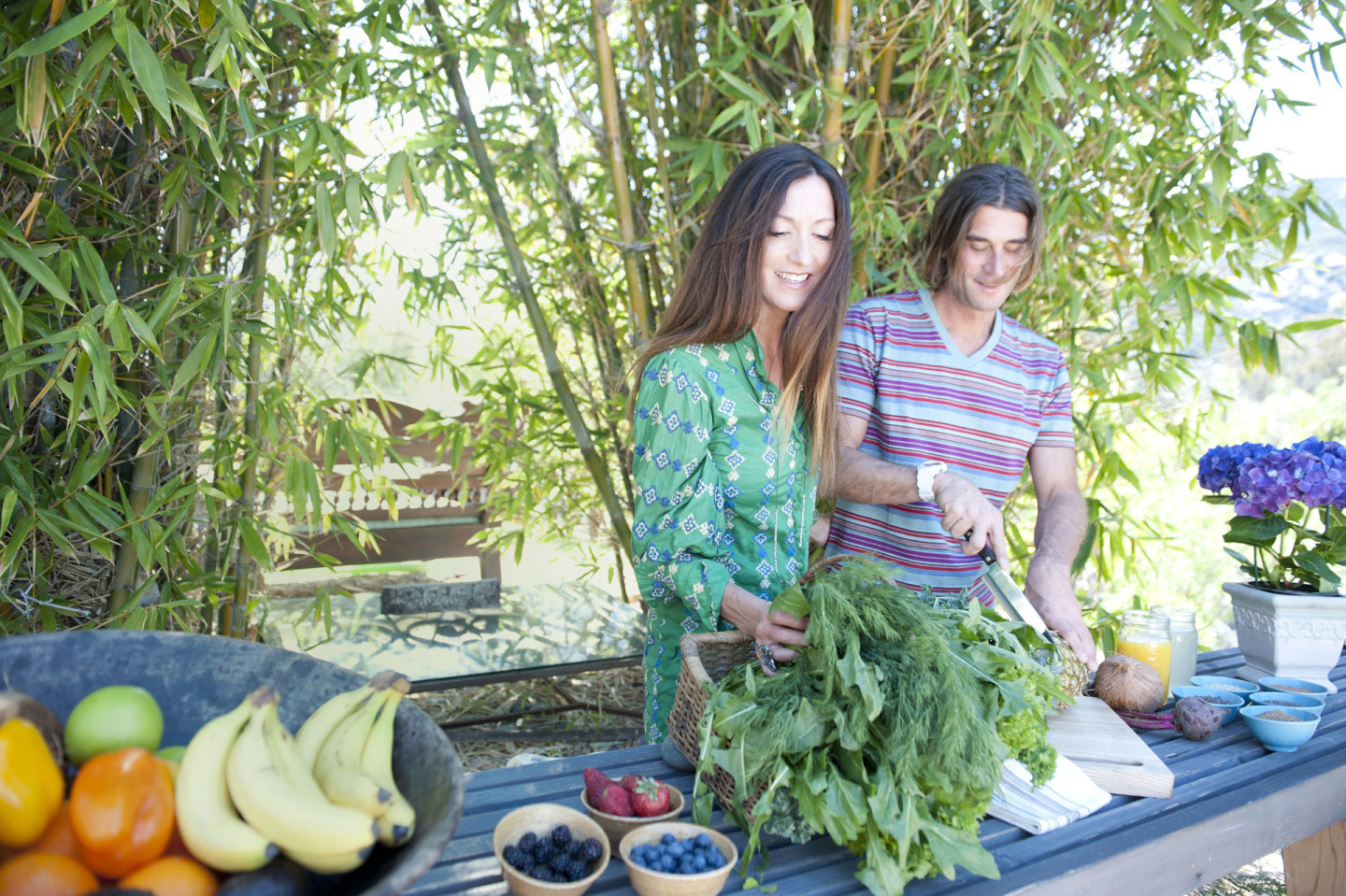
"caption": "The authors, Rich Roll and Julie Piatt",
"description": null,
"title": "Julie-&-Rich-",
"credit": "Maclay Heriot and Gunny Guzman",
"status": "inherit",
"isLoading": false,
"fetchFailed": false
},
"bayareabites_93774": {
"type": "attachments",
"id": "bayareabites_93774",
"meta": {
"index": "attachments_1716263798",
"site": "bayareabites",
"id": "93774",
"found": true
},
"parent": 93737,
"imgSizes": {
"twentyfourteen-full-width": {
"file": "https://ww2.kqed.org/app/uploads/sites/24/2015/03/Cooking-alongside-one-of-the-Salted-videos-in-the-Italian-cooking-course-1000x576.jpeg",
"width": 1000,
"mimeType": "image/jpeg",
"height": 576
},
"fd-sm": {
"file": "https://ww2.kqed.org/app/uploads/sites/24/2015/03/Cooking-alongside-one-of-the-Salted-videos-in-the-Italian-cooking-course-320x240.jpeg",
"width": 320,
"mimeType": "image/jpeg",
"height": 240
},
"post-thumbnail": {
"file": "https://ww2.kqed.org/app/uploads/sites/24/2015/03/Cooking-alongside-one-of-the-Salted-videos-in-the-Italian-cooking-course-672x372.jpeg",
"width": 672,
"mimeType": "image/jpeg",
"height": 372
},
"kqedFullSize": {
"file": "https://ww2.kqed.org/app/uploads/sites/24/2015/03/Cooking-alongside-one-of-the-Salted-videos-in-the-Italian-cooking-course.jpeg",
"width": 1000,
"height": 750
},
"cat_post_thumb_sizecategory-posts-2": {
"file": "https://ww2.kqed.org/app/uploads/sites/24/2015/03/Cooking-alongside-one-of-the-Salted-videos-in-the-Italian-cooking-course-50x50.jpeg",
"width": 50,
"mimeType": "image/jpeg",
"height": 50
},
"fd-med": {
"file": "https://ww2.kqed.org/app/uploads/sites/24/2015/03/Cooking-alongside-one-of-the-Salted-videos-in-the-Italian-cooking-course-768x576.jpeg",
"width": 768,
"mimeType": "image/jpeg",
"height": 576
},
"guest-author-96": {
"file": "https://ww2.kqed.org/app/uploads/sites/24/2015/03/Cooking-alongside-one-of-the-Salted-videos-in-the-Italian-cooking-course-96x96.jpeg",
"width": 96,
"mimeType": "image/jpeg",
"height": 96
},
"medium": {
"file": "https://ww2.kqed.org/app/uploads/sites/24/2015/03/Cooking-alongside-one-of-the-Salted-videos-in-the-Italian-cooking-course-800x600.jpeg",
"width": 800,
"mimeType": "image/jpeg",
"height": 600
},
"guest-author-64": {
"file": "https://ww2.kqed.org/app/uploads/sites/24/2015/03/Cooking-alongside-one-of-the-Salted-videos-in-the-Italian-cooking-course-64x64.jpeg",
"width": 64,
"mimeType": "image/jpeg",
"height": 64
},
"detail": {
"file": "https://ww2.kqed.org/app/uploads/sites/24/2015/03/Cooking-alongside-one-of-the-Salted-videos-in-the-Italian-cooking-course-75x75.jpeg",
"width": 75,
"mimeType": "image/jpeg",
"height": 75
},
"guest-author-32": {
"file": "https://ww2.kqed.org/app/uploads/sites/24/2015/03/Cooking-alongside-one-of-the-Salted-videos-in-the-Italian-cooking-course-32x32.jpeg",
"width": 32,
"mimeType": "image/jpeg",
"height": 32
},
"guest-author-128": {
"file": "https://ww2.kqed.org/app/uploads/sites/24/2015/03/Cooking-alongside-one-of-the-Salted-videos-in-the-Italian-cooking-course-128x128.jpeg",
"width": 128,
"mimeType": "image/jpeg",
"height": 128
}
},
"publishDate": 1426191792,
"modified": 1426193130,
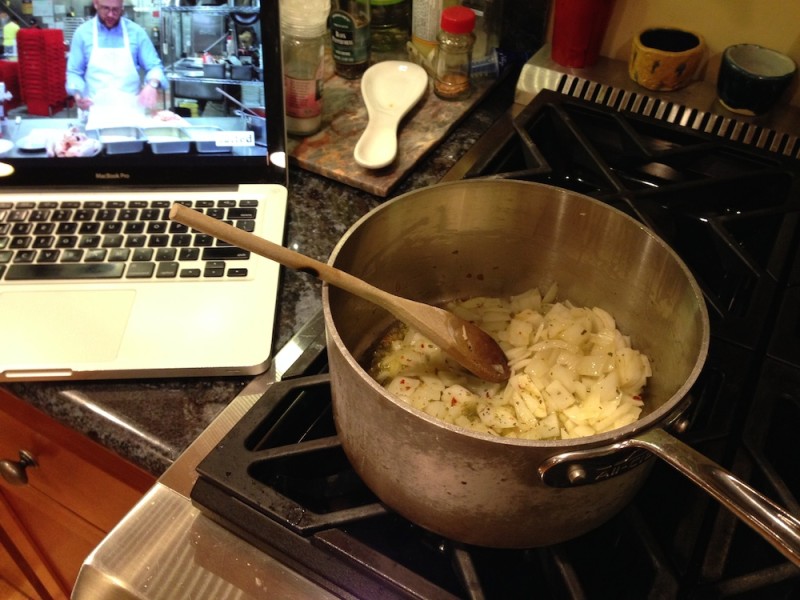
"caption": "Cooking alongside one of the Salted videos in the Italian cooking course. Photo: Angela Johnston",
"description": null,
"title": "Cooking alongside one of the Salted videos in the Italian cooking course",
"credit": null,
"status": "inherit",
"isLoading": false,
"fetchFailed": false
},
"bayareabites_93844": {
"type": "attachments",
"id": "bayareabites_93844",
"meta": {
"index": "attachments_1716263798",
"site": "bayareabites",
"id": "93844",
"found": true
},
"parent": 93751,
"imgSizes": {
"thumbnail": {
"file": "https://ww2.kqed.org/app/uploads/sites/24/2015/03/Cooking-with-dog2-400x219.jpg",
"width": 400,
"mimeType": "image/jpeg",
"height": 219
},
"fd-sm": {
"file": "https://ww2.kqed.org/app/uploads/sites/24/2015/03/Cooking-with-dog2-320x175.jpg",
"width": 320,
"mimeType": "image/jpeg",
"height": 175
},
"post-thumbnail": {
"file": "https://ww2.kqed.org/app/uploads/sites/24/2015/03/Cooking-with-dog2-672x372.jpg",
"width": 672,
"mimeType": "image/jpeg",
"height": 372
},
"kqedFullSize": {
"file": "https://ww2.kqed.org/app/uploads/sites/24/2015/03/Cooking-with-dog2.jpg",
"width": 1000,
"height": 547
},
"cat_post_thumb_sizecategory-posts-2": {
"file": "https://ww2.kqed.org/app/uploads/sites/24/2015/03/Cooking-with-dog2-50x50.jpg",
"width": 50,
"mimeType": "image/jpeg",
"height": 50
},
"fd-med": {
"file": "https://ww2.kqed.org/app/uploads/sites/24/2015/03/Cooking-with-dog2-768x420.jpg",
"width": 768,
"mimeType": "image/jpeg",
"height": 420
},
"guest-author-96": {
"file": "https://ww2.kqed.org/app/uploads/sites/24/2015/03/Cooking-with-dog2-96x96.jpg",
"width": 96,
"mimeType": "image/jpeg",
"height": 96
},
"medium": {
"file": "https://ww2.kqed.org/app/uploads/sites/24/2015/03/Cooking-with-dog2-800x438.jpg",
"width": 800,
"mimeType": "image/jpeg",
"height": 438
},
"guest-author-64": {
"file": "https://ww2.kqed.org/app/uploads/sites/24/2015/03/Cooking-with-dog2-64x64.jpg",
"width": 64,
"mimeType": "image/jpeg",
"height": 64
},
"detail": {
"file": "https://ww2.kqed.org/app/uploads/sites/24/2015/03/Cooking-with-dog2-75x75.jpg",
"width": 75,
"mimeType": "image/jpeg",
"height": 75
},
"guest-author-32": {
"file": "https://ww2.kqed.org/app/uploads/sites/24/2015/03/Cooking-with-dog2-32x32.jpg",
"width": 32,
"mimeType": "image/jpeg",
"height": 32
},
"guest-author-128": {
"file": "https://ww2.kqed.org/app/uploads/sites/24/2015/03/Cooking-with-dog2-128x128.jpg",
"width": 128,
"mimeType": "image/jpeg",
"height": 128
}
},
"publishDate": 1426208602,
"modified": 1426208602,
"caption": null,
"description": null,
"title": "Cooking with dog2",
"credit": null,
"status": "inherit",
"isLoading": false,
"fetchFailed": false
},
"bayareabites_93202": {
"type": "attachments",
"id": "bayareabites_93202",
"meta": {
"index": "attachments_1716263798",
"site": "bayareabites",
"id": "93202",
"found": true
},
"parent": 92716,
"imgSizes": {
"twentyfourteen-full-width": {
"file": "https://ww2.kqed.org/app/uploads/sites/24/2015/02/courtney-pantry4-1000x576.jpg",
"width": 1000,
"mimeType": "image/jpeg",
"height": 576
},
"thumbnail": {
"file": "https://ww2.kqed.org/app/uploads/sites/24/2015/02/courtney-pantry4-400x267.jpg",
"width": 400,
"mimeType": "image/jpeg",
"height": 267
},
"fd-sm": {
"file": "https://ww2.kqed.org/app/uploads/sites/24/2015/02/courtney-pantry4-320x213.jpg",
"width": 320,
"mimeType": "image/jpeg",
"height": 213
},
"post-thumbnail": {
"file": "https://ww2.kqed.org/app/uploads/sites/24/2015/02/courtney-pantry4-672x372.jpg",
"width": 672,
"mimeType": "image/jpeg",
"height": 372
},
"kqedFullSize": {
"file": "https://ww2.kqed.org/app/uploads/sites/24/2015/02/courtney-pantry4.jpg",
"width": 1000,
"height": 667
},
"guest-author-96": {
"file": "https://ww2.kqed.org/app/uploads/sites/24/2015/02/courtney-pantry4-96x96.jpg",
"width": 96,
"mimeType": "image/jpeg",
"height": 96
},
"medium": {
"file": "https://ww2.kqed.org/app/uploads/sites/24/2015/02/courtney-pantry4-800x534.jpg",
"width": 800,
"mimeType": "image/jpeg",
"height": 534
},
"guest-author-64": {
"file": "https://ww2.kqed.org/app/uploads/sites/24/2015/02/courtney-pantry4-64x64.jpg",
"width": 64,
"mimeType": "image/jpeg",
"height": 64
},
"guest-author-32": {
"file": "https://ww2.kqed.org/app/uploads/sites/24/2015/02/courtney-pantry4-32x32.jpg",
"width": 32,
"mimeType": "image/jpeg",
"height": 32
},
"cat_post_thumb_sizecategory-posts-2": {
"file": "https://ww2.kqed.org/app/uploads/sites/24/2015/02/courtney-pantry4-50x50.jpg",
"width": 50,
"mimeType": "image/jpeg",
"height": 50
},
"fd-med": {
"file": "https://ww2.kqed.org/app/uploads/sites/24/2015/02/courtney-pantry4-768x512.jpg",
"width": 768,
"mimeType": "image/jpeg",
"height": 512
},
"detail": {
"file": "https://ww2.kqed.org/app/uploads/sites/24/2015/02/courtney-pantry4-75x75.jpg",
"width": 75,
"mimeType": "image/jpeg",
"height": 75
},
"guest-author-128": {
"file": "https://ww2.kqed.org/app/uploads/sites/24/2015/02/courtney-pantry4-128x128.jpg",
"width": 128,
"mimeType": "image/jpeg",
"height": 128
}
},
"publishDate": 1423788699,
"modified": 1424824118,
"caption": "Cortney Burns in the Bar Tartine pantry. Photo: Wendy Goodfriend",
"description": null,
"title": "courtney-pantry4",
"credit": null,
"status": "inherit",
"isLoading": false,
"fetchFailed": false
},
"bayareabites_93399": {
"type": "attachments",
"id": "bayareabites_93399",
"meta": {
"index": "attachments_1716263798",
"site": "bayareabites",
"id": "93399",
"found": true
},
"parent": 93389,
"imgSizes": {
"kqedFullSize": {
"file": "https://ww2.kqed.org/app/uploads/sites/24/2015/02/weed-butter.jpg",
"width": 300,
"height": 300
},
"cat_post_thumb_sizecategory-posts-2": {
"file": "https://ww2.kqed.org/app/uploads/sites/24/2015/02/weed-butter-50x50.jpg",
"width": 50,
"mimeType": "image/jpeg",
"height": 50
},
"guest-author-96": {
"file": "https://ww2.kqed.org/app/uploads/sites/24/2015/02/weed-butter-96x96.jpg",
"width": 96,
"mimeType": "image/jpeg",
"height": 96
},
"guest-author-64": {
"file": "https://ww2.kqed.org/app/uploads/sites/24/2015/02/weed-butter-64x64.jpg",
"width": 64,
"mimeType": "image/jpeg",
"height": 64
},
"detail": {
"file": "https://ww2.kqed.org/app/uploads/sites/24/2015/02/weed-butter-75x75.jpg",
"width": 75,
"mimeType": "image/jpeg",
"height": 75
},
"guest-author-32": {
"file": "https://ww2.kqed.org/app/uploads/sites/24/2015/02/weed-butter-32x32.jpg",
"width": 32,
"mimeType": "image/jpeg",
"height": 32
},
"guest-author-128": {
"file": "https://ww2.kqed.org/app/uploads/sites/24/2015/02/weed-butter-128x128.jpg",
"width": 128,
"mimeType": "image/jpeg",
"height": 128
}
},
"publishDate": 1424396065,
"modified": 1424396990,
"caption": "Making CannaButter. Photo courtesy of Feastly",
"description": null,
"title": "weed-butter",
"credit": null,
"status": "inherit",
"isLoading": false,
"fetchFailed": false
},
"bayareabites_92258": {
"type": "attachments",
"id": "bayareabites_92258",
"meta": {
"index": "attachments_1716263798",
"site": "bayareabites",
"id": "92258",
"found": true
},
"parent": 92255,
"imgSizes": {
"kqedFullSize": {
"file": "https://ww2.kqed.org/app/uploads/sites/24/2015/01/no-fridge_main.jpg",
"width": 1000,
"height": 800
}
},
"publishDate": 1421990200,
"modified": 1422088466,
"caption": "A few foods to keep out of the fridge. Photo: Lisa Landers",
"description": null,
"title": "no-fridge_main",
"credit": null,
"status": "inherit",
"isLoading": false,
"fetchFailed": false
},
"bayareabites_91024": {
"type": "attachments",
"id": "bayareabites_91024",
"meta": {
"index": "attachments_1716263798",
"site": "bayareabites",
"id": "91024",
"found": true
},
"parent": 90872,
"imgSizes": {
"kqedFullSize": {
"file": "https://ww2.kqed.org/app/uploads/sites/24/2014/12/beef-mushroom-sauce-final.jpg",
"width": 1000,
"height": 667
}
},
"publishDate": 1418770208,
"modified": 1418770569,
"caption": "Roasted Beef Tenderloin with Port, Shallot, and Mushroom sauce. Photo: Wendy Goodfriend",
"description": null,
"title": "beef-mushroom-sauce-final",
"credit": null,
"status": "inherit",
"isLoading": false,
"fetchFailed": false
},
"bayareabites_90999": {
"type": "attachments",
"id": "bayareabites_90999",
"meta": {
"index": "attachments_1716263798",
"site": "bayareabites",
"id": "90999",
"found": true
},
"parent": 90996,
"imgSizes": {
"kqedFullSize": {
"file": "https://ww2.kqed.org/app/uploads/sites/24/2014/12/bowl-of-crackers-1.jpg",
"width": 1000,
"height": 722
}
},
"publishDate": 1418764874,
"modified": 1418766416,
"caption": "Homemade cheese crackers with black pepper. Photo: Kate Williams",
"description": null,
"title": "bowl of crackers 1",
"credit": null,
"status": "inherit",
"isLoading": false,
"fetchFailed": false
},
"bayareabites_89716": {
"type": "attachments",
"id": "bayareabites_89716",
"meta": {
"index": "attachments_1716263798",
"site": "bayareabites",
"id": "89716",
"found": true
},
"parent": 89588,
"imgSizes": {
"kqedFullSize": {
"file": "https://ww2.kqed.org/app/uploads/sites/24/2014/11/cranberry-finish1.jpg",
"width": 1000,
"height": 667
}
},
"publishDate": 1415489018,
"modified": 1415489018,
"caption": null,
"description": null,
"title": "cranberry-finish",
"credit": null,
"status": "inherit",
"isLoading": false,
"fetchFailed": false
},
"bayareabites_89652": {
"type": "attachments",
"id": "bayareabites_89652",
"meta": {
"index": "attachments_1716263798",
"site": "bayareabites",
"id": "89652",
"found": true
},
"parent": 89566,
"imgSizes": {
"kqedFullSize": {
"file": "https://ww2.kqed.org/app/uploads/sites/24/2014/11/turkey-grill-finish-temp.jpg",
"width": 1000,
"height": 667
}
},
"publishDate": 1415423724,
"modified": 1415423724,
"caption": "Cook the turkey until the internal thigh temperature registers 160F, about 3 to 3 1/2 hours.",
"description": null,
"title": "turkey-grill-finish-temp",
"credit": null,
"status": "inherit",
"isLoading": false,
"fetchFailed": false
},
"bayareabites_89371": {
"type": "attachments",
"id": "bayareabites_89371",
"meta": {
"index": "attachments_1716263798",
"site": "bayareabites",
"id": "89371",
"found": true
},
"parent": 89362,
"imgSizes": {
"kqedFullSize": {
"file": "https://ww2.kqed.org/app/uploads/sites/24/2014/10/all-three-pastes.jpg",
"width": 1000,
"height": 768
}
},
"publishDate": 1414719905,
"modified": 1414719905,
"caption": "Homemade Thai curry paste in three shades: red, yellow, and green. Photo: Kate Williams",
"description": null,
"title": "all three pastes",
"credit": null,
"status": "inherit",
"isLoading": false,
"fetchFailed": false
},
"bayareabites_89252": {
"type": "attachments",
"id": "bayareabites_89252",
"meta": {
"index": "attachments_1716263798",
"site": "bayareabites",
"id": "89252",
"found": true
},
"parent": 89251,
"imgSizes": {
"kqedFullSize": {
"file": "https://ww2.kqed.org/app/uploads/sites/24/2014/10/sfs_pansearedsteakbw_0011_1-photog-carltremblay_wide-693100e37cc28c969606fe4fceb90299bdff75f0-e1414101459604.jpg",
"width": 1000,
"height": 563
}
},
"publishDate": 1414100955,
"modified": 1414100955,
"caption": "America's Test Kitchen recommends cooking meat, like this pan-seared steak, at a moderate temperature to seal in the juices. Photo: Carl Tremblay/Courtesy of America's Test Kitchen",
"description": "America's Test Kitchen recommends cooking meat, like this pan-seared steak, at a moderate temperature to seal in the juices.",
"title": "America's Test Kitchen recommends cooking meat, like this pan-seared steak, at a moderate temperature to seal in the juices.",
"credit": null,
"status": "inherit",
"isLoading": false,
"fetchFailed": false
}
},
"audioPlayerReducer": {
"postId": "stream_live",
"isPaused": true,
"isPlaying": false,
"pfsActive": false,
"pledgeModalIsOpen": true,
"playerDrawerIsOpen": false,
"liveAudioPlayStartedAt": 0,
"liveAudioPlayContext": ""
},
"authorsReducer": {
"carlysevern": {
"type": "authors",
"id": "3243",
"meta": {
"index": "authors_1716337520",
"id": "3243",
"found": true
},
"name": "Carly Severn",
"firstName": "Carly",
"lastName": "Severn",
"slug": "carlysevern",
"email": "csevern@kqed.org",
"display_author_email": false,
"staff_mastheads": [
"news"
],
"title": "Senior Editor, Audience News ",
"bio": "Carly is KQED's Senior Editor of Audience News on the Digital News team, and has reported for the California Report Magazine, Bay Curious and KQED Arts. She's formerly the host of \u003ca href=\"http://ww2.kqed.org/pop/category/the-cooler/\" rel=\"noopener noreferrer\">The Cooler\u003c/a> podcast.",
"avatar": "https://secure.gravatar.com/avatar/54037bf5c128fe678f0ef26cec97a93f2e7f220a22d7285703328f12c42c1b1d?s=600&d=blank&r=g",
"twitter": "teacupinthebay",
"bluesky": null,
"facebook": null,
"instagram": null,
"linkedin": null,
"sites": [
{
"site": "",
"roles": [
"editor"
]
},
{
"site": "arts",
"roles": [
"editor"
]
},
{
"site": "news",
"roles": [
"administrator"
]
},
{
"site": "pop",
"roles": [
"editor"
]
},
{
"site": "futureofyou",
"roles": [
"editor"
]
},
{
"site": "about",
"roles": [
"administrator"
]
},
{
"site": "mindshift",
"roles": [
"editor"
]
},
{
"site": "bayareabites",
"roles": [
"editor"
]
},
{
"site": "stateofhealth",
"roles": [
"editor"
]
},
{
"site": "science",
"roles": [
"editor"
]
},
{
"site": "food",
"roles": [
"contributor"
]
},
{
"site": "forum",
"roles": [
"editor"
]
},
{
"site": "perspectives",
"roles": [
"administrator"
]
},
{
"site": "liveblog",
"roles": [
"editor"
]
}
],
"headData": {
"title": "Carly Severn | KQED",
"description": "Senior Editor, Audience News ",
"ogImgSrc": "https://secure.gravatar.com/avatar/54037bf5c128fe678f0ef26cec97a93f2e7f220a22d7285703328f12c42c1b1d?s=600&d=blank&r=g",
"twImgSrc": "https://secure.gravatar.com/avatar/54037bf5c128fe678f0ef26cec97a93f2e7f220a22d7285703328f12c42c1b1d?s=600&d=blank&r=g"
},
"isLoading": false,
"link": "/author/carlysevern"
},
"wendy-goodfriend": {
"type": "authors",
"id": "5014",
"meta": {
"index": "authors_1716337520",
"id": "5014",
"found": true
},
"name": "Wendy Goodfriend",
"firstName": "Wendy",
"lastName": "Goodfriend",
"slug": "wendy-goodfriend",
"email": "wendy@wendygoodfriend.com",
"display_author_email": false,
"staff_mastheads": [],
"title": "KQED Contributor",
"bio": "I was the Senior Digital Producer for KQED Food up until July, 2018. Since 2001, I designed, produced, managed and contributed to mostly food-related websites and blogs for KQED including: KQED.org; KQED Food; Bay Area Bites; Check, Please! Bay Area; Taste This; Celebrity Chefs; seven of Jacques Pepin's TV series websites; and Joanne Weir's Cooking in the City. I initiated the majority of KQED Food's social media feeds and maintained them up until 2017. As far as content creation, photography is my passion and I also shoot video and write stories. My photos have been used in articles for KQED Food, News, Arts, and Science as well as for promotional purposes in print and online. Professional education and training includes: clinical psychology, photography, commercial cooking, web design, information architecture and UX.",
"avatar": "https://secure.gravatar.com/avatar/dfba64372339cc34cf17e446e6f18fa8?s=600&d=blank&r=g",
"twitter": null,
"facebook": "bayareabites",
"instagram": null,
"linkedin": "wendygoodfriend",
"sites": [
{
"site": "jpepinheart",
"roles": []
},
{
"site": "about",
"roles": [
"editor"
]
},
{
"site": "bayareabites",
"roles": [
"subscriber"
]
},
{
"site": "science",
"roles": [
"administrator"
]
},
{
"site": "checkplease",
"roles": [
"subscriber"
]
},
{
"site": "food",
"roles": [
"author"
]
},
{
"site": "essentialpepin",
"roles": [
"administrator"
]
}
],
"headData": {
"title": "Wendy Goodfriend | KQED",
"description": "KQED Contributor",
"ogImgSrc": "https://secure.gravatar.com/avatar/dfba64372339cc34cf17e446e6f18fa8?s=600&d=blank&r=g",
"twImgSrc": "https://secure.gravatar.com/avatar/dfba64372339cc34cf17e446e6f18fa8?s=600&d=blank&r=g"
},
"isLoading": false,
"link": "/author/wendy-goodfriend"
},
"kim-laidlaw": {
"type": "authors",
"id": "5015",
"meta": {
"index": "authors_1716337520",
"id": "5015",
"found": true
},
"name": "Kim Laidlaw",
"firstName": "Kim",
"lastName": "Laidlaw",
"slug": "kim-laidlaw",
"email": "kim_laidlaw@yahoo.com",
"display_author_email": false,
"staff_mastheads": [],
"title": null,
"bio": "Kim Laidlaw is a cookbook author, editor, food writer, producer, project manager, and baker who has been in the kitchen covered in flour since she was big enough to stir the biscuit dough. She has over 16 years of experience in book and online publishing, and a lifetime of experience in the kitchen. \r\n\r\nHer first cookbook, Home Baked Comfort, was published in 2011; her second cookbook, Baby & Toddler On the Go, was published in April 2013; and her third cookbook, Williams-Sonoma Dessert of the Day, was published in October 2013. \r\n\r\nShe was the first blogger on KQED’s Bay Area Bites blog, which launched in 2005, and previously worked as a professional baker at La Farine French Bakery in Oakland, CA. She lives in Petaluma with her husband and their child, whom she cooks for everyday. Find out more at \u003ca href=\"http://www.kimlaidlaw.com\">http://www.kimlaidlaw.com\u003c/a>.",
"avatar": "https://secure.gravatar.com/avatar/284503bc296b6f7822eb38b816292376?s=600&d=blank&r=g",
"twitter": null,
"facebook": "kimilaw",
"instagram": null,
"linkedin": "kimlaidlaw",
"sites": [
{
"site": "bayareabites",
"roles": [
"contributor"
]
},
{
"site": "food",
"roles": [
"contributor"
]
}
],
"headData": {
"title": "Kim Laidlaw | KQED",
"description": null,
"ogImgSrc": "https://secure.gravatar.com/avatar/284503bc296b6f7822eb38b816292376?s=600&d=blank&r=g",
"twImgSrc": "https://secure.gravatar.com/avatar/284503bc296b6f7822eb38b816292376?s=600&d=blank&r=g"
},
"isLoading": false,
"link": "/author/kim-laidlaw"
},
"nprfood": {
"type": "authors",
"id": "5403",
"meta": {
"index": "authors_1716337520",
"id": "5403",
"found": true
},
"name": "NPR Food",
"firstName": "NPR Food",
"lastName": null,
"slug": "nprfood",
"email": "nprfood@kqed.org",
"display_author_email": false,
"staff_mastheads": [],
"title": null,
"bio": "Food and Health-related stories from NPR including NPR Radio; NPR's food blog, \"The Salt\"; NPR's Health News blog, \"Shots\"; NPR's Breaking News blog \"The Two-Way\"; NPR's global stories blog \"Goats and Soda,\" NPR's economy explainer \"Planet Money\"; food-related technology news from NPR's \"All Tech Considered\"; and food series \"Kitchen Window.\"",
"avatar": "https://secure.gravatar.com/avatar/c4b735bb26404fa18ce2447d32e64291?s=600&d=blank&r=g",
"twitter": "nprfood",
"facebook": null,
"instagram": null,
"linkedin": null,
"sites": [
{
"site": "bayareabites",
"roles": [
"contributor"
]
},
{
"site": "food",
"roles": [
"contributor"
]
}
],
"headData": {
"title": "NPR Food | KQED",
"description": null,
"ogImgSrc": "https://secure.gravatar.com/avatar/c4b735bb26404fa18ce2447d32e64291?s=600&d=blank&r=g",
"twImgSrc": "https://secure.gravatar.com/avatar/c4b735bb26404fa18ce2447d32e64291?s=600&d=blank&r=g"
},
"isLoading": false,
"link": "/author/nprfood"
},
"lisalanders": {
"type": "authors",
"id": "5412",
"meta": {
"index": "authors_1716337520",
"id": "5412",
"found": true
},
"name": "Lisa Landers",
"firstName": "Lisa",
"lastName": "Landers",
"slug": "lisalanders",
"email": "llanders@KQED.org",
"display_author_email": false,
"staff_mastheads": [],
"title": "KQED Contributor",
"bio": "Lisa Landers is a producer and writer whose work includes documentaries, museum exhibitions, and educational multimedia. Her work has covered a diversity of subject matter including natural history, ecological and social issues, cultural exploration, food, music, and architecture. She’s developed and produced films for broadcasters such as National Geographic, Smithsonian Channel, and the Discovery Channel. Her work as an exhibition developer and multimedia producer has been featured at institutions including the American Museum of Natural History, the National Building Museum, and The Tech Museum. Her writing has also appeared in a wide variety of print and online publications.",
"avatar": "https://secure.gravatar.com/avatar/1e4aa08f6f0a92ea11a2779a453cb36d?s=600&d=blank&r=g",
"twitter": null,
"bluesky": null,
"facebook": null,
"instagram": null,
"linkedin": null,
"sites": [
{
"site": "bayareabites",
"roles": [
"contributor"
]
},
{
"site": "quest",
"roles": [
"leadcoordinator",
"edit_theme_options",
"subscriber"
]
},
{
"site": "food",
"roles": []
}
],
"headData": {
"title": "Lisa Landers | KQED",
"description": "KQED Contributor",
"ogImgSrc": "https://secure.gravatar.com/avatar/1e4aa08f6f0a92ea11a2779a453cb36d?s=600&d=blank&r=g",
"twImgSrc": "https://secure.gravatar.com/avatar/1e4aa08f6f0a92ea11a2779a453cb36d?s=600&d=blank&r=g"
},
"isLoading": false,
"link": "/author/lisalanders"
},
"katewilliams": {
"type": "authors",
"id": "5485",
"meta": {
"index": "authors_1716337520",
"id": "5485",
"found": true
},
"name": "Kate Williams",
"firstName": "Kate",
"lastName": "Williams",
"slug": "katewilliams",
"email": "williaka@gmail.com",
"display_author_email": false,
"staff_mastheads": [],
"title": null,
"bio": "Kate Williams grew up outside of Atlanta, where twenty-pound baskets of peaches were an end-of-summer tradition. After spending time in Boston developing recipes for America's Test Kitchen and pretending to be a New Englander, she moved to sunny Berkeley. Here she works as a personal chef and food writer, covering topics ranging from taco trucks to modernist cookbooks. In addition to KQED's Bay Area Bites, Kate's work appears on Serious Eats, Berkeleyside NOSH, The Oxford American, America's Test Kitchen cookbooks, and Food52.",
"avatar": "https://secure.gravatar.com/avatar/25623fe56e181fe8b6ee92fd0ea077de?s=600&d=blank&r=g",
"twitter": "KateHWilliams",
"facebook": null,
"instagram": null,
"linkedin": null,
"sites": [
{
"site": "bayareabites",
"roles": [
"contributor"
]
},
{
"site": "food",
"roles": [
"contributor"
]
}
],
"headData": {
"title": "Kate Williams | KQED",
"description": null,
"ogImgSrc": "https://secure.gravatar.com/avatar/25623fe56e181fe8b6ee92fd0ea077de?s=600&d=blank&r=g",
"twImgSrc": "https://secure.gravatar.com/avatar/25623fe56e181fe8b6ee92fd0ea077de?s=600&d=blank&r=g"
},
"isLoading": false,
"link": "/author/katewilliams"
},
"alexandrawall": {
"type": "authors",
"id": "5567",
"meta": {
"index": "authors_1716337520",
"id": "5567",
"found": true
},
"name": "Alix Wall",
"firstName": "Alix",
"lastName": "Wall",
"slug": "alexandrawall",
"email": "alixwall@sbcglobal.net",
"display_author_email": false,
"staff_mastheads": [],
"title": null,
"bio": "Alix Wall appeared in her hometown paper in Riverside, California as “Chef of the Week” when she was 15 years old, and in high school, she founded “The Bon Appetit Club.” After working as a journalist for many years, Alix became a certified natural foods chef from Bauman College in Berkeley. While she cooks part-time healthy, organic meals for busy families, she is also a contributing editor of j. weekly, the Bay Area’s Jewish newspaper, in which she has a monthly food column. Her food writing can also be found on Berkeleyside’s NOSH and in Edible East Bay. In addition to food, she loves writing about how couples met and fell in love, which she does for The San Francisco Chronicle’s Style section and j. weekly. In 2016, she founded The Illuminoshi: The Not-So-Secret Society of Bay Area Jewish Food Professionals. She is also writer/producer for a documentary-in-progress called \u003ca href=\"https://www.lonelychildmovie.com/\">The Lonely Child\u003c/a>. Follow Alix on Twitter \u003ca href=\"https://twitter.com/WallAlix\">@WallAlix\u003c/a>.",
"avatar": "https://secure.gravatar.com/avatar/421a27f26a185be932f8d567b499b1f1?s=600&d=blank&r=g",
"twitter": null,
"facebook": null,
"instagram": null,
"linkedin": null,
"sites": [
{
"site": "bayareabites",
"roles": [
"contributor"
]
},
{
"site": "food",
"roles": [
"contributor"
]
}
],
"headData": {
"title": "Alix Wall | KQED",
"description": null,
"ogImgSrc": "https://secure.gravatar.com/avatar/421a27f26a185be932f8d567b499b1f1?s=600&d=blank&r=g",
"twImgSrc": "https://secure.gravatar.com/avatar/421a27f26a185be932f8d567b499b1f1?s=600&d=blank&r=g"
},
"isLoading": false,
"link": "/author/alexandrawall"
},
"angelajohnston": {
"type": "authors",
"id": "5568",
"meta": {
"index": "authors_1716337520",
"id": "5568",
"found": true
},
"name": "Angela Johnston",
"firstName": "Angela",
"lastName": "Johnston",
"slug": "angelajohnston",
"email": "anj618@gmail.com",
"display_author_email": false,
"staff_mastheads": [],
"title": null,
"bio": "Angela Johnston is an independent radio reporter and producer who recently moved back home to the Bay Area after spending the past six years on the east coast of Canada. She has a Master’s Degree in broadcast journalism and is currently making radio stories for KALW's daily news magazine, Crosscurrents. When she's not writing and reporting, she's surfing surf small waves on her longboard or perfecting her paella recipe.",
"avatar": "https://secure.gravatar.com/avatar/29104f87db909d4901d06df73b9db604?s=600&d=blank&r=g",
"twitter": "ang_johnston",
"facebook": null,
"instagram": null,
"linkedin": null,
"sites": [
{
"site": "bayareabites",
"roles": [
"contributor"
]
}
],
"headData": {
"title": "Angela Johnston | KQED",
"description": null,
"ogImgSrc": "https://secure.gravatar.com/avatar/29104f87db909d4901d06df73b9db604?s=600&d=blank&r=g",
"twImgSrc": "https://secure.gravatar.com/avatar/29104f87db909d4901d06df73b9db604?s=600&d=blank&r=g"
},
"isLoading": false,
"link": "/author/angelajohnston"
},
"kimwesterman": {
"type": "authors",
"id": "5575",
"meta": {
"index": "authors_1716337520",
"id": "5575",
"found": true
},
"name": "Kim Westerman",
"firstName": "Kim",
"lastName": "Westerman",
"slug": "kimwesterman",
"email": "kim.westerman@gmail.com",
"display_author_email": false,
"staff_mastheads": [],
"title": null,
"bio": "Kim Westerman has been writing about food and wine for most of her adult life. Originally from North Carolina, she moved to Berkeley in 2006 to pursue the California dream, which, it turns out, is all it’s cracked up to be. She’s a farmers' market junkie, a lover of all things tomato, and Champagne-obsessed. She loves to cook with her kids, eight and three, and she makes frequent pilgrimages to International Boulevard in search of her next favorite Mexican dish. She spends an inordinate amount of time thinking about food and wine pairing, often starting with the wine and working backwards when planning menus. She is a Level I Sommelier and a Licensed Q-Grader. Her work has appeared in KQED's Bay Area Bites, Forbes.com, the New York Times, the San Francisco Chronicle, Tasting Table, Fodor’s Travel Guides, and lots of other publications. You can follow Kim on Twitter and Instagram @throughtraveler.",
"avatar": "https://secure.gravatar.com/avatar/2eb7f890ab19ead33f77fd8554ac4c39?s=600&d=blank&r=g",
"twitter": null,
"facebook": null,
"instagram": null,
"linkedin": null,
"sites": [
{
"site": "bayareabites",
"roles": [
"contributor"
]
},
{
"site": "food",
"roles": [
"contributor"
]
}
],
"headData": {
"title": "Kim Westerman | KQED",
"description": null,
"ogImgSrc": "https://secure.gravatar.com/avatar/2eb7f890ab19ead33f77fd8554ac4c39?s=600&d=blank&r=g",
"twImgSrc": "https://secure.gravatar.com/avatar/2eb7f890ab19ead33f77fd8554ac4c39?s=600&d=blank&r=g"
},
"isLoading": false,
"link": "/author/kimwesterman"
}
},
"pagesReducer": {
"bayareabites_category_cooking-techniques-and-tips": {
"type": "terms",
"id": "bayareabites_2695",
"meta": {
"index": "terms_1716263798",
"site": "bayareabites",
"id": "2695",
"score": 14.405239
},
"featImg": null,
"name": "cooking techniques and tips",
"description": null,
"taxonomy": "category",
"headData": {
"twImgId": null,
"twTitle": null,
"ogTitle": null,
"ogImgId": null,
"twDescription": null,
"description": null,
"title": "cooking techniques and tips Archives | KQED Bay Area Bites",
"ogDescription": null
},
"ttid": 1905,
"slug": "cooking-techniques-and-tips",
"isLoading": false,
"title": "cooking techniques and tips",
"pageMeta": {
"site": "bayareabites",
"WpPageTemplate": "page-topic-editorial",
"currentPage": 5
},
"blocks": [
{
"blockName": "kqed/post-list",
"attrs": {
"layout": "cardArticle2",
"query": "posts/bayareabites?category=cooking-techniques-and-tips",
"seeMore": false,
"paginated": true,
"page": 5
}
},
{
"blockName": "kqed/ad"
}
]
}
},
"pfsSessionReducer": {},
"postsReducer": {
"stream_live": {
"type": "live",
"id": "stream_live",
"audioUrl": "https://hls.kqed.org/hls/kqed_app/playlist.m3u8",
"title": "Live Stream",
"excerpt": "Live Stream information currently unavailable.",
"link": "/radio",
"featImg": "",
"label": {
"name": "KQED Live",
"link": "/"
}
},
"stream_kqedNewscast": {
"type": "posts",
"id": "stream_kqedNewscast",
"audioUrl": "https://www.kqed.org/.stream/anon/radio/RDnews/newscast.mp3?_=1",
"title": "KQED Newscast",
"featImg": "",
"label": {
"name": "88.5 FM",
"link": "/"
}
},
"bayareabites_96314": {
"type": "posts",
"id": "bayareabites_96314",
"meta": {
"index": "posts_1716263798",
"site": "bayareabites",
"id": "96314",
"score": null,
"sort": [
1432569627000
]
},
"parent": 0,
"labelTerm": {
"site": "bayareabites"
},
"blocks": [],
"publishDate": 1432569627,
"format": "standard",
"disqusTitle": "The Plantpower Way to a Vegan Diet for the 21st Century",
"title": "The Plantpower Way to a Vegan Diet for the 21st Century",
"headTitle": "Bay Area Bites | KQED Food",
"content": "\u003cp>According to \u003cem>The American Journal of Clinical Nutrition\u003c/em>, two billion of the world’s population survives on a meat-based diet, which, given the amount of land, water and energy involved in meat production, requires more resources than we ultimately have. Meanwhile, four billion of the world’s human inhabitants currently survive mostly on plants. Frances Moore Lappé told us all about this in her groundbreaking 1971 book, \u003cem>Diet For a Small Planet\u003c/em>. \u003c/p>\n\u003cp>In the just-released cookbook and lifestyle guide \u003cem>The Plantpower Way\u003c/em>, Rich Roll and Julie Piatt are telling us again, throwing in vegan recipes that are so beautiful and delicious that you might forget to miss the meat -- and the cheese, eggs, and milk, for that matter. (Some recipes do contain honey, which is not vegan; Roll and Piatt think of it as an important nutrient, and they often recommend it as a sweetener.)\u003c/p>\n\u003cfigure id=\"attachment_96319\" class=\"wp-caption aligncenter\" style=\"max-width: 1920px\">\u003cimg src=\"http://ww2.kqed.org/bayareabites/wp-content/uploads/sites/24/2015/05/book-cover.jpg\" alt=\"The Plantpower Way by Rich Roll and Julie Piatt\" width=\"1920\" height=\"1768\" class=\"size-full wp-image-96319\" srcset=\"https://ww2.kqed.org/app/uploads/sites/24/2015/05/book-cover.jpg 1920w, https://ww2.kqed.org/app/uploads/sites/24/2015/05/book-cover-400x368.jpg 400w, https://ww2.kqed.org/app/uploads/sites/24/2015/05/book-cover-800x737.jpg 800w, https://ww2.kqed.org/app/uploads/sites/24/2015/05/book-cover-1440x1326.jpg 1440w, https://ww2.kqed.org/app/uploads/sites/24/2015/05/book-cover-1180x1087.jpg 1180w, https://ww2.kqed.org/app/uploads/sites/24/2015/05/book-cover-960x884.jpg 960w\" sizes=\"(max-width: 1920px) 100vw, 1920px\">\u003cfigcaption class=\"wp-caption-text\">The Plantpower Way by Rich Roll and Julie Piatt \u003ccite>(Maclay Heriot and Gunny Guzman)\u003c/cite>\u003c/figcaption>\u003c/figure>\n\u003cp>Roll’s story is a compelling one. After a decade of struggle with addiction to drugs and alcohol, he had managed to get sober in time for his fortieth birthday, but was 50 pounds overweight and going up a flight of stairs was a challenge. The proverbial epiphany that often accompanies mid-life crises translated, for Roll, into a life overhaul, complete with strict veganism and a training regimen that would lead him to compete in triathlons. Two years later and 50 pounds lighter, he became the first vegan to complete the Ultraman 320-mile über-endurance event, even finishing in the top ten (among males), despite being a novice at such feats of endurance. Needless to say, he’s become the poster child for plant-fueled athleticism, and \u003cem>The Plantpower Way\u003c/em> shares approaches to experiment with different “paths,” as Roll calls them, to plant-based eating.\u003c/p>\n\u003cp>The book is co-authored by Piatt, Roll’s wife, a yogi, writer and chef herself, who also credits her optimal health to a vegan diet and is the driver of the recipes that make the whole shebang so appealing.\u003c/p>\n\u003cp>Organized by category, rather than meal (with the exception of a section on \"Breakfast & Brunch\"), the book offers an easy foray into the genre, starting with \"Blends & Juices,\" which are not to be confused. Blends are nutrient-dense combinations of foods that act more like a meal, whereas juices are more like medicine, with most of the fiber removed. All are simple to make, but juices require special equipment (a masticating juicer), while blends can be concocted in any blender or Vitamix-type machine. \u003c/p>\n\u003cp>[ad fullwidth]\u003c/p>\n\u003cp>The \"Triple B Blend\" is one of the more adventurous recipes, combining apple and kale with raw pepitas, beets, and basil. \"Cherry Cacao\" is a healthy version of a chocolate-cherry shake, with a hit of kale and chia. And \"Divine Vibration\" combines citrus fruits with aloe vera, sage, lavender flowers, and rose petals for an aromatic elixir. Juice recipes are offered in three simple templates, with which you can make variations on a theme. Roll and Piatt emphasize that all ingredients for blends and juices should be organic.\u003c/p>\n\u003cfigure id=\"attachment_96321\" class=\"wp-caption alignright\" style=\"max-width: 640px\">\u003cimg src=\"http://ww2.kqed.org/bayareabites/wp-content/uploads/sites/24/2015/05/Gluten-Free-Berry-Scones-1440x2160.jpg\" alt=\"Gluten-free berry scones\" width=\"640\" height=\"960\" class=\"size-large wp-image-96321\" srcset=\"https://ww2.kqed.org/app/uploads/sites/24/2015/05/Gluten-Free-Berry-Scones-1440x2160.jpg 1440w, https://ww2.kqed.org/app/uploads/sites/24/2015/05/Gluten-Free-Berry-Scones-400x600.jpg 400w, https://ww2.kqed.org/app/uploads/sites/24/2015/05/Gluten-Free-Berry-Scones-800x1200.jpg 800w, https://ww2.kqed.org/app/uploads/sites/24/2015/05/Gluten-Free-Berry-Scones-1180x1770.jpg 1180w, https://ww2.kqed.org/app/uploads/sites/24/2015/05/Gluten-Free-Berry-Scones-960x1440.jpg 960w\" sizes=\"(max-width: 640px) 100vw, 640px\">\u003cfigcaption class=\"wp-caption-text\">Gluten-free berry scones \u003ccite>(Maclay Heriot and Gunny Guzman)\u003c/cite>\u003c/figcaption>\u003c/figure>\n\u003cp>Breakfast is the one meal the authors encourage us to re-think categorically, putting aside carb-laden heaviness and moving toward a new paradigm of drinkable salads, chia puddings, miso soup, and a “no-lox” plate that substitutes veggies for salmon and Brazil nut spread for cream cheese. There’s even a gluten-free berry scone recipe made with brown rice flour, potato starch, and garbanzo flour.\u003c/p>\n\u003cp>There is an additional section devoted to alternative milks made from hemp, white sesame seeds and cashews, and “cheeses” made with walnuts and coconut, as well as a section on \"Sauces & Dressings.\" In many ways, these are the key to the success of the recipes throughout the book, as they add familiar flavors that translate well to what might otherwise be daunting vegan recipes. Tahini green sauce, mushroom gravy, and raw mole are excellent bridges to the more austere dishes. Tahini green transforms the experience of eating steamed vegetables, and mushroom gravy enlivens country-style tempeh loaf, as well as simple mashed potatoes.\u003c/p>\n\u003cfigure id=\"attachment_96317\" class=\"wp-caption alignright\" style=\"max-width: 640px\">\u003cimg src=\"http://ww2.kqed.org/bayareabites/wp-content/uploads/sites/24/2015/05/grilled-veggie-salad-1440x2160.jpg\" alt=\"Grilled veggie salad with Dijon-honey vinaigrette\" width=\"640\" height=\"960\" class=\"size-large wp-image-96317\" srcset=\"https://ww2.kqed.org/app/uploads/sites/24/2015/05/grilled-veggie-salad-1440x2160.jpg 1440w, https://ww2.kqed.org/app/uploads/sites/24/2015/05/grilled-veggie-salad-400x600.jpg 400w, https://ww2.kqed.org/app/uploads/sites/24/2015/05/grilled-veggie-salad-800x1200.jpg 800w, https://ww2.kqed.org/app/uploads/sites/24/2015/05/grilled-veggie-salad-1180x1770.jpg 1180w, https://ww2.kqed.org/app/uploads/sites/24/2015/05/grilled-veggie-salad-960x1440.jpg 960w\" sizes=\"(max-width: 640px) 100vw, 640px\">\u003cfigcaption class=\"wp-caption-text\">Grilled veggie salad with Dijon-honey vinaigrette \u003ccite>(Maclay Heriot and Gunny Guzman)\u003c/cite>\u003c/figcaption>\u003c/figure>\n\u003cp>\"Soups and Salads\" are especially seasonally driven, and the \"Grilled Veggie Salad\" is a beautiful example. Careful attention is given both to the selection and preparation of the food. Summer is when this dish shines, with corn, peppers, zucchini, yellow squash, and young lettuces, tossed warm in a Dijon-honey vinaigrette.\u003c/p>\n\u003cp>A twist on a high-calorie classic, Roll and Piatt’s version of Fettuccini Alfredo relies on vegan butter (with a palm oil base) and butternut squash and cashews in place of parmesan. The result is a rich, creamy, and deeply comforting meal.\u003c/p>\n\u003cp>An interesting substitute for one of Roll’s cravings from childhood, tuna salad, is the mercury-free “untuna” with walnuts, olives, celery and seaweed. \u003c/p>\n\u003cfigure id=\"attachment_96318\" class=\"wp-caption alignright\" style=\"max-width: 640px\">\u003cimg src=\"http://ww2.kqed.org/bayareabites/wp-content/uploads/sites/24/2015/05/Richs-Birthday-Apple-Pie-1440x2160.jpg\" alt=\"Rich’s Birthday Apple Pie\" width=\"640\" height=\"960\" class=\"size-large wp-image-96318\" srcset=\"https://ww2.kqed.org/app/uploads/sites/24/2015/05/Richs-Birthday-Apple-Pie-1440x2160.jpg 1440w, https://ww2.kqed.org/app/uploads/sites/24/2015/05/Richs-Birthday-Apple-Pie-400x600.jpg 400w, https://ww2.kqed.org/app/uploads/sites/24/2015/05/Richs-Birthday-Apple-Pie-800x1200.jpg 800w, https://ww2.kqed.org/app/uploads/sites/24/2015/05/Richs-Birthday-Apple-Pie-1180x1770.jpg 1180w, https://ww2.kqed.org/app/uploads/sites/24/2015/05/Richs-Birthday-Apple-Pie-960x1440.jpg 960w\" sizes=\"(max-width: 640px) 100vw, 640px\">\u003cfigcaption class=\"wp-caption-text\">Rich’s Birthday Apple Pie \u003ccite>(Maclay Heriot and Gunny Guzman)\u003c/cite>\u003c/figcaption>\u003c/figure>\n\u003cp>Another classic dish that receives excellent treatment is apple pie, Roll’s favorite birthday version, in fact. The crust is made with flaxseed and walnuts, and the apples are sliced thinly and fanned out as in a galette. \u003c/p>\n\u003cp>While the book offers ample practical advice about how to select, prepare, and serve plant-based foods, it is as much of a lifestyle guide as anything else. The section called \"Raising Healthy Kids\" will be of interest to skeptical parents who are interested in veganism, but worry about providing their youngsters a balanced diet with enough protein. Roll and Piatt take a gradual, non-judgmental approach, suggesting that if you “walk your talk” and cook with love (without being pushy), then kids almost always follow suit and begin to explore foods they might not have gravitated to on their own.\u003c/p>\n\u003cp>The book closes with three different ways of breaking down and packaging the basic philosophy espoused, inviting the reader to test the waters. Those on the \"Vitality Path\" view food as energy, strive to balance yin and yang, and eat, essentially, to shore up the life force. \"Performance Path\" followers seek food as fuel, thinking more about combinations of foods that will increase their physical performance in any area. This protocol emphasizes super-foods and calorie-packed fuel for training. Finally, the \"Transformation Path\" is all about food as an alchemical decision that affects gut ecology, metabolism, and other health aspects that might be of concern.\u003c/p>\n\u003cp>Whether you’re all in, a dabbler, or just someone who wonders what you might feel like if animal products were not in your system, \u003cem>The Plantpower Way\u003c/em> is an un-scary introduction to 21st-century veganism: that is to say, a plant-based diet with style.\u003c/p>\n\u003cp>[ad floatright]\u003c/p>\n\u003cp>\u003cb>Editor's Note:\u003c/b> We made a slight correction to this post -- Roll finished the Ultraman 320-mile über-endurance event among the top 10 MALES. We had originally stated that he finished in the top ten overall. We also corrected a phrase clarifying that using honey is not vegan, in response to comments below.\u003c/p>\n\n",
"disqusIdentifier": "96314 http://ww2.kqed.org/bayareabites/?p=96314",
"disqusUrl": "https://ww2.kqed.org/bayareabites/2015/05/25/the-plantpower-way-to-a-vegan-diet-for-the-21st-century/",
"stats": {
"hasVideo": false,
"hasChartOrMap": false,
"hasAudio": false,
"hasPolis": false,
"wordCount": 1217,
"hasGoogleForm": false,
"hasGallery": false,
"hasHearkenModule": false,
"iframeSrcs": [],
"paragraphCount": 18
},
"modified": 1481593252,
"excerpt": "Rich Roll and Julie Piatt's The Plantpower Way is a stylish guide to a plant-based diet.",
"headData": {
"twImgId": "",
"twTitle": "",
"ogTitle": "",
"ogImgId": "",
"twDescription": "",
"description": "Rich Roll and Julie Piatt's The Plantpower Way is a stylish guide to a plant-based diet.",
"title": "The Plantpower Way to a Vegan Diet for the 21st Century | KQED",
"ogDescription": "",
"schema": {
"@context": "https://schema.org",
"@type": "Article",
"headline": "The Plantpower Way to a Vegan Diet for the 21st Century",
"datePublished": "2015-05-25T09:00:27-07:00",
"dateModified": "2016-12-12T17:40:52-08:00",
"image": "https://cdn.kqed.org/wp-content/uploads/2020/02/KQED-OG-Image@1x.png"
}
},
"guestAuthors": [],
"slug": "the-plantpower-way-to-a-vegan-diet-for-the-21st-century",
"status": "publish",
"path": "/bayareabites/96314/the-plantpower-way-to-a-vegan-diet-for-the-21st-century",
"audioTrackLength": null,
"parsedContent": [
{
"type": "contentString",
"content": "\u003cdiv class=\"post-body\">\u003cp>\u003cp>According to \u003cem>The American Journal of Clinical Nutrition\u003c/em>, two billion of the world’s population survives on a meat-based diet, which, given the amount of land, water and energy involved in meat production, requires more resources than we ultimately have. Meanwhile, four billion of the world’s human inhabitants currently survive mostly on plants. Frances Moore Lappé told us all about this in her groundbreaking 1971 book, \u003cem>Diet For a Small Planet\u003c/em>. \u003c/p>\n\u003cp>In the just-released cookbook and lifestyle guide \u003cem>The Plantpower Way\u003c/em>, Rich Roll and Julie Piatt are telling us again, throwing in vegan recipes that are so beautiful and delicious that you might forget to miss the meat -- and the cheese, eggs, and milk, for that matter. (Some recipes do contain honey, which is not vegan; Roll and Piatt think of it as an important nutrient, and they often recommend it as a sweetener.)\u003c/p>\n\u003cfigure id=\"attachment_96319\" class=\"wp-caption aligncenter\" style=\"max-width: 1920px\">\u003cimg src=\"http://ww2.kqed.org/bayareabites/wp-content/uploads/sites/24/2015/05/book-cover.jpg\" alt=\"The Plantpower Way by Rich Roll and Julie Piatt\" width=\"1920\" height=\"1768\" class=\"size-full wp-image-96319\" srcset=\"https://ww2.kqed.org/app/uploads/sites/24/2015/05/book-cover.jpg 1920w, https://ww2.kqed.org/app/uploads/sites/24/2015/05/book-cover-400x368.jpg 400w, https://ww2.kqed.org/app/uploads/sites/24/2015/05/book-cover-800x737.jpg 800w, https://ww2.kqed.org/app/uploads/sites/24/2015/05/book-cover-1440x1326.jpg 1440w, https://ww2.kqed.org/app/uploads/sites/24/2015/05/book-cover-1180x1087.jpg 1180w, https://ww2.kqed.org/app/uploads/sites/24/2015/05/book-cover-960x884.jpg 960w\" sizes=\"(max-width: 1920px) 100vw, 1920px\">\u003cfigcaption class=\"wp-caption-text\">The Plantpower Way by Rich Roll and Julie Piatt \u003ccite>(Maclay Heriot and Gunny Guzman)\u003c/cite>\u003c/figcaption>\u003c/figure>\n\u003cp>Roll’s story is a compelling one. After a decade of struggle with addiction to drugs and alcohol, he had managed to get sober in time for his fortieth birthday, but was 50 pounds overweight and going up a flight of stairs was a challenge. The proverbial epiphany that often accompanies mid-life crises translated, for Roll, into a life overhaul, complete with strict veganism and a training regimen that would lead him to compete in triathlons. Two years later and 50 pounds lighter, he became the first vegan to complete the Ultraman 320-mile über-endurance event, even finishing in the top ten (among males), despite being a novice at such feats of endurance. Needless to say, he’s become the poster child for plant-fueled athleticism, and \u003cem>The Plantpower Way\u003c/em> shares approaches to experiment with different “paths,” as Roll calls them, to plant-based eating.\u003c/p>\n\u003cp>The book is co-authored by Piatt, Roll’s wife, a yogi, writer and chef herself, who also credits her optimal health to a vegan diet and is the driver of the recipes that make the whole shebang so appealing.\u003c/p>\n\u003cp>Organized by category, rather than meal (with the exception of a section on \"Breakfast & Brunch\"), the book offers an easy foray into the genre, starting with \"Blends & Juices,\" which are not to be confused. Blends are nutrient-dense combinations of foods that act more like a meal, whereas juices are more like medicine, with most of the fiber removed. All are simple to make, but juices require special equipment (a masticating juicer), while blends can be concocted in any blender or Vitamix-type machine. \u003c/p>\n\u003cp>\u003c/p>\u003c/div>",
"attributes": {
"named": {},
"numeric": []
}
},
{
"type": "component",
"content": "",
"name": "ad",
"attributes": {
"named": {
"label": "fullwidth"
},
"numeric": [
"fullwidth"
]
}
},
{
"type": "contentString",
"content": "\u003cdiv class=\"post-body\">\u003cp>\u003c/p>\n\u003cp>The \"Triple B Blend\" is one of the more adventurous recipes, combining apple and kale with raw pepitas, beets, and basil. \"Cherry Cacao\" is a healthy version of a chocolate-cherry shake, with a hit of kale and chia. And \"Divine Vibration\" combines citrus fruits with aloe vera, sage, lavender flowers, and rose petals for an aromatic elixir. Juice recipes are offered in three simple templates, with which you can make variations on a theme. Roll and Piatt emphasize that all ingredients for blends and juices should be organic.\u003c/p>\n\u003cfigure id=\"attachment_96321\" class=\"wp-caption alignright\" style=\"max-width: 640px\">\u003cimg src=\"http://ww2.kqed.org/bayareabites/wp-content/uploads/sites/24/2015/05/Gluten-Free-Berry-Scones-1440x2160.jpg\" alt=\"Gluten-free berry scones\" width=\"640\" height=\"960\" class=\"size-large wp-image-96321\" srcset=\"https://ww2.kqed.org/app/uploads/sites/24/2015/05/Gluten-Free-Berry-Scones-1440x2160.jpg 1440w, https://ww2.kqed.org/app/uploads/sites/24/2015/05/Gluten-Free-Berry-Scones-400x600.jpg 400w, https://ww2.kqed.org/app/uploads/sites/24/2015/05/Gluten-Free-Berry-Scones-800x1200.jpg 800w, https://ww2.kqed.org/app/uploads/sites/24/2015/05/Gluten-Free-Berry-Scones-1180x1770.jpg 1180w, https://ww2.kqed.org/app/uploads/sites/24/2015/05/Gluten-Free-Berry-Scones-960x1440.jpg 960w\" sizes=\"(max-width: 640px) 100vw, 640px\">\u003cfigcaption class=\"wp-caption-text\">Gluten-free berry scones \u003ccite>(Maclay Heriot and Gunny Guzman)\u003c/cite>\u003c/figcaption>\u003c/figure>\n\u003cp>Breakfast is the one meal the authors encourage us to re-think categorically, putting aside carb-laden heaviness and moving toward a new paradigm of drinkable salads, chia puddings, miso soup, and a “no-lox” plate that substitutes veggies for salmon and Brazil nut spread for cream cheese. There’s even a gluten-free berry scone recipe made with brown rice flour, potato starch, and garbanzo flour.\u003c/p>\n\u003cp>There is an additional section devoted to alternative milks made from hemp, white sesame seeds and cashews, and “cheeses” made with walnuts and coconut, as well as a section on \"Sauces & Dressings.\" In many ways, these are the key to the success of the recipes throughout the book, as they add familiar flavors that translate well to what might otherwise be daunting vegan recipes. Tahini green sauce, mushroom gravy, and raw mole are excellent bridges to the more austere dishes. Tahini green transforms the experience of eating steamed vegetables, and mushroom gravy enlivens country-style tempeh loaf, as well as simple mashed potatoes.\u003c/p>\n\u003cfigure id=\"attachment_96317\" class=\"wp-caption alignright\" style=\"max-width: 640px\">\u003cimg src=\"http://ww2.kqed.org/bayareabites/wp-content/uploads/sites/24/2015/05/grilled-veggie-salad-1440x2160.jpg\" alt=\"Grilled veggie salad with Dijon-honey vinaigrette\" width=\"640\" height=\"960\" class=\"size-large wp-image-96317\" srcset=\"https://ww2.kqed.org/app/uploads/sites/24/2015/05/grilled-veggie-salad-1440x2160.jpg 1440w, https://ww2.kqed.org/app/uploads/sites/24/2015/05/grilled-veggie-salad-400x600.jpg 400w, https://ww2.kqed.org/app/uploads/sites/24/2015/05/grilled-veggie-salad-800x1200.jpg 800w, https://ww2.kqed.org/app/uploads/sites/24/2015/05/grilled-veggie-salad-1180x1770.jpg 1180w, https://ww2.kqed.org/app/uploads/sites/24/2015/05/grilled-veggie-salad-960x1440.jpg 960w\" sizes=\"(max-width: 640px) 100vw, 640px\">\u003cfigcaption class=\"wp-caption-text\">Grilled veggie salad with Dijon-honey vinaigrette \u003ccite>(Maclay Heriot and Gunny Guzman)\u003c/cite>\u003c/figcaption>\u003c/figure>\n\u003cp>\"Soups and Salads\" are especially seasonally driven, and the \"Grilled Veggie Salad\" is a beautiful example. Careful attention is given both to the selection and preparation of the food. Summer is when this dish shines, with corn, peppers, zucchini, yellow squash, and young lettuces, tossed warm in a Dijon-honey vinaigrette.\u003c/p>\n\u003cp>A twist on a high-calorie classic, Roll and Piatt’s version of Fettuccini Alfredo relies on vegan butter (with a palm oil base) and butternut squash and cashews in place of parmesan. The result is a rich, creamy, and deeply comforting meal.\u003c/p>\n\u003cp>An interesting substitute for one of Roll’s cravings from childhood, tuna salad, is the mercury-free “untuna” with walnuts, olives, celery and seaweed. \u003c/p>\n\u003cfigure id=\"attachment_96318\" class=\"wp-caption alignright\" style=\"max-width: 640px\">\u003cimg src=\"http://ww2.kqed.org/bayareabites/wp-content/uploads/sites/24/2015/05/Richs-Birthday-Apple-Pie-1440x2160.jpg\" alt=\"Rich’s Birthday Apple Pie\" width=\"640\" height=\"960\" class=\"size-large wp-image-96318\" srcset=\"https://ww2.kqed.org/app/uploads/sites/24/2015/05/Richs-Birthday-Apple-Pie-1440x2160.jpg 1440w, https://ww2.kqed.org/app/uploads/sites/24/2015/05/Richs-Birthday-Apple-Pie-400x600.jpg 400w, https://ww2.kqed.org/app/uploads/sites/24/2015/05/Richs-Birthday-Apple-Pie-800x1200.jpg 800w, https://ww2.kqed.org/app/uploads/sites/24/2015/05/Richs-Birthday-Apple-Pie-1180x1770.jpg 1180w, https://ww2.kqed.org/app/uploads/sites/24/2015/05/Richs-Birthday-Apple-Pie-960x1440.jpg 960w\" sizes=\"(max-width: 640px) 100vw, 640px\">\u003cfigcaption class=\"wp-caption-text\">Rich’s Birthday Apple Pie \u003ccite>(Maclay Heriot and Gunny Guzman)\u003c/cite>\u003c/figcaption>\u003c/figure>\n\u003cp>Another classic dish that receives excellent treatment is apple pie, Roll’s favorite birthday version, in fact. The crust is made with flaxseed and walnuts, and the apples are sliced thinly and fanned out as in a galette. \u003c/p>\n\u003cp>While the book offers ample practical advice about how to select, prepare, and serve plant-based foods, it is as much of a lifestyle guide as anything else. The section called \"Raising Healthy Kids\" will be of interest to skeptical parents who are interested in veganism, but worry about providing their youngsters a balanced diet with enough protein. Roll and Piatt take a gradual, non-judgmental approach, suggesting that if you “walk your talk” and cook with love (without being pushy), then kids almost always follow suit and begin to explore foods they might not have gravitated to on their own.\u003c/p>\n\u003cp>The book closes with three different ways of breaking down and packaging the basic philosophy espoused, inviting the reader to test the waters. Those on the \"Vitality Path\" view food as energy, strive to balance yin and yang, and eat, essentially, to shore up the life force. \"Performance Path\" followers seek food as fuel, thinking more about combinations of foods that will increase their physical performance in any area. This protocol emphasizes super-foods and calorie-packed fuel for training. Finally, the \"Transformation Path\" is all about food as an alchemical decision that affects gut ecology, metabolism, and other health aspects that might be of concern.\u003c/p>\n\u003cp>Whether you’re all in, a dabbler, or just someone who wonders what you might feel like if animal products were not in your system, \u003cem>The Plantpower Way\u003c/em> is an un-scary introduction to 21st-century veganism: that is to say, a plant-based diet with style.\u003c/p>\n\u003cp>\u003c/p>\u003c/div>",
"attributes": {
"named": {},
"numeric": []
}
},
{
"type": "component",
"content": "",
"name": "ad",
"attributes": {
"named": {
"label": "floatright"
},
"numeric": [
"floatright"
]
}
},
{
"type": "contentString",
"content": "\u003cdiv class=\"post-body\">\u003cp>\u003c/p>\n\u003cp>\u003cb>Editor's Note:\u003c/b> We made a slight correction to this post -- Roll finished the Ultraman 320-mile über-endurance event among the top 10 MALES. We had originally stated that he finished in the top ten overall. We also corrected a phrase clarifying that using honey is not vegan, in response to comments below.\u003c/p>\n\n\u003c/div>\u003c/p>",
"attributes": {
"named": {},
"numeric": []
}
}
],
"link": "/bayareabites/96314/the-plantpower-way-to-a-vegan-diet-for-the-21st-century",
"authors": [
"5575"
],
"categories": [
"bayareabites_2254",
"bayareabites_588",
"bayareabites_2695",
"bayareabites_4084",
"bayareabites_10",
"bayareabites_60",
"bayareabites_1873"
],
"tags": [
"bayareabites_14497",
"bayareabites_14496",
"bayareabites_14495"
],
"featImg": "bayareabites_96316",
"label": "bayareabites"
},
"bayareabites_93737": {
"type": "posts",
"id": "bayareabites_93737",
"meta": {
"index": "posts_1716263798",
"site": "bayareabites",
"id": "93737",
"score": null,
"sort": [
1427127708000
]
},
"parent": 0,
"labelTerm": {
"site": "bayareabites"
},
"blocks": [],
"publishDate": 1427127708,
"format": "aside",
"disqusTitle": "The Digital Kitchen: Apps and Online Services To Make You a Better Cook",
"title": "The Digital Kitchen: Apps and Online Services To Make You a Better Cook",
"headTitle": "Bay Area Bites | KQED Food",
"content": "\u003cfigure id=\"attachment_93776\" class=\"wp-caption aligncenter\" style=\"max-width: 1000px\">\u003ca href=\"http://ww2.kqed.org/bayareabites/wp-content/uploads/sites/24/2015/03/A-tablet-computer-and-smartphone-are-becoming-helpful-kitchen-tools.jpg\">\u003cimg src=\"http://ww2.kqed.org/bayareabites/wp-content/uploads/sites/24/2015/03/A-tablet-computer-and-smartphone-are-becoming-helpful-kitchen-tools.jpg\" alt=\"A tablet, computer, and smartphone are becoming helpful kitchen tools. Photo: Angela Johnston\" width=\"1000\" height=\"666\" class=\"size-full wp-image-93776\" srcset=\"https://ww2.kqed.org/app/uploads/sites/24/2015/03/A-tablet-computer-and-smartphone-are-becoming-helpful-kitchen-tools.jpg 1000w, https://ww2.kqed.org/app/uploads/sites/24/2015/03/A-tablet-computer-and-smartphone-are-becoming-helpful-kitchen-tools-400x266.jpg 400w, https://ww2.kqed.org/app/uploads/sites/24/2015/03/A-tablet-computer-and-smartphone-are-becoming-helpful-kitchen-tools-800x533.jpg 800w, https://ww2.kqed.org/app/uploads/sites/24/2015/03/A-tablet-computer-and-smartphone-are-becoming-helpful-kitchen-tools-768x511.jpg 768w, https://ww2.kqed.org/app/uploads/sites/24/2015/03/A-tablet-computer-and-smartphone-are-becoming-helpful-kitchen-tools-320x213.jpg 320w\" sizes=\"(max-width: 1000px) 100vw, 1000px\">\u003c/a>\u003cfigcaption class=\"wp-caption-text\">A tablet, computer, and smartphone are becoming helpful kitchen tools. Photo: Angela Johnston\u003c/figcaption>\u003c/figure>\n\u003cp>In the Bay Area there are countless apps that have food delivered to your doorstep in minutes as well as meal delivery apps that make it easy to never lift a frying-pan again. But what if you want to become a better cook-- without shelling out thousands of dollars for culinary school? There are, obviously, apps for that too. Here’s a sample of four cooking apps and online services that do more than just provide recipes.\u003c/p>\n\u003ch2>\u003ca href=\"http://www.sidechef.com/\" target=\"_blank\">SideChef\u003c/a>\u003c/h2>\n\u003cfigure id=\"attachment_93773\" class=\"wp-caption aligncenter\" style=\"max-width: 1000px\">\u003ca href=\"http://ww2.kqed.org/bayareabites/wp-content/uploads/sites/24/2015/03/SideChef-breaks-a-recipe-down-step-by-step-with-photos-and-simple-directions.jpg\">\u003cimg src=\"http://ww2.kqed.org/bayareabites/wp-content/uploads/sites/24/2015/03/SideChef-breaks-a-recipe-down-step-by-step-with-photos-and-simple-directions.jpg\" alt=\"SideChef breaks a recipe down, step-by-step with photos and simple directions. Photo: SideChef\" width=\"1000\" height=\"750\" class=\"size-full wp-image-93773\" srcset=\"https://ww2.kqed.org/app/uploads/sites/24/2015/03/SideChef-breaks-a-recipe-down-step-by-step-with-photos-and-simple-directions.jpg 1000w, https://ww2.kqed.org/app/uploads/sites/24/2015/03/SideChef-breaks-a-recipe-down-step-by-step-with-photos-and-simple-directions-800x600.jpg 800w, https://ww2.kqed.org/app/uploads/sites/24/2015/03/SideChef-breaks-a-recipe-down-step-by-step-with-photos-and-simple-directions-768x576.jpg 768w, https://ww2.kqed.org/app/uploads/sites/24/2015/03/SideChef-breaks-a-recipe-down-step-by-step-with-photos-and-simple-directions-320x240.jpg 320w\" sizes=\"(max-width: 1000px) 100vw, 1000px\">\u003c/a>\u003cfigcaption class=\"wp-caption-text\">SideChef breaks a recipe down, step-by-step with photos and simple directions. Photo: SideChef\u003c/figcaption>\u003c/figure>\n\u003cp>SideChef guides wanna-be-chefs through a recipe step-by-step. This app got its start through a successful \u003ca href=\"https://www.kickstarter.com/projects/2080376024/sidechef-step-by-step-cooking-application\" target=\"_blank\">Kickstarter campaign\u003c/a> back in 2013. It features over 1,000 different recipes submitted by food bloggers, other users, and a few partner chefs. You can search for your next meal by region (American to Thai, German to Japanese), type of dish (appetizer, seafood, dessert, brunch, etc) the time it takes to cook, and many other different tags. One of SideChef’s best features is its voice command option. When selected, the app will dictate each step to you; when you want to move on, you simply say, “next.” No more smearing butter and sauce all over your iPad. There’s also a handy self-timer on the app, and a way to send ingredient lists by text or email. If you’re already a talented home cook, you can create your own recipes to share on SideChef. I appreciated the interactive glossary of terms reminding me with a simple video the difference between chop, dice and slice.\u003c/p>\n\u003cp>There is room for improvement, however. The search bar doesn’t always yield the most accurate results. I was craving a blackberry pie, but when I searched for it, the top four results were a quiche Lorraine, sun-dried tomato and feta quiche, apple pie fries, and a pierogi with feta tomato and white wine sauce. There are blackberry desserts, and other berry pies, which should’ve showed up. Also, some of the recipes don’t have any photos. It would’ve been nice to see step-by-step photos of the chopped kale salad I was making. \u003c/p>\n\u003cp>SideChef made the iOS list of top ten apps within a week of its release, and it’s currently free for the \u003ca href=\"https://itunes.apple.com/us/app/sidechef-step-by-step-cooking/id905229928?mt=8\" target=\"_blank\">iPad, iPhone\u003c/a> and \u003ca href=\"https://play.google.com/store/apps/details?id=com.sidechef.sidechef&hl=en\" target=\"_blank\">Android\u003c/a>.\u003c/p>\n\u003ch2>\u003ca href=\"https://www.saltedtv.com/\" target=\"_blank\">Salted\u003c/a>\u003c/h2>\n\u003cfigure id=\"attachment_93774\" class=\"wp-caption aligncenter\" style=\"max-width: 1000px\">\u003ca href=\"http://ww2.kqed.org/bayareabites/wp-content/uploads/sites/24/2015/03/Cooking-alongside-one-of-the-Salted-videos-in-the-Italian-cooking-course.jpeg\">\u003cimg src=\"http://ww2.kqed.org/bayareabites/wp-content/uploads/sites/24/2015/03/Cooking-alongside-one-of-the-Salted-videos-in-the-Italian-cooking-course.jpeg\" alt=\"Cooking alongside one of the Salted videos in the Italian cooking course. Photo: Angela Johnston\" width=\"1000\" height=\"750\" class=\"size-full wp-image-93774\" srcset=\"https://ww2.kqed.org/app/uploads/sites/24/2015/03/Cooking-alongside-one-of-the-Salted-videos-in-the-Italian-cooking-course.jpeg 1000w, https://ww2.kqed.org/app/uploads/sites/24/2015/03/Cooking-alongside-one-of-the-Salted-videos-in-the-Italian-cooking-course-800x600.jpeg 800w, https://ww2.kqed.org/app/uploads/sites/24/2015/03/Cooking-alongside-one-of-the-Salted-videos-in-the-Italian-cooking-course-768x576.jpeg 768w, https://ww2.kqed.org/app/uploads/sites/24/2015/03/Cooking-alongside-one-of-the-Salted-videos-in-the-Italian-cooking-course-320x240.jpeg 320w\" sizes=\"(max-width: 1000px) 100vw, 1000px\">\u003c/a>\u003cfigcaption class=\"wp-caption-text\">Cooking alongside one of the Salted videos in the Italian cooking course. Photo: Angela Johnston\u003c/figcaption>\u003c/figure>\n\u003cp>If SideChef is trying to be your kitchen sidekick for a date-night dinner, the new online service Salted is more like a digital cooking school. Salted works with about \u003cdel datetime=\"2015-03-23T22:17:19+00:00\">50\u003c/del> 75 (updated 3/23) chefs to provide video tutorials and courses to help you master certain cuisines and kitchen skills. There’s everything from a “How To Cook Bootcamp” to a skill class on “How to Break Down an Entire Goat.” I landed somewhere in the middle, and took a \u003ca href=\"http://www.saltedtv.com/courses/introduction-to-italian-cooking\" target=\"_blank\">course on traditional Italian cooking\u003c/a>, taught by four different chefs who work in Italian restaurants around the country. There are also knife skills courses, courses on how to use a rolling pin, how to make butter and pasta from scratch, how to temper oil, and many others. \u003c/p>\n\u003cp>[ad fullwidth]\u003c/p>\n\u003cp>The Italian cooking course starts with fundamentals like: how to use garlic and how to make the perfect pasta sauce. The course then progresses to recipes like: how to make the perfect meatball, risotto, and chicken parmesan. \u003c/p>\n\u003cp>Each lesson has a video as well as written instructions which are also linked to corresponding timecodes in the video. You can watch the whole video or jump to these points as you work your way through the recipe. The chefs explain the technical and scientific processes of each step and offer very helpful tips. For instance, I discovered a quick way to mince garlic: simply peel the clove, put a bit of salt on your cutting board, dice the clove on top and rub the pieces of garlic and salt together with the broad side of your knife. The salt helps cut the garlic and within minutes I had a garlic paste.\u003c/p>\n\u003cp>There are other perks too, like a chef hotline where you can send urgent questions to Salted’s culinary team. The response time, they say, will be under 30 minutes. However, nowadays most kitchen questions are also answerable by a quick Google search. Also, Salted is a paid service. There’s a free 30-day trial but you begin paying almost $10 per month afterwards. For that money, the photos on the website could be better (some were snapped in poor lighting) and the videos could provide even more detail. While I was following a video on how to make chicken parmesan, I was told to “butterfly” a chicken breast, but I had to stop the video and search on Google to figure out how to correctly perform that task.\u003c/p>\n\u003cp>Salted is only available online, and not as an app for your tablet or smartphone.\u003c/p>\n\u003ch2>\u003ca href=\"http://www.cooksillustrated.com/ipadapp#\" target=\"_blank\">America’s Test Kitchen: Cook’s Illustrated\u003c/a>\u003c/h2>\n\u003cfigure id=\"attachment_93928\" class=\"wp-caption aligncenter\" style=\"max-width: 1000px\">\u003ca href=\"http://ww2.kqed.org/bayareabites/wp-content/uploads/sites/24/2015/03/cooks-illustrated.jpg\">\u003cimg src=\"http://ww2.kqed.org/bayareabites/wp-content/uploads/sites/24/2015/03/cooks-illustrated.jpg\" alt=\"The Cook’s Illustrated iPad app is very similar to the magazine, but with extra features. Photo: Angela Johnston\" width=\"1000\" height=\"666\" class=\"size-full wp-image-93928\" srcset=\"https://ww2.kqed.org/app/uploads/sites/24/2015/03/cooks-illustrated.jpg 1000w, https://ww2.kqed.org/app/uploads/sites/24/2015/03/cooks-illustrated-400x266.jpg 400w, https://ww2.kqed.org/app/uploads/sites/24/2015/03/cooks-illustrated-800x533.jpg 800w, https://ww2.kqed.org/app/uploads/sites/24/2015/03/cooks-illustrated-768x511.jpg 768w, https://ww2.kqed.org/app/uploads/sites/24/2015/03/cooks-illustrated-320x213.jpg 320w\" sizes=\"(max-width: 1000px) 100vw, 1000px\">\u003c/a>\u003cfigcaption class=\"wp-caption-text\">The Cook’s Illustrated iPad app is very similar to the magazine, but with extra features. Photo: Angela Johnston\u003c/figcaption>\u003c/figure>\n\u003cp>I’ve been using America’s Test Kitchen and Cook’s Illustrated recipes for years, so I was excited to discover they also had an iPad app. The app is simply a digital version of the magazine, with extra features helpful to a home cook looking to improve his or her skills. The photos, at first, appear black and white, but slowly turn color. Each master recipe also has a video attached to it, which guides you step-by-step through the cooking process. I was ambitious and tried to make the Mu Shu Pork and pancakes from scratch, a recipe in the March/April edition of Cook’s Illustrated. The video was helpful, but when I got to a difficult spot, I found myself replaying certain spots over and over again. Then, I discovered the special “cooking mode slideshow” that broke the recipe down into individual slides and color photos for every step. The instructions were accurate, and the dish turned out well, but the specialized steps it took me almost 2 hours to prepare. I should’ve signed up for America’s Test Kitchen's Cooking School, which offers similar courses to Salted, as well as skill-testing review sections and equipment reviews.\u003c/p>\n\u003cp>The Cook’s Illustrated app is available for \u003ca href=\"https://itunes.apple.com/us/app/cooks-illustrated/id385674638?mt=8\" target=\"_blank\">iOS\u003c/a>. You can download the iPad app for free, but you have to choose to pay for a monthly subscription, or buy each magazine individually. The iPhone app is free, but only features 50 recipes. \u003ca href=\"http://www.onlinecookingschool.com/\" target=\"_blank\">America’s Test Kitchen Cooking School\u003c/a> has a free 14-day trial. Otherwise, it costs 19.95 per month or $179.95 per year.\u003c/p>\n\u003ch2>\u003ca href=\"http://www.chefsteps.com/\" target=\"_blank\">ChefSteps\u003c/a>\u003c/h2>\n\u003cfigure id=\"attachment_93927\" class=\"wp-caption aligncenter\" style=\"max-width: 1000px\">\u003ca href=\"http://ww2.kqed.org/bayareabites/wp-content/uploads/sites/24/2015/03/chefsteps.jpg\">\u003cimg src=\"http://ww2.kqed.org/bayareabites/wp-content/uploads/sites/24/2015/03/chefsteps.jpg\" alt=\"ChefSteps highlights difficult recipes, like how to create balls of flavor using the spherification technique. Photo: ChefSteps\" width=\"1000\" height=\"563\" class=\"size-full wp-image-93927\" srcset=\"https://ww2.kqed.org/app/uploads/sites/24/2015/03/chefsteps.jpg 1000w, https://ww2.kqed.org/app/uploads/sites/24/2015/03/chefsteps-400x225.jpg 400w, https://ww2.kqed.org/app/uploads/sites/24/2015/03/chefsteps-800x450.jpg 800w, https://ww2.kqed.org/app/uploads/sites/24/2015/03/chefsteps-768x432.jpg 768w, https://ww2.kqed.org/app/uploads/sites/24/2015/03/chefsteps-320x180.jpg 320w\" sizes=\"(max-width: 1000px) 100vw, 1000px\">\u003c/a>\u003cfigcaption class=\"wp-caption-text\">ChefSteps highlights difficult recipes, like how to create balls of flavor using the spherification technique. Photo: ChefSteps\u003c/figcaption>\u003c/figure>\n\u003cp>ChefSteps is definitely one of the most elite cooking-school apps out there. Based in Seattle’s Pike Place Market, the recipes and courses range from topics like how to make a \u003ca href=\"http://www.chefsteps.com/activities/black-pepper-souffle\" target=\"_blank\">black pepper soufflé\u003c/a> and how to get your \u003ca href=\"http://www.chefsteps.com/activities/chicken-liver-pate\" target=\"_blank\">chicken liver paté\u003c/a> just right, to how to make sous-vide pork belly (http://www.chefsteps.com/activities/sous-vide-pork-belly). The photos are beautiful, and the videos are non-narrated, you follow them by reading basic subtitles. You have to pay for most ChefSteps classes, and they range from $5 to $18. There are some classes you can take for free, like one on the “\u003ca href=\"https://www.chefsteps.com/classes/spherification/landing\" target=\"_blank\">three fundamental techniques of spherification\u003c/a>,\" a modernist technique that can be used to turn any flavorful liquid into spheres, but the average home cook won’t have the materials or ingredients in their pantry (you need things like sodium alginate or calcium lactate gluconate). \u003c/p>\n\u003cp>[ad floatright]\u003c/p>\n\u003cp>ChefsSteps courses can be viewed online, and free app is also available for \u003ca href=\"https://itunes.apple.com/us/app/chefsteps/id816731096?mt=8\" target=\"_blank\">iOS\u003c/a> and \u003ca href=\"https://play.google.com/store/apps/details?id=com.chefsteps.mobile&hl=en\" target=\"_blank\">Android\u003c/a>.\u003c/p>\n\n",
"disqusIdentifier": "93737 http://blogs.kqed.org/bayareabites/?p=93737",
"disqusUrl": "https://ww2.kqed.org/bayareabites/2015/03/23/the-digital-kitchen-apps-and-online-services-to-make-you-a-better-cook/",
"stats": {
"hasVideo": false,
"hasChartOrMap": false,
"hasAudio": false,
"hasPolis": false,
"wordCount": 1371,
"hasGoogleForm": false,
"hasGallery": false,
"hasHearkenModule": false,
"iframeSrcs": [],
"paragraphCount": 15
},
"modified": 1427149146,
"excerpt": "What if you want to become a better cook-- without shelling out thousands of dollars for culinary school? Here’s a sample of four cooking apps and online services that do more than just provide recipes.\r\n\r\n",
"headData": {
"twImgId": "",
"twTitle": "",
"ogTitle": "",
"ogImgId": "",
"twDescription": "",
"description": "What if you want to become a better cook-- without shelling out thousands of dollars for culinary school? Here’s a sample of four cooking apps and online services that do more than just provide recipes.\r\n\r\n",
"title": "The Digital Kitchen: Apps and Online Services To Make You a Better Cook | KQED",
"ogDescription": "",
"schema": {
"@context": "https://schema.org",
"@type": "Article",
"headline": "The Digital Kitchen: Apps and Online Services To Make You a Better Cook",
"datePublished": "2015-03-23T09:21:48-07:00",
"dateModified": "2015-03-23T15:19:06-07:00",
"image": "https://cdn.kqed.org/wp-content/uploads/2020/02/KQED-OG-Image@1x.png"
}
},
"guestAuthors": [],
"slug": "the-digital-kitchen-apps-and-online-services-to-make-you-a-better-cook",
"status": "publish",
"path": "/bayareabites/93737/the-digital-kitchen-apps-and-online-services-to-make-you-a-better-cook",
"audioTrackLength": null,
"parsedContent": [
{
"type": "contentString",
"content": "\u003cdiv class=\"post-body\">\u003cp>\u003cfigure id=\"attachment_93776\" class=\"wp-caption aligncenter\" style=\"max-width: 1000px\">\u003ca href=\"http://ww2.kqed.org/bayareabites/wp-content/uploads/sites/24/2015/03/A-tablet-computer-and-smartphone-are-becoming-helpful-kitchen-tools.jpg\">\u003cimg src=\"http://ww2.kqed.org/bayareabites/wp-content/uploads/sites/24/2015/03/A-tablet-computer-and-smartphone-are-becoming-helpful-kitchen-tools.jpg\" alt=\"A tablet, computer, and smartphone are becoming helpful kitchen tools. Photo: Angela Johnston\" width=\"1000\" height=\"666\" class=\"size-full wp-image-93776\" srcset=\"https://ww2.kqed.org/app/uploads/sites/24/2015/03/A-tablet-computer-and-smartphone-are-becoming-helpful-kitchen-tools.jpg 1000w, https://ww2.kqed.org/app/uploads/sites/24/2015/03/A-tablet-computer-and-smartphone-are-becoming-helpful-kitchen-tools-400x266.jpg 400w, https://ww2.kqed.org/app/uploads/sites/24/2015/03/A-tablet-computer-and-smartphone-are-becoming-helpful-kitchen-tools-800x533.jpg 800w, https://ww2.kqed.org/app/uploads/sites/24/2015/03/A-tablet-computer-and-smartphone-are-becoming-helpful-kitchen-tools-768x511.jpg 768w, https://ww2.kqed.org/app/uploads/sites/24/2015/03/A-tablet-computer-and-smartphone-are-becoming-helpful-kitchen-tools-320x213.jpg 320w\" sizes=\"(max-width: 1000px) 100vw, 1000px\">\u003c/a>\u003cfigcaption class=\"wp-caption-text\">A tablet, computer, and smartphone are becoming helpful kitchen tools. Photo: Angela Johnston\u003c/figcaption>\u003c/figure>\n\u003cp>In the Bay Area there are countless apps that have food delivered to your doorstep in minutes as well as meal delivery apps that make it easy to never lift a frying-pan again. But what if you want to become a better cook-- without shelling out thousands of dollars for culinary school? There are, obviously, apps for that too. Here’s a sample of four cooking apps and online services that do more than just provide recipes.\u003c/p>\n\u003ch2>\u003ca href=\"http://www.sidechef.com/\" target=\"_blank\">SideChef\u003c/a>\u003c/h2>\n\u003cfigure id=\"attachment_93773\" class=\"wp-caption aligncenter\" style=\"max-width: 1000px\">\u003ca href=\"http://ww2.kqed.org/bayareabites/wp-content/uploads/sites/24/2015/03/SideChef-breaks-a-recipe-down-step-by-step-with-photos-and-simple-directions.jpg\">\u003cimg src=\"http://ww2.kqed.org/bayareabites/wp-content/uploads/sites/24/2015/03/SideChef-breaks-a-recipe-down-step-by-step-with-photos-and-simple-directions.jpg\" alt=\"SideChef breaks a recipe down, step-by-step with photos and simple directions. Photo: SideChef\" width=\"1000\" height=\"750\" class=\"size-full wp-image-93773\" srcset=\"https://ww2.kqed.org/app/uploads/sites/24/2015/03/SideChef-breaks-a-recipe-down-step-by-step-with-photos-and-simple-directions.jpg 1000w, https://ww2.kqed.org/app/uploads/sites/24/2015/03/SideChef-breaks-a-recipe-down-step-by-step-with-photos-and-simple-directions-800x600.jpg 800w, https://ww2.kqed.org/app/uploads/sites/24/2015/03/SideChef-breaks-a-recipe-down-step-by-step-with-photos-and-simple-directions-768x576.jpg 768w, https://ww2.kqed.org/app/uploads/sites/24/2015/03/SideChef-breaks-a-recipe-down-step-by-step-with-photos-and-simple-directions-320x240.jpg 320w\" sizes=\"(max-width: 1000px) 100vw, 1000px\">\u003c/a>\u003cfigcaption class=\"wp-caption-text\">SideChef breaks a recipe down, step-by-step with photos and simple directions. Photo: SideChef\u003c/figcaption>\u003c/figure>\n\u003cp>SideChef guides wanna-be-chefs through a recipe step-by-step. This app got its start through a successful \u003ca href=\"https://www.kickstarter.com/projects/2080376024/sidechef-step-by-step-cooking-application\" target=\"_blank\">Kickstarter campaign\u003c/a> back in 2013. It features over 1,000 different recipes submitted by food bloggers, other users, and a few partner chefs. You can search for your next meal by region (American to Thai, German to Japanese), type of dish (appetizer, seafood, dessert, brunch, etc) the time it takes to cook, and many other different tags. One of SideChef’s best features is its voice command option. When selected, the app will dictate each step to you; when you want to move on, you simply say, “next.” No more smearing butter and sauce all over your iPad. There’s also a handy self-timer on the app, and a way to send ingredient lists by text or email. If you’re already a talented home cook, you can create your own recipes to share on SideChef. I appreciated the interactive glossary of terms reminding me with a simple video the difference between chop, dice and slice.\u003c/p>\n\u003cp>There is room for improvement, however. The search bar doesn’t always yield the most accurate results. I was craving a blackberry pie, but when I searched for it, the top four results were a quiche Lorraine, sun-dried tomato and feta quiche, apple pie fries, and a pierogi with feta tomato and white wine sauce. There are blackberry desserts, and other berry pies, which should’ve showed up. Also, some of the recipes don’t have any photos. It would’ve been nice to see step-by-step photos of the chopped kale salad I was making. \u003c/p>\n\u003cp>SideChef made the iOS list of top ten apps within a week of its release, and it’s currently free for the \u003ca href=\"https://itunes.apple.com/us/app/sidechef-step-by-step-cooking/id905229928?mt=8\" target=\"_blank\">iPad, iPhone\u003c/a> and \u003ca href=\"https://play.google.com/store/apps/details?id=com.sidechef.sidechef&hl=en\" target=\"_blank\">Android\u003c/a>.\u003c/p>\n\u003ch2>\u003ca href=\"https://www.saltedtv.com/\" target=\"_blank\">Salted\u003c/a>\u003c/h2>\n\u003cfigure id=\"attachment_93774\" class=\"wp-caption aligncenter\" style=\"max-width: 1000px\">\u003ca href=\"http://ww2.kqed.org/bayareabites/wp-content/uploads/sites/24/2015/03/Cooking-alongside-one-of-the-Salted-videos-in-the-Italian-cooking-course.jpeg\">\u003cimg src=\"http://ww2.kqed.org/bayareabites/wp-content/uploads/sites/24/2015/03/Cooking-alongside-one-of-the-Salted-videos-in-the-Italian-cooking-course.jpeg\" alt=\"Cooking alongside one of the Salted videos in the Italian cooking course. Photo: Angela Johnston\" width=\"1000\" height=\"750\" class=\"size-full wp-image-93774\" srcset=\"https://ww2.kqed.org/app/uploads/sites/24/2015/03/Cooking-alongside-one-of-the-Salted-videos-in-the-Italian-cooking-course.jpeg 1000w, https://ww2.kqed.org/app/uploads/sites/24/2015/03/Cooking-alongside-one-of-the-Salted-videos-in-the-Italian-cooking-course-800x600.jpeg 800w, https://ww2.kqed.org/app/uploads/sites/24/2015/03/Cooking-alongside-one-of-the-Salted-videos-in-the-Italian-cooking-course-768x576.jpeg 768w, https://ww2.kqed.org/app/uploads/sites/24/2015/03/Cooking-alongside-one-of-the-Salted-videos-in-the-Italian-cooking-course-320x240.jpeg 320w\" sizes=\"(max-width: 1000px) 100vw, 1000px\">\u003c/a>\u003cfigcaption class=\"wp-caption-text\">Cooking alongside one of the Salted videos in the Italian cooking course. Photo: Angela Johnston\u003c/figcaption>\u003c/figure>\n\u003cp>If SideChef is trying to be your kitchen sidekick for a date-night dinner, the new online service Salted is more like a digital cooking school. Salted works with about \u003cdel datetime=\"2015-03-23T22:17:19+00:00\">50\u003c/del> 75 (updated 3/23) chefs to provide video tutorials and courses to help you master certain cuisines and kitchen skills. There’s everything from a “How To Cook Bootcamp” to a skill class on “How to Break Down an Entire Goat.” I landed somewhere in the middle, and took a \u003ca href=\"http://www.saltedtv.com/courses/introduction-to-italian-cooking\" target=\"_blank\">course on traditional Italian cooking\u003c/a>, taught by four different chefs who work in Italian restaurants around the country. There are also knife skills courses, courses on how to use a rolling pin, how to make butter and pasta from scratch, how to temper oil, and many others. \u003c/p>\n\u003cp>\u003c/p>\u003c/div>",
"attributes": {
"named": {},
"numeric": []
}
},
{
"type": "component",
"content": "",
"name": "ad",
"attributes": {
"named": {
"label": "fullwidth"
},
"numeric": [
"fullwidth"
]
}
},
{
"type": "contentString",
"content": "\u003cdiv class=\"post-body\">\u003cp>\u003c/p>\n\u003cp>The Italian cooking course starts with fundamentals like: how to use garlic and how to make the perfect pasta sauce. The course then progresses to recipes like: how to make the perfect meatball, risotto, and chicken parmesan. \u003c/p>\n\u003cp>Each lesson has a video as well as written instructions which are also linked to corresponding timecodes in the video. You can watch the whole video or jump to these points as you work your way through the recipe. The chefs explain the technical and scientific processes of each step and offer very helpful tips. For instance, I discovered a quick way to mince garlic: simply peel the clove, put a bit of salt on your cutting board, dice the clove on top and rub the pieces of garlic and salt together with the broad side of your knife. The salt helps cut the garlic and within minutes I had a garlic paste.\u003c/p>\n\u003cp>There are other perks too, like a chef hotline where you can send urgent questions to Salted’s culinary team. The response time, they say, will be under 30 minutes. However, nowadays most kitchen questions are also answerable by a quick Google search. Also, Salted is a paid service. There’s a free 30-day trial but you begin paying almost $10 per month afterwards. For that money, the photos on the website could be better (some were snapped in poor lighting) and the videos could provide even more detail. While I was following a video on how to make chicken parmesan, I was told to “butterfly” a chicken breast, but I had to stop the video and search on Google to figure out how to correctly perform that task.\u003c/p>\n\u003cp>Salted is only available online, and not as an app for your tablet or smartphone.\u003c/p>\n\u003ch2>\u003ca href=\"http://www.cooksillustrated.com/ipadapp#\" target=\"_blank\">America’s Test Kitchen: Cook’s Illustrated\u003c/a>\u003c/h2>\n\u003cfigure id=\"attachment_93928\" class=\"wp-caption aligncenter\" style=\"max-width: 1000px\">\u003ca href=\"http://ww2.kqed.org/bayareabites/wp-content/uploads/sites/24/2015/03/cooks-illustrated.jpg\">\u003cimg src=\"http://ww2.kqed.org/bayareabites/wp-content/uploads/sites/24/2015/03/cooks-illustrated.jpg\" alt=\"The Cook’s Illustrated iPad app is very similar to the magazine, but with extra features. Photo: Angela Johnston\" width=\"1000\" height=\"666\" class=\"size-full wp-image-93928\" srcset=\"https://ww2.kqed.org/app/uploads/sites/24/2015/03/cooks-illustrated.jpg 1000w, https://ww2.kqed.org/app/uploads/sites/24/2015/03/cooks-illustrated-400x266.jpg 400w, https://ww2.kqed.org/app/uploads/sites/24/2015/03/cooks-illustrated-800x533.jpg 800w, https://ww2.kqed.org/app/uploads/sites/24/2015/03/cooks-illustrated-768x511.jpg 768w, https://ww2.kqed.org/app/uploads/sites/24/2015/03/cooks-illustrated-320x213.jpg 320w\" sizes=\"(max-width: 1000px) 100vw, 1000px\">\u003c/a>\u003cfigcaption class=\"wp-caption-text\">The Cook’s Illustrated iPad app is very similar to the magazine, but with extra features. Photo: Angela Johnston\u003c/figcaption>\u003c/figure>\n\u003cp>I’ve been using America’s Test Kitchen and Cook’s Illustrated recipes for years, so I was excited to discover they also had an iPad app. The app is simply a digital version of the magazine, with extra features helpful to a home cook looking to improve his or her skills. The photos, at first, appear black and white, but slowly turn color. Each master recipe also has a video attached to it, which guides you step-by-step through the cooking process. I was ambitious and tried to make the Mu Shu Pork and pancakes from scratch, a recipe in the March/April edition of Cook’s Illustrated. The video was helpful, but when I got to a difficult spot, I found myself replaying certain spots over and over again. Then, I discovered the special “cooking mode slideshow” that broke the recipe down into individual slides and color photos for every step. The instructions were accurate, and the dish turned out well, but the specialized steps it took me almost 2 hours to prepare. I should’ve signed up for America’s Test Kitchen's Cooking School, which offers similar courses to Salted, as well as skill-testing review sections and equipment reviews.\u003c/p>\n\u003cp>The Cook’s Illustrated app is available for \u003ca href=\"https://itunes.apple.com/us/app/cooks-illustrated/id385674638?mt=8\" target=\"_blank\">iOS\u003c/a>. You can download the iPad app for free, but you have to choose to pay for a monthly subscription, or buy each magazine individually. The iPhone app is free, but only features 50 recipes. \u003ca href=\"http://www.onlinecookingschool.com/\" target=\"_blank\">America’s Test Kitchen Cooking School\u003c/a> has a free 14-day trial. Otherwise, it costs 19.95 per month or $179.95 per year.\u003c/p>\n\u003ch2>\u003ca href=\"http://www.chefsteps.com/\" target=\"_blank\">ChefSteps\u003c/a>\u003c/h2>\n\u003cfigure id=\"attachment_93927\" class=\"wp-caption aligncenter\" style=\"max-width: 1000px\">\u003ca href=\"http://ww2.kqed.org/bayareabites/wp-content/uploads/sites/24/2015/03/chefsteps.jpg\">\u003cimg src=\"http://ww2.kqed.org/bayareabites/wp-content/uploads/sites/24/2015/03/chefsteps.jpg\" alt=\"ChefSteps highlights difficult recipes, like how to create balls of flavor using the spherification technique. Photo: ChefSteps\" width=\"1000\" height=\"563\" class=\"size-full wp-image-93927\" srcset=\"https://ww2.kqed.org/app/uploads/sites/24/2015/03/chefsteps.jpg 1000w, https://ww2.kqed.org/app/uploads/sites/24/2015/03/chefsteps-400x225.jpg 400w, https://ww2.kqed.org/app/uploads/sites/24/2015/03/chefsteps-800x450.jpg 800w, https://ww2.kqed.org/app/uploads/sites/24/2015/03/chefsteps-768x432.jpg 768w, https://ww2.kqed.org/app/uploads/sites/24/2015/03/chefsteps-320x180.jpg 320w\" sizes=\"(max-width: 1000px) 100vw, 1000px\">\u003c/a>\u003cfigcaption class=\"wp-caption-text\">ChefSteps highlights difficult recipes, like how to create balls of flavor using the spherification technique. Photo: ChefSteps\u003c/figcaption>\u003c/figure>\n\u003cp>ChefSteps is definitely one of the most elite cooking-school apps out there. Based in Seattle’s Pike Place Market, the recipes and courses range from topics like how to make a \u003ca href=\"http://www.chefsteps.com/activities/black-pepper-souffle\" target=\"_blank\">black pepper soufflé\u003c/a> and how to get your \u003ca href=\"http://www.chefsteps.com/activities/chicken-liver-pate\" target=\"_blank\">chicken liver paté\u003c/a> just right, to how to make sous-vide pork belly (http://www.chefsteps.com/activities/sous-vide-pork-belly). The photos are beautiful, and the videos are non-narrated, you follow them by reading basic subtitles. You have to pay for most ChefSteps classes, and they range from $5 to $18. There are some classes you can take for free, like one on the “\u003ca href=\"https://www.chefsteps.com/classes/spherification/landing\" target=\"_blank\">three fundamental techniques of spherification\u003c/a>,\" a modernist technique that can be used to turn any flavorful liquid into spheres, but the average home cook won’t have the materials or ingredients in their pantry (you need things like sodium alginate or calcium lactate gluconate). \u003c/p>\n\u003cp>\u003c/p>\u003c/div>",
"attributes": {
"named": {},
"numeric": []
}
},
{
"type": "component",
"content": "",
"name": "ad",
"attributes": {
"named": {
"label": "floatright"
},
"numeric": [
"floatright"
]
}
},
{
"type": "contentString",
"content": "\u003cdiv class=\"post-body\">\u003cp>\u003c/p>\n\u003cp>ChefsSteps courses can be viewed online, and free app is also available for \u003ca href=\"https://itunes.apple.com/us/app/chefsteps/id816731096?mt=8\" target=\"_blank\">iOS\u003c/a> and \u003ca href=\"https://play.google.com/store/apps/details?id=com.chefsteps.mobile&hl=en\" target=\"_blank\">Android\u003c/a>.\u003c/p>\n\n\u003c/div>\u003c/p>",
"attributes": {
"named": {},
"numeric": []
}
}
],
"link": "/bayareabites/93737/the-digital-kitchen-apps-and-online-services-to-make-you-a-better-cook",
"authors": [
"5568"
],
"categories": [
"bayareabites_752",
"bayareabites_2695",
"bayareabites_64",
"bayareabites_4084"
],
"tags": [
"bayareabites_12147",
"bayareabites_4076",
"bayareabites_14196",
"bayareabites_14198",
"bayareabites_14195",
"bayareabites_14197"
],
"featImg": "bayareabites_93774",
"label": "bayareabites"
},
"bayareabites_93751": {
"type": "posts",
"id": "bayareabites_93751",
"meta": {
"index": "posts_1716263798",
"site": "bayareabites",
"id": "93751",
"score": null,
"sort": [
1426278588000
]
},
"parent": 0,
"labelTerm": {
"site": "bayareabites"
},
"blocks": [],
"publishDate": 1426278588,
"format": "aside",
"disqusTitle": "Amid a Feast of Foodie Videos, 6 Unusual Cooking Channels To Try on YouTube",
"title": "Amid a Feast of Foodie Videos, 6 Unusual Cooking Channels To Try on YouTube",
"headTitle": "Bay Area Bites | KQED Food",
"content": "\u003cfigure id=\"attachment_93844\" class=\"wp-caption aligncenter\" style=\"max-width: 1000px\">\u003ca href=\"http://ww2.kqed.org/bayareabites/wp-content/uploads/sites/24/2015/03/Cooking-with-dog2.jpg\">\u003cimg class=\"wp-image-93844 size-full\" src=\"http://ww2.kqed.org/bayareabites/wp-content/uploads/sites/24/2015/03/Cooking-with-dog2.jpg\" alt=\"Cooking with dog2\" width=\"1000\" height=\"547\" srcset=\"https://ww2.kqed.org/app/uploads/sites/24/2015/03/Cooking-with-dog2.jpg 1000w, https://ww2.kqed.org/app/uploads/sites/24/2015/03/Cooking-with-dog2-400x219.jpg 400w, https://ww2.kqed.org/app/uploads/sites/24/2015/03/Cooking-with-dog2-800x438.jpg 800w, https://ww2.kqed.org/app/uploads/sites/24/2015/03/Cooking-with-dog2-768x420.jpg 768w, https://ww2.kqed.org/app/uploads/sites/24/2015/03/Cooking-with-dog2-320x175.jpg 320w\" sizes=\"(max-width: 1000px) 100vw, 1000px\">\u003c/a>\u003cfigcaption class=\"wp-caption-text\">Cooking With Dog: the Japanese canine chef with over 945,000 subscribers on YouTube\u003c/figcaption>\u003c/figure>\n\u003cp>Not so long ago, the only way to host your own cooking show would have been to find favor with a television network. Now, \u003ca title=\"Eater: The Next Generation of Culinary Stars Is Already on YouTube\" href=\"http://www.eater.com/2015/3/10/8178513/youtube-stars-culinary-superstar-famous-chef\" target=\"_blank\">any chef with an iPhone\u003c/a> can broadcast it in the comfort of their own kitchen thanks to YouTube.\u003c/p>\n\u003cp>One look at the viewership of foodie content on YouTube shows that the audience is (sorry) hungry for it. According to \u003ca title=\"Millennials Eat Up YouTube Food Videos \" href=\"https://www.thinkwithgoogle.com/articles/millennials-eat-up-youtube-food-videos.html\" target=\"_blank\">YouTube's own figures\u003c/a>, views of food and recipe content on the platform grew 59% in the last year alone, and subscriptions to these channels — from users wanting to receive new videos as soon as they're live — were up 280%. As for exactly \u003cem>who's\u003c/em> watching other people cook online, YouTube's stats point to the fabled 18-34 Millennial generation as viewing \u003ca title=\"Millennials Eat Up YouTube Food Videos\" href=\"https://www.thinkwithgoogle.com/articles/millennials-eat-up-youtube-food-videos.html\" target=\"_blank\">way more food content\u003c/a> (30% more, in fact) than any other demographic.\u003c/p>\n\u003cp>It all paints a picture of younger would-be cooks eager for inspiration and advice on-demand, on their terms — and as a way to learn, the runaway success of these channels on YouTube makes total sense. Why read a recipe and guess wildly at the stuff it doesn’t tell you when you can \u003cem>watch\u003c/em> someone doing it, and even cook along, in real-time? \u003ca title=\"YouTube Statistics\" href=\"https://www.youtube.com/yt/press/statistics.html\" target=\"_blank\">YouTube says\u003c/a> that 75% of food content views come from mobile (those Millennials again) which also makes sense for people following a video the way you'd follow a recipe in your hand or on your countertop.\u003c/p>\n\u003cfigure id=\"attachment_93796\" class=\"wp-caption aligncenter\" style=\"max-width: 1000px\">\u003ca href=\"http://ww2.kqed.org/bayareabites/wp-content/uploads/sites/24/2015/03/Laura-Vitale.jpg\">\u003cimg class=\"wp-image-93796\" src=\"http://ww2.kqed.org/bayareabites/wp-content/uploads/sites/24/2015/03/Laura-Vitale-1024x769.jpg\" alt=\"Laura Vitale\" width=\"1000\" height=\"751\">\u003c/a>\u003cfigcaption class=\"wp-caption-text\">Laura Vitale, host of hugely-popular YouTube show \u003cem>Laura in the Kitchen\u003c/em>\u003c/figcaption>\u003c/figure>\n\u003cp>Not surprisingly, some of the most successful YouTube accounts are the most professional-looking and pleasing to watch, with the slick production values of glossy TV shows in miniature. (Some actually \u003ci>are\u003c/i> canny spin-offs from the shows of celebrated chefs, with one eye on those Millennials who don’t even own a TV. The wildly successful \u003ca title=\"Food Tube\" href=\"https://www.youtube.com/user/JamieOliver\" target=\"_blank\">FoodTube\u003c/a> channel of TV chef and early YouTube adopter \u003ca title=\"Video: Slap Jamie Oliver and Subscribe\" href=\"https://www.youtube.com/watch?v=KnflsbHi_HI\" target=\"_blank\">Jamie Oliver\u003c/a>, with its 90 million views and 1.3 million subscribers, is widely regarded as the \u003ca title=\"Jamie Oliver: A Recipe For Success\" href=\"https://www.thinkwithgoogle.com/case-studies/jamie-oliver-youtube-case-study.html\" target=\"_blank\">gold standard for celebrity cheffing online\u003c/a>.) One such YouTube phenomenon is \u003ca title=\"Laura in the Kitchen\" href=\"https://www.youtube.com/user/LauraVitalesKitchen\" target=\"_blank\">Laura in the Kitchen\u003c/a>. Amassing 200m views and 1.6m subscribers in just five years, creator \u003ca title=\"Laura Vitale\" href=\"https://www.youtube.com/user/LauraVitalesKitchen/about\" target=\"_blank\">Laura Vitale\u003c/a> has the camera-ready ease of a veteran TV cooking host when presenting her brightly-filmed Italian recipes, and inevitably, she’s now duplicating her talents to television with a weekly show on the \u003ca title=\"Simply Laura on The Cooking Channel\" href=\"http://www.cookingchanneltv.com/shows/simply-laura.html\" target=\"_blank\">Cooking Channel\u003c/a>.\u003c/p>\n\u003cp>[youtube https://www.youtube.com/watch?v=qfyuvY8ydhk]\u003c/p>\n\u003cp>Many YouTube chefs monetize their videos by permitting ads, so for those who go viral, there’s real profit to be made from cooking on YouTube — possibly even a real career. “Geeky baking” channel \u003ca title=\"Nerdy Nummies\" href=\"https://www.youtube.com/user/RosannaPansino\" target=\"_blank\">Nerdy Nummies\u003c/a>, with its \u003ca title=\"Angry Birds Cupcakes\" href=\"https://www.youtube.com/watch?v=h5pxW4YOUwE\" target=\"_blank\">Angry Bird Cupcakes\u003c/a>, \u003ca title=\"Princess Peach Cobbler\" href=\"https://www.youtube.com/watch?v=ipouzYEkUes\" target=\"_blank\">Princess Peach Cobbler\u003c/a> and \u003ca title=\"Lightsaber Popsicles\" href=\"https://www.youtube.com/watch?v=vvipVVG44OE\" target=\"_blank\">Lightsaber Popsicles\u003c/a>, is officially \u003ca title=\"Business Insider: 10 Huge YouTube Stars You've Probably Never Heard Of \" href=\"http://www.businessinsider.com/10-lesser-known-youtube-stars-2014-5#rosanna-pansinos-nerdy-cooking-site-is-the-most-popular-baking-channel-on-youtube-6\" target=\"_blank\">the most popular baking account on YouTube\u003c/a> with over 645 million views and 3.5m subscribers. In 2014 the woman behind the channel, \u003ca title=\"Rosanna Pansino\" href=\"https://www.youtube.com/user/RosannaPansino/about\" target=\"_blank\">Rosanna Pansino\u003c/a>, was \u003ca title=\"Business Insider: 10 Huge YouTube Stars You've Probably Never Heard Of \" href=\"http://www.businessinsider.com/10-lesser-known-youtube-stars-2014-5#rosanna-pansinos-nerdy-cooking-site-is-the-most-popular-baking-channel-on-youtube-6\" target=\"_blank\">estimated\u003c/a> to have earned almost $200,000 from ad revenue on her videos. \u003ca title=\"Hannah Hart\" href=\"https://www.youtube.com/user/MyHarto\" target=\"_blank\">Hannah Hart\u003c/a>’s “inebriated cooking” tutorials on her \u003ca title=\"Playlist: My Drunk Kitchen\" href=\"https://www.youtube.com/playlist?list=PL2EC7F45DBD9D9B1A\" target=\"_blank\">My Drunk Kitchen\u003c/a> show, while comic, have gained her over 140 million views, 1.8m subscribers, a \u003ca title='Daily Dot: Hannah Hart crowdfunds \"My Drunk Kitchen\" tour' href=\"http://www.dailydot.com/news/hannah-harto-hart-my-drunk-kitchen-indiegogo/\" target=\"_blank\">crowdfunded tour\u003c/a>, a \u003ca title=\"My Drunk Kitchen on Amazon\" href=\"http://www.amazon.com/My-Drunk-Kitchen-Eating-Drinking/dp/0062293036\" target=\"_blank\">book deal\u003c/a> and a guest spot from \u003ca title=\"MY DRUNK KITCHEN: Veggie Pot Pie! (ft. Sarah Silverman)\" href=\"https://www.youtube.com/watch?v=4cyi0QrPMq4\" target=\"_blank\">Sarah Silverman\u003c/a>.\u003c/p>\n\u003cp>[ad fullwidth]\u003c/p>\n\u003cp>But between the slick high-earning professionals and the “who \u003cem>watches\u003c/em> this?” novelty accounts, there’s a bunch of unusual, often bizarre cooking personalities out there on YouTube — a passionate and active bunch of amateur and semi-pro chefs who probably aren’t making millions, but whose quirky tutorials are still worth your time. Have a taste!\u003c/p>\n\u003ch2>6 Unusual YouTube Cooking Channels to Try on YouTube\u003c/h2>\n\u003ch3>\u003ca title=\"Cooking With Dog\" href=\"https://www.youtube.com/user/cookingwithdog\" target=\"_blank\">Cooking With Dog\u003c/a> (Subscribers: 944k)\u003c/h3>\n\u003cp>[youtube https://www.youtube.com/watch?v=-_hbPLsZvvo]\u003c/p>\n\u003cp>If you’ve ever wanted to learn how to cook authentic Japanese delicacies but didn’t want to learn from a human, now’s your chance! \u003ca title=\"Cooking With Dog\" href=\"https://www.youtube.com/user/cookingwithdog\" target=\"_blank\">Cooking With Dog\u003c/a> is “hosted” by \u003ca title=\"About Cooking With Dog\" href=\"https://www.youtube.com/user/cookingwithdog/about\" target=\"_blank\">poodle Francis\u003c/a>, who narrates these \u003ca title=\"All Cooking With Dog Videos\" href=\"https://www.youtube.com/user/cookingwithdog/videos\" target=\"_blank\">zippy, easy-to-follow recipes\u003c/a> performed by the nameless (human) chef beside him at the countertop. Unbelievably, this account has been going strong for over seven years, and for sheer deadpan fun and watchability these videos are irresistible. Putting aside the fact that,you know, there’s a dog in it, the cooking tutorials themselves — from \u003ca title=\"How to Make Yaki Gyoza (Fried Dumpling Recipe) \" href=\"https://www.youtube.com/watch?v=r8MBX-SXnmg\" target=\"_blank\">gyoza\u003c/a> to \u003ca title=\"Mochi Ice Cream Recipe\" href=\"https://www.youtube.com/watch?v=iisOssAvc6c\" target=\"_blank\">mochi\u003c/a> and \u003ca title=\"Matcha Crème Brûlée \" href=\"https://www.youtube.com/watch?v=YCnO8t3UR2w\" target=\"_blank\">matcha creme brulee\u003c/a> -- are actually really well executed. If canine instruction is some kind of educational miracle tool, then I really wish I’d had ‘Physics With Dog’ in high school.\u003c/p>\n\u003ch3>\u003ca title=\"Feast of Fiction\" href=\"https://www.youtube.com/user/feastoffiction/featured\" target=\"_blank\">Feast of Fiction\u003c/a> (Subscribers: 280k)\u003c/h3>\n\u003cp>[youtube https://www.youtube.com/watch?v=rnUwzxkgNiQ]\u003c/p>\n\u003cp>This channel is, essentially, “cosplay for cooking.” Anchored by boundlessly-enthusiastic chef Jimmy Wong and his equally excitable pals, \u003ca title=\"All Feast of Fiction Videos\" href=\"https://www.youtube.com/user/feastoffiction/videos\" target=\"_blank\">Feast of Fiction recreates the fictional foods\u003c/a> featured or mentioned in movies, books and gaming. From \u003ca title=\"Narnian Turkish Delight\" href=\"https://www.youtube.com/watch?v=2lItd9EgxBw\" target=\"_blank\">Narnian Turkish Delight\u003c/a> and Alice in Wonderland's \u003ca title=\"Eat Me Cakes and Drink Me Potion\" href=\"https://www.youtube.com/watch?v=qN7yvG-Jwho\" target=\"_blank\">Drink Me Potion\u003c/a> to \u003ca title=\"Super Mario Mushrooms\" href=\"https://www.youtube.com/watch?v=Vz_KzCmKto8\" target=\"_blank\">Super Mario Mushrooms\u003c/a>, this channel truly goes off the edge of the nerd map, but it’s hard to quibble with the sheer eagerness and imagination of it all -- especially since I can imagine bookwormy kids particularly delighting in the \u003ca title=\"Harry Potter Pumpkin Pastries\" href=\"https://www.youtube.com/watch?v=DmhqBOBBJ0Q\" target=\"_blank\">Harry Potter Pumpkin Pasties \u003c/a>and \u003ca title=\"Ambrosia Nectar\" href=\"https://www.youtube.com/watch?v=mUhrTLH_8io\" target=\"_blank\">Percy Jackson’s Ambrosia Nectar\u003c/a>. Bonus points for the handy full ingredient lists in the video captions, which are normally all too lacking on these kinds of channels.\u003c/p>\n\u003ch3>\u003ca title=\"Great Depression Cooking\" href=\"https://www.youtube.com/user/DepressionCooking\" target=\"_blank\">Great Depression Cooking\u003c/a> (Subscribers: 69k)\u003c/h3>\n\u003cp>[youtube https://www.youtube.com/watch?v=qptfhu9R0WI]\u003c/p>\n\u003cp>There are no end of \u003ca title=\"YouTube Search: Cooking on a Budget\" href=\"https://www.youtube.com/results?search_query=cooking+on+a+budget\" target=\"_blank\">YouTube videos offering tips on cooking within a budget\u003c/a>, but this is the real deal: a ninety-something great-grandmother recreating the frugal recipes of her childhood during the Great Depression. Born in 1915 in Chicago to Sicilian immigrants, Clara actually passed away in 2013 at the grand age of 98, but you can still watch her \u003ca title=\"All Videos\" href=\"https://www.youtube.com/user/DepressionCooking/videos\" target=\"_blank\">many YouTube tutorials\u003c/a> recreating the austere feasts of her 1930s childhood: recipes like the \u003ca title=\"Poor Man's Meal\" href=\"https://www.youtube.com/watch?v=3OPQqH3YlHA\" target=\"_blank\">Poor Man’s Meal\u003c/a> (basically fried potatoes and hot dogs), \u003ca title=\"Dandelion Salad\" href=\"https://www.youtube.com/watch?v=51VhG8MKxJY\" target=\"_blank\">Dandelion Salad\u003c/a> and a \u003ca title=\"Depression Breakfast\" href=\"https://www.youtube.com/watch?v=9zXqkHvs0po\" target=\"_blank\">Depression Breakfast\u003c/a> of cookies and coffee. Yes, the recipes are pretty plain and these videos, while charming, are \u003ci>slow\u003c/i>. But if you’re weirdly fascinated by the idea of recreating recipes that someone, somewhere in your family tree might have relied on (albeit in pretty unfortunate circumstances) almost a century ago, they’re pretty darn interesting from a historical perspective.\u003c/p>\n\u003ch3>\u003ca title=\"Epic Meal Time\" href=\"https://www.youtube.com/user/EpicMealTime\" target=\"_blank\">Epic Meal Time\u003c/a> (Subscribers: 6.7m)\u003c/h3>\n\u003cp>[youtube https://www.youtube.com/watch?v=m9FRSghXhDM]\u003c/p>\n\u003cp>Forget what I said up there about these cooking creators not making millions, because the men behind Epic Meal Time almost certainly are. One of the \u003ca title=\"Forbes: The Secret Sauce Behind Epic Meal Time's Youtube Success\" href=\"http://www.forbes.com/sites/gregvoakes/2012/05/29/the-secret-sauce-behind-epic-meal-times-youtube-success/\" target=\"_blank\">greatest YouTube food success stories\u003c/a>, this bro-tastic channel started in 2010 as a way for a bunch of Canadian pals to showcase their penchant for ridiculously high calorie creations (or, “Jackass in the kitchen,” as their founder puts it.) In 2014 their 721m views were \u003ca title=\"The 25 Highest Earning Youtube Stars\" href=\"http://www.celebritynetworth.com/articles/celebrity/the-25-highest-earning-youtube-stars/\" target=\"_blank\">estimated\u003c/a> to have earned them $1.3 million, as well as guest appearances from \u003ca title=\"Fast Food Pizza Cake - Epic Meal Time\" href=\"https://www.youtube.com/watch?v=WqhVhlEzZbw\" target=\"_blank\">Tony Hawk\u003c/a> and \u003ca title=\"The Steak & Egger Sandwich - Epic Meal Time w/ Arnold Schwarzenegger\" href=\"https://www.youtube.com/watch?v=dg4rylxSg5c\" target=\"_blank\">Arnold Schwarzenegger\u003c/a>. From \u003ca title=\"Pizza Palace\" href=\"https://www.youtube.com/watch?v=_6w3nMD55n4\" target=\"_blank\">The Pizza Palace\u003c/a> (72,532 calories) to their \u003ca title=\"Breakfast of Booze\" href=\"https://www.youtube.com/watch?v=wZDv9pgHp8Q\" target=\"_blank\">Breakfast of Booze\u003c/a> (18,531 calories), almost all of these recipes are too masochistic to ever recreate yourself in full, but they'll certainly give you some ideas for guilty Friday night gorging.\u003c/p>\n\u003ch3>\u003ca title=\"Vegan Black Metal Chef\" href=\"https://www.youtube.com/user/VeganBlackMetalChef\" target=\"_blank\">Vegan Black Metal Chef\u003c/a> (Subscribers: 60k)\u003c/h3>\n\u003cp>[youtube https://www.youtube.com/watch?v=I2KJqJ35Njc]\u003c/p>\n\u003cp>Too bizarre not to mention, the Vegan Black Metal Chef \u003ca title=\"Vegan Black Metal Chef on YouTube\" href=\"https://www.youtube.com/user/VeganBlackMetalChef/about\" target=\"_blank\">describes\u003c/a> his channel as “a vegan cooking show like no other” — and unless \u003cem>you\u003c/em> know of another vegan tutorial channel with \u003ca title=\"All Videos\" href=\"https://www.youtube.com/user/VeganBlackMetalChef/videos\" target=\"_blank\">recipes\u003c/a> entirely communicated through black metal music, he's right. From his dungeon kitchen, the titular Vegan demonstrates how to create vegan delicacies from around the globe like \u003ca title=\"Chipotle Crimson Hell\" href=\"https://www.youtube.com/watch?v=evt9dCQ-saM\" target=\"_blank\">Chipotle Crimson Hell\u003c/a> and the \u003ca title=\"Indian Food of the Gods\" href=\"https://www.youtube.com/watch?v=wxKtBDKasgM\" target=\"_blank\">Indian Feast of the Gods\u003c/a>, aided by a pentagram chopping board and a miniature axe for a vegetable knife. Don’t worry, it's \u003ci>meant\u003c/i> to be ridiculous. But if you’re concerned that going vegan might make you humorless, this is probably a good place to dispel that myth, and the dishes themselves actually look pretty tasty bathed in the flickering light of the altar candles. (PSA: if you’re prone to headaches, the “lyrics” are subtitled. Nobody would judge you for watching Vegan Black Metal Chef with the sound off.)\u003c/p>\n\u003ch3>\u003ca title=\"The Meat Men\" href=\"https://www.youtube.com/user/theMEATMENsg/featured\" target=\"_blank\">The Meat Men\u003c/a> (Subscribers: 3k)\u003c/h3>\n\u003cp>[youtube https://www.youtube.com/watch?v=3IT6WmMzyL8]\u003c/p>\n\u003cp>[ad floatright]\u003c/p>\n\u003cp>Purveyors of high-end hipster meat porn, \u003ca title=\"The Meat Men\" href=\"https://www.youtube.com/channel/UC7hQUFXEPdcbAk5bPRKYg5w\" target=\"_blank\">The Meat Men\u003c/a> are a self-described “bunch of greedy guys in the creative trade who love their food” in Singapore. From Banh Mi to 5 Spice Pork Buns, their short but \u003ca title=\"All Videos by The Meat Men\" href=\"https://www.youtube.com/user/theMEATMENsg/videos\" target=\"_blank\">lovingly-filmed (and totally under-viewed) tutorials\u003c/a> primarily deal in Asian dishes, but their meaty remit also extends to stuff like \u003ca title=\"Chorizo Ravioli\" href=\"https://www.youtube.com/watch?v=jBleCCxjsp4\" target=\"_blank\">Chorizo Ravioli\u003c/a> and \u003ca title=\"Smoked Duck Wrap\" href=\"https://youtu.be/vzPn5peIYvg\" target=\"_blank\">Smoked Duck\u003c/a>. There’s also some less expected, equally fancy dessert videos in there, with showstoppers like \u003ca title=\"Creme Brulee\" href=\"https://www.youtube.com/watch?v=4vWvrvu5xtA\" target=\"_blank\">Creme Brulee\u003c/a> and \u003ca title=\"Molten Chocolate Lava Cake\" href=\"https://www.youtube.com/watch?v=FzLHkRhq0jI\" target=\"_blank\">Molten Chocolate Lava Cake\u003c/a> reinforcing the impression that each video might as well come with the words “Cook this to impress someone.” Admittedly, the twee music and typography make every video look and sound like an ad for Google, but it’s hard to argue with the magical combination of meat and depth of field.\u003c/p>\n\n",
"disqusIdentifier": "93751 http://blogs.kqed.org/bayareabites/?p=93751",
"disqusUrl": "https://ww2.kqed.org/bayareabites/2015/03/13/amid-a-feast-of-foodie-videos-6-unusual-cooking-channels-to-try-on-youtube/",
"stats": {
"hasVideo": true,
"hasChartOrMap": false,
"hasAudio": false,
"hasPolis": false,
"wordCount": 1624,
"hasGoogleForm": false,
"hasGallery": false,
"hasHearkenModule": false,
"iframeSrcs": [],
"paragraphCount": 21
},
"modified": 1427754419,
"excerpt": "Cooking on YouTube has become big business for audience views and chef revenue – but there are still a few truly quirky originals out there for foodies to watch.",
"headData": {
"twImgId": "",
"twTitle": "",
"ogTitle": "",
"ogImgId": "",
"twDescription": "",
"description": "Cooking on YouTube has become big business for audience views and chef revenue – but there are still a few truly quirky originals out there for foodies to watch.",
"title": "Amid a Feast of Foodie Videos, 6 Unusual Cooking Channels To Try on YouTube | KQED",
"ogDescription": "",
"schema": {
"@context": "https://schema.org",
"@type": "Article",
"headline": "Amid a Feast of Foodie Videos, 6 Unusual Cooking Channels To Try on YouTube",
"datePublished": "2015-03-13T13:29:48-07:00",
"dateModified": "2015-03-30T15:26:59-07:00",
"image": "https://cdn.kqed.org/wp-content/uploads/2020/02/KQED-OG-Image@1x.png"
}
},
"guestAuthors": [],
"slug": "amid-a-feast-of-foodie-videos-6-unusual-cooking-channels-to-try-on-youtube",
"status": "publish",
"path": "/bayareabites/93751/amid-a-feast-of-foodie-videos-6-unusual-cooking-channels-to-try-on-youtube",
"audioTrackLength": null,
"parsedContent": [
{
"type": "contentString",
"content": "\u003cdiv class=\"post-body\">\u003cp>\u003cfigure id=\"attachment_93844\" class=\"wp-caption aligncenter\" style=\"max-width: 1000px\">\u003ca href=\"http://ww2.kqed.org/bayareabites/wp-content/uploads/sites/24/2015/03/Cooking-with-dog2.jpg\">\u003cimg class=\"wp-image-93844 size-full\" src=\"http://ww2.kqed.org/bayareabites/wp-content/uploads/sites/24/2015/03/Cooking-with-dog2.jpg\" alt=\"Cooking with dog2\" width=\"1000\" height=\"547\" srcset=\"https://ww2.kqed.org/app/uploads/sites/24/2015/03/Cooking-with-dog2.jpg 1000w, https://ww2.kqed.org/app/uploads/sites/24/2015/03/Cooking-with-dog2-400x219.jpg 400w, https://ww2.kqed.org/app/uploads/sites/24/2015/03/Cooking-with-dog2-800x438.jpg 800w, https://ww2.kqed.org/app/uploads/sites/24/2015/03/Cooking-with-dog2-768x420.jpg 768w, https://ww2.kqed.org/app/uploads/sites/24/2015/03/Cooking-with-dog2-320x175.jpg 320w\" sizes=\"(max-width: 1000px) 100vw, 1000px\">\u003c/a>\u003cfigcaption class=\"wp-caption-text\">Cooking With Dog: the Japanese canine chef with over 945,000 subscribers on YouTube\u003c/figcaption>\u003c/figure>\n\u003cp>Not so long ago, the only way to host your own cooking show would have been to find favor with a television network. Now, \u003ca title=\"Eater: The Next Generation of Culinary Stars Is Already on YouTube\" href=\"http://www.eater.com/2015/3/10/8178513/youtube-stars-culinary-superstar-famous-chef\" target=\"_blank\">any chef with an iPhone\u003c/a> can broadcast it in the comfort of their own kitchen thanks to YouTube.\u003c/p>\n\u003cp>One look at the viewership of foodie content on YouTube shows that the audience is (sorry) hungry for it. According to \u003ca title=\"Millennials Eat Up YouTube Food Videos \" href=\"https://www.thinkwithgoogle.com/articles/millennials-eat-up-youtube-food-videos.html\" target=\"_blank\">YouTube's own figures\u003c/a>, views of food and recipe content on the platform grew 59% in the last year alone, and subscriptions to these channels — from users wanting to receive new videos as soon as they're live — were up 280%. As for exactly \u003cem>who's\u003c/em> watching other people cook online, YouTube's stats point to the fabled 18-34 Millennial generation as viewing \u003ca title=\"Millennials Eat Up YouTube Food Videos\" href=\"https://www.thinkwithgoogle.com/articles/millennials-eat-up-youtube-food-videos.html\" target=\"_blank\">way more food content\u003c/a> (30% more, in fact) than any other demographic.\u003c/p>\n\u003cp>It all paints a picture of younger would-be cooks eager for inspiration and advice on-demand, on their terms — and as a way to learn, the runaway success of these channels on YouTube makes total sense. Why read a recipe and guess wildly at the stuff it doesn’t tell you when you can \u003cem>watch\u003c/em> someone doing it, and even cook along, in real-time? \u003ca title=\"YouTube Statistics\" href=\"https://www.youtube.com/yt/press/statistics.html\" target=\"_blank\">YouTube says\u003c/a> that 75% of food content views come from mobile (those Millennials again) which also makes sense for people following a video the way you'd follow a recipe in your hand or on your countertop.\u003c/p>\n\u003cfigure id=\"attachment_93796\" class=\"wp-caption aligncenter\" style=\"max-width: 1000px\">\u003ca href=\"http://ww2.kqed.org/bayareabites/wp-content/uploads/sites/24/2015/03/Laura-Vitale.jpg\">\u003cimg class=\"wp-image-93796\" src=\"http://ww2.kqed.org/bayareabites/wp-content/uploads/sites/24/2015/03/Laura-Vitale-1024x769.jpg\" alt=\"Laura Vitale\" width=\"1000\" height=\"751\">\u003c/a>\u003cfigcaption class=\"wp-caption-text\">Laura Vitale, host of hugely-popular YouTube show \u003cem>Laura in the Kitchen\u003c/em>\u003c/figcaption>\u003c/figure>\n\u003cp>Not surprisingly, some of the most successful YouTube accounts are the most professional-looking and pleasing to watch, with the slick production values of glossy TV shows in miniature. (Some actually \u003ci>are\u003c/i> canny spin-offs from the shows of celebrated chefs, with one eye on those Millennials who don’t even own a TV. The wildly successful \u003ca title=\"Food Tube\" href=\"https://www.youtube.com/user/JamieOliver\" target=\"_blank\">FoodTube\u003c/a> channel of TV chef and early YouTube adopter \u003ca title=\"Video: Slap Jamie Oliver and Subscribe\" href=\"https://www.youtube.com/watch?v=KnflsbHi_HI\" target=\"_blank\">Jamie Oliver\u003c/a>, with its 90 million views and 1.3 million subscribers, is widely regarded as the \u003ca title=\"Jamie Oliver: A Recipe For Success\" href=\"https://www.thinkwithgoogle.com/case-studies/jamie-oliver-youtube-case-study.html\" target=\"_blank\">gold standard for celebrity cheffing online\u003c/a>.) One such YouTube phenomenon is \u003ca title=\"Laura in the Kitchen\" href=\"https://www.youtube.com/user/LauraVitalesKitchen\" target=\"_blank\">Laura in the Kitchen\u003c/a>. Amassing 200m views and 1.6m subscribers in just five years, creator \u003ca title=\"Laura Vitale\" href=\"https://www.youtube.com/user/LauraVitalesKitchen/about\" target=\"_blank\">Laura Vitale\u003c/a> has the camera-ready ease of a veteran TV cooking host when presenting her brightly-filmed Italian recipes, and inevitably, she’s now duplicating her talents to television with a weekly show on the \u003ca title=\"Simply Laura on The Cooking Channel\" href=\"http://www.cookingchanneltv.com/shows/simply-laura.html\" target=\"_blank\">Cooking Channel\u003c/a>.\u003c/p>\n\u003cp>\u003c/p>\u003cp>\u003cspan class='utils-parseShortcode-shortcodes-__youtubeShortcode__embedYoutube'>\n \u003cspan class='utils-parseShortcode-shortcodes-__youtubeShortcode__embedYoutubeInside'>\n \u003ciframe\n loading='lazy'\n class='utils-parseShortcode-shortcodes-__youtubeShortcode__youtubePlayer'\n type='text/html'\n src='//www.youtube.com/embed/qfyuvY8ydhk'\n title='//www.youtube.com/embed/qfyuvY8ydhk'\n allowfullscreen='true'\n style='border:0;'>\u003c/iframe>\n \u003c/span>\n \u003c/span>\u003c/p>\u003cp>\u003c/p>\n\u003cp>Many YouTube chefs monetize their videos by permitting ads, so for those who go viral, there’s real profit to be made from cooking on YouTube — possibly even a real career. “Geeky baking” channel \u003ca title=\"Nerdy Nummies\" href=\"https://www.youtube.com/user/RosannaPansino\" target=\"_blank\">Nerdy Nummies\u003c/a>, with its \u003ca title=\"Angry Birds Cupcakes\" href=\"https://www.youtube.com/watch?v=h5pxW4YOUwE\" target=\"_blank\">Angry Bird Cupcakes\u003c/a>, \u003ca title=\"Princess Peach Cobbler\" href=\"https://www.youtube.com/watch?v=ipouzYEkUes\" target=\"_blank\">Princess Peach Cobbler\u003c/a> and \u003ca title=\"Lightsaber Popsicles\" href=\"https://www.youtube.com/watch?v=vvipVVG44OE\" target=\"_blank\">Lightsaber Popsicles\u003c/a>, is officially \u003ca title=\"Business Insider: 10 Huge YouTube Stars You've Probably Never Heard Of \" href=\"http://www.businessinsider.com/10-lesser-known-youtube-stars-2014-5#rosanna-pansinos-nerdy-cooking-site-is-the-most-popular-baking-channel-on-youtube-6\" target=\"_blank\">the most popular baking account on YouTube\u003c/a> with over 645 million views and 3.5m subscribers. In 2014 the woman behind the channel, \u003ca title=\"Rosanna Pansino\" href=\"https://www.youtube.com/user/RosannaPansino/about\" target=\"_blank\">Rosanna Pansino\u003c/a>, was \u003ca title=\"Business Insider: 10 Huge YouTube Stars You've Probably Never Heard Of \" href=\"http://www.businessinsider.com/10-lesser-known-youtube-stars-2014-5#rosanna-pansinos-nerdy-cooking-site-is-the-most-popular-baking-channel-on-youtube-6\" target=\"_blank\">estimated\u003c/a> to have earned almost $200,000 from ad revenue on her videos. \u003ca title=\"Hannah Hart\" href=\"https://www.youtube.com/user/MyHarto\" target=\"_blank\">Hannah Hart\u003c/a>’s “inebriated cooking” tutorials on her \u003ca title=\"Playlist: My Drunk Kitchen\" href=\"https://www.youtube.com/playlist?list=PL2EC7F45DBD9D9B1A\" target=\"_blank\">My Drunk Kitchen\u003c/a> show, while comic, have gained her over 140 million views, 1.8m subscribers, a \u003ca title='Daily Dot: Hannah Hart crowdfunds \"My Drunk Kitchen\" tour' href=\"http://www.dailydot.com/news/hannah-harto-hart-my-drunk-kitchen-indiegogo/\" target=\"_blank\">crowdfunded tour\u003c/a>, a \u003ca title=\"My Drunk Kitchen on Amazon\" href=\"http://www.amazon.com/My-Drunk-Kitchen-Eating-Drinking/dp/0062293036\" target=\"_blank\">book deal\u003c/a> and a guest spot from \u003ca title=\"MY DRUNK KITCHEN: Veggie Pot Pie! (ft. Sarah Silverman)\" href=\"https://www.youtube.com/watch?v=4cyi0QrPMq4\" target=\"_blank\">Sarah Silverman\u003c/a>.\u003c/p>\n\u003cp>\u003c/p>\u003c/div>",
"attributes": {
"named": {},
"numeric": []
}
},
{
"type": "component",
"content": "",
"name": "ad",
"attributes": {
"named": {
"label": "fullwidth"
},
"numeric": [
"fullwidth"
]
}
},
{
"type": "contentString",
"content": "\u003cdiv class=\"post-body\">\u003cp>\u003c/p>\n\u003cp>But between the slick high-earning professionals and the “who \u003cem>watches\u003c/em> this?” novelty accounts, there’s a bunch of unusual, often bizarre cooking personalities out there on YouTube — a passionate and active bunch of amateur and semi-pro chefs who probably aren’t making millions, but whose quirky tutorials are still worth your time. Have a taste!\u003c/p>\n\u003ch2>6 Unusual YouTube Cooking Channels to Try on YouTube\u003c/h2>\n\u003ch3>\u003ca title=\"Cooking With Dog\" href=\"https://www.youtube.com/user/cookingwithdog\" target=\"_blank\">Cooking With Dog\u003c/a> (Subscribers: 944k)\u003c/h3>\n\u003cp>\u003c/p>\u003cp>\u003cspan class='utils-parseShortcode-shortcodes-__youtubeShortcode__embedYoutube'>\n \u003cspan class='utils-parseShortcode-shortcodes-__youtubeShortcode__embedYoutubeInside'>\n \u003ciframe\n loading='lazy'\n class='utils-parseShortcode-shortcodes-__youtubeShortcode__youtubePlayer'\n type='text/html'\n src='//www.youtube.com/embed/-_hbPLsZvvo'\n title='//www.youtube.com/embed/-_hbPLsZvvo'\n allowfullscreen='true'\n style='border:0;'>\u003c/iframe>\n \u003c/span>\n \u003c/span>\u003c/p>\u003cp>\u003c/p>\n\u003cp>If you’ve ever wanted to learn how to cook authentic Japanese delicacies but didn’t want to learn from a human, now’s your chance! \u003ca title=\"Cooking With Dog\" href=\"https://www.youtube.com/user/cookingwithdog\" target=\"_blank\">Cooking With Dog\u003c/a> is “hosted” by \u003ca title=\"About Cooking With Dog\" href=\"https://www.youtube.com/user/cookingwithdog/about\" target=\"_blank\">poodle Francis\u003c/a>, who narrates these \u003ca title=\"All Cooking With Dog Videos\" href=\"https://www.youtube.com/user/cookingwithdog/videos\" target=\"_blank\">zippy, easy-to-follow recipes\u003c/a> performed by the nameless (human) chef beside him at the countertop. Unbelievably, this account has been going strong for over seven years, and for sheer deadpan fun and watchability these videos are irresistible. Putting aside the fact that,you know, there’s a dog in it, the cooking tutorials themselves — from \u003ca title=\"How to Make Yaki Gyoza (Fried Dumpling Recipe) \" href=\"https://www.youtube.com/watch?v=r8MBX-SXnmg\" target=\"_blank\">gyoza\u003c/a> to \u003ca title=\"Mochi Ice Cream Recipe\" href=\"https://www.youtube.com/watch?v=iisOssAvc6c\" target=\"_blank\">mochi\u003c/a> and \u003ca title=\"Matcha Crème Brûlée \" href=\"https://www.youtube.com/watch?v=YCnO8t3UR2w\" target=\"_blank\">matcha creme brulee\u003c/a> -- are actually really well executed. If canine instruction is some kind of educational miracle tool, then I really wish I’d had ‘Physics With Dog’ in high school.\u003c/p>\n\u003ch3>\u003ca title=\"Feast of Fiction\" href=\"https://www.youtube.com/user/feastoffiction/featured\" target=\"_blank\">Feast of Fiction\u003c/a> (Subscribers: 280k)\u003c/h3>\n\u003cp>\u003c/p>\u003cp>\u003cspan class='utils-parseShortcode-shortcodes-__youtubeShortcode__embedYoutube'>\n \u003cspan class='utils-parseShortcode-shortcodes-__youtubeShortcode__embedYoutubeInside'>\n \u003ciframe\n loading='lazy'\n class='utils-parseShortcode-shortcodes-__youtubeShortcode__youtubePlayer'\n type='text/html'\n src='//www.youtube.com/embed/rnUwzxkgNiQ'\n title='//www.youtube.com/embed/rnUwzxkgNiQ'\n allowfullscreen='true'\n style='border:0;'>\u003c/iframe>\n \u003c/span>\n \u003c/span>\u003c/p>\u003cp>\u003c/p>\n\u003cp>This channel is, essentially, “cosplay for cooking.” Anchored by boundlessly-enthusiastic chef Jimmy Wong and his equally excitable pals, \u003ca title=\"All Feast of Fiction Videos\" href=\"https://www.youtube.com/user/feastoffiction/videos\" target=\"_blank\">Feast of Fiction recreates the fictional foods\u003c/a> featured or mentioned in movies, books and gaming. From \u003ca title=\"Narnian Turkish Delight\" href=\"https://www.youtube.com/watch?v=2lItd9EgxBw\" target=\"_blank\">Narnian Turkish Delight\u003c/a> and Alice in Wonderland's \u003ca title=\"Eat Me Cakes and Drink Me Potion\" href=\"https://www.youtube.com/watch?v=qN7yvG-Jwho\" target=\"_blank\">Drink Me Potion\u003c/a> to \u003ca title=\"Super Mario Mushrooms\" href=\"https://www.youtube.com/watch?v=Vz_KzCmKto8\" target=\"_blank\">Super Mario Mushrooms\u003c/a>, this channel truly goes off the edge of the nerd map, but it’s hard to quibble with the sheer eagerness and imagination of it all -- especially since I can imagine bookwormy kids particularly delighting in the \u003ca title=\"Harry Potter Pumpkin Pastries\" href=\"https://www.youtube.com/watch?v=DmhqBOBBJ0Q\" target=\"_blank\">Harry Potter Pumpkin Pasties \u003c/a>and \u003ca title=\"Ambrosia Nectar\" href=\"https://www.youtube.com/watch?v=mUhrTLH_8io\" target=\"_blank\">Percy Jackson’s Ambrosia Nectar\u003c/a>. Bonus points for the handy full ingredient lists in the video captions, which are normally all too lacking on these kinds of channels.\u003c/p>\n\u003ch3>\u003ca title=\"Great Depression Cooking\" href=\"https://www.youtube.com/user/DepressionCooking\" target=\"_blank\">Great Depression Cooking\u003c/a> (Subscribers: 69k)\u003c/h3>\n\u003cp>\u003c/p>\u003cp>\u003cspan class='utils-parseShortcode-shortcodes-__youtubeShortcode__embedYoutube'>\n \u003cspan class='utils-parseShortcode-shortcodes-__youtubeShortcode__embedYoutubeInside'>\n \u003ciframe\n loading='lazy'\n class='utils-parseShortcode-shortcodes-__youtubeShortcode__youtubePlayer'\n type='text/html'\n src='//www.youtube.com/embed/qptfhu9R0WI'\n title='//www.youtube.com/embed/qptfhu9R0WI'\n allowfullscreen='true'\n style='border:0;'>\u003c/iframe>\n \u003c/span>\n \u003c/span>\u003c/p>\u003cp>\u003c/p>\n\u003cp>There are no end of \u003ca title=\"YouTube Search: Cooking on a Budget\" href=\"https://www.youtube.com/results?search_query=cooking+on+a+budget\" target=\"_blank\">YouTube videos offering tips on cooking within a budget\u003c/a>, but this is the real deal: a ninety-something great-grandmother recreating the frugal recipes of her childhood during the Great Depression. Born in 1915 in Chicago to Sicilian immigrants, Clara actually passed away in 2013 at the grand age of 98, but you can still watch her \u003ca title=\"All Videos\" href=\"https://www.youtube.com/user/DepressionCooking/videos\" target=\"_blank\">many YouTube tutorials\u003c/a> recreating the austere feasts of her 1930s childhood: recipes like the \u003ca title=\"Poor Man's Meal\" href=\"https://www.youtube.com/watch?v=3OPQqH3YlHA\" target=\"_blank\">Poor Man’s Meal\u003c/a> (basically fried potatoes and hot dogs), \u003ca title=\"Dandelion Salad\" href=\"https://www.youtube.com/watch?v=51VhG8MKxJY\" target=\"_blank\">Dandelion Salad\u003c/a> and a \u003ca title=\"Depression Breakfast\" href=\"https://www.youtube.com/watch?v=9zXqkHvs0po\" target=\"_blank\">Depression Breakfast\u003c/a> of cookies and coffee. Yes, the recipes are pretty plain and these videos, while charming, are \u003ci>slow\u003c/i>. But if you’re weirdly fascinated by the idea of recreating recipes that someone, somewhere in your family tree might have relied on (albeit in pretty unfortunate circumstances) almost a century ago, they’re pretty darn interesting from a historical perspective.\u003c/p>\n\u003ch3>\u003ca title=\"Epic Meal Time\" href=\"https://www.youtube.com/user/EpicMealTime\" target=\"_blank\">Epic Meal Time\u003c/a> (Subscribers: 6.7m)\u003c/h3>\n\u003cp>\u003c/p>\u003cp>\u003cspan class='utils-parseShortcode-shortcodes-__youtubeShortcode__embedYoutube'>\n \u003cspan class='utils-parseShortcode-shortcodes-__youtubeShortcode__embedYoutubeInside'>\n \u003ciframe\n loading='lazy'\n class='utils-parseShortcode-shortcodes-__youtubeShortcode__youtubePlayer'\n type='text/html'\n src='//www.youtube.com/embed/m9FRSghXhDM'\n title='//www.youtube.com/embed/m9FRSghXhDM'\n allowfullscreen='true'\n style='border:0;'>\u003c/iframe>\n \u003c/span>\n \u003c/span>\u003c/p>\u003cp>\u003c/p>\n\u003cp>Forget what I said up there about these cooking creators not making millions, because the men behind Epic Meal Time almost certainly are. One of the \u003ca title=\"Forbes: The Secret Sauce Behind Epic Meal Time's Youtube Success\" href=\"http://www.forbes.com/sites/gregvoakes/2012/05/29/the-secret-sauce-behind-epic-meal-times-youtube-success/\" target=\"_blank\">greatest YouTube food success stories\u003c/a>, this bro-tastic channel started in 2010 as a way for a bunch of Canadian pals to showcase their penchant for ridiculously high calorie creations (or, “Jackass in the kitchen,” as their founder puts it.) In 2014 their 721m views were \u003ca title=\"The 25 Highest Earning Youtube Stars\" href=\"http://www.celebritynetworth.com/articles/celebrity/the-25-highest-earning-youtube-stars/\" target=\"_blank\">estimated\u003c/a> to have earned them $1.3 million, as well as guest appearances from \u003ca title=\"Fast Food Pizza Cake - Epic Meal Time\" href=\"https://www.youtube.com/watch?v=WqhVhlEzZbw\" target=\"_blank\">Tony Hawk\u003c/a> and \u003ca title=\"The Steak & Egger Sandwich - Epic Meal Time w/ Arnold Schwarzenegger\" href=\"https://www.youtube.com/watch?v=dg4rylxSg5c\" target=\"_blank\">Arnold Schwarzenegger\u003c/a>. From \u003ca title=\"Pizza Palace\" href=\"https://www.youtube.com/watch?v=_6w3nMD55n4\" target=\"_blank\">The Pizza Palace\u003c/a> (72,532 calories) to their \u003ca title=\"Breakfast of Booze\" href=\"https://www.youtube.com/watch?v=wZDv9pgHp8Q\" target=\"_blank\">Breakfast of Booze\u003c/a> (18,531 calories), almost all of these recipes are too masochistic to ever recreate yourself in full, but they'll certainly give you some ideas for guilty Friday night gorging.\u003c/p>\n\u003ch3>\u003ca title=\"Vegan Black Metal Chef\" href=\"https://www.youtube.com/user/VeganBlackMetalChef\" target=\"_blank\">Vegan Black Metal Chef\u003c/a> (Subscribers: 60k)\u003c/h3>\n\u003cp>\u003c/p>\u003cp>\u003cspan class='utils-parseShortcode-shortcodes-__youtubeShortcode__embedYoutube'>\n \u003cspan class='utils-parseShortcode-shortcodes-__youtubeShortcode__embedYoutubeInside'>\n \u003ciframe\n loading='lazy'\n class='utils-parseShortcode-shortcodes-__youtubeShortcode__youtubePlayer'\n type='text/html'\n src='//www.youtube.com/embed/I2KJqJ35Njc'\n title='//www.youtube.com/embed/I2KJqJ35Njc'\n allowfullscreen='true'\n style='border:0;'>\u003c/iframe>\n \u003c/span>\n \u003c/span>\u003c/p>\u003cp>\u003c/p>\n\u003cp>Too bizarre not to mention, the Vegan Black Metal Chef \u003ca title=\"Vegan Black Metal Chef on YouTube\" href=\"https://www.youtube.com/user/VeganBlackMetalChef/about\" target=\"_blank\">describes\u003c/a> his channel as “a vegan cooking show like no other” — and unless \u003cem>you\u003c/em> know of another vegan tutorial channel with \u003ca title=\"All Videos\" href=\"https://www.youtube.com/user/VeganBlackMetalChef/videos\" target=\"_blank\">recipes\u003c/a> entirely communicated through black metal music, he's right. From his dungeon kitchen, the titular Vegan demonstrates how to create vegan delicacies from around the globe like \u003ca title=\"Chipotle Crimson Hell\" href=\"https://www.youtube.com/watch?v=evt9dCQ-saM\" target=\"_blank\">Chipotle Crimson Hell\u003c/a> and the \u003ca title=\"Indian Food of the Gods\" href=\"https://www.youtube.com/watch?v=wxKtBDKasgM\" target=\"_blank\">Indian Feast of the Gods\u003c/a>, aided by a pentagram chopping board and a miniature axe for a vegetable knife. Don’t worry, it's \u003ci>meant\u003c/i> to be ridiculous. But if you’re concerned that going vegan might make you humorless, this is probably a good place to dispel that myth, and the dishes themselves actually look pretty tasty bathed in the flickering light of the altar candles. (PSA: if you’re prone to headaches, the “lyrics” are subtitled. Nobody would judge you for watching Vegan Black Metal Chef with the sound off.)\u003c/p>\n\u003ch3>\u003ca title=\"The Meat Men\" href=\"https://www.youtube.com/user/theMEATMENsg/featured\" target=\"_blank\">The Meat Men\u003c/a> (Subscribers: 3k)\u003c/h3>\n\u003cp>\u003c/p>\u003cp>\u003cspan class='utils-parseShortcode-shortcodes-__youtubeShortcode__embedYoutube'>\n \u003cspan class='utils-parseShortcode-shortcodes-__youtubeShortcode__embedYoutubeInside'>\n \u003ciframe\n loading='lazy'\n class='utils-parseShortcode-shortcodes-__youtubeShortcode__youtubePlayer'\n type='text/html'\n src='//www.youtube.com/embed/3IT6WmMzyL8'\n title='//www.youtube.com/embed/3IT6WmMzyL8'\n allowfullscreen='true'\n style='border:0;'>\u003c/iframe>\n \u003c/span>\n \u003c/span>\u003c/p>\u003cp>\u003c/p>\n\u003cp>\u003c/p>\u003c/div>",
"attributes": {
"named": {},
"numeric": []
}
},
{
"type": "component",
"content": "",
"name": "ad",
"attributes": {
"named": {
"label": "floatright"
},
"numeric": [
"floatright"
]
}
},
{
"type": "contentString",
"content": "\u003cdiv class=\"post-body\">\u003cp>\u003c/p>\n\u003cp>Purveyors of high-end hipster meat porn, \u003ca title=\"The Meat Men\" href=\"https://www.youtube.com/channel/UC7hQUFXEPdcbAk5bPRKYg5w\" target=\"_blank\">The Meat Men\u003c/a> are a self-described “bunch of greedy guys in the creative trade who love their food” in Singapore. From Banh Mi to 5 Spice Pork Buns, their short but \u003ca title=\"All Videos by The Meat Men\" href=\"https://www.youtube.com/user/theMEATMENsg/videos\" target=\"_blank\">lovingly-filmed (and totally under-viewed) tutorials\u003c/a> primarily deal in Asian dishes, but their meaty remit also extends to stuff like \u003ca title=\"Chorizo Ravioli\" href=\"https://www.youtube.com/watch?v=jBleCCxjsp4\" target=\"_blank\">Chorizo Ravioli\u003c/a> and \u003ca title=\"Smoked Duck Wrap\" href=\"https://youtu.be/vzPn5peIYvg\" target=\"_blank\">Smoked Duck\u003c/a>. There’s also some less expected, equally fancy dessert videos in there, with showstoppers like \u003ca title=\"Creme Brulee\" href=\"https://www.youtube.com/watch?v=4vWvrvu5xtA\" target=\"_blank\">Creme Brulee\u003c/a> and \u003ca title=\"Molten Chocolate Lava Cake\" href=\"https://www.youtube.com/watch?v=FzLHkRhq0jI\" target=\"_blank\">Molten Chocolate Lava Cake\u003c/a> reinforcing the impression that each video might as well come with the words “Cook this to impress someone.” Admittedly, the twee music and typography make every video look and sound like an ad for Google, but it’s hard to argue with the magical combination of meat and depth of field.\u003c/p>\n\n\u003c/div>\u003c/p>",
"attributes": {
"named": {},
"numeric": []
}
}
],
"link": "/bayareabites/93751/amid-a-feast-of-foodie-videos-6-unusual-cooking-channels-to-try-on-youtube",
"authors": [
"3243"
],
"categories": [
"bayareabites_2998",
"bayareabites_1516",
"bayareabites_752",
"bayareabites_63",
"bayareabites_2695",
"bayareabites_1865",
"bayareabites_1873",
"bayareabites_316"
],
"tags": [
"bayareabites_14203",
"bayareabites_14207",
"bayareabites_14206",
"bayareabites_14205",
"bayareabites_617",
"bayareabites_14204"
],
"featImg": "bayareabites_93844",
"label": "bayareabites"
},
"bayareabites_92716": {
"type": "posts",
"id": "bayareabites_92716",
"meta": {
"index": "posts_1716263798",
"site": "bayareabites",
"id": "92716",
"score": null,
"sort": [
1424975541000
]
},
"parent": 0,
"labelTerm": {
"site": "bayareabites"
},
"blocks": [],
"publishDate": 1424975541,
"format": "aside",
"disqusTitle": "Powders and Ferments Galore: A Peek Inside Bar Tartine's Project Kitchen",
"title": "Powders and Ferments Galore: A Peek Inside Bar Tartine's Project Kitchen",
"headTitle": "Bay Area Bites | KQED Food",
"content": "\u003cfigure id=\"attachment_93202\" class=\"wp-caption aligncenter\" style=\"max-width: 1000px\">\u003ca href=\"http://ww2.kqed.org/bayareabites/wp-content/uploads/sites/24/2015/02/courtney-pantry4.jpg\">\u003cimg src=\"http://ww2.kqed.org/bayareabites/wp-content/uploads/sites/24/2015/02/courtney-pantry4.jpg\" alt=\"Cortney Burns in the Bar Tartine pantry. Photo: Wendy Goodfriend\" width=\"1000\" height=\"667\" class=\"size-full wp-image-93202\" srcset=\"https://ww2.kqed.org/app/uploads/sites/24/2015/02/courtney-pantry4.jpg 1000w, https://ww2.kqed.org/app/uploads/sites/24/2015/02/courtney-pantry4-400x267.jpg 400w, https://ww2.kqed.org/app/uploads/sites/24/2015/02/courtney-pantry4-800x534.jpg 800w, https://ww2.kqed.org/app/uploads/sites/24/2015/02/courtney-pantry4-768x512.jpg 768w, https://ww2.kqed.org/app/uploads/sites/24/2015/02/courtney-pantry4-320x213.jpg 320w\" sizes=\"(max-width: 1000px) 100vw, 1000px\">\u003c/a>\u003cfigcaption class=\"wp-caption-text\">Cortney Burns in the Bar Tartine pantry. Photo: Wendy Goodfriend\u003c/figcaption>\u003c/figure>\n\u003cp>Cortney Burns and Nicolaus Balla could be considered major fermentation geeks.\u003c/p>\n\u003cp>As is evident to anyone who has eaten Bar Tartine's border-crossing food – heavily influenced by Hungary and Japan, but with other culinary influences, too – or seen their new cookbook, \u003ca href=\"http://www.amazon.com/Bar-Tartine-Techniques-Cortney-Burns/dp/1452126461\" target=\"_blank\">\u003cem>Bar Tartine: Techniques and Recipes\u003c/em>\u003c/a> (Chronicle Books) the chefs have exponentially more projects going at any one time than most.\u003c/p>\n\u003cp>So when Bay Area Bites asked for a tour of their pantry, we were thrilled when they said yes.\u003c/p>\n\u003cp>In one smaller refrigerator, they keep things that need to be tasted on a regular basis. “We always are tasting to see what’s going on,” said Burns, “we have to see where things are at from one day to the next.”\u003c/p>\n\u003cfigure id=\"attachment_93193\" class=\"wp-caption aligncenter\" style=\"max-width: 1000px\">\u003ca href=\"http://ww2.kqed.org/bayareabites/wp-content/uploads/sites/24/2015/02/fridge-horizontal1.jpg\">\u003cimg src=\"http://ww2.kqed.org/bayareabites/wp-content/uploads/sites/24/2015/02/fridge-horizontal1.jpg\" alt=\"Inside the Bar Tartine refrigerator. Photo: Wendy Goodfriend\" width=\"1000\" height=\"667\" class=\"size-full wp-image-93193\" srcset=\"https://ww2.kqed.org/app/uploads/sites/24/2015/02/fridge-horizontal1.jpg 1000w, https://ww2.kqed.org/app/uploads/sites/24/2015/02/fridge-horizontal1-400x267.jpg 400w, https://ww2.kqed.org/app/uploads/sites/24/2015/02/fridge-horizontal1-800x534.jpg 800w, https://ww2.kqed.org/app/uploads/sites/24/2015/02/fridge-horizontal1-768x512.jpg 768w, https://ww2.kqed.org/app/uploads/sites/24/2015/02/fridge-horizontal1-320x213.jpg 320w\" sizes=\"(max-width: 1000px) 100vw, 1000px\">\u003c/a>\u003cfigcaption class=\"wp-caption-text\">Inside the Bar Tartine refrigerator. Photo: Wendy Goodfriend\u003c/figcaption>\u003c/figure>\n\u003cp>Just to give you an idea what’s inside: house-made Asian fish sauce, kimchi made from fiddlehead ferns, fermented almonds, pickled green walnuts, sakes that are being turned into vinegars, several varieties of fermented honeys (fermenting honey gives it a bit of acidity and more complex flavor; honey will ferment above a certain temperature and if it’s above a certain moisture content), coriander seeds and elderberries that are salted and brined like capers – since capers don’t grow locally, they pickle other seeds and berries to make them taste like capers, a two month process – preserved lemons, pepper pastes made from thousands of pounds of Hungarian peppers, blood orange vinegar, three year old umeboshi (Japanese sour) plums (“We did a huge batch three years ago, and haven’t had to do anymore in the past few years,” said Burns), several kinds of miso and koji.\u003c/p>\n\u003cfigure id=\"attachment_93197\" class=\"wp-caption aligncenter\" style=\"max-width: 1000px\">\u003ca href=\"http://ww2.kqed.org/bayareabites/wp-content/uploads/sites/24/2015/02/fridge-horizontal2.jpg\">\u003cimg src=\"http://ww2.kqed.org/bayareabites/wp-content/uploads/sites/24/2015/02/fridge-horizontal2.jpg\" alt=\"Inside the Bar Tartine refrigerator. Photo: Wendy Goodfriend\" width=\"1000\" height=\"667\" class=\"size-full wp-image-93197\" srcset=\"https://ww2.kqed.org/app/uploads/sites/24/2015/02/fridge-horizontal2.jpg 1000w, https://ww2.kqed.org/app/uploads/sites/24/2015/02/fridge-horizontal2-400x267.jpg 400w, https://ww2.kqed.org/app/uploads/sites/24/2015/02/fridge-horizontal2-800x534.jpg 800w, https://ww2.kqed.org/app/uploads/sites/24/2015/02/fridge-horizontal2-768x512.jpg 768w, https://ww2.kqed.org/app/uploads/sites/24/2015/02/fridge-horizontal2-320x213.jpg 320w\" sizes=\"(max-width: 1000px) 100vw, 1000px\">\u003c/a>\u003cfigcaption class=\"wp-caption-text\">Inside the Bar Tartine refrigerator. Photo: Wendy Goodfriend\u003c/figcaption>\u003c/figure>\n\u003cp>Their miso is house-made, and comes from their house-made koji, which is made by inoculating cooked grains or legumes with a fungus. They always have koji made from several types of grains fermenting at once.\u003c/p>\n\u003cp>[ad fullwidth]\u003c/p>\n\u003cp>Pickled green walnuts are made from unripe whole nuts. Once pickled, they become like dry, black olives in texture, with a flavor similar to pickled artichokes. Fermenting them is a several month-long process, in which they are submerged in several types of brine with honey and malt vinegar. In the cookbook, Balla and Burns say they use them in their sweet potato salad, but that they pair well with olives and blue cheese.\u003c/p>\n\u003cp>There were also two sodas in their secondary stage of fermentation, sumac and honey ginger turmeric.\u003c/p>\n\u003cfigure id=\"attachment_93509\" class=\"wp-caption aligncenter\" style=\"max-width: 400px\">\u003ca href=\"http://ww2.kqed.org/bayareabites/wp-content/uploads/sites/24/2015/02/fridge-soda.jpg\">\u003cimg src=\"http://ww2.kqed.org/bayareabites/wp-content/uploads/sites/24/2015/02/fridge-soda.jpg\" alt=\"Sodas in their secondary stage of fermentation. Photo: Wendy Goodfriend\" width=\"400\" class=\"size-full wp-image-93509\" srcset=\"https://ww2.kqed.org/app/uploads/sites/24/2015/02/fridge-soda.jpg 1000w, https://ww2.kqed.org/app/uploads/sites/24/2015/02/fridge-soda-400x600.jpg 400w, https://ww2.kqed.org/app/uploads/sites/24/2015/02/fridge-soda-800x1200.jpg 800w, https://ww2.kqed.org/app/uploads/sites/24/2015/02/fridge-soda-768x1152.jpg 768w, https://ww2.kqed.org/app/uploads/sites/24/2015/02/fridge-soda-320x480.jpg 320w\" sizes=\"(max-width: 1000px) 100vw, 1000px\">\u003c/a>\u003cfigcaption class=\"wp-caption-text\">Sodas in their secondary stage of fermentation. Photo: Wendy Goodfriend\u003c/figcaption>\u003c/figure>\n\u003cp>They source very few products from far away (ramps, sour cherries and bottarga, or Mediterranean cured fish roe, are a few), but sumac is another; on a visit to Madison, Wis., where Burns went to college, they were at the farmers' market and came upon a farmer selling the fruit, which is most often ground into a sourish powder to spice up Middle Eastern cuisine (fans of the \u003ca href=\"http://www.ottolenghi.co.uk/\" target=\"_blank\">Yotam Ottolenghi\u003c/a> books will no doubt have it in their pantry). The farmer shipped some to Bar Tartine, where they soaked the stems and pods in warm water to extract the tannins. Later, they added whey, a byproduct from their house-made yogurt, and apple and pear juice with a bit of honey for sweetness. Fermenting causes natural carbonation to occur, resulting in a refreshingly sour soda. Their honey ginger turmeric soda is made from a probiotic non-dairy kefir (kefir is usually a fermented milk product) made with fresh turmeric grown in Sebastopol.\u003c/p>\n\u003cfigure id=\"attachment_93532\" class=\"wp-caption aligncenter\" style=\"max-width: 1000px\">\u003ca href=\"http://ww2.kqed.org/bayareabites/wp-content/uploads/sites/24/2015/02/sodas.jpg\">\u003cimg src=\"http://ww2.kqed.org/bayareabites/wp-content/uploads/sites/24/2015/02/sodas.jpg\" alt=\"House-made honey ginger turmeric and sumac soda. Photo: Wendy Goodfriend\" width=\"1000\" height=\"667\" class=\"size-full wp-image-93532\" srcset=\"https://ww2.kqed.org/app/uploads/sites/24/2015/02/sodas.jpg 1000w, https://ww2.kqed.org/app/uploads/sites/24/2015/02/sodas-400x267.jpg 400w, https://ww2.kqed.org/app/uploads/sites/24/2015/02/sodas-800x534.jpg 800w, https://ww2.kqed.org/app/uploads/sites/24/2015/02/sodas-768x512.jpg 768w, https://ww2.kqed.org/app/uploads/sites/24/2015/02/sodas-320x213.jpg 320w\" sizes=\"(max-width: 1000px) 100vw, 1000px\">\u003c/a>\u003cfigcaption class=\"wp-caption-text\">House-made honey ginger turmeric and sumac soda. Photo: Wendy Goodfriend\u003c/figcaption>\u003c/figure>\n\u003cp>In another section, there is their house-made farmer cheese, butter from kefir, yogurts and sour creams.\u003c/p>\n\u003cp>\u003cstrong>Another unusual find:\u003c/strong> carrot caramel, which is made from slow cooking carrots for 12 hours, caramelizing them in honey, which they use for carrot cake.\u003c/p>\n\u003cp>Leaving that fridge, we turned the corner into the main part of the kitchen, where Burns was most excited about a jar of their house-made paprika. While they had been drying and dehydrating their own peppers to make the pungent spice for years, they found that nothing they did could match the flavor of paprika from Szeged, a region of Hungary known to have the best. Especially important is the essential oils found in the peppers from the region.\u003c/p>\n\u003cfigure id=\"attachment_93534\" class=\"wp-caption aligncenter\" style=\"max-width: 1000px\">\u003ca href=\"http://ww2.kqed.org/bayareabites/wp-content/uploads/sites/24/2015/02/paprika.jpg\">\u003cimg src=\"http://ww2.kqed.org/bayareabites/wp-content/uploads/sites/24/2015/02/paprika.jpg\" alt=\"Jar of house-made paprika. Photo: Wendy Goodfriend\" width=\"1000\" height=\"667\" class=\"size-full wp-image-93534\" srcset=\"https://ww2.kqed.org/app/uploads/sites/24/2015/02/paprika.jpg 1000w, https://ww2.kqed.org/app/uploads/sites/24/2015/02/paprika-400x267.jpg 400w, https://ww2.kqed.org/app/uploads/sites/24/2015/02/paprika-800x534.jpg 800w, https://ww2.kqed.org/app/uploads/sites/24/2015/02/paprika-768x512.jpg 768w, https://ww2.kqed.org/app/uploads/sites/24/2015/02/paprika-320x213.jpg 320w\" sizes=\"(max-width: 1000px) 100vw, 1000px\">\u003c/a>\u003cfigcaption class=\"wp-caption-text\">Jar of house-made paprika. Photo: Wendy Goodfriend\u003c/figcaption>\u003c/figure>\n\u003cp>Some years ago, with help from Balla’s mother and step-father, who were visiting, they deseeded pounds of Hungarian peppers, and gave the seeds to Juston and Mindy Enos of \u003ca href=\"http://www.fulltablefarm.com\" target=\"_blank\">Full Table Farm\u003c/a> in Yountville, who were already growing food for the restaurant.\u003c/p>\n\u003cp>Now, they have locally grown paprika made from peppers in Yountville: “It’s better than the Hungarian stuff we were getting,” Burns said.\u003c/p>\n\u003cp>In addition to the various paprika, we were wowed by the various jars of powders. As anyone who has seen the cookbook knows, these chefs take their powders extremely seriously.\u003c/p>\n\u003cfigure id=\"attachment_93208\" class=\"wp-caption aligncenter\" style=\"max-width: 1000px\">\u003ca href=\"http://ww2.kqed.org/bayareabites/wp-content/uploads/sites/24/2015/02/pantry1.jpg\">\u003cimg src=\"http://ww2.kqed.org/bayareabites/wp-content/uploads/sites/24/2015/02/pantry1.jpg\" alt=\"Paprikas and other items in pantry. Photo: Wendy Goodfriend\" width=\"1000\" height=\"667\" class=\"size-full wp-image-93208\" srcset=\"https://ww2.kqed.org/app/uploads/sites/24/2015/02/pantry1.jpg 1000w, https://ww2.kqed.org/app/uploads/sites/24/2015/02/pantry1-400x267.jpg 400w, https://ww2.kqed.org/app/uploads/sites/24/2015/02/pantry1-800x534.jpg 800w, https://ww2.kqed.org/app/uploads/sites/24/2015/02/pantry1-768x512.jpg 768w, https://ww2.kqed.org/app/uploads/sites/24/2015/02/pantry1-320x213.jpg 320w\" sizes=\"(max-width: 1000px) 100vw, 1000px\">\u003c/a>\u003cfigcaption class=\"wp-caption-text\">Various paprikas and other items in pantry. Photo: Wendy Goodfriend\u003c/figcaption>\u003c/figure>\n\u003cp>Several pages are devoted to how they make them, with six pages devoted to the allium family alone. The items are usually dehydrated (timing varies, it depends on what the vegetable is and its water content), and then ground into a powder, which is then sprinkled into a recipe to add layers of flavor.\u003c/p>\n\u003cp>The allium family includes: charred green onion powder, green onion powder, sweet onion powder, smoked onion powder, black garlic powder, and green garlic powder.\u003c/p>\n\u003cp>They mostly go into soups and stews.\u003c/p>\n\u003cp>“Onion powder goes in anything,” said Burns. “It’s a natural way to create sweetness, so if you have a dish that needs a layer of sweet but you don’t want to add honey to it, if it has an allium base, onion powder will layer that sweetness into it.”\u003c/p>\n\u003cp>They also have burnt bread powder and burnt eggplant powder, as “anything we can burn, we burn, as we’re really into that aroma,” said Burns. “We char all kind of stuff.”\u003c/p>\n\u003cp>Yogurt powder gets added onto a wilted kale dish, “it brings in an acidic lactose aroma, and is mainly there for acidity,” Burns explained, while sauerkraut powder functions like salt, but with a built-in hint of acid, too.\u003c/p>\n\u003cfigure id=\"attachment_93538\" class=\"wp-caption aligncenter\" style=\"max-width: 1920px\">\u003ca href=\"http://ww2.kqed.org/bayareabites/wp-content/uploads/sites/24/2015/02/onion-powders.jpg\">\u003cimg src=\"http://ww2.kqed.org/bayareabites/wp-content/uploads/sites/24/2015/02/onion-powders.jpg\" alt=\"Powders: onion, burnt eggplant, yogurt and more. Photo: Wendy Goodfriend\" width=\"1920\" height=\"1280\" class=\"size-full wp-image-93538\" srcset=\"https://ww2.kqed.org/app/uploads/sites/24/2015/02/onion-powders.jpg 1920w, https://ww2.kqed.org/app/uploads/sites/24/2015/02/onion-powders-400x267.jpg 400w, https://ww2.kqed.org/app/uploads/sites/24/2015/02/onion-powders-800x533.jpg 800w, https://ww2.kqed.org/app/uploads/sites/24/2015/02/onion-powders-1440x960.jpg 1440w, https://ww2.kqed.org/app/uploads/sites/24/2015/02/onion-powders-1180x787.jpg 1180w, https://ww2.kqed.org/app/uploads/sites/24/2015/02/onion-powders-768x512.jpg 768w, https://ww2.kqed.org/app/uploads/sites/24/2015/02/onion-powders-320x213.jpg 320w\" sizes=\"(max-width: 1920px) 100vw, 1920px\">\u003c/a>\u003cfigcaption class=\"wp-caption-text\">Powders: onion, burnt eggplant, yogurt and more. Photo: Wendy Goodfriend\u003c/figcaption>\u003c/figure>\n\u003cp>Other vegetables like mushrooms end up in powdered form as well; parsnip powder is in heavy rotation, due to the fact that the chefs prefer not to use refined sugar in their desserts. Given parsnip’s inherent sweetness, parsnip powder is their go-to to be sprinkled on desserts to add sweetness rather than powdered sugar.\u003c/p>\n\u003cp>“We try to use as little refined sugar as possible,” said Burns. “We’re not about being anti-sugar necessarily, but it doesn’t have as good flavor, and we like working with things that have great flavor.”\u003c/p>\n\u003cp>One section is devoted to flowers and herbs, some of which are used in their teas, and some in their food, like elderflower, for example.\u003c/p>\n\u003cfigure id=\"attachment_93207\" class=\"wp-caption aligncenter\" style=\"max-width: 1000px\">\u003ca href=\"http://ww2.kqed.org/bayareabites/wp-content/uploads/sites/24/2015/02/pantry-mugwort.jpg\">\u003cimg src=\"http://ww2.kqed.org/bayareabites/wp-content/uploads/sites/24/2015/02/pantry-mugwort.jpg\" alt=\"Herbs in the Bar Tartine pantry. Photo: Wendy Goodfriend\" width=\"1000\" height=\"667\" class=\"size-full wp-image-93207\" srcset=\"https://ww2.kqed.org/app/uploads/sites/24/2015/02/pantry-mugwort.jpg 1000w, https://ww2.kqed.org/app/uploads/sites/24/2015/02/pantry-mugwort-400x267.jpg 400w, https://ww2.kqed.org/app/uploads/sites/24/2015/02/pantry-mugwort-800x534.jpg 800w, https://ww2.kqed.org/app/uploads/sites/24/2015/02/pantry-mugwort-768x512.jpg 768w, https://ww2.kqed.org/app/uploads/sites/24/2015/02/pantry-mugwort-320x213.jpg 320w\" sizes=\"(max-width: 1000px) 100vw, 1000px\">\u003c/a>\u003cfigcaption class=\"wp-caption-text\">Herbs in the Bar Tartine pantry. Photo: Wendy Goodfriend\u003c/figcaption>\u003c/figure>\n\u003cp>“We’re not bringing in loose teas at the moment, and we’re seeing if we can get farmers to grow tea and ferment it,” said Burns. “We haven’t formed any good relationships yet with people where we know the source.”\u003c/p>\n\u003cp>While they try to get almost all their spices grown for them locally, of course they have to rely on a few commodity spices, black pepper and coriander are two.\u003c/p>\n\u003cp>“We’re trying to get someone to grow a pepper tree, but we’d need a field of them with how much we go through,” Burns joked.\u003c/p>\n\u003cp>Then there is the sprouting section, where a variety of legumes are sprouting, and nuts are soaked to make nut milks.\u003c/p>\n\u003cp>Along one wall of the prep area are their multi-gallon plastic fermentation tubs. We saw a melon juice made from water kefir that will eventually be turned into a soda or sauce; kefir cream, which will be turned into butter and used in a sauce; red cabbage kraut and whole green cabbage leaves. We saw a green cabbage kraut with horseradish, and one made from mustard greens. One tub held pickling carrots and radishes, and another held a kraut made from Brussels sprouts.\u003c/p>\n\u003cfigure id=\"attachment_93511\" class=\"wp-caption aligncenter\" style=\"max-width: 1920px\">\u003ca href=\"http://ww2.kqed.org/bayareabites/wp-content/uploads/sites/24/2015/02/fermenter-containers.jpg\">\u003cimg src=\"http://ww2.kqed.org/bayareabites/wp-content/uploads/sites/24/2015/02/fermenter-containers.jpg\" alt=\"Fermentation tubs with melon juice and kefir cream, red cabbage kraut and more. Photo: Wendy Goodfriend\" width=\"1920\" height=\"1280\" class=\"size-full wp-image-93511\" srcset=\"https://ww2.kqed.org/app/uploads/sites/24/2015/02/fermenter-containers.jpg 1920w, https://ww2.kqed.org/app/uploads/sites/24/2015/02/fermenter-containers-400x267.jpg 400w, https://ww2.kqed.org/app/uploads/sites/24/2015/02/fermenter-containers-800x533.jpg 800w, https://ww2.kqed.org/app/uploads/sites/24/2015/02/fermenter-containers-1440x960.jpg 1440w, https://ww2.kqed.org/app/uploads/sites/24/2015/02/fermenter-containers-1180x787.jpg 1180w, https://ww2.kqed.org/app/uploads/sites/24/2015/02/fermenter-containers-768x512.jpg 768w, https://ww2.kqed.org/app/uploads/sites/24/2015/02/fermenter-containers-320x213.jpg 320w\" sizes=\"(max-width: 1920px) 100vw, 1920px\">\u003c/a>\u003cfigcaption class=\"wp-caption-text\">Fermentation tubs with melon juice and kefir cream, red cabbage kraut and more. Photo: Wendy Goodfriend\u003c/figcaption>\u003c/figure>\n\u003cp>They generally allow their kraut to sit at room temperature for over a month, though if they get desperate, they’ll serve it before that. “We let it go for as long as can,” said Burns. “I like it after a month or two.”\u003c/p>\n\u003cfigure id=\"attachment_93543\" class=\"wp-caption aligncenter\" style=\"max-width: 400px\">\u003ca href=\"http://ww2.kqed.org/bayareabites/wp-content/uploads/sites/24/2015/02/sauerkraut.jpg\">\u003cimg src=\"http://ww2.kqed.org/bayareabites/wp-content/uploads/sites/24/2015/02/sauerkraut.jpg\" alt=\"Sauerkraut. Photo: Wendy Goodfriend\" width=\"400\" class=\"size-full wp-image-93543\" srcset=\"https://ww2.kqed.org/app/uploads/sites/24/2015/02/sauerkraut.jpg 1000w, https://ww2.kqed.org/app/uploads/sites/24/2015/02/sauerkraut-400x600.jpg 400w, https://ww2.kqed.org/app/uploads/sites/24/2015/02/sauerkraut-800x1200.jpg 800w, https://ww2.kqed.org/app/uploads/sites/24/2015/02/sauerkraut-768x1152.jpg 768w, https://ww2.kqed.org/app/uploads/sites/24/2015/02/sauerkraut-320x480.jpg 320w\" sizes=\"(max-width: 1000px) 100vw, 1000px\">\u003c/a>\u003cfigcaption class=\"wp-caption-text\">Sauerkraut. Photo: Wendy Goodfriend\u003c/figcaption>\u003c/figure>\n\u003cp>Back in another small fridge, we saw jars upon jars of various chile pastes, another condiment they take very seriously.\u003c/p>\n\u003cp>“Chile pastes are one of our passions,” said Burns. Again, in the cookbook, a section on pepper pastes features sweet, charred, chipotle and Southeast Asian \u003cem>sambal\u003c/em> styles.\u003c/p>\n\u003cp>Peppers are first cooked or smoked and then pureed with salt. After fermenting for over a week at room temperature, they are dried in a dehydrator or low oven for 12 to 16 hours, resulting in a tomato paste-like consistency. Then the paste is pureed, and left to mellow in a refrigerator for at least three months, though it’s even better after six.\u003c/p>\n\u003cfigure id=\"attachment_93549\" class=\"wp-caption aligncenter\" style=\"max-width: 1000px\">\u003ca href=\"http://ww2.kqed.org/bayareabites/wp-content/uploads/sites/24/2015/02/chile-paste.jpg\">\u003cimg src=\"http://ww2.kqed.org/bayareabites/wp-content/uploads/sites/24/2015/02/chile-paste.jpg\" alt=\"Chile pastes. Photo: Wendy Goodfriend\" width=\"1000\" height=\"667\" class=\"size-full wp-image-93549\" srcset=\"https://ww2.kqed.org/app/uploads/sites/24/2015/02/chile-paste.jpg 1000w, https://ww2.kqed.org/app/uploads/sites/24/2015/02/chile-paste-400x267.jpg 400w, https://ww2.kqed.org/app/uploads/sites/24/2015/02/chile-paste-800x534.jpg 800w, https://ww2.kqed.org/app/uploads/sites/24/2015/02/chile-paste-768x512.jpg 768w, https://ww2.kqed.org/app/uploads/sites/24/2015/02/chile-paste-320x213.jpg 320w\" sizes=\"(max-width: 1000px) 100vw, 1000px\">\u003c/a>\u003cfigcaption class=\"wp-caption-text\">Chile pastes. Photo: Wendy Goodfriend\u003c/figcaption>\u003c/figure>\n\u003cp>While there were jars of preserved lemons and limes on a shelf overhead, we also saw jars of a lime-pickle condiment in the fridge.\u003c/p>\n\u003cp>A variation of the South Indian \u003cem>achar\u003c/em> lime pickles, they preserve limes with spices like fresh turmeric, dill, coriander, caraway, chiles, garlic and lime juice, and leave it to ferment for several months. To make the limes into a condiment, which they serve with their whole grilled eggplant or pureed and rubbed on grilled meats, the preserved limes are steamed and then cooked with onions, garlic, chiles and honey until it resembles a paste. That is then refrigerated for up to six months.\u003c/p>\n\u003cp>At the very back of the kitchen is the wood-fired oven, where Chad Robertson of Tartine Bakery, fires his famous loaves for the restaurant. If only that smell could be bottled or infused into this web page; the photos will have to do.\u003c/p>\n\u003cfigure id=\"attachment_93206\" class=\"wp-caption aligncenter\" style=\"max-width: 1000px\">\u003ca href=\"http://ww2.kqed.org/bayareabites/wp-content/uploads/sites/24/2015/02/bread.jpg\">\u003cimg src=\"http://ww2.kqed.org/bayareabites/wp-content/uploads/sites/24/2015/02/bread.jpg\" alt=\"Chad Robertson of Tartine Bakery's bread. Photo: Wendy Goodfriend\" width=\"1000\" height=\"667\" class=\"size-full wp-image-93206\" srcset=\"https://ww2.kqed.org/app/uploads/sites/24/2015/02/bread.jpg 1000w, https://ww2.kqed.org/app/uploads/sites/24/2015/02/bread-400x267.jpg 400w, https://ww2.kqed.org/app/uploads/sites/24/2015/02/bread-800x534.jpg 800w, https://ww2.kqed.org/app/uploads/sites/24/2015/02/bread-768x512.jpg 768w, https://ww2.kqed.org/app/uploads/sites/24/2015/02/bread-320x213.jpg 320w\" sizes=\"(max-width: 1000px) 100vw, 1000px\">\u003c/a>\u003cfigcaption class=\"wp-caption-text\">Chad Robertson of Tartine Bakery's bread. Photo: Wendy Goodfriend\u003c/figcaption>\u003c/figure>\n\u003cp>Up at the bar, we saw a few soju infusions. Bar Tartine does not have a liquor license, but because the Korean spirit soju (made from rice) has less alcohol than traditional spirits, they infuse it themselves to make various cocktails. For example, one is infused with buddha’s hand, a citrus, and another with parsnips.\u003c/p>\n\u003cfigure id=\"attachment_93188\" class=\"wp-caption aligncenter\" style=\"max-width: 1000px\">\u003ca href=\"http://ww2.kqed.org/bayareabites/wp-content/uploads/sites/24/2015/02/cortney-burns1.jpg\">\u003cimg src=\"http://ww2.kqed.org/bayareabites/wp-content/uploads/sites/24/2015/02/cortney-burns1.jpg\" alt=\"Cortney Burns at the bar in Bar Tartine. Photo: Wendy Goodfriend\" width=\"1000\" height=\"667\" class=\"size-full wp-image-93188\" srcset=\"https://ww2.kqed.org/app/uploads/sites/24/2015/02/cortney-burns1.jpg 1000w, https://ww2.kqed.org/app/uploads/sites/24/2015/02/cortney-burns1-400x267.jpg 400w, https://ww2.kqed.org/app/uploads/sites/24/2015/02/cortney-burns1-800x534.jpg 800w, https://ww2.kqed.org/app/uploads/sites/24/2015/02/cortney-burns1-768x512.jpg 768w, https://ww2.kqed.org/app/uploads/sites/24/2015/02/cortney-burns1-320x213.jpg 320w\" sizes=\"(max-width: 1000px) 100vw, 1000px\">\u003c/a>\u003cfigcaption class=\"wp-caption-text\">Cortney Burns at the bar in Bar Tartine. Photo: Wendy Goodfriend\u003c/figcaption>\u003c/figure>\n\u003cp>Much of their inspiration comes from earlier projects. With the parsnip soju, Burns said “we had parsnip scraps from juicing it, but the scraps still had a lot of flavor, so we thought, ‘what would happen if we put parsnip in soju?’”\u003c/p>\n\u003cp>So when asked whether they keep a master list of all of their various kitchen projects at Bar Tartine, Burns laughed.\u003c/p>\n\u003cp>“Not at all,” she says. “We’re totally not organized, we’re not those people. We’re lucky to get dates written on, we have to remember to put the years.”\u003c/p>\n\u003cp>Now that they’ve been in business four years, it’s not uncommon for them to find a mysterious jar. Knowing what’s in it is usually easy to figure out, but then they ask “What year did we make this?”\u003c/p>\n\u003cp>It’s this kind of experimentation that keeps the food at Bar Tartine so innovative.\u003c/p>\n\u003cp>And if this article has inspired you to get fermenting or powdering, there’s one thing to know before you begin. Many people assume that preserving or fermenting is a great way to use food that is on it’s way out or was not that great to begin with. Big mistake, Burns warns.\u003c/p>\n\u003cp>“If you don’t start with something delicious, it won’t make it better by fermenting it, so that’s been a good lesson,” she said. “We’ve had to throw away a fair bit. People want to bring us 100 pounds of things, but the first thing we ask is ‘Is it tasty?’”\u003c/p>\n\u003cp>Vegetables headed for fermentation can be cosmetically challenged, she said, but they must taste as good as their better looking cousins.\u003c/p>\n\u003cp>And while many of these projects may seem way too daunting as well as unrealistically labor-intensive for the home cook, Burns said that many of them are much easier than they look.\u003c/p>\n\u003cp>“\u003ca href=\"http://www.amazon.com/Bar-Tartine-Techniques-Cortney-Burns/dp/1452126461\" target=\"_blank\">Buy our book!\u003c/a>” Burns said. “The fermentation stuff in there is pretty straightforward. You can do almost all of it in your own kitchen.”\u003c/p>\n\u003cfigure id=\"attachment_93557\" class=\"wp-caption aligncenter\" style=\"max-width: 1920px\">\u003ca href=\"http://ww2.kqed.org/bayareabites/wp-content/uploads/sites/24/2015/02/restaurant-front.jpg\">\u003cimg src=\"http://ww2.kqed.org/bayareabites/wp-content/uploads/sites/24/2015/02/restaurant-front.jpg\" alt=\"Bar Tartine's facade. Photo: Wendy Goodfriend\" width=\"1920\" height=\"1280\" class=\"size-full wp-image-93557\" srcset=\"https://ww2.kqed.org/app/uploads/sites/24/2015/02/restaurant-front.jpg 1920w, https://ww2.kqed.org/app/uploads/sites/24/2015/02/restaurant-front-400x267.jpg 400w, https://ww2.kqed.org/app/uploads/sites/24/2015/02/restaurant-front-800x533.jpg 800w, https://ww2.kqed.org/app/uploads/sites/24/2015/02/restaurant-front-1440x960.jpg 1440w, https://ww2.kqed.org/app/uploads/sites/24/2015/02/restaurant-front-1180x787.jpg 1180w, https://ww2.kqed.org/app/uploads/sites/24/2015/02/restaurant-front-768x512.jpg 768w, https://ww2.kqed.org/app/uploads/sites/24/2015/02/restaurant-front-320x213.jpg 320w\" sizes=\"(max-width: 1920px) 100vw, 1920px\">\u003c/a>\u003cfigcaption class=\"wp-caption-text\">Bar Tartine's facade. Photo: Wendy Goodfriend\u003c/figcaption>\u003c/figure>\n\u003ch3>Recipe: Pickled Mushrooms\u003c/h3>\n\u003cp>\u003cem>Used with permission from \u003ca href=\"http://www.amazon.com/Bar-Tartine-Techniques-Cortney-Burns/dp/1452126461\" target=\"_blank\">Bar Tartine: Techniques & Recipes\u003c/a> (Chronicle Books, November 2014)\u003c/em> \u003c/p>\n\u003cp>We see versions of these pickles in Russian markets and in Italian delis. Both types are equally addictive. We make our version with lots of paprika, which gives it a strong Hungarian accent. The draw of this dish is the combination of the savory garlic-laced paste that coats the outside and the sweet-and-sour, almost-creamy-textured inside of the button mushroom. This pickle is great to have on the table with all kinds of meals and with the Liptauer dip.\u003c/p>\n\u003cfigure id=\"attachment_92851\" class=\"wp-caption aligncenter\" style=\"max-width: 400px\">\u003ca href=\"http://ww2.kqed.org/bayareabites/wp-content/uploads/sites/24/2015/02/Pickled-Mushrooms1000.jpg\">\u003cimg src=\"http://ww2.kqed.org/bayareabites/wp-content/uploads/sites/24/2015/02/Pickled-Mushrooms1000.jpg\" alt=\"Pickled Mushrooms. Photo credit: Chad Robertson\" width=\"400\" class=\"size-full wp-image-92851\" srcset=\"https://ww2.kqed.org/app/uploads/sites/24/2015/02/Pickled-Mushrooms1000.jpg 1000w, https://ww2.kqed.org/app/uploads/sites/24/2015/02/Pickled-Mushrooms1000-400x345.jpg 400w, https://ww2.kqed.org/app/uploads/sites/24/2015/02/Pickled-Mushrooms1000-800x690.jpg 800w, https://ww2.kqed.org/app/uploads/sites/24/2015/02/Pickled-Mushrooms1000-768x663.jpg 768w, https://ww2.kqed.org/app/uploads/sites/24/2015/02/Pickled-Mushrooms1000-320x276.jpg 320w\" sizes=\"(max-width: 1000px) 100vw, 1000px\">\u003c/a>\u003cfigcaption class=\"wp-caption-text\">Pickled Mushrooms. Photo credit: Chad Robertson\u003c/figcaption>\u003c/figure>\n\u003cp>[ad floatright]\u003c/p>\n\u003cp>\u003cem>Makes 1 1/2 pt/675 ml\u003c/em>\u003c/p>\n\u003cul>\n\u003cstrong>Ingredients:\u003c/strong>\n\u003cli>1 lb/455 g button mushrooms\u003c/li>\n\u003cli>2 tbsp filtered sunflower or grapeseed oil\u003c/li>\n\u003cli>3 tsp kosher salt\u003c/li>\n\u003cli>1/4 cup/60 ml red wine vinegar\u003c/li>\n\u003cli>2 garlic cloves, minced\u003c/li>\n\u003cli>1 tbsp chopped fresh flat-leaf parsley\u003c/li>\n\u003cli>1 tbsp chopped fresh marjoram or 1 tsp dried marjoram\u003c/li>\n\u003cli>2 tbsp sweet paprika, powdered\u003c/li>\n\u003cli>1 tbsp light brown sugar\u003c/li>\n\u003cli>2 tsp sweet onion powder\u003c/li>\n\u003cli>1 tsp garlic powder\u003c/li>\n\u003cli>Minced zest of 1 lemon\u003c/li>\n\u003cli>1 tsp freshly ground black pepper\u003c/li>\n\u003c/ul>\n\u003col>\n\u003cstrong>Instructions:\u003c/strong>\n\u003cli>Preheat the oven to 350°F/180°C. In a large roasting pan, combine the mushrooms with 1 tbsp of the oil and 11/2 tsp of the salt and toss to coat. Roast until tender, about 10 minutes.\u003c/li>\n\u003cli>In a large bowl, combine the vinegar, garlic, parsley, marjoram, paprika, brown sugar, onion powder, garlic powder, lemon zest, pepper, and the remaining 11/2 tsp salt and mix well. Add the warm mushrooms and stir and toss to coat the mushrooms evenly. Chill the mushrooms completely in the refrigerator before serving, about 2 hours. Transfer the mushrooms and brine to one or more nonreactive containers and refrigerate for up to 1 month.\u003c/li>\n\u003c/ol>\n\n",
"disqusIdentifier": "92716 http://blogs.kqed.org/bayareabites/?p=92716",
"disqusUrl": "https://ww2.kqed.org/bayareabites/2015/02/26/powders-and-ferments-galore-a-peek-inside-bar-tartines-project-kitchen/",
"stats": {
"hasVideo": false,
"hasChartOrMap": false,
"hasAudio": false,
"hasPolis": false,
"wordCount": 2545,
"hasGoogleForm": false,
"hasGallery": false,
"hasHearkenModule": false,
"iframeSrcs": [],
"paragraphCount": 52
},
"modified": 1425403944,
"excerpt": "Not every restaurant has something called \"The Project Kitchen,\" but San Francisco's Bar Tartine does. Step inside and take a tour, as chef Cortney Burns shows us around.",
"headData": {
"twImgId": "",
"twTitle": "",
"ogTitle": "",
"ogImgId": "",
"twDescription": "",
"description": "Not every restaurant has something called "The Project Kitchen," but San Francisco's Bar Tartine does. Step inside and take a tour, as chef Cortney Burns shows us around.",
"title": "Powders and Ferments Galore: A Peek Inside Bar Tartine's Project Kitchen | KQED",
"ogDescription": "",
"schema": {
"@context": "https://schema.org",
"@type": "Article",
"headline": "Powders and Ferments Galore: A Peek Inside Bar Tartine's Project Kitchen",
"datePublished": "2015-02-26T10:32:21-08:00",
"dateModified": "2015-03-03T09:32:24-08:00",
"image": "https://cdn.kqed.org/wp-content/uploads/2020/02/KQED-OG-Image@1x.png"
}
},
"guestAuthors": [],
"slug": "powders-and-ferments-galore-a-peek-inside-bar-tartines-project-kitchen",
"status": "publish",
"path": "/bayareabites/92716/powders-and-ferments-galore-a-peek-inside-bar-tartines-project-kitchen",
"audioTrackLength": null,
"parsedContent": [
{
"type": "contentString",
"content": "\u003cdiv class=\"post-body\">\u003cp>\u003cfigure id=\"attachment_93202\" class=\"wp-caption aligncenter\" style=\"max-width: 1000px\">\u003ca href=\"http://ww2.kqed.org/bayareabites/wp-content/uploads/sites/24/2015/02/courtney-pantry4.jpg\">\u003cimg src=\"http://ww2.kqed.org/bayareabites/wp-content/uploads/sites/24/2015/02/courtney-pantry4.jpg\" alt=\"Cortney Burns in the Bar Tartine pantry. Photo: Wendy Goodfriend\" width=\"1000\" height=\"667\" class=\"size-full wp-image-93202\" srcset=\"https://ww2.kqed.org/app/uploads/sites/24/2015/02/courtney-pantry4.jpg 1000w, https://ww2.kqed.org/app/uploads/sites/24/2015/02/courtney-pantry4-400x267.jpg 400w, https://ww2.kqed.org/app/uploads/sites/24/2015/02/courtney-pantry4-800x534.jpg 800w, https://ww2.kqed.org/app/uploads/sites/24/2015/02/courtney-pantry4-768x512.jpg 768w, https://ww2.kqed.org/app/uploads/sites/24/2015/02/courtney-pantry4-320x213.jpg 320w\" sizes=\"(max-width: 1000px) 100vw, 1000px\">\u003c/a>\u003cfigcaption class=\"wp-caption-text\">Cortney Burns in the Bar Tartine pantry. Photo: Wendy Goodfriend\u003c/figcaption>\u003c/figure>\n\u003cp>Cortney Burns and Nicolaus Balla could be considered major fermentation geeks.\u003c/p>\n\u003cp>As is evident to anyone who has eaten Bar Tartine's border-crossing food – heavily influenced by Hungary and Japan, but with other culinary influences, too – or seen their new cookbook, \u003ca href=\"http://www.amazon.com/Bar-Tartine-Techniques-Cortney-Burns/dp/1452126461\" target=\"_blank\">\u003cem>Bar Tartine: Techniques and Recipes\u003c/em>\u003c/a> (Chronicle Books) the chefs have exponentially more projects going at any one time than most.\u003c/p>\n\u003cp>So when Bay Area Bites asked for a tour of their pantry, we were thrilled when they said yes.\u003c/p>\n\u003cp>In one smaller refrigerator, they keep things that need to be tasted on a regular basis. “We always are tasting to see what’s going on,” said Burns, “we have to see where things are at from one day to the next.”\u003c/p>\n\u003cfigure id=\"attachment_93193\" class=\"wp-caption aligncenter\" style=\"max-width: 1000px\">\u003ca href=\"http://ww2.kqed.org/bayareabites/wp-content/uploads/sites/24/2015/02/fridge-horizontal1.jpg\">\u003cimg src=\"http://ww2.kqed.org/bayareabites/wp-content/uploads/sites/24/2015/02/fridge-horizontal1.jpg\" alt=\"Inside the Bar Tartine refrigerator. Photo: Wendy Goodfriend\" width=\"1000\" height=\"667\" class=\"size-full wp-image-93193\" srcset=\"https://ww2.kqed.org/app/uploads/sites/24/2015/02/fridge-horizontal1.jpg 1000w, https://ww2.kqed.org/app/uploads/sites/24/2015/02/fridge-horizontal1-400x267.jpg 400w, https://ww2.kqed.org/app/uploads/sites/24/2015/02/fridge-horizontal1-800x534.jpg 800w, https://ww2.kqed.org/app/uploads/sites/24/2015/02/fridge-horizontal1-768x512.jpg 768w, https://ww2.kqed.org/app/uploads/sites/24/2015/02/fridge-horizontal1-320x213.jpg 320w\" sizes=\"(max-width: 1000px) 100vw, 1000px\">\u003c/a>\u003cfigcaption class=\"wp-caption-text\">Inside the Bar Tartine refrigerator. Photo: Wendy Goodfriend\u003c/figcaption>\u003c/figure>\n\u003cp>Just to give you an idea what’s inside: house-made Asian fish sauce, kimchi made from fiddlehead ferns, fermented almonds, pickled green walnuts, sakes that are being turned into vinegars, several varieties of fermented honeys (fermenting honey gives it a bit of acidity and more complex flavor; honey will ferment above a certain temperature and if it’s above a certain moisture content), coriander seeds and elderberries that are salted and brined like capers – since capers don’t grow locally, they pickle other seeds and berries to make them taste like capers, a two month process – preserved lemons, pepper pastes made from thousands of pounds of Hungarian peppers, blood orange vinegar, three year old umeboshi (Japanese sour) plums (“We did a huge batch three years ago, and haven’t had to do anymore in the past few years,” said Burns), several kinds of miso and koji.\u003c/p>\n\u003cfigure id=\"attachment_93197\" class=\"wp-caption aligncenter\" style=\"max-width: 1000px\">\u003ca href=\"http://ww2.kqed.org/bayareabites/wp-content/uploads/sites/24/2015/02/fridge-horizontal2.jpg\">\u003cimg src=\"http://ww2.kqed.org/bayareabites/wp-content/uploads/sites/24/2015/02/fridge-horizontal2.jpg\" alt=\"Inside the Bar Tartine refrigerator. Photo: Wendy Goodfriend\" width=\"1000\" height=\"667\" class=\"size-full wp-image-93197\" srcset=\"https://ww2.kqed.org/app/uploads/sites/24/2015/02/fridge-horizontal2.jpg 1000w, https://ww2.kqed.org/app/uploads/sites/24/2015/02/fridge-horizontal2-400x267.jpg 400w, https://ww2.kqed.org/app/uploads/sites/24/2015/02/fridge-horizontal2-800x534.jpg 800w, https://ww2.kqed.org/app/uploads/sites/24/2015/02/fridge-horizontal2-768x512.jpg 768w, https://ww2.kqed.org/app/uploads/sites/24/2015/02/fridge-horizontal2-320x213.jpg 320w\" sizes=\"(max-width: 1000px) 100vw, 1000px\">\u003c/a>\u003cfigcaption class=\"wp-caption-text\">Inside the Bar Tartine refrigerator. Photo: Wendy Goodfriend\u003c/figcaption>\u003c/figure>\n\u003cp>Their miso is house-made, and comes from their house-made koji, which is made by inoculating cooked grains or legumes with a fungus. They always have koji made from several types of grains fermenting at once.\u003c/p>\n\u003cp>\u003c/p>\u003c/div>",
"attributes": {
"named": {},
"numeric": []
}
},
{
"type": "component",
"content": "",
"name": "ad",
"attributes": {
"named": {
"label": "fullwidth"
},
"numeric": [
"fullwidth"
]
}
},
{
"type": "contentString",
"content": "\u003cdiv class=\"post-body\">\u003cp>\u003c/p>\n\u003cp>Pickled green walnuts are made from unripe whole nuts. Once pickled, they become like dry, black olives in texture, with a flavor similar to pickled artichokes. Fermenting them is a several month-long process, in which they are submerged in several types of brine with honey and malt vinegar. In the cookbook, Balla and Burns say they use them in their sweet potato salad, but that they pair well with olives and blue cheese.\u003c/p>\n\u003cp>There were also two sodas in their secondary stage of fermentation, sumac and honey ginger turmeric.\u003c/p>\n\u003cfigure id=\"attachment_93509\" class=\"wp-caption aligncenter\" style=\"max-width: 400px\">\u003ca href=\"http://ww2.kqed.org/bayareabites/wp-content/uploads/sites/24/2015/02/fridge-soda.jpg\">\u003cimg src=\"http://ww2.kqed.org/bayareabites/wp-content/uploads/sites/24/2015/02/fridge-soda.jpg\" alt=\"Sodas in their secondary stage of fermentation. Photo: Wendy Goodfriend\" width=\"400\" class=\"size-full wp-image-93509\" srcset=\"https://ww2.kqed.org/app/uploads/sites/24/2015/02/fridge-soda.jpg 1000w, https://ww2.kqed.org/app/uploads/sites/24/2015/02/fridge-soda-400x600.jpg 400w, https://ww2.kqed.org/app/uploads/sites/24/2015/02/fridge-soda-800x1200.jpg 800w, https://ww2.kqed.org/app/uploads/sites/24/2015/02/fridge-soda-768x1152.jpg 768w, https://ww2.kqed.org/app/uploads/sites/24/2015/02/fridge-soda-320x480.jpg 320w\" sizes=\"(max-width: 1000px) 100vw, 1000px\">\u003c/a>\u003cfigcaption class=\"wp-caption-text\">Sodas in their secondary stage of fermentation. Photo: Wendy Goodfriend\u003c/figcaption>\u003c/figure>\n\u003cp>They source very few products from far away (ramps, sour cherries and bottarga, or Mediterranean cured fish roe, are a few), but sumac is another; on a visit to Madison, Wis., where Burns went to college, they were at the farmers' market and came upon a farmer selling the fruit, which is most often ground into a sourish powder to spice up Middle Eastern cuisine (fans of the \u003ca href=\"http://www.ottolenghi.co.uk/\" target=\"_blank\">Yotam Ottolenghi\u003c/a> books will no doubt have it in their pantry). The farmer shipped some to Bar Tartine, where they soaked the stems and pods in warm water to extract the tannins. Later, they added whey, a byproduct from their house-made yogurt, and apple and pear juice with a bit of honey for sweetness. Fermenting causes natural carbonation to occur, resulting in a refreshingly sour soda. Their honey ginger turmeric soda is made from a probiotic non-dairy kefir (kefir is usually a fermented milk product) made with fresh turmeric grown in Sebastopol.\u003c/p>\n\u003cfigure id=\"attachment_93532\" class=\"wp-caption aligncenter\" style=\"max-width: 1000px\">\u003ca href=\"http://ww2.kqed.org/bayareabites/wp-content/uploads/sites/24/2015/02/sodas.jpg\">\u003cimg src=\"http://ww2.kqed.org/bayareabites/wp-content/uploads/sites/24/2015/02/sodas.jpg\" alt=\"House-made honey ginger turmeric and sumac soda. Photo: Wendy Goodfriend\" width=\"1000\" height=\"667\" class=\"size-full wp-image-93532\" srcset=\"https://ww2.kqed.org/app/uploads/sites/24/2015/02/sodas.jpg 1000w, https://ww2.kqed.org/app/uploads/sites/24/2015/02/sodas-400x267.jpg 400w, https://ww2.kqed.org/app/uploads/sites/24/2015/02/sodas-800x534.jpg 800w, https://ww2.kqed.org/app/uploads/sites/24/2015/02/sodas-768x512.jpg 768w, https://ww2.kqed.org/app/uploads/sites/24/2015/02/sodas-320x213.jpg 320w\" sizes=\"(max-width: 1000px) 100vw, 1000px\">\u003c/a>\u003cfigcaption class=\"wp-caption-text\">House-made honey ginger turmeric and sumac soda. Photo: Wendy Goodfriend\u003c/figcaption>\u003c/figure>\n\u003cp>In another section, there is their house-made farmer cheese, butter from kefir, yogurts and sour creams.\u003c/p>\n\u003cp>\u003cstrong>Another unusual find:\u003c/strong> carrot caramel, which is made from slow cooking carrots for 12 hours, caramelizing them in honey, which they use for carrot cake.\u003c/p>\n\u003cp>Leaving that fridge, we turned the corner into the main part of the kitchen, where Burns was most excited about a jar of their house-made paprika. While they had been drying and dehydrating their own peppers to make the pungent spice for years, they found that nothing they did could match the flavor of paprika from Szeged, a region of Hungary known to have the best. Especially important is the essential oils found in the peppers from the region.\u003c/p>\n\u003cfigure id=\"attachment_93534\" class=\"wp-caption aligncenter\" style=\"max-width: 1000px\">\u003ca href=\"http://ww2.kqed.org/bayareabites/wp-content/uploads/sites/24/2015/02/paprika.jpg\">\u003cimg src=\"http://ww2.kqed.org/bayareabites/wp-content/uploads/sites/24/2015/02/paprika.jpg\" alt=\"Jar of house-made paprika. Photo: Wendy Goodfriend\" width=\"1000\" height=\"667\" class=\"size-full wp-image-93534\" srcset=\"https://ww2.kqed.org/app/uploads/sites/24/2015/02/paprika.jpg 1000w, https://ww2.kqed.org/app/uploads/sites/24/2015/02/paprika-400x267.jpg 400w, https://ww2.kqed.org/app/uploads/sites/24/2015/02/paprika-800x534.jpg 800w, https://ww2.kqed.org/app/uploads/sites/24/2015/02/paprika-768x512.jpg 768w, https://ww2.kqed.org/app/uploads/sites/24/2015/02/paprika-320x213.jpg 320w\" sizes=\"(max-width: 1000px) 100vw, 1000px\">\u003c/a>\u003cfigcaption class=\"wp-caption-text\">Jar of house-made paprika. Photo: Wendy Goodfriend\u003c/figcaption>\u003c/figure>\n\u003cp>Some years ago, with help from Balla’s mother and step-father, who were visiting, they deseeded pounds of Hungarian peppers, and gave the seeds to Juston and Mindy Enos of \u003ca href=\"http://www.fulltablefarm.com\" target=\"_blank\">Full Table Farm\u003c/a> in Yountville, who were already growing food for the restaurant.\u003c/p>\n\u003cp>Now, they have locally grown paprika made from peppers in Yountville: “It’s better than the Hungarian stuff we were getting,” Burns said.\u003c/p>\n\u003cp>In addition to the various paprika, we were wowed by the various jars of powders. As anyone who has seen the cookbook knows, these chefs take their powders extremely seriously.\u003c/p>\n\u003cfigure id=\"attachment_93208\" class=\"wp-caption aligncenter\" style=\"max-width: 1000px\">\u003ca href=\"http://ww2.kqed.org/bayareabites/wp-content/uploads/sites/24/2015/02/pantry1.jpg\">\u003cimg src=\"http://ww2.kqed.org/bayareabites/wp-content/uploads/sites/24/2015/02/pantry1.jpg\" alt=\"Paprikas and other items in pantry. Photo: Wendy Goodfriend\" width=\"1000\" height=\"667\" class=\"size-full wp-image-93208\" srcset=\"https://ww2.kqed.org/app/uploads/sites/24/2015/02/pantry1.jpg 1000w, https://ww2.kqed.org/app/uploads/sites/24/2015/02/pantry1-400x267.jpg 400w, https://ww2.kqed.org/app/uploads/sites/24/2015/02/pantry1-800x534.jpg 800w, https://ww2.kqed.org/app/uploads/sites/24/2015/02/pantry1-768x512.jpg 768w, https://ww2.kqed.org/app/uploads/sites/24/2015/02/pantry1-320x213.jpg 320w\" sizes=\"(max-width: 1000px) 100vw, 1000px\">\u003c/a>\u003cfigcaption class=\"wp-caption-text\">Various paprikas and other items in pantry. Photo: Wendy Goodfriend\u003c/figcaption>\u003c/figure>\n\u003cp>Several pages are devoted to how they make them, with six pages devoted to the allium family alone. The items are usually dehydrated (timing varies, it depends on what the vegetable is and its water content), and then ground into a powder, which is then sprinkled into a recipe to add layers of flavor.\u003c/p>\n\u003cp>The allium family includes: charred green onion powder, green onion powder, sweet onion powder, smoked onion powder, black garlic powder, and green garlic powder.\u003c/p>\n\u003cp>They mostly go into soups and stews.\u003c/p>\n\u003cp>“Onion powder goes in anything,” said Burns. “It’s a natural way to create sweetness, so if you have a dish that needs a layer of sweet but you don’t want to add honey to it, if it has an allium base, onion powder will layer that sweetness into it.”\u003c/p>\n\u003cp>They also have burnt bread powder and burnt eggplant powder, as “anything we can burn, we burn, as we’re really into that aroma,” said Burns. “We char all kind of stuff.”\u003c/p>\n\u003cp>Yogurt powder gets added onto a wilted kale dish, “it brings in an acidic lactose aroma, and is mainly there for acidity,” Burns explained, while sauerkraut powder functions like salt, but with a built-in hint of acid, too.\u003c/p>\n\u003cfigure id=\"attachment_93538\" class=\"wp-caption aligncenter\" style=\"max-width: 1920px\">\u003ca href=\"http://ww2.kqed.org/bayareabites/wp-content/uploads/sites/24/2015/02/onion-powders.jpg\">\u003cimg src=\"http://ww2.kqed.org/bayareabites/wp-content/uploads/sites/24/2015/02/onion-powders.jpg\" alt=\"Powders: onion, burnt eggplant, yogurt and more. Photo: Wendy Goodfriend\" width=\"1920\" height=\"1280\" class=\"size-full wp-image-93538\" srcset=\"https://ww2.kqed.org/app/uploads/sites/24/2015/02/onion-powders.jpg 1920w, https://ww2.kqed.org/app/uploads/sites/24/2015/02/onion-powders-400x267.jpg 400w, https://ww2.kqed.org/app/uploads/sites/24/2015/02/onion-powders-800x533.jpg 800w, https://ww2.kqed.org/app/uploads/sites/24/2015/02/onion-powders-1440x960.jpg 1440w, https://ww2.kqed.org/app/uploads/sites/24/2015/02/onion-powders-1180x787.jpg 1180w, https://ww2.kqed.org/app/uploads/sites/24/2015/02/onion-powders-768x512.jpg 768w, https://ww2.kqed.org/app/uploads/sites/24/2015/02/onion-powders-320x213.jpg 320w\" sizes=\"(max-width: 1920px) 100vw, 1920px\">\u003c/a>\u003cfigcaption class=\"wp-caption-text\">Powders: onion, burnt eggplant, yogurt and more. Photo: Wendy Goodfriend\u003c/figcaption>\u003c/figure>\n\u003cp>Other vegetables like mushrooms end up in powdered form as well; parsnip powder is in heavy rotation, due to the fact that the chefs prefer not to use refined sugar in their desserts. Given parsnip’s inherent sweetness, parsnip powder is their go-to to be sprinkled on desserts to add sweetness rather than powdered sugar.\u003c/p>\n\u003cp>“We try to use as little refined sugar as possible,” said Burns. “We’re not about being anti-sugar necessarily, but it doesn’t have as good flavor, and we like working with things that have great flavor.”\u003c/p>\n\u003cp>One section is devoted to flowers and herbs, some of which are used in their teas, and some in their food, like elderflower, for example.\u003c/p>\n\u003cfigure id=\"attachment_93207\" class=\"wp-caption aligncenter\" style=\"max-width: 1000px\">\u003ca href=\"http://ww2.kqed.org/bayareabites/wp-content/uploads/sites/24/2015/02/pantry-mugwort.jpg\">\u003cimg src=\"http://ww2.kqed.org/bayareabites/wp-content/uploads/sites/24/2015/02/pantry-mugwort.jpg\" alt=\"Herbs in the Bar Tartine pantry. Photo: Wendy Goodfriend\" width=\"1000\" height=\"667\" class=\"size-full wp-image-93207\" srcset=\"https://ww2.kqed.org/app/uploads/sites/24/2015/02/pantry-mugwort.jpg 1000w, https://ww2.kqed.org/app/uploads/sites/24/2015/02/pantry-mugwort-400x267.jpg 400w, https://ww2.kqed.org/app/uploads/sites/24/2015/02/pantry-mugwort-800x534.jpg 800w, https://ww2.kqed.org/app/uploads/sites/24/2015/02/pantry-mugwort-768x512.jpg 768w, https://ww2.kqed.org/app/uploads/sites/24/2015/02/pantry-mugwort-320x213.jpg 320w\" sizes=\"(max-width: 1000px) 100vw, 1000px\">\u003c/a>\u003cfigcaption class=\"wp-caption-text\">Herbs in the Bar Tartine pantry. Photo: Wendy Goodfriend\u003c/figcaption>\u003c/figure>\n\u003cp>“We’re not bringing in loose teas at the moment, and we’re seeing if we can get farmers to grow tea and ferment it,” said Burns. “We haven’t formed any good relationships yet with people where we know the source.”\u003c/p>\n\u003cp>While they try to get almost all their spices grown for them locally, of course they have to rely on a few commodity spices, black pepper and coriander are two.\u003c/p>\n\u003cp>“We’re trying to get someone to grow a pepper tree, but we’d need a field of them with how much we go through,” Burns joked.\u003c/p>\n\u003cp>Then there is the sprouting section, where a variety of legumes are sprouting, and nuts are soaked to make nut milks.\u003c/p>\n\u003cp>Along one wall of the prep area are their multi-gallon plastic fermentation tubs. We saw a melon juice made from water kefir that will eventually be turned into a soda or sauce; kefir cream, which will be turned into butter and used in a sauce; red cabbage kraut and whole green cabbage leaves. We saw a green cabbage kraut with horseradish, and one made from mustard greens. One tub held pickling carrots and radishes, and another held a kraut made from Brussels sprouts.\u003c/p>\n\u003cfigure id=\"attachment_93511\" class=\"wp-caption aligncenter\" style=\"max-width: 1920px\">\u003ca href=\"http://ww2.kqed.org/bayareabites/wp-content/uploads/sites/24/2015/02/fermenter-containers.jpg\">\u003cimg src=\"http://ww2.kqed.org/bayareabites/wp-content/uploads/sites/24/2015/02/fermenter-containers.jpg\" alt=\"Fermentation tubs with melon juice and kefir cream, red cabbage kraut and more. Photo: Wendy Goodfriend\" width=\"1920\" height=\"1280\" class=\"size-full wp-image-93511\" srcset=\"https://ww2.kqed.org/app/uploads/sites/24/2015/02/fermenter-containers.jpg 1920w, https://ww2.kqed.org/app/uploads/sites/24/2015/02/fermenter-containers-400x267.jpg 400w, https://ww2.kqed.org/app/uploads/sites/24/2015/02/fermenter-containers-800x533.jpg 800w, https://ww2.kqed.org/app/uploads/sites/24/2015/02/fermenter-containers-1440x960.jpg 1440w, https://ww2.kqed.org/app/uploads/sites/24/2015/02/fermenter-containers-1180x787.jpg 1180w, https://ww2.kqed.org/app/uploads/sites/24/2015/02/fermenter-containers-768x512.jpg 768w, https://ww2.kqed.org/app/uploads/sites/24/2015/02/fermenter-containers-320x213.jpg 320w\" sizes=\"(max-width: 1920px) 100vw, 1920px\">\u003c/a>\u003cfigcaption class=\"wp-caption-text\">Fermentation tubs with melon juice and kefir cream, red cabbage kraut and more. Photo: Wendy Goodfriend\u003c/figcaption>\u003c/figure>\n\u003cp>They generally allow their kraut to sit at room temperature for over a month, though if they get desperate, they’ll serve it before that. “We let it go for as long as can,” said Burns. “I like it after a month or two.”\u003c/p>\n\u003cfigure id=\"attachment_93543\" class=\"wp-caption aligncenter\" style=\"max-width: 400px\">\u003ca href=\"http://ww2.kqed.org/bayareabites/wp-content/uploads/sites/24/2015/02/sauerkraut.jpg\">\u003cimg src=\"http://ww2.kqed.org/bayareabites/wp-content/uploads/sites/24/2015/02/sauerkraut.jpg\" alt=\"Sauerkraut. Photo: Wendy Goodfriend\" width=\"400\" class=\"size-full wp-image-93543\" srcset=\"https://ww2.kqed.org/app/uploads/sites/24/2015/02/sauerkraut.jpg 1000w, https://ww2.kqed.org/app/uploads/sites/24/2015/02/sauerkraut-400x600.jpg 400w, https://ww2.kqed.org/app/uploads/sites/24/2015/02/sauerkraut-800x1200.jpg 800w, https://ww2.kqed.org/app/uploads/sites/24/2015/02/sauerkraut-768x1152.jpg 768w, https://ww2.kqed.org/app/uploads/sites/24/2015/02/sauerkraut-320x480.jpg 320w\" sizes=\"(max-width: 1000px) 100vw, 1000px\">\u003c/a>\u003cfigcaption class=\"wp-caption-text\">Sauerkraut. Photo: Wendy Goodfriend\u003c/figcaption>\u003c/figure>\n\u003cp>Back in another small fridge, we saw jars upon jars of various chile pastes, another condiment they take very seriously.\u003c/p>\n\u003cp>“Chile pastes are one of our passions,” said Burns. Again, in the cookbook, a section on pepper pastes features sweet, charred, chipotle and Southeast Asian \u003cem>sambal\u003c/em> styles.\u003c/p>\n\u003cp>Peppers are first cooked or smoked and then pureed with salt. After fermenting for over a week at room temperature, they are dried in a dehydrator or low oven for 12 to 16 hours, resulting in a tomato paste-like consistency. Then the paste is pureed, and left to mellow in a refrigerator for at least three months, though it’s even better after six.\u003c/p>\n\u003cfigure id=\"attachment_93549\" class=\"wp-caption aligncenter\" style=\"max-width: 1000px\">\u003ca href=\"http://ww2.kqed.org/bayareabites/wp-content/uploads/sites/24/2015/02/chile-paste.jpg\">\u003cimg src=\"http://ww2.kqed.org/bayareabites/wp-content/uploads/sites/24/2015/02/chile-paste.jpg\" alt=\"Chile pastes. Photo: Wendy Goodfriend\" width=\"1000\" height=\"667\" class=\"size-full wp-image-93549\" srcset=\"https://ww2.kqed.org/app/uploads/sites/24/2015/02/chile-paste.jpg 1000w, https://ww2.kqed.org/app/uploads/sites/24/2015/02/chile-paste-400x267.jpg 400w, https://ww2.kqed.org/app/uploads/sites/24/2015/02/chile-paste-800x534.jpg 800w, https://ww2.kqed.org/app/uploads/sites/24/2015/02/chile-paste-768x512.jpg 768w, https://ww2.kqed.org/app/uploads/sites/24/2015/02/chile-paste-320x213.jpg 320w\" sizes=\"(max-width: 1000px) 100vw, 1000px\">\u003c/a>\u003cfigcaption class=\"wp-caption-text\">Chile pastes. Photo: Wendy Goodfriend\u003c/figcaption>\u003c/figure>\n\u003cp>While there were jars of preserved lemons and limes on a shelf overhead, we also saw jars of a lime-pickle condiment in the fridge.\u003c/p>\n\u003cp>A variation of the South Indian \u003cem>achar\u003c/em> lime pickles, they preserve limes with spices like fresh turmeric, dill, coriander, caraway, chiles, garlic and lime juice, and leave it to ferment for several months. To make the limes into a condiment, which they serve with their whole grilled eggplant or pureed and rubbed on grilled meats, the preserved limes are steamed and then cooked with onions, garlic, chiles and honey until it resembles a paste. That is then refrigerated for up to six months.\u003c/p>\n\u003cp>At the very back of the kitchen is the wood-fired oven, where Chad Robertson of Tartine Bakery, fires his famous loaves for the restaurant. If only that smell could be bottled or infused into this web page; the photos will have to do.\u003c/p>\n\u003cfigure id=\"attachment_93206\" class=\"wp-caption aligncenter\" style=\"max-width: 1000px\">\u003ca href=\"http://ww2.kqed.org/bayareabites/wp-content/uploads/sites/24/2015/02/bread.jpg\">\u003cimg src=\"http://ww2.kqed.org/bayareabites/wp-content/uploads/sites/24/2015/02/bread.jpg\" alt=\"Chad Robertson of Tartine Bakery's bread. Photo: Wendy Goodfriend\" width=\"1000\" height=\"667\" class=\"size-full wp-image-93206\" srcset=\"https://ww2.kqed.org/app/uploads/sites/24/2015/02/bread.jpg 1000w, https://ww2.kqed.org/app/uploads/sites/24/2015/02/bread-400x267.jpg 400w, https://ww2.kqed.org/app/uploads/sites/24/2015/02/bread-800x534.jpg 800w, https://ww2.kqed.org/app/uploads/sites/24/2015/02/bread-768x512.jpg 768w, https://ww2.kqed.org/app/uploads/sites/24/2015/02/bread-320x213.jpg 320w\" sizes=\"(max-width: 1000px) 100vw, 1000px\">\u003c/a>\u003cfigcaption class=\"wp-caption-text\">Chad Robertson of Tartine Bakery's bread. Photo: Wendy Goodfriend\u003c/figcaption>\u003c/figure>\n\u003cp>Up at the bar, we saw a few soju infusions. Bar Tartine does not have a liquor license, but because the Korean spirit soju (made from rice) has less alcohol than traditional spirits, they infuse it themselves to make various cocktails. For example, one is infused with buddha’s hand, a citrus, and another with parsnips.\u003c/p>\n\u003cfigure id=\"attachment_93188\" class=\"wp-caption aligncenter\" style=\"max-width: 1000px\">\u003ca href=\"http://ww2.kqed.org/bayareabites/wp-content/uploads/sites/24/2015/02/cortney-burns1.jpg\">\u003cimg src=\"http://ww2.kqed.org/bayareabites/wp-content/uploads/sites/24/2015/02/cortney-burns1.jpg\" alt=\"Cortney Burns at the bar in Bar Tartine. Photo: Wendy Goodfriend\" width=\"1000\" height=\"667\" class=\"size-full wp-image-93188\" srcset=\"https://ww2.kqed.org/app/uploads/sites/24/2015/02/cortney-burns1.jpg 1000w, https://ww2.kqed.org/app/uploads/sites/24/2015/02/cortney-burns1-400x267.jpg 400w, https://ww2.kqed.org/app/uploads/sites/24/2015/02/cortney-burns1-800x534.jpg 800w, https://ww2.kqed.org/app/uploads/sites/24/2015/02/cortney-burns1-768x512.jpg 768w, https://ww2.kqed.org/app/uploads/sites/24/2015/02/cortney-burns1-320x213.jpg 320w\" sizes=\"(max-width: 1000px) 100vw, 1000px\">\u003c/a>\u003cfigcaption class=\"wp-caption-text\">Cortney Burns at the bar in Bar Tartine. Photo: Wendy Goodfriend\u003c/figcaption>\u003c/figure>\n\u003cp>Much of their inspiration comes from earlier projects. With the parsnip soju, Burns said “we had parsnip scraps from juicing it, but the scraps still had a lot of flavor, so we thought, ‘what would happen if we put parsnip in soju?’”\u003c/p>\n\u003cp>So when asked whether they keep a master list of all of their various kitchen projects at Bar Tartine, Burns laughed.\u003c/p>\n\u003cp>“Not at all,” she says. “We’re totally not organized, we’re not those people. We’re lucky to get dates written on, we have to remember to put the years.”\u003c/p>\n\u003cp>Now that they’ve been in business four years, it’s not uncommon for them to find a mysterious jar. Knowing what’s in it is usually easy to figure out, but then they ask “What year did we make this?”\u003c/p>\n\u003cp>It’s this kind of experimentation that keeps the food at Bar Tartine so innovative.\u003c/p>\n\u003cp>And if this article has inspired you to get fermenting or powdering, there’s one thing to know before you begin. Many people assume that preserving or fermenting is a great way to use food that is on it’s way out or was not that great to begin with. Big mistake, Burns warns.\u003c/p>\n\u003cp>“If you don’t start with something delicious, it won’t make it better by fermenting it, so that’s been a good lesson,” she said. “We’ve had to throw away a fair bit. People want to bring us 100 pounds of things, but the first thing we ask is ‘Is it tasty?’”\u003c/p>\n\u003cp>Vegetables headed for fermentation can be cosmetically challenged, she said, but they must taste as good as their better looking cousins.\u003c/p>\n\u003cp>And while many of these projects may seem way too daunting as well as unrealistically labor-intensive for the home cook, Burns said that many of them are much easier than they look.\u003c/p>\n\u003cp>“\u003ca href=\"http://www.amazon.com/Bar-Tartine-Techniques-Cortney-Burns/dp/1452126461\" target=\"_blank\">Buy our book!\u003c/a>” Burns said. “The fermentation stuff in there is pretty straightforward. You can do almost all of it in your own kitchen.”\u003c/p>\n\u003cfigure id=\"attachment_93557\" class=\"wp-caption aligncenter\" style=\"max-width: 1920px\">\u003ca href=\"http://ww2.kqed.org/bayareabites/wp-content/uploads/sites/24/2015/02/restaurant-front.jpg\">\u003cimg src=\"http://ww2.kqed.org/bayareabites/wp-content/uploads/sites/24/2015/02/restaurant-front.jpg\" alt=\"Bar Tartine's facade. Photo: Wendy Goodfriend\" width=\"1920\" height=\"1280\" class=\"size-full wp-image-93557\" srcset=\"https://ww2.kqed.org/app/uploads/sites/24/2015/02/restaurant-front.jpg 1920w, https://ww2.kqed.org/app/uploads/sites/24/2015/02/restaurant-front-400x267.jpg 400w, https://ww2.kqed.org/app/uploads/sites/24/2015/02/restaurant-front-800x533.jpg 800w, https://ww2.kqed.org/app/uploads/sites/24/2015/02/restaurant-front-1440x960.jpg 1440w, https://ww2.kqed.org/app/uploads/sites/24/2015/02/restaurant-front-1180x787.jpg 1180w, https://ww2.kqed.org/app/uploads/sites/24/2015/02/restaurant-front-768x512.jpg 768w, https://ww2.kqed.org/app/uploads/sites/24/2015/02/restaurant-front-320x213.jpg 320w\" sizes=\"(max-width: 1920px) 100vw, 1920px\">\u003c/a>\u003cfigcaption class=\"wp-caption-text\">Bar Tartine's facade. Photo: Wendy Goodfriend\u003c/figcaption>\u003c/figure>\n\u003ch3>Recipe: Pickled Mushrooms\u003c/h3>\n\u003cp>\u003cem>Used with permission from \u003ca href=\"http://www.amazon.com/Bar-Tartine-Techniques-Cortney-Burns/dp/1452126461\" target=\"_blank\">Bar Tartine: Techniques & Recipes\u003c/a> (Chronicle Books, November 2014)\u003c/em> \u003c/p>\n\u003cp>We see versions of these pickles in Russian markets and in Italian delis. Both types are equally addictive. We make our version with lots of paprika, which gives it a strong Hungarian accent. The draw of this dish is the combination of the savory garlic-laced paste that coats the outside and the sweet-and-sour, almost-creamy-textured inside of the button mushroom. This pickle is great to have on the table with all kinds of meals and with the Liptauer dip.\u003c/p>\n\u003cfigure id=\"attachment_92851\" class=\"wp-caption aligncenter\" style=\"max-width: 400px\">\u003ca href=\"http://ww2.kqed.org/bayareabites/wp-content/uploads/sites/24/2015/02/Pickled-Mushrooms1000.jpg\">\u003cimg src=\"http://ww2.kqed.org/bayareabites/wp-content/uploads/sites/24/2015/02/Pickled-Mushrooms1000.jpg\" alt=\"Pickled Mushrooms. Photo credit: Chad Robertson\" width=\"400\" class=\"size-full wp-image-92851\" srcset=\"https://ww2.kqed.org/app/uploads/sites/24/2015/02/Pickled-Mushrooms1000.jpg 1000w, https://ww2.kqed.org/app/uploads/sites/24/2015/02/Pickled-Mushrooms1000-400x345.jpg 400w, https://ww2.kqed.org/app/uploads/sites/24/2015/02/Pickled-Mushrooms1000-800x690.jpg 800w, https://ww2.kqed.org/app/uploads/sites/24/2015/02/Pickled-Mushrooms1000-768x663.jpg 768w, https://ww2.kqed.org/app/uploads/sites/24/2015/02/Pickled-Mushrooms1000-320x276.jpg 320w\" sizes=\"(max-width: 1000px) 100vw, 1000px\">\u003c/a>\u003cfigcaption class=\"wp-caption-text\">Pickled Mushrooms. Photo credit: Chad Robertson\u003c/figcaption>\u003c/figure>\n\u003cp>\u003c/p>\u003c/div>",
"attributes": {
"named": {},
"numeric": []
}
},
{
"type": "component",
"content": "",
"name": "ad",
"attributes": {
"named": {
"label": "floatright"
},
"numeric": [
"floatright"
]
}
},
{
"type": "contentString",
"content": "\u003cdiv class=\"post-body\">\u003cp>\u003c/p>\n\u003cp>\u003cem>Makes 1 1/2 pt/675 ml\u003c/em>\u003c/p>\n\u003cul>\n\u003cstrong>Ingredients:\u003c/strong>\n\u003cli>1 lb/455 g button mushrooms\u003c/li>\n\u003cli>2 tbsp filtered sunflower or grapeseed oil\u003c/li>\n\u003cli>3 tsp kosher salt\u003c/li>\n\u003cli>1/4 cup/60 ml red wine vinegar\u003c/li>\n\u003cli>2 garlic cloves, minced\u003c/li>\n\u003cli>1 tbsp chopped fresh flat-leaf parsley\u003c/li>\n\u003cli>1 tbsp chopped fresh marjoram or 1 tsp dried marjoram\u003c/li>\n\u003cli>2 tbsp sweet paprika, powdered\u003c/li>\n\u003cli>1 tbsp light brown sugar\u003c/li>\n\u003cli>2 tsp sweet onion powder\u003c/li>\n\u003cli>1 tsp garlic powder\u003c/li>\n\u003cli>Minced zest of 1 lemon\u003c/li>\n\u003cli>1 tsp freshly ground black pepper\u003c/li>\n\u003c/ul>\n\u003col>\n\u003cstrong>Instructions:\u003c/strong>\n\u003cli>Preheat the oven to 350°F/180°C. In a large roasting pan, combine the mushrooms with 1 tbsp of the oil and 11/2 tsp of the salt and toss to coat. Roast until tender, about 10 minutes.\u003c/li>\n\u003cli>In a large bowl, combine the vinegar, garlic, parsley, marjoram, paprika, brown sugar, onion powder, garlic powder, lemon zest, pepper, and the remaining 11/2 tsp salt and mix well. Add the warm mushrooms and stir and toss to coat the mushrooms evenly. Chill the mushrooms completely in the refrigerator before serving, about 2 hours. Transfer the mushrooms and brine to one or more nonreactive containers and refrigerate for up to 1 month.\u003c/li>\n\u003c/ol>\n\n\u003c/div>\u003c/p>",
"attributes": {
"named": {},
"numeric": []
}
}
],
"link": "/bayareabites/92716/powders-and-ferments-galore-a-peek-inside-bar-tartines-project-kitchen",
"authors": [
"5567"
],
"categories": [
"bayareabites_109",
"bayareabites_63",
"bayareabites_2695",
"bayareabites_1875",
"bayareabites_90"
],
"tags": [
"bayareabites_3952",
"bayareabites_14148",
"bayareabites_12368",
"bayareabites_14149"
],
"featImg": "bayareabites_93202",
"label": "bayareabites"
},
"bayareabites_93389": {
"type": "posts",
"id": "bayareabites_93389",
"meta": {
"index": "posts_1716263798",
"site": "bayareabites",
"id": "93389",
"score": null,
"sort": [
1424400612000
]
},
"parent": 0,
"labelTerm": {
"site": "bayareabites"
},
"blocks": [],
"publishDate": 1424400612,
"format": "aside",
"disqusTitle": "Feastly Offers Class on The Art of Cooking With Marijuana - Making CannaButter for Edibles Without the Harsh Taste",
"title": "Feastly Offers Class on The Art of Cooking With Marijuana - Making CannaButter for Edibles Without the Harsh Taste",
"headTitle": "Bay Area Bites | KQED Food",
"content": "\u003cp>\u003ca href=\"https://eatfeastly.com/meals/d/19204328/?rf=fwebbrowpopu\">\u003cimg src=\"http://ww2.kqed.org/bayareabites/wp-content/uploads/sites/24/2015/02/feastly-marijuana.png\" alt=\"Feastly CannaButter: the Art of Cooking with Marijuana\" width=\"316\" height=\"499\" class=\"alignleft size-full wp-image-93393\">\u003c/a>The website \u003ca href=\"https://eatfeastly.com/browse/#/san-francisco\" target=\"_blank\">Feastly\u003c/a> is known as a meal-sharing website, connecting adventurous diners with enthusiastic home chefs who want to cook for such people in their homes. A look at its local offerings shows a brunch from the Indian state of Maharashtra, a Spanish Sherry feast, and a Northwest Malaysian Tasting Menu. But this Saturday, \u003ca href=\"https://eatfeastly.com/meals/d/19204328/?rf=fwebbrowpopu\" target=\"_blank\">a class\u003c/a> is happening in San Francisco for a different type of adventurous diner: those who want to learn how to make “Cannabutter,” or butter infused with marijuana that lacks the overly herbaceous – in a bad way – taste of weed.\u003c/p>\n\u003cp>Feastly co-founder Noah Karesh said he believes this is the first such class to be offered to the public on such a platform (Feastly has several rivals, such as \u003ca href=\"http://www.eatwith.com\" target=\"_blank\">EatWith\u003c/a>) and he couldn’t be more proud.\u003c/p>\n\u003cp>“We’re really trying to push the boundaries of food and what you can do with it,” he said from New York (though Feastly is headquartered in San Francisco). \u003c/p>\n\u003cp>“We see Feastly as a place for chefs and people in the culinary world to showcase their craft, whatever that might be,” said Karesh. “It’s a canvas for food experiences, so this is a great example of people thinking outside the box.”\u003c/p>\n\u003cfigure id=\"attachment_93400\" class=\"wp-caption alignright\" style=\"max-width: 250px\">\u003ca href=\"http://www.jeffthe420chef.com/\">\u003cimg src=\"http://ww2.kqed.org/bayareabites/wp-content/uploads/sites/24/2015/02/JeffThe420Chef.jpeg\" alt=\"JeffThe420Chef. Photo courtesy of Jeff\" width=\"250\" class=\"size-full wp-image-93400\" srcset=\"https://ww2.kqed.org/app/uploads/sites/24/2015/02/JeffThe420Chef.jpeg 427w, https://ww2.kqed.org/app/uploads/sites/24/2015/02/JeffThe420Chef-400x600.jpeg 400w, https://ww2.kqed.org/app/uploads/sites/24/2015/02/JeffThe420Chef-320x480.jpeg 320w\" sizes=\"(max-width: 427px) 100vw, 427px\">\u003c/a>\u003cfigcaption class=\"wp-caption-text\">JeffThe420Chef. Photo courtesy of Jeff\u003c/figcaption>\u003c/figure>\n\u003cp>The class being offered on Saturday, which still has room available, is by a New York-based man who goes by the moniker \u003ca href=\"http://www.jeffthe420chef.com\" target=\"_blank\">JeffThe420Chef\u003c/a>. And forgive me for giving into stereotypes, but he sounds nothing like the stoner dude chef I imagined, he is much more the fast-talking New Yorker. By day, he is vice president of sales for a fashion company, but flies out to various places (especially Colorado and California) to make edibles for people who want them, as well as do full \u003ca href=\"http://www.jeffthe420chef.com/menu.html\" target=\"_blank\">dinner parties\u003c/a> with marijuana as the starring ingredient. This is the first time he’s teaching how to make “CannaButter,” and note to anyone thinking of enrolling, you must have a valid \u003ca href=\"http://www.cdph.ca.gov/programs/MMP/Pages/MMP%20Top%203%20Questions.aspx\" target=\"_blank\">California Medical Marijuana\u003c/a> card to participate, as well as bring your own eighth of marijuana; none will be sold or given away at the class. I.D.s will be rigorously checked, and registration papers will be signed.\u003c/p>\n\u003cp>[ad fullwidth]\u003c/p>\n\u003cp>“As much fun as this is, it’s also very serious, and we’re making sure people all take this very seriously,” said Karesh.\u003c/p>\n\u003cp>Jeff – he doesn’t use his last name for this aspect of his life – was always an avid home cook, and two years ago, began making marijuana brownies for his friend’s mom who had cancer. But once she became a regular of these kinds of treats, she began to tire of the brownies and cookies available.\u003c/p>\n\u003cp>“The issue was always that there’s a specific taste to everything that you make with it,” said Jeff. After two years of experimentation, he hit pay dirt six weeks ago, when he figured out a process to make butter infused with the potency of the herb but without the marijuana flavor.\u003c/p>\n\u003cp>He is working with a lawyer now to patent it, but is happy to teach his method to others. He explained that the marijuana must be cured for eight days, in various natural solutions that removes the flavor but leaves the \u003ca href=\"http://en.wikipedia.org/wiki/Tetrahydrocannabinol\" target=\"_blank\">THC\u003c/a> (tetrahydrocannabinol, what causes the high) and \u003ca href=\"http://en.wikipedia.org/wiki/Cannabidiol\" target=\"_blank\">CBD\u003c/a> (cannabidiol, what relieves the pain) in the butter.\u003c/p>\n\u003cp>Jeff explained that if one is going to venture into making edibles, there is a lot to learn, especially since there are so many kinds of strains of pot these days. A rookie mistake may have eaters lying on the floor wanting to go to the hospital or if you're Maureen Dowd, penning a \u003ca href=\"http://www.nytimes.com/2014/06/04/opinion/dowd-dont-harsh-our-mellow-dude.html?_r=0\" target=\"_blank\">now infamous column in the New York Times\u003c/a>.\u003c/p>\n\u003cfigure id=\"attachment_93398\" class=\"wp-caption alignleft\" style=\"max-width: 300px\">\u003ca href=\"http://ww2.kqed.org/bayareabites/wp-content/uploads/sites/24/2015/02/weed.jpg\">\u003cimg src=\"http://ww2.kqed.org/bayareabites/wp-content/uploads/sites/24/2015/02/weed.jpg\" alt=\"Marijuana. Photo courtesy of Feastly\" width=\"300\" height=\"300\" class=\"size-full wp-image-93398\" srcset=\"https://ww2.kqed.org/app/uploads/sites/24/2015/02/weed.jpg 300w, https://ww2.kqed.org/app/uploads/sites/24/2015/02/weed-32x32.jpg 32w, https://ww2.kqed.org/app/uploads/sites/24/2015/02/weed-64x64.jpg 64w, https://ww2.kqed.org/app/uploads/sites/24/2015/02/weed-96x96.jpg 96w, https://ww2.kqed.org/app/uploads/sites/24/2015/02/weed-128x128.jpg 128w, https://ww2.kqed.org/app/uploads/sites/24/2015/02/weed-50x50.jpg 50w, https://ww2.kqed.org/app/uploads/sites/24/2015/02/weed-75x75.jpg 75w\" sizes=\"(max-width: 300px) 100vw, 300px\">\u003c/a>\u003cfigcaption class=\"wp-caption-text\">Marijuana. Photo courtesy of Feastly\u003c/figcaption>\u003c/figure>\n\u003cp>Attendees of Jeff’s class will also learn about the varieties of pot, and what kind should be used for what purpose. While there are over 100 strains, he said, these are usually hybrids of two major types of marijuana: \u003ca href=\"http://en.wikipedia.org/wiki/Cannabis_indica\" target=\"_blank\">Indica\u003c/a> and \u003ca href=\"http://en.wikipedia.org/wiki/Cannabis_sativa\" target=\"_blank\">Sativa\u003c/a>. Indica causes one to feel relaxed or sleepy, while Sativa is known to be more energetic and uplifting (if you’re laughing hysterically, it’s most likely the Sativa at play).\u003c/p>\n\u003cp>“I tailor my food to what the person needs,” said Jeff. “If they have cancer and they’re dealing with pain, Indica is better, but if someone needs more energy and focus, and wants a happy-go-lucky experience, I’ll do something with Sativa. Every strain of marijuana has its own characteristics and the butters I make embody those characteristics to give people the experience they want.”\u003c/p>\n\u003cp>While this is his first foray into teaching, Jeff often cooks dinner parties for people, using edible pot in most courses. Just as a chef does, he calibrates the doses and timing, to provide the optimal experience for guests, without, hopefully, any guests, in his words, “freaking out.”\u003c/p>\n\u003cp>Through his own trial and error, he said, “I know exactly what I’m working with, so throughout an entire party people should not get more than the right amount for them in their food.”\u003c/p>\n\u003cfigure id=\"attachment_93399\" class=\"wp-caption alignright\" style=\"max-width: 300px\">\u003ca href=\"http://ww2.kqed.org/bayareabites/wp-content/uploads/sites/24/2015/02/weed-butter.jpg\">\u003cimg src=\"http://ww2.kqed.org/bayareabites/wp-content/uploads/sites/24/2015/02/weed-butter.jpg\" alt=\"Making CannaButter. Photo courtesy of Feastly\" width=\"300\" height=\"300\" class=\"size-full wp-image-93399\" srcset=\"https://ww2.kqed.org/app/uploads/sites/24/2015/02/weed-butter.jpg 300w, https://ww2.kqed.org/app/uploads/sites/24/2015/02/weed-butter-32x32.jpg 32w, https://ww2.kqed.org/app/uploads/sites/24/2015/02/weed-butter-64x64.jpg 64w, https://ww2.kqed.org/app/uploads/sites/24/2015/02/weed-butter-96x96.jpg 96w, https://ww2.kqed.org/app/uploads/sites/24/2015/02/weed-butter-128x128.jpg 128w, https://ww2.kqed.org/app/uploads/sites/24/2015/02/weed-butter-50x50.jpg 50w, https://ww2.kqed.org/app/uploads/sites/24/2015/02/weed-butter-75x75.jpg 75w\" sizes=\"(max-width: 300px) 100vw, 300px\">\u003c/a>\u003cfigcaption class=\"wp-caption-text\">Making CannaButter. Photo courtesy of Feastly\u003c/figcaption>\u003c/figure>\n\u003cp>Jeff added that there are two price levels for the class, one is just to observe, for $85, and at the higher level, $175, guests will leave with a kit to make their own CannaButter at home, except the marijuana, of course, which they will need to supply.\u003c/p>\n\u003cp>Discounts are offered for anyone who works at a Bay Area dispensary.\u003c/p>\n\u003cp>While Feastly was the one to approach Jeff, both are thrilled about the partnership and are excited to see where it could take them.\u003c/p>\n\u003cp>“We’re really excited about this, as we don’t think anyone has openly been doing this using medical marijuana and food together,” said Karesh.\u003c/p>\n\u003cp>Added Jeff: “I really see them as a huge outlet for me to get out there and set up these classes throughout the country, wherever medical marijuana is used.”\u003c/p>\n\u003cp>And not to harsh your mellow or anything, but no edibles will be ingested at Saturday’s class.\u003c/p>\n\u003cp>[ad floatright]\u003c/p>\n\u003cp>“For this class, he’s not making any food,” said Karesh, “just showcasing how to use butter.” But who knows what could happen in the future. After all, his food has been vetted by the Feastly team, and Karesh concluded, “in innovative ways of food being a central component of one’s life, this guy is passionate about making cannabis butter and infusing medical marijuana into the food that he and others eat.”\u003c/p>\n\n",
"disqusIdentifier": "93389 http://blogs.kqed.org/bayareabites/?p=93389",
"disqusUrl": "https://ww2.kqed.org/bayareabites/2015/02/19/feastly-offers-class-on-the-art-of-cooking-with-marijuana-making-cannabutter-for-edibles-without-the-harsh-taste/",
"stats": {
"hasVideo": false,
"hasChartOrMap": false,
"hasAudio": false,
"hasPolis": false,
"wordCount": 1144,
"hasGoogleForm": false,
"hasGallery": false,
"hasHearkenModule": false,
"iframeSrcs": [],
"paragraphCount": 23
},
"modified": 1424462143,
"excerpt": "Meal-sharing service Feastly offers its first foray into edibles with a class this Saturday in San Francisco on how to make \"Cannabutter,\" or marijuana-infused butter without the harsh taste. If you've got a valid California Medical Marijuana ID Card, you are eligible to sign up. ",
"headData": {
"twImgId": "",
"twTitle": "",
"ogTitle": "",
"ogImgId": "",
"twDescription": "",
"description": "Meal-sharing service Feastly offers its first foray into edibles with a class this Saturday in San Francisco on how to make "Cannabutter," or marijuana-infused butter without the harsh taste. If you've got a valid California Medical Marijuana ID Card, you are eligible to sign up. ",
"title": "Feastly Offers Class on The Art of Cooking With Marijuana - Making CannaButter for Edibles Without the Harsh Taste | KQED",
"ogDescription": "",
"schema": {
"@context": "https://schema.org",
"@type": "Article",
"headline": "Feastly Offers Class on The Art of Cooking With Marijuana - Making CannaButter for Edibles Without the Harsh Taste",
"datePublished": "2015-02-19T18:50:12-08:00",
"dateModified": "2015-02-20T11:55:43-08:00",
"image": "https://cdn.kqed.org/wp-content/uploads/2020/02/KQED-OG-Image@1x.png"
}
},
"guestAuthors": [],
"slug": "feastly-offers-class-on-the-art-of-cooking-with-marijuana-making-cannabutter-for-edibles-without-the-harsh-taste",
"status": "publish",
"path": "/bayareabites/93389/feastly-offers-class-on-the-art-of-cooking-with-marijuana-making-cannabutter-for-edibles-without-the-harsh-taste",
"audioTrackLength": null,
"parsedContent": [
{
"type": "contentString",
"content": "\u003cdiv class=\"post-body\">\u003cp>\u003cp>\u003ca href=\"https://eatfeastly.com/meals/d/19204328/?rf=fwebbrowpopu\">\u003cimg src=\"http://ww2.kqed.org/bayareabites/wp-content/uploads/sites/24/2015/02/feastly-marijuana.png\" alt=\"Feastly CannaButter: the Art of Cooking with Marijuana\" width=\"316\" height=\"499\" class=\"alignleft size-full wp-image-93393\">\u003c/a>The website \u003ca href=\"https://eatfeastly.com/browse/#/san-francisco\" target=\"_blank\">Feastly\u003c/a> is known as a meal-sharing website, connecting adventurous diners with enthusiastic home chefs who want to cook for such people in their homes. A look at its local offerings shows a brunch from the Indian state of Maharashtra, a Spanish Sherry feast, and a Northwest Malaysian Tasting Menu. But this Saturday, \u003ca href=\"https://eatfeastly.com/meals/d/19204328/?rf=fwebbrowpopu\" target=\"_blank\">a class\u003c/a> is happening in San Francisco for a different type of adventurous diner: those who want to learn how to make “Cannabutter,” or butter infused with marijuana that lacks the overly herbaceous – in a bad way – taste of weed.\u003c/p>\n\u003cp>Feastly co-founder Noah Karesh said he believes this is the first such class to be offered to the public on such a platform (Feastly has several rivals, such as \u003ca href=\"http://www.eatwith.com\" target=\"_blank\">EatWith\u003c/a>) and he couldn’t be more proud.\u003c/p>\n\u003cp>“We’re really trying to push the boundaries of food and what you can do with it,” he said from New York (though Feastly is headquartered in San Francisco). \u003c/p>\n\u003cp>“We see Feastly as a place for chefs and people in the culinary world to showcase their craft, whatever that might be,” said Karesh. “It’s a canvas for food experiences, so this is a great example of people thinking outside the box.”\u003c/p>\n\u003cfigure id=\"attachment_93400\" class=\"wp-caption alignright\" style=\"max-width: 250px\">\u003ca href=\"http://www.jeffthe420chef.com/\">\u003cimg src=\"http://ww2.kqed.org/bayareabites/wp-content/uploads/sites/24/2015/02/JeffThe420Chef.jpeg\" alt=\"JeffThe420Chef. Photo courtesy of Jeff\" width=\"250\" class=\"size-full wp-image-93400\" srcset=\"https://ww2.kqed.org/app/uploads/sites/24/2015/02/JeffThe420Chef.jpeg 427w, https://ww2.kqed.org/app/uploads/sites/24/2015/02/JeffThe420Chef-400x600.jpeg 400w, https://ww2.kqed.org/app/uploads/sites/24/2015/02/JeffThe420Chef-320x480.jpeg 320w\" sizes=\"(max-width: 427px) 100vw, 427px\">\u003c/a>\u003cfigcaption class=\"wp-caption-text\">JeffThe420Chef. Photo courtesy of Jeff\u003c/figcaption>\u003c/figure>\n\u003cp>The class being offered on Saturday, which still has room available, is by a New York-based man who goes by the moniker \u003ca href=\"http://www.jeffthe420chef.com\" target=\"_blank\">JeffThe420Chef\u003c/a>. And forgive me for giving into stereotypes, but he sounds nothing like the stoner dude chef I imagined, he is much more the fast-talking New Yorker. By day, he is vice president of sales for a fashion company, but flies out to various places (especially Colorado and California) to make edibles for people who want them, as well as do full \u003ca href=\"http://www.jeffthe420chef.com/menu.html\" target=\"_blank\">dinner parties\u003c/a> with marijuana as the starring ingredient. This is the first time he’s teaching how to make “CannaButter,” and note to anyone thinking of enrolling, you must have a valid \u003ca href=\"http://www.cdph.ca.gov/programs/MMP/Pages/MMP%20Top%203%20Questions.aspx\" target=\"_blank\">California Medical Marijuana\u003c/a> card to participate, as well as bring your own eighth of marijuana; none will be sold or given away at the class. I.D.s will be rigorously checked, and registration papers will be signed.\u003c/p>\n\u003cp>\u003c/p>\u003c/div>",
"attributes": {
"named": {},
"numeric": []
}
},
{
"type": "component",
"content": "",
"name": "ad",
"attributes": {
"named": {
"label": "fullwidth"
},
"numeric": [
"fullwidth"
]
}
},
{
"type": "contentString",
"content": "\u003cdiv class=\"post-body\">\u003cp>\u003c/p>\n\u003cp>“As much fun as this is, it’s also very serious, and we’re making sure people all take this very seriously,” said Karesh.\u003c/p>\n\u003cp>Jeff – he doesn’t use his last name for this aspect of his life – was always an avid home cook, and two years ago, began making marijuana brownies for his friend’s mom who had cancer. But once she became a regular of these kinds of treats, she began to tire of the brownies and cookies available.\u003c/p>\n\u003cp>“The issue was always that there’s a specific taste to everything that you make with it,” said Jeff. After two years of experimentation, he hit pay dirt six weeks ago, when he figured out a process to make butter infused with the potency of the herb but without the marijuana flavor.\u003c/p>\n\u003cp>He is working with a lawyer now to patent it, but is happy to teach his method to others. He explained that the marijuana must be cured for eight days, in various natural solutions that removes the flavor but leaves the \u003ca href=\"http://en.wikipedia.org/wiki/Tetrahydrocannabinol\" target=\"_blank\">THC\u003c/a> (tetrahydrocannabinol, what causes the high) and \u003ca href=\"http://en.wikipedia.org/wiki/Cannabidiol\" target=\"_blank\">CBD\u003c/a> (cannabidiol, what relieves the pain) in the butter.\u003c/p>\n\u003cp>Jeff explained that if one is going to venture into making edibles, there is a lot to learn, especially since there are so many kinds of strains of pot these days. A rookie mistake may have eaters lying on the floor wanting to go to the hospital or if you're Maureen Dowd, penning a \u003ca href=\"http://www.nytimes.com/2014/06/04/opinion/dowd-dont-harsh-our-mellow-dude.html?_r=0\" target=\"_blank\">now infamous column in the New York Times\u003c/a>.\u003c/p>\n\u003cfigure id=\"attachment_93398\" class=\"wp-caption alignleft\" style=\"max-width: 300px\">\u003ca href=\"http://ww2.kqed.org/bayareabites/wp-content/uploads/sites/24/2015/02/weed.jpg\">\u003cimg src=\"http://ww2.kqed.org/bayareabites/wp-content/uploads/sites/24/2015/02/weed.jpg\" alt=\"Marijuana. Photo courtesy of Feastly\" width=\"300\" height=\"300\" class=\"size-full wp-image-93398\" srcset=\"https://ww2.kqed.org/app/uploads/sites/24/2015/02/weed.jpg 300w, https://ww2.kqed.org/app/uploads/sites/24/2015/02/weed-32x32.jpg 32w, https://ww2.kqed.org/app/uploads/sites/24/2015/02/weed-64x64.jpg 64w, https://ww2.kqed.org/app/uploads/sites/24/2015/02/weed-96x96.jpg 96w, https://ww2.kqed.org/app/uploads/sites/24/2015/02/weed-128x128.jpg 128w, https://ww2.kqed.org/app/uploads/sites/24/2015/02/weed-50x50.jpg 50w, https://ww2.kqed.org/app/uploads/sites/24/2015/02/weed-75x75.jpg 75w\" sizes=\"(max-width: 300px) 100vw, 300px\">\u003c/a>\u003cfigcaption class=\"wp-caption-text\">Marijuana. Photo courtesy of Feastly\u003c/figcaption>\u003c/figure>\n\u003cp>Attendees of Jeff’s class will also learn about the varieties of pot, and what kind should be used for what purpose. While there are over 100 strains, he said, these are usually hybrids of two major types of marijuana: \u003ca href=\"http://en.wikipedia.org/wiki/Cannabis_indica\" target=\"_blank\">Indica\u003c/a> and \u003ca href=\"http://en.wikipedia.org/wiki/Cannabis_sativa\" target=\"_blank\">Sativa\u003c/a>. Indica causes one to feel relaxed or sleepy, while Sativa is known to be more energetic and uplifting (if you’re laughing hysterically, it’s most likely the Sativa at play).\u003c/p>\n\u003cp>“I tailor my food to what the person needs,” said Jeff. “If they have cancer and they’re dealing with pain, Indica is better, but if someone needs more energy and focus, and wants a happy-go-lucky experience, I’ll do something with Sativa. Every strain of marijuana has its own characteristics and the butters I make embody those characteristics to give people the experience they want.”\u003c/p>\n\u003cp>While this is his first foray into teaching, Jeff often cooks dinner parties for people, using edible pot in most courses. Just as a chef does, he calibrates the doses and timing, to provide the optimal experience for guests, without, hopefully, any guests, in his words, “freaking out.”\u003c/p>\n\u003cp>Through his own trial and error, he said, “I know exactly what I’m working with, so throughout an entire party people should not get more than the right amount for them in their food.”\u003c/p>\n\u003cfigure id=\"attachment_93399\" class=\"wp-caption alignright\" style=\"max-width: 300px\">\u003ca href=\"http://ww2.kqed.org/bayareabites/wp-content/uploads/sites/24/2015/02/weed-butter.jpg\">\u003cimg src=\"http://ww2.kqed.org/bayareabites/wp-content/uploads/sites/24/2015/02/weed-butter.jpg\" alt=\"Making CannaButter. Photo courtesy of Feastly\" width=\"300\" height=\"300\" class=\"size-full wp-image-93399\" srcset=\"https://ww2.kqed.org/app/uploads/sites/24/2015/02/weed-butter.jpg 300w, https://ww2.kqed.org/app/uploads/sites/24/2015/02/weed-butter-32x32.jpg 32w, https://ww2.kqed.org/app/uploads/sites/24/2015/02/weed-butter-64x64.jpg 64w, https://ww2.kqed.org/app/uploads/sites/24/2015/02/weed-butter-96x96.jpg 96w, https://ww2.kqed.org/app/uploads/sites/24/2015/02/weed-butter-128x128.jpg 128w, https://ww2.kqed.org/app/uploads/sites/24/2015/02/weed-butter-50x50.jpg 50w, https://ww2.kqed.org/app/uploads/sites/24/2015/02/weed-butter-75x75.jpg 75w\" sizes=\"(max-width: 300px) 100vw, 300px\">\u003c/a>\u003cfigcaption class=\"wp-caption-text\">Making CannaButter. Photo courtesy of Feastly\u003c/figcaption>\u003c/figure>\n\u003cp>Jeff added that there are two price levels for the class, one is just to observe, for $85, and at the higher level, $175, guests will leave with a kit to make their own CannaButter at home, except the marijuana, of course, which they will need to supply.\u003c/p>\n\u003cp>Discounts are offered for anyone who works at a Bay Area dispensary.\u003c/p>\n\u003cp>While Feastly was the one to approach Jeff, both are thrilled about the partnership and are excited to see where it could take them.\u003c/p>\n\u003cp>“We’re really excited about this, as we don’t think anyone has openly been doing this using medical marijuana and food together,” said Karesh.\u003c/p>\n\u003cp>Added Jeff: “I really see them as a huge outlet for me to get out there and set up these classes throughout the country, wherever medical marijuana is used.”\u003c/p>\n\u003cp>And not to harsh your mellow or anything, but no edibles will be ingested at Saturday’s class.\u003c/p>\n\u003cp>\u003c/p>\u003c/div>",
"attributes": {
"named": {},
"numeric": []
}
},
{
"type": "component",
"content": "",
"name": "ad",
"attributes": {
"named": {
"label": "floatright"
},
"numeric": [
"floatright"
]
}
},
{
"type": "contentString",
"content": "\u003cdiv class=\"post-body\">\u003cp>\u003c/p>\n\u003cp>“For this class, he’s not making any food,” said Karesh, “just showcasing how to use butter.” But who knows what could happen in the future. After all, his food has been vetted by the Feastly team, and Karesh concluded, “in innovative ways of food being a central component of one’s life, this guy is passionate about making cannabis butter and infusing medical marijuana into the food that he and others eat.”\u003c/p>\n\n\u003c/div>\u003c/p>",
"attributes": {
"named": {},
"numeric": []
}
}
],
"link": "/bayareabites/93389/feastly-offers-class-on-the-art-of-cooking-with-marijuana-making-cannabutter-for-edibles-without-the-harsh-taste",
"authors": [
"5567"
],
"categories": [
"bayareabites_109",
"bayareabites_752",
"bayareabites_2695",
"bayareabites_64"
],
"tags": [
"bayareabites_14165",
"bayareabites_14076",
"bayareabites_14164",
"bayareabites_14077",
"bayareabites_11044",
"bayareabites_11746",
"bayareabites_11747",
"bayareabites_13053"
],
"featImg": "bayareabites_93399",
"label": "bayareabites"
},
"bayareabites_92255": {
"type": "posts",
"id": "bayareabites_92255",
"meta": {
"index": "posts_1716263798",
"site": "bayareabites",
"id": "92255",
"score": null,
"sort": [
1422291752000
]
},
"parent": 0,
"labelTerm": {
"site": "bayareabites"
},
"blocks": [],
"publishDate": 1422291752,
"format": "aside",
"disqusTitle": "Five Foods You Shouldn’t Put in the Fridge",
"title": "Five Foods You Shouldn’t Put in the Fridge",
"headTitle": "Bay Area Bites | KQED Food",
"content": "\u003cfigure id=\"attachment_92258\" class=\"wp-caption aligncenter\" style=\"max-width: 1000px\">\u003ca href=\"http://ww2.kqed.org/bayareabites/wp-content/uploads/sites/24/2015/01/no-fridge_main.jpg\">\u003cimg class=\"size-full wp-image-92258\" src=\"http://ww2.kqed.org/bayareabites/wp-content/uploads/sites/24/2015/01/no-fridge_main.jpg\" alt=\"A few foods to keep out of the fridge. Photo: Lisa Landers\" width=\"1000\" height=\"800\">\u003c/a>\u003cfigcaption class=\"wp-caption-text\">A few foods to keep out of the fridge. Photo: Lisa Landers\u003c/figcaption>\u003c/figure>\n\u003cp>Hanging out in other people’s kitchens is always revelatory. I’m often surprised by the foods I find piled on countertops and stashed in the pantries of family and friends. I’ve found inspiration inside their cupboards: exotic ingredients that gave me new ideas for perking up my own repertoire. But kitchen peeping can also lead to some alarming discoveries, like finding foods in people’s fridges that don’t belong there.\u003c/p>\n\u003cp>While this may not seem like such a big deal, it is if you want certain foods to taste good. Refrigerating some foods can also compromise their nutritional integrity and reduce shelf life. While it may seem logical that foods would stay fresher if they are colder – and that’s true for many foods we often don’t refrigerate but should (like \u003ca href=\"http://ucfoodsafety.ucdavis.edu/files/44384.pdf\" target=\"_blank\" rel=\"noopener\">nuts\u003c/a>, \u003ca href=\"http://ucce.ucdavis.edu/files/datastore/234-1920.pdf\" target=\"_blank\" rel=\"noopener\">fresh berries\u003c/a>, and maple syrup). For other foods, however, exposure to the chilly 34 - 40\u003cstrong>°\u003c/strong>F air inside your home fridge will result in undesirable side effects.\u003c/p>\n\u003cp>[aside postID=\"bayareabites_97562\" label=\"9 Foods That Fare Better in the Fridge\"]\u003c/p>\n\u003cp>I’m just as guilty as others of tossing things like coffee and sweet potatoes in the fridge, with hope of extending their shelf lives. While doing this might minimize our number of weekly supermarket runs, it also means we’re eating food that is less fresh, tasty and nutritious than it should be. “We need to change the way we think about our refrigerators” says \u003ca href=\"http://postharvest.ucdavis.edu/about/specialists/?uid=32&ds=183\" target=\"_blank\" rel=\"noopener\">Marita Cantwell\u003c/a>, a postharvest specialist at University of California, Davis. “Your refrigerator should be considered a temporary holding station, not a storage facility.”\u003c/p>\n\u003cp>While there’s no shame in this kind of food faux pas, my hope is that by illuminating WHY certain foods just don’t fare well in the fridge, I’ll never have to suffer through a piece of refrigerated chocolate when spending time with the people I love.\u003c/p>\n\u003cfigure id=\"attachment_92260\" class=\"wp-caption aligncenter\" style=\"max-width: 1000px\">\u003ca href=\"http://ww2.kqed.org/bayareabites/wp-content/uploads/sites/24/2015/01/no-enter.jpg\">\u003cimg class=\"size-full wp-image-92260\" src=\"http://ww2.kqed.org/bayareabites/wp-content/uploads/sites/24/2015/01/no-enter.jpg\" alt=\"Not all foods fare well in the fridge. Photo: Lisa Landers\" width=\"1000\" height=\"686\">\u003c/a>\u003cfigcaption class=\"wp-caption-text\">Not all foods fare well in the fridge. Photo: Lisa Landers\u003c/figcaption>\u003c/figure>\n\u003ch3>Chocolate\u003c/h3>\n\u003cp>As someone with a fairly serious chocolate habit, “sacrilege” is the first word that comes to my mind when I find this heavenly treat in someone’s fridge. \u003ca href=\"http://ww2.kqed.org/bayareabites/2013/01/29/chuck-siegel-the-return-of-charles-chocolates-to-san-francisco/\">Chuck Siegel\u003c/a>, the owner of San Francisco based \u003ca href=\"http://www.charleschocolates.com/\" target=\"_blank\" rel=\"noopener\">Charles Chocolates\u003c/a>, is equally distraught by the sight. “Under no circumstances should chocolate be put in the refrigerator,” says Siegel.\u003c/p>\n\u003cp>[ad fullwidth]\u003c/p>\n\u003cp>Storing chocolate in the refrigerator can lead to a “sugar bloom,” a phenomenon that occurs when the chocolate is removed from the fridge and exposed to the warmer air, causing condensation to form on the chocolate’s surface and dissolving some of the sugar. As the chocolate dries out the sugar recrystallizes and is drawn to the surface, forming a grainy coating and ruining the silky texture of your bar.\u003c/p>\n\u003cp>“The overall aesthetic of chocolate is one of taste and texture combined,\" Siegel explains. “If you destroy the texture by separating the sugar from the mass, it destroys that melt-in-your mouth sensation, which is a big part of what makes chocolate taste so good.” Chocolate also absorbs odors easily, so there’s a good chance it will reek of other things in your fridge, like last night’s leftovers.\u003c/p>\n\u003cp>That doesn’t mean chocolate is safe on the counter top. Besides the danger of your housemates snagging it (\u003ca href=\"http://pets.webmd.com/dogs/guide/dogs-and-chocolate-get-the-facts\" target=\"_blank\" rel=\"noopener\">including the dog, for whom chocolate is a toxin\u003c/a>), oxygen and light cause the chocolate to oxidize, which degrades the flavor. Ideally, solid chocolate should be sealed in an airtight bag, tucked into a dry, dark corner of your kitchen, and kept at a constant room temperature. Although dark chocolate will keep for a year this way and milk chocolate about six months, fresher always tastes better. So be strategic and buy only enough to cover a few weeks worth of chocolate bliss, whether it’s an occasional indulgence or a daily necessity.\u003c/p>\n\u003ch3>Coffee\u003c/h3>\n\u003cp>Even if you’re not a fan of Starbucks, it’s a safe bet to assume that they’ve got some top-notch aficionados advising them about how to store coffee. One of their experts, Major Cohen, was recently quoted as saying that refrigeration and freezing are \u003ca href=\"http://news.starbucks.com/news/starbucks-coffee-educator-reveals-the-most-common-mistake-when-brewing-coff\" target=\"_blank\" rel=\"noopener\">“not the friend, but rather the enemy of good coffee.”\u003c/a> The real culprit is moisture, which condenses on the grounds or beans when they are removed from the fridge, damaging the coffee’s flavor.\u003c/p>\n\u003cp>Coffee should be stored in an airtight container at room temperature, where your essential elixir will be safe from another foe: oxygen. Exposure to oxygen will diminish freshness and flavor, especially when it’s already been ground and there’s more surface area exposed to the air. \u003ca href=\"http://communitytable.com/274342/linzlowe/do-you-make-this-common-mistake-when-brewing-coffee/\" target=\"_blank\" rel=\"noopener\">For the tastiest cup of joe\u003c/a>, buy just enough coffee for the week and grind it just before brewing.\u003c/p>\n\u003ch3>Tomatoes\u003c/h3>\n\u003cp>Unless you like your tomatoes tasteless and mealy, keep them away from the fridge. Like me, tomatoes do not fare well in the cold. Cold air stops the tomato from continuing to ripen and becoming flavorful. The low temps also breakdown the membranes, causing the cells to leak and your tomato to lose flavor and turn to mush.\u003c/p>\n\u003cp>Postharvest specialist Marita Cantwell, recommends keeping these fragile fruits on the counter top away from direct sunlight, at room temperature (65 -70\u003cstrong>°\u003c/strong>F).\u003c/p>\n\u003ch3>Basil\u003c/h3>\n\u003cp>While many fresh herbs fare just fine in the fridge, basil does not. These low temps actually injure the basil, causing it to turn black or gray. The leaves may also wilt and become spotty from decay, deterring your dinner guests from trying your tomato-mozzarella appetizer.\u003c/p>\n\u003cp>To keep your bunch of basil looking and smelling lively, keep it at room temp and treat it like you would cut flowers: stick it in a glass of water so those large leaves can drink at will. Better yet, buy a basil plant.\u003c/p>\n\u003ch3>Potatoes (regular and sweet)\u003c/h3>\n\u003cp>Storing \u003cstrong>regular potatoes\u003c/strong> in your fridge for more than a couple of weeks will cause the sugar content to rise, changing the flavor and nutritional balance. The increased sugar levels will also cause the potatoes to discolor when you cook them.\u003c/p>\n\u003cp>But keeping your spuds out of the fridge can lead to other problems. If you just pile them on your counter where they are exposed to light at warmer temperatures, it can raise the level of the \u003ca href=\"http://ucce.ucdavis.edu/files/datastore/234-182.pdf\" target=\"_blank\" rel=\"noopener\">glycoalkaloids\u003c/a> – a naturally occurring compound that can make your potatoes taste bitter and even become toxic if consumed in high doses.\u003c/p>\n\u003cp>The solution? According to Cantwell, the way to keep your potatoes in top form is to keep them in a paper bag in a dark cool corner of a cabinet.\u003c/p>\n\u003cp>Unlike regular potatoes, \u003cstrong>sweet potatoes\u003c/strong> won’t tolerate refrigeration for even short amounts of time. When they are cooked after being refrigerated or even stored below 59\u003cstrong>°\u003c/strong>F, they will taste “off” and develop a hard core. Fortunately, sweet potatoes don’t form toxic glycoalkaloids, so they can stay right on your countertop until you are ready to eat them. Just remember not to wait too long.\u003c/p>\n\u003cp>[ad floatright]\u003c/p>\n\u003cp>\u003cem>*For more information about the best way to keep all of your fruits and veggies in great shape, take a look at this \u003c/em>\u003ca href=\"http://ucce.ucdavis.edu/files/datastore/234-1920.pdf\" target=\"_blank\" rel=\"noopener\">\u003cem>helpful chart\u003c/em>\u003c/a>\u003cem> prepared by experts at the University of California, Davis.\u003c/em>\u003c/p>\n\n",
"disqusIdentifier": "92255 http://blogs.kqed.org/bayareabites/?p=92255",
"disqusUrl": "https://ww2.kqed.org/bayareabites/2015/01/26/five-foods-you-shouldnt-put-in-the-fridge/",
"stats": {
"hasVideo": false,
"hasChartOrMap": false,
"hasAudio": false,
"hasPolis": false,
"wordCount": 1255,
"hasGoogleForm": false,
"hasGallery": false,
"hasHearkenModule": false,
"iframeSrcs": [],
"paragraphCount": 22
},
"modified": 1553038893,
"excerpt": "Why refrigerating foods like chocolate, potatoes and basil can mess with attributes such as taste, nutritional integrity and shelf life.",
"headData": {
"twImgId": "",
"twTitle": "",
"ogTitle": "",
"ogImgId": "",
"twDescription": "",
"description": "Why refrigerating foods like chocolate, potatoes and basil can mess with attributes such as taste, nutritional integrity and shelf life.",
"title": "Five Foods You Shouldn’t Put in the Fridge | KQED",
"ogDescription": "",
"schema": {
"@context": "https://schema.org",
"@type": "Article",
"headline": "Five Foods You Shouldn’t Put in the Fridge",
"datePublished": "2015-01-26T09:02:32-08:00",
"dateModified": "2019-03-19T16:41:33-07:00",
"image": "https://cdn.kqed.org/wp-content/uploads/2020/02/KQED-OG-Image@1x.png"
}
},
"guestAuthors": [],
"slug": "five-foods-you-shouldnt-put-in-the-fridge",
"status": "publish",
"path": "/bayareabites/92255/five-foods-you-shouldnt-put-in-the-fridge",
"audioTrackLength": null,
"parsedContent": [
{
"type": "contentString",
"content": "\u003cdiv class=\"post-body\">\u003cp>\u003cfigure id=\"attachment_92258\" class=\"wp-caption aligncenter\" style=\"max-width: 1000px\">\u003ca href=\"http://ww2.kqed.org/bayareabites/wp-content/uploads/sites/24/2015/01/no-fridge_main.jpg\">\u003cimg class=\"size-full wp-image-92258\" src=\"http://ww2.kqed.org/bayareabites/wp-content/uploads/sites/24/2015/01/no-fridge_main.jpg\" alt=\"A few foods to keep out of the fridge. Photo: Lisa Landers\" width=\"1000\" height=\"800\">\u003c/a>\u003cfigcaption class=\"wp-caption-text\">A few foods to keep out of the fridge. Photo: Lisa Landers\u003c/figcaption>\u003c/figure>\n\u003cp>Hanging out in other people’s kitchens is always revelatory. I’m often surprised by the foods I find piled on countertops and stashed in the pantries of family and friends. I’ve found inspiration inside their cupboards: exotic ingredients that gave me new ideas for perking up my own repertoire. But kitchen peeping can also lead to some alarming discoveries, like finding foods in people’s fridges that don’t belong there.\u003c/p>\n\u003cp>While this may not seem like such a big deal, it is if you want certain foods to taste good. Refrigerating some foods can also compromise their nutritional integrity and reduce shelf life. While it may seem logical that foods would stay fresher if they are colder – and that’s true for many foods we often don’t refrigerate but should (like \u003ca href=\"http://ucfoodsafety.ucdavis.edu/files/44384.pdf\" target=\"_blank\" rel=\"noopener\">nuts\u003c/a>, \u003ca href=\"http://ucce.ucdavis.edu/files/datastore/234-1920.pdf\" target=\"_blank\" rel=\"noopener\">fresh berries\u003c/a>, and maple syrup). For other foods, however, exposure to the chilly 34 - 40\u003cstrong>°\u003c/strong>F air inside your home fridge will result in undesirable side effects.\u003c/p>\n\u003cp>\u003c/p>\u003c/div>",
"attributes": {
"named": {},
"numeric": []
}
},
{
"type": "component",
"content": "",
"name": "aside",
"attributes": {
"named": {
"postid": "bayareabites_97562",
"label": "9 Foods That Fare Better in the Fridge "
},
"numeric": []
}
},
{
"type": "contentString",
"content": "\u003cdiv class=\"post-body\">\u003cp>\u003c/p>\n\u003cp>I’m just as guilty as others of tossing things like coffee and sweet potatoes in the fridge, with hope of extending their shelf lives. While doing this might minimize our number of weekly supermarket runs, it also means we’re eating food that is less fresh, tasty and nutritious than it should be. “We need to change the way we think about our refrigerators” says \u003ca href=\"http://postharvest.ucdavis.edu/about/specialists/?uid=32&ds=183\" target=\"_blank\" rel=\"noopener\">Marita Cantwell\u003c/a>, a postharvest specialist at University of California, Davis. “Your refrigerator should be considered a temporary holding station, not a storage facility.”\u003c/p>\n\u003cp>While there’s no shame in this kind of food faux pas, my hope is that by illuminating WHY certain foods just don’t fare well in the fridge, I’ll never have to suffer through a piece of refrigerated chocolate when spending time with the people I love.\u003c/p>\n\u003cfigure id=\"attachment_92260\" class=\"wp-caption aligncenter\" style=\"max-width: 1000px\">\u003ca href=\"http://ww2.kqed.org/bayareabites/wp-content/uploads/sites/24/2015/01/no-enter.jpg\">\u003cimg class=\"size-full wp-image-92260\" src=\"http://ww2.kqed.org/bayareabites/wp-content/uploads/sites/24/2015/01/no-enter.jpg\" alt=\"Not all foods fare well in the fridge. Photo: Lisa Landers\" width=\"1000\" height=\"686\">\u003c/a>\u003cfigcaption class=\"wp-caption-text\">Not all foods fare well in the fridge. Photo: Lisa Landers\u003c/figcaption>\u003c/figure>\n\u003ch3>Chocolate\u003c/h3>\n\u003cp>As someone with a fairly serious chocolate habit, “sacrilege” is the first word that comes to my mind when I find this heavenly treat in someone’s fridge. \u003ca href=\"http://ww2.kqed.org/bayareabites/2013/01/29/chuck-siegel-the-return-of-charles-chocolates-to-san-francisco/\">Chuck Siegel\u003c/a>, the owner of San Francisco based \u003ca href=\"http://www.charleschocolates.com/\" target=\"_blank\" rel=\"noopener\">Charles Chocolates\u003c/a>, is equally distraught by the sight. “Under no circumstances should chocolate be put in the refrigerator,” says Siegel.\u003c/p>\n\u003cp>\u003c/p>\u003c/div>",
"attributes": {
"named": {},
"numeric": []
}
},
{
"type": "component",
"content": "",
"name": "ad",
"attributes": {
"named": {
"label": "fullwidth"
},
"numeric": [
"fullwidth"
]
}
},
{
"type": "contentString",
"content": "\u003cdiv class=\"post-body\">\u003cp>\u003c/p>\n\u003cp>Storing chocolate in the refrigerator can lead to a “sugar bloom,” a phenomenon that occurs when the chocolate is removed from the fridge and exposed to the warmer air, causing condensation to form on the chocolate’s surface and dissolving some of the sugar. As the chocolate dries out the sugar recrystallizes and is drawn to the surface, forming a grainy coating and ruining the silky texture of your bar.\u003c/p>\n\u003cp>“The overall aesthetic of chocolate is one of taste and texture combined,\" Siegel explains. “If you destroy the texture by separating the sugar from the mass, it destroys that melt-in-your mouth sensation, which is a big part of what makes chocolate taste so good.” Chocolate also absorbs odors easily, so there’s a good chance it will reek of other things in your fridge, like last night’s leftovers.\u003c/p>\n\u003cp>That doesn’t mean chocolate is safe on the counter top. Besides the danger of your housemates snagging it (\u003ca href=\"http://pets.webmd.com/dogs/guide/dogs-and-chocolate-get-the-facts\" target=\"_blank\" rel=\"noopener\">including the dog, for whom chocolate is a toxin\u003c/a>), oxygen and light cause the chocolate to oxidize, which degrades the flavor. Ideally, solid chocolate should be sealed in an airtight bag, tucked into a dry, dark corner of your kitchen, and kept at a constant room temperature. Although dark chocolate will keep for a year this way and milk chocolate about six months, fresher always tastes better. So be strategic and buy only enough to cover a few weeks worth of chocolate bliss, whether it’s an occasional indulgence or a daily necessity.\u003c/p>\n\u003ch3>Coffee\u003c/h3>\n\u003cp>Even if you’re not a fan of Starbucks, it’s a safe bet to assume that they’ve got some top-notch aficionados advising them about how to store coffee. One of their experts, Major Cohen, was recently quoted as saying that refrigeration and freezing are \u003ca href=\"http://news.starbucks.com/news/starbucks-coffee-educator-reveals-the-most-common-mistake-when-brewing-coff\" target=\"_blank\" rel=\"noopener\">“not the friend, but rather the enemy of good coffee.”\u003c/a> The real culprit is moisture, which condenses on the grounds or beans when they are removed from the fridge, damaging the coffee’s flavor.\u003c/p>\n\u003cp>Coffee should be stored in an airtight container at room temperature, where your essential elixir will be safe from another foe: oxygen. Exposure to oxygen will diminish freshness and flavor, especially when it’s already been ground and there’s more surface area exposed to the air. \u003ca href=\"http://communitytable.com/274342/linzlowe/do-you-make-this-common-mistake-when-brewing-coffee/\" target=\"_blank\" rel=\"noopener\">For the tastiest cup of joe\u003c/a>, buy just enough coffee for the week and grind it just before brewing.\u003c/p>\n\u003ch3>Tomatoes\u003c/h3>\n\u003cp>Unless you like your tomatoes tasteless and mealy, keep them away from the fridge. Like me, tomatoes do not fare well in the cold. Cold air stops the tomato from continuing to ripen and becoming flavorful. The low temps also breakdown the membranes, causing the cells to leak and your tomato to lose flavor and turn to mush.\u003c/p>\n\u003cp>Postharvest specialist Marita Cantwell, recommends keeping these fragile fruits on the counter top away from direct sunlight, at room temperature (65 -70\u003cstrong>°\u003c/strong>F).\u003c/p>\n\u003ch3>Basil\u003c/h3>\n\u003cp>While many fresh herbs fare just fine in the fridge, basil does not. These low temps actually injure the basil, causing it to turn black or gray. The leaves may also wilt and become spotty from decay, deterring your dinner guests from trying your tomato-mozzarella appetizer.\u003c/p>\n\u003cp>To keep your bunch of basil looking and smelling lively, keep it at room temp and treat it like you would cut flowers: stick it in a glass of water so those large leaves can drink at will. Better yet, buy a basil plant.\u003c/p>\n\u003ch3>Potatoes (regular and sweet)\u003c/h3>\n\u003cp>Storing \u003cstrong>regular potatoes\u003c/strong> in your fridge for more than a couple of weeks will cause the sugar content to rise, changing the flavor and nutritional balance. The increased sugar levels will also cause the potatoes to discolor when you cook them.\u003c/p>\n\u003cp>But keeping your spuds out of the fridge can lead to other problems. If you just pile them on your counter where they are exposed to light at warmer temperatures, it can raise the level of the \u003ca href=\"http://ucce.ucdavis.edu/files/datastore/234-182.pdf\" target=\"_blank\" rel=\"noopener\">glycoalkaloids\u003c/a> – a naturally occurring compound that can make your potatoes taste bitter and even become toxic if consumed in high doses.\u003c/p>\n\u003cp>The solution? According to Cantwell, the way to keep your potatoes in top form is to keep them in a paper bag in a dark cool corner of a cabinet.\u003c/p>\n\u003cp>Unlike regular potatoes, \u003cstrong>sweet potatoes\u003c/strong> won’t tolerate refrigeration for even short amounts of time. When they are cooked after being refrigerated or even stored below 59\u003cstrong>°\u003c/strong>F, they will taste “off” and develop a hard core. Fortunately, sweet potatoes don’t form toxic glycoalkaloids, so they can stay right on your countertop until you are ready to eat them. Just remember not to wait too long.\u003c/p>\n\u003cp>\u003c/p>\u003c/div>",
"attributes": {
"named": {},
"numeric": []
}
},
{
"type": "component",
"content": "",
"name": "ad",
"attributes": {
"named": {
"label": "floatright"
},
"numeric": [
"floatright"
]
}
},
{
"type": "contentString",
"content": "\u003cdiv class=\"post-body\">\u003cp>\u003c/p>\n\u003cp>\u003cem>*For more information about the best way to keep all of your fruits and veggies in great shape, take a look at this \u003c/em>\u003ca href=\"http://ucce.ucdavis.edu/files/datastore/234-1920.pdf\" target=\"_blank\" rel=\"noopener\">\u003cem>helpful chart\u003c/em>\u003c/a>\u003cem> prepared by experts at the University of California, Davis.\u003c/em>\u003c/p>\n\n\u003c/div>\u003c/p>",
"attributes": {
"named": {},
"numeric": []
}
}
],
"link": "/bayareabites/92255/five-foods-you-shouldnt-put-in-the-fridge",
"authors": [
"5412"
],
"categories": [
"bayareabites_752",
"bayareabites_2695",
"bayareabites_358"
],
"tags": [
"bayareabites_12249",
"bayareabites_147",
"bayareabites_125",
"bayareabites_300",
"bayareabites_453"
],
"featImg": "bayareabites_92258",
"label": "bayareabites"
},
"bayareabites_90872": {
"type": "posts",
"id": "bayareabites_90872",
"meta": {
"index": "posts_1716263798",
"site": "bayareabites",
"id": "90872",
"score": null,
"sort": [
1418839162000
]
},
"parent": 0,
"labelTerm": {
"site": "bayareabites",
"term": 15122
},
"blocks": [],
"publishDate": 1418839162,
"format": "aside",
"disqusTitle": "A Holiday Feast: Roasted Beef Tenderloin with Port, Shallot, and Mushroom Sauce",
"title": "A Holiday Feast: Roasted Beef Tenderloin with Port, Shallot, and Mushroom Sauce",
"headTitle": "Christmas Recipes | Bay Area Bites | KQED Food",
"content": "\u003cfigure id=\"attachment_91024\" class=\"wp-caption aligncenter\" style=\"max-width: 1000px\">\u003ca href=\"http://ww2.kqed.org/bayareabites/wp-content/uploads/sites/24/2014/12/beef-mushroom-sauce-final.jpg\">\u003cimg src=\"http://ww2.kqed.org/bayareabites/wp-content/uploads/sites/24/2014/12/beef-mushroom-sauce-final.jpg\" alt=\"Roasted Beef Tenderloin with Port, Shallot, and Mushroom sauce. Photo: Wendy Goodfriend\" width=\"1000\" height=\"667\" class=\"size-full wp-image-91024\">\u003c/a>\u003cfigcaption class=\"wp-caption-text\">Roasted Beef Tenderloin with Port, Shallot, and Mushroom sauce. Photo: \u003ca href=\"http://ww2.kqed.org/bayareabites/author/wendy-goodfriend/\">Wendy Goodfriend\u003c/a>\u003c/figcaption>\u003c/figure>\n\u003cp>Succulent, melt-in-your-mouth beef tenderloin is truly something to behold. I’m not a big steak person, but this is really special, and just thinking about it makes my mouth water. \u003c/p>\n\u003cp>Cut from the short loin section, this large boneless roast is one of the most tender pieces of beef you can buy. Which also makes it an expensive cut of meat (and one that I reserve exclusively for very special occasions, such as the holidays). Because of that, the pressure is on: you don’t want to screw it up!\u003c/p>\n\u003cp>Be sure to select a good-quality cut of meat from a reputable butcher or market. You can use this recipe to prepare a whole tenderloin, which can range in size from 4 to 6 lbs. Or, have your butcher cut a smaller tenderloin—I used a 3 lb roast—for fewer people. Ideally choose the thicker butt end, although if you get the tail end, tuck the tail under and tie the roast every 1 to 2 inches; this ensures that the roast is about the same size throughout and will roast evenly. Also, make sure you trim the silverskin off of the tenderloin (before you tie it!), as the silverskin becomes tough when cooked, and makes the tenderloin difficult to slice once roasted.\u003c/p>\n\u003cp>Because I always make this with a flavorful sauce to serve alongside, there’s no need to do anything much to the tenderloin except season it with salt and pepper and pop it into the oven (in a roasting pan, on a rack) to roast. \u003c/p>\n\u003cul>\n\u003cstrong>Here are the temperatures you are aiming for when roasting:\u003c/strong>\n\u003cli>120°F to 125°F for rare\u003c/li>\n\u003cli>125°F to 130°F for medium rare\u003c/li>\n\u003c/ul>\n\u003cp>Once you take the tenderloin out and transfer it to a cutting board, tent it loosely with foil and let it rest for at least 20 or up to 30 minutes before slicing. This gives the meat a chance to re-absorb the liquid inside, keeping it juicy and flavorful.\u003c/p>\n\u003cp>[ad fullwidth]\u003c/p>\n\u003cp>Enjoy this with that incredible bottle of full-bodied red wine that you’ve been saving. This is the time.\u003c/p>\n\u003cfigure id=\"attachment_91023\" class=\"wp-caption aligncenter\" style=\"max-width: 1000px\">\u003ca href=\"http://ww2.kqed.org/bayareabites/wp-content/uploads/sites/24/2014/12/beef-ingredients.jpg\">\u003cimg src=\"http://ww2.kqed.org/bayareabites/wp-content/uploads/sites/24/2014/12/beef-ingredients.jpg\" alt=\"Roasted Beef Tenderloin with Port, Shallot, and Mushroom Sauce Ingredients. Photo: Wendy Goodfriend\" width=\"1000\" height=\"667\" class=\"size-full wp-image-91023\">\u003c/a>\u003cfigcaption class=\"wp-caption-text\">Roasted Beef Tenderloin with Port, Shallot, and Mushroom Sauce Ingredients. Photo: Wendy Goodfriend\u003c/figcaption>\u003c/figure>\n\u003ch3>Roasted Beef Tenderloin with Port, Shallot, and Mushroom Sauce\u003c/h3>\n\u003cp>\u003c/p>\n\u003cp>\u003cem>Serves 6\u003c/em>\u003c/p>\n\u003cul>\n\u003cstrong>Ingredients:\u003c/strong>\n\u003cli>3-lb. beef tenderloin, trimmed of silverskin and tied\u003c/li>\n\u003cli>1 tablespoon extra-virgin olive oil\u003c/li>\n\u003cli>Kosher salt and freshly ground black pepper\u003c/li>\n\u003c/ul>\n\u003cul>\n\u003cstrong>For the sauce:\u003c/strong>\n\u003cli>4 tablespoons unsalted butter, at room temperature\u003c/li>\n\u003cli>3 large shallots, halved and thinly sliced lengthwise (about 1 cup)\u003c/li>\n\u003cli>1/2 lb cremini mushrooms, trimmed and sliced\u003c/li>\n\u003cli>2/3 cup good-quality tawny port or Madeira, or more as needed\u003c/li>\n\u003cli>1 small rosemary sprig\u003c/li>\n\u003cli>2 cups beef stock or reduced-sodium beef broth\u003c/li>\n\u003cli>1 tablespoon balsamic vinegar\u003c/li>\n\u003cli>Kosher salt and freshly ground pepper\u003c/li>\n\u003cli>2 tablespoons unsalted butter\u003c/li>\n\u003cli>2 tablespoons all-purpose flour\u003c/li>\n\u003c/ul>\n\u003col>\n\u003cstrong>Instructions:\u003c/strong>\n\u003cli>Pat the beef dry with paper towels, then rub it all over with the oil. Season with plenty of salt and pepper. Let stand at room temperature for about 1 hour before roasting.\u003c/li>\n\u003cfigure id=\"attachment_91027\" class=\"wp-caption aligncenter\" style=\"max-width: 1000px\">\u003ca href=\"http://ww2.kqed.org/bayareabites/wp-content/uploads/sites/24/2014/12/beef-roasting-pan.jpg\">\u003cimg src=\"http://ww2.kqed.org/bayareabites/wp-content/uploads/sites/24/2014/12/beef-roasting-pan.jpg\" alt=\"Arrange a wire rack in a shallow roasting pan just large enough to hold the tenderloin. Photo: Wendy Goodfriend\" width=\"1000\" height=\"667\" class=\"size-full wp-image-91027\">\u003c/a>\u003cfigcaption class=\"wp-caption-text\">Arrange a wire rack in a shallow roasting pan just large enough to hold the tenderloin.\u003c/figcaption>\u003c/figure>\n\u003cli>Twenty minutes before roasting, position a rack in the upper-middle part of the oven and preheat the oven to 425°F. Arrange a wire rack in a shallow roasting pan just large enough to hold the tenderloin. Place the tenderloin on the rack and roast until nicely browned and a thermometer inserted into the thickest part registers 125°F for medium-rare, about 45 minutes. Remove the pan from the oven, transfer the tenderloin to a warm platter, and tent with aluminum foil. Let rest for 20 to 30 minutes while you make the sauce.\n\u003c/li>\n\u003cfigure id=\"attachment_91026\" class=\"wp-caption aligncenter\" style=\"max-width: 1000px\">\u003ca href=\"http://ww2.kqed.org/bayareabites/wp-content/uploads/sites/24/2014/12/beef-roasted-125temp.jpg\">\u003cimg src=\"http://ww2.kqed.org/bayareabites/wp-content/uploads/sites/24/2014/12/beef-roasted-125temp.jpg\" alt=\"Place the tenderloin on the rack and roast until nicely browned and a thermometer inserted into the thickest part registers 125°F for medium-rare, about 45 minutes. Photo: Wendy Goodfriend\" width=\"1000\" height=\"667\" class=\"size-full wp-image-91026\">\u003c/a>\u003cfigcaption class=\"wp-caption-text\">Place the tenderloin on the rack and roast until nicely browned and a thermometer inserted into the thickest part registers 125°F for medium-rare, about 45 minutes.\u003c/figcaption>\u003c/figure>\n\u003cli>In a large skillet over medium heat, melt 2 tablespoons of the butter. Add the shallots and mushrooms and cook, stirring often, until they soften and turn golden brown, about 10 minutes. Add the port and the rosemary sprig and bring to a boil over medium-high heat. Boil until slightly reduced, about 3 minutes. Add the stock and vinegar and continue to boil until the sauce reduces slightly again, about 5 minutes longer. Reduce the heat to low. Remove the rosemary sprig.\u003c/li>\n\u003cp>[gallery type=\"slideshow\" link=\"file\" ids=\"91034,91030,91031,91028,91029,91032\"]\u003c/p>\n\u003cli>In a small bowl, stir the remaining 2 tablespoons butter together with the flour until smooth. Whisk into the sauce, then increase the heat to medium and simmer the sauce until it thickens slightly, about 3 minutes. Keep the sauce warm by covering it. Warm it gently over low heat just before serving.\u003c/li>\n\u003cli>Unwrap the tenderloin and stir any accumulated juices into the sauce. Season the sauce to taste with salt and pepper. Carve the meat into 1/2-inch thick slices and serve with the sauce.\u003c/li>\n\u003cfigure id=\"attachment_91025\" class=\"wp-caption aligncenter\" style=\"max-width: 1000px\">\u003ca href=\"http://ww2.kqed.org/bayareabites/wp-content/uploads/sites/24/2014/12/beef-mushroom-sauce-final1.jpg\">\u003cimg src=\"http://ww2.kqed.org/bayareabites/wp-content/uploads/sites/24/2014/12/beef-mushroom-sauce-final1.jpg\" alt=\"Carve the meat into 1/2-inch thick slices and serve with the sauce. Photo: Wendy Goodfriend\" width=\"1000\" height=\"667\" class=\"size-full wp-image-91025\">\u003c/a>\u003cfigcaption class=\"wp-caption-text\">Carve the meat into 1/2-inch thick slices and serve with the sauce. Photo: \u003ca href=\"http://ww2.kqed.org/bayareabites/author/wendy-goodfriend/\">Wendy Goodfriend\u003c/a>\u003c/figcaption>\u003c/figure>\n\u003c/ol>\n\n",
"disqusIdentifier": "90872 http://blogs.kqed.org/bayareabites/?p=90872",
"disqusUrl": "https://ww2.kqed.org/bayareabites/2014/12/17/a-holiday-feast-roasted-beef-tenderloin-with-port-shallot-and-mushroom-sauce/",
"stats": {
"hasVideo": false,
"hasChartOrMap": false,
"hasAudio": false,
"hasPolis": false,
"wordCount": 879,
"hasGoogleForm": false,
"hasGallery": true,
"hasHearkenModule": false,
"iframeSrcs": [],
"paragraphCount": 10
},
"modified": 1449093654,
"excerpt": "A roasted beef tenderloin with velvety, savory-sweet sauce is a thing of beauty. Find out how to cook it to perfection for your next gathering.",
"headData": {
"twImgId": "",
"twTitle": "",
"ogTitle": "",
"ogImgId": "",
"twDescription": "",
"description": "A roasted beef tenderloin with velvety, savory-sweet sauce is a thing of beauty. Find out how to cook it to perfection for your next gathering.",
"title": "A Holiday Feast: Roasted Beef Tenderloin with Port, Shallot, and Mushroom Sauce | KQED",
"ogDescription": "",
"schema": {
"@context": "https://schema.org",
"@type": "Article",
"headline": "A Holiday Feast: Roasted Beef Tenderloin with Port, Shallot, and Mushroom Sauce",
"datePublished": "2014-12-17T09:59:22-08:00",
"dateModified": "2015-12-02T14:00:54-08:00",
"image": "https://cdn.kqed.org/wp-content/uploads/2020/02/KQED-OG-Image@1x.png"
}
},
"guestAuthors": [],
"slug": "a-holiday-feast-roasted-beef-tenderloin-with-port-shallot-and-mushroom-sauce",
"status": "publish",
"path": "/bayareabites/90872/a-holiday-feast-roasted-beef-tenderloin-with-port-shallot-and-mushroom-sauce",
"audioTrackLength": null,
"parsedContent": [
{
"type": "contentString",
"content": "\u003cdiv class=\"post-body\">\u003cp>\u003cfigure id=\"attachment_91024\" class=\"wp-caption aligncenter\" style=\"max-width: 1000px\">\u003ca href=\"http://ww2.kqed.org/bayareabites/wp-content/uploads/sites/24/2014/12/beef-mushroom-sauce-final.jpg\">\u003cimg src=\"http://ww2.kqed.org/bayareabites/wp-content/uploads/sites/24/2014/12/beef-mushroom-sauce-final.jpg\" alt=\"Roasted Beef Tenderloin with Port, Shallot, and Mushroom sauce. Photo: Wendy Goodfriend\" width=\"1000\" height=\"667\" class=\"size-full wp-image-91024\">\u003c/a>\u003cfigcaption class=\"wp-caption-text\">Roasted Beef Tenderloin with Port, Shallot, and Mushroom sauce. Photo: \u003ca href=\"http://ww2.kqed.org/bayareabites/author/wendy-goodfriend/\">Wendy Goodfriend\u003c/a>\u003c/figcaption>\u003c/figure>\n\u003cp>Succulent, melt-in-your-mouth beef tenderloin is truly something to behold. I’m not a big steak person, but this is really special, and just thinking about it makes my mouth water. \u003c/p>\n\u003cp>Cut from the short loin section, this large boneless roast is one of the most tender pieces of beef you can buy. Which also makes it an expensive cut of meat (and one that I reserve exclusively for very special occasions, such as the holidays). Because of that, the pressure is on: you don’t want to screw it up!\u003c/p>\n\u003cp>Be sure to select a good-quality cut of meat from a reputable butcher or market. You can use this recipe to prepare a whole tenderloin, which can range in size from 4 to 6 lbs. Or, have your butcher cut a smaller tenderloin—I used a 3 lb roast—for fewer people. Ideally choose the thicker butt end, although if you get the tail end, tuck the tail under and tie the roast every 1 to 2 inches; this ensures that the roast is about the same size throughout and will roast evenly. Also, make sure you trim the silverskin off of the tenderloin (before you tie it!), as the silverskin becomes tough when cooked, and makes the tenderloin difficult to slice once roasted.\u003c/p>\n\u003cp>Because I always make this with a flavorful sauce to serve alongside, there’s no need to do anything much to the tenderloin except season it with salt and pepper and pop it into the oven (in a roasting pan, on a rack) to roast. \u003c/p>\n\u003cul>\n\u003cstrong>Here are the temperatures you are aiming for when roasting:\u003c/strong>\n\u003cli>120°F to 125°F for rare\u003c/li>\n\u003cli>125°F to 130°F for medium rare\u003c/li>\n\u003c/ul>\n\u003cp>Once you take the tenderloin out and transfer it to a cutting board, tent it loosely with foil and let it rest for at least 20 or up to 30 minutes before slicing. This gives the meat a chance to re-absorb the liquid inside, keeping it juicy and flavorful.\u003c/p>\n\u003cp>\u003c/p>\u003c/div>",
"attributes": {
"named": {},
"numeric": []
}
},
{
"type": "component",
"content": "",
"name": "ad",
"attributes": {
"named": {
"label": "fullwidth"
},
"numeric": [
"fullwidth"
]
}
},
{
"type": "contentString",
"content": "\u003cdiv class=\"post-body\">\u003cp>\u003c/p>\n\u003cp>Enjoy this with that incredible bottle of full-bodied red wine that you’ve been saving. This is the time.\u003c/p>\n\u003cfigure id=\"attachment_91023\" class=\"wp-caption aligncenter\" style=\"max-width: 1000px\">\u003ca href=\"http://ww2.kqed.org/bayareabites/wp-content/uploads/sites/24/2014/12/beef-ingredients.jpg\">\u003cimg src=\"http://ww2.kqed.org/bayareabites/wp-content/uploads/sites/24/2014/12/beef-ingredients.jpg\" alt=\"Roasted Beef Tenderloin with Port, Shallot, and Mushroom Sauce Ingredients. Photo: Wendy Goodfriend\" width=\"1000\" height=\"667\" class=\"size-full wp-image-91023\">\u003c/a>\u003cfigcaption class=\"wp-caption-text\">Roasted Beef Tenderloin with Port, Shallot, and Mushroom Sauce Ingredients. Photo: Wendy Goodfriend\u003c/figcaption>\u003c/figure>\n\u003ch3>Roasted Beef Tenderloin with Port, Shallot, and Mushroom Sauce\u003c/h3>\n\u003cp>\u003c/p>\n\u003cp>\u003cem>Serves 6\u003c/em>\u003c/p>\n\u003cul>\n\u003cstrong>Ingredients:\u003c/strong>\n\u003cli>3-lb. beef tenderloin, trimmed of silverskin and tied\u003c/li>\n\u003cli>1 tablespoon extra-virgin olive oil\u003c/li>\n\u003cli>Kosher salt and freshly ground black pepper\u003c/li>\n\u003c/ul>\n\u003cul>\n\u003cstrong>For the sauce:\u003c/strong>\n\u003cli>4 tablespoons unsalted butter, at room temperature\u003c/li>\n\u003cli>3 large shallots, halved and thinly sliced lengthwise (about 1 cup)\u003c/li>\n\u003cli>1/2 lb cremini mushrooms, trimmed and sliced\u003c/li>\n\u003cli>2/3 cup good-quality tawny port or Madeira, or more as needed\u003c/li>\n\u003cli>1 small rosemary sprig\u003c/li>\n\u003cli>2 cups beef stock or reduced-sodium beef broth\u003c/li>\n\u003cli>1 tablespoon balsamic vinegar\u003c/li>\n\u003cli>Kosher salt and freshly ground pepper\u003c/li>\n\u003cli>2 tablespoons unsalted butter\u003c/li>\n\u003cli>2 tablespoons all-purpose flour\u003c/li>\n\u003c/ul>\n\u003col>\n\u003cstrong>Instructions:\u003c/strong>\n\u003cli>Pat the beef dry with paper towels, then rub it all over with the oil. Season with plenty of salt and pepper. Let stand at room temperature for about 1 hour before roasting.\u003c/li>\n\u003cfigure id=\"attachment_91027\" class=\"wp-caption aligncenter\" style=\"max-width: 1000px\">\u003ca href=\"http://ww2.kqed.org/bayareabites/wp-content/uploads/sites/24/2014/12/beef-roasting-pan.jpg\">\u003cimg src=\"http://ww2.kqed.org/bayareabites/wp-content/uploads/sites/24/2014/12/beef-roasting-pan.jpg\" alt=\"Arrange a wire rack in a shallow roasting pan just large enough to hold the tenderloin. Photo: Wendy Goodfriend\" width=\"1000\" height=\"667\" class=\"size-full wp-image-91027\">\u003c/a>\u003cfigcaption class=\"wp-caption-text\">Arrange a wire rack in a shallow roasting pan just large enough to hold the tenderloin.\u003c/figcaption>\u003c/figure>\n\u003cli>Twenty minutes before roasting, position a rack in the upper-middle part of the oven and preheat the oven to 425°F. Arrange a wire rack in a shallow roasting pan just large enough to hold the tenderloin. Place the tenderloin on the rack and roast until nicely browned and a thermometer inserted into the thickest part registers 125°F for medium-rare, about 45 minutes. Remove the pan from the oven, transfer the tenderloin to a warm platter, and tent with aluminum foil. Let rest for 20 to 30 minutes while you make the sauce.\n\u003c/li>\n\u003cfigure id=\"attachment_91026\" class=\"wp-caption aligncenter\" style=\"max-width: 1000px\">\u003ca href=\"http://ww2.kqed.org/bayareabites/wp-content/uploads/sites/24/2014/12/beef-roasted-125temp.jpg\">\u003cimg src=\"http://ww2.kqed.org/bayareabites/wp-content/uploads/sites/24/2014/12/beef-roasted-125temp.jpg\" alt=\"Place the tenderloin on the rack and roast until nicely browned and a thermometer inserted into the thickest part registers 125°F for medium-rare, about 45 minutes. Photo: Wendy Goodfriend\" width=\"1000\" height=\"667\" class=\"size-full wp-image-91026\">\u003c/a>\u003cfigcaption class=\"wp-caption-text\">Place the tenderloin on the rack and roast until nicely browned and a thermometer inserted into the thickest part registers 125°F for medium-rare, about 45 minutes.\u003c/figcaption>\u003c/figure>\n\u003cli>In a large skillet over medium heat, melt 2 tablespoons of the butter. Add the shallots and mushrooms and cook, stirring often, until they soften and turn golden brown, about 10 minutes. Add the port and the rosemary sprig and bring to a boil over medium-high heat. Boil until slightly reduced, about 3 minutes. Add the stock and vinegar and continue to boil until the sauce reduces slightly again, about 5 minutes longer. Reduce the heat to low. Remove the rosemary sprig.\u003c/li>\n\u003cp>\u003c/p>\u003c/div>",
"attributes": {
"named": {},
"numeric": []
}
},
{
"type": "component",
"content": "",
"name": "gallery",
"attributes": {
"named": {
"type": "slideshow",
"link": "file",
"ids": "91034,91030,91031,91028,91029,91032",
"label": ""
},
"numeric": []
}
},
{
"type": "contentString",
"content": "\u003cdiv class=\"post-body\">\u003cp>\u003c/p>\n\u003cli>In a small bowl, stir the remaining 2 tablespoons butter together with the flour until smooth. Whisk into the sauce, then increase the heat to medium and simmer the sauce until it thickens slightly, about 3 minutes. Keep the sauce warm by covering it. Warm it gently over low heat just before serving.\u003c/li>\n\u003cli>Unwrap the tenderloin and stir any accumulated juices into the sauce. Season the sauce to taste with salt and pepper. Carve the meat into 1/2-inch thick slices and serve with the sauce.\u003c/li>\n\u003cfigure id=\"attachment_91025\" class=\"wp-caption aligncenter\" style=\"max-width: 1000px\">\u003ca href=\"http://ww2.kqed.org/bayareabites/wp-content/uploads/sites/24/2014/12/beef-mushroom-sauce-final1.jpg\">\u003cimg src=\"http://ww2.kqed.org/bayareabites/wp-content/uploads/sites/24/2014/12/beef-mushroom-sauce-final1.jpg\" alt=\"Carve the meat into 1/2-inch thick slices and serve with the sauce. Photo: Wendy Goodfriend\" width=\"1000\" height=\"667\" class=\"size-full wp-image-91025\">\u003c/a>\u003cfigcaption class=\"wp-caption-text\">Carve the meat into 1/2-inch thick slices and serve with the sauce. Photo: \u003ca href=\"http://ww2.kqed.org/bayareabites/author/wendy-goodfriend/\">Wendy Goodfriend\u003c/a>\u003c/figcaption>\u003c/figure>\n\u003c/ol>\n\n\u003c/div>\u003c/p>",
"attributes": {
"named": {},
"numeric": []
}
}
],
"link": "/bayareabites/90872/a-holiday-feast-roasted-beef-tenderloin-with-port-shallot-and-mushroom-sauce",
"authors": [
"5015",
"5014"
],
"series": [
"bayareabites_15122"
],
"categories": [
"bayareabites_752",
"bayareabites_12744",
"bayareabites_2695",
"bayareabites_12550",
"bayareabites_1763",
"bayareabites_12"
],
"tags": [
"bayareabites_620",
"bayareabites_14008",
"bayareabites_558",
"bayareabites_243",
"bayareabites_14010",
"bayareabites_14009"
],
"featImg": "bayareabites_91024",
"label": "bayareabites_15122"
},
"bayareabites_90996": {
"type": "posts",
"id": "bayareabites_90996",
"meta": {
"index": "posts_1716263798",
"site": "bayareabites",
"id": "90996",
"score": null,
"sort": [
1418833876000
]
},
"parent": 0,
"labelTerm": {
"site": "bayareabites",
"term": 15122
},
"blocks": [],
"publishDate": 1418833876,
"format": "aside",
"disqusTitle": "Bake Homemade Cheese Crackers for Holiday Gift-Giving",
"title": "Bake Homemade Cheese Crackers for Holiday Gift-Giving",
"headTitle": "Christmas Recipes | Bay Area Bites | KQED Food",
"content": "\u003cfigure id=\"attachment_90999\" class=\"wp-caption aligncenter\" style=\"max-width: 1000px\">\u003ca href=\"http://ww2.kqed.org/bayareabites/wp-content/uploads/sites/24/2014/12/bowl-of-crackers-1.jpg\">\u003cimg src=\"http://ww2.kqed.org/bayareabites/wp-content/uploads/sites/24/2014/12/bowl-of-crackers-1.jpg\" alt=\"Homemade cheese crackers with black pepper. Photo: Kate Williams\" width=\"1000\" height=\"722\" class=\"size-full wp-image-90999\">\u003c/a>\u003cfigcaption class=\"wp-caption-text\">Homemade cheese crackers with black pepper. Photo: Kate Williams\u003c/figcaption>\u003c/figure>\n\u003cp>When I was a kid, I had a borderline obsession with White Cheddar Cheez-It crackers. I actually wouldn’t even touch the standard orange variety — their bright color simply couldn’t compete with that finger-licking white powder coating each of my favorite crackers. I’ve stopped buying Cheez-Its myself (they’re dangerous to have in the kitchen), but I’ll still gladly dig into a box should it appear at a friend’s house. \u003c/p>\n\u003cp>Even better than these clandestine nibbles are cheese crackers made at home. Sure, they may not come coated in cheese powder, but their flavor is unmatched by anything you can find in the store. Plus, you can customize the cheese blend, as well as add any flavorful accoutrements, as you see fit. Homemade crackers seem intimidating, but they're basically just savory cookies — something anyone can make. Plus, a jar of these crackers makes a great stocking stuffer or hostess gift for the holidays.\u003c/p>\n\u003cfigure id=\"attachment_91001\" class=\"wp-caption aligncenter\" style=\"max-width: 1000px\">\u003ca href=\"http://ww2.kqed.org/bayareabites/wp-content/uploads/sites/24/2014/12/grated-cheese.jpg\">\u003cimg src=\"http://ww2.kqed.org/bayareabites/wp-content/uploads/sites/24/2014/12/grated-cheese.jpg\" alt=\"Finely grate the cheese for best results. Photo: Kate Williams\" width=\"1000\" height=\"667\" class=\"size-full wp-image-91001\">\u003c/a>\u003cfigcaption class=\"wp-caption-text\">Finely grate the cheese for best results. Photo: Kate Williams\u003c/figcaption>\u003c/figure>\n\u003cp>\u003cstrong>Start by gathering your cheese.\u003c/strong> I like to use a mix of sharp white cheddar for nostalgia’s sake and Parmesan for its salty aged flavor. You can use a different mix if you prefer, but don’t go overboard with soft cheeses like blue, chevre, or mozzarella. The crackers won’t hold up as well. Finely grate the cheese to make sure that it fully incorporates into the cracker dough.\u003c/p>\n\u003cp>\u003cstrong>From here, the cracker recipe proceeds just like cookies:\u003c/strong> First, cream butter together with the cheese. A stand mixer makes the dough super easy to throw together, but you could make it by hand if you don’t have a mixer. I also like to add salt and a hefty dose of cracked black pepper. The pepper is an excellent foil to the salty, creamy cheese, but feel free to go crazy with whatever spices you like. Smoked paprika would taste great, as would herbes de Provence. \u003c/p>\n\u003cfigure id=\"attachment_91002\" class=\"wp-caption aligncenter\" style=\"max-width: 1000px\">\u003ca href=\"http://ww2.kqed.org/bayareabites/wp-content/uploads/sites/24/2014/12/ground-pepper.jpg\">\u003cimg src=\"http://ww2.kqed.org/bayareabites/wp-content/uploads/sites/24/2014/12/ground-pepper.jpg\" alt=\"A full teaspoon of freshly ground black pepper adds a bite to these crackers. Photo: Kate Williams\" width=\"1000\" height=\"691\" class=\"size-full wp-image-91002\">\u003c/a>\u003cfigcaption class=\"wp-caption-text\">A full teaspoon of freshly ground black pepper adds a bite to these crackers. Photo: Kate Williams\u003c/figcaption>\u003c/figure>\n\u003cp>\u003cstrong>Next, mix in the dry ingredients.\u003c/strong> I use a blend of all-purpose flour and cornstarch. Why? The cornstarch lowers the gluten content of the dough. Unlike cookies, these crackers don’t contain a ton of butter, which coats the flour and prevents long strands of gluten from forming. Long gluten strands equal tough crackers — not a good thing. Adding a bit of cornstarch makes up for the low amount of butter, and it keeps the crackers crisp and light. \u003c/p>\n\u003cfigure id=\"attachment_91003\" class=\"wp-caption aligncenter\" style=\"max-width: 1000px\">\u003ca href=\"http://ww2.kqed.org/bayareabites/wp-content/uploads/sites/24/2014/12/mixed-dough.jpg\">\u003cimg src=\"http://ww2.kqed.org/bayareabites/wp-content/uploads/sites/24/2014/12/mixed-dough.jpg\" alt=\"The cracker dough comes together in a matter of minutes. Photo: Kate Williams\" width=\"1000\" height=\"667\" class=\"size-full wp-image-91003\">\u003c/a>\u003cfigcaption class=\"wp-caption-text\">The cracker dough comes together in a matter of minutes. Photo: Kate Williams\u003c/figcaption>\u003c/figure>\n\u003cp>\u003cstrong>Once the flour is mixed in, you’ll need to add a bit of water to bring the dough together.\u003c/strong> Start with two tablespoons and only add more if the dough needs it. Turn the dough out onto a floured counter, shape it into a disk, wrap it in plastic, and transfer it to the fridge to chill. \u003c/p>\n\u003cfigure id=\"attachment_91004\" class=\"wp-caption aligncenter\" style=\"max-width: 1000px\">\u003ca href=\"http://ww2.kqed.org/bayareabites/wp-content/uploads/sites/24/2014/12/rolling-out-dough.jpg\">\u003cimg src=\"http://ww2.kqed.org/bayareabites/wp-content/uploads/sites/24/2014/12/rolling-out-dough.jpg\" alt=\"Make sure that your dough is rolled out to an even 1/8 inch thickness throughout. Photo: Kate Williams\" width=\"1000\" height=\"630\" class=\"size-full wp-image-91004\">\u003c/a>\u003cfigcaption class=\"wp-caption-text\">Make sure that your dough is rolled out to an even 1/8 inch thickness throughout. Photo: Kate Williams\u003c/figcaption>\u003c/figure>\n\u003cp>\u003cstrong>After about half an hour, the dough should be ready to go.\u003c/strong> Use a rolling pin to roll the dough out into a rough rectangle that measures 1/8 inch thick. The shape of the dough isn’t terribly important, but the thickness is. Evenly rolled dough makes for evenly cooked crackers. Now sprinkle the dough with a little more salt, and use the rolling pin to lightly press it into the dough.\u003c/p>\n\u003cp>[ad fullwidth]\u003c/p>\n\u003cp>\u003cstrong>You can cut the crackers as large or small as you’d like.\u003c/strong> If you’ve got miniature cookie cutters, you can use those, or cut them out free-hand. Here, I’ve used a fluted pastry cutter for wavy edges. To best mimic Cheez-Its, cut the dough into 1-inch squares. If you end up with scraps of dough, re-roll and re-cut them to form additional crackers. \u003c/p>\n\u003cfigure id=\"attachment_91000\" class=\"wp-caption aligncenter\" style=\"max-width: 1000px\">\u003ca href=\"http://ww2.kqed.org/bayareabites/wp-content/uploads/sites/24/2014/12/cutting-out-crackers-2.jpg\">\u003cimg src=\"http://ww2.kqed.org/bayareabites/wp-content/uploads/sites/24/2014/12/cutting-out-crackers-2.jpg\" alt=\"Use a fluted pastry cutter for the most Cheez-It-like results. Photo: Kate Williams\" width=\"1000\" height=\"667\" class=\"size-full wp-image-91000\">\u003c/a>\u003cfigcaption class=\"wp-caption-text\">Use a fluted pastry cutter for the most Cheez-It-like results. Photo: Kate Williams\u003c/figcaption>\u003c/figure>\n\u003cp>T\u003cstrong>ransfer the cracker dough to parchment-lined baking sheets and use a fork or a skewer to “dock” the dough.\u003c/strong> “Docking” simply means to dimple or press holes into the dough to prevent it from bubbling during cooking. Cheez-Its have a single hole in the center, which is what I’ve done here.\u003c/p>\n\u003cp>\u003cstrong>Now all that’s left to do is to bake off the crackers.\u003c/strong> They’ll only take 15 minutes or so in a 375 degree oven, and they emerge golden brown and crisp. Try and let them cool completely before digging in. And be sure to save a few cups to give away as gifts. It is the holiday season, after all.\u003c/p>\n\u003cfigure id=\"attachment_90998\" class=\"wp-caption aligncenter\" style=\"max-width: 1000px\">\u003ca href=\"http://ww2.kqed.org/bayareabites/wp-content/uploads/sites/24/2014/12/baked-crackers-on-baking-sheet.jpg\">\u003cimg src=\"http://ww2.kqed.org/bayareabites/wp-content/uploads/sites/24/2014/12/baked-crackers-on-baking-sheet.jpg\" alt=\"Homemade cheese crackers with black pepper. Photo: Kate Williams\" width=\"1000\" height=\"734\" class=\"size-full wp-image-90998\">\u003c/a>\u003cfigcaption class=\"wp-caption-text\">Homemade cheese crackers with black pepper. Photo: Kate Williams\u003c/figcaption>\u003c/figure>\n\u003ch3>Recipe: Homemade Cheese Crackers\u003c/h3>\n\u003cp>\u003cem>Makes about 4 cups\u003c/em>\u003c/p>\n\u003cp>[ad floatright]\u003c/p>\n\u003cp>\u003cstrong>Note:\u003c/strong> You can customize these crackers using your own favorite cheeses. I’d recommend that at least half of the blend is made up of a semi-firm cheese like Cheddar or Jack for structural integrity. You can also substitute another spice (or two) for the black pepper.\u003c/p>\n\u003cul>\n\u003cstrong>Ingredients:\u003c/strong>\n\u003cli>6 ounces cheese, finely grated (I like 4 ounces of sharp white cheddar and 2 ounces of Parmesan)\u003c/li>\n\u003cli>4 tablespoons unsalted butter, softened\u003c/li>\n\u003cli>1 teaspoon kosher salt, divided\u003c/li>\n\u003cli>1 teaspoon freshly ground black pepper (optional)\u003c/li>\n\u003cli>3 1/2 ounces (1/2 cup plus 2 tablespoons) all-purpose flour, plus more for rolling\u003c/li>\n\u003cli>2 tablespoons cornstarch\u003c/li>\n\u003cli>2–3 tablespoons water\u003c/li>\n\u003c/ul>\n\u003col>\n\u003cstrong>Instructions:\u003c/strong>\n\u003cli>Combine the cheese, butter, 1/2 teaspoon salt, and black pepper in the bowl of a stand mixer fitted with the paddle attachment. Turn the mixer to medium speed and beat until the butter and cheese are uniformly combined, about 1 minute.\u003c/li>\n\u003cli>Add the flour and cornstarch and beat on low speed until combined, about 1 minute. Add 2 tablespoons water and beat on low speed to incorporate. If the dough still seems dry, add the remaining tablespoon of water and mix on low to combine. The dough should be smooth and malleable.\u003c/li>\n\u003cli>Transfer the dough to a lightly floured counter and shape into a disk. Wrap in plastic wrap and refrigerate until chilled, about 30 minutes.\u003c/li>\n\u003cli>Preheat the oven to 375 degrees and line two baking sheets with parchment paper.\u003c/li>\n\u003cli>Remove the dough from the refrigerator, unwrap, and place on a lightly-floured countertop. Use a rolling pin to roll the dough into a rough rectangle that measures 1/8 inch thick. Make sure the dough is at an even thickness throughout. Sprinkle the dough with the remaining 1/2 teaspoon salt and use the rolling pin to gently press the salt into the dough.\u003c/li>\n\u003cli>Using a fluted pastry cutter, pizza cutter, or knife, cut the dough into 1-inch squares. Transfer the squares to the prepared baking sheets, leaving at least 1/2 inch between squares. Gather any dough scraps, re-roll to an 1/8 inch thickness, and cut into 1-inch squares. Use the dull end of a wooden skewer to press a hole through the center of each square.\u003c/li>\n\u003cli>Bake crackers until crisp and golden brown, 15 to 18 minutes, rotating the baking sheets halfway through baking time. Let the crackers cool on the baking sheets set on wire racks before storing in an airtight container. The crackers will keep for 5 to 7 days at room temperature.\u003c/li>\n\u003c/ol>\n\n",
"disqusIdentifier": "90996 http://blogs.kqed.org/bayareabites/?p=90996",
"disqusUrl": "https://ww2.kqed.org/bayareabites/2014/12/17/bake-homemade-cheese-crackers-for-holiday-gift-giving/",
"stats": {
"hasVideo": false,
"hasChartOrMap": false,
"hasAudio": false,
"hasPolis": false,
"wordCount": 1271,
"hasGoogleForm": false,
"hasGallery": false,
"hasHearkenModule": false,
"iframeSrcs": [],
"paragraphCount": 14
},
"modified": 1481594074,
"excerpt": "Forget store-bought Cheez-Its. The best savory, cheese-filled nibbles are made at home with plenty of real cheese. Homemade crackers seem intimidating, but they're basically just savory cookies -- something anyone can make. Plus, a jar of these crackers makes a great stocking stuffer or hostess gift for the holidays. Kate Williams will show you how.",
"headData": {
"twImgId": "",
"twTitle": "",
"ogTitle": "",
"ogImgId": "",
"twDescription": "",
"description": "Forget store-bought Cheez-Its. The best savory, cheese-filled nibbles are made at home with plenty of real cheese. Homemade crackers seem intimidating, but they're basically just savory cookies -- something anyone can make. Plus, a jar of these crackers makes a great stocking stuffer or hostess gift for the holidays. Kate Williams will show you how.",
"title": "Bake Homemade Cheese Crackers for Holiday Gift-Giving | KQED",
"ogDescription": "",
"schema": {
"@context": "https://schema.org",
"@type": "Article",
"headline": "Bake Homemade Cheese Crackers for Holiday Gift-Giving",
"datePublished": "2014-12-17T08:31:16-08:00",
"dateModified": "2016-12-12T17:54:34-08:00",
"image": "https://cdn.kqed.org/wp-content/uploads/2020/02/KQED-OG-Image@1x.png"
}
},
"guestAuthors": [],
"slug": "bake-homemade-cheese-crackers-for-holiday-gift-giving",
"status": "publish",
"path": "/bayareabites/90996/bake-homemade-cheese-crackers-for-holiday-gift-giving",
"audioTrackLength": null,
"parsedContent": [
{
"type": "contentString",
"content": "\u003cdiv class=\"post-body\">\u003cp>\u003cfigure id=\"attachment_90999\" class=\"wp-caption aligncenter\" style=\"max-width: 1000px\">\u003ca href=\"http://ww2.kqed.org/bayareabites/wp-content/uploads/sites/24/2014/12/bowl-of-crackers-1.jpg\">\u003cimg src=\"http://ww2.kqed.org/bayareabites/wp-content/uploads/sites/24/2014/12/bowl-of-crackers-1.jpg\" alt=\"Homemade cheese crackers with black pepper. Photo: Kate Williams\" width=\"1000\" height=\"722\" class=\"size-full wp-image-90999\">\u003c/a>\u003cfigcaption class=\"wp-caption-text\">Homemade cheese crackers with black pepper. Photo: Kate Williams\u003c/figcaption>\u003c/figure>\n\u003cp>When I was a kid, I had a borderline obsession with White Cheddar Cheez-It crackers. I actually wouldn’t even touch the standard orange variety — their bright color simply couldn’t compete with that finger-licking white powder coating each of my favorite crackers. I’ve stopped buying Cheez-Its myself (they’re dangerous to have in the kitchen), but I’ll still gladly dig into a box should it appear at a friend’s house. \u003c/p>\n\u003cp>Even better than these clandestine nibbles are cheese crackers made at home. Sure, they may not come coated in cheese powder, but their flavor is unmatched by anything you can find in the store. Plus, you can customize the cheese blend, as well as add any flavorful accoutrements, as you see fit. Homemade crackers seem intimidating, but they're basically just savory cookies — something anyone can make. Plus, a jar of these crackers makes a great stocking stuffer or hostess gift for the holidays.\u003c/p>\n\u003cfigure id=\"attachment_91001\" class=\"wp-caption aligncenter\" style=\"max-width: 1000px\">\u003ca href=\"http://ww2.kqed.org/bayareabites/wp-content/uploads/sites/24/2014/12/grated-cheese.jpg\">\u003cimg src=\"http://ww2.kqed.org/bayareabites/wp-content/uploads/sites/24/2014/12/grated-cheese.jpg\" alt=\"Finely grate the cheese for best results. Photo: Kate Williams\" width=\"1000\" height=\"667\" class=\"size-full wp-image-91001\">\u003c/a>\u003cfigcaption class=\"wp-caption-text\">Finely grate the cheese for best results. Photo: Kate Williams\u003c/figcaption>\u003c/figure>\n\u003cp>\u003cstrong>Start by gathering your cheese.\u003c/strong> I like to use a mix of sharp white cheddar for nostalgia’s sake and Parmesan for its salty aged flavor. You can use a different mix if you prefer, but don’t go overboard with soft cheeses like blue, chevre, or mozzarella. The crackers won’t hold up as well. Finely grate the cheese to make sure that it fully incorporates into the cracker dough.\u003c/p>\n\u003cp>\u003cstrong>From here, the cracker recipe proceeds just like cookies:\u003c/strong> First, cream butter together with the cheese. A stand mixer makes the dough super easy to throw together, but you could make it by hand if you don’t have a mixer. I also like to add salt and a hefty dose of cracked black pepper. The pepper is an excellent foil to the salty, creamy cheese, but feel free to go crazy with whatever spices you like. Smoked paprika would taste great, as would herbes de Provence. \u003c/p>\n\u003cfigure id=\"attachment_91002\" class=\"wp-caption aligncenter\" style=\"max-width: 1000px\">\u003ca href=\"http://ww2.kqed.org/bayareabites/wp-content/uploads/sites/24/2014/12/ground-pepper.jpg\">\u003cimg src=\"http://ww2.kqed.org/bayareabites/wp-content/uploads/sites/24/2014/12/ground-pepper.jpg\" alt=\"A full teaspoon of freshly ground black pepper adds a bite to these crackers. Photo: Kate Williams\" width=\"1000\" height=\"691\" class=\"size-full wp-image-91002\">\u003c/a>\u003cfigcaption class=\"wp-caption-text\">A full teaspoon of freshly ground black pepper adds a bite to these crackers. Photo: Kate Williams\u003c/figcaption>\u003c/figure>\n\u003cp>\u003cstrong>Next, mix in the dry ingredients.\u003c/strong> I use a blend of all-purpose flour and cornstarch. Why? The cornstarch lowers the gluten content of the dough. Unlike cookies, these crackers don’t contain a ton of butter, which coats the flour and prevents long strands of gluten from forming. Long gluten strands equal tough crackers — not a good thing. Adding a bit of cornstarch makes up for the low amount of butter, and it keeps the crackers crisp and light. \u003c/p>\n\u003cfigure id=\"attachment_91003\" class=\"wp-caption aligncenter\" style=\"max-width: 1000px\">\u003ca href=\"http://ww2.kqed.org/bayareabites/wp-content/uploads/sites/24/2014/12/mixed-dough.jpg\">\u003cimg src=\"http://ww2.kqed.org/bayareabites/wp-content/uploads/sites/24/2014/12/mixed-dough.jpg\" alt=\"The cracker dough comes together in a matter of minutes. Photo: Kate Williams\" width=\"1000\" height=\"667\" class=\"size-full wp-image-91003\">\u003c/a>\u003cfigcaption class=\"wp-caption-text\">The cracker dough comes together in a matter of minutes. Photo: Kate Williams\u003c/figcaption>\u003c/figure>\n\u003cp>\u003cstrong>Once the flour is mixed in, you’ll need to add a bit of water to bring the dough together.\u003c/strong> Start with two tablespoons and only add more if the dough needs it. Turn the dough out onto a floured counter, shape it into a disk, wrap it in plastic, and transfer it to the fridge to chill. \u003c/p>\n\u003cfigure id=\"attachment_91004\" class=\"wp-caption aligncenter\" style=\"max-width: 1000px\">\u003ca href=\"http://ww2.kqed.org/bayareabites/wp-content/uploads/sites/24/2014/12/rolling-out-dough.jpg\">\u003cimg src=\"http://ww2.kqed.org/bayareabites/wp-content/uploads/sites/24/2014/12/rolling-out-dough.jpg\" alt=\"Make sure that your dough is rolled out to an even 1/8 inch thickness throughout. Photo: Kate Williams\" width=\"1000\" height=\"630\" class=\"size-full wp-image-91004\">\u003c/a>\u003cfigcaption class=\"wp-caption-text\">Make sure that your dough is rolled out to an even 1/8 inch thickness throughout. Photo: Kate Williams\u003c/figcaption>\u003c/figure>\n\u003cp>\u003cstrong>After about half an hour, the dough should be ready to go.\u003c/strong> Use a rolling pin to roll the dough out into a rough rectangle that measures 1/8 inch thick. The shape of the dough isn’t terribly important, but the thickness is. Evenly rolled dough makes for evenly cooked crackers. Now sprinkle the dough with a little more salt, and use the rolling pin to lightly press it into the dough.\u003c/p>\n\u003cp>\u003c/p>\u003c/div>",
"attributes": {
"named": {},
"numeric": []
}
},
{
"type": "component",
"content": "",
"name": "ad",
"attributes": {
"named": {
"label": "fullwidth"
},
"numeric": [
"fullwidth"
]
}
},
{
"type": "contentString",
"content": "\u003cdiv class=\"post-body\">\u003cp>\u003c/p>\n\u003cp>\u003cstrong>You can cut the crackers as large or small as you’d like.\u003c/strong> If you’ve got miniature cookie cutters, you can use those, or cut them out free-hand. Here, I’ve used a fluted pastry cutter for wavy edges. To best mimic Cheez-Its, cut the dough into 1-inch squares. If you end up with scraps of dough, re-roll and re-cut them to form additional crackers. \u003c/p>\n\u003cfigure id=\"attachment_91000\" class=\"wp-caption aligncenter\" style=\"max-width: 1000px\">\u003ca href=\"http://ww2.kqed.org/bayareabites/wp-content/uploads/sites/24/2014/12/cutting-out-crackers-2.jpg\">\u003cimg src=\"http://ww2.kqed.org/bayareabites/wp-content/uploads/sites/24/2014/12/cutting-out-crackers-2.jpg\" alt=\"Use a fluted pastry cutter for the most Cheez-It-like results. Photo: Kate Williams\" width=\"1000\" height=\"667\" class=\"size-full wp-image-91000\">\u003c/a>\u003cfigcaption class=\"wp-caption-text\">Use a fluted pastry cutter for the most Cheez-It-like results. Photo: Kate Williams\u003c/figcaption>\u003c/figure>\n\u003cp>T\u003cstrong>ransfer the cracker dough to parchment-lined baking sheets and use a fork or a skewer to “dock” the dough.\u003c/strong> “Docking” simply means to dimple or press holes into the dough to prevent it from bubbling during cooking. Cheez-Its have a single hole in the center, which is what I’ve done here.\u003c/p>\n\u003cp>\u003cstrong>Now all that’s left to do is to bake off the crackers.\u003c/strong> They’ll only take 15 minutes or so in a 375 degree oven, and they emerge golden brown and crisp. Try and let them cool completely before digging in. And be sure to save a few cups to give away as gifts. It is the holiday season, after all.\u003c/p>\n\u003cfigure id=\"attachment_90998\" class=\"wp-caption aligncenter\" style=\"max-width: 1000px\">\u003ca href=\"http://ww2.kqed.org/bayareabites/wp-content/uploads/sites/24/2014/12/baked-crackers-on-baking-sheet.jpg\">\u003cimg src=\"http://ww2.kqed.org/bayareabites/wp-content/uploads/sites/24/2014/12/baked-crackers-on-baking-sheet.jpg\" alt=\"Homemade cheese crackers with black pepper. Photo: Kate Williams\" width=\"1000\" height=\"734\" class=\"size-full wp-image-90998\">\u003c/a>\u003cfigcaption class=\"wp-caption-text\">Homemade cheese crackers with black pepper. Photo: Kate Williams\u003c/figcaption>\u003c/figure>\n\u003ch3>Recipe: Homemade Cheese Crackers\u003c/h3>\n\u003cp>\u003cem>Makes about 4 cups\u003c/em>\u003c/p>\n\u003cp>\u003c/p>\u003c/div>",
"attributes": {
"named": {},
"numeric": []
}
},
{
"type": "component",
"content": "",
"name": "ad",
"attributes": {
"named": {
"label": "floatright"
},
"numeric": [
"floatright"
]
}
},
{
"type": "contentString",
"content": "\u003cdiv class=\"post-body\">\u003cp>\u003c/p>\n\u003cp>\u003cstrong>Note:\u003c/strong> You can customize these crackers using your own favorite cheeses. I’d recommend that at least half of the blend is made up of a semi-firm cheese like Cheddar or Jack for structural integrity. You can also substitute another spice (or two) for the black pepper.\u003c/p>\n\u003cul>\n\u003cstrong>Ingredients:\u003c/strong>\n\u003cli>6 ounces cheese, finely grated (I like 4 ounces of sharp white cheddar and 2 ounces of Parmesan)\u003c/li>\n\u003cli>4 tablespoons unsalted butter, softened\u003c/li>\n\u003cli>1 teaspoon kosher salt, divided\u003c/li>\n\u003cli>1 teaspoon freshly ground black pepper (optional)\u003c/li>\n\u003cli>3 1/2 ounces (1/2 cup plus 2 tablespoons) all-purpose flour, plus more for rolling\u003c/li>\n\u003cli>2 tablespoons cornstarch\u003c/li>\n\u003cli>2–3 tablespoons water\u003c/li>\n\u003c/ul>\n\u003col>\n\u003cstrong>Instructions:\u003c/strong>\n\u003cli>Combine the cheese, butter, 1/2 teaspoon salt, and black pepper in the bowl of a stand mixer fitted with the paddle attachment. Turn the mixer to medium speed and beat until the butter and cheese are uniformly combined, about 1 minute.\u003c/li>\n\u003cli>Add the flour and cornstarch and beat on low speed until combined, about 1 minute. Add 2 tablespoons water and beat on low speed to incorporate. If the dough still seems dry, add the remaining tablespoon of water and mix on low to combine. The dough should be smooth and malleable.\u003c/li>\n\u003cli>Transfer the dough to a lightly floured counter and shape into a disk. Wrap in plastic wrap and refrigerate until chilled, about 30 minutes.\u003c/li>\n\u003cli>Preheat the oven to 375 degrees and line two baking sheets with parchment paper.\u003c/li>\n\u003cli>Remove the dough from the refrigerator, unwrap, and place on a lightly-floured countertop. Use a rolling pin to roll the dough into a rough rectangle that measures 1/8 inch thick. Make sure the dough is at an even thickness throughout. Sprinkle the dough with the remaining 1/2 teaspoon salt and use the rolling pin to gently press the salt into the dough.\u003c/li>\n\u003cli>Using a fluted pastry cutter, pizza cutter, or knife, cut the dough into 1-inch squares. Transfer the squares to the prepared baking sheets, leaving at least 1/2 inch between squares. Gather any dough scraps, re-roll to an 1/8 inch thickness, and cut into 1-inch squares. Use the dull end of a wooden skewer to press a hole through the center of each square.\u003c/li>\n\u003cli>Bake crackers until crisp and golden brown, 15 to 18 minutes, rotating the baking sheets halfway through baking time. Let the crackers cool on the baking sheets set on wire racks before storing in an airtight container. The crackers will keep for 5 to 7 days at room temperature.\u003c/li>\n\u003c/ol>\n\n\u003c/div>\u003c/p>",
"attributes": {
"named": {},
"numeric": []
}
}
],
"link": "/bayareabites/90996/bake-homemade-cheese-crackers-for-holiday-gift-giving",
"authors": [
"5485"
],
"series": [
"bayareabites_15122"
],
"categories": [
"bayareabites_1516",
"bayareabites_752",
"bayareabites_188",
"bayareabites_12744",
"bayareabites_2695",
"bayareabites_2638",
"bayareabites_12550",
"bayareabites_1763",
"bayareabites_1246",
"bayareabites_12",
"bayareabites_1873"
],
"tags": [
"bayareabites_14750",
"bayareabites_14017",
"bayareabites_558",
"bayareabites_3688",
"bayareabites_11449",
"bayareabites_1320",
"bayareabites_69",
"bayareabites_1684"
],
"featImg": "bayareabites_90999",
"label": "bayareabites_15122"
},
"bayareabites_89588": {
"type": "posts",
"id": "bayareabites_89588",
"meta": {
"index": "posts_1716263798",
"site": "bayareabites",
"id": "89588",
"score": null,
"sort": [
1415568515000
]
},
"parent": 0,
"labelTerm": {
"site": "bayareabites",
"term": 15012
},
"blocks": [],
"publishDate": 1415568515,
"format": "aside",
"disqusTitle": "My Favorite Childhood Thanksgiving Cranberry Sauce",
"title": "My Favorite Childhood Thanksgiving Cranberry Sauce",
"headTitle": "Thanksgiving Recipes | Bay Area Bites | KQED Food",
"content": "\u003cfigure id=\"attachment_89707\" class=\"wp-caption aligncenter\" style=\"max-width: 1000px\">\u003ca href=\"http://ww2.kqed.org/bayareabites/wp-content/uploads/sites/24/2014/11/cranberry-finish.jpg\">\u003cimg class=\"size-full wp-image-89707\" src=\"http://ww2.kqed.org/bayareabites/wp-content/uploads/sites/24/2014/11/cranberry-finish.jpg\" alt=\"Cranberry Compote. Photo: Wendy Goodfriend\" width=\"1000\" height=\"667\">\u003c/a>\u003cfigcaption class=\"wp-caption-text\">Cranberry Compote\u003c/figcaption>\u003c/figure>\n\u003cp>\u003cem>All Photos:\u003c/em> \u003ca href=\"http://ww2.kqed.org/bayareabites/author/wendy-goodfriend/\">\u003cem>Wendy Goodfriend\u003c/em>\u003c/a>\u003c/p>\n\u003cp>Even though I grew up in the 70s, and the can-shaped cranberry “sauce” (gel) graced our Thanksgiving table for as long as I can remember, there was always at least one or two other cranberry options up for grabs. This is the version that fell in love with as a child (which is not to say I didn’t eat my fair share of the canned version). Tangy-sweet, with bits of fresh cranberry, I love the hint of orange. For me, Thanksgiving just isn’t right without it.\u003c/p>\n\u003cp>\u003cstrong>If you like, personalize your sauce with one of these yummy additions:\u003c/strong>\u003c/p>\n\u003cul>\n\u003cli>1/2 teaspoon ground ginger\u003c/li>\n\u003cli>1 teaspoon freshly grated ginger\u003c/li>\n\u003cli>A pinch (or more) of hot pepper flakes\u003c/li>\n\u003cli>Spice it up with 1/2 tsp cinnamon, 1/2 tsp ginger, and 1/4 tsp ground cloves\u003c/li>\n\u003cli>1 to 2 tablespoons balsamic vinegar\u003c/li>\n\u003cli>Chopped, sautéed apples (about 1 to 2 apples)\u003c/li>\n\u003cli>Chopped, seedless peeled tangerine segments (about 2 tangerines)\u003c/li>\n\u003cli>1/4 cup chopped toasted pecans\u003c/li>\n\u003c/ul>\n\u003cfigure id=\"attachment_89708\" class=\"wp-caption aligncenter\" style=\"max-width: 1000px\">\u003ca href=\"http://ww2.kqed.org/bayareabites/wp-content/uploads/sites/24/2014/11/cranberry-ingredients.jpg\">\u003cimg class=\"size-full wp-image-89708\" src=\"http://ww2.kqed.org/bayareabites/wp-content/uploads/sites/24/2014/11/cranberry-ingredients.jpg\" alt=\"Cranberry Compote ingredients. Photo: Wendy Goodfriend\" width=\"1000\" height=\"667\">\u003c/a>\u003cfigcaption class=\"wp-caption-text\">Cranberry Compote ingredients\u003c/figcaption>\u003c/figure>\n\u003ch3>Recipe: Cranberry Compote\u003c/h3>\n\u003cp>\u003cem>Makes about 2 cups\u003c/em>\u003c/p>\n\u003cp>\u003cstrong>Ingredients:\u003c/strong>\u003c/p>\n\u003cul>\n\u003cli>14 oz (about 4 cups) fresh cranberries\u003c/li>\n\u003cli>1 cup granulated sugar\u003c/li>\n\u003cli>1 cup fresh orange juice\u003c/li>\n\u003c/ul>\n\u003cp>\u003cstrong>Instructions:\u003c/strong>\u003c/p>\n\u003col>\n\u003cli style=\"list-style-type: none\">\n\u003col>\n\u003cli>Put the cranberries, sugar, and orange juice in a saucepan. Stir to combine, then place over medium heat and simmer, stirring occasionally, until the cranberries soften and pop and the mixture thickens, about 10 minutes. Set aside to cool completely.\u003c/li>\n\u003c/ol>\n\u003c/li>\n\u003c/ol>\n\u003cp>[gallery type=\"slideshow\" link=\"file\" ids=\"89712,89713,89711,89715,89714,89719\"]\u003c/p>\n\u003col>\n\u003cli>The compote can be made up to 1 week in advance. Store in an airtight container in the fridge.\u003c/li>\n\u003c/ol>\n\u003cp>[ad fullwidth]\u003c/p>\u003cp>\u003c/p>\n",
"disqusIdentifier": "89588 http://blogs.kqed.org/bayareabites/?p=89588",
"disqusUrl": "https://ww2.kqed.org/bayareabites/2014/11/09/my-favorite-childhood-thanksgiving-cranberry-sauce/",
"stats": {
"hasVideo": false,
"hasChartOrMap": false,
"hasAudio": false,
"hasPolis": false,
"wordCount": 279,
"hasGoogleForm": false,
"hasGallery": true,
"hasHearkenModule": false,
"iframeSrcs": [],
"paragraphCount": 9
},
"modified": 1571963251,
"excerpt": "Forget about the canned-shaped cranberry gel that graced your childhood table, this tart-sweet compote is not only amazingly delicious, it’s amazingly simple to throw together at the last minute.",
"headData": {
"twImgId": "",
"twTitle": "",
"ogTitle": "",
"ogImgId": "",
"twDescription": "",
"description": "Forget about the canned-shaped cranberry gel that graced your childhood table, this tart-sweet compote is not only amazingly delicious, it’s amazingly simple to throw together at the last minute.",
"title": "My Favorite Childhood Thanksgiving Cranberry Sauce | KQED",
"ogDescription": "",
"schema": {
"@context": "https://schema.org",
"@type": "Article",
"headline": "My Favorite Childhood Thanksgiving Cranberry Sauce",
"datePublished": "2014-11-09T13:28:35-08:00",
"dateModified": "2019-10-24T17:27:31-07:00",
"image": "https://cdn.kqed.org/wp-content/uploads/2020/02/KQED-OG-Image@1x.png"
}
},
"guestAuthors": [],
"slug": "my-favorite-childhood-thanksgiving-cranberry-sauce",
"status": "publish",
"path": "/bayareabites/89588/my-favorite-childhood-thanksgiving-cranberry-sauce",
"audioTrackLength": null,
"parsedContent": [
{
"type": "contentString",
"content": "\u003cdiv class=\"post-body\">\u003cp>\u003cfigure id=\"attachment_89707\" class=\"wp-caption aligncenter\" style=\"max-width: 1000px\">\u003ca href=\"http://ww2.kqed.org/bayareabites/wp-content/uploads/sites/24/2014/11/cranberry-finish.jpg\">\u003cimg class=\"size-full wp-image-89707\" src=\"http://ww2.kqed.org/bayareabites/wp-content/uploads/sites/24/2014/11/cranberry-finish.jpg\" alt=\"Cranberry Compote. Photo: Wendy Goodfriend\" width=\"1000\" height=\"667\">\u003c/a>\u003cfigcaption class=\"wp-caption-text\">Cranberry Compote\u003c/figcaption>\u003c/figure>\n\u003cp>\u003cem>All Photos:\u003c/em> \u003ca href=\"http://ww2.kqed.org/bayareabites/author/wendy-goodfriend/\">\u003cem>Wendy Goodfriend\u003c/em>\u003c/a>\u003c/p>\n\u003cp>Even though I grew up in the 70s, and the can-shaped cranberry “sauce” (gel) graced our Thanksgiving table for as long as I can remember, there was always at least one or two other cranberry options up for grabs. This is the version that fell in love with as a child (which is not to say I didn’t eat my fair share of the canned version). Tangy-sweet, with bits of fresh cranberry, I love the hint of orange. For me, Thanksgiving just isn’t right without it.\u003c/p>\n\u003cp>\u003cstrong>If you like, personalize your sauce with one of these yummy additions:\u003c/strong>\u003c/p>\n\u003cul>\n\u003cli>1/2 teaspoon ground ginger\u003c/li>\n\u003cli>1 teaspoon freshly grated ginger\u003c/li>\n\u003cli>A pinch (or more) of hot pepper flakes\u003c/li>\n\u003cli>Spice it up with 1/2 tsp cinnamon, 1/2 tsp ginger, and 1/4 tsp ground cloves\u003c/li>\n\u003cli>1 to 2 tablespoons balsamic vinegar\u003c/li>\n\u003cli>Chopped, sautéed apples (about 1 to 2 apples)\u003c/li>\n\u003cli>Chopped, seedless peeled tangerine segments (about 2 tangerines)\u003c/li>\n\u003cli>1/4 cup chopped toasted pecans\u003c/li>\n\u003c/ul>\n\u003cfigure id=\"attachment_89708\" class=\"wp-caption aligncenter\" style=\"max-width: 1000px\">\u003ca href=\"http://ww2.kqed.org/bayareabites/wp-content/uploads/sites/24/2014/11/cranberry-ingredients.jpg\">\u003cimg class=\"size-full wp-image-89708\" src=\"http://ww2.kqed.org/bayareabites/wp-content/uploads/sites/24/2014/11/cranberry-ingredients.jpg\" alt=\"Cranberry Compote ingredients. Photo: Wendy Goodfriend\" width=\"1000\" height=\"667\">\u003c/a>\u003cfigcaption class=\"wp-caption-text\">Cranberry Compote ingredients\u003c/figcaption>\u003c/figure>\n\u003ch3>Recipe: Cranberry Compote\u003c/h3>\n\u003cp>\u003cem>Makes about 2 cups\u003c/em>\u003c/p>\n\u003cp>\u003cstrong>Ingredients:\u003c/strong>\u003c/p>\n\u003cul>\n\u003cli>14 oz (about 4 cups) fresh cranberries\u003c/li>\n\u003cli>1 cup granulated sugar\u003c/li>\n\u003cli>1 cup fresh orange juice\u003c/li>\n\u003c/ul>\n\u003cp>\u003cstrong>Instructions:\u003c/strong>\u003c/p>\n\u003col>\n\u003cli style=\"list-style-type: none\">\n\u003col>\n\u003cli>Put the cranberries, sugar, and orange juice in a saucepan. Stir to combine, then place over medium heat and simmer, stirring occasionally, until the cranberries soften and pop and the mixture thickens, about 10 minutes. Set aside to cool completely.\u003c/li>\n\u003c/ol>\n\u003c/li>\n\u003c/ol>\n\u003cp>\u003c/p>\u003c/div>",
"attributes": {
"named": {},
"numeric": []
}
},
{
"type": "component",
"content": "",
"name": "gallery",
"attributes": {
"named": {
"type": "slideshow",
"link": "file",
"ids": "89712,89713,89711,89715,89714,89719",
"label": ""
},
"numeric": []
}
},
{
"type": "contentString",
"content": "\u003cdiv class=\"post-body\">\u003cp>\u003c/p>\n\u003col>\n\u003cli>The compote can be made up to 1 week in advance. Store in an airtight container in the fridge.\u003c/li>\n\u003c/ol>\n\u003cp>\u003c/p>\u003c/div>",
"attributes": {
"named": {},
"numeric": []
}
},
{
"type": "component",
"content": "",
"name": "ad",
"attributes": {
"named": {
"label": "fullwidth"
},
"numeric": [
"fullwidth"
]
}
},
{
"type": "contentString",
"content": "\u003cdiv class=\"post-body\">\u003cp>\u003c/p>\u003cp>\u003c/p>\n\u003c/div>\u003c/p>",
"attributes": {
"named": {},
"numeric": []
}
}
],
"link": "/bayareabites/89588/my-favorite-childhood-thanksgiving-cranberry-sauce",
"authors": [
"5015",
"5014"
],
"series": [
"bayareabites_15012"
],
"categories": [
"bayareabites_752",
"bayareabites_2695",
"bayareabites_12550",
"bayareabites_1763",
"bayareabites_1246",
"bayareabites_12",
"bayareabites_1873"
],
"tags": [
"bayareabites_9926",
"bayareabites_9904",
"bayareabites_530",
"bayareabites_2962",
"bayareabites_543"
],
"featImg": "bayareabites_89716",
"label": "bayareabites_15012"
},
"bayareabites_89566": {
"type": "posts",
"id": "bayareabites_89566",
"meta": {
"index": "posts_1716263798",
"site": "bayareabites",
"id": "89566",
"score": null,
"sort": [
1415466801000
]
},
"parent": 0,
"labelTerm": {
"site": "bayareabites",
"term": 15012
},
"blocks": [],
"publishDate": 1415466801,
"format": "aside",
"disqusTitle": "Throw Your Turkey On The Grill This Thanksgiving!",
"title": "Throw Your Turkey On The Grill This Thanksgiving!",
"headTitle": "Thanksgiving Recipes | Bay Area Bites | KQED Food",
"content": "\u003cfigure id=\"attachment_89664\" class=\"wp-caption aligncenter\" style=\"max-width: 1000px\">\u003ca href=\"http://ww2.kqed.org/bayareabites/wp-content/uploads/sites/24/2014/11/turkey-grill-finish.jpg\">\u003cimg class=\"size-full wp-image-89664\" src=\"http://ww2.kqed.org/bayareabites/wp-content/uploads/sites/24/2014/11/turkey-grill-finish.jpg\" alt=\"Brined BBQ Turkey. Photo: Wendy Goodfriend\" width=\"1000\" height=\"667\">\u003c/a>\u003cfigcaption class=\"wp-caption-text\">Brined BBQ Turkey\u003c/figcaption>\u003c/figure>\n\u003cp>\u003cem>All Photos:\u003c/em> \u003ca href=\"http://ww2.kqed.org/bayareabites/author/wendy-goodfriend/\">\u003cem>Wendy Goodfriend\u003c/em>\u003c/a>\u003c/p>\n\u003cp>Off and on for many years I’ve cooked my Thanksgiving turkey on my trusty \u003ca href=\"http://www.weber.com/grills/category/charcoal\" target=\"_blank\" rel=\"noopener\">Weber grill\u003c/a>. For some of my family and friends, it makes perfect sense. “Of course you can grill your turkey!” For others, I’ve been met with surprise (“Wow! Wait. What? You grill your turkey?”) to confusion (“I don’t understand this concept of grilling a whole turkey.”). Generally, the folks that understand it live in a more temperate climate, aka California. The Scottish half of the family, not so much.\u003c/p>\n\u003cp>It all started years and years ago when I spent the first of many Thanksgivings with dear friends up in Inverness (California, not Scotland). They had a tiny oven, and one half of the couple – the one who happened to be the cook of the family - was a vegetarian. So me, and my organic, pasture-raised turkey, got the boot. Don’t worry, it was a nice boot.\u003c/p>\n\u003cp>I decided to brine the bird (in a cooler using a wet brine) and throw that sucker on the grill. My bird was on the heftier side, ideal for the large gathering, so we had to make do by wrapping the edges of the Weber grill with aluminum foil to completely enclose it. But what emerged was a mahogany-colored, smoky-flavored, moist and scrumptious fowl.\u003c/p>\n\u003cul>\n\u003cli style=\"list-style-type: none\">\n\u003cul>I learned a lot that Thanksgiving, and continued to perfect my West Coast grilled turkey.\u003c/ul>\n\u003c/li>\n\u003c/ul>\n\u003cp>\u003cstrong>Here’s what I’ve learned along the way:\u003c/strong>\u003c/p>\n\u003cul>\n\u003cli>Grilling your turkey frees up your oven, and your kitchen, significantly.\u003c/li>\n\u003cli>There is very little hand-on work involved, just occasional basting and rotating.\u003c/li>\n\u003cli>Purchase a smaller turkey; I usually try to get a 12- to 14-pounder. It’s easier to manage on your grill.\u003c/li>\n\u003cli>Brine your turkey 1 to 2 days ahead for better flavor, and to keep the meat moist.\u003c/li>\n\u003cli>Ideally, use a charcoal grill. You’ll have much better flavor and color, and it’s really not hard to deal with. Honestly, I’ve never done this on a gas grill, but I’m sure you can do it; just turn on the left and right burners on to medium and leave the center burner off. If your grill has a way to use wood chips for smoking, I recommend going that route.\u003c/li>\n\u003cli>One slight downside is that you don’t really get great drippings to use for gravy with this method, so roast a chicken up to 1 month before Thanksgiving and freeze the drippings from that. Then you have the advantage of making your gravy up to 2 days in advance.\u003c/li>\n\u003cli>Get off on your bad self: you grilled a freaking turkey! (Besides tasting great, it really does look impressive to your guests.)\u003c/li>\n\u003c/ul>\n\u003cfigure id=\"attachment_89656\" class=\"wp-caption aligncenter\" style=\"max-width: 1000px\">\u003ca href=\"http://ww2.kqed.org/bayareabites/wp-content/uploads/sites/24/2014/11/turkey-ingredients.jpg\">\u003cimg class=\"size-full wp-image-89656\" src=\"http://ww2.kqed.org/bayareabites/wp-content/uploads/sites/24/2014/11/turkey-ingredients.jpg\" alt=\"Ingredients for Brined BBQ Turkey. Photo: Wendy Goodfriend\" width=\"1000\" height=\"667\">\u003c/a>\u003cfigcaption class=\"wp-caption-text\">Ingredients for Brined BBQ Turkey.\u003c/figcaption>\u003c/figure>\n\u003ch3>Recipe: Brined BBQ Turkey\u003c/h3>\n\u003cp>\u003cem>Serves 10 to 12 people\u003c/em>\u003c/p>\n\u003cp>[ad fullwidth]\u003c/p>\n\u003cp>\u003cstrong>Ingredients:\u003c/strong>\u003c/p>\n\u003cul>\n\u003cli>One 12- to 14-lb turkey, ideally organic and pasture-raised (defrosted if frozen)\u003c/li>\n\u003cli>About 1/4 cup kosher salt\u003c/li>\n\u003cli>6 tbsp unsalted butter, at room temperature\u003c/li>\n\u003c/ul>\n\u003cp>\u003cstrong>Instructions:\u003c/strong>\u003c/p>\n\u003col>\n\u003cli style=\"list-style-type: none\">\n\u003col>\n\u003cli>\u003cstrong>One to two days ahead:\u003c/strong>\u003cbr>\nDry-brine the turkey by rubbing the kosher salt all over, under the skin and over the skin and in the cavities. Place it in a small roasting pan or other baking dish that will hold the turkey and fit in your refrigerator. Cover securely with plastic wrap and refrigerate until the day you plan to cook it.\u003c/li>\n\u003cli>\u003cstrong>On the day you plan to serve:\u003c/strong>\u003cbr>\nRemove the turkey from the refrigerator about 1 hour before grilling. Rinse and dry the turkey well. Rub the softened butter all over the skin.\u003c/li>\n\u003c/ol>\n\u003c/li>\n\u003c/ol>\n\u003cfigure id=\"attachment_89658\" class=\"wp-caption aligncenter\" style=\"max-width: 400px\">\u003ca href=\"http://ww2.kqed.org/bayareabites/wp-content/uploads/sites/24/2014/11/butter-turkey.jpg\">\u003cimg class=\"size-full wp-image-89658\" src=\"http://ww2.kqed.org/bayareabites/wp-content/uploads/sites/24/2014/11/butter-turkey.jpg\" alt=\"Rub the softened butter all over the skin. Photo: Wendy Goodfriend\" width=\"400\">\u003c/a>\u003cfigcaption class=\"wp-caption-text\">Rub the softened butter all over the skin.\u003c/figcaption>\u003c/figure>\n\u003col>\n\u003cli style=\"list-style-type: none\">\n\u003col>\n\u003cli>If you want a smokier flavor for your turkey, now is the time to soak about 2 cups of applewood chips in cold water for 30 minutes prior to grilling; wrap the drained, soaked chips in foil and punch a few holes in the package.\u003c/li>\n\u003cli>Prepare a covered charcoal grill with a medium charcoal fire. On the lower rack of the grill, place an aluminum foil or metal drip pan in the center and arrange the coals on either side. (I find it’s best to prepare the coals using a chimney starter, and once they get going, to start a second batch to add to the first.) Add water, stock or wine to the drip pan, about halfway full, to create steam during grilling.\u003c/li>\n\u003c/ol>\n\u003c/li>\n\u003c/ol>\n\u003cp>[gallery type=\"slideshow\" link=\"file\" ids=\"89657,89653,89654,89655,89673\"]\u003c/p>\n\u003col>\n\u003cli style=\"list-style-type: none\">\n\u003col>\n\u003cli>Put the upper rack of the grill in place and center the turkey, breast side up, on the rack over the drip pan. Cover the grill and partially close the air vents. Cook the turkey until the internal thigh temperature registers 160F, about 3 to 3 1/2 hours. Every 30 minutes, check the grill temperature (it should be between 275 and 325F); you can regulate it by adding more coals, adding more liquid to the drip pan, or opening or closing the vents. Also, each time you check, baste the turkey with some stock, and rotate the turkey as needed. Cover the turkey with aluminum foil if it begins to overbrown.\u003c/li>\n\u003c/ol>\n\u003c/li>\n\u003c/ol>\n\u003cp>\u003c/p>\n\u003cp>[gallery type=\"slideshow\" link=\"file\" ids=\"89662,89652\"]\u003c/p>\n\u003col>\n\u003cli>When the turkey is done, transfer it to a large cutting board or platter and let it rest at least 20 minutes before carving. Enjoy!\u003c/li>\n\u003c/ol>\n\n",
"disqusIdentifier": "89566 http://blogs.kqed.org/bayareabites/?p=89566",
"disqusUrl": "https://ww2.kqed.org/bayareabites/2014/11/08/throw-your-turkey-on-the-grill-this-thanksgiving/",
"stats": {
"hasVideo": false,
"hasChartOrMap": false,
"hasAudio": false,
"hasPolis": false,
"wordCount": 909,
"hasGoogleForm": false,
"hasGallery": true,
"hasHearkenModule": false,
"iframeSrcs": [],
"paragraphCount": 12
},
"modified": 1571963314,
"excerpt": "There is nothing quite as spectacular as bringing this mahogany-colored, smoky-flavored bird to the Thanksgiving table. This year, impress your guest by slow-grill roasting your bird on the BBQ.",
"headData": {
"twImgId": "",
"twTitle": "",
"ogTitle": "",
"ogImgId": "",
"twDescription": "",
"description": "There is nothing quite as spectacular as bringing this mahogany-colored, smoky-flavored bird to the Thanksgiving table. This year, impress your guest by slow-grill roasting your bird on the BBQ.",
"title": "Throw Your Turkey On The Grill This Thanksgiving! | KQED",
"ogDescription": "",
"schema": {
"@context": "https://schema.org",
"@type": "Article",
"headline": "Throw Your Turkey On The Grill This Thanksgiving!",
"datePublished": "2014-11-08T09:13:21-08:00",
"dateModified": "2019-10-24T17:28:34-07:00",
"image": "https://cdn.kqed.org/wp-content/uploads/2020/02/KQED-OG-Image@1x.png"
}
},
"guestAuthors": [],
"slug": "throw-your-turkey-on-the-grill-this-thanksgiving",
"status": "publish",
"path": "/bayareabites/89566/throw-your-turkey-on-the-grill-this-thanksgiving",
"audioTrackLength": null,
"parsedContent": [
{
"type": "contentString",
"content": "\u003cdiv class=\"post-body\">\u003cp>\u003cfigure id=\"attachment_89664\" class=\"wp-caption aligncenter\" style=\"max-width: 1000px\">\u003ca href=\"http://ww2.kqed.org/bayareabites/wp-content/uploads/sites/24/2014/11/turkey-grill-finish.jpg\">\u003cimg class=\"size-full wp-image-89664\" src=\"http://ww2.kqed.org/bayareabites/wp-content/uploads/sites/24/2014/11/turkey-grill-finish.jpg\" alt=\"Brined BBQ Turkey. Photo: Wendy Goodfriend\" width=\"1000\" height=\"667\">\u003c/a>\u003cfigcaption class=\"wp-caption-text\">Brined BBQ Turkey\u003c/figcaption>\u003c/figure>\n\u003cp>\u003cem>All Photos:\u003c/em> \u003ca href=\"http://ww2.kqed.org/bayareabites/author/wendy-goodfriend/\">\u003cem>Wendy Goodfriend\u003c/em>\u003c/a>\u003c/p>\n\u003cp>Off and on for many years I’ve cooked my Thanksgiving turkey on my trusty \u003ca href=\"http://www.weber.com/grills/category/charcoal\" target=\"_blank\" rel=\"noopener\">Weber grill\u003c/a>. For some of my family and friends, it makes perfect sense. “Of course you can grill your turkey!” For others, I’ve been met with surprise (“Wow! Wait. What? You grill your turkey?”) to confusion (“I don’t understand this concept of grilling a whole turkey.”). Generally, the folks that understand it live in a more temperate climate, aka California. The Scottish half of the family, not so much.\u003c/p>\n\u003cp>It all started years and years ago when I spent the first of many Thanksgivings with dear friends up in Inverness (California, not Scotland). They had a tiny oven, and one half of the couple – the one who happened to be the cook of the family - was a vegetarian. So me, and my organic, pasture-raised turkey, got the boot. Don’t worry, it was a nice boot.\u003c/p>\n\u003cp>I decided to brine the bird (in a cooler using a wet brine) and throw that sucker on the grill. My bird was on the heftier side, ideal for the large gathering, so we had to make do by wrapping the edges of the Weber grill with aluminum foil to completely enclose it. But what emerged was a mahogany-colored, smoky-flavored, moist and scrumptious fowl.\u003c/p>\n\u003cul>\n\u003cli style=\"list-style-type: none\">\n\u003cul>I learned a lot that Thanksgiving, and continued to perfect my West Coast grilled turkey.\u003c/ul>\n\u003c/li>\n\u003c/ul>\n\u003cp>\u003cstrong>Here’s what I’ve learned along the way:\u003c/strong>\u003c/p>\n\u003cul>\n\u003cli>Grilling your turkey frees up your oven, and your kitchen, significantly.\u003c/li>\n\u003cli>There is very little hand-on work involved, just occasional basting and rotating.\u003c/li>\n\u003cli>Purchase a smaller turkey; I usually try to get a 12- to 14-pounder. It’s easier to manage on your grill.\u003c/li>\n\u003cli>Brine your turkey 1 to 2 days ahead for better flavor, and to keep the meat moist.\u003c/li>\n\u003cli>Ideally, use a charcoal grill. You’ll have much better flavor and color, and it’s really not hard to deal with. Honestly, I’ve never done this on a gas grill, but I’m sure you can do it; just turn on the left and right burners on to medium and leave the center burner off. If your grill has a way to use wood chips for smoking, I recommend going that route.\u003c/li>\n\u003cli>One slight downside is that you don’t really get great drippings to use for gravy with this method, so roast a chicken up to 1 month before Thanksgiving and freeze the drippings from that. Then you have the advantage of making your gravy up to 2 days in advance.\u003c/li>\n\u003cli>Get off on your bad self: you grilled a freaking turkey! (Besides tasting great, it really does look impressive to your guests.)\u003c/li>\n\u003c/ul>\n\u003cfigure id=\"attachment_89656\" class=\"wp-caption aligncenter\" style=\"max-width: 1000px\">\u003ca href=\"http://ww2.kqed.org/bayareabites/wp-content/uploads/sites/24/2014/11/turkey-ingredients.jpg\">\u003cimg class=\"size-full wp-image-89656\" src=\"http://ww2.kqed.org/bayareabites/wp-content/uploads/sites/24/2014/11/turkey-ingredients.jpg\" alt=\"Ingredients for Brined BBQ Turkey. Photo: Wendy Goodfriend\" width=\"1000\" height=\"667\">\u003c/a>\u003cfigcaption class=\"wp-caption-text\">Ingredients for Brined BBQ Turkey.\u003c/figcaption>\u003c/figure>\n\u003ch3>Recipe: Brined BBQ Turkey\u003c/h3>\n\u003cp>\u003cem>Serves 10 to 12 people\u003c/em>\u003c/p>\n\u003cp>\u003c/p>\u003c/div>",
"attributes": {
"named": {},
"numeric": []
}
},
{
"type": "component",
"content": "",
"name": "ad",
"attributes": {
"named": {
"label": "fullwidth"
},
"numeric": [
"fullwidth"
]
}
},
{
"type": "contentString",
"content": "\u003cdiv class=\"post-body\">\u003cp>\u003c/p>\n\u003cp>\u003cstrong>Ingredients:\u003c/strong>\u003c/p>\n\u003cul>\n\u003cli>One 12- to 14-lb turkey, ideally organic and pasture-raised (defrosted if frozen)\u003c/li>\n\u003cli>About 1/4 cup kosher salt\u003c/li>\n\u003cli>6 tbsp unsalted butter, at room temperature\u003c/li>\n\u003c/ul>\n\u003cp>\u003cstrong>Instructions:\u003c/strong>\u003c/p>\n\u003col>\n\u003cli style=\"list-style-type: none\">\n\u003col>\n\u003cli>\u003cstrong>One to two days ahead:\u003c/strong>\u003cbr>\nDry-brine the turkey by rubbing the kosher salt all over, under the skin and over the skin and in the cavities. Place it in a small roasting pan or other baking dish that will hold the turkey and fit in your refrigerator. Cover securely with plastic wrap and refrigerate until the day you plan to cook it.\u003c/li>\n\u003cli>\u003cstrong>On the day you plan to serve:\u003c/strong>\u003cbr>\nRemove the turkey from the refrigerator about 1 hour before grilling. Rinse and dry the turkey well. Rub the softened butter all over the skin.\u003c/li>\n\u003c/ol>\n\u003c/li>\n\u003c/ol>\n\u003cfigure id=\"attachment_89658\" class=\"wp-caption aligncenter\" style=\"max-width: 400px\">\u003ca href=\"http://ww2.kqed.org/bayareabites/wp-content/uploads/sites/24/2014/11/butter-turkey.jpg\">\u003cimg class=\"size-full wp-image-89658\" src=\"http://ww2.kqed.org/bayareabites/wp-content/uploads/sites/24/2014/11/butter-turkey.jpg\" alt=\"Rub the softened butter all over the skin. Photo: Wendy Goodfriend\" width=\"400\">\u003c/a>\u003cfigcaption class=\"wp-caption-text\">Rub the softened butter all over the skin.\u003c/figcaption>\u003c/figure>\n\u003col>\n\u003cli style=\"list-style-type: none\">\n\u003col>\n\u003cli>If you want a smokier flavor for your turkey, now is the time to soak about 2 cups of applewood chips in cold water for 30 minutes prior to grilling; wrap the drained, soaked chips in foil and punch a few holes in the package.\u003c/li>\n\u003cli>Prepare a covered charcoal grill with a medium charcoal fire. On the lower rack of the grill, place an aluminum foil or metal drip pan in the center and arrange the coals on either side. (I find it’s best to prepare the coals using a chimney starter, and once they get going, to start a second batch to add to the first.) Add water, stock or wine to the drip pan, about halfway full, to create steam during grilling.\u003c/li>\n\u003c/ol>\n\u003c/li>\n\u003c/ol>\n\u003cp>\u003c/p>\u003c/div>",
"attributes": {
"named": {},
"numeric": []
}
},
{
"type": "component",
"content": "",
"name": "gallery",
"attributes": {
"named": {
"type": "slideshow",
"link": "file",
"ids": "89657,89653,89654,89655,89673",
"label": ""
},
"numeric": []
}
},
{
"type": "contentString",
"content": "\u003cdiv class=\"post-body\">\u003cp>\u003c/p>\n\u003col>\n\u003cli style=\"list-style-type: none\">\n\u003col>\n\u003cli>Put the upper rack of the grill in place and center the turkey, breast side up, on the rack over the drip pan. Cover the grill and partially close the air vents. Cook the turkey until the internal thigh temperature registers 160F, about 3 to 3 1/2 hours. Every 30 minutes, check the grill temperature (it should be between 275 and 325F); you can regulate it by adding more coals, adding more liquid to the drip pan, or opening or closing the vents. Also, each time you check, baste the turkey with some stock, and rotate the turkey as needed. Cover the turkey with aluminum foil if it begins to overbrown.\u003c/li>\n\u003c/ol>\n\u003c/li>\n\u003c/ol>\n\u003cp>\u003c/p>\n\u003cp>\u003c/p>\u003c/div>",
"attributes": {
"named": {},
"numeric": []
}
},
{
"type": "component",
"content": "",
"name": "gallery",
"attributes": {
"named": {
"type": "slideshow",
"link": "file",
"ids": "89662,89652",
"label": ""
},
"numeric": []
}
},
{
"type": "contentString",
"content": "\u003cdiv class=\"post-body\">\u003cp>\u003c/p>\n\u003col>\n\u003cli>When the turkey is done, transfer it to a large cutting board or platter and let it rest at least 20 minutes before carving. Enjoy!\u003c/li>\n\u003c/ol>\n\n\u003c/div>\u003c/p>",
"attributes": {
"named": {},
"numeric": []
}
}
],
"link": "/bayareabites/89566/throw-your-turkey-on-the-grill-this-thanksgiving",
"authors": [
"5015",
"5014"
],
"series": [
"bayareabites_15012"
],
"categories": [
"bayareabites_752",
"bayareabites_2695",
"bayareabites_12550",
"bayareabites_1763",
"bayareabites_1246",
"bayareabites_12"
],
"tags": [
"bayareabites_1289",
"bayareabites_2550",
"bayareabites_530",
"bayareabites_2962",
"bayareabites_543"
],
"featImg": "bayareabites_89652",
"label": "bayareabites_15012"
},
"bayareabites_89362": {
"type": "posts",
"id": "bayareabites_89362",
"meta": {
"index": "posts_1716263798",
"site": "bayareabites",
"id": "89362",
"score": null,
"sort": [
1414851214000
]
},
"parent": 0,
"labelTerm": {
"site": "bayareabites"
},
"blocks": [],
"publishDate": 1414851214,
"format": "aside",
"disqusTitle": "Homemade Thai Curry Pastes are Easy to Personalize",
"title": "Homemade Thai Curry Pastes are Easy to Personalize",
"headTitle": "Bay Area Bites | KQED Food",
"content": "\u003cfigure id=\"attachment_89371\" class=\"wp-caption aligncenter\" style=\"max-width: 1000px\">\u003ca href=\"http://ww2.kqed.org/bayareabites/wp-content/uploads/sites/24/2014/10/all-three-pastes.jpg\">\u003cimg src=\"http://ww2.kqed.org/bayareabites/wp-content/uploads/sites/24/2014/10/all-three-pastes.jpg\" alt=\"Homemade Thai curry paste in three shades: red, yellow, and green. Photo: Kate Williams\" width=\"1000\" height=\"768\" class=\"size-full wp-image-89371\">\u003c/a>\u003cfigcaption class=\"wp-caption-text\">Homemade Thai curry paste in three shades: red, yellow, and green. Photos: Kate Williams\u003c/figcaption>\u003c/figure>\n\u003cp>For many years, I was a slave to the power of store-bought Thai curry paste. The convenience was simply too good to pass up. Grab a jar of the Thai Kitchen stuff and dinner was only a quick simmer away. It was only after I amassed a solid collection of Thai cookbooks that I realized how much better curry could be if I started with fresh ingredients.\u003c/p>\n\u003cp>Making Thai curry paste at home isn’t terribly difficult, especially if you use a food processor. There are many Thai cookbook authors who may shudder at the thought of using an electric blade to chop and blend the paste — I’ll let them stick to the mortar and pestle. Yes, I have made curry paste by hand, and yes, it does have a different flavor and texture. Is that improved flavor and texture worth the extra effort? Not unless I’m trying to impress a Thai cook.\u003c/p>\n\u003cp>When using a food processor, the hardest part of making curry paste is finding the ingredients. Some, like dried chiles and whole spices, are easily found at most grocery stores these days. Others, like kaffir limes and fresh turmeric, can be a bit challenging. Berkeley Bowl, Rainbow Grocery, and Asian supermarkets like Ranch 99 are all good sources to obtain these items. In the ingredients list, I’ve included substitutes for some of the harder-to-find items. (The preferred ingredient is listed first.)\u003c/p>\n\u003cp>The most common curry pastes that I used to buy pre-made are categorized by their color: red, yellow, and green. After reading through several Thai cookbooks, it became clear that these three pastes have quite a bit in common. Their main ingredients — cumin, coriander, lemongrass, galangal, garlic, and shallots — are consistent throughout each variety. The items that give the pastes their own character are small in number. Red curry paste is fiery from an abundance of dried red chiles. Yellow gets a colorful, earthy boost from fresh turmeric root. Green is bright and crisp, spiked with fresh green chiles and a sprinkle of mustard seeds. Armed with this knowledge, it is easy to shift between styles of curry and personalize the recipes at home.\u003c/p>\n\u003cp>\u003cstrong>Here’s what you’ll need:\u003c/strong>\u003c/p>\n\u003cp>[ad fullwidth]\u003c/p>\n\u003cp>The “trinity” of curry paste spices is made up of whole cumin, coriander, and white peppercorns, which are toasted and ground before using. Additionally, I like to add fennel seeds and curry powder to my yellow curry and mustard seeds to my green curry. \u003c/p>\n\u003cfigure id=\"attachment_89380\" class=\"wp-caption aligncenter\" style=\"max-width: 1000px\">\u003ca href=\"http://ww2.kqed.org/bayareabites/wp-content/uploads/sites/24/2014/10/spices.jpg\">\u003cimg src=\"http://ww2.kqed.org/bayareabites/wp-content/uploads/sites/24/2014/10/spices.jpg\" alt=\"The “trinity” of curry paste spices is made up of whole cumin, coriander, and white peppercorns, which are toasted and ground before using. Additionally, I like to add fennel seeds and curry powder to my yellow curry and mustard seeds to my green curry. Photo: Kate Williams\" width=\"1000\" height=\"747\" class=\"size-full wp-image-89380\">\u003c/a>\u003cfigcaption class=\"wp-caption-text\">The “trinity” of curry paste spices.\u003c/figcaption>\u003c/figure>\n\u003cp>While many curry paste recipes call for a mix of many different dried peppers like long chiles and bird’s eye chiles, I typically stick with what is readily available: dried red Thai chiles or chiles arbol. For my green curry, I use the fresh version while they are still green.\u003c/p>\n\u003cfigure id=\"attachment_89373\" class=\"wp-caption aligncenter\" style=\"max-width: 1000px\">\u003ca href=\"http://ww2.kqed.org/bayareabites/wp-content/uploads/sites/24/2014/10/chiles.jpg\">\u003cimg src=\"http://ww2.kqed.org/bayareabites/wp-content/uploads/sites/24/2014/10/chiles.jpg\" alt=\"While many curry paste recipes call for a mix of many different dried peppers like long chiles and bird’s eye chiles, I typically stick with what is readily available: dried red Thai chiles or chiles arbol. For my green curry, I use the fresh version while they are still green. Photo: Kate Williams\" width=\"1000\" height=\"636\" class=\"size-full wp-image-89373\">\u003c/a>\u003cfigcaption class=\"wp-caption-text\">Dried red Thai chiles and fresh green versions of the chiles.\u003c/figcaption>\u003c/figure>\n\u003cp>Shallots and garlic are the bass note of any curry paste. They are used in abundance — don’t be shy. \u003c/p>\n\u003cfigure id=\"attachment_89372\" class=\"wp-caption aligncenter\" style=\"max-width: 1000px\">\u003ca href=\"http://ww2.kqed.org/bayareabites/wp-content/uploads/sites/24/2014/10/allium.jpg\">\u003cimg src=\"http://ww2.kqed.org/bayareabites/wp-content/uploads/sites/24/2014/10/allium.jpg\" alt=\"Shallots and garlic are the bass note of any curry paste. They are used in abundance — don’t be shy. Photo: Kate Williams\" width=\"1000\" height=\"660\" class=\"size-full wp-image-89372\">\u003c/a>\u003cfigcaption class=\"wp-caption-text\">Shallots and garlic.\u003c/figcaption>\u003c/figure>\n\u003cp>Cilantro roots are a common curry paste ingredient. The root is challenging to source (I’ve only seen them in my CSA). The next-best ingredient is the chopped cilantro stem. Cilantro stems are bright and fresh while roots are on the earthy side, but they’ll still carry the herb’s signature bite.\u003c/p>\n\u003cfigure id=\"attachment_89374\" class=\"wp-caption aligncenter\" style=\"max-width: 1000px\">\u003ca href=\"http://ww2.kqed.org/bayareabites/wp-content/uploads/sites/24/2014/10/cilantro.jpg\">\u003cimg src=\"http://ww2.kqed.org/bayareabites/wp-content/uploads/sites/24/2014/10/cilantro.jpg\" alt=\"Cilantro roots are a common curry paste ingredient. The root is challenging to source (I’ve only seen them in my CSA). The next-best ingredient is the chopped cilantro stem. Cilantro stems are bright and fresh while roots are on the earthy side, but they’ll still carry the herb’s signature bite. Photo: Kate Williams\" width=\"1000\" height=\"732\" class=\"size-full wp-image-89374\">\u003c/a>\u003cfigcaption class=\"wp-caption-text\">Cilantro with stems.\u003c/figcaption>\u003c/figure>\n\u003cp>Traditional curry pastes use fragrant galangal (far left) as a base ingredient. Galangal can be difficult to find, so ginger (far right) is often substituted. Using ginger instead of galangal will result in a very different curry paste, but it will still make a decent curry. Yellow curry paste gets its color from fresh turmeric (center). The fresh ingredient has brighter, stronger flavor than the dried spice.\u003c/p>\n\u003cfigure id=\"attachment_89378\" class=\"wp-caption aligncenter\" style=\"max-width: 1000px\">\u003ca href=\"http://ww2.kqed.org/bayareabites/wp-content/uploads/sites/24/2014/10/rhizome.jpg\">\u003cimg src=\"http://ww2.kqed.org/bayareabites/wp-content/uploads/sites/24/2014/10/rhizome.jpg\" alt=\"Traditional curry pastes use fragrant galangal (far left) as a base ingredient. Galangal can be difficult to find, so ginger (far right) is often substituted. Using ginger instead of galangal will result in a very different curry paste, but it will still make a decent curry. Yellow curry paste gets its color from fresh turmeric (center). The fresh ingredient has brighter, stronger flavor than the dried spice. Photo: Kate Williams\" width=\"1000\" height=\"638\" class=\"size-full wp-image-89378\">\u003c/a>\u003cfigcaption class=\"wp-caption-text\">Galangal, fresh turmeric and ginger root.\u003c/figcaption>\u003c/figure>\n\u003cp> Lemongrass provides a fragrant note to the curry paste. To prepare it, you’ll need to trim off the top half of the grass (use it to make tea) along with the fibrous stem. Peel away the outer layers to reveal a pliable, soft inner core. Chop this to use in the curry paste.\u003c/p>\n\u003cfigure id=\"attachment_89377\" class=\"wp-caption aligncenter\" style=\"max-width: 1000px\">\u003ca href=\"http://ww2.kqed.org/bayareabites/wp-content/uploads/sites/24/2014/10/lemongrass.jpg\">\u003cimg src=\"http://ww2.kqed.org/bayareabites/wp-content/uploads/sites/24/2014/10/lemongrass.jpg\" alt=\"Lemongrass provides a fragrant note to the curry paste. To prepare it, you’ll need to trim off the top half of the grass (use it to make tea) along with the fibrous stem. Peel away the outer layers to reveal a pliable, soft inner core. Chop this to use in the curry paste. Photo: Kate Williams\" width=\"1000\" height=\"681\" class=\"size-full wp-image-89377\">\u003c/a>\u003cfigcaption class=\"wp-caption-text\">Lemongrass and the pliable, soft inner core.\u003c/figcaption>\u003c/figure>\n\u003cp>Kaffir limes have a distinct floral character that isn’t seen in standard lime varieties. They are also sweeter and less tart than their cousins. Kaffir limes have a mottled exterior and a round shape, similar to a miniature navel orange. If you can’t find kaffir limes, you can substitute chopped fresh kaffir lime leaves or standard lime zest.\u003c/p>\n\u003cfigure id=\"attachment_89376\" class=\"wp-caption aligncenter\" style=\"max-width: 1000px\">\u003ca href=\"http://ww2.kqed.org/bayareabites/wp-content/uploads/sites/24/2014/10/kaffir-lime.jpg\">\u003cimg src=\"http://ww2.kqed.org/bayareabites/wp-content/uploads/sites/24/2014/10/kaffir-lime.jpg\" alt=\"Kaffir limes have a distinct floral character that isn’t seen in standard lime varieties. They are also sweeter and less tart than their cousins. Kaffir limes have a mottled exterior and a round shape, similar to a miniature navel orange. If you can’t find kaffir limes, you can substitute chopped fresh kaffir lime leaves or standard lime zest. Photo: Kate Williams\" width=\"1000\" height=\"685\" class=\"size-full wp-image-89376\">\u003c/a>\u003cfigcaption class=\"wp-caption-text\">Kaffir limes.\u003c/figcaption>\u003c/figure>\n\u003cp>Like fish sauce, shrimp paste has an overpowering aroma upon first whiff. But, like its fermented partner, shrimp paste blends in to the final dish, adding complex umami and vibrant salinity. In the recipe below, I’ve given a range for the shrimp paste. At 2 teaspoons, the shrimp flavor is barely present in the final paste. Add up to another teaspoon for more assertive flavor. Most shrimp pastes come sealed with a wax coating. Be sure to remove it before scooping and measuring the paste.\u003c/p>\n\u003cfigure id=\"attachment_89379\" class=\"wp-caption aligncenter\" style=\"max-width: 1000px\">\u003ca href=\"http://ww2.kqed.org/bayareabites/wp-content/uploads/sites/24/2014/10/shrimp-paste.jpg\">\u003cimg src=\"http://ww2.kqed.org/bayareabites/wp-content/uploads/sites/24/2014/10/shrimp-paste.jpg\" alt=\"Like fish sauce, shrimp paste has an overpowering aroma upon first whiff. But, like its fermented partner, shrimp paste blends in to the final dish, adding complex umami and vibrant salinity. In the recipe below, I’ve given a range for the shrimp paste. At 2 teaspoons, the shrimp flavor is barely present in the final paste. Add up to another teaspoon for more assertive flavor. Most shrimp pastes come sealed with a wax coating. Be sure to remove it before scooping and measuring the paste. Photo: Kate Williams\" width=\"1000\" height=\"667\" class=\"size-full wp-image-89379\">\u003c/a>\u003cfigcaption class=\"wp-caption-text\">Shrimp paste.\u003c/figcaption>\u003c/figure>\n\u003cp>Once you’ve gathered your ingredients, making the curry paste is as simple as 1, 2, 3: Soak and drain the dried chiles, toast and grind the spices, and blend everything together in a food processor. This recipe makes a whole cup of curry paste, which can be frozen for long-term storage.\u003c/p>\n\u003cfigure id=\"attachment_89375\" class=\"wp-caption aligncenter\" style=\"max-width: 1000px\">\u003ca href=\"http://ww2.kqed.org/bayareabites/wp-content/uploads/sites/24/2014/10/ingredients-pasted-2.jpg\">\u003cimg src=\"http://ww2.kqed.org/bayareabites/wp-content/uploads/sites/24/2014/10/ingredients-pasted-2.jpg\" alt=\"Homemade Thai red curry paste. Photo: Kate Williams\" width=\"1000\" height=\"667\" class=\"size-full wp-image-89375\">\u003c/a>\u003cfigcaption class=\"wp-caption-text\">Homemade Thai red curry paste.\u003c/figcaption>\u003c/figure>\n\u003ch3>Recipe: Thai Curry Paste\u003c/h3>\n\u003cp>\u003cem>Makes about 1 cup\u003c/em>\u003c/p>\n\u003cp>\u003cstrong>Note:\u003c/strong> You will need to choose between red, green, or yellow curry paste and add those ingredients to the base.\u003c/p>\n\u003cp>[ad floatright]\u003c/p>\n\u003cp>\u003cstrong>INGREDIENTS\u003c/strong>\u003c/p>\n\u003cul>\n\u003cstrong>Red curry:\u003c/strong>\n\u003cli>12 dried red Thai chiles or chiles arbol, seeded, soaked for 15 minutes in warm water, and drained\u003c/li>\n\u003c/ul>\n\u003cul>\n\u003cstrong>Green curry:\u003c/strong>\n\u003cli>1/2 teaspoon yellow mustard seeds\u003c/li>\n\u003cli>12 fresh green Thai chiles, seeded and chopped\u003c/li>\n\u003c/ul>\n\u003cul>\n\u003cstrong>Yellow curry:\u003c/strong>\n\u003cli>6 dried red Thai chiles, seeded, soaked for 15 minutes in warm water, and drained\u003c/li>\n\u003cli>2 teaspoons fennel seeds\u003c/li>\n\u003cli>2 tablespoons curry powder\u003c/li>\n\u003cli>1 tablespoon finely chopped fresh turmeric or 2 teaspoons dried turmeric\u003c/li>\n\u003c/ul>\n\u003cul>\u003cstrong>Base:\u003c/strong>\n\u003cli>1 1/2 tablespoons coriander seeds\u003c/li>\n\u003cli>2 teaspoons cumin seeds\u003c/li>\n\u003cli>1 teaspoon white peppercorns\u003c/li>\n\u003cli>10 cloves peeled garlic\u003c/li>\n\u003cli>1/2 cup sliced shallots (about 1 large)\u003c/li>\n\u003cli>2 tablespoons finely chopped cilantro roots or stems\u003c/li>\n\u003cli>2 tablespoons finely chopped galangal or ginger\u003c/li>\n\u003cli>2 tablespoons sliced lemongrass from 7-8 stalks\u003c/li>\n\u003cli>2 teaspoons kaffir lime zest, kaffir lime leaves, or standard lime zest\u003c/li>\n\u003cli>2-3 teaspoons shrimp paste\u003c/li>\n\u003cli>2 teaspoons kosher salt\u003c/li>\n\u003c/ul>\n\u003col>\n\u003cstrong>INSTRUCTIONS:\u003c/strong>\n\u003cli>If using dried chiles, place in a small bowl and cover with warm water. Let soak for 15 minutes. Drain well and pat dry.\u003c/li>\n\u003cli>In small skillet over medium heat, toast coriander seeds, cumin seeds, and fennel or mustard seeds, if using, until fragrant, 30 seconds to 1 minute. Remove from skillet and let cool completely. Combine toasted seeds and white peppercorns in a spice grinder and grind to a fine powder.\u003c/li>\n\u003cli>Combine ground seeds, chiles, and remaining ingredients in a food processor. Process until mixture has turned into a relatively smooth paste. Transfer to storage jar, cover top of curry paste with plastic wrap, seal jar, and freeze. Use one to two tablespoons of curry paste for every quart of cooking liquid when making curry. (A mix of coconut milk and chicken broth makes a particularly good base.)\u003c/li>\n\u003c/ol>\n\n",
"disqusIdentifier": "89362 http://blogs.kqed.org/bayareabites/?p=89362",
"disqusUrl": "https://ww2.kqed.org/bayareabites/2014/11/01/homemade-thai-curry-pastes-are-easy-to-personalize/",
"stats": {
"hasVideo": false,
"hasChartOrMap": false,
"hasAudio": false,
"hasPolis": false,
"wordCount": 1259,
"hasGoogleForm": false,
"hasGallery": false,
"hasHearkenModule": false,
"iframeSrcs": [],
"paragraphCount": 19
},
"modified": 1481594269,
"excerpt": "Making homemade Thai curry paste is simple once you've sourced your ingredients, and it adds great depth to quick weeknight dinners. Kate Williams will show you how to find the right ingredients and then make the most of them.",
"headData": {
"twImgId": "",
"twTitle": "",
"ogTitle": "",
"ogImgId": "",
"twDescription": "",
"description": "Making homemade Thai curry paste is simple once you've sourced your ingredients, and it adds great depth to quick weeknight dinners. Kate Williams will show you how to find the right ingredients and then make the most of them.",
"title": "Homemade Thai Curry Pastes are Easy to Personalize | KQED",
"ogDescription": "",
"schema": {
"@context": "https://schema.org",
"@type": "Article",
"headline": "Homemade Thai Curry Pastes are Easy to Personalize",
"datePublished": "2014-11-01T07:13:34-07:00",
"dateModified": "2016-12-12T17:57:49-08:00",
"image": "https://cdn.kqed.org/wp-content/uploads/2020/02/KQED-OG-Image@1x.png"
}
},
"guestAuthors": [],
"slug": "homemade-thai-curry-pastes-are-easy-to-personalize",
"status": "publish",
"path": "/bayareabites/89362/homemade-thai-curry-pastes-are-easy-to-personalize",
"audioTrackLength": null,
"parsedContent": [
{
"type": "contentString",
"content": "\u003cdiv class=\"post-body\">\u003cp>\u003cfigure id=\"attachment_89371\" class=\"wp-caption aligncenter\" style=\"max-width: 1000px\">\u003ca href=\"http://ww2.kqed.org/bayareabites/wp-content/uploads/sites/24/2014/10/all-three-pastes.jpg\">\u003cimg src=\"http://ww2.kqed.org/bayareabites/wp-content/uploads/sites/24/2014/10/all-three-pastes.jpg\" alt=\"Homemade Thai curry paste in three shades: red, yellow, and green. Photo: Kate Williams\" width=\"1000\" height=\"768\" class=\"size-full wp-image-89371\">\u003c/a>\u003cfigcaption class=\"wp-caption-text\">Homemade Thai curry paste in three shades: red, yellow, and green. Photos: Kate Williams\u003c/figcaption>\u003c/figure>\n\u003cp>For many years, I was a slave to the power of store-bought Thai curry paste. The convenience was simply too good to pass up. Grab a jar of the Thai Kitchen stuff and dinner was only a quick simmer away. It was only after I amassed a solid collection of Thai cookbooks that I realized how much better curry could be if I started with fresh ingredients.\u003c/p>\n\u003cp>Making Thai curry paste at home isn’t terribly difficult, especially if you use a food processor. There are many Thai cookbook authors who may shudder at the thought of using an electric blade to chop and blend the paste — I’ll let them stick to the mortar and pestle. Yes, I have made curry paste by hand, and yes, it does have a different flavor and texture. Is that improved flavor and texture worth the extra effort? Not unless I’m trying to impress a Thai cook.\u003c/p>\n\u003cp>When using a food processor, the hardest part of making curry paste is finding the ingredients. Some, like dried chiles and whole spices, are easily found at most grocery stores these days. Others, like kaffir limes and fresh turmeric, can be a bit challenging. Berkeley Bowl, Rainbow Grocery, and Asian supermarkets like Ranch 99 are all good sources to obtain these items. In the ingredients list, I’ve included substitutes for some of the harder-to-find items. (The preferred ingredient is listed first.)\u003c/p>\n\u003cp>The most common curry pastes that I used to buy pre-made are categorized by their color: red, yellow, and green. After reading through several Thai cookbooks, it became clear that these three pastes have quite a bit in common. Their main ingredients — cumin, coriander, lemongrass, galangal, garlic, and shallots — are consistent throughout each variety. The items that give the pastes their own character are small in number. Red curry paste is fiery from an abundance of dried red chiles. Yellow gets a colorful, earthy boost from fresh turmeric root. Green is bright and crisp, spiked with fresh green chiles and a sprinkle of mustard seeds. Armed with this knowledge, it is easy to shift between styles of curry and personalize the recipes at home.\u003c/p>\n\u003cp>\u003cstrong>Here’s what you’ll need:\u003c/strong>\u003c/p>\n\u003cp>\u003c/p>\u003c/div>",
"attributes": {
"named": {},
"numeric": []
}
},
{
"type": "component",
"content": "",
"name": "ad",
"attributes": {
"named": {
"label": "fullwidth"
},
"numeric": [
"fullwidth"
]
}
},
{
"type": "contentString",
"content": "\u003cdiv class=\"post-body\">\u003cp>\u003c/p>\n\u003cp>The “trinity” of curry paste spices is made up of whole cumin, coriander, and white peppercorns, which are toasted and ground before using. Additionally, I like to add fennel seeds and curry powder to my yellow curry and mustard seeds to my green curry. \u003c/p>\n\u003cfigure id=\"attachment_89380\" class=\"wp-caption aligncenter\" style=\"max-width: 1000px\">\u003ca href=\"http://ww2.kqed.org/bayareabites/wp-content/uploads/sites/24/2014/10/spices.jpg\">\u003cimg src=\"http://ww2.kqed.org/bayareabites/wp-content/uploads/sites/24/2014/10/spices.jpg\" alt=\"The “trinity” of curry paste spices is made up of whole cumin, coriander, and white peppercorns, which are toasted and ground before using. Additionally, I like to add fennel seeds and curry powder to my yellow curry and mustard seeds to my green curry. Photo: Kate Williams\" width=\"1000\" height=\"747\" class=\"size-full wp-image-89380\">\u003c/a>\u003cfigcaption class=\"wp-caption-text\">The “trinity” of curry paste spices.\u003c/figcaption>\u003c/figure>\n\u003cp>While many curry paste recipes call for a mix of many different dried peppers like long chiles and bird’s eye chiles, I typically stick with what is readily available: dried red Thai chiles or chiles arbol. For my green curry, I use the fresh version while they are still green.\u003c/p>\n\u003cfigure id=\"attachment_89373\" class=\"wp-caption aligncenter\" style=\"max-width: 1000px\">\u003ca href=\"http://ww2.kqed.org/bayareabites/wp-content/uploads/sites/24/2014/10/chiles.jpg\">\u003cimg src=\"http://ww2.kqed.org/bayareabites/wp-content/uploads/sites/24/2014/10/chiles.jpg\" alt=\"While many curry paste recipes call for a mix of many different dried peppers like long chiles and bird’s eye chiles, I typically stick with what is readily available: dried red Thai chiles or chiles arbol. For my green curry, I use the fresh version while they are still green. Photo: Kate Williams\" width=\"1000\" height=\"636\" class=\"size-full wp-image-89373\">\u003c/a>\u003cfigcaption class=\"wp-caption-text\">Dried red Thai chiles and fresh green versions of the chiles.\u003c/figcaption>\u003c/figure>\n\u003cp>Shallots and garlic are the bass note of any curry paste. They are used in abundance — don’t be shy. \u003c/p>\n\u003cfigure id=\"attachment_89372\" class=\"wp-caption aligncenter\" style=\"max-width: 1000px\">\u003ca href=\"http://ww2.kqed.org/bayareabites/wp-content/uploads/sites/24/2014/10/allium.jpg\">\u003cimg src=\"http://ww2.kqed.org/bayareabites/wp-content/uploads/sites/24/2014/10/allium.jpg\" alt=\"Shallots and garlic are the bass note of any curry paste. They are used in abundance — don’t be shy. Photo: Kate Williams\" width=\"1000\" height=\"660\" class=\"size-full wp-image-89372\">\u003c/a>\u003cfigcaption class=\"wp-caption-text\">Shallots and garlic.\u003c/figcaption>\u003c/figure>\n\u003cp>Cilantro roots are a common curry paste ingredient. The root is challenging to source (I’ve only seen them in my CSA). The next-best ingredient is the chopped cilantro stem. Cilantro stems are bright and fresh while roots are on the earthy side, but they’ll still carry the herb’s signature bite.\u003c/p>\n\u003cfigure id=\"attachment_89374\" class=\"wp-caption aligncenter\" style=\"max-width: 1000px\">\u003ca href=\"http://ww2.kqed.org/bayareabites/wp-content/uploads/sites/24/2014/10/cilantro.jpg\">\u003cimg src=\"http://ww2.kqed.org/bayareabites/wp-content/uploads/sites/24/2014/10/cilantro.jpg\" alt=\"Cilantro roots are a common curry paste ingredient. The root is challenging to source (I’ve only seen them in my CSA). The next-best ingredient is the chopped cilantro stem. Cilantro stems are bright and fresh while roots are on the earthy side, but they’ll still carry the herb’s signature bite. Photo: Kate Williams\" width=\"1000\" height=\"732\" class=\"size-full wp-image-89374\">\u003c/a>\u003cfigcaption class=\"wp-caption-text\">Cilantro with stems.\u003c/figcaption>\u003c/figure>\n\u003cp>Traditional curry pastes use fragrant galangal (far left) as a base ingredient. Galangal can be difficult to find, so ginger (far right) is often substituted. Using ginger instead of galangal will result in a very different curry paste, but it will still make a decent curry. Yellow curry paste gets its color from fresh turmeric (center). The fresh ingredient has brighter, stronger flavor than the dried spice.\u003c/p>\n\u003cfigure id=\"attachment_89378\" class=\"wp-caption aligncenter\" style=\"max-width: 1000px\">\u003ca href=\"http://ww2.kqed.org/bayareabites/wp-content/uploads/sites/24/2014/10/rhizome.jpg\">\u003cimg src=\"http://ww2.kqed.org/bayareabites/wp-content/uploads/sites/24/2014/10/rhizome.jpg\" alt=\"Traditional curry pastes use fragrant galangal (far left) as a base ingredient. Galangal can be difficult to find, so ginger (far right) is often substituted. Using ginger instead of galangal will result in a very different curry paste, but it will still make a decent curry. Yellow curry paste gets its color from fresh turmeric (center). The fresh ingredient has brighter, stronger flavor than the dried spice. Photo: Kate Williams\" width=\"1000\" height=\"638\" class=\"size-full wp-image-89378\">\u003c/a>\u003cfigcaption class=\"wp-caption-text\">Galangal, fresh turmeric and ginger root.\u003c/figcaption>\u003c/figure>\n\u003cp> Lemongrass provides a fragrant note to the curry paste. To prepare it, you’ll need to trim off the top half of the grass (use it to make tea) along with the fibrous stem. Peel away the outer layers to reveal a pliable, soft inner core. Chop this to use in the curry paste.\u003c/p>\n\u003cfigure id=\"attachment_89377\" class=\"wp-caption aligncenter\" style=\"max-width: 1000px\">\u003ca href=\"http://ww2.kqed.org/bayareabites/wp-content/uploads/sites/24/2014/10/lemongrass.jpg\">\u003cimg src=\"http://ww2.kqed.org/bayareabites/wp-content/uploads/sites/24/2014/10/lemongrass.jpg\" alt=\"Lemongrass provides a fragrant note to the curry paste. To prepare it, you’ll need to trim off the top half of the grass (use it to make tea) along with the fibrous stem. Peel away the outer layers to reveal a pliable, soft inner core. Chop this to use in the curry paste. Photo: Kate Williams\" width=\"1000\" height=\"681\" class=\"size-full wp-image-89377\">\u003c/a>\u003cfigcaption class=\"wp-caption-text\">Lemongrass and the pliable, soft inner core.\u003c/figcaption>\u003c/figure>\n\u003cp>Kaffir limes have a distinct floral character that isn’t seen in standard lime varieties. They are also sweeter and less tart than their cousins. Kaffir limes have a mottled exterior and a round shape, similar to a miniature navel orange. If you can’t find kaffir limes, you can substitute chopped fresh kaffir lime leaves or standard lime zest.\u003c/p>\n\u003cfigure id=\"attachment_89376\" class=\"wp-caption aligncenter\" style=\"max-width: 1000px\">\u003ca href=\"http://ww2.kqed.org/bayareabites/wp-content/uploads/sites/24/2014/10/kaffir-lime.jpg\">\u003cimg src=\"http://ww2.kqed.org/bayareabites/wp-content/uploads/sites/24/2014/10/kaffir-lime.jpg\" alt=\"Kaffir limes have a distinct floral character that isn’t seen in standard lime varieties. They are also sweeter and less tart than their cousins. Kaffir limes have a mottled exterior and a round shape, similar to a miniature navel orange. If you can’t find kaffir limes, you can substitute chopped fresh kaffir lime leaves or standard lime zest. Photo: Kate Williams\" width=\"1000\" height=\"685\" class=\"size-full wp-image-89376\">\u003c/a>\u003cfigcaption class=\"wp-caption-text\">Kaffir limes.\u003c/figcaption>\u003c/figure>\n\u003cp>Like fish sauce, shrimp paste has an overpowering aroma upon first whiff. But, like its fermented partner, shrimp paste blends in to the final dish, adding complex umami and vibrant salinity. In the recipe below, I’ve given a range for the shrimp paste. At 2 teaspoons, the shrimp flavor is barely present in the final paste. Add up to another teaspoon for more assertive flavor. Most shrimp pastes come sealed with a wax coating. Be sure to remove it before scooping and measuring the paste.\u003c/p>\n\u003cfigure id=\"attachment_89379\" class=\"wp-caption aligncenter\" style=\"max-width: 1000px\">\u003ca href=\"http://ww2.kqed.org/bayareabites/wp-content/uploads/sites/24/2014/10/shrimp-paste.jpg\">\u003cimg src=\"http://ww2.kqed.org/bayareabites/wp-content/uploads/sites/24/2014/10/shrimp-paste.jpg\" alt=\"Like fish sauce, shrimp paste has an overpowering aroma upon first whiff. But, like its fermented partner, shrimp paste blends in to the final dish, adding complex umami and vibrant salinity. In the recipe below, I’ve given a range for the shrimp paste. At 2 teaspoons, the shrimp flavor is barely present in the final paste. Add up to another teaspoon for more assertive flavor. Most shrimp pastes come sealed with a wax coating. Be sure to remove it before scooping and measuring the paste. Photo: Kate Williams\" width=\"1000\" height=\"667\" class=\"size-full wp-image-89379\">\u003c/a>\u003cfigcaption class=\"wp-caption-text\">Shrimp paste.\u003c/figcaption>\u003c/figure>\n\u003cp>Once you’ve gathered your ingredients, making the curry paste is as simple as 1, 2, 3: Soak and drain the dried chiles, toast and grind the spices, and blend everything together in a food processor. This recipe makes a whole cup of curry paste, which can be frozen for long-term storage.\u003c/p>\n\u003cfigure id=\"attachment_89375\" class=\"wp-caption aligncenter\" style=\"max-width: 1000px\">\u003ca href=\"http://ww2.kqed.org/bayareabites/wp-content/uploads/sites/24/2014/10/ingredients-pasted-2.jpg\">\u003cimg src=\"http://ww2.kqed.org/bayareabites/wp-content/uploads/sites/24/2014/10/ingredients-pasted-2.jpg\" alt=\"Homemade Thai red curry paste. Photo: Kate Williams\" width=\"1000\" height=\"667\" class=\"size-full wp-image-89375\">\u003c/a>\u003cfigcaption class=\"wp-caption-text\">Homemade Thai red curry paste.\u003c/figcaption>\u003c/figure>\n\u003ch3>Recipe: Thai Curry Paste\u003c/h3>\n\u003cp>\u003cem>Makes about 1 cup\u003c/em>\u003c/p>\n\u003cp>\u003cstrong>Note:\u003c/strong> You will need to choose between red, green, or yellow curry paste and add those ingredients to the base.\u003c/p>\n\u003cp>\u003c/p>\u003c/div>",
"attributes": {
"named": {},
"numeric": []
}
},
{
"type": "component",
"content": "",
"name": "ad",
"attributes": {
"named": {
"label": "floatright"
},
"numeric": [
"floatright"
]
}
},
{
"type": "contentString",
"content": "\u003cdiv class=\"post-body\">\u003cp>\u003c/p>\n\u003cp>\u003cstrong>INGREDIENTS\u003c/strong>\u003c/p>\n\u003cul>\n\u003cstrong>Red curry:\u003c/strong>\n\u003cli>12 dried red Thai chiles or chiles arbol, seeded, soaked for 15 minutes in warm water, and drained\u003c/li>\n\u003c/ul>\n\u003cul>\n\u003cstrong>Green curry:\u003c/strong>\n\u003cli>1/2 teaspoon yellow mustard seeds\u003c/li>\n\u003cli>12 fresh green Thai chiles, seeded and chopped\u003c/li>\n\u003c/ul>\n\u003cul>\n\u003cstrong>Yellow curry:\u003c/strong>\n\u003cli>6 dried red Thai chiles, seeded, soaked for 15 minutes in warm water, and drained\u003c/li>\n\u003cli>2 teaspoons fennel seeds\u003c/li>\n\u003cli>2 tablespoons curry powder\u003c/li>\n\u003cli>1 tablespoon finely chopped fresh turmeric or 2 teaspoons dried turmeric\u003c/li>\n\u003c/ul>\n\u003cul>\u003cstrong>Base:\u003c/strong>\n\u003cli>1 1/2 tablespoons coriander seeds\u003c/li>\n\u003cli>2 teaspoons cumin seeds\u003c/li>\n\u003cli>1 teaspoon white peppercorns\u003c/li>\n\u003cli>10 cloves peeled garlic\u003c/li>\n\u003cli>1/2 cup sliced shallots (about 1 large)\u003c/li>\n\u003cli>2 tablespoons finely chopped cilantro roots or stems\u003c/li>\n\u003cli>2 tablespoons finely chopped galangal or ginger\u003c/li>\n\u003cli>2 tablespoons sliced lemongrass from 7-8 stalks\u003c/li>\n\u003cli>2 teaspoons kaffir lime zest, kaffir lime leaves, or standard lime zest\u003c/li>\n\u003cli>2-3 teaspoons shrimp paste\u003c/li>\n\u003cli>2 teaspoons kosher salt\u003c/li>\n\u003c/ul>\n\u003col>\n\u003cstrong>INSTRUCTIONS:\u003c/strong>\n\u003cli>If using dried chiles, place in a small bowl and cover with warm water. Let soak for 15 minutes. Drain well and pat dry.\u003c/li>\n\u003cli>In small skillet over medium heat, toast coriander seeds, cumin seeds, and fennel or mustard seeds, if using, until fragrant, 30 seconds to 1 minute. Remove from skillet and let cool completely. Combine toasted seeds and white peppercorns in a spice grinder and grind to a fine powder.\u003c/li>\n\u003cli>Combine ground seeds, chiles, and remaining ingredients in a food processor. Process until mixture has turned into a relatively smooth paste. Transfer to storage jar, cover top of curry paste with plastic wrap, seal jar, and freeze. Use one to two tablespoons of curry paste for every quart of cooking liquid when making curry. (A mix of coconut milk and chicken broth makes a particularly good base.)\u003c/li>\n\u003c/ol>\n\n\u003c/div>\u003c/p>",
"attributes": {
"named": {},
"numeric": []
}
}
],
"link": "/bayareabites/89362/homemade-thai-curry-pastes-are-easy-to-personalize",
"authors": [
"5485"
],
"categories": [
"bayareabites_2998",
"bayareabites_752",
"bayareabites_2695",
"bayareabites_2638",
"bayareabites_12"
],
"tags": [
"bayareabites_987",
"bayareabites_11449",
"bayareabites_2633",
"bayareabites_13906"
],
"featImg": "bayareabites_89371",
"label": "bayareabites"
},
"bayareabites_89251": {
"type": "posts",
"id": "bayareabites_89251",
"meta": {
"index": "posts_1716263798",
"site": "bayareabites",
"id": "89251",
"score": null,
"sort": [
1414114512000
]
},
"parent": 0,
"labelTerm": {
"site": "bayareabites"
},
"blocks": [],
"publishDate": 1414114512,
"format": "aside",
"disqusTitle": "'Test Kitchen': How To Buy The Safest Meat And Make The Juiciest Steaks",
"title": "'Test Kitchen': How To Buy The Safest Meat And Make The Juiciest Steaks",
"headTitle": "Bay Area Bites | KQED Food",
"content": "\u003cfigure id=\"attachment_89252\" class=\"wp-caption aligncenter\" style=\"max-width: 1000px\">\u003ca href=\"http://ww2.kqed.org/bayareabites/wp-content/uploads/sites/24/2014/10/sfs_pansearedsteakbw_0011_1-photog-carltremblay_wide-693100e37cc28c969606fe4fceb90299bdff75f0-e1414101459604.jpg\">\u003cimg src=\"http://ww2.kqed.org/bayareabites/wp-content/uploads/sites/24/2014/10/sfs_pansearedsteakbw_0011_1-photog-carltremblay_wide-693100e37cc28c969606fe4fceb90299bdff75f0-e1414101459604.jpg\" alt=\"America's Test Kitchen recommends cooking meat, like this pan-seared steak, at a moderate temperature to seal in the juices. Photo: Carl Tremblay/Courtesy of America's Test Kitchen\" width=\"1000\" height=\"563\" class=\"size-full wp-image-89252\">\u003c/a>\u003cfigcaption class=\"wp-caption-text\">America's Test Kitchen recommends cooking meat, like this pan-seared steak, at a moderate temperature to seal in the juices. Photo: Carl Tremblay/Courtesy of America's Test Kitchen\u003c/figcaption>\u003c/figure>\n\u003cp>Listen to Fresh Air (10/23/14)\u003cbr>\nhttp://pd.npr.org/anon.npr-mp3/npr/fa/2014/10/20141023_fa_01.mp3\u003c/p>\n\u003cp>When shopping for meat, sometimes the options can be dizzying — what's the difference between an organic, free-range or air-chilled chicken? \u003cem>The Cook's Illustrated Meat Book \u003c/em>offers insights.\u003c/p>\n\u003cp>It's about how to shop for, store, season and cook meat and poultry — and how to prevent contaminating your kitchen with bacteria from the raw meat.\u003c/p>\n\u003cp>\u003ca href=\"http://ww2.kqed.org/bayareabites/wp-content/uploads/sites/24/2014/10/meatbook.jpg\">\u003cimg src=\"http://ww2.kqed.org/bayareabites/wp-content/uploads/sites/24/2014/10/meatbook.jpg\" alt=\"Cook's Illustrated Meat Book\" width=\"300\" class=\"alignleft size-full wp-image-89259\">\u003c/a>\" 'Free range' can be a bit of a misnomer,\" Bridget Lancaster, executive food editor of the Test Kitchen, tells \u003cem>Fresh Air\u003c/em>'s Terry Gross. \"When you see 'free range' or even 'pasture raised,' that doesn't necessarily mean that the hens and chickens are out roaming free and having a party outside. ... Unless you visit the chicken farm, you almost don't know how the chickens are being raised.\"\u003c/p>\n\u003cp>So she and Jack Bishop, editorial director of America's Test Kitchen, who edited the cookbook, suggest consumers look for the organic label.\u003c/p>\n\u003cp>[ad fullwidth]\u003c/p>\n\u003cp>The two editors also talk about whether you can defrost meat in a hurry, how to make the juiciest steak and why you shouldn't pack your burgers too tight.\u003c/p>\n\u003chr>\n\u003ch3>Interview Highlights\u003c/h3>\n\u003cp>\u003cstrong>On buying \"natural\" vs. \"organic\" meat \u003c/strong>\u003c/p>\n\u003cp>\u003cstrong>Jack Bishop:\u003c/strong> The thing you really want to look for is the USDA organic seal. A lot of other terms may be on the label, including the term \"natural,\" but those aren't regulated by the government. So you really want to look for that organic seal, which indicates that you're getting a product [with] no hormones, no antibiotics, no pesticides in the feed. The farming practices are better.\u003c/p>\n\u003cp>\"Natural\" just means no additives. And if you're buying a piece of meat and they haven't added anything to the piece of meat, it doesn't really say anything about the way the animal was raised, which is I think what most people are concerned about. In most cases that doesn't really mean very much when you're shopping for chicken or beef or pork.\u003c/p>\n\u003cp>\u003cstrong>On purchasing \"water-chilled\" vs. \"air-chilled\" \u003c/strong>\u003c/p>\n\u003cp>\u003cstrong>Bishop:\u003c/strong> I think that whether [the meat] is water-chilled or air-chilled is a much bigger difference [than free-range vs. pasture-raised]. After the chicken has been plucked, in the processing they need to chill the bird and they can either do it by putting it in very cold water, or putting it in a very cold refrigerated area.\u003c/p>\n\u003cfigure id=\"attachment_89254\" class=\"wp-caption alignleft\" style=\"max-width: 300px\">\u003ca href=\"http://ww2.kqed.org/bayareabites/wp-content/uploads/sites/24/2014/10/sfs_extra-crunchy_fried_chicken-photog-carltremblay-2f238e2521ba6ae485888cceec0305752a728641-e1414113863752.jpg\">\u003cimg src=\"http://ww2.kqed.org/bayareabites/wp-content/uploads/sites/24/2014/10/sfs_extra-crunchy_fried_chicken-photog-carltremblay-2f238e2521ba6ae485888cceec0305752a728641-e1414113863752.jpg\" alt=\"Air-chilled chicken retains flavor and costs less than a water-chilled bird, says Jack Bishop, editorial director of America's Test Kitchen. Photo: Courtesy of America's Test Kitchen\" width=\"300\" class=\"size-full wp-image-89254\">\u003c/a>\u003cfigcaption class=\"wp-caption-text\">Air-chilled chicken retains flavor and costs less than a water-chilled bird, says Jack Bishop, editorial director of America's Test Kitchen. Photo: Courtesy of America's Test Kitchen\u003c/figcaption>\u003c/figure>\n\u003cp>If they do it in the water, the bird picks up a lot of water weight — 5 to 10 percent additional water weight. And so in addition to paying for a lot of water, which doesn't seem like a very good deal, that water washes out the flavor and [the meat] is very bland.\u003c/p>\n\u003cp>So one of the things that we recommend in the Test Kitchen is that you look for an \"air-chilled\" bird. ... If you read the label carefully, you can see those words on there.\u003c/p>\n\u003cp>\u003cstrong>On the myth that searing seals in the juices \u003c/strong>\u003c/p>\n\u003cp>\u003cstrong>Bridget Lancaster:\u003c/strong> I think people think it's true because when you're searing meat, you're kind of tightening the exterior so ... [they think] that it's trapping that juice inside. But actually the opposite is happening.\u003c/p>\n\u003cp>Any time you introduce meat or poultry to really high heat, whether it's a very hot oven or right on the stovetop, that contraction of the meat fibers [is] squeezing out liquid. So the higher the heat, the faster this happens. ... If you sear something over high heat, you'll have a much drier piece of meat or poultry than if you cook it at a more moderate temperature.\u003c/p>\n\u003cp>\u003cstrong>On defrosting meat in a hurry \u003c/strong>\u003c/p>\n\u003cp>\u003cstrong>Bishop:\u003c/strong> This only applies to small pieces of meat, so a chicken breast or an individual steak — it does not apply to a roast or a whole bird. But if you want to put it (still in its zipper-lock bag) in hot tap water, put it in a bowl and fill it with hot tap water. We found that actually works — it only takes 30 minutes, so there's not enough time for the bacteria to start growing as opposed to if you just throw it out on the counter and it has been eight hours sitting on the counter defrosting.\u003c/p>\n\u003cp>In about 30 minutes, if you're talking about a 6- or 8- or even 10-ounce piece of meat, it's going to be thawed enough that you can go ahead and cook it. ... It's [a] much better way than if you do it in the microwave.\u003c/p>\n\u003cp>\u003cstrong>On letting meat rest after cooking\u003c/strong>\u003c/p>\n\u003cp>\u003cstrong>Lancaster:\u003c/strong> For steaks, you usually want to rest them for the bare minimum 10 minutes, 20 minutes even, if you have the time. You want to tent the steaks with a piece of foil to keep them nice and warm but the resting is actually the final step of cooking. When you take meat out of an oven or off the stovetop, it still is cooking. It has a lot of residual heat still in the meat, so by letting it rest, you're allowing those meat fibers to relax. Any of the meat juices that have been pushed toward the exterior of the meat are now absorbed into the steaks in this case, and again, you'll have a much easier time slicing it with those juices staying in the meat instead of flooding your carving board.\u003c/p>\n\u003cp>\u003cstrong>On why you shouldn't pack your burgers too tight \u003c/strong>\u003c/p>\n\u003cp>\u003cstrong>Lancaster:\u003c/strong> Every time you touch, grind, move, look at ground meat, it starts to release a protein that's really, really sticky called myosin. ... Basically, when you grind beef, you're damaging the meat fibers — so the more you damage it or touch it or pack it, the more of that sticky protein is going to be formed. And the sticky protein sometimes might not be a bad thing — for instance, [for] something like meatloaf, where you want a bit more cohesion. But for a burger, where you're going to bite into it, you want it to almost just hang together. ...\u003c/p>\n\u003cp>We kind of bundle the meat into mounds and then very gently pack the meat into patties. By \"pack,\" I really mean it's ... hands-off — it's like you're cradling a newborn baby, almost. You have to be very, very gentle with it. The best part of that is the surface of the burger itself is not completely smooth — it's got all these crags and crevices in it. So when you go to cook it, you're going to have a really nice crust that forms on the sides of the beef.\u003c/p>\n\u003cp>\u003cstrong>On buttermilk mashed potatoes \u003c/strong>\u003c/p>\n\u003cp>\u003cstrong>Bishop:\u003c/strong> You actually don't boil the potatoes and then drain them and then add the dairy. You cook the potatoes right in the buttermilk. You're doing this in a covered pot; you're kind of braising the potatoes in the flavoring agent. You add a little baking soda to them to help break them down — and then when you've got the potato cubes nicely cooked, you mash them right in the pot. At this point you add some butter to them, but there's no last-minute draining the potatoes in a colander in the sink. ... It's a one-pot operation. It's really simple.\u003c/p>\n\u003chr>\n\u003ch3>\u003c/h3>\n\u003ch3>Tips For The Best Old-Fashioned Burgers\u003c/h3>\n\u003cp>\u003ca href=\"http://ww2.kqed.org/bayareabites/wp-content/uploads/sites/24/2014/10/carl-tremblay-pubburger_custom-bb09fbaad11f516932edec17a4628a23ac8e72c3-e1414113988669.jpg\">\u003cimg src=\"http://ww2.kqed.org/bayareabites/wp-content/uploads/sites/24/2014/10/carl-tremblay-pubburger_custom-bb09fbaad11f516932edec17a4628a23ac8e72c3-e1414113988669.jpg\" alt=\"To make the best (and safest) burger, America's Test Kitchen recommends grinding the meat at home and packing it loosely.\" width=\"300\" class=\"alignleft size-full wp-image-89253\">\u003c/a>*Start with grinding larger cuts of beef instead of buying pre-ground beef. Pre-ground beef is usually ground too fine, and overgrinding creates a tougher patty (the sticky protein myosin is released each time the beef is damaged).\u003c/p>\n\u003cp>*Grinding beef at home is safer. Pre-ground beef can contain the DNA from hundreds of different animals, which raises the risk of contamination.\u003c/p>\n\u003cp>*A combination of beef short ribs and sirloin steak tips are ground for flavor (steak tips) and richness (short ribs).\u003c/p>\n\u003cp>*Par-freeze 1-inch chunks of beef for 15-25 minutes, then grind in batches in a food processor — no meat grinder necessary.\u003c/p>\n\u003cp>*Pack the patties loosely. This creates a more tender burger and allows the fat in the meat to bubble to the surface and drip back down into the meat. The result is a juicier burger with a hearty crust.\u003cbr clear=\"all\">\u003c/p>\n\u003cp>\u003cem>Excerpted from \u003c/em>The Cook's Illustrated Meat Book.\u003cem> Excerpted by permission of America's Test Kitchen.\u003c/em>\u003c/p>\n\u003chr>\n\u003ch3>\u003cstrong>How To Make Oven-Fried Bacon\u003c/strong>\u003c/h3>\n\u003cp>\u003cstrong>*\u003c/strong>Use a rimmed baking sheet to hold and cook several strips of bacon at a time (instead of three to four in a skillet).\u003c/p>\n\u003cp>*Cook in 400-degree oven until medium well done (9 to 10 minutes) or crisp (11 to 12 minutes.)\u003c/p>\n\u003cp>*Bacon does not need to be turned or flipped during cooking.\u003c/p>\n\u003cp>*Bacon is more evenly cooked, and stays flat in the pan — unlike skillet-cooked bacon, which curls and spatters.\u003c/p>\n\u003cp>\u003cem>Excerpted from \u003c/em>The Cook's Illustrated Meat Book.\u003cem> Excerpted by permission of America's Test Kitchen.\u003c/em>\u003c/p>\n\u003chr>\n\u003ch3>Recipe: Buttermilk Mashed Potatoes\u003c/h3>\n\u003cfigure id=\"attachment_89255\" class=\"wp-caption alignleft\" style=\"max-width: 300px\">\u003ca href=\"http://ww2.kqed.org/bayareabites/wp-content/uploads/sites/24/2014/10/sfs_buttermilk_mashed_potatoes-4_custom-0c7a37d975cf11cad82fe0dd534d2ba55d55e6f6-e1414114131112.jpg\">\u003cimg src=\"http://ww2.kqed.org/bayareabites/wp-content/uploads/sites/24/2014/10/sfs_buttermilk_mashed_potatoes-4_custom-0c7a37d975cf11cad82fe0dd534d2ba55d55e6f6-e1414114131112.jpg\" alt=\"Buttermilk mashed potatoes. Photo: Courtesy of America's Test Kitchen\" width=\"300\" class=\"size-full wp-image-89255\">\u003c/a>\u003cfigcaption class=\"wp-caption-text\">Buttermilk mashed potatoes. Photo: Courtesy of America's Test Kitchen\u003c/figcaption>\u003c/figure>\n\u003cp>Ideally, buttermilk mashed potatoes should be simultaneously tart and rich, like a baked potato drenched in butter and dolloped with sour cream. But when I simply stirred buttermilk instead of the usual cream into boiled and mashed Yukon gold potatoes (their naturally creamy texture lends itself to a mash), the buttermilk flavor never showed up. The obvious fix — more buttermilk — turned the mash into soup. For other recipes, the test kitchen has had success cooking potatoes in cream rather than boiling them in water. The potatoes drink up the cream, and you can imagine how fabulous that tastes. I tried the same method with buttermilk.\u003c/p>\n\u003cp>Following our recipe ratios, I peeled and cubed 2 pounds of potatoes and cooked them with butter, salt, and 1 1/2 cups of buttermilk. But when I uncovered the pot 25 minutes later, I discovered things had gone drastically wrong. The buttermilk had separated, the potato cubes hadn't softened, and the mash was so sour, tasters wondered if I'd checked the date on the buttermilk carton. Happily, the separated buttermilk turned out to be a nonissue — once I mashed the potatoes, the problem disappeared. Buttermilk is acidic, and I knew acid slows cooking. I figured that's why the potatoes weren't cooking all the way through.\u003c/p>\n\u003cp>To balance the buttermilk, I added a pinch of baking soda — an old test kitchen trick; now, the potatoes cooked through expediently. At the same time, I gradually cut the buttermilk back, landing at 1 cup thinned with 6 tablespoons of water. This kept the sourness in check, but now that the buttermilk was simmering for a half-hour, its flavor dulled. The next time I made the mash, I held back 1/4 cup of the buttermilk and folded it in at the end.\u003c/p>\n\u003cp>(Serves 4)\u003c/p>\n\u003cp>Don't be alarmed if the buttermilk looks separated. Once you mash in the potatoes, the puree comes together.\u003c/p>\n\u003cp>2 pounds Yukon gold potatoes, peeled, quartered and cut into 1/2-inch pieces\u003c/p>\n\u003cp>6 tablespoons unsalted butter, cut into pieces\u003c/p>\n\u003cp>1 cup buttermilk\u003c/p>\n\u003cp>6 tablespoons water\u003c/p>\n\u003cp>1/8 teaspoon baking soda\u003c/p>\n\u003cp>Salt and pepper\u003c/p>\n\u003cp>1. Add potatoes, 2 tablespoons butter, 3/4 cup buttermilk, water, baking soda, and 1/2 teaspoon salt to a Dutch oven and stir to combine. Bring to boil, cover, and reduce heat to low. Simmer, stirring occasionally, until potatoes are nearly tender, 20 to 25 minutes. Remove lid and cook over medium heat until liquid has nearly evaporated, about 3 minutes.\u003c/p>\n\u003cp>2. Off heat, add remaining butter to pot and mash with potato masher until smooth. Using rubber spatula, fold in remaining buttermilk until absorbed and potatoes are creamy. Season with salt and pepper. Serve.\u003c/p>\n\u003cp>\u003cem>Excerpted from \u003c/em>The Cook's Illustrated Meat Book.\u003cem> Excerpted by permission of America's Test Kitchen.\u003c/em> \u003c/p>\n\u003cp>[ad floatright]\u003c/p>\n\u003cp>\u003cem>Copyright 2014 \u003ca href=\"http://www.npr.org/\" target=\"_blank\">NPR\u003c/a>.\u003c/em>\u003c/p>\n\n",
"disqusIdentifier": "89251 http://blogs.kqed.org/bayareabites/?p=89251",
"disqusUrl": "https://ww2.kqed.org/bayareabites/2014/10/23/test-kitchen-how-to-buy-the-safest-meat-and-make-the-juiciest-steaks/",
"stats": {
"hasVideo": false,
"hasChartOrMap": false,
"hasAudio": false,
"hasPolis": false,
"wordCount": 2069,
"hasGoogleForm": false,
"hasGallery": false,
"hasHearkenModule": false,
"iframeSrcs": [],
"paragraphCount": 54
},
"modified": 1414114512,
"excerpt": "\u003cem>The Cook's Illustrated Meat Book\u003c/em> gives tips on how to shop for, store, season and cook meat. Why shouldn't you pack your burgers too tight? Two America's Test Kitchen editors explain.",
"headData": {
"twImgId": "",
"twTitle": "",
"ogTitle": "",
"ogImgId": "",
"twDescription": "",
"description": "The Cook's Illustrated Meat Book gives tips on how to shop for, store, season and cook meat. Why shouldn't you pack your burgers too tight? Two America's Test Kitchen editors explain.",
"title": "'Test Kitchen': How To Buy The Safest Meat And Make The Juiciest Steaks | KQED",
"ogDescription": "",
"schema": {
"@context": "https://schema.org",
"@type": "Article",
"headline": "'Test Kitchen': How To Buy The Safest Meat And Make The Juiciest Steaks",
"datePublished": "2014-10-23T18:35:12-07:00",
"dateModified": "2014-10-23T18:35:12-07:00",
"image": "https://cdn.kqed.org/wp-content/uploads/2020/02/KQED-OG-Image@1x.png"
}
},
"guestAuthors": [],
"slug": "test-kitchen-how-to-buy-the-safest-meat-and-make-the-juiciest-steaks",
"status": "publish",
"nprApiLink": "http://api.npr.org/query?id=358101692&apiKey=MDAxOTAwOTE4MDEyMTkxMDAzNjczZDljZA004",
"nprStoryDate": "Thu, 23 Oct 2014 13:22:00 -0400",
"nprLastModifiedDate": "Thu, 23 Oct 2014 16:23:57 -0400",
"nprHtmlLink": "http://www.npr.org/blogs/thesalt/2014/10/23/358101692/test-kitchen-how-to-buy-the-safest-meat-and-make-the-juiciest-steaks?ft=3&f=358101692",
"nprAudio": "http://pd.npr.org/anon.npr-mp3/npr/fa/2014/10/20141023_fa_01.mp3?orgId=1&topicId=1053&ft=3&f=358101692",
"nprAudioM3u": "http://api.npr.org/m3u/1358347060-c735d6.m3u?orgId=1&topicId=1053&ft=3&f=358101692",
"nprStoryId": "358101692",
"nprRetrievedStory": "1",
"nprPubDate": "Thu, 23 Oct 2014 16:24:00 -0400",
"path": "/bayareabites/89251/test-kitchen-how-to-buy-the-safest-meat-and-make-the-juiciest-steaks",
"audioUrl": "http://pd.npr.org/anon.npr-mp3/npr/fa/2014/10/20141023_fa_01.mp3",
"audioDuration": null,
"audioTrackLength": null,
"parsedContent": [
{
"type": "contentString",
"content": "\u003cdiv class=\"post-body\">\u003cp>\u003cfigure id=\"attachment_89252\" class=\"wp-caption aligncenter\" style=\"max-width: 1000px\">\u003ca href=\"http://ww2.kqed.org/bayareabites/wp-content/uploads/sites/24/2014/10/sfs_pansearedsteakbw_0011_1-photog-carltremblay_wide-693100e37cc28c969606fe4fceb90299bdff75f0-e1414101459604.jpg\">\u003cimg src=\"http://ww2.kqed.org/bayareabites/wp-content/uploads/sites/24/2014/10/sfs_pansearedsteakbw_0011_1-photog-carltremblay_wide-693100e37cc28c969606fe4fceb90299bdff75f0-e1414101459604.jpg\" alt=\"America's Test Kitchen recommends cooking meat, like this pan-seared steak, at a moderate temperature to seal in the juices. Photo: Carl Tremblay/Courtesy of America's Test Kitchen\" width=\"1000\" height=\"563\" class=\"size-full wp-image-89252\">\u003c/a>\u003cfigcaption class=\"wp-caption-text\">America's Test Kitchen recommends cooking meat, like this pan-seared steak, at a moderate temperature to seal in the juices. Photo: Carl Tremblay/Courtesy of America's Test Kitchen\u003c/figcaption>\u003c/figure>\n\u003cp>Listen to Fresh Air (10/23/14)\u003cbr>\nhttp://pd.npr.org/anon.npr-mp3/npr/fa/2014/10/20141023_fa_01.mp3\u003c/p>\n\u003cp>When shopping for meat, sometimes the options can be dizzying — what's the difference between an organic, free-range or air-chilled chicken? \u003cem>The Cook's Illustrated Meat Book \u003c/em>offers insights.\u003c/p>\n\u003cp>It's about how to shop for, store, season and cook meat and poultry — and how to prevent contaminating your kitchen with bacteria from the raw meat.\u003c/p>\n\u003cp>\u003ca href=\"http://ww2.kqed.org/bayareabites/wp-content/uploads/sites/24/2014/10/meatbook.jpg\">\u003cimg src=\"http://ww2.kqed.org/bayareabites/wp-content/uploads/sites/24/2014/10/meatbook.jpg\" alt=\"Cook's Illustrated Meat Book\" width=\"300\" class=\"alignleft size-full wp-image-89259\">\u003c/a>\" 'Free range' can be a bit of a misnomer,\" Bridget Lancaster, executive food editor of the Test Kitchen, tells \u003cem>Fresh Air\u003c/em>'s Terry Gross. \"When you see 'free range' or even 'pasture raised,' that doesn't necessarily mean that the hens and chickens are out roaming free and having a party outside. ... Unless you visit the chicken farm, you almost don't know how the chickens are being raised.\"\u003c/p>\n\u003cp>So she and Jack Bishop, editorial director of America's Test Kitchen, who edited the cookbook, suggest consumers look for the organic label.\u003c/p>\n\u003cp>\u003c/p>\u003c/div>",
"attributes": {
"named": {},
"numeric": []
}
},
{
"type": "component",
"content": "",
"name": "ad",
"attributes": {
"named": {
"label": "fullwidth"
},
"numeric": [
"fullwidth"
]
}
},
{
"type": "contentString",
"content": "\u003cdiv class=\"post-body\">\u003cp>\u003c/p>\n\u003cp>The two editors also talk about whether you can defrost meat in a hurry, how to make the juiciest steak and why you shouldn't pack your burgers too tight.\u003c/p>\n\u003chr>\n\u003ch3>Interview Highlights\u003c/h3>\n\u003cp>\u003cstrong>On buying \"natural\" vs. \"organic\" meat \u003c/strong>\u003c/p>\n\u003cp>\u003cstrong>Jack Bishop:\u003c/strong> The thing you really want to look for is the USDA organic seal. A lot of other terms may be on the label, including the term \"natural,\" but those aren't regulated by the government. So you really want to look for that organic seal, which indicates that you're getting a product [with] no hormones, no antibiotics, no pesticides in the feed. The farming practices are better.\u003c/p>\n\u003cp>\"Natural\" just means no additives. And if you're buying a piece of meat and they haven't added anything to the piece of meat, it doesn't really say anything about the way the animal was raised, which is I think what most people are concerned about. In most cases that doesn't really mean very much when you're shopping for chicken or beef or pork.\u003c/p>\n\u003cp>\u003cstrong>On purchasing \"water-chilled\" vs. \"air-chilled\" \u003c/strong>\u003c/p>\n\u003cp>\u003cstrong>Bishop:\u003c/strong> I think that whether [the meat] is water-chilled or air-chilled is a much bigger difference [than free-range vs. pasture-raised]. After the chicken has been plucked, in the processing they need to chill the bird and they can either do it by putting it in very cold water, or putting it in a very cold refrigerated area.\u003c/p>\n\u003cfigure id=\"attachment_89254\" class=\"wp-caption alignleft\" style=\"max-width: 300px\">\u003ca href=\"http://ww2.kqed.org/bayareabites/wp-content/uploads/sites/24/2014/10/sfs_extra-crunchy_fried_chicken-photog-carltremblay-2f238e2521ba6ae485888cceec0305752a728641-e1414113863752.jpg\">\u003cimg src=\"http://ww2.kqed.org/bayareabites/wp-content/uploads/sites/24/2014/10/sfs_extra-crunchy_fried_chicken-photog-carltremblay-2f238e2521ba6ae485888cceec0305752a728641-e1414113863752.jpg\" alt=\"Air-chilled chicken retains flavor and costs less than a water-chilled bird, says Jack Bishop, editorial director of America's Test Kitchen. Photo: Courtesy of America's Test Kitchen\" width=\"300\" class=\"size-full wp-image-89254\">\u003c/a>\u003cfigcaption class=\"wp-caption-text\">Air-chilled chicken retains flavor and costs less than a water-chilled bird, says Jack Bishop, editorial director of America's Test Kitchen. Photo: Courtesy of America's Test Kitchen\u003c/figcaption>\u003c/figure>\n\u003cp>If they do it in the water, the bird picks up a lot of water weight — 5 to 10 percent additional water weight. And so in addition to paying for a lot of water, which doesn't seem like a very good deal, that water washes out the flavor and [the meat] is very bland.\u003c/p>\n\u003cp>So one of the things that we recommend in the Test Kitchen is that you look for an \"air-chilled\" bird. ... If you read the label carefully, you can see those words on there.\u003c/p>\n\u003cp>\u003cstrong>On the myth that searing seals in the juices \u003c/strong>\u003c/p>\n\u003cp>\u003cstrong>Bridget Lancaster:\u003c/strong> I think people think it's true because when you're searing meat, you're kind of tightening the exterior so ... [they think] that it's trapping that juice inside. But actually the opposite is happening.\u003c/p>\n\u003cp>Any time you introduce meat or poultry to really high heat, whether it's a very hot oven or right on the stovetop, that contraction of the meat fibers [is] squeezing out liquid. So the higher the heat, the faster this happens. ... If you sear something over high heat, you'll have a much drier piece of meat or poultry than if you cook it at a more moderate temperature.\u003c/p>\n\u003cp>\u003cstrong>On defrosting meat in a hurry \u003c/strong>\u003c/p>\n\u003cp>\u003cstrong>Bishop:\u003c/strong> This only applies to small pieces of meat, so a chicken breast or an individual steak — it does not apply to a roast or a whole bird. But if you want to put it (still in its zipper-lock bag) in hot tap water, put it in a bowl and fill it with hot tap water. We found that actually works — it only takes 30 minutes, so there's not enough time for the bacteria to start growing as opposed to if you just throw it out on the counter and it has been eight hours sitting on the counter defrosting.\u003c/p>\n\u003cp>In about 30 minutes, if you're talking about a 6- or 8- or even 10-ounce piece of meat, it's going to be thawed enough that you can go ahead and cook it. ... It's [a] much better way than if you do it in the microwave.\u003c/p>\n\u003cp>\u003cstrong>On letting meat rest after cooking\u003c/strong>\u003c/p>\n\u003cp>\u003cstrong>Lancaster:\u003c/strong> For steaks, you usually want to rest them for the bare minimum 10 minutes, 20 minutes even, if you have the time. You want to tent the steaks with a piece of foil to keep them nice and warm but the resting is actually the final step of cooking. When you take meat out of an oven or off the stovetop, it still is cooking. It has a lot of residual heat still in the meat, so by letting it rest, you're allowing those meat fibers to relax. Any of the meat juices that have been pushed toward the exterior of the meat are now absorbed into the steaks in this case, and again, you'll have a much easier time slicing it with those juices staying in the meat instead of flooding your carving board.\u003c/p>\n\u003cp>\u003cstrong>On why you shouldn't pack your burgers too tight \u003c/strong>\u003c/p>\n\u003cp>\u003cstrong>Lancaster:\u003c/strong> Every time you touch, grind, move, look at ground meat, it starts to release a protein that's really, really sticky called myosin. ... Basically, when you grind beef, you're damaging the meat fibers — so the more you damage it or touch it or pack it, the more of that sticky protein is going to be formed. And the sticky protein sometimes might not be a bad thing — for instance, [for] something like meatloaf, where you want a bit more cohesion. But for a burger, where you're going to bite into it, you want it to almost just hang together. ...\u003c/p>\n\u003cp>We kind of bundle the meat into mounds and then very gently pack the meat into patties. By \"pack,\" I really mean it's ... hands-off — it's like you're cradling a newborn baby, almost. You have to be very, very gentle with it. The best part of that is the surface of the burger itself is not completely smooth — it's got all these crags and crevices in it. So when you go to cook it, you're going to have a really nice crust that forms on the sides of the beef.\u003c/p>\n\u003cp>\u003cstrong>On buttermilk mashed potatoes \u003c/strong>\u003c/p>\n\u003cp>\u003cstrong>Bishop:\u003c/strong> You actually don't boil the potatoes and then drain them and then add the dairy. You cook the potatoes right in the buttermilk. You're doing this in a covered pot; you're kind of braising the potatoes in the flavoring agent. You add a little baking soda to them to help break them down — and then when you've got the potato cubes nicely cooked, you mash them right in the pot. At this point you add some butter to them, but there's no last-minute draining the potatoes in a colander in the sink. ... It's a one-pot operation. It's really simple.\u003c/p>\n\u003chr>\n\u003ch3>\u003c/h3>\n\u003ch3>Tips For The Best Old-Fashioned Burgers\u003c/h3>\n\u003cp>\u003ca href=\"http://ww2.kqed.org/bayareabites/wp-content/uploads/sites/24/2014/10/carl-tremblay-pubburger_custom-bb09fbaad11f516932edec17a4628a23ac8e72c3-e1414113988669.jpg\">\u003cimg src=\"http://ww2.kqed.org/bayareabites/wp-content/uploads/sites/24/2014/10/carl-tremblay-pubburger_custom-bb09fbaad11f516932edec17a4628a23ac8e72c3-e1414113988669.jpg\" alt=\"To make the best (and safest) burger, America's Test Kitchen recommends grinding the meat at home and packing it loosely.\" width=\"300\" class=\"alignleft size-full wp-image-89253\">\u003c/a>*Start with grinding larger cuts of beef instead of buying pre-ground beef. Pre-ground beef is usually ground too fine, and overgrinding creates a tougher patty (the sticky protein myosin is released each time the beef is damaged).\u003c/p>\n\u003cp>*Grinding beef at home is safer. Pre-ground beef can contain the DNA from hundreds of different animals, which raises the risk of contamination.\u003c/p>\n\u003cp>*A combination of beef short ribs and sirloin steak tips are ground for flavor (steak tips) and richness (short ribs).\u003c/p>\n\u003cp>*Par-freeze 1-inch chunks of beef for 15-25 minutes, then grind in batches in a food processor — no meat grinder necessary.\u003c/p>\n\u003cp>*Pack the patties loosely. This creates a more tender burger and allows the fat in the meat to bubble to the surface and drip back down into the meat. The result is a juicier burger with a hearty crust.\u003cbr clear=\"all\">\u003c/p>\n\u003cp>\u003cem>Excerpted from \u003c/em>The Cook's Illustrated Meat Book.\u003cem> Excerpted by permission of America's Test Kitchen.\u003c/em>\u003c/p>\n\u003chr>\n\u003ch3>\u003cstrong>How To Make Oven-Fried Bacon\u003c/strong>\u003c/h3>\n\u003cp>\u003cstrong>*\u003c/strong>Use a rimmed baking sheet to hold and cook several strips of bacon at a time (instead of three to four in a skillet).\u003c/p>\n\u003cp>*Cook in 400-degree oven until medium well done (9 to 10 minutes) or crisp (11 to 12 minutes.)\u003c/p>\n\u003cp>*Bacon does not need to be turned or flipped during cooking.\u003c/p>\n\u003cp>*Bacon is more evenly cooked, and stays flat in the pan — unlike skillet-cooked bacon, which curls and spatters.\u003c/p>\n\u003cp>\u003cem>Excerpted from \u003c/em>The Cook's Illustrated Meat Book.\u003cem> Excerpted by permission of America's Test Kitchen.\u003c/em>\u003c/p>\n\u003chr>\n\u003ch3>Recipe: Buttermilk Mashed Potatoes\u003c/h3>\n\u003cfigure id=\"attachment_89255\" class=\"wp-caption alignleft\" style=\"max-width: 300px\">\u003ca href=\"http://ww2.kqed.org/bayareabites/wp-content/uploads/sites/24/2014/10/sfs_buttermilk_mashed_potatoes-4_custom-0c7a37d975cf11cad82fe0dd534d2ba55d55e6f6-e1414114131112.jpg\">\u003cimg src=\"http://ww2.kqed.org/bayareabites/wp-content/uploads/sites/24/2014/10/sfs_buttermilk_mashed_potatoes-4_custom-0c7a37d975cf11cad82fe0dd534d2ba55d55e6f6-e1414114131112.jpg\" alt=\"Buttermilk mashed potatoes. Photo: Courtesy of America's Test Kitchen\" width=\"300\" class=\"size-full wp-image-89255\">\u003c/a>\u003cfigcaption class=\"wp-caption-text\">Buttermilk mashed potatoes. Photo: Courtesy of America's Test Kitchen\u003c/figcaption>\u003c/figure>\n\u003cp>Ideally, buttermilk mashed potatoes should be simultaneously tart and rich, like a baked potato drenched in butter and dolloped with sour cream. But when I simply stirred buttermilk instead of the usual cream into boiled and mashed Yukon gold potatoes (their naturally creamy texture lends itself to a mash), the buttermilk flavor never showed up. The obvious fix — more buttermilk — turned the mash into soup. For other recipes, the test kitchen has had success cooking potatoes in cream rather than boiling them in water. The potatoes drink up the cream, and you can imagine how fabulous that tastes. I tried the same method with buttermilk.\u003c/p>\n\u003cp>Following our recipe ratios, I peeled and cubed 2 pounds of potatoes and cooked them with butter, salt, and 1 1/2 cups of buttermilk. But when I uncovered the pot 25 minutes later, I discovered things had gone drastically wrong. The buttermilk had separated, the potato cubes hadn't softened, and the mash was so sour, tasters wondered if I'd checked the date on the buttermilk carton. Happily, the separated buttermilk turned out to be a nonissue — once I mashed the potatoes, the problem disappeared. Buttermilk is acidic, and I knew acid slows cooking. I figured that's why the potatoes weren't cooking all the way through.\u003c/p>\n\u003cp>To balance the buttermilk, I added a pinch of baking soda — an old test kitchen trick; now, the potatoes cooked through expediently. At the same time, I gradually cut the buttermilk back, landing at 1 cup thinned with 6 tablespoons of water. This kept the sourness in check, but now that the buttermilk was simmering for a half-hour, its flavor dulled. The next time I made the mash, I held back 1/4 cup of the buttermilk and folded it in at the end.\u003c/p>\n\u003cp>(Serves 4)\u003c/p>\n\u003cp>Don't be alarmed if the buttermilk looks separated. Once you mash in the potatoes, the puree comes together.\u003c/p>\n\u003cp>2 pounds Yukon gold potatoes, peeled, quartered and cut into 1/2-inch pieces\u003c/p>\n\u003cp>6 tablespoons unsalted butter, cut into pieces\u003c/p>\n\u003cp>1 cup buttermilk\u003c/p>\n\u003cp>6 tablespoons water\u003c/p>\n\u003cp>1/8 teaspoon baking soda\u003c/p>\n\u003cp>Salt and pepper\u003c/p>\n\u003cp>1. Add potatoes, 2 tablespoons butter, 3/4 cup buttermilk, water, baking soda, and 1/2 teaspoon salt to a Dutch oven and stir to combine. Bring to boil, cover, and reduce heat to low. Simmer, stirring occasionally, until potatoes are nearly tender, 20 to 25 minutes. Remove lid and cook over medium heat until liquid has nearly evaporated, about 3 minutes.\u003c/p>\n\u003cp>2. Off heat, add remaining butter to pot and mash with potato masher until smooth. Using rubber spatula, fold in remaining buttermilk until absorbed and potatoes are creamy. Season with salt and pepper. Serve.\u003c/p>\n\u003cp>\u003cem>Excerpted from \u003c/em>The Cook's Illustrated Meat Book.\u003cem> Excerpted by permission of America's Test Kitchen.\u003c/em> \u003c/p>\n\u003cp>\u003c/p>\u003c/div>",
"attributes": {
"named": {},
"numeric": []
}
},
{
"type": "component",
"content": "",
"name": "ad",
"attributes": {
"named": {
"label": "floatright"
},
"numeric": [
"floatright"
]
}
},
{
"type": "contentString",
"content": "\u003cdiv class=\"post-body\">\u003cp>\u003c/p>\n\u003cp>\u003cem>Copyright 2014 \u003ca href=\"http://www.npr.org/\" target=\"_blank\">NPR\u003c/a>.\u003c/em>\u003c/p>\n\n\u003c/div>\u003c/p>",
"attributes": {
"named": {},
"numeric": []
}
}
],
"link": "/bayareabites/89251/test-kitchen-how-to-buy-the-safest-meat-and-make-the-juiciest-steaks",
"authors": [
"5403"
],
"categories": [
"bayareabites_2254",
"bayareabites_588",
"bayareabites_2695",
"bayareabites_10916",
"bayareabites_34",
"bayareabites_12"
],
"tags": [
"bayareabites_12147",
"bayareabites_1964",
"bayareabites_11278",
"bayareabites_243",
"bayareabites_13903"
],
"featImg": "bayareabites_89252",
"label": "bayareabites"
}
},
"podcastsReducer": {
"isFetching": false,
"fetchFailed": false,
"hasFetched": false,
"podcasts": {}
},
"radioProgramsReducer": {
"isFetching": false,
"fetchFailed": false,
"hasFetched": false,
"radioPrograms": {}
},
"radioSearchSegmentsReducer": {},
"programsReducer": {
"all-things-considered": {
"id": "all-things-considered",
"title": "All Things Considered",
"info": "Every weekday, \u003cem>All Things Considered\u003c/em> hosts Robert Siegel, Audie Cornish, Ari Shapiro, and Kelly McEvers present the program's trademark mix of news, interviews, commentaries, reviews, and offbeat features. Michel Martin hosts on the weekends.",
"airtime": "MON-FRI 1pm-2pm, 4:30pm-6:30pm\u003cbr />SAT-SUN 5pm-6pm",
"imageSrc": "https://cdn.kqed.org/wp-content/uploads/2024/04/All-Things-Considered-Podcast-Tile-360x360-1.jpg",
"officialWebsiteLink": "https://www.npr.org/programs/all-things-considered/",
"meta": {
"site": "news",
"source": "npr"
},
"link": "/radio/program/all-things-considered"
},
"american-suburb-podcast": {
"id": "american-suburb-podcast",
"title": "American Suburb: The Podcast",
"tagline": "The flip side of gentrification, told through one town",
"info": "Gentrification is changing cities across America, forcing people from neighborhoods they have long called home. Call them the displaced. Now those priced out of the Bay Area are looking for a better life in an unlikely place. American Suburb follows this migration to one California town along the Delta, 45 miles from San Francisco. But is this once sleepy suburb ready for them?",
"imageSrc": "https://cdn.kqed.org/wp-content/uploads/2024/04/American-Suburb-Podcast-Tile-703x703-1.jpg",
"officialWebsiteLink": "/news/series/american-suburb-podcast",
"meta": {
"site": "news",
"source": "kqed",
"order": 19
},
"link": "/news/series/american-suburb-podcast/",
"subscribe": {
"npr": "https://rpb3r.app.goo.gl/RBrW",
"apple": "https://itunes.apple.com/WebObjects/MZStore.woa/wa/viewPodcast?mt=2&id=1287748328",
"tuneIn": "https://tunein.com/radio/American-Suburb-p1086805/",
"rss": "https://ww2.kqed.org/news/series/american-suburb-podcast/feed/podcast",
"google": "https://podcasts.google.com/feed/aHR0cHM6Ly9mZWVkcy5tZWdhcGhvbmUuZm0vS1FJTkMzMDExODgxNjA5"
}
},
"baycurious": {
"id": "baycurious",
"title": "Bay Curious",
"tagline": "Exploring the Bay Area, one question at a time",
"info": "KQED’s new podcast, Bay Curious, gets to the bottom of the mysteries — both profound and peculiar — that give the Bay Area its unique identity. And we’ll do it with your help! You ask the questions. You decide what Bay Curious investigates. And you join us on the journey to find the answers.",
"imageSrc": "https://cdn.kqed.org/wp-content/uploads/2024/04/Bay-Curious-Podcast-Tile-703x703-1.jpg",
"imageAlt": "KQED Bay Curious",
"officialWebsiteLink": "/news/series/baycurious",
"meta": {
"site": "news",
"source": "kqed",
"order": 3
},
"link": "/podcasts/baycurious",
"subscribe": {
"apple": "https://podcasts.apple.com/us/podcast/bay-curious/id1172473406",
"npr": "https://www.npr.org/podcasts/500557090/bay-curious",
"rss": "https://ww2.kqed.org/news/category/bay-curious-podcast/feed/podcast",
"amazon": "https://music.amazon.com/podcasts/9a90d476-aa04-455d-9a4c-0871ed6216d4/bay-curious",
"stitcher": "https://www.stitcher.com/podcast/kqed/bay-curious",
"spotify": "https://open.spotify.com/show/6O76IdmhixfijmhTZLIJ8k"
}
},
"bbc-world-service": {
"id": "bbc-world-service",
"title": "BBC World Service",
"info": "The day's top stories from BBC News compiled twice daily in the week, once at weekends.",
"airtime": "MON-FRI 9pm-10pm, TUE-FRI 1am-2am",
"imageSrc": "https://cdn.kqed.org/wp-content/uploads/2024/04/BBC-World-Service-Podcast-Tile-360x360-1.jpg",
"officialWebsiteLink": "https://www.bbc.co.uk/sounds/play/live:bbc_world_service",
"meta": {
"site": "news",
"source": "BBC World Service"
},
"link": "/radio/program/bbc-world-service",
"subscribe": {
"apple": "https://itunes.apple.com/us/podcast/global-news-podcast/id135067274?mt=2",
"tuneIn": "https://tunein.com/radio/BBC-World-Service-p455581/",
"rss": "https://podcasts.files.bbci.co.uk/p02nq0gn.rss"
}
},
"californiareport": {
"id": "californiareport",
"title": "The California Report",
"tagline": "California, day by day",
"info": "KQED’s statewide radio news program providing daily coverage of issues, trends and public policy decisions.",
"imageSrc": "https://cdn.kqed.org/wp-content/uploads/2024/04/The-California-Report-Podcast-Tile-703x703-1.jpg",
"imageAlt": "KQED The California Report",
"officialWebsiteLink": "/californiareport",
"meta": {
"site": "news",
"source": "kqed",
"order": 8
},
"link": "/californiareport",
"subscribe": {
"apple": "https://podcasts.apple.com/us/podcast/kqeds-the-california-report/id79681292",
"amazon": "https://music.amazon.com/podcasts/26099305-72af-4542-9dde-ac1807fe36d5/kqed-s-the-california-report",
"npr": "https://www.npr.org/podcasts/432285393/the-california-report",
"stitcher": "https://www.stitcher.com/podcast/kqedfm-kqeds-the-california-report-podcast-8838",
"rss": "https://ww2.kqed.org/news/tag/tcram/feed/podcast"
}
},
"californiareportmagazine": {
"id": "californiareportmagazine",
"title": "The California Report Magazine",
"tagline": "Your state, your stories",
"info": "Every week, The California Report Magazine takes you on a road trip for the ears: to visit the places and meet the people who make California unique. The in-depth storytelling podcast from the California Report.",
"airtime": "FRI 4:30pm-5pm, 6:30pm-7pm, 11pm-11:30pm",
"imageSrc": "https://cdn.kqed.org/wp-content/uploads/2024/04/The-California-Report-Magazine-Podcast-Tile-703x703-1.jpg",
"imageAlt": "KQED The California Report Magazine",
"officialWebsiteLink": "/californiareportmagazine",
"meta": {
"site": "news",
"source": "kqed",
"order": 10
},
"link": "/californiareportmagazine",
"subscribe": {
"apple": "https://podcasts.apple.com/us/podcast/the-california-report-magazine/id1314750545",
"google": "https://podcasts.google.com/feed/aHR0cHM6Ly9mZWVkcy5tZWdhcGhvbmUuZm0vS1FJTkM3NjkwNjk1OTAz",
"npr": "https://www.npr.org/podcasts/564733126/the-california-report-magazine",
"stitcher": "https://www.stitcher.com/podcast/kqed/the-california-report-magazine",
"rss": "https://ww2.kqed.org/news/tag/tcrmag/feed/podcast"
}
},
"city-arts": {
"id": "city-arts",
"title": "City Arts & Lectures",
"info": "A one-hour radio program to hear celebrated writers, artists and thinkers address contemporary ideas and values, often discussing the creative process. Please note: tapes or transcripts are not available",
"imageSrc": "https://ww2.kqed.org/radio/wp-content/uploads/sites/50/2018/05/cityartsandlecture-300x300.jpg",
"officialWebsiteLink": "https://www.cityarts.net/",
"airtime": "SUN 1pm-2pm, TUE 10pm, WED 1am",
"meta": {
"site": "news",
"source": "City Arts & Lectures"
},
"link": "https://www.cityarts.net",
"subscribe": {
"tuneIn": "https://tunein.com/radio/City-Arts-and-Lectures-p692/",
"rss": "https://www.cityarts.net/feed/"
}
},
"closealltabs": {
"id": "closealltabs",
"title": "Close All Tabs",
"tagline": "Your irreverent guide to the trends redefining our world",
"info": "Close All Tabs breaks down how digital culture shapes our world through thoughtful insights and irreverent humor.",
"imageSrc": "https://cdn.kqed.org/wp-content/uploads/2025/02/CAT_2_Tile-scaled.jpg",
"imageAlt": "KQED Close All Tabs",
"officialWebsiteLink": "/podcasts/closealltabs",
"meta": {
"site": "news",
"source": "kqed",
"order": 1
},
"link": "/podcasts/closealltabs",
"subscribe": {
"apple": "https://podcasts.apple.com/us/podcast/close-all-tabs/id214663465",
"rss": "https://feeds.megaphone.fm/KQINC6993880386",
"amazon": "https://music.amazon.com/podcasts/92d9d4ac-67a3-4eed-b10a-fb45d45b1ef2/close-all-tabs",
"spotify": "https://open.spotify.com/show/6LAJFHnGK1pYXYzv6SIol6?si=deb0cae19813417c"
}
},
"code-switch-life-kit": {
"id": "code-switch-life-kit",
"title": "Code Switch / Life Kit",
"info": "\u003cem>Code Switch\u003c/em>, which listeners will hear in the first part of the hour, has fearless and much-needed conversations about race. Hosted by journalists of color, the show tackles the subject of race head-on, exploring how it impacts every part of society — from politics and pop culture to history, sports and more.\u003cbr />\u003cbr />\u003cem>Life Kit\u003c/em>, which will be in the second part of the hour, guides you through spaces and feelings no one prepares you for — from finances to mental health, from workplace microaggressions to imposter syndrome, from relationships to parenting. The show features experts with real world experience and shares their knowledge. Because everyone needs a little help being human.\u003cbr />\u003cbr />\u003ca href=\"https://www.npr.org/podcasts/510312/codeswitch\">\u003cem>Code Switch\u003c/em> offical site and podcast\u003c/a>\u003cbr />\u003ca href=\"https://www.npr.org/lifekit\">\u003cem>Life Kit\u003c/em> offical site and podcast\u003c/a>\u003cbr />",
"airtime": "SUN 9pm-10pm",
"imageSrc": "https://cdn.kqed.org/wp-content/uploads/2024/04/Code-Switch-Life-Kit-Podcast-Tile-360x360-1.jpg",
"meta": {
"site": "radio",
"source": "npr"
},
"link": "/radio/program/code-switch-life-kit",
"subscribe": {
"apple": "https://podcasts.apple.com/podcast/1112190608?mt=2&at=11l79Y&ct=nprdirectory",
"google": "https://podcasts.google.com/feed/aHR0cHM6Ly93d3cubnByLm9yZy9yc3MvcG9kY2FzdC5waHA_aWQ9NTEwMzEy",
"spotify": "https://open.spotify.com/show/3bExJ9JQpkwNhoHvaIIuyV",
"rss": "https://feeds.npr.org/510312/podcast.xml"
}
},
"commonwealth-club": {
"id": "commonwealth-club",
"title": "Commonwealth Club of California Podcast",
"info": "The Commonwealth Club of California is the nation's oldest and largest public affairs forum. As a non-partisan forum, The Club brings to the public airwaves diverse viewpoints on important topics. The Club's weekly radio broadcast - the oldest in the U.S., dating back to 1924 - is carried across the nation on public radio stations and is now podcasting. Our website archive features audio of our recent programs, as well as selected speeches from our long and distinguished history. This podcast feed is usually updated twice a week and is always un-edited.",
"airtime": "THU 10pm, FRI 1am",
"imageSrc": "https://cdn.kqed.org/wp-content/uploads/2024/04/Commonwealth-Club-Podcast-Tile-360x360-1.jpg",
"officialWebsiteLink": "https://www.commonwealthclub.org/podcasts",
"meta": {
"site": "news",
"source": "Commonwealth Club of California"
},
"link": "/radio/program/commonwealth-club",
"subscribe": {
"apple": "https://itunes.apple.com/us/podcast/commonwealth-club-of-california-podcast/id976334034?mt=2",
"google": "https://podcasts.google.com/feed/aHR0cDovL3d3dy5jb21tb253ZWFsdGhjbHViLm9yZy9hdWRpby9wb2RjYXN0L3dlZWtseS54bWw",
"tuneIn": "https://tunein.com/radio/Commonwealth-Club-of-California-p1060/"
}
},
"forum": {
"id": "forum",
"title": "Forum",
"tagline": "The conversation starts here",
"info": "KQED’s live call-in program discussing local, state, national and international issues, as well as in-depth interviews.",
"airtime": "MON-FRI 9am-11am, 10pm-11pm",
"imageSrc": "https://cdn.kqed.org/wp-content/uploads/2024/04/Forum-Podcast-Tile-703x703-1.jpg",
"imageAlt": "KQED Forum with Mina Kim and Alexis Madrigal",
"officialWebsiteLink": "/forum",
"meta": {
"site": "news",
"source": "kqed",
"order": 9
},
"link": "/forum",
"subscribe": {
"apple": "https://podcasts.apple.com/us/podcast/kqeds-forum/id73329719",
"google": "https://podcasts.google.com/feed/aHR0cHM6Ly9mZWVkcy5tZWdhcGhvbmUuZm0vS1FJTkM5NTU3MzgxNjMz",
"npr": "https://www.npr.org/podcasts/432307980/forum",
"stitcher": "https://www.stitcher.com/podcast/kqedfm-kqeds-forum-podcast",
"rss": "https://feeds.megaphone.fm/KQINC9557381633"
}
},
"freakonomics-radio": {
"id": "freakonomics-radio",
"title": "Freakonomics Radio",
"info": "Freakonomics Radio is a one-hour award-winning podcast and public-radio project hosted by Stephen Dubner, with co-author Steve Levitt as a regular guest. It is produced in partnership with WNYC.",
"imageSrc": "https://ww2.kqed.org/news/wp-content/uploads/sites/10/2018/05/freakonomicsRadio.png",
"officialWebsiteLink": "http://freakonomics.com/",
"airtime": "SUN 1am-2am, SAT 3pm-4pm",
"meta": {
"site": "radio",
"source": "WNYC"
},
"link": "/radio/program/freakonomics-radio",
"subscribe": {
"npr": "https://rpb3r.app.goo.gl/4s8b",
"apple": "https://itunes.apple.com/us/podcast/freakonomics-radio/id354668519",
"tuneIn": "https://tunein.com/podcasts/WNYC-Podcasts/Freakonomics-Radio-p272293/",
"rss": "https://feeds.feedburner.com/freakonomicsradio"
}
},
"fresh-air": {
"id": "fresh-air",
"title": "Fresh Air",
"info": "Hosted by Terry Gross, \u003cem>Fresh Air from WHYY\u003c/em> is the Peabody Award-winning weekday magazine of contemporary arts and issues. One of public radio's most popular programs, Fresh Air features intimate conversations with today's biggest luminaries.",
"airtime": "MON-FRI 7pm-8pm",
"imageSrc": "https://cdn.kqed.org/wp-content/uploads/2024/04/Fresh-Air-Podcast-Tile-360x360-1.jpg",
"officialWebsiteLink": "https://www.npr.org/programs/fresh-air/",
"meta": {
"site": "radio",
"source": "npr"
},
"link": "/radio/program/fresh-air",
"subscribe": {
"npr": "https://rpb3r.app.goo.gl/4s8b",
"apple": "https://itunes.apple.com/WebObjects/MZStore.woa/wa/viewPodcast?s=143441&mt=2&id=214089682&at=11l79Y&ct=nprdirectory",
"tuneIn": "https://tunein.com/radio/Fresh-Air-p17/",
"rss": "https://feeds.npr.org/381444908/podcast.xml"
}
},
"here-and-now": {
"id": "here-and-now",
"title": "Here & Now",
"info": "A live production of NPR and WBUR Boston, in collaboration with stations across the country, Here & Now reflects the fluid world of news as it's happening in the middle of the day, with timely, in-depth news, interviews and conversation. Hosted by Robin Young, Jeremy Hobson and Tonya Mosley.",
"airtime": "MON-THU 11am-12pm",
"imageSrc": "https://cdn.kqed.org/wp-content/uploads/2024/04/Here-And-Now-Podcast-Tile-360x360-1.jpg",
"officialWebsiteLink": "http://www.wbur.org/hereandnow",
"meta": {
"site": "news",
"source": "npr"
},
"link": "/radio/program/here-and-now",
"subsdcribe": {
"apple": "https://itunes.apple.com/WebObjects/MZStore.woa/wa/viewPodcast?mt=2&id=426698661",
"tuneIn": "https://tunein.com/radio/Here--Now-p211/",
"rss": "https://feeds.npr.org/510051/podcast.xml"
}
},
"hidden-brain": {
"id": "hidden-brain",
"title": "Hidden Brain",
"info": "Shankar Vedantam uses science and storytelling to reveal the unconscious patterns that drive human behavior, shape our choices and direct our relationships.",
"imageSrc": "https://ww2.kqed.org/radio/wp-content/uploads/sites/50/2018/05/hiddenbrain.jpg",
"officialWebsiteLink": "https://www.npr.org/series/423302056/hidden-brain",
"airtime": "SUN 7pm-8pm",
"meta": {
"site": "news",
"source": "NPR"
},
"link": "/radio/program/hidden-brain",
"subscribe": {
"apple": "https://itunes.apple.com/us/podcast/hidden-brain/id1028908750?mt=2",
"tuneIn": "https://tunein.com/podcasts/Science-Podcasts/Hidden-Brain-p787503/",
"rss": "https://feeds.npr.org/510308/podcast.xml"
}
},
"how-i-built-this": {
"id": "how-i-built-this",
"title": "How I Built This with Guy Raz",
"info": "Guy Raz dives into the stories behind some of the world's best known companies. How I Built This weaves a narrative journey about innovators, entrepreneurs and idealists—and the movements they built.",
"imageSrc": "https://ww2.kqed.org/news/wp-content/uploads/sites/10/2018/05/howIBuiltThis.png",
"officialWebsiteLink": "https://www.npr.org/podcasts/510313/how-i-built-this",
"airtime": "SUN 7:30pm-8pm",
"meta": {
"site": "news",
"source": "npr"
},
"link": "/radio/program/how-i-built-this",
"subscribe": {
"npr": "https://rpb3r.app.goo.gl/3zxy",
"apple": "https://itunes.apple.com/us/podcast/how-i-built-this-with-guy-raz/id1150510297?mt=2",
"tuneIn": "https://tunein.com/podcasts/Arts--Culture-Podcasts/How-I-Built-This-p910896/",
"rss": "https://feeds.npr.org/510313/podcast.xml"
}
},
"hyphenacion": {
"id": "hyphenacion",
"title": "Hyphenación",
"tagline": "Where conversation and cultura meet",
"info": "What kind of no sabo word is Hyphenación? For us, it’s about living within a hyphenation. Like being a third-gen Mexican-American from the Texas border now living that Bay Area Chicano life. Like Xorje! Each week we bring together a couple of hyphenated Latinos to talk all about personal life choices: family, careers, relationships, belonging … everything is on the table. ",
"imageSrc": "https://cdn.kqed.org/wp-content/uploads/2025/03/Hyphenacion_FinalAssets_PodcastTile.png",
"imageAlt": "KQED Hyphenación",
"officialWebsiteLink": "/podcasts/hyphenacion",
"meta": {
"site": "news",
"source": "kqed",
"order": 15
},
"link": "/podcasts/hyphenacion",
"subscribe": {
"apple": "https://podcasts.apple.com/us/podcast/hyphenaci%C3%B3n/id1191591838",
"spotify": "https://open.spotify.com/show/2p3Fifq96nw9BPcmFdIq0o?si=39209f7b25774f38",
"youtube": "https://www.youtube.com/c/kqedarts",
"amazon": "https://music.amazon.com/podcasts/6c3dd23c-93fb-4aab-97ba-1725fa6315f1/hyphenaci%C3%B3n",
"rss": "https://feeds.megaphone.fm/KQINC2275451163"
}
},
"jerrybrown": {
"id": "jerrybrown",
"title": "The Political Mind of Jerry Brown",
"tagline": "Lessons from a lifetime in politics",
"info": "The Political Mind of Jerry Brown brings listeners the wisdom of the former Governor, Mayor, and presidential candidate. Scott Shafer interviewed Brown for more than 40 hours, covering the former governor's life and half-century in the political game – and Brown has some lessons he'd like to share. ",
"imageSrc": "https://cdn.kqed.org/wp-content/uploads/2024/04/The-Political-Mind-of-Jerry-Brown-Podcast-Tile-703x703-1.jpg",
"imageAlt": "KQED The Political Mind of Jerry Brown",
"officialWebsiteLink": "/podcasts/jerrybrown",
"meta": {
"site": "news",
"source": "kqed",
"order": 18
},
"link": "/podcasts/jerrybrown",
"subscribe": {
"npr": "https://www.npr.org/podcasts/790253322/the-political-mind-of-jerry-brown",
"apple": "https://itunes.apple.com/us/podcast/id1492194549",
"rss": "https://ww2.kqed.org/news/series/jerrybrown/feed/podcast/",
"tuneIn": "http://tun.in/pjGcK",
"stitcher": "https://www.stitcher.com/podcast/kqed/the-political-mind-of-jerry-brown",
"spotify": "https://open.spotify.com/show/54C1dmuyFyKMFttY6X2j6r?si=K8SgRCoISNK6ZbjpXrX5-w",
"amazon": "https://music.amazon.com/podcasts/44420f75-3b0e-4301-ab3b-16da6b09e543/the-political-mind-of-jerry-brown"
}
},
"latino-usa": {
"id": "latino-usa",
"title": "Latino USA",
"airtime": "MON 1am-2am, SUN 6pm-7pm",
"info": "Latino USA, the radio journal of news and culture, is the only national, English-language radio program produced from a Latino perspective.",
"imageSrc": "https://ww2.kqed.org/radio/wp-content/uploads/sites/50/2018/04/latinoUsa.jpg",
"officialWebsiteLink": "http://latinousa.org/",
"meta": {
"site": "news",
"source": "npr"
},
"link": "/radio/program/latino-usa",
"subscribe": {
"npr": "https://rpb3r.app.goo.gl/xtTd",
"apple": "https://itunes.apple.com/WebObjects/MZStore.woa/wa/viewPodcast?s=143441&mt=2&id=79681317&at=11l79Y&ct=nprdirectory",
"tuneIn": "https://tunein.com/radio/Latino-USA-p621/",
"rss": "https://feeds.npr.org/510016/podcast.xml"
}
},
"marketplace": {
"id": "marketplace",
"title": "Marketplace",
"info": "Our flagship program, helmed by Kai Ryssdal, examines what the day in money delivered, through stories, conversations, newsworthy numbers and more. Updated Monday through Friday at about 3:30 p.m. PT.",
"airtime": "MON-FRI 4pm-4:30pm, MON-WED 6:30pm-7pm",
"imageSrc": "https://cdn.kqed.org/wp-content/uploads/2024/04/Marketplace-Podcast-Tile-360x360-1.jpg",
"officialWebsiteLink": "https://www.marketplace.org/",
"meta": {
"site": "news",
"source": "American Public Media"
},
"link": "/radio/program/marketplace",
"subscribe": {
"apple": "https://itunes.apple.com/WebObjects/MZStore.woa/wa/viewPodcast?s=143441&mt=2&id=201853034&at=11l79Y&ct=nprdirectory",
"tuneIn": "https://tunein.com/radio/APM-Marketplace-p88/",
"rss": "https://feeds.publicradio.org/public_feeds/marketplace-pm/rss/rss"
}
},
"masters-of-scale": {
"id": "masters-of-scale",
"title": "Masters of Scale",
"info": "Masters of Scale is an original podcast in which LinkedIn co-founder and Greylock Partner Reid Hoffman sets out to describe and prove theories that explain how great entrepreneurs take their companies from zero to a gazillion in ingenious fashion.",
"airtime": "Every other Wednesday June 12 through October 16 at 8pm (repeats Thursdays at 2am)",
"imageSrc": "https://cdn.kqed.org/wp-content/uploads/2024/04/Masters-of-Scale-Podcast-Tile-360x360-1.jpg",
"officialWebsiteLink": "https://mastersofscale.com/",
"meta": {
"site": "radio",
"source": "WaitWhat"
},
"link": "/radio/program/masters-of-scale",
"subscribe": {
"apple": "http://mastersofscale.app.link/",
"rss": "https://rss.art19.com/masters-of-scale"
}
},
"mindshift": {
"id": "mindshift",
"title": "MindShift",
"tagline": "A podcast about the future of learning and how we raise our kids",
"info": "The MindShift podcast explores the innovations in education that are shaping how kids learn. Hosts Ki Sung and Katrina Schwartz introduce listeners to educators, researchers, parents and students who are developing effective ways to improve how kids learn. We cover topics like how fed-up administrators are developing surprising tactics to deal with classroom disruptions; how listening to podcasts are helping kids develop reading skills; the consequences of overparenting; and why interdisciplinary learning can engage students on all ends of the traditional achievement spectrum. This podcast is part of the MindShift education site, a division of KQED News. KQED is an NPR/PBS member station based in San Francisco. You can also visit the MindShift website for episodes and supplemental blog posts or tweet us \u003ca href=\"https://twitter.com/MindShiftKQED\">@MindShiftKQED\u003c/a> or visit us at \u003ca href=\"/mindshift\">MindShift.KQED.org\u003c/a>",
"imageSrc": "https://cdn.kqed.org/wp-content/uploads/2024/04/Mindshift-Podcast-Tile-703x703-1.jpg",
"imageAlt": "KQED MindShift: How We Will Learn",
"officialWebsiteLink": "/mindshift/",
"meta": {
"site": "news",
"source": "kqed",
"order": 12
},
"link": "/podcasts/mindshift",
"subscribe": {
"apple": "https://podcasts.apple.com/us/podcast/mindshift-podcast/id1078765985",
"google": "https://podcasts.google.com/feed/aHR0cHM6Ly9mZWVkcy5tZWdhcGhvbmUuZm0vS1FJTkM1NzY0NjAwNDI5",
"npr": "https://www.npr.org/podcasts/464615685/mind-shift-podcast",
"stitcher": "https://www.stitcher.com/podcast/kqed/stories-teachers-share",
"spotify": "https://open.spotify.com/show/0MxSpNYZKNprFLCl7eEtyx"
}
},
"morning-edition": {
"id": "morning-edition",
"title": "Morning Edition",
"info": "\u003cem>Morning Edition\u003c/em> takes listeners around the country and the world with multi-faceted stories and commentaries every weekday. Hosts Steve Inskeep, David Greene and Rachel Martin bring you the latest breaking news and features to prepare you for the day.",
"airtime": "MON-FRI 3am-9am",
"imageSrc": "https://cdn.kqed.org/wp-content/uploads/2024/04/Morning-Edition-Podcast-Tile-360x360-1.jpg",
"officialWebsiteLink": "https://www.npr.org/programs/morning-edition/",
"meta": {
"site": "news",
"source": "npr"
},
"link": "/radio/program/morning-edition"
},
"onourwatch": {
"id": "onourwatch",
"title": "On Our Watch",
"tagline": "Deeply-reported investigative journalism",
"info": "For decades, the process for how police police themselves has been inconsistent – if not opaque. In some states, like California, these proceedings were completely hidden. After a new police transparency law unsealed scores of internal affairs files, our reporters set out to examine these cases and the shadow world of police discipline. On Our Watch brings listeners into the rooms where officers are questioned and witnesses are interrogated to find out who this system is really protecting. Is it the officers, or the public they've sworn to serve?",
"imageSrc": "https://cdn.kqed.org/wp-content/uploads/2024/04/On-Our-Watch-Podcast-Tile-703x703-1.jpg",
"imageAlt": "On Our Watch from NPR and KQED",
"officialWebsiteLink": "/podcasts/onourwatch",
"meta": {
"site": "news",
"source": "kqed",
"order": 11
},
"link": "/podcasts/onourwatch",
"subscribe": {
"apple": "https://podcasts.apple.com/podcast/id1567098962",
"google": "https://podcasts.google.com/feed/aHR0cHM6Ly9mZWVkcy5ucHIub3JnLzUxMDM2MC9wb2RjYXN0LnhtbD9zYz1nb29nbGVwb2RjYXN0cw",
"npr": "https://rpb3r.app.goo.gl/onourwatch",
"spotify": "https://open.spotify.com/show/0OLWoyizopu6tY1XiuX70x",
"tuneIn": "https://tunein.com/radio/On-Our-Watch-p1436229/",
"stitcher": "https://www.stitcher.com/show/on-our-watch",
"rss": "https://feeds.npr.org/510360/podcast.xml"
}
},
"on-the-media": {
"id": "on-the-media",
"title": "On The Media",
"info": "Our weekly podcast explores how the media 'sausage' is made, casts an incisive eye on fluctuations in the marketplace of ideas, and examines threats to the freedom of information and expression in America and abroad. For one hour a week, the show tries to lift the veil from the process of \"making media,\" especially news media, because it's through that lens that we see the world and the world sees us",
"airtime": "SUN 2pm-3pm, MON 12am-1am",
"imageSrc": "https://ww2.kqed.org/radio/wp-content/uploads/sites/50/2018/04/onTheMedia.png",
"officialWebsiteLink": "https://www.wnycstudios.org/shows/otm",
"meta": {
"site": "news",
"source": "wnyc"
},
"link": "/radio/program/on-the-media",
"subscribe": {
"apple": "https://itunes.apple.com/us/podcast/on-the-media/id73330715?mt=2",
"tuneIn": "https://tunein.com/radio/On-the-Media-p69/",
"rss": "http://feeds.wnyc.org/onthemedia"
}
},
"pbs-newshour": {
"id": "pbs-newshour",
"title": "PBS NewsHour",
"info": "Analysis, background reports and updates from the PBS NewsHour putting today's news in context.",
"airtime": "MON-FRI 3pm-4pm",
"imageSrc": "https://cdn.kqed.org/wp-content/uploads/2024/04/PBS-News-Hour-Podcast-Tile-360x360-1.jpg",
"officialWebsiteLink": "https://www.pbs.org/newshour/",
"meta": {
"site": "news",
"source": "pbs"
},
"link": "/radio/program/pbs-newshour",
"subscribe": {
"apple": "https://itunes.apple.com/us/podcast/pbs-newshour-full-show/id394432287?mt=2",
"tuneIn": "https://tunein.com/radio/PBS-NewsHour---Full-Show-p425698/",
"rss": "https://www.pbs.org/newshour/feeds/rss/podcasts/show"
}
},
"perspectives": {
"id": "perspectives",
"title": "Perspectives",
"tagline": "KQED's series of daily listener commentaries since 1991",
"info": "KQED's series of daily listener commentaries since 1991.",
"imageSrc": "https://cdn.kqed.org/wp-content/uploads/2025/01/Perspectives_Tile_Final.jpg",
"imageAlt": "KQED Perspectives",
"officialWebsiteLink": "/perspectives/",
"meta": {
"site": "radio",
"source": "kqed",
"order": 14
},
"link": "/perspectives",
"subscribe": {
"apple": "https://podcasts.apple.com/us/podcast/id73801135",
"npr": "https://www.npr.org/podcasts/432309616/perspectives",
"rss": "https://ww2.kqed.org/perspectives/category/perspectives/feed/",
"google": "https://podcasts.google.com/feed/aHR0cHM6Ly93dzIua3FlZC5vcmcvcGVyc3BlY3RpdmVzL2NhdGVnb3J5L3BlcnNwZWN0aXZlcy9mZWVkLw"
}
},
"planet-money": {
"id": "planet-money",
"title": "Planet Money",
"info": "The economy explained. Imagine you could call up a friend and say, Meet me at the bar and tell me what's going on with the economy. Now imagine that's actually a fun evening.",
"airtime": "SUN 3pm-4pm",
"imageSrc": "https://ww2.kqed.org/radio/wp-content/uploads/sites/50/2018/04/planetmoney.jpg",
"officialWebsiteLink": "https://www.npr.org/sections/money/",
"meta": {
"site": "news",
"source": "npr"
},
"link": "/radio/program/planet-money",
"subscribe": {
"npr": "https://rpb3r.app.goo.gl/M4f5",
"apple": "https://itunes.apple.com/us/podcast/planet-money/id290783428?mt=2",
"tuneIn": "https://tunein.com/podcasts/Business--Economics-Podcasts/Planet-Money-p164680/",
"rss": "https://feeds.npr.org/510289/podcast.xml"
}
},
"politicalbreakdown": {
"id": "politicalbreakdown",
"title": "Political Breakdown",
"tagline": "Politics from a personal perspective",
"info": "Political Breakdown is a new series that explores the political intersection of California and the nation. Each week hosts Scott Shafer and Marisa Lagos are joined with a new special guest to unpack politics -- with personality — and offer an insider’s glimpse at how politics happens.",
"airtime": "THU 6:30pm-7pm",
"imageSrc": "https://cdn.kqed.org/wp-content/uploads/2024/04/Political-Breakdown-2024-Podcast-Tile-703x703-1.jpg",
"imageAlt": "KQED Political Breakdown",
"officialWebsiteLink": "/podcasts/politicalbreakdown",
"meta": {
"site": "radio",
"source": "kqed",
"order": 5
},
"link": "/podcasts/politicalbreakdown",
"subscribe": {
"apple": "https://podcasts.apple.com/us/podcast/political-breakdown/id1327641087",
"amazon": "https://music.amazon.com/podcasts/e0c2d153-ad36-4c8d-901d-f1da6a724824/political-breakdown",
"npr": "https://www.npr.org/podcasts/572155894/political-breakdown",
"stitcher": "https://www.stitcher.com/podcast/kqed/political-breakdown",
"spotify": "https://open.spotify.com/show/07RVyIjIdk2WDuVehvBMoN",
"rss": "https://ww2.kqed.org/news/tag/political-breakdown/feed/podcast"
}
},
"possible": {
"id": "possible",
"title": "Possible",
"info": "Possible is hosted by entrepreneur Reid Hoffman and writer Aria Finger. Together in Possible, Hoffman and Finger lead enlightening discussions about building a brighter collective future. The show features interviews with visionary guests like Trevor Noah, Sam Altman and Janette Sadik-Khan. Possible paints an optimistic portrait of the world we can create through science, policy, business, art and our shared humanity. It asks: What if everything goes right for once? How can we get there? Each episode also includes a short fiction story generated by advanced AI GPT-4, serving as a thought-provoking springboard to speculate how humanity could leverage technology for good.",
"airtime": "SUN 2pm",
"imageSrc": "https://cdn.kqed.org/wp-content/uploads/2024/04/Possible-Podcast-Tile-360x360-1.jpg",
"officialWebsiteLink": "https://www.possible.fm/",
"meta": {
"site": "news",
"source": "Possible"
},
"link": "/radio/program/possible",
"subscribe": {
"apple": "https://podcasts.apple.com/us/podcast/possible/id1677184070",
"spotify": "https://open.spotify.com/show/730YpdUSNlMyPQwNnyjp4k"
}
},
"pri-the-world": {
"id": "pri-the-world",
"title": "PRI's The World: Latest Edition",
"info": "Each weekday, host Marco Werman and his team of producers bring you the world's most interesting stories in an hour of radio that reminds us just how small our planet really is.",
"airtime": "MON-FRI 2pm-3pm",
"imageSrc": "https://cdn.kqed.org/wp-content/uploads/2024/04/The-World-Podcast-Tile-360x360-1.jpg",
"officialWebsiteLink": "https://www.pri.org/programs/the-world",
"meta": {
"site": "news",
"source": "PRI"
},
"link": "/radio/program/pri-the-world",
"subscribe": {
"apple": "https://itunes.apple.com/us/podcast/pris-the-world-latest-edition/id278196007?mt=2",
"tuneIn": "https://tunein.com/podcasts/News--Politics-Podcasts/PRIs-The-World-p24/",
"rss": "http://feeds.feedburner.com/pri/theworld"
}
},
"radiolab": {
"id": "radiolab",
"title": "Radiolab",
"info": "A two-time Peabody Award-winner, Radiolab is an investigation told through sounds and stories, and centered around one big idea. In the Radiolab world, information sounds like music and science and culture collide. Hosted by Jad Abumrad and Robert Krulwich, the show is designed for listeners who demand skepticism, but appreciate wonder. WNYC Studios is the producer of other leading podcasts including Freakonomics Radio, Death, Sex & Money, On the Media and many more.",
"airtime": "SUN 12am-1am, SAT 2pm-3pm",
"imageSrc": "https://ww2.kqed.org/radio/wp-content/uploads/sites/50/2018/04/radiolab1400.png",
"officialWebsiteLink": "https://www.wnycstudios.org/shows/radiolab/",
"meta": {
"site": "science",
"source": "WNYC"
},
"link": "/radio/program/radiolab",
"subscribe": {
"apple": "https://itunes.apple.com/us/podcast/radiolab/id152249110?mt=2",
"tuneIn": "https://tunein.com/radio/RadioLab-p68032/",
"rss": "https://feeds.wnyc.org/radiolab"
}
},
"reveal": {
"id": "reveal",
"title": "Reveal",
"info": "Created by The Center for Investigative Reporting and PRX, Reveal is public radios first one-hour weekly radio show and podcast dedicated to investigative reporting. Credible, fact based and without a partisan agenda, Reveal combines the power and artistry of driveway moment storytelling with data-rich reporting on critically important issues. The result is stories that inform and inspire, arming our listeners with information to right injustices, hold the powerful accountable and improve lives.Reveal is hosted by Al Letson and showcases the award-winning work of CIR and newsrooms large and small across the nation. In a radio and podcast market crowded with choices, Reveal focuses on important and often surprising stories that illuminate the world for our listeners.",
"airtime": "SAT 4pm-5pm",
"imageSrc": "https://ww2.kqed.org/radio/wp-content/uploads/sites/50/2018/04/reveal300px.png",
"officialWebsiteLink": "https://www.revealnews.org/episodes/",
"meta": {
"site": "news",
"source": "npr"
},
"link": "/radio/program/reveal",
"subscribe": {
"apple": "https://itunes.apple.com/us/podcast/reveal/id886009669",
"tuneIn": "https://tunein.com/radio/Reveal-p679597/",
"rss": "http://feeds.revealradio.org/revealpodcast"
}
},
"rightnowish": {
"id": "rightnowish",
"title": "Rightnowish",
"tagline": "Art is where you find it",
"info": "Rightnowish digs into life in the Bay Area right now… ish. Journalist Pendarvis Harshaw takes us to galleries painted on the sides of liquor stores in West Oakland. We'll dance in warehouses in the Bayview, make smoothies with kids in South Berkeley, and listen to classical music in a 1984 Cutlass Supreme in Richmond. Every week, Pen talks to movers and shakers about how the Bay Area shapes what they create, and how they shape the place we call home.",
"imageSrc": "https://cdn.kqed.org/wp-content/uploads/2024/04/Rightnowish-Podcast-Tile-500x500-1.jpg",
"imageAlt": "KQED Rightnowish with Pendarvis Harshaw",
"officialWebsiteLink": "/podcasts/rightnowish",
"meta": {
"site": "arts",
"source": "kqed",
"order": 16
},
"link": "/podcasts/rightnowish",
"subscribe": {
"npr": "https://www.npr.org/podcasts/721590300/rightnowish",
"rss": "https://ww2.kqed.org/arts/programs/rightnowish/feed/podcast",
"apple": "https://podcasts.apple.com/us/podcast/rightnowish/id1482187648",
"stitcher": "https://www.stitcher.com/podcast/kqed/rightnowish",
"google": "https://podcasts.google.com/feed/aHR0cHM6Ly9mZWVkcy5tZWdhcGhvbmUuZm0vS1FJTkMxMjU5MTY3NDc4",
"spotify": "https://open.spotify.com/show/7kEJuafTzTVan7B78ttz1I"
}
},
"science-friday": {
"id": "science-friday",
"title": "Science Friday",
"info": "Science Friday is a weekly science talk show, broadcast live over public radio stations nationwide. Each week, the show focuses on science topics that are in the news and tries to bring an educated, balanced discussion to bear on the scientific issues at hand. Panels of expert guests join host Ira Flatow, a veteran science journalist, to discuss science and to take questions from listeners during the call-in portion of the program.",
"airtime": "FRI 11am-1pm",
"imageSrc": "https://cdn.kqed.org/wp-content/uploads/2024/04/Science-Friday-Podcast-Tile-360x360-1.jpg",
"officialWebsiteLink": "https://www.wnycstudios.org/shows/science-friday",
"meta": {
"site": "news",
"source": "npr"
},
"link": "/radio/program/science-friday",
"subscribe": {
"apple": "https://itunes.apple.com/WebObjects/MZStore.woa/wa/viewPodcast?s=143441&mt=2&id=73329284&at=11l79Y&ct=nprdirectory",
"tuneIn": "https://tunein.com/radio/Science-Friday-p394/",
"rss": "http://feeds.wnyc.org/science-friday"
}
},
"snap-judgment": {
"id": "snap-judgment",
"title": "Snap Judgment",
"tagline": "Real stories with killer beats",
"info": "The Snap Judgment radio show and podcast mixes real stories with killer beats to produce cinematic, dramatic radio. Snap's musical brand of storytelling dares listeners to see the world through the eyes of another. This is storytelling... with a BEAT!! Snap first aired on public radio stations nationwide in July 2010. Today, Snap Judgment airs on over 450 public radio stations and is brought to the airwaves by KQED & PRX.",
"airtime": "SAT 1pm-2pm, 9pm-10pm",
"imageSrc": "https://cdn.kqed.org/wp-content/uploads/2024/05/Snap-Judgment-Podcast-Tile-703x703-1.jpg",
"imageAlt": "KQED Snap Judgment",
"officialWebsiteLink": "https://snapjudgment.org",
"meta": {
"site": "arts",
"source": "kqed",
"order": 4
},
"link": "https://snapjudgment.org",
"subscribe": {
"apple": "https://podcasts.apple.com/us/podcast/snap-judgment/id283657561",
"npr": "https://www.npr.org/podcasts/449018144/snap-judgment",
"stitcher": "https://www.pandora.com/podcast/snap-judgment/PC:241?source=stitcher-sunset",
"spotify": "https://open.spotify.com/show/3Cct7ZWmxHNAtLgBTqjC5v",
"rss": "https://snap.feed.snapjudgment.org/"
}
},
"soldout": {
"id": "soldout",
"title": "SOLD OUT: Rethinking Housing in America",
"tagline": "A new future for housing",
"info": "Sold Out: Rethinking Housing in America",
"imageSrc": "https://cdn.kqed.org/wp-content/uploads/2024/04/Sold-Out-Podcast-Tile-703x703-1.jpg",
"imageAlt": "KQED Sold Out: Rethinking Housing in America",
"officialWebsiteLink": "/podcasts/soldout",
"meta": {
"site": "news",
"source": "kqed",
"order": 13
},
"link": "/podcasts/soldout",
"subscribe": {
"npr": "https://www.npr.org/podcasts/911586047/s-o-l-d-o-u-t-a-new-future-for-housing",
"apple": "https://podcasts.apple.com/us/podcast/introducing-sold-out-rethinking-housing-in-america/id1531354937",
"rss": "https://feeds.megaphone.fm/soldout",
"spotify": "https://open.spotify.com/show/38dTBSk2ISFoPiyYNoKn1X",
"stitcher": "https://www.stitcher.com/podcast/kqed/sold-out-rethinking-housing-in-america",
"tunein": "https://tunein.com/radio/SOLD-OUT-Rethinking-Housing-in-America-p1365871/"
}
},
"spooked": {
"id": "spooked",
"title": "Spooked",
"tagline": "True-life supernatural stories",
"info": "",
"imageSrc": "https://cdn.kqed.org/wp-content/uploads/2024/10/Spooked-Podcast-Tile-703x703-1.jpg",
"imageAlt": "KQED Spooked",
"officialWebsiteLink": "https://spookedpodcast.org/",
"meta": {
"site": "news",
"source": "kqed",
"order": 7
},
"link": "https://spookedpodcast.org/",
"subscribe": {
"apple": "https://podcasts.apple.com/us/podcast/spooked/id1279361017",
"npr": "https://www.npr.org/podcasts/549547848/snap-judgment-presents-spooked",
"spotify": "https://open.spotify.com/show/76571Rfl3m7PLJQZKQIGCT",
"rss": "https://feeds.simplecast.com/TBotaapn"
}
},
"tech-nation": {
"id": "tech-nation",
"title": "Tech Nation Radio Podcast",
"info": "Tech Nation is a weekly public radio program, hosted by Dr. Moira Gunn. Founded in 1993, it has grown from a simple interview show to a multi-faceted production, featuring conversations with noted technology and science leaders, and a weekly science and technology-related commentary.",
"airtime": "FRI 10pm",
"imageSrc": "https://cdn.kqed.org/wp-content/uploads/2024/04/Tech-Nation-Radio-Podcast-Tile-360x360-1.jpg",
"officialWebsiteLink": "http://technation.podomatic.com/",
"meta": {
"site": "science",
"source": "Tech Nation Media"
},
"link": "/radio/program/tech-nation",
"subscribe": {
"rss": "https://technation.podomatic.com/rss2.xml"
}
},
"ted-radio-hour": {
"id": "ted-radio-hour",
"title": "TED Radio Hour",
"info": "The TED Radio Hour is a journey through fascinating ideas, astonishing inventions, fresh approaches to old problems, and new ways to think and create.",
"airtime": "SUN 3pm-4pm, SAT 10pm-11pm",
"imageSrc": "https://ww2.kqed.org/radio/wp-content/uploads/sites/50/2018/04/tedRadioHour.jpg",
"officialWebsiteLink": "https://www.npr.org/programs/ted-radio-hour/?showDate=2018-06-22",
"meta": {
"site": "news",
"source": "npr"
},
"link": "/radio/program/ted-radio-hour",
"subscribe": {
"npr": "https://rpb3r.app.goo.gl/8vsS",
"apple": "https://itunes.apple.com/WebObjects/MZStore.woa/wa/viewPodcast?s=143441&mt=2&id=523121474&at=11l79Y&ct=nprdirectory",
"tuneIn": "https://tunein.com/radio/TED-Radio-Hour-p418021/",
"rss": "https://feeds.npr.org/510298/podcast.xml"
}
},
"thebay": {
"id": "thebay",
"title": "The Bay",
"tagline": "Local news to keep you rooted",
"info": "Host Devin Katayama walks you through the biggest story of the day with reporters and newsmakers.",
"imageSrc": "https://cdn.kqed.org/wp-content/uploads/2024/04/The-Bay-Podcast-Tile-703x703-1.jpg",
"imageAlt": "KQED The Bay",
"officialWebsiteLink": "/podcasts/thebay",
"meta": {
"site": "radio",
"source": "kqed",
"order": 2
},
"link": "/podcasts/thebay",
"subscribe": {
"apple": "https://podcasts.apple.com/us/podcast/the-bay/id1350043452",
"amazon": "https://music.amazon.com/podcasts/d800ea4c-7a2c-42f2-b861-edaf78a5db0b/the-bay",
"npr": "https://www.npr.org/podcasts/586725995/the-bay",
"stitcher": "https://www.stitcher.com/podcast/kqed/the-bay",
"spotify": "https://open.spotify.com/show/4BIKBKIujizLHlIlBNaAqQ",
"rss": "https://feeds.megaphone.fm/KQINC8259786327"
}
},
"thelatest": {
"id": "thelatest",
"title": "The Latest",
"tagline": "Trusted local news in real time",
"info": "",
"imageSrc": "https://cdn.kqed.org/wp-content/uploads/2025/05/The-Latest-2025-Podcast-Tile-703x703-1.jpg",
"imageAlt": "KQED The Latest",
"officialWebsiteLink": "/thelatest",
"meta": {
"site": "news",
"source": "kqed",
"order": 6
},
"link": "/thelatest",
"subscribe": {
"apple": "https://podcasts.apple.com/us/podcast/the-latest-from-kqed/id1197721799",
"npr": "https://www.npr.org/podcasts/1257949365/the-latest-from-k-q-e-d",
"spotify": "https://open.spotify.com/show/5KIIXMgM9GTi5AepwOYvIZ?si=bd3053fec7244dba",
"rss": "https://feeds.megaphone.fm/KQINC9137121918"
}
},
"theleap": {
"id": "theleap",
"title": "The Leap",
"tagline": "What if you closed your eyes, and jumped?",
"info": "Stories about people making dramatic, risky changes, told by award-winning public radio reporter Judy Campbell.",
"imageSrc": "https://cdn.kqed.org/wp-content/uploads/2024/04/The-Leap-Podcast-Tile-703x703-1.jpg",
"imageAlt": "KQED The Leap",
"officialWebsiteLink": "/podcasts/theleap",
"meta": {
"site": "news",
"source": "kqed",
"order": 17
},
"link": "/podcasts/theleap",
"subscribe": {
"apple": "https://podcasts.apple.com/us/podcast/the-leap/id1046668171",
"npr": "https://www.npr.org/podcasts/447248267/the-leap",
"stitcher": "https://www.stitcher.com/podcast/kqed/the-leap",
"spotify": "https://open.spotify.com/show/3sSlVHHzU0ytLwuGs1SD1U",
"rss": "https://ww2.kqed.org/news/programs/the-leap/feed/podcast"
}
},
"the-moth-radio-hour": {
"id": "the-moth-radio-hour",
"title": "The Moth Radio Hour",
"info": "Since its launch in 1997, The Moth has presented thousands of true stories, told live and without notes, to standing-room-only crowds worldwide. Moth storytellers stand alone, under a spotlight, with only a microphone and a roomful of strangers. The storyteller and the audience embark on a high-wire act of shared experience which is both terrifying and exhilarating. Since 2008, The Moth podcast has featured many of our favorite stories told live on Moth stages around the country. For information on all of our programs and live events, visit themoth.org.",
"airtime": "SAT 8pm-9pm and SUN 11am-12pm",
"imageSrc": "https://ww2.kqed.org/radio/wp-content/uploads/sites/50/2018/04/theMoth.jpg",
"officialWebsiteLink": "https://themoth.org/",
"meta": {
"site": "arts",
"source": "prx"
},
"link": "/radio/program/the-moth-radio-hour",
"subscribe": {
"apple": "https://itunes.apple.com/us/podcast/the-moth-podcast/id275699983?mt=2",
"tuneIn": "https://tunein.com/radio/The-Moth-p273888/",
"rss": "http://feeds.themoth.org/themothpodcast"
}
},
"the-new-yorker-radio-hour": {
"id": "the-new-yorker-radio-hour",
"title": "The New Yorker Radio Hour",
"info": "The New Yorker Radio Hour is a weekly program presented by the magazine's editor, David Remnick, and produced by WNYC Studios and The New Yorker. Each episode features a diverse mix of interviews, profiles, storytelling, and an occasional burst of humor inspired by the magazine, and shaped by its writers, artists, and editors. This isn't a radio version of a magazine, but something all its own, reflecting the rich possibilities of audio storytelling and conversation. Theme music for the show was composed and performed by Merrill Garbus of tUnE-YArDs.",
"airtime": "SAT 10am-11am",
"imageSrc": "https://cdn.kqed.org/wp-content/uploads/2024/04/The-New-Yorker-Podcast-Tile-360x360-1.jpg",
"officialWebsiteLink": "https://www.wnycstudios.org/shows/tnyradiohour",
"meta": {
"site": "arts",
"source": "WNYC"
},
"link": "/radio/program/the-new-yorker-radio-hour",
"subscribe": {
"apple": "https://itunes.apple.com/us/podcast/id1050430296",
"tuneIn": "https://tunein.com/podcasts/WNYC-Podcasts/New-Yorker-Radio-Hour-p803804/",
"rss": "https://feeds.feedburner.com/newyorkerradiohour"
}
},
"the-sam-sanders-show": {
"id": "the-sam-sanders-show",
"title": "The Sam Sanders Show",
"info": "One of public radio's most dynamic voices, Sam Sanders helped launch The NPR Politics Podcast and hosted NPR's hit show It's Been A Minute. Now, the award-winning host returns with something brand new, The Sam Sanders Show. Every week, Sam Sanders and friends dig into the culture that shapes our lives: what's driving the biggest trends, how artists really think, and even the memes you can't stop scrolling past. Sam is beloved for his way of unpacking the world and bringing you up close to fresh currents and engaging conversations. The Sam Sanders Show is smart, funny and always a good time.",
"airtime": "FRI 12-1pm AND SAT 11am-12pm",
"imageSrc": "https://cdn.kqed.org/wp-content/uploads/2025/11/The-Sam-Sanders-Show-Podcast-Tile-400x400-1.jpg",
"officialWebsiteLink": "https://www.kcrw.com/shows/the-sam-sanders-show/latest",
"meta": {
"site": "arts",
"source": "KCRW"
},
"link": "https://www.kcrw.com/shows/the-sam-sanders-show/latest",
"subscribe": {
"rss": "https://feed.cdnstream1.com/zjb/feed/download/ac/28/59/ac28594c-e1d0-4231-8728-61865cdc80e8.xml"
}
},
"the-splendid-table": {
"id": "the-splendid-table",
"title": "The Splendid Table",
"info": "\u003cem>The Splendid Table\u003c/em> hosts our nation's conversations about cooking, sustainability and food culture.",
"imageSrc": "https://cdn.kqed.org/wp-content/uploads/2024/04/The-Splendid-Table-Podcast-Tile-360x360-1.jpg",
"officialWebsiteLink": "https://www.splendidtable.org/",
"airtime": "SUN 10-11 pm",
"meta": {
"site": "radio",
"source": "npr"
},
"link": "/radio/program/the-splendid-table"
},
"this-american-life": {
"id": "this-american-life",
"title": "This American Life",
"info": "This American Life is a weekly public radio show, heard by 2.2 million people on more than 500 stations. Another 2.5 million people download the weekly podcast. It is hosted by Ira Glass, produced in collaboration with Chicago Public Media, delivered to stations by PRX The Public Radio Exchange, and has won all of the major broadcasting awards.",
"airtime": "SAT 12pm-1pm, 7pm-8pm",
"imageSrc": "https://ww2.kqed.org/radio/wp-content/uploads/sites/50/2018/04/thisAmericanLife.png",
"officialWebsiteLink": "https://www.thisamericanlife.org/",
"meta": {
"site": "news",
"source": "wbez"
},
"link": "/radio/program/this-american-life",
"subscribe": {
"apple": "https://itunes.apple.com/WebObjects/MZStore.woa/wa/viewPodcast?s=143441&mt=2&id=201671138&at=11l79Y&ct=nprdirectory",
"rss": "https://www.thisamericanlife.org/podcast/rss.xml"
}
},
"tinydeskradio": {
"id": "tinydeskradio",
"title": "Tiny Desk Radio",
"info": "We're bringing the best of Tiny Desk to the airwaves, only on public radio.",
"airtime": "SUN 8pm and SAT 9pm",
"imageSrc": "https://cdn.kqed.org/wp-content/uploads/2025/04/300x300-For-Member-Station-Logo-Tiny-Desk-Radio-@2x.png",
"officialWebsiteLink": "https://www.npr.org/series/g-s1-52030/tiny-desk-radio",
"meta": {
"site": "news",
"source": "npr"
},
"link": "/radio/program/tinydeskradio",
"subscribe": {
"rss": "https://feeds.npr.org/g-s1-52030/rss.xml"
}
},
"wait-wait-dont-tell-me": {
"id": "wait-wait-dont-tell-me",
"title": "Wait Wait... Don't Tell Me!",
"info": "Peter Sagal and Bill Kurtis host the weekly NPR News quiz show alongside some of the best and brightest news and entertainment personalities.",
"airtime": "SUN 10am-11am, SAT 11am-12pm, SAT 6pm-7pm",
"imageSrc": "https://cdn.kqed.org/wp-content/uploads/2024/04/Wait-Wait-Podcast-Tile-300x300-1.jpg",
"officialWebsiteLink": "https://www.npr.org/programs/wait-wait-dont-tell-me/",
"meta": {
"site": "news",
"source": "npr"
},
"link": "/radio/program/wait-wait-dont-tell-me",
"subscribe": {
"npr": "https://rpb3r.app.goo.gl/Xogv",
"apple": "https://itunes.apple.com/WebObjects/MZStore.woa/wa/viewPodcast?s=143441&mt=2&id=121493804&at=11l79Y&ct=nprdirectory",
"tuneIn": "https://tunein.com/radio/Wait-Wait-Dont-Tell-Me-p46/",
"rss": "https://feeds.npr.org/344098539/podcast.xml"
}
},
"weekend-edition-saturday": {
"id": "weekend-edition-saturday",
"title": "Weekend Edition Saturday",
"info": "Weekend Edition Saturday wraps up the week's news and offers a mix of analysis and features on a wide range of topics, including arts, sports, entertainment, and human interest stories. The two-hour program is hosted by NPR's Peabody Award-winning Scott Simon.",
"airtime": "SAT 5am-10am",
"imageSrc": "https://cdn.kqed.org/wp-content/uploads/2024/04/Weekend-Edition-Podcast-Tile-360x360-1.jpg",
"officialWebsiteLink": "https://www.npr.org/programs/weekend-edition-saturday/",
"meta": {
"site": "news",
"source": "npr"
},
"link": "/radio/program/weekend-edition-saturday"
},
"weekend-edition-sunday": {
"id": "weekend-edition-sunday",
"title": "Weekend Edition Sunday",
"info": "Weekend Edition Sunday features interviews with newsmakers, artists, scientists, politicians, musicians, writers, theologians and historians. The program has covered news events from Nelson Mandela's 1990 release from a South African prison to the capture of Saddam Hussein.",
"airtime": "SUN 5am-10am",
"imageSrc": "https://cdn.kqed.org/wp-content/uploads/2024/04/Weekend-Edition-Podcast-Tile-360x360-1.jpg",
"officialWebsiteLink": "https://www.npr.org/programs/weekend-edition-sunday/",
"meta": {
"site": "news",
"source": "npr"
},
"link": "/radio/program/weekend-edition-sunday"
}
},
"racesReducer": {},
"racesGenElectionReducer": {},
"racesGenElection2026Reducer": {},
"racesGenElection2026PresidentialReducer": {},
"radioSchedulesReducer": {},
"listsReducer": {
"posts/bayareabites?category=cooking-techniques-and-tips": {
"isFetching": false,
"latestQuery": {
"from": 48,
"size": 12
},
"vitalsOnly": false,
"totalRequested": 12,
"isLoading": false,
"isLoadingMore": true,
"total": {
"value": 240,
"relation": "eq"
},
"items": [
"bayareabites_96314",
"bayareabites_93737",
"bayareabites_93751",
"bayareabites_92716",
"bayareabites_93389",
"bayareabites_92255",
"bayareabites_90872",
"bayareabites_90996",
"bayareabites_89588",
"bayareabites_89566",
"bayareabites_89362",
"bayareabites_89251"
],
"complete": true
}
},
"recallGuideReducer": {
"intros": {},
"policy": {},
"candidates": {}
},
"savedArticleReducer": {
"articles": [],
"status": {}
},
"newslettersReducer": {
"isFetching": false,
"fetchFailed": false,
"hasFetched": false,
"newsletters": {},
"isSubscribing": false,
"isUnsubscribing": false,
"subscribedNewsletters": {}
},
"termsReducer": {
"about": {
"name": "About",
"type": "terms",
"id": "about",
"slug": "about",
"link": "/about",
"taxonomy": "site"
},
"arts": {
"name": "Arts & Culture",
"grouping": [
"arts",
"pop",
"trulyca"
],
"description": "KQED Arts provides daily in-depth coverage of the Bay Area's music, art, film, performing arts, literature and arts news, as well as cultural commentary and criticism.",
"type": "terms",
"id": "arts",
"slug": "arts",
"link": "/arts",
"taxonomy": "site"
},
"artschool": {
"name": "Art School",
"parent": "arts",
"type": "terms",
"id": "artschool",
"slug": "artschool",
"link": "/artschool",
"taxonomy": "site"
},
"bayareabites": {
"name": "KQED food",
"grouping": [
"food",
"bayareabites",
"checkplease"
],
"parent": "food",
"type": "terms",
"id": "bayareabites",
"slug": "bayareabites",
"link": "/food",
"taxonomy": "site"
},
"bayareahiphop": {
"name": "Bay Area Hiphop",
"type": "terms",
"id": "bayareahiphop",
"slug": "bayareahiphop",
"link": "/bayareahiphop",
"taxonomy": "site"
},
"campaign21": {
"name": "Campaign 21",
"type": "terms",
"id": "campaign21",
"slug": "campaign21",
"link": "/campaign21",
"taxonomy": "site"
},
"careers": {
"name": "Careers",
"type": "terms",
"id": "careers",
"slug": "careers",
"link": "/careers",
"taxonomy": "site"
},
"checkplease": {
"name": "KQED food",
"grouping": [
"food",
"bayareabites",
"checkplease"
],
"parent": "food",
"type": "terms",
"id": "checkplease",
"slug": "checkplease",
"link": "/food",
"taxonomy": "site"
},
"education": {
"name": "Education",
"grouping": [
"education"
],
"type": "terms",
"id": "education",
"slug": "education",
"link": "/education",
"taxonomy": "site"
},
"elections": {
"name": "Elections",
"type": "terms",
"id": "elections",
"slug": "elections",
"link": "/elections",
"taxonomy": "site"
},
"events": {
"name": "Events",
"type": "terms",
"id": "events",
"slug": "events",
"link": "/events",
"taxonomy": "site"
},
"event": {
"name": "Event",
"alias": "events",
"type": "terms",
"id": "event",
"slug": "event",
"link": "/event",
"taxonomy": "site"
},
"filmschoolshorts": {
"name": "Film School Shorts",
"type": "terms",
"id": "filmschoolshorts",
"slug": "filmschoolshorts",
"link": "/filmschoolshorts",
"taxonomy": "site"
},
"food": {
"name": "KQED food",
"grouping": [
"food",
"bayareabites",
"checkplease"
],
"type": "terms",
"id": "food",
"slug": "food",
"link": "/food",
"taxonomy": "site"
},
"forum": {
"name": "Forum",
"relatedContentQuery": "posts/forum?",
"parent": "news",
"type": "terms",
"id": "forum",
"slug": "forum",
"link": "/forum",
"taxonomy": "site"
},
"futureofyou": {
"name": "Future of You",
"grouping": [
"science",
"futureofyou"
],
"parent": "science",
"type": "terms",
"id": "futureofyou",
"slug": "futureofyou",
"link": "/futureofyou",
"taxonomy": "site"
},
"jpepinheart": {
"name": "KQED food",
"relatedContentQuery": "posts/food,bayareabites,checkplease",
"parent": "food",
"type": "terms",
"id": "jpepinheart",
"slug": "jpepinheart",
"link": "/food",
"taxonomy": "site"
},
"liveblog": {
"name": "Live Blog",
"type": "terms",
"id": "liveblog",
"slug": "liveblog",
"link": "/liveblog",
"taxonomy": "site"
},
"livetv": {
"name": "Live TV",
"parent": "tv",
"type": "terms",
"id": "livetv",
"slug": "livetv",
"link": "/livetv",
"taxonomy": "site"
},
"lowdown": {
"name": "The Lowdown",
"relatedContentQuery": "posts/lowdown?",
"parent": "news",
"type": "terms",
"id": "lowdown",
"slug": "lowdown",
"link": "/lowdown",
"taxonomy": "site"
},
"mindshift": {
"name": "Mindshift",
"parent": "news",
"description": "MindShift explores the future of education by highlighting the innovative – and sometimes counterintuitive – ways educators and parents are helping all children succeed.",
"type": "terms",
"id": "mindshift",
"slug": "mindshift",
"link": "/mindshift",
"taxonomy": "site"
},
"news": {
"name": "News",
"grouping": [
"news",
"forum"
],
"type": "terms",
"id": "news",
"slug": "news",
"link": "/news",
"taxonomy": "site"
},
"newsletters": {
"name": "newsletters",
"type": "terms",
"id": "newsletters",
"slug": "newsletters",
"link": "/newsletters",
"taxonomy": "site"
},
"perspectives": {
"name": "Perspectives",
"parent": "radio",
"type": "terms",
"id": "perspectives",
"slug": "perspectives",
"link": "/perspectives",
"taxonomy": "site"
},
"podcasts": {
"name": "Podcasts",
"type": "terms",
"id": "podcasts",
"slug": "podcasts",
"link": "/podcasts",
"taxonomy": "site"
},
"pop": {
"name": "Pop",
"parent": "arts",
"type": "terms",
"id": "pop",
"slug": "pop",
"link": "/pop",
"taxonomy": "site"
},
"pressroom": {
"name": "Pressroom",
"type": "terms",
"id": "pressroom",
"slug": "pressroom",
"link": "/pressroom",
"taxonomy": "site"
},
"quest": {
"name": "Quest",
"parent": "science",
"type": "terms",
"id": "quest",
"slug": "quest",
"link": "/quest",
"taxonomy": "site"
},
"radio": {
"name": "Radio",
"grouping": [
"forum",
"perspectives"
],
"description": "Listen to KQED Public Radio – home of Forum and The California Report – on 88.5 FM in San Francisco, 89.3 FM in Sacramento, 88.3 FM in Santa Rosa and 88.1 FM in Martinez.",
"type": "terms",
"id": "radio",
"slug": "radio",
"link": "/radio",
"taxonomy": "site"
},
"root": {
"name": "KQED",
"image": "https://ww2.kqed.org/app/uploads/2020/02/KQED-OG-Image@1x.png",
"imageWidth": 1200,
"imageHeight": 630,
"headData": {
"title": "KQED | News, Radio, Podcasts, TV | Public Media for Northern California",
"description": "KQED provides public radio, television, and independent reporting on issues that matter to the Bay Area. We’re the NPR and PBS member station for Northern California."
},
"type": "terms",
"id": "root",
"slug": "root",
"link": "/root",
"taxonomy": "site"
},
"science": {
"name": "Science",
"grouping": [
"science",
"futureofyou"
],
"description": "KQED Science brings you award-winning science and environment coverage from the Bay Area and beyond.",
"type": "terms",
"id": "science",
"slug": "science",
"link": "/science",
"taxonomy": "site"
},
"stateofhealth": {
"name": "State of Health",
"parent": "science",
"type": "terms",
"id": "stateofhealth",
"slug": "stateofhealth",
"link": "/stateofhealth",
"taxonomy": "site"
},
"support": {
"name": "Support",
"type": "terms",
"id": "support",
"slug": "support",
"link": "/support",
"taxonomy": "site"
},
"thedolist": {
"name": "The Do List",
"parent": "arts",
"type": "terms",
"id": "thedolist",
"slug": "thedolist",
"link": "/thedolist",
"taxonomy": "site"
},
"trulyca": {
"name": "Truly CA",
"grouping": [
"arts",
"pop",
"trulyca"
],
"parent": "arts",
"type": "terms",
"id": "trulyca",
"slug": "trulyca",
"link": "/trulyca",
"taxonomy": "site"
},
"tv": {
"name": "TV",
"type": "terms",
"id": "tv",
"slug": "tv",
"link": "/tv",
"taxonomy": "site"
},
"voterguide": {
"name": "Voter Guide",
"parent": "elections",
"alias": "elections",
"type": "terms",
"id": "voterguide",
"slug": "voterguide",
"link": "/voterguide",
"taxonomy": "site"
},
"guiaelectoral": {
"name": "Guia Electoral",
"parent": "elections",
"alias": "elections",
"type": "terms",
"id": "guiaelectoral",
"slug": "guiaelectoral",
"link": "/guiaelectoral",
"taxonomy": "site"
},
"bayareabites_category_cooking-techniques-and-tips": {
"isLoading": true
},
"bayareabites_2695": {
"type": "terms",
"id": "bayareabites_2695",
"meta": {
"index": "terms_1716263798",
"site": "bayareabites",
"id": "2695",
"found": true
},
"relationships": {},
"featImg": null,
"name": "cooking techniques and tips",
"description": null,
"taxonomy": "category",
"headData": {
"twImgId": null,
"twTitle": null,
"ogTitle": null,
"ogImgId": null,
"twDescription": null,
"description": null,
"title": "cooking techniques and tips Archives | KQED Bay Area Bites",
"ogDescription": null
},
"ttid": 1905,
"slug": "cooking-techniques-and-tips",
"isLoading": false,
"link": "/bayareabites/category/cooking-techniques-and-tips"
},
"bayareabites_2254": {
"type": "terms",
"id": "bayareabites_2254",
"meta": {
"index": "terms_1716263798",
"site": "bayareabites",
"id": "2254",
"found": true
},
"relationships": {},
"featImg": null,
"name": "books, magazines, newspapers",
"description": null,
"taxonomy": "category",
"headData": {
"twImgId": null,
"twTitle": null,
"ogTitle": null,
"ogImgId": null,
"twDescription": null,
"description": null,
"title": "books, magazines, newspapers Archives | KQED Bay Area Bites",
"ogDescription": null
},
"ttid": 11,
"slug": "books-and-magazines",
"isLoading": false,
"link": "/bayareabites/category/books-and-magazines"
},
"bayareabites_588": {
"type": "terms",
"id": "bayareabites_588",
"meta": {
"index": "terms_1716263798",
"site": "bayareabites",
"id": "588",
"found": true
},
"relationships": {},
"featImg": null,
"name": "cookbooks",
"description": null,
"taxonomy": "category",
"headData": {
"twImgId": null,
"twTitle": null,
"ogTitle": null,
"ogImgId": null,
"twDescription": null,
"description": null,
"title": "cookbooks Archives | KQED Bay Area Bites",
"ogDescription": null
},
"ttid": 76,
"slug": "cookbooks",
"isLoading": false,
"link": "/bayareabites/category/cookbooks"
},
"bayareabites_4084": {
"type": "terms",
"id": "bayareabites_4084",
"meta": {
"index": "terms_1716263798",
"site": "bayareabites",
"id": "4084",
"found": true
},
"relationships": {},
"featImg": null,
"name": "food trends and technology",
"description": null,
"taxonomy": "category",
"headData": {
"twImgId": null,
"twTitle": null,
"ogTitle": null,
"ogImgId": null,
"twDescription": null,
"description": null,
"title": "food trends and technology Archives | KQED Bay Area Bites",
"ogDescription": null
},
"ttid": 2573,
"slug": "food-and-technology",
"isLoading": false,
"link": "/bayareabites/category/food-and-technology"
},
"bayareabites_10": {
"type": "terms",
"id": "bayareabites_10",
"meta": {
"index": "terms_1716263798",
"site": "bayareabites",
"id": "10",
"found": true
},
"relationships": {},
"featImg": null,
"name": "reviews",
"description": null,
"taxonomy": "category",
"headData": {
"twImgId": null,
"twTitle": null,
"ogTitle": null,
"ogImgId": null,
"twDescription": null,
"description": null,
"title": "reviews Archives | KQED Bay Area Bites",
"ogDescription": null
},
"ttid": 24,
"slug": "reviews",
"isLoading": false,
"link": "/bayareabites/category/reviews"
},
"bayareabites_60": {
"type": "terms",
"id": "bayareabites_60",
"meta": {
"index": "terms_1716263798",
"site": "bayareabites",
"id": "60",
"found": true
},
"relationships": {},
"featImg": null,
"name": "sustainability, environment, climate change",
"description": null,
"taxonomy": "category",
"headData": {
"twImgId": null,
"twTitle": null,
"ogTitle": null,
"ogImgId": null,
"twDescription": null,
"description": null,
"title": "sustainability, environment, climate change Archives | KQED Bay Area Bites",
"ogDescription": null
},
"ttid": 23,
"slug": "sustainability",
"isLoading": false,
"link": "/bayareabites/category/sustainability"
},
"bayareabites_1873": {
"type": "terms",
"id": "bayareabites_1873",
"meta": {
"index": "terms_1716263798",
"site": "bayareabites",
"id": "1873",
"found": true
},
"relationships": {},
"featImg": null,
"name": "vegetarian and vegan",
"description": null,
"taxonomy": "category",
"headData": {
"twImgId": null,
"twTitle": null,
"ogTitle": null,
"ogImgId": null,
"twDescription": null,
"description": null,
"title": "vegetarian and vegan Archives | KQED Bay Area Bites",
"ogDescription": null
},
"ttid": 1451,
"slug": "vegetarian-and-vegan",
"isLoading": false,
"link": "/bayareabites/category/vegetarian-and-vegan"
},
"bayareabites_14497": {
"type": "terms",
"id": "bayareabites_14497",
"meta": {
"index": "terms_1716263798",
"site": "bayareabites",
"id": "14497",
"found": true
},
"relationships": {},
"featImg": null,
"name": "Julie Piatt",
"description": null,
"taxonomy": "tag",
"headData": {
"twImgId": null,
"twTitle": null,
"ogTitle": null,
"ogImgId": null,
"twDescription": null,
"description": null,
"title": "Julie Piatt Archives | KQED Bay Area Bites",
"ogDescription": null
},
"ttid": 98873,
"slug": "julie-piatt",
"isLoading": false,
"link": "/bayareabites/tag/julie-piatt"
},
"bayareabites_14496": {
"type": "terms",
"id": "bayareabites_14496",
"meta": {
"index": "terms_1716263798",
"site": "bayareabites",
"id": "14496",
"found": true
},
"relationships": {},
"featImg": null,
"name": "Rich Roll",
"description": null,
"taxonomy": "tag",
"headData": {
"twImgId": null,
"twTitle": null,
"ogTitle": null,
"ogImgId": null,
"twDescription": null,
"description": null,
"title": "Rich Roll Archives | KQED Bay Area Bites",
"ogDescription": null
},
"ttid": 98872,
"slug": "rich-roll",
"isLoading": false,
"link": "/bayareabites/tag/rich-roll"
},
"bayareabites_14495": {
"type": "terms",
"id": "bayareabites_14495",
"meta": {
"index": "terms_1716263798",
"site": "bayareabites",
"id": "14495",
"found": true
},
"relationships": {},
"featImg": null,
"name": "The Plantpower Way",
"description": null,
"taxonomy": "tag",
"headData": {
"twImgId": null,
"twTitle": null,
"ogTitle": null,
"ogImgId": null,
"twDescription": null,
"description": null,
"title": "The Plantpower Way Archives | KQED Bay Area Bites",
"ogDescription": null
},
"ttid": 98871,
"slug": "the-plantpower-way",
"isLoading": false,
"link": "/bayareabites/tag/the-plantpower-way"
},
"bayareabites_752": {
"type": "terms",
"id": "bayareabites_752",
"meta": {
"index": "terms_1716263798",
"site": "bayareabites",
"id": "752",
"found": true
},
"relationships": {},
"featImg": null,
"name": "Bay Area Bites Food + Drink",
"description": null,
"taxonomy": "category",
"headData": {
"twImgId": null,
"twTitle": null,
"ogTitle": null,
"ogImgId": null,
"twDescription": null,
"description": null,
"title": "Bay Area Bites Food + Drink Archives | KQED Bay Area Bites",
"ogDescription": null
},
"ttid": 1,
"slug": "food-and-drink",
"isLoading": false,
"link": "/bayareabites/category/food-and-drink"
},
"bayareabites_64": {
"type": "terms",
"id": "bayareabites_64",
"meta": {
"index": "terms_1716263798",
"site": "bayareabites",
"id": "64",
"found": true
},
"relationships": {},
"featImg": null,
"name": "culinary education and classes",
"description": null,
"taxonomy": "category",
"headData": {
"twImgId": null,
"twTitle": null,
"ogTitle": null,
"ogImgId": null,
"twDescription": null,
"description": null,
"title": "culinary education and classes Archives | KQED Bay Area Bites",
"ogDescription": null
},
"ttid": 28,
"slug": "culinary-education",
"isLoading": false,
"link": "/bayareabites/category/culinary-education"
},
"bayareabites_12147": {
"type": "terms",
"id": "bayareabites_12147",
"meta": {
"index": "terms_1716263798",
"site": "bayareabites",
"id": "12147",
"found": true
},
"relationships": {},
"featImg": null,
"name": "americas test kitchen",
"description": null,
"taxonomy": "tag",
"headData": {
"twImgId": null,
"twTitle": null,
"ogTitle": null,
"ogImgId": null,
"twDescription": null,
"description": null,
"title": "americas test kitchen Archives | KQED Bay Area Bites",
"ogDescription": null
},
"ttid": 6609,
"slug": "americas-test-kitchen",
"isLoading": false,
"link": "/bayareabites/tag/americas-test-kitchen"
},
"bayareabites_4076": {
"type": "terms",
"id": "bayareabites_4076",
"meta": {
"index": "terms_1716263798",
"site": "bayareabites",
"id": "4076",
"found": true
},
"relationships": {},
"featImg": null,
"name": "apps",
"description": null,
"taxonomy": "tag",
"headData": {
"twImgId": null,
"twTitle": null,
"ogTitle": null,
"ogImgId": null,
"twDescription": null,
"description": null,
"title": "apps Archives | KQED Bay Area Bites",
"ogDescription": null
},
"ttid": 2565,
"slug": "apps",
"isLoading": false,
"link": "/bayareabites/tag/apps"
},
"bayareabites_14196": {
"type": "terms",
"id": "bayareabites_14196",
"meta": {
"index": "terms_1716263798",
"site": "bayareabites",
"id": "14196",
"found": true
},
"relationships": {},
"featImg": null,
"name": "ChefSteps",
"description": null,
"taxonomy": "tag",
"headData": {
"twImgId": null,
"twTitle": null,
"ogTitle": null,
"ogImgId": null,
"twDescription": null,
"description": null,
"title": "ChefSteps Archives | KQED Bay Area Bites",
"ogDescription": null
},
"ttid": 8672,
"slug": "chefsteps",
"isLoading": false,
"link": "/bayareabites/tag/chefsteps"
},
"bayareabites_14198": {
"type": "terms",
"id": "bayareabites_14198",
"meta": {
"index": "terms_1716263798",
"site": "bayareabites",
"id": "14198",
"found": true
},
"relationships": {},
"featImg": null,
"name": "Cook’s Illustrated",
"description": null,
"taxonomy": "tag",
"headData": {
"twImgId": null,
"twTitle": null,
"ogTitle": null,
"ogImgId": null,
"twDescription": null,
"description": null,
"title": "Cook’s Illustrated Archives | KQED Bay Area Bites",
"ogDescription": null
},
"ttid": 8674,
"slug": "cooks-illustrated",
"isLoading": false,
"link": "/bayareabites/tag/cooks-illustrated"
},
"bayareabites_14195": {
"type": "terms",
"id": "bayareabites_14195",
"meta": {
"index": "terms_1716263798",
"site": "bayareabites",
"id": "14195",
"found": true
},
"relationships": {},
"featImg": null,
"name": "Salted",
"description": null,
"taxonomy": "tag",
"headData": {
"twImgId": null,
"twTitle": null,
"ogTitle": null,
"ogImgId": null,
"twDescription": null,
"description": null,
"title": "Salted Archives | KQED Bay Area Bites",
"ogDescription": null
},
"ttid": 8671,
"slug": "salted",
"isLoading": false,
"link": "/bayareabites/tag/salted"
},
"bayareabites_14197": {
"type": "terms",
"id": "bayareabites_14197",
"meta": {
"index": "terms_1716263798",
"site": "bayareabites",
"id": "14197",
"found": true
},
"relationships": {},
"featImg": null,
"name": "SideChef",
"description": null,
"taxonomy": "tag",
"headData": {
"twImgId": null,
"twTitle": null,
"ogTitle": null,
"ogImgId": null,
"twDescription": null,
"description": null,
"title": "SideChef Archives | KQED Bay Area Bites",
"ogDescription": null
},
"ttid": 8673,
"slug": "sidechef",
"isLoading": false,
"link": "/bayareabites/tag/sidechef"
},
"bayareabites_2998": {
"type": "terms",
"id": "bayareabites_2998",
"meta": {
"index": "terms_1716263798",
"site": "bayareabites",
"id": "2998",
"found": true
},
"relationships": {},
"featImg": null,
"name": "asian food and drink",
"description": null,
"taxonomy": "category",
"headData": {
"twImgId": null,
"twTitle": null,
"ogTitle": null,
"ogImgId": null,
"twDescription": null,
"description": null,
"title": "asian food and drink Archives | KQED Bay Area Bites",
"ogDescription": null
},
"ttid": 58,
"slug": "asian-food-and-drink",
"isLoading": false,
"link": "/bayareabites/category/asian-food-and-drink"
},
"bayareabites_1516": {
"type": "terms",
"id": "bayareabites_1516",
"meta": {
"index": "terms_1716263798",
"site": "bayareabites",
"id": "1516",
"found": true
},
"relationships": {},
"featImg": null,
"name": "baking and bakeries",
"description": null,
"taxonomy": "category",
"headData": {
"twImgId": null,
"twTitle": null,
"ogTitle": null,
"ogImgId": null,
"twDescription": null,
"description": null,
"title": "baking and bakeries Archives | KQED Bay Area Bites",
"ogDescription": null
},
"ttid": 1253,
"slug": "baking-and-bakeries",
"isLoading": false,
"link": "/bayareabites/category/baking-and-bakeries"
},
"bayareabites_63": {
"type": "terms",
"id": "bayareabites_63",
"meta": {
"index": "terms_1716263798",
"site": "bayareabites",
"id": "63",
"found": true
},
"relationships": {},
"featImg": null,
"name": "chefs",
"description": null,
"taxonomy": "category",
"headData": {
"twImgId": null,
"twTitle": null,
"ogTitle": null,
"ogImgId": null,
"twDescription": null,
"description": null,
"title": "chefs Archives | KQED Bay Area Bites",
"ogDescription": null
},
"ttid": 27,
"slug": "chefs",
"isLoading": false,
"link": "/bayareabites/category/chefs"
},
"bayareabites_1865": {
"type": "terms",
"id": "bayareabites_1865",
"meta": {
"index": "terms_1716263798",
"site": "bayareabites",
"id": "1865",
"found": true
},
"relationships": {},
"featImg": null,
"name": "food bloggers and social media",
"description": null,
"taxonomy": "category",
"headData": {
"twImgId": null,
"twTitle": null,
"ogTitle": null,
"ogImgId": null,
"twDescription": null,
"description": null,
"title": "food bloggers and social media Archives | KQED Bay Area Bites",
"ogDescription": null
},
"ttid": 1240,
"slug": "food-bloggers-and-social-media",
"isLoading": false,
"link": "/bayareabites/category/food-bloggers-and-social-media"
},
"bayareabites_316": {
"type": "terms",
"id": "bayareabites_316",
"meta": {
"index": "terms_1716263798",
"site": "bayareabites",
"id": "316",
"found": true
},
"relationships": {},
"featImg": null,
"name": "video",
"description": null,
"taxonomy": "category",
"headData": {
"twImgId": null,
"twTitle": null,
"ogTitle": null,
"ogImgId": null,
"twDescription": null,
"description": null,
"title": "video Archives | KQED Bay Area Bites",
"ogDescription": null
},
"ttid": 5360,
"slug": "video",
"isLoading": false,
"link": "/bayareabites/category/video"
},
"bayareabites_14203": {
"type": "terms",
"id": "bayareabites_14203",
"meta": {
"index": "terms_1716263798",
"site": "bayareabites",
"id": "14203",
"found": true
},
"relationships": {},
"featImg": null,
"name": "Cooking With Dog",
"description": null,
"taxonomy": "tag",
"headData": {
"twImgId": null,
"twTitle": null,
"ogTitle": null,
"ogImgId": null,
"twDescription": null,
"description": null,
"title": "Cooking With Dog Archives | KQED Bay Area Bites",
"ogDescription": null
},
"ttid": 8679,
"slug": "cooking-with-dog",
"isLoading": false,
"link": "/bayareabites/tag/cooking-with-dog"
},
"bayareabites_14207": {
"type": "terms",
"id": "bayareabites_14207",
"meta": {
"index": "terms_1716263798",
"site": "bayareabites",
"id": "14207",
"found": true
},
"relationships": {},
"featImg": null,
"name": "Epic Meal Time",
"description": null,
"taxonomy": "tag",
"headData": {
"twImgId": null,
"twTitle": null,
"ogTitle": null,
"ogImgId": null,
"twDescription": null,
"description": null,
"title": "Epic Meal Time Archives | KQED Bay Area Bites",
"ogDescription": null
},
"ttid": 8683,
"slug": "epic-meal-time",
"isLoading": false,
"link": "/bayareabites/tag/epic-meal-time"
},
"bayareabites_14206": {
"type": "terms",
"id": "bayareabites_14206",
"meta": {
"index": "terms_1716263798",
"site": "bayareabites",
"id": "14206",
"found": true
},
"relationships": {},
"featImg": null,
"name": "Laura in the Kitchen",
"description": null,
"taxonomy": "tag",
"headData": {
"twImgId": null,
"twTitle": null,
"ogTitle": null,
"ogImgId": null,
"twDescription": null,
"description": null,
"title": "Laura in the Kitchen Archives | KQED Bay Area Bites",
"ogDescription": null
},
"ttid": 8682,
"slug": "laura-in-the-kitchen",
"isLoading": false,
"link": "/bayareabites/tag/laura-in-the-kitchen"
},
"bayareabites_14205": {
"type": "terms",
"id": "bayareabites_14205",
"meta": {
"index": "terms_1716263798",
"site": "bayareabites",
"id": "14205",
"found": true
},
"relationships": {},
"featImg": null,
"name": "The Meat Men",
"description": null,
"taxonomy": "tag",
"headData": {
"twImgId": null,
"twTitle": null,
"ogTitle": null,
"ogImgId": null,
"twDescription": null,
"description": null,
"title": "The Meat Men Archives | KQED Bay Area Bites",
"ogDescription": null
},
"ttid": 8681,
"slug": "the-meat-men",
"isLoading": false,
"link": "/bayareabites/tag/the-meat-men"
},
"bayareabites_617": {
"type": "terms",
"id": "bayareabites_617",
"meta": {
"index": "terms_1716263798",
"site": "bayareabites",
"id": "617",
"found": true
},
"relationships": {},
"featImg": null,
"name": "youtube",
"description": null,
"taxonomy": "tag",
"headData": {
"twImgId": null,
"twTitle": null,
"ogTitle": null,
"ogImgId": null,
"twDescription": null,
"description": null,
"title": "youtube Archives | KQED Bay Area Bites",
"ogDescription": null
},
"ttid": 582,
"slug": "youtube",
"isLoading": false,
"link": "/bayareabites/tag/youtube"
},
"bayareabites_14204": {
"type": "terms",
"id": "bayareabites_14204",
"meta": {
"index": "terms_1716263798",
"site": "bayareabites",
"id": "14204",
"found": true
},
"relationships": {},
"featImg": null,
"name": "youtube cooking shows",
"description": null,
"taxonomy": "tag",
"headData": {
"twImgId": null,
"twTitle": null,
"ogTitle": null,
"ogImgId": null,
"twDescription": null,
"description": null,
"title": "youtube cooking shows Archives | KQED Bay Area Bites",
"ogDescription": null
},
"ttid": 8680,
"slug": "youtube-cooking-shows",
"isLoading": false,
"link": "/bayareabites/tag/youtube-cooking-shows"
},
"bayareabites_109": {
"type": "terms",
"id": "bayareabites_109",
"meta": {
"index": "terms_1716263798",
"site": "bayareabites",
"id": "109",
"found": true
},
"relationships": {},
"featImg": null,
"name": "bay area",
"description": null,
"taxonomy": "category",
"headData": {
"twImgId": null,
"twTitle": null,
"ogTitle": null,
"ogImgId": null,
"twDescription": null,
"description": null,
"title": "bay area Archives | KQED Bay Area Bites",
"ogDescription": null
},
"ttid": 73,
"slug": "bay-area",
"isLoading": false,
"link": "/bayareabites/category/bay-area"
},
"bayareabites_1875": {
"type": "terms",
"id": "bayareabites_1875",
"meta": {
"index": "terms_1716263798",
"site": "bayareabites",
"id": "1875",
"found": true
},
"relationships": {},
"featImg": null,
"name": "local food businesses",
"description": null,
"taxonomy": "category",
"headData": {
"twImgId": null,
"twTitle": null,
"ogTitle": null,
"ogImgId": null,
"twDescription": null,
"description": null,
"title": "local food businesses Archives | KQED Bay Area Bites",
"ogDescription": null
},
"ttid": 1453,
"slug": "local-food-businesses",
"isLoading": false,
"link": "/bayareabites/category/local-food-businesses"
},
"bayareabites_90": {
"type": "terms",
"id": "bayareabites_90",
"meta": {
"index": "terms_1716263798",
"site": "bayareabites",
"id": "90",
"found": true
},
"relationships": {},
"featImg": null,
"name": "san francisco",
"description": null,
"taxonomy": "category",
"headData": {
"twImgId": null,
"twTitle": null,
"ogTitle": null,
"ogImgId": null,
"twDescription": null,
"description": null,
"title": "san francisco Archives | KQED Bay Area Bites",
"ogDescription": null
},
"ttid": 54,
"slug": "san-francisco",
"isLoading": false,
"link": "/bayareabites/category/san-francisco"
},
"bayareabites_3952": {
"type": "terms",
"id": "bayareabites_3952",
"meta": {
"index": "terms_1716263798",
"site": "bayareabites",
"id": "3952",
"found": true
},
"relationships": {},
"featImg": null,
"name": "bar tartine",
"description": null,
"taxonomy": "tag",
"headData": {
"twImgId": null,
"twTitle": null,
"ogTitle": null,
"ogImgId": null,
"twDescription": null,
"description": null,
"title": "bar tartine Archives | KQED Bay Area Bites",
"ogDescription": null
},
"ttid": 2512,
"slug": "bar-tartine",
"isLoading": false,
"link": "/bayareabites/tag/bar-tartine"
},
"bayareabites_14148": {
"type": "terms",
"id": "bayareabites_14148",
"meta": {
"index": "terms_1716263798",
"site": "bayareabites",
"id": "14148",
"found": true
},
"relationships": {},
"featImg": null,
"name": "Bar Tartine: Techniques and Recipes",
"description": null,
"taxonomy": "tag",
"headData": {
"twImgId": null,
"twTitle": null,
"ogTitle": null,
"ogImgId": null,
"twDescription": null,
"description": null,
"title": "Bar Tartine: Techniques and Recipes Archives | KQED Bay Area Bites",
"ogDescription": null
},
"ttid": 8624,
"slug": "bar-tartine-techniques-and-recipes",
"isLoading": false,
"link": "/bayareabites/tag/bar-tartine-techniques-and-recipes"
},
"bayareabites_12368": {
"type": "terms",
"id": "bayareabites_12368",
"meta": {
"index": "terms_1716263798",
"site": "bayareabites",
"id": "12368",
"found": true
},
"relationships": {},
"featImg": null,
"name": "Cortney Burns",
"description": null,
"taxonomy": "tag",
"headData": {
"twImgId": null,
"twTitle": null,
"ogTitle": null,
"ogImgId": null,
"twDescription": null,
"description": null,
"title": "Cortney Burns Archives | KQED Bay Area Bites",
"ogDescription": null
},
"ttid": 6830,
"slug": "cortney-burns",
"isLoading": false,
"link": "/bayareabites/tag/cortney-burns"
},
"bayareabites_14149": {
"type": "terms",
"id": "bayareabites_14149",
"meta": {
"index": "terms_1716263798",
"site": "bayareabites",
"id": "14149",
"found": true
},
"relationships": {},
"featImg": null,
"name": "Nicolaus Balla",
"description": null,
"taxonomy": "tag",
"headData": {
"twImgId": null,
"twTitle": null,
"ogTitle": null,
"ogImgId": null,
"twDescription": null,
"description": null,
"title": "Nicolaus Balla Archives | KQED Bay Area Bites",
"ogDescription": null
},
"ttid": 8625,
"slug": "nicolaus-balla",
"isLoading": false,
"link": "/bayareabites/tag/nicolaus-balla"
},
"bayareabites_14165": {
"type": "terms",
"id": "bayareabites_14165",
"meta": {
"index": "terms_1716263798",
"site": "bayareabites",
"id": "14165",
"found": true
},
"relationships": {},
"featImg": null,
"name": "cannabidiol",
"description": null,
"taxonomy": "tag",
"headData": {
"twImgId": null,
"twTitle": null,
"ogTitle": null,
"ogImgId": null,
"twDescription": null,
"description": null,
"title": "cannabidiol Archives | KQED Bay Area Bites",
"ogDescription": null
},
"ttid": 8641,
"slug": "cannabidiol",
"isLoading": false,
"link": "/bayareabites/tag/cannabidiol"
},
"bayareabites_14076": {
"type": "terms",
"id": "bayareabites_14076",
"meta": {
"index": "terms_1716263798",
"site": "bayareabites",
"id": "14076",
"found": true
},
"relationships": {},
"featImg": null,
"name": "cannabis",
"description": null,
"taxonomy": "tag",
"headData": {
"twImgId": null,
"twTitle": null,
"ogTitle": null,
"ogImgId": null,
"twDescription": null,
"description": null,
"title": "cannabis Archives | KQED Bay Area Bites",
"ogDescription": null
},
"ttid": 8551,
"slug": "cannabis",
"isLoading": false,
"link": "/bayareabites/tag/cannabis"
},
"bayareabites_14164": {
"type": "terms",
"id": "bayareabites_14164",
"meta": {
"index": "terms_1716263798",
"site": "bayareabites",
"id": "14164",
"found": true
},
"relationships": {},
"featImg": null,
"name": "CBD",
"description": null,
"taxonomy": "tag",
"headData": {
"twImgId": null,
"twTitle": null,
"ogTitle": null,
"ogImgId": null,
"twDescription": null,
"description": null,
"title": "CBD Archives | KQED Bay Area Bites",
"ogDescription": null
},
"ttid": 8640,
"slug": "cbd",
"isLoading": false,
"link": "/bayareabites/tag/cbd"
},
"bayareabites_14077": {
"type": "terms",
"id": "bayareabites_14077",
"meta": {
"index": "terms_1716263798",
"site": "bayareabites",
"id": "14077",
"found": true
},
"relationships": {},
"featImg": null,
"name": "edibles",
"description": null,
"taxonomy": "tag",
"headData": {
"twImgId": null,
"twTitle": null,
"ogTitle": null,
"ogImgId": null,
"twDescription": null,
"description": null,
"title": "edibles Archives | KQED Bay Area Bites",
"ogDescription": null
},
"ttid": 8552,
"slug": "edibles",
"isLoading": false,
"link": "/bayareabites/tag/edibles"
},
"bayareabites_11044": {
"type": "terms",
"id": "bayareabites_11044",
"meta": {
"index": "terms_1716263798",
"site": "bayareabites",
"id": "11044",
"found": true
},
"relationships": {},
"featImg": null,
"name": "Feastly",
"description": null,
"taxonomy": "tag",
"headData": {
"twImgId": null,
"twTitle": null,
"ogTitle": null,
"ogImgId": null,
"twDescription": null,
"description": null,
"title": "Feastly Archives | KQED Bay Area Bites",
"ogDescription": null
},
"ttid": 5503,
"slug": "feastly",
"isLoading": false,
"link": "/bayareabites/tag/feastly"
},
"bayareabites_11746": {
"type": "terms",
"id": "bayareabites_11746",
"meta": {
"index": "terms_1716263798",
"site": "bayareabites",
"id": "11746",
"found": true
},
"relationships": {},
"featImg": null,
"name": "marijuana",
"description": null,
"taxonomy": "tag",
"headData": {
"twImgId": null,
"twTitle": null,
"ogTitle": null,
"ogImgId": null,
"twDescription": null,
"description": null,
"title": "marijuana Archives | KQED Bay Area Bites",
"ogDescription": null
},
"ttid": 6208,
"slug": "marijuana",
"isLoading": false,
"link": "/bayareabites/tag/marijuana"
},
"bayareabites_11747": {
"type": "terms",
"id": "bayareabites_11747",
"meta": {
"index": "terms_1716263798",
"site": "bayareabites",
"id": "11747",
"found": true
},
"relationships": {},
"featImg": null,
"name": "pot",
"description": null,
"taxonomy": "tag",
"headData": {
"twImgId": null,
"twTitle": null,
"ogTitle": null,
"ogImgId": null,
"twDescription": null,
"description": null,
"title": "pot Archives | KQED Bay Area Bites",
"ogDescription": null
},
"ttid": 6209,
"slug": "pot",
"isLoading": false,
"link": "/bayareabites/tag/pot"
},
"bayareabites_13053": {
"type": "terms",
"id": "bayareabites_13053",
"meta": {
"index": "terms_1716263798",
"site": "bayareabites",
"id": "13053",
"found": true
},
"relationships": {},
"featImg": null,
"name": "THC",
"description": null,
"taxonomy": "tag",
"headData": {
"twImgId": null,
"twTitle": null,
"ogTitle": null,
"ogImgId": null,
"twDescription": null,
"description": null,
"title": "THC Archives | KQED Bay Area Bites",
"ogDescription": null
},
"ttid": 7516,
"slug": "thc",
"isLoading": false,
"link": "/bayareabites/tag/thc"
},
"bayareabites_358": {
"type": "terms",
"id": "bayareabites_358",
"meta": {
"index": "terms_1716263798",
"site": "bayareabites",
"id": "358",
"found": true
},
"relationships": {},
"featImg": null,
"name": "science",
"description": null,
"taxonomy": "category",
"headData": {
"twImgId": null,
"twTitle": null,
"ogTitle": null,
"ogImgId": null,
"twDescription": null,
"description": null,
"title": "science Archives | KQED Bay Area Bites",
"ogDescription": null
},
"ttid": 7943,
"slug": "science",
"isLoading": false,
"link": "/bayareabites/category/science"
},
"bayareabites_12249": {
"type": "terms",
"id": "bayareabites_12249",
"meta": {
"index": "terms_1716263798",
"site": "bayareabites",
"id": "12249",
"found": true
},
"relationships": {},
"featImg": null,
"name": "basil",
"description": null,
"taxonomy": "tag",
"headData": {
"twImgId": null,
"twTitle": null,
"ogTitle": null,
"ogImgId": null,
"twDescription": null,
"description": null,
"title": "basil Archives | KQED Bay Area Bites",
"ogDescription": null
},
"ttid": 6711,
"slug": "basil",
"isLoading": false,
"link": "/bayareabites/tag/basil"
},
"bayareabites_147": {
"type": "terms",
"id": "bayareabites_147",
"meta": {
"index": "terms_1716263798",
"site": "bayareabites",
"id": "147",
"found": true
},
"relationships": {},
"featImg": null,
"name": "chocolate",
"description": null,
"taxonomy": "tag",
"headData": {
"twImgId": null,
"twTitle": null,
"ogTitle": null,
"ogImgId": null,
"twDescription": null,
"description": null,
"title": "chocolate Archives | KQED Bay Area Bites",
"ogDescription": null
},
"ttid": 112,
"slug": "chocolate",
"isLoading": false,
"link": "/bayareabites/tag/chocolate"
},
"bayareabites_125": {
"type": "terms",
"id": "bayareabites_125",
"meta": {
"index": "terms_1716263798",
"site": "bayareabites",
"id": "125",
"found": true
},
"relationships": {},
"featImg": null,
"name": "coffee",
"description": null,
"taxonomy": "tag",
"headData": {
"twImgId": null,
"twTitle": null,
"ogTitle": null,
"ogImgId": null,
"twDescription": null,
"description": null,
"title": "coffee Archives | KQED Bay Area Bites",
"ogDescription": null
},
"ttid": 89,
"slug": "coffee",
"isLoading": false,
"link": "/bayareabites/tag/coffee"
},
"bayareabites_300": {
"type": "terms",
"id": "bayareabites_300",
"meta": {
"index": "terms_1716263798",
"site": "bayareabites",
"id": "300",
"found": true
},
"relationships": {},
"featImg": null,
"name": "potatoes",
"description": null,
"taxonomy": "tag",
"headData": {
"twImgId": null,
"twTitle": null,
"ogTitle": null,
"ogImgId": null,
"twDescription": null,
"description": null,
"title": "potatoes Archives | KQED Bay Area Bites",
"ogDescription": null
},
"ttid": 265,
"slug": "potatoes",
"isLoading": false,
"link": "/bayareabites/tag/potatoes"
},
"bayareabites_453": {
"type": "terms",
"id": "bayareabites_453",
"meta": {
"index": "terms_1716263798",
"site": "bayareabites",
"id": "453",
"found": true
},
"relationships": {},
"featImg": null,
"name": "tomatoes",
"description": null,
"taxonomy": "tag",
"headData": {
"twImgId": null,
"twTitle": null,
"ogTitle": null,
"ogImgId": null,
"twDescription": null,
"description": null,
"title": "tomatoes Archives | KQED Bay Area Bites",
"ogDescription": null
},
"ttid": 418,
"slug": "tomatoes",
"isLoading": false,
"link": "/bayareabites/tag/tomatoes"
},
"bayareabites_15122": {
"type": "terms",
"id": "bayareabites_15122",
"meta": {
"index": "terms_1716263798",
"site": "bayareabites",
"id": "15122",
"found": true
},
"relationships": {},
"featImg": null,
"name": "Christmas Recipes",
"description": "\u003cimg src=\"http://ww2.kqed.org/bayareabites/wp-content/uploads/sites/24/2014/12/xmas20141000white.jpg\" alt=\"Merry Christmas dinner menu from Bay Area Bites. Photos: Wendy Goodfriend\" width=\"1000\" height=\"668\" class=\"aligncenter size-full wp-image-91212\" />\r\n\r\nWho doesn't love a bit of decadence for the holidays? Appetizers, entrees, sides, desserts and cocktails— our special collection of 'tis the seasonal recipes will help you create a sumptuous Christmas feast for any of your holiday guests.",
"taxonomy": "series",
"headData": {
"twImgId": null,
"twTitle": null,
"ogTitle": null,
"ogImgId": null,
"twDescription": null,
"description": "Who doesn't love a bit of decadence for the holidays? Appetizers, entrees, sides, desserts and cocktails— our special collection of 'tis the seasonal recipes will help you create a sumptuous Christmas feast for any of your holiday guests.",
"title": "Christmas Recipes Archives | KQED Bay Area Bites",
"ogDescription": null
},
"ttid": 99452,
"slug": "christmas-recipes",
"isLoading": false,
"link": "/bayareabites/series/christmas-recipes"
},
"bayareabites_12744": {
"type": "terms",
"id": "bayareabites_12744",
"meta": {
"index": "terms_1716263798",
"site": "bayareabites",
"id": "12744",
"found": true
},
"relationships": {},
"featImg": null,
"name": "christmas recipes",
"description": null,
"taxonomy": "category",
"headData": {
"twImgId": null,
"twTitle": null,
"ogTitle": null,
"ogImgId": null,
"twDescription": null,
"description": null,
"title": "christmas recipes Archives | KQED Bay Area Bites",
"ogDescription": null
},
"ttid": 7207,
"slug": "christmas-recipes",
"isLoading": false,
"link": "/bayareabites/category/christmas-recipes"
},
"bayareabites_12550": {
"type": "terms",
"id": "bayareabites_12550",
"meta": {
"index": "terms_1716263798",
"site": "bayareabites",
"id": "12550",
"found": true
},
"relationships": {},
"featImg": null,
"name": "holiday recipes",
"description": null,
"taxonomy": "category",
"headData": {
"twImgId": null,
"twTitle": null,
"ogTitle": null,
"ogImgId": null,
"twDescription": null,
"description": null,
"title": "holiday recipes Archives | KQED Bay Area Bites",
"ogDescription": null
},
"ttid": 7013,
"slug": "holiday-recipes",
"isLoading": false,
"link": "/bayareabites/category/holiday-recipes"
},
"bayareabites_1763": {
"type": "terms",
"id": "bayareabites_1763",
"meta": {
"index": "terms_1716263798",
"site": "bayareabites",
"id": "1763",
"found": true
},
"relationships": {},
"featImg": null,
"name": "holidays and traditions",
"description": null,
"taxonomy": "category",
"headData": {
"twImgId": null,
"twTitle": null,
"ogTitle": null,
"ogImgId": null,
"twDescription": null,
"description": null,
"title": "holidays and traditions Archives | KQED Bay Area Bites",
"ogDescription": null
},
"ttid": 1254,
"slug": "holidays-and-traditions",
"isLoading": false,
"link": "/bayareabites/category/holidays-and-traditions"
},
"bayareabites_12": {
"type": "terms",
"id": "bayareabites_12",
"meta": {
"index": "terms_1716263798",
"site": "bayareabites",
"id": "12",
"found": true
},
"relationships": {},
"featImg": null,
"name": "recipes",
"description": null,
"taxonomy": "category",
"headData": {
"twImgId": null,
"twTitle": null,
"ogTitle": null,
"ogImgId": null,
"twDescription": null,
"description": null,
"title": "recipes Archives | KQED Bay Area Bites",
"ogDescription": null
},
"ttid": 10,
"slug": "recipes",
"isLoading": false,
"link": "/bayareabites/category/recipes"
},
"bayareabites_620": {
"type": "terms",
"id": "bayareabites_620",
"meta": {
"index": "terms_1716263798",
"site": "bayareabites",
"id": "620",
"found": true
},
"relationships": {},
"featImg": null,
"name": "beef",
"description": null,
"taxonomy": "tag",
"headData": {
"twImgId": null,
"twTitle": null,
"ogTitle": null,
"ogImgId": null,
"twDescription": null,
"description": null,
"title": "beef Archives | KQED Bay Area Bites",
"ogDescription": null
},
"ttid": 585,
"slug": "beef",
"isLoading": false,
"link": "/bayareabites/tag/beef"
},
"bayareabites_14008": {
"type": "terms",
"id": "bayareabites_14008",
"meta": {
"index": "terms_1716263798",
"site": "bayareabites",
"id": "14008",
"found": true
},
"relationships": {},
"featImg": null,
"name": "beef tenderloin",
"description": null,
"taxonomy": "tag",
"headData": {
"twImgId": null,
"twTitle": null,
"ogTitle": null,
"ogImgId": null,
"twDescription": null,
"description": null,
"title": "beef tenderloin Archives | KQED Bay Area Bites",
"ogDescription": null
},
"ttid": 8482,
"slug": "beef-tenderloin",
"isLoading": false,
"link": "/bayareabites/tag/beef-tenderloin"
},
"bayareabites_558": {
"type": "terms",
"id": "bayareabites_558",
"meta": {
"index": "terms_1716263798",
"site": "bayareabites",
"id": "558",
"found": true
},
"relationships": {},
"featImg": null,
"name": "christmas",
"description": null,
"taxonomy": "tag",
"headData": {
"twImgId": null,
"twTitle": null,
"ogTitle": null,
"ogImgId": null,
"twDescription": null,
"description": null,
"title": "christmas Archives | KQED Bay Area Bites",
"ogDescription": null
},
"ttid": 523,
"slug": "christmas",
"isLoading": false,
"link": "/bayareabites/tag/christmas"
},
"bayareabites_243": {
"type": "terms",
"id": "bayareabites_243",
"meta": {
"index": "terms_1716263798",
"site": "bayareabites",
"id": "243",
"found": true
},
"relationships": {},
"featImg": null,
"name": "meat",
"description": null,
"taxonomy": "tag",
"headData": {
"twImgId": null,
"twTitle": null,
"ogTitle": null,
"ogImgId": null,
"twDescription": null,
"description": null,
"title": "meat Archives | KQED Bay Area Bites",
"ogDescription": null
},
"ttid": 208,
"slug": "meat",
"isLoading": false,
"link": "/bayareabites/tag/meat"
},
"bayareabites_14010": {
"type": "terms",
"id": "bayareabites_14010",
"meta": {
"index": "terms_1716263798",
"site": "bayareabites",
"id": "14010",
"found": true
},
"relationships": {},
"featImg": null,
"name": "mushroom sauce",
"description": null,
"taxonomy": "tag",
"headData": {
"twImgId": null,
"twTitle": null,
"ogTitle": null,
"ogImgId": null,
"twDescription": null,
"description": null,
"title": "mushroom sauce Archives | KQED Bay Area Bites",
"ogDescription": null
},
"ttid": 8484,
"slug": "mushroom-sauce",
"isLoading": false,
"link": "/bayareabites/tag/mushroom-sauce"
},
"bayareabites_14009": {
"type": "terms",
"id": "bayareabites_14009",
"meta": {
"index": "terms_1716263798",
"site": "bayareabites",
"id": "14009",
"found": true
},
"relationships": {},
"featImg": null,
"name": "roast",
"description": null,
"taxonomy": "tag",
"headData": {
"twImgId": null,
"twTitle": null,
"ogTitle": null,
"ogImgId": null,
"twDescription": null,
"description": null,
"title": "roast Archives | KQED Bay Area Bites",
"ogDescription": null
},
"ttid": 8483,
"slug": "roast",
"isLoading": false,
"link": "/bayareabites/tag/roast"
},
"bayareabites_188": {
"type": "terms",
"id": "bayareabites_188",
"meta": {
"index": "terms_1716263798",
"site": "bayareabites",
"id": "188",
"found": true
},
"relationships": {},
"featImg": null,
"name": "cheese",
"description": null,
"taxonomy": "category",
"headData": {
"twImgId": null,
"twTitle": null,
"ogTitle": null,
"ogImgId": null,
"twDescription": null,
"description": null,
"title": "cheese Archives | KQED Bay Area Bites",
"ogDescription": null
},
"ttid": 5989,
"slug": "cheese",
"isLoading": false,
"link": "/bayareabites/category/cheese"
},
"bayareabites_2638": {
"type": "terms",
"id": "bayareabites_2638",
"meta": {
"index": "terms_1716263798",
"site": "bayareabites",
"id": "2638",
"found": true
},
"relationships": {},
"featImg": null,
"name": "DIY, foraging, urban homesteading",
"description": null,
"taxonomy": "category",
"headData": {
"twImgId": null,
"twTitle": null,
"ogTitle": null,
"ogImgId": null,
"twDescription": null,
"description": null,
"title": "DIY, foraging, urban homesteading Archives | KQED Bay Area Bites",
"ogDescription": null
},
"ttid": 1880,
"slug": "diy-and-urban-homesteading",
"isLoading": false,
"link": "/bayareabites/category/diy-and-urban-homesteading"
},
"bayareabites_1246": {
"type": "terms",
"id": "bayareabites_1246",
"meta": {
"index": "terms_1716263798",
"site": "bayareabites",
"id": "1246",
"found": true
},
"relationships": {},
"featImg": null,
"name": "kids and family",
"description": null,
"taxonomy": "category",
"headData": {
"twImgId": null,
"twTitle": null,
"ogTitle": null,
"ogImgId": null,
"twDescription": null,
"description": null,
"title": "kids and family Archives | KQED Bay Area Bites",
"ogDescription": null
},
"ttid": 1085,
"slug": "kids-and-family",
"isLoading": false,
"link": "/bayareabites/category/kids-and-family"
},
"bayareabites_14750": {
"type": "terms",
"id": "bayareabites_14750",
"meta": {
"index": "terms_1716263798",
"site": "bayareabites",
"id": "14750",
"found": true
},
"relationships": {},
"featImg": null,
"name": "cheese",
"description": null,
"taxonomy": "tag",
"headData": {
"twImgId": null,
"twTitle": null,
"ogTitle": null,
"ogImgId": null,
"twDescription": null,
"description": null,
"title": "cheese Archives | KQED Bay Area Bites",
"ogDescription": null
},
"ttid": 153,
"slug": "cheese",
"isLoading": false,
"link": "/bayareabites/tag/cheese"
},
"bayareabites_14017": {
"type": "terms",
"id": "bayareabites_14017",
"meta": {
"index": "terms_1716263798",
"site": "bayareabites",
"id": "14017",
"found": true
},
"relationships": {},
"featImg": null,
"name": "cheese crackers",
"description": null,
"taxonomy": "tag",
"headData": {
"twImgId": null,
"twTitle": null,
"ogTitle": null,
"ogImgId": null,
"twDescription": null,
"description": null,
"title": "cheese crackers Archives | KQED Bay Area Bites",
"ogDescription": null
},
"ttid": 8491,
"slug": "cheese-crackers",
"isLoading": false,
"link": "/bayareabites/tag/cheese-crackers"
},
"bayareabites_3688": {
"type": "terms",
"id": "bayareabites_3688",
"meta": {
"index": "terms_1716263798",
"site": "bayareabites",
"id": "3688",
"found": true
},
"relationships": {},
"featImg": null,
"name": "crackers",
"description": null,
"taxonomy": "tag",
"headData": {
"twImgId": null,
"twTitle": null,
"ogTitle": null,
"ogImgId": null,
"twDescription": null,
"description": null,
"title": "crackers Archives | KQED Bay Area Bites",
"ogDescription": null
},
"ttid": 2439,
"slug": "crackers",
"isLoading": false,
"link": "/bayareabites/tag/crackers"
},
"bayareabites_11449": {
"type": "terms",
"id": "bayareabites_11449",
"meta": {
"index": "terms_1716263798",
"site": "bayareabites",
"id": "11449",
"found": true
},
"relationships": {},
"featImg": null,
"name": "full-image",
"description": null,
"taxonomy": "tag",
"headData": {
"twImgId": null,
"twTitle": null,
"ogTitle": null,
"ogImgId": null,
"twDescription": null,
"description": null,
"title": "full-image Archives | KQED Bay Area Bites",
"ogDescription": null
},
"ttid": 5909,
"slug": "full-image",
"isLoading": false,
"link": "/bayareabites/tag/full-image"
},
"bayareabites_1320": {
"type": "terms",
"id": "bayareabites_1320",
"meta": {
"index": "terms_1716263798",
"site": "bayareabites",
"id": "1320",
"found": true
},
"relationships": {},
"featImg": null,
"name": "gifts",
"description": null,
"taxonomy": "tag",
"headData": {
"twImgId": null,
"twTitle": null,
"ogTitle": null,
"ogImgId": null,
"twDescription": null,
"description": null,
"title": "gifts Archives | KQED Bay Area Bites",
"ogDescription": null
},
"ttid": 1157,
"slug": "gifts",
"isLoading": false,
"link": "/bayareabites/tag/gifts"
},
"bayareabites_69": {
"type": "terms",
"id": "bayareabites_69",
"meta": {
"index": "terms_1716263798",
"site": "bayareabites",
"id": "69",
"found": true
},
"relationships": {},
"featImg": null,
"name": "holiday",
"description": null,
"taxonomy": "tag",
"headData": {
"twImgId": null,
"twTitle": null,
"ogTitle": null,
"ogImgId": null,
"twDescription": null,
"description": null,
"title": "holiday Archives | KQED Bay Area Bites",
"ogDescription": null
},
"ttid": 33,
"slug": "holiday",
"isLoading": false,
"link": "/bayareabites/tag/holiday"
},
"bayareabites_1684": {
"type": "terms",
"id": "bayareabites_1684",
"meta": {
"index": "terms_1716263798",
"site": "bayareabites",
"id": "1684",
"found": true
},
"relationships": {},
"featImg": null,
"name": "holiday gifts",
"description": null,
"taxonomy": "tag",
"headData": {
"twImgId": null,
"twTitle": null,
"ogTitle": null,
"ogImgId": null,
"twDescription": null,
"description": null,
"title": "holiday gifts Archives | KQED Bay Area Bites",
"ogDescription": null
},
"ttid": 1346,
"slug": "holiday-gifts",
"isLoading": false,
"link": "/bayareabites/tag/holiday-gifts"
},
"bayareabites_15012": {
"type": "terms",
"id": "bayareabites_15012",
"meta": {
"index": "terms_1716263798",
"site": "bayareabites",
"id": "15012",
"found": true
},
"relationships": {},
"featImg": null,
"name": "Thanksgiving Recipes",
"description": "\u003cimg src=\"http://ww2.kqed.org/bayareabites/wp-content/uploads/sites/24/2015/11/THANKSGIVING-centerpiece1000-1.jpg\" alt=\"THANKSGIVING-centerpiece1000 (1)\" width=\"1000\" height=\"666\" class=\"aligncenter size-full wp-image-103674\" />\r\n\r\nEntrees, sides, desserts, vegan and gluten-free -- our special collection of autumn-themed recipes will help you create a sumptuous Thanksgiving feast for any of your holiday guests. ",
"taxonomy": "series",
"headData": {
"twImgId": null,
"twTitle": null,
"ogTitle": null,
"ogImgId": null,
"twDescription": null,
"description": "Entrees, sides, desserts, vegan and gluten-free -- our special collection of autumn-themed recipes will help you create a sumptuous Thanksgiving feast for any of your holiday guests.",
"title": "Thanksgiving Recipes Archives | KQED Bay Area Bites",
"ogDescription": null
},
"ttid": 99342,
"slug": "thanksgiving-recipes",
"isLoading": false,
"link": "/bayareabites/series/thanksgiving-recipes"
},
"bayareabites_9926": {
"type": "terms",
"id": "bayareabites_9926",
"meta": {
"index": "terms_1716263798",
"site": "bayareabites",
"id": "9926",
"found": true
},
"relationships": {},
"featImg": null,
"name": "Cranberry",
"description": null,
"taxonomy": "tag",
"headData": {
"twImgId": null,
"twTitle": null,
"ogTitle": null,
"ogImgId": null,
"twDescription": null,
"description": null,
"title": "Cranberry Archives | KQED Bay Area Bites",
"ogDescription": null
},
"ttid": 4380,
"slug": "cranberry",
"isLoading": false,
"link": "/bayareabites/tag/cranberry"
},
"bayareabites_9904": {
"type": "terms",
"id": "bayareabites_9904",
"meta": {
"index": "terms_1716263798",
"site": "bayareabites",
"id": "9904",
"found": true
},
"relationships": {},
"featImg": null,
"name": "cranberry sauce",
"description": null,
"taxonomy": "tag",
"headData": {
"twImgId": null,
"twTitle": null,
"ogTitle": null,
"ogImgId": null,
"twDescription": null,
"description": null,
"title": "cranberry sauce Archives | KQED Bay Area Bites",
"ogDescription": null
},
"ttid": 4358,
"slug": "cranberry-sauce",
"isLoading": false,
"link": "/bayareabites/tag/cranberry-sauce"
},
"bayareabites_530": {
"type": "terms",
"id": "bayareabites_530",
"meta": {
"index": "terms_1716263798",
"site": "bayareabites",
"id": "530",
"found": true
},
"relationships": {},
"featImg": null,
"name": "thanksgiving",
"description": null,
"taxonomy": "tag",
"headData": {
"twImgId": null,
"twTitle": null,
"ogTitle": null,
"ogImgId": null,
"twDescription": null,
"description": null,
"title": "thanksgiving Archives | KQED Bay Area Bites",
"ogDescription": null
},
"ttid": 495,
"slug": "thanksgiving",
"isLoading": false,
"link": "/bayareabites/tag/thanksgiving"
},
"bayareabites_2962": {
"type": "terms",
"id": "bayareabites_2962",
"meta": {
"index": "terms_1716263798",
"site": "bayareabites",
"id": "2962",
"found": true
},
"relationships": {},
"featImg": null,
"name": "thanksgiving recipes",
"description": null,
"taxonomy": "tag",
"headData": {
"twImgId": null,
"twTitle": null,
"ogTitle": null,
"ogImgId": null,
"twDescription": null,
"description": null,
"title": "thanksgiving recipes Archives | KQED Bay Area Bites",
"ogDescription": null
},
"ttid": 2067,
"slug": "thanksgiving-recipes",
"isLoading": false,
"link": "/bayareabites/tag/thanksgiving-recipes"
},
"bayareabites_543": {
"type": "terms",
"id": "bayareabites_543",
"meta": {
"index": "terms_1716263798",
"site": "bayareabites",
"id": "543",
"found": true
},
"relationships": {},
"featImg": null,
"name": "turkey",
"description": null,
"taxonomy": "tag",
"headData": {
"twImgId": null,
"twTitle": null,
"ogTitle": null,
"ogImgId": null,
"twDescription": null,
"description": null,
"title": "turkey Archives | KQED Bay Area Bites",
"ogDescription": null
},
"ttid": 508,
"slug": "turkey",
"isLoading": false,
"link": "/bayareabites/tag/turkey"
},
"bayareabites_1289": {
"type": "terms",
"id": "bayareabites_1289",
"meta": {
"index": "terms_1716263798",
"site": "bayareabites",
"id": "1289",
"found": true
},
"relationships": {},
"featImg": null,
"name": "bbq",
"description": null,
"taxonomy": "tag",
"headData": {
"twImgId": null,
"twTitle": null,
"ogTitle": null,
"ogImgId": null,
"twDescription": null,
"description": null,
"title": "bbq Archives | KQED Bay Area Bites",
"ogDescription": null
},
"ttid": 1128,
"slug": "bbq",
"isLoading": false,
"link": "/bayareabites/tag/bbq"
},
"bayareabites_2550": {
"type": "terms",
"id": "bayareabites_2550",
"meta": {
"index": "terms_1716263798",
"site": "bayareabites",
"id": "2550",
"found": true
},
"relationships": {},
"featImg": null,
"name": "grilling",
"description": null,
"taxonomy": "tag",
"headData": {
"twImgId": null,
"twTitle": null,
"ogTitle": null,
"ogImgId": null,
"twDescription": null,
"description": null,
"title": "grilling Archives | KQED Bay Area Bites",
"ogDescription": null
},
"ttid": 1838,
"slug": "grilling",
"isLoading": false,
"link": "/bayareabites/tag/grilling"
},
"bayareabites_987": {
"type": "terms",
"id": "bayareabites_987",
"meta": {
"index": "terms_1716263798",
"site": "bayareabites",
"id": "987",
"found": true
},
"relationships": {},
"featImg": null,
"name": "DIY",
"description": null,
"taxonomy": "tag",
"headData": {
"twImgId": null,
"twTitle": null,
"ogTitle": null,
"ogImgId": null,
"twDescription": null,
"description": null,
"title": "DIY Archives | KQED Bay Area Bites",
"ogDescription": null
},
"ttid": 898,
"slug": "diy",
"isLoading": false,
"link": "/bayareabites/tag/diy"
},
"bayareabites_2633": {
"type": "terms",
"id": "bayareabites_2633",
"meta": {
"index": "terms_1716263798",
"site": "bayareabites",
"id": "2633",
"found": true
},
"relationships": {},
"featImg": null,
"name": "Thai",
"description": null,
"taxonomy": "tag",
"headData": {
"twImgId": null,
"twTitle": null,
"ogTitle": null,
"ogImgId": null,
"twDescription": null,
"description": null,
"title": "Thai Archives | KQED Bay Area Bites",
"ogDescription": null
},
"ttid": 1875,
"slug": "thai",
"isLoading": false,
"link": "/bayareabites/tag/thai"
},
"bayareabites_13906": {
"type": "terms",
"id": "bayareabites_13906",
"meta": {
"index": "terms_1716263798",
"site": "bayareabites",
"id": "13906",
"found": true
},
"relationships": {},
"featImg": null,
"name": "thai curry paste",
"description": null,
"taxonomy": "tag",
"headData": {
"twImgId": null,
"twTitle": null,
"ogTitle": null,
"ogImgId": null,
"twDescription": null,
"description": null,
"title": "thai curry paste Archives | KQED Bay Area Bites",
"ogDescription": null
},
"ttid": 8380,
"slug": "thai-curry-paste",
"isLoading": false,
"link": "/bayareabites/tag/thai-curry-paste"
},
"bayareabites_10916": {
"type": "terms",
"id": "bayareabites_10916",
"meta": {
"index": "terms_1716263798",
"site": "bayareabites",
"id": "10916",
"found": true
},
"relationships": {},
"featImg": null,
"name": "NPR food",
"description": null,
"taxonomy": "category",
"headData": {
"twImgId": null,
"twTitle": null,
"ogTitle": null,
"ogImgId": null,
"twDescription": null,
"description": null,
"title": "NPR food Archives | KQED Bay Area Bites",
"ogDescription": null
},
"ttid": 5375,
"slug": "npr-food",
"isLoading": false,
"link": "/bayareabites/category/npr-food"
},
"bayareabites_34": {
"type": "terms",
"id": "bayareabites_34",
"meta": {
"index": "terms_1716263798",
"site": "bayareabites",
"id": "34",
"found": true
},
"relationships": {},
"featImg": null,
"name": "radio",
"description": null,
"taxonomy": "category",
"headData": {
"twImgId": null,
"twTitle": null,
"ogTitle": null,
"ogImgId": null,
"twDescription": null,
"description": null,
"title": "radio Archives | KQED Bay Area Bites",
"ogDescription": null
},
"ttid": 1158,
"slug": "radio",
"isLoading": false,
"link": "/bayareabites/category/radio"
},
"bayareabites_1964": {
"type": "terms",
"id": "bayareabites_1964",
"meta": {
"index": "terms_1716263798",
"site": "bayareabites",
"id": "1964",
"found": true
},
"relationships": {},
"featImg": null,
"name": "burgers",
"description": null,
"taxonomy": "tag",
"headData": {
"twImgId": null,
"twTitle": null,
"ogTitle": null,
"ogImgId": null,
"twDescription": null,
"description": null,
"title": "burgers Archives | KQED Bay Area Bites",
"ogDescription": null
},
"ttid": 1489,
"slug": "burgers",
"isLoading": false,
"link": "/bayareabites/tag/burgers"
},
"bayareabites_11278": {
"type": "terms",
"id": "bayareabites_11278",
"meta": {
"index": "terms_1716263798",
"site": "bayareabites",
"id": "11278",
"found": true
},
"relationships": {},
"featImg": null,
"name": "Fresh Air",
"description": null,
"taxonomy": "tag",
"headData": {
"twImgId": null,
"twTitle": null,
"ogTitle": null,
"ogImgId": null,
"twDescription": null,
"description": null,
"title": "Fresh Air Archives | KQED Bay Area Bites",
"ogDescription": null
},
"ttid": 5737,
"slug": "fresh-air",
"isLoading": false,
"link": "/bayareabites/tag/fresh-air"
},
"bayareabites_13903": {
"type": "terms",
"id": "bayareabites_13903",
"meta": {
"index": "terms_1716263798",
"site": "bayareabites",
"id": "13903",
"found": true
},
"relationships": {},
"featImg": null,
"name": "The Cook's Illustrated Meat Book",
"description": null,
"taxonomy": "tag",
"headData": {
"twImgId": null,
"twTitle": null,
"ogTitle": null,
"ogImgId": null,
"twDescription": null,
"description": null,
"title": "The Cook's Illustrated Meat Book Archives | KQED Bay Area Bites",
"ogDescription": null
},
"ttid": 8377,
"slug": "the-cooks-illustrated-meat-book",
"isLoading": false,
"link": "/bayareabites/tag/the-cooks-illustrated-meat-book"
}
},
"userPermissionsReducer": {
"wpLoggedIn": false
},
"eventsReducer": {},
"fssReducer": {},
"tvDailyScheduleReducer": {},
"tvWeeklyScheduleReducer": {},
"tvPrimetimeScheduleReducer": {},
"tvMonthlyScheduleReducer": {},
"userAccountReducer": {
"user": {
"email": null,
"emailStatus": "EMAIL_UNVALIDATED",
"loggedStatus": "LOGGED_OUT",
"loggingChecked": false,
"articles": [],
"firstName": null,
"lastName": null,
"phoneNumber": null,
"fetchingMembership": false,
"membershipError": false,
"memberships": [
{
"id": null,
"startDate": null,
"firstName": null,
"lastName": null,
"familyNumber": null,
"memberNumber": null,
"memberSince": null,
"expirationDate": null,
"pfsEligible": false,
"isSustaining": false,
"membershipLevel": "Prospect",
"membershipStatus": "Non Member",
"lastGiftDate": null,
"renewalDate": null,
"lastDonationAmount": null
}
]
},
"authModal": {
"isOpen": false,
"view": "LANDING_VIEW"
},
"error": null
},
"youthMediaReducer": {},
"checkPleaseReducer": {
"filterData": {
"region": {
"key": "Restaurant Region",
"filters": [
"Any Region"
]
},
"cuisine": {
"key": "Restaurant Cuisine",
"filters": [
"Any Cuisine"
]
}
},
"restaurantDataById": {},
"restaurantIdsSorted": [],
"error": null
},
"userAgentReducer": {
"userAgent": "Mozilla/5.0 AppleWebKit/537.36 (KHTML, like Gecko; compatible; ClaudeBot/1.0; +claudebot@anthropic.com)",
"isBot": true
},
"requestOutcomesReducer": {
"notFound": []
},
"navPromosReducer": {
"isFetching": false,
"fetchFailed": false,
"hasFetched": true,
"promos": {
"news": {
"name": "2026 Voter Guide",
"link": "/voterguide",
"imageURL": "https://cdn.kqed.org/wp-content/uploads/2026/10/Nav-News-Nov2026ElectionCoverage@2x-7bd4aad4.png",
"description": "Get informed in minutes with our Voter Guide for California’s November 3 election."
},
"podcasts-radio": {},
"video-tv": {},
"events": {},
"support": {}
}
}
}