window.__IS_SSR__=true
window.__INITIAL_STATE__={
"attachmentsReducer": {
"audio_0": {
"type": "attachments",
"id": "audio_0",
"imgSizes": {
"kqedFullSize": {
"file": "https://ww2.kqed.org/news/wp-content/themes/KQED-unified/img/audio_bgs/background0.jpg"
}
}
},
"audio_1": {
"type": "attachments",
"id": "audio_1",
"imgSizes": {
"kqedFullSize": {
"file": "https://ww2.kqed.org/news/wp-content/themes/KQED-unified/img/audio_bgs/background1.jpg"
}
}
},
"audio_2": {
"type": "attachments",
"id": "audio_2",
"imgSizes": {
"kqedFullSize": {
"file": "https://ww2.kqed.org/news/wp-content/themes/KQED-unified/img/audio_bgs/background2.jpg"
}
}
},
"audio_3": {
"type": "attachments",
"id": "audio_3",
"imgSizes": {
"kqedFullSize": {
"file": "https://ww2.kqed.org/news/wp-content/themes/KQED-unified/img/audio_bgs/background3.jpg"
}
}
},
"audio_4": {
"type": "attachments",
"id": "audio_4",
"imgSizes": {
"kqedFullSize": {
"file": "https://ww2.kqed.org/news/wp-content/themes/KQED-unified/img/audio_bgs/background4.jpg"
}
}
},
"placeholder": {
"type": "attachments",
"id": "placeholder",
"imgSizes": {
"thumbnail": {
"file": "https://cdn.kqed.org/wp-content/uploads/2024/12/KQED-Default-Image-816638274-2000x1333-1-160x107.jpg",
"width": 160,
"height": 107,
"mimeType": "image/jpeg"
},
"medium": {
"file": "https://cdn.kqed.org/wp-content/uploads/2024/12/KQED-Default-Image-816638274-2000x1333-1-800x533.jpg",
"width": 800,
"height": 533,
"mimeType": "image/jpeg"
},
"medium_large": {
"file": "https://cdn.kqed.org/wp-content/uploads/2024/12/KQED-Default-Image-816638274-2000x1333-1-768x512.jpg",
"width": 768,
"height": 512,
"mimeType": "image/jpeg"
},
"large": {
"file": "https://cdn.kqed.org/wp-content/uploads/2024/12/KQED-Default-Image-816638274-2000x1333-1-1020x680.jpg",
"width": 1020,
"height": 680,
"mimeType": "image/jpeg"
},
"1536x1536": {
"file": "https://cdn.kqed.org/wp-content/uploads/2024/12/KQED-Default-Image-816638274-2000x1333-1-1536x1024.jpg",
"width": 1536,
"height": 1024,
"mimeType": "image/jpeg"
},
"fd-lrg": {
"file": "https://cdn.kqed.org/wp-content/uploads/2024/12/KQED-Default-Image-816638274-2000x1333-1-1536x1024.jpg",
"width": 1536,
"height": 1024,
"mimeType": "image/jpeg"
},
"fd-med": {
"file": "https://cdn.kqed.org/wp-content/uploads/2024/12/KQED-Default-Image-816638274-2000x1333-1-1020x680.jpg",
"width": 1020,
"height": 680,
"mimeType": "image/jpeg"
},
"fd-sm": {
"file": "https://cdn.kqed.org/wp-content/uploads/2024/12/KQED-Default-Image-816638274-2000x1333-1-800x533.jpg",
"width": 800,
"height": 533,
"mimeType": "image/jpeg"
},
"post-thumbnail": {
"file": "https://cdn.kqed.org/wp-content/uploads/2024/12/KQED-Default-Image-816638274-2000x1333-1-672x372.jpg",
"width": 672,
"height": 372,
"mimeType": "image/jpeg"
},
"twentyfourteen-full-width": {
"file": "https://cdn.kqed.org/wp-content/uploads/2024/12/KQED-Default-Image-816638274-2000x1333-1-1038x576.jpg",
"width": 1038,
"height": 576,
"mimeType": "image/jpeg"
},
"xxsmall": {
"file": "https://cdn.kqed.org/wp-content/uploads/2024/12/KQED-Default-Image-816638274-2000x1333-1-160x107.jpg",
"width": 160,
"height": 107,
"mimeType": "image/jpeg"
},
"xsmall": {
"file": "https://cdn.kqed.org/wp-content/uploads/2024/12/KQED-Default-Image-816638274-2000x1333-1-672x372.jpg",
"width": 672,
"height": 372,
"mimeType": "image/jpeg"
},
"small": {
"file": "https://cdn.kqed.org/wp-content/uploads/2024/12/KQED-Default-Image-816638274-2000x1333-1-672x372.jpg",
"width": 672,
"height": 372,
"mimeType": "image/jpeg"
},
"xlarge": {
"file": "https://cdn.kqed.org/wp-content/uploads/2024/12/KQED-Default-Image-816638274-2000x1333-1-1020x680.jpg",
"width": 1020,
"height": 680,
"mimeType": "image/jpeg"
},
"full-width": {
"file": "https://cdn.kqed.org/wp-content/uploads/2024/12/KQED-Default-Image-816638274-2000x1333-1-1920x1280.jpg",
"width": 1920,
"height": 1280,
"mimeType": "image/jpeg"
},
"guest-author-32": {
"file": "https://cdn.kqed.org/wp-content/uploads/2025/01/KQED-Default-Image-816638274-1333x1333-1-160x160.jpg",
"width": 32,
"height": 32,
"mimeType": "image/jpeg"
},
"guest-author-50": {
"file": "https://cdn.kqed.org/wp-content/uploads/2025/01/KQED-Default-Image-816638274-1333x1333-1-160x160.jpg",
"width": 50,
"height": 50,
"mimeType": "image/jpeg"
},
"guest-author-64": {
"file": "https://cdn.kqed.org/wp-content/uploads/2025/01/KQED-Default-Image-816638274-1333x1333-1-160x160.jpg",
"width": 64,
"height": 64,
"mimeType": "image/jpeg"
},
"guest-author-96": {
"file": "https://cdn.kqed.org/wp-content/uploads/2025/01/KQED-Default-Image-816638274-1333x1333-1-160x160.jpg",
"width": 96,
"height": 96,
"mimeType": "image/jpeg"
},
"guest-author-128": {
"file": "https://cdn.kqed.org/wp-content/uploads/2025/01/KQED-Default-Image-816638274-1333x1333-1-160x160.jpg",
"width": 128,
"height": 128,
"mimeType": "image/jpeg"
},
"detail": {
"file": "https://cdn.kqed.org/wp-content/uploads/2025/01/KQED-Default-Image-816638274-1333x1333-1-160x160.jpg",
"width": 160,
"height": 160,
"mimeType": "image/jpeg"
},
"kqedFullSize": {
"file": "https://cdn.kqed.org/wp-content/uploads/2024/12/KQED-Default-Image-816638274-2000x1333-1.jpg",
"width": 2000,
"height": 1333
}
}
},
"bayareabites_103474": {
"type": "attachments",
"id": "bayareabites_103474",
"meta": {
"index": "attachments_1716263798",
"site": "bayareabites",
"id": "103474",
"found": true
},
"parent": 103183,
"imgSizes": {
"twentyfourteen-full-width": {
"file": "https://ww2.kqed.org/app/uploads/sites/24/2015/11/stock-cooked-1038x576.jpg",
"width": 1038,
"mimeType": "image/jpeg",
"height": 576
},
"thumbnail": {
"file": "https://ww2.kqed.org/app/uploads/sites/24/2015/11/stock-cooked-400x267.jpg",
"width": 400,
"mimeType": "image/jpeg",
"height": 267
},
"fd-sm": {
"file": "https://ww2.kqed.org/app/uploads/sites/24/2015/11/stock-cooked-960x640.jpg",
"width": 960,
"mimeType": "image/jpeg",
"height": 640
},
"post-thumbnail": {
"file": "https://ww2.kqed.org/app/uploads/sites/24/2015/11/stock-cooked-672x372.jpg",
"width": 672,
"mimeType": "image/jpeg",
"height": 372
},
"kqedFullSize": {
"file": "https://ww2.kqed.org/app/uploads/sites/24/2015/11/stock-cooked.jpg",
"width": 1920,
"height": 1280
},
"large": {
"file": "https://ww2.kqed.org/app/uploads/sites/24/2015/11/stock-cooked-1440x960.jpg",
"width": 1440,
"mimeType": "image/jpeg",
"height": 960
},
"guest-author-96": {
"file": "https://ww2.kqed.org/app/uploads/sites/24/2015/11/stock-cooked-96x96.jpg",
"width": 96,
"mimeType": "image/jpeg",
"height": 96
},
"medium": {
"file": "https://ww2.kqed.org/app/uploads/sites/24/2015/11/stock-cooked-800x533.jpg",
"width": 800,
"mimeType": "image/jpeg",
"height": 533
},
"guest-author-64": {
"file": "https://ww2.kqed.org/app/uploads/sites/24/2015/11/stock-cooked-64x64.jpg",
"width": 64,
"mimeType": "image/jpeg",
"height": 64
},
"guest-author-32": {
"file": "https://ww2.kqed.org/app/uploads/sites/24/2015/11/stock-cooked-32x32.jpg",
"width": 32,
"mimeType": "image/jpeg",
"height": 32
},
"cat_post_thumb_sizecategory-posts-2": {
"file": "https://ww2.kqed.org/app/uploads/sites/24/2015/11/stock-cooked-150x150.jpg",
"width": 150,
"mimeType": "image/jpeg",
"height": 150
},
"fd-lrg": {
"file": "https://ww2.kqed.org/app/uploads/sites/24/2015/11/stock-cooked-1920x1280.jpg",
"width": 1920,
"mimeType": "image/jpeg",
"height": 1280
},
"fd-med": {
"file": "https://ww2.kqed.org/app/uploads/sites/24/2015/11/stock-cooked-1180x787.jpg",
"width": 1180,
"mimeType": "image/jpeg",
"height": 787
},
"detail": {
"file": "https://ww2.kqed.org/app/uploads/sites/24/2015/11/stock-cooked-75x75.jpg",
"width": 75,
"mimeType": "image/jpeg",
"height": 75
},
"guest-author-128": {
"file": "https://ww2.kqed.org/app/uploads/sites/24/2015/11/stock-cooked-128x128.jpg",
"width": 128,
"mimeType": "image/jpeg",
"height": 128
}
},
"publishDate": 1447129560,
"modified": 1447129862,
"caption": "Big Pot of Thanksgiving Turkey Stock",
"description": "Big Pot of Thanksgiving Turkey Stock",
"title": "Big Pot of Thanksgiving Turkey Stock",
"credit": "Wendy Goodfriend",
"status": "inherit",
"isLoading": false,
"fetchFailed": false
},
"bayareabites_103209": {
"type": "attachments",
"id": "bayareabites_103209",
"meta": {
"index": "attachments_1716263798",
"site": "bayareabites",
"id": "103209",
"found": true
},
"parent": 103206,
"imgSizes": {
"twentyfourteen-full-width": {
"file": "https://ww2.kqed.org/app/uploads/sites/24/2015/11/finished-tortillas-2-1038x576.jpg",
"width": 1038,
"mimeType": "image/jpeg",
"height": 576
},
"thumbnail": {
"file": "https://ww2.kqed.org/app/uploads/sites/24/2015/11/finished-tortillas-2-400x267.jpg",
"width": 400,
"mimeType": "image/jpeg",
"height": 267
},
"fd-sm": {
"file": "https://ww2.kqed.org/app/uploads/sites/24/2015/11/finished-tortillas-2-960x640.jpg",
"width": 960,
"mimeType": "image/jpeg",
"height": 640
},
"post-thumbnail": {
"file": "https://ww2.kqed.org/app/uploads/sites/24/2015/11/finished-tortillas-2-672x372.jpg",
"width": 672,
"mimeType": "image/jpeg",
"height": 372
},
"kqedFullSize": {
"file": "https://ww2.kqed.org/app/uploads/sites/24/2015/11/finished-tortillas-2.jpg",
"width": 1920,
"height": 1280
},
"large": {
"file": "https://ww2.kqed.org/app/uploads/sites/24/2015/11/finished-tortillas-2-1440x960.jpg",
"width": 1440,
"mimeType": "image/jpeg",
"height": 960
},
"guest-author-96": {
"file": "https://ww2.kqed.org/app/uploads/sites/24/2015/11/finished-tortillas-2-96x96.jpg",
"width": 96,
"mimeType": "image/jpeg",
"height": 96
},
"medium": {
"file": "https://ww2.kqed.org/app/uploads/sites/24/2015/11/finished-tortillas-2-800x533.jpg",
"width": 800,
"mimeType": "image/jpeg",
"height": 533
},
"guest-author-64": {
"file": "https://ww2.kqed.org/app/uploads/sites/24/2015/11/finished-tortillas-2-64x64.jpg",
"width": 64,
"mimeType": "image/jpeg",
"height": 64
},
"guest-author-32": {
"file": "https://ww2.kqed.org/app/uploads/sites/24/2015/11/finished-tortillas-2-32x32.jpg",
"width": 32,
"mimeType": "image/jpeg",
"height": 32
},
"cat_post_thumb_sizecategory-posts-2": {
"file": "https://ww2.kqed.org/app/uploads/sites/24/2015/11/finished-tortillas-2-150x150.jpg",
"width": 150,
"mimeType": "image/jpeg",
"height": 150
},
"fd-lrg": {
"file": "https://ww2.kqed.org/app/uploads/sites/24/2015/11/finished-tortillas-2-1920x1280.jpg",
"width": 1920,
"mimeType": "image/jpeg",
"height": 1280
},
"fd-med": {
"file": "https://ww2.kqed.org/app/uploads/sites/24/2015/11/finished-tortillas-2-1180x787.jpg",
"width": 1180,
"mimeType": "image/jpeg",
"height": 787
},
"detail": {
"file": "https://ww2.kqed.org/app/uploads/sites/24/2015/11/finished-tortillas-2-75x75.jpg",
"width": 75,
"mimeType": "image/jpeg",
"height": 75
},
"guest-author-128": {
"file": "https://ww2.kqed.org/app/uploads/sites/24/2015/11/finished-tortillas-2-128x128.jpg",
"width": 128,
"mimeType": "image/jpeg",
"height": 128
}
},
"publishDate": 1446874610,
"modified": 1446875214,
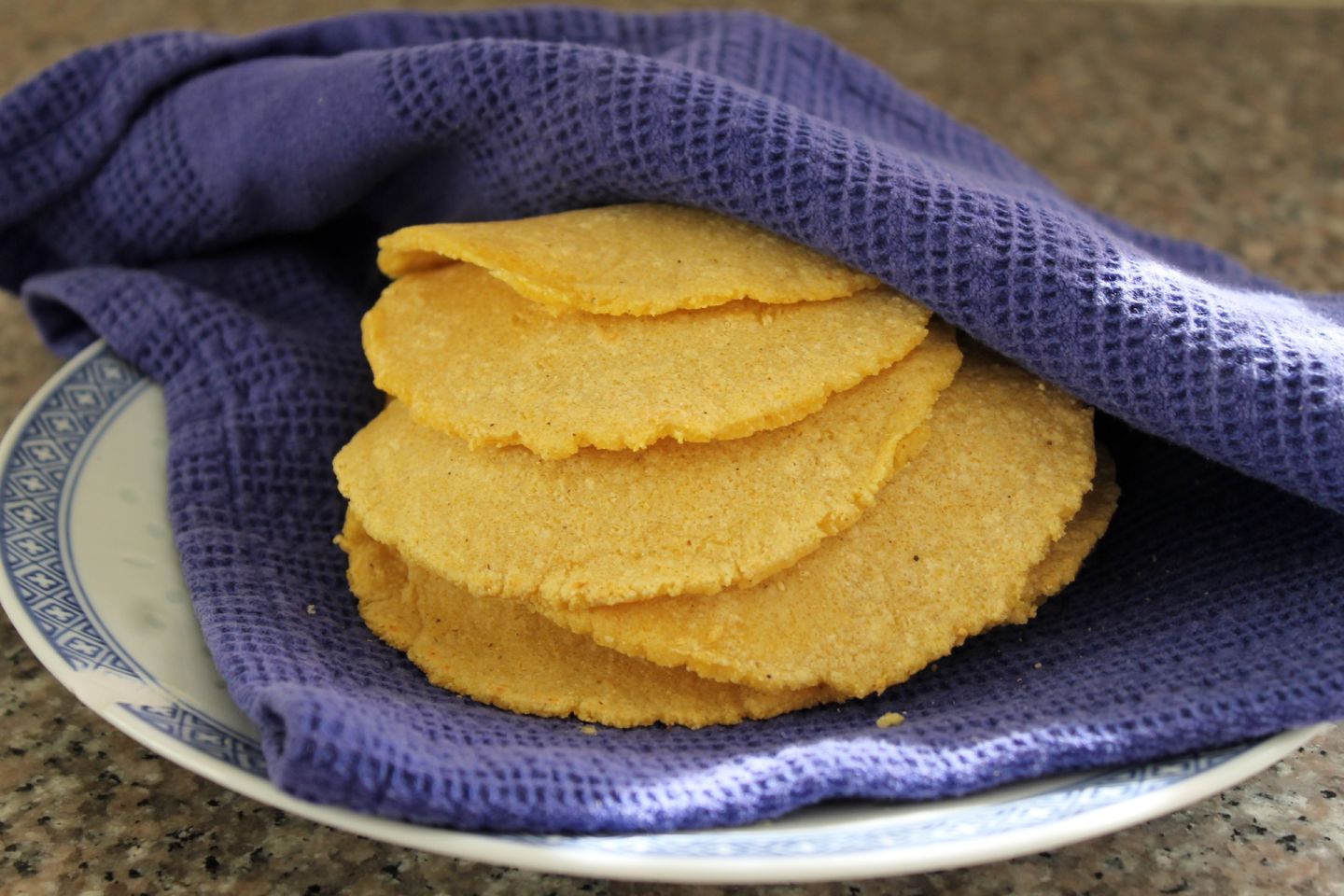
"caption": "Homemade corn tortillas.",
"description": "Homemade corn tortillas.",
"title": "Homemade corn tortillas.",
"credit": "Kate Williams",
"status": "inherit",
"isLoading": false,
"fetchFailed": false
},
"bayareabites_99690": {
"type": "attachments",
"id": "bayareabites_99690",
"meta": {
"index": "attachments_1716263798",
"site": "bayareabites",
"id": "99690",
"found": true
},
"parent": 99689,
"imgSizes": {
"twentyfourteen-full-width": {
"file": "https://ww2.kqed.org/app/uploads/sites/24/2015/08/img_1061_wide-40312a2d9e4302b79493d78b3074e37abaf958de-1038x576.jpg",
"width": 1038,
"mimeType": "image/jpeg",
"height": 576
},
"thumbnail": {
"file": "https://ww2.kqed.org/app/uploads/sites/24/2015/08/img_1061_wide-40312a2d9e4302b79493d78b3074e37abaf958de-400x225.jpg",
"width": 400,
"mimeType": "image/jpeg",
"height": 225
},
"fd-sm": {
"file": "https://ww2.kqed.org/app/uploads/sites/24/2015/08/img_1061_wide-40312a2d9e4302b79493d78b3074e37abaf958de-960x540.jpg",
"width": 960,
"mimeType": "image/jpeg",
"height": 540
},
"post-thumbnail": {
"file": "https://ww2.kqed.org/app/uploads/sites/24/2015/08/img_1061_wide-40312a2d9e4302b79493d78b3074e37abaf958de-672x372.jpg",
"width": 672,
"mimeType": "image/jpeg",
"height": 372
},
"kqedFullSize": {
"file": "https://ww2.kqed.org/app/uploads/sites/24/2015/08/img_1061_wide-40312a2d9e4302b79493d78b3074e37abaf958de.jpg",
"width": 2500,
"height": 1406
},
"large": {
"file": "https://ww2.kqed.org/app/uploads/sites/24/2015/08/img_1061_wide-40312a2d9e4302b79493d78b3074e37abaf958de-1440x810.jpg",
"width": 1440,
"mimeType": "image/jpeg",
"height": 810
},
"guest-author-96": {
"file": "https://ww2.kqed.org/app/uploads/sites/24/2015/08/img_1061_wide-40312a2d9e4302b79493d78b3074e37abaf958de-96x96.jpg",
"width": 96,
"mimeType": "image/jpeg",
"height": 96
},
"medium": {
"file": "https://ww2.kqed.org/app/uploads/sites/24/2015/08/img_1061_wide-40312a2d9e4302b79493d78b3074e37abaf958de-800x450.jpg",
"width": 800,
"mimeType": "image/jpeg",
"height": 450
},
"guest-author-64": {
"file": "https://ww2.kqed.org/app/uploads/sites/24/2015/08/img_1061_wide-40312a2d9e4302b79493d78b3074e37abaf958de-64x64.jpg",
"width": 64,
"mimeType": "image/jpeg",
"height": 64
},
"guest-author-32": {
"file": "https://ww2.kqed.org/app/uploads/sites/24/2015/08/img_1061_wide-40312a2d9e4302b79493d78b3074e37abaf958de-32x32.jpg",
"width": 32,
"mimeType": "image/jpeg",
"height": 32
},
"cat_post_thumb_sizecategory-posts-2": {
"file": "https://ww2.kqed.org/app/uploads/sites/24/2015/08/img_1061_wide-40312a2d9e4302b79493d78b3074e37abaf958de-150x150.jpg",
"width": 150,
"mimeType": "image/jpeg",
"height": 150
},
"fd-lrg": {
"file": "https://ww2.kqed.org/app/uploads/sites/24/2015/08/img_1061_wide-40312a2d9e4302b79493d78b3074e37abaf958de-1920x1080.jpg",
"width": 1920,
"mimeType": "image/jpeg",
"height": 1080
},
"fd-med": {
"file": "https://ww2.kqed.org/app/uploads/sites/24/2015/08/img_1061_wide-40312a2d9e4302b79493d78b3074e37abaf958de-1180x664.jpg",
"width": 1180,
"mimeType": "image/jpeg",
"height": 664
},
"detail": {
"file": "https://ww2.kqed.org/app/uploads/sites/24/2015/08/img_1061_wide-40312a2d9e4302b79493d78b3074e37abaf958de-75x75.jpg",
"width": 75,
"mimeType": "image/jpeg",
"height": 75
},
"guest-author-128": {
"file": "https://ww2.kqed.org/app/uploads/sites/24/2015/08/img_1061_wide-40312a2d9e4302b79493d78b3074e37abaf958de-128x128.jpg",
"width": 128,
"mimeType": "image/jpeg",
"height": 128
}
},
"publishDate": 1440358700,
"modified": 1440359376,
"caption": "Chef Simon Hopkinson says that mayonnaise is something that is such a pleasure to make, but people are often frightened of it and it's one of the most delicious things.",
"description": "Chef Simon Hopkinson says that mayonnaise is something that is such a pleasure to make, but people are often frightened of it and it's one of the most delicious things.",
"title": "Chef Simon Hopkinson says that mayonnaise is something that is such a pleasure to make, but people are often frightened of it and it's one of the most delicious things.",
"credit": "Monika Evstatieva /NPR",
"status": "inherit",
"isLoading": false,
"fetchFailed": false
},
"bayareabites_99318": {
"type": "attachments",
"id": "bayareabites_99318",
"meta": {
"index": "attachments_1716263798",
"site": "bayareabites",
"id": "99318",
"found": true
},
"parent": 99311,
"imgSizes": {
"twentyfourteen-full-width": {
"file": "https://ww2.kqed.org/app/uploads/sites/24/2015/08/soaknsprout1_edited-1920-1038x576.jpg",
"width": 1038,
"mimeType": "image/jpeg",
"height": 576
},
"thumbnail": {
"file": "https://ww2.kqed.org/app/uploads/sites/24/2015/08/soaknsprout1_edited-1920-400x277.jpg",
"width": 400,
"mimeType": "image/jpeg",
"height": 277
},
"fd-sm": {
"file": "https://ww2.kqed.org/app/uploads/sites/24/2015/08/soaknsprout1_edited-1920-960x664.jpg",
"width": 960,
"mimeType": "image/jpeg",
"height": 664
},
"post-thumbnail": {
"file": "https://ww2.kqed.org/app/uploads/sites/24/2015/08/soaknsprout1_edited-1920-672x372.jpg",
"width": 672,
"mimeType": "image/jpeg",
"height": 372
},
"kqedFullSize": {
"file": "https://ww2.kqed.org/app/uploads/sites/24/2015/08/soaknsprout1_edited-1920.jpg",
"width": 1920,
"height": 1328
},
"large": {
"file": "https://ww2.kqed.org/app/uploads/sites/24/2015/08/soaknsprout1_edited-1920-1440x996.jpg",
"width": 1440,
"mimeType": "image/jpeg",
"height": 996
},
"guest-author-96": {
"file": "https://ww2.kqed.org/app/uploads/sites/24/2015/08/soaknsprout1_edited-1920-96x96.jpg",
"width": 96,
"mimeType": "image/jpeg",
"height": 96
},
"medium": {
"file": "https://ww2.kqed.org/app/uploads/sites/24/2015/08/soaknsprout1_edited-1920-800x553.jpg",
"width": 800,
"mimeType": "image/jpeg",
"height": 553
},
"guest-author-64": {
"file": "https://ww2.kqed.org/app/uploads/sites/24/2015/08/soaknsprout1_edited-1920-64x64.jpg",
"width": 64,
"mimeType": "image/jpeg",
"height": 64
},
"guest-author-32": {
"file": "https://ww2.kqed.org/app/uploads/sites/24/2015/08/soaknsprout1_edited-1920-32x32.jpg",
"width": 32,
"mimeType": "image/jpeg",
"height": 32
},
"cat_post_thumb_sizecategory-posts-2": {
"file": "https://ww2.kqed.org/app/uploads/sites/24/2015/08/soaknsprout1_edited-1920-150x150.jpg",
"width": 150,
"mimeType": "image/jpeg",
"height": 150
},
"fd-lrg": {
"file": "https://ww2.kqed.org/app/uploads/sites/24/2015/08/soaknsprout1_edited-1920-1920x1328.jpg",
"width": 1920,
"mimeType": "image/jpeg",
"height": 1328
},
"fd-med": {
"file": "https://ww2.kqed.org/app/uploads/sites/24/2015/08/soaknsprout1_edited-1920-1180x816.jpg",
"width": 1180,
"mimeType": "image/jpeg",
"height": 816
},
"detail": {
"file": "https://ww2.kqed.org/app/uploads/sites/24/2015/08/soaknsprout1_edited-1920-75x75.jpg",
"width": 75,
"mimeType": "image/jpeg",
"height": 75
},
"guest-author-128": {
"file": "https://ww2.kqed.org/app/uploads/sites/24/2015/08/soaknsprout1_edited-1920-128x128.jpg",
"width": 128,
"mimeType": "image/jpeg",
"height": 128
}
},
"publishDate": 1439435564,
"modified": 1439435729,
"caption": "Soaking and Sprouting: Nuts, Seeds, Beans, Grains",
"description": "Soaking and Sprouting: Nuts, Seeds, Beans, Grains",
"title": "soaknsprout1_edited-1920",
"credit": "Lila Volkas",
"status": "inherit",
"isLoading": false,
"fetchFailed": false
},
"bayareabites_98640": {
"type": "attachments",
"id": "bayareabites_98640",
"meta": {
"index": "attachments_1716263798",
"site": "bayareabites",
"id": "98640",
"found": true
},
"parent": 98621,
"imgSizes": {
"twentyfourteen-full-width": {
"file": "https://ww2.kqed.org/app/uploads/sites/24/2015/07/finished-kraut-in-jar-3-1038x576.jpg",
"width": 1038,
"mimeType": "image/jpeg",
"height": 576
},
"thumbnail": {
"file": "https://ww2.kqed.org/app/uploads/sites/24/2015/07/finished-kraut-in-jar-3-400x294.jpg",
"width": 400,
"mimeType": "image/jpeg",
"height": 294
},
"fd-sm": {
"file": "https://ww2.kqed.org/app/uploads/sites/24/2015/07/finished-kraut-in-jar-3-960x706.jpg",
"width": 960,
"mimeType": "image/jpeg",
"height": 706
},
"post-thumbnail": {
"file": "https://ww2.kqed.org/app/uploads/sites/24/2015/07/finished-kraut-in-jar-3-672x372.jpg",
"width": 672,
"mimeType": "image/jpeg",
"height": 372
},
"kqedFullSize": {
"file": "https://ww2.kqed.org/app/uploads/sites/24/2015/07/finished-kraut-in-jar-3.jpg",
"width": 1920,
"height": 1411
},
"large": {
"file": "https://ww2.kqed.org/app/uploads/sites/24/2015/07/finished-kraut-in-jar-3-1440x1058.jpg",
"width": 1440,
"mimeType": "image/jpeg",
"height": 1058
},
"guest-author-96": {
"file": "https://ww2.kqed.org/app/uploads/sites/24/2015/07/finished-kraut-in-jar-3-96x96.jpg",
"width": 96,
"mimeType": "image/jpeg",
"height": 96
},
"medium": {
"file": "https://ww2.kqed.org/app/uploads/sites/24/2015/07/finished-kraut-in-jar-3-800x588.jpg",
"width": 800,
"mimeType": "image/jpeg",
"height": 588
},
"guest-author-64": {
"file": "https://ww2.kqed.org/app/uploads/sites/24/2015/07/finished-kraut-in-jar-3-64x64.jpg",
"width": 64,
"mimeType": "image/jpeg",
"height": 64
},
"guest-author-32": {
"file": "https://ww2.kqed.org/app/uploads/sites/24/2015/07/finished-kraut-in-jar-3-32x32.jpg",
"width": 32,
"mimeType": "image/jpeg",
"height": 32
},
"cat_post_thumb_sizecategory-posts-2": {
"file": "https://ww2.kqed.org/app/uploads/sites/24/2015/07/finished-kraut-in-jar-3-150x150.jpg",
"width": 150,
"mimeType": "image/jpeg",
"height": 150
},
"fd-lrg": {
"file": "https://ww2.kqed.org/app/uploads/sites/24/2015/07/finished-kraut-in-jar-3-1400x1029.jpg",
"width": 1400,
"mimeType": "image/jpeg",
"height": 1029
},
"fd-med": {
"file": "https://ww2.kqed.org/app/uploads/sites/24/2015/07/finished-kraut-in-jar-3-1180x867.jpg",
"width": 1180,
"mimeType": "image/jpeg",
"height": 867
},
"detail": {
"file": "https://ww2.kqed.org/app/uploads/sites/24/2015/07/finished-kraut-in-jar-3-75x75.jpg",
"width": 75,
"mimeType": "image/jpeg",
"height": 75
},
"guest-author-128": {
"file": "https://ww2.kqed.org/app/uploads/sites/24/2015/07/finished-kraut-in-jar-3-128x128.jpg",
"width": 128,
"mimeType": "image/jpeg",
"height": 128
}
},
"publishDate": 1438038765,
"modified": 1438039413,
"caption": "The fully fermented kraut will have visible bubbles inside the jar and will have dulled in color.",
"description": "The fully fermented kraut will have visible bubbles inside the jar and will have dulled in color.",
"title": "The fully fermented kraut will have visible bubbles inside the jar and will have dulled in color.",
"credit": "Kate Williams",
"status": "inherit",
"isLoading": false,
"fetchFailed": false
},
"bayareabites_98831": {
"type": "attachments",
"id": "bayareabites_98831",
"meta": {
"index": "attachments_1716263798",
"site": "bayareabites",
"id": "98831",
"found": true
},
"parent": 98830,
"imgSizes": {
"twentyfourteen-full-width": {
"file": "https://ww2.kqed.org/app/uploads/sites/24/2015/08/page-79-duck-confit-lebo_9781607742678_art_147_r1_custom-2c1b071293717417d8068f163cdcf6aea5b0c059-1038x576.jpg",
"width": 1038,
"mimeType": "image/jpeg",
"height": 576
},
"thumbnail": {
"file": "https://ww2.kqed.org/app/uploads/sites/24/2015/08/page-79-duck-confit-lebo_9781607742678_art_147_r1_custom-2c1b071293717417d8068f163cdcf6aea5b0c059-400x297.jpg",
"width": 400,
"mimeType": "image/jpeg",
"height": 297
},
"fd-sm": {
"file": "https://ww2.kqed.org/app/uploads/sites/24/2015/08/page-79-duck-confit-lebo_9781607742678_art_147_r1_custom-2c1b071293717417d8068f163cdcf6aea5b0c059-960x712.jpg",
"width": 960,
"mimeType": "image/jpeg",
"height": 712
},
"post-thumbnail": {
"file": "https://ww2.kqed.org/app/uploads/sites/24/2015/08/page-79-duck-confit-lebo_9781607742678_art_147_r1_custom-2c1b071293717417d8068f163cdcf6aea5b0c059-672x372.jpg",
"width": 672,
"mimeType": "image/jpeg",
"height": 372
},
"kqedFullSize": {
"file": "https://ww2.kqed.org/app/uploads/sites/24/2015/08/page-79-duck-confit-lebo_9781607742678_art_147_r1_custom-2c1b071293717417d8068f163cdcf6aea5b0c059.jpg",
"width": 1998,
"height": 1482
},
"large": {
"file": "https://ww2.kqed.org/app/uploads/sites/24/2015/08/page-79-duck-confit-lebo_9781607742678_art_147_r1_custom-2c1b071293717417d8068f163cdcf6aea5b0c059-1440x1068.jpg",
"width": 1440,
"mimeType": "image/jpeg",
"height": 1068
},
"guest-author-96": {
"file": "https://ww2.kqed.org/app/uploads/sites/24/2015/08/page-79-duck-confit-lebo_9781607742678_art_147_r1_custom-2c1b071293717417d8068f163cdcf6aea5b0c059-96x96.jpg",
"width": 96,
"mimeType": "image/jpeg",
"height": 96
},
"medium": {
"file": "https://ww2.kqed.org/app/uploads/sites/24/2015/08/page-79-duck-confit-lebo_9781607742678_art_147_r1_custom-2c1b071293717417d8068f163cdcf6aea5b0c059-800x593.jpg",
"width": 800,
"mimeType": "image/jpeg",
"height": 593
},
"guest-author-64": {
"file": "https://ww2.kqed.org/app/uploads/sites/24/2015/08/page-79-duck-confit-lebo_9781607742678_art_147_r1_custom-2c1b071293717417d8068f163cdcf6aea5b0c059-64x64.jpg",
"width": 64,
"mimeType": "image/jpeg",
"height": 64
},
"guest-author-32": {
"file": "https://ww2.kqed.org/app/uploads/sites/24/2015/08/page-79-duck-confit-lebo_9781607742678_art_147_r1_custom-2c1b071293717417d8068f163cdcf6aea5b0c059-32x32.jpg",
"width": 32,
"mimeType": "image/jpeg",
"height": 32
},
"cat_post_thumb_sizecategory-posts-2": {
"file": "https://ww2.kqed.org/app/uploads/sites/24/2015/08/page-79-duck-confit-lebo_9781607742678_art_147_r1_custom-2c1b071293717417d8068f163cdcf6aea5b0c059-150x150.jpg",
"width": 150,
"mimeType": "image/jpeg",
"height": 150
},
"fd-lrg": {
"file": "https://ww2.kqed.org/app/uploads/sites/24/2015/08/page-79-duck-confit-lebo_9781607742678_art_147_r1_custom-2c1b071293717417d8068f163cdcf6aea5b0c059-1920x1424.jpg",
"width": 1920,
"mimeType": "image/jpeg",
"height": 1424
},
"fd-med": {
"file": "https://ww2.kqed.org/app/uploads/sites/24/2015/08/page-79-duck-confit-lebo_9781607742678_art_147_r1_custom-2c1b071293717417d8068f163cdcf6aea5b0c059-1180x875.jpg",
"width": 1180,
"mimeType": "image/jpeg",
"height": 875
},
"detail": {
"file": "https://ww2.kqed.org/app/uploads/sites/24/2015/08/page-79-duck-confit-lebo_9781607742678_art_147_r1_custom-2c1b071293717417d8068f163cdcf6aea5b0c059-75x75.jpg",
"width": 75,
"mimeType": "image/jpeg",
"height": 75
},
"guest-author-128": {
"file": "https://ww2.kqed.org/app/uploads/sites/24/2015/08/page-79-duck-confit-lebo_9781607742678_art_147_r1_custom-2c1b071293717417d8068f163cdcf6aea5b0c059-128x128.jpg",
"width": 128,
"mimeType": "image/jpeg",
"height": 128
}
},
"publishDate": 1438528661,
"modified": 1438528932,
"caption": "Traditional recipes for duck confit, or confit de canard, can require dozens of steps to prepare. David Lebovitz's fake take cuts the steps down to five.",
"description": "Traditional recipes for duck confit, or \u003cem>confit de canard, \u003c/em>can require dozens of steps to prepare. David Lebovitz's fake take cuts the steps down to f",
"title": "Traditional recipes for duck confit, or confit de canard, can require dozens of steps to prepare. David Lebovitz's fake take cuts the steps down to five.",
"credit": "Ed Anderson/Courtesy of Ten Speed Press ",
"status": "inherit",
"isLoading": false,
"fetchFailed": false
},
"bayareabites_98604": {
"type": "attachments",
"id": "bayareabites_98604",
"meta": {
"index": "attachments_1716263798",
"site": "bayareabites",
"id": "98604",
"found": true
},
"parent": 98603,
"imgSizes": {
"twentyfourteen-full-width": {
"file": "https://ww2.kqed.org/app/uploads/sites/24/2015/07/troutfinal_enl-637d1795e039283f49790f6217f0364c4aa83fab-1038x576.jpg",
"width": 1038,
"mimeType": "image/jpeg",
"height": 576
},
"thumbnail": {
"file": "https://ww2.kqed.org/app/uploads/sites/24/2015/07/troutfinal_enl-637d1795e039283f49790f6217f0364c4aa83fab-400x225.jpg",
"width": 400,
"mimeType": "image/jpeg",
"height": 225
},
"fd-sm": {
"file": "https://ww2.kqed.org/app/uploads/sites/24/2015/07/troutfinal_enl-637d1795e039283f49790f6217f0364c4aa83fab-960x540.jpg",
"width": 960,
"mimeType": "image/jpeg",
"height": 540
},
"post-thumbnail": {
"file": "https://ww2.kqed.org/app/uploads/sites/24/2015/07/troutfinal_enl-637d1795e039283f49790f6217f0364c4aa83fab-672x372.jpg",
"width": 672,
"mimeType": "image/jpeg",
"height": 372
},
"kqedFullSize": {
"file": "https://ww2.kqed.org/app/uploads/sites/24/2015/07/troutfinal_enl-637d1795e039283f49790f6217f0364c4aa83fab-e1437927333243.jpg",
"width": 1920,
"height": 1080
},
"large": {
"file": "https://ww2.kqed.org/app/uploads/sites/24/2015/07/troutfinal_enl-637d1795e039283f49790f6217f0364c4aa83fab-1440x810.jpg",
"width": 1440,
"mimeType": "image/jpeg",
"height": 810
},
"guest-author-96": {
"file": "https://ww2.kqed.org/app/uploads/sites/24/2015/07/troutfinal_enl-637d1795e039283f49790f6217f0364c4aa83fab-96x96.jpg",
"width": 96,
"mimeType": "image/jpeg",
"height": 96
},
"medium": {
"file": "https://ww2.kqed.org/app/uploads/sites/24/2015/07/troutfinal_enl-637d1795e039283f49790f6217f0364c4aa83fab-800x450.jpg",
"width": 800,
"mimeType": "image/jpeg",
"height": 450
},
"guest-author-64": {
"file": "https://ww2.kqed.org/app/uploads/sites/24/2015/07/troutfinal_enl-637d1795e039283f49790f6217f0364c4aa83fab-64x64.jpg",
"width": 64,
"mimeType": "image/jpeg",
"height": 64
},
"guest-author-32": {
"file": "https://ww2.kqed.org/app/uploads/sites/24/2015/07/troutfinal_enl-637d1795e039283f49790f6217f0364c4aa83fab-32x32.jpg",
"width": 32,
"mimeType": "image/jpeg",
"height": 32
},
"cat_post_thumb_sizecategory-posts-2": {
"file": "https://ww2.kqed.org/app/uploads/sites/24/2015/07/troutfinal_enl-637d1795e039283f49790f6217f0364c4aa83fab-150x150.jpg",
"width": 150,
"mimeType": "image/jpeg",
"height": 150
},
"fd-lrg": {
"file": "https://ww2.kqed.org/app/uploads/sites/24/2015/07/troutfinal_enl-637d1795e039283f49790f6217f0364c4aa83fab-1400x788.jpg",
"width": 1400,
"mimeType": "image/jpeg",
"height": 788
},
"fd-med": {
"file": "https://ww2.kqed.org/app/uploads/sites/24/2015/07/troutfinal_enl-637d1795e039283f49790f6217f0364c4aa83fab-1180x664.jpg",
"width": 1180,
"mimeType": "image/jpeg",
"height": 664
},
"detail": {
"file": "https://ww2.kqed.org/app/uploads/sites/24/2015/07/troutfinal_enl-637d1795e039283f49790f6217f0364c4aa83fab-75x75.jpg",
"width": 75,
"mimeType": "image/jpeg",
"height": 75
},
"guest-author-128": {
"file": "https://ww2.kqed.org/app/uploads/sites/24/2015/07/troutfinal_enl-637d1795e039283f49790f6217f0364c4aa83fab-128x128.jpg",
"width": 128,
"mimeType": "image/jpeg",
"height": 128
}
},
"publishDate": 1437926940,
"modified": 1437927366,
"caption": "Smoked fish — an age-old preservation that uses the smoke of an indirect fire to lightly cook, flavor, and preserve the meat — is too often left to the professionals. But there are ways to do it indoors, at home, without much effort.",
"description": "Smoked fish — an age-old preservation that uses the smoke of an indirect fire to lightly cook, flavor, and preserve the meat — is too often left to the professionals. But there are ways to do it indoors, at home, without much eff",
"title": "Smoked fish — an age-old preservation that uses the smoke of an indirect fire to lightly cook, flavor, and preserve the meat — is too often left to the professionals. But there are ways to do it indoors, at home, without much effort.",
"credit": "Photo Illustration by Ryan Kellman and Emily Bogle/NPR ",
"status": "inherit",
"isLoading": false,
"fetchFailed": false
},
"bayareabites_97722": {
"type": "attachments",
"id": "bayareabites_97722",
"meta": {
"index": "attachments_1716263798",
"site": "bayareabites",
"id": "97722",
"found": true
},
"parent": 97562,
"imgSizes": {
"twentyfourteen-full-width": {
"file": "https://ww2.kqed.org/app/uploads/sites/24/2015/06/BAB_feature-3-new-1038x576.jpg",
"width": 1038,
"mimeType": "image/jpeg",
"height": 576
},
"thumbnail": {
"file": "https://ww2.kqed.org/app/uploads/sites/24/2015/06/BAB_feature-3-new-400x267.jpg",
"width": 400,
"mimeType": "image/jpeg",
"height": 267
},
"fd-sm": {
"file": "https://ww2.kqed.org/app/uploads/sites/24/2015/06/BAB_feature-3-new-960x640.jpg",
"width": 960,
"mimeType": "image/jpeg",
"height": 640
},
"post-thumbnail": {
"file": "https://ww2.kqed.org/app/uploads/sites/24/2015/06/BAB_feature-3-new-672x372.jpg",
"width": 672,
"mimeType": "image/jpeg",
"height": 372
},
"kqedFullSize": {
"file": "https://ww2.kqed.org/app/uploads/sites/24/2015/06/BAB_feature-3-new-e1437068926834.jpg",
"width": 1440,
"height": 960
},
"large": {
"file": "https://ww2.kqed.org/app/uploads/sites/24/2015/06/BAB_feature-3-new-1440x960.jpg",
"width": 1440,
"mimeType": "image/jpeg",
"height": 960
},
"guest-author-96": {
"file": "https://ww2.kqed.org/app/uploads/sites/24/2015/06/BAB_feature-3-new-96x96.jpg",
"width": 96,
"mimeType": "image/jpeg",
"height": 96
},
"medium": {
"file": "https://ww2.kqed.org/app/uploads/sites/24/2015/06/BAB_feature-3-new-800x533.jpg",
"width": 800,
"mimeType": "image/jpeg",
"height": 533
},
"guest-author-64": {
"file": "https://ww2.kqed.org/app/uploads/sites/24/2015/06/BAB_feature-3-new-64x64.jpg",
"width": 64,
"mimeType": "image/jpeg",
"height": 64
},
"guest-author-32": {
"file": "https://ww2.kqed.org/app/uploads/sites/24/2015/06/BAB_feature-3-new-32x32.jpg",
"width": 32,
"mimeType": "image/jpeg",
"height": 32
},
"cat_post_thumb_sizecategory-posts-2": {
"file": "https://ww2.kqed.org/app/uploads/sites/24/2015/06/BAB_feature-3-new-150x150.jpg",
"width": 150,
"mimeType": "image/jpeg",
"height": 150
},
"fd-med": {
"file": "https://ww2.kqed.org/app/uploads/sites/24/2015/06/BAB_feature-3-new-1180x787.jpg",
"width": 1180,
"mimeType": "image/jpeg",
"height": 787
},
"detail": {
"file": "https://ww2.kqed.org/app/uploads/sites/24/2015/06/BAB_feature-3-new-75x75.jpg",
"width": 75,
"mimeType": "image/jpeg",
"height": 75
},
"guest-author-128": {
"file": "https://ww2.kqed.org/app/uploads/sites/24/2015/06/BAB_feature-3-new-128x128.jpg",
"width": 128,
"mimeType": "image/jpeg",
"height": 128
}
},
"publishDate": 1436229366,
"modified": 1436231584,
"caption": "Foods That Fare Better in the Fridge",
"description": null,
"title": "Foods That Fare Better in the Fridge",
"credit": "Lisa Landers",
"status": "inherit",
"isLoading": false,
"fetchFailed": false
},
"bayareabites_97414": {
"type": "attachments",
"id": "bayareabites_97414",
"meta": {
"index": "attachments_1716263798",
"site": "bayareabites",
"id": "97414",
"found": true
},
"parent": 97189,
"imgSizes": {
"twentyfourteen-full-width": {
"file": "https://ww2.kqed.org/app/uploads/sites/24/2015/06/whitebread-whole3-1038x576.jpg",
"width": 1038,
"mimeType": "image/jpeg",
"height": 576
},
"thumbnail": {
"file": "https://ww2.kqed.org/app/uploads/sites/24/2015/06/whitebread-whole3-400x267.jpg",
"width": 400,
"mimeType": "image/jpeg",
"height": 267
},
"fd-sm": {
"file": "https://ww2.kqed.org/app/uploads/sites/24/2015/06/whitebread-whole3-960x640.jpg",
"width": 960,
"mimeType": "image/jpeg",
"height": 640
},
"post-thumbnail": {
"file": "https://ww2.kqed.org/app/uploads/sites/24/2015/06/whitebread-whole3-672x372.jpg",
"width": 672,
"mimeType": "image/jpeg",
"height": 372
},
"kqedFullSize": {
"file": "https://ww2.kqed.org/app/uploads/sites/24/2015/06/whitebread-whole3.jpg",
"width": 1920,
"height": 1280
},
"large": {
"file": "https://ww2.kqed.org/app/uploads/sites/24/2015/06/whitebread-whole3-1440x960.jpg",
"width": 1440,
"mimeType": "image/jpeg",
"height": 960
},
"guest-author-96": {
"file": "https://ww2.kqed.org/app/uploads/sites/24/2015/06/whitebread-whole3-96x96.jpg",
"width": 96,
"mimeType": "image/jpeg",
"height": 96
},
"medium": {
"file": "https://ww2.kqed.org/app/uploads/sites/24/2015/06/whitebread-whole3-800x533.jpg",
"width": 800,
"mimeType": "image/jpeg",
"height": 533
},
"guest-author-64": {
"file": "https://ww2.kqed.org/app/uploads/sites/24/2015/06/whitebread-whole3-64x64.jpg",
"width": 64,
"mimeType": "image/jpeg",
"height": 64
},
"guest-author-32": {
"file": "https://ww2.kqed.org/app/uploads/sites/24/2015/06/whitebread-whole3-32x32.jpg",
"width": 32,
"mimeType": "image/jpeg",
"height": 32
},
"cat_post_thumb_sizecategory-posts-2": {
"file": "https://ww2.kqed.org/app/uploads/sites/24/2015/06/whitebread-whole3-150x150.jpg",
"width": 150,
"mimeType": "image/jpeg",
"height": 150
},
"fd-med": {
"file": "https://ww2.kqed.org/app/uploads/sites/24/2015/06/whitebread-whole3-1180x787.jpg",
"width": 1180,
"mimeType": "image/jpeg",
"height": 787
},
"detail": {
"file": "https://ww2.kqed.org/app/uploads/sites/24/2015/06/whitebread-whole3-75x75.jpg",
"width": 75,
"mimeType": "image/jpeg",
"height": 75
},
"guest-author-128": {
"file": "https://ww2.kqed.org/app/uploads/sites/24/2015/06/whitebread-whole3-128x128.jpg",
"width": 128,
"mimeType": "image/jpeg",
"height": 128
}
},
"publishDate": 1435264373,
"modified": 1435264563,
"caption": "Homemade White Sandwich Bread ",
"description": null,
"title": "Homemade White Sandwich Bread",
"credit": "Wendy Goodfriend",
"status": "inherit",
"isLoading": false,
"fetchFailed": false
},
"bayareabites_97195": {
"type": "attachments",
"id": "bayareabites_97195",
"meta": {
"index": "attachments_1716263798",
"site": "bayareabites",
"id": "97195",
"found": true
},
"parent": 97191,
"imgSizes": {
"twentyfourteen-full-width": {
"file": "https://ww2.kqed.org/app/uploads/sites/24/2015/06/focaccia-final-1-1038x576.jpg",
"width": 1038,
"mimeType": "image/jpeg",
"height": 576
},
"thumbnail": {
"file": "https://ww2.kqed.org/app/uploads/sites/24/2015/06/focaccia-final-1-400x267.jpg",
"width": 400,
"mimeType": "image/jpeg",
"height": 267
},
"fd-sm": {
"file": "https://ww2.kqed.org/app/uploads/sites/24/2015/06/focaccia-final-1-960x640.jpg",
"width": 960,
"mimeType": "image/jpeg",
"height": 640
},
"post-thumbnail": {
"file": "https://ww2.kqed.org/app/uploads/sites/24/2015/06/focaccia-final-1-672x372.jpg",
"width": 672,
"mimeType": "image/jpeg",
"height": 372
},
"kqedFullSize": {
"file": "https://ww2.kqed.org/app/uploads/sites/24/2015/06/focaccia-final-1.jpg",
"width": 1920,
"height": 1280
},
"large": {
"file": "https://ww2.kqed.org/app/uploads/sites/24/2015/06/focaccia-final-1-1440x960.jpg",
"width": 1440,
"mimeType": "image/jpeg",
"height": 960
},
"guest-author-96": {
"file": "https://ww2.kqed.org/app/uploads/sites/24/2015/06/focaccia-final-1-96x96.jpg",
"width": 96,
"mimeType": "image/jpeg",
"height": 96
},
"medium": {
"file": "https://ww2.kqed.org/app/uploads/sites/24/2015/06/focaccia-final-1-800x533.jpg",
"width": 800,
"mimeType": "image/jpeg",
"height": 533
},
"guest-author-64": {
"file": "https://ww2.kqed.org/app/uploads/sites/24/2015/06/focaccia-final-1-64x64.jpg",
"width": 64,
"mimeType": "image/jpeg",
"height": 64
},
"guest-author-32": {
"file": "https://ww2.kqed.org/app/uploads/sites/24/2015/06/focaccia-final-1-32x32.jpg",
"width": 32,
"mimeType": "image/jpeg",
"height": 32
},
"cat_post_thumb_sizecategory-posts-2": {
"file": "https://ww2.kqed.org/app/uploads/sites/24/2015/06/focaccia-final-1-150x150.jpg",
"width": 150,
"mimeType": "image/jpeg",
"height": 150
},
"fd-med": {
"file": "https://ww2.kqed.org/app/uploads/sites/24/2015/06/focaccia-final-1-1180x787.jpg",
"width": 1180,
"mimeType": "image/jpeg",
"height": 787
},
"detail": {
"file": "https://ww2.kqed.org/app/uploads/sites/24/2015/06/focaccia-final-1-75x75.jpg",
"width": 75,
"mimeType": "image/jpeg",
"height": 75
},
"guest-author-128": {
"file": "https://ww2.kqed.org/app/uploads/sites/24/2015/06/focaccia-final-1-128x128.jpg",
"width": 128,
"mimeType": "image/jpeg",
"height": 128
}
},
"publishDate": 1434753240,
"modified": 1435098378,
"caption": "Rosemary Focaccia",
"description": null,
"title": "Rosemary Focaccia",
"credit": "Wendy Goodfriend",
"status": "inherit",
"isLoading": false,
"fetchFailed": false
},
"bayareabites_96757": {
"type": "attachments",
"id": "bayareabites_96757",
"meta": {
"index": "attachments_1716263798",
"site": "bayareabites",
"id": "96757",
"found": true
},
"parent": 96752,
"imgSizes": {
"thumbnail": {
"file": "https://ww2.kqed.org/app/uploads/sites/24/2015/06/franklin-bbq-400x266.jpg",
"width": 400,
"mimeType": "image/jpeg",
"height": 266
},
"post-thumbnail": {
"file": "https://ww2.kqed.org/app/uploads/sites/24/2015/06/franklin-bbq-672x372.jpg",
"width": 672,
"mimeType": "image/jpeg",
"height": 372
},
"kqedFullSize": {
"file": "https://ww2.kqed.org/app/uploads/sites/24/2015/06/franklin-bbq.jpg",
"width": 800,
"height": 531
},
"cat_post_thumb_sizecategory-posts-2": {
"file": "https://ww2.kqed.org/app/uploads/sites/24/2015/06/franklin-bbq-150x150.jpg",
"width": 150,
"mimeType": "image/jpeg",
"height": 150
},
"guest-author-96": {
"file": "https://ww2.kqed.org/app/uploads/sites/24/2015/06/franklin-bbq-96x96.jpg",
"width": 96,
"mimeType": "image/jpeg",
"height": 96
},
"medium": {
"file": "https://ww2.kqed.org/app/uploads/sites/24/2015/06/franklin-bbq-800x531.jpg",
"width": 800,
"mimeType": "image/jpeg",
"height": 531
},
"guest-author-64": {
"file": "https://ww2.kqed.org/app/uploads/sites/24/2015/06/franklin-bbq-64x64.jpg",
"width": 64,
"mimeType": "image/jpeg",
"height": 64
},
"detail": {
"file": "https://ww2.kqed.org/app/uploads/sites/24/2015/06/franklin-bbq-75x75.jpg",
"width": 75,
"mimeType": "image/jpeg",
"height": 75
},
"guest-author-32": {
"file": "https://ww2.kqed.org/app/uploads/sites/24/2015/06/franklin-bbq-32x32.jpg",
"width": 32,
"mimeType": "image/jpeg",
"height": 32
},
"guest-author-128": {
"file": "https://ww2.kqed.org/app/uploads/sites/24/2015/06/franklin-bbq-128x128.jpg",
"width": 128,
"mimeType": "image/jpeg",
"height": 128
}
},
"publishDate": 1433796806,
"modified": 1433796882,
"caption": "A few slices of Franklin Barbecue's brisket. \"Resting a brisket for a long time is really important,\" owner Aaron Franklin says. ",
"description": null,
"title": "franklin-bbq",
"credit": "\u003ca href=\"https://www.flickr.com/photos/joshbousel/6849068716/\">Joshua Bousel/Flickr \u003c/a>",
"status": "inherit",
"isLoading": false,
"fetchFailed": false
},
"bayareabites_96444": {
"type": "attachments",
"id": "bayareabites_96444",
"meta": {
"index": "attachments_1716263798",
"site": "bayareabites",
"id": "96444",
"found": true
},
"parent": 96405,
"imgSizes": {
"twentyfourteen-full-width": {
"file": "https://ww2.kqed.org/app/uploads/sites/24/2015/05/din3-1038x576.jpg",
"width": 1038,
"mimeType": "image/jpeg",
"height": 576
},
"thumbnail": {
"file": "https://ww2.kqed.org/app/uploads/sites/24/2015/05/din3-400x300.jpg",
"width": 400,
"mimeType": "image/jpeg",
"height": 300
},
"fd-sm": {
"file": "https://ww2.kqed.org/app/uploads/sites/24/2015/05/din3-960x720.jpg",
"width": 960,
"mimeType": "image/jpeg",
"height": 720
},
"post-thumbnail": {
"file": "https://ww2.kqed.org/app/uploads/sites/24/2015/05/din3-672x372.jpg",
"width": 672,
"mimeType": "image/jpeg",
"height": 372
},
"kqedFullSize": {
"file": "https://ww2.kqed.org/app/uploads/sites/24/2015/05/din3.jpg",
"width": 1920,
"height": 1440
},
"large": {
"file": "https://ww2.kqed.org/app/uploads/sites/24/2015/05/din3-1440x1080.jpg",
"width": 1440,
"mimeType": "image/jpeg",
"height": 1080
},
"guest-author-96": {
"file": "https://ww2.kqed.org/app/uploads/sites/24/2015/05/din3-96x96.jpg",
"width": 96,
"mimeType": "image/jpeg",
"height": 96
},
"medium": {
"file": "https://ww2.kqed.org/app/uploads/sites/24/2015/05/din3-800x600.jpg",
"width": 800,
"mimeType": "image/jpeg",
"height": 600
},
"guest-author-64": {
"file": "https://ww2.kqed.org/app/uploads/sites/24/2015/05/din3-64x64.jpg",
"width": 64,
"mimeType": "image/jpeg",
"height": 64
},
"guest-author-32": {
"file": "https://ww2.kqed.org/app/uploads/sites/24/2015/05/din3-32x32.jpg",
"width": 32,
"mimeType": "image/jpeg",
"height": 32
},
"cat_post_thumb_sizecategory-posts-2": {
"file": "https://ww2.kqed.org/app/uploads/sites/24/2015/05/din3-150x150.jpg",
"width": 150,
"mimeType": "image/jpeg",
"height": 150
},
"fd-med": {
"file": "https://ww2.kqed.org/app/uploads/sites/24/2015/05/din3-1180x885.jpg",
"width": 1180,
"mimeType": "image/jpeg",
"height": 885
},
"detail": {
"file": "https://ww2.kqed.org/app/uploads/sites/24/2015/05/din3-75x75.jpg",
"width": 75,
"mimeType": "image/jpeg",
"height": 75
},
"guest-author-128": {
"file": "https://ww2.kqed.org/app/uploads/sites/24/2015/05/din3-128x128.jpg",
"width": 128,
"mimeType": "image/jpeg",
"height": 128
}
},
"publishDate": 1432749300,
"modified": 1432749322,
"caption": "The new company Din empowers you to make two restaurant-quality meals in under 40 minutes with these raw ingredients. ",
"description": null,
"title": "din3",
"credit": "Alix Wall",
"status": "inherit",
"isLoading": false,
"fetchFailed": false
}
},
"audioPlayerReducer": {
"postId": "stream_live",
"isPaused": true,
"isPlaying": false,
"pfsActive": false,
"pledgeModalIsOpen": true,
"playerDrawerIsOpen": false,
"liveAudioPlayStartedAt": 0,
"liveAudioPlayContext": ""
},
"authorsReducer": {
"byline_bayareabites_99689": {
"type": "authors",
"id": "byline_bayareabites_99689",
"meta": {
"override": true
},
"slug": "byline_bayareabites_99689",
"name": "Ari Shapiro, \u003ca href=\"https://ww2.kqed.org/bayareabites/category/npr-food/\">NPR Food\u003c/a>",
"isLoading": false
},
"byline_bayareabites_98830": {
"type": "authors",
"id": "byline_bayareabites_98830",
"meta": {
"override": true
},
"slug": "byline_bayareabites_98830",
"name": "Eleanor Beardsley, \u003ca href=\"https://ww2.kqed.org/bayareabites/author/nprfood/\">NPR Food\u003c/a>",
"isLoading": false
},
"byline_bayareabites_98603": {
"type": "authors",
"id": "byline_bayareabites_98603",
"meta": {
"override": true
},
"slug": "byline_bayareabites_98603",
"name": "Deena Prichep, \u003ca href=\"https://ww2.kqed.org/bayareabites/author/nprfood/\">NPR Food\u003c/a>",
"isLoading": false
},
"byline_bayareabites_96752": {
"type": "authors",
"id": "byline_bayareabites_96752",
"meta": {
"override": true
},
"slug": "byline_bayareabites_96752",
"name": "Jim Shahin, \u003ca href=\"http://ww2.kqed.org/bayareabites/author/nprfood/\">NPR Food\u003c/a>",
"isLoading": false
},
"wendy-goodfriend": {
"type": "authors",
"id": "5014",
"meta": {
"index": "authors_1716337520",
"id": "5014",
"found": true
},
"name": "Wendy Goodfriend",
"firstName": "Wendy",
"lastName": "Goodfriend",
"slug": "wendy-goodfriend",
"email": "wendy@wendygoodfriend.com",
"display_author_email": false,
"staff_mastheads": [],
"title": "KQED Contributor",
"bio": "I was the Senior Digital Producer for KQED Food up until July, 2018. Since 2001, I designed, produced, managed and contributed to mostly food-related websites and blogs for KQED including: KQED.org; KQED Food; Bay Area Bites; Check, Please! Bay Area; Taste This; Celebrity Chefs; seven of Jacques Pepin's TV series websites; and Joanne Weir's Cooking in the City. I initiated the majority of KQED Food's social media feeds and maintained them up until 2017. As far as content creation, photography is my passion and I also shoot video and write stories. My photos have been used in articles for KQED Food, News, Arts, and Science as well as for promotional purposes in print and online. Professional education and training includes: clinical psychology, photography, commercial cooking, web design, information architecture and UX.",
"avatar": "https://secure.gravatar.com/avatar/dfba64372339cc34cf17e446e6f18fa8?s=600&d=blank&r=g",
"twitter": null,
"facebook": "bayareabites",
"instagram": null,
"linkedin": "wendygoodfriend",
"sites": [
{
"site": "jpepinheart",
"roles": []
},
{
"site": "about",
"roles": [
"editor"
]
},
{
"site": "bayareabites",
"roles": [
"subscriber"
]
},
{
"site": "science",
"roles": [
"administrator"
]
},
{
"site": "checkplease",
"roles": [
"subscriber"
]
},
{
"site": "food",
"roles": [
"author"
]
},
{
"site": "essentialpepin",
"roles": [
"administrator"
]
}
],
"headData": {
"title": "Wendy Goodfriend | KQED",
"description": "KQED Contributor",
"ogImgSrc": "https://secure.gravatar.com/avatar/dfba64372339cc34cf17e446e6f18fa8?s=600&d=blank&r=g",
"twImgSrc": "https://secure.gravatar.com/avatar/dfba64372339cc34cf17e446e6f18fa8?s=600&d=blank&r=g"
},
"isLoading": false,
"link": "/author/wendy-goodfriend"
},
"kim-laidlaw": {
"type": "authors",
"id": "5015",
"meta": {
"index": "authors_1716337520",
"id": "5015",
"found": true
},
"name": "Kim Laidlaw",
"firstName": "Kim",
"lastName": "Laidlaw",
"slug": "kim-laidlaw",
"email": "kim_laidlaw@yahoo.com",
"display_author_email": false,
"staff_mastheads": [],
"title": null,
"bio": "Kim Laidlaw is a cookbook author, editor, food writer, producer, project manager, and baker who has been in the kitchen covered in flour since she was big enough to stir the biscuit dough. She has over 16 years of experience in book and online publishing, and a lifetime of experience in the kitchen. \r\n\r\nHer first cookbook, Home Baked Comfort, was published in 2011; her second cookbook, Baby & Toddler On the Go, was published in April 2013; and her third cookbook, Williams-Sonoma Dessert of the Day, was published in October 2013. \r\n\r\nShe was the first blogger on KQED’s Bay Area Bites blog, which launched in 2005, and previously worked as a professional baker at La Farine French Bakery in Oakland, CA. She lives in Petaluma with her husband and their child, whom she cooks for everyday. Find out more at \u003ca href=\"http://www.kimlaidlaw.com\">http://www.kimlaidlaw.com\u003c/a>.",
"avatar": "https://secure.gravatar.com/avatar/284503bc296b6f7822eb38b816292376?s=600&d=blank&r=g",
"twitter": null,
"facebook": "kimilaw",
"instagram": null,
"linkedin": "kimlaidlaw",
"sites": [
{
"site": "bayareabites",
"roles": [
"contributor"
]
},
{
"site": "food",
"roles": [
"contributor"
]
}
],
"headData": {
"title": "Kim Laidlaw | KQED",
"description": null,
"ogImgSrc": "https://secure.gravatar.com/avatar/284503bc296b6f7822eb38b816292376?s=600&d=blank&r=g",
"twImgSrc": "https://secure.gravatar.com/avatar/284503bc296b6f7822eb38b816292376?s=600&d=blank&r=g"
},
"isLoading": false,
"link": "/author/kim-laidlaw"
},
"lilavolkas": {
"type": "authors",
"id": "5404",
"meta": {
"index": "authors_1716337520",
"id": "5404",
"found": true
},
"name": "Lila Volkas",
"firstName": "Lila",
"lastName": "Volkas",
"slug": "lilavolkas",
"email": "lilavolkas@gmail.com",
"display_author_email": false,
"staff_mastheads": [],
"title": null,
"bio": "Lila Volkas is a Berkeley based Holistic Nutritionist, food writer and illustrator. She received her Nutritional Consulting Certification from Bauman College and offers clients individualized nutritional support. As an illustrator she creates hand drawn and digitally colored illustrations that whimsically capture the essence of her subjects and are easily digested by readers. Much of her inspiration comes from her undeniable love for vegetables, as well her knack for anthropomorphizing what's on her plate. Lila has had several pieces published in KQED’s Bay Area Bites as well as in Edible East Bay Magazine. For more of a taste of Lila's offering, check out her website \u003ca href=\"http://www.lilavolkas.com/\">lilavolkas.com\u003c/a>",
"avatar": "https://secure.gravatar.com/avatar/e520743544a0600729bc45ff3ab43206?s=600&d=blank&r=g",
"twitter": null,
"facebook": null,
"instagram": null,
"linkedin": null,
"sites": [
{
"site": "bayareabites",
"roles": [
"contributor"
]
},
{
"site": "food",
"roles": [
"contributor"
]
}
],
"headData": {
"title": "Lila Volkas | KQED",
"description": null,
"ogImgSrc": "https://secure.gravatar.com/avatar/e520743544a0600729bc45ff3ab43206?s=600&d=blank&r=g",
"twImgSrc": "https://secure.gravatar.com/avatar/e520743544a0600729bc45ff3ab43206?s=600&d=blank&r=g"
},
"isLoading": false,
"link": "/author/lilavolkas"
},
"lisalanders": {
"type": "authors",
"id": "5412",
"meta": {
"index": "authors_1716337520",
"id": "5412",
"found": true
},
"name": "Lisa Landers",
"firstName": "Lisa",
"lastName": "Landers",
"slug": "lisalanders",
"email": "llanders@KQED.org",
"display_author_email": false,
"staff_mastheads": [],
"title": "KQED Contributor",
"bio": "Lisa Landers is a producer and writer whose work includes documentaries, museum exhibitions, and educational multimedia. Her work has covered a diversity of subject matter including natural history, ecological and social issues, cultural exploration, food, music, and architecture. She’s developed and produced films for broadcasters such as National Geographic, Smithsonian Channel, and the Discovery Channel. Her work as an exhibition developer and multimedia producer has been featured at institutions including the American Museum of Natural History, the National Building Museum, and The Tech Museum. Her writing has also appeared in a wide variety of print and online publications.",
"avatar": "https://secure.gravatar.com/avatar/1e4aa08f6f0a92ea11a2779a453cb36d?s=600&d=blank&r=g",
"twitter": null,
"bluesky": null,
"facebook": null,
"instagram": null,
"linkedin": null,
"sites": [
{
"site": "bayareabites",
"roles": [
"contributor"
]
},
{
"site": "quest",
"roles": [
"leadcoordinator",
"edit_theme_options",
"subscriber"
]
},
{
"site": "food",
"roles": []
}
],
"headData": {
"title": "Lisa Landers | KQED",
"description": "KQED Contributor",
"ogImgSrc": "https://secure.gravatar.com/avatar/1e4aa08f6f0a92ea11a2779a453cb36d?s=600&d=blank&r=g",
"twImgSrc": "https://secure.gravatar.com/avatar/1e4aa08f6f0a92ea11a2779a453cb36d?s=600&d=blank&r=g"
},
"isLoading": false,
"link": "/author/lisalanders"
},
"katewilliams": {
"type": "authors",
"id": "5485",
"meta": {
"index": "authors_1716337520",
"id": "5485",
"found": true
},
"name": "Kate Williams",
"firstName": "Kate",
"lastName": "Williams",
"slug": "katewilliams",
"email": "williaka@gmail.com",
"display_author_email": false,
"staff_mastheads": [],
"title": null,
"bio": "Kate Williams grew up outside of Atlanta, where twenty-pound baskets of peaches were an end-of-summer tradition. After spending time in Boston developing recipes for America's Test Kitchen and pretending to be a New Englander, she moved to sunny Berkeley. Here she works as a personal chef and food writer, covering topics ranging from taco trucks to modernist cookbooks. In addition to KQED's Bay Area Bites, Kate's work appears on Serious Eats, Berkeleyside NOSH, The Oxford American, America's Test Kitchen cookbooks, and Food52.",
"avatar": "https://secure.gravatar.com/avatar/25623fe56e181fe8b6ee92fd0ea077de?s=600&d=blank&r=g",
"twitter": "KateHWilliams",
"facebook": null,
"instagram": null,
"linkedin": null,
"sites": [
{
"site": "bayareabites",
"roles": [
"contributor"
]
},
{
"site": "food",
"roles": [
"contributor"
]
}
],
"headData": {
"title": "Kate Williams | KQED",
"description": null,
"ogImgSrc": "https://secure.gravatar.com/avatar/25623fe56e181fe8b6ee92fd0ea077de?s=600&d=blank&r=g",
"twImgSrc": "https://secure.gravatar.com/avatar/25623fe56e181fe8b6ee92fd0ea077de?s=600&d=blank&r=g"
},
"isLoading": false,
"link": "/author/katewilliams"
},
"alexandrawall": {
"type": "authors",
"id": "5567",
"meta": {
"index": "authors_1716337520",
"id": "5567",
"found": true
},
"name": "Alix Wall",
"firstName": "Alix",
"lastName": "Wall",
"slug": "alexandrawall",
"email": "alixwall@sbcglobal.net",
"display_author_email": false,
"staff_mastheads": [],
"title": null,
"bio": "Alix Wall appeared in her hometown paper in Riverside, California as “Chef of the Week” when she was 15 years old, and in high school, she founded “The Bon Appetit Club.” After working as a journalist for many years, Alix became a certified natural foods chef from Bauman College in Berkeley. While she cooks part-time healthy, organic meals for busy families, she is also a contributing editor of j. weekly, the Bay Area’s Jewish newspaper, in which she has a monthly food column. Her food writing can also be found on Berkeleyside’s NOSH and in Edible East Bay. In addition to food, she loves writing about how couples met and fell in love, which she does for The San Francisco Chronicle’s Style section and j. weekly. In 2016, she founded The Illuminoshi: The Not-So-Secret Society of Bay Area Jewish Food Professionals. She is also writer/producer for a documentary-in-progress called \u003ca href=\"https://www.lonelychildmovie.com/\">The Lonely Child\u003c/a>. Follow Alix on Twitter \u003ca href=\"https://twitter.com/WallAlix\">@WallAlix\u003c/a>.",
"avatar": "https://secure.gravatar.com/avatar/421a27f26a185be932f8d567b499b1f1?s=600&d=blank&r=g",
"twitter": null,
"facebook": null,
"instagram": null,
"linkedin": null,
"sites": [
{
"site": "bayareabites",
"roles": [
"contributor"
]
},
{
"site": "food",
"roles": [
"contributor"
]
}
],
"headData": {
"title": "Alix Wall | KQED",
"description": null,
"ogImgSrc": "https://secure.gravatar.com/avatar/421a27f26a185be932f8d567b499b1f1?s=600&d=blank&r=g",
"twImgSrc": "https://secure.gravatar.com/avatar/421a27f26a185be932f8d567b499b1f1?s=600&d=blank&r=g"
},
"isLoading": false,
"link": "/author/alexandrawall"
}
},
"pagesReducer": {
"bayareabites_category_cooking-techniques-and-tips": {
"type": "terms",
"id": "bayareabites_2695",
"meta": {
"index": "terms_1716263798",
"site": "bayareabites",
"id": "2695",
"score": 14.405281
},
"featImg": null,
"name": "cooking techniques and tips",
"description": null,
"taxonomy": "category",
"headData": {
"twImgId": null,
"twTitle": null,
"ogTitle": null,
"ogImgId": null,
"twDescription": null,
"description": null,
"title": "cooking techniques and tips Archives | KQED Bay Area Bites",
"ogDescription": null
},
"ttid": 1905,
"slug": "cooking-techniques-and-tips",
"isLoading": false,
"title": "cooking techniques and tips",
"pageMeta": {
"site": "bayareabites",
"WpPageTemplate": "page-topic-editorial",
"currentPage": 4
},
"blocks": [
{
"blockName": "kqed/post-list",
"attrs": {
"layout": "cardArticle2",
"query": "posts/bayareabites?category=cooking-techniques-and-tips",
"seeMore": false,
"paginated": true,
"page": 4
}
},
{
"blockName": "kqed/ad"
}
]
}
},
"pfsSessionReducer": {},
"postsReducer": {
"stream_live": {
"type": "live",
"id": "stream_live",
"audioUrl": "https://hls.kqed.org/hls/kqed_app/playlist.m3u8",
"title": "Live Stream",
"excerpt": "Live Stream information currently unavailable.",
"link": "/radio",
"featImg": "",
"label": {
"name": "KQED Live",
"link": "/"
}
},
"stream_kqedNewscast": {
"type": "posts",
"id": "stream_kqedNewscast",
"audioUrl": "https://www.kqed.org/.stream/anon/radio/RDnews/newscast.mp3?_=1",
"title": "KQED Newscast",
"featImg": "",
"label": {
"name": "88.5 FM",
"link": "/"
}
},
"bayareabites_103183": {
"type": "posts",
"id": "bayareabites_103183",
"meta": {
"index": "posts_1716263798",
"site": "bayareabites",
"id": "103183",
"score": null,
"sort": [
1447768811000
]
},
"parent": 0,
"labelTerm": {},
"blocks": [],
"publishDate": 1447768811,
"format": "image",
"disqusTitle": "Beak-to-Tail Eating: Make a Big Pot of Thanksgiving Turkey Stock",
"title": "Beak-to-Tail Eating: Make a Big Pot of Thanksgiving Turkey Stock",
"headTitle": "Transform Your Thanksgiving Leftovers | Bay Area Bites | KQED Food",
"content": "\u003cp>Once The Big Feast is over, the dishes are cleared, all of the leftovers are put away, and you’ve picked as much meat as you can off the turkey -- toss that turkey carcass into your biggest soup pot. Add a few vegetables, cover it with water, then let it simmer away while you relax, have a glass of wine, play cards, or read a book. The result: a deeply flavored stock that you can use for soups, stews, gravies, sauces, and more.\u003c/p>\n\u003cp>Use vegetable scraps that you’ve saved while preparing Thanksgiving dinner, like onion peels, carrot peels, and the tops off the celery stalks. Add other aromatics too, like parsley stems, whole peppercorns, or even sweet potato. Avoid overly powerful flavors like cabbages.\u003c/p>\n\u003cp>Simmering without stirring for many hours will render a rich, full-bodied stock. Once it's ready, use a slotted spoon to transfer the solids to a fine-mesh sieve set over a large mixing bowl. Press on the solids to remove as much liquid as possible, then discard them in the compost. Pour the remaining stock through the sieve to remove any other solids. If you want a perfectly clear stock, line the sieve with cheesecloth before straining it.\u003c/p>\n\u003cp>Let the stock cool completely before transferring it to airtight containers. I like to use quart-sized containers that are perfect for stacking in the freezer. Don’t forget to label the stock with the name and date, and try to use it within 3 months.\u003c/p>\n\u003cfigure id=\"attachment_103485\" class=\"wp-caption aligncenter\" style=\"max-width: 1920px\">\u003cimg class=\"size-full wp-image-103485\" src=\"http://ww2.kqed.org/bayareabites/wp-content/uploads/sites/24/2015/11/stock-prep.jpg\" alt=\"Prep the vegetables and add to the stock pot with the turkey carcass.\" width=\"1920\" height=\"1280\" srcset=\"https://ww2.kqed.org/app/uploads/sites/24/2015/11/stock-prep.jpg 1920w, https://ww2.kqed.org/app/uploads/sites/24/2015/11/stock-prep-400x267.jpg 400w, https://ww2.kqed.org/app/uploads/sites/24/2015/11/stock-prep-800x533.jpg 800w, https://ww2.kqed.org/app/uploads/sites/24/2015/11/stock-prep-1440x960.jpg 1440w, https://ww2.kqed.org/app/uploads/sites/24/2015/11/stock-prep-1180x787.jpg 1180w, https://ww2.kqed.org/app/uploads/sites/24/2015/11/stock-prep-960x640.jpg 960w\" sizes=\"(max-width: 1920px) 100vw, 1920px\">\u003cfigcaption class=\"wp-caption-text\">Prep the vegetables and add to the stock pot with the turkey carcass. \u003ccite>(Wendy Goodfriend)\u003c/cite>\u003c/figcaption>\u003c/figure>\n\u003ch3>Turkey Stock\u003c/h3>\n\u003cp>\u003cem>Makes 2 to 3 quarts stock\u003c/em>\u003c/p>\n\u003cp>[ad fullwidth]\u003c/p>\n\u003cp>\u003cstrong>Ingredients:\u003c/strong>\u003c/p>\n\u003cul>\n\u003cli>1 roasted turkey carcass (plus roasted vegetables if applicable)\u003c/li>\n\u003cli>1 large yellow onion, cut into chunks\u003c/li>\n\u003cli>2 carrots, scrubbed and roughly chopped\u003c/li>\n\u003cli>2 stalks celery, roughly chopped\u003c/li>\n\u003cli>Kosher salt\u003c/li>\n\u003c/ul>\n\u003cp>\u003c/p>\n\u003cp>\u003cstrong>Instructions:\u003c/strong>\u003c/p>\n\u003col>\n\u003cli style=\"list-style-type: none\">\n\u003col>\n\u003cli>In a large stockpot, add the turkey and roasted vegetables, the onion, carrots, celery, and parsley. Fill the pot with water to cover the ingredients by 1 inch. Bring the mixture to a boil over medium-high heat, then reduce the heat to low and let simmer, partially covered, for 3 hours. During cooking, skim any foam off the top of the broth, but otherwise don’t stir it.\u003c/li>\n\u003c/ol>\n\u003c/li>\n\u003c/ol>\n\u003cfigure id=\"attachment_103488\" class=\"wp-caption aligncenter\" style=\"max-width: 1920px\">\u003cimg class=\"size-full wp-image-103488\" src=\"http://ww2.kqed.org/bayareabites/wp-content/uploads/sites/24/2015/11/stock-start-cooking4.jpg\" alt=\"In a large stockpot, add the turkey and roasted vegetables, the onion, carrots, celery, and parsley.\" width=\"1920\" height=\"1280\" srcset=\"https://ww2.kqed.org/app/uploads/sites/24/2015/11/stock-start-cooking4.jpg 1920w, https://ww2.kqed.org/app/uploads/sites/24/2015/11/stock-start-cooking4-400x267.jpg 400w, https://ww2.kqed.org/app/uploads/sites/24/2015/11/stock-start-cooking4-800x533.jpg 800w, https://ww2.kqed.org/app/uploads/sites/24/2015/11/stock-start-cooking4-1440x960.jpg 1440w, https://ww2.kqed.org/app/uploads/sites/24/2015/11/stock-start-cooking4-1180x787.jpg 1180w, https://ww2.kqed.org/app/uploads/sites/24/2015/11/stock-start-cooking4-960x640.jpg 960w\" sizes=\"(max-width: 1920px) 100vw, 1920px\">\u003cfigcaption class=\"wp-caption-text\">In a large stockpot, add the turkey and roasted vegetables, the onion, carrots, celery, and parsley. \u003ccite>(Wendy Goodfriend)\u003c/cite>\u003c/figcaption>\u003c/figure>\n\u003cfigure id=\"attachment_103477\" class=\"wp-caption aligncenter\" style=\"max-width: 1920px\">\u003cimg class=\"size-full wp-image-103477\" src=\"http://ww2.kqed.org/bayareabites/wp-content/uploads/sites/24/2015/11/stock-cooking2.jpg\" alt=\"Bring the mixture to a boil over medium-high heat.\" width=\"1920\" height=\"1280\" srcset=\"https://ww2.kqed.org/app/uploads/sites/24/2015/11/stock-cooking2.jpg 1920w, https://ww2.kqed.org/app/uploads/sites/24/2015/11/stock-cooking2-400x267.jpg 400w, https://ww2.kqed.org/app/uploads/sites/24/2015/11/stock-cooking2-800x533.jpg 800w, https://ww2.kqed.org/app/uploads/sites/24/2015/11/stock-cooking2-1440x960.jpg 1440w, https://ww2.kqed.org/app/uploads/sites/24/2015/11/stock-cooking2-1180x787.jpg 1180w, https://ww2.kqed.org/app/uploads/sites/24/2015/11/stock-cooking2-960x640.jpg 960w\" sizes=\"(max-width: 1920px) 100vw, 1920px\">\u003cfigcaption class=\"wp-caption-text\">Bring the mixture to a boil over medium-high heat. \u003ccite>(Wendy Goodfriend)\u003c/cite>\u003c/figcaption>\u003c/figure>\n\u003cfigure id=\"attachment_103475\" class=\"wp-caption aligncenter\" style=\"max-width: 1920px\">\u003cimg class=\"size-full wp-image-103475\" src=\"http://ww2.kqed.org/bayareabites/wp-content/uploads/sites/24/2015/11/stock-cooked1.jpg\" alt=\"Reduce the heat to low and let simmer, partially covered, for 3 hours.\" width=\"1920\" height=\"1280\" srcset=\"https://ww2.kqed.org/app/uploads/sites/24/2015/11/stock-cooked1.jpg 1920w, https://ww2.kqed.org/app/uploads/sites/24/2015/11/stock-cooked1-400x267.jpg 400w, https://ww2.kqed.org/app/uploads/sites/24/2015/11/stock-cooked1-800x533.jpg 800w, https://ww2.kqed.org/app/uploads/sites/24/2015/11/stock-cooked1-1440x960.jpg 1440w, https://ww2.kqed.org/app/uploads/sites/24/2015/11/stock-cooked1-1180x787.jpg 1180w, https://ww2.kqed.org/app/uploads/sites/24/2015/11/stock-cooked1-960x640.jpg 960w\" sizes=\"(max-width: 1920px) 100vw, 1920px\">\u003cfigcaption class=\"wp-caption-text\">Reduce the heat to low and let simmer, partially covered, for 3 hours. \u003ccite>(Wendy Goodfriend)\u003c/cite>\u003c/figcaption>\u003c/figure>\n\u003col>\n\u003cli style=\"list-style-type: none\">\n\u003col>\n\u003cli>Strain the mixture, pressing on the solids with the back of a large spoon or rubber spatula. Taste the stock and season lightly with salt if needed. Pour the stock into airtight containers, let cool completely, then refrigerate until cold. The stock can be refrigerated for up to 5 days or frozen for up to 3 months.\u003c/li>\n\u003c/ol>\n\u003c/li>\n\u003c/ol>\n\u003cfigure id=\"attachment_103483\" class=\"wp-caption aligncenter\" style=\"max-width: 1920px\">\u003cimg class=\"size-full wp-image-103483\" src=\"http://ww2.kqed.org/bayareabites/wp-content/uploads/sites/24/2015/11/stock-pour-final1.jpg\" alt=\"Strain the mixture.\" width=\"1920\" height=\"1280\" srcset=\"https://ww2.kqed.org/app/uploads/sites/24/2015/11/stock-pour-final1.jpg 1920w, https://ww2.kqed.org/app/uploads/sites/24/2015/11/stock-pour-final1-400x267.jpg 400w, https://ww2.kqed.org/app/uploads/sites/24/2015/11/stock-pour-final1-800x533.jpg 800w, https://ww2.kqed.org/app/uploads/sites/24/2015/11/stock-pour-final1-1440x960.jpg 1440w, https://ww2.kqed.org/app/uploads/sites/24/2015/11/stock-pour-final1-1180x787.jpg 1180w, https://ww2.kqed.org/app/uploads/sites/24/2015/11/stock-pour-final1-960x640.jpg 960w\" sizes=\"(max-width: 1920px) 100vw, 1920px\">\u003cfigcaption class=\"wp-caption-text\">Strain the mixture. \u003ccite>(Wendy Goodfriend)\u003c/cite>\u003c/figcaption>\u003c/figure>\n\u003cfigure id=\"attachment_103479\" class=\"wp-caption aligncenter\" style=\"max-width: 1920px\">\u003cimg class=\"size-full wp-image-103479\" src=\"http://ww2.kqed.org/bayareabites/wp-content/uploads/sites/24/2015/11/stock-final.jpg\" alt=\"Taste the stock and season lightly with salt if needed. Pour the stock into airtight containers, let cool completely, then refrigerate until cold.\" width=\"1920\" height=\"1280\" srcset=\"https://ww2.kqed.org/app/uploads/sites/24/2015/11/stock-final.jpg 1920w, https://ww2.kqed.org/app/uploads/sites/24/2015/11/stock-final-400x267.jpg 400w, https://ww2.kqed.org/app/uploads/sites/24/2015/11/stock-final-800x533.jpg 800w, https://ww2.kqed.org/app/uploads/sites/24/2015/11/stock-final-1440x960.jpg 1440w, https://ww2.kqed.org/app/uploads/sites/24/2015/11/stock-final-1180x787.jpg 1180w, https://ww2.kqed.org/app/uploads/sites/24/2015/11/stock-final-960x640.jpg 960w\" sizes=\"(max-width: 1920px) 100vw, 1920px\">\u003cfigcaption class=\"wp-caption-text\">Taste the stock and season lightly with salt if needed. Pour the stock into airtight containers, let cool completely, then refrigerate until cold. \u003ccite>(Wendy Goodfriend)\u003c/cite>\u003c/figcaption>\u003c/figure>\n\n",
"disqusIdentifier": "103183 http://ww2.kqed.org/bayareabites/?p=103183",
"disqusUrl": "https://ww2.kqed.org/bayareabites/2015/11/17/beak-to-tail-eating-make-a-big-pot-of-thanksgiving-turkey-stock/",
"stats": {
"hasVideo": false,
"hasChartOrMap": false,
"hasAudio": false,
"hasPolis": false,
"wordCount": 512,
"hasGoogleForm": false,
"hasGallery": false,
"hasHearkenModule": false,
"iframeSrcs": [],
"paragraphCount": 9
},
"modified": 1571962083,
"excerpt": "Don’t toss out that turkey carcass yet! Get every last bit of flavor out of your bird by slowly simmering it on the stovetop and making a delicious, rich stock that you can use for months.",
"headData": {
"twImgId": "",
"twTitle": "",
"ogTitle": "",
"ogImgId": "",
"twDescription": "",
"description": "Don’t toss out that turkey carcass yet! Get every last bit of flavor out of your bird by slowly simmering it on the stovetop and making a delicious, rich stock that you can use for months.",
"title": "Beak-to-Tail Eating: Make a Big Pot of Thanksgiving Turkey Stock | KQED",
"ogDescription": "",
"schema": {
"@context": "https://schema.org",
"@type": "Article",
"headline": "Beak-to-Tail Eating: Make a Big Pot of Thanksgiving Turkey Stock",
"datePublished": "2015-11-17T06:00:11-08:00",
"dateModified": "2019-10-24T17:08:03-07:00",
"image": "https://cdn.kqed.org/wp-content/uploads/2020/02/KQED-OG-Image@1x.png"
}
},
"guestAuthors": [],
"slug": "beak-to-tail-eating-make-a-big-pot-of-thanksgiving-turkey-stock",
"status": "publish",
"sourceUrl": "https://ww2.kqed.org/bayareabites/series/thanksgiving-recipes/",
"source": "Thanksgiving Recipes",
"path": "/bayareabites/103183/beak-to-tail-eating-make-a-big-pot-of-thanksgiving-turkey-stock",
"audioTrackLength": null,
"parsedContent": [
{
"type": "contentString",
"content": "\u003cdiv class=\"post-body\">\u003cp>\u003cp>Once The Big Feast is over, the dishes are cleared, all of the leftovers are put away, and you’ve picked as much meat as you can off the turkey -- toss that turkey carcass into your biggest soup pot. Add a few vegetables, cover it with water, then let it simmer away while you relax, have a glass of wine, play cards, or read a book. The result: a deeply flavored stock that you can use for soups, stews, gravies, sauces, and more.\u003c/p>\n\u003cp>Use vegetable scraps that you’ve saved while preparing Thanksgiving dinner, like onion peels, carrot peels, and the tops off the celery stalks. Add other aromatics too, like parsley stems, whole peppercorns, or even sweet potato. Avoid overly powerful flavors like cabbages.\u003c/p>\n\u003cp>Simmering without stirring for many hours will render a rich, full-bodied stock. Once it's ready, use a slotted spoon to transfer the solids to a fine-mesh sieve set over a large mixing bowl. Press on the solids to remove as much liquid as possible, then discard them in the compost. Pour the remaining stock through the sieve to remove any other solids. If you want a perfectly clear stock, line the sieve with cheesecloth before straining it.\u003c/p>\n\u003cp>Let the stock cool completely before transferring it to airtight containers. I like to use quart-sized containers that are perfect for stacking in the freezer. Don’t forget to label the stock with the name and date, and try to use it within 3 months.\u003c/p>\n\u003cfigure id=\"attachment_103485\" class=\"wp-caption aligncenter\" style=\"max-width: 1920px\">\u003cimg class=\"size-full wp-image-103485\" src=\"http://ww2.kqed.org/bayareabites/wp-content/uploads/sites/24/2015/11/stock-prep.jpg\" alt=\"Prep the vegetables and add to the stock pot with the turkey carcass.\" width=\"1920\" height=\"1280\" srcset=\"https://ww2.kqed.org/app/uploads/sites/24/2015/11/stock-prep.jpg 1920w, https://ww2.kqed.org/app/uploads/sites/24/2015/11/stock-prep-400x267.jpg 400w, https://ww2.kqed.org/app/uploads/sites/24/2015/11/stock-prep-800x533.jpg 800w, https://ww2.kqed.org/app/uploads/sites/24/2015/11/stock-prep-1440x960.jpg 1440w, https://ww2.kqed.org/app/uploads/sites/24/2015/11/stock-prep-1180x787.jpg 1180w, https://ww2.kqed.org/app/uploads/sites/24/2015/11/stock-prep-960x640.jpg 960w\" sizes=\"(max-width: 1920px) 100vw, 1920px\">\u003cfigcaption class=\"wp-caption-text\">Prep the vegetables and add to the stock pot with the turkey carcass. \u003ccite>(Wendy Goodfriend)\u003c/cite>\u003c/figcaption>\u003c/figure>\n\u003ch3>Turkey Stock\u003c/h3>\n\u003cp>\u003cem>Makes 2 to 3 quarts stock\u003c/em>\u003c/p>\n\u003cp>\u003c/p>\u003c/div>",
"attributes": {
"named": {},
"numeric": []
}
},
{
"type": "component",
"content": "",
"name": "ad",
"attributes": {
"named": {
"label": "fullwidth"
},
"numeric": [
"fullwidth"
]
}
},
{
"type": "contentString",
"content": "\u003cdiv class=\"post-body\">\u003cp>\u003c/p>\n\u003cp>\u003cstrong>Ingredients:\u003c/strong>\u003c/p>\n\u003cul>\n\u003cli>1 roasted turkey carcass (plus roasted vegetables if applicable)\u003c/li>\n\u003cli>1 large yellow onion, cut into chunks\u003c/li>\n\u003cli>2 carrots, scrubbed and roughly chopped\u003c/li>\n\u003cli>2 stalks celery, roughly chopped\u003c/li>\n\u003cli>Kosher salt\u003c/li>\n\u003c/ul>\n\u003cp>\u003c/p>\n\u003cp>\u003cstrong>Instructions:\u003c/strong>\u003c/p>\n\u003col>\n\u003cli style=\"list-style-type: none\">\n\u003col>\n\u003cli>In a large stockpot, add the turkey and roasted vegetables, the onion, carrots, celery, and parsley. Fill the pot with water to cover the ingredients by 1 inch. Bring the mixture to a boil over medium-high heat, then reduce the heat to low and let simmer, partially covered, for 3 hours. During cooking, skim any foam off the top of the broth, but otherwise don’t stir it.\u003c/li>\n\u003c/ol>\n\u003c/li>\n\u003c/ol>\n\u003cfigure id=\"attachment_103488\" class=\"wp-caption aligncenter\" style=\"max-width: 1920px\">\u003cimg class=\"size-full wp-image-103488\" src=\"http://ww2.kqed.org/bayareabites/wp-content/uploads/sites/24/2015/11/stock-start-cooking4.jpg\" alt=\"In a large stockpot, add the turkey and roasted vegetables, the onion, carrots, celery, and parsley.\" width=\"1920\" height=\"1280\" srcset=\"https://ww2.kqed.org/app/uploads/sites/24/2015/11/stock-start-cooking4.jpg 1920w, https://ww2.kqed.org/app/uploads/sites/24/2015/11/stock-start-cooking4-400x267.jpg 400w, https://ww2.kqed.org/app/uploads/sites/24/2015/11/stock-start-cooking4-800x533.jpg 800w, https://ww2.kqed.org/app/uploads/sites/24/2015/11/stock-start-cooking4-1440x960.jpg 1440w, https://ww2.kqed.org/app/uploads/sites/24/2015/11/stock-start-cooking4-1180x787.jpg 1180w, https://ww2.kqed.org/app/uploads/sites/24/2015/11/stock-start-cooking4-960x640.jpg 960w\" sizes=\"(max-width: 1920px) 100vw, 1920px\">\u003cfigcaption class=\"wp-caption-text\">In a large stockpot, add the turkey and roasted vegetables, the onion, carrots, celery, and parsley. \u003ccite>(Wendy Goodfriend)\u003c/cite>\u003c/figcaption>\u003c/figure>\n\u003cfigure id=\"attachment_103477\" class=\"wp-caption aligncenter\" style=\"max-width: 1920px\">\u003cimg class=\"size-full wp-image-103477\" src=\"http://ww2.kqed.org/bayareabites/wp-content/uploads/sites/24/2015/11/stock-cooking2.jpg\" alt=\"Bring the mixture to a boil over medium-high heat.\" width=\"1920\" height=\"1280\" srcset=\"https://ww2.kqed.org/app/uploads/sites/24/2015/11/stock-cooking2.jpg 1920w, https://ww2.kqed.org/app/uploads/sites/24/2015/11/stock-cooking2-400x267.jpg 400w, https://ww2.kqed.org/app/uploads/sites/24/2015/11/stock-cooking2-800x533.jpg 800w, https://ww2.kqed.org/app/uploads/sites/24/2015/11/stock-cooking2-1440x960.jpg 1440w, https://ww2.kqed.org/app/uploads/sites/24/2015/11/stock-cooking2-1180x787.jpg 1180w, https://ww2.kqed.org/app/uploads/sites/24/2015/11/stock-cooking2-960x640.jpg 960w\" sizes=\"(max-width: 1920px) 100vw, 1920px\">\u003cfigcaption class=\"wp-caption-text\">Bring the mixture to a boil over medium-high heat. \u003ccite>(Wendy Goodfriend)\u003c/cite>\u003c/figcaption>\u003c/figure>\n\u003cfigure id=\"attachment_103475\" class=\"wp-caption aligncenter\" style=\"max-width: 1920px\">\u003cimg class=\"size-full wp-image-103475\" src=\"http://ww2.kqed.org/bayareabites/wp-content/uploads/sites/24/2015/11/stock-cooked1.jpg\" alt=\"Reduce the heat to low and let simmer, partially covered, for 3 hours.\" width=\"1920\" height=\"1280\" srcset=\"https://ww2.kqed.org/app/uploads/sites/24/2015/11/stock-cooked1.jpg 1920w, https://ww2.kqed.org/app/uploads/sites/24/2015/11/stock-cooked1-400x267.jpg 400w, https://ww2.kqed.org/app/uploads/sites/24/2015/11/stock-cooked1-800x533.jpg 800w, https://ww2.kqed.org/app/uploads/sites/24/2015/11/stock-cooked1-1440x960.jpg 1440w, https://ww2.kqed.org/app/uploads/sites/24/2015/11/stock-cooked1-1180x787.jpg 1180w, https://ww2.kqed.org/app/uploads/sites/24/2015/11/stock-cooked1-960x640.jpg 960w\" sizes=\"(max-width: 1920px) 100vw, 1920px\">\u003cfigcaption class=\"wp-caption-text\">Reduce the heat to low and let simmer, partially covered, for 3 hours. \u003ccite>(Wendy Goodfriend)\u003c/cite>\u003c/figcaption>\u003c/figure>\n\u003col>\n\u003cli style=\"list-style-type: none\">\n\u003col>\n\u003cli>Strain the mixture, pressing on the solids with the back of a large spoon or rubber spatula. Taste the stock and season lightly with salt if needed. Pour the stock into airtight containers, let cool completely, then refrigerate until cold. The stock can be refrigerated for up to 5 days or frozen for up to 3 months.\u003c/li>\n\u003c/ol>\n\u003c/li>\n\u003c/ol>\n\u003cfigure id=\"attachment_103483\" class=\"wp-caption aligncenter\" style=\"max-width: 1920px\">\u003cimg class=\"size-full wp-image-103483\" src=\"http://ww2.kqed.org/bayareabites/wp-content/uploads/sites/24/2015/11/stock-pour-final1.jpg\" alt=\"Strain the mixture.\" width=\"1920\" height=\"1280\" srcset=\"https://ww2.kqed.org/app/uploads/sites/24/2015/11/stock-pour-final1.jpg 1920w, https://ww2.kqed.org/app/uploads/sites/24/2015/11/stock-pour-final1-400x267.jpg 400w, https://ww2.kqed.org/app/uploads/sites/24/2015/11/stock-pour-final1-800x533.jpg 800w, https://ww2.kqed.org/app/uploads/sites/24/2015/11/stock-pour-final1-1440x960.jpg 1440w, https://ww2.kqed.org/app/uploads/sites/24/2015/11/stock-pour-final1-1180x787.jpg 1180w, https://ww2.kqed.org/app/uploads/sites/24/2015/11/stock-pour-final1-960x640.jpg 960w\" sizes=\"(max-width: 1920px) 100vw, 1920px\">\u003cfigcaption class=\"wp-caption-text\">Strain the mixture. \u003ccite>(Wendy Goodfriend)\u003c/cite>\u003c/figcaption>\u003c/figure>\n\u003cfigure id=\"attachment_103479\" class=\"wp-caption aligncenter\" style=\"max-width: 1920px\">\u003cimg class=\"size-full wp-image-103479\" src=\"http://ww2.kqed.org/bayareabites/wp-content/uploads/sites/24/2015/11/stock-final.jpg\" alt=\"Taste the stock and season lightly with salt if needed. Pour the stock into airtight containers, let cool completely, then refrigerate until cold.\" width=\"1920\" height=\"1280\" srcset=\"https://ww2.kqed.org/app/uploads/sites/24/2015/11/stock-final.jpg 1920w, https://ww2.kqed.org/app/uploads/sites/24/2015/11/stock-final-400x267.jpg 400w, https://ww2.kqed.org/app/uploads/sites/24/2015/11/stock-final-800x533.jpg 800w, https://ww2.kqed.org/app/uploads/sites/24/2015/11/stock-final-1440x960.jpg 1440w, https://ww2.kqed.org/app/uploads/sites/24/2015/11/stock-final-1180x787.jpg 1180w, https://ww2.kqed.org/app/uploads/sites/24/2015/11/stock-final-960x640.jpg 960w\" sizes=\"(max-width: 1920px) 100vw, 1920px\">\u003cfigcaption class=\"wp-caption-text\">Taste the stock and season lightly with salt if needed. Pour the stock into airtight containers, let cool completely, then refrigerate until cold. \u003ccite>(Wendy Goodfriend)\u003c/cite>\u003c/figcaption>\u003c/figure>\n\n\u003c/div>\u003c/p>",
"attributes": {
"named": {},
"numeric": []
}
}
],
"link": "/bayareabites/103183/beak-to-tail-eating-make-a-big-pot-of-thanksgiving-turkey-stock",
"authors": [
"5015",
"5014"
],
"series": [
"bayareabites_15101"
],
"categories": [
"bayareabites_2695",
"bayareabites_12869",
"bayareabites_12550",
"bayareabites_1763",
"bayareabites_1246",
"bayareabites_12",
"bayareabites_14362"
],
"tags": [
"bayareabites_546",
"bayareabites_439",
"bayareabites_530",
"bayareabites_8547",
"bayareabites_2962",
"bayareabites_543",
"bayareabites_15074"
],
"featImg": "bayareabites_103474",
"label": "source_bayareabites_103183"
},
"bayareabites_103206": {
"type": "posts",
"id": "bayareabites_103206",
"meta": {
"index": "posts_1716263798",
"site": "bayareabites",
"id": "103206",
"score": null,
"sort": [
1446998054000
]
},
"parent": 0,
"labelTerm": {},
"blocks": [],
"publishDate": 1446998054,
"format": "standard",
"disqusTitle": "DIY: Making Homemade Corn Tortillas is Fun and Easy",
"title": "DIY: Making Homemade Corn Tortillas is Fun and Easy",
"headTitle": "Bay Area Bites | KQED Food",
"content": "\u003cp>We’ve already established that \u003ca href=\"http://ww2.kqed.org/bayareabites/2015/11/01/taste-test-bay-area-corn-tortillas-are-on-point/\">it is quite easy to snag delicious store- or restaurant-made corn tortillas in the Bay Area\u003c/a>. If you’re lucky, you can sometimes get tortillas fresh off the griddle — a shopping coup for sure. However, you’re not always going to be that lucky. The best way to guarantee freshly made corn tortillas? Make them at home.\u003c/p>\n\u003cp>[contextly_sidebar id=\"CIphM0Pcb9DNm1EmQX7XppzzIrEcigUb\"]\u003c/p>\n\u003cp>Luckily, corn tortillas are one of the easiest DIYs around. All you need is a bag of masa harina and a tortilla press, plus a zipper lock bag, some salt, and hot water. That’s it. Really.\u003c/p>\n\u003cfigure id=\"attachment_103212\" class=\"wp-caption aligncenter\" style=\"max-width: 1920px\">\u003cimg class=\"size-full wp-image-103212\" src=\"http://ww2.kqed.org/bayareabites/wp-content/uploads/sites/24/2015/11/masa.jpg\" alt=\"Bob’s Red Mill makes my masa of choice.\" width=\"1920\" height=\"1280\" srcset=\"https://ww2.kqed.org/app/uploads/sites/24/2015/11/masa.jpg 1920w, https://ww2.kqed.org/app/uploads/sites/24/2015/11/masa-400x267.jpg 400w, https://ww2.kqed.org/app/uploads/sites/24/2015/11/masa-800x533.jpg 800w, https://ww2.kqed.org/app/uploads/sites/24/2015/11/masa-1440x960.jpg 1440w, https://ww2.kqed.org/app/uploads/sites/24/2015/11/masa-1180x787.jpg 1180w, https://ww2.kqed.org/app/uploads/sites/24/2015/11/masa-960x640.jpg 960w\" sizes=\"(max-width: 1920px) 100vw, 1920px\">\u003cfigcaption class=\"wp-caption-text\">Bob’s Red Mill makes my masa of choice. \u003ccite>(Kate Williams)\u003c/cite>\u003c/figcaption>\u003c/figure>\n\u003cp>I like to make my corn tortillas with \u003ca href=\"http://www.bobsredmill.com/\" target=\"_blank\" rel=\"noopener\">Bob’s Red Mill\u003c/a> brand masa harina because I think it has the best flavor for a mass-produced masa. Plus, it’s made from non-GMO corn, so there’s that. If you can’t find it, you can also make these using \u003ca href=\"http://www.mimaseca.com/en/\" target=\"_blank\" rel=\"noopener\">Maseca\u003c/a>, a common Mexican brand that is sold at many grocery stores.\u003c/p>\n\u003cfigure id=\"attachment_103211\" class=\"wp-caption aligncenter\" style=\"max-width: 1920px\">\u003cimg class=\"size-full wp-image-103211\" src=\"http://ww2.kqed.org/bayareabites/wp-content/uploads/sites/24/2015/11/heat-at-medium.jpg\" alt=\"Give your skillet lots of advance heating time so it’s ready when you are.\" width=\"1920\" height=\"1334\" srcset=\"https://ww2.kqed.org/app/uploads/sites/24/2015/11/heat-at-medium.jpg 1920w, https://ww2.kqed.org/app/uploads/sites/24/2015/11/heat-at-medium-400x278.jpg 400w, https://ww2.kqed.org/app/uploads/sites/24/2015/11/heat-at-medium-800x556.jpg 800w, https://ww2.kqed.org/app/uploads/sites/24/2015/11/heat-at-medium-1440x1001.jpg 1440w, https://ww2.kqed.org/app/uploads/sites/24/2015/11/heat-at-medium-1180x820.jpg 1180w, https://ww2.kqed.org/app/uploads/sites/24/2015/11/heat-at-medium-960x667.jpg 960w\" sizes=\"(max-width: 1920px) 100vw, 1920px\">\u003cfigcaption class=\"wp-caption-text\">Give your skillet lots of advance heating time so it’s ready when you are. \u003ccite>(Kate Williams)\u003c/cite>\u003c/figcaption>\u003c/figure>\n\u003cp>Before mixing the tortilla dough, it is important to start heating the cooking surface. I use my large cast iron skillet, but a cast iron griddle is even better if you’ve got it. (They’ve got more room to cook more tortillas at once.) You can also use a nonstick skillet, but don’t preheat it for as long as cast iron. I give the skillet about 8 to 10 minutes of preheating time before getting started with the tortillas.\u003c/p>\n\u003cfigure id=\"attachment_103214\" class=\"wp-caption aligncenter\" style=\"max-width: 1920px\">\u003cimg class=\"size-full wp-image-103214\" src=\"http://ww2.kqed.org/bayareabites/wp-content/uploads/sites/24/2015/11/plastic-bag-set-up.jpg\" alt=\"Line the tortilla press with an opened zipper lock bag.\" width=\"1920\" height=\"1446\" srcset=\"https://ww2.kqed.org/app/uploads/sites/24/2015/11/plastic-bag-set-up.jpg 1920w, https://ww2.kqed.org/app/uploads/sites/24/2015/11/plastic-bag-set-up-400x301.jpg 400w, https://ww2.kqed.org/app/uploads/sites/24/2015/11/plastic-bag-set-up-800x603.jpg 800w, https://ww2.kqed.org/app/uploads/sites/24/2015/11/plastic-bag-set-up-1440x1085.jpg 1440w, https://ww2.kqed.org/app/uploads/sites/24/2015/11/plastic-bag-set-up-1180x889.jpg 1180w, https://ww2.kqed.org/app/uploads/sites/24/2015/11/plastic-bag-set-up-960x723.jpg 960w\" sizes=\"(max-width: 1920px) 100vw, 1920px\">\u003cfigcaption class=\"wp-caption-text\">Line the tortilla press with an opened zipper lock bag. \u003ccite>(Kate Williams)\u003c/cite>\u003c/figcaption>\u003c/figure>\n\u003cp>While the skillet is heating, I also prepare the tortilla press. I like to line it with a sandwich-sized zipper lock bag. I cut the sides of the bag so that there’s only one intact seam. The bag should open like a book. Place the seam alongside the hinge of the tortilla press.\u003c/p>\n\u003cp>[ad fullwidth]\u003c/p>\n\u003cp>You should also get your steaming system ready to go. I just use a thick kitchen towel on a plate. You’ll transfer the cooked tortillas to the towel as you take them off the skillet.\u003c/p>\n\u003cfigure id=\"attachment_103213\" class=\"wp-caption aligncenter\" style=\"max-width: 1920px\">\u003cimg class=\"size-full wp-image-103213\" src=\"http://ww2.kqed.org/bayareabites/wp-content/uploads/sites/24/2015/11/mixed-masa-1.jpg\" alt=\"The tortilla dough should be the texture of Play-Doh.\" width=\"1920\" height=\"1280\" srcset=\"https://ww2.kqed.org/app/uploads/sites/24/2015/11/mixed-masa-1.jpg 1920w, https://ww2.kqed.org/app/uploads/sites/24/2015/11/mixed-masa-1-400x267.jpg 400w, https://ww2.kqed.org/app/uploads/sites/24/2015/11/mixed-masa-1-800x533.jpg 800w, https://ww2.kqed.org/app/uploads/sites/24/2015/11/mixed-masa-1-1440x960.jpg 1440w, https://ww2.kqed.org/app/uploads/sites/24/2015/11/mixed-masa-1-1180x787.jpg 1180w, https://ww2.kqed.org/app/uploads/sites/24/2015/11/mixed-masa-1-960x640.jpg 960w\" sizes=\"(max-width: 1920px) 100vw, 1920px\">\u003cfigcaption class=\"wp-caption-text\">The tortilla dough should be the texture of Play-Doh. \u003ccite>(Kate Williams)\u003c/cite>\u003c/figcaption>\u003c/figure>\n\u003cp>Now mix the masa: Stir a generous pinch of kosher salt into 2 cups of masa. Pour in 1 ½ cups of very hot tap water. Use your hands to mix the water into the masa. It will look very watery at first, but the masa will absorb the water very quickly. Continue to knead until the mixture is the texture of Play-Doh. If it feels dry, add a little more water. If it feels too wet, add a little more masa. This isn’t an exact science — depending on the brand of masa harina and the ambient humidity, you may need more or less water.\u003c/p>\n\u003cp>Pinch off a heaping tablespoon of tortilla dough. If you want to be exact about it, you’re looking for 26 to 30 grams of dough. Roll the dough into a smooth circle, about the size of a walnut in the shell. Cover the remaining dough with a damp kitchen towel.\u003c/p>\n\u003cfigure id=\"attachment_103207\" class=\"wp-caption aligncenter\" style=\"max-width: 1920px\">\u003cimg class=\"size-full wp-image-103207\" src=\"http://ww2.kqed.org/bayareabites/wp-content/uploads/sites/24/2015/11/ball-on-press-2.jpg\" alt=\"Place the ball of dough between the two layers of plastic in the center of the tortilla press.\" width=\"1920\" height=\"1280\" srcset=\"https://ww2.kqed.org/app/uploads/sites/24/2015/11/ball-on-press-2.jpg 1920w, https://ww2.kqed.org/app/uploads/sites/24/2015/11/ball-on-press-2-400x267.jpg 400w, https://ww2.kqed.org/app/uploads/sites/24/2015/11/ball-on-press-2-800x533.jpg 800w, https://ww2.kqed.org/app/uploads/sites/24/2015/11/ball-on-press-2-1440x960.jpg 1440w, https://ww2.kqed.org/app/uploads/sites/24/2015/11/ball-on-press-2-1180x787.jpg 1180w, https://ww2.kqed.org/app/uploads/sites/24/2015/11/ball-on-press-2-960x640.jpg 960w\" sizes=\"(max-width: 1920px) 100vw, 1920px\">\u003cfigcaption class=\"wp-caption-text\">Place the ball of dough between the two layers of plastic in the center of the tortilla press. \u003ccite>(Kate Williams)\u003c/cite>\u003c/figcaption>\u003c/figure>\n\u003cp>Place the dough ball in between the two pieces of plastic in the center of the tortilla press. Cover the ball with the plastic.\u003c/p>\n\u003cp>Place the lid of the tortilla press down on top of the plastic-covered dough ball. Use the handle to gently press the ball into a tortilla. You’re looking for a medium amount of pressure; you don’t want to totally decimate the dough, but you do want to press it with conviction.\u003c/p>\n\u003cfigure id=\"attachment_103215\" class=\"wp-caption aligncenter\" style=\"max-width: 1920px\">\u003cimg class=\"size-full wp-image-103215\" src=\"http://ww2.kqed.org/bayareabites/wp-content/uploads/sites/24/2015/11/pressed-tortilla.jpg\" alt=\"The tortilla should be about 5 inches across with an even ⅛-inch thickness.\" width=\"1920\" height=\"1280\" srcset=\"https://ww2.kqed.org/app/uploads/sites/24/2015/11/pressed-tortilla.jpg 1920w, https://ww2.kqed.org/app/uploads/sites/24/2015/11/pressed-tortilla-400x267.jpg 400w, https://ww2.kqed.org/app/uploads/sites/24/2015/11/pressed-tortilla-800x533.jpg 800w, https://ww2.kqed.org/app/uploads/sites/24/2015/11/pressed-tortilla-1440x960.jpg 1440w, https://ww2.kqed.org/app/uploads/sites/24/2015/11/pressed-tortilla-1180x787.jpg 1180w, https://ww2.kqed.org/app/uploads/sites/24/2015/11/pressed-tortilla-960x640.jpg 960w\" sizes=\"(max-width: 1920px) 100vw, 1920px\">\u003cfigcaption class=\"wp-caption-text\">The tortilla should be about 5 inches across with an even ⅛-inch thickness. \u003ccite>(Kate Williams)\u003c/cite>\u003c/figcaption>\u003c/figure>\n\u003cp>Lift up the press and take a look. You should see a tortilla that is about 5 inches in diameter and about ⅛-inch thick. It should have fairly smooth edges. If the edges look rough or dry, you’ll want to add some more water to your dough mixture. Add about 1 tablespoon water and try again.\u003c/p>\n\u003cfigure id=\"attachment_103216\" class=\"wp-caption aligncenter\" style=\"max-width: 1920px\">\u003cimg class=\"size-full wp-image-103216\" src=\"http://ww2.kqed.org/bayareabites/wp-content/uploads/sites/24/2015/11/tortilla-in-hand.jpg\" alt=\"If the dough is the right consistency, you should be able to remove it from the plastic wrap easily.\" width=\"1920\" height=\"1280\" srcset=\"https://ww2.kqed.org/app/uploads/sites/24/2015/11/tortilla-in-hand.jpg 1920w, https://ww2.kqed.org/app/uploads/sites/24/2015/11/tortilla-in-hand-400x267.jpg 400w, https://ww2.kqed.org/app/uploads/sites/24/2015/11/tortilla-in-hand-800x533.jpg 800w, https://ww2.kqed.org/app/uploads/sites/24/2015/11/tortilla-in-hand-1440x960.jpg 1440w, https://ww2.kqed.org/app/uploads/sites/24/2015/11/tortilla-in-hand-1180x787.jpg 1180w, https://ww2.kqed.org/app/uploads/sites/24/2015/11/tortilla-in-hand-960x640.jpg 960w\" sizes=\"(max-width: 1920px) 100vw, 1920px\">\u003cfigcaption class=\"wp-caption-text\">If the dough is the right consistency, you should be able to remove it from the plastic wrap easily. \u003ccite>(Kate Williams)\u003c/cite>\u003c/figcaption>\u003c/figure>\n\u003cp>Peel back the top layer of plastic and flip the tortilla onto your left hand. Carefully peel back the second layer of plastic. Return the bag to the tortilla press. (If the tortilla is sticking to the plastic, the dough is too wet. Stir in about 1 tablespoon masa harina and try again.)\u003c/p>\n\u003cfigure id=\"attachment_103210\" class=\"wp-caption aligncenter\" style=\"max-width: 1920px\">\u003cimg class=\"size-full wp-image-103210\" src=\"http://ww2.kqed.org/bayareabites/wp-content/uploads/sites/24/2015/11/flipped-once.jpg\" alt=\"This tortilla has been flipped once.\" width=\"1920\" height=\"1280\" srcset=\"https://ww2.kqed.org/app/uploads/sites/24/2015/11/flipped-once.jpg 1920w, https://ww2.kqed.org/app/uploads/sites/24/2015/11/flipped-once-400x267.jpg 400w, https://ww2.kqed.org/app/uploads/sites/24/2015/11/flipped-once-800x533.jpg 800w, https://ww2.kqed.org/app/uploads/sites/24/2015/11/flipped-once-1440x960.jpg 1440w, https://ww2.kqed.org/app/uploads/sites/24/2015/11/flipped-once-1180x787.jpg 1180w, https://ww2.kqed.org/app/uploads/sites/24/2015/11/flipped-once-960x640.jpg 960w\" sizes=\"(max-width: 1920px) 100vw, 1920px\">\u003cfigcaption class=\"wp-caption-text\">This tortilla has been flipped once. \u003ccite>(Kate Williams)\u003c/cite>\u003c/figcaption>\u003c/figure>\n\u003cp>Now carefully flip the tortilla onto the hot skillet. Let it sit, undisturbed for about 15 seconds. It should now be firmed up enough on the bottom to flip. Use a rubber spatula and your fingers to flip it over. Let the tortilla cook on the second side until it begins to brown and puff; this will take somewhere between 30 seconds and 1 minute. Flip the tortilla back to the first side and repeat.\u003c/p>\n\u003cp>Remove the tortilla from the skillet and wrap it in that kitchen towel you placed on a plate. Let it steam while you keep on cooking tortillas.\u003c/p>\n\u003cp>Once you’ve found a rhythm, it’s pretty easy to cook multiple tortillas at once. I can fit three tortillas in my skillet at one time, so I try to do so. If you’ve got a griddle, you can go for more. Keep transferring the cooked tortillas to the towel-lined plate as they come off the skillet, forming a large stack. Keep them covered so that they steam. You will want the final tortilla to steam for at least 1 minute before you serve the tortillas.\u003c/p>\n\u003cp>Serve them warm for the best results.\u003c/p>\n\u003cfigure id=\"attachment_103208\" class=\"wp-caption aligncenter\" style=\"max-width: 1920px\">\u003cimg class=\"size-full wp-image-103208\" src=\"http://ww2.kqed.org/bayareabites/wp-content/uploads/sites/24/2015/11/finished-tortillas-1.jpg\" alt=\"Homemade corn tortillas.\" width=\"1920\" height=\"1280\" srcset=\"https://ww2.kqed.org/app/uploads/sites/24/2015/11/finished-tortillas-1.jpg 1920w, https://ww2.kqed.org/app/uploads/sites/24/2015/11/finished-tortillas-1-400x267.jpg 400w, https://ww2.kqed.org/app/uploads/sites/24/2015/11/finished-tortillas-1-800x533.jpg 800w, https://ww2.kqed.org/app/uploads/sites/24/2015/11/finished-tortillas-1-1440x960.jpg 1440w, https://ww2.kqed.org/app/uploads/sites/24/2015/11/finished-tortillas-1-1180x787.jpg 1180w, https://ww2.kqed.org/app/uploads/sites/24/2015/11/finished-tortillas-1-960x640.jpg 960w\" sizes=\"(max-width: 1920px) 100vw, 1920px\">\u003cfigcaption class=\"wp-caption-text\">Homemade corn tortillas. \u003ccite>(Kate Williams)\u003c/cite>\u003c/figcaption>\u003c/figure>\n\u003ch3>Recipe: Homemade Corn Tortillas\u003c/h3>\n\u003cp>\u003cem>Makes 18-20 small taco-sized tortillas\u003c/em>\u003c/p>\n\u003cp>\u003cstrong>Note:\u003c/strong> I prefer to use Bob’s Red Mill masa harina. If you use another brand, such as Maseca, you may need to use more or less water. You will need a tortilla press and a sandwich-sized zipper lock bag for this recipe.\u003c/p>\n\u003cp>\u003cstrong>Ingredients:\u003c/strong>\u003c/p>\n\u003cul>\n\u003cli>2 cups (262 grams) masa harina\u003c/li>\n\u003cli>Pinch kosher salt\u003c/li>\n\u003cli>1 ½ cups hot water\u003c/li>\n\u003c/ul>\n\u003cp>[ad floatright]\u003c/p>\n\u003cp>\u003cstrong>Instructions:\u003c/strong>\u003c/p>\n\u003col>\n\u003cli>Heat a large cast iron skillet or griddle over medium heat for at least 8 to 10 minutes.\u003c/li>\n\u003cli>Cut open the sides of the zipper lock bag so that it hinges open on the bottom seam. Place the bag in the tortilla press so that the seam is alongside the hinge of the press. Line a plate with a clean kitchen towel.\u003c/li>\n\u003cli>While the skillet is heating, mix the masa and salt in a large bowl. Using your hands, mix in water and knead until smooth. The mixture should be the texture of Play-Doh. If it is still very sticky, stir in a little more masa. If it is very dry, stir in a little more hot water. Cover the masa mixture with a damp towel.\u003c/li>\n\u003cli>Pinch off about 1 heaping tablespoon (26 to 30 grams) of the masa mixture. Roll it into a smooth ball. Re-cover bowl of masa mixture with the damp towel.\u003c/li>\n\u003cli>Place the masa ball between the two halves of the zipper lock bag so that it is centered in the tortilla press. Place the top of the zipper lock bag over the masa ball.\u003c/li>\n\u003cli>Place the top of the tortilla press over the plastic and gently press down using the handle. Open the press; you should have a tortilla that measures about 5 inches across and ⅛-inch thick.\u003c/li>\n\u003cli>Remove the top layer of plastic and flip tortilla onto your palm. Gently peel back the second layer of plastic. The tortilla should be smooth. If the edges are cracked, the masa mixture is too dry; add more water 1 tablespoon at a time. If the tortilla sticks to the bag, the masa mixture is too wet; add more masa harina 1 tablespoon at a time.\u003c/li>\n\u003cli>Transfer the tortilla in one smooth motion to the skillet. Let the tortilla cook, undisturbed, for 15 to 20 seconds. Use a rubber spatula and your fingers to flip the tortilla. Cook until just starting to brown, 30 to 45 seconds, on the second side. Flip the tortilla back to the first side and cook until just starting to brown, 30 to 45 seconds. Remove the tortilla from the skillet and wrap in the kitchen towel on the prepared plate.\u003c/li>\n\u003cli>Repeat with the remaining masa. You can cook as many tortillas at once as will fit on your skillet/griddle. It takes practice to get the timing right, so don’t worry if you can only manage one or two at once.\u003c/li>\n\u003cli>As the tortillas finish, continue to transfer them to the kitchen towel, forming a tall stack. Let the final tortilla steam for at least 1 minute before serving. Serve warm.\u003c/li>\n\u003c/ol>\n\n",
"disqusIdentifier": "103206 http://ww2.kqed.org/bayareabites/?p=103206",
"disqusUrl": "https://ww2.kqed.org/bayareabites/2015/11/08/diy-making-homemade-corn-tortillas-is-fun-and-easy/",
"stats": {
"hasVideo": false,
"hasChartOrMap": false,
"hasAudio": false,
"hasPolis": false,
"wordCount": 1552,
"hasGoogleForm": false,
"hasGallery": false,
"hasHearkenModule": false,
"iframeSrcs": [],
"paragraphCount": 23
},
"modified": 1546902208,
"excerpt": "While it isn't difficult to find good corn tortillas in the Bay Area, nothing beats a fresh, homemade tortilla straight off the griddle. Luckily, these goodies are one of the easiest DIYs to pull off. Kate Williams will show you how.",
"headData": {
"twImgId": "",
"twTitle": "",
"ogTitle": "",
"ogImgId": "",
"twDescription": "",
"description": "While it isn't difficult to find good corn tortillas in the Bay Area, nothing beats a fresh, homemade tortilla straight off the griddle. Luckily, these goodies are one of the easiest DIYs to pull off. Kate Williams will show you how.",
"title": "DIY: Making Homemade Corn Tortillas is Fun and Easy | KQED",
"ogDescription": "",
"schema": {
"@context": "https://schema.org",
"@type": "Article",
"headline": "DIY: Making Homemade Corn Tortillas is Fun and Easy",
"datePublished": "2015-11-08T07:54:14-08:00",
"dateModified": "2019-01-07T15:03:28-08:00",
"image": "https://cdn.kqed.org/wp-content/uploads/2020/02/KQED-OG-Image@1x.png"
}
},
"guestAuthors": [],
"slug": "diy-making-homemade-corn-tortillas-is-fun-and-easy",
"status": "publish",
"sourceUrl": "https://ww2.kqed.org/bayareabites/category/diy-and-urban-homesteading/",
"source": "DIY Recipes",
"path": "/bayareabites/103206/diy-making-homemade-corn-tortillas-is-fun-and-easy",
"audioTrackLength": null,
"parsedContent": [
{
"type": "contentString",
"content": "\u003cdiv class=\"post-body\">\u003cp>\u003cp>We’ve already established that \u003ca href=\"http://ww2.kqed.org/bayareabites/2015/11/01/taste-test-bay-area-corn-tortillas-are-on-point/\">it is quite easy to snag delicious store- or restaurant-made corn tortillas in the Bay Area\u003c/a>. If you’re lucky, you can sometimes get tortillas fresh off the griddle — a shopping coup for sure. However, you’re not always going to be that lucky. The best way to guarantee freshly made corn tortillas? Make them at home.\u003c/p>\n\u003cp>\u003c/p>\u003cp>\u003c/p>\u003cp>\u003c/p>\n\u003cp>Luckily, corn tortillas are one of the easiest DIYs around. All you need is a bag of masa harina and a tortilla press, plus a zipper lock bag, some salt, and hot water. That’s it. Really.\u003c/p>\n\u003cfigure id=\"attachment_103212\" class=\"wp-caption aligncenter\" style=\"max-width: 1920px\">\u003cimg class=\"size-full wp-image-103212\" src=\"http://ww2.kqed.org/bayareabites/wp-content/uploads/sites/24/2015/11/masa.jpg\" alt=\"Bob’s Red Mill makes my masa of choice.\" width=\"1920\" height=\"1280\" srcset=\"https://ww2.kqed.org/app/uploads/sites/24/2015/11/masa.jpg 1920w, https://ww2.kqed.org/app/uploads/sites/24/2015/11/masa-400x267.jpg 400w, https://ww2.kqed.org/app/uploads/sites/24/2015/11/masa-800x533.jpg 800w, https://ww2.kqed.org/app/uploads/sites/24/2015/11/masa-1440x960.jpg 1440w, https://ww2.kqed.org/app/uploads/sites/24/2015/11/masa-1180x787.jpg 1180w, https://ww2.kqed.org/app/uploads/sites/24/2015/11/masa-960x640.jpg 960w\" sizes=\"(max-width: 1920px) 100vw, 1920px\">\u003cfigcaption class=\"wp-caption-text\">Bob’s Red Mill makes my masa of choice. \u003ccite>(Kate Williams)\u003c/cite>\u003c/figcaption>\u003c/figure>\n\u003cp>I like to make my corn tortillas with \u003ca href=\"http://www.bobsredmill.com/\" target=\"_blank\" rel=\"noopener\">Bob’s Red Mill\u003c/a> brand masa harina because I think it has the best flavor for a mass-produced masa. Plus, it’s made from non-GMO corn, so there’s that. If you can’t find it, you can also make these using \u003ca href=\"http://www.mimaseca.com/en/\" target=\"_blank\" rel=\"noopener\">Maseca\u003c/a>, a common Mexican brand that is sold at many grocery stores.\u003c/p>\n\u003cfigure id=\"attachment_103211\" class=\"wp-caption aligncenter\" style=\"max-width: 1920px\">\u003cimg class=\"size-full wp-image-103211\" src=\"http://ww2.kqed.org/bayareabites/wp-content/uploads/sites/24/2015/11/heat-at-medium.jpg\" alt=\"Give your skillet lots of advance heating time so it’s ready when you are.\" width=\"1920\" height=\"1334\" srcset=\"https://ww2.kqed.org/app/uploads/sites/24/2015/11/heat-at-medium.jpg 1920w, https://ww2.kqed.org/app/uploads/sites/24/2015/11/heat-at-medium-400x278.jpg 400w, https://ww2.kqed.org/app/uploads/sites/24/2015/11/heat-at-medium-800x556.jpg 800w, https://ww2.kqed.org/app/uploads/sites/24/2015/11/heat-at-medium-1440x1001.jpg 1440w, https://ww2.kqed.org/app/uploads/sites/24/2015/11/heat-at-medium-1180x820.jpg 1180w, https://ww2.kqed.org/app/uploads/sites/24/2015/11/heat-at-medium-960x667.jpg 960w\" sizes=\"(max-width: 1920px) 100vw, 1920px\">\u003cfigcaption class=\"wp-caption-text\">Give your skillet lots of advance heating time so it’s ready when you are. \u003ccite>(Kate Williams)\u003c/cite>\u003c/figcaption>\u003c/figure>\n\u003cp>Before mixing the tortilla dough, it is important to start heating the cooking surface. I use my large cast iron skillet, but a cast iron griddle is even better if you’ve got it. (They’ve got more room to cook more tortillas at once.) You can also use a nonstick skillet, but don’t preheat it for as long as cast iron. I give the skillet about 8 to 10 minutes of preheating time before getting started with the tortillas.\u003c/p>\n\u003cfigure id=\"attachment_103214\" class=\"wp-caption aligncenter\" style=\"max-width: 1920px\">\u003cimg class=\"size-full wp-image-103214\" src=\"http://ww2.kqed.org/bayareabites/wp-content/uploads/sites/24/2015/11/plastic-bag-set-up.jpg\" alt=\"Line the tortilla press with an opened zipper lock bag.\" width=\"1920\" height=\"1446\" srcset=\"https://ww2.kqed.org/app/uploads/sites/24/2015/11/plastic-bag-set-up.jpg 1920w, https://ww2.kqed.org/app/uploads/sites/24/2015/11/plastic-bag-set-up-400x301.jpg 400w, https://ww2.kqed.org/app/uploads/sites/24/2015/11/plastic-bag-set-up-800x603.jpg 800w, https://ww2.kqed.org/app/uploads/sites/24/2015/11/plastic-bag-set-up-1440x1085.jpg 1440w, https://ww2.kqed.org/app/uploads/sites/24/2015/11/plastic-bag-set-up-1180x889.jpg 1180w, https://ww2.kqed.org/app/uploads/sites/24/2015/11/plastic-bag-set-up-960x723.jpg 960w\" sizes=\"(max-width: 1920px) 100vw, 1920px\">\u003cfigcaption class=\"wp-caption-text\">Line the tortilla press with an opened zipper lock bag. \u003ccite>(Kate Williams)\u003c/cite>\u003c/figcaption>\u003c/figure>\n\u003cp>While the skillet is heating, I also prepare the tortilla press. I like to line it with a sandwich-sized zipper lock bag. I cut the sides of the bag so that there’s only one intact seam. The bag should open like a book. Place the seam alongside the hinge of the tortilla press.\u003c/p>\n\u003cp>\u003c/p>\u003c/div>",
"attributes": {
"named": {},
"numeric": []
}
},
{
"type": "component",
"content": "",
"name": "ad",
"attributes": {
"named": {
"label": "fullwidth"
},
"numeric": [
"fullwidth"
]
}
},
{
"type": "contentString",
"content": "\u003cdiv class=\"post-body\">\u003cp>\u003c/p>\n\u003cp>You should also get your steaming system ready to go. I just use a thick kitchen towel on a plate. You’ll transfer the cooked tortillas to the towel as you take them off the skillet.\u003c/p>\n\u003cfigure id=\"attachment_103213\" class=\"wp-caption aligncenter\" style=\"max-width: 1920px\">\u003cimg class=\"size-full wp-image-103213\" src=\"http://ww2.kqed.org/bayareabites/wp-content/uploads/sites/24/2015/11/mixed-masa-1.jpg\" alt=\"The tortilla dough should be the texture of Play-Doh.\" width=\"1920\" height=\"1280\" srcset=\"https://ww2.kqed.org/app/uploads/sites/24/2015/11/mixed-masa-1.jpg 1920w, https://ww2.kqed.org/app/uploads/sites/24/2015/11/mixed-masa-1-400x267.jpg 400w, https://ww2.kqed.org/app/uploads/sites/24/2015/11/mixed-masa-1-800x533.jpg 800w, https://ww2.kqed.org/app/uploads/sites/24/2015/11/mixed-masa-1-1440x960.jpg 1440w, https://ww2.kqed.org/app/uploads/sites/24/2015/11/mixed-masa-1-1180x787.jpg 1180w, https://ww2.kqed.org/app/uploads/sites/24/2015/11/mixed-masa-1-960x640.jpg 960w\" sizes=\"(max-width: 1920px) 100vw, 1920px\">\u003cfigcaption class=\"wp-caption-text\">The tortilla dough should be the texture of Play-Doh. \u003ccite>(Kate Williams)\u003c/cite>\u003c/figcaption>\u003c/figure>\n\u003cp>Now mix the masa: Stir a generous pinch of kosher salt into 2 cups of masa. Pour in 1 ½ cups of very hot tap water. Use your hands to mix the water into the masa. It will look very watery at first, but the masa will absorb the water very quickly. Continue to knead until the mixture is the texture of Play-Doh. If it feels dry, add a little more water. If it feels too wet, add a little more masa. This isn’t an exact science — depending on the brand of masa harina and the ambient humidity, you may need more or less water.\u003c/p>\n\u003cp>Pinch off a heaping tablespoon of tortilla dough. If you want to be exact about it, you’re looking for 26 to 30 grams of dough. Roll the dough into a smooth circle, about the size of a walnut in the shell. Cover the remaining dough with a damp kitchen towel.\u003c/p>\n\u003cfigure id=\"attachment_103207\" class=\"wp-caption aligncenter\" style=\"max-width: 1920px\">\u003cimg class=\"size-full wp-image-103207\" src=\"http://ww2.kqed.org/bayareabites/wp-content/uploads/sites/24/2015/11/ball-on-press-2.jpg\" alt=\"Place the ball of dough between the two layers of plastic in the center of the tortilla press.\" width=\"1920\" height=\"1280\" srcset=\"https://ww2.kqed.org/app/uploads/sites/24/2015/11/ball-on-press-2.jpg 1920w, https://ww2.kqed.org/app/uploads/sites/24/2015/11/ball-on-press-2-400x267.jpg 400w, https://ww2.kqed.org/app/uploads/sites/24/2015/11/ball-on-press-2-800x533.jpg 800w, https://ww2.kqed.org/app/uploads/sites/24/2015/11/ball-on-press-2-1440x960.jpg 1440w, https://ww2.kqed.org/app/uploads/sites/24/2015/11/ball-on-press-2-1180x787.jpg 1180w, https://ww2.kqed.org/app/uploads/sites/24/2015/11/ball-on-press-2-960x640.jpg 960w\" sizes=\"(max-width: 1920px) 100vw, 1920px\">\u003cfigcaption class=\"wp-caption-text\">Place the ball of dough between the two layers of plastic in the center of the tortilla press. \u003ccite>(Kate Williams)\u003c/cite>\u003c/figcaption>\u003c/figure>\n\u003cp>Place the dough ball in between the two pieces of plastic in the center of the tortilla press. Cover the ball with the plastic.\u003c/p>\n\u003cp>Place the lid of the tortilla press down on top of the plastic-covered dough ball. Use the handle to gently press the ball into a tortilla. You’re looking for a medium amount of pressure; you don’t want to totally decimate the dough, but you do want to press it with conviction.\u003c/p>\n\u003cfigure id=\"attachment_103215\" class=\"wp-caption aligncenter\" style=\"max-width: 1920px\">\u003cimg class=\"size-full wp-image-103215\" src=\"http://ww2.kqed.org/bayareabites/wp-content/uploads/sites/24/2015/11/pressed-tortilla.jpg\" alt=\"The tortilla should be about 5 inches across with an even ⅛-inch thickness.\" width=\"1920\" height=\"1280\" srcset=\"https://ww2.kqed.org/app/uploads/sites/24/2015/11/pressed-tortilla.jpg 1920w, https://ww2.kqed.org/app/uploads/sites/24/2015/11/pressed-tortilla-400x267.jpg 400w, https://ww2.kqed.org/app/uploads/sites/24/2015/11/pressed-tortilla-800x533.jpg 800w, https://ww2.kqed.org/app/uploads/sites/24/2015/11/pressed-tortilla-1440x960.jpg 1440w, https://ww2.kqed.org/app/uploads/sites/24/2015/11/pressed-tortilla-1180x787.jpg 1180w, https://ww2.kqed.org/app/uploads/sites/24/2015/11/pressed-tortilla-960x640.jpg 960w\" sizes=\"(max-width: 1920px) 100vw, 1920px\">\u003cfigcaption class=\"wp-caption-text\">The tortilla should be about 5 inches across with an even ⅛-inch thickness. \u003ccite>(Kate Williams)\u003c/cite>\u003c/figcaption>\u003c/figure>\n\u003cp>Lift up the press and take a look. You should see a tortilla that is about 5 inches in diameter and about ⅛-inch thick. It should have fairly smooth edges. If the edges look rough or dry, you’ll want to add some more water to your dough mixture. Add about 1 tablespoon water and try again.\u003c/p>\n\u003cfigure id=\"attachment_103216\" class=\"wp-caption aligncenter\" style=\"max-width: 1920px\">\u003cimg class=\"size-full wp-image-103216\" src=\"http://ww2.kqed.org/bayareabites/wp-content/uploads/sites/24/2015/11/tortilla-in-hand.jpg\" alt=\"If the dough is the right consistency, you should be able to remove it from the plastic wrap easily.\" width=\"1920\" height=\"1280\" srcset=\"https://ww2.kqed.org/app/uploads/sites/24/2015/11/tortilla-in-hand.jpg 1920w, https://ww2.kqed.org/app/uploads/sites/24/2015/11/tortilla-in-hand-400x267.jpg 400w, https://ww2.kqed.org/app/uploads/sites/24/2015/11/tortilla-in-hand-800x533.jpg 800w, https://ww2.kqed.org/app/uploads/sites/24/2015/11/tortilla-in-hand-1440x960.jpg 1440w, https://ww2.kqed.org/app/uploads/sites/24/2015/11/tortilla-in-hand-1180x787.jpg 1180w, https://ww2.kqed.org/app/uploads/sites/24/2015/11/tortilla-in-hand-960x640.jpg 960w\" sizes=\"(max-width: 1920px) 100vw, 1920px\">\u003cfigcaption class=\"wp-caption-text\">If the dough is the right consistency, you should be able to remove it from the plastic wrap easily. \u003ccite>(Kate Williams)\u003c/cite>\u003c/figcaption>\u003c/figure>\n\u003cp>Peel back the top layer of plastic and flip the tortilla onto your left hand. Carefully peel back the second layer of plastic. Return the bag to the tortilla press. (If the tortilla is sticking to the plastic, the dough is too wet. Stir in about 1 tablespoon masa harina and try again.)\u003c/p>\n\u003cfigure id=\"attachment_103210\" class=\"wp-caption aligncenter\" style=\"max-width: 1920px\">\u003cimg class=\"size-full wp-image-103210\" src=\"http://ww2.kqed.org/bayareabites/wp-content/uploads/sites/24/2015/11/flipped-once.jpg\" alt=\"This tortilla has been flipped once.\" width=\"1920\" height=\"1280\" srcset=\"https://ww2.kqed.org/app/uploads/sites/24/2015/11/flipped-once.jpg 1920w, https://ww2.kqed.org/app/uploads/sites/24/2015/11/flipped-once-400x267.jpg 400w, https://ww2.kqed.org/app/uploads/sites/24/2015/11/flipped-once-800x533.jpg 800w, https://ww2.kqed.org/app/uploads/sites/24/2015/11/flipped-once-1440x960.jpg 1440w, https://ww2.kqed.org/app/uploads/sites/24/2015/11/flipped-once-1180x787.jpg 1180w, https://ww2.kqed.org/app/uploads/sites/24/2015/11/flipped-once-960x640.jpg 960w\" sizes=\"(max-width: 1920px) 100vw, 1920px\">\u003cfigcaption class=\"wp-caption-text\">This tortilla has been flipped once. \u003ccite>(Kate Williams)\u003c/cite>\u003c/figcaption>\u003c/figure>\n\u003cp>Now carefully flip the tortilla onto the hot skillet. Let it sit, undisturbed for about 15 seconds. It should now be firmed up enough on the bottom to flip. Use a rubber spatula and your fingers to flip it over. Let the tortilla cook on the second side until it begins to brown and puff; this will take somewhere between 30 seconds and 1 minute. Flip the tortilla back to the first side and repeat.\u003c/p>\n\u003cp>Remove the tortilla from the skillet and wrap it in that kitchen towel you placed on a plate. Let it steam while you keep on cooking tortillas.\u003c/p>\n\u003cp>Once you’ve found a rhythm, it’s pretty easy to cook multiple tortillas at once. I can fit three tortillas in my skillet at one time, so I try to do so. If you’ve got a griddle, you can go for more. Keep transferring the cooked tortillas to the towel-lined plate as they come off the skillet, forming a large stack. Keep them covered so that they steam. You will want the final tortilla to steam for at least 1 minute before you serve the tortillas.\u003c/p>\n\u003cp>Serve them warm for the best results.\u003c/p>\n\u003cfigure id=\"attachment_103208\" class=\"wp-caption aligncenter\" style=\"max-width: 1920px\">\u003cimg class=\"size-full wp-image-103208\" src=\"http://ww2.kqed.org/bayareabites/wp-content/uploads/sites/24/2015/11/finished-tortillas-1.jpg\" alt=\"Homemade corn tortillas.\" width=\"1920\" height=\"1280\" srcset=\"https://ww2.kqed.org/app/uploads/sites/24/2015/11/finished-tortillas-1.jpg 1920w, https://ww2.kqed.org/app/uploads/sites/24/2015/11/finished-tortillas-1-400x267.jpg 400w, https://ww2.kqed.org/app/uploads/sites/24/2015/11/finished-tortillas-1-800x533.jpg 800w, https://ww2.kqed.org/app/uploads/sites/24/2015/11/finished-tortillas-1-1440x960.jpg 1440w, https://ww2.kqed.org/app/uploads/sites/24/2015/11/finished-tortillas-1-1180x787.jpg 1180w, https://ww2.kqed.org/app/uploads/sites/24/2015/11/finished-tortillas-1-960x640.jpg 960w\" sizes=\"(max-width: 1920px) 100vw, 1920px\">\u003cfigcaption class=\"wp-caption-text\">Homemade corn tortillas. \u003ccite>(Kate Williams)\u003c/cite>\u003c/figcaption>\u003c/figure>\n\u003ch3>Recipe: Homemade Corn Tortillas\u003c/h3>\n\u003cp>\u003cem>Makes 18-20 small taco-sized tortillas\u003c/em>\u003c/p>\n\u003cp>\u003cstrong>Note:\u003c/strong> I prefer to use Bob’s Red Mill masa harina. If you use another brand, such as Maseca, you may need to use more or less water. You will need a tortilla press and a sandwich-sized zipper lock bag for this recipe.\u003c/p>\n\u003cp>\u003cstrong>Ingredients:\u003c/strong>\u003c/p>\n\u003cul>\n\u003cli>2 cups (262 grams) masa harina\u003c/li>\n\u003cli>Pinch kosher salt\u003c/li>\n\u003cli>1 ½ cups hot water\u003c/li>\n\u003c/ul>\n\u003cp>\u003c/p>\u003c/div>",
"attributes": {
"named": {},
"numeric": []
}
},
{
"type": "component",
"content": "",
"name": "ad",
"attributes": {
"named": {
"label": "floatright"
},
"numeric": [
"floatright"
]
}
},
{
"type": "contentString",
"content": "\u003cdiv class=\"post-body\">\u003cp>\u003c/p>\n\u003cp>\u003cstrong>Instructions:\u003c/strong>\u003c/p>\n\u003col>\n\u003cli>Heat a large cast iron skillet or griddle over medium heat for at least 8 to 10 minutes.\u003c/li>\n\u003cli>Cut open the sides of the zipper lock bag so that it hinges open on the bottom seam. Place the bag in the tortilla press so that the seam is alongside the hinge of the press. Line a plate with a clean kitchen towel.\u003c/li>\n\u003cli>While the skillet is heating, mix the masa and salt in a large bowl. Using your hands, mix in water and knead until smooth. The mixture should be the texture of Play-Doh. If it is still very sticky, stir in a little more masa. If it is very dry, stir in a little more hot water. Cover the masa mixture with a damp towel.\u003c/li>\n\u003cli>Pinch off about 1 heaping tablespoon (26 to 30 grams) of the masa mixture. Roll it into a smooth ball. Re-cover bowl of masa mixture with the damp towel.\u003c/li>\n\u003cli>Place the masa ball between the two halves of the zipper lock bag so that it is centered in the tortilla press. Place the top of the zipper lock bag over the masa ball.\u003c/li>\n\u003cli>Place the top of the tortilla press over the plastic and gently press down using the handle. Open the press; you should have a tortilla that measures about 5 inches across and ⅛-inch thick.\u003c/li>\n\u003cli>Remove the top layer of plastic and flip tortilla onto your palm. Gently peel back the second layer of plastic. The tortilla should be smooth. If the edges are cracked, the masa mixture is too dry; add more water 1 tablespoon at a time. If the tortilla sticks to the bag, the masa mixture is too wet; add more masa harina 1 tablespoon at a time.\u003c/li>\n\u003cli>Transfer the tortilla in one smooth motion to the skillet. Let the tortilla cook, undisturbed, for 15 to 20 seconds. Use a rubber spatula and your fingers to flip the tortilla. Cook until just starting to brown, 30 to 45 seconds, on the second side. Flip the tortilla back to the first side and cook until just starting to brown, 30 to 45 seconds. Remove the tortilla from the skillet and wrap in the kitchen towel on the prepared plate.\u003c/li>\n\u003cli>Repeat with the remaining masa. You can cook as many tortillas at once as will fit on your skillet/griddle. It takes practice to get the timing right, so don’t worry if you can only manage one or two at once.\u003c/li>\n\u003cli>As the tortillas finish, continue to transfer them to the kitchen towel, forming a tall stack. Let the final tortilla steam for at least 1 minute before serving. Serve warm.\u003c/li>\n\u003c/ol>\n\n\u003c/div>\u003c/p>",
"attributes": {
"named": {},
"numeric": []
}
}
],
"link": "/bayareabites/103206/diy-making-homemade-corn-tortillas-is-fun-and-easy",
"authors": [
"5485"
],
"categories": [
"bayareabites_2695",
"bayareabites_2638",
"bayareabites_12"
],
"tags": [
"bayareabites_515",
"bayareabites_15011",
"bayareabites_987",
"bayareabites_758",
"bayareabites_15010"
],
"featImg": "bayareabites_103209",
"label": "source_bayareabites_103206"
},
"bayareabites_99689": {
"type": "posts",
"id": "bayareabites_99689",
"meta": {
"index": "posts_1716263798",
"site": "bayareabites",
"id": "99689",
"score": null,
"sort": [
1440359495000
]
},
"parent": 0,
"labelTerm": {
"site": "bayareabites"
},
"blocks": [],
"publishDate": 1440359495,
"format": "standard",
"disqusTitle": "No Fear Homemade Mayonnaise: Better Than What's In The Jar",
"title": "No Fear Homemade Mayonnaise: Better Than What's In The Jar",
"headTitle": "Bay Area Bites | KQED Food",
"content": "\u003cp>\u003cstrong>Listen to the Story on Weekend Edition Sunday:\u003c/strong>\u003cbr>\nhttp://pd.npr.org/anon.npr-mp3/npr/wesun/2015/08/20150823_wesun_no_fear_homemade_mayonnaise_better_than_whats_in_the_jar.mp3\u003c/p>\n\u003cp>\u003cem>This summer, NPR is getting crafty in the kitchen. As part of \u003c/em>Weekend Edition\u003cem>'s \u003ca href=\"http://www.npr.org/tags/415842124/do-try-this-at-home\">Do Try This At Home series\u003c/a>, chefs are sharing their cleverest hacks and tips — taking expensive, exhausting or intimidating recipes and tweaking them to work in any home kitchen.\u003c/em>\u003c/p>\n\u003cp>\u003cem>This week: Making mayonnaise that's just as delicious, if not better, than what comes out of the jar.\u003c/em>\u003c/p>\n\u003ch3>The Chef\u003c/h3>\n\u003cp>Simon Hopkinson created a highbrow restaurant, Bibendum, in West London and he has been filling seats there for nearly 30 years. His books, like \u003cem>Roast Chicken And Other Stories\u003c/em>, are famous. So - this is a man with class.\u003c/p>\n\u003cp>And he's noticed that \"mayonnaise ... is something that is such a pleasure to make, but people are often frightened of it and it's one of the most delicious things.\"\u003c/p>\n\u003cfigure id=\"attachment_99691\" class=\"wp-caption aligncenter\" style=\"max-width: 2278px\">\u003cimg src=\"http://ww2.kqed.org/bayareabites/wp-content/uploads/sites/24/2015/08/img_1085-0013803efd4875aa63779294797786cc5ff6475e.jpg\" alt=\"Chef Simon Hopkinson created a highbrow restaurant, Bibendum, in West London and he has been filling seats there for nearly 30 years.\" width=\"2278\" height=\"1708\" class=\"size-full wp-image-99691\" srcset=\"https://ww2.kqed.org/app/uploads/sites/24/2015/08/img_1085-0013803efd4875aa63779294797786cc5ff6475e.jpg 2278w, https://ww2.kqed.org/app/uploads/sites/24/2015/08/img_1085-0013803efd4875aa63779294797786cc5ff6475e-400x300.jpg 400w, https://ww2.kqed.org/app/uploads/sites/24/2015/08/img_1085-0013803efd4875aa63779294797786cc5ff6475e-800x600.jpg 800w, https://ww2.kqed.org/app/uploads/sites/24/2015/08/img_1085-0013803efd4875aa63779294797786cc5ff6475e-1440x1080.jpg 1440w, https://ww2.kqed.org/app/uploads/sites/24/2015/08/img_1085-0013803efd4875aa63779294797786cc5ff6475e-1180x885.jpg 1180w, https://ww2.kqed.org/app/uploads/sites/24/2015/08/img_1085-0013803efd4875aa63779294797786cc5ff6475e-960x720.jpg 960w\" sizes=\"(max-width: 2278px) 100vw, 2278px\">\u003cfigcaption class=\"wp-caption-text\">Chef Simon Hopkinson created a highbrow restaurant, Bibendum, in West London and he has been filling seats there for nearly 30 years. \u003ccite>(Monika Evstatieva /NPR)\u003c/cite>\u003c/figcaption>\u003c/figure>\n\u003ch3>The Hack\u003c/h3>\n\u003cp>Hopkinson has two secrets for making mayonnaise at home. The first one is to spare your arms and use an electric whisk.\u003c/p>\n\u003cp>[ad fullwidth]\u003c/p>\n\u003cp>You could use a food processor, but Hopkinson says that makes the mayo turn out \"clarty\" — a Northern English word. \"It's when stuff sticks to the top of your mouth, you know when peanut butter gets stuck to the top of your mouth? [That's] clarty,\" he says.\u003c/p>\n\u003cp>The second secret is use a tall, narrow beaker, or a small pitcher, not a wide bowl. That way everything stays in one place and doesn't splatter.\u003c/p>\n\u003cp>You start with two egg yolks, a blob of dijon mustard, a squeeze of lemon, salt and white pepper.\u003c/p>\n\u003cp>Throw that into the beaker and whisk it around a bit. Then comes the oil - he uses a mix of olive oil and peanut oil.\u003c/p>\n\u003cp>You're slowly pouring a thin stream of into this mixture as you're whizzing it in the beaker. And then you turn up the speed a little bit, so it gets absorbed.\u003c/p>\n\u003cp>One final touch: a splash of boiling water to smooth the taste.\u003c/p>\n\u003cp>That's it: glossy, smooth, homemade mayonnaise. It's more yellow than the version out of a jar and tastes much fresher.\u003c/p>\n\u003cp>It's also a base for a variety of other lovely sauces.\u003c/p>\n\u003cp>Hopkinson makes tartar sauce by chopping capers, parsley and gherkins and stirring them into the mayo. He reminds us to always \"taste taste taste taste taste.\"\u003c/p>\n\u003cp>Then comes Marie Rose - sort of like Thousand Island dressing. It's a classic British sauce from the 1950s, usually served with cold shrimp.\u003c/p>\n\u003cp>It's just a big dollop of mayo, a shake of Tabasco, a squirt of ketchup and a trickle of cognac. It \"needs to be pink,\" he says. \"Very important.\"\u003c/p>\n\u003cp>Hopkinson pivots easily from lowbrow to highbrow. He reaches into his crowded fridge and pulls out a tupperware container. Inside is lobster. What a happy surprise!\u003c/p>\n\u003cp>He puts a bite of lobster on a small lettuce leaf topped with the Marie Rose.\u003c/p>\n\u003cp>\"Just coat it with the sauce. And a little just to pretty the thing, a little shake of cayenne or paprika on the top,\" he says.\u003c/p>\n\u003ch3>The Plate\u003c/h3>\n\u003cp>Simon Hopkinson suggests putting a few of the lobster, lettuce and Marie Rose sauce bites on a plate, next to a bottle of summery wine.\u003c/p>\n\u003chr>\n\u003ch3>Simon Hopkinson's Recipes\u003c/h3>\n\u003cp>\u003cstrong>Mayonnaise\u003c/strong>\u003c/p>\n\u003cp>2 egg yolks\u003c/p>\n\u003cp>salt and freshly ground white pepper\u003c/p>\n\u003cp>1 tsp dijon mustard\u003c/p>\n\u003cp>A squeeze of lemon juice\u003c/p>\n\u003cp>3/4 cup vegetable oil\u003c/p>\n\u003cp>1/3 cup olive oil\u003c/p>\n\u003cp>1 Tbsp boiling water\u003c/p>\n\u003cp>Whisk together egg yolks, salt and pepper, mustard, and lemon. Continue whisking as you add the oil, drop by drop and then in a steady stream, until the mayonnaise reaches the desired consistency. Season to taste with more lemon juice, if necessary. Stir in boiling water.\u003c/p>\n\u003cp>\u003cem>NOTE:\u003c/em> Save your arms from exhaustion by using an electric whisk and a narrow, tall, beaker.\u003cstrong> \u003cbr>\u003c/strong>\u003c/p>\n\u003cp>\u003cstrong>Tartare Sauce\u003c/strong>\u003c/p>\n\u003cp>1 recipe mayonnaise (above)\u003c/p>\n\u003cp>1 Tbsp freshly chopped parsley\u003c/p>\n\u003cp>1 1/2 Tbsp capers, drained, squeezed, and chopped\u003c/p>\n\u003cp>1 Tbsp gherkins, finely chopped\u003c/p>\n\u003cp>Freshly ground black pepper\u003c/p>\n\u003cp>Stir all of the ingredients together. This is a classic accompaniment to fried fish or seafood.\u003c/p>\n\u003cp>\u003cstrong>Marie Rose sauce\u003c/strong>\u003c/p>\n\u003cp>3-4 Tbsp mayonnaise (above)\u003c/p>\n\u003cp>1-2 Tbsp tomato ketchup\u003c/p>\n\u003cp>3-4 shakes Tabasco\u003c/p>\n\u003cp>A dribble or two of Cognac\u003c/p>\n\u003cp>Stir all of the ingredients together. It should be regulation pink, a bit like Thousand Island dressing. Serve with cold shrimp or--if you're feeling decadent--lobster.\u003c/p>\n\u003cp>\u003c/p>\n\u003cp>\u003cem>Copyright 2015 \u003ca href=\"http://www.npr.org/\" target=\"_blank\">NPR\u003c/a>.\u003c/em>\u003c/p>\n\n",
"disqusIdentifier": "99689 http://ww2.kqed.org/bayareabites/?p=99689",
"disqusUrl": "https://ww2.kqed.org/bayareabites/2015/08/23/no-fear-homemade-mayonnaise-better-than-whats-in-the-jar/",
"stats": {
"hasVideo": false,
"hasChartOrMap": false,
"hasAudio": false,
"hasPolis": false,
"wordCount": 781,
"hasGoogleForm": false,
"hasGallery": false,
"hasHearkenModule": false,
"iframeSrcs": [],
"paragraphCount": 47
},
"modified": 1440360889,
"excerpt": "This week in our series Do Try This At Home: Making mayonnaise that's just as delicious, if not better, than what comes out of the jar.",
"headData": {
"twImgId": "",
"twTitle": "",
"ogTitle": "",
"ogImgId": "",
"twDescription": "",
"description": "This week in our series Do Try This At Home: Making mayonnaise that's just as delicious, if not better, than what comes out of the jar.",
"title": "No Fear Homemade Mayonnaise: Better Than What's In The Jar | KQED",
"ogDescription": "",
"schema": {
"@context": "https://schema.org",
"@type": "Article",
"headline": "No Fear Homemade Mayonnaise: Better Than What's In The Jar",
"datePublished": "2015-08-23T12:51:35-07:00",
"dateModified": "2015-08-23T13:14:49-07:00",
"image": "https://cdn.kqed.org/wp-content/uploads/2020/02/KQED-OG-Image@1x.png"
}
},
"guestAuthors": [],
"slug": "no-fear-homemade-mayonnaise-better-than-whats-in-the-jar",
"status": "publish",
"nprApiLink": "http://api.npr.org/query?id=433548300&apiKey=MDAxOTAwOTE4MDEyMTkxMDAzNjczZDljZA004",
"nprByline": "Ari Shapiro, \u003ca href=\"https://ww2.kqed.org/bayareabites/category/npr-food/\">NPR Food\u003c/a>",
"nprStoryDate": "Sun, 23 Aug 2015 07:47:00 -0400",
"nprLastModifiedDate": "Sun, 23 Aug 2015 09:32:28 -0400",
"nprHtmlLink": "http://www.npr.org/sections/thesalt/2015/08/23/433548300/no-fear-homemade-mayonnaise-better-than-whats-in-the-jar?ft=nprml&f=433548300",
"nprAudio": "http://pd.npr.org/anon.npr-mp3/npr/wesun/2015/08/20150823_wesun_no_fear_homemade_mayonnaise_better_than_whats_in_the_jar.mp3?orgId=1&topicId=1053&d=290&p=10&story=433548300&t=progseg&e=433926197&seg=16&ft=nprml&f=433548300",
"nprAudioM3u": "http://api.npr.org/m3u/1433981125-a6eb56.m3u?orgId=1&topicId=1053&d=290&p=10&story=433548300&t=progseg&e=433926197&seg=16&ft=nprml&f=433548300",
"nprStoryId": "433548300",
"nprRetrievedStory": "1",
"nprPubDate": "Sun, 23 Aug 2015 10:14:00 -0400",
"path": "/bayareabites/99689/no-fear-homemade-mayonnaise-better-than-whats-in-the-jar",
"audioUrl": "http://pd.npr.org/anon.npr-mp3/npr/wesun/2015/08/20150823_wesun_no_fear_homemade_mayonnaise_better_than_whats_in_the_jar.mp3?orgId=1&topicId=1053&d=290&p=10&story=433548300&t=progseg&e=433926197&seg=16&ft=nprml&f=433548300",
"audioTrackLength": null,
"parsedContent": [
{
"type": "contentString",
"content": "\u003cdiv class=\"post-body\">\u003cp>\u003cp>\u003cstrong>Listen to the Story on Weekend Edition Sunday:\u003c/strong>\u003cbr>\nhttp://pd.npr.org/anon.npr-mp3/npr/wesun/2015/08/20150823_wesun_no_fear_homemade_mayonnaise_better_than_whats_in_the_jar.mp3\u003c/p>\n\u003cp>\u003cem>This summer, NPR is getting crafty in the kitchen. As part of \u003c/em>Weekend Edition\u003cem>'s \u003ca href=\"http://www.npr.org/tags/415842124/do-try-this-at-home\">Do Try This At Home series\u003c/a>, chefs are sharing their cleverest hacks and tips — taking expensive, exhausting or intimidating recipes and tweaking them to work in any home kitchen.\u003c/em>\u003c/p>\n\u003cp>\u003cem>This week: Making mayonnaise that's just as delicious, if not better, than what comes out of the jar.\u003c/em>\u003c/p>\n\u003ch3>The Chef\u003c/h3>\n\u003cp>Simon Hopkinson created a highbrow restaurant, Bibendum, in West London and he has been filling seats there for nearly 30 years. His books, like \u003cem>Roast Chicken And Other Stories\u003c/em>, are famous. So - this is a man with class.\u003c/p>\n\u003cp>And he's noticed that \"mayonnaise ... is something that is such a pleasure to make, but people are often frightened of it and it's one of the most delicious things.\"\u003c/p>\n\u003cfigure id=\"attachment_99691\" class=\"wp-caption aligncenter\" style=\"max-width: 2278px\">\u003cimg src=\"http://ww2.kqed.org/bayareabites/wp-content/uploads/sites/24/2015/08/img_1085-0013803efd4875aa63779294797786cc5ff6475e.jpg\" alt=\"Chef Simon Hopkinson created a highbrow restaurant, Bibendum, in West London and he has been filling seats there for nearly 30 years.\" width=\"2278\" height=\"1708\" class=\"size-full wp-image-99691\" srcset=\"https://ww2.kqed.org/app/uploads/sites/24/2015/08/img_1085-0013803efd4875aa63779294797786cc5ff6475e.jpg 2278w, https://ww2.kqed.org/app/uploads/sites/24/2015/08/img_1085-0013803efd4875aa63779294797786cc5ff6475e-400x300.jpg 400w, https://ww2.kqed.org/app/uploads/sites/24/2015/08/img_1085-0013803efd4875aa63779294797786cc5ff6475e-800x600.jpg 800w, https://ww2.kqed.org/app/uploads/sites/24/2015/08/img_1085-0013803efd4875aa63779294797786cc5ff6475e-1440x1080.jpg 1440w, https://ww2.kqed.org/app/uploads/sites/24/2015/08/img_1085-0013803efd4875aa63779294797786cc5ff6475e-1180x885.jpg 1180w, https://ww2.kqed.org/app/uploads/sites/24/2015/08/img_1085-0013803efd4875aa63779294797786cc5ff6475e-960x720.jpg 960w\" sizes=\"(max-width: 2278px) 100vw, 2278px\">\u003cfigcaption class=\"wp-caption-text\">Chef Simon Hopkinson created a highbrow restaurant, Bibendum, in West London and he has been filling seats there for nearly 30 years. \u003ccite>(Monika Evstatieva /NPR)\u003c/cite>\u003c/figcaption>\u003c/figure>\n\u003ch3>The Hack\u003c/h3>\n\u003cp>Hopkinson has two secrets for making mayonnaise at home. The first one is to spare your arms and use an electric whisk.\u003c/p>\n\u003cp>\u003c/p>\u003c/div>",
"attributes": {
"named": {},
"numeric": []
}
},
{
"type": "component",
"content": "",
"name": "ad",
"attributes": {
"named": {
"label": "fullwidth"
},
"numeric": [
"fullwidth"
]
}
},
{
"type": "contentString",
"content": "\u003cdiv class=\"post-body\">\u003cp>\u003c/p>\n\u003cp>You could use a food processor, but Hopkinson says that makes the mayo turn out \"clarty\" — a Northern English word. \"It's when stuff sticks to the top of your mouth, you know when peanut butter gets stuck to the top of your mouth? [That's] clarty,\" he says.\u003c/p>\n\u003cp>The second secret is use a tall, narrow beaker, or a small pitcher, not a wide bowl. That way everything stays in one place and doesn't splatter.\u003c/p>\n\u003cp>You start with two egg yolks, a blob of dijon mustard, a squeeze of lemon, salt and white pepper.\u003c/p>\n\u003cp>Throw that into the beaker and whisk it around a bit. Then comes the oil - he uses a mix of olive oil and peanut oil.\u003c/p>\n\u003cp>You're slowly pouring a thin stream of into this mixture as you're whizzing it in the beaker. And then you turn up the speed a little bit, so it gets absorbed.\u003c/p>\n\u003cp>One final touch: a splash of boiling water to smooth the taste.\u003c/p>\n\u003cp>That's it: glossy, smooth, homemade mayonnaise. It's more yellow than the version out of a jar and tastes much fresher.\u003c/p>\n\u003cp>It's also a base for a variety of other lovely sauces.\u003c/p>\n\u003cp>Hopkinson makes tartar sauce by chopping capers, parsley and gherkins and stirring them into the mayo. He reminds us to always \"taste taste taste taste taste.\"\u003c/p>\n\u003cp>Then comes Marie Rose - sort of like Thousand Island dressing. It's a classic British sauce from the 1950s, usually served with cold shrimp.\u003c/p>\n\u003cp>It's just a big dollop of mayo, a shake of Tabasco, a squirt of ketchup and a trickle of cognac. It \"needs to be pink,\" he says. \"Very important.\"\u003c/p>\n\u003cp>Hopkinson pivots easily from lowbrow to highbrow. He reaches into his crowded fridge and pulls out a tupperware container. Inside is lobster. What a happy surprise!\u003c/p>\n\u003cp>He puts a bite of lobster on a small lettuce leaf topped with the Marie Rose.\u003c/p>\n\u003cp>\"Just coat it with the sauce. And a little just to pretty the thing, a little shake of cayenne or paprika on the top,\" he says.\u003c/p>\n\u003ch3>The Plate\u003c/h3>\n\u003cp>Simon Hopkinson suggests putting a few of the lobster, lettuce and Marie Rose sauce bites on a plate, next to a bottle of summery wine.\u003c/p>\n\u003chr>\n\u003ch3>Simon Hopkinson's Recipes\u003c/h3>\n\u003cp>\u003cstrong>Mayonnaise\u003c/strong>\u003c/p>\n\u003cp>2 egg yolks\u003c/p>\n\u003cp>salt and freshly ground white pepper\u003c/p>\n\u003cp>1 tsp dijon mustard\u003c/p>\n\u003cp>A squeeze of lemon juice\u003c/p>\n\u003cp>3/4 cup vegetable oil\u003c/p>\n\u003cp>1/3 cup olive oil\u003c/p>\n\u003cp>1 Tbsp boiling water\u003c/p>\n\u003cp>Whisk together egg yolks, salt and pepper, mustard, and lemon. Continue whisking as you add the oil, drop by drop and then in a steady stream, until the mayonnaise reaches the desired consistency. Season to taste with more lemon juice, if necessary. Stir in boiling water.\u003c/p>\n\u003cp>\u003cem>NOTE:\u003c/em> Save your arms from exhaustion by using an electric whisk and a narrow, tall, beaker.\u003cstrong> \u003cbr>\u003c/strong>\u003c/p>\n\u003cp>\u003cstrong>Tartare Sauce\u003c/strong>\u003c/p>\n\u003cp>1 recipe mayonnaise (above)\u003c/p>\n\u003cp>1 Tbsp freshly chopped parsley\u003c/p>\n\u003cp>1 1/2 Tbsp capers, drained, squeezed, and chopped\u003c/p>\n\u003cp>1 Tbsp gherkins, finely chopped\u003c/p>\n\u003cp>Freshly ground black pepper\u003c/p>\n\u003cp>Stir all of the ingredients together. This is a classic accompaniment to fried fish or seafood.\u003c/p>\n\u003cp>\u003cstrong>Marie Rose sauce\u003c/strong>\u003c/p>\n\u003cp>3-4 Tbsp mayonnaise (above)\u003c/p>\n\u003cp>1-2 Tbsp tomato ketchup\u003c/p>\n\u003cp>3-4 shakes Tabasco\u003c/p>\n\u003cp>A dribble or two of Cognac\u003c/p>\n\u003cp>Stir all of the ingredients together. It should be regulation pink, a bit like Thousand Island dressing. Serve with cold shrimp or--if you're feeling decadent--lobster.\u003c/p>\n\u003cp>\u003c/p>\n\u003cp>\u003cem>Copyright 2015 \u003ca href=\"http://www.npr.org/\" target=\"_blank\">NPR\u003c/a>.\u003c/em>\u003c/p>\n\n\u003c/div>\u003c/p>",
"attributes": {
"named": {},
"numeric": []
}
}
],
"link": "/bayareabites/99689/no-fear-homemade-mayonnaise-better-than-whats-in-the-jar",
"authors": [
"byline_bayareabites_99689"
],
"categories": [
"bayareabites_2695",
"bayareabites_10916",
"bayareabites_34",
"bayareabites_12"
],
"tags": [
"bayareabites_14718",
"bayareabites_11955",
"bayareabites_1292",
"bayareabites_14720",
"bayareabites_14719"
],
"featImg": "bayareabites_99690",
"label": "bayareabites"
},
"bayareabites_99311": {
"type": "posts",
"id": "bayareabites_99311",
"meta": {
"index": "posts_1716263798",
"site": "bayareabites",
"id": "99311",
"score": null,
"sort": [
1439502346000
]
},
"parent": 0,
"labelTerm": {},
"blocks": [],
"publishDate": 1439502346,
"format": "standard",
"disqusTitle": "An Illustrated Guide: Benefits to Soaking and Sprouting Legumes, Grains and Seeds",
"title": "An Illustrated Guide: Benefits to Soaking and Sprouting Legumes, Grains and Seeds",
"headTitle": "Bay Area Bites | KQED Food",
"content": "\u003cp>I look out my window on a classic foggy Bay Area morning and see a family of deer chomping on some recently planted baby kale peaking its head out of the earth. “ Nooooooo!” I yell as I burst out of my door and shoo the deer away. Since that incident, I have taken a little hiatus on growing food in my backyard and have focused on the garden I can grow inside my kitchen. \u003c/p>\n\u003cp>My newest food adventure has been sprouting nuts, seeds, beans, and grains. Beans, nuts, seeds and whole grains contain \u003ca href=\"https://en.wikipedia.org/wiki/Phytic_acid\" target=\"_blank\">phytic acid\u003c/a>, a compound that inhibits the body from absorbing nutrients and minerals. Most people don’t realize the importance of soaking your legumes and grains before you eat or cook them to break down the phytic acid and other anti-nutrients to make them more digestible. The soaking process is extremely simple; all you need to do is soak your nuts, seeds, beans or grains in water for the appropriate amount of time. (See Soaking & Sprouting Times chart in this post below.)\u003c/p>\n\u003cfigure id=\"attachment_99319\" class=\"wp-caption aligncenter\" style=\"max-width: 1797px\">\u003cimg src=\"http://ww2.kqed.org/bayareabites/wp-content/uploads/sites/24/2015/08/soaknsprout2_edited-new.jpg\" alt=\"Phytic Acid\" width=\"1797\" height=\"1221\" class=\"size-full wp-image-99319\" srcset=\"https://ww2.kqed.org/app/uploads/sites/24/2015/08/soaknsprout2_edited-new.jpg 1797w, https://ww2.kqed.org/app/uploads/sites/24/2015/08/soaknsprout2_edited-new-400x272.jpg 400w, https://ww2.kqed.org/app/uploads/sites/24/2015/08/soaknsprout2_edited-new-800x544.jpg 800w, https://ww2.kqed.org/app/uploads/sites/24/2015/08/soaknsprout2_edited-new-1440x978.jpg 1440w, https://ww2.kqed.org/app/uploads/sites/24/2015/08/soaknsprout2_edited-new-1180x802.jpg 1180w, https://ww2.kqed.org/app/uploads/sites/24/2015/08/soaknsprout2_edited-new-960x652.jpg 960w\" sizes=\"(max-width: 1797px) 100vw, 1797px\">\u003cfigcaption class=\"wp-caption-text\">Phytic Acid \u003ccite>(Lila Volkas)\u003c/cite>\u003c/figcaption>\u003c/figure>\n\u003cp>Soaking simulates “rain” that tells the legumes, grains and seeds that it is time to come out and grow. You can either choose to soak these foods and consume them or continue along on the journey to sprouting.\u003c/p>\n\u003cfigure id=\"attachment_99320\" class=\"wp-caption aligncenter\" style=\"max-width: 1920px\">\u003cimg src=\"http://ww2.kqed.org/bayareabites/wp-content/uploads/sites/24/2015/08/soaknsprout3_edited-1920.jpg\" alt=\"Soaking simulates “rain.”\" width=\"1920\" height=\"1395\" class=\"size-full wp-image-99320\" srcset=\"https://ww2.kqed.org/app/uploads/sites/24/2015/08/soaknsprout3_edited-1920.jpg 1920w, https://ww2.kqed.org/app/uploads/sites/24/2015/08/soaknsprout3_edited-1920-400x291.jpg 400w, https://ww2.kqed.org/app/uploads/sites/24/2015/08/soaknsprout3_edited-1920-800x581.jpg 800w, https://ww2.kqed.org/app/uploads/sites/24/2015/08/soaknsprout3_edited-1920-1440x1046.jpg 1440w, https://ww2.kqed.org/app/uploads/sites/24/2015/08/soaknsprout3_edited-1920-1180x857.jpg 1180w, https://ww2.kqed.org/app/uploads/sites/24/2015/08/soaknsprout3_edited-1920-960x698.jpg 960w\" sizes=\"(max-width: 1920px) 100vw, 1920px\">\u003cfigcaption class=\"wp-caption-text\">Soaking simulates “rain.” \u003ccite>(Lila Volkas)\u003c/cite>\u003c/figcaption>\u003c/figure>\n\u003cp>Sally Fallon, in her book \u003ca href=\"http://www.amazon.com/Nourishing-Traditions-Challenges-Politically-Dictocrats/dp/0967089735\" target=\"_blank\">Nourishing Traditions\u003c/a>, speaks to modern-day eaters about what they can learn about healthy eating from the traditional diets of our ancestors. The Chinese were the first people to sprout beans as they sailed on voyages overseas. It was the vitamin C in sprouted mung beans that prevented the crew from getting scurvy. The instructions to sprout dried peas for soups were found in old French cookbooks and the popular Middle Eastern grain, bulgur, is made from sprouted wheat. Our ancestors all over the world were aware of the benefits of eating live foods and Fallon gives an excellent overview of why it is beneficial for 21st century eaters to soak and sprout their legumes, grains and seeds.\u003c/p>\n\u003cblockquote>\u003cp>“The process of germination not only produces vitamin C but also changes the composition of grains and seeds in numerous beneficial ways. Sprouting increases vitamin B content, especially B2, B5, and B6. Carotene increases dramatically–sometimes eightfold. Even more important, sprouting neutralizes phytic acid, a substance present in the bran of all grains [and in legumes and seeds] that inhibits absorption of calcium, magnesium, iron, copper and zinc; sprouting also neutralizes enzyme inhibitors present in all seeds. These inhibitors can neutralize our own precious enzymes in the digestive tract…Finally, numerous enzymes that help digestion are produced during the germination process.\"\u003c/p>\u003c/blockquote>\n\u003cp>\u003cstrong>Here is where you get to choose your own soaking and sprouting adventure.\u003c/strong>\u003c/p>\n\u003cfigure id=\"attachment_99323\" class=\"wp-caption aligncenter\" style=\"max-width: 1920px\">\u003ca href=\"http://ww2.kqed.org/bayareabites/wp-content/uploads/sites/24/2015/08/soaknsprout5_edited1920.jpg\">\u003cimg src=\"http://ww2.kqed.org/bayareabites/wp-content/uploads/sites/24/2015/08/soaknsprout5_edited1920.jpg\" alt=\"How to Soak & Sprout\" width=\"1920\" height=\"1002\" class=\"size-full wp-image-99323\" srcset=\"https://ww2.kqed.org/app/uploads/sites/24/2015/08/soaknsprout5_edited1920.jpg 1920w, https://ww2.kqed.org/app/uploads/sites/24/2015/08/soaknsprout5_edited1920-400x209.jpg 400w, https://ww2.kqed.org/app/uploads/sites/24/2015/08/soaknsprout5_edited1920-800x418.jpg 800w, https://ww2.kqed.org/app/uploads/sites/24/2015/08/soaknsprout5_edited1920-1440x752.jpg 1440w, https://ww2.kqed.org/app/uploads/sites/24/2015/08/soaknsprout5_edited1920-1180x616.jpg 1180w, https://ww2.kqed.org/app/uploads/sites/24/2015/08/soaknsprout5_edited1920-960x501.jpg 960w\" sizes=\"(max-width: 1920px) 100vw, 1920px\">\u003c/a>\u003cfigcaption class=\"wp-caption-text\">How to Soak & Sprout - click on image for larger view. \u003ccite>(Lila Volkas)\u003c/cite>\u003c/figcaption>\u003c/figure>\n\u003col>\n\u003cli>\u003cstrong>Soak your legumes/grains/seeds.\u003c/strong> Put your legumes/grains/seeds in a glass bowl or half-gallon canning jar and cover with twice as much filtered water as your nuts and seeds or beans. (So for one cup of almonds cover with two cups of filtered water.)\u003cbr>\n * \u003cem>Optional:\u003c/em> add 1 TBS of apple cider vinegar OR ½ TBS of salt for every 2 cups of nuts/seeds/beans to help breakdown the phytic acid.\u003c/li>\n\u003cli>\u003cstrong>Wait and let your legumes/grains/seeds soak for the appropriate amount of time.\u003c/strong> (See Soaking & Sprouting Times chart in this post below.)\u003c/li>\n\u003cli>\u003cstrong>Rinse your soaked legumes/grains/seeds until the water runs clear.\u003c/strong> You can either use a strainer or \u003ca href=\"http://www.amazon.com/s/ref=nb_sb_ss_c_0_14?url=search-alias%3Dgarden&field-keywords=sprouting+jar+lid&sprefix=sprouting+jar+%2Chpc%2C414&rh=n%3A1055398%2Ck%3Asprouting+jar+lid\" target=\"_blank\">sprouting jar lid\u003c/a>.\u003cbr>\n Here is where you can choose to stop your journey or continue down another path. Now that your legumes/grains/seeds have been soaked you can dehydrate them in a dehydrator (at 120 degrees overnight) or in an oven at lowest setting (170 degrees) for about 12 hours or until completely dry. If you are using nuts you could also proceed to \u003ca href=\"http://ww2.kqed.org/bayareabites/2015/01/17/start-your-new-years-diet-off-right-with-homemade-nut-milks/\" target=\"_blank\">make your own nut milk\u003c/a> and then use the pulp to \u003ca href=\"http://ww2.kqed.org/bayareabites/2015/06/22/diy-breakfast-the-secret-life-of-granola-and-almond-milk/\" target=\"_blank\">make granola\u003c/a>. Or if you are making beans, you can cook them right away and eat them. Note that sprouted beans take less time to cook.\u003c/li>\n\u003cli>\u003cstrong>Sprout!\u003c/strong> Take your soaked legumes/grains/seeds and place them in a jar with a sprouting lid face down in your dish rack. This allows the excess water to drain off and the air to circulate so that the legumes/grains/seeds can grow. Shift yourself into caretaking mode because you need to “water your indoor garden” by rinsing the legumes/grains/seeds several times a day (at least twice). See the chart below for sprouting times.\u003c/li>\n\u003cli>\u003cstrong>Grow.\u003c/strong> As you continue to rinse your legumes/grains/seeds you will notice a white or green tail start to grow. That means they have sprouted!\u003c/li>\n\u003cli>\u003cstrong>Store.\u003c/strong> Keep your sprouts in the fridge for 3-4 days or dehydrate them.\u003cbr>\n\u003cem>Important note!\u003c/em> Sprouts are at risk for contamination, which can result in bacterial growths, such as E. coli leading to foodborne illnesses. Always purchase organic fresh products from a reliable source, wash your hands thoroughly before handling foods, and keep sprouting jars and all kitchen surfaces clean to avoid cross contamination. Always consume sprouts within a few days, fresh and straight out of the fridge.\u003c/li>\n\u003c/ol>\n\u003cfigure id=\"attachment_99321\" class=\"wp-caption aligncenter\" style=\"max-width: 1920px\">\u003ca href=\"http://ww2.kqed.org/bayareabites/wp-content/uploads/sites/24/2015/08/soaknsprout4_edited-1920.jpg\">\u003cimg src=\"http://ww2.kqed.org/bayareabites/wp-content/uploads/sites/24/2015/08/soaknsprout4_edited-1920.jpg\" alt=\"Soaking & Sprouting Times\" width=\"1920\" height=\"1005\" class=\"size-full wp-image-99321\" srcset=\"https://ww2.kqed.org/app/uploads/sites/24/2015/08/soaknsprout4_edited-1920.jpg 1920w, https://ww2.kqed.org/app/uploads/sites/24/2015/08/soaknsprout4_edited-1920-400x209.jpg 400w, https://ww2.kqed.org/app/uploads/sites/24/2015/08/soaknsprout4_edited-1920-800x419.jpg 800w, https://ww2.kqed.org/app/uploads/sites/24/2015/08/soaknsprout4_edited-1920-1440x754.jpg 1440w, https://ww2.kqed.org/app/uploads/sites/24/2015/08/soaknsprout4_edited-1920-1180x618.jpg 1180w, https://ww2.kqed.org/app/uploads/sites/24/2015/08/soaknsprout4_edited-1920-960x503.jpg 960w\" sizes=\"(max-width: 1920px) 100vw, 1920px\">\u003c/a>\u003cfigcaption class=\"wp-caption-text\">Soaking & Sprouting Times - click on image for larger view. \u003ccite>(Lila Volkas)\u003c/cite>\u003c/figcaption>\u003c/figure>\n\u003cp>As the sun goes down on a summer night I stand in my kitchen and pop a sprouted almond into my mouth. Looking out into my yard, sure enough, there is the family of deer relaxing in the grass. I make eye contact with the Mama deer and raise a sprouted almond to her, “this time these are for me.”\u003c/p>\n\u003cfigure id=\"attachment_99324\" class=\"wp-caption aligncenter\" style=\"max-width: 1920px\">\u003cimg src=\"http://ww2.kqed.org/bayareabites/wp-content/uploads/sites/24/2015/08/soaknsprout6_edited-1920.jpg\" alt=\"Nut, Seed, Bean, Grain\" width=\"1920\" height=\"1441\" class=\"size-full wp-image-99324\" srcset=\"https://ww2.kqed.org/app/uploads/sites/24/2015/08/soaknsprout6_edited-1920.jpg 1920w, https://ww2.kqed.org/app/uploads/sites/24/2015/08/soaknsprout6_edited-1920-400x300.jpg 400w, https://ww2.kqed.org/app/uploads/sites/24/2015/08/soaknsprout6_edited-1920-800x600.jpg 800w, https://ww2.kqed.org/app/uploads/sites/24/2015/08/soaknsprout6_edited-1920-1440x1081.jpg 1440w, https://ww2.kqed.org/app/uploads/sites/24/2015/08/soaknsprout6_edited-1920-1180x886.jpg 1180w, https://ww2.kqed.org/app/uploads/sites/24/2015/08/soaknsprout6_edited-1920-960x721.jpg 960w\" sizes=\"(max-width: 1920px) 100vw, 1920px\">\u003cfigcaption class=\"wp-caption-text\">Nut, Seed, Bean, Grain \u003ccite>(Lila Volkas)\u003c/cite>\u003c/figcaption>\u003c/figure>\n\u003cul>\n\u003cstrong>Resources:\u003c/strong>\n\u003cli>\u003ca href=\"http://www.amazon.com/Nourishing-Traditions-Challenges-Politically-Dictocrats/dp/0967089735\" target=\"_blank\">Nourishing Traditions: The Cookbook that Challenges Politically Correct Nutrition and the Diet Dictocrats\u003c/a> by Sally Fallon, Mary G. Enig, Ph.D (amazon.com)\u003c/li>\n\u003cli>\u003ca href=\"http://nutritionstripped.com/guide-to-soaking-and-sprouting/\" target=\"_blank\">Guide to Soaking and Sprouting\u003c/a> (nutritionstripped.com)\u003c/li>\n\u003cli>\u003ca href=\"http://ournourishingroots.com/real-food-101-how-to-soak-sprout-and-dehydrate-nuts-beans-and-seeds/\" target=\"_blank\">REAL FOOD 101: How to Soak, Sprout, and Dehydrate Nuts, Beans, and Seeds\u003c/a> (ournourishingroots.com)\u003c/li>\n\u003cli>\u003ca href=\"http://www.weedemandreap.com/guide-soaking-sprouting-grains/\" target=\"_blank\">Your Guide To Soaking & Sprouting Whole Grains, Beans, Nuts, & Seeds\u003c/a> (weedemandreap.com)\u003c/li>\n\u003c/ul>\n\u003cp>[ad fullwidth]\u003c/p>\u003cp>\u003c/p>\n",
"disqusIdentifier": "99311 http://ww2.kqed.org/bayareabites/?p=99311",
"disqusUrl": "https://ww2.kqed.org/bayareabites/2015/08/13/an-illustrated-guide-benefits-to-soaking-and-sprouting-legumes-grains-and-seeds/",
"stats": {
"hasVideo": false,
"hasChartOrMap": false,
"hasAudio": false,
"hasPolis": false,
"wordCount": 1028,
"hasGoogleForm": false,
"hasGallery": false,
"hasHearkenModule": false,
"iframeSrcs": [],
"paragraphCount": 9
},
"modified": 1439577980,
"excerpt": "Grow a micro-garden in your kitchen by sprouting legumes, grains and seeds. Sprouting makes these foods more digestible and enhances their nutritional value.",
"headData": {
"twImgId": "",
"twTitle": "",
"ogTitle": "",
"ogImgId": "",
"twDescription": "",
"description": "Grow a micro-garden in your kitchen by sprouting legumes, grains and seeds. Sprouting makes these foods more digestible and enhances their nutritional value.",
"title": "An Illustrated Guide: Benefits to Soaking and Sprouting Legumes, Grains and Seeds | KQED",
"ogDescription": "",
"schema": {
"@context": "https://schema.org",
"@type": "Article",
"headline": "An Illustrated Guide: Benefits to Soaking and Sprouting Legumes, Grains and Seeds",
"datePublished": "2015-08-13T14:45:46-07:00",
"dateModified": "2015-08-14T11:46:20-07:00",
"image": "https://cdn.kqed.org/wp-content/uploads/2020/02/KQED-OG-Image@1x.png"
}
},
"guestAuthors": [],
"slug": "an-illustrated-guide-benefits-to-soaking-and-sprouting-legumes-grains-and-seeds",
"status": "publish",
"sourceUrl": "https://ww2.kqed.org/bayareabites/category/diy-and-urban-homesteading/",
"source": "DIY and Urban Homesteading",
"path": "/bayareabites/99311/an-illustrated-guide-benefits-to-soaking-and-sprouting-legumes-grains-and-seeds",
"audioTrackLength": null,
"parsedContent": [
{
"type": "contentString",
"content": "\u003cdiv class=\"post-body\">\u003cp>\u003cp>I look out my window on a classic foggy Bay Area morning and see a family of deer chomping on some recently planted baby kale peaking its head out of the earth. “ Nooooooo!” I yell as I burst out of my door and shoo the deer away. Since that incident, I have taken a little hiatus on growing food in my backyard and have focused on the garden I can grow inside my kitchen. \u003c/p>\n\u003cp>My newest food adventure has been sprouting nuts, seeds, beans, and grains. Beans, nuts, seeds and whole grains contain \u003ca href=\"https://en.wikipedia.org/wiki/Phytic_acid\" target=\"_blank\">phytic acid\u003c/a>, a compound that inhibits the body from absorbing nutrients and minerals. Most people don’t realize the importance of soaking your legumes and grains before you eat or cook them to break down the phytic acid and other anti-nutrients to make them more digestible. The soaking process is extremely simple; all you need to do is soak your nuts, seeds, beans or grains in water for the appropriate amount of time. (See Soaking & Sprouting Times chart in this post below.)\u003c/p>\n\u003cfigure id=\"attachment_99319\" class=\"wp-caption aligncenter\" style=\"max-width: 1797px\">\u003cimg src=\"http://ww2.kqed.org/bayareabites/wp-content/uploads/sites/24/2015/08/soaknsprout2_edited-new.jpg\" alt=\"Phytic Acid\" width=\"1797\" height=\"1221\" class=\"size-full wp-image-99319\" srcset=\"https://ww2.kqed.org/app/uploads/sites/24/2015/08/soaknsprout2_edited-new.jpg 1797w, https://ww2.kqed.org/app/uploads/sites/24/2015/08/soaknsprout2_edited-new-400x272.jpg 400w, https://ww2.kqed.org/app/uploads/sites/24/2015/08/soaknsprout2_edited-new-800x544.jpg 800w, https://ww2.kqed.org/app/uploads/sites/24/2015/08/soaknsprout2_edited-new-1440x978.jpg 1440w, https://ww2.kqed.org/app/uploads/sites/24/2015/08/soaknsprout2_edited-new-1180x802.jpg 1180w, https://ww2.kqed.org/app/uploads/sites/24/2015/08/soaknsprout2_edited-new-960x652.jpg 960w\" sizes=\"(max-width: 1797px) 100vw, 1797px\">\u003cfigcaption class=\"wp-caption-text\">Phytic Acid \u003ccite>(Lila Volkas)\u003c/cite>\u003c/figcaption>\u003c/figure>\n\u003cp>Soaking simulates “rain” that tells the legumes, grains and seeds that it is time to come out and grow. You can either choose to soak these foods and consume them or continue along on the journey to sprouting.\u003c/p>\n\u003cfigure id=\"attachment_99320\" class=\"wp-caption aligncenter\" style=\"max-width: 1920px\">\u003cimg src=\"http://ww2.kqed.org/bayareabites/wp-content/uploads/sites/24/2015/08/soaknsprout3_edited-1920.jpg\" alt=\"Soaking simulates “rain.”\" width=\"1920\" height=\"1395\" class=\"size-full wp-image-99320\" srcset=\"https://ww2.kqed.org/app/uploads/sites/24/2015/08/soaknsprout3_edited-1920.jpg 1920w, https://ww2.kqed.org/app/uploads/sites/24/2015/08/soaknsprout3_edited-1920-400x291.jpg 400w, https://ww2.kqed.org/app/uploads/sites/24/2015/08/soaknsprout3_edited-1920-800x581.jpg 800w, https://ww2.kqed.org/app/uploads/sites/24/2015/08/soaknsprout3_edited-1920-1440x1046.jpg 1440w, https://ww2.kqed.org/app/uploads/sites/24/2015/08/soaknsprout3_edited-1920-1180x857.jpg 1180w, https://ww2.kqed.org/app/uploads/sites/24/2015/08/soaknsprout3_edited-1920-960x698.jpg 960w\" sizes=\"(max-width: 1920px) 100vw, 1920px\">\u003cfigcaption class=\"wp-caption-text\">Soaking simulates “rain.” \u003ccite>(Lila Volkas)\u003c/cite>\u003c/figcaption>\u003c/figure>\n\u003cp>Sally Fallon, in her book \u003ca href=\"http://www.amazon.com/Nourishing-Traditions-Challenges-Politically-Dictocrats/dp/0967089735\" target=\"_blank\">Nourishing Traditions\u003c/a>, speaks to modern-day eaters about what they can learn about healthy eating from the traditional diets of our ancestors. The Chinese were the first people to sprout beans as they sailed on voyages overseas. It was the vitamin C in sprouted mung beans that prevented the crew from getting scurvy. The instructions to sprout dried peas for soups were found in old French cookbooks and the popular Middle Eastern grain, bulgur, is made from sprouted wheat. Our ancestors all over the world were aware of the benefits of eating live foods and Fallon gives an excellent overview of why it is beneficial for 21st century eaters to soak and sprout their legumes, grains and seeds.\u003c/p>\n\u003cblockquote>\u003cp>“The process of germination not only produces vitamin C but also changes the composition of grains and seeds in numerous beneficial ways. Sprouting increases vitamin B content, especially B2, B5, and B6. Carotene increases dramatically–sometimes eightfold. Even more important, sprouting neutralizes phytic acid, a substance present in the bran of all grains [and in legumes and seeds] that inhibits absorption of calcium, magnesium, iron, copper and zinc; sprouting also neutralizes enzyme inhibitors present in all seeds. These inhibitors can neutralize our own precious enzymes in the digestive tract…Finally, numerous enzymes that help digestion are produced during the germination process.\"\u003c/p>\u003c/blockquote>\n\u003cp>\u003cstrong>Here is where you get to choose your own soaking and sprouting adventure.\u003c/strong>\u003c/p>\n\u003cfigure id=\"attachment_99323\" class=\"wp-caption aligncenter\" style=\"max-width: 1920px\">\u003ca href=\"http://ww2.kqed.org/bayareabites/wp-content/uploads/sites/24/2015/08/soaknsprout5_edited1920.jpg\">\u003cimg src=\"http://ww2.kqed.org/bayareabites/wp-content/uploads/sites/24/2015/08/soaknsprout5_edited1920.jpg\" alt=\"How to Soak & Sprout\" width=\"1920\" height=\"1002\" class=\"size-full wp-image-99323\" srcset=\"https://ww2.kqed.org/app/uploads/sites/24/2015/08/soaknsprout5_edited1920.jpg 1920w, https://ww2.kqed.org/app/uploads/sites/24/2015/08/soaknsprout5_edited1920-400x209.jpg 400w, https://ww2.kqed.org/app/uploads/sites/24/2015/08/soaknsprout5_edited1920-800x418.jpg 800w, https://ww2.kqed.org/app/uploads/sites/24/2015/08/soaknsprout5_edited1920-1440x752.jpg 1440w, https://ww2.kqed.org/app/uploads/sites/24/2015/08/soaknsprout5_edited1920-1180x616.jpg 1180w, https://ww2.kqed.org/app/uploads/sites/24/2015/08/soaknsprout5_edited1920-960x501.jpg 960w\" sizes=\"(max-width: 1920px) 100vw, 1920px\">\u003c/a>\u003cfigcaption class=\"wp-caption-text\">How to Soak & Sprout - click on image for larger view. \u003ccite>(Lila Volkas)\u003c/cite>\u003c/figcaption>\u003c/figure>\n\u003col>\n\u003cli>\u003cstrong>Soak your legumes/grains/seeds.\u003c/strong> Put your legumes/grains/seeds in a glass bowl or half-gallon canning jar and cover with twice as much filtered water as your nuts and seeds or beans. (So for one cup of almonds cover with two cups of filtered water.)\u003cbr>\n * \u003cem>Optional:\u003c/em> add 1 TBS of apple cider vinegar OR ½ TBS of salt for every 2 cups of nuts/seeds/beans to help breakdown the phytic acid.\u003c/li>\n\u003cli>\u003cstrong>Wait and let your legumes/grains/seeds soak for the appropriate amount of time.\u003c/strong> (See Soaking & Sprouting Times chart in this post below.)\u003c/li>\n\u003cli>\u003cstrong>Rinse your soaked legumes/grains/seeds until the water runs clear.\u003c/strong> You can either use a strainer or \u003ca href=\"http://www.amazon.com/s/ref=nb_sb_ss_c_0_14?url=search-alias%3Dgarden&field-keywords=sprouting+jar+lid&sprefix=sprouting+jar+%2Chpc%2C414&rh=n%3A1055398%2Ck%3Asprouting+jar+lid\" target=\"_blank\">sprouting jar lid\u003c/a>.\u003cbr>\n Here is where you can choose to stop your journey or continue down another path. Now that your legumes/grains/seeds have been soaked you can dehydrate them in a dehydrator (at 120 degrees overnight) or in an oven at lowest setting (170 degrees) for about 12 hours or until completely dry. If you are using nuts you could also proceed to \u003ca href=\"http://ww2.kqed.org/bayareabites/2015/01/17/start-your-new-years-diet-off-right-with-homemade-nut-milks/\" target=\"_blank\">make your own nut milk\u003c/a> and then use the pulp to \u003ca href=\"http://ww2.kqed.org/bayareabites/2015/06/22/diy-breakfast-the-secret-life-of-granola-and-almond-milk/\" target=\"_blank\">make granola\u003c/a>. Or if you are making beans, you can cook them right away and eat them. Note that sprouted beans take less time to cook.\u003c/li>\n\u003cli>\u003cstrong>Sprout!\u003c/strong> Take your soaked legumes/grains/seeds and place them in a jar with a sprouting lid face down in your dish rack. This allows the excess water to drain off and the air to circulate so that the legumes/grains/seeds can grow. Shift yourself into caretaking mode because you need to “water your indoor garden” by rinsing the legumes/grains/seeds several times a day (at least twice). See the chart below for sprouting times.\u003c/li>\n\u003cli>\u003cstrong>Grow.\u003c/strong> As you continue to rinse your legumes/grains/seeds you will notice a white or green tail start to grow. That means they have sprouted!\u003c/li>\n\u003cli>\u003cstrong>Store.\u003c/strong> Keep your sprouts in the fridge for 3-4 days or dehydrate them.\u003cbr>\n\u003cem>Important note!\u003c/em> Sprouts are at risk for contamination, which can result in bacterial growths, such as E. coli leading to foodborne illnesses. Always purchase organic fresh products from a reliable source, wash your hands thoroughly before handling foods, and keep sprouting jars and all kitchen surfaces clean to avoid cross contamination. Always consume sprouts within a few days, fresh and straight out of the fridge.\u003c/li>\n\u003c/ol>\n\u003cfigure id=\"attachment_99321\" class=\"wp-caption aligncenter\" style=\"max-width: 1920px\">\u003ca href=\"http://ww2.kqed.org/bayareabites/wp-content/uploads/sites/24/2015/08/soaknsprout4_edited-1920.jpg\">\u003cimg src=\"http://ww2.kqed.org/bayareabites/wp-content/uploads/sites/24/2015/08/soaknsprout4_edited-1920.jpg\" alt=\"Soaking & Sprouting Times\" width=\"1920\" height=\"1005\" class=\"size-full wp-image-99321\" srcset=\"https://ww2.kqed.org/app/uploads/sites/24/2015/08/soaknsprout4_edited-1920.jpg 1920w, https://ww2.kqed.org/app/uploads/sites/24/2015/08/soaknsprout4_edited-1920-400x209.jpg 400w, https://ww2.kqed.org/app/uploads/sites/24/2015/08/soaknsprout4_edited-1920-800x419.jpg 800w, https://ww2.kqed.org/app/uploads/sites/24/2015/08/soaknsprout4_edited-1920-1440x754.jpg 1440w, https://ww2.kqed.org/app/uploads/sites/24/2015/08/soaknsprout4_edited-1920-1180x618.jpg 1180w, https://ww2.kqed.org/app/uploads/sites/24/2015/08/soaknsprout4_edited-1920-960x503.jpg 960w\" sizes=\"(max-width: 1920px) 100vw, 1920px\">\u003c/a>\u003cfigcaption class=\"wp-caption-text\">Soaking & Sprouting Times - click on image for larger view. \u003ccite>(Lila Volkas)\u003c/cite>\u003c/figcaption>\u003c/figure>\n\u003cp>As the sun goes down on a summer night I stand in my kitchen and pop a sprouted almond into my mouth. Looking out into my yard, sure enough, there is the family of deer relaxing in the grass. I make eye contact with the Mama deer and raise a sprouted almond to her, “this time these are for me.”\u003c/p>\n\u003cfigure id=\"attachment_99324\" class=\"wp-caption aligncenter\" style=\"max-width: 1920px\">\u003cimg src=\"http://ww2.kqed.org/bayareabites/wp-content/uploads/sites/24/2015/08/soaknsprout6_edited-1920.jpg\" alt=\"Nut, Seed, Bean, Grain\" width=\"1920\" height=\"1441\" class=\"size-full wp-image-99324\" srcset=\"https://ww2.kqed.org/app/uploads/sites/24/2015/08/soaknsprout6_edited-1920.jpg 1920w, https://ww2.kqed.org/app/uploads/sites/24/2015/08/soaknsprout6_edited-1920-400x300.jpg 400w, https://ww2.kqed.org/app/uploads/sites/24/2015/08/soaknsprout6_edited-1920-800x600.jpg 800w, https://ww2.kqed.org/app/uploads/sites/24/2015/08/soaknsprout6_edited-1920-1440x1081.jpg 1440w, https://ww2.kqed.org/app/uploads/sites/24/2015/08/soaknsprout6_edited-1920-1180x886.jpg 1180w, https://ww2.kqed.org/app/uploads/sites/24/2015/08/soaknsprout6_edited-1920-960x721.jpg 960w\" sizes=\"(max-width: 1920px) 100vw, 1920px\">\u003cfigcaption class=\"wp-caption-text\">Nut, Seed, Bean, Grain \u003ccite>(Lila Volkas)\u003c/cite>\u003c/figcaption>\u003c/figure>\n\u003cul>\n\u003cstrong>Resources:\u003c/strong>\n\u003cli>\u003ca href=\"http://www.amazon.com/Nourishing-Traditions-Challenges-Politically-Dictocrats/dp/0967089735\" target=\"_blank\">Nourishing Traditions: The Cookbook that Challenges Politically Correct Nutrition and the Diet Dictocrats\u003c/a> by Sally Fallon, Mary G. Enig, Ph.D (amazon.com)\u003c/li>\n\u003cli>\u003ca href=\"http://nutritionstripped.com/guide-to-soaking-and-sprouting/\" target=\"_blank\">Guide to Soaking and Sprouting\u003c/a> (nutritionstripped.com)\u003c/li>\n\u003cli>\u003ca href=\"http://ournourishingroots.com/real-food-101-how-to-soak-sprout-and-dehydrate-nuts-beans-and-seeds/\" target=\"_blank\">REAL FOOD 101: How to Soak, Sprout, and Dehydrate Nuts, Beans, and Seeds\u003c/a> (ournourishingroots.com)\u003c/li>\n\u003cli>\u003ca href=\"http://www.weedemandreap.com/guide-soaking-sprouting-grains/\" target=\"_blank\">Your Guide To Soaking & Sprouting Whole Grains, Beans, Nuts, & Seeds\u003c/a> (weedemandreap.com)\u003c/li>\n\u003c/ul>\n\u003cp>\u003c/p>\u003c/div>",
"attributes": {
"named": {},
"numeric": []
}
},
{
"type": "component",
"content": "",
"name": "ad",
"attributes": {
"named": {
"label": "fullwidth"
},
"numeric": [
"fullwidth"
]
}
},
{
"type": "contentString",
"content": "\u003cdiv class=\"post-body\">\u003cp>\u003c/p>\u003cp>\u003c/p>\n\u003c/div>\u003c/p>",
"attributes": {
"named": {},
"numeric": []
}
}
],
"link": "/bayareabites/99311/an-illustrated-guide-benefits-to-soaking-and-sprouting-legumes-grains-and-seeds",
"authors": [
"5404"
],
"categories": [
"bayareabites_2695",
"bayareabites_2638",
"bayareabites_11028"
],
"tags": [
"bayareabites_1931",
"bayareabites_4051",
"bayareabites_14706",
"bayareabites_8523",
"bayareabites_14592"
],
"featImg": "bayareabites_99318",
"label": "source_bayareabites_99311"
},
"bayareabites_98621": {
"type": "posts",
"id": "bayareabites_98621",
"meta": {
"index": "posts_1716263798",
"site": "bayareabites",
"id": "98621",
"score": null,
"sort": [
1438715177000
]
},
"parent": 0,
"labelTerm": {
"site": "bayareabites"
},
"blocks": [],
"publishDate": 1438715177,
"format": "aside",
"disqusTitle": "Homemade Sauerkraut is Easy to Make and Fun to Customize",
"title": "Homemade Sauerkraut is Easy to Make and Fun to Customize",
"headTitle": "Bay Area Bites | KQED Food",
"content": "\u003cfigure id=\"attachment_98639\" class=\"wp-caption aligncenter\" style=\"max-width: 1920px\">\u003cimg src=\"http://ww2.kqed.org/bayareabites/wp-content/uploads/sites/24/2015/07/finished-caraway-kraut.jpg\" alt=\"Homemade caraway sauerkraut.\" width=\"1920\" height=\"1411\" class=\"size-full wp-image-98639\" srcset=\"https://ww2.kqed.org/app/uploads/sites/24/2015/07/finished-caraway-kraut.jpg 1920w, https://ww2.kqed.org/app/uploads/sites/24/2015/07/finished-caraway-kraut-400x294.jpg 400w, https://ww2.kqed.org/app/uploads/sites/24/2015/07/finished-caraway-kraut-800x588.jpg 800w, https://ww2.kqed.org/app/uploads/sites/24/2015/07/finished-caraway-kraut-1440x1058.jpg 1440w, https://ww2.kqed.org/app/uploads/sites/24/2015/07/finished-caraway-kraut-1400x1029.jpg 1400w, https://ww2.kqed.org/app/uploads/sites/24/2015/07/finished-caraway-kraut-1180x867.jpg 1180w, https://ww2.kqed.org/app/uploads/sites/24/2015/07/finished-caraway-kraut-960x706.jpg 960w\" sizes=\"(max-width: 1920px) 100vw, 1920px\">\u003cfigcaption class=\"wp-caption-text\">Homemade caraway sauerkraut. \u003ccite>(Kate Williams)\u003c/cite>\u003c/figcaption>\u003c/figure>\n\u003cp>Great tasting raw sauerkraut is \u003ca href=\"http://ww2.kqed.org/bayareabites/2015/07/23/taste-test-store-bought-raw-sauerkrauts-are-surprisingly-distinctive/\">not hard to find in grocery stores in the Bay Area\u003c/a>, and store-bought ‘kraut is a perfect choice for a last-minute fermented cabbage emergency. (Hey, you don’t have those?) But nothing can really compare to the simple pleasures of making your own sauerkraut at home. It’s almost criminally easy to ferment cabbage, plus DIY sauerkraut is an excellent place to get creative and experiment.\u003c/p>\n\u003cp>I typically make sauerkraut in smaller batches so that I can have several flavors going at once. I start with a small, 2-pound green cabbage and some kosher salt — that’s all you really need for the ‘kraut, but you can get fancy if you choose.\u003c/p>\n\u003cfigure id=\"attachment_98638\" class=\"wp-caption aligncenter\" style=\"max-width: 1920px\">\u003cimg src=\"http://ww2.kqed.org/bayareabites/wp-content/uploads/sites/24/2015/07/caraway-kraut-ingredients.jpg\" alt=\"All you need to make homemade sauerkraut is cabbage and salt. Additional flavorings — like caraway seeds — are entirely optional.\" width=\"1920\" height=\"1356\" class=\"size-full wp-image-98638\" srcset=\"https://ww2.kqed.org/app/uploads/sites/24/2015/07/caraway-kraut-ingredients.jpg 1920w, https://ww2.kqed.org/app/uploads/sites/24/2015/07/caraway-kraut-ingredients-400x283.jpg 400w, https://ww2.kqed.org/app/uploads/sites/24/2015/07/caraway-kraut-ingredients-800x565.jpg 800w, https://ww2.kqed.org/app/uploads/sites/24/2015/07/caraway-kraut-ingredients-1440x1017.jpg 1440w, https://ww2.kqed.org/app/uploads/sites/24/2015/07/caraway-kraut-ingredients-1400x989.jpg 1400w, https://ww2.kqed.org/app/uploads/sites/24/2015/07/caraway-kraut-ingredients-1180x833.jpg 1180w, https://ww2.kqed.org/app/uploads/sites/24/2015/07/caraway-kraut-ingredients-960x678.jpg 960w\" sizes=\"(max-width: 1920px) 100vw, 1920px\">\u003cfigcaption class=\"wp-caption-text\">All you need to make homemade sauerkraut is cabbage and salt. Additional flavorings — like caraway seeds — are entirely optional. \u003ccite>(Kate Williams)\u003c/cite>\u003c/figcaption>\u003c/figure>\n\u003cp>First, core and shred the cabbage. I like to cut the cabbage into relatively thick strips for a more substantial ‘kraut, but you can get crazy with your knife skills and finely shred it into extra-thin ribbons if you’d like. Transfer the cabbage to the largest bowl you can find and add a serious sprinkling of salt (for 2 pounds of cabbage, I use 1 tablespoon and 1 teaspoon of kosher).\u003c/p>\n\u003cp>Now get your hands in there and knead the cabbage. Yes, knead. Think of it like giving a kale salad a massage, but much more forcefully. The idea is that you want to wilt the cabbage until it begins to give off water. This liquid will mix with the salt to form a potent brine. The brine is the ideal environment for lactobacillus bacteria — the culture responsible for giving sauerkraut its signature tang. It will take several minutes of serious kneading to break down the cabbage. Don’t be shy and think of it as a hand and forearm workout.\u003c/p>\n\u003cfigure id=\"attachment_98637\" class=\"wp-caption aligncenter\" style=\"max-width: 1920px\">\u003cimg src=\"http://ww2.kqed.org/bayareabites/wp-content/uploads/sites/24/2015/07/brine.jpg\" alt=\"Knead the cabbage until it begins to exude water.\" width=\"1920\" height=\"1280\" class=\"size-full wp-image-98637\" srcset=\"https://ww2.kqed.org/app/uploads/sites/24/2015/07/brine.jpg 1920w, https://ww2.kqed.org/app/uploads/sites/24/2015/07/brine-400x267.jpg 400w, https://ww2.kqed.org/app/uploads/sites/24/2015/07/brine-800x533.jpg 800w, https://ww2.kqed.org/app/uploads/sites/24/2015/07/brine-1440x960.jpg 1440w, https://ww2.kqed.org/app/uploads/sites/24/2015/07/brine-1400x933.jpg 1400w, https://ww2.kqed.org/app/uploads/sites/24/2015/07/brine-1180x787.jpg 1180w, https://ww2.kqed.org/app/uploads/sites/24/2015/07/brine-960x640.jpg 960w\" sizes=\"(max-width: 1920px) 100vw, 1920px\">\u003cfigcaption class=\"wp-caption-text\">Knead the cabbage until it begins to exude water. \u003ccite>(Kate Williams)\u003c/cite>\u003c/figcaption>\u003c/figure>\n\u003cp>Once the cabbage is wilted and watery, stir in any additional flavors you want. Here I’ve made two ‘krauts, one with just a touch of caraway seeds and another with shredded beets and a serrano chile for a pop of color and spice. You could also skip the flavorings completely and keep the sauerkraut plain or go crazy with other additions — it’s totally up to you.\u003c/p>\n\u003cp>[ad fullwidth]\u003c/p>\n\u003cp>Next, pack the cabbage into as small of a jar as you can fit it in. If you’re not adding anything substantial to the ‘kraut, it should fit in a pint-sized canning jar. If you’re making the beet variation, you’ll likely need a larger vessel, like a 1-quart jar. Whatever you use, pack the cabbage tightly. It should continue to exude its water, and you’ll want to see a thin layer of brine on top of the cabbage once it is in the jar. This brine will act as a protective layer and keep the top of the sauerkraut from molding while it sits at room temperature.\u003c/p>\n\u003cfigure id=\"attachment_98643\" class=\"wp-caption aligncenter\" style=\"max-width: 1920px\">\u003cimg src=\"http://ww2.kqed.org/bayareabites/wp-content/uploads/sites/24/2015/07/kraut-in-jar-open-1.jpg\" alt=\"Pack the cabbage firmly into a jar. Press it into the jar until you can see the brine forming a layer on top of the cabbage.\" width=\"1920\" height=\"1280\" class=\"size-full wp-image-98643\" srcset=\"https://ww2.kqed.org/app/uploads/sites/24/2015/07/kraut-in-jar-open-1.jpg 1920w, https://ww2.kqed.org/app/uploads/sites/24/2015/07/kraut-in-jar-open-1-400x267.jpg 400w, https://ww2.kqed.org/app/uploads/sites/24/2015/07/kraut-in-jar-open-1-800x533.jpg 800w, https://ww2.kqed.org/app/uploads/sites/24/2015/07/kraut-in-jar-open-1-1440x960.jpg 1440w, https://ww2.kqed.org/app/uploads/sites/24/2015/07/kraut-in-jar-open-1-1400x933.jpg 1400w, https://ww2.kqed.org/app/uploads/sites/24/2015/07/kraut-in-jar-open-1-1180x787.jpg 1180w, https://ww2.kqed.org/app/uploads/sites/24/2015/07/kraut-in-jar-open-1-960x640.jpg 960w\" sizes=\"(max-width: 1920px) 100vw, 1920px\">\u003cfigcaption class=\"wp-caption-text\">Pack the cabbage firmly into a jar. Press it into the jar until you can see the brine forming a layer on top of the cabbage. \u003ccite>(Kate Williams)\u003c/cite>\u003c/figcaption>\u003c/figure>\n\u003cp>\u003cstrong>Side note:\u003c/strong> If you do start to see discoloration or mold on the top of the cabbage, you can just scrape it off and move on. If you see the same mold or discoloration creeping down towards the bottom of the jar, you may need to discard the sauerkraut and start over.\u003c/p>\n\u003cp>Once the ‘kraut is packed and ready, cover the jar loosely. You’ve got options here. You can use the canning jar lid by flipping it upside down so that the gasket is facing up. Gently screw on the band to allow for gases to escape. You can also cover the jar with a triple layer of cheesecloth or a kitchen towel, but be ready for fruit flies if you’re fermenting in the summer. I also have these nifty \u003ca href=\"http://www.amazon.com/reCAP-Mason-Jars-Pour-Cap/dp/B00AYPU4UM\" target=\"_blank\">air-lock lids\u003c/a> I purchased just for making ferments, and those are the best option if you’ve got ‘em.\u003c/p>\n\u003cfigure id=\"attachment_98642\" class=\"wp-caption aligncenter\" style=\"max-width: 1920px\">\u003cimg src=\"http://ww2.kqed.org/bayareabites/wp-content/uploads/sites/24/2015/07/kraut-in-jar-closed-2.jpg\" alt=\"You can cover the jar with a loosely fitting canning lid; flip the lid so that the gasket side is facing up.\" width=\"1920\" height=\"2716\" class=\"size-full wp-image-98642\" srcset=\"https://ww2.kqed.org/app/uploads/sites/24/2015/07/kraut-in-jar-closed-2.jpg 1920w, https://ww2.kqed.org/app/uploads/sites/24/2015/07/kraut-in-jar-closed-2-400x566.jpg 400w, https://ww2.kqed.org/app/uploads/sites/24/2015/07/kraut-in-jar-closed-2-800x1132.jpg 800w, https://ww2.kqed.org/app/uploads/sites/24/2015/07/kraut-in-jar-closed-2-1440x2037.jpg 1440w, https://ww2.kqed.org/app/uploads/sites/24/2015/07/kraut-in-jar-closed-2-1400x1980.jpg 1400w, https://ww2.kqed.org/app/uploads/sites/24/2015/07/kraut-in-jar-closed-2-1180x1669.jpg 1180w, https://ww2.kqed.org/app/uploads/sites/24/2015/07/kraut-in-jar-closed-2-960x1358.jpg 960w\" sizes=\"(max-width: 1920px) 100vw, 1920px\">\u003cfigcaption class=\"wp-caption-text\">You can cover the jar with a loosely fitting canning lid; flip the lid so that the gasket side is facing up. \u003ccite>(Kate Williams)\u003c/cite>\u003c/figcaption>\u003c/figure>\n\u003cfigure id=\"attachment_98636\" class=\"wp-caption aligncenter\" style=\"max-width: 1920px\">\u003cimg src=\"http://ww2.kqed.org/bayareabites/wp-content/uploads/sites/24/2015/07/air-lock-on-jar.jpg\" alt=\"Lids with built-in airlocks (above) are an even better option, if you’ve got ‘em.\" width=\"1920\" height=\"2630\" class=\"size-full wp-image-98636\" srcset=\"https://ww2.kqed.org/app/uploads/sites/24/2015/07/air-lock-on-jar.jpg 1920w, https://ww2.kqed.org/app/uploads/sites/24/2015/07/air-lock-on-jar-400x548.jpg 400w, https://ww2.kqed.org/app/uploads/sites/24/2015/07/air-lock-on-jar-800x1096.jpg 800w, https://ww2.kqed.org/app/uploads/sites/24/2015/07/air-lock-on-jar-1440x1973.jpg 1440w, https://ww2.kqed.org/app/uploads/sites/24/2015/07/air-lock-on-jar-1400x1918.jpg 1400w, https://ww2.kqed.org/app/uploads/sites/24/2015/07/air-lock-on-jar-1180x1616.jpg 1180w, https://ww2.kqed.org/app/uploads/sites/24/2015/07/air-lock-on-jar-960x1315.jpg 960w\" sizes=\"(max-width: 1920px) 100vw, 1920px\">\u003cfigcaption class=\"wp-caption-text\">Lids with built-in airlocks (above) are an even better option, if you’ve got ‘em. \u003ccite>(Kate Williams)\u003c/cite>\u003c/figcaption>\u003c/figure>\n\u003cp>Place the jar in a cool, dark place to ferment. The length of time is up to you (and the weather). It was warm the day I started these ‘krauts, but cooled off for the following few days. I liked the flavor after four days at room temperature. If I had started fermenting in the winter, they may have taken over a week. The best judge for when the sauerkraut is finished is your own taste buds. The ‘kraut will look duller in color and will have visible bubbles inside the jar once it has begun to ferment. You can let it sit longer if you like a yeastier, funkier flavor or pull it if you prefer a subtly tangy result. Transfer it to the refrigerator when you like the taste. Keep in mind, though, that the sauerkraut will continue to ferment and develop in the fridge, albeit at a much slower pace.\u003c/p>\n\u003cfigure id=\"attachment_98640\" class=\"wp-caption aligncenter\" style=\"max-width: 1920px\">\u003cimg src=\"http://ww2.kqed.org/bayareabites/wp-content/uploads/sites/24/2015/07/finished-kraut-in-jar-3.jpg\" alt=\"The fully fermented kraut will have visible bubbles inside the jar and will have dulled in color.\" width=\"1920\" height=\"1411\" class=\"size-full wp-image-98640\" srcset=\"https://ww2.kqed.org/app/uploads/sites/24/2015/07/finished-kraut-in-jar-3.jpg 1920w, https://ww2.kqed.org/app/uploads/sites/24/2015/07/finished-kraut-in-jar-3-400x294.jpg 400w, https://ww2.kqed.org/app/uploads/sites/24/2015/07/finished-kraut-in-jar-3-800x588.jpg 800w, https://ww2.kqed.org/app/uploads/sites/24/2015/07/finished-kraut-in-jar-3-1440x1058.jpg 1440w, https://ww2.kqed.org/app/uploads/sites/24/2015/07/finished-kraut-in-jar-3-1400x1029.jpg 1400w, https://ww2.kqed.org/app/uploads/sites/24/2015/07/finished-kraut-in-jar-3-1180x867.jpg 1180w, https://ww2.kqed.org/app/uploads/sites/24/2015/07/finished-kraut-in-jar-3-960x706.jpg 960w\" sizes=\"(max-width: 1920px) 100vw, 1920px\">\u003cfigcaption class=\"wp-caption-text\">The fully fermented kraut will have visible bubbles inside the jar and will have dulled in color. \u003ccite>(Kate Williams)\u003c/cite>\u003c/figcaption>\u003c/figure>\n\u003cp>At this point, the ‘kraut is ready for eating. Toss it on a hot dog, layer it into a reuben sandwich, or eat it straight-up, right out of the jar.\u003c/p>\n\u003cfigure id=\"attachment_98641\" class=\"wp-caption aligncenter\" style=\"max-width: 1920px\">\u003cimg src=\"http://ww2.kqed.org/bayareabites/wp-content/uploads/sites/24/2015/07/finished-krauts-in-bowls-2.jpg\" alt=\"Homemade sauerkraut with caraway (front) and homemade beet and chile sauerkraut (rear).\" width=\"1920\" height=\"1438\" class=\"size-full wp-image-98641\" srcset=\"https://ww2.kqed.org/app/uploads/sites/24/2015/07/finished-krauts-in-bowls-2.jpg 1920w, https://ww2.kqed.org/app/uploads/sites/24/2015/07/finished-krauts-in-bowls-2-400x300.jpg 400w, https://ww2.kqed.org/app/uploads/sites/24/2015/07/finished-krauts-in-bowls-2-800x599.jpg 800w, https://ww2.kqed.org/app/uploads/sites/24/2015/07/finished-krauts-in-bowls-2-1440x1079.jpg 1440w, https://ww2.kqed.org/app/uploads/sites/24/2015/07/finished-krauts-in-bowls-2-1400x1049.jpg 1400w, https://ww2.kqed.org/app/uploads/sites/24/2015/07/finished-krauts-in-bowls-2-1180x884.jpg 1180w, https://ww2.kqed.org/app/uploads/sites/24/2015/07/finished-krauts-in-bowls-2-960x719.jpg 960w\" sizes=\"(max-width: 1920px) 100vw, 1920px\">\u003cfigcaption class=\"wp-caption-text\">Homemade sauerkraut with caraway (front) and homemade beet and chile sauerkraut (rear). \u003ccite>(Kate Williams)\u003c/cite>\u003c/figcaption>\u003c/figure>\n\u003ch3>Recipe: Homemade Sauerkraut with Caraway\u003c/h3>\n\u003cp>\u003cem>Makes about 2 cups\u003c/em>\u003c/p>\n\u003cp>\u003cstrong>Note:\u003c/strong> You can modify this recipe by substituting another spice for the caraway. Juniper berries are a popular option. You can also, of course, skip the seasoning all together and make plain sauerkraut with only cabbage and salt.\u003c/p>\n\u003cul>\n\u003cstrong>Ingredients:\u003c/strong>\n\u003cli>1 small (2 pound) green cabbage, cored and thinly sliced\u003c/li>\n\u003cli>1 tablespoon plus 1 teaspoon kosher salt\u003c/li>\n\u003cli>1 teaspoon caraway seeds\u003c/li>\n\u003c/ul>\n\u003col>\n\u003cstrong>Instructions:\u003c/strong>\n\u003cli>Combine the cabbage and salt in a large bowl. Using your hands, knead the salt into the cabbage by squeezing and and tossing the cabbage. Continue to knead the cabbage until it has wilted significantly and has begun to release liquid, about 5 minutes. Stir in the caraway seeds.\u003c/li>\n\u003cli>Transfer the cabbage and all of its liquid to a 1-pint canning jar. Pack the cabbage tightly. There should be a thin layer of briny liquid on top of the cabbage. Cover the jar with the lid, gasket side up, and lightly close with the band. (You can also cover the jar with a lid and airlock.)\u003c/li>\n\u003cli>Place the jar in a cool, dark location to ferment. During the summer, the sauerkraut may be ready to eat in as few as three days. In cooler months, it may take longer. The finished sauerkraut will have dulled in color and begun to bubble. It will taste tangy and a little sour. Transfer to the refrigerator until ready to serve.\u003c/li>\n\u003c/ol>\n\u003ch3>Recipe: Homemade Beet and Chile Sauerkraut\u003c/h3>\n\u003cp>\u003cem>Makes about 3 cups\u003c/em>\u003c/p>\n\u003cp>[ad floatright]\u003c/p>\n\u003cp>\u003cstrong>Note:\u003c/strong> Here’s a brightly colored variation on traditional sauerkraut. The chile adds subtle heat to the final ‘kraut, but it can be omitted if you don’t want any spice.\u003c/p>\n\u003cul>\n\u003cstrong>Ingredients:\u003c/strong>\n\u003cli>1 small (2 pound) green cabbage, cored and thinly sliced\u003c/li>\n\u003cli>1 tablespoon plus 1 teaspoon kosher salt\u003c/li>\n\u003cli>1 medium red beet, peeled and grated\u003c/li>\n\u003cli>1 serrano chile, stem trimmed and sliced in half vertically\u003c/li>\n\u003c/ul>\n\u003col>\n\u003cstrong>Instructions:\u003c/strong>\n\u003cli>Combine the cabbage and salt in a large bowl. Using your hands, knead the salt into the cabbage by squeezing and and tossing the cabbage. Continue to knead the cabbage until it has wilted significantly and has begun to release liquid, about 5 minutes. Stir in the grated beet and chile until well-combined.\u003c/li>\n\u003cli>Transfer the cabbage and beet mixture with all of its liquid to a 1-quart canning jar. Pack the mixture tightly. There should be a thin layer of briny liquid on top of the cabbage. Cover the jar with the lid, gasket side up, and lightly close with the band. (You can also cover the jar with a lid and airlock.)\u003c/li>\n\u003cli>Place the jar in a cool, dark location to ferment. During the summer, the sauerkraut may be ready to eat in as few as three days. In cooler months, it may take longer. The finished sauerkraut will have dulled in color and begun to bubble. It will taste tangy and a little sour. Transfer to the refrigerator until ready to serve.\u003c/li>\n\u003c/ol>\n\n",
"disqusIdentifier": "98621 http://ww2.kqed.org/bayareabites/?p=98621",
"disqusUrl": "https://ww2.kqed.org/bayareabites/2015/08/04/homemade-sauerkraut-is-easy-to-make-and-fun-to-customize/",
"stats": {
"hasVideo": false,
"hasChartOrMap": false,
"hasAudio": false,
"hasPolis": false,
"wordCount": 1479,
"hasGoogleForm": false,
"hasGallery": false,
"hasHearkenModule": false,
"iframeSrcs": [],
"paragraphCount": 16
},
"modified": 1438809532,
"excerpt": "Excellent raw sauerkraut is not hard to find in grocery stores, but nothing can really compare to the simple pleasures of making your own 'kraut at home. It's almost criminally easy to ferment cabbage, plus DIY sauerkraut is an excellent place to get creative. Kate Williams will show you how.",
"headData": {
"twImgId": "",
"twTitle": "",
"ogTitle": "",
"ogImgId": "",
"twDescription": "",
"description": "Excellent raw sauerkraut is not hard to find in grocery stores, but nothing can really compare to the simple pleasures of making your own 'kraut at home. It's almost criminally easy to ferment cabbage, plus DIY sauerkraut is an excellent place to get creative. Kate Williams will show you how.",
"title": "Homemade Sauerkraut is Easy to Make and Fun to Customize | KQED",
"ogDescription": "",
"schema": {
"@context": "https://schema.org",
"@type": "Article",
"headline": "Homemade Sauerkraut is Easy to Make and Fun to Customize",
"datePublished": "2015-08-04T12:06:17-07:00",
"dateModified": "2015-08-05T14:18:52-07:00",
"image": "https://cdn.kqed.org/wp-content/uploads/2020/02/KQED-OG-Image@1x.png"
}
},
"guestAuthors": [],
"slug": "homemade-sauerkraut-is-easy-to-make-and-fun-to-customize",
"status": "publish",
"path": "/bayareabites/98621/homemade-sauerkraut-is-easy-to-make-and-fun-to-customize",
"audioTrackLength": null,
"parsedContent": [
{
"type": "contentString",
"content": "\u003cdiv class=\"post-body\">\u003cp>\u003cfigure id=\"attachment_98639\" class=\"wp-caption aligncenter\" style=\"max-width: 1920px\">\u003cimg src=\"http://ww2.kqed.org/bayareabites/wp-content/uploads/sites/24/2015/07/finished-caraway-kraut.jpg\" alt=\"Homemade caraway sauerkraut.\" width=\"1920\" height=\"1411\" class=\"size-full wp-image-98639\" srcset=\"https://ww2.kqed.org/app/uploads/sites/24/2015/07/finished-caraway-kraut.jpg 1920w, https://ww2.kqed.org/app/uploads/sites/24/2015/07/finished-caraway-kraut-400x294.jpg 400w, https://ww2.kqed.org/app/uploads/sites/24/2015/07/finished-caraway-kraut-800x588.jpg 800w, https://ww2.kqed.org/app/uploads/sites/24/2015/07/finished-caraway-kraut-1440x1058.jpg 1440w, https://ww2.kqed.org/app/uploads/sites/24/2015/07/finished-caraway-kraut-1400x1029.jpg 1400w, https://ww2.kqed.org/app/uploads/sites/24/2015/07/finished-caraway-kraut-1180x867.jpg 1180w, https://ww2.kqed.org/app/uploads/sites/24/2015/07/finished-caraway-kraut-960x706.jpg 960w\" sizes=\"(max-width: 1920px) 100vw, 1920px\">\u003cfigcaption class=\"wp-caption-text\">Homemade caraway sauerkraut. \u003ccite>(Kate Williams)\u003c/cite>\u003c/figcaption>\u003c/figure>\n\u003cp>Great tasting raw sauerkraut is \u003ca href=\"http://ww2.kqed.org/bayareabites/2015/07/23/taste-test-store-bought-raw-sauerkrauts-are-surprisingly-distinctive/\">not hard to find in grocery stores in the Bay Area\u003c/a>, and store-bought ‘kraut is a perfect choice for a last-minute fermented cabbage emergency. (Hey, you don’t have those?) But nothing can really compare to the simple pleasures of making your own sauerkraut at home. It’s almost criminally easy to ferment cabbage, plus DIY sauerkraut is an excellent place to get creative and experiment.\u003c/p>\n\u003cp>I typically make sauerkraut in smaller batches so that I can have several flavors going at once. I start with a small, 2-pound green cabbage and some kosher salt — that’s all you really need for the ‘kraut, but you can get fancy if you choose.\u003c/p>\n\u003cfigure id=\"attachment_98638\" class=\"wp-caption aligncenter\" style=\"max-width: 1920px\">\u003cimg src=\"http://ww2.kqed.org/bayareabites/wp-content/uploads/sites/24/2015/07/caraway-kraut-ingredients.jpg\" alt=\"All you need to make homemade sauerkraut is cabbage and salt. Additional flavorings — like caraway seeds — are entirely optional.\" width=\"1920\" height=\"1356\" class=\"size-full wp-image-98638\" srcset=\"https://ww2.kqed.org/app/uploads/sites/24/2015/07/caraway-kraut-ingredients.jpg 1920w, https://ww2.kqed.org/app/uploads/sites/24/2015/07/caraway-kraut-ingredients-400x283.jpg 400w, https://ww2.kqed.org/app/uploads/sites/24/2015/07/caraway-kraut-ingredients-800x565.jpg 800w, https://ww2.kqed.org/app/uploads/sites/24/2015/07/caraway-kraut-ingredients-1440x1017.jpg 1440w, https://ww2.kqed.org/app/uploads/sites/24/2015/07/caraway-kraut-ingredients-1400x989.jpg 1400w, https://ww2.kqed.org/app/uploads/sites/24/2015/07/caraway-kraut-ingredients-1180x833.jpg 1180w, https://ww2.kqed.org/app/uploads/sites/24/2015/07/caraway-kraut-ingredients-960x678.jpg 960w\" sizes=\"(max-width: 1920px) 100vw, 1920px\">\u003cfigcaption class=\"wp-caption-text\">All you need to make homemade sauerkraut is cabbage and salt. Additional flavorings — like caraway seeds — are entirely optional. \u003ccite>(Kate Williams)\u003c/cite>\u003c/figcaption>\u003c/figure>\n\u003cp>First, core and shred the cabbage. I like to cut the cabbage into relatively thick strips for a more substantial ‘kraut, but you can get crazy with your knife skills and finely shred it into extra-thin ribbons if you’d like. Transfer the cabbage to the largest bowl you can find and add a serious sprinkling of salt (for 2 pounds of cabbage, I use 1 tablespoon and 1 teaspoon of kosher).\u003c/p>\n\u003cp>Now get your hands in there and knead the cabbage. Yes, knead. Think of it like giving a kale salad a massage, but much more forcefully. The idea is that you want to wilt the cabbage until it begins to give off water. This liquid will mix with the salt to form a potent brine. The brine is the ideal environment for lactobacillus bacteria — the culture responsible for giving sauerkraut its signature tang. It will take several minutes of serious kneading to break down the cabbage. Don’t be shy and think of it as a hand and forearm workout.\u003c/p>\n\u003cfigure id=\"attachment_98637\" class=\"wp-caption aligncenter\" style=\"max-width: 1920px\">\u003cimg src=\"http://ww2.kqed.org/bayareabites/wp-content/uploads/sites/24/2015/07/brine.jpg\" alt=\"Knead the cabbage until it begins to exude water.\" width=\"1920\" height=\"1280\" class=\"size-full wp-image-98637\" srcset=\"https://ww2.kqed.org/app/uploads/sites/24/2015/07/brine.jpg 1920w, https://ww2.kqed.org/app/uploads/sites/24/2015/07/brine-400x267.jpg 400w, https://ww2.kqed.org/app/uploads/sites/24/2015/07/brine-800x533.jpg 800w, https://ww2.kqed.org/app/uploads/sites/24/2015/07/brine-1440x960.jpg 1440w, https://ww2.kqed.org/app/uploads/sites/24/2015/07/brine-1400x933.jpg 1400w, https://ww2.kqed.org/app/uploads/sites/24/2015/07/brine-1180x787.jpg 1180w, https://ww2.kqed.org/app/uploads/sites/24/2015/07/brine-960x640.jpg 960w\" sizes=\"(max-width: 1920px) 100vw, 1920px\">\u003cfigcaption class=\"wp-caption-text\">Knead the cabbage until it begins to exude water. \u003ccite>(Kate Williams)\u003c/cite>\u003c/figcaption>\u003c/figure>\n\u003cp>Once the cabbage is wilted and watery, stir in any additional flavors you want. Here I’ve made two ‘krauts, one with just a touch of caraway seeds and another with shredded beets and a serrano chile for a pop of color and spice. You could also skip the flavorings completely and keep the sauerkraut plain or go crazy with other additions — it’s totally up to you.\u003c/p>\n\u003cp>\u003c/p>\u003c/div>",
"attributes": {
"named": {},
"numeric": []
}
},
{
"type": "component",
"content": "",
"name": "ad",
"attributes": {
"named": {
"label": "fullwidth"
},
"numeric": [
"fullwidth"
]
}
},
{
"type": "contentString",
"content": "\u003cdiv class=\"post-body\">\u003cp>\u003c/p>\n\u003cp>Next, pack the cabbage into as small of a jar as you can fit it in. If you’re not adding anything substantial to the ‘kraut, it should fit in a pint-sized canning jar. If you’re making the beet variation, you’ll likely need a larger vessel, like a 1-quart jar. Whatever you use, pack the cabbage tightly. It should continue to exude its water, and you’ll want to see a thin layer of brine on top of the cabbage once it is in the jar. This brine will act as a protective layer and keep the top of the sauerkraut from molding while it sits at room temperature.\u003c/p>\n\u003cfigure id=\"attachment_98643\" class=\"wp-caption aligncenter\" style=\"max-width: 1920px\">\u003cimg src=\"http://ww2.kqed.org/bayareabites/wp-content/uploads/sites/24/2015/07/kraut-in-jar-open-1.jpg\" alt=\"Pack the cabbage firmly into a jar. Press it into the jar until you can see the brine forming a layer on top of the cabbage.\" width=\"1920\" height=\"1280\" class=\"size-full wp-image-98643\" srcset=\"https://ww2.kqed.org/app/uploads/sites/24/2015/07/kraut-in-jar-open-1.jpg 1920w, https://ww2.kqed.org/app/uploads/sites/24/2015/07/kraut-in-jar-open-1-400x267.jpg 400w, https://ww2.kqed.org/app/uploads/sites/24/2015/07/kraut-in-jar-open-1-800x533.jpg 800w, https://ww2.kqed.org/app/uploads/sites/24/2015/07/kraut-in-jar-open-1-1440x960.jpg 1440w, https://ww2.kqed.org/app/uploads/sites/24/2015/07/kraut-in-jar-open-1-1400x933.jpg 1400w, https://ww2.kqed.org/app/uploads/sites/24/2015/07/kraut-in-jar-open-1-1180x787.jpg 1180w, https://ww2.kqed.org/app/uploads/sites/24/2015/07/kraut-in-jar-open-1-960x640.jpg 960w\" sizes=\"(max-width: 1920px) 100vw, 1920px\">\u003cfigcaption class=\"wp-caption-text\">Pack the cabbage firmly into a jar. Press it into the jar until you can see the brine forming a layer on top of the cabbage. \u003ccite>(Kate Williams)\u003c/cite>\u003c/figcaption>\u003c/figure>\n\u003cp>\u003cstrong>Side note:\u003c/strong> If you do start to see discoloration or mold on the top of the cabbage, you can just scrape it off and move on. If you see the same mold or discoloration creeping down towards the bottom of the jar, you may need to discard the sauerkraut and start over.\u003c/p>\n\u003cp>Once the ‘kraut is packed and ready, cover the jar loosely. You’ve got options here. You can use the canning jar lid by flipping it upside down so that the gasket is facing up. Gently screw on the band to allow for gases to escape. You can also cover the jar with a triple layer of cheesecloth or a kitchen towel, but be ready for fruit flies if you’re fermenting in the summer. I also have these nifty \u003ca href=\"http://www.amazon.com/reCAP-Mason-Jars-Pour-Cap/dp/B00AYPU4UM\" target=\"_blank\">air-lock lids\u003c/a> I purchased just for making ferments, and those are the best option if you’ve got ‘em.\u003c/p>\n\u003cfigure id=\"attachment_98642\" class=\"wp-caption aligncenter\" style=\"max-width: 1920px\">\u003cimg src=\"http://ww2.kqed.org/bayareabites/wp-content/uploads/sites/24/2015/07/kraut-in-jar-closed-2.jpg\" alt=\"You can cover the jar with a loosely fitting canning lid; flip the lid so that the gasket side is facing up.\" width=\"1920\" height=\"2716\" class=\"size-full wp-image-98642\" srcset=\"https://ww2.kqed.org/app/uploads/sites/24/2015/07/kraut-in-jar-closed-2.jpg 1920w, https://ww2.kqed.org/app/uploads/sites/24/2015/07/kraut-in-jar-closed-2-400x566.jpg 400w, https://ww2.kqed.org/app/uploads/sites/24/2015/07/kraut-in-jar-closed-2-800x1132.jpg 800w, https://ww2.kqed.org/app/uploads/sites/24/2015/07/kraut-in-jar-closed-2-1440x2037.jpg 1440w, https://ww2.kqed.org/app/uploads/sites/24/2015/07/kraut-in-jar-closed-2-1400x1980.jpg 1400w, https://ww2.kqed.org/app/uploads/sites/24/2015/07/kraut-in-jar-closed-2-1180x1669.jpg 1180w, https://ww2.kqed.org/app/uploads/sites/24/2015/07/kraut-in-jar-closed-2-960x1358.jpg 960w\" sizes=\"(max-width: 1920px) 100vw, 1920px\">\u003cfigcaption class=\"wp-caption-text\">You can cover the jar with a loosely fitting canning lid; flip the lid so that the gasket side is facing up. \u003ccite>(Kate Williams)\u003c/cite>\u003c/figcaption>\u003c/figure>\n\u003cfigure id=\"attachment_98636\" class=\"wp-caption aligncenter\" style=\"max-width: 1920px\">\u003cimg src=\"http://ww2.kqed.org/bayareabites/wp-content/uploads/sites/24/2015/07/air-lock-on-jar.jpg\" alt=\"Lids with built-in airlocks (above) are an even better option, if you’ve got ‘em.\" width=\"1920\" height=\"2630\" class=\"size-full wp-image-98636\" srcset=\"https://ww2.kqed.org/app/uploads/sites/24/2015/07/air-lock-on-jar.jpg 1920w, https://ww2.kqed.org/app/uploads/sites/24/2015/07/air-lock-on-jar-400x548.jpg 400w, https://ww2.kqed.org/app/uploads/sites/24/2015/07/air-lock-on-jar-800x1096.jpg 800w, https://ww2.kqed.org/app/uploads/sites/24/2015/07/air-lock-on-jar-1440x1973.jpg 1440w, https://ww2.kqed.org/app/uploads/sites/24/2015/07/air-lock-on-jar-1400x1918.jpg 1400w, https://ww2.kqed.org/app/uploads/sites/24/2015/07/air-lock-on-jar-1180x1616.jpg 1180w, https://ww2.kqed.org/app/uploads/sites/24/2015/07/air-lock-on-jar-960x1315.jpg 960w\" sizes=\"(max-width: 1920px) 100vw, 1920px\">\u003cfigcaption class=\"wp-caption-text\">Lids with built-in airlocks (above) are an even better option, if you’ve got ‘em. \u003ccite>(Kate Williams)\u003c/cite>\u003c/figcaption>\u003c/figure>\n\u003cp>Place the jar in a cool, dark place to ferment. The length of time is up to you (and the weather). It was warm the day I started these ‘krauts, but cooled off for the following few days. I liked the flavor after four days at room temperature. If I had started fermenting in the winter, they may have taken over a week. The best judge for when the sauerkraut is finished is your own taste buds. The ‘kraut will look duller in color and will have visible bubbles inside the jar once it has begun to ferment. You can let it sit longer if you like a yeastier, funkier flavor or pull it if you prefer a subtly tangy result. Transfer it to the refrigerator when you like the taste. Keep in mind, though, that the sauerkraut will continue to ferment and develop in the fridge, albeit at a much slower pace.\u003c/p>\n\u003cfigure id=\"attachment_98640\" class=\"wp-caption aligncenter\" style=\"max-width: 1920px\">\u003cimg src=\"http://ww2.kqed.org/bayareabites/wp-content/uploads/sites/24/2015/07/finished-kraut-in-jar-3.jpg\" alt=\"The fully fermented kraut will have visible bubbles inside the jar and will have dulled in color.\" width=\"1920\" height=\"1411\" class=\"size-full wp-image-98640\" srcset=\"https://ww2.kqed.org/app/uploads/sites/24/2015/07/finished-kraut-in-jar-3.jpg 1920w, https://ww2.kqed.org/app/uploads/sites/24/2015/07/finished-kraut-in-jar-3-400x294.jpg 400w, https://ww2.kqed.org/app/uploads/sites/24/2015/07/finished-kraut-in-jar-3-800x588.jpg 800w, https://ww2.kqed.org/app/uploads/sites/24/2015/07/finished-kraut-in-jar-3-1440x1058.jpg 1440w, https://ww2.kqed.org/app/uploads/sites/24/2015/07/finished-kraut-in-jar-3-1400x1029.jpg 1400w, https://ww2.kqed.org/app/uploads/sites/24/2015/07/finished-kraut-in-jar-3-1180x867.jpg 1180w, https://ww2.kqed.org/app/uploads/sites/24/2015/07/finished-kraut-in-jar-3-960x706.jpg 960w\" sizes=\"(max-width: 1920px) 100vw, 1920px\">\u003cfigcaption class=\"wp-caption-text\">The fully fermented kraut will have visible bubbles inside the jar and will have dulled in color. \u003ccite>(Kate Williams)\u003c/cite>\u003c/figcaption>\u003c/figure>\n\u003cp>At this point, the ‘kraut is ready for eating. Toss it on a hot dog, layer it into a reuben sandwich, or eat it straight-up, right out of the jar.\u003c/p>\n\u003cfigure id=\"attachment_98641\" class=\"wp-caption aligncenter\" style=\"max-width: 1920px\">\u003cimg src=\"http://ww2.kqed.org/bayareabites/wp-content/uploads/sites/24/2015/07/finished-krauts-in-bowls-2.jpg\" alt=\"Homemade sauerkraut with caraway (front) and homemade beet and chile sauerkraut (rear).\" width=\"1920\" height=\"1438\" class=\"size-full wp-image-98641\" srcset=\"https://ww2.kqed.org/app/uploads/sites/24/2015/07/finished-krauts-in-bowls-2.jpg 1920w, https://ww2.kqed.org/app/uploads/sites/24/2015/07/finished-krauts-in-bowls-2-400x300.jpg 400w, https://ww2.kqed.org/app/uploads/sites/24/2015/07/finished-krauts-in-bowls-2-800x599.jpg 800w, https://ww2.kqed.org/app/uploads/sites/24/2015/07/finished-krauts-in-bowls-2-1440x1079.jpg 1440w, https://ww2.kqed.org/app/uploads/sites/24/2015/07/finished-krauts-in-bowls-2-1400x1049.jpg 1400w, https://ww2.kqed.org/app/uploads/sites/24/2015/07/finished-krauts-in-bowls-2-1180x884.jpg 1180w, https://ww2.kqed.org/app/uploads/sites/24/2015/07/finished-krauts-in-bowls-2-960x719.jpg 960w\" sizes=\"(max-width: 1920px) 100vw, 1920px\">\u003cfigcaption class=\"wp-caption-text\">Homemade sauerkraut with caraway (front) and homemade beet and chile sauerkraut (rear). \u003ccite>(Kate Williams)\u003c/cite>\u003c/figcaption>\u003c/figure>\n\u003ch3>Recipe: Homemade Sauerkraut with Caraway\u003c/h3>\n\u003cp>\u003cem>Makes about 2 cups\u003c/em>\u003c/p>\n\u003cp>\u003cstrong>Note:\u003c/strong> You can modify this recipe by substituting another spice for the caraway. Juniper berries are a popular option. You can also, of course, skip the seasoning all together and make plain sauerkraut with only cabbage and salt.\u003c/p>\n\u003cul>\n\u003cstrong>Ingredients:\u003c/strong>\n\u003cli>1 small (2 pound) green cabbage, cored and thinly sliced\u003c/li>\n\u003cli>1 tablespoon plus 1 teaspoon kosher salt\u003c/li>\n\u003cli>1 teaspoon caraway seeds\u003c/li>\n\u003c/ul>\n\u003col>\n\u003cstrong>Instructions:\u003c/strong>\n\u003cli>Combine the cabbage and salt in a large bowl. Using your hands, knead the salt into the cabbage by squeezing and and tossing the cabbage. Continue to knead the cabbage until it has wilted significantly and has begun to release liquid, about 5 minutes. Stir in the caraway seeds.\u003c/li>\n\u003cli>Transfer the cabbage and all of its liquid to a 1-pint canning jar. Pack the cabbage tightly. There should be a thin layer of briny liquid on top of the cabbage. Cover the jar with the lid, gasket side up, and lightly close with the band. (You can also cover the jar with a lid and airlock.)\u003c/li>\n\u003cli>Place the jar in a cool, dark location to ferment. During the summer, the sauerkraut may be ready to eat in as few as three days. In cooler months, it may take longer. The finished sauerkraut will have dulled in color and begun to bubble. It will taste tangy and a little sour. Transfer to the refrigerator until ready to serve.\u003c/li>\n\u003c/ol>\n\u003ch3>Recipe: Homemade Beet and Chile Sauerkraut\u003c/h3>\n\u003cp>\u003cem>Makes about 3 cups\u003c/em>\u003c/p>\n\u003cp>\u003c/p>\u003c/div>",
"attributes": {
"named": {},
"numeric": []
}
},
{
"type": "component",
"content": "",
"name": "ad",
"attributes": {
"named": {
"label": "floatright"
},
"numeric": [
"floatright"
]
}
},
{
"type": "contentString",
"content": "\u003cdiv class=\"post-body\">\u003cp>\u003c/p>\n\u003cp>\u003cstrong>Note:\u003c/strong> Here’s a brightly colored variation on traditional sauerkraut. The chile adds subtle heat to the final ‘kraut, but it can be omitted if you don’t want any spice.\u003c/p>\n\u003cul>\n\u003cstrong>Ingredients:\u003c/strong>\n\u003cli>1 small (2 pound) green cabbage, cored and thinly sliced\u003c/li>\n\u003cli>1 tablespoon plus 1 teaspoon kosher salt\u003c/li>\n\u003cli>1 medium red beet, peeled and grated\u003c/li>\n\u003cli>1 serrano chile, stem trimmed and sliced in half vertically\u003c/li>\n\u003c/ul>\n\u003col>\n\u003cstrong>Instructions:\u003c/strong>\n\u003cli>Combine the cabbage and salt in a large bowl. Using your hands, knead the salt into the cabbage by squeezing and and tossing the cabbage. Continue to knead the cabbage until it has wilted significantly and has begun to release liquid, about 5 minutes. Stir in the grated beet and chile until well-combined.\u003c/li>\n\u003cli>Transfer the cabbage and beet mixture with all of its liquid to a 1-quart canning jar. Pack the mixture tightly. There should be a thin layer of briny liquid on top of the cabbage. Cover the jar with the lid, gasket side up, and lightly close with the band. (You can also cover the jar with a lid and airlock.)\u003c/li>\n\u003cli>Place the jar in a cool, dark location to ferment. During the summer, the sauerkraut may be ready to eat in as few as three days. In cooler months, it may take longer. The finished sauerkraut will have dulled in color and begun to bubble. It will taste tangy and a little sour. Transfer to the refrigerator until ready to serve.\u003c/li>\n\u003c/ol>\n\n\u003c/div>\u003c/p>",
"attributes": {
"named": {},
"numeric": []
}
}
],
"link": "/bayareabites/98621/homemade-sauerkraut-is-easy-to-make-and-fun-to-customize",
"authors": [
"5485"
],
"categories": [
"bayareabites_2695",
"bayareabites_2638",
"bayareabites_12869",
"bayareabites_12",
"bayareabites_1873"
],
"tags": [
"bayareabites_740",
"bayareabites_987",
"bayareabites_14639",
"bayareabites_184",
"bayareabites_10079"
],
"featImg": "bayareabites_98640",
"label": "bayareabites"
},
"bayareabites_98830": {
"type": "posts",
"id": "bayareabites_98830",
"meta": {
"index": "posts_1716263798",
"site": "bayareabites",
"id": "98830",
"score": null,
"sort": [
1438529657000
]
},
"parent": 0,
"labelTerm": {
"site": "bayareabites"
},
"blocks": [],
"publishDate": 1438529657,
"format": "audio",
"disqusTitle": "Counterfeit Duck Confit: All Of The Flavor, Without The Labor",
"title": "Counterfeit Duck Confit: All Of The Flavor, Without The Labor",
"headTitle": "Bay Area Bites | KQED Food",
"content": "\u003cp>\u003cstrong>Listen to the Story on Weekend Edition Sunday:\u003c/strong>\u003cbr>\nhttp://pd.npr.org/anon.npr-mp3/npr/wesun/2015/08/20150802_wesun_counterfeit_duck_confit_all_of_the_flavor_without_the_labor.mp3\u003c/p>\n\u003cp>\u003cem>This summer, NPR is getting crafty in the kitchen. As part of Weekend Edition's Do Try This At Home series, chefs are sharing their cleverest hacks and tips — taking expensive, exhausting or intimidating recipes and tweaking them to work in any home kitchen.\u003c/em>\u003c/p>\n\u003cp>\u003cem>This week: We learn to make a \"counterfeit\" version of duck confit, a classic French dish that traditionally can take days to prepare.\u003c/em>\u003c/p>\n\u003ch3>\u003cstrong>The Chef\u003c/strong>\u003c/h3>\n\u003cfigure id=\"attachment_98839\" class=\"wp-caption alignright\" style=\"max-width: 400px\">\u003cimg src=\"http://ww2.kqed.org/bayareabites/wp-content/uploads/sites/24/2015/08/david-lebovitz.jpg\" alt=\"David Lebovitz and his counterfeit duck confit.\" width=\"400\" height=\"533\" class=\"size-full wp-image-98839\">\u003cfigcaption class=\"wp-caption-text\">David Lebovitz and his counterfeit duck confit. \u003ccite>(Eleanor Beardsley/NPR )\u003c/cite>\u003c/figcaption>\u003c/figure>\n\u003cp>David Lebovitz says the first time he tasted duck confit, he declared it the best thing in the world. And 25 years later, he still feels that way.\u003c/p>\n\u003cp>\"I love the slow-braised French dishes that fall off the bone. Tender meats with the crispy skin, and that's why I love \u003cem>confit de canard\u003c/em>,\" says Lebovitz.\u003c/p>\n\u003cp>[ad fullwidth]\u003c/p>\n\u003cp>The California-trained chef loves fresh food and cooking, and he doesn't eat anything that comes out of a box. Lebovitz moved to Paris 11 years ago to write books and what has become a hugely successful blog on both sides of the Atlantic.\u003c/p>\n\u003cp>Lebovitz's latest cookbook-storybook, \u003cem>My Paris Kitchen\u003c/em>, has a fantastic recipe for avoiding the time, heartache and cleanup of a traditional c\u003cem>onfit de canard, \u003c/em>or duck confit.\u003c/p>\n\u003cp>\"Most recipes that you see for confit usually begin with, 'Melt 10 liters of duck fat, then slip in four duck legs.' If you live in the south of France [where confit is from], you can find duck fat easily,\" says Lebovitz. \"If you live in France, you can buy it in the supermarket in little jars the same size as peanut butter.\"\u003c/p>\n\u003ch3>\u003cstrong>The Hard Way\u003c/strong>\u003c/h3>\n\u003cp>\u003cem>Confit de canard\u003c/em> dates back to antiquity. It was used as a way to preserve meat in an airtight grease pack. Henry the VIII was a huge fan of confit duck legs. But he didn't care how long it took or how the grease could smell up the kitchen.\u003c/p>\n\u003cp>If you Google \"confit de canard,\" you can find recipes listing as many as 24 steps, with phrasing such as \"do this the next day.\" The hard way of making this dish involves grinding up duck fat, melting it, cooking the duck legs in the melted duck fat and then recooking them several times in a pan on the stove.\u003c/p>\n\u003ch3>\u003cstrong>The Hack\u003c/strong>\u003c/h3>\n\u003cfigure id=\"attachment_98833\" class=\"wp-caption aligncenter\" style=\"max-width: 1920px\">\u003cimg src=\"http://ww2.kqed.org/bayareabites/wp-content/uploads/sites/24/2015/08/img_4711-b3d0af6ca08e085d800b1e1868302c4283d00113-e1438529288762.jpg\" alt=\"One of most important elements of this method of faking duck confit, says Lebovitz, is the baking dish. It's got to be small, so that the duck legs are pressed snugly together.\" width=\"1920\" height=\"1440\" class=\"size-full wp-image-98833\">\u003cfigcaption class=\"wp-caption-text\">One of most important elements of this method of faking duck confit, says Lebovitz, is the baking dish. It's got to be small, so that the duck legs are pressed snugly together. \u003ccite>(Eleanor Beardsley/NPR )\u003c/cite>\u003c/figcaption>\u003c/figure>\n\u003cp>Lebovitz says his recipe for \"counterfeit duck confit\" avoids all that. \"This technique is great, because it takes zero effort. All you do is season the duck legs — about 2 minutes of active work — let them sit for a few hours or overnight, and bake them for 3 hours.\"\u003c/p>\n\u003cp>One of most important elements, he says, is the baking dish. It's got to be small, so the legs are pressed snugly together, which keeps them surrounded by duck fat as they bake.\u003c/p>\n\u003cp>\"Since it's not preserved in the grease for a long time, it's not a \u003ca href=\"http://www.seriouseats.com/2013/01/ask-the-food-lab-what-the-heck-is-confit.html\">true confit\u003c/a>,\" says Lebovitz.\u003c/p>\n\u003cp>But he believes his technique produces a dish that is every bit as tasty. On the day I visited, he cooked up duck legs with beautifully bronzed, crunchy skin and tender meat underneath.\u003c/p>\n\u003cp>Lebovitz says the nutmeg and allspice he prescribes in his recipe add a barely perceptible, balmy afternote. And that, he says, is the essence of French cooking.\u003c/p>\n\u003cp>\"Seasoning should accent the food, not be the food,\" says Lebovitz. \"Because [the French] like to let the ingredients speak for themselves. They want duck confit to taste like duck. They don't want it to taste like two tablespoons of allspice.\"\u003c/p>\n\u003cp>Lebovitz adds in a tiny bit of gin, because the ingredient that makes gin gin is juniper, and juniper goes very well with duck. It's sort of like cooking with a little wine.\u003c/p>\n\u003cul>\n\u003cem>Ingredients:\u003c/em>\n\u003cli>4 duck thighs (thigh and leg attached)\u003c/li>\n\u003cli>1 tablespoon of sea salt\u003c/li>\n\u003cli>1 tablespoon gin\u003c/li>\n\u003cli>1/4 tablespoon ground nutmeg\u003c/li>\n\u003cli>1/4 tablespoon allspice\u003c/li>\n\u003cli>2 cloves garlic,peeled and halved lengthwise\u003c/li>\n\u003cli>2 bay leaves\u003c/li>\n\u003c/ul>\n\u003cp>\u003cem>Instructions:\u003c/em>\u003c/p>\n\u003cp>1. Prick the duck all over with a needle, piercing the skin.\u003c/p>\n\u003cp>2. Mix the salt, gin, nutmeg and allspice in a baking dish that will fit the duck legs snugly, with no room around them. Rub the spice mixture all over the meat.\u003c/p>\n\u003cp>3. Put the garlic (cut lengthwise) and bay leaves on the bottom of the baking dish and lay the duck legs, flesh-side down, on top. Cover with plastic wrap and refrigerate for at least 8 hours or overnight.\u003c/p>\n\u003cp>4. Put the duck in a cold oven. Turn the oven on to 300 degrees Fahrenheit. Bake the duck thighs for 2.5 hours, taking them out during baking once or twice and basting them with any duck fat pooling around.\u003c/p>\n\u003cp>5. To finish the duck, increase the oven temperature to 375 degrees and bake for 15 to 20 minutes, until the skin is deeply browned and very crispy.\u003c/p>\n\u003cfigure id=\"attachment_98834\" class=\"wp-caption aligncenter\" style=\"max-width: 1920px\">\u003cimg src=\"http://ww2.kqed.org/bayareabites/wp-content/uploads/sites/24/2015/08/afternew_custom-d27faae671b6b05ddfb3ac122fca01ac87b7ba33-e1438529351666.jpg\" alt=\"Once your duck is cooked, keep that fat pooling in your baking dish — it's great for frying up potatoes, or even chicken.\" width=\"1920\" height=\"1405\" class=\"size-full wp-image-98834\">\u003cfigcaption class=\"wp-caption-text\">Once your duck is cooked, keep that fat pooling in your baking dish — it's great for frying up potatoes, or even chicken. \u003ccite>(Eleanor Beardsley/NPR )\u003c/cite>\u003c/figcaption>\u003c/figure>\n\u003ch3>\u003cstrong>The Plate\u003c/strong>\u003c/h3>\n\u003cp>Don't toss that duck fat pooling around the finished dish — Lebovitz says it's great for frying potatoes. And you can use it fry up duck-fat fries, the traditional accompaniment for duck confit. \u003c/p>\n\u003cp>\u003c/p>\n\u003cp>\u003cem>Copyright 2015 \u003ca href=\"http://www.npr.org/\" target=\"_blank\">NPR\u003c/a>.\u003c/em>\u003c/p>\n\n",
"disqusIdentifier": "98830 http://ww2.kqed.org/bayareabites/?p=98830",
"disqusUrl": "https://ww2.kqed.org/bayareabites/2015/08/02/counterfeit-duck-confit-all-of-the-flavor-without-the-labor/",
"stats": {
"hasVideo": false,
"hasChartOrMap": false,
"hasAudio": false,
"hasPolis": false,
"wordCount": 944,
"hasGoogleForm": false,
"hasGallery": false,
"hasHearkenModule": false,
"iframeSrcs": [],
"paragraphCount": 27
},
"modified": 1438529657,
"excerpt": "A classic French dish, \u003cem>confit de canard\u003c/em> was originally a way to preserve meat, and traditional recipes can require dozens of steps to prepare. David Lebovitz's fake take cuts the steps down to five.",
"headData": {
"twImgId": "",
"twTitle": "",
"ogTitle": "",
"ogImgId": "",
"twDescription": "",
"description": "A classic French dish, confit de canard was originally a way to preserve meat, and traditional recipes can require dozens of steps to prepare. David Lebovitz's fake take cuts the steps down to five.",
"title": "Counterfeit Duck Confit: All Of The Flavor, Without The Labor | KQED",
"ogDescription": "",
"schema": {
"@context": "https://schema.org",
"@type": "Article",
"headline": "Counterfeit Duck Confit: All Of The Flavor, Without The Labor",
"datePublished": "2015-08-02T08:34:17-07:00",
"dateModified": "2015-08-02T08:34:17-07:00",
"image": "https://cdn.kqed.org/wp-content/uploads/2020/02/KQED-OG-Image@1x.png"
}
},
"guestAuthors": [],
"slug": "counterfeit-duck-confit-all-of-the-flavor-without-the-labor",
"status": "publish",
"nprApiLink": "http://api.npr.org/query?id=428134024&apiKey=MDAxOTAwOTE4MDEyMTkxMDAzNjczZDljZA004",
"nprByline": "Eleanor Beardsley, \u003ca href=\"https://ww2.kqed.org/bayareabites/author/nprfood/\">NPR Food\u003c/a>",
"nprStoryDate": "Sun, 02 Aug 2015 05:23:00 -0400",
"nprLastModifiedDate": "Sun, 02 Aug 2015 05:23:40 -0400",
"nprHtmlLink": "http://www.npr.org/sections/thesalt/2015/08/02/428134024/counterfeit-duck-confit-all-of-the-flavor-without-the-labor?ft=nprml&f=428134024",
"nprAudio": "http://pd.npr.org/anon.npr-mp3/npr/wesun/2015/08/20150802_wesun_counterfeit_duck_confit_all_of_the_flavor_without_the_labor.mp3?orgId=1&topicId=1053&d=277&p=10&story=428134024&t=progseg&e=428643337&seg=14&ft=nprml&f=428134024",
"nprAudioM3u": "http://api.npr.org/m3u/1428643424-09c233.m3u?orgId=1&topicId=1053&d=277&p=10&story=428134024&t=progseg&e=428643337&seg=14&ft=nprml&f=428134024",
"nprStoryId": "428134024",
"nprRetrievedStory": "1",
"nprPubDate": "Sun, 02 Aug 2015 08:28:00 -0400",
"path": "/bayareabites/98830/counterfeit-duck-confit-all-of-the-flavor-without-the-labor",
"audioUrl": "http://pd.npr.org/anon.npr-mp3/npr/wesun/2015/08/20150802_wesun_counterfeit_duck_confit_all_of_the_flavor_without_the_labor.mp3?orgId=1&topicId=1053&d=277&p=10&story=428134024&t=progseg&e=428643337&seg=14&ft=nprml&f=428134024",
"audioTrackLength": null,
"parsedContent": [
{
"type": "contentString",
"content": "\u003cdiv class=\"post-body\">\u003cp>\u003cp>\u003cstrong>Listen to the Story on Weekend Edition Sunday:\u003c/strong>\u003cbr>\nhttp://pd.npr.org/anon.npr-mp3/npr/wesun/2015/08/20150802_wesun_counterfeit_duck_confit_all_of_the_flavor_without_the_labor.mp3\u003c/p>\n\u003cp>\u003cem>This summer, NPR is getting crafty in the kitchen. As part of Weekend Edition's Do Try This At Home series, chefs are sharing their cleverest hacks and tips — taking expensive, exhausting or intimidating recipes and tweaking them to work in any home kitchen.\u003c/em>\u003c/p>\n\u003cp>\u003cem>This week: We learn to make a \"counterfeit\" version of duck confit, a classic French dish that traditionally can take days to prepare.\u003c/em>\u003c/p>\n\u003ch3>\u003cstrong>The Chef\u003c/strong>\u003c/h3>\n\u003cfigure id=\"attachment_98839\" class=\"wp-caption alignright\" style=\"max-width: 400px\">\u003cimg src=\"http://ww2.kqed.org/bayareabites/wp-content/uploads/sites/24/2015/08/david-lebovitz.jpg\" alt=\"David Lebovitz and his counterfeit duck confit.\" width=\"400\" height=\"533\" class=\"size-full wp-image-98839\">\u003cfigcaption class=\"wp-caption-text\">David Lebovitz and his counterfeit duck confit. \u003ccite>(Eleanor Beardsley/NPR )\u003c/cite>\u003c/figcaption>\u003c/figure>\n\u003cp>David Lebovitz says the first time he tasted duck confit, he declared it the best thing in the world. And 25 years later, he still feels that way.\u003c/p>\n\u003cp>\"I love the slow-braised French dishes that fall off the bone. Tender meats with the crispy skin, and that's why I love \u003cem>confit de canard\u003c/em>,\" says Lebovitz.\u003c/p>\n\u003cp>\u003c/p>\u003c/div>",
"attributes": {
"named": {},
"numeric": []
}
},
{
"type": "component",
"content": "",
"name": "ad",
"attributes": {
"named": {
"label": "fullwidth"
},
"numeric": [
"fullwidth"
]
}
},
{
"type": "contentString",
"content": "\u003cdiv class=\"post-body\">\u003cp>\u003c/p>\n\u003cp>The California-trained chef loves fresh food and cooking, and he doesn't eat anything that comes out of a box. Lebovitz moved to Paris 11 years ago to write books and what has become a hugely successful blog on both sides of the Atlantic.\u003c/p>\n\u003cp>Lebovitz's latest cookbook-storybook, \u003cem>My Paris Kitchen\u003c/em>, has a fantastic recipe for avoiding the time, heartache and cleanup of a traditional c\u003cem>onfit de canard, \u003c/em>or duck confit.\u003c/p>\n\u003cp>\"Most recipes that you see for confit usually begin with, 'Melt 10 liters of duck fat, then slip in four duck legs.' If you live in the south of France [where confit is from], you can find duck fat easily,\" says Lebovitz. \"If you live in France, you can buy it in the supermarket in little jars the same size as peanut butter.\"\u003c/p>\n\u003ch3>\u003cstrong>The Hard Way\u003c/strong>\u003c/h3>\n\u003cp>\u003cem>Confit de canard\u003c/em> dates back to antiquity. It was used as a way to preserve meat in an airtight grease pack. Henry the VIII was a huge fan of confit duck legs. But he didn't care how long it took or how the grease could smell up the kitchen.\u003c/p>\n\u003cp>If you Google \"confit de canard,\" you can find recipes listing as many as 24 steps, with phrasing such as \"do this the next day.\" The hard way of making this dish involves grinding up duck fat, melting it, cooking the duck legs in the melted duck fat and then recooking them several times in a pan on the stove.\u003c/p>\n\u003ch3>\u003cstrong>The Hack\u003c/strong>\u003c/h3>\n\u003cfigure id=\"attachment_98833\" class=\"wp-caption aligncenter\" style=\"max-width: 1920px\">\u003cimg src=\"http://ww2.kqed.org/bayareabites/wp-content/uploads/sites/24/2015/08/img_4711-b3d0af6ca08e085d800b1e1868302c4283d00113-e1438529288762.jpg\" alt=\"One of most important elements of this method of faking duck confit, says Lebovitz, is the baking dish. It's got to be small, so that the duck legs are pressed snugly together.\" width=\"1920\" height=\"1440\" class=\"size-full wp-image-98833\">\u003cfigcaption class=\"wp-caption-text\">One of most important elements of this method of faking duck confit, says Lebovitz, is the baking dish. It's got to be small, so that the duck legs are pressed snugly together. \u003ccite>(Eleanor Beardsley/NPR )\u003c/cite>\u003c/figcaption>\u003c/figure>\n\u003cp>Lebovitz says his recipe for \"counterfeit duck confit\" avoids all that. \"This technique is great, because it takes zero effort. All you do is season the duck legs — about 2 minutes of active work — let them sit for a few hours or overnight, and bake them for 3 hours.\"\u003c/p>\n\u003cp>One of most important elements, he says, is the baking dish. It's got to be small, so the legs are pressed snugly together, which keeps them surrounded by duck fat as they bake.\u003c/p>\n\u003cp>\"Since it's not preserved in the grease for a long time, it's not a \u003ca href=\"http://www.seriouseats.com/2013/01/ask-the-food-lab-what-the-heck-is-confit.html\">true confit\u003c/a>,\" says Lebovitz.\u003c/p>\n\u003cp>But he believes his technique produces a dish that is every bit as tasty. On the day I visited, he cooked up duck legs with beautifully bronzed, crunchy skin and tender meat underneath.\u003c/p>\n\u003cp>Lebovitz says the nutmeg and allspice he prescribes in his recipe add a barely perceptible, balmy afternote. And that, he says, is the essence of French cooking.\u003c/p>\n\u003cp>\"Seasoning should accent the food, not be the food,\" says Lebovitz. \"Because [the French] like to let the ingredients speak for themselves. They want duck confit to taste like duck. They don't want it to taste like two tablespoons of allspice.\"\u003c/p>\n\u003cp>Lebovitz adds in a tiny bit of gin, because the ingredient that makes gin gin is juniper, and juniper goes very well with duck. It's sort of like cooking with a little wine.\u003c/p>\n\u003cul>\n\u003cem>Ingredients:\u003c/em>\n\u003cli>4 duck thighs (thigh and leg attached)\u003c/li>\n\u003cli>1 tablespoon of sea salt\u003c/li>\n\u003cli>1 tablespoon gin\u003c/li>\n\u003cli>1/4 tablespoon ground nutmeg\u003c/li>\n\u003cli>1/4 tablespoon allspice\u003c/li>\n\u003cli>2 cloves garlic,peeled and halved lengthwise\u003c/li>\n\u003cli>2 bay leaves\u003c/li>\n\u003c/ul>\n\u003cp>\u003cem>Instructions:\u003c/em>\u003c/p>\n\u003cp>1. Prick the duck all over with a needle, piercing the skin.\u003c/p>\n\u003cp>2. Mix the salt, gin, nutmeg and allspice in a baking dish that will fit the duck legs snugly, with no room around them. Rub the spice mixture all over the meat.\u003c/p>\n\u003cp>3. Put the garlic (cut lengthwise) and bay leaves on the bottom of the baking dish and lay the duck legs, flesh-side down, on top. Cover with plastic wrap and refrigerate for at least 8 hours or overnight.\u003c/p>\n\u003cp>4. Put the duck in a cold oven. Turn the oven on to 300 degrees Fahrenheit. Bake the duck thighs for 2.5 hours, taking them out during baking once or twice and basting them with any duck fat pooling around.\u003c/p>\n\u003cp>5. To finish the duck, increase the oven temperature to 375 degrees and bake for 15 to 20 minutes, until the skin is deeply browned and very crispy.\u003c/p>\n\u003cfigure id=\"attachment_98834\" class=\"wp-caption aligncenter\" style=\"max-width: 1920px\">\u003cimg src=\"http://ww2.kqed.org/bayareabites/wp-content/uploads/sites/24/2015/08/afternew_custom-d27faae671b6b05ddfb3ac122fca01ac87b7ba33-e1438529351666.jpg\" alt=\"Once your duck is cooked, keep that fat pooling in your baking dish — it's great for frying up potatoes, or even chicken.\" width=\"1920\" height=\"1405\" class=\"size-full wp-image-98834\">\u003cfigcaption class=\"wp-caption-text\">Once your duck is cooked, keep that fat pooling in your baking dish — it's great for frying up potatoes, or even chicken. \u003ccite>(Eleanor Beardsley/NPR )\u003c/cite>\u003c/figcaption>\u003c/figure>\n\u003ch3>\u003cstrong>The Plate\u003c/strong>\u003c/h3>\n\u003cp>Don't toss that duck fat pooling around the finished dish — Lebovitz says it's great for frying potatoes. And you can use it fry up duck-fat fries, the traditional accompaniment for duck confit. \u003c/p>\n\u003cp>\u003c/p>\n\u003cp>\u003cem>Copyright 2015 \u003ca href=\"http://www.npr.org/\" target=\"_blank\">NPR\u003c/a>.\u003c/em>\u003c/p>\n\n\u003c/div>\u003c/p>",
"attributes": {
"named": {},
"numeric": []
}
}
],
"link": "/bayareabites/98830/counterfeit-duck-confit-all-of-the-flavor-without-the-labor",
"authors": [
"byline_bayareabites_98830"
],
"categories": [
"bayareabites_2695",
"bayareabites_10916"
],
"tags": [
"bayareabites_14680",
"bayareabites_1066",
"bayareabites_618",
"bayareabites_14681"
],
"featImg": "bayareabites_98831",
"label": "bayareabites"
},
"bayareabites_98603": {
"type": "posts",
"id": "bayareabites_98603",
"meta": {
"index": "posts_1716263798",
"site": "bayareabites",
"id": "98603",
"score": null,
"sort": [
1438028104000
]
},
"parent": 0,
"labelTerm": {
"site": "bayareabites"
},
"blocks": [],
"publishDate": 1438028104,
"format": "audio",
"disqusTitle": "Put That Wok To Work: A Trick For Smoking Fish Indoors",
"title": "Put That Wok To Work: A Trick For Smoking Fish Indoors",
"headTitle": "Bay Area Bites | KQED Food",
"content": "\u003cp>\u003cstrong>Listen to the Story on Weekend Edition Sunday:\u003c/strong>\u003cbr>\nhttp://pd.npr.org/anon.npr-mp3/npr/wesun/2015/07/20150726_wesun_put_that_wok_to_work_a_trick_for_smoking_fish_indoors.mp3\u003c/p>\n\u003cp>\u003cem>This summer, NPR is getting crafty in the kitchen. As part of \u003c/em>Weekend Edition\u003cem>'s Do Try This At Home series, chefs are sharing their cleverest hacks and tips — taking expensive, exhausting or intimidating recipes and tweaking them to work in any home kitchen.\u003c/em>\u003c/p>\n\u003cp>\u003cem>This week: We learn how to smoke fish without any specialized, pricey equipment.\u003c/em>\u003c/p>\n\u003ch3>The Chef \u003c/h3>\n\u003cp>Recipe developer Ivy Manning is something of a do-it-yourself queen. Her book \u003ca href=\"http://www.weldonowen.com/food-drink/baking-dessert/better-scratch\">Better From Scratch\u003c/a> features recipes for homemade hot sauce, homemade marshmallows — even homemade \u003cem>bacon\u003c/em>. She's also an evangelist for making your own \u003ca href=\"http://www.chroniclebooks.com/titles/crackers-dips.html\">crackers\u003c/a> — which she swears are no harder than a batch of cookies. \"I like tinkering and messing around until I get it right,\" Manning admits. \"And in most cases, I'm absolutely amazed at a how much better my homemade stuff tastes than the store-bought.\"\u003c/p>\n\u003cp>And she swears these home hacks aren't just for those with hours upon hours of free time or professional-grade equipment. \"Really, you don't need huge devices. Mostly a rolling pin and chef's knife is all you really need to make almost anything at home,\" Manning says. So, of course, when it comes to making smoked fish, she looks no further than her own kitchen.\u003c/p>\n\u003ch3>The Hard Way\u003c/h3>\n\u003cfigure id=\"attachment_98605\" class=\"wp-caption aligncenter\" style=\"max-width: 1920px\">\u003cimg src=\"http://ww2.kqed.org/bayareabites/wp-content/uploads/sites/24/2015/07/img_1374_custom-b8de73a396fc28090fd00ec54f75f85e29b0ed53-e1437927539653.jpg\" alt=\"Once you have the fillets, rub the fleshy side of the fish with 1 tablespoon of the sugar and the salt and pepper. Set aside for 10 minutes.\" width=\"1920\" height=\"1278\" class=\"size-full wp-image-98605\">\u003cfigcaption class=\"wp-caption-text\">Once you have the fillets, rub the fleshy side of the fish with 1 tablespoon of the sugar and the salt and pepper. Set aside for 10 minutes. \u003ccite>(Deena Prichep for NPR )\u003c/cite>\u003c/figcaption>\u003c/figure>\n\u003cp>Smoked fish — an age-old preservation that uses the smoke of an indirect fire to lightly cook, flavor, and preserve the meat — is often left to the professionals. It requires special fuel, temperature control, and, well, \u003cem>smoke\u003c/em>. It's not the sort of thing most civilians take into their own hands (and certainly not their own kitchens).\u003c/p>\n\u003cp>[ad fullwidth]\u003c/p>\n\u003cp>The tools of a smoker are twofold: the fuel that's producing the smoke, and the vessel used to contain it. For the fuel, the standard material is wood chips — usually some nice, smoky aromatics, like alder, mesquite or applewood. The vessel can be anything from a frighteningly expensive specialized smoker, an outdoor grill outfitted with a pan of water to manage the heat, or the classic smokehouse down by the river. But for Manning, the \"smoker\" is just a pan, some foil, and a quick raid of the pantry.\u003c/p>\n\u003ch3>\u003cstrong>The Hack\u003c/strong>\u003c/h3>\n\u003cp>\u003cem>First, a disclaimer: This smoking method may be delicious, but it \u003c/em>will not\u003cem> preserve the fish. It still needs to be refrigerated to prevent health risks.\u003c/em>\u003c/p>\n\u003cfigure id=\"attachment_98615\" class=\"wp-caption aligncenter\" style=\"max-width: 800px\">\u003cimg src=\"http://ww2.kqed.org/bayareabites/wp-content/uploads/sites/24/2015/07/smoked-fish-hack.jpg\" alt=\"Coat everything with a full covering of foil — so that you end up smoking the fish, not the pan.\" width=\"800\" height=\"532\" class=\"size-full wp-image-98615\" srcset=\"https://ww2.kqed.org/app/uploads/sites/24/2015/07/smoked-fish-hack.jpg 800w, https://ww2.kqed.org/app/uploads/sites/24/2015/07/smoked-fish-hack-400x266.jpg 400w\" sizes=\"(max-width: 800px) 100vw, 800px\">\u003cfigcaption class=\"wp-caption-text\">Coat everything with a full covering of foil — so that you end up smoking the fish, not the pan. \u003ccite>(Deena Prichep for NPR )\u003c/cite>\u003c/figcaption>\u003c/figure>\n\u003cp>This method starts with a wok — you can use any kitchen pan that's large enough for your fish fillets, but the slope of the wok is particularly helpful. Whatever you choose, just make sure it doesn't have a nonstick coating, which might degrade in the cooking. Then coat everything with a full covering of foil — so that you end up smoking the fish, not the pan.\u003c/p>\n\u003cp>For the fuel, instead of wood chips, you can just use regular old white rice and some green tea — even straight from the tea bag. Manning notes you could also throw in some orange peel, or rosemary sprigs, or cinnamon sticks, or any other woody spices. Using something from your pantry isn't just easier and cheaper than buying hardwood at the store — it's also really good.\u003c/p>\n\u003cp>\"Actually, for the delicateness of fish, I find that the rice and the tea actually works better,\" Manning notes. \"It's a little lighter, and it's a little more herbal. Green tea has a green flavor to it — almost as if you threw a fistful of herbs on a fire.\"\u003c/p>\n\u003ch3>Recipe: Tea-Smoked Trout\u003c/h3>\n\u003cp>Adapted from Ivy Manning's book \u003cem>Better From Scratch \u003c/em>\u003c/p>\n\u003cfigure id=\"attachment_98607\" class=\"wp-caption aligncenter\" style=\"max-width: 1408px\">\u003cimg src=\"http://ww2.kqed.org/bayareabites/wp-content/uploads/sites/24/2015/07/betterfromscratch_smoked-trout-6bebcd6a36cc2fdb240cd1bd0d2d05b09451eb37.jpg\" alt=\"Manning's favorite treatment for smoked trout is to lay it out as part of a smorgasbord — or, as Manning calls it, a hunt-and-peck — with some pickled onions, creme fraiche, and crackers — homemade, of course.\" width=\"1408\" height=\"1057\" class=\"size-full wp-image-98607\" srcset=\"https://ww2.kqed.org/app/uploads/sites/24/2015/07/betterfromscratch_smoked-trout-6bebcd6a36cc2fdb240cd1bd0d2d05b09451eb37.jpg 1408w, https://ww2.kqed.org/app/uploads/sites/24/2015/07/betterfromscratch_smoked-trout-6bebcd6a36cc2fdb240cd1bd0d2d05b09451eb37-400x300.jpg 400w, https://ww2.kqed.org/app/uploads/sites/24/2015/07/betterfromscratch_smoked-trout-6bebcd6a36cc2fdb240cd1bd0d2d05b09451eb37-800x601.jpg 800w, https://ww2.kqed.org/app/uploads/sites/24/2015/07/betterfromscratch_smoked-trout-6bebcd6a36cc2fdb240cd1bd0d2d05b09451eb37-1400x1051.jpg 1400w, https://ww2.kqed.org/app/uploads/sites/24/2015/07/betterfromscratch_smoked-trout-6bebcd6a36cc2fdb240cd1bd0d2d05b09451eb37-1180x886.jpg 1180w, https://ww2.kqed.org/app/uploads/sites/24/2015/07/betterfromscratch_smoked-trout-6bebcd6a36cc2fdb240cd1bd0d2d05b09451eb37-960x721.jpg 960w\" sizes=\"(max-width: 1408px) 100vw, 1408px\">\u003cfigcaption class=\"wp-caption-text\">Manning's favorite treatment for smoked trout is to lay it out as part of a smorgasbord — or, as Manning calls it, a hunt-and-peck — with some pickled onions, creme fraiche, and crackers — homemade, of course. \u003ccite>(Courtesy of David Reamer/Weldon Owen )\u003c/cite>\u003c/figcaption>\u003c/figure>\n\u003cul>\n\u003cstrong>Ingredients:\u003c/strong>\n\u003cli>1 whole trout, cleaned and head removed (about a scant pound), or two fillets\u003c/li>\n\u003cli>2 tablespoons brown sugar\u003c/li>\n\u003cli>1 teaspoon salt\u003c/li>\n\u003cli>1⁄4 teaspoon freshly ground pepper\u003c/li>\n\u003cli>1/4 cup uncooked white rice (Jasmine or another aromatic rice is particularly nice — don't use instant rice, which will char)\u003c/li>\n\u003cli>1 teaspoon loose-leaf green tea\u003c/li>\n\u003c/ul>\n\u003cp>\u003cstrong>Instructions:\u003c/strong>\u003cbr>\nIf you're starting with a whole trout, cut the fish in half lengthwise down the center to make two fillets, leaving the spine and bones attached. Rub the fleshy side of the fish with 1 tablespoon of the sugar and the salt and pepper. Set aside for 10 minutes.\u003c/p>\n\u003cp>While the fish is curing, take a large carbon-steel wok (NOT nonstick), or another pot that's large enough to hold a metal cooling rack. Line the wok with a sheet of aluminum foil long enough to extend beyond the rim by at least 4 inches (10 cm). Cut a second sheet of foil the same length, and place it at a 90-degree angle to the first sheet.\u003c/p>\n\u003cp>Mix together the rice and tea in the bottom of the wok, form into a pile, and sprinkle with the remaining 1 tablespoon sugar. If you favor a lighter smoke flavor, cut a small disk of foil and place it over the rice mixture to form a barrier between the fish and the smoking material, to prevent the fish from tasting overly smoked.\u003c/p>\n\u003cp>Take your metal cooling rack, and lightly oil or spray with cooking spray. Place the rack in your wok, so that it's about two inches above the bottom. If it sits too low, wad up some more foil to raise it up. Place the fish fillets on the rack.\u003c/p>\n\u003cp>Turn on an exhaust fan and open a window. Cover the wok with a domed lid, and place it over medium heat. When the rice mixture begins to send up a few wisps of smoke (after about 4 minutes), cover the wok, and fold the foil flaps up over the edges of the lid to seal in the smoke.\u003c/p>\n\u003cp>Reduce the heat to low, and smoke the fish for 15 minutes. Uncover (being careful of the escaping steam), and cut into the thickest part of a fillet with a paring knife. The fish should be moist but no longer translucent. If the fish is not done, re-cover and continue to smoke for a few minutes more: The fish should be opaque, flaky and moist.\u003c/p>\n\u003ch3>The Plate\u003c/h3>\n\u003cp>When the fish has smoked through, transfer it to a plate, and let cool slightly. Carefully lift the spine and bones from the fillets and discard. Serve the trout warm, or refrigerate uncovered until cool. The trout will keep in an airtight container in the refrigerator for up to 1 week.\u003c/p>\n\u003cp>Smoked fish is perfect for eating warm from the smoker, but it also rounds out a number of meals. Manning recommends using it for a fish eggs Benedict, or flaking it into a salad. But her favorite treatment is to lay it out as part of a smorgasbord — or, as Manning calls it, a hunt-and-peck — with some pickled onions, creme fraiche, and crackers — homemade, of course. \u003c/p>\n\u003cp>[ad floatright]\u003c/p>\n\u003cp> \u003cem>Copyright 2015 \u003ca href=\"http://www.npr.org/\" target=\"_blank\">NPR\u003c/a>.\u003c/em> \u003c/p>\n\n",
"disqusIdentifier": "98603 http://ww2.kqed.org/bayareabites/?p=98603",
"disqusUrl": "https://ww2.kqed.org/bayareabites/2015/07/27/put-that-wok-to-work-a-trick-for-smoking-fish-indoors/",
"stats": {
"hasVideo": false,
"hasChartOrMap": false,
"hasAudio": false,
"hasPolis": false,
"wordCount": 1270,
"hasGoogleForm": false,
"hasGallery": false,
"hasHearkenModule": false,
"iframeSrcs": [],
"paragraphCount": 23
},
"modified": 1438031665,
"excerpt": "Smoking fish usually requires a pricey smoker or other specialized gear. But you can get great smokey flavor with just a wok, some foil and a quick raid of the pantry.",
"headData": {
"twImgId": "",
"twTitle": "",
"ogTitle": "",
"ogImgId": "",
"twDescription": "",
"description": "Smoking fish usually requires a pricey smoker or other specialized gear. But you can get great smokey flavor with just a wok, some foil and a quick raid of the pantry.",
"title": "Put That Wok To Work: A Trick For Smoking Fish Indoors | KQED",
"ogDescription": "",
"schema": {
"@context": "https://schema.org",
"@type": "Article",
"headline": "Put That Wok To Work: A Trick For Smoking Fish Indoors",
"datePublished": "2015-07-27T13:15:04-07:00",
"dateModified": "2015-07-27T14:14:25-07:00",
"image": "https://cdn.kqed.org/wp-content/uploads/2020/02/KQED-OG-Image@1x.png"
}
},
"guestAuthors": [],
"slug": "put-that-wok-to-work-a-trick-for-smoking-fish-indoors",
"status": "publish",
"nprApiLink": "http://api.npr.org/query?id=425635093&apiKey=MDAxOTAwOTE4MDEyMTkxMDAzNjczZDljZA004",
"nprByline": "Deena Prichep, \u003ca href=\"https://ww2.kqed.org/bayareabites/author/nprfood/\">NPR Food\u003c/a>",
"nprStoryDate": "Sun, 26 Jul 2015 05:35:00 -0400",
"nprLastModifiedDate": "Sun, 26 Jul 2015 07:13:58 -0400",
"nprHtmlLink": "http://www.npr.org/sections/thesalt/2015/07/26/425635093/put-that-wok-to-work-a-trick-for-smoking-fish-indoors?ft=nprml&f=425635093",
"nprAudio": "http://pd.npr.org/anon.npr-mp3/npr/wesun/2015/07/20150726_wesun_put_that_wok_to_work_a_trick_for_smoking_fish_indoors.mp3?orgId=1&topicId=1053&aggIds=417472418&d=272&p=10&story=425635093&t=progseg&e=426434591&seg=16&ft=nprml&f=425635093",
"nprAudioM3u": "http://api.npr.org/m3u/1426434689-395e88.m3u?orgId=1&topicId=1053&aggIds=417472418&d=272&p=10&story=425635093&t=progseg&e=426434591&seg=16&ft=nprml&f=425635093",
"nprStoryId": "425635093",
"nprRetrievedStory": "1",
"nprPubDate": "Sun, 26 Jul 2015 10:38:00 -0400",
"path": "/bayareabites/98603/put-that-wok-to-work-a-trick-for-smoking-fish-indoors",
"audioUrl": "http://pd.npr.org/anon.npr-mp3/npr/wesun/2015/07/20150726_wesun_put_that_wok_to_work_a_trick_for_smoking_fish_indoors.mp3?orgId=1&topicId=1053&aggIds=417472418&d=272&p=10&story=425635093&t=progseg&e=426434591&seg=16&ft=nprml&f=425635093",
"audioTrackLength": null,
"parsedContent": [
{
"type": "contentString",
"content": "\u003cdiv class=\"post-body\">\u003cp>\u003cp>\u003cstrong>Listen to the Story on Weekend Edition Sunday:\u003c/strong>\u003cbr>\nhttp://pd.npr.org/anon.npr-mp3/npr/wesun/2015/07/20150726_wesun_put_that_wok_to_work_a_trick_for_smoking_fish_indoors.mp3\u003c/p>\n\u003cp>\u003cem>This summer, NPR is getting crafty in the kitchen. As part of \u003c/em>Weekend Edition\u003cem>'s Do Try This At Home series, chefs are sharing their cleverest hacks and tips — taking expensive, exhausting or intimidating recipes and tweaking them to work in any home kitchen.\u003c/em>\u003c/p>\n\u003cp>\u003cem>This week: We learn how to smoke fish without any specialized, pricey equipment.\u003c/em>\u003c/p>\n\u003ch3>The Chef \u003c/h3>\n\u003cp>Recipe developer Ivy Manning is something of a do-it-yourself queen. Her book \u003ca href=\"http://www.weldonowen.com/food-drink/baking-dessert/better-scratch\">Better From Scratch\u003c/a> features recipes for homemade hot sauce, homemade marshmallows — even homemade \u003cem>bacon\u003c/em>. She's also an evangelist for making your own \u003ca href=\"http://www.chroniclebooks.com/titles/crackers-dips.html\">crackers\u003c/a> — which she swears are no harder than a batch of cookies. \"I like tinkering and messing around until I get it right,\" Manning admits. \"And in most cases, I'm absolutely amazed at a how much better my homemade stuff tastes than the store-bought.\"\u003c/p>\n\u003cp>And she swears these home hacks aren't just for those with hours upon hours of free time or professional-grade equipment. \"Really, you don't need huge devices. Mostly a rolling pin and chef's knife is all you really need to make almost anything at home,\" Manning says. So, of course, when it comes to making smoked fish, she looks no further than her own kitchen.\u003c/p>\n\u003ch3>The Hard Way\u003c/h3>\n\u003cfigure id=\"attachment_98605\" class=\"wp-caption aligncenter\" style=\"max-width: 1920px\">\u003cimg src=\"http://ww2.kqed.org/bayareabites/wp-content/uploads/sites/24/2015/07/img_1374_custom-b8de73a396fc28090fd00ec54f75f85e29b0ed53-e1437927539653.jpg\" alt=\"Once you have the fillets, rub the fleshy side of the fish with 1 tablespoon of the sugar and the salt and pepper. Set aside for 10 minutes.\" width=\"1920\" height=\"1278\" class=\"size-full wp-image-98605\">\u003cfigcaption class=\"wp-caption-text\">Once you have the fillets, rub the fleshy side of the fish with 1 tablespoon of the sugar and the salt and pepper. Set aside for 10 minutes. \u003ccite>(Deena Prichep for NPR )\u003c/cite>\u003c/figcaption>\u003c/figure>\n\u003cp>Smoked fish — an age-old preservation that uses the smoke of an indirect fire to lightly cook, flavor, and preserve the meat — is often left to the professionals. It requires special fuel, temperature control, and, well, \u003cem>smoke\u003c/em>. It's not the sort of thing most civilians take into their own hands (and certainly not their own kitchens).\u003c/p>\n\u003cp>\u003c/p>\u003c/div>",
"attributes": {
"named": {},
"numeric": []
}
},
{
"type": "component",
"content": "",
"name": "ad",
"attributes": {
"named": {
"label": "fullwidth"
},
"numeric": [
"fullwidth"
]
}
},
{
"type": "contentString",
"content": "\u003cdiv class=\"post-body\">\u003cp>\u003c/p>\n\u003cp>The tools of a smoker are twofold: the fuel that's producing the smoke, and the vessel used to contain it. For the fuel, the standard material is wood chips — usually some nice, smoky aromatics, like alder, mesquite or applewood. The vessel can be anything from a frighteningly expensive specialized smoker, an outdoor grill outfitted with a pan of water to manage the heat, or the classic smokehouse down by the river. But for Manning, the \"smoker\" is just a pan, some foil, and a quick raid of the pantry.\u003c/p>\n\u003ch3>\u003cstrong>The Hack\u003c/strong>\u003c/h3>\n\u003cp>\u003cem>First, a disclaimer: This smoking method may be delicious, but it \u003c/em>will not\u003cem> preserve the fish. It still needs to be refrigerated to prevent health risks.\u003c/em>\u003c/p>\n\u003cfigure id=\"attachment_98615\" class=\"wp-caption aligncenter\" style=\"max-width: 800px\">\u003cimg src=\"http://ww2.kqed.org/bayareabites/wp-content/uploads/sites/24/2015/07/smoked-fish-hack.jpg\" alt=\"Coat everything with a full covering of foil — so that you end up smoking the fish, not the pan.\" width=\"800\" height=\"532\" class=\"size-full wp-image-98615\" srcset=\"https://ww2.kqed.org/app/uploads/sites/24/2015/07/smoked-fish-hack.jpg 800w, https://ww2.kqed.org/app/uploads/sites/24/2015/07/smoked-fish-hack-400x266.jpg 400w\" sizes=\"(max-width: 800px) 100vw, 800px\">\u003cfigcaption class=\"wp-caption-text\">Coat everything with a full covering of foil — so that you end up smoking the fish, not the pan. \u003ccite>(Deena Prichep for NPR )\u003c/cite>\u003c/figcaption>\u003c/figure>\n\u003cp>This method starts with a wok — you can use any kitchen pan that's large enough for your fish fillets, but the slope of the wok is particularly helpful. Whatever you choose, just make sure it doesn't have a nonstick coating, which might degrade in the cooking. Then coat everything with a full covering of foil — so that you end up smoking the fish, not the pan.\u003c/p>\n\u003cp>For the fuel, instead of wood chips, you can just use regular old white rice and some green tea — even straight from the tea bag. Manning notes you could also throw in some orange peel, or rosemary sprigs, or cinnamon sticks, or any other woody spices. Using something from your pantry isn't just easier and cheaper than buying hardwood at the store — it's also really good.\u003c/p>\n\u003cp>\"Actually, for the delicateness of fish, I find that the rice and the tea actually works better,\" Manning notes. \"It's a little lighter, and it's a little more herbal. Green tea has a green flavor to it — almost as if you threw a fistful of herbs on a fire.\"\u003c/p>\n\u003ch3>Recipe: Tea-Smoked Trout\u003c/h3>\n\u003cp>Adapted from Ivy Manning's book \u003cem>Better From Scratch \u003c/em>\u003c/p>\n\u003cfigure id=\"attachment_98607\" class=\"wp-caption aligncenter\" style=\"max-width: 1408px\">\u003cimg src=\"http://ww2.kqed.org/bayareabites/wp-content/uploads/sites/24/2015/07/betterfromscratch_smoked-trout-6bebcd6a36cc2fdb240cd1bd0d2d05b09451eb37.jpg\" alt=\"Manning's favorite treatment for smoked trout is to lay it out as part of a smorgasbord — or, as Manning calls it, a hunt-and-peck — with some pickled onions, creme fraiche, and crackers — homemade, of course.\" width=\"1408\" height=\"1057\" class=\"size-full wp-image-98607\" srcset=\"https://ww2.kqed.org/app/uploads/sites/24/2015/07/betterfromscratch_smoked-trout-6bebcd6a36cc2fdb240cd1bd0d2d05b09451eb37.jpg 1408w, https://ww2.kqed.org/app/uploads/sites/24/2015/07/betterfromscratch_smoked-trout-6bebcd6a36cc2fdb240cd1bd0d2d05b09451eb37-400x300.jpg 400w, https://ww2.kqed.org/app/uploads/sites/24/2015/07/betterfromscratch_smoked-trout-6bebcd6a36cc2fdb240cd1bd0d2d05b09451eb37-800x601.jpg 800w, https://ww2.kqed.org/app/uploads/sites/24/2015/07/betterfromscratch_smoked-trout-6bebcd6a36cc2fdb240cd1bd0d2d05b09451eb37-1400x1051.jpg 1400w, https://ww2.kqed.org/app/uploads/sites/24/2015/07/betterfromscratch_smoked-trout-6bebcd6a36cc2fdb240cd1bd0d2d05b09451eb37-1180x886.jpg 1180w, https://ww2.kqed.org/app/uploads/sites/24/2015/07/betterfromscratch_smoked-trout-6bebcd6a36cc2fdb240cd1bd0d2d05b09451eb37-960x721.jpg 960w\" sizes=\"(max-width: 1408px) 100vw, 1408px\">\u003cfigcaption class=\"wp-caption-text\">Manning's favorite treatment for smoked trout is to lay it out as part of a smorgasbord — or, as Manning calls it, a hunt-and-peck — with some pickled onions, creme fraiche, and crackers — homemade, of course. \u003ccite>(Courtesy of David Reamer/Weldon Owen )\u003c/cite>\u003c/figcaption>\u003c/figure>\n\u003cul>\n\u003cstrong>Ingredients:\u003c/strong>\n\u003cli>1 whole trout, cleaned and head removed (about a scant pound), or two fillets\u003c/li>\n\u003cli>2 tablespoons brown sugar\u003c/li>\n\u003cli>1 teaspoon salt\u003c/li>\n\u003cli>1⁄4 teaspoon freshly ground pepper\u003c/li>\n\u003cli>1/4 cup uncooked white rice (Jasmine or another aromatic rice is particularly nice — don't use instant rice, which will char)\u003c/li>\n\u003cli>1 teaspoon loose-leaf green tea\u003c/li>\n\u003c/ul>\n\u003cp>\u003cstrong>Instructions:\u003c/strong>\u003cbr>\nIf you're starting with a whole trout, cut the fish in half lengthwise down the center to make two fillets, leaving the spine and bones attached. Rub the fleshy side of the fish with 1 tablespoon of the sugar and the salt and pepper. Set aside for 10 minutes.\u003c/p>\n\u003cp>While the fish is curing, take a large carbon-steel wok (NOT nonstick), or another pot that's large enough to hold a metal cooling rack. Line the wok with a sheet of aluminum foil long enough to extend beyond the rim by at least 4 inches (10 cm). Cut a second sheet of foil the same length, and place it at a 90-degree angle to the first sheet.\u003c/p>\n\u003cp>Mix together the rice and tea in the bottom of the wok, form into a pile, and sprinkle with the remaining 1 tablespoon sugar. If you favor a lighter smoke flavor, cut a small disk of foil and place it over the rice mixture to form a barrier between the fish and the smoking material, to prevent the fish from tasting overly smoked.\u003c/p>\n\u003cp>Take your metal cooling rack, and lightly oil or spray with cooking spray. Place the rack in your wok, so that it's about two inches above the bottom. If it sits too low, wad up some more foil to raise it up. Place the fish fillets on the rack.\u003c/p>\n\u003cp>Turn on an exhaust fan and open a window. Cover the wok with a domed lid, and place it over medium heat. When the rice mixture begins to send up a few wisps of smoke (after about 4 minutes), cover the wok, and fold the foil flaps up over the edges of the lid to seal in the smoke.\u003c/p>\n\u003cp>Reduce the heat to low, and smoke the fish for 15 minutes. Uncover (being careful of the escaping steam), and cut into the thickest part of a fillet with a paring knife. The fish should be moist but no longer translucent. If the fish is not done, re-cover and continue to smoke for a few minutes more: The fish should be opaque, flaky and moist.\u003c/p>\n\u003ch3>The Plate\u003c/h3>\n\u003cp>When the fish has smoked through, transfer it to a plate, and let cool slightly. Carefully lift the spine and bones from the fillets and discard. Serve the trout warm, or refrigerate uncovered until cool. The trout will keep in an airtight container in the refrigerator for up to 1 week.\u003c/p>\n\u003cp>Smoked fish is perfect for eating warm from the smoker, but it also rounds out a number of meals. Manning recommends using it for a fish eggs Benedict, or flaking it into a salad. But her favorite treatment is to lay it out as part of a smorgasbord — or, as Manning calls it, a hunt-and-peck — with some pickled onions, creme fraiche, and crackers — homemade, of course. \u003c/p>\n\u003cp>\u003c/p>\u003c/div>",
"attributes": {
"named": {},
"numeric": []
}
},
{
"type": "component",
"content": "",
"name": "ad",
"attributes": {
"named": {
"label": "floatright"
},
"numeric": [
"floatright"
]
}
},
{
"type": "contentString",
"content": "\u003cdiv class=\"post-body\">\u003cp>\u003c/p>\n\u003cp> \u003cem>Copyright 2015 \u003ca href=\"http://www.npr.org/\" target=\"_blank\">NPR\u003c/a>.\u003c/em> \u003c/p>\n\n\u003c/div>\u003c/p>",
"attributes": {
"named": {},
"numeric": []
}
}
],
"link": "/bayareabites/98603/put-that-wok-to-work-a-trick-for-smoking-fish-indoors",
"authors": [
"byline_bayareabites_98603"
],
"categories": [
"bayareabites_2695"
],
"tags": [
"bayareabites_376",
"bayareabites_14664"
],
"featImg": "bayareabites_98604",
"label": "bayareabites"
},
"bayareabites_97562": {
"type": "posts",
"id": "bayareabites_97562",
"meta": {
"index": "posts_1716263798",
"site": "bayareabites",
"id": "97562",
"score": null,
"sort": [
1436293381000
]
},
"parent": 0,
"labelTerm": {
"site": "bayareabites"
},
"blocks": [],
"publishDate": 1436293381,
"format": "standard",
"disqusTitle": "Food Storage Tips: 9 Foods That Fare Better in the Fridge",
"title": "Food Storage Tips: 9 Foods That Fare Better in the Fridge",
"headTitle": "Bay Area Bites | KQED Food",
"content": "\u003cp>If I can avoid putting something in the fridge or freezer, I do. It’s largely because space is at premium in my overcrowded refrigerator. I’ve always had a hunch that leaving certain edibles in the pantry can hasten their demise, especially as my home heats up in the summer, but I’ve never been sure which items were truly worthy of refrigerator real estate.\u003c/p>\n\u003cp>[aside postID=\"bayareabites_92255\" label=\"5 Foods You Shouldn't Put in the Fridge\"]\u003c/p>\n\u003cp>For some things on our shopping lists, all we need to do is look at the label to know if they need to be refrigerated. But storage instructions can be hard to come by when we forgo pre-packaged, processed goods for whole foods from farmers' markets and artisanal shops, and dry foods from bulk bins. And even when we buy seemingly fresher foods, we rarely know how much of their shelf life has already been used up sitting around in the store or elsewhere. Deciding whether or not to keep something chilled also depends on how quickly we plan to eat it, requiring strategic forethought or a crystal ball.\u003c/p>\n\u003cp>Despite the variables, the foods listed below generally fare better in the fridge or freezer in most households. But no matter how much time has elapsed, what season it is, or where we choose to store our food, it’s always wise to take a good look and big sniff before digging in.\u003c/p>\n\u003ch3>Berries\n\u003ch3>\n\u003cfigure id=\"attachment_97709\" class=\"wp-caption aligncenter\" style=\"max-width: 1920px\">\u003cimg src=\"http://ww2.kqed.org/bayareabites/wp-content/uploads/sites/24/2015/06/BAB_berries.jpeg\" alt=\"Farmers' market strawberries and blueberries.\" width=\"1920\" height=\"1280\" class=\"size-full wp-image-97709\" srcset=\"https://ww2.kqed.org/app/uploads/sites/24/2015/06/BAB_berries.jpeg 1920w, https://ww2.kqed.org/app/uploads/sites/24/2015/06/BAB_berries-400x267.jpeg 400w, https://ww2.kqed.org/app/uploads/sites/24/2015/06/BAB_berries-800x533.jpeg 800w, https://ww2.kqed.org/app/uploads/sites/24/2015/06/BAB_berries-1440x960.jpeg 1440w, https://ww2.kqed.org/app/uploads/sites/24/2015/06/BAB_berries-1180x787.jpeg 1180w, https://ww2.kqed.org/app/uploads/sites/24/2015/06/BAB_berries-960x640.jpeg 960w\" sizes=\"(max-width: 1920px) 100vw, 1920px\">\u003cfigcaption class=\"wp-caption-text\">Farmers' market strawberries and blueberries. \u003ccite>(Lisa Landers)\u003c/cite>\u003c/figcaption>\u003c/figure>\n\u003c/h3>\u003c/h3>\u003cp>Whether you’re into strawberries, blueberries or blackberries this summer season, they will all last a few more days if kept in the fridge. Put them unwashed in an airtight container layered with paper towels to absorb excess moisture.\u003c/p>\n\u003ch3>Nuts\u003c/h3>\n\u003cfigure id=\"attachment_97718\" class=\"wp-caption aligncenter\" style=\"max-width: 1920px\">\u003cimg src=\"http://ww2.kqed.org/bayareabites/wp-content/uploads/sites/24/2015/06/BAB_nuts2.jpeg\" alt=\"Raw almonds.\" width=\"1920\" height=\"1443\" class=\"size-full wp-image-97718\" srcset=\"https://ww2.kqed.org/app/uploads/sites/24/2015/06/BAB_nuts2.jpeg 1920w, https://ww2.kqed.org/app/uploads/sites/24/2015/06/BAB_nuts2-400x301.jpeg 400w, https://ww2.kqed.org/app/uploads/sites/24/2015/06/BAB_nuts2-800x601.jpeg 800w, https://ww2.kqed.org/app/uploads/sites/24/2015/06/BAB_nuts2-1440x1082.jpeg 1440w, https://ww2.kqed.org/app/uploads/sites/24/2015/06/BAB_nuts2-1180x887.jpeg 1180w, https://ww2.kqed.org/app/uploads/sites/24/2015/06/BAB_nuts2-960x722.jpeg 960w\" sizes=\"(max-width: 1920px) 100vw, 1920px\">\u003cfigcaption class=\"wp-caption-text\">Raw almonds. \u003ccite>(Lisa Landers)\u003c/cite>\u003c/figcaption>\u003c/figure>\n\u003cp>According to the \u003ca href=\"http://ucfoodsafety.ucdavis.edu/files/44384.pdf\" target=\"_blank\">experts at University of California at Davis\u003c/a>, nuts can maintain their quality at room temperature for a few of months (less time in warmer climates). But even stored in an airtight container, nuts will go rancid more quickly in the pantry than if they are chilled. In the fridge, hulled nuts like almonds, cashews and walnuts can retain their quality for a year or more.\u003c/p>\n\u003ch3>Whole Grains (like Brown Rice, Quinoa and Millet)\u003c/h3>\n\u003cfigure id=\"attachment_97710\" class=\"wp-caption aligncenter\" style=\"max-width: 1920px\">\u003cimg src=\"http://ww2.kqed.org/bayareabites/wp-content/uploads/sites/24/2015/06/BAB_Brown-rice.jpeg\" alt=\"Brown rice.\" width=\"1920\" height=\"1440\" class=\"size-full wp-image-97710\" srcset=\"https://ww2.kqed.org/app/uploads/sites/24/2015/06/BAB_Brown-rice.jpeg 1920w, https://ww2.kqed.org/app/uploads/sites/24/2015/06/BAB_Brown-rice-400x300.jpeg 400w, https://ww2.kqed.org/app/uploads/sites/24/2015/06/BAB_Brown-rice-800x600.jpeg 800w, https://ww2.kqed.org/app/uploads/sites/24/2015/06/BAB_Brown-rice-1440x1080.jpeg 1440w, https://ww2.kqed.org/app/uploads/sites/24/2015/06/BAB_Brown-rice-1180x885.jpeg 1180w, https://ww2.kqed.org/app/uploads/sites/24/2015/06/BAB_Brown-rice-960x720.jpeg 960w\" sizes=\"(max-width: 1920px) 100vw, 1920px\">\u003cfigcaption class=\"wp-caption-text\">Brown rice. \u003ccite>(Lisa Landers)\u003c/cite>\u003c/figcaption>\u003c/figure>\n\u003cp>White rice can be stored for many years in a cool dry place, but whole grain brown rice will \u003ca href=\"https://www.usarice.com/index.php?option=com_content&view=article&id=70&Itemid=72\" target=\"_blank\">only last about 6 months\u003c/a> because of the oil contained in the bran layer. Storing brown rice in the fridge can extend the shelf life for up to a year. To maximize freshness and shelf life, the popular grain purveyor, \u003ca href=\"http://blog.bobsredmill.com/featured-articles/storing-whole-grains/\" target=\"_blank\">Bob’s Red Mill\u003c/a>, suggests storing rice, quinoa, millet and all other whole grains in the freezer if used less than once a month. According to their website, the icy temps can buy you an extra six months beyond the sell-by date on their packages. Freezing also reduces the risk of lingering insect eggs from hatching in your cupboard.\u003c/p>\n\u003ch3>Ground Flax Seeds\u003c/h3>\n\u003cfigure id=\"attachment_97716\" class=\"wp-caption aligncenter\" style=\"max-width: 1920px\">\u003cimg src=\"http://ww2.kqed.org/bayareabites/wp-content/uploads/sites/24/2015/06/BAB_flax.jpg\" alt=\"Flax seeds sold in bulk.\" width=\"1920\" height=\"1440\" class=\"size-full wp-image-97716\" srcset=\"https://ww2.kqed.org/app/uploads/sites/24/2015/06/BAB_flax.jpg 1920w, https://ww2.kqed.org/app/uploads/sites/24/2015/06/BAB_flax-400x300.jpg 400w, https://ww2.kqed.org/app/uploads/sites/24/2015/06/BAB_flax-800x600.jpg 800w, https://ww2.kqed.org/app/uploads/sites/24/2015/06/BAB_flax-1440x1080.jpg 1440w, https://ww2.kqed.org/app/uploads/sites/24/2015/06/BAB_flax-1180x885.jpg 1180w, https://ww2.kqed.org/app/uploads/sites/24/2015/06/BAB_flax-960x720.jpg 960w\" sizes=\"(max-width: 1920px) 100vw, 1920px\">\u003cfigcaption class=\"wp-caption-text\">Flax seeds sold in bulk. \u003ccite>(Lisa Landers)\u003c/cite>\u003c/figcaption>\u003c/figure>\n\u003cp>While whole flaxseeds last 6-12 months when stored in a dark, cool spot in your pantry, ground flax seeds only last a week or so before starting to turn. Sealed up in the fridge, the ground seeds can remain edible for \u003ca href=\"http://flaxcouncil.ca/the-council/faq/\" target=\"_blank\">up to 90 days\u003c/a>.\u003c/p>\n\u003ch3>Dried Fruit, Preservative-free\u003c/h3>\n\u003cfigure id=\"attachment_97711\" class=\"wp-caption aligncenter\" style=\"max-width: 1920px\">\u003cimg src=\"http://ww2.kqed.org/bayareabites/wp-content/uploads/sites/24/2015/06/BAB_driedfruit.jpeg\" alt=\"Dried mangos, cranberries and apricots.\" width=\"1920\" height=\"1280\" class=\"size-full wp-image-97711\" srcset=\"https://ww2.kqed.org/app/uploads/sites/24/2015/06/BAB_driedfruit.jpeg 1920w, https://ww2.kqed.org/app/uploads/sites/24/2015/06/BAB_driedfruit-400x267.jpeg 400w, https://ww2.kqed.org/app/uploads/sites/24/2015/06/BAB_driedfruit-800x533.jpeg 800w, https://ww2.kqed.org/app/uploads/sites/24/2015/06/BAB_driedfruit-1440x960.jpeg 1440w, https://ww2.kqed.org/app/uploads/sites/24/2015/06/BAB_driedfruit-1180x787.jpeg 1180w, https://ww2.kqed.org/app/uploads/sites/24/2015/06/BAB_driedfruit-960x640.jpeg 960w\" sizes=\"(max-width: 1920px) 100vw, 1920px\">\u003cfigcaption class=\"wp-caption-text\">Dried mangos, cranberries and apricots. \u003ccite>(Lisa Landers)\u003c/cite>\u003c/figcaption>\u003c/figure>\n\u003cp>If you’ve started buying dried apricots, mango and other dehydrated fruits that haven’t been treated with \u003ca href=\"http://healthyeating.sfgate.com/health-risks-sulfur-dioxide-dried-fruits-3921.html\" target=\"_blank\">sulfur dioxide (a preservative)\u003c/a>, your stash of sweet treats may not last as long before starting to degrade. But when sealed up, tucked into a dark corner and stored at room temp, the quality of preservative-free dried fruits will hold up for about 3-4 months, says Becky Courchesne, co-owner of \u003ca href=\"http://froghollow.myshopify.com/collections/dried-fruit\" target=\"_blank\">Frog Hollow Farms\u003c/a>. Shelf life can stretch to six months in the fridge and a year or more in the freezer. The key, says Courchesne, is making sure that absolutely no moisture gets in your package, which can happen if you take the bag in and out of the cold too often.\u003c/p>\n\u003ch3>Whole Wheat, Oat, Rye and Buckwheat Flours\u003c/h3>\n\u003cfigure id=\"attachment_97717\" class=\"wp-caption aligncenter\" style=\"max-width: 1920px\">\u003cimg src=\"http://ww2.kqed.org/bayareabites/wp-content/uploads/sites/24/2015/06/BAB_flour.jpg\" alt=\"Whole-wheat flour.\" width=\"1920\" height=\"1280\" class=\"size-full wp-image-97717\" srcset=\"https://ww2.kqed.org/app/uploads/sites/24/2015/06/BAB_flour.jpg 1920w, https://ww2.kqed.org/app/uploads/sites/24/2015/06/BAB_flour-400x267.jpg 400w, https://ww2.kqed.org/app/uploads/sites/24/2015/06/BAB_flour-800x533.jpg 800w, https://ww2.kqed.org/app/uploads/sites/24/2015/06/BAB_flour-1440x960.jpg 1440w, https://ww2.kqed.org/app/uploads/sites/24/2015/06/BAB_flour-1180x787.jpg 1180w, https://ww2.kqed.org/app/uploads/sites/24/2015/06/BAB_flour-960x640.jpg 960w\" sizes=\"(max-width: 1920px) 100vw, 1920px\">\u003cfigcaption class=\"wp-caption-text\">Whole-wheat flour. \u003ccite>(Lisa Landers)\u003c/cite>\u003c/figcaption>\u003c/figure>\n\u003cp>Unlike white flour, whole-wheat flour retains the wheat germ, making it much more prone to going rancid once exposed to air. Seal it up and stick it in the freezer if you want whole-wheat flour to last more than a few of months. Same goes for other flours made from unrefined grains and cereals such as oat, buckwheat and rye. The Whole Grains Council has a \u003ca href=\"http://wholegrainscouncil.org/recipes/storing-whole-grains\" target=\"_blank\">useful chart\u003c/a> to help you determine the shelf life of your favorite flours.\u003c/p>\n\u003ch3>Nut Butters\u003c/h3>\n\u003cfigure id=\"attachment_97720\" class=\"wp-caption aligncenter\" style=\"max-width: 1920px\">\u003cimg src=\"http://ww2.kqed.org/bayareabites/wp-content/uploads/sites/24/2015/06/BAB_peanutbutter.jpg\" alt=\"Preservative-free peanut butter.\" width=\"1920\" height=\"1280\" class=\"size-full wp-image-97720\" srcset=\"https://ww2.kqed.org/app/uploads/sites/24/2015/06/BAB_peanutbutter.jpg 1920w, https://ww2.kqed.org/app/uploads/sites/24/2015/06/BAB_peanutbutter-400x267.jpg 400w, https://ww2.kqed.org/app/uploads/sites/24/2015/06/BAB_peanutbutter-800x533.jpg 800w, https://ww2.kqed.org/app/uploads/sites/24/2015/06/BAB_peanutbutter-1440x960.jpg 1440w, https://ww2.kqed.org/app/uploads/sites/24/2015/06/BAB_peanutbutter-1180x787.jpg 1180w, https://ww2.kqed.org/app/uploads/sites/24/2015/06/BAB_peanutbutter-960x640.jpg 960w\" sizes=\"(max-width: 1920px) 100vw, 1920px\">\u003cfigcaption class=\"wp-caption-text\">Preservative-free peanut butter. \u003ccite>(Lisa Landers)\u003c/cite>\u003c/figcaption>\u003c/figure>\n\u003cp>The \u003ca href=\"http://www.fns.usda.gov/sites/default/files/100396_PeanutButterSmooth_5lb_2013.pdf\" target=\"_blank\">USDA recommends\u003c/a> storing all of your nut butters in the fridge, but this is especially important for pure nut butters that don’t contain added preservatives and stabilizers to help stave off mold and rancidness. Refrigeration can cause some natural nut butters to harden and the oil to separate, but if you stir well before chilling and let it sit out for an hour before digging in, it will become spreadable again.\u003c/p>\n\u003ch3>Green Onions\u003c/h3>\n\u003cfigure id=\"attachment_97719\" class=\"wp-caption aligncenter\" style=\"max-width: 1920px\">\u003cimg src=\"http://ww2.kqed.org/bayareabites/wp-content/uploads/sites/24/2015/06/BAB_onions.jpg\" alt=\"Green onions.\" width=\"1920\" height=\"1280\" class=\"size-full wp-image-97719\" srcset=\"https://ww2.kqed.org/app/uploads/sites/24/2015/06/BAB_onions.jpg 1920w, https://ww2.kqed.org/app/uploads/sites/24/2015/06/BAB_onions-400x267.jpg 400w, https://ww2.kqed.org/app/uploads/sites/24/2015/06/BAB_onions-800x533.jpg 800w, https://ww2.kqed.org/app/uploads/sites/24/2015/06/BAB_onions-1440x960.jpg 1440w, https://ww2.kqed.org/app/uploads/sites/24/2015/06/BAB_onions-1180x787.jpg 1180w, https://ww2.kqed.org/app/uploads/sites/24/2015/06/BAB_onions-960x640.jpg 960w\" sizes=\"(max-width: 1920px) 100vw, 1920px\">\u003cfigcaption class=\"wp-caption-text\">Green onions. \u003ccite>(Lisa Landers)\u003c/cite>\u003c/figcaption>\u003c/figure>\n\u003cp>Unlike other onions, green onions will start to perish within just a few days if not stored in the fridge. Stored in plastic bags and stashed in the crisper, they will last you \u003ca href=\"http://ucanr.edu/sites/Nutrition_BEST/files/73344.pdf\" target=\"_blank\">about a week\u003c/a>.\u003c/p>\n\u003ch3>Apples\u003c/h3>\n\u003cfigure id=\"attachment_97708\" class=\"wp-caption aligncenter\" style=\"max-width: 1920px\">\u003cimg src=\"http://ww2.kqed.org/bayareabites/wp-content/uploads/sites/24/2015/06/BAB_apples.jpg\" alt=\"Apples.\" width=\"1920\" height=\"1440\" class=\"size-full wp-image-97708\" srcset=\"https://ww2.kqed.org/app/uploads/sites/24/2015/06/BAB_apples.jpg 1920w, https://ww2.kqed.org/app/uploads/sites/24/2015/06/BAB_apples-400x300.jpg 400w, https://ww2.kqed.org/app/uploads/sites/24/2015/06/BAB_apples-800x600.jpg 800w, https://ww2.kqed.org/app/uploads/sites/24/2015/06/BAB_apples-1440x1080.jpg 1440w, https://ww2.kqed.org/app/uploads/sites/24/2015/06/BAB_apples-1180x885.jpg 1180w, https://ww2.kqed.org/app/uploads/sites/24/2015/06/BAB_apples-960x720.jpg 960w\" sizes=\"(max-width: 1920px) 100vw, 1920px\">\u003cfigcaption class=\"wp-caption-text\">Apples. \u003ccite>(Lisa Landers)\u003c/cite>\u003c/figcaption>\u003c/figure>\n\u003cp>Apples are \u003ca href=\"http://homeorchard.ucdavis.edu/8229.pdf\" target=\"_blank\">best kept in the crisper drawer\u003c/a> of your fridge. Unless you picked them from the tree yourself, chances are those fruits have been sitting around for a while. Leaving apples on the counter can cause them to go soft and shrivel within just a few days, but in the fridge they can last a few weeks or more. If you like your apples at room temperature, just take one out of the fridge an hour or so before you eat it.\u003c/p>\n\u003cp>[ad fullwidth]\u003c/p>\n\u003cp>\u003c/p>\n\u003cp>\u003cem>Disclaimer: These storage suggestions are intended only as general guidelines. The rate of food degradation can vary greatly depending on many variables, some of which are noted above.\u003c/em>\u003c/p>\n\n",
"disqusIdentifier": "97562 http://ww2.kqed.org/bayareabites/?p=97562",
"disqusUrl": "https://ww2.kqed.org/bayareabites/2015/07/07/9-foods-that-fare-better-in-the-fridge/",
"stats": {
"hasVideo": false,
"hasChartOrMap": false,
"hasAudio": false,
"hasPolis": false,
"wordCount": 1026,
"hasGoogleForm": false,
"hasGallery": false,
"hasHearkenModule": false,
"iframeSrcs": [],
"paragraphCount": 16
},
"modified": 1551909881,
"excerpt": "As summer temps heat up your kitchen pantry, so does the risk of certain foods going bad. Find out which foods are worth making space for in your fridge or freezer.",
"headData": {
"twImgId": "",
"twTitle": "",
"ogTitle": "",
"ogImgId": "",
"twDescription": "",
"description": "As summer temps heat up your kitchen pantry, so does the risk of certain foods going bad. Find out which foods are worth making space for in your fridge or freezer.",
"title": "Food Storage Tips: 9 Foods That Fare Better in the Fridge | KQED",
"ogDescription": "",
"schema": {
"@context": "https://schema.org",
"@type": "Article",
"headline": "Food Storage Tips: 9 Foods That Fare Better in the Fridge",
"datePublished": "2015-07-07T11:23:01-07:00",
"dateModified": "2019-03-06T14:04:41-08:00",
"image": "https://cdn.kqed.org/wp-content/uploads/2020/02/KQED-OG-Image@1x.png"
}
},
"guestAuthors": [],
"slug": "9-foods-that-fare-better-in-the-fridge",
"status": "publish",
"templateType": "standard",
"featuredImageType": "standard",
"path": "/bayareabites/97562/9-foods-that-fare-better-in-the-fridge",
"audioTrackLength": null,
"parsedContent": [
{
"type": "contentString",
"content": "\u003cdiv class=\"post-body\">\u003cp>\u003cp>If I can avoid putting something in the fridge or freezer, I do. It’s largely because space is at premium in my overcrowded refrigerator. I’ve always had a hunch that leaving certain edibles in the pantry can hasten their demise, especially as my home heats up in the summer, but I’ve never been sure which items were truly worthy of refrigerator real estate.\u003c/p>\n\u003cp>\u003c/p>\u003c/div>",
"attributes": {
"named": {},
"numeric": []
}
},
{
"type": "component",
"content": "",
"name": "aside",
"attributes": {
"named": {
"postid": "bayareabites_92255",
"label": "5 Foods You Shouldn't Put in the Fridge "
},
"numeric": []
}
},
{
"type": "contentString",
"content": "\u003cdiv class=\"post-body\">\u003cp>\u003c/p>\n\u003cp>For some things on our shopping lists, all we need to do is look at the label to know if they need to be refrigerated. But storage instructions can be hard to come by when we forgo pre-packaged, processed goods for whole foods from farmers' markets and artisanal shops, and dry foods from bulk bins. And even when we buy seemingly fresher foods, we rarely know how much of their shelf life has already been used up sitting around in the store or elsewhere. Deciding whether or not to keep something chilled also depends on how quickly we plan to eat it, requiring strategic forethought or a crystal ball.\u003c/p>\n\u003cp>Despite the variables, the foods listed below generally fare better in the fridge or freezer in most households. But no matter how much time has elapsed, what season it is, or where we choose to store our food, it’s always wise to take a good look and big sniff before digging in.\u003c/p>\n\u003ch3>Berries\n\u003ch3>\n\u003cfigure id=\"attachment_97709\" class=\"wp-caption aligncenter\" style=\"max-width: 1920px\">\u003cimg src=\"http://ww2.kqed.org/bayareabites/wp-content/uploads/sites/24/2015/06/BAB_berries.jpeg\" alt=\"Farmers' market strawberries and blueberries.\" width=\"1920\" height=\"1280\" class=\"size-full wp-image-97709\" srcset=\"https://ww2.kqed.org/app/uploads/sites/24/2015/06/BAB_berries.jpeg 1920w, https://ww2.kqed.org/app/uploads/sites/24/2015/06/BAB_berries-400x267.jpeg 400w, https://ww2.kqed.org/app/uploads/sites/24/2015/06/BAB_berries-800x533.jpeg 800w, https://ww2.kqed.org/app/uploads/sites/24/2015/06/BAB_berries-1440x960.jpeg 1440w, https://ww2.kqed.org/app/uploads/sites/24/2015/06/BAB_berries-1180x787.jpeg 1180w, https://ww2.kqed.org/app/uploads/sites/24/2015/06/BAB_berries-960x640.jpeg 960w\" sizes=\"(max-width: 1920px) 100vw, 1920px\">\u003cfigcaption class=\"wp-caption-text\">Farmers' market strawberries and blueberries. \u003ccite>(Lisa Landers)\u003c/cite>\u003c/figcaption>\u003c/figure>\n\u003c/h3>\u003c/h3>\u003cp>Whether you’re into strawberries, blueberries or blackberries this summer season, they will all last a few more days if kept in the fridge. Put them unwashed in an airtight container layered with paper towels to absorb excess moisture.\u003c/p>\n\u003ch3>Nuts\u003c/h3>\n\u003cfigure id=\"attachment_97718\" class=\"wp-caption aligncenter\" style=\"max-width: 1920px\">\u003cimg src=\"http://ww2.kqed.org/bayareabites/wp-content/uploads/sites/24/2015/06/BAB_nuts2.jpeg\" alt=\"Raw almonds.\" width=\"1920\" height=\"1443\" class=\"size-full wp-image-97718\" srcset=\"https://ww2.kqed.org/app/uploads/sites/24/2015/06/BAB_nuts2.jpeg 1920w, https://ww2.kqed.org/app/uploads/sites/24/2015/06/BAB_nuts2-400x301.jpeg 400w, https://ww2.kqed.org/app/uploads/sites/24/2015/06/BAB_nuts2-800x601.jpeg 800w, https://ww2.kqed.org/app/uploads/sites/24/2015/06/BAB_nuts2-1440x1082.jpeg 1440w, https://ww2.kqed.org/app/uploads/sites/24/2015/06/BAB_nuts2-1180x887.jpeg 1180w, https://ww2.kqed.org/app/uploads/sites/24/2015/06/BAB_nuts2-960x722.jpeg 960w\" sizes=\"(max-width: 1920px) 100vw, 1920px\">\u003cfigcaption class=\"wp-caption-text\">Raw almonds. \u003ccite>(Lisa Landers)\u003c/cite>\u003c/figcaption>\u003c/figure>\n\u003cp>According to the \u003ca href=\"http://ucfoodsafety.ucdavis.edu/files/44384.pdf\" target=\"_blank\">experts at University of California at Davis\u003c/a>, nuts can maintain their quality at room temperature for a few of months (less time in warmer climates). But even stored in an airtight container, nuts will go rancid more quickly in the pantry than if they are chilled. In the fridge, hulled nuts like almonds, cashews and walnuts can retain their quality for a year or more.\u003c/p>\n\u003ch3>Whole Grains (like Brown Rice, Quinoa and Millet)\u003c/h3>\n\u003cfigure id=\"attachment_97710\" class=\"wp-caption aligncenter\" style=\"max-width: 1920px\">\u003cimg src=\"http://ww2.kqed.org/bayareabites/wp-content/uploads/sites/24/2015/06/BAB_Brown-rice.jpeg\" alt=\"Brown rice.\" width=\"1920\" height=\"1440\" class=\"size-full wp-image-97710\" srcset=\"https://ww2.kqed.org/app/uploads/sites/24/2015/06/BAB_Brown-rice.jpeg 1920w, https://ww2.kqed.org/app/uploads/sites/24/2015/06/BAB_Brown-rice-400x300.jpeg 400w, https://ww2.kqed.org/app/uploads/sites/24/2015/06/BAB_Brown-rice-800x600.jpeg 800w, https://ww2.kqed.org/app/uploads/sites/24/2015/06/BAB_Brown-rice-1440x1080.jpeg 1440w, https://ww2.kqed.org/app/uploads/sites/24/2015/06/BAB_Brown-rice-1180x885.jpeg 1180w, https://ww2.kqed.org/app/uploads/sites/24/2015/06/BAB_Brown-rice-960x720.jpeg 960w\" sizes=\"(max-width: 1920px) 100vw, 1920px\">\u003cfigcaption class=\"wp-caption-text\">Brown rice. \u003ccite>(Lisa Landers)\u003c/cite>\u003c/figcaption>\u003c/figure>\n\u003cp>White rice can be stored for many years in a cool dry place, but whole grain brown rice will \u003ca href=\"https://www.usarice.com/index.php?option=com_content&view=article&id=70&Itemid=72\" target=\"_blank\">only last about 6 months\u003c/a> because of the oil contained in the bran layer. Storing brown rice in the fridge can extend the shelf life for up to a year. To maximize freshness and shelf life, the popular grain purveyor, \u003ca href=\"http://blog.bobsredmill.com/featured-articles/storing-whole-grains/\" target=\"_blank\">Bob’s Red Mill\u003c/a>, suggests storing rice, quinoa, millet and all other whole grains in the freezer if used less than once a month. According to their website, the icy temps can buy you an extra six months beyond the sell-by date on their packages. Freezing also reduces the risk of lingering insect eggs from hatching in your cupboard.\u003c/p>\n\u003ch3>Ground Flax Seeds\u003c/h3>\n\u003cfigure id=\"attachment_97716\" class=\"wp-caption aligncenter\" style=\"max-width: 1920px\">\u003cimg src=\"http://ww2.kqed.org/bayareabites/wp-content/uploads/sites/24/2015/06/BAB_flax.jpg\" alt=\"Flax seeds sold in bulk.\" width=\"1920\" height=\"1440\" class=\"size-full wp-image-97716\" srcset=\"https://ww2.kqed.org/app/uploads/sites/24/2015/06/BAB_flax.jpg 1920w, https://ww2.kqed.org/app/uploads/sites/24/2015/06/BAB_flax-400x300.jpg 400w, https://ww2.kqed.org/app/uploads/sites/24/2015/06/BAB_flax-800x600.jpg 800w, https://ww2.kqed.org/app/uploads/sites/24/2015/06/BAB_flax-1440x1080.jpg 1440w, https://ww2.kqed.org/app/uploads/sites/24/2015/06/BAB_flax-1180x885.jpg 1180w, https://ww2.kqed.org/app/uploads/sites/24/2015/06/BAB_flax-960x720.jpg 960w\" sizes=\"(max-width: 1920px) 100vw, 1920px\">\u003cfigcaption class=\"wp-caption-text\">Flax seeds sold in bulk. \u003ccite>(Lisa Landers)\u003c/cite>\u003c/figcaption>\u003c/figure>\n\u003cp>While whole flaxseeds last 6-12 months when stored in a dark, cool spot in your pantry, ground flax seeds only last a week or so before starting to turn. Sealed up in the fridge, the ground seeds can remain edible for \u003ca href=\"http://flaxcouncil.ca/the-council/faq/\" target=\"_blank\">up to 90 days\u003c/a>.\u003c/p>\n\u003ch3>Dried Fruit, Preservative-free\u003c/h3>\n\u003cfigure id=\"attachment_97711\" class=\"wp-caption aligncenter\" style=\"max-width: 1920px\">\u003cimg src=\"http://ww2.kqed.org/bayareabites/wp-content/uploads/sites/24/2015/06/BAB_driedfruit.jpeg\" alt=\"Dried mangos, cranberries and apricots.\" width=\"1920\" height=\"1280\" class=\"size-full wp-image-97711\" srcset=\"https://ww2.kqed.org/app/uploads/sites/24/2015/06/BAB_driedfruit.jpeg 1920w, https://ww2.kqed.org/app/uploads/sites/24/2015/06/BAB_driedfruit-400x267.jpeg 400w, https://ww2.kqed.org/app/uploads/sites/24/2015/06/BAB_driedfruit-800x533.jpeg 800w, https://ww2.kqed.org/app/uploads/sites/24/2015/06/BAB_driedfruit-1440x960.jpeg 1440w, https://ww2.kqed.org/app/uploads/sites/24/2015/06/BAB_driedfruit-1180x787.jpeg 1180w, https://ww2.kqed.org/app/uploads/sites/24/2015/06/BAB_driedfruit-960x640.jpeg 960w\" sizes=\"(max-width: 1920px) 100vw, 1920px\">\u003cfigcaption class=\"wp-caption-text\">Dried mangos, cranberries and apricots. \u003ccite>(Lisa Landers)\u003c/cite>\u003c/figcaption>\u003c/figure>\n\u003cp>If you’ve started buying dried apricots, mango and other dehydrated fruits that haven’t been treated with \u003ca href=\"http://healthyeating.sfgate.com/health-risks-sulfur-dioxide-dried-fruits-3921.html\" target=\"_blank\">sulfur dioxide (a preservative)\u003c/a>, your stash of sweet treats may not last as long before starting to degrade. But when sealed up, tucked into a dark corner and stored at room temp, the quality of preservative-free dried fruits will hold up for about 3-4 months, says Becky Courchesne, co-owner of \u003ca href=\"http://froghollow.myshopify.com/collections/dried-fruit\" target=\"_blank\">Frog Hollow Farms\u003c/a>. Shelf life can stretch to six months in the fridge and a year or more in the freezer. The key, says Courchesne, is making sure that absolutely no moisture gets in your package, which can happen if you take the bag in and out of the cold too often.\u003c/p>\n\u003ch3>Whole Wheat, Oat, Rye and Buckwheat Flours\u003c/h3>\n\u003cfigure id=\"attachment_97717\" class=\"wp-caption aligncenter\" style=\"max-width: 1920px\">\u003cimg src=\"http://ww2.kqed.org/bayareabites/wp-content/uploads/sites/24/2015/06/BAB_flour.jpg\" alt=\"Whole-wheat flour.\" width=\"1920\" height=\"1280\" class=\"size-full wp-image-97717\" srcset=\"https://ww2.kqed.org/app/uploads/sites/24/2015/06/BAB_flour.jpg 1920w, https://ww2.kqed.org/app/uploads/sites/24/2015/06/BAB_flour-400x267.jpg 400w, https://ww2.kqed.org/app/uploads/sites/24/2015/06/BAB_flour-800x533.jpg 800w, https://ww2.kqed.org/app/uploads/sites/24/2015/06/BAB_flour-1440x960.jpg 1440w, https://ww2.kqed.org/app/uploads/sites/24/2015/06/BAB_flour-1180x787.jpg 1180w, https://ww2.kqed.org/app/uploads/sites/24/2015/06/BAB_flour-960x640.jpg 960w\" sizes=\"(max-width: 1920px) 100vw, 1920px\">\u003cfigcaption class=\"wp-caption-text\">Whole-wheat flour. \u003ccite>(Lisa Landers)\u003c/cite>\u003c/figcaption>\u003c/figure>\n\u003cp>Unlike white flour, whole-wheat flour retains the wheat germ, making it much more prone to going rancid once exposed to air. Seal it up and stick it in the freezer if you want whole-wheat flour to last more than a few of months. Same goes for other flours made from unrefined grains and cereals such as oat, buckwheat and rye. The Whole Grains Council has a \u003ca href=\"http://wholegrainscouncil.org/recipes/storing-whole-grains\" target=\"_blank\">useful chart\u003c/a> to help you determine the shelf life of your favorite flours.\u003c/p>\n\u003ch3>Nut Butters\u003c/h3>\n\u003cfigure id=\"attachment_97720\" class=\"wp-caption aligncenter\" style=\"max-width: 1920px\">\u003cimg src=\"http://ww2.kqed.org/bayareabites/wp-content/uploads/sites/24/2015/06/BAB_peanutbutter.jpg\" alt=\"Preservative-free peanut butter.\" width=\"1920\" height=\"1280\" class=\"size-full wp-image-97720\" srcset=\"https://ww2.kqed.org/app/uploads/sites/24/2015/06/BAB_peanutbutter.jpg 1920w, https://ww2.kqed.org/app/uploads/sites/24/2015/06/BAB_peanutbutter-400x267.jpg 400w, https://ww2.kqed.org/app/uploads/sites/24/2015/06/BAB_peanutbutter-800x533.jpg 800w, https://ww2.kqed.org/app/uploads/sites/24/2015/06/BAB_peanutbutter-1440x960.jpg 1440w, https://ww2.kqed.org/app/uploads/sites/24/2015/06/BAB_peanutbutter-1180x787.jpg 1180w, https://ww2.kqed.org/app/uploads/sites/24/2015/06/BAB_peanutbutter-960x640.jpg 960w\" sizes=\"(max-width: 1920px) 100vw, 1920px\">\u003cfigcaption class=\"wp-caption-text\">Preservative-free peanut butter. \u003ccite>(Lisa Landers)\u003c/cite>\u003c/figcaption>\u003c/figure>\n\u003cp>The \u003ca href=\"http://www.fns.usda.gov/sites/default/files/100396_PeanutButterSmooth_5lb_2013.pdf\" target=\"_blank\">USDA recommends\u003c/a> storing all of your nut butters in the fridge, but this is especially important for pure nut butters that don’t contain added preservatives and stabilizers to help stave off mold and rancidness. Refrigeration can cause some natural nut butters to harden and the oil to separate, but if you stir well before chilling and let it sit out for an hour before digging in, it will become spreadable again.\u003c/p>\n\u003ch3>Green Onions\u003c/h3>\n\u003cfigure id=\"attachment_97719\" class=\"wp-caption aligncenter\" style=\"max-width: 1920px\">\u003cimg src=\"http://ww2.kqed.org/bayareabites/wp-content/uploads/sites/24/2015/06/BAB_onions.jpg\" alt=\"Green onions.\" width=\"1920\" height=\"1280\" class=\"size-full wp-image-97719\" srcset=\"https://ww2.kqed.org/app/uploads/sites/24/2015/06/BAB_onions.jpg 1920w, https://ww2.kqed.org/app/uploads/sites/24/2015/06/BAB_onions-400x267.jpg 400w, https://ww2.kqed.org/app/uploads/sites/24/2015/06/BAB_onions-800x533.jpg 800w, https://ww2.kqed.org/app/uploads/sites/24/2015/06/BAB_onions-1440x960.jpg 1440w, https://ww2.kqed.org/app/uploads/sites/24/2015/06/BAB_onions-1180x787.jpg 1180w, https://ww2.kqed.org/app/uploads/sites/24/2015/06/BAB_onions-960x640.jpg 960w\" sizes=\"(max-width: 1920px) 100vw, 1920px\">\u003cfigcaption class=\"wp-caption-text\">Green onions. \u003ccite>(Lisa Landers)\u003c/cite>\u003c/figcaption>\u003c/figure>\n\u003cp>Unlike other onions, green onions will start to perish within just a few days if not stored in the fridge. Stored in plastic bags and stashed in the crisper, they will last you \u003ca href=\"http://ucanr.edu/sites/Nutrition_BEST/files/73344.pdf\" target=\"_blank\">about a week\u003c/a>.\u003c/p>\n\u003ch3>Apples\u003c/h3>\n\u003cfigure id=\"attachment_97708\" class=\"wp-caption aligncenter\" style=\"max-width: 1920px\">\u003cimg src=\"http://ww2.kqed.org/bayareabites/wp-content/uploads/sites/24/2015/06/BAB_apples.jpg\" alt=\"Apples.\" width=\"1920\" height=\"1440\" class=\"size-full wp-image-97708\" srcset=\"https://ww2.kqed.org/app/uploads/sites/24/2015/06/BAB_apples.jpg 1920w, https://ww2.kqed.org/app/uploads/sites/24/2015/06/BAB_apples-400x300.jpg 400w, https://ww2.kqed.org/app/uploads/sites/24/2015/06/BAB_apples-800x600.jpg 800w, https://ww2.kqed.org/app/uploads/sites/24/2015/06/BAB_apples-1440x1080.jpg 1440w, https://ww2.kqed.org/app/uploads/sites/24/2015/06/BAB_apples-1180x885.jpg 1180w, https://ww2.kqed.org/app/uploads/sites/24/2015/06/BAB_apples-960x720.jpg 960w\" sizes=\"(max-width: 1920px) 100vw, 1920px\">\u003cfigcaption class=\"wp-caption-text\">Apples. \u003ccite>(Lisa Landers)\u003c/cite>\u003c/figcaption>\u003c/figure>\n\u003cp>Apples are \u003ca href=\"http://homeorchard.ucdavis.edu/8229.pdf\" target=\"_blank\">best kept in the crisper drawer\u003c/a> of your fridge. Unless you picked them from the tree yourself, chances are those fruits have been sitting around for a while. Leaving apples on the counter can cause them to go soft and shrivel within just a few days, but in the fridge they can last a few weeks or more. If you like your apples at room temperature, just take one out of the fridge an hour or so before you eat it.\u003c/p>\n\u003cp>\u003c/p>\u003c/div>",
"attributes": {
"named": {},
"numeric": []
}
},
{
"type": "component",
"content": "",
"name": "ad",
"attributes": {
"named": {
"label": "fullwidth"
},
"numeric": [
"fullwidth"
]
}
},
{
"type": "contentString",
"content": "\u003cdiv class=\"post-body\">\u003cp>\u003c/p>\n\u003cp>\u003c/p>\n\u003cp>\u003cem>Disclaimer: These storage suggestions are intended only as general guidelines. The rate of food degradation can vary greatly depending on many variables, some of which are noted above.\u003c/em>\u003c/p>\n\n\u003c/div>\u003c/p>",
"attributes": {
"named": {},
"numeric": []
}
}
],
"link": "/bayareabites/97562/9-foods-that-fare-better-in-the-fridge",
"authors": [
"5412"
],
"categories": [
"bayareabites_2695",
"bayareabites_13746",
"bayareabites_1245",
"bayareabites_358"
],
"tags": [
"bayareabites_14469",
"bayareabites_12240",
"bayareabites_14093",
"bayareabites_218"
],
"featImg": "bayareabites_97722",
"label": "bayareabites"
},
"bayareabites_97189": {
"type": "posts",
"id": "bayareabites_97189",
"meta": {
"index": "posts_1716263798",
"site": "bayareabites",
"id": "97189",
"score": null,
"sort": [
1435267613000
]
},
"parent": 0,
"labelTerm": {
"site": "bayareabites"
},
"blocks": [],
"publishDate": 1435267613,
"format": "standard",
"disqusTitle": "Recipe: You’ve Never Tasted Homemade White Sandwich Bread Like This!",
"title": "Recipe: You’ve Never Tasted Homemade White Sandwich Bread Like This!",
"headTitle": "Bay Area Bites | KQED Food",
"content": "\u003cp>I’ve never really been a fan of sliced white sandwich bread. It’s just too hard to find a good loaf that isn’t over-processed and is flavorful and has texture and doesn’t turn gummy when you eat it. A great loaf of white bread should make a terrific grilled cheese or tuna sandwich. It should be moist and tender but dense enough to hold up to fillings, have flavor, and make yummy buttery toast. So I set out to make a recipe that met all those criteria, and after some trial and error, I think I finally got it.\u003c/p>\n\u003cp>Make sure you use instant yeast (also called rapid rise), which is different than active dry. Instant yeast doesn’t need to proof like active dry yeast does (“proofing” means the yeast has to be mixed with a warm liquid in order to activate) and can be put directly into the flour mixture. It’s a lot easier to use than active dry, and there’s less risk of things going awry during the proofing. You can, of course, swap out active dry for instant, just make sure you proof the yeast in the warm milk mixture, which should be between 105 to 115F. \u003c/p>\n\u003cp>I hope you give this bread a chance! I promise, it won’t disappoint.\u003c/p>\n\u003cfigure id=\"attachment_97434\" class=\"wp-caption aligncenter\" style=\"max-width: 1920px\">\u003cimg src=\"http://ww2.kqed.org/bayareabites/wp-content/uploads/sites/24/2015/06/whitebread-sliced2a.jpg\" alt=\"Sliced Homemade White Sandwich Bread\" width=\"1920\" height=\"1280\" class=\"size-full wp-image-97434\" srcset=\"https://ww2.kqed.org/app/uploads/sites/24/2015/06/whitebread-sliced2a.jpg 1920w, https://ww2.kqed.org/app/uploads/sites/24/2015/06/whitebread-sliced2a-400x267.jpg 400w, https://ww2.kqed.org/app/uploads/sites/24/2015/06/whitebread-sliced2a-800x533.jpg 800w, https://ww2.kqed.org/app/uploads/sites/24/2015/06/whitebread-sliced2a-1440x960.jpg 1440w, https://ww2.kqed.org/app/uploads/sites/24/2015/06/whitebread-sliced2a-1180x787.jpg 1180w, https://ww2.kqed.org/app/uploads/sites/24/2015/06/whitebread-sliced2a-960x640.jpg 960w\" sizes=\"(max-width: 1920px) 100vw, 1920px\">\u003cfigcaption class=\"wp-caption-text\">Sliced Homemade White Sandwich Bread \u003ccite>(Wendy Goodfriend)\u003c/cite>\u003c/figcaption>\u003c/figure>\n\u003ch3>Recipe: White Sandwich Bread\u003c/h3>\n\u003cp>\u003cem>Makes 1 loaf\u003c/em>\u003c/p>\n\u003cul>\n\u003cstrong>Ingredients:\u003c/strong>\n\u003cli>1 lb unbleached all-purpose flour, plus more for dusting\u003c/li>\n\u003cli>1 package (2 1/4 tsp) instant yeast\u003c/li>\n\u003cli>2 tsp kosher salt\u003c/li>\n\u003cli>3 tbsp unsalted butter\u003c/li>\n\u003cli>1 tbsp honey\u003c/li>\n\u003cli>3/4 cup whole milk\u003c/li>\n\u003cli>1/2 cup water\u003c/li>\n\u003c/ul>\n\u003col>\n\u003cstrong>Instructions:\u003c/strong>\n\u003cli>In the bowl of a stand mixer fitted with the dough hook, stir together the flour, yeast, and salt. Melt 2 tbsp butter and the honey together in a saucepan, then add the milk and water, stirring just until the mixture warms to 110°F (it will happen quickly!). Add the warm liquid ingredients to the dry ingredients and mix on low until the dough comes together; increase the speed to medium and mix until the dough is smooth, stopping the machine a few times to scrape dough from the hook, if necessary, about 10 minutes.\u003c/li>\n\u003cp>[gallery type=\"slideshow\" link=\"none\" size=\"full\" ids=\"97399,97400,97401,97402,97403,97405\"]\u003c/p>\n\u003cli>Turn the dough onto a lightly floured work surface and knead for about 1 minute. Form the dough into a ball. Clean out the mixing bowl and then grease it with a little olive oil. Return the dough to the bowl, turning the dough to coat it with oil. Cover the bowl loosely with greased plastic wrap and set it in a warm spot until the dough doubles in size, about 1 hour.\u003c/li>\n\u003cp>[gallery type=\"slideshow\" link=\"none\" size=\"full\" ids=\"97419,97420,97418\"]\u003c/p>\n\u003cli>Grease a 9x5 inch loaf pan with cooking spray. Turn the dough out onto a lightly floured surface and flatten it into a rectangle that’s about 1/2-inch thick, with the short end the length of the loaf pan. Roll the dough into a tight log, then pinch together the seam. Place in the pan, seam side down. Cover with greased plastic wrap and let sit in a warm spot to proof until doubled in size, about 30 minutes. Make sure not to overproof the bread or it will collapse when you bake it.\u003c/li>\n\u003cp>[gallery type=\"slideshow\" link=\"none\" size=\"full\" ids=\"97423,97426,97424,97422,97425\"]\u003c/p>\n\u003cli>While the bread is proofing, preheat the oven to 350°F. Carefully remove the plastic wrap. Melt the remaining 1 tbsp butter and gently brush the bread with it. Place the loaf pan on a baking sheet and bake in the center of the oven until browned and hollow sounding when tapped on the bottom or sides, about 40 minutes. Turn the loaf out onto a wire rack and let cool completely before slicing.\u003c/li>\n\u003cp>[gallery type=\"slideshow\" link=\"none\" size=\"full\" ids=\"97429,97428,97411\"]\n\u003c/p>\u003c/ol>\n\u003cfigure id=\"attachment_97410\" class=\"wp-caption aligncenter\" style=\"max-width: 1920px\">\u003cimg src=\"http://ww2.kqed.org/bayareabites/wp-content/uploads/sites/24/2015/06/whitebread-sliced4.jpg\" alt=\"Sliced Homemade White Sandwich Bread \" width=\"1920\" height=\"1280\" class=\"size-full wp-image-97410\" srcset=\"https://ww2.kqed.org/app/uploads/sites/24/2015/06/whitebread-sliced4.jpg 1920w, https://ww2.kqed.org/app/uploads/sites/24/2015/06/whitebread-sliced4-400x267.jpg 400w, https://ww2.kqed.org/app/uploads/sites/24/2015/06/whitebread-sliced4-800x533.jpg 800w, https://ww2.kqed.org/app/uploads/sites/24/2015/06/whitebread-sliced4-1440x960.jpg 1440w, https://ww2.kqed.org/app/uploads/sites/24/2015/06/whitebread-sliced4-1180x787.jpg 1180w, https://ww2.kqed.org/app/uploads/sites/24/2015/06/whitebread-sliced4-960x640.jpg 960w\" sizes=\"(max-width: 1920px) 100vw, 1920px\">\u003cfigcaption class=\"wp-caption-text\">Sliced Homemade White Sandwich Bread \u003ccite>(Wendy Goodfriend)\u003c/cite>\u003c/figcaption>\u003c/figure>\n\u003cp>[ad fullwidth]\u003c/p>\u003cp>\u003c/p>\n",
"disqusIdentifier": "97189 http://ww2.kqed.org/bayareabites/?p=97189",
"disqusUrl": "https://ww2.kqed.org/bayareabites/2015/06/25/recipe-youve-never-tasted-homemade-white-sandwich-bread-like-this/",
"stats": {
"hasVideo": false,
"hasChartOrMap": false,
"hasAudio": false,
"hasPolis": false,
"wordCount": 685,
"hasGoogleForm": false,
"hasGallery": true,
"hasHearkenModule": false,
"iframeSrcs": [],
"paragraphCount": 10
},
"modified": 1435676692,
"excerpt": "Throw out all the notions you might have of white sandwich bread being lesser than whole wheat. Once you try this, you will never buy it again!",
"headData": {
"twImgId": "",
"twTitle": "",
"ogTitle": "",
"ogImgId": "",
"twDescription": "",
"description": "Throw out all the notions you might have of white sandwich bread being lesser than whole wheat. Once you try this, you will never buy it again!",
"title": "Recipe: You’ve Never Tasted Homemade White Sandwich Bread Like This! | KQED",
"ogDescription": "",
"schema": {
"@context": "https://schema.org",
"@type": "Article",
"headline": "Recipe: You’ve Never Tasted Homemade White Sandwich Bread Like This!",
"datePublished": "2015-06-25T14:26:53-07:00",
"dateModified": "2015-06-30T08:04:52-07:00",
"image": "https://cdn.kqed.org/wp-content/uploads/2020/02/KQED-OG-Image@1x.png"
}
},
"guestAuthors": [],
"slug": "recipe-youve-never-tasted-homemade-white-sandwich-bread-like-this",
"status": "publish",
"path": "/bayareabites/97189/recipe-youve-never-tasted-homemade-white-sandwich-bread-like-this",
"audioTrackLength": null,
"parsedContent": [
{
"type": "contentString",
"content": "\u003cdiv class=\"post-body\">\u003cp>\u003cp>I’ve never really been a fan of sliced white sandwich bread. It’s just too hard to find a good loaf that isn’t over-processed and is flavorful and has texture and doesn’t turn gummy when you eat it. A great loaf of white bread should make a terrific grilled cheese or tuna sandwich. It should be moist and tender but dense enough to hold up to fillings, have flavor, and make yummy buttery toast. So I set out to make a recipe that met all those criteria, and after some trial and error, I think I finally got it.\u003c/p>\n\u003cp>Make sure you use instant yeast (also called rapid rise), which is different than active dry. Instant yeast doesn’t need to proof like active dry yeast does (“proofing” means the yeast has to be mixed with a warm liquid in order to activate) and can be put directly into the flour mixture. It’s a lot easier to use than active dry, and there’s less risk of things going awry during the proofing. You can, of course, swap out active dry for instant, just make sure you proof the yeast in the warm milk mixture, which should be between 105 to 115F. \u003c/p>\n\u003cp>I hope you give this bread a chance! I promise, it won’t disappoint.\u003c/p>\n\u003cfigure id=\"attachment_97434\" class=\"wp-caption aligncenter\" style=\"max-width: 1920px\">\u003cimg src=\"http://ww2.kqed.org/bayareabites/wp-content/uploads/sites/24/2015/06/whitebread-sliced2a.jpg\" alt=\"Sliced Homemade White Sandwich Bread\" width=\"1920\" height=\"1280\" class=\"size-full wp-image-97434\" srcset=\"https://ww2.kqed.org/app/uploads/sites/24/2015/06/whitebread-sliced2a.jpg 1920w, https://ww2.kqed.org/app/uploads/sites/24/2015/06/whitebread-sliced2a-400x267.jpg 400w, https://ww2.kqed.org/app/uploads/sites/24/2015/06/whitebread-sliced2a-800x533.jpg 800w, https://ww2.kqed.org/app/uploads/sites/24/2015/06/whitebread-sliced2a-1440x960.jpg 1440w, https://ww2.kqed.org/app/uploads/sites/24/2015/06/whitebread-sliced2a-1180x787.jpg 1180w, https://ww2.kqed.org/app/uploads/sites/24/2015/06/whitebread-sliced2a-960x640.jpg 960w\" sizes=\"(max-width: 1920px) 100vw, 1920px\">\u003cfigcaption class=\"wp-caption-text\">Sliced Homemade White Sandwich Bread \u003ccite>(Wendy Goodfriend)\u003c/cite>\u003c/figcaption>\u003c/figure>\n\u003ch3>Recipe: White Sandwich Bread\u003c/h3>\n\u003cp>\u003cem>Makes 1 loaf\u003c/em>\u003c/p>\n\u003cul>\n\u003cstrong>Ingredients:\u003c/strong>\n\u003cli>1 lb unbleached all-purpose flour, plus more for dusting\u003c/li>\n\u003cli>1 package (2 1/4 tsp) instant yeast\u003c/li>\n\u003cli>2 tsp kosher salt\u003c/li>\n\u003cli>3 tbsp unsalted butter\u003c/li>\n\u003cli>1 tbsp honey\u003c/li>\n\u003cli>3/4 cup whole milk\u003c/li>\n\u003cli>1/2 cup water\u003c/li>\n\u003c/ul>\n\u003col>\n\u003cstrong>Instructions:\u003c/strong>\n\u003cli>In the bowl of a stand mixer fitted with the dough hook, stir together the flour, yeast, and salt. Melt 2 tbsp butter and the honey together in a saucepan, then add the milk and water, stirring just until the mixture warms to 110°F (it will happen quickly!). Add the warm liquid ingredients to the dry ingredients and mix on low until the dough comes together; increase the speed to medium and mix until the dough is smooth, stopping the machine a few times to scrape dough from the hook, if necessary, about 10 minutes.\u003c/li>\n\u003cp>\u003c/p>\u003c/div>",
"attributes": {
"named": {},
"numeric": []
}
},
{
"type": "component",
"content": "",
"name": "gallery",
"attributes": {
"named": {
"type": "slideshow",
"link": "none",
"size": "full",
"ids": "97399,97400,97401,97402,97403,97405",
"label": ""
},
"numeric": []
}
},
{
"type": "contentString",
"content": "\u003cdiv class=\"post-body\">\u003cp>\u003c/p>\n\u003cli>Turn the dough onto a lightly floured work surface and knead for about 1 minute. Form the dough into a ball. Clean out the mixing bowl and then grease it with a little olive oil. Return the dough to the bowl, turning the dough to coat it with oil. Cover the bowl loosely with greased plastic wrap and set it in a warm spot until the dough doubles in size, about 1 hour.\u003c/li>\n\u003cp>\u003c/p>\u003c/div>",
"attributes": {
"named": {},
"numeric": []
}
},
{
"type": "component",
"content": "",
"name": "gallery",
"attributes": {
"named": {
"type": "slideshow",
"link": "none",
"size": "full",
"ids": "97419,97420,97418",
"label": ""
},
"numeric": []
}
},
{
"type": "contentString",
"content": "\u003cdiv class=\"post-body\">\u003cp>\u003c/p>\n\u003cli>Grease a 9x5 inch loaf pan with cooking spray. Turn the dough out onto a lightly floured surface and flatten it into a rectangle that’s about 1/2-inch thick, with the short end the length of the loaf pan. Roll the dough into a tight log, then pinch together the seam. Place in the pan, seam side down. Cover with greased plastic wrap and let sit in a warm spot to proof until doubled in size, about 30 minutes. Make sure not to overproof the bread or it will collapse when you bake it.\u003c/li>\n\u003cp>\u003c/p>\u003c/div>",
"attributes": {
"named": {},
"numeric": []
}
},
{
"type": "component",
"content": "",
"name": "gallery",
"attributes": {
"named": {
"type": "slideshow",
"link": "none",
"size": "full",
"ids": "97423,97426,97424,97422,97425",
"label": ""
},
"numeric": []
}
},
{
"type": "contentString",
"content": "\u003cdiv class=\"post-body\">\u003cp>\u003c/p>\n\u003cli>While the bread is proofing, preheat the oven to 350°F. Carefully remove the plastic wrap. Melt the remaining 1 tbsp butter and gently brush the bread with it. Place the loaf pan on a baking sheet and bake in the center of the oven until browned and hollow sounding when tapped on the bottom or sides, about 40 minutes. Turn the loaf out onto a wire rack and let cool completely before slicing.\u003c/li>\n\u003cp>\u003c/p>\u003c/div>",
"attributes": {
"named": {},
"numeric": []
}
},
{
"type": "component",
"content": "",
"name": "gallery",
"attributes": {
"named": {
"type": "slideshow",
"link": "none",
"size": "full",
"ids": "97429,97428,97411",
"label": ""
},
"numeric": []
}
},
{
"type": "contentString",
"content": "\u003cdiv class=\"post-body\">\u003cp>\n\u003c/p>\u003c/ol>\n\u003cfigure id=\"attachment_97410\" class=\"wp-caption aligncenter\" style=\"max-width: 1920px\">\u003cimg src=\"http://ww2.kqed.org/bayareabites/wp-content/uploads/sites/24/2015/06/whitebread-sliced4.jpg\" alt=\"Sliced Homemade White Sandwich Bread \" width=\"1920\" height=\"1280\" class=\"size-full wp-image-97410\" srcset=\"https://ww2.kqed.org/app/uploads/sites/24/2015/06/whitebread-sliced4.jpg 1920w, https://ww2.kqed.org/app/uploads/sites/24/2015/06/whitebread-sliced4-400x267.jpg 400w, https://ww2.kqed.org/app/uploads/sites/24/2015/06/whitebread-sliced4-800x533.jpg 800w, https://ww2.kqed.org/app/uploads/sites/24/2015/06/whitebread-sliced4-1440x960.jpg 1440w, https://ww2.kqed.org/app/uploads/sites/24/2015/06/whitebread-sliced4-1180x787.jpg 1180w, https://ww2.kqed.org/app/uploads/sites/24/2015/06/whitebread-sliced4-960x640.jpg 960w\" sizes=\"(max-width: 1920px) 100vw, 1920px\">\u003cfigcaption class=\"wp-caption-text\">Sliced Homemade White Sandwich Bread \u003ccite>(Wendy Goodfriend)\u003c/cite>\u003c/figcaption>\u003c/figure>\n\u003cp>\u003c/p>\u003c/div>",
"attributes": {
"named": {},
"numeric": []
}
},
{
"type": "component",
"content": "",
"name": "ad",
"attributes": {
"named": {
"label": "fullwidth"
},
"numeric": [
"fullwidth"
]
}
},
{
"type": "contentString",
"content": "\u003cdiv class=\"post-body\">\u003cp>\u003c/p>\u003cp>\u003c/p>\n\u003c/div>\u003c/p>",
"attributes": {
"named": {},
"numeric": []
}
}
],
"link": "/bayareabites/97189/recipe-youve-never-tasted-homemade-white-sandwich-bread-like-this",
"authors": [
"5015",
"5014"
],
"categories": [
"bayareabites_1516",
"bayareabites_2695",
"bayareabites_2638",
"bayareabites_12"
],
"tags": [
"bayareabites_59",
"bayareabites_938",
"bayareabites_12966"
],
"featImg": "bayareabites_97414",
"label": "bayareabites"
},
"bayareabites_97191": {
"type": "posts",
"id": "bayareabites_97191",
"meta": {
"index": "posts_1716263798",
"site": "bayareabites",
"id": "97191",
"score": null,
"sort": [
1435186447000
]
},
"parent": 0,
"labelTerm": {
"site": "bayareabites"
},
"blocks": [],
"publishDate": 1435186447,
"format": "standard",
"disqusTitle": "Puffy Ligurian-Style Rosemary Focaccia Bread",
"title": "Puffy Ligurian-Style Rosemary Focaccia Bread",
"headTitle": "Bay Area Bites | KQED Food",
"content": "\u003cp>The focaccia of Genoa, a city in the Italian region of Liguria, is renowned for its crisp, olive oil–saturated crust and soft, puffy interior. But since we can’t all travel to Italy every time we have a craving for this popular flatbread (or make a trip to the deservedly renowned Liguria Bakery in San Francisco’s North Beach neighborhood), I decided to come up with relatively easy solution: make it at home!\u003c/p>\n\u003cp>[contextly_sidebar id=\"dfZIziHjtdHrWfzgqHCnXMTsx0FnSK3l\"]\u003c/p>\n\u003cp>This recipe makes one huge focaccia – perfect for a party! – which is baked in a large rimmed baking sheet. You can make it as is, with the heady scent of rosemary, or personalize it in a zillion different combinations. Swap out the herbs for fresh thyme or oregano, add chopped green onions, or even stir in some pitted and chopped black olives or caramelized onions. Once baked, you could even turn it into a pizza base with a thick swipe of tomato sauce and shredded cheese (just pop it back in the oven for about 10 minutes once you top it to warm the toppings and melt the cheese).\u003c/p>\n\u003cp>Make sure you use active dry yeast, which is different than instant or rapid rise; active dry needs to be proofed before using.\u003c/p>\n\u003cfigure id=\"attachment_97312\" class=\"wp-caption aligncenter\" style=\"max-width: 1920px\">\u003cimg class=\"size-full wp-image-97312\" src=\"http://ww2.kqed.org/bayareabites/wp-content/uploads/sites/24/2015/06/focaccia-final-whole1.jpg\" alt=\"Freshly baked Rosemary Focaccia right out of the oven.\" width=\"1920\" height=\"1280\" srcset=\"https://ww2.kqed.org/app/uploads/sites/24/2015/06/focaccia-final-whole1.jpg 1920w, https://ww2.kqed.org/app/uploads/sites/24/2015/06/focaccia-final-whole1-400x267.jpg 400w, https://ww2.kqed.org/app/uploads/sites/24/2015/06/focaccia-final-whole1-800x533.jpg 800w, https://ww2.kqed.org/app/uploads/sites/24/2015/06/focaccia-final-whole1-1440x960.jpg 1440w, https://ww2.kqed.org/app/uploads/sites/24/2015/06/focaccia-final-whole1-1180x787.jpg 1180w, https://ww2.kqed.org/app/uploads/sites/24/2015/06/focaccia-final-whole1-960x640.jpg 960w\" sizes=\"(max-width: 1920px) 100vw, 1920px\">\u003cfigcaption class=\"wp-caption-text\">Freshly baked Rosemary Focaccia right out of the oven. \u003ccite>(Wendy Goodfriend)\u003c/cite>\u003c/figcaption>\u003c/figure>\n\u003ch3>Recipe: Rosemary Focaccia\u003c/h3>\n\u003cp>\u003cem>Makes 1 large focaccia\u003c/em>\u003c/p>\n\u003cp>[ad fullwidth]\u003c/p>\n\u003cp>\u003cstrong>Ingredients:\u003c/strong>\u003c/p>\n\u003cul>\n\u003cli>2 packages (4 1/2 tsp) active dry yeast\u003c/li>\n\u003cli>1 tablespoon sugar\u003c/li>\n\u003cli>2 cups warm water (110–115F)\u003c/li>\n\u003cli>1 1/2 lb (5 cups) unbleached bread flour, plus more if needed\u003c/li>\n\u003cli>1 tablespoon kosher salt\u003c/li>\n\u003cli>1/4 cup olive oil, plus more for the pan\u003c/li>\n\u003cli>1 tbsp minced fresh rosemary\u003c/li>\n\u003c/ul>\n\u003cp>\u003cstrong>Instructions:\u003c/strong>\u003c/p>\n\u003col>\n\u003cli style=\"list-style-type: none\">\n\u003col>\n\u003cli>In the bowl of a stand mixer, whisk together the yeast, sugar, and warm water, then whisk in the 1 cup of the flour. Allow it to stand for 30 minutes in a warm place. Add the remaining flour, the salt, 1/4 cup olive oil, and the rosemary. Insert the dough hook and knead the dough for about 10 minutes, or until supple and soft and it begins to clear the sides of the mixing bowl (the dough will be sticky).\u003c/li>\n\u003c/ol>\n\u003c/li>\n\u003c/ol>\n\u003cp>[gallery type=\"slideshow\" link=\"none\" size=\"full\" ids=\"97326,97325,97324,97298,97299,97305,97301,97297\"]\u003c/p>\n\u003col>\n\u003cli style=\"list-style-type: none\">\n\u003col>\n\u003cli>Turn the dough onto a lightly floured work surface and knead for about 1 minute. Form the dough into a ball. Clean out the mixing bowl and then grease it with a little olive oil. Return the dough to the bowl, turning the dough to coat it with oil. Cover the bowl loosely with greased plastic wrap and set it in a warm spot until the dough doubles in size, about 1 hour.\u003c/li>\n\u003c/ol>\n\u003c/li>\n\u003c/ol>\n\u003cp>[gallery type=\"slideshow\" link=\"none\" size=\"full\" ids=\"97315,97318,97300,97304\"]\u003c/p>\n\u003col>\n\u003cli style=\"list-style-type: none\">\n\u003col>\n\u003cli>Line a rimmed baking sheet (about 12 x 17 inches) with parchment. Drizzle the parchment with a few tablespoons olive oil, then spread it out with your fingers or a pastry brush to cover the surface of the parchment. Transfer the dough to the baking sheet. Using your hands, spread and press the dough into the pan; it should nearly fill it. With your fingertips, dimple the surface of the dough all over. Brush the dough all over with olive oil. Cover gently with a piece of greased plastic wrap and let rise until the dough is puffy, about 30 minutes.\u003c/li>\n\u003c/ol>\n\u003c/li>\n\u003c/ol>\n\u003cp>[gallery type=\"slideshow\" link=\"none\" size=\"full\" ids=\"97302,97321,97319,97323\"]\u003c/p>\n\u003col>\n\u003cli style=\"list-style-type: none\">\n\u003col>\n\u003cli>Meanwhile, position a rack in the center of the oven and preheat the oven to 450F. (If you are using any toppings, now is the time to gently place them atop the focaccia.) Bake until golden and cooked through, about 20 minutes. Slide the focaccia onto a wire rack to cool, removing the parchment. Let cool slightly before cutting.\u003c/li>\n\u003c/ol>\n\u003c/li>\n\u003c/ol>\n\u003cp>\u003c/p>\n\u003cp>[gallery type=\"slideshow\" link=\"none\" size=\"full\" ids=\"97320,97313,97311,97309\"]\u003c/p>\n\n",
"disqusIdentifier": "97191 http://ww2.kqed.org/bayareabites/?p=97191",
"disqusUrl": "https://ww2.kqed.org/bayareabites/2015/06/24/recipe-puffy-ligurian-style-rosemary-focaccia-bread/",
"stats": {
"hasVideo": false,
"hasChartOrMap": false,
"hasAudio": false,
"hasPolis": false,
"wordCount": 654,
"hasGoogleForm": false,
"hasGallery": true,
"hasHearkenModule": false,
"iframeSrcs": [],
"paragraphCount": 13
},
"modified": 1546902269,
"excerpt": "This soft, pillowy focaccia bread is perfumed by earthy rosemary, rich with olive oil, and is terrific on its own or as a base for all sorts of savory toppings.",
"headData": {
"twImgId": "",
"twTitle": "",
"ogTitle": "",
"ogImgId": "",
"twDescription": "",
"description": "This soft, pillowy focaccia bread is perfumed by earthy rosemary, rich with olive oil, and is terrific on its own or as a base for all sorts of savory toppings.",
"title": "Puffy Ligurian-Style Rosemary Focaccia Bread | KQED",
"ogDescription": "",
"schema": {
"@context": "https://schema.org",
"@type": "Article",
"headline": "Puffy Ligurian-Style Rosemary Focaccia Bread",
"datePublished": "2015-06-24T15:54:07-07:00",
"dateModified": "2019-01-07T15:04:29-08:00",
"image": "https://cdn.kqed.org/wp-content/uploads/2020/02/KQED-OG-Image@1x.png"
}
},
"guestAuthors": [],
"slug": "recipe-puffy-ligurian-style-rosemary-focaccia-bread",
"status": "publish",
"path": "/bayareabites/97191/recipe-puffy-ligurian-style-rosemary-focaccia-bread",
"audioTrackLength": null,
"parsedContent": [
{
"type": "contentString",
"content": "\u003cdiv class=\"post-body\">\u003cp>\u003cp>The focaccia of Genoa, a city in the Italian region of Liguria, is renowned for its crisp, olive oil–saturated crust and soft, puffy interior. But since we can’t all travel to Italy every time we have a craving for this popular flatbread (or make a trip to the deservedly renowned Liguria Bakery in San Francisco’s North Beach neighborhood), I decided to come up with relatively easy solution: make it at home!\u003c/p>\n\u003cp>\u003c/p>\u003cp>\u003c/p>\u003cp>\u003c/p>\n\u003cp>This recipe makes one huge focaccia – perfect for a party! – which is baked in a large rimmed baking sheet. You can make it as is, with the heady scent of rosemary, or personalize it in a zillion different combinations. Swap out the herbs for fresh thyme or oregano, add chopped green onions, or even stir in some pitted and chopped black olives or caramelized onions. Once baked, you could even turn it into a pizza base with a thick swipe of tomato sauce and shredded cheese (just pop it back in the oven for about 10 minutes once you top it to warm the toppings and melt the cheese).\u003c/p>\n\u003cp>Make sure you use active dry yeast, which is different than instant or rapid rise; active dry needs to be proofed before using.\u003c/p>\n\u003cfigure id=\"attachment_97312\" class=\"wp-caption aligncenter\" style=\"max-width: 1920px\">\u003cimg class=\"size-full wp-image-97312\" src=\"http://ww2.kqed.org/bayareabites/wp-content/uploads/sites/24/2015/06/focaccia-final-whole1.jpg\" alt=\"Freshly baked Rosemary Focaccia right out of the oven.\" width=\"1920\" height=\"1280\" srcset=\"https://ww2.kqed.org/app/uploads/sites/24/2015/06/focaccia-final-whole1.jpg 1920w, https://ww2.kqed.org/app/uploads/sites/24/2015/06/focaccia-final-whole1-400x267.jpg 400w, https://ww2.kqed.org/app/uploads/sites/24/2015/06/focaccia-final-whole1-800x533.jpg 800w, https://ww2.kqed.org/app/uploads/sites/24/2015/06/focaccia-final-whole1-1440x960.jpg 1440w, https://ww2.kqed.org/app/uploads/sites/24/2015/06/focaccia-final-whole1-1180x787.jpg 1180w, https://ww2.kqed.org/app/uploads/sites/24/2015/06/focaccia-final-whole1-960x640.jpg 960w\" sizes=\"(max-width: 1920px) 100vw, 1920px\">\u003cfigcaption class=\"wp-caption-text\">Freshly baked Rosemary Focaccia right out of the oven. \u003ccite>(Wendy Goodfriend)\u003c/cite>\u003c/figcaption>\u003c/figure>\n\u003ch3>Recipe: Rosemary Focaccia\u003c/h3>\n\u003cp>\u003cem>Makes 1 large focaccia\u003c/em>\u003c/p>\n\u003cp>\u003c/p>\u003c/div>",
"attributes": {
"named": {},
"numeric": []
}
},
{
"type": "component",
"content": "",
"name": "ad",
"attributes": {
"named": {
"label": "fullwidth"
},
"numeric": [
"fullwidth"
]
}
},
{
"type": "contentString",
"content": "\u003cdiv class=\"post-body\">\u003cp>\u003c/p>\n\u003cp>\u003cstrong>Ingredients:\u003c/strong>\u003c/p>\n\u003cul>\n\u003cli>2 packages (4 1/2 tsp) active dry yeast\u003c/li>\n\u003cli>1 tablespoon sugar\u003c/li>\n\u003cli>2 cups warm water (110–115F)\u003c/li>\n\u003cli>1 1/2 lb (5 cups) unbleached bread flour, plus more if needed\u003c/li>\n\u003cli>1 tablespoon kosher salt\u003c/li>\n\u003cli>1/4 cup olive oil, plus more for the pan\u003c/li>\n\u003cli>1 tbsp minced fresh rosemary\u003c/li>\n\u003c/ul>\n\u003cp>\u003cstrong>Instructions:\u003c/strong>\u003c/p>\n\u003col>\n\u003cli style=\"list-style-type: none\">\n\u003col>\n\u003cli>In the bowl of a stand mixer, whisk together the yeast, sugar, and warm water, then whisk in the 1 cup of the flour. Allow it to stand for 30 minutes in a warm place. Add the remaining flour, the salt, 1/4 cup olive oil, and the rosemary. Insert the dough hook and knead the dough for about 10 minutes, or until supple and soft and it begins to clear the sides of the mixing bowl (the dough will be sticky).\u003c/li>\n\u003c/ol>\n\u003c/li>\n\u003c/ol>\n\u003cp>\u003c/p>\u003c/div>",
"attributes": {
"named": {},
"numeric": []
}
},
{
"type": "component",
"content": "",
"name": "gallery",
"attributes": {
"named": {
"type": "slideshow",
"link": "none",
"size": "full",
"ids": "97326,97325,97324,97298,97299,97305,97301,97297",
"label": ""
},
"numeric": []
}
},
{
"type": "contentString",
"content": "\u003cdiv class=\"post-body\">\u003cp>\u003c/p>\n\u003col>\n\u003cli style=\"list-style-type: none\">\n\u003col>\n\u003cli>Turn the dough onto a lightly floured work surface and knead for about 1 minute. Form the dough into a ball. Clean out the mixing bowl and then grease it with a little olive oil. Return the dough to the bowl, turning the dough to coat it with oil. Cover the bowl loosely with greased plastic wrap and set it in a warm spot until the dough doubles in size, about 1 hour.\u003c/li>\n\u003c/ol>\n\u003c/li>\n\u003c/ol>\n\u003cp>\u003c/p>\u003c/div>",
"attributes": {
"named": {},
"numeric": []
}
},
{
"type": "component",
"content": "",
"name": "gallery",
"attributes": {
"named": {
"type": "slideshow",
"link": "none",
"size": "full",
"ids": "97315,97318,97300,97304",
"label": ""
},
"numeric": []
}
},
{
"type": "contentString",
"content": "\u003cdiv class=\"post-body\">\u003cp>\u003c/p>\n\u003col>\n\u003cli style=\"list-style-type: none\">\n\u003col>\n\u003cli>Line a rimmed baking sheet (about 12 x 17 inches) with parchment. Drizzle the parchment with a few tablespoons olive oil, then spread it out with your fingers or a pastry brush to cover the surface of the parchment. Transfer the dough to the baking sheet. Using your hands, spread and press the dough into the pan; it should nearly fill it. With your fingertips, dimple the surface of the dough all over. Brush the dough all over with olive oil. Cover gently with a piece of greased plastic wrap and let rise until the dough is puffy, about 30 minutes.\u003c/li>\n\u003c/ol>\n\u003c/li>\n\u003c/ol>\n\u003cp>\u003c/p>\u003c/div>",
"attributes": {
"named": {},
"numeric": []
}
},
{
"type": "component",
"content": "",
"name": "gallery",
"attributes": {
"named": {
"type": "slideshow",
"link": "none",
"size": "full",
"ids": "97302,97321,97319,97323",
"label": ""
},
"numeric": []
}
},
{
"type": "contentString",
"content": "\u003cdiv class=\"post-body\">\u003cp>\u003c/p>\n\u003col>\n\u003cli style=\"list-style-type: none\">\n\u003col>\n\u003cli>Meanwhile, position a rack in the center of the oven and preheat the oven to 450F. (If you are using any toppings, now is the time to gently place them atop the focaccia.) Bake until golden and cooked through, about 20 minutes. Slide the focaccia onto a wire rack to cool, removing the parchment. Let cool slightly before cutting.\u003c/li>\n\u003c/ol>\n\u003c/li>\n\u003c/ol>\n\u003cp>\u003c/p>\n\u003cp>\u003c/p>\u003c/div>",
"attributes": {
"named": {},
"numeric": []
}
},
{
"type": "component",
"content": "",
"name": "gallery",
"attributes": {
"named": {
"type": "slideshow",
"link": "none",
"size": "full",
"ids": "97320,97313,97311,97309",
"label": ""
},
"numeric": []
}
},
{
"type": "contentString",
"content": "\u003cdiv class=\"post-body\">\u003cp>\u003c/p>\n\n\u003c/div>\u003c/p>",
"attributes": {
"named": {},
"numeric": []
}
}
],
"link": "/bayareabites/97191/recipe-puffy-ligurian-style-rosemary-focaccia-bread",
"authors": [
"5015",
"5014"
],
"categories": [
"bayareabites_1516",
"bayareabites_2695",
"bayareabites_2638",
"bayareabites_12"
],
"tags": [
"bayareabites_59",
"bayareabites_1966",
"bayareabites_8347",
"bayareabites_14582",
"bayareabites_938"
],
"featImg": "bayareabites_97195",
"label": "bayareabites"
},
"bayareabites_96752": {
"type": "posts",
"id": "bayareabites_96752",
"meta": {
"index": "posts_1716263798",
"site": "bayareabites",
"id": "96752",
"score": null,
"sort": [
1433797202000
]
},
"parent": 0,
"labelTerm": {
"site": "bayareabites"
},
"blocks": [],
"publishDate": 1433797202,
"format": "standard",
"disqusTitle": "Pitmasters Embrace New Barbecue Truth: Rested Meat Is Sublime",
"title": "Pitmasters Embrace New Barbecue Truth: Rested Meat Is Sublime",
"headTitle": "Bay Area Bites | KQED Food",
"content": "\u003cp>For years, barbecue hounds planned their visits to barbecue joints with the precision of a Special Forces operation.\u003c/p>\n\u003cp>Why? Because they knew there was a narrow window when the smoked meat would be at its juiciest, smokiest best. Once the window had closed, a platter of would-be sublimity typically deteriorated into a pile of dried-out disappointment.\u003c/p>\n\u003cp>The problem was the \"hold.\" After the meat finished cooking, it had to be kept warm for service through the day. That could mean anything from storing it on a steam table, which turned it to mush, or under heat lamps, which zapped the moisture from it, or leaving it on a pit, which further cooked it and dried it out.\u003c/p>\n\u003cp>With the red-hot interest in barbecuing, restaurateurs have looked for ways to deal with the problem. Their solution? Technology.\u003c/p>\n\u003cp>Barbecue restaurants increasingly now turn to warming units by companies such as Alto-Shaam and Cambro. The pitmaster can take the meat off the pit hours before service, keep it in a warmer at 140 degrees Fahrenheit (the minimum recommended by the U.S. Department of Agriculture and required by city health codes) without fear of drying out. Indeed, the meat improves.\u003c/p>\n\u003cp>[ad fullwidth]\u003c/p>\n\u003cp>\"My observation is that this rested barbecue, which could be two to four hours or more held this way, is the best ever produced,\" says \u003ca href=\"http://animalscience.tamu.edu/people/savell-jeff/\" target=\"_blank\">Jeff Savell\u003c/a>, professor of meat science at Texas A&M University, who organizes intensive barbecue camps throughout the year.\u003c/p>\n\u003cp>The challenge of keeping barbecue at its peak also bedevils the backyard host. The home chef can stay up all night, coddling a brisket, feeding the fire every two hours to assure it runs low-and-slow, and getting the meat just perfect for a 4 p.m. slicing, only to deal with guests who don't arrive until hours later. It's hard to know how best to time the meats.\u003c/p>\n\u003cp>The solution: Don't serve the barbecue fresh from the smoker or grill. \"All cooked meat benefits from holding,\" says Savell. \"Obviously, the larger the cut, the longer the holding period.\"\u003c/p>\n\u003cp>Savell points to the distribution of moisture as the key to successful holding. Raw meat, he explains, is 70 percent water. Cooked meat is about 55 percent. Heat disrupts the proteins in the meat. Resting, or holding, allows the moisture to regroup around the proteins. \"When the meat is cut [after resting], the moisture does not rush out,\" Savell says, \"and will remain somewhat bound back to the proteins, resulting in the product we all desire.\"\u003c/p>\n\u003cp>Celebrated Austin pitman \u003ca href=\"https://franklinbarbecue.com/about-franklin-2/\" target=\"_blank\">Aaron Franklin\u003c/a> — he of the recent \u003ca href=\"http://www.jamesbeard.org/blog/2015-james-beard-award-winners\" target=\"_blank\">James Beard Award\u003c/a> for Best Chef: Southwest, \u003ca href=\"http://video.klru.tv/video/2365494916/\" target=\"_blank\">PBS show\u003c/a> and cookbook — says holding is crucial. \"Resting a brisket for a long time is really important,\" he told an audience in January at \u003ca href=\"http://bbq.tamu.edu/category/camp-brisket/\" target=\"_blank\">Camp Brisket\u003c/a>, one of the A&M barbecue courses. He said he keeps his in a custom-designed warmer at 140 degrees F for two to three hours after coming off the pit.\u003c/p>\n\u003cp>Back before Franklin had a restaurant, when he was still throwing barbecues in the backyard in 2009, he looked into how best to hold meats. He used an old 1982 Henny Penny warmer, built for KFC. Upon opening the restaurant, he used an Alto-Shaam warmer, which uses what the company calls \"halo heat,\" a form of gentle warming through uniform radiant heat.\u003c/p>\n\u003cp>But Franklin came to believe that the meats could benefit better from something more akin to convection heat. Now, he uses custom designed warmers. \"Barbecue is such a variable,\" he tells The Salt. \"You're trying to regulate every aspect, including how quickly it's going to cool down.\"\u003c/p>\n\u003cp>Wayne Mueller, the third-generation pitmaster at the legendary \u003ca href=\"http://www.louiemuellerbarbecue.com/history.htm\" target=\"_blank\">Louie Mueller Barbecue\u003c/a> in Taylor, Texas, says he improved an already fabled brisket a few years ago when he changed the holding method his family had employed for decades. For years, once a beef brisket was sliced, the pitman used to put it on a pit and it would be held around 150-160 degrees F.\u003c/p>\n\u003cp>But about five years ago, he made changes based on what he noticed when he catered. He pulled the meats off just before they were fully cooked, at about 98 percent, which he says is more a matter of feel than of temperature. He then wrapped the meat in plastic wrap, which acted as an insulator, and set it in a Cambro warmer for an even heat that did not further cook the meat but let it gently rest. Mueller has since changed from the plastic wrap to unwaxed butcher paper because it breathes better and it's cheaper.\u003c/p>\n\u003cp>\"What I was finding was that briskets coming out four hours later were fabulous,\" he says. \"Better than what we were serving in the restaurant.\"\u003c/p>\n\u003cp>He now holds his restaurant briskets from two to four hours in a Cambro. \"It took our quality index from a low A to a high A,\" he says. \"Our holding technique adds about eight points to our quality index, a whole letter grade.\"\u003c/p>\n\u003cfigure id=\"attachment_96753\" class=\"wp-caption aligncenter\" style=\"max-width: 1930px\">\u003cimg src=\"http://ww2.kqed.org/bayareabites/wp-content/uploads/sites/24/2015/06/cooler-meat-1_enl-758ef602860959ed4f31f8e407fbd007bc1129ae.jpg\" alt=\"This cooler may be the most important part of perfecting your barbecue.\" width=\"1930\" height=\"1245\" class=\"size-full wp-image-96753\" srcset=\"https://ww2.kqed.org/app/uploads/sites/24/2015/06/cooler-meat-1_enl-758ef602860959ed4f31f8e407fbd007bc1129ae.jpg 1930w, https://ww2.kqed.org/app/uploads/sites/24/2015/06/cooler-meat-1_enl-758ef602860959ed4f31f8e407fbd007bc1129ae-400x258.jpg 400w, https://ww2.kqed.org/app/uploads/sites/24/2015/06/cooler-meat-1_enl-758ef602860959ed4f31f8e407fbd007bc1129ae-800x516.jpg 800w, https://ww2.kqed.org/app/uploads/sites/24/2015/06/cooler-meat-1_enl-758ef602860959ed4f31f8e407fbd007bc1129ae-1440x929.jpg 1440w, https://ww2.kqed.org/app/uploads/sites/24/2015/06/cooler-meat-1_enl-758ef602860959ed4f31f8e407fbd007bc1129ae-1180x761.jpg 1180w, https://ww2.kqed.org/app/uploads/sites/24/2015/06/cooler-meat-1_enl-758ef602860959ed4f31f8e407fbd007bc1129ae-960x619.jpg 960w\" sizes=\"(max-width: 1930px) 100vw, 1930px\">\u003cfigcaption class=\"wp-caption-text\">This cooler may be the most important part of perfecting your barbecue. \u003ccite>(Jim Shahin for NPR )\u003c/cite>\u003c/figcaption>\u003c/figure>\n\u003cp>Whether it's a brisket, ribs or a pork shoulder, the idea is the same: Allowing a big piece of meat to rest for a long period of time improves its texture and the overall eating experience. In other words, don't fear the hold, embrace it.\u003c/p>\n\u003cp>The good news is that a backyard chef needn't invest in some high-dollar gadget to get the same result. All it takes is a cooler, some tinfoil and a few towels:\u003c/p>\n\u003cul>\n\u003cli>Pull the fully cooked meat from the grill.\u003c/li>\n\u003cli>Wrap it in aluminum foil. Better yet, use unwaxed butcher paper to allow a little air flow, which will help maintain the crusty exterior.\u003c/li>\n\u003cli>Swaddle a few old towels around the wrapped meat and place the whole shebang in the ice chest.\u003c/li>\n\u003cli>Shut the lid and leave the meat alone for a couple of hours, depending on size. Big meats, such as beef brisket and pork shoulder, improve with a long hold. A rack of pork ribs also benefits from some time off the grill, but only about a half-hour to an hour of resting.\u003c/li>\n\u003c/ul>\n\u003cp>The technique simulates an actual warming oven and works wonders for home-smoked meats. \"In my own limited experience,\" says meat scientist Savell, \"when we prepare barbecue for these camps or in my own backyard, longer resting times always results in a better eating experience.\"\u003c/p>\n\u003cp>And there's one more benefit. Allowing the meat to rest provides flexibility for barbecue-trail pilgrims and home pitmen alike. Which means the traveling chowhounds and patio pitmasters can rest a little, too.\u003c/p>\n\u003cp>\u003cem>Jim Shahin writes the Smoke Signals barbecue and grilling column for the Washington Post. His work has appeared in \u003c/em>Texas Monthly, GQ, Southern Living, Esquire.com, Bon Appetit.com\u003cem> and elsewhere. He teaches magazine journalism at the S. I\u003c/em>\u003cem>. \u003c/em>\u003cem>Newhouse School of Public Communications at Syracuse University.\u003c/em> \u003c/p>\n\u003cp>[ad floatright]\u003c/p>\n\u003cp>\u003cem>Copyright 2015 \u003ca href=\"http://www.npr.org/\" target=\"_blank\">NPR\u003c/a>.\u003c/em>\u003c/p>\n\n",
"disqusIdentifier": "96752 http://ww2.kqed.org/bayareabites/?p=96752",
"disqusUrl": "https://ww2.kqed.org/bayareabites/2015/06/08/pitmasters-embrace-new-barbecue-truth-rested-meat-is-sublime/",
"stats": {
"hasVideo": false,
"hasChartOrMap": false,
"hasAudio": false,
"hasPolis": false,
"wordCount": 1180,
"hasGoogleForm": false,
"hasGallery": false,
"hasHearkenModule": false,
"iframeSrcs": [],
"paragraphCount": 24
},
"modified": 1433797202,
"excerpt": "How to rest a pork shoulder, a beef brisket or rack of ribs to keep it moist hours after it comes off the pit? Restaurants now use warming units, but DIY home warmers are just as good.",
"headData": {
"twImgId": "",
"twTitle": "",
"ogTitle": "",
"ogImgId": "",
"twDescription": "",
"description": "How to rest a pork shoulder, a beef brisket or rack of ribs to keep it moist hours after it comes off the pit? Restaurants now use warming units, but DIY home warmers are just as good.",
"title": "Pitmasters Embrace New Barbecue Truth: Rested Meat Is Sublime | KQED",
"ogDescription": "",
"schema": {
"@context": "https://schema.org",
"@type": "Article",
"headline": "Pitmasters Embrace New Barbecue Truth: Rested Meat Is Sublime",
"datePublished": "2015-06-08T14:00:02-07:00",
"dateModified": "2015-06-08T14:00:02-07:00",
"image": "https://cdn.kqed.org/wp-content/uploads/2020/02/KQED-OG-Image@1x.png"
}
},
"guestAuthors": [],
"slug": "pitmasters-embrace-new-barbecue-truth-rested-meat-is-sublime",
"status": "publish",
"nprApiLink": "http://api.npr.org/query?id=411778404&apiKey=MDAxOTAwOTE4MDEyMTkxMDAzNjczZDljZA004",
"nprByline": "Jim Shahin, \u003ca href=\"http://ww2.kqed.org/bayareabites/author/nprfood/\">NPR Food\u003c/a>",
"nprStoryDate": "Mon, 08 Jun 2015 16:37:00 -0400",
"nprLastModifiedDate": "Mon, 08 Jun 2015 16:39:46 -0400",
"nprHtmlLink": "http://www.npr.org/sections/thesalt/2015/06/08/411778404/pitmasters-embrace-new-barbecue-truth-rested-meat-is-sublime?ft=nprml&f=411778404",
"nprStoryId": "411778404",
"nprRetrievedStory": "1",
"nprPubDate": "Mon, 08 Jun 2015 16:39:00 -0400",
"path": "/bayareabites/96752/pitmasters-embrace-new-barbecue-truth-rested-meat-is-sublime",
"audioTrackLength": null,
"parsedContent": [
{
"type": "contentString",
"content": "\u003cdiv class=\"post-body\">\u003cp>\u003cp>For years, barbecue hounds planned their visits to barbecue joints with the precision of a Special Forces operation.\u003c/p>\n\u003cp>Why? Because they knew there was a narrow window when the smoked meat would be at its juiciest, smokiest best. Once the window had closed, a platter of would-be sublimity typically deteriorated into a pile of dried-out disappointment.\u003c/p>\n\u003cp>The problem was the \"hold.\" After the meat finished cooking, it had to be kept warm for service through the day. That could mean anything from storing it on a steam table, which turned it to mush, or under heat lamps, which zapped the moisture from it, or leaving it on a pit, which further cooked it and dried it out.\u003c/p>\n\u003cp>With the red-hot interest in barbecuing, restaurateurs have looked for ways to deal with the problem. Their solution? Technology.\u003c/p>\n\u003cp>Barbecue restaurants increasingly now turn to warming units by companies such as Alto-Shaam and Cambro. The pitmaster can take the meat off the pit hours before service, keep it in a warmer at 140 degrees Fahrenheit (the minimum recommended by the U.S. Department of Agriculture and required by city health codes) without fear of drying out. Indeed, the meat improves.\u003c/p>\n\u003cp>\u003c/p>\u003c/div>",
"attributes": {
"named": {},
"numeric": []
}
},
{
"type": "component",
"content": "",
"name": "ad",
"attributes": {
"named": {
"label": "fullwidth"
},
"numeric": [
"fullwidth"
]
}
},
{
"type": "contentString",
"content": "\u003cdiv class=\"post-body\">\u003cp>\u003c/p>\n\u003cp>\"My observation is that this rested barbecue, which could be two to four hours or more held this way, is the best ever produced,\" says \u003ca href=\"http://animalscience.tamu.edu/people/savell-jeff/\" target=\"_blank\">Jeff Savell\u003c/a>, professor of meat science at Texas A&M University, who organizes intensive barbecue camps throughout the year.\u003c/p>\n\u003cp>The challenge of keeping barbecue at its peak also bedevils the backyard host. The home chef can stay up all night, coddling a brisket, feeding the fire every two hours to assure it runs low-and-slow, and getting the meat just perfect for a 4 p.m. slicing, only to deal with guests who don't arrive until hours later. It's hard to know how best to time the meats.\u003c/p>\n\u003cp>The solution: Don't serve the barbecue fresh from the smoker or grill. \"All cooked meat benefits from holding,\" says Savell. \"Obviously, the larger the cut, the longer the holding period.\"\u003c/p>\n\u003cp>Savell points to the distribution of moisture as the key to successful holding. Raw meat, he explains, is 70 percent water. Cooked meat is about 55 percent. Heat disrupts the proteins in the meat. Resting, or holding, allows the moisture to regroup around the proteins. \"When the meat is cut [after resting], the moisture does not rush out,\" Savell says, \"and will remain somewhat bound back to the proteins, resulting in the product we all desire.\"\u003c/p>\n\u003cp>Celebrated Austin pitman \u003ca href=\"https://franklinbarbecue.com/about-franklin-2/\" target=\"_blank\">Aaron Franklin\u003c/a> — he of the recent \u003ca href=\"http://www.jamesbeard.org/blog/2015-james-beard-award-winners\" target=\"_blank\">James Beard Award\u003c/a> for Best Chef: Southwest, \u003ca href=\"http://video.klru.tv/video/2365494916/\" target=\"_blank\">PBS show\u003c/a> and cookbook — says holding is crucial. \"Resting a brisket for a long time is really important,\" he told an audience in January at \u003ca href=\"http://bbq.tamu.edu/category/camp-brisket/\" target=\"_blank\">Camp Brisket\u003c/a>, one of the A&M barbecue courses. He said he keeps his in a custom-designed warmer at 140 degrees F for two to three hours after coming off the pit.\u003c/p>\n\u003cp>Back before Franklin had a restaurant, when he was still throwing barbecues in the backyard in 2009, he looked into how best to hold meats. He used an old 1982 Henny Penny warmer, built for KFC. Upon opening the restaurant, he used an Alto-Shaam warmer, which uses what the company calls \"halo heat,\" a form of gentle warming through uniform radiant heat.\u003c/p>\n\u003cp>But Franklin came to believe that the meats could benefit better from something more akin to convection heat. Now, he uses custom designed warmers. \"Barbecue is such a variable,\" he tells The Salt. \"You're trying to regulate every aspect, including how quickly it's going to cool down.\"\u003c/p>\n\u003cp>Wayne Mueller, the third-generation pitmaster at the legendary \u003ca href=\"http://www.louiemuellerbarbecue.com/history.htm\" target=\"_blank\">Louie Mueller Barbecue\u003c/a> in Taylor, Texas, says he improved an already fabled brisket a few years ago when he changed the holding method his family had employed for decades. For years, once a beef brisket was sliced, the pitman used to put it on a pit and it would be held around 150-160 degrees F.\u003c/p>\n\u003cp>But about five years ago, he made changes based on what he noticed when he catered. He pulled the meats off just before they were fully cooked, at about 98 percent, which he says is more a matter of feel than of temperature. He then wrapped the meat in plastic wrap, which acted as an insulator, and set it in a Cambro warmer for an even heat that did not further cook the meat but let it gently rest. Mueller has since changed from the plastic wrap to unwaxed butcher paper because it breathes better and it's cheaper.\u003c/p>\n\u003cp>\"What I was finding was that briskets coming out four hours later were fabulous,\" he says. \"Better than what we were serving in the restaurant.\"\u003c/p>\n\u003cp>He now holds his restaurant briskets from two to four hours in a Cambro. \"It took our quality index from a low A to a high A,\" he says. \"Our holding technique adds about eight points to our quality index, a whole letter grade.\"\u003c/p>\n\u003cfigure id=\"attachment_96753\" class=\"wp-caption aligncenter\" style=\"max-width: 1930px\">\u003cimg src=\"http://ww2.kqed.org/bayareabites/wp-content/uploads/sites/24/2015/06/cooler-meat-1_enl-758ef602860959ed4f31f8e407fbd007bc1129ae.jpg\" alt=\"This cooler may be the most important part of perfecting your barbecue.\" width=\"1930\" height=\"1245\" class=\"size-full wp-image-96753\" srcset=\"https://ww2.kqed.org/app/uploads/sites/24/2015/06/cooler-meat-1_enl-758ef602860959ed4f31f8e407fbd007bc1129ae.jpg 1930w, https://ww2.kqed.org/app/uploads/sites/24/2015/06/cooler-meat-1_enl-758ef602860959ed4f31f8e407fbd007bc1129ae-400x258.jpg 400w, https://ww2.kqed.org/app/uploads/sites/24/2015/06/cooler-meat-1_enl-758ef602860959ed4f31f8e407fbd007bc1129ae-800x516.jpg 800w, https://ww2.kqed.org/app/uploads/sites/24/2015/06/cooler-meat-1_enl-758ef602860959ed4f31f8e407fbd007bc1129ae-1440x929.jpg 1440w, https://ww2.kqed.org/app/uploads/sites/24/2015/06/cooler-meat-1_enl-758ef602860959ed4f31f8e407fbd007bc1129ae-1180x761.jpg 1180w, https://ww2.kqed.org/app/uploads/sites/24/2015/06/cooler-meat-1_enl-758ef602860959ed4f31f8e407fbd007bc1129ae-960x619.jpg 960w\" sizes=\"(max-width: 1930px) 100vw, 1930px\">\u003cfigcaption class=\"wp-caption-text\">This cooler may be the most important part of perfecting your barbecue. \u003ccite>(Jim Shahin for NPR )\u003c/cite>\u003c/figcaption>\u003c/figure>\n\u003cp>Whether it's a brisket, ribs or a pork shoulder, the idea is the same: Allowing a big piece of meat to rest for a long period of time improves its texture and the overall eating experience. In other words, don't fear the hold, embrace it.\u003c/p>\n\u003cp>The good news is that a backyard chef needn't invest in some high-dollar gadget to get the same result. All it takes is a cooler, some tinfoil and a few towels:\u003c/p>\n\u003cul>\n\u003cli>Pull the fully cooked meat from the grill.\u003c/li>\n\u003cli>Wrap it in aluminum foil. Better yet, use unwaxed butcher paper to allow a little air flow, which will help maintain the crusty exterior.\u003c/li>\n\u003cli>Swaddle a few old towels around the wrapped meat and place the whole shebang in the ice chest.\u003c/li>\n\u003cli>Shut the lid and leave the meat alone for a couple of hours, depending on size. Big meats, such as beef brisket and pork shoulder, improve with a long hold. A rack of pork ribs also benefits from some time off the grill, but only about a half-hour to an hour of resting.\u003c/li>\n\u003c/ul>\n\u003cp>The technique simulates an actual warming oven and works wonders for home-smoked meats. \"In my own limited experience,\" says meat scientist Savell, \"when we prepare barbecue for these camps or in my own backyard, longer resting times always results in a better eating experience.\"\u003c/p>\n\u003cp>And there's one more benefit. Allowing the meat to rest provides flexibility for barbecue-trail pilgrims and home pitmen alike. Which means the traveling chowhounds and patio pitmasters can rest a little, too.\u003c/p>\n\u003cp>\u003cem>Jim Shahin writes the Smoke Signals barbecue and grilling column for the Washington Post. His work has appeared in \u003c/em>Texas Monthly, GQ, Southern Living, Esquire.com, Bon Appetit.com\u003cem> and elsewhere. He teaches magazine journalism at the S. I\u003c/em>\u003cem>. \u003c/em>\u003cem>Newhouse School of Public Communications at Syracuse University.\u003c/em> \u003c/p>\n\u003cp>\u003c/p>\u003c/div>",
"attributes": {
"named": {},
"numeric": []
}
},
{
"type": "component",
"content": "",
"name": "ad",
"attributes": {
"named": {
"label": "floatright"
},
"numeric": [
"floatright"
]
}
},
{
"type": "contentString",
"content": "\u003cdiv class=\"post-body\">\u003cp>\u003c/p>\n\u003cp>\u003cem>Copyright 2015 \u003ca href=\"http://www.npr.org/\" target=\"_blank\">NPR\u003c/a>.\u003c/em>\u003c/p>\n\n\u003c/div>\u003c/p>",
"attributes": {
"named": {},
"numeric": []
}
}
],
"link": "/bayareabites/96752/pitmasters-embrace-new-barbecue-truth-rested-meat-is-sublime",
"authors": [
"byline_bayareabites_96752"
],
"categories": [
"bayareabites_2695",
"bayareabites_2638",
"bayareabites_4084",
"bayareabites_10916"
],
"tags": [
"bayareabites_2250",
"bayareabites_9457",
"bayareabites_1289"
],
"featImg": "bayareabites_96757",
"label": "bayareabites"
},
"bayareabites_96405": {
"type": "posts",
"id": "bayareabites_96405",
"meta": {
"index": "posts_1716263798",
"site": "bayareabites",
"id": "96405",
"score": null,
"sort": [
1432828807000
]
},
"parent": 0,
"labelTerm": {
"site": "bayareabites"
},
"blocks": [],
"publishDate": 1432828807,
"format": "standard",
"disqusTitle": "Din Promises Restaurant-Quality Dishes at Home -- in 20 Minutes",
"title": "Din Promises Restaurant-Quality Dishes at Home -- in 20 Minutes",
"headTitle": "Bay Area Bites | KQED Food",
"content": "\u003cp>The box arrived as promised on a Thursday. It was a regular-sized one, with three letters on it: “\u003ca href=\"https://www.din.co\" target=\"_blank\">Din\u003c/a>,” heralding the arrival of ingredients for two restaurant-quality meals I would be able to produce in my own kitchen in the next few days.\u003c/p>\n\u003cp>While meal delivery options continue to expand at a rapid pace, the Din concept jumped out at me as something different. My husband and I love eating out at restaurants. And I also love to cook a stellar meal at home myself. The idea of being able to produce a restaurant-quality dish in 20 minutes at home sounded too fun not to try.\u003c/p>\n\u003cfigure id=\"attachment_96446\" class=\"wp-caption aligncenter\" style=\"max-width: 1920px\">\u003cimg class=\"size-full wp-image-96446\" src=\"http://ww2.kqed.org/bayareabites/wp-content/uploads/sites/24/2015/05/din6.jpg\" alt=\"Dinner waiting on your doorstep.\" width=\"1920\" height=\"1920\" srcset=\"https://ww2.kqed.org/app/uploads/sites/24/2015/05/din6.jpg 1920w, https://ww2.kqed.org/app/uploads/sites/24/2015/05/din6-400x400.jpg 400w, https://ww2.kqed.org/app/uploads/sites/24/2015/05/din6-800x800.jpg 800w, https://ww2.kqed.org/app/uploads/sites/24/2015/05/din6-1440x1440.jpg 1440w, https://ww2.kqed.org/app/uploads/sites/24/2015/05/din6-1180x1180.jpg 1180w, https://ww2.kqed.org/app/uploads/sites/24/2015/05/din6-960x960.jpg 960w, https://ww2.kqed.org/app/uploads/sites/24/2015/05/din6-32x32.jpg 32w, https://ww2.kqed.org/app/uploads/sites/24/2015/05/din6-64x64.jpg 64w, https://ww2.kqed.org/app/uploads/sites/24/2015/05/din6-96x96.jpg 96w, https://ww2.kqed.org/app/uploads/sites/24/2015/05/din6-128x128.jpg 128w, https://ww2.kqed.org/app/uploads/sites/24/2015/05/din6-150x150.jpg 150w, https://ww2.kqed.org/app/uploads/sites/24/2015/05/din6-75x75.jpg 75w\" sizes=\"(max-width: 1920px) 100vw, 1920px\">\u003cfigcaption class=\"wp-caption-text\">Dinner waiting on your doorstep. \u003ccite>(Alix Wall)\u003c/cite>\u003c/figcaption>\u003c/figure>\n\u003cp>The restaurant angle is indeed what makes Din unique, said Emily Olson LaFave, Din’s co-founder and chief creative officer, noting that Din is like having your own personal sous chef.\u003c/p>\n\u003cp>“We are partnering with restaurants, and we have a team of in-house chefs who come from restaurants like Quince, Nopa and Cyrus,” she said. “We do the prep work, so just as in a restaurant, it speeds up the cooking time. It also allows for a better dish with more flavor, as a lot of things that take time to develop flavor are too much time for the home cook to do.”\u003c/p>\n\u003cfigure id=\"attachment_96447\" class=\"wp-caption aligncenter\" style=\"max-width: 1920px\">\u003cimg class=\"size-full wp-image-96447\" src=\"http://ww2.kqed.org/bayareabites/wp-content/uploads/sites/24/2015/05/robandem_long.jpg\" alt=\"Rob and Emily LaFave founded Foodzie, and now they’ve founded Din. \" width=\"1920\" height=\"1258\" srcset=\"https://ww2.kqed.org/app/uploads/sites/24/2015/05/robandem_long.jpg 1920w, https://ww2.kqed.org/app/uploads/sites/24/2015/05/robandem_long-400x262.jpg 400w, https://ww2.kqed.org/app/uploads/sites/24/2015/05/robandem_long-800x524.jpg 800w, https://ww2.kqed.org/app/uploads/sites/24/2015/05/robandem_long-1440x944.jpg 1440w, https://ww2.kqed.org/app/uploads/sites/24/2015/05/robandem_long-1180x773.jpg 1180w, https://ww2.kqed.org/app/uploads/sites/24/2015/05/robandem_long-960x629.jpg 960w\" sizes=\"(max-width: 1920px) 100vw, 1920px\">\u003cfigcaption class=\"wp-caption-text\">Rob and Emily LaFave founded Foodzie, and now they’ve founded Din. \u003ccite>(Photo courtesy of Din)\u003c/cite>\u003c/figcaption>\u003c/figure>\n\u003cp>LaFave and her husband Rob were the founders of Foodzie, an online marketplace for artisanal foods. Din is their latest start-up, which they hope will empower people to cook more often at home, as well as acquire new techniques that they'll hopefully use again.\u003c/p>\n\u003cp>[ad fullwidth]\u003c/p>\n\u003cp>Restaurants that have offered dishes so far include \u003ca href=\"http://www.bartartine.com\" target=\"_blank\">Bar Tartine\u003c/a>, \u003ca href=\"http://tacolicious.com\" target=\"_blank\">Tacolicious\u003c/a> and \u003ca href=\"http://altaca.co\" target=\"_blank\">Alta CA\u003c/a>, as well as some farther afield, like \u003ca href=\"http://www.hogandhominy.com\" target=\"_blank\">Hog & Hominy\u003c/a> in Memphis.\u003c/p>\n\u003cp>“And sometimes we take inspiration from a dish we’ve seen, and our chefs riff on that,” LaFave said, noting that many of their dishes also come from their in-house team of chefs.\u003c/p>\n\u003cp>LaFave said they see their typical customer as people who are passionate about food, and love restaurants and restaurant culture. As for whether they already cook at home, so far it’s a mix between those who cook quite a bit already, and those who are just beginners.\u003c/p>\n\u003cp>Noting that it’s usually one person who’s responsible for planning, shopping and putting dinner on the table in a household, LaFave said subscribing to Din changes that since anyone in the household can put the meal together.\u003c/p>\n\u003cfigure id=\"attachment_96449\" class=\"wp-caption aligncenter\" style=\"max-width: 1920px\">\u003cimg class=\"size-full wp-image-96449\" src=\"http://ww2.kqed.org/bayareabites/wp-content/uploads/sites/24/2015/05/din7.jpg\" alt=\"A bag in the fridge from Din contains all the ingredients for one entrée. \" width=\"1920\" height=\"1440\" srcset=\"https://ww2.kqed.org/app/uploads/sites/24/2015/05/din7.jpg 1920w, https://ww2.kqed.org/app/uploads/sites/24/2015/05/din7-400x300.jpg 400w, https://ww2.kqed.org/app/uploads/sites/24/2015/05/din7-800x600.jpg 800w, https://ww2.kqed.org/app/uploads/sites/24/2015/05/din7-1440x1080.jpg 1440w, https://ww2.kqed.org/app/uploads/sites/24/2015/05/din7-1180x885.jpg 1180w, https://ww2.kqed.org/app/uploads/sites/24/2015/05/din7-960x720.jpg 960w\" sizes=\"(max-width: 1920px) 100vw, 1920px\">\u003cfigcaption class=\"wp-caption-text\">A bag in the fridge from Din contains all the ingredients for one entrée. \u003ccite>(Alix Wall)\u003c/cite>\u003c/figcaption>\u003c/figure>\n\u003cp>“Couples or families can cook together, or a child can even do it,” she said. “We’re taking away that daunting part of planning by having that meal waiting in the fridge in that bag with everything inside. We’re equalizing the role of putting dinner on the table, by taking the pressure off one person. Simplifying that one thing in your day can have a big impact on your family relationships and connections, which is really meaningful for us.”\u003c/p>\n\u003cfigure id=\"attachment_96450\" class=\"wp-caption aligncenter\" style=\"max-width: 992px\">\u003cimg class=\"size-full wp-image-96450\" src=\"http://ww2.kqed.org/bayareabites/wp-content/uploads/sites/24/2015/05/Crispy-Chicken-with-Turnips.jpg\" alt=\"This is how the chicken entrée looked on Din’s website. \" width=\"992\" height=\"687\" srcset=\"https://ww2.kqed.org/app/uploads/sites/24/2015/05/Crispy-Chicken-with-Turnips.jpg 992w, https://ww2.kqed.org/app/uploads/sites/24/2015/05/Crispy-Chicken-with-Turnips-400x277.jpg 400w, https://ww2.kqed.org/app/uploads/sites/24/2015/05/Crispy-Chicken-with-Turnips-800x554.jpg 800w, https://ww2.kqed.org/app/uploads/sites/24/2015/05/Crispy-Chicken-with-Turnips-960x665.jpg 960w\" sizes=\"(max-width: 992px) 100vw, 992px\">\u003cfigcaption class=\"wp-caption-text\">This is how the chicken entrée looked on Din’s website. \u003ccite>(Photo courtesy of Din)\u003c/cite>\u003c/figcaption>\u003c/figure>\n\u003cp>That all sounds great, but let’s talk about the Din experience. I enlisted my husband and another couple to weigh in on the experience with me. I ordered two dishes from a list of six choices, though Din chooses two for you, and you can change them if you prefer something else. Din uses organic and sustainable ingredients, and always has vegetarian and gluten-free options. Two servings of two dishes is the minimum order, which costs $60, or $15 a serving, and the service is intended to be used each week (more meals and entrees can be added).\u003c/p>\n\u003cp>If you live in San Francisco, your meal is dropped off by courier in a white insulated tote; if you’re further out – they deliver throughout California and Nevada so far – your meals come in the tote inside a cardboard box with insulated bubble wrap along with several “ecogel” packs to keep the food cold. LaFave said couriers pick up the totes in the city, but that subscribers outside the city can return all of the packaging with every five orders.\u003c/p>\n\u003cp>“That was definitely something that we took into account when we initially designed the experience,” said LaFave.\u003c/p>\n\u003cp>I ordered a farinata – a chick pea flour pancake from northern Italy that is known as a socca in France – that came with braised artichoke hearts, Crescenza cheese, kale pesto, pepitas and fresh herbs and lemon to make a small herb salad on top. The recipe came from the Santa Cruz restaurant \u003ca href=\"http://www.bantam1010.com\" target=\"_blank\">Bantam\u003c/a>. My second choice was a crispy chicken that had been cooked sous vide served with escarole and Tokyo turnips on a bed of cashew “cheese,” with sherry-soaked currants. Sesame seeds and sumac were also included to sprinkle on top, with a lime to squeeze over the completed dish. This dish was created by Din’s own team.\u003c/p>\n\u003cp>Each entree comes in its own paper bag, with a label telling you how long the ingredients will last (ours was delivered on a Thursday, and the contents would be good through Sunday), with each individual ingredient in a plastic bag or loose, like a lemon or garlic clove.\u003c/p>\n\u003cp>With each item coming in its own bag, we wondered why all the produce, for example, couldn’t be bagged together. We also wondered if the sauces and pre-made items could be shipped in containers that could also be sent back to the company, but then of course, that increases the amount needed to be shipped. Either way, this is a resource-heavy experience.\u003c/p>\n\u003cfigure id=\"attachment_96452\" class=\"wp-caption aligncenter\" style=\"max-width: 1920px\">\u003cimg class=\"size-full wp-image-96452\" src=\"http://ww2.kqed.org/bayareabites/wp-content/uploads/sites/24/2015/05/din4.jpg\" alt=\"Here are the ingredients after prepping, just before firing the dishes. It did take us more than 20 minutes per dish. \" width=\"1920\" height=\"1440\" srcset=\"https://ww2.kqed.org/app/uploads/sites/24/2015/05/din4.jpg 1920w, https://ww2.kqed.org/app/uploads/sites/24/2015/05/din4-400x300.jpg 400w, https://ww2.kqed.org/app/uploads/sites/24/2015/05/din4-800x600.jpg 800w, https://ww2.kqed.org/app/uploads/sites/24/2015/05/din4-1440x1080.jpg 1440w, https://ww2.kqed.org/app/uploads/sites/24/2015/05/din4-1180x885.jpg 1180w, https://ww2.kqed.org/app/uploads/sites/24/2015/05/din4-960x720.jpg 960w\" sizes=\"(max-width: 1920px) 100vw, 1920px\">\u003cfigcaption class=\"wp-caption-text\">Here are the ingredients after prepping, just before firing the dishes. It did take us more than 20 minutes per dish. \u003ccite>(Alix Wall)\u003c/cite>\u003c/figcaption>\u003c/figure>\n\u003cp>The prep work entailed mincing garlic, slicing a shallot and plucking herbs, while the cooking required us to make the farinata (mix chick pea flour and water in a bowl, sauté garlic, add garlic to batter, put batter into skillet and then oven) and sear the chicken.\u003c/p>\n\u003cp>Overall, we found the quality of the food excellent – we especially liked how we had to only sear the chicken, but had the sous vide experience at home, without our own sous vide machine – and recipes were easy to follow, so we had no problems with execution, though it did take longer than the 20 minutes per dish advertised. While we liked receiving one garlic clove and just enough herbs for what we needed, we found amounts of a few items excessive; in our case it was an excess of Crescenza cheese (a very creamy Italian fresh variety) and sherry-soaked currants. We had no problem using the rest of the cheese for something else, but didn’t know what to do with the currants and they ended up going to waste.\u003c/p>\n\u003cp>Also, a few leaves of fresh oregano had already turned black.\u003c/p>\n\u003cfigure id=\"attachment_96453\" class=\"wp-caption aligncenter\" style=\"max-width: 1000px\">\u003cimg class=\"size-full wp-image-96453\" src=\"http://ww2.kqed.org/bayareabites/wp-content/uploads/sites/24/2015/05/Chickpea-Farinata.jpg\" alt=\"he farinata as it was shown on the Din web site. \" width=\"1000\" height=\"657\" srcset=\"https://ww2.kqed.org/app/uploads/sites/24/2015/05/Chickpea-Farinata.jpg 1000w, https://ww2.kqed.org/app/uploads/sites/24/2015/05/Chickpea-Farinata-400x263.jpg 400w, https://ww2.kqed.org/app/uploads/sites/24/2015/05/Chickpea-Farinata-800x526.jpg 800w, https://ww2.kqed.org/app/uploads/sites/24/2015/05/Chickpea-Farinata-960x631.jpg 960w\" sizes=\"(max-width: 1000px) 100vw, 1000px\">\u003cfigcaption class=\"wp-caption-text\">The farinata as it was shown on the Din web site. \u003ccite>(Photo courtesy of Din)\u003c/cite>\u003c/figcaption>\u003c/figure>\n\u003cfigure id=\"attachment_96451\" class=\"wp-caption aligncenter\" style=\"max-width: 1000px\">\u003cimg class=\"size-full wp-image-96451\" src=\"http://ww2.kqed.org/bayareabites/wp-content/uploads/sites/24/2015/05/din5-e1432750564402.jpg\" alt=\"Farinata: our version. \" width=\"1000\" height=\"750\">\u003cfigcaption class=\"wp-caption-text\">Farinata: our version. \u003ccite>(Alix Wall)\u003c/cite>\u003c/figcaption>\u003c/figure>\n\u003cp>As both my friend and I cook a lot at home already, we saw it as more of an indulgence as opposed to something we’d do weekly (the Din system delivers to you weekly as long as your account is active, unless you choose to skip a week or two). But we could see Din's appeal for families with kids to get restaurant-quality meals without having to pay the babysitter, or for those people who don’t know much about cooking but want to impress someone with a home-cooked meal. And having the money and time is essential, of course, as while the cooking time is supposed to take only 20 minutes, of course there is still the clean up time to consider.\u003c/p>\n\u003cp>One guest compared the experience to hiring sherpas to help you climb Mount Everest.\u003c/p>\n\u003cp>And while browsing their menus I continually found things I’d want to eat, I found many of the dishes too rich for a regular meal at home.\u003c/p>\n\u003cp>My favorite thing about the experience was that I didn’t realize how easy it was to make a farinata myself. I liked how it taught me a recipe for something quick and easy enough that I can add to my repertoire, which is exactly what LaFave wanted to hear.\u003c/p>\n\u003cp>[ad floatright]\u003c/p>\n\u003cp>“Ultimately, we hope that the take-away for someone is ‘I can do that on my own,’” she said, “which will make you cook more often and do it from scratch when you have the time.”\u003c/p>\n\n",
"disqusIdentifier": "96405 http://ww2.kqed.org/bayareabites/?p=96405",
"disqusUrl": "https://ww2.kqed.org/bayareabites/2015/05/28/din-promises-restaurant-quality-dishes-at-home-in-20-minutes/",
"stats": {
"hasVideo": false,
"hasChartOrMap": false,
"hasAudio": false,
"hasPolis": false,
"wordCount": 1509,
"hasGoogleForm": false,
"hasGallery": false,
"hasHearkenModule": false,
"iframeSrcs": [],
"paragraphCount": 26
},
"modified": 1481593187,
"excerpt": "The new delivery service Din hopes to empower the home chef to recreate restaurant quality meals in 20 minutes or less. ",
"headData": {
"twImgId": "",
"twTitle": "",
"ogTitle": "",
"ogImgId": "",
"twDescription": "",
"description": "The new delivery service Din hopes to empower the home chef to recreate restaurant quality meals in 20 minutes or less. ",
"title": "Din Promises Restaurant-Quality Dishes at Home -- in 20 Minutes | KQED",
"ogDescription": "",
"schema": {
"@context": "https://schema.org",
"@type": "Article",
"headline": "Din Promises Restaurant-Quality Dishes at Home -- in 20 Minutes",
"datePublished": "2015-05-28T09:00:07-07:00",
"dateModified": "2016-12-12T17:39:47-08:00",
"image": "https://cdn.kqed.org/wp-content/uploads/2020/02/KQED-OG-Image@1x.png"
}
},
"guestAuthors": [],
"slug": "din-promises-restaurant-quality-dishes-at-home-in-20-minutes",
"status": "publish",
"path": "/bayareabites/96405/din-promises-restaurant-quality-dishes-at-home-in-20-minutes",
"audioTrackLength": null,
"parsedContent": [
{
"type": "contentString",
"content": "\u003cdiv class=\"post-body\">\u003cp>\u003cp>The box arrived as promised on a Thursday. It was a regular-sized one, with three letters on it: “\u003ca href=\"https://www.din.co\" target=\"_blank\">Din\u003c/a>,” heralding the arrival of ingredients for two restaurant-quality meals I would be able to produce in my own kitchen in the next few days.\u003c/p>\n\u003cp>While meal delivery options continue to expand at a rapid pace, the Din concept jumped out at me as something different. My husband and I love eating out at restaurants. And I also love to cook a stellar meal at home myself. The idea of being able to produce a restaurant-quality dish in 20 minutes at home sounded too fun not to try.\u003c/p>\n\u003cfigure id=\"attachment_96446\" class=\"wp-caption aligncenter\" style=\"max-width: 1920px\">\u003cimg class=\"size-full wp-image-96446\" src=\"http://ww2.kqed.org/bayareabites/wp-content/uploads/sites/24/2015/05/din6.jpg\" alt=\"Dinner waiting on your doorstep.\" width=\"1920\" height=\"1920\" srcset=\"https://ww2.kqed.org/app/uploads/sites/24/2015/05/din6.jpg 1920w, https://ww2.kqed.org/app/uploads/sites/24/2015/05/din6-400x400.jpg 400w, https://ww2.kqed.org/app/uploads/sites/24/2015/05/din6-800x800.jpg 800w, https://ww2.kqed.org/app/uploads/sites/24/2015/05/din6-1440x1440.jpg 1440w, https://ww2.kqed.org/app/uploads/sites/24/2015/05/din6-1180x1180.jpg 1180w, https://ww2.kqed.org/app/uploads/sites/24/2015/05/din6-960x960.jpg 960w, https://ww2.kqed.org/app/uploads/sites/24/2015/05/din6-32x32.jpg 32w, https://ww2.kqed.org/app/uploads/sites/24/2015/05/din6-64x64.jpg 64w, https://ww2.kqed.org/app/uploads/sites/24/2015/05/din6-96x96.jpg 96w, https://ww2.kqed.org/app/uploads/sites/24/2015/05/din6-128x128.jpg 128w, https://ww2.kqed.org/app/uploads/sites/24/2015/05/din6-150x150.jpg 150w, https://ww2.kqed.org/app/uploads/sites/24/2015/05/din6-75x75.jpg 75w\" sizes=\"(max-width: 1920px) 100vw, 1920px\">\u003cfigcaption class=\"wp-caption-text\">Dinner waiting on your doorstep. \u003ccite>(Alix Wall)\u003c/cite>\u003c/figcaption>\u003c/figure>\n\u003cp>The restaurant angle is indeed what makes Din unique, said Emily Olson LaFave, Din’s co-founder and chief creative officer, noting that Din is like having your own personal sous chef.\u003c/p>\n\u003cp>“We are partnering with restaurants, and we have a team of in-house chefs who come from restaurants like Quince, Nopa and Cyrus,” she said. “We do the prep work, so just as in a restaurant, it speeds up the cooking time. It also allows for a better dish with more flavor, as a lot of things that take time to develop flavor are too much time for the home cook to do.”\u003c/p>\n\u003cfigure id=\"attachment_96447\" class=\"wp-caption aligncenter\" style=\"max-width: 1920px\">\u003cimg class=\"size-full wp-image-96447\" src=\"http://ww2.kqed.org/bayareabites/wp-content/uploads/sites/24/2015/05/robandem_long.jpg\" alt=\"Rob and Emily LaFave founded Foodzie, and now they’ve founded Din. \" width=\"1920\" height=\"1258\" srcset=\"https://ww2.kqed.org/app/uploads/sites/24/2015/05/robandem_long.jpg 1920w, https://ww2.kqed.org/app/uploads/sites/24/2015/05/robandem_long-400x262.jpg 400w, https://ww2.kqed.org/app/uploads/sites/24/2015/05/robandem_long-800x524.jpg 800w, https://ww2.kqed.org/app/uploads/sites/24/2015/05/robandem_long-1440x944.jpg 1440w, https://ww2.kqed.org/app/uploads/sites/24/2015/05/robandem_long-1180x773.jpg 1180w, https://ww2.kqed.org/app/uploads/sites/24/2015/05/robandem_long-960x629.jpg 960w\" sizes=\"(max-width: 1920px) 100vw, 1920px\">\u003cfigcaption class=\"wp-caption-text\">Rob and Emily LaFave founded Foodzie, and now they’ve founded Din. \u003ccite>(Photo courtesy of Din)\u003c/cite>\u003c/figcaption>\u003c/figure>\n\u003cp>LaFave and her husband Rob were the founders of Foodzie, an online marketplace for artisanal foods. Din is their latest start-up, which they hope will empower people to cook more often at home, as well as acquire new techniques that they'll hopefully use again.\u003c/p>\n\u003cp>\u003c/p>\u003c/div>",
"attributes": {
"named": {},
"numeric": []
}
},
{
"type": "component",
"content": "",
"name": "ad",
"attributes": {
"named": {
"label": "fullwidth"
},
"numeric": [
"fullwidth"
]
}
},
{
"type": "contentString",
"content": "\u003cdiv class=\"post-body\">\u003cp>\u003c/p>\n\u003cp>Restaurants that have offered dishes so far include \u003ca href=\"http://www.bartartine.com\" target=\"_blank\">Bar Tartine\u003c/a>, \u003ca href=\"http://tacolicious.com\" target=\"_blank\">Tacolicious\u003c/a> and \u003ca href=\"http://altaca.co\" target=\"_blank\">Alta CA\u003c/a>, as well as some farther afield, like \u003ca href=\"http://www.hogandhominy.com\" target=\"_blank\">Hog & Hominy\u003c/a> in Memphis.\u003c/p>\n\u003cp>“And sometimes we take inspiration from a dish we’ve seen, and our chefs riff on that,” LaFave said, noting that many of their dishes also come from their in-house team of chefs.\u003c/p>\n\u003cp>LaFave said they see their typical customer as people who are passionate about food, and love restaurants and restaurant culture. As for whether they already cook at home, so far it’s a mix between those who cook quite a bit already, and those who are just beginners.\u003c/p>\n\u003cp>Noting that it’s usually one person who’s responsible for planning, shopping and putting dinner on the table in a household, LaFave said subscribing to Din changes that since anyone in the household can put the meal together.\u003c/p>\n\u003cfigure id=\"attachment_96449\" class=\"wp-caption aligncenter\" style=\"max-width: 1920px\">\u003cimg class=\"size-full wp-image-96449\" src=\"http://ww2.kqed.org/bayareabites/wp-content/uploads/sites/24/2015/05/din7.jpg\" alt=\"A bag in the fridge from Din contains all the ingredients for one entrée. \" width=\"1920\" height=\"1440\" srcset=\"https://ww2.kqed.org/app/uploads/sites/24/2015/05/din7.jpg 1920w, https://ww2.kqed.org/app/uploads/sites/24/2015/05/din7-400x300.jpg 400w, https://ww2.kqed.org/app/uploads/sites/24/2015/05/din7-800x600.jpg 800w, https://ww2.kqed.org/app/uploads/sites/24/2015/05/din7-1440x1080.jpg 1440w, https://ww2.kqed.org/app/uploads/sites/24/2015/05/din7-1180x885.jpg 1180w, https://ww2.kqed.org/app/uploads/sites/24/2015/05/din7-960x720.jpg 960w\" sizes=\"(max-width: 1920px) 100vw, 1920px\">\u003cfigcaption class=\"wp-caption-text\">A bag in the fridge from Din contains all the ingredients for one entrée. \u003ccite>(Alix Wall)\u003c/cite>\u003c/figcaption>\u003c/figure>\n\u003cp>“Couples or families can cook together, or a child can even do it,” she said. “We’re taking away that daunting part of planning by having that meal waiting in the fridge in that bag with everything inside. We’re equalizing the role of putting dinner on the table, by taking the pressure off one person. Simplifying that one thing in your day can have a big impact on your family relationships and connections, which is really meaningful for us.”\u003c/p>\n\u003cfigure id=\"attachment_96450\" class=\"wp-caption aligncenter\" style=\"max-width: 992px\">\u003cimg class=\"size-full wp-image-96450\" src=\"http://ww2.kqed.org/bayareabites/wp-content/uploads/sites/24/2015/05/Crispy-Chicken-with-Turnips.jpg\" alt=\"This is how the chicken entrée looked on Din’s website. \" width=\"992\" height=\"687\" srcset=\"https://ww2.kqed.org/app/uploads/sites/24/2015/05/Crispy-Chicken-with-Turnips.jpg 992w, https://ww2.kqed.org/app/uploads/sites/24/2015/05/Crispy-Chicken-with-Turnips-400x277.jpg 400w, https://ww2.kqed.org/app/uploads/sites/24/2015/05/Crispy-Chicken-with-Turnips-800x554.jpg 800w, https://ww2.kqed.org/app/uploads/sites/24/2015/05/Crispy-Chicken-with-Turnips-960x665.jpg 960w\" sizes=\"(max-width: 992px) 100vw, 992px\">\u003cfigcaption class=\"wp-caption-text\">This is how the chicken entrée looked on Din’s website. \u003ccite>(Photo courtesy of Din)\u003c/cite>\u003c/figcaption>\u003c/figure>\n\u003cp>That all sounds great, but let’s talk about the Din experience. I enlisted my husband and another couple to weigh in on the experience with me. I ordered two dishes from a list of six choices, though Din chooses two for you, and you can change them if you prefer something else. Din uses organic and sustainable ingredients, and always has vegetarian and gluten-free options. Two servings of two dishes is the minimum order, which costs $60, or $15 a serving, and the service is intended to be used each week (more meals and entrees can be added).\u003c/p>\n\u003cp>If you live in San Francisco, your meal is dropped off by courier in a white insulated tote; if you’re further out – they deliver throughout California and Nevada so far – your meals come in the tote inside a cardboard box with insulated bubble wrap along with several “ecogel” packs to keep the food cold. LaFave said couriers pick up the totes in the city, but that subscribers outside the city can return all of the packaging with every five orders.\u003c/p>\n\u003cp>“That was definitely something that we took into account when we initially designed the experience,” said LaFave.\u003c/p>\n\u003cp>I ordered a farinata – a chick pea flour pancake from northern Italy that is known as a socca in France – that came with braised artichoke hearts, Crescenza cheese, kale pesto, pepitas and fresh herbs and lemon to make a small herb salad on top. The recipe came from the Santa Cruz restaurant \u003ca href=\"http://www.bantam1010.com\" target=\"_blank\">Bantam\u003c/a>. My second choice was a crispy chicken that had been cooked sous vide served with escarole and Tokyo turnips on a bed of cashew “cheese,” with sherry-soaked currants. Sesame seeds and sumac were also included to sprinkle on top, with a lime to squeeze over the completed dish. This dish was created by Din’s own team.\u003c/p>\n\u003cp>Each entree comes in its own paper bag, with a label telling you how long the ingredients will last (ours was delivered on a Thursday, and the contents would be good through Sunday), with each individual ingredient in a plastic bag or loose, like a lemon or garlic clove.\u003c/p>\n\u003cp>With each item coming in its own bag, we wondered why all the produce, for example, couldn’t be bagged together. We also wondered if the sauces and pre-made items could be shipped in containers that could also be sent back to the company, but then of course, that increases the amount needed to be shipped. Either way, this is a resource-heavy experience.\u003c/p>\n\u003cfigure id=\"attachment_96452\" class=\"wp-caption aligncenter\" style=\"max-width: 1920px\">\u003cimg class=\"size-full wp-image-96452\" src=\"http://ww2.kqed.org/bayareabites/wp-content/uploads/sites/24/2015/05/din4.jpg\" alt=\"Here are the ingredients after prepping, just before firing the dishes. It did take us more than 20 minutes per dish. \" width=\"1920\" height=\"1440\" srcset=\"https://ww2.kqed.org/app/uploads/sites/24/2015/05/din4.jpg 1920w, https://ww2.kqed.org/app/uploads/sites/24/2015/05/din4-400x300.jpg 400w, https://ww2.kqed.org/app/uploads/sites/24/2015/05/din4-800x600.jpg 800w, https://ww2.kqed.org/app/uploads/sites/24/2015/05/din4-1440x1080.jpg 1440w, https://ww2.kqed.org/app/uploads/sites/24/2015/05/din4-1180x885.jpg 1180w, https://ww2.kqed.org/app/uploads/sites/24/2015/05/din4-960x720.jpg 960w\" sizes=\"(max-width: 1920px) 100vw, 1920px\">\u003cfigcaption class=\"wp-caption-text\">Here are the ingredients after prepping, just before firing the dishes. It did take us more than 20 minutes per dish. \u003ccite>(Alix Wall)\u003c/cite>\u003c/figcaption>\u003c/figure>\n\u003cp>The prep work entailed mincing garlic, slicing a shallot and plucking herbs, while the cooking required us to make the farinata (mix chick pea flour and water in a bowl, sauté garlic, add garlic to batter, put batter into skillet and then oven) and sear the chicken.\u003c/p>\n\u003cp>Overall, we found the quality of the food excellent – we especially liked how we had to only sear the chicken, but had the sous vide experience at home, without our own sous vide machine – and recipes were easy to follow, so we had no problems with execution, though it did take longer than the 20 minutes per dish advertised. While we liked receiving one garlic clove and just enough herbs for what we needed, we found amounts of a few items excessive; in our case it was an excess of Crescenza cheese (a very creamy Italian fresh variety) and sherry-soaked currants. We had no problem using the rest of the cheese for something else, but didn’t know what to do with the currants and they ended up going to waste.\u003c/p>\n\u003cp>Also, a few leaves of fresh oregano had already turned black.\u003c/p>\n\u003cfigure id=\"attachment_96453\" class=\"wp-caption aligncenter\" style=\"max-width: 1000px\">\u003cimg class=\"size-full wp-image-96453\" src=\"http://ww2.kqed.org/bayareabites/wp-content/uploads/sites/24/2015/05/Chickpea-Farinata.jpg\" alt=\"he farinata as it was shown on the Din web site. \" width=\"1000\" height=\"657\" srcset=\"https://ww2.kqed.org/app/uploads/sites/24/2015/05/Chickpea-Farinata.jpg 1000w, https://ww2.kqed.org/app/uploads/sites/24/2015/05/Chickpea-Farinata-400x263.jpg 400w, https://ww2.kqed.org/app/uploads/sites/24/2015/05/Chickpea-Farinata-800x526.jpg 800w, https://ww2.kqed.org/app/uploads/sites/24/2015/05/Chickpea-Farinata-960x631.jpg 960w\" sizes=\"(max-width: 1000px) 100vw, 1000px\">\u003cfigcaption class=\"wp-caption-text\">The farinata as it was shown on the Din web site. \u003ccite>(Photo courtesy of Din)\u003c/cite>\u003c/figcaption>\u003c/figure>\n\u003cfigure id=\"attachment_96451\" class=\"wp-caption aligncenter\" style=\"max-width: 1000px\">\u003cimg class=\"size-full wp-image-96451\" src=\"http://ww2.kqed.org/bayareabites/wp-content/uploads/sites/24/2015/05/din5-e1432750564402.jpg\" alt=\"Farinata: our version. \" width=\"1000\" height=\"750\">\u003cfigcaption class=\"wp-caption-text\">Farinata: our version. \u003ccite>(Alix Wall)\u003c/cite>\u003c/figcaption>\u003c/figure>\n\u003cp>As both my friend and I cook a lot at home already, we saw it as more of an indulgence as opposed to something we’d do weekly (the Din system delivers to you weekly as long as your account is active, unless you choose to skip a week or two). But we could see Din's appeal for families with kids to get restaurant-quality meals without having to pay the babysitter, or for those people who don’t know much about cooking but want to impress someone with a home-cooked meal. And having the money and time is essential, of course, as while the cooking time is supposed to take only 20 minutes, of course there is still the clean up time to consider.\u003c/p>\n\u003cp>One guest compared the experience to hiring sherpas to help you climb Mount Everest.\u003c/p>\n\u003cp>And while browsing their menus I continually found things I’d want to eat, I found many of the dishes too rich for a regular meal at home.\u003c/p>\n\u003cp>My favorite thing about the experience was that I didn’t realize how easy it was to make a farinata myself. I liked how it taught me a recipe for something quick and easy enough that I can add to my repertoire, which is exactly what LaFave wanted to hear.\u003c/p>\n\u003cp>\u003c/p>\u003c/div>",
"attributes": {
"named": {},
"numeric": []
}
},
{
"type": "component",
"content": "",
"name": "ad",
"attributes": {
"named": {
"label": "floatright"
},
"numeric": [
"floatright"
]
}
},
{
"type": "contentString",
"content": "\u003cdiv class=\"post-body\">\u003cp>\u003c/p>\n\u003cp>“Ultimately, we hope that the take-away for someone is ‘I can do that on my own,’” she said, “which will make you cook more often and do it from scratch when you have the time.”\u003c/p>\n\n\u003c/div>\u003c/p>",
"attributes": {
"named": {},
"numeric": []
}
}
],
"link": "/bayareabites/96405/din-promises-restaurant-quality-dishes-at-home-in-20-minutes",
"authors": [
"5567"
],
"categories": [
"bayareabites_109",
"bayareabites_2695",
"bayareabites_4084",
"bayareabites_1875"
],
"tags": [
"bayareabites_14515",
"bayareabites_14517",
"bayareabites_1949",
"bayareabites_14516"
],
"featImg": "bayareabites_96444",
"label": "bayareabites"
}
},
"podcastsReducer": {
"isFetching": false,
"fetchFailed": false,
"hasFetched": false,
"podcasts": {}
},
"radioProgramsReducer": {
"isFetching": false,
"fetchFailed": false,
"hasFetched": false,
"radioPrograms": {}
},
"radioSearchSegmentsReducer": {},
"programsReducer": {
"all-things-considered": {
"id": "all-things-considered",
"title": "All Things Considered",
"info": "Every weekday, \u003cem>All Things Considered\u003c/em> hosts Robert Siegel, Audie Cornish, Ari Shapiro, and Kelly McEvers present the program's trademark mix of news, interviews, commentaries, reviews, and offbeat features. Michel Martin hosts on the weekends.",
"airtime": "MON-FRI 1pm-2pm, 4:30pm-6:30pm\u003cbr />SAT-SUN 5pm-6pm",
"imageSrc": "https://cdn.kqed.org/wp-content/uploads/2024/04/All-Things-Considered-Podcast-Tile-360x360-1.jpg",
"officialWebsiteLink": "https://www.npr.org/programs/all-things-considered/",
"meta": {
"site": "news",
"source": "npr"
},
"link": "/radio/program/all-things-considered"
},
"american-suburb-podcast": {
"id": "american-suburb-podcast",
"title": "American Suburb: The Podcast",
"tagline": "The flip side of gentrification, told through one town",
"info": "Gentrification is changing cities across America, forcing people from neighborhoods they have long called home. Call them the displaced. Now those priced out of the Bay Area are looking for a better life in an unlikely place. American Suburb follows this migration to one California town along the Delta, 45 miles from San Francisco. But is this once sleepy suburb ready for them?",
"imageSrc": "https://cdn.kqed.org/wp-content/uploads/2024/04/American-Suburb-Podcast-Tile-703x703-1.jpg",
"officialWebsiteLink": "/news/series/american-suburb-podcast",
"meta": {
"site": "news",
"source": "kqed",
"order": 19
},
"link": "/news/series/american-suburb-podcast/",
"subscribe": {
"npr": "https://rpb3r.app.goo.gl/RBrW",
"apple": "https://itunes.apple.com/WebObjects/MZStore.woa/wa/viewPodcast?mt=2&id=1287748328",
"tuneIn": "https://tunein.com/radio/American-Suburb-p1086805/",
"rss": "https://ww2.kqed.org/news/series/american-suburb-podcast/feed/podcast",
"google": "https://podcasts.google.com/feed/aHR0cHM6Ly9mZWVkcy5tZWdhcGhvbmUuZm0vS1FJTkMzMDExODgxNjA5"
}
},
"baycurious": {
"id": "baycurious",
"title": "Bay Curious",
"tagline": "Exploring the Bay Area, one question at a time",
"info": "KQED’s new podcast, Bay Curious, gets to the bottom of the mysteries — both profound and peculiar — that give the Bay Area its unique identity. And we’ll do it with your help! You ask the questions. You decide what Bay Curious investigates. And you join us on the journey to find the answers.",
"imageSrc": "https://cdn.kqed.org/wp-content/uploads/2024/04/Bay-Curious-Podcast-Tile-703x703-1.jpg",
"imageAlt": "KQED Bay Curious",
"officialWebsiteLink": "/news/series/baycurious",
"meta": {
"site": "news",
"source": "kqed",
"order": 3
},
"link": "/podcasts/baycurious",
"subscribe": {
"apple": "https://podcasts.apple.com/us/podcast/bay-curious/id1172473406",
"npr": "https://www.npr.org/podcasts/500557090/bay-curious",
"rss": "https://ww2.kqed.org/news/category/bay-curious-podcast/feed/podcast",
"amazon": "https://music.amazon.com/podcasts/9a90d476-aa04-455d-9a4c-0871ed6216d4/bay-curious",
"stitcher": "https://www.stitcher.com/podcast/kqed/bay-curious",
"spotify": "https://open.spotify.com/show/6O76IdmhixfijmhTZLIJ8k"
}
},
"bbc-world-service": {
"id": "bbc-world-service",
"title": "BBC World Service",
"info": "The day's top stories from BBC News compiled twice daily in the week, once at weekends.",
"airtime": "MON-FRI 9pm-10pm, TUE-FRI 1am-2am",
"imageSrc": "https://cdn.kqed.org/wp-content/uploads/2024/04/BBC-World-Service-Podcast-Tile-360x360-1.jpg",
"officialWebsiteLink": "https://www.bbc.co.uk/sounds/play/live:bbc_world_service",
"meta": {
"site": "news",
"source": "BBC World Service"
},
"link": "/radio/program/bbc-world-service",
"subscribe": {
"apple": "https://itunes.apple.com/us/podcast/global-news-podcast/id135067274?mt=2",
"tuneIn": "https://tunein.com/radio/BBC-World-Service-p455581/",
"rss": "https://podcasts.files.bbci.co.uk/p02nq0gn.rss"
}
},
"californiareport": {
"id": "californiareport",
"title": "The California Report",
"tagline": "California, day by day",
"info": "KQED’s statewide radio news program providing daily coverage of issues, trends and public policy decisions.",
"imageSrc": "https://cdn.kqed.org/wp-content/uploads/2024/04/The-California-Report-Podcast-Tile-703x703-1.jpg",
"imageAlt": "KQED The California Report",
"officialWebsiteLink": "/californiareport",
"meta": {
"site": "news",
"source": "kqed",
"order": 8
},
"link": "/californiareport",
"subscribe": {
"apple": "https://podcasts.apple.com/us/podcast/kqeds-the-california-report/id79681292",
"amazon": "https://music.amazon.com/podcasts/26099305-72af-4542-9dde-ac1807fe36d5/kqed-s-the-california-report",
"npr": "https://www.npr.org/podcasts/432285393/the-california-report",
"stitcher": "https://www.stitcher.com/podcast/kqedfm-kqeds-the-california-report-podcast-8838",
"rss": "https://ww2.kqed.org/news/tag/tcram/feed/podcast"
}
},
"californiareportmagazine": {
"id": "californiareportmagazine",
"title": "The California Report Magazine",
"tagline": "Your state, your stories",
"info": "Every week, The California Report Magazine takes you on a road trip for the ears: to visit the places and meet the people who make California unique. The in-depth storytelling podcast from the California Report.",
"airtime": "FRI 4:30pm-5pm, 6:30pm-7pm, 11pm-11:30pm",
"imageSrc": "https://cdn.kqed.org/wp-content/uploads/2024/04/The-California-Report-Magazine-Podcast-Tile-703x703-1.jpg",
"imageAlt": "KQED The California Report Magazine",
"officialWebsiteLink": "/californiareportmagazine",
"meta": {
"site": "news",
"source": "kqed",
"order": 10
},
"link": "/californiareportmagazine",
"subscribe": {
"apple": "https://podcasts.apple.com/us/podcast/the-california-report-magazine/id1314750545",
"google": "https://podcasts.google.com/feed/aHR0cHM6Ly9mZWVkcy5tZWdhcGhvbmUuZm0vS1FJTkM3NjkwNjk1OTAz",
"npr": "https://www.npr.org/podcasts/564733126/the-california-report-magazine",
"stitcher": "https://www.stitcher.com/podcast/kqed/the-california-report-magazine",
"rss": "https://ww2.kqed.org/news/tag/tcrmag/feed/podcast"
}
},
"city-arts": {
"id": "city-arts",
"title": "City Arts & Lectures",
"info": "A one-hour radio program to hear celebrated writers, artists and thinkers address contemporary ideas and values, often discussing the creative process. Please note: tapes or transcripts are not available",
"imageSrc": "https://ww2.kqed.org/radio/wp-content/uploads/sites/50/2018/05/cityartsandlecture-300x300.jpg",
"officialWebsiteLink": "https://www.cityarts.net/",
"airtime": "SUN 1pm-2pm, TUE 10pm, WED 1am",
"meta": {
"site": "news",
"source": "City Arts & Lectures"
},
"link": "https://www.cityarts.net",
"subscribe": {
"tuneIn": "https://tunein.com/radio/City-Arts-and-Lectures-p692/",
"rss": "https://www.cityarts.net/feed/"
}
},
"closealltabs": {
"id": "closealltabs",
"title": "Close All Tabs",
"tagline": "Your irreverent guide to the trends redefining our world",
"info": "Close All Tabs breaks down how digital culture shapes our world through thoughtful insights and irreverent humor.",
"imageSrc": "https://cdn.kqed.org/wp-content/uploads/2025/02/CAT_2_Tile-scaled.jpg",
"imageAlt": "KQED Close All Tabs",
"officialWebsiteLink": "/podcasts/closealltabs",
"meta": {
"site": "news",
"source": "kqed",
"order": 1
},
"link": "/podcasts/closealltabs",
"subscribe": {
"apple": "https://podcasts.apple.com/us/podcast/close-all-tabs/id214663465",
"rss": "https://feeds.megaphone.fm/KQINC6993880386",
"amazon": "https://music.amazon.com/podcasts/92d9d4ac-67a3-4eed-b10a-fb45d45b1ef2/close-all-tabs",
"spotify": "https://open.spotify.com/show/6LAJFHnGK1pYXYzv6SIol6?si=deb0cae19813417c"
}
},
"code-switch-life-kit": {
"id": "code-switch-life-kit",
"title": "Code Switch / Life Kit",
"info": "\u003cem>Code Switch\u003c/em>, which listeners will hear in the first part of the hour, has fearless and much-needed conversations about race. Hosted by journalists of color, the show tackles the subject of race head-on, exploring how it impacts every part of society — from politics and pop culture to history, sports and more.\u003cbr />\u003cbr />\u003cem>Life Kit\u003c/em>, which will be in the second part of the hour, guides you through spaces and feelings no one prepares you for — from finances to mental health, from workplace microaggressions to imposter syndrome, from relationships to parenting. The show features experts with real world experience and shares their knowledge. Because everyone needs a little help being human.\u003cbr />\u003cbr />\u003ca href=\"https://www.npr.org/podcasts/510312/codeswitch\">\u003cem>Code Switch\u003c/em> offical site and podcast\u003c/a>\u003cbr />\u003ca href=\"https://www.npr.org/lifekit\">\u003cem>Life Kit\u003c/em> offical site and podcast\u003c/a>\u003cbr />",
"airtime": "SUN 9pm-10pm",
"imageSrc": "https://cdn.kqed.org/wp-content/uploads/2024/04/Code-Switch-Life-Kit-Podcast-Tile-360x360-1.jpg",
"meta": {
"site": "radio",
"source": "npr"
},
"link": "/radio/program/code-switch-life-kit",
"subscribe": {
"apple": "https://podcasts.apple.com/podcast/1112190608?mt=2&at=11l79Y&ct=nprdirectory",
"google": "https://podcasts.google.com/feed/aHR0cHM6Ly93d3cubnByLm9yZy9yc3MvcG9kY2FzdC5waHA_aWQ9NTEwMzEy",
"spotify": "https://open.spotify.com/show/3bExJ9JQpkwNhoHvaIIuyV",
"rss": "https://feeds.npr.org/510312/podcast.xml"
}
},
"commonwealth-club": {
"id": "commonwealth-club",
"title": "Commonwealth Club of California Podcast",
"info": "The Commonwealth Club of California is the nation's oldest and largest public affairs forum. As a non-partisan forum, The Club brings to the public airwaves diverse viewpoints on important topics. The Club's weekly radio broadcast - the oldest in the U.S., dating back to 1924 - is carried across the nation on public radio stations and is now podcasting. Our website archive features audio of our recent programs, as well as selected speeches from our long and distinguished history. This podcast feed is usually updated twice a week and is always un-edited.",
"airtime": "THU 10pm, FRI 1am",
"imageSrc": "https://cdn.kqed.org/wp-content/uploads/2024/04/Commonwealth-Club-Podcast-Tile-360x360-1.jpg",
"officialWebsiteLink": "https://www.commonwealthclub.org/podcasts",
"meta": {
"site": "news",
"source": "Commonwealth Club of California"
},
"link": "/radio/program/commonwealth-club",
"subscribe": {
"apple": "https://itunes.apple.com/us/podcast/commonwealth-club-of-california-podcast/id976334034?mt=2",
"google": "https://podcasts.google.com/feed/aHR0cDovL3d3dy5jb21tb253ZWFsdGhjbHViLm9yZy9hdWRpby9wb2RjYXN0L3dlZWtseS54bWw",
"tuneIn": "https://tunein.com/radio/Commonwealth-Club-of-California-p1060/"
}
},
"forum": {
"id": "forum",
"title": "Forum",
"tagline": "The conversation starts here",
"info": "KQED’s live call-in program discussing local, state, national and international issues, as well as in-depth interviews.",
"airtime": "MON-FRI 9am-11am, 10pm-11pm",
"imageSrc": "https://cdn.kqed.org/wp-content/uploads/2024/04/Forum-Podcast-Tile-703x703-1.jpg",
"imageAlt": "KQED Forum with Mina Kim and Alexis Madrigal",
"officialWebsiteLink": "/forum",
"meta": {
"site": "news",
"source": "kqed",
"order": 9
},
"link": "/forum",
"subscribe": {
"apple": "https://podcasts.apple.com/us/podcast/kqeds-forum/id73329719",
"google": "https://podcasts.google.com/feed/aHR0cHM6Ly9mZWVkcy5tZWdhcGhvbmUuZm0vS1FJTkM5NTU3MzgxNjMz",
"npr": "https://www.npr.org/podcasts/432307980/forum",
"stitcher": "https://www.stitcher.com/podcast/kqedfm-kqeds-forum-podcast",
"rss": "https://feeds.megaphone.fm/KQINC9557381633"
}
},
"freakonomics-radio": {
"id": "freakonomics-radio",
"title": "Freakonomics Radio",
"info": "Freakonomics Radio is a one-hour award-winning podcast and public-radio project hosted by Stephen Dubner, with co-author Steve Levitt as a regular guest. It is produced in partnership with WNYC.",
"imageSrc": "https://ww2.kqed.org/news/wp-content/uploads/sites/10/2018/05/freakonomicsRadio.png",
"officialWebsiteLink": "http://freakonomics.com/",
"airtime": "SUN 1am-2am, SAT 3pm-4pm",
"meta": {
"site": "radio",
"source": "WNYC"
},
"link": "/radio/program/freakonomics-radio",
"subscribe": {
"npr": "https://rpb3r.app.goo.gl/4s8b",
"apple": "https://itunes.apple.com/us/podcast/freakonomics-radio/id354668519",
"tuneIn": "https://tunein.com/podcasts/WNYC-Podcasts/Freakonomics-Radio-p272293/",
"rss": "https://feeds.feedburner.com/freakonomicsradio"
}
},
"fresh-air": {
"id": "fresh-air",
"title": "Fresh Air",
"info": "Hosted by Terry Gross, \u003cem>Fresh Air from WHYY\u003c/em> is the Peabody Award-winning weekday magazine of contemporary arts and issues. One of public radio's most popular programs, Fresh Air features intimate conversations with today's biggest luminaries.",
"airtime": "MON-FRI 7pm-8pm",
"imageSrc": "https://cdn.kqed.org/wp-content/uploads/2024/04/Fresh-Air-Podcast-Tile-360x360-1.jpg",
"officialWebsiteLink": "https://www.npr.org/programs/fresh-air/",
"meta": {
"site": "radio",
"source": "npr"
},
"link": "/radio/program/fresh-air",
"subscribe": {
"npr": "https://rpb3r.app.goo.gl/4s8b",
"apple": "https://itunes.apple.com/WebObjects/MZStore.woa/wa/viewPodcast?s=143441&mt=2&id=214089682&at=11l79Y&ct=nprdirectory",
"tuneIn": "https://tunein.com/radio/Fresh-Air-p17/",
"rss": "https://feeds.npr.org/381444908/podcast.xml"
}
},
"here-and-now": {
"id": "here-and-now",
"title": "Here & Now",
"info": "A live production of NPR and WBUR Boston, in collaboration with stations across the country, Here & Now reflects the fluid world of news as it's happening in the middle of the day, with timely, in-depth news, interviews and conversation. Hosted by Robin Young, Jeremy Hobson and Tonya Mosley.",
"airtime": "MON-THU 11am-12pm",
"imageSrc": "https://cdn.kqed.org/wp-content/uploads/2024/04/Here-And-Now-Podcast-Tile-360x360-1.jpg",
"officialWebsiteLink": "http://www.wbur.org/hereandnow",
"meta": {
"site": "news",
"source": "npr"
},
"link": "/radio/program/here-and-now",
"subsdcribe": {
"apple": "https://itunes.apple.com/WebObjects/MZStore.woa/wa/viewPodcast?mt=2&id=426698661",
"tuneIn": "https://tunein.com/radio/Here--Now-p211/",
"rss": "https://feeds.npr.org/510051/podcast.xml"
}
},
"hidden-brain": {
"id": "hidden-brain",
"title": "Hidden Brain",
"info": "Shankar Vedantam uses science and storytelling to reveal the unconscious patterns that drive human behavior, shape our choices and direct our relationships.",
"imageSrc": "https://ww2.kqed.org/radio/wp-content/uploads/sites/50/2018/05/hiddenbrain.jpg",
"officialWebsiteLink": "https://www.npr.org/series/423302056/hidden-brain",
"airtime": "SUN 7pm-8pm",
"meta": {
"site": "news",
"source": "NPR"
},
"link": "/radio/program/hidden-brain",
"subscribe": {
"apple": "https://itunes.apple.com/us/podcast/hidden-brain/id1028908750?mt=2",
"tuneIn": "https://tunein.com/podcasts/Science-Podcasts/Hidden-Brain-p787503/",
"rss": "https://feeds.npr.org/510308/podcast.xml"
}
},
"how-i-built-this": {
"id": "how-i-built-this",
"title": "How I Built This with Guy Raz",
"info": "Guy Raz dives into the stories behind some of the world's best known companies. How I Built This weaves a narrative journey about innovators, entrepreneurs and idealists—and the movements they built.",
"imageSrc": "https://ww2.kqed.org/news/wp-content/uploads/sites/10/2018/05/howIBuiltThis.png",
"officialWebsiteLink": "https://www.npr.org/podcasts/510313/how-i-built-this",
"airtime": "SUN 7:30pm-8pm",
"meta": {
"site": "news",
"source": "npr"
},
"link": "/radio/program/how-i-built-this",
"subscribe": {
"npr": "https://rpb3r.app.goo.gl/3zxy",
"apple": "https://itunes.apple.com/us/podcast/how-i-built-this-with-guy-raz/id1150510297?mt=2",
"tuneIn": "https://tunein.com/podcasts/Arts--Culture-Podcasts/How-I-Built-This-p910896/",
"rss": "https://feeds.npr.org/510313/podcast.xml"
}
},
"hyphenacion": {
"id": "hyphenacion",
"title": "Hyphenación",
"tagline": "Where conversation and cultura meet",
"info": "What kind of no sabo word is Hyphenación? For us, it’s about living within a hyphenation. Like being a third-gen Mexican-American from the Texas border now living that Bay Area Chicano life. Like Xorje! Each week we bring together a couple of hyphenated Latinos to talk all about personal life choices: family, careers, relationships, belonging … everything is on the table. ",
"imageSrc": "https://cdn.kqed.org/wp-content/uploads/2025/03/Hyphenacion_FinalAssets_PodcastTile.png",
"imageAlt": "KQED Hyphenación",
"officialWebsiteLink": "/podcasts/hyphenacion",
"meta": {
"site": "news",
"source": "kqed",
"order": 15
},
"link": "/podcasts/hyphenacion",
"subscribe": {
"apple": "https://podcasts.apple.com/us/podcast/hyphenaci%C3%B3n/id1191591838",
"spotify": "https://open.spotify.com/show/2p3Fifq96nw9BPcmFdIq0o?si=39209f7b25774f38",
"youtube": "https://www.youtube.com/c/kqedarts",
"amazon": "https://music.amazon.com/podcasts/6c3dd23c-93fb-4aab-97ba-1725fa6315f1/hyphenaci%C3%B3n",
"rss": "https://feeds.megaphone.fm/KQINC2275451163"
}
},
"jerrybrown": {
"id": "jerrybrown",
"title": "The Political Mind of Jerry Brown",
"tagline": "Lessons from a lifetime in politics",
"info": "The Political Mind of Jerry Brown brings listeners the wisdom of the former Governor, Mayor, and presidential candidate. Scott Shafer interviewed Brown for more than 40 hours, covering the former governor's life and half-century in the political game – and Brown has some lessons he'd like to share. ",
"imageSrc": "https://cdn.kqed.org/wp-content/uploads/2024/04/The-Political-Mind-of-Jerry-Brown-Podcast-Tile-703x703-1.jpg",
"imageAlt": "KQED The Political Mind of Jerry Brown",
"officialWebsiteLink": "/podcasts/jerrybrown",
"meta": {
"site": "news",
"source": "kqed",
"order": 18
},
"link": "/podcasts/jerrybrown",
"subscribe": {
"npr": "https://www.npr.org/podcasts/790253322/the-political-mind-of-jerry-brown",
"apple": "https://itunes.apple.com/us/podcast/id1492194549",
"rss": "https://ww2.kqed.org/news/series/jerrybrown/feed/podcast/",
"tuneIn": "http://tun.in/pjGcK",
"stitcher": "https://www.stitcher.com/podcast/kqed/the-political-mind-of-jerry-brown",
"spotify": "https://open.spotify.com/show/54C1dmuyFyKMFttY6X2j6r?si=K8SgRCoISNK6ZbjpXrX5-w",
"amazon": "https://music.amazon.com/podcasts/44420f75-3b0e-4301-ab3b-16da6b09e543/the-political-mind-of-jerry-brown"
}
},
"latino-usa": {
"id": "latino-usa",
"title": "Latino USA",
"airtime": "MON 1am-2am, SUN 6pm-7pm",
"info": "Latino USA, the radio journal of news and culture, is the only national, English-language radio program produced from a Latino perspective.",
"imageSrc": "https://ww2.kqed.org/radio/wp-content/uploads/sites/50/2018/04/latinoUsa.jpg",
"officialWebsiteLink": "http://latinousa.org/",
"meta": {
"site": "news",
"source": "npr"
},
"link": "/radio/program/latino-usa",
"subscribe": {
"npr": "https://rpb3r.app.goo.gl/xtTd",
"apple": "https://itunes.apple.com/WebObjects/MZStore.woa/wa/viewPodcast?s=143441&mt=2&id=79681317&at=11l79Y&ct=nprdirectory",
"tuneIn": "https://tunein.com/radio/Latino-USA-p621/",
"rss": "https://feeds.npr.org/510016/podcast.xml"
}
},
"marketplace": {
"id": "marketplace",
"title": "Marketplace",
"info": "Our flagship program, helmed by Kai Ryssdal, examines what the day in money delivered, through stories, conversations, newsworthy numbers and more. Updated Monday through Friday at about 3:30 p.m. PT.",
"airtime": "MON-FRI 4pm-4:30pm, MON-WED 6:30pm-7pm",
"imageSrc": "https://cdn.kqed.org/wp-content/uploads/2024/04/Marketplace-Podcast-Tile-360x360-1.jpg",
"officialWebsiteLink": "https://www.marketplace.org/",
"meta": {
"site": "news",
"source": "American Public Media"
},
"link": "/radio/program/marketplace",
"subscribe": {
"apple": "https://itunes.apple.com/WebObjects/MZStore.woa/wa/viewPodcast?s=143441&mt=2&id=201853034&at=11l79Y&ct=nprdirectory",
"tuneIn": "https://tunein.com/radio/APM-Marketplace-p88/",
"rss": "https://feeds.publicradio.org/public_feeds/marketplace-pm/rss/rss"
}
},
"masters-of-scale": {
"id": "masters-of-scale",
"title": "Masters of Scale",
"info": "Masters of Scale is an original podcast in which LinkedIn co-founder and Greylock Partner Reid Hoffman sets out to describe and prove theories that explain how great entrepreneurs take their companies from zero to a gazillion in ingenious fashion.",
"airtime": "Every other Wednesday June 12 through October 16 at 8pm (repeats Thursdays at 2am)",
"imageSrc": "https://cdn.kqed.org/wp-content/uploads/2024/04/Masters-of-Scale-Podcast-Tile-360x360-1.jpg",
"officialWebsiteLink": "https://mastersofscale.com/",
"meta": {
"site": "radio",
"source": "WaitWhat"
},
"link": "/radio/program/masters-of-scale",
"subscribe": {
"apple": "http://mastersofscale.app.link/",
"rss": "https://rss.art19.com/masters-of-scale"
}
},
"mindshift": {
"id": "mindshift",
"title": "MindShift",
"tagline": "A podcast about the future of learning and how we raise our kids",
"info": "The MindShift podcast explores the innovations in education that are shaping how kids learn. Hosts Ki Sung and Katrina Schwartz introduce listeners to educators, researchers, parents and students who are developing effective ways to improve how kids learn. We cover topics like how fed-up administrators are developing surprising tactics to deal with classroom disruptions; how listening to podcasts are helping kids develop reading skills; the consequences of overparenting; and why interdisciplinary learning can engage students on all ends of the traditional achievement spectrum. This podcast is part of the MindShift education site, a division of KQED News. KQED is an NPR/PBS member station based in San Francisco. You can also visit the MindShift website for episodes and supplemental blog posts or tweet us \u003ca href=\"https://twitter.com/MindShiftKQED\">@MindShiftKQED\u003c/a> or visit us at \u003ca href=\"/mindshift\">MindShift.KQED.org\u003c/a>",
"imageSrc": "https://cdn.kqed.org/wp-content/uploads/2024/04/Mindshift-Podcast-Tile-703x703-1.jpg",
"imageAlt": "KQED MindShift: How We Will Learn",
"officialWebsiteLink": "/mindshift/",
"meta": {
"site": "news",
"source": "kqed",
"order": 12
},
"link": "/podcasts/mindshift",
"subscribe": {
"apple": "https://podcasts.apple.com/us/podcast/mindshift-podcast/id1078765985",
"google": "https://podcasts.google.com/feed/aHR0cHM6Ly9mZWVkcy5tZWdhcGhvbmUuZm0vS1FJTkM1NzY0NjAwNDI5",
"npr": "https://www.npr.org/podcasts/464615685/mind-shift-podcast",
"stitcher": "https://www.stitcher.com/podcast/kqed/stories-teachers-share",
"spotify": "https://open.spotify.com/show/0MxSpNYZKNprFLCl7eEtyx"
}
},
"morning-edition": {
"id": "morning-edition",
"title": "Morning Edition",
"info": "\u003cem>Morning Edition\u003c/em> takes listeners around the country and the world with multi-faceted stories and commentaries every weekday. Hosts Steve Inskeep, David Greene and Rachel Martin bring you the latest breaking news and features to prepare you for the day.",
"airtime": "MON-FRI 3am-9am",
"imageSrc": "https://cdn.kqed.org/wp-content/uploads/2024/04/Morning-Edition-Podcast-Tile-360x360-1.jpg",
"officialWebsiteLink": "https://www.npr.org/programs/morning-edition/",
"meta": {
"site": "news",
"source": "npr"
},
"link": "/radio/program/morning-edition"
},
"onourwatch": {
"id": "onourwatch",
"title": "On Our Watch",
"tagline": "Deeply-reported investigative journalism",
"info": "For decades, the process for how police police themselves has been inconsistent – if not opaque. In some states, like California, these proceedings were completely hidden. After a new police transparency law unsealed scores of internal affairs files, our reporters set out to examine these cases and the shadow world of police discipline. On Our Watch brings listeners into the rooms where officers are questioned and witnesses are interrogated to find out who this system is really protecting. Is it the officers, or the public they've sworn to serve?",
"imageSrc": "https://cdn.kqed.org/wp-content/uploads/2024/04/On-Our-Watch-Podcast-Tile-703x703-1.jpg",
"imageAlt": "On Our Watch from NPR and KQED",
"officialWebsiteLink": "/podcasts/onourwatch",
"meta": {
"site": "news",
"source": "kqed",
"order": 11
},
"link": "/podcasts/onourwatch",
"subscribe": {
"apple": "https://podcasts.apple.com/podcast/id1567098962",
"google": "https://podcasts.google.com/feed/aHR0cHM6Ly9mZWVkcy5ucHIub3JnLzUxMDM2MC9wb2RjYXN0LnhtbD9zYz1nb29nbGVwb2RjYXN0cw",
"npr": "https://rpb3r.app.goo.gl/onourwatch",
"spotify": "https://open.spotify.com/show/0OLWoyizopu6tY1XiuX70x",
"tuneIn": "https://tunein.com/radio/On-Our-Watch-p1436229/",
"stitcher": "https://www.stitcher.com/show/on-our-watch",
"rss": "https://feeds.npr.org/510360/podcast.xml"
}
},
"on-the-media": {
"id": "on-the-media",
"title": "On The Media",
"info": "Our weekly podcast explores how the media 'sausage' is made, casts an incisive eye on fluctuations in the marketplace of ideas, and examines threats to the freedom of information and expression in America and abroad. For one hour a week, the show tries to lift the veil from the process of \"making media,\" especially news media, because it's through that lens that we see the world and the world sees us",
"airtime": "SUN 2pm-3pm, MON 12am-1am",
"imageSrc": "https://ww2.kqed.org/radio/wp-content/uploads/sites/50/2018/04/onTheMedia.png",
"officialWebsiteLink": "https://www.wnycstudios.org/shows/otm",
"meta": {
"site": "news",
"source": "wnyc"
},
"link": "/radio/program/on-the-media",
"subscribe": {
"apple": "https://itunes.apple.com/us/podcast/on-the-media/id73330715?mt=2",
"tuneIn": "https://tunein.com/radio/On-the-Media-p69/",
"rss": "http://feeds.wnyc.org/onthemedia"
}
},
"pbs-newshour": {
"id": "pbs-newshour",
"title": "PBS NewsHour",
"info": "Analysis, background reports and updates from the PBS NewsHour putting today's news in context.",
"airtime": "MON-FRI 3pm-4pm",
"imageSrc": "https://cdn.kqed.org/wp-content/uploads/2024/04/PBS-News-Hour-Podcast-Tile-360x360-1.jpg",
"officialWebsiteLink": "https://www.pbs.org/newshour/",
"meta": {
"site": "news",
"source": "pbs"
},
"link": "/radio/program/pbs-newshour",
"subscribe": {
"apple": "https://itunes.apple.com/us/podcast/pbs-newshour-full-show/id394432287?mt=2",
"tuneIn": "https://tunein.com/radio/PBS-NewsHour---Full-Show-p425698/",
"rss": "https://www.pbs.org/newshour/feeds/rss/podcasts/show"
}
},
"perspectives": {
"id": "perspectives",
"title": "Perspectives",
"tagline": "KQED's series of daily listener commentaries since 1991",
"info": "KQED's series of daily listener commentaries since 1991.",
"imageSrc": "https://cdn.kqed.org/wp-content/uploads/2025/01/Perspectives_Tile_Final.jpg",
"imageAlt": "KQED Perspectives",
"officialWebsiteLink": "/perspectives/",
"meta": {
"site": "radio",
"source": "kqed",
"order": 14
},
"link": "/perspectives",
"subscribe": {
"apple": "https://podcasts.apple.com/us/podcast/id73801135",
"npr": "https://www.npr.org/podcasts/432309616/perspectives",
"rss": "https://ww2.kqed.org/perspectives/category/perspectives/feed/",
"google": "https://podcasts.google.com/feed/aHR0cHM6Ly93dzIua3FlZC5vcmcvcGVyc3BlY3RpdmVzL2NhdGVnb3J5L3BlcnNwZWN0aXZlcy9mZWVkLw"
}
},
"planet-money": {
"id": "planet-money",
"title": "Planet Money",
"info": "The economy explained. Imagine you could call up a friend and say, Meet me at the bar and tell me what's going on with the economy. Now imagine that's actually a fun evening.",
"airtime": "SUN 3pm-4pm",
"imageSrc": "https://ww2.kqed.org/radio/wp-content/uploads/sites/50/2018/04/planetmoney.jpg",
"officialWebsiteLink": "https://www.npr.org/sections/money/",
"meta": {
"site": "news",
"source": "npr"
},
"link": "/radio/program/planet-money",
"subscribe": {
"npr": "https://rpb3r.app.goo.gl/M4f5",
"apple": "https://itunes.apple.com/us/podcast/planet-money/id290783428?mt=2",
"tuneIn": "https://tunein.com/podcasts/Business--Economics-Podcasts/Planet-Money-p164680/",
"rss": "https://feeds.npr.org/510289/podcast.xml"
}
},
"politicalbreakdown": {
"id": "politicalbreakdown",
"title": "Political Breakdown",
"tagline": "Politics from a personal perspective",
"info": "Political Breakdown is a new series that explores the political intersection of California and the nation. Each week hosts Scott Shafer and Marisa Lagos are joined with a new special guest to unpack politics -- with personality — and offer an insider’s glimpse at how politics happens.",
"airtime": "THU 6:30pm-7pm",
"imageSrc": "https://cdn.kqed.org/wp-content/uploads/2024/04/Political-Breakdown-2024-Podcast-Tile-703x703-1.jpg",
"imageAlt": "KQED Political Breakdown",
"officialWebsiteLink": "/podcasts/politicalbreakdown",
"meta": {
"site": "radio",
"source": "kqed",
"order": 5
},
"link": "/podcasts/politicalbreakdown",
"subscribe": {
"apple": "https://podcasts.apple.com/us/podcast/political-breakdown/id1327641087",
"amazon": "https://music.amazon.com/podcasts/e0c2d153-ad36-4c8d-901d-f1da6a724824/political-breakdown",
"npr": "https://www.npr.org/podcasts/572155894/political-breakdown",
"stitcher": "https://www.stitcher.com/podcast/kqed/political-breakdown",
"spotify": "https://open.spotify.com/show/07RVyIjIdk2WDuVehvBMoN",
"rss": "https://ww2.kqed.org/news/tag/political-breakdown/feed/podcast"
}
},
"possible": {
"id": "possible",
"title": "Possible",
"info": "Possible is hosted by entrepreneur Reid Hoffman and writer Aria Finger. Together in Possible, Hoffman and Finger lead enlightening discussions about building a brighter collective future. The show features interviews with visionary guests like Trevor Noah, Sam Altman and Janette Sadik-Khan. Possible paints an optimistic portrait of the world we can create through science, policy, business, art and our shared humanity. It asks: What if everything goes right for once? How can we get there? Each episode also includes a short fiction story generated by advanced AI GPT-4, serving as a thought-provoking springboard to speculate how humanity could leverage technology for good.",
"airtime": "SUN 2pm",
"imageSrc": "https://cdn.kqed.org/wp-content/uploads/2024/04/Possible-Podcast-Tile-360x360-1.jpg",
"officialWebsiteLink": "https://www.possible.fm/",
"meta": {
"site": "news",
"source": "Possible"
},
"link": "/radio/program/possible",
"subscribe": {
"apple": "https://podcasts.apple.com/us/podcast/possible/id1677184070",
"spotify": "https://open.spotify.com/show/730YpdUSNlMyPQwNnyjp4k"
}
},
"pri-the-world": {
"id": "pri-the-world",
"title": "PRI's The World: Latest Edition",
"info": "Each weekday, host Marco Werman and his team of producers bring you the world's most interesting stories in an hour of radio that reminds us just how small our planet really is.",
"airtime": "MON-FRI 2pm-3pm",
"imageSrc": "https://cdn.kqed.org/wp-content/uploads/2024/04/The-World-Podcast-Tile-360x360-1.jpg",
"officialWebsiteLink": "https://www.pri.org/programs/the-world",
"meta": {
"site": "news",
"source": "PRI"
},
"link": "/radio/program/pri-the-world",
"subscribe": {
"apple": "https://itunes.apple.com/us/podcast/pris-the-world-latest-edition/id278196007?mt=2",
"tuneIn": "https://tunein.com/podcasts/News--Politics-Podcasts/PRIs-The-World-p24/",
"rss": "http://feeds.feedburner.com/pri/theworld"
}
},
"radiolab": {
"id": "radiolab",
"title": "Radiolab",
"info": "A two-time Peabody Award-winner, Radiolab is an investigation told through sounds and stories, and centered around one big idea. In the Radiolab world, information sounds like music and science and culture collide. Hosted by Jad Abumrad and Robert Krulwich, the show is designed for listeners who demand skepticism, but appreciate wonder. WNYC Studios is the producer of other leading podcasts including Freakonomics Radio, Death, Sex & Money, On the Media and many more.",
"airtime": "SUN 12am-1am, SAT 2pm-3pm",
"imageSrc": "https://ww2.kqed.org/radio/wp-content/uploads/sites/50/2018/04/radiolab1400.png",
"officialWebsiteLink": "https://www.wnycstudios.org/shows/radiolab/",
"meta": {
"site": "science",
"source": "WNYC"
},
"link": "/radio/program/radiolab",
"subscribe": {
"apple": "https://itunes.apple.com/us/podcast/radiolab/id152249110?mt=2",
"tuneIn": "https://tunein.com/radio/RadioLab-p68032/",
"rss": "https://feeds.wnyc.org/radiolab"
}
},
"reveal": {
"id": "reveal",
"title": "Reveal",
"info": "Created by The Center for Investigative Reporting and PRX, Reveal is public radios first one-hour weekly radio show and podcast dedicated to investigative reporting. Credible, fact based and without a partisan agenda, Reveal combines the power and artistry of driveway moment storytelling with data-rich reporting on critically important issues. The result is stories that inform and inspire, arming our listeners with information to right injustices, hold the powerful accountable and improve lives.Reveal is hosted by Al Letson and showcases the award-winning work of CIR and newsrooms large and small across the nation. In a radio and podcast market crowded with choices, Reveal focuses on important and often surprising stories that illuminate the world for our listeners.",
"airtime": "SAT 4pm-5pm",
"imageSrc": "https://ww2.kqed.org/radio/wp-content/uploads/sites/50/2018/04/reveal300px.png",
"officialWebsiteLink": "https://www.revealnews.org/episodes/",
"meta": {
"site": "news",
"source": "npr"
},
"link": "/radio/program/reveal",
"subscribe": {
"apple": "https://itunes.apple.com/us/podcast/reveal/id886009669",
"tuneIn": "https://tunein.com/radio/Reveal-p679597/",
"rss": "http://feeds.revealradio.org/revealpodcast"
}
},
"rightnowish": {
"id": "rightnowish",
"title": "Rightnowish",
"tagline": "Art is where you find it",
"info": "Rightnowish digs into life in the Bay Area right now… ish. Journalist Pendarvis Harshaw takes us to galleries painted on the sides of liquor stores in West Oakland. We'll dance in warehouses in the Bayview, make smoothies with kids in South Berkeley, and listen to classical music in a 1984 Cutlass Supreme in Richmond. Every week, Pen talks to movers and shakers about how the Bay Area shapes what they create, and how they shape the place we call home.",
"imageSrc": "https://cdn.kqed.org/wp-content/uploads/2024/04/Rightnowish-Podcast-Tile-500x500-1.jpg",
"imageAlt": "KQED Rightnowish with Pendarvis Harshaw",
"officialWebsiteLink": "/podcasts/rightnowish",
"meta": {
"site": "arts",
"source": "kqed",
"order": 16
},
"link": "/podcasts/rightnowish",
"subscribe": {
"npr": "https://www.npr.org/podcasts/721590300/rightnowish",
"rss": "https://ww2.kqed.org/arts/programs/rightnowish/feed/podcast",
"apple": "https://podcasts.apple.com/us/podcast/rightnowish/id1482187648",
"stitcher": "https://www.stitcher.com/podcast/kqed/rightnowish",
"google": "https://podcasts.google.com/feed/aHR0cHM6Ly9mZWVkcy5tZWdhcGhvbmUuZm0vS1FJTkMxMjU5MTY3NDc4",
"spotify": "https://open.spotify.com/show/7kEJuafTzTVan7B78ttz1I"
}
},
"science-friday": {
"id": "science-friday",
"title": "Science Friday",
"info": "Science Friday is a weekly science talk show, broadcast live over public radio stations nationwide. Each week, the show focuses on science topics that are in the news and tries to bring an educated, balanced discussion to bear on the scientific issues at hand. Panels of expert guests join host Ira Flatow, a veteran science journalist, to discuss science and to take questions from listeners during the call-in portion of the program.",
"airtime": "FRI 11am-1pm",
"imageSrc": "https://cdn.kqed.org/wp-content/uploads/2024/04/Science-Friday-Podcast-Tile-360x360-1.jpg",
"officialWebsiteLink": "https://www.wnycstudios.org/shows/science-friday",
"meta": {
"site": "news",
"source": "npr"
},
"link": "/radio/program/science-friday",
"subscribe": {
"apple": "https://itunes.apple.com/WebObjects/MZStore.woa/wa/viewPodcast?s=143441&mt=2&id=73329284&at=11l79Y&ct=nprdirectory",
"tuneIn": "https://tunein.com/radio/Science-Friday-p394/",
"rss": "http://feeds.wnyc.org/science-friday"
}
},
"snap-judgment": {
"id": "snap-judgment",
"title": "Snap Judgment",
"tagline": "Real stories with killer beats",
"info": "The Snap Judgment radio show and podcast mixes real stories with killer beats to produce cinematic, dramatic radio. Snap's musical brand of storytelling dares listeners to see the world through the eyes of another. This is storytelling... with a BEAT!! Snap first aired on public radio stations nationwide in July 2010. Today, Snap Judgment airs on over 450 public radio stations and is brought to the airwaves by KQED & PRX.",
"airtime": "SAT 1pm-2pm, 9pm-10pm",
"imageSrc": "https://cdn.kqed.org/wp-content/uploads/2024/05/Snap-Judgment-Podcast-Tile-703x703-1.jpg",
"imageAlt": "KQED Snap Judgment",
"officialWebsiteLink": "https://snapjudgment.org",
"meta": {
"site": "arts",
"source": "kqed",
"order": 4
},
"link": "https://snapjudgment.org",
"subscribe": {
"apple": "https://podcasts.apple.com/us/podcast/snap-judgment/id283657561",
"npr": "https://www.npr.org/podcasts/449018144/snap-judgment",
"stitcher": "https://www.pandora.com/podcast/snap-judgment/PC:241?source=stitcher-sunset",
"spotify": "https://open.spotify.com/show/3Cct7ZWmxHNAtLgBTqjC5v",
"rss": "https://snap.feed.snapjudgment.org/"
}
},
"soldout": {
"id": "soldout",
"title": "SOLD OUT: Rethinking Housing in America",
"tagline": "A new future for housing",
"info": "Sold Out: Rethinking Housing in America",
"imageSrc": "https://cdn.kqed.org/wp-content/uploads/2024/04/Sold-Out-Podcast-Tile-703x703-1.jpg",
"imageAlt": "KQED Sold Out: Rethinking Housing in America",
"officialWebsiteLink": "/podcasts/soldout",
"meta": {
"site": "news",
"source": "kqed",
"order": 13
},
"link": "/podcasts/soldout",
"subscribe": {
"npr": "https://www.npr.org/podcasts/911586047/s-o-l-d-o-u-t-a-new-future-for-housing",
"apple": "https://podcasts.apple.com/us/podcast/introducing-sold-out-rethinking-housing-in-america/id1531354937",
"rss": "https://feeds.megaphone.fm/soldout",
"spotify": "https://open.spotify.com/show/38dTBSk2ISFoPiyYNoKn1X",
"stitcher": "https://www.stitcher.com/podcast/kqed/sold-out-rethinking-housing-in-america",
"tunein": "https://tunein.com/radio/SOLD-OUT-Rethinking-Housing-in-America-p1365871/"
}
},
"spooked": {
"id": "spooked",
"title": "Spooked",
"tagline": "True-life supernatural stories",
"info": "",
"imageSrc": "https://cdn.kqed.org/wp-content/uploads/2024/10/Spooked-Podcast-Tile-703x703-1.jpg",
"imageAlt": "KQED Spooked",
"officialWebsiteLink": "https://spookedpodcast.org/",
"meta": {
"site": "news",
"source": "kqed",
"order": 7
},
"link": "https://spookedpodcast.org/",
"subscribe": {
"apple": "https://podcasts.apple.com/us/podcast/spooked/id1279361017",
"npr": "https://www.npr.org/podcasts/549547848/snap-judgment-presents-spooked",
"spotify": "https://open.spotify.com/show/76571Rfl3m7PLJQZKQIGCT",
"rss": "https://feeds.simplecast.com/TBotaapn"
}
},
"tech-nation": {
"id": "tech-nation",
"title": "Tech Nation Radio Podcast",
"info": "Tech Nation is a weekly public radio program, hosted by Dr. Moira Gunn. Founded in 1993, it has grown from a simple interview show to a multi-faceted production, featuring conversations with noted technology and science leaders, and a weekly science and technology-related commentary.",
"airtime": "FRI 10pm",
"imageSrc": "https://cdn.kqed.org/wp-content/uploads/2024/04/Tech-Nation-Radio-Podcast-Tile-360x360-1.jpg",
"officialWebsiteLink": "http://technation.podomatic.com/",
"meta": {
"site": "science",
"source": "Tech Nation Media"
},
"link": "/radio/program/tech-nation",
"subscribe": {
"rss": "https://technation.podomatic.com/rss2.xml"
}
},
"ted-radio-hour": {
"id": "ted-radio-hour",
"title": "TED Radio Hour",
"info": "The TED Radio Hour is a journey through fascinating ideas, astonishing inventions, fresh approaches to old problems, and new ways to think and create.",
"airtime": "SUN 3pm-4pm, SAT 10pm-11pm",
"imageSrc": "https://ww2.kqed.org/radio/wp-content/uploads/sites/50/2018/04/tedRadioHour.jpg",
"officialWebsiteLink": "https://www.npr.org/programs/ted-radio-hour/?showDate=2018-06-22",
"meta": {
"site": "news",
"source": "npr"
},
"link": "/radio/program/ted-radio-hour",
"subscribe": {
"npr": "https://rpb3r.app.goo.gl/8vsS",
"apple": "https://itunes.apple.com/WebObjects/MZStore.woa/wa/viewPodcast?s=143441&mt=2&id=523121474&at=11l79Y&ct=nprdirectory",
"tuneIn": "https://tunein.com/radio/TED-Radio-Hour-p418021/",
"rss": "https://feeds.npr.org/510298/podcast.xml"
}
},
"thebay": {
"id": "thebay",
"title": "The Bay",
"tagline": "Local news to keep you rooted",
"info": "Host Devin Katayama walks you through the biggest story of the day with reporters and newsmakers.",
"imageSrc": "https://cdn.kqed.org/wp-content/uploads/2024/04/The-Bay-Podcast-Tile-703x703-1.jpg",
"imageAlt": "KQED The Bay",
"officialWebsiteLink": "/podcasts/thebay",
"meta": {
"site": "radio",
"source": "kqed",
"order": 2
},
"link": "/podcasts/thebay",
"subscribe": {
"apple": "https://podcasts.apple.com/us/podcast/the-bay/id1350043452",
"amazon": "https://music.amazon.com/podcasts/d800ea4c-7a2c-42f2-b861-edaf78a5db0b/the-bay",
"npr": "https://www.npr.org/podcasts/586725995/the-bay",
"stitcher": "https://www.stitcher.com/podcast/kqed/the-bay",
"spotify": "https://open.spotify.com/show/4BIKBKIujizLHlIlBNaAqQ",
"rss": "https://feeds.megaphone.fm/KQINC8259786327"
}
},
"thelatest": {
"id": "thelatest",
"title": "The Latest",
"tagline": "Trusted local news in real time",
"info": "",
"imageSrc": "https://cdn.kqed.org/wp-content/uploads/2025/05/The-Latest-2025-Podcast-Tile-703x703-1.jpg",
"imageAlt": "KQED The Latest",
"officialWebsiteLink": "/thelatest",
"meta": {
"site": "news",
"source": "kqed",
"order": 6
},
"link": "/thelatest",
"subscribe": {
"apple": "https://podcasts.apple.com/us/podcast/the-latest-from-kqed/id1197721799",
"npr": "https://www.npr.org/podcasts/1257949365/the-latest-from-k-q-e-d",
"spotify": "https://open.spotify.com/show/5KIIXMgM9GTi5AepwOYvIZ?si=bd3053fec7244dba",
"rss": "https://feeds.megaphone.fm/KQINC9137121918"
}
},
"theleap": {
"id": "theleap",
"title": "The Leap",
"tagline": "What if you closed your eyes, and jumped?",
"info": "Stories about people making dramatic, risky changes, told by award-winning public radio reporter Judy Campbell.",
"imageSrc": "https://cdn.kqed.org/wp-content/uploads/2024/04/The-Leap-Podcast-Tile-703x703-1.jpg",
"imageAlt": "KQED The Leap",
"officialWebsiteLink": "/podcasts/theleap",
"meta": {
"site": "news",
"source": "kqed",
"order": 17
},
"link": "/podcasts/theleap",
"subscribe": {
"apple": "https://podcasts.apple.com/us/podcast/the-leap/id1046668171",
"npr": "https://www.npr.org/podcasts/447248267/the-leap",
"stitcher": "https://www.stitcher.com/podcast/kqed/the-leap",
"spotify": "https://open.spotify.com/show/3sSlVHHzU0ytLwuGs1SD1U",
"rss": "https://ww2.kqed.org/news/programs/the-leap/feed/podcast"
}
},
"the-moth-radio-hour": {
"id": "the-moth-radio-hour",
"title": "The Moth Radio Hour",
"info": "Since its launch in 1997, The Moth has presented thousands of true stories, told live and without notes, to standing-room-only crowds worldwide. Moth storytellers stand alone, under a spotlight, with only a microphone and a roomful of strangers. The storyteller and the audience embark on a high-wire act of shared experience which is both terrifying and exhilarating. Since 2008, The Moth podcast has featured many of our favorite stories told live on Moth stages around the country. For information on all of our programs and live events, visit themoth.org.",
"airtime": "SAT 8pm-9pm and SUN 11am-12pm",
"imageSrc": "https://ww2.kqed.org/radio/wp-content/uploads/sites/50/2018/04/theMoth.jpg",
"officialWebsiteLink": "https://themoth.org/",
"meta": {
"site": "arts",
"source": "prx"
},
"link": "/radio/program/the-moth-radio-hour",
"subscribe": {
"apple": "https://itunes.apple.com/us/podcast/the-moth-podcast/id275699983?mt=2",
"tuneIn": "https://tunein.com/radio/The-Moth-p273888/",
"rss": "http://feeds.themoth.org/themothpodcast"
}
},
"the-new-yorker-radio-hour": {
"id": "the-new-yorker-radio-hour",
"title": "The New Yorker Radio Hour",
"info": "The New Yorker Radio Hour is a weekly program presented by the magazine's editor, David Remnick, and produced by WNYC Studios and The New Yorker. Each episode features a diverse mix of interviews, profiles, storytelling, and an occasional burst of humor inspired by the magazine, and shaped by its writers, artists, and editors. This isn't a radio version of a magazine, but something all its own, reflecting the rich possibilities of audio storytelling and conversation. Theme music for the show was composed and performed by Merrill Garbus of tUnE-YArDs.",
"airtime": "SAT 10am-11am",
"imageSrc": "https://cdn.kqed.org/wp-content/uploads/2024/04/The-New-Yorker-Podcast-Tile-360x360-1.jpg",
"officialWebsiteLink": "https://www.wnycstudios.org/shows/tnyradiohour",
"meta": {
"site": "arts",
"source": "WNYC"
},
"link": "/radio/program/the-new-yorker-radio-hour",
"subscribe": {
"apple": "https://itunes.apple.com/us/podcast/id1050430296",
"tuneIn": "https://tunein.com/podcasts/WNYC-Podcasts/New-Yorker-Radio-Hour-p803804/",
"rss": "https://feeds.feedburner.com/newyorkerradiohour"
}
},
"the-sam-sanders-show": {
"id": "the-sam-sanders-show",
"title": "The Sam Sanders Show",
"info": "One of public radio's most dynamic voices, Sam Sanders helped launch The NPR Politics Podcast and hosted NPR's hit show It's Been A Minute. Now, the award-winning host returns with something brand new, The Sam Sanders Show. Every week, Sam Sanders and friends dig into the culture that shapes our lives: what's driving the biggest trends, how artists really think, and even the memes you can't stop scrolling past. Sam is beloved for his way of unpacking the world and bringing you up close to fresh currents and engaging conversations. The Sam Sanders Show is smart, funny and always a good time.",
"airtime": "FRI 12-1pm AND SAT 11am-12pm",
"imageSrc": "https://cdn.kqed.org/wp-content/uploads/2025/11/The-Sam-Sanders-Show-Podcast-Tile-400x400-1.jpg",
"officialWebsiteLink": "https://www.kcrw.com/shows/the-sam-sanders-show/latest",
"meta": {
"site": "arts",
"source": "KCRW"
},
"link": "https://www.kcrw.com/shows/the-sam-sanders-show/latest",
"subscribe": {
"rss": "https://feed.cdnstream1.com/zjb/feed/download/ac/28/59/ac28594c-e1d0-4231-8728-61865cdc80e8.xml"
}
},
"the-splendid-table": {
"id": "the-splendid-table",
"title": "The Splendid Table",
"info": "\u003cem>The Splendid Table\u003c/em> hosts our nation's conversations about cooking, sustainability and food culture.",
"imageSrc": "https://cdn.kqed.org/wp-content/uploads/2024/04/The-Splendid-Table-Podcast-Tile-360x360-1.jpg",
"officialWebsiteLink": "https://www.splendidtable.org/",
"airtime": "SUN 10-11 pm",
"meta": {
"site": "radio",
"source": "npr"
},
"link": "/radio/program/the-splendid-table"
},
"this-american-life": {
"id": "this-american-life",
"title": "This American Life",
"info": "This American Life is a weekly public radio show, heard by 2.2 million people on more than 500 stations. Another 2.5 million people download the weekly podcast. It is hosted by Ira Glass, produced in collaboration with Chicago Public Media, delivered to stations by PRX The Public Radio Exchange, and has won all of the major broadcasting awards.",
"airtime": "SAT 12pm-1pm, 7pm-8pm",
"imageSrc": "https://ww2.kqed.org/radio/wp-content/uploads/sites/50/2018/04/thisAmericanLife.png",
"officialWebsiteLink": "https://www.thisamericanlife.org/",
"meta": {
"site": "news",
"source": "wbez"
},
"link": "/radio/program/this-american-life",
"subscribe": {
"apple": "https://itunes.apple.com/WebObjects/MZStore.woa/wa/viewPodcast?s=143441&mt=2&id=201671138&at=11l79Y&ct=nprdirectory",
"rss": "https://www.thisamericanlife.org/podcast/rss.xml"
}
},
"tinydeskradio": {
"id": "tinydeskradio",
"title": "Tiny Desk Radio",
"info": "We're bringing the best of Tiny Desk to the airwaves, only on public radio.",
"airtime": "SUN 8pm and SAT 9pm",
"imageSrc": "https://cdn.kqed.org/wp-content/uploads/2025/04/300x300-For-Member-Station-Logo-Tiny-Desk-Radio-@2x.png",
"officialWebsiteLink": "https://www.npr.org/series/g-s1-52030/tiny-desk-radio",
"meta": {
"site": "news",
"source": "npr"
},
"link": "/radio/program/tinydeskradio",
"subscribe": {
"rss": "https://feeds.npr.org/g-s1-52030/rss.xml"
}
},
"wait-wait-dont-tell-me": {
"id": "wait-wait-dont-tell-me",
"title": "Wait Wait... Don't Tell Me!",
"info": "Peter Sagal and Bill Kurtis host the weekly NPR News quiz show alongside some of the best and brightest news and entertainment personalities.",
"airtime": "SUN 10am-11am, SAT 11am-12pm, SAT 6pm-7pm",
"imageSrc": "https://cdn.kqed.org/wp-content/uploads/2024/04/Wait-Wait-Podcast-Tile-300x300-1.jpg",
"officialWebsiteLink": "https://www.npr.org/programs/wait-wait-dont-tell-me/",
"meta": {
"site": "news",
"source": "npr"
},
"link": "/radio/program/wait-wait-dont-tell-me",
"subscribe": {
"npr": "https://rpb3r.app.goo.gl/Xogv",
"apple": "https://itunes.apple.com/WebObjects/MZStore.woa/wa/viewPodcast?s=143441&mt=2&id=121493804&at=11l79Y&ct=nprdirectory",
"tuneIn": "https://tunein.com/radio/Wait-Wait-Dont-Tell-Me-p46/",
"rss": "https://feeds.npr.org/344098539/podcast.xml"
}
},
"weekend-edition-saturday": {
"id": "weekend-edition-saturday",
"title": "Weekend Edition Saturday",
"info": "Weekend Edition Saturday wraps up the week's news and offers a mix of analysis and features on a wide range of topics, including arts, sports, entertainment, and human interest stories. The two-hour program is hosted by NPR's Peabody Award-winning Scott Simon.",
"airtime": "SAT 5am-10am",
"imageSrc": "https://cdn.kqed.org/wp-content/uploads/2024/04/Weekend-Edition-Podcast-Tile-360x360-1.jpg",
"officialWebsiteLink": "https://www.npr.org/programs/weekend-edition-saturday/",
"meta": {
"site": "news",
"source": "npr"
},
"link": "/radio/program/weekend-edition-saturday"
},
"weekend-edition-sunday": {
"id": "weekend-edition-sunday",
"title": "Weekend Edition Sunday",
"info": "Weekend Edition Sunday features interviews with newsmakers, artists, scientists, politicians, musicians, writers, theologians and historians. The program has covered news events from Nelson Mandela's 1990 release from a South African prison to the capture of Saddam Hussein.",
"airtime": "SUN 5am-10am",
"imageSrc": "https://cdn.kqed.org/wp-content/uploads/2024/04/Weekend-Edition-Podcast-Tile-360x360-1.jpg",
"officialWebsiteLink": "https://www.npr.org/programs/weekend-edition-sunday/",
"meta": {
"site": "news",
"source": "npr"
},
"link": "/radio/program/weekend-edition-sunday"
}
},
"racesReducer": {},
"racesGenElectionReducer": {},
"racesGenElection2026Reducer": {},
"racesGenElection2026PresidentialReducer": {},
"radioSchedulesReducer": {},
"listsReducer": {
"posts/bayareabites?category=cooking-techniques-and-tips": {
"isFetching": false,
"latestQuery": {
"from": 36,
"size": 12
},
"vitalsOnly": false,
"totalRequested": 12,
"isLoading": false,
"isLoadingMore": true,
"total": {
"value": 240,
"relation": "eq"
},
"items": [
"bayareabites_103183",
"bayareabites_103206",
"bayareabites_99689",
"bayareabites_99311",
"bayareabites_98621",
"bayareabites_98830",
"bayareabites_98603",
"bayareabites_97562",
"bayareabites_97189",
"bayareabites_97191",
"bayareabites_96752",
"bayareabites_96405"
],
"complete": true
}
},
"recallGuideReducer": {
"intros": {},
"policy": {},
"candidates": {}
},
"savedArticleReducer": {
"articles": [],
"status": {}
},
"newslettersReducer": {
"isFetching": false,
"fetchFailed": false,
"hasFetched": false,
"newsletters": {},
"isSubscribing": false,
"isUnsubscribing": false,
"subscribedNewsletters": {}
},
"termsReducer": {
"about": {
"name": "About",
"type": "terms",
"id": "about",
"slug": "about",
"link": "/about",
"taxonomy": "site"
},
"arts": {
"name": "Arts & Culture",
"grouping": [
"arts",
"pop",
"trulyca"
],
"description": "KQED Arts provides daily in-depth coverage of the Bay Area's music, art, film, performing arts, literature and arts news, as well as cultural commentary and criticism.",
"type": "terms",
"id": "arts",
"slug": "arts",
"link": "/arts",
"taxonomy": "site"
},
"artschool": {
"name": "Art School",
"parent": "arts",
"type": "terms",
"id": "artschool",
"slug": "artschool",
"link": "/artschool",
"taxonomy": "site"
},
"bayareabites": {
"name": "KQED food",
"grouping": [
"food",
"bayareabites",
"checkplease"
],
"parent": "food",
"type": "terms",
"id": "bayareabites",
"slug": "bayareabites",
"link": "/food",
"taxonomy": "site"
},
"bayareahiphop": {
"name": "Bay Area Hiphop",
"type": "terms",
"id": "bayareahiphop",
"slug": "bayareahiphop",
"link": "/bayareahiphop",
"taxonomy": "site"
},
"campaign21": {
"name": "Campaign 21",
"type": "terms",
"id": "campaign21",
"slug": "campaign21",
"link": "/campaign21",
"taxonomy": "site"
},
"careers": {
"name": "Careers",
"type": "terms",
"id": "careers",
"slug": "careers",
"link": "/careers",
"taxonomy": "site"
},
"checkplease": {
"name": "KQED food",
"grouping": [
"food",
"bayareabites",
"checkplease"
],
"parent": "food",
"type": "terms",
"id": "checkplease",
"slug": "checkplease",
"link": "/food",
"taxonomy": "site"
},
"education": {
"name": "Education",
"grouping": [
"education"
],
"type": "terms",
"id": "education",
"slug": "education",
"link": "/education",
"taxonomy": "site"
},
"elections": {
"name": "Elections",
"type": "terms",
"id": "elections",
"slug": "elections",
"link": "/elections",
"taxonomy": "site"
},
"events": {
"name": "Events",
"type": "terms",
"id": "events",
"slug": "events",
"link": "/events",
"taxonomy": "site"
},
"event": {
"name": "Event",
"alias": "events",
"type": "terms",
"id": "event",
"slug": "event",
"link": "/event",
"taxonomy": "site"
},
"filmschoolshorts": {
"name": "Film School Shorts",
"type": "terms",
"id": "filmschoolshorts",
"slug": "filmschoolshorts",
"link": "/filmschoolshorts",
"taxonomy": "site"
},
"food": {
"name": "KQED food",
"grouping": [
"food",
"bayareabites",
"checkplease"
],
"type": "terms",
"id": "food",
"slug": "food",
"link": "/food",
"taxonomy": "site"
},
"forum": {
"name": "Forum",
"relatedContentQuery": "posts/forum?",
"parent": "news",
"type": "terms",
"id": "forum",
"slug": "forum",
"link": "/forum",
"taxonomy": "site"
},
"futureofyou": {
"name": "Future of You",
"grouping": [
"science",
"futureofyou"
],
"parent": "science",
"type": "terms",
"id": "futureofyou",
"slug": "futureofyou",
"link": "/futureofyou",
"taxonomy": "site"
},
"jpepinheart": {
"name": "KQED food",
"relatedContentQuery": "posts/food,bayareabites,checkplease",
"parent": "food",
"type": "terms",
"id": "jpepinheart",
"slug": "jpepinheart",
"link": "/food",
"taxonomy": "site"
},
"liveblog": {
"name": "Live Blog",
"type": "terms",
"id": "liveblog",
"slug": "liveblog",
"link": "/liveblog",
"taxonomy": "site"
},
"livetv": {
"name": "Live TV",
"parent": "tv",
"type": "terms",
"id": "livetv",
"slug": "livetv",
"link": "/livetv",
"taxonomy": "site"
},
"lowdown": {
"name": "The Lowdown",
"relatedContentQuery": "posts/lowdown?",
"parent": "news",
"type": "terms",
"id": "lowdown",
"slug": "lowdown",
"link": "/lowdown",
"taxonomy": "site"
},
"mindshift": {
"name": "Mindshift",
"parent": "news",
"description": "MindShift explores the future of education by highlighting the innovative – and sometimes counterintuitive – ways educators and parents are helping all children succeed.",
"type": "terms",
"id": "mindshift",
"slug": "mindshift",
"link": "/mindshift",
"taxonomy": "site"
},
"news": {
"name": "News",
"grouping": [
"news",
"forum"
],
"type": "terms",
"id": "news",
"slug": "news",
"link": "/news",
"taxonomy": "site"
},
"newsletters": {
"name": "newsletters",
"type": "terms",
"id": "newsletters",
"slug": "newsletters",
"link": "/newsletters",
"taxonomy": "site"
},
"perspectives": {
"name": "Perspectives",
"parent": "radio",
"type": "terms",
"id": "perspectives",
"slug": "perspectives",
"link": "/perspectives",
"taxonomy": "site"
},
"podcasts": {
"name": "Podcasts",
"type": "terms",
"id": "podcasts",
"slug": "podcasts",
"link": "/podcasts",
"taxonomy": "site"
},
"pop": {
"name": "Pop",
"parent": "arts",
"type": "terms",
"id": "pop",
"slug": "pop",
"link": "/pop",
"taxonomy": "site"
},
"pressroom": {
"name": "Pressroom",
"type": "terms",
"id": "pressroom",
"slug": "pressroom",
"link": "/pressroom",
"taxonomy": "site"
},
"quest": {
"name": "Quest",
"parent": "science",
"type": "terms",
"id": "quest",
"slug": "quest",
"link": "/quest",
"taxonomy": "site"
},
"radio": {
"name": "Radio",
"grouping": [
"forum",
"perspectives"
],
"description": "Listen to KQED Public Radio – home of Forum and The California Report – on 88.5 FM in San Francisco, 89.3 FM in Sacramento, 88.3 FM in Santa Rosa and 88.1 FM in Martinez.",
"type": "terms",
"id": "radio",
"slug": "radio",
"link": "/radio",
"taxonomy": "site"
},
"root": {
"name": "KQED",
"image": "https://ww2.kqed.org/app/uploads/2020/02/KQED-OG-Image@1x.png",
"imageWidth": 1200,
"imageHeight": 630,
"headData": {
"title": "KQED | News, Radio, Podcasts, TV | Public Media for Northern California",
"description": "KQED provides public radio, television, and independent reporting on issues that matter to the Bay Area. We’re the NPR and PBS member station for Northern California."
},
"type": "terms",
"id": "root",
"slug": "root",
"link": "/root",
"taxonomy": "site"
},
"science": {
"name": "Science",
"grouping": [
"science",
"futureofyou"
],
"description": "KQED Science brings you award-winning science and environment coverage from the Bay Area and beyond.",
"type": "terms",
"id": "science",
"slug": "science",
"link": "/science",
"taxonomy": "site"
},
"stateofhealth": {
"name": "State of Health",
"parent": "science",
"type": "terms",
"id": "stateofhealth",
"slug": "stateofhealth",
"link": "/stateofhealth",
"taxonomy": "site"
},
"support": {
"name": "Support",
"type": "terms",
"id": "support",
"slug": "support",
"link": "/support",
"taxonomy": "site"
},
"thedolist": {
"name": "The Do List",
"parent": "arts",
"type": "terms",
"id": "thedolist",
"slug": "thedolist",
"link": "/thedolist",
"taxonomy": "site"
},
"trulyca": {
"name": "Truly CA",
"grouping": [
"arts",
"pop",
"trulyca"
],
"parent": "arts",
"type": "terms",
"id": "trulyca",
"slug": "trulyca",
"link": "/trulyca",
"taxonomy": "site"
},
"tv": {
"name": "TV",
"type": "terms",
"id": "tv",
"slug": "tv",
"link": "/tv",
"taxonomy": "site"
},
"voterguide": {
"name": "Voter Guide",
"parent": "elections",
"alias": "elections",
"type": "terms",
"id": "voterguide",
"slug": "voterguide",
"link": "/voterguide",
"taxonomy": "site"
},
"guiaelectoral": {
"name": "Guia Electoral",
"parent": "elections",
"alias": "elections",
"type": "terms",
"id": "guiaelectoral",
"slug": "guiaelectoral",
"link": "/guiaelectoral",
"taxonomy": "site"
},
"bayareabites_category_cooking-techniques-and-tips": {
"isLoading": true
},
"bayareabites_2695": {
"type": "terms",
"id": "bayareabites_2695",
"meta": {
"index": "terms_1716263798",
"site": "bayareabites",
"id": "2695",
"found": true
},
"relationships": {},
"featImg": null,
"name": "cooking techniques and tips",
"description": null,
"taxonomy": "category",
"headData": {
"twImgId": null,
"twTitle": null,
"ogTitle": null,
"ogImgId": null,
"twDescription": null,
"description": null,
"title": "cooking techniques and tips Archives | KQED Bay Area Bites",
"ogDescription": null
},
"ttid": 1905,
"slug": "cooking-techniques-and-tips",
"isLoading": false,
"link": "/bayareabites/category/cooking-techniques-and-tips"
},
"source_bayareabites_103183": {
"type": "terms",
"id": "source_bayareabites_103183",
"meta": {
"override": true
},
"name": "Thanksgiving Recipes",
"link": "https://ww2.kqed.org/bayareabites/series/thanksgiving-recipes/",
"isLoading": false
},
"source_bayareabites_103206": {
"type": "terms",
"id": "source_bayareabites_103206",
"meta": {
"override": true
},
"name": "DIY Recipes",
"link": "https://ww2.kqed.org/bayareabites/category/diy-and-urban-homesteading/",
"isLoading": false
},
"source_bayareabites_99311": {
"type": "terms",
"id": "source_bayareabites_99311",
"meta": {
"override": true
},
"name": "DIY and Urban Homesteading",
"link": "https://ww2.kqed.org/bayareabites/category/diy-and-urban-homesteading/",
"isLoading": false
},
"bayareabites_15101": {
"type": "terms",
"id": "bayareabites_15101",
"meta": {
"index": "terms_1716263798",
"site": "bayareabites",
"id": "15101",
"found": true
},
"relationships": {
"ogImgId": {
"data": {
"type": "attachments",
"id": "bayareabites_103066"
}
},
"twImgId": {
"data": {
"type": "attachments",
"id": "bayareabites_103066"
}
}
},
"featImg": null,
"name": "Transform Your Thanksgiving Leftovers",
"description": "Go beyond turkey sandwiches and turn your leftovers into some truly magnificent dishes with our special recipes.",
"taxonomy": "series",
"headData": {
"twImgId": "bayareabites_103066",
"twTitle": null,
"ogTitle": null,
"ogImgId": "bayareabites_103066",
"twDescription": null,
"description": "Go beyond turkey sandwiches and turn your leftovers into some truly magnificent dishes with our special recipes.",
"title": "Transform Your Thanksgiving Leftovers Archives | KQED Bay Area Bites",
"ogDescription": null
},
"ttid": 99431,
"slug": "thanksgiving-leftovers",
"isLoading": false,
"link": "/bayareabites/series/thanksgiving-leftovers"
},
"bayareabites_12869": {
"type": "terms",
"id": "bayareabites_12869",
"meta": {
"index": "terms_1716263798",
"site": "bayareabites",
"id": "12869",
"found": true
},
"relationships": {},
"featImg": null,
"name": "healthy recipes and guides",
"description": null,
"taxonomy": "category",
"headData": {
"twImgId": null,
"twTitle": null,
"ogTitle": null,
"ogImgId": null,
"twDescription": null,
"description": null,
"title": "healthy recipes and guides Archives | KQED Bay Area Bites",
"ogDescription": null
},
"ttid": 7332,
"slug": "healthy-recipes",
"isLoading": false,
"link": "/bayareabites/category/healthy-recipes"
},
"bayareabites_12550": {
"type": "terms",
"id": "bayareabites_12550",
"meta": {
"index": "terms_1716263798",
"site": "bayareabites",
"id": "12550",
"found": true
},
"relationships": {},
"featImg": null,
"name": "holiday recipes",
"description": null,
"taxonomy": "category",
"headData": {
"twImgId": null,
"twTitle": null,
"ogTitle": null,
"ogImgId": null,
"twDescription": null,
"description": null,
"title": "holiday recipes Archives | KQED Bay Area Bites",
"ogDescription": null
},
"ttid": 7013,
"slug": "holiday-recipes",
"isLoading": false,
"link": "/bayareabites/category/holiday-recipes"
},
"bayareabites_1763": {
"type": "terms",
"id": "bayareabites_1763",
"meta": {
"index": "terms_1716263798",
"site": "bayareabites",
"id": "1763",
"found": true
},
"relationships": {},
"featImg": null,
"name": "holidays and traditions",
"description": null,
"taxonomy": "category",
"headData": {
"twImgId": null,
"twTitle": null,
"ogTitle": null,
"ogImgId": null,
"twDescription": null,
"description": null,
"title": "holidays and traditions Archives | KQED Bay Area Bites",
"ogDescription": null
},
"ttid": 1254,
"slug": "holidays-and-traditions",
"isLoading": false,
"link": "/bayareabites/category/holidays-and-traditions"
},
"bayareabites_1246": {
"type": "terms",
"id": "bayareabites_1246",
"meta": {
"index": "terms_1716263798",
"site": "bayareabites",
"id": "1246",
"found": true
},
"relationships": {},
"featImg": null,
"name": "kids and family",
"description": null,
"taxonomy": "category",
"headData": {
"twImgId": null,
"twTitle": null,
"ogTitle": null,
"ogImgId": null,
"twDescription": null,
"description": null,
"title": "kids and family Archives | KQED Bay Area Bites",
"ogDescription": null
},
"ttid": 1085,
"slug": "kids-and-family",
"isLoading": false,
"link": "/bayareabites/category/kids-and-family"
},
"bayareabites_12": {
"type": "terms",
"id": "bayareabites_12",
"meta": {
"index": "terms_1716263798",
"site": "bayareabites",
"id": "12",
"found": true
},
"relationships": {},
"featImg": null,
"name": "recipes",
"description": null,
"taxonomy": "category",
"headData": {
"twImgId": null,
"twTitle": null,
"ogTitle": null,
"ogImgId": null,
"twDescription": null,
"description": null,
"title": "recipes Archives | KQED Bay Area Bites",
"ogDescription": null
},
"ttid": 10,
"slug": "recipes",
"isLoading": false,
"link": "/bayareabites/category/recipes"
},
"bayareabites_14362": {
"type": "terms",
"id": "bayareabites_14362",
"meta": {
"index": "terms_1716263798",
"site": "bayareabites",
"id": "14362",
"found": true
},
"relationships": {},
"featImg": null,
"name": "seasonal recipes",
"description": null,
"taxonomy": "category",
"headData": {
"twImgId": null,
"twTitle": null,
"ogTitle": null,
"ogImgId": null,
"twDescription": null,
"description": null,
"title": "seasonal recipes Archives | KQED Bay Area Bites",
"ogDescription": null
},
"ttid": 98738,
"slug": "seasonal-recipes",
"isLoading": false,
"link": "/bayareabites/category/seasonal-recipes"
},
"bayareabites_546": {
"type": "terms",
"id": "bayareabites_546",
"meta": {
"index": "terms_1716263798",
"site": "bayareabites",
"id": "546",
"found": true
},
"relationships": {},
"featImg": null,
"name": "leftovers",
"description": null,
"taxonomy": "tag",
"headData": {
"twImgId": null,
"twTitle": null,
"ogTitle": null,
"ogImgId": null,
"twDescription": null,
"description": null,
"title": "leftovers Archives | KQED Bay Area Bites",
"ogDescription": null
},
"ttid": 511,
"slug": "leftovers",
"isLoading": false,
"link": "/bayareabites/tag/leftovers"
},
"bayareabites_439": {
"type": "terms",
"id": "bayareabites_439",
"meta": {
"index": "terms_1716263798",
"site": "bayareabites",
"id": "439",
"found": true
},
"relationships": {},
"featImg": null,
"name": "soup",
"description": null,
"taxonomy": "tag",
"headData": {
"twImgId": null,
"twTitle": null,
"ogTitle": null,
"ogImgId": null,
"twDescription": null,
"description": null,
"title": "soup Archives | KQED Bay Area Bites",
"ogDescription": null
},
"ttid": 404,
"slug": "soup",
"isLoading": false,
"link": "/bayareabites/tag/soup"
},
"bayareabites_530": {
"type": "terms",
"id": "bayareabites_530",
"meta": {
"index": "terms_1716263798",
"site": "bayareabites",
"id": "530",
"found": true
},
"relationships": {},
"featImg": null,
"name": "thanksgiving",
"description": null,
"taxonomy": "tag",
"headData": {
"twImgId": null,
"twTitle": null,
"ogTitle": null,
"ogImgId": null,
"twDescription": null,
"description": null,
"title": "thanksgiving Archives | KQED Bay Area Bites",
"ogDescription": null
},
"ttid": 495,
"slug": "thanksgiving",
"isLoading": false,
"link": "/bayareabites/tag/thanksgiving"
},
"bayareabites_8547": {
"type": "terms",
"id": "bayareabites_8547",
"meta": {
"index": "terms_1716263798",
"site": "bayareabites",
"id": "8547",
"found": true
},
"relationships": {},
"featImg": null,
"name": "thanksgiving leftovers",
"description": null,
"taxonomy": "tag",
"headData": {
"twImgId": null,
"twTitle": null,
"ogTitle": null,
"ogImgId": null,
"twDescription": null,
"description": null,
"title": "thanksgiving leftovers Archives | KQED Bay Area Bites",
"ogDescription": null
},
"ttid": 3000,
"slug": "thanksgiving-leftovers",
"isLoading": false,
"link": "/bayareabites/tag/thanksgiving-leftovers"
},
"bayareabites_2962": {
"type": "terms",
"id": "bayareabites_2962",
"meta": {
"index": "terms_1716263798",
"site": "bayareabites",
"id": "2962",
"found": true
},
"relationships": {},
"featImg": null,
"name": "thanksgiving recipes",
"description": null,
"taxonomy": "tag",
"headData": {
"twImgId": null,
"twTitle": null,
"ogTitle": null,
"ogImgId": null,
"twDescription": null,
"description": null,
"title": "thanksgiving recipes Archives | KQED Bay Area Bites",
"ogDescription": null
},
"ttid": 2067,
"slug": "thanksgiving-recipes",
"isLoading": false,
"link": "/bayareabites/tag/thanksgiving-recipes"
},
"bayareabites_543": {
"type": "terms",
"id": "bayareabites_543",
"meta": {
"index": "terms_1716263798",
"site": "bayareabites",
"id": "543",
"found": true
},
"relationships": {},
"featImg": null,
"name": "turkey",
"description": null,
"taxonomy": "tag",
"headData": {
"twImgId": null,
"twTitle": null,
"ogTitle": null,
"ogImgId": null,
"twDescription": null,
"description": null,
"title": "turkey Archives | KQED Bay Area Bites",
"ogDescription": null
},
"ttid": 508,
"slug": "turkey",
"isLoading": false,
"link": "/bayareabites/tag/turkey"
},
"bayareabites_15074": {
"type": "terms",
"id": "bayareabites_15074",
"meta": {
"index": "terms_1716263798",
"site": "bayareabites",
"id": "15074",
"found": true
},
"relationships": {},
"featImg": null,
"name": "turkey stock",
"description": null,
"taxonomy": "tag",
"headData": {
"twImgId": null,
"twTitle": null,
"ogTitle": null,
"ogImgId": null,
"twDescription": null,
"description": null,
"title": "turkey stock Archives | KQED Bay Area Bites",
"ogDescription": null
},
"ttid": 99404,
"slug": "turkey-stock",
"isLoading": false,
"link": "/bayareabites/tag/turkey-stock"
},
"bayareabites_2638": {
"type": "terms",
"id": "bayareabites_2638",
"meta": {
"index": "terms_1716263798",
"site": "bayareabites",
"id": "2638",
"found": true
},
"relationships": {},
"featImg": null,
"name": "DIY, foraging, urban homesteading",
"description": null,
"taxonomy": "category",
"headData": {
"twImgId": null,
"twTitle": null,
"ogTitle": null,
"ogImgId": null,
"twDescription": null,
"description": null,
"title": "DIY, foraging, urban homesteading Archives | KQED Bay Area Bites",
"ogDescription": null
},
"ttid": 1880,
"slug": "diy-and-urban-homesteading",
"isLoading": false,
"link": "/bayareabites/category/diy-and-urban-homesteading"
},
"bayareabites_515": {
"type": "terms",
"id": "bayareabites_515",
"meta": {
"index": "terms_1716263798",
"site": "bayareabites",
"id": "515",
"found": true
},
"relationships": {},
"featImg": null,
"name": "corn",
"description": null,
"taxonomy": "tag",
"headData": {
"twImgId": null,
"twTitle": null,
"ogTitle": null,
"ogImgId": null,
"twDescription": null,
"description": null,
"title": "corn Archives | KQED Bay Area Bites",
"ogDescription": null
},
"ttid": 480,
"slug": "corn",
"isLoading": false,
"link": "/bayareabites/tag/corn"
},
"bayareabites_15011": {
"type": "terms",
"id": "bayareabites_15011",
"meta": {
"index": "terms_1716263798",
"site": "bayareabites",
"id": "15011",
"found": true
},
"relationships": {},
"featImg": null,
"name": "corn tortillas",
"description": null,
"taxonomy": "tag",
"headData": {
"twImgId": null,
"twTitle": null,
"ogTitle": null,
"ogImgId": null,
"twDescription": null,
"description": null,
"title": "corn tortillas Archives | KQED Bay Area Bites",
"ogDescription": null
},
"ttid": 99341,
"slug": "corn-tortillas",
"isLoading": false,
"link": "/bayareabites/tag/corn-tortillas"
},
"bayareabites_987": {
"type": "terms",
"id": "bayareabites_987",
"meta": {
"index": "terms_1716263798",
"site": "bayareabites",
"id": "987",
"found": true
},
"relationships": {},
"featImg": null,
"name": "DIY",
"description": null,
"taxonomy": "tag",
"headData": {
"twImgId": null,
"twTitle": null,
"ogTitle": null,
"ogImgId": null,
"twDescription": null,
"description": null,
"title": "DIY Archives | KQED Bay Area Bites",
"ogDescription": null
},
"ttid": 898,
"slug": "diy",
"isLoading": false,
"link": "/bayareabites/tag/diy"
},
"bayareabites_758": {
"type": "terms",
"id": "bayareabites_758",
"meta": {
"index": "terms_1716263798",
"site": "bayareabites",
"id": "758",
"found": true
},
"relationships": {},
"featImg": null,
"name": "mexican food",
"description": null,
"taxonomy": "tag",
"headData": {
"twImgId": null,
"twTitle": null,
"ogTitle": null,
"ogImgId": null,
"twDescription": null,
"description": null,
"title": "mexican food Archives | KQED Bay Area Bites",
"ogDescription": null
},
"ttid": 1868,
"slug": "mexican-food",
"isLoading": false,
"link": "/bayareabites/tag/mexican-food"
},
"bayareabites_15010": {
"type": "terms",
"id": "bayareabites_15010",
"meta": {
"index": "terms_1716263798",
"site": "bayareabites",
"id": "15010",
"found": true
},
"relationships": {},
"featImg": null,
"name": "tortillas",
"description": null,
"taxonomy": "tag",
"headData": {
"twImgId": null,
"twTitle": null,
"ogTitle": null,
"ogImgId": null,
"twDescription": null,
"description": null,
"title": "tortillas Archives | KQED Bay Area Bites",
"ogDescription": null
},
"ttid": 99340,
"slug": "tortillas",
"isLoading": false,
"link": "/bayareabites/tag/tortillas"
},
"bayareabites_10916": {
"type": "terms",
"id": "bayareabites_10916",
"meta": {
"index": "terms_1716263798",
"site": "bayareabites",
"id": "10916",
"found": true
},
"relationships": {},
"featImg": null,
"name": "NPR food",
"description": null,
"taxonomy": "category",
"headData": {
"twImgId": null,
"twTitle": null,
"ogTitle": null,
"ogImgId": null,
"twDescription": null,
"description": null,
"title": "NPR food Archives | KQED Bay Area Bites",
"ogDescription": null
},
"ttid": 5375,
"slug": "npr-food",
"isLoading": false,
"link": "/bayareabites/category/npr-food"
},
"bayareabites_34": {
"type": "terms",
"id": "bayareabites_34",
"meta": {
"index": "terms_1716263798",
"site": "bayareabites",
"id": "34",
"found": true
},
"relationships": {},
"featImg": null,
"name": "radio",
"description": null,
"taxonomy": "category",
"headData": {
"twImgId": null,
"twTitle": null,
"ogTitle": null,
"ogImgId": null,
"twDescription": null,
"description": null,
"title": "radio Archives | KQED Bay Area Bites",
"ogDescription": null
},
"ttid": 1158,
"slug": "radio",
"isLoading": false,
"link": "/bayareabites/category/radio"
},
"bayareabites_14718": {
"type": "terms",
"id": "bayareabites_14718",
"meta": {
"index": "terms_1716263798",
"site": "bayareabites",
"id": "14718",
"found": true
},
"relationships": {},
"featImg": null,
"name": "Bibendum",
"description": null,
"taxonomy": "tag",
"headData": {
"twImgId": null,
"twTitle": null,
"ogTitle": null,
"ogImgId": null,
"twDescription": null,
"description": null,
"title": "Bibendum Archives | KQED Bay Area Bites",
"ogDescription": null
},
"ttid": 99094,
"slug": "bibendum",
"isLoading": false,
"link": "/bayareabites/tag/bibendum"
},
"bayareabites_11955": {
"type": "terms",
"id": "bayareabites_11955",
"meta": {
"index": "terms_1716263798",
"site": "bayareabites",
"id": "11955",
"found": true
},
"relationships": {},
"featImg": null,
"name": "london",
"description": null,
"taxonomy": "tag",
"headData": {
"twImgId": null,
"twTitle": null,
"ogTitle": null,
"ogImgId": null,
"twDescription": null,
"description": null,
"title": "london Archives | KQED Bay Area Bites",
"ogDescription": null
},
"ttid": 6417,
"slug": "london",
"isLoading": false,
"link": "/bayareabites/tag/london"
},
"bayareabites_1292": {
"type": "terms",
"id": "bayareabites_1292",
"meta": {
"index": "terms_1716263798",
"site": "bayareabites",
"id": "1292",
"found": true
},
"relationships": {},
"featImg": null,
"name": "mayonnaise",
"description": null,
"taxonomy": "tag",
"headData": {
"twImgId": null,
"twTitle": null,
"ogTitle": null,
"ogImgId": null,
"twDescription": null,
"description": null,
"title": "mayonnaise Archives | KQED Bay Area Bites",
"ogDescription": null
},
"ttid": 1131,
"slug": "mayonnaise",
"isLoading": false,
"link": "/bayareabites/tag/mayonnaise"
},
"bayareabites_14720": {
"type": "terms",
"id": "bayareabites_14720",
"meta": {
"index": "terms_1716263798",
"site": "bayareabites",
"id": "14720",
"found": true
},
"relationships": {},
"featImg": null,
"name": "Simon Hopkinson",
"description": null,
"taxonomy": "tag",
"headData": {
"twImgId": null,
"twTitle": null,
"ogTitle": null,
"ogImgId": null,
"twDescription": null,
"description": null,
"title": "Simon Hopkinson Archives | KQED Bay Area Bites",
"ogDescription": null
},
"ttid": 99096,
"slug": "simon-hopkinson",
"isLoading": false,
"link": "/bayareabites/tag/simon-hopkinson"
},
"bayareabites_14719": {
"type": "terms",
"id": "bayareabites_14719",
"meta": {
"index": "terms_1716263798",
"site": "bayareabites",
"id": "14719",
"found": true
},
"relationships": {},
"featImg": null,
"name": "Tartare Sauce",
"description": null,
"taxonomy": "tag",
"headData": {
"twImgId": null,
"twTitle": null,
"ogTitle": null,
"ogImgId": null,
"twDescription": null,
"description": null,
"title": "Tartare Sauce Archives | KQED Bay Area Bites",
"ogDescription": null
},
"ttid": 99095,
"slug": "tartare-sauce",
"isLoading": false,
"link": "/bayareabites/tag/tartare-sauce"
},
"bayareabites_11028": {
"type": "terms",
"id": "bayareabites_11028",
"meta": {
"index": "terms_1716263798",
"site": "bayareabites",
"id": "11028",
"found": true
},
"relationships": {},
"featImg": null,
"name": "food art",
"description": null,
"taxonomy": "category",
"headData": {
"twImgId": null,
"twTitle": null,
"ogTitle": null,
"ogImgId": null,
"twDescription": null,
"description": null,
"title": "food art Archives | KQED Bay Area Bites",
"ogDescription": null
},
"ttid": 7736,
"slug": "food-art",
"isLoading": false,
"link": "/bayareabites/category/food-art"
},
"bayareabites_1931": {
"type": "terms",
"id": "bayareabites_1931",
"meta": {
"index": "terms_1716263798",
"site": "bayareabites",
"id": "1931",
"found": true
},
"relationships": {},
"featImg": null,
"name": "beans",
"description": null,
"taxonomy": "tag",
"headData": {
"twImgId": null,
"twTitle": null,
"ogTitle": null,
"ogImgId": null,
"twDescription": null,
"description": null,
"title": "beans Archives | KQED Bay Area Bites",
"ogDescription": null
},
"ttid": 1473,
"slug": "beans",
"isLoading": false,
"link": "/bayareabites/tag/beans"
},
"bayareabites_4051": {
"type": "terms",
"id": "bayareabites_4051",
"meta": {
"index": "terms_1716263798",
"site": "bayareabites",
"id": "4051",
"found": true
},
"relationships": {},
"featImg": null,
"name": "grains",
"description": null,
"taxonomy": "tag",
"headData": {
"twImgId": null,
"twTitle": null,
"ogTitle": null,
"ogImgId": null,
"twDescription": null,
"description": null,
"title": "grains Archives | KQED Bay Area Bites",
"ogDescription": null
},
"ttid": 2553,
"slug": "grains",
"isLoading": false,
"link": "/bayareabites/tag/grains"
},
"bayareabites_14706": {
"type": "terms",
"id": "bayareabites_14706",
"meta": {
"index": "terms_1716263798",
"site": "bayareabites",
"id": "14706",
"found": true
},
"relationships": {},
"featImg": null,
"name": "legumes",
"description": null,
"taxonomy": "tag",
"headData": {
"twImgId": null,
"twTitle": null,
"ogTitle": null,
"ogImgId": null,
"twDescription": null,
"description": null,
"title": "legumes Archives | KQED Bay Area Bites",
"ogDescription": null
},
"ttid": 99082,
"slug": "legumes",
"isLoading": false,
"link": "/bayareabites/tag/legumes"
},
"bayareabites_8523": {
"type": "terms",
"id": "bayareabites_8523",
"meta": {
"index": "terms_1716263798",
"site": "bayareabites",
"id": "8523",
"found": true
},
"relationships": {},
"featImg": null,
"name": "seeds",
"description": null,
"taxonomy": "tag",
"headData": {
"twImgId": null,
"twTitle": null,
"ogTitle": null,
"ogImgId": null,
"twDescription": null,
"description": null,
"title": "seeds Archives | KQED Bay Area Bites",
"ogDescription": null
},
"ttid": 2976,
"slug": "seeds",
"isLoading": false,
"link": "/bayareabites/tag/seeds"
},
"bayareabites_14592": {
"type": "terms",
"id": "bayareabites_14592",
"meta": {
"index": "terms_1716263798",
"site": "bayareabites",
"id": "14592",
"found": true
},
"relationships": {},
"featImg": null,
"name": "Sprouts",
"description": null,
"taxonomy": "tag",
"headData": {
"twImgId": null,
"twTitle": null,
"ogTitle": null,
"ogImgId": null,
"twDescription": null,
"description": null,
"title": "Sprouts Archives | KQED Bay Area Bites",
"ogDescription": null
},
"ttid": 98968,
"slug": "sprouts",
"isLoading": false,
"link": "/bayareabites/tag/sprouts"
},
"bayareabites_1873": {
"type": "terms",
"id": "bayareabites_1873",
"meta": {
"index": "terms_1716263798",
"site": "bayareabites",
"id": "1873",
"found": true
},
"relationships": {},
"featImg": null,
"name": "vegetarian and vegan",
"description": null,
"taxonomy": "category",
"headData": {
"twImgId": null,
"twTitle": null,
"ogTitle": null,
"ogImgId": null,
"twDescription": null,
"description": null,
"title": "vegetarian and vegan Archives | KQED Bay Area Bites",
"ogDescription": null
},
"ttid": 1451,
"slug": "vegetarian-and-vegan",
"isLoading": false,
"link": "/bayareabites/category/vegetarian-and-vegan"
},
"bayareabites_740": {
"type": "terms",
"id": "bayareabites_740",
"meta": {
"index": "terms_1716263798",
"site": "bayareabites",
"id": "740",
"found": true
},
"relationships": {},
"featImg": null,
"name": "cabbage",
"description": null,
"taxonomy": "tag",
"headData": {
"twImgId": null,
"twTitle": null,
"ogTitle": null,
"ogImgId": null,
"twDescription": null,
"description": null,
"title": "cabbage Archives | KQED Bay Area Bites",
"ogDescription": null
},
"ttid": 705,
"slug": "cabbage",
"isLoading": false,
"link": "/bayareabites/tag/cabbage"
},
"bayareabites_14639": {
"type": "terms",
"id": "bayareabites_14639",
"meta": {
"index": "terms_1716263798",
"site": "bayareabites",
"id": "14639",
"found": true
},
"relationships": {},
"featImg": null,
"name": "kraut",
"description": null,
"taxonomy": "tag",
"headData": {
"twImgId": null,
"twTitle": null,
"ogTitle": null,
"ogImgId": null,
"twDescription": null,
"description": null,
"title": "kraut Archives | KQED Bay Area Bites",
"ogDescription": null
},
"ttid": 99015,
"slug": "kraut",
"isLoading": false,
"link": "/bayareabites/tag/kraut"
},
"bayareabites_184": {
"type": "terms",
"id": "bayareabites_184",
"meta": {
"index": "terms_1716263798",
"site": "bayareabites",
"id": "184",
"found": true
},
"relationships": {},
"featImg": null,
"name": "probiotics",
"description": null,
"taxonomy": "tag",
"headData": {
"twImgId": null,
"twTitle": null,
"ogTitle": null,
"ogImgId": null,
"twDescription": null,
"description": null,
"title": "probiotics Archives | KQED Bay Area Bites",
"ogDescription": null
},
"ttid": 149,
"slug": "probiotics",
"isLoading": false,
"link": "/bayareabites/tag/probiotics"
},
"bayareabites_10079": {
"type": "terms",
"id": "bayareabites_10079",
"meta": {
"index": "terms_1716263798",
"site": "bayareabites",
"id": "10079",
"found": true
},
"relationships": {},
"featImg": null,
"name": "sauerkraut",
"description": null,
"taxonomy": "tag",
"headData": {
"twImgId": null,
"twTitle": null,
"ogTitle": null,
"ogImgId": null,
"twDescription": null,
"description": null,
"title": "sauerkraut Archives | KQED Bay Area Bites",
"ogDescription": null
},
"ttid": 4533,
"slug": "sauerkraut",
"isLoading": false,
"link": "/bayareabites/tag/sauerkraut"
},
"bayareabites_14680": {
"type": "terms",
"id": "bayareabites_14680",
"meta": {
"index": "terms_1716263798",
"site": "bayareabites",
"id": "14680",
"found": true
},
"relationships": {},
"featImg": null,
"name": "confit de canard",
"description": null,
"taxonomy": "tag",
"headData": {
"twImgId": null,
"twTitle": null,
"ogTitle": null,
"ogImgId": null,
"twDescription": null,
"description": null,
"title": "confit de canard Archives | KQED Bay Area Bites",
"ogDescription": null
},
"ttid": 99056,
"slug": "confit-de-canard",
"isLoading": false,
"link": "/bayareabites/tag/confit-de-canard"
},
"bayareabites_1066": {
"type": "terms",
"id": "bayareabites_1066",
"meta": {
"index": "terms_1716263798",
"site": "bayareabites",
"id": "1066",
"found": true
},
"relationships": {},
"featImg": null,
"name": "David Lebovitz",
"description": null,
"taxonomy": "tag",
"headData": {
"twImgId": null,
"twTitle": null,
"ogTitle": null,
"ogImgId": null,
"twDescription": null,
"description": null,
"title": "David Lebovitz Archives | KQED Bay Area Bites",
"ogDescription": null
},
"ttid": 964,
"slug": "david-lebovitz",
"isLoading": false,
"link": "/bayareabites/tag/david-lebovitz"
},
"bayareabites_618": {
"type": "terms",
"id": "bayareabites_618",
"meta": {
"index": "terms_1716263798",
"site": "bayareabites",
"id": "618",
"found": true
},
"relationships": {},
"featImg": null,
"name": "duck",
"description": null,
"taxonomy": "tag",
"headData": {
"twImgId": null,
"twTitle": null,
"ogTitle": null,
"ogImgId": null,
"twDescription": null,
"description": null,
"title": "duck Archives | KQED Bay Area Bites",
"ogDescription": null
},
"ttid": 583,
"slug": "duck",
"isLoading": false,
"link": "/bayareabites/tag/duck"
},
"bayareabites_14681": {
"type": "terms",
"id": "bayareabites_14681",
"meta": {
"index": "terms_1716263798",
"site": "bayareabites",
"id": "14681",
"found": true
},
"relationships": {},
"featImg": null,
"name": "duck confit",
"description": null,
"taxonomy": "tag",
"headData": {
"twImgId": null,
"twTitle": null,
"ogTitle": null,
"ogImgId": null,
"twDescription": null,
"description": null,
"title": "duck confit Archives | KQED Bay Area Bites",
"ogDescription": null
},
"ttid": 99057,
"slug": "duck-confit",
"isLoading": false,
"link": "/bayareabites/tag/duck-confit"
},
"bayareabites_376": {
"type": "terms",
"id": "bayareabites_376",
"meta": {
"index": "terms_1716263798",
"site": "bayareabites",
"id": "376",
"found": true
},
"relationships": {},
"featImg": null,
"name": "fish",
"description": null,
"taxonomy": "tag",
"headData": {
"twImgId": null,
"twTitle": null,
"ogTitle": null,
"ogImgId": null,
"twDescription": null,
"description": null,
"title": "fish Archives | KQED Bay Area Bites",
"ogDescription": null
},
"ttid": 341,
"slug": "fish",
"isLoading": false,
"link": "/bayareabites/tag/fish"
},
"bayareabites_14664": {
"type": "terms",
"id": "bayareabites_14664",
"meta": {
"index": "terms_1716263798",
"site": "bayareabites",
"id": "14664",
"found": true
},
"relationships": {},
"featImg": null,
"name": "smoking fish",
"description": null,
"taxonomy": "tag",
"headData": {
"twImgId": null,
"twTitle": null,
"ogTitle": null,
"ogImgId": null,
"twDescription": null,
"description": null,
"title": "smoking fish Archives | KQED Bay Area Bites",
"ogDescription": null
},
"ttid": 99040,
"slug": "smoking-fish",
"isLoading": false,
"link": "/bayareabites/tag/smoking-fish"
},
"bayareabites_13746": {
"type": "terms",
"id": "bayareabites_13746",
"meta": {
"index": "terms_1716263798",
"site": "bayareabites",
"id": "13746",
"found": true
},
"relationships": {},
"featImg": null,
"name": "guides",
"description": null,
"taxonomy": "category",
"headData": {
"twImgId": null,
"twTitle": null,
"ogTitle": null,
"ogImgId": null,
"twDescription": null,
"description": null,
"title": "guides Archives | KQED Bay Area Bites",
"ogDescription": null
},
"ttid": 8219,
"slug": "guides-2",
"isLoading": false,
"link": "/bayareabites/category/guides-2"
},
"bayareabites_1245": {
"type": "terms",
"id": "bayareabites_1245",
"meta": {
"index": "terms_1716263798",
"site": "bayareabites",
"id": "1245",
"found": true
},
"relationships": {},
"featImg": null,
"name": "health and nutrition",
"description": null,
"taxonomy": "category",
"headData": {
"twImgId": null,
"twTitle": null,
"ogTitle": null,
"ogImgId": null,
"twDescription": null,
"description": null,
"title": "health and nutrition Archives | KQED Bay Area Bites",
"ogDescription": null
},
"ttid": 1078,
"slug": "health-and-nutrition",
"isLoading": false,
"link": "/bayareabites/category/health-and-nutrition"
},
"bayareabites_358": {
"type": "terms",
"id": "bayareabites_358",
"meta": {
"index": "terms_1716263798",
"site": "bayareabites",
"id": "358",
"found": true
},
"relationships": {},
"featImg": null,
"name": "science",
"description": null,
"taxonomy": "category",
"headData": {
"twImgId": null,
"twTitle": null,
"ogTitle": null,
"ogImgId": null,
"twDescription": null,
"description": null,
"title": "science Archives | KQED Bay Area Bites",
"ogDescription": null
},
"ttid": 7943,
"slug": "science",
"isLoading": false,
"link": "/bayareabites/category/science"
},
"bayareabites_14469": {
"type": "terms",
"id": "bayareabites_14469",
"meta": {
"index": "terms_1716263798",
"site": "bayareabites",
"id": "14469",
"found": true
},
"relationships": {},
"featImg": null,
"name": "food storage",
"description": null,
"taxonomy": "tag",
"headData": {
"twImgId": null,
"twTitle": null,
"ogTitle": null,
"ogImgId": null,
"twDescription": null,
"description": null,
"title": "food storage Archives | KQED Bay Area Bites",
"ogDescription": null
},
"ttid": 98845,
"slug": "food-storage",
"isLoading": false,
"link": "/bayareabites/tag/food-storage"
},
"bayareabites_12240": {
"type": "terms",
"id": "bayareabites_12240",
"meta": {
"index": "terms_1716263798",
"site": "bayareabites",
"id": "12240",
"found": true
},
"relationships": {},
"featImg": null,
"name": "fridge",
"description": null,
"taxonomy": "tag",
"headData": {
"twImgId": null,
"twTitle": null,
"ogTitle": null,
"ogImgId": null,
"twDescription": null,
"description": null,
"title": "fridge Archives | KQED Bay Area Bites",
"ogDescription": null
},
"ttid": 6702,
"slug": "fridge",
"isLoading": false,
"link": "/bayareabites/tag/fridge"
},
"bayareabites_14093": {
"type": "terms",
"id": "bayareabites_14093",
"meta": {
"index": "terms_1716263798",
"site": "bayareabites",
"id": "14093",
"found": true
},
"relationships": {},
"featImg": null,
"name": "refrigerator",
"description": null,
"taxonomy": "tag",
"headData": {
"twImgId": null,
"twTitle": null,
"ogTitle": null,
"ogImgId": null,
"twDescription": null,
"description": null,
"title": "refrigerator Archives | KQED Bay Area Bites",
"ogDescription": null
},
"ttid": 8568,
"slug": "refrigerator",
"isLoading": false,
"link": "/bayareabites/tag/refrigerator"
},
"bayareabites_218": {
"type": "terms",
"id": "bayareabites_218",
"meta": {
"index": "terms_1716263798",
"site": "bayareabites",
"id": "218",
"found": true
},
"relationships": {},
"featImg": null,
"name": "summer",
"description": null,
"taxonomy": "tag",
"headData": {
"twImgId": null,
"twTitle": null,
"ogTitle": null,
"ogImgId": null,
"twDescription": null,
"description": null,
"title": "summer Archives | KQED Bay Area Bites",
"ogDescription": null
},
"ttid": 183,
"slug": "summer",
"isLoading": false,
"link": "/bayareabites/tag/summer"
},
"bayareabites_1516": {
"type": "terms",
"id": "bayareabites_1516",
"meta": {
"index": "terms_1716263798",
"site": "bayareabites",
"id": "1516",
"found": true
},
"relationships": {},
"featImg": null,
"name": "baking and bakeries",
"description": null,
"taxonomy": "category",
"headData": {
"twImgId": null,
"twTitle": null,
"ogTitle": null,
"ogImgId": null,
"twDescription": null,
"description": null,
"title": "baking and bakeries Archives | KQED Bay Area Bites",
"ogDescription": null
},
"ttid": 1253,
"slug": "baking-and-bakeries",
"isLoading": false,
"link": "/bayareabites/category/baking-and-bakeries"
},
"bayareabites_59": {
"type": "terms",
"id": "bayareabites_59",
"meta": {
"index": "terms_1716263798",
"site": "bayareabites",
"id": "59",
"found": true
},
"relationships": {},
"featImg": null,
"name": "bread",
"description": null,
"taxonomy": "tag",
"headData": {
"twImgId": null,
"twTitle": null,
"ogTitle": null,
"ogImgId": null,
"twDescription": null,
"description": null,
"title": "bread Archives | KQED Bay Area Bites",
"ogDescription": null
},
"ttid": 22,
"slug": "bread",
"isLoading": false,
"link": "/bayareabites/tag/bread"
},
"bayareabites_938": {
"type": "terms",
"id": "bayareabites_938",
"meta": {
"index": "terms_1716263798",
"site": "bayareabites",
"id": "938",
"found": true
},
"relationships": {},
"featImg": null,
"name": "sandwich",
"description": null,
"taxonomy": "tag",
"headData": {
"twImgId": null,
"twTitle": null,
"ogTitle": null,
"ogImgId": null,
"twDescription": null,
"description": null,
"title": "sandwich Archives | KQED Bay Area Bites",
"ogDescription": null
},
"ttid": 1396,
"slug": "sandwich",
"isLoading": false,
"link": "/bayareabites/tag/sandwich"
},
"bayareabites_12966": {
"type": "terms",
"id": "bayareabites_12966",
"meta": {
"index": "terms_1716263798",
"site": "bayareabites",
"id": "12966",
"found": true
},
"relationships": {},
"featImg": null,
"name": "white bread",
"description": null,
"taxonomy": "tag",
"headData": {
"twImgId": null,
"twTitle": null,
"ogTitle": null,
"ogImgId": null,
"twDescription": null,
"description": null,
"title": "white bread Archives | KQED Bay Area Bites",
"ogDescription": null
},
"ttid": 7429,
"slug": "white-bread",
"isLoading": false,
"link": "/bayareabites/tag/white-bread"
},
"bayareabites_1966": {
"type": "terms",
"id": "bayareabites_1966",
"meta": {
"index": "terms_1716263798",
"site": "bayareabites",
"id": "1966",
"found": true
},
"relationships": {},
"featImg": null,
"name": "focaccia",
"description": null,
"taxonomy": "tag",
"headData": {
"twImgId": null,
"twTitle": null,
"ogTitle": null,
"ogImgId": null,
"twDescription": null,
"description": null,
"title": "focaccia Archives | KQED Bay Area Bites",
"ogDescription": null
},
"ttid": 1491,
"slug": "focaccia",
"isLoading": false,
"link": "/bayareabites/tag/focaccia"
},
"bayareabites_8347": {
"type": "terms",
"id": "bayareabites_8347",
"meta": {
"index": "terms_1716263798",
"site": "bayareabites",
"id": "8347",
"found": true
},
"relationships": {},
"featImg": null,
"name": "olive oil",
"description": null,
"taxonomy": "tag",
"headData": {
"twImgId": null,
"twTitle": null,
"ogTitle": null,
"ogImgId": null,
"twDescription": null,
"description": null,
"title": "olive oil Archives | KQED Bay Area Bites",
"ogDescription": null
},
"ttid": 2800,
"slug": "olive-oil",
"isLoading": false,
"link": "/bayareabites/tag/olive-oil"
},
"bayareabites_14582": {
"type": "terms",
"id": "bayareabites_14582",
"meta": {
"index": "terms_1716263798",
"site": "bayareabites",
"id": "14582",
"found": true
},
"relationships": {},
"featImg": null,
"name": "rosemary",
"description": null,
"taxonomy": "tag",
"headData": {
"twImgId": null,
"twTitle": null,
"ogTitle": null,
"ogImgId": null,
"twDescription": null,
"description": null,
"title": "rosemary Archives | KQED Bay Area Bites",
"ogDescription": null
},
"ttid": 98958,
"slug": "rosemary",
"isLoading": false,
"link": "/bayareabites/tag/rosemary"
},
"bayareabites_4084": {
"type": "terms",
"id": "bayareabites_4084",
"meta": {
"index": "terms_1716263798",
"site": "bayareabites",
"id": "4084",
"found": true
},
"relationships": {},
"featImg": null,
"name": "food trends and technology",
"description": null,
"taxonomy": "category",
"headData": {
"twImgId": null,
"twTitle": null,
"ogTitle": null,
"ogImgId": null,
"twDescription": null,
"description": null,
"title": "food trends and technology Archives | KQED Bay Area Bites",
"ogDescription": null
},
"ttid": 2573,
"slug": "food-and-technology",
"isLoading": false,
"link": "/bayareabites/category/food-and-technology"
},
"bayareabites_2250": {
"type": "terms",
"id": "bayareabites_2250",
"meta": {
"index": "terms_1716263798",
"site": "bayareabites",
"id": "2250",
"found": true
},
"relationships": {},
"featImg": null,
"name": "barbecue",
"description": null,
"taxonomy": "tag",
"headData": {
"twImgId": null,
"twTitle": null,
"ogTitle": null,
"ogImgId": null,
"twDescription": null,
"description": null,
"title": "barbecue Archives | KQED Bay Area Bites",
"ogDescription": null
},
"ttid": 1673,
"slug": "barbecue",
"isLoading": false,
"link": "/bayareabites/tag/barbecue"
},
"bayareabites_9457": {
"type": "terms",
"id": "bayareabites_9457",
"meta": {
"index": "terms_1716263798",
"site": "bayareabites",
"id": "9457",
"found": true
},
"relationships": {},
"featImg": null,
"name": "barbeque",
"description": null,
"taxonomy": "tag",
"headData": {
"twImgId": null,
"twTitle": null,
"ogTitle": null,
"ogImgId": null,
"twDescription": null,
"description": null,
"title": "barbeque Archives | KQED Bay Area Bites",
"ogDescription": null
},
"ttid": 3911,
"slug": "barbeque",
"isLoading": false,
"link": "/bayareabites/tag/barbeque"
},
"bayareabites_1289": {
"type": "terms",
"id": "bayareabites_1289",
"meta": {
"index": "terms_1716263798",
"site": "bayareabites",
"id": "1289",
"found": true
},
"relationships": {},
"featImg": null,
"name": "bbq",
"description": null,
"taxonomy": "tag",
"headData": {
"twImgId": null,
"twTitle": null,
"ogTitle": null,
"ogImgId": null,
"twDescription": null,
"description": null,
"title": "bbq Archives | KQED Bay Area Bites",
"ogDescription": null
},
"ttid": 1128,
"slug": "bbq",
"isLoading": false,
"link": "/bayareabites/tag/bbq"
},
"bayareabites_109": {
"type": "terms",
"id": "bayareabites_109",
"meta": {
"index": "terms_1716263798",
"site": "bayareabites",
"id": "109",
"found": true
},
"relationships": {},
"featImg": null,
"name": "bay area",
"description": null,
"taxonomy": "category",
"headData": {
"twImgId": null,
"twTitle": null,
"ogTitle": null,
"ogImgId": null,
"twDescription": null,
"description": null,
"title": "bay area Archives | KQED Bay Area Bites",
"ogDescription": null
},
"ttid": 73,
"slug": "bay-area",
"isLoading": false,
"link": "/bayareabites/category/bay-area"
},
"bayareabites_1875": {
"type": "terms",
"id": "bayareabites_1875",
"meta": {
"index": "terms_1716263798",
"site": "bayareabites",
"id": "1875",
"found": true
},
"relationships": {},
"featImg": null,
"name": "local food businesses",
"description": null,
"taxonomy": "category",
"headData": {
"twImgId": null,
"twTitle": null,
"ogTitle": null,
"ogImgId": null,
"twDescription": null,
"description": null,
"title": "local food businesses Archives | KQED Bay Area Bites",
"ogDescription": null
},
"ttid": 1453,
"slug": "local-food-businesses",
"isLoading": false,
"link": "/bayareabites/category/local-food-businesses"
},
"bayareabites_14515": {
"type": "terms",
"id": "bayareabites_14515",
"meta": {
"index": "terms_1716263798",
"site": "bayareabites",
"id": "14515",
"found": true
},
"relationships": {},
"featImg": null,
"name": "Din",
"description": null,
"taxonomy": "tag",
"headData": {
"twImgId": null,
"twTitle": null,
"ogTitle": null,
"ogImgId": null,
"twDescription": null,
"description": null,
"title": "Din Archives | KQED Bay Area Bites",
"ogDescription": null
},
"ttid": 98891,
"slug": "din",
"isLoading": false,
"link": "/bayareabites/tag/din"
},
"bayareabites_14517": {
"type": "terms",
"id": "bayareabites_14517",
"meta": {
"index": "terms_1716263798",
"site": "bayareabites",
"id": "14517",
"found": true
},
"relationships": {},
"featImg": null,
"name": "Emily LaFave",
"description": null,
"taxonomy": "tag",
"headData": {
"twImgId": null,
"twTitle": null,
"ogTitle": null,
"ogImgId": null,
"twDescription": null,
"description": null,
"title": "Emily LaFave Archives | KQED Bay Area Bites",
"ogDescription": null
},
"ttid": 98893,
"slug": "emily-lafave",
"isLoading": false,
"link": "/bayareabites/tag/emily-lafave"
},
"bayareabites_1949": {
"type": "terms",
"id": "bayareabites_1949",
"meta": {
"index": "terms_1716263798",
"site": "bayareabites",
"id": "1949",
"found": true
},
"relationships": {},
"featImg": null,
"name": "foodzie",
"description": null,
"taxonomy": "tag",
"headData": {
"twImgId": null,
"twTitle": null,
"ogTitle": null,
"ogImgId": null,
"twDescription": null,
"description": null,
"title": "foodzie Archives | KQED Bay Area Bites",
"ogDescription": null
},
"ttid": 1481,
"slug": "foodzie",
"isLoading": false,
"link": "/bayareabites/tag/foodzie"
},
"bayareabites_14516": {
"type": "terms",
"id": "bayareabites_14516",
"meta": {
"index": "terms_1716263798",
"site": "bayareabites",
"id": "14516",
"found": true
},
"relationships": {},
"featImg": null,
"name": "Rob LaFave",
"description": null,
"taxonomy": "tag",
"headData": {
"twImgId": null,
"twTitle": null,
"ogTitle": null,
"ogImgId": null,
"twDescription": null,
"description": null,
"title": "Rob LaFave Archives | KQED Bay Area Bites",
"ogDescription": null
},
"ttid": 98892,
"slug": "rob-lafave",
"isLoading": false,
"link": "/bayareabites/tag/rob-lafave"
}
},
"userPermissionsReducer": {
"wpLoggedIn": false
},
"eventsReducer": {},
"fssReducer": {},
"tvDailyScheduleReducer": {},
"tvWeeklyScheduleReducer": {},
"tvPrimetimeScheduleReducer": {},
"tvMonthlyScheduleReducer": {},
"userAccountReducer": {
"user": {
"email": null,
"emailStatus": "EMAIL_UNVALIDATED",
"loggedStatus": "LOGGED_OUT",
"loggingChecked": false,
"articles": [],
"firstName": null,
"lastName": null,
"phoneNumber": null,
"fetchingMembership": false,
"membershipError": false,
"memberships": [
{
"id": null,
"startDate": null,
"firstName": null,
"lastName": null,
"familyNumber": null,
"memberNumber": null,
"memberSince": null,
"expirationDate": null,
"pfsEligible": false,
"isSustaining": false,
"membershipLevel": "Prospect",
"membershipStatus": "Non Member",
"lastGiftDate": null,
"renewalDate": null,
"lastDonationAmount": null
}
]
},
"authModal": {
"isOpen": false,
"view": "LANDING_VIEW"
},
"error": null
},
"youthMediaReducer": {},
"checkPleaseReducer": {
"filterData": {
"region": {
"key": "Restaurant Region",
"filters": [
"Any Region"
]
},
"cuisine": {
"key": "Restaurant Cuisine",
"filters": [
"Any Cuisine"
]
}
},
"restaurantDataById": {},
"restaurantIdsSorted": [],
"error": null
},
"userAgentReducer": {
"userAgent": "Mozilla/5.0 AppleWebKit/537.36 (KHTML, like Gecko; compatible; ClaudeBot/1.0; +claudebot@anthropic.com)",
"isBot": true
},
"requestOutcomesReducer": {
"notFound": []
},
"navPromosReducer": {
"isFetching": false,
"fetchFailed": false,
"hasFetched": true,
"promos": {
"news": {
"name": "2026 Voter Guide",
"link": "/voterguide",
"imageURL": "https://cdn.kqed.org/wp-content/uploads/2026/10/Nav-News-Nov2026ElectionCoverage@2x-7bd4aad4.png",
"description": "Get informed in minutes with our Voter Guide for California’s November 3 election."
},
"podcasts-radio": {},
"video-tv": {},
"events": {},
"support": {}
}
}
}