window.__IS_SSR__=true
window.__INITIAL_STATE__={
"attachmentsReducer": {
"audio_0": {
"type": "attachments",
"id": "audio_0",
"imgSizes": {
"kqedFullSize": {
"file": "https://ww2.kqed.org/news/wp-content/themes/KQED-unified/img/audio_bgs/background0.jpg"
}
}
},
"audio_1": {
"type": "attachments",
"id": "audio_1",
"imgSizes": {
"kqedFullSize": {
"file": "https://ww2.kqed.org/news/wp-content/themes/KQED-unified/img/audio_bgs/background1.jpg"
}
}
},
"audio_2": {
"type": "attachments",
"id": "audio_2",
"imgSizes": {
"kqedFullSize": {
"file": "https://ww2.kqed.org/news/wp-content/themes/KQED-unified/img/audio_bgs/background2.jpg"
}
}
},
"audio_3": {
"type": "attachments",
"id": "audio_3",
"imgSizes": {
"kqedFullSize": {
"file": "https://ww2.kqed.org/news/wp-content/themes/KQED-unified/img/audio_bgs/background3.jpg"
}
}
},
"audio_4": {
"type": "attachments",
"id": "audio_4",
"imgSizes": {
"kqedFullSize": {
"file": "https://ww2.kqed.org/news/wp-content/themes/KQED-unified/img/audio_bgs/background4.jpg"
}
}
},
"placeholder": {
"type": "attachments",
"id": "placeholder",
"imgSizes": {
"thumbnail": {
"file": "https://cdn.kqed.org/wp-content/uploads/2024/12/KQED-Default-Image-816638274-2000x1333-1-160x107.jpg",
"width": 160,
"height": 107,
"mimeType": "image/jpeg"
},
"medium": {
"file": "https://cdn.kqed.org/wp-content/uploads/2024/12/KQED-Default-Image-816638274-2000x1333-1-800x533.jpg",
"width": 800,
"height": 533,
"mimeType": "image/jpeg"
},
"medium_large": {
"file": "https://cdn.kqed.org/wp-content/uploads/2024/12/KQED-Default-Image-816638274-2000x1333-1-768x512.jpg",
"width": 768,
"height": 512,
"mimeType": "image/jpeg"
},
"large": {
"file": "https://cdn.kqed.org/wp-content/uploads/2024/12/KQED-Default-Image-816638274-2000x1333-1-1020x680.jpg",
"width": 1020,
"height": 680,
"mimeType": "image/jpeg"
},
"1536x1536": {
"file": "https://cdn.kqed.org/wp-content/uploads/2024/12/KQED-Default-Image-816638274-2000x1333-1-1536x1024.jpg",
"width": 1536,
"height": 1024,
"mimeType": "image/jpeg"
},
"fd-lrg": {
"file": "https://cdn.kqed.org/wp-content/uploads/2024/12/KQED-Default-Image-816638274-2000x1333-1-1536x1024.jpg",
"width": 1536,
"height": 1024,
"mimeType": "image/jpeg"
},
"fd-med": {
"file": "https://cdn.kqed.org/wp-content/uploads/2024/12/KQED-Default-Image-816638274-2000x1333-1-1020x680.jpg",
"width": 1020,
"height": 680,
"mimeType": "image/jpeg"
},
"fd-sm": {
"file": "https://cdn.kqed.org/wp-content/uploads/2024/12/KQED-Default-Image-816638274-2000x1333-1-800x533.jpg",
"width": 800,
"height": 533,
"mimeType": "image/jpeg"
},
"post-thumbnail": {
"file": "https://cdn.kqed.org/wp-content/uploads/2024/12/KQED-Default-Image-816638274-2000x1333-1-672x372.jpg",
"width": 672,
"height": 372,
"mimeType": "image/jpeg"
},
"twentyfourteen-full-width": {
"file": "https://cdn.kqed.org/wp-content/uploads/2024/12/KQED-Default-Image-816638274-2000x1333-1-1038x576.jpg",
"width": 1038,
"height": 576,
"mimeType": "image/jpeg"
},
"xxsmall": {
"file": "https://cdn.kqed.org/wp-content/uploads/2024/12/KQED-Default-Image-816638274-2000x1333-1-160x107.jpg",
"width": 160,
"height": 107,
"mimeType": "image/jpeg"
},
"xsmall": {
"file": "https://cdn.kqed.org/wp-content/uploads/2024/12/KQED-Default-Image-816638274-2000x1333-1-672x372.jpg",
"width": 672,
"height": 372,
"mimeType": "image/jpeg"
},
"small": {
"file": "https://cdn.kqed.org/wp-content/uploads/2024/12/KQED-Default-Image-816638274-2000x1333-1-672x372.jpg",
"width": 672,
"height": 372,
"mimeType": "image/jpeg"
},
"xlarge": {
"file": "https://cdn.kqed.org/wp-content/uploads/2024/12/KQED-Default-Image-816638274-2000x1333-1-1020x680.jpg",
"width": 1020,
"height": 680,
"mimeType": "image/jpeg"
},
"full-width": {
"file": "https://cdn.kqed.org/wp-content/uploads/2024/12/KQED-Default-Image-816638274-2000x1333-1-1920x1280.jpg",
"width": 1920,
"height": 1280,
"mimeType": "image/jpeg"
},
"guest-author-32": {
"file": "https://cdn.kqed.org/wp-content/uploads/2025/01/KQED-Default-Image-816638274-1333x1333-1-160x160.jpg",
"width": 32,
"height": 32,
"mimeType": "image/jpeg"
},
"guest-author-50": {
"file": "https://cdn.kqed.org/wp-content/uploads/2025/01/KQED-Default-Image-816638274-1333x1333-1-160x160.jpg",
"width": 50,
"height": 50,
"mimeType": "image/jpeg"
},
"guest-author-64": {
"file": "https://cdn.kqed.org/wp-content/uploads/2025/01/KQED-Default-Image-816638274-1333x1333-1-160x160.jpg",
"width": 64,
"height": 64,
"mimeType": "image/jpeg"
},
"guest-author-96": {
"file": "https://cdn.kqed.org/wp-content/uploads/2025/01/KQED-Default-Image-816638274-1333x1333-1-160x160.jpg",
"width": 96,
"height": 96,
"mimeType": "image/jpeg"
},
"guest-author-128": {
"file": "https://cdn.kqed.org/wp-content/uploads/2025/01/KQED-Default-Image-816638274-1333x1333-1-160x160.jpg",
"width": 128,
"height": 128,
"mimeType": "image/jpeg"
},
"detail": {
"file": "https://cdn.kqed.org/wp-content/uploads/2025/01/KQED-Default-Image-816638274-1333x1333-1-160x160.jpg",
"width": 160,
"height": 160,
"mimeType": "image/jpeg"
},
"kqedFullSize": {
"file": "https://cdn.kqed.org/wp-content/uploads/2024/12/KQED-Default-Image-816638274-2000x1333-1.jpg",
"width": 2000,
"height": 1333
}
}
},
"arts_13908154": {
"type": "attachments",
"id": "arts_13908154",
"meta": {
"index": "attachments_1716263798",
"site": "arts",
"id": "13908154",
"found": true
},
"parent": 13908052,
"imgSizes": {
"thumbnail": {
"file": "https://ww2.kqed.org/app/uploads/sites/2/2022/01/Quesabirria-160x90.jpg",
"width": 160,
"mimeType": "image/jpeg",
"height": 90
},
"post-thumbnail": {
"file": "https://ww2.kqed.org/app/uploads/sites/2/2022/01/Quesabirria-672x372.jpg",
"width": 672,
"mimeType": "image/jpeg",
"height": 372
},
"kqedFullSize": {
"file": "https://ww2.kqed.org/app/uploads/sites/2/2022/01/Quesabirria.jpg",
"width": 800,
"height": 450
},
"medium_large": {
"file": "https://ww2.kqed.org/app/uploads/sites/2/2022/01/Quesabirria-768x432.jpg",
"width": 768,
"mimeType": "image/jpeg",
"height": 432
}
},
"publishDate": 1642113471,
"modified": 1642113575,
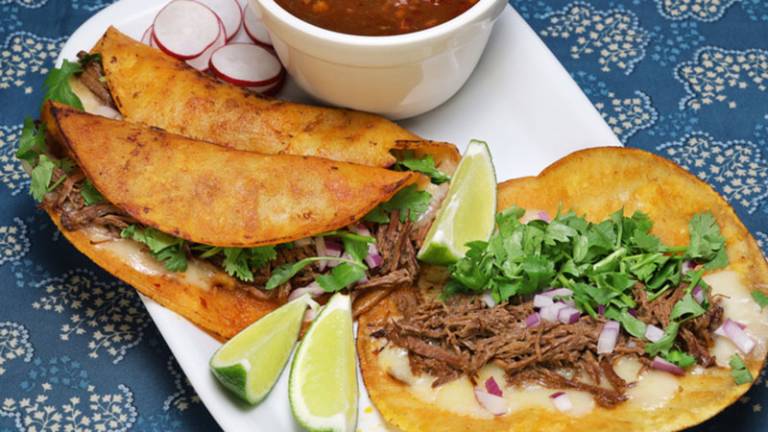
"caption": "We know those quesabirria tacos you ordered are good. But are you really gonna try to tell us they slap?",
"description": null,
"title": "Quesabirria",
"credit": "iStock",
"status": "inherit",
"altTag": "A plate of quesabirria tacos with sauce and sliced radishes",
"isLoading": false,
"fetchFailed": false
},
"arts_13905238": {
"type": "attachments",
"id": "arts_13905238",
"meta": {
"index": "attachments_1716263798",
"site": "arts",
"id": "13905238",
"found": true
},
"parent": 13905208,
"imgSizes": {
"twentyfourteen-full-width": {
"file": "https://ww2.kqed.org/app/uploads/sites/2/2021/10/guapdad-1038x576.jpg",
"width": 1038,
"mimeType": "image/jpeg",
"height": 576
},
"thumbnail": {
"file": "https://ww2.kqed.org/app/uploads/sites/2/2021/10/guapdad-160x90.jpg",
"width": 160,
"mimeType": "image/jpeg",
"height": 90
},
"post-thumbnail": {
"file": "https://ww2.kqed.org/app/uploads/sites/2/2021/10/guapdad-672x372.jpg",
"width": 672,
"mimeType": "image/jpeg",
"height": 372
},
"kqedFullSize": {
"file": "https://ww2.kqed.org/app/uploads/sites/2/2021/10/guapdad.jpg",
"width": 1920,
"height": 1080
},
"large": {
"file": "https://ww2.kqed.org/app/uploads/sites/2/2021/10/guapdad-1020x574.jpg",
"width": 1020,
"mimeType": "image/jpeg",
"height": 574
},
"1536x1536": {
"file": "https://ww2.kqed.org/app/uploads/sites/2/2021/10/guapdad-1536x864.jpg",
"width": 1536,
"mimeType": "image/jpeg",
"height": 864
},
"medium": {
"file": "https://ww2.kqed.org/app/uploads/sites/2/2021/10/guapdad-800x450.jpg",
"width": 800,
"mimeType": "image/jpeg",
"height": 450
},
"medium_large": {
"file": "https://ww2.kqed.org/app/uploads/sites/2/2021/10/guapdad-768x432.jpg",
"width": 768,
"mimeType": "image/jpeg",
"height": 432
}
},
"publishDate": 1635288938,
"modified": 1635288996,
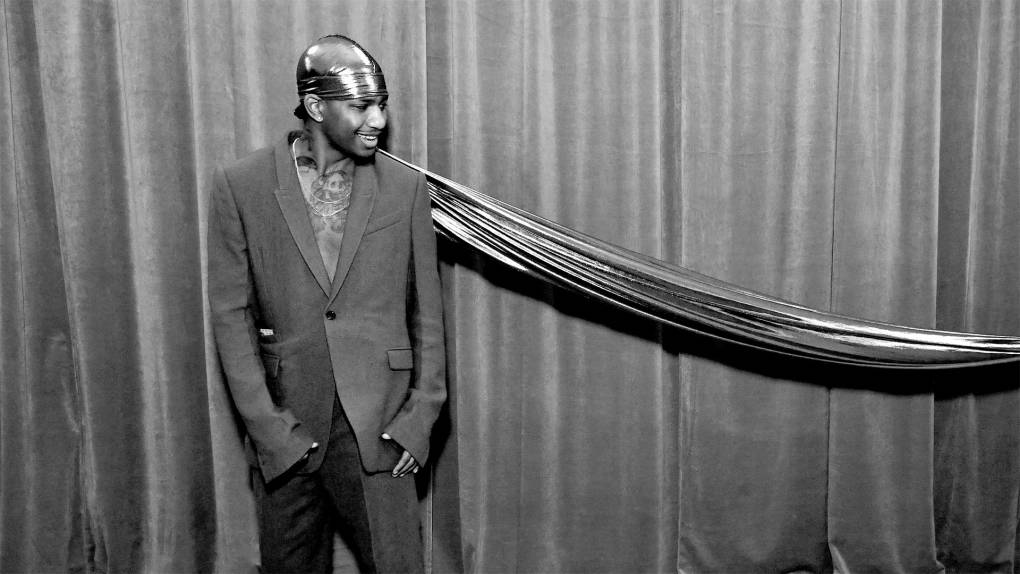
"caption": "Guapdad 4000 attends the 62nd Annual GRAMMY Awards at STAPLES Center on January 26, 2020 in Los Angeles, California.",
"description": "Guapdad 4000 attends the 62nd Annual GRAMMY Awards at STAPLES Center on January 26, 2020 in Los Angeles, California.",
"title": "guapdad",
"credit": " Emma McIntyre/Getty Images for The Recording Academy",
"status": "inherit",
"altTag": null,
"isLoading": false,
"fetchFailed": false
},
"arts_13899997": {
"type": "attachments",
"id": "arts_13899997",
"meta": {
"index": "attachments_1716263798",
"site": "arts",
"id": "13899997",
"found": true
},
"parent": 13899945,
"imgSizes": {
"twentyfourteen-full-width": {
"file": "https://ww2.kqed.org/app/uploads/sites/2/2021/07/IMG_1104-1038x576.jpeg",
"width": 1038,
"mimeType": "image/jpeg",
"height": 576
},
"thumbnail": {
"file": "https://ww2.kqed.org/app/uploads/sites/2/2021/07/IMG_1104-160x120.jpeg",
"width": 160,
"mimeType": "image/jpeg",
"height": 120
},
"post-thumbnail": {
"file": "https://ww2.kqed.org/app/uploads/sites/2/2021/07/IMG_1104-672x372.jpeg",
"width": 672,
"mimeType": "image/jpeg",
"height": 372
},
"kqedFullSize": {
"file": "https://ww2.kqed.org/app/uploads/sites/2/2021/07/IMG_1104-scaled.jpeg",
"width": 2560,
"height": 1920
},
"2048x2048": {
"file": "https://ww2.kqed.org/app/uploads/sites/2/2021/07/IMG_1104-2048x1536.jpeg",
"width": 2048,
"mimeType": "image/jpeg",
"height": 1536
},
"large": {
"file": "https://ww2.kqed.org/app/uploads/sites/2/2021/07/IMG_1104-1020x765.jpeg",
"width": 1020,
"mimeType": "image/jpeg",
"height": 765
},
"1536x1536": {
"file": "https://ww2.kqed.org/app/uploads/sites/2/2021/07/IMG_1104-1536x1152.jpeg",
"width": 1536,
"mimeType": "image/jpeg",
"height": 1152
},
"full-width": {
"file": "https://ww2.kqed.org/app/uploads/sites/2/2021/07/IMG_1104-1920x1440.jpeg",
"width": 1920,
"mimeType": "image/jpeg",
"height": 1440
},
"medium": {
"file": "https://ww2.kqed.org/app/uploads/sites/2/2021/07/IMG_1104-800x600.jpeg",
"width": 800,
"mimeType": "image/jpeg",
"height": 600
},
"medium_large": {
"file": "https://ww2.kqed.org/app/uploads/sites/2/2021/07/IMG_1104-768x576.jpeg",
"width": 768,
"mimeType": "image/jpeg",
"height": 576
}
},
"publishDate": 1626362688,
"modified": 1626376290,
"caption": "Actors, rappers and producers pose for a photo on the red carpet at the premiere of 'Space Jam: A New Legacy.'",
"description": "Actors, rappers and producers pose for a photo on the red carpet at the premiere of 'Space Jam: A New Legacy.'",
"title": "Actors, rappers and producers pose for a photo on the red carpet at the premiere of 'Space Jam: A New Legacy.'",
"credit": "Courtesy White Dave",
"status": "inherit",
"altTag": "Actors, rappers and producers pose for a photo on the red carpet at the premiere of 'Space Jam: A New Legacy.'",
"isLoading": false,
"fetchFailed": false
},
"arts_13933782": {
"type": "attachments",
"id": "arts_13933782",
"meta": {
"index": "attachments_1716263798",
"site": "arts",
"id": "13933782",
"found": true
},
"parent": 13871739,
"imgSizes": {
"twentyfourteen-full-width": {
"file": "https://ww2.kqed.org/app/uploads/sites/2/2019/12/2010s-best-albums-1-1038x576.jpg",
"width": 1038,
"mimeType": "image/jpeg",
"height": 576
},
"thumbnail": {
"file": "https://ww2.kqed.org/app/uploads/sites/2/2019/12/2010s-best-albums-1-160x90.jpg",
"width": 160,
"mimeType": "image/jpeg",
"height": 90
},
"post-thumbnail": {
"file": "https://ww2.kqed.org/app/uploads/sites/2/2019/12/2010s-best-albums-1-672x372.jpg",
"width": 672,
"mimeType": "image/jpeg",
"height": 372
},
"kqedFullSize": {
"file": "https://ww2.kqed.org/app/uploads/sites/2/2019/12/2010s-best-albums-1.jpg",
"width": 1920,
"height": 1080
},
"large": {
"file": "https://ww2.kqed.org/app/uploads/sites/2/2019/12/2010s-best-albums-1-1020x574.jpg",
"width": 1020,
"mimeType": "image/jpeg",
"height": 574
},
"1536x1536": {
"file": "https://ww2.kqed.org/app/uploads/sites/2/2019/12/2010s-best-albums-1-1536x864.jpg",
"width": 1536,
"mimeType": "image/jpeg",
"height": 864
},
"medium": {
"file": "https://ww2.kqed.org/app/uploads/sites/2/2019/12/2010s-best-albums-1-800x450.jpg",
"width": 800,
"mimeType": "image/jpeg",
"height": 450
},
"medium_large": {
"file": "https://ww2.kqed.org/app/uploads/sites/2/2019/12/2010s-best-albums-1-768x432.jpg",
"width": 768,
"mimeType": "image/jpeg",
"height": 432
}
},
"publishDate": 1692837347,
"modified": 1692837386,
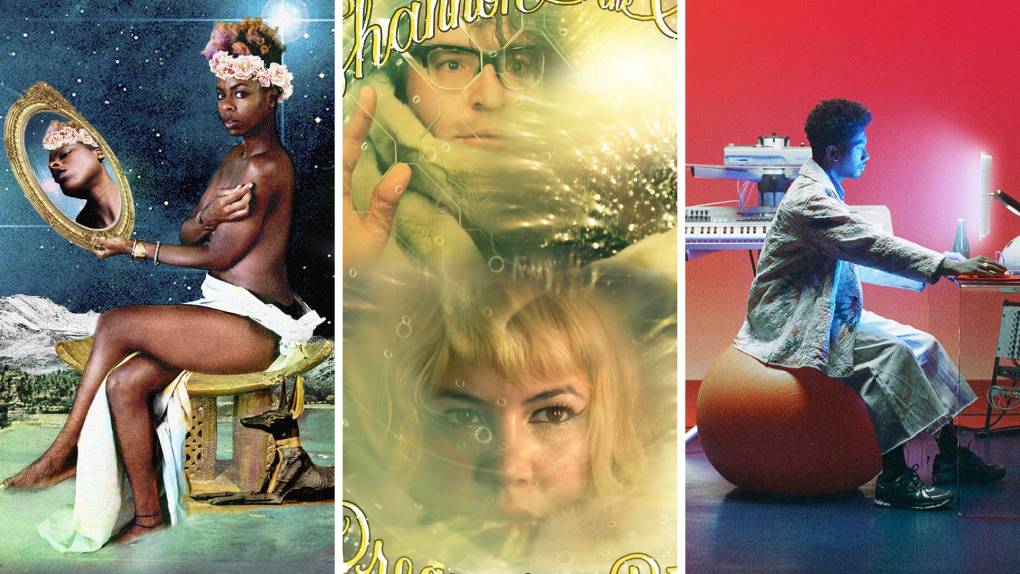
"caption": "Queens D.Light's 'California Wildflower,' Shannon and the Clams' 'Dreams in the Rat House' and Toro y Moi's 'Outer Peace' (left to right) are just a few of KQED's favorite Bay Area albums of the 2010s.",
"description": null,
"title": "2010s-best-albums",
"credit": "Courtesy of the artists ",
"status": "inherit",
"altTag": null,
"isLoading": false,
"fetchFailed": false
},
"arts_13846003": {
"type": "attachments",
"id": "arts_13846003",
"meta": {
"index": "attachments_1716263798",
"site": "arts",
"id": "13846003",
"found": true
},
"parent": 0,
"imgSizes": {
"twentyfourteen-full-width": {
"file": "https://ww2.kqed.org/app/uploads/sites/2/2018/11/QingQi.1920.MAIN_-1038x576.jpg",
"width": 1038,
"mimeType": "image/jpeg",
"height": 576
},
"thumbnail": {
"file": "https://ww2.kqed.org/app/uploads/sites/2/2018/11/QingQi.1920.MAIN_-160x90.jpg",
"width": 160,
"mimeType": "image/jpeg",
"height": 90
},
"post-thumbnail": {
"file": "https://ww2.kqed.org/app/uploads/sites/2/2018/11/QingQi.1920.MAIN_-672x372.jpg",
"width": 672,
"mimeType": "image/jpeg",
"height": 372
},
"kqedFullSize": {
"file": "https://ww2.kqed.org/app/uploads/sites/2/2018/11/QingQi.1920.MAIN_.jpg",
"width": 1920,
"height": 1080
},
"large": {
"file": "https://ww2.kqed.org/app/uploads/sites/2/2018/11/QingQi.1920.MAIN_-1020x574.jpg",
"width": 1020,
"mimeType": "image/jpeg",
"height": 574
},
"complete_open_graph": {
"file": "https://ww2.kqed.org/app/uploads/sites/2/2018/11/QingQi.1920.MAIN_-1200x675.jpg",
"width": 1200,
"mimeType": "image/jpeg",
"height": 675
},
"guest-author-50": {
"file": "https://ww2.kqed.org/app/uploads/sites/2/2018/11/QingQi.1920.MAIN_-50x50.jpg",
"width": 50,
"mimeType": "image/jpeg",
"height": 50
},
"guest-author-96": {
"file": "https://ww2.kqed.org/app/uploads/sites/2/2018/11/QingQi.1920.MAIN_-96x96.jpg",
"width": 96,
"mimeType": "image/jpeg",
"height": 96
},
"medium": {
"file": "https://ww2.kqed.org/app/uploads/sites/2/2018/11/QingQi.1920.MAIN_-800x450.jpg",
"width": 800,
"mimeType": "image/jpeg",
"height": 450
},
"guest-author-64": {
"file": "https://ww2.kqed.org/app/uploads/sites/2/2018/11/QingQi.1920.MAIN_-64x64.jpg",
"width": 64,
"mimeType": "image/jpeg",
"height": 64
},
"guest-author-32": {
"file": "https://ww2.kqed.org/app/uploads/sites/2/2018/11/QingQi.1920.MAIN_-32x32.jpg",
"width": 32,
"mimeType": "image/jpeg",
"height": 32
},
"full-width": {
"file": "https://ww2.kqed.org/app/uploads/sites/2/2018/11/QingQi.1920.MAIN_-1920x1080.jpg",
"width": 1920,
"mimeType": "image/jpeg",
"height": 1080
},
"detail": {
"file": "https://ww2.kqed.org/app/uploads/sites/2/2018/11/QingQi.1920.MAIN_-150x150.jpg",
"width": 150,
"mimeType": "image/jpeg",
"height": 150
},
"medium_large": {
"file": "https://ww2.kqed.org/app/uploads/sites/2/2018/11/QingQi.1920.MAIN_-768x432.jpg",
"width": 768,
"mimeType": "image/jpeg",
"height": 432
},
"guest-author-128": {
"file": "https://ww2.kqed.org/app/uploads/sites/2/2018/11/QingQi.1920.MAIN_-128x128.jpg",
"width": 128,
"mimeType": "image/jpeg",
"height": 128
}
},
"publishDate": 1543540057,
"modified": 1543540137,
"caption": "Rapper Qing Qi on camera for 'That's My Word,' which she co-hosted with DNas.",
"description": "Rapper Qing Qi on camera for 'That's My Word,' which she co-hosted with DNas.",
"title": "QingQi.1920.MAIN",
"credit": "Thizzler on the Roof",
"status": "inherit",
"isLoading": false,
"fetchFailed": false
},
"arts_13840958": {
"type": "attachments",
"id": "arts_13840958",
"meta": {
"index": "attachments_1716263798",
"site": "arts",
"id": "13840958",
"found": true
},
"parent": 13840955,
"imgSizes": {
"small": {
"file": "https://ww2.kqed.org/app/uploads/sites/2/2018/09/e-40-main-rolling-loud--520x293.jpg",
"width": 520,
"mimeType": "image/jpeg",
"height": 293
},
"twentyfourteen-full-width": {
"file": "https://ww2.kqed.org/app/uploads/sites/2/2018/09/e-40-main-rolling-loud--1038x576.jpg",
"width": 1038,
"mimeType": "image/jpeg",
"height": 576
},
"thumbnail": {
"file": "https://ww2.kqed.org/app/uploads/sites/2/2018/09/e-40-main-rolling-loud--160x90.jpg",
"width": 160,
"mimeType": "image/jpeg",
"height": 90
},
"fd-sm": {
"file": "https://ww2.kqed.org/app/uploads/sites/2/2018/09/e-40-main-rolling-loud--960x540.jpg",
"width": 960,
"mimeType": "image/jpeg",
"height": 540
},
"post-thumbnail": {
"file": "https://ww2.kqed.org/app/uploads/sites/2/2018/09/e-40-main-rolling-loud--672x372.jpg",
"width": 672,
"mimeType": "image/jpeg",
"height": 372
},
"xsmall": {
"file": "https://ww2.kqed.org/app/uploads/sites/2/2018/09/e-40-main-rolling-loud--375x211.jpg",
"width": 375,
"mimeType": "image/jpeg",
"height": 211
},
"kqedFullSize": {
"file": "https://ww2.kqed.org/app/uploads/sites/2/2018/09/e-40-main-rolling-loud-.jpg",
"width": 1920,
"height": 1080
},
"large": {
"file": "https://ww2.kqed.org/app/uploads/sites/2/2018/09/e-40-main-rolling-loud--1020x574.jpg",
"width": 1020,
"mimeType": "image/jpeg",
"height": 574
},
"xlarge": {
"file": "https://ww2.kqed.org/app/uploads/sites/2/2018/09/e-40-main-rolling-loud--1180x664.jpg",
"width": 1180,
"mimeType": "image/jpeg",
"height": 664
},
"complete_open_graph": {
"file": "https://ww2.kqed.org/app/uploads/sites/2/2018/09/e-40-main-rolling-loud--1200x675.jpg",
"width": 1200,
"mimeType": "image/jpeg",
"height": 675
},
"guest-author-50": {
"file": "https://ww2.kqed.org/app/uploads/sites/2/2018/09/e-40-main-rolling-loud--50x50.jpg",
"width": 50,
"mimeType": "image/jpeg",
"height": 50
},
"guest-author-96": {
"file": "https://ww2.kqed.org/app/uploads/sites/2/2018/09/e-40-main-rolling-loud--96x96.jpg",
"width": 96,
"mimeType": "image/jpeg",
"height": 96
},
"medium": {
"file": "https://ww2.kqed.org/app/uploads/sites/2/2018/09/e-40-main-rolling-loud--800x450.jpg",
"width": 800,
"mimeType": "image/jpeg",
"height": 450
},
"guest-author-64": {
"file": "https://ww2.kqed.org/app/uploads/sites/2/2018/09/e-40-main-rolling-loud--64x64.jpg",
"width": 64,
"mimeType": "image/jpeg",
"height": 64
},
"guest-author-32": {
"file": "https://ww2.kqed.org/app/uploads/sites/2/2018/09/e-40-main-rolling-loud--32x32.jpg",
"width": 32,
"mimeType": "image/jpeg",
"height": 32
},
"fd-lrg": {
"file": "https://ww2.kqed.org/app/uploads/sites/2/2018/09/e-40-main-rolling-loud--1920x1080.jpg",
"width": 1920,
"mimeType": "image/jpeg",
"height": 1080
},
"fd-med": {
"file": "https://ww2.kqed.org/app/uploads/sites/2/2018/09/e-40-main-rolling-loud--1180x664.jpg",
"width": 1180,
"mimeType": "image/jpeg",
"height": 664
},
"full-width": {
"file": "https://ww2.kqed.org/app/uploads/sites/2/2018/09/e-40-main-rolling-loud--1920x1080.jpg",
"width": 1920,
"mimeType": "image/jpeg",
"height": 1080
},
"detail": {
"file": "https://ww2.kqed.org/app/uploads/sites/2/2018/09/e-40-main-rolling-loud--150x150.jpg",
"width": 150,
"mimeType": "image/jpeg",
"height": 150
},
"medium_large": {
"file": "https://ww2.kqed.org/app/uploads/sites/2/2018/09/e-40-main-rolling-loud--768x432.jpg",
"width": 768,
"mimeType": "image/jpeg",
"height": 432
},
"guest-author-128": {
"file": "https://ww2.kqed.org/app/uploads/sites/2/2018/09/e-40-main-rolling-loud--128x128.jpg",
"width": 128,
"mimeType": "image/jpeg",
"height": 128
},
"xxsmall": {
"file": "https://ww2.kqed.org/app/uploads/sites/2/2018/09/e-40-main-rolling-loud--240x135.jpg",
"width": 240,
"mimeType": "image/jpeg",
"height": 135
}
},
"publishDate": 1537199717,
"modified": 1537199772,
"caption": "E-40 performs at Rolling Loud Bay Area on Sept. 16, 2018.",
"description": "E-40 performs at Rolling Loud Bay Area on Sept. 16, 2018.",
"title": "e-40 main rolling loud",
"credit": "Estefany Gonzalez",
"status": "inherit",
"isLoading": false,
"fetchFailed": false
},
"arts_13811394": {
"type": "attachments",
"id": "arts_13811394",
"meta": {
"index": "attachments_1716263798",
"site": "arts",
"id": "13811394",
"found": true
},
"parent": 13811392,
"imgSizes": {
"small": {
"file": "https://ww2.kqed.org/app/uploads/sites/2/2017/10/KQED_P-Lo-193-520x293.jpg",
"width": 520,
"mimeType": "image/jpeg",
"height": 293
},
"twentyfourteen-full-width": {
"file": "https://ww2.kqed.org/app/uploads/sites/2/2017/10/KQED_P-Lo-193-1038x576.jpg",
"width": 1038,
"mimeType": "image/jpeg",
"height": 576
},
"thumbnail": {
"file": "https://ww2.kqed.org/app/uploads/sites/2/2017/10/KQED_P-Lo-193-160x90.jpg",
"width": 160,
"mimeType": "image/jpeg",
"height": 90
},
"fd-sm": {
"file": "https://ww2.kqed.org/app/uploads/sites/2/2017/10/KQED_P-Lo-193-960x540.jpg",
"width": 960,
"mimeType": "image/jpeg",
"height": 540
},
"post-thumbnail": {
"file": "https://ww2.kqed.org/app/uploads/sites/2/2017/10/KQED_P-Lo-193-672x372.jpg",
"width": 672,
"mimeType": "image/jpeg",
"height": 372
},
"xsmall": {
"file": "https://ww2.kqed.org/app/uploads/sites/2/2017/10/KQED_P-Lo-193-375x211.jpg",
"width": 375,
"mimeType": "image/jpeg",
"height": 211
},
"kqedFullSize": {
"file": "https://ww2.kqed.org/app/uploads/sites/2/2017/10/KQED_P-Lo-193.jpg",
"width": 1920,
"height": 1080
},
"large": {
"file": "https://ww2.kqed.org/app/uploads/sites/2/2017/10/KQED_P-Lo-193-1020x574.jpg",
"width": 1020,
"mimeType": "image/jpeg",
"height": 574
},
"xlarge": {
"file": "https://ww2.kqed.org/app/uploads/sites/2/2017/10/KQED_P-Lo-193-1180x664.jpg",
"width": 1180,
"mimeType": "image/jpeg",
"height": 664
},
"guest-author-50": {
"file": "https://ww2.kqed.org/app/uploads/sites/2/2017/10/KQED_P-Lo-193-50x50.jpg",
"width": 50,
"mimeType": "image/jpeg",
"height": 50
},
"guest-author-96": {
"file": "https://ww2.kqed.org/app/uploads/sites/2/2017/10/KQED_P-Lo-193-96x96.jpg",
"width": 96,
"mimeType": "image/jpeg",
"height": 96
},
"medium": {
"file": "https://ww2.kqed.org/app/uploads/sites/2/2017/10/KQED_P-Lo-193-800x450.jpg",
"width": 800,
"mimeType": "image/jpeg",
"height": 450
},
"guest-author-64": {
"file": "https://ww2.kqed.org/app/uploads/sites/2/2017/10/KQED_P-Lo-193-64x64.jpg",
"width": 64,
"mimeType": "image/jpeg",
"height": 64
},
"guest-author-32": {
"file": "https://ww2.kqed.org/app/uploads/sites/2/2017/10/KQED_P-Lo-193-32x32.jpg",
"width": 32,
"mimeType": "image/jpeg",
"height": 32
},
"fd-lrg": {
"file": "https://ww2.kqed.org/app/uploads/sites/2/2017/10/KQED_P-Lo-193-1920x1080.jpg",
"width": 1920,
"mimeType": "image/jpeg",
"height": 1080
},
"fd-med": {
"file": "https://ww2.kqed.org/app/uploads/sites/2/2017/10/KQED_P-Lo-193-1180x664.jpg",
"width": 1180,
"mimeType": "image/jpeg",
"height": 664
},
"full-width": {
"file": "https://ww2.kqed.org/app/uploads/sites/2/2017/10/KQED_P-Lo-193-1920x1080.jpg",
"width": 1920,
"mimeType": "image/jpeg",
"height": 1080
},
"detail": {
"file": "https://ww2.kqed.org/app/uploads/sites/2/2017/10/KQED_P-Lo-193-150x150.jpg",
"width": 150,
"mimeType": "image/jpeg",
"height": 150
},
"medium_large": {
"file": "https://ww2.kqed.org/app/uploads/sites/2/2017/10/KQED_P-Lo-193-768x432.jpg",
"width": 768,
"mimeType": "image/jpeg",
"height": 432
},
"guest-author-128": {
"file": "https://ww2.kqed.org/app/uploads/sites/2/2017/10/KQED_P-Lo-193-128x128.jpg",
"width": 128,
"mimeType": "image/jpeg",
"height": 128
},
"xxsmall": {
"file": "https://ww2.kqed.org/app/uploads/sites/2/2017/10/KQED_P-Lo-193-240x135.jpg",
"width": 240,
"mimeType": "image/jpeg",
"height": 135
}
},
"publishDate": 1507772668,
"modified": 1507772735,
"caption": "A founding member of IAMSU's HBK Gang, P-Lo recently collaborated with E-40.",
"description": "A founding member of IAMSU's HBK Gang, P-Lo recently collaborated with E-40.",
"title": "KQED_P-Lo-193",
"credit": "Kristina Bakrevski",
"status": "inherit",
"isLoading": false,
"fetchFailed": false
},
"arts_13201920": {
"type": "attachments",
"id": "arts_13201920",
"meta": {
"index": "attachments_1716263798",
"site": "arts",
"id": "13201920",
"found": true
},
"parent": 13194051,
"imgSizes": {
"small": {
"file": "https://ww2.kqed.org/app/uploads/sites/2/2017/05/P-Lo.MAIN_-520x293.jpg",
"width": 520,
"mimeType": "image/jpeg",
"height": 293
},
"thumbnail": {
"file": "https://ww2.kqed.org/app/uploads/sites/2/2017/05/P-Lo.MAIN_-160x90.jpg",
"width": 160,
"mimeType": "image/jpeg",
"height": 90
},
"post-thumbnail": {
"file": "https://ww2.kqed.org/app/uploads/sites/2/2017/05/P-Lo.MAIN_-672x372.jpg",
"width": 672,
"mimeType": "image/jpeg",
"height": 372
},
"xsmall": {
"file": "https://ww2.kqed.org/app/uploads/sites/2/2017/05/P-Lo.MAIN_-375x211.jpg",
"width": 375,
"mimeType": "image/jpeg",
"height": 211
},
"kqedFullSize": {
"file": "https://ww2.kqed.org/app/uploads/sites/2/2017/05/P-Lo.MAIN_.jpg",
"width": 800,
"height": 450
},
"guest-author-50": {
"file": "https://ww2.kqed.org/app/uploads/sites/2/2017/05/P-Lo.MAIN_-50x50.jpg",
"width": 50,
"mimeType": "image/jpeg",
"height": 50
},
"guest-author-96": {
"file": "https://ww2.kqed.org/app/uploads/sites/2/2017/05/P-Lo.MAIN_-96x96.jpg",
"width": 96,
"mimeType": "image/jpeg",
"height": 96
},
"medium": {
"file": "https://ww2.kqed.org/app/uploads/sites/2/2017/05/P-Lo.MAIN_-800x450.jpg",
"width": 800,
"mimeType": "image/jpeg",
"height": 450
},
"guest-author-64": {
"file": "https://ww2.kqed.org/app/uploads/sites/2/2017/05/P-Lo.MAIN_-64x64.jpg",
"width": 64,
"mimeType": "image/jpeg",
"height": 64
},
"guest-author-32": {
"file": "https://ww2.kqed.org/app/uploads/sites/2/2017/05/P-Lo.MAIN_-32x32.jpg",
"width": 32,
"mimeType": "image/jpeg",
"height": 32
},
"detail": {
"file": "https://ww2.kqed.org/app/uploads/sites/2/2017/05/P-Lo.MAIN_-150x150.jpg",
"width": 150,
"mimeType": "image/jpeg",
"height": 150
},
"medium_large": {
"file": "https://ww2.kqed.org/app/uploads/sites/2/2017/05/P-Lo.MAIN_-768x432.jpg",
"width": 768,
"mimeType": "image/jpeg",
"height": 432
},
"guest-author-128": {
"file": "https://ww2.kqed.org/app/uploads/sites/2/2017/05/P-Lo.MAIN_-128x128.jpg",
"width": 128,
"mimeType": "image/jpeg",
"height": 128
},
"xxsmall": {
"file": "https://ww2.kqed.org/app/uploads/sites/2/2017/05/P-Lo.MAIN_-240x135.jpg",
"width": 240,
"mimeType": "image/jpeg",
"height": 135
}
},
"publishDate": 1494455105,
"modified": 1494455335,
"caption": "At 26, the Pinole-bred rapper and producer P-Lo is releasing his second official album and embarking on tour in June.",
"description": "At 26, the Pinole-bred rapper and producer P-Lo is releasing his second official album and embarking on tour in June.",
"title": "P-Lo.MAIN",
"credit": "Photo: Dan Franco",
"status": "inherit",
"isLoading": false,
"fetchFailed": false
}
},
"audioPlayerReducer": {
"postId": "stream_live",
"isPaused": true,
"isPlaying": false,
"pfsActive": false,
"pledgeModalIsOpen": true,
"playerDrawerIsOpen": false,
"liveAudioPlayStartedAt": 0,
"liveAudioPlayContext": ""
},
"authorsReducer": {
"byline_arts_13840955": {
"type": "authors",
"id": "byline_arts_13840955",
"meta": {
"override": true
},
"slug": "byline_arts_13840955",
"name": "Taylor Crumpton",
"isLoading": false
},
"byline_arts_13811392": {
"type": "authors",
"id": "byline_arts_13811392",
"meta": {
"override": true
},
"slug": "byline_arts_13811392",
"name": "Adrian Spinelli",
"isLoading": false
},
"byline_arts_13194051": {
"type": "authors",
"id": "byline_arts_13194051",
"meta": {
"override": true
},
"slug": "byline_arts_13194051",
"name": "Nastia Voynovskaya",
"isLoading": false
},
"nvoynovskaya": {
"type": "authors",
"id": "11387",
"meta": {
"index": "authors_1716337520",
"id": "11387",
"found": true
},
"name": "Nastia Voynovskaya",
"firstName": "Nastia",
"lastName": "Voynovskaya",
"slug": "nvoynovskaya",
"email": "nvoynovskaya@kqed.org",
"display_author_email": false,
"staff_mastheads": [
"arts"
],
"title": "Editor and reporter",
"bio": "Nastia Voynovskaya is a reporter, editor and host at KQED Arts & Culture. She's been covering the arts in the Bay Area for over a decade, with a focus on music, queer culture, labor issues and grassroots organizing. She has edited KQED story series such as Trans Bay: A History of San Francisco's Gender-Diverse Community, and co-created KQED's Bay Area hip-hop history project, That's My Word. Nastia's work has been recognized by the Society of Professional Journalists and San Francisco Press Club. She regularly appears on podcasts and radio programs, including NPR's All Songs Considered, and hosts live events where music, culture and conversation meet.",
"avatar": "https://secure.gravatar.com/avatar/5025ee460e5a85d69ca20ea6c6f2f80d7e17795c828f61ea3aecfcd924e9042e?s=600&d=blank&r=g",
"twitter": null,
"bluesky": null,
"facebook": null,
"instagram": "https://www.instagram.com/nananastia/",
"linkedin": null,
"sites": [
{
"site": "",
"roles": [
"editor"
]
},
{
"site": "arts",
"roles": [
"administrator"
]
},
{
"site": "news",
"roles": [
"editor"
]
},
{
"site": "pop",
"roles": [
"administrator"
]
},
{
"site": "bayareabites",
"roles": [
"editor"
]
},
{
"site": "podcasts",
"roles": [
"editor"
]
},
{
"site": "hiphop",
"roles": [
"editor"
]
}
],
"headData": {
"title": "Nastia Voynovskaya | KQED",
"description": "Editor and reporter",
"ogImgSrc": "https://secure.gravatar.com/avatar/5025ee460e5a85d69ca20ea6c6f2f80d7e17795c828f61ea3aecfcd924e9042e?s=600&d=blank&r=g",
"twImgSrc": "https://secure.gravatar.com/avatar/5025ee460e5a85d69ca20ea6c6f2f80d7e17795c828f61ea3aecfcd924e9042e?s=600&d=blank&r=g"
},
"isLoading": false,
"link": "/author/nvoynovskaya"
},
"ogpenn": {
"type": "authors",
"id": "11491",
"meta": {
"index": "authors_1716337520",
"id": "11491",
"found": true
},
"name": "Pendarvis Harshaw",
"firstName": "Pendarvis",
"lastName": "Harshaw",
"slug": "ogpenn",
"email": "ogpenn@gmail.com",
"display_author_email": false,
"staff_mastheads": [
"arts"
],
"title": "Community Engagement Reporter",
"bio": "Pendarvis Harshaw is an educator, host and writer with KQED Arts.",
"avatar": "https://secure.gravatar.com/avatar/972b77ee8e3f346ae2b00622661187fbfabd059b5693bbdc1475ea7a722fd4cd?s=600&d=blank&r=g",
"twitter": null,
"bluesky": null,
"facebook": null,
"instagram": "ogpenn",
"linkedin": null,
"sites": [
{
"site": "arts",
"roles": [
"administrator"
]
},
{
"site": "news",
"roles": [
"editor"
]
},
{
"site": "bayareabites",
"roles": [
"author"
]
},
{
"site": "hiphop",
"roles": [
"editor"
]
}
],
"headData": {
"title": "Pendarvis Harshaw | KQED",
"description": "Community Engagement Reporter",
"ogImgSrc": "https://secure.gravatar.com/avatar/972b77ee8e3f346ae2b00622661187fbfabd059b5693bbdc1475ea7a722fd4cd?s=600&d=blank&r=g",
"twImgSrc": "https://secure.gravatar.com/avatar/972b77ee8e3f346ae2b00622661187fbfabd059b5693bbdc1475ea7a722fd4cd?s=600&d=blank&r=g"
},
"isLoading": false,
"link": "/author/ogpenn"
},
"achazaro": {
"type": "authors",
"id": "11748",
"meta": {
"index": "authors_1716337520",
"id": "11748",
"found": true
},
"name": "Alan Chazaro",
"firstName": "Alan",
"lastName": "Chazaro",
"slug": "achazaro",
"email": "agchazaro@gmail.com",
"display_author_email": true,
"staff_mastheads": [],
"title": "Food Writer and Reporter",
"bio": "Alan Chazaro is the author of \u003cem>This Is Not a Frank Ocean Cover Album\u003c/em> (Black Lawrence Press, 2019), \u003cem>Piñata Theory\u003c/em> (Black Lawrence Press, 2020), and \u003cem>Notes from the Eastern Span of the Bay Bridge\u003c/em> (Ghost City Press, 2021). He is a graduate of June Jordan’s Poetry for the People program at UC Berkeley and a former Lawrence Ferlinghetti Fellow at the University of San Francisco. He writes about sports, food, art, music, education, and culture while repping the Bay on \u003ca href=\"https://twitter.com/alan_chazaro\">Twitter\u003c/a> and \u003ca href=\"https://www.instagram.com/alan_chazaro/?hl=en\">Instagram\u003c/a> at @alan_chazaro.",
"avatar": "https://secure.gravatar.com/avatar/ea8b6dd970fc5c29e7a188e7d5861df7?s=600&d=blank&r=g",
"twitter": "alan_chazaro",
"facebook": null,
"instagram": null,
"linkedin": null,
"sites": [
{
"site": "arts",
"roles": [
"contributor"
]
},
{
"site": "news",
"roles": [
"editor"
]
}
],
"headData": {
"title": "Alan Chazaro | KQED",
"description": "Food Writer and Reporter",
"ogImgSrc": "https://secure.gravatar.com/avatar/ea8b6dd970fc5c29e7a188e7d5861df7?s=600&d=blank&r=g",
"twImgSrc": "https://secure.gravatar.com/avatar/ea8b6dd970fc5c29e7a188e7d5861df7?s=600&d=blank&r=g"
},
"isLoading": false,
"link": "/author/achazaro"
}
},
"pagesReducer": {
"arts_tag_p-lo": {
"type": "terms",
"id": "arts_1803",
"meta": {
"index": "terms_1716263798",
"site": "arts",
"id": "1803",
"score": 9.892568
},
"name": "P-Lo",
"slug": "p-lo",
"taxonomy": "tag",
"description": null,
"featImg": null,
"headData": {
"title": "P-Lo | KQED Arts",
"description": null,
"ogTitle": null,
"ogDescription": null,
"ogImgId": null,
"twTitle": null,
"twDescription": null,
"twImgId": null
},
"ttid": 1815,
"isLoading": false,
"title": "P-Lo",
"pageMeta": {
"site": "arts",
"WpPageTemplate": "page-topic-editorial",
"currentPage": 2
},
"blocks": [
{
"blockName": "kqed/post-list",
"attrs": {
"layout": "cardArticle2",
"query": "posts/arts?tag=p-lo",
"seeMore": false,
"paginated": true,
"page": 2
}
},
{
"blockName": "kqed/ad"
}
]
}
},
"pfsSessionReducer": {},
"postsReducer": {
"stream_live": {
"type": "live",
"id": "stream_live",
"audioUrl": "https://streams.kqed.org/kqedradio",
"title": "Live Stream",
"excerpt": "Live Stream information currently unavailable.",
"link": "/radio",
"featImg": "",
"label": {
"name": "KQED Live",
"link": "/"
}
},
"stream_kqedNewscast": {
"type": "posts",
"id": "stream_kqedNewscast",
"audioUrl": "https://www.kqed.org/.stream/anon/radio/RDnews/newscast.mp3?_=1",
"title": "KQED Newscast",
"featImg": "",
"label": {
"name": "88.5 FM",
"link": "/"
}
},
"arts_13908052": {
"type": "posts",
"id": "arts_13908052",
"meta": {
"index": "posts_1716263798",
"site": "arts",
"id": "13908052",
"score": null,
"sort": [
1642115193000
]
},
"guestAuthors": [],
"slug": "food-doesnt-slap",
"title": "Food Doesn't Slap",
"publishDate": 1642115193,
"format": "standard",
"headTitle": "Food Doesn’t Slap | KQED",
"labelTerm": {},
"content": "\u003cp>\u003cspan style=\"font-size: 4.6875em;float: left;line-height: 0.733em;padding: 0.05em 0.1em 0 0;font-family: times, serif, georgia\">I\u003c/span>t’s 2022. Let’s get this out of the way. Stop saying food slaps.\u003c/p>\n\u003cp>\u003cimg loading=\"lazy\" decoding=\"async\" class=\"alignright size-thumbnail wp-image-13833985\" src=\"https://ww2.kqed.org/arts/wp-content/uploads/sites/2/2018/05/OGPenn.Cap_-160x184.jpg\" alt=\"\" width=\"160\" height=\"184\" srcset=\"https://cdn.kqed.org/wp-content/uploads/sites/2/2018/05/OGPenn.Cap_-160x184.jpg 160w, https://cdn.kqed.org/wp-content/uploads/sites/2/2018/05/OGPenn.Cap_.jpg 180w\" sizes=\"(max-width: 160px) 100vw, 160px\">\u003c/p>\n\u003cp>We’ve got enough problems as it is. We don’t need game-goofy folks out there misappropriating slang, leading our youth astray and contributing to the further decay of our society. People using a term deeply rooted in the culture of Bay Area hip-hop in a way that has nothing to do with the Bay Area, nor hip-hop.\u003c/p>\n\u003cp>I invite you to do a simple social media search of the term “\u003ca href=\"https://twitter.com/search?q=food%20slaps&src=typed_query&f=live\" target=\"_blank\" rel=\"noopener noreferrer\">food slaps\u003c/a>.” What you’ll find is that fools are \u003cem>still\u003c/em> saying it, and people are \u003cem>still\u003c/em> trying to correct them, bless their hearts.\u003c/p>\n\u003cp>“Slap” is about the sound of music when it hits your ears, not the flavor of food when it touches your tastebuds. Period.\u003c/p>\n\u003cp>[ad fullwidth]\u003c/p>\n\u003cp>Here we are, collectively surging into year three of the COVID-19 pandemic, with new variants sending people to hospitals across the country in droves. We really don’t have time to address how our jargon is (mis)used.\u003c/p>\n\u003cp>We should be worried that the United States’ current surge in COVID-19 cases is so bad that just outside of the nation’s capital, they’re \u003ca href=\"https://www.fox5dc.com/news/montgomery-county-school-officials-call-on-national-guard-amid-bus-driver-shortage\">calling in the National Guard\u003c/a> to drive school buses. We should be alarmed that this past Tuesday, the Hayward school district went\u003ca href=\"https://abc7news.com/hayward-unified-schools-virtual-unfied-learning-distance/11455635/\"> back to distanced learning for a week\u003c/a>, the \u003ca href=\"https://oaklandside.org/2022/01/06/oakland-teachers-plan-sickout-protest-as-omicron-cases-surge/\">Oakland teachers staged a sick-out\u003c/a> and \u003ca href=\"https://twitter.com/ashleynmcb/status/1479604608368476161?s=20\">OUSD students are petitioning\u003c/a> for more COVID-safe resources and threatening to have their own sick-out.\u003c/p>\n\u003cp>That’s just a couple of the healthcare-related issues. Don’t get me started on \u003ca href=\"https://apnews.com/article/consumer-prices-inflation-c1bfd93ed1719cf0135420f4fd0270f9?utm_campaign=SocialFlow&utm_source=Twitter&utm_medium=AP\">stark increases on the price of goods\u003c/a>, \u003ca href=\"https://www.npr.org/2021/12/21/1065722993/communities-are-dealing-with-an-increase-in-homicides-whats-behind-the-rise\">the uptick in crime across the nation\u003c/a> and how police companies are leveraging this data \u003ca href=\"https://www.nbcnews.com/news/nbcblk/cities-vowed-2020-cut-police-funding-budgets-expanded-2021-rcna9864\">to bolster their budgets\u003c/a>.\u003c/p>\n\u003cp>The last thing we need right now is someone getting on Marshawn Lynch’s internet, talking about they “had a sandwich and it was slapping.” Man, what?\u003c/p>\n\u003cp>https://twitter.com/omgadrian/status/1187570425879904256?lang=en\u003c/p>\n\u003cp>\u003cspan style=\"font-size: 4.6875em;float: left;line-height: 0.733em;padding: 0.05em 0.1em 0 0;font-family: times, serif, georgia\">T\u003c/span>here’s so many \u003ci>other\u003c/i> words to describe food. It can be “delicious,” “scrumptious,” “good”– even “dumbass good.” It can be “hittin’” or “bangin’,” “Smackin’ or “Shhhhmackin’.” One of my favorites is when you ask someone if the food is good and they emphatically reply, “It’s candy, bruh!”\u003c/p>\n\u003cp>It can even be “man, this sh*t right here,” or “that’s that sh*t right there.”\u003c/p>\n\u003cp>But food can’t slap. Don’t say it.\u003c/p>\n\u003cp>Before going further into my tirade, I will concede this: I understand the confusion. I’m not exactly sure of the roots of saying “food slaps,” but I know that in the film \u003cem>Friday After Next\u003c/em> (2002), the third installment in the \u003cem>Friday\u003c/em> film trilogy, comedian Don “D.C.” Curry’s character, Uncle Elroy, opens a barbecue restaurant with the tagline, “\u003ca href=\"https://www.youtube.com/watch?v=skKTrYFDYg0\">tastes so good, make you wanna slap your mamma\u003c/a>.”\u003c/p>\n\u003cp>After this claim, his brother in the film, Willie Jones (played by the late John Witherspoon), proceeds to slap the ancestors’ blessings out of their mother. Ah, Hollywood magic.\u003c/p>\n\u003cp>There isn’t a piece of food on this earth good enough to make me even think about slapping my momma. “Slap” doesn’t even come to mind when we’re talking about food.\u003c/p>\n\u003cp>“Slap” is reserved for describing the audio experience of encountering someone with a stupid sound system, sliding down the block in a Box Chevy or a Delta 88 \u003cem>slappin’\u003c/em> Keak Da Sneak’s “T-Shirts Blue Jeans & Nikes,” and the bass line is kicking like a mule in heat.\u003c/p>\n\u003cp>“Slap” is a descriptor that was popularized during the hyphy movement, circa 2004. It was used to illustrate the type of impact on a person’s face when they encounter D-Lo’s “No Hoe” for the first time.\u003c/p>\n\u003cp>The late great producer Traxamillion used the term “Slapp,” with two Ps, just to emphasize the strength with which the song was slappin’.\u003c/p>\n\u003cfigure id=\"attachment_13908143\" class=\"wp-caption aligncenter\" style=\"max-width: 800px\">\u003cimg loading=\"lazy\" decoding=\"async\" class=\"size-medium wp-image-13908143\" src=\"https://ww2.kqed.org/app/uploads/sites/2/2022/01/Traxamillion.SlappAddict-800x600.jpg\" alt=\"A CD with the producer Traxamillion on the cover.\" width=\"800\" height=\"600\" srcset=\"https://cdn.kqed.org/wp-content/uploads/sites/2/2022/01/Traxamillion.SlappAddict-800x600.jpg 800w, https://cdn.kqed.org/wp-content/uploads/sites/2/2022/01/Traxamillion.SlappAddict-1020x765.jpg 1020w, https://cdn.kqed.org/wp-content/uploads/sites/2/2022/01/Traxamillion.SlappAddict-160x120.jpg 160w, https://cdn.kqed.org/wp-content/uploads/sites/2/2022/01/Traxamillion.SlappAddict-768x576.jpg 768w, https://cdn.kqed.org/wp-content/uploads/sites/2/2022/01/Traxamillion.SlappAddict-1536x1152.jpg 1536w, https://cdn.kqed.org/wp-content/uploads/sites/2/2022/01/Traxamillion.SlappAddict.jpg 1920w\" sizes=\"(max-width: 800px) 100vw, 800px\">\u003cfigcaption class=\"wp-caption-text\">San Jose producer Traxamillion’s 2006 album ‘The Slapp Addict’ slapped so hard, it required two “P”s in the title. \u003ccite>(Gabe Meline/KQED)\u003c/cite>\u003c/figcaption>\u003c/figure>\n\u003cp>But before we were goin’ dumb, the term was already floating around the music-sphere, most often in reference to “slapping the bass,” a percussive way of playing the bass guitar with one’s thumb. (Larry Graham and Bootsy Collins are the godfathers of slapping, but you’ve probably heard it on \u003cem>\u003ca href=\"https://www.youtube.com/watch?v=slbco4zHmt8\" target=\"_blank\" rel=\"noopener noreferrer\">Seinfeld\u003c/a>\u003c/em>, or joked about in the movie \u003ca href=\"https://www.youtube.com/watch?v=RUuplQuk9Ck\">\u003cem>I Love You, Man\u003c/em>\u003c/a>.)\u003c/p>\n\u003cp>And yes, at the same time, \u003ca href=\"https://www.etymonline.com/word/slap\" target=\"_blank\" rel=\"noopener noreferrer\">the etymology of the word “slap”\u003c/a> reportedly dates to the 15th century, rooted in the literal act of gracing one’s cheek (facial or buttock) with a fierce open-palm.\u003c/p>\n\u003cp>So yes, “slap” has multiple meanings, just like so many other words in the English language. But it doesn’t apply to food. That’s the glory of slang, ever-evolving, and keeping the Queen’s English youthful.\u003c/p>\n\u003cp>https://twitter.com/hellasoosh/status/1100901490535759872\u003c/p>\n\u003cp>\u003cspan style=\"font-size: 4.6875em;float: left;line-height: 0.733em;padding: 0.05em 0.1em 0 0;font-family: times, serif, georgia\">F\u003c/span>or instance, if I say “pull up,” that can mean that I’m asking you to hit a set of 10 on the chin-up bar in the doorway, it can mean come over for a friendly gathering, or it can mean bring yo mark-ass over here I’m finna put these hands on you.\u003c/p>\n\u003cp>When someone says “put these hands on you,” it means they plan on fighting, squaring up, throwing hands or catching a fade.\u003c/p>\n\u003cp>This is where it gets tricky.\u003c/p>\n\u003cp>“Fade,” or rather “fading up,” can also be a request that everyone pitch in a couple dollars on something, usually reefer. Not to mention a “fade route” is a path for a wide receiver to run in football. Being “faded” is being intoxicated. “Fading” something is coloring it in a spectrum that goes from dark to light. And, of course, “a fade” is also a haircut.\u003c/p>\n\u003cp>And oh man, if your barber or hairstylist is nice at their job, they’ve “got bars.” But having “bars” can also mean that you know how to drive a car extremely well. Or that you’re an exceptional blunt roller. Mind you, saying that a person “got bars” can also mean they are a very skilled rapper.\u003c/p>\n\u003cp>(You picking up what I’m putting down?)\u003c/p>\n\u003cp>If a person is a skilled rapper, it’s more common for folks to say that they’re “spittin’ gas”/ “gassin a track.” But be careful, because “gas” can also mean high quality reefer (it always comes back to reefer).\u003c/p>\n\u003cp>Additionally, “gassin’” can also mean lying, or “blowing up someone’s head.” Lastly, “having gas” can mean fuel in your car’s gas tank, or indigestion in your tummy’s tank.\u003c/p>\n\u003cp>Context is everything, eh?\u003c/p>\n\u003cp>\u003cimg loading=\"lazy\" decoding=\"async\" class=\"aligncenter size-full wp-image-13908144\" src=\"https://ww2.kqed.org/app/uploads/sites/2/2022/01/FoodDoesntSlap.jpg\" alt=\"\" width=\"423\" height=\"423\" srcset=\"https://cdn.kqed.org/wp-content/uploads/sites/2/2022/01/FoodDoesntSlap.jpg 423w, https://cdn.kqed.org/wp-content/uploads/sites/2/2022/01/FoodDoesntSlap-160x160.jpg 160w\" sizes=\"(max-width: 423px) 100vw, 423px\">\u003c/p>\n\u003cp>\u003cspan style=\"font-size: 4.6875em;float: left;line-height: 0.733em;padding: 0.05em 0.1em 0 0;font-family: times, serif, georgia\">I\u003c/span> could keep going for days about Northern Californian colloquialisms, and how tricky they are. But the mutation of words isn’t specific to this region—lest I remind you of the great “\u003ca href=\"https://hiphopdx.com/news/id.56660/title.ight-well-bite-examining-hip-hop-twitters-latest-obsession-with-the-glizzy#signup\" target=\"_blank\" rel=\"noopener noreferrer\">glizzy\u003c/a>” scandal of summer 2020 that had a solid portion of the Atlantic seaboard up in arms.\u003c/p>\n\u003cp>(The term “Glizzy” reportedly originated in the greater Washington D.C. area, and is a euphemism for hot dog, but it comes from how folks would describe a glock, or the extended clip that protrudes from a handgun. And I’m pretty sure there’s some connection to male anatomy in there too.)\u003c/p>\n\u003cp>Point being: words often have multiple meanings. It’s a fact of life. Even if every other aspect of Bay Area lingo from “bootsie” to “bipper” can be used in multiple ways, “slap” is where we as a community draw the line. I can’t even think of any other words that we collectively believe should have just one meani…..\u003c/p>\n\u003cp>Oh, wait: “Bop.” That’s another one. Because, to some, “bop” is a tasteful catchy song. But, uh, where I’m from, it means that you’re a hoe. And I mean “hoe” as in “a promiscuous person,” not “a garden tool.”\u003c/p>\n\u003cp>Ah, language. A collection of symbols that people have agreed upon, and oftentimes disagree upon. I bet as soon as the first humans started talking, an argument ensued soon after.\u003c/p>\n\u003cp>\u003cimg loading=\"lazy\" decoding=\"async\" class=\"aligncenter size-medium wp-image-13908148\" src=\"https://ww2.kqed.org/app/uploads/sites/2/2022/01/Twitter.Food_.Slaps_-800x361.jpg\" alt=\"\" width=\"800\" height=\"361\" srcset=\"https://cdn.kqed.org/wp-content/uploads/sites/2/2022/01/Twitter.Food_.Slaps_-800x361.jpg 800w, https://cdn.kqed.org/wp-content/uploads/sites/2/2022/01/Twitter.Food_.Slaps_-1020x461.jpg 1020w, https://cdn.kqed.org/wp-content/uploads/sites/2/2022/01/Twitter.Food_.Slaps_-160x72.jpg 160w, https://cdn.kqed.org/wp-content/uploads/sites/2/2022/01/Twitter.Food_.Slaps_-768x347.jpg 768w, https://cdn.kqed.org/wp-content/uploads/sites/2/2022/01/Twitter.Food_.Slaps_-1536x694.jpg 1536w, https://cdn.kqed.org/wp-content/uploads/sites/2/2022/01/Twitter.Food_.Slaps_.jpg 1920w\" sizes=\"(max-width: 800px) 100vw, 800px\">\u003c/p>\n\u003cp>Look, when it boils down to it, I’m all for free speech: Say what you want, just know the consequences of your actions.\u003c/p>\n\u003cp>I do stand \u003ca href=\"https://twitter.com/omgadrian/status/1187570425879904256?lang=en\" target=\"_blank\" rel=\"noopener noreferrer\">with E-40\u003c/a>, \u003ca href=\"https://twitter.com/p_lo/status/1311551426817007621?s=20\" target=\"_blank\" rel=\"noopener noreferrer\">P-Lo\u003c/a> and many others in this fight against misuse of our innovative idioms.\u003c/p>\n\u003cp>And at the same time, I know words change. Language evolves, just like the world we’re attempting to make sense of through the words we use.\u003c/p>\n\u003cp>While I envision a world where we can come together on one accord, and conquer the problems of our time—the spread of COVID, the fractured education system, economic disparity, the impending collapse of civilization—I imagine that it’ll be hard to do if we’re arguing about the proper use of lexicon.\u003c/p>\n\u003cp>In conclusion, the Raiders and 49ers are in the playoffs, Klay Thompson is back on the basketball court, housing is a human right, no one should be hungry in the wealthiest country in the world, mass incarceration is inhumane, and we don’t say “food slaps.”\u003c/p>\n\u003cp>[ad floatright]\u003c/p>\n\u003cp>But we do say “Frisco.”\u003c/p>\n\n",
"blocks": [],
"excerpt": "It's 2022. Let's get this out of the way.",
"status": "publish",
"parent": 0,
"modified": 1726759704,
"stats": {
"hasAudio": false,
"hasVideo": false,
"hasChartOrMap": false,
"iframeSrcs": [],
"hasGoogleForm": false,
"hasGallery": false,
"hasHearkenModule": false,
"hasPolis": false,
"paragraphCount": 45,
"wordCount": 1712
},
"headData": {
"title": "Food Doesn't Slap | KQED",
"description": "It's 2022. Let's get this out of the way.",
"ogTitle": "",
"ogDescription": "",
"ogImgId": "",
"twTitle": "",
"twDescription": "",
"twImgId": "",
"schema": {
"@context": "https://schema.org",
"@type": "Article",
"headline": "Food Doesn't Slap",
"datePublished": "2022-01-13T15:06:33-08:00",
"dateModified": "2024-09-19T08:28:24-07:00",
"image": "https://cdn.kqed.org/wp-content/uploads/2020/02/KQED-OG-Image@1x.png"
}
},
"source": "The Issues of Our Time",
"sticky": false,
"templateType": "standard",
"featuredImageType": "standard",
"excludeFromSiteSearch": "Include",
"path": "/arts/13908052/food-doesnt-slap",
"audioTrackLength": null,
"parsedContent": [
{
"type": "contentString",
"content": "\u003cdiv class=\"post-body\">\u003cp>\u003cp>\u003cspan style=\"font-size: 4.6875em;float: left;line-height: 0.733em;padding: 0.05em 0.1em 0 0;font-family: times, serif, georgia\">I\u003c/span>t’s 2022. Let’s get this out of the way. Stop saying food slaps.\u003c/p>\n\u003cp>\u003cimg loading=\"lazy\" decoding=\"async\" class=\"alignright size-thumbnail wp-image-13833985\" src=\"https://ww2.kqed.org/arts/wp-content/uploads/sites/2/2018/05/OGPenn.Cap_-160x184.jpg\" alt=\"\" width=\"160\" height=\"184\" srcset=\"https://cdn.kqed.org/wp-content/uploads/sites/2/2018/05/OGPenn.Cap_-160x184.jpg 160w, https://cdn.kqed.org/wp-content/uploads/sites/2/2018/05/OGPenn.Cap_.jpg 180w\" sizes=\"(max-width: 160px) 100vw, 160px\">\u003c/p>\n\u003cp>We’ve got enough problems as it is. We don’t need game-goofy folks out there misappropriating slang, leading our youth astray and contributing to the further decay of our society. People using a term deeply rooted in the culture of Bay Area hip-hop in a way that has nothing to do with the Bay Area, nor hip-hop.\u003c/p>\n\u003cp>I invite you to do a simple social media search of the term “\u003ca href=\"https://twitter.com/search?q=food%20slaps&src=typed_query&f=live\" target=\"_blank\" rel=\"noopener noreferrer\">food slaps\u003c/a>.” What you’ll find is that fools are \u003cem>still\u003c/em> saying it, and people are \u003cem>still\u003c/em> trying to correct them, bless their hearts.\u003c/p>\n\u003cp>“Slap” is about the sound of music when it hits your ears, not the flavor of food when it touches your tastebuds. Period.\u003c/p>\n\u003cp>\u003c/p>\u003c/div>",
"attributes": {
"named": {},
"numeric": []
}
},
{
"type": "component",
"content": "",
"name": "ad",
"attributes": {
"named": {
"label": "fullwidth"
},
"numeric": [
"fullwidth"
]
}
},
{
"type": "contentString",
"content": "\u003cdiv class=\"post-body\">\u003cp>\u003c/p>\n\u003cp>Here we are, collectively surging into year three of the COVID-19 pandemic, with new variants sending people to hospitals across the country in droves. We really don’t have time to address how our jargon is (mis)used.\u003c/p>\n\u003cp>We should be worried that the United States’ current surge in COVID-19 cases is so bad that just outside of the nation’s capital, they’re \u003ca href=\"https://www.fox5dc.com/news/montgomery-county-school-officials-call-on-national-guard-amid-bus-driver-shortage\">calling in the National Guard\u003c/a> to drive school buses. We should be alarmed that this past Tuesday, the Hayward school district went\u003ca href=\"https://abc7news.com/hayward-unified-schools-virtual-unfied-learning-distance/11455635/\"> back to distanced learning for a week\u003c/a>, the \u003ca href=\"https://oaklandside.org/2022/01/06/oakland-teachers-plan-sickout-protest-as-omicron-cases-surge/\">Oakland teachers staged a sick-out\u003c/a> and \u003ca href=\"https://twitter.com/ashleynmcb/status/1479604608368476161?s=20\">OUSD students are petitioning\u003c/a> for more COVID-safe resources and threatening to have their own sick-out.\u003c/p>\n\u003cp>That’s just a couple of the healthcare-related issues. Don’t get me started on \u003ca href=\"https://apnews.com/article/consumer-prices-inflation-c1bfd93ed1719cf0135420f4fd0270f9?utm_campaign=SocialFlow&utm_source=Twitter&utm_medium=AP\">stark increases on the price of goods\u003c/a>, \u003ca href=\"https://www.npr.org/2021/12/21/1065722993/communities-are-dealing-with-an-increase-in-homicides-whats-behind-the-rise\">the uptick in crime across the nation\u003c/a> and how police companies are leveraging this data \u003ca href=\"https://www.nbcnews.com/news/nbcblk/cities-vowed-2020-cut-police-funding-budgets-expanded-2021-rcna9864\">to bolster their budgets\u003c/a>.\u003c/p>\n\u003cp>The last thing we need right now is someone getting on Marshawn Lynch’s internet, talking about they “had a sandwich and it was slapping.” Man, what?\u003c/p>\u003c/p>\u003c/div>",
"attributes": {
"named": {},
"numeric": []
}
},
{
"type": "component",
"content": "",
"name": "singleTwitterStatus",
"attributes": {
"named": {
"id": "1187570425879904256"
},
"numeric": []
}
},
{
"type": "contentString",
"content": "\u003cdiv class=\"post-body\">\u003cp>\n\u003cp>\u003cspan style=\"font-size: 4.6875em;float: left;line-height: 0.733em;padding: 0.05em 0.1em 0 0;font-family: times, serif, georgia\">T\u003c/span>here’s so many \u003ci>other\u003c/i> words to describe food. It can be “delicious,” “scrumptious,” “good”– even “dumbass good.” It can be “hittin’” or “bangin’,” “Smackin’ or “Shhhhmackin’.” One of my favorites is when you ask someone if the food is good and they emphatically reply, “It’s candy, bruh!”\u003c/p>\n\u003cp>It can even be “man, this sh*t right here,” or “that’s that sh*t right there.”\u003c/p>\n\u003cp>But food can’t slap. Don’t say it.\u003c/p>\n\u003cp>Before going further into my tirade, I will concede this: I understand the confusion. I’m not exactly sure of the roots of saying “food slaps,” but I know that in the film \u003cem>Friday After Next\u003c/em> (2002), the third installment in the \u003cem>Friday\u003c/em> film trilogy, comedian Don “D.C.” Curry’s character, Uncle Elroy, opens a barbecue restaurant with the tagline, “\u003ca href=\"https://www.youtube.com/watch?v=skKTrYFDYg0\">tastes so good, make you wanna slap your mamma\u003c/a>.”\u003c/p>\n\u003cp>After this claim, his brother in the film, Willie Jones (played by the late John Witherspoon), proceeds to slap the ancestors’ blessings out of their mother. Ah, Hollywood magic.\u003c/p>\n\u003cp>There isn’t a piece of food on this earth good enough to make me even think about slapping my momma. “Slap” doesn’t even come to mind when we’re talking about food.\u003c/p>\n\u003cp>“Slap” is reserved for describing the audio experience of encountering someone with a stupid sound system, sliding down the block in a Box Chevy or a Delta 88 \u003cem>slappin’\u003c/em> Keak Da Sneak’s “T-Shirts Blue Jeans & Nikes,” and the bass line is kicking like a mule in heat.\u003c/p>\n\u003cp>“Slap” is a descriptor that was popularized during the hyphy movement, circa 2004. It was used to illustrate the type of impact on a person’s face when they encounter D-Lo’s “No Hoe” for the first time.\u003c/p>\n\u003cp>The late great producer Traxamillion used the term “Slapp,” with two Ps, just to emphasize the strength with which the song was slappin’.\u003c/p>\n\u003cfigure id=\"attachment_13908143\" class=\"wp-caption aligncenter\" style=\"max-width: 800px\">\u003cimg loading=\"lazy\" decoding=\"async\" class=\"size-medium wp-image-13908143\" src=\"https://ww2.kqed.org/app/uploads/sites/2/2022/01/Traxamillion.SlappAddict-800x600.jpg\" alt=\"A CD with the producer Traxamillion on the cover.\" width=\"800\" height=\"600\" srcset=\"https://cdn.kqed.org/wp-content/uploads/sites/2/2022/01/Traxamillion.SlappAddict-800x600.jpg 800w, https://cdn.kqed.org/wp-content/uploads/sites/2/2022/01/Traxamillion.SlappAddict-1020x765.jpg 1020w, https://cdn.kqed.org/wp-content/uploads/sites/2/2022/01/Traxamillion.SlappAddict-160x120.jpg 160w, https://cdn.kqed.org/wp-content/uploads/sites/2/2022/01/Traxamillion.SlappAddict-768x576.jpg 768w, https://cdn.kqed.org/wp-content/uploads/sites/2/2022/01/Traxamillion.SlappAddict-1536x1152.jpg 1536w, https://cdn.kqed.org/wp-content/uploads/sites/2/2022/01/Traxamillion.SlappAddict.jpg 1920w\" sizes=\"(max-width: 800px) 100vw, 800px\">\u003cfigcaption class=\"wp-caption-text\">San Jose producer Traxamillion’s 2006 album ‘The Slapp Addict’ slapped so hard, it required two “P”s in the title. \u003ccite>(Gabe Meline/KQED)\u003c/cite>\u003c/figcaption>\u003c/figure>\n\u003cp>But before we were goin’ dumb, the term was already floating around the music-sphere, most often in reference to “slapping the bass,” a percussive way of playing the bass guitar with one’s thumb. (Larry Graham and Bootsy Collins are the godfathers of slapping, but you’ve probably heard it on \u003cem>\u003ca href=\"https://www.youtube.com/watch?v=slbco4zHmt8\" target=\"_blank\" rel=\"noopener noreferrer\">Seinfeld\u003c/a>\u003c/em>, or joked about in the movie \u003ca href=\"https://www.youtube.com/watch?v=RUuplQuk9Ck\">\u003cem>I Love You, Man\u003c/em>\u003c/a>.)\u003c/p>\n\u003cp>And yes, at the same time, \u003ca href=\"https://www.etymonline.com/word/slap\" target=\"_blank\" rel=\"noopener noreferrer\">the etymology of the word “slap”\u003c/a> reportedly dates to the 15th century, rooted in the literal act of gracing one’s cheek (facial or buttock) with a fierce open-palm.\u003c/p>\n\u003cp>So yes, “slap” has multiple meanings, just like so many other words in the English language. But it doesn’t apply to food. That’s the glory of slang, ever-evolving, and keeping the Queen’s English youthful.\u003c/p>\u003c/p>\u003c/div>",
"attributes": {
"named": {},
"numeric": []
}
},
{
"type": "component",
"content": "",
"name": "singleTwitterStatus",
"attributes": {
"named": {
"id": "1100901490535759872"
},
"numeric": []
}
},
{
"type": "contentString",
"content": "\u003cdiv class=\"post-body\">\u003cp>\n\u003cp>\u003cspan style=\"font-size: 4.6875em;float: left;line-height: 0.733em;padding: 0.05em 0.1em 0 0;font-family: times, serif, georgia\">F\u003c/span>or instance, if I say “pull up,” that can mean that I’m asking you to hit a set of 10 on the chin-up bar in the doorway, it can mean come over for a friendly gathering, or it can mean bring yo mark-ass over here I’m finna put these hands on you.\u003c/p>\n\u003cp>When someone says “put these hands on you,” it means they plan on fighting, squaring up, throwing hands or catching a fade.\u003c/p>\n\u003cp>This is where it gets tricky.\u003c/p>\n\u003cp>“Fade,” or rather “fading up,” can also be a request that everyone pitch in a couple dollars on something, usually reefer. Not to mention a “fade route” is a path for a wide receiver to run in football. Being “faded” is being intoxicated. “Fading” something is coloring it in a spectrum that goes from dark to light. And, of course, “a fade” is also a haircut.\u003c/p>\n\u003cp>And oh man, if your barber or hairstylist is nice at their job, they’ve “got bars.” But having “bars” can also mean that you know how to drive a car extremely well. Or that you’re an exceptional blunt roller. Mind you, saying that a person “got bars” can also mean they are a very skilled rapper.\u003c/p>\n\u003cp>(You picking up what I’m putting down?)\u003c/p>\n\u003cp>If a person is a skilled rapper, it’s more common for folks to say that they’re “spittin’ gas”/ “gassin a track.” But be careful, because “gas” can also mean high quality reefer (it always comes back to reefer).\u003c/p>\n\u003cp>Additionally, “gassin’” can also mean lying, or “blowing up someone’s head.” Lastly, “having gas” can mean fuel in your car’s gas tank, or indigestion in your tummy’s tank.\u003c/p>\n\u003cp>Context is everything, eh?\u003c/p>\n\u003cp>\u003cimg loading=\"lazy\" decoding=\"async\" class=\"aligncenter size-full wp-image-13908144\" src=\"https://ww2.kqed.org/app/uploads/sites/2/2022/01/FoodDoesntSlap.jpg\" alt=\"\" width=\"423\" height=\"423\" srcset=\"https://cdn.kqed.org/wp-content/uploads/sites/2/2022/01/FoodDoesntSlap.jpg 423w, https://cdn.kqed.org/wp-content/uploads/sites/2/2022/01/FoodDoesntSlap-160x160.jpg 160w\" sizes=\"(max-width: 423px) 100vw, 423px\">\u003c/p>\n\u003cp>\u003cspan style=\"font-size: 4.6875em;float: left;line-height: 0.733em;padding: 0.05em 0.1em 0 0;font-family: times, serif, georgia\">I\u003c/span> could keep going for days about Northern Californian colloquialisms, and how tricky they are. But the mutation of words isn’t specific to this region—lest I remind you of the great “\u003ca href=\"https://hiphopdx.com/news/id.56660/title.ight-well-bite-examining-hip-hop-twitters-latest-obsession-with-the-glizzy#signup\" target=\"_blank\" rel=\"noopener noreferrer\">glizzy\u003c/a>” scandal of summer 2020 that had a solid portion of the Atlantic seaboard up in arms.\u003c/p>\n\u003cp>(The term “Glizzy” reportedly originated in the greater Washington D.C. area, and is a euphemism for hot dog, but it comes from how folks would describe a glock, or the extended clip that protrudes from a handgun. And I’m pretty sure there’s some connection to male anatomy in there too.)\u003c/p>\n\u003cp>Point being: words often have multiple meanings. It’s a fact of life. Even if every other aspect of Bay Area lingo from “bootsie” to “bipper” can be used in multiple ways, “slap” is where we as a community draw the line. I can’t even think of any other words that we collectively believe should have just one meani…..\u003c/p>\n\u003cp>Oh, wait: “Bop.” That’s another one. Because, to some, “bop” is a tasteful catchy song. But, uh, where I’m from, it means that you’re a hoe. And I mean “hoe” as in “a promiscuous person,” not “a garden tool.”\u003c/p>\n\u003cp>Ah, language. A collection of symbols that people have agreed upon, and oftentimes disagree upon. I bet as soon as the first humans started talking, an argument ensued soon after.\u003c/p>\n\u003cp>\u003cimg loading=\"lazy\" decoding=\"async\" class=\"aligncenter size-medium wp-image-13908148\" src=\"https://ww2.kqed.org/app/uploads/sites/2/2022/01/Twitter.Food_.Slaps_-800x361.jpg\" alt=\"\" width=\"800\" height=\"361\" srcset=\"https://cdn.kqed.org/wp-content/uploads/sites/2/2022/01/Twitter.Food_.Slaps_-800x361.jpg 800w, https://cdn.kqed.org/wp-content/uploads/sites/2/2022/01/Twitter.Food_.Slaps_-1020x461.jpg 1020w, https://cdn.kqed.org/wp-content/uploads/sites/2/2022/01/Twitter.Food_.Slaps_-160x72.jpg 160w, https://cdn.kqed.org/wp-content/uploads/sites/2/2022/01/Twitter.Food_.Slaps_-768x347.jpg 768w, https://cdn.kqed.org/wp-content/uploads/sites/2/2022/01/Twitter.Food_.Slaps_-1536x694.jpg 1536w, https://cdn.kqed.org/wp-content/uploads/sites/2/2022/01/Twitter.Food_.Slaps_.jpg 1920w\" sizes=\"(max-width: 800px) 100vw, 800px\">\u003c/p>\n\u003cp>Look, when it boils down to it, I’m all for free speech: Say what you want, just know the consequences of your actions.\u003c/p>\n\u003cp>I do stand \u003ca href=\"https://twitter.com/omgadrian/status/1187570425879904256?lang=en\" target=\"_blank\" rel=\"noopener noreferrer\">with E-40\u003c/a>, \u003ca href=\"https://twitter.com/p_lo/status/1311551426817007621?s=20\" target=\"_blank\" rel=\"noopener noreferrer\">P-Lo\u003c/a> and many others in this fight against misuse of our innovative idioms.\u003c/p>\n\u003cp>And at the same time, I know words change. Language evolves, just like the world we’re attempting to make sense of through the words we use.\u003c/p>\n\u003cp>While I envision a world where we can come together on one accord, and conquer the problems of our time—the spread of COVID, the fractured education system, economic disparity, the impending collapse of civilization—I imagine that it’ll be hard to do if we’re arguing about the proper use of lexicon.\u003c/p>\n\u003cp>In conclusion, the Raiders and 49ers are in the playoffs, Klay Thompson is back on the basketball court, housing is a human right, no one should be hungry in the wealthiest country in the world, mass incarceration is inhumane, and we don’t say “food slaps.”\u003c/p>\n\u003cp>\u003c/p>\u003c/div>",
"attributes": {
"named": {},
"numeric": []
}
},
{
"type": "component",
"content": "",
"name": "ad",
"attributes": {
"named": {
"label": "floatright"
},
"numeric": [
"floatright"
]
}
},
{
"type": "contentString",
"content": "\u003cdiv class=\"post-body\">\u003cp>\u003c/p>\n\u003cp>But we do say “Frisco.”\u003c/p>\n\n\u003c/div>\u003c/p>",
"attributes": {
"named": {},
"numeric": []
}
}
],
"link": "/arts/13908052/food-doesnt-slap",
"authors": [
"11491"
],
"categories": [
"arts_1",
"arts_2303"
],
"tags": [
"arts_14452",
"arts_2767",
"arts_1601",
"arts_10342",
"arts_10278",
"arts_16433",
"arts_1803"
],
"featImg": "arts_13908154",
"label": "source_arts_13908052"
},
"arts_13905208": {
"type": "posts",
"id": "arts_13905208",
"meta": {
"index": "posts_1716263798",
"site": "arts",
"id": "13905208",
"score": null,
"sort": [
1635290931000
]
},
"guestAuthors": [],
"slug": "a-new-generation-of-filipino-hip-hop-builds-on-a-deep-bay-area-legacy",
"title": "A New Generation of Filipino Hip-Hop Builds On a Deep Bay Area Legacy",
"publishDate": 1635290931,
"format": "standard",
"headTitle": "A New Generation of Filipino Hip-Hop Builds On a Deep Bay Area Legacy | KQED",
"labelTerm": {
"term": 22314,
"site": "arts"
},
"content": "\u003cp>\u003cspan style=\"font-weight: 400\">Guapdad 4000 isn’t your prototypical rapper. For starters, the West Oakland artist is part of the Marvel Universe’s \u003c/span>\u003ci>\u003cspan style=\"font-weight: 400\">Shang-Chi and the Legend of the Ten Rings\u003c/span>\u003c/i>\u003cspan style=\"font-weight: 400\"> soundtrack, something he’s proud about as a comic head.\u003c/span>\u003c/p>\n\u003cp>\u003cspan style=\"font-weight: 400\">“I’m a huge Marvel fan and it was the first Asian American movie. I knew they was finna go crazy,” he says. “I was juiced. Especially to champion my Filipino side as a part of that. And it takes place in the Bay? Not even Thanos could snap me out of that.” [aside postid='arts_13902470']\u003c/span>\u003c/p>\n\u003cp>\u003cspan style=\"font-weight: 400\">If you don’t know Guap, he’s an essential player in the Bay Area’s latest wave of Filipino American artists who’ve taken over the scene with their eclectically unparalleled vibrancy. You can’t talk about Bay Area music in 2021 without mentioning him or the “\u003c/span>\u003ca href=\"https://www.youtube.com/watch?v=0SeZHOqSsZA\" target=\"_blank\" rel=\"noopener noreferrer\">\u003cspan style=\"font-weight: 400\">same squad, same squad\u003c/span>\u003c/a>\u003cspan style=\"font-weight: 400\">” of Fil Ams from here, including H.E.R, Ruby Ibarra, \u003ca href=\"https://www.kqed.org/arts/13924828/rocky-rivera-ruckus-magazine-hyphy-movement-hip-hop\">Rocky Rivera\u003c/a>, P-Lo, Kuya Beats and Saweetie, to name a a few. \u003c/span>\u003c/p>\n\u003cp>\u003cspan style=\"font-weight: 400\">Saweetie has \u003c/span>\u003ca href=\"https://www.billboard.com/articles/columns/hip-hop/9446648/saweetie-tap-in-top-10-rb-hip-hop-songs-chart\">\u003cspan style=\"font-weight: 400\">two chart-topping singles\u003c/span>\u003c/a>\u003cspan style=\"font-weight: 400\"> and a McDonald’s meal with her name on it. P-Lo \u003c/span>\u003ca href=\"https://www.kqed.org/arts/13899945/how-the-bay-area-reshaped-a-classic-soundtrack\" target=\"_blank\" rel=\"noopener noreferrer\">\u003cspan style=\"font-weight: 400\">produced “About That Time,”\u003c/span>\u003c/a>\u003cspan style=\"font-weight: 400\"> the most-streamed song from this summer’s \u003c/span>\u003ci>\u003cspan style=\"font-weight: 400\">Space Jam: A New Legacy\u003c/span>\u003c/i>\u003cspan style=\"font-weight: 400\"> soundtrack, featuring verses from NBA All Star Damian Lillard, G-Eazy and White Dave. H.E.R won four Grammys and launched the \u003c/span>\u003ca href=\"https://www.kqed.org/arts/13903394/photos-h-e-r-erykah-badu-and-other-rb-stars-shine-at-lights-on-festival\" target=\"_blank\" rel=\"noopener noreferrer\">\u003cspan style=\"font-weight: 400\">Lights On Festival\u003c/span>\u003c/a>\u003cspan style=\"font-weight: 400\">, with nearly 6 million followers on Instagram. Rivera added “author” to her resume with the \u003c/span>\u003ca href=\"https://www.kqed.org/arts/13894648/rapper-and-activist-rocky-rivera-embraces-growth-in-her-first-book-snakeskin\" target=\"_blank\" rel=\"noopener noreferrer\">\u003cspan style=\"font-weight: 400\">publication of her debut book\u003c/span>\u003c/a>\u003cspan style=\"font-weight: 400\">. Ibarra is literally \u003ca href=\"https://www.kqed.org/arts/13887169/whats-on-your-ballot-ruby-ibarra-rapper-and-scientist\" target=\"_blank\" rel=\"noopener noreferrer\">a scientist\u003c/a> and \u003c/span>\u003ca href=\"https://www.nbcbayarea.com/community/asian-pacific-america/scientist-and-rapper-ruby-ibarra-on-asian-pacific-america/2580781/\" target=\"_blank\" rel=\"noopener noreferrer\">\u003cspan style=\"font-weight: 400\">co-founded the Pinays Rising Scholarship Program\u003c/span>\u003c/a>\u003cspan style=\"font-weight: 400\">. And that’s just in the past few months.\u003c/span>\u003c/p>\n\u003cp>\u003cspan style=\"font-weight: 400\">This list doesn’t even include the unquantifiable amount of genuine community work, activism and representation each artist has provided throughout Northern California and beyond over their careers and lifetimes. It also doesn’t even touch on the OG Pinoys and Pinays who certainly paved the path for this ascendance to happen.\u003c/span>\u003cspan style=\"font-weight: 400\"> \u003c/span>\u003c/p>\n\u003cfigure id=\"attachment_13903463\" class=\"wp-caption aligncenter\" style=\"max-width: 800px\">\u003cimg loading=\"lazy\" decoding=\"async\" class=\"size-full wp-image-13903463\" src=\"https://ww2.kqed.org/app/uploads/sites/2/2021/09/D7A5910.jpg\" alt=\"\" width=\"800\" height=\"533\" srcset=\"https://cdn.kqed.org/wp-content/uploads/sites/2/2021/09/D7A5910.jpg 800w, https://cdn.kqed.org/wp-content/uploads/sites/2/2021/09/D7A5910-160x107.jpg 160w, https://cdn.kqed.org/wp-content/uploads/sites/2/2021/09/D7A5910-768x512.jpg 768w\" sizes=\"(max-width: 800px) 100vw, 800px\">\u003cfigcaption class=\"wp-caption-text\">H.E.R. performs at Lights On Festival at Concord Pavilion on Sunday, Sept. 19, 2021. \u003ccite>(Estefany Gonzalez)\u003c/cite>\u003c/figcaption>\u003c/figure>\n\u003ch2>A-Side: Chicken Adobo\u003c/h2>\n\u003cp>\u003cspan style=\"font-weight: 400\">“My mother’s side is Filipino. My grandma is a short, 5’3” lady from Zambales in the Philippines. My grandfather is Black and was a merchant marine out there on a military base. They met and decided to move to Oakland and that’s how my roots started in the Bay,” Guap says.\u003c/span>\u003c/p>\n\u003cp>\u003cspan style=\"font-weight: 400\">It’s a relatable truth for many Bay Area locals, who’ve grown up here with mixed backgrounds and a fluid sense of self across the generations. Alongside his Fil Am peers, Guap is voicing his multi-ethnic experience in an idiosyncratic, hyphy-melodic way, narrating where he’s from and his journey navigating the world as a Black Pinoy.\u003c/span>\u003c/p>\n\u003cp>https://youtu.be/1DaovaJgytE\u003c/p>\n\u003cp>\u003cspan style=\"font-weight: 400\">With his popular single “Chicken Adobo” (a love song inspired by his lola’s cooking) and his feature on Thundercat’s “\u003ca href=\"https://youtu.be/T2bcUZj6LAc\" target=\"_blank\" rel=\"noopener noreferrer\">Dragonball Durag\u003c/a>” (a tribute to the classic anime), Guap is constantly dropping hints about his Asian American upbringing and identity—though, most people admittedly don’t perceive him as Filipino upon initially seeing him.\u003c/span>\u003c/p>\n\u003cp>\u003cspan style=\"font-weight: 400\">“My direct portion is one-fourth Filipino,” he says. “I don’t use that mindstate though. I’m equal Black and Filipino. My lola raised me in a biracial household, cooking and speaking both languages. I went to an all-Filipino church for 15 years. I was immersed in the culture. Hella [stuff] in my upbringing comes straight from my Filipino side.”\u003c/span>\u003c/p>\n\u003cp>\u003cspan style=\"font-weight: 400\">Guap’s style and albums are reflective of his modern Filipino upbringing in the Bay Area—which is to say, it’s not singularly limited. It’s multidimensional and authentic, an unapologetic fusion. And it’s helping to put Filipino Americans back on the map. \u003c/span>\u003cspan style=\"font-weight: 400\">But he’s not alone. He just happens to be one \u003c/span>\u003cspan style=\"font-weight: 400\">“\u003c/span>\u003ca href=\"https://www.youtube.com/watch?v=zQuajCfNBA8\" target=\"_blank\" rel=\"noopener noreferrer\">\u003cspan style=\"font-weight: 400\">Alpha\u003c/span>\u003c/a>\u003cspan style=\"font-weight: 400\">”\u003c/span>\u003cspan style=\"font-weight: 400\"> in this group of trendsetters. \u003c/span>\u003c/p>\n\u003cfigure id=\"attachment_13867199\" class=\"wp-caption aligncenter\" style=\"max-width: 800px\">\u003cimg loading=\"lazy\" decoding=\"async\" class=\"size-medium wp-image-13867199\" src=\"https://ww2.kqed.org/app/uploads/sites/2/2019/09/Saweetie-800x450.jpg\" alt=\"Saweetie performs at Rolling Loud 2018 in Oakland.\" width=\"800\" height=\"450\" srcset=\"https://cdn.kqed.org/wp-content/uploads/sites/2/2019/09/Saweetie.jpg 800w, https://cdn.kqed.org/wp-content/uploads/sites/2/2019/09/Saweetie-160x90.jpg 160w, https://cdn.kqed.org/wp-content/uploads/sites/2/2019/09/Saweetie-768x432.jpg 768w\" sizes=\"(max-width: 800px) 100vw, 800px\">\u003cfigcaption class=\"wp-caption-text\">Saweetie performs at Rolling Loud 2018 in Oakland. \u003ccite>(Estefany Gonzalez)\u003c/cite>\u003c/figcaption>\u003c/figure>\n\u003cp>\u003cspan style=\"font-weight: 400\">“If you look at every pillar in hip-hop that exists, all of ’em, it’s gonna be at least one Filipino in there that’s a legend,” Guapdad says. “Chad Hugo [from The Neptunes]. H.E.R. Qbert. Jabbawockeez. Over the years Filipinos have found ways to integrate themselves seamlessly. It’s global but it’s also bringing that back to a local scale.”\u003c/span>\u003c/p>\n\u003cp>\u003cspan style=\"font-weight: 400\">In other words, they got roots.\u003c/span>\u003c/p>\n\u003ch2>B-Side: Origins and Migrations\u003c/h2>\n\u003cp>\u003cspan style=\"font-weight: 400\">With over 310,000 Filipino residents, \u003c/span>\u003ca href=\"https://www.asianjournal.com/usa/dateline-usa/pew-research-over-4-2m-filipino-americans-in-the-us/\" target=\"_blank\" rel=\"noopener noreferrer\">\u003cspan style=\"font-weight: 400\">the San Francisco Bay Area boasts the second-largest population of the diaspora in the United States\u003c/span>\u003c/a>\u003cspan style=\"font-weight: 400\">. Per capita, it’s among the most densely populated Filipino areas outside of the Philippines. It’s no surprise then that \u003c/span>\u003ca href=\"https://www.vox.com/2020/3/10/21172993/filipino-neighborhood-san-francisco-destroyed-i-hotel\" target=\"_blank\" rel=\"noopener noreferrer\">\u003cspan style=\"font-weight: 400\">there was once a Manilatown in San Francisco\u003c/span>\u003c/a>\u003cspan style=\"font-weight: 400\">, which blossomed from the 1920s through the 1970s until it was systematically dismantled and cannibalized as part of the “Manhattanization” of downtown’s Financial District. Starting in the 1950s, low-income Filipinos were evicted to make room for “a Wall Street of the West.” The story is just one chapter of the ongoing battle to maintain affordable housing in one of the world’s most expensive cities. \u003c/span>\u003c/p>\n\u003cp>https://youtu.be/tcsdglJFT0M\u003c/p>\n\u003cp>\u003cspan style=\"font-weight: 400\">Still, Filipinos have thrived along the Bay Area’s shorelines, allowing for many artists, activists and changemakers to emerge and collaboratively grow here—especially through the rebellion of hip-hop.\u003c/span>\u003c/p>\n\u003cp>\u003cspan style=\"font-weight: 400\">“We were raised by brown immigrants in America, but immigrants who were educated in American colonial systems,” says \u003ca href=\"https://barbarajanereyes.com/\" target=\"_blank\" rel=\"noopener noreferrer\">Barbara Jane Reyes\u003c/a>, a Manila-born poet and professor at the University of San Francisco. “Our parents’ aesthetic preferences were rooted in colonial whiteness. So seeing brown kids having a good time while listening to what we were told was the music of Black people seemed scary to them.”\u003c/span>\u003c/p>\n\u003cp>\u003cspan style=\"font-weight: 400\">By adopting hip-hop as a form of self expression, many Filipinos during the 1980s were able to create a sense of selfhood that might’ve otherwise felt trampled on or neglected by previous generations and institutional ideologies. [aside postid='arts_13812554']\u003c/span>\u003c/p>\n\u003cp>\u003cspan style=\"font-weight: 400\">But how exactly did so many Filipinos like Reyes, who grew up in the East Bay, and her family end up migrating to the San Francisco Bay Area—where they’ve been able to directly participate in hip-hop’s growth—to begin with? \u003c/span>\u003c/p>\n\u003cp>\u003cspan style=\"font-weight: 400\">The story spans centuries, but Reyes tells me there was a turning point in 1965, when President Lyndon B. Johnson signed the \u003c/span>\u003ca href=\"https://www.history.com/topics/immigration/us-immigration-since-1965\">\u003cspan style=\"font-weight: 400\">The Immigration and Nationality Act\u003c/span>\u003c/a>\u003cspan style=\"font-weight: 400\">. In an effort to attract skilled labor, the law abolished discriminatory quotas that once prevented Asians and Pacific Islanders from entering the country after World War II. The decision might’ve been the most influential factor in allowing Filipino families to spread across California, forever changing the demographics of coastal North America.\u003c/span>\u003c/p>\n\u003cp>\u003cspan style=\"font-weight: 400\">“We had migrant laborers who came to the territory of Hawai’i in 1905. Then laborers who came to the continental West Coast in the ’20s and ’30s,” says Professor Reyes. “Then World War II happened and there’s another wave of migration with [Filipino] Americans who enlist in the military, go to the Philippines to fight, and come back with war brides to the States and raise their families here. It wasn’t until ’65 til that all opened up more. And we’ve been here ever since.” \u003c/span>\u003c/p>\n\u003cp>\u003cspan style=\"font-weight: 400\">Importantly, the 1965 Act was largely a result of monumental liberation efforts made during the Civil Rights, Chicano and United Farmworkers Movements. That unity among multi-ethnic, working-class communities foreshadowed an allyship that would eventually coalesce organically into hip-hop.\u003c/span>\u003c/p>\n\u003cp>\u003cspan style=\"font-weight: 400\">“It wasn’t about popular entertainment but had something to do with making cultural and political statements,” says Reyes. “Listening to hip-hop, I realized something else was happening that made me have to look at my parents’ colonial education and love for whiteness. Going to rap was part of that exploration of asking, ‘Why do you love whiteness so much and why is Blackness so scary to you?’ How do we find kinship in those communities?” [aside postid=\"arts_13895462']\u003c/span>\u003c/p>\n\u003cp>\u003cspan style=\"font-weight: 400\">By the late 1980s, Filipinos had fully integrated themselves into Bay Area shipyards and city centers as military personnel and blue-collar workers. They also moved into suburbs and middle-class areas with access to college and professional careers in health, education and other fields. Their proliferation led to more intersectional involvement in Americanized cultures, such as\u003c/span>\u003ca href=\"https://www.undiscoveredsf.com/blog/2019/7/13/a-look-back-at-filipino-american-rampb-music-of-the-1990s\" target=\"_blank\" rel=\"noopener noreferrer\">\u003cspan style=\"font-weight: 400\"> freestyle and R&B of the ’90s\u003c/span>\u003c/a>\u003cspan style=\"font-weight: 400\">. \u003c/span>\u003c/p>\n\u003cp>\u003cspan style=\"font-weight: 400\">With a visible community already established, and clearly growing, conditions led to the formation of tightly-connected enclaves in places like Fremont, Vallejo and, most famously, Daly City.\u003c/span>\u003c/p>\n\u003ch2>C-Side: Spinning Records, Breaking Barriers\u003c/h2>\n\u003cp>\u003cspan style=\"font-weight: 400\">Filipinos have always been present in Bay Area hip-hop. Ever since the artform emerged as a vehicle for social justice and cultural empowerment, they’ve been among the most active participants in DJing, breakdancing, graffiti and MCing—from Daly City to Vallejo and back down to San Jose. Like many diverse immigrant diasporas who serendipitously arrive in the Golden State, Fil Ams have been a true staple in our neighborhoods, and their role in hip-hop is a reflection of that shared, liberating transcendence.\u003c/span>\u003c/p>\n\u003cp>\u003cspan style=\"font-weight: 400\">“My aunt, \u003c/span>\u003ca href=\"https://www.hopclear.com/filipino-amerian-mom-goes-viral-for-being-an-awesome-dj/\" target=\"_blank\" rel=\"noopener noreferrer\">\u003cspan style=\"font-weight: 400\">DJ Lady Ames\u003c/span>\u003c/a>\u003cspan style=\"font-weight: 400\">, was one of the first Pinay DJs to come out of San Francisco. She went to Balboa High \u003c/span>\u003ca href=\"https://www.youtube.com/watch?v=XbnDXp4lYuk\" target=\"_blank\" rel=\"noopener noreferrer\">\u003cspan style=\"font-weight: 400\">during the ’80s while the mobile DJing scene was happening\u003c/span>\u003c/a>\u003cspan style=\"font-weight: 400\">, and she started a crew with her friends,” says Delrokz.\u003c/span>\u003c/p>\n\u003cfigure id=\"attachment_13905237\" class=\"wp-caption alignright\" style=\"max-width: 512px\">\u003cimg loading=\"lazy\" decoding=\"async\" class=\"size-full wp-image-13905237\" src=\"https://ww2.kqed.org/app/uploads/sites/2/2021/10/delrokz.jpg\" alt=\"\" width=\"512\" height=\"341\" srcset=\"https://cdn.kqed.org/wp-content/uploads/sites/2/2021/10/delrokz.jpg 512w, https://cdn.kqed.org/wp-content/uploads/sites/2/2021/10/delrokz-160x107.jpg 160w\" sizes=\"(max-width: 512px) 100vw, 512px\">\u003cfigcaption class=\"wp-caption-text\">Delrokz in his Hayward record shop, The Stacks. \u003ccite>(Alan Chazaro)\u003c/cite>\u003c/figcaption>\u003c/figure>\n\u003cp>\u003cspan style=\"font-weight: 400\">Del is a DJ and b-boy who has lived all over the “Yay Area,” but is currently posted up in downtown Hayward, where he owns his new record shop, \u003ca href=\"https://www.thestacksrecordshop.com/\" target=\"_blank\" rel=\"noopener noreferrer\">The Stacks\u003c/a>.\u003c/span>\u003c/p>\n\u003cp>\u003cspan style=\"font-weight: 400\">“To be Filipina and have a whole crew of DJs, that was revolutionary at its time in the early ’80s,” he says. “They were an all Pinay group, The GoGos. There really weren’t that many women DJs getting attention back then. But I grew up around her and my uncles and that whole culture. It’s part of who I am.”\u003c/span>\u003c/p>\n\u003cp>\u003cspan style=\"font-weight: 400\">Del is the founder and organizer of \u003c/span>\u003ca href=\"https://www.instagram.com/breakthebay/?hl=en\" target=\"_blank\" rel=\"noopener noreferrer\">\u003cspan style=\"font-weight: 400\">Break the Bay\u003c/span>\u003c/a>\u003cspan style=\"font-weight: 400\">, an annual five-on-five breakdance competition that spins on principles of community, fun and “healthy competition.”\u003c/span>\u003c/p>\n\u003cp>\u003cspan style=\"font-weight: 400\">It’s yet another manifestation of how the Filipino homies have not only been a part of the culture, but have pioneered spaces for others to be a part of the culture, too—regardless of gender or age.\u003c/span>\u003c/p>\n\u003cp>\u003cspan style=\"font-weight: 400\">Del emphasizes that he is a second-generation Fil Am, whose mom immigrated from the islands at a very early age, and whose dad was born here. It’s an important detail to distinguish.\u003c/span>\u003c/p>\n\u003cp>\u003cspan style=\"font-weight: 400\">“My parents listened to hip-hop,” he explains. “I had a different experience than someone who’s parents immigrated here directly. Hip-hop culture is so deep within the Filipino Bay Area because it’s been passed for so long. We also just have a lot of parties, so having good DJs makes a lot of sense for us.”\u003c/span>\u003c/p>\n\u003cp>https://vimeo.com/239151243\u003c/p>\n\u003cp>\u003cspan style=\"font-weight: 400\">To say Bay Area Filipinos have become good DJs is an understatement. \u003c/span>\u003c/p>\n\u003cp>\u003cspan style=\"font-weight: 400\">Widely credited as the most innovative turntablists in modern hip-hop history, the Invisibl Skratch Piklz symbolize everything that Bay Area Filipinos have meant to the world of DJing. Their members—DJ QBert, Mixmaster Mike, DJ Apollo, Shortkut and D-Styles, to name some—have been dominant in global competitions such as the International Turntablist Federation battles since the ’80s. At one point, they received so many awards that other crews didn’t even show up to compete. By the late 90s, their members were frequently asked to be \u003ca href=\"https://www.mtv.com/news/tmaa3x/infamous-scratches-out-victory-in-us-dj-competition\">judges for the nation’s best DJ competitions\u003c/a>.\u003c/span>\u003c/p>\n\u003cp>\u003ca href=\"https://www.factmag.com/2016/09/08/invisibl-skratch-piklz-the-13th-floor/\" target=\"_blank\" rel=\"noopener noreferrer\">\u003cspan style=\"font-weight: 400\">Underground hip-hip historian Laurent Fintoni\u003c/span>\u003c/a>\u003cspan style=\"font-weight: 400\">—the author of \u003c/span>\u003ci>\u003cspan style=\"font-weight: 400\">Bedroom Beats & B-Sides: Instrumental Hip-Hop and Electronic Music at the Turn of the Century\u003c/span>\u003c/i>\u003cspan style=\"font-weight: 400\">—lauded the Piklz as the original group who “invented the concept of a DJ band, elevated the turntablist art form to new technical and creative heights and helped drive technological innovation.”\u003c/span>\u003c/p>\n\u003cp>\u003cspan style=\"font-weight: 400\">Connecting five turntables to scratch, mix and fade all at once, live on stage? Yup. These Filipino DJs are known for popularizing that. Their craft went on to birth future groups in the genre of turntablism, such as The X-Ecutioners from New York City.\u003c/span>\u003c/p>\n\u003cp>\u003cspan style=\"font-weight: 400\">Between the Piklz, DJ Lady Ames, Delrokz and so many other Filipino Americans from this time and place, DJing went from inside the garages of Daly City’s battling crews to a globally revolutionized way of life.\u003c/span>\u003c/p>\n\u003cfigure id=\"attachment_10345320\" class=\"wp-caption aligncenter\" style=\"max-width: 800px\">\u003cimg loading=\"lazy\" decoding=\"async\" class=\"size-medium wp-image-10345320\" src=\"https://ww2.kqed.org/app/uploads/sites/2/2015/01/QBertMain-800x450.jpg\" alt=\"\" width=\"800\" height=\"450\" srcset=\"https://cdn.kqed.org/wp-content/uploads/sites/2/2015/01/QBertMain.jpg 800w, https://cdn.kqed.org/wp-content/uploads/sites/2/2015/01/QBertMain-400x225.jpg 400w\" sizes=\"(max-width: 800px) 100vw, 800px\">\u003cfigcaption class=\"wp-caption-text\">DJ QBert. \u003ccite>(Thud Rumble)\u003c/cite>\u003c/figcaption>\u003c/figure>\n\u003ch2>D-Side: Underground Legends\u003c/h2>\n\u003cp>\u003cspan style=\"font-weight: 400\">If you’ve ever noticed “TDK” tagged on any Bay Area surface, then you’ve likely seen the work of Vogue and \u003c/span>\u003ca href=\"https://www.kqed.org/arts/13863999/dream-day-2019-celebrating-mike-dream-franciscos-50th-birthday\" target=\"_blank\" rel=\"noopener noreferrer\">\u003cspan style=\"font-weight: 400\">the late Mike Dream Francisco\u003c/span>\u003c/a>\u003cspan style=\"font-weight: 400\">. They are—in the opinion of every Bay Area graffiti artist I know—two of the most iconic dudes to ever wield cans of aerosol. \u003c/span>\u003c/p>\n\u003cp>\u003cspan style=\"font-weight: 400\">You shouldn’t be surprised to learn that they’re Filipinos. \u003c/span>\u003c/p>\n\u003cp>\u003cspan style=\"font-weight: 400\">Here are a few more Pinoy names you may or may not have heard about who have helped to shape, or are currently shaping, Bay Area culture: \u003c/span>\u003cspan style=\"font-weight: 400\">\u003ca href=\"https://www.instagram.com/reyresurreccion/?hl=en\">Rey Resurrection\u003c/a>, \u003c/span>\u003ca href=\"https://www.kqed.org/arts/10445851/from-gangs-to-glory-bambus-political-hip-hop-for-the-people\" target=\"_blank\" rel=\"noopener noreferrer\">\u003cspan style=\"font-weight: 400\">Bambu\u003c/span>\u003c/a>\u003cspan style=\"font-weight: 400\">, Celskiii, Deeandroid, \u003c/span>\u003ca href=\"https://www.instagram.com/dj_bitesize/?hl=en\" target=\"_blank\" rel=\"noopener noreferrer\">\u003cspan style=\"font-weight: 400\">DJ Bitesize\u003c/span>\u003c/a>\u003cspan style=\"font-weight: 400\">, and the \u003c/span>\u003ca href=\"https://dothebay.com/artists/knuckle-neck-tribe\" target=\"_blank\" rel=\"noopener noreferrer\">\u003cspan style=\"font-weight: 400\">Knuckle Neck Tribe\u003c/span>\u003c/a>\u003cspan style=\"font-weight: 400\">.\u003c/span>\u003c/p>\n\u003cp>\u003cspan style=\"font-weight: 400\">And who can forget one of the most influential sound architects of the entire hyphy movement?\u003c/span>\u003c/p>\n\u003cp>\u003cspan style=\"font-weight: 400\">Dustin “Nump” Perfetto is a 707 product who has been inside studios with everyone’s favorite musicians, from E-40 to Green Day. \u003ca href=\"https://www.kqed.org/arts/13924042/nump-hyphy-i-gott-grapes-interview\">He operated as the recording engineer\u003c/a> on countless albums from that glorious era in Bay Area music history, including \u003c/span>\u003ci>\u003cspan style=\"font-weight: 400\">Rick Rock Presents Federation: The Album\u003c/span>\u003c/i>\u003cspan style=\"font-weight: 400\">, which features the timeless anthem, “\u003ca href=\"https://youtu.be/oe7ohnlZhBc\" target=\"_blank\" rel=\"noopener noreferrer\">Hyphy\u003c/a>.”\u003c/span>\u003c/p>\n\u003cp>\u003cspan style=\"font-weight: 400\">“Filipinos play a major part behind the scenes but it hasn’t always been as popular for us to be mainstream,” Perfetto says. “I won’t stop ’til we get that respect.”\u003c/span>\u003c/p>\n\u003cfigure id=\"attachment_13887463\" class=\"wp-caption aligncenter\" style=\"max-width: 800px\">\u003cimg loading=\"lazy\" decoding=\"async\" class=\"size-full wp-image-13887463\" src=\"https://ww2.kqed.org/app/uploads/sites/2/2020/10/RubyIbarra.MAIN_.jpg\" alt=\"Ruby Ibarra in an East Bay park.\" width=\"800\" height=\"450\" srcset=\"https://cdn.kqed.org/wp-content/uploads/sites/2/2020/10/RubyIbarra.MAIN_.jpg 800w, https://cdn.kqed.org/wp-content/uploads/sites/2/2020/10/RubyIbarra.MAIN_-160x90.jpg 160w, https://cdn.kqed.org/wp-content/uploads/sites/2/2020/10/RubyIbarra.MAIN_-768x432.jpg 768w\" sizes=\"(max-width: 800px) 100vw, 800px\">\u003cfigcaption class=\"wp-caption-text\">Ruby Ibarra. \u003ccite>(Estefany Gonzalez)\u003c/cite>\u003c/figcaption>\u003c/figure>\n\u003cp>\u003cspan style=\"font-weight: 400\">By promoting his pride in launching his own clothing line, Gorillapino, and collaborating with former and current Fil Am artists (including Ruby Ibarra on her incisive 2017 album, \u003c/span>\u003ca href=\"https://pinoyhiphopsuperstar.com/ruby-ibarra-circa-91-album-review/\">\u003ci>\u003cspan style=\"font-weight: 400\">CIRCA91\u003c/span>\u003c/i>\u003c/a>\u003cspan style=\"font-weight: 400\">, which includes extensive verses in Tagalog) Perfetto personifies the undying grit and collective strength of the Fil Am hip hop community that has always been \u003c/span>\u003ca href=\"https://www.youtube.com/watch?v=Ccm73eJo2_U\">\u003cspan style=\"font-weight: 400\">“Going Off”\u003c/span>\u003c/a>\u003cspan style=\"font-weight: 400\"> for the Bay.\u003c/span>\u003c/p>\n\u003cp>\u003cspan style=\"font-weight: 400\">“\u003ca href=\"https://theculturetrip.com/asia/philippines/articles/the-story-of-lapu-lapu-the-legendary-filipino-hero/\" target=\"_blank\" rel=\"noopener noreferrer\">Lapulapu\u003c/a> is the original Filipino warrior who cut off Magellan’s head when they tried to conquer us,” Perfetto says. “That’s the energy I move with. That’s who we are.”\u003c/span>\u003c/p>\n\u003cp>\u003cspan style=\"font-weight: 400\">Translation: Filipinos stand united for anything they believe in. And local history underscores how they’ve always utilized the powers of music and community for good.\u003c/span>\u003c/p>\n\u003cp>https://youtu.be/xOrYbSM1ArI\u003c/p>\n\u003cp>\u003cspan style=\"font-weight: 400\">Perfetto and the rest of these artists making waves out here can definitely wreck microphones, but they can just as easily build across communities to reach audiences of any background. More than anything, they represent how the Bay is a soil of innovation and solidarity—how we’re all building towards communal celebration.\u003c/span>\u003c/p>\n\u003cp>\u003cspan style=\"font-weight: 400\">“We have a lot of similarities with other cultures,” Guapdad reminds me. “It’s just something we need to celebrate more.”\u003c/span>\u003c/p>\n\u003cp>[ad fullwidth]\u003c/p>\n\u003cp>[ad floatright]\u003c/p>\n",
"blocks": [],
"excerpt": "Guapdad, Saweetie and some of today's best-known Bay Area artists rep their Filipino heritage, continuing a tradition going back to the '80s.",
"status": "publish",
"parent": 0,
"modified": 1726791251,
"stats": {
"hasAudio": false,
"hasVideo": false,
"hasChartOrMap": false,
"iframeSrcs": [],
"hasGoogleForm": false,
"hasGallery": false,
"hasHearkenModule": false,
"hasPolis": false,
"paragraphCount": 49,
"wordCount": 2670
},
"headData": {
"title": "A New Generation of Filipino Hip-Hop Builds On a Deep Bay Area Legacy | KQED",
"description": "Guapdad, Saweetie and some of today's best-known Bay Area artists rep their Filipino heritage, continuing a tradition going back to the '80s.",
"ogTitle": "",
"ogDescription": "",
"ogImgId": "",
"twTitle": "",
"twDescription": "",
"twImgId": "",
"schema": {
"@context": "https://schema.org",
"@type": "Article",
"headline": "A New Generation of Filipino Hip-Hop Builds On a Deep Bay Area Legacy",
"datePublished": "2021-10-26T16:28:51-07:00",
"dateModified": "2024-09-19T17:14:11-07:00",
"image": "https://cdn.kqed.org/wp-content/uploads/2020/02/KQED-OG-Image@1x.png"
}
},
"sticky": false,
"templateType": "standard",
"featuredImageType": "standard",
"excludeFromSiteSearch": "Include",
"articleAge": "0",
"path": "/arts/13905208/a-new-generation-of-filipino-hip-hop-builds-on-a-deep-bay-area-legacy",
"audioTrackLength": null,
"parsedContent": [
{
"type": "contentString",
"content": "\u003cdiv class=\"post-body\">\u003cp>\u003cp>\u003cspan style=\"font-weight: 400\">Guapdad 4000 isn’t your prototypical rapper. For starters, the West Oakland artist is part of the Marvel Universe’s \u003c/span>\u003ci>\u003cspan style=\"font-weight: 400\">Shang-Chi and the Legend of the Ten Rings\u003c/span>\u003c/i>\u003cspan style=\"font-weight: 400\"> soundtrack, something he’s proud about as a comic head.\u003c/span>\u003c/p>\n\u003cp>\u003cspan style=\"font-weight: 400\">“I’m a huge Marvel fan and it was the first Asian American movie. I knew they was finna go crazy,” he says. “I was juiced. Especially to champion my Filipino side as a part of that. And it takes place in the Bay? Not even Thanos could snap me out of that.” \u003c/p>\u003c/div>",
"attributes": {
"named": {},
"numeric": []
}
},
{
"type": "component",
"content": "",
"name": "aside",
"attributes": {
"named": {
"postid": "arts_13902470",
"label": ""
},
"numeric": []
}
},
{
"type": "contentString",
"content": "\u003cdiv class=\"post-body\">\u003cp>\u003c/span>\u003c/p>\n\u003cp>\u003cspan style=\"font-weight: 400\">If you don’t know Guap, he’s an essential player in the Bay Area’s latest wave of Filipino American artists who’ve taken over the scene with their eclectically unparalleled vibrancy. You can’t talk about Bay Area music in 2021 without mentioning him or the “\u003c/span>\u003ca href=\"https://www.youtube.com/watch?v=0SeZHOqSsZA\" target=\"_blank\" rel=\"noopener noreferrer\">\u003cspan style=\"font-weight: 400\">same squad, same squad\u003c/span>\u003c/a>\u003cspan style=\"font-weight: 400\">” of Fil Ams from here, including H.E.R, Ruby Ibarra, \u003ca href=\"https://www.kqed.org/arts/13924828/rocky-rivera-ruckus-magazine-hyphy-movement-hip-hop\">Rocky Rivera\u003c/a>, P-Lo, Kuya Beats and Saweetie, to name a a few. \u003c/span>\u003c/p>\n\u003cp>\u003cspan style=\"font-weight: 400\">Saweetie has \u003c/span>\u003ca href=\"https://www.billboard.com/articles/columns/hip-hop/9446648/saweetie-tap-in-top-10-rb-hip-hop-songs-chart\">\u003cspan style=\"font-weight: 400\">two chart-topping singles\u003c/span>\u003c/a>\u003cspan style=\"font-weight: 400\"> and a McDonald’s meal with her name on it. P-Lo \u003c/span>\u003ca href=\"https://www.kqed.org/arts/13899945/how-the-bay-area-reshaped-a-classic-soundtrack\" target=\"_blank\" rel=\"noopener noreferrer\">\u003cspan style=\"font-weight: 400\">produced “About That Time,”\u003c/span>\u003c/a>\u003cspan style=\"font-weight: 400\"> the most-streamed song from this summer’s \u003c/span>\u003ci>\u003cspan style=\"font-weight: 400\">Space Jam: A New Legacy\u003c/span>\u003c/i>\u003cspan style=\"font-weight: 400\"> soundtrack, featuring verses from NBA All Star Damian Lillard, G-Eazy and White Dave. H.E.R won four Grammys and launched the \u003c/span>\u003ca href=\"https://www.kqed.org/arts/13903394/photos-h-e-r-erykah-badu-and-other-rb-stars-shine-at-lights-on-festival\" target=\"_blank\" rel=\"noopener noreferrer\">\u003cspan style=\"font-weight: 400\">Lights On Festival\u003c/span>\u003c/a>\u003cspan style=\"font-weight: 400\">, with nearly 6 million followers on Instagram. Rivera added “author” to her resume with the \u003c/span>\u003ca href=\"https://www.kqed.org/arts/13894648/rapper-and-activist-rocky-rivera-embraces-growth-in-her-first-book-snakeskin\" target=\"_blank\" rel=\"noopener noreferrer\">\u003cspan style=\"font-weight: 400\">publication of her debut book\u003c/span>\u003c/a>\u003cspan style=\"font-weight: 400\">. Ibarra is literally \u003ca href=\"https://www.kqed.org/arts/13887169/whats-on-your-ballot-ruby-ibarra-rapper-and-scientist\" target=\"_blank\" rel=\"noopener noreferrer\">a scientist\u003c/a> and \u003c/span>\u003ca href=\"https://www.nbcbayarea.com/community/asian-pacific-america/scientist-and-rapper-ruby-ibarra-on-asian-pacific-america/2580781/\" target=\"_blank\" rel=\"noopener noreferrer\">\u003cspan style=\"font-weight: 400\">co-founded the Pinays Rising Scholarship Program\u003c/span>\u003c/a>\u003cspan style=\"font-weight: 400\">. And that’s just in the past few months.\u003c/span>\u003c/p>\n\u003cp>\u003cspan style=\"font-weight: 400\">This list doesn’t even include the unquantifiable amount of genuine community work, activism and representation each artist has provided throughout Northern California and beyond over their careers and lifetimes. It also doesn’t even touch on the OG Pinoys and Pinays who certainly paved the path for this ascendance to happen.\u003c/span>\u003cspan style=\"font-weight: 400\"> \u003c/span>\u003c/p>\n\u003cfigure id=\"attachment_13903463\" class=\"wp-caption aligncenter\" style=\"max-width: 800px\">\u003cimg loading=\"lazy\" decoding=\"async\" class=\"size-full wp-image-13903463\" src=\"https://ww2.kqed.org/app/uploads/sites/2/2021/09/D7A5910.jpg\" alt=\"\" width=\"800\" height=\"533\" srcset=\"https://cdn.kqed.org/wp-content/uploads/sites/2/2021/09/D7A5910.jpg 800w, https://cdn.kqed.org/wp-content/uploads/sites/2/2021/09/D7A5910-160x107.jpg 160w, https://cdn.kqed.org/wp-content/uploads/sites/2/2021/09/D7A5910-768x512.jpg 768w\" sizes=\"(max-width: 800px) 100vw, 800px\">\u003cfigcaption class=\"wp-caption-text\">H.E.R. performs at Lights On Festival at Concord Pavilion on Sunday, Sept. 19, 2021. \u003ccite>(Estefany Gonzalez)\u003c/cite>\u003c/figcaption>\u003c/figure>\n\u003ch2>A-Side: Chicken Adobo\u003c/h2>\n\u003cp>\u003cspan style=\"font-weight: 400\">“My mother’s side is Filipino. My grandma is a short, 5’3” lady from Zambales in the Philippines. My grandfather is Black and was a merchant marine out there on a military base. They met and decided to move to Oakland and that’s how my roots started in the Bay,” Guap says.\u003c/span>\u003c/p>\n\u003cp>\u003cspan style=\"font-weight: 400\">It’s a relatable truth for many Bay Area locals, who’ve grown up here with mixed backgrounds and a fluid sense of self across the generations. Alongside his Fil Am peers, Guap is voicing his multi-ethnic experience in an idiosyncratic, hyphy-melodic way, narrating where he’s from and his journey navigating the world as a Black Pinoy.\u003c/span>\u003c/p>\u003c/p>\u003cp>\u003cspan class='utils-parseShortcode-shortcodes-__youtubeShortcode__embedYoutube'>\n \u003cspan class='utils-parseShortcode-shortcodes-__youtubeShortcode__embedYoutubeInside'>\n \u003ciframe\n loading='lazy'\n class='utils-parseShortcode-shortcodes-__youtubeShortcode__youtubePlayer'\n type='text/html'\n src='//www.youtube.com/embed/1DaovaJgytE'\n title='//www.youtube.com/embed/1DaovaJgytE'\n allowfullscreen='true'\n style='border:0;'>\u003c/iframe>\n \u003c/span>\n \u003c/span>\u003c/p>\u003cp>\u003cp>\u003cspan style=\"font-weight: 400\">With his popular single “Chicken Adobo” (a love song inspired by his lola’s cooking) and his feature on Thundercat’s “\u003ca href=\"https://youtu.be/T2bcUZj6LAc\" target=\"_blank\" rel=\"noopener noreferrer\">Dragonball Durag\u003c/a>” (a tribute to the classic anime), Guap is constantly dropping hints about his Asian American upbringing and identity—though, most people admittedly don’t perceive him as Filipino upon initially seeing him.\u003c/span>\u003c/p>\n\u003cp>\u003cspan style=\"font-weight: 400\">“My direct portion is one-fourth Filipino,” he says. “I don’t use that mindstate though. I’m equal Black and Filipino. My lola raised me in a biracial household, cooking and speaking both languages. I went to an all-Filipino church for 15 years. I was immersed in the culture. Hella [stuff] in my upbringing comes straight from my Filipino side.”\u003c/span>\u003c/p>\n\u003cp>\u003cspan style=\"font-weight: 400\">Guap’s style and albums are reflective of his modern Filipino upbringing in the Bay Area—which is to say, it’s not singularly limited. It’s multidimensional and authentic, an unapologetic fusion. And it’s helping to put Filipino Americans back on the map. \u003c/span>\u003cspan style=\"font-weight: 400\">But he’s not alone. He just happens to be one \u003c/span>\u003cspan style=\"font-weight: 400\">“\u003c/span>\u003ca href=\"https://www.youtube.com/watch?v=zQuajCfNBA8\" target=\"_blank\" rel=\"noopener noreferrer\">\u003cspan style=\"font-weight: 400\">Alpha\u003c/span>\u003c/a>\u003cspan style=\"font-weight: 400\">”\u003c/span>\u003cspan style=\"font-weight: 400\"> in this group of trendsetters. \u003c/span>\u003c/p>\n\u003cfigure id=\"attachment_13867199\" class=\"wp-caption aligncenter\" style=\"max-width: 800px\">\u003cimg loading=\"lazy\" decoding=\"async\" class=\"size-medium wp-image-13867199\" src=\"https://ww2.kqed.org/app/uploads/sites/2/2019/09/Saweetie-800x450.jpg\" alt=\"Saweetie performs at Rolling Loud 2018 in Oakland.\" width=\"800\" height=\"450\" srcset=\"https://cdn.kqed.org/wp-content/uploads/sites/2/2019/09/Saweetie.jpg 800w, https://cdn.kqed.org/wp-content/uploads/sites/2/2019/09/Saweetie-160x90.jpg 160w, https://cdn.kqed.org/wp-content/uploads/sites/2/2019/09/Saweetie-768x432.jpg 768w\" sizes=\"(max-width: 800px) 100vw, 800px\">\u003cfigcaption class=\"wp-caption-text\">Saweetie performs at Rolling Loud 2018 in Oakland. \u003ccite>(Estefany Gonzalez)\u003c/cite>\u003c/figcaption>\u003c/figure>\n\u003cp>\u003cspan style=\"font-weight: 400\">“If you look at every pillar in hip-hop that exists, all of ’em, it’s gonna be at least one Filipino in there that’s a legend,” Guapdad says. “Chad Hugo [from The Neptunes]. H.E.R. Qbert. Jabbawockeez. Over the years Filipinos have found ways to integrate themselves seamlessly. It’s global but it’s also bringing that back to a local scale.”\u003c/span>\u003c/p>\n\u003cp>\u003cspan style=\"font-weight: 400\">In other words, they got roots.\u003c/span>\u003c/p>\n\u003ch2>B-Side: Origins and Migrations\u003c/h2>\n\u003cp>\u003cspan style=\"font-weight: 400\">With over 310,000 Filipino residents, \u003c/span>\u003ca href=\"https://www.asianjournal.com/usa/dateline-usa/pew-research-over-4-2m-filipino-americans-in-the-us/\" target=\"_blank\" rel=\"noopener noreferrer\">\u003cspan style=\"font-weight: 400\">the San Francisco Bay Area boasts the second-largest population of the diaspora in the United States\u003c/span>\u003c/a>\u003cspan style=\"font-weight: 400\">. Per capita, it’s among the most densely populated Filipino areas outside of the Philippines. It’s no surprise then that \u003c/span>\u003ca href=\"https://www.vox.com/2020/3/10/21172993/filipino-neighborhood-san-francisco-destroyed-i-hotel\" target=\"_blank\" rel=\"noopener noreferrer\">\u003cspan style=\"font-weight: 400\">there was once a Manilatown in San Francisco\u003c/span>\u003c/a>\u003cspan style=\"font-weight: 400\">, which blossomed from the 1920s through the 1970s until it was systematically dismantled and cannibalized as part of the “Manhattanization” of downtown’s Financial District. Starting in the 1950s, low-income Filipinos were evicted to make room for “a Wall Street of the West.” The story is just one chapter of the ongoing battle to maintain affordable housing in one of the world’s most expensive cities. \u003c/span>\u003c/p>\u003c/p>\u003cp>\u003cspan class='utils-parseShortcode-shortcodes-__youtubeShortcode__embedYoutube'>\n \u003cspan class='utils-parseShortcode-shortcodes-__youtubeShortcode__embedYoutubeInside'>\n \u003ciframe\n loading='lazy'\n class='utils-parseShortcode-shortcodes-__youtubeShortcode__youtubePlayer'\n type='text/html'\n src='//www.youtube.com/embed/tcsdglJFT0M'\n title='//www.youtube.com/embed/tcsdglJFT0M'\n allowfullscreen='true'\n style='border:0;'>\u003c/iframe>\n \u003c/span>\n \u003c/span>\u003c/p>\u003cp>\u003cp>\u003cspan style=\"font-weight: 400\">Still, Filipinos have thrived along the Bay Area’s shorelines, allowing for many artists, activists and changemakers to emerge and collaboratively grow here—especially through the rebellion of hip-hop.\u003c/span>\u003c/p>\n\u003cp>\u003cspan style=\"font-weight: 400\">“We were raised by brown immigrants in America, but immigrants who were educated in American colonial systems,” says \u003ca href=\"https://barbarajanereyes.com/\" target=\"_blank\" rel=\"noopener noreferrer\">Barbara Jane Reyes\u003c/a>, a Manila-born poet and professor at the University of San Francisco. “Our parents’ aesthetic preferences were rooted in colonial whiteness. So seeing brown kids having a good time while listening to what we were told was the music of Black people seemed scary to them.”\u003c/span>\u003c/p>\n\u003cp>\u003cspan style=\"font-weight: 400\">By adopting hip-hop as a form of self expression, many Filipinos during the 1980s were able to create a sense of selfhood that might’ve otherwise felt trampled on or neglected by previous generations and institutional ideologies. \u003c/p>\u003c/div>",
"attributes": {
"named": {},
"numeric": []
}
},
{
"type": "component",
"content": "",
"name": "aside",
"attributes": {
"named": {
"postid": "arts_13812554",
"label": ""
},
"numeric": []
}
},
{
"type": "contentString",
"content": "\u003cdiv class=\"post-body\">\u003cp>\u003c/span>\u003c/p>\n\u003cp>\u003cspan style=\"font-weight: 400\">But how exactly did so many Filipinos like Reyes, who grew up in the East Bay, and her family end up migrating to the San Francisco Bay Area—where they’ve been able to directly participate in hip-hop’s growth—to begin with? \u003c/span>\u003c/p>\n\u003cp>\u003cspan style=\"font-weight: 400\">The story spans centuries, but Reyes tells me there was a turning point in 1965, when President Lyndon B. Johnson signed the \u003c/span>\u003ca href=\"https://www.history.com/topics/immigration/us-immigration-since-1965\">\u003cspan style=\"font-weight: 400\">The Immigration and Nationality Act\u003c/span>\u003c/a>\u003cspan style=\"font-weight: 400\">. In an effort to attract skilled labor, the law abolished discriminatory quotas that once prevented Asians and Pacific Islanders from entering the country after World War II. The decision might’ve been the most influential factor in allowing Filipino families to spread across California, forever changing the demographics of coastal North America.\u003c/span>\u003c/p>\n\u003cp>\u003cspan style=\"font-weight: 400\">“We had migrant laborers who came to the territory of Hawai’i in 1905. Then laborers who came to the continental West Coast in the ’20s and ’30s,” says Professor Reyes. “Then World War II happened and there’s another wave of migration with [Filipino] Americans who enlist in the military, go to the Philippines to fight, and come back with war brides to the States and raise their families here. It wasn’t until ’65 til that all opened up more. And we’ve been here ever since.” \u003c/span>\u003c/p>\n\u003cp>\u003cspan style=\"font-weight: 400\">Importantly, the 1965 Act was largely a result of monumental liberation efforts made during the Civil Rights, Chicano and United Farmworkers Movements. That unity among multi-ethnic, working-class communities foreshadowed an allyship that would eventually coalesce organically into hip-hop.\u003c/span>\u003c/p>\n\u003cp>\u003cspan style=\"font-weight: 400\">“It wasn’t about popular entertainment but had something to do with making cultural and political statements,” says Reyes. “Listening to hip-hop, I realized something else was happening that made me have to look at my parents’ colonial education and love for whiteness. Going to rap was part of that exploration of asking, ‘Why do you love whiteness so much and why is Blackness so scary to you?’ How do we find kinship in those communities?” \u003c/p>\u003c/div>",
"attributes": {
"named": {},
"numeric": []
}
},
{
"type": "component",
"content": "",
"name": "aside",
"attributes": {
"named": {
"label": "postid=\"arts_13895462'"
},
"numeric": [
"postid=\"arts_13895462'"
]
}
},
{
"type": "contentString",
"content": "\u003cdiv class=\"post-body\">\u003cp>\u003c/span>\u003c/p>\n\u003cp>\u003cspan style=\"font-weight: 400\">By the late 1980s, Filipinos had fully integrated themselves into Bay Area shipyards and city centers as military personnel and blue-collar workers. They also moved into suburbs and middle-class areas with access to college and professional careers in health, education and other fields. Their proliferation led to more intersectional involvement in Americanized cultures, such as\u003c/span>\u003ca href=\"https://www.undiscoveredsf.com/blog/2019/7/13/a-look-back-at-filipino-american-rampb-music-of-the-1990s\" target=\"_blank\" rel=\"noopener noreferrer\">\u003cspan style=\"font-weight: 400\"> freestyle and R&B of the ’90s\u003c/span>\u003c/a>\u003cspan style=\"font-weight: 400\">. \u003c/span>\u003c/p>\n\u003cp>\u003cspan style=\"font-weight: 400\">With a visible community already established, and clearly growing, conditions led to the formation of tightly-connected enclaves in places like Fremont, Vallejo and, most famously, Daly City.\u003c/span>\u003c/p>\n\u003ch2>C-Side: Spinning Records, Breaking Barriers\u003c/h2>\n\u003cp>\u003cspan style=\"font-weight: 400\">Filipinos have always been present in Bay Area hip-hop. Ever since the artform emerged as a vehicle for social justice and cultural empowerment, they’ve been among the most active participants in DJing, breakdancing, graffiti and MCing—from Daly City to Vallejo and back down to San Jose. Like many diverse immigrant diasporas who serendipitously arrive in the Golden State, Fil Ams have been a true staple in our neighborhoods, and their role in hip-hop is a reflection of that shared, liberating transcendence.\u003c/span>\u003c/p>\n\u003cp>\u003cspan style=\"font-weight: 400\">“My aunt, \u003c/span>\u003ca href=\"https://www.hopclear.com/filipino-amerian-mom-goes-viral-for-being-an-awesome-dj/\" target=\"_blank\" rel=\"noopener noreferrer\">\u003cspan style=\"font-weight: 400\">DJ Lady Ames\u003c/span>\u003c/a>\u003cspan style=\"font-weight: 400\">, was one of the first Pinay DJs to come out of San Francisco. She went to Balboa High \u003c/span>\u003ca href=\"https://www.youtube.com/watch?v=XbnDXp4lYuk\" target=\"_blank\" rel=\"noopener noreferrer\">\u003cspan style=\"font-weight: 400\">during the ’80s while the mobile DJing scene was happening\u003c/span>\u003c/a>\u003cspan style=\"font-weight: 400\">, and she started a crew with her friends,” says Delrokz.\u003c/span>\u003c/p>\n\u003cfigure id=\"attachment_13905237\" class=\"wp-caption alignright\" style=\"max-width: 512px\">\u003cimg loading=\"lazy\" decoding=\"async\" class=\"size-full wp-image-13905237\" src=\"https://ww2.kqed.org/app/uploads/sites/2/2021/10/delrokz.jpg\" alt=\"\" width=\"512\" height=\"341\" srcset=\"https://cdn.kqed.org/wp-content/uploads/sites/2/2021/10/delrokz.jpg 512w, https://cdn.kqed.org/wp-content/uploads/sites/2/2021/10/delrokz-160x107.jpg 160w\" sizes=\"(max-width: 512px) 100vw, 512px\">\u003cfigcaption class=\"wp-caption-text\">Delrokz in his Hayward record shop, The Stacks. \u003ccite>(Alan Chazaro)\u003c/cite>\u003c/figcaption>\u003c/figure>\n\u003cp>\u003cspan style=\"font-weight: 400\">Del is a DJ and b-boy who has lived all over the “Yay Area,” but is currently posted up in downtown Hayward, where he owns his new record shop, \u003ca href=\"https://www.thestacksrecordshop.com/\" target=\"_blank\" rel=\"noopener noreferrer\">The Stacks\u003c/a>.\u003c/span>\u003c/p>\n\u003cp>\u003cspan style=\"font-weight: 400\">“To be Filipina and have a whole crew of DJs, that was revolutionary at its time in the early ’80s,” he says. “They were an all Pinay group, The GoGos. There really weren’t that many women DJs getting attention back then. But I grew up around her and my uncles and that whole culture. It’s part of who I am.”\u003c/span>\u003c/p>\n\u003cp>\u003cspan style=\"font-weight: 400\">Del is the founder and organizer of \u003c/span>\u003ca href=\"https://www.instagram.com/breakthebay/?hl=en\" target=\"_blank\" rel=\"noopener noreferrer\">\u003cspan style=\"font-weight: 400\">Break the Bay\u003c/span>\u003c/a>\u003cspan style=\"font-weight: 400\">, an annual five-on-five breakdance competition that spins on principles of community, fun and “healthy competition.”\u003c/span>\u003c/p>\n\u003cp>\u003cspan style=\"font-weight: 400\">It’s yet another manifestation of how the Filipino homies have not only been a part of the culture, but have pioneered spaces for others to be a part of the culture, too—regardless of gender or age.\u003c/span>\u003c/p>\n\u003cp>\u003cspan style=\"font-weight: 400\">Del emphasizes that he is a second-generation Fil Am, whose mom immigrated from the islands at a very early age, and whose dad was born here. It’s an important detail to distinguish.\u003c/span>\u003c/p>\n\u003cp>\u003cspan style=\"font-weight: 400\">“My parents listened to hip-hop,” he explains. “I had a different experience than someone who’s parents immigrated here directly. Hip-hop culture is so deep within the Filipino Bay Area because it’s been passed for so long. We also just have a lot of parties, so having good DJs makes a lot of sense for us.”\u003c/span>\u003c/p>\u003c/p>\u003c/div>",
"attributes": {
"named": {},
"numeric": []
}
},
{
"type": "component",
"content": "",
"name": "vimeoLink",
"attributes": {
"named": {
"vimeoId": "239151243"
},
"numeric": []
}
},
{
"type": "contentString",
"content": "\u003cdiv class=\"post-body\">\u003cp>\u003cp>\u003cspan style=\"font-weight: 400\">To say Bay Area Filipinos have become good DJs is an understatement. \u003c/span>\u003c/p>\n\u003cp>\u003cspan style=\"font-weight: 400\">Widely credited as the most innovative turntablists in modern hip-hop history, the Invisibl Skratch Piklz symbolize everything that Bay Area Filipinos have meant to the world of DJing. Their members—DJ QBert, Mixmaster Mike, DJ Apollo, Shortkut and D-Styles, to name some—have been dominant in global competitions such as the International Turntablist Federation battles since the ’80s. At one point, they received so many awards that other crews didn’t even show up to compete. By the late 90s, their members were frequently asked to be \u003ca href=\"https://www.mtv.com/news/tmaa3x/infamous-scratches-out-victory-in-us-dj-competition\">judges for the nation’s best DJ competitions\u003c/a>.\u003c/span>\u003c/p>\n\u003cp>\u003ca href=\"https://www.factmag.com/2016/09/08/invisibl-skratch-piklz-the-13th-floor/\" target=\"_blank\" rel=\"noopener noreferrer\">\u003cspan style=\"font-weight: 400\">Underground hip-hip historian Laurent Fintoni\u003c/span>\u003c/a>\u003cspan style=\"font-weight: 400\">—the author of \u003c/span>\u003ci>\u003cspan style=\"font-weight: 400\">Bedroom Beats & B-Sides: Instrumental Hip-Hop and Electronic Music at the Turn of the Century\u003c/span>\u003c/i>\u003cspan style=\"font-weight: 400\">—lauded the Piklz as the original group who “invented the concept of a DJ band, elevated the turntablist art form to new technical and creative heights and helped drive technological innovation.”\u003c/span>\u003c/p>\n\u003cp>\u003cspan style=\"font-weight: 400\">Connecting five turntables to scratch, mix and fade all at once, live on stage? Yup. These Filipino DJs are known for popularizing that. Their craft went on to birth future groups in the genre of turntablism, such as The X-Ecutioners from New York City.\u003c/span>\u003c/p>\n\u003cp>\u003cspan style=\"font-weight: 400\">Between the Piklz, DJ Lady Ames, Delrokz and so many other Filipino Americans from this time and place, DJing went from inside the garages of Daly City’s battling crews to a globally revolutionized way of life.\u003c/span>\u003c/p>\n\u003cfigure id=\"attachment_10345320\" class=\"wp-caption aligncenter\" style=\"max-width: 800px\">\u003cimg loading=\"lazy\" decoding=\"async\" class=\"size-medium wp-image-10345320\" src=\"https://ww2.kqed.org/app/uploads/sites/2/2015/01/QBertMain-800x450.jpg\" alt=\"\" width=\"800\" height=\"450\" srcset=\"https://cdn.kqed.org/wp-content/uploads/sites/2/2015/01/QBertMain.jpg 800w, https://cdn.kqed.org/wp-content/uploads/sites/2/2015/01/QBertMain-400x225.jpg 400w\" sizes=\"(max-width: 800px) 100vw, 800px\">\u003cfigcaption class=\"wp-caption-text\">DJ QBert. \u003ccite>(Thud Rumble)\u003c/cite>\u003c/figcaption>\u003c/figure>\n\u003ch2>D-Side: Underground Legends\u003c/h2>\n\u003cp>\u003cspan style=\"font-weight: 400\">If you’ve ever noticed “TDK” tagged on any Bay Area surface, then you’ve likely seen the work of Vogue and \u003c/span>\u003ca href=\"https://www.kqed.org/arts/13863999/dream-day-2019-celebrating-mike-dream-franciscos-50th-birthday\" target=\"_blank\" rel=\"noopener noreferrer\">\u003cspan style=\"font-weight: 400\">the late Mike Dream Francisco\u003c/span>\u003c/a>\u003cspan style=\"font-weight: 400\">. They are—in the opinion of every Bay Area graffiti artist I know—two of the most iconic dudes to ever wield cans of aerosol. \u003c/span>\u003c/p>\n\u003cp>\u003cspan style=\"font-weight: 400\">You shouldn’t be surprised to learn that they’re Filipinos. \u003c/span>\u003c/p>\n\u003cp>\u003cspan style=\"font-weight: 400\">Here are a few more Pinoy names you may or may not have heard about who have helped to shape, or are currently shaping, Bay Area culture: \u003c/span>\u003cspan style=\"font-weight: 400\">\u003ca href=\"https://www.instagram.com/reyresurreccion/?hl=en\">Rey Resurrection\u003c/a>, \u003c/span>\u003ca href=\"https://www.kqed.org/arts/10445851/from-gangs-to-glory-bambus-political-hip-hop-for-the-people\" target=\"_blank\" rel=\"noopener noreferrer\">\u003cspan style=\"font-weight: 400\">Bambu\u003c/span>\u003c/a>\u003cspan style=\"font-weight: 400\">, Celskiii, Deeandroid, \u003c/span>\u003ca href=\"https://www.instagram.com/dj_bitesize/?hl=en\" target=\"_blank\" rel=\"noopener noreferrer\">\u003cspan style=\"font-weight: 400\">DJ Bitesize\u003c/span>\u003c/a>\u003cspan style=\"font-weight: 400\">, and the \u003c/span>\u003ca href=\"https://dothebay.com/artists/knuckle-neck-tribe\" target=\"_blank\" rel=\"noopener noreferrer\">\u003cspan style=\"font-weight: 400\">Knuckle Neck Tribe\u003c/span>\u003c/a>\u003cspan style=\"font-weight: 400\">.\u003c/span>\u003c/p>\n\u003cp>\u003cspan style=\"font-weight: 400\">And who can forget one of the most influential sound architects of the entire hyphy movement?\u003c/span>\u003c/p>\n\u003cp>\u003cspan style=\"font-weight: 400\">Dustin “Nump” Perfetto is a 707 product who has been inside studios with everyone’s favorite musicians, from E-40 to Green Day. \u003ca href=\"https://www.kqed.org/arts/13924042/nump-hyphy-i-gott-grapes-interview\">He operated as the recording engineer\u003c/a> on countless albums from that glorious era in Bay Area music history, including \u003c/span>\u003ci>\u003cspan style=\"font-weight: 400\">Rick Rock Presents Federation: The Album\u003c/span>\u003c/i>\u003cspan style=\"font-weight: 400\">, which features the timeless anthem, “\u003ca href=\"https://youtu.be/oe7ohnlZhBc\" target=\"_blank\" rel=\"noopener noreferrer\">Hyphy\u003c/a>.”\u003c/span>\u003c/p>\n\u003cp>\u003cspan style=\"font-weight: 400\">“Filipinos play a major part behind the scenes but it hasn’t always been as popular for us to be mainstream,” Perfetto says. “I won’t stop ’til we get that respect.”\u003c/span>\u003c/p>\n\u003cfigure id=\"attachment_13887463\" class=\"wp-caption aligncenter\" style=\"max-width: 800px\">\u003cimg loading=\"lazy\" decoding=\"async\" class=\"size-full wp-image-13887463\" src=\"https://ww2.kqed.org/app/uploads/sites/2/2020/10/RubyIbarra.MAIN_.jpg\" alt=\"Ruby Ibarra in an East Bay park.\" width=\"800\" height=\"450\" srcset=\"https://cdn.kqed.org/wp-content/uploads/sites/2/2020/10/RubyIbarra.MAIN_.jpg 800w, https://cdn.kqed.org/wp-content/uploads/sites/2/2020/10/RubyIbarra.MAIN_-160x90.jpg 160w, https://cdn.kqed.org/wp-content/uploads/sites/2/2020/10/RubyIbarra.MAIN_-768x432.jpg 768w\" sizes=\"(max-width: 800px) 100vw, 800px\">\u003cfigcaption class=\"wp-caption-text\">Ruby Ibarra. \u003ccite>(Estefany Gonzalez)\u003c/cite>\u003c/figcaption>\u003c/figure>\n\u003cp>\u003cspan style=\"font-weight: 400\">By promoting his pride in launching his own clothing line, Gorillapino, and collaborating with former and current Fil Am artists (including Ruby Ibarra on her incisive 2017 album, \u003c/span>\u003ca href=\"https://pinoyhiphopsuperstar.com/ruby-ibarra-circa-91-album-review/\">\u003ci>\u003cspan style=\"font-weight: 400\">CIRCA91\u003c/span>\u003c/i>\u003c/a>\u003cspan style=\"font-weight: 400\">, which includes extensive verses in Tagalog) Perfetto personifies the undying grit and collective strength of the Fil Am hip hop community that has always been \u003c/span>\u003ca href=\"https://www.youtube.com/watch?v=Ccm73eJo2_U\">\u003cspan style=\"font-weight: 400\">“Going Off”\u003c/span>\u003c/a>\u003cspan style=\"font-weight: 400\"> for the Bay.\u003c/span>\u003c/p>\n\u003cp>\u003cspan style=\"font-weight: 400\">“\u003ca href=\"https://theculturetrip.com/asia/philippines/articles/the-story-of-lapu-lapu-the-legendary-filipino-hero/\" target=\"_blank\" rel=\"noopener noreferrer\">Lapulapu\u003c/a> is the original Filipino warrior who cut off Magellan’s head when they tried to conquer us,” Perfetto says. “That’s the energy I move with. That’s who we are.”\u003c/span>\u003c/p>\n\u003cp>\u003cspan style=\"font-weight: 400\">Translation: Filipinos stand united for anything they believe in. And local history underscores how they’ve always utilized the powers of music and community for good.\u003c/span>\u003c/p>\u003c/p>\u003cp>\u003cspan class='utils-parseShortcode-shortcodes-__youtubeShortcode__embedYoutube'>\n \u003cspan class='utils-parseShortcode-shortcodes-__youtubeShortcode__embedYoutubeInside'>\n \u003ciframe\n loading='lazy'\n class='utils-parseShortcode-shortcodes-__youtubeShortcode__youtubePlayer'\n type='text/html'\n src='//www.youtube.com/embed/xOrYbSM1ArI'\n title='//www.youtube.com/embed/xOrYbSM1ArI'\n allowfullscreen='true'\n style='border:0;'>\u003c/iframe>\n \u003c/span>\n \u003c/span>\u003c/p>\u003cp>\u003cp>\u003cspan style=\"font-weight: 400\">Perfetto and the rest of these artists making waves out here can definitely wreck microphones, but they can just as easily build across communities to reach audiences of any background. More than anything, they represent how the Bay is a soil of innovation and solidarity—how we’re all building towards communal celebration.\u003c/span>\u003c/p>\n\u003cp>\u003cspan style=\"font-weight: 400\">“We have a lot of similarities with other cultures,” Guapdad reminds me. “It’s just something we need to celebrate more.”\u003c/span>\u003c/p>\n\u003cp>\u003c/p>\u003c/div>",
"attributes": {
"named": {},
"numeric": []
}
},
{
"type": "component",
"content": "",
"name": "ad",
"attributes": {
"named": {
"label": "fullwidth"
},
"numeric": [
"fullwidth"
]
}
},
{
"type": "contentString",
"content": "\u003cdiv class=\"post-body\">\u003cp>\u003c/p>\n\u003cp>\u003c/p>\u003c/div>",
"attributes": {
"named": {},
"numeric": []
}
},
{
"type": "component",
"content": "",
"name": "ad",
"attributes": {
"named": {
"label": "floatright"
},
"numeric": [
"floatright"
]
}
},
{
"type": "contentString",
"content": "\u003cdiv class=\"post-body\">\u003cp>\u003c/p>\n\u003c/div>\u003c/p>",
"attributes": {
"named": {},
"numeric": []
}
}
],
"link": "/arts/13905208/a-new-generation-of-filipino-hip-hop-builds-on-a-deep-bay-area-legacy",
"authors": [
"11748"
],
"series": [
"arts_22314"
],
"categories": [
"arts_1",
"arts_7862",
"arts_69"
],
"tags": [
"arts_10342",
"arts_10278",
"arts_2855",
"arts_3771",
"arts_6187",
"arts_831",
"arts_2907",
"arts_1803",
"arts_4219",
"arts_8924",
"arts_8682",
"arts_19347"
],
"featImg": "arts_13905238",
"label": "arts_22314"
},
"arts_13899945": {
"type": "posts",
"id": "arts_13899945",
"meta": {
"index": "posts_1716263798",
"site": "arts",
"id": "13899945",
"score": null,
"sort": [
1626377292000
]
},
"parent": 0,
"labelTerm": {
"site": "arts"
},
"blocks": [],
"publishDate": 1626377292,
"format": "standard",
"title": "How the Bay Area Reshaped a Classic Soundtrack",
"headTitle": "How the Bay Area Reshaped a Classic Soundtrack | KQED",
"content": "\u003cp>\u003cspan style=\"font-weight: 400\">After lobbing a baseball over home plate for the \u003ca href=\"https://twitter.com/EMPIRE/status/1414996810804862978\" target=\"_blank\" rel=\"noopener noreferrer\">ceremonial first pitch\u003c/a> at the San Francisco Giants game last week, rapper and producer \u003ca href=\"https://www.instagram.com/p_lo/?hl=en\" target=\"_blank\" rel=\"noopener noreferrer\">P-Lo\u003c/a> was on the red carpet Monday in Los Angeles for the world premiere of \u003cem>Space Jam: A New Legacy.\u003c/em> \u003c/span>\u003c/p>\n\u003cp>\u003cspan style=\"font-weight: 400\">The film, in theaters and on HBO Max this Friday, is produced by the Bay Area’s own Ryan Coogler. Alongside appearances from LeBron James, Bugs Bunny, Diana Taurasi and Porky Pig, \u003c/span>Oakland-raised superstar actress Zendaya voices the role of Lola Bunny and \u003cspan>Oakland-grown NBA superstar Damian Lillard voices the character of Chronos—a play off of his “Dame Time” moniker. \u003c/span>\u003c/p>\n\u003cp>\u003cspan style=\"font-weight: 400\">And the Bay Area connection hardly stops there: the soundtrack to what’s expected to be one of the biggest blockbusters of the summer boasts a handful of Bay Area names, including P-Lo, who produced and is featured on the track “\u003ca href=\"https://www.youtube.com/watch?v=ubfqo-7XvqI\" target=\"_blank\" rel=\"noopener noreferrer\">About That Time\u003c/a>.”\u003c/span>\u003c/p>\n\u003cp>https://www.youtube.com/watch?v=ubfqo-7XvqI\u003c/p>\n\u003cp>\u003cspan style=\"font-weight: 400\">The way it came to be was really quite simple, P-Lo tells me. \u003c/span>\u003c/p>\n\u003cp>[ad fullwidth]\u003c/p>\n\u003cp>\u003cspan style=\"font-weight: 400\">Proximity Media’s co-head of music and marketing, Archie Davis, contacted P-Lo’s manager Stretch. Soon after, P-Lo was shown the rough version of a scene in the movie with Damian Lillard’s character, and was told, “We need a song for this scene, and we want to sample a classic Bay Area song.” \u003c/span>\u003c/p>\n\u003cp>\u003cspan style=\"font-weight: 400\">The sample he chose for “About That Time” was from Too $hort’s 2003 hit, “Burn Rubber.” “It’s probably one of my favorite songs of all time, top five songs,” P-Lo tells me. “When they’re dropping my casket, I wouldn’t mind them playing ‘Burn Rubber,’ know what I’m saying?”\u003c/span>\u003c/p>\n\u003cp>\u003cspan style=\"font-weight: 400\">A certain amount of pressure comes with reworking such a beloved track, but for P-Lo, the moment deserved that amount of pressure. “To bring back a classic song that means so much to us—and it’s actually in the movie, not just on the soundtrack—being able to bring that sound into the movie, with Dame being from Oakland, means something,” says P-Lo.\u003c/span>\u003c/p>\n\u003cfigure id=\"attachment_13900010\" class=\"wp-caption aligncenter\" style=\"max-width: 800px\">\u003cimg loading=\"lazy\" decoding=\"async\" src=\"https://ww2.kqed.org/app/uploads/sites/2/2021/07/GettyImages-1328432641-800x534.jpg\" alt='G-Eazy, P-Lo and Kossisko attend the premiere of Warner Bros \"Space Jam: A New Legacy\" at Regal LA Live on July 12, 2021 in Los Angeles, California. ' width=\"800\" height=\"534\" class=\"size-medium wp-image-13900010\" srcset=\"https://cdn.kqed.org/wp-content/uploads/sites/2/2021/07/GettyImages-1328432641-800x534.jpg 800w, https://cdn.kqed.org/wp-content/uploads/sites/2/2021/07/GettyImages-1328432641-1020x680.jpg 1020w, https://cdn.kqed.org/wp-content/uploads/sites/2/2021/07/GettyImages-1328432641-160x107.jpg 160w, https://cdn.kqed.org/wp-content/uploads/sites/2/2021/07/GettyImages-1328432641-768x512.jpg 768w, https://cdn.kqed.org/wp-content/uploads/sites/2/2021/07/GettyImages-1328432641.jpg 1024w\" sizes=\"(max-width: 800px) 100vw, 800px\">\u003cfigcaption class=\"wp-caption-text\">G-Eazy, P-Lo and Kossisko attend the premiere of Warner Bros “Space Jam: A New Legacy” at Regal LA Live on July 12, 2021 in Los Angeles, California. \u003ccite>(Emma McIntyre/Getty Images)\u003c/cite>\u003c/figcaption>\u003c/figure>\n\u003cp>“We Win,” a track featuring Lil Baby and Kirk Franklin is the lead single from the album. National artists like the Jonas Brothers, Salt-N-Pepa and Lil Uzi Vert are included on the soundtrack’s roster. But a conspicuous amount of Bay Area artists are sprinkled throughout the lineup, including \u003ca href=\"https://www.instagram.com/saweetie/?hl=en\" target=\"_blank\" rel=\"noopener noreferrer\">Saweetie\u003c/a>, \u003ca href=\"https://www.instagram.com/24kgoldn/?hl=en\" target=\"_blank\" rel=\"noopener noreferrer\">24kGoldn\u003c/a> and \u003ca href=\"https://www.instagram.com/duckwrth/?hl=en\" target=\"_blank\" rel=\"noopener noreferrer\">Duckwrth\u003c/a>, who all spend time between L.A. and the Bay. The East Bay’s \u003ca href=\"https://www.instagram.com/therealsymba/?hl=en\" target=\"_blank\" rel=\"noopener noreferrer\">Symba\u003c/a> appears on a track with John Legend and Chance The Rapper, while Richmond’s \u003ca href=\"https://www.instagram.com/whitedave/\" target=\"_blank\" rel=\"noopener noreferrer\">White Dave\u003c/a> handles the final verse on the aforementioned P-Lo produced “About That Time,” which also features \u003ca href=\"https://www.instagram.com/g_eazy/?hl=en\" target=\"_blank\" rel=\"noopener noreferrer\">G-Eazy\u003c/a> and Damian Lillard, who records under the name Dame D.O.L.L.A.\u003c/p>\n\u003cp>\u003cspan style=\"font-weight: 400\">“It shows how many great things are happening in the Bay,” says P-Lo. “I don’t make the same music that 24KGoldn makes, or 24KGoldn doesn’t make the same music that Symba makes, or G-Eazy, or Saweetie, or whoever. It just shows that we’re hitting them from all different angles, and I’m just super excited that the Bay was able to show their ass on this, you know?”\u003c/span>\u003c/p>\n\u003cp>\u003cspan style=\"font-weight: 400\">White Dave says the \u003cem>Space Jam: A New Legacy\u003c/em> soundtrack feels like “a coming out party” for the artists on the album, even though there are a lot of seasoned veterans on it.\u003c/span>\u003c/p>\n\u003cp>\u003cspan style=\"font-weight: 400\">White Dave (real name Noah Coogler, the brother of producer Ryan Coogler) says his involvement happened fairly simply: P-Lo sent the beat to his management team, White Dave reviewed it and laid something down. After White Dave filed his verse, he received a semi-finished copy of the track, and “I was like, ‘This song is going crazy’,” he says. A couple weeks later, White Dave got paperwork letting him know it was going to be in the soundtrack. His mind was blown. “I had no idea that I was contributing to something that was going to be that major,” he tells me during a phone call earlier this week.\u003c/span>\u003c/p>\n\u003cp>\u003cspan style=\"font-weight: 400\">White Dave, whose song “Grizzly” is featured in \u003ca href=\"https://www.youtube.com/watch?v=JiHt8FnNFXc\" target=\"_blank\" rel=\"noopener noreferrer\">a Jabbawockeez video\u003c/a> that’s received over a million views since February, \u003c/span>\u003cspan style=\"font-weight: 400\">still hasn’t processed being part of the \u003cem>Space Jam\u003c/em> sequel. “I don’t make a big deal about things, I just try to keep things in perspective and move on to the next job,” he says. “But!” he emphasizes, “It feels remarkable. Obviously \u003cem>Space Jam\u003c/em> has had a huge impact on my life growing up, to be a part of the reboot is bigger than big.”\u003c/span>\u003c/p>\n\u003cfigure id=\"attachment_13900011\" class=\"wp-caption aligncenter\" style=\"max-width: 480px\">\u003cimg loading=\"lazy\" decoding=\"async\" src=\"https://ww2.kqed.org/app/uploads/sites/2/2021/07/slack-imgs.jpg\" alt=\"Symba and LeBron James at the 'Space Jam: A New Legacy' premiere at LA Live in Los Angeles.\" width=\"480\" height=\"600\" class=\"size-full wp-image-13900011\" srcset=\"https://cdn.kqed.org/wp-content/uploads/sites/2/2021/07/slack-imgs.jpg 480w, https://cdn.kqed.org/wp-content/uploads/sites/2/2021/07/slack-imgs-160x200.jpg 160w\" sizes=\"(max-width: 480px) 100vw, 480px\">\u003cfigcaption class=\"wp-caption-text\">Symba and LeBron James at the ‘Space Jam: A New Legacy’ premiere at LA Live in Los Angeles. \u003ccite>(Courtesy Symba)\u003c/cite>\u003c/figcaption>\u003c/figure>\n\u003cp>\u003cspan style=\"font-weight: 400\">Symba says he struggled with holding in his excitement. \u003c/span>\u003c/p>\n\u003cp>\u003cspan style=\"font-weight: 400\">“You don’t want to tell nobody, in case the song doesn’t make it or if there’s clearance issues, or whatever. So, it just feels good for it to be out,” Symba tells me over the phone.\u003c/span>\u003c/p>\n\u003cp>\u003cspan style=\"font-weight: 400\">Despite revamping one of the most memorable soundtracks of a generation—an album that brought nearly 10 songs to the Billboard’s Top 10, sold \u003ca href=\"https://www.billboard.com/articles/columns/tv-film/9591375/space-jam-a-new-legacy-soundtrack-inside-look/\" target=\"_blank\" rel=\"noopener noreferrer\">4.7 million copies,\u003c/a> and had millions of American kids \u003ca href=\"https://www.youtube.com/results?search_query=i+believe+i+can+fly+graduation+elementary+school\" target=\"_blank\" rel=\"noopener noreferrer\">singing about believing in the ability to fly at elementary school graduations\u003c/a>—Symba says he didn’t feel too much pressure. \u003c/span>\u003c/p>\n\u003cp>His friend and producer Oak was working on a track with Chance The Rapper, and needed someone to fill-in the gaps of the hook. “(Oak) was just singing the hook, ‘Pull the ground from out under me, if you want to see me fly,'” says Symba. “And I’m thinking: it doesn’t need to be something that rhymes, it’s something that needs to be a statement.”\u003c/p>\n\u003cp>He thought about the story of LeBron James, his friend and business partner Maverick Carter, and their business, \u003ca href=\"https://www.forbes.com/companies/klutch-sports-group/?sh=7968e3e65de4\" target=\"_blank\" rel=\"noopener noreferrer\">Klutch Sports\u003c/a>.\u003c/p>\n\u003cp>The words “Look in the sky, the air up here is so clear / We clearly on top” came to Symba. From there, he says, “I started thinking, ‘What would I say next if I was LeBron? How did I get to the top?'”\u003c/p>\n\u003cp>[aside postID='arts_13884595']“We built this thing from where the ground’s at, it’s our time to take flight. We cleared for takeoff,” wrote Symba, who late last year garnered attention for his \u003ca href=\"https://www.youtube.com/watch?v=bmvMjPiOVbg\" target=\"_blank\" rel=\"noopener noreferrer\">LA Leakers freestyle\u003c/a> (which \u003ca href=\"https://www.xxlmag.com/symba-interview-the-break/\" target=\"_blank\" rel=\"noopener noreferrer\">LeBron James shared on social media\u003c/a>). “Oak looked at me,” he adds, and “he was like ‘Bro, you might as well do a verse too.'”\u003c/p>\n\u003cp>\u003cspan style=\"font-weight: 400\">Symba got a surprise when he heard the final track. “About four months later they sent me a version of it with John Legend,” says Symba. “And that’s when I was like ‘Ohhhhh shit, John Legend!'”\u003c/span>\u003c/p>\n\u003cp>This is a big moment for Bay Area talent, Symba says, because he’s seen artists who came before him hit a ceiling. A local lack of entertainment industry infrastructure, mismanagement and a shortage of resources have all led to artists not being able to reach higher platforms, he says.\u003c/p>\n\u003cp>\u003cspan style=\"font-weight: 400\">“You do the Petaluma show, you go to Fresno a few times, up to Chico and you pretty much done it all. You do the same shows over and over and people get tired of seeing you,” says Symba, noting the importance of Bay Area artists being in L.A. where there are much bigger opportunities. \u003c/span>\u003c/p>\n\u003cp>\u003cspan style=\"font-weight: 400\">“There’s a lot of us (in L.A.) pushing the Bay Area forward,” says Symba. “That’s why we go so hard, we always dance the way we do, and yell ‘Bay Area’—because we know how hard it is to get here. We scream that to let everybody on the other side know it’s possible.”\u003c/span>\u003c/p>\n\u003cfigure id=\"attachment_13900009\" class=\"wp-caption aligncenter\" style=\"max-width: 800px\">\u003cimg loading=\"lazy\" decoding=\"async\" src=\"https://ww2.kqed.org/app/uploads/sites/2/2021/07/GettyImages-1326217891-800x548.jpg\" alt=\"P-Lo and G-Eazy (L-R) attend the 'Space Jam: A New Legacy' party at Six Flags Magic Mountain on June 29, 2021 in Valencia, California. \" width=\"800\" height=\"548\" class=\"size-medium wp-image-13900009\" srcset=\"https://cdn.kqed.org/wp-content/uploads/sites/2/2021/07/GettyImages-1326217891-800x548.jpg 800w, https://cdn.kqed.org/wp-content/uploads/sites/2/2021/07/GettyImages-1326217891-1020x699.jpg 1020w, https://cdn.kqed.org/wp-content/uploads/sites/2/2021/07/GettyImages-1326217891-160x110.jpg 160w, https://cdn.kqed.org/wp-content/uploads/sites/2/2021/07/GettyImages-1326217891-768x527.jpg 768w, https://cdn.kqed.org/wp-content/uploads/sites/2/2021/07/GettyImages-1326217891.jpg 1024w\" sizes=\"(max-width: 800px) 100vw, 800px\">\u003cfigcaption class=\"wp-caption-text\">P-Lo and G-Eazy (L-R) attend the ‘Space Jam: A New Legacy’ party at Six Flags Magic Mountain on June 29, 2021 in Valencia, California. \u003ccite>(Matt Winkelmeyer/Getty Images)\u003c/cite>\u003c/figcaption>\u003c/figure>\n\u003cp>Archie Davis, who co-executive produced the music and soundtrack to the film alongside Ludwig Göransson, tells me to look at all of Ryan Coogler’s work: \u003cspan style=\"font-weight: 400\">“There’s a Bay Area ode in all of his films.”\u003c/span>\u003c/p>\n\u003cp>So it was a no-brainer to include the sound of the Bay in this film—especially for Dame Lillard’s part.\u003c/p>\n\u003cp>\u003cspan style=\"font-weight: 400\">Over the phone, Davis, who is from Fresno, tells me the specific moment the seed was planted for the “About That Time” song. “I was watching Dame play \u003ca href=\"https://www.kqed.org/arts/13884595/professional-bubble-ball-at-the-nba-and-wnba-is-leading-by-example\" rel=\"noopener noreferrer\" target=\"_blank\">in the bubble\u003c/a>,” Davis says, in reference to the 2020 NBA season. “‘Blow The Whistle’ came on, and I watched him go dumb on the court.” \u003c/span>\u003c/p>\n\u003cp>He knew he needed to emulate that in the film, so he reached out to P-Lo.\u003c/p>\n\u003cp>Davis adds that Saweetie, White Dave and others were natural fits, and Symba has written for so many soundtracks he couldn’t pass him up.\u003c/p>\n\u003cp>“\u003cspan style=\"font-weight: 400\">Once we looked up, we had racked ’em up,” Davis says about the amount of Bay Area artists on the soundtrack. \u003c/span>\u003c/p>\n\u003cp>[ad floatright]\u003c/p>\n\u003cp>In terms of what this says about the marketability of current Bay Area artists? Davis says it’s like that Andre 3000 quote—”The south got something to say”—except this time, it’s the Bay.\u003c/p>\n\n",
"stats": {
"hasVideo": true,
"hasChartOrMap": false,
"hasAudio": false,
"hasPolis": false,
"wordCount": 1734,
"hasGoogleForm": false,
"hasGallery": false,
"hasHearkenModule": false,
"iframeSrcs": [],
"paragraphCount": 32
},
"modified": 1705008084,
"excerpt": "'Space Jam: A New Legacy' comes with a soundtrack featuring Bay Area artists P-Lo, Saweetie, 24kGoldn, G-Eazy, Symba, White Dave and others.",
"headData": {
"twImgId": "",
"twTitle": "",
"ogTitle": "",
"ogImgId": "",
"twDescription": "",
"description": "'Space Jam: A New Legacy' comes with a soundtrack featuring Bay Area artists P-Lo, Saweetie, 24kGoldn, G-Eazy, Symba, White Dave and others.",
"title": "How the Bay Area Reshaped a Classic Soundtrack | KQED",
"ogDescription": "",
"schema": {
"@context": "https://schema.org",
"@type": "Article",
"headline": "How the Bay Area Reshaped a Classic Soundtrack",
"datePublished": "2021-07-15T12:28:12-07:00",
"dateModified": "2024-01-11T13:21:24-08:00",
"image": "https://cdn.kqed.org/wp-content/uploads/2020/02/KQED-OG-Image@1x.png"
}
},
"guestAuthors": [],
"slug": "how-the-bay-area-reshaped-a-classic-soundtrack",
"status": "publish",
"templateType": "standard",
"featuredImageType": "standard",
"sticky": false,
"path": "/arts/13899945/how-the-bay-area-reshaped-a-classic-soundtrack",
"audioTrackLength": null,
"parsedContent": [
{
"type": "contentString",
"content": "\u003cdiv class=\"post-body\">\u003cp>\u003cp>\u003cspan style=\"font-weight: 400\">After lobbing a baseball over home plate for the \u003ca href=\"https://twitter.com/EMPIRE/status/1414996810804862978\" target=\"_blank\" rel=\"noopener noreferrer\">ceremonial first pitch\u003c/a> at the San Francisco Giants game last week, rapper and producer \u003ca href=\"https://www.instagram.com/p_lo/?hl=en\" target=\"_blank\" rel=\"noopener noreferrer\">P-Lo\u003c/a> was on the red carpet Monday in Los Angeles for the world premiere of \u003cem>Space Jam: A New Legacy.\u003c/em> \u003c/span>\u003c/p>\n\u003cp>\u003cspan style=\"font-weight: 400\">The film, in theaters and on HBO Max this Friday, is produced by the Bay Area’s own Ryan Coogler. Alongside appearances from LeBron James, Bugs Bunny, Diana Taurasi and Porky Pig, \u003c/span>Oakland-raised superstar actress Zendaya voices the role of Lola Bunny and \u003cspan>Oakland-grown NBA superstar Damian Lillard voices the character of Chronos—a play off of his “Dame Time” moniker. \u003c/span>\u003c/p>\n\u003cp>\u003cspan style=\"font-weight: 400\">And the Bay Area connection hardly stops there: the soundtrack to what’s expected to be one of the biggest blockbusters of the summer boasts a handful of Bay Area names, including P-Lo, who produced and is featured on the track “\u003ca href=\"https://www.youtube.com/watch?v=ubfqo-7XvqI\" target=\"_blank\" rel=\"noopener noreferrer\">About That Time\u003c/a>.”\u003c/span>\u003c/p>\u003c/p>\u003cp>\u003cspan class='utils-parseShortcode-shortcodes-__youtubeShortcode__embedYoutube'>\n \u003cspan class='utils-parseShortcode-shortcodes-__youtubeShortcode__embedYoutubeInside'>\n \u003ciframe\n loading='lazy'\n class='utils-parseShortcode-shortcodes-__youtubeShortcode__youtubePlayer'\n type='text/html'\n src='//www.youtube.com/embed/ubfqo-7XvqI'\n title='//www.youtube.com/embed/ubfqo-7XvqI'\n allowfullscreen='true'\n style='border:0;'>\u003c/iframe>\n \u003c/span>\n \u003c/span>\u003c/p>\u003cp>\u003cp>\u003cspan style=\"font-weight: 400\">The way it came to be was really quite simple, P-Lo tells me. \u003c/span>\u003c/p>\n\u003cp>\u003c/p>\u003c/div>",
"attributes": {
"named": {},
"numeric": []
}
},
{
"type": "component",
"content": "",
"name": "ad",
"attributes": {
"named": {
"label": "fullwidth"
},
"numeric": [
"fullwidth"
]
}
},
{
"type": "contentString",
"content": "\u003cdiv class=\"post-body\">\u003cp>\u003c/p>\n\u003cp>\u003cspan style=\"font-weight: 400\">Proximity Media’s co-head of music and marketing, Archie Davis, contacted P-Lo’s manager Stretch. Soon after, P-Lo was shown the rough version of a scene in the movie with Damian Lillard’s character, and was told, “We need a song for this scene, and we want to sample a classic Bay Area song.” \u003c/span>\u003c/p>\n\u003cp>\u003cspan style=\"font-weight: 400\">The sample he chose for “About That Time” was from Too $hort’s 2003 hit, “Burn Rubber.” “It’s probably one of my favorite songs of all time, top five songs,” P-Lo tells me. “When they’re dropping my casket, I wouldn’t mind them playing ‘Burn Rubber,’ know what I’m saying?”\u003c/span>\u003c/p>\n\u003cp>\u003cspan style=\"font-weight: 400\">A certain amount of pressure comes with reworking such a beloved track, but for P-Lo, the moment deserved that amount of pressure. “To bring back a classic song that means so much to us—and it’s actually in the movie, not just on the soundtrack—being able to bring that sound into the movie, with Dame being from Oakland, means something,” says P-Lo.\u003c/span>\u003c/p>\n\u003cfigure id=\"attachment_13900010\" class=\"wp-caption aligncenter\" style=\"max-width: 800px\">\u003cimg loading=\"lazy\" decoding=\"async\" src=\"https://ww2.kqed.org/app/uploads/sites/2/2021/07/GettyImages-1328432641-800x534.jpg\" alt='G-Eazy, P-Lo and Kossisko attend the premiere of Warner Bros \"Space Jam: A New Legacy\" at Regal LA Live on July 12, 2021 in Los Angeles, California. ' width=\"800\" height=\"534\" class=\"size-medium wp-image-13900010\" srcset=\"https://cdn.kqed.org/wp-content/uploads/sites/2/2021/07/GettyImages-1328432641-800x534.jpg 800w, https://cdn.kqed.org/wp-content/uploads/sites/2/2021/07/GettyImages-1328432641-1020x680.jpg 1020w, https://cdn.kqed.org/wp-content/uploads/sites/2/2021/07/GettyImages-1328432641-160x107.jpg 160w, https://cdn.kqed.org/wp-content/uploads/sites/2/2021/07/GettyImages-1328432641-768x512.jpg 768w, https://cdn.kqed.org/wp-content/uploads/sites/2/2021/07/GettyImages-1328432641.jpg 1024w\" sizes=\"(max-width: 800px) 100vw, 800px\">\u003cfigcaption class=\"wp-caption-text\">G-Eazy, P-Lo and Kossisko attend the premiere of Warner Bros “Space Jam: A New Legacy” at Regal LA Live on July 12, 2021 in Los Angeles, California. \u003ccite>(Emma McIntyre/Getty Images)\u003c/cite>\u003c/figcaption>\u003c/figure>\n\u003cp>“We Win,” a track featuring Lil Baby and Kirk Franklin is the lead single from the album. National artists like the Jonas Brothers, Salt-N-Pepa and Lil Uzi Vert are included on the soundtrack’s roster. But a conspicuous amount of Bay Area artists are sprinkled throughout the lineup, including \u003ca href=\"https://www.instagram.com/saweetie/?hl=en\" target=\"_blank\" rel=\"noopener noreferrer\">Saweetie\u003c/a>, \u003ca href=\"https://www.instagram.com/24kgoldn/?hl=en\" target=\"_blank\" rel=\"noopener noreferrer\">24kGoldn\u003c/a> and \u003ca href=\"https://www.instagram.com/duckwrth/?hl=en\" target=\"_blank\" rel=\"noopener noreferrer\">Duckwrth\u003c/a>, who all spend time between L.A. and the Bay. The East Bay’s \u003ca href=\"https://www.instagram.com/therealsymba/?hl=en\" target=\"_blank\" rel=\"noopener noreferrer\">Symba\u003c/a> appears on a track with John Legend and Chance The Rapper, while Richmond’s \u003ca href=\"https://www.instagram.com/whitedave/\" target=\"_blank\" rel=\"noopener noreferrer\">White Dave\u003c/a> handles the final verse on the aforementioned P-Lo produced “About That Time,” which also features \u003ca href=\"https://www.instagram.com/g_eazy/?hl=en\" target=\"_blank\" rel=\"noopener noreferrer\">G-Eazy\u003c/a> and Damian Lillard, who records under the name Dame D.O.L.L.A.\u003c/p>\n\u003cp>\u003cspan style=\"font-weight: 400\">“It shows how many great things are happening in the Bay,” says P-Lo. “I don’t make the same music that 24KGoldn makes, or 24KGoldn doesn’t make the same music that Symba makes, or G-Eazy, or Saweetie, or whoever. It just shows that we’re hitting them from all different angles, and I’m just super excited that the Bay was able to show their ass on this, you know?”\u003c/span>\u003c/p>\n\u003cp>\u003cspan style=\"font-weight: 400\">White Dave says the \u003cem>Space Jam: A New Legacy\u003c/em> soundtrack feels like “a coming out party” for the artists on the album, even though there are a lot of seasoned veterans on it.\u003c/span>\u003c/p>\n\u003cp>\u003cspan style=\"font-weight: 400\">White Dave (real name Noah Coogler, the brother of producer Ryan Coogler) says his involvement happened fairly simply: P-Lo sent the beat to his management team, White Dave reviewed it and laid something down. After White Dave filed his verse, he received a semi-finished copy of the track, and “I was like, ‘This song is going crazy’,” he says. A couple weeks later, White Dave got paperwork letting him know it was going to be in the soundtrack. His mind was blown. “I had no idea that I was contributing to something that was going to be that major,” he tells me during a phone call earlier this week.\u003c/span>\u003c/p>\n\u003cp>\u003cspan style=\"font-weight: 400\">White Dave, whose song “Grizzly” is featured in \u003ca href=\"https://www.youtube.com/watch?v=JiHt8FnNFXc\" target=\"_blank\" rel=\"noopener noreferrer\">a Jabbawockeez video\u003c/a> that’s received over a million views since February, \u003c/span>\u003cspan style=\"font-weight: 400\">still hasn’t processed being part of the \u003cem>Space Jam\u003c/em> sequel. “I don’t make a big deal about things, I just try to keep things in perspective and move on to the next job,” he says. “But!” he emphasizes, “It feels remarkable. Obviously \u003cem>Space Jam\u003c/em> has had a huge impact on my life growing up, to be a part of the reboot is bigger than big.”\u003c/span>\u003c/p>\n\u003cfigure id=\"attachment_13900011\" class=\"wp-caption aligncenter\" style=\"max-width: 480px\">\u003cimg loading=\"lazy\" decoding=\"async\" src=\"https://ww2.kqed.org/app/uploads/sites/2/2021/07/slack-imgs.jpg\" alt=\"Symba and LeBron James at the 'Space Jam: A New Legacy' premiere at LA Live in Los Angeles.\" width=\"480\" height=\"600\" class=\"size-full wp-image-13900011\" srcset=\"https://cdn.kqed.org/wp-content/uploads/sites/2/2021/07/slack-imgs.jpg 480w, https://cdn.kqed.org/wp-content/uploads/sites/2/2021/07/slack-imgs-160x200.jpg 160w\" sizes=\"(max-width: 480px) 100vw, 480px\">\u003cfigcaption class=\"wp-caption-text\">Symba and LeBron James at the ‘Space Jam: A New Legacy’ premiere at LA Live in Los Angeles. \u003ccite>(Courtesy Symba)\u003c/cite>\u003c/figcaption>\u003c/figure>\n\u003cp>\u003cspan style=\"font-weight: 400\">Symba says he struggled with holding in his excitement. \u003c/span>\u003c/p>\n\u003cp>\u003cspan style=\"font-weight: 400\">“You don’t want to tell nobody, in case the song doesn’t make it or if there’s clearance issues, or whatever. So, it just feels good for it to be out,” Symba tells me over the phone.\u003c/span>\u003c/p>\n\u003cp>\u003cspan style=\"font-weight: 400\">Despite revamping one of the most memorable soundtracks of a generation—an album that brought nearly 10 songs to the Billboard’s Top 10, sold \u003ca href=\"https://www.billboard.com/articles/columns/tv-film/9591375/space-jam-a-new-legacy-soundtrack-inside-look/\" target=\"_blank\" rel=\"noopener noreferrer\">4.7 million copies,\u003c/a> and had millions of American kids \u003ca href=\"https://www.youtube.com/results?search_query=i+believe+i+can+fly+graduation+elementary+school\" target=\"_blank\" rel=\"noopener noreferrer\">singing about believing in the ability to fly at elementary school graduations\u003c/a>—Symba says he didn’t feel too much pressure. \u003c/span>\u003c/p>\n\u003cp>His friend and producer Oak was working on a track with Chance The Rapper, and needed someone to fill-in the gaps of the hook. “(Oak) was just singing the hook, ‘Pull the ground from out under me, if you want to see me fly,'” says Symba. “And I’m thinking: it doesn’t need to be something that rhymes, it’s something that needs to be a statement.”\u003c/p>\n\u003cp>He thought about the story of LeBron James, his friend and business partner Maverick Carter, and their business, \u003ca href=\"https://www.forbes.com/companies/klutch-sports-group/?sh=7968e3e65de4\" target=\"_blank\" rel=\"noopener noreferrer\">Klutch Sports\u003c/a>.\u003c/p>\n\u003cp>The words “Look in the sky, the air up here is so clear / We clearly on top” came to Symba. From there, he says, “I started thinking, ‘What would I say next if I was LeBron? How did I get to the top?'”\u003c/p>\n\u003cp>\u003c/p>\u003c/div>",
"attributes": {
"named": {},
"numeric": []
}
},
{
"type": "component",
"content": "",
"name": "aside",
"attributes": {
"named": {
"postid": "arts_13884595",
"label": ""
},
"numeric": []
}
},
{
"type": "contentString",
"content": "\u003cdiv class=\"post-body\">\u003cp>“We built this thing from where the ground’s at, it’s our time to take flight. We cleared for takeoff,” wrote Symba, who late last year garnered attention for his \u003ca href=\"https://www.youtube.com/watch?v=bmvMjPiOVbg\" target=\"_blank\" rel=\"noopener noreferrer\">LA Leakers freestyle\u003c/a> (which \u003ca href=\"https://www.xxlmag.com/symba-interview-the-break/\" target=\"_blank\" rel=\"noopener noreferrer\">LeBron James shared on social media\u003c/a>). “Oak looked at me,” he adds, and “he was like ‘Bro, you might as well do a verse too.'”\u003c/p>\n\u003cp>\u003cspan style=\"font-weight: 400\">Symba got a surprise when he heard the final track. “About four months later they sent me a version of it with John Legend,” says Symba. “And that’s when I was like ‘Ohhhhh shit, John Legend!'”\u003c/span>\u003c/p>\n\u003cp>This is a big moment for Bay Area talent, Symba says, because he’s seen artists who came before him hit a ceiling. A local lack of entertainment industry infrastructure, mismanagement and a shortage of resources have all led to artists not being able to reach higher platforms, he says.\u003c/p>\n\u003cp>\u003cspan style=\"font-weight: 400\">“You do the Petaluma show, you go to Fresno a few times, up to Chico and you pretty much done it all. You do the same shows over and over and people get tired of seeing you,” says Symba, noting the importance of Bay Area artists being in L.A. where there are much bigger opportunities. \u003c/span>\u003c/p>\n\u003cp>\u003cspan style=\"font-weight: 400\">“There’s a lot of us (in L.A.) pushing the Bay Area forward,” says Symba. “That’s why we go so hard, we always dance the way we do, and yell ‘Bay Area’—because we know how hard it is to get here. We scream that to let everybody on the other side know it’s possible.”\u003c/span>\u003c/p>\n\u003cfigure id=\"attachment_13900009\" class=\"wp-caption aligncenter\" style=\"max-width: 800px\">\u003cimg loading=\"lazy\" decoding=\"async\" src=\"https://ww2.kqed.org/app/uploads/sites/2/2021/07/GettyImages-1326217891-800x548.jpg\" alt=\"P-Lo and G-Eazy (L-R) attend the 'Space Jam: A New Legacy' party at Six Flags Magic Mountain on June 29, 2021 in Valencia, California. \" width=\"800\" height=\"548\" class=\"size-medium wp-image-13900009\" srcset=\"https://cdn.kqed.org/wp-content/uploads/sites/2/2021/07/GettyImages-1326217891-800x548.jpg 800w, https://cdn.kqed.org/wp-content/uploads/sites/2/2021/07/GettyImages-1326217891-1020x699.jpg 1020w, https://cdn.kqed.org/wp-content/uploads/sites/2/2021/07/GettyImages-1326217891-160x110.jpg 160w, https://cdn.kqed.org/wp-content/uploads/sites/2/2021/07/GettyImages-1326217891-768x527.jpg 768w, https://cdn.kqed.org/wp-content/uploads/sites/2/2021/07/GettyImages-1326217891.jpg 1024w\" sizes=\"(max-width: 800px) 100vw, 800px\">\u003cfigcaption class=\"wp-caption-text\">P-Lo and G-Eazy (L-R) attend the ‘Space Jam: A New Legacy’ party at Six Flags Magic Mountain on June 29, 2021 in Valencia, California. \u003ccite>(Matt Winkelmeyer/Getty Images)\u003c/cite>\u003c/figcaption>\u003c/figure>\n\u003cp>Archie Davis, who co-executive produced the music and soundtrack to the film alongside Ludwig Göransson, tells me to look at all of Ryan Coogler’s work: \u003cspan style=\"font-weight: 400\">“There’s a Bay Area ode in all of his films.”\u003c/span>\u003c/p>\n\u003cp>So it was a no-brainer to include the sound of the Bay in this film—especially for Dame Lillard’s part.\u003c/p>\n\u003cp>\u003cspan style=\"font-weight: 400\">Over the phone, Davis, who is from Fresno, tells me the specific moment the seed was planted for the “About That Time” song. “I was watching Dame play \u003ca href=\"https://www.kqed.org/arts/13884595/professional-bubble-ball-at-the-nba-and-wnba-is-leading-by-example\" rel=\"noopener noreferrer\" target=\"_blank\">in the bubble\u003c/a>,” Davis says, in reference to the 2020 NBA season. “‘Blow The Whistle’ came on, and I watched him go dumb on the court.” \u003c/span>\u003c/p>\n\u003cp>He knew he needed to emulate that in the film, so he reached out to P-Lo.\u003c/p>\n\u003cp>Davis adds that Saweetie, White Dave and others were natural fits, and Symba has written for so many soundtracks he couldn’t pass him up.\u003c/p>\n\u003cp>“\u003cspan style=\"font-weight: 400\">Once we looked up, we had racked ’em up,” Davis says about the amount of Bay Area artists on the soundtrack. \u003c/span>\u003c/p>\n\u003cp>\u003c/p>\u003c/div>",
"attributes": {
"named": {},
"numeric": []
}
},
{
"type": "component",
"content": "",
"name": "ad",
"attributes": {
"named": {
"label": "floatright"
},
"numeric": [
"floatright"
]
}
},
{
"type": "contentString",
"content": "\u003cdiv class=\"post-body\">\u003cp>\u003c/p>\n\u003cp>In terms of what this says about the marketability of current Bay Area artists? Davis says it’s like that Andre 3000 quote—”The south got something to say”—except this time, it’s the Bay.\u003c/p>\n\n\u003c/div>\u003c/p>",
"attributes": {
"named": {},
"numeric": []
}
}
],
"link": "/arts/13899945/how-the-bay-area-reshaped-a-classic-soundtrack",
"authors": [
"11491"
],
"categories": [
"arts_1",
"arts_74",
"arts_69"
],
"tags": [
"arts_10342",
"arts_10278",
"arts_831",
"arts_11813",
"arts_1803",
"arts_8682",
"arts_4506"
],
"featImg": "arts_13899997",
"label": "arts"
},
"arts_13871739": {
"type": "posts",
"id": "arts_13871739",
"meta": {
"index": "posts_1716263798",
"site": "arts",
"id": "13871739",
"score": null,
"sort": [
1576717114000
]
},
"parent": 0,
"labelTerm": {
"site": "arts"
},
"blocks": [],
"publishDate": 1576717114,
"format": "aside",
"title": "The Best Bay Area Albums of the 2010s",
"headTitle": "The Best Bay Area Albums of the 2010s | KQED",
"content": "\u003cp>The Bay Area is a region oozing with creativity in every scene and genre, so summing up a decade of local music in a single short list is no easy task. Here, KQED Arts & Culture’s music editor humbly offers 20 of the most memorable and impactful albums of the 2010s.\u003c/p>\n\u003cp>\u003c!-- iframe plugin v.4.3 wordpress.org/plugins/iframe/ -->\u003cbr>\n\u003ciframe loading=\"lazy\" src=\"https://open.spotify.com/embed/album/7JC1vAUtlOwe8AJ3hLmr91\" width=\"700\" height=\"120\" frameborder=\"0\" allowtransparency=\"true\" allow=\"encrypted-media\" scrolling=\"yes\" class=\"iframe-class\">\u003c/iframe>\u003c/p>\n\u003cp>\u003cstrong>Thee Oh Sees, \u003cem>Carrion Crawler/The Dream\u003c/em>\u003c/strong>\u003cbr>\n\u003cstrong>2011, In the Red Records\u003c/strong>\u003cbr>\nThee Oh Sees channel a need for speed on \u003cem>Carrion Crawler/The Dream\u003c/em>, an album that finds the garage rockers’ instrumentation lurching at high BPMs between poppy refrains and psychedelic guitar solos that stretch on for miles. Anchored by two drummers, the album’s sturdy rhythm section allows John Dwyer, a ringleader of the San Francisco garage rock scene in the early part of the decade, to get wild and weird with guitars and vocals.\u003c/p>\n\u003cp>\u003c!-- iframe plugin v.4.3 wordpress.org/plugins/iframe/ -->\u003cbr>\n\u003ciframe loading=\"lazy\" style=\"border: 0; width: 100%; height: 120px;\" src=\"https://bandcamp.com/EmbeddedPlayer/album=1644131755/size=large/bgcol=ffffff/linkcol=0687f5/tracklist=false/artwork=small/transparent=true/\" width=\"100%\" height=\"500\" scrolling=\"yes\" class=\"iframe-class\" frameborder=\"0\">\u003c/iframe>\u003c/p>\n\u003cp>\u003cstrong>The Seshen, \u003cem>The Seshen\u003c/em>\u003c/strong>\u003cbr>\n\u003cstrong>2012, self-released\u003c/strong>\u003c/p>\n\u003cp>[ad fullwidth]\u003c/p>\n\u003cp>Seven-piece band The Seshen have proven to be one of the Bay Area’s most fun-to-watch live acts this decade, fusing neo-soul and R&B production with jazzy live instrumentation and fluttering layers of vocals by Lalin St. Juste and Akasha Orr. On their self-titled debut, their group synergy manifests as a kaleidoscopic pop sound that’s sleek and expansive in equal measure.\u003c/p>\n\u003cp>\u003c!-- iframe plugin v.4.3 wordpress.org/plugins/iframe/ -->\u003cbr>\n\u003ciframe loading=\"lazy\" style=\"border: 0; width: 100%; height: 120px;\" src=\"https://bandcamp.com/EmbeddedPlayer/album=3108730587/size=large/bgcol=ffffff/linkcol=0687f5/tracklist=false/artwork=small/transparent=true/\" width=\"100%\" height=\"500\" scrolling=\"yes\" class=\"iframe-class\" frameborder=\"0\">\u003c/iframe>\u003c/p>\n\u003cp>\u003cstrong>Shannon and the Clams, \u003cem>Dreams in the Rat House\u003c/em>\u003c/strong>\u003cbr>\n\u003cstrong>2013, Hardly Art\u003c/strong>\u003cbr>\nThis decade saw Oakland rockers Shannon and the Clams transform from warehouse party mainstays to a nationally acclaimed act working with the Black Keys’ Dan Auerbach. Full of freewheeling mischief, \u003cem>Dreams in the Rat House\u003c/em> swings between sweet doo-wop harmonies, rowdy country stomps and reverb-heavy punk riffs, and Shannon Shaw’s robust, pleading voice overflows with feeling.\u003c/p>\n\u003cp>\u003c!-- iframe plugin v.4.3 wordpress.org/plugins/iframe/ -->\u003cbr>\n\u003ciframe loading=\"lazy\" style=\"border: 0; width: 100%; height: 120px;\" src=\"https://bandcamp.com/EmbeddedPlayer/album=3949757894/size=large/bgcol=ffffff/linkcol=0687f5/tracklist=false/artwork=small/transparent=true/\" width=\"100%\" height=\"500\" scrolling=\"yes\" class=\"iframe-class\" frameborder=\"0\">\u003c/iframe>\u003c/p>\n\u003cp>\u003cstrong>Botanist, \u003cem>IV: Mandragora\u003c/em>\u003c/strong>\u003cbr>\n\u003cstrong>2013, The Flenser\u003c/strong>\u003cbr>\nWith the slow pace of elected officials’ action on climate change, despair is understandable. Which is why, perhaps, the dark chaos of post-black metal is a fitting genre for Botanist, an artist whose apocalyptic album \u003cem>IV: Mandragora\u003c/em> evokes a vengeful Mother Nature wiping out humans. Botanist’s lighting-speed hammered dulcimer infuses the album with eeriness; the artist screeches in a croak that sounds like a thousand-year-old redwood clearing its throat to speak. \u003cem>IV: Mandragora\u003c/em> is the sound of nature in revolt.\u003c/p>\n\u003cp>\u003c!-- iframe plugin v.4.3 wordpress.org/plugins/iframe/ -->\u003cbr>\n\u003ciframe loading=\"lazy\" style=\"border: 0; width: 100%; height: 120px;\" src=\"https://bandcamp.com/EmbeddedPlayer/album=2338106943/size=large/bgcol=ffffff/linkcol=0687f5/tracklist=false/artwork=small/transparent=true/\" width=\"100%\" height=\"500\" scrolling=\"yes\" class=\"iframe-class\" frameborder=\"0\">\u003c/iframe>\u003c/p>\n\u003cp>\u003cstrong>Queens D.Light, \u003cem>California Wildflower\u003c/em>\u003c/strong>\u003cbr>\n\u003cstrong>2014, self-released\u003c/strong>\u003cbr>\nQueens D.Light’s \u003cem>California Wildflower\u003c/em> unfurls a deep personal mythology to boom-bap beats, jazz interludes and psychedelic flourishes. While discovering new dimensions of her sexuality and capacity for love, Queens looks to the Yoruba deity Oshun, the river goddess associated with luxury and pleasure. In her lyrics, sensuality is a means of connecting with the divine within oneself. This stellar hip-hop debut introduced Queens D.Light as a singular voice whose vision can’t be confined to a single medium, as her multifaceted event curation and filmmaking throughout the 2010s attests.\u003c/p>\n\u003cp>\u003c!-- iframe plugin v.4.3 wordpress.org/plugins/iframe/ -->\u003cbr>\n\u003ciframe loading=\"lazy\" width=\"100%\" height=\"450\" scrolling=\"no\" frameborder=\"no\" allow=\"autoplay\" src=\"https://w.soundcloud.com/player/?url=https%3A//api.soundcloud.com/playlists/48447943&color=%23ff5500&auto_play=false&hide_related=false&show_comments=true&show_user=true&show_reposts=false&show_teaser=true\" class=\"iframe-class\">\u003c/iframe>\u003c/p>\n\u003cp>\u003cstrong>Kehlani, \u003cem>Cloud 19\u003c/em>\u003c/strong>\u003cbr>\n\u003cstrong>2014, Wheels of Steel Ent.\u003c/strong>\u003cbr>\nWith \u003cem>Cloud 19\u003c/em>, Kehlani became known as a prodigious R&B singer-songwriter with angelic, acrobatic vocal runs and lyrics wise beyond her years. Kehlani penned the project shortly after graduating from Oakland School for the Arts. With her warm voice and nostalgic references (Montell Jordan and Musiq Soulchild get shout outs), \u003cem>Cloud 19\u003c/em> and its infectious lead single “FWU” established her as an artist bridging the past and future of R&B. Even after Kehlani’s multiple Grammy nominations and Billboard chart success, this early mixtape remains a cult classic.\u003c/p>\n\u003cp>\u003c!-- iframe plugin v.4.3 wordpress.org/plugins/iframe/ -->\u003cbr>\n\u003ciframe loading=\"lazy\" src=\"https://open.spotify.com/embed/album/7fP1DdLng8DwEQZB2srvl0\" width=\"700\" height=\"120\" frameborder=\"0\" allowtransparency=\"true\" allow=\"encrypted-media\" scrolling=\"yes\" class=\"iframe-class\">\u003c/iframe>\u003c/p>\n\u003cp>\u003cstrong>Lil B, \u003cem>Hoop Life\u003c/em>\u003c/strong>\u003cbr>\n\u003cstrong>2014, Based World Records\u003c/strong>\u003cbr>\nBefore “Soundcloud rap” became a household term, Berkeley native Lil B was pumping out mixtapes that spanned dozens (and sometimes hundreds) of songs. Though his music varied in quality, Lil B embraced the immediacy of self-publishing on the internet, and used social media to craft a persona (although not without controversy) before such strategies became standard for independent artists. \u003cem>Hoop Life\u003c/em>, his NBA-themed mixtape, features a diss track against then-Warriors rival Kevin Durant, and it positioned Lil B to become an unlikely basketball authority as his hometown team ascended to the NBA Championships in 2015. His “curses” on Durant and James Harden became some of the decade’s most memorable basketball lore, and \u003cem>Hoop Life\u003c/em> was the soundtrack.\u003c/p>\n\u003cp>\u003c!-- iframe plugin v.4.3 wordpress.org/plugins/iframe/ -->\u003cbr>\n\u003ciframe loading=\"lazy\" style=\"border: 0; width: 100%; height: 120px;\" src=\"https://bandcamp.com/EmbeddedPlayer/album=1805295426/size=large/bgcol=ffffff/linkcol=0687f5/tracklist=false/artwork=small/transparent=true/\" width=\"100%\" height=\"500\" scrolling=\"yes\" class=\"iframe-class\" frameborder=\"0\">\u003c/iframe>\u003c/p>\n\u003cp>\u003cstrong>Black Spirituals, \u003cem>Black Interiors\u003c/em>\u003c/strong>\u003cbr>\n\u003cstrong>2015, Ratskin Records / 60Hurts\u003c/strong>\u003cbr>\nBlack Spirituals’ \u003cem>Black Interiors\u003c/em> harnesses the improvisational qualities of free jazz, but each note emanating from Zachary James Watkins’ guitar wails with discordant tension, like Jimi Hendrix’s “Star Spangled Banner” slowed to a crawl and wrapped in barbed wire. The album established the duo, also comprised of percussionist Marshall Trammell, as one of Oakland’s most innovative experimental acts, bridging the DIY scene, academia and contemporary classical.\u003c/p>\n\u003cp>\u003c!-- iframe plugin v.4.3 wordpress.org/plugins/iframe/ -->\u003cbr>\n\u003ciframe loading=\"lazy\" src=\"https://open.spotify.com/embed/album/3utWbzZz4YqSW0HGLqyovN\" width=\"700\" height=\"120\" frameborder=\"0\" allowtransparency=\"true\" allow=\"encrypted-media\" scrolling=\"yes\" class=\"iframe-class\">\u003c/iframe>\u003c/p>\n\u003cp>\u003cstrong>P-Lo and Kool John, \u003cem>Moovie!\u003c/em>\u003c/strong>\u003cbr>\n\u003cstrong>2015, self-released\u003c/strong>\u003cbr>\nAs children of the hyphy movement, the East Bay collective HBK Gang evolved the uptempo, homegrown 2000s rap sound into party music for the new generation. A prime example of this is P-Lo and Kool John’s \u003cem>Moovie!\u003c/em>, an album best played in the club, or somewhere between 2am and 4am on the way to the afterparty. With “3 White Hoes,” “Blue Hunnids” and “Bitch I Look Good,” the duo gave us minimalist twerk anthems with ample bass to rattle your speakers.\u003c/p>\n\u003cp>\u003c!-- iframe plugin v.4.3 wordpress.org/plugins/iframe/ -->\u003cbr>\n\u003ciframe loading=\"lazy\" src=\"https://open.spotify.com/embed/album/1jKclz9xknsgxOK9XGAXRi\" width=\"700\" height=\"120\" frameborder=\"0\" allowtransparency=\"true\" allow=\"encrypted-media\" scrolling=\"yes\" class=\"iframe-class\">\u003c/iframe>\u003c/p>\n\u003cp>\u003cstrong>Kamaiyah, \u003cem>A Good Night in the Ghetto\u003c/em>\u003c/strong>\u003cbr>\n\u003cstrong>2016\u003c/strong>\u003cbr>\nWith her viral single “How Does It Feel,” Kamaiyah made a rap anthem for everyday working people trying to make their way in an increasingly unaffordable Bay Area. In contrast to the one-percenter ethos that dominated the radio this decade, her debut mixtape \u003cem>A Good Night in the Ghetto\u003c/em> speaks to those who don’t necessarily seek excessively flashy things—just comfort and stability. With the feel-good energy of an intimate house party, \u003cem>A Good Night in the Ghetto\u003c/em> propelled Kamaiyah as one of the Bay Area’s most well-known voices.\u003c/p>\n\u003cp>\u003c!-- iframe plugin v.4.3 wordpress.org/plugins/iframe/ -->\u003cbr>\n\u003ciframe loading=\"lazy\" style=\"border: 0; width: 100%; height: 120px;\" src=\"https://bandcamp.com/EmbeddedPlayer/album=1240226381/size=large/bgcol=ffffff/linkcol=0687f5/tracklist=false/artwork=small/transparent=true/\" width=\"100%\" height=\"500\" scrolling=\"yes\" class=\"iframe-class\" frameborder=\"0\">\u003c/iframe>\u003c/p>\n\u003cp>\u003cstrong>Cherushii, \u003cem>Manic\u003c/em>\u003c/strong>\u003cbr>\n\u003cstrong>2016\u003c/strong>\u003cbr>\nCherushii presents her sparkling vision of the dance floor as a place for connection and liberation on \u003cem>Manic\u003c/em>, an ebullient collection of house tracks. With its funky pulse and playful synths that shimmy and bounce, the EP recalls ’90s house acts like Crystal Waters and Inner City. The instrumental version of the title track features a saxophone solo by Marcia Miget—it’s the project’s most ecstatic highpoint, and a convincing argument for why brass belongs in club music. Cherushii passed away in the Ghost Ship fire the same year \u003cem>Manic\u003c/em> was released, and the project lives on as a record of her infectiously joyful vision.\u003c/p>\n\u003cp>\u003c!-- iframe plugin v.4.3 wordpress.org/plugins/iframe/ -->\u003cbr>\n\u003ciframe loading=\"lazy\" style=\"border: 0; width: 100%; height: 120px;\" src=\"https://bandcamp.com/EmbeddedPlayer/album=856121914/size=large/bgcol=ffffff/linkcol=0687f5/tracklist=false/artwork=small/transparent=true/\" width=\"100%\" height=\"500\" scrolling=\"yes\" class=\"iframe-class\" frameborder=\"0\">\u003c/iframe>\u003c/p>\n\u003cp>\u003cstrong>Rayana Jay, \u003cem>Sorry About Last Night\u003c/em>\u003c/strong>\u003cbr>\n\u003cstrong>2016, self-released\u003c/strong>\u003cbr>\nDrunken regrets, problematic lovers, undefined “situationships”—it’s all part of dating in your 20s, and Rayana Jay’s standout R&B debut \u003cem>Sorry About Last Night\u003c/em> captures all of its uncertainties and painful growing pains. Set to smooth, sparse production, her velvety voice takes center stage as she expertly builds earworm melodies. Lead single “Sleepy Brown,” which propelled Jay to the national stage, has a vintage, funky feel you can’t help but sway and step to.\u003c/p>\n\u003cp>\u003c!-- iframe plugin v.4.3 wordpress.org/plugins/iframe/ -->\u003cbr>\n\u003ciframe loading=\"lazy\" style=\"border: 0; width: 100%; height: 120px;\" src=\"https://bandcamp.com/EmbeddedPlayer/album=1941114977/size=large/bgcol=ffffff/linkcol=0687f5/tracklist=false/artwork=small/transparent=true/\" width=\"100%\" height=\"500\" scrolling=\"yes\" class=\"iframe-class\" frameborder=\"0\">\u003c/iframe>\u003c/p>\n\u003cp>\u003cstrong>Club Chai, \u003cem>Club Chai Vol. 1\u003c/em>\u003c/strong>\u003cbr>\n\u003cstrong>2017, Club Chai\u003c/strong>\u003cbr>\nIt’s hard to name a collective that’s shaped the Bay Area’s club music scene more this decade than Club Chai. With the compilation \u003cem>Club Chai Vol. 1\u003c/em>, 8ULENTINA and FOOZOOL lay out their thesis for the genre-amorphous label and party. The suspenseful original tracks produced by the founders for the compilation give Middle Eastern percussion a ghostly sheen. The album also features work by some of electronic music’s most exciting new voices, including darkwave experimentalist Spellling, techno producer Russell E.L. Butler and haunted cumbia remixer Turbo Sonidero. Each artist pulls from different cultural backgrounds and subgenres, and all push the envelope of what electronic music can be.\u003c/p>\n\u003cp>\u003c!-- iframe plugin v.4.3 wordpress.org/plugins/iframe/ -->\u003cbr>\n\u003ciframe loading=\"lazy\" style=\"border: 0; width: 100%; height: 120px;\" src=\"https://bandcamp.com/EmbeddedPlayer/album=1762232894/size=large/bgcol=ffffff/linkcol=0687f5/tracklist=false/artwork=small/transparent=true/\" width=\"100%\" height=\"500\" scrolling=\"yes\" class=\"iframe-class\" frameborder=\"0\">\u003c/iframe>\u003c/p>\n\u003cp>\u003cstrong>King Woman, \u003cem>Created in the Image of Suffering\u003c/em>\u003c/strong>\u003cbr>\n\u003cstrong>2017, Relapse Records\u003c/strong>\u003cbr>\nKing Woman’s slow-burning, sludgy album \u003cem>Created in the Image of Suffering\u003c/em> swallows listeners in swathes of heavy distortion. The doom metal project, one of Kristina Esfandiari’s many musical alter-egos, served as an outlet for the artist to process the experience of leaving a religious community. Her droning voice is weighed down by an audible anguish as she parses through her disillusionment with Christianity. Layers of gauzy guitar riffs build up with the ornate intricacy of gothic architecture, and crashing cymbals offer opportunities for deeply satisfying catharsis.\u003c/p>\n\u003cp>\u003c!-- iframe plugin v.4.3 wordpress.org/plugins/iframe/ -->\u003cbr>\n\u003ciframe loading=\"lazy\" src=\"https://open.spotify.com/embed/album/5XgUtV3205kTcgoSLNf8ix\" width=\"700\" height=\"120\" frameborder=\"0\" allowtransparency=\"true\" allow=\"encrypted-media\" scrolling=\"yes\" class=\"iframe-class\">\u003c/iframe>\u003c/p>\n\u003cp>\u003cstrong>Fantastic Negrito, \u003cem>The Last Days of Oakland\u003c/em>\u003c/strong>\u003cbr>\n\u003cstrong>2017, Blackball Universe\u003c/strong>\u003cbr>\nLiving among Oakland’s extreme wealth inequality can feel maddening, and with \u003cem>The Last Days of Oakland\u003c/em>, Fantastic Negrito offers an impressionistic portrait of the opposing forces that define life in the town—the result being a 2017 Grammy award for Best Contemporary Blues Album. With its gritty guitar solos, driving rhythms and Fantastic Negrito’s howling vocals, it captures the cognitive dissonance of witnessing thousands of people who’ve lost their homes living in abject poverty on the streets. \u003cem>The Last Days of Oakland\u003c/em> is an urgent dispatch that appeals to listeners’ moral consciousness.\u003c/p>\n\u003cp>\u003c!-- iframe plugin v.4.3 wordpress.org/plugins/iframe/ -->\u003cbr>\n\u003ciframe loading=\"lazy\" src=\"https://open.spotify.com/embed/album/6ztEEOoAi6xyYhiiDn3gxc\" width=\"700\" height=\"120\" frameborder=\"0\" allowtransparency=\"true\" allow=\"encrypted-media\" scrolling=\"yes\" class=\"iframe-class\">\u003c/iframe>\u003c/p>\n\u003cp>\u003cstrong>SOB x RBE, \u003cem>SOB x RBE\u003c/em>\u003c/strong>\u003cbr>\n\u003cstrong>2017, EMPIRE\u003c/strong>\u003cbr>\nWith their debut mixtape, SOB x RBE jolted the Bay Area awake with their unbridled energy and explosive chemistry of flows. “Anti” and “Lane Switching” quickly rose from viral hits to radio mainstays, showcasing how DaBoii, Slimmy B and Lul G’s gruff barks alongside crooner Yhung T.O.’s soulful-gangster hooks (think the Gen Z version of Nate Dogg). Now a trio without Lul G, SOB x RBE brought on the latest evolution of West Coast street rap—one that’s fiery and aggressive, with whiplash-inducing speed.\u003c/p>\n\u003cp>\u003c!-- iframe plugin v.4.3 wordpress.org/plugins/iframe/ -->\u003cbr>\n\u003ciframe loading=\"lazy\" style=\"border: 0; width: 100%; height: 120px;\" src=\"https://bandcamp.com/EmbeddedPlayer/album=523521630/size=large/bgcol=ffffff/linkcol=0687f5/tracklist=false/artwork=small/transparent=true/\" width=\"100%\" height=\"500\" scrolling=\"yes\" class=\"iframe-class\" frameborder=\"0\">\u003c/iframe>\u003c/p>\n\u003cp>\u003cstrong>Kronos Quartet and Trio Da Kali, \u003cem>Ladilikan\u003c/em>\u003c/strong>\u003cbr>\n\u003cstrong>2017, World Circuit Limited\u003c/strong>\u003cbr>\nOne of the most adventurous ensembles in the contemporary classical world, Kronos Quartet engaged in many unorthodox collaborations this decade. One of the highlights was their work with virtuosic Malian ensemble Trio Da Kali. With singer Hawa Kassé Mady Diabaté’s rich, booming voice, Lassana Mamadou Kouyaté’s dexterous balafon percussion and Mamadou Diabaté’s string work on the ngoni, the album interlaces the liveliness of traditional Malian griot music with elegant string playing. The collaboration proved to be a fruitful one, as Diabaté took part in Kronos’ \u003cem>50 for the Future\u003c/em> Project, which commissions new works from diverse composers each year.\u003c/p>\n\u003cp>\u003c!-- iframe plugin v.4.3 wordpress.org/plugins/iframe/ -->\u003cbr>\n\u003ciframe loading=\"lazy\" src=\"https://open.spotify.com/embed/album/7JSvfznch1vfoMOJxd7zPb\" width=\"700\" height=\"120\" frameborder=\"0\" allowtransparency=\"true\" allow=\"encrypted-media\" scrolling=\"yes\" class=\"iframe-class\">\u003c/iframe>\u003c/p>\n\u003cp>\u003cstrong>Ambrose Akinmusire,\u003cem> A Rift in Decorum\u003c/em>\u003c/strong>\u003cbr>\n\u003cstrong>2017, Blue Note\u003c/strong>\u003cbr>\nCritics have called Ambrose Akinmusire a trumpet wunderkind since his Berkeley High days, and his live album \u003cem>A Rift in Decorum\u003c/em>, recorded at New York’s historic Village Vanguard, shows him pushing his instrument to the limits of its expressive possibilities. Accompanied by bass, piano and drums, Akinmusire’s trumpet oscillates from emanating long, pained wails and running through rapid-fire riffs. The spacious, pensive compositions allow him plenty of room to explore.\u003c/p>\n\u003cp>\u003c!-- iframe plugin v.4.3 wordpress.org/plugins/iframe/ -->\u003cbr>\n\u003ciframe loading=\"lazy\" style=\"border: 0; width: 100%; height: 120px;\" src=\"https://bandcamp.com/EmbeddedPlayer/album=4268731096/size=large/bgcol=ffffff/linkcol=0687f5/tracklist=false/artwork=small/transparent=true/\" width=\"100%\" height=\"500\" scrolling=\"yes\" class=\"iframe-class\" frameborder=\"0\">\u003c/iframe>\u003c/p>\n\u003cp>\u003cstrong>Toro y Moi, \u003cem>Outer Peace\u003c/em>\u003c/strong>\u003cbr>\n\u003cstrong>2019, Carpark Records\u003c/strong>\u003cbr>\nToro y Moi’s \u003cem>Outer Peace\u003c/em> came during a period of the artist stepping into his full powers as a songwriter, performer and visual artist, and the album’s funky celebrations of the creative grind speak to his role as a catalyst in the local scene. For the album, Toro enlisted conga player Brijean Murphy (a formidable solo artist in her own right), whose expert percussion adds richness to Toro’s propulsive grooves. \u003cem>Outer Peace\u003c/em>’s upbeat sounds represented a departure from his more wistful, airy chillwave of years past, and its bold, confident energy looks good on him.\u003c/p>\n\u003cp>\u003c!-- iframe plugin v.4.3 wordpress.org/plugins/iframe/ -->\u003cbr>\n\u003ciframe loading=\"lazy\" style=\"border: 0; width: 100%; height: 120px;\" src=\"https://bandcamp.com/EmbeddedPlayer/album=136764004/size=large/bgcol=ffffff/linkcol=0687f5/tracklist=false/artwork=small/transparent=true/\" width=\"100%\" height=\"500\" scrolling=\"yes\" class=\"iframe-class\" frameborder=\"0\">\u003c/iframe>\u003c/p>\n\u003cp>[ad floatright]\u003c/p>\n\u003cp>\u003cstrong>Spellling, \u003cem>Mazy Fly\u003c/em>\u003c/strong>\u003cbr>\n\u003cstrong>2019, Sacred Bones Records\u003c/strong>\u003cbr>\nBridging darkwave, synth-pop and even disco, Spellling’s \u003cem>Mazy Fly\u003c/em> sees the artist adding a full-bodied intricacy to her loop-pedal sorcery. Guest appearances from collaborators on percussion, guitar, violin and sax flesh out Spellling’s layers of looped keys and delicate, lace-like vocals. Within this architecture, the singer explores subtle, spiritual themes—including on the chilling track “Haunted Water,” which delves into the karmic baggage of the transatlantic slave trade.\u003c/p>\n\n",
"stats": {
"hasVideo": false,
"hasChartOrMap": true,
"hasAudio": true,
"hasPolis": false,
"wordCount": 2078,
"hasGoogleForm": false,
"hasGallery": false,
"hasHearkenModule": false,
"iframeSrcs": [
"https://bandcamp.com/EmbeddedPlayer/album=1644131755/size=large/bgcol=ffffff/linkcol=0687f5/tracklist=false/artwork=small/transparent=true/",
"https://bandcamp.com/EmbeddedPlayer/album=3108730587/size=large/bgcol=ffffff/linkcol=0687f5/tracklist=false/artwork=small/transparent=true/",
"https://bandcamp.com/EmbeddedPlayer/album=3949757894/size=large/bgcol=ffffff/linkcol=0687f5/tracklist=false/artwork=small/transparent=true/",
"https://bandcamp.com/EmbeddedPlayer/album=2338106943/size=large/bgcol=ffffff/linkcol=0687f5/tracklist=false/artwork=small/transparent=true/",
"https://bandcamp.com/EmbeddedPlayer/album=1805295426/size=large/bgcol=ffffff/linkcol=0687f5/tracklist=false/artwork=small/transparent=true/",
"https://bandcamp.com/EmbeddedPlayer/album=1240226381/size=large/bgcol=ffffff/linkcol=0687f5/tracklist=false/artwork=small/transparent=true/",
"https://bandcamp.com/EmbeddedPlayer/album=856121914/size=large/bgcol=ffffff/linkcol=0687f5/tracklist=false/artwork=small/transparent=true/",
"https://bandcamp.com/EmbeddedPlayer/album=1941114977/size=large/bgcol=ffffff/linkcol=0687f5/tracklist=false/artwork=small/transparent=true/",
"https://bandcamp.com/EmbeddedPlayer/album=1762232894/size=large/bgcol=ffffff/linkcol=0687f5/tracklist=false/artwork=small/transparent=true/",
"https://bandcamp.com/EmbeddedPlayer/album=523521630/size=large/bgcol=ffffff/linkcol=0687f5/tracklist=false/artwork=small/transparent=true/",
"https://bandcamp.com/EmbeddedPlayer/album=4268731096/size=large/bgcol=ffffff/linkcol=0687f5/tracklist=false/artwork=small/transparent=true/",
"https://bandcamp.com/EmbeddedPlayer/album=136764004/size=large/bgcol=ffffff/linkcol=0687f5/tracklist=false/artwork=small/transparent=true/"
],
"paragraphCount": 44
},
"modified": 1705021644,
"excerpt": "Our music editor humbly offers 20 of the most memorable and impactful local albums of the decade.",
"headData": {
"twImgId": "",
"twTitle": "",
"ogTitle": "",
"ogImgId": "",
"twDescription": "",
"description": "Our music editor humbly offers 20 of the most memorable and impactful local albums of the decade.",
"title": "The Best Bay Area Albums of the 2010s | KQED",
"ogDescription": "",
"schema": {
"@context": "https://schema.org",
"@type": "Article",
"headline": "The Best Bay Area Albums of the 2010s",
"datePublished": "2019-12-18T16:58:34-08:00",
"dateModified": "2024-01-11T17:07:24-08:00",
"image": "https://cdn.kqed.org/wp-content/uploads/2020/02/KQED-OG-Image@1x.png"
}
},
"guestAuthors": [],
"slug": "the-best-bay-area-albums-of-the-2010s",
"status": "publish",
"templateType": "standard",
"excludeFromSiteSearch": "Include",
"featuredImageType": "standard",
"sticky": false,
"articleAge": "0",
"path": "/arts/13871739/the-best-bay-area-albums-of-the-2010s",
"audioTrackLength": null,
"parsedContent": [
{
"type": "contentString",
"content": "\u003cdiv class=\"post-body\">\u003cp>\u003cp>The Bay Area is a region oozing with creativity in every scene and genre, so summing up a decade of local music in a single short list is no easy task. Here, KQED Arts & Culture’s music editor humbly offers 20 of the most memorable and impactful albums of the 2010s.\u003c/p>\n\u003cp>\u003c!-- iframe plugin v.4.3 wordpress.org/plugins/iframe/ -->\u003cbr>\n\u003ciframe loading=\"lazy\" src=\"https://open.spotify.com/embed/album/7JC1vAUtlOwe8AJ3hLmr91\" width=\"700\" height=\"120\" frameborder=\"0\" allowtransparency=\"true\" allow=\"encrypted-media\" scrolling=\"yes\" class=\"iframe-class\">\u003c/iframe>\u003c/p>\n\u003cp>\u003cstrong>Thee Oh Sees, \u003cem>Carrion Crawler/The Dream\u003c/em>\u003c/strong>\u003cbr>\n\u003cstrong>2011, In the Red Records\u003c/strong>\u003cbr>\nThee Oh Sees channel a need for speed on \u003cem>Carrion Crawler/The Dream\u003c/em>, an album that finds the garage rockers’ instrumentation lurching at high BPMs between poppy refrains and psychedelic guitar solos that stretch on for miles. Anchored by two drummers, the album’s sturdy rhythm section allows John Dwyer, a ringleader of the San Francisco garage rock scene in the early part of the decade, to get wild and weird with guitars and vocals.\u003c/p>\n\u003cp>\u003c!-- iframe plugin v.4.3 wordpress.org/plugins/iframe/ -->\u003cbr>\n\u003ciframe loading=\"lazy\" style=\"border: 0; width: 100%; height: 120px;\" src=\"https://bandcamp.com/EmbeddedPlayer/album=1644131755/size=large/bgcol=ffffff/linkcol=0687f5/tracklist=false/artwork=small/transparent=true/\" width=\"100%\" height=\"500\" scrolling=\"yes\" class=\"iframe-class\" frameborder=\"0\">\u003c/iframe>\u003c/p>\n\u003cp>\u003cstrong>The Seshen, \u003cem>The Seshen\u003c/em>\u003c/strong>\u003cbr>\n\u003cstrong>2012, self-released\u003c/strong>\u003c/p>\n\u003cp>\u003c/p>\u003c/div>",
"attributes": {
"named": {},
"numeric": []
}
},
{
"type": "component",
"content": "",
"name": "ad",
"attributes": {
"named": {
"label": "fullwidth"
},
"numeric": [
"fullwidth"
]
}
},
{
"type": "contentString",
"content": "\u003cdiv class=\"post-body\">\u003cp>\u003c/p>\n\u003cp>Seven-piece band The Seshen have proven to be one of the Bay Area’s most fun-to-watch live acts this decade, fusing neo-soul and R&B production with jazzy live instrumentation and fluttering layers of vocals by Lalin St. Juste and Akasha Orr. On their self-titled debut, their group synergy manifests as a kaleidoscopic pop sound that’s sleek and expansive in equal measure.\u003c/p>\n\u003cp>\u003c!-- iframe plugin v.4.3 wordpress.org/plugins/iframe/ -->\u003cbr>\n\u003ciframe loading=\"lazy\" style=\"border: 0; width: 100%; height: 120px;\" src=\"https://bandcamp.com/EmbeddedPlayer/album=3108730587/size=large/bgcol=ffffff/linkcol=0687f5/tracklist=false/artwork=small/transparent=true/\" width=\"100%\" height=\"500\" scrolling=\"yes\" class=\"iframe-class\" frameborder=\"0\">\u003c/iframe>\u003c/p>\n\u003cp>\u003cstrong>Shannon and the Clams, \u003cem>Dreams in the Rat House\u003c/em>\u003c/strong>\u003cbr>\n\u003cstrong>2013, Hardly Art\u003c/strong>\u003cbr>\nThis decade saw Oakland rockers Shannon and the Clams transform from warehouse party mainstays to a nationally acclaimed act working with the Black Keys’ Dan Auerbach. Full of freewheeling mischief, \u003cem>Dreams in the Rat House\u003c/em> swings between sweet doo-wop harmonies, rowdy country stomps and reverb-heavy punk riffs, and Shannon Shaw’s robust, pleading voice overflows with feeling.\u003c/p>\n\u003cp>\u003c!-- iframe plugin v.4.3 wordpress.org/plugins/iframe/ -->\u003cbr>\n\u003ciframe loading=\"lazy\" style=\"border: 0; width: 100%; height: 120px;\" src=\"https://bandcamp.com/EmbeddedPlayer/album=3949757894/size=large/bgcol=ffffff/linkcol=0687f5/tracklist=false/artwork=small/transparent=true/\" width=\"100%\" height=\"500\" scrolling=\"yes\" class=\"iframe-class\" frameborder=\"0\">\u003c/iframe>\u003c/p>\n\u003cp>\u003cstrong>Botanist, \u003cem>IV: Mandragora\u003c/em>\u003c/strong>\u003cbr>\n\u003cstrong>2013, The Flenser\u003c/strong>\u003cbr>\nWith the slow pace of elected officials’ action on climate change, despair is understandable. Which is why, perhaps, the dark chaos of post-black metal is a fitting genre for Botanist, an artist whose apocalyptic album \u003cem>IV: Mandragora\u003c/em> evokes a vengeful Mother Nature wiping out humans. Botanist’s lighting-speed hammered dulcimer infuses the album with eeriness; the artist screeches in a croak that sounds like a thousand-year-old redwood clearing its throat to speak. \u003cem>IV: Mandragora\u003c/em> is the sound of nature in revolt.\u003c/p>\n\u003cp>\u003c!-- iframe plugin v.4.3 wordpress.org/plugins/iframe/ -->\u003cbr>\n\u003ciframe loading=\"lazy\" style=\"border: 0; width: 100%; height: 120px;\" src=\"https://bandcamp.com/EmbeddedPlayer/album=2338106943/size=large/bgcol=ffffff/linkcol=0687f5/tracklist=false/artwork=small/transparent=true/\" width=\"100%\" height=\"500\" scrolling=\"yes\" class=\"iframe-class\" frameborder=\"0\">\u003c/iframe>\u003c/p>\n\u003cp>\u003cstrong>Queens D.Light, \u003cem>California Wildflower\u003c/em>\u003c/strong>\u003cbr>\n\u003cstrong>2014, self-released\u003c/strong>\u003cbr>\nQueens D.Light’s \u003cem>California Wildflower\u003c/em> unfurls a deep personal mythology to boom-bap beats, jazz interludes and psychedelic flourishes. While discovering new dimensions of her sexuality and capacity for love, Queens looks to the Yoruba deity Oshun, the river goddess associated with luxury and pleasure. In her lyrics, sensuality is a means of connecting with the divine within oneself. This stellar hip-hop debut introduced Queens D.Light as a singular voice whose vision can’t be confined to a single medium, as her multifaceted event curation and filmmaking throughout the 2010s attests.\u003c/p>\n\u003cp>\u003c!-- iframe plugin v.4.3 wordpress.org/plugins/iframe/ -->\u003cbr>\n\u003ciframe loading=\"lazy\" width=\"100%\" height=\"450\" scrolling=\"no\" frameborder=\"no\" allow=\"autoplay\" src=\"https://w.soundcloud.com/player/?url=https%3A//api.soundcloud.com/playlists/48447943&color=%23ff5500&auto_play=false&hide_related=false&show_comments=true&show_user=true&show_reposts=false&show_teaser=true\" class=\"iframe-class\">\u003c/iframe>\u003c/p>\n\u003cp>\u003cstrong>Kehlani, \u003cem>Cloud 19\u003c/em>\u003c/strong>\u003cbr>\n\u003cstrong>2014, Wheels of Steel Ent.\u003c/strong>\u003cbr>\nWith \u003cem>Cloud 19\u003c/em>, Kehlani became known as a prodigious R&B singer-songwriter with angelic, acrobatic vocal runs and lyrics wise beyond her years. Kehlani penned the project shortly after graduating from Oakland School for the Arts. With her warm voice and nostalgic references (Montell Jordan and Musiq Soulchild get shout outs), \u003cem>Cloud 19\u003c/em> and its infectious lead single “FWU” established her as an artist bridging the past and future of R&B. Even after Kehlani’s multiple Grammy nominations and Billboard chart success, this early mixtape remains a cult classic.\u003c/p>\n\u003cp>\u003c!-- iframe plugin v.4.3 wordpress.org/plugins/iframe/ -->\u003cbr>\n\u003ciframe loading=\"lazy\" src=\"https://open.spotify.com/embed/album/7fP1DdLng8DwEQZB2srvl0\" width=\"700\" height=\"120\" frameborder=\"0\" allowtransparency=\"true\" allow=\"encrypted-media\" scrolling=\"yes\" class=\"iframe-class\">\u003c/iframe>\u003c/p>\n\u003cp>\u003cstrong>Lil B, \u003cem>Hoop Life\u003c/em>\u003c/strong>\u003cbr>\n\u003cstrong>2014, Based World Records\u003c/strong>\u003cbr>\nBefore “Soundcloud rap” became a household term, Berkeley native Lil B was pumping out mixtapes that spanned dozens (and sometimes hundreds) of songs. Though his music varied in quality, Lil B embraced the immediacy of self-publishing on the internet, and used social media to craft a persona (although not without controversy) before such strategies became standard for independent artists. \u003cem>Hoop Life\u003c/em>, his NBA-themed mixtape, features a diss track against then-Warriors rival Kevin Durant, and it positioned Lil B to become an unlikely basketball authority as his hometown team ascended to the NBA Championships in 2015. His “curses” on Durant and James Harden became some of the decade’s most memorable basketball lore, and \u003cem>Hoop Life\u003c/em> was the soundtrack.\u003c/p>\n\u003cp>\u003c!-- iframe plugin v.4.3 wordpress.org/plugins/iframe/ -->\u003cbr>\n\u003ciframe loading=\"lazy\" style=\"border: 0; width: 100%; height: 120px;\" src=\"https://bandcamp.com/EmbeddedPlayer/album=1805295426/size=large/bgcol=ffffff/linkcol=0687f5/tracklist=false/artwork=small/transparent=true/\" width=\"100%\" height=\"500\" scrolling=\"yes\" class=\"iframe-class\" frameborder=\"0\">\u003c/iframe>\u003c/p>\n\u003cp>\u003cstrong>Black Spirituals, \u003cem>Black Interiors\u003c/em>\u003c/strong>\u003cbr>\n\u003cstrong>2015, Ratskin Records / 60Hurts\u003c/strong>\u003cbr>\nBlack Spirituals’ \u003cem>Black Interiors\u003c/em> harnesses the improvisational qualities of free jazz, but each note emanating from Zachary James Watkins’ guitar wails with discordant tension, like Jimi Hendrix’s “Star Spangled Banner” slowed to a crawl and wrapped in barbed wire. The album established the duo, also comprised of percussionist Marshall Trammell, as one of Oakland’s most innovative experimental acts, bridging the DIY scene, academia and contemporary classical.\u003c/p>\n\u003cp>\u003c!-- iframe plugin v.4.3 wordpress.org/plugins/iframe/ -->\u003cbr>\n\u003ciframe loading=\"lazy\" src=\"https://open.spotify.com/embed/album/3utWbzZz4YqSW0HGLqyovN\" width=\"700\" height=\"120\" frameborder=\"0\" allowtransparency=\"true\" allow=\"encrypted-media\" scrolling=\"yes\" class=\"iframe-class\">\u003c/iframe>\u003c/p>\n\u003cp>\u003cstrong>P-Lo and Kool John, \u003cem>Moovie!\u003c/em>\u003c/strong>\u003cbr>\n\u003cstrong>2015, self-released\u003c/strong>\u003cbr>\nAs children of the hyphy movement, the East Bay collective HBK Gang evolved the uptempo, homegrown 2000s rap sound into party music for the new generation. A prime example of this is P-Lo and Kool John’s \u003cem>Moovie!\u003c/em>, an album best played in the club, or somewhere between 2am and 4am on the way to the afterparty. With “3 White Hoes,” “Blue Hunnids” and “Bitch I Look Good,” the duo gave us minimalist twerk anthems with ample bass to rattle your speakers.\u003c/p>\n\u003cp>\u003c!-- iframe plugin v.4.3 wordpress.org/plugins/iframe/ -->\u003cbr>\n\u003ciframe loading=\"lazy\" src=\"https://open.spotify.com/embed/album/1jKclz9xknsgxOK9XGAXRi\" width=\"700\" height=\"120\" frameborder=\"0\" allowtransparency=\"true\" allow=\"encrypted-media\" scrolling=\"yes\" class=\"iframe-class\">\u003c/iframe>\u003c/p>\n\u003cp>\u003cstrong>Kamaiyah, \u003cem>A Good Night in the Ghetto\u003c/em>\u003c/strong>\u003cbr>\n\u003cstrong>2016\u003c/strong>\u003cbr>\nWith her viral single “How Does It Feel,” Kamaiyah made a rap anthem for everyday working people trying to make their way in an increasingly unaffordable Bay Area. In contrast to the one-percenter ethos that dominated the radio this decade, her debut mixtape \u003cem>A Good Night in the Ghetto\u003c/em> speaks to those who don’t necessarily seek excessively flashy things—just comfort and stability. With the feel-good energy of an intimate house party, \u003cem>A Good Night in the Ghetto\u003c/em> propelled Kamaiyah as one of the Bay Area’s most well-known voices.\u003c/p>\n\u003cp>\u003c!-- iframe plugin v.4.3 wordpress.org/plugins/iframe/ -->\u003cbr>\n\u003ciframe loading=\"lazy\" style=\"border: 0; width: 100%; height: 120px;\" src=\"https://bandcamp.com/EmbeddedPlayer/album=1240226381/size=large/bgcol=ffffff/linkcol=0687f5/tracklist=false/artwork=small/transparent=true/\" width=\"100%\" height=\"500\" scrolling=\"yes\" class=\"iframe-class\" frameborder=\"0\">\u003c/iframe>\u003c/p>\n\u003cp>\u003cstrong>Cherushii, \u003cem>Manic\u003c/em>\u003c/strong>\u003cbr>\n\u003cstrong>2016\u003c/strong>\u003cbr>\nCherushii presents her sparkling vision of the dance floor as a place for connection and liberation on \u003cem>Manic\u003c/em>, an ebullient collection of house tracks. With its funky pulse and playful synths that shimmy and bounce, the EP recalls ’90s house acts like Crystal Waters and Inner City. The instrumental version of the title track features a saxophone solo by Marcia Miget—it’s the project’s most ecstatic highpoint, and a convincing argument for why brass belongs in club music. Cherushii passed away in the Ghost Ship fire the same year \u003cem>Manic\u003c/em> was released, and the project lives on as a record of her infectiously joyful vision.\u003c/p>\n\u003cp>\u003c!-- iframe plugin v.4.3 wordpress.org/plugins/iframe/ -->\u003cbr>\n\u003ciframe loading=\"lazy\" style=\"border: 0; width: 100%; height: 120px;\" src=\"https://bandcamp.com/EmbeddedPlayer/album=856121914/size=large/bgcol=ffffff/linkcol=0687f5/tracklist=false/artwork=small/transparent=true/\" width=\"100%\" height=\"500\" scrolling=\"yes\" class=\"iframe-class\" frameborder=\"0\">\u003c/iframe>\u003c/p>\n\u003cp>\u003cstrong>Rayana Jay, \u003cem>Sorry About Last Night\u003c/em>\u003c/strong>\u003cbr>\n\u003cstrong>2016, self-released\u003c/strong>\u003cbr>\nDrunken regrets, problematic lovers, undefined “situationships”—it’s all part of dating in your 20s, and Rayana Jay’s standout R&B debut \u003cem>Sorry About Last Night\u003c/em> captures all of its uncertainties and painful growing pains. Set to smooth, sparse production, her velvety voice takes center stage as she expertly builds earworm melodies. Lead single “Sleepy Brown,” which propelled Jay to the national stage, has a vintage, funky feel you can’t help but sway and step to.\u003c/p>\n\u003cp>\u003c!-- iframe plugin v.4.3 wordpress.org/plugins/iframe/ -->\u003cbr>\n\u003ciframe loading=\"lazy\" style=\"border: 0; width: 100%; height: 120px;\" src=\"https://bandcamp.com/EmbeddedPlayer/album=1941114977/size=large/bgcol=ffffff/linkcol=0687f5/tracklist=false/artwork=small/transparent=true/\" width=\"100%\" height=\"500\" scrolling=\"yes\" class=\"iframe-class\" frameborder=\"0\">\u003c/iframe>\u003c/p>\n\u003cp>\u003cstrong>Club Chai, \u003cem>Club Chai Vol. 1\u003c/em>\u003c/strong>\u003cbr>\n\u003cstrong>2017, Club Chai\u003c/strong>\u003cbr>\nIt’s hard to name a collective that’s shaped the Bay Area’s club music scene more this decade than Club Chai. With the compilation \u003cem>Club Chai Vol. 1\u003c/em>, 8ULENTINA and FOOZOOL lay out their thesis for the genre-amorphous label and party. The suspenseful original tracks produced by the founders for the compilation give Middle Eastern percussion a ghostly sheen. The album also features work by some of electronic music’s most exciting new voices, including darkwave experimentalist Spellling, techno producer Russell E.L. Butler and haunted cumbia remixer Turbo Sonidero. Each artist pulls from different cultural backgrounds and subgenres, and all push the envelope of what electronic music can be.\u003c/p>\n\u003cp>\u003c!-- iframe plugin v.4.3 wordpress.org/plugins/iframe/ -->\u003cbr>\n\u003ciframe loading=\"lazy\" style=\"border: 0; width: 100%; height: 120px;\" src=\"https://bandcamp.com/EmbeddedPlayer/album=1762232894/size=large/bgcol=ffffff/linkcol=0687f5/tracklist=false/artwork=small/transparent=true/\" width=\"100%\" height=\"500\" scrolling=\"yes\" class=\"iframe-class\" frameborder=\"0\">\u003c/iframe>\u003c/p>\n\u003cp>\u003cstrong>King Woman, \u003cem>Created in the Image of Suffering\u003c/em>\u003c/strong>\u003cbr>\n\u003cstrong>2017, Relapse Records\u003c/strong>\u003cbr>\nKing Woman’s slow-burning, sludgy album \u003cem>Created in the Image of Suffering\u003c/em> swallows listeners in swathes of heavy distortion. The doom metal project, one of Kristina Esfandiari’s many musical alter-egos, served as an outlet for the artist to process the experience of leaving a religious community. Her droning voice is weighed down by an audible anguish as she parses through her disillusionment with Christianity. Layers of gauzy guitar riffs build up with the ornate intricacy of gothic architecture, and crashing cymbals offer opportunities for deeply satisfying catharsis.\u003c/p>\n\u003cp>\u003c!-- iframe plugin v.4.3 wordpress.org/plugins/iframe/ -->\u003cbr>\n\u003ciframe loading=\"lazy\" src=\"https://open.spotify.com/embed/album/5XgUtV3205kTcgoSLNf8ix\" width=\"700\" height=\"120\" frameborder=\"0\" allowtransparency=\"true\" allow=\"encrypted-media\" scrolling=\"yes\" class=\"iframe-class\">\u003c/iframe>\u003c/p>\n\u003cp>\u003cstrong>Fantastic Negrito, \u003cem>The Last Days of Oakland\u003c/em>\u003c/strong>\u003cbr>\n\u003cstrong>2017, Blackball Universe\u003c/strong>\u003cbr>\nLiving among Oakland’s extreme wealth inequality can feel maddening, and with \u003cem>The Last Days of Oakland\u003c/em>, Fantastic Negrito offers an impressionistic portrait of the opposing forces that define life in the town—the result being a 2017 Grammy award for Best Contemporary Blues Album. With its gritty guitar solos, driving rhythms and Fantastic Negrito’s howling vocals, it captures the cognitive dissonance of witnessing thousands of people who’ve lost their homes living in abject poverty on the streets. \u003cem>The Last Days of Oakland\u003c/em> is an urgent dispatch that appeals to listeners’ moral consciousness.\u003c/p>\n\u003cp>\u003c!-- iframe plugin v.4.3 wordpress.org/plugins/iframe/ -->\u003cbr>\n\u003ciframe loading=\"lazy\" src=\"https://open.spotify.com/embed/album/6ztEEOoAi6xyYhiiDn3gxc\" width=\"700\" height=\"120\" frameborder=\"0\" allowtransparency=\"true\" allow=\"encrypted-media\" scrolling=\"yes\" class=\"iframe-class\">\u003c/iframe>\u003c/p>\n\u003cp>\u003cstrong>SOB x RBE, \u003cem>SOB x RBE\u003c/em>\u003c/strong>\u003cbr>\n\u003cstrong>2017, EMPIRE\u003c/strong>\u003cbr>\nWith their debut mixtape, SOB x RBE jolted the Bay Area awake with their unbridled energy and explosive chemistry of flows. “Anti” and “Lane Switching” quickly rose from viral hits to radio mainstays, showcasing how DaBoii, Slimmy B and Lul G’s gruff barks alongside crooner Yhung T.O.’s soulful-gangster hooks (think the Gen Z version of Nate Dogg). Now a trio without Lul G, SOB x RBE brought on the latest evolution of West Coast street rap—one that’s fiery and aggressive, with whiplash-inducing speed.\u003c/p>\n\u003cp>\u003c!-- iframe plugin v.4.3 wordpress.org/plugins/iframe/ -->\u003cbr>\n\u003ciframe loading=\"lazy\" style=\"border: 0; width: 100%; height: 120px;\" src=\"https://bandcamp.com/EmbeddedPlayer/album=523521630/size=large/bgcol=ffffff/linkcol=0687f5/tracklist=false/artwork=small/transparent=true/\" width=\"100%\" height=\"500\" scrolling=\"yes\" class=\"iframe-class\" frameborder=\"0\">\u003c/iframe>\u003c/p>\n\u003cp>\u003cstrong>Kronos Quartet and Trio Da Kali, \u003cem>Ladilikan\u003c/em>\u003c/strong>\u003cbr>\n\u003cstrong>2017, World Circuit Limited\u003c/strong>\u003cbr>\nOne of the most adventurous ensembles in the contemporary classical world, Kronos Quartet engaged in many unorthodox collaborations this decade. One of the highlights was their work with virtuosic Malian ensemble Trio Da Kali. With singer Hawa Kassé Mady Diabaté’s rich, booming voice, Lassana Mamadou Kouyaté’s dexterous balafon percussion and Mamadou Diabaté’s string work on the ngoni, the album interlaces the liveliness of traditional Malian griot music with elegant string playing. The collaboration proved to be a fruitful one, as Diabaté took part in Kronos’ \u003cem>50 for the Future\u003c/em> Project, which commissions new works from diverse composers each year.\u003c/p>\n\u003cp>\u003c!-- iframe plugin v.4.3 wordpress.org/plugins/iframe/ -->\u003cbr>\n\u003ciframe loading=\"lazy\" src=\"https://open.spotify.com/embed/album/7JSvfznch1vfoMOJxd7zPb\" width=\"700\" height=\"120\" frameborder=\"0\" allowtransparency=\"true\" allow=\"encrypted-media\" scrolling=\"yes\" class=\"iframe-class\">\u003c/iframe>\u003c/p>\n\u003cp>\u003cstrong>Ambrose Akinmusire,\u003cem> A Rift in Decorum\u003c/em>\u003c/strong>\u003cbr>\n\u003cstrong>2017, Blue Note\u003c/strong>\u003cbr>\nCritics have called Ambrose Akinmusire a trumpet wunderkind since his Berkeley High days, and his live album \u003cem>A Rift in Decorum\u003c/em>, recorded at New York’s historic Village Vanguard, shows him pushing his instrument to the limits of its expressive possibilities. Accompanied by bass, piano and drums, Akinmusire’s trumpet oscillates from emanating long, pained wails and running through rapid-fire riffs. The spacious, pensive compositions allow him plenty of room to explore.\u003c/p>\n\u003cp>\u003c!-- iframe plugin v.4.3 wordpress.org/plugins/iframe/ -->\u003cbr>\n\u003ciframe loading=\"lazy\" style=\"border: 0; width: 100%; height: 120px;\" src=\"https://bandcamp.com/EmbeddedPlayer/album=4268731096/size=large/bgcol=ffffff/linkcol=0687f5/tracklist=false/artwork=small/transparent=true/\" width=\"100%\" height=\"500\" scrolling=\"yes\" class=\"iframe-class\" frameborder=\"0\">\u003c/iframe>\u003c/p>\n\u003cp>\u003cstrong>Toro y Moi, \u003cem>Outer Peace\u003c/em>\u003c/strong>\u003cbr>\n\u003cstrong>2019, Carpark Records\u003c/strong>\u003cbr>\nToro y Moi’s \u003cem>Outer Peace\u003c/em> came during a period of the artist stepping into his full powers as a songwriter, performer and visual artist, and the album’s funky celebrations of the creative grind speak to his role as a catalyst in the local scene. For the album, Toro enlisted conga player Brijean Murphy (a formidable solo artist in her own right), whose expert percussion adds richness to Toro’s propulsive grooves. \u003cem>Outer Peace\u003c/em>’s upbeat sounds represented a departure from his more wistful, airy chillwave of years past, and its bold, confident energy looks good on him.\u003c/p>\n\u003cp>\u003c!-- iframe plugin v.4.3 wordpress.org/plugins/iframe/ -->\u003cbr>\n\u003ciframe loading=\"lazy\" style=\"border: 0; width: 100%; height: 120px;\" src=\"https://bandcamp.com/EmbeddedPlayer/album=136764004/size=large/bgcol=ffffff/linkcol=0687f5/tracklist=false/artwork=small/transparent=true/\" width=\"100%\" height=\"500\" scrolling=\"yes\" class=\"iframe-class\" frameborder=\"0\">\u003c/iframe>\u003c/p>\n\u003cp>\u003c/p>\u003c/div>",
"attributes": {
"named": {},
"numeric": []
}
},
{
"type": "component",
"content": "",
"name": "ad",
"attributes": {
"named": {
"label": "floatright"
},
"numeric": [
"floatright"
]
}
},
{
"type": "contentString",
"content": "\u003cdiv class=\"post-body\">\u003cp>\u003c/p>\n\u003cp>\u003cstrong>Spellling, \u003cem>Mazy Fly\u003c/em>\u003c/strong>\u003cbr>\n\u003cstrong>2019, Sacred Bones Records\u003c/strong>\u003cbr>\nBridging darkwave, synth-pop and even disco, Spellling’s \u003cem>Mazy Fly\u003c/em> sees the artist adding a full-bodied intricacy to her loop-pedal sorcery. Guest appearances from collaborators on percussion, guitar, violin and sax flesh out Spellling’s layers of looped keys and delicate, lace-like vocals. Within this architecture, the singer explores subtle, spiritual themes—including on the chilling track “Haunted Water,” which delves into the karmic baggage of the transatlantic slave trade.\u003c/p>\n\n\u003c/div>\u003c/p>",
"attributes": {
"named": {},
"numeric": []
}
}
],
"link": "/arts/13871739/the-best-bay-area-albums-of-the-2010s",
"authors": [
"11387"
],
"categories": [
"arts_69",
"arts_235"
],
"tags": [
"arts_1501",
"arts_1588",
"arts_1118",
"arts_831",
"arts_21788",
"arts_1420",
"arts_1558",
"arts_1829",
"arts_2244",
"arts_1803",
"arts_1723",
"arts_3823",
"arts_2623",
"arts_2021",
"arts_9344",
"arts_3973"
],
"featImg": "arts_13933782",
"label": "arts"
},
"arts_13845940": {
"type": "posts",
"id": "arts_13845940",
"meta": {
"index": "posts_1716263798",
"site": "arts",
"id": "13845940",
"score": null,
"sort": [
1543541873000
]
},
"parent": 0,
"labelTerm": {
"site": "arts"
},
"blocks": [],
"publishDate": 1543541873,
"format": "image",
"title": "After a High-Speed Police Chase, A Female Rapper Endures Rap's Double Standard",
"headTitle": "After a High-Speed Police Chase, A Female Rapper Endures Rap’s Double Standard | KQED",
"content": "\u003cp>In \u003cem>The Autobiography of Gucci Mane\u003c/em>, the Atlanta rap star details his numerous stints in DeKalb County Jail and how they bolstered his street cred. When the Bay Area’s Mac Dre was locked up for conspiracy to commit robbery in 1992, he recorded an album over the jail phone that became legendary. This past year, Brooklyn rapper 6ix9ine’s various legal troubles—including a guilty plea for a child sex crime, and an arrest for firearms—propelled him into the Billboard Hot 100 and brought collaborations with Kanye West and Nicki Minaj.\u003c/p>\n\u003cp>But the reaction was noticeably different when Oakland rapper \u003ca href=\"https://www.kqed.org/arts/13832451/qing-qi-rapper-and-thizzler-host-calls-out-scrubs-takes-no-prisoners\" target=\"_blank\" rel=\"noopener noreferrer\">Qing Qi\u003c/a> (Nikia Durgin) was booked in Nevada County Jail last week for an alleged burglary and high-speed getaway chase from police.\u003c/p>\n\u003cp>[contextly_sidebar id=”F6piqvMX5hkxFHGwhGJArqCagQfzxmOr”]\u003c/p>\n\u003cp>According to police, Qing Qi sped off at 120 miles per hour with her headlights off after officers stopped her on suspicion of burglarizing a CVS in Grass Valley. She nearly got away, but crashed in nearby Auburn, and was caught attempting to hail an Uber back to Oakland. \u003cem>The Union\u003c/em> \u003ca href=\"https://www.theunion.com/news/local-news/burglary-suspects-accused-of-fleeing-officers-wrecking-in-auburn-out-on-bond/\" target=\"_blank\" rel=\"noopener noreferrer\">reported\u003c/a> that officers found several thousand dollars of hair-care products and makeup in her car.\u003c/p>\n\u003cp>Qing Qi now faces two felony counts of second-degree burglary, one felony count of evading a peace officer and one misdemeanor count of obstructing a peace officer. Pending sentencing, she could spend up to nine years in jail.\u003c/p>\n\u003cp>All of which would ordinarily mean, by the rap rulebook, a surge in a rapper’s career. Except when Qing Qi’s mugshot appeared on the homepage of \u003ca href=\"https://www.kron4.com/news/bay-area/san-francisco-women-arrested-for-burglary-after-high-speed-pursuit/1604372781\" target=\"_blank\" rel=\"noopener noreferrer\">KRON4\u003c/a> on Nov. 17 and spread through Bay Area social media, the local rap community didn’t celebrate her outlaw status. Nor was there the type of sympathy that’s usually expressed for male rappers who get caught and put behind bars. Instead, the majority of the \u003ca href=\"https://www.instagram.com/p/BqT8dODDE-J/\" target=\"_blank\" rel=\"noopener noreferrer\">comments\u003c/a> took jabs at Qing Qi’s hair and weight.\u003c/p>\n\u003cfigure id=\"attachment_13845979\" class=\"wp-caption alignright\" style=\"max-width: 750px\">\u003cimg loading=\"lazy\" decoding=\"async\" class=\"size-full wp-image-13845979\" src=\"https://ww2.kqed.org/arts/wp-content/uploads/sites/2/2018/11/IMG_4648.jpg\" alt=\"A screen shot of a screen shot of Mozzy's Instagram post with Qing Qi's mugshot. \" width=\"750\" height=\"1334\" srcset=\"https://cdn.kqed.org/wp-content/uploads/sites/2/2018/11/IMG_4648.jpg 750w, https://cdn.kqed.org/wp-content/uploads/sites/2/2018/11/IMG_4648-160x285.jpg 160w, https://cdn.kqed.org/wp-content/uploads/sites/2/2018/11/IMG_4648-675x1200.jpg 675w\" sizes=\"(max-width: 750px) 100vw, 750px\" />\u003cfigcaption class=\"wp-caption-text\">A screen shot of a screen shot of Mozzy’s Instagram post with Qing Qi’s mugshot. \u003ccite>(@allhailtheqing/Instagram)\u003c/cite>\u003c/figcaption>\u003c/figure>\n\u003cp>Reactions escalated when Sacramento rapper \u003ca href=\"https://www.kqed.org/arts/13842545/mozzy-on-gangland-landlord-kendrick-and-how-a-persistent-grind-pays-off\" target=\"_blank\" rel=\"noopener noreferrer\">Mozzy\u003c/a>, who has over 828,000 Instagram followers (and, ironically, is Qing Qi’s labelmate on San Francisco imprint \u003ca href=\"https://www.empi.re/\" target=\"_blank\" rel=\"noopener noreferrer\">Empire\u003c/a>), posted her and her alleged accomplice’s mugshots with the caption “Lil petty thievery n thingz” and numerous laugh-cry emojis. (The post has since been deleted.)\u003c/p>\n\u003cp>Following Mozzy’s lead, his followers responded with taunts, many commenting that she deserved arrest after dissing Sacramento during her time as co-host of Thizzler’s YouTube talk show, \u003cem>That’s My Word.\u003c/em> (While \u003ca href=\"https://youtu.be/aC-6QSiQz7E?t=8\" target=\"_blank\" rel=\"noopener noreferrer\">debating\u003c/a> whether Sacramento is culturally part of the Bay Area, Qing Qi quipped that “Sacramento people are weird,” to which her co-host DNas replied, “They’re 2005 Oakland,” implying that Sacramento is behind the times.)\u003c/p>\n\u003cp>Mozzy’s manager, DavO, told KQED through a publicist that Mozzy was trying to make a point. “He just wanted to show people how things can quickly turn around for you,” he wrote in an email, adding that Mozzy had planned to post Qing Qi’s bond, “just to show you that the same people who you put down, that you do not know from a can of paint, can be the same ones that you may need later in life. He deleted [his post] because he didn’t want to humiliate her.” (Qing Qi’s rap crew, Pu Tang Clan, posted her bond before Mozzy had the opportunity.)\u003c/p>\n\u003cp>[ad fullwidth]\u003c/p>\n\u003cp>Still, regardless of Mozzy’s intentions, his Instagram post provided a springboard for thousands of followers to mock Qing Qi’s misfortune and appearance. Other prominent Bay Area artists, including \u003ca href=\"https://www.kqed.org/arts/13825052/kamaiyah-surprises-hayward-high-school-with-black-panther-tickets\" target=\"_blank\" rel=\"noopener noreferrer\">Kamaiyah\u003c/a>, \u003ca href=\"https://www.kqed.org/arts/13838218/on-the-ranch-with-nef-the-pharaoh\" target=\"_blank\" rel=\"noopener noreferrer\">Nef the Pharaoh\u003c/a> and \u003ca href=\"https://www.kqed.org/arts/13811392/behind-the-beats-p-lo\" target=\"_blank\" rel=\"noopener noreferrer\">P-Lo\u003c/a>, appeared to laugh along in the comments.\u003c/p>\n\u003cp>Such response was markedly different than the hero worship lavished on Los Angeles rapper \u003ca href=\"https://www.latimes.com/entertainment/music/la-et-ms-03greedo-20180617-story.html\" target=\"_blank\" rel=\"noopener noreferrer\">03 Greedo\u003c/a>, for example, when he was sentenced to 20 years for trafficking meth this summer. Other than the other female rappers in Qing Qi’s Pu Tang Clan, few people stuck their necks out to \u003ca href=\"https://www.instagram.com/p/BqV54MOAY5l/\" target=\"_blank\" rel=\"noopener noreferrer\">defend her\u003c/a>.\u003c/p>\n\u003cp>Reached by phone, Qing Qi’s Thizzler co-host DNas addressed the double standard.\u003c/p>\n\u003cp>“If anything happens to anybody else, we ain’t makin’ these jokes,” he said, adding that he himself hasn’t gotten nearly as much backlash for his Sacramento comments as Qing Qi. “I’m supporting Qi.”\u003c/p>\n\u003cfigure id=\"attachment_13846004\" class=\"wp-caption alignright\" style=\"max-width: 800px\">\u003cimg loading=\"lazy\" decoding=\"async\" class=\"size-medium wp-image-13846004\" src=\"https://ww2.kqed.org/arts/wp-content/uploads/sites/2/2018/11/MG_5390-qing-qi-800x1266.jpeg\" alt=\"\" width=\"800\" height=\"1266\" srcset=\"https://cdn.kqed.org/wp-content/uploads/sites/2/2018/11/MG_5390-qing-qi-800x1266.jpeg 800w, https://cdn.kqed.org/wp-content/uploads/sites/2/2018/11/MG_5390-qing-qi-160x253.jpeg 160w, https://cdn.kqed.org/wp-content/uploads/sites/2/2018/11/MG_5390-qing-qi-768x1215.jpeg 768w, https://cdn.kqed.org/wp-content/uploads/sites/2/2018/11/MG_5390-qing-qi-758x1200.jpeg 758w, https://cdn.kqed.org/wp-content/uploads/sites/2/2018/11/MG_5390-qing-qi.jpeg 809w\" sizes=\"(max-width: 800px) 100vw, 800px\" />\u003cfigcaption class=\"wp-caption-text\">Qing Qi.\u003c/figcaption>\u003c/figure>\n\u003cp>In a phone interview a week after her arrest, Qi acknowledged that, as an outspoken woman who is far from the narrow, socially acceptable mold of what a female rapper should be, her charges were received differently.\u003c/p>\n\u003cp>“For some reason, people are really upset by me. There are so many people, rappers, who have mugshots for bipping,” Qing Qi told me, using a slang term for breaking car windows. “But when I do something, they put it everywhere and everybody has to talk about it.”\u003c/p>\n\u003cp>Indeed, Qing Qi does rub some people the wrong way. She’s a single mom who raps about her sexuality, she’s full-figured and wears lingerie with her belly out, she often wears an afro, and she’s brashly outspoken about gender inequality in her music. Her 2018 mixtape \u003cem>\u003ca href=\"https://soundcloud.com/qingqi/sets/if-the-niggah-aint-shit-play-this-for-his-bitch\" target=\"_blank\" rel=\"noopener noreferrer\">ITNASPTFHB\u003c/a>\u003c/em> calls out male entitlement with hilarious punchlines that undoubtedly bruise some men’s egos.\u003c/p>\n\u003cp>In other words, if you’re a man with any amount of insecurity, she’s easy to hate.\u003c/p>\n\u003cp>“I think I’m very scary. If what I’m trying to do, and the music I’m trying to push and the image I’m trying to push is successful, I think it would bother a lot of people because it would change things drastically,” Qing Qi told me. “Because then you wouldn’t have to be skinny to show your stomach in a music video, or wear a lot of makeup, or get a long-ass weave to go to an interview.”\u003c/p>\n\u003cp>[ad floatright]\u003c/p>\n\u003cp>Qing Qi’s court case is ongoing, and at press time, her public defender Tamara Zaromskis wasn’t sure when the case would go to trial—only that her plea, entered Thursday, would not be a guilty plea. But Qing Qi is optimistic. Upon her release, she put out a diss track called “\u003ca href=\"https://soundcloud.com/qingqi/tangy-qing-qi-pu-tang-clan\" target=\"_blank\" rel=\"noopener noreferrer\">Tangy\u003c/a>” to the beat of Kelis’ “Bossy”: “I got way too much shit goin’ on to be concerned with you weird internet thugs,” she raps.\u003c/p>\n\u003cp>As she summed it up in our interview: “It seems like controversy is my biggest ally.”\u003c/p>\n\u003cp>\u003cimg loading=\"lazy\" decoding=\"async\" class=\"aligncenter size-medium wp-image-12127869\" src=\"https://ww2.kqed.org/arts/wp-content/uploads/sites/2/2016/09/Q.Logo_.Break_-800x78.jpg\" alt=\"\" width=\"800\" height=\"78\" srcset=\"https://cdn.kqed.org/wp-content/uploads/sites/2/2016/09/Q.Logo_.Break_.jpg 800w, https://cdn.kqed.org/wp-content/uploads/sites/2/2016/09/Q.Logo_.Break_-400x39.jpg 400w, https://cdn.kqed.org/wp-content/uploads/sites/2/2016/09/Q.Logo_.Break_-768x75.jpg 768w\" sizes=\"(max-width: 800px) 100vw, 800px\" />\u003c/p>\n\u003cp>\u003cem>Correction: This article originally attributed the quote from Mozzy’s manager DavO to his publicist Aishah White, who passed along the information.\u003c/em>\u003c/p>\n",
"stats": {
"hasVideo": false,
"hasChartOrMap": false,
"hasAudio": false,
"hasPolis": false,
"wordCount": 1154,
"hasGoogleForm": false,
"hasGallery": false,
"hasHearkenModule": false,
"iframeSrcs": [],
"paragraphCount": 24
},
"modified": 1705026940,
"excerpt": "Qing Qi's troubles with the law would elevate any male rapper's career. Instead, she now faces mockery and scorn.",
"headData": {
"twImgId": "",
"twTitle": "",
"ogTitle": "",
"ogImgId": "",
"twDescription": "",
"description": "Qing Qi's troubles with the law would elevate any male rapper's career. Instead, she now faces mockery and scorn.",
"title": "After a High-Speed Police Chase, A Female Rapper Endures Rap's Double Standard | KQED",
"ogDescription": "",
"schema": {
"@context": "https://schema.org",
"@type": "Article",
"headline": "After a High-Speed Police Chase, A Female Rapper Endures Rap's Double Standard",
"datePublished": "2018-11-29T17:37:53-08:00",
"dateModified": "2024-01-11T18:35:40-08:00",
"image": "https://cdn.kqed.org/wp-content/uploads/2020/02/KQED-OG-Image@1x.png"
}
},
"guestAuthors": [],
"slug": "after-a-high-speed-police-chase-a-female-rapper-endures-raps-double-standard",
"status": "publish",
"excludeFromSiteSearch": "Include",
"sticky": false,
"articleAge": "0",
"path": "/arts/13845940/after-a-high-speed-police-chase-a-female-rapper-endures-raps-double-standard",
"audioTrackLength": null,
"parsedContent": [
{
"type": "contentString",
"content": "\u003cdiv class=\"post-body\">\u003cp>\u003cp>In \u003cem>The Autobiography of Gucci Mane\u003c/em>, the Atlanta rap star details his numerous stints in DeKalb County Jail and how they bolstered his street cred. When the Bay Area’s Mac Dre was locked up for conspiracy to commit robbery in 1992, he recorded an album over the jail phone that became legendary. This past year, Brooklyn rapper 6ix9ine’s various legal troubles—including a guilty plea for a child sex crime, and an arrest for firearms—propelled him into the Billboard Hot 100 and brought collaborations with Kanye West and Nicki Minaj.\u003c/p>\n\u003cp>But the reaction was noticeably different when Oakland rapper \u003ca href=\"https://www.kqed.org/arts/13832451/qing-qi-rapper-and-thizzler-host-calls-out-scrubs-takes-no-prisoners\" target=\"_blank\" rel=\"noopener noreferrer\">Qing Qi\u003c/a> (Nikia Durgin) was booked in Nevada County Jail last week for an alleged burglary and high-speed getaway chase from police.\u003c/p>\n\u003cp>\u003c/p>\u003cp>\u003c/p>\u003cp>\u003c/p>\n\u003cp>According to police, Qing Qi sped off at 120 miles per hour with her headlights off after officers stopped her on suspicion of burglarizing a CVS in Grass Valley. She nearly got away, but crashed in nearby Auburn, and was caught attempting to hail an Uber back to Oakland. \u003cem>The Union\u003c/em> \u003ca href=\"https://www.theunion.com/news/local-news/burglary-suspects-accused-of-fleeing-officers-wrecking-in-auburn-out-on-bond/\" target=\"_blank\" rel=\"noopener noreferrer\">reported\u003c/a> that officers found several thousand dollars of hair-care products and makeup in her car.\u003c/p>\n\u003cp>Qing Qi now faces two felony counts of second-degree burglary, one felony count of evading a peace officer and one misdemeanor count of obstructing a peace officer. Pending sentencing, she could spend up to nine years in jail.\u003c/p>\n\u003cp>All of which would ordinarily mean, by the rap rulebook, a surge in a rapper’s career. Except when Qing Qi’s mugshot appeared on the homepage of \u003ca href=\"https://www.kron4.com/news/bay-area/san-francisco-women-arrested-for-burglary-after-high-speed-pursuit/1604372781\" target=\"_blank\" rel=\"noopener noreferrer\">KRON4\u003c/a> on Nov. 17 and spread through Bay Area social media, the local rap community didn’t celebrate her outlaw status. Nor was there the type of sympathy that’s usually expressed for male rappers who get caught and put behind bars. Instead, the majority of the \u003ca href=\"https://www.instagram.com/p/BqT8dODDE-J/\" target=\"_blank\" rel=\"noopener noreferrer\">comments\u003c/a> took jabs at Qing Qi’s hair and weight.\u003c/p>\n\u003cfigure id=\"attachment_13845979\" class=\"wp-caption alignright\" style=\"max-width: 750px\">\u003cimg loading=\"lazy\" decoding=\"async\" class=\"size-full wp-image-13845979\" src=\"https://ww2.kqed.org/arts/wp-content/uploads/sites/2/2018/11/IMG_4648.jpg\" alt=\"A screen shot of a screen shot of Mozzy's Instagram post with Qing Qi's mugshot. \" width=\"750\" height=\"1334\" srcset=\"https://cdn.kqed.org/wp-content/uploads/sites/2/2018/11/IMG_4648.jpg 750w, https://cdn.kqed.org/wp-content/uploads/sites/2/2018/11/IMG_4648-160x285.jpg 160w, https://cdn.kqed.org/wp-content/uploads/sites/2/2018/11/IMG_4648-675x1200.jpg 675w\" sizes=\"(max-width: 750px) 100vw, 750px\" />\u003cfigcaption class=\"wp-caption-text\">A screen shot of a screen shot of Mozzy’s Instagram post with Qing Qi’s mugshot. \u003ccite>(@allhailtheqing/Instagram)\u003c/cite>\u003c/figcaption>\u003c/figure>\n\u003cp>Reactions escalated when Sacramento rapper \u003ca href=\"https://www.kqed.org/arts/13842545/mozzy-on-gangland-landlord-kendrick-and-how-a-persistent-grind-pays-off\" target=\"_blank\" rel=\"noopener noreferrer\">Mozzy\u003c/a>, who has over 828,000 Instagram followers (and, ironically, is Qing Qi’s labelmate on San Francisco imprint \u003ca href=\"https://www.empi.re/\" target=\"_blank\" rel=\"noopener noreferrer\">Empire\u003c/a>), posted her and her alleged accomplice’s mugshots with the caption “Lil petty thievery n thingz” and numerous laugh-cry emojis. (The post has since been deleted.)\u003c/p>\n\u003cp>Following Mozzy’s lead, his followers responded with taunts, many commenting that she deserved arrest after dissing Sacramento during her time as co-host of Thizzler’s YouTube talk show, \u003cem>That’s My Word.\u003c/em> (While \u003ca href=\"https://youtu.be/aC-6QSiQz7E?t=8\" target=\"_blank\" rel=\"noopener noreferrer\">debating\u003c/a> whether Sacramento is culturally part of the Bay Area, Qing Qi quipped that “Sacramento people are weird,” to which her co-host DNas replied, “They’re 2005 Oakland,” implying that Sacramento is behind the times.)\u003c/p>\n\u003cp>Mozzy’s manager, DavO, told KQED through a publicist that Mozzy was trying to make a point. “He just wanted to show people how things can quickly turn around for you,” he wrote in an email, adding that Mozzy had planned to post Qing Qi’s bond, “just to show you that the same people who you put down, that you do not know from a can of paint, can be the same ones that you may need later in life. He deleted [his post] because he didn’t want to humiliate her.” (Qing Qi’s rap crew, Pu Tang Clan, posted her bond before Mozzy had the opportunity.)\u003c/p>\n\u003cp>\u003c/p>\u003c/div>",
"attributes": {
"named": {},
"numeric": []
}
},
{
"type": "component",
"content": "",
"name": "ad",
"attributes": {
"named": {
"label": "fullwidth"
},
"numeric": [
"fullwidth"
]
}
},
{
"type": "contentString",
"content": "\u003cdiv class=\"post-body\">\u003cp>\u003c/p>\n\u003cp>Still, regardless of Mozzy’s intentions, his Instagram post provided a springboard for thousands of followers to mock Qing Qi’s misfortune and appearance. Other prominent Bay Area artists, including \u003ca href=\"https://www.kqed.org/arts/13825052/kamaiyah-surprises-hayward-high-school-with-black-panther-tickets\" target=\"_blank\" rel=\"noopener noreferrer\">Kamaiyah\u003c/a>, \u003ca href=\"https://www.kqed.org/arts/13838218/on-the-ranch-with-nef-the-pharaoh\" target=\"_blank\" rel=\"noopener noreferrer\">Nef the Pharaoh\u003c/a> and \u003ca href=\"https://www.kqed.org/arts/13811392/behind-the-beats-p-lo\" target=\"_blank\" rel=\"noopener noreferrer\">P-Lo\u003c/a>, appeared to laugh along in the comments.\u003c/p>\n\u003cp>Such response was markedly different than the hero worship lavished on Los Angeles rapper \u003ca href=\"https://www.latimes.com/entertainment/music/la-et-ms-03greedo-20180617-story.html\" target=\"_blank\" rel=\"noopener noreferrer\">03 Greedo\u003c/a>, for example, when he was sentenced to 20 years for trafficking meth this summer. Other than the other female rappers in Qing Qi’s Pu Tang Clan, few people stuck their necks out to \u003ca href=\"https://www.instagram.com/p/BqV54MOAY5l/\" target=\"_blank\" rel=\"noopener noreferrer\">defend her\u003c/a>.\u003c/p>\n\u003cp>Reached by phone, Qing Qi’s Thizzler co-host DNas addressed the double standard.\u003c/p>\n\u003cp>“If anything happens to anybody else, we ain’t makin’ these jokes,” he said, adding that he himself hasn’t gotten nearly as much backlash for his Sacramento comments as Qing Qi. “I’m supporting Qi.”\u003c/p>\n\u003cfigure id=\"attachment_13846004\" class=\"wp-caption alignright\" style=\"max-width: 800px\">\u003cimg loading=\"lazy\" decoding=\"async\" class=\"size-medium wp-image-13846004\" src=\"https://ww2.kqed.org/arts/wp-content/uploads/sites/2/2018/11/MG_5390-qing-qi-800x1266.jpeg\" alt=\"\" width=\"800\" height=\"1266\" srcset=\"https://cdn.kqed.org/wp-content/uploads/sites/2/2018/11/MG_5390-qing-qi-800x1266.jpeg 800w, https://cdn.kqed.org/wp-content/uploads/sites/2/2018/11/MG_5390-qing-qi-160x253.jpeg 160w, https://cdn.kqed.org/wp-content/uploads/sites/2/2018/11/MG_5390-qing-qi-768x1215.jpeg 768w, https://cdn.kqed.org/wp-content/uploads/sites/2/2018/11/MG_5390-qing-qi-758x1200.jpeg 758w, https://cdn.kqed.org/wp-content/uploads/sites/2/2018/11/MG_5390-qing-qi.jpeg 809w\" sizes=\"(max-width: 800px) 100vw, 800px\" />\u003cfigcaption class=\"wp-caption-text\">Qing Qi.\u003c/figcaption>\u003c/figure>\n\u003cp>In a phone interview a week after her arrest, Qi acknowledged that, as an outspoken woman who is far from the narrow, socially acceptable mold of what a female rapper should be, her charges were received differently.\u003c/p>\n\u003cp>“For some reason, people are really upset by me. There are so many people, rappers, who have mugshots for bipping,” Qing Qi told me, using a slang term for breaking car windows. “But when I do something, they put it everywhere and everybody has to talk about it.”\u003c/p>\n\u003cp>Indeed, Qing Qi does rub some people the wrong way. She’s a single mom who raps about her sexuality, she’s full-figured and wears lingerie with her belly out, she often wears an afro, and she’s brashly outspoken about gender inequality in her music. Her 2018 mixtape \u003cem>\u003ca href=\"https://soundcloud.com/qingqi/sets/if-the-niggah-aint-shit-play-this-for-his-bitch\" target=\"_blank\" rel=\"noopener noreferrer\">ITNASPTFHB\u003c/a>\u003c/em> calls out male entitlement with hilarious punchlines that undoubtedly bruise some men’s egos.\u003c/p>\n\u003cp>In other words, if you’re a man with any amount of insecurity, she’s easy to hate.\u003c/p>\n\u003cp>“I think I’m very scary. If what I’m trying to do, and the music I’m trying to push and the image I’m trying to push is successful, I think it would bother a lot of people because it would change things drastically,” Qing Qi told me. “Because then you wouldn’t have to be skinny to show your stomach in a music video, or wear a lot of makeup, or get a long-ass weave to go to an interview.”\u003c/p>\n\u003cp>\u003c/p>\u003c/div>",
"attributes": {
"named": {},
"numeric": []
}
},
{
"type": "component",
"content": "",
"name": "ad",
"attributes": {
"named": {
"label": "floatright"
},
"numeric": [
"floatright"
]
}
},
{
"type": "contentString",
"content": "\u003cdiv class=\"post-body\">\u003cp>\u003c/p>\n\u003cp>Qing Qi’s court case is ongoing, and at press time, her public defender Tamara Zaromskis wasn’t sure when the case would go to trial—only that her plea, entered Thursday, would not be a guilty plea. But Qing Qi is optimistic. Upon her release, she put out a diss track called “\u003ca href=\"https://soundcloud.com/qingqi/tangy-qing-qi-pu-tang-clan\" target=\"_blank\" rel=\"noopener noreferrer\">Tangy\u003c/a>” to the beat of Kelis’ “Bossy”: “I got way too much shit goin’ on to be concerned with you weird internet thugs,” she raps.\u003c/p>\n\u003cp>As she summed it up in our interview: “It seems like controversy is my biggest ally.”\u003c/p>\n\u003cp>\u003cimg loading=\"lazy\" decoding=\"async\" class=\"aligncenter size-medium wp-image-12127869\" src=\"https://ww2.kqed.org/arts/wp-content/uploads/sites/2/2016/09/Q.Logo_.Break_-800x78.jpg\" alt=\"\" width=\"800\" height=\"78\" srcset=\"https://cdn.kqed.org/wp-content/uploads/sites/2/2016/09/Q.Logo_.Break_.jpg 800w, https://cdn.kqed.org/wp-content/uploads/sites/2/2016/09/Q.Logo_.Break_-400x39.jpg 400w, https://cdn.kqed.org/wp-content/uploads/sites/2/2016/09/Q.Logo_.Break_-768x75.jpg 768w\" sizes=\"(max-width: 800px) 100vw, 800px\" />\u003c/p>\n\u003cp>\u003cem>Correction: This article originally attributed the quote from Mozzy’s manager DavO to his publicist Aishah White, who passed along the information.\u003c/em>\u003c/p>\n\u003c/div>\u003c/p>",
"attributes": {
"named": {},
"numeric": []
}
}
],
"link": "/arts/13845940/after-a-high-speed-police-chase-a-female-rapper-endures-raps-double-standard",
"authors": [
"11387"
],
"categories": [
"arts_2303",
"arts_69"
],
"tags": [
"arts_5397",
"arts_2767",
"arts_1118",
"arts_831",
"arts_1558",
"arts_3798",
"arts_3420",
"arts_596",
"arts_1803",
"arts_974"
],
"featImg": "arts_13846003",
"label": "arts"
},
"arts_13840955": {
"type": "posts",
"id": "arts_13840955",
"meta": {
"index": "posts_1716263798",
"site": "arts",
"id": "13840955",
"score": null,
"sort": [
1537211852000
]
},
"parent": 0,
"labelTerm": {
"site": "arts"
},
"blocks": [],
"publishDate": 1537211852,
"format": "image",
"title": "At Rolling Loud, Bay Area Rappers Outshine Mainstream Stars",
"headTitle": "At Rolling Loud, Bay Area Rappers Outshine Mainstream Stars | KQED",
"content": "\u003cp>On Sept. 15–16 at Oakland’s Coliseum grounds, a poster of P-Lo, the hyphy heartthrob, greeted Rolling Loud’s thousands of attendees as they entered the venue to witness an intergenerational lineup of Bay Area rappers and industry heavyweights like Travis Scott and Pusha T.\u003c/p>\n\u003cp>“The Bay is very important to the history of hip-hop,” Tariq Cherif, co-founder of Rolling Loud, told KQED Arts. “You know, a lot of the modern independent hip-hop scene was built and modeled after what guys in the Bay were doing.”\u003c/p>\n\u003cp>Since its debut in 2015, Rolling Loud has become the world’s largest traveling hip-hop festival, with editions in Miami and Los Angeles. But in 2017, its inaugural Bay Area event at Shoreline Amphitheater didn’t go off without a hitch: beloved Berkeley rapper Lil B was physically assaulted, allegedly by another rapper’s entourage, and some Bay Area rap fans and promoters lambasted the event online as a result.\u003c/p>\n\u003cp>Rolling Loud 2018 in Oakland, however, took a different tone: the two-day festival celebrated and uplifted the Bay Area’s regional sounds, with high-energy performances by over a dozen Northern California artists, including E-40, Kamaiyah, Saweetie, P-Lo, Mozzy and ALLBLACK.\u003c/p>\n\u003cp>[contextly_sidebar id=”dHZsarkx1OlSZd4KoCbxjiyUAUy2DwXc”]\u003c/p>\n\u003cp>The critical mass of Bay Area and Sacramento artists kept the fest from feeling generic and gave it a distinctively local flavor. Without these acts, Rolling Loud Oakland would have blended in with the festival’s other editions, where Travis Scott, Young Thug and Jaden Smith have already performed. The crowd looked familiar, too: neon fanny packs, NBA jerseys and white-girl cornrows resembled Instagram in real life. And as it often happens at music festivals, many non-black concertgoers seemed to feel disconcertingly at ease saying the n-word as they rapped along with their favorite artists.\u003c/p>\n\u003cfigure id=\"attachment_13840951\" class=\"wp-caption aligncenter\" style=\"max-width: 800px\">\u003cimg loading=\"lazy\" decoding=\"async\" class=\"size-medium wp-image-13840951\" src=\"https://ww2.kqed.org/arts/wp-content/uploads/sites/2/2018/09/MG_0312-800x533.jpg\" alt=\"ALLBLACK backstage at Rolling Loud Bay Area in Oakland on Saturday, September 15, 2018.\" width=\"800\" height=\"533\" srcset=\"https://cdn.kqed.org/wp-content/uploads/sites/2/2018/09/MG_0312.jpg 800w, https://cdn.kqed.org/wp-content/uploads/sites/2/2018/09/MG_0312-160x107.jpg 160w, https://cdn.kqed.org/wp-content/uploads/sites/2/2018/09/MG_0312-768x512.jpg 768w, https://cdn.kqed.org/wp-content/uploads/sites/2/2018/09/MG_0312-240x160.jpg 240w, https://cdn.kqed.org/wp-content/uploads/sites/2/2018/09/MG_0312-375x250.jpg 375w, https://cdn.kqed.org/wp-content/uploads/sites/2/2018/09/MG_0312-520x346.jpg 520w\" sizes=\"(max-width: 800px) 100vw, 800px\">\u003cfigcaption class=\"wp-caption-text\">ALLBLACK backstage at Rolling Loud Bay Area in Oakland on Saturday, September 15, 2018. \u003ccite>(Estefany Gonzalez )\u003c/cite>\u003c/figcaption>\u003c/figure>\n\u003cp>At Rolling Loud’s Saturday kick-off, ALLBLACK didn’t let fans forget they were at a show in East Oakland, his home turf. He’s an emerging regional star on his way towards carrying Oakland’s sound beyond the 510. His set narrated his life experiences as a black man growing up in a neighborhood called the Murder Dubs, with an aggressive flow that blends the Town’s earlier music movements of mobb and hyphy into a forceful signature sound.[contextly_sidebar id=”CJzT37B5wN3POJuedBwhEnUML2PNFOi1″]\u003c/p>\n\u003cp>[ad fullwidth]\u003c/p>\n\u003cp>P-Lo, fresh off of a national tour with Oakland-born chart-topper G-Eazy, performed an energetic homecoming set. His memorable line from his track “Put Me on Somethin’,” “Last year they ain’t even like the Bay,” served as a reminder of the Bay Area’s fight for recognition in the national music scene. After the hyphy movement, the Bay’s relationship to mainstream hip-hop weakened. But the recent rise of artists like G-Eazy, Kamaiyah and Saweetie, all of whom have major label deals, indicates a shift. Bay Area artists have long fought for a seat at the table, and the numerous local artists at Rolling Loud certainly felt like a step in that direction.\u003c/p>\n\u003cp>When G-Eazy joined P-Lo to perform their collaborative Bay Area anthem, “Power,” P-Lo shouted to the crowd, “You proud to be from the Bay… because I’m reppin proud Bay Area sh-t.” He and his DJ, Cal-A, tore up the crowd like only some boys from the Bay could, gigging in the audience as they closed their set. To the side of the stage, members of HBK Gang and ALLBLACK went dumb in solidarity.\u003c/p>\n\u003cp>Later, Saweetie and Guapdad 4000 performed an unreleased collaboration during the “Icy Girl” rapper’s set; the sense of community among the local artists was palpable. For a weekend, Bay Area rappers set aside differences and performed as a united front as the industry’s underdogs, holding their own among a roster of mainstream artists.\u003c/p>\n\u003cfigure id=\"attachment_13840924\" class=\"wp-caption aligncenter\" style=\"max-width: 800px\">\u003cimg loading=\"lazy\" decoding=\"async\" class=\"size-medium wp-image-13840924\" src=\"https://ww2.kqed.org/arts/wp-content/uploads/sites/2/2018/09/MG_0879-800x533.jpg\" alt=\"Kamaiyah plays Rolling Loud Bay Area in Oakland on Sunday, September 16, 2018.\" width=\"800\" height=\"533\" srcset=\"https://cdn.kqed.org/wp-content/uploads/sites/2/2018/09/MG_0879.jpg 800w, https://cdn.kqed.org/wp-content/uploads/sites/2/2018/09/MG_0879-160x107.jpg 160w, https://cdn.kqed.org/wp-content/uploads/sites/2/2018/09/MG_0879-768x512.jpg 768w, https://cdn.kqed.org/wp-content/uploads/sites/2/2018/09/MG_0879-240x160.jpg 240w, https://cdn.kqed.org/wp-content/uploads/sites/2/2018/09/MG_0879-375x250.jpg 375w, https://cdn.kqed.org/wp-content/uploads/sites/2/2018/09/MG_0879-520x346.jpg 520w\" sizes=\"(max-width: 800px) 100vw, 800px\">\u003cfigcaption class=\"wp-caption-text\">Kamaiyah plays Rolling Loud Bay Area in Oakland on Sunday, September 16, 2018. \u003ccite>(Estefany Gonzalez )\u003c/cite>\u003c/figcaption>\u003c/figure>\n\u003cp>This year’s Rolling Loud featured a notable increase of female rappers, including Kamaiyah, the reigning queen of the Bay Area rap scene.“I f-cking made it in Oakland, we ain’t never seen anything like this before,” she said as she opened her set. She grew up not far from the Coliseum, on 73rd Avenue.\u003c/p>\n\u003cp>Mozzy’s set linked his hometown of Sacramento to the Bay; he brought out “Do Better” rapper Prezi, who reps San Francisco’s Hunters Point. North Oakland’s Mistah F.A.B, a crucial figure in the Bay Area rap scene, came out during Mozzy’s performance to show the crowd how to “Ghost Ride It” with his instructional hyphy-era anthem.\u003c/p>\n\u003cp>“Them Bay Area rappers is legendary to me, I got F.A.B. coming out on my set,” Mozzy told KQED Arts backstage. “Rappers ain’t show nothing but love and I’m appreciative to take the stage after so many that have came before me.”\u003c/p>\n\u003cfigure id=\"attachment_13840899\" class=\"wp-caption aligncenter\" style=\"max-width: 800px\">\u003cimg loading=\"lazy\" decoding=\"async\" class=\"size-medium wp-image-13840899\" src=\"https://ww2.kqed.org/arts/wp-content/uploads/sites/2/2018/09/MG_0296-800x533.jpg\" alt=\"G-Eazy joins P-Lo on stage at Rolling Loud Bay Area in Oakland on Saturday, September 15, 2018.\" width=\"800\" height=\"533\" srcset=\"https://cdn.kqed.org/wp-content/uploads/sites/2/2018/09/MG_0296.jpg 800w, https://cdn.kqed.org/wp-content/uploads/sites/2/2018/09/MG_0296-160x107.jpg 160w, https://cdn.kqed.org/wp-content/uploads/sites/2/2018/09/MG_0296-768x512.jpg 768w, https://cdn.kqed.org/wp-content/uploads/sites/2/2018/09/MG_0296-240x160.jpg 240w, https://cdn.kqed.org/wp-content/uploads/sites/2/2018/09/MG_0296-375x250.jpg 375w, https://cdn.kqed.org/wp-content/uploads/sites/2/2018/09/MG_0296-520x346.jpg 520w\" sizes=\"(max-width: 800px) 100vw, 800px\">\u003cfigcaption class=\"wp-caption-text\">G-Eazy joins P-Lo on stage at Rolling Loud Bay Area in Oakland on Saturday, September 15, 2018. \u003ccite>(Estefany Gonzalez )\u003c/cite>\u003c/figcaption>\u003c/figure>\n\u003cp>E-40, godfather of Bay Area hip-hop, brought the spirit of the hyphy movement to Rolling Loud with “Tell Me When To Go.” As he spat the famous lines, “Jesus Christ had dreads / So shake ’em,” a new generation of Bay Area rappers, Kamaiyah and Slimmy B of SOB x RBE, watched in awe. When P-Lo and Nef The Pharaoh joined E-40 on stage to play “Bling Blaow” and “Put Me On Somethin’,” the joyful performance resembled a symbolic passing of the torch.[contextly_sidebar id=”Kx4Gqc1kCXqX2BJ2NuTXAqwsgKHdGca1″]\u003c/p>\n\u003cp>At Rolling Loud, Bay Area rappers proudly defined their space in a culture where their contributions have been historically ignored. The authentic sounds of the Bay transformed Rolling Loud, the world’s largest hip-hop festival, into a weekend in East Oakland where the region’s rap stars truly shone among a lineup of mainstream acts.\u003c/p>\n\u003cp>[ad floatright]\u003c/p>\n\u003cp>\u003cstrong>More photos from Rolling Loud\u003c/strong>\u003c/p>\n\u003cfigure id=\"attachment_13840857\" class=\"wp-caption aligncenter\" style=\"max-width: 800px\">\u003cimg loading=\"lazy\" decoding=\"async\" class=\"size-medium wp-image-13840857\" src=\"https://ww2.kqed.org/arts/wp-content/uploads/sites/2/2018/09/MG_0188-800x533.jpg\" alt=\"Saweetie plays Rolling Loud Bay Area in Oakland on Saturday, September 15, 2018.\" width=\"800\" height=\"533\" srcset=\"https://cdn.kqed.org/wp-content/uploads/sites/2/2018/09/MG_0188.jpg 800w, https://cdn.kqed.org/wp-content/uploads/sites/2/2018/09/MG_0188-160x107.jpg 160w, https://cdn.kqed.org/wp-content/uploads/sites/2/2018/09/MG_0188-768x512.jpg 768w, https://cdn.kqed.org/wp-content/uploads/sites/2/2018/09/MG_0188-240x160.jpg 240w, https://cdn.kqed.org/wp-content/uploads/sites/2/2018/09/MG_0188-375x250.jpg 375w, https://cdn.kqed.org/wp-content/uploads/sites/2/2018/09/MG_0188-520x346.jpg 520w\" sizes=\"(max-width: 800px) 100vw, 800px\">\u003cfigcaption class=\"wp-caption-text\">Saweetie plays Rolling Loud Bay Area in Oakland onSept. 15, 2018. \u003ccite>(Estefany Gonzalez )\u003c/cite>\u003c/figcaption>\u003c/figure>\n\u003cfigure id=\"attachment_13840883\" class=\"wp-caption aligncenter\" style=\"max-width: 800px\">\u003cimg loading=\"lazy\" decoding=\"async\" class=\"size-medium wp-image-13840883\" src=\"https://ww2.kqed.org/arts/wp-content/uploads/sites/2/2018/09/MG_0486-800x533.jpg\" alt=\"The crowd during Rolling Loud Bay Area on Saturday, September 15, 2018.\" width=\"800\" height=\"533\" srcset=\"https://cdn.kqed.org/wp-content/uploads/sites/2/2018/09/MG_0486.jpg 800w, https://cdn.kqed.org/wp-content/uploads/sites/2/2018/09/MG_0486-160x107.jpg 160w, https://cdn.kqed.org/wp-content/uploads/sites/2/2018/09/MG_0486-768x512.jpg 768w, https://cdn.kqed.org/wp-content/uploads/sites/2/2018/09/MG_0486-240x160.jpg 240w, https://cdn.kqed.org/wp-content/uploads/sites/2/2018/09/MG_0486-375x250.jpg 375w, https://cdn.kqed.org/wp-content/uploads/sites/2/2018/09/MG_0486-520x346.jpg 520w\" sizes=\"(max-width: 800px) 100vw, 800px\">\u003cfigcaption class=\"wp-caption-text\">The crowd during Rolling Loud Bay Area on Saturday, Sept. 15, 2018. \u003ccite>(Estefany Gonzalez )\u003c/cite>\u003c/figcaption>\u003c/figure>\n\u003cfigure id=\"attachment_13840864\" class=\"wp-caption aligncenter\" style=\"max-width: 800px\">\u003cimg loading=\"lazy\" decoding=\"async\" class=\"size-medium wp-image-13840864\" src=\"https://ww2.kqed.org/arts/wp-content/uploads/sites/2/2018/09/MG_0272-800x533.jpg\" alt=\"The crowd during Rolling Loud Bay Area on Saturday, September 15, 2018.\" width=\"800\" height=\"533\" srcset=\"https://cdn.kqed.org/wp-content/uploads/sites/2/2018/09/MG_0272.jpg 800w, https://cdn.kqed.org/wp-content/uploads/sites/2/2018/09/MG_0272-160x107.jpg 160w, https://cdn.kqed.org/wp-content/uploads/sites/2/2018/09/MG_0272-768x512.jpg 768w, https://cdn.kqed.org/wp-content/uploads/sites/2/2018/09/MG_0272-240x160.jpg 240w, https://cdn.kqed.org/wp-content/uploads/sites/2/2018/09/MG_0272-375x250.jpg 375w, https://cdn.kqed.org/wp-content/uploads/sites/2/2018/09/MG_0272-520x346.jpg 520w\" sizes=\"(max-width: 800px) 100vw, 800px\">\u003cfigcaption class=\"wp-caption-text\">The crowd during Rolling Loud Bay Area on Saturday, Sept. 15, 2018. \u003ccite>(Estefany Gonzalez )\u003c/cite>\u003c/figcaption>\u003c/figure>\n\u003cfigure id=\"attachment_13840869\" class=\"wp-caption aligncenter\" style=\"max-width: 800px\">\u003cimg loading=\"lazy\" decoding=\"async\" class=\"size-medium wp-image-13840869\" src=\"https://ww2.kqed.org/arts/wp-content/uploads/sites/2/2018/09/MG_0330-800x533.jpg\" alt=\"Jaden Smith plays Rolling Loud Bay Area in Oakland on Saturday, September 15, 2018.\" width=\"800\" height=\"533\" srcset=\"https://cdn.kqed.org/wp-content/uploads/sites/2/2018/09/MG_0330.jpg 800w, https://cdn.kqed.org/wp-content/uploads/sites/2/2018/09/MG_0330-160x107.jpg 160w, https://cdn.kqed.org/wp-content/uploads/sites/2/2018/09/MG_0330-768x512.jpg 768w, https://cdn.kqed.org/wp-content/uploads/sites/2/2018/09/MG_0330-240x160.jpg 240w, https://cdn.kqed.org/wp-content/uploads/sites/2/2018/09/MG_0330-375x250.jpg 375w, https://cdn.kqed.org/wp-content/uploads/sites/2/2018/09/MG_0330-520x346.jpg 520w\" sizes=\"(max-width: 800px) 100vw, 800px\">\u003cfigcaption class=\"wp-caption-text\">Jaden Smith plays Rolling Loud Bay Area in Oakland on Saturday, Sept. 15, 2018. \u003ccite>(Estefany Gonzalez )\u003c/cite>\u003c/figcaption>\u003c/figure>\n\u003cfigure id=\"attachment_13840873\" class=\"wp-caption aligncenter\" style=\"max-width: 800px\">\u003cimg loading=\"lazy\" decoding=\"async\" class=\"size-medium wp-image-13840873\" src=\"https://ww2.kqed.org/arts/wp-content/uploads/sites/2/2018/09/MG_0377-800x533.jpg\" alt=\"Pusha T plays Rolling Loud Bay Area in Oakland on Saturday, September 15, 2018.\" width=\"800\" height=\"533\" srcset=\"https://cdn.kqed.org/wp-content/uploads/sites/2/2018/09/MG_0377.jpg 800w, https://cdn.kqed.org/wp-content/uploads/sites/2/2018/09/MG_0377-160x107.jpg 160w, https://cdn.kqed.org/wp-content/uploads/sites/2/2018/09/MG_0377-768x512.jpg 768w, https://cdn.kqed.org/wp-content/uploads/sites/2/2018/09/MG_0377-240x160.jpg 240w, https://cdn.kqed.org/wp-content/uploads/sites/2/2018/09/MG_0377-375x250.jpg 375w, https://cdn.kqed.org/wp-content/uploads/sites/2/2018/09/MG_0377-520x346.jpg 520w\" sizes=\"(max-width: 800px) 100vw, 800px\">\u003cfigcaption class=\"wp-caption-text\">Pusha T plays Rolling Loud Bay Area in Oakland on Saturday, Sept. 15, 2018. \u003ccite>(Estefany Gonzalez )\u003c/cite>\u003c/figcaption>\u003c/figure>\n\u003cfigure id=\"attachment_13840877\" class=\"wp-caption aligncenter\" style=\"max-width: 800px\">\u003cimg loading=\"lazy\" decoding=\"async\" class=\"size-medium wp-image-13840877\" src=\"https://ww2.kqed.org/arts/wp-content/uploads/sites/2/2018/09/MG_0438-800x533.jpg\" alt=\"Playboi Carti plays Rolling Loud Bay Area in Oakland on Saturday, September 15, 2018.\" width=\"800\" height=\"533\" srcset=\"https://cdn.kqed.org/wp-content/uploads/sites/2/2018/09/MG_0438.jpg 800w, https://cdn.kqed.org/wp-content/uploads/sites/2/2018/09/MG_0438-160x107.jpg 160w, https://cdn.kqed.org/wp-content/uploads/sites/2/2018/09/MG_0438-768x512.jpg 768w, https://cdn.kqed.org/wp-content/uploads/sites/2/2018/09/MG_0438-240x160.jpg 240w, https://cdn.kqed.org/wp-content/uploads/sites/2/2018/09/MG_0438-375x250.jpg 375w, https://cdn.kqed.org/wp-content/uploads/sites/2/2018/09/MG_0438-520x346.jpg 520w\" sizes=\"(max-width: 800px) 100vw, 800px\">\u003cfigcaption class=\"wp-caption-text\">Playboi Carti plays Rolling Loud Bay Area in Oakland on Saturday, Sept. 15, 2018. \u003ccite>(Estefany Gonzalez )\u003c/cite>\u003c/figcaption>\u003c/figure>\n\u003cfigure id=\"attachment_13840880\" class=\"wp-caption aligncenter\" style=\"max-width: 800px\">\u003cimg loading=\"lazy\" decoding=\"async\" class=\"size-medium wp-image-13840880\" src=\"https://ww2.kqed.org/arts/wp-content/uploads/sites/2/2018/09/MG_0459-800x533.jpg\" alt=\"The crowd during Rolling Loud Bay Area on Saturday, September 15, 2018.\" width=\"800\" height=\"533\" srcset=\"https://cdn.kqed.org/wp-content/uploads/sites/2/2018/09/MG_0459.jpg 800w, https://cdn.kqed.org/wp-content/uploads/sites/2/2018/09/MG_0459-160x107.jpg 160w, https://cdn.kqed.org/wp-content/uploads/sites/2/2018/09/MG_0459-768x512.jpg 768w, https://cdn.kqed.org/wp-content/uploads/sites/2/2018/09/MG_0459-240x160.jpg 240w, https://cdn.kqed.org/wp-content/uploads/sites/2/2018/09/MG_0459-375x250.jpg 375w, https://cdn.kqed.org/wp-content/uploads/sites/2/2018/09/MG_0459-520x346.jpg 520w\" sizes=\"(max-width: 800px) 100vw, 800px\">\u003cfigcaption class=\"wp-caption-text\">The crowd during Rolling Loud Bay Area on Saturday, Sept. 15, 2018. \u003ccite>(Estefany Gonzalez )\u003c/cite>\u003c/figcaption>\u003c/figure>\n\u003cfigure id=\"attachment_13840882\" class=\"wp-caption aligncenter\" style=\"max-width: 800px\">\u003cimg loading=\"lazy\" decoding=\"async\" class=\"size-medium wp-image-13840882\" src=\"https://ww2.kqed.org/arts/wp-content/uploads/sites/2/2018/09/MG_0472-800x533.jpg\" alt=\"The crowd during Rolling Loud Bay Area on Saturday, September 15, 2018.\" width=\"800\" height=\"533\" srcset=\"https://cdn.kqed.org/wp-content/uploads/sites/2/2018/09/MG_0472.jpg 800w, https://cdn.kqed.org/wp-content/uploads/sites/2/2018/09/MG_0472-160x107.jpg 160w, https://cdn.kqed.org/wp-content/uploads/sites/2/2018/09/MG_0472-768x512.jpg 768w, https://cdn.kqed.org/wp-content/uploads/sites/2/2018/09/MG_0472-240x160.jpg 240w, https://cdn.kqed.org/wp-content/uploads/sites/2/2018/09/MG_0472-375x250.jpg 375w, https://cdn.kqed.org/wp-content/uploads/sites/2/2018/09/MG_0472-520x346.jpg 520w\" sizes=\"(max-width: 800px) 100vw, 800px\">\u003cfigcaption class=\"wp-caption-text\">The crowd during Rolling Loud Bay Area on Saturday, Sept. 15, 2018. \u003ccite>(Estefany Gonzalez )\u003c/cite>\u003c/figcaption>\u003c/figure>\n\u003cfigure id=\"attachment_13840885\" class=\"wp-caption aligncenter\" style=\"max-width: 800px\">\u003cimg loading=\"lazy\" decoding=\"async\" class=\"size-medium wp-image-13840885\" src=\"https://ww2.kqed.org/arts/wp-content/uploads/sites/2/2018/09/MG_0504-800x533.jpg\" alt=\"Joey BadA$$ plays Rolling Loud Bay Area in Oakland on Saturday, September 15, 2018.\" width=\"800\" height=\"533\" srcset=\"https://cdn.kqed.org/wp-content/uploads/sites/2/2018/09/MG_0504.jpg 800w, https://cdn.kqed.org/wp-content/uploads/sites/2/2018/09/MG_0504-160x107.jpg 160w, https://cdn.kqed.org/wp-content/uploads/sites/2/2018/09/MG_0504-768x512.jpg 768w, https://cdn.kqed.org/wp-content/uploads/sites/2/2018/09/MG_0504-240x160.jpg 240w, https://cdn.kqed.org/wp-content/uploads/sites/2/2018/09/MG_0504-375x250.jpg 375w, https://cdn.kqed.org/wp-content/uploads/sites/2/2018/09/MG_0504-520x346.jpg 520w\" sizes=\"(max-width: 800px) 100vw, 800px\">\u003cfigcaption class=\"wp-caption-text\">Joey BadA$$ plays Rolling Loud Bay Area in Oakland on Saturday, Sept. 15, 2018. \u003ccite>(Estefany Gonzalez )\u003c/cite>\u003c/figcaption>\u003c/figure>\n\u003cfigure id=\"attachment_13840887\" class=\"wp-caption aligncenter\" style=\"max-width: 800px\">\u003cimg loading=\"lazy\" decoding=\"async\" class=\"size-medium wp-image-13840887\" src=\"https://ww2.kqed.org/arts/wp-content/uploads/sites/2/2018/09/MG_0531-800x533.jpg\" alt=\"Gucci Mane plays Rolling Loud Bay Area in Oakland on Saturday, September 15, 2018.\" width=\"800\" height=\"533\" srcset=\"https://cdn.kqed.org/wp-content/uploads/sites/2/2018/09/MG_0531.jpg 800w, https://cdn.kqed.org/wp-content/uploads/sites/2/2018/09/MG_0531-160x107.jpg 160w, https://cdn.kqed.org/wp-content/uploads/sites/2/2018/09/MG_0531-768x512.jpg 768w, https://cdn.kqed.org/wp-content/uploads/sites/2/2018/09/MG_0531-240x160.jpg 240w, https://cdn.kqed.org/wp-content/uploads/sites/2/2018/09/MG_0531-375x250.jpg 375w, https://cdn.kqed.org/wp-content/uploads/sites/2/2018/09/MG_0531-520x346.jpg 520w\" sizes=\"(max-width: 800px) 100vw, 800px\">\u003cfigcaption class=\"wp-caption-text\">Gucci Mane plays Rolling Loud Bay Area in Oakland on Sept. 15, 2018. \u003ccite>(Estefany Gonzalez )\u003c/cite>\u003c/figcaption>\u003c/figure>\n\u003cfigure id=\"attachment_13840894\" class=\"wp-caption aligncenter\" style=\"max-width: 800px\">\u003cimg loading=\"lazy\" decoding=\"async\" class=\"size-medium wp-image-13840894\" src=\"https://ww2.kqed.org/arts/wp-content/uploads/sites/2/2018/09/MG_0633-800x533.jpg\" alt=\"Wiz Khalifa plays Rolling Loud Bay Area in Oakland on Saturday, September 15, 2018.\" width=\"800\" height=\"533\" srcset=\"https://cdn.kqed.org/wp-content/uploads/sites/2/2018/09/MG_0633.jpg 800w, https://cdn.kqed.org/wp-content/uploads/sites/2/2018/09/MG_0633-160x107.jpg 160w, https://cdn.kqed.org/wp-content/uploads/sites/2/2018/09/MG_0633-768x512.jpg 768w, https://cdn.kqed.org/wp-content/uploads/sites/2/2018/09/MG_0633-240x160.jpg 240w, https://cdn.kqed.org/wp-content/uploads/sites/2/2018/09/MG_0633-375x250.jpg 375w, https://cdn.kqed.org/wp-content/uploads/sites/2/2018/09/MG_0633-520x346.jpg 520w\" sizes=\"(max-width: 800px) 100vw, 800px\">\u003cfigcaption class=\"wp-caption-text\">Wiz Khalifa plays Rolling Loud Bay Area in Oakland on Saturday, Sept. 15, 2018. \u003ccite>(Estefany Gonzalez )\u003c/cite>\u003c/figcaption>\u003c/figure>\n\u003cfigure id=\"attachment_13840948\" class=\"wp-caption aligncenter\" style=\"max-width: 800px\">\u003cimg loading=\"lazy\" decoding=\"async\" class=\"size-medium wp-image-13840948\" src=\"https://ww2.kqed.org/arts/wp-content/uploads/sites/2/2018/09/MG_1214-Edit-800x533.jpg\" alt=\"Travis Scott plays Rolling Loud Bay Area on Sunday, September 16, 2018.\" width=\"800\" height=\"533\" srcset=\"https://cdn.kqed.org/wp-content/uploads/sites/2/2018/09/MG_1214-Edit.jpg 800w, https://cdn.kqed.org/wp-content/uploads/sites/2/2018/09/MG_1214-Edit-160x107.jpg 160w, https://cdn.kqed.org/wp-content/uploads/sites/2/2018/09/MG_1214-Edit-768x512.jpg 768w, https://cdn.kqed.org/wp-content/uploads/sites/2/2018/09/MG_1214-Edit-240x160.jpg 240w, https://cdn.kqed.org/wp-content/uploads/sites/2/2018/09/MG_1214-Edit-375x250.jpg 375w, https://cdn.kqed.org/wp-content/uploads/sites/2/2018/09/MG_1214-Edit-520x346.jpg 520w\" sizes=\"(max-width: 800px) 100vw, 800px\">\u003cfigcaption class=\"wp-caption-text\">Travis Scott plays Rolling Loud Bay Area on Sunday, Sept. 16, 2018. \u003ccite>(Estefany Gonzalez )\u003c/cite>\u003c/figcaption>\u003c/figure>\n\u003cfigure id=\"attachment_13840947\" class=\"wp-caption aligncenter\" style=\"max-width: 800px\">\u003cimg loading=\"lazy\" decoding=\"async\" class=\"size-medium wp-image-13840947\" src=\"https://ww2.kqed.org/arts/wp-content/uploads/sites/2/2018/09/MG_1201-800x533.jpg\" alt=\"Travis Scott plays Rolling Loud Bay Area on Sunday, September 16, 2018.\" width=\"800\" height=\"533\" srcset=\"https://cdn.kqed.org/wp-content/uploads/sites/2/2018/09/MG_1201.jpg 800w, https://cdn.kqed.org/wp-content/uploads/sites/2/2018/09/MG_1201-160x107.jpg 160w, https://cdn.kqed.org/wp-content/uploads/sites/2/2018/09/MG_1201-768x512.jpg 768w, https://cdn.kqed.org/wp-content/uploads/sites/2/2018/09/MG_1201-240x160.jpg 240w, https://cdn.kqed.org/wp-content/uploads/sites/2/2018/09/MG_1201-375x250.jpg 375w, https://cdn.kqed.org/wp-content/uploads/sites/2/2018/09/MG_1201-520x346.jpg 520w\" sizes=\"(max-width: 800px) 100vw, 800px\">\u003cfigcaption class=\"wp-caption-text\">Travis Scott plays Rolling Loud Bay Area on Sunday, Sept. 16, 2018. \u003ccite>(Estefany Gonzalez )\u003c/cite>\u003c/figcaption>\u003c/figure>\n\u003cfigure id=\"attachment_13840946\" class=\"wp-caption aligncenter\" style=\"max-width: 800px\">\u003cimg loading=\"lazy\" decoding=\"async\" class=\"size-medium wp-image-13840946\" src=\"https://ww2.kqed.org/arts/wp-content/uploads/sites/2/2018/09/MG_1186-800x533.jpg\" alt=\"Travis Scott plays Rolling Loud Bay Area on Sunday, September 16, 2018.\" width=\"800\" height=\"533\" srcset=\"https://cdn.kqed.org/wp-content/uploads/sites/2/2018/09/MG_1186.jpg 800w, https://cdn.kqed.org/wp-content/uploads/sites/2/2018/09/MG_1186-160x107.jpg 160w, https://cdn.kqed.org/wp-content/uploads/sites/2/2018/09/MG_1186-768x512.jpg 768w, https://cdn.kqed.org/wp-content/uploads/sites/2/2018/09/MG_1186-240x160.jpg 240w, https://cdn.kqed.org/wp-content/uploads/sites/2/2018/09/MG_1186-375x250.jpg 375w, https://cdn.kqed.org/wp-content/uploads/sites/2/2018/09/MG_1186-520x346.jpg 520w\" sizes=\"(max-width: 800px) 100vw, 800px\">\u003cfigcaption class=\"wp-caption-text\">Travis Scott plays Rolling Loud Bay Area on Sunday, September 16, 2018. \u003ccite>(Estefany Gonzalez )\u003c/cite>\u003c/figcaption>\u003c/figure>\n\u003cfigure id=\"attachment_13840944\" class=\"wp-caption aligncenter\" style=\"max-width: 800px\">\u003cimg loading=\"lazy\" decoding=\"async\" class=\"size-medium wp-image-13840944\" src=\"https://ww2.kqed.org/arts/wp-content/uploads/sites/2/2018/09/MG_1157-800x533.jpg\" alt=\"Rae Sremmurd play Rolling Loud Bay Area on Sunday, September 16, 2018.\" width=\"800\" height=\"533\" srcset=\"https://cdn.kqed.org/wp-content/uploads/sites/2/2018/09/MG_1157.jpg 800w, https://cdn.kqed.org/wp-content/uploads/sites/2/2018/09/MG_1157-160x107.jpg 160w, https://cdn.kqed.org/wp-content/uploads/sites/2/2018/09/MG_1157-768x512.jpg 768w, https://cdn.kqed.org/wp-content/uploads/sites/2/2018/09/MG_1157-240x160.jpg 240w, https://cdn.kqed.org/wp-content/uploads/sites/2/2018/09/MG_1157-375x250.jpg 375w, https://cdn.kqed.org/wp-content/uploads/sites/2/2018/09/MG_1157-520x346.jpg 520w\" sizes=\"(max-width: 800px) 100vw, 800px\">\u003cfigcaption class=\"wp-caption-text\">Rae Sremmurd play Rolling Loud Bay Area on Sunday, Sept. 16, 2018. \u003ccite>(Estefany Gonzalez )\u003c/cite>\u003c/figcaption>\u003c/figure>\n\u003cfigure id=\"attachment_13840942\" class=\"wp-caption aligncenter\" style=\"max-width: 800px\">\u003cimg loading=\"lazy\" decoding=\"async\" class=\"size-medium wp-image-13840942\" src=\"https://ww2.kqed.org/arts/wp-content/uploads/sites/2/2018/09/MG_1133-800x533.jpg\" alt=\"Young Thug plays at Rolling Loud Bay Area on Sunday, September 16, 2018.\" width=\"800\" height=\"533\" srcset=\"https://cdn.kqed.org/wp-content/uploads/sites/2/2018/09/MG_1133.jpg 800w, https://cdn.kqed.org/wp-content/uploads/sites/2/2018/09/MG_1133-160x107.jpg 160w, https://cdn.kqed.org/wp-content/uploads/sites/2/2018/09/MG_1133-768x512.jpg 768w, https://cdn.kqed.org/wp-content/uploads/sites/2/2018/09/MG_1133-240x160.jpg 240w, https://cdn.kqed.org/wp-content/uploads/sites/2/2018/09/MG_1133-375x250.jpg 375w, https://cdn.kqed.org/wp-content/uploads/sites/2/2018/09/MG_1133-520x346.jpg 520w\" sizes=\"(max-width: 800px) 100vw, 800px\">\u003cfigcaption class=\"wp-caption-text\">Young Thug plays at Rolling Loud Bay Area on Sunday, Sept. 16, 2018. \u003ccite>(Estefany Gonzalez )\u003c/cite>\u003c/figcaption>\u003c/figure>\n\u003cfigure id=\"attachment_13840941\" class=\"wp-caption aligncenter\" style=\"max-width: 800px\">\u003cimg loading=\"lazy\" decoding=\"async\" class=\"size-medium wp-image-13840941\" src=\"https://ww2.kqed.org/arts/wp-content/uploads/sites/2/2018/09/MG_1130-800x533.jpg\" alt=\"The crowd during Rolling Loud Bay Area on Sunday, September 16, 2018.\" width=\"800\" height=\"533\" srcset=\"https://cdn.kqed.org/wp-content/uploads/sites/2/2018/09/MG_1130.jpg 800w, https://cdn.kqed.org/wp-content/uploads/sites/2/2018/09/MG_1130-160x107.jpg 160w, https://cdn.kqed.org/wp-content/uploads/sites/2/2018/09/MG_1130-768x512.jpg 768w, https://cdn.kqed.org/wp-content/uploads/sites/2/2018/09/MG_1130-240x160.jpg 240w, https://cdn.kqed.org/wp-content/uploads/sites/2/2018/09/MG_1130-375x250.jpg 375w, https://cdn.kqed.org/wp-content/uploads/sites/2/2018/09/MG_1130-520x346.jpg 520w\" sizes=\"(max-width: 800px) 100vw, 800px\">\u003cfigcaption class=\"wp-caption-text\">The crowd during Rolling Loud Bay Area on Sunday, Sept. 16, 2018. \u003ccite>(Estefany Gonzalez )\u003c/cite>\u003c/figcaption>\u003c/figure>\n\u003cfigure id=\"attachment_13840940\" class=\"wp-caption aligncenter\" style=\"max-width: 800px\">\u003cimg loading=\"lazy\" decoding=\"async\" class=\"size-medium wp-image-13840940\" src=\"https://ww2.kqed.org/arts/wp-content/uploads/sites/2/2018/09/MG_1127-800x533.jpg\" alt=\"The crowd during Rolling Loud Bay Area on Sunday, September 16, 2018.\" width=\"800\" height=\"533\" srcset=\"https://cdn.kqed.org/wp-content/uploads/sites/2/2018/09/MG_1127.jpg 800w, https://cdn.kqed.org/wp-content/uploads/sites/2/2018/09/MG_1127-160x107.jpg 160w, https://cdn.kqed.org/wp-content/uploads/sites/2/2018/09/MG_1127-768x512.jpg 768w, https://cdn.kqed.org/wp-content/uploads/sites/2/2018/09/MG_1127-240x160.jpg 240w, https://cdn.kqed.org/wp-content/uploads/sites/2/2018/09/MG_1127-375x250.jpg 375w, https://cdn.kqed.org/wp-content/uploads/sites/2/2018/09/MG_1127-520x346.jpg 520w\" sizes=\"(max-width: 800px) 100vw, 800px\">\u003cfigcaption class=\"wp-caption-text\">The crowd during Rolling Loud Bay Area on Sunday, Sept. 16, 2018. \u003ccite>(Estefany Gonzalez )\u003c/cite>\u003c/figcaption>\u003c/figure>\n\u003cfigure id=\"attachment_13840939\" class=\"wp-caption aligncenter\" style=\"max-width: 800px\">\u003cimg loading=\"lazy\" decoding=\"async\" class=\"size-medium wp-image-13840939\" src=\"https://ww2.kqed.org/arts/wp-content/uploads/sites/2/2018/09/MG_1085-800x533.jpg\" alt=\"Young Thug plays at Rolling Loud Bay Area on Sunday, September 16, 2018.\" width=\"800\" height=\"533\" srcset=\"https://cdn.kqed.org/wp-content/uploads/sites/2/2018/09/MG_1085.jpg 800w, https://cdn.kqed.org/wp-content/uploads/sites/2/2018/09/MG_1085-160x107.jpg 160w, https://cdn.kqed.org/wp-content/uploads/sites/2/2018/09/MG_1085-768x512.jpg 768w, https://cdn.kqed.org/wp-content/uploads/sites/2/2018/09/MG_1085-240x160.jpg 240w, https://cdn.kqed.org/wp-content/uploads/sites/2/2018/09/MG_1085-375x250.jpg 375w, https://cdn.kqed.org/wp-content/uploads/sites/2/2018/09/MG_1085-520x346.jpg 520w\" sizes=\"(max-width: 800px) 100vw, 800px\">\u003cfigcaption class=\"wp-caption-text\">Young Thug plays at Rolling Loud Bay Area on Sunday, Sept. 16, 2018. \u003ccite>(Estefany Gonzalez )\u003c/cite>\u003c/figcaption>\u003c/figure>\n\u003cfigure id=\"attachment_13840937\" class=\"wp-caption aligncenter\" style=\"max-width: 800px\">\u003cimg loading=\"lazy\" decoding=\"async\" class=\"size-medium wp-image-13840937\" src=\"https://ww2.kqed.org/arts/wp-content/uploads/sites/2/2018/09/MG_1066-2-800x533.jpg\" alt=\"Nef the Pharaoh backstage at Rolling Loud Bay Area on Sunday, September 16, 2018.\" width=\"800\" height=\"533\" srcset=\"https://cdn.kqed.org/wp-content/uploads/sites/2/2018/09/MG_1066-2.jpg 800w, https://cdn.kqed.org/wp-content/uploads/sites/2/2018/09/MG_1066-2-160x107.jpg 160w, https://cdn.kqed.org/wp-content/uploads/sites/2/2018/09/MG_1066-2-768x512.jpg 768w, https://cdn.kqed.org/wp-content/uploads/sites/2/2018/09/MG_1066-2-240x160.jpg 240w, https://cdn.kqed.org/wp-content/uploads/sites/2/2018/09/MG_1066-2-375x250.jpg 375w, https://cdn.kqed.org/wp-content/uploads/sites/2/2018/09/MG_1066-2-520x346.jpg 520w\" sizes=\"(max-width: 800px) 100vw, 800px\">\u003cfigcaption class=\"wp-caption-text\">Nef the Pharaoh backstage at Rolling Loud Bay Area on Sunday, Sept. 16, 2018. \u003ccite>(Estefany Gonzalez )\u003c/cite>\u003c/figcaption>\u003c/figure>\n\u003cfigure id=\"attachment_13840934\" class=\"wp-caption aligncenter\" style=\"max-width: 800px\">\u003cimg loading=\"lazy\" decoding=\"async\" class=\"size-medium wp-image-13840934\" src=\"https://ww2.kqed.org/arts/wp-content/uploads/sites/2/2018/09/MG_1021-800x533.jpg\" alt=\"The crowd during Rolling Loud Bay Area on Sunday, September 16, 2018.\" width=\"800\" height=\"533\" srcset=\"https://cdn.kqed.org/wp-content/uploads/sites/2/2018/09/MG_1021.jpg 800w, https://cdn.kqed.org/wp-content/uploads/sites/2/2018/09/MG_1021-160x107.jpg 160w, https://cdn.kqed.org/wp-content/uploads/sites/2/2018/09/MG_1021-768x512.jpg 768w, https://cdn.kqed.org/wp-content/uploads/sites/2/2018/09/MG_1021-240x160.jpg 240w, https://cdn.kqed.org/wp-content/uploads/sites/2/2018/09/MG_1021-375x250.jpg 375w, https://cdn.kqed.org/wp-content/uploads/sites/2/2018/09/MG_1021-520x346.jpg 520w\" sizes=\"(max-width: 800px) 100vw, 800px\">\u003cfigcaption class=\"wp-caption-text\">The crowd during Rolling Loud Bay Area on Sunday, Sept. 16, 2018. \u003ccite>(Estefany Gonzalez )\u003c/cite>\u003c/figcaption>\u003c/figure>\n\u003cfigure id=\"attachment_13840931\" class=\"wp-caption aligncenter\" style=\"max-width: 800px\">\u003cimg loading=\"lazy\" decoding=\"async\" class=\"size-medium wp-image-13840931\" src=\"https://ww2.kqed.org/arts/wp-content/uploads/sites/2/2018/09/MG_0969-800x533.jpg\" alt=\"E-40 plays Rolling Loud Bay Area on Sunday, September 16, 2018.\" width=\"800\" height=\"533\" srcset=\"https://cdn.kqed.org/wp-content/uploads/sites/2/2018/09/MG_0969.jpg 800w, https://cdn.kqed.org/wp-content/uploads/sites/2/2018/09/MG_0969-160x107.jpg 160w, https://cdn.kqed.org/wp-content/uploads/sites/2/2018/09/MG_0969-768x512.jpg 768w, https://cdn.kqed.org/wp-content/uploads/sites/2/2018/09/MG_0969-240x160.jpg 240w, https://cdn.kqed.org/wp-content/uploads/sites/2/2018/09/MG_0969-375x250.jpg 375w, https://cdn.kqed.org/wp-content/uploads/sites/2/2018/09/MG_0969-520x346.jpg 520w\" sizes=\"(max-width: 800px) 100vw, 800px\">\u003cfigcaption class=\"wp-caption-text\">E-40 plays Rolling Loud Bay Area on Sunday, Sept. 16, 2018. \u003ccite>(Estefany Gonzalez )\u003c/cite>\u003c/figcaption>\u003c/figure>\n\u003cfigure id=\"attachment_13840933\" class=\"wp-caption aligncenter\" style=\"max-width: 800px\">\u003cimg loading=\"lazy\" decoding=\"async\" class=\"size-medium wp-image-13840933\" src=\"https://ww2.kqed.org/arts/wp-content/uploads/sites/2/2018/09/MG_1002-800x533.jpg\" alt=\"P-Lo performs with E-40 at Rolling Loud Bay Area on Sunday, September 16, 2018.\" width=\"800\" height=\"533\" srcset=\"https://cdn.kqed.org/wp-content/uploads/sites/2/2018/09/MG_1002.jpg 800w, https://cdn.kqed.org/wp-content/uploads/sites/2/2018/09/MG_1002-160x107.jpg 160w, https://cdn.kqed.org/wp-content/uploads/sites/2/2018/09/MG_1002-768x512.jpg 768w, https://cdn.kqed.org/wp-content/uploads/sites/2/2018/09/MG_1002-240x160.jpg 240w, https://cdn.kqed.org/wp-content/uploads/sites/2/2018/09/MG_1002-375x250.jpg 375w, https://cdn.kqed.org/wp-content/uploads/sites/2/2018/09/MG_1002-520x346.jpg 520w\" sizes=\"(max-width: 800px) 100vw, 800px\">\u003cfigcaption class=\"wp-caption-text\">P-Lo performs with E-40 at Rolling Loud Bay Area on Sunday, September 16, 2018. \u003ccite>(Estefany Gonzalez )\u003c/cite>\u003c/figcaption>\u003c/figure>\n\u003cfigure id=\"attachment_13840930\" class=\"wp-caption aligncenter\" style=\"max-width: 800px\">\u003cimg loading=\"lazy\" decoding=\"async\" class=\"size-medium wp-image-13840930\" src=\"https://ww2.kqed.org/arts/wp-content/uploads/sites/2/2018/09/MG_0946-800x533.jpg\" alt=\"Famous Dex performs with Rich the Kid at Rolling Loud Bay Area on Sunday, September 16, 2018.\" width=\"800\" height=\"533\" srcset=\"https://cdn.kqed.org/wp-content/uploads/sites/2/2018/09/MG_0946.jpg 800w, https://cdn.kqed.org/wp-content/uploads/sites/2/2018/09/MG_0946-160x107.jpg 160w, https://cdn.kqed.org/wp-content/uploads/sites/2/2018/09/MG_0946-768x512.jpg 768w, https://cdn.kqed.org/wp-content/uploads/sites/2/2018/09/MG_0946-240x160.jpg 240w, https://cdn.kqed.org/wp-content/uploads/sites/2/2018/09/MG_0946-375x250.jpg 375w, https://cdn.kqed.org/wp-content/uploads/sites/2/2018/09/MG_0946-520x346.jpg 520w\" sizes=\"(max-width: 800px) 100vw, 800px\">\u003cfigcaption class=\"wp-caption-text\">Famous Dex performs with Rich the Kid at Rolling Loud Bay Area on Sunday, Sept. 16, 2018. \u003ccite>(Estefany Gonzalez )\u003c/cite>\u003c/figcaption>\u003c/figure>\n\u003cfigure id=\"attachment_13840928\" class=\"wp-caption aligncenter\" style=\"max-width: 800px\">\u003cimg loading=\"lazy\" decoding=\"async\" class=\"size-medium wp-image-13840928\" src=\"https://ww2.kqed.org/arts/wp-content/uploads/sites/2/2018/09/MG_0929-800x533.jpg\" alt=\"Rich the Kid plays Rolling Loud Bay Area in Oakland on Sunday, September 16, 2018.\" width=\"800\" height=\"533\" srcset=\"https://cdn.kqed.org/wp-content/uploads/sites/2/2018/09/MG_0929.jpg 800w, https://cdn.kqed.org/wp-content/uploads/sites/2/2018/09/MG_0929-160x107.jpg 160w, https://cdn.kqed.org/wp-content/uploads/sites/2/2018/09/MG_0929-768x512.jpg 768w, https://cdn.kqed.org/wp-content/uploads/sites/2/2018/09/MG_0929-240x160.jpg 240w, https://cdn.kqed.org/wp-content/uploads/sites/2/2018/09/MG_0929-375x250.jpg 375w, https://cdn.kqed.org/wp-content/uploads/sites/2/2018/09/MG_0929-520x346.jpg 520w\" sizes=\"(max-width: 800px) 100vw, 800px\">\u003cfigcaption class=\"wp-caption-text\">Rich the Kid plays Rolling Loud Bay Area in Oakland on Sunday, Sept. 16, 2018. \u003ccite>(Estefany Gonzalez )\u003c/cite>\u003c/figcaption>\u003c/figure>\n\u003cfigure id=\"attachment_13840926\" class=\"wp-caption aligncenter\" style=\"max-width: 800px\">\u003cimg loading=\"lazy\" decoding=\"async\" class=\"size-medium wp-image-13840926\" src=\"https://ww2.kqed.org/arts/wp-content/uploads/sites/2/2018/09/MG_0903-800x533.jpg\" alt=\"The crowd during Rolling Loud Bay Area on Sunday, September 16, 2018.\" width=\"800\" height=\"533\" srcset=\"https://cdn.kqed.org/wp-content/uploads/sites/2/2018/09/MG_0903.jpg 800w, https://cdn.kqed.org/wp-content/uploads/sites/2/2018/09/MG_0903-160x107.jpg 160w, https://cdn.kqed.org/wp-content/uploads/sites/2/2018/09/MG_0903-768x512.jpg 768w, https://cdn.kqed.org/wp-content/uploads/sites/2/2018/09/MG_0903-240x160.jpg 240w, https://cdn.kqed.org/wp-content/uploads/sites/2/2018/09/MG_0903-375x250.jpg 375w, https://cdn.kqed.org/wp-content/uploads/sites/2/2018/09/MG_0903-520x346.jpg 520w\" sizes=\"(max-width: 800px) 100vw, 800px\">\u003cfigcaption class=\"wp-caption-text\">The crowd during Rolling Loud Bay Area on Sunday, Sept. 16, 2018. \u003ccite>(Estefany Gonzalez )\u003c/cite>\u003c/figcaption>\u003c/figure>\n\u003cfigure id=\"attachment_13840912\" class=\"wp-caption aligncenter\" style=\"max-width: 800px\">\u003cimg loading=\"lazy\" decoding=\"async\" src=\"https://ww2.kqed.org/arts/wp-content/uploads/sites/2/2018/09/MG_0732-800x533.jpg\" alt=\"Mozzy plays Rolling Loud Bay Area in Oakland on Sunday, September 16, 2018.\" width=\"800\" height=\"533\" class=\"size-medium wp-image-13840912\" srcset=\"https://cdn.kqed.org/wp-content/uploads/sites/2/2018/09/MG_0732.jpg 800w, https://cdn.kqed.org/wp-content/uploads/sites/2/2018/09/MG_0732-160x107.jpg 160w, https://cdn.kqed.org/wp-content/uploads/sites/2/2018/09/MG_0732-768x512.jpg 768w, https://cdn.kqed.org/wp-content/uploads/sites/2/2018/09/MG_0732-240x160.jpg 240w, https://cdn.kqed.org/wp-content/uploads/sites/2/2018/09/MG_0732-375x250.jpg 375w, https://cdn.kqed.org/wp-content/uploads/sites/2/2018/09/MG_0732-520x346.jpg 520w\" sizes=\"(max-width: 800px) 100vw, 800px\">\u003cfigcaption class=\"wp-caption-text\">Mozzy plays Rolling Loud Bay Area in Oakland on Sunday, September 16, 2018. \u003ccite>(Estefany Gonzalez )\u003c/cite>\u003c/figcaption>\u003c/figure>\n\u003cfigure id=\"attachment_13840925\" class=\"wp-caption aligncenter\" style=\"max-width: 800px\">\u003cimg loading=\"lazy\" decoding=\"async\" class=\"size-medium wp-image-13840925\" src=\"https://ww2.kqed.org/arts/wp-content/uploads/sites/2/2018/09/MG_0899-800x533.jpg\" alt=\"The crowd during Rolling Loud Bay Area on Sunday, September 16, 2018.\" width=\"800\" height=\"533\" srcset=\"https://cdn.kqed.org/wp-content/uploads/sites/2/2018/09/MG_0899.jpg 800w, https://cdn.kqed.org/wp-content/uploads/sites/2/2018/09/MG_0899-160x107.jpg 160w, https://cdn.kqed.org/wp-content/uploads/sites/2/2018/09/MG_0899-768x512.jpg 768w, https://cdn.kqed.org/wp-content/uploads/sites/2/2018/09/MG_0899-240x160.jpg 240w, https://cdn.kqed.org/wp-content/uploads/sites/2/2018/09/MG_0899-375x250.jpg 375w, https://cdn.kqed.org/wp-content/uploads/sites/2/2018/09/MG_0899-520x346.jpg 520w\" sizes=\"(max-width: 800px) 100vw, 800px\">\u003cfigcaption class=\"wp-caption-text\">The crowd during Rolling Loud Bay Area on Sunday, Sept. 16, 2018. \u003ccite>(Estefany Gonzalez )\u003c/cite>\u003c/figcaption>\u003c/figure>\n\u003cfigure id=\"attachment_13840921\" class=\"wp-caption aligncenter\" style=\"max-width: 800px\">\u003cimg loading=\"lazy\" decoding=\"async\" class=\"size-medium wp-image-13840921\" src=\"https://ww2.kqed.org/arts/wp-content/uploads/sites/2/2018/09/MG_0825-800x533.jpg\" alt=\"Kamaiyah backstage at Rolling Loud Bay Area on Sunday, September 16, 2018.\" width=\"800\" height=\"533\" srcset=\"https://cdn.kqed.org/wp-content/uploads/sites/2/2018/09/MG_0825.jpg 800w, https://cdn.kqed.org/wp-content/uploads/sites/2/2018/09/MG_0825-160x107.jpg 160w, https://cdn.kqed.org/wp-content/uploads/sites/2/2018/09/MG_0825-768x512.jpg 768w, https://cdn.kqed.org/wp-content/uploads/sites/2/2018/09/MG_0825-240x160.jpg 240w, https://cdn.kqed.org/wp-content/uploads/sites/2/2018/09/MG_0825-375x250.jpg 375w, https://cdn.kqed.org/wp-content/uploads/sites/2/2018/09/MG_0825-520x346.jpg 520w\" sizes=\"(max-width: 800px) 100vw, 800px\">\u003cfigcaption class=\"wp-caption-text\">Kamaiyah backstage at Rolling Loud Bay Area on Sunday, Sept. 16, 2018. \u003ccite>(Estefany Gonzalez )\u003c/cite>\u003c/figcaption>\u003c/figure>\n\u003cfigure id=\"attachment_13840920\" class=\"wp-caption aligncenter\" style=\"max-width: 800px\">\u003cimg loading=\"lazy\" decoding=\"async\" class=\"size-medium wp-image-13840920\" src=\"https://ww2.kqed.org/arts/wp-content/uploads/sites/2/2018/09/MG_0809-800x533.jpg\" alt=\"Chief Keef plays Rolling Loud Bay Area on Sunday, September 16, 2018.\" width=\"800\" height=\"533\" srcset=\"https://cdn.kqed.org/wp-content/uploads/sites/2/2018/09/MG_0809.jpg 800w, https://cdn.kqed.org/wp-content/uploads/sites/2/2018/09/MG_0809-160x107.jpg 160w, https://cdn.kqed.org/wp-content/uploads/sites/2/2018/09/MG_0809-768x512.jpg 768w, https://cdn.kqed.org/wp-content/uploads/sites/2/2018/09/MG_0809-240x160.jpg 240w, https://cdn.kqed.org/wp-content/uploads/sites/2/2018/09/MG_0809-375x250.jpg 375w, https://cdn.kqed.org/wp-content/uploads/sites/2/2018/09/MG_0809-520x346.jpg 520w\" sizes=\"(max-width: 800px) 100vw, 800px\">\u003cfigcaption class=\"wp-caption-text\">Chief Keef plays Rolling Loud Bay Area on Sunday, Sept. 16, 2018. \u003ccite>(Estefany Gonzalez )\u003c/cite>\u003c/figcaption>\u003c/figure>\n\u003cfigure id=\"attachment_13840918\" class=\"wp-caption aligncenter\" style=\"max-width: 800px\">\u003cimg loading=\"lazy\" decoding=\"async\" class=\"size-medium wp-image-13840918\" src=\"https://ww2.kqed.org/arts/wp-content/uploads/sites/2/2018/09/MG_0798-800x533.jpg\" alt=\"Slimmy B backstage at Rolling Loud Bay Area on Sunday, September 16, 2018.\" width=\"800\" height=\"533\" srcset=\"https://cdn.kqed.org/wp-content/uploads/sites/2/2018/09/MG_0798.jpg 800w, https://cdn.kqed.org/wp-content/uploads/sites/2/2018/09/MG_0798-160x107.jpg 160w, https://cdn.kqed.org/wp-content/uploads/sites/2/2018/09/MG_0798-768x512.jpg 768w, https://cdn.kqed.org/wp-content/uploads/sites/2/2018/09/MG_0798-240x160.jpg 240w, https://cdn.kqed.org/wp-content/uploads/sites/2/2018/09/MG_0798-375x250.jpg 375w, https://cdn.kqed.org/wp-content/uploads/sites/2/2018/09/MG_0798-520x346.jpg 520w\" sizes=\"(max-width: 800px) 100vw, 800px\">\u003cfigcaption class=\"wp-caption-text\">Slimmy B backstage at Rolling Loud Bay Area on Sunday, Sept. 16, 2018. \u003ccite>(Estefany Gonzalez )\u003c/cite>\u003c/figcaption>\u003c/figure>\n\u003cfigure id=\"attachment_13840917\" class=\"wp-caption aligncenter\" style=\"max-width: 800px\">\u003cimg loading=\"lazy\" decoding=\"async\" class=\"size-medium wp-image-13840917\" src=\"https://ww2.kqed.org/arts/wp-content/uploads/sites/2/2018/09/MG_0758-800x533.jpg\" alt=\"Berner plays Rolling Loud Bay Area in Oakland on Sunday, September 16, 2018.\" width=\"800\" height=\"533\" srcset=\"https://cdn.kqed.org/wp-content/uploads/sites/2/2018/09/MG_0758.jpg 800w, https://cdn.kqed.org/wp-content/uploads/sites/2/2018/09/MG_0758-160x107.jpg 160w, https://cdn.kqed.org/wp-content/uploads/sites/2/2018/09/MG_0758-768x512.jpg 768w, https://cdn.kqed.org/wp-content/uploads/sites/2/2018/09/MG_0758-240x160.jpg 240w, https://cdn.kqed.org/wp-content/uploads/sites/2/2018/09/MG_0758-375x250.jpg 375w, https://cdn.kqed.org/wp-content/uploads/sites/2/2018/09/MG_0758-520x346.jpg 520w\" sizes=\"(max-width: 800px) 100vw, 800px\">\u003cfigcaption class=\"wp-caption-text\">Berner plays Rolling Loud Bay Area in Oakland on Sunday, Sept. 16, 2018. \u003ccite>(Estefany Gonzalez )\u003c/cite>\u003c/figcaption>\u003c/figure>\n\u003cfigure id=\"attachment_13840914\" class=\"wp-caption aligncenter\" style=\"max-width: 800px\">\u003cimg loading=\"lazy\" decoding=\"async\" class=\"size-medium wp-image-13840914\" src=\"https://ww2.kqed.org/arts/wp-content/uploads/sites/2/2018/09/MG_0747-800x533.jpg\" alt=\"Prezi at Rolling Loud Bay Area on Sunday, September 16, 2018.\" width=\"800\" height=\"533\" srcset=\"https://cdn.kqed.org/wp-content/uploads/sites/2/2018/09/MG_0747.jpg 800w, https://cdn.kqed.org/wp-content/uploads/sites/2/2018/09/MG_0747-160x107.jpg 160w, https://cdn.kqed.org/wp-content/uploads/sites/2/2018/09/MG_0747-768x512.jpg 768w, https://cdn.kqed.org/wp-content/uploads/sites/2/2018/09/MG_0747-240x160.jpg 240w, https://cdn.kqed.org/wp-content/uploads/sites/2/2018/09/MG_0747-375x250.jpg 375w, https://cdn.kqed.org/wp-content/uploads/sites/2/2018/09/MG_0747-520x346.jpg 520w\" sizes=\"(max-width: 800px) 100vw, 800px\">\u003cfigcaption class=\"wp-caption-text\">Prezi at Rolling Loud Bay Area on Sunday, Sept. 16, 2018. \u003ccite>(Estefany Gonzalez )\u003c/cite>\u003c/figcaption>\u003c/figure>\n\u003cfigure id=\"attachment_13840915\" class=\"wp-caption aligncenter\" style=\"max-width: 800px\">\u003cimg loading=\"lazy\" decoding=\"async\" class=\"size-medium wp-image-13840915\" src=\"https://ww2.kqed.org/arts/wp-content/uploads/sites/2/2018/09/MG_0748-800x533.jpg\" alt=\"Mistah F.A.B. at Rolling Loud Bay Area on Sunday, September 16, 2018.\" width=\"800\" height=\"533\" srcset=\"https://cdn.kqed.org/wp-content/uploads/sites/2/2018/09/MG_0748.jpg 800w, https://cdn.kqed.org/wp-content/uploads/sites/2/2018/09/MG_0748-160x107.jpg 160w, https://cdn.kqed.org/wp-content/uploads/sites/2/2018/09/MG_0748-768x512.jpg 768w, https://cdn.kqed.org/wp-content/uploads/sites/2/2018/09/MG_0748-240x160.jpg 240w, https://cdn.kqed.org/wp-content/uploads/sites/2/2018/09/MG_0748-375x250.jpg 375w, https://cdn.kqed.org/wp-content/uploads/sites/2/2018/09/MG_0748-520x346.jpg 520w\" sizes=\"(max-width: 800px) 100vw, 800px\">\u003cfigcaption class=\"wp-caption-text\">Mistah F.A.B. at Rolling Loud Bay Area on Sunday, Sept. 16, 2018. \u003ccite>(Estefany Gonzalez )\u003c/cite>\u003c/figcaption>\u003c/figure>\n\u003cfigure id=\"attachment_13840913\" class=\"wp-caption aligncenter\" style=\"max-width: 800px\">\u003cimg loading=\"lazy\" decoding=\"async\" class=\"size-medium wp-image-13840913\" src=\"https://ww2.kqed.org/arts/wp-content/uploads/sites/2/2018/09/MG_0742-800x533.jpg\" alt=\"Marty Grimes at Rolling Loud Bay Area on Sunday, September 16, 2018.\" width=\"800\" height=\"533\" srcset=\"https://cdn.kqed.org/wp-content/uploads/sites/2/2018/09/MG_0742.jpg 800w, https://cdn.kqed.org/wp-content/uploads/sites/2/2018/09/MG_0742-160x107.jpg 160w, https://cdn.kqed.org/wp-content/uploads/sites/2/2018/09/MG_0742-768x512.jpg 768w, https://cdn.kqed.org/wp-content/uploads/sites/2/2018/09/MG_0742-240x160.jpg 240w, https://cdn.kqed.org/wp-content/uploads/sites/2/2018/09/MG_0742-375x250.jpg 375w, https://cdn.kqed.org/wp-content/uploads/sites/2/2018/09/MG_0742-520x346.jpg 520w\" sizes=\"(max-width: 800px) 100vw, 800px\">\u003cfigcaption class=\"wp-caption-text\">Marty Grimes at Rolling Loud Bay Area on Sunday, Sept. 16, 2018. \u003ccite>(Estefany Gonzalez )\u003c/cite>\u003c/figcaption>\u003c/figure>\n\n",
"stats": {
"hasVideo": false,
"hasChartOrMap": false,
"hasAudio": false,
"hasPolis": false,
"wordCount": 1606,
"hasGoogleForm": false,
"hasGallery": false,
"hasHearkenModule": false,
"iframeSrcs": [],
"paragraphCount": 18
},
"modified": 1705027247,
"excerpt": "Locals like E-40, ALLBLACK, P-Lo and G-Eazy injected the traveling rap fest with a distinctly regional flavor. ",
"headData": {
"twImgId": "",
"twTitle": "",
"ogTitle": "",
"ogImgId": "",
"twDescription": "",
"description": "Locals like E-40, ALLBLACK, P-Lo and G-Eazy injected the traveling rap fest with a distinctly regional flavor. ",
"title": "At Rolling Loud, Bay Area Rappers Outshine Mainstream Stars | KQED",
"ogDescription": "",
"schema": {
"@context": "https://schema.org",
"@type": "Article",
"headline": "At Rolling Loud, Bay Area Rappers Outshine Mainstream Stars",
"datePublished": "2018-09-17T12:17:32-07:00",
"dateModified": "2024-01-11T18:40:47-08:00",
"image": "https://cdn.kqed.org/wp-content/uploads/2020/02/KQED-OG-Image@1x.png"
}
},
"guestAuthors": [],
"slug": "at-rolling-loud-bay-area-rappers-outshine-mainstream-stars",
"status": "publish",
"nprByline": "Taylor Crumpton",
"sticky": false,
"path": "/arts/13840955/at-rolling-loud-bay-area-rappers-outshine-mainstream-stars",
"audioTrackLength": null,
"parsedContent": [
{
"type": "contentString",
"content": "\u003cdiv class=\"post-body\">\u003cp>\u003cp>On Sept. 15–16 at Oakland’s Coliseum grounds, a poster of P-Lo, the hyphy heartthrob, greeted Rolling Loud’s thousands of attendees as they entered the venue to witness an intergenerational lineup of Bay Area rappers and industry heavyweights like Travis Scott and Pusha T.\u003c/p>\n\u003cp>“The Bay is very important to the history of hip-hop,” Tariq Cherif, co-founder of Rolling Loud, told KQED Arts. “You know, a lot of the modern independent hip-hop scene was built and modeled after what guys in the Bay were doing.”\u003c/p>\n\u003cp>Since its debut in 2015, Rolling Loud has become the world’s largest traveling hip-hop festival, with editions in Miami and Los Angeles. But in 2017, its inaugural Bay Area event at Shoreline Amphitheater didn’t go off without a hitch: beloved Berkeley rapper Lil B was physically assaulted, allegedly by another rapper’s entourage, and some Bay Area rap fans and promoters lambasted the event online as a result.\u003c/p>\n\u003cp>Rolling Loud 2018 in Oakland, however, took a different tone: the two-day festival celebrated and uplifted the Bay Area’s regional sounds, with high-energy performances by over a dozen Northern California artists, including E-40, Kamaiyah, Saweetie, P-Lo, Mozzy and ALLBLACK.\u003c/p>\n\u003cp>\u003c/p>\u003cp>\u003c/p>\u003cp>\u003c/p>\n\u003cp>The critical mass of Bay Area and Sacramento artists kept the fest from feeling generic and gave it a distinctively local flavor. Without these acts, Rolling Loud Oakland would have blended in with the festival’s other editions, where Travis Scott, Young Thug and Jaden Smith have already performed. The crowd looked familiar, too: neon fanny packs, NBA jerseys and white-girl cornrows resembled Instagram in real life. And as it often happens at music festivals, many non-black concertgoers seemed to feel disconcertingly at ease saying the n-word as they rapped along with their favorite artists.\u003c/p>\n\u003cfigure id=\"attachment_13840951\" class=\"wp-caption aligncenter\" style=\"max-width: 800px\">\u003cimg loading=\"lazy\" decoding=\"async\" class=\"size-medium wp-image-13840951\" src=\"https://ww2.kqed.org/arts/wp-content/uploads/sites/2/2018/09/MG_0312-800x533.jpg\" alt=\"ALLBLACK backstage at Rolling Loud Bay Area in Oakland on Saturday, September 15, 2018.\" width=\"800\" height=\"533\" srcset=\"https://cdn.kqed.org/wp-content/uploads/sites/2/2018/09/MG_0312.jpg 800w, https://cdn.kqed.org/wp-content/uploads/sites/2/2018/09/MG_0312-160x107.jpg 160w, https://cdn.kqed.org/wp-content/uploads/sites/2/2018/09/MG_0312-768x512.jpg 768w, https://cdn.kqed.org/wp-content/uploads/sites/2/2018/09/MG_0312-240x160.jpg 240w, https://cdn.kqed.org/wp-content/uploads/sites/2/2018/09/MG_0312-375x250.jpg 375w, https://cdn.kqed.org/wp-content/uploads/sites/2/2018/09/MG_0312-520x346.jpg 520w\" sizes=\"(max-width: 800px) 100vw, 800px\">\u003cfigcaption class=\"wp-caption-text\">ALLBLACK backstage at Rolling Loud Bay Area in Oakland on Saturday, September 15, 2018. \u003ccite>(Estefany Gonzalez )\u003c/cite>\u003c/figcaption>\u003c/figure>\n\u003cp>At Rolling Loud’s Saturday kick-off, ALLBLACK didn’t let fans forget they were at a show in East Oakland, his home turf. He’s an emerging regional star on his way towards carrying Oakland’s sound beyond the 510. His set narrated his life experiences as a black man growing up in a neighborhood called the Murder Dubs, with an aggressive flow that blends the Town’s earlier music movements of mobb and hyphy into a forceful signature sound.\u003c/p>\u003cp>\u003c/p>\u003cp>\u003c/p>\n\u003cp>\u003c/p>\u003c/div>",
"attributes": {
"named": {},
"numeric": []
}
},
{
"type": "component",
"content": "",
"name": "ad",
"attributes": {
"named": {
"label": "fullwidth"
},
"numeric": [
"fullwidth"
]
}
},
{
"type": "contentString",
"content": "\u003cdiv class=\"post-body\">\u003cp>\u003c/p>\n\u003cp>P-Lo, fresh off of a national tour with Oakland-born chart-topper G-Eazy, performed an energetic homecoming set. His memorable line from his track “Put Me on Somethin’,” “Last year they ain’t even like the Bay,” served as a reminder of the Bay Area’s fight for recognition in the national music scene. After the hyphy movement, the Bay’s relationship to mainstream hip-hop weakened. But the recent rise of artists like G-Eazy, Kamaiyah and Saweetie, all of whom have major label deals, indicates a shift. Bay Area artists have long fought for a seat at the table, and the numerous local artists at Rolling Loud certainly felt like a step in that direction.\u003c/p>\n\u003cp>When G-Eazy joined P-Lo to perform their collaborative Bay Area anthem, “Power,” P-Lo shouted to the crowd, “You proud to be from the Bay… because I’m reppin proud Bay Area sh-t.” He and his DJ, Cal-A, tore up the crowd like only some boys from the Bay could, gigging in the audience as they closed their set. To the side of the stage, members of HBK Gang and ALLBLACK went dumb in solidarity.\u003c/p>\n\u003cp>Later, Saweetie and Guapdad 4000 performed an unreleased collaboration during the “Icy Girl” rapper’s set; the sense of community among the local artists was palpable. For a weekend, Bay Area rappers set aside differences and performed as a united front as the industry’s underdogs, holding their own among a roster of mainstream artists.\u003c/p>\n\u003cfigure id=\"attachment_13840924\" class=\"wp-caption aligncenter\" style=\"max-width: 800px\">\u003cimg loading=\"lazy\" decoding=\"async\" class=\"size-medium wp-image-13840924\" src=\"https://ww2.kqed.org/arts/wp-content/uploads/sites/2/2018/09/MG_0879-800x533.jpg\" alt=\"Kamaiyah plays Rolling Loud Bay Area in Oakland on Sunday, September 16, 2018.\" width=\"800\" height=\"533\" srcset=\"https://cdn.kqed.org/wp-content/uploads/sites/2/2018/09/MG_0879.jpg 800w, https://cdn.kqed.org/wp-content/uploads/sites/2/2018/09/MG_0879-160x107.jpg 160w, https://cdn.kqed.org/wp-content/uploads/sites/2/2018/09/MG_0879-768x512.jpg 768w, https://cdn.kqed.org/wp-content/uploads/sites/2/2018/09/MG_0879-240x160.jpg 240w, https://cdn.kqed.org/wp-content/uploads/sites/2/2018/09/MG_0879-375x250.jpg 375w, https://cdn.kqed.org/wp-content/uploads/sites/2/2018/09/MG_0879-520x346.jpg 520w\" sizes=\"(max-width: 800px) 100vw, 800px\">\u003cfigcaption class=\"wp-caption-text\">Kamaiyah plays Rolling Loud Bay Area in Oakland on Sunday, September 16, 2018. \u003ccite>(Estefany Gonzalez )\u003c/cite>\u003c/figcaption>\u003c/figure>\n\u003cp>This year’s Rolling Loud featured a notable increase of female rappers, including Kamaiyah, the reigning queen of the Bay Area rap scene.“I f-cking made it in Oakland, we ain’t never seen anything like this before,” she said as she opened her set. She grew up not far from the Coliseum, on 73rd Avenue.\u003c/p>\n\u003cp>Mozzy’s set linked his hometown of Sacramento to the Bay; he brought out “Do Better” rapper Prezi, who reps San Francisco’s Hunters Point. North Oakland’s Mistah F.A.B, a crucial figure in the Bay Area rap scene, came out during Mozzy’s performance to show the crowd how to “Ghost Ride It” with his instructional hyphy-era anthem.\u003c/p>\n\u003cp>“Them Bay Area rappers is legendary to me, I got F.A.B. coming out on my set,” Mozzy told KQED Arts backstage. “Rappers ain’t show nothing but love and I’m appreciative to take the stage after so many that have came before me.”\u003c/p>\n\u003cfigure id=\"attachment_13840899\" class=\"wp-caption aligncenter\" style=\"max-width: 800px\">\u003cimg loading=\"lazy\" decoding=\"async\" class=\"size-medium wp-image-13840899\" src=\"https://ww2.kqed.org/arts/wp-content/uploads/sites/2/2018/09/MG_0296-800x533.jpg\" alt=\"G-Eazy joins P-Lo on stage at Rolling Loud Bay Area in Oakland on Saturday, September 15, 2018.\" width=\"800\" height=\"533\" srcset=\"https://cdn.kqed.org/wp-content/uploads/sites/2/2018/09/MG_0296.jpg 800w, https://cdn.kqed.org/wp-content/uploads/sites/2/2018/09/MG_0296-160x107.jpg 160w, https://cdn.kqed.org/wp-content/uploads/sites/2/2018/09/MG_0296-768x512.jpg 768w, https://cdn.kqed.org/wp-content/uploads/sites/2/2018/09/MG_0296-240x160.jpg 240w, https://cdn.kqed.org/wp-content/uploads/sites/2/2018/09/MG_0296-375x250.jpg 375w, https://cdn.kqed.org/wp-content/uploads/sites/2/2018/09/MG_0296-520x346.jpg 520w\" sizes=\"(max-width: 800px) 100vw, 800px\">\u003cfigcaption class=\"wp-caption-text\">G-Eazy joins P-Lo on stage at Rolling Loud Bay Area in Oakland on Saturday, September 15, 2018. \u003ccite>(Estefany Gonzalez )\u003c/cite>\u003c/figcaption>\u003c/figure>\n\u003cp>E-40, godfather of Bay Area hip-hop, brought the spirit of the hyphy movement to Rolling Loud with “Tell Me When To Go.” As he spat the famous lines, “Jesus Christ had dreads / So shake ’em,” a new generation of Bay Area rappers, Kamaiyah and Slimmy B of SOB x RBE, watched in awe. When P-Lo and Nef The Pharaoh joined E-40 on stage to play “Bling Blaow” and “Put Me On Somethin’,” the joyful performance resembled a symbolic passing of the torch.\u003c/p>\u003cp>\u003c/p>\u003cp>\u003c/p>\n\u003cp>At Rolling Loud, Bay Area rappers proudly defined their space in a culture where their contributions have been historically ignored. The authentic sounds of the Bay transformed Rolling Loud, the world’s largest hip-hop festival, into a weekend in East Oakland where the region’s rap stars truly shone among a lineup of mainstream acts.\u003c/p>\n\u003cp>\u003c/p>\u003c/div>",
"attributes": {
"named": {},
"numeric": []
}
},
{
"type": "component",
"content": "",
"name": "ad",
"attributes": {
"named": {
"label": "floatright"
},
"numeric": [
"floatright"
]
}
},
{
"type": "contentString",
"content": "\u003cdiv class=\"post-body\">\u003cp>\u003c/p>\n\u003cp>\u003cstrong>More photos from Rolling Loud\u003c/strong>\u003c/p>\n\u003cfigure id=\"attachment_13840857\" class=\"wp-caption aligncenter\" style=\"max-width: 800px\">\u003cimg loading=\"lazy\" decoding=\"async\" class=\"size-medium wp-image-13840857\" src=\"https://ww2.kqed.org/arts/wp-content/uploads/sites/2/2018/09/MG_0188-800x533.jpg\" alt=\"Saweetie plays Rolling Loud Bay Area in Oakland on Saturday, September 15, 2018.\" width=\"800\" height=\"533\" srcset=\"https://cdn.kqed.org/wp-content/uploads/sites/2/2018/09/MG_0188.jpg 800w, https://cdn.kqed.org/wp-content/uploads/sites/2/2018/09/MG_0188-160x107.jpg 160w, https://cdn.kqed.org/wp-content/uploads/sites/2/2018/09/MG_0188-768x512.jpg 768w, https://cdn.kqed.org/wp-content/uploads/sites/2/2018/09/MG_0188-240x160.jpg 240w, https://cdn.kqed.org/wp-content/uploads/sites/2/2018/09/MG_0188-375x250.jpg 375w, https://cdn.kqed.org/wp-content/uploads/sites/2/2018/09/MG_0188-520x346.jpg 520w\" sizes=\"(max-width: 800px) 100vw, 800px\">\u003cfigcaption class=\"wp-caption-text\">Saweetie plays Rolling Loud Bay Area in Oakland onSept. 15, 2018. \u003ccite>(Estefany Gonzalez )\u003c/cite>\u003c/figcaption>\u003c/figure>\n\u003cfigure id=\"attachment_13840883\" class=\"wp-caption aligncenter\" style=\"max-width: 800px\">\u003cimg loading=\"lazy\" decoding=\"async\" class=\"size-medium wp-image-13840883\" src=\"https://ww2.kqed.org/arts/wp-content/uploads/sites/2/2018/09/MG_0486-800x533.jpg\" alt=\"The crowd during Rolling Loud Bay Area on Saturday, September 15, 2018.\" width=\"800\" height=\"533\" srcset=\"https://cdn.kqed.org/wp-content/uploads/sites/2/2018/09/MG_0486.jpg 800w, https://cdn.kqed.org/wp-content/uploads/sites/2/2018/09/MG_0486-160x107.jpg 160w, https://cdn.kqed.org/wp-content/uploads/sites/2/2018/09/MG_0486-768x512.jpg 768w, https://cdn.kqed.org/wp-content/uploads/sites/2/2018/09/MG_0486-240x160.jpg 240w, https://cdn.kqed.org/wp-content/uploads/sites/2/2018/09/MG_0486-375x250.jpg 375w, https://cdn.kqed.org/wp-content/uploads/sites/2/2018/09/MG_0486-520x346.jpg 520w\" sizes=\"(max-width: 800px) 100vw, 800px\">\u003cfigcaption class=\"wp-caption-text\">The crowd during Rolling Loud Bay Area on Saturday, Sept. 15, 2018. \u003ccite>(Estefany Gonzalez )\u003c/cite>\u003c/figcaption>\u003c/figure>\n\u003cfigure id=\"attachment_13840864\" class=\"wp-caption aligncenter\" style=\"max-width: 800px\">\u003cimg loading=\"lazy\" decoding=\"async\" class=\"size-medium wp-image-13840864\" src=\"https://ww2.kqed.org/arts/wp-content/uploads/sites/2/2018/09/MG_0272-800x533.jpg\" alt=\"The crowd during Rolling Loud Bay Area on Saturday, September 15, 2018.\" width=\"800\" height=\"533\" srcset=\"https://cdn.kqed.org/wp-content/uploads/sites/2/2018/09/MG_0272.jpg 800w, https://cdn.kqed.org/wp-content/uploads/sites/2/2018/09/MG_0272-160x107.jpg 160w, https://cdn.kqed.org/wp-content/uploads/sites/2/2018/09/MG_0272-768x512.jpg 768w, https://cdn.kqed.org/wp-content/uploads/sites/2/2018/09/MG_0272-240x160.jpg 240w, https://cdn.kqed.org/wp-content/uploads/sites/2/2018/09/MG_0272-375x250.jpg 375w, https://cdn.kqed.org/wp-content/uploads/sites/2/2018/09/MG_0272-520x346.jpg 520w\" sizes=\"(max-width: 800px) 100vw, 800px\">\u003cfigcaption class=\"wp-caption-text\">The crowd during Rolling Loud Bay Area on Saturday, Sept. 15, 2018. \u003ccite>(Estefany Gonzalez )\u003c/cite>\u003c/figcaption>\u003c/figure>\n\u003cfigure id=\"attachment_13840869\" class=\"wp-caption aligncenter\" style=\"max-width: 800px\">\u003cimg loading=\"lazy\" decoding=\"async\" class=\"size-medium wp-image-13840869\" src=\"https://ww2.kqed.org/arts/wp-content/uploads/sites/2/2018/09/MG_0330-800x533.jpg\" alt=\"Jaden Smith plays Rolling Loud Bay Area in Oakland on Saturday, September 15, 2018.\" width=\"800\" height=\"533\" srcset=\"https://cdn.kqed.org/wp-content/uploads/sites/2/2018/09/MG_0330.jpg 800w, https://cdn.kqed.org/wp-content/uploads/sites/2/2018/09/MG_0330-160x107.jpg 160w, https://cdn.kqed.org/wp-content/uploads/sites/2/2018/09/MG_0330-768x512.jpg 768w, https://cdn.kqed.org/wp-content/uploads/sites/2/2018/09/MG_0330-240x160.jpg 240w, https://cdn.kqed.org/wp-content/uploads/sites/2/2018/09/MG_0330-375x250.jpg 375w, https://cdn.kqed.org/wp-content/uploads/sites/2/2018/09/MG_0330-520x346.jpg 520w\" sizes=\"(max-width: 800px) 100vw, 800px\">\u003cfigcaption class=\"wp-caption-text\">Jaden Smith plays Rolling Loud Bay Area in Oakland on Saturday, Sept. 15, 2018. \u003ccite>(Estefany Gonzalez )\u003c/cite>\u003c/figcaption>\u003c/figure>\n\u003cfigure id=\"attachment_13840873\" class=\"wp-caption aligncenter\" style=\"max-width: 800px\">\u003cimg loading=\"lazy\" decoding=\"async\" class=\"size-medium wp-image-13840873\" src=\"https://ww2.kqed.org/arts/wp-content/uploads/sites/2/2018/09/MG_0377-800x533.jpg\" alt=\"Pusha T plays Rolling Loud Bay Area in Oakland on Saturday, September 15, 2018.\" width=\"800\" height=\"533\" srcset=\"https://cdn.kqed.org/wp-content/uploads/sites/2/2018/09/MG_0377.jpg 800w, https://cdn.kqed.org/wp-content/uploads/sites/2/2018/09/MG_0377-160x107.jpg 160w, https://cdn.kqed.org/wp-content/uploads/sites/2/2018/09/MG_0377-768x512.jpg 768w, https://cdn.kqed.org/wp-content/uploads/sites/2/2018/09/MG_0377-240x160.jpg 240w, https://cdn.kqed.org/wp-content/uploads/sites/2/2018/09/MG_0377-375x250.jpg 375w, https://cdn.kqed.org/wp-content/uploads/sites/2/2018/09/MG_0377-520x346.jpg 520w\" sizes=\"(max-width: 800px) 100vw, 800px\">\u003cfigcaption class=\"wp-caption-text\">Pusha T plays Rolling Loud Bay Area in Oakland on Saturday, Sept. 15, 2018. \u003ccite>(Estefany Gonzalez )\u003c/cite>\u003c/figcaption>\u003c/figure>\n\u003cfigure id=\"attachment_13840877\" class=\"wp-caption aligncenter\" style=\"max-width: 800px\">\u003cimg loading=\"lazy\" decoding=\"async\" class=\"size-medium wp-image-13840877\" src=\"https://ww2.kqed.org/arts/wp-content/uploads/sites/2/2018/09/MG_0438-800x533.jpg\" alt=\"Playboi Carti plays Rolling Loud Bay Area in Oakland on Saturday, September 15, 2018.\" width=\"800\" height=\"533\" srcset=\"https://cdn.kqed.org/wp-content/uploads/sites/2/2018/09/MG_0438.jpg 800w, https://cdn.kqed.org/wp-content/uploads/sites/2/2018/09/MG_0438-160x107.jpg 160w, https://cdn.kqed.org/wp-content/uploads/sites/2/2018/09/MG_0438-768x512.jpg 768w, https://cdn.kqed.org/wp-content/uploads/sites/2/2018/09/MG_0438-240x160.jpg 240w, https://cdn.kqed.org/wp-content/uploads/sites/2/2018/09/MG_0438-375x250.jpg 375w, https://cdn.kqed.org/wp-content/uploads/sites/2/2018/09/MG_0438-520x346.jpg 520w\" sizes=\"(max-width: 800px) 100vw, 800px\">\u003cfigcaption class=\"wp-caption-text\">Playboi Carti plays Rolling Loud Bay Area in Oakland on Saturday, Sept. 15, 2018. \u003ccite>(Estefany Gonzalez )\u003c/cite>\u003c/figcaption>\u003c/figure>\n\u003cfigure id=\"attachment_13840880\" class=\"wp-caption aligncenter\" style=\"max-width: 800px\">\u003cimg loading=\"lazy\" decoding=\"async\" class=\"size-medium wp-image-13840880\" src=\"https://ww2.kqed.org/arts/wp-content/uploads/sites/2/2018/09/MG_0459-800x533.jpg\" alt=\"The crowd during Rolling Loud Bay Area on Saturday, September 15, 2018.\" width=\"800\" height=\"533\" srcset=\"https://cdn.kqed.org/wp-content/uploads/sites/2/2018/09/MG_0459.jpg 800w, https://cdn.kqed.org/wp-content/uploads/sites/2/2018/09/MG_0459-160x107.jpg 160w, https://cdn.kqed.org/wp-content/uploads/sites/2/2018/09/MG_0459-768x512.jpg 768w, https://cdn.kqed.org/wp-content/uploads/sites/2/2018/09/MG_0459-240x160.jpg 240w, https://cdn.kqed.org/wp-content/uploads/sites/2/2018/09/MG_0459-375x250.jpg 375w, https://cdn.kqed.org/wp-content/uploads/sites/2/2018/09/MG_0459-520x346.jpg 520w\" sizes=\"(max-width: 800px) 100vw, 800px\">\u003cfigcaption class=\"wp-caption-text\">The crowd during Rolling Loud Bay Area on Saturday, Sept. 15, 2018. \u003ccite>(Estefany Gonzalez )\u003c/cite>\u003c/figcaption>\u003c/figure>\n\u003cfigure id=\"attachment_13840882\" class=\"wp-caption aligncenter\" style=\"max-width: 800px\">\u003cimg loading=\"lazy\" decoding=\"async\" class=\"size-medium wp-image-13840882\" src=\"https://ww2.kqed.org/arts/wp-content/uploads/sites/2/2018/09/MG_0472-800x533.jpg\" alt=\"The crowd during Rolling Loud Bay Area on Saturday, September 15, 2018.\" width=\"800\" height=\"533\" srcset=\"https://cdn.kqed.org/wp-content/uploads/sites/2/2018/09/MG_0472.jpg 800w, https://cdn.kqed.org/wp-content/uploads/sites/2/2018/09/MG_0472-160x107.jpg 160w, https://cdn.kqed.org/wp-content/uploads/sites/2/2018/09/MG_0472-768x512.jpg 768w, https://cdn.kqed.org/wp-content/uploads/sites/2/2018/09/MG_0472-240x160.jpg 240w, https://cdn.kqed.org/wp-content/uploads/sites/2/2018/09/MG_0472-375x250.jpg 375w, https://cdn.kqed.org/wp-content/uploads/sites/2/2018/09/MG_0472-520x346.jpg 520w\" sizes=\"(max-width: 800px) 100vw, 800px\">\u003cfigcaption class=\"wp-caption-text\">The crowd during Rolling Loud Bay Area on Saturday, Sept. 15, 2018. \u003ccite>(Estefany Gonzalez )\u003c/cite>\u003c/figcaption>\u003c/figure>\n\u003cfigure id=\"attachment_13840885\" class=\"wp-caption aligncenter\" style=\"max-width: 800px\">\u003cimg loading=\"lazy\" decoding=\"async\" class=\"size-medium wp-image-13840885\" src=\"https://ww2.kqed.org/arts/wp-content/uploads/sites/2/2018/09/MG_0504-800x533.jpg\" alt=\"Joey BadA$$ plays Rolling Loud Bay Area in Oakland on Saturday, September 15, 2018.\" width=\"800\" height=\"533\" srcset=\"https://cdn.kqed.org/wp-content/uploads/sites/2/2018/09/MG_0504.jpg 800w, https://cdn.kqed.org/wp-content/uploads/sites/2/2018/09/MG_0504-160x107.jpg 160w, https://cdn.kqed.org/wp-content/uploads/sites/2/2018/09/MG_0504-768x512.jpg 768w, https://cdn.kqed.org/wp-content/uploads/sites/2/2018/09/MG_0504-240x160.jpg 240w, https://cdn.kqed.org/wp-content/uploads/sites/2/2018/09/MG_0504-375x250.jpg 375w, https://cdn.kqed.org/wp-content/uploads/sites/2/2018/09/MG_0504-520x346.jpg 520w\" sizes=\"(max-width: 800px) 100vw, 800px\">\u003cfigcaption class=\"wp-caption-text\">Joey BadA$$ plays Rolling Loud Bay Area in Oakland on Saturday, Sept. 15, 2018. \u003ccite>(Estefany Gonzalez )\u003c/cite>\u003c/figcaption>\u003c/figure>\n\u003cfigure id=\"attachment_13840887\" class=\"wp-caption aligncenter\" style=\"max-width: 800px\">\u003cimg loading=\"lazy\" decoding=\"async\" class=\"size-medium wp-image-13840887\" src=\"https://ww2.kqed.org/arts/wp-content/uploads/sites/2/2018/09/MG_0531-800x533.jpg\" alt=\"Gucci Mane plays Rolling Loud Bay Area in Oakland on Saturday, September 15, 2018.\" width=\"800\" height=\"533\" srcset=\"https://cdn.kqed.org/wp-content/uploads/sites/2/2018/09/MG_0531.jpg 800w, https://cdn.kqed.org/wp-content/uploads/sites/2/2018/09/MG_0531-160x107.jpg 160w, https://cdn.kqed.org/wp-content/uploads/sites/2/2018/09/MG_0531-768x512.jpg 768w, https://cdn.kqed.org/wp-content/uploads/sites/2/2018/09/MG_0531-240x160.jpg 240w, https://cdn.kqed.org/wp-content/uploads/sites/2/2018/09/MG_0531-375x250.jpg 375w, https://cdn.kqed.org/wp-content/uploads/sites/2/2018/09/MG_0531-520x346.jpg 520w\" sizes=\"(max-width: 800px) 100vw, 800px\">\u003cfigcaption class=\"wp-caption-text\">Gucci Mane plays Rolling Loud Bay Area in Oakland on Sept. 15, 2018. \u003ccite>(Estefany Gonzalez )\u003c/cite>\u003c/figcaption>\u003c/figure>\n\u003cfigure id=\"attachment_13840894\" class=\"wp-caption aligncenter\" style=\"max-width: 800px\">\u003cimg loading=\"lazy\" decoding=\"async\" class=\"size-medium wp-image-13840894\" src=\"https://ww2.kqed.org/arts/wp-content/uploads/sites/2/2018/09/MG_0633-800x533.jpg\" alt=\"Wiz Khalifa plays Rolling Loud Bay Area in Oakland on Saturday, September 15, 2018.\" width=\"800\" height=\"533\" srcset=\"https://cdn.kqed.org/wp-content/uploads/sites/2/2018/09/MG_0633.jpg 800w, https://cdn.kqed.org/wp-content/uploads/sites/2/2018/09/MG_0633-160x107.jpg 160w, https://cdn.kqed.org/wp-content/uploads/sites/2/2018/09/MG_0633-768x512.jpg 768w, https://cdn.kqed.org/wp-content/uploads/sites/2/2018/09/MG_0633-240x160.jpg 240w, https://cdn.kqed.org/wp-content/uploads/sites/2/2018/09/MG_0633-375x250.jpg 375w, https://cdn.kqed.org/wp-content/uploads/sites/2/2018/09/MG_0633-520x346.jpg 520w\" sizes=\"(max-width: 800px) 100vw, 800px\">\u003cfigcaption class=\"wp-caption-text\">Wiz Khalifa plays Rolling Loud Bay Area in Oakland on Saturday, Sept. 15, 2018. \u003ccite>(Estefany Gonzalez )\u003c/cite>\u003c/figcaption>\u003c/figure>\n\u003cfigure id=\"attachment_13840948\" class=\"wp-caption aligncenter\" style=\"max-width: 800px\">\u003cimg loading=\"lazy\" decoding=\"async\" class=\"size-medium wp-image-13840948\" src=\"https://ww2.kqed.org/arts/wp-content/uploads/sites/2/2018/09/MG_1214-Edit-800x533.jpg\" alt=\"Travis Scott plays Rolling Loud Bay Area on Sunday, September 16, 2018.\" width=\"800\" height=\"533\" srcset=\"https://cdn.kqed.org/wp-content/uploads/sites/2/2018/09/MG_1214-Edit.jpg 800w, https://cdn.kqed.org/wp-content/uploads/sites/2/2018/09/MG_1214-Edit-160x107.jpg 160w, https://cdn.kqed.org/wp-content/uploads/sites/2/2018/09/MG_1214-Edit-768x512.jpg 768w, https://cdn.kqed.org/wp-content/uploads/sites/2/2018/09/MG_1214-Edit-240x160.jpg 240w, https://cdn.kqed.org/wp-content/uploads/sites/2/2018/09/MG_1214-Edit-375x250.jpg 375w, https://cdn.kqed.org/wp-content/uploads/sites/2/2018/09/MG_1214-Edit-520x346.jpg 520w\" sizes=\"(max-width: 800px) 100vw, 800px\">\u003cfigcaption class=\"wp-caption-text\">Travis Scott plays Rolling Loud Bay Area on Sunday, Sept. 16, 2018. \u003ccite>(Estefany Gonzalez )\u003c/cite>\u003c/figcaption>\u003c/figure>\n\u003cfigure id=\"attachment_13840947\" class=\"wp-caption aligncenter\" style=\"max-width: 800px\">\u003cimg loading=\"lazy\" decoding=\"async\" class=\"size-medium wp-image-13840947\" src=\"https://ww2.kqed.org/arts/wp-content/uploads/sites/2/2018/09/MG_1201-800x533.jpg\" alt=\"Travis Scott plays Rolling Loud Bay Area on Sunday, September 16, 2018.\" width=\"800\" height=\"533\" srcset=\"https://cdn.kqed.org/wp-content/uploads/sites/2/2018/09/MG_1201.jpg 800w, https://cdn.kqed.org/wp-content/uploads/sites/2/2018/09/MG_1201-160x107.jpg 160w, https://cdn.kqed.org/wp-content/uploads/sites/2/2018/09/MG_1201-768x512.jpg 768w, https://cdn.kqed.org/wp-content/uploads/sites/2/2018/09/MG_1201-240x160.jpg 240w, https://cdn.kqed.org/wp-content/uploads/sites/2/2018/09/MG_1201-375x250.jpg 375w, https://cdn.kqed.org/wp-content/uploads/sites/2/2018/09/MG_1201-520x346.jpg 520w\" sizes=\"(max-width: 800px) 100vw, 800px\">\u003cfigcaption class=\"wp-caption-text\">Travis Scott plays Rolling Loud Bay Area on Sunday, Sept. 16, 2018. \u003ccite>(Estefany Gonzalez )\u003c/cite>\u003c/figcaption>\u003c/figure>\n\u003cfigure id=\"attachment_13840946\" class=\"wp-caption aligncenter\" style=\"max-width: 800px\">\u003cimg loading=\"lazy\" decoding=\"async\" class=\"size-medium wp-image-13840946\" src=\"https://ww2.kqed.org/arts/wp-content/uploads/sites/2/2018/09/MG_1186-800x533.jpg\" alt=\"Travis Scott plays Rolling Loud Bay Area on Sunday, September 16, 2018.\" width=\"800\" height=\"533\" srcset=\"https://cdn.kqed.org/wp-content/uploads/sites/2/2018/09/MG_1186.jpg 800w, https://cdn.kqed.org/wp-content/uploads/sites/2/2018/09/MG_1186-160x107.jpg 160w, https://cdn.kqed.org/wp-content/uploads/sites/2/2018/09/MG_1186-768x512.jpg 768w, https://cdn.kqed.org/wp-content/uploads/sites/2/2018/09/MG_1186-240x160.jpg 240w, https://cdn.kqed.org/wp-content/uploads/sites/2/2018/09/MG_1186-375x250.jpg 375w, https://cdn.kqed.org/wp-content/uploads/sites/2/2018/09/MG_1186-520x346.jpg 520w\" sizes=\"(max-width: 800px) 100vw, 800px\">\u003cfigcaption class=\"wp-caption-text\">Travis Scott plays Rolling Loud Bay Area on Sunday, September 16, 2018. \u003ccite>(Estefany Gonzalez )\u003c/cite>\u003c/figcaption>\u003c/figure>\n\u003cfigure id=\"attachment_13840944\" class=\"wp-caption aligncenter\" style=\"max-width: 800px\">\u003cimg loading=\"lazy\" decoding=\"async\" class=\"size-medium wp-image-13840944\" src=\"https://ww2.kqed.org/arts/wp-content/uploads/sites/2/2018/09/MG_1157-800x533.jpg\" alt=\"Rae Sremmurd play Rolling Loud Bay Area on Sunday, September 16, 2018.\" width=\"800\" height=\"533\" srcset=\"https://cdn.kqed.org/wp-content/uploads/sites/2/2018/09/MG_1157.jpg 800w, https://cdn.kqed.org/wp-content/uploads/sites/2/2018/09/MG_1157-160x107.jpg 160w, https://cdn.kqed.org/wp-content/uploads/sites/2/2018/09/MG_1157-768x512.jpg 768w, https://cdn.kqed.org/wp-content/uploads/sites/2/2018/09/MG_1157-240x160.jpg 240w, https://cdn.kqed.org/wp-content/uploads/sites/2/2018/09/MG_1157-375x250.jpg 375w, https://cdn.kqed.org/wp-content/uploads/sites/2/2018/09/MG_1157-520x346.jpg 520w\" sizes=\"(max-width: 800px) 100vw, 800px\">\u003cfigcaption class=\"wp-caption-text\">Rae Sremmurd play Rolling Loud Bay Area on Sunday, Sept. 16, 2018. \u003ccite>(Estefany Gonzalez )\u003c/cite>\u003c/figcaption>\u003c/figure>\n\u003cfigure id=\"attachment_13840942\" class=\"wp-caption aligncenter\" style=\"max-width: 800px\">\u003cimg loading=\"lazy\" decoding=\"async\" class=\"size-medium wp-image-13840942\" src=\"https://ww2.kqed.org/arts/wp-content/uploads/sites/2/2018/09/MG_1133-800x533.jpg\" alt=\"Young Thug plays at Rolling Loud Bay Area on Sunday, September 16, 2018.\" width=\"800\" height=\"533\" srcset=\"https://cdn.kqed.org/wp-content/uploads/sites/2/2018/09/MG_1133.jpg 800w, https://cdn.kqed.org/wp-content/uploads/sites/2/2018/09/MG_1133-160x107.jpg 160w, https://cdn.kqed.org/wp-content/uploads/sites/2/2018/09/MG_1133-768x512.jpg 768w, https://cdn.kqed.org/wp-content/uploads/sites/2/2018/09/MG_1133-240x160.jpg 240w, https://cdn.kqed.org/wp-content/uploads/sites/2/2018/09/MG_1133-375x250.jpg 375w, https://cdn.kqed.org/wp-content/uploads/sites/2/2018/09/MG_1133-520x346.jpg 520w\" sizes=\"(max-width: 800px) 100vw, 800px\">\u003cfigcaption class=\"wp-caption-text\">Young Thug plays at Rolling Loud Bay Area on Sunday, Sept. 16, 2018. \u003ccite>(Estefany Gonzalez )\u003c/cite>\u003c/figcaption>\u003c/figure>\n\u003cfigure id=\"attachment_13840941\" class=\"wp-caption aligncenter\" style=\"max-width: 800px\">\u003cimg loading=\"lazy\" decoding=\"async\" class=\"size-medium wp-image-13840941\" src=\"https://ww2.kqed.org/arts/wp-content/uploads/sites/2/2018/09/MG_1130-800x533.jpg\" alt=\"The crowd during Rolling Loud Bay Area on Sunday, September 16, 2018.\" width=\"800\" height=\"533\" srcset=\"https://cdn.kqed.org/wp-content/uploads/sites/2/2018/09/MG_1130.jpg 800w, https://cdn.kqed.org/wp-content/uploads/sites/2/2018/09/MG_1130-160x107.jpg 160w, https://cdn.kqed.org/wp-content/uploads/sites/2/2018/09/MG_1130-768x512.jpg 768w, https://cdn.kqed.org/wp-content/uploads/sites/2/2018/09/MG_1130-240x160.jpg 240w, https://cdn.kqed.org/wp-content/uploads/sites/2/2018/09/MG_1130-375x250.jpg 375w, https://cdn.kqed.org/wp-content/uploads/sites/2/2018/09/MG_1130-520x346.jpg 520w\" sizes=\"(max-width: 800px) 100vw, 800px\">\u003cfigcaption class=\"wp-caption-text\">The crowd during Rolling Loud Bay Area on Sunday, Sept. 16, 2018. \u003ccite>(Estefany Gonzalez )\u003c/cite>\u003c/figcaption>\u003c/figure>\n\u003cfigure id=\"attachment_13840940\" class=\"wp-caption aligncenter\" style=\"max-width: 800px\">\u003cimg loading=\"lazy\" decoding=\"async\" class=\"size-medium wp-image-13840940\" src=\"https://ww2.kqed.org/arts/wp-content/uploads/sites/2/2018/09/MG_1127-800x533.jpg\" alt=\"The crowd during Rolling Loud Bay Area on Sunday, September 16, 2018.\" width=\"800\" height=\"533\" srcset=\"https://cdn.kqed.org/wp-content/uploads/sites/2/2018/09/MG_1127.jpg 800w, https://cdn.kqed.org/wp-content/uploads/sites/2/2018/09/MG_1127-160x107.jpg 160w, https://cdn.kqed.org/wp-content/uploads/sites/2/2018/09/MG_1127-768x512.jpg 768w, https://cdn.kqed.org/wp-content/uploads/sites/2/2018/09/MG_1127-240x160.jpg 240w, https://cdn.kqed.org/wp-content/uploads/sites/2/2018/09/MG_1127-375x250.jpg 375w, https://cdn.kqed.org/wp-content/uploads/sites/2/2018/09/MG_1127-520x346.jpg 520w\" sizes=\"(max-width: 800px) 100vw, 800px\">\u003cfigcaption class=\"wp-caption-text\">The crowd during Rolling Loud Bay Area on Sunday, Sept. 16, 2018. \u003ccite>(Estefany Gonzalez )\u003c/cite>\u003c/figcaption>\u003c/figure>\n\u003cfigure id=\"attachment_13840939\" class=\"wp-caption aligncenter\" style=\"max-width: 800px\">\u003cimg loading=\"lazy\" decoding=\"async\" class=\"size-medium wp-image-13840939\" src=\"https://ww2.kqed.org/arts/wp-content/uploads/sites/2/2018/09/MG_1085-800x533.jpg\" alt=\"Young Thug plays at Rolling Loud Bay Area on Sunday, September 16, 2018.\" width=\"800\" height=\"533\" srcset=\"https://cdn.kqed.org/wp-content/uploads/sites/2/2018/09/MG_1085.jpg 800w, https://cdn.kqed.org/wp-content/uploads/sites/2/2018/09/MG_1085-160x107.jpg 160w, https://cdn.kqed.org/wp-content/uploads/sites/2/2018/09/MG_1085-768x512.jpg 768w, https://cdn.kqed.org/wp-content/uploads/sites/2/2018/09/MG_1085-240x160.jpg 240w, https://cdn.kqed.org/wp-content/uploads/sites/2/2018/09/MG_1085-375x250.jpg 375w, https://cdn.kqed.org/wp-content/uploads/sites/2/2018/09/MG_1085-520x346.jpg 520w\" sizes=\"(max-width: 800px) 100vw, 800px\">\u003cfigcaption class=\"wp-caption-text\">Young Thug plays at Rolling Loud Bay Area on Sunday, Sept. 16, 2018. \u003ccite>(Estefany Gonzalez )\u003c/cite>\u003c/figcaption>\u003c/figure>\n\u003cfigure id=\"attachment_13840937\" class=\"wp-caption aligncenter\" style=\"max-width: 800px\">\u003cimg loading=\"lazy\" decoding=\"async\" class=\"size-medium wp-image-13840937\" src=\"https://ww2.kqed.org/arts/wp-content/uploads/sites/2/2018/09/MG_1066-2-800x533.jpg\" alt=\"Nef the Pharaoh backstage at Rolling Loud Bay Area on Sunday, September 16, 2018.\" width=\"800\" height=\"533\" srcset=\"https://cdn.kqed.org/wp-content/uploads/sites/2/2018/09/MG_1066-2.jpg 800w, https://cdn.kqed.org/wp-content/uploads/sites/2/2018/09/MG_1066-2-160x107.jpg 160w, https://cdn.kqed.org/wp-content/uploads/sites/2/2018/09/MG_1066-2-768x512.jpg 768w, https://cdn.kqed.org/wp-content/uploads/sites/2/2018/09/MG_1066-2-240x160.jpg 240w, https://cdn.kqed.org/wp-content/uploads/sites/2/2018/09/MG_1066-2-375x250.jpg 375w, https://cdn.kqed.org/wp-content/uploads/sites/2/2018/09/MG_1066-2-520x346.jpg 520w\" sizes=\"(max-width: 800px) 100vw, 800px\">\u003cfigcaption class=\"wp-caption-text\">Nef the Pharaoh backstage at Rolling Loud Bay Area on Sunday, Sept. 16, 2018. \u003ccite>(Estefany Gonzalez )\u003c/cite>\u003c/figcaption>\u003c/figure>\n\u003cfigure id=\"attachment_13840934\" class=\"wp-caption aligncenter\" style=\"max-width: 800px\">\u003cimg loading=\"lazy\" decoding=\"async\" class=\"size-medium wp-image-13840934\" src=\"https://ww2.kqed.org/arts/wp-content/uploads/sites/2/2018/09/MG_1021-800x533.jpg\" alt=\"The crowd during Rolling Loud Bay Area on Sunday, September 16, 2018.\" width=\"800\" height=\"533\" srcset=\"https://cdn.kqed.org/wp-content/uploads/sites/2/2018/09/MG_1021.jpg 800w, https://cdn.kqed.org/wp-content/uploads/sites/2/2018/09/MG_1021-160x107.jpg 160w, https://cdn.kqed.org/wp-content/uploads/sites/2/2018/09/MG_1021-768x512.jpg 768w, https://cdn.kqed.org/wp-content/uploads/sites/2/2018/09/MG_1021-240x160.jpg 240w, https://cdn.kqed.org/wp-content/uploads/sites/2/2018/09/MG_1021-375x250.jpg 375w, https://cdn.kqed.org/wp-content/uploads/sites/2/2018/09/MG_1021-520x346.jpg 520w\" sizes=\"(max-width: 800px) 100vw, 800px\">\u003cfigcaption class=\"wp-caption-text\">The crowd during Rolling Loud Bay Area on Sunday, Sept. 16, 2018. \u003ccite>(Estefany Gonzalez )\u003c/cite>\u003c/figcaption>\u003c/figure>\n\u003cfigure id=\"attachment_13840931\" class=\"wp-caption aligncenter\" style=\"max-width: 800px\">\u003cimg loading=\"lazy\" decoding=\"async\" class=\"size-medium wp-image-13840931\" src=\"https://ww2.kqed.org/arts/wp-content/uploads/sites/2/2018/09/MG_0969-800x533.jpg\" alt=\"E-40 plays Rolling Loud Bay Area on Sunday, September 16, 2018.\" width=\"800\" height=\"533\" srcset=\"https://cdn.kqed.org/wp-content/uploads/sites/2/2018/09/MG_0969.jpg 800w, https://cdn.kqed.org/wp-content/uploads/sites/2/2018/09/MG_0969-160x107.jpg 160w, https://cdn.kqed.org/wp-content/uploads/sites/2/2018/09/MG_0969-768x512.jpg 768w, https://cdn.kqed.org/wp-content/uploads/sites/2/2018/09/MG_0969-240x160.jpg 240w, https://cdn.kqed.org/wp-content/uploads/sites/2/2018/09/MG_0969-375x250.jpg 375w, https://cdn.kqed.org/wp-content/uploads/sites/2/2018/09/MG_0969-520x346.jpg 520w\" sizes=\"(max-width: 800px) 100vw, 800px\">\u003cfigcaption class=\"wp-caption-text\">E-40 plays Rolling Loud Bay Area on Sunday, Sept. 16, 2018. \u003ccite>(Estefany Gonzalez )\u003c/cite>\u003c/figcaption>\u003c/figure>\n\u003cfigure id=\"attachment_13840933\" class=\"wp-caption aligncenter\" style=\"max-width: 800px\">\u003cimg loading=\"lazy\" decoding=\"async\" class=\"size-medium wp-image-13840933\" src=\"https://ww2.kqed.org/arts/wp-content/uploads/sites/2/2018/09/MG_1002-800x533.jpg\" alt=\"P-Lo performs with E-40 at Rolling Loud Bay Area on Sunday, September 16, 2018.\" width=\"800\" height=\"533\" srcset=\"https://cdn.kqed.org/wp-content/uploads/sites/2/2018/09/MG_1002.jpg 800w, https://cdn.kqed.org/wp-content/uploads/sites/2/2018/09/MG_1002-160x107.jpg 160w, https://cdn.kqed.org/wp-content/uploads/sites/2/2018/09/MG_1002-768x512.jpg 768w, https://cdn.kqed.org/wp-content/uploads/sites/2/2018/09/MG_1002-240x160.jpg 240w, https://cdn.kqed.org/wp-content/uploads/sites/2/2018/09/MG_1002-375x250.jpg 375w, https://cdn.kqed.org/wp-content/uploads/sites/2/2018/09/MG_1002-520x346.jpg 520w\" sizes=\"(max-width: 800px) 100vw, 800px\">\u003cfigcaption class=\"wp-caption-text\">P-Lo performs with E-40 at Rolling Loud Bay Area on Sunday, September 16, 2018. \u003ccite>(Estefany Gonzalez )\u003c/cite>\u003c/figcaption>\u003c/figure>\n\u003cfigure id=\"attachment_13840930\" class=\"wp-caption aligncenter\" style=\"max-width: 800px\">\u003cimg loading=\"lazy\" decoding=\"async\" class=\"size-medium wp-image-13840930\" src=\"https://ww2.kqed.org/arts/wp-content/uploads/sites/2/2018/09/MG_0946-800x533.jpg\" alt=\"Famous Dex performs with Rich the Kid at Rolling Loud Bay Area on Sunday, September 16, 2018.\" width=\"800\" height=\"533\" srcset=\"https://cdn.kqed.org/wp-content/uploads/sites/2/2018/09/MG_0946.jpg 800w, https://cdn.kqed.org/wp-content/uploads/sites/2/2018/09/MG_0946-160x107.jpg 160w, https://cdn.kqed.org/wp-content/uploads/sites/2/2018/09/MG_0946-768x512.jpg 768w, https://cdn.kqed.org/wp-content/uploads/sites/2/2018/09/MG_0946-240x160.jpg 240w, https://cdn.kqed.org/wp-content/uploads/sites/2/2018/09/MG_0946-375x250.jpg 375w, https://cdn.kqed.org/wp-content/uploads/sites/2/2018/09/MG_0946-520x346.jpg 520w\" sizes=\"(max-width: 800px) 100vw, 800px\">\u003cfigcaption class=\"wp-caption-text\">Famous Dex performs with Rich the Kid at Rolling Loud Bay Area on Sunday, Sept. 16, 2018. \u003ccite>(Estefany Gonzalez )\u003c/cite>\u003c/figcaption>\u003c/figure>\n\u003cfigure id=\"attachment_13840928\" class=\"wp-caption aligncenter\" style=\"max-width: 800px\">\u003cimg loading=\"lazy\" decoding=\"async\" class=\"size-medium wp-image-13840928\" src=\"https://ww2.kqed.org/arts/wp-content/uploads/sites/2/2018/09/MG_0929-800x533.jpg\" alt=\"Rich the Kid plays Rolling Loud Bay Area in Oakland on Sunday, September 16, 2018.\" width=\"800\" height=\"533\" srcset=\"https://cdn.kqed.org/wp-content/uploads/sites/2/2018/09/MG_0929.jpg 800w, https://cdn.kqed.org/wp-content/uploads/sites/2/2018/09/MG_0929-160x107.jpg 160w, https://cdn.kqed.org/wp-content/uploads/sites/2/2018/09/MG_0929-768x512.jpg 768w, https://cdn.kqed.org/wp-content/uploads/sites/2/2018/09/MG_0929-240x160.jpg 240w, https://cdn.kqed.org/wp-content/uploads/sites/2/2018/09/MG_0929-375x250.jpg 375w, https://cdn.kqed.org/wp-content/uploads/sites/2/2018/09/MG_0929-520x346.jpg 520w\" sizes=\"(max-width: 800px) 100vw, 800px\">\u003cfigcaption class=\"wp-caption-text\">Rich the Kid plays Rolling Loud Bay Area in Oakland on Sunday, Sept. 16, 2018. \u003ccite>(Estefany Gonzalez )\u003c/cite>\u003c/figcaption>\u003c/figure>\n\u003cfigure id=\"attachment_13840926\" class=\"wp-caption aligncenter\" style=\"max-width: 800px\">\u003cimg loading=\"lazy\" decoding=\"async\" class=\"size-medium wp-image-13840926\" src=\"https://ww2.kqed.org/arts/wp-content/uploads/sites/2/2018/09/MG_0903-800x533.jpg\" alt=\"The crowd during Rolling Loud Bay Area on Sunday, September 16, 2018.\" width=\"800\" height=\"533\" srcset=\"https://cdn.kqed.org/wp-content/uploads/sites/2/2018/09/MG_0903.jpg 800w, https://cdn.kqed.org/wp-content/uploads/sites/2/2018/09/MG_0903-160x107.jpg 160w, https://cdn.kqed.org/wp-content/uploads/sites/2/2018/09/MG_0903-768x512.jpg 768w, https://cdn.kqed.org/wp-content/uploads/sites/2/2018/09/MG_0903-240x160.jpg 240w, https://cdn.kqed.org/wp-content/uploads/sites/2/2018/09/MG_0903-375x250.jpg 375w, https://cdn.kqed.org/wp-content/uploads/sites/2/2018/09/MG_0903-520x346.jpg 520w\" sizes=\"(max-width: 800px) 100vw, 800px\">\u003cfigcaption class=\"wp-caption-text\">The crowd during Rolling Loud Bay Area on Sunday, Sept. 16, 2018. \u003ccite>(Estefany Gonzalez )\u003c/cite>\u003c/figcaption>\u003c/figure>\n\u003cfigure id=\"attachment_13840912\" class=\"wp-caption aligncenter\" style=\"max-width: 800px\">\u003cimg loading=\"lazy\" decoding=\"async\" src=\"https://ww2.kqed.org/arts/wp-content/uploads/sites/2/2018/09/MG_0732-800x533.jpg\" alt=\"Mozzy plays Rolling Loud Bay Area in Oakland on Sunday, September 16, 2018.\" width=\"800\" height=\"533\" class=\"size-medium wp-image-13840912\" srcset=\"https://cdn.kqed.org/wp-content/uploads/sites/2/2018/09/MG_0732.jpg 800w, https://cdn.kqed.org/wp-content/uploads/sites/2/2018/09/MG_0732-160x107.jpg 160w, https://cdn.kqed.org/wp-content/uploads/sites/2/2018/09/MG_0732-768x512.jpg 768w, https://cdn.kqed.org/wp-content/uploads/sites/2/2018/09/MG_0732-240x160.jpg 240w, https://cdn.kqed.org/wp-content/uploads/sites/2/2018/09/MG_0732-375x250.jpg 375w, https://cdn.kqed.org/wp-content/uploads/sites/2/2018/09/MG_0732-520x346.jpg 520w\" sizes=\"(max-width: 800px) 100vw, 800px\">\u003cfigcaption class=\"wp-caption-text\">Mozzy plays Rolling Loud Bay Area in Oakland on Sunday, September 16, 2018. \u003ccite>(Estefany Gonzalez )\u003c/cite>\u003c/figcaption>\u003c/figure>\n\u003cfigure id=\"attachment_13840925\" class=\"wp-caption aligncenter\" style=\"max-width: 800px\">\u003cimg loading=\"lazy\" decoding=\"async\" class=\"size-medium wp-image-13840925\" src=\"https://ww2.kqed.org/arts/wp-content/uploads/sites/2/2018/09/MG_0899-800x533.jpg\" alt=\"The crowd during Rolling Loud Bay Area on Sunday, September 16, 2018.\" width=\"800\" height=\"533\" srcset=\"https://cdn.kqed.org/wp-content/uploads/sites/2/2018/09/MG_0899.jpg 800w, https://cdn.kqed.org/wp-content/uploads/sites/2/2018/09/MG_0899-160x107.jpg 160w, https://cdn.kqed.org/wp-content/uploads/sites/2/2018/09/MG_0899-768x512.jpg 768w, https://cdn.kqed.org/wp-content/uploads/sites/2/2018/09/MG_0899-240x160.jpg 240w, https://cdn.kqed.org/wp-content/uploads/sites/2/2018/09/MG_0899-375x250.jpg 375w, https://cdn.kqed.org/wp-content/uploads/sites/2/2018/09/MG_0899-520x346.jpg 520w\" sizes=\"(max-width: 800px) 100vw, 800px\">\u003cfigcaption class=\"wp-caption-text\">The crowd during Rolling Loud Bay Area on Sunday, Sept. 16, 2018. \u003ccite>(Estefany Gonzalez )\u003c/cite>\u003c/figcaption>\u003c/figure>\n\u003cfigure id=\"attachment_13840921\" class=\"wp-caption aligncenter\" style=\"max-width: 800px\">\u003cimg loading=\"lazy\" decoding=\"async\" class=\"size-medium wp-image-13840921\" src=\"https://ww2.kqed.org/arts/wp-content/uploads/sites/2/2018/09/MG_0825-800x533.jpg\" alt=\"Kamaiyah backstage at Rolling Loud Bay Area on Sunday, September 16, 2018.\" width=\"800\" height=\"533\" srcset=\"https://cdn.kqed.org/wp-content/uploads/sites/2/2018/09/MG_0825.jpg 800w, https://cdn.kqed.org/wp-content/uploads/sites/2/2018/09/MG_0825-160x107.jpg 160w, https://cdn.kqed.org/wp-content/uploads/sites/2/2018/09/MG_0825-768x512.jpg 768w, https://cdn.kqed.org/wp-content/uploads/sites/2/2018/09/MG_0825-240x160.jpg 240w, https://cdn.kqed.org/wp-content/uploads/sites/2/2018/09/MG_0825-375x250.jpg 375w, https://cdn.kqed.org/wp-content/uploads/sites/2/2018/09/MG_0825-520x346.jpg 520w\" sizes=\"(max-width: 800px) 100vw, 800px\">\u003cfigcaption class=\"wp-caption-text\">Kamaiyah backstage at Rolling Loud Bay Area on Sunday, Sept. 16, 2018. \u003ccite>(Estefany Gonzalez )\u003c/cite>\u003c/figcaption>\u003c/figure>\n\u003cfigure id=\"attachment_13840920\" class=\"wp-caption aligncenter\" style=\"max-width: 800px\">\u003cimg loading=\"lazy\" decoding=\"async\" class=\"size-medium wp-image-13840920\" src=\"https://ww2.kqed.org/arts/wp-content/uploads/sites/2/2018/09/MG_0809-800x533.jpg\" alt=\"Chief Keef plays Rolling Loud Bay Area on Sunday, September 16, 2018.\" width=\"800\" height=\"533\" srcset=\"https://cdn.kqed.org/wp-content/uploads/sites/2/2018/09/MG_0809.jpg 800w, https://cdn.kqed.org/wp-content/uploads/sites/2/2018/09/MG_0809-160x107.jpg 160w, https://cdn.kqed.org/wp-content/uploads/sites/2/2018/09/MG_0809-768x512.jpg 768w, https://cdn.kqed.org/wp-content/uploads/sites/2/2018/09/MG_0809-240x160.jpg 240w, https://cdn.kqed.org/wp-content/uploads/sites/2/2018/09/MG_0809-375x250.jpg 375w, https://cdn.kqed.org/wp-content/uploads/sites/2/2018/09/MG_0809-520x346.jpg 520w\" sizes=\"(max-width: 800px) 100vw, 800px\">\u003cfigcaption class=\"wp-caption-text\">Chief Keef plays Rolling Loud Bay Area on Sunday, Sept. 16, 2018. \u003ccite>(Estefany Gonzalez )\u003c/cite>\u003c/figcaption>\u003c/figure>\n\u003cfigure id=\"attachment_13840918\" class=\"wp-caption aligncenter\" style=\"max-width: 800px\">\u003cimg loading=\"lazy\" decoding=\"async\" class=\"size-medium wp-image-13840918\" src=\"https://ww2.kqed.org/arts/wp-content/uploads/sites/2/2018/09/MG_0798-800x533.jpg\" alt=\"Slimmy B backstage at Rolling Loud Bay Area on Sunday, September 16, 2018.\" width=\"800\" height=\"533\" srcset=\"https://cdn.kqed.org/wp-content/uploads/sites/2/2018/09/MG_0798.jpg 800w, https://cdn.kqed.org/wp-content/uploads/sites/2/2018/09/MG_0798-160x107.jpg 160w, https://cdn.kqed.org/wp-content/uploads/sites/2/2018/09/MG_0798-768x512.jpg 768w, https://cdn.kqed.org/wp-content/uploads/sites/2/2018/09/MG_0798-240x160.jpg 240w, https://cdn.kqed.org/wp-content/uploads/sites/2/2018/09/MG_0798-375x250.jpg 375w, https://cdn.kqed.org/wp-content/uploads/sites/2/2018/09/MG_0798-520x346.jpg 520w\" sizes=\"(max-width: 800px) 100vw, 800px\">\u003cfigcaption class=\"wp-caption-text\">Slimmy B backstage at Rolling Loud Bay Area on Sunday, Sept. 16, 2018. \u003ccite>(Estefany Gonzalez )\u003c/cite>\u003c/figcaption>\u003c/figure>\n\u003cfigure id=\"attachment_13840917\" class=\"wp-caption aligncenter\" style=\"max-width: 800px\">\u003cimg loading=\"lazy\" decoding=\"async\" class=\"size-medium wp-image-13840917\" src=\"https://ww2.kqed.org/arts/wp-content/uploads/sites/2/2018/09/MG_0758-800x533.jpg\" alt=\"Berner plays Rolling Loud Bay Area in Oakland on Sunday, September 16, 2018.\" width=\"800\" height=\"533\" srcset=\"https://cdn.kqed.org/wp-content/uploads/sites/2/2018/09/MG_0758.jpg 800w, https://cdn.kqed.org/wp-content/uploads/sites/2/2018/09/MG_0758-160x107.jpg 160w, https://cdn.kqed.org/wp-content/uploads/sites/2/2018/09/MG_0758-768x512.jpg 768w, https://cdn.kqed.org/wp-content/uploads/sites/2/2018/09/MG_0758-240x160.jpg 240w, https://cdn.kqed.org/wp-content/uploads/sites/2/2018/09/MG_0758-375x250.jpg 375w, https://cdn.kqed.org/wp-content/uploads/sites/2/2018/09/MG_0758-520x346.jpg 520w\" sizes=\"(max-width: 800px) 100vw, 800px\">\u003cfigcaption class=\"wp-caption-text\">Berner plays Rolling Loud Bay Area in Oakland on Sunday, Sept. 16, 2018. \u003ccite>(Estefany Gonzalez )\u003c/cite>\u003c/figcaption>\u003c/figure>\n\u003cfigure id=\"attachment_13840914\" class=\"wp-caption aligncenter\" style=\"max-width: 800px\">\u003cimg loading=\"lazy\" decoding=\"async\" class=\"size-medium wp-image-13840914\" src=\"https://ww2.kqed.org/arts/wp-content/uploads/sites/2/2018/09/MG_0747-800x533.jpg\" alt=\"Prezi at Rolling Loud Bay Area on Sunday, September 16, 2018.\" width=\"800\" height=\"533\" srcset=\"https://cdn.kqed.org/wp-content/uploads/sites/2/2018/09/MG_0747.jpg 800w, https://cdn.kqed.org/wp-content/uploads/sites/2/2018/09/MG_0747-160x107.jpg 160w, https://cdn.kqed.org/wp-content/uploads/sites/2/2018/09/MG_0747-768x512.jpg 768w, https://cdn.kqed.org/wp-content/uploads/sites/2/2018/09/MG_0747-240x160.jpg 240w, https://cdn.kqed.org/wp-content/uploads/sites/2/2018/09/MG_0747-375x250.jpg 375w, https://cdn.kqed.org/wp-content/uploads/sites/2/2018/09/MG_0747-520x346.jpg 520w\" sizes=\"(max-width: 800px) 100vw, 800px\">\u003cfigcaption class=\"wp-caption-text\">Prezi at Rolling Loud Bay Area on Sunday, Sept. 16, 2018. \u003ccite>(Estefany Gonzalez )\u003c/cite>\u003c/figcaption>\u003c/figure>\n\u003cfigure id=\"attachment_13840915\" class=\"wp-caption aligncenter\" style=\"max-width: 800px\">\u003cimg loading=\"lazy\" decoding=\"async\" class=\"size-medium wp-image-13840915\" src=\"https://ww2.kqed.org/arts/wp-content/uploads/sites/2/2018/09/MG_0748-800x533.jpg\" alt=\"Mistah F.A.B. at Rolling Loud Bay Area on Sunday, September 16, 2018.\" width=\"800\" height=\"533\" srcset=\"https://cdn.kqed.org/wp-content/uploads/sites/2/2018/09/MG_0748.jpg 800w, https://cdn.kqed.org/wp-content/uploads/sites/2/2018/09/MG_0748-160x107.jpg 160w, https://cdn.kqed.org/wp-content/uploads/sites/2/2018/09/MG_0748-768x512.jpg 768w, https://cdn.kqed.org/wp-content/uploads/sites/2/2018/09/MG_0748-240x160.jpg 240w, https://cdn.kqed.org/wp-content/uploads/sites/2/2018/09/MG_0748-375x250.jpg 375w, https://cdn.kqed.org/wp-content/uploads/sites/2/2018/09/MG_0748-520x346.jpg 520w\" sizes=\"(max-width: 800px) 100vw, 800px\">\u003cfigcaption class=\"wp-caption-text\">Mistah F.A.B. at Rolling Loud Bay Area on Sunday, Sept. 16, 2018. \u003ccite>(Estefany Gonzalez )\u003c/cite>\u003c/figcaption>\u003c/figure>\n\u003cfigure id=\"attachment_13840913\" class=\"wp-caption aligncenter\" style=\"max-width: 800px\">\u003cimg loading=\"lazy\" decoding=\"async\" class=\"size-medium wp-image-13840913\" src=\"https://ww2.kqed.org/arts/wp-content/uploads/sites/2/2018/09/MG_0742-800x533.jpg\" alt=\"Marty Grimes at Rolling Loud Bay Area on Sunday, September 16, 2018.\" width=\"800\" height=\"533\" srcset=\"https://cdn.kqed.org/wp-content/uploads/sites/2/2018/09/MG_0742.jpg 800w, https://cdn.kqed.org/wp-content/uploads/sites/2/2018/09/MG_0742-160x107.jpg 160w, https://cdn.kqed.org/wp-content/uploads/sites/2/2018/09/MG_0742-768x512.jpg 768w, https://cdn.kqed.org/wp-content/uploads/sites/2/2018/09/MG_0742-240x160.jpg 240w, https://cdn.kqed.org/wp-content/uploads/sites/2/2018/09/MG_0742-375x250.jpg 375w, https://cdn.kqed.org/wp-content/uploads/sites/2/2018/09/MG_0742-520x346.jpg 520w\" sizes=\"(max-width: 800px) 100vw, 800px\">\u003cfigcaption class=\"wp-caption-text\">Marty Grimes at Rolling Loud Bay Area on Sunday, Sept. 16, 2018. \u003ccite>(Estefany Gonzalez )\u003c/cite>\u003c/figcaption>\u003c/figure>\n\n\u003c/div>\u003c/p>",
"attributes": {
"named": {},
"numeric": []
}
}
],
"link": "/arts/13840955/at-rolling-loud-bay-area-rappers-outshine-mainstream-stars",
"authors": [
"byline_arts_13840955"
],
"categories": [
"arts_69"
],
"tags": [
"arts_1601",
"arts_1118",
"arts_831",
"arts_596",
"arts_1803",
"arts_974",
"arts_2458",
"arts_5634"
],
"featImg": "arts_13840958",
"label": "arts"
},
"arts_13811392": {
"type": "posts",
"id": "arts_13811392",
"meta": {
"index": "posts_1716263798",
"site": "arts",
"id": "13811392",
"score": null,
"sort": [
1508353259000
]
},
"parent": 0,
"labelTerm": {
"site": "arts"
},
"blocks": [],
"publishDate": 1508353259,
"format": "image",
"title": "Behind the Beats: P-Lo",
"headTitle": "Behind the Beats: P-Lo | KQED",
"content": "\u003cp>\u003cem>Music producers play a crucial role in cultivating an artist’s sound even though they’re rarely in the spotlight themselves. In this five-part series, KQED Arts contributor Adrian Spinelli goes behind the scenes with the Bay Area’s most innovative and influential up-and-coming hip-hop producers. Read the previous installments \u003ca href=\"https://ww2.kqed.org/arts/tag/behind-the-beats/\" target=\"_blank\" rel=\"noopener\">here\u003c/a>. \u003c/em>\u003c/p>\n\u003cp>Two days after returning from a press trip through Asia, \u003ca href=\"https://ww2.kqed.org/arts/2017/05/10/on-p-los-more-than-anything-a-prolific-collaborator-takes-the-spotlight/\" rel=\"noopener\" target=\"_blank\">P-Lo\u003c/a> is filled with a renewed sense of purpose. He’s wearing a green hoodie and Giants hat; his gold cross necklace and gold nugget earrings flicker in the light of Emeryville’s Public Market. Later in the week, he’ll be throwing out the first pitch at the \u003ca href=\"https://twitter.com/i/web/status/911276222876758018\" rel=\"noopener\" target=\"_blank\">Oakland A’s Filipino Heritage Night\u003c/a>. Despite the lingering jet lag from crossing the globe, he seems fresh and thankful.\u003c/p>\n\u003cp>“I shot a video out in the Philippines,” he says. “I bought the whole neighborhood ice cream. There were kids singing ‘Never Goin’ Broke’ [by HBK Gang] and it felt like I gave ’em hope when I was there. I was really absorbing that. I mean, my dad was one of those kids once.”\u003c/p>\n\u003cp>https://youtu.be/paGPMjyp-nI\u003c/p>\n\u003cp>As one of the Bay Area’s more established young producers, P-Lo has worked with chart-toppers like Wiz Khalifa and Yo Gotti as well as G-Eazy, Sage the Gemini, Kehlani, IAMSU and other big-name locals. Although he’s had an impressive roster of collaborators, P-Lo recently shifted his focus from behind-the-scenes work to rapping. During his press trip to Asia, he was pushing \u003cem>More Than Anything\u003c/em>, his first LP as a solo artist. Though he released two previous mixtapes and an EP, \u003cem>More Than Anything\u003c/em> represents a new direction for P-Lo.\u003c/p>\n\u003cp>[ad fullwidth]\u003c/p>\n\u003cp>“Me being a producer first, I’m able to see a song differently and have a clear direction,” he says, contemplating his different roles. “But I have a higher purpose too. I’ve got a big responsibility and I wanted to do more.”\u003c/p>\n\u003cp>P-Lo, who is now 26 years old, co-founded the locally-renowned hip-hop collective HBK Gang with his brother Kuya Beats, IAMSU and several other classmates from Pinole Valley High School in eastern Contra Costa County. When thinking of the post-hyphy hip-hop generation in the Bay, HBK artists — who also include Kool John, Dave Steezy and Skipper — are the clear-cut leaders, and their work is catching on outside of Bay Area. \u003c/p>\n\u003cfigure id=\"attachment_13811783\" class=\"wp-caption aligncenter\" style=\"max-width: 800px\">\u003cimg loading=\"lazy\" decoding=\"async\" src=\"https://ww2.kqed.org/arts/wp-content/uploads/sites/2/2017/10/KQED_P-Lo-205-800x450.jpg\" alt=\"After years behind the scenes, P-Lo recently stepped into the spotlight with his solo album, 'More Than Anything.'\" width=\"800\" height=\"450\" class=\"size-medium wp-image-13811783\" srcset=\"https://cdn.kqed.org/wp-content/uploads/sites/2/2017/10/KQED_P-Lo-205-800x450.jpg 800w, https://cdn.kqed.org/wp-content/uploads/sites/2/2017/10/KQED_P-Lo-205-160x90.jpg 160w, https://cdn.kqed.org/wp-content/uploads/sites/2/2017/10/KQED_P-Lo-205-768x432.jpg 768w, https://cdn.kqed.org/wp-content/uploads/sites/2/2017/10/KQED_P-Lo-205-1020x574.jpg 1020w, https://cdn.kqed.org/wp-content/uploads/sites/2/2017/10/KQED_P-Lo-205.jpg 1920w, https://cdn.kqed.org/wp-content/uploads/sites/2/2017/10/KQED_P-Lo-205-1180x664.jpg 1180w, https://cdn.kqed.org/wp-content/uploads/sites/2/2017/10/KQED_P-Lo-205-960x540.jpg 960w, https://cdn.kqed.org/wp-content/uploads/sites/2/2017/10/KQED_P-Lo-205-240x135.jpg 240w, https://cdn.kqed.org/wp-content/uploads/sites/2/2017/10/KQED_P-Lo-205-375x211.jpg 375w, https://cdn.kqed.org/wp-content/uploads/sites/2/2017/10/KQED_P-Lo-205-520x293.jpg 520w\" sizes=\"(max-width: 800px) 100vw, 800px\">\u003cfigcaption class=\"wp-caption-text\">After years behind the scenes, P-Lo recently stepped into the spotlight with his solo album, ‘More Than Anything.’ \u003ccite>(Kristina Bakrevski)\u003c/cite>\u003c/figcaption>\u003c/figure>\n\u003cp>HBK Gang features black, Asian, and Latino artists and has been praised for mirroring the Bay Area’s diversity. As one of the more prominent members of the group, P-Lo has become a beacon for young Filipino-American hip-hop fans in the Bay. “People overlook that diversity is the most important thing in the Bay,” P-Lo says. “For people to accept this Filipino dude and rock with it, that’s what the world should be. And I didn’t have anybody to identify with that looked like me when I was growing up. So it’s important to become that.”\u003c/p>\n\u003cp>It’s harder to be the face of a cultural movement if you’re behind the decks or in the studio; on stage, spitting bars on the mic was always where P-Lo always wanted to be. He says he really “felt it” two or three years ago when he signed on as a songwriter and got a publishing deal with Artist Publishing Group, a division of Warner/Chappell.\u003c/p>\n\u003cp>“I always told him that I knew he had it in him,” says IAMSU. “For somebody to give a whole culture swag and someone to look up to like that. I see so many people that look like P-Lo at my shows or just out and about. He’s created a lane for that group of people and that’s awesome.”\u003c/p>\n\u003cp>On \u003cem>More Than Anything\u003c/em>, P-Lo shared production duties with Mikos Da Gawd, Cal-A, Reece Beats and others. His signature big, bass-heavy party anthems — which have an unmistakably Bay Area knock — are everywhere on the record, but there’s a newfound lyrical confidence throughout. Notably, on the self-produced “Put Me On Somethin’” featuring E-40, P-Lo drops the hammer from the start with: “If they hatin’ got a price to pay / California on my license plate / Last year they ain’t even like the Bay.” The loaded verse captures the essence of Bay Area hip-hop’s underdog mentality.\u003c/p>\n\u003cp>https://youtu.be/U-uadpyaPU8\u003c/p>\n\u003cp>“The Bay Area just brings so much to music,” he says. “Style, uniqueness and slang — we always bring that. But we need more people on that front line of the industry and be like, ‘This is Bay Area shit.’ People don’t get to see that.”\u003c/p>\n\u003cp>Since August, P-Lo has been splitting his time between the Bay and Los Angeles. But today, he’s as comfortable as ever at the Public Market. He runs into fellow HBK rapper-producer Jay Ant and the two friends laugh about the grind of the Bay-to-L.A. commute. Later, P-Lo chats with his manager about which photographer they should bring for the first pitch at Filipino Heritage Night at the Coliseum that Friday.\u003c/p>\n\u003cp>“I’m a Bay Area kid that just wants to show who I am and show the world what it can be: Culturally diverse and accepting,” he says as he adjusts his shiny golden grill. “That’s one of my jobs, to keep that conversation moving, and I wanna inspire as many people as I can while I’m doing this. I always knew I was gonna be an artist. I knew I had something unique. I represented something bigger than me.”\u003c/p>\n\u003cp>\u003c/p>\n\u003cp>\u003cem>Adrian Spinelli is a Brazilian-born, San Francisco-based freelance writer, editor and host of the \u003ca href=\"http://noisepop.com/podcast/\" rel=\"noopener\" target=\"_blank\">Noise Pop Podcast\u003c/a>. Follow him on Twitter \u003ca href=\"https://twitter.com/AGSpinelli\" rel=\"noopener\" target=\"_blank\">here\u003c/a>.\u003c/em>\u003c/p>\n\n",
"stats": {
"hasVideo": false,
"hasChartOrMap": false,
"hasAudio": false,
"hasPolis": false,
"wordCount": 1078,
"hasGoogleForm": false,
"hasGallery": false,
"hasHearkenModule": false,
"iframeSrcs": [],
"paragraphCount": 16
},
"modified": 1705029310,
"excerpt": "The prolific, post-hyphy slap-maker steps into the spotlight as a rapper. ",
"headData": {
"twImgId": "",
"twTitle": "",
"ogTitle": "",
"ogImgId": "",
"twDescription": "",
"description": "The prolific, post-hyphy slap-maker steps into the spotlight as a rapper. ",
"title": "Behind the Beats: P-Lo | KQED",
"ogDescription": "",
"schema": {
"@context": "https://schema.org",
"@type": "Article",
"headline": "Behind the Beats: P-Lo",
"datePublished": "2017-10-18T12:00:59-07:00",
"dateModified": "2024-01-11T19:15:10-08:00",
"image": "https://cdn.kqed.org/wp-content/uploads/2020/02/KQED-OG-Image@1x.png"
}
},
"guestAuthors": [],
"slug": "behind-the-beats-p-lo",
"status": "publish",
"nprByline": "Adrian Spinelli",
"sticky": false,
"path": "/arts/13811392/behind-the-beats-p-lo",
"audioTrackLength": null,
"parsedContent": [
{
"type": "contentString",
"content": "\u003cdiv class=\"post-body\">\u003cp>\u003cp>\u003cem>Music producers play a crucial role in cultivating an artist’s sound even though they’re rarely in the spotlight themselves. In this five-part series, KQED Arts contributor Adrian Spinelli goes behind the scenes with the Bay Area’s most innovative and influential up-and-coming hip-hop producers. Read the previous installments \u003ca href=\"https://ww2.kqed.org/arts/tag/behind-the-beats/\" target=\"_blank\" rel=\"noopener\">here\u003c/a>. \u003c/em>\u003c/p>\n\u003cp>Two days after returning from a press trip through Asia, \u003ca href=\"https://ww2.kqed.org/arts/2017/05/10/on-p-los-more-than-anything-a-prolific-collaborator-takes-the-spotlight/\" rel=\"noopener\" target=\"_blank\">P-Lo\u003c/a> is filled with a renewed sense of purpose. He’s wearing a green hoodie and Giants hat; his gold cross necklace and gold nugget earrings flicker in the light of Emeryville’s Public Market. Later in the week, he’ll be throwing out the first pitch at the \u003ca href=\"https://twitter.com/i/web/status/911276222876758018\" rel=\"noopener\" target=\"_blank\">Oakland A’s Filipino Heritage Night\u003c/a>. Despite the lingering jet lag from crossing the globe, he seems fresh and thankful.\u003c/p>\n\u003cp>“I shot a video out in the Philippines,” he says. “I bought the whole neighborhood ice cream. There were kids singing ‘Never Goin’ Broke’ [by HBK Gang] and it felt like I gave ’em hope when I was there. I was really absorbing that. I mean, my dad was one of those kids once.”\u003c/p>\u003c/p>\u003cp>\u003cspan class='utils-parseShortcode-shortcodes-__youtubeShortcode__embedYoutube'>\n \u003cspan class='utils-parseShortcode-shortcodes-__youtubeShortcode__embedYoutubeInside'>\n \u003ciframe\n loading='lazy'\n class='utils-parseShortcode-shortcodes-__youtubeShortcode__youtubePlayer'\n type='text/html'\n src='//www.youtube.com/embed/paGPMjyp-nI'\n title='//www.youtube.com/embed/paGPMjyp-nI'\n allowfullscreen='true'\n style='border:0;'>\u003c/iframe>\n \u003c/span>\n \u003c/span>\u003c/p>\u003cp>\u003cp>As one of the Bay Area’s more established young producers, P-Lo has worked with chart-toppers like Wiz Khalifa and Yo Gotti as well as G-Eazy, Sage the Gemini, Kehlani, IAMSU and other big-name locals. Although he’s had an impressive roster of collaborators, P-Lo recently shifted his focus from behind-the-scenes work to rapping. During his press trip to Asia, he was pushing \u003cem>More Than Anything\u003c/em>, his first LP as a solo artist. Though he released two previous mixtapes and an EP, \u003cem>More Than Anything\u003c/em> represents a new direction for P-Lo.\u003c/p>\n\u003cp>\u003c/p>\u003c/div>",
"attributes": {
"named": {},
"numeric": []
}
},
{
"type": "component",
"content": "",
"name": "ad",
"attributes": {
"named": {
"label": "fullwidth"
},
"numeric": [
"fullwidth"
]
}
},
{
"type": "contentString",
"content": "\u003cdiv class=\"post-body\">\u003cp>\u003c/p>\n\u003cp>“Me being a producer first, I’m able to see a song differently and have a clear direction,” he says, contemplating his different roles. “But I have a higher purpose too. I’ve got a big responsibility and I wanted to do more.”\u003c/p>\n\u003cp>P-Lo, who is now 26 years old, co-founded the locally-renowned hip-hop collective HBK Gang with his brother Kuya Beats, IAMSU and several other classmates from Pinole Valley High School in eastern Contra Costa County. When thinking of the post-hyphy hip-hop generation in the Bay, HBK artists — who also include Kool John, Dave Steezy and Skipper — are the clear-cut leaders, and their work is catching on outside of Bay Area. \u003c/p>\n\u003cfigure id=\"attachment_13811783\" class=\"wp-caption aligncenter\" style=\"max-width: 800px\">\u003cimg loading=\"lazy\" decoding=\"async\" src=\"https://ww2.kqed.org/arts/wp-content/uploads/sites/2/2017/10/KQED_P-Lo-205-800x450.jpg\" alt=\"After years behind the scenes, P-Lo recently stepped into the spotlight with his solo album, 'More Than Anything.'\" width=\"800\" height=\"450\" class=\"size-medium wp-image-13811783\" srcset=\"https://cdn.kqed.org/wp-content/uploads/sites/2/2017/10/KQED_P-Lo-205-800x450.jpg 800w, https://cdn.kqed.org/wp-content/uploads/sites/2/2017/10/KQED_P-Lo-205-160x90.jpg 160w, https://cdn.kqed.org/wp-content/uploads/sites/2/2017/10/KQED_P-Lo-205-768x432.jpg 768w, https://cdn.kqed.org/wp-content/uploads/sites/2/2017/10/KQED_P-Lo-205-1020x574.jpg 1020w, https://cdn.kqed.org/wp-content/uploads/sites/2/2017/10/KQED_P-Lo-205.jpg 1920w, https://cdn.kqed.org/wp-content/uploads/sites/2/2017/10/KQED_P-Lo-205-1180x664.jpg 1180w, https://cdn.kqed.org/wp-content/uploads/sites/2/2017/10/KQED_P-Lo-205-960x540.jpg 960w, https://cdn.kqed.org/wp-content/uploads/sites/2/2017/10/KQED_P-Lo-205-240x135.jpg 240w, https://cdn.kqed.org/wp-content/uploads/sites/2/2017/10/KQED_P-Lo-205-375x211.jpg 375w, https://cdn.kqed.org/wp-content/uploads/sites/2/2017/10/KQED_P-Lo-205-520x293.jpg 520w\" sizes=\"(max-width: 800px) 100vw, 800px\">\u003cfigcaption class=\"wp-caption-text\">After years behind the scenes, P-Lo recently stepped into the spotlight with his solo album, ‘More Than Anything.’ \u003ccite>(Kristina Bakrevski)\u003c/cite>\u003c/figcaption>\u003c/figure>\n\u003cp>HBK Gang features black, Asian, and Latino artists and has been praised for mirroring the Bay Area’s diversity. As one of the more prominent members of the group, P-Lo has become a beacon for young Filipino-American hip-hop fans in the Bay. “People overlook that diversity is the most important thing in the Bay,” P-Lo says. “For people to accept this Filipino dude and rock with it, that’s what the world should be. And I didn’t have anybody to identify with that looked like me when I was growing up. So it’s important to become that.”\u003c/p>\n\u003cp>It’s harder to be the face of a cultural movement if you’re behind the decks or in the studio; on stage, spitting bars on the mic was always where P-Lo always wanted to be. He says he really “felt it” two or three years ago when he signed on as a songwriter and got a publishing deal with Artist Publishing Group, a division of Warner/Chappell.\u003c/p>\n\u003cp>“I always told him that I knew he had it in him,” says IAMSU. “For somebody to give a whole culture swag and someone to look up to like that. I see so many people that look like P-Lo at my shows or just out and about. He’s created a lane for that group of people and that’s awesome.”\u003c/p>\n\u003cp>On \u003cem>More Than Anything\u003c/em>, P-Lo shared production duties with Mikos Da Gawd, Cal-A, Reece Beats and others. His signature big, bass-heavy party anthems — which have an unmistakably Bay Area knock — are everywhere on the record, but there’s a newfound lyrical confidence throughout. Notably, on the self-produced “Put Me On Somethin’” featuring E-40, P-Lo drops the hammer from the start with: “If they hatin’ got a price to pay / California on my license plate / Last year they ain’t even like the Bay.” The loaded verse captures the essence of Bay Area hip-hop’s underdog mentality.\u003c/p>\u003c/p>\u003cp>\u003cspan class='utils-parseShortcode-shortcodes-__youtubeShortcode__embedYoutube'>\n \u003cspan class='utils-parseShortcode-shortcodes-__youtubeShortcode__embedYoutubeInside'>\n \u003ciframe\n loading='lazy'\n class='utils-parseShortcode-shortcodes-__youtubeShortcode__youtubePlayer'\n type='text/html'\n src='//www.youtube.com/embed/U-uadpyaPU8'\n title='//www.youtube.com/embed/U-uadpyaPU8'\n allowfullscreen='true'\n style='border:0;'>\u003c/iframe>\n \u003c/span>\n \u003c/span>\u003c/p>\u003cp>\u003cp>“The Bay Area just brings so much to music,” he says. “Style, uniqueness and slang — we always bring that. But we need more people on that front line of the industry and be like, ‘This is Bay Area shit.’ People don’t get to see that.”\u003c/p>\n\u003cp>Since August, P-Lo has been splitting his time between the Bay and Los Angeles. But today, he’s as comfortable as ever at the Public Market. He runs into fellow HBK rapper-producer Jay Ant and the two friends laugh about the grind of the Bay-to-L.A. commute. Later, P-Lo chats with his manager about which photographer they should bring for the first pitch at Filipino Heritage Night at the Coliseum that Friday.\u003c/p>\n\u003cp>“I’m a Bay Area kid that just wants to show who I am and show the world what it can be: Culturally diverse and accepting,” he says as he adjusts his shiny golden grill. “That’s one of my jobs, to keep that conversation moving, and I wanna inspire as many people as I can while I’m doing this. I always knew I was gonna be an artist. I knew I had something unique. I represented something bigger than me.”\u003c/p>\n\u003cp>\u003c/p>\n\u003cp>\u003cem>Adrian Spinelli is a Brazilian-born, San Francisco-based freelance writer, editor and host of the \u003ca href=\"http://noisepop.com/podcast/\" rel=\"noopener\" target=\"_blank\">Noise Pop Podcast\u003c/a>. Follow him on Twitter \u003ca href=\"https://twitter.com/AGSpinelli\" rel=\"noopener\" target=\"_blank\">here\u003c/a>.\u003c/em>\u003c/p>\n\n\u003c/div>\u003c/p>",
"attributes": {
"named": {},
"numeric": []
}
}
],
"link": "/arts/13811392/behind-the-beats-p-lo",
"authors": [
"byline_arts_13811392"
],
"categories": [
"arts_69"
],
"tags": [
"arts_1118",
"arts_596",
"arts_1803"
],
"featImg": "arts_13811394",
"label": "arts"
},
"arts_13194051": {
"type": "posts",
"id": "arts_13194051",
"meta": {
"index": "posts_1716263798",
"site": "arts",
"id": "13194051",
"score": null,
"sort": [
1494460839000
]
},
"parent": 0,
"labelTerm": {
"site": "arts"
},
"blocks": [],
"publishDate": 1494460839,
"format": "standard",
"title": "A Percolator of Bay Area Hip-Hop Boils Over With Ambition",
"headTitle": "A Percolator of Bay Area Hip-Hop Boils Over With Ambition | KQED",
"content": "\u003cp>On a recent Sunday evening, P-Lo’s friends and fans crowd into a small Tenderloin art gallery for the listening party for his upcoming album, \u003cem>More Than Anything\u003c/em>. This also happens to be the rapper and producer’s 26th birthday, but he’d probably be in just as good a mood even if it wasn’t.\u003c/p>\n\u003cp>“\u003cem>More Than Anything\u003c/em> means a lot of different things. I have this certain belief in myself that I want to show through my music,” P-Lo announces, beaming, as everyone gathers to hear his new project, released independently on May 12. “And through my music, I want people to feel the same way I feel about myself as themselves.”\u003c/p>\n\u003cp>Cal-A, the event’s DJ and one of P-Lo’s co-producers on the album, hits play on the opening track. Girls take selfies in front of a giant print-out of the \u003cem>More Than Anything\u003c/em> album cover, which features P-Lo’s gold-toothed grin in front of a soft, beige background. Bay Area hip-hop celebs like Iamsu and Dave Steezy mingle with other artists in the room; Rexx Life Raj, who’s embarking on a tour with P-Lo in June, walks in with an adorable French bulldog. P-Lo introduces each song emphatically on the mic, and then everyone cheers him on as he dances earnestly to his own music.\u003c/p>\n\u003cp>https://www.youtube.com/watch?v=anuggbRjR4o\u003c/p>\n\u003cp>P-Lo, aka Paolo Rodriguez, first gained recognition as the producer of Yo Gotti’s “Act Right” and Wiz Khalifa’s “Bout Me.” A Pinole native, he’s made countless beats for fellow members of \u003ca href=\"http://www.hbkgang.com/\" target=\"_blank\" rel=\"noopener\">HBK Gang\u003c/a>, including Iamsu, Sage the Gemini, and Kool John. When people talk about the “post-hyphy” sound of the contemporary Bay Area rap scene, they’re likely referring to his work, which evolves the sparse synths and hard-hitting drums of the 2000s into something sleeker and more radio-friendly. Even though his reputation as a prolific slap-maker precedes him, he also has a strong resume as a rapper, with regional hits like “Going to Work” and “Light This B-tch Up.”\u003c/p>\n\u003cp>[ad fullwidth]\u003c/p>\n\u003cp>But for the past year and a half, P-Lo says, he’s been thinking seriously about how he can elevate himself as an artist rather than a producer. \u003cem>More Than Anything\u003c/em> is the second chapter of a three-part autobiographical album series, following last year’s \u003cem>Before Anything\u003c/em>. And with this latest project especially, he sought to reveal more of himself to his fans while expanding his sonic range.\u003c/p>\n\u003cp>“I’ve been a part of a lot of things, but this is kind of my first offering,” he says. “I’ve had mixtapes before, but I haven’t taken them as seriously as I took this one. I haven’t applied as much effort and planning and mind-power [as I did] to get this to where it’s at.”\u003c/p>\n\u003cp>Part of that process is branding. And indeed, looking around the gallery at the listening party, you can tell he’s honed in on a new, more refined visual aesthetic. Portraits of P-Lo by Mancy Gant, the photographer behind Kamaiyah’s \u003cem>A Good Night in the Ghetto\u003c/em> album cover, hang on the wall. A couple of them are out of focus; in one, P-Lo wears an expression of simultaneous pleasure and pain as a hand pulls his hair. It’s vulnerable and intimate, suggesting that P-Lo’s evolving past the party-boy persona he cultivated on past projects.\u003c/p>\n\u003cfigure id=\"attachment_13194415\" class=\"wp-caption aligncenter\" style=\"max-width: 800px\">\u003ca href=\"https://ww2.kqed.org/arts/wp-content/uploads/sites/2/2017/05/P-Lo-2_pc-NAME-28129-1.jpg\">\u003cimg loading=\"lazy\" decoding=\"async\" class=\"size-medium wp-image-13194415\" src=\"https://ww2.kqed.org/arts/wp-content/uploads/sites/2/2017/05/P-Lo-2_pc-NAME-28129-1-800x535.jpg\" alt=\"\" width=\"800\" height=\"535\" srcset=\"https://cdn.kqed.org/wp-content/uploads/sites/2/2017/05/P-Lo-2_pc-NAME-28129-1-800x535.jpg 800w, https://cdn.kqed.org/wp-content/uploads/sites/2/2017/05/P-Lo-2_pc-NAME-28129-1-160x107.jpg 160w, https://cdn.kqed.org/wp-content/uploads/sites/2/2017/05/P-Lo-2_pc-NAME-28129-1-768x514.jpg 768w, https://cdn.kqed.org/wp-content/uploads/sites/2/2017/05/P-Lo-2_pc-NAME-28129-1-1020x683.jpg 1020w, https://cdn.kqed.org/wp-content/uploads/sites/2/2017/05/P-Lo-2_pc-NAME-28129-1.jpg 1920w, https://cdn.kqed.org/wp-content/uploads/sites/2/2017/05/P-Lo-2_pc-NAME-28129-1-1180x790.jpg 1180w, https://cdn.kqed.org/wp-content/uploads/sites/2/2017/05/P-Lo-2_pc-NAME-28129-1-960x643.jpg 960w, https://cdn.kqed.org/wp-content/uploads/sites/2/2017/05/P-Lo-2_pc-NAME-28129-1-240x161.jpg 240w, https://cdn.kqed.org/wp-content/uploads/sites/2/2017/05/P-Lo-2_pc-NAME-28129-1-375x251.jpg 375w, https://cdn.kqed.org/wp-content/uploads/sites/2/2017/05/P-Lo-2_pc-NAME-28129-1-520x348.jpg 520w\" sizes=\"(max-width: 800px) 100vw, 800px\">\u003c/a>\u003cfigcaption class=\"wp-caption-text\">P-Lo. \u003ccite>(Dan Franco)\u003c/cite>\u003c/figcaption>\u003c/figure>\n\u003cp>“The past year, I’ve been learning about myself and, more than anything, it’s been a growing process for me as an artist, as a human, and as a business,” he says. “I’ve been in the music business for some years now, just being on the producer side, you know what I’m sayin’. So I’ve been able to soak in a lot of game and apply that game to what I want to be.”\u003c/p>\n\u003cp>Throughout \u003cem>More Than Anything\u003c/em>, P-Lo meditates almost obsessively on what it takes to become successful. Unlike his last major project (\u003cem>Moovie!\u003c/em>, with Kool John) he doesn’t strive to project the image of a rockstar lifestyle. Instead, he gets introspective, opening up about his ups and downs.\u003c/p>\n\u003cp>“That’s something a lot of people aren’t able to see — well, not yet, at least,” he says, of his honest, more self-reflective lyrics. “People love having fun, but as I’ve matured there’s different layers of myself that I want to show, and stay true to myself. And I think — I know — that’s what I did [on this record], because everything really felt natural.”\u003c/p>\n\u003cp>The beats are more varied on \u003cem>More Than Anything\u003c/em>, too. There are soulful jams with hints of tropical house and R&B; songs for cruising around in the whip and songs for dancing.\u003c/p>\n\u003cp>https://www.youtube.com/watch?v=U-uadpyaPU8\u003c/p>\n\u003cp>Still, despite branching out, P-Lo hasn’t abandoned his hyphy roots. At the listening party, the energy in the room goes up a notch when Cal-A plays “Put Me On Something,” the lead single from \u003cem>More Than Anything,\u003c/em> which features E-40. The attendees get less self-conscious. Some people start gigging, others pull out cellphones and take goofy Snaps with their friends. That optimism and confidence P-Lo alludes to throughout our interview courses through the room.\u003c/p>\n\u003cp>“Every morning, I feel inspired and really excited about life,” he tells me later. “I want people to feel that.”\u003c/p>\n\u003cp>\u003cimg loading=\"lazy\" decoding=\"async\" class=\"aligncenter size-medium wp-image-12127869\" src=\"https://ww2.kqed.org/arts/wp-content/uploads/sites/2/2016/09/Q.Logo_.Break_-800x78.jpg\" alt=\"Q.Logo.Break\" width=\"800\" height=\"78\" srcset=\"https://cdn.kqed.org/wp-content/uploads/sites/2/2016/09/Q.Logo_.Break_.jpg 800w, https://cdn.kqed.org/wp-content/uploads/sites/2/2016/09/Q.Logo_.Break_-400x39.jpg 400w, https://cdn.kqed.org/wp-content/uploads/sites/2/2016/09/Q.Logo_.Break_-768x75.jpg 768w\" sizes=\"(max-width: 800px) 100vw, 800px\">\u003c/p>\n\u003cp>\u003c/p>\n\u003cp>\u003cem>P-Lo’s next Bay Area show is July 7 at the Regency Ballroom in San Francisco.\u003c/em> \u003cem>\u003ca href=\"http://www.axs.com/events/335239/p-lo-tickets?skin=regency&src=AEGLIVE_WREGYSFO030115VEN001\" target=\"_blank\" rel=\"noopener\">Tickets ($25 and up) and more info here\u003c/a>.\u003c/em>\u003c/p>\n\n",
"stats": {
"hasVideo": true,
"hasChartOrMap": false,
"hasAudio": false,
"hasPolis": false,
"wordCount": 1037,
"hasGoogleForm": false,
"hasGallery": false,
"hasHearkenModule": false,
"iframeSrcs": [],
"paragraphCount": 17
},
"modified": 1705030689,
"excerpt": "Twenty-six year-old producer P-Lo helped sculpt the current sound of Bay Area hip-hop. Now on the mic, 'More Than Anything' proves he deserves his own moment. ",
"headData": {
"twImgId": "",
"twTitle": "",
"ogTitle": "",
"ogImgId": "",
"twDescription": "",
"description": "Twenty-six year-old producer P-Lo helped sculpt the current sound of Bay Area hip-hop. Now on the mic, 'More Than Anything' proves he deserves his own moment. ",
"title": "A Percolator of Bay Area Hip-Hop Boils Over With Ambition | KQED",
"ogDescription": "",
"schema": {
"@context": "https://schema.org",
"@type": "Article",
"headline": "A Percolator of Bay Area Hip-Hop Boils Over With Ambition",
"datePublished": "2017-05-10T17:00:39-07:00",
"dateModified": "2024-01-11T19:38:09-08:00",
"image": "https://cdn.kqed.org/wp-content/uploads/2020/02/KQED-OG-Image@1x.png"
}
},
"guestAuthors": [],
"slug": "on-p-los-more-than-anything-a-prolific-collaborator-takes-the-spotlight",
"status": "publish",
"nprByline": "Nastia Voynovskaya",
"sticky": false,
"path": "/arts/13194051/on-p-los-more-than-anything-a-prolific-collaborator-takes-the-spotlight",
"audioTrackLength": null,
"parsedContent": [
{
"type": "contentString",
"content": "\u003cdiv class=\"post-body\">\u003cp>\u003cp>On a recent Sunday evening, P-Lo’s friends and fans crowd into a small Tenderloin art gallery for the listening party for his upcoming album, \u003cem>More Than Anything\u003c/em>. This also happens to be the rapper and producer’s 26th birthday, but he’d probably be in just as good a mood even if it wasn’t.\u003c/p>\n\u003cp>“\u003cem>More Than Anything\u003c/em> means a lot of different things. I have this certain belief in myself that I want to show through my music,” P-Lo announces, beaming, as everyone gathers to hear his new project, released independently on May 12. “And through my music, I want people to feel the same way I feel about myself as themselves.”\u003c/p>\n\u003cp>Cal-A, the event’s DJ and one of P-Lo’s co-producers on the album, hits play on the opening track. Girls take selfies in front of a giant print-out of the \u003cem>More Than Anything\u003c/em> album cover, which features P-Lo’s gold-toothed grin in front of a soft, beige background. Bay Area hip-hop celebs like Iamsu and Dave Steezy mingle with other artists in the room; Rexx Life Raj, who’s embarking on a tour with P-Lo in June, walks in with an adorable French bulldog. P-Lo introduces each song emphatically on the mic, and then everyone cheers him on as he dances earnestly to his own music.\u003c/p>\u003c/p>\u003cp>\u003cspan class='utils-parseShortcode-shortcodes-__youtubeShortcode__embedYoutube'>\n \u003cspan class='utils-parseShortcode-shortcodes-__youtubeShortcode__embedYoutubeInside'>\n \u003ciframe\n loading='lazy'\n class='utils-parseShortcode-shortcodes-__youtubeShortcode__youtubePlayer'\n type='text/html'\n src='//www.youtube.com/embed/anuggbRjR4o'\n title='//www.youtube.com/embed/anuggbRjR4o'\n allowfullscreen='true'\n style='border:0;'>\u003c/iframe>\n \u003c/span>\n \u003c/span>\u003c/p>\u003cp>\u003cp>P-Lo, aka Paolo Rodriguez, first gained recognition as the producer of Yo Gotti’s “Act Right” and Wiz Khalifa’s “Bout Me.” A Pinole native, he’s made countless beats for fellow members of \u003ca href=\"http://www.hbkgang.com/\" target=\"_blank\" rel=\"noopener\">HBK Gang\u003c/a>, including Iamsu, Sage the Gemini, and Kool John. When people talk about the “post-hyphy” sound of the contemporary Bay Area rap scene, they’re likely referring to his work, which evolves the sparse synths and hard-hitting drums of the 2000s into something sleeker and more radio-friendly. Even though his reputation as a prolific slap-maker precedes him, he also has a strong resume as a rapper, with regional hits like “Going to Work” and “Light This B-tch Up.”\u003c/p>\n\u003cp>\u003c/p>\u003c/div>",
"attributes": {
"named": {},
"numeric": []
}
},
{
"type": "component",
"content": "",
"name": "ad",
"attributes": {
"named": {
"label": "fullwidth"
},
"numeric": [
"fullwidth"
]
}
},
{
"type": "contentString",
"content": "\u003cdiv class=\"post-body\">\u003cp>\u003c/p>\n\u003cp>But for the past year and a half, P-Lo says, he’s been thinking seriously about how he can elevate himself as an artist rather than a producer. \u003cem>More Than Anything\u003c/em> is the second chapter of a three-part autobiographical album series, following last year’s \u003cem>Before Anything\u003c/em>. And with this latest project especially, he sought to reveal more of himself to his fans while expanding his sonic range.\u003c/p>\n\u003cp>“I’ve been a part of a lot of things, but this is kind of my first offering,” he says. “I’ve had mixtapes before, but I haven’t taken them as seriously as I took this one. I haven’t applied as much effort and planning and mind-power [as I did] to get this to where it’s at.”\u003c/p>\n\u003cp>Part of that process is branding. And indeed, looking around the gallery at the listening party, you can tell he’s honed in on a new, more refined visual aesthetic. Portraits of P-Lo by Mancy Gant, the photographer behind Kamaiyah’s \u003cem>A Good Night in the Ghetto\u003c/em> album cover, hang on the wall. A couple of them are out of focus; in one, P-Lo wears an expression of simultaneous pleasure and pain as a hand pulls his hair. It’s vulnerable and intimate, suggesting that P-Lo’s evolving past the party-boy persona he cultivated on past projects.\u003c/p>\n\u003cfigure id=\"attachment_13194415\" class=\"wp-caption aligncenter\" style=\"max-width: 800px\">\u003ca href=\"https://ww2.kqed.org/arts/wp-content/uploads/sites/2/2017/05/P-Lo-2_pc-NAME-28129-1.jpg\">\u003cimg loading=\"lazy\" decoding=\"async\" class=\"size-medium wp-image-13194415\" src=\"https://ww2.kqed.org/arts/wp-content/uploads/sites/2/2017/05/P-Lo-2_pc-NAME-28129-1-800x535.jpg\" alt=\"\" width=\"800\" height=\"535\" srcset=\"https://cdn.kqed.org/wp-content/uploads/sites/2/2017/05/P-Lo-2_pc-NAME-28129-1-800x535.jpg 800w, https://cdn.kqed.org/wp-content/uploads/sites/2/2017/05/P-Lo-2_pc-NAME-28129-1-160x107.jpg 160w, https://cdn.kqed.org/wp-content/uploads/sites/2/2017/05/P-Lo-2_pc-NAME-28129-1-768x514.jpg 768w, https://cdn.kqed.org/wp-content/uploads/sites/2/2017/05/P-Lo-2_pc-NAME-28129-1-1020x683.jpg 1020w, https://cdn.kqed.org/wp-content/uploads/sites/2/2017/05/P-Lo-2_pc-NAME-28129-1.jpg 1920w, https://cdn.kqed.org/wp-content/uploads/sites/2/2017/05/P-Lo-2_pc-NAME-28129-1-1180x790.jpg 1180w, https://cdn.kqed.org/wp-content/uploads/sites/2/2017/05/P-Lo-2_pc-NAME-28129-1-960x643.jpg 960w, https://cdn.kqed.org/wp-content/uploads/sites/2/2017/05/P-Lo-2_pc-NAME-28129-1-240x161.jpg 240w, https://cdn.kqed.org/wp-content/uploads/sites/2/2017/05/P-Lo-2_pc-NAME-28129-1-375x251.jpg 375w, https://cdn.kqed.org/wp-content/uploads/sites/2/2017/05/P-Lo-2_pc-NAME-28129-1-520x348.jpg 520w\" sizes=\"(max-width: 800px) 100vw, 800px\">\u003c/a>\u003cfigcaption class=\"wp-caption-text\">P-Lo. \u003ccite>(Dan Franco)\u003c/cite>\u003c/figcaption>\u003c/figure>\n\u003cp>“The past year, I’ve been learning about myself and, more than anything, it’s been a growing process for me as an artist, as a human, and as a business,” he says. “I’ve been in the music business for some years now, just being on the producer side, you know what I’m sayin’. So I’ve been able to soak in a lot of game and apply that game to what I want to be.”\u003c/p>\n\u003cp>Throughout \u003cem>More Than Anything\u003c/em>, P-Lo meditates almost obsessively on what it takes to become successful. Unlike his last major project (\u003cem>Moovie!\u003c/em>, with Kool John) he doesn’t strive to project the image of a rockstar lifestyle. Instead, he gets introspective, opening up about his ups and downs.\u003c/p>\n\u003cp>“That’s something a lot of people aren’t able to see — well, not yet, at least,” he says, of his honest, more self-reflective lyrics. “People love having fun, but as I’ve matured there’s different layers of myself that I want to show, and stay true to myself. And I think — I know — that’s what I did [on this record], because everything really felt natural.”\u003c/p>\n\u003cp>The beats are more varied on \u003cem>More Than Anything\u003c/em>, too. There are soulful jams with hints of tropical house and R&B; songs for cruising around in the whip and songs for dancing.\u003c/p>\u003c/p>\u003cp>\u003cspan class='utils-parseShortcode-shortcodes-__youtubeShortcode__embedYoutube'>\n \u003cspan class='utils-parseShortcode-shortcodes-__youtubeShortcode__embedYoutubeInside'>\n \u003ciframe\n loading='lazy'\n class='utils-parseShortcode-shortcodes-__youtubeShortcode__youtubePlayer'\n type='text/html'\n src='//www.youtube.com/embed/U-uadpyaPU8'\n title='//www.youtube.com/embed/U-uadpyaPU8'\n allowfullscreen='true'\n style='border:0;'>\u003c/iframe>\n \u003c/span>\n \u003c/span>\u003c/p>\u003cp>\u003cp>Still, despite branching out, P-Lo hasn’t abandoned his hyphy roots. At the listening party, the energy in the room goes up a notch when Cal-A plays “Put Me On Something,” the lead single from \u003cem>More Than Anything,\u003c/em> which features E-40. The attendees get less self-conscious. Some people start gigging, others pull out cellphones and take goofy Snaps with their friends. That optimism and confidence P-Lo alludes to throughout our interview courses through the room.\u003c/p>\n\u003cp>“Every morning, I feel inspired and really excited about life,” he tells me later. “I want people to feel that.”\u003c/p>\n\u003cp>\u003cimg loading=\"lazy\" decoding=\"async\" class=\"aligncenter size-medium wp-image-12127869\" src=\"https://ww2.kqed.org/arts/wp-content/uploads/sites/2/2016/09/Q.Logo_.Break_-800x78.jpg\" alt=\"Q.Logo.Break\" width=\"800\" height=\"78\" srcset=\"https://cdn.kqed.org/wp-content/uploads/sites/2/2016/09/Q.Logo_.Break_.jpg 800w, https://cdn.kqed.org/wp-content/uploads/sites/2/2016/09/Q.Logo_.Break_-400x39.jpg 400w, https://cdn.kqed.org/wp-content/uploads/sites/2/2016/09/Q.Logo_.Break_-768x75.jpg 768w\" sizes=\"(max-width: 800px) 100vw, 800px\">\u003c/p>\n\u003cp>\u003c/p>\n\u003cp>\u003cem>P-Lo’s next Bay Area show is July 7 at the Regency Ballroom in San Francisco.\u003c/em> \u003cem>\u003ca href=\"http://www.axs.com/events/335239/p-lo-tickets?skin=regency&src=AEGLIVE_WREGYSFO030115VEN001\" target=\"_blank\" rel=\"noopener\">Tickets ($25 and up) and more info here\u003c/a>.\u003c/em>\u003c/p>\n\n\u003c/div>\u003c/p>",
"attributes": {
"named": {},
"numeric": []
}
}
],
"link": "/arts/13194051/on-p-los-more-than-anything-a-prolific-collaborator-takes-the-spotlight",
"authors": [
"byline_arts_13194051"
],
"categories": [
"arts_69"
],
"tags": [
"arts_1118",
"arts_831",
"arts_596",
"arts_1803"
],
"featImg": "arts_13201920",
"label": "arts"
}
},
"podcastsReducer": {
"isFetching": false,
"fetchFailed": false,
"hasFetched": false,
"podcasts": {}
},
"radioProgramsReducer": {
"isFetching": false,
"fetchFailed": false,
"hasFetched": false,
"radioPrograms": {}
},
"radioSearchSegmentsReducer": {},
"programsReducer": {
"all-things-considered": {
"id": "all-things-considered",
"title": "All Things Considered",
"info": "Every weekday, \u003cem>All Things Considered\u003c/em> hosts Robert Siegel, Audie Cornish, Ari Shapiro, and Kelly McEvers present the program's trademark mix of news, interviews, commentaries, reviews, and offbeat features. Michel Martin hosts on the weekends.",
"airtime": "MON-FRI 1pm-2pm, 4:30pm-6:30pm\u003cbr />SAT-SUN 5pm-6pm",
"imageSrc": "https://cdn.kqed.org/wp-content/uploads/2024/04/All-Things-Considered-Podcast-Tile-360x360-1.jpg",
"officialWebsiteLink": "https://www.npr.org/programs/all-things-considered/",
"meta": {
"site": "news",
"source": "npr"
},
"link": "/radio/program/all-things-considered"
},
"american-suburb-podcast": {
"id": "american-suburb-podcast",
"title": "American Suburb: The Podcast",
"tagline": "The flip side of gentrification, told through one town",
"info": "Gentrification is changing cities across America, forcing people from neighborhoods they have long called home. Call them the displaced. Now those priced out of the Bay Area are looking for a better life in an unlikely place. American Suburb follows this migration to one California town along the Delta, 45 miles from San Francisco. But is this once sleepy suburb ready for them?",
"imageSrc": "https://cdn.kqed.org/wp-content/uploads/2024/04/American-Suburb-Podcast-Tile-703x703-1.jpg",
"officialWebsiteLink": "/news/series/american-suburb-podcast",
"meta": {
"site": "news",
"source": "kqed",
"order": 19
},
"link": "/news/series/american-suburb-podcast/",
"subscribe": {
"npr": "https://rpb3r.app.goo.gl/RBrW",
"apple": "https://itunes.apple.com/WebObjects/MZStore.woa/wa/viewPodcast?mt=2&id=1287748328",
"tuneIn": "https://tunein.com/radio/American-Suburb-p1086805/",
"rss": "https://ww2.kqed.org/news/series/american-suburb-podcast/feed/podcast",
"google": "https://podcasts.google.com/feed/aHR0cHM6Ly9mZWVkcy5tZWdhcGhvbmUuZm0vS1FJTkMzMDExODgxNjA5"
}
},
"baycurious": {
"id": "baycurious",
"title": "Bay Curious",
"tagline": "Exploring the Bay Area, one question at a time",
"info": "KQED’s new podcast, Bay Curious, gets to the bottom of the mysteries — both profound and peculiar — that give the Bay Area its unique identity. And we’ll do it with your help! You ask the questions. You decide what Bay Curious investigates. And you join us on the journey to find the answers.",
"imageSrc": "https://cdn.kqed.org/wp-content/uploads/2024/04/Bay-Curious-Podcast-Tile-703x703-1.jpg",
"imageAlt": "KQED Bay Curious",
"officialWebsiteLink": "/news/series/baycurious",
"meta": {
"site": "news",
"source": "kqed",
"order": 3
},
"link": "/podcasts/baycurious",
"subscribe": {
"apple": "https://podcasts.apple.com/us/podcast/bay-curious/id1172473406",
"npr": "https://www.npr.org/podcasts/500557090/bay-curious",
"rss": "https://ww2.kqed.org/news/category/bay-curious-podcast/feed/podcast",
"amazon": "https://music.amazon.com/podcasts/9a90d476-aa04-455d-9a4c-0871ed6216d4/bay-curious",
"stitcher": "https://www.stitcher.com/podcast/kqed/bay-curious",
"spotify": "https://open.spotify.com/show/6O76IdmhixfijmhTZLIJ8k"
}
},
"bbc-world-service": {
"id": "bbc-world-service",
"title": "BBC World Service",
"info": "The day's top stories from BBC News compiled twice daily in the week, once at weekends.",
"airtime": "MON-FRI 9pm-10pm, TUE-FRI 1am-2am",
"imageSrc": "https://cdn.kqed.org/wp-content/uploads/2024/04/BBC-World-Service-Podcast-Tile-360x360-1.jpg",
"officialWebsiteLink": "https://www.bbc.co.uk/sounds/play/live:bbc_world_service",
"meta": {
"site": "news",
"source": "BBC World Service"
},
"link": "/radio/program/bbc-world-service",
"subscribe": {
"apple": "https://itunes.apple.com/us/podcast/global-news-podcast/id135067274?mt=2",
"tuneIn": "https://tunein.com/radio/BBC-World-Service-p455581/",
"rss": "https://podcasts.files.bbci.co.uk/p02nq0gn.rss"
}
},
"californiareport": {
"id": "californiareport",
"title": "The California Report",
"tagline": "California, day by day",
"info": "KQED’s statewide radio news program providing daily coverage of issues, trends and public policy decisions.",
"imageSrc": "https://cdn.kqed.org/wp-content/uploads/2024/04/The-California-Report-Podcast-Tile-703x703-1.jpg",
"imageAlt": "KQED The California Report",
"officialWebsiteLink": "/californiareport",
"meta": {
"site": "news",
"source": "kqed",
"order": 8
},
"link": "/californiareport",
"subscribe": {
"apple": "https://podcasts.apple.com/us/podcast/kqeds-the-california-report/id79681292",
"amazon": "https://music.amazon.com/podcasts/26099305-72af-4542-9dde-ac1807fe36d5/kqed-s-the-california-report",
"npr": "https://www.npr.org/podcasts/432285393/the-california-report",
"stitcher": "https://www.stitcher.com/podcast/kqedfm-kqeds-the-california-report-podcast-8838",
"rss": "https://ww2.kqed.org/news/tag/tcram/feed/podcast"
}
},
"californiareportmagazine": {
"id": "californiareportmagazine",
"title": "The California Report Magazine",
"tagline": "Your state, your stories",
"info": "Every week, The California Report Magazine takes you on a road trip for the ears: to visit the places and meet the people who make California unique. The in-depth storytelling podcast from the California Report.",
"airtime": "FRI 4:30pm-5pm, 6:30pm-7pm, 11pm-11:30pm",
"imageSrc": "https://cdn.kqed.org/wp-content/uploads/2024/04/The-California-Report-Magazine-Podcast-Tile-703x703-1.jpg",
"imageAlt": "KQED The California Report Magazine",
"officialWebsiteLink": "/californiareportmagazine",
"meta": {
"site": "news",
"source": "kqed",
"order": 10
},
"link": "/californiareportmagazine",
"subscribe": {
"apple": "https://podcasts.apple.com/us/podcast/the-california-report-magazine/id1314750545",
"google": "https://podcasts.google.com/feed/aHR0cHM6Ly9mZWVkcy5tZWdhcGhvbmUuZm0vS1FJTkM3NjkwNjk1OTAz",
"npr": "https://www.npr.org/podcasts/564733126/the-california-report-magazine",
"stitcher": "https://www.stitcher.com/podcast/kqed/the-california-report-magazine",
"rss": "https://ww2.kqed.org/news/tag/tcrmag/feed/podcast"
}
},
"city-arts": {
"id": "city-arts",
"title": "City Arts & Lectures",
"info": "A one-hour radio program to hear celebrated writers, artists and thinkers address contemporary ideas and values, often discussing the creative process. Please note: tapes or transcripts are not available",
"imageSrc": "https://ww2.kqed.org/radio/wp-content/uploads/sites/50/2018/05/cityartsandlecture-300x300.jpg",
"officialWebsiteLink": "https://www.cityarts.net/",
"airtime": "SUN 1pm-2pm, TUE 10pm, WED 1am",
"meta": {
"site": "news",
"source": "City Arts & Lectures"
},
"link": "https://www.cityarts.net",
"subscribe": {
"tuneIn": "https://tunein.com/radio/City-Arts-and-Lectures-p692/",
"rss": "https://www.cityarts.net/feed/"
}
},
"closealltabs": {
"id": "closealltabs",
"title": "Close All Tabs",
"tagline": "Your irreverent guide to the trends redefining our world",
"info": "Close All Tabs breaks down how digital culture shapes our world through thoughtful insights and irreverent humor.",
"imageSrc": "https://cdn.kqed.org/wp-content/uploads/2025/02/CAT_2_Tile-scaled.jpg",
"imageAlt": "KQED Close All Tabs",
"officialWebsiteLink": "/podcasts/closealltabs",
"meta": {
"site": "news",
"source": "kqed",
"order": 1
},
"link": "/podcasts/closealltabs",
"subscribe": {
"apple": "https://podcasts.apple.com/us/podcast/close-all-tabs/id214663465",
"rss": "https://feeds.megaphone.fm/KQINC6993880386",
"amazon": "https://music.amazon.com/podcasts/92d9d4ac-67a3-4eed-b10a-fb45d45b1ef2/close-all-tabs",
"spotify": "https://open.spotify.com/show/6LAJFHnGK1pYXYzv6SIol6?si=deb0cae19813417c"
}
},
"code-switch-life-kit": {
"id": "code-switch-life-kit",
"title": "Code Switch / Life Kit",
"info": "\u003cem>Code Switch\u003c/em>, which listeners will hear in the first part of the hour, has fearless and much-needed conversations about race. Hosted by journalists of color, the show tackles the subject of race head-on, exploring how it impacts every part of society — from politics and pop culture to history, sports and more.\u003cbr />\u003cbr />\u003cem>Life Kit\u003c/em>, which will be in the second part of the hour, guides you through spaces and feelings no one prepares you for — from finances to mental health, from workplace microaggressions to imposter syndrome, from relationships to parenting. The show features experts with real world experience and shares their knowledge. Because everyone needs a little help being human.\u003cbr />\u003cbr />\u003ca href=\"https://www.npr.org/podcasts/510312/codeswitch\">\u003cem>Code Switch\u003c/em> offical site and podcast\u003c/a>\u003cbr />\u003ca href=\"https://www.npr.org/lifekit\">\u003cem>Life Kit\u003c/em> offical site and podcast\u003c/a>\u003cbr />",
"airtime": "SUN 9pm-10pm",
"imageSrc": "https://cdn.kqed.org/wp-content/uploads/2024/04/Code-Switch-Life-Kit-Podcast-Tile-360x360-1.jpg",
"meta": {
"site": "radio",
"source": "npr"
},
"link": "/radio/program/code-switch-life-kit",
"subscribe": {
"apple": "https://podcasts.apple.com/podcast/1112190608?mt=2&at=11l79Y&ct=nprdirectory",
"google": "https://podcasts.google.com/feed/aHR0cHM6Ly93d3cubnByLm9yZy9yc3MvcG9kY2FzdC5waHA_aWQ9NTEwMzEy",
"spotify": "https://open.spotify.com/show/3bExJ9JQpkwNhoHvaIIuyV",
"rss": "https://feeds.npr.org/510312/podcast.xml"
}
},
"commonwealth-club": {
"id": "commonwealth-club",
"title": "Commonwealth Club of California Podcast",
"info": "The Commonwealth Club of California is the nation's oldest and largest public affairs forum. As a non-partisan forum, The Club brings to the public airwaves diverse viewpoints on important topics. The Club's weekly radio broadcast - the oldest in the U.S., dating back to 1924 - is carried across the nation on public radio stations and is now podcasting. Our website archive features audio of our recent programs, as well as selected speeches from our long and distinguished history. This podcast feed is usually updated twice a week and is always un-edited.",
"airtime": "THU 10pm, FRI 1am",
"imageSrc": "https://cdn.kqed.org/wp-content/uploads/2024/04/Commonwealth-Club-Podcast-Tile-360x360-1.jpg",
"officialWebsiteLink": "https://www.commonwealthclub.org/podcasts",
"meta": {
"site": "news",
"source": "Commonwealth Club of California"
},
"link": "/radio/program/commonwealth-club",
"subscribe": {
"apple": "https://itunes.apple.com/us/podcast/commonwealth-club-of-california-podcast/id976334034?mt=2",
"google": "https://podcasts.google.com/feed/aHR0cDovL3d3dy5jb21tb253ZWFsdGhjbHViLm9yZy9hdWRpby9wb2RjYXN0L3dlZWtseS54bWw",
"tuneIn": "https://tunein.com/radio/Commonwealth-Club-of-California-p1060/"
}
},
"forum": {
"id": "forum",
"title": "Forum",
"tagline": "The conversation starts here",
"info": "KQED’s live call-in program discussing local, state, national and international issues, as well as in-depth interviews.",
"airtime": "MON-FRI 9am-11am, 10pm-11pm",
"imageSrc": "https://cdn.kqed.org/wp-content/uploads/2024/04/Forum-Podcast-Tile-703x703-1.jpg",
"imageAlt": "KQED Forum with Mina Kim and Alexis Madrigal",
"officialWebsiteLink": "/forum",
"meta": {
"site": "news",
"source": "kqed",
"order": 9
},
"link": "/forum",
"subscribe": {
"apple": "https://podcasts.apple.com/us/podcast/kqeds-forum/id73329719",
"google": "https://podcasts.google.com/feed/aHR0cHM6Ly9mZWVkcy5tZWdhcGhvbmUuZm0vS1FJTkM5NTU3MzgxNjMz",
"npr": "https://www.npr.org/podcasts/432307980/forum",
"stitcher": "https://www.stitcher.com/podcast/kqedfm-kqeds-forum-podcast",
"rss": "https://feeds.megaphone.fm/KQINC9557381633"
}
},
"freakonomics-radio": {
"id": "freakonomics-radio",
"title": "Freakonomics Radio",
"info": "Freakonomics Radio is a one-hour award-winning podcast and public-radio project hosted by Stephen Dubner, with co-author Steve Levitt as a regular guest. It is produced in partnership with WNYC.",
"imageSrc": "https://ww2.kqed.org/news/wp-content/uploads/sites/10/2018/05/freakonomicsRadio.png",
"officialWebsiteLink": "http://freakonomics.com/",
"airtime": "SUN 1am-2am, SAT 3pm-4pm",
"meta": {
"site": "radio",
"source": "WNYC"
},
"link": "/radio/program/freakonomics-radio",
"subscribe": {
"npr": "https://rpb3r.app.goo.gl/4s8b",
"apple": "https://itunes.apple.com/us/podcast/freakonomics-radio/id354668519",
"tuneIn": "https://tunein.com/podcasts/WNYC-Podcasts/Freakonomics-Radio-p272293/",
"rss": "https://feeds.feedburner.com/freakonomicsradio"
}
},
"fresh-air": {
"id": "fresh-air",
"title": "Fresh Air",
"info": "Hosted by Terry Gross, \u003cem>Fresh Air from WHYY\u003c/em> is the Peabody Award-winning weekday magazine of contemporary arts and issues. One of public radio's most popular programs, Fresh Air features intimate conversations with today's biggest luminaries.",
"airtime": "MON-FRI 7pm-8pm",
"imageSrc": "https://cdn.kqed.org/wp-content/uploads/2024/04/Fresh-Air-Podcast-Tile-360x360-1.jpg",
"officialWebsiteLink": "https://www.npr.org/programs/fresh-air/",
"meta": {
"site": "radio",
"source": "npr"
},
"link": "/radio/program/fresh-air",
"subscribe": {
"npr": "https://rpb3r.app.goo.gl/4s8b",
"apple": "https://itunes.apple.com/WebObjects/MZStore.woa/wa/viewPodcast?s=143441&mt=2&id=214089682&at=11l79Y&ct=nprdirectory",
"tuneIn": "https://tunein.com/radio/Fresh-Air-p17/",
"rss": "https://feeds.npr.org/381444908/podcast.xml"
}
},
"here-and-now": {
"id": "here-and-now",
"title": "Here & Now",
"info": "A live production of NPR and WBUR Boston, in collaboration with stations across the country, Here & Now reflects the fluid world of news as it's happening in the middle of the day, with timely, in-depth news, interviews and conversation. Hosted by Robin Young, Jeremy Hobson and Tonya Mosley.",
"airtime": "MON-THU 11am-12pm",
"imageSrc": "https://cdn.kqed.org/wp-content/uploads/2024/04/Here-And-Now-Podcast-Tile-360x360-1.jpg",
"officialWebsiteLink": "http://www.wbur.org/hereandnow",
"meta": {
"site": "news",
"source": "npr"
},
"link": "/radio/program/here-and-now",
"subsdcribe": {
"apple": "https://itunes.apple.com/WebObjects/MZStore.woa/wa/viewPodcast?mt=2&id=426698661",
"tuneIn": "https://tunein.com/radio/Here--Now-p211/",
"rss": "https://feeds.npr.org/510051/podcast.xml"
}
},
"hidden-brain": {
"id": "hidden-brain",
"title": "Hidden Brain",
"info": "Shankar Vedantam uses science and storytelling to reveal the unconscious patterns that drive human behavior, shape our choices and direct our relationships.",
"imageSrc": "https://ww2.kqed.org/radio/wp-content/uploads/sites/50/2018/05/hiddenbrain.jpg",
"officialWebsiteLink": "https://www.npr.org/series/423302056/hidden-brain",
"airtime": "SUN 7pm-8pm",
"meta": {
"site": "news",
"source": "NPR"
},
"link": "/radio/program/hidden-brain",
"subscribe": {
"apple": "https://itunes.apple.com/us/podcast/hidden-brain/id1028908750?mt=2",
"tuneIn": "https://tunein.com/podcasts/Science-Podcasts/Hidden-Brain-p787503/",
"rss": "https://feeds.npr.org/510308/podcast.xml"
}
},
"how-i-built-this": {
"id": "how-i-built-this",
"title": "How I Built This with Guy Raz",
"info": "Guy Raz dives into the stories behind some of the world's best known companies. How I Built This weaves a narrative journey about innovators, entrepreneurs and idealists—and the movements they built.",
"imageSrc": "https://ww2.kqed.org/news/wp-content/uploads/sites/10/2018/05/howIBuiltThis.png",
"officialWebsiteLink": "https://www.npr.org/podcasts/510313/how-i-built-this",
"airtime": "SUN 7:30pm-8pm",
"meta": {
"site": "news",
"source": "npr"
},
"link": "/radio/program/how-i-built-this",
"subscribe": {
"npr": "https://rpb3r.app.goo.gl/3zxy",
"apple": "https://itunes.apple.com/us/podcast/how-i-built-this-with-guy-raz/id1150510297?mt=2",
"tuneIn": "https://tunein.com/podcasts/Arts--Culture-Podcasts/How-I-Built-This-p910896/",
"rss": "https://feeds.npr.org/510313/podcast.xml"
}
},
"hyphenacion": {
"id": "hyphenacion",
"title": "Hyphenación",
"tagline": "Where conversation and cultura meet",
"info": "What kind of no sabo word is Hyphenación? For us, it’s about living within a hyphenation. Like being a third-gen Mexican-American from the Texas border now living that Bay Area Chicano life. Like Xorje! Each week we bring together a couple of hyphenated Latinos to talk all about personal life choices: family, careers, relationships, belonging … everything is on the table. ",
"imageSrc": "https://cdn.kqed.org/wp-content/uploads/2025/03/Hyphenacion_FinalAssets_PodcastTile.png",
"imageAlt": "KQED Hyphenación",
"officialWebsiteLink": "/podcasts/hyphenacion",
"meta": {
"site": "news",
"source": "kqed",
"order": 15
},
"link": "/podcasts/hyphenacion",
"subscribe": {
"apple": "https://podcasts.apple.com/us/podcast/hyphenaci%C3%B3n/id1191591838",
"spotify": "https://open.spotify.com/show/2p3Fifq96nw9BPcmFdIq0o?si=39209f7b25774f38",
"youtube": "https://www.youtube.com/c/kqedarts",
"amazon": "https://music.amazon.com/podcasts/6c3dd23c-93fb-4aab-97ba-1725fa6315f1/hyphenaci%C3%B3n",
"rss": "https://feeds.megaphone.fm/KQINC2275451163"
}
},
"jerrybrown": {
"id": "jerrybrown",
"title": "The Political Mind of Jerry Brown",
"tagline": "Lessons from a lifetime in politics",
"info": "The Political Mind of Jerry Brown brings listeners the wisdom of the former Governor, Mayor, and presidential candidate. Scott Shafer interviewed Brown for more than 40 hours, covering the former governor's life and half-century in the political game – and Brown has some lessons he'd like to share. ",
"imageSrc": "https://cdn.kqed.org/wp-content/uploads/2024/04/The-Political-Mind-of-Jerry-Brown-Podcast-Tile-703x703-1.jpg",
"imageAlt": "KQED The Political Mind of Jerry Brown",
"officialWebsiteLink": "/podcasts/jerrybrown",
"meta": {
"site": "news",
"source": "kqed",
"order": 18
},
"link": "/podcasts/jerrybrown",
"subscribe": {
"npr": "https://www.npr.org/podcasts/790253322/the-political-mind-of-jerry-brown",
"apple": "https://itunes.apple.com/us/podcast/id1492194549",
"rss": "https://ww2.kqed.org/news/series/jerrybrown/feed/podcast/",
"tuneIn": "http://tun.in/pjGcK",
"stitcher": "https://www.stitcher.com/podcast/kqed/the-political-mind-of-jerry-brown",
"spotify": "https://open.spotify.com/show/54C1dmuyFyKMFttY6X2j6r?si=K8SgRCoISNK6ZbjpXrX5-w",
"amazon": "https://music.amazon.com/podcasts/44420f75-3b0e-4301-ab3b-16da6b09e543/the-political-mind-of-jerry-brown"
}
},
"latino-usa": {
"id": "latino-usa",
"title": "Latino USA",
"airtime": "MON 1am-2am, SUN 6pm-7pm",
"info": "Latino USA, the radio journal of news and culture, is the only national, English-language radio program produced from a Latino perspective.",
"imageSrc": "https://ww2.kqed.org/radio/wp-content/uploads/sites/50/2018/04/latinoUsa.jpg",
"officialWebsiteLink": "http://latinousa.org/",
"meta": {
"site": "news",
"source": "npr"
},
"link": "/radio/program/latino-usa",
"subscribe": {
"npr": "https://rpb3r.app.goo.gl/xtTd",
"apple": "https://itunes.apple.com/WebObjects/MZStore.woa/wa/viewPodcast?s=143441&mt=2&id=79681317&at=11l79Y&ct=nprdirectory",
"tuneIn": "https://tunein.com/radio/Latino-USA-p621/",
"rss": "https://feeds.npr.org/510016/podcast.xml"
}
},
"marketplace": {
"id": "marketplace",
"title": "Marketplace",
"info": "Our flagship program, helmed by Kai Ryssdal, examines what the day in money delivered, through stories, conversations, newsworthy numbers and more. Updated Monday through Friday at about 3:30 p.m. PT.",
"airtime": "MON-FRI 4pm-4:30pm, MON-WED 6:30pm-7pm",
"imageSrc": "https://cdn.kqed.org/wp-content/uploads/2024/04/Marketplace-Podcast-Tile-360x360-1.jpg",
"officialWebsiteLink": "https://www.marketplace.org/",
"meta": {
"site": "news",
"source": "American Public Media"
},
"link": "/radio/program/marketplace",
"subscribe": {
"apple": "https://itunes.apple.com/WebObjects/MZStore.woa/wa/viewPodcast?s=143441&mt=2&id=201853034&at=11l79Y&ct=nprdirectory",
"tuneIn": "https://tunein.com/radio/APM-Marketplace-p88/",
"rss": "https://feeds.publicradio.org/public_feeds/marketplace-pm/rss/rss"
}
},
"masters-of-scale": {
"id": "masters-of-scale",
"title": "Masters of Scale",
"info": "Masters of Scale is an original podcast in which LinkedIn co-founder and Greylock Partner Reid Hoffman sets out to describe and prove theories that explain how great entrepreneurs take their companies from zero to a gazillion in ingenious fashion.",
"airtime": "Every other Wednesday June 12 through October 16 at 8pm (repeats Thursdays at 2am)",
"imageSrc": "https://cdn.kqed.org/wp-content/uploads/2024/04/Masters-of-Scale-Podcast-Tile-360x360-1.jpg",
"officialWebsiteLink": "https://mastersofscale.com/",
"meta": {
"site": "radio",
"source": "WaitWhat"
},
"link": "/radio/program/masters-of-scale",
"subscribe": {
"apple": "http://mastersofscale.app.link/",
"rss": "https://rss.art19.com/masters-of-scale"
}
},
"mindshift": {
"id": "mindshift",
"title": "MindShift",
"tagline": "A podcast about the future of learning and how we raise our kids",
"info": "The MindShift podcast explores the innovations in education that are shaping how kids learn. Hosts Ki Sung and Katrina Schwartz introduce listeners to educators, researchers, parents and students who are developing effective ways to improve how kids learn. We cover topics like how fed-up administrators are developing surprising tactics to deal with classroom disruptions; how listening to podcasts are helping kids develop reading skills; the consequences of overparenting; and why interdisciplinary learning can engage students on all ends of the traditional achievement spectrum. This podcast is part of the MindShift education site, a division of KQED News. KQED is an NPR/PBS member station based in San Francisco. You can also visit the MindShift website for episodes and supplemental blog posts or tweet us \u003ca href=\"https://twitter.com/MindShiftKQED\">@MindShiftKQED\u003c/a> or visit us at \u003ca href=\"/mindshift\">MindShift.KQED.org\u003c/a>",
"imageSrc": "https://cdn.kqed.org/wp-content/uploads/2024/04/Mindshift-Podcast-Tile-703x703-1.jpg",
"imageAlt": "KQED MindShift: How We Will Learn",
"officialWebsiteLink": "/mindshift/",
"meta": {
"site": "news",
"source": "kqed",
"order": 12
},
"link": "/podcasts/mindshift",
"subscribe": {
"apple": "https://podcasts.apple.com/us/podcast/mindshift-podcast/id1078765985",
"google": "https://podcasts.google.com/feed/aHR0cHM6Ly9mZWVkcy5tZWdhcGhvbmUuZm0vS1FJTkM1NzY0NjAwNDI5",
"npr": "https://www.npr.org/podcasts/464615685/mind-shift-podcast",
"stitcher": "https://www.stitcher.com/podcast/kqed/stories-teachers-share",
"spotify": "https://open.spotify.com/show/0MxSpNYZKNprFLCl7eEtyx"
}
},
"morning-edition": {
"id": "morning-edition",
"title": "Morning Edition",
"info": "\u003cem>Morning Edition\u003c/em> takes listeners around the country and the world with multi-faceted stories and commentaries every weekday. Hosts Steve Inskeep, David Greene and Rachel Martin bring you the latest breaking news and features to prepare you for the day.",
"airtime": "MON-FRI 3am-9am",
"imageSrc": "https://cdn.kqed.org/wp-content/uploads/2024/04/Morning-Edition-Podcast-Tile-360x360-1.jpg",
"officialWebsiteLink": "https://www.npr.org/programs/morning-edition/",
"meta": {
"site": "news",
"source": "npr"
},
"link": "/radio/program/morning-edition"
},
"onourwatch": {
"id": "onourwatch",
"title": "On Our Watch",
"tagline": "Deeply-reported investigative journalism",
"info": "For decades, the process for how police police themselves has been inconsistent – if not opaque. In some states, like California, these proceedings were completely hidden. After a new police transparency law unsealed scores of internal affairs files, our reporters set out to examine these cases and the shadow world of police discipline. On Our Watch brings listeners into the rooms where officers are questioned and witnesses are interrogated to find out who this system is really protecting. Is it the officers, or the public they've sworn to serve?",
"imageSrc": "https://cdn.kqed.org/wp-content/uploads/2024/04/On-Our-Watch-Podcast-Tile-703x703-1.jpg",
"imageAlt": "On Our Watch from NPR and KQED",
"officialWebsiteLink": "/podcasts/onourwatch",
"meta": {
"site": "news",
"source": "kqed",
"order": 11
},
"link": "/podcasts/onourwatch",
"subscribe": {
"apple": "https://podcasts.apple.com/podcast/id1567098962",
"google": "https://podcasts.google.com/feed/aHR0cHM6Ly9mZWVkcy5ucHIub3JnLzUxMDM2MC9wb2RjYXN0LnhtbD9zYz1nb29nbGVwb2RjYXN0cw",
"npr": "https://rpb3r.app.goo.gl/onourwatch",
"spotify": "https://open.spotify.com/show/0OLWoyizopu6tY1XiuX70x",
"tuneIn": "https://tunein.com/radio/On-Our-Watch-p1436229/",
"stitcher": "https://www.stitcher.com/show/on-our-watch",
"rss": "https://feeds.npr.org/510360/podcast.xml"
}
},
"on-the-media": {
"id": "on-the-media",
"title": "On The Media",
"info": "Our weekly podcast explores how the media 'sausage' is made, casts an incisive eye on fluctuations in the marketplace of ideas, and examines threats to the freedom of information and expression in America and abroad. For one hour a week, the show tries to lift the veil from the process of \"making media,\" especially news media, because it's through that lens that we see the world and the world sees us",
"airtime": "SUN 2pm-3pm, MON 12am-1am",
"imageSrc": "https://ww2.kqed.org/radio/wp-content/uploads/sites/50/2018/04/onTheMedia.png",
"officialWebsiteLink": "https://www.wnycstudios.org/shows/otm",
"meta": {
"site": "news",
"source": "wnyc"
},
"link": "/radio/program/on-the-media",
"subscribe": {
"apple": "https://itunes.apple.com/us/podcast/on-the-media/id73330715?mt=2",
"tuneIn": "https://tunein.com/radio/On-the-Media-p69/",
"rss": "http://feeds.wnyc.org/onthemedia"
}
},
"pbs-newshour": {
"id": "pbs-newshour",
"title": "PBS NewsHour",
"info": "Analysis, background reports and updates from the PBS NewsHour putting today's news in context.",
"airtime": "MON-FRI 3pm-4pm",
"imageSrc": "https://cdn.kqed.org/wp-content/uploads/2024/04/PBS-News-Hour-Podcast-Tile-360x360-1.jpg",
"officialWebsiteLink": "https://www.pbs.org/newshour/",
"meta": {
"site": "news",
"source": "pbs"
},
"link": "/radio/program/pbs-newshour",
"subscribe": {
"apple": "https://itunes.apple.com/us/podcast/pbs-newshour-full-show/id394432287?mt=2",
"tuneIn": "https://tunein.com/radio/PBS-NewsHour---Full-Show-p425698/",
"rss": "https://www.pbs.org/newshour/feeds/rss/podcasts/show"
}
},
"perspectives": {
"id": "perspectives",
"title": "Perspectives",
"tagline": "KQED's series of daily listener commentaries since 1991",
"info": "KQED's series of daily listener commentaries since 1991.",
"imageSrc": "https://cdn.kqed.org/wp-content/uploads/2025/01/Perspectives_Tile_Final.jpg",
"imageAlt": "KQED Perspectives",
"officialWebsiteLink": "/perspectives/",
"meta": {
"site": "radio",
"source": "kqed",
"order": 14
},
"link": "/perspectives",
"subscribe": {
"apple": "https://podcasts.apple.com/us/podcast/id73801135",
"npr": "https://www.npr.org/podcasts/432309616/perspectives",
"rss": "https://ww2.kqed.org/perspectives/category/perspectives/feed/",
"google": "https://podcasts.google.com/feed/aHR0cHM6Ly93dzIua3FlZC5vcmcvcGVyc3BlY3RpdmVzL2NhdGVnb3J5L3BlcnNwZWN0aXZlcy9mZWVkLw"
}
},
"planet-money": {
"id": "planet-money",
"title": "Planet Money",
"info": "The economy explained. Imagine you could call up a friend and say, Meet me at the bar and tell me what's going on with the economy. Now imagine that's actually a fun evening.",
"airtime": "SUN 3pm-4pm",
"imageSrc": "https://ww2.kqed.org/radio/wp-content/uploads/sites/50/2018/04/planetmoney.jpg",
"officialWebsiteLink": "https://www.npr.org/sections/money/",
"meta": {
"site": "news",
"source": "npr"
},
"link": "/radio/program/planet-money",
"subscribe": {
"npr": "https://rpb3r.app.goo.gl/M4f5",
"apple": "https://itunes.apple.com/us/podcast/planet-money/id290783428?mt=2",
"tuneIn": "https://tunein.com/podcasts/Business--Economics-Podcasts/Planet-Money-p164680/",
"rss": "https://feeds.npr.org/510289/podcast.xml"
}
},
"politicalbreakdown": {
"id": "politicalbreakdown",
"title": "Political Breakdown",
"tagline": "Politics from a personal perspective",
"info": "Political Breakdown is a new series that explores the political intersection of California and the nation. Each week hosts Scott Shafer and Marisa Lagos are joined with a new special guest to unpack politics -- with personality — and offer an insider’s glimpse at how politics happens.",
"airtime": "THU 6:30pm-7pm",
"imageSrc": "https://cdn.kqed.org/wp-content/uploads/2024/04/Political-Breakdown-2024-Podcast-Tile-703x703-1.jpg",
"imageAlt": "KQED Political Breakdown",
"officialWebsiteLink": "/podcasts/politicalbreakdown",
"meta": {
"site": "radio",
"source": "kqed",
"order": 5
},
"link": "/podcasts/politicalbreakdown",
"subscribe": {
"apple": "https://podcasts.apple.com/us/podcast/political-breakdown/id1327641087",
"amazon": "https://music.amazon.com/podcasts/e0c2d153-ad36-4c8d-901d-f1da6a724824/political-breakdown",
"npr": "https://www.npr.org/podcasts/572155894/political-breakdown",
"stitcher": "https://www.stitcher.com/podcast/kqed/political-breakdown",
"spotify": "https://open.spotify.com/show/07RVyIjIdk2WDuVehvBMoN",
"rss": "https://ww2.kqed.org/news/tag/political-breakdown/feed/podcast"
}
},
"possible": {
"id": "possible",
"title": "Possible",
"info": "Possible is hosted by entrepreneur Reid Hoffman and writer Aria Finger. Together in Possible, Hoffman and Finger lead enlightening discussions about building a brighter collective future. The show features interviews with visionary guests like Trevor Noah, Sam Altman and Janette Sadik-Khan. Possible paints an optimistic portrait of the world we can create through science, policy, business, art and our shared humanity. It asks: What if everything goes right for once? How can we get there? Each episode also includes a short fiction story generated by advanced AI GPT-4, serving as a thought-provoking springboard to speculate how humanity could leverage technology for good.",
"airtime": "SUN 2pm",
"imageSrc": "https://cdn.kqed.org/wp-content/uploads/2024/04/Possible-Podcast-Tile-360x360-1.jpg",
"officialWebsiteLink": "https://www.possible.fm/",
"meta": {
"site": "news",
"source": "Possible"
},
"link": "/radio/program/possible",
"subscribe": {
"apple": "https://podcasts.apple.com/us/podcast/possible/id1677184070",
"spotify": "https://open.spotify.com/show/730YpdUSNlMyPQwNnyjp4k"
}
},
"pri-the-world": {
"id": "pri-the-world",
"title": "PRI's The World: Latest Edition",
"info": "Each weekday, host Marco Werman and his team of producers bring you the world's most interesting stories in an hour of radio that reminds us just how small our planet really is.",
"airtime": "MON-FRI 2pm-3pm",
"imageSrc": "https://cdn.kqed.org/wp-content/uploads/2024/04/The-World-Podcast-Tile-360x360-1.jpg",
"officialWebsiteLink": "https://www.pri.org/programs/the-world",
"meta": {
"site": "news",
"source": "PRI"
},
"link": "/radio/program/pri-the-world",
"subscribe": {
"apple": "https://itunes.apple.com/us/podcast/pris-the-world-latest-edition/id278196007?mt=2",
"tuneIn": "https://tunein.com/podcasts/News--Politics-Podcasts/PRIs-The-World-p24/",
"rss": "http://feeds.feedburner.com/pri/theworld"
}
},
"radiolab": {
"id": "radiolab",
"title": "Radiolab",
"info": "A two-time Peabody Award-winner, Radiolab is an investigation told through sounds and stories, and centered around one big idea. In the Radiolab world, information sounds like music and science and culture collide. Hosted by Jad Abumrad and Robert Krulwich, the show is designed for listeners who demand skepticism, but appreciate wonder. WNYC Studios is the producer of other leading podcasts including Freakonomics Radio, Death, Sex & Money, On the Media and many more.",
"airtime": "SUN 12am-1am, SAT 2pm-3pm",
"imageSrc": "https://ww2.kqed.org/radio/wp-content/uploads/sites/50/2018/04/radiolab1400.png",
"officialWebsiteLink": "https://www.wnycstudios.org/shows/radiolab/",
"meta": {
"site": "science",
"source": "WNYC"
},
"link": "/radio/program/radiolab",
"subscribe": {
"apple": "https://itunes.apple.com/us/podcast/radiolab/id152249110?mt=2",
"tuneIn": "https://tunein.com/radio/RadioLab-p68032/",
"rss": "https://feeds.wnyc.org/radiolab"
}
},
"reveal": {
"id": "reveal",
"title": "Reveal",
"info": "Created by The Center for Investigative Reporting and PRX, Reveal is public radios first one-hour weekly radio show and podcast dedicated to investigative reporting. Credible, fact based and without a partisan agenda, Reveal combines the power and artistry of driveway moment storytelling with data-rich reporting on critically important issues. The result is stories that inform and inspire, arming our listeners with information to right injustices, hold the powerful accountable and improve lives.Reveal is hosted by Al Letson and showcases the award-winning work of CIR and newsrooms large and small across the nation. In a radio and podcast market crowded with choices, Reveal focuses on important and often surprising stories that illuminate the world for our listeners.",
"airtime": "SAT 4pm-5pm",
"imageSrc": "https://ww2.kqed.org/radio/wp-content/uploads/sites/50/2018/04/reveal300px.png",
"officialWebsiteLink": "https://www.revealnews.org/episodes/",
"meta": {
"site": "news",
"source": "npr"
},
"link": "/radio/program/reveal",
"subscribe": {
"apple": "https://itunes.apple.com/us/podcast/reveal/id886009669",
"tuneIn": "https://tunein.com/radio/Reveal-p679597/",
"rss": "http://feeds.revealradio.org/revealpodcast"
}
},
"rightnowish": {
"id": "rightnowish",
"title": "Rightnowish",
"tagline": "Art is where you find it",
"info": "Rightnowish digs into life in the Bay Area right now… ish. Journalist Pendarvis Harshaw takes us to galleries painted on the sides of liquor stores in West Oakland. We'll dance in warehouses in the Bayview, make smoothies with kids in South Berkeley, and listen to classical music in a 1984 Cutlass Supreme in Richmond. Every week, Pen talks to movers and shakers about how the Bay Area shapes what they create, and how they shape the place we call home.",
"imageSrc": "https://cdn.kqed.org/wp-content/uploads/2024/04/Rightnowish-Podcast-Tile-500x500-1.jpg",
"imageAlt": "KQED Rightnowish with Pendarvis Harshaw",
"officialWebsiteLink": "/podcasts/rightnowish",
"meta": {
"site": "arts",
"source": "kqed",
"order": 16
},
"link": "/podcasts/rightnowish",
"subscribe": {
"npr": "https://www.npr.org/podcasts/721590300/rightnowish",
"rss": "https://ww2.kqed.org/arts/programs/rightnowish/feed/podcast",
"apple": "https://podcasts.apple.com/us/podcast/rightnowish/id1482187648",
"stitcher": "https://www.stitcher.com/podcast/kqed/rightnowish",
"google": "https://podcasts.google.com/feed/aHR0cHM6Ly9mZWVkcy5tZWdhcGhvbmUuZm0vS1FJTkMxMjU5MTY3NDc4",
"spotify": "https://open.spotify.com/show/7kEJuafTzTVan7B78ttz1I"
}
},
"science-friday": {
"id": "science-friday",
"title": "Science Friday",
"info": "Science Friday is a weekly science talk show, broadcast live over public radio stations nationwide. Each week, the show focuses on science topics that are in the news and tries to bring an educated, balanced discussion to bear on the scientific issues at hand. Panels of expert guests join host Ira Flatow, a veteran science journalist, to discuss science and to take questions from listeners during the call-in portion of the program.",
"airtime": "FRI 11am-1pm",
"imageSrc": "https://cdn.kqed.org/wp-content/uploads/2024/04/Science-Friday-Podcast-Tile-360x360-1.jpg",
"officialWebsiteLink": "https://www.wnycstudios.org/shows/science-friday",
"meta": {
"site": "news",
"source": "npr"
},
"link": "/radio/program/science-friday",
"subscribe": {
"apple": "https://itunes.apple.com/WebObjects/MZStore.woa/wa/viewPodcast?s=143441&mt=2&id=73329284&at=11l79Y&ct=nprdirectory",
"tuneIn": "https://tunein.com/radio/Science-Friday-p394/",
"rss": "http://feeds.wnyc.org/science-friday"
}
},
"snap-judgment": {
"id": "snap-judgment",
"title": "Snap Judgment",
"tagline": "Real stories with killer beats",
"info": "The Snap Judgment radio show and podcast mixes real stories with killer beats to produce cinematic, dramatic radio. Snap's musical brand of storytelling dares listeners to see the world through the eyes of another. This is storytelling... with a BEAT!! Snap first aired on public radio stations nationwide in July 2010. Today, Snap Judgment airs on over 450 public radio stations and is brought to the airwaves by KQED & PRX.",
"airtime": "SAT 1pm-2pm, 9pm-10pm",
"imageSrc": "https://cdn.kqed.org/wp-content/uploads/2024/05/Snap-Judgment-Podcast-Tile-703x703-1.jpg",
"imageAlt": "KQED Snap Judgment",
"officialWebsiteLink": "https://snapjudgment.org",
"meta": {
"site": "arts",
"source": "kqed",
"order": 4
},
"link": "https://snapjudgment.org",
"subscribe": {
"apple": "https://podcasts.apple.com/us/podcast/snap-judgment/id283657561",
"npr": "https://www.npr.org/podcasts/449018144/snap-judgment",
"stitcher": "https://www.pandora.com/podcast/snap-judgment/PC:241?source=stitcher-sunset",
"spotify": "https://open.spotify.com/show/3Cct7ZWmxHNAtLgBTqjC5v",
"rss": "https://snap.feed.snapjudgment.org/"
}
},
"soldout": {
"id": "soldout",
"title": "SOLD OUT: Rethinking Housing in America",
"tagline": "A new future for housing",
"info": "Sold Out: Rethinking Housing in America",
"imageSrc": "https://cdn.kqed.org/wp-content/uploads/2024/04/Sold-Out-Podcast-Tile-703x703-1.jpg",
"imageAlt": "KQED Sold Out: Rethinking Housing in America",
"officialWebsiteLink": "/podcasts/soldout",
"meta": {
"site": "news",
"source": "kqed",
"order": 13
},
"link": "/podcasts/soldout",
"subscribe": {
"npr": "https://www.npr.org/podcasts/911586047/s-o-l-d-o-u-t-a-new-future-for-housing",
"apple": "https://podcasts.apple.com/us/podcast/introducing-sold-out-rethinking-housing-in-america/id1531354937",
"rss": "https://feeds.megaphone.fm/soldout",
"spotify": "https://open.spotify.com/show/38dTBSk2ISFoPiyYNoKn1X",
"stitcher": "https://www.stitcher.com/podcast/kqed/sold-out-rethinking-housing-in-america",
"tunein": "https://tunein.com/radio/SOLD-OUT-Rethinking-Housing-in-America-p1365871/"
}
},
"spooked": {
"id": "spooked",
"title": "Spooked",
"tagline": "True-life supernatural stories",
"info": "",
"imageSrc": "https://cdn.kqed.org/wp-content/uploads/2024/10/Spooked-Podcast-Tile-703x703-1.jpg",
"imageAlt": "KQED Spooked",
"officialWebsiteLink": "https://spookedpodcast.org/",
"meta": {
"site": "news",
"source": "kqed",
"order": 7
},
"link": "https://spookedpodcast.org/",
"subscribe": {
"apple": "https://podcasts.apple.com/us/podcast/spooked/id1279361017",
"npr": "https://www.npr.org/podcasts/549547848/snap-judgment-presents-spooked",
"spotify": "https://open.spotify.com/show/76571Rfl3m7PLJQZKQIGCT",
"rss": "https://feeds.simplecast.com/TBotaapn"
}
},
"tech-nation": {
"id": "tech-nation",
"title": "Tech Nation Radio Podcast",
"info": "Tech Nation is a weekly public radio program, hosted by Dr. Moira Gunn. Founded in 1993, it has grown from a simple interview show to a multi-faceted production, featuring conversations with noted technology and science leaders, and a weekly science and technology-related commentary.",
"airtime": "FRI 10pm",
"imageSrc": "https://cdn.kqed.org/wp-content/uploads/2024/04/Tech-Nation-Radio-Podcast-Tile-360x360-1.jpg",
"officialWebsiteLink": "http://technation.podomatic.com/",
"meta": {
"site": "science",
"source": "Tech Nation Media"
},
"link": "/radio/program/tech-nation",
"subscribe": {
"rss": "https://technation.podomatic.com/rss2.xml"
}
},
"ted-radio-hour": {
"id": "ted-radio-hour",
"title": "TED Radio Hour",
"info": "The TED Radio Hour is a journey through fascinating ideas, astonishing inventions, fresh approaches to old problems, and new ways to think and create.",
"airtime": "SUN 3pm-4pm, SAT 10pm-11pm",
"imageSrc": "https://ww2.kqed.org/radio/wp-content/uploads/sites/50/2018/04/tedRadioHour.jpg",
"officialWebsiteLink": "https://www.npr.org/programs/ted-radio-hour/?showDate=2018-06-22",
"meta": {
"site": "news",
"source": "npr"
},
"link": "/radio/program/ted-radio-hour",
"subscribe": {
"npr": "https://rpb3r.app.goo.gl/8vsS",
"apple": "https://itunes.apple.com/WebObjects/MZStore.woa/wa/viewPodcast?s=143441&mt=2&id=523121474&at=11l79Y&ct=nprdirectory",
"tuneIn": "https://tunein.com/radio/TED-Radio-Hour-p418021/",
"rss": "https://feeds.npr.org/510298/podcast.xml"
}
},
"thebay": {
"id": "thebay",
"title": "The Bay",
"tagline": "Local news to keep you rooted",
"info": "Host Devin Katayama walks you through the biggest story of the day with reporters and newsmakers.",
"imageSrc": "https://cdn.kqed.org/wp-content/uploads/2024/04/The-Bay-Podcast-Tile-703x703-1.jpg",
"imageAlt": "KQED The Bay",
"officialWebsiteLink": "/podcasts/thebay",
"meta": {
"site": "radio",
"source": "kqed",
"order": 2
},
"link": "/podcasts/thebay",
"subscribe": {
"apple": "https://podcasts.apple.com/us/podcast/the-bay/id1350043452",
"amazon": "https://music.amazon.com/podcasts/d800ea4c-7a2c-42f2-b861-edaf78a5db0b/the-bay",
"npr": "https://www.npr.org/podcasts/586725995/the-bay",
"stitcher": "https://www.stitcher.com/podcast/kqed/the-bay",
"spotify": "https://open.spotify.com/show/4BIKBKIujizLHlIlBNaAqQ",
"rss": "https://feeds.megaphone.fm/KQINC8259786327"
}
},
"thelatest": {
"id": "thelatest",
"title": "The Latest",
"tagline": "Trusted local news in real time",
"info": "",
"imageSrc": "https://cdn.kqed.org/wp-content/uploads/2025/05/The-Latest-2025-Podcast-Tile-703x703-1.jpg",
"imageAlt": "KQED The Latest",
"officialWebsiteLink": "/thelatest",
"meta": {
"site": "news",
"source": "kqed",
"order": 6
},
"link": "/thelatest",
"subscribe": {
"apple": "https://podcasts.apple.com/us/podcast/the-latest-from-kqed/id1197721799",
"npr": "https://www.npr.org/podcasts/1257949365/the-latest-from-k-q-e-d",
"spotify": "https://open.spotify.com/show/5KIIXMgM9GTi5AepwOYvIZ?si=bd3053fec7244dba",
"rss": "https://feeds.megaphone.fm/KQINC9137121918"
}
},
"theleap": {
"id": "theleap",
"title": "The Leap",
"tagline": "What if you closed your eyes, and jumped?",
"info": "Stories about people making dramatic, risky changes, told by award-winning public radio reporter Judy Campbell.",
"imageSrc": "https://cdn.kqed.org/wp-content/uploads/2024/04/The-Leap-Podcast-Tile-703x703-1.jpg",
"imageAlt": "KQED The Leap",
"officialWebsiteLink": "/podcasts/theleap",
"meta": {
"site": "news",
"source": "kqed",
"order": 17
},
"link": "/podcasts/theleap",
"subscribe": {
"apple": "https://podcasts.apple.com/us/podcast/the-leap/id1046668171",
"npr": "https://www.npr.org/podcasts/447248267/the-leap",
"stitcher": "https://www.stitcher.com/podcast/kqed/the-leap",
"spotify": "https://open.spotify.com/show/3sSlVHHzU0ytLwuGs1SD1U",
"rss": "https://ww2.kqed.org/news/programs/the-leap/feed/podcast"
}
},
"the-moth-radio-hour": {
"id": "the-moth-radio-hour",
"title": "The Moth Radio Hour",
"info": "Since its launch in 1997, The Moth has presented thousands of true stories, told live and without notes, to standing-room-only crowds worldwide. Moth storytellers stand alone, under a spotlight, with only a microphone and a roomful of strangers. The storyteller and the audience embark on a high-wire act of shared experience which is both terrifying and exhilarating. Since 2008, The Moth podcast has featured many of our favorite stories told live on Moth stages around the country. For information on all of our programs and live events, visit themoth.org.",
"airtime": "SAT 8pm-9pm and SUN 11am-12pm",
"imageSrc": "https://ww2.kqed.org/radio/wp-content/uploads/sites/50/2018/04/theMoth.jpg",
"officialWebsiteLink": "https://themoth.org/",
"meta": {
"site": "arts",
"source": "prx"
},
"link": "/radio/program/the-moth-radio-hour",
"subscribe": {
"apple": "https://itunes.apple.com/us/podcast/the-moth-podcast/id275699983?mt=2",
"tuneIn": "https://tunein.com/radio/The-Moth-p273888/",
"rss": "http://feeds.themoth.org/themothpodcast"
}
},
"the-new-yorker-radio-hour": {
"id": "the-new-yorker-radio-hour",
"title": "The New Yorker Radio Hour",
"info": "The New Yorker Radio Hour is a weekly program presented by the magazine's editor, David Remnick, and produced by WNYC Studios and The New Yorker. Each episode features a diverse mix of interviews, profiles, storytelling, and an occasional burst of humor inspired by the magazine, and shaped by its writers, artists, and editors. This isn't a radio version of a magazine, but something all its own, reflecting the rich possibilities of audio storytelling and conversation. Theme music for the show was composed and performed by Merrill Garbus of tUnE-YArDs.",
"airtime": "SAT 10am-11am",
"imageSrc": "https://cdn.kqed.org/wp-content/uploads/2024/04/The-New-Yorker-Podcast-Tile-360x360-1.jpg",
"officialWebsiteLink": "https://www.wnycstudios.org/shows/tnyradiohour",
"meta": {
"site": "arts",
"source": "WNYC"
},
"link": "/radio/program/the-new-yorker-radio-hour",
"subscribe": {
"apple": "https://itunes.apple.com/us/podcast/id1050430296",
"tuneIn": "https://tunein.com/podcasts/WNYC-Podcasts/New-Yorker-Radio-Hour-p803804/",
"rss": "https://feeds.feedburner.com/newyorkerradiohour"
}
},
"the-sam-sanders-show": {
"id": "the-sam-sanders-show",
"title": "The Sam Sanders Show",
"info": "One of public radio's most dynamic voices, Sam Sanders helped launch The NPR Politics Podcast and hosted NPR's hit show It's Been A Minute. Now, the award-winning host returns with something brand new, The Sam Sanders Show. Every week, Sam Sanders and friends dig into the culture that shapes our lives: what's driving the biggest trends, how artists really think, and even the memes you can't stop scrolling past. Sam is beloved for his way of unpacking the world and bringing you up close to fresh currents and engaging conversations. The Sam Sanders Show is smart, funny and always a good time.",
"airtime": "FRI 12-1pm AND SAT 11am-12pm",
"imageSrc": "https://cdn.kqed.org/wp-content/uploads/2025/11/The-Sam-Sanders-Show-Podcast-Tile-400x400-1.jpg",
"officialWebsiteLink": "https://www.kcrw.com/shows/the-sam-sanders-show/latest",
"meta": {
"site": "arts",
"source": "KCRW"
},
"link": "https://www.kcrw.com/shows/the-sam-sanders-show/latest",
"subscribe": {
"rss": "https://feed.cdnstream1.com/zjb/feed/download/ac/28/59/ac28594c-e1d0-4231-8728-61865cdc80e8.xml"
}
},
"the-splendid-table": {
"id": "the-splendid-table",
"title": "The Splendid Table",
"info": "\u003cem>The Splendid Table\u003c/em> hosts our nation's conversations about cooking, sustainability and food culture.",
"imageSrc": "https://cdn.kqed.org/wp-content/uploads/2024/04/The-Splendid-Table-Podcast-Tile-360x360-1.jpg",
"officialWebsiteLink": "https://www.splendidtable.org/",
"airtime": "SUN 10-11 pm",
"meta": {
"site": "radio",
"source": "npr"
},
"link": "/radio/program/the-splendid-table"
},
"this-american-life": {
"id": "this-american-life",
"title": "This American Life",
"info": "This American Life is a weekly public radio show, heard by 2.2 million people on more than 500 stations. Another 2.5 million people download the weekly podcast. It is hosted by Ira Glass, produced in collaboration with Chicago Public Media, delivered to stations by PRX The Public Radio Exchange, and has won all of the major broadcasting awards.",
"airtime": "SAT 12pm-1pm, 7pm-8pm",
"imageSrc": "https://ww2.kqed.org/radio/wp-content/uploads/sites/50/2018/04/thisAmericanLife.png",
"officialWebsiteLink": "https://www.thisamericanlife.org/",
"meta": {
"site": "news",
"source": "wbez"
},
"link": "/radio/program/this-american-life",
"subscribe": {
"apple": "https://itunes.apple.com/WebObjects/MZStore.woa/wa/viewPodcast?s=143441&mt=2&id=201671138&at=11l79Y&ct=nprdirectory",
"rss": "https://www.thisamericanlife.org/podcast/rss.xml"
}
},
"tinydeskradio": {
"id": "tinydeskradio",
"title": "Tiny Desk Radio",
"info": "We're bringing the best of Tiny Desk to the airwaves, only on public radio.",
"airtime": "SUN 8pm and SAT 9pm",
"imageSrc": "https://cdn.kqed.org/wp-content/uploads/2025/04/300x300-For-Member-Station-Logo-Tiny-Desk-Radio-@2x.png",
"officialWebsiteLink": "https://www.npr.org/series/g-s1-52030/tiny-desk-radio",
"meta": {
"site": "news",
"source": "npr"
},
"link": "/radio/program/tinydeskradio",
"subscribe": {
"rss": "https://feeds.npr.org/g-s1-52030/rss.xml"
}
},
"wait-wait-dont-tell-me": {
"id": "wait-wait-dont-tell-me",
"title": "Wait Wait... Don't Tell Me!",
"info": "Peter Sagal and Bill Kurtis host the weekly NPR News quiz show alongside some of the best and brightest news and entertainment personalities.",
"airtime": "SUN 10am-11am, SAT 11am-12pm, SAT 6pm-7pm",
"imageSrc": "https://cdn.kqed.org/wp-content/uploads/2024/04/Wait-Wait-Podcast-Tile-300x300-1.jpg",
"officialWebsiteLink": "https://www.npr.org/programs/wait-wait-dont-tell-me/",
"meta": {
"site": "news",
"source": "npr"
},
"link": "/radio/program/wait-wait-dont-tell-me",
"subscribe": {
"npr": "https://rpb3r.app.goo.gl/Xogv",
"apple": "https://itunes.apple.com/WebObjects/MZStore.woa/wa/viewPodcast?s=143441&mt=2&id=121493804&at=11l79Y&ct=nprdirectory",
"tuneIn": "https://tunein.com/radio/Wait-Wait-Dont-Tell-Me-p46/",
"rss": "https://feeds.npr.org/344098539/podcast.xml"
}
},
"weekend-edition-saturday": {
"id": "weekend-edition-saturday",
"title": "Weekend Edition Saturday",
"info": "Weekend Edition Saturday wraps up the week's news and offers a mix of analysis and features on a wide range of topics, including arts, sports, entertainment, and human interest stories. The two-hour program is hosted by NPR's Peabody Award-winning Scott Simon.",
"airtime": "SAT 5am-10am",
"imageSrc": "https://cdn.kqed.org/wp-content/uploads/2024/04/Weekend-Edition-Podcast-Tile-360x360-1.jpg",
"officialWebsiteLink": "https://www.npr.org/programs/weekend-edition-saturday/",
"meta": {
"site": "news",
"source": "npr"
},
"link": "/radio/program/weekend-edition-saturday"
},
"weekend-edition-sunday": {
"id": "weekend-edition-sunday",
"title": "Weekend Edition Sunday",
"info": "Weekend Edition Sunday features interviews with newsmakers, artists, scientists, politicians, musicians, writers, theologians and historians. The program has covered news events from Nelson Mandela's 1990 release from a South African prison to the capture of Saddam Hussein.",
"airtime": "SUN 5am-10am",
"imageSrc": "https://cdn.kqed.org/wp-content/uploads/2024/04/Weekend-Edition-Podcast-Tile-360x360-1.jpg",
"officialWebsiteLink": "https://www.npr.org/programs/weekend-edition-sunday/",
"meta": {
"site": "news",
"source": "npr"
},
"link": "/radio/program/weekend-edition-sunday"
}
},
"racesReducer": {},
"racesGenElectionReducer": {},
"racesGenElection2026Reducer": {},
"radioSchedulesReducer": {},
"listsReducer": {
"posts/arts?tag=p-lo": {
"isFetching": false,
"latestQuery": {
"from": 12,
"size": 12
},
"vitalsOnly": false,
"totalRequested": 8,
"isLoading": false,
"isLoadingMore": true,
"total": {
"value": 20,
"relation": "eq"
},
"items": [
"arts_13908052",
"arts_13905208",
"arts_13899945",
"arts_13871739",
"arts_13845940",
"arts_13840955",
"arts_13811392",
"arts_13194051"
],
"complete": true
}
},
"recallGuideReducer": {
"intros": {},
"policy": {},
"candidates": {}
},
"savedArticleReducer": {
"articles": [],
"status": {}
},
"newslettersReducer": {
"isFetching": false,
"fetchFailed": false,
"hasFetched": false,
"newsletters": {},
"isSubscribing": false,
"isUnsubscribing": false,
"subscribedNewsletters": {}
},
"termsReducer": {
"about": {
"name": "About",
"type": "terms",
"id": "about",
"slug": "about",
"link": "/about",
"taxonomy": "site"
},
"arts": {
"name": "Arts & Culture",
"grouping": [
"arts",
"pop",
"trulyca"
],
"description": "KQED Arts provides daily in-depth coverage of the Bay Area's music, art, film, performing arts, literature and arts news, as well as cultural commentary and criticism.",
"type": "terms",
"id": "arts",
"slug": "arts",
"link": "/arts",
"taxonomy": "site"
},
"artschool": {
"name": "Art School",
"parent": "arts",
"type": "terms",
"id": "artschool",
"slug": "artschool",
"link": "/artschool",
"taxonomy": "site"
},
"bayareabites": {
"name": "KQED food",
"grouping": [
"food",
"bayareabites",
"checkplease"
],
"parent": "food",
"type": "terms",
"id": "bayareabites",
"slug": "bayareabites",
"link": "/food",
"taxonomy": "site"
},
"bayareahiphop": {
"name": "Bay Area Hiphop",
"type": "terms",
"id": "bayareahiphop",
"slug": "bayareahiphop",
"link": "/bayareahiphop",
"taxonomy": "site"
},
"campaign21": {
"name": "Campaign 21",
"type": "terms",
"id": "campaign21",
"slug": "campaign21",
"link": "/campaign21",
"taxonomy": "site"
},
"careers": {
"name": "Careers",
"type": "terms",
"id": "careers",
"slug": "careers",
"link": "/careers",
"taxonomy": "site"
},
"checkplease": {
"name": "KQED food",
"grouping": [
"food",
"bayareabites",
"checkplease"
],
"parent": "food",
"type": "terms",
"id": "checkplease",
"slug": "checkplease",
"link": "/food",
"taxonomy": "site"
},
"education": {
"name": "Education",
"grouping": [
"education"
],
"type": "terms",
"id": "education",
"slug": "education",
"link": "/education",
"taxonomy": "site"
},
"elections": {
"name": "Elections",
"type": "terms",
"id": "elections",
"slug": "elections",
"link": "/elections",
"taxonomy": "site"
},
"events": {
"name": "Events",
"type": "terms",
"id": "events",
"slug": "events",
"link": "/events",
"taxonomy": "site"
},
"event": {
"name": "Event",
"alias": "events",
"type": "terms",
"id": "event",
"slug": "event",
"link": "/event",
"taxonomy": "site"
},
"filmschoolshorts": {
"name": "Film School Shorts",
"type": "terms",
"id": "filmschoolshorts",
"slug": "filmschoolshorts",
"link": "/filmschoolshorts",
"taxonomy": "site"
},
"food": {
"name": "KQED food",
"grouping": [
"food",
"bayareabites",
"checkplease"
],
"type": "terms",
"id": "food",
"slug": "food",
"link": "/food",
"taxonomy": "site"
},
"forum": {
"name": "Forum",
"relatedContentQuery": "posts/forum?",
"parent": "news",
"type": "terms",
"id": "forum",
"slug": "forum",
"link": "/forum",
"taxonomy": "site"
},
"futureofyou": {
"name": "Future of You",
"grouping": [
"science",
"futureofyou"
],
"parent": "science",
"type": "terms",
"id": "futureofyou",
"slug": "futureofyou",
"link": "/futureofyou",
"taxonomy": "site"
},
"jpepinheart": {
"name": "KQED food",
"relatedContentQuery": "posts/food,bayareabites,checkplease",
"parent": "food",
"type": "terms",
"id": "jpepinheart",
"slug": "jpepinheart",
"link": "/food",
"taxonomy": "site"
},
"liveblog": {
"name": "Live Blog",
"type": "terms",
"id": "liveblog",
"slug": "liveblog",
"link": "/liveblog",
"taxonomy": "site"
},
"livetv": {
"name": "Live TV",
"parent": "tv",
"type": "terms",
"id": "livetv",
"slug": "livetv",
"link": "/livetv",
"taxonomy": "site"
},
"lowdown": {
"name": "The Lowdown",
"relatedContentQuery": "posts/lowdown?",
"parent": "news",
"type": "terms",
"id": "lowdown",
"slug": "lowdown",
"link": "/lowdown",
"taxonomy": "site"
},
"mindshift": {
"name": "Mindshift",
"parent": "news",
"description": "MindShift explores the future of education by highlighting the innovative – and sometimes counterintuitive – ways educators and parents are helping all children succeed.",
"type": "terms",
"id": "mindshift",
"slug": "mindshift",
"link": "/mindshift",
"taxonomy": "site"
},
"news": {
"name": "News",
"grouping": [
"news",
"forum"
],
"type": "terms",
"id": "news",
"slug": "news",
"link": "/news",
"taxonomy": "site"
},
"newsletters": {
"name": "newsletters",
"type": "terms",
"id": "newsletters",
"slug": "newsletters",
"link": "/newsletters",
"taxonomy": "site"
},
"perspectives": {
"name": "Perspectives",
"parent": "radio",
"type": "terms",
"id": "perspectives",
"slug": "perspectives",
"link": "/perspectives",
"taxonomy": "site"
},
"podcasts": {
"name": "Podcasts",
"type": "terms",
"id": "podcasts",
"slug": "podcasts",
"link": "/podcasts",
"taxonomy": "site"
},
"pop": {
"name": "Pop",
"parent": "arts",
"type": "terms",
"id": "pop",
"slug": "pop",
"link": "/pop",
"taxonomy": "site"
},
"pressroom": {
"name": "Pressroom",
"type": "terms",
"id": "pressroom",
"slug": "pressroom",
"link": "/pressroom",
"taxonomy": "site"
},
"quest": {
"name": "Quest",
"parent": "science",
"type": "terms",
"id": "quest",
"slug": "quest",
"link": "/quest",
"taxonomy": "site"
},
"radio": {
"name": "Radio",
"grouping": [
"forum",
"perspectives"
],
"description": "Listen to KQED Public Radio – home of Forum and The California Report – on 88.5 FM in San Francisco, 89.3 FM in Sacramento, 88.3 FM in Santa Rosa and 88.1 FM in Martinez.",
"type": "terms",
"id": "radio",
"slug": "radio",
"link": "/radio",
"taxonomy": "site"
},
"root": {
"name": "KQED",
"image": "https://ww2.kqed.org/app/uploads/2020/02/KQED-OG-Image@1x.png",
"imageWidth": 1200,
"imageHeight": 630,
"headData": {
"title": "KQED | News, Radio, Podcasts, TV | Public Media for Northern California",
"description": "KQED provides public radio, television, and independent reporting on issues that matter to the Bay Area. We’re the NPR and PBS member station for Northern California."
},
"type": "terms",
"id": "root",
"slug": "root",
"link": "/root",
"taxonomy": "site"
},
"science": {
"name": "Science",
"grouping": [
"science",
"futureofyou"
],
"description": "KQED Science brings you award-winning science and environment coverage from the Bay Area and beyond.",
"type": "terms",
"id": "science",
"slug": "science",
"link": "/science",
"taxonomy": "site"
},
"stateofhealth": {
"name": "State of Health",
"parent": "science",
"type": "terms",
"id": "stateofhealth",
"slug": "stateofhealth",
"link": "/stateofhealth",
"taxonomy": "site"
},
"support": {
"name": "Support",
"type": "terms",
"id": "support",
"slug": "support",
"link": "/support",
"taxonomy": "site"
},
"thedolist": {
"name": "The Do List",
"parent": "arts",
"type": "terms",
"id": "thedolist",
"slug": "thedolist",
"link": "/thedolist",
"taxonomy": "site"
},
"trulyca": {
"name": "Truly CA",
"grouping": [
"arts",
"pop",
"trulyca"
],
"parent": "arts",
"type": "terms",
"id": "trulyca",
"slug": "trulyca",
"link": "/trulyca",
"taxonomy": "site"
},
"tv": {
"name": "TV",
"type": "terms",
"id": "tv",
"slug": "tv",
"link": "/tv",
"taxonomy": "site"
},
"voterguide": {
"name": "Voter Guide",
"parent": "elections",
"alias": "elections",
"type": "terms",
"id": "voterguide",
"slug": "voterguide",
"link": "/voterguide",
"taxonomy": "site"
},
"guiaelectoral": {
"name": "Guia Electoral",
"parent": "elections",
"alias": "elections",
"type": "terms",
"id": "guiaelectoral",
"slug": "guiaelectoral",
"link": "/guiaelectoral",
"taxonomy": "site"
},
"arts_tag_p-lo": {
"isLoading": true
},
"arts_1803": {
"type": "terms",
"id": "arts_1803",
"meta": {
"index": "terms_1716263798",
"site": "arts",
"id": "1803",
"found": true
},
"relationships": {},
"name": "P-Lo",
"slug": "p-lo",
"taxonomy": "tag",
"description": null,
"featImg": null,
"headData": {
"title": "P-Lo | KQED Arts",
"description": null,
"ogTitle": null,
"ogDescription": null,
"ogImgId": null,
"twTitle": null,
"twDescription": null,
"twImgId": null
},
"ttid": 1815,
"isLoading": false,
"link": "/arts/tag/p-lo"
},
"source_arts_13908052": {
"type": "terms",
"id": "source_arts_13908052",
"meta": {
"override": true
},
"name": "The Issues of Our Time",
"isLoading": false
},
"arts_1": {
"type": "terms",
"id": "arts_1",
"meta": {
"index": "terms_1716263798",
"site": "arts",
"id": "1",
"found": true
},
"relationships": {},
"featImg": null,
"name": "Arts",
"description": null,
"taxonomy": "category",
"headData": {
"twImgId": null,
"twTitle": null,
"ogTitle": null,
"ogImgId": null,
"twDescription": null,
"description": null,
"title": "Arts Archives | KQED Arts",
"ogDescription": null
},
"ttid": 1,
"slug": "arts",
"isLoading": false,
"link": "/arts/category/arts"
},
"arts_2303": {
"type": "terms",
"id": "arts_2303",
"meta": {
"index": "terms_1716263798",
"site": "arts",
"id": "2303",
"found": true
},
"relationships": {},
"featImg": null,
"name": "Commentary",
"description": null,
"taxonomy": "category",
"headData": {
"twImgId": null,
"twTitle": null,
"ogTitle": null,
"ogImgId": null,
"twDescription": null,
"description": null,
"title": "Commentary Archives | KQED Arts",
"ogDescription": null
},
"ttid": 2315,
"slug": "commentary",
"isLoading": false,
"link": "/arts/category/commentary"
},
"arts_14452": {
"type": "terms",
"id": "arts_14452",
"meta": {
"index": "terms_1716263798",
"site": "arts",
"id": "14452",
"found": true
},
"relationships": {},
"featImg": null,
"name": "artscommentary",
"description": null,
"taxonomy": "tag",
"headData": {
"twImgId": null,
"twTitle": null,
"ogTitle": null,
"ogImgId": null,
"twDescription": null,
"description": null,
"title": "artscommentary Archives | KQED Arts",
"ogDescription": null
},
"ttid": 14464,
"slug": "artscommentary",
"isLoading": false,
"link": "/arts/tag/artscommentary"
},
"arts_2767": {
"type": "terms",
"id": "arts_2767",
"meta": {
"index": "terms_1716263798",
"site": "arts",
"id": "2767",
"found": true
},
"relationships": {},
"featImg": null,
"name": "commentary",
"description": null,
"taxonomy": "tag",
"headData": {
"twImgId": null,
"twTitle": null,
"ogTitle": null,
"ogImgId": null,
"twDescription": null,
"description": null,
"title": "commentary Archives | KQED Arts",
"ogDescription": null
},
"ttid": 2779,
"slug": "commentary",
"isLoading": false,
"link": "/arts/tag/commentary"
},
"arts_1601": {
"type": "terms",
"id": "arts_1601",
"meta": {
"index": "terms_1716263798",
"site": "arts",
"id": "1601",
"found": true
},
"relationships": {},
"featImg": null,
"name": "E-40",
"description": null,
"taxonomy": "tag",
"headData": {
"twImgId": null,
"twTitle": null,
"ogTitle": null,
"ogImgId": null,
"twDescription": null,
"description": null,
"title": "E-40 Archives | KQED Arts",
"ogDescription": null
},
"ttid": 1613,
"slug": "e-40",
"isLoading": false,
"link": "/arts/tag/e-40"
},
"arts_10342": {
"type": "terms",
"id": "arts_10342",
"meta": {
"index": "terms_1716263798",
"site": "arts",
"id": "10342",
"found": true
},
"relationships": {},
"featImg": null,
"name": "editorspick",
"description": null,
"taxonomy": "tag",
"headData": {
"twImgId": null,
"twTitle": null,
"ogTitle": null,
"ogImgId": null,
"twDescription": null,
"description": null,
"title": "editorspick Archives | KQED Arts",
"ogDescription": null
},
"ttid": 10354,
"slug": "editorspick",
"isLoading": false,
"link": "/arts/tag/editorspick"
},
"arts_10278": {
"type": "terms",
"id": "arts_10278",
"meta": {
"index": "terms_1716263798",
"site": "arts",
"id": "10278",
"found": true
},
"relationships": {},
"featImg": null,
"name": "featured-arts",
"description": null,
"taxonomy": "tag",
"headData": {
"twImgId": null,
"twTitle": null,
"ogTitle": null,
"ogImgId": null,
"twDescription": null,
"description": null,
"title": "featured-arts Archives | KQED Arts",
"ogDescription": null
},
"ttid": 10290,
"slug": "featured-arts",
"isLoading": false,
"link": "/arts/tag/featured-arts"
},
"arts_16433": {
"type": "terms",
"id": "arts_16433",
"meta": {
"index": "terms_1716263798",
"site": "arts",
"id": "16433",
"found": true
},
"relationships": {},
"featImg": null,
"name": "food doesn't slap",
"description": null,
"taxonomy": "tag",
"headData": {
"twImgId": null,
"twTitle": null,
"ogTitle": null,
"ogImgId": null,
"twDescription": null,
"description": null,
"title": "food doesn't slap Archives | KQED Arts",
"ogDescription": null
},
"ttid": 16445,
"slug": "food-doesnt-slap",
"isLoading": false,
"link": "/arts/tag/food-doesnt-slap"
},
"arts_22314": {
"type": "terms",
"id": "arts_22314",
"meta": {
"index": "terms_1716263798",
"site": "arts",
"id": "22314",
"found": true
},
"relationships": {},
"name": "That’s My Word",
"slug": "thats-my-word",
"taxonomy": "series",
"description": null,
"featImg": null,
"headData": {
"title": "That’s My Word | KQED Arts",
"description": null,
"ogTitle": null,
"ogDescription": null,
"ogImgId": null,
"twTitle": null,
"twDescription": null,
"twImgId": null
},
"ttid": 22326,
"isLoading": false,
"link": "/arts/series/thats-my-word"
},
"arts_7862": {
"type": "terms",
"id": "arts_7862",
"meta": {
"index": "terms_1716263798",
"site": "arts",
"id": "7862",
"found": true
},
"relationships": {},
"featImg": null,
"name": "History",
"description": null,
"taxonomy": "category",
"headData": {
"twImgId": null,
"twTitle": null,
"ogTitle": null,
"ogImgId": null,
"twDescription": null,
"description": null,
"title": "History Archives | KQED Arts",
"ogDescription": null
},
"ttid": 7874,
"slug": "history",
"isLoading": false,
"link": "/arts/category/history"
},
"arts_69": {
"type": "terms",
"id": "arts_69",
"meta": {
"index": "terms_1716263798",
"site": "arts",
"id": "69",
"found": true
},
"relationships": {},
"featImg": null,
"name": "Music",
"description": null,
"taxonomy": "category",
"headData": {
"twImgId": null,
"twTitle": null,
"ogTitle": null,
"ogImgId": null,
"twDescription": null,
"description": null,
"title": "Music Archives | KQED Arts",
"ogDescription": null
},
"ttid": 70,
"slug": "music",
"isLoading": false,
"link": "/arts/category/music"
},
"arts_2855": {
"type": "terms",
"id": "arts_2855",
"meta": {
"index": "terms_1716263798",
"site": "arts",
"id": "2855",
"found": true
},
"relationships": {},
"featImg": null,
"name": "Filipino",
"description": null,
"taxonomy": "tag",
"headData": {
"twImgId": null,
"twTitle": null,
"ogTitle": null,
"ogImgId": null,
"twDescription": null,
"description": null,
"title": "Filipino Archives | KQED Arts",
"ogDescription": null
},
"ttid": 2867,
"slug": "filipino",
"isLoading": false,
"link": "/arts/tag/filipino"
},
"arts_3771": {
"type": "terms",
"id": "arts_3771",
"meta": {
"index": "terms_1716263798",
"site": "arts",
"id": "3771",
"found": true
},
"relationships": {},
"featImg": null,
"name": "guapdad4000",
"description": null,
"taxonomy": "tag",
"headData": {
"twImgId": null,
"twTitle": null,
"ogTitle": null,
"ogImgId": null,
"twDescription": null,
"description": null,
"title": "guapdad4000 Archives | KQED Arts",
"ogDescription": null
},
"ttid": 3783,
"slug": "guapdad4000",
"isLoading": false,
"link": "/arts/tag/guapdad4000"
},
"arts_6187": {
"type": "terms",
"id": "arts_6187",
"meta": {
"index": "terms_1716263798",
"site": "arts",
"id": "6187",
"found": true
},
"relationships": {},
"featImg": null,
"name": "h.e.r.",
"description": null,
"taxonomy": "tag",
"headData": {
"twImgId": null,
"twTitle": null,
"ogTitle": null,
"ogImgId": null,
"twDescription": null,
"description": null,
"title": "h.e.r. Archives | KQED Arts",
"ogDescription": null
},
"ttid": 6199,
"slug": "h-e-r",
"isLoading": false,
"link": "/arts/tag/h-e-r"
},
"arts_831": {
"type": "terms",
"id": "arts_831",
"meta": {
"index": "terms_1716263798",
"site": "arts",
"id": "831",
"found": true
},
"relationships": {},
"featImg": null,
"name": "Hip Hop",
"description": null,
"taxonomy": "tag",
"headData": {
"twImgId": null,
"twTitle": null,
"socialTitle": "Fresh Off the Streets: Get Amped by the Bay's Hottest Hip-Hop Stories",
"ogTitle": null,
"ogImgId": null,
"twDescription": null,
"description": "Discover rising stars, hidden gems, and live events that'll keep your head nodding. Find your next favorite local hip hop artist right here.",
"metaRobotsNoIndex": "index",
"title": "Fresh Off the Streets: Get Amped by the Bay's Hottest Hip-Hop Stories",
"ogDescription": null
},
"ttid": 849,
"slug": "hip-hop",
"isLoading": false,
"link": "/arts/tag/hip-hop"
},
"arts_2907": {
"type": "terms",
"id": "arts_2907",
"meta": {
"index": "terms_1716263798",
"site": "arts",
"id": "2907",
"found": true
},
"relationships": {},
"featImg": null,
"name": "mike dream francisco",
"description": null,
"taxonomy": "tag",
"headData": {
"twImgId": null,
"twTitle": null,
"ogTitle": null,
"ogImgId": null,
"twDescription": null,
"description": null,
"title": "mike dream francisco Archives | KQED Arts",
"ogDescription": null
},
"ttid": 2919,
"slug": "mike-dream-francisco",
"isLoading": false,
"link": "/arts/tag/mike-dream-francisco"
},
"arts_4219": {
"type": "terms",
"id": "arts_4219",
"meta": {
"index": "terms_1716263798",
"site": "arts",
"id": "4219",
"found": true
},
"relationships": {},
"featImg": null,
"name": "rocky rivera",
"description": null,
"taxonomy": "tag",
"headData": {
"twImgId": null,
"twTitle": null,
"ogTitle": null,
"ogImgId": null,
"twDescription": null,
"description": null,
"title": "rocky rivera Archives | KQED Arts",
"ogDescription": null
},
"ttid": 4231,
"slug": "rocky-rivera",
"isLoading": false,
"link": "/arts/tag/rocky-rivera"
},
"arts_8924": {
"type": "terms",
"id": "arts_8924",
"meta": {
"index": "terms_1716263798",
"site": "arts",
"id": "8924",
"found": true
},
"relationships": {},
"featImg": null,
"name": "Ruby Ibarra",
"description": null,
"taxonomy": "tag",
"headData": {
"twImgId": null,
"twTitle": null,
"ogTitle": null,
"ogImgId": null,
"twDescription": null,
"description": null,
"title": "Ruby Ibarra Archives | KQED Arts",
"ogDescription": null
},
"ttid": 8936,
"slug": "ruby-ibarra",
"isLoading": false,
"link": "/arts/tag/ruby-ibarra"
},
"arts_8682": {
"type": "terms",
"id": "arts_8682",
"meta": {
"index": "terms_1716263798",
"site": "arts",
"id": "8682",
"found": true
},
"relationships": {},
"featImg": null,
"name": "saweetie",
"description": null,
"taxonomy": "tag",
"headData": {
"twImgId": null,
"twTitle": null,
"ogTitle": null,
"ogImgId": null,
"twDescription": null,
"description": null,
"title": "saweetie Archives | KQED Arts",
"ogDescription": null
},
"ttid": 8694,
"slug": "saweetie",
"isLoading": false,
"link": "/arts/tag/saweetie"
},
"arts_19347": {
"type": "terms",
"id": "arts_19347",
"meta": {
"index": "terms_1716263798",
"site": "arts",
"id": "19347",
"found": true
},
"relationships": {},
"featImg": null,
"name": "tmw-latest",
"description": null,
"taxonomy": "tag",
"headData": {
"twImgId": null,
"twTitle": null,
"ogTitle": null,
"ogImgId": null,
"twDescription": null,
"description": null,
"title": "tmw-latest Archives | KQED Arts",
"ogDescription": null
},
"ttid": 19359,
"slug": "tmw-latest",
"isLoading": false,
"link": "/arts/tag/tmw-latest"
},
"arts_74": {
"type": "terms",
"id": "arts_74",
"meta": {
"index": "terms_1716263798",
"site": "arts",
"id": "74",
"found": true
},
"relationships": {},
"featImg": null,
"name": "Movies",
"description": null,
"taxonomy": "category",
"headData": {
"twImgId": null,
"twTitle": null,
"ogTitle": null,
"ogImgId": null,
"twDescription": null,
"description": null,
"title": "Movies Archives | KQED Arts",
"ogDescription": null
},
"ttid": 75,
"slug": "movies",
"isLoading": false,
"link": "/arts/category/movies"
},
"arts_11813": {
"type": "terms",
"id": "arts_11813",
"meta": {
"index": "terms_1716263798",
"site": "arts",
"id": "11813",
"found": true
},
"relationships": {},
"featImg": null,
"name": "lebron james",
"description": null,
"taxonomy": "tag",
"headData": {
"twImgId": null,
"twTitle": null,
"ogTitle": null,
"ogImgId": null,
"twDescription": null,
"description": null,
"title": "lebron james Archives | KQED Arts",
"ogDescription": null
},
"ttid": 11825,
"slug": "lebron-james",
"isLoading": false,
"link": "/arts/tag/lebron-james"
},
"arts_4506": {
"type": "terms",
"id": "arts_4506",
"meta": {
"index": "terms_1716263798",
"site": "arts",
"id": "4506",
"found": true
},
"relationships": {},
"featImg": null,
"name": "Sports",
"description": null,
"taxonomy": "tag",
"headData": {
"twImgId": null,
"twTitle": null,
"ogTitle": null,
"ogImgId": null,
"twDescription": null,
"description": null,
"title": "Sports Archives | KQED Arts",
"ogDescription": null
},
"ttid": 4518,
"slug": "sports",
"isLoading": false,
"link": "/arts/tag/sports"
},
"arts_235": {
"type": "terms",
"id": "arts_235",
"meta": {
"index": "terms_1716263798",
"site": "arts",
"id": "235",
"found": true
},
"relationships": {},
"featImg": null,
"name": "News",
"description": null,
"taxonomy": "category",
"headData": {
"twImgId": null,
"twTitle": null,
"ogTitle": null,
"ogImgId": null,
"twDescription": null,
"description": null,
"title": "News Archives | KQED Arts",
"ogDescription": null
},
"ttid": 236,
"slug": "news",
"isLoading": false,
"link": "/arts/category/news"
},
"arts_1501": {
"type": "terms",
"id": "arts_1501",
"meta": {
"index": "terms_1716263798",
"site": "arts",
"id": "1501",
"found": true
},
"relationships": {},
"featImg": null,
"name": "electronic music",
"description": null,
"taxonomy": "tag",
"headData": {
"twImgId": null,
"twTitle": null,
"ogTitle": null,
"ogImgId": null,
"twDescription": null,
"description": null,
"title": "electronic music Archives | KQED Arts",
"ogDescription": null
},
"ttid": 1513,
"slug": "electronic-music",
"isLoading": false,
"link": "/arts/tag/electronic-music"
},
"arts_1588": {
"type": "terms",
"id": "arts_1588",
"meta": {
"index": "terms_1716263798",
"site": "arts",
"id": "1588",
"found": true
},
"relationships": {},
"name": "Fantastic Negrito",
"slug": "fantastic-negrito",
"taxonomy": "tag",
"description": null,
"featImg": null,
"headData": {
"title": "Fantastic Negrito | KQED Arts",
"description": null,
"ogTitle": null,
"ogDescription": null,
"ogImgId": null,
"twTitle": null,
"twDescription": null,
"twImgId": null
},
"ttid": 1600,
"isLoading": false,
"link": "/arts/tag/fantastic-negrito"
},
"arts_1118": {
"type": "terms",
"id": "arts_1118",
"meta": {
"index": "terms_1716263798",
"site": "arts",
"id": "1118",
"found": true
},
"relationships": {},
"featImg": null,
"name": "featured",
"description": null,
"taxonomy": "tag",
"headData": {
"twImgId": null,
"twTitle": null,
"ogTitle": null,
"ogImgId": null,
"twDescription": null,
"description": null,
"title": "featured Archives | KQED Arts",
"ogDescription": null
},
"ttid": 1135,
"slug": "featured",
"isLoading": false,
"link": "/arts/tag/featured"
},
"arts_21788": {
"type": "terms",
"id": "arts_21788",
"meta": {
"index": "terms_1716263798",
"site": "arts",
"id": "21788",
"found": true
},
"relationships": {},
"featImg": null,
"name": "indie rock",
"description": null,
"taxonomy": "tag",
"headData": {
"twImgId": null,
"twTitle": null,
"ogTitle": null,
"ogImgId": null,
"twDescription": null,
"description": null,
"title": "indie rock Archives | KQED Arts",
"ogDescription": null
},
"ttid": 21800,
"slug": "indie-rock",
"isLoading": false,
"link": "/arts/tag/indie-rock"
},
"arts_1420": {
"type": "terms",
"id": "arts_1420",
"meta": {
"index": "terms_1716263798",
"site": "arts",
"id": "1420",
"found": true
},
"relationships": {},
"featImg": null,
"name": "jazz",
"description": null,
"taxonomy": "tag",
"headData": {
"twImgId": null,
"twTitle": null,
"ogTitle": null,
"ogImgId": null,
"twDescription": null,
"description": null,
"title": "jazz Archives | KQED Arts",
"ogDescription": null
},
"ttid": 1432,
"slug": "jazz",
"isLoading": false,
"link": "/arts/tag/jazz"
},
"arts_1558": {
"type": "terms",
"id": "arts_1558",
"meta": {
"index": "terms_1716263798",
"site": "arts",
"id": "1558",
"found": true
},
"relationships": {},
"featImg": null,
"name": "kamaiyah",
"description": null,
"taxonomy": "tag",
"headData": {
"twImgId": null,
"twTitle": null,
"ogTitle": null,
"ogImgId": null,
"twDescription": null,
"description": null,
"title": "kamaiyah Archives | KQED Arts",
"ogDescription": null
},
"ttid": 1570,
"slug": "kamaiyah",
"isLoading": false,
"link": "/arts/tag/kamaiyah"
},
"arts_1829": {
"type": "terms",
"id": "arts_1829",
"meta": {
"index": "terms_1716263798",
"site": "arts",
"id": "1829",
"found": true
},
"relationships": {},
"featImg": null,
"name": "kehlani",
"description": null,
"taxonomy": "tag",
"headData": {
"twImgId": null,
"twTitle": null,
"ogTitle": null,
"ogImgId": null,
"twDescription": null,
"description": null,
"title": "kehlani Archives | KQED Arts",
"ogDescription": null
},
"ttid": 1841,
"slug": "kehlani",
"isLoading": false,
"link": "/arts/tag/kehlani"
},
"arts_2244": {
"type": "terms",
"id": "arts_2244",
"meta": {
"index": "terms_1716263798",
"site": "arts",
"id": "2244",
"found": true
},
"relationships": {},
"featImg": null,
"name": "Kronos Quartet",
"description": null,
"taxonomy": "tag",
"headData": {
"twImgId": null,
"twTitle": null,
"ogTitle": null,
"ogImgId": null,
"twDescription": null,
"description": null,
"title": "Kronos Quartet Archives | KQED Arts",
"ogDescription": null
},
"ttid": 2256,
"slug": "kronos-quartet",
"isLoading": false,
"link": "/arts/tag/kronos-quartet"
},
"arts_1723": {
"type": "terms",
"id": "arts_1723",
"meta": {
"index": "terms_1716263798",
"site": "arts",
"id": "1723",
"found": true
},
"relationships": {},
"featImg": null,
"name": "rayana jay",
"description": null,
"taxonomy": "tag",
"headData": {
"twImgId": null,
"twTitle": null,
"ogTitle": null,
"ogImgId": null,
"twDescription": null,
"description": null,
"title": "rayana jay Archives | KQED Arts",
"ogDescription": null
},
"ttid": 1735,
"slug": "rayana-jay",
"isLoading": false,
"link": "/arts/tag/rayana-jay"
},
"arts_3823": {
"type": "terms",
"id": "arts_3823",
"meta": {
"index": "terms_1716263798",
"site": "arts",
"id": "3823",
"found": true
},
"relationships": {},
"featImg": null,
"name": "Shannon and the Clams",
"description": null,
"taxonomy": "tag",
"headData": {
"twImgId": null,
"twTitle": null,
"ogTitle": null,
"ogImgId": null,
"twDescription": null,
"description": null,
"title": "Shannon and the Clams Archives | KQED Arts",
"ogDescription": null
},
"ttid": 3835,
"slug": "shannon-and-the-clams",
"isLoading": false,
"link": "/arts/tag/shannon-and-the-clams"
},
"arts_2623": {
"type": "terms",
"id": "arts_2623",
"meta": {
"index": "terms_1716263798",
"site": "arts",
"id": "2623",
"found": true
},
"relationships": {},
"featImg": null,
"name": "SOB x RBE",
"description": null,
"taxonomy": "tag",
"headData": {
"twImgId": null,
"twTitle": null,
"ogTitle": null,
"ogImgId": null,
"twDescription": null,
"description": null,
"title": "SOB x RBE Archives | KQED Arts",
"ogDescription": null
},
"ttid": 2635,
"slug": "sob-x-rbe",
"isLoading": false,
"link": "/arts/tag/sob-x-rbe"
},
"arts_2021": {
"type": "terms",
"id": "arts_2021",
"meta": {
"index": "terms_1716263798",
"site": "arts",
"id": "2021",
"found": true
},
"relationships": {},
"featImg": null,
"name": "spellling",
"description": null,
"taxonomy": "tag",
"headData": {
"twImgId": null,
"twTitle": null,
"ogTitle": null,
"ogImgId": null,
"twDescription": null,
"description": null,
"title": "spellling Archives | KQED Arts",
"ogDescription": null
},
"ttid": 2033,
"slug": "spellling",
"isLoading": false,
"link": "/arts/tag/spellling"
},
"arts_9344": {
"type": "terms",
"id": "arts_9344",
"meta": {
"index": "terms_1716263798",
"site": "arts",
"id": "9344",
"found": true
},
"relationships": {},
"featImg": null,
"name": "the 2010s",
"description": null,
"taxonomy": "tag",
"headData": {
"twImgId": null,
"twTitle": null,
"ogTitle": null,
"ogImgId": null,
"twDescription": null,
"description": null,
"title": "the 2010s Archives | KQED Arts",
"ogDescription": null
},
"ttid": 9356,
"slug": "the-2010s",
"isLoading": false,
"link": "/arts/tag/the-2010s"
},
"arts_3973": {
"type": "terms",
"id": "arts_3973",
"meta": {
"index": "terms_1716263798",
"site": "arts",
"id": "3973",
"found": true
},
"relationships": {},
"featImg": null,
"name": "The Seshen",
"description": null,
"taxonomy": "tag",
"headData": {
"twImgId": null,
"twTitle": null,
"ogTitle": null,
"ogImgId": null,
"twDescription": null,
"description": null,
"title": "The Seshen Archives | KQED Arts",
"ogDescription": null
},
"ttid": 3985,
"slug": "the-seshen",
"isLoading": false,
"link": "/arts/tag/the-seshen"
},
"arts_5397": {
"type": "terms",
"id": "arts_5397",
"meta": {
"index": "terms_1716263798",
"site": "arts",
"id": "5397",
"found": true
},
"relationships": {},
"featImg": null,
"name": "bay area rap",
"description": null,
"taxonomy": "tag",
"headData": {
"twImgId": null,
"twTitle": null,
"ogTitle": null,
"ogImgId": null,
"twDescription": null,
"description": null,
"title": "bay area rap Archives | KQED Arts",
"ogDescription": null
},
"ttid": 5409,
"slug": "bay-area-rap",
"isLoading": false,
"link": "/arts/tag/bay-area-rap"
},
"arts_3798": {
"type": "terms",
"id": "arts_3798",
"meta": {
"index": "terms_1716263798",
"site": "arts",
"id": "3798",
"found": true
},
"relationships": {},
"featImg": null,
"name": "mozzy",
"description": null,
"taxonomy": "tag",
"headData": {
"twImgId": null,
"twTitle": null,
"ogTitle": null,
"ogImgId": null,
"twDescription": null,
"description": null,
"title": "mozzy Archives | KQED Arts",
"ogDescription": null
},
"ttid": 3810,
"slug": "mozzy",
"isLoading": false,
"link": "/arts/tag/mozzy"
},
"arts_3420": {
"type": "terms",
"id": "arts_3420",
"meta": {
"index": "terms_1716263798",
"site": "arts",
"id": "3420",
"found": true
},
"relationships": {},
"featImg": null,
"name": "Nef the Pharaoh",
"description": null,
"taxonomy": "tag",
"headData": {
"twImgId": null,
"twTitle": null,
"ogTitle": null,
"ogImgId": null,
"twDescription": null,
"description": null,
"title": "Nef the Pharaoh Archives | KQED Arts",
"ogDescription": null
},
"ttid": 3432,
"slug": "nef-the-pharaoh",
"isLoading": false,
"link": "/arts/tag/nef-the-pharaoh"
},
"arts_596": {
"type": "terms",
"id": "arts_596",
"meta": {
"index": "terms_1716263798",
"site": "arts",
"id": "596",
"found": true
},
"relationships": {},
"featImg": null,
"name": "ntv",
"description": null,
"taxonomy": "tag",
"headData": {
"twImgId": null,
"twTitle": null,
"ogTitle": null,
"ogImgId": null,
"twDescription": null,
"description": null,
"title": "ntv Archives | KQED Arts",
"ogDescription": null
},
"ttid": 602,
"slug": "ntv",
"isLoading": false,
"link": "/arts/tag/ntv"
},
"arts_974": {
"type": "terms",
"id": "arts_974",
"meta": {
"index": "terms_1716263798",
"site": "arts",
"id": "974",
"found": true
},
"relationships": {},
"featImg": null,
"name": "rap",
"description": null,
"taxonomy": "tag",
"headData": {
"twImgId": null,
"twTitle": null,
"ogTitle": null,
"ogImgId": null,
"twDescription": null,
"description": null,
"title": "rap Archives | KQED Arts",
"ogDescription": null
},
"ttid": 992,
"slug": "rap",
"isLoading": false,
"link": "/arts/tag/rap"
},
"arts_2458": {
"type": "terms",
"id": "arts_2458",
"meta": {
"index": "terms_1716263798",
"site": "arts",
"id": "2458",
"found": true
},
"relationships": {},
"featImg": null,
"name": "Rolling Loud",
"description": null,
"taxonomy": "tag",
"headData": {
"twImgId": null,
"twTitle": null,
"ogTitle": null,
"ogImgId": null,
"twDescription": null,
"description": null,
"title": "Rolling Loud Archives | KQED Arts",
"ogDescription": null
},
"ttid": 2470,
"slug": "rolling-loud",
"isLoading": false,
"link": "/arts/tag/rolling-loud"
},
"arts_5634": {
"type": "terms",
"id": "arts_5634",
"meta": {
"index": "terms_1716263798",
"site": "arts",
"id": "5634",
"found": true
},
"relationships": {},
"featImg": null,
"name": "travis scott",
"description": null,
"taxonomy": "tag",
"headData": {
"twImgId": null,
"twTitle": null,
"ogTitle": null,
"ogImgId": null,
"twDescription": null,
"description": null,
"title": "travis scott Archives | KQED Arts",
"ogDescription": null
},
"ttid": 5646,
"slug": "travis-scott",
"isLoading": false,
"link": "/arts/tag/travis-scott"
}
},
"userPermissionsReducer": {
"wpLoggedIn": false
},
"eventsReducer": {},
"fssReducer": {},
"tvDailyScheduleReducer": {},
"tvWeeklyScheduleReducer": {},
"tvPrimetimeScheduleReducer": {},
"tvMonthlyScheduleReducer": {},
"userAccountReducer": {
"user": {
"email": null,
"emailStatus": "EMAIL_UNVALIDATED",
"loggedStatus": "LOGGED_OUT",
"loggingChecked": false,
"articles": [],
"firstName": null,
"lastName": null,
"phoneNumber": null,
"fetchingMembership": false,
"membershipError": false,
"memberships": [
{
"id": null,
"startDate": null,
"firstName": null,
"lastName": null,
"familyNumber": null,
"memberNumber": null,
"memberSince": null,
"expirationDate": null,
"pfsEligible": false,
"isSustaining": false,
"membershipLevel": "Prospect",
"membershipStatus": "Non Member",
"lastGiftDate": null,
"renewalDate": null,
"lastDonationAmount": null
}
]
},
"authModal": {
"isOpen": false,
"view": "LANDING_VIEW"
},
"error": null
},
"youthMediaReducer": {},
"checkPleaseReducer": {
"filterData": {
"region": {
"key": "Restaurant Region",
"filters": [
"Any Region"
]
},
"cuisine": {
"key": "Restaurant Cuisine",
"filters": [
"Any Cuisine"
]
}
},
"restaurantDataById": {},
"restaurantIdsSorted": [],
"error": null
},
"userAgentReducer": {
"userAgent": "Mozilla/5.0 AppleWebKit/537.36 (KHTML, like Gecko; compatible; ClaudeBot/1.0; +claudebot@anthropic.com)",
"isBot": true
},
"requestOutcomesReducer": {
"notFound": []
}
}