window.__IS_SSR__=true
window.__INITIAL_STATE__={
"attachmentsReducer": {
"audio_0": {
"type": "attachments",
"id": "audio_0",
"imgSizes": {
"kqedFullSize": {
"file": "https://ww2.kqed.org/news/wp-content/themes/KQED-unified/img/audio_bgs/background0.jpg"
}
}
},
"audio_1": {
"type": "attachments",
"id": "audio_1",
"imgSizes": {
"kqedFullSize": {
"file": "https://ww2.kqed.org/news/wp-content/themes/KQED-unified/img/audio_bgs/background1.jpg"
}
}
},
"audio_2": {
"type": "attachments",
"id": "audio_2",
"imgSizes": {
"kqedFullSize": {
"file": "https://ww2.kqed.org/news/wp-content/themes/KQED-unified/img/audio_bgs/background2.jpg"
}
}
},
"audio_3": {
"type": "attachments",
"id": "audio_3",
"imgSizes": {
"kqedFullSize": {
"file": "https://ww2.kqed.org/news/wp-content/themes/KQED-unified/img/audio_bgs/background3.jpg"
}
}
},
"audio_4": {
"type": "attachments",
"id": "audio_4",
"imgSizes": {
"kqedFullSize": {
"file": "https://ww2.kqed.org/news/wp-content/themes/KQED-unified/img/audio_bgs/background4.jpg"
}
}
},
"placeholder": {
"type": "attachments",
"id": "placeholder",
"imgSizes": {
"thumbnail": {
"file": "https://cdn.kqed.org/wp-content/uploads/2024/12/KQED-Default-Image-816638274-2000x1333-1-160x107.jpg",
"width": 160,
"height": 107,
"mimeType": "image/jpeg"
},
"medium": {
"file": "https://cdn.kqed.org/wp-content/uploads/2024/12/KQED-Default-Image-816638274-2000x1333-1-800x533.jpg",
"width": 800,
"height": 533,
"mimeType": "image/jpeg"
},
"medium_large": {
"file": "https://cdn.kqed.org/wp-content/uploads/2024/12/KQED-Default-Image-816638274-2000x1333-1-768x512.jpg",
"width": 768,
"height": 512,
"mimeType": "image/jpeg"
},
"large": {
"file": "https://cdn.kqed.org/wp-content/uploads/2024/12/KQED-Default-Image-816638274-2000x1333-1-1020x680.jpg",
"width": 1020,
"height": 680,
"mimeType": "image/jpeg"
},
"1536x1536": {
"file": "https://cdn.kqed.org/wp-content/uploads/2024/12/KQED-Default-Image-816638274-2000x1333-1-1536x1024.jpg",
"width": 1536,
"height": 1024,
"mimeType": "image/jpeg"
},
"fd-lrg": {
"file": "https://cdn.kqed.org/wp-content/uploads/2024/12/KQED-Default-Image-816638274-2000x1333-1-1536x1024.jpg",
"width": 1536,
"height": 1024,
"mimeType": "image/jpeg"
},
"fd-med": {
"file": "https://cdn.kqed.org/wp-content/uploads/2024/12/KQED-Default-Image-816638274-2000x1333-1-1020x680.jpg",
"width": 1020,
"height": 680,
"mimeType": "image/jpeg"
},
"fd-sm": {
"file": "https://cdn.kqed.org/wp-content/uploads/2024/12/KQED-Default-Image-816638274-2000x1333-1-800x533.jpg",
"width": 800,
"height": 533,
"mimeType": "image/jpeg"
},
"post-thumbnail": {
"file": "https://cdn.kqed.org/wp-content/uploads/2024/12/KQED-Default-Image-816638274-2000x1333-1-672x372.jpg",
"width": 672,
"height": 372,
"mimeType": "image/jpeg"
},
"twentyfourteen-full-width": {
"file": "https://cdn.kqed.org/wp-content/uploads/2024/12/KQED-Default-Image-816638274-2000x1333-1-1038x576.jpg",
"width": 1038,
"height": 576,
"mimeType": "image/jpeg"
},
"xxsmall": {
"file": "https://cdn.kqed.org/wp-content/uploads/2024/12/KQED-Default-Image-816638274-2000x1333-1-160x107.jpg",
"width": 160,
"height": 107,
"mimeType": "image/jpeg"
},
"xsmall": {
"file": "https://cdn.kqed.org/wp-content/uploads/2024/12/KQED-Default-Image-816638274-2000x1333-1-672x372.jpg",
"width": 672,
"height": 372,
"mimeType": "image/jpeg"
},
"small": {
"file": "https://cdn.kqed.org/wp-content/uploads/2024/12/KQED-Default-Image-816638274-2000x1333-1-672x372.jpg",
"width": 672,
"height": 372,
"mimeType": "image/jpeg"
},
"xlarge": {
"file": "https://cdn.kqed.org/wp-content/uploads/2024/12/KQED-Default-Image-816638274-2000x1333-1-1020x680.jpg",
"width": 1020,
"height": 680,
"mimeType": "image/jpeg"
},
"full-width": {
"file": "https://cdn.kqed.org/wp-content/uploads/2024/12/KQED-Default-Image-816638274-2000x1333-1-1920x1280.jpg",
"width": 1920,
"height": 1280,
"mimeType": "image/jpeg"
},
"guest-author-32": {
"file": "https://cdn.kqed.org/wp-content/uploads/2025/01/KQED-Default-Image-816638274-1333x1333-1-160x160.jpg",
"width": 32,
"height": 32,
"mimeType": "image/jpeg"
},
"guest-author-50": {
"file": "https://cdn.kqed.org/wp-content/uploads/2025/01/KQED-Default-Image-816638274-1333x1333-1-160x160.jpg",
"width": 50,
"height": 50,
"mimeType": "image/jpeg"
},
"guest-author-64": {
"file": "https://cdn.kqed.org/wp-content/uploads/2025/01/KQED-Default-Image-816638274-1333x1333-1-160x160.jpg",
"width": 64,
"height": 64,
"mimeType": "image/jpeg"
},
"guest-author-96": {
"file": "https://cdn.kqed.org/wp-content/uploads/2025/01/KQED-Default-Image-816638274-1333x1333-1-160x160.jpg",
"width": 96,
"height": 96,
"mimeType": "image/jpeg"
},
"guest-author-128": {
"file": "https://cdn.kqed.org/wp-content/uploads/2025/01/KQED-Default-Image-816638274-1333x1333-1-160x160.jpg",
"width": 128,
"height": 128,
"mimeType": "image/jpeg"
},
"detail": {
"file": "https://cdn.kqed.org/wp-content/uploads/2025/01/KQED-Default-Image-816638274-1333x1333-1-160x160.jpg",
"width": 160,
"height": 160,
"mimeType": "image/jpeg"
},
"kqedFullSize": {
"file": "https://cdn.kqed.org/wp-content/uploads/2024/12/KQED-Default-Image-816638274-2000x1333-1.jpg",
"width": 2000,
"height": 1333
}
}
},
"arts_13934641": {
"type": "attachments",
"id": "arts_13934641",
"meta": {
"index": "attachments_1716263798",
"site": "arts",
"id": "13934641",
"found": true
},
"parent": 13934415,
"imgSizes": {
"twentyfourteen-full-width": {
"file": "https://ww2.kqed.org/app/uploads/sites/2/2023/09/8-Over-80-—-Thumbnail-1920-x-1080-1-1038x576.png",
"width": 1038,
"mimeType": "image/png",
"height": 576
},
"thumbnail": {
"file": "https://ww2.kqed.org/app/uploads/sites/2/2023/09/8-Over-80-—-Thumbnail-1920-x-1080-1-160x90.png",
"width": 160,
"mimeType": "image/png",
"height": 90
},
"post-thumbnail": {
"file": "https://ww2.kqed.org/app/uploads/sites/2/2023/09/8-Over-80-—-Thumbnail-1920-x-1080-1-672x372.png",
"width": 672,
"mimeType": "image/png",
"height": 372
},
"kqedFullSize": {
"file": "https://ww2.kqed.org/app/uploads/sites/2/2023/09/8-Over-80-—-Thumbnail-1920-x-1080-1.png",
"width": 1920,
"height": 1080
},
"large": {
"file": "https://ww2.kqed.org/app/uploads/sites/2/2023/09/8-Over-80-—-Thumbnail-1920-x-1080-1-1020x574.png",
"width": 1020,
"mimeType": "image/png",
"height": 574
},
"1536x1536": {
"file": "https://ww2.kqed.org/app/uploads/sites/2/2023/09/8-Over-80-—-Thumbnail-1920-x-1080-1-1536x864.png",
"width": 1536,
"mimeType": "image/png",
"height": 864
},
"medium": {
"file": "https://ww2.kqed.org/app/uploads/sites/2/2023/09/8-Over-80-—-Thumbnail-1920-x-1080-1-800x450.png",
"width": 800,
"mimeType": "image/png",
"height": 450
},
"medium_large": {
"file": "https://ww2.kqed.org/app/uploads/sites/2/2023/09/8-Over-80-—-Thumbnail-1920-x-1080-1-768x432.png",
"width": 768,
"mimeType": "image/png",
"height": 432
}
},
"publishDate": 1694542200,
"modified": 1694542318,
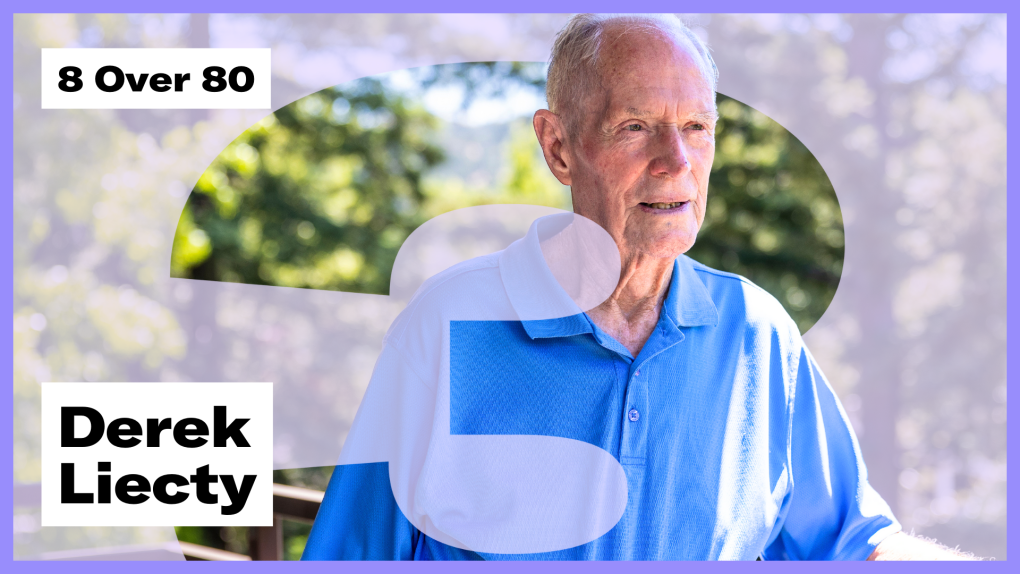
"caption": "Derek Liecty, former general manager of the Oakland Clippers soccer team and longtime supporter of the sport, at his home in Walnut Creek on July 13, 2023.\n",
"description": null,
"title": "8 Over 80 — Thumbnail (1920 x 1080)",
"credit": "Martin do Nascimento/KQED",
"status": "inherit",
"altTag": "An older man in a blue polo shirt looks to the right with the number 3 and the tex \"8 Over 80\" and \"Derek Liecty\" overlaid",
"isLoading": false,
"fetchFailed": false
},
"arts_13931617": {
"type": "attachments",
"id": "arts_13931617",
"meta": {
"index": "attachments_1716263798",
"site": "arts",
"id": "13931617",
"found": true
},
"parent": 13934415,
"imgSizes": {
"twentyfourteen-full-width": {
"file": "https://ww2.kqed.org/app/uploads/sites/2/2023/07/230713-DEREK-LIECTY-MHN-03-KQED-1038x576.jpg",
"width": 1038,
"mimeType": "image/jpeg",
"height": 576
},
"thumbnail": {
"file": "https://ww2.kqed.org/app/uploads/sites/2/2023/07/230713-DEREK-LIECTY-MHN-03-KQED-160x107.jpg",
"width": 160,
"mimeType": "image/jpeg",
"height": 107
},
"post-thumbnail": {
"file": "https://ww2.kqed.org/app/uploads/sites/2/2023/07/230713-DEREK-LIECTY-MHN-03-KQED-672x372.jpg",
"width": 672,
"mimeType": "image/jpeg",
"height": 372
},
"kqedFullSize": {
"file": "https://ww2.kqed.org/app/uploads/sites/2/2023/07/230713-DEREK-LIECTY-MHN-03-KQED.jpg",
"width": 2000,
"height": 1333
},
"large": {
"file": "https://ww2.kqed.org/app/uploads/sites/2/2023/07/230713-DEREK-LIECTY-MHN-03-KQED-1020x680.jpg",
"width": 1020,
"mimeType": "image/jpeg",
"height": 680
},
"1536x1536": {
"file": "https://ww2.kqed.org/app/uploads/sites/2/2023/07/230713-DEREK-LIECTY-MHN-03-KQED-1536x1024.jpg",
"width": 1536,
"mimeType": "image/jpeg",
"height": 1024
},
"full-width": {
"file": "https://ww2.kqed.org/app/uploads/sites/2/2023/07/230713-DEREK-LIECTY-MHN-03-KQED-1920x1280.jpg",
"width": 1920,
"mimeType": "image/jpeg",
"height": 1280
},
"medium": {
"file": "https://ww2.kqed.org/app/uploads/sites/2/2023/07/230713-DEREK-LIECTY-MHN-03-KQED-800x533.jpg",
"width": 800,
"mimeType": "image/jpeg",
"height": 533
},
"medium_large": {
"file": "https://ww2.kqed.org/app/uploads/sites/2/2023/07/230713-DEREK-LIECTY-MHN-03-KQED-768x512.jpg",
"width": 768,
"mimeType": "image/jpeg",
"height": 512
}
},
"publishDate": 1689290987,
"modified": 1694542490,
"caption": "Derek Liecty at his home in Walnut Creek on July 13, 2023. Liecty was the first general manager of the Oakland Clippers, a short-lived soccer team that won the National Professional Soccer League championship in 1967.",
"description": null,
"title": "Derek Liecty at his home in Walnut Creek on July 13, 2023.",
"credit": "Martin do Nascimento/KQED",
"status": "inherit",
"altTag": "An elderly man sits in a large cushioned chair looking at the camera.",
"isLoading": false,
"fetchFailed": false
},
"arts_13934663": {
"type": "attachments",
"id": "arts_13934663",
"meta": {
"index": "attachments_1716263798",
"site": "arts",
"id": "13934663",
"found": true
},
"parent": 0,
"imgSizes": {
"twentyfourteen-full-width": {
"file": "https://ww2.kqed.org/app/uploads/sites/2/2023/09/Babuljak_6-1038x576.jpg",
"width": 1038,
"mimeType": "image/jpeg",
"height": 576
},
"thumbnail": {
"file": "https://ww2.kqed.org/app/uploads/sites/2/2023/09/Babuljak_6-160x106.jpg",
"width": 160,
"mimeType": "image/jpeg",
"height": 106
},
"post-thumbnail": {
"file": "https://ww2.kqed.org/app/uploads/sites/2/2023/09/Babuljak_6-672x372.jpg",
"width": 672,
"mimeType": "image/jpeg",
"height": 372
},
"kqedFullSize": {
"file": "https://ww2.kqed.org/app/uploads/sites/2/2023/09/Babuljak_6.jpg",
"width": 1920,
"height": 1275
},
"large": {
"file": "https://ww2.kqed.org/app/uploads/sites/2/2023/09/Babuljak_6-1020x677.jpg",
"width": 1020,
"mimeType": "image/jpeg",
"height": 677
},
"1536x1536": {
"file": "https://ww2.kqed.org/app/uploads/sites/2/2023/09/Babuljak_6-1536x1020.jpg",
"width": 1536,
"mimeType": "image/jpeg",
"height": 1020
},
"medium": {
"file": "https://ww2.kqed.org/app/uploads/sites/2/2023/09/Babuljak_6-800x531.jpg",
"width": 800,
"mimeType": "image/jpeg",
"height": 531
},
"medium_large": {
"file": "https://ww2.kqed.org/app/uploads/sites/2/2023/09/Babuljak_6-768x510.jpg",
"width": 768,
"mimeType": "image/jpeg",
"height": 510
}
},
"publishDate": 1694553664,
"modified": 1694561241,
"caption": "Opio of Souls of Mischief poses in front of his own likeness, painted as part of a mural in East Oakland. ",
"description": null,
"title": "Babuljak_6",
"credit": "Steve Babuljak",
"status": "inherit",
"altTag": "Opio of Souls of Mischief poses in front of his own likeness, painted as part of a mural in East Oakland.",
"isLoading": false,
"fetchFailed": false
},
"arts_13930535": {
"type": "attachments",
"id": "arts_13930535",
"meta": {
"index": "attachments_1716263798",
"site": "arts",
"id": "13930535",
"found": true
},
"parent": 13930456,
"imgSizes": {
"twentyfourteen-full-width": {
"file": "https://ww2.kqed.org/app/uploads/sites/2/2023/06/OhloneKorean_HW_170-1038x576.jpg",
"width": 1038,
"mimeType": "image/jpeg",
"height": 576
},
"thumbnail": {
"file": "https://ww2.kqed.org/app/uploads/sites/2/2023/06/OhloneKorean_HW_170-160x107.jpg",
"width": 160,
"mimeType": "image/jpeg",
"height": 107
},
"post-thumbnail": {
"file": "https://ww2.kqed.org/app/uploads/sites/2/2023/06/OhloneKorean_HW_170-672x372.jpg",
"width": 672,
"mimeType": "image/jpeg",
"height": 372
},
"kqedFullSize": {
"file": "https://ww2.kqed.org/app/uploads/sites/2/2023/06/OhloneKorean_HW_170.jpg",
"width": 1920,
"height": 1281
},
"large": {
"file": "https://ww2.kqed.org/app/uploads/sites/2/2023/06/OhloneKorean_HW_170-1020x681.jpg",
"width": 1020,
"mimeType": "image/jpeg",
"height": 681
},
"1536x1536": {
"file": "https://ww2.kqed.org/app/uploads/sites/2/2023/06/OhloneKorean_HW_170-1536x1025.jpg",
"width": 1536,
"mimeType": "image/jpeg",
"height": 1025
},
"medium": {
"file": "https://ww2.kqed.org/app/uploads/sites/2/2023/06/OhloneKorean_HW_170-800x534.jpg",
"width": 800,
"mimeType": "image/jpeg",
"height": 534
},
"medium_large": {
"file": "https://ww2.kqed.org/app/uploads/sites/2/2023/06/OhloneKorean_HW_170-768x512.jpg",
"width": 768,
"mimeType": "image/jpeg",
"height": 512
}
},
"publishDate": 1686777535,
"modified": 1694552541,
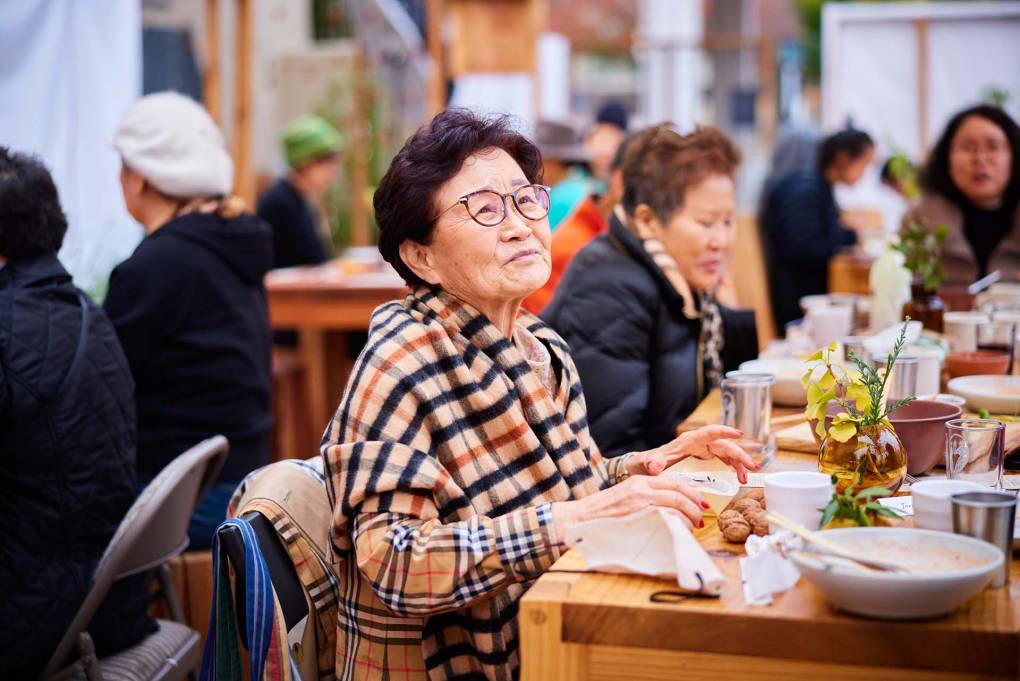
"caption": "A Korean elder listens to one the personal stories shared at a previous Ssi Ya Gi event. The Bay Area and Los Angeles–based organization works with Korean elders to preserve and share their food memories.",
"description": null,
"title": "Ohlone+Korean_HW_170",
"credit": "Courtesy of Hardy Wilson",
"status": "inherit",
"altTag": "A elderly Korean woman in glasses looks on with a wistful expression on her face.",
"isLoading": false,
"fetchFailed": false
},
"arts_13934348": {
"type": "attachments",
"id": "arts_13934348",
"meta": {
"index": "attachments_1716263798",
"site": "arts",
"id": "13934348",
"found": true
},
"parent": 13934324,
"imgSizes": {
"twentyfourteen-full-width": {
"file": "https://ww2.kqed.org/app/uploads/sites/2/2023/09/DSC00271-1038x576.jpg",
"width": 1038,
"mimeType": "image/jpeg",
"height": 576
},
"thumbnail": {
"file": "https://ww2.kqed.org/app/uploads/sites/2/2023/09/DSC00271-160x120.jpg",
"width": 160,
"mimeType": "image/jpeg",
"height": 120
},
"post-thumbnail": {
"file": "https://ww2.kqed.org/app/uploads/sites/2/2023/09/DSC00271-672x372.jpg",
"width": 672,
"mimeType": "image/jpeg",
"height": 372
},
"kqedFullSize": {
"file": "https://ww2.kqed.org/app/uploads/sites/2/2023/09/DSC00271.jpg",
"width": 1920,
"height": 1440
},
"large": {
"file": "https://ww2.kqed.org/app/uploads/sites/2/2023/09/DSC00271-1020x765.jpg",
"width": 1020,
"mimeType": "image/jpeg",
"height": 765
},
"1536x1536": {
"file": "https://ww2.kqed.org/app/uploads/sites/2/2023/09/DSC00271-1536x1152.jpg",
"width": 1536,
"mimeType": "image/jpeg",
"height": 1152
},
"medium": {
"file": "https://ww2.kqed.org/app/uploads/sites/2/2023/09/DSC00271-800x600.jpg",
"width": 800,
"mimeType": "image/jpeg",
"height": 600
},
"medium_large": {
"file": "https://ww2.kqed.org/app/uploads/sites/2/2023/09/DSC00271-768x576.jpg",
"width": 768,
"mimeType": "image/jpeg",
"height": 576
}
},
"publishDate": 1693960161,
"modified": 1694193358,
"caption": "Opio of Souls of Mischief onstage at Hiero Day in Frank Ogawa Plaza, Oakland, Sept. 4, 2023.",
"description": null,
"title": "DSC00271",
"credit": "Eric Arnold/KQED",
"status": "inherit",
"altTag": null,
"isLoading": false,
"fetchFailed": false
},
"arts_13934341": {
"type": "attachments",
"id": "arts_13934341",
"meta": {
"index": "attachments_1716263798",
"site": "arts",
"id": "13934341",
"found": true
},
"parent": 0,
"imgSizes": {
"twentyfourteen-full-width": {
"file": "https://ww2.kqed.org/app/uploads/sites/2/2023/09/HieroDay2023.MAIN_-1038x576.jpg",
"width": 1038,
"mimeType": "image/jpeg",
"height": 576
},
"thumbnail": {
"file": "https://ww2.kqed.org/app/uploads/sites/2/2023/09/HieroDay2023.MAIN_-160x90.jpg",
"width": 160,
"mimeType": "image/jpeg",
"height": 90
},
"post-thumbnail": {
"file": "https://ww2.kqed.org/app/uploads/sites/2/2023/09/HieroDay2023.MAIN_-672x372.jpg",
"width": 672,
"mimeType": "image/jpeg",
"height": 372
},
"kqedFullSize": {
"file": "https://ww2.kqed.org/app/uploads/sites/2/2023/09/HieroDay2023.MAIN_.jpg",
"width": 1920,
"height": 1080
},
"large": {
"file": "https://ww2.kqed.org/app/uploads/sites/2/2023/09/HieroDay2023.MAIN_-1020x574.jpg",
"width": 1020,
"mimeType": "image/jpeg",
"height": 574
},
"1536x1536": {
"file": "https://ww2.kqed.org/app/uploads/sites/2/2023/09/HieroDay2023.MAIN_-1536x864.jpg",
"width": 1536,
"mimeType": "image/jpeg",
"height": 864
},
"medium": {
"file": "https://ww2.kqed.org/app/uploads/sites/2/2023/09/HieroDay2023.MAIN_-800x450.jpg",
"width": 800,
"mimeType": "image/jpeg",
"height": 450
},
"medium_large": {
"file": "https://ww2.kqed.org/app/uploads/sites/2/2023/09/HieroDay2023.MAIN_-768x432.jpg",
"width": 768,
"mimeType": "image/jpeg",
"height": 432
}
},
"publishDate": 1693958875,
"modified": 1693959326,
"caption": "Common on stage at Hiero Day in Frank Ogawa Plaza, Oakland, Sept. 4, 2023.",
"description": null,
"title": "HieroDay2023.MAIN",
"credit": "Eric Arnold/KQED",
"status": "inherit",
"altTag": null,
"isLoading": false,
"fetchFailed": false
},
"arts_13934165": {
"type": "attachments",
"id": "arts_13934165",
"meta": {
"index": "attachments_1716263798",
"site": "arts",
"id": "13934165",
"found": true
},
"parent": 13934148,
"imgSizes": {
"twentyfourteen-full-width": {
"file": "https://ww2.kqed.org/app/uploads/sites/2/2023/08/RS68394_230825-DAYS-LIKE-THIS-DANCE-OAKLAND-RT-21-qut-1038x576.jpg",
"width": 1038,
"mimeType": "image/jpeg",
"height": 576
},
"thumbnail": {
"file": "https://ww2.kqed.org/app/uploads/sites/2/2023/08/RS68394_230825-DAYS-LIKE-THIS-DANCE-OAKLAND-RT-21-qut-160x107.jpg",
"width": 160,
"mimeType": "image/jpeg",
"height": 107
},
"post-thumbnail": {
"file": "https://ww2.kqed.org/app/uploads/sites/2/2023/08/RS68394_230825-DAYS-LIKE-THIS-DANCE-OAKLAND-RT-21-qut-672x372.jpg",
"width": 672,
"mimeType": "image/jpeg",
"height": 372
},
"kqedFullSize": {
"file": "https://ww2.kqed.org/app/uploads/sites/2/2023/08/RS68394_230825-DAYS-LIKE-THIS-DANCE-OAKLAND-RT-21-qut.jpg",
"width": 1920,
"height": 1280
},
"large": {
"file": "https://ww2.kqed.org/app/uploads/sites/2/2023/08/RS68394_230825-DAYS-LIKE-THIS-DANCE-OAKLAND-RT-21-qut-1020x680.jpg",
"width": 1020,
"mimeType": "image/jpeg",
"height": 680
},
"1536x1536": {
"file": "https://ww2.kqed.org/app/uploads/sites/2/2023/08/RS68394_230825-DAYS-LIKE-THIS-DANCE-OAKLAND-RT-21-qut-1536x1024.jpg",
"width": 1536,
"mimeType": "image/jpeg",
"height": 1024
},
"medium": {
"file": "https://ww2.kqed.org/app/uploads/sites/2/2023/08/RS68394_230825-DAYS-LIKE-THIS-DANCE-OAKLAND-RT-21-qut-800x533.jpg",
"width": 800,
"mimeType": "image/jpeg",
"height": 533
},
"medium_large": {
"file": "https://ww2.kqed.org/app/uploads/sites/2/2023/08/RS68394_230825-DAYS-LIKE-THIS-DANCE-OAKLAND-RT-21-qut-768x512.jpg",
"width": 768,
"mimeType": "image/jpeg",
"height": 512
}
},
"publishDate": 1693511574,
"modified": 1693515179,
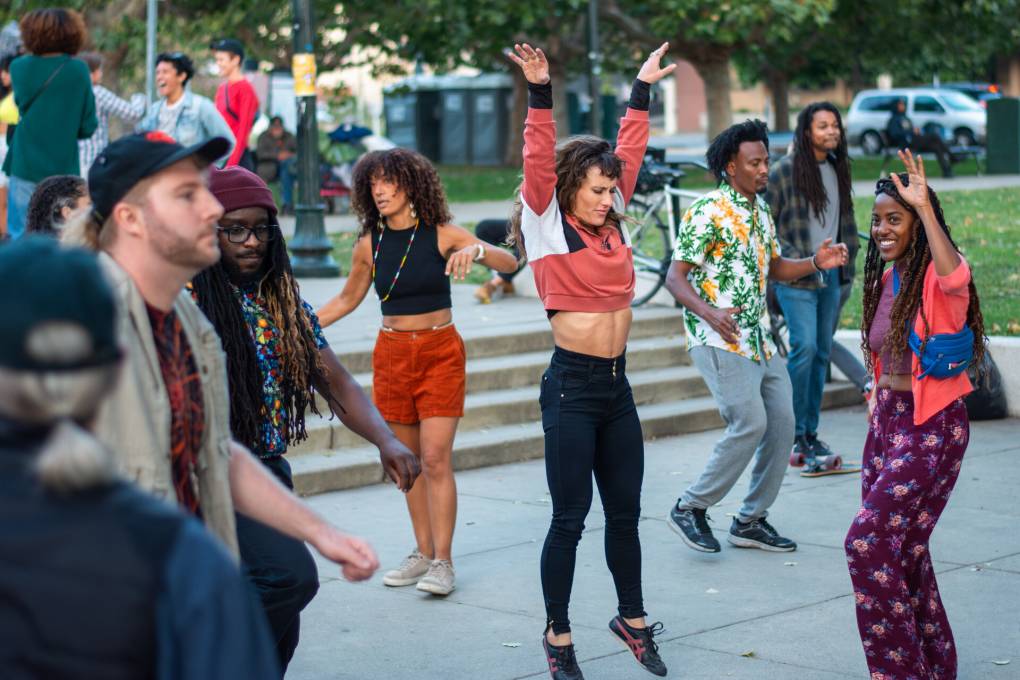
"caption": "Partygoers dancing in front of the Lake Merritt Pergola at Days Like This in Oakland on Friday, Aug. 25, 2023.",
"description": null,
"title": "RS68394_230825-DAYS LIKE THIS DANCE OAKLAND- RT-21-qut",
"credit": "Raphael Timmons",
"status": "inherit",
"altTag": "A group of male and female dancers of different races dance outdoors.",
"isLoading": false,
"fetchFailed": false
},
"arts_13933893": {
"type": "attachments",
"id": "arts_13933893",
"meta": {
"index": "attachments_1716263798",
"site": "arts",
"id": "13933893",
"found": true
},
"parent": 13933887,
"imgSizes": {
"twentyfourteen-full-width": {
"file": "https://ww2.kqed.org/app/uploads/sites/2/2023/08/RS67821_20230810-Spellling-28-JY-qut-1038x576.jpg",
"width": 1038,
"mimeType": "image/jpeg",
"height": 576
},
"thumbnail": {
"file": "https://ww2.kqed.org/app/uploads/sites/2/2023/08/RS67821_20230810-Spellling-28-JY-qut-160x107.jpg",
"width": 160,
"mimeType": "image/jpeg",
"height": 107
},
"post-thumbnail": {
"file": "https://ww2.kqed.org/app/uploads/sites/2/2023/08/RS67821_20230810-Spellling-28-JY-qut-672x372.jpg",
"width": 672,
"mimeType": "image/jpeg",
"height": 372
},
"kqedFullSize": {
"file": "https://ww2.kqed.org/app/uploads/sites/2/2023/08/RS67821_20230810-Spellling-28-JY-qut.jpg",
"width": 1920,
"height": 1280
},
"large": {
"file": "https://ww2.kqed.org/app/uploads/sites/2/2023/08/RS67821_20230810-Spellling-28-JY-qut-1020x680.jpg",
"width": 1020,
"mimeType": "image/jpeg",
"height": 680
},
"1536x1536": {
"file": "https://ww2.kqed.org/app/uploads/sites/2/2023/08/RS67821_20230810-Spellling-28-JY-qut-1536x1024.jpg",
"width": 1536,
"mimeType": "image/jpeg",
"height": 1024
},
"medium": {
"file": "https://ww2.kqed.org/app/uploads/sites/2/2023/08/RS67821_20230810-Spellling-28-JY-qut-800x533.jpg",
"width": 800,
"mimeType": "image/jpeg",
"height": 533
},
"medium_large": {
"file": "https://ww2.kqed.org/app/uploads/sites/2/2023/08/RS67821_20230810-Spellling-28-JY-qut-768x512.jpg",
"width": 768,
"mimeType": "image/jpeg",
"height": 512
}
},
"publishDate": 1692919476,
"modified": 1692919866,
"caption": "Tia Cabral, known as SPELLLING, poses for a portrait at her home in Oakland, Calif., on Thursday, August 10, 2023. Cabral’s new album 'SPELLLING & The Mystery School' presents reimagined versions of songs from her rich discography.",
"description": null,
"title": "RS67821_20230810-Spellling-28-JY-qut",
"credit": "Juliana Yamada/KQED",
"status": "inherit",
"altTag": "A young woman sits in front of a bookshelf and gazes into the camera.",
"isLoading": false,
"fetchFailed": false
},
"arts_13933723": {
"type": "attachments",
"id": "arts_13933723",
"meta": {
"index": "attachments_1716263798",
"site": "arts",
"id": "13933723",
"found": true
},
"parent": 13933705,
"imgSizes": {
"twentyfourteen-full-width": {
"file": "https://ww2.kqed.org/app/uploads/sites/2/2023/08/delacreamery_nachos_courtesy-1038x576.jpg",
"width": 1038,
"mimeType": "image/jpeg",
"height": 576
},
"thumbnail": {
"file": "https://ww2.kqed.org/app/uploads/sites/2/2023/08/delacreamery_nachos_courtesy-160x90.jpg",
"width": 160,
"mimeType": "image/jpeg",
"height": 90
},
"post-thumbnail": {
"file": "https://ww2.kqed.org/app/uploads/sites/2/2023/08/delacreamery_nachos_courtesy-672x372.jpg",
"width": 672,
"mimeType": "image/jpeg",
"height": 372
},
"kqedFullSize": {
"file": "https://ww2.kqed.org/app/uploads/sites/2/2023/08/delacreamery_nachos_courtesy.jpg",
"width": 1920,
"height": 1081
},
"large": {
"file": "https://ww2.kqed.org/app/uploads/sites/2/2023/08/delacreamery_nachos_courtesy-1020x574.jpg",
"width": 1020,
"mimeType": "image/jpeg",
"height": 574
},
"1536x1536": {
"file": "https://ww2.kqed.org/app/uploads/sites/2/2023/08/delacreamery_nachos_courtesy-1536x865.jpg",
"width": 1536,
"mimeType": "image/jpeg",
"height": 865
},
"medium": {
"file": "https://ww2.kqed.org/app/uploads/sites/2/2023/08/delacreamery_nachos_courtesy-800x450.jpg",
"width": 800,
"mimeType": "image/jpeg",
"height": 450
},
"medium_large": {
"file": "https://ww2.kqed.org/app/uploads/sites/2/2023/08/delacreamery_nachos_courtesy-768x432.jpg",
"width": 768,
"mimeType": "image/jpeg",
"height": 432
}
},
"publishDate": 1692815227,
"modified": 1692816733,
"caption": "The DLC Ice Cream Nachos contain your choice of ice cream, house-made tortilla chips (churro-style), salsa macha, whipped cream and your choice of sauce. ",
"description": null,
"title": "delacreamery_nachos_courtesy",
"credit": "Tim Wong of Keki SF",
"status": "inherit",
"altTag": "a worker at De La Creamery holds up a plate of ice cream topped with chocolate syrup and cinnamon churro-style tortilla chips",
"isLoading": false,
"fetchFailed": false
},
"arts_13933769": {
"type": "attachments",
"id": "arts_13933769",
"meta": {
"index": "attachments_1716263798",
"site": "arts",
"id": "13933769",
"found": true
},
"parent": 13933745,
"imgSizes": {
"twentyfourteen-full-width": {
"file": "https://ww2.kqed.org/app/uploads/sites/2/2023/08/tigon-banh-hoi-crop_LT-1038x576.jpg",
"width": 1038,
"mimeType": "image/jpeg",
"height": 576
},
"thumbnail": {
"file": "https://ww2.kqed.org/app/uploads/sites/2/2023/08/tigon-banh-hoi-crop_LT-160x100.jpg",
"width": 160,
"mimeType": "image/jpeg",
"height": 100
},
"post-thumbnail": {
"file": "https://ww2.kqed.org/app/uploads/sites/2/2023/08/tigon-banh-hoi-crop_LT-672x372.jpg",
"width": 672,
"mimeType": "image/jpeg",
"height": 372
},
"kqedFullSize": {
"file": "https://ww2.kqed.org/app/uploads/sites/2/2023/08/tigon-banh-hoi-crop_LT.jpg",
"width": 1920,
"height": 1200
},
"large": {
"file": "https://ww2.kqed.org/app/uploads/sites/2/2023/08/tigon-banh-hoi-crop_LT-1020x638.jpg",
"width": 1020,
"mimeType": "image/jpeg",
"height": 638
},
"1536x1536": {
"file": "https://ww2.kqed.org/app/uploads/sites/2/2023/08/tigon-banh-hoi-crop_LT-1536x960.jpg",
"width": 1536,
"mimeType": "image/jpeg",
"height": 960
},
"medium": {
"file": "https://ww2.kqed.org/app/uploads/sites/2/2023/08/tigon-banh-hoi-crop_LT-800x500.jpg",
"width": 800,
"mimeType": "image/jpeg",
"height": 500
},
"medium_large": {
"file": "https://ww2.kqed.org/app/uploads/sites/2/2023/08/tigon-banh-hoi-crop_LT-768x480.jpg",
"width": 768,
"mimeType": "image/jpeg",
"height": 480
}
},
"publishDate": 1692836117,
"modified": 1692836307,
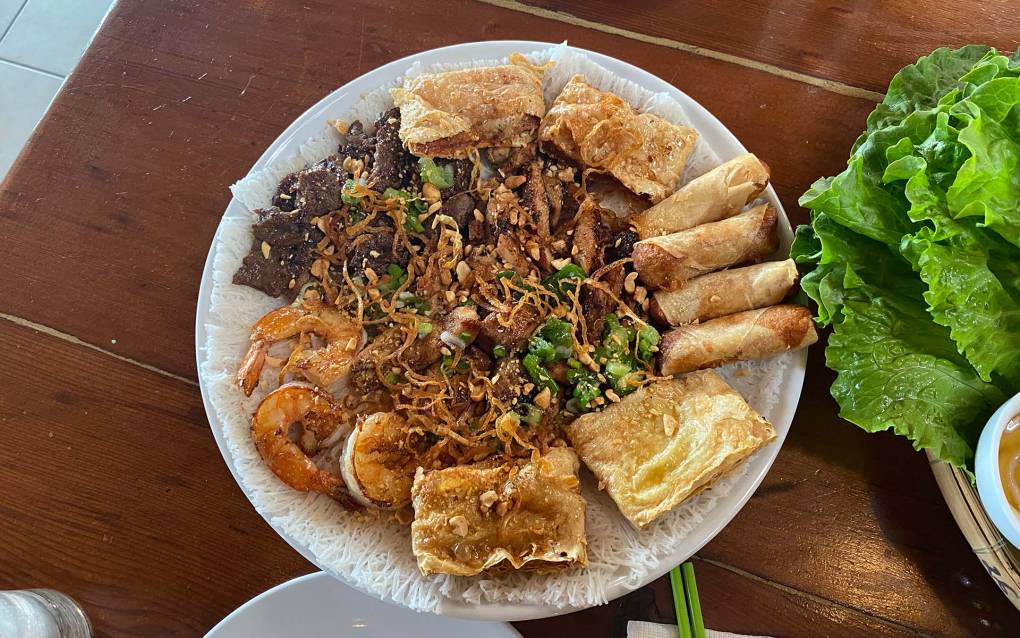
"caption": "Tigon's make-your-own-spring-roll spread makes for a fun and refreshing communal dining experience.",
"description": null,
"title": "tigon banh hoi-crop_LT",
"credit": "Luke Tsai/KQED",
"status": "inherit",
"altTag": "An abundant platter of fillings for make-your-own Vietnamese spring rolls, with shrimp, beef, fried egg rolls and more.",
"isLoading": false,
"fetchFailed": false
},
"arts_13900172": {
"type": "attachments",
"id": "arts_13900172",
"meta": {
"index": "attachments_1716263798",
"site": "arts",
"id": "13900172",
"found": true
},
"title": "005_KQEDArts_Oakland_AyodeleNzinga_07192021",
"publishDate": 1626979303,
"status": "inherit",
"parent": 13900077,
"modified": 1727909154,
"caption": "Ayodele Nzinga, Oakland poet, playwright, community activist and the city’s inaugural poet laureate, pictured in downtown Oakland in 2021.",
"credit": "Beth LaBerge/KQED",
"altTag": null,
"description": "Ayodele Nzinga, Oakland poet, playwright, community activist, and the city’s inaugural poet laureate, poses for a portrait in downtown Oakland on July 19, 2021.",
"imgSizes": {
"medium": {
"file": "https://cdn.kqed.org/wp-content/uploads/sites/2/2021/07/005_KQEDArts_Oakland_AyodeleNzinga_07192021-800x533.jpg",
"width": 800,
"height": 533,
"mimeType": "image/jpeg"
},
"large": {
"file": "https://cdn.kqed.org/wp-content/uploads/sites/2/2021/07/005_KQEDArts_Oakland_AyodeleNzinga_07192021-1020x680.jpg",
"width": 1020,
"height": 680,
"mimeType": "image/jpeg"
},
"thumbnail": {
"file": "https://cdn.kqed.org/wp-content/uploads/sites/2/2021/07/005_KQEDArts_Oakland_AyodeleNzinga_07192021-160x107.jpg",
"width": 160,
"height": 107,
"mimeType": "image/jpeg"
},
"medium_large": {
"file": "https://cdn.kqed.org/wp-content/uploads/sites/2/2021/07/005_KQEDArts_Oakland_AyodeleNzinga_07192021-768x512.jpg",
"width": 768,
"height": 512,
"mimeType": "image/jpeg"
},
"1536x1536": {
"file": "https://cdn.kqed.org/wp-content/uploads/sites/2/2021/07/005_KQEDArts_Oakland_AyodeleNzinga_07192021-1536x1024.jpg",
"width": 1536,
"height": 1024,
"mimeType": "image/jpeg"
},
"post-thumbnail": {
"file": "https://cdn.kqed.org/wp-content/uploads/sites/2/2021/07/005_KQEDArts_Oakland_AyodeleNzinga_07192021-672x372.jpg",
"width": 672,
"height": 372,
"mimeType": "image/jpeg"
},
"twentyfourteen-full-width": {
"file": "https://cdn.kqed.org/wp-content/uploads/sites/2/2021/07/005_KQEDArts_Oakland_AyodeleNzinga_07192021-1038x576.jpg",
"width": 1038,
"height": 576,
"mimeType": "image/jpeg"
},
"kqedFullSize": {
"file": "https://cdn.kqed.org/wp-content/uploads/sites/2/2021/07/005_KQEDArts_Oakland_AyodeleNzinga_07192021.jpg",
"width": 1920,
"height": 1280
}
},
"isLoading": false,
"fetchFailed": false
},
"arts_13932515": {
"type": "attachments",
"id": "arts_13932515",
"meta": {
"index": "attachments_1716263798",
"site": "arts",
"id": "13932515",
"found": true
},
"parent": 13932485,
"imgSizes": {
"twentyfourteen-full-width": {
"file": "https://ww2.kqed.org/app/uploads/sites/2/2023/08/GettyImages-1387409283-scaled-e1690929584839-1038x576.jpg",
"width": 1038,
"mimeType": "image/jpeg",
"height": 576
},
"thumbnail": {
"file": "https://ww2.kqed.org/app/uploads/sites/2/2023/08/GettyImages-1387409283-scaled-e1690929584839-160x107.jpg",
"width": 160,
"mimeType": "image/jpeg",
"height": 107
},
"post-thumbnail": {
"file": "https://ww2.kqed.org/app/uploads/sites/2/2023/08/GettyImages-1387409283-scaled-e1690929584839-672x372.jpg",
"width": 672,
"mimeType": "image/jpeg",
"height": 372
},
"kqedFullSize": {
"file": "https://ww2.kqed.org/app/uploads/sites/2/2023/08/GettyImages-1387409283-scaled-e1690929584839.jpg",
"width": 1920,
"height": 1280
},
"2048x2048": {
"file": "https://ww2.kqed.org/app/uploads/sites/2/2023/08/GettyImages-1387409283-2048x1365.jpg",
"width": 2048,
"mimeType": "image/jpeg",
"height": 1365
},
"large": {
"file": "https://ww2.kqed.org/app/uploads/sites/2/2023/08/GettyImages-1387409283-scaled-e1690929584839-1020x680.jpg",
"width": 1020,
"mimeType": "image/jpeg",
"height": 680
},
"1536x1536": {
"file": "https://ww2.kqed.org/app/uploads/sites/2/2023/08/GettyImages-1387409283-scaled-e1690929584839-1536x1024.jpg",
"width": 1536,
"mimeType": "image/jpeg",
"height": 1024
},
"full-width": {
"file": "https://ww2.kqed.org/app/uploads/sites/2/2023/08/GettyImages-1387409283-1920x1280.jpg",
"width": 1920,
"mimeType": "image/jpeg",
"height": 1280
},
"medium": {
"file": "https://ww2.kqed.org/app/uploads/sites/2/2023/08/GettyImages-1387409283-scaled-e1690929584839-800x533.jpg",
"width": 800,
"mimeType": "image/jpeg",
"height": 533
},
"medium_large": {
"file": "https://ww2.kqed.org/app/uploads/sites/2/2023/08/GettyImages-1387409283-scaled-e1690929584839-768x512.jpg",
"width": 768,
"mimeType": "image/jpeg",
"height": 512
}
},
"publishDate": 1690928999,
"modified": 1690929652,
"caption": "Angus Cloud on March 23, 2022 in West Hollywood. Even after moving to LA, Cloud continued living with ‘homies from the Bay,’ according to a 2022 ‘Variety’ profile.",
"description": null,
"title": "Angus Cloud on March 23, 2022 in West Hollywood. Even after moving to LA, Cloud continued living with ‘homies from the Bay,’ according to a 2022 ‘Variety’ profile.",
"credit": "Stefanie Keenan/ Getty Images for FILA",
"status": "inherit",
"altTag": "A young man with a serious expression sits forward on a stylish outdoor green and white couch with lots of plants and greenery behind him. He is wearing a red sweater, blue shorts and knee high white socks and sneakers.",
"isLoading": false,
"fetchFailed": false
},
"arts_13931910": {
"type": "attachments",
"id": "arts_13931910",
"meta": {
"index": "attachments_1716263798",
"site": "arts",
"id": "13931910",
"found": true
},
"parent": 0,
"imgSizes": {
"twentyfourteen-full-width": {
"file": "https://ww2.kqed.org/app/uploads/sites/2/2023/07/230720-HEINOLDS-MHN-01-KQED-1038x576.jpg",
"width": 1038,
"mimeType": "image/jpeg",
"height": 576
},
"thumbnail": {
"file": "https://ww2.kqed.org/app/uploads/sites/2/2023/07/230720-HEINOLDS-MHN-01-KQED-160x107.jpg",
"width": 160,
"mimeType": "image/jpeg",
"height": 107
},
"post-thumbnail": {
"file": "https://ww2.kqed.org/app/uploads/sites/2/2023/07/230720-HEINOLDS-MHN-01-KQED-672x372.jpg",
"width": 672,
"mimeType": "image/jpeg",
"height": 372
},
"kqedFullSize": {
"file": "https://ww2.kqed.org/app/uploads/sites/2/2023/07/230720-HEINOLDS-MHN-01-KQED.jpg",
"width": 2000,
"height": 1333
},
"large": {
"file": "https://ww2.kqed.org/app/uploads/sites/2/2023/07/230720-HEINOLDS-MHN-01-KQED-1020x680.jpg",
"width": 1020,
"mimeType": "image/jpeg",
"height": 680
},
"1536x1536": {
"file": "https://ww2.kqed.org/app/uploads/sites/2/2023/07/230720-HEINOLDS-MHN-01-KQED-1536x1024.jpg",
"width": 1536,
"mimeType": "image/jpeg",
"height": 1024
},
"full-width": {
"file": "https://ww2.kqed.org/app/uploads/sites/2/2023/07/230720-HEINOLDS-MHN-01-KQED-1920x1280.jpg",
"width": 1920,
"mimeType": "image/jpeg",
"height": 1280
},
"medium": {
"file": "https://ww2.kqed.org/app/uploads/sites/2/2023/07/230720-HEINOLDS-MHN-01-KQED-800x533.jpg",
"width": 800,
"mimeType": "image/jpeg",
"height": 533
},
"medium_large": {
"file": "https://ww2.kqed.org/app/uploads/sites/2/2023/07/230720-HEINOLDS-MHN-01-KQED-768x512.jpg",
"width": 768,
"mimeType": "image/jpeg",
"height": 512
}
},
"publishDate": 1689914937,
"modified": 1689981022,
"caption": "Heinold's First and Last Chance Saloon, still standing in Oakland after 139 years.",
"description": null,
"title": "Heinold's First and Last Chance Saloon, still standing in Oakland after 139 years.",
"credit": "Martin do Nascimento/KQED",
"status": "inherit",
"altTag": "An old wooden building with people sitting at tables out front.",
"isLoading": false,
"fetchFailed": false
},
"arts_13931358": {
"type": "attachments",
"id": "arts_13931358",
"meta": {
"index": "attachments_1716263798",
"site": "arts",
"id": "13931358",
"found": true
},
"parent": 13931355,
"imgSizes": {
"twentyfourteen-full-width": {
"file": "https://ww2.kqed.org/app/uploads/sites/2/2023/07/michaelsneed_JY_014-1038x576.jpg",
"width": 1038,
"mimeType": "image/jpeg",
"height": 576
},
"thumbnail": {
"file": "https://ww2.kqed.org/app/uploads/sites/2/2023/07/michaelsneed_JY_014-160x107.jpg",
"width": 160,
"mimeType": "image/jpeg",
"height": 107
},
"post-thumbnail": {
"file": "https://ww2.kqed.org/app/uploads/sites/2/2023/07/michaelsneed_JY_014-672x372.jpg",
"width": 672,
"mimeType": "image/jpeg",
"height": 372
},
"kqedFullSize": {
"file": "https://ww2.kqed.org/app/uploads/sites/2/2023/07/michaelsneed_JY_014-scaled.jpg",
"width": 2560,
"height": 1706
},
"2048x2048": {
"file": "https://ww2.kqed.org/app/uploads/sites/2/2023/07/michaelsneed_JY_014-2048x1365.jpg",
"width": 2048,
"mimeType": "image/jpeg",
"height": 1365
},
"large": {
"file": "https://ww2.kqed.org/app/uploads/sites/2/2023/07/michaelsneed_JY_014-1020x680.jpg",
"width": 1020,
"mimeType": "image/jpeg",
"height": 680
},
"1536x1536": {
"file": "https://ww2.kqed.org/app/uploads/sites/2/2023/07/michaelsneed_JY_014-1536x1024.jpg",
"width": 1536,
"mimeType": "image/jpeg",
"height": 1024
},
"full-width": {
"file": "https://ww2.kqed.org/app/uploads/sites/2/2023/07/michaelsneed_JY_014-1920x1280.jpg",
"width": 1920,
"mimeType": "image/jpeg",
"height": 1280
},
"medium": {
"file": "https://ww2.kqed.org/app/uploads/sites/2/2023/07/michaelsneed_JY_014-800x533.jpg",
"width": 800,
"mimeType": "image/jpeg",
"height": 533
},
"medium_large": {
"file": "https://ww2.kqed.org/app/uploads/sites/2/2023/07/michaelsneed_JY_014-768x512.jpg",
"width": 768,
"mimeType": "image/jpeg",
"height": 512
}
},
"publishDate": 1688759712,
"modified": 1689114508,
"caption": "Bay Area rapper Michael Sneed poses for a portrait in Oakland on June 9, 2023.",
"description": null,
"title": "michaelsneed_JY_014",
"credit": "Juliana Yamada",
"status": "inherit",
"altTag": "The facial profile of a young Oakland rapper as he looks away from the camera",
"isLoading": false,
"fetchFailed": false
}
},
"audioPlayerReducer": {
"postId": "stream_live",
"isPaused": true,
"isPlaying": false,
"pfsActive": false,
"pledgeModalIsOpen": true,
"playerDrawerIsOpen": false,
"liveAudioPlayStartedAt": 0,
"liveAudioPlayContext": ""
},
"authorsReducer": {
"ralexandra": {
"type": "authors",
"id": "11242",
"meta": {
"index": "authors_1716337520",
"id": "11242",
"found": true
},
"name": "Rae Alexandra",
"firstName": "Rae",
"lastName": "Alexandra",
"slug": "ralexandra",
"email": "ralexandra@kqed.org",
"display_author_email": true,
"staff_mastheads": [
"arts"
],
"title": "Reporter/Producer",
"bio": "Rae Alexandra is a Reporter/Producer for KQED Arts & Culture, and the creator/author of the \u003ca href=\"https://www.kqed.org/arts/program/rebel-girls-from-bay-area-history\">Rebel Girls From Bay Area History\u003c/a> and \u003ca href=\"https://www.kqed.org/bizarrebayarea\">Bizarre Bay Area\u003c/a> series. Her debut book, \u003ca href=\"https://citylights.com/politics-current-events-history/unsung-heroines35-women-who-changed/\">Unsung Heroines: 35 Women Who Changed the Bay Area\u003c/a> was published by City Lights in March 2026. In 2023, Rae was awarded an SPJ Excellence in Journalism Award for Arts & Culture. Rae was born and raised in Wales and subsequently — even after two decades in Northern California — still uses phrases that regularly baffle her coworkers.",
"avatar": "https://secure.gravatar.com/avatar/edfee8176c80cc0a382b051190f5341997df378a934a5774dcb0977732dfd401?s=600&d=blank&r=g",
"twitter": null,
"bluesky": null,
"facebook": null,
"instagram": null,
"linkedin": null,
"sites": [
{
"site": "arts",
"roles": [
"editor"
]
},
{
"site": "news",
"roles": [
"editor"
]
},
{
"site": "pop",
"roles": [
"editor"
]
},
{
"site": "bayareabites",
"roles": [
"editor"
]
},
{
"site": "science",
"roles": [
"editor"
]
}
],
"headData": {
"title": "Rae Alexandra | KQED",
"description": "Reporter/Producer",
"ogImgSrc": "https://secure.gravatar.com/avatar/edfee8176c80cc0a382b051190f5341997df378a934a5774dcb0977732dfd401?s=600&d=blank&r=g",
"twImgSrc": "https://secure.gravatar.com/avatar/edfee8176c80cc0a382b051190f5341997df378a934a5774dcb0977732dfd401?s=600&d=blank&r=g"
},
"isLoading": false,
"link": "/author/ralexandra"
},
"aproehl": {
"type": "authors",
"id": "11296",
"meta": {
"index": "authors_1716337520",
"id": "11296",
"found": true
},
"name": "Ariana Proehl",
"firstName": "Ariana",
"lastName": "Proehl",
"slug": "aproehl",
"email": "aproehl@KQED.org",
"display_author_email": true,
"staff_mastheads": [
"news"
],
"title": "Culture Reporter, KQED",
"bio": "Ariana Proehl is a Culture Reporter and Host.",
"avatar": "https://secure.gravatar.com/avatar/c96b24567eb5bb3a4f8bb295ed53e232?s=600&d=blank&r=g",
"twitter": "ArianaProehl",
"facebook": null,
"instagram": null,
"linkedin": null,
"sites": [
{
"site": "arts",
"roles": []
},
{
"site": "news",
"roles": []
},
{
"site": "education",
"roles": []
},
{
"site": "forum",
"roles": []
}
],
"headData": {
"title": "Ariana Proehl | KQED",
"description": "Culture Reporter, KQED",
"ogImgSrc": "https://secure.gravatar.com/avatar/c96b24567eb5bb3a4f8bb295ed53e232?s=600&d=blank&r=g",
"twImgSrc": "https://secure.gravatar.com/avatar/c96b24567eb5bb3a4f8bb295ed53e232?s=600&d=blank&r=g"
},
"isLoading": false,
"link": "/author/aproehl"
},
"nvoynovskaya": {
"type": "authors",
"id": "11387",
"meta": {
"index": "authors_1716337520",
"id": "11387",
"found": true
},
"name": "Nastia Voynovskaya",
"firstName": "Nastia",
"lastName": "Voynovskaya",
"slug": "nvoynovskaya",
"email": "nvoynovskaya@kqed.org",
"display_author_email": false,
"staff_mastheads": [
"arts"
],
"title": "Editor and reporter",
"bio": "Nastia Voynovskaya is a reporter and editor at KQED Arts & Culture. She's been covering the arts in the Bay Area for over a decade, with a focus on music, queer culture, labor issues and grassroots organizing. She has edited KQED story series such as Trans Bay: A History of San Francisco's Gender-Diverse Community, and co-created KQED's Bay Area hip-hop history project, That's My Word. Nastia's work has been recognized by the Society of Professional Journalists and San Francisco Press Club. She holds a BA in comparative literature from UC Berkeley.",
"avatar": "https://secure.gravatar.com/avatar/5025ee460e5a85d69ca20ea6c6f2f80d7e17795c828f61ea3aecfcd924e9042e?s=600&d=blank&r=g",
"twitter": null,
"bluesky": null,
"facebook": null,
"instagram": "https://www.instagram.com/nananastia/",
"linkedin": null,
"sites": [
{
"site": "arts",
"roles": [
"administrator"
]
},
{
"site": "news",
"roles": [
"editor"
]
},
{
"site": "pop",
"roles": [
"administrator"
]
},
{
"site": "bayareabites",
"roles": [
"editor"
]
},
{
"site": "podcasts",
"roles": [
"editor"
]
},
{
"site": "hiphop",
"roles": [
"editor"
]
}
],
"headData": {
"title": "Nastia Voynovskaya | KQED",
"description": "Editor and reporter",
"ogImgSrc": "https://secure.gravatar.com/avatar/5025ee460e5a85d69ca20ea6c6f2f80d7e17795c828f61ea3aecfcd924e9042e?s=600&d=blank&r=g",
"twImgSrc": "https://secure.gravatar.com/avatar/5025ee460e5a85d69ca20ea6c6f2f80d7e17795c828f61ea3aecfcd924e9042e?s=600&d=blank&r=g"
},
"isLoading": false,
"link": "/author/nvoynovskaya"
},
"ltsai": {
"type": "authors",
"id": "11743",
"meta": {
"index": "authors_1716337520",
"id": "11743",
"found": true
},
"name": "Luke Tsai",
"firstName": "Luke",
"lastName": "Tsai",
"slug": "ltsai",
"email": "ltsai@kqed.org",
"display_author_email": true,
"staff_mastheads": [
"arts"
],
"title": "Food Editor",
"bio": "Luke Tsai is KQED's food editor and resident stinky tofu connoisseur. Prior to KQED, he was an editor at Eater SF, \u003cem>San Francisco \u003c/em>magazine, and the \u003cem>East Bay Express\u003c/em>, and his work has also appeared in TASTE, the \u003cem>San Francisco Chronicle\u003c/em>, and the \u003cem>Best Food Writing\u003c/em> anthology. When he isn't writing or editing, you'll find him eating most everything he can get his hands on.",
"avatar": "https://secure.gravatar.com/avatar/1e59b45bf191526e7339d6ba46e33a57b2030d25c27660ecc64ea3cb863e34f7?s=600&d=blank&r=g",
"twitter": "theluketsai",
"bluesky": null,
"facebook": null,
"instagram": null,
"linkedin": null,
"sites": [
{
"site": "",
"roles": [
"editor"
]
},
{
"site": "arts",
"roles": [
"administrator"
]
},
{
"site": "news",
"roles": [
"editor",
"contributor"
]
},
{
"site": "bayareabites",
"roles": [
"editor"
]
},
{
"site": "food",
"roles": [
"editor"
]
}
],
"headData": {
"title": "Luke Tsai | KQED",
"description": "Food Editor",
"ogImgSrc": "https://secure.gravatar.com/avatar/1e59b45bf191526e7339d6ba46e33a57b2030d25c27660ecc64ea3cb863e34f7?s=600&d=blank&r=g",
"twImgSrc": "https://secure.gravatar.com/avatar/1e59b45bf191526e7339d6ba46e33a57b2030d25c27660ecc64ea3cb863e34f7?s=600&d=blank&r=g"
},
"isLoading": false,
"link": "/author/ltsai"
},
"achazaro": {
"type": "authors",
"id": "11748",
"meta": {
"index": "authors_1716337520",
"id": "11748",
"found": true
},
"name": "Alan Chazaro",
"firstName": "Alan",
"lastName": "Chazaro",
"slug": "achazaro",
"email": "agchazaro@gmail.com",
"display_author_email": true,
"staff_mastheads": [],
"title": "Food Writer and Reporter",
"bio": "Alan Chazaro is the author of \u003cem>This Is Not a Frank Ocean Cover Album\u003c/em> (Black Lawrence Press, 2019), \u003cem>Piñata Theory\u003c/em> (Black Lawrence Press, 2020), and \u003cem>Notes from the Eastern Span of the Bay Bridge\u003c/em> (Ghost City Press, 2021). He is a graduate of June Jordan’s Poetry for the People program at UC Berkeley and a former Lawrence Ferlinghetti Fellow at the University of San Francisco. He writes about sports, food, art, music, education, and culture while repping the Bay on \u003ca href=\"https://twitter.com/alan_chazaro\">Twitter\u003c/a> and \u003ca href=\"https://www.instagram.com/alan_chazaro/?hl=en\">Instagram\u003c/a> at @alan_chazaro.",
"avatar": "https://secure.gravatar.com/avatar/ea8b6dd970fc5c29e7a188e7d5861df7?s=600&d=blank&r=g",
"twitter": "alan_chazaro",
"facebook": null,
"instagram": null,
"linkedin": null,
"sites": [
{
"site": "arts",
"roles": [
"contributor"
]
},
{
"site": "news",
"roles": [
"editor"
]
}
],
"headData": {
"title": "Alan Chazaro | KQED",
"description": "Food Writer and Reporter",
"ogImgSrc": "https://secure.gravatar.com/avatar/ea8b6dd970fc5c29e7a188e7d5861df7?s=600&d=blank&r=g",
"twImgSrc": "https://secure.gravatar.com/avatar/ea8b6dd970fc5c29e7a188e7d5861df7?s=600&d=blank&r=g"
},
"isLoading": false,
"link": "/author/achazaro"
},
"earnold": {
"type": "authors",
"id": "11839",
"meta": {
"index": "authors_1716337520",
"id": "11839",
"found": true
},
"name": "Eric Arnold",
"firstName": "Eric",
"lastName": "Arnold",
"slug": "earnold",
"email": "earnold@kqed.org",
"display_author_email": false,
"staff_mastheads": [],
"title": "Contributing Editor, 'That's My Word'",
"bio": "Eric Arnold has covered hip-hop locally and nationally for over 30 years. Formerly the managing editor of \u003cem>4080\u003c/em> and columnist for \u003cem>The Source\u003c/em>, he chronicled hyphy’s rise and fall, co-curated the Oakland Museum of California’s first hip-hop exhibit in 2018 and won a 2022 Northern California Emmy Award for a mini-documentary on Oakland’s Boogaloo dance culture. He is a contributing editor for \u003cem>That’s My Word\u003c/em>, KQED's series on the history of Bay Area hip-hop.",
"avatar": "https://secure.gravatar.com/avatar/ede45b04898456ad0893a2811e78b0a2?s=600&d=blank&r=g",
"twitter": null,
"facebook": null,
"instagram": null,
"linkedin": null,
"sites": [
{
"site": "arts",
"roles": [
"contributor"
]
},
{
"site": "news",
"roles": [
"contributor"
]
},
{
"site": "hiphop",
"roles": [
"contributor"
]
}
],
"headData": {
"title": "Eric Arnold | KQED",
"description": "Contributing Editor, 'That's My Word'",
"ogImgSrc": "https://secure.gravatar.com/avatar/ede45b04898456ad0893a2811e78b0a2?s=600&d=blank&r=g",
"twImgSrc": "https://secure.gravatar.com/avatar/ede45b04898456ad0893a2811e78b0a2?s=600&d=blank&r=g"
},
"isLoading": false,
"link": "/author/earnold"
}
},
"pagesReducer": {
"arts_tag_oakland": {
"type": "terms",
"id": "arts_1143",
"meta": {
"index": "terms_1716263798",
"site": "arts",
"id": "1143",
"score": 6.8845096
},
"featImg": null,
"name": "Oakland",
"description": null,
"taxonomy": "tag",
"headData": {
"twImgId": null,
"twTitle": null,
"ogTitle": null,
"ogImgId": null,
"twDescription": null,
"description": null,
"title": "Oakland Archives | KQED Arts",
"ogDescription": null
},
"ttid": 692,
"slug": "oakland",
"isLoading": false,
"title": "Oakland",
"pageMeta": {
"site": "arts",
"WpPageTemplate": "page-topic-editorial",
"currentPage": 26
},
"blocks": [
{
"blockName": "kqed/post-list",
"attrs": {
"layout": "cardArticle2",
"query": "posts/arts?tag=oakland",
"seeMore": false,
"paginated": true,
"page": 26
}
},
{
"blockName": "kqed/ad"
}
]
}
},
"pfsSessionReducer": {},
"postsReducer": {
"stream_live": {
"type": "live",
"id": "stream_live",
"audioUrl": "https://streams.kqed.org/kqedradio",
"title": "Live Stream",
"excerpt": "Live Stream information currently unavailable.",
"link": "/radio",
"featImg": "",
"label": {
"name": "KQED Live",
"link": "/"
}
},
"stream_kqedNewscast": {
"type": "posts",
"id": "stream_kqedNewscast",
"audioUrl": "https://www.kqed.org/.stream/anon/radio/RDnews/newscast.mp3?_=1",
"title": "KQED Newscast",
"featImg": "",
"label": {
"name": "88.5 FM",
"link": "/"
}
},
"arts_13934415": {
"type": "posts",
"id": "arts_13934415",
"meta": {
"index": "posts_1716263798",
"site": "arts",
"id": "13934415",
"score": null,
"sort": [
1694613624000
]
},
"guestAuthors": [],
"slug": "8-over-80-derek-liecty",
"title": "Derek Liecty’s Life in Soccer Led to a National Championship — and Drew Him Out of the Closet",
"publishDate": 1694613624,
"format": "aside",
"headTitle": "Derek Liecty’s Life in Soccer Led to a National Championship — and Drew Him Out of the Closet | KQED",
"labelTerm": {},
"content": "\u003cfigure id=\"attachment_13931617\" class=\"wp-caption aligncenter\" style=\"max-width: 2000px\">\u003cimg loading=\"lazy\" decoding=\"async\" class=\"size-full wp-image-13931617\" src=\"https://ww2.kqed.org/app/uploads/sites/2/2023/07/230713-DEREK-LIECTY-MHN-03-KQED.jpg\" alt=\"An elderly man sits in a large cushioned chair looking at the camera.\" width=\"2000\" height=\"1333\" srcset=\"https://cdn.kqed.org/wp-content/uploads/sites/2/2023/07/230713-DEREK-LIECTY-MHN-03-KQED.jpg 2000w, https://cdn.kqed.org/wp-content/uploads/sites/2/2023/07/230713-DEREK-LIECTY-MHN-03-KQED-800x533.jpg 800w, https://cdn.kqed.org/wp-content/uploads/sites/2/2023/07/230713-DEREK-LIECTY-MHN-03-KQED-1020x680.jpg 1020w, https://cdn.kqed.org/wp-content/uploads/sites/2/2023/07/230713-DEREK-LIECTY-MHN-03-KQED-160x107.jpg 160w, https://cdn.kqed.org/wp-content/uploads/sites/2/2023/07/230713-DEREK-LIECTY-MHN-03-KQED-768x512.jpg 768w, https://cdn.kqed.org/wp-content/uploads/sites/2/2023/07/230713-DEREK-LIECTY-MHN-03-KQED-1536x1024.jpg 1536w, https://cdn.kqed.org/wp-content/uploads/sites/2/2023/07/230713-DEREK-LIECTY-MHN-03-KQED-1920x1280.jpg 1920w\" sizes=\"(max-width: 2000px) 100vw, 2000px\">\u003cfigcaption class=\"wp-caption-text\">Derek Liecty at his home in Walnut Creek on July 13, 2023. Liecty was the first general manager of the Oakland Clippers, a short-lived soccer team that won the National Professional Soccer League championship in 1967. \u003ccite>(Martin do Nascimento/KQED)\u003c/cite>\u003c/figcaption>\u003c/figure>\n\u003cp>\u003ci>This story is part of the series \u003ca href=\"http://kqed.org/8over80\">8 Over 80\u003c/a>, celebrating artists and cultural figures over the age of 80 who continue to shape the greater Bay Area.\u003c/i>\u003c/p>\n\u003cp>[dropcap]W[/dropcap]hen it comes to winning in the Bay Area, one could easily point to the Golden State Warriors, San Francisco 49ers or Oakland A’s for the seasons of parades, trophies and collective euphoria. But it was a little-known soccer club that claimed the region’s first professional national championship before any of those titans, becoming the most important team you’ve probably never heard of: the \u003ca href=\"https://localwiki.org/oakland/Oakland_Clippers_%28soccer%29\">1967 Oakland Clippers\u003c/a>.\u003c/p>\n\u003cp>[aside tag='8over80' label='More 8 Over 80']Though historically unrecognized, the team’s success is largely predicated on one man’s vision for soccer expansion in the United States. Without Derek Liecty, it’s unlikely the team would have competed in \u003ca href=\"https://lostmediawiki.com/National_Professional_Soccer_League_(partially_found_footage_of_soccer_matches;_1967)\">the oldest national soccer league in the country\u003c/a> — and they certainly would not have done so at the Oakland Coliseum.\u003c/p>\n\u003cp>At the time, the Clippers franchise was an idealistic start-up with hopes of growing soccer’s appeal in North America. As one of the 10 inaugural teams in the National Professional Soccer League, they were originally slated to play at Kezar Stadium in Golden Gate Park. With a pair of oil tycoons funding the organization, everything was in order for San Francisco to make a splashy debut on the national soccer circuit.\u003c/p>\n\u003cp>Instead, when the team’s owners arrived from Texas, Liecty, the Clippers’ general manager, shuttled them across the Bay Bridge to the then-brand-new Oakland-Alameda County Coliseum.\u003c/p>\n\u003cp>[ad fullwidth]\u003c/p>\n\u003cp>“Have you been to Kezar Stadium?” asks Liecty, who recently celebrated his 91st birthday and maintains an active lifestyle in his Walnut Creek apartment. “The wind, the dreary sky, all of it stinks for soccer. I knew Oakland was the better choice for the Clippers, so I took them there instead.”\u003c/p>\n\u003cp>https://www.youtube.com/watch?v=66QuPh4EdCU\u003c/p>\n\u003cp> \u003c/p>\n\u003cp>The gambit worked; it was the first of many notable imprints he would make on the Bay Area’s soccer world.\u003c/p>\n\u003cp>In their debut (and only) season, the Clippers — which fielded predominantly Yugoslavian and Costa Rican immigrants — would go on to bring Oakland, and the entire Bay Area, a national trophy. Shortly after, Liecty convinced Brazilian legend Pelé and his team, F.C. Santos, to play their first and only game at the Oakland Coliseum for an exhibition match against the Clippers.\u003c/p>\n\u003cp>Despite the team’s short-lived success, Liecty continued to devote himself to soccer — a man ahead of his time. He would go on to referee soccer matches in San Francisco’s inaugural Gay Games; he helped bring the World Cup to Palo Alto; and he has served as an international ambassador for the sport for nearly five decades.\u003c/p>\n\u003cfigure id=\"attachment_13931618\" class=\"wp-caption aligncenter\" style=\"max-width: 2000px\">\u003cimg loading=\"lazy\" decoding=\"async\" class=\"size-full wp-image-13931618\" src=\"https://ww2.kqed.org/app/uploads/sites/2/2023/07/230713-DEREK-LIECTY-MHN-11-KQED.jpg\" alt=\"A framed clipping from a newspaper reads 'A First... Clippers in Playoff' above a photo of shirtless young men celebrating.\" width=\"2000\" height=\"1333\" srcset=\"https://cdn.kqed.org/wp-content/uploads/sites/2/2023/07/230713-DEREK-LIECTY-MHN-11-KQED.jpg 2000w, https://cdn.kqed.org/wp-content/uploads/sites/2/2023/07/230713-DEREK-LIECTY-MHN-11-KQED-800x533.jpg 800w, https://cdn.kqed.org/wp-content/uploads/sites/2/2023/07/230713-DEREK-LIECTY-MHN-11-KQED-1020x680.jpg 1020w, https://cdn.kqed.org/wp-content/uploads/sites/2/2023/07/230713-DEREK-LIECTY-MHN-11-KQED-160x107.jpg 160w, https://cdn.kqed.org/wp-content/uploads/sites/2/2023/07/230713-DEREK-LIECTY-MHN-11-KQED-768x512.jpg 768w, https://cdn.kqed.org/wp-content/uploads/sites/2/2023/07/230713-DEREK-LIECTY-MHN-11-KQED-1536x1024.jpg 1536w, https://cdn.kqed.org/wp-content/uploads/sites/2/2023/07/230713-DEREK-LIECTY-MHN-11-KQED-1920x1280.jpg 1920w\" sizes=\"(max-width: 2000px) 100vw, 2000px\">\u003cfigcaption class=\"wp-caption-text\">A framed Oakland Tribune article about the Oakland Clippers’ 1967 season hangs on the wall at Derek Liecty’s home. \u003ccite>(Martin do Nascimento/KQED)\u003c/cite>\u003c/figcaption>\u003c/figure>\n\u003ch2>A California soccer story\u003c/h2>\n\u003cp>Born in 1932, Liecty was raised by a single mother in Santa Barbara, where he began to play organized soccer at the age of 10. “I was bitten by the soccer bug early on,” he says.\u003c/p>\n\u003cp>In those years, organized soccer in the United States was underdeveloped and rudimentary compared to today’s standards. Still, Liecty says he was drawn to the international allure of the sport; his first coach was an Englishman and most of his teammates were from abroad. As a teenager, Liecty dedicated his extracurricular time to running an independent soccer team before enrolling at Stanford University in 1950.\u003c/p>\n\u003cp>The summer before he started college, Liecty joined the \u003ca href=\"https://www.sfsfl.com/\">San Francisco Football League\u003c/a>, a famed adult league designed to develop a grassroots pipeline for San Francisco’s best soccer talent — an active system dating back to 1902. Though many of the soccer pathways Liecty utilized are still around half a century later, \u003ca href=\"https://sfstandard.com/2022/11/18/why-doesnt-san-francisco-have-a-major-league-soccer-team/\">the region has lagged\u003c/a> in developing any momentum for professional soccer.\u003c/p>\n\u003cp>But for those in the know like Liecty, the Bay has always offered world-class potential for footie. While reminiscing on his playing days from a reclining sofa chair at the center of his tidy living room — his hair neatly combed, polo shirt tucked in, eyes looking off in a state of nostalgic reflection — he proudly rattles off a bevy of teams he once suited up for or played against in the area: Olympic Club, Mercury Club, Viking Athletic Club (“the most well known top-level team in San Francisco”).\u003c/p>\n\u003cp>He recalls his days as a center back: “The fields [back then] reminded me of a giant billiard table. A fabulous game that I loved to play so much. Up until then it was always soccer, soccer, soccer.”\u003c/p>\n\u003cfigure id=\"attachment_13931695\" class=\"wp-caption aligncenter\" style=\"max-width: 2000px\">\u003cimg loading=\"lazy\" decoding=\"async\" class=\"size-full wp-image-13931695\" src=\"https://ww2.kqed.org/app/uploads/sites/2/2023/07/230713-DEREK-LIECTY-MHN-15-KQED-1.jpg\" alt=\"An older man standing beside a book case holds a framed photo of a younger man walking on crutches.\" width=\"2000\" height=\"1333\" srcset=\"https://cdn.kqed.org/wp-content/uploads/sites/2/2023/07/230713-DEREK-LIECTY-MHN-15-KQED-1.jpg 2000w, https://cdn.kqed.org/wp-content/uploads/sites/2/2023/07/230713-DEREK-LIECTY-MHN-15-KQED-1-800x533.jpg 800w, https://cdn.kqed.org/wp-content/uploads/sites/2/2023/07/230713-DEREK-LIECTY-MHN-15-KQED-1-1020x680.jpg 1020w, https://cdn.kqed.org/wp-content/uploads/sites/2/2023/07/230713-DEREK-LIECTY-MHN-15-KQED-1-160x107.jpg 160w, https://cdn.kqed.org/wp-content/uploads/sites/2/2023/07/230713-DEREK-LIECTY-MHN-15-KQED-1-768x512.jpg 768w, https://cdn.kqed.org/wp-content/uploads/sites/2/2023/07/230713-DEREK-LIECTY-MHN-15-KQED-1-1536x1024.jpg 1536w, https://cdn.kqed.org/wp-content/uploads/sites/2/2023/07/230713-DEREK-LIECTY-MHN-15-KQED-1-1920x1280.jpg 1920w\" sizes=\"(max-width: 2000px) 100vw, 2000px\">\u003cfigcaption class=\"wp-caption-text\">Derek Liecty holds a photo of himself in 1952, when a broken leg kept him from participating in the Olympics. \u003ccite>(Martin do Nascimento/KQED)\u003c/cite>\u003c/figcaption>\u003c/figure>\n\u003cp>Liecty played for Stanford’s squad until 1954, eventually becoming a captain, before breaking his leg during Olympic tryouts. Post-graduation, he served in the U.S. military for two years in Europe, later working in Chile for the American and Foreign Power Company. While in South America, he enrolled in a soccer referee academy — for fun.\u003c/p>\n\u003cp>When he heard rumors about the formation of the U.S.’s first professional, multi-regional league, Liecty reached out to an old acquaintance, William D. Cox — a flamboyant soccer visionary who was spearheading the National Professional Soccer League.\u003c/p>\n\u003cp>Cox hoped to kick off a California team in 1966. And so Liecty abandoned his 9-to-5 lifestyle to chase after the checkered ball once more as the general manager of the Clippers. It was a risky bet.\u003c/p>\n\u003cp>“The ’60s were wild,” Liecty says. “We had civil rights happening. We had the Vietnam War starting. We had the Black Panthers coming around. And Cox’s league was seen as a bunch of outlaws.”\u003c/p>\n\u003cp>According to Liecty, in those days FIFA (soccer’s international governing body) lacked any interest in promoting soccer in the United States and threatened to fine the league for its unsanctioned operation. In the words of Liecty, “Mr. Cox said ‘fuck you all’” and went ahead anyway, with Liecty steering the Clippers. And they won, defeating the Baltimore Bays. Though the league only lasted one full season, it established Liecty as one of the Bay Area’s earliest public soccer advocates.\u003c/p>\n\u003cfigure id=\"attachment_13934642\" class=\"wp-caption aligncenter\" style=\"max-width: 2000px\">\u003cimg loading=\"lazy\" decoding=\"async\" class=\"size-full wp-image-13934642\" src=\"https://ww2.kqed.org/app/uploads/sites/2/2023/09/RS66949_230713-DEREK-LIECTY-MHN-05._2000jpg.jpg\" alt=\"An elderly man in a blue polo shirt stands on a balcony with trees behind, one hand on railing, other hand in pocket\" width=\"2000\" height=\"1333\" srcset=\"https://cdn.kqed.org/wp-content/uploads/sites/2/2023/09/RS66949_230713-DEREK-LIECTY-MHN-05._2000jpg.jpg 2000w, https://cdn.kqed.org/wp-content/uploads/sites/2/2023/09/RS66949_230713-DEREK-LIECTY-MHN-05._2000jpg-800x533.jpg 800w, https://cdn.kqed.org/wp-content/uploads/sites/2/2023/09/RS66949_230713-DEREK-LIECTY-MHN-05._2000jpg-1020x680.jpg 1020w, https://cdn.kqed.org/wp-content/uploads/sites/2/2023/09/RS66949_230713-DEREK-LIECTY-MHN-05._2000jpg-160x107.jpg 160w, https://cdn.kqed.org/wp-content/uploads/sites/2/2023/09/RS66949_230713-DEREK-LIECTY-MHN-05._2000jpg-768x512.jpg 768w, https://cdn.kqed.org/wp-content/uploads/sites/2/2023/09/RS66949_230713-DEREK-LIECTY-MHN-05._2000jpg-1536x1024.jpg 1536w, https://cdn.kqed.org/wp-content/uploads/sites/2/2023/09/RS66949_230713-DEREK-LIECTY-MHN-05._2000jpg-1920x1280.jpg 1920w\" sizes=\"(max-width: 2000px) 100vw, 2000px\">\u003cfigcaption class=\"wp-caption-text\">Derek Liecty at his home in Walnut Creek. \u003ccite>(Martin do Nascimento/KQED)\u003c/cite>\u003c/figcaption>\u003c/figure>\n\u003ch2>Coming out after the Gay Games\u003c/h2>\n\u003cp>Soccer has shaped Liecty’s path in powerful, life-altering ways. It was through soccer, and his role as a referee in the inaugural Gay Games, that he finally felt comfortable to publicly come out as gay. For his entire career until then, he says, “I was a closeted, gay soccer player.”\u003c/p>\n\u003cp>The \u003ca href=\"https://gaygames.org/latest-news/12904911\">Federation of Gay Games\u003c/a>, founded in 1982, is an international series of Olympics-like events with an especially strong focus on LGBTQ+ and other marginalized participants. Liecty refereed the Gay Games’ first-ever soccer match in San Francisco, and continued volunteering as an organizer for years, helping to contract sports facilities. At his home, he shows me the lifetime achievement award he received from the organization and a promotional poster for the opening competition.\u003c/p>\n\u003cp>Those early years of the Gay Games coincided with the emerging AIDS epidemic, and its innumerable tragedies. For Liecty, soccer and the Gay Games not only helped create a sense of purpose, they also provided an outlet for the community during a time of trauma.\u003c/p>\n\u003cp>\u003ca href=\"https://itgetsbetter.org/video/zlhxki5ncsk/\">He discusses the complexities of queerness\u003c/a> in sports, and tells me that the Gay Games were primarily focused on working in foreign countries as a form of civic outreach and to educate others about gay rights.\u003c/p>\n\u003cp>“How do you get parity? Not just with gender, but with race, economics?” he wonders. “I’m not sure, but people could be inspired by the Gay Games to do something different in their own countries. There has been some progress in the U.S., but we need it everywhere. South America is waking up to gay rights. Muslim countries are still struggling. We want to play a good part in it.”\u003c/p>\n\u003cfigure id=\"attachment_13934643\" class=\"wp-caption aligncenter\" style=\"max-width: 2000px\">\u003cimg loading=\"lazy\" decoding=\"async\" class=\"size-full wp-image-13934643\" src=\"https://ww2.kqed.org/app/uploads/sites/2/2023/09/RS66953_230713-DEREK-LIECTY-MHN-10_2000.jpg\" alt=\"A trophy, commemorative plaques and framed photographs sit on a white mantle with a colorful painting above\" width=\"2000\" height=\"1333\" srcset=\"https://cdn.kqed.org/wp-content/uploads/sites/2/2023/09/RS66953_230713-DEREK-LIECTY-MHN-10_2000.jpg 2000w, https://cdn.kqed.org/wp-content/uploads/sites/2/2023/09/RS66953_230713-DEREK-LIECTY-MHN-10_2000-800x533.jpg 800w, https://cdn.kqed.org/wp-content/uploads/sites/2/2023/09/RS66953_230713-DEREK-LIECTY-MHN-10_2000-1020x680.jpg 1020w, https://cdn.kqed.org/wp-content/uploads/sites/2/2023/09/RS66953_230713-DEREK-LIECTY-MHN-10_2000-160x107.jpg 160w, https://cdn.kqed.org/wp-content/uploads/sites/2/2023/09/RS66953_230713-DEREK-LIECTY-MHN-10_2000-768x512.jpg 768w, https://cdn.kqed.org/wp-content/uploads/sites/2/2023/09/RS66953_230713-DEREK-LIECTY-MHN-10_2000-1536x1024.jpg 1536w, https://cdn.kqed.org/wp-content/uploads/sites/2/2023/09/RS66953_230713-DEREK-LIECTY-MHN-10_2000-1920x1280.jpg 1920w\" sizes=\"(max-width: 2000px) 100vw, 2000px\">\u003cfigcaption class=\"wp-caption-text\">The Tom Waddell Award from the 2006 Gay Games sits on Derek Liecty’s mantle. \u003ccite>(Martin do Nascimento/KQED)\u003c/cite>\u003c/figcaption>\u003c/figure>\n\u003cp>Liecty’s apartment is filled with commemorative pins, trophies, medallions and plaques. (He attended every World Cup around the globe from 1966 to 1994.) He shows me a photo of his younger self embracing a lover (next to a fast-looking car). In another snapshot of him, perhaps in his 60s, he’s suited up for a long bicycle ride (Liecty began bicycling as a serious hobby in his mid-life and has now toured over 40 countries). There’s a framed photograph of him and Pelé (casual). And the only official championship award the Oakland Clippers received after winning it all hangs in his office (next to a 1994 World Cup medallion).\u003c/p>\n\u003ch2>Looking forward to soccer’s future\u003c/h2>\n\u003cp>It’s awesome, in the most literal way, to see how Liecty lights up about the game. These days he doesn’t watch much of it on television, citing his dislike of how modern players complain and frequently stop the game, but he sees hope in the direction the sport is heading.\u003c/p>\n\u003cp>[aside postID='news_11915080']“Major League Soccer is progressing the right way,” he says. “They just signed Messi. We’re 95% there. Now we just need to get more kids playing year-round. I like the \u003ca href=\"https://www.oaklandrootssc.com/\">Oakland Roots\u003c/a> and what they’re doing as well, starting small and building up from there.”\u003c/p>\n\u003cp>He knows what he’s talking about; the outsized influence of the Oakland Clippers can be seen to this day. Liecty mentions Don Greer, an Irishman whose passion for the sport got him hired by the Clippers as a full-time youth soccer coordinator. “Don became the genesis for youth soccer programs in the entire United States,” Liecty says. Greer helped the U.S. build its national \u003ca href=\"http://www.ussoccerda.com/home.php\">Soccer Development Academy\u003c/a>.\u003c/p>\n\u003cp>There’s also Clay Burling, a former insurance worker from Albany who attended every Clippers game with his six children because it was “the most affordable family event in town.” Burling ended up publishing a newsletter called \u003ci>Soccer West\u003c/i> — now \u003ci>\u003ca href=\"https://www.socceramerica.com/\">Soccer America\u003c/a>\u003c/i>, one of earliest and still active online outlets for soccer news — all from his East Bay basement.\u003c/p>\n\u003cfigure id=\"attachment_13934653\" class=\"wp-caption aligncenter\" style=\"max-width: 2000px\">\u003cimg loading=\"lazy\" decoding=\"async\" class=\"size-full wp-image-13934653\" src=\"https://ww2.kqed.org/app/uploads/sites/2/2023/09/RS66955_230713-DEREK-LIECTY-MHN-12_2000.jpg\" alt=\"Black and white framed photo of a soccer team, coaches and managers lined up on field, celebrating\" width=\"2000\" height=\"1333\" srcset=\"https://cdn.kqed.org/wp-content/uploads/sites/2/2023/09/RS66955_230713-DEREK-LIECTY-MHN-12_2000.jpg 2000w, https://cdn.kqed.org/wp-content/uploads/sites/2/2023/09/RS66955_230713-DEREK-LIECTY-MHN-12_2000-800x533.jpg 800w, https://cdn.kqed.org/wp-content/uploads/sites/2/2023/09/RS66955_230713-DEREK-LIECTY-MHN-12_2000-1020x680.jpg 1020w, https://cdn.kqed.org/wp-content/uploads/sites/2/2023/09/RS66955_230713-DEREK-LIECTY-MHN-12_2000-160x107.jpg 160w, https://cdn.kqed.org/wp-content/uploads/sites/2/2023/09/RS66955_230713-DEREK-LIECTY-MHN-12_2000-768x512.jpg 768w, https://cdn.kqed.org/wp-content/uploads/sites/2/2023/09/RS66955_230713-DEREK-LIECTY-MHN-12_2000-1536x1024.jpg 1536w, https://cdn.kqed.org/wp-content/uploads/sites/2/2023/09/RS66955_230713-DEREK-LIECTY-MHN-12_2000-1920x1280.jpg 1920w\" sizes=\"(max-width: 2000px) 100vw, 2000px\">\u003cfigcaption class=\"wp-caption-text\">A framed photo of the winning 1967 Oakland Clippers with Liecty on the far left. \u003ccite>(Martin do Nascimento/KQED)\u003c/cite>\u003c/figcaption>\u003c/figure>\n\u003cp>For Liecty’s part, those years gave him confidence and clarity — characteristics he fully exhibits to this day. It’s overwhelmingly evident that his connection to the game remains at once worldly and tender. Unlike today’s megastars, U.S. soccer players from Liecty’s generation scrappily committed to the game’s principled essence. With less money and less opportunities to go pro back then, potential footballers had to look elsewhere for income.\u003c/p>\n\u003cp>Now, he mumbles, “the U.S. Soccer Federation is fucked up.”\u003c/p>\n\u003cp>As factual as that may be, the actual concept of soccer is nearly perfect — if not in action, then as a beautiful abstraction, a sport of free-flowing passes and shared movement that offers so many life lessons. It’s a microcosm of the diverse, democratic, open-spirited globe that Liecty has been kicking for since he was a child in the 1940s.\u003c/p>\n\u003cp>Following our interview, Liecty shows me his collection of Toyota Supra cars in his garage, one of which he still drives around town in its gleaming coat of devilish red paint.\u003c/p>\n\u003cp>[ad floatright]\u003c/p>\n\u003cp>He gives me a firm handshake, gets into his ride and starts the rumbling motor — then takes off without looking back.\u003c/p>\n\n",
"blocks": [],
"excerpt": "There were few professional opportunities for players of Liecty’s era, but his devotion to the sport changed the course of his life.",
"status": "publish",
"parent": 0,
"modified": 1726767338,
"stats": {
"hasAudio": false,
"hasVideo": true,
"hasChartOrMap": false,
"iframeSrcs": [],
"hasGoogleForm": false,
"hasGallery": false,
"hasHearkenModule": false,
"hasPolis": false,
"paragraphCount": 36,
"wordCount": 2085
},
"headData": {
"title": "How Soccer Won Oakland its First National Championship | KQED",
"description": "There were few professional opportunities for players of Liecty’s era, but his devotion to the sport changed the course of his life.",
"ogTitle": "Derek Liecty’s Life in Soccer Led to a National Championship — and Drew Him Out of the Closet",
"ogDescription": "",
"ogImgId": "arts_13931617",
"twTitle": "Derek Liecty’s Life in Soccer Led to a National Championship — and Drew Him Out of the Closet",
"twDescription": "",
"twImgId": "arts_13931617",
"socialTitle": "How Soccer Won Oakland its First National Championship %%page%% %%sep%% KQED",
"schema": {
"@context": "https://schema.org",
"@type": "Article",
"headline": "Derek Liecty’s Life in Soccer Led to a National Championship — and Drew Him Out of the Closet",
"datePublished": "2023-09-13T07:00:24-07:00",
"dateModified": "2024-09-19T10:35:38-07:00",
"image": "https://cdn.kqed.org/wp-content/uploads/2020/02/KQED-OG-Image@1x.png"
}
},
"source": "8 Over 80",
"sourceUrl": "https://www.kqed.org/8over80",
"sticky": false,
"templateType": "standard",
"featuredImageType": "standard",
"excludeFromSiteSearch": "Include",
"articleAge": "0",
"path": "/arts/13934415/8-over-80-derek-liecty",
"audioTrackLength": null,
"parsedContent": [
{
"type": "contentString",
"content": "\u003cdiv class=\"post-body\">\u003cp>\u003cfigure id=\"attachment_13931617\" class=\"wp-caption aligncenter\" style=\"max-width: 2000px\">\u003cimg loading=\"lazy\" decoding=\"async\" class=\"size-full wp-image-13931617\" src=\"https://ww2.kqed.org/app/uploads/sites/2/2023/07/230713-DEREK-LIECTY-MHN-03-KQED.jpg\" alt=\"An elderly man sits in a large cushioned chair looking at the camera.\" width=\"2000\" height=\"1333\" srcset=\"https://cdn.kqed.org/wp-content/uploads/sites/2/2023/07/230713-DEREK-LIECTY-MHN-03-KQED.jpg 2000w, https://cdn.kqed.org/wp-content/uploads/sites/2/2023/07/230713-DEREK-LIECTY-MHN-03-KQED-800x533.jpg 800w, https://cdn.kqed.org/wp-content/uploads/sites/2/2023/07/230713-DEREK-LIECTY-MHN-03-KQED-1020x680.jpg 1020w, https://cdn.kqed.org/wp-content/uploads/sites/2/2023/07/230713-DEREK-LIECTY-MHN-03-KQED-160x107.jpg 160w, https://cdn.kqed.org/wp-content/uploads/sites/2/2023/07/230713-DEREK-LIECTY-MHN-03-KQED-768x512.jpg 768w, https://cdn.kqed.org/wp-content/uploads/sites/2/2023/07/230713-DEREK-LIECTY-MHN-03-KQED-1536x1024.jpg 1536w, https://cdn.kqed.org/wp-content/uploads/sites/2/2023/07/230713-DEREK-LIECTY-MHN-03-KQED-1920x1280.jpg 1920w\" sizes=\"(max-width: 2000px) 100vw, 2000px\">\u003cfigcaption class=\"wp-caption-text\">Derek Liecty at his home in Walnut Creek on July 13, 2023. Liecty was the first general manager of the Oakland Clippers, a short-lived soccer team that won the National Professional Soccer League championship in 1967. \u003ccite>(Martin do Nascimento/KQED)\u003c/cite>\u003c/figcaption>\u003c/figure>\n\u003cp>\u003ci>This story is part of the series \u003ca href=\"http://kqed.org/8over80\">8 Over 80\u003c/a>, celebrating artists and cultural figures over the age of 80 who continue to shape the greater Bay Area.\u003c/i>\u003c/p>\n\u003cp>\u003c/p>\u003cp>\u003cspan class=\"utils-parseShortcode-shortcodes-__dropcapShortcode__dropcap\">W\u003c/span>\u003c/p>\u003cp>hen it comes to winning in the Bay Area, one could easily point to the Golden State Warriors, San Francisco 49ers or Oakland A’s for the seasons of parades, trophies and collective euphoria. But it was a little-known soccer club that claimed the region’s first professional national championship before any of those titans, becoming the most important team you’ve probably never heard of: the \u003ca href=\"https://localwiki.org/oakland/Oakland_Clippers_%28soccer%29\">1967 Oakland Clippers\u003c/a>.\u003c/p>\n\u003cp>\u003c/p>\u003c/div>",
"attributes": {
"named": {},
"numeric": []
}
},
{
"type": "component",
"content": "",
"name": "aside",
"attributes": {
"named": {
"tag": "8over80",
"label": "More 8 Over 80 "
},
"numeric": []
}
},
{
"type": "contentString",
"content": "\u003cdiv class=\"post-body\">\u003cp>Though historically unrecognized, the team’s success is largely predicated on one man’s vision for soccer expansion in the United States. Without Derek Liecty, it’s unlikely the team would have competed in \u003ca href=\"https://lostmediawiki.com/National_Professional_Soccer_League_(partially_found_footage_of_soccer_matches;_1967)\">the oldest national soccer league in the country\u003c/a> — and they certainly would not have done so at the Oakland Coliseum.\u003c/p>\n\u003cp>At the time, the Clippers franchise was an idealistic start-up with hopes of growing soccer’s appeal in North America. As one of the 10 inaugural teams in the National Professional Soccer League, they were originally slated to play at Kezar Stadium in Golden Gate Park. With a pair of oil tycoons funding the organization, everything was in order for San Francisco to make a splashy debut on the national soccer circuit.\u003c/p>\n\u003cp>Instead, when the team’s owners arrived from Texas, Liecty, the Clippers’ general manager, shuttled them across the Bay Bridge to the then-brand-new Oakland-Alameda County Coliseum.\u003c/p>\n\u003cp>\u003c/p>\u003c/div>",
"attributes": {
"named": {},
"numeric": []
}
},
{
"type": "component",
"content": "",
"name": "ad",
"attributes": {
"named": {
"label": "fullwidth"
},
"numeric": [
"fullwidth"
]
}
},
{
"type": "contentString",
"content": "\u003cdiv class=\"post-body\">\u003cp>\u003c/p>\n\u003cp>“Have you been to Kezar Stadium?” asks Liecty, who recently celebrated his 91st birthday and maintains an active lifestyle in his Walnut Creek apartment. “The wind, the dreary sky, all of it stinks for soccer. I knew Oakland was the better choice for the Clippers, so I took them there instead.”\u003c/p>\u003c/p>\u003cp>\u003cspan class='utils-parseShortcode-shortcodes-__youtubeShortcode__embedYoutube'>\n \u003cspan class='utils-parseShortcode-shortcodes-__youtubeShortcode__embedYoutubeInside'>\n \u003ciframe\n loading='lazy'\n class='utils-parseShortcode-shortcodes-__youtubeShortcode__youtubePlayer'\n type='text/html'\n src='//www.youtube.com/embed/66QuPh4EdCU'\n title='//www.youtube.com/embed/66QuPh4EdCU'\n allowfullscreen='true'\n style='border:0;'>\u003c/iframe>\n \u003c/span>\n \u003c/span>\u003c/p>\u003cp>\u003cp> \u003c/p>\n\u003cp>The gambit worked; it was the first of many notable imprints he would make on the Bay Area’s soccer world.\u003c/p>\n\u003cp>In their debut (and only) season, the Clippers — which fielded predominantly Yugoslavian and Costa Rican immigrants — would go on to bring Oakland, and the entire Bay Area, a national trophy. Shortly after, Liecty convinced Brazilian legend Pelé and his team, F.C. Santos, to play their first and only game at the Oakland Coliseum for an exhibition match against the Clippers.\u003c/p>\n\u003cp>Despite the team’s short-lived success, Liecty continued to devote himself to soccer — a man ahead of his time. He would go on to referee soccer matches in San Francisco’s inaugural Gay Games; he helped bring the World Cup to Palo Alto; and he has served as an international ambassador for the sport for nearly five decades.\u003c/p>\n\u003cfigure id=\"attachment_13931618\" class=\"wp-caption aligncenter\" style=\"max-width: 2000px\">\u003cimg loading=\"lazy\" decoding=\"async\" class=\"size-full wp-image-13931618\" src=\"https://ww2.kqed.org/app/uploads/sites/2/2023/07/230713-DEREK-LIECTY-MHN-11-KQED.jpg\" alt=\"A framed clipping from a newspaper reads 'A First... Clippers in Playoff' above a photo of shirtless young men celebrating.\" width=\"2000\" height=\"1333\" srcset=\"https://cdn.kqed.org/wp-content/uploads/sites/2/2023/07/230713-DEREK-LIECTY-MHN-11-KQED.jpg 2000w, https://cdn.kqed.org/wp-content/uploads/sites/2/2023/07/230713-DEREK-LIECTY-MHN-11-KQED-800x533.jpg 800w, https://cdn.kqed.org/wp-content/uploads/sites/2/2023/07/230713-DEREK-LIECTY-MHN-11-KQED-1020x680.jpg 1020w, https://cdn.kqed.org/wp-content/uploads/sites/2/2023/07/230713-DEREK-LIECTY-MHN-11-KQED-160x107.jpg 160w, https://cdn.kqed.org/wp-content/uploads/sites/2/2023/07/230713-DEREK-LIECTY-MHN-11-KQED-768x512.jpg 768w, https://cdn.kqed.org/wp-content/uploads/sites/2/2023/07/230713-DEREK-LIECTY-MHN-11-KQED-1536x1024.jpg 1536w, https://cdn.kqed.org/wp-content/uploads/sites/2/2023/07/230713-DEREK-LIECTY-MHN-11-KQED-1920x1280.jpg 1920w\" sizes=\"(max-width: 2000px) 100vw, 2000px\">\u003cfigcaption class=\"wp-caption-text\">A framed Oakland Tribune article about the Oakland Clippers’ 1967 season hangs on the wall at Derek Liecty’s home. \u003ccite>(Martin do Nascimento/KQED)\u003c/cite>\u003c/figcaption>\u003c/figure>\n\u003ch2>A California soccer story\u003c/h2>\n\u003cp>Born in 1932, Liecty was raised by a single mother in Santa Barbara, where he began to play organized soccer at the age of 10. “I was bitten by the soccer bug early on,” he says.\u003c/p>\n\u003cp>In those years, organized soccer in the United States was underdeveloped and rudimentary compared to today’s standards. Still, Liecty says he was drawn to the international allure of the sport; his first coach was an Englishman and most of his teammates were from abroad. As a teenager, Liecty dedicated his extracurricular time to running an independent soccer team before enrolling at Stanford University in 1950.\u003c/p>\n\u003cp>The summer before he started college, Liecty joined the \u003ca href=\"https://www.sfsfl.com/\">San Francisco Football League\u003c/a>, a famed adult league designed to develop a grassroots pipeline for San Francisco’s best soccer talent — an active system dating back to 1902. Though many of the soccer pathways Liecty utilized are still around half a century later, \u003ca href=\"https://sfstandard.com/2022/11/18/why-doesnt-san-francisco-have-a-major-league-soccer-team/\">the region has lagged\u003c/a> in developing any momentum for professional soccer.\u003c/p>\n\u003cp>But for those in the know like Liecty, the Bay has always offered world-class potential for footie. While reminiscing on his playing days from a reclining sofa chair at the center of his tidy living room — his hair neatly combed, polo shirt tucked in, eyes looking off in a state of nostalgic reflection — he proudly rattles off a bevy of teams he once suited up for or played against in the area: Olympic Club, Mercury Club, Viking Athletic Club (“the most well known top-level team in San Francisco”).\u003c/p>\n\u003cp>He recalls his days as a center back: “The fields [back then] reminded me of a giant billiard table. A fabulous game that I loved to play so much. Up until then it was always soccer, soccer, soccer.”\u003c/p>\n\u003cfigure id=\"attachment_13931695\" class=\"wp-caption aligncenter\" style=\"max-width: 2000px\">\u003cimg loading=\"lazy\" decoding=\"async\" class=\"size-full wp-image-13931695\" src=\"https://ww2.kqed.org/app/uploads/sites/2/2023/07/230713-DEREK-LIECTY-MHN-15-KQED-1.jpg\" alt=\"An older man standing beside a book case holds a framed photo of a younger man walking on crutches.\" width=\"2000\" height=\"1333\" srcset=\"https://cdn.kqed.org/wp-content/uploads/sites/2/2023/07/230713-DEREK-LIECTY-MHN-15-KQED-1.jpg 2000w, https://cdn.kqed.org/wp-content/uploads/sites/2/2023/07/230713-DEREK-LIECTY-MHN-15-KQED-1-800x533.jpg 800w, https://cdn.kqed.org/wp-content/uploads/sites/2/2023/07/230713-DEREK-LIECTY-MHN-15-KQED-1-1020x680.jpg 1020w, https://cdn.kqed.org/wp-content/uploads/sites/2/2023/07/230713-DEREK-LIECTY-MHN-15-KQED-1-160x107.jpg 160w, https://cdn.kqed.org/wp-content/uploads/sites/2/2023/07/230713-DEREK-LIECTY-MHN-15-KQED-1-768x512.jpg 768w, https://cdn.kqed.org/wp-content/uploads/sites/2/2023/07/230713-DEREK-LIECTY-MHN-15-KQED-1-1536x1024.jpg 1536w, https://cdn.kqed.org/wp-content/uploads/sites/2/2023/07/230713-DEREK-LIECTY-MHN-15-KQED-1-1920x1280.jpg 1920w\" sizes=\"(max-width: 2000px) 100vw, 2000px\">\u003cfigcaption class=\"wp-caption-text\">Derek Liecty holds a photo of himself in 1952, when a broken leg kept him from participating in the Olympics. \u003ccite>(Martin do Nascimento/KQED)\u003c/cite>\u003c/figcaption>\u003c/figure>\n\u003cp>Liecty played for Stanford’s squad until 1954, eventually becoming a captain, before breaking his leg during Olympic tryouts. Post-graduation, he served in the U.S. military for two years in Europe, later working in Chile for the American and Foreign Power Company. While in South America, he enrolled in a soccer referee academy — for fun.\u003c/p>\n\u003cp>When he heard rumors about the formation of the U.S.’s first professional, multi-regional league, Liecty reached out to an old acquaintance, William D. Cox — a flamboyant soccer visionary who was spearheading the National Professional Soccer League.\u003c/p>\n\u003cp>Cox hoped to kick off a California team in 1966. And so Liecty abandoned his 9-to-5 lifestyle to chase after the checkered ball once more as the general manager of the Clippers. It was a risky bet.\u003c/p>\n\u003cp>“The ’60s were wild,” Liecty says. “We had civil rights happening. We had the Vietnam War starting. We had the Black Panthers coming around. And Cox’s league was seen as a bunch of outlaws.”\u003c/p>\n\u003cp>According to Liecty, in those days FIFA (soccer’s international governing body) lacked any interest in promoting soccer in the United States and threatened to fine the league for its unsanctioned operation. In the words of Liecty, “Mr. Cox said ‘fuck you all’” and went ahead anyway, with Liecty steering the Clippers. And they won, defeating the Baltimore Bays. Though the league only lasted one full season, it established Liecty as one of the Bay Area’s earliest public soccer advocates.\u003c/p>\n\u003cfigure id=\"attachment_13934642\" class=\"wp-caption aligncenter\" style=\"max-width: 2000px\">\u003cimg loading=\"lazy\" decoding=\"async\" class=\"size-full wp-image-13934642\" src=\"https://ww2.kqed.org/app/uploads/sites/2/2023/09/RS66949_230713-DEREK-LIECTY-MHN-05._2000jpg.jpg\" alt=\"An elderly man in a blue polo shirt stands on a balcony with trees behind, one hand on railing, other hand in pocket\" width=\"2000\" height=\"1333\" srcset=\"https://cdn.kqed.org/wp-content/uploads/sites/2/2023/09/RS66949_230713-DEREK-LIECTY-MHN-05._2000jpg.jpg 2000w, https://cdn.kqed.org/wp-content/uploads/sites/2/2023/09/RS66949_230713-DEREK-LIECTY-MHN-05._2000jpg-800x533.jpg 800w, https://cdn.kqed.org/wp-content/uploads/sites/2/2023/09/RS66949_230713-DEREK-LIECTY-MHN-05._2000jpg-1020x680.jpg 1020w, https://cdn.kqed.org/wp-content/uploads/sites/2/2023/09/RS66949_230713-DEREK-LIECTY-MHN-05._2000jpg-160x107.jpg 160w, https://cdn.kqed.org/wp-content/uploads/sites/2/2023/09/RS66949_230713-DEREK-LIECTY-MHN-05._2000jpg-768x512.jpg 768w, https://cdn.kqed.org/wp-content/uploads/sites/2/2023/09/RS66949_230713-DEREK-LIECTY-MHN-05._2000jpg-1536x1024.jpg 1536w, https://cdn.kqed.org/wp-content/uploads/sites/2/2023/09/RS66949_230713-DEREK-LIECTY-MHN-05._2000jpg-1920x1280.jpg 1920w\" sizes=\"(max-width: 2000px) 100vw, 2000px\">\u003cfigcaption class=\"wp-caption-text\">Derek Liecty at his home in Walnut Creek. \u003ccite>(Martin do Nascimento/KQED)\u003c/cite>\u003c/figcaption>\u003c/figure>\n\u003ch2>Coming out after the Gay Games\u003c/h2>\n\u003cp>Soccer has shaped Liecty’s path in powerful, life-altering ways. It was through soccer, and his role as a referee in the inaugural Gay Games, that he finally felt comfortable to publicly come out as gay. For his entire career until then, he says, “I was a closeted, gay soccer player.”\u003c/p>\n\u003cp>The \u003ca href=\"https://gaygames.org/latest-news/12904911\">Federation of Gay Games\u003c/a>, founded in 1982, is an international series of Olympics-like events with an especially strong focus on LGBTQ+ and other marginalized participants. Liecty refereed the Gay Games’ first-ever soccer match in San Francisco, and continued volunteering as an organizer for years, helping to contract sports facilities. At his home, he shows me the lifetime achievement award he received from the organization and a promotional poster for the opening competition.\u003c/p>\n\u003cp>Those early years of the Gay Games coincided with the emerging AIDS epidemic, and its innumerable tragedies. For Liecty, soccer and the Gay Games not only helped create a sense of purpose, they also provided an outlet for the community during a time of trauma.\u003c/p>\n\u003cp>\u003ca href=\"https://itgetsbetter.org/video/zlhxki5ncsk/\">He discusses the complexities of queerness\u003c/a> in sports, and tells me that the Gay Games were primarily focused on working in foreign countries as a form of civic outreach and to educate others about gay rights.\u003c/p>\n\u003cp>“How do you get parity? Not just with gender, but with race, economics?” he wonders. “I’m not sure, but people could be inspired by the Gay Games to do something different in their own countries. There has been some progress in the U.S., but we need it everywhere. South America is waking up to gay rights. Muslim countries are still struggling. We want to play a good part in it.”\u003c/p>\n\u003cfigure id=\"attachment_13934643\" class=\"wp-caption aligncenter\" style=\"max-width: 2000px\">\u003cimg loading=\"lazy\" decoding=\"async\" class=\"size-full wp-image-13934643\" src=\"https://ww2.kqed.org/app/uploads/sites/2/2023/09/RS66953_230713-DEREK-LIECTY-MHN-10_2000.jpg\" alt=\"A trophy, commemorative plaques and framed photographs sit on a white mantle with a colorful painting above\" width=\"2000\" height=\"1333\" srcset=\"https://cdn.kqed.org/wp-content/uploads/sites/2/2023/09/RS66953_230713-DEREK-LIECTY-MHN-10_2000.jpg 2000w, https://cdn.kqed.org/wp-content/uploads/sites/2/2023/09/RS66953_230713-DEREK-LIECTY-MHN-10_2000-800x533.jpg 800w, https://cdn.kqed.org/wp-content/uploads/sites/2/2023/09/RS66953_230713-DEREK-LIECTY-MHN-10_2000-1020x680.jpg 1020w, https://cdn.kqed.org/wp-content/uploads/sites/2/2023/09/RS66953_230713-DEREK-LIECTY-MHN-10_2000-160x107.jpg 160w, https://cdn.kqed.org/wp-content/uploads/sites/2/2023/09/RS66953_230713-DEREK-LIECTY-MHN-10_2000-768x512.jpg 768w, https://cdn.kqed.org/wp-content/uploads/sites/2/2023/09/RS66953_230713-DEREK-LIECTY-MHN-10_2000-1536x1024.jpg 1536w, https://cdn.kqed.org/wp-content/uploads/sites/2/2023/09/RS66953_230713-DEREK-LIECTY-MHN-10_2000-1920x1280.jpg 1920w\" sizes=\"(max-width: 2000px) 100vw, 2000px\">\u003cfigcaption class=\"wp-caption-text\">The Tom Waddell Award from the 2006 Gay Games sits on Derek Liecty’s mantle. \u003ccite>(Martin do Nascimento/KQED)\u003c/cite>\u003c/figcaption>\u003c/figure>\n\u003cp>Liecty’s apartment is filled with commemorative pins, trophies, medallions and plaques. (He attended every World Cup around the globe from 1966 to 1994.) He shows me a photo of his younger self embracing a lover (next to a fast-looking car). In another snapshot of him, perhaps in his 60s, he’s suited up for a long bicycle ride (Liecty began bicycling as a serious hobby in his mid-life and has now toured over 40 countries). There’s a framed photograph of him and Pelé (casual). And the only official championship award the Oakland Clippers received after winning it all hangs in his office (next to a 1994 World Cup medallion).\u003c/p>\n\u003ch2>Looking forward to soccer’s future\u003c/h2>\n\u003cp>It’s awesome, in the most literal way, to see how Liecty lights up about the game. These days he doesn’t watch much of it on television, citing his dislike of how modern players complain and frequently stop the game, but he sees hope in the direction the sport is heading.\u003c/p>\n\u003cp>\u003c/p>\u003c/div>",
"attributes": {
"named": {},
"numeric": []
}
},
{
"type": "component",
"content": "",
"name": "aside",
"attributes": {
"named": {
"postid": "news_11915080",
"label": ""
},
"numeric": []
}
},
{
"type": "contentString",
"content": "\u003cdiv class=\"post-body\">\u003cp>“Major League Soccer is progressing the right way,” he says. “They just signed Messi. We’re 95% there. Now we just need to get more kids playing year-round. I like the \u003ca href=\"https://www.oaklandrootssc.com/\">Oakland Roots\u003c/a> and what they’re doing as well, starting small and building up from there.”\u003c/p>\n\u003cp>He knows what he’s talking about; the outsized influence of the Oakland Clippers can be seen to this day. Liecty mentions Don Greer, an Irishman whose passion for the sport got him hired by the Clippers as a full-time youth soccer coordinator. “Don became the genesis for youth soccer programs in the entire United States,” Liecty says. Greer helped the U.S. build its national \u003ca href=\"http://www.ussoccerda.com/home.php\">Soccer Development Academy\u003c/a>.\u003c/p>\n\u003cp>There’s also Clay Burling, a former insurance worker from Albany who attended every Clippers game with his six children because it was “the most affordable family event in town.” Burling ended up publishing a newsletter called \u003ci>Soccer West\u003c/i> — now \u003ci>\u003ca href=\"https://www.socceramerica.com/\">Soccer America\u003c/a>\u003c/i>, one of earliest and still active online outlets for soccer news — all from his East Bay basement.\u003c/p>\n\u003cfigure id=\"attachment_13934653\" class=\"wp-caption aligncenter\" style=\"max-width: 2000px\">\u003cimg loading=\"lazy\" decoding=\"async\" class=\"size-full wp-image-13934653\" src=\"https://ww2.kqed.org/app/uploads/sites/2/2023/09/RS66955_230713-DEREK-LIECTY-MHN-12_2000.jpg\" alt=\"Black and white framed photo of a soccer team, coaches and managers lined up on field, celebrating\" width=\"2000\" height=\"1333\" srcset=\"https://cdn.kqed.org/wp-content/uploads/sites/2/2023/09/RS66955_230713-DEREK-LIECTY-MHN-12_2000.jpg 2000w, https://cdn.kqed.org/wp-content/uploads/sites/2/2023/09/RS66955_230713-DEREK-LIECTY-MHN-12_2000-800x533.jpg 800w, https://cdn.kqed.org/wp-content/uploads/sites/2/2023/09/RS66955_230713-DEREK-LIECTY-MHN-12_2000-1020x680.jpg 1020w, https://cdn.kqed.org/wp-content/uploads/sites/2/2023/09/RS66955_230713-DEREK-LIECTY-MHN-12_2000-160x107.jpg 160w, https://cdn.kqed.org/wp-content/uploads/sites/2/2023/09/RS66955_230713-DEREK-LIECTY-MHN-12_2000-768x512.jpg 768w, https://cdn.kqed.org/wp-content/uploads/sites/2/2023/09/RS66955_230713-DEREK-LIECTY-MHN-12_2000-1536x1024.jpg 1536w, https://cdn.kqed.org/wp-content/uploads/sites/2/2023/09/RS66955_230713-DEREK-LIECTY-MHN-12_2000-1920x1280.jpg 1920w\" sizes=\"(max-width: 2000px) 100vw, 2000px\">\u003cfigcaption class=\"wp-caption-text\">A framed photo of the winning 1967 Oakland Clippers with Liecty on the far left. \u003ccite>(Martin do Nascimento/KQED)\u003c/cite>\u003c/figcaption>\u003c/figure>\n\u003cp>For Liecty’s part, those years gave him confidence and clarity — characteristics he fully exhibits to this day. It’s overwhelmingly evident that his connection to the game remains at once worldly and tender. Unlike today’s megastars, U.S. soccer players from Liecty’s generation scrappily committed to the game’s principled essence. With less money and less opportunities to go pro back then, potential footballers had to look elsewhere for income.\u003c/p>\n\u003cp>Now, he mumbles, “the U.S. Soccer Federation is fucked up.”\u003c/p>\n\u003cp>As factual as that may be, the actual concept of soccer is nearly perfect — if not in action, then as a beautiful abstraction, a sport of free-flowing passes and shared movement that offers so many life lessons. It’s a microcosm of the diverse, democratic, open-spirited globe that Liecty has been kicking for since he was a child in the 1940s.\u003c/p>\n\u003cp>Following our interview, Liecty shows me his collection of Toyota Supra cars in his garage, one of which he still drives around town in its gleaming coat of devilish red paint.\u003c/p>\n\u003cp>\u003c/p>\u003c/div>",
"attributes": {
"named": {},
"numeric": []
}
},
{
"type": "component",
"content": "",
"name": "ad",
"attributes": {
"named": {
"label": "floatright"
},
"numeric": [
"floatright"
]
}
},
{
"type": "contentString",
"content": "\u003cdiv class=\"post-body\">\u003cp>\u003c/p>\n\u003cp>He gives me a firm handshake, gets into his ride and starts the rumbling motor — then takes off without looking back.\u003c/p>\n\n\u003c/div>\u003c/p>",
"attributes": {
"named": {},
"numeric": []
}
}
],
"link": "/arts/13934415/8-over-80-derek-liecty",
"authors": [
"11748"
],
"series": [
"arts_22317"
],
"categories": [
"arts_1",
"arts_235",
"arts_13238"
],
"tags": [
"arts_21553",
"arts_10278",
"arts_10422",
"arts_1143",
"arts_4506"
],
"featImg": "arts_13934641",
"label": "source_arts_13934415"
},
"arts_13934676": {
"type": "posts",
"id": "arts_13934676",
"meta": {
"index": "posts_1716263798",
"site": "arts",
"id": "13934676",
"score": null,
"sort": [
1694563219000
]
},
"parent": 0,
"labelTerm": {
"site": "arts"
},
"blocks": [],
"publishDate": 1694563219,
"format": "standard",
"title": "Let ’Em Know: Oakland’s New Souls of Mischief Mural",
"headTitle": "Let ’Em Know: Oakland’s New Souls of Mischief Mural | KQED",
"content": "\u003cp>If you’ve been near lower High Street in Oakland over the past few weeks, you may have noticed something beautiful taking shape: a large, colorful mural featuring Oakland’s Souls of Mischief. \u003c/p>\n\u003cp>The mural, which covers the building for High Street Studios, spans parts of two city blocks and features portraits of all four members of the East Oakland hip-hop group. On the High Street side, Opio appears in a setting dotted with sunstars, flowers, and birds against a multi-hued sky. Next to him, Tajai gazes out at viewers amidst a backdrop of urban buildings, geometrical shapes, and the Hiero sigil imposed over a sunset cityscape\u003c/p>\n\u003cp>[aside postID='arts_13934324']On the Watting Street side, Phesto Dee taps the side of his head with one hand while the other points outward, his figure partially obscuring what looks like an African mask with a speaker cone for an eye. Nearby is A-Plus, arms outstretched in a welcoming gesture in front of flowers and abstract disks. The combination of these images suggests a spiritual aspect of hip-hop you never knew existed.\u003c/p>\n\u003cp>The vibrant painting, created by artists based out of High Street Studios, is nestled in a working-class, industrial part of the Fruitvale District. It’s a neighborhood whose environmental landscape has historically been defined by nondescript buildings: auto parts stores, an OUSD facility and a lumber company coexist with numerous warehouses and live-work spaces.\u003c/p>\n\u003cfigure id=\"attachment_13934665\" class=\"wp-caption aligncenter\" style=\"max-width: 1920px\">\u003cimg loading=\"lazy\" decoding=\"async\" src=\"https://ww2.kqed.org/app/uploads/sites/2/2023/09/DSC00005.jpg\" alt=\"A portion of the Souls of Mischief mural at High Street and Watting in East Oakland.\" width=\"1920\" height=\"1440\" class=\"size-full wp-image-13934665\" srcset=\"https://cdn.kqed.org/wp-content/uploads/sites/2/2023/09/DSC00005.jpg 1920w, https://cdn.kqed.org/wp-content/uploads/sites/2/2023/09/DSC00005-800x600.jpg 800w, https://cdn.kqed.org/wp-content/uploads/sites/2/2023/09/DSC00005-1020x765.jpg 1020w, https://cdn.kqed.org/wp-content/uploads/sites/2/2023/09/DSC00005-160x120.jpg 160w, https://cdn.kqed.org/wp-content/uploads/sites/2/2023/09/DSC00005-768x576.jpg 768w, https://cdn.kqed.org/wp-content/uploads/sites/2/2023/09/DSC00005-1536x1152.jpg 1536w\" sizes=\"(max-width: 1920px) 100vw, 1920px\">\u003cfigcaption class=\"wp-caption-text\">A portion of the Souls of Mischief mural at High Street and Watting in East Oakland. \u003ccite>(David Burke)\u003c/cite>\u003c/figcaption>\u003c/figure>\n\u003cp>Now, the mural nods to a lesser-known element of the neighborhood’s history. Quiet as it’s kept, lower High Street has long been home to a vibrant artist community working out of those warehouses, and the area has made notable contributions to local hip-hop. In the mid-’90s, the warehouse at 4001 San Leandro was occupied by the Mystik Journeymen during a formative time in their development. The DIY hip-hop duo became known for throwing “Top Ramen” parties at the spot, where the cover charge was $5 or a package of the starchy instant noodle soup. When the crew expanded to become the Living Legends in 1996, emcees Eligh, the Grouch and Murs all moved into the space, where they lived in makeshift partitioned “rooms” and recorded some of their earliest works as a collective. \u003c/p>\n\u003cp>[ad fullwidth]\u003c/p>\n\u003cp>Faultline is among the currently active artist spaces in the area; others include the embattled Vulcan Lofts (whose residents have been fighting to maintain rent control and prevent displacement of 200 artists since 2019) and Oscillation Studios.\u003c/p>\n\u003cp>[aside postID='arts_13933590']David Burke, co-lead artist for the Souls of Mischief mural, is headquartered at High Street Studios, along with co-lead artist Pancho Peskador. The two are public art veterans; Burke served as art director for Art Esteem’s Oakland Superheroes Mural Project, while Peskador was co-lead artist on the Alice Street mural that became the subject of an award-winning documentary film. The story behind their most recent mural is one of compassion, sacrifice, love — and third eye vision.\u003c/p>\n\u003cp>Burke and Peskador worked on the project with a third co-lead artist, Joevic Yeban, as well as assistant artists Veronica Aguilar and Pablo Ruiz, and photographer Steve Babuliak. The mural is the third in a series of “Love Letter to Oakland”-themed murals; the other two are located in Jack London Square and Temescal. Burke says additional entries in the series are continually under consideration, “but we want them to be neighborhood-specific.”\u003c/p>\n\u003cfigure id=\"attachment_13934661\" class=\"wp-caption aligncenter\" style=\"max-width: 1920px\">\u003cimg loading=\"lazy\" decoding=\"async\" src=\"https://ww2.kqed.org/app/uploads/sites/2/2023/09/Babuljak_4.jpg\" alt=\"Phesto Dee of Souls of Mischief poses in front of his own likeness, painted as part of a mural in East Oakland.\" width=\"1920\" height=\"1275\" class=\"size-full wp-image-13934661\" srcset=\"https://cdn.kqed.org/wp-content/uploads/sites/2/2023/09/Babuljak_4.jpg 1920w, https://cdn.kqed.org/wp-content/uploads/sites/2/2023/09/Babuljak_4-800x531.jpg 800w, https://cdn.kqed.org/wp-content/uploads/sites/2/2023/09/Babuljak_4-1020x677.jpg 1020w, https://cdn.kqed.org/wp-content/uploads/sites/2/2023/09/Babuljak_4-160x106.jpg 160w, https://cdn.kqed.org/wp-content/uploads/sites/2/2023/09/Babuljak_4-768x510.jpg 768w, https://cdn.kqed.org/wp-content/uploads/sites/2/2023/09/Babuljak_4-1536x1020.jpg 1536w\" sizes=\"(max-width: 1920px) 100vw, 1920px\">\u003cfigcaption class=\"wp-caption-text\">Phesto Dee of Souls of Mischief poses in front of his own likeness, painted as part of a mural in East Oakland. \u003ccite>(Steve Babuljak)\u003c/cite>\u003c/figcaption>\u003c/figure>\n\u003cp>The 30th anniversary of the Souls’ debut album \u003cem>93 Til Infinity\u003c/em> served as a catalyst for the mural, says Burke. “I thought, man, that would be a great thing to celebrate them in conjunction with this anniversary tour,” he says. In the first half of this year, Burke’s team met with the Souls and brought them into the studio for reference photos. “And then,” Burke says, “we had to find a site.”\u003c/p>\n\u003cp>They wanted a large-scale wall to maximize visual impact, and a spot in East Oakland, where the Souls are from. “That was really important to us, because their headquarters is right around the corner from where we eventually painted the mural,” says Burke.\u003c/p>\n\u003cp>[aside postID='arts_13932471']After exploring various options, the best one turned out to be their home base. High Street Studios’ landlord gave them permission to paint the studio’s building, and also granted them a rent reduction for the service — which was critical, because other funding sources dried up. The muralists ended up doing their latest love letter as an actual act of love. \u003c/p>\n\u003cp>“It’s not like we’re trying to always do this under budget or for free or anything like that,” Burke says, adding that artists sometimes have to find a balance between commercially lucrative and artistically satisfying projects. This was the latter.\u003c/p>\n\u003cfigure id=\"attachment_13934667\" class=\"wp-caption aligncenter\" style=\"max-width: 1920px\">\u003cimg loading=\"lazy\" decoding=\"async\" src=\"https://ww2.kqed.org/app/uploads/sites/2/2023/09/Babuljak_1.jpg\" alt=\"\" width=\"1920\" height=\"1275\" class=\"size-full wp-image-13934667\" srcset=\"https://cdn.kqed.org/wp-content/uploads/sites/2/2023/09/Babuljak_1.jpg 1920w, https://cdn.kqed.org/wp-content/uploads/sites/2/2023/09/Babuljak_1-800x531.jpg 800w, https://cdn.kqed.org/wp-content/uploads/sites/2/2023/09/Babuljak_1-1020x677.jpg 1020w, https://cdn.kqed.org/wp-content/uploads/sites/2/2023/09/Babuljak_1-160x106.jpg 160w, https://cdn.kqed.org/wp-content/uploads/sites/2/2023/09/Babuljak_1-768x510.jpg 768w, https://cdn.kqed.org/wp-content/uploads/sites/2/2023/09/Babuljak_1-1536x1020.jpg 1536w\" sizes=\"(max-width: 1920px) 100vw, 1920px\">\u003cfigcaption class=\"wp-caption-text\">A-Plus, David Burke, Opio, Joevic Yeban, Tajai, Pancho Peskador and Phesto Dee pose in front of the Souls of Mischief mural at High and Watting Streets in East Oakland. \u003ccite>(Steve Babuljak)\u003c/cite>\u003c/figcaption>\u003c/figure>\n\u003cp>Work began in July; the entire painting process took about five weeks. Throughout, the muralists’ spirits were uplifted, Peskador says, by “the constant support and excitement of the neighborhood people” from all walks of life: OUSD employees, the unhoused, everyday residents and families.\u003c/p>\n\u003cp>The original sketch left room for creative inspiration. “In this mural we were jazz players,” says Peskador. “It has a structure. But also we were able to improvise on top of that structure.”\u003c/p>\n\u003cp>“We wanted to give each one of the band members their own space to operate. And each one of those portraits has their own environment,” adds Burke.\u003c/p>\n\u003cp>This birthed a specific design aesthetic, Peskador says. “We wanted to create an analog and futuristic vision where technology and nature are embracing each other, not necessarily in contraposition and fighting.”\u003c/p>\n\u003cfigure id=\"attachment_13934660\" class=\"wp-caption aligncenter\" style=\"max-width: 1920px\">\u003cimg loading=\"lazy\" decoding=\"async\" src=\"https://ww2.kqed.org/app/uploads/sites/2/2023/09/Babuljak_3.jpg\" alt=\"A-Plus of Souls of Mischief poses in front of his own likeness, painted as part of a mural in East Oakland.\" width=\"1920\" height=\"1275\" class=\"size-full wp-image-13934660\" srcset=\"https://cdn.kqed.org/wp-content/uploads/sites/2/2023/09/Babuljak_3.jpg 1920w, https://cdn.kqed.org/wp-content/uploads/sites/2/2023/09/Babuljak_3-800x531.jpg 800w, https://cdn.kqed.org/wp-content/uploads/sites/2/2023/09/Babuljak_3-1020x677.jpg 1020w, https://cdn.kqed.org/wp-content/uploads/sites/2/2023/09/Babuljak_3-160x106.jpg 160w, https://cdn.kqed.org/wp-content/uploads/sites/2/2023/09/Babuljak_3-768x510.jpg 768w, https://cdn.kqed.org/wp-content/uploads/sites/2/2023/09/Babuljak_3-1536x1020.jpg 1536w\" sizes=\"(max-width: 1920px) 100vw, 1920px\">\u003cfigcaption class=\"wp-caption-text\">A-Plus of Souls of Mischief poses in front of his own likeness, painted as part of a mural in East Oakland. \u003ccite>(Steve Babuljak)\u003c/cite>\u003c/figcaption>\u003c/figure>\n\u003cp>Visual symbols included musical equipment — speakers and old-school equalizers — as well as what Peskador calls “a little magic: orbs of energy coming out of Opio’s hands, cables that turn into veins and the veins turn into roots. And all that is intertwined and interconnected, giving the statement [that] nothing is separate. We are all connected.”\u003c/p>\n\u003cp>The painters finished the day before the Sept. 3 unveiling ceremony, which turned out to be a reminder of what’s good about Oakland: culture, community, and diversity. \u003c/p>\n\u003cp>While waiting for the Souls to arrive, the muralists chatted with local visual artists Keena Romano and Jet Martinez, and DJ Hella Good spun underground hip-hop — including deep Hiero cuts, like Del’s “The Undisputed Ones” — while perched on a scaffold. Neighborhood residents remarked how they’d been following the mural’s progress as the crowd began to thicken with Hiero supporters: friends, family, and former Skyline High classmates. (Full disclosure: I spoke at this event, introducing the Souls by putting their legacy in context.)\u003c/p>\n\u003cp>[aside postID='arts_13924126']When it came time for the Souls to speak, the moment became weighty and poignant. Seeing the mural in person for the first time, they were visibly moved: A-Plus and Phesto, in particular, spoke in halting tones, struggling to find the right words and maintain composure. \u003c/p>\n\u003cp>“As guys who are wordsmiths,” Tajai began, “there’s no way to put into words” what the mural meant to them. “There is no way to possibly explain how this feels to guys who grew up here, never left here, been here the whole time, really trying to elevate what’s here. Because we know how beautiful and how important it is, just Oakland in general, worldwide.\u003c/p>\n\u003cp>“The Panthers, the hippies, womens’ movement, people with disabilities, (the Bay Area) is a place where all these movements have been championed. And spearheaded. To be part of this permanent landscape is extremely important to us. We’re grateful to the artists and all of y’all beyond the limited ability of words to express.”\u003c/p>\n\u003cfigure id=\"attachment_13934662\" class=\"wp-caption aligncenter\" style=\"max-width: 1920px\">\u003cimg loading=\"lazy\" decoding=\"async\" src=\"https://ww2.kqed.org/app/uploads/sites/2/2023/09/Babuljak_5.jpg\" alt=\"Tajai of Souls of Mischief poses in front of his own likeness, painted as part of a mural in East Oakland.\" width=\"1920\" height=\"1275\" class=\"size-full wp-image-13934662\" srcset=\"https://cdn.kqed.org/wp-content/uploads/sites/2/2023/09/Babuljak_5.jpg 1920w, https://cdn.kqed.org/wp-content/uploads/sites/2/2023/09/Babuljak_5-800x531.jpg 800w, https://cdn.kqed.org/wp-content/uploads/sites/2/2023/09/Babuljak_5-1020x677.jpg 1020w, https://cdn.kqed.org/wp-content/uploads/sites/2/2023/09/Babuljak_5-160x106.jpg 160w, https://cdn.kqed.org/wp-content/uploads/sites/2/2023/09/Babuljak_5-768x510.jpg 768w, https://cdn.kqed.org/wp-content/uploads/sites/2/2023/09/Babuljak_5-1536x1020.jpg 1536w\" sizes=\"(max-width: 1920px) 100vw, 1920px\">\u003cfigcaption class=\"wp-caption-text\">Tajai of Souls of Mischief poses in front of his own likeness, painted as part of a mural in East Oakland. \u003ccite>(Steve Babuljak)\u003c/cite>\u003c/figcaption>\u003c/figure>\n\u003cp>After a hectic year of doing 100-plus shows, on top of 30 years of being professional musicians, there weren’t many firsts they’d yet to achieve, Tajai added. “This here is a first like no other.”\u003c/p>\n\u003cp>“If you know me, I could never be called a man of few words, but there’s always a day,” said A-Plus, before taking an extended pause. “I know my father’s here. I’m super-thankful, super proud. Man…” his words trailed off. “This is huge. I love y’all.”\u003c/p>\n\u003cp>[aside postID='arts_13923938']“It’s indescribable,” said Opio. “We put our heart and soul into this. It’s been a lot of hard work and dedication. To be honored in your hometown has gotta be one of the greatest honors of all time for me.”\u003c/p>\n\u003cp>“We’ve been following the progress of the mural overseas and on the North American side,” explained Phesto Dee. “When they started finishing up this side, my wife brought my kids down and they stood in front of it.” He paused to let the emphasis resonate. “They stood in front and that just did it. The scale started to really come to me at that point, just how large it was. Also, what it means for generations to come.”\u003c/p>\n\u003cfigure id=\"attachment_13934664\" class=\"wp-caption aligncenter\" style=\"max-width: 1920px\">\u003cimg loading=\"lazy\" decoding=\"async\" src=\"https://ww2.kqed.org/app/uploads/sites/2/2023/09/Burke_1.jpg\" alt=\"A portion of the Souls of Mischief mural at High Street and Watting in East Oakland.\" width=\"1920\" height=\"1440\" class=\"size-full wp-image-13934664\" srcset=\"https://cdn.kqed.org/wp-content/uploads/sites/2/2023/09/Burke_1.jpg 1920w, https://cdn.kqed.org/wp-content/uploads/sites/2/2023/09/Burke_1-800x600.jpg 800w, https://cdn.kqed.org/wp-content/uploads/sites/2/2023/09/Burke_1-1020x765.jpg 1020w, https://cdn.kqed.org/wp-content/uploads/sites/2/2023/09/Burke_1-160x120.jpg 160w, https://cdn.kqed.org/wp-content/uploads/sites/2/2023/09/Burke_1-768x576.jpg 768w, https://cdn.kqed.org/wp-content/uploads/sites/2/2023/09/Burke_1-1536x1152.jpg 1536w\" sizes=\"(max-width: 1920px) 100vw, 1920px\">\u003cfigcaption class=\"wp-caption-text\">The Souls of Mischief mural in progress at High Street and Watting in East Oakland. \u003ccite>(David Burke)\u003c/cite>\u003c/figcaption>\u003c/figure>\n\u003cp>Burke says it was important to give the Souls their flowers while they are still here, noting that many hip-hop-themed local murals are memorials painted only after the passing of a musical icon. He was also conscious of the fact the mural and its subjects represent a counter-narrative to mainstream depictions of hip-hop. During their Hiero Day performance, A-Plus told the crowd, “we’re about that peace.” When Opio came into the studio to take his reference photo, he reportedly said, “I just want to be smiling.”\u003c/p>\n\u003cp>The Love Letters crew are still planning a Phase 2, where they hope to complete the unfinished sections of the wall and honor local female hip-hop artists, along with Oakland’s graffiti history.\u003c/p>\n\u003cp>But for now, the artists can chill, knowing they’ve accomplished something great. For Peskador, the mural’s significance is that it has altered the neighborhood’s drab environment in a positive way.\u003c/p>\n\u003cp>[ad floatright]\u003c/p>\n\u003cp>“That is so huge for me personally, to see how people vibrate (to the mural) and how you can change places… the energy of that corner is changed forever. It’s never going to be the same corner.”\u003c/p>\n\n",
"stats": {
"hasVideo": false,
"hasChartOrMap": false,
"hasAudio": false,
"hasPolis": false,
"wordCount": 1936,
"hasGoogleForm": false,
"hasGallery": false,
"hasHearkenModule": false,
"iframeSrcs": [],
"paragraphCount": 32
},
"modified": 1705005036,
"excerpt": "A vibrant new mural in East Oakland of the hip-hop group represents a 30-year milestone.",
"headData": {
"twImgId": "",
"twTitle": "",
"ogTitle": "",
"ogImgId": "",
"twDescription": "",
"description": "A vibrant new mural in East Oakland of the hip-hop group represents a 30-year milestone.",
"title": "Let ’Em Know: Oakland’s New Souls of Mischief Mural | KQED",
"ogDescription": "",
"schema": {
"@context": "https://schema.org",
"@type": "Article",
"headline": "Let ’Em Know: Oakland’s New Souls of Mischief Mural",
"datePublished": "2023-09-12T17:00:19-07:00",
"dateModified": "2024-01-11T12:30:36-08:00",
"image": "https://cdn.kqed.org/wp-content/uploads/2020/02/KQED-OG-Image@1x.png"
}
},
"guestAuthors": [],
"slug": "souls-of-mischief-mural-oakland",
"status": "publish",
"templateType": "standard",
"excludeFromSiteSearch": "Include",
"featuredImageType": "standard",
"sticky": false,
"articleAge": "0",
"path": "/arts/13934676/souls-of-mischief-mural-oakland",
"audioTrackLength": null,
"parsedContent": [
{
"type": "contentString",
"content": "\u003cdiv class=\"post-body\">\u003cp>\u003cp>If you’ve been near lower High Street in Oakland over the past few weeks, you may have noticed something beautiful taking shape: a large, colorful mural featuring Oakland’s Souls of Mischief. \u003c/p>\n\u003cp>The mural, which covers the building for High Street Studios, spans parts of two city blocks and features portraits of all four members of the East Oakland hip-hop group. On the High Street side, Opio appears in a setting dotted with sunstars, flowers, and birds against a multi-hued sky. Next to him, Tajai gazes out at viewers amidst a backdrop of urban buildings, geometrical shapes, and the Hiero sigil imposed over a sunset cityscape\u003c/p>\n\u003cp>\u003c/p>\u003c/div>",
"attributes": {
"named": {},
"numeric": []
}
},
{
"type": "component",
"content": "",
"name": "aside",
"attributes": {
"named": {
"postid": "arts_13934324",
"label": ""
},
"numeric": []
}
},
{
"type": "contentString",
"content": "\u003cdiv class=\"post-body\">\u003cp>On the Watting Street side, Phesto Dee taps the side of his head with one hand while the other points outward, his figure partially obscuring what looks like an African mask with a speaker cone for an eye. Nearby is A-Plus, arms outstretched in a welcoming gesture in front of flowers and abstract disks. The combination of these images suggests a spiritual aspect of hip-hop you never knew existed.\u003c/p>\n\u003cp>The vibrant painting, created by artists based out of High Street Studios, is nestled in a working-class, industrial part of the Fruitvale District. It’s a neighborhood whose environmental landscape has historically been defined by nondescript buildings: auto parts stores, an OUSD facility and a lumber company coexist with numerous warehouses and live-work spaces.\u003c/p>\n\u003cfigure id=\"attachment_13934665\" class=\"wp-caption aligncenter\" style=\"max-width: 1920px\">\u003cimg loading=\"lazy\" decoding=\"async\" src=\"https://ww2.kqed.org/app/uploads/sites/2/2023/09/DSC00005.jpg\" alt=\"A portion of the Souls of Mischief mural at High Street and Watting in East Oakland.\" width=\"1920\" height=\"1440\" class=\"size-full wp-image-13934665\" srcset=\"https://cdn.kqed.org/wp-content/uploads/sites/2/2023/09/DSC00005.jpg 1920w, https://cdn.kqed.org/wp-content/uploads/sites/2/2023/09/DSC00005-800x600.jpg 800w, https://cdn.kqed.org/wp-content/uploads/sites/2/2023/09/DSC00005-1020x765.jpg 1020w, https://cdn.kqed.org/wp-content/uploads/sites/2/2023/09/DSC00005-160x120.jpg 160w, https://cdn.kqed.org/wp-content/uploads/sites/2/2023/09/DSC00005-768x576.jpg 768w, https://cdn.kqed.org/wp-content/uploads/sites/2/2023/09/DSC00005-1536x1152.jpg 1536w\" sizes=\"(max-width: 1920px) 100vw, 1920px\">\u003cfigcaption class=\"wp-caption-text\">A portion of the Souls of Mischief mural at High Street and Watting in East Oakland. \u003ccite>(David Burke)\u003c/cite>\u003c/figcaption>\u003c/figure>\n\u003cp>Now, the mural nods to a lesser-known element of the neighborhood’s history. Quiet as it’s kept, lower High Street has long been home to a vibrant artist community working out of those warehouses, and the area has made notable contributions to local hip-hop. In the mid-’90s, the warehouse at 4001 San Leandro was occupied by the Mystik Journeymen during a formative time in their development. The DIY hip-hop duo became known for throwing “Top Ramen” parties at the spot, where the cover charge was $5 or a package of the starchy instant noodle soup. When the crew expanded to become the Living Legends in 1996, emcees Eligh, the Grouch and Murs all moved into the space, where they lived in makeshift partitioned “rooms” and recorded some of their earliest works as a collective. \u003c/p>\n\u003cp>\u003c/p>\u003c/div>",
"attributes": {
"named": {},
"numeric": []
}
},
{
"type": "component",
"content": "",
"name": "ad",
"attributes": {
"named": {
"label": "fullwidth"
},
"numeric": [
"fullwidth"
]
}
},
{
"type": "contentString",
"content": "\u003cdiv class=\"post-body\">\u003cp>\u003c/p>\n\u003cp>Faultline is among the currently active artist spaces in the area; others include the embattled Vulcan Lofts (whose residents have been fighting to maintain rent control and prevent displacement of 200 artists since 2019) and Oscillation Studios.\u003c/p>\n\u003cp>\u003c/p>\u003c/div>",
"attributes": {
"named": {},
"numeric": []
}
},
{
"type": "component",
"content": "",
"name": "aside",
"attributes": {
"named": {
"postid": "arts_13933590",
"label": ""
},
"numeric": []
}
},
{
"type": "contentString",
"content": "\u003cdiv class=\"post-body\">\u003cp>David Burke, co-lead artist for the Souls of Mischief mural, is headquartered at High Street Studios, along with co-lead artist Pancho Peskador. The two are public art veterans; Burke served as art director for Art Esteem’s Oakland Superheroes Mural Project, while Peskador was co-lead artist on the Alice Street mural that became the subject of an award-winning documentary film. The story behind their most recent mural is one of compassion, sacrifice, love — and third eye vision.\u003c/p>\n\u003cp>Burke and Peskador worked on the project with a third co-lead artist, Joevic Yeban, as well as assistant artists Veronica Aguilar and Pablo Ruiz, and photographer Steve Babuliak. The mural is the third in a series of “Love Letter to Oakland”-themed murals; the other two are located in Jack London Square and Temescal. Burke says additional entries in the series are continually under consideration, “but we want them to be neighborhood-specific.”\u003c/p>\n\u003cfigure id=\"attachment_13934661\" class=\"wp-caption aligncenter\" style=\"max-width: 1920px\">\u003cimg loading=\"lazy\" decoding=\"async\" src=\"https://ww2.kqed.org/app/uploads/sites/2/2023/09/Babuljak_4.jpg\" alt=\"Phesto Dee of Souls of Mischief poses in front of his own likeness, painted as part of a mural in East Oakland.\" width=\"1920\" height=\"1275\" class=\"size-full wp-image-13934661\" srcset=\"https://cdn.kqed.org/wp-content/uploads/sites/2/2023/09/Babuljak_4.jpg 1920w, https://cdn.kqed.org/wp-content/uploads/sites/2/2023/09/Babuljak_4-800x531.jpg 800w, https://cdn.kqed.org/wp-content/uploads/sites/2/2023/09/Babuljak_4-1020x677.jpg 1020w, https://cdn.kqed.org/wp-content/uploads/sites/2/2023/09/Babuljak_4-160x106.jpg 160w, https://cdn.kqed.org/wp-content/uploads/sites/2/2023/09/Babuljak_4-768x510.jpg 768w, https://cdn.kqed.org/wp-content/uploads/sites/2/2023/09/Babuljak_4-1536x1020.jpg 1536w\" sizes=\"(max-width: 1920px) 100vw, 1920px\">\u003cfigcaption class=\"wp-caption-text\">Phesto Dee of Souls of Mischief poses in front of his own likeness, painted as part of a mural in East Oakland. \u003ccite>(Steve Babuljak)\u003c/cite>\u003c/figcaption>\u003c/figure>\n\u003cp>The 30th anniversary of the Souls’ debut album \u003cem>93 Til Infinity\u003c/em> served as a catalyst for the mural, says Burke. “I thought, man, that would be a great thing to celebrate them in conjunction with this anniversary tour,” he says. In the first half of this year, Burke’s team met with the Souls and brought them into the studio for reference photos. “And then,” Burke says, “we had to find a site.”\u003c/p>\n\u003cp>They wanted a large-scale wall to maximize visual impact, and a spot in East Oakland, where the Souls are from. “That was really important to us, because their headquarters is right around the corner from where we eventually painted the mural,” says Burke.\u003c/p>\n\u003cp>\u003c/p>\u003c/div>",
"attributes": {
"named": {},
"numeric": []
}
},
{
"type": "component",
"content": "",
"name": "aside",
"attributes": {
"named": {
"postid": "arts_13932471",
"label": ""
},
"numeric": []
}
},
{
"type": "contentString",
"content": "\u003cdiv class=\"post-body\">\u003cp>After exploring various options, the best one turned out to be their home base. High Street Studios’ landlord gave them permission to paint the studio’s building, and also granted them a rent reduction for the service — which was critical, because other funding sources dried up. The muralists ended up doing their latest love letter as an actual act of love. \u003c/p>\n\u003cp>“It’s not like we’re trying to always do this under budget or for free or anything like that,” Burke says, adding that artists sometimes have to find a balance between commercially lucrative and artistically satisfying projects. This was the latter.\u003c/p>\n\u003cfigure id=\"attachment_13934667\" class=\"wp-caption aligncenter\" style=\"max-width: 1920px\">\u003cimg loading=\"lazy\" decoding=\"async\" src=\"https://ww2.kqed.org/app/uploads/sites/2/2023/09/Babuljak_1.jpg\" alt=\"\" width=\"1920\" height=\"1275\" class=\"size-full wp-image-13934667\" srcset=\"https://cdn.kqed.org/wp-content/uploads/sites/2/2023/09/Babuljak_1.jpg 1920w, https://cdn.kqed.org/wp-content/uploads/sites/2/2023/09/Babuljak_1-800x531.jpg 800w, https://cdn.kqed.org/wp-content/uploads/sites/2/2023/09/Babuljak_1-1020x677.jpg 1020w, https://cdn.kqed.org/wp-content/uploads/sites/2/2023/09/Babuljak_1-160x106.jpg 160w, https://cdn.kqed.org/wp-content/uploads/sites/2/2023/09/Babuljak_1-768x510.jpg 768w, https://cdn.kqed.org/wp-content/uploads/sites/2/2023/09/Babuljak_1-1536x1020.jpg 1536w\" sizes=\"(max-width: 1920px) 100vw, 1920px\">\u003cfigcaption class=\"wp-caption-text\">A-Plus, David Burke, Opio, Joevic Yeban, Tajai, Pancho Peskador and Phesto Dee pose in front of the Souls of Mischief mural at High and Watting Streets in East Oakland. \u003ccite>(Steve Babuljak)\u003c/cite>\u003c/figcaption>\u003c/figure>\n\u003cp>Work began in July; the entire painting process took about five weeks. Throughout, the muralists’ spirits were uplifted, Peskador says, by “the constant support and excitement of the neighborhood people” from all walks of life: OUSD employees, the unhoused, everyday residents and families.\u003c/p>\n\u003cp>The original sketch left room for creative inspiration. “In this mural we were jazz players,” says Peskador. “It has a structure. But also we were able to improvise on top of that structure.”\u003c/p>\n\u003cp>“We wanted to give each one of the band members their own space to operate. And each one of those portraits has their own environment,” adds Burke.\u003c/p>\n\u003cp>This birthed a specific design aesthetic, Peskador says. “We wanted to create an analog and futuristic vision where technology and nature are embracing each other, not necessarily in contraposition and fighting.”\u003c/p>\n\u003cfigure id=\"attachment_13934660\" class=\"wp-caption aligncenter\" style=\"max-width: 1920px\">\u003cimg loading=\"lazy\" decoding=\"async\" src=\"https://ww2.kqed.org/app/uploads/sites/2/2023/09/Babuljak_3.jpg\" alt=\"A-Plus of Souls of Mischief poses in front of his own likeness, painted as part of a mural in East Oakland.\" width=\"1920\" height=\"1275\" class=\"size-full wp-image-13934660\" srcset=\"https://cdn.kqed.org/wp-content/uploads/sites/2/2023/09/Babuljak_3.jpg 1920w, https://cdn.kqed.org/wp-content/uploads/sites/2/2023/09/Babuljak_3-800x531.jpg 800w, https://cdn.kqed.org/wp-content/uploads/sites/2/2023/09/Babuljak_3-1020x677.jpg 1020w, https://cdn.kqed.org/wp-content/uploads/sites/2/2023/09/Babuljak_3-160x106.jpg 160w, https://cdn.kqed.org/wp-content/uploads/sites/2/2023/09/Babuljak_3-768x510.jpg 768w, https://cdn.kqed.org/wp-content/uploads/sites/2/2023/09/Babuljak_3-1536x1020.jpg 1536w\" sizes=\"(max-width: 1920px) 100vw, 1920px\">\u003cfigcaption class=\"wp-caption-text\">A-Plus of Souls of Mischief poses in front of his own likeness, painted as part of a mural in East Oakland. \u003ccite>(Steve Babuljak)\u003c/cite>\u003c/figcaption>\u003c/figure>\n\u003cp>Visual symbols included musical equipment — speakers and old-school equalizers — as well as what Peskador calls “a little magic: orbs of energy coming out of Opio’s hands, cables that turn into veins and the veins turn into roots. And all that is intertwined and interconnected, giving the statement [that] nothing is separate. We are all connected.”\u003c/p>\n\u003cp>The painters finished the day before the Sept. 3 unveiling ceremony, which turned out to be a reminder of what’s good about Oakland: culture, community, and diversity. \u003c/p>\n\u003cp>While waiting for the Souls to arrive, the muralists chatted with local visual artists Keena Romano and Jet Martinez, and DJ Hella Good spun underground hip-hop — including deep Hiero cuts, like Del’s “The Undisputed Ones” — while perched on a scaffold. Neighborhood residents remarked how they’d been following the mural’s progress as the crowd began to thicken with Hiero supporters: friends, family, and former Skyline High classmates. (Full disclosure: I spoke at this event, introducing the Souls by putting their legacy in context.)\u003c/p>\n\u003cp>\u003c/p>\u003c/div>",
"attributes": {
"named": {},
"numeric": []
}
},
{
"type": "component",
"content": "",
"name": "aside",
"attributes": {
"named": {
"postid": "arts_13924126",
"label": ""
},
"numeric": []
}
},
{
"type": "contentString",
"content": "\u003cdiv class=\"post-body\">\u003cp>When it came time for the Souls to speak, the moment became weighty and poignant. Seeing the mural in person for the first time, they were visibly moved: A-Plus and Phesto, in particular, spoke in halting tones, struggling to find the right words and maintain composure. \u003c/p>\n\u003cp>“As guys who are wordsmiths,” Tajai began, “there’s no way to put into words” what the mural meant to them. “There is no way to possibly explain how this feels to guys who grew up here, never left here, been here the whole time, really trying to elevate what’s here. Because we know how beautiful and how important it is, just Oakland in general, worldwide.\u003c/p>\n\u003cp>“The Panthers, the hippies, womens’ movement, people with disabilities, (the Bay Area) is a place where all these movements have been championed. And spearheaded. To be part of this permanent landscape is extremely important to us. We’re grateful to the artists and all of y’all beyond the limited ability of words to express.”\u003c/p>\n\u003cfigure id=\"attachment_13934662\" class=\"wp-caption aligncenter\" style=\"max-width: 1920px\">\u003cimg loading=\"lazy\" decoding=\"async\" src=\"https://ww2.kqed.org/app/uploads/sites/2/2023/09/Babuljak_5.jpg\" alt=\"Tajai of Souls of Mischief poses in front of his own likeness, painted as part of a mural in East Oakland.\" width=\"1920\" height=\"1275\" class=\"size-full wp-image-13934662\" srcset=\"https://cdn.kqed.org/wp-content/uploads/sites/2/2023/09/Babuljak_5.jpg 1920w, https://cdn.kqed.org/wp-content/uploads/sites/2/2023/09/Babuljak_5-800x531.jpg 800w, https://cdn.kqed.org/wp-content/uploads/sites/2/2023/09/Babuljak_5-1020x677.jpg 1020w, https://cdn.kqed.org/wp-content/uploads/sites/2/2023/09/Babuljak_5-160x106.jpg 160w, https://cdn.kqed.org/wp-content/uploads/sites/2/2023/09/Babuljak_5-768x510.jpg 768w, https://cdn.kqed.org/wp-content/uploads/sites/2/2023/09/Babuljak_5-1536x1020.jpg 1536w\" sizes=\"(max-width: 1920px) 100vw, 1920px\">\u003cfigcaption class=\"wp-caption-text\">Tajai of Souls of Mischief poses in front of his own likeness, painted as part of a mural in East Oakland. \u003ccite>(Steve Babuljak)\u003c/cite>\u003c/figcaption>\u003c/figure>\n\u003cp>After a hectic year of doing 100-plus shows, on top of 30 years of being professional musicians, there weren’t many firsts they’d yet to achieve, Tajai added. “This here is a first like no other.”\u003c/p>\n\u003cp>“If you know me, I could never be called a man of few words, but there’s always a day,” said A-Plus, before taking an extended pause. “I know my father’s here. I’m super-thankful, super proud. Man…” his words trailed off. “This is huge. I love y’all.”\u003c/p>\n\u003cp>\u003c/p>\u003c/div>",
"attributes": {
"named": {},
"numeric": []
}
},
{
"type": "component",
"content": "",
"name": "aside",
"attributes": {
"named": {
"postid": "arts_13923938",
"label": ""
},
"numeric": []
}
},
{
"type": "contentString",
"content": "\u003cdiv class=\"post-body\">\u003cp>“It’s indescribable,” said Opio. “We put our heart and soul into this. It’s been a lot of hard work and dedication. To be honored in your hometown has gotta be one of the greatest honors of all time for me.”\u003c/p>\n\u003cp>“We’ve been following the progress of the mural overseas and on the North American side,” explained Phesto Dee. “When they started finishing up this side, my wife brought my kids down and they stood in front of it.” He paused to let the emphasis resonate. “They stood in front and that just did it. The scale started to really come to me at that point, just how large it was. Also, what it means for generations to come.”\u003c/p>\n\u003cfigure id=\"attachment_13934664\" class=\"wp-caption aligncenter\" style=\"max-width: 1920px\">\u003cimg loading=\"lazy\" decoding=\"async\" src=\"https://ww2.kqed.org/app/uploads/sites/2/2023/09/Burke_1.jpg\" alt=\"A portion of the Souls of Mischief mural at High Street and Watting in East Oakland.\" width=\"1920\" height=\"1440\" class=\"size-full wp-image-13934664\" srcset=\"https://cdn.kqed.org/wp-content/uploads/sites/2/2023/09/Burke_1.jpg 1920w, https://cdn.kqed.org/wp-content/uploads/sites/2/2023/09/Burke_1-800x600.jpg 800w, https://cdn.kqed.org/wp-content/uploads/sites/2/2023/09/Burke_1-1020x765.jpg 1020w, https://cdn.kqed.org/wp-content/uploads/sites/2/2023/09/Burke_1-160x120.jpg 160w, https://cdn.kqed.org/wp-content/uploads/sites/2/2023/09/Burke_1-768x576.jpg 768w, https://cdn.kqed.org/wp-content/uploads/sites/2/2023/09/Burke_1-1536x1152.jpg 1536w\" sizes=\"(max-width: 1920px) 100vw, 1920px\">\u003cfigcaption class=\"wp-caption-text\">The Souls of Mischief mural in progress at High Street and Watting in East Oakland. \u003ccite>(David Burke)\u003c/cite>\u003c/figcaption>\u003c/figure>\n\u003cp>Burke says it was important to give the Souls their flowers while they are still here, noting that many hip-hop-themed local murals are memorials painted only after the passing of a musical icon. He was also conscious of the fact the mural and its subjects represent a counter-narrative to mainstream depictions of hip-hop. During their Hiero Day performance, A-Plus told the crowd, “we’re about that peace.” When Opio came into the studio to take his reference photo, he reportedly said, “I just want to be smiling.”\u003c/p>\n\u003cp>The Love Letters crew are still planning a Phase 2, where they hope to complete the unfinished sections of the wall and honor local female hip-hop artists, along with Oakland’s graffiti history.\u003c/p>\n\u003cp>But for now, the artists can chill, knowing they’ve accomplished something great. For Peskador, the mural’s significance is that it has altered the neighborhood’s drab environment in a positive way.\u003c/p>\n\u003cp>\u003c/p>\u003c/div>",
"attributes": {
"named": {},
"numeric": []
}
},
{
"type": "component",
"content": "",
"name": "ad",
"attributes": {
"named": {
"label": "floatright"
},
"numeric": [
"floatright"
]
}
},
{
"type": "contentString",
"content": "\u003cdiv class=\"post-body\">\u003cp>\u003c/p>\n\u003cp>“That is so huge for me personally, to see how people vibrate (to the mural) and how you can change places… the energy of that corner is changed forever. It’s never going to be the same corner.”\u003c/p>\n\n\u003c/div>\u003c/p>",
"attributes": {
"named": {},
"numeric": []
}
}
],
"link": "/arts/13934676/souls-of-mischief-mural-oakland",
"authors": [
"11839"
],
"categories": [
"arts_1",
"arts_69",
"arts_70"
],
"tags": [
"arts_5016",
"arts_2284",
"arts_831",
"arts_1737",
"arts_1143"
],
"featImg": "arts_13934663",
"label": "arts"
},
"arts_13934655": {
"type": "posts",
"id": "arts_13934655",
"meta": {
"index": "posts_1716263798",
"site": "arts",
"id": "13934655",
"score": null,
"sort": [
1694555787000
]
},
"parent": 0,
"labelTerm": {},
"blocks": [],
"publishDate": 1694555787,
"format": "standard",
"title": "Korean and Chinese Elders Come Together for a Night of Harvest Festival Storytelling",
"headTitle": "Korean and Chinese Elders Come Together for a Night of Harvest Festival Storytelling | KQED",
"content": "\u003cp>For the past two years, \u003ca href=\"https://www.instagram.com/ssiyagi/\">Ssi Ya Gi\u003c/a> has been fine-tuning its unique program for \u003ca href=\"https://www.kqed.org/arts/13930456/ssi-ya-gi-korean-immigrant-elders-cafe-ohlone-food-memories-pandemic-berkeley\">community outreach\u003c/a>: The organization’s volunteers have met with dozens of Korean elders in the Bay Area and Los Angeles, listening as they shared stories about their most cherished food memories — the boiled whale meat sold in one elder’s hometown, or the deliciously “shiny and greasy” rice that another elder harvested from his family’s rice farm.\u003c/p>\n\u003cp>Then they’ve turned those stories into \u003ca href=\"https://www.ssiyagi.com/portfolio-2\">zines\u003c/a>, preserving them as a record of history and a gorgeous art object that can be shared with the next generation.\u003c/p>\n\u003cp>It’s proved to be a winning formula for an organization born out of a desire to alleviate the profound loneliness that so many monolingual, homebound seniors in the Korean community experienced during the height of the pandemic: As it turns out, there’s no better way to connect with a person than to \u003ci>really\u003c/i> listen to their life story.\u003c/p>\n\u003cp>Now, Ssi Ya Gi is using its distinctive blend of food, elder outreach, oral history and DIY artmaking to build bridges with another community: Chinese seniors in Oakland Chinatown. On Thursday, Sept. 14, elders from the Bay Area’s Chinese and Korean communities will come together at Chinatown’s Lincoln Square Park for a night of cross-cultural story sharing and food.\u003c/p>\n\u003cp>Co-sponsored by the AAPI community–focused art nonprofit \u003ca href=\"https://www.cutfruitcollective.org/\">Cut Fruit Collective\u003c/a> and the \u003ca href=\"https://www.chinatownmemories.org/\">Oakland Chinatown Oral History Project\u003c/a>, the event will celebrate both Chuseok (the Korean harvest festival) and Chinese Mid-Autumn Festival.\u003c/p>\n\u003cp>[ad fullwidth]\u003c/p>\n\u003cp>First and foremost, it will be a night of storytelling, as the seniors share their personal — and often delicious — memories of Chuseok and Mid-Autumn Festival. In advance of the event, the three participating organizations worked with Asian American artists to create five new zines based on the Chuseok and Mid-Autumn Festival stories of Korean and Chinese elders in Oakland. The zines are trilingual (translated into English, Korean and Chinese), with titles like \u003ci>Lee Lee’s Mid-Autumn Festival \u003c/i>and \u003ci>Syeon Pyeon With Love\u003c/i>. Attendees can receive copies of the zines in exchange for a donation to support the community work of Ssi Ya Gi and Cut Fruit Collective.\u003c/p>\n\u003cfigure id=\"attachment_13934657\" class=\"wp-caption alignnone\" style=\"max-width: 1920px\">\u003cimg loading=\"lazy\" decoding=\"async\" class=\"size-full wp-image-13934657\" src=\"https://ww2.kqed.org/app/uploads/sites/2/2023/09/Chuseok-Mid-Autumn-Zines.jpg\" alt=\"Five illustrated zines with Korean, English and Chinese text, shown against a blue background.\" width=\"1920\" height=\"1440\" srcset=\"https://cdn.kqed.org/wp-content/uploads/sites/2/2023/09/Chuseok-Mid-Autumn-Zines.jpg 1920w, https://cdn.kqed.org/wp-content/uploads/sites/2/2023/09/Chuseok-Mid-Autumn-Zines-800x600.jpg 800w, https://cdn.kqed.org/wp-content/uploads/sites/2/2023/09/Chuseok-Mid-Autumn-Zines-1020x765.jpg 1020w, https://cdn.kqed.org/wp-content/uploads/sites/2/2023/09/Chuseok-Mid-Autumn-Zines-160x120.jpg 160w, https://cdn.kqed.org/wp-content/uploads/sites/2/2023/09/Chuseok-Mid-Autumn-Zines-768x576.jpg 768w, https://cdn.kqed.org/wp-content/uploads/sites/2/2023/09/Chuseok-Mid-Autumn-Zines-1536x1152.jpg 1536w\" sizes=\"(max-width: 1920px) 100vw, 1920px\">\u003cfigcaption class=\"wp-caption-text\">The five new zines preserve the food memories of Korean and Chinese seniors in Oakland. The stories have been translated into English, Korean and Chinese. \u003ccite>(Courtesy of Cut Fruit Collective)\u003c/cite>\u003c/figcaption>\u003c/figure>\n\u003cp>There will be a hands-on component as well. Ssi Ya Gi is creating a food altar, inspired by the \u003ca href=\"https://www.eater.com/21507882/korean-chuseok-2020-holiday-feast-celebrating-during-covid-19-pandemic\">charye table\u003c/a> that’s traditionally set during Chuseok as a memorial for one’s ancestors. Attendees will be invited to write or draw their own food memory, or a memory of a loved one, on a wishing ribbon that they can place on the altar. In exchange, they’ll get a sweet reward: a Cantonese-style mooncake, songpyeon (steamed rice cake shaped like a half moon) or mungwort bean powder injeolmi (another kind of steamed rice cake) — all treats traditionally served during the Chinese and Korean harvest festivals.\u003c/p>\n\u003cp>\u003cspan style=\"font-weight: 400\">[aside postID='arts_13930456,arts_13924280,arts_13908103']\u003c/span>Last fall, Ssi Ya Gi hosted \u003ca href=\"https://www.kqed.org/arts/13930456/ssi-ya-gi-korean-immigrant-elders-cafe-ohlone-food-memories-pandemic-berkeley\">a similar cross-cultural feast at Cafe Ohlone\u003c/a>, built around the Korean and Ohlone communities’ mutual appreciation of ingredients such as acorn and fernbrake. When I spoke to the organization’s founders at the time, they stressed that they wanted the dinner itself to be a gift to the elders who participated in the project — a way to thank them for passing on their hard-earned wisdom and their memories, which would otherwise be lost to history. Likewise, the Korean and Chinese elders who participated this time will break bread together at a more intimate private listening supper prior to the public celebration.\u003c/p>\n\u003cp>This time, afterwards, the rest of us will have a chance to thank them too.\u003c/p>\n\u003cp>\u003c/p>\n\u003cp>\u003ci>The Chuseok and Mid-Autumn Festival story sharing event will take place on Thursday, Sept. 14, 5–8 p.m. at Lincoln Square Park (261 11th St.) in Oakland Chinatown. The free event is part of Oakland Chinatown’s \u003c/i>\u003ca href=\"https://www.friendsoflincolnsquarepark.org/blog/summernights2023\">\u003ci>Lincoln Summer Nights\u003c/i>\u003c/a>\u003ci> series. Online \u003c/i>\u003ca href=\"https://givebutter.com/dLHeJj\">\u003ci>RSVP\u003c/i>\u003c/a>\u003ci> is optional.\u003c/i>\u003c/p>\n\n",
"stats": {
"hasVideo": false,
"hasChartOrMap": false,
"hasAudio": false,
"hasPolis": false,
"wordCount": 708,
"hasGoogleForm": false,
"hasGallery": false,
"hasHearkenModule": false,
"iframeSrcs": [],
"paragraphCount": 12
},
"modified": 1705005037,
"excerpt": "Ssi Ya Gi brings its unique fusion of food, oral history and zines to Oakland Chinatown.",
"headData": {
"twImgId": "",
"twTitle": "Korean and Chinese Elders Come Together for a Night of Harvest Festival Storytelling",
"socialTitle": "Korean and Chinese Elders Celebrate Chuseok, Mid-Autumn Festival in Oakland Chinatown %%page%% %%sep%% KQED",
"ogTitle": "Korean and Chinese Elders Come Together for a Night of Harvest Festival Storytelling",
"ogImgId": "",
"twDescription": "",
"description": "Ssi Ya Gi brings its unique fusion of food, oral history and zines to Oakland Chinatown.",
"title": "Korean and Chinese Elders Celebrate Chuseok, Mid-Autumn Festival in Oakland Chinatown | KQED",
"ogDescription": "",
"schema": {
"@context": "https://schema.org",
"@type": "Article",
"headline": "Korean and Chinese Elders Come Together for a Night of Harvest Festival Storytelling",
"datePublished": "2023-09-12T14:56:27-07:00",
"dateModified": "2024-01-11T12:30:37-08:00",
"image": "https://cdn.kqed.org/wp-content/uploads/2020/02/KQED-OG-Image@1x.png"
}
},
"guestAuthors": [],
"slug": "chuseok-mid-autumn-fesetival-oakland-chinatown-korean-chinese-elders-ssi-ya-gi",
"status": "publish",
"sourceUrl": "https://www.kqed.org/food",
"excludeFromSiteSearch": "Include",
"sticky": false,
"source": "Food",
"articleAge": "0",
"path": "/arts/13934655/chuseok-mid-autumn-fesetival-oakland-chinatown-korean-chinese-elders-ssi-ya-gi",
"audioTrackLength": null,
"parsedContent": [
{
"type": "contentString",
"content": "\u003cdiv class=\"post-body\">\u003cp>\u003cp>For the past two years, \u003ca href=\"https://www.instagram.com/ssiyagi/\">Ssi Ya Gi\u003c/a> has been fine-tuning its unique program for \u003ca href=\"https://www.kqed.org/arts/13930456/ssi-ya-gi-korean-immigrant-elders-cafe-ohlone-food-memories-pandemic-berkeley\">community outreach\u003c/a>: The organization’s volunteers have met with dozens of Korean elders in the Bay Area and Los Angeles, listening as they shared stories about their most cherished food memories — the boiled whale meat sold in one elder’s hometown, or the deliciously “shiny and greasy” rice that another elder harvested from his family’s rice farm.\u003c/p>\n\u003cp>Then they’ve turned those stories into \u003ca href=\"https://www.ssiyagi.com/portfolio-2\">zines\u003c/a>, preserving them as a record of history and a gorgeous art object that can be shared with the next generation.\u003c/p>\n\u003cp>It’s proved to be a winning formula for an organization born out of a desire to alleviate the profound loneliness that so many monolingual, homebound seniors in the Korean community experienced during the height of the pandemic: As it turns out, there’s no better way to connect with a person than to \u003ci>really\u003c/i> listen to their life story.\u003c/p>\n\u003cp>Now, Ssi Ya Gi is using its distinctive blend of food, elder outreach, oral history and DIY artmaking to build bridges with another community: Chinese seniors in Oakland Chinatown. On Thursday, Sept. 14, elders from the Bay Area’s Chinese and Korean communities will come together at Chinatown’s Lincoln Square Park for a night of cross-cultural story sharing and food.\u003c/p>\n\u003cp>Co-sponsored by the AAPI community–focused art nonprofit \u003ca href=\"https://www.cutfruitcollective.org/\">Cut Fruit Collective\u003c/a> and the \u003ca href=\"https://www.chinatownmemories.org/\">Oakland Chinatown Oral History Project\u003c/a>, the event will celebrate both Chuseok (the Korean harvest festival) and Chinese Mid-Autumn Festival.\u003c/p>\n\u003cp>\u003c/p>\u003c/div>",
"attributes": {
"named": {},
"numeric": []
}
},
{
"type": "component",
"content": "",
"name": "ad",
"attributes": {
"named": {
"label": "fullwidth"
},
"numeric": [
"fullwidth"
]
}
},
{
"type": "contentString",
"content": "\u003cdiv class=\"post-body\">\u003cp>\u003c/p>\n\u003cp>First and foremost, it will be a night of storytelling, as the seniors share their personal — and often delicious — memories of Chuseok and Mid-Autumn Festival. In advance of the event, the three participating organizations worked with Asian American artists to create five new zines based on the Chuseok and Mid-Autumn Festival stories of Korean and Chinese elders in Oakland. The zines are trilingual (translated into English, Korean and Chinese), with titles like \u003ci>Lee Lee’s Mid-Autumn Festival \u003c/i>and \u003ci>Syeon Pyeon With Love\u003c/i>. Attendees can receive copies of the zines in exchange for a donation to support the community work of Ssi Ya Gi and Cut Fruit Collective.\u003c/p>\n\u003cfigure id=\"attachment_13934657\" class=\"wp-caption alignnone\" style=\"max-width: 1920px\">\u003cimg loading=\"lazy\" decoding=\"async\" class=\"size-full wp-image-13934657\" src=\"https://ww2.kqed.org/app/uploads/sites/2/2023/09/Chuseok-Mid-Autumn-Zines.jpg\" alt=\"Five illustrated zines with Korean, English and Chinese text, shown against a blue background.\" width=\"1920\" height=\"1440\" srcset=\"https://cdn.kqed.org/wp-content/uploads/sites/2/2023/09/Chuseok-Mid-Autumn-Zines.jpg 1920w, https://cdn.kqed.org/wp-content/uploads/sites/2/2023/09/Chuseok-Mid-Autumn-Zines-800x600.jpg 800w, https://cdn.kqed.org/wp-content/uploads/sites/2/2023/09/Chuseok-Mid-Autumn-Zines-1020x765.jpg 1020w, https://cdn.kqed.org/wp-content/uploads/sites/2/2023/09/Chuseok-Mid-Autumn-Zines-160x120.jpg 160w, https://cdn.kqed.org/wp-content/uploads/sites/2/2023/09/Chuseok-Mid-Autumn-Zines-768x576.jpg 768w, https://cdn.kqed.org/wp-content/uploads/sites/2/2023/09/Chuseok-Mid-Autumn-Zines-1536x1152.jpg 1536w\" sizes=\"(max-width: 1920px) 100vw, 1920px\">\u003cfigcaption class=\"wp-caption-text\">The five new zines preserve the food memories of Korean and Chinese seniors in Oakland. The stories have been translated into English, Korean and Chinese. \u003ccite>(Courtesy of Cut Fruit Collective)\u003c/cite>\u003c/figcaption>\u003c/figure>\n\u003cp>There will be a hands-on component as well. Ssi Ya Gi is creating a food altar, inspired by the \u003ca href=\"https://www.eater.com/21507882/korean-chuseok-2020-holiday-feast-celebrating-during-covid-19-pandemic\">charye table\u003c/a> that’s traditionally set during Chuseok as a memorial for one’s ancestors. Attendees will be invited to write or draw their own food memory, or a memory of a loved one, on a wishing ribbon that they can place on the altar. In exchange, they’ll get a sweet reward: a Cantonese-style mooncake, songpyeon (steamed rice cake shaped like a half moon) or mungwort bean powder injeolmi (another kind of steamed rice cake) — all treats traditionally served during the Chinese and Korean harvest festivals.\u003c/p>\n\u003cp>\u003cspan style=\"font-weight: 400\">\u003c/p>\u003c/div>",
"attributes": {
"named": {},
"numeric": []
}
},
{
"type": "component",
"content": "",
"name": "aside",
"attributes": {
"named": {
"postid": "arts_13930456,arts_13924280,arts_13908103",
"label": ""
},
"numeric": []
}
},
{
"type": "contentString",
"content": "\u003cdiv class=\"post-body\">\u003cp>\u003c/span>Last fall, Ssi Ya Gi hosted \u003ca href=\"https://www.kqed.org/arts/13930456/ssi-ya-gi-korean-immigrant-elders-cafe-ohlone-food-memories-pandemic-berkeley\">a similar cross-cultural feast at Cafe Ohlone\u003c/a>, built around the Korean and Ohlone communities’ mutual appreciation of ingredients such as acorn and fernbrake. When I spoke to the organization’s founders at the time, they stressed that they wanted the dinner itself to be a gift to the elders who participated in the project — a way to thank them for passing on their hard-earned wisdom and their memories, which would otherwise be lost to history. Likewise, the Korean and Chinese elders who participated this time will break bread together at a more intimate private listening supper prior to the public celebration.\u003c/p>\n\u003cp>This time, afterwards, the rest of us will have a chance to thank them too.\u003c/p>\n\u003cp>\u003c/p>\n\u003cp>\u003ci>The Chuseok and Mid-Autumn Festival story sharing event will take place on Thursday, Sept. 14, 5–8 p.m. at Lincoln Square Park (261 11th St.) in Oakland Chinatown. The free event is part of Oakland Chinatown’s \u003c/i>\u003ca href=\"https://www.friendsoflincolnsquarepark.org/blog/summernights2023\">\u003ci>Lincoln Summer Nights\u003c/i>\u003c/a>\u003ci> series. Online \u003c/i>\u003ca href=\"https://givebutter.com/dLHeJj\">\u003ci>RSVP\u003c/i>\u003c/a>\u003ci> is optional.\u003c/i>\u003c/p>\n\n\u003c/div>\u003c/p>",
"attributes": {
"named": {},
"numeric": []
}
}
],
"link": "/arts/13934655/chuseok-mid-autumn-fesetival-oakland-chinatown-korean-chinese-elders-ssi-ya-gi",
"authors": [
"11743"
],
"programs": [
"arts_140"
],
"categories": [
"arts_1",
"arts_12276"
],
"tags": [
"arts_21727",
"arts_19525",
"arts_1297",
"arts_15803",
"arts_1694",
"arts_1143",
"arts_20871",
"arts_585",
"arts_914"
],
"featImg": "arts_13930535",
"label": "source_arts_13934655"
},
"arts_13934324": {
"type": "posts",
"id": "arts_13934324",
"meta": {
"index": "posts_1716263798",
"site": "arts",
"id": "13934324",
"score": null,
"sort": [
1693960844000
]
},
"guestAuthors": [],
"slug": "hiero-day-2023-oakland-review-photos",
"title": "Hiero Day 2023 Affirmed Hip-Hop’s Local Essence — and National Gravity",
"publishDate": 1693960844,
"format": "aside",
"headTitle": "Hiero Day 2023 Affirmed Hip-Hop’s Local Essence — and National Gravity | KQED",
"labelTerm": {},
"content": "\u003cfigure id=\"attachment_13934333\" class=\"wp-caption aligncenter\" style=\"max-width: 1920px\">\u003cimg loading=\"lazy\" decoding=\"async\" src=\"https://ww2.kqed.org/app/uploads/sites/2/2023/09/DSC00413.jpg\" alt=\"\" width=\"1920\" height=\"1440\" class=\"size-full wp-image-13934333\" srcset=\"https://cdn.kqed.org/wp-content/uploads/sites/2/2023/09/DSC00413.jpg 1920w, https://cdn.kqed.org/wp-content/uploads/sites/2/2023/09/DSC00413-800x600.jpg 800w, https://cdn.kqed.org/wp-content/uploads/sites/2/2023/09/DSC00413-1020x765.jpg 1020w, https://cdn.kqed.org/wp-content/uploads/sites/2/2023/09/DSC00413-160x120.jpg 160w, https://cdn.kqed.org/wp-content/uploads/sites/2/2023/09/DSC00413-768x576.jpg 768w, https://cdn.kqed.org/wp-content/uploads/sites/2/2023/09/DSC00413-1536x1152.jpg 1536w\" sizes=\"(max-width: 1920px) 100vw, 1920px\">\u003cfigcaption class=\"wp-caption-text\">Common on stage at Hiero Day in Frank Ogawa Plaza, Oakland, Sept. 4, 2023. \u003ccite>(Eric Arnold/KQED)\u003c/cite>\u003c/figcaption>\u003c/figure>\n\u003cp>\u003cem>\u003cstrong>Editor’s note\u003c/strong>: This story is part of \u003c/em>\u003ca href=\"https://www.kqed.org/bayareahiphop\">That’s My Word\u003c/a>\u003cem>, KQED’s year-long exploration of \u003ca href=\"https://www.kqed.org/bayareahiphop\">Bay Area hip-hop\u003c/a> history.\u003c/em>\u003c/p>\n\u003cp>With stellar performances from headlining act Common and the eponymous Hieroglyphics crew, Hiero Day 2023 did not disappoint.\u003c/p>\n\u003cp>In its second year at Frank Ogawa Plaza, in front of Oakland City Hall – downsized from the previous location at Third Street and Linden, which saw crowds in excess of 20,000 – the daylong hip-hop festival felt just right. With little crowd congestion, one could easily stroll through the vendors and food options, or traverse between two stages. Yet it was dense enough to evoke a sense of collective excitement amongst attendees – a mix of hip-hop fans from seemingly all ages, walks of life, and ethnic backgrounds.\u003c/p>\n\u003cp>[aside postID='arts_13924126']It’s safe to say people will be talking about Common’s Oakland appearance long afterwards. The Chicago emcee, actor, activist and philanthropist delivered a top-notch set that interspersed his own hits with iconic hip-hop songs by other artists, in honor of “Hip Hop 50” – the 50th anniversary of hip-hop, a through-line for many acts throughout the day. Colorfully dressed in a short sleeve button-down shirt, Common’s charisma and commanding stage presence were in evidence for all to see. \u003c/p>\n\u003cfigure id=\"attachment_13934339\" class=\"wp-caption aligncenter\" style=\"max-width: 1920px\">\u003cimg loading=\"lazy\" decoding=\"async\" src=\"https://ww2.kqed.org/app/uploads/sites/2/2023/09/DSC00335.jpg\" alt=\"\" width=\"1920\" height=\"1440\" class=\"size-full wp-image-13934339\" srcset=\"https://cdn.kqed.org/wp-content/uploads/sites/2/2023/09/DSC00335.jpg 1920w, https://cdn.kqed.org/wp-content/uploads/sites/2/2023/09/DSC00335-800x600.jpg 800w, https://cdn.kqed.org/wp-content/uploads/sites/2/2023/09/DSC00335-1020x765.jpg 1020w, https://cdn.kqed.org/wp-content/uploads/sites/2/2023/09/DSC00335-160x120.jpg 160w, https://cdn.kqed.org/wp-content/uploads/sites/2/2023/09/DSC00335-768x576.jpg 768w, https://cdn.kqed.org/wp-content/uploads/sites/2/2023/09/DSC00335-1536x1152.jpg 1536w\" sizes=\"(max-width: 1920px) 100vw, 1920px\">\u003cfigcaption class=\"wp-caption-text\">Common talking with Davey D backstage at Hiero Day in Frank Ogawa Plaza, Oakland, Sept. 4, 2023. \u003ccite>(Eric Arnold/KQED)\u003c/cite>\u003c/figcaption>\u003c/figure>\n\u003cp>Common began his set with his ode to hip-hop culture, “I Used to Love H.E.R.,” which first catapulted him to national attention in the mid-’90s. Like De La Soul’s “Stakes Is High,” the song stands as a cautionary tale, warning against cultural co-option and commodification while underscoring what’s attractive and endearing about the culture in the first place. With poetic flair, Common spins his tale by metaphorically referring to hip-hop as a girl he fell in love with at the age of 10, who “was fresh, yo, when she was underground.” \u003c/p>\n\u003cp>[ad fullwidth]\u003c/p>\n\u003cp>At first “original, pure, untampered, a down sister,” she changed – moving to the West Coast and embracing a gangsta lifestyle instead of Afrocentricity, then becoming popular with suburban crowds. Though his love has been defiled and degraded, Common pledges at the end of the song: “I’ma take her back, hopin’ that the shit stop / ‘Cause who I’m talkin’ about, y’all, is hip-hop.”\u003c/p>\n\u003cp>It proved to be the perfect set opener, a classic tune made before many in the audience were born, that remains relevant in its message while aligning with the Hip Hop 50 theme. Another highlight was “The Corner,” from the album \u003cem>Be\u003c/em>, produced by Kanye West (back when he was hip-hop’s rising star on the boards), the album version of which features Umar Bin Hassan of the Last Poets, the socially-conscious spoken word artists known as the godfathers of rap. It was a solid selection that peeled back Common’s Hollywood sheen for some authentic grit. \u003c/p>\n\u003cfigure id=\"attachment_13934336\" class=\"wp-caption aligncenter\" style=\"max-width: 1920px\">\u003cimg loading=\"lazy\" decoding=\"async\" src=\"https://ww2.kqed.org/app/uploads/sites/2/2023/09/DSC00132.jpg\" alt=\"\" width=\"1920\" height=\"1440\" class=\"size-full wp-image-13934336\" srcset=\"https://cdn.kqed.org/wp-content/uploads/sites/2/2023/09/DSC00132.jpg 1920w, https://cdn.kqed.org/wp-content/uploads/sites/2/2023/09/DSC00132-800x600.jpg 800w, https://cdn.kqed.org/wp-content/uploads/sites/2/2023/09/DSC00132-1020x765.jpg 1020w, https://cdn.kqed.org/wp-content/uploads/sites/2/2023/09/DSC00132-160x120.jpg 160w, https://cdn.kqed.org/wp-content/uploads/sites/2/2023/09/DSC00132-768x576.jpg 768w, https://cdn.kqed.org/wp-content/uploads/sites/2/2023/09/DSC00132-1536x1152.jpg 1536w\" sizes=\"(max-width: 1920px) 100vw, 1920px\">\u003cfigcaption class=\"wp-caption-text\">Del the Funky Homosapien and Ras Ceylon backstage at Hiero Day in Frank Ogawa Plaza, Oakland, Sept. 4, 2023. \u003ccite>(Eric Arnold/KQED)\u003c/cite>\u003c/figcaption>\u003c/figure>\n\u003cp>Common closed his set, and the show, with “The Light,” a single from the heyday of the neo-soul era that remains one of hip-hop’s sweetest love songs. Though Common has a reputation as a ladies’ man – Oakland mayor Sheng Thao gushed over him earlier in the day – his approach to the opposite sex has always been respectful. So it wasn’t difficult for the ladies in the house to get completely into the song’s mellow, feel-good vibe, singing along to the chorus lifted from the late Bobby Caldwell: “There are times, when you need someone / I will be by your side / There is a light that shines / Special for me and you.”\u003c/p>\n\u003cp>Right before Common’s set, Hieroglyphics performed a short but impactful set that seemed to roll back the clock 30 years in terms of their on-stage energy – except their kineticism was tempered by veteran savvy. Up-and coming emcees in the crowd were likely taking notes; this was a masterclass in live performance dynamics. Kicking off with 1998’s “Oakland Blackouts,” the fan favorite’s laid-back album version donned a supercharged carapace live, as Del the Funky Homosapien and Opio traded verses well-qualified to be hip-hop quotables. This may be the only rap song in history to compare emcees to “platypuses,” and the two emcees’ internal rhyme schemes were impeccable throughout. \u003c/p>\n\u003cp>“Oakland Blackouts” set the tone for the rest of the set, as the other Hieros fed off Del and Opio with lots of crowd-amping gestures and hand raises. There were noticeable rushes from the audience for particularly nasty lyrical flurries by Tajai and Pep Love, although there really wasn’t a weak flow to be found amongst any of the Hieros. It would have been nice had the set afforded more exposition of deep cuts from the collective’s three-decade catalog – “The Powers That Be,” from 2003’s \u003cem>Full Circle\u003c/em>, sounded epic. \u003c/p>\n\u003cfigure id=\"attachment_13934882\" class=\"wp-caption aligncenter\" style=\"max-width: 2560px\">\u003cimg loading=\"lazy\" decoding=\"async\" src=\"https://ww2.kqed.org/app/uploads/sites/2/2023/09/Hiero.Group_.2023-scaled.jpg\" alt=\"\" width=\"2560\" height=\"1920\" class=\"size-full wp-image-13934882\" srcset=\"https://cdn.kqed.org/wp-content/uploads/sites/2/2023/09/Hiero.Group_.2023-scaled.jpg 2560w, https://cdn.kqed.org/wp-content/uploads/sites/2/2023/09/Hiero.Group_.2023-800x600.jpg 800w, https://cdn.kqed.org/wp-content/uploads/sites/2/2023/09/Hiero.Group_.2023-1020x765.jpg 1020w, https://cdn.kqed.org/wp-content/uploads/sites/2/2023/09/Hiero.Group_.2023-160x120.jpg 160w, https://cdn.kqed.org/wp-content/uploads/sites/2/2023/09/Hiero.Group_.2023-768x576.jpg 768w, https://cdn.kqed.org/wp-content/uploads/sites/2/2023/09/Hiero.Group_.2023-1536x1152.jpg 1536w, https://cdn.kqed.org/wp-content/uploads/sites/2/2023/09/Hiero.Group_.2023-2048x1536.jpg 2048w, https://cdn.kqed.org/wp-content/uploads/sites/2/2023/09/Hiero.Group_.2023-1920x1440.jpg 1920w\" sizes=\"(max-width: 2560px) 100vw, 2560px\">\u003cfigcaption class=\"wp-caption-text\">Hieroglyphics on stage at Hiero Day in Frank Ogawa Plaza, Oakland, Sept. 4, 2023. \u003ccite>(Eric Arnold/KQED)\u003c/cite>\u003c/figcaption>\u003c/figure>\n\u003cp>The song’s bouncy, boom-bap beat shows why Domino is highly underrated as a producer, while the verses from Opio, Tajai, Del and Pep Love were a wicked whirlwind of battle-rap braggadocio and pop culture references (including Chow Yun Fat and Voltron). When Del says “I’m kinda different yo / what I say is thought-provoking,” he could easily be referring to his entire crew. “This is rap Olympics / Hieroglyphics, the dream team,” Pep Love proclaimed. In that moment, no one witnessing the show would have reasonably disagreed.\u003c/p>\n\u003cp>[aside postID='arts_13927692']Hieroglyphics closed their set with Souls of Mischief’s iconic “93 Til Infinity,” which has to be one of the top hip-hop anthems of all time. There’s just something about the A-Plus-produced track that makes you feel warm and fuzzy inside. Maybe it’s the pitch-shifted Billy Cobham sample, or maybe it’s the breezy lyrics which evoke the epitome of laid-back Cali cool (“Now we feel the good vibrations / So many females, so much inspiration”). The song never gets old.\u003c/p>\n\u003cp>An unexpected highlight took place between Hieroglyphics and Common’s sets, when Oakland Mayor Sheng Thao and Mystik Journeymen/Living Legends emcee Corey “Sunspot Jonz” Johnson announced that the City has partnered with Hiero Day – a development that illustrates just how far hip-hop has come. Some may recall when Oakland’s annual Art & Soul festival avoided booking hip-hop acts altogether, or Oakland’s year-long moratorium on rap shows at City-owned facilities. Just as Hieroglyphics broke the mold by performing at Art & Soul, this year’s Hiero Day appeared to usher in a new era of municipal collaboration with the hip-hop community. \u003c/p>\n\u003cfigure id=\"attachment_13934330\" class=\"wp-caption aligncenter\" style=\"max-width: 1920px\">\u003cimg loading=\"lazy\" decoding=\"async\" src=\"https://ww2.kqed.org/app/uploads/sites/2/2023/09/DSC00356.jpg\" alt=\"\" width=\"1920\" height=\"1440\" class=\"size-full wp-image-13934330\" srcset=\"https://cdn.kqed.org/wp-content/uploads/sites/2/2023/09/DSC00356.jpg 1920w, https://cdn.kqed.org/wp-content/uploads/sites/2/2023/09/DSC00356-800x600.jpg 800w, https://cdn.kqed.org/wp-content/uploads/sites/2/2023/09/DSC00356-1020x765.jpg 1020w, https://cdn.kqed.org/wp-content/uploads/sites/2/2023/09/DSC00356-160x120.jpg 160w, https://cdn.kqed.org/wp-content/uploads/sites/2/2023/09/DSC00356-768x576.jpg 768w, https://cdn.kqed.org/wp-content/uploads/sites/2/2023/09/DSC00356-1536x1152.jpg 1536w\" sizes=\"(max-width: 1920px) 100vw, 1920px\">\u003cfigcaption class=\"wp-caption-text\">Oakland Mayor Shen Thao on stage at Hiero Day in Frank Ogawa Plaza, Oakland, Sept. 4, 2023. \u003ccite>(Eric Arnold/KQED)\u003c/cite>\u003c/figcaption>\u003c/figure>\n\u003cp>Thao, for her part, certainly seemed to embrace the culture. Dressed in a hella fresh varsity-style jacket with Oakland’s tree logo embroidered on the back, she looked amped to be able to talk about something other than rising crime rates, police scandals, and the deteriorating relationship with the Oakland A’s. She handed out a series of commemorative proclamations honoring the contributions of community mainstays and culture keepers, including Johnson; radio personality, DJ, and educator Davey D; Eastside Arts Alliance co-founders Elena Serrano and Traci Bartlow; visual artist and filmmaker Shomari Smith; and rapper, entrepreneur and activist Mistah F.A.B. \u003c/p>\n\u003cp>Each of the honorees gave a short speech. “I brought the underground here,” Johnson remarked, while Serrano noted that her association with hip-hop predates Eastside’s founding, going back to the late ’90s at Berkeley’s La Pena. F.A.B. made a point of speaking to underserved kids dealing with trauma: “It’s possible. Whether your father’s incarcerated or your mother’s on drugs, it’s possible to make it” – referring to his own uncertain upbringing and triumphant transformation into a certified cultural hero. \u003c/p>\n\u003cfigure id=\"attachment_13934335\" class=\"wp-caption aligncenter\" style=\"max-width: 2560px\">\u003cimg loading=\"lazy\" decoding=\"async\" src=\"https://ww2.kqed.org/app/uploads/sites/2/2023/09/DSC00062-scaled.jpg\" alt=\"\" width=\"2560\" height=\"1920\" class=\"size-full wp-image-13934335\" srcset=\"https://cdn.kqed.org/wp-content/uploads/sites/2/2023/09/DSC00062-scaled.jpg 2560w, https://cdn.kqed.org/wp-content/uploads/sites/2/2023/09/DSC00062-800x600.jpg 800w, https://cdn.kqed.org/wp-content/uploads/sites/2/2023/09/DSC00062-1020x765.jpg 1020w, https://cdn.kqed.org/wp-content/uploads/sites/2/2023/09/DSC00062-160x120.jpg 160w, https://cdn.kqed.org/wp-content/uploads/sites/2/2023/09/DSC00062-768x576.jpg 768w, https://cdn.kqed.org/wp-content/uploads/sites/2/2023/09/DSC00062-1536x1152.jpg 1536w, https://cdn.kqed.org/wp-content/uploads/sites/2/2023/09/DSC00062-2048x1536.jpg 2048w, https://cdn.kqed.org/wp-content/uploads/sites/2/2023/09/DSC00062-1920x1440.jpg 1920w\" sizes=\"(max-width: 2560px) 100vw, 2560px\">\u003cfigcaption class=\"wp-caption-text\">Chuck Johnson and Mistah F.A.B. pose with singer Alanis Morissette, husband and rapper Soul Eye and their family at Hiero Day in Oakland’s Frank Ogawa Plaza on Sept. 4, 2023. \u003ccite>(Eric Arnold/KQED)\u003c/cite>\u003c/figcaption>\u003c/figure>\n\u003cp>The presentations closed with Thao handing Common a heavyweight boxing-style belt, acknowledging his community work. Later, during his set, the rapper noted that he had been inspired by “the Town”’s examples, citing both Hieroglyphics and the Black Panthers, and name-checking Fred Hampton, the martyred leader of Chicago’s Panther chapter and subject of the recent film \u003cem>Judas and the Black Messiah\u003c/em>. \u003c/p>\n\u003cp>The pacing at the end — Hiero, Thao, and Common — capped a day that started at noon and gradually built up momentum, as up-and-coming artists rocked both stages and attendees filtered into the venue. Some of the undercard was hit-or-miss, and the production’s timing got skewed, forcing some set times to be shortened, but there were still plenty of highlights.\u003c/p>\n\u003cfigure id=\"attachment_13934360\" class=\"wp-caption aligncenter\" style=\"max-width: 1920px\">\u003cimg loading=\"lazy\" decoding=\"async\" src=\"https://ww2.kqed.org/app/uploads/sites/2/2023/09/DSC00040.jpg\" alt=\"\" width=\"1920\" height=\"1440\" class=\"size-full wp-image-13934360\" srcset=\"https://cdn.kqed.org/wp-content/uploads/sites/2/2023/09/DSC00040.jpg 1920w, https://cdn.kqed.org/wp-content/uploads/sites/2/2023/09/DSC00040-800x600.jpg 800w, https://cdn.kqed.org/wp-content/uploads/sites/2/2023/09/DSC00040-1020x765.jpg 1020w, https://cdn.kqed.org/wp-content/uploads/sites/2/2023/09/DSC00040-160x120.jpg 160w, https://cdn.kqed.org/wp-content/uploads/sites/2/2023/09/DSC00040-768x576.jpg 768w, https://cdn.kqed.org/wp-content/uploads/sites/2/2023/09/DSC00040-1536x1152.jpg 1536w\" sizes=\"(max-width: 1920px) 100vw, 1920px\">\u003cfigcaption class=\"wp-caption-text\">Richie Cunning on stage at Hiero Day in Frank Ogawa Plaza, Oakland, Sept. 4, 2023. \u003ccite>(Eric Arnold/KQED)\u003c/cite>\u003c/figcaption>\u003c/figure>\n\u003cp>A sparsely-attended early set by Richie Cunning on the second stage probably deserved a bigger audience. Cunning has been an emcee on the rise for many years now, and his flow, delivery, and punchline game seem increasingly ready for prime time. For fans of hardcore Bay Area mobb music, it was great to see Cellski with DJ T.C. the Enhancer. The Kev Choice Ensemble added jazzy musicality with a trip through hip-hop history, from Chic’s “Good Times” to a nod to Zumbi of Zion-I with “Don’t Lose Your Head.” \u003c/p>\n\u003cfigure id=\"attachment_13934334\" class=\"wp-caption aligncenter\" style=\"max-width: 1920px\">\u003cimg loading=\"lazy\" decoding=\"async\" src=\"https://ww2.kqed.org/app/uploads/sites/2/2023/09/DSC00230.jpg\" alt=\"\" width=\"1920\" height=\"1440\" class=\"size-full wp-image-13934334\" srcset=\"https://cdn.kqed.org/wp-content/uploads/sites/2/2023/09/DSC00230.jpg 1920w, https://cdn.kqed.org/wp-content/uploads/sites/2/2023/09/DSC00230-800x600.jpg 800w, https://cdn.kqed.org/wp-content/uploads/sites/2/2023/09/DSC00230-1020x765.jpg 1020w, https://cdn.kqed.org/wp-content/uploads/sites/2/2023/09/DSC00230-160x120.jpg 160w, https://cdn.kqed.org/wp-content/uploads/sites/2/2023/09/DSC00230-768x576.jpg 768w, https://cdn.kqed.org/wp-content/uploads/sites/2/2023/09/DSC00230-1536x1152.jpg 1536w\" sizes=\"(max-width: 1920px) 100vw, 1920px\">\u003cfigcaption class=\"wp-caption-text\">Kev Choice on stage at Hiero Day in Frank Ogawa Plaza, Oakland, Sept. 4, 2023. \u003ccite>(Eric Arnold/KQED)\u003c/cite>\u003c/figcaption>\u003c/figure>\n\u003cp>L.A. underground legend Medusa, who once bested Eminem in a rap battle back in the ’90s, delivered a fiery and fierce-as-fuck set. It was great to see the former member of duo Feline Science and Project Blowed alumnus still doing her thing. Her set was unfortunately truncated, but not before she ripped the recent single “Catch Yo Feelinz” (“You better catch your feelings / I’m about to jump off!”), which shows she can flow over anything, even a contemporary-sounding trap beat. \u003c/p>\n\u003cp>\u003cem>Ultimate Breaks and Beats\u003c/em> curator Breakbeat Lou performed a high-level DJ set with sublime segues, like the Funky Four + 1’s “That’s The Joint” into Naughty By Nature’s “Uptown Anthem,” The Whole Darn Family’s “Seven Minutes of Funk” into Dru Down’s “Pimp of the Year,” and Digable Planets’ “Rebirth of Slick” into E-40’s “Yay Area.” Blending original songs with later tracks that used them as sample sources further carried the theme of hip-hop history as a progression and evolution of a cultural movement that started from the bottom and ended up at City Hall – literally. Yadidahmean?\u003c/p>\n\u003cfigure id=\"attachment_13934340\" class=\"wp-caption aligncenter\" style=\"max-width: 1920px\">\u003cimg loading=\"lazy\" decoding=\"async\" src=\"https://ww2.kqed.org/app/uploads/sites/2/2023/09/DSC00110.jpg\" alt=\"\" width=\"1920\" height=\"1440\" class=\"size-full wp-image-13934340\" srcset=\"https://cdn.kqed.org/wp-content/uploads/sites/2/2023/09/DSC00110.jpg 1920w, https://cdn.kqed.org/wp-content/uploads/sites/2/2023/09/DSC00110-800x600.jpg 800w, https://cdn.kqed.org/wp-content/uploads/sites/2/2023/09/DSC00110-1020x765.jpg 1020w, https://cdn.kqed.org/wp-content/uploads/sites/2/2023/09/DSC00110-160x120.jpg 160w, https://cdn.kqed.org/wp-content/uploads/sites/2/2023/09/DSC00110-768x576.jpg 768w, https://cdn.kqed.org/wp-content/uploads/sites/2/2023/09/DSC00110-1536x1152.jpg 1536w\" sizes=\"(max-width: 1920px) 100vw, 1920px\">\u003cfigcaption class=\"wp-caption-text\">Cellski on stage at Hiero Day in Frank Ogawa Plaza, Oakland, Sept. 4, 2023. \u003ccite>(Eric Arnold/KQED)\u003c/cite>\u003c/figcaption>\u003c/figure>\n\u003cp>Throughout the day, several of the artists spoke backstage about hip-hop’s evolution and their personal journeys through the culture. Del, reflecting on 50 years of hip-hop, said, “I just want our values and everything we based it on to live on.” Those values include“self-improvement goals and knowing your environment, being able to deal with motherfuckers in a competitive way instead of fighting or killing each other.” \u003c/p>\n\u003cfigure id=\"attachment_13934348\" class=\"wp-caption aligncenter\" style=\"max-width: 1920px\">\u003cimg loading=\"lazy\" decoding=\"async\" src=\"https://ww2.kqed.org/app/uploads/sites/2/2023/09/DSC00271.jpg\" alt=\"\" width=\"1920\" height=\"1440\" class=\"size-full wp-image-13934348\" srcset=\"https://cdn.kqed.org/wp-content/uploads/sites/2/2023/09/DSC00271.jpg 1920w, https://cdn.kqed.org/wp-content/uploads/sites/2/2023/09/DSC00271-800x600.jpg 800w, https://cdn.kqed.org/wp-content/uploads/sites/2/2023/09/DSC00271-1020x765.jpg 1020w, https://cdn.kqed.org/wp-content/uploads/sites/2/2023/09/DSC00271-160x120.jpg 160w, https://cdn.kqed.org/wp-content/uploads/sites/2/2023/09/DSC00271-768x576.jpg 768w, https://cdn.kqed.org/wp-content/uploads/sites/2/2023/09/DSC00271-1536x1152.jpg 1536w\" sizes=\"(max-width: 1920px) 100vw, 1920px\">\u003cfigcaption class=\"wp-caption-text\">Opio on stage at Hiero Day in Frank Ogawa Plaza, Oakland, Sept. 4, 2023. \u003ccite>(Eric Arnold/KQED)\u003c/cite>\u003c/figcaption>\u003c/figure>\n\u003cp>A-Plus remarked on the longevity of “93 Til Infinity”: “I feel appreciative, honored. You know that I produce many different things, man. But that one is certainly special. It’s done everything for Souls of Mischief and for Hiero. The ways it’s aged, and the new generation with streaming, they’re looking back at it and then finding their own way with music.”\u003c/p>\n\u003cp>That’s enabled Hiero’s fanbase to expand beyond old heads, he says. “Young kids are part of our demo at this point. And it’s just really surreal. You don’t think that far ahead, like 30 years from now, young kids are going to think your song is the shit.”\u003c/p>\n\u003cfigure id=\"attachment_13934887\" class=\"wp-caption aligncenter\" style=\"max-width: 2560px\">\u003cimg loading=\"lazy\" decoding=\"async\" src=\"https://ww2.kqed.org/app/uploads/sites/2/2023/09/Medusa.HieroDay2023-scaled.jpg\" alt=\"\" width=\"2560\" height=\"1920\" class=\"size-full wp-image-13934887\" srcset=\"https://cdn.kqed.org/wp-content/uploads/sites/2/2023/09/Medusa.HieroDay2023-scaled.jpg 2560w, https://cdn.kqed.org/wp-content/uploads/sites/2/2023/09/Medusa.HieroDay2023-800x600.jpg 800w, https://cdn.kqed.org/wp-content/uploads/sites/2/2023/09/Medusa.HieroDay2023-1020x765.jpg 1020w, https://cdn.kqed.org/wp-content/uploads/sites/2/2023/09/Medusa.HieroDay2023-160x120.jpg 160w, https://cdn.kqed.org/wp-content/uploads/sites/2/2023/09/Medusa.HieroDay2023-768x576.jpg 768w, https://cdn.kqed.org/wp-content/uploads/sites/2/2023/09/Medusa.HieroDay2023-1536x1152.jpg 1536w, https://cdn.kqed.org/wp-content/uploads/sites/2/2023/09/Medusa.HieroDay2023-2048x1536.jpg 2048w, https://cdn.kqed.org/wp-content/uploads/sites/2/2023/09/Medusa.HieroDay2023-1920x1440.jpg 1920w\" sizes=\"(max-width: 2560px) 100vw, 2560px\">\u003cfigcaption class=\"wp-caption-text\">Medusa on stage at Hiero Day in Frank Ogawa Plaza, Oakland, Sept. 4, 2023. \u003ccite>(Eric Arnold/KQED)\u003c/cite>\u003c/figcaption>\u003c/figure>\n\u003cp>Mistah F.A.B. specifically saluted Souls of Mischief’s milestone and what it means for the Bay Area and for Oakland. “To me, Hip Hop 30 is more important to Hip Hop 50, which is kind of weird. Crazy. But Hip Hop 30 for Hiero is very important, man. And I just love the fact that we’ve been included (in the Hiero Day celebration) to be able to watch our hometown guys come through, and for years continue to maintain relevancy, and continue to keep pushing and representing Oakland.”\u003c/p>\n\u003cfigure id=\"attachment_13934346\" class=\"wp-caption aligncenter\" style=\"max-width: 1920px\">\u003cimg loading=\"lazy\" decoding=\"async\" src=\"https://ww2.kqed.org/app/uploads/sites/2/2023/09/DSC00055.jpg\" alt=\"\" width=\"1920\" height=\"1440\" class=\"size-full wp-image-13934346\" srcset=\"https://cdn.kqed.org/wp-content/uploads/sites/2/2023/09/DSC00055.jpg 1920w, https://cdn.kqed.org/wp-content/uploads/sites/2/2023/09/DSC00055-800x600.jpg 800w, https://cdn.kqed.org/wp-content/uploads/sites/2/2023/09/DSC00055-1020x765.jpg 1020w, https://cdn.kqed.org/wp-content/uploads/sites/2/2023/09/DSC00055-160x120.jpg 160w, https://cdn.kqed.org/wp-content/uploads/sites/2/2023/09/DSC00055-768x576.jpg 768w, https://cdn.kqed.org/wp-content/uploads/sites/2/2023/09/DSC00055-1536x1152.jpg 1536w\" sizes=\"(max-width: 1920px) 100vw, 1920px\">\u003cfigcaption class=\"wp-caption-text\">Mistah F.A.B. at Hiero Day in Frank Ogawa Plaza, Oakland, Sept. 4, 2023. \u003ccite>(Eric Arnold/KQED)\u003c/cite>\u003c/figcaption>\u003c/figure>\n\u003cp>That said, there would be no 30th anniversary for Souls had the culture never existed in the first place. F.A.B. continued: “Big shout out to the forefathers that opened up the doors. We’re happy to be here. Let’s continue to get another 50 up out of it, and not let the culture die, by preserving and respecting our elders and continuing to keep doing new work.”\u003c/p>\n\u003cfigure id=\"attachment_13934344\" class=\"wp-caption aligncenter\" style=\"max-width: 1920px\">\u003cimg loading=\"lazy\" decoding=\"async\" src=\"https://ww2.kqed.org/app/uploads/sites/2/2023/09/DSC00348.jpg\" alt=\"\" width=\"1920\" height=\"1440\" class=\"size-full wp-image-13934344\" srcset=\"https://cdn.kqed.org/wp-content/uploads/sites/2/2023/09/DSC00348.jpg 1920w, https://cdn.kqed.org/wp-content/uploads/sites/2/2023/09/DSC00348-800x600.jpg 800w, https://cdn.kqed.org/wp-content/uploads/sites/2/2023/09/DSC00348-1020x765.jpg 1020w, https://cdn.kqed.org/wp-content/uploads/sites/2/2023/09/DSC00348-160x120.jpg 160w, https://cdn.kqed.org/wp-content/uploads/sites/2/2023/09/DSC00348-768x576.jpg 768w, https://cdn.kqed.org/wp-content/uploads/sites/2/2023/09/DSC00348-1536x1152.jpg 1536w\" sizes=\"(max-width: 1920px) 100vw, 1920px\">\u003cfigcaption class=\"wp-caption-text\">The crowd at Hiero Day in Frank Ogawa Plaza, Oakland, Sept. 4, 2023. \u003ccite>(Eric Arnold/KQED)\u003c/cite>\u003c/figcaption>\u003c/figure>\n\u003cp>[ad floatright]\u003c/p>\n\u003cp>\u003cimg loading=\"lazy\" decoding=\"async\" src=\"https://ww2.kqed.org/app/uploads/sites/2/2016/09/Q.Logo_.Break_.jpg\" alt=\"\" width=\"800\" height=\"78\" class=\"aligncenter size-full wp-image-12127869\" srcset=\"https://cdn.kqed.org/wp-content/uploads/sites/2/2016/09/Q.Logo_.Break_.jpg 800w, https://cdn.kqed.org/wp-content/uploads/sites/2/2016/09/Q.Logo_.Break_-400x39.jpg 400w, https://cdn.kqed.org/wp-content/uploads/sites/2/2016/09/Q.Logo_.Break_-768x75.jpg 768w\" sizes=\"(max-width: 800px) 100vw, 800px\">\u003c/p>\n\n",
"blocks": [],
"excerpt": "With headliner Common, the Hieroglyphics crew celebrated 30 years of '93 Til Infinity' in front of Oakland City Hall. ",
"status": "publish",
"parent": 0,
"modified": 1726790663,
"stats": {
"hasAudio": false,
"hasVideo": false,
"hasChartOrMap": false,
"iframeSrcs": [],
"hasGoogleForm": false,
"hasGallery": false,
"hasHearkenModule": false,
"hasPolis": false,
"paragraphCount": 28,
"wordCount": 2469
},
"headData": {
"title": "Hiero Day 2023 Affirmed Hip-Hop’s Local Essence — and National Gravity | KQED",
"description": "With headliner Common, the Hieroglyphics crew celebrated 30 years of '93 Til Infinity' in front of Oakland City Hall. ",
"ogTitle": "",
"ogDescription": "",
"ogImgId": "arts_13934341",
"twTitle": "",
"twDescription": "",
"twImgId": "arts_13934341",
"schema": {
"@context": "https://schema.org",
"@type": "Article",
"headline": "Hiero Day 2023 Affirmed Hip-Hop’s Local Essence — and National Gravity",
"datePublished": "2023-09-05T17:40:44-07:00",
"dateModified": "2024-09-19T17:04:23-07:00",
"image": "https://cdn.kqed.org/wp-content/uploads/2020/02/KQED-OG-Image@1x.png"
}
},
"source": "That's My Word",
"sourceUrl": "https://www.kqed.org/bayareahiphop",
"sticky": false,
"WpOldSlug": "hiero-day-2023-affirmed-hip-hops-local-essence-and-national-gravity",
"templateType": "standard",
"featuredImageType": "standard",
"excludeFromSiteSearch": "Include",
"articleAge": "0",
"path": "/arts/13934324/hiero-day-2023-oakland-review-photos",
"audioTrackLength": null,
"parsedContent": [
{
"type": "contentString",
"content": "\u003cdiv class=\"post-body\">\u003cp>\u003cfigure id=\"attachment_13934333\" class=\"wp-caption aligncenter\" style=\"max-width: 1920px\">\u003cimg loading=\"lazy\" decoding=\"async\" src=\"https://ww2.kqed.org/app/uploads/sites/2/2023/09/DSC00413.jpg\" alt=\"\" width=\"1920\" height=\"1440\" class=\"size-full wp-image-13934333\" srcset=\"https://cdn.kqed.org/wp-content/uploads/sites/2/2023/09/DSC00413.jpg 1920w, https://cdn.kqed.org/wp-content/uploads/sites/2/2023/09/DSC00413-800x600.jpg 800w, https://cdn.kqed.org/wp-content/uploads/sites/2/2023/09/DSC00413-1020x765.jpg 1020w, https://cdn.kqed.org/wp-content/uploads/sites/2/2023/09/DSC00413-160x120.jpg 160w, https://cdn.kqed.org/wp-content/uploads/sites/2/2023/09/DSC00413-768x576.jpg 768w, https://cdn.kqed.org/wp-content/uploads/sites/2/2023/09/DSC00413-1536x1152.jpg 1536w\" sizes=\"(max-width: 1920px) 100vw, 1920px\">\u003cfigcaption class=\"wp-caption-text\">Common on stage at Hiero Day in Frank Ogawa Plaza, Oakland, Sept. 4, 2023. \u003ccite>(Eric Arnold/KQED)\u003c/cite>\u003c/figcaption>\u003c/figure>\n\u003cp>\u003cem>\u003cstrong>Editor’s note\u003c/strong>: This story is part of \u003c/em>\u003ca href=\"https://www.kqed.org/bayareahiphop\">That’s My Word\u003c/a>\u003cem>, KQED’s year-long exploration of \u003ca href=\"https://www.kqed.org/bayareahiphop\">Bay Area hip-hop\u003c/a> history.\u003c/em>\u003c/p>\n\u003cp>With stellar performances from headlining act Common and the eponymous Hieroglyphics crew, Hiero Day 2023 did not disappoint.\u003c/p>\n\u003cp>In its second year at Frank Ogawa Plaza, in front of Oakland City Hall – downsized from the previous location at Third Street and Linden, which saw crowds in excess of 20,000 – the daylong hip-hop festival felt just right. With little crowd congestion, one could easily stroll through the vendors and food options, or traverse between two stages. Yet it was dense enough to evoke a sense of collective excitement amongst attendees – a mix of hip-hop fans from seemingly all ages, walks of life, and ethnic backgrounds.\u003c/p>\n\u003cp>\u003c/p>\u003c/div>",
"attributes": {
"named": {},
"numeric": []
}
},
{
"type": "component",
"content": "",
"name": "aside",
"attributes": {
"named": {
"postid": "arts_13924126",
"label": ""
},
"numeric": []
}
},
{
"type": "contentString",
"content": "\u003cdiv class=\"post-body\">\u003cp>It’s safe to say people will be talking about Common’s Oakland appearance long afterwards. The Chicago emcee, actor, activist and philanthropist delivered a top-notch set that interspersed his own hits with iconic hip-hop songs by other artists, in honor of “Hip Hop 50” – the 50th anniversary of hip-hop, a through-line for many acts throughout the day. Colorfully dressed in a short sleeve button-down shirt, Common’s charisma and commanding stage presence were in evidence for all to see. \u003c/p>\n\u003cfigure id=\"attachment_13934339\" class=\"wp-caption aligncenter\" style=\"max-width: 1920px\">\u003cimg loading=\"lazy\" decoding=\"async\" src=\"https://ww2.kqed.org/app/uploads/sites/2/2023/09/DSC00335.jpg\" alt=\"\" width=\"1920\" height=\"1440\" class=\"size-full wp-image-13934339\" srcset=\"https://cdn.kqed.org/wp-content/uploads/sites/2/2023/09/DSC00335.jpg 1920w, https://cdn.kqed.org/wp-content/uploads/sites/2/2023/09/DSC00335-800x600.jpg 800w, https://cdn.kqed.org/wp-content/uploads/sites/2/2023/09/DSC00335-1020x765.jpg 1020w, https://cdn.kqed.org/wp-content/uploads/sites/2/2023/09/DSC00335-160x120.jpg 160w, https://cdn.kqed.org/wp-content/uploads/sites/2/2023/09/DSC00335-768x576.jpg 768w, https://cdn.kqed.org/wp-content/uploads/sites/2/2023/09/DSC00335-1536x1152.jpg 1536w\" sizes=\"(max-width: 1920px) 100vw, 1920px\">\u003cfigcaption class=\"wp-caption-text\">Common talking with Davey D backstage at Hiero Day in Frank Ogawa Plaza, Oakland, Sept. 4, 2023. \u003ccite>(Eric Arnold/KQED)\u003c/cite>\u003c/figcaption>\u003c/figure>\n\u003cp>Common began his set with his ode to hip-hop culture, “I Used to Love H.E.R.,” which first catapulted him to national attention in the mid-’90s. Like De La Soul’s “Stakes Is High,” the song stands as a cautionary tale, warning against cultural co-option and commodification while underscoring what’s attractive and endearing about the culture in the first place. With poetic flair, Common spins his tale by metaphorically referring to hip-hop as a girl he fell in love with at the age of 10, who “was fresh, yo, when she was underground.” \u003c/p>\n\u003cp>\u003c/p>\u003c/div>",
"attributes": {
"named": {},
"numeric": []
}
},
{
"type": "component",
"content": "",
"name": "ad",
"attributes": {
"named": {
"label": "fullwidth"
},
"numeric": [
"fullwidth"
]
}
},
{
"type": "contentString",
"content": "\u003cdiv class=\"post-body\">\u003cp>\u003c/p>\n\u003cp>At first “original, pure, untampered, a down sister,” she changed – moving to the West Coast and embracing a gangsta lifestyle instead of Afrocentricity, then becoming popular with suburban crowds. Though his love has been defiled and degraded, Common pledges at the end of the song: “I’ma take her back, hopin’ that the shit stop / ‘Cause who I’m talkin’ about, y’all, is hip-hop.”\u003c/p>\n\u003cp>It proved to be the perfect set opener, a classic tune made before many in the audience were born, that remains relevant in its message while aligning with the Hip Hop 50 theme. Another highlight was “The Corner,” from the album \u003cem>Be\u003c/em>, produced by Kanye West (back when he was hip-hop’s rising star on the boards), the album version of which features Umar Bin Hassan of the Last Poets, the socially-conscious spoken word artists known as the godfathers of rap. It was a solid selection that peeled back Common’s Hollywood sheen for some authentic grit. \u003c/p>\n\u003cfigure id=\"attachment_13934336\" class=\"wp-caption aligncenter\" style=\"max-width: 1920px\">\u003cimg loading=\"lazy\" decoding=\"async\" src=\"https://ww2.kqed.org/app/uploads/sites/2/2023/09/DSC00132.jpg\" alt=\"\" width=\"1920\" height=\"1440\" class=\"size-full wp-image-13934336\" srcset=\"https://cdn.kqed.org/wp-content/uploads/sites/2/2023/09/DSC00132.jpg 1920w, https://cdn.kqed.org/wp-content/uploads/sites/2/2023/09/DSC00132-800x600.jpg 800w, https://cdn.kqed.org/wp-content/uploads/sites/2/2023/09/DSC00132-1020x765.jpg 1020w, https://cdn.kqed.org/wp-content/uploads/sites/2/2023/09/DSC00132-160x120.jpg 160w, https://cdn.kqed.org/wp-content/uploads/sites/2/2023/09/DSC00132-768x576.jpg 768w, https://cdn.kqed.org/wp-content/uploads/sites/2/2023/09/DSC00132-1536x1152.jpg 1536w\" sizes=\"(max-width: 1920px) 100vw, 1920px\">\u003cfigcaption class=\"wp-caption-text\">Del the Funky Homosapien and Ras Ceylon backstage at Hiero Day in Frank Ogawa Plaza, Oakland, Sept. 4, 2023. \u003ccite>(Eric Arnold/KQED)\u003c/cite>\u003c/figcaption>\u003c/figure>\n\u003cp>Common closed his set, and the show, with “The Light,” a single from the heyday of the neo-soul era that remains one of hip-hop’s sweetest love songs. Though Common has a reputation as a ladies’ man – Oakland mayor Sheng Thao gushed over him earlier in the day – his approach to the opposite sex has always been respectful. So it wasn’t difficult for the ladies in the house to get completely into the song’s mellow, feel-good vibe, singing along to the chorus lifted from the late Bobby Caldwell: “There are times, when you need someone / I will be by your side / There is a light that shines / Special for me and you.”\u003c/p>\n\u003cp>Right before Common’s set, Hieroglyphics performed a short but impactful set that seemed to roll back the clock 30 years in terms of their on-stage energy – except their kineticism was tempered by veteran savvy. Up-and coming emcees in the crowd were likely taking notes; this was a masterclass in live performance dynamics. Kicking off with 1998’s “Oakland Blackouts,” the fan favorite’s laid-back album version donned a supercharged carapace live, as Del the Funky Homosapien and Opio traded verses well-qualified to be hip-hop quotables. This may be the only rap song in history to compare emcees to “platypuses,” and the two emcees’ internal rhyme schemes were impeccable throughout. \u003c/p>\n\u003cp>“Oakland Blackouts” set the tone for the rest of the set, as the other Hieros fed off Del and Opio with lots of crowd-amping gestures and hand raises. There were noticeable rushes from the audience for particularly nasty lyrical flurries by Tajai and Pep Love, although there really wasn’t a weak flow to be found amongst any of the Hieros. It would have been nice had the set afforded more exposition of deep cuts from the collective’s three-decade catalog – “The Powers That Be,” from 2003’s \u003cem>Full Circle\u003c/em>, sounded epic. \u003c/p>\n\u003cfigure id=\"attachment_13934882\" class=\"wp-caption aligncenter\" style=\"max-width: 2560px\">\u003cimg loading=\"lazy\" decoding=\"async\" src=\"https://ww2.kqed.org/app/uploads/sites/2/2023/09/Hiero.Group_.2023-scaled.jpg\" alt=\"\" width=\"2560\" height=\"1920\" class=\"size-full wp-image-13934882\" srcset=\"https://cdn.kqed.org/wp-content/uploads/sites/2/2023/09/Hiero.Group_.2023-scaled.jpg 2560w, https://cdn.kqed.org/wp-content/uploads/sites/2/2023/09/Hiero.Group_.2023-800x600.jpg 800w, https://cdn.kqed.org/wp-content/uploads/sites/2/2023/09/Hiero.Group_.2023-1020x765.jpg 1020w, https://cdn.kqed.org/wp-content/uploads/sites/2/2023/09/Hiero.Group_.2023-160x120.jpg 160w, https://cdn.kqed.org/wp-content/uploads/sites/2/2023/09/Hiero.Group_.2023-768x576.jpg 768w, https://cdn.kqed.org/wp-content/uploads/sites/2/2023/09/Hiero.Group_.2023-1536x1152.jpg 1536w, https://cdn.kqed.org/wp-content/uploads/sites/2/2023/09/Hiero.Group_.2023-2048x1536.jpg 2048w, https://cdn.kqed.org/wp-content/uploads/sites/2/2023/09/Hiero.Group_.2023-1920x1440.jpg 1920w\" sizes=\"(max-width: 2560px) 100vw, 2560px\">\u003cfigcaption class=\"wp-caption-text\">Hieroglyphics on stage at Hiero Day in Frank Ogawa Plaza, Oakland, Sept. 4, 2023. \u003ccite>(Eric Arnold/KQED)\u003c/cite>\u003c/figcaption>\u003c/figure>\n\u003cp>The song’s bouncy, boom-bap beat shows why Domino is highly underrated as a producer, while the verses from Opio, Tajai, Del and Pep Love were a wicked whirlwind of battle-rap braggadocio and pop culture references (including Chow Yun Fat and Voltron). When Del says “I’m kinda different yo / what I say is thought-provoking,” he could easily be referring to his entire crew. “This is rap Olympics / Hieroglyphics, the dream team,” Pep Love proclaimed. In that moment, no one witnessing the show would have reasonably disagreed.\u003c/p>\n\u003cp>\u003c/p>\u003c/div>",
"attributes": {
"named": {},
"numeric": []
}
},
{
"type": "component",
"content": "",
"name": "aside",
"attributes": {
"named": {
"postid": "arts_13927692",
"label": ""
},
"numeric": []
}
},
{
"type": "contentString",
"content": "\u003cdiv class=\"post-body\">\u003cp>Hieroglyphics closed their set with Souls of Mischief’s iconic “93 Til Infinity,” which has to be one of the top hip-hop anthems of all time. There’s just something about the A-Plus-produced track that makes you feel warm and fuzzy inside. Maybe it’s the pitch-shifted Billy Cobham sample, or maybe it’s the breezy lyrics which evoke the epitome of laid-back Cali cool (“Now we feel the good vibrations / So many females, so much inspiration”). The song never gets old.\u003c/p>\n\u003cp>An unexpected highlight took place between Hieroglyphics and Common’s sets, when Oakland Mayor Sheng Thao and Mystik Journeymen/Living Legends emcee Corey “Sunspot Jonz” Johnson announced that the City has partnered with Hiero Day – a development that illustrates just how far hip-hop has come. Some may recall when Oakland’s annual Art & Soul festival avoided booking hip-hop acts altogether, or Oakland’s year-long moratorium on rap shows at City-owned facilities. Just as Hieroglyphics broke the mold by performing at Art & Soul, this year’s Hiero Day appeared to usher in a new era of municipal collaboration with the hip-hop community. \u003c/p>\n\u003cfigure id=\"attachment_13934330\" class=\"wp-caption aligncenter\" style=\"max-width: 1920px\">\u003cimg loading=\"lazy\" decoding=\"async\" src=\"https://ww2.kqed.org/app/uploads/sites/2/2023/09/DSC00356.jpg\" alt=\"\" width=\"1920\" height=\"1440\" class=\"size-full wp-image-13934330\" srcset=\"https://cdn.kqed.org/wp-content/uploads/sites/2/2023/09/DSC00356.jpg 1920w, https://cdn.kqed.org/wp-content/uploads/sites/2/2023/09/DSC00356-800x600.jpg 800w, https://cdn.kqed.org/wp-content/uploads/sites/2/2023/09/DSC00356-1020x765.jpg 1020w, https://cdn.kqed.org/wp-content/uploads/sites/2/2023/09/DSC00356-160x120.jpg 160w, https://cdn.kqed.org/wp-content/uploads/sites/2/2023/09/DSC00356-768x576.jpg 768w, https://cdn.kqed.org/wp-content/uploads/sites/2/2023/09/DSC00356-1536x1152.jpg 1536w\" sizes=\"(max-width: 1920px) 100vw, 1920px\">\u003cfigcaption class=\"wp-caption-text\">Oakland Mayor Shen Thao on stage at Hiero Day in Frank Ogawa Plaza, Oakland, Sept. 4, 2023. \u003ccite>(Eric Arnold/KQED)\u003c/cite>\u003c/figcaption>\u003c/figure>\n\u003cp>Thao, for her part, certainly seemed to embrace the culture. Dressed in a hella fresh varsity-style jacket with Oakland’s tree logo embroidered on the back, she looked amped to be able to talk about something other than rising crime rates, police scandals, and the deteriorating relationship with the Oakland A’s. She handed out a series of commemorative proclamations honoring the contributions of community mainstays and culture keepers, including Johnson; radio personality, DJ, and educator Davey D; Eastside Arts Alliance co-founders Elena Serrano and Traci Bartlow; visual artist and filmmaker Shomari Smith; and rapper, entrepreneur and activist Mistah F.A.B. \u003c/p>\n\u003cp>Each of the honorees gave a short speech. “I brought the underground here,” Johnson remarked, while Serrano noted that her association with hip-hop predates Eastside’s founding, going back to the late ’90s at Berkeley’s La Pena. F.A.B. made a point of speaking to underserved kids dealing with trauma: “It’s possible. Whether your father’s incarcerated or your mother’s on drugs, it’s possible to make it” – referring to his own uncertain upbringing and triumphant transformation into a certified cultural hero. \u003c/p>\n\u003cfigure id=\"attachment_13934335\" class=\"wp-caption aligncenter\" style=\"max-width: 2560px\">\u003cimg loading=\"lazy\" decoding=\"async\" src=\"https://ww2.kqed.org/app/uploads/sites/2/2023/09/DSC00062-scaled.jpg\" alt=\"\" width=\"2560\" height=\"1920\" class=\"size-full wp-image-13934335\" srcset=\"https://cdn.kqed.org/wp-content/uploads/sites/2/2023/09/DSC00062-scaled.jpg 2560w, https://cdn.kqed.org/wp-content/uploads/sites/2/2023/09/DSC00062-800x600.jpg 800w, https://cdn.kqed.org/wp-content/uploads/sites/2/2023/09/DSC00062-1020x765.jpg 1020w, https://cdn.kqed.org/wp-content/uploads/sites/2/2023/09/DSC00062-160x120.jpg 160w, https://cdn.kqed.org/wp-content/uploads/sites/2/2023/09/DSC00062-768x576.jpg 768w, https://cdn.kqed.org/wp-content/uploads/sites/2/2023/09/DSC00062-1536x1152.jpg 1536w, https://cdn.kqed.org/wp-content/uploads/sites/2/2023/09/DSC00062-2048x1536.jpg 2048w, https://cdn.kqed.org/wp-content/uploads/sites/2/2023/09/DSC00062-1920x1440.jpg 1920w\" sizes=\"(max-width: 2560px) 100vw, 2560px\">\u003cfigcaption class=\"wp-caption-text\">Chuck Johnson and Mistah F.A.B. pose with singer Alanis Morissette, husband and rapper Soul Eye and their family at Hiero Day in Oakland’s Frank Ogawa Plaza on Sept. 4, 2023. \u003ccite>(Eric Arnold/KQED)\u003c/cite>\u003c/figcaption>\u003c/figure>\n\u003cp>The presentations closed with Thao handing Common a heavyweight boxing-style belt, acknowledging his community work. Later, during his set, the rapper noted that he had been inspired by “the Town”’s examples, citing both Hieroglyphics and the Black Panthers, and name-checking Fred Hampton, the martyred leader of Chicago’s Panther chapter and subject of the recent film \u003cem>Judas and the Black Messiah\u003c/em>. \u003c/p>\n\u003cp>The pacing at the end — Hiero, Thao, and Common — capped a day that started at noon and gradually built up momentum, as up-and-coming artists rocked both stages and attendees filtered into the venue. Some of the undercard was hit-or-miss, and the production’s timing got skewed, forcing some set times to be shortened, but there were still plenty of highlights.\u003c/p>\n\u003cfigure id=\"attachment_13934360\" class=\"wp-caption aligncenter\" style=\"max-width: 1920px\">\u003cimg loading=\"lazy\" decoding=\"async\" src=\"https://ww2.kqed.org/app/uploads/sites/2/2023/09/DSC00040.jpg\" alt=\"\" width=\"1920\" height=\"1440\" class=\"size-full wp-image-13934360\" srcset=\"https://cdn.kqed.org/wp-content/uploads/sites/2/2023/09/DSC00040.jpg 1920w, https://cdn.kqed.org/wp-content/uploads/sites/2/2023/09/DSC00040-800x600.jpg 800w, https://cdn.kqed.org/wp-content/uploads/sites/2/2023/09/DSC00040-1020x765.jpg 1020w, https://cdn.kqed.org/wp-content/uploads/sites/2/2023/09/DSC00040-160x120.jpg 160w, https://cdn.kqed.org/wp-content/uploads/sites/2/2023/09/DSC00040-768x576.jpg 768w, https://cdn.kqed.org/wp-content/uploads/sites/2/2023/09/DSC00040-1536x1152.jpg 1536w\" sizes=\"(max-width: 1920px) 100vw, 1920px\">\u003cfigcaption class=\"wp-caption-text\">Richie Cunning on stage at Hiero Day in Frank Ogawa Plaza, Oakland, Sept. 4, 2023. \u003ccite>(Eric Arnold/KQED)\u003c/cite>\u003c/figcaption>\u003c/figure>\n\u003cp>A sparsely-attended early set by Richie Cunning on the second stage probably deserved a bigger audience. Cunning has been an emcee on the rise for many years now, and his flow, delivery, and punchline game seem increasingly ready for prime time. For fans of hardcore Bay Area mobb music, it was great to see Cellski with DJ T.C. the Enhancer. The Kev Choice Ensemble added jazzy musicality with a trip through hip-hop history, from Chic’s “Good Times” to a nod to Zumbi of Zion-I with “Don’t Lose Your Head.” \u003c/p>\n\u003cfigure id=\"attachment_13934334\" class=\"wp-caption aligncenter\" style=\"max-width: 1920px\">\u003cimg loading=\"lazy\" decoding=\"async\" src=\"https://ww2.kqed.org/app/uploads/sites/2/2023/09/DSC00230.jpg\" alt=\"\" width=\"1920\" height=\"1440\" class=\"size-full wp-image-13934334\" srcset=\"https://cdn.kqed.org/wp-content/uploads/sites/2/2023/09/DSC00230.jpg 1920w, https://cdn.kqed.org/wp-content/uploads/sites/2/2023/09/DSC00230-800x600.jpg 800w, https://cdn.kqed.org/wp-content/uploads/sites/2/2023/09/DSC00230-1020x765.jpg 1020w, https://cdn.kqed.org/wp-content/uploads/sites/2/2023/09/DSC00230-160x120.jpg 160w, https://cdn.kqed.org/wp-content/uploads/sites/2/2023/09/DSC00230-768x576.jpg 768w, https://cdn.kqed.org/wp-content/uploads/sites/2/2023/09/DSC00230-1536x1152.jpg 1536w\" sizes=\"(max-width: 1920px) 100vw, 1920px\">\u003cfigcaption class=\"wp-caption-text\">Kev Choice on stage at Hiero Day in Frank Ogawa Plaza, Oakland, Sept. 4, 2023. \u003ccite>(Eric Arnold/KQED)\u003c/cite>\u003c/figcaption>\u003c/figure>\n\u003cp>L.A. underground legend Medusa, who once bested Eminem in a rap battle back in the ’90s, delivered a fiery and fierce-as-fuck set. It was great to see the former member of duo Feline Science and Project Blowed alumnus still doing her thing. Her set was unfortunately truncated, but not before she ripped the recent single “Catch Yo Feelinz” (“You better catch your feelings / I’m about to jump off!”), which shows she can flow over anything, even a contemporary-sounding trap beat. \u003c/p>\n\u003cp>\u003cem>Ultimate Breaks and Beats\u003c/em> curator Breakbeat Lou performed a high-level DJ set with sublime segues, like the Funky Four + 1’s “That’s The Joint” into Naughty By Nature’s “Uptown Anthem,” The Whole Darn Family’s “Seven Minutes of Funk” into Dru Down’s “Pimp of the Year,” and Digable Planets’ “Rebirth of Slick” into E-40’s “Yay Area.” Blending original songs with later tracks that used them as sample sources further carried the theme of hip-hop history as a progression and evolution of a cultural movement that started from the bottom and ended up at City Hall – literally. Yadidahmean?\u003c/p>\n\u003cfigure id=\"attachment_13934340\" class=\"wp-caption aligncenter\" style=\"max-width: 1920px\">\u003cimg loading=\"lazy\" decoding=\"async\" src=\"https://ww2.kqed.org/app/uploads/sites/2/2023/09/DSC00110.jpg\" alt=\"\" width=\"1920\" height=\"1440\" class=\"size-full wp-image-13934340\" srcset=\"https://cdn.kqed.org/wp-content/uploads/sites/2/2023/09/DSC00110.jpg 1920w, https://cdn.kqed.org/wp-content/uploads/sites/2/2023/09/DSC00110-800x600.jpg 800w, https://cdn.kqed.org/wp-content/uploads/sites/2/2023/09/DSC00110-1020x765.jpg 1020w, https://cdn.kqed.org/wp-content/uploads/sites/2/2023/09/DSC00110-160x120.jpg 160w, https://cdn.kqed.org/wp-content/uploads/sites/2/2023/09/DSC00110-768x576.jpg 768w, https://cdn.kqed.org/wp-content/uploads/sites/2/2023/09/DSC00110-1536x1152.jpg 1536w\" sizes=\"(max-width: 1920px) 100vw, 1920px\">\u003cfigcaption class=\"wp-caption-text\">Cellski on stage at Hiero Day in Frank Ogawa Plaza, Oakland, Sept. 4, 2023. \u003ccite>(Eric Arnold/KQED)\u003c/cite>\u003c/figcaption>\u003c/figure>\n\u003cp>Throughout the day, several of the artists spoke backstage about hip-hop’s evolution and their personal journeys through the culture. Del, reflecting on 50 years of hip-hop, said, “I just want our values and everything we based it on to live on.” Those values include“self-improvement goals and knowing your environment, being able to deal with motherfuckers in a competitive way instead of fighting or killing each other.” \u003c/p>\n\u003cfigure id=\"attachment_13934348\" class=\"wp-caption aligncenter\" style=\"max-width: 1920px\">\u003cimg loading=\"lazy\" decoding=\"async\" src=\"https://ww2.kqed.org/app/uploads/sites/2/2023/09/DSC00271.jpg\" alt=\"\" width=\"1920\" height=\"1440\" class=\"size-full wp-image-13934348\" srcset=\"https://cdn.kqed.org/wp-content/uploads/sites/2/2023/09/DSC00271.jpg 1920w, https://cdn.kqed.org/wp-content/uploads/sites/2/2023/09/DSC00271-800x600.jpg 800w, https://cdn.kqed.org/wp-content/uploads/sites/2/2023/09/DSC00271-1020x765.jpg 1020w, https://cdn.kqed.org/wp-content/uploads/sites/2/2023/09/DSC00271-160x120.jpg 160w, https://cdn.kqed.org/wp-content/uploads/sites/2/2023/09/DSC00271-768x576.jpg 768w, https://cdn.kqed.org/wp-content/uploads/sites/2/2023/09/DSC00271-1536x1152.jpg 1536w\" sizes=\"(max-width: 1920px) 100vw, 1920px\">\u003cfigcaption class=\"wp-caption-text\">Opio on stage at Hiero Day in Frank Ogawa Plaza, Oakland, Sept. 4, 2023. \u003ccite>(Eric Arnold/KQED)\u003c/cite>\u003c/figcaption>\u003c/figure>\n\u003cp>A-Plus remarked on the longevity of “93 Til Infinity”: “I feel appreciative, honored. You know that I produce many different things, man. But that one is certainly special. It’s done everything for Souls of Mischief and for Hiero. The ways it’s aged, and the new generation with streaming, they’re looking back at it and then finding their own way with music.”\u003c/p>\n\u003cp>That’s enabled Hiero’s fanbase to expand beyond old heads, he says. “Young kids are part of our demo at this point. And it’s just really surreal. You don’t think that far ahead, like 30 years from now, young kids are going to think your song is the shit.”\u003c/p>\n\u003cfigure id=\"attachment_13934887\" class=\"wp-caption aligncenter\" style=\"max-width: 2560px\">\u003cimg loading=\"lazy\" decoding=\"async\" src=\"https://ww2.kqed.org/app/uploads/sites/2/2023/09/Medusa.HieroDay2023-scaled.jpg\" alt=\"\" width=\"2560\" height=\"1920\" class=\"size-full wp-image-13934887\" srcset=\"https://cdn.kqed.org/wp-content/uploads/sites/2/2023/09/Medusa.HieroDay2023-scaled.jpg 2560w, https://cdn.kqed.org/wp-content/uploads/sites/2/2023/09/Medusa.HieroDay2023-800x600.jpg 800w, https://cdn.kqed.org/wp-content/uploads/sites/2/2023/09/Medusa.HieroDay2023-1020x765.jpg 1020w, https://cdn.kqed.org/wp-content/uploads/sites/2/2023/09/Medusa.HieroDay2023-160x120.jpg 160w, https://cdn.kqed.org/wp-content/uploads/sites/2/2023/09/Medusa.HieroDay2023-768x576.jpg 768w, https://cdn.kqed.org/wp-content/uploads/sites/2/2023/09/Medusa.HieroDay2023-1536x1152.jpg 1536w, https://cdn.kqed.org/wp-content/uploads/sites/2/2023/09/Medusa.HieroDay2023-2048x1536.jpg 2048w, https://cdn.kqed.org/wp-content/uploads/sites/2/2023/09/Medusa.HieroDay2023-1920x1440.jpg 1920w\" sizes=\"(max-width: 2560px) 100vw, 2560px\">\u003cfigcaption class=\"wp-caption-text\">Medusa on stage at Hiero Day in Frank Ogawa Plaza, Oakland, Sept. 4, 2023. \u003ccite>(Eric Arnold/KQED)\u003c/cite>\u003c/figcaption>\u003c/figure>\n\u003cp>Mistah F.A.B. specifically saluted Souls of Mischief’s milestone and what it means for the Bay Area and for Oakland. “To me, Hip Hop 30 is more important to Hip Hop 50, which is kind of weird. Crazy. But Hip Hop 30 for Hiero is very important, man. And I just love the fact that we’ve been included (in the Hiero Day celebration) to be able to watch our hometown guys come through, and for years continue to maintain relevancy, and continue to keep pushing and representing Oakland.”\u003c/p>\n\u003cfigure id=\"attachment_13934346\" class=\"wp-caption aligncenter\" style=\"max-width: 1920px\">\u003cimg loading=\"lazy\" decoding=\"async\" src=\"https://ww2.kqed.org/app/uploads/sites/2/2023/09/DSC00055.jpg\" alt=\"\" width=\"1920\" height=\"1440\" class=\"size-full wp-image-13934346\" srcset=\"https://cdn.kqed.org/wp-content/uploads/sites/2/2023/09/DSC00055.jpg 1920w, https://cdn.kqed.org/wp-content/uploads/sites/2/2023/09/DSC00055-800x600.jpg 800w, https://cdn.kqed.org/wp-content/uploads/sites/2/2023/09/DSC00055-1020x765.jpg 1020w, https://cdn.kqed.org/wp-content/uploads/sites/2/2023/09/DSC00055-160x120.jpg 160w, https://cdn.kqed.org/wp-content/uploads/sites/2/2023/09/DSC00055-768x576.jpg 768w, https://cdn.kqed.org/wp-content/uploads/sites/2/2023/09/DSC00055-1536x1152.jpg 1536w\" sizes=\"(max-width: 1920px) 100vw, 1920px\">\u003cfigcaption class=\"wp-caption-text\">Mistah F.A.B. at Hiero Day in Frank Ogawa Plaza, Oakland, Sept. 4, 2023. \u003ccite>(Eric Arnold/KQED)\u003c/cite>\u003c/figcaption>\u003c/figure>\n\u003cp>That said, there would be no 30th anniversary for Souls had the culture never existed in the first place. F.A.B. continued: “Big shout out to the forefathers that opened up the doors. We’re happy to be here. Let’s continue to get another 50 up out of it, and not let the culture die, by preserving and respecting our elders and continuing to keep doing new work.”\u003c/p>\n\u003cfigure id=\"attachment_13934344\" class=\"wp-caption aligncenter\" style=\"max-width: 1920px\">\u003cimg loading=\"lazy\" decoding=\"async\" src=\"https://ww2.kqed.org/app/uploads/sites/2/2023/09/DSC00348.jpg\" alt=\"\" width=\"1920\" height=\"1440\" class=\"size-full wp-image-13934344\" srcset=\"https://cdn.kqed.org/wp-content/uploads/sites/2/2023/09/DSC00348.jpg 1920w, https://cdn.kqed.org/wp-content/uploads/sites/2/2023/09/DSC00348-800x600.jpg 800w, https://cdn.kqed.org/wp-content/uploads/sites/2/2023/09/DSC00348-1020x765.jpg 1020w, https://cdn.kqed.org/wp-content/uploads/sites/2/2023/09/DSC00348-160x120.jpg 160w, https://cdn.kqed.org/wp-content/uploads/sites/2/2023/09/DSC00348-768x576.jpg 768w, https://cdn.kqed.org/wp-content/uploads/sites/2/2023/09/DSC00348-1536x1152.jpg 1536w\" sizes=\"(max-width: 1920px) 100vw, 1920px\">\u003cfigcaption class=\"wp-caption-text\">The crowd at Hiero Day in Frank Ogawa Plaza, Oakland, Sept. 4, 2023. \u003ccite>(Eric Arnold/KQED)\u003c/cite>\u003c/figcaption>\u003c/figure>\n\u003cp>\u003c/p>\u003c/div>",
"attributes": {
"named": {},
"numeric": []
}
},
{
"type": "component",
"content": "",
"name": "ad",
"attributes": {
"named": {
"label": "floatright"
},
"numeric": [
"floatright"
]
}
},
{
"type": "contentString",
"content": "\u003cdiv class=\"post-body\">\u003cp>\u003c/p>\n\u003cp>\u003cimg loading=\"lazy\" decoding=\"async\" src=\"https://ww2.kqed.org/app/uploads/sites/2/2016/09/Q.Logo_.Break_.jpg\" alt=\"\" width=\"800\" height=\"78\" class=\"aligncenter size-full wp-image-12127869\" srcset=\"https://cdn.kqed.org/wp-content/uploads/sites/2/2016/09/Q.Logo_.Break_.jpg 800w, https://cdn.kqed.org/wp-content/uploads/sites/2/2016/09/Q.Logo_.Break_-400x39.jpg 400w, https://cdn.kqed.org/wp-content/uploads/sites/2/2016/09/Q.Logo_.Break_-768x75.jpg 768w\" sizes=\"(max-width: 800px) 100vw, 800px\">\u003c/p>\n\n\u003c/div>\u003c/p>",
"attributes": {
"named": {},
"numeric": []
}
}
],
"link": "/arts/13934324/hiero-day-2023-oakland-review-photos",
"authors": [
"11839"
],
"series": [
"arts_22314"
],
"categories": [
"arts_1",
"arts_69"
],
"tags": [
"arts_8505",
"arts_10342",
"arts_10278",
"arts_1088",
"arts_2284",
"arts_831",
"arts_1694",
"arts_1143",
"arts_19347"
],
"featImg": "arts_13934348",
"label": "source_arts_13934324"
},
"arts_13934148": {
"type": "posts",
"id": "arts_13934148",
"meta": {
"index": "posts_1716263798",
"site": "arts",
"id": "13934148",
"score": null,
"sort": [
1693573238000
]
},
"guestAuthors": [],
"slug": "days-like-this-oakland-lake-merritt-house-music-dance-party",
"title": "‘Days Like This’ in Oakland Is a Party for the People, by the People",
"publishDate": 1693573238,
"format": "standard",
"headTitle": "‘Days Like This’ in Oakland Is a Party for the People, by the People | KQED",
"labelTerm": {
"site": "arts"
},
"content": "\u003cp>\u003cstrong>Update, Sept. 22, 2023: \u003c/strong>Days Like This organizers received a cease-and-desist letter from the City of Oakland on Sept. 15 for holding an event without a permit, co-organizer Morgan Simon told KQED. She said they plan to continue the party and are pursuing ways to do so.\u003c/p>\n\u003cp>\u003cstrong>Original story:\u003c/strong>\u003c/p>\n\u003cp>\u003cspan style=\"font-weight: 400\">If you’ve walked around Oakland’s Lake Merritt on a Friday evening in the last two and a half years or so, you’ve likely come across a diverse crowd of people dancing to soulful house music, Afrobeats, hip-hop or funk at the lake’s Pergola. This is the \u003c/span>\u003ca href=\"https://www.instagram.com/dayslikethis.oakland/?hl=en\">\u003cspan style=\"font-weight: 400\">Days Like This\u003c/span>\u003c/a>\u003cspan style=\"font-weight: 400\"> community dance party. And me and you — your mama and your cousin, too — are invited.\u003c/span>\u003c/p>\n\u003cp>\u003cspan style=\"font-weight: 400\">Days Like This is a free, donation-based event that hosts up to 300 people each Friday, but it started in 2020 as a party of two: \u003c/span>\u003ca href=\"https://www.instagram.com/morgansimon1/?hl=en\">\u003cspan style=\"font-weight: 400\">Morgan Simon\u003c/span>\u003c/a>\u003cspan style=\"font-weight: 400\"> and \u003c/span>\u003ca href=\"https://www.instagram.com/sulaimanhyatt/?hl=en\">\u003cspan style=\"font-weight: 400\">Sulaiman Hyatt\u003c/span>\u003c/a>\u003cspan style=\"font-weight: 400\">. The longtime friends who love to dance needed an outlet when the pandemic lockdowns hit and venues closed. So they would meet up outdoors by the lake, draw six-foot circles on the pavement to ensure social distancing, crank up the Bluetooth speaker and get down. \u003c/span>\u003c/p>\n\u003cp>\u003cspan style=\"font-weight: 400\">When the portable speaker sound just wasn’t cutting it, Hyatt, a longtime community organizer, pulled his P.A. system out of the closet. “As an organizer, you either have a P.A. system or you know another organizer that has a P.A. system,” Hyatt says. “Hooked up a battery to it, got it rockin’, and we were off.”\u003c/span>\u003c/p>\n\u003cp>[ad fullwidth]\u003c/p>\n\u003cp>\u003cspan style=\"font-weight: 400\">Soon, they attracted passersby who wanted to get in on the fun. “Sometimes they’d see us dancing and people would be like, ‘Can, can we join?’,” Hyatt recalls. “And we would draw another circle on the ground. Then people were asking like, ‘Are you going to be here next week?’ It got serious when people were like, ‘Yo, how can we contribute? How can we keep this going?’” \u003c/span>\u003c/p>\n\u003cfigure id=\"attachment_13934168\" class=\"wp-caption aligncenter\" style=\"max-width: 800px\">\u003cimg loading=\"lazy\" decoding=\"async\" class=\"size-medium wp-image-13934168\" src=\"https://ww2.kqed.org/app/uploads/sites/2/2023/08/RS68387_230825-DAYS-LIKE-THIS-DANCE-OAKLAND-RT-13-qut-800x533.jpg\" alt=\"\" width=\"800\" height=\"533\" srcset=\"https://cdn.kqed.org/wp-content/uploads/sites/2/2023/08/RS68387_230825-DAYS-LIKE-THIS-DANCE-OAKLAND-RT-13-qut-800x533.jpg 800w, https://cdn.kqed.org/wp-content/uploads/sites/2/2023/08/RS68387_230825-DAYS-LIKE-THIS-DANCE-OAKLAND-RT-13-qut-1020x680.jpg 1020w, https://cdn.kqed.org/wp-content/uploads/sites/2/2023/08/RS68387_230825-DAYS-LIKE-THIS-DANCE-OAKLAND-RT-13-qut-160x107.jpg 160w, https://cdn.kqed.org/wp-content/uploads/sites/2/2023/08/RS68387_230825-DAYS-LIKE-THIS-DANCE-OAKLAND-RT-13-qut-768x512.jpg 768w, https://cdn.kqed.org/wp-content/uploads/sites/2/2023/08/RS68387_230825-DAYS-LIKE-THIS-DANCE-OAKLAND-RT-13-qut-1536x1024.jpg 1536w, https://cdn.kqed.org/wp-content/uploads/sites/2/2023/08/RS68387_230825-DAYS-LIKE-THIS-DANCE-OAKLAND-RT-13-qut.jpg 1920w\" sizes=\"(max-width: 800px) 100vw, 800px\">\u003cfigcaption class=\"wp-caption-text\">Co-organizers Sulaiman Hyatt (left) and Morgan Simon (right) at the Days Like This community dance party at Lake Merritt in Oakland on Friday, Aug. 25, 2023. \u003ccite>(Raphael Timmons)\u003c/cite>\u003c/figcaption>\u003c/figure>\n\u003cp>\u003cspan style=\"font-weight: 400\">Simon and Hyatt put their heads together and started thinking about what it would mean to put on a weekly party more formally. They looked at events like \u003c/span>\u003ca href=\"https://www.stjamesjoy.com/\">\u003cspan style=\"font-weight: 400\">Saint James Joy\u003c/span>\u003c/a>\u003cspan style=\"font-weight: 400\"> block parties in Brooklyn and LA’s \u003c/span>\u003ca href=\"https://lastandardnewspaper.com/index.php/community/983-utopia-in-leimert-park-village.html\">\u003cspan style=\"font-weight: 400\">Utopia\u003c/span>\u003c/a>\u003cspan style=\"font-weight: 400\"> (when it was held in Leimert Park) as examples. \u003c/span>\u003c/p>\n\u003cp>\u003cspan style=\"font-weight: 400\">“Both of us come from backgrounds in political organizing and also in dancing,” says Simon, who runs a \u003c/span>\u003ca href=\"https://www.candidegroup.com/\">\u003cspan style=\"font-weight: 400\">social justice-focused investing company\u003c/span>\u003c/a>\u003cspan style=\"font-weight: 400\">, as well as the \u003c/span>\u003ca href=\"https://www.orishahouse.org/\">\u003cspan style=\"font-weight: 400\">Orisha House Dance Project\u003c/span>\u003c/a>\u003cspan style=\"font-weight: 400\">. “For us, it was the opportunity to really bring that together with an intentional effort to build this community, particularly coming out of COVID, when people couldn’t have access to nightclubs and other experiences,” Simon says.\u003c/span>\u003c/p>\n\u003ch2>A collective effort\u003c/h2>\n\u003cp>\u003cspan style=\"font-weight: 400\">One of the party’s early supporters, Mahasin Munir, appreciates how much Simon and Hyatt have molded the party since its early days. “I love that they have provided structure, rules, safety,” Munir says. “They provide all of these things and ask us just to bring our vibe and our support. Sulaiman has even cleaned up…and swept and mopped.” \u003c/span>\u003c/p>\n\u003cfigure id=\"attachment_13934172\" class=\"wp-caption aligncenter\" style=\"max-width: 800px\">\u003cimg loading=\"lazy\" decoding=\"async\" class=\"size-medium wp-image-13934172\" src=\"https://ww2.kqed.org/app/uploads/sites/2/2023/08/RS68386_230825-DAYS-LIKE-THIS-DANCE-OAKLAND-RT-15-qut-800x533.jpg\" alt=\"A black woman with short hair and glasses smiles at the camera.\" width=\"800\" height=\"533\" srcset=\"https://cdn.kqed.org/wp-content/uploads/sites/2/2023/08/RS68386_230825-DAYS-LIKE-THIS-DANCE-OAKLAND-RT-15-qut-800x533.jpg 800w, https://cdn.kqed.org/wp-content/uploads/sites/2/2023/08/RS68386_230825-DAYS-LIKE-THIS-DANCE-OAKLAND-RT-15-qut-1020x680.jpg 1020w, https://cdn.kqed.org/wp-content/uploads/sites/2/2023/08/RS68386_230825-DAYS-LIKE-THIS-DANCE-OAKLAND-RT-15-qut-160x107.jpg 160w, https://cdn.kqed.org/wp-content/uploads/sites/2/2023/08/RS68386_230825-DAYS-LIKE-THIS-DANCE-OAKLAND-RT-15-qut-768x512.jpg 768w, https://cdn.kqed.org/wp-content/uploads/sites/2/2023/08/RS68386_230825-DAYS-LIKE-THIS-DANCE-OAKLAND-RT-15-qut-1536x1024.jpg 1536w, https://cdn.kqed.org/wp-content/uploads/sites/2/2023/08/RS68386_230825-DAYS-LIKE-THIS-DANCE-OAKLAND-RT-15-qut.jpg 1920w\" sizes=\"(max-width: 800px) 100vw, 800px\">\u003cfigcaption class=\"wp-caption-text\">Mahasin Munir on the steps of the Lake Merritt Pergola at the Days Like This community dance party in Oakland on Friday, Aug. 25, 2023. \u003ccite>(Raphael Timmons)\u003c/cite>\u003c/figcaption>\u003c/figure>\n\u003cp>\u003cspan style=\"font-weight: 400\">Munir, a friend of Hyatt’s, made the donation box and emcees on occasion. She’s one of a number of volunteers who help make Days Like This possible. \u003c/span>\u003c/p>\n\u003cp>\u003cspan style=\"font-weight: 400\">At a recent party, Quanah Brightman, another regular, took on some of the pre-party clean-up duties as Hyatt set up the equipment — which Hyatt transports to Lake Merritt on a cargo bike.\u003c/span>\u003c/p>\n\u003cfigure id=\"attachment_13934173\" class=\"wp-caption aligncenter\" style=\"max-width: 800px\">\u003cimg loading=\"lazy\" decoding=\"async\" class=\"size-medium wp-image-13934173\" src=\"https://ww2.kqed.org/app/uploads/sites/2/2023/08/RS68407_230825-DAYS-LIKE-THIS-DANCE-OAKLAND-RT-35-qut-800x533.jpg\" alt=\"\" width=\"800\" height=\"533\" srcset=\"https://cdn.kqed.org/wp-content/uploads/sites/2/2023/08/RS68407_230825-DAYS-LIKE-THIS-DANCE-OAKLAND-RT-35-qut-800x533.jpg 800w, https://cdn.kqed.org/wp-content/uploads/sites/2/2023/08/RS68407_230825-DAYS-LIKE-THIS-DANCE-OAKLAND-RT-35-qut-1020x680.jpg 1020w, https://cdn.kqed.org/wp-content/uploads/sites/2/2023/08/RS68407_230825-DAYS-LIKE-THIS-DANCE-OAKLAND-RT-35-qut-160x107.jpg 160w, https://cdn.kqed.org/wp-content/uploads/sites/2/2023/08/RS68407_230825-DAYS-LIKE-THIS-DANCE-OAKLAND-RT-35-qut-768x512.jpg 768w, https://cdn.kqed.org/wp-content/uploads/sites/2/2023/08/RS68407_230825-DAYS-LIKE-THIS-DANCE-OAKLAND-RT-35-qut-1536x1024.jpg 1536w, https://cdn.kqed.org/wp-content/uploads/sites/2/2023/08/RS68407_230825-DAYS-LIKE-THIS-DANCE-OAKLAND-RT-35-qut.jpg 1920w\" sizes=\"(max-width: 800px) 100vw, 800px\">\u003cfigcaption class=\"wp-caption-text\">Quanah Brightman helps clean up at the Days Like This community dance party in Oakland on Friday, Aug. 25, 2023. “I find a lot of healing, a lot of peace, a lot of love here,” Brightman says. \u003ccite>(Raphael Timmons)\u003c/cite>\u003c/figcaption>\u003c/figure>\n\u003cp>\u003cspan style=\"font-weight: 400\">Days Like This signs, hand-painted by volunteers, hang on the Pergola’s columns. Each week, three to five partygoers — who have completed a training in de-escalation practices — help with security. There’s also a therapist and a medical doctor among the regular attendees who make themselves available should any needs arise. \u003c/span>\u003c/p>\n\u003cp>\u003cspan style=\"font-weight: 400\">Simon and Hyatt invite dancers to donate any level of funds to Days Like This via the donation box or a QR code for the party’s Venmo account. “We really wanted to have a community-centered party, and so we have four buckets where we split the donations up: DJ, equipment, organizers and Longevity Fund,” Hyatt explains. “The Longevity Fund [is] really to support needs that arise in communities.” Hyatt described a time when a dancer had their car stolen and needed help with transportation, so they collected donations for them. \u003c/span>\u003c/p>\n\u003cfigure id=\"attachment_13934175\" class=\"wp-caption aligncenter\" style=\"max-width: 800px\">\u003cimg loading=\"lazy\" decoding=\"async\" class=\"size-medium wp-image-13934175\" src=\"https://ww2.kqed.org/app/uploads/sites/2/2023/08/RS68402_230825-DAYS-LIKE-THIS-DANCE-OAKLAND-RT-29-qut-800x533.jpg\" alt=\"\" width=\"800\" height=\"533\" srcset=\"https://cdn.kqed.org/wp-content/uploads/sites/2/2023/08/RS68402_230825-DAYS-LIKE-THIS-DANCE-OAKLAND-RT-29-qut-800x533.jpg 800w, https://cdn.kqed.org/wp-content/uploads/sites/2/2023/08/RS68402_230825-DAYS-LIKE-THIS-DANCE-OAKLAND-RT-29-qut-1020x680.jpg 1020w, https://cdn.kqed.org/wp-content/uploads/sites/2/2023/08/RS68402_230825-DAYS-LIKE-THIS-DANCE-OAKLAND-RT-29-qut-160x107.jpg 160w, https://cdn.kqed.org/wp-content/uploads/sites/2/2023/08/RS68402_230825-DAYS-LIKE-THIS-DANCE-OAKLAND-RT-29-qut-768x512.jpg 768w, https://cdn.kqed.org/wp-content/uploads/sites/2/2023/08/RS68402_230825-DAYS-LIKE-THIS-DANCE-OAKLAND-RT-29-qut-1536x1024.jpg 1536w, https://cdn.kqed.org/wp-content/uploads/sites/2/2023/08/RS68402_230825-DAYS-LIKE-THIS-DANCE-OAKLAND-RT-29-qut.jpg 1920w\" sizes=\"(max-width: 800px) 100vw, 800px\">\u003cfigcaption class=\"wp-caption-text\">The Days Like This donation box in front of a mixer and speaker at Lake Merritt in Oakland on Friday, Aug. 25, 2023. The free dance party relies on community support to help cover the organizing costs. \u003ccite>(Raphael Timmons)\u003c/cite>\u003c/figcaption>\u003c/figure>\n\u003cp>\u003cspan style=\"font-weight: 400\">“It is deeply political. It is deeply intentional,” Hyatt says. And that intention is in the party’s name, as well — which Simon pulled from one of her favorite songs, \u003c/span>\u003ca href=\"https://www.youtube.com/watch?v=u7pGpyZbt9U\">\u003cspan style=\"font-weight: 400\">“Days Like This (Spinna & Ticklah Mix)”\u003c/span>\u003c/a>\u003cspan style=\"font-weight: 400\"> by British soul singer Shaun Escoffery. The song doesn’t just get people dancing, it also represents the evening’s spirit. \u003c/span>\u003c/p>\n\u003cp>\u003cspan style=\"font-weight: 400\">“Days Like This can signify beautiful, joyful days,” Simon says. “And sometimes Days Like This is however you might show up after some really major challenge in your life. Days Like This is wherever you happen to be on a Friday, and we want to hold space for that energy.”\u003c/span>\u003c/p>\n\u003ch2>One community under a groove\u003c/h2>\n\u003cp>\u003cspan style=\"font-weight: 400\">When Simon and Hyatt say they “want to hold space,” they mean it. Except for rain cancellations, the party happens every week from February to mid-December. “To be real, we’ve had some really fun dance parties out there in the middle of winter,” Hyatt says. “Not only is it dance, but it resembles ceremony. And ceremony, as we’ve been doing as humans for the past 300,000 years, doesn’t stop because it’s cold outside.”\u003c/span>\u003c/p>\n\u003cfigure id=\"attachment_13934178\" class=\"wp-caption aligncenter\" style=\"max-width: 800px\">\u003cimg loading=\"lazy\" decoding=\"async\" class=\"size-medium wp-image-13934178\" src=\"https://ww2.kqed.org/app/uploads/sites/2/2023/08/RS68398_230825-DAYS-LIKE-THIS-DANCE-OAKLAND-RT-24-qut-800x533.jpg\" alt=\"A Black woman wearing a red baseball cap embraces her child in the park while both smile at the camera.\" width=\"800\" height=\"533\" srcset=\"https://cdn.kqed.org/wp-content/uploads/sites/2/2023/08/RS68398_230825-DAYS-LIKE-THIS-DANCE-OAKLAND-RT-24-qut-800x533.jpg 800w, https://cdn.kqed.org/wp-content/uploads/sites/2/2023/08/RS68398_230825-DAYS-LIKE-THIS-DANCE-OAKLAND-RT-24-qut-1020x680.jpg 1020w, https://cdn.kqed.org/wp-content/uploads/sites/2/2023/08/RS68398_230825-DAYS-LIKE-THIS-DANCE-OAKLAND-RT-24-qut-160x107.jpg 160w, https://cdn.kqed.org/wp-content/uploads/sites/2/2023/08/RS68398_230825-DAYS-LIKE-THIS-DANCE-OAKLAND-RT-24-qut-768x512.jpg 768w, https://cdn.kqed.org/wp-content/uploads/sites/2/2023/08/RS68398_230825-DAYS-LIKE-THIS-DANCE-OAKLAND-RT-24-qut-1536x1024.jpg 1536w, https://cdn.kqed.org/wp-content/uploads/sites/2/2023/08/RS68398_230825-DAYS-LIKE-THIS-DANCE-OAKLAND-RT-24-qut.jpg 1920w\" sizes=\"(max-width: 800px) 100vw, 800px\">\u003cfigcaption class=\"wp-caption-text\">Mother and daughter, Adesina Cash (top) and Adesina Cash Jr. (bottom), embrace at the Days Like This community dance party at Lake Merritt in Oakland on Friday, Aug. 25, 2023. \u003ccite>(Raphael Timmons)\u003c/cite>\u003c/figcaption>\u003c/figure>\n\u003cp>\u003cspan style=\"font-weight: 400\">The party welcomes all ages, abilities and walks of life. “We have the grandmothers down to the grandbabies,” Simon says. “We realized that if you made a party during the day — if you eliminated the alcohol, if you made it family friendly, if you created spaces where people from all over the community could pass by, where unhoused community members could participate — that you would just be able to create a much more inclusive space for people to get that joy that comes from music and dance.” \u003c/span>\u003c/p>\n\u003cfigure id=\"attachment_13934184\" class=\"wp-caption aligncenter\" style=\"max-width: 800px\">\u003cimg loading=\"lazy\" decoding=\"async\" class=\"size-medium wp-image-13934184\" src=\"https://ww2.kqed.org/app/uploads/sites/2/2023/08/RS68397_230825-DAYS-LIKE-THIS-DANCE-OAKLAND-RT-25-qut-800x585.jpg\" alt=\"A man sits in a wheelchair while smiling widely.\" width=\"800\" height=\"585\" srcset=\"https://cdn.kqed.org/wp-content/uploads/sites/2/2023/08/RS68397_230825-DAYS-LIKE-THIS-DANCE-OAKLAND-RT-25-qut-800x585.jpg 800w, https://cdn.kqed.org/wp-content/uploads/sites/2/2023/08/RS68397_230825-DAYS-LIKE-THIS-DANCE-OAKLAND-RT-25-qut-1020x746.jpg 1020w, https://cdn.kqed.org/wp-content/uploads/sites/2/2023/08/RS68397_230825-DAYS-LIKE-THIS-DANCE-OAKLAND-RT-25-qut-160x117.jpg 160w, https://cdn.kqed.org/wp-content/uploads/sites/2/2023/08/RS68397_230825-DAYS-LIKE-THIS-DANCE-OAKLAND-RT-25-qut-768x562.jpg 768w, https://cdn.kqed.org/wp-content/uploads/sites/2/2023/08/RS68397_230825-DAYS-LIKE-THIS-DANCE-OAKLAND-RT-25-qut-1536x1124.jpg 1536w, https://cdn.kqed.org/wp-content/uploads/sites/2/2023/08/RS68397_230825-DAYS-LIKE-THIS-DANCE-OAKLAND-RT-25-qut.jpg 1920w\" sizes=\"(max-width: 800px) 100vw, 800px\">\u003cfigcaption class=\"wp-caption-text\">Fidel Valenzuela taking in the festivities of Days Like This at Lake Merritt in Oakland on Friday, Aug. 25, 2023. Part of the event’s mission is to create an inclusive space that provides all community members with the opportunity to enjoy a dance party. \u003ccite>(Raphael Timmons)\u003c/cite>\u003c/figcaption>\u003c/figure>\n\u003cp>\u003cspan style=\"font-weight: 400\">Fidel Valenzuela, who uses a wheelchair, is a longtime regular who comes back week after week.\u003c/span>\u003cb> “\u003c/b>\u003cspan style=\"font-weight: 400\">I enjoy dancing. I don’t let my, you know, circumstance define me,” he says. “So I still get out there. It’s just chill, safe. There’s never been no problems and we kind of do community policing ourselves.”\u003c/span>\u003c/p>\n\u003cfigure id=\"attachment_13934187\" class=\"wp-caption aligncenter\" style=\"max-width: 800px\">\u003cimg loading=\"lazy\" decoding=\"async\" class=\"size-medium wp-image-13934187\" src=\"https://ww2.kqed.org/app/uploads/sites/2/2023/08/RS68378_230825-DAYS-LIKE-THIS-DANCE-OAKLAND-RT-01-qut-800x533.jpg\" alt=\"A woman with long, straight hair smiles at the camera.\" width=\"800\" height=\"533\" srcset=\"https://cdn.kqed.org/wp-content/uploads/sites/2/2023/08/RS68378_230825-DAYS-LIKE-THIS-DANCE-OAKLAND-RT-01-qut-800x533.jpg 800w, https://cdn.kqed.org/wp-content/uploads/sites/2/2023/08/RS68378_230825-DAYS-LIKE-THIS-DANCE-OAKLAND-RT-01-qut-1020x680.jpg 1020w, https://cdn.kqed.org/wp-content/uploads/sites/2/2023/08/RS68378_230825-DAYS-LIKE-THIS-DANCE-OAKLAND-RT-01-qut-160x107.jpg 160w, https://cdn.kqed.org/wp-content/uploads/sites/2/2023/08/RS68378_230825-DAYS-LIKE-THIS-DANCE-OAKLAND-RT-01-qut-768x512.jpg 768w, https://cdn.kqed.org/wp-content/uploads/sites/2/2023/08/RS68378_230825-DAYS-LIKE-THIS-DANCE-OAKLAND-RT-01-qut-1536x1024.jpg 1536w, https://cdn.kqed.org/wp-content/uploads/sites/2/2023/08/RS68378_230825-DAYS-LIKE-THIS-DANCE-OAKLAND-RT-01-qut.jpg 1920w\" sizes=\"(max-width: 800px) 100vw, 800px\">\u003cfigcaption class=\"wp-caption-text\">Jhunehl Fortaleza under the Lake Merritt Pergola at the Days Like This community dance party on Friday, Aug. 25, 2023. She says she “fell in love immediately” with the party when she came across it. \u003ccite>(Raphael Timmons)\u003c/cite>\u003c/figcaption>\u003c/figure>\n\u003cp>\u003cspan style=\"font-weight: 400\">Jhunehl Fortaleza, who came across Days Like This earlier this summer, also appreciates the safety she feels to let loose. “I feel like I genuinely, 100% can be comfortable being myself,” she says. “Without having to be intoxicated, without having to worry about the male gaze, without having to worry about being hit on. And this place is just like really, genuinely people who love to dance.”\u003c/span>\u003c/p>\n\u003cp>\u003cspan style=\"font-weight: 400\">Simon and Hyatt specifically made the party to center dancing, and a dance cypher inevitably forms at some point in the night. People take turns in the center of the circle, showing off their skills, or getting hyped up by the crowd to try out some moves. Simon and a rotation of guest teachers even hold a weekly dance class at 4:30 p.m. for anyone who wants to develop more confidence in their dancing or get a crash course in house dance history before partying. \u003c/span>\u003c/p>\n\u003cfigure id=\"attachment_13934189\" class=\"wp-caption aligncenter\" style=\"max-width: 800px\">\u003cimg loading=\"lazy\" decoding=\"async\" class=\"size-medium wp-image-13934189\" src=\"https://ww2.kqed.org/app/uploads/sites/2/2023/08/Dance-Class-Cropped-1-800x533.jpg\" alt=\"\" width=\"800\" height=\"533\" srcset=\"https://cdn.kqed.org/wp-content/uploads/sites/2/2023/08/Dance-Class-Cropped-1-800x533.jpg 800w, https://cdn.kqed.org/wp-content/uploads/sites/2/2023/08/Dance-Class-Cropped-1-1020x680.jpg 1020w, https://cdn.kqed.org/wp-content/uploads/sites/2/2023/08/Dance-Class-Cropped-1-160x107.jpg 160w, https://cdn.kqed.org/wp-content/uploads/sites/2/2023/08/Dance-Class-Cropped-1-768x512.jpg 768w, https://cdn.kqed.org/wp-content/uploads/sites/2/2023/08/Dance-Class-Cropped-1-1536x1024.jpg 1536w, https://cdn.kqed.org/wp-content/uploads/sites/2/2023/08/Dance-Class-Cropped-1.jpg 1920w\" sizes=\"(max-width: 800px) 100vw, 800px\">\u003cfigcaption class=\"wp-caption-text\">Morgan Simon (left) leads dance class before the Days Like This party officially starts on Friday, Aug. 25, 2023 in Oakland. \u003ccite>(Ariana Proehl)\u003c/cite>\u003c/figcaption>\u003c/figure>\n\u003cp>\u003cspan style=\"font-weight: 400\">The feel-good vibes at Days Like This haven’t only attracted dancers, but a growing list of DJs from across the Bay — and recently from Chicago and Sweden, as well. Bay Area native Eduardo Taylor, a.k.a. \u003c/span>\u003ca href=\"https://www.instagram.com/et_iv/?hl=en\">\u003cspan style=\"font-weight: 400\">DJ ET IV\u003c/span>\u003c/a>\u003cspan style=\"font-weight: 400\">, DJed the Aug. 25 party and has been in the Days Like This rotation since 2021. He keeps coming back for the crowd.\u003c/span>\u003c/p>\n\u003cfigure id=\"attachment_13934190\" class=\"wp-caption aligncenter\" style=\"max-width: 800px\">\u003cimg loading=\"lazy\" decoding=\"async\" class=\"size-medium wp-image-13934190\" src=\"https://ww2.kqed.org/app/uploads/sites/2/2023/08/RS68406_230825-DAYS-LIKE-THIS-DANCE-OAKLAND-RT-33-qut-800x533.jpg\" alt=\"\" width=\"800\" height=\"533\" srcset=\"https://cdn.kqed.org/wp-content/uploads/sites/2/2023/08/RS68406_230825-DAYS-LIKE-THIS-DANCE-OAKLAND-RT-33-qut-800x533.jpg 800w, https://cdn.kqed.org/wp-content/uploads/sites/2/2023/08/RS68406_230825-DAYS-LIKE-THIS-DANCE-OAKLAND-RT-33-qut-1020x680.jpg 1020w, https://cdn.kqed.org/wp-content/uploads/sites/2/2023/08/RS68406_230825-DAYS-LIKE-THIS-DANCE-OAKLAND-RT-33-qut-160x107.jpg 160w, https://cdn.kqed.org/wp-content/uploads/sites/2/2023/08/RS68406_230825-DAYS-LIKE-THIS-DANCE-OAKLAND-RT-33-qut-768x512.jpg 768w, https://cdn.kqed.org/wp-content/uploads/sites/2/2023/08/RS68406_230825-DAYS-LIKE-THIS-DANCE-OAKLAND-RT-33-qut-1536x1024.jpg 1536w, https://cdn.kqed.org/wp-content/uploads/sites/2/2023/08/RS68406_230825-DAYS-LIKE-THIS-DANCE-OAKLAND-RT-33-qut.jpg 1920w\" sizes=\"(max-width: 800px) 100vw, 800px\">\u003cfigcaption class=\"wp-caption-text\">DJ ET IV spinning tracks for the Days Like This crowd at Lake Merritt in Oakland on Friday, Aug. 25, 2023. ET IV regularly plays the event alongside a cast of rotating DJs. \u003ccite>(Raphael Timmons)\u003c/cite>\u003c/figcaption>\u003c/figure>\n\u003cp>\u003cspan style=\"font-weight: 400\">“It’s just the energy of the people, really,” Taylor says. “As a DJ, I play all kinds of parties and events and all kinds of music. But I feel like playing for dancers is the most rewarding because they’ll let you know instantaneously if they’re enjoying the music. And I really feed off of them.”\u003c/span>\u003c/p>\n\u003cfigure id=\"attachment_13934192\" class=\"wp-caption aligncenter\" style=\"max-width: 800px\">\u003cimg loading=\"lazy\" decoding=\"async\" class=\"size-medium wp-image-13934192\" src=\"https://ww2.kqed.org/app/uploads/sites/2/2023/08/RS68381_230825-DAYS-LIKE-THIS-DANCE-OAKLAND-RT-08-qut-800x533.jpg\" alt=\"A male dancer does a dance move as a crowd of people watches in the background.\" width=\"800\" height=\"533\" srcset=\"https://cdn.kqed.org/wp-content/uploads/sites/2/2023/08/RS68381_230825-DAYS-LIKE-THIS-DANCE-OAKLAND-RT-08-qut-800x533.jpg 800w, https://cdn.kqed.org/wp-content/uploads/sites/2/2023/08/RS68381_230825-DAYS-LIKE-THIS-DANCE-OAKLAND-RT-08-qut-1020x680.jpg 1020w, https://cdn.kqed.org/wp-content/uploads/sites/2/2023/08/RS68381_230825-DAYS-LIKE-THIS-DANCE-OAKLAND-RT-08-qut-160x107.jpg 160w, https://cdn.kqed.org/wp-content/uploads/sites/2/2023/08/RS68381_230825-DAYS-LIKE-THIS-DANCE-OAKLAND-RT-08-qut-768x512.jpg 768w, https://cdn.kqed.org/wp-content/uploads/sites/2/2023/08/RS68381_230825-DAYS-LIKE-THIS-DANCE-OAKLAND-RT-08-qut-1536x1024.jpg 1536w, https://cdn.kqed.org/wp-content/uploads/sites/2/2023/08/RS68381_230825-DAYS-LIKE-THIS-DANCE-OAKLAND-RT-08-qut.jpg 1920w\" sizes=\"(max-width: 800px) 100vw, 800px\">\u003cfigcaption class=\"wp-caption-text\">B-boy Michael Nicer dances in the cypher as the crowd looks on at the Days Like This community dance party at Lake Merritt in Oakland on Friday, Aug. 25, 2023. \u003ccite>(Raphael Timmons)\u003c/cite>\u003c/figcaption>\u003c/figure>\n\u003cp>\u003cspan style=\"font-weight: 400\">But you won’t hear just any kind of music from the DJs’ song catalogs. “The heart of our party is Black music,” Simon explains. “Whether that’s house, hip-hop, soul and the heart of our dances — voguing, waacking. Many of these dances come from queer communities and queer communities of color….And that’s why, in general, we hold a huge gratitude to Black communities and the music and the dance that’s created.”\u003c/span>\u003c/p>\n\u003cp>\u003cspan style=\"font-weight: 400\">At one point in the evening, Simon and Hyatt get on the mic to do a brief demonstration on consent, modeling through skits how to ask someone to dance, how to respond respectfully if the answer’s “no, thanks,” and ways community members might intervene if someone feels unsafe in an interaction.\u003c/span>\u003c/p>\n\u003cp>\u003cspan style=\"font-weight: 400\">“I think there’s something special around how we go about making relationships that ultimately lead towards community building,” Hyatt says. “We live in a culture that is intentional around the dissolving or breaking down of relationships. … One of the things I think about when I think about this party is Audre Lorde’s [essay] ‘Uses of the Erotic: The Erotic as Power.’ It’s how we as humans can come together in our shared humanity to really tap into joy and an ease and rejuvenation with each other.” [aside postid='arts_13933887']\u003c/span>\u003c/p>\n\u003cp>\u003cspan style=\"font-weight: 400\">And in one instance, tap into a lasting love connection. Sofie Lynn and Alvaro Contreras met on the dancefloor of Days Like This and later fell in love. When they decided to marry, they chose to have the \u003ca href=\"https://www.instagram.com/reel/Cv-vC0lOpfy/?igshid=MzRlODBiNWFlZA%3D%3D\">ceremony at the Aug. 11 party\u003c/a>. Dancers created an aisle that resembled a soul train line. Simon officiated. \u003c/span>\u003c/p>\n\u003cp>\u003cspan style=\"font-weight: 400\">Simon and Hyatt value their role as a weekly party where people get to see each other on a consistent basis and build relationships of all kinds. “[The consistency is] part of what leads to that deeper connection, which then creates space for friendship, for romance, for whatever may manifest,” Simon says.\u003c/span>\u003c/p>\n\u003ch2>‘This is like church’\u003c/h2>\n\u003cp>\u003cspan style=\"font-weight: 400\">At the end of the party, Simon and Hyatt — who are strict about winding down on time out of respect for the neighborhood — begin what has become the party’s closing ceremony. They make final announcements and any dancers celebrating birthdays are treated to a birthday song — the \u003c/span>\u003ca href=\"https://www.youtube.com/watch?v=RcVZfJO01NI\">\u003cspan style=\"font-weight: 400\">Stevie Wonder version\u003c/span>\u003c/a>\u003cspan style=\"font-weight: 400\">. Then the DJ cues up \u003c/span>\u003ca href=\"https://www.youtube.com/watch?v=Rbj15Zlh-Ag\">\u003cspan style=\"font-weight: 400\">“Before I Let Go”\u003c/span>\u003c/a>\u003cspan style=\"font-weight: 400\"> by Maze featuring Frankie Beverly, as one of the dancers leads the crowd in the electric slide.\u003c/span>\u003c/p>\n\u003cp>\u003cspan style=\"font-weight: 400\">“It’s just this really great time for people to end moving in unison,” Simon says of the ritual, which is followed by mellow jazz to help calm everyone down. [aside postid='arts_13934154']\u003c/span>\u003c/p>\n\u003cp>\u003cspan style=\"font-weight: 400\">“There’s something profound around closing the circle afterwards in a dance space,” Hyatt adds. “That ‘we’ll see you next week’ type of thing. This is like church.”\u003c/span>\u003c/p>\n\u003cp>\u003cspan style=\"font-weight: 400\">When the week’s fellowship of sorts is officially over, dancers thank the DJ and organizers, a few more bills get stuffed into the donation box and volunteers help Hyatt break down the equipment. And as the crowd disperses, smiling and sweaty from all the dancing, you can’t help but look forward to more days like this.\u003c/span>\u003c/p>\n\u003cp>\u003cimg loading=\"lazy\" decoding=\"async\" class=\"aligncenter size-medium wp-image-11687704\" src=\"https://ww2.kqed.org/app/uploads/sites/2/2016/06/Turntable.Break_-800x60.jpg\" alt=\"\" width=\"800\" height=\"60\" srcset=\"https://cdn.kqed.org/wp-content/uploads/sites/2/2016/06/Turntable.Break_.jpg 800w, https://cdn.kqed.org/wp-content/uploads/sites/2/2016/06/Turntable.Break_-400x30.jpg 400w, https://cdn.kqed.org/wp-content/uploads/sites/2/2016/06/Turntable.Break_-768x58.jpg 768w\" sizes=\"(max-width: 800px) 100vw, 800px\">\u003c/p>\n\u003cp>[ad floatright]\u003c/p>\n\u003cp>\u003ci>\u003cspan style=\"font-weight: 400\">\u003ca href=\"https://www.instagram.com/dayslikethis.oakland/?hl=en\">Days Like This\u003c/a> takes place Fridays from 5:30 to 9:30 p.m. at the Lake Merritt Pergola. \u003c/span>\u003c/i>\u003c/p>\n\n",
"blocks": [],
"excerpt": "The D.I.Y., weekly Lake Merritt gathering has blossomed into a safe haven for dancers of all walks of life. ",
"status": "publish",
"parent": 0,
"modified": 1726757830,
"stats": {
"hasAudio": false,
"hasVideo": false,
"hasChartOrMap": false,
"iframeSrcs": [],
"hasGoogleForm": false,
"hasGallery": false,
"hasHearkenModule": false,
"hasPolis": false,
"paragraphCount": 35,
"wordCount": 2380
},
"headData": {
"title": "‘Days Like This’ in Oakland Is a Party for the People, by the People | KQED",
"description": "The D.I.Y., weekly Lake Merritt gathering has blossomed into a safe haven for dancers of all walks of life. ",
"ogTitle": "",
"ogDescription": "",
"ogImgId": "",
"twTitle": "",
"twDescription": "",
"twImgId": "",
"schema": {
"@context": "https://schema.org",
"@type": "Article",
"headline": "‘Days Like This’ in Oakland Is a Party for the People, by the People",
"datePublished": "2023-09-01T06:00:38-07:00",
"dateModified": "2024-09-19T07:57:10-07:00",
"image": "https://cdn.kqed.org/wp-content/uploads/2020/02/KQED-OG-Image@1x.png"
}
},
"audioUrl": "https://traffic.omny.fm/d/clips/0af137ef-751e-4b19-a055-aaef00d2d578/ffca7e9f-6831-41c5-bcaf-aaef00f5a073/828d0cf8-f04d-4cb6-a0a3-b0700169dea4/audio.mp3",
"sticky": false,
"templateType": "standard",
"featuredImageType": "standard",
"subhead": "The free community dance party at Lake Merritt has become a safe space for people of all ages and backgrounds to dance and enjoy themselves. ",
"excludeFromSiteSearch": "Include",
"articleAge": "0",
"path": "/arts/13934148/days-like-this-oakland-lake-merritt-house-music-dance-party",
"audioTrackLength": null,
"parsedContent": [
{
"type": "contentString",
"content": "\u003cdiv class=\"post-body\">\u003cp>\u003cp>\u003cstrong>Update, Sept. 22, 2023: \u003c/strong>Days Like This organizers received a cease-and-desist letter from the City of Oakland on Sept. 15 for holding an event without a permit, co-organizer Morgan Simon told KQED. She said they plan to continue the party and are pursuing ways to do so.\u003c/p>\n\u003cp>\u003cstrong>Original story:\u003c/strong>\u003c/p>\n\u003cp>\u003cspan style=\"font-weight: 400\">If you’ve walked around Oakland’s Lake Merritt on a Friday evening in the last two and a half years or so, you’ve likely come across a diverse crowd of people dancing to soulful house music, Afrobeats, hip-hop or funk at the lake’s Pergola. This is the \u003c/span>\u003ca href=\"https://www.instagram.com/dayslikethis.oakland/?hl=en\">\u003cspan style=\"font-weight: 400\">Days Like This\u003c/span>\u003c/a>\u003cspan style=\"font-weight: 400\"> community dance party. And me and you — your mama and your cousin, too — are invited.\u003c/span>\u003c/p>\n\u003cp>\u003cspan style=\"font-weight: 400\">Days Like This is a free, donation-based event that hosts up to 300 people each Friday, but it started in 2020 as a party of two: \u003c/span>\u003ca href=\"https://www.instagram.com/morgansimon1/?hl=en\">\u003cspan style=\"font-weight: 400\">Morgan Simon\u003c/span>\u003c/a>\u003cspan style=\"font-weight: 400\"> and \u003c/span>\u003ca href=\"https://www.instagram.com/sulaimanhyatt/?hl=en\">\u003cspan style=\"font-weight: 400\">Sulaiman Hyatt\u003c/span>\u003c/a>\u003cspan style=\"font-weight: 400\">. The longtime friends who love to dance needed an outlet when the pandemic lockdowns hit and venues closed. So they would meet up outdoors by the lake, draw six-foot circles on the pavement to ensure social distancing, crank up the Bluetooth speaker and get down. \u003c/span>\u003c/p>\n\u003cp>\u003cspan style=\"font-weight: 400\">When the portable speaker sound just wasn’t cutting it, Hyatt, a longtime community organizer, pulled his P.A. system out of the closet. “As an organizer, you either have a P.A. system or you know another organizer that has a P.A. system,” Hyatt says. “Hooked up a battery to it, got it rockin’, and we were off.”\u003c/span>\u003c/p>\n\u003cp>\u003c/p>\u003c/div>",
"attributes": {
"named": {},
"numeric": []
}
},
{
"type": "component",
"content": "",
"name": "ad",
"attributes": {
"named": {
"label": "fullwidth"
},
"numeric": [
"fullwidth"
]
}
},
{
"type": "contentString",
"content": "\u003cdiv class=\"post-body\">\u003cp>\u003c/p>\n\u003cp>\u003cspan style=\"font-weight: 400\">Soon, they attracted passersby who wanted to get in on the fun. “Sometimes they’d see us dancing and people would be like, ‘Can, can we join?’,” Hyatt recalls. “And we would draw another circle on the ground. Then people were asking like, ‘Are you going to be here next week?’ It got serious when people were like, ‘Yo, how can we contribute? How can we keep this going?’” \u003c/span>\u003c/p>\n\u003cfigure id=\"attachment_13934168\" class=\"wp-caption aligncenter\" style=\"max-width: 800px\">\u003cimg loading=\"lazy\" decoding=\"async\" class=\"size-medium wp-image-13934168\" src=\"https://ww2.kqed.org/app/uploads/sites/2/2023/08/RS68387_230825-DAYS-LIKE-THIS-DANCE-OAKLAND-RT-13-qut-800x533.jpg\" alt=\"\" width=\"800\" height=\"533\" srcset=\"https://cdn.kqed.org/wp-content/uploads/sites/2/2023/08/RS68387_230825-DAYS-LIKE-THIS-DANCE-OAKLAND-RT-13-qut-800x533.jpg 800w, https://cdn.kqed.org/wp-content/uploads/sites/2/2023/08/RS68387_230825-DAYS-LIKE-THIS-DANCE-OAKLAND-RT-13-qut-1020x680.jpg 1020w, https://cdn.kqed.org/wp-content/uploads/sites/2/2023/08/RS68387_230825-DAYS-LIKE-THIS-DANCE-OAKLAND-RT-13-qut-160x107.jpg 160w, https://cdn.kqed.org/wp-content/uploads/sites/2/2023/08/RS68387_230825-DAYS-LIKE-THIS-DANCE-OAKLAND-RT-13-qut-768x512.jpg 768w, https://cdn.kqed.org/wp-content/uploads/sites/2/2023/08/RS68387_230825-DAYS-LIKE-THIS-DANCE-OAKLAND-RT-13-qut-1536x1024.jpg 1536w, https://cdn.kqed.org/wp-content/uploads/sites/2/2023/08/RS68387_230825-DAYS-LIKE-THIS-DANCE-OAKLAND-RT-13-qut.jpg 1920w\" sizes=\"(max-width: 800px) 100vw, 800px\">\u003cfigcaption class=\"wp-caption-text\">Co-organizers Sulaiman Hyatt (left) and Morgan Simon (right) at the Days Like This community dance party at Lake Merritt in Oakland on Friday, Aug. 25, 2023. \u003ccite>(Raphael Timmons)\u003c/cite>\u003c/figcaption>\u003c/figure>\n\u003cp>\u003cspan style=\"font-weight: 400\">Simon and Hyatt put their heads together and started thinking about what it would mean to put on a weekly party more formally. They looked at events like \u003c/span>\u003ca href=\"https://www.stjamesjoy.com/\">\u003cspan style=\"font-weight: 400\">Saint James Joy\u003c/span>\u003c/a>\u003cspan style=\"font-weight: 400\"> block parties in Brooklyn and LA’s \u003c/span>\u003ca href=\"https://lastandardnewspaper.com/index.php/community/983-utopia-in-leimert-park-village.html\">\u003cspan style=\"font-weight: 400\">Utopia\u003c/span>\u003c/a>\u003cspan style=\"font-weight: 400\"> (when it was held in Leimert Park) as examples. \u003c/span>\u003c/p>\n\u003cp>\u003cspan style=\"font-weight: 400\">“Both of us come from backgrounds in political organizing and also in dancing,” says Simon, who runs a \u003c/span>\u003ca href=\"https://www.candidegroup.com/\">\u003cspan style=\"font-weight: 400\">social justice-focused investing company\u003c/span>\u003c/a>\u003cspan style=\"font-weight: 400\">, as well as the \u003c/span>\u003ca href=\"https://www.orishahouse.org/\">\u003cspan style=\"font-weight: 400\">Orisha House Dance Project\u003c/span>\u003c/a>\u003cspan style=\"font-weight: 400\">. “For us, it was the opportunity to really bring that together with an intentional effort to build this community, particularly coming out of COVID, when people couldn’t have access to nightclubs and other experiences,” Simon says.\u003c/span>\u003c/p>\n\u003ch2>A collective effort\u003c/h2>\n\u003cp>\u003cspan style=\"font-weight: 400\">One of the party’s early supporters, Mahasin Munir, appreciates how much Simon and Hyatt have molded the party since its early days. “I love that they have provided structure, rules, safety,” Munir says. “They provide all of these things and ask us just to bring our vibe and our support. Sulaiman has even cleaned up…and swept and mopped.” \u003c/span>\u003c/p>\n\u003cfigure id=\"attachment_13934172\" class=\"wp-caption aligncenter\" style=\"max-width: 800px\">\u003cimg loading=\"lazy\" decoding=\"async\" class=\"size-medium wp-image-13934172\" src=\"https://ww2.kqed.org/app/uploads/sites/2/2023/08/RS68386_230825-DAYS-LIKE-THIS-DANCE-OAKLAND-RT-15-qut-800x533.jpg\" alt=\"A black woman with short hair and glasses smiles at the camera.\" width=\"800\" height=\"533\" srcset=\"https://cdn.kqed.org/wp-content/uploads/sites/2/2023/08/RS68386_230825-DAYS-LIKE-THIS-DANCE-OAKLAND-RT-15-qut-800x533.jpg 800w, https://cdn.kqed.org/wp-content/uploads/sites/2/2023/08/RS68386_230825-DAYS-LIKE-THIS-DANCE-OAKLAND-RT-15-qut-1020x680.jpg 1020w, https://cdn.kqed.org/wp-content/uploads/sites/2/2023/08/RS68386_230825-DAYS-LIKE-THIS-DANCE-OAKLAND-RT-15-qut-160x107.jpg 160w, https://cdn.kqed.org/wp-content/uploads/sites/2/2023/08/RS68386_230825-DAYS-LIKE-THIS-DANCE-OAKLAND-RT-15-qut-768x512.jpg 768w, https://cdn.kqed.org/wp-content/uploads/sites/2/2023/08/RS68386_230825-DAYS-LIKE-THIS-DANCE-OAKLAND-RT-15-qut-1536x1024.jpg 1536w, https://cdn.kqed.org/wp-content/uploads/sites/2/2023/08/RS68386_230825-DAYS-LIKE-THIS-DANCE-OAKLAND-RT-15-qut.jpg 1920w\" sizes=\"(max-width: 800px) 100vw, 800px\">\u003cfigcaption class=\"wp-caption-text\">Mahasin Munir on the steps of the Lake Merritt Pergola at the Days Like This community dance party in Oakland on Friday, Aug. 25, 2023. \u003ccite>(Raphael Timmons)\u003c/cite>\u003c/figcaption>\u003c/figure>\n\u003cp>\u003cspan style=\"font-weight: 400\">Munir, a friend of Hyatt’s, made the donation box and emcees on occasion. She’s one of a number of volunteers who help make Days Like This possible. \u003c/span>\u003c/p>\n\u003cp>\u003cspan style=\"font-weight: 400\">At a recent party, Quanah Brightman, another regular, took on some of the pre-party clean-up duties as Hyatt set up the equipment — which Hyatt transports to Lake Merritt on a cargo bike.\u003c/span>\u003c/p>\n\u003cfigure id=\"attachment_13934173\" class=\"wp-caption aligncenter\" style=\"max-width: 800px\">\u003cimg loading=\"lazy\" decoding=\"async\" class=\"size-medium wp-image-13934173\" src=\"https://ww2.kqed.org/app/uploads/sites/2/2023/08/RS68407_230825-DAYS-LIKE-THIS-DANCE-OAKLAND-RT-35-qut-800x533.jpg\" alt=\"\" width=\"800\" height=\"533\" srcset=\"https://cdn.kqed.org/wp-content/uploads/sites/2/2023/08/RS68407_230825-DAYS-LIKE-THIS-DANCE-OAKLAND-RT-35-qut-800x533.jpg 800w, https://cdn.kqed.org/wp-content/uploads/sites/2/2023/08/RS68407_230825-DAYS-LIKE-THIS-DANCE-OAKLAND-RT-35-qut-1020x680.jpg 1020w, https://cdn.kqed.org/wp-content/uploads/sites/2/2023/08/RS68407_230825-DAYS-LIKE-THIS-DANCE-OAKLAND-RT-35-qut-160x107.jpg 160w, https://cdn.kqed.org/wp-content/uploads/sites/2/2023/08/RS68407_230825-DAYS-LIKE-THIS-DANCE-OAKLAND-RT-35-qut-768x512.jpg 768w, https://cdn.kqed.org/wp-content/uploads/sites/2/2023/08/RS68407_230825-DAYS-LIKE-THIS-DANCE-OAKLAND-RT-35-qut-1536x1024.jpg 1536w, https://cdn.kqed.org/wp-content/uploads/sites/2/2023/08/RS68407_230825-DAYS-LIKE-THIS-DANCE-OAKLAND-RT-35-qut.jpg 1920w\" sizes=\"(max-width: 800px) 100vw, 800px\">\u003cfigcaption class=\"wp-caption-text\">Quanah Brightman helps clean up at the Days Like This community dance party in Oakland on Friday, Aug. 25, 2023. “I find a lot of healing, a lot of peace, a lot of love here,” Brightman says. \u003ccite>(Raphael Timmons)\u003c/cite>\u003c/figcaption>\u003c/figure>\n\u003cp>\u003cspan style=\"font-weight: 400\">Days Like This signs, hand-painted by volunteers, hang on the Pergola’s columns. Each week, three to five partygoers — who have completed a training in de-escalation practices — help with security. There’s also a therapist and a medical doctor among the regular attendees who make themselves available should any needs arise. \u003c/span>\u003c/p>\n\u003cp>\u003cspan style=\"font-weight: 400\">Simon and Hyatt invite dancers to donate any level of funds to Days Like This via the donation box or a QR code for the party’s Venmo account. “We really wanted to have a community-centered party, and so we have four buckets where we split the donations up: DJ, equipment, organizers and Longevity Fund,” Hyatt explains. “The Longevity Fund [is] really to support needs that arise in communities.” Hyatt described a time when a dancer had their car stolen and needed help with transportation, so they collected donations for them. \u003c/span>\u003c/p>\n\u003cfigure id=\"attachment_13934175\" class=\"wp-caption aligncenter\" style=\"max-width: 800px\">\u003cimg loading=\"lazy\" decoding=\"async\" class=\"size-medium wp-image-13934175\" src=\"https://ww2.kqed.org/app/uploads/sites/2/2023/08/RS68402_230825-DAYS-LIKE-THIS-DANCE-OAKLAND-RT-29-qut-800x533.jpg\" alt=\"\" width=\"800\" height=\"533\" srcset=\"https://cdn.kqed.org/wp-content/uploads/sites/2/2023/08/RS68402_230825-DAYS-LIKE-THIS-DANCE-OAKLAND-RT-29-qut-800x533.jpg 800w, https://cdn.kqed.org/wp-content/uploads/sites/2/2023/08/RS68402_230825-DAYS-LIKE-THIS-DANCE-OAKLAND-RT-29-qut-1020x680.jpg 1020w, https://cdn.kqed.org/wp-content/uploads/sites/2/2023/08/RS68402_230825-DAYS-LIKE-THIS-DANCE-OAKLAND-RT-29-qut-160x107.jpg 160w, https://cdn.kqed.org/wp-content/uploads/sites/2/2023/08/RS68402_230825-DAYS-LIKE-THIS-DANCE-OAKLAND-RT-29-qut-768x512.jpg 768w, https://cdn.kqed.org/wp-content/uploads/sites/2/2023/08/RS68402_230825-DAYS-LIKE-THIS-DANCE-OAKLAND-RT-29-qut-1536x1024.jpg 1536w, https://cdn.kqed.org/wp-content/uploads/sites/2/2023/08/RS68402_230825-DAYS-LIKE-THIS-DANCE-OAKLAND-RT-29-qut.jpg 1920w\" sizes=\"(max-width: 800px) 100vw, 800px\">\u003cfigcaption class=\"wp-caption-text\">The Days Like This donation box in front of a mixer and speaker at Lake Merritt in Oakland on Friday, Aug. 25, 2023. The free dance party relies on community support to help cover the organizing costs. \u003ccite>(Raphael Timmons)\u003c/cite>\u003c/figcaption>\u003c/figure>\n\u003cp>\u003cspan style=\"font-weight: 400\">“It is deeply political. It is deeply intentional,” Hyatt says. And that intention is in the party’s name, as well — which Simon pulled from one of her favorite songs, \u003c/span>\u003ca href=\"https://www.youtube.com/watch?v=u7pGpyZbt9U\">\u003cspan style=\"font-weight: 400\">“Days Like This (Spinna & Ticklah Mix)”\u003c/span>\u003c/a>\u003cspan style=\"font-weight: 400\"> by British soul singer Shaun Escoffery. The song doesn’t just get people dancing, it also represents the evening’s spirit. \u003c/span>\u003c/p>\n\u003cp>\u003cspan style=\"font-weight: 400\">“Days Like This can signify beautiful, joyful days,” Simon says. “And sometimes Days Like This is however you might show up after some really major challenge in your life. Days Like This is wherever you happen to be on a Friday, and we want to hold space for that energy.”\u003c/span>\u003c/p>\n\u003ch2>One community under a groove\u003c/h2>\n\u003cp>\u003cspan style=\"font-weight: 400\">When Simon and Hyatt say they “want to hold space,” they mean it. Except for rain cancellations, the party happens every week from February to mid-December. “To be real, we’ve had some really fun dance parties out there in the middle of winter,” Hyatt says. “Not only is it dance, but it resembles ceremony. And ceremony, as we’ve been doing as humans for the past 300,000 years, doesn’t stop because it’s cold outside.”\u003c/span>\u003c/p>\n\u003cfigure id=\"attachment_13934178\" class=\"wp-caption aligncenter\" style=\"max-width: 800px\">\u003cimg loading=\"lazy\" decoding=\"async\" class=\"size-medium wp-image-13934178\" src=\"https://ww2.kqed.org/app/uploads/sites/2/2023/08/RS68398_230825-DAYS-LIKE-THIS-DANCE-OAKLAND-RT-24-qut-800x533.jpg\" alt=\"A Black woman wearing a red baseball cap embraces her child in the park while both smile at the camera.\" width=\"800\" height=\"533\" srcset=\"https://cdn.kqed.org/wp-content/uploads/sites/2/2023/08/RS68398_230825-DAYS-LIKE-THIS-DANCE-OAKLAND-RT-24-qut-800x533.jpg 800w, https://cdn.kqed.org/wp-content/uploads/sites/2/2023/08/RS68398_230825-DAYS-LIKE-THIS-DANCE-OAKLAND-RT-24-qut-1020x680.jpg 1020w, https://cdn.kqed.org/wp-content/uploads/sites/2/2023/08/RS68398_230825-DAYS-LIKE-THIS-DANCE-OAKLAND-RT-24-qut-160x107.jpg 160w, https://cdn.kqed.org/wp-content/uploads/sites/2/2023/08/RS68398_230825-DAYS-LIKE-THIS-DANCE-OAKLAND-RT-24-qut-768x512.jpg 768w, https://cdn.kqed.org/wp-content/uploads/sites/2/2023/08/RS68398_230825-DAYS-LIKE-THIS-DANCE-OAKLAND-RT-24-qut-1536x1024.jpg 1536w, https://cdn.kqed.org/wp-content/uploads/sites/2/2023/08/RS68398_230825-DAYS-LIKE-THIS-DANCE-OAKLAND-RT-24-qut.jpg 1920w\" sizes=\"(max-width: 800px) 100vw, 800px\">\u003cfigcaption class=\"wp-caption-text\">Mother and daughter, Adesina Cash (top) and Adesina Cash Jr. (bottom), embrace at the Days Like This community dance party at Lake Merritt in Oakland on Friday, Aug. 25, 2023. \u003ccite>(Raphael Timmons)\u003c/cite>\u003c/figcaption>\u003c/figure>\n\u003cp>\u003cspan style=\"font-weight: 400\">The party welcomes all ages, abilities and walks of life. “We have the grandmothers down to the grandbabies,” Simon says. “We realized that if you made a party during the day — if you eliminated the alcohol, if you made it family friendly, if you created spaces where people from all over the community could pass by, where unhoused community members could participate — that you would just be able to create a much more inclusive space for people to get that joy that comes from music and dance.” \u003c/span>\u003c/p>\n\u003cfigure id=\"attachment_13934184\" class=\"wp-caption aligncenter\" style=\"max-width: 800px\">\u003cimg loading=\"lazy\" decoding=\"async\" class=\"size-medium wp-image-13934184\" src=\"https://ww2.kqed.org/app/uploads/sites/2/2023/08/RS68397_230825-DAYS-LIKE-THIS-DANCE-OAKLAND-RT-25-qut-800x585.jpg\" alt=\"A man sits in a wheelchair while smiling widely.\" width=\"800\" height=\"585\" srcset=\"https://cdn.kqed.org/wp-content/uploads/sites/2/2023/08/RS68397_230825-DAYS-LIKE-THIS-DANCE-OAKLAND-RT-25-qut-800x585.jpg 800w, https://cdn.kqed.org/wp-content/uploads/sites/2/2023/08/RS68397_230825-DAYS-LIKE-THIS-DANCE-OAKLAND-RT-25-qut-1020x746.jpg 1020w, https://cdn.kqed.org/wp-content/uploads/sites/2/2023/08/RS68397_230825-DAYS-LIKE-THIS-DANCE-OAKLAND-RT-25-qut-160x117.jpg 160w, https://cdn.kqed.org/wp-content/uploads/sites/2/2023/08/RS68397_230825-DAYS-LIKE-THIS-DANCE-OAKLAND-RT-25-qut-768x562.jpg 768w, https://cdn.kqed.org/wp-content/uploads/sites/2/2023/08/RS68397_230825-DAYS-LIKE-THIS-DANCE-OAKLAND-RT-25-qut-1536x1124.jpg 1536w, https://cdn.kqed.org/wp-content/uploads/sites/2/2023/08/RS68397_230825-DAYS-LIKE-THIS-DANCE-OAKLAND-RT-25-qut.jpg 1920w\" sizes=\"(max-width: 800px) 100vw, 800px\">\u003cfigcaption class=\"wp-caption-text\">Fidel Valenzuela taking in the festivities of Days Like This at Lake Merritt in Oakland on Friday, Aug. 25, 2023. Part of the event’s mission is to create an inclusive space that provides all community members with the opportunity to enjoy a dance party. \u003ccite>(Raphael Timmons)\u003c/cite>\u003c/figcaption>\u003c/figure>\n\u003cp>\u003cspan style=\"font-weight: 400\">Fidel Valenzuela, who uses a wheelchair, is a longtime regular who comes back week after week.\u003c/span>\u003cb> “\u003c/b>\u003cspan style=\"font-weight: 400\">I enjoy dancing. I don’t let my, you know, circumstance define me,” he says. “So I still get out there. It’s just chill, safe. There’s never been no problems and we kind of do community policing ourselves.”\u003c/span>\u003c/p>\n\u003cfigure id=\"attachment_13934187\" class=\"wp-caption aligncenter\" style=\"max-width: 800px\">\u003cimg loading=\"lazy\" decoding=\"async\" class=\"size-medium wp-image-13934187\" src=\"https://ww2.kqed.org/app/uploads/sites/2/2023/08/RS68378_230825-DAYS-LIKE-THIS-DANCE-OAKLAND-RT-01-qut-800x533.jpg\" alt=\"A woman with long, straight hair smiles at the camera.\" width=\"800\" height=\"533\" srcset=\"https://cdn.kqed.org/wp-content/uploads/sites/2/2023/08/RS68378_230825-DAYS-LIKE-THIS-DANCE-OAKLAND-RT-01-qut-800x533.jpg 800w, https://cdn.kqed.org/wp-content/uploads/sites/2/2023/08/RS68378_230825-DAYS-LIKE-THIS-DANCE-OAKLAND-RT-01-qut-1020x680.jpg 1020w, https://cdn.kqed.org/wp-content/uploads/sites/2/2023/08/RS68378_230825-DAYS-LIKE-THIS-DANCE-OAKLAND-RT-01-qut-160x107.jpg 160w, https://cdn.kqed.org/wp-content/uploads/sites/2/2023/08/RS68378_230825-DAYS-LIKE-THIS-DANCE-OAKLAND-RT-01-qut-768x512.jpg 768w, https://cdn.kqed.org/wp-content/uploads/sites/2/2023/08/RS68378_230825-DAYS-LIKE-THIS-DANCE-OAKLAND-RT-01-qut-1536x1024.jpg 1536w, https://cdn.kqed.org/wp-content/uploads/sites/2/2023/08/RS68378_230825-DAYS-LIKE-THIS-DANCE-OAKLAND-RT-01-qut.jpg 1920w\" sizes=\"(max-width: 800px) 100vw, 800px\">\u003cfigcaption class=\"wp-caption-text\">Jhunehl Fortaleza under the Lake Merritt Pergola at the Days Like This community dance party on Friday, Aug. 25, 2023. She says she “fell in love immediately” with the party when she came across it. \u003ccite>(Raphael Timmons)\u003c/cite>\u003c/figcaption>\u003c/figure>\n\u003cp>\u003cspan style=\"font-weight: 400\">Jhunehl Fortaleza, who came across Days Like This earlier this summer, also appreciates the safety she feels to let loose. “I feel like I genuinely, 100% can be comfortable being myself,” she says. “Without having to be intoxicated, without having to worry about the male gaze, without having to worry about being hit on. And this place is just like really, genuinely people who love to dance.”\u003c/span>\u003c/p>\n\u003cp>\u003cspan style=\"font-weight: 400\">Simon and Hyatt specifically made the party to center dancing, and a dance cypher inevitably forms at some point in the night. People take turns in the center of the circle, showing off their skills, or getting hyped up by the crowd to try out some moves. Simon and a rotation of guest teachers even hold a weekly dance class at 4:30 p.m. for anyone who wants to develop more confidence in their dancing or get a crash course in house dance history before partying. \u003c/span>\u003c/p>\n\u003cfigure id=\"attachment_13934189\" class=\"wp-caption aligncenter\" style=\"max-width: 800px\">\u003cimg loading=\"lazy\" decoding=\"async\" class=\"size-medium wp-image-13934189\" src=\"https://ww2.kqed.org/app/uploads/sites/2/2023/08/Dance-Class-Cropped-1-800x533.jpg\" alt=\"\" width=\"800\" height=\"533\" srcset=\"https://cdn.kqed.org/wp-content/uploads/sites/2/2023/08/Dance-Class-Cropped-1-800x533.jpg 800w, https://cdn.kqed.org/wp-content/uploads/sites/2/2023/08/Dance-Class-Cropped-1-1020x680.jpg 1020w, https://cdn.kqed.org/wp-content/uploads/sites/2/2023/08/Dance-Class-Cropped-1-160x107.jpg 160w, https://cdn.kqed.org/wp-content/uploads/sites/2/2023/08/Dance-Class-Cropped-1-768x512.jpg 768w, https://cdn.kqed.org/wp-content/uploads/sites/2/2023/08/Dance-Class-Cropped-1-1536x1024.jpg 1536w, https://cdn.kqed.org/wp-content/uploads/sites/2/2023/08/Dance-Class-Cropped-1.jpg 1920w\" sizes=\"(max-width: 800px) 100vw, 800px\">\u003cfigcaption class=\"wp-caption-text\">Morgan Simon (left) leads dance class before the Days Like This party officially starts on Friday, Aug. 25, 2023 in Oakland. \u003ccite>(Ariana Proehl)\u003c/cite>\u003c/figcaption>\u003c/figure>\n\u003cp>\u003cspan style=\"font-weight: 400\">The feel-good vibes at Days Like This haven’t only attracted dancers, but a growing list of DJs from across the Bay — and recently from Chicago and Sweden, as well. Bay Area native Eduardo Taylor, a.k.a. \u003c/span>\u003ca href=\"https://www.instagram.com/et_iv/?hl=en\">\u003cspan style=\"font-weight: 400\">DJ ET IV\u003c/span>\u003c/a>\u003cspan style=\"font-weight: 400\">, DJed the Aug. 25 party and has been in the Days Like This rotation since 2021. He keeps coming back for the crowd.\u003c/span>\u003c/p>\n\u003cfigure id=\"attachment_13934190\" class=\"wp-caption aligncenter\" style=\"max-width: 800px\">\u003cimg loading=\"lazy\" decoding=\"async\" class=\"size-medium wp-image-13934190\" src=\"https://ww2.kqed.org/app/uploads/sites/2/2023/08/RS68406_230825-DAYS-LIKE-THIS-DANCE-OAKLAND-RT-33-qut-800x533.jpg\" alt=\"\" width=\"800\" height=\"533\" srcset=\"https://cdn.kqed.org/wp-content/uploads/sites/2/2023/08/RS68406_230825-DAYS-LIKE-THIS-DANCE-OAKLAND-RT-33-qut-800x533.jpg 800w, https://cdn.kqed.org/wp-content/uploads/sites/2/2023/08/RS68406_230825-DAYS-LIKE-THIS-DANCE-OAKLAND-RT-33-qut-1020x680.jpg 1020w, https://cdn.kqed.org/wp-content/uploads/sites/2/2023/08/RS68406_230825-DAYS-LIKE-THIS-DANCE-OAKLAND-RT-33-qut-160x107.jpg 160w, https://cdn.kqed.org/wp-content/uploads/sites/2/2023/08/RS68406_230825-DAYS-LIKE-THIS-DANCE-OAKLAND-RT-33-qut-768x512.jpg 768w, https://cdn.kqed.org/wp-content/uploads/sites/2/2023/08/RS68406_230825-DAYS-LIKE-THIS-DANCE-OAKLAND-RT-33-qut-1536x1024.jpg 1536w, https://cdn.kqed.org/wp-content/uploads/sites/2/2023/08/RS68406_230825-DAYS-LIKE-THIS-DANCE-OAKLAND-RT-33-qut.jpg 1920w\" sizes=\"(max-width: 800px) 100vw, 800px\">\u003cfigcaption class=\"wp-caption-text\">DJ ET IV spinning tracks for the Days Like This crowd at Lake Merritt in Oakland on Friday, Aug. 25, 2023. ET IV regularly plays the event alongside a cast of rotating DJs. \u003ccite>(Raphael Timmons)\u003c/cite>\u003c/figcaption>\u003c/figure>\n\u003cp>\u003cspan style=\"font-weight: 400\">“It’s just the energy of the people, really,” Taylor says. “As a DJ, I play all kinds of parties and events and all kinds of music. But I feel like playing for dancers is the most rewarding because they’ll let you know instantaneously if they’re enjoying the music. And I really feed off of them.”\u003c/span>\u003c/p>\n\u003cfigure id=\"attachment_13934192\" class=\"wp-caption aligncenter\" style=\"max-width: 800px\">\u003cimg loading=\"lazy\" decoding=\"async\" class=\"size-medium wp-image-13934192\" src=\"https://ww2.kqed.org/app/uploads/sites/2/2023/08/RS68381_230825-DAYS-LIKE-THIS-DANCE-OAKLAND-RT-08-qut-800x533.jpg\" alt=\"A male dancer does a dance move as a crowd of people watches in the background.\" width=\"800\" height=\"533\" srcset=\"https://cdn.kqed.org/wp-content/uploads/sites/2/2023/08/RS68381_230825-DAYS-LIKE-THIS-DANCE-OAKLAND-RT-08-qut-800x533.jpg 800w, https://cdn.kqed.org/wp-content/uploads/sites/2/2023/08/RS68381_230825-DAYS-LIKE-THIS-DANCE-OAKLAND-RT-08-qut-1020x680.jpg 1020w, https://cdn.kqed.org/wp-content/uploads/sites/2/2023/08/RS68381_230825-DAYS-LIKE-THIS-DANCE-OAKLAND-RT-08-qut-160x107.jpg 160w, https://cdn.kqed.org/wp-content/uploads/sites/2/2023/08/RS68381_230825-DAYS-LIKE-THIS-DANCE-OAKLAND-RT-08-qut-768x512.jpg 768w, https://cdn.kqed.org/wp-content/uploads/sites/2/2023/08/RS68381_230825-DAYS-LIKE-THIS-DANCE-OAKLAND-RT-08-qut-1536x1024.jpg 1536w, https://cdn.kqed.org/wp-content/uploads/sites/2/2023/08/RS68381_230825-DAYS-LIKE-THIS-DANCE-OAKLAND-RT-08-qut.jpg 1920w\" sizes=\"(max-width: 800px) 100vw, 800px\">\u003cfigcaption class=\"wp-caption-text\">B-boy Michael Nicer dances in the cypher as the crowd looks on at the Days Like This community dance party at Lake Merritt in Oakland on Friday, Aug. 25, 2023. \u003ccite>(Raphael Timmons)\u003c/cite>\u003c/figcaption>\u003c/figure>\n\u003cp>\u003cspan style=\"font-weight: 400\">But you won’t hear just any kind of music from the DJs’ song catalogs. “The heart of our party is Black music,” Simon explains. “Whether that’s house, hip-hop, soul and the heart of our dances — voguing, waacking. Many of these dances come from queer communities and queer communities of color….And that’s why, in general, we hold a huge gratitude to Black communities and the music and the dance that’s created.”\u003c/span>\u003c/p>\n\u003cp>\u003cspan style=\"font-weight: 400\">At one point in the evening, Simon and Hyatt get on the mic to do a brief demonstration on consent, modeling through skits how to ask someone to dance, how to respond respectfully if the answer’s “no, thanks,” and ways community members might intervene if someone feels unsafe in an interaction.\u003c/span>\u003c/p>\n\u003cp>\u003cspan style=\"font-weight: 400\">“I think there’s something special around how we go about making relationships that ultimately lead towards community building,” Hyatt says. “We live in a culture that is intentional around the dissolving or breaking down of relationships. … One of the things I think about when I think about this party is Audre Lorde’s [essay] ‘Uses of the Erotic: The Erotic as Power.’ It’s how we as humans can come together in our shared humanity to really tap into joy and an ease and rejuvenation with each other.” \u003c/p>\u003c/div>",
"attributes": {
"named": {},
"numeric": []
}
},
{
"type": "component",
"content": "",
"name": "aside",
"attributes": {
"named": {
"postid": "arts_13933887",
"label": ""
},
"numeric": []
}
},
{
"type": "contentString",
"content": "\u003cdiv class=\"post-body\">\u003cp>\u003c/span>\u003c/p>\n\u003cp>\u003cspan style=\"font-weight: 400\">And in one instance, tap into a lasting love connection. Sofie Lynn and Alvaro Contreras met on the dancefloor of Days Like This and later fell in love. When they decided to marry, they chose to have the \u003ca href=\"https://www.instagram.com/reel/Cv-vC0lOpfy/?igshid=MzRlODBiNWFlZA%3D%3D\">ceremony at the Aug. 11 party\u003c/a>. Dancers created an aisle that resembled a soul train line. Simon officiated. \u003c/span>\u003c/p>\n\u003cp>\u003cspan style=\"font-weight: 400\">Simon and Hyatt value their role as a weekly party where people get to see each other on a consistent basis and build relationships of all kinds. “[The consistency is] part of what leads to that deeper connection, which then creates space for friendship, for romance, for whatever may manifest,” Simon says.\u003c/span>\u003c/p>\n\u003ch2>‘This is like church’\u003c/h2>\n\u003cp>\u003cspan style=\"font-weight: 400\">At the end of the party, Simon and Hyatt — who are strict about winding down on time out of respect for the neighborhood — begin what has become the party’s closing ceremony. They make final announcements and any dancers celebrating birthdays are treated to a birthday song — the \u003c/span>\u003ca href=\"https://www.youtube.com/watch?v=RcVZfJO01NI\">\u003cspan style=\"font-weight: 400\">Stevie Wonder version\u003c/span>\u003c/a>\u003cspan style=\"font-weight: 400\">. Then the DJ cues up \u003c/span>\u003ca href=\"https://www.youtube.com/watch?v=Rbj15Zlh-Ag\">\u003cspan style=\"font-weight: 400\">“Before I Let Go”\u003c/span>\u003c/a>\u003cspan style=\"font-weight: 400\"> by Maze featuring Frankie Beverly, as one of the dancers leads the crowd in the electric slide.\u003c/span>\u003c/p>\n\u003cp>\u003cspan style=\"font-weight: 400\">“It’s just this really great time for people to end moving in unison,” Simon says of the ritual, which is followed by mellow jazz to help calm everyone down. \u003c/p>\u003c/div>",
"attributes": {
"named": {},
"numeric": []
}
},
{
"type": "component",
"content": "",
"name": "aside",
"attributes": {
"named": {
"postid": "arts_13934154",
"label": ""
},
"numeric": []
}
},
{
"type": "contentString",
"content": "\u003cdiv class=\"post-body\">\u003cp>\u003c/span>\u003c/p>\n\u003cp>\u003cspan style=\"font-weight: 400\">“There’s something profound around closing the circle afterwards in a dance space,” Hyatt adds. “That ‘we’ll see you next week’ type of thing. This is like church.”\u003c/span>\u003c/p>\n\u003cp>\u003cspan style=\"font-weight: 400\">When the week’s fellowship of sorts is officially over, dancers thank the DJ and organizers, a few more bills get stuffed into the donation box and volunteers help Hyatt break down the equipment. And as the crowd disperses, smiling and sweaty from all the dancing, you can’t help but look forward to more days like this.\u003c/span>\u003c/p>\n\u003cp>\u003cimg loading=\"lazy\" decoding=\"async\" class=\"aligncenter size-medium wp-image-11687704\" src=\"https://ww2.kqed.org/app/uploads/sites/2/2016/06/Turntable.Break_-800x60.jpg\" alt=\"\" width=\"800\" height=\"60\" srcset=\"https://cdn.kqed.org/wp-content/uploads/sites/2/2016/06/Turntable.Break_.jpg 800w, https://cdn.kqed.org/wp-content/uploads/sites/2/2016/06/Turntable.Break_-400x30.jpg 400w, https://cdn.kqed.org/wp-content/uploads/sites/2/2016/06/Turntable.Break_-768x58.jpg 768w\" sizes=\"(max-width: 800px) 100vw, 800px\">\u003c/p>\n\u003cp>\u003c/p>\u003c/div>",
"attributes": {
"named": {},
"numeric": []
}
},
{
"type": "component",
"content": "",
"name": "ad",
"attributes": {
"named": {
"label": "floatright"
},
"numeric": [
"floatright"
]
}
},
{
"type": "contentString",
"content": "\u003cdiv class=\"post-body\">\u003cp>\u003c/p>\n\u003cp>\u003ci>\u003cspan style=\"font-weight: 400\">\u003ca href=\"https://www.instagram.com/dayslikethis.oakland/?hl=en\">Days Like This\u003c/a> takes place Fridays from 5:30 to 9:30 p.m. at the Lake Merritt Pergola. \u003c/span>\u003c/i>\u003c/p>\n\n\u003c/div>\u003c/p>",
"attributes": {
"named": {},
"numeric": []
}
}
],
"link": "/arts/13934148/days-like-this-oakland-lake-merritt-house-music-dance-party",
"authors": [
"11296"
],
"categories": [
"arts_1",
"arts_69"
],
"tags": [
"arts_879",
"arts_10342",
"arts_10278",
"arts_1785",
"arts_1143"
],
"featImg": "arts_13934165",
"label": "arts"
},
"arts_13933887": {
"type": "posts",
"id": "arts_13933887",
"meta": {
"index": "posts_1716263798",
"site": "arts",
"id": "13933887",
"score": null,
"sort": [
1692975624000
]
},
"parent": 0,
"labelTerm": {
"site": "arts"
},
"blocks": [],
"publishDate": 1692975624,
"format": "standard",
"title": "SPELLLING Leans Into Fantasy to Find Her Sound — and Herself",
"headTitle": "SPELLLING Leans Into Fantasy to Find Her Sound — and Herself | KQED",
"content": "\u003cp>With algorithms constantly quantifying our tastes and habits, it’s freeing to remember that little is truly known about some dimensions of the human experience. \u003ca href=\"https://spellling.bandcamp.com/\">SPELLLING\u003c/a> turns to her most trusted divination tools to tap into the spiritual realm: her synthesizer, her tarot cards and her intuition.\u003c/p>\n\u003cp>Since her critically acclaimed 2017 debut \u003ca href=\"https://spellling.bandcamp.com/album/pantheon-of-me-2\">\u003ci>Pantheon of Me\u003c/i>\u003c/a>, SPELLLING, born Chrystia Cabral, has evolved from a singer-songwriter into a bandleader and producer with her own cosmography. With the help of her mega-talented live band, her new album \u003ci>SPELLLING & the Mystery School\u003c/i> (out today via \u003ca href=\"https://www.sacredbonesrecords.com/\">Sacred Bones\u003c/a>) reimagines beloved tracks from \u003ci>Pantheon\u003c/i>, 2018’s haunting \u003ca href=\"https://spellling.bandcamp.com/album/mazy-fly\">\u003ci>Mazy Fly\u003c/i>\u003c/a> and her most ambitious project yet, 2021’s dark, orchestral \u003ca href=\"https://spellling.bandcamp.com/album/the-turning-wheel\">\u003ci>The Turning Wheel\u003c/i>\u003c/a>.\u003c/p>\n\u003cp>\u003c!-- iframe plugin v.4.3 wordpress.org/plugins/iframe/ -->\u003cbr>\n\u003ciframe loading=\"lazy\" style=\"border: 0; width: 100%; height: 120px;\" src=\"https://bandcamp.com/EmbeddedPlayer/album=3464162172/size=large/bgcol=ffffff/linkcol=0687f5/tracklist=false/artwork=small/transparent=true/\" width=\"100%\" height=\"500\" scrolling=\"yes\" class=\"iframe-class\" frameborder=\"0\">\u003c/iframe>\u003c/p>\n\u003cp>To celebrate, on Sept. 16 Cabral is throwing a mini festival after hours at Oakland’s 73-year-old theme park, Children’s Fairyland. The enchanted evening is fittingly titled \u003ca href=\"https://www.eventbrite.com/e/through-the-looking-glass-an-evening-with-spellling-friends-tickets-663304911847\">Through the Looking Glass\u003c/a>, and features performances by Afrofuturist ensemble \u003ca href=\"https://www.sunraarkestra.com/\">Sun Ra Arkestra\u003c/a>, spiritual griot \u003ca href=\"https://www.youtube.com/watch?v=apUE3nAeszw\">Laraaji\u003c/a>, art rocker \u003ca href=\"https://www.instagram.com/a_r_o_m_a_/?hl=en\">AroMa\u003c/a> and more. Much like SPELLLING’s music, Cabral’s curation flows through styles and eras, paying homage to the lineage of Black artists who use fantasy to understand themselves and assert their place in the universe.\u003c/p>\n\u003cp>It’s certainly been a powerful tool for Cabral. “I struggled a lot through my youth with coping and being in an awkward position as a biracial, mixed, weird, freaky person and growing up in the suburbs in Sacramento,” she says. “I lived in an internal world.”\u003c/p>\n\u003cfigure id=\"attachment_13933894\" class=\"wp-caption aligncenter\" style=\"max-width: 800px\">\u003cimg loading=\"lazy\" decoding=\"async\" class=\"size-medium wp-image-13933894\" src=\"https://ww2.kqed.org/app/uploads/sites/2/2023/08/RS67830_20230810-Spellling-36-JY-qut-800x533.jpg\" alt=\"A person in a crop top stands on a staircase beside some windows smiling at the camera.\" width=\"800\" height=\"533\" srcset=\"https://cdn.kqed.org/wp-content/uploads/sites/2/2023/08/RS67830_20230810-Spellling-36-JY-qut-800x533.jpg 800w, https://cdn.kqed.org/wp-content/uploads/sites/2/2023/08/RS67830_20230810-Spellling-36-JY-qut-1020x680.jpg 1020w, https://cdn.kqed.org/wp-content/uploads/sites/2/2023/08/RS67830_20230810-Spellling-36-JY-qut-160x107.jpg 160w, https://cdn.kqed.org/wp-content/uploads/sites/2/2023/08/RS67830_20230810-Spellling-36-JY-qut-768x512.jpg 768w, https://cdn.kqed.org/wp-content/uploads/sites/2/2023/08/RS67830_20230810-Spellling-36-JY-qut-1536x1024.jpg 1536w, https://cdn.kqed.org/wp-content/uploads/sites/2/2023/08/RS67830_20230810-Spellling-36-JY-qut.jpg 1920w\" sizes=\"(max-width: 800px) 100vw, 800px\">\u003cfigcaption class=\"wp-caption-text\">Tia Cabral stands for a portrait in her home in Oakland, Calif., on Thursday, August 10, 2023. \u003ccite>(Juliana Yamada/KQED)\u003c/cite>\u003c/figcaption>\u003c/figure>\n\u003cp>Now, Cabral has evolved from a shy kid into a musician captivating international audiences without sacrificing her unorthodox vision. “Something that I can 100% stand by is that you can radically reshape who you are and what you want to do with fantasy,” she reflects.\u003c/p>\n\u003cp>[ad fullwidth]\u003c/p>\n\u003cp>During our interview on a recent afternoon, Cabral looks like a sorceress on her day off, with a \u003ci>Twilight Zone\u003c/i> vortex pattern on her T-shirt and glitter on her eyelids. She’s reclining on the couch, cuddling her two rescue dogs, Chani and Cooper, in her light-filled, artfully curated Oakland loft apartment. Small piles of books sit on nearly every flat surface — science fiction by Ursula K. Le Guin, a tarot guide by Alejandro Jodorowsky and Rick Rubin’s meditation on creativity.\u003c/p>\n\u003cfigure id=\"attachment_13933892\" class=\"wp-caption aligncenter\" style=\"max-width: 800px\">\u003cimg loading=\"lazy\" decoding=\"async\" class=\"size-medium wp-image-13933892\" src=\"https://ww2.kqed.org/app/uploads/sites/2/2023/08/RS67817_20230810-Spellling-22-JY-qut-800x533.jpg\" alt=\"A young woman cuddles on the couch with her dog in a light-filled, loft-style apartment. \" width=\"800\" height=\"533\" srcset=\"https://cdn.kqed.org/wp-content/uploads/sites/2/2023/08/RS67817_20230810-Spellling-22-JY-qut-800x533.jpg 800w, https://cdn.kqed.org/wp-content/uploads/sites/2/2023/08/RS67817_20230810-Spellling-22-JY-qut-1020x680.jpg 1020w, https://cdn.kqed.org/wp-content/uploads/sites/2/2023/08/RS67817_20230810-Spellling-22-JY-qut-160x107.jpg 160w, https://cdn.kqed.org/wp-content/uploads/sites/2/2023/08/RS67817_20230810-Spellling-22-JY-qut-768x512.jpg 768w, https://cdn.kqed.org/wp-content/uploads/sites/2/2023/08/RS67817_20230810-Spellling-22-JY-qut-1536x1024.jpg 1536w, https://cdn.kqed.org/wp-content/uploads/sites/2/2023/08/RS67817_20230810-Spellling-22-JY-qut.jpg 1920w\" sizes=\"(max-width: 800px) 100vw, 800px\">\u003cfigcaption class=\"wp-caption-text\">Tia Cabral, known as SPELLLING, sits for a portrait with her dog Chani at her home in Oakland, Calif., on Thursday, August 10, 2023. \u003ccite>(Juliana Yamada/KQED)\u003c/cite>\u003c/figcaption>\u003c/figure>\n\u003cp>Upstairs, analog synths, guitars and a violin line the walls of Cabral’s small attic studio. Her musical ideas start here before she brings them to her ensemble, composed of string players Del Sol Quartet and Divya Farias, pianist Jaren Feeley, percussionist Patrick Shelley, bassist Giulio Xavier Cetto, guitarist Wyatt Overson and vocalists Toya Willock and Dharma Moon-Hunter. Together, the musicians interlace jazz, soul and classic rock influences, with Cabral’s eerie, minor-key synth playing enveloping their instrumentation in a spiderweb of darkness. [aside postid='arts_13931047']\u003c/p>\n\u003cp>“She has it all in her ears, which is very cool to see. She’s very good at hearing it all already, and then telling you how she wants it to go,” says bassist Cetto, who has played with contemporary jazz stars like Theo Crocker and Kassa Overall. “I feel like there’s a whole SPELLLING sound now.”\u003c/p>\n\u003cp>On \u003ci>SPELLLING & the Mystery School\u003c/i>, the band’s collaborative process adds dimension to the striking “Haunted Water,” whose wailing vocals and crescendo of drums conjure the restless spirits of the enslaved people who perished in the Atlantic Ocean. A teetering electric guitar melody builds suspense on “Cherry,” which Cabral reveals is about connecting with her “animalistic side,” submitting to her “desires as a woman and as a free person in this world.”\u003c/p>\n\u003cp>“It’s a hot girl anthem,” Cabral laughs.\u003c/p>\n\u003cfigure id=\"attachment_13933891\" class=\"wp-caption aligncenter\" style=\"max-width: 800px\">\u003cimg loading=\"lazy\" decoding=\"async\" class=\"size-medium wp-image-13933891\" src=\"https://ww2.kqed.org/app/uploads/sites/2/2023/08/RS67807_20230810-Spellling-12-JY-qut-800x533.jpg\" alt=\"\" width=\"800\" height=\"533\" srcset=\"https://cdn.kqed.org/wp-content/uploads/sites/2/2023/08/RS67807_20230810-Spellling-12-JY-qut-800x533.jpg 800w, https://cdn.kqed.org/wp-content/uploads/sites/2/2023/08/RS67807_20230810-Spellling-12-JY-qut-1020x680.jpg 1020w, https://cdn.kqed.org/wp-content/uploads/sites/2/2023/08/RS67807_20230810-Spellling-12-JY-qut-160x107.jpg 160w, https://cdn.kqed.org/wp-content/uploads/sites/2/2023/08/RS67807_20230810-Spellling-12-JY-qut-768x512.jpg 768w, https://cdn.kqed.org/wp-content/uploads/sites/2/2023/08/RS67807_20230810-Spellling-12-JY-qut-1536x1024.jpg 1536w, https://cdn.kqed.org/wp-content/uploads/sites/2/2023/08/RS67807_20230810-Spellling-12-JY-qut.jpg 1920w\" sizes=\"(max-width: 800px) 100vw, 800px\">\u003cfigcaption class=\"wp-caption-text\">Tia Cabral plays her synth as her dogs Cooper and Chani sit nearby in her studio in Oakland, Calif., on Thursday, August 10, 2023. \u003ccite>(Juliana Yamada/KQED)\u003c/cite>\u003c/figcaption>\u003c/figure>\n\u003cp>Another track reimagined on \u003ci>Mystery School\u003c/i>, “Boys at School,” with its Pink Floyd-esque guitar solo, has become a rallying cry for her fans. Many of the people at SPELLLING shows are young, queer, trans, female, Black and brown, and they seem to identify deeply with the way Cabral conveys her frustration about a lifetime of feeling misunderstood. “I hate the boys at school,” sang a sold-out audience last Halloween at The Independent, letting out a howl of collective angst.\u003c/p>\n\u003cp>Depending on the listener, the “boys” could represent any force that keeps us down. “The whole institution — I feel like that’s what it represents,” Cabral says. “The things that feel like they have to be, for whatever reason, because of tradition or because of patriarchy as a whole — things that just go unchecked.”\u003c/p>\n\u003cp>And that’s the beauty of SPELLLING’s music — as if beckoning us through the looking glass, it offers us a new lens through which to examine our lives and our histories, and imagine new versions of ourselves.\u003c/p>\n\u003cp>\u003cimg loading=\"lazy\" decoding=\"async\" class=\"aligncenter size-medium wp-image-13849223\" src=\"https://ww2.kqed.org/app/uploads/sites/2/2019/01/Guitar.Break_-800x78.jpg\" alt=\"\" width=\"800\" height=\"78\" srcset=\"https://cdn.kqed.org/wp-content/uploads/sites/2/2019/01/Guitar.Break_.jpg 800w, https://cdn.kqed.org/wp-content/uploads/sites/2/2019/01/Guitar.Break_-160x16.jpg 160w, https://cdn.kqed.org/wp-content/uploads/sites/2/2019/01/Guitar.Break_-768x75.jpg 768w\" sizes=\"(max-width: 800px) 100vw, 800px\">\u003c/p>\n\u003cp>\u003c/p>\n\u003cp>\u003cem>\u003ca href=\"https://www.eventbrite.com/e/through-the-looking-glass-an-evening-with-spellling-friends-tickets-663304911847\">Through the Looking Glass\u003c/a>, curated by SPELLLING, Sacred Bones and Atlas Obscura, takes place Sept. 16 at Children’s Fairyland in Oakland. \u003c/em>\u003c/p>\n\n",
"stats": {
"hasVideo": false,
"hasChartOrMap": true,
"hasAudio": false,
"hasPolis": false,
"wordCount": 934,
"hasGoogleForm": false,
"hasGallery": false,
"hasHearkenModule": false,
"iframeSrcs": [
"https://bandcamp.com/EmbeddedPlayer/album=3464162172/size=large/bgcol=ffffff/linkcol=0687f5/tracklist=false/artwork=small/transparent=true/"
],
"paragraphCount": 18
},
"modified": 1705005097,
"excerpt": "Imagination is a key to liberation on her new album, ‘SPELLLING & the Mystery School.’",
"headData": {
"twImgId": "",
"twTitle": "",
"ogTitle": "",
"ogImgId": "",
"twDescription": "",
"description": "Imagination is a key to liberation on her new album, ‘SPELLLING & the Mystery School.’",
"title": "SPELLLING Leans Into Fantasy to Find Her Sound — and Herself | KQED",
"ogDescription": "",
"schema": {
"@context": "https://schema.org",
"@type": "Article",
"headline": "SPELLLING Leans Into Fantasy to Find Her Sound — and Herself",
"datePublished": "2023-08-25T08:00:24-07:00",
"dateModified": "2024-01-11T12:31:37-08:00",
"image": "https://cdn.kqed.org/wp-content/uploads/2020/02/KQED-OG-Image@1x.png"
}
},
"guestAuthors": [],
"slug": "spellling-mystery-school-sacred-bones-fairyland",
"status": "publish",
"templateType": "standard",
"excludeFromSiteSearch": "Include",
"featuredImageType": "standard",
"sticky": false,
"articleAge": "0",
"path": "/arts/13933887/spellling-mystery-school-sacred-bones-fairyland",
"audioTrackLength": null,
"parsedContent": [
{
"type": "contentString",
"content": "\u003cdiv class=\"post-body\">\u003cp>\u003cp>With algorithms constantly quantifying our tastes and habits, it’s freeing to remember that little is truly known about some dimensions of the human experience. \u003ca href=\"https://spellling.bandcamp.com/\">SPELLLING\u003c/a> turns to her most trusted divination tools to tap into the spiritual realm: her synthesizer, her tarot cards and her intuition.\u003c/p>\n\u003cp>Since her critically acclaimed 2017 debut \u003ca href=\"https://spellling.bandcamp.com/album/pantheon-of-me-2\">\u003ci>Pantheon of Me\u003c/i>\u003c/a>, SPELLLING, born Chrystia Cabral, has evolved from a singer-songwriter into a bandleader and producer with her own cosmography. With the help of her mega-talented live band, her new album \u003ci>SPELLLING & the Mystery School\u003c/i> (out today via \u003ca href=\"https://www.sacredbonesrecords.com/\">Sacred Bones\u003c/a>) reimagines beloved tracks from \u003ci>Pantheon\u003c/i>, 2018’s haunting \u003ca href=\"https://spellling.bandcamp.com/album/mazy-fly\">\u003ci>Mazy Fly\u003c/i>\u003c/a> and her most ambitious project yet, 2021’s dark, orchestral \u003ca href=\"https://spellling.bandcamp.com/album/the-turning-wheel\">\u003ci>The Turning Wheel\u003c/i>\u003c/a>.\u003c/p>\n\u003cp>\u003c!-- iframe plugin v.4.3 wordpress.org/plugins/iframe/ -->\u003cbr>\n\u003ciframe loading=\"lazy\" style=\"border: 0; width: 100%; height: 120px;\" src=\"https://bandcamp.com/EmbeddedPlayer/album=3464162172/size=large/bgcol=ffffff/linkcol=0687f5/tracklist=false/artwork=small/transparent=true/\" width=\"100%\" height=\"500\" scrolling=\"yes\" class=\"iframe-class\" frameborder=\"0\">\u003c/iframe>\u003c/p>\n\u003cp>To celebrate, on Sept. 16 Cabral is throwing a mini festival after hours at Oakland’s 73-year-old theme park, Children’s Fairyland. The enchanted evening is fittingly titled \u003ca href=\"https://www.eventbrite.com/e/through-the-looking-glass-an-evening-with-spellling-friends-tickets-663304911847\">Through the Looking Glass\u003c/a>, and features performances by Afrofuturist ensemble \u003ca href=\"https://www.sunraarkestra.com/\">Sun Ra Arkestra\u003c/a>, spiritual griot \u003ca href=\"https://www.youtube.com/watch?v=apUE3nAeszw\">Laraaji\u003c/a>, art rocker \u003ca href=\"https://www.instagram.com/a_r_o_m_a_/?hl=en\">AroMa\u003c/a> and more. Much like SPELLLING’s music, Cabral’s curation flows through styles and eras, paying homage to the lineage of Black artists who use fantasy to understand themselves and assert their place in the universe.\u003c/p>\n\u003cp>It’s certainly been a powerful tool for Cabral. “I struggled a lot through my youth with coping and being in an awkward position as a biracial, mixed, weird, freaky person and growing up in the suburbs in Sacramento,” she says. “I lived in an internal world.”\u003c/p>\n\u003cfigure id=\"attachment_13933894\" class=\"wp-caption aligncenter\" style=\"max-width: 800px\">\u003cimg loading=\"lazy\" decoding=\"async\" class=\"size-medium wp-image-13933894\" src=\"https://ww2.kqed.org/app/uploads/sites/2/2023/08/RS67830_20230810-Spellling-36-JY-qut-800x533.jpg\" alt=\"A person in a crop top stands on a staircase beside some windows smiling at the camera.\" width=\"800\" height=\"533\" srcset=\"https://cdn.kqed.org/wp-content/uploads/sites/2/2023/08/RS67830_20230810-Spellling-36-JY-qut-800x533.jpg 800w, https://cdn.kqed.org/wp-content/uploads/sites/2/2023/08/RS67830_20230810-Spellling-36-JY-qut-1020x680.jpg 1020w, https://cdn.kqed.org/wp-content/uploads/sites/2/2023/08/RS67830_20230810-Spellling-36-JY-qut-160x107.jpg 160w, https://cdn.kqed.org/wp-content/uploads/sites/2/2023/08/RS67830_20230810-Spellling-36-JY-qut-768x512.jpg 768w, https://cdn.kqed.org/wp-content/uploads/sites/2/2023/08/RS67830_20230810-Spellling-36-JY-qut-1536x1024.jpg 1536w, https://cdn.kqed.org/wp-content/uploads/sites/2/2023/08/RS67830_20230810-Spellling-36-JY-qut.jpg 1920w\" sizes=\"(max-width: 800px) 100vw, 800px\">\u003cfigcaption class=\"wp-caption-text\">Tia Cabral stands for a portrait in her home in Oakland, Calif., on Thursday, August 10, 2023. \u003ccite>(Juliana Yamada/KQED)\u003c/cite>\u003c/figcaption>\u003c/figure>\n\u003cp>Now, Cabral has evolved from a shy kid into a musician captivating international audiences without sacrificing her unorthodox vision. “Something that I can 100% stand by is that you can radically reshape who you are and what you want to do with fantasy,” she reflects.\u003c/p>\n\u003cp>\u003c/p>\u003c/div>",
"attributes": {
"named": {},
"numeric": []
}
},
{
"type": "component",
"content": "",
"name": "ad",
"attributes": {
"named": {
"label": "fullwidth"
},
"numeric": [
"fullwidth"
]
}
},
{
"type": "contentString",
"content": "\u003cdiv class=\"post-body\">\u003cp>\u003c/p>\n\u003cp>During our interview on a recent afternoon, Cabral looks like a sorceress on her day off, with a \u003ci>Twilight Zone\u003c/i> vortex pattern on her T-shirt and glitter on her eyelids. She’s reclining on the couch, cuddling her two rescue dogs, Chani and Cooper, in her light-filled, artfully curated Oakland loft apartment. Small piles of books sit on nearly every flat surface — science fiction by Ursula K. Le Guin, a tarot guide by Alejandro Jodorowsky and Rick Rubin’s meditation on creativity.\u003c/p>\n\u003cfigure id=\"attachment_13933892\" class=\"wp-caption aligncenter\" style=\"max-width: 800px\">\u003cimg loading=\"lazy\" decoding=\"async\" class=\"size-medium wp-image-13933892\" src=\"https://ww2.kqed.org/app/uploads/sites/2/2023/08/RS67817_20230810-Spellling-22-JY-qut-800x533.jpg\" alt=\"A young woman cuddles on the couch with her dog in a light-filled, loft-style apartment. \" width=\"800\" height=\"533\" srcset=\"https://cdn.kqed.org/wp-content/uploads/sites/2/2023/08/RS67817_20230810-Spellling-22-JY-qut-800x533.jpg 800w, https://cdn.kqed.org/wp-content/uploads/sites/2/2023/08/RS67817_20230810-Spellling-22-JY-qut-1020x680.jpg 1020w, https://cdn.kqed.org/wp-content/uploads/sites/2/2023/08/RS67817_20230810-Spellling-22-JY-qut-160x107.jpg 160w, https://cdn.kqed.org/wp-content/uploads/sites/2/2023/08/RS67817_20230810-Spellling-22-JY-qut-768x512.jpg 768w, https://cdn.kqed.org/wp-content/uploads/sites/2/2023/08/RS67817_20230810-Spellling-22-JY-qut-1536x1024.jpg 1536w, https://cdn.kqed.org/wp-content/uploads/sites/2/2023/08/RS67817_20230810-Spellling-22-JY-qut.jpg 1920w\" sizes=\"(max-width: 800px) 100vw, 800px\">\u003cfigcaption class=\"wp-caption-text\">Tia Cabral, known as SPELLLING, sits for a portrait with her dog Chani at her home in Oakland, Calif., on Thursday, August 10, 2023. \u003ccite>(Juliana Yamada/KQED)\u003c/cite>\u003c/figcaption>\u003c/figure>\n\u003cp>Upstairs, analog synths, guitars and a violin line the walls of Cabral’s small attic studio. Her musical ideas start here before she brings them to her ensemble, composed of string players Del Sol Quartet and Divya Farias, pianist Jaren Feeley, percussionist Patrick Shelley, bassist Giulio Xavier Cetto, guitarist Wyatt Overson and vocalists Toya Willock and Dharma Moon-Hunter. Together, the musicians interlace jazz, soul and classic rock influences, with Cabral’s eerie, minor-key synth playing enveloping their instrumentation in a spiderweb of darkness. \u003c/p>\u003c/div>",
"attributes": {
"named": {},
"numeric": []
}
},
{
"type": "component",
"content": "",
"name": "aside",
"attributes": {
"named": {
"postid": "arts_13931047",
"label": ""
},
"numeric": []
}
},
{
"type": "contentString",
"content": "\u003cdiv class=\"post-body\">\u003cp>\u003c/p>\n\u003cp>“She has it all in her ears, which is very cool to see. She’s very good at hearing it all already, and then telling you how she wants it to go,” says bassist Cetto, who has played with contemporary jazz stars like Theo Crocker and Kassa Overall. “I feel like there’s a whole SPELLLING sound now.”\u003c/p>\n\u003cp>On \u003ci>SPELLLING & the Mystery School\u003c/i>, the band’s collaborative process adds dimension to the striking “Haunted Water,” whose wailing vocals and crescendo of drums conjure the restless spirits of the enslaved people who perished in the Atlantic Ocean. A teetering electric guitar melody builds suspense on “Cherry,” which Cabral reveals is about connecting with her “animalistic side,” submitting to her “desires as a woman and as a free person in this world.”\u003c/p>\n\u003cp>“It’s a hot girl anthem,” Cabral laughs.\u003c/p>\n\u003cfigure id=\"attachment_13933891\" class=\"wp-caption aligncenter\" style=\"max-width: 800px\">\u003cimg loading=\"lazy\" decoding=\"async\" class=\"size-medium wp-image-13933891\" src=\"https://ww2.kqed.org/app/uploads/sites/2/2023/08/RS67807_20230810-Spellling-12-JY-qut-800x533.jpg\" alt=\"\" width=\"800\" height=\"533\" srcset=\"https://cdn.kqed.org/wp-content/uploads/sites/2/2023/08/RS67807_20230810-Spellling-12-JY-qut-800x533.jpg 800w, https://cdn.kqed.org/wp-content/uploads/sites/2/2023/08/RS67807_20230810-Spellling-12-JY-qut-1020x680.jpg 1020w, https://cdn.kqed.org/wp-content/uploads/sites/2/2023/08/RS67807_20230810-Spellling-12-JY-qut-160x107.jpg 160w, https://cdn.kqed.org/wp-content/uploads/sites/2/2023/08/RS67807_20230810-Spellling-12-JY-qut-768x512.jpg 768w, https://cdn.kqed.org/wp-content/uploads/sites/2/2023/08/RS67807_20230810-Spellling-12-JY-qut-1536x1024.jpg 1536w, https://cdn.kqed.org/wp-content/uploads/sites/2/2023/08/RS67807_20230810-Spellling-12-JY-qut.jpg 1920w\" sizes=\"(max-width: 800px) 100vw, 800px\">\u003cfigcaption class=\"wp-caption-text\">Tia Cabral plays her synth as her dogs Cooper and Chani sit nearby in her studio in Oakland, Calif., on Thursday, August 10, 2023. \u003ccite>(Juliana Yamada/KQED)\u003c/cite>\u003c/figcaption>\u003c/figure>\n\u003cp>Another track reimagined on \u003ci>Mystery School\u003c/i>, “Boys at School,” with its Pink Floyd-esque guitar solo, has become a rallying cry for her fans. Many of the people at SPELLLING shows are young, queer, trans, female, Black and brown, and they seem to identify deeply with the way Cabral conveys her frustration about a lifetime of feeling misunderstood. “I hate the boys at school,” sang a sold-out audience last Halloween at The Independent, letting out a howl of collective angst.\u003c/p>\n\u003cp>Depending on the listener, the “boys” could represent any force that keeps us down. “The whole institution — I feel like that’s what it represents,” Cabral says. “The things that feel like they have to be, for whatever reason, because of tradition or because of patriarchy as a whole — things that just go unchecked.”\u003c/p>\n\u003cp>And that’s the beauty of SPELLLING’s music — as if beckoning us through the looking glass, it offers us a new lens through which to examine our lives and our histories, and imagine new versions of ourselves.\u003c/p>\n\u003cp>\u003cimg loading=\"lazy\" decoding=\"async\" class=\"aligncenter size-medium wp-image-13849223\" src=\"https://ww2.kqed.org/app/uploads/sites/2/2019/01/Guitar.Break_-800x78.jpg\" alt=\"\" width=\"800\" height=\"78\" srcset=\"https://cdn.kqed.org/wp-content/uploads/sites/2/2019/01/Guitar.Break_.jpg 800w, https://cdn.kqed.org/wp-content/uploads/sites/2/2019/01/Guitar.Break_-160x16.jpg 160w, https://cdn.kqed.org/wp-content/uploads/sites/2/2019/01/Guitar.Break_-768x75.jpg 768w\" sizes=\"(max-width: 800px) 100vw, 800px\">\u003c/p>\n\u003cp>\u003c/p>\n\u003cp>\u003cem>\u003ca href=\"https://www.eventbrite.com/e/through-the-looking-glass-an-evening-with-spellling-friends-tickets-663304911847\">Through the Looking Glass\u003c/a>, curated by SPELLLING, Sacred Bones and Atlas Obscura, takes place Sept. 16 at Children’s Fairyland in Oakland. \u003c/em>\u003c/p>\n\n\u003c/div>\u003c/p>",
"attributes": {
"named": {},
"numeric": []
}
}
],
"link": "/arts/13933887/spellling-mystery-school-sacred-bones-fairyland",
"authors": [
"11387"
],
"categories": [
"arts_1",
"arts_69"
],
"tags": [
"arts_4003",
"arts_10278",
"arts_1143",
"arts_2021"
],
"featImg": "arts_13933893",
"label": "arts"
},
"arts_13933705": {
"type": "posts",
"id": "arts_13933705",
"meta": {
"index": "posts_1716263798",
"site": "arts",
"id": "13933705",
"score": null,
"sort": [
1692904690000
]
},
"parent": 0,
"labelTerm": {},
"blocks": [],
"publishDate": 1692904690,
"format": "standard",
"title": "Piñata-Flavored Ice Cream Nachos and Other Unique Bay Area Frozen Treats",
"headTitle": "Piñata-Flavored Ice Cream Nachos and Other Unique Bay Area Frozen Treats | KQED",
"content": "\u003cp>\u003cstrong>\u003cem>Find more of KQED’s picks for the \u003ca href=\"https://www.kqed.org/fallguide2023\">best fall 2023 events here\u003c/a>.\u003c/em>\u003c/strong>\u003c/p>\n\u003cp>After two weeks of driving around the Bay Area in pursuit of the region’s best cold desserts, one thing is clearer to me than ever: There are innumerably delicious ways to keep cool and refreshed around here during the notoriously hot months of September and October, from traditional ice cream parlors to funky pop-ups and soft serve stations inside Ethiopian cafes. You just need to know where to look.\u003c/p>\n\u003cp>To help with that, we’ve curated a short list of \u003ca href=\"https://www.kqed.org/arts/13933745/cold-food-hot-weather-sf-bay-area-fall-2023\">food businesses that can withstand any temperature\u003c/a> to deliver a rush of cold, sweet-toothed euphoria.\u003c/p>\n\u003ch2>\u003ca href=\"https://www.instagram.com/delacreamery/\">De La Creamery\u003c/a>\u003c/h2>\n\u003cp>\u003ci>Various East Bay locations\u003c/i>\u003c/p>\n\u003cp>Stephanie De La Cruz of De La Creamery is like a muralist when it comes to imagining her Mexican-forward ice creams. With splashes of bright color, a palette of spices and seasonal fruits and a complex sense of flavor, De La Creamery has become one of the Bay Area’s premier ice cream pop-ups. Exhibit A: “DLC ice cream nachos” — a party of ice cream (I chose the “piñata” flavor, which is like birthday cake but with generous chunks of crushed candy), house-made cinnamon churro chips, spicy salsa macha de cacahuète, chocolate or strawberry sauce and whipped cream. I can honestly say it’s one of the most transcendent ice cream experiences I’ve had — cool, sweet, spicy, delectable. For a more traditionalist approach, try her take on flavors like avocado, horchata, elote and cafe de olla — all concocted in De La Cruz’s experimental kitchen at the \u003ca href=\"https://loards.com/\">legendary local creamery Loard’s\u003c/a>.\u003c/p>\n\u003cfigure id=\"attachment_13933724\" class=\"wp-caption alignnone\" style=\"max-width: 1920px\">\u003cimg loading=\"lazy\" decoding=\"async\" class=\"wp-image-13933724 size-full\" src=\"https://ww2.kqed.org/app/uploads/sites/2/2023/08/double_rainbow_alanchazaro.jpg\" alt=\"a scoop of guava Italian ice and an ice cream cone inside an ice cream parlor\" width=\"1920\" height=\"1280\" srcset=\"https://cdn.kqed.org/wp-content/uploads/sites/2/2023/08/double_rainbow_alanchazaro.jpg 1920w, https://cdn.kqed.org/wp-content/uploads/sites/2/2023/08/double_rainbow_alanchazaro-800x533.jpg 800w, https://cdn.kqed.org/wp-content/uploads/sites/2/2023/08/double_rainbow_alanchazaro-1020x680.jpg 1020w, https://cdn.kqed.org/wp-content/uploads/sites/2/2023/08/double_rainbow_alanchazaro-160x107.jpg 160w, https://cdn.kqed.org/wp-content/uploads/sites/2/2023/08/double_rainbow_alanchazaro-768x512.jpg 768w, https://cdn.kqed.org/wp-content/uploads/sites/2/2023/08/double_rainbow_alanchazaro-1536x1024.jpg 1536w\" sizes=\"(max-width: 1920px) 100vw, 1920px\">\u003cfigcaption class=\"wp-caption-text\">A birthday cake cone and a scoop of guava Italian ice inside the retro Double Rainbow in Benicia. \u003ccite>(Alan Chazaro)\u003c/cite>\u003c/figcaption>\u003c/figure>\n\u003ch2>\u003ca href=\"https://www.beniciadoublerainbow.com/\">Double Rainbow\u003c/a>\u003c/h2>\n\u003cp>\u003ci>560 1st St. # A-105, Benicia\u003c/i>\u003c/p>\n\u003cp>[ad fullwidth]\u003c/p>\n\u003cp>If you grew up in the Bay Area, Double Rainbow likely carries some nostalgic value for you. Though the creamery began as a small-time operation on Coney Island in the 1950s, the business migrated west and opened its first brick-and-mortar in San Francisco in 1976. The original location no longer exists, but the retro outpost in Benicia has been rocking its oversized ice cream sundae–shaped chairs and neon signage since 1995. You can order a childhood favorite like the bubble gum flavor, or you can mix it up with a grilled s’mores ice cream sandwich. Various waffle cones (including birthday cake, red velvet and lavender) keep things interesting. And if you’re like me, you might opt for a fruit freeze featuring Italian ice from \u003ca href=\"https://gunthersicecream.com/\">Gunther’s of Sacramento\u003c/a> (offered only at this location). As a bonus, Benicia’s quiet downtown offers a breezy walk with a gorgeous view of the Carquinez Strait as it flows out into San Pablo Bay.\u003c/p>\n\u003cfigure id=\"attachment_13933823\" class=\"wp-caption alignnone\" style=\"max-width: 1920px\">\u003cimg loading=\"lazy\" decoding=\"async\" class=\"size-full wp-image-13933823\" src=\"https://ww2.kqed.org/app/uploads/sites/2/2023/08/huilaushan-mango_alanchazaro.jpg\" alt=\"a cold dessert dish that includes mango sorbet, mango chunks and mochi-like balls on a wooden counter\" width=\"1920\" height=\"1280\" srcset=\"https://cdn.kqed.org/wp-content/uploads/sites/2/2023/08/huilaushan-mango_alanchazaro.jpg 1920w, https://cdn.kqed.org/wp-content/uploads/sites/2/2023/08/huilaushan-mango_alanchazaro-800x533.jpg 800w, https://cdn.kqed.org/wp-content/uploads/sites/2/2023/08/huilaushan-mango_alanchazaro-1020x680.jpg 1020w, https://cdn.kqed.org/wp-content/uploads/sites/2/2023/08/huilaushan-mango_alanchazaro-160x107.jpg 160w, https://cdn.kqed.org/wp-content/uploads/sites/2/2023/08/huilaushan-mango_alanchazaro-768x512.jpg 768w, https://cdn.kqed.org/wp-content/uploads/sites/2/2023/08/huilaushan-mango_alanchazaro-1536x1024.jpg 1536w\" sizes=\"(max-width: 1920px) 100vw, 1920px\">\u003cfigcaption class=\"wp-caption-text\">The Hong Kong-style Mango Chewy Ball dessert is a hit at Hui Lau Shan in Berkeley. \u003ccite>(Alan Chazaro)\u003c/cite>\u003c/figcaption>\u003c/figure>\n\u003ch2>\u003ca href=\"https://www.hkhls.com/en/\">Hui Lau Shan\u003c/a>\u003c/h2>\n\u003cp>\u003ci>2282 Fulton St., Berkeley\u003c/i>\u003c/p>\n\u003cp>This tiny Hong Kongese storefront dishes out cold desserts two blocks from the Berkeley Art Museum. Though many Americans might be unaccustomed to ingredients like pomelo, \u003ca href=\"https://www.kqed.org/arts/13925835/durian-bay-area-love-letter-singaporean-culture\">durian\u003c/a> and sago (tapioca pearl–like gelatinous balls), Hui Lau Shan’s lineup of icy treats shouldn’t go unnoticed. The flagship dessert is the Mango Chewy Ball — a bowl of mango slush, mango sorbet, fresh mango chunks and spoonfuls of its addicting “chewy balls,” which resemble mochi. For first-timers, the dessert is at once familiar and worlds apart from anything you’ve likely had — and is so good that it has spawned a series of local knockoffs.\u003c/p>\n\u003cfigure id=\"attachment_13933728\" class=\"wp-caption alignnone\" style=\"max-width: 1920px\">\u003cimg loading=\"lazy\" decoding=\"async\" class=\"wp-image-13933728 size-full\" src=\"https://ww2.kqed.org/app/uploads/sites/2/2023/08/swensens_alanchazaro.jpg\" alt=\"a generous scoop of cherry ice cream on a white counter inside an ice cream parlor\" width=\"1920\" height=\"1280\" srcset=\"https://cdn.kqed.org/wp-content/uploads/sites/2/2023/08/swensens_alanchazaro.jpg 1920w, https://cdn.kqed.org/wp-content/uploads/sites/2/2023/08/swensens_alanchazaro-800x533.jpg 800w, https://cdn.kqed.org/wp-content/uploads/sites/2/2023/08/swensens_alanchazaro-1020x680.jpg 1020w, https://cdn.kqed.org/wp-content/uploads/sites/2/2023/08/swensens_alanchazaro-160x107.jpg 160w, https://cdn.kqed.org/wp-content/uploads/sites/2/2023/08/swensens_alanchazaro-768x512.jpg 768w, https://cdn.kqed.org/wp-content/uploads/sites/2/2023/08/swensens_alanchazaro-1536x1024.jpg 1536w\" sizes=\"(max-width: 1920px) 100vw, 1920px\">\u003cfigcaption class=\"wp-caption-text\">The Bordeaux Cherry at Swensen’s is this author’s personal favorite. \u003ccite>(Alan Chazaro)\u003c/cite>\u003c/figcaption>\u003c/figure>\n\u003ch2>\u003ca href=\"https://swensensofsf.com/\">Swensen’s\u003c/a>\u003c/h2>\n\u003cp>\u003ci>1999 Hyde St., San Francisco\u003c/i>\u003c/p>\n\u003cp>On a sleepy, tree-lined stretch of Union Street where the trolley scoots up and down steep inclines, you’ll find Swensen’s, an old-fashioned creamery that has been serving treats since 1948. The small interior has a quaint European vibe (note: there is no seating inside or outside), and even on a random Tuesday afternoon, there will likely be a line snaking out the door. But it’s worth the trek. Specializing in unique, nostalgic flavors like Swiss Orange Chip, the shop has also expanded its offerings over the decades to include lychee, Turkish coffee and their most popular order, Sticky Peanut Butter. My personal go-to is the Bordeaux Cherry, which doubles its potency when it’s served as a milkshake or — checks notes — a root beer float.\u003c/p>\n\u003cfigure id=\"attachment_13933830\" class=\"wp-caption alignnone\" style=\"max-width: 1920px\">\u003cimg loading=\"lazy\" decoding=\"async\" class=\"size-full wp-image-13933830\" src=\"https://ww2.kqed.org/app/uploads/sites/2/2023/08/nieves-cinco-de-mayo_alan_josh.jpg\" alt=\"the author holds up a plastic cup of Tejuino, which is a Mexican beverage made with masa and lime ice cream\" width=\"1920\" height=\"1280\" srcset=\"https://cdn.kqed.org/wp-content/uploads/sites/2/2023/08/nieves-cinco-de-mayo_alan_josh.jpg 1920w, https://cdn.kqed.org/wp-content/uploads/sites/2/2023/08/nieves-cinco-de-mayo_alan_josh-800x533.jpg 800w, https://cdn.kqed.org/wp-content/uploads/sites/2/2023/08/nieves-cinco-de-mayo_alan_josh-1020x680.jpg 1020w, https://cdn.kqed.org/wp-content/uploads/sites/2/2023/08/nieves-cinco-de-mayo_alan_josh-160x107.jpg 160w, https://cdn.kqed.org/wp-content/uploads/sites/2/2023/08/nieves-cinco-de-mayo_alan_josh-768x512.jpg 768w, https://cdn.kqed.org/wp-content/uploads/sites/2/2023/08/nieves-cinco-de-mayo_alan_josh-1536x1024.jpg 1536w\" sizes=\"(max-width: 1920px) 100vw, 1920px\">\u003cfigcaption class=\"wp-caption-text\">The author holds a cup of tejuino, a cold Mexican beverage made from maize and helado de limón, at Nieves Cinco de Mayo in Oakland. \u003ccite>(Joshua Decolongon)\u003c/cite>\u003c/figcaption>\u003c/figure>\n\u003ch2>\u003ca href=\"https://www.instagram.com/nievescincodemayooak/\">Nieves Cinco de Mayo\u003c/a>\u003c/h2>\n\u003cp>\u003ci>3340 E 12th St. Ste. 2, Oakland\u003c/i>\u003c/p>\n\u003cp>Located near Fruitvale BART, this old-school dessert kingdom serves your standard range of Mexican treats: helados (Mexican ice cream), gelatina (Mexican jello) and mangonadas (a smoothie-like mango beverage caked with chamoy). You won’t be upset with any of those. However, if you truly want to taste Mexico as a cold treat, I suggest the tejuino — a cold beverage mixture of masa (the maize dough used to make pupusas and tamales), helado de limón and a dash of salt. Commonly sold from DIY roadside stands in Mexico, it’s not a particularly popular drink in the States, but at Nieves Cinco de Mayo, it’s a hit. You’ll feel transported to a different country inside the shop with its colorful decor, bustling bakery and outdoor patio, where you can sit on a park bench and let your daily worries melt away while sipping on a tangy, liquified tortilla.\u003c/p>\n\u003cfigure id=\"attachment_13933725\" class=\"wp-caption alignnone\" style=\"max-width: 1920px\">\u003cimg loading=\"lazy\" decoding=\"async\" class=\"wp-image-13933725 size-full\" src=\"https://ww2.kqed.org/app/uploads/sites/2/2023/08/gardencreamery_alanchazaro.jpg\" alt=\"a scoop of purple ice cream is held up in front of a pink storefront in San Francisco\" width=\"1920\" height=\"1280\" srcset=\"https://cdn.kqed.org/wp-content/uploads/sites/2/2023/08/gardencreamery_alanchazaro.jpg 1920w, https://cdn.kqed.org/wp-content/uploads/sites/2/2023/08/gardencreamery_alanchazaro-800x533.jpg 800w, https://cdn.kqed.org/wp-content/uploads/sites/2/2023/08/gardencreamery_alanchazaro-1020x680.jpg 1020w, https://cdn.kqed.org/wp-content/uploads/sites/2/2023/08/gardencreamery_alanchazaro-160x107.jpg 160w, https://cdn.kqed.org/wp-content/uploads/sites/2/2023/08/gardencreamery_alanchazaro-768x512.jpg 768w, https://cdn.kqed.org/wp-content/uploads/sites/2/2023/08/gardencreamery_alanchazaro-1536x1024.jpg 1536w\" sizes=\"(max-width: 1920px) 100vw, 1920px\">\u003cfigcaption class=\"wp-caption-text\">Don’t be fooled by the size: This scoop of Ube Pandan at Garden Creamery in San Francisco packs a flavorful punch. \u003ccite>(Alan Chazaro)\u003c/cite>\u003c/figcaption>\u003c/figure>\n\u003ch2>\u003ca href=\"https://www.instagram.com/gardencreamery/?hl=en\">Garden Creamery\u003c/a>\u003c/h2>\n\u003cp>\u003ci>3566 20th St., San Francisco\u003c/i>\u003c/p>\n\u003cp>If you’re in the mood for a lovingly sourced, vibrantly fresh, Asian- and Hawaiian-inspired ice cream experience, this Mission scoopery is for you. Pasteurized on-site and made with Straus barista milk, Garden Creamery’s rich seasonal flavors regularly rotate based on what’s available, while mainstay favorites include spiced chai, black sesame, genmaicha and vegan coconut pandan. They’re all tasty enough to elicit an out-of-body experience. When owners Erin and Donny aren’t at a farmer’s market handpicking ingredients, they’ll likely be behind the counter to tell you about their latest creations (see: this summer’s \u003ca href=\"https://www.instagram.com/p/CvljH5_Mgrd/?hl=en\">Li Hing Lychee Sorbet\u003c/a>).\u003c/p>\n\u003cfigure id=\"attachment_13933727\" class=\"wp-caption alignnone\" style=\"max-width: 1920px\">\u003cimg loading=\"lazy\" decoding=\"async\" class=\"wp-image-13933727 size-full\" src=\"https://ww2.kqed.org/app/uploads/sites/2/2023/08/mygoodnesscreamery_alanchazaro.jpg\" alt=\"two cups of overflowing soft serve ice cream topped with strawberry cake and baklava \" width=\"1920\" height=\"1280\" srcset=\"https://cdn.kqed.org/wp-content/uploads/sites/2/2023/08/mygoodnesscreamery_alanchazaro.jpg 1920w, https://cdn.kqed.org/wp-content/uploads/sites/2/2023/08/mygoodnesscreamery_alanchazaro-800x533.jpg 800w, https://cdn.kqed.org/wp-content/uploads/sites/2/2023/08/mygoodnesscreamery_alanchazaro-1020x680.jpg 1020w, https://cdn.kqed.org/wp-content/uploads/sites/2/2023/08/mygoodnesscreamery_alanchazaro-160x107.jpg 160w, https://cdn.kqed.org/wp-content/uploads/sites/2/2023/08/mygoodnesscreamery_alanchazaro-768x512.jpg 768w, https://cdn.kqed.org/wp-content/uploads/sites/2/2023/08/mygoodnesscreamery_alanchazaro-1536x1024.jpg 1536w\" sizes=\"(max-width: 1920px) 100vw, 1920px\">\u003cfigcaption class=\"wp-caption-text\">Decadent cups of soft serve (topped with strawberry pound cake on the right, baklava on the left) at MyGoodness in Oakland. \u003ccite>(Alan Chazaro)\u003c/cite>\u003c/figcaption>\u003c/figure>\n\u003ch2>\u003ca href=\"https://www.instagram.com/mygoodnessus/?hl=en\">MyGoodness\u003c/a>\u003c/h2>\n\u003cp>\u003ci>2834 Lakeshore Ave., Oakland\u003c/i>\u003c/p>\n\u003cp>For all you soft-serve kings and queens, MyGoodness is swirling up a decadent storm along Lake Merritt’s shores. Launched in 2022, the small-scale business runs a long-term pop-up inside an Ethiopian cafe called Cafe Lakeview. What stands out here isn’t just the naked soft-serve ice cream; it’s the bold pairing of cold treats with other desserts like peach cobbler, strawberry pound cake, apple pie and German chocolate cake. Envision a generously piled cup of soft serve — with crumbling pieces of homemade apple pie or cake dumped on top. It’s not for the faint of mouth. During my visit, I opted for golden chunks of baklava — the flaky Turkish pastry layered with pistachios and honey — over classic vanilla.\u003c/p>\n\u003cfigure id=\"attachment_13933831\" class=\"wp-caption alignnone\" style=\"max-width: 1707px\">\u003cimg loading=\"lazy\" decoding=\"async\" class=\"size-full wp-image-13933831\" src=\"https://ww2.kqed.org/app/uploads/sites/2/2023/08/koolfi_noodler_josh-scaled.jpg\" alt=\"two ice cream-based desserts with Indian toppings and ingredients are displayed on a steel table\" width=\"1707\" height=\"2560\" srcset=\"https://cdn.kqed.org/wp-content/uploads/sites/2/2023/08/koolfi_noodler_josh-scaled.jpg 1707w, https://cdn.kqed.org/wp-content/uploads/sites/2/2023/08/koolfi_noodler_josh-800x1200.jpg 800w, https://cdn.kqed.org/wp-content/uploads/sites/2/2023/08/koolfi_noodler_josh-1020x1530.jpg 1020w, https://cdn.kqed.org/wp-content/uploads/sites/2/2023/08/koolfi_noodler_josh-160x240.jpg 160w, https://cdn.kqed.org/wp-content/uploads/sites/2/2023/08/koolfi_noodler_josh-768x1152.jpg 768w, https://cdn.kqed.org/wp-content/uploads/sites/2/2023/08/koolfi_noodler_josh-1024x1536.jpg 1024w, https://cdn.kqed.org/wp-content/uploads/sites/2/2023/08/koolfi_noodler_josh-1365x2048.jpg 1365w\" sizes=\"(max-width: 1707px) 100vw, 1707px\">\u003cfigcaption class=\"wp-caption-text\">The Falooda Noodler (left) and Gulab Jamun Sundae (right) highlight the Indian-inspired cold desserts at Koolfi in San Leandro. \u003ccite>(Joshua Decolongon)\u003c/cite>\u003c/figcaption>\u003c/figure>\n\u003ch2>\u003ca href=\"https://www.instagram.com/koolficreamery/\">Koolfi Creamery \u003c/a>\u003c/h2>\n\u003cp>\u003ci>599 MacArthur Blvd., San Leandro\u003c/i>\u003c/p>\n\u003cp>[ad floatright]\u003c/p>\n\u003cp>For an Indian-owned creamery that proudly slings \u003ca href=\"https://www.kqed.org/arts/13932089/indian-coffee-roaster-kaveri-berkeley\">Southern Indian kapi (coffee)\u003c/a> ice cream, swing by Koolfi in San Leandro. The specialty small-batch shop can scoop you anything from Mango Koolfi (made with Indian-imported mangoes) and Sweet Paan (betel leaf) to Bombay Butterscotch and Blueberry Goat Cheese. For an even more uniquely Indian experience, there’s the floral Gulab Jamun Sundae (in which the classic donut hole-esque dough ball marinated in sweet syrup gets buried under scoops of ice cream, rose petals and pistachios) or the Falooda Noodler (a sundae-like creation that includes rose water and vermicelli noodles).\u003c/p>\n\n",
"stats": {
"hasVideo": false,
"hasChartOrMap": false,
"hasAudio": false,
"hasPolis": false,
"wordCount": 1435,
"hasGoogleForm": false,
"hasGallery": false,
"hasHearkenModule": false,
"iframeSrcs": [],
"paragraphCount": 21
},
"modified": 1716247483,
"excerpt": "8 sweet ways to stay cool this fall.",
"headData": {
"twImgId": "",
"twTitle": "Piñata-Flavored Ice Cream Nachos and Other Unique Bay Area Frozen Treats",
"socialTitle": "The Best Bay Area Ice Cream and Other Unique Frozen Desserts %%page%% %%sep%% KQED",
"ogTitle": "Piñata-Flavored Ice Cream Nachos and Other Unique Bay Area Frozen Treats",
"ogImgId": "",
"twDescription": "",
"description": "8 sweet ways to stay cool this fall.",
"title": "The Best Bay Area Ice Cream and Other Unique Frozen Desserts | KQED",
"ogDescription": "",
"schema": {
"@context": "https://schema.org",
"@type": "Article",
"headline": "Piñata-Flavored Ice Cream Nachos and Other Unique Bay Area Frozen Treats",
"datePublished": "2023-08-24T12:18:10-07:00",
"dateModified": "2024-05-20T16:24:43-07:00",
"image": "https://cdn.kqed.org/wp-content/uploads/2020/02/KQED-OG-Image@1x.png"
}
},
"guestAuthors": [],
"slug": "best-ice-cream-frozen-desserts-sf-bay-area-fall-2023",
"status": "publish",
"sourceUrl": "https://www.kqed.org/fallguide2023",
"excludeFromSiteSearch": "Include",
"sticky": false,
"source": "Fall Guide 2023",
"articleAge": "0",
"path": "/arts/13933705/best-ice-cream-frozen-desserts-sf-bay-area-fall-2023",
"audioTrackLength": null,
"parsedContent": [
{
"type": "contentString",
"content": "\u003cdiv class=\"post-body\">\u003cp>\u003cp>\u003cstrong>\u003cem>Find more of KQED’s picks for the \u003ca href=\"https://www.kqed.org/fallguide2023\">best fall 2023 events here\u003c/a>.\u003c/em>\u003c/strong>\u003c/p>\n\u003cp>After two weeks of driving around the Bay Area in pursuit of the region’s best cold desserts, one thing is clearer to me than ever: There are innumerably delicious ways to keep cool and refreshed around here during the notoriously hot months of September and October, from traditional ice cream parlors to funky pop-ups and soft serve stations inside Ethiopian cafes. You just need to know where to look.\u003c/p>\n\u003cp>To help with that, we’ve curated a short list of \u003ca href=\"https://www.kqed.org/arts/13933745/cold-food-hot-weather-sf-bay-area-fall-2023\">food businesses that can withstand any temperature\u003c/a> to deliver a rush of cold, sweet-toothed euphoria.\u003c/p>\n\u003ch2>\u003ca href=\"https://www.instagram.com/delacreamery/\">De La Creamery\u003c/a>\u003c/h2>\n\u003cp>\u003ci>Various East Bay locations\u003c/i>\u003c/p>\n\u003cp>Stephanie De La Cruz of De La Creamery is like a muralist when it comes to imagining her Mexican-forward ice creams. With splashes of bright color, a palette of spices and seasonal fruits and a complex sense of flavor, De La Creamery has become one of the Bay Area’s premier ice cream pop-ups. Exhibit A: “DLC ice cream nachos” — a party of ice cream (I chose the “piñata” flavor, which is like birthday cake but with generous chunks of crushed candy), house-made cinnamon churro chips, spicy salsa macha de cacahuète, chocolate or strawberry sauce and whipped cream. I can honestly say it’s one of the most transcendent ice cream experiences I’ve had — cool, sweet, spicy, delectable. For a more traditionalist approach, try her take on flavors like avocado, horchata, elote and cafe de olla — all concocted in De La Cruz’s experimental kitchen at the \u003ca href=\"https://loards.com/\">legendary local creamery Loard’s\u003c/a>.\u003c/p>\n\u003cfigure id=\"attachment_13933724\" class=\"wp-caption alignnone\" style=\"max-width: 1920px\">\u003cimg loading=\"lazy\" decoding=\"async\" class=\"wp-image-13933724 size-full\" src=\"https://ww2.kqed.org/app/uploads/sites/2/2023/08/double_rainbow_alanchazaro.jpg\" alt=\"a scoop of guava Italian ice and an ice cream cone inside an ice cream parlor\" width=\"1920\" height=\"1280\" srcset=\"https://cdn.kqed.org/wp-content/uploads/sites/2/2023/08/double_rainbow_alanchazaro.jpg 1920w, https://cdn.kqed.org/wp-content/uploads/sites/2/2023/08/double_rainbow_alanchazaro-800x533.jpg 800w, https://cdn.kqed.org/wp-content/uploads/sites/2/2023/08/double_rainbow_alanchazaro-1020x680.jpg 1020w, https://cdn.kqed.org/wp-content/uploads/sites/2/2023/08/double_rainbow_alanchazaro-160x107.jpg 160w, https://cdn.kqed.org/wp-content/uploads/sites/2/2023/08/double_rainbow_alanchazaro-768x512.jpg 768w, https://cdn.kqed.org/wp-content/uploads/sites/2/2023/08/double_rainbow_alanchazaro-1536x1024.jpg 1536w\" sizes=\"(max-width: 1920px) 100vw, 1920px\">\u003cfigcaption class=\"wp-caption-text\">A birthday cake cone and a scoop of guava Italian ice inside the retro Double Rainbow in Benicia. \u003ccite>(Alan Chazaro)\u003c/cite>\u003c/figcaption>\u003c/figure>\n\u003ch2>\u003ca href=\"https://www.beniciadoublerainbow.com/\">Double Rainbow\u003c/a>\u003c/h2>\n\u003cp>\u003ci>560 1st St. # A-105, Benicia\u003c/i>\u003c/p>\n\u003cp>\u003c/p>\u003c/div>",
"attributes": {
"named": {},
"numeric": []
}
},
{
"type": "component",
"content": "",
"name": "ad",
"attributes": {
"named": {
"label": "fullwidth"
},
"numeric": [
"fullwidth"
]
}
},
{
"type": "contentString",
"content": "\u003cdiv class=\"post-body\">\u003cp>\u003c/p>\n\u003cp>If you grew up in the Bay Area, Double Rainbow likely carries some nostalgic value for you. Though the creamery began as a small-time operation on Coney Island in the 1950s, the business migrated west and opened its first brick-and-mortar in San Francisco in 1976. The original location no longer exists, but the retro outpost in Benicia has been rocking its oversized ice cream sundae–shaped chairs and neon signage since 1995. You can order a childhood favorite like the bubble gum flavor, or you can mix it up with a grilled s’mores ice cream sandwich. Various waffle cones (including birthday cake, red velvet and lavender) keep things interesting. And if you’re like me, you might opt for a fruit freeze featuring Italian ice from \u003ca href=\"https://gunthersicecream.com/\">Gunther’s of Sacramento\u003c/a> (offered only at this location). As a bonus, Benicia’s quiet downtown offers a breezy walk with a gorgeous view of the Carquinez Strait as it flows out into San Pablo Bay.\u003c/p>\n\u003cfigure id=\"attachment_13933823\" class=\"wp-caption alignnone\" style=\"max-width: 1920px\">\u003cimg loading=\"lazy\" decoding=\"async\" class=\"size-full wp-image-13933823\" src=\"https://ww2.kqed.org/app/uploads/sites/2/2023/08/huilaushan-mango_alanchazaro.jpg\" alt=\"a cold dessert dish that includes mango sorbet, mango chunks and mochi-like balls on a wooden counter\" width=\"1920\" height=\"1280\" srcset=\"https://cdn.kqed.org/wp-content/uploads/sites/2/2023/08/huilaushan-mango_alanchazaro.jpg 1920w, https://cdn.kqed.org/wp-content/uploads/sites/2/2023/08/huilaushan-mango_alanchazaro-800x533.jpg 800w, https://cdn.kqed.org/wp-content/uploads/sites/2/2023/08/huilaushan-mango_alanchazaro-1020x680.jpg 1020w, https://cdn.kqed.org/wp-content/uploads/sites/2/2023/08/huilaushan-mango_alanchazaro-160x107.jpg 160w, https://cdn.kqed.org/wp-content/uploads/sites/2/2023/08/huilaushan-mango_alanchazaro-768x512.jpg 768w, https://cdn.kqed.org/wp-content/uploads/sites/2/2023/08/huilaushan-mango_alanchazaro-1536x1024.jpg 1536w\" sizes=\"(max-width: 1920px) 100vw, 1920px\">\u003cfigcaption class=\"wp-caption-text\">The Hong Kong-style Mango Chewy Ball dessert is a hit at Hui Lau Shan in Berkeley. \u003ccite>(Alan Chazaro)\u003c/cite>\u003c/figcaption>\u003c/figure>\n\u003ch2>\u003ca href=\"https://www.hkhls.com/en/\">Hui Lau Shan\u003c/a>\u003c/h2>\n\u003cp>\u003ci>2282 Fulton St., Berkeley\u003c/i>\u003c/p>\n\u003cp>This tiny Hong Kongese storefront dishes out cold desserts two blocks from the Berkeley Art Museum. Though many Americans might be unaccustomed to ingredients like pomelo, \u003ca href=\"https://www.kqed.org/arts/13925835/durian-bay-area-love-letter-singaporean-culture\">durian\u003c/a> and sago (tapioca pearl–like gelatinous balls), Hui Lau Shan’s lineup of icy treats shouldn’t go unnoticed. The flagship dessert is the Mango Chewy Ball — a bowl of mango slush, mango sorbet, fresh mango chunks and spoonfuls of its addicting “chewy balls,” which resemble mochi. For first-timers, the dessert is at once familiar and worlds apart from anything you’ve likely had — and is so good that it has spawned a series of local knockoffs.\u003c/p>\n\u003cfigure id=\"attachment_13933728\" class=\"wp-caption alignnone\" style=\"max-width: 1920px\">\u003cimg loading=\"lazy\" decoding=\"async\" class=\"wp-image-13933728 size-full\" src=\"https://ww2.kqed.org/app/uploads/sites/2/2023/08/swensens_alanchazaro.jpg\" alt=\"a generous scoop of cherry ice cream on a white counter inside an ice cream parlor\" width=\"1920\" height=\"1280\" srcset=\"https://cdn.kqed.org/wp-content/uploads/sites/2/2023/08/swensens_alanchazaro.jpg 1920w, https://cdn.kqed.org/wp-content/uploads/sites/2/2023/08/swensens_alanchazaro-800x533.jpg 800w, https://cdn.kqed.org/wp-content/uploads/sites/2/2023/08/swensens_alanchazaro-1020x680.jpg 1020w, https://cdn.kqed.org/wp-content/uploads/sites/2/2023/08/swensens_alanchazaro-160x107.jpg 160w, https://cdn.kqed.org/wp-content/uploads/sites/2/2023/08/swensens_alanchazaro-768x512.jpg 768w, https://cdn.kqed.org/wp-content/uploads/sites/2/2023/08/swensens_alanchazaro-1536x1024.jpg 1536w\" sizes=\"(max-width: 1920px) 100vw, 1920px\">\u003cfigcaption class=\"wp-caption-text\">The Bordeaux Cherry at Swensen’s is this author’s personal favorite. \u003ccite>(Alan Chazaro)\u003c/cite>\u003c/figcaption>\u003c/figure>\n\u003ch2>\u003ca href=\"https://swensensofsf.com/\">Swensen’s\u003c/a>\u003c/h2>\n\u003cp>\u003ci>1999 Hyde St., San Francisco\u003c/i>\u003c/p>\n\u003cp>On a sleepy, tree-lined stretch of Union Street where the trolley scoots up and down steep inclines, you’ll find Swensen’s, an old-fashioned creamery that has been serving treats since 1948. The small interior has a quaint European vibe (note: there is no seating inside or outside), and even on a random Tuesday afternoon, there will likely be a line snaking out the door. But it’s worth the trek. Specializing in unique, nostalgic flavors like Swiss Orange Chip, the shop has also expanded its offerings over the decades to include lychee, Turkish coffee and their most popular order, Sticky Peanut Butter. My personal go-to is the Bordeaux Cherry, which doubles its potency when it’s served as a milkshake or — checks notes — a root beer float.\u003c/p>\n\u003cfigure id=\"attachment_13933830\" class=\"wp-caption alignnone\" style=\"max-width: 1920px\">\u003cimg loading=\"lazy\" decoding=\"async\" class=\"size-full wp-image-13933830\" src=\"https://ww2.kqed.org/app/uploads/sites/2/2023/08/nieves-cinco-de-mayo_alan_josh.jpg\" alt=\"the author holds up a plastic cup of Tejuino, which is a Mexican beverage made with masa and lime ice cream\" width=\"1920\" height=\"1280\" srcset=\"https://cdn.kqed.org/wp-content/uploads/sites/2/2023/08/nieves-cinco-de-mayo_alan_josh.jpg 1920w, https://cdn.kqed.org/wp-content/uploads/sites/2/2023/08/nieves-cinco-de-mayo_alan_josh-800x533.jpg 800w, https://cdn.kqed.org/wp-content/uploads/sites/2/2023/08/nieves-cinco-de-mayo_alan_josh-1020x680.jpg 1020w, https://cdn.kqed.org/wp-content/uploads/sites/2/2023/08/nieves-cinco-de-mayo_alan_josh-160x107.jpg 160w, https://cdn.kqed.org/wp-content/uploads/sites/2/2023/08/nieves-cinco-de-mayo_alan_josh-768x512.jpg 768w, https://cdn.kqed.org/wp-content/uploads/sites/2/2023/08/nieves-cinco-de-mayo_alan_josh-1536x1024.jpg 1536w\" sizes=\"(max-width: 1920px) 100vw, 1920px\">\u003cfigcaption class=\"wp-caption-text\">The author holds a cup of tejuino, a cold Mexican beverage made from maize and helado de limón, at Nieves Cinco de Mayo in Oakland. \u003ccite>(Joshua Decolongon)\u003c/cite>\u003c/figcaption>\u003c/figure>\n\u003ch2>\u003ca href=\"https://www.instagram.com/nievescincodemayooak/\">Nieves Cinco de Mayo\u003c/a>\u003c/h2>\n\u003cp>\u003ci>3340 E 12th St. Ste. 2, Oakland\u003c/i>\u003c/p>\n\u003cp>Located near Fruitvale BART, this old-school dessert kingdom serves your standard range of Mexican treats: helados (Mexican ice cream), gelatina (Mexican jello) and mangonadas (a smoothie-like mango beverage caked with chamoy). You won’t be upset with any of those. However, if you truly want to taste Mexico as a cold treat, I suggest the tejuino — a cold beverage mixture of masa (the maize dough used to make pupusas and tamales), helado de limón and a dash of salt. Commonly sold from DIY roadside stands in Mexico, it’s not a particularly popular drink in the States, but at Nieves Cinco de Mayo, it’s a hit. You’ll feel transported to a different country inside the shop with its colorful decor, bustling bakery and outdoor patio, where you can sit on a park bench and let your daily worries melt away while sipping on a tangy, liquified tortilla.\u003c/p>\n\u003cfigure id=\"attachment_13933725\" class=\"wp-caption alignnone\" style=\"max-width: 1920px\">\u003cimg loading=\"lazy\" decoding=\"async\" class=\"wp-image-13933725 size-full\" src=\"https://ww2.kqed.org/app/uploads/sites/2/2023/08/gardencreamery_alanchazaro.jpg\" alt=\"a scoop of purple ice cream is held up in front of a pink storefront in San Francisco\" width=\"1920\" height=\"1280\" srcset=\"https://cdn.kqed.org/wp-content/uploads/sites/2/2023/08/gardencreamery_alanchazaro.jpg 1920w, https://cdn.kqed.org/wp-content/uploads/sites/2/2023/08/gardencreamery_alanchazaro-800x533.jpg 800w, https://cdn.kqed.org/wp-content/uploads/sites/2/2023/08/gardencreamery_alanchazaro-1020x680.jpg 1020w, https://cdn.kqed.org/wp-content/uploads/sites/2/2023/08/gardencreamery_alanchazaro-160x107.jpg 160w, https://cdn.kqed.org/wp-content/uploads/sites/2/2023/08/gardencreamery_alanchazaro-768x512.jpg 768w, https://cdn.kqed.org/wp-content/uploads/sites/2/2023/08/gardencreamery_alanchazaro-1536x1024.jpg 1536w\" sizes=\"(max-width: 1920px) 100vw, 1920px\">\u003cfigcaption class=\"wp-caption-text\">Don’t be fooled by the size: This scoop of Ube Pandan at Garden Creamery in San Francisco packs a flavorful punch. \u003ccite>(Alan Chazaro)\u003c/cite>\u003c/figcaption>\u003c/figure>\n\u003ch2>\u003ca href=\"https://www.instagram.com/gardencreamery/?hl=en\">Garden Creamery\u003c/a>\u003c/h2>\n\u003cp>\u003ci>3566 20th St., San Francisco\u003c/i>\u003c/p>\n\u003cp>If you’re in the mood for a lovingly sourced, vibrantly fresh, Asian- and Hawaiian-inspired ice cream experience, this Mission scoopery is for you. Pasteurized on-site and made with Straus barista milk, Garden Creamery’s rich seasonal flavors regularly rotate based on what’s available, while mainstay favorites include spiced chai, black sesame, genmaicha and vegan coconut pandan. They’re all tasty enough to elicit an out-of-body experience. When owners Erin and Donny aren’t at a farmer’s market handpicking ingredients, they’ll likely be behind the counter to tell you about their latest creations (see: this summer’s \u003ca href=\"https://www.instagram.com/p/CvljH5_Mgrd/?hl=en\">Li Hing Lychee Sorbet\u003c/a>).\u003c/p>\n\u003cfigure id=\"attachment_13933727\" class=\"wp-caption alignnone\" style=\"max-width: 1920px\">\u003cimg loading=\"lazy\" decoding=\"async\" class=\"wp-image-13933727 size-full\" src=\"https://ww2.kqed.org/app/uploads/sites/2/2023/08/mygoodnesscreamery_alanchazaro.jpg\" alt=\"two cups of overflowing soft serve ice cream topped with strawberry cake and baklava \" width=\"1920\" height=\"1280\" srcset=\"https://cdn.kqed.org/wp-content/uploads/sites/2/2023/08/mygoodnesscreamery_alanchazaro.jpg 1920w, https://cdn.kqed.org/wp-content/uploads/sites/2/2023/08/mygoodnesscreamery_alanchazaro-800x533.jpg 800w, https://cdn.kqed.org/wp-content/uploads/sites/2/2023/08/mygoodnesscreamery_alanchazaro-1020x680.jpg 1020w, https://cdn.kqed.org/wp-content/uploads/sites/2/2023/08/mygoodnesscreamery_alanchazaro-160x107.jpg 160w, https://cdn.kqed.org/wp-content/uploads/sites/2/2023/08/mygoodnesscreamery_alanchazaro-768x512.jpg 768w, https://cdn.kqed.org/wp-content/uploads/sites/2/2023/08/mygoodnesscreamery_alanchazaro-1536x1024.jpg 1536w\" sizes=\"(max-width: 1920px) 100vw, 1920px\">\u003cfigcaption class=\"wp-caption-text\">Decadent cups of soft serve (topped with strawberry pound cake on the right, baklava on the left) at MyGoodness in Oakland. \u003ccite>(Alan Chazaro)\u003c/cite>\u003c/figcaption>\u003c/figure>\n\u003ch2>\u003ca href=\"https://www.instagram.com/mygoodnessus/?hl=en\">MyGoodness\u003c/a>\u003c/h2>\n\u003cp>\u003ci>2834 Lakeshore Ave., Oakland\u003c/i>\u003c/p>\n\u003cp>For all you soft-serve kings and queens, MyGoodness is swirling up a decadent storm along Lake Merritt’s shores. Launched in 2022, the small-scale business runs a long-term pop-up inside an Ethiopian cafe called Cafe Lakeview. What stands out here isn’t just the naked soft-serve ice cream; it’s the bold pairing of cold treats with other desserts like peach cobbler, strawberry pound cake, apple pie and German chocolate cake. Envision a generously piled cup of soft serve — with crumbling pieces of homemade apple pie or cake dumped on top. It’s not for the faint of mouth. During my visit, I opted for golden chunks of baklava — the flaky Turkish pastry layered with pistachios and honey — over classic vanilla.\u003c/p>\n\u003cfigure id=\"attachment_13933831\" class=\"wp-caption alignnone\" style=\"max-width: 1707px\">\u003cimg loading=\"lazy\" decoding=\"async\" class=\"size-full wp-image-13933831\" src=\"https://ww2.kqed.org/app/uploads/sites/2/2023/08/koolfi_noodler_josh-scaled.jpg\" alt=\"two ice cream-based desserts with Indian toppings and ingredients are displayed on a steel table\" width=\"1707\" height=\"2560\" srcset=\"https://cdn.kqed.org/wp-content/uploads/sites/2/2023/08/koolfi_noodler_josh-scaled.jpg 1707w, https://cdn.kqed.org/wp-content/uploads/sites/2/2023/08/koolfi_noodler_josh-800x1200.jpg 800w, https://cdn.kqed.org/wp-content/uploads/sites/2/2023/08/koolfi_noodler_josh-1020x1530.jpg 1020w, https://cdn.kqed.org/wp-content/uploads/sites/2/2023/08/koolfi_noodler_josh-160x240.jpg 160w, https://cdn.kqed.org/wp-content/uploads/sites/2/2023/08/koolfi_noodler_josh-768x1152.jpg 768w, https://cdn.kqed.org/wp-content/uploads/sites/2/2023/08/koolfi_noodler_josh-1024x1536.jpg 1024w, https://cdn.kqed.org/wp-content/uploads/sites/2/2023/08/koolfi_noodler_josh-1365x2048.jpg 1365w\" sizes=\"(max-width: 1707px) 100vw, 1707px\">\u003cfigcaption class=\"wp-caption-text\">The Falooda Noodler (left) and Gulab Jamun Sundae (right) highlight the Indian-inspired cold desserts at Koolfi in San Leandro. \u003ccite>(Joshua Decolongon)\u003c/cite>\u003c/figcaption>\u003c/figure>\n\u003ch2>\u003ca href=\"https://www.instagram.com/koolficreamery/\">Koolfi Creamery \u003c/a>\u003c/h2>\n\u003cp>\u003ci>599 MacArthur Blvd., San Leandro\u003c/i>\u003c/p>\n\u003cp>\u003c/p>\u003c/div>",
"attributes": {
"named": {},
"numeric": []
}
},
{
"type": "component",
"content": "",
"name": "ad",
"attributes": {
"named": {
"label": "floatright"
},
"numeric": [
"floatright"
]
}
},
{
"type": "contentString",
"content": "\u003cdiv class=\"post-body\">\u003cp>\u003c/p>\n\u003cp>For an Indian-owned creamery that proudly slings \u003ca href=\"https://www.kqed.org/arts/13932089/indian-coffee-roaster-kaveri-berkeley\">Southern Indian kapi (coffee)\u003c/a> ice cream, swing by Koolfi in San Leandro. The specialty small-batch shop can scoop you anything from Mango Koolfi (made with Indian-imported mangoes) and Sweet Paan (betel leaf) to Bombay Butterscotch and Blueberry Goat Cheese. For an even more uniquely Indian experience, there’s the floral Gulab Jamun Sundae (in which the classic donut hole-esque dough ball marinated in sweet syrup gets buried under scoops of ice cream, rose petals and pistachios) or the Falooda Noodler (a sundae-like creation that includes rose water and vermicelli noodles).\u003c/p>\n\n\u003c/div>\u003c/p>",
"attributes": {
"named": {},
"numeric": []
}
}
],
"link": "/arts/13933705/best-ice-cream-frozen-desserts-sf-bay-area-fall-2023",
"authors": [
"11748"
],
"programs": [
"arts_140"
],
"categories": [
"arts_1",
"arts_12276"
],
"tags": [
"arts_18849",
"arts_1270",
"arts_22144",
"arts_21522",
"arts_10278",
"arts_1297",
"arts_22078",
"arts_1143",
"arts_10172",
"arts_1635",
"arts_585"
],
"featImg": "arts_13933723",
"label": "source_arts_13933705"
},
"arts_13933745": {
"type": "posts",
"id": "arts_13933745",
"meta": {
"index": "posts_1716263798",
"site": "arts",
"id": "13933745",
"score": null,
"sort": [
1692897902000
]
},
"parent": 0,
"labelTerm": {},
"blocks": [],
"publishDate": 1692897902,
"format": "standard",
"title": "A Bay Area Guide to Cold Dishes for Hot Weather",
"headTitle": "A Bay Area Guide to Cold Dishes for Hot Weather | KQED",
"content": "\u003cp>\u003cstrong>\u003cem>Find more of KQED’s picks for the \u003ca href=\"https://www.kqed.org/fallguide2023\">best fall 2023 events here\u003c/a>.\u003c/em>\u003c/strong>\u003c/p>\n\u003cp>Heading into fall, there are certain fundamental truths every Bay Arean knows: that summer here is (mostly) a lie. That September tomatoes are sacrosanct. And that the hottest damned day of the year often falls on some random weekday in October. This is the season of \u003ci>not\u003c/i> lighting our stoves, when mostly all we want to do is drink aguas frescas inside an air-conditioned room.\u003c/p>\n\u003cp>Thankfully, our local food scene is well prepared for this seasonal scorching. Here are 10 of my favorite dishes to beat the heat.\u003c/p>\n\u003cfigure id=\"attachment_13933770\" class=\"wp-caption alignnone\" style=\"max-width: 1920px\">\u003cimg loading=\"lazy\" decoding=\"async\" class=\"size-full wp-image-13933770\" src=\"https://ww2.kqed.org/app/uploads/sites/2/2023/08/soba-ichi-cold-soba_LT.jpg\" alt=\"A plate of cold soba with dipping sauce and a side of tempura.\" width=\"1920\" height=\"1440\" srcset=\"https://cdn.kqed.org/wp-content/uploads/sites/2/2023/08/soba-ichi-cold-soba_LT.jpg 1920w, https://cdn.kqed.org/wp-content/uploads/sites/2/2023/08/soba-ichi-cold-soba_LT-800x600.jpg 800w, https://cdn.kqed.org/wp-content/uploads/sites/2/2023/08/soba-ichi-cold-soba_LT-1020x765.jpg 1020w, https://cdn.kqed.org/wp-content/uploads/sites/2/2023/08/soba-ichi-cold-soba_LT-160x120.jpg 160w, https://cdn.kqed.org/wp-content/uploads/sites/2/2023/08/soba-ichi-cold-soba_LT-768x576.jpg 768w, https://cdn.kqed.org/wp-content/uploads/sites/2/2023/08/soba-ichi-cold-soba_LT-1536x1152.jpg 1536w\" sizes=\"(max-width: 1920px) 100vw, 1920px\">\u003cfigcaption class=\"wp-caption-text\">Slurping cold, slippery soba on a hot day is an A+ sensory experience. \u003ccite>(Luke Tsai/KQED)\u003c/cite>\u003c/figcaption>\u003c/figure>\n\u003ch2>Cold Soba at Soba Ichi\u003c/h2>\n\u003cp>\u003cem>2311A Magnolia St., Oakland\u003c/em>\u003c/p>\n\u003cp>Hot days were simply \u003ci>made \u003c/i>for cold noodles — or is it the other way around? Either way, it’s hard for me to separate the two, and the few times a year when Bay Area temperatures edge toward triple digits, I start thinking about heading to West Oakland’s \u003ca href=\"https://www.instagram.com/sobaichi_oakland/?hl=en\">Soba Ichi\u003c/a> for a plate of soba. The restaurant serves these traditional buckwheat noodles a number of ways, of course, but my favorite is when the noodles are served cold with a dashi-based dipping sauce. Slurping those cold, slippery noodles while the sweat drips down your face: That’s an A+ sensory experience right there. An ice-cold lemon chu-hi also doesn’t hurt.\u003c/p>\n\u003cfigure id=\"attachment_13933775\" class=\"wp-caption alignnone\" style=\"max-width: 1920px\">\u003cimg loading=\"lazy\" decoding=\"async\" class=\"size-full wp-image-13933775\" src=\"https://ww2.kqed.org/app/uploads/sites/2/2023/08/pucquio-cebiche_LT.jpg\" alt=\"An elegantly plated Peruvian cebiche: raw fish topped with a crinkled piece of fried trout skin, with trout roe and assorted seaweeds arranged on the plate.\" width=\"1920\" height=\"1440\" srcset=\"https://cdn.kqed.org/wp-content/uploads/sites/2/2023/08/pucquio-cebiche_LT.jpg 1920w, https://cdn.kqed.org/wp-content/uploads/sites/2/2023/08/pucquio-cebiche_LT-800x600.jpg 800w, https://cdn.kqed.org/wp-content/uploads/sites/2/2023/08/pucquio-cebiche_LT-1020x765.jpg 1020w, https://cdn.kqed.org/wp-content/uploads/sites/2/2023/08/pucquio-cebiche_LT-160x120.jpg 160w, https://cdn.kqed.org/wp-content/uploads/sites/2/2023/08/pucquio-cebiche_LT-768x576.jpg 768w, https://cdn.kqed.org/wp-content/uploads/sites/2/2023/08/pucquio-cebiche_LT-1536x1152.jpg 1536w\" sizes=\"(max-width: 1920px) 100vw, 1920px\">\u003cfigcaption class=\"wp-caption-text\">The trout cebiche is notable for its undercurrent of briny ocean umami. \u003ccite>(Luke Tsai/KQED)\u003c/cite>\u003c/figcaption>\u003c/figure>\n\u003ch2>Cebiche at Pucquio\u003c/h2>\n\u003cp>\u003cem>5337 College Ave., Oakland\u003c/em>\u003c/p>\n\u003cp>[ad fullwidth]\u003c/p>\n\u003cp>On a sweltering hot day, sometimes the only thing I want to eat is chilled seafood — say, a simple poke bowl or a classic, caper-studded “Sicilian sashimi” from Swan Oyster Depot (if I didn’t have to wait in line for two hours). For me, the apex of this genre can be found at \u003ca href=\"https://www.pucquio.com/\">Pucquio\u003c/a>, an often-slept-on Peruvian joint where every cebiche on the menu is a stone cold killer. You’ll want to get a couple of them to share: The classic cebiche de pescado (made with rockfish during my recent visit) is bright and bracing, super-charged with a zip of citrusy ají limo chile heat. My favorite, though, is the comparatively mellow trout cebiche, which comes topped with crispy trout skin, as well as marinated trout roe that adds an undercurrent of briny ocean umami. Eat with a spoon so you can get a bit of each component in every bite.\u003c/p>\n\u003cfigure id=\"attachment_13933777\" class=\"wp-caption alignnone\" style=\"max-width: 1920px\">\u003cimg loading=\"lazy\" decoding=\"async\" class=\"size-full wp-image-13933777\" src=\"https://ww2.kqed.org/app/uploads/sites/2/2023/08/tigon-banh-hoi-2_LT.jpg\" alt=\"A spread of Vietnamese spring roll fillings next to a plate covered with lettuce and herbs.\" width=\"1920\" height=\"1280\" srcset=\"https://cdn.kqed.org/wp-content/uploads/sites/2/2023/08/tigon-banh-hoi-2_LT.jpg 1920w, https://cdn.kqed.org/wp-content/uploads/sites/2/2023/08/tigon-banh-hoi-2_LT-800x533.jpg 800w, https://cdn.kqed.org/wp-content/uploads/sites/2/2023/08/tigon-banh-hoi-2_LT-1020x680.jpg 1020w, https://cdn.kqed.org/wp-content/uploads/sites/2/2023/08/tigon-banh-hoi-2_LT-160x107.jpg 160w, https://cdn.kqed.org/wp-content/uploads/sites/2/2023/08/tigon-banh-hoi-2_LT-768x512.jpg 768w, https://cdn.kqed.org/wp-content/uploads/sites/2/2023/08/tigon-banh-hoi-2_LT-1536x1024.jpg 1536w\" sizes=\"(max-width: 1920px) 100vw, 1920px\">\u003cfigcaption class=\"wp-caption-text\">Fresh herbs and vegetables keep Tigon’s bánh hỏi light and refreshing. \u003ccite>(Luke Tsai/KQED)\u003c/cite>\u003c/figcaption>\u003c/figure>\n\u003ch2>Bánh Hỏi Dặc Biệt at Tigon\u003c/h2>\n\u003cp>\u003cem>10086 San Pablo Ave., El Cerrito\u003c/em>\u003c/p>\n\u003cp>You might already know that fresh spring rolls are a Vietnamese hot-weather staple — something about the combination of pliable rice paper wrapping, crisp lettuce, fresh herbs and, often, cold meat or shrimp that makes for such a refreshing bite. The bánh hỏi đặc biệt platter at El Cerrito’s criminally underrated \u003ca href=\"https://eatattigon.com/\">Tigon\u003c/a> takes this general principle and kicks it up eight or nine notches. The base of the platter is the tidy little rice noodle bundles known as bánh hỏi, on top of which the chef has arranged a huge spread of beef, chicken, shrimp, crispy egg rolls and fried bean curd. You dip a round of rice paper in warm water; arrange your meats, noodles and fresh herbs and vegetables on top; and voilà — a make-your-own spring roll party that’s festive and communal, without anyone having to break a sweat. Note well: The $38.50 đặc biệt platter is probably enough food to feed a family of four, but there’s also an option to pick just one or two proteins if you come in a smaller group.\u003c/p>\n\u003cfigure id=\"attachment_13933772\" class=\"wp-caption alignnone\" style=\"max-width: 1920px\">\u003cimg loading=\"lazy\" decoding=\"async\" class=\"size-full wp-image-13933772\" src=\"https://ww2.kqed.org/app/uploads/sites/2/2023/08/fil-am-cuisine-skewers_LT.jpg\" alt=\"Hand holding a white plastic takeout container of saucy meat skewers arranged over a bed of white rice.\" width=\"1920\" height=\"1440\" srcset=\"https://cdn.kqed.org/wp-content/uploads/sites/2/2023/08/fil-am-cuisine-skewers_LT.jpg 1920w, https://cdn.kqed.org/wp-content/uploads/sites/2/2023/08/fil-am-cuisine-skewers_LT-800x600.jpg 800w, https://cdn.kqed.org/wp-content/uploads/sites/2/2023/08/fil-am-cuisine-skewers_LT-1020x765.jpg 1020w, https://cdn.kqed.org/wp-content/uploads/sites/2/2023/08/fil-am-cuisine-skewers_LT-160x120.jpg 160w, https://cdn.kqed.org/wp-content/uploads/sites/2/2023/08/fil-am-cuisine-skewers_LT-768x576.jpg 768w, https://cdn.kqed.org/wp-content/uploads/sites/2/2023/08/fil-am-cuisine-skewers_LT-1536x1152.jpg 1536w\" sizes=\"(max-width: 1920px) 100vw, 1920px\">\u003cfigcaption class=\"wp-caption-text\">Daly City’s Fil-Am Cuisine offers exquisite summer barbecue vibes all year round. \u003ccite>(Luke Tsai/KQED)\u003c/cite>\u003c/figcaption>\u003c/figure>\n\u003ch2>BBQ Skewers at Fil-Am Cuisine\u003c/h2>\n\u003cp>\u003cem>66 School St., Daly City\u003c/em>\u003c/p>\n\u003cp>Every time I step inside this Daly City meat stick institution, the smell of a \u003ca href=\"https://www.kqed.org/arts/13915306/bbq-in-the-bay-series-intro-multicultural-barbecue-bay-area\">summer barbecue\u003c/a> hits me like a tidal wave of nostalgia. Fil-Am Cuisine boasts the same kind of sweet, charred meat and friendly Asian aunties that I associate with family get-togethers from when I was a kid. Even the prices seem like they’ve been time-warped from the early ’90s. Connoisseurs of crispy, carbonized edges, this is your spot. And whether you walk away with a fistful of skewered chicken or pork (why not both?), you can’t go wrong. Cash only.\u003c/p>\n\u003cfigure id=\"attachment_13933771\" class=\"wp-caption alignnone\" style=\"max-width: 1920px\">\u003cimg loading=\"lazy\" decoding=\"async\" class=\"size-full wp-image-13933771\" src=\"https://ww2.kqed.org/app/uploads/sites/2/2023/08/messob-veggie-combo_LT.jpg\" alt=\"An Ethiopian veggie combo: six colorful spreads dolloped on an injera-lined metal plate.\" width=\"1920\" height=\"1440\" srcset=\"https://cdn.kqed.org/wp-content/uploads/sites/2/2023/08/messob-veggie-combo_LT.jpg 1920w, https://cdn.kqed.org/wp-content/uploads/sites/2/2023/08/messob-veggie-combo_LT-800x600.jpg 800w, https://cdn.kqed.org/wp-content/uploads/sites/2/2023/08/messob-veggie-combo_LT-1020x765.jpg 1020w, https://cdn.kqed.org/wp-content/uploads/sites/2/2023/08/messob-veggie-combo_LT-160x120.jpg 160w, https://cdn.kqed.org/wp-content/uploads/sites/2/2023/08/messob-veggie-combo_LT-768x576.jpg 768w, https://cdn.kqed.org/wp-content/uploads/sites/2/2023/08/messob-veggie-combo_LT-1536x1152.jpg 1536w\" sizes=\"(max-width: 1920px) 100vw, 1920px\">\u003cfigcaption class=\"wp-caption-text\">The cool, garlicky buticha — the scrambled egg–like dip in the front-left quadrant — is part of what makes Messob’s veggie combo one of the best around. \u003ccite>(Luke Tsai/KQED)\u003c/cite>\u003c/figcaption>\u003c/figure>\n\u003ch2>Buticha at Messob\u003c/h2>\n\u003cp>\u003cem>4301 Piedmont Ave., Oakland\u003c/em>\u003c/p>\n\u003cp>My friend and \u003ca href=\"https://www.kqed.org/author/rgebreyesus\">former KQED food writer\u003c/a> Ruth Gebreyesus first \u003ca href=\"https://eastbayexpress.com/the-curious-history-of-the-eritrean-and-ethiopian-veggie-combo-2-1/\">turned me on to\u003c/a> the buticha at \u003ca href=\"https://www.facebook.com/messobethiopianrestaurant/\">Messob\u003c/a>. This easy-to-miss slip of an Ethiopian restaurant serves what might be my favorite veggie combo in the Bay — especially the iteration that comes with a scoop of cool, refreshing buticha. At lesser restaurants, this cold chickpea flour dip often resembles an onion-y hummus, or a bland egg salad of sorts. Messob’s buticha is more flavorful by several orders of magnitude, with a texture akin to soft-scrambled eggs and a garlicky punch that had me dipping my injera back into it again and again.\u003c/p>\n\u003cp>https://www.instagram.com/p/CctQwzzPfZE/\u003c/p>\n\u003ch2>Some Like It Harra at Reem’s\u003c/h2>\n\u003cp>\u003cem>2901 Mission St., San Francisco\u003c/em>\u003c/p>\n\u003cp>There’s something uniquely pleasing about scooping up a cool dip or spread with a hunk of warm, fresh bread. In some ways, that’s the whole organizing principle around \u003ca href=\"https://www.reemscalifornia.com/\">Reem’s\u003c/a>, an Arab bakery where the hot pita alone is worth the trip to the Mission. One of my favorite ways to eat it is with \u003ca href=\"https://www.kcet.org/shows/the-migrant-kitchen/reem-assils-labneh\">labneh\u003c/a>, a strained yogurt dish that’s a classic hot-weather treat in much of the Arab world. For her “Some Like It Harra,” chef Reem Assil spices up the labneh with garlic chile morita oil, toasted sesame seeds and a jammy soft-boiled egg. Perfect for \u003ca href=\"https://www.instagram.com/p/CjHGICVJbv5/?hl=en\">pita dunking\u003c/a>. (\u003cem>Note: Reem’s Mission location is temporarily closed and is expected to reopen after Labor Day weekend. Its smaller kiosk in the Ferry Building remains open.\u003c/em>)\u003c/p>\n\u003cfigure id=\"attachment_13933779\" class=\"wp-caption alignnone\" style=\"max-width: 1920px\">\u003cimg loading=\"lazy\" decoding=\"async\" class=\"size-full wp-image-13933779\" src=\"https://ww2.kqed.org/app/uploads/sites/2/2023/08/mandalay-tea-leaf-salad_courtesyFB.jpg\" alt=\"A Burmese tea leaf salad, premixing, with piles of various seeds and nuts arranged on the plate.\" width=\"1920\" height=\"1914\" srcset=\"https://cdn.kqed.org/wp-content/uploads/sites/2/2023/08/mandalay-tea-leaf-salad_courtesyFB.jpg 1920w, https://cdn.kqed.org/wp-content/uploads/sites/2/2023/08/mandalay-tea-leaf-salad_courtesyFB-800x798.jpg 800w, https://cdn.kqed.org/wp-content/uploads/sites/2/2023/08/mandalay-tea-leaf-salad_courtesyFB-1020x1017.jpg 1020w, https://cdn.kqed.org/wp-content/uploads/sites/2/2023/08/mandalay-tea-leaf-salad_courtesyFB-160x160.jpg 160w, https://cdn.kqed.org/wp-content/uploads/sites/2/2023/08/mandalay-tea-leaf-salad_courtesyFB-768x766.jpg 768w, https://cdn.kqed.org/wp-content/uploads/sites/2/2023/08/mandalay-tea-leaf-salad_courtesyFB-1536x1531.jpg 1536w\" sizes=\"(max-width: 1920px) 100vw, 1920px\">\u003cfigcaption class=\"wp-caption-text\">Mandalay’s fermented tea leaf salad is probably the most flavorful version in San Francisco. \u003ccite>(Courtesy of Mandalay/Facebook)\u003c/cite>\u003c/figcaption>\u003c/figure>\n\u003ch2>Tea Leaf Salad at Mandalay\u003c/h2>\n\u003cp>\u003cem>4348 California St., San Francisco\u003c/em>\u003c/p>\n\u003cp>If you tell me it’s so hot that you just want to eat salad for dinner, I’ll take that to mean we should go out for Burmese food. After all, Burmese tea leaf salads are one of the jewels of the Bay Area’s immigrant food scene. My favorite is \u003ca href=\"https://www.mandalaysf.com/\">Mandalay’s\u003c/a> extra-pungent version, which isn’t cut with any lettuce — just cabbage, a huge dollop of fermented tea leaves, lime, shrimp powder and an assortment of nuts, seeds and other crunchy-toasty things. Forget your boring tossed salads: Here’s a salad that manages to be refreshing, nutritious \u003ci>and \u003c/i>righteously funky.\u003c/p>\n\u003cfigure id=\"attachment_13933773\" class=\"wp-caption alignnone\" style=\"max-width: 1920px\">\u003cimg loading=\"lazy\" decoding=\"async\" class=\"size-full wp-image-13933773\" src=\"https://ww2.kqed.org/app/uploads/sites/2/2023/08/shugetsu-tsukemen_LT.jpg\" alt=\"A bowl of cold ramen noodles topped with grilled pork belly and a halved soft-boiled egg, with dipping broth served in a separate small bowl on the side.\" width=\"1920\" height=\"1440\" srcset=\"https://cdn.kqed.org/wp-content/uploads/sites/2/2023/08/shugetsu-tsukemen_LT.jpg 1920w, https://cdn.kqed.org/wp-content/uploads/sites/2/2023/08/shugetsu-tsukemen_LT-800x600.jpg 800w, https://cdn.kqed.org/wp-content/uploads/sites/2/2023/08/shugetsu-tsukemen_LT-1020x765.jpg 1020w, https://cdn.kqed.org/wp-content/uploads/sites/2/2023/08/shugetsu-tsukemen_LT-160x120.jpg 160w, https://cdn.kqed.org/wp-content/uploads/sites/2/2023/08/shugetsu-tsukemen_LT-768x576.jpg 768w, https://cdn.kqed.org/wp-content/uploads/sites/2/2023/08/shugetsu-tsukemen_LT-1536x1152.jpg 1536w\" sizes=\"(max-width: 1920px) 100vw, 1920px\">\u003cfigcaption class=\"wp-caption-text\">For many ramen aficionados, tsukemen is the preferred choice for muggy days when you don’t want to drink a steaming-hot bowl of soup. \u003ccite>(Luke Tsai/KQED)\u003c/cite>\u003c/figcaption>\u003c/figure>\n\u003ch2>Tsukemen at Shugetsu\u003c/h2>\n\u003cp>\u003cem>2944 S. Norfolk St., San Mateo\u003c/em>\u003c/p>\n\u003cp>I don’t know if there’s such a thing as “too hot for ramen,” but if I’m sweating even \u003ci>before\u003c/i> I sit down at the noodle counter, I’ll look to see if the menu includes tsukemen, or dipping noodles. Just like the best tsukemen shops in Tokyo, \u003ca href=\"https://shugetsu-ca.com/\">Shugetsu\u003c/a> lets you have whatever size bowl of thick, house-made noodles you want (regular, large or XL) for the same price, with the option to request them cold, as is traditional — both for cooling-off purposes and so that the noodles maintain their springy texture. The idea with tsukemen is to dip the noodles into a super-concentrated broth, too salty and intense to drink on its own, coating each bite with the perfect amount of flavor and fat. This is where Shugetsu shines: The rich, tangy dipping broth, blasted with dried-scallop umami, is simply fantastic. Pro tip: When you’ve slurped up your last noodle, ask the server for the “soup-wari,” a kettle of plain chicken soup that they pour into your remaining dipping broth — diluting it just enough so you can drink it like a normal, if uncommonly tasty, soup.\u003c/p>\n\u003cfigure id=\"attachment_13933776\" class=\"wp-caption alignnone\" style=\"max-width: 1920px\">\u003cimg loading=\"lazy\" decoding=\"async\" class=\"size-full wp-image-13933776\" src=\"https://ww2.kqed.org/app/uploads/sites/2/2023/08/oks-deli-tuna-salad_LT.jpg\" alt=\"The cross section of a tuna salad sandwich made with thick slices of milkbread.\" width=\"1920\" height=\"1440\" srcset=\"https://cdn.kqed.org/wp-content/uploads/sites/2/2023/08/oks-deli-tuna-salad_LT.jpg 1920w, https://cdn.kqed.org/wp-content/uploads/sites/2/2023/08/oks-deli-tuna-salad_LT-800x600.jpg 800w, https://cdn.kqed.org/wp-content/uploads/sites/2/2023/08/oks-deli-tuna-salad_LT-1020x765.jpg 1020w, https://cdn.kqed.org/wp-content/uploads/sites/2/2023/08/oks-deli-tuna-salad_LT-160x120.jpg 160w, https://cdn.kqed.org/wp-content/uploads/sites/2/2023/08/oks-deli-tuna-salad_LT-768x576.jpg 768w, https://cdn.kqed.org/wp-content/uploads/sites/2/2023/08/oks-deli-tuna-salad_LT-1536x1152.jpg 1536w\" sizes=\"(max-width: 1920px) 100vw, 1920px\">\u003cfigcaption class=\"wp-caption-text\">The conbini-style tuna salad sandwich features Kewpie-style mayonnaise and thick, bouncy milkbread. \u003ccite>(Luke Tsai/KQED)\u003c/cite>\u003c/figcaption>\u003c/figure>\n\u003ch2>Konbini Tuna Salad Sandwich at Ok’s Deli\u003c/h2>\n\u003cp>\u003cem>3932 Telegraph Ave., Oakland\u003c/em>\u003c/p>\n\u003cp>Deli sandwich weather means a short break from our usual programming of cheesesteaks and hot pastrami: It’s cold cut weather. Egg salad weather. At Oakland’s newish \u003ca href=\"https://www.instagram.com/oksdeli/\">Ok’s Deli\u003c/a>, most of the sandwiches have some Asian American twist — and just about every one of them is a certified hit. Lately, I’ve been especially enamored with the deli’s take on a tuna salad sandwich, which takes all of the classic elements — line-caught tuna; pickles, onion and celery chopped super-fine; and lots and lots of mayo — and Asia-fies them ever so slightly through the lens of Japan’s incredible convenience store sandwiches. So, the house mayo is \u003ca href=\"https://thetakeout.com/my-chemical-dependence-on-japanese-kewpie-mayo-1798251538\">Kewpie\u003c/a>-adjacent. The bread is Ok’s delightfully bouncy house-made milk bread. And the sandwich, as a whole? Refreshing as a cool blast of convenience store AC.\u003c/p>\n\u003cfigure id=\"attachment_13933778\" class=\"wp-caption alignnone\" style=\"max-width: 1920px\">\u003cimg loading=\"lazy\" decoding=\"async\" class=\"size-full wp-image-13933778\" src=\"https://ww2.kqed.org/app/uploads/sites/2/2023/08/bn-chicken-samgyetang_lt.jpg\" alt=\"A steaming vessel of chicken ginseng soup with a whole cornish hen.\" width=\"1920\" height=\"1440\" srcset=\"https://cdn.kqed.org/wp-content/uploads/sites/2/2023/08/bn-chicken-samgyetang_lt.jpg 1920w, https://cdn.kqed.org/wp-content/uploads/sites/2/2023/08/bn-chicken-samgyetang_lt-800x600.jpg 800w, https://cdn.kqed.org/wp-content/uploads/sites/2/2023/08/bn-chicken-samgyetang_lt-1020x765.jpg 1020w, https://cdn.kqed.org/wp-content/uploads/sites/2/2023/08/bn-chicken-samgyetang_lt-160x120.jpg 160w, https://cdn.kqed.org/wp-content/uploads/sites/2/2023/08/bn-chicken-samgyetang_lt-768x576.jpg 768w, https://cdn.kqed.org/wp-content/uploads/sites/2/2023/08/bn-chicken-samgyetang_lt-1536x1152.jpg 1536w\" sizes=\"(max-width: 1920px) 100vw, 1920px\">\u003cfigcaption class=\"wp-caption-text\">‘Fight fire with fire’ with BN Chicken’s soul-replenishing samgyetang. \u003ccite>(Luke Tsai/KQED)\u003c/cite>\u003c/figcaption>\u003c/figure>\n\u003ch2>Samgyetang at BN Chicken\u003c/h2>\n\u003cp>\u003cem>2725 El Camino Real, Santa Clara\u003c/em>\u003c/p>\n\u003cp>[ad floatright]\u003c/p>\n\u003cp>For those who like to zig when everyone else is zagging, consider that in Korea, it’s customary to eat samgyetang — a bubbling-hot chicken and ginseng soup — on the very hottest days of the year. The idea is that causing yourself to sweat \u003ci>more\u003c/i> actually cools you down; meanwhile, the medicinal properties of the soup’s ginseng, garlic and dried jujubes help refill your stamina bar. It’s “\u003ca href=\"https://tastecooking.com/summer-koreans-fight-fire-fire/\">fighting fire with fire\u003c/a>,” as Koreans are fond of saying. And there’s no better place to do it than at Santa Clara’s \u003ca href=\"http://bnchicken.com/\">BN Chicken\u003c/a>, an entire restaurant dedicated to the steamy, soul-replenishing pleasures of samgyetang. The soup comes in a stone bowl, which keeps things boiling-hot for the duration of your meal. Rip into the whole Cornish hen to dig into the glutinous rice and aromatics stuffed inside, and dip chunks of the tender meat in salt as you go. And if the hot soup approach isn’t working for you? Not to worry: BN Chicken also serves a top-notch version of the bracingly vinegary, ice-cold noodle soup known as naengmyeon.\u003c/p>\n\n",
"stats": {
"hasVideo": false,
"hasChartOrMap": false,
"hasAudio": false,
"hasPolis": false,
"wordCount": 1910,
"hasGoogleForm": false,
"hasGallery": false,
"hasHearkenModule": false,
"iframeSrcs": [],
"paragraphCount": 25
},
"modified": 1705005108,
"excerpt": "What to eat this fall (when it’s actually hot).",
"headData": {
"twImgId": "",
"twTitle": "A Bay Area Guide to Cold Dishes for Hot Weather",
"socialTitle": "The Bay Area's Best Cold Dishes to Eat in Hot Weather %%page%% %%sep%% KQED",
"ogTitle": "A Bay Area Guide to Cold Dishes for Hot Weather",
"ogImgId": "",
"twDescription": "",
"description": "What to eat this fall (when it’s actually hot).",
"title": "The Bay Area's Best Cold Dishes to Eat in Hot Weather | KQED",
"ogDescription": "",
"schema": {
"@context": "https://schema.org",
"@type": "Article",
"headline": "A Bay Area Guide to Cold Dishes for Hot Weather",
"datePublished": "2023-08-24T10:25:02-07:00",
"dateModified": "2024-01-11T12:31:48-08:00",
"image": "https://cdn.kqed.org/wp-content/uploads/2020/02/KQED-OG-Image@1x.png"
}
},
"guestAuthors": [],
"slug": "cold-food-hot-weather-sf-bay-area-fall-2023",
"status": "publish",
"sourceUrl": "https://www.kqed.org/fallguide2023",
"templateType": "standard",
"excludeFromSiteSearch": "Include",
"featuredImageType": "standard",
"sticky": false,
"source": "Fall Guide 2023",
"articleAge": "0",
"path": "/arts/13933745/cold-food-hot-weather-sf-bay-area-fall-2023",
"audioTrackLength": null,
"parsedContent": [
{
"type": "contentString",
"content": "\u003cdiv class=\"post-body\">\u003cp>\u003cp>\u003cstrong>\u003cem>Find more of KQED’s picks for the \u003ca href=\"https://www.kqed.org/fallguide2023\">best fall 2023 events here\u003c/a>.\u003c/em>\u003c/strong>\u003c/p>\n\u003cp>Heading into fall, there are certain fundamental truths every Bay Arean knows: that summer here is (mostly) a lie. That September tomatoes are sacrosanct. And that the hottest damned day of the year often falls on some random weekday in October. This is the season of \u003ci>not\u003c/i> lighting our stoves, when mostly all we want to do is drink aguas frescas inside an air-conditioned room.\u003c/p>\n\u003cp>Thankfully, our local food scene is well prepared for this seasonal scorching. Here are 10 of my favorite dishes to beat the heat.\u003c/p>\n\u003cfigure id=\"attachment_13933770\" class=\"wp-caption alignnone\" style=\"max-width: 1920px\">\u003cimg loading=\"lazy\" decoding=\"async\" class=\"size-full wp-image-13933770\" src=\"https://ww2.kqed.org/app/uploads/sites/2/2023/08/soba-ichi-cold-soba_LT.jpg\" alt=\"A plate of cold soba with dipping sauce and a side of tempura.\" width=\"1920\" height=\"1440\" srcset=\"https://cdn.kqed.org/wp-content/uploads/sites/2/2023/08/soba-ichi-cold-soba_LT.jpg 1920w, https://cdn.kqed.org/wp-content/uploads/sites/2/2023/08/soba-ichi-cold-soba_LT-800x600.jpg 800w, https://cdn.kqed.org/wp-content/uploads/sites/2/2023/08/soba-ichi-cold-soba_LT-1020x765.jpg 1020w, https://cdn.kqed.org/wp-content/uploads/sites/2/2023/08/soba-ichi-cold-soba_LT-160x120.jpg 160w, https://cdn.kqed.org/wp-content/uploads/sites/2/2023/08/soba-ichi-cold-soba_LT-768x576.jpg 768w, https://cdn.kqed.org/wp-content/uploads/sites/2/2023/08/soba-ichi-cold-soba_LT-1536x1152.jpg 1536w\" sizes=\"(max-width: 1920px) 100vw, 1920px\">\u003cfigcaption class=\"wp-caption-text\">Slurping cold, slippery soba on a hot day is an A+ sensory experience. \u003ccite>(Luke Tsai/KQED)\u003c/cite>\u003c/figcaption>\u003c/figure>\n\u003ch2>Cold Soba at Soba Ichi\u003c/h2>\n\u003cp>\u003cem>2311A Magnolia St., Oakland\u003c/em>\u003c/p>\n\u003cp>Hot days were simply \u003ci>made \u003c/i>for cold noodles — or is it the other way around? Either way, it’s hard for me to separate the two, and the few times a year when Bay Area temperatures edge toward triple digits, I start thinking about heading to West Oakland’s \u003ca href=\"https://www.instagram.com/sobaichi_oakland/?hl=en\">Soba Ichi\u003c/a> for a plate of soba. The restaurant serves these traditional buckwheat noodles a number of ways, of course, but my favorite is when the noodles are served cold with a dashi-based dipping sauce. Slurping those cold, slippery noodles while the sweat drips down your face: That’s an A+ sensory experience right there. An ice-cold lemon chu-hi also doesn’t hurt.\u003c/p>\n\u003cfigure id=\"attachment_13933775\" class=\"wp-caption alignnone\" style=\"max-width: 1920px\">\u003cimg loading=\"lazy\" decoding=\"async\" class=\"size-full wp-image-13933775\" src=\"https://ww2.kqed.org/app/uploads/sites/2/2023/08/pucquio-cebiche_LT.jpg\" alt=\"An elegantly plated Peruvian cebiche: raw fish topped with a crinkled piece of fried trout skin, with trout roe and assorted seaweeds arranged on the plate.\" width=\"1920\" height=\"1440\" srcset=\"https://cdn.kqed.org/wp-content/uploads/sites/2/2023/08/pucquio-cebiche_LT.jpg 1920w, https://cdn.kqed.org/wp-content/uploads/sites/2/2023/08/pucquio-cebiche_LT-800x600.jpg 800w, https://cdn.kqed.org/wp-content/uploads/sites/2/2023/08/pucquio-cebiche_LT-1020x765.jpg 1020w, https://cdn.kqed.org/wp-content/uploads/sites/2/2023/08/pucquio-cebiche_LT-160x120.jpg 160w, https://cdn.kqed.org/wp-content/uploads/sites/2/2023/08/pucquio-cebiche_LT-768x576.jpg 768w, https://cdn.kqed.org/wp-content/uploads/sites/2/2023/08/pucquio-cebiche_LT-1536x1152.jpg 1536w\" sizes=\"(max-width: 1920px) 100vw, 1920px\">\u003cfigcaption class=\"wp-caption-text\">The trout cebiche is notable for its undercurrent of briny ocean umami. \u003ccite>(Luke Tsai/KQED)\u003c/cite>\u003c/figcaption>\u003c/figure>\n\u003ch2>Cebiche at Pucquio\u003c/h2>\n\u003cp>\u003cem>5337 College Ave., Oakland\u003c/em>\u003c/p>\n\u003cp>\u003c/p>\u003c/div>",
"attributes": {
"named": {},
"numeric": []
}
},
{
"type": "component",
"content": "",
"name": "ad",
"attributes": {
"named": {
"label": "fullwidth"
},
"numeric": [
"fullwidth"
]
}
},
{
"type": "contentString",
"content": "\u003cdiv class=\"post-body\">\u003cp>\u003c/p>\n\u003cp>On a sweltering hot day, sometimes the only thing I want to eat is chilled seafood — say, a simple poke bowl or a classic, caper-studded “Sicilian sashimi” from Swan Oyster Depot (if I didn’t have to wait in line for two hours). For me, the apex of this genre can be found at \u003ca href=\"https://www.pucquio.com/\">Pucquio\u003c/a>, an often-slept-on Peruvian joint where every cebiche on the menu is a stone cold killer. You’ll want to get a couple of them to share: The classic cebiche de pescado (made with rockfish during my recent visit) is bright and bracing, super-charged with a zip of citrusy ají limo chile heat. My favorite, though, is the comparatively mellow trout cebiche, which comes topped with crispy trout skin, as well as marinated trout roe that adds an undercurrent of briny ocean umami. Eat with a spoon so you can get a bit of each component in every bite.\u003c/p>\n\u003cfigure id=\"attachment_13933777\" class=\"wp-caption alignnone\" style=\"max-width: 1920px\">\u003cimg loading=\"lazy\" decoding=\"async\" class=\"size-full wp-image-13933777\" src=\"https://ww2.kqed.org/app/uploads/sites/2/2023/08/tigon-banh-hoi-2_LT.jpg\" alt=\"A spread of Vietnamese spring roll fillings next to a plate covered with lettuce and herbs.\" width=\"1920\" height=\"1280\" srcset=\"https://cdn.kqed.org/wp-content/uploads/sites/2/2023/08/tigon-banh-hoi-2_LT.jpg 1920w, https://cdn.kqed.org/wp-content/uploads/sites/2/2023/08/tigon-banh-hoi-2_LT-800x533.jpg 800w, https://cdn.kqed.org/wp-content/uploads/sites/2/2023/08/tigon-banh-hoi-2_LT-1020x680.jpg 1020w, https://cdn.kqed.org/wp-content/uploads/sites/2/2023/08/tigon-banh-hoi-2_LT-160x107.jpg 160w, https://cdn.kqed.org/wp-content/uploads/sites/2/2023/08/tigon-banh-hoi-2_LT-768x512.jpg 768w, https://cdn.kqed.org/wp-content/uploads/sites/2/2023/08/tigon-banh-hoi-2_LT-1536x1024.jpg 1536w\" sizes=\"(max-width: 1920px) 100vw, 1920px\">\u003cfigcaption class=\"wp-caption-text\">Fresh herbs and vegetables keep Tigon’s bánh hỏi light and refreshing. \u003ccite>(Luke Tsai/KQED)\u003c/cite>\u003c/figcaption>\u003c/figure>\n\u003ch2>Bánh Hỏi Dặc Biệt at Tigon\u003c/h2>\n\u003cp>\u003cem>10086 San Pablo Ave., El Cerrito\u003c/em>\u003c/p>\n\u003cp>You might already know that fresh spring rolls are a Vietnamese hot-weather staple — something about the combination of pliable rice paper wrapping, crisp lettuce, fresh herbs and, often, cold meat or shrimp that makes for such a refreshing bite. The bánh hỏi đặc biệt platter at El Cerrito’s criminally underrated \u003ca href=\"https://eatattigon.com/\">Tigon\u003c/a> takes this general principle and kicks it up eight or nine notches. The base of the platter is the tidy little rice noodle bundles known as bánh hỏi, on top of which the chef has arranged a huge spread of beef, chicken, shrimp, crispy egg rolls and fried bean curd. You dip a round of rice paper in warm water; arrange your meats, noodles and fresh herbs and vegetables on top; and voilà — a make-your-own spring roll party that’s festive and communal, without anyone having to break a sweat. Note well: The $38.50 đặc biệt platter is probably enough food to feed a family of four, but there’s also an option to pick just one or two proteins if you come in a smaller group.\u003c/p>\n\u003cfigure id=\"attachment_13933772\" class=\"wp-caption alignnone\" style=\"max-width: 1920px\">\u003cimg loading=\"lazy\" decoding=\"async\" class=\"size-full wp-image-13933772\" src=\"https://ww2.kqed.org/app/uploads/sites/2/2023/08/fil-am-cuisine-skewers_LT.jpg\" alt=\"Hand holding a white plastic takeout container of saucy meat skewers arranged over a bed of white rice.\" width=\"1920\" height=\"1440\" srcset=\"https://cdn.kqed.org/wp-content/uploads/sites/2/2023/08/fil-am-cuisine-skewers_LT.jpg 1920w, https://cdn.kqed.org/wp-content/uploads/sites/2/2023/08/fil-am-cuisine-skewers_LT-800x600.jpg 800w, https://cdn.kqed.org/wp-content/uploads/sites/2/2023/08/fil-am-cuisine-skewers_LT-1020x765.jpg 1020w, https://cdn.kqed.org/wp-content/uploads/sites/2/2023/08/fil-am-cuisine-skewers_LT-160x120.jpg 160w, https://cdn.kqed.org/wp-content/uploads/sites/2/2023/08/fil-am-cuisine-skewers_LT-768x576.jpg 768w, https://cdn.kqed.org/wp-content/uploads/sites/2/2023/08/fil-am-cuisine-skewers_LT-1536x1152.jpg 1536w\" sizes=\"(max-width: 1920px) 100vw, 1920px\">\u003cfigcaption class=\"wp-caption-text\">Daly City’s Fil-Am Cuisine offers exquisite summer barbecue vibes all year round. \u003ccite>(Luke Tsai/KQED)\u003c/cite>\u003c/figcaption>\u003c/figure>\n\u003ch2>BBQ Skewers at Fil-Am Cuisine\u003c/h2>\n\u003cp>\u003cem>66 School St., Daly City\u003c/em>\u003c/p>\n\u003cp>Every time I step inside this Daly City meat stick institution, the smell of a \u003ca href=\"https://www.kqed.org/arts/13915306/bbq-in-the-bay-series-intro-multicultural-barbecue-bay-area\">summer barbecue\u003c/a> hits me like a tidal wave of nostalgia. Fil-Am Cuisine boasts the same kind of sweet, charred meat and friendly Asian aunties that I associate with family get-togethers from when I was a kid. Even the prices seem like they’ve been time-warped from the early ’90s. Connoisseurs of crispy, carbonized edges, this is your spot. And whether you walk away with a fistful of skewered chicken or pork (why not both?), you can’t go wrong. Cash only.\u003c/p>\n\u003cfigure id=\"attachment_13933771\" class=\"wp-caption alignnone\" style=\"max-width: 1920px\">\u003cimg loading=\"lazy\" decoding=\"async\" class=\"size-full wp-image-13933771\" src=\"https://ww2.kqed.org/app/uploads/sites/2/2023/08/messob-veggie-combo_LT.jpg\" alt=\"An Ethiopian veggie combo: six colorful spreads dolloped on an injera-lined metal plate.\" width=\"1920\" height=\"1440\" srcset=\"https://cdn.kqed.org/wp-content/uploads/sites/2/2023/08/messob-veggie-combo_LT.jpg 1920w, https://cdn.kqed.org/wp-content/uploads/sites/2/2023/08/messob-veggie-combo_LT-800x600.jpg 800w, https://cdn.kqed.org/wp-content/uploads/sites/2/2023/08/messob-veggie-combo_LT-1020x765.jpg 1020w, https://cdn.kqed.org/wp-content/uploads/sites/2/2023/08/messob-veggie-combo_LT-160x120.jpg 160w, https://cdn.kqed.org/wp-content/uploads/sites/2/2023/08/messob-veggie-combo_LT-768x576.jpg 768w, https://cdn.kqed.org/wp-content/uploads/sites/2/2023/08/messob-veggie-combo_LT-1536x1152.jpg 1536w\" sizes=\"(max-width: 1920px) 100vw, 1920px\">\u003cfigcaption class=\"wp-caption-text\">The cool, garlicky buticha — the scrambled egg–like dip in the front-left quadrant — is part of what makes Messob’s veggie combo one of the best around. \u003ccite>(Luke Tsai/KQED)\u003c/cite>\u003c/figcaption>\u003c/figure>\n\u003ch2>Buticha at Messob\u003c/h2>\n\u003cp>\u003cem>4301 Piedmont Ave., Oakland\u003c/em>\u003c/p>\n\u003cp>My friend and \u003ca href=\"https://www.kqed.org/author/rgebreyesus\">former KQED food writer\u003c/a> Ruth Gebreyesus first \u003ca href=\"https://eastbayexpress.com/the-curious-history-of-the-eritrean-and-ethiopian-veggie-combo-2-1/\">turned me on to\u003c/a> the buticha at \u003ca href=\"https://www.facebook.com/messobethiopianrestaurant/\">Messob\u003c/a>. This easy-to-miss slip of an Ethiopian restaurant serves what might be my favorite veggie combo in the Bay — especially the iteration that comes with a scoop of cool, refreshing buticha. At lesser restaurants, this cold chickpea flour dip often resembles an onion-y hummus, or a bland egg salad of sorts. Messob’s buticha is more flavorful by several orders of magnitude, with a texture akin to soft-scrambled eggs and a garlicky punch that had me dipping my injera back into it again and again.\u003c/p>\u003c/p>\u003c/div>",
"attributes": {
"named": {},
"numeric": []
}
},
{
"type": "component",
"content": "",
"name": "instagramLink",
"attributes": {
"named": {
"instagramUrl": "https://www.instagram.com/p/CctQwzzPfZE/"
},
"numeric": []
}
},
{
"type": "contentString",
"content": "\u003cdiv class=\"post-body\">\u003cp>\u003ch2>Some Like It Harra at Reem’s\u003c/h2>\n\u003cp>\u003cem>2901 Mission St., San Francisco\u003c/em>\u003c/p>\n\u003cp>There’s something uniquely pleasing about scooping up a cool dip or spread with a hunk of warm, fresh bread. In some ways, that’s the whole organizing principle around \u003ca href=\"https://www.reemscalifornia.com/\">Reem’s\u003c/a>, an Arab bakery where the hot pita alone is worth the trip to the Mission. One of my favorite ways to eat it is with \u003ca href=\"https://www.kcet.org/shows/the-migrant-kitchen/reem-assils-labneh\">labneh\u003c/a>, a strained yogurt dish that’s a classic hot-weather treat in much of the Arab world. For her “Some Like It Harra,” chef Reem Assil spices up the labneh with garlic chile morita oil, toasted sesame seeds and a jammy soft-boiled egg. Perfect for \u003ca href=\"https://www.instagram.com/p/CjHGICVJbv5/?hl=en\">pita dunking\u003c/a>. (\u003cem>Note: Reem’s Mission location is temporarily closed and is expected to reopen after Labor Day weekend. Its smaller kiosk in the Ferry Building remains open.\u003c/em>)\u003c/p>\n\u003cfigure id=\"attachment_13933779\" class=\"wp-caption alignnone\" style=\"max-width: 1920px\">\u003cimg loading=\"lazy\" decoding=\"async\" class=\"size-full wp-image-13933779\" src=\"https://ww2.kqed.org/app/uploads/sites/2/2023/08/mandalay-tea-leaf-salad_courtesyFB.jpg\" alt=\"A Burmese tea leaf salad, premixing, with piles of various seeds and nuts arranged on the plate.\" width=\"1920\" height=\"1914\" srcset=\"https://cdn.kqed.org/wp-content/uploads/sites/2/2023/08/mandalay-tea-leaf-salad_courtesyFB.jpg 1920w, https://cdn.kqed.org/wp-content/uploads/sites/2/2023/08/mandalay-tea-leaf-salad_courtesyFB-800x798.jpg 800w, https://cdn.kqed.org/wp-content/uploads/sites/2/2023/08/mandalay-tea-leaf-salad_courtesyFB-1020x1017.jpg 1020w, https://cdn.kqed.org/wp-content/uploads/sites/2/2023/08/mandalay-tea-leaf-salad_courtesyFB-160x160.jpg 160w, https://cdn.kqed.org/wp-content/uploads/sites/2/2023/08/mandalay-tea-leaf-salad_courtesyFB-768x766.jpg 768w, https://cdn.kqed.org/wp-content/uploads/sites/2/2023/08/mandalay-tea-leaf-salad_courtesyFB-1536x1531.jpg 1536w\" sizes=\"(max-width: 1920px) 100vw, 1920px\">\u003cfigcaption class=\"wp-caption-text\">Mandalay’s fermented tea leaf salad is probably the most flavorful version in San Francisco. \u003ccite>(Courtesy of Mandalay/Facebook)\u003c/cite>\u003c/figcaption>\u003c/figure>\n\u003ch2>Tea Leaf Salad at Mandalay\u003c/h2>\n\u003cp>\u003cem>4348 California St., San Francisco\u003c/em>\u003c/p>\n\u003cp>If you tell me it’s so hot that you just want to eat salad for dinner, I’ll take that to mean we should go out for Burmese food. After all, Burmese tea leaf salads are one of the jewels of the Bay Area’s immigrant food scene. My favorite is \u003ca href=\"https://www.mandalaysf.com/\">Mandalay’s\u003c/a> extra-pungent version, which isn’t cut with any lettuce — just cabbage, a huge dollop of fermented tea leaves, lime, shrimp powder and an assortment of nuts, seeds and other crunchy-toasty things. Forget your boring tossed salads: Here’s a salad that manages to be refreshing, nutritious \u003ci>and \u003c/i>righteously funky.\u003c/p>\n\u003cfigure id=\"attachment_13933773\" class=\"wp-caption alignnone\" style=\"max-width: 1920px\">\u003cimg loading=\"lazy\" decoding=\"async\" class=\"size-full wp-image-13933773\" src=\"https://ww2.kqed.org/app/uploads/sites/2/2023/08/shugetsu-tsukemen_LT.jpg\" alt=\"A bowl of cold ramen noodles topped with grilled pork belly and a halved soft-boiled egg, with dipping broth served in a separate small bowl on the side.\" width=\"1920\" height=\"1440\" srcset=\"https://cdn.kqed.org/wp-content/uploads/sites/2/2023/08/shugetsu-tsukemen_LT.jpg 1920w, https://cdn.kqed.org/wp-content/uploads/sites/2/2023/08/shugetsu-tsukemen_LT-800x600.jpg 800w, https://cdn.kqed.org/wp-content/uploads/sites/2/2023/08/shugetsu-tsukemen_LT-1020x765.jpg 1020w, https://cdn.kqed.org/wp-content/uploads/sites/2/2023/08/shugetsu-tsukemen_LT-160x120.jpg 160w, https://cdn.kqed.org/wp-content/uploads/sites/2/2023/08/shugetsu-tsukemen_LT-768x576.jpg 768w, https://cdn.kqed.org/wp-content/uploads/sites/2/2023/08/shugetsu-tsukemen_LT-1536x1152.jpg 1536w\" sizes=\"(max-width: 1920px) 100vw, 1920px\">\u003cfigcaption class=\"wp-caption-text\">For many ramen aficionados, tsukemen is the preferred choice for muggy days when you don’t want to drink a steaming-hot bowl of soup. \u003ccite>(Luke Tsai/KQED)\u003c/cite>\u003c/figcaption>\u003c/figure>\n\u003ch2>Tsukemen at Shugetsu\u003c/h2>\n\u003cp>\u003cem>2944 S. Norfolk St., San Mateo\u003c/em>\u003c/p>\n\u003cp>I don’t know if there’s such a thing as “too hot for ramen,” but if I’m sweating even \u003ci>before\u003c/i> I sit down at the noodle counter, I’ll look to see if the menu includes tsukemen, or dipping noodles. Just like the best tsukemen shops in Tokyo, \u003ca href=\"https://shugetsu-ca.com/\">Shugetsu\u003c/a> lets you have whatever size bowl of thick, house-made noodles you want (regular, large or XL) for the same price, with the option to request them cold, as is traditional — both for cooling-off purposes and so that the noodles maintain their springy texture. The idea with tsukemen is to dip the noodles into a super-concentrated broth, too salty and intense to drink on its own, coating each bite with the perfect amount of flavor and fat. This is where Shugetsu shines: The rich, tangy dipping broth, blasted with dried-scallop umami, is simply fantastic. Pro tip: When you’ve slurped up your last noodle, ask the server for the “soup-wari,” a kettle of plain chicken soup that they pour into your remaining dipping broth — diluting it just enough so you can drink it like a normal, if uncommonly tasty, soup.\u003c/p>\n\u003cfigure id=\"attachment_13933776\" class=\"wp-caption alignnone\" style=\"max-width: 1920px\">\u003cimg loading=\"lazy\" decoding=\"async\" class=\"size-full wp-image-13933776\" src=\"https://ww2.kqed.org/app/uploads/sites/2/2023/08/oks-deli-tuna-salad_LT.jpg\" alt=\"The cross section of a tuna salad sandwich made with thick slices of milkbread.\" width=\"1920\" height=\"1440\" srcset=\"https://cdn.kqed.org/wp-content/uploads/sites/2/2023/08/oks-deli-tuna-salad_LT.jpg 1920w, https://cdn.kqed.org/wp-content/uploads/sites/2/2023/08/oks-deli-tuna-salad_LT-800x600.jpg 800w, https://cdn.kqed.org/wp-content/uploads/sites/2/2023/08/oks-deli-tuna-salad_LT-1020x765.jpg 1020w, https://cdn.kqed.org/wp-content/uploads/sites/2/2023/08/oks-deli-tuna-salad_LT-160x120.jpg 160w, https://cdn.kqed.org/wp-content/uploads/sites/2/2023/08/oks-deli-tuna-salad_LT-768x576.jpg 768w, https://cdn.kqed.org/wp-content/uploads/sites/2/2023/08/oks-deli-tuna-salad_LT-1536x1152.jpg 1536w\" sizes=\"(max-width: 1920px) 100vw, 1920px\">\u003cfigcaption class=\"wp-caption-text\">The conbini-style tuna salad sandwich features Kewpie-style mayonnaise and thick, bouncy milkbread. \u003ccite>(Luke Tsai/KQED)\u003c/cite>\u003c/figcaption>\u003c/figure>\n\u003ch2>Konbini Tuna Salad Sandwich at Ok’s Deli\u003c/h2>\n\u003cp>\u003cem>3932 Telegraph Ave., Oakland\u003c/em>\u003c/p>\n\u003cp>Deli sandwich weather means a short break from our usual programming of cheesesteaks and hot pastrami: It’s cold cut weather. Egg salad weather. At Oakland’s newish \u003ca href=\"https://www.instagram.com/oksdeli/\">Ok’s Deli\u003c/a>, most of the sandwiches have some Asian American twist — and just about every one of them is a certified hit. Lately, I’ve been especially enamored with the deli’s take on a tuna salad sandwich, which takes all of the classic elements — line-caught tuna; pickles, onion and celery chopped super-fine; and lots and lots of mayo — and Asia-fies them ever so slightly through the lens of Japan’s incredible convenience store sandwiches. So, the house mayo is \u003ca href=\"https://thetakeout.com/my-chemical-dependence-on-japanese-kewpie-mayo-1798251538\">Kewpie\u003c/a>-adjacent. The bread is Ok’s delightfully bouncy house-made milk bread. And the sandwich, as a whole? Refreshing as a cool blast of convenience store AC.\u003c/p>\n\u003cfigure id=\"attachment_13933778\" class=\"wp-caption alignnone\" style=\"max-width: 1920px\">\u003cimg loading=\"lazy\" decoding=\"async\" class=\"size-full wp-image-13933778\" src=\"https://ww2.kqed.org/app/uploads/sites/2/2023/08/bn-chicken-samgyetang_lt.jpg\" alt=\"A steaming vessel of chicken ginseng soup with a whole cornish hen.\" width=\"1920\" height=\"1440\" srcset=\"https://cdn.kqed.org/wp-content/uploads/sites/2/2023/08/bn-chicken-samgyetang_lt.jpg 1920w, https://cdn.kqed.org/wp-content/uploads/sites/2/2023/08/bn-chicken-samgyetang_lt-800x600.jpg 800w, https://cdn.kqed.org/wp-content/uploads/sites/2/2023/08/bn-chicken-samgyetang_lt-1020x765.jpg 1020w, https://cdn.kqed.org/wp-content/uploads/sites/2/2023/08/bn-chicken-samgyetang_lt-160x120.jpg 160w, https://cdn.kqed.org/wp-content/uploads/sites/2/2023/08/bn-chicken-samgyetang_lt-768x576.jpg 768w, https://cdn.kqed.org/wp-content/uploads/sites/2/2023/08/bn-chicken-samgyetang_lt-1536x1152.jpg 1536w\" sizes=\"(max-width: 1920px) 100vw, 1920px\">\u003cfigcaption class=\"wp-caption-text\">‘Fight fire with fire’ with BN Chicken’s soul-replenishing samgyetang. \u003ccite>(Luke Tsai/KQED)\u003c/cite>\u003c/figcaption>\u003c/figure>\n\u003ch2>Samgyetang at BN Chicken\u003c/h2>\n\u003cp>\u003cem>2725 El Camino Real, Santa Clara\u003c/em>\u003c/p>\n\u003cp>\u003c/p>\u003c/div>",
"attributes": {
"named": {},
"numeric": []
}
},
{
"type": "component",
"content": "",
"name": "ad",
"attributes": {
"named": {
"label": "floatright"
},
"numeric": [
"floatright"
]
}
},
{
"type": "contentString",
"content": "\u003cdiv class=\"post-body\">\u003cp>\u003c/p>\n\u003cp>For those who like to zig when everyone else is zagging, consider that in Korea, it’s customary to eat samgyetang — a bubbling-hot chicken and ginseng soup — on the very hottest days of the year. The idea is that causing yourself to sweat \u003ci>more\u003c/i> actually cools you down; meanwhile, the medicinal properties of the soup’s ginseng, garlic and dried jujubes help refill your stamina bar. It’s “\u003ca href=\"https://tastecooking.com/summer-koreans-fight-fire-fire/\">fighting fire with fire\u003c/a>,” as Koreans are fond of saying. And there’s no better place to do it than at Santa Clara’s \u003ca href=\"http://bnchicken.com/\">BN Chicken\u003c/a>, an entire restaurant dedicated to the steamy, soul-replenishing pleasures of samgyetang. The soup comes in a stone bowl, which keeps things boiling-hot for the duration of your meal. Rip into the whole Cornish hen to dig into the glutinous rice and aromatics stuffed inside, and dip chunks of the tender meat in salt as you go. And if the hot soup approach isn’t working for you? Not to worry: BN Chicken also serves a top-notch version of the bracingly vinegary, ice-cold noodle soup known as naengmyeon.\u003c/p>\n\n\u003c/div>\u003c/p>",
"attributes": {
"named": {},
"numeric": []
}
}
],
"link": "/arts/13933745/cold-food-hot-weather-sf-bay-area-fall-2023",
"authors": [
"11743"
],
"programs": [
"arts_140"
],
"categories": [
"arts_1",
"arts_12276"
],
"tags": [
"arts_2854",
"arts_19355",
"arts_21761",
"arts_21522",
"arts_10278",
"arts_14183",
"arts_1297",
"arts_21732",
"arts_1143",
"arts_1146",
"arts_585",
"arts_15126"
],
"featImg": "arts_13933769",
"label": "source_arts_13933745"
},
"arts_13933205": {
"type": "posts",
"id": "arts_13933205",
"meta": {
"index": "posts_1716263798",
"site": "arts",
"id": "13933205",
"score": null,
"sort": [
1692133614000
]
},
"guestAuthors": [],
"slug": "ayodele-nzinga-opens-curtain-at-bam-house-a-new-home-for-black-arts",
"title": "Ayodele Nzinga Opens Curtain at BAM House, a New Home for Black Arts",
"publishDate": 1692133614,
"format": "standard",
"headTitle": "Ayodele Nzinga Opens Curtain at BAM House, a New Home for Black Arts | KQED",
"labelTerm": {
"site": "arts"
},
"content": "\u003cp>When I visit Ayodele Nzinga, founder and director of the \u003ca href=\"http://www.lowerbottomplayaz.com/\" target=\"_blank\" rel=\"noopener\">Lower Bottom Playaz\u003c/a> theater troupe, in late July, she’s directing rehearsal for their latest production, August Wilson’s \u003cem>Radio Golf\u003c/em>. The play, which runs through Aug. 27, is the troupe’s first formal production since the start of the pandemic. And while the show closes the company’s 24th season, it also opens a new chapter.[aside postid='arts_13900077']\u003c/p>\n\u003cp>“It feels stupendous. I’m not even gonna front,” says Nzinga, who is also Oakland’s first poet laureate. “I’m having the time of my life. I feel like a lot of what it took to be right here isn’t glamorous or sexy work.”\u003c/p>\n\u003cp>“Right here” is in the newly named BAM (Black Arts Movement) House on 1540 Broadway in downtown Oakland — a 100-seat black-box theater space formerly known as PianoFight (and before that, known as The Flight Deck, before their closure in 2020). After years of renting out space from the previous tenants, Nzinga’s nonprofit, the \u003ca href=\"http://www.bambdcdc.com/\">Black Arts Movement and Business District Community Development Corporation\u003c/a>, now holds the lease.\u003c/p>\n\u003cfigure id=\"attachment_13933234\" class=\"wp-caption aligncenter\" style=\"max-width: 1679px\">\u003cimg loading=\"lazy\" decoding=\"async\" class=\"size-full wp-image-13933234\" src=\"https://ww2.kqed.org/app/uploads/sites/2/2023/08/image1.jpg\" alt=\"a red and black and green painted building\" width=\"1679\" height=\"1208\" srcset=\"https://cdn.kqed.org/wp-content/uploads/sites/2/2023/08/image1.jpg 1679w, https://cdn.kqed.org/wp-content/uploads/sites/2/2023/08/image1-800x576.jpg 800w, https://cdn.kqed.org/wp-content/uploads/sites/2/2023/08/image1-1020x734.jpg 1020w, https://cdn.kqed.org/wp-content/uploads/sites/2/2023/08/image1-160x115.jpg 160w, https://cdn.kqed.org/wp-content/uploads/sites/2/2023/08/image1-768x553.jpg 768w, https://cdn.kqed.org/wp-content/uploads/sites/2/2023/08/image1-1536x1105.jpg 1536w\" sizes=\"(max-width: 1679px) 100vw, 1679px\">\u003cfigcaption class=\"wp-caption-text\">The newly painted exterior of BAM House at 1540 Broadway in downtown Oakland. \u003ccite>(Ariana Proehl/KQED)\u003c/cite>\u003c/figcaption>\u003c/figure>\n\u003cp>When Nzinga and the Lower Bottom Playaz got word from PianoFight in February that \u003ca href=\"https://www.kqed.org/arts/13924185/pianofights-theatre-was-independent-creative-accessible-and-necessary\" target=\"_blank\" rel=\"noopener\">it would be closing down\u003c/a>, Nzinga’s first thought was how they might rent the space through the end of the year. “That blossomed into a conversation about, why not BAMBD CDC take over this space, and have its first official headquarters,” Nzinga says.\u003c/p>\n\u003cp>In 2016, the Oakland City Council\u003ca href=\"https://oaklandlibrary.org/wp-content/uploads/sites/100/2021/08/BAMBD-Resolution-85958-CMS-ATT-C.pdf\"> designated sections\u003c/a> (PDF) of downtown and West Oakland as the Black Arts Movement and Business District. In response, Nzinga founded her community development corporation, BAMBD CDC, to help sustain local artists and ensure they’re able to live and work in Oakland. But neither the district nor the nonprofit have had a formal space for artists or the public to visit. Now, they have BAM House — and Nzinga’s been making the house a home.\u003c/p>\n\u003cp>[ad fullwidth]\u003c/p>\n\u003cp>“It was a bit ragged on the edges when we came in,” Nzinga says. “So [now], you’ll notice were just in the most pristine black box ever. And we thought that the outside of the building needed to make a statement.”\u003c/p>\n\u003cp>The exterior has been painted red, black and green with a shield on top that has the organization’s initials.\u003c/p>\n\u003cp>“The weapons that cross the shield are a paintbrush and a pen. We just made this sacred space right here on Broadway,” Nzinga says.\u003c/p>\n\u003cp>And right on time for the \u003ca href=\"http://www.bambdfest.com/\">BAMBDFEST Biennial\u003c/a>, a month-long festival which includes the production of \u003cem>Radio Golf\u003c/em>, and various other theater and literary events across various venues in Oakland. It all culminates in an official black carpet ribbon-cutting ceremony for BAM House on Sept. 1.\u003c/p>\n\u003cfigure id=\"attachment_13933236\" class=\"wp-caption aligncenter\" style=\"max-width: 800px\">\u003ca href=\"https://ww2.kqed.org/app/uploads/sites/2/2023/08/image2.jpg\">\u003cimg loading=\"lazy\" decoding=\"async\" class=\"size-medium wp-image-13933236\" src=\"https://ww2.kqed.org/app/uploads/sites/2/2023/08/image2-800x600.jpg\" alt=\"a stage with two desks and two Black men, actors, sitting behind them \" width=\"800\" height=\"600\" srcset=\"https://cdn.kqed.org/wp-content/uploads/sites/2/2023/08/image2-800x600.jpg 800w, https://cdn.kqed.org/wp-content/uploads/sites/2/2023/08/image2-1020x765.jpg 1020w, https://cdn.kqed.org/wp-content/uploads/sites/2/2023/08/image2-160x120.jpg 160w, https://cdn.kqed.org/wp-content/uploads/sites/2/2023/08/image2-768x576.jpg 768w, https://cdn.kqed.org/wp-content/uploads/sites/2/2023/08/image2-1536x1153.jpg 1536w, https://cdn.kqed.org/wp-content/uploads/sites/2/2023/08/image2-1920x1441.jpg 1920w, https://cdn.kqed.org/wp-content/uploads/sites/2/2023/08/image2.jpg 1999w\" sizes=\"(max-width: 800px) 100vw, 800px\">\u003c/a>\u003cfigcaption class=\"wp-caption-text\">Stanley T. Hunt II (left) as Harmond Wilks alongside Koran Streets as Roosevelt Hicks in a scene from the Lower Bottom Playaz’s production of August Wilson’s play ‘Radio Golf.’ \u003ccite>(Ariana Proehl/KQED)\u003c/cite>\u003c/figcaption>\u003c/figure>\n\u003cp>“It is the platform for so much more potential,” Nzinga says. “Now, being in the building, it’d be nice to buy it. We want to turn this into a cultural center as opposed to a building that we have to rent out in order to pay the rent.”\u003c/p>\n\u003cp>She cites \u003ca href=\"https://www.eastsideartsalliance.org/\">Eastside Arts Alliance\u003c/a> in East Oakland as a model for what she hopes BAM House will represent for downtown and West Oakland.\u003c/p>\n\u003cp>“This is a space for dreamers,” Nzinga says. “Maybe this is a place to train replacements so that we make sure that there’s an after. After me, after the Lower Bottom Playaz. There’s an after in Oakland for people of color and artists.”\u003c/p>\n\u003cp>\u003cimg loading=\"lazy\" decoding=\"async\" class=\"aligncenter size-full wp-image-12127869\" src=\"https://ww2.kqed.org/app/uploads/sites/2/2016/09/Q.Logo_.Break_.jpg\" alt=\"\" width=\"800\" height=\"78\" srcset=\"https://cdn.kqed.org/wp-content/uploads/sites/2/2016/09/Q.Logo_.Break_.jpg 800w, https://cdn.kqed.org/wp-content/uploads/sites/2/2016/09/Q.Logo_.Break_-400x39.jpg 400w, https://cdn.kqed.org/wp-content/uploads/sites/2/2016/09/Q.Logo_.Break_-768x75.jpg 768w\" sizes=\"(max-width: 800px) 100vw, 800px\">\u003c/p>\n\u003cp>\u003c/p>\n\u003cp>\u003cem>The BAMBDFEST Biennial runs through Sept. 1. For details, \u003ca href=\"http://www.bambdfest.com/\" target=\"_blank\" rel=\"noopener\">click here\u003c/a>. The Lower Bottom Playaz production of ‘Radio Golf’ plays through Aug. 27. For ticket info, \u003ca href=\"http://www.lowerbottomplayaz.com/Box-Office.php\">click here\u003c/a>.\u003c/em>\u003c/p>\n\n",
"blocks": [],
"excerpt": "Oakland's poet laureate envisions the theater as a community-oriented performance and cultural center.",
"status": "publish",
"parent": 0,
"modified": 1726757904,
"stats": {
"hasAudio": false,
"hasVideo": false,
"hasChartOrMap": false,
"iframeSrcs": [],
"hasGoogleForm": false,
"hasGallery": false,
"hasHearkenModule": false,
"hasPolis": false,
"paragraphCount": 16,
"wordCount": 703
},
"headData": {
"title": "Ayodele Nzinga Opens Curtain at BAM House, a New Home for Black Arts | KQED",
"description": "Oakland's poet laureate envisions the theater as a community-oriented performance and cultural center.",
"ogTitle": "",
"ogDescription": "",
"ogImgId": "",
"twTitle": "",
"twDescription": "",
"twImgId": "",
"schema": {
"@context": "https://schema.org",
"@type": "Article",
"headline": "Ayodele Nzinga Opens Curtain at BAM House, a New Home for Black Arts",
"datePublished": "2023-08-15T14:06:54-07:00",
"dateModified": "2024-09-19T07:58:24-07:00",
"image": "https://cdn.kqed.org/wp-content/uploads/2020/02/KQED-OG-Image@1x.png"
}
},
"audioUrl": "https://traffic.omny.fm/d/clips/0af137ef-751e-4b19-a055-aaef00d2d578/ffca7e9f-6831-41c5-bcaf-aaef00f5a073/35d632b4-3f70-4d5d-8535-b05101021c3f/audio.mp3",
"sticky": false,
"templateType": "standard",
"featuredImageType": "standard",
"excludeFromSiteSearch": "Include",
"articleAge": "0",
"path": "/arts/13933205/ayodele-nzinga-opens-curtain-at-bam-house-a-new-home-for-black-arts",
"audioTrackLength": null,
"parsedContent": [
{
"type": "contentString",
"content": "\u003cdiv class=\"post-body\">\u003cp>\u003cp>When I visit Ayodele Nzinga, founder and director of the \u003ca href=\"http://www.lowerbottomplayaz.com/\" target=\"_blank\" rel=\"noopener\">Lower Bottom Playaz\u003c/a> theater troupe, in late July, she’s directing rehearsal for their latest production, August Wilson’s \u003cem>Radio Golf\u003c/em>. The play, which runs through Aug. 27, is the troupe’s first formal production since the start of the pandemic. And while the show closes the company’s 24th season, it also opens a new chapter.\u003c/p>\u003c/div>",
"attributes": {
"named": {},
"numeric": []
}
},
{
"type": "component",
"content": "",
"name": "aside",
"attributes": {
"named": {
"postid": "arts_13900077",
"label": ""
},
"numeric": []
}
},
{
"type": "contentString",
"content": "\u003cdiv class=\"post-body\">\u003cp>\u003c/p>\n\u003cp>“It feels stupendous. I’m not even gonna front,” says Nzinga, who is also Oakland’s first poet laureate. “I’m having the time of my life. I feel like a lot of what it took to be right here isn’t glamorous or sexy work.”\u003c/p>\n\u003cp>“Right here” is in the newly named BAM (Black Arts Movement) House on 1540 Broadway in downtown Oakland — a 100-seat black-box theater space formerly known as PianoFight (and before that, known as The Flight Deck, before their closure in 2020). After years of renting out space from the previous tenants, Nzinga’s nonprofit, the \u003ca href=\"http://www.bambdcdc.com/\">Black Arts Movement and Business District Community Development Corporation\u003c/a>, now holds the lease.\u003c/p>\n\u003cfigure id=\"attachment_13933234\" class=\"wp-caption aligncenter\" style=\"max-width: 1679px\">\u003cimg loading=\"lazy\" decoding=\"async\" class=\"size-full wp-image-13933234\" src=\"https://ww2.kqed.org/app/uploads/sites/2/2023/08/image1.jpg\" alt=\"a red and black and green painted building\" width=\"1679\" height=\"1208\" srcset=\"https://cdn.kqed.org/wp-content/uploads/sites/2/2023/08/image1.jpg 1679w, https://cdn.kqed.org/wp-content/uploads/sites/2/2023/08/image1-800x576.jpg 800w, https://cdn.kqed.org/wp-content/uploads/sites/2/2023/08/image1-1020x734.jpg 1020w, https://cdn.kqed.org/wp-content/uploads/sites/2/2023/08/image1-160x115.jpg 160w, https://cdn.kqed.org/wp-content/uploads/sites/2/2023/08/image1-768x553.jpg 768w, https://cdn.kqed.org/wp-content/uploads/sites/2/2023/08/image1-1536x1105.jpg 1536w\" sizes=\"(max-width: 1679px) 100vw, 1679px\">\u003cfigcaption class=\"wp-caption-text\">The newly painted exterior of BAM House at 1540 Broadway in downtown Oakland. \u003ccite>(Ariana Proehl/KQED)\u003c/cite>\u003c/figcaption>\u003c/figure>\n\u003cp>When Nzinga and the Lower Bottom Playaz got word from PianoFight in February that \u003ca href=\"https://www.kqed.org/arts/13924185/pianofights-theatre-was-independent-creative-accessible-and-necessary\" target=\"_blank\" rel=\"noopener\">it would be closing down\u003c/a>, Nzinga’s first thought was how they might rent the space through the end of the year. “That blossomed into a conversation about, why not BAMBD CDC take over this space, and have its first official headquarters,” Nzinga says.\u003c/p>\n\u003cp>In 2016, the Oakland City Council\u003ca href=\"https://oaklandlibrary.org/wp-content/uploads/sites/100/2021/08/BAMBD-Resolution-85958-CMS-ATT-C.pdf\"> designated sections\u003c/a> (PDF) of downtown and West Oakland as the Black Arts Movement and Business District. In response, Nzinga founded her community development corporation, BAMBD CDC, to help sustain local artists and ensure they’re able to live and work in Oakland. But neither the district nor the nonprofit have had a formal space for artists or the public to visit. Now, they have BAM House — and Nzinga’s been making the house a home.\u003c/p>\n\u003cp>\u003c/p>\u003c/div>",
"attributes": {
"named": {},
"numeric": []
}
},
{
"type": "component",
"content": "",
"name": "ad",
"attributes": {
"named": {
"label": "fullwidth"
},
"numeric": [
"fullwidth"
]
}
},
{
"type": "contentString",
"content": "\u003cdiv class=\"post-body\">\u003cp>\u003c/p>\n\u003cp>“It was a bit ragged on the edges when we came in,” Nzinga says. “So [now], you’ll notice were just in the most pristine black box ever. And we thought that the outside of the building needed to make a statement.”\u003c/p>\n\u003cp>The exterior has been painted red, black and green with a shield on top that has the organization’s initials.\u003c/p>\n\u003cp>“The weapons that cross the shield are a paintbrush and a pen. We just made this sacred space right here on Broadway,” Nzinga says.\u003c/p>\n\u003cp>And right on time for the \u003ca href=\"http://www.bambdfest.com/\">BAMBDFEST Biennial\u003c/a>, a month-long festival which includes the production of \u003cem>Radio Golf\u003c/em>, and various other theater and literary events across various venues in Oakland. It all culminates in an official black carpet ribbon-cutting ceremony for BAM House on Sept. 1.\u003c/p>\n\u003cfigure id=\"attachment_13933236\" class=\"wp-caption aligncenter\" style=\"max-width: 800px\">\u003ca href=\"https://ww2.kqed.org/app/uploads/sites/2/2023/08/image2.jpg\">\u003cimg loading=\"lazy\" decoding=\"async\" class=\"size-medium wp-image-13933236\" src=\"https://ww2.kqed.org/app/uploads/sites/2/2023/08/image2-800x600.jpg\" alt=\"a stage with two desks and two Black men, actors, sitting behind them \" width=\"800\" height=\"600\" srcset=\"https://cdn.kqed.org/wp-content/uploads/sites/2/2023/08/image2-800x600.jpg 800w, https://cdn.kqed.org/wp-content/uploads/sites/2/2023/08/image2-1020x765.jpg 1020w, https://cdn.kqed.org/wp-content/uploads/sites/2/2023/08/image2-160x120.jpg 160w, https://cdn.kqed.org/wp-content/uploads/sites/2/2023/08/image2-768x576.jpg 768w, https://cdn.kqed.org/wp-content/uploads/sites/2/2023/08/image2-1536x1153.jpg 1536w, https://cdn.kqed.org/wp-content/uploads/sites/2/2023/08/image2-1920x1441.jpg 1920w, https://cdn.kqed.org/wp-content/uploads/sites/2/2023/08/image2.jpg 1999w\" sizes=\"(max-width: 800px) 100vw, 800px\">\u003c/a>\u003cfigcaption class=\"wp-caption-text\">Stanley T. Hunt II (left) as Harmond Wilks alongside Koran Streets as Roosevelt Hicks in a scene from the Lower Bottom Playaz’s production of August Wilson’s play ‘Radio Golf.’ \u003ccite>(Ariana Proehl/KQED)\u003c/cite>\u003c/figcaption>\u003c/figure>\n\u003cp>“It is the platform for so much more potential,” Nzinga says. “Now, being in the building, it’d be nice to buy it. We want to turn this into a cultural center as opposed to a building that we have to rent out in order to pay the rent.”\u003c/p>\n\u003cp>She cites \u003ca href=\"https://www.eastsideartsalliance.org/\">Eastside Arts Alliance\u003c/a> in East Oakland as a model for what she hopes BAM House will represent for downtown and West Oakland.\u003c/p>\n\u003cp>“This is a space for dreamers,” Nzinga says. “Maybe this is a place to train replacements so that we make sure that there’s an after. After me, after the Lower Bottom Playaz. There’s an after in Oakland for people of color and artists.”\u003c/p>\n\u003cp>\u003cimg loading=\"lazy\" decoding=\"async\" class=\"aligncenter size-full wp-image-12127869\" src=\"https://ww2.kqed.org/app/uploads/sites/2/2016/09/Q.Logo_.Break_.jpg\" alt=\"\" width=\"800\" height=\"78\" srcset=\"https://cdn.kqed.org/wp-content/uploads/sites/2/2016/09/Q.Logo_.Break_.jpg 800w, https://cdn.kqed.org/wp-content/uploads/sites/2/2016/09/Q.Logo_.Break_-400x39.jpg 400w, https://cdn.kqed.org/wp-content/uploads/sites/2/2016/09/Q.Logo_.Break_-768x75.jpg 768w\" sizes=\"(max-width: 800px) 100vw, 800px\">\u003c/p>\n\u003cp>\u003c/p>\n\u003cp>\u003cem>The BAMBDFEST Biennial runs through Sept. 1. For details, \u003ca href=\"http://www.bambdfest.com/\" target=\"_blank\" rel=\"noopener\">click here\u003c/a>. The Lower Bottom Playaz production of ‘Radio Golf’ plays through Aug. 27. For ticket info, \u003ca href=\"http://www.lowerbottomplayaz.com/Box-Office.php\">click here\u003c/a>.\u003c/em>\u003c/p>\n\n\u003c/div>\u003c/p>",
"attributes": {
"named": {},
"numeric": []
}
}
],
"link": "/arts/13933205/ayodele-nzinga-opens-curtain-at-bam-house-a-new-home-for-black-arts",
"authors": [
"11296"
],
"categories": [
"arts_1",
"arts_967"
],
"tags": [
"arts_11374",
"arts_7624",
"arts_4876",
"arts_10278",
"arts_1143",
"arts_1072",
"arts_585"
],
"featImg": "arts_13900172",
"label": "arts"
},
"arts_13932485": {
"type": "posts",
"id": "arts_13932485",
"meta": {
"index": "posts_1716263798",
"site": "arts",
"id": "13932485",
"score": null,
"sort": [
1690994964000
]
},
"guestAuthors": [],
"slug": "tributes-angus-cloud-euphoria-oakland-osa-kehlani-zendaya-kev-choice-jwalt",
"title": "Tributes to Angus Cloud Pour in From Oakland",
"publishDate": 1690994964,
"format": "standard",
"headTitle": "Tributes to Angus Cloud Pour in From Oakland | KQED",
"labelTerm": {
"site": "arts"
},
"content": "\u003cp>\u003ca href=\"https://www.kqed.org/arts/13932452/angus-cloud-breakout-star-of-euphoria-is-dead-at-25\">Angus Cloud’s death\u003c/a> in Oakland has sent shockwaves across the East Bay since his passing was announced on Monday. The actor, who grew up near Lake Merritt, turned 25 just three weeks before he died.\u003c/p>\n\u003cp>While no cause of death was given, a statement from Cloud’s family said that “Angus was open about his battle with mental health and we hope that his passing can be a reminder to others that they are not alone and should not fight this on their own in silence.”\u003c/p>\n\u003cp>[aside postid='arts_13932452']Cloud became a household name around the world in recent years thanks to his breakout role in the controversial TV show \u003cem>Euphoria\u003c/em>. But those who knew him in Oakland, pre-fame, say the news feels especially personal and painful.\u003c/p>\n\u003cp>\u003ca href=\"https://www.instagram.com/p/CvYsrpfN93k/?hl=en\">Kehlani paid tribute to Cloud on her Instagram\u003c/a> shortly after the news broke, writing: “sat for a long time. u fucked the whole world up, but you really fucked everybody at home up. it’s a deep one. not too many words when it’s this close to home. not many words when it’s a bigger conversation. i ain’t got much more to say except the real person was more complex & more solid than a tv character. that person deserve to be remembered in totality.”\u003c/p>\n\u003cp>Cloud’s effortless charisma made him an instant star as soon as \u003cem>Euphoria\u003c/em> hit TV screens in 2019. Given the near-impossible task of making a violent drug dealer a character to root for, Cloud went one step further and succeeded in making Fezco O’Neill the most lovable character in the whole show. Cloud brought an indescribable depth and well of emotion to the screen, despite delivering almost all of his lines in his naturally slow monotone. In Cloud’s masterful hands, a sly glance or a subtle shoulder hunch said more than any dialog could.\u003c/p>\n\u003cp>[ad fullwidth]\u003c/p>\n\u003cp>Cloud’s \u003cem>Euphoria\u003c/em> co-star and fellow Oaklander \u003ca href=\"https://www.instagram.com/p/Cvaft3SL4Zr/\">Zendaya dedicated an Instagram post to him\u003c/a> on Tuesday. “Words are not enough to describe the infinite beauty that is Angus,” she wrote. “I’m so grateful I got the chance to know him in this life, to call him a brother, to see his warm kind eyes and bright smile, or hear his infectious cackle of a laugh.” She went on: “I’d like to remember him that way. For all of the boundless light, love and joy he always managed to give us. I’ll cherish every moment.”\u003c/p>\n\u003cfigure id=\"attachment_13932507\" class=\"wp-caption aligncenter\" style=\"max-width: 800px\">\u003cimg loading=\"lazy\" decoding=\"async\" class=\"size-medium wp-image-13932507\" src=\"https://ww2.kqed.org/app/uploads/sites/2/2023/08/GettyImages-1388131771-scaled-e1690925992319-800x595.jpg\" alt=\"A young mixed race woman wearing a black suit and purple shirt drapes one arm over the shoulder of a smiling, bearded white man who is wearing a tuxedo.\" width=\"800\" height=\"595\" srcset=\"https://cdn.kqed.org/wp-content/uploads/sites/2/2023/08/GettyImages-1388131771-scaled-e1690925992319-800x595.jpg 800w, https://cdn.kqed.org/wp-content/uploads/sites/2/2023/08/GettyImages-1388131771-scaled-e1690925992319-1020x758.jpg 1020w, https://cdn.kqed.org/wp-content/uploads/sites/2/2023/08/GettyImages-1388131771-scaled-e1690925992319-160x119.jpg 160w, https://cdn.kqed.org/wp-content/uploads/sites/2/2023/08/GettyImages-1388131771-scaled-e1690925992319-768x571.jpg 768w, https://cdn.kqed.org/wp-content/uploads/sites/2/2023/08/GettyImages-1388131771-scaled-e1690925992319-1536x1142.jpg 1536w, https://cdn.kqed.org/wp-content/uploads/sites/2/2023/08/GettyImages-1388131771-scaled-e1690925992319.jpg 1920w\" sizes=\"(max-width: 800px) 100vw, 800px\">\u003cfigcaption class=\"wp-caption-text\">Zendaya and Angus Cloud at the 2022 ‘Vanity Fair’ Oscar Party. \u003ccite>(Matt Winkelmeyer/ VF22/ WireImage for Vanity Fair)\u003c/cite>\u003c/figcaption>\u003c/figure>\n\u003cp>Cloud’s standout performance on \u003cem>Euphoria\u003c/em> won him small roles in 2021’s \u003ca href=\"https://www.imdb.com/title/tt11165716/?ref_=nm_flmg_t_5_act\">\u003cem>North Hollywood\u003c/em>\u003c/a> and 2023’s \u003ca href=\"https://www.imdb.com/title/tt10092170/\">\u003cem>The Line\u003c/em>\u003c/a>. He has three more movies set for release in the coming months. These include \u003ca href=\"https://www.imdb.com/title/tt16424988/?ref_=nm_flmg_unrel_2_act\">\u003cem>Your Lucky Day\u003c/em>\u003c/a> (a thriller set in a convenience store), an as-yet-unnamed horror project for Universal, and\u003ca href=\"https://www.imdb.com/title/tt21942598/\"> \u003cem>Freaky Tales\u003c/em>\u003c/a>, which weaves together four separate stories unfolding in 1987 Oakland.\u003c/p>\n\u003cp>Justin “Jwalt” Walton, who attended \u003ca href=\"https://www.oakarts.org/\">Oakland School for the Arts\u003c/a> with Cloud, said it meant a great deal to his friend to work on a project set in Oakland.\u003c/p>\n\u003cp>“He was Oakland to the fullest and always made sure people knew where he was from,” Walton told KQED Arts via text. “He was proud to be from the town and supported everything and everyone coming from [here]. No matter where he went he always stayed true to himself and what he knew. He was a friend, a great spirit, and big brother to me.”\u003c/p>\n\u003cfigure id=\"attachment_13932545\" class=\"wp-caption aligncenter\" style=\"max-width: 800px\">\u003cimg loading=\"lazy\" decoding=\"async\" class=\"wp-image-13932545 size-medium\" src=\"https://ww2.kqed.org/app/uploads/sites/2/2023/08/Screen-Shot-2023-08-02-at-10.13.13-AM-800x498.png\" alt=\"A large scale black and white painting of a young man, on a brick wall. The word Angus is painted in white next to the portrait. On the floor near the mural is a collection of candles.\" width=\"800\" height=\"498\" srcset=\"https://cdn.kqed.org/wp-content/uploads/sites/2/2023/08/Screen-Shot-2023-08-02-at-10.13.13-AM-800x498.png 800w, https://cdn.kqed.org/wp-content/uploads/sites/2/2023/08/Screen-Shot-2023-08-02-at-10.13.13-AM-1020x635.png 1020w, https://cdn.kqed.org/wp-content/uploads/sites/2/2023/08/Screen-Shot-2023-08-02-at-10.13.13-AM-160x100.png 160w, https://cdn.kqed.org/wp-content/uploads/sites/2/2023/08/Screen-Shot-2023-08-02-at-10.13.13-AM-768x478.png 768w, https://cdn.kqed.org/wp-content/uploads/sites/2/2023/08/Screen-Shot-2023-08-02-at-10.13.13-AM-1536x956.png 1536w, https://cdn.kqed.org/wp-content/uploads/sites/2/2023/08/Screen-Shot-2023-08-02-at-10.13.13-AM.png 1568w\" sizes=\"(max-width: 800px) 100vw, 800px\">\u003cfigcaption class=\"wp-caption-text\">After news of his death broke, artists quickly painted a mural honoring Cloud on the back wall of Markato Auto Detail, at the intersection of Park Blvd. and E. 19th St. in Oakland. Cloud’s portrait is accompanied by the phrases “Long live Angus” and “We love you.” Artists include Darin, M27, Silent, Kalonsta, Mag Dre, Grame and Baby Dee. \u003ccite>(Ryce Stoughtenborough)\u003c/cite>\u003c/figcaption>\u003c/figure>\n\u003cp>Cloud graduated from OSA in 2016, despite \u003ca href=\"https://variety.com/2022/tv/features/angus-cloud-broken-skull-euphoria-icon-1235336673/\">breaking his skull falling down a massive construction pit\u003c/a> in downtown Oakland at the age of 15, and suffering minor brain damage. Kev Choice, who taught at the school when Cloud was a student, \u003ca href=\"https://www.instagram.com/p/CvaZqiIvxCb/?igshid=MzRlODBiNWFlZA%3D%3D\">remembered him fondly in a post on Instagram\u003c/a>.\u003c/p>\n\u003cp>“Like many in my Oakland community, and around the world, my heart is heavy,” Choice wrote. “I remember vividly seeing him walking around the [OSA] campus and hanging with my students. He had an energy and presence that always stood out and was definitely loved amongst his peers and school community … He reflected the natural brilliance of a lot of our youth, his peers, community, and represented Oakland to the fullest in every way.”\u003c/p>\n\u003cp>During Cloud’s high school years, he also interned at \u003ca href=\"https://yr.media/\">Youth Radio\u003c/a>’s \u003ca href=\"https://adp.fm/\">All Day Play\u003c/a> radio station. Former station manager Ben Frost remembers Cloud as “a kind of quirky, artistic kid who really didn’t give a fuck about anyone’s take on him.” Frost, like most people in Cloud’s private life, refers to the actor by his birth name, Conor. (Angus was Cloud’s middle name.)\u003c/p>\n\u003cp>“He was just a very visually creative young kid … a skater and a graffiti kid,” Frost told KQED Arts. “[San Jose DJ \u003ca href=\"https://www.instagram.com/THE_CME/\">Cory “The C.M.E.” Randolph\u003c/a>] and his crew had this show on the station for a while called \u003cem>Oops Upside Your Head\u003c/em> and Conor did this one artwork for them that was so freaking good, I was blown away by it. I was trying to convince them to make T-shirts and stuff out of it.”\u003c/p>\n\u003cp>For Frost, watching Cloud become a respected actor and fashion VIP was surreal. “It was crazy to me to just know that this wavy kid who was somewhat of a wild young man was suddenly this international icon,” he said. “He was just a very kind, humble dude who was very sincerely into the art.”\u003c/p>\n\u003cfigure id=\"attachment_13932549\" class=\"wp-caption aligncenter\" style=\"max-width: 800px\">\u003cimg loading=\"lazy\" decoding=\"async\" class=\"size-medium wp-image-13932549\" src=\"https://ww2.kqed.org/app/uploads/sites/2/2023/08/Angus-Cloud-artwork-800x800.jpg\" alt=\"Four square graphics featuring graffiti-style lettering in bright colors. One says 'Sick Sad.' Another says 'All Day Players.' Another says 'Streets is Talking.'\" width=\"800\" height=\"800\" srcset=\"https://cdn.kqed.org/wp-content/uploads/sites/2/2023/08/Angus-Cloud-artwork-800x800.jpg 800w, https://cdn.kqed.org/wp-content/uploads/sites/2/2023/08/Angus-Cloud-artwork-1020x1020.jpg 1020w, https://cdn.kqed.org/wp-content/uploads/sites/2/2023/08/Angus-Cloud-artwork-160x160.jpg 160w, https://cdn.kqed.org/wp-content/uploads/sites/2/2023/08/Angus-Cloud-artwork-768x768.jpg 768w, https://cdn.kqed.org/wp-content/uploads/sites/2/2023/08/Angus-Cloud-artwork-1536x1536.jpg 1536w, https://cdn.kqed.org/wp-content/uploads/sites/2/2023/08/Angus-Cloud-artwork-2048x2048.jpg 2048w, https://cdn.kqed.org/wp-content/uploads/sites/2/2023/08/Angus-Cloud-artwork-1920x1920.jpg 1920w\" sizes=\"(max-width: 800px) 100vw, 800px\">\u003cfigcaption class=\"wp-caption-text\">Artwork made by a young Angus Cloud during his time interning at Youth Radio. “We’d go through all of the lessons about how everyone does normal graphic design,” Frost says. “He’d be like, ‘Yeah, I’m just going to hand draw it all with the mouse…’” \u003ccite>(Courtesy of Ben Frost)\u003c/cite>\u003c/figcaption>\u003c/figure>\n\u003cp>One of the places Cloud skated in his formative years was \u003ca href=\"https://blog.skateboard.com.au/skateparks/united-states-of-america/town-park-skatepark/\">Town Park Skatepark\u003c/a> in West Oakland. Town Park founder and artist K-Dub told KQED Arts that, even post-fame, Cloud had kept in touch with him and other friends from the park.\u003c/p>\n\u003cp>“It says something about that tight-knit community of skaters and young people trying to find themselves in this wacky world,” K-Dub said. “[Cloud] was part of a crew that would show up after school and help out when we were working on the ramps and everything. He and his friends would skate and film each other. They were a tight crew.”\u003c/p>\n\u003cp>K-Dub continued: “Hopefully, for our Oakland youth, they know that being creative and following your dreams as an outlet should always be a goal. And should have support. Sometimes you don’t know how much you’re supported … And things like this is when the town kind of puts its arms around you and says, ‘Hey, we recognize you and we appreciate you and love you’. Our Town Park kids are very proud of him.”\u003c/p>\n\u003cfigure id=\"attachment_13932546\" class=\"wp-caption aligncenter\" style=\"max-width: 800px\">\u003cimg loading=\"lazy\" decoding=\"async\" class=\"size-medium wp-image-13932546\" src=\"https://ww2.kqed.org/app/uploads/sites/2/2023/08/Screen-Shot-2023-08-02-at-10.20.44-AM-800x531.png\" alt=\"A priority mail address sticker decorated with two clouds - one with a happy face, one shedding a tear - stuck to a post in front of a graffiti'd wall. The clouds have the word ANGUS scrawled between them.\" width=\"800\" height=\"531\" srcset=\"https://cdn.kqed.org/wp-content/uploads/sites/2/2023/08/Screen-Shot-2023-08-02-at-10.20.44-AM-800x531.png 800w, https://cdn.kqed.org/wp-content/uploads/sites/2/2023/08/Screen-Shot-2023-08-02-at-10.20.44-AM-1020x677.png 1020w, https://cdn.kqed.org/wp-content/uploads/sites/2/2023/08/Screen-Shot-2023-08-02-at-10.20.44-AM-160x106.png 160w, https://cdn.kqed.org/wp-content/uploads/sites/2/2023/08/Screen-Shot-2023-08-02-at-10.20.44-AM-768x510.png 768w, https://cdn.kqed.org/wp-content/uploads/sites/2/2023/08/Screen-Shot-2023-08-02-at-10.20.44-AM-1536x1020.png 1536w, https://cdn.kqed.org/wp-content/uploads/sites/2/2023/08/Screen-Shot-2023-08-02-at-10.20.44-AM.png 1614w\" sizes=\"(max-width: 800px) 100vw, 800px\">\u003cfigcaption class=\"wp-caption-text\">A homemade tribute to Cloud, stuck to a post near the new mural of him in Oakland. \u003ccite>(Ryce Stoughtenborough)\u003c/cite>\u003c/figcaption>\u003c/figure>\n\u003cp>Oakland School for the Arts also expressed pride over Cloud’s achievements in \u003ca href=\"http://www.oakarts.org/announcements/?capostid=74109\">a tribute to the actor on their website\u003c/a> posted on Monday afternoon. The school called his death a “tremendous loss.” The statement also noted: “Angus is remembered as a multifaceted and talented artist in Instrumental Music, Digital Media and Production Design who had a huge presence at OSA … We are equally proud of Angus’ artistic accomplishments in his career since graduating.”\u003c/p>\n\u003cp>Cloud was big brother to twins Molly and Fiona, and son to Lisa Cloud and Conor Hickey. Hickey originally hailed from Ireland, and died there on May 18 after a brief illness. Cloud posted \u003ca href=\"https://www.instagram.com/p/CurfSsxsZQJ/?hl=en\">a photo of his father\u003c/a> to Instagram on July 14, captioned simply, “miss u breh.”\u003c/p>\n\u003cp>[ad floatright]\u003c/p>\n\u003cp>\u003cem>This story contains additional reporting by \u003ca href=\"https://www.kqed.org/author/achazaro\">Alan Chazaro\u003c/a> and \u003ca href=\"https://www.kqed.org/author/ogpenn\">Pendarvis Harshaw\u003c/a>.\u003c/em>\u003c/p>\n\n",
"blocks": [],
"excerpt": "Zendaya, Kehlani, Kev Choice and friends remember the charismatic ‘Euphoria’ star who died just three weeks after turning 25.",
"status": "publish",
"parent": 0,
"modified": 1726771087,
"stats": {
"hasAudio": false,
"hasVideo": false,
"hasChartOrMap": false,
"iframeSrcs": [],
"hasGoogleForm": false,
"hasGallery": false,
"hasHearkenModule": false,
"hasPolis": false,
"paragraphCount": 22,
"wordCount": 1463
},
"headData": {
"title": "Zendaya, Kehlani, Kev Choice and More Remember Angus Cloud | KQED",
"description": "Zendaya, Kehlani, Kev Choice and friends remember the charismatic ‘Euphoria’ star who died just three weeks after turning 25.",
"ogTitle": "Tributes to Angus Cloud Pour in From Friends and Colleagues From Oakland",
"ogDescription": "",
"ogImgId": "",
"twTitle": "Tributes to Angus Cloud Pour in From Friends and Colleagues From Oakland",
"twDescription": "",
"twImgId": "",
"socialTitle": "Zendaya, Kehlani, Kev Choice and More Remember Angus Cloud %%page%% %%sep%% KQED",
"schema": {
"@context": "https://schema.org",
"@type": "Article",
"headline": "Tributes to Angus Cloud Pour in From Oakland",
"datePublished": "2023-08-02T09:49:24-07:00",
"dateModified": "2024-09-19T11:38:07-07:00",
"image": "https://cdn.kqed.org/wp-content/uploads/2020/02/KQED-OG-Image@1x.png"
}
},
"sticky": false,
"WpOldSlug": "tributes-to-angus-cloud-pour-in-from-friends-and-colleagues-in-oakland",
"templateType": "standard",
"featuredImageType": "standard",
"excludeFromSiteSearch": "Include",
"articleAge": "0",
"path": "/arts/13932485/tributes-angus-cloud-euphoria-oakland-osa-kehlani-zendaya-kev-choice-jwalt",
"audioTrackLength": null,
"parsedContent": [
{
"type": "contentString",
"content": "\u003cdiv class=\"post-body\">\u003cp>\u003cp>\u003ca href=\"https://www.kqed.org/arts/13932452/angus-cloud-breakout-star-of-euphoria-is-dead-at-25\">Angus Cloud’s death\u003c/a> in Oakland has sent shockwaves across the East Bay since his passing was announced on Monday. The actor, who grew up near Lake Merritt, turned 25 just three weeks before he died.\u003c/p>\n\u003cp>While no cause of death was given, a statement from Cloud’s family said that “Angus was open about his battle with mental health and we hope that his passing can be a reminder to others that they are not alone and should not fight this on their own in silence.”\u003c/p>\n\u003cp>\u003c/p>\u003c/div>",
"attributes": {
"named": {},
"numeric": []
}
},
{
"type": "component",
"content": "",
"name": "aside",
"attributes": {
"named": {
"postid": "arts_13932452",
"label": ""
},
"numeric": []
}
},
{
"type": "contentString",
"content": "\u003cdiv class=\"post-body\">\u003cp>Cloud became a household name around the world in recent years thanks to his breakout role in the controversial TV show \u003cem>Euphoria\u003c/em>. But those who knew him in Oakland, pre-fame, say the news feels especially personal and painful.\u003c/p>\n\u003cp>\u003ca href=\"https://www.instagram.com/p/CvYsrpfN93k/?hl=en\">Kehlani paid tribute to Cloud on her Instagram\u003c/a> shortly after the news broke, writing: “sat for a long time. u fucked the whole world up, but you really fucked everybody at home up. it’s a deep one. not too many words when it’s this close to home. not many words when it’s a bigger conversation. i ain’t got much more to say except the real person was more complex & more solid than a tv character. that person deserve to be remembered in totality.”\u003c/p>\n\u003cp>Cloud’s effortless charisma made him an instant star as soon as \u003cem>Euphoria\u003c/em> hit TV screens in 2019. Given the near-impossible task of making a violent drug dealer a character to root for, Cloud went one step further and succeeded in making Fezco O’Neill the most lovable character in the whole show. Cloud brought an indescribable depth and well of emotion to the screen, despite delivering almost all of his lines in his naturally slow monotone. In Cloud’s masterful hands, a sly glance or a subtle shoulder hunch said more than any dialog could.\u003c/p>\n\u003cp>\u003c/p>\u003c/div>",
"attributes": {
"named": {},
"numeric": []
}
},
{
"type": "component",
"content": "",
"name": "ad",
"attributes": {
"named": {
"label": "fullwidth"
},
"numeric": [
"fullwidth"
]
}
},
{
"type": "contentString",
"content": "\u003cdiv class=\"post-body\">\u003cp>\u003c/p>\n\u003cp>Cloud’s \u003cem>Euphoria\u003c/em> co-star and fellow Oaklander \u003ca href=\"https://www.instagram.com/p/Cvaft3SL4Zr/\">Zendaya dedicated an Instagram post to him\u003c/a> on Tuesday. “Words are not enough to describe the infinite beauty that is Angus,” she wrote. “I’m so grateful I got the chance to know him in this life, to call him a brother, to see his warm kind eyes and bright smile, or hear his infectious cackle of a laugh.” She went on: “I’d like to remember him that way. For all of the boundless light, love and joy he always managed to give us. I’ll cherish every moment.”\u003c/p>\n\u003cfigure id=\"attachment_13932507\" class=\"wp-caption aligncenter\" style=\"max-width: 800px\">\u003cimg loading=\"lazy\" decoding=\"async\" class=\"size-medium wp-image-13932507\" src=\"https://ww2.kqed.org/app/uploads/sites/2/2023/08/GettyImages-1388131771-scaled-e1690925992319-800x595.jpg\" alt=\"A young mixed race woman wearing a black suit and purple shirt drapes one arm over the shoulder of a smiling, bearded white man who is wearing a tuxedo.\" width=\"800\" height=\"595\" srcset=\"https://cdn.kqed.org/wp-content/uploads/sites/2/2023/08/GettyImages-1388131771-scaled-e1690925992319-800x595.jpg 800w, https://cdn.kqed.org/wp-content/uploads/sites/2/2023/08/GettyImages-1388131771-scaled-e1690925992319-1020x758.jpg 1020w, https://cdn.kqed.org/wp-content/uploads/sites/2/2023/08/GettyImages-1388131771-scaled-e1690925992319-160x119.jpg 160w, https://cdn.kqed.org/wp-content/uploads/sites/2/2023/08/GettyImages-1388131771-scaled-e1690925992319-768x571.jpg 768w, https://cdn.kqed.org/wp-content/uploads/sites/2/2023/08/GettyImages-1388131771-scaled-e1690925992319-1536x1142.jpg 1536w, https://cdn.kqed.org/wp-content/uploads/sites/2/2023/08/GettyImages-1388131771-scaled-e1690925992319.jpg 1920w\" sizes=\"(max-width: 800px) 100vw, 800px\">\u003cfigcaption class=\"wp-caption-text\">Zendaya and Angus Cloud at the 2022 ‘Vanity Fair’ Oscar Party. \u003ccite>(Matt Winkelmeyer/ VF22/ WireImage for Vanity Fair)\u003c/cite>\u003c/figcaption>\u003c/figure>\n\u003cp>Cloud’s standout performance on \u003cem>Euphoria\u003c/em> won him small roles in 2021’s \u003ca href=\"https://www.imdb.com/title/tt11165716/?ref_=nm_flmg_t_5_act\">\u003cem>North Hollywood\u003c/em>\u003c/a> and 2023’s \u003ca href=\"https://www.imdb.com/title/tt10092170/\">\u003cem>The Line\u003c/em>\u003c/a>. He has three more movies set for release in the coming months. These include \u003ca href=\"https://www.imdb.com/title/tt16424988/?ref_=nm_flmg_unrel_2_act\">\u003cem>Your Lucky Day\u003c/em>\u003c/a> (a thriller set in a convenience store), an as-yet-unnamed horror project for Universal, and\u003ca href=\"https://www.imdb.com/title/tt21942598/\"> \u003cem>Freaky Tales\u003c/em>\u003c/a>, which weaves together four separate stories unfolding in 1987 Oakland.\u003c/p>\n\u003cp>Justin “Jwalt” Walton, who attended \u003ca href=\"https://www.oakarts.org/\">Oakland School for the Arts\u003c/a> with Cloud, said it meant a great deal to his friend to work on a project set in Oakland.\u003c/p>\n\u003cp>“He was Oakland to the fullest and always made sure people knew where he was from,” Walton told KQED Arts via text. “He was proud to be from the town and supported everything and everyone coming from [here]. No matter where he went he always stayed true to himself and what he knew. He was a friend, a great spirit, and big brother to me.”\u003c/p>\n\u003cfigure id=\"attachment_13932545\" class=\"wp-caption aligncenter\" style=\"max-width: 800px\">\u003cimg loading=\"lazy\" decoding=\"async\" class=\"wp-image-13932545 size-medium\" src=\"https://ww2.kqed.org/app/uploads/sites/2/2023/08/Screen-Shot-2023-08-02-at-10.13.13-AM-800x498.png\" alt=\"A large scale black and white painting of a young man, on a brick wall. The word Angus is painted in white next to the portrait. On the floor near the mural is a collection of candles.\" width=\"800\" height=\"498\" srcset=\"https://cdn.kqed.org/wp-content/uploads/sites/2/2023/08/Screen-Shot-2023-08-02-at-10.13.13-AM-800x498.png 800w, https://cdn.kqed.org/wp-content/uploads/sites/2/2023/08/Screen-Shot-2023-08-02-at-10.13.13-AM-1020x635.png 1020w, https://cdn.kqed.org/wp-content/uploads/sites/2/2023/08/Screen-Shot-2023-08-02-at-10.13.13-AM-160x100.png 160w, https://cdn.kqed.org/wp-content/uploads/sites/2/2023/08/Screen-Shot-2023-08-02-at-10.13.13-AM-768x478.png 768w, https://cdn.kqed.org/wp-content/uploads/sites/2/2023/08/Screen-Shot-2023-08-02-at-10.13.13-AM-1536x956.png 1536w, https://cdn.kqed.org/wp-content/uploads/sites/2/2023/08/Screen-Shot-2023-08-02-at-10.13.13-AM.png 1568w\" sizes=\"(max-width: 800px) 100vw, 800px\">\u003cfigcaption class=\"wp-caption-text\">After news of his death broke, artists quickly painted a mural honoring Cloud on the back wall of Markato Auto Detail, at the intersection of Park Blvd. and E. 19th St. in Oakland. Cloud’s portrait is accompanied by the phrases “Long live Angus” and “We love you.” Artists include Darin, M27, Silent, Kalonsta, Mag Dre, Grame and Baby Dee. \u003ccite>(Ryce Stoughtenborough)\u003c/cite>\u003c/figcaption>\u003c/figure>\n\u003cp>Cloud graduated from OSA in 2016, despite \u003ca href=\"https://variety.com/2022/tv/features/angus-cloud-broken-skull-euphoria-icon-1235336673/\">breaking his skull falling down a massive construction pit\u003c/a> in downtown Oakland at the age of 15, and suffering minor brain damage. Kev Choice, who taught at the school when Cloud was a student, \u003ca href=\"https://www.instagram.com/p/CvaZqiIvxCb/?igshid=MzRlODBiNWFlZA%3D%3D\">remembered him fondly in a post on Instagram\u003c/a>.\u003c/p>\n\u003cp>“Like many in my Oakland community, and around the world, my heart is heavy,” Choice wrote. “I remember vividly seeing him walking around the [OSA] campus and hanging with my students. He had an energy and presence that always stood out and was definitely loved amongst his peers and school community … He reflected the natural brilliance of a lot of our youth, his peers, community, and represented Oakland to the fullest in every way.”\u003c/p>\n\u003cp>During Cloud’s high school years, he also interned at \u003ca href=\"https://yr.media/\">Youth Radio\u003c/a>’s \u003ca href=\"https://adp.fm/\">All Day Play\u003c/a> radio station. Former station manager Ben Frost remembers Cloud as “a kind of quirky, artistic kid who really didn’t give a fuck about anyone’s take on him.” Frost, like most people in Cloud’s private life, refers to the actor by his birth name, Conor. (Angus was Cloud’s middle name.)\u003c/p>\n\u003cp>“He was just a very visually creative young kid … a skater and a graffiti kid,” Frost told KQED Arts. “[San Jose DJ \u003ca href=\"https://www.instagram.com/THE_CME/\">Cory “The C.M.E.” Randolph\u003c/a>] and his crew had this show on the station for a while called \u003cem>Oops Upside Your Head\u003c/em> and Conor did this one artwork for them that was so freaking good, I was blown away by it. I was trying to convince them to make T-shirts and stuff out of it.”\u003c/p>\n\u003cp>For Frost, watching Cloud become a respected actor and fashion VIP was surreal. “It was crazy to me to just know that this wavy kid who was somewhat of a wild young man was suddenly this international icon,” he said. “He was just a very kind, humble dude who was very sincerely into the art.”\u003c/p>\n\u003cfigure id=\"attachment_13932549\" class=\"wp-caption aligncenter\" style=\"max-width: 800px\">\u003cimg loading=\"lazy\" decoding=\"async\" class=\"size-medium wp-image-13932549\" src=\"https://ww2.kqed.org/app/uploads/sites/2/2023/08/Angus-Cloud-artwork-800x800.jpg\" alt=\"Four square graphics featuring graffiti-style lettering in bright colors. One says 'Sick Sad.' Another says 'All Day Players.' Another says 'Streets is Talking.'\" width=\"800\" height=\"800\" srcset=\"https://cdn.kqed.org/wp-content/uploads/sites/2/2023/08/Angus-Cloud-artwork-800x800.jpg 800w, https://cdn.kqed.org/wp-content/uploads/sites/2/2023/08/Angus-Cloud-artwork-1020x1020.jpg 1020w, https://cdn.kqed.org/wp-content/uploads/sites/2/2023/08/Angus-Cloud-artwork-160x160.jpg 160w, https://cdn.kqed.org/wp-content/uploads/sites/2/2023/08/Angus-Cloud-artwork-768x768.jpg 768w, https://cdn.kqed.org/wp-content/uploads/sites/2/2023/08/Angus-Cloud-artwork-1536x1536.jpg 1536w, https://cdn.kqed.org/wp-content/uploads/sites/2/2023/08/Angus-Cloud-artwork-2048x2048.jpg 2048w, https://cdn.kqed.org/wp-content/uploads/sites/2/2023/08/Angus-Cloud-artwork-1920x1920.jpg 1920w\" sizes=\"(max-width: 800px) 100vw, 800px\">\u003cfigcaption class=\"wp-caption-text\">Artwork made by a young Angus Cloud during his time interning at Youth Radio. “We’d go through all of the lessons about how everyone does normal graphic design,” Frost says. “He’d be like, ‘Yeah, I’m just going to hand draw it all with the mouse…’” \u003ccite>(Courtesy of Ben Frost)\u003c/cite>\u003c/figcaption>\u003c/figure>\n\u003cp>One of the places Cloud skated in his formative years was \u003ca href=\"https://blog.skateboard.com.au/skateparks/united-states-of-america/town-park-skatepark/\">Town Park Skatepark\u003c/a> in West Oakland. Town Park founder and artist K-Dub told KQED Arts that, even post-fame, Cloud had kept in touch with him and other friends from the park.\u003c/p>\n\u003cp>“It says something about that tight-knit community of skaters and young people trying to find themselves in this wacky world,” K-Dub said. “[Cloud] was part of a crew that would show up after school and help out when we were working on the ramps and everything. He and his friends would skate and film each other. They were a tight crew.”\u003c/p>\n\u003cp>K-Dub continued: “Hopefully, for our Oakland youth, they know that being creative and following your dreams as an outlet should always be a goal. And should have support. Sometimes you don’t know how much you’re supported … And things like this is when the town kind of puts its arms around you and says, ‘Hey, we recognize you and we appreciate you and love you’. Our Town Park kids are very proud of him.”\u003c/p>\n\u003cfigure id=\"attachment_13932546\" class=\"wp-caption aligncenter\" style=\"max-width: 800px\">\u003cimg loading=\"lazy\" decoding=\"async\" class=\"size-medium wp-image-13932546\" src=\"https://ww2.kqed.org/app/uploads/sites/2/2023/08/Screen-Shot-2023-08-02-at-10.20.44-AM-800x531.png\" alt=\"A priority mail address sticker decorated with two clouds - one with a happy face, one shedding a tear - stuck to a post in front of a graffiti'd wall. The clouds have the word ANGUS scrawled between them.\" width=\"800\" height=\"531\" srcset=\"https://cdn.kqed.org/wp-content/uploads/sites/2/2023/08/Screen-Shot-2023-08-02-at-10.20.44-AM-800x531.png 800w, https://cdn.kqed.org/wp-content/uploads/sites/2/2023/08/Screen-Shot-2023-08-02-at-10.20.44-AM-1020x677.png 1020w, https://cdn.kqed.org/wp-content/uploads/sites/2/2023/08/Screen-Shot-2023-08-02-at-10.20.44-AM-160x106.png 160w, https://cdn.kqed.org/wp-content/uploads/sites/2/2023/08/Screen-Shot-2023-08-02-at-10.20.44-AM-768x510.png 768w, https://cdn.kqed.org/wp-content/uploads/sites/2/2023/08/Screen-Shot-2023-08-02-at-10.20.44-AM-1536x1020.png 1536w, https://cdn.kqed.org/wp-content/uploads/sites/2/2023/08/Screen-Shot-2023-08-02-at-10.20.44-AM.png 1614w\" sizes=\"(max-width: 800px) 100vw, 800px\">\u003cfigcaption class=\"wp-caption-text\">A homemade tribute to Cloud, stuck to a post near the new mural of him in Oakland. \u003ccite>(Ryce Stoughtenborough)\u003c/cite>\u003c/figcaption>\u003c/figure>\n\u003cp>Oakland School for the Arts also expressed pride over Cloud’s achievements in \u003ca href=\"http://www.oakarts.org/announcements/?capostid=74109\">a tribute to the actor on their website\u003c/a> posted on Monday afternoon. The school called his death a “tremendous loss.” The statement also noted: “Angus is remembered as a multifaceted and talented artist in Instrumental Music, Digital Media and Production Design who had a huge presence at OSA … We are equally proud of Angus’ artistic accomplishments in his career since graduating.”\u003c/p>\n\u003cp>Cloud was big brother to twins Molly and Fiona, and son to Lisa Cloud and Conor Hickey. Hickey originally hailed from Ireland, and died there on May 18 after a brief illness. Cloud posted \u003ca href=\"https://www.instagram.com/p/CurfSsxsZQJ/?hl=en\">a photo of his father\u003c/a> to Instagram on July 14, captioned simply, “miss u breh.”\u003c/p>\n\u003cp>\u003c/p>\u003c/div>",
"attributes": {
"named": {},
"numeric": []
}
},
{
"type": "component",
"content": "",
"name": "ad",
"attributes": {
"named": {
"label": "floatright"
},
"numeric": [
"floatright"
]
}
},
{
"type": "contentString",
"content": "\u003cdiv class=\"post-body\">\u003cp>\u003c/p>\n\u003cp>\u003cem>This story contains additional reporting by \u003ca href=\"https://www.kqed.org/author/achazaro\">Alan Chazaro\u003c/a> and \u003ca href=\"https://www.kqed.org/author/ogpenn\">Pendarvis Harshaw\u003c/a>.\u003c/em>\u003c/p>\n\n\u003c/div>\u003c/p>",
"attributes": {
"named": {},
"numeric": []
}
}
],
"link": "/arts/13932485/tributes-angus-cloud-euphoria-oakland-osa-kehlani-zendaya-kev-choice-jwalt",
"authors": [
"11242"
],
"categories": [
"arts_1",
"arts_235",
"arts_75",
"arts_1564",
"arts_990"
],
"tags": [
"arts_21297",
"arts_11323",
"arts_10342",
"arts_12226",
"arts_10278",
"arts_7525",
"arts_1829",
"arts_5371",
"arts_1143",
"arts_4693",
"arts_1091",
"arts_7137"
],
"featImg": "arts_13932515",
"label": "arts"
},
"arts_13931837": {
"type": "posts",
"id": "arts_13931837",
"meta": {
"index": "posts_1716263798",
"site": "arts",
"id": "13931837",
"score": null,
"sort": [
1689963464000
]
},
"guestAuthors": [],
"slug": "heinholds-first-last-chance-saloon-oaklands-oldest-bar-jack-london-square",
"title": "Legends of Heinold's First and Last Chance Saloon, the Oldest Bar in Oakland",
"publishDate": 1689963464,
"format": "standard",
"headTitle": "Legends of Heinold’s First and Last Chance Saloon, the Oldest Bar in Oakland | KQED",
"labelTerm": {
"site": "arts"
},
"content": "\u003cp>On June 1, 1884, Johnny Heinold handed over $100 and bought himself a salt-encrusted wooden shack at 50 Webster Street, on the Oakland waterfront. When Heinold first came upon the building, it was a lowly bunkhouse for oyster poachers, constructed out of old timbers from a shipwreck. Immediately, though, Heinold saw the building’s greater potential as a saloon. And he was right — Heinold’s First and Last Chance Saloon went on to become a legendary East Bay watering hole and, today, has more than earned its status as a National Historic Landmark.\u003c/p>\n\u003cp>When Heinold first opened the saloon, it was on the main highway between Oakland and Alameda. It was also located very close to the 1,000-foot-long Webster Street Bridge — then a major thoroughfare. The saloon was on the horse car line that ferried fans to and from baseball games at two different ballparks. Most importantly of all, 50 Webster Street was also surrounded by sea captains, sailors, fishermen and other dock workers who needed a drink or seven at the end of a long day.\u003c/p>\n\u003cfigure id=\"attachment_13931847\" class=\"wp-caption aligncenter\" style=\"max-width: 800px\">\u003cimg loading=\"lazy\" decoding=\"async\" class=\"size-medium wp-image-13931847\" src=\"https://ww2.kqed.org/app/uploads/sites/2/2023/07/Screen-Shot-2023-07-19-at-5.44.38-PM-800x563.png\" alt=\"An old wooden shack with signage that reads "J. M. Heinold's Saloon." Three men wearing Victorian clothing are standing out front.\" width=\"800\" height=\"563\" srcset=\"https://cdn.kqed.org/wp-content/uploads/sites/2/2023/07/Screen-Shot-2023-07-19-at-5.44.38-PM-800x563.png 800w, https://cdn.kqed.org/wp-content/uploads/sites/2/2023/07/Screen-Shot-2023-07-19-at-5.44.38-PM-1020x718.png 1020w, https://cdn.kqed.org/wp-content/uploads/sites/2/2023/07/Screen-Shot-2023-07-19-at-5.44.38-PM-160x113.png 160w, https://cdn.kqed.org/wp-content/uploads/sites/2/2023/07/Screen-Shot-2023-07-19-at-5.44.38-PM-768x541.png 768w, https://cdn.kqed.org/wp-content/uploads/sites/2/2023/07/Screen-Shot-2023-07-19-at-5.44.38-PM.png 1128w\" sizes=\"(max-width: 800px) 100vw, 800px\">\u003cfigcaption class=\"wp-caption-text\">Heinold’s First and Last Chance Saloon, as it looked in 1885. \u003ccite>(Public Domain)\u003c/cite>\u003c/figcaption>\u003c/figure>\n\u003cp>It didn’t take long for Heinold’s First and Last Chance Saloon to become beloved by the community around it. The bar was also enormously profitable — Heinold is said to have averaged earnings of $40 a day at a time when $3 was considered a lot. But beyond the money, Heinold loved the saloon dearly for the rest of his life, spending most of his time behind the mahogany bar for close to half a century. In the end, he even died there — friends found him slumped over in a chair there one day in 1933, having suffered a stroke.\u003c/p>\n\u003cp>But oh, what a storied life Heinold and his saloon had before that. Here are five historical tidbits about both.\u003c/p>\n\u003ch2>Jack London basically lived there\u003c/h2>\n\u003cfigure id=\"attachment_13931844\" class=\"wp-caption aligncenter\" style=\"max-width: 800px\">\u003cimg loading=\"lazy\" decoding=\"async\" class=\"size-medium wp-image-13931844\" src=\"https://ww2.kqed.org/app/uploads/sites/2/2023/07/GettyImages-515360752-scaled-e1689807855265-800x605.jpg\" alt=\"A young man in a shirt and necktie leans his elbow on a bar, supporting his own head.\" width=\"800\" height=\"605\" srcset=\"https://cdn.kqed.org/wp-content/uploads/sites/2/2023/07/GettyImages-515360752-scaled-e1689807855265-800x605.jpg 800w, https://cdn.kqed.org/wp-content/uploads/sites/2/2023/07/GettyImages-515360752-scaled-e1689807855265-1020x771.jpg 1020w, https://cdn.kqed.org/wp-content/uploads/sites/2/2023/07/GettyImages-515360752-scaled-e1689807855265-160x121.jpg 160w, https://cdn.kqed.org/wp-content/uploads/sites/2/2023/07/GettyImages-515360752-scaled-e1689807855265-768x580.jpg 768w, https://cdn.kqed.org/wp-content/uploads/sites/2/2023/07/GettyImages-515360752-scaled-e1689807855265-1536x1161.jpg 1536w, https://cdn.kqed.org/wp-content/uploads/sites/2/2023/07/GettyImages-515360752-scaled-e1689807855265.jpg 1920w\" sizes=\"(max-width: 800px) 100vw, 800px\">\u003cfigcaption class=\"wp-caption-text\">Jack London, observer of humans, writer of words and frequenter of bars. \u003ccite>(Bettmann/ Getty Images)\u003c/cite>\u003c/figcaption>\u003c/figure>\n\u003cp>Heinold’s First and Last Chance Saloon’s biggest claim to fame, arguably, is being a major inspiration and favorite hangout of Jack London.\u003c/p>\n\u003cp>[ad fullwidth]\u003c/p>\n\u003cp>The legendary writer was first given food and shelter at the bar when he was homeless and destitute at the age of just 14, purely because Heinold felt great paternal affection for the boy. Not only did London spend a good deal of time writing in — and about — the saloon, his Oakland High School and University of California education wound up being funded by Heinold himself.\u003c/p>\n\u003cp>London repaid Heinold over the years, gifting him with autographed first editions, early manuscripts, signed photographs and even his personal dictionary. Heinold put most of these items on display at the bar, making it a hotspot for aspiring writers and creatives for many years. On July 10, 1923, the \u003cem>Oakland Tribune\u003c/em> referred to Heinold as the “benefactor of Jack London’s youth, [a] lifelong friend of the famous author and a hero of many a London tale,” before concluding: “A rare friendship existed between the pair.”\u003c/p>\n\u003ch2>Actually observing Prohibition laws\u003c/h2>\n\u003cfigure id=\"attachment_13931842\" class=\"wp-caption aligncenter\" style=\"max-width: 800px\">\u003cimg loading=\"lazy\" decoding=\"async\" class=\"size-medium wp-image-13931842\" src=\"https://ww2.kqed.org/app/uploads/sites/2/2023/07/GettyImages-90003267-scaled-e1689806920860-800x681.jpg\" alt=\"Two men in 1920-era clothing and hats pour out a barrel of liquid into a manhole. Two police officers and a man in a boater hat stand nearby, observing.\" width=\"800\" height=\"681\" srcset=\"https://cdn.kqed.org/wp-content/uploads/sites/2/2023/07/GettyImages-90003267-scaled-e1689806920860-800x681.jpg 800w, https://cdn.kqed.org/wp-content/uploads/sites/2/2023/07/GettyImages-90003267-scaled-e1689806920860-1020x868.jpg 1020w, https://cdn.kqed.org/wp-content/uploads/sites/2/2023/07/GettyImages-90003267-scaled-e1689806920860-160x136.jpg 160w, https://cdn.kqed.org/wp-content/uploads/sites/2/2023/07/GettyImages-90003267-scaled-e1689806920860-768x654.jpg 768w, https://cdn.kqed.org/wp-content/uploads/sites/2/2023/07/GettyImages-90003267-scaled-e1689806920860-1536x1307.jpg 1536w, https://cdn.kqed.org/wp-content/uploads/sites/2/2023/07/GettyImages-90003267-scaled-e1689806920860.jpg 1920w\" sizes=\"(max-width: 800px) 100vw, 800px\">\u003cfigcaption class=\"wp-caption-text\">Prohibition: One of the most ludicrous periods in all of American history. \u003ccite>(Buyenlarge/ Getty Images)\u003c/cite>\u003c/figcaption>\u003c/figure>\n\u003cp>The Bay Area was not good at following Prohibition laws, generally speaking. In San Francisco, North Beach was awash with speakeasies. In the South Bay, \u003ca href=\"https://mossbeachdistillery.com/\">Moss Beach Distillery\u003c/a> opened up directly next to a cove to make the acquisition of illegal whiskey easier. Marin had its fair share of gin joints too, including the iconic (and still standing) \u003ca href=\"https://edenhousing.org/properties/the-fireside/\">Fireside Inn\u003c/a>.\u003c/p>\n\u003cp>[aside postid='arts_13929998']In contrast, the First and Last Chance Saloon spent the 13 long years of prohibition serving only soft drinks and nonalcoholic cider. Heinold complained heartily and frequently about the Volstead Act, once grumbling: “Can you imagine selling soda pop to an old seafaring man? He’d run a harpoon into you.” But he also made sure the law was faithfully observed at his bar, even when it was clear that the end of prohibition was in sight.\u003c/p>\n\u003cp>On Nov. 22, 1933, eight months after Heinold’s death, the \u003cem>Tribune\u003c/em> reported: “Other establishments may jump the gun by selling hard liquors before prohibition legally ends — and there may be places which are selling liquor now — but the First and Last Chance is only serving soft drinks.” The paper also quoted Heinold’s son George, who had taken over the saloon when his father died.\u003c/p>\n\u003cp>“Old Johnny Heinold never violated the prohibition law,” the \u003cem>Tribune\u003c/em> wrote, “and he told his son never to sell it until it is absolutely legal. ‘The First and Last Chance,’ said the younger Heinold, ‘will continue to observe the law, right up to the limit. That was my father’s wish, and the ruling stands.’”\u003c/p>\n\u003ch2>Heinold was old-fashioned (in the bad way)\u003c/h2>\n\u003cfigure id=\"attachment_13931838\" class=\"wp-caption aligncenter\" style=\"max-width: 800px\">\u003cimg loading=\"lazy\" decoding=\"async\" class=\"size-medium wp-image-13931838\" src=\"https://ww2.kqed.org/app/uploads/sites/2/2023/07/Screen-Shot-2023-07-19-at-2.49.44-PM-800x1236.png\" alt='A young couple - a sailor and a woman wearing fashionable 1930s dress, stand in front of a painted backdrop featuring the San Francisco skyline. The photo is signed \"Just us.\"' width=\"800\" height=\"1236\" srcset=\"https://cdn.kqed.org/wp-content/uploads/sites/2/2023/07/Screen-Shot-2023-07-19-at-2.49.44-PM-800x1236.png 800w, https://cdn.kqed.org/wp-content/uploads/sites/2/2023/07/Screen-Shot-2023-07-19-at-2.49.44-PM-160x247.png 160w, https://cdn.kqed.org/wp-content/uploads/sites/2/2023/07/Screen-Shot-2023-07-19-at-2.49.44-PM-768x1186.png 768w, https://cdn.kqed.org/wp-content/uploads/sites/2/2023/07/Screen-Shot-2023-07-19-at-2.49.44-PM.png 830w\" sizes=\"(max-width: 800px) 100vw, 800px\">\u003cfigcaption class=\"wp-caption-text\">A flapper and her sailor beau. One of them would be welcomed warmly at Heinold’s, the other would not. \u003ccite>(OpenSFHistory / wnp27.6306)\u003c/cite>\u003c/figcaption>\u003c/figure>\n\u003cp>Let’s not sugarcoat this part: Johnny was not the sort of fellow humans today would probably want to hang out with. For a start, entertainment at the bar frequently involved animal cruelty — cockfights were common in the 1890s and rats were actively released to test the hunting skills of patrons’ dogs.\u003c/p>\n\u003cp>Women weren’t particularly welcome in the bar either. For decades, Heinold’s was exclusively visited by men — specifically sailors, fishermen and those that worked at the docks. When women finally started coming to the bar, Johnny was downright repulsed.\u003c/p>\n\u003cp>On March 30, 1929, \u003cem>The Oakland Tribune\u003c/em> reported :\u003c/p>\n\u003cblockquote>\u003cp>Time was when a woman , no matter what her calling, was always a lady — but Johnny feels the same cannot be said for the modern flapper. Now and then a girl enters his dusty sanctum, buys near-beer and drinks it standing, from the bottle. ‘Gives me the fits and shudders,’ he says. ‘These flappers don’t know what it means to be dignified.’\u003c/p>\u003c/blockquote>\n\u003cp>Oh, boy.\u003c/p>\n\u003ch2>A disastrous fire\u003c/h2>\n\u003cfigure id=\"attachment_13931843\" class=\"wp-caption aligncenter\" style=\"max-width: 800px\">\u003cimg loading=\"lazy\" decoding=\"async\" class=\"size-medium wp-image-13931843\" src=\"https://ww2.kqed.org/app/uploads/sites/2/2023/07/opensfhistory_wnp69.50015-800x614.jpg\" alt=\"Firemen, wearing 1910s-era uniforms, pose for an official group photo. Seven white men stand in the back row; nine sit in the front. Their age range varies widely.\" width=\"800\" height=\"614\" srcset=\"https://cdn.kqed.org/wp-content/uploads/sites/2/2023/07/opensfhistory_wnp69.50015-800x614.jpg 800w, https://cdn.kqed.org/wp-content/uploads/sites/2/2023/07/opensfhistory_wnp69.50015-160x123.jpg 160w, https://cdn.kqed.org/wp-content/uploads/sites/2/2023/07/opensfhistory_wnp69.50015-768x590.jpg 768w, https://cdn.kqed.org/wp-content/uploads/sites/2/2023/07/opensfhistory_wnp69.50015.jpg 1000w\" sizes=\"(max-width: 800px) 100vw, 800px\">\u003cfigcaption class=\"wp-caption-text\">Firemen in 1915. Johnny Heinold had no intention of listening to any of these humans, or humans with similar jobs. \u003ccite>(OpenSFHistory / wnp69.50015)\u003c/cite>\u003c/figcaption>\u003c/figure>\n\u003cp>In July 1923, a fire broke out at a warehouse occupied by the Hunt-Hatch Commission Company, apparently sparked by a discarded cigarette. Unfortunately, it was directly next to Heinold’s saloon. As firemen struggled to contain the blaze and flames lapped ever closer to the bar, Heinold was told in no uncertain terms to leave the building. He stubbornly refused. When water from the firemen’s hoses started pouring into the building, Heinold nonchalantly put up an umbrella and stayed put.\u003c/p>\n\u003cp>[aside postid='arts_13930323']“It appears to me like there ain’t much chance for a fire here,” he told the exasperated firemen. “More likely to get drowned. No, sir. I’m going to stay right here until there ain’t a stick left. This place has stood right here since Jack London was a boy. He used to stand and gas with me right over this here bar.”\u003c/p>\n\u003cp>When the fire was finally extinguished, Heinold was ankle-deep in water, but offered the firemen free drinks on the house. A \u003cem>Tribune\u003c/em> article published two months later noted that, “the roof and interior of the place were destroyed. Souvenirs of Jack London’s patronage, priceless to Johnny because of their associations, were destroyed … Pictures that date back to pioneer days of Oakland, photographs of long dead civic leaders, were all destroyed.”\u003c/p>\n\u003cp>Heinold remained undefeated. He pushed on, renovating the bar back to its former glory.\u003c/p>\n\u003ch2>Headline-worthy family reunions\u003c/h2>\n\u003cfigure id=\"attachment_13931937\" class=\"wp-caption aligncenter\" style=\"max-width: 800px\">\u003cimg loading=\"lazy\" decoding=\"async\" class=\"size-medium wp-image-13931937\" src=\"https://ww2.kqed.org/app/uploads/sites/2/2023/07/RS67154_230720-HEINOLDS-MHN-12-scaled-e1689962859721-800x533.jpg\" alt=\"A black and white image hanging on a wall behind chicken wire. It shows an elderly man wearing a hat and standing behind a bar.\" width=\"800\" height=\"533\" srcset=\"https://cdn.kqed.org/wp-content/uploads/sites/2/2023/07/RS67154_230720-HEINOLDS-MHN-12-scaled-e1689962859721-800x533.jpg 800w, https://cdn.kqed.org/wp-content/uploads/sites/2/2023/07/RS67154_230720-HEINOLDS-MHN-12-scaled-e1689962859721-1020x680.jpg 1020w, https://cdn.kqed.org/wp-content/uploads/sites/2/2023/07/RS67154_230720-HEINOLDS-MHN-12-scaled-e1689962859721-160x107.jpg 160w, https://cdn.kqed.org/wp-content/uploads/sites/2/2023/07/RS67154_230720-HEINOLDS-MHN-12-scaled-e1689962859721-768x512.jpg 768w, https://cdn.kqed.org/wp-content/uploads/sites/2/2023/07/RS67154_230720-HEINOLDS-MHN-12-scaled-e1689962859721-1536x1024.jpg 1536w, https://cdn.kqed.org/wp-content/uploads/sites/2/2023/07/RS67154_230720-HEINOLDS-MHN-12-scaled-e1689962859721.jpg 1920w\" sizes=\"(max-width: 800px) 100vw, 800px\">\u003cfigcaption class=\"wp-caption-text\">A photo of Johnny Heinold smiling behind his beloved bar, hanging on the wall at Heinold’s First and Last Chance Saloon in Oakland, 2023. \u003ccite>(Martin do Nascimento/ KQED)\u003c/cite>\u003c/figcaption>\u003c/figure>\n\u003cp>In May 1926, Heinold was reunited with his sister Margaret after not seeing her for an astounding 51 years. Heinold had moved to the Bay from Philadelphia at age 21, when Margaret was only 8, and the two hadn’t seen each other since. The siblings wrote letters to each other over the years, but never actually met up. When they finally did, journalists were on hand to witness the happy occasion. Most of them marveled at Heinold’s greeting: “You’ve grown some, Maggie!”\u003c/p>\n\u003cp>[aside postid='arts_13927137']Following their initial introduction, Heinold took the opportunity to bemoan the lack of alcohol on hand for the occasion. “And to think,” he said. “I didn’t even keep any private stock when I had to turn the bar into a soft drink parlor! All that’s left is orangeade and Coke to drink a toast to our reunion.”\u003c/p>\n\u003cp>Amazingly, despite Heinold being somewhat of a local celebrity in Oakland, Margaret, it turned out, didn’t even know that her brother owned a bar. “He sent me a picture of it once,” she told reporters, “and I said then I guessed it must be a kind of antique shop…”\u003c/p>\n\u003cp>Margaret returned to her brother for another visit in 1932 — an occasion that also made the local papers. “This is our second visit,” Maggie told reporters. “The first was about seven years ago — the first time I had seen my brother for 51 years. But to wait another 51 years seemed a bit too long…”\u003c/p>\n\u003cp>[ad floatright]\u003c/p>\n\u003cp>Ninety-one years later, though Margaret and Johnny are long gone, the First and Last Chance Saloon is, miraculously, still standing.\u003c/p>\n\n",
"blocks": [],
"excerpt": "In which Jack London's favorite watering hole serves up nearly 140 years of whiskey-soaked history.",
"status": "publish",
"parent": 0,
"modified": 1726771090,
"stats": {
"hasAudio": false,
"hasVideo": false,
"hasChartOrMap": false,
"iframeSrcs": [],
"hasGoogleForm": false,
"hasGallery": false,
"hasHearkenModule": false,
"hasPolis": false,
"paragraphCount": 27,
"wordCount": 1649
},
"headData": {
"title": "5 Historical Facts about Heinold's Saloon, Oakland's Oldest Bar | KQED",
"description": "In which Jack London's favorite watering hole serves up nearly 140 years of whiskey-soaked history.",
"ogTitle": "Legends of Heinold's First and Last Chance Saloon, the Oldest Bar in Oakland",
"ogDescription": "",
"ogImgId": "",
"twTitle": "Legends of Heinold's First and Last Chance Saloon, the Oldest Bar in Oakland",
"twDescription": "",
"twImgId": "",
"socialTitle": "5 Historical Facts about Heinold's Saloon, Oakland's Oldest Bar %%page%% %%sep%% KQED",
"schema": {
"@context": "https://schema.org",
"@type": "Article",
"headline": "Legends of Heinold's First and Last Chance Saloon, the Oldest Bar in Oakland",
"datePublished": "2023-07-21T11:17:44-07:00",
"dateModified": "2024-09-19T11:38:10-07:00",
"image": "https://cdn.kqed.org/wp-content/uploads/2020/02/KQED-OG-Image@1x.png"
}
},
"audioUrl": "https://traffic.omny.fm/d/clips/0af137ef-751e-4b19-a055-aaef00d2d578/ffca7e9f-6831-4[…]f-aaef00f5a073/09e7a3e7-0c60-4fe2-bcf0-b060017f0348/audio.mp3",
"sticky": false,
"templateType": "standard",
"featuredImageType": "standard",
"excludeFromSiteSearch": "Include",
"articleAge": "0",
"path": "/arts/13931837/heinholds-first-last-chance-saloon-oaklands-oldest-bar-jack-london-square",
"audioTrackLength": null,
"parsedContent": [
{
"type": "contentString",
"content": "\u003cdiv class=\"post-body\">\u003cp>\u003cp>On June 1, 1884, Johnny Heinold handed over $100 and bought himself a salt-encrusted wooden shack at 50 Webster Street, on the Oakland waterfront. When Heinold first came upon the building, it was a lowly bunkhouse for oyster poachers, constructed out of old timbers from a shipwreck. Immediately, though, Heinold saw the building’s greater potential as a saloon. And he was right — Heinold’s First and Last Chance Saloon went on to become a legendary East Bay watering hole and, today, has more than earned its status as a National Historic Landmark.\u003c/p>\n\u003cp>When Heinold first opened the saloon, it was on the main highway between Oakland and Alameda. It was also located very close to the 1,000-foot-long Webster Street Bridge — then a major thoroughfare. The saloon was on the horse car line that ferried fans to and from baseball games at two different ballparks. Most importantly of all, 50 Webster Street was also surrounded by sea captains, sailors, fishermen and other dock workers who needed a drink or seven at the end of a long day.\u003c/p>\n\u003cfigure id=\"attachment_13931847\" class=\"wp-caption aligncenter\" style=\"max-width: 800px\">\u003cimg loading=\"lazy\" decoding=\"async\" class=\"size-medium wp-image-13931847\" src=\"https://ww2.kqed.org/app/uploads/sites/2/2023/07/Screen-Shot-2023-07-19-at-5.44.38-PM-800x563.png\" alt=\"An old wooden shack with signage that reads "J. M. Heinold's Saloon." Three men wearing Victorian clothing are standing out front.\" width=\"800\" height=\"563\" srcset=\"https://cdn.kqed.org/wp-content/uploads/sites/2/2023/07/Screen-Shot-2023-07-19-at-5.44.38-PM-800x563.png 800w, https://cdn.kqed.org/wp-content/uploads/sites/2/2023/07/Screen-Shot-2023-07-19-at-5.44.38-PM-1020x718.png 1020w, https://cdn.kqed.org/wp-content/uploads/sites/2/2023/07/Screen-Shot-2023-07-19-at-5.44.38-PM-160x113.png 160w, https://cdn.kqed.org/wp-content/uploads/sites/2/2023/07/Screen-Shot-2023-07-19-at-5.44.38-PM-768x541.png 768w, https://cdn.kqed.org/wp-content/uploads/sites/2/2023/07/Screen-Shot-2023-07-19-at-5.44.38-PM.png 1128w\" sizes=\"(max-width: 800px) 100vw, 800px\">\u003cfigcaption class=\"wp-caption-text\">Heinold’s First and Last Chance Saloon, as it looked in 1885. \u003ccite>(Public Domain)\u003c/cite>\u003c/figcaption>\u003c/figure>\n\u003cp>It didn’t take long for Heinold’s First and Last Chance Saloon to become beloved by the community around it. The bar was also enormously profitable — Heinold is said to have averaged earnings of $40 a day at a time when $3 was considered a lot. But beyond the money, Heinold loved the saloon dearly for the rest of his life, spending most of his time behind the mahogany bar for close to half a century. In the end, he even died there — friends found him slumped over in a chair there one day in 1933, having suffered a stroke.\u003c/p>\n\u003cp>But oh, what a storied life Heinold and his saloon had before that. Here are five historical tidbits about both.\u003c/p>\n\u003ch2>Jack London basically lived there\u003c/h2>\n\u003cfigure id=\"attachment_13931844\" class=\"wp-caption aligncenter\" style=\"max-width: 800px\">\u003cimg loading=\"lazy\" decoding=\"async\" class=\"size-medium wp-image-13931844\" src=\"https://ww2.kqed.org/app/uploads/sites/2/2023/07/GettyImages-515360752-scaled-e1689807855265-800x605.jpg\" alt=\"A young man in a shirt and necktie leans his elbow on a bar, supporting his own head.\" width=\"800\" height=\"605\" srcset=\"https://cdn.kqed.org/wp-content/uploads/sites/2/2023/07/GettyImages-515360752-scaled-e1689807855265-800x605.jpg 800w, https://cdn.kqed.org/wp-content/uploads/sites/2/2023/07/GettyImages-515360752-scaled-e1689807855265-1020x771.jpg 1020w, https://cdn.kqed.org/wp-content/uploads/sites/2/2023/07/GettyImages-515360752-scaled-e1689807855265-160x121.jpg 160w, https://cdn.kqed.org/wp-content/uploads/sites/2/2023/07/GettyImages-515360752-scaled-e1689807855265-768x580.jpg 768w, https://cdn.kqed.org/wp-content/uploads/sites/2/2023/07/GettyImages-515360752-scaled-e1689807855265-1536x1161.jpg 1536w, https://cdn.kqed.org/wp-content/uploads/sites/2/2023/07/GettyImages-515360752-scaled-e1689807855265.jpg 1920w\" sizes=\"(max-width: 800px) 100vw, 800px\">\u003cfigcaption class=\"wp-caption-text\">Jack London, observer of humans, writer of words and frequenter of bars. \u003ccite>(Bettmann/ Getty Images)\u003c/cite>\u003c/figcaption>\u003c/figure>\n\u003cp>Heinold’s First and Last Chance Saloon’s biggest claim to fame, arguably, is being a major inspiration and favorite hangout of Jack London.\u003c/p>\n\u003cp>\u003c/p>\u003c/div>",
"attributes": {
"named": {},
"numeric": []
}
},
{
"type": "component",
"content": "",
"name": "ad",
"attributes": {
"named": {
"label": "fullwidth"
},
"numeric": [
"fullwidth"
]
}
},
{
"type": "contentString",
"content": "\u003cdiv class=\"post-body\">\u003cp>\u003c/p>\n\u003cp>The legendary writer was first given food and shelter at the bar when he was homeless and destitute at the age of just 14, purely because Heinold felt great paternal affection for the boy. Not only did London spend a good deal of time writing in — and about — the saloon, his Oakland High School and University of California education wound up being funded by Heinold himself.\u003c/p>\n\u003cp>London repaid Heinold over the years, gifting him with autographed first editions, early manuscripts, signed photographs and even his personal dictionary. Heinold put most of these items on display at the bar, making it a hotspot for aspiring writers and creatives for many years. On July 10, 1923, the \u003cem>Oakland Tribune\u003c/em> referred to Heinold as the “benefactor of Jack London’s youth, [a] lifelong friend of the famous author and a hero of many a London tale,” before concluding: “A rare friendship existed between the pair.”\u003c/p>\n\u003ch2>Actually observing Prohibition laws\u003c/h2>\n\u003cfigure id=\"attachment_13931842\" class=\"wp-caption aligncenter\" style=\"max-width: 800px\">\u003cimg loading=\"lazy\" decoding=\"async\" class=\"size-medium wp-image-13931842\" src=\"https://ww2.kqed.org/app/uploads/sites/2/2023/07/GettyImages-90003267-scaled-e1689806920860-800x681.jpg\" alt=\"Two men in 1920-era clothing and hats pour out a barrel of liquid into a manhole. Two police officers and a man in a boater hat stand nearby, observing.\" width=\"800\" height=\"681\" srcset=\"https://cdn.kqed.org/wp-content/uploads/sites/2/2023/07/GettyImages-90003267-scaled-e1689806920860-800x681.jpg 800w, https://cdn.kqed.org/wp-content/uploads/sites/2/2023/07/GettyImages-90003267-scaled-e1689806920860-1020x868.jpg 1020w, https://cdn.kqed.org/wp-content/uploads/sites/2/2023/07/GettyImages-90003267-scaled-e1689806920860-160x136.jpg 160w, https://cdn.kqed.org/wp-content/uploads/sites/2/2023/07/GettyImages-90003267-scaled-e1689806920860-768x654.jpg 768w, https://cdn.kqed.org/wp-content/uploads/sites/2/2023/07/GettyImages-90003267-scaled-e1689806920860-1536x1307.jpg 1536w, https://cdn.kqed.org/wp-content/uploads/sites/2/2023/07/GettyImages-90003267-scaled-e1689806920860.jpg 1920w\" sizes=\"(max-width: 800px) 100vw, 800px\">\u003cfigcaption class=\"wp-caption-text\">Prohibition: One of the most ludicrous periods in all of American history. \u003ccite>(Buyenlarge/ Getty Images)\u003c/cite>\u003c/figcaption>\u003c/figure>\n\u003cp>The Bay Area was not good at following Prohibition laws, generally speaking. In San Francisco, North Beach was awash with speakeasies. In the South Bay, \u003ca href=\"https://mossbeachdistillery.com/\">Moss Beach Distillery\u003c/a> opened up directly next to a cove to make the acquisition of illegal whiskey easier. Marin had its fair share of gin joints too, including the iconic (and still standing) \u003ca href=\"https://edenhousing.org/properties/the-fireside/\">Fireside Inn\u003c/a>.\u003c/p>\n\u003cp>\u003c/p>\u003c/div>",
"attributes": {
"named": {},
"numeric": []
}
},
{
"type": "component",
"content": "",
"name": "aside",
"attributes": {
"named": {
"postid": "arts_13929998",
"label": ""
},
"numeric": []
}
},
{
"type": "contentString",
"content": "\u003cdiv class=\"post-body\">\u003cp>In contrast, the First and Last Chance Saloon spent the 13 long years of prohibition serving only soft drinks and nonalcoholic cider. Heinold complained heartily and frequently about the Volstead Act, once grumbling: “Can you imagine selling soda pop to an old seafaring man? He’d run a harpoon into you.” But he also made sure the law was faithfully observed at his bar, even when it was clear that the end of prohibition was in sight.\u003c/p>\n\u003cp>On Nov. 22, 1933, eight months after Heinold’s death, the \u003cem>Tribune\u003c/em> reported: “Other establishments may jump the gun by selling hard liquors before prohibition legally ends — and there may be places which are selling liquor now — but the First and Last Chance is only serving soft drinks.” The paper also quoted Heinold’s son George, who had taken over the saloon when his father died.\u003c/p>\n\u003cp>“Old Johnny Heinold never violated the prohibition law,” the \u003cem>Tribune\u003c/em> wrote, “and he told his son never to sell it until it is absolutely legal. ‘The First and Last Chance,’ said the younger Heinold, ‘will continue to observe the law, right up to the limit. That was my father’s wish, and the ruling stands.’”\u003c/p>\n\u003ch2>Heinold was old-fashioned (in the bad way)\u003c/h2>\n\u003cfigure id=\"attachment_13931838\" class=\"wp-caption aligncenter\" style=\"max-width: 800px\">\u003cimg loading=\"lazy\" decoding=\"async\" class=\"size-medium wp-image-13931838\" src=\"https://ww2.kqed.org/app/uploads/sites/2/2023/07/Screen-Shot-2023-07-19-at-2.49.44-PM-800x1236.png\" alt='A young couple - a sailor and a woman wearing fashionable 1930s dress, stand in front of a painted backdrop featuring the San Francisco skyline. The photo is signed \"Just us.\"' width=\"800\" height=\"1236\" srcset=\"https://cdn.kqed.org/wp-content/uploads/sites/2/2023/07/Screen-Shot-2023-07-19-at-2.49.44-PM-800x1236.png 800w, https://cdn.kqed.org/wp-content/uploads/sites/2/2023/07/Screen-Shot-2023-07-19-at-2.49.44-PM-160x247.png 160w, https://cdn.kqed.org/wp-content/uploads/sites/2/2023/07/Screen-Shot-2023-07-19-at-2.49.44-PM-768x1186.png 768w, https://cdn.kqed.org/wp-content/uploads/sites/2/2023/07/Screen-Shot-2023-07-19-at-2.49.44-PM.png 830w\" sizes=\"(max-width: 800px) 100vw, 800px\">\u003cfigcaption class=\"wp-caption-text\">A flapper and her sailor beau. One of them would be welcomed warmly at Heinold’s, the other would not. \u003ccite>(OpenSFHistory / wnp27.6306)\u003c/cite>\u003c/figcaption>\u003c/figure>\n\u003cp>Let’s not sugarcoat this part: Johnny was not the sort of fellow humans today would probably want to hang out with. For a start, entertainment at the bar frequently involved animal cruelty — cockfights were common in the 1890s and rats were actively released to test the hunting skills of patrons’ dogs.\u003c/p>\n\u003cp>Women weren’t particularly welcome in the bar either. For decades, Heinold’s was exclusively visited by men — specifically sailors, fishermen and those that worked at the docks. When women finally started coming to the bar, Johnny was downright repulsed.\u003c/p>\n\u003cp>On March 30, 1929, \u003cem>The Oakland Tribune\u003c/em> reported :\u003c/p>\n\u003cblockquote>\u003cp>Time was when a woman , no matter what her calling, was always a lady — but Johnny feels the same cannot be said for the modern flapper. Now and then a girl enters his dusty sanctum, buys near-beer and drinks it standing, from the bottle. ‘Gives me the fits and shudders,’ he says. ‘These flappers don’t know what it means to be dignified.’\u003c/p>\u003c/blockquote>\n\u003cp>Oh, boy.\u003c/p>\n\u003ch2>A disastrous fire\u003c/h2>\n\u003cfigure id=\"attachment_13931843\" class=\"wp-caption aligncenter\" style=\"max-width: 800px\">\u003cimg loading=\"lazy\" decoding=\"async\" class=\"size-medium wp-image-13931843\" src=\"https://ww2.kqed.org/app/uploads/sites/2/2023/07/opensfhistory_wnp69.50015-800x614.jpg\" alt=\"Firemen, wearing 1910s-era uniforms, pose for an official group photo. Seven white men stand in the back row; nine sit in the front. Their age range varies widely.\" width=\"800\" height=\"614\" srcset=\"https://cdn.kqed.org/wp-content/uploads/sites/2/2023/07/opensfhistory_wnp69.50015-800x614.jpg 800w, https://cdn.kqed.org/wp-content/uploads/sites/2/2023/07/opensfhistory_wnp69.50015-160x123.jpg 160w, https://cdn.kqed.org/wp-content/uploads/sites/2/2023/07/opensfhistory_wnp69.50015-768x590.jpg 768w, https://cdn.kqed.org/wp-content/uploads/sites/2/2023/07/opensfhistory_wnp69.50015.jpg 1000w\" sizes=\"(max-width: 800px) 100vw, 800px\">\u003cfigcaption class=\"wp-caption-text\">Firemen in 1915. Johnny Heinold had no intention of listening to any of these humans, or humans with similar jobs. \u003ccite>(OpenSFHistory / wnp69.50015)\u003c/cite>\u003c/figcaption>\u003c/figure>\n\u003cp>In July 1923, a fire broke out at a warehouse occupied by the Hunt-Hatch Commission Company, apparently sparked by a discarded cigarette. Unfortunately, it was directly next to Heinold’s saloon. As firemen struggled to contain the blaze and flames lapped ever closer to the bar, Heinold was told in no uncertain terms to leave the building. He stubbornly refused. When water from the firemen’s hoses started pouring into the building, Heinold nonchalantly put up an umbrella and stayed put.\u003c/p>\n\u003cp>\u003c/p>\u003c/div>",
"attributes": {
"named": {},
"numeric": []
}
},
{
"type": "component",
"content": "",
"name": "aside",
"attributes": {
"named": {
"postid": "arts_13930323",
"label": ""
},
"numeric": []
}
},
{
"type": "contentString",
"content": "\u003cdiv class=\"post-body\">\u003cp>“It appears to me like there ain’t much chance for a fire here,” he told the exasperated firemen. “More likely to get drowned. No, sir. I’m going to stay right here until there ain’t a stick left. This place has stood right here since Jack London was a boy. He used to stand and gas with me right over this here bar.”\u003c/p>\n\u003cp>When the fire was finally extinguished, Heinold was ankle-deep in water, but offered the firemen free drinks on the house. A \u003cem>Tribune\u003c/em> article published two months later noted that, “the roof and interior of the place were destroyed. Souvenirs of Jack London’s patronage, priceless to Johnny because of their associations, were destroyed … Pictures that date back to pioneer days of Oakland, photographs of long dead civic leaders, were all destroyed.”\u003c/p>\n\u003cp>Heinold remained undefeated. He pushed on, renovating the bar back to its former glory.\u003c/p>\n\u003ch2>Headline-worthy family reunions\u003c/h2>\n\u003cfigure id=\"attachment_13931937\" class=\"wp-caption aligncenter\" style=\"max-width: 800px\">\u003cimg loading=\"lazy\" decoding=\"async\" class=\"size-medium wp-image-13931937\" src=\"https://ww2.kqed.org/app/uploads/sites/2/2023/07/RS67154_230720-HEINOLDS-MHN-12-scaled-e1689962859721-800x533.jpg\" alt=\"A black and white image hanging on a wall behind chicken wire. It shows an elderly man wearing a hat and standing behind a bar.\" width=\"800\" height=\"533\" srcset=\"https://cdn.kqed.org/wp-content/uploads/sites/2/2023/07/RS67154_230720-HEINOLDS-MHN-12-scaled-e1689962859721-800x533.jpg 800w, https://cdn.kqed.org/wp-content/uploads/sites/2/2023/07/RS67154_230720-HEINOLDS-MHN-12-scaled-e1689962859721-1020x680.jpg 1020w, https://cdn.kqed.org/wp-content/uploads/sites/2/2023/07/RS67154_230720-HEINOLDS-MHN-12-scaled-e1689962859721-160x107.jpg 160w, https://cdn.kqed.org/wp-content/uploads/sites/2/2023/07/RS67154_230720-HEINOLDS-MHN-12-scaled-e1689962859721-768x512.jpg 768w, https://cdn.kqed.org/wp-content/uploads/sites/2/2023/07/RS67154_230720-HEINOLDS-MHN-12-scaled-e1689962859721-1536x1024.jpg 1536w, https://cdn.kqed.org/wp-content/uploads/sites/2/2023/07/RS67154_230720-HEINOLDS-MHN-12-scaled-e1689962859721.jpg 1920w\" sizes=\"(max-width: 800px) 100vw, 800px\">\u003cfigcaption class=\"wp-caption-text\">A photo of Johnny Heinold smiling behind his beloved bar, hanging on the wall at Heinold’s First and Last Chance Saloon in Oakland, 2023. \u003ccite>(Martin do Nascimento/ KQED)\u003c/cite>\u003c/figcaption>\u003c/figure>\n\u003cp>In May 1926, Heinold was reunited with his sister Margaret after not seeing her for an astounding 51 years. Heinold had moved to the Bay from Philadelphia at age 21, when Margaret was only 8, and the two hadn’t seen each other since. The siblings wrote letters to each other over the years, but never actually met up. When they finally did, journalists were on hand to witness the happy occasion. Most of them marveled at Heinold’s greeting: “You’ve grown some, Maggie!”\u003c/p>\n\u003cp>\u003c/p>\u003c/div>",
"attributes": {
"named": {},
"numeric": []
}
},
{
"type": "component",
"content": "",
"name": "aside",
"attributes": {
"named": {
"postid": "arts_13927137",
"label": ""
},
"numeric": []
}
},
{
"type": "contentString",
"content": "\u003cdiv class=\"post-body\">\u003cp>Following their initial introduction, Heinold took the opportunity to bemoan the lack of alcohol on hand for the occasion. “And to think,” he said. “I didn’t even keep any private stock when I had to turn the bar into a soft drink parlor! All that’s left is orangeade and Coke to drink a toast to our reunion.”\u003c/p>\n\u003cp>Amazingly, despite Heinold being somewhat of a local celebrity in Oakland, Margaret, it turned out, didn’t even know that her brother owned a bar. “He sent me a picture of it once,” she told reporters, “and I said then I guessed it must be a kind of antique shop…”\u003c/p>\n\u003cp>Margaret returned to her brother for another visit in 1932 — an occasion that also made the local papers. “This is our second visit,” Maggie told reporters. “The first was about seven years ago — the first time I had seen my brother for 51 years. But to wait another 51 years seemed a bit too long…”\u003c/p>\n\u003cp>\u003c/p>\u003c/div>",
"attributes": {
"named": {},
"numeric": []
}
},
{
"type": "component",
"content": "",
"name": "ad",
"attributes": {
"named": {
"label": "floatright"
},
"numeric": [
"floatright"
]
}
},
{
"type": "contentString",
"content": "\u003cdiv class=\"post-body\">\u003cp>\u003c/p>\n\u003cp>Ninety-one years later, though Margaret and Johnny are long gone, the First and Last Chance Saloon is, miraculously, still standing.\u003c/p>\n\n\u003c/div>\u003c/p>",
"attributes": {
"named": {},
"numeric": []
}
}
],
"link": "/arts/13931837/heinholds-first-last-chance-saloon-oaklands-oldest-bar-jack-london-square",
"authors": [
"11242"
],
"categories": [
"arts_1",
"arts_7862"
],
"tags": [
"arts_6660",
"arts_10278",
"arts_21529",
"arts_1143",
"arts_20172"
],
"featImg": "arts_13931910",
"label": "arts"
},
"arts_13931355": {
"type": "posts",
"id": "arts_13931355",
"meta": {
"index": "posts_1716263798",
"site": "arts",
"id": "13931355",
"score": null,
"sort": [
1689270344000
]
},
"guestAuthors": [],
"slug": "michael-sneed-is-more-than-a-vibe-hes-a-symbol-for-oakland",
"title": "Michael Sneed Is More Than a Vibe — He’s a Symbol for Oakland",
"publishDate": 1689270344,
"format": "standard",
"headTitle": "Michael Sneed Is More Than a Vibe — He’s a Symbol for Oakland | KQED",
"labelTerm": {
"site": "arts"
},
"content": "\u003cp>Walking around 15th Street in Oakland on a Friday afternoon — past beloved eateries like Minto’s Jamaican Restaurant & Bar, Baba’s House and Hoza Pizzeria — reminds me of what makes the Bay Area such a vibrant destination. On our best days, no one is beating our pound-for-pound cultural offerings.\u003c/p>\n\u003cp>Our region is also struggling: we’ve made headlines in recent months for rising crime, the fentanyl crisis and other challenges. Many of those criticisms are arguably hyperbolized or oversimplifications of social issues with systemic root causes. But there are undoubtedly real shortcomings that make it difficult for longtime residents, particularly creatives and working- and middle-class families, to thrive along this wondrously fog-filled coast.\u003c/p>\n\u003cp>Personally, I’ve grappled with what it means to be from a place that doesn’t have many affordable spaces left, and I wonder about the psychological consequences of that daily erasure. It’s no secret that Bay Area cities \u003ca href=\"https://www.cnbc.com/2023/05/26/most-expensive-cities-to-raise-a-child-in-the-us.html\">regularly lead the nation as the most expensive zip codes\u003c/a> in which to raise a family.\u003c/p>\n\u003cp>Michael Sneed — an East Oakland rapper, producer and vocalist — explores this duality on his latest EP, \u003ci>Junior Varsity Blues\u003c/i>. The record is a poetic manifesto, colored by jaded grief about displacement and his changing community. But he doesn’t shy away from expressing hometown pride, either. Having started out rapping at age 15, the 24-year-old is now unlocking his vocal superpowers to share narratives about Black joy, personal malaise, reclamation, nostalgia and the importance of friendships amid the swirling chaos of tech-fueled capitalism.\u003c/p>\n\u003cfigure id=\"attachment_13880362\" class=\"wp-caption aligncenter\" style=\"max-width: 800px\">\u003cimg loading=\"lazy\" decoding=\"async\" class=\"wp-image-13880362 size-medium\" src=\"https://ww2.kqed.org/app/uploads/sites/2/2020/05/Holiday18-preview_090-800x533.jpeg\" alt=\"three young men sit on a sofa in a music studio\" width=\"800\" height=\"533\" srcset=\"https://cdn.kqed.org/wp-content/uploads/sites/2/2020/05/Holiday18-preview_090-800x533.jpeg 800w, https://cdn.kqed.org/wp-content/uploads/sites/2/2020/05/Holiday18-preview_090-160x107.jpeg 160w, https://cdn.kqed.org/wp-content/uploads/sites/2/2020/05/Holiday18-preview_090-768x512.jpeg 768w, https://cdn.kqed.org/wp-content/uploads/sites/2/2020/05/Holiday18-preview_090-1020x680.jpeg 1020w, https://cdn.kqed.org/wp-content/uploads/sites/2/2020/05/Holiday18-preview_090-1920x1280.jpeg 1920w\" sizes=\"(max-width: 800px) 100vw, 800px\">\u003cfigcaption class=\"wp-caption-text\">Michael Sneed (center) at Different Fur Studios in San Francisco with Mikos da Gawd (left) and WADE08 (right). \u003ccite>(Erin Conger)\u003c/cite>\u003c/figcaption>\u003c/figure>\n\u003cp>Sneed grew up in the 100s section of Deep East Oakland with his parents and older sisters. He lives on a block that is still predominantly Black, where close-knit families support each other. He’s fortunate, Sneed tells me. But for many lifelong Oaklanders, particularly Black, Latinx and Pacific Islanders, \u003ca href=\"https://bayareaequityatlas.org/node/65531\">the city’s dramatic shifts have made it nearly impossible to remain.\u003c/a>\u003c/p>\n\u003cp>It’s not news that the Bay Area’s inequities disproportionately affect the Black community. “The slow churn of the erasure of the region’s historic communities that birthed the Black Panther Party and raised the likes of Maya Angelou and Etta James is well underway,” \u003ca href=\"https://capitalbnews.org/climate-reparations-bay-area/\">writes Adam Mahoney\u003c/a>, in a piece on climate reparations, reporting that the nine-county region’s Black population has decreased by 20% since 1990, while the total population has grown by 25%.\u003c/p>\n\u003cp>As we wander downtown Oakland, Sneed recalls the city he grew up in, and what he most misses about it: poetry slams and open mics for youth, Monta Ellis on the Golden State Warriors, and most importantly, his peers and friends who have had to move away.\u003c/p>\n\u003cfigure id=\"attachment_13931359\" class=\"wp-caption aligncenter\" style=\"max-width: 800px\">\u003cimg loading=\"lazy\" decoding=\"async\" class=\"size-medium wp-image-13931359\" src=\"https://ww2.kqed.org/app/uploads/sites/2/2023/07/michaelsneed_JY_016-800x533.jpg\" alt=\"A young Oakland rapper leans against a wall in Oakland on a sunny day\" width=\"800\" height=\"533\" srcset=\"https://cdn.kqed.org/wp-content/uploads/sites/2/2023/07/michaelsneed_JY_016-800x533.jpg 800w, https://cdn.kqed.org/wp-content/uploads/sites/2/2023/07/michaelsneed_JY_016-1020x680.jpg 1020w, https://cdn.kqed.org/wp-content/uploads/sites/2/2023/07/michaelsneed_JY_016-160x107.jpg 160w, https://cdn.kqed.org/wp-content/uploads/sites/2/2023/07/michaelsneed_JY_016-768x512.jpg 768w, https://cdn.kqed.org/wp-content/uploads/sites/2/2023/07/michaelsneed_JY_016-1536x1024.jpg 1536w, https://cdn.kqed.org/wp-content/uploads/sites/2/2023/07/michaelsneed_JY_016-2048x1366.jpg 2048w, https://cdn.kqed.org/wp-content/uploads/sites/2/2023/07/michaelsneed_JY_016-1920x1280.jpg 1920w\" sizes=\"(max-width: 800px) 100vw, 800px\">\u003cfigcaption class=\"wp-caption-text\">Michael Sneed poses for a portrait in Oakland. \u003ccite>(Juliana Yamada)\u003c/cite>\u003c/figcaption>\u003c/figure>\n\u003cp>“No one has been immediately displaced in my family, but I’ve had peers who can’t find housing because it’s too expensive,” he says. “There’s no reason why there should be people houseless on freeways in tents. It shouldn’t be a thing. The whole purpose of having a government is to prevent that and to protect the people, especially if you have a government with as much money as the United States and California. There’s no reason.”\u003c/p>\n\u003cp>Following a\u003ca href=\"https://www.youtube.com/watch?v=8BAPTZcMtMI\"> song collaboration and high-profile tour with P-Lo,\u003c/a> Sneed returned to The Town more attuned than ever to what makes the Bay Area simultaneously special and intolerable. A particularly poignant example of his gospel-inspired sound is “\u003ca href=\"https://www.youtube.com/watch?v=MGuS7hnPNyc\">Paw Patrol\u003c/a>,” accompanied by a music video filmed in his neighborhood that evokes a homely retro vibe.\u003c/p>\n\u003cp>https://www.youtube.com/watch?v=MGuS7hnPNyc\u003c/p>\n\u003cp>Forced migration and gentrification are prevalent themes in his music, especially on tracks like \u003ca href=\"https://www.kqed.org/news/11940879/michael-sneed-city\">“City,” which outline the rapper’s frustrations with houselessness and exorbitant rents. \u003c/a>With a high-pitched voice that many have compared to Chicago’s Chance the Rapper, Sneed weaves in and out of intonations with a choir-trained precision that borders on falsetto, presenting a simple but profound question as the song’s hook: “Ayo the block don’t look the same as it used to, where my city go?”\u003c/p>\n\u003cp>Combined with deep reflections about his family’s health (most notably, the painful loss of his grandmother and aunt), the birth of his niece, playing basketball as a teenager, and criticisms of the tech industry, the seven-track project presents a layered portrait of a young, Black man who graduated from Howard University who is living as joyfully as he can under the crushing weight of Northern California’s demands. It’s a theme many local artists have explored in their music. But with Sneed, there’s a touch of theatrics and a goofy lovability that’s rare in East Oakland rap.\u003c/p>\n\u003cp>One of the album’s standout singles, “The Answer,” draws from the artist’s love of hoops (functioning as a reference to the iconic point guard, Allen Iverson, who was known as both A.I. and The Answer in his playing days) while expressing his flamboyance with clever wordplay: “When I was five I used to get in trouble for coloring out of the lines/ why if you colored they want you to stay in the line/ I feel like A.I. up in his prime.” The video, which is titled “the world’s first A.I. music video,” reached 16,000 views in one month (and no, it is not the world’s first A.I. music video).\u003c/p>\n\u003cfigure id=\"attachment_13925558\" class=\"wp-caption aligncenter\" style=\"max-width: 800px\">\u003cimg loading=\"lazy\" decoding=\"async\" class=\"size-medium wp-image-13925558\" src=\"https://ww2.kqed.org/app/uploads/sites/2/2023/02/Michael-Sneed-performs-at-Brick-and-Mortar-Music-Hall-in-San-Francisco-on-Wednesday-Wednesday-Feb.-22-2023.--800x533.jpg\" alt=\"\" width=\"800\" height=\"533\" srcset=\"https://cdn.kqed.org/wp-content/uploads/sites/2/2023/02/Michael-Sneed-performs-at-Brick-and-Mortar-Music-Hall-in-San-Francisco-on-Wednesday-Wednesday-Feb.-22-2023.--800x533.jpg 800w, https://cdn.kqed.org/wp-content/uploads/sites/2/2023/02/Michael-Sneed-performs-at-Brick-and-Mortar-Music-Hall-in-San-Francisco-on-Wednesday-Wednesday-Feb.-22-2023.--1020x680.jpg 1020w, https://cdn.kqed.org/wp-content/uploads/sites/2/2023/02/Michael-Sneed-performs-at-Brick-and-Mortar-Music-Hall-in-San-Francisco-on-Wednesday-Wednesday-Feb.-22-2023.--160x107.jpg 160w, https://cdn.kqed.org/wp-content/uploads/sites/2/2023/02/Michael-Sneed-performs-at-Brick-and-Mortar-Music-Hall-in-San-Francisco-on-Wednesday-Wednesday-Feb.-22-2023.--768x512.jpg 768w, https://cdn.kqed.org/wp-content/uploads/sites/2/2023/02/Michael-Sneed-performs-at-Brick-and-Mortar-Music-Hall-in-San-Francisco-on-Wednesday-Wednesday-Feb.-22-2023.--1536x1024.jpg 1536w, https://cdn.kqed.org/wp-content/uploads/sites/2/2023/02/Michael-Sneed-performs-at-Brick-and-Mortar-Music-Hall-in-San-Francisco-on-Wednesday-Wednesday-Feb.-22-2023.-.jpg 1920w\" sizes=\"(max-width: 800px) 100vw, 800px\">\u003cfigcaption class=\"wp-caption-text\">Michael Sneed performs at Brick and Mortar Music Hall in San Francisco on Feb. 22, 2023. \u003ccite>(Estefany Gonzalez)\u003c/cite>\u003c/figcaption>\u003c/figure>\n\u003cp>“I wasn’t thinking of \u003ca href=\"https://www.kqed.org/arts/13928457/chatgpt-says-these-are-the-best-bay-area-rap-albums-of-all-time\">artificial intelligence \u003c/a>at all,” Sneed tells me inside The Hatch, a Black-owned bar in the city, while sipping on a non-alcoholic lemonade. “That song to me is kind of using Allen Iverson as this guy who did his own thing. He wore the baggy shorts, the gold chains. He said ‘I’m gonna be so hip-hop that it makes you uncomfortable.’ And he was almost punished because of that. [This song is about] using him, or his avatar, as a way to highlight Black men like that.”\u003c/p>\n\u003cp>“A.I. was so fearless and unapologetically himself and hip-hop, and it kind of gave athletes [and] people of the culture in general freedom to express themselves in spaces that aren’t necessarily hip-hop or basketball,” he continues. “That’s tight about him. I don’t think he gets enough props for that. In a way, he was postmodernist.”\u003c/p>\n\u003cp>Basketball is a major element of \u003cem>Junior Varsity Blues\u003c/em>, with fictional skits of a team tryout peppering the 23-minute project. It’s the only sport Sneed grew up playing, and it’s how he bonded with his peers and family members. For an artsy kid, it gave him an unexpected outlet.\u003c/p>\n\u003cp>“Even though I wasn’t good, it was important to me,” he admits. “I was always daydreaming, never paying attention. I dressed goofy. I showed up [to play basketball] in church socks. But it’s how I met a lot of friends in high school.”\u003c/p>\n\u003cp>https://www.youtube.com/watch?v=VwCgGd-dDn0\u003c/p>\n\u003cp> \u003c/p>\n\u003cp>With \u003ca href=\"https://www.theringer.com/nba-draft/2023/3/28/23657469/amen-ausar-thompson-twins-2023-nba-draft-overtime-elite\">his younger twin cousins recently entering the NBA as nationally touted prospects\u003c/a>, Sneed appreciates what athletics can provide for a community. But he doesn’t overly glamorize the sport, either. His music regularly veers into his more niche interests — like anime (which his Nickelodeon’s \u003cem>Avatar\u003c/em>-inspired tagline, “Yip! Yip!” makes clear in every verse) and Broadway musical productions like \u003ci>The Lion King\u003c/i> and \u003ci>Wicked \u003c/i>(his EP features a song titled “WICKED”).\u003c/p>\n\u003cp>Despite his introspective nerdisms, though, it’s not all “\u003ca href=\"https://www.youtube.com/watch?v=poIXEf0k9oo\">Hula Hoop\u003c/a>” and “\u003ca href=\"https://www.youtube.com/watch?v=6BJPSKr0DBQ\">Hopscotch\u003c/a>” games for Sneed. Beyond the lighthearted inner child hardwired into his raps, his songs inevitably return to heavy subject matter, like contemplating the death of Black Panther Party leaders, having emotional withdrawals while withdrawing money from the bank and losing faith in God over slow-paced, self-produced instrumentals. Songs like “It’s Impossible! It’s a Miracle!” serve as cathartic hymnals, presenting the rapper in his most vulnerable state as he rattles off a litany of impossible life challenges.\u003c/p>\n\u003cp>“There was so much adversity [at the time of writing the song]. Mending felt like it would be a miracle,” Sneed says. “I’m only myself because of how hard things can be. I need someone to tell me it’ll be alright. I’m always trying to put that in my music. It’s really just me speaking to myself. If my words can help someone else through those tough Monday mornings, then alright. That’s powerful. It’s to help me, and to help others.”\u003c/p>\n\u003cfigure id=\"attachment_13931357\" class=\"wp-caption alignnone\" style=\"max-width: 800px\">\u003cimg loading=\"lazy\" decoding=\"async\" class=\"size-medium wp-image-13931357\" src=\"https://ww2.kqed.org/app/uploads/sites/2/2023/07/michaelsneed_JY_004-800x533.jpg\" alt=\"A young Oakland rapper leans against the glass window outside of the Fox Theater\" width=\"800\" height=\"533\" srcset=\"https://cdn.kqed.org/wp-content/uploads/sites/2/2023/07/michaelsneed_JY_004-800x533.jpg 800w, https://cdn.kqed.org/wp-content/uploads/sites/2/2023/07/michaelsneed_JY_004-1020x680.jpg 1020w, https://cdn.kqed.org/wp-content/uploads/sites/2/2023/07/michaelsneed_JY_004-160x107.jpg 160w, https://cdn.kqed.org/wp-content/uploads/sites/2/2023/07/michaelsneed_JY_004-768x512.jpg 768w, https://cdn.kqed.org/wp-content/uploads/sites/2/2023/07/michaelsneed_JY_004-1536x1024.jpg 1536w, https://cdn.kqed.org/wp-content/uploads/sites/2/2023/07/michaelsneed_JY_004-2048x1365.jpg 2048w, https://cdn.kqed.org/wp-content/uploads/sites/2/2023/07/michaelsneed_JY_004-1920x1280.jpg 1920w\" sizes=\"(max-width: 800px) 100vw, 800px\">\u003cfigcaption class=\"wp-caption-text\">Bay Area rapper Michael Sneed poses for a portrait in front of the Fox Theatre. Sneed grew up consuming theatre and his roots now influence his music. \u003ccite>(Juliana Yamada)\u003c/cite>\u003c/figcaption>\u003c/figure>\n\u003cp>Currently an unsigned artist, the ascendant Oaklander is considering a move to Los Angeles, where other successful East Bay artists like Kehlani, G Eazy and P-Lo have already relocated. It’s relatively common for Bay Area artists — particularly rappers — to leave the Bay. There’s a cross-national migratory route to Atlanta that has been popularized by Too $hort and Iamsu!. And, of course there’s New York City, which is the current residence of \u003ca href=\"https://www.instagram.com/reyresurreccion/?hl=en\">Rey Resurreccion\u003c/a> and serves as a part-time getaway for \u003ca href=\"https://www.kqed.org/arts/13908051/rising-artist-ovrkast-makes-introspective-rap-for-cloudy-days\">Ovrkast., one of Sneed’s best friends\u003c/a> and closest collaborators. \u003ca href=\"https://www.kqed.org/arts/13908051/rising-artist-ovrkast-makes-introspective-rap-for-cloudy-days\">It’s a phenomenon that KQED’s Pendarvis Harshaw once dubbed “\u003c/a>\u003ca href=\"https://www.kqed.org/arts/13846175/ian-kelly-and-the-role-of-the-bay-area-expatriate\">the role of the Bay Area expatriate\u003c/a>\u003ca href=\"https://www.kqed.org/arts/13908051/rising-artist-ovrkast-makes-introspective-rap-for-cloudy-days\">” in music.\u003c/a>\u003c/p>\n\u003cp>Even if Sneed can’t afford to remain in his city of birth, or feels like artistic opportunities are greater elsewhere, he plans to stay connected to his home in the East Bay. He’s done it before, when he left Oakland for Washington D.C. to attend university, then came back. The temporary move expanded his sense of self and place, bolstering his appreciation — and complex understanding — for his return.\u003c/p>\n\u003cp>Regardless of wherever Sneed lands, he’ll take East Oakland with him. As he declares on “WICKED,” “I’m not a vibe, I’m a symbol to my city.”\u003c/p>\n\u003cp>\u003cimg loading=\"lazy\" decoding=\"async\" class=\"alignnone size-medium wp-image-12127869\" src=\"https://ww2.kqed.org/app/uploads/sites/2/2016/09/Q.Logo_.Break_-800x78.jpg\" alt=\"\" width=\"800\" height=\"78\" srcset=\"https://cdn.kqed.org/wp-content/uploads/sites/2/2016/09/Q.Logo_.Break_.jpg 800w, https://cdn.kqed.org/wp-content/uploads/sites/2/2016/09/Q.Logo_.Break_-400x39.jpg 400w, https://cdn.kqed.org/wp-content/uploads/sites/2/2016/09/Q.Logo_.Break_-768x75.jpg 768w\" sizes=\"(max-width: 800px) 100vw, 800px\">\u003c/p>\n\u003cp>\u003cem>Michael Sneed’s \u003ca href=\"https://open.spotify.com/album/1SIeFvO8So4ow0vcFosVQ6\">‘Junior Varsity Blues’ \u003c/a> is available on all streaming platforms. His recent tourmate, P-Lo, will be at \u003ca href=\"https://twitter.com/p_lo/status/1676792144466710528\">STUNNA’s Shop at Stashed SF\u003c/a> (2360 3rd St., SF) on Sat., July 15 from 4 – 8 p.m. \u003c/em>\u003c/p>\n\u003cp>[ad fullwidth]\u003c/p>\n\u003cp>[ad floatright]\u003c/p>\n",
"blocks": [],
"excerpt": "On ‘Junior Varsity Blues,’ the ascendant rapper-producer grapples with the changing face of his hometown.",
"status": "publish",
"parent": 0,
"modified": 1726758445,
"stats": {
"hasAudio": false,
"hasVideo": true,
"hasChartOrMap": false,
"iframeSrcs": [],
"hasGoogleForm": false,
"hasGallery": false,
"hasHearkenModule": false,
"hasPolis": false,
"paragraphCount": 26,
"wordCount": 1881
},
"headData": {
"title": "Michael Sneed Is More Than a Vibe — He’s a Symbol for Oakland | KQED",
"description": "On ‘Junior Varsity Blues,’ the ascendant rapper-producer grapples with the changing face of his hometown.",
"ogTitle": "",
"ogDescription": "",
"ogImgId": "",
"twTitle": "",
"twDescription": "",
"twImgId": "",
"schema": {
"@context": "https://schema.org",
"@type": "Article",
"headline": "Michael Sneed Is More Than a Vibe — He’s a Symbol for Oakland",
"datePublished": "2023-07-13T10:45:44-07:00",
"dateModified": "2024-09-19T08:07:25-07:00",
"image": "https://cdn.kqed.org/wp-content/uploads/2020/02/KQED-OG-Image@1x.png"
}
},
"sticky": false,
"excludeFromSiteSearch": "Include",
"articleAge": "0",
"path": "/arts/13931355/michael-sneed-is-more-than-a-vibe-hes-a-symbol-for-oakland",
"audioTrackLength": null,
"parsedContent": [
{
"type": "contentString",
"content": "\u003cdiv class=\"post-body\">\u003cp>\u003cp>Walking around 15th Street in Oakland on a Friday afternoon — past beloved eateries like Minto’s Jamaican Restaurant & Bar, Baba’s House and Hoza Pizzeria — reminds me of what makes the Bay Area such a vibrant destination. On our best days, no one is beating our pound-for-pound cultural offerings.\u003c/p>\n\u003cp>Our region is also struggling: we’ve made headlines in recent months for rising crime, the fentanyl crisis and other challenges. Many of those criticisms are arguably hyperbolized or oversimplifications of social issues with systemic root causes. But there are undoubtedly real shortcomings that make it difficult for longtime residents, particularly creatives and working- and middle-class families, to thrive along this wondrously fog-filled coast.\u003c/p>\n\u003cp>Personally, I’ve grappled with what it means to be from a place that doesn’t have many affordable spaces left, and I wonder about the psychological consequences of that daily erasure. It’s no secret that Bay Area cities \u003ca href=\"https://www.cnbc.com/2023/05/26/most-expensive-cities-to-raise-a-child-in-the-us.html\">regularly lead the nation as the most expensive zip codes\u003c/a> in which to raise a family.\u003c/p>\n\u003cp>Michael Sneed — an East Oakland rapper, producer and vocalist — explores this duality on his latest EP, \u003ci>Junior Varsity Blues\u003c/i>. The record is a poetic manifesto, colored by jaded grief about displacement and his changing community. But he doesn’t shy away from expressing hometown pride, either. Having started out rapping at age 15, the 24-year-old is now unlocking his vocal superpowers to share narratives about Black joy, personal malaise, reclamation, nostalgia and the importance of friendships amid the swirling chaos of tech-fueled capitalism.\u003c/p>\n\u003cfigure id=\"attachment_13880362\" class=\"wp-caption aligncenter\" style=\"max-width: 800px\">\u003cimg loading=\"lazy\" decoding=\"async\" class=\"wp-image-13880362 size-medium\" src=\"https://ww2.kqed.org/app/uploads/sites/2/2020/05/Holiday18-preview_090-800x533.jpeg\" alt=\"three young men sit on a sofa in a music studio\" width=\"800\" height=\"533\" srcset=\"https://cdn.kqed.org/wp-content/uploads/sites/2/2020/05/Holiday18-preview_090-800x533.jpeg 800w, https://cdn.kqed.org/wp-content/uploads/sites/2/2020/05/Holiday18-preview_090-160x107.jpeg 160w, https://cdn.kqed.org/wp-content/uploads/sites/2/2020/05/Holiday18-preview_090-768x512.jpeg 768w, https://cdn.kqed.org/wp-content/uploads/sites/2/2020/05/Holiday18-preview_090-1020x680.jpeg 1020w, https://cdn.kqed.org/wp-content/uploads/sites/2/2020/05/Holiday18-preview_090-1920x1280.jpeg 1920w\" sizes=\"(max-width: 800px) 100vw, 800px\">\u003cfigcaption class=\"wp-caption-text\">Michael Sneed (center) at Different Fur Studios in San Francisco with Mikos da Gawd (left) and WADE08 (right). \u003ccite>(Erin Conger)\u003c/cite>\u003c/figcaption>\u003c/figure>\n\u003cp>Sneed grew up in the 100s section of Deep East Oakland with his parents and older sisters. He lives on a block that is still predominantly Black, where close-knit families support each other. He’s fortunate, Sneed tells me. But for many lifelong Oaklanders, particularly Black, Latinx and Pacific Islanders, \u003ca href=\"https://bayareaequityatlas.org/node/65531\">the city’s dramatic shifts have made it nearly impossible to remain.\u003c/a>\u003c/p>\n\u003cp>It’s not news that the Bay Area’s inequities disproportionately affect the Black community. “The slow churn of the erasure of the region’s historic communities that birthed the Black Panther Party and raised the likes of Maya Angelou and Etta James is well underway,” \u003ca href=\"https://capitalbnews.org/climate-reparations-bay-area/\">writes Adam Mahoney\u003c/a>, in a piece on climate reparations, reporting that the nine-county region’s Black population has decreased by 20% since 1990, while the total population has grown by 25%.\u003c/p>\n\u003cp>As we wander downtown Oakland, Sneed recalls the city he grew up in, and what he most misses about it: poetry slams and open mics for youth, Monta Ellis on the Golden State Warriors, and most importantly, his peers and friends who have had to move away.\u003c/p>\n\u003cfigure id=\"attachment_13931359\" class=\"wp-caption aligncenter\" style=\"max-width: 800px\">\u003cimg loading=\"lazy\" decoding=\"async\" class=\"size-medium wp-image-13931359\" src=\"https://ww2.kqed.org/app/uploads/sites/2/2023/07/michaelsneed_JY_016-800x533.jpg\" alt=\"A young Oakland rapper leans against a wall in Oakland on a sunny day\" width=\"800\" height=\"533\" srcset=\"https://cdn.kqed.org/wp-content/uploads/sites/2/2023/07/michaelsneed_JY_016-800x533.jpg 800w, https://cdn.kqed.org/wp-content/uploads/sites/2/2023/07/michaelsneed_JY_016-1020x680.jpg 1020w, https://cdn.kqed.org/wp-content/uploads/sites/2/2023/07/michaelsneed_JY_016-160x107.jpg 160w, https://cdn.kqed.org/wp-content/uploads/sites/2/2023/07/michaelsneed_JY_016-768x512.jpg 768w, https://cdn.kqed.org/wp-content/uploads/sites/2/2023/07/michaelsneed_JY_016-1536x1024.jpg 1536w, https://cdn.kqed.org/wp-content/uploads/sites/2/2023/07/michaelsneed_JY_016-2048x1366.jpg 2048w, https://cdn.kqed.org/wp-content/uploads/sites/2/2023/07/michaelsneed_JY_016-1920x1280.jpg 1920w\" sizes=\"(max-width: 800px) 100vw, 800px\">\u003cfigcaption class=\"wp-caption-text\">Michael Sneed poses for a portrait in Oakland. \u003ccite>(Juliana Yamada)\u003c/cite>\u003c/figcaption>\u003c/figure>\n\u003cp>“No one has been immediately displaced in my family, but I’ve had peers who can’t find housing because it’s too expensive,” he says. “There’s no reason why there should be people houseless on freeways in tents. It shouldn’t be a thing. The whole purpose of having a government is to prevent that and to protect the people, especially if you have a government with as much money as the United States and California. There’s no reason.”\u003c/p>\n\u003cp>Following a\u003ca href=\"https://www.youtube.com/watch?v=8BAPTZcMtMI\"> song collaboration and high-profile tour with P-Lo,\u003c/a> Sneed returned to The Town more attuned than ever to what makes the Bay Area simultaneously special and intolerable. A particularly poignant example of his gospel-inspired sound is “\u003ca href=\"https://www.youtube.com/watch?v=MGuS7hnPNyc\">Paw Patrol\u003c/a>,” accompanied by a music video filmed in his neighborhood that evokes a homely retro vibe.\u003c/p>\u003c/p>\u003cp>\u003cspan class='utils-parseShortcode-shortcodes-__youtubeShortcode__embedYoutube'>\n \u003cspan class='utils-parseShortcode-shortcodes-__youtubeShortcode__embedYoutubeInside'>\n \u003ciframe\n loading='lazy'\n class='utils-parseShortcode-shortcodes-__youtubeShortcode__youtubePlayer'\n type='text/html'\n src='//www.youtube.com/embed/MGuS7hnPNyc'\n title='//www.youtube.com/embed/MGuS7hnPNyc'\n allowfullscreen='true'\n style='border:0;'>\u003c/iframe>\n \u003c/span>\n \u003c/span>\u003c/p>\u003cp>\u003cp>Forced migration and gentrification are prevalent themes in his music, especially on tracks like \u003ca href=\"https://www.kqed.org/news/11940879/michael-sneed-city\">“City,” which outline the rapper’s frustrations with houselessness and exorbitant rents. \u003c/a>With a high-pitched voice that many have compared to Chicago’s Chance the Rapper, Sneed weaves in and out of intonations with a choir-trained precision that borders on falsetto, presenting a simple but profound question as the song’s hook: “Ayo the block don’t look the same as it used to, where my city go?”\u003c/p>\n\u003cp>Combined with deep reflections about his family’s health (most notably, the painful loss of his grandmother and aunt), the birth of his niece, playing basketball as a teenager, and criticisms of the tech industry, the seven-track project presents a layered portrait of a young, Black man who graduated from Howard University who is living as joyfully as he can under the crushing weight of Northern California’s demands. It’s a theme many local artists have explored in their music. But with Sneed, there’s a touch of theatrics and a goofy lovability that’s rare in East Oakland rap.\u003c/p>\n\u003cp>One of the album’s standout singles, “The Answer,” draws from the artist’s love of hoops (functioning as a reference to the iconic point guard, Allen Iverson, who was known as both A.I. and The Answer in his playing days) while expressing his flamboyance with clever wordplay: “When I was five I used to get in trouble for coloring out of the lines/ why if you colored they want you to stay in the line/ I feel like A.I. up in his prime.” The video, which is titled “the world’s first A.I. music video,” reached 16,000 views in one month (and no, it is not the world’s first A.I. music video).\u003c/p>\n\u003cfigure id=\"attachment_13925558\" class=\"wp-caption aligncenter\" style=\"max-width: 800px\">\u003cimg loading=\"lazy\" decoding=\"async\" class=\"size-medium wp-image-13925558\" src=\"https://ww2.kqed.org/app/uploads/sites/2/2023/02/Michael-Sneed-performs-at-Brick-and-Mortar-Music-Hall-in-San-Francisco-on-Wednesday-Wednesday-Feb.-22-2023.--800x533.jpg\" alt=\"\" width=\"800\" height=\"533\" srcset=\"https://cdn.kqed.org/wp-content/uploads/sites/2/2023/02/Michael-Sneed-performs-at-Brick-and-Mortar-Music-Hall-in-San-Francisco-on-Wednesday-Wednesday-Feb.-22-2023.--800x533.jpg 800w, https://cdn.kqed.org/wp-content/uploads/sites/2/2023/02/Michael-Sneed-performs-at-Brick-and-Mortar-Music-Hall-in-San-Francisco-on-Wednesday-Wednesday-Feb.-22-2023.--1020x680.jpg 1020w, https://cdn.kqed.org/wp-content/uploads/sites/2/2023/02/Michael-Sneed-performs-at-Brick-and-Mortar-Music-Hall-in-San-Francisco-on-Wednesday-Wednesday-Feb.-22-2023.--160x107.jpg 160w, https://cdn.kqed.org/wp-content/uploads/sites/2/2023/02/Michael-Sneed-performs-at-Brick-and-Mortar-Music-Hall-in-San-Francisco-on-Wednesday-Wednesday-Feb.-22-2023.--768x512.jpg 768w, https://cdn.kqed.org/wp-content/uploads/sites/2/2023/02/Michael-Sneed-performs-at-Brick-and-Mortar-Music-Hall-in-San-Francisco-on-Wednesday-Wednesday-Feb.-22-2023.--1536x1024.jpg 1536w, https://cdn.kqed.org/wp-content/uploads/sites/2/2023/02/Michael-Sneed-performs-at-Brick-and-Mortar-Music-Hall-in-San-Francisco-on-Wednesday-Wednesday-Feb.-22-2023.-.jpg 1920w\" sizes=\"(max-width: 800px) 100vw, 800px\">\u003cfigcaption class=\"wp-caption-text\">Michael Sneed performs at Brick and Mortar Music Hall in San Francisco on Feb. 22, 2023. \u003ccite>(Estefany Gonzalez)\u003c/cite>\u003c/figcaption>\u003c/figure>\n\u003cp>“I wasn’t thinking of \u003ca href=\"https://www.kqed.org/arts/13928457/chatgpt-says-these-are-the-best-bay-area-rap-albums-of-all-time\">artificial intelligence \u003c/a>at all,” Sneed tells me inside The Hatch, a Black-owned bar in the city, while sipping on a non-alcoholic lemonade. “That song to me is kind of using Allen Iverson as this guy who did his own thing. He wore the baggy shorts, the gold chains. He said ‘I’m gonna be so hip-hop that it makes you uncomfortable.’ And he was almost punished because of that. [This song is about] using him, or his avatar, as a way to highlight Black men like that.”\u003c/p>\n\u003cp>“A.I. was so fearless and unapologetically himself and hip-hop, and it kind of gave athletes [and] people of the culture in general freedom to express themselves in spaces that aren’t necessarily hip-hop or basketball,” he continues. “That’s tight about him. I don’t think he gets enough props for that. In a way, he was postmodernist.”\u003c/p>\n\u003cp>Basketball is a major element of \u003cem>Junior Varsity Blues\u003c/em>, with fictional skits of a team tryout peppering the 23-minute project. It’s the only sport Sneed grew up playing, and it’s how he bonded with his peers and family members. For an artsy kid, it gave him an unexpected outlet.\u003c/p>\n\u003cp>“Even though I wasn’t good, it was important to me,” he admits. “I was always daydreaming, never paying attention. I dressed goofy. I showed up [to play basketball] in church socks. But it’s how I met a lot of friends in high school.”\u003c/p>\u003c/p>\u003cp>\u003cspan class='utils-parseShortcode-shortcodes-__youtubeShortcode__embedYoutube'>\n \u003cspan class='utils-parseShortcode-shortcodes-__youtubeShortcode__embedYoutubeInside'>\n \u003ciframe\n loading='lazy'\n class='utils-parseShortcode-shortcodes-__youtubeShortcode__youtubePlayer'\n type='text/html'\n src='//www.youtube.com/embed/VwCgGd-dDn0'\n title='//www.youtube.com/embed/VwCgGd-dDn0'\n allowfullscreen='true'\n style='border:0;'>\u003c/iframe>\n \u003c/span>\n \u003c/span>\u003c/p>\u003cp>\u003cp> \u003c/p>\n\u003cp>With \u003ca href=\"https://www.theringer.com/nba-draft/2023/3/28/23657469/amen-ausar-thompson-twins-2023-nba-draft-overtime-elite\">his younger twin cousins recently entering the NBA as nationally touted prospects\u003c/a>, Sneed appreciates what athletics can provide for a community. But he doesn’t overly glamorize the sport, either. His music regularly veers into his more niche interests — like anime (which his Nickelodeon’s \u003cem>Avatar\u003c/em>-inspired tagline, “Yip! Yip!” makes clear in every verse) and Broadway musical productions like \u003ci>The Lion King\u003c/i> and \u003ci>Wicked \u003c/i>(his EP features a song titled “WICKED”).\u003c/p>\n\u003cp>Despite his introspective nerdisms, though, it’s not all “\u003ca href=\"https://www.youtube.com/watch?v=poIXEf0k9oo\">Hula Hoop\u003c/a>” and “\u003ca href=\"https://www.youtube.com/watch?v=6BJPSKr0DBQ\">Hopscotch\u003c/a>” games for Sneed. Beyond the lighthearted inner child hardwired into his raps, his songs inevitably return to heavy subject matter, like contemplating the death of Black Panther Party leaders, having emotional withdrawals while withdrawing money from the bank and losing faith in God over slow-paced, self-produced instrumentals. Songs like “It’s Impossible! It’s a Miracle!” serve as cathartic hymnals, presenting the rapper in his most vulnerable state as he rattles off a litany of impossible life challenges.\u003c/p>\n\u003cp>“There was so much adversity [at the time of writing the song]. Mending felt like it would be a miracle,” Sneed says. “I’m only myself because of how hard things can be. I need someone to tell me it’ll be alright. I’m always trying to put that in my music. It’s really just me speaking to myself. If my words can help someone else through those tough Monday mornings, then alright. That’s powerful. It’s to help me, and to help others.”\u003c/p>\n\u003cfigure id=\"attachment_13931357\" class=\"wp-caption alignnone\" style=\"max-width: 800px\">\u003cimg loading=\"lazy\" decoding=\"async\" class=\"size-medium wp-image-13931357\" src=\"https://ww2.kqed.org/app/uploads/sites/2/2023/07/michaelsneed_JY_004-800x533.jpg\" alt=\"A young Oakland rapper leans against the glass window outside of the Fox Theater\" width=\"800\" height=\"533\" srcset=\"https://cdn.kqed.org/wp-content/uploads/sites/2/2023/07/michaelsneed_JY_004-800x533.jpg 800w, https://cdn.kqed.org/wp-content/uploads/sites/2/2023/07/michaelsneed_JY_004-1020x680.jpg 1020w, https://cdn.kqed.org/wp-content/uploads/sites/2/2023/07/michaelsneed_JY_004-160x107.jpg 160w, https://cdn.kqed.org/wp-content/uploads/sites/2/2023/07/michaelsneed_JY_004-768x512.jpg 768w, https://cdn.kqed.org/wp-content/uploads/sites/2/2023/07/michaelsneed_JY_004-1536x1024.jpg 1536w, https://cdn.kqed.org/wp-content/uploads/sites/2/2023/07/michaelsneed_JY_004-2048x1365.jpg 2048w, https://cdn.kqed.org/wp-content/uploads/sites/2/2023/07/michaelsneed_JY_004-1920x1280.jpg 1920w\" sizes=\"(max-width: 800px) 100vw, 800px\">\u003cfigcaption class=\"wp-caption-text\">Bay Area rapper Michael Sneed poses for a portrait in front of the Fox Theatre. Sneed grew up consuming theatre and his roots now influence his music. \u003ccite>(Juliana Yamada)\u003c/cite>\u003c/figcaption>\u003c/figure>\n\u003cp>Currently an unsigned artist, the ascendant Oaklander is considering a move to Los Angeles, where other successful East Bay artists like Kehlani, G Eazy and P-Lo have already relocated. It’s relatively common for Bay Area artists — particularly rappers — to leave the Bay. There’s a cross-national migratory route to Atlanta that has been popularized by Too $hort and Iamsu!. And, of course there’s New York City, which is the current residence of \u003ca href=\"https://www.instagram.com/reyresurreccion/?hl=en\">Rey Resurreccion\u003c/a> and serves as a part-time getaway for \u003ca href=\"https://www.kqed.org/arts/13908051/rising-artist-ovrkast-makes-introspective-rap-for-cloudy-days\">Ovrkast., one of Sneed’s best friends\u003c/a> and closest collaborators. \u003ca href=\"https://www.kqed.org/arts/13908051/rising-artist-ovrkast-makes-introspective-rap-for-cloudy-days\">It’s a phenomenon that KQED’s Pendarvis Harshaw once dubbed “\u003c/a>\u003ca href=\"https://www.kqed.org/arts/13846175/ian-kelly-and-the-role-of-the-bay-area-expatriate\">the role of the Bay Area expatriate\u003c/a>\u003ca href=\"https://www.kqed.org/arts/13908051/rising-artist-ovrkast-makes-introspective-rap-for-cloudy-days\">” in music.\u003c/a>\u003c/p>\n\u003cp>Even if Sneed can’t afford to remain in his city of birth, or feels like artistic opportunities are greater elsewhere, he plans to stay connected to his home in the East Bay. He’s done it before, when he left Oakland for Washington D.C. to attend university, then came back. The temporary move expanded his sense of self and place, bolstering his appreciation — and complex understanding — for his return.\u003c/p>\n\u003cp>Regardless of wherever Sneed lands, he’ll take East Oakland with him. As he declares on “WICKED,” “I’m not a vibe, I’m a symbol to my city.”\u003c/p>\n\u003cp>\u003cimg loading=\"lazy\" decoding=\"async\" class=\"alignnone size-medium wp-image-12127869\" src=\"https://ww2.kqed.org/app/uploads/sites/2/2016/09/Q.Logo_.Break_-800x78.jpg\" alt=\"\" width=\"800\" height=\"78\" srcset=\"https://cdn.kqed.org/wp-content/uploads/sites/2/2016/09/Q.Logo_.Break_.jpg 800w, https://cdn.kqed.org/wp-content/uploads/sites/2/2016/09/Q.Logo_.Break_-400x39.jpg 400w, https://cdn.kqed.org/wp-content/uploads/sites/2/2016/09/Q.Logo_.Break_-768x75.jpg 768w\" sizes=\"(max-width: 800px) 100vw, 800px\">\u003c/p>\n\u003cp>\u003cem>Michael Sneed’s \u003ca href=\"https://open.spotify.com/album/1SIeFvO8So4ow0vcFosVQ6\">‘Junior Varsity Blues’ \u003c/a> is available on all streaming platforms. His recent tourmate, P-Lo, will be at \u003ca href=\"https://twitter.com/p_lo/status/1676792144466710528\">STUNNA’s Shop at Stashed SF\u003c/a> (2360 3rd St., SF) on Sat., July 15 from 4 – 8 p.m. \u003c/em>\u003c/p>\n\u003cp>\u003c/p>\u003c/div>",
"attributes": {
"named": {},
"numeric": []
}
},
{
"type": "component",
"content": "",
"name": "ad",
"attributes": {
"named": {
"label": "fullwidth"
},
"numeric": [
"fullwidth"
]
}
},
{
"type": "contentString",
"content": "\u003cdiv class=\"post-body\">\u003cp>\u003c/p>\n\u003cp>\u003c/p>\u003c/div>",
"attributes": {
"named": {},
"numeric": []
}
},
{
"type": "component",
"content": "",
"name": "ad",
"attributes": {
"named": {
"label": "floatright"
},
"numeric": [
"floatright"
]
}
},
{
"type": "contentString",
"content": "\u003cdiv class=\"post-body\">\u003cp>\u003c/p>\n\u003c/div>\u003c/p>",
"attributes": {
"named": {},
"numeric": []
}
}
],
"link": "/arts/13931355/michael-sneed-is-more-than-a-vibe-hes-a-symbol-for-oakland",
"authors": [
"11748"
],
"categories": [
"arts_1",
"arts_69"
],
"tags": [
"arts_11374",
"arts_5786",
"arts_8505",
"arts_10278",
"arts_1332",
"arts_7321",
"arts_1143",
"arts_1803",
"arts_1401",
"arts_3478"
],
"featImg": "arts_13931358",
"label": "arts"
}
},
"podcastsReducer": {
"isFetching": false,
"fetchFailed": false,
"hasFetched": false,
"podcasts": {}
},
"radioProgramsReducer": {
"isFetching": false,
"fetchFailed": false,
"hasFetched": false,
"radioPrograms": {}
},
"programsReducer": {
"all-things-considered": {
"id": "all-things-considered",
"title": "All Things Considered",
"info": "Every weekday, \u003cem>All Things Considered\u003c/em> hosts Robert Siegel, Audie Cornish, Ari Shapiro, and Kelly McEvers present the program's trademark mix of news, interviews, commentaries, reviews, and offbeat features. Michel Martin hosts on the weekends.",
"airtime": "MON-FRI 1pm-2pm, 4:30pm-6:30pm\u003cbr />SAT-SUN 5pm-6pm",
"imageSrc": "https://cdn.kqed.org/wp-content/uploads/2024/04/All-Things-Considered-Podcast-Tile-360x360-1.jpg",
"officialWebsiteLink": "https://www.npr.org/programs/all-things-considered/",
"meta": {
"site": "news",
"source": "npr"
},
"link": "/radio/program/all-things-considered"
},
"american-suburb-podcast": {
"id": "american-suburb-podcast",
"title": "American Suburb: The Podcast",
"tagline": "The flip side of gentrification, told through one town",
"info": "Gentrification is changing cities across America, forcing people from neighborhoods they have long called home. Call them the displaced. Now those priced out of the Bay Area are looking for a better life in an unlikely place. American Suburb follows this migration to one California town along the Delta, 45 miles from San Francisco. But is this once sleepy suburb ready for them?",
"imageSrc": "https://cdn.kqed.org/wp-content/uploads/2024/04/American-Suburb-Podcast-Tile-703x703-1.jpg",
"officialWebsiteLink": "/news/series/american-suburb-podcast",
"meta": {
"site": "news",
"source": "kqed",
"order": 19
},
"link": "/news/series/american-suburb-podcast/",
"subscribe": {
"npr": "https://rpb3r.app.goo.gl/RBrW",
"apple": "https://itunes.apple.com/WebObjects/MZStore.woa/wa/viewPodcast?mt=2&id=1287748328",
"tuneIn": "https://tunein.com/radio/American-Suburb-p1086805/",
"rss": "https://ww2.kqed.org/news/series/american-suburb-podcast/feed/podcast",
"google": "https://podcasts.google.com/feed/aHR0cHM6Ly9mZWVkcy5tZWdhcGhvbmUuZm0vS1FJTkMzMDExODgxNjA5"
}
},
"baycurious": {
"id": "baycurious",
"title": "Bay Curious",
"tagline": "Exploring the Bay Area, one question at a time",
"info": "KQED’s new podcast, Bay Curious, gets to the bottom of the mysteries — both profound and peculiar — that give the Bay Area its unique identity. And we’ll do it with your help! You ask the questions. You decide what Bay Curious investigates. And you join us on the journey to find the answers.",
"imageSrc": "https://cdn.kqed.org/wp-content/uploads/2024/04/Bay-Curious-Podcast-Tile-703x703-1.jpg",
"imageAlt": "KQED Bay Curious",
"officialWebsiteLink": "/news/series/baycurious",
"meta": {
"site": "news",
"source": "kqed",
"order": 3
},
"link": "/podcasts/baycurious",
"subscribe": {
"apple": "https://podcasts.apple.com/us/podcast/bay-curious/id1172473406",
"npr": "https://www.npr.org/podcasts/500557090/bay-curious",
"rss": "https://ww2.kqed.org/news/category/bay-curious-podcast/feed/podcast",
"amazon": "https://music.amazon.com/podcasts/9a90d476-aa04-455d-9a4c-0871ed6216d4/bay-curious",
"stitcher": "https://www.stitcher.com/podcast/kqed/bay-curious",
"spotify": "https://open.spotify.com/show/6O76IdmhixfijmhTZLIJ8k"
}
},
"bbc-world-service": {
"id": "bbc-world-service",
"title": "BBC World Service",
"info": "The day's top stories from BBC News compiled twice daily in the week, once at weekends.",
"airtime": "MON-FRI 9pm-10pm, TUE-FRI 1am-2am",
"imageSrc": "https://cdn.kqed.org/wp-content/uploads/2024/04/BBC-World-Service-Podcast-Tile-360x360-1.jpg",
"officialWebsiteLink": "https://www.bbc.co.uk/sounds/play/live:bbc_world_service",
"meta": {
"site": "news",
"source": "BBC World Service"
},
"link": "/radio/program/bbc-world-service",
"subscribe": {
"apple": "https://itunes.apple.com/us/podcast/global-news-podcast/id135067274?mt=2",
"tuneIn": "https://tunein.com/radio/BBC-World-Service-p455581/",
"rss": "https://podcasts.files.bbci.co.uk/p02nq0gn.rss"
}
},
"californiareport": {
"id": "californiareport",
"title": "The California Report",
"tagline": "California, day by day",
"info": "KQED’s statewide radio news program providing daily coverage of issues, trends and public policy decisions.",
"imageSrc": "https://cdn.kqed.org/wp-content/uploads/2024/04/The-California-Report-Podcast-Tile-703x703-1.jpg",
"imageAlt": "KQED The California Report",
"officialWebsiteLink": "/californiareport",
"meta": {
"site": "news",
"source": "kqed",
"order": 8
},
"link": "/californiareport",
"subscribe": {
"apple": "https://podcasts.apple.com/us/podcast/kqeds-the-california-report/id79681292",
"amazon": "https://music.amazon.com/podcasts/26099305-72af-4542-9dde-ac1807fe36d5/kqed-s-the-california-report",
"npr": "https://www.npr.org/podcasts/432285393/the-california-report",
"stitcher": "https://www.stitcher.com/podcast/kqedfm-kqeds-the-california-report-podcast-8838",
"rss": "https://ww2.kqed.org/news/tag/tcram/feed/podcast"
}
},
"californiareportmagazine": {
"id": "californiareportmagazine",
"title": "The California Report Magazine",
"tagline": "Your state, your stories",
"info": "Every week, The California Report Magazine takes you on a road trip for the ears: to visit the places and meet the people who make California unique. The in-depth storytelling podcast from the California Report.",
"airtime": "FRI 4:30pm-5pm, 6:30pm-7pm, 11pm-11:30pm",
"imageSrc": "https://cdn.kqed.org/wp-content/uploads/2024/04/The-California-Report-Magazine-Podcast-Tile-703x703-1.jpg",
"imageAlt": "KQED The California Report Magazine",
"officialWebsiteLink": "/californiareportmagazine",
"meta": {
"site": "news",
"source": "kqed",
"order": 10
},
"link": "/californiareportmagazine",
"subscribe": {
"apple": "https://podcasts.apple.com/us/podcast/the-california-report-magazine/id1314750545",
"google": "https://podcasts.google.com/feed/aHR0cHM6Ly9mZWVkcy5tZWdhcGhvbmUuZm0vS1FJTkM3NjkwNjk1OTAz",
"npr": "https://www.npr.org/podcasts/564733126/the-california-report-magazine",
"stitcher": "https://www.stitcher.com/podcast/kqed/the-california-report-magazine",
"rss": "https://ww2.kqed.org/news/tag/tcrmag/feed/podcast"
}
},
"city-arts": {
"id": "city-arts",
"title": "City Arts & Lectures",
"info": "A one-hour radio program to hear celebrated writers, artists and thinkers address contemporary ideas and values, often discussing the creative process. Please note: tapes or transcripts are not available",
"imageSrc": "https://ww2.kqed.org/radio/wp-content/uploads/sites/50/2018/05/cityartsandlecture-300x300.jpg",
"officialWebsiteLink": "https://www.cityarts.net/",
"airtime": "SUN 1pm-2pm, TUE 10pm, WED 1am",
"meta": {
"site": "news",
"source": "City Arts & Lectures"
},
"link": "https://www.cityarts.net",
"subscribe": {
"tuneIn": "https://tunein.com/radio/City-Arts-and-Lectures-p692/",
"rss": "https://www.cityarts.net/feed/"
}
},
"closealltabs": {
"id": "closealltabs",
"title": "Close All Tabs",
"tagline": "Your irreverent guide to the trends redefining our world",
"info": "Close All Tabs breaks down how digital culture shapes our world through thoughtful insights and irreverent humor.",
"imageSrc": "https://cdn.kqed.org/wp-content/uploads/2025/02/CAT_2_Tile-scaled.jpg",
"imageAlt": "KQED Close All Tabs",
"officialWebsiteLink": "/podcasts/closealltabs",
"meta": {
"site": "news",
"source": "kqed",
"order": 1
},
"link": "/podcasts/closealltabs",
"subscribe": {
"apple": "https://podcasts.apple.com/us/podcast/close-all-tabs/id214663465",
"rss": "https://feeds.megaphone.fm/KQINC6993880386",
"amazon": "https://music.amazon.com/podcasts/92d9d4ac-67a3-4eed-b10a-fb45d45b1ef2/close-all-tabs",
"spotify": "https://open.spotify.com/show/6LAJFHnGK1pYXYzv6SIol6?si=deb0cae19813417c"
}
},
"code-switch-life-kit": {
"id": "code-switch-life-kit",
"title": "Code Switch / Life Kit",
"info": "\u003cem>Code Switch\u003c/em>, which listeners will hear in the first part of the hour, has fearless and much-needed conversations about race. Hosted by journalists of color, the show tackles the subject of race head-on, exploring how it impacts every part of society — from politics and pop culture to history, sports and more.\u003cbr />\u003cbr />\u003cem>Life Kit\u003c/em>, which will be in the second part of the hour, guides you through spaces and feelings no one prepares you for — from finances to mental health, from workplace microaggressions to imposter syndrome, from relationships to parenting. The show features experts with real world experience and shares their knowledge. Because everyone needs a little help being human.\u003cbr />\u003cbr />\u003ca href=\"https://www.npr.org/podcasts/510312/codeswitch\">\u003cem>Code Switch\u003c/em> offical site and podcast\u003c/a>\u003cbr />\u003ca href=\"https://www.npr.org/lifekit\">\u003cem>Life Kit\u003c/em> offical site and podcast\u003c/a>\u003cbr />",
"airtime": "SUN 9pm-10pm",
"imageSrc": "https://cdn.kqed.org/wp-content/uploads/2024/04/Code-Switch-Life-Kit-Podcast-Tile-360x360-1.jpg",
"meta": {
"site": "radio",
"source": "npr"
},
"link": "/radio/program/code-switch-life-kit",
"subscribe": {
"apple": "https://podcasts.apple.com/podcast/1112190608?mt=2&at=11l79Y&ct=nprdirectory",
"google": "https://podcasts.google.com/feed/aHR0cHM6Ly93d3cubnByLm9yZy9yc3MvcG9kY2FzdC5waHA_aWQ9NTEwMzEy",
"spotify": "https://open.spotify.com/show/3bExJ9JQpkwNhoHvaIIuyV",
"rss": "https://feeds.npr.org/510312/podcast.xml"
}
},
"commonwealth-club": {
"id": "commonwealth-club",
"title": "Commonwealth Club of California Podcast",
"info": "The Commonwealth Club of California is the nation's oldest and largest public affairs forum. As a non-partisan forum, The Club brings to the public airwaves diverse viewpoints on important topics. The Club's weekly radio broadcast - the oldest in the U.S., dating back to 1924 - is carried across the nation on public radio stations and is now podcasting. Our website archive features audio of our recent programs, as well as selected speeches from our long and distinguished history. This podcast feed is usually updated twice a week and is always un-edited.",
"airtime": "THU 10pm, FRI 1am",
"imageSrc": "https://cdn.kqed.org/wp-content/uploads/2024/04/Commonwealth-Club-Podcast-Tile-360x360-1.jpg",
"officialWebsiteLink": "https://www.commonwealthclub.org/podcasts",
"meta": {
"site": "news",
"source": "Commonwealth Club of California"
},
"link": "/radio/program/commonwealth-club",
"subscribe": {
"apple": "https://itunes.apple.com/us/podcast/commonwealth-club-of-california-podcast/id976334034?mt=2",
"google": "https://podcasts.google.com/feed/aHR0cDovL3d3dy5jb21tb253ZWFsdGhjbHViLm9yZy9hdWRpby9wb2RjYXN0L3dlZWtseS54bWw",
"tuneIn": "https://tunein.com/radio/Commonwealth-Club-of-California-p1060/"
}
},
"forum": {
"id": "forum",
"title": "Forum",
"tagline": "The conversation starts here",
"info": "KQED’s live call-in program discussing local, state, national and international issues, as well as in-depth interviews.",
"airtime": "MON-FRI 9am-11am, 10pm-11pm",
"imageSrc": "https://cdn.kqed.org/wp-content/uploads/2024/04/Forum-Podcast-Tile-703x703-1.jpg",
"imageAlt": "KQED Forum with Mina Kim and Alexis Madrigal",
"officialWebsiteLink": "/forum",
"meta": {
"site": "news",
"source": "kqed",
"order": 9
},
"link": "/forum",
"subscribe": {
"apple": "https://podcasts.apple.com/us/podcast/kqeds-forum/id73329719",
"google": "https://podcasts.google.com/feed/aHR0cHM6Ly9mZWVkcy5tZWdhcGhvbmUuZm0vS1FJTkM5NTU3MzgxNjMz",
"npr": "https://www.npr.org/podcasts/432307980/forum",
"stitcher": "https://www.stitcher.com/podcast/kqedfm-kqeds-forum-podcast",
"rss": "https://feeds.megaphone.fm/KQINC9557381633"
}
},
"freakonomics-radio": {
"id": "freakonomics-radio",
"title": "Freakonomics Radio",
"info": "Freakonomics Radio is a one-hour award-winning podcast and public-radio project hosted by Stephen Dubner, with co-author Steve Levitt as a regular guest. It is produced in partnership with WNYC.",
"imageSrc": "https://ww2.kqed.org/news/wp-content/uploads/sites/10/2018/05/freakonomicsRadio.png",
"officialWebsiteLink": "http://freakonomics.com/",
"airtime": "SUN 1am-2am, SAT 3pm-4pm",
"meta": {
"site": "radio",
"source": "WNYC"
},
"link": "/radio/program/freakonomics-radio",
"subscribe": {
"npr": "https://rpb3r.app.goo.gl/4s8b",
"apple": "https://itunes.apple.com/us/podcast/freakonomics-radio/id354668519",
"tuneIn": "https://tunein.com/podcasts/WNYC-Podcasts/Freakonomics-Radio-p272293/",
"rss": "https://feeds.feedburner.com/freakonomicsradio"
}
},
"fresh-air": {
"id": "fresh-air",
"title": "Fresh Air",
"info": "Hosted by Terry Gross, \u003cem>Fresh Air from WHYY\u003c/em> is the Peabody Award-winning weekday magazine of contemporary arts and issues. One of public radio's most popular programs, Fresh Air features intimate conversations with today's biggest luminaries.",
"airtime": "MON-FRI 7pm-8pm",
"imageSrc": "https://cdn.kqed.org/wp-content/uploads/2024/04/Fresh-Air-Podcast-Tile-360x360-1.jpg",
"officialWebsiteLink": "https://www.npr.org/programs/fresh-air/",
"meta": {
"site": "radio",
"source": "npr"
},
"link": "/radio/program/fresh-air",
"subscribe": {
"npr": "https://rpb3r.app.goo.gl/4s8b",
"apple": "https://itunes.apple.com/WebObjects/MZStore.woa/wa/viewPodcast?s=143441&mt=2&id=214089682&at=11l79Y&ct=nprdirectory",
"tuneIn": "https://tunein.com/radio/Fresh-Air-p17/",
"rss": "https://feeds.npr.org/381444908/podcast.xml"
}
},
"here-and-now": {
"id": "here-and-now",
"title": "Here & Now",
"info": "A live production of NPR and WBUR Boston, in collaboration with stations across the country, Here & Now reflects the fluid world of news as it's happening in the middle of the day, with timely, in-depth news, interviews and conversation. Hosted by Robin Young, Jeremy Hobson and Tonya Mosley.",
"airtime": "MON-THU 11am-12pm",
"imageSrc": "https://cdn.kqed.org/wp-content/uploads/2024/04/Here-And-Now-Podcast-Tile-360x360-1.jpg",
"officialWebsiteLink": "http://www.wbur.org/hereandnow",
"meta": {
"site": "news",
"source": "npr"
},
"link": "/radio/program/here-and-now",
"subsdcribe": {
"apple": "https://itunes.apple.com/WebObjects/MZStore.woa/wa/viewPodcast?mt=2&id=426698661",
"tuneIn": "https://tunein.com/radio/Here--Now-p211/",
"rss": "https://feeds.npr.org/510051/podcast.xml"
}
},
"hidden-brain": {
"id": "hidden-brain",
"title": "Hidden Brain",
"info": "Shankar Vedantam uses science and storytelling to reveal the unconscious patterns that drive human behavior, shape our choices and direct our relationships.",
"imageSrc": "https://ww2.kqed.org/radio/wp-content/uploads/sites/50/2018/05/hiddenbrain.jpg",
"officialWebsiteLink": "https://www.npr.org/series/423302056/hidden-brain",
"airtime": "SUN 7pm-8pm",
"meta": {
"site": "news",
"source": "NPR"
},
"link": "/radio/program/hidden-brain",
"subscribe": {
"apple": "https://itunes.apple.com/us/podcast/hidden-brain/id1028908750?mt=2",
"tuneIn": "https://tunein.com/podcasts/Science-Podcasts/Hidden-Brain-p787503/",
"rss": "https://feeds.npr.org/510308/podcast.xml"
}
},
"how-i-built-this": {
"id": "how-i-built-this",
"title": "How I Built This with Guy Raz",
"info": "Guy Raz dives into the stories behind some of the world's best known companies. How I Built This weaves a narrative journey about innovators, entrepreneurs and idealists—and the movements they built.",
"imageSrc": "https://ww2.kqed.org/news/wp-content/uploads/sites/10/2018/05/howIBuiltThis.png",
"officialWebsiteLink": "https://www.npr.org/podcasts/510313/how-i-built-this",
"airtime": "SUN 7:30pm-8pm",
"meta": {
"site": "news",
"source": "npr"
},
"link": "/radio/program/how-i-built-this",
"subscribe": {
"npr": "https://rpb3r.app.goo.gl/3zxy",
"apple": "https://itunes.apple.com/us/podcast/how-i-built-this-with-guy-raz/id1150510297?mt=2",
"tuneIn": "https://tunein.com/podcasts/Arts--Culture-Podcasts/How-I-Built-This-p910896/",
"rss": "https://feeds.npr.org/510313/podcast.xml"
}
},
"hyphenacion": {
"id": "hyphenacion",
"title": "Hyphenación",
"tagline": "Where conversation and cultura meet",
"info": "What kind of no sabo word is Hyphenación? For us, it’s about living within a hyphenation. Like being a third-gen Mexican-American from the Texas border now living that Bay Area Chicano life. Like Xorje! Each week we bring together a couple of hyphenated Latinos to talk all about personal life choices: family, careers, relationships, belonging … everything is on the table. ",
"imageSrc": "https://cdn.kqed.org/wp-content/uploads/2025/03/Hyphenacion_FinalAssets_PodcastTile.png",
"imageAlt": "KQED Hyphenación",
"officialWebsiteLink": "/podcasts/hyphenacion",
"meta": {
"site": "news",
"source": "kqed",
"order": 15
},
"link": "/podcasts/hyphenacion",
"subscribe": {
"apple": "https://podcasts.apple.com/us/podcast/hyphenaci%C3%B3n/id1191591838",
"spotify": "https://open.spotify.com/show/2p3Fifq96nw9BPcmFdIq0o?si=39209f7b25774f38",
"youtube": "https://www.youtube.com/c/kqedarts",
"amazon": "https://music.amazon.com/podcasts/6c3dd23c-93fb-4aab-97ba-1725fa6315f1/hyphenaci%C3%B3n",
"rss": "https://feeds.megaphone.fm/KQINC2275451163"
}
},
"jerrybrown": {
"id": "jerrybrown",
"title": "The Political Mind of Jerry Brown",
"tagline": "Lessons from a lifetime in politics",
"info": "The Political Mind of Jerry Brown brings listeners the wisdom of the former Governor, Mayor, and presidential candidate. Scott Shafer interviewed Brown for more than 40 hours, covering the former governor's life and half-century in the political game – and Brown has some lessons he'd like to share. ",
"imageSrc": "https://cdn.kqed.org/wp-content/uploads/2024/04/The-Political-Mind-of-Jerry-Brown-Podcast-Tile-703x703-1.jpg",
"imageAlt": "KQED The Political Mind of Jerry Brown",
"officialWebsiteLink": "/podcasts/jerrybrown",
"meta": {
"site": "news",
"source": "kqed",
"order": 18
},
"link": "/podcasts/jerrybrown",
"subscribe": {
"npr": "https://www.npr.org/podcasts/790253322/the-political-mind-of-jerry-brown",
"apple": "https://itunes.apple.com/us/podcast/id1492194549",
"rss": "https://ww2.kqed.org/news/series/jerrybrown/feed/podcast/",
"tuneIn": "http://tun.in/pjGcK",
"stitcher": "https://www.stitcher.com/podcast/kqed/the-political-mind-of-jerry-brown",
"spotify": "https://open.spotify.com/show/54C1dmuyFyKMFttY6X2j6r?si=K8SgRCoISNK6ZbjpXrX5-w",
"amazon": "https://music.amazon.com/podcasts/44420f75-3b0e-4301-ab3b-16da6b09e543/the-political-mind-of-jerry-brown"
}
},
"latino-usa": {
"id": "latino-usa",
"title": "Latino USA",
"airtime": "MON 1am-2am, SUN 6pm-7pm",
"info": "Latino USA, the radio journal of news and culture, is the only national, English-language radio program produced from a Latino perspective.",
"imageSrc": "https://ww2.kqed.org/radio/wp-content/uploads/sites/50/2018/04/latinoUsa.jpg",
"officialWebsiteLink": "http://latinousa.org/",
"meta": {
"site": "news",
"source": "npr"
},
"link": "/radio/program/latino-usa",
"subscribe": {
"npr": "https://rpb3r.app.goo.gl/xtTd",
"apple": "https://itunes.apple.com/WebObjects/MZStore.woa/wa/viewPodcast?s=143441&mt=2&id=79681317&at=11l79Y&ct=nprdirectory",
"tuneIn": "https://tunein.com/radio/Latino-USA-p621/",
"rss": "https://feeds.npr.org/510016/podcast.xml"
}
},
"marketplace": {
"id": "marketplace",
"title": "Marketplace",
"info": "Our flagship program, helmed by Kai Ryssdal, examines what the day in money delivered, through stories, conversations, newsworthy numbers and more. Updated Monday through Friday at about 3:30 p.m. PT.",
"airtime": "MON-FRI 4pm-4:30pm, MON-WED 6:30pm-7pm",
"imageSrc": "https://cdn.kqed.org/wp-content/uploads/2024/04/Marketplace-Podcast-Tile-360x360-1.jpg",
"officialWebsiteLink": "https://www.marketplace.org/",
"meta": {
"site": "news",
"source": "American Public Media"
},
"link": "/radio/program/marketplace",
"subscribe": {
"apple": "https://itunes.apple.com/WebObjects/MZStore.woa/wa/viewPodcast?s=143441&mt=2&id=201853034&at=11l79Y&ct=nprdirectory",
"tuneIn": "https://tunein.com/radio/APM-Marketplace-p88/",
"rss": "https://feeds.publicradio.org/public_feeds/marketplace-pm/rss/rss"
}
},
"masters-of-scale": {
"id": "masters-of-scale",
"title": "Masters of Scale",
"info": "Masters of Scale is an original podcast in which LinkedIn co-founder and Greylock Partner Reid Hoffman sets out to describe and prove theories that explain how great entrepreneurs take their companies from zero to a gazillion in ingenious fashion.",
"airtime": "Every other Wednesday June 12 through October 16 at 8pm (repeats Thursdays at 2am)",
"imageSrc": "https://cdn.kqed.org/wp-content/uploads/2024/04/Masters-of-Scale-Podcast-Tile-360x360-1.jpg",
"officialWebsiteLink": "https://mastersofscale.com/",
"meta": {
"site": "radio",
"source": "WaitWhat"
},
"link": "/radio/program/masters-of-scale",
"subscribe": {
"apple": "http://mastersofscale.app.link/",
"rss": "https://rss.art19.com/masters-of-scale"
}
},
"mindshift": {
"id": "mindshift",
"title": "MindShift",
"tagline": "A podcast about the future of learning and how we raise our kids",
"info": "The MindShift podcast explores the innovations in education that are shaping how kids learn. Hosts Ki Sung and Katrina Schwartz introduce listeners to educators, researchers, parents and students who are developing effective ways to improve how kids learn. We cover topics like how fed-up administrators are developing surprising tactics to deal with classroom disruptions; how listening to podcasts are helping kids develop reading skills; the consequences of overparenting; and why interdisciplinary learning can engage students on all ends of the traditional achievement spectrum. This podcast is part of the MindShift education site, a division of KQED News. KQED is an NPR/PBS member station based in San Francisco. You can also visit the MindShift website for episodes and supplemental blog posts or tweet us \u003ca href=\"https://twitter.com/MindShiftKQED\">@MindShiftKQED\u003c/a> or visit us at \u003ca href=\"/mindshift\">MindShift.KQED.org\u003c/a>",
"imageSrc": "https://cdn.kqed.org/wp-content/uploads/2024/04/Mindshift-Podcast-Tile-703x703-1.jpg",
"imageAlt": "KQED MindShift: How We Will Learn",
"officialWebsiteLink": "/mindshift/",
"meta": {
"site": "news",
"source": "kqed",
"order": 12
},
"link": "/podcasts/mindshift",
"subscribe": {
"apple": "https://podcasts.apple.com/us/podcast/mindshift-podcast/id1078765985",
"google": "https://podcasts.google.com/feed/aHR0cHM6Ly9mZWVkcy5tZWdhcGhvbmUuZm0vS1FJTkM1NzY0NjAwNDI5",
"npr": "https://www.npr.org/podcasts/464615685/mind-shift-podcast",
"stitcher": "https://www.stitcher.com/podcast/kqed/stories-teachers-share",
"spotify": "https://open.spotify.com/show/0MxSpNYZKNprFLCl7eEtyx"
}
},
"morning-edition": {
"id": "morning-edition",
"title": "Morning Edition",
"info": "\u003cem>Morning Edition\u003c/em> takes listeners around the country and the world with multi-faceted stories and commentaries every weekday. Hosts Steve Inskeep, David Greene and Rachel Martin bring you the latest breaking news and features to prepare you for the day.",
"airtime": "MON-FRI 3am-9am",
"imageSrc": "https://cdn.kqed.org/wp-content/uploads/2024/04/Morning-Edition-Podcast-Tile-360x360-1.jpg",
"officialWebsiteLink": "https://www.npr.org/programs/morning-edition/",
"meta": {
"site": "news",
"source": "npr"
},
"link": "/radio/program/morning-edition"
},
"onourwatch": {
"id": "onourwatch",
"title": "On Our Watch",
"tagline": "Deeply-reported investigative journalism",
"info": "For decades, the process for how police police themselves has been inconsistent – if not opaque. In some states, like California, these proceedings were completely hidden. After a new police transparency law unsealed scores of internal affairs files, our reporters set out to examine these cases and the shadow world of police discipline. On Our Watch brings listeners into the rooms where officers are questioned and witnesses are interrogated to find out who this system is really protecting. Is it the officers, or the public they've sworn to serve?",
"imageSrc": "https://cdn.kqed.org/wp-content/uploads/2024/04/On-Our-Watch-Podcast-Tile-703x703-1.jpg",
"imageAlt": "On Our Watch from NPR and KQED",
"officialWebsiteLink": "/podcasts/onourwatch",
"meta": {
"site": "news",
"source": "kqed",
"order": 11
},
"link": "/podcasts/onourwatch",
"subscribe": {
"apple": "https://podcasts.apple.com/podcast/id1567098962",
"google": "https://podcasts.google.com/feed/aHR0cHM6Ly9mZWVkcy5ucHIub3JnLzUxMDM2MC9wb2RjYXN0LnhtbD9zYz1nb29nbGVwb2RjYXN0cw",
"npr": "https://rpb3r.app.goo.gl/onourwatch",
"spotify": "https://open.spotify.com/show/0OLWoyizopu6tY1XiuX70x",
"tuneIn": "https://tunein.com/radio/On-Our-Watch-p1436229/",
"stitcher": "https://www.stitcher.com/show/on-our-watch",
"rss": "https://feeds.npr.org/510360/podcast.xml"
}
},
"on-the-media": {
"id": "on-the-media",
"title": "On The Media",
"info": "Our weekly podcast explores how the media 'sausage' is made, casts an incisive eye on fluctuations in the marketplace of ideas, and examines threats to the freedom of information and expression in America and abroad. For one hour a week, the show tries to lift the veil from the process of \"making media,\" especially news media, because it's through that lens that we see the world and the world sees us",
"airtime": "SUN 2pm-3pm, MON 12am-1am",
"imageSrc": "https://ww2.kqed.org/radio/wp-content/uploads/sites/50/2018/04/onTheMedia.png",
"officialWebsiteLink": "https://www.wnycstudios.org/shows/otm",
"meta": {
"site": "news",
"source": "wnyc"
},
"link": "/radio/program/on-the-media",
"subscribe": {
"apple": "https://itunes.apple.com/us/podcast/on-the-media/id73330715?mt=2",
"tuneIn": "https://tunein.com/radio/On-the-Media-p69/",
"rss": "http://feeds.wnyc.org/onthemedia"
}
},
"pbs-newshour": {
"id": "pbs-newshour",
"title": "PBS NewsHour",
"info": "Analysis, background reports and updates from the PBS NewsHour putting today's news in context.",
"airtime": "MON-FRI 3pm-4pm",
"imageSrc": "https://cdn.kqed.org/wp-content/uploads/2024/04/PBS-News-Hour-Podcast-Tile-360x360-1.jpg",
"officialWebsiteLink": "https://www.pbs.org/newshour/",
"meta": {
"site": "news",
"source": "pbs"
},
"link": "/radio/program/pbs-newshour",
"subscribe": {
"apple": "https://itunes.apple.com/us/podcast/pbs-newshour-full-show/id394432287?mt=2",
"tuneIn": "https://tunein.com/radio/PBS-NewsHour---Full-Show-p425698/",
"rss": "https://www.pbs.org/newshour/feeds/rss/podcasts/show"
}
},
"perspectives": {
"id": "perspectives",
"title": "Perspectives",
"tagline": "KQED's series of daily listener commentaries since 1991",
"info": "KQED's series of daily listener commentaries since 1991.",
"imageSrc": "https://cdn.kqed.org/wp-content/uploads/2025/01/Perspectives_Tile_Final.jpg",
"imageAlt": "KQED Perspectives",
"officialWebsiteLink": "/perspectives/",
"meta": {
"site": "radio",
"source": "kqed",
"order": 14
},
"link": "/perspectives",
"subscribe": {
"apple": "https://podcasts.apple.com/us/podcast/id73801135",
"npr": "https://www.npr.org/podcasts/432309616/perspectives",
"rss": "https://ww2.kqed.org/perspectives/category/perspectives/feed/",
"google": "https://podcasts.google.com/feed/aHR0cHM6Ly93dzIua3FlZC5vcmcvcGVyc3BlY3RpdmVzL2NhdGVnb3J5L3BlcnNwZWN0aXZlcy9mZWVkLw"
}
},
"planet-money": {
"id": "planet-money",
"title": "Planet Money",
"info": "The economy explained. Imagine you could call up a friend and say, Meet me at the bar and tell me what's going on with the economy. Now imagine that's actually a fun evening.",
"airtime": "SUN 3pm-4pm",
"imageSrc": "https://ww2.kqed.org/radio/wp-content/uploads/sites/50/2018/04/planetmoney.jpg",
"officialWebsiteLink": "https://www.npr.org/sections/money/",
"meta": {
"site": "news",
"source": "npr"
},
"link": "/radio/program/planet-money",
"subscribe": {
"npr": "https://rpb3r.app.goo.gl/M4f5",
"apple": "https://itunes.apple.com/us/podcast/planet-money/id290783428?mt=2",
"tuneIn": "https://tunein.com/podcasts/Business--Economics-Podcasts/Planet-Money-p164680/",
"rss": "https://feeds.npr.org/510289/podcast.xml"
}
},
"politicalbreakdown": {
"id": "politicalbreakdown",
"title": "Political Breakdown",
"tagline": "Politics from a personal perspective",
"info": "Political Breakdown is a new series that explores the political intersection of California and the nation. Each week hosts Scott Shafer and Marisa Lagos are joined with a new special guest to unpack politics -- with personality — and offer an insider’s glimpse at how politics happens.",
"airtime": "THU 6:30pm-7pm",
"imageSrc": "https://cdn.kqed.org/wp-content/uploads/2024/04/Political-Breakdown-2024-Podcast-Tile-703x703-1.jpg",
"imageAlt": "KQED Political Breakdown",
"officialWebsiteLink": "/podcasts/politicalbreakdown",
"meta": {
"site": "radio",
"source": "kqed",
"order": 5
},
"link": "/podcasts/politicalbreakdown",
"subscribe": {
"apple": "https://podcasts.apple.com/us/podcast/political-breakdown/id1327641087",
"amazon": "https://music.amazon.com/podcasts/e0c2d153-ad36-4c8d-901d-f1da6a724824/political-breakdown",
"npr": "https://www.npr.org/podcasts/572155894/political-breakdown",
"stitcher": "https://www.stitcher.com/podcast/kqed/political-breakdown",
"spotify": "https://open.spotify.com/show/07RVyIjIdk2WDuVehvBMoN",
"rss": "https://ww2.kqed.org/news/tag/political-breakdown/feed/podcast"
}
},
"possible": {
"id": "possible",
"title": "Possible",
"info": "Possible is hosted by entrepreneur Reid Hoffman and writer Aria Finger. Together in Possible, Hoffman and Finger lead enlightening discussions about building a brighter collective future. The show features interviews with visionary guests like Trevor Noah, Sam Altman and Janette Sadik-Khan. Possible paints an optimistic portrait of the world we can create through science, policy, business, art and our shared humanity. It asks: What if everything goes right for once? How can we get there? Each episode also includes a short fiction story generated by advanced AI GPT-4, serving as a thought-provoking springboard to speculate how humanity could leverage technology for good.",
"airtime": "SUN 2pm",
"imageSrc": "https://cdn.kqed.org/wp-content/uploads/2024/04/Possible-Podcast-Tile-360x360-1.jpg",
"officialWebsiteLink": "https://www.possible.fm/",
"meta": {
"site": "news",
"source": "Possible"
},
"link": "/radio/program/possible",
"subscribe": {
"apple": "https://podcasts.apple.com/us/podcast/possible/id1677184070",
"spotify": "https://open.spotify.com/show/730YpdUSNlMyPQwNnyjp4k"
}
},
"pri-the-world": {
"id": "pri-the-world",
"title": "PRI's The World: Latest Edition",
"info": "Each weekday, host Marco Werman and his team of producers bring you the world's most interesting stories in an hour of radio that reminds us just how small our planet really is.",
"airtime": "MON-FRI 2pm-3pm",
"imageSrc": "https://cdn.kqed.org/wp-content/uploads/2024/04/The-World-Podcast-Tile-360x360-1.jpg",
"officialWebsiteLink": "https://www.pri.org/programs/the-world",
"meta": {
"site": "news",
"source": "PRI"
},
"link": "/radio/program/pri-the-world",
"subscribe": {
"apple": "https://itunes.apple.com/us/podcast/pris-the-world-latest-edition/id278196007?mt=2",
"tuneIn": "https://tunein.com/podcasts/News--Politics-Podcasts/PRIs-The-World-p24/",
"rss": "http://feeds.feedburner.com/pri/theworld"
}
},
"radiolab": {
"id": "radiolab",
"title": "Radiolab",
"info": "A two-time Peabody Award-winner, Radiolab is an investigation told through sounds and stories, and centered around one big idea. In the Radiolab world, information sounds like music and science and culture collide. Hosted by Jad Abumrad and Robert Krulwich, the show is designed for listeners who demand skepticism, but appreciate wonder. WNYC Studios is the producer of other leading podcasts including Freakonomics Radio, Death, Sex & Money, On the Media and many more.",
"airtime": "SUN 12am-1am, SAT 2pm-3pm",
"imageSrc": "https://ww2.kqed.org/radio/wp-content/uploads/sites/50/2018/04/radiolab1400.png",
"officialWebsiteLink": "https://www.wnycstudios.org/shows/radiolab/",
"meta": {
"site": "science",
"source": "WNYC"
},
"link": "/radio/program/radiolab",
"subscribe": {
"apple": "https://itunes.apple.com/us/podcast/radiolab/id152249110?mt=2",
"tuneIn": "https://tunein.com/radio/RadioLab-p68032/",
"rss": "https://feeds.wnyc.org/radiolab"
}
},
"reveal": {
"id": "reveal",
"title": "Reveal",
"info": "Created by The Center for Investigative Reporting and PRX, Reveal is public radios first one-hour weekly radio show and podcast dedicated to investigative reporting. Credible, fact based and without a partisan agenda, Reveal combines the power and artistry of driveway moment storytelling with data-rich reporting on critically important issues. The result is stories that inform and inspire, arming our listeners with information to right injustices, hold the powerful accountable and improve lives.Reveal is hosted by Al Letson and showcases the award-winning work of CIR and newsrooms large and small across the nation. In a radio and podcast market crowded with choices, Reveal focuses on important and often surprising stories that illuminate the world for our listeners.",
"airtime": "SAT 4pm-5pm",
"imageSrc": "https://ww2.kqed.org/radio/wp-content/uploads/sites/50/2018/04/reveal300px.png",
"officialWebsiteLink": "https://www.revealnews.org/episodes/",
"meta": {
"site": "news",
"source": "npr"
},
"link": "/radio/program/reveal",
"subscribe": {
"apple": "https://itunes.apple.com/us/podcast/reveal/id886009669",
"tuneIn": "https://tunein.com/radio/Reveal-p679597/",
"rss": "http://feeds.revealradio.org/revealpodcast"
}
},
"rightnowish": {
"id": "rightnowish",
"title": "Rightnowish",
"tagline": "Art is where you find it",
"info": "Rightnowish digs into life in the Bay Area right now… ish. Journalist Pendarvis Harshaw takes us to galleries painted on the sides of liquor stores in West Oakland. We'll dance in warehouses in the Bayview, make smoothies with kids in South Berkeley, and listen to classical music in a 1984 Cutlass Supreme in Richmond. Every week, Pen talks to movers and shakers about how the Bay Area shapes what they create, and how they shape the place we call home.",
"imageSrc": "https://cdn.kqed.org/wp-content/uploads/2024/04/Rightnowish-Podcast-Tile-500x500-1.jpg",
"imageAlt": "KQED Rightnowish with Pendarvis Harshaw",
"officialWebsiteLink": "/podcasts/rightnowish",
"meta": {
"site": "arts",
"source": "kqed",
"order": 16
},
"link": "/podcasts/rightnowish",
"subscribe": {
"npr": "https://www.npr.org/podcasts/721590300/rightnowish",
"rss": "https://ww2.kqed.org/arts/programs/rightnowish/feed/podcast",
"apple": "https://podcasts.apple.com/us/podcast/rightnowish/id1482187648",
"stitcher": "https://www.stitcher.com/podcast/kqed/rightnowish",
"google": "https://podcasts.google.com/feed/aHR0cHM6Ly9mZWVkcy5tZWdhcGhvbmUuZm0vS1FJTkMxMjU5MTY3NDc4",
"spotify": "https://open.spotify.com/show/7kEJuafTzTVan7B78ttz1I"
}
},
"science-friday": {
"id": "science-friday",
"title": "Science Friday",
"info": "Science Friday is a weekly science talk show, broadcast live over public radio stations nationwide. Each week, the show focuses on science topics that are in the news and tries to bring an educated, balanced discussion to bear on the scientific issues at hand. Panels of expert guests join host Ira Flatow, a veteran science journalist, to discuss science and to take questions from listeners during the call-in portion of the program.",
"airtime": "FRI 11am-1pm",
"imageSrc": "https://cdn.kqed.org/wp-content/uploads/2024/04/Science-Friday-Podcast-Tile-360x360-1.jpg",
"officialWebsiteLink": "https://www.wnycstudios.org/shows/science-friday",
"meta": {
"site": "news",
"source": "npr"
},
"link": "/radio/program/science-friday",
"subscribe": {
"apple": "https://itunes.apple.com/WebObjects/MZStore.woa/wa/viewPodcast?s=143441&mt=2&id=73329284&at=11l79Y&ct=nprdirectory",
"tuneIn": "https://tunein.com/radio/Science-Friday-p394/",
"rss": "http://feeds.wnyc.org/science-friday"
}
},
"snap-judgment": {
"id": "snap-judgment",
"title": "Snap Judgment",
"tagline": "Real stories with killer beats",
"info": "The Snap Judgment radio show and podcast mixes real stories with killer beats to produce cinematic, dramatic radio. Snap's musical brand of storytelling dares listeners to see the world through the eyes of another. This is storytelling... with a BEAT!! Snap first aired on public radio stations nationwide in July 2010. Today, Snap Judgment airs on over 450 public radio stations and is brought to the airwaves by KQED & PRX.",
"airtime": "SAT 1pm-2pm, 9pm-10pm",
"imageSrc": "https://cdn.kqed.org/wp-content/uploads/2024/05/Snap-Judgment-Podcast-Tile-703x703-1.jpg",
"imageAlt": "KQED Snap Judgment",
"officialWebsiteLink": "https://snapjudgment.org",
"meta": {
"site": "arts",
"source": "kqed",
"order": 4
},
"link": "https://snapjudgment.org",
"subscribe": {
"apple": "https://podcasts.apple.com/us/podcast/snap-judgment/id283657561",
"npr": "https://www.npr.org/podcasts/449018144/snap-judgment",
"stitcher": "https://www.pandora.com/podcast/snap-judgment/PC:241?source=stitcher-sunset",
"spotify": "https://open.spotify.com/show/3Cct7ZWmxHNAtLgBTqjC5v",
"rss": "https://snap.feed.snapjudgment.org/"
}
},
"soldout": {
"id": "soldout",
"title": "SOLD OUT: Rethinking Housing in America",
"tagline": "A new future for housing",
"info": "Sold Out: Rethinking Housing in America",
"imageSrc": "https://cdn.kqed.org/wp-content/uploads/2024/04/Sold-Out-Podcast-Tile-703x703-1.jpg",
"imageAlt": "KQED Sold Out: Rethinking Housing in America",
"officialWebsiteLink": "/podcasts/soldout",
"meta": {
"site": "news",
"source": "kqed",
"order": 13
},
"link": "/podcasts/soldout",
"subscribe": {
"npr": "https://www.npr.org/podcasts/911586047/s-o-l-d-o-u-t-a-new-future-for-housing",
"apple": "https://podcasts.apple.com/us/podcast/introducing-sold-out-rethinking-housing-in-america/id1531354937",
"rss": "https://feeds.megaphone.fm/soldout",
"spotify": "https://open.spotify.com/show/38dTBSk2ISFoPiyYNoKn1X",
"stitcher": "https://www.stitcher.com/podcast/kqed/sold-out-rethinking-housing-in-america",
"tunein": "https://tunein.com/radio/SOLD-OUT-Rethinking-Housing-in-America-p1365871/"
}
},
"spooked": {
"id": "spooked",
"title": "Spooked",
"tagline": "True-life supernatural stories",
"info": "",
"imageSrc": "https://cdn.kqed.org/wp-content/uploads/2024/10/Spooked-Podcast-Tile-703x703-1.jpg",
"imageAlt": "KQED Spooked",
"officialWebsiteLink": "https://spookedpodcast.org/",
"meta": {
"site": "news",
"source": "kqed",
"order": 7
},
"link": "https://spookedpodcast.org/",
"subscribe": {
"apple": "https://podcasts.apple.com/us/podcast/spooked/id1279361017",
"npr": "https://www.npr.org/podcasts/549547848/snap-judgment-presents-spooked",
"spotify": "https://open.spotify.com/show/76571Rfl3m7PLJQZKQIGCT",
"rss": "https://feeds.simplecast.com/TBotaapn"
}
},
"tech-nation": {
"id": "tech-nation",
"title": "Tech Nation Radio Podcast",
"info": "Tech Nation is a weekly public radio program, hosted by Dr. Moira Gunn. Founded in 1993, it has grown from a simple interview show to a multi-faceted production, featuring conversations with noted technology and science leaders, and a weekly science and technology-related commentary.",
"airtime": "FRI 10pm",
"imageSrc": "https://cdn.kqed.org/wp-content/uploads/2024/04/Tech-Nation-Radio-Podcast-Tile-360x360-1.jpg",
"officialWebsiteLink": "http://technation.podomatic.com/",
"meta": {
"site": "science",
"source": "Tech Nation Media"
},
"link": "/radio/program/tech-nation",
"subscribe": {
"rss": "https://technation.podomatic.com/rss2.xml"
}
},
"ted-radio-hour": {
"id": "ted-radio-hour",
"title": "TED Radio Hour",
"info": "The TED Radio Hour is a journey through fascinating ideas, astonishing inventions, fresh approaches to old problems, and new ways to think and create.",
"airtime": "SUN 3pm-4pm, SAT 10pm-11pm",
"imageSrc": "https://ww2.kqed.org/radio/wp-content/uploads/sites/50/2018/04/tedRadioHour.jpg",
"officialWebsiteLink": "https://www.npr.org/programs/ted-radio-hour/?showDate=2018-06-22",
"meta": {
"site": "news",
"source": "npr"
},
"link": "/radio/program/ted-radio-hour",
"subscribe": {
"npr": "https://rpb3r.app.goo.gl/8vsS",
"apple": "https://itunes.apple.com/WebObjects/MZStore.woa/wa/viewPodcast?s=143441&mt=2&id=523121474&at=11l79Y&ct=nprdirectory",
"tuneIn": "https://tunein.com/radio/TED-Radio-Hour-p418021/",
"rss": "https://feeds.npr.org/510298/podcast.xml"
}
},
"thebay": {
"id": "thebay",
"title": "The Bay",
"tagline": "Local news to keep you rooted",
"info": "Host Devin Katayama walks you through the biggest story of the day with reporters and newsmakers.",
"imageSrc": "https://cdn.kqed.org/wp-content/uploads/2024/04/The-Bay-Podcast-Tile-703x703-1.jpg",
"imageAlt": "KQED The Bay",
"officialWebsiteLink": "/podcasts/thebay",
"meta": {
"site": "radio",
"source": "kqed",
"order": 2
},
"link": "/podcasts/thebay",
"subscribe": {
"apple": "https://podcasts.apple.com/us/podcast/the-bay/id1350043452",
"amazon": "https://music.amazon.com/podcasts/d800ea4c-7a2c-42f2-b861-edaf78a5db0b/the-bay",
"npr": "https://www.npr.org/podcasts/586725995/the-bay",
"stitcher": "https://www.stitcher.com/podcast/kqed/the-bay",
"spotify": "https://open.spotify.com/show/4BIKBKIujizLHlIlBNaAqQ",
"rss": "https://feeds.megaphone.fm/KQINC8259786327"
}
},
"thelatest": {
"id": "thelatest",
"title": "The Latest",
"tagline": "Trusted local news in real time",
"info": "",
"imageSrc": "https://cdn.kqed.org/wp-content/uploads/2025/05/The-Latest-2025-Podcast-Tile-703x703-1.jpg",
"imageAlt": "KQED The Latest",
"officialWebsiteLink": "/thelatest",
"meta": {
"site": "news",
"source": "kqed",
"order": 6
},
"link": "/thelatest",
"subscribe": {
"apple": "https://podcasts.apple.com/us/podcast/the-latest-from-kqed/id1197721799",
"npr": "https://www.npr.org/podcasts/1257949365/the-latest-from-k-q-e-d",
"spotify": "https://open.spotify.com/show/5KIIXMgM9GTi5AepwOYvIZ?si=bd3053fec7244dba",
"rss": "https://feeds.megaphone.fm/KQINC9137121918"
}
},
"theleap": {
"id": "theleap",
"title": "The Leap",
"tagline": "What if you closed your eyes, and jumped?",
"info": "Stories about people making dramatic, risky changes, told by award-winning public radio reporter Judy Campbell.",
"imageSrc": "https://cdn.kqed.org/wp-content/uploads/2024/04/The-Leap-Podcast-Tile-703x703-1.jpg",
"imageAlt": "KQED The Leap",
"officialWebsiteLink": "/podcasts/theleap",
"meta": {
"site": "news",
"source": "kqed",
"order": 17
},
"link": "/podcasts/theleap",
"subscribe": {
"apple": "https://podcasts.apple.com/us/podcast/the-leap/id1046668171",
"npr": "https://www.npr.org/podcasts/447248267/the-leap",
"stitcher": "https://www.stitcher.com/podcast/kqed/the-leap",
"spotify": "https://open.spotify.com/show/3sSlVHHzU0ytLwuGs1SD1U",
"rss": "https://ww2.kqed.org/news/programs/the-leap/feed/podcast"
}
},
"the-moth-radio-hour": {
"id": "the-moth-radio-hour",
"title": "The Moth Radio Hour",
"info": "Since its launch in 1997, The Moth has presented thousands of true stories, told live and without notes, to standing-room-only crowds worldwide. Moth storytellers stand alone, under a spotlight, with only a microphone and a roomful of strangers. The storyteller and the audience embark on a high-wire act of shared experience which is both terrifying and exhilarating. Since 2008, The Moth podcast has featured many of our favorite stories told live on Moth stages around the country. For information on all of our programs and live events, visit themoth.org.",
"airtime": "SAT 8pm-9pm and SUN 11am-12pm",
"imageSrc": "https://ww2.kqed.org/radio/wp-content/uploads/sites/50/2018/04/theMoth.jpg",
"officialWebsiteLink": "https://themoth.org/",
"meta": {
"site": "arts",
"source": "prx"
},
"link": "/radio/program/the-moth-radio-hour",
"subscribe": {
"apple": "https://itunes.apple.com/us/podcast/the-moth-podcast/id275699983?mt=2",
"tuneIn": "https://tunein.com/radio/The-Moth-p273888/",
"rss": "http://feeds.themoth.org/themothpodcast"
}
},
"the-new-yorker-radio-hour": {
"id": "the-new-yorker-radio-hour",
"title": "The New Yorker Radio Hour",
"info": "The New Yorker Radio Hour is a weekly program presented by the magazine's editor, David Remnick, and produced by WNYC Studios and The New Yorker. Each episode features a diverse mix of interviews, profiles, storytelling, and an occasional burst of humor inspired by the magazine, and shaped by its writers, artists, and editors. This isn't a radio version of a magazine, but something all its own, reflecting the rich possibilities of audio storytelling and conversation. Theme music for the show was composed and performed by Merrill Garbus of tUnE-YArDs.",
"airtime": "SAT 10am-11am",
"imageSrc": "https://cdn.kqed.org/wp-content/uploads/2024/04/The-New-Yorker-Podcast-Tile-360x360-1.jpg",
"officialWebsiteLink": "https://www.wnycstudios.org/shows/tnyradiohour",
"meta": {
"site": "arts",
"source": "WNYC"
},
"link": "/radio/program/the-new-yorker-radio-hour",
"subscribe": {
"apple": "https://itunes.apple.com/us/podcast/id1050430296",
"tuneIn": "https://tunein.com/podcasts/WNYC-Podcasts/New-Yorker-Radio-Hour-p803804/",
"rss": "https://feeds.feedburner.com/newyorkerradiohour"
}
},
"the-sam-sanders-show": {
"id": "the-sam-sanders-show",
"title": "The Sam Sanders Show",
"info": "One of public radio's most dynamic voices, Sam Sanders helped launch The NPR Politics Podcast and hosted NPR's hit show It's Been A Minute. Now, the award-winning host returns with something brand new, The Sam Sanders Show. Every week, Sam Sanders and friends dig into the culture that shapes our lives: what's driving the biggest trends, how artists really think, and even the memes you can't stop scrolling past. Sam is beloved for his way of unpacking the world and bringing you up close to fresh currents and engaging conversations. The Sam Sanders Show is smart, funny and always a good time.",
"airtime": "FRI 12-1pm AND SAT 11am-12pm",
"imageSrc": "https://cdn.kqed.org/wp-content/uploads/2025/11/The-Sam-Sanders-Show-Podcast-Tile-400x400-1.jpg",
"officialWebsiteLink": "https://www.kcrw.com/shows/the-sam-sanders-show/latest",
"meta": {
"site": "arts",
"source": "KCRW"
},
"link": "https://www.kcrw.com/shows/the-sam-sanders-show/latest",
"subscribe": {
"rss": "https://feed.cdnstream1.com/zjb/feed/download/ac/28/59/ac28594c-e1d0-4231-8728-61865cdc80e8.xml"
}
},
"the-splendid-table": {
"id": "the-splendid-table",
"title": "The Splendid Table",
"info": "\u003cem>The Splendid Table\u003c/em> hosts our nation's conversations about cooking, sustainability and food culture.",
"imageSrc": "https://cdn.kqed.org/wp-content/uploads/2024/04/The-Splendid-Table-Podcast-Tile-360x360-1.jpg",
"officialWebsiteLink": "https://www.splendidtable.org/",
"airtime": "SUN 10-11 pm",
"meta": {
"site": "radio",
"source": "npr"
},
"link": "/radio/program/the-splendid-table"
},
"this-american-life": {
"id": "this-american-life",
"title": "This American Life",
"info": "This American Life is a weekly public radio show, heard by 2.2 million people on more than 500 stations. Another 2.5 million people download the weekly podcast. It is hosted by Ira Glass, produced in collaboration with Chicago Public Media, delivered to stations by PRX The Public Radio Exchange, and has won all of the major broadcasting awards.",
"airtime": "SAT 12pm-1pm, 7pm-8pm",
"imageSrc": "https://ww2.kqed.org/radio/wp-content/uploads/sites/50/2018/04/thisAmericanLife.png",
"officialWebsiteLink": "https://www.thisamericanlife.org/",
"meta": {
"site": "news",
"source": "wbez"
},
"link": "/radio/program/this-american-life",
"subscribe": {
"apple": "https://itunes.apple.com/WebObjects/MZStore.woa/wa/viewPodcast?s=143441&mt=2&id=201671138&at=11l79Y&ct=nprdirectory",
"rss": "https://www.thisamericanlife.org/podcast/rss.xml"
}
},
"tinydeskradio": {
"id": "tinydeskradio",
"title": "Tiny Desk Radio",
"info": "We're bringing the best of Tiny Desk to the airwaves, only on public radio.",
"airtime": "SUN 8pm and SAT 9pm",
"imageSrc": "https://cdn.kqed.org/wp-content/uploads/2025/04/300x300-For-Member-Station-Logo-Tiny-Desk-Radio-@2x.png",
"officialWebsiteLink": "https://www.npr.org/series/g-s1-52030/tiny-desk-radio",
"meta": {
"site": "news",
"source": "npr"
},
"link": "/radio/program/tinydeskradio",
"subscribe": {
"rss": "https://feeds.npr.org/g-s1-52030/rss.xml"
}
},
"wait-wait-dont-tell-me": {
"id": "wait-wait-dont-tell-me",
"title": "Wait Wait... Don't Tell Me!",
"info": "Peter Sagal and Bill Kurtis host the weekly NPR News quiz show alongside some of the best and brightest news and entertainment personalities.",
"airtime": "SUN 10am-11am, SAT 11am-12pm, SAT 6pm-7pm",
"imageSrc": "https://cdn.kqed.org/wp-content/uploads/2024/04/Wait-Wait-Podcast-Tile-300x300-1.jpg",
"officialWebsiteLink": "https://www.npr.org/programs/wait-wait-dont-tell-me/",
"meta": {
"site": "news",
"source": "npr"
},
"link": "/radio/program/wait-wait-dont-tell-me",
"subscribe": {
"npr": "https://rpb3r.app.goo.gl/Xogv",
"apple": "https://itunes.apple.com/WebObjects/MZStore.woa/wa/viewPodcast?s=143441&mt=2&id=121493804&at=11l79Y&ct=nprdirectory",
"tuneIn": "https://tunein.com/radio/Wait-Wait-Dont-Tell-Me-p46/",
"rss": "https://feeds.npr.org/344098539/podcast.xml"
}
},
"weekend-edition-saturday": {
"id": "weekend-edition-saturday",
"title": "Weekend Edition Saturday",
"info": "Weekend Edition Saturday wraps up the week's news and offers a mix of analysis and features on a wide range of topics, including arts, sports, entertainment, and human interest stories. The two-hour program is hosted by NPR's Peabody Award-winning Scott Simon.",
"airtime": "SAT 5am-10am",
"imageSrc": "https://cdn.kqed.org/wp-content/uploads/2024/04/Weekend-Edition-Podcast-Tile-360x360-1.jpg",
"officialWebsiteLink": "https://www.npr.org/programs/weekend-edition-saturday/",
"meta": {
"site": "news",
"source": "npr"
},
"link": "/radio/program/weekend-edition-saturday"
},
"weekend-edition-sunday": {
"id": "weekend-edition-sunday",
"title": "Weekend Edition Sunday",
"info": "Weekend Edition Sunday features interviews with newsmakers, artists, scientists, politicians, musicians, writers, theologians and historians. The program has covered news events from Nelson Mandela's 1990 release from a South African prison to the capture of Saddam Hussein.",
"airtime": "SUN 5am-10am",
"imageSrc": "https://cdn.kqed.org/wp-content/uploads/2024/04/Weekend-Edition-Podcast-Tile-360x360-1.jpg",
"officialWebsiteLink": "https://www.npr.org/programs/weekend-edition-sunday/",
"meta": {
"site": "news",
"source": "npr"
},
"link": "/radio/program/weekend-edition-sunday"
}
},
"racesReducer": {},
"racesGenElectionReducer": {},
"racesGenElection2026Reducer": {},
"radioSchedulesReducer": {},
"listsReducer": {
"posts/arts?tag=oakland": {
"isFetching": false,
"latestQuery": {
"from": 300,
"size": 12
},
"vitalsOnly": false,
"totalRequested": 12,
"isLoading": false,
"isLoadingMore": true,
"total": {
"value": 791,
"relation": "eq"
},
"items": [
"arts_13934415",
"arts_13934676",
"arts_13934655",
"arts_13934324",
"arts_13934148",
"arts_13933887",
"arts_13933705",
"arts_13933745",
"arts_13933205",
"arts_13932485",
"arts_13931837",
"arts_13931355"
],
"complete": true
}
},
"recallGuideReducer": {
"intros": {},
"policy": {},
"candidates": {}
},
"savedArticleReducer": {
"articles": [],
"status": {}
},
"newslettersReducer": {
"isFetching": false,
"fetchFailed": false,
"hasFetched": false,
"newsletters": {},
"isSubscribing": false,
"isUnsubscribing": false,
"subscribedNewsletters": {}
},
"termsReducer": {
"about": {
"name": "About",
"type": "terms",
"id": "about",
"slug": "about",
"link": "/about",
"taxonomy": "site"
},
"arts": {
"name": "Arts & Culture",
"grouping": [
"arts",
"pop",
"trulyca"
],
"description": "KQED Arts provides daily in-depth coverage of the Bay Area's music, art, film, performing arts, literature and arts news, as well as cultural commentary and criticism.",
"type": "terms",
"id": "arts",
"slug": "arts",
"link": "/arts",
"taxonomy": "site"
},
"artschool": {
"name": "Art School",
"parent": "arts",
"type": "terms",
"id": "artschool",
"slug": "artschool",
"link": "/artschool",
"taxonomy": "site"
},
"bayareabites": {
"name": "KQED food",
"grouping": [
"food",
"bayareabites",
"checkplease"
],
"parent": "food",
"type": "terms",
"id": "bayareabites",
"slug": "bayareabites",
"link": "/food",
"taxonomy": "site"
},
"bayareahiphop": {
"name": "Bay Area Hiphop",
"type": "terms",
"id": "bayareahiphop",
"slug": "bayareahiphop",
"link": "/bayareahiphop",
"taxonomy": "site"
},
"campaign21": {
"name": "Campaign 21",
"type": "terms",
"id": "campaign21",
"slug": "campaign21",
"link": "/campaign21",
"taxonomy": "site"
},
"careers": {
"name": "Careers",
"type": "terms",
"id": "careers",
"slug": "careers",
"link": "/careers",
"taxonomy": "site"
},
"checkplease": {
"name": "KQED food",
"grouping": [
"food",
"bayareabites",
"checkplease"
],
"parent": "food",
"type": "terms",
"id": "checkplease",
"slug": "checkplease",
"link": "/food",
"taxonomy": "site"
},
"education": {
"name": "Education",
"grouping": [
"education"
],
"type": "terms",
"id": "education",
"slug": "education",
"link": "/education",
"taxonomy": "site"
},
"elections": {
"name": "Elections",
"type": "terms",
"id": "elections",
"slug": "elections",
"link": "/elections",
"taxonomy": "site"
},
"events": {
"name": "Events",
"type": "terms",
"id": "events",
"slug": "events",
"link": "/events",
"taxonomy": "site"
},
"event": {
"name": "Event",
"alias": "events",
"type": "terms",
"id": "event",
"slug": "event",
"link": "/event",
"taxonomy": "site"
},
"filmschoolshorts": {
"name": "Film School Shorts",
"type": "terms",
"id": "filmschoolshorts",
"slug": "filmschoolshorts",
"link": "/filmschoolshorts",
"taxonomy": "site"
},
"food": {
"name": "KQED food",
"grouping": [
"food",
"bayareabites",
"checkplease"
],
"type": "terms",
"id": "food",
"slug": "food",
"link": "/food",
"taxonomy": "site"
},
"forum": {
"name": "Forum",
"relatedContentQuery": "posts/forum?",
"parent": "news",
"type": "terms",
"id": "forum",
"slug": "forum",
"link": "/forum",
"taxonomy": "site"
},
"futureofyou": {
"name": "Future of You",
"grouping": [
"science",
"futureofyou"
],
"parent": "science",
"type": "terms",
"id": "futureofyou",
"slug": "futureofyou",
"link": "/futureofyou",
"taxonomy": "site"
},
"jpepinheart": {
"name": "KQED food",
"relatedContentQuery": "posts/food,bayareabites,checkplease",
"parent": "food",
"type": "terms",
"id": "jpepinheart",
"slug": "jpepinheart",
"link": "/food",
"taxonomy": "site"
},
"liveblog": {
"name": "Live Blog",
"type": "terms",
"id": "liveblog",
"slug": "liveblog",
"link": "/liveblog",
"taxonomy": "site"
},
"livetv": {
"name": "Live TV",
"parent": "tv",
"type": "terms",
"id": "livetv",
"slug": "livetv",
"link": "/livetv",
"taxonomy": "site"
},
"lowdown": {
"name": "The Lowdown",
"relatedContentQuery": "posts/lowdown?",
"parent": "news",
"type": "terms",
"id": "lowdown",
"slug": "lowdown",
"link": "/lowdown",
"taxonomy": "site"
},
"mindshift": {
"name": "Mindshift",
"parent": "news",
"description": "MindShift explores the future of education by highlighting the innovative – and sometimes counterintuitive – ways educators and parents are helping all children succeed.",
"type": "terms",
"id": "mindshift",
"slug": "mindshift",
"link": "/mindshift",
"taxonomy": "site"
},
"news": {
"name": "News",
"grouping": [
"news",
"forum"
],
"type": "terms",
"id": "news",
"slug": "news",
"link": "/news",
"taxonomy": "site"
},
"newsletters": {
"name": "newsletters",
"type": "terms",
"id": "newsletters",
"slug": "newsletters",
"link": "/newsletters",
"taxonomy": "site"
},
"perspectives": {
"name": "Perspectives",
"parent": "radio",
"type": "terms",
"id": "perspectives",
"slug": "perspectives",
"link": "/perspectives",
"taxonomy": "site"
},
"podcasts": {
"name": "Podcasts",
"type": "terms",
"id": "podcasts",
"slug": "podcasts",
"link": "/podcasts",
"taxonomy": "site"
},
"pop": {
"name": "Pop",
"parent": "arts",
"type": "terms",
"id": "pop",
"slug": "pop",
"link": "/pop",
"taxonomy": "site"
},
"pressroom": {
"name": "Pressroom",
"type": "terms",
"id": "pressroom",
"slug": "pressroom",
"link": "/pressroom",
"taxonomy": "site"
},
"quest": {
"name": "Quest",
"parent": "science",
"type": "terms",
"id": "quest",
"slug": "quest",
"link": "/quest",
"taxonomy": "site"
},
"radio": {
"name": "Radio",
"grouping": [
"forum",
"perspectives"
],
"description": "Listen to KQED Public Radio – home of Forum and The California Report – on 88.5 FM in San Francisco, 89.3 FM in Sacramento, 88.3 FM in Santa Rosa and 88.1 FM in Martinez.",
"type": "terms",
"id": "radio",
"slug": "radio",
"link": "/radio",
"taxonomy": "site"
},
"root": {
"name": "KQED",
"image": "https://ww2.kqed.org/app/uploads/2020/02/KQED-OG-Image@1x.png",
"imageWidth": 1200,
"imageHeight": 630,
"headData": {
"title": "KQED | News, Radio, Podcasts, TV | Public Media for Northern California",
"description": "KQED provides public radio, television, and independent reporting on issues that matter to the Bay Area. We’re the NPR and PBS member station for Northern California."
},
"type": "terms",
"id": "root",
"slug": "root",
"link": "/root",
"taxonomy": "site"
},
"science": {
"name": "Science",
"grouping": [
"science",
"futureofyou"
],
"description": "KQED Science brings you award-winning science and environment coverage from the Bay Area and beyond.",
"type": "terms",
"id": "science",
"slug": "science",
"link": "/science",
"taxonomy": "site"
},
"stateofhealth": {
"name": "State of Health",
"parent": "science",
"type": "terms",
"id": "stateofhealth",
"slug": "stateofhealth",
"link": "/stateofhealth",
"taxonomy": "site"
},
"support": {
"name": "Support",
"type": "terms",
"id": "support",
"slug": "support",
"link": "/support",
"taxonomy": "site"
},
"thedolist": {
"name": "The Do List",
"parent": "arts",
"type": "terms",
"id": "thedolist",
"slug": "thedolist",
"link": "/thedolist",
"taxonomy": "site"
},
"trulyca": {
"name": "Truly CA",
"grouping": [
"arts",
"pop",
"trulyca"
],
"parent": "arts",
"type": "terms",
"id": "trulyca",
"slug": "trulyca",
"link": "/trulyca",
"taxonomy": "site"
},
"tv": {
"name": "TV",
"type": "terms",
"id": "tv",
"slug": "tv",
"link": "/tv",
"taxonomy": "site"
},
"voterguide": {
"name": "Voter Guide",
"parent": "elections",
"alias": "elections",
"type": "terms",
"id": "voterguide",
"slug": "voterguide",
"link": "/voterguide",
"taxonomy": "site"
},
"guiaelectoral": {
"name": "Guia Electoral",
"parent": "elections",
"alias": "elections",
"type": "terms",
"id": "guiaelectoral",
"slug": "guiaelectoral",
"link": "/guiaelectoral",
"taxonomy": "site"
},
"arts_tag_oakland": {
"isLoading": true
},
"arts_1143": {
"type": "terms",
"id": "arts_1143",
"meta": {
"index": "terms_1716263798",
"site": "arts",
"id": "1143",
"found": true
},
"relationships": {},
"featImg": null,
"name": "Oakland",
"description": null,
"taxonomy": "tag",
"headData": {
"twImgId": null,
"twTitle": null,
"ogTitle": null,
"ogImgId": null,
"twDescription": null,
"description": null,
"title": "Oakland Archives | KQED Arts",
"ogDescription": null
},
"ttid": 692,
"slug": "oakland",
"isLoading": false,
"link": "/arts/tag/oakland"
},
"source_arts_13934415": {
"type": "terms",
"id": "source_arts_13934415",
"meta": {
"override": true
},
"name": "8 Over 80",
"link": "https://www.kqed.org/8over80",
"isLoading": false
},
"source_arts_13934655": {
"type": "terms",
"id": "source_arts_13934655",
"meta": {
"override": true
},
"name": "Food",
"link": "https://www.kqed.org/food",
"isLoading": false
},
"source_arts_13934324": {
"type": "terms",
"id": "source_arts_13934324",
"meta": {
"override": true
},
"name": "That's My Word",
"link": "https://www.kqed.org/bayareahiphop",
"isLoading": false
},
"source_arts_13933705": {
"type": "terms",
"id": "source_arts_13933705",
"meta": {
"override": true
},
"name": "Fall Guide 2023",
"link": "https://www.kqed.org/fallguide2023",
"isLoading": false
},
"source_arts_13933745": {
"type": "terms",
"id": "source_arts_13933745",
"meta": {
"override": true
},
"name": "Fall Guide 2023",
"link": "https://www.kqed.org/fallguide2023",
"isLoading": false
},
"arts_22317": {
"type": "terms",
"id": "arts_22317",
"meta": {
"index": "terms_1716263798",
"site": "arts",
"id": "22317",
"found": true
},
"relationships": {},
"name": "8 Over 80",
"slug": "8-over-80",
"taxonomy": "series",
"description": null,
"featImg": null,
"headData": {
"title": "8 Over 80 | KQED Arts",
"description": null,
"ogTitle": null,
"ogDescription": null,
"ogImgId": null,
"twTitle": null,
"twDescription": null,
"twImgId": null
},
"ttid": 22329,
"isLoading": false,
"link": "/arts/series/8-over-80"
},
"arts_1": {
"type": "terms",
"id": "arts_1",
"meta": {
"index": "terms_1716263798",
"site": "arts",
"id": "1",
"found": true
},
"relationships": {},
"featImg": null,
"name": "Arts",
"description": null,
"taxonomy": "category",
"headData": {
"twImgId": null,
"twTitle": null,
"ogTitle": null,
"ogImgId": null,
"twDescription": null,
"description": null,
"title": "Arts Archives | KQED Arts",
"ogDescription": null
},
"ttid": 1,
"slug": "arts",
"isLoading": false,
"link": "/arts/category/arts"
},
"arts_235": {
"type": "terms",
"id": "arts_235",
"meta": {
"index": "terms_1716263798",
"site": "arts",
"id": "235",
"found": true
},
"relationships": {},
"featImg": null,
"name": "News",
"description": null,
"taxonomy": "category",
"headData": {
"twImgId": null,
"twTitle": null,
"ogTitle": null,
"ogImgId": null,
"twDescription": null,
"description": null,
"title": "News Archives | KQED Arts",
"ogDescription": null
},
"ttid": 236,
"slug": "news",
"isLoading": false,
"link": "/arts/category/news"
},
"arts_13238": {
"type": "terms",
"id": "arts_13238",
"meta": {
"index": "terms_1716263798",
"site": "arts",
"id": "13238",
"found": true
},
"relationships": {},
"featImg": null,
"name": "Sports",
"description": null,
"taxonomy": "category",
"headData": {
"twImgId": null,
"twTitle": null,
"ogTitle": null,
"ogImgId": null,
"twDescription": null,
"description": null,
"title": "Sports Archives | KQED Arts",
"ogDescription": null
},
"ttid": 13250,
"slug": "sports",
"isLoading": false,
"link": "/arts/category/sports"
},
"arts_21553": {
"type": "terms",
"id": "arts_21553",
"meta": {
"index": "terms_1716263798",
"site": "arts",
"id": "21553",
"found": true
},
"relationships": {},
"featImg": null,
"name": "8over80",
"description": null,
"taxonomy": "tag",
"headData": {
"twImgId": null,
"twTitle": null,
"ogTitle": null,
"ogImgId": null,
"twDescription": null,
"description": null,
"title": "8over80 Archives | KQED Arts",
"ogDescription": null
},
"ttid": 21565,
"slug": "8over80",
"isLoading": false,
"link": "/arts/tag/8over80"
},
"arts_10278": {
"type": "terms",
"id": "arts_10278",
"meta": {
"index": "terms_1716263798",
"site": "arts",
"id": "10278",
"found": true
},
"relationships": {},
"featImg": null,
"name": "featured-arts",
"description": null,
"taxonomy": "tag",
"headData": {
"twImgId": null,
"twTitle": null,
"ogTitle": null,
"ogImgId": null,
"twDescription": null,
"description": null,
"title": "featured-arts Archives | KQED Arts",
"ogDescription": null
},
"ttid": 10290,
"slug": "featured-arts",
"isLoading": false,
"link": "/arts/tag/featured-arts"
},
"arts_10422": {
"type": "terms",
"id": "arts_10422",
"meta": {
"index": "terms_1716263798",
"site": "arts",
"id": "10422",
"found": true
},
"relationships": {},
"featImg": null,
"name": "featured-news",
"description": null,
"taxonomy": "tag",
"headData": {
"twImgId": null,
"twTitle": null,
"ogTitle": null,
"ogImgId": null,
"twDescription": null,
"description": null,
"title": "featured-news Archives | KQED Arts",
"ogDescription": null
},
"ttid": 10434,
"slug": "featured-news",
"isLoading": false,
"link": "/arts/tag/featured-news"
},
"arts_4506": {
"type": "terms",
"id": "arts_4506",
"meta": {
"index": "terms_1716263798",
"site": "arts",
"id": "4506",
"found": true
},
"relationships": {},
"featImg": null,
"name": "Sports",
"description": null,
"taxonomy": "tag",
"headData": {
"twImgId": null,
"twTitle": null,
"ogTitle": null,
"ogImgId": null,
"twDescription": null,
"description": null,
"title": "Sports Archives | KQED Arts",
"ogDescription": null
},
"ttid": 4518,
"slug": "sports",
"isLoading": false,
"link": "/arts/tag/sports"
},
"arts_69": {
"type": "terms",
"id": "arts_69",
"meta": {
"index": "terms_1716263798",
"site": "arts",
"id": "69",
"found": true
},
"relationships": {},
"featImg": null,
"name": "Music",
"description": null,
"taxonomy": "category",
"headData": {
"twImgId": null,
"twTitle": null,
"ogTitle": null,
"ogImgId": null,
"twDescription": null,
"description": null,
"title": "Music Archives | KQED Arts",
"ogDescription": null
},
"ttid": 70,
"slug": "music",
"isLoading": false,
"link": "/arts/category/music"
},
"arts_70": {
"type": "terms",
"id": "arts_70",
"meta": {
"index": "terms_1716263798",
"site": "arts",
"id": "70",
"found": true
},
"relationships": {},
"featImg": null,
"name": "Visual Arts",
"description": null,
"taxonomy": "category",
"headData": {
"twImgId": null,
"twTitle": null,
"ogTitle": null,
"ogImgId": null,
"twDescription": null,
"description": null,
"title": "Visual Arts Archives | KQED Arts",
"ogDescription": null
},
"ttid": 71,
"slug": "visualarts",
"isLoading": false,
"link": "/arts/category/visualarts"
},
"arts_5016": {
"type": "terms",
"id": "arts_5016",
"meta": {
"index": "terms_1716263798",
"site": "arts",
"id": "5016",
"found": true
},
"relationships": {},
"featImg": null,
"name": "east oakland",
"description": null,
"taxonomy": "tag",
"headData": {
"twImgId": null,
"twTitle": null,
"ogTitle": null,
"ogImgId": null,
"twDescription": null,
"description": null,
"title": "east oakland Archives | KQED Arts",
"ogDescription": null
},
"ttid": 5028,
"slug": "east-oakland",
"isLoading": false,
"link": "/arts/tag/east-oakland"
},
"arts_2284": {
"type": "terms",
"id": "arts_2284",
"meta": {
"index": "terms_1716263798",
"site": "arts",
"id": "2284",
"found": true
},
"relationships": {},
"featImg": null,
"name": "Hieroglyphics",
"description": null,
"taxonomy": "tag",
"headData": {
"twImgId": null,
"twTitle": null,
"ogTitle": null,
"ogImgId": null,
"twDescription": null,
"description": null,
"title": "Hieroglyphics Archives | KQED Arts",
"ogDescription": null
},
"ttid": 2296,
"slug": "hieroglyphics",
"isLoading": false,
"link": "/arts/tag/hieroglyphics"
},
"arts_831": {
"type": "terms",
"id": "arts_831",
"meta": {
"index": "terms_1716263798",
"site": "arts",
"id": "831",
"found": true
},
"relationships": {},
"featImg": null,
"name": "Hip Hop",
"description": null,
"taxonomy": "tag",
"headData": {
"twImgId": null,
"twTitle": null,
"socialTitle": "Fresh Off the Streets: Get Amped by the Bay's Hottest Hip-Hop Stories",
"ogTitle": null,
"ogImgId": null,
"twDescription": null,
"description": "Discover rising stars, hidden gems, and live events that'll keep your head nodding. Find your next favorite local hip hop artist right here.",
"metaRobotsNoIndex": "index",
"title": "Fresh Off the Streets: Get Amped by the Bay's Hottest Hip-Hop Stories",
"ogDescription": null
},
"ttid": 849,
"slug": "hip-hop",
"isLoading": false,
"link": "/arts/tag/hip-hop"
},
"arts_1737": {
"type": "terms",
"id": "arts_1737",
"meta": {
"index": "terms_1716263798",
"site": "arts",
"id": "1737",
"found": true
},
"relationships": {},
"featImg": null,
"name": "murals",
"description": null,
"taxonomy": "tag",
"headData": {
"twImgId": null,
"twTitle": null,
"ogTitle": null,
"ogImgId": null,
"twDescription": null,
"description": null,
"title": "murals Archives | KQED Arts",
"ogDescription": null
},
"ttid": 1749,
"slug": "murals",
"isLoading": false,
"link": "/arts/tag/murals"
},
"arts_140": {
"type": "terms",
"id": "arts_140",
"meta": {
"index": "terms_1716263798",
"site": "arts",
"id": "140",
"found": true
},
"relationships": {},
"name": "The Do List",
"slug": "the-do-list",
"taxonomy": "program",
"description": null,
"featImg": "https://cdn.kqed.org/wp-content/uploads/sites/2/2015/11/The-Do-LIst-logo-2014-horizontal-015.png",
"headData": {
"title": "The Do List Archives | KQED Arts",
"description": null,
"ogTitle": null,
"ogDescription": null,
"ogImgId": null,
"twTitle": null,
"twDescription": null,
"twImgId": null
},
"ttid": 141,
"isLoading": false,
"link": "/arts/program/the-do-list"
},
"arts_12276": {
"type": "terms",
"id": "arts_12276",
"meta": {
"index": "terms_1716263798",
"site": "arts",
"id": "12276",
"found": true
},
"relationships": {},
"featImg": null,
"name": "Food",
"description": null,
"taxonomy": "category",
"headData": {
"twImgId": null,
"twTitle": null,
"ogTitle": null,
"ogImgId": null,
"twDescription": null,
"description": "Explore the Bay Area culinary scene through KQED's food stories, recipes, dining experiences, and stories from the diverse tastemakers that define the Bay's cuisines.",
"title": "Bay Area Food Archives, Articles, News, and Reviews | KQED",
"ogDescription": null
},
"ttid": 12288,
"slug": "food",
"isLoading": false,
"link": "/arts/category/food"
},
"arts_21727": {
"type": "terms",
"id": "arts_21727",
"meta": {
"index": "terms_1716263798",
"site": "arts",
"id": "21727",
"found": true
},
"relationships": {},
"featImg": null,
"name": "chinese food",
"description": null,
"taxonomy": "tag",
"headData": {
"twImgId": null,
"twTitle": null,
"ogTitle": null,
"ogImgId": null,
"twDescription": null,
"description": null,
"title": "chinese food Archives | KQED Arts",
"ogDescription": null
},
"ttid": 21739,
"slug": "chinese-food",
"isLoading": false,
"link": "/arts/tag/chinese-food"
},
"arts_19525": {
"type": "terms",
"id": "arts_19525",
"meta": {
"index": "terms_1716263798",
"site": "arts",
"id": "19525",
"found": true
},
"relationships": {},
"featImg": null,
"name": "cut fruit collective",
"description": null,
"taxonomy": "tag",
"headData": {
"twImgId": null,
"twTitle": null,
"ogTitle": null,
"ogImgId": null,
"twDescription": null,
"description": null,
"title": "cut fruit collective Archives | KQED Arts",
"ogDescription": null
},
"ttid": 19537,
"slug": "cut-fruit-collective",
"isLoading": false,
"link": "/arts/tag/cut-fruit-collective"
},
"arts_1297": {
"type": "terms",
"id": "arts_1297",
"meta": {
"index": "terms_1716263798",
"site": "arts",
"id": "1297",
"found": true
},
"relationships": {},
"featImg": null,
"name": "food",
"description": null,
"taxonomy": "tag",
"headData": {
"twImgId": null,
"twTitle": null,
"ogTitle": null,
"ogImgId": null,
"twDescription": null,
"description": null,
"title": "food Archives | KQED Arts",
"ogDescription": null
},
"ttid": 1309,
"slug": "food",
"isLoading": false,
"link": "/arts/tag/food"
},
"arts_15803": {
"type": "terms",
"id": "arts_15803",
"meta": {
"index": "terms_1716263798",
"site": "arts",
"id": "15803",
"found": true
},
"relationships": {},
"featImg": null,
"name": "korean food",
"description": null,
"taxonomy": "tag",
"headData": {
"twImgId": null,
"twTitle": null,
"ogTitle": null,
"ogImgId": null,
"twDescription": null,
"description": null,
"title": "korean food Archives | KQED Arts",
"ogDescription": null
},
"ttid": 15815,
"slug": "korean-food",
"isLoading": false,
"link": "/arts/tag/korean-food"
},
"arts_1694": {
"type": "terms",
"id": "arts_1694",
"meta": {
"index": "terms_1716263798",
"site": "arts",
"id": "1694",
"found": true
},
"relationships": {},
"featImg": null,
"name": "music festivals",
"description": null,
"taxonomy": "tag",
"headData": {
"twImgId": null,
"twTitle": null,
"ogTitle": null,
"ogImgId": null,
"twDescription": null,
"description": null,
"title": "music festivals Archives | KQED Arts",
"ogDescription": null
},
"ttid": 1706,
"slug": "music-festivals",
"isLoading": false,
"link": "/arts/tag/music-festivals"
},
"arts_20871": {
"type": "terms",
"id": "arts_20871",
"meta": {
"index": "terms_1716263798",
"site": "arts",
"id": "20871",
"found": true
},
"relationships": {},
"featImg": null,
"name": "Ssi Ya Gi",
"description": null,
"taxonomy": "tag",
"headData": {
"twImgId": null,
"twTitle": null,
"ogTitle": null,
"ogImgId": null,
"twDescription": null,
"description": null,
"title": "Ssi Ya Gi Archives | KQED Arts",
"ogDescription": null
},
"ttid": 20883,
"slug": "ssi-ya-gi",
"isLoading": false,
"link": "/arts/tag/ssi-ya-gi"
},
"arts_585": {
"type": "terms",
"id": "arts_585",
"meta": {
"index": "terms_1716263798",
"site": "arts",
"id": "585",
"found": true
},
"relationships": {},
"featImg": null,
"name": "thedolist",
"description": null,
"taxonomy": "tag",
"headData": {
"twImgId": null,
"twTitle": null,
"ogTitle": null,
"ogImgId": null,
"twDescription": null,
"description": null,
"title": "thedolist Archives | KQED Arts",
"ogDescription": null
},
"ttid": 590,
"slug": "thedolist",
"isLoading": false,
"link": "/arts/tag/thedolist"
},
"arts_914": {
"type": "terms",
"id": "arts_914",
"meta": {
"index": "terms_1716263798",
"site": "arts",
"id": "914",
"found": true
},
"relationships": {},
"featImg": null,
"name": "zines",
"description": null,
"taxonomy": "tag",
"headData": {
"twImgId": null,
"twTitle": null,
"ogTitle": null,
"ogImgId": null,
"twDescription": null,
"description": null,
"title": "zines Archives | KQED Arts",
"ogDescription": null
},
"ttid": 932,
"slug": "zines",
"isLoading": false,
"link": "/arts/tag/zines"
},
"arts_22314": {
"type": "terms",
"id": "arts_22314",
"meta": {
"index": "terms_1716263798",
"site": "arts",
"id": "22314",
"found": true
},
"relationships": {},
"name": "That’s My Word",
"slug": "thats-my-word",
"taxonomy": "series",
"description": null,
"featImg": null,
"headData": {
"title": "That’s My Word | KQED Arts",
"description": null,
"ogTitle": null,
"ogDescription": null,
"ogImgId": null,
"twTitle": null,
"twDescription": null,
"twImgId": null
},
"ttid": 22326,
"isLoading": false,
"link": "/arts/series/thats-my-word"
},
"arts_8505": {
"type": "terms",
"id": "arts_8505",
"meta": {
"index": "terms_1716263798",
"site": "arts",
"id": "8505",
"found": true
},
"relationships": {},
"featImg": null,
"name": "bay area hip-hop",
"description": null,
"taxonomy": "tag",
"headData": {
"twImgId": null,
"twTitle": null,
"ogTitle": null,
"ogImgId": null,
"twDescription": null,
"description": null,
"title": "bay area hip-hop Archives | KQED Arts",
"ogDescription": null
},
"ttid": 8517,
"slug": "bay-area-hip-hop",
"isLoading": false,
"link": "/arts/tag/bay-area-hip-hop"
},
"arts_10342": {
"type": "terms",
"id": "arts_10342",
"meta": {
"index": "terms_1716263798",
"site": "arts",
"id": "10342",
"found": true
},
"relationships": {},
"featImg": null,
"name": "editorspick",
"description": null,
"taxonomy": "tag",
"headData": {
"twImgId": null,
"twTitle": null,
"ogTitle": null,
"ogImgId": null,
"twDescription": null,
"description": null,
"title": "editorspick Archives | KQED Arts",
"ogDescription": null
},
"ttid": 10354,
"slug": "editorspick",
"isLoading": false,
"link": "/arts/tag/editorspick"
},
"arts_1088": {
"type": "terms",
"id": "arts_1088",
"meta": {
"index": "terms_1716263798",
"site": "arts",
"id": "1088",
"found": true
},
"relationships": {},
"featImg": null,
"name": "Hiero Day",
"description": null,
"taxonomy": "tag",
"headData": {
"twImgId": null,
"twTitle": null,
"ogTitle": null,
"ogImgId": null,
"twDescription": null,
"description": null,
"title": "Hiero Day Archives | KQED Arts",
"ogDescription": null
},
"ttid": 1105,
"slug": "hiero-day",
"isLoading": false,
"link": "/arts/tag/hiero-day"
},
"arts_19347": {
"type": "terms",
"id": "arts_19347",
"meta": {
"index": "terms_1716263798",
"site": "arts",
"id": "19347",
"found": true
},
"relationships": {},
"featImg": null,
"name": "tmw-latest",
"description": null,
"taxonomy": "tag",
"headData": {
"twImgId": null,
"twTitle": null,
"ogTitle": null,
"ogImgId": null,
"twDescription": null,
"description": null,
"title": "tmw-latest Archives | KQED Arts",
"ogDescription": null
},
"ttid": 19359,
"slug": "tmw-latest",
"isLoading": false,
"link": "/arts/tag/tmw-latest"
},
"arts_879": {
"type": "terms",
"id": "arts_879",
"meta": {
"index": "terms_1716263798",
"site": "arts",
"id": "879",
"found": true
},
"relationships": {},
"featImg": null,
"name": "dance",
"description": "Covering dance events in the Bay Area and more.",
"taxonomy": "tag",
"headData": {
"twImgId": null,
"twTitle": null,
"ogTitle": null,
"ogImgId": null,
"twDescription": null,
"description": "Covering dance events in the Bay Area and more.",
"title": "dance Archives | KQED Arts",
"ogDescription": null
},
"ttid": 897,
"slug": "dance",
"isLoading": false,
"link": "/arts/tag/dance"
},
"arts_1785": {
"type": "terms",
"id": "arts_1785",
"meta": {
"index": "terms_1716263798",
"site": "arts",
"id": "1785",
"found": true
},
"relationships": {},
"featImg": null,
"name": "lake merritt",
"description": null,
"taxonomy": "tag",
"headData": {
"twImgId": null,
"twTitle": null,
"ogTitle": null,
"ogImgId": null,
"twDescription": null,
"description": null,
"title": "lake merritt Archives | KQED Arts",
"ogDescription": null
},
"ttid": 1797,
"slug": "lake-merritt",
"isLoading": false,
"link": "/arts/tag/lake-merritt"
},
"arts_4003": {
"type": "terms",
"id": "arts_4003",
"meta": {
"index": "terms_1716263798",
"site": "arts",
"id": "4003",
"found": true
},
"relationships": {},
"featImg": null,
"name": "afrofuturism",
"description": null,
"taxonomy": "tag",
"headData": {
"twImgId": null,
"twTitle": null,
"ogTitle": null,
"ogImgId": null,
"twDescription": null,
"description": null,
"title": "afrofuturism Archives | KQED Arts",
"ogDescription": null
},
"ttid": 4015,
"slug": "afrofuturism",
"isLoading": false,
"link": "/arts/tag/afrofuturism"
},
"arts_2021": {
"type": "terms",
"id": "arts_2021",
"meta": {
"index": "terms_1716263798",
"site": "arts",
"id": "2021",
"found": true
},
"relationships": {},
"featImg": null,
"name": "spellling",
"description": null,
"taxonomy": "tag",
"headData": {
"twImgId": null,
"twTitle": null,
"ogTitle": null,
"ogImgId": null,
"twDescription": null,
"description": null,
"title": "spellling Archives | KQED Arts",
"ogDescription": null
},
"ttid": 2033,
"slug": "spellling",
"isLoading": false,
"link": "/arts/tag/spellling"
},
"arts_18849": {
"type": "terms",
"id": "arts_18849",
"meta": {
"index": "terms_1716263798",
"site": "arts",
"id": "18849",
"found": true
},
"relationships": {},
"featImg": null,
"name": "Benicia",
"description": null,
"taxonomy": "tag",
"headData": {
"twImgId": null,
"twTitle": null,
"ogTitle": null,
"ogImgId": null,
"twDescription": null,
"description": null,
"title": "Benicia Archives | KQED Arts",
"ogDescription": null
},
"ttid": 18861,
"slug": "benicia",
"isLoading": false,
"link": "/arts/tag/benicia"
},
"arts_1270": {
"type": "terms",
"id": "arts_1270",
"meta": {
"index": "terms_1716263798",
"site": "arts",
"id": "1270",
"found": true
},
"relationships": {},
"featImg": null,
"name": "Berkeley",
"description": null,
"taxonomy": "tag",
"headData": {
"twImgId": null,
"twTitle": null,
"ogTitle": null,
"ogImgId": null,
"twDescription": null,
"description": null,
"title": "Berkeley Archives | KQED Arts",
"ogDescription": null
},
"ttid": 1282,
"slug": "berkeley",
"isLoading": false,
"link": "/arts/tag/berkeley"
},
"arts_22144": {
"type": "terms",
"id": "arts_22144",
"meta": {
"index": "terms_1716263798",
"site": "arts",
"id": "22144",
"found": true
},
"relationships": {},
"featImg": null,
"name": "dessert",
"description": null,
"taxonomy": "tag",
"headData": {
"twImgId": null,
"twTitle": null,
"ogTitle": null,
"ogImgId": null,
"twDescription": null,
"description": null,
"title": "dessert Archives | KQED Arts",
"ogDescription": null
},
"ttid": 22156,
"slug": "dessert",
"isLoading": false,
"link": "/arts/tag/dessert"
},
"arts_21522": {
"type": "terms",
"id": "arts_21522",
"meta": {
"index": "terms_1716263798",
"site": "arts",
"id": "21522",
"found": true
},
"relationships": {},
"featImg": null,
"name": "fallguide2023",
"description": null,
"taxonomy": "tag",
"headData": {
"twImgId": null,
"twTitle": null,
"ogTitle": null,
"ogImgId": null,
"twDescription": null,
"description": null,
"title": "fallguide2023 Archives | KQED Arts",
"ogDescription": null
},
"ttid": 21534,
"slug": "fallguide2023",
"isLoading": false,
"link": "/arts/tag/fallguide2023"
},
"arts_22078": {
"type": "terms",
"id": "arts_22078",
"meta": {
"index": "terms_1716263798",
"site": "arts",
"id": "22078",
"found": true
},
"relationships": {},
"featImg": null,
"name": "ice cream",
"description": null,
"taxonomy": "tag",
"headData": {
"twImgId": null,
"twTitle": null,
"ogTitle": null,
"ogImgId": null,
"twDescription": null,
"description": null,
"title": "ice cream Archives | KQED Arts",
"ogDescription": null
},
"ttid": 22090,
"slug": "ice-cream",
"isLoading": false,
"link": "/arts/tag/ice-cream"
},
"arts_10172": {
"type": "terms",
"id": "arts_10172",
"meta": {
"index": "terms_1716263798",
"site": "arts",
"id": "10172",
"found": true
},
"relationships": {},
"featImg": null,
"name": "san francsico",
"description": null,
"taxonomy": "tag",
"headData": {
"twImgId": null,
"twTitle": null,
"ogTitle": null,
"ogImgId": null,
"twDescription": null,
"description": null,
"title": "san francsico Archives | KQED Arts",
"ogDescription": null
},
"ttid": 10184,
"slug": "san-francsico",
"isLoading": false,
"link": "/arts/tag/san-francsico"
},
"arts_1635": {
"type": "terms",
"id": "arts_1635",
"meta": {
"index": "terms_1716263798",
"site": "arts",
"id": "1635",
"found": true
},
"relationships": {},
"featImg": null,
"name": "San Leandro",
"description": null,
"taxonomy": "tag",
"headData": {
"twImgId": null,
"twTitle": null,
"ogTitle": null,
"ogImgId": null,
"twDescription": null,
"description": null,
"title": "San Leandro Archives | KQED Arts",
"ogDescription": null
},
"ttid": 1647,
"slug": "san-leandro",
"isLoading": false,
"link": "/arts/tag/san-leandro"
},
"arts_2854": {
"type": "terms",
"id": "arts_2854",
"meta": {
"index": "terms_1716263798",
"site": "arts",
"id": "2854",
"found": true
},
"relationships": {},
"featImg": null,
"name": "daly city",
"description": null,
"taxonomy": "tag",
"headData": {
"twImgId": null,
"twTitle": null,
"ogTitle": null,
"ogImgId": null,
"twDescription": null,
"description": null,
"title": "daly city Archives | KQED Arts",
"ogDescription": null
},
"ttid": 2866,
"slug": "daly-city",
"isLoading": false,
"link": "/arts/tag/daly-city"
},
"arts_19355": {
"type": "terms",
"id": "arts_19355",
"meta": {
"index": "terms_1716263798",
"site": "arts",
"id": "19355",
"found": true
},
"relationships": {},
"featImg": null,
"name": "El Cerrito",
"description": null,
"taxonomy": "tag",
"headData": {
"twImgId": null,
"twTitle": null,
"ogTitle": null,
"ogImgId": null,
"twDescription": null,
"description": null,
"title": "El Cerrito Archives | KQED Arts",
"ogDescription": null
},
"ttid": 19367,
"slug": "el-cerrito",
"isLoading": false,
"link": "/arts/tag/el-cerrito"
},
"arts_21761": {
"type": "terms",
"id": "arts_21761",
"meta": {
"index": "terms_1716263798",
"site": "arts",
"id": "21761",
"found": true
},
"relationships": {},
"featImg": null,
"name": "ethiopian food",
"description": null,
"taxonomy": "tag",
"headData": {
"twImgId": null,
"twTitle": null,
"ogTitle": null,
"ogImgId": null,
"twDescription": null,
"description": null,
"title": "ethiopian food Archives | KQED Arts",
"ogDescription": null
},
"ttid": 21773,
"slug": "ethiopian-food",
"isLoading": false,
"link": "/arts/tag/ethiopian-food"
},
"arts_14183": {
"type": "terms",
"id": "arts_14183",
"meta": {
"index": "terms_1716263798",
"site": "arts",
"id": "14183",
"found": true
},
"relationships": {},
"featImg": null,
"name": "Filipino food",
"description": null,
"taxonomy": "tag",
"headData": {
"twImgId": null,
"twTitle": null,
"ogTitle": null,
"ogImgId": null,
"twDescription": null,
"description": null,
"title": "Filipino food Archives | KQED Arts",
"ogDescription": null
},
"ttid": 14195,
"slug": "filipino-food",
"isLoading": false,
"link": "/arts/tag/filipino-food"
},
"arts_21732": {
"type": "terms",
"id": "arts_21732",
"meta": {
"index": "terms_1716263798",
"site": "arts",
"id": "21732",
"found": true
},
"relationships": {},
"featImg": null,
"name": "japanese food",
"description": null,
"taxonomy": "tag",
"headData": {
"twImgId": null,
"twTitle": null,
"ogTitle": null,
"ogImgId": null,
"twDescription": null,
"description": null,
"title": "japanese food Archives | KQED Arts",
"ogDescription": null
},
"ttid": 21744,
"slug": "japanese-food",
"isLoading": false,
"link": "/arts/tag/japanese-food"
},
"arts_1146": {
"type": "terms",
"id": "arts_1146",
"meta": {
"index": "terms_1716263798",
"site": "arts",
"id": "1146",
"found": true
},
"relationships": {},
"featImg": null,
"name": "San Francisco",
"description": null,
"taxonomy": "tag",
"headData": {
"twImgId": null,
"twTitle": null,
"ogTitle": null,
"ogImgId": null,
"twDescription": null,
"description": null,
"title": "San Francisco Archives | KQED Arts",
"ogDescription": null
},
"ttid": 701,
"slug": "san-francisco",
"isLoading": false,
"link": "/arts/tag/san-francisco"
},
"arts_15126": {
"type": "terms",
"id": "arts_15126",
"meta": {
"index": "terms_1716263798",
"site": "arts",
"id": "15126",
"found": true
},
"relationships": {},
"featImg": null,
"name": "vietnamese food",
"description": null,
"taxonomy": "tag",
"headData": {
"twImgId": null,
"twTitle": null,
"ogTitle": null,
"ogImgId": null,
"twDescription": null,
"description": null,
"title": "vietnamese food Archives | KQED Arts",
"ogDescription": null
},
"ttid": 15138,
"slug": "vietnamese-food",
"isLoading": false,
"link": "/arts/tag/vietnamese-food"
},
"arts_967": {
"type": "terms",
"id": "arts_967",
"meta": {
"index": "terms_1716263798",
"site": "arts",
"id": "967",
"found": true
},
"relationships": {},
"featImg": null,
"name": "Theater",
"description": null,
"taxonomy": "category",
"headData": {
"twImgId": null,
"twTitle": null,
"ogTitle": null,
"ogImgId": null,
"twDescription": null,
"description": null,
"title": "Theater Archives | KQED Arts",
"ogDescription": null
},
"ttid": 985,
"slug": "theater",
"isLoading": false,
"link": "/arts/category/theater"
},
"arts_11374": {
"type": "terms",
"id": "arts_11374",
"meta": {
"index": "terms_1716263798",
"site": "arts",
"id": "11374",
"found": true
},
"relationships": {},
"featImg": null,
"name": "arts-featured",
"description": null,
"taxonomy": "tag",
"headData": {
"twImgId": null,
"twTitle": null,
"ogTitle": null,
"ogImgId": null,
"twDescription": null,
"description": null,
"title": "arts-featured Archives | KQED Arts",
"ogDescription": null
},
"ttid": 11386,
"slug": "arts-featured",
"isLoading": false,
"link": "/arts/tag/arts-featured"
},
"arts_7624": {
"type": "terms",
"id": "arts_7624",
"meta": {
"index": "terms_1716263798",
"site": "arts",
"id": "7624",
"found": true
},
"relationships": {},
"featImg": null,
"name": "ayodele nzinga",
"description": null,
"taxonomy": "tag",
"headData": {
"twImgId": null,
"twTitle": null,
"ogTitle": null,
"ogImgId": null,
"twDescription": null,
"description": null,
"title": "ayodele nzinga Archives | KQED Arts",
"ogDescription": null
},
"ttid": 7636,
"slug": "ayodele-nzinga",
"isLoading": false,
"link": "/arts/tag/ayodele-nzinga"
},
"arts_4876": {
"type": "terms",
"id": "arts_4876",
"meta": {
"index": "terms_1716263798",
"site": "arts",
"id": "4876",
"found": true
},
"relationships": {},
"featImg": null,
"name": "bay area theater",
"description": null,
"taxonomy": "tag",
"headData": {
"twImgId": null,
"twTitle": null,
"ogTitle": null,
"ogImgId": null,
"twDescription": null,
"description": null,
"title": "bay area theater Archives | KQED Arts",
"ogDescription": null
},
"ttid": 4888,
"slug": "bay-area-theater",
"isLoading": false,
"link": "/arts/tag/bay-area-theater"
},
"arts_1072": {
"type": "terms",
"id": "arts_1072",
"meta": {
"index": "terms_1716263798",
"site": "arts",
"id": "1072",
"found": true
},
"relationships": {},
"featImg": null,
"name": "theater",
"description": null,
"taxonomy": "tag",
"headData": {
"twImgId": null,
"twTitle": null,
"ogTitle": null,
"ogImgId": null,
"twDescription": null,
"description": null,
"title": "theater Archives | KQED Arts",
"ogDescription": null
},
"ttid": 1089,
"slug": "theater",
"isLoading": false,
"link": "/arts/tag/theater"
},
"arts_75": {
"type": "terms",
"id": "arts_75",
"meta": {
"index": "terms_1716263798",
"site": "arts",
"id": "75",
"found": true
},
"relationships": {},
"featImg": null,
"name": "Pop Culture",
"description": null,
"taxonomy": "category",
"headData": {
"twImgId": null,
"twTitle": null,
"ogTitle": null,
"ogImgId": null,
"twDescription": null,
"description": null,
"title": "Pop Culture Archives | KQED Arts",
"ogDescription": null
},
"ttid": 76,
"slug": "popculture",
"isLoading": false,
"link": "/arts/category/popculture"
},
"arts_1564": {
"type": "terms",
"id": "arts_1564",
"meta": {
"index": "terms_1716263798",
"site": "arts",
"id": "1564",
"found": true
},
"relationships": {},
"featImg": null,
"name": "Remembrance",
"description": null,
"taxonomy": "category",
"headData": {
"twImgId": null,
"twTitle": null,
"ogTitle": null,
"ogImgId": null,
"twDescription": null,
"description": null,
"title": "Remembrance Archives | KQED Arts",
"ogDescription": null
},
"ttid": 1576,
"slug": "remembrance",
"isLoading": false,
"link": "/arts/category/remembrance"
},
"arts_990": {
"type": "terms",
"id": "arts_990",
"meta": {
"index": "terms_1716263798",
"site": "arts",
"id": "990",
"found": true
},
"relationships": {},
"featImg": null,
"name": "TV",
"description": null,
"taxonomy": "category",
"headData": {
"twImgId": null,
"twTitle": null,
"ogTitle": null,
"ogImgId": null,
"twDescription": null,
"description": null,
"title": "TV Archives | KQED Arts",
"ogDescription": null
},
"ttid": 1008,
"slug": "tv",
"isLoading": false,
"link": "/arts/category/tv"
},
"arts_21297": {
"type": "terms",
"id": "arts_21297",
"meta": {
"index": "terms_1716263798",
"site": "arts",
"id": "21297",
"found": true
},
"relationships": {},
"featImg": null,
"name": "Angus Cloud",
"description": null,
"taxonomy": "tag",
"headData": {
"twImgId": null,
"twTitle": null,
"ogTitle": null,
"ogImgId": null,
"twDescription": null,
"description": null,
"title": "Angus Cloud Archives | KQED Arts",
"ogDescription": null
},
"ttid": 21309,
"slug": "angus-cloud",
"isLoading": false,
"link": "/arts/tag/angus-cloud"
},
"arts_11323": {
"type": "terms",
"id": "arts_11323",
"meta": {
"index": "terms_1716263798",
"site": "arts",
"id": "11323",
"found": true
},
"relationships": {},
"featImg": null,
"name": "celebrities",
"description": null,
"taxonomy": "tag",
"headData": {
"twImgId": null,
"twTitle": null,
"ogTitle": null,
"ogImgId": null,
"twDescription": null,
"description": null,
"title": "celebrities Archives | KQED Arts",
"ogDescription": null
},
"ttid": 11335,
"slug": "celebrities",
"isLoading": false,
"link": "/arts/tag/celebrities"
},
"arts_12226": {
"type": "terms",
"id": "arts_12226",
"meta": {
"index": "terms_1716263798",
"site": "arts",
"id": "12226",
"found": true
},
"relationships": {},
"featImg": null,
"name": "Euphoria",
"description": null,
"taxonomy": "tag",
"headData": {
"twImgId": null,
"twTitle": null,
"ogTitle": null,
"ogImgId": null,
"twDescription": null,
"description": null,
"title": "Euphoria Archives | KQED Arts",
"ogDescription": null
},
"ttid": 12238,
"slug": "euphoria",
"isLoading": false,
"link": "/arts/tag/euphoria"
},
"arts_7525": {
"type": "terms",
"id": "arts_7525",
"meta": {
"index": "terms_1716263798",
"site": "arts",
"id": "7525",
"found": true
},
"relationships": {},
"featImg": null,
"name": "in memoriam",
"description": null,
"taxonomy": "tag",
"headData": {
"twImgId": null,
"twTitle": null,
"ogTitle": null,
"ogImgId": null,
"twDescription": null,
"description": null,
"title": "in memoriam Archives | KQED Arts",
"ogDescription": null
},
"ttid": 7537,
"slug": "in-memoriam",
"isLoading": false,
"link": "/arts/tag/in-memoriam"
},
"arts_1829": {
"type": "terms",
"id": "arts_1829",
"meta": {
"index": "terms_1716263798",
"site": "arts",
"id": "1829",
"found": true
},
"relationships": {},
"featImg": null,
"name": "kehlani",
"description": null,
"taxonomy": "tag",
"headData": {
"twImgId": null,
"twTitle": null,
"ogTitle": null,
"ogImgId": null,
"twDescription": null,
"description": null,
"title": "kehlani Archives | KQED Arts",
"ogDescription": null
},
"ttid": 1841,
"slug": "kehlani",
"isLoading": false,
"link": "/arts/tag/kehlani"
},
"arts_5371": {
"type": "terms",
"id": "arts_5371",
"meta": {
"index": "terms_1716263798",
"site": "arts",
"id": "5371",
"found": true
},
"relationships": {},
"featImg": null,
"name": "Kev Choice",
"description": null,
"taxonomy": "tag",
"headData": {
"twImgId": null,
"twTitle": null,
"ogTitle": null,
"ogImgId": null,
"twDescription": null,
"description": null,
"title": "Kev Choice Archives | KQED Arts",
"ogDescription": null
},
"ttid": 5383,
"slug": "kev-choice",
"isLoading": false,
"link": "/arts/tag/kev-choice"
},
"arts_4693": {
"type": "terms",
"id": "arts_4693",
"meta": {
"index": "terms_1716263798",
"site": "arts",
"id": "4693",
"found": true
},
"relationships": {},
"featImg": null,
"name": "Oakland School for the Arts",
"description": null,
"taxonomy": "tag",
"headData": {
"twImgId": null,
"twTitle": null,
"ogTitle": null,
"ogImgId": null,
"twDescription": null,
"description": null,
"title": "Oakland School for the Arts Archives | KQED Arts",
"ogDescription": null
},
"ttid": 4705,
"slug": "oakland-school-for-the-arts",
"isLoading": false,
"link": "/arts/tag/oakland-school-for-the-arts"
},
"arts_1091": {
"type": "terms",
"id": "arts_1091",
"meta": {
"index": "terms_1716263798",
"site": "arts",
"id": "1091",
"found": true
},
"relationships": {},
"featImg": null,
"name": "obit",
"description": null,
"taxonomy": "tag",
"headData": {
"twImgId": null,
"twTitle": null,
"ogTitle": null,
"ogImgId": null,
"twDescription": null,
"description": null,
"title": "obit Archives | KQED Arts",
"ogDescription": null
},
"ttid": 1108,
"slug": "obit",
"isLoading": false,
"link": "/arts/tag/obit"
},
"arts_7137": {
"type": "terms",
"id": "arts_7137",
"meta": {
"index": "terms_1716263798",
"site": "arts",
"id": "7137",
"found": true
},
"relationships": {},
"featImg": null,
"name": "youth radio",
"description": null,
"taxonomy": "tag",
"headData": {
"twImgId": null,
"twTitle": null,
"ogTitle": null,
"ogImgId": null,
"twDescription": null,
"description": null,
"title": "youth radio Archives | KQED Arts",
"ogDescription": null
},
"ttid": 7149,
"slug": "youth-radio",
"isLoading": false,
"link": "/arts/tag/youth-radio"
},
"arts_7862": {
"type": "terms",
"id": "arts_7862",
"meta": {
"index": "terms_1716263798",
"site": "arts",
"id": "7862",
"found": true
},
"relationships": {},
"featImg": null,
"name": "History",
"description": null,
"taxonomy": "category",
"headData": {
"twImgId": null,
"twTitle": null,
"ogTitle": null,
"ogImgId": null,
"twDescription": null,
"description": null,
"title": "History Archives | KQED Arts",
"ogDescription": null
},
"ttid": 7874,
"slug": "history",
"isLoading": false,
"link": "/arts/category/history"
},
"arts_6660": {
"type": "terms",
"id": "arts_6660",
"meta": {
"index": "terms_1716263798",
"site": "arts",
"id": "6660",
"found": true
},
"relationships": {},
"featImg": null,
"name": "bay area history",
"description": null,
"taxonomy": "tag",
"headData": {
"twImgId": null,
"twTitle": null,
"ogTitle": null,
"ogImgId": null,
"twDescription": null,
"description": null,
"title": "bay area history Archives | KQED Arts",
"ogDescription": null
},
"ttid": 6672,
"slug": "bay-area-history",
"isLoading": false,
"link": "/arts/tag/bay-area-history"
},
"arts_21529": {
"type": "terms",
"id": "arts_21529",
"meta": {
"index": "terms_1716263798",
"site": "arts",
"id": "21529",
"found": true
},
"relationships": {},
"featImg": null,
"name": "historic bay area bars",
"description": null,
"taxonomy": "tag",
"headData": {
"twImgId": null,
"twTitle": null,
"ogTitle": null,
"ogImgId": null,
"twDescription": null,
"description": null,
"title": "historic bay area bars Archives | KQED Arts",
"ogDescription": null
},
"ttid": 21541,
"slug": "historic-bay-area-bars",
"isLoading": false,
"link": "/arts/tag/historic-bay-area-bars"
},
"arts_20172": {
"type": "terms",
"id": "arts_20172",
"meta": {
"index": "terms_1716263798",
"site": "arts",
"id": "20172",
"found": true
},
"relationships": {},
"featImg": null,
"name": "saloon",
"description": null,
"taxonomy": "tag",
"headData": {
"twImgId": null,
"twTitle": null,
"ogTitle": null,
"ogImgId": null,
"twDescription": null,
"description": null,
"title": "saloon Archives | KQED Arts",
"ogDescription": null
},
"ttid": 20184,
"slug": "saloon",
"isLoading": false,
"link": "/arts/tag/saloon"
},
"arts_5786": {
"type": "terms",
"id": "arts_5786",
"meta": {
"index": "terms_1716263798",
"site": "arts",
"id": "5786",
"found": true
},
"relationships": {},
"featImg": null,
"name": "Basketball",
"description": null,
"taxonomy": "tag",
"headData": {
"twImgId": null,
"twTitle": null,
"ogTitle": null,
"ogImgId": null,
"twDescription": null,
"description": null,
"title": "Basketball Archives | KQED Arts",
"ogDescription": null
},
"ttid": 5798,
"slug": "basketball",
"isLoading": false,
"link": "/arts/tag/basketball"
},
"arts_1332": {
"type": "terms",
"id": "arts_1332",
"meta": {
"index": "terms_1716263798",
"site": "arts",
"id": "1332",
"found": true
},
"relationships": {},
"featImg": null,
"name": "gentrification",
"description": null,
"taxonomy": "tag",
"headData": {
"twImgId": null,
"twTitle": null,
"ogTitle": null,
"ogImgId": null,
"twDescription": null,
"description": null,
"title": "gentrification Archives | KQED Arts",
"ogDescription": null
},
"ttid": 1344,
"slug": "gentrification",
"isLoading": false,
"link": "/arts/tag/gentrification"
},
"arts_7321": {
"type": "terms",
"id": "arts_7321",
"meta": {
"index": "terms_1716263798",
"site": "arts",
"id": "7321",
"found": true
},
"relationships": {},
"featImg": null,
"name": "housing crisis",
"description": null,
"taxonomy": "tag",
"headData": {
"twImgId": null,
"twTitle": null,
"ogTitle": null,
"ogImgId": null,
"twDescription": null,
"description": null,
"title": "housing crisis Archives | KQED Arts",
"ogDescription": null
},
"ttid": 7333,
"slug": "housing-crisis",
"isLoading": false,
"link": "/arts/tag/housing-crisis"
},
"arts_1803": {
"type": "terms",
"id": "arts_1803",
"meta": {
"index": "terms_1716263798",
"site": "arts",
"id": "1803",
"found": true
},
"relationships": {},
"name": "P-Lo",
"slug": "p-lo",
"taxonomy": "tag",
"description": null,
"featImg": null,
"headData": {
"title": "P-Lo | KQED Arts",
"description": null,
"ogTitle": null,
"ogDescription": null,
"ogImgId": null,
"twTitle": null,
"twDescription": null,
"twImgId": null
},
"ttid": 1815,
"isLoading": false,
"link": "/arts/tag/p-lo"
},
"arts_1401": {
"type": "terms",
"id": "arts_1401",
"meta": {
"index": "terms_1716263798",
"site": "arts",
"id": "1401",
"found": true
},
"relationships": {},
"featImg": null,
"name": "profile",
"description": null,
"taxonomy": "tag",
"headData": {
"twImgId": null,
"twTitle": null,
"ogTitle": null,
"ogImgId": null,
"twDescription": null,
"description": null,
"title": "profile Archives | KQED Arts",
"ogDescription": null
},
"ttid": 1413,
"slug": "profile",
"isLoading": false,
"link": "/arts/tag/profile"
},
"arts_3478": {
"type": "terms",
"id": "arts_3478",
"meta": {
"index": "terms_1716263798",
"site": "arts",
"id": "3478",
"found": true
},
"relationships": {},
"featImg": null,
"name": "Too Short",
"description": null,
"taxonomy": "tag",
"headData": {
"twImgId": null,
"twTitle": null,
"ogTitle": null,
"ogImgId": null,
"twDescription": null,
"description": null,
"title": "Too Short Archives | KQED Arts",
"ogDescription": null
},
"ttid": 3490,
"slug": "too-short",
"isLoading": false,
"link": "/arts/tag/too-short"
}
},
"userPermissionsReducer": {
"wpLoggedIn": false
},
"eventsReducer": {},
"fssReducer": {},
"tvDailyScheduleReducer": {},
"tvWeeklyScheduleReducer": {},
"tvPrimetimeScheduleReducer": {},
"tvMonthlyScheduleReducer": {},
"userAccountReducer": {
"user": {
"email": null,
"emailStatus": "EMAIL_UNVALIDATED",
"loggedStatus": "LOGGED_OUT",
"loggingChecked": false,
"articles": [],
"firstName": null,
"lastName": null,
"phoneNumber": null,
"fetchingMembership": false,
"membershipError": false,
"memberships": [
{
"id": null,
"startDate": null,
"firstName": null,
"lastName": null,
"familyNumber": null,
"memberNumber": null,
"memberSince": null,
"expirationDate": null,
"pfsEligible": false,
"isSustaining": false,
"membershipLevel": "Prospect",
"membershipStatus": "Non Member",
"lastGiftDate": null,
"renewalDate": null,
"lastDonationAmount": null
}
]
},
"authModal": {
"isOpen": false,
"view": "LANDING_VIEW"
},
"error": null
},
"youthMediaReducer": {},
"checkPleaseReducer": {
"filterData": {
"region": {
"key": "Restaurant Region",
"filters": [
"Any Region"
]
},
"cuisine": {
"key": "Restaurant Cuisine",
"filters": [
"Any Cuisine"
]
}
},
"restaurantDataById": {},
"restaurantIdsSorted": [],
"error": null
},
"userAgentReducer": {
"userAgent": "Mozilla/5.0 AppleWebKit/537.36 (KHTML, like Gecko; compatible; ClaudeBot/1.0; +claudebot@anthropic.com)",
"isBot": true
}
}