window.__IS_SSR__=true
window.__INITIAL_STATE__={
"attachmentsReducer": {
"audio_0": {
"type": "attachments",
"id": "audio_0",
"imgSizes": {
"kqedFullSize": {
"file": "https://ww2.kqed.org/news/wp-content/themes/KQED-unified/img/audio_bgs/background0.jpg"
}
}
},
"audio_1": {
"type": "attachments",
"id": "audio_1",
"imgSizes": {
"kqedFullSize": {
"file": "https://ww2.kqed.org/news/wp-content/themes/KQED-unified/img/audio_bgs/background1.jpg"
}
}
},
"audio_2": {
"type": "attachments",
"id": "audio_2",
"imgSizes": {
"kqedFullSize": {
"file": "https://ww2.kqed.org/news/wp-content/themes/KQED-unified/img/audio_bgs/background2.jpg"
}
}
},
"audio_3": {
"type": "attachments",
"id": "audio_3",
"imgSizes": {
"kqedFullSize": {
"file": "https://ww2.kqed.org/news/wp-content/themes/KQED-unified/img/audio_bgs/background3.jpg"
}
}
},
"audio_4": {
"type": "attachments",
"id": "audio_4",
"imgSizes": {
"kqedFullSize": {
"file": "https://ww2.kqed.org/news/wp-content/themes/KQED-unified/img/audio_bgs/background4.jpg"
}
}
},
"placeholder": {
"type": "attachments",
"id": "placeholder",
"imgSizes": {
"thumbnail": {
"file": "https://cdn.kqed.org/wp-content/uploads/2024/12/KQED-Default-Image-816638274-2000x1333-1-160x107.jpg",
"width": 160,
"height": 107,
"mimeType": "image/jpeg"
},
"medium": {
"file": "https://cdn.kqed.org/wp-content/uploads/2024/12/KQED-Default-Image-816638274-2000x1333-1-800x533.jpg",
"width": 800,
"height": 533,
"mimeType": "image/jpeg"
},
"medium_large": {
"file": "https://cdn.kqed.org/wp-content/uploads/2024/12/KQED-Default-Image-816638274-2000x1333-1-768x512.jpg",
"width": 768,
"height": 512,
"mimeType": "image/jpeg"
},
"large": {
"file": "https://cdn.kqed.org/wp-content/uploads/2024/12/KQED-Default-Image-816638274-2000x1333-1-1020x680.jpg",
"width": 1020,
"height": 680,
"mimeType": "image/jpeg"
},
"1536x1536": {
"file": "https://cdn.kqed.org/wp-content/uploads/2024/12/KQED-Default-Image-816638274-2000x1333-1-1536x1024.jpg",
"width": 1536,
"height": 1024,
"mimeType": "image/jpeg"
},
"fd-lrg": {
"file": "https://cdn.kqed.org/wp-content/uploads/2024/12/KQED-Default-Image-816638274-2000x1333-1-1536x1024.jpg",
"width": 1536,
"height": 1024,
"mimeType": "image/jpeg"
},
"fd-med": {
"file": "https://cdn.kqed.org/wp-content/uploads/2024/12/KQED-Default-Image-816638274-2000x1333-1-1020x680.jpg",
"width": 1020,
"height": 680,
"mimeType": "image/jpeg"
},
"fd-sm": {
"file": "https://cdn.kqed.org/wp-content/uploads/2024/12/KQED-Default-Image-816638274-2000x1333-1-800x533.jpg",
"width": 800,
"height": 533,
"mimeType": "image/jpeg"
},
"post-thumbnail": {
"file": "https://cdn.kqed.org/wp-content/uploads/2024/12/KQED-Default-Image-816638274-2000x1333-1-672x372.jpg",
"width": 672,
"height": 372,
"mimeType": "image/jpeg"
},
"twentyfourteen-full-width": {
"file": "https://cdn.kqed.org/wp-content/uploads/2024/12/KQED-Default-Image-816638274-2000x1333-1-1038x576.jpg",
"width": 1038,
"height": 576,
"mimeType": "image/jpeg"
},
"xxsmall": {
"file": "https://cdn.kqed.org/wp-content/uploads/2024/12/KQED-Default-Image-816638274-2000x1333-1-160x107.jpg",
"width": 160,
"height": 107,
"mimeType": "image/jpeg"
},
"xsmall": {
"file": "https://cdn.kqed.org/wp-content/uploads/2024/12/KQED-Default-Image-816638274-2000x1333-1-672x372.jpg",
"width": 672,
"height": 372,
"mimeType": "image/jpeg"
},
"small": {
"file": "https://cdn.kqed.org/wp-content/uploads/2024/12/KQED-Default-Image-816638274-2000x1333-1-672x372.jpg",
"width": 672,
"height": 372,
"mimeType": "image/jpeg"
},
"xlarge": {
"file": "https://cdn.kqed.org/wp-content/uploads/2024/12/KQED-Default-Image-816638274-2000x1333-1-1020x680.jpg",
"width": 1020,
"height": 680,
"mimeType": "image/jpeg"
},
"full-width": {
"file": "https://cdn.kqed.org/wp-content/uploads/2024/12/KQED-Default-Image-816638274-2000x1333-1-1920x1280.jpg",
"width": 1920,
"height": 1280,
"mimeType": "image/jpeg"
},
"guest-author-32": {
"file": "https://cdn.kqed.org/wp-content/uploads/2025/01/KQED-Default-Image-816638274-1333x1333-1-160x160.jpg",
"width": 32,
"height": 32,
"mimeType": "image/jpeg"
},
"guest-author-50": {
"file": "https://cdn.kqed.org/wp-content/uploads/2025/01/KQED-Default-Image-816638274-1333x1333-1-160x160.jpg",
"width": 50,
"height": 50,
"mimeType": "image/jpeg"
},
"guest-author-64": {
"file": "https://cdn.kqed.org/wp-content/uploads/2025/01/KQED-Default-Image-816638274-1333x1333-1-160x160.jpg",
"width": 64,
"height": 64,
"mimeType": "image/jpeg"
},
"guest-author-96": {
"file": "https://cdn.kqed.org/wp-content/uploads/2025/01/KQED-Default-Image-816638274-1333x1333-1-160x160.jpg",
"width": 96,
"height": 96,
"mimeType": "image/jpeg"
},
"guest-author-128": {
"file": "https://cdn.kqed.org/wp-content/uploads/2025/01/KQED-Default-Image-816638274-1333x1333-1-160x160.jpg",
"width": 128,
"height": 128,
"mimeType": "image/jpeg"
},
"detail": {
"file": "https://cdn.kqed.org/wp-content/uploads/2025/01/KQED-Default-Image-816638274-1333x1333-1-160x160.jpg",
"width": 160,
"height": 160,
"mimeType": "image/jpeg"
},
"kqedFullSize": {
"file": "https://cdn.kqed.org/wp-content/uploads/2024/12/KQED-Default-Image-816638274-2000x1333-1.jpg",
"width": 2000,
"height": 1333
}
}
},
"arts_13936541": {
"type": "attachments",
"id": "arts_13936541",
"meta": {
"index": "attachments_1716263798",
"site": "arts",
"id": "13936541",
"found": true
},
"parent": 13936531,
"imgSizes": {
"twentyfourteen-full-width": {
"file": "https://ww2.kqed.org/app/uploads/sites/2/2023/10/Juvenile.16.9-1038x576.jpg",
"width": 1038,
"mimeType": "image/jpeg",
"height": 576
},
"thumbnail": {
"file": "https://ww2.kqed.org/app/uploads/sites/2/2023/10/Juvenile.16.9-160x90.jpg",
"width": 160,
"mimeType": "image/jpeg",
"height": 90
},
"post-thumbnail": {
"file": "https://ww2.kqed.org/app/uploads/sites/2/2023/10/Juvenile.16.9-672x372.jpg",
"width": 672,
"mimeType": "image/jpeg",
"height": 372
},
"kqedFullSize": {
"file": "https://ww2.kqed.org/app/uploads/sites/2/2023/10/Juvenile.16.9.jpg",
"width": 1920,
"height": 1080
},
"large": {
"file": "https://ww2.kqed.org/app/uploads/sites/2/2023/10/Juvenile.16.9-1020x574.jpg",
"width": 1020,
"mimeType": "image/jpeg",
"height": 574
},
"1536x1536": {
"file": "https://ww2.kqed.org/app/uploads/sites/2/2023/10/Juvenile.16.9-1536x864.jpg",
"width": 1536,
"mimeType": "image/jpeg",
"height": 864
},
"medium": {
"file": "https://ww2.kqed.org/app/uploads/sites/2/2023/10/Juvenile.16.9-800x450.jpg",
"width": 800,
"mimeType": "image/jpeg",
"height": 450
},
"medium_large": {
"file": "https://ww2.kqed.org/app/uploads/sites/2/2023/10/Juvenile.16.9-768x432.jpg",
"width": 768,
"mimeType": "image/jpeg",
"height": 432
}
},
"publishDate": 1697569021,
"modified": 1697569091,
"caption": "Rapper Juvenile performs during the Collegrove Tour at the Oakland Arena on Nov. 10, 2016 in Oakland. ",
"description": null,
"title": "Collegrove Tour At ORACLE Arena",
"credit": "Tim Mosenfelder/Getty Images",
"status": "inherit",
"altTag": null,
"isLoading": false,
"fetchFailed": false
},
"arts_13936339": {
"type": "attachments",
"id": "arts_13936339",
"meta": {
"index": "attachments_1716263798",
"site": "arts",
"id": "13936339",
"found": true
},
"parent": 13936332,
"imgSizes": {
"twentyfourteen-full-width": {
"file": "https://ww2.kqed.org/app/uploads/sites/2/2023/10/tchaka_griot-1038x576.jpg",
"width": 1038,
"mimeType": "image/jpeg",
"height": 576
},
"thumbnail": {
"file": "https://ww2.kqed.org/app/uploads/sites/2/2023/10/tchaka_griot-160x110.jpg",
"width": 160,
"mimeType": "image/jpeg",
"height": 110
},
"post-thumbnail": {
"file": "https://ww2.kqed.org/app/uploads/sites/2/2023/10/tchaka_griot-672x372.jpg",
"width": 672,
"mimeType": "image/jpeg",
"height": 372
},
"kqedFullSize": {
"file": "https://ww2.kqed.org/app/uploads/sites/2/2023/10/tchaka_griot.jpg",
"width": 2000,
"height": 1375
},
"large": {
"file": "https://ww2.kqed.org/app/uploads/sites/2/2023/10/tchaka_griot-1020x701.jpg",
"width": 1020,
"mimeType": "image/jpeg",
"height": 701
},
"1536x1536": {
"file": "https://ww2.kqed.org/app/uploads/sites/2/2023/10/tchaka_griot-1536x1056.jpg",
"width": 1536,
"mimeType": "image/jpeg",
"height": 1056
},
"full-width": {
"file": "https://ww2.kqed.org/app/uploads/sites/2/2023/10/tchaka_griot-1920x1320.jpg",
"width": 1920,
"mimeType": "image/jpeg",
"height": 1320
},
"medium": {
"file": "https://ww2.kqed.org/app/uploads/sites/2/2023/10/tchaka_griot-800x550.jpg",
"width": 800,
"mimeType": "image/jpeg",
"height": 550
},
"medium_large": {
"file": "https://ww2.kqed.org/app/uploads/sites/2/2023/10/tchaka_griot-768x528.jpg",
"width": 768,
"mimeType": "image/jpeg",
"height": 528
}
},
"publishDate": 1697136077,
"modified": 1697136195,
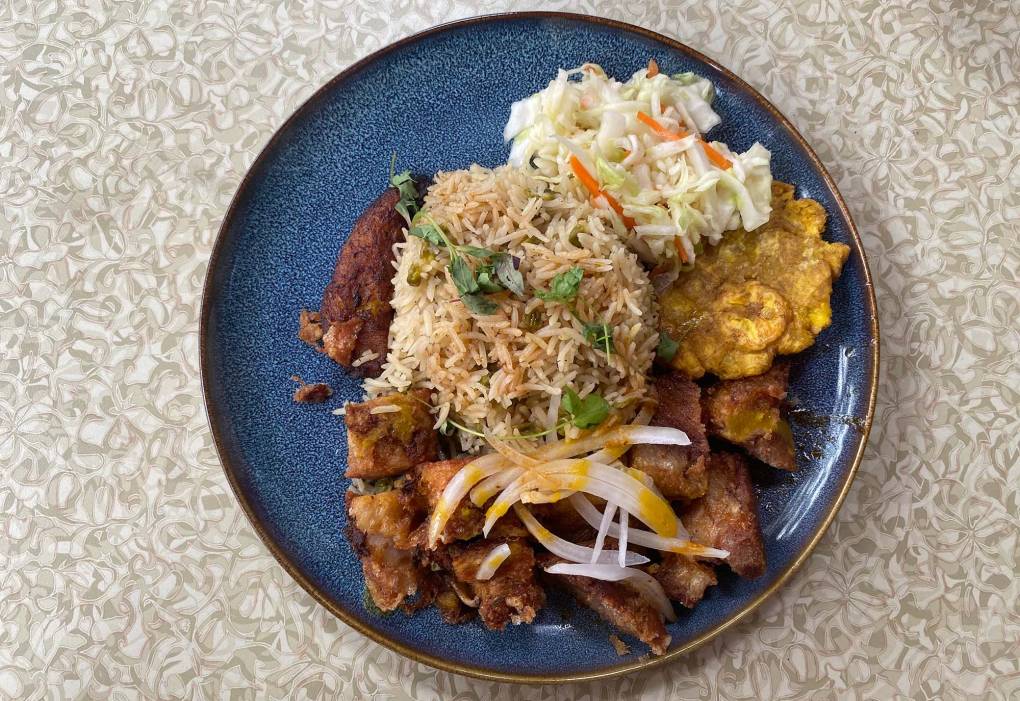
"caption": "Griot, a citrus-marinated fried pork dish, is one of the Haitian specialties served at T'chaka in Old Oakland.",
"description": null,
"title": "tchaka_griot",
"credit": "Luke Tsai/KQED",
"status": "inherit",
"altTag": "Fried pork, rice, plantains and pikliz (pickled cabbage and carrots) on a dark blue plate.",
"isLoading": false,
"fetchFailed": false
},
"arts_13935968": {
"type": "attachments",
"id": "arts_13935968",
"meta": {
"index": "attachments_1716263798",
"site": "arts",
"id": "13935968",
"found": true
},
"title": "Tony! Toni! Toné! on November 1, 1990 in New York City.",
"publishDate": 1696615318,
"status": "inherit",
"parent": 13935962,
"modified": 1749667800,
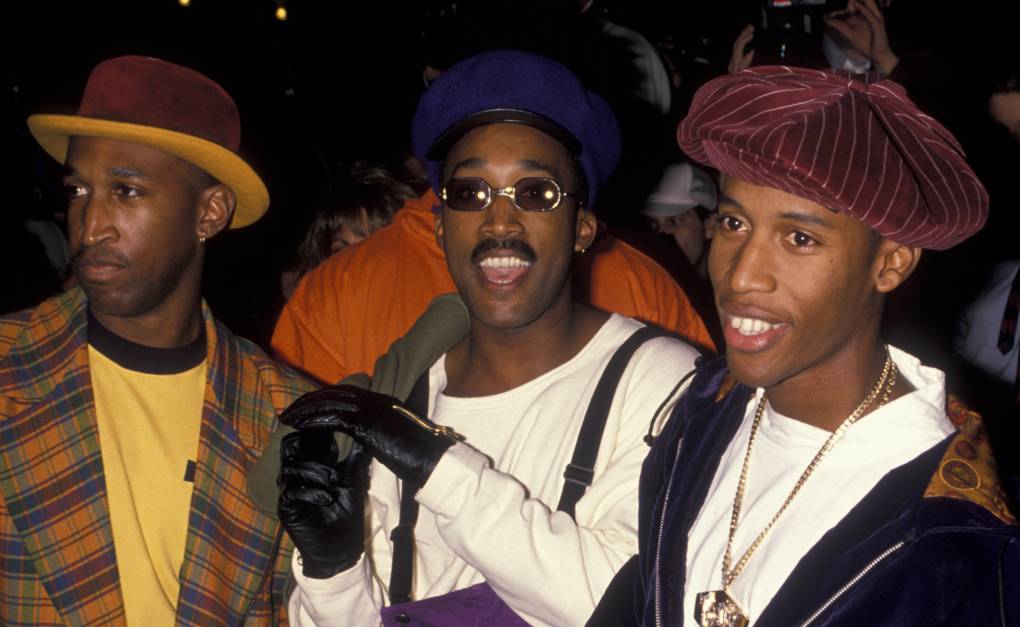
"caption": "Tony! Toni! Toné! on Nov. 1, 1990 in New York City.",
"credit": "Ron Galella/Ron Galella Collection via Getty Images",
"altTag": "Three young Black men wearing vibrant 1990s-era clothing and hats smile in a crowded room.",
"description": null,
"imgSizes": {
"medium": {
"file": "https://cdn.kqed.org/wp-content/uploads/sites/2/2023/10/GettyImages-519568858-800x492.jpg",
"width": 800,
"height": 492,
"mimeType": "image/jpeg"
},
"large": {
"file": "https://cdn.kqed.org/wp-content/uploads/sites/2/2023/10/GettyImages-519568858-1020x627.jpg",
"width": 1020,
"height": 627,
"mimeType": "image/jpeg"
},
"thumbnail": {
"file": "https://cdn.kqed.org/wp-content/uploads/sites/2/2023/10/GettyImages-519568858-160x98.jpg",
"width": 160,
"height": 98,
"mimeType": "image/jpeg"
},
"medium_large": {
"file": "https://cdn.kqed.org/wp-content/uploads/sites/2/2023/10/GettyImages-519568858-768x472.jpg",
"width": 768,
"height": 472,
"mimeType": "image/jpeg"
},
"1536x1536": {
"file": "https://cdn.kqed.org/wp-content/uploads/sites/2/2023/10/GettyImages-519568858-1536x944.jpg",
"width": 1536,
"height": 944,
"mimeType": "image/jpeg"
},
"2048x2048": {
"file": "https://cdn.kqed.org/wp-content/uploads/sites/2/2023/10/GettyImages-519568858-2048x1259.jpg",
"width": 2048,
"height": 1259,
"mimeType": "image/jpeg"
},
"post-thumbnail": {
"file": "https://cdn.kqed.org/wp-content/uploads/sites/2/2023/10/GettyImages-519568858-672x372.jpg",
"width": 672,
"height": 372,
"mimeType": "image/jpeg"
},
"twentyfourteen-full-width": {
"file": "https://cdn.kqed.org/wp-content/uploads/sites/2/2023/10/GettyImages-519568858-1038x576.jpg",
"width": 1038,
"height": 576,
"mimeType": "image/jpeg"
},
"full-width": {
"file": "https://cdn.kqed.org/wp-content/uploads/sites/2/2023/10/GettyImages-519568858-1920x1180.jpg",
"width": 1920,
"height": 1180,
"mimeType": "image/jpeg"
},
"kqedFullSize": {
"file": "https://cdn.kqed.org/wp-content/uploads/sites/2/2023/10/GettyImages-519568858-scaled.jpg",
"width": 2560,
"height": 1574
}
},
"isLoading": false,
"fetchFailed": false
},
"arts_13935866": {
"type": "attachments",
"id": "arts_13935866",
"meta": {
"index": "attachments_1716263798",
"site": "arts",
"id": "13935866",
"found": true
},
"parent": 13935842,
"imgSizes": {
"twentyfourteen-full-width": {
"file": "https://ww2.kqed.org/app/uploads/sites/2/2023/10/Dark-Photograph-7-1038x576.png",
"width": 1038,
"mimeType": "image/png",
"height": 576
},
"thumbnail": {
"file": "https://ww2.kqed.org/app/uploads/sites/2/2023/10/Dark-Photograph-7-160x90.png",
"width": 160,
"mimeType": "image/png",
"height": 90
},
"post-thumbnail": {
"file": "https://ww2.kqed.org/app/uploads/sites/2/2023/10/Dark-Photograph-7-672x372.png",
"width": 672,
"mimeType": "image/png",
"height": 372
},
"kqedFullSize": {
"file": "https://ww2.kqed.org/app/uploads/sites/2/2023/10/Dark-Photograph-7.png",
"width": 1920,
"height": 1080
},
"large": {
"file": "https://ww2.kqed.org/app/uploads/sites/2/2023/10/Dark-Photograph-7-1020x574.png",
"width": 1020,
"mimeType": "image/png",
"height": 574
},
"1536x1536": {
"file": "https://ww2.kqed.org/app/uploads/sites/2/2023/10/Dark-Photograph-7-1536x864.png",
"width": 1536,
"mimeType": "image/png",
"height": 864
},
"medium": {
"file": "https://ww2.kqed.org/app/uploads/sites/2/2023/10/Dark-Photograph-7-800x450.png",
"width": 800,
"mimeType": "image/png",
"height": 450
},
"medium_large": {
"file": "https://ww2.kqed.org/app/uploads/sites/2/2023/10/Dark-Photograph-7-768x432.png",
"width": 768,
"mimeType": "image/png",
"height": 432
}
},
"publishDate": 1696461771,
"modified": 1696476620,
"caption": "Rapper Too $hort drives a drop-top old school car as MTV host Sway Calloway sits in the passenger seat and a film crew sits in the back recording an episode of MTV My Block: The Bay in 2006.",
"description": "Rapper Too $hort drives a drop-top old school car as MTV host Sway Calloway sits in the passenger seat and a film crew sits in the back recording an episode of MTV My Block: The Bay in 2006.",
"title": "Rapper Too $hort drives a drop-top old school car as MTV host Sway Calloway sits in the passenger seat and a film crew sits in the back recording an episode of MTV My Block: The Bay in 2006.",
"credit": "D-Ray",
"status": "inherit",
"altTag": "Rapper Too $hort drives a drop-top old school car as MTV host Sway Calloway sits in the passenger seat and a film crew sits in the back recording an episode of MTV My Block: The Bay in 2006.",
"isLoading": false,
"fetchFailed": false
},
"arts_13846179": {
"type": "attachments",
"id": "arts_13846179",
"meta": {
"index": "attachments_1716263798",
"site": "arts",
"id": "13846179",
"found": true
},
"parent": 13846175,
"imgSizes": {
"twentyfourteen-full-width": {
"file": "https://ww2.kqed.org/app/uploads/sites/2/2018/12/IMG_7867-1038x576.jpg",
"width": 1038,
"mimeType": "image/jpeg",
"height": 576
},
"thumbnail": {
"file": "https://ww2.kqed.org/app/uploads/sites/2/2018/12/IMG_7867-160x90.jpg",
"width": 160,
"mimeType": "image/jpeg",
"height": 90
},
"post-thumbnail": {
"file": "https://ww2.kqed.org/app/uploads/sites/2/2018/12/IMG_7867-672x372.jpg",
"width": 672,
"mimeType": "image/jpeg",
"height": 372
},
"kqedFullSize": {
"file": "https://ww2.kqed.org/app/uploads/sites/2/2018/12/IMG_7867.jpg",
"width": 1334,
"height": 750
},
"large": {
"file": "https://ww2.kqed.org/app/uploads/sites/2/2018/12/IMG_7867-1020x573.jpg",
"width": 1020,
"mimeType": "image/jpeg",
"height": 573
},
"complete_open_graph": {
"file": "https://ww2.kqed.org/app/uploads/sites/2/2018/12/IMG_7867-1200x675.jpg",
"width": 1200,
"mimeType": "image/jpeg",
"height": 675
},
"guest-author-50": {
"file": "https://ww2.kqed.org/app/uploads/sites/2/2018/12/IMG_7867-50x50.jpg",
"width": 50,
"mimeType": "image/jpeg",
"height": 50
},
"guest-author-96": {
"file": "https://ww2.kqed.org/app/uploads/sites/2/2018/12/IMG_7867-96x96.jpg",
"width": 96,
"mimeType": "image/jpeg",
"height": 96
},
"medium": {
"file": "https://ww2.kqed.org/app/uploads/sites/2/2018/12/IMG_7867-800x450.jpg",
"width": 800,
"mimeType": "image/jpeg",
"height": 450
},
"guest-author-64": {
"file": "https://ww2.kqed.org/app/uploads/sites/2/2018/12/IMG_7867-64x64.jpg",
"width": 64,
"mimeType": "image/jpeg",
"height": 64
},
"guest-author-32": {
"file": "https://ww2.kqed.org/app/uploads/sites/2/2018/12/IMG_7867-32x32.jpg",
"width": 32,
"mimeType": "image/jpeg",
"height": 32
},
"detail": {
"file": "https://ww2.kqed.org/app/uploads/sites/2/2018/12/IMG_7867-150x150.jpg",
"width": 150,
"mimeType": "image/jpeg",
"height": 150
},
"medium_large": {
"file": "https://ww2.kqed.org/app/uploads/sites/2/2018/12/IMG_7867-768x432.jpg",
"width": 768,
"mimeType": "image/jpeg",
"height": 432
},
"guest-author-128": {
"file": "https://ww2.kqed.org/app/uploads/sites/2/2018/12/IMG_7867-128x128.jpg",
"width": 128,
"mimeType": "image/jpeg",
"height": 128
}
},
"publishDate": 1543812225,
"modified": 1696358448,
"caption": "Ian Kelly in the Town.",
"description": null,
"title": "Ian Kelly in the Town (photo by Anshil Popli)",
"credit": "Anshil Popli",
"status": "inherit",
"altTag": null,
"isLoading": false,
"fetchFailed": false
},
"arts_13935477": {
"type": "attachments",
"id": "arts_13935477",
"meta": {
"index": "attachments_1716263798",
"site": "arts",
"id": "13935477",
"found": true
},
"parent": 13935408,
"imgSizes": {
"twentyfourteen-full-width": {
"file": "https://ww2.kqed.org/app/uploads/sites/2/2023/09/HKGT-part-2-web-image-1038x576.png",
"width": 1038,
"mimeType": "image/png",
"height": 576
},
"thumbnail": {
"file": "https://ww2.kqed.org/app/uploads/sites/2/2023/09/HKGT-part-2-web-image-160x90.png",
"width": 160,
"mimeType": "image/png",
"height": 90
},
"post-thumbnail": {
"file": "https://ww2.kqed.org/app/uploads/sites/2/2023/09/HKGT-part-2-web-image-672x372.png",
"width": 672,
"mimeType": "image/png",
"height": 372
},
"kqedFullSize": {
"file": "https://ww2.kqed.org/app/uploads/sites/2/2023/09/HKGT-part-2-web-image.png",
"width": 1920,
"height": 1080
},
"large": {
"file": "https://ww2.kqed.org/app/uploads/sites/2/2023/09/HKGT-part-2-web-image-1020x574.png",
"width": 1020,
"mimeType": "image/png",
"height": 574
},
"1536x1536": {
"file": "https://ww2.kqed.org/app/uploads/sites/2/2023/09/HKGT-part-2-web-image-1536x864.png",
"width": 1536,
"mimeType": "image/png",
"height": 864
},
"medium": {
"file": "https://ww2.kqed.org/app/uploads/sites/2/2023/09/HKGT-part-2-web-image-800x450.png",
"width": 800,
"mimeType": "image/png",
"height": 450
},
"medium_large": {
"file": "https://ww2.kqed.org/app/uploads/sites/2/2023/09/HKGT-part-2-web-image-768x432.png",
"width": 768,
"mimeType": "image/png",
"height": 432
}
},
"publishDate": 1695857676,
"modified": 1695917028,
"caption": "Legendary Vallejo rapper E-40 with three dancers on a purple Buick 'scraper' during the filming of the 'Tell Me When To Go' music video in Deep East Oakland, circa 2006.",
"description": "Legendary Vallejo rapper E-40 stands in front of a purple Buick \"scraper\" as three young folks dance atop the vehicle during the filming of the video for the song, \"Tell Me When To Go\" in Deep East Oakland back in 2006.",
"title": "Legendary Vallejo rapper E-40 stands in front of a purple Buick \"scraper\" as three young folks dance atop the vehicle during the filming of the video for the song, \"Tell Me When To Go\" in Deep East Oakland back in 2006.",
"credit": "D-Ray",
"status": "inherit",
"altTag": "Legendary Vallejo rapper E-40 stands in front of a purple Buick \"scraper\" as three young folks dance atop the vehicle during the filming of the video for the song, \"Tell Me When To Go\" in Deep East Oakland back in 2006.",
"isLoading": false,
"fetchFailed": false
},
"arts_13935228": {
"type": "attachments",
"id": "arts_13935228",
"meta": {
"index": "attachments_1716263798",
"site": "arts",
"id": "13935228",
"found": true
},
"parent": 13935225,
"imgSizes": {
"thumbnail": {
"file": "https://ww2.kqed.org/app/uploads/sites/2/2023/09/Untitled-160x67.jpg",
"width": 160,
"mimeType": "image/jpeg",
"height": 67
},
"post-thumbnail": {
"file": "https://ww2.kqed.org/app/uploads/sites/2/2023/09/Untitled-672x372.jpg",
"width": 672,
"mimeType": "image/jpeg",
"height": 372
},
"kqedFullSize": {
"file": "https://ww2.kqed.org/app/uploads/sites/2/2023/09/Untitled.jpg",
"width": 980,
"height": 410
},
"medium": {
"file": "https://ww2.kqed.org/app/uploads/sites/2/2023/09/Untitled-800x335.jpg",
"width": 800,
"mimeType": "image/jpeg",
"height": 335
},
"medium_large": {
"file": "https://ww2.kqed.org/app/uploads/sites/2/2023/09/Untitled-768x321.jpg",
"width": 768,
"mimeType": "image/jpeg",
"height": 321
}
},
"publishDate": 1695337518,
"modified": 1695337606,
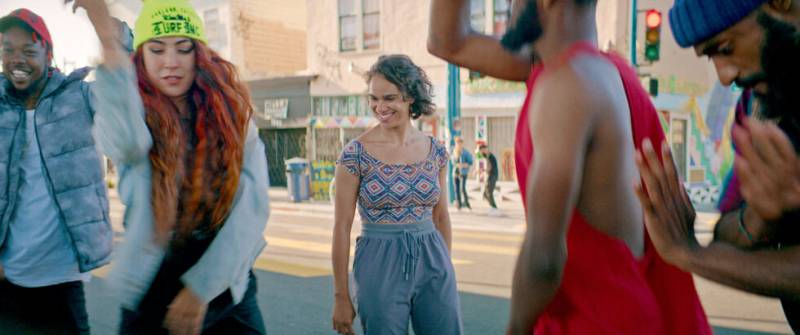
"caption": "Misty Copeland watches turf dancers perform in a scene from the short film ‘Flower.’ ",
"description": null,
"title": "Misty Copeland 1",
"credit": "Courtesy of Life in Motion Productions",
"status": "inherit",
"altTag": "A woman with short brown hair, a leotard and pants smiles at dancers on the street, with storefronts in the background",
"isLoading": false,
"fetchFailed": false
},
"arts_13935514": {
"type": "attachments",
"id": "arts_13935514",
"meta": {
"index": "attachments_1716263798",
"site": "arts",
"id": "13935514",
"found": true
},
"parent": 13935052,
"imgSizes": {
"twentyfourteen-full-width": {
"file": "https://ww2.kqed.org/app/uploads/sites/2/2023/09/Light-Photograph-7-1038x576.png",
"width": 1038,
"mimeType": "image/png",
"height": 576
},
"thumbnail": {
"file": "https://ww2.kqed.org/app/uploads/sites/2/2023/09/Light-Photograph-7-160x90.png",
"width": 160,
"mimeType": "image/png",
"height": 90
},
"post-thumbnail": {
"file": "https://ww2.kqed.org/app/uploads/sites/2/2023/09/Light-Photograph-7-672x372.png",
"width": 672,
"mimeType": "image/png",
"height": 372
},
"kqedFullSize": {
"file": "https://ww2.kqed.org/app/uploads/sites/2/2023/09/Light-Photograph-7.png",
"width": 1920,
"height": 1080
},
"large": {
"file": "https://ww2.kqed.org/app/uploads/sites/2/2023/09/Light-Photograph-7-1020x574.png",
"width": 1020,
"mimeType": "image/png",
"height": 574
},
"1536x1536": {
"file": "https://ww2.kqed.org/app/uploads/sites/2/2023/09/Light-Photograph-7-1536x864.png",
"width": 1536,
"mimeType": "image/png",
"height": 864
},
"medium": {
"file": "https://ww2.kqed.org/app/uploads/sites/2/2023/09/Light-Photograph-7-800x450.png",
"width": 800,
"mimeType": "image/png",
"height": 450
},
"medium_large": {
"file": "https://ww2.kqed.org/app/uploads/sites/2/2023/09/Light-Photograph-7-768x432.png",
"width": 768,
"mimeType": "image/png",
"height": 432
}
},
"publishDate": 1695934108,
"modified": 1695934220,
"caption": "East Oakland's Beeda Weeda and Tajai Massey stand alongside West Oakland's J-Stalin, posing for a photo in the warehouse of a building owned by the legendary Hieroglyphics hip-hop crew.",
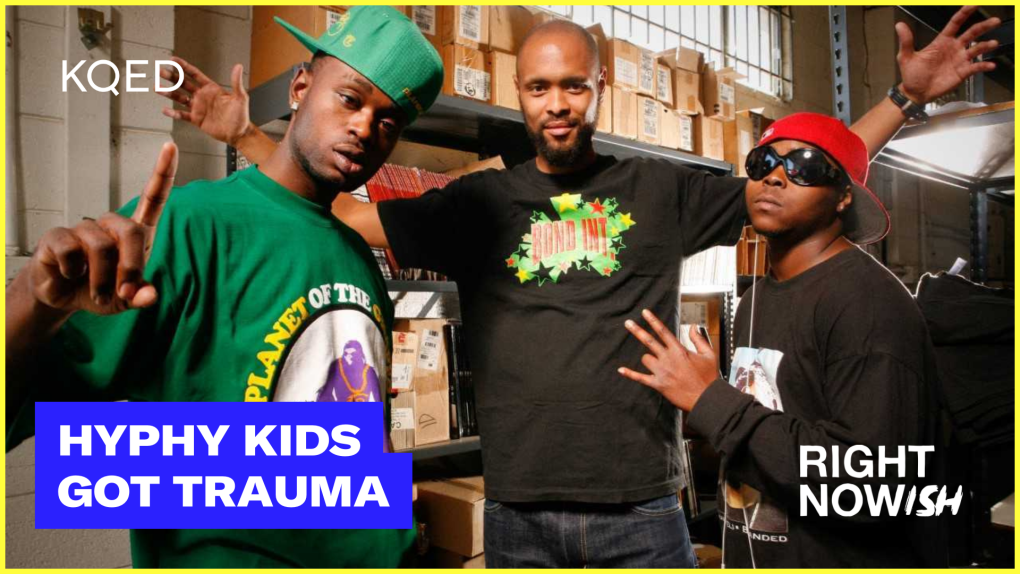
"description": "Rapper Beeda Weeda wears a green baseball hat turned backwards and a matching green shirt, as he stands alongside Tajai Massey who is wearing a black shirt. On the far right is J-Stalin, wearing a red baseball hat, dark sunglasses and a black shirt.",
"title": "East Oakland's Beeda Weeda and Tajai Massey stand alongside West Oakland's J-Stalin, posing for a photo in the warehouse of a building owned by the legendary Hieroglyphics hip-hop crew.",
"credit": "Alexander Warnow",
"status": "inherit",
"altTag": "East Oakland's Beeda Weeda and Tajai Massey stand alongside West Oakland's J-Stalin, posing for a photo in the warehouse of a building owned by the legendary Hieroglyphics hip-hop crew.",
"isLoading": false,
"fetchFailed": false
},
"arts_13935132": {
"type": "attachments",
"id": "arts_13935132",
"meta": {
"index": "attachments_1716263798",
"site": "arts",
"id": "13935132",
"found": true
},
"parent": 13934874,
"imgSizes": {
"twentyfourteen-full-width": {
"file": "https://ww2.kqed.org/app/uploads/sites/2/2023/09/HKGT.16x9-1038x576.jpg",
"width": 1038,
"mimeType": "image/jpeg",
"height": 576
},
"thumbnail": {
"file": "https://ww2.kqed.org/app/uploads/sites/2/2023/09/HKGT.16x9-160x90.jpg",
"width": 160,
"mimeType": "image/jpeg",
"height": 90
},
"post-thumbnail": {
"file": "https://ww2.kqed.org/app/uploads/sites/2/2023/09/HKGT.16x9-672x372.jpg",
"width": 672,
"mimeType": "image/jpeg",
"height": 372
},
"kqedFullSize": {
"file": "https://ww2.kqed.org/app/uploads/sites/2/2023/09/HKGT.16x9-scaled.jpg",
"width": 2560,
"height": 1440
},
"2048x2048": {
"file": "https://ww2.kqed.org/app/uploads/sites/2/2023/09/HKGT.16x9-2048x1152.jpg",
"width": 2048,
"mimeType": "image/jpeg",
"height": 1152
},
"large": {
"file": "https://ww2.kqed.org/app/uploads/sites/2/2023/09/HKGT.16x9-1020x574.jpg",
"width": 1020,
"mimeType": "image/jpeg",
"height": 574
},
"1536x1536": {
"file": "https://ww2.kqed.org/app/uploads/sites/2/2023/09/HKGT.16x9-1536x864.jpg",
"width": 1536,
"mimeType": "image/jpeg",
"height": 864
},
"full-width": {
"file": "https://ww2.kqed.org/app/uploads/sites/2/2023/09/HKGT.16x9-1920x1080.jpg",
"width": 1920,
"mimeType": "image/jpeg",
"height": 1080
},
"medium": {
"file": "https://ww2.kqed.org/app/uploads/sites/2/2023/09/HKGT.16x9-800x450.jpg",
"width": 800,
"mimeType": "image/jpeg",
"height": 450
},
"medium_large": {
"file": "https://ww2.kqed.org/app/uploads/sites/2/2023/09/HKGT.16x9-768x432.jpg",
"width": 768,
"mimeType": "image/jpeg",
"height": 432
}
},
"publishDate": 1695251125,
"modified": 1695251186,
"caption": null,
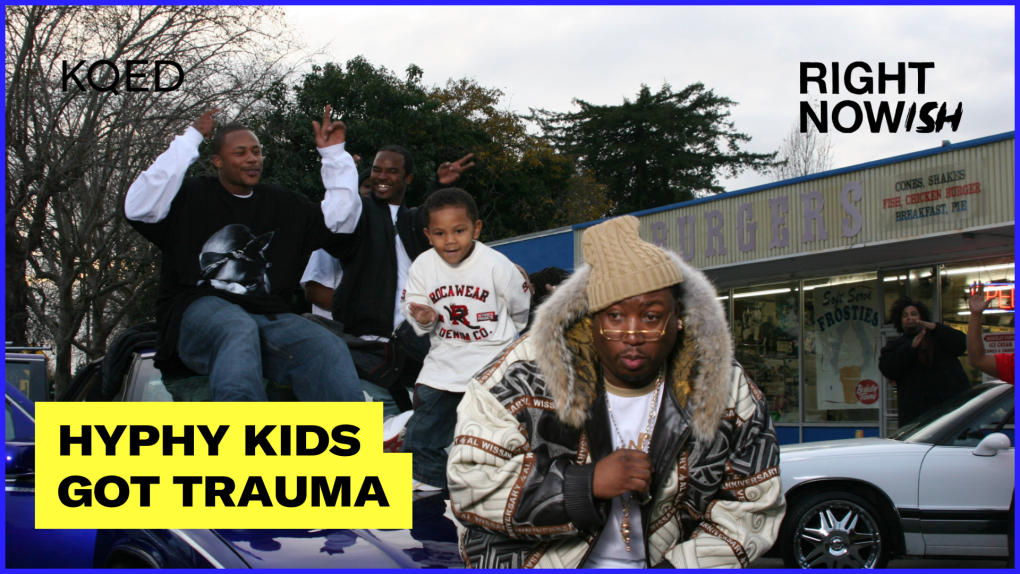
"description": "Hyphy Kids Got Trauma, the podcast series from Rightnowish.",
"title": "HKGT.16x9",
"credit": null,
"status": "inherit",
"altTag": "The words Rightnowish Presents Hyphy Kids Got Trauma are airbrushed on a white t-shirt over a yellow background.",
"isLoading": false,
"fetchFailed": false
},
"arts_13935007": {
"type": "attachments",
"id": "arts_13935007",
"meta": {
"index": "attachments_1716263798",
"site": "arts",
"id": "13935007",
"found": true
},
"parent": 13934803,
"imgSizes": {
"twentyfourteen-full-width": {
"file": "https://ww2.kqed.org/app/uploads/sites/2/2023/09/dsc08038-cropped.sm_-1038x576.jpg",
"width": 1038,
"mimeType": "image/jpeg",
"height": 576
},
"thumbnail": {
"file": "https://ww2.kqed.org/app/uploads/sites/2/2023/09/dsc08038-cropped.sm_-160x90.jpg",
"width": 160,
"mimeType": "image/jpeg",
"height": 90
},
"post-thumbnail": {
"file": "https://ww2.kqed.org/app/uploads/sites/2/2023/09/dsc08038-cropped.sm_-672x372.jpg",
"width": 672,
"mimeType": "image/jpeg",
"height": 372
},
"kqedFullSize": {
"file": "https://ww2.kqed.org/app/uploads/sites/2/2023/09/dsc08038-cropped.sm_.jpg",
"width": 2512,
"height": 1413
},
"2048x2048": {
"file": "https://ww2.kqed.org/app/uploads/sites/2/2023/09/dsc08038-cropped.sm_-2048x1152.jpg",
"width": 2048,
"mimeType": "image/jpeg",
"height": 1152
},
"large": {
"file": "https://ww2.kqed.org/app/uploads/sites/2/2023/09/dsc08038-cropped.sm_-1020x574.jpg",
"width": 1020,
"mimeType": "image/jpeg",
"height": 574
},
"1536x1536": {
"file": "https://ww2.kqed.org/app/uploads/sites/2/2023/09/dsc08038-cropped.sm_-1536x864.jpg",
"width": 1536,
"mimeType": "image/jpeg",
"height": 864
},
"full-width": {
"file": "https://ww2.kqed.org/app/uploads/sites/2/2023/09/dsc08038-cropped.sm_-1920x1080.jpg",
"width": 1920,
"mimeType": "image/jpeg",
"height": 1080
},
"medium": {
"file": "https://ww2.kqed.org/app/uploads/sites/2/2023/09/dsc08038-cropped.sm_-800x450.jpg",
"width": 800,
"mimeType": "image/jpeg",
"height": 450
},
"medium_large": {
"file": "https://ww2.kqed.org/app/uploads/sites/2/2023/09/dsc08038-cropped.sm_-768x432.jpg",
"width": 768,
"mimeType": "image/jpeg",
"height": 432
}
},
"publishDate": 1695160311,
"modified": 1695173600,
"caption": "1100 Himself packs 'Dragon Ball Z' and wrestling references into his adrenaline-raising street rap.",
"description": null,
"title": "dsc08038-cropped.sm",
"credit": "Daniel Aziz",
"status": "inherit",
"altTag": "25-year-old rapper 1100 Himself poses wearing an orange, tie-dyed hoodie.",
"isLoading": false,
"fetchFailed": false
},
"arts_13934760": {
"type": "attachments",
"id": "arts_13934760",
"meta": {
"index": "attachments_1716263798",
"site": "arts",
"id": "13934760",
"found": true
},
"parent": 13934596,
"imgSizes": {
"twentyfourteen-full-width": {
"file": "https://ww2.kqed.org/app/uploads/sites/2/2023/09/eggpals_veg_pal_crop-1038x576.jpg",
"width": 1038,
"mimeType": "image/jpeg",
"height": 576
},
"thumbnail": {
"file": "https://ww2.kqed.org/app/uploads/sites/2/2023/09/eggpals_veg_pal_crop-160x90.jpg",
"width": 160,
"mimeType": "image/jpeg",
"height": 90
},
"post-thumbnail": {
"file": "https://ww2.kqed.org/app/uploads/sites/2/2023/09/eggpals_veg_pal_crop-672x372.jpg",
"width": 672,
"mimeType": "image/jpeg",
"height": 372
},
"kqedFullSize": {
"file": "https://ww2.kqed.org/app/uploads/sites/2/2023/09/eggpals_veg_pal_crop.jpg",
"width": 1920,
"height": 1080
},
"large": {
"file": "https://ww2.kqed.org/app/uploads/sites/2/2023/09/eggpals_veg_pal_crop-1020x574.jpg",
"width": 1020,
"mimeType": "image/jpeg",
"height": 574
},
"1536x1536": {
"file": "https://ww2.kqed.org/app/uploads/sites/2/2023/09/eggpals_veg_pal_crop-1536x864.jpg",
"width": 1536,
"mimeType": "image/jpeg",
"height": 864
},
"medium": {
"file": "https://ww2.kqed.org/app/uploads/sites/2/2023/09/eggpals_veg_pal_crop-800x450.jpg",
"width": 800,
"mimeType": "image/jpeg",
"height": 450
},
"medium_large": {
"file": "https://ww2.kqed.org/app/uploads/sites/2/2023/09/eggpals_veg_pal_crop-768x432.jpg",
"width": 768,
"mimeType": "image/jpeg",
"height": 432
}
},
"publishDate": 1694640988,
"modified": 1694712251,
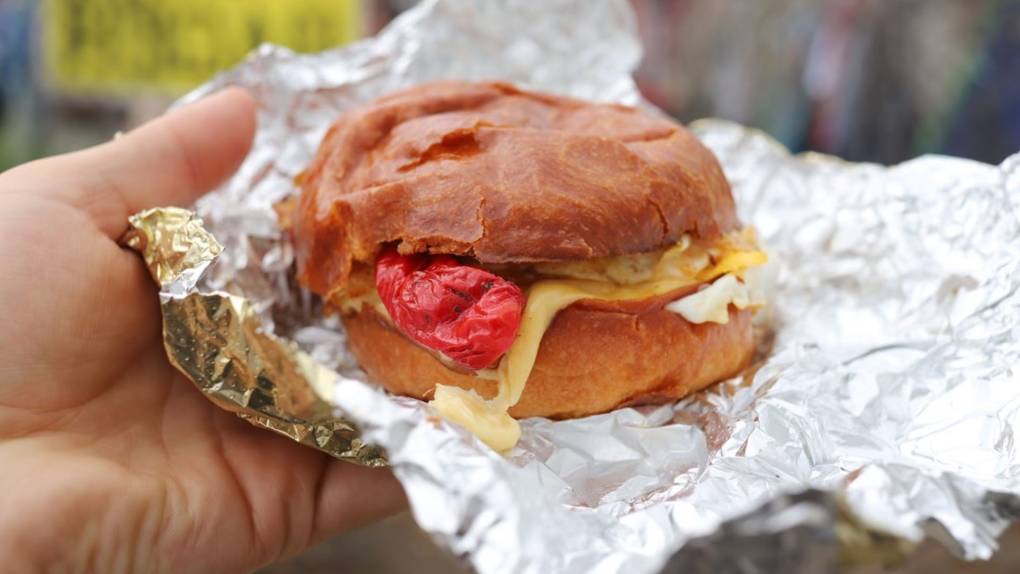
"caption": "The simplicity of the Veg Pal (two fried eggs, roasted Jimmy Nardellos, herby mayo, smoked Gouda, brioche) is one of the main attractions at Egg Pals, a popular weekend breakfast pop-up.\n",
"description": null,
"title": "eggpals_veg_pal_crop",
"credit": "Briana Chazaro",
"status": "inherit",
"altTag": "side view of an veggie egg breakfast sandwich wrapped in tin foil",
"isLoading": false,
"fetchFailed": false
},
"arts_13934781": {
"type": "attachments",
"id": "arts_13934781",
"meta": {
"index": "attachments_1716263798",
"site": "arts",
"id": "13934781",
"found": true
},
"parent": 0,
"imgSizes": {
"twentyfourteen-full-width": {
"file": "https://ww2.kqed.org/app/uploads/sites/2/2023/09/KimmieFresh.Headshot.1986.SQUARE-976x576.jpg",
"width": 976,
"mimeType": "image/jpeg",
"height": 576
},
"thumbnail": {
"file": "https://ww2.kqed.org/app/uploads/sites/2/2023/09/KimmieFresh.Headshot.1986.SQUARE-160x160.jpg",
"width": 160,
"mimeType": "image/jpeg",
"height": 160
},
"post-thumbnail": {
"file": "https://ww2.kqed.org/app/uploads/sites/2/2023/09/KimmieFresh.Headshot.1986.SQUARE-672x372.jpg",
"width": 672,
"mimeType": "image/jpeg",
"height": 372
},
"kqedFullSize": {
"file": "https://ww2.kqed.org/app/uploads/sites/2/2023/09/KimmieFresh.Headshot.1986.SQUARE.jpg",
"width": 976,
"height": 976
},
"medium": {
"file": "https://ww2.kqed.org/app/uploads/sites/2/2023/09/KimmieFresh.Headshot.1986.SQUARE-800x800.jpg",
"width": 800,
"mimeType": "image/jpeg",
"height": 800
},
"medium_large": {
"file": "https://ww2.kqed.org/app/uploads/sites/2/2023/09/KimmieFresh.Headshot.1986.SQUARE-768x768.jpg",
"width": 768,
"mimeType": "image/jpeg",
"height": 768
}
},
"publishDate": 1694648339,
"modified": 1694648389,
"caption": "Kimmie Fresh, one of the very first female rappers in the Bay Area to release a full-length album, 'The Real Freaky Tales: The Girls' Story,' in 1988.",
"description": null,
"title": "Kimmie Fresh 1988",
"credit": "Larry Henderson/75 Girls Records",
"status": "inherit",
"altTag": "A Black woman in a large green and white jacket, hoop earrings, and white Mercedes-Benz cap.",
"isLoading": false,
"fetchFailed": false
},
"arts_13934780": {
"type": "attachments",
"id": "arts_13934780",
"meta": {
"index": "attachments_1716263798",
"site": "arts",
"id": "13934780",
"found": true
},
"parent": 13934715,
"imgSizes": {
"thumbnail": {
"file": "https://ww2.kqed.org/app/uploads/sites/2/2023/09/KimmieFresh.1986.MAIN_.16x9-160x90.jpg",
"width": 160,
"mimeType": "image/jpeg",
"height": 90
},
"post-thumbnail": {
"file": "https://ww2.kqed.org/app/uploads/sites/2/2023/09/KimmieFresh.1986.MAIN_.16x9-672x372.jpg",
"width": 672,
"mimeType": "image/jpeg",
"height": 372
},
"kqedFullSize": {
"file": "https://ww2.kqed.org/app/uploads/sites/2/2023/09/KimmieFresh.1986.MAIN_.16x9.jpg",
"width": 976,
"height": 549
},
"medium": {
"file": "https://ww2.kqed.org/app/uploads/sites/2/2023/09/KimmieFresh.1986.MAIN_.16x9-800x450.jpg",
"width": 800,
"mimeType": "image/jpeg",
"height": 450
},
"medium_large": {
"file": "https://ww2.kqed.org/app/uploads/sites/2/2023/09/KimmieFresh.1986.MAIN_.16x9-768x432.jpg",
"width": 768,
"mimeType": "image/jpeg",
"height": 432
}
},
"publishDate": 1694648100,
"modified": 1694648440,
"caption": "Kimmie Fresh, one of the very first female rappers in the Bay Area to release a full-length album, 'The Real Freaky Tales: The Girls' Story,' in 1988.",
"description": null,
"title": "KimmieFresh.1986.MAIN.16x9",
"credit": "Larry Henderson/75 Girls Records",
"status": "inherit",
"altTag": "A Black woman in a large green and white jacket, hoop earrings, and white Mercedes-Benz cap.",
"isLoading": false,
"fetchFailed": false
}
},
"audioPlayerReducer": {
"postId": "stream_live",
"isPaused": true,
"isPlaying": false,
"pfsActive": false,
"pledgeModalIsOpen": true,
"playerDrawerIsOpen": false,
"liveAudioPlayStartedAt": 0,
"liveAudioPlayContext": ""
},
"authorsReducer": {
"byline_arts_13935962": {
"type": "authors",
"id": "byline_arts_13935962",
"meta": {
"override": true
},
"slug": "byline_arts_13935962",
"name": "Gary Gerard Hamilton\u003cbr>Associated Press",
"isLoading": false
},
"gmeline": {
"type": "authors",
"id": "185",
"meta": {
"index": "authors_1716337520",
"id": "185",
"found": true
},
"name": "Gabe Meline",
"firstName": "Gabe",
"lastName": "Meline",
"slug": "gmeline",
"email": "gmeline@kqed.org",
"display_author_email": true,
"staff_mastheads": [
"arts"
],
"title": "Senior Editor, KQED Arts & Culture",
"bio": "Gabe Meline entered journalism at age 15 making photocopied zines, and has since earned awards from the Edward R. Murrow Awards, the Society for Professional Journalists, the Online Journalism Awards, the Association of Alternative Newsweeklies and the California Newspaper Publishers Association. Prior to KQED, he was the editor of the \u003cem>North Bay Bohemian\u003c/em> and a touring musician. He lives with his wife and daughter in his hometown of Santa Rosa, CA.",
"avatar": "https://secure.gravatar.com/avatar/5bebe57be0d8bc2dd318934feb47299e2d2d10cba28d09d8d7afb389a2ce2bdd?s=600&d=blank&r=g",
"twitter": null,
"bluesky": null,
"facebook": null,
"instagram": null,
"linkedin": null,
"sites": [
{
"site": "",
"roles": [
"editor"
]
},
{
"site": "arts",
"roles": [
"administrator"
]
},
{
"site": "artschool",
"roles": [
"editor"
]
},
{
"site": "news",
"roles": [
"author"
]
},
{
"site": "pop",
"roles": [
"editor"
]
},
{
"site": "bayareabites",
"roles": [
"editor"
]
},
{
"site": "food",
"roles": [
"editor"
]
},
{
"site": "liveblog",
"roles": [
"editor"
]
},
{
"site": "hiphop",
"roles": [
"editor"
]
}
],
"headData": {
"title": "Gabe Meline | KQED",
"description": "Senior Editor, KQED Arts & Culture",
"ogImgSrc": "https://secure.gravatar.com/avatar/5bebe57be0d8bc2dd318934feb47299e2d2d10cba28d09d8d7afb389a2ce2bdd?s=600&d=blank&r=g",
"twImgSrc": "https://secure.gravatar.com/avatar/5bebe57be0d8bc2dd318934feb47299e2d2d10cba28d09d8d7afb389a2ce2bdd?s=600&d=blank&r=g"
},
"isLoading": false,
"link": "/author/gmeline"
},
"aproehl": {
"type": "authors",
"id": "11296",
"meta": {
"index": "authors_1716337520",
"id": "11296",
"found": true
},
"name": "Ariana Proehl",
"firstName": "Ariana",
"lastName": "Proehl",
"slug": "aproehl",
"email": "aproehl@KQED.org",
"display_author_email": true,
"staff_mastheads": [
"news"
],
"title": "Culture Reporter, KQED",
"bio": "Ariana Proehl is a Culture Reporter and Host.",
"avatar": "https://secure.gravatar.com/avatar/c96b24567eb5bb3a4f8bb295ed53e232?s=600&d=blank&r=g",
"twitter": "ArianaProehl",
"facebook": null,
"instagram": null,
"linkedin": null,
"sites": [
{
"site": "arts",
"roles": []
},
{
"site": "news",
"roles": []
},
{
"site": "education",
"roles": []
},
{
"site": "forum",
"roles": []
}
],
"headData": {
"title": "Ariana Proehl | KQED",
"description": "Culture Reporter, KQED",
"ogImgSrc": "https://secure.gravatar.com/avatar/c96b24567eb5bb3a4f8bb295ed53e232?s=600&d=blank&r=g",
"twImgSrc": "https://secure.gravatar.com/avatar/c96b24567eb5bb3a4f8bb295ed53e232?s=600&d=blank&r=g"
},
"isLoading": false,
"link": "/author/aproehl"
},
"ogpenn": {
"type": "authors",
"id": "11491",
"meta": {
"index": "authors_1716337520",
"id": "11491",
"found": true
},
"name": "Pendarvis Harshaw",
"firstName": "Pendarvis",
"lastName": "Harshaw",
"slug": "ogpenn",
"email": "ogpenn@gmail.com",
"display_author_email": false,
"staff_mastheads": [
"arts"
],
"title": "Community Engagement Reporter",
"bio": "Pendarvis Harshaw is an educator, host and writer with KQED Arts.",
"avatar": "https://secure.gravatar.com/avatar/972b77ee8e3f346ae2b00622661187fbfabd059b5693bbdc1475ea7a722fd4cd?s=600&d=blank&r=g",
"twitter": null,
"bluesky": null,
"facebook": null,
"instagram": "ogpenn",
"linkedin": null,
"sites": [
{
"site": "arts",
"roles": [
"administrator"
]
},
{
"site": "news",
"roles": [
"editor"
]
},
{
"site": "bayareabites",
"roles": [
"author"
]
},
{
"site": "hiphop",
"roles": [
"editor"
]
}
],
"headData": {
"title": "Pendarvis Harshaw | KQED",
"description": "Community Engagement Reporter",
"ogImgSrc": "https://secure.gravatar.com/avatar/972b77ee8e3f346ae2b00622661187fbfabd059b5693bbdc1475ea7a722fd4cd?s=600&d=blank&r=g",
"twImgSrc": "https://secure.gravatar.com/avatar/972b77ee8e3f346ae2b00622661187fbfabd059b5693bbdc1475ea7a722fd4cd?s=600&d=blank&r=g"
},
"isLoading": false,
"link": "/author/ogpenn"
},
"ltsai": {
"type": "authors",
"id": "11743",
"meta": {
"index": "authors_1716337520",
"id": "11743",
"found": true
},
"name": "Luke Tsai",
"firstName": "Luke",
"lastName": "Tsai",
"slug": "ltsai",
"email": "ltsai@kqed.org",
"display_author_email": true,
"staff_mastheads": [
"arts"
],
"title": "Food Editor",
"bio": "Luke Tsai is KQED's food editor and resident stinky tofu connoisseur. Prior to KQED, he was an editor at Eater SF, \u003cem>San Francisco \u003c/em>magazine, and the \u003cem>East Bay Express\u003c/em>, and his work has also appeared in TASTE, the \u003cem>San Francisco Chronicle\u003c/em>, and the \u003cem>Best Food Writing\u003c/em> anthology. When he isn't writing or editing, you'll find him eating most everything he can get his hands on.",
"avatar": "https://secure.gravatar.com/avatar/1e59b45bf191526e7339d6ba46e33a57b2030d25c27660ecc64ea3cb863e34f7?s=600&d=blank&r=g",
"twitter": "theluketsai",
"bluesky": null,
"facebook": null,
"instagram": null,
"linkedin": null,
"sites": [
{
"site": "",
"roles": [
"editor"
]
},
{
"site": "arts",
"roles": [
"administrator"
]
},
{
"site": "news",
"roles": [
"editor",
"contributor"
]
},
{
"site": "bayareabites",
"roles": [
"editor"
]
},
{
"site": "food",
"roles": [
"editor"
]
}
],
"headData": {
"title": "Luke Tsai | KQED",
"description": "Food Editor",
"ogImgSrc": "https://secure.gravatar.com/avatar/1e59b45bf191526e7339d6ba46e33a57b2030d25c27660ecc64ea3cb863e34f7?s=600&d=blank&r=g",
"twImgSrc": "https://secure.gravatar.com/avatar/1e59b45bf191526e7339d6ba46e33a57b2030d25c27660ecc64ea3cb863e34f7?s=600&d=blank&r=g"
},
"isLoading": false,
"link": "/author/ltsai"
},
"achazaro": {
"type": "authors",
"id": "11748",
"meta": {
"index": "authors_1716337520",
"id": "11748",
"found": true
},
"name": "Alan Chazaro",
"firstName": "Alan",
"lastName": "Chazaro",
"slug": "achazaro",
"email": "agchazaro@gmail.com",
"display_author_email": true,
"staff_mastheads": [],
"title": "Food Writer and Reporter",
"bio": "Alan Chazaro is the author of \u003cem>This Is Not a Frank Ocean Cover Album\u003c/em> (Black Lawrence Press, 2019), \u003cem>Piñata Theory\u003c/em> (Black Lawrence Press, 2020), and \u003cem>Notes from the Eastern Span of the Bay Bridge\u003c/em> (Ghost City Press, 2021). He is a graduate of June Jordan’s Poetry for the People program at UC Berkeley and a former Lawrence Ferlinghetti Fellow at the University of San Francisco. He writes about sports, food, art, music, education, and culture while repping the Bay on \u003ca href=\"https://twitter.com/alan_chazaro\">Twitter\u003c/a> and \u003ca href=\"https://www.instagram.com/alan_chazaro/?hl=en\">Instagram\u003c/a> at @alan_chazaro.",
"avatar": "https://secure.gravatar.com/avatar/ea8b6dd970fc5c29e7a188e7d5861df7?s=600&d=blank&r=g",
"twitter": "alan_chazaro",
"facebook": null,
"instagram": null,
"linkedin": null,
"sites": [
{
"site": "arts",
"roles": [
"contributor"
]
},
{
"site": "news",
"roles": [
"editor"
]
}
],
"headData": {
"title": "Alan Chazaro | KQED",
"description": "Food Writer and Reporter",
"ogImgSrc": "https://secure.gravatar.com/avatar/ea8b6dd970fc5c29e7a188e7d5861df7?s=600&d=blank&r=g",
"twImgSrc": "https://secure.gravatar.com/avatar/ea8b6dd970fc5c29e7a188e7d5861df7?s=600&d=blank&r=g"
},
"isLoading": false,
"link": "/author/achazaro"
}
},
"pagesReducer": {
"arts_tag_oakland": {
"type": "terms",
"id": "arts_1143",
"meta": {
"index": "terms_1716263798",
"site": "arts",
"id": "1143",
"score": 6.8845096
},
"featImg": null,
"name": "Oakland",
"description": null,
"taxonomy": "tag",
"headData": {
"twImgId": null,
"twTitle": null,
"ogTitle": null,
"ogImgId": null,
"twDescription": null,
"description": null,
"title": "Oakland Archives | KQED Arts",
"ogDescription": null
},
"ttid": 692,
"slug": "oakland",
"isLoading": false,
"title": "Oakland",
"pageMeta": {
"site": "arts",
"WpPageTemplate": "page-topic-editorial",
"currentPage": 25
},
"blocks": [
{
"blockName": "kqed/post-list",
"attrs": {
"layout": "cardArticle2",
"query": "posts/arts?tag=oakland",
"seeMore": false,
"paginated": true,
"page": 25
}
},
{
"blockName": "kqed/ad"
}
]
}
},
"pfsSessionReducer": {},
"postsReducer": {
"stream_live": {
"type": "live",
"id": "stream_live",
"audioUrl": "https://streams.kqed.org/kqedradio",
"title": "Live Stream",
"excerpt": "Live Stream information currently unavailable.",
"link": "/radio",
"featImg": "",
"label": {
"name": "KQED Live",
"link": "/"
}
},
"stream_kqedNewscast": {
"type": "posts",
"id": "stream_kqedNewscast",
"audioUrl": "https://www.kqed.org/.stream/anon/radio/RDnews/newscast.mp3?_=1",
"title": "KQED Newscast",
"featImg": "",
"label": {
"name": "88.5 FM",
"link": "/"
}
},
"arts_13936531": {
"type": "posts",
"id": "arts_13936531",
"meta": {
"index": "posts_1716263798",
"site": "arts",
"id": "13936531",
"score": null,
"sort": [
1697571607000
]
},
"parent": 0,
"labelTerm": {
"site": "arts",
"term": 140
},
"blocks": [],
"publishDate": 1697571607,
"format": "aside",
"title": "Back That Azz Up, Oakland: Juvenile to Perform at the Fox Theater",
"headTitle": "Back That Azz Up, Oakland: Juvenile to Perform at the Fox Theater | KQED",
"content": "\u003cfigure id=\"attachment_13936542\" class=\"wp-caption aligncenter\" style=\"max-width: 1920px\">\u003cimg loading=\"lazy\" decoding=\"async\" class=\"size-full wp-image-13936542\" src=\"https://ww2.kqed.org/app/uploads/sites/2/2023/10/Juvenile.full_.jpg\" alt=\"\" width=\"1920\" height=\"1297\" srcset=\"https://cdn.kqed.org/wp-content/uploads/sites/2/2023/10/Juvenile.full_.jpg 1920w, https://cdn.kqed.org/wp-content/uploads/sites/2/2023/10/Juvenile.full_-800x540.jpg 800w, https://cdn.kqed.org/wp-content/uploads/sites/2/2023/10/Juvenile.full_-1020x689.jpg 1020w, https://cdn.kqed.org/wp-content/uploads/sites/2/2023/10/Juvenile.full_-160x108.jpg 160w, https://cdn.kqed.org/wp-content/uploads/sites/2/2023/10/Juvenile.full_-768x519.jpg 768w, https://cdn.kqed.org/wp-content/uploads/sites/2/2023/10/Juvenile.full_-1536x1038.jpg 1536w\" sizes=\"(max-width: 1920px) 100vw, 1920px\">\u003cfigcaption class=\"wp-caption-text\">Rapper Juvenile performs during the Collegrove Tour at the Oakland Arena on Nov. 10, 2016 in Oakland. \u003ccite>(Tim Mosenfelder/Getty Images)\u003c/cite>\u003c/figcaption>\u003c/figure>\n\u003cp>It’s been nearly 25 years since New Orleans rapper Juvenile released his megahit “\u003ca href=\"https://www.youtube.com/watch?v=FYqmQPklI_0\">Back That Azz Up\u003c/a>.”\u003c/p>\n\u003cp>That means for a quarter-century now, people have been running to the dance floor at the sound of the strings that start one of the greatest hip-hop songs of all time. Produced by Mannie Fresh, the seductive beat and celebratory lyrics have provided a soundtrack for generations of folks looking to shake what their momma gave ’em. The song followed the smash single “\u003ca href=\"https://www.youtube.com/watch?v=Ww9VlmXKYgs\" target=\"_blank\" rel=\"noopener\">Ha\u003c/a>,” both off of Juvenile’s multiplatinum album \u003cem>400 Degrees\u003c/em>, which signified the rise of the Cash Money Records empire as they took over for the ’99 and the 2000.\u003c/p>\n\u003cp>https://www.youtube.com/watch?v=nieYw00ee-Y\u003c/p>\n\u003cp>To celebrate the 25th anniversary of this landmark album, Juvenile, Mannie Fresh and an accompanying live band are scheduled to perform at the \u003ca href=\"https://www.foxtheateroakland.net/events/juvenile-20-october-2023/\" target=\"_blank\" rel=\"noopener\">Fox Theater in Oakland\u003c/a> this Friday, Oct. 20.\u003c/p>\n\u003cp>Juvenile, whose summer 2023 performance at \u003ca href=\"https://www.youtube.com/watch?v=kes2P4IC2bQ\" target=\"_blank\" rel=\"noopener\">NPR’s Tiny Desk\u003c/a> has racked up nearly six million views, has performed a few shows in the Bay Area before. Those include a \u003ca href=\"https://www.kqed.org/arts/11956265/heiro-day-2016-lineup-too-short-juvenile-invisibl-skratch-piklz-just-blaze-many-more\" target=\"_blank\" rel=\"noopener\">2016 Hiero Day set that filled the block\u003c/a> and \u003ca href=\"https://www.youtube.com/watch?v=zN6C9COoTZc\">KMEL’s Legends of Summer Jam concert\u003c/a> in 2014.\u003c/p>\n\u003cp>[ad fullwidth]\u003c/p>\n\u003cp>But a show that \u003cem>didn’t\u003c/em> fully happen — at the Oakland Arena in January of 2000, while Juvenile was part of the Cash Money group the Hot Boys — remains legendary.\u003c/p>\n\u003cp>[aside postID='arts_13923938']Before the Hot Boys set, multiple physical altercations erupted in the audience after a group of young men rushed toward the stage. Folding chairs were thrown, one person was pushed from the balcony and gunshots were reported inside and outside the venue. The concert was canceled on the spot.\u003c/p>\n\u003cp>Though the conflicts had nothing to do with Juvenile, the Hot Boys or Cash Money, that event left an indelible mark on their Bay Area fans.\u003c/p>\n\u003cp>“That was my first concert,” says the Da Boy Dame, Def Jam artist and A&R of Yo Gotti’s Collective Music Group (CMG). About 12 years old at the time, Dame and his cousins had received tickets to the concert as a Christmas gift. Excited, the whole crew coordinated their clothes in preparation for the show. “We all had our jean outfits, and we thought we was Cash Money that day,” he tells me on a recent phone call.\u003c/p>\n\u003cfigure id=\"attachment_13936543\" class=\"wp-caption aligncenter\" style=\"max-width: 480px\">\u003cimg loading=\"lazy\" decoding=\"async\" class=\"size-full wp-image-13936543\" src=\"https://ww2.kqed.org/app/uploads/sites/2/2023/10/img_8318_720.png\" alt=\"\" width=\"480\" height=\"720\" srcset=\"https://cdn.kqed.org/wp-content/uploads/sites/2/2023/10/img_8318_720.png 480w, https://cdn.kqed.org/wp-content/uploads/sites/2/2023/10/img_8318_720-160x240.png 160w\" sizes=\"(max-width: 480px) 100vw, 480px\">\u003cfigcaption class=\"wp-caption-text\">Da Boy Dame, Def Jam artist and A&R of Yo Gotti’s Collective Music Group. \u003ccite>(Courtesy Da Boy Dame)\u003c/cite>\u003c/figcaption>\u003c/figure>\n\u003cp>Dame recalls seeing the opening acts, the Ruff Ryders and Ginuwine. “The next thing you know, \u003ca href=\"http://www.cnn.com/2000/SHOWBIZ/Music/01/15/concert.fight/index.html\">Oakland made national CNN headlines\u003c/a>.”\u003c/p>\n\u003cp>Multiple outlets, including MTV and \u003cem>The Washington Post,\u003c/em> covered the unfortunate event, which resulted in approximately 25 injuries — and left a young Dame disappointed that he didn’t to see his favorite artists.\u003c/p>\n\u003cp>Decades later, Dame has helped orchestrate Juvenile’s return to Oakland at the Fox Theater on Friday, and is slated to be an opening performer. “That’s really why I always try to do things with Juvie and Mannie, because I feel like we never really got the chance to see it while everything was on fire,” he says.\u003c/p>\n\u003cp>[aside postID='news_11954252']In addition to an intimate set by Juvenile and Mannie Fresh, Dame says the show will feature a few special guest appearances from veteran Bay Area artists. For concertgoers looking to tap back into a landmark era for hip-hop, the show is guaranteed to to be a time machine.\u003c/p>\n\u003cp>“Twenty-five years ago — that was probably the best time in a lot of people’s lives,” says Dame. “I think this is going to be a time when people can relax and enjoy themselves and embrace the nostalgia of the music, the parties, and everything that came along with the ’99 and 2000.”\u003c/p>\n\u003cp>\u003cimg loading=\"lazy\" decoding=\"async\" class=\"aligncenter size-full wp-image-12127869\" src=\"https://ww2.kqed.org/app/uploads/sites/2/2016/09/Q.Logo_.Break_.jpg\" alt=\"\" width=\"800\" height=\"78\" srcset=\"https://cdn.kqed.org/wp-content/uploads/sites/2/2016/09/Q.Logo_.Break_.jpg 800w, https://cdn.kqed.org/wp-content/uploads/sites/2/2016/09/Q.Logo_.Break_-400x39.jpg 400w, https://cdn.kqed.org/wp-content/uploads/sites/2/2016/09/Q.Logo_.Break_-768x75.jpg 768w\" sizes=\"(max-width: 800px) 100vw, 800px\">\u003c/p>\n\u003cp>\u003c/p>\n\u003cp>\u003cem>Juvenile and Mannie Fresh perform with a live band on Friday, Oct. 20, at the Fox Theater in Oakland. \u003ca href=\"https://thefoxoakland.com/events/juvenile-231020\">Details here\u003c/a>. \u003c/em>\u003c/p>\n\n",
"stats": {
"hasVideo": true,
"hasChartOrMap": false,
"hasAudio": false,
"hasPolis": false,
"wordCount": 708,
"hasGoogleForm": false,
"hasGallery": false,
"hasHearkenModule": false,
"iframeSrcs": [],
"paragraphCount": 17
},
"modified": 1705003226,
"excerpt": "Juvenile returns this weekend to Oakland, where crowd pandemonium once canceled his concert on the spot.",
"headData": {
"twImgId": "",
"twTitle": "",
"ogTitle": "",
"ogImgId": "",
"twDescription": "",
"description": "Juvenile returns this weekend to Oakland, where crowd pandemonium once canceled his concert on the spot.",
"title": "Back That Azz Up, Oakland: Juvenile to Perform at the Fox Theater | KQED",
"ogDescription": "",
"schema": {
"@context": "https://schema.org",
"@type": "Article",
"headline": "Back That Azz Up, Oakland: Juvenile to Perform at the Fox Theater",
"datePublished": "2023-10-17T12:40:07-07:00",
"dateModified": "2024-01-11T12:00:26-08:00",
"image": "https://cdn.kqed.org/wp-content/uploads/2020/02/KQED-OG-Image@1x.png"
}
},
"guestAuthors": [],
"slug": "back-that-azz-up-oakland-juvenile-to-perform-at-the-fox-theater",
"status": "publish",
"templateType": "standard",
"excludeFromSiteSearch": "Include",
"featuredImageType": "standard",
"sticky": false,
"articleAge": "0",
"path": "/arts/13936531/back-that-azz-up-oakland-juvenile-to-perform-at-the-fox-theater",
"audioTrackLength": null,
"parsedContent": [
{
"type": "contentString",
"content": "\u003cdiv class=\"post-body\">\u003cp>\u003cfigure id=\"attachment_13936542\" class=\"wp-caption aligncenter\" style=\"max-width: 1920px\">\u003cimg loading=\"lazy\" decoding=\"async\" class=\"size-full wp-image-13936542\" src=\"https://ww2.kqed.org/app/uploads/sites/2/2023/10/Juvenile.full_.jpg\" alt=\"\" width=\"1920\" height=\"1297\" srcset=\"https://cdn.kqed.org/wp-content/uploads/sites/2/2023/10/Juvenile.full_.jpg 1920w, https://cdn.kqed.org/wp-content/uploads/sites/2/2023/10/Juvenile.full_-800x540.jpg 800w, https://cdn.kqed.org/wp-content/uploads/sites/2/2023/10/Juvenile.full_-1020x689.jpg 1020w, https://cdn.kqed.org/wp-content/uploads/sites/2/2023/10/Juvenile.full_-160x108.jpg 160w, https://cdn.kqed.org/wp-content/uploads/sites/2/2023/10/Juvenile.full_-768x519.jpg 768w, https://cdn.kqed.org/wp-content/uploads/sites/2/2023/10/Juvenile.full_-1536x1038.jpg 1536w\" sizes=\"(max-width: 1920px) 100vw, 1920px\">\u003cfigcaption class=\"wp-caption-text\">Rapper Juvenile performs during the Collegrove Tour at the Oakland Arena on Nov. 10, 2016 in Oakland. \u003ccite>(Tim Mosenfelder/Getty Images)\u003c/cite>\u003c/figcaption>\u003c/figure>\n\u003cp>It’s been nearly 25 years since New Orleans rapper Juvenile released his megahit “\u003ca href=\"https://www.youtube.com/watch?v=FYqmQPklI_0\">Back That Azz Up\u003c/a>.”\u003c/p>\n\u003cp>That means for a quarter-century now, people have been running to the dance floor at the sound of the strings that start one of the greatest hip-hop songs of all time. Produced by Mannie Fresh, the seductive beat and celebratory lyrics have provided a soundtrack for generations of folks looking to shake what their momma gave ’em. The song followed the smash single “\u003ca href=\"https://www.youtube.com/watch?v=Ww9VlmXKYgs\" target=\"_blank\" rel=\"noopener\">Ha\u003c/a>,” both off of Juvenile’s multiplatinum album \u003cem>400 Degrees\u003c/em>, which signified the rise of the Cash Money Records empire as they took over for the ’99 and the 2000.\u003c/p>\u003c/p>\u003cp>\u003cspan class='utils-parseShortcode-shortcodes-__youtubeShortcode__embedYoutube'>\n \u003cspan class='utils-parseShortcode-shortcodes-__youtubeShortcode__embedYoutubeInside'>\n \u003ciframe\n loading='lazy'\n class='utils-parseShortcode-shortcodes-__youtubeShortcode__youtubePlayer'\n type='text/html'\n src='//www.youtube.com/embed/nieYw00ee-Y'\n title='//www.youtube.com/embed/nieYw00ee-Y'\n allowfullscreen='true'\n style='border:0;'>\u003c/iframe>\n \u003c/span>\n \u003c/span>\u003c/p>\u003cp>\u003cp>To celebrate the 25th anniversary of this landmark album, Juvenile, Mannie Fresh and an accompanying live band are scheduled to perform at the \u003ca href=\"https://www.foxtheateroakland.net/events/juvenile-20-october-2023/\" target=\"_blank\" rel=\"noopener\">Fox Theater in Oakland\u003c/a> this Friday, Oct. 20.\u003c/p>\n\u003cp>Juvenile, whose summer 2023 performance at \u003ca href=\"https://www.youtube.com/watch?v=kes2P4IC2bQ\" target=\"_blank\" rel=\"noopener\">NPR’s Tiny Desk\u003c/a> has racked up nearly six million views, has performed a few shows in the Bay Area before. Those include a \u003ca href=\"https://www.kqed.org/arts/11956265/heiro-day-2016-lineup-too-short-juvenile-invisibl-skratch-piklz-just-blaze-many-more\" target=\"_blank\" rel=\"noopener\">2016 Hiero Day set that filled the block\u003c/a> and \u003ca href=\"https://www.youtube.com/watch?v=zN6C9COoTZc\">KMEL’s Legends of Summer Jam concert\u003c/a> in 2014.\u003c/p>\n\u003cp>\u003c/p>\u003c/div>",
"attributes": {
"named": {},
"numeric": []
}
},
{
"type": "component",
"content": "",
"name": "ad",
"attributes": {
"named": {
"label": "fullwidth"
},
"numeric": [
"fullwidth"
]
}
},
{
"type": "contentString",
"content": "\u003cdiv class=\"post-body\">\u003cp>\u003c/p>\n\u003cp>But a show that \u003cem>didn’t\u003c/em> fully happen — at the Oakland Arena in January of 2000, while Juvenile was part of the Cash Money group the Hot Boys — remains legendary.\u003c/p>\n\u003cp>\u003c/p>\u003c/div>",
"attributes": {
"named": {},
"numeric": []
}
},
{
"type": "component",
"content": "",
"name": "aside",
"attributes": {
"named": {
"postid": "arts_13923938",
"label": ""
},
"numeric": []
}
},
{
"type": "contentString",
"content": "\u003cdiv class=\"post-body\">\u003cp>Before the Hot Boys set, multiple physical altercations erupted in the audience after a group of young men rushed toward the stage. Folding chairs were thrown, one person was pushed from the balcony and gunshots were reported inside and outside the venue. The concert was canceled on the spot.\u003c/p>\n\u003cp>Though the conflicts had nothing to do with Juvenile, the Hot Boys or Cash Money, that event left an indelible mark on their Bay Area fans.\u003c/p>\n\u003cp>“That was my first concert,” says the Da Boy Dame, Def Jam artist and A&R of Yo Gotti’s Collective Music Group (CMG). About 12 years old at the time, Dame and his cousins had received tickets to the concert as a Christmas gift. Excited, the whole crew coordinated their clothes in preparation for the show. “We all had our jean outfits, and we thought we was Cash Money that day,” he tells me on a recent phone call.\u003c/p>\n\u003cfigure id=\"attachment_13936543\" class=\"wp-caption aligncenter\" style=\"max-width: 480px\">\u003cimg loading=\"lazy\" decoding=\"async\" class=\"size-full wp-image-13936543\" src=\"https://ww2.kqed.org/app/uploads/sites/2/2023/10/img_8318_720.png\" alt=\"\" width=\"480\" height=\"720\" srcset=\"https://cdn.kqed.org/wp-content/uploads/sites/2/2023/10/img_8318_720.png 480w, https://cdn.kqed.org/wp-content/uploads/sites/2/2023/10/img_8318_720-160x240.png 160w\" sizes=\"(max-width: 480px) 100vw, 480px\">\u003cfigcaption class=\"wp-caption-text\">Da Boy Dame, Def Jam artist and A&R of Yo Gotti’s Collective Music Group. \u003ccite>(Courtesy Da Boy Dame)\u003c/cite>\u003c/figcaption>\u003c/figure>\n\u003cp>Dame recalls seeing the opening acts, the Ruff Ryders and Ginuwine. “The next thing you know, \u003ca href=\"http://www.cnn.com/2000/SHOWBIZ/Music/01/15/concert.fight/index.html\">Oakland made national CNN headlines\u003c/a>.”\u003c/p>\n\u003cp>Multiple outlets, including MTV and \u003cem>The Washington Post,\u003c/em> covered the unfortunate event, which resulted in approximately 25 injuries — and left a young Dame disappointed that he didn’t to see his favorite artists.\u003c/p>\n\u003cp>Decades later, Dame has helped orchestrate Juvenile’s return to Oakland at the Fox Theater on Friday, and is slated to be an opening performer. “That’s really why I always try to do things with Juvie and Mannie, because I feel like we never really got the chance to see it while everything was on fire,” he says.\u003c/p>\n\u003cp>\u003c/p>\u003c/div>",
"attributes": {
"named": {},
"numeric": []
}
},
{
"type": "component",
"content": "",
"name": "aside",
"attributes": {
"named": {
"postid": "news_11954252",
"label": ""
},
"numeric": []
}
},
{
"type": "contentString",
"content": "\u003cdiv class=\"post-body\">\u003cp>In addition to an intimate set by Juvenile and Mannie Fresh, Dame says the show will feature a few special guest appearances from veteran Bay Area artists. For concertgoers looking to tap back into a landmark era for hip-hop, the show is guaranteed to to be a time machine.\u003c/p>\n\u003cp>“Twenty-five years ago — that was probably the best time in a lot of people’s lives,” says Dame. “I think this is going to be a time when people can relax and enjoy themselves and embrace the nostalgia of the music, the parties, and everything that came along with the ’99 and 2000.”\u003c/p>\n\u003cp>\u003cimg loading=\"lazy\" decoding=\"async\" class=\"aligncenter size-full wp-image-12127869\" src=\"https://ww2.kqed.org/app/uploads/sites/2/2016/09/Q.Logo_.Break_.jpg\" alt=\"\" width=\"800\" height=\"78\" srcset=\"https://cdn.kqed.org/wp-content/uploads/sites/2/2016/09/Q.Logo_.Break_.jpg 800w, https://cdn.kqed.org/wp-content/uploads/sites/2/2016/09/Q.Logo_.Break_-400x39.jpg 400w, https://cdn.kqed.org/wp-content/uploads/sites/2/2016/09/Q.Logo_.Break_-768x75.jpg 768w\" sizes=\"(max-width: 800px) 100vw, 800px\">\u003c/p>\n\u003cp>\u003c/p>\n\u003cp>\u003cem>Juvenile and Mannie Fresh perform with a live band on Friday, Oct. 20, at the Fox Theater in Oakland. \u003ca href=\"https://thefoxoakland.com/events/juvenile-231020\">Details here\u003c/a>. \u003c/em>\u003c/p>\n\n\u003c/div>\u003c/p>",
"attributes": {
"named": {},
"numeric": []
}
}
],
"link": "/arts/13936531/back-that-azz-up-oakland-juvenile-to-perform-at-the-fox-theater",
"authors": [
"11491"
],
"programs": [
"arts_140"
],
"categories": [
"arts_1",
"arts_69"
],
"tags": [
"arts_10278",
"arts_3944",
"arts_1088",
"arts_831",
"arts_1143",
"arts_12987",
"arts_4506",
"arts_585"
],
"featImg": "arts_13936541",
"label": "arts_140"
},
"arts_13936332": {
"type": "posts",
"id": "arts_13936332",
"meta": {
"index": "posts_1716263798",
"site": "arts",
"id": "13936332",
"score": null,
"sort": [
1697137205000
]
},
"parent": 0,
"labelTerm": {},
"blocks": [],
"publishDate": 1697137205,
"format": "standard",
"title": "Oakland’s First and Only Haitian Restaurant Is a Knockout",
"headTitle": "Oakland’s First and Only Haitian Restaurant Is a Knockout | KQED",
"content": "\u003cp>Frantz Felix was tired of how the only time Americans ever seemed to talk about Haiti was in connection to some humanitarian disaster: a massive earthquake or mind-boggling act of government malfeasance. He wanted to show another side to his country of birth — the richness of its culture, the deliciousness of its foodways.\u003c/p>\n\u003cp>Last month, Felix opened \u003ca href=\"https://www.tchaka.online/\">T’chaka\u003c/a>, Oakland’s first and only Haitian restaurant, in the former \u003ca href=\"https://www.kqed.org/arts/13910410/miss-ollies-oakland-closing\">Miss Ollie\u003c/a>’s location in Old Oakland. And it only took one bite into a single dish — the unspeakably succulent chunks of fried, citrus-marinated pork known as griot (aka griyo) — for me to fully embrace what appears to be the restaurant’s central thesis: that Haitian food is freaking amazing.\u003c/p>\n\u003cp>For Felix, the path toward opening one of the Bay Area’s most exciting new restaurants started when he was a seven-year-old learning how to cook in his mother’s kitchen in Haiti. For the first 10 years after he relocated to the Bay Area, Felix was the kind of enthusiastic home cook that friends and family were always encouraging to open a restaurant — until finally, in 2009, he started selling Haitian food on weekends on the local festival circuit. Eventually, he parlayed that business into a food truck called Caribbean Spices, and then in 2019, seven months before the COVID lockdown hit, he opened a \u003ca href=\"https://caribbeanspicessanrafael.com/\">restaurant in San Rafael by the same name\u003c/a>.\u003c/p>\n\u003cp>T’chaka, on the other hand, is Felix’s most ambitious project yet. One of the reasons the new restaurant’s arrival is so heartening is because of its specific location: T’chaka’s predecessor at this corner spot at Swan’s Market was Miss Ollie’s, \u003ca href=\"https://www.kqed.org/arts/13910410/miss-ollies-oakland-closing\">a beacon for Afro-Caribbean cooking\u003c/a> until it closed last year. For more than 10 years, Miss Ollie’s was a destination restaurant for Caribbean folks from all over the Bay Area, including Felix, who says he always appreciated the love that the chef, Sarah Kirnon, \u003ca href=\"https://www.splendidtable.org/story/2019/07/24/food-spirituality-and-healing-chef-sarah-kirnons-personal-connection-to-haiti\">showed for Haitian cuisine\u003c/a> in particular.\u003c/p>\n\u003cp>“She’s like a pioneer to us,” he says, noting how few Caribbean restaurants existed locally when Miss Ollie’s first opened 11 years ago. “I take it as an honor to be in that location.”\u003c/p>\n\u003cp>[ad fullwidth]\u003c/p>\n\u003cp>There’s a kind of poetry to the city’s only Haitian restaurant taking up that mantle, but it’d all be for naught if the food didn’t actually hit. And hit it does, again and again. The aforementioned griot is essentially a flawless dish — deeply flavorful, juicy and tender with charred, crispy edges. I consider myself something of a pork connoisseur, and I’d easily put the dish at the very top of the top tier, especially once you factor in the A+ accompaniments. There were excellent rice and peas, sweet and savory plantains, the bright and tangy slaw known as pikliz and a punchy, mustard-hued house-made scotch bonnet hot sauce so delicious you’ll want to drizzle it on everything (and then buy a bottle to bring home).\u003c/p>\n\u003cp>Plainly stated, the dish is a knockout. It’s easy to see why it’s the national dish in Haiti — the first thing they’ll serve you after you get off the plane.\u003c/p>\n\u003cfigure id=\"attachment_13936341\" class=\"wp-caption alignnone\" style=\"max-width: 1920px\">\u003cimg loading=\"lazy\" decoding=\"async\" class=\"size-full wp-image-13936341\" src=\"https://ww2.kqed.org/app/uploads/sites/2/2023/10/tchaka_ackee.jpg\" alt=\"Saltfish and ackee: a scramble of ackee fruit (which looks like scrambled eggs) served on a blue plate with white rice, plantains and pikliz.\" width=\"1920\" height=\"1440\" srcset=\"https://cdn.kqed.org/wp-content/uploads/sites/2/2023/10/tchaka_ackee.jpg 1920w, https://cdn.kqed.org/wp-content/uploads/sites/2/2023/10/tchaka_ackee-800x600.jpg 800w, https://cdn.kqed.org/wp-content/uploads/sites/2/2023/10/tchaka_ackee-1020x765.jpg 1020w, https://cdn.kqed.org/wp-content/uploads/sites/2/2023/10/tchaka_ackee-160x120.jpg 160w, https://cdn.kqed.org/wp-content/uploads/sites/2/2023/10/tchaka_ackee-768x576.jpg 768w, https://cdn.kqed.org/wp-content/uploads/sites/2/2023/10/tchaka_ackee-1536x1152.jpg 1536w\" sizes=\"(max-width: 1920px) 100vw, 1920px\">\u003cfigcaption class=\"wp-caption-text\">Saltfish and ackee, a classic Caribbean brunch staple. \u003ccite>(Luke Tsai/KQED)\u003c/cite>\u003c/figcaption>\u003c/figure>\n\u003cp>For first-timers to the cuisine, Felix explains that all of the Caribbean islands use more or less the same ingredients and spices, but what sets Haitian cooking apart is the marination of the meats and the particulars of the cooking process — which, in Felix’s view, yields a particularly succulent take on jerk chicken and a lighter, more toothsome version of rice and peas.\u003c/p>\n\u003cp>“I’m not going to say the other islands don’t cook well,” he says. “But for sure, Haitian food is one of the best foods in the world.”\u003c/p>\n\u003cp>I wouldn’t even consider wading into the dangerous waters of adjudicating whether Haitian jerk chicken is better than the Jamaican version, or measuring how Haitian curry goat stacks up to its Bajan or Trinidadian counterparts. Suffice it to say that even though the griot ranks up there with the best things I’ve eaten this year, it might not have even been my favorite dish at T’chaka. That honor goes to the braised oxtails, a dish I’ll order anytime I see it on a menu, and this was as good as it gets — meaty beyond expectation, with all of the soft, gelatinous bits cooked to such a state of jiggly lusciousness that sucking on the bones was pure pleasure.\u003c/p>\n\u003cfigure id=\"attachment_13936342\" class=\"wp-caption alignnone\" style=\"max-width: 1920px\">\u003cimg loading=\"lazy\" decoding=\"async\" class=\"size-full wp-image-13936342\" src=\"https://ww2.kqed.org/app/uploads/sites/2/2023/10/tchaka_oxtails.jpg\" alt=\"A plate of Haitian-style braised oxtails, served with a mound of rice and peas, tostones and pikliz.\" width=\"1920\" height=\"1440\" srcset=\"https://cdn.kqed.org/wp-content/uploads/sites/2/2023/10/tchaka_oxtails.jpg 1920w, https://cdn.kqed.org/wp-content/uploads/sites/2/2023/10/tchaka_oxtails-800x600.jpg 800w, https://cdn.kqed.org/wp-content/uploads/sites/2/2023/10/tchaka_oxtails-1020x765.jpg 1020w, https://cdn.kqed.org/wp-content/uploads/sites/2/2023/10/tchaka_oxtails-160x120.jpg 160w, https://cdn.kqed.org/wp-content/uploads/sites/2/2023/10/tchaka_oxtails-768x576.jpg 768w, https://cdn.kqed.org/wp-content/uploads/sites/2/2023/10/tchaka_oxtails-1536x1152.jpg 1536w\" sizes=\"(max-width: 1920px) 100vw, 1920px\">\u003cfigcaption class=\"wp-caption-text\">T’chaka’s take on Caribbean braised oxtails is as good as it gets. \u003ccite>(Luke Tsai/KQED)\u003c/cite>\u003c/figcaption>\u003c/figure>\n\u003cp>There were also piping-hot fritters called akra, which imbued grated taro root with all the comforting qualities of a fast-food hash brown patty, but with no hint of grease. On the Sunday brunch menu, there was the Haitian version of saltfish and ackee, a fruit with the acidity of a tomato and the texture and appearance of scrambled eggs — delicious over plain white rice.\u003c/p>\n\u003cp>\u003cspan style=\"font-weight: 400\">[aside postID='arts_13910410,arts_13931303,arts_13931115']\u003c/span>All that and I haven’t even yet had a chance to try some of the more uniquely Haitian dishes on the menu — the crispy fried goat served on the bone, or the weekend-only t’chaka, the restaurant’s namesake dish, a soup made with beans, corn and salted pork. Felix chose the name to honor his mother, who passed away earlier this year. “My mom taught me pretty much everything,” he says. T’chaka was her favorite dish.\u003c/p>\n\u003cp>As delicious as the food at T’chaka is, Felix says his ambitions go even deeper than that. Every week, he says, it seems like there’s another negative news story about Haiti, and he wants his restaurant’s sun-dappled patio to be an antidote to all of that — a chance for diners in Oakland to get a taste of Haiti’s beautiful culture and amazing history of \u003ca href=\"https://www.newyorker.com/culture/culture-desk/the-haitian-revolution-and-the-hole-in-french-high-school-history\">anti-colonial resistance\u003c/a>.\u003c/p>\n\u003cp>“I consider myself an ambassador for Haiti,” Felix says. “I want to prove to them that Haiti is one of the best countries in the world.”\u003c/p>\n\u003cp>\u003cimg loading=\"lazy\" decoding=\"async\" class=\"alignnone size-full wp-image-12127869\" src=\"https://ww2.kqed.org/app/uploads/sites/2/2016/09/Q.Logo_.Break_.jpg\" alt=\"\" width=\"800\" height=\"78\" srcset=\"https://cdn.kqed.org/wp-content/uploads/sites/2/2016/09/Q.Logo_.Break_.jpg 800w, https://cdn.kqed.org/wp-content/uploads/sites/2/2016/09/Q.Logo_.Break_-400x39.jpg 400w, https://cdn.kqed.org/wp-content/uploads/sites/2/2016/09/Q.Logo_.Break_-768x75.jpg 768w\" sizes=\"(max-width: 800px) 100vw, 800px\">\u003c/p>\n\u003cp>[ad floatright]\u003c/p>\n\u003cp>\u003cem>\u003ca href=\"https://www.tchaka.online/\">T’chaka\u003c/a> is open Wed. through Sat. for lunch and dinner (11 a.m.–3 p.m. and 5–9 p.m.) and Sun. for all-day brunch (11 a.m.–6 p.m.). It’s located at Swan’s Market, 901 Washington St. in Oakland.\u003c/em>\u003c/p>\n\n",
"stats": {
"hasVideo": false,
"hasChartOrMap": false,
"hasAudio": false,
"hasPolis": false,
"wordCount": 1154,
"hasGoogleForm": false,
"hasGallery": false,
"hasHearkenModule": false,
"iframeSrcs": [],
"paragraphCount": 18
},
"modified": 1705003239,
"excerpt": "T’chaka brings soulful oxtails, griots and Caribbean spice to the old Miss Ollie’s location.",
"headData": {
"twImgId": "",
"twTitle": "Oakland’s First and Only Haitian Restaurant Is a Knockout",
"socialTitle": "T'chaka Is Oakland’s First and Only Haitian Restaurant %%page%% %%sep%% KQED",
"ogTitle": "Oakland’s First and Only Haitian Restaurant Is a Knockout",
"ogImgId": "",
"twDescription": "",
"description": "T’chaka brings soulful oxtails, griots and Caribbean spice to the old Miss Ollie’s location.",
"title": "T'chaka Is Oakland’s First and Only Haitian Restaurant | KQED",
"ogDescription": "",
"schema": {
"@context": "https://schema.org",
"@type": "Article",
"headline": "Oakland’s First and Only Haitian Restaurant Is a Knockout",
"datePublished": "2023-10-12T12:00:05-07:00",
"dateModified": "2024-01-11T12:00:39-08:00",
"image": "https://cdn.kqed.org/wp-content/uploads/2020/02/KQED-OG-Image@1x.png"
}
},
"guestAuthors": [],
"slug": "tchaka-haitian-restaurant-oakland",
"status": "publish",
"sourceUrl": "https://www.kqed.org/food",
"excludeFromSiteSearch": "Include",
"sticky": false,
"source": "Food",
"articleAge": "0",
"path": "/arts/13936332/tchaka-haitian-restaurant-oakland",
"audioTrackLength": null,
"parsedContent": [
{
"type": "contentString",
"content": "\u003cdiv class=\"post-body\">\u003cp>\u003cp>Frantz Felix was tired of how the only time Americans ever seemed to talk about Haiti was in connection to some humanitarian disaster: a massive earthquake or mind-boggling act of government malfeasance. He wanted to show another side to his country of birth — the richness of its culture, the deliciousness of its foodways.\u003c/p>\n\u003cp>Last month, Felix opened \u003ca href=\"https://www.tchaka.online/\">T’chaka\u003c/a>, Oakland’s first and only Haitian restaurant, in the former \u003ca href=\"https://www.kqed.org/arts/13910410/miss-ollies-oakland-closing\">Miss Ollie\u003c/a>’s location in Old Oakland. And it only took one bite into a single dish — the unspeakably succulent chunks of fried, citrus-marinated pork known as griot (aka griyo) — for me to fully embrace what appears to be the restaurant’s central thesis: that Haitian food is freaking amazing.\u003c/p>\n\u003cp>For Felix, the path toward opening one of the Bay Area’s most exciting new restaurants started when he was a seven-year-old learning how to cook in his mother’s kitchen in Haiti. For the first 10 years after he relocated to the Bay Area, Felix was the kind of enthusiastic home cook that friends and family were always encouraging to open a restaurant — until finally, in 2009, he started selling Haitian food on weekends on the local festival circuit. Eventually, he parlayed that business into a food truck called Caribbean Spices, and then in 2019, seven months before the COVID lockdown hit, he opened a \u003ca href=\"https://caribbeanspicessanrafael.com/\">restaurant in San Rafael by the same name\u003c/a>.\u003c/p>\n\u003cp>T’chaka, on the other hand, is Felix’s most ambitious project yet. One of the reasons the new restaurant’s arrival is so heartening is because of its specific location: T’chaka’s predecessor at this corner spot at Swan’s Market was Miss Ollie’s, \u003ca href=\"https://www.kqed.org/arts/13910410/miss-ollies-oakland-closing\">a beacon for Afro-Caribbean cooking\u003c/a> until it closed last year. For more than 10 years, Miss Ollie’s was a destination restaurant for Caribbean folks from all over the Bay Area, including Felix, who says he always appreciated the love that the chef, Sarah Kirnon, \u003ca href=\"https://www.splendidtable.org/story/2019/07/24/food-spirituality-and-healing-chef-sarah-kirnons-personal-connection-to-haiti\">showed for Haitian cuisine\u003c/a> in particular.\u003c/p>\n\u003cp>“She’s like a pioneer to us,” he says, noting how few Caribbean restaurants existed locally when Miss Ollie’s first opened 11 years ago. “I take it as an honor to be in that location.”\u003c/p>\n\u003cp>\u003c/p>\u003c/div>",
"attributes": {
"named": {},
"numeric": []
}
},
{
"type": "component",
"content": "",
"name": "ad",
"attributes": {
"named": {
"label": "fullwidth"
},
"numeric": [
"fullwidth"
]
}
},
{
"type": "contentString",
"content": "\u003cdiv class=\"post-body\">\u003cp>\u003c/p>\n\u003cp>There’s a kind of poetry to the city’s only Haitian restaurant taking up that mantle, but it’d all be for naught if the food didn’t actually hit. And hit it does, again and again. The aforementioned griot is essentially a flawless dish — deeply flavorful, juicy and tender with charred, crispy edges. I consider myself something of a pork connoisseur, and I’d easily put the dish at the very top of the top tier, especially once you factor in the A+ accompaniments. There were excellent rice and peas, sweet and savory plantains, the bright and tangy slaw known as pikliz and a punchy, mustard-hued house-made scotch bonnet hot sauce so delicious you’ll want to drizzle it on everything (and then buy a bottle to bring home).\u003c/p>\n\u003cp>Plainly stated, the dish is a knockout. It’s easy to see why it’s the national dish in Haiti — the first thing they’ll serve you after you get off the plane.\u003c/p>\n\u003cfigure id=\"attachment_13936341\" class=\"wp-caption alignnone\" style=\"max-width: 1920px\">\u003cimg loading=\"lazy\" decoding=\"async\" class=\"size-full wp-image-13936341\" src=\"https://ww2.kqed.org/app/uploads/sites/2/2023/10/tchaka_ackee.jpg\" alt=\"Saltfish and ackee: a scramble of ackee fruit (which looks like scrambled eggs) served on a blue plate with white rice, plantains and pikliz.\" width=\"1920\" height=\"1440\" srcset=\"https://cdn.kqed.org/wp-content/uploads/sites/2/2023/10/tchaka_ackee.jpg 1920w, https://cdn.kqed.org/wp-content/uploads/sites/2/2023/10/tchaka_ackee-800x600.jpg 800w, https://cdn.kqed.org/wp-content/uploads/sites/2/2023/10/tchaka_ackee-1020x765.jpg 1020w, https://cdn.kqed.org/wp-content/uploads/sites/2/2023/10/tchaka_ackee-160x120.jpg 160w, https://cdn.kqed.org/wp-content/uploads/sites/2/2023/10/tchaka_ackee-768x576.jpg 768w, https://cdn.kqed.org/wp-content/uploads/sites/2/2023/10/tchaka_ackee-1536x1152.jpg 1536w\" sizes=\"(max-width: 1920px) 100vw, 1920px\">\u003cfigcaption class=\"wp-caption-text\">Saltfish and ackee, a classic Caribbean brunch staple. \u003ccite>(Luke Tsai/KQED)\u003c/cite>\u003c/figcaption>\u003c/figure>\n\u003cp>For first-timers to the cuisine, Felix explains that all of the Caribbean islands use more or less the same ingredients and spices, but what sets Haitian cooking apart is the marination of the meats and the particulars of the cooking process — which, in Felix’s view, yields a particularly succulent take on jerk chicken and a lighter, more toothsome version of rice and peas.\u003c/p>\n\u003cp>“I’m not going to say the other islands don’t cook well,” he says. “But for sure, Haitian food is one of the best foods in the world.”\u003c/p>\n\u003cp>I wouldn’t even consider wading into the dangerous waters of adjudicating whether Haitian jerk chicken is better than the Jamaican version, or measuring how Haitian curry goat stacks up to its Bajan or Trinidadian counterparts. Suffice it to say that even though the griot ranks up there with the best things I’ve eaten this year, it might not have even been my favorite dish at T’chaka. That honor goes to the braised oxtails, a dish I’ll order anytime I see it on a menu, and this was as good as it gets — meaty beyond expectation, with all of the soft, gelatinous bits cooked to such a state of jiggly lusciousness that sucking on the bones was pure pleasure.\u003c/p>\n\u003cfigure id=\"attachment_13936342\" class=\"wp-caption alignnone\" style=\"max-width: 1920px\">\u003cimg loading=\"lazy\" decoding=\"async\" class=\"size-full wp-image-13936342\" src=\"https://ww2.kqed.org/app/uploads/sites/2/2023/10/tchaka_oxtails.jpg\" alt=\"A plate of Haitian-style braised oxtails, served with a mound of rice and peas, tostones and pikliz.\" width=\"1920\" height=\"1440\" srcset=\"https://cdn.kqed.org/wp-content/uploads/sites/2/2023/10/tchaka_oxtails.jpg 1920w, https://cdn.kqed.org/wp-content/uploads/sites/2/2023/10/tchaka_oxtails-800x600.jpg 800w, https://cdn.kqed.org/wp-content/uploads/sites/2/2023/10/tchaka_oxtails-1020x765.jpg 1020w, https://cdn.kqed.org/wp-content/uploads/sites/2/2023/10/tchaka_oxtails-160x120.jpg 160w, https://cdn.kqed.org/wp-content/uploads/sites/2/2023/10/tchaka_oxtails-768x576.jpg 768w, https://cdn.kqed.org/wp-content/uploads/sites/2/2023/10/tchaka_oxtails-1536x1152.jpg 1536w\" sizes=\"(max-width: 1920px) 100vw, 1920px\">\u003cfigcaption class=\"wp-caption-text\">T’chaka’s take on Caribbean braised oxtails is as good as it gets. \u003ccite>(Luke Tsai/KQED)\u003c/cite>\u003c/figcaption>\u003c/figure>\n\u003cp>There were also piping-hot fritters called akra, which imbued grated taro root with all the comforting qualities of a fast-food hash brown patty, but with no hint of grease. On the Sunday brunch menu, there was the Haitian version of saltfish and ackee, a fruit with the acidity of a tomato and the texture and appearance of scrambled eggs — delicious over plain white rice.\u003c/p>\n\u003cp>\u003cspan style=\"font-weight: 400\">\u003c/p>\u003c/div>",
"attributes": {
"named": {},
"numeric": []
}
},
{
"type": "component",
"content": "",
"name": "aside",
"attributes": {
"named": {
"postid": "arts_13910410,arts_13931303,arts_13931115",
"label": ""
},
"numeric": []
}
},
{
"type": "contentString",
"content": "\u003cdiv class=\"post-body\">\u003cp>\u003c/span>All that and I haven’t even yet had a chance to try some of the more uniquely Haitian dishes on the menu — the crispy fried goat served on the bone, or the weekend-only t’chaka, the restaurant’s namesake dish, a soup made with beans, corn and salted pork. Felix chose the name to honor his mother, who passed away earlier this year. “My mom taught me pretty much everything,” he says. T’chaka was her favorite dish.\u003c/p>\n\u003cp>As delicious as the food at T’chaka is, Felix says his ambitions go even deeper than that. Every week, he says, it seems like there’s another negative news story about Haiti, and he wants his restaurant’s sun-dappled patio to be an antidote to all of that — a chance for diners in Oakland to get a taste of Haiti’s beautiful culture and amazing history of \u003ca href=\"https://www.newyorker.com/culture/culture-desk/the-haitian-revolution-and-the-hole-in-french-high-school-history\">anti-colonial resistance\u003c/a>.\u003c/p>\n\u003cp>“I consider myself an ambassador for Haiti,” Felix says. “I want to prove to them that Haiti is one of the best countries in the world.”\u003c/p>\n\u003cp>\u003cimg loading=\"lazy\" decoding=\"async\" class=\"alignnone size-full wp-image-12127869\" src=\"https://ww2.kqed.org/app/uploads/sites/2/2016/09/Q.Logo_.Break_.jpg\" alt=\"\" width=\"800\" height=\"78\" srcset=\"https://cdn.kqed.org/wp-content/uploads/sites/2/2016/09/Q.Logo_.Break_.jpg 800w, https://cdn.kqed.org/wp-content/uploads/sites/2/2016/09/Q.Logo_.Break_-400x39.jpg 400w, https://cdn.kqed.org/wp-content/uploads/sites/2/2016/09/Q.Logo_.Break_-768x75.jpg 768w\" sizes=\"(max-width: 800px) 100vw, 800px\">\u003c/p>\n\u003cp>\u003c/p>\u003c/div>",
"attributes": {
"named": {},
"numeric": []
}
},
{
"type": "component",
"content": "",
"name": "ad",
"attributes": {
"named": {
"label": "floatright"
},
"numeric": [
"floatright"
]
}
},
{
"type": "contentString",
"content": "\u003cdiv class=\"post-body\">\u003cp>\u003c/p>\n\u003cp>\u003cem>\u003ca href=\"https://www.tchaka.online/\">T’chaka\u003c/a> is open Wed. through Sat. for lunch and dinner (11 a.m.–3 p.m. and 5–9 p.m.) and Sun. for all-day brunch (11 a.m.–6 p.m.). It’s located at Swan’s Market, 901 Washington St. in Oakland.\u003c/em>\u003c/p>\n\n\u003c/div>\u003c/p>",
"attributes": {
"named": {},
"numeric": []
}
}
],
"link": "/arts/13936332/tchaka-haitian-restaurant-oakland",
"authors": [
"11743"
],
"categories": [
"arts_1",
"arts_12276"
],
"tags": [
"arts_21619",
"arts_10278",
"arts_1297",
"arts_14354",
"arts_16934",
"arts_1143",
"arts_15755",
"arts_20105",
"arts_3595",
"arts_15752"
],
"featImg": "arts_13936339",
"label": "source_arts_13936332"
},
"arts_13935962": {
"type": "posts",
"id": "arts_13935962",
"meta": {
"index": "posts_1716263798",
"site": "arts",
"id": "13935962",
"score": null,
"sort": [
1696616411000
]
},
"guestAuthors": [],
"slug": "tony-toni-tone-say-reuniting-feels-good-so-theyre-working-on-something-new",
"title": "Oakland’s Tony! Toni! Toné! Are Working On Their First New Album in Almost 30 Years",
"publishDate": 1696616411,
"format": "standard",
"headTitle": "Oakland’s Tony! Toni! Toné! Are Working On Their First New Album in Almost 30 Years | KQED",
"labelTerm": {
"site": "arts"
},
"content": "\u003cp>D’Wayne Wiggins and Timothy Christian Riley didn’t realize that Raphael Saadiq was planting the seeds for a Tony! Toni! Toné! reunion when he arranged a photoshoot earlier this year.\u003c/p>\n\u003cp>“He said a few times before, so we never paid that much attention to it until this fool put up a big-ass billboard in Oakland, and I had to see it through social media,” said vocalist and bass guitarist Wiggins, who wondered if the image was Photoshopped. “I thought someone was playing tricks, morphing our picture.”\u003c/p>\n\u003cp>[aside postid='arts_13935776']Saadiq, the lead singer and guitarist of the beloved R&B group, gathered the trio together, free of any outside influence.\u003c/p>\n\u003cp>“I didn’t tell any of the managers or team or anybody because I just wanted it to be us … I wanted to be in a room where the only power structure was one, two and three,” said Saadiq of his bandmates who are also family: Wiggins is his brother and Riley is their cousin. “We have to be us first before we could talk to anybody because that’s what happened the last time.”\u003c/p>\n\u003cp>Cut to last month, when Tony! Toni! Toné! kicked off their ‘Raphael Saddiq Revisits Tony! Toni! Tone! Just Me And You Tour 2023,’ the first road trip featuring the three original members in nearly 30 years. The trio, who grew up in Oakland and have remained influential in its music scene, will perform three shows in the Bay Area: Nov. 14 and 15 at Oakland’s Paramount Theatre, and Nov. 17 at the Masonic in San Francisco.\u003c/p>\n\u003cp>[ad fullwidth]\u003c/p>\n\u003cp>“It’s been really cool, like rehearsals and the actual shows, just playing together again on a stage,” said Riley, who plays drums and keyboard. “A lot of times, we do production and studio work. But just actually being together, you feel the energy, you feel the love.”\u003c/p>\n\u003cp>That’s not all: the Tonyies, as they call themselves, are currently planning a new project.\u003c/p>\n\u003cp>[aside postid='arts_13935441']“There’s going to be another album … but I thought we need to really hone in on what we’re doing for touring and then go home and then take like two days off, and then start on the album,” said Saadiq, who once served as a member of Prince’s touring band.\u003c/p>\n\u003cp>“We got a lot of material and now we just want to make sure that we put out the right energy through our music,” added Wiggins, who founded an Oakland recording studio and helped develop some of the biggest names in modern R&B.\u003c/p>\n\u003cp>Blending R&B, jazz and traces of gospel, the trio — all alumni of Castlemont High School — burst onto the music scene with their 1988 debut album, \u003cem>Who?,\u003c/em> featuring songs like “Baby Doll” and “Little Walter.” But it was their 1990 New Jack Swing-infused track “Feels Good,” off their sophomore LP, \u003cem>The Revival\u003c/em>, that gave the group mainstream success, peaking at No. 9 on Billboard’s Hot 100 chart.\u003c/p>\n\u003cp>https://www.youtube.com/watch?v=Jfoxsfhi-kk\u003c/p>\n\u003cp>\u003cspan style=\"color: #ffffff\">p\u003c/span>\u003cbr>\nThey released two more studio projects together, with party hits like “Let’s Get Down,” featuring DJ Quik, and timeless slow jams including “Whatever You Want,” “It Never Rains (In Southern California),” “(Lay Your Head on My) Pillow” and “Anniversary,” a standard in the Black music romance canon.\u003c/p>\n\u003cp>“I’ve always wanted a song like ‘Chestnuts’ like Nat King Cole, something that everybody played at some point, and ‘Anniversary’ was that type of song. I knew the subject matter wasn’t one that I thought was dated, but you couldn’t tell me that it was going to be this type of song,” said Saadiq. “When it comes on and couples grab each other, we know that it took on a whole different life that we couldn’t see.”\u003c/p>\n\u003cp>The blood relatives also couldn’t predict how their success would affect their relationship. The Tonyies went their separate ways after their fourth album, 1996’s platinum-selling \u003cem>House of Music\u003c/em>. Fame, finances, miscommunication and creative differences were unsustainable for the group. However, Saadiq is hesitant to use the word “breakup.”\u003c/p>\n\u003cp>[aside postid='arts_13810633']“I didn’t call them and go, ‘I quit! I’m mad at you guys!’ It wasn’t even like that. We’d been around each other our whole life,” said Saadiq. “What everybody saw as a breakup wasn’t really a breakup; we just noticed that we weren’t making music at that time.”\u003c/p>\n\u003cp>Wiggins and Riley toured under the group’s name between 1998 and 2018, with Amar Khalil taking over lead singing duties. Riley played on tracks for artists like Will Smith and Alicia Keys, and still collaborated with Saadiq on various songs.\u003c/p>\n\u003cp>Wiggins, meanwhile, opened his West Oakland recording studio House of Music, where he produced and helped grow young artists who would become some of today’s brightest young stars, including Zendaya, H.E.R., Kehlani and even Destiny’s Child: he signed the group to his label Grass Roots Entertainment in 1994, back when they were known as Girls’ Tyme. He’s also worked with some of the biggest names in Bay Area hip-hop, including Too Short, Messy Marv and The Coup.\u003c/p>\n\u003cp>Saadiq achieved remarkable solo success with five solo studio albums, fashioning hits like “Ask of You,” “Be Here” featuring D’Angelo, “Get Involved” with Q-Tip and “Love That Girl.” He produced big records like Erykah Badu’s “Love of My Life” and two of D’Angelo’s biggest songs, “Lady” and “Untitled (How Does It Feel),” and also worked with Whitney Houston, Mary J. Blige and TLC. In 2000, he joined En Vogue’s Dawn Robinson and Ali Shaheed Muhammad from A Tribe Called Quest to form the supergroup Lucy Pearl, resulting in the popular song “Dance Tonight.”\u003c/p>\n\u003cp>https://www.youtube.com/watch?v=dYWuAw_aCZY\u003c/p>\n\u003cp>\u003cspan style=\"color: #ffffff\">p\u003c/span>\u003cbr>\nSaadiq has also had hits with both Beyoncé and Solange Knowles: In 2016, he executive produced Solange’s critically acclaimed album \u003cem>A Seat at the Table\u003c/em>. And earlier this year, he was involved in Beyoncé’s \u003cem>Renaissance\u003c/em> project, helping write and produce “PURE/HONEY” and the Grammy-winning “CUFF IT” (its funky guitar rhythm was originally created for a potential Tony! Toni! Toné song, he has said).\u003c/p>\n\u003cp>While their careers have thrived separately, Saadiq and Riley, both 57, and Wiggins, 62, say they’re relishing in their reunion. The family members vow not to let outside influences like managers, record executives and the entertainment business as a whole drive them apart again, realizing that time — at least in the professional sense — is no longer a luxury.\u003c/p>\n\u003cp>“I think it’s been really cool to hear younger kids sample our music and make new songs with our music,” Riley said. “It’s like it lives on and you have a whole new generation that actually knows about you.”\u003c/p>\n\u003cp>Saadiq agrees and is trying to live in the moment.\u003c/p>\n\u003cp>“We did always feel the love from our peers and fans and people just in general — it felt really good,” he said. “But it feels different now — we feel the love. We can actually step outside of who we are, and then actually smell the roses.”\u003c/p>\n\u003cp>[ad floatright]\u003c/p>\n\u003cp>\u003ci data-stringify-type=\"italic\">Emma Silvers contributed reporting.\u003c/i>\u003c/p>\n\n",
"blocks": [],
"excerpt": "The legendary R&B trio's reunion tour hits the Bay Area, where it all began, from Nov. 14–17.",
"status": "publish",
"parent": 0,
"modified": 1726771068,
"stats": {
"hasAudio": false,
"hasVideo": true,
"hasChartOrMap": false,
"iframeSrcs": [],
"hasGoogleForm": false,
"hasGallery": false,
"hasHearkenModule": false,
"hasPolis": false,
"paragraphCount": 25,
"wordCount": 1339
},
"headData": {
"title": "Oakland’s Tony! Toni! Toné! Are Working On Their First New Album in Almost 30 Years | KQED",
"description": "The legendary R&B trio's reunion tour hits the Bay Area, where it all began, from Nov. 14–17.",
"ogTitle": "",
"ogDescription": "",
"ogImgId": "",
"twTitle": "",
"twDescription": "",
"twImgId": "",
"schema": {
"@context": "https://schema.org",
"@type": "Article",
"headline": "Oakland’s Tony! Toni! Toné! Are Working On Their First New Album in Almost 30 Years",
"datePublished": "2023-10-06T11:20:11-07:00",
"dateModified": "2024-09-19T11:37:48-07:00",
"image": "https://cdn.kqed.org/wp-content/uploads/2020/02/KQED-OG-Image@1x.png"
}
},
"sticky": false,
"nprByline": "Gary Gerard Hamilton\u003cbr>Associated Press",
"templateType": "standard",
"featuredImageType": "standard",
"excludeFromSiteSearch": "Include",
"showOnAuthorArchivePages": "No",
"articleAge": "0",
"path": "/arts/13935962/tony-toni-tone-say-reuniting-feels-good-so-theyre-working-on-something-new",
"audioTrackLength": null,
"parsedContent": [
{
"type": "contentString",
"content": "\u003cdiv class=\"post-body\">\u003cp>\u003cp>D’Wayne Wiggins and Timothy Christian Riley didn’t realize that Raphael Saadiq was planting the seeds for a Tony! Toni! Toné! reunion when he arranged a photoshoot earlier this year.\u003c/p>\n\u003cp>“He said a few times before, so we never paid that much attention to it until this fool put up a big-ass billboard in Oakland, and I had to see it through social media,” said vocalist and bass guitarist Wiggins, who wondered if the image was Photoshopped. “I thought someone was playing tricks, morphing our picture.”\u003c/p>\n\u003cp>\u003c/p>\u003c/div>",
"attributes": {
"named": {},
"numeric": []
}
},
{
"type": "component",
"content": "",
"name": "aside",
"attributes": {
"named": {
"postid": "arts_13935776",
"label": ""
},
"numeric": []
}
},
{
"type": "contentString",
"content": "\u003cdiv class=\"post-body\">\u003cp>Saadiq, the lead singer and guitarist of the beloved R&B group, gathered the trio together, free of any outside influence.\u003c/p>\n\u003cp>“I didn’t tell any of the managers or team or anybody because I just wanted it to be us … I wanted to be in a room where the only power structure was one, two and three,” said Saadiq of his bandmates who are also family: Wiggins is his brother and Riley is their cousin. “We have to be us first before we could talk to anybody because that’s what happened the last time.”\u003c/p>\n\u003cp>Cut to last month, when Tony! Toni! Toné! kicked off their ‘Raphael Saddiq Revisits Tony! Toni! Tone! Just Me And You Tour 2023,’ the first road trip featuring the three original members in nearly 30 years. The trio, who grew up in Oakland and have remained influential in its music scene, will perform three shows in the Bay Area: Nov. 14 and 15 at Oakland’s Paramount Theatre, and Nov. 17 at the Masonic in San Francisco.\u003c/p>\n\u003cp>\u003c/p>\u003c/div>",
"attributes": {
"named": {},
"numeric": []
}
},
{
"type": "component",
"content": "",
"name": "ad",
"attributes": {
"named": {
"label": "fullwidth"
},
"numeric": [
"fullwidth"
]
}
},
{
"type": "contentString",
"content": "\u003cdiv class=\"post-body\">\u003cp>\u003c/p>\n\u003cp>“It’s been really cool, like rehearsals and the actual shows, just playing together again on a stage,” said Riley, who plays drums and keyboard. “A lot of times, we do production and studio work. But just actually being together, you feel the energy, you feel the love.”\u003c/p>\n\u003cp>That’s not all: the Tonyies, as they call themselves, are currently planning a new project.\u003c/p>\n\u003cp>\u003c/p>\u003c/div>",
"attributes": {
"named": {},
"numeric": []
}
},
{
"type": "component",
"content": "",
"name": "aside",
"attributes": {
"named": {
"postid": "arts_13935441",
"label": ""
},
"numeric": []
}
},
{
"type": "contentString",
"content": "\u003cdiv class=\"post-body\">\u003cp>“There’s going to be another album … but I thought we need to really hone in on what we’re doing for touring and then go home and then take like two days off, and then start on the album,” said Saadiq, who once served as a member of Prince’s touring band.\u003c/p>\n\u003cp>“We got a lot of material and now we just want to make sure that we put out the right energy through our music,” added Wiggins, who founded an Oakland recording studio and helped develop some of the biggest names in modern R&B.\u003c/p>\n\u003cp>Blending R&B, jazz and traces of gospel, the trio — all alumni of Castlemont High School — burst onto the music scene with their 1988 debut album, \u003cem>Who?,\u003c/em> featuring songs like “Baby Doll” and “Little Walter.” But it was their 1990 New Jack Swing-infused track “Feels Good,” off their sophomore LP, \u003cem>The Revival\u003c/em>, that gave the group mainstream success, peaking at No. 9 on Billboard’s Hot 100 chart.\u003c/p>\u003c/p>\u003cp>\u003cspan class='utils-parseShortcode-shortcodes-__youtubeShortcode__embedYoutube'>\n \u003cspan class='utils-parseShortcode-shortcodes-__youtubeShortcode__embedYoutubeInside'>\n \u003ciframe\n loading='lazy'\n class='utils-parseShortcode-shortcodes-__youtubeShortcode__youtubePlayer'\n type='text/html'\n src='//www.youtube.com/embed/Jfoxsfhi-kk'\n title='//www.youtube.com/embed/Jfoxsfhi-kk'\n allowfullscreen='true'\n style='border:0;'>\u003c/iframe>\n \u003c/span>\n \u003c/span>\u003c/p>\u003cp>\u003cp>\u003cspan style=\"color: #ffffff\">p\u003c/span>\u003cbr>\nThey released two more studio projects together, with party hits like “Let’s Get Down,” featuring DJ Quik, and timeless slow jams including “Whatever You Want,” “It Never Rains (In Southern California),” “(Lay Your Head on My) Pillow” and “Anniversary,” a standard in the Black music romance canon.\u003c/p>\n\u003cp>“I’ve always wanted a song like ‘Chestnuts’ like Nat King Cole, something that everybody played at some point, and ‘Anniversary’ was that type of song. I knew the subject matter wasn’t one that I thought was dated, but you couldn’t tell me that it was going to be this type of song,” said Saadiq. “When it comes on and couples grab each other, we know that it took on a whole different life that we couldn’t see.”\u003c/p>\n\u003cp>The blood relatives also couldn’t predict how their success would affect their relationship. The Tonyies went their separate ways after their fourth album, 1996’s platinum-selling \u003cem>House of Music\u003c/em>. Fame, finances, miscommunication and creative differences were unsustainable for the group. However, Saadiq is hesitant to use the word “breakup.”\u003c/p>\n\u003cp>\u003c/p>\u003c/div>",
"attributes": {
"named": {},
"numeric": []
}
},
{
"type": "component",
"content": "",
"name": "aside",
"attributes": {
"named": {
"postid": "arts_13810633",
"label": ""
},
"numeric": []
}
},
{
"type": "contentString",
"content": "\u003cdiv class=\"post-body\">\u003cp>“I didn’t call them and go, ‘I quit! I’m mad at you guys!’ It wasn’t even like that. We’d been around each other our whole life,” said Saadiq. “What everybody saw as a breakup wasn’t really a breakup; we just noticed that we weren’t making music at that time.”\u003c/p>\n\u003cp>Wiggins and Riley toured under the group’s name between 1998 and 2018, with Amar Khalil taking over lead singing duties. Riley played on tracks for artists like Will Smith and Alicia Keys, and still collaborated with Saadiq on various songs.\u003c/p>\n\u003cp>Wiggins, meanwhile, opened his West Oakland recording studio House of Music, where he produced and helped grow young artists who would become some of today’s brightest young stars, including Zendaya, H.E.R., Kehlani and even Destiny’s Child: he signed the group to his label Grass Roots Entertainment in 1994, back when they were known as Girls’ Tyme. He’s also worked with some of the biggest names in Bay Area hip-hop, including Too Short, Messy Marv and The Coup.\u003c/p>\n\u003cp>Saadiq achieved remarkable solo success with five solo studio albums, fashioning hits like “Ask of You,” “Be Here” featuring D’Angelo, “Get Involved” with Q-Tip and “Love That Girl.” He produced big records like Erykah Badu’s “Love of My Life” and two of D’Angelo’s biggest songs, “Lady” and “Untitled (How Does It Feel),” and also worked with Whitney Houston, Mary J. Blige and TLC. In 2000, he joined En Vogue’s Dawn Robinson and Ali Shaheed Muhammad from A Tribe Called Quest to form the supergroup Lucy Pearl, resulting in the popular song “Dance Tonight.”\u003c/p>\u003c/p>\u003cp>\u003cspan class='utils-parseShortcode-shortcodes-__youtubeShortcode__embedYoutube'>\n \u003cspan class='utils-parseShortcode-shortcodes-__youtubeShortcode__embedYoutubeInside'>\n \u003ciframe\n loading='lazy'\n class='utils-parseShortcode-shortcodes-__youtubeShortcode__youtubePlayer'\n type='text/html'\n src='//www.youtube.com/embed/dYWuAw_aCZY'\n title='//www.youtube.com/embed/dYWuAw_aCZY'\n allowfullscreen='true'\n style='border:0;'>\u003c/iframe>\n \u003c/span>\n \u003c/span>\u003c/p>\u003cp>\u003cp>\u003cspan style=\"color: #ffffff\">p\u003c/span>\u003cbr>\nSaadiq has also had hits with both Beyoncé and Solange Knowles: In 2016, he executive produced Solange’s critically acclaimed album \u003cem>A Seat at the Table\u003c/em>. And earlier this year, he was involved in Beyoncé’s \u003cem>Renaissance\u003c/em> project, helping write and produce “PURE/HONEY” and the Grammy-winning “CUFF IT” (its funky guitar rhythm was originally created for a potential Tony! Toni! Toné song, he has said).\u003c/p>\n\u003cp>While their careers have thrived separately, Saadiq and Riley, both 57, and Wiggins, 62, say they’re relishing in their reunion. The family members vow not to let outside influences like managers, record executives and the entertainment business as a whole drive them apart again, realizing that time — at least in the professional sense — is no longer a luxury.\u003c/p>\n\u003cp>“I think it’s been really cool to hear younger kids sample our music and make new songs with our music,” Riley said. “It’s like it lives on and you have a whole new generation that actually knows about you.”\u003c/p>\n\u003cp>Saadiq agrees and is trying to live in the moment.\u003c/p>\n\u003cp>“We did always feel the love from our peers and fans and people just in general — it felt really good,” he said. “But it feels different now — we feel the love. We can actually step outside of who we are, and then actually smell the roses.”\u003c/p>\n\u003cp>\u003c/p>\u003c/div>",
"attributes": {
"named": {},
"numeric": []
}
},
{
"type": "component",
"content": "",
"name": "ad",
"attributes": {
"named": {
"label": "floatright"
},
"numeric": [
"floatright"
]
}
},
{
"type": "contentString",
"content": "\u003cdiv class=\"post-body\">\u003cp>\u003c/p>\n\u003cp>\u003ci data-stringify-type=\"italic\">Emma Silvers contributed reporting.\u003c/i>\u003c/p>\n\n\u003c/div>\u003c/p>",
"attributes": {
"named": {},
"numeric": []
}
}
],
"link": "/arts/13935962/tony-toni-tone-say-reuniting-feels-good-so-theyre-working-on-something-new",
"authors": [
"byline_arts_13935962"
],
"categories": [
"arts_1",
"arts_69",
"arts_75"
],
"tags": [
"arts_8054",
"arts_1143",
"arts_924"
],
"featImg": "arts_13935968",
"label": "arts"
},
"arts_13935842": {
"type": "posts",
"id": "arts_13935842",
"meta": {
"index": "posts_1716263798",
"site": "arts",
"id": "13935842",
"score": null,
"sort": [
1696500013000
]
},
"guestAuthors": [],
"slug": "hyphy-kids-got-trauma-pt-3-from-dvds-to-mtv",
"title": "Hyphy Kids Got Trauma Pt. 3, ‘From DVDs to MTV’",
"publishDate": 1696500013,
"format": "audio",
"headTitle": "Hyphy Kids Got Trauma Pt. 3, ‘From DVDs to MTV’ | KQED",
"labelTerm": {
"term": 8720,
"site": "arts"
},
"content": "\u003cp>\u003ca href=\"#episode-transcript\">\u003ci>\u003cspan style=\"font-weight: 400\">View the full episode transcript.\u003c/span>\u003c/i>\u003c/a>\u003c/p>\n\u003cp>\u003cspan style=\"font-weight: 400\">In the early 2000s, the underground DVD business was a major conduit of culture. Through films I purchased from my neighborhood independent DVD retailer, I got insight into the backstory of hip-hop artists and street culture all across the United States.\u003c/span>\u003c/p>\n\u003cp>\u003cspan style=\"font-weight: 400\">One of the films that showcased some of the overlooked inner-city Black communities of this country during that time period, \u003cem>\u003ca href=\"https://www.imdb.com/title/tt3952526/\" target=\"_blank\" rel=\"noopener\">Hood 2 Hood: The Blockumentary\u003c/a>\u003c/em>, also included an early depiction of hyphy culture as I knew it to be — hyper aggressive.\u003c/span>\u003c/p>\n\u003cp>As the “hyphy movement” spread in years to come, the way the culture was shown deviated drastically from the origins of the term. It was made palatable for mainstream audiences and sellable for record labels. A lot of people outside of the region, and even people within the Bay Area, grew to think of hyphy as more comical than militant. And with that, some of the artists began to cater to that image, almost becoming caricatures themselves.\u003c/p>\n\u003cp>As an avid Bay Area hip-hop consumer, this impacted me directly. But the people who were working behind the scenes, making media and contributing to the culture, were hit even harder.\u003c/p>\n\u003cp>In this episode, filmmaker \u003ca href=\"https://www.instagram.com/cashoutrichkid/\" target=\"_blank\" rel=\"noopener\">Aquis “Cash Out Quis” Bryant\u003c/a> discusses the era before hyphy went nationwide. Mac Dre’s former manager \u003ca href=\"https://www.instagram.com/seasidestretch/\" target=\"_blank\" rel=\"noopener\">Chioke “Seaside Stretch” McCoy\u003c/a> shares insight on how Dre’s murder pushed the culture into the spotlight; and how the industry subsequently took the “hyphy movement” and ran with it. And \u003ca href=\"https://www.instagram.com/ritaforte/\" target=\"_blank\" rel=\"noopener\">Rita Forte\u003c/a>, a former radio host known as DJ Backside, opens up about the highs of taking the hyphy sound around the world, and the lows of seeing her DJ career come crashing down after a bad experience working for a local radio station.\u003c/p>\n\u003cp>\u003c!-- iframe plugin v.4.3 wordpress.org/plugins/iframe/ -->\u003cbr>\n\u003ciframe loading=\"lazy\" frameborder=\"0\" height=\"200\" scrolling=\"no\" src=\"https://playlist.megaphone.fm/?e=KQINC3978396932&light=true\" width=\"100%\" class=\"iframe-class\">\u003c/iframe>\u003cbr>\n \u003c/p>\n\u003ch2 id=\"episode-transcript\">Episode Transcript\u003c/h2>\n\u003cp>\u003cb>Pendarvis Harshaw, host: \u003c/b>\u003cspan style=\"font-weight: 400\">Heads up, this podcast contains explicit language.\u003c/span>\u003c/p>\n\u003cp>\u003ci>\u003cspan style=\"font-weight: 400\">[Music]\u003c/span>\u003c/i>\u003c/p>\n\u003cp>\u003cb>Pendarvis Harshaw: \u003c/b>\u003cspan style=\"font-weight: 400\">Back in the early 2000s, the “Independent” DVD business was booming, discs were being sold in barbershops and train stations around the country. I’d get mine from a set of twin brothers who used to slang burnt CDs and DVDs on the corner of Alcatraz and Market street in North Oakland.\u003c/span>\u003c/p>\n\u003cp>\u003cspan style=\"font-weight: 400\">All I needed was a few bucks and I could purchase anything they had– animated children’s movies, raunchy adult flicks or even blockbuster films. But what caught my attention were the underground documentaries about hip-hop and the streets of America. \u003c/span>\u003c/p>\n\u003cp>\u003cspan style=\"font-weight: 400\">Locally, there were joints like Go Dumb USA, Oakland Gone Wild, and High Side’N 1 & 2. These films took viewers to a world not readily shown in the mainstream or silver screen, which gave insight to stories of street culture in America. I loved that kind of media. \u003c/span>\u003c/p>\n\u003cp>\u003cspan style=\"font-weight: 400\">But, as a young journalist, that wasn’t the kind of media I was making. \u003c/span>\u003cspan style=\"font-weight: 400\">Even if I was talking about similar topics, my work was a little more, um, mainstream. \u003c/span>\u003c/p>\n\u003cp>In 2006, through Oakland’s Youth Radio, I wrote and published an audio commentary for National Public Radio. It was about the cycle of birth and death.\u003c/p>\n\u003cp>\u003cb>Radio Announcer:\u003c/b>\u003cspan style=\"font-weight: 400\"> Youth Radio’s Pendarvis Harshaw says the problems are all related.\u003c/span>\u003c/p>\n\u003cp>\u003cb>Pendarvis Harshaw: \u003c/b>\u003cspan style=\"font-weight: 400\">My commentary was partially inspired by my friend Willie Clay, who had been killed in January of that year. \u003c/span>\u003c/p>\n\u003cp>\u003cb>Clip of Pendarvis Harshaw:\u003c/b>\u003cspan style=\"font-weight: 400\"> Will was my boy, and to be putting on a button-up and these hard-bottom shoes to put him in a casket, it just didn’t seem real.\u003c/span>\u003c/p>\n\u003cp>\u003cspan style=\"font-weight: 400\">\u003cb>Pendarvis Harshaw: \u003c/b>I was proud to honor a friend’s story on national airwaves. And, at the same time, I was hella frustrated: none of the homies were going to hear it. You’d be farfetched to find a group of teenage Black men riding around slappin’ their local NPR station. I felt confined. \u003c/span>\u003c/p>\n\u003cp>\u003ci>\u003cspan style=\"font-weight: 400\">[Music]\u003c/span>\u003c/i>\u003c/p>\n\u003cp>\u003cb>Pendarvis Harshaw: \u003c/b>\u003cspan style=\"font-weight: 400\">I was doing stories about my community, but they were being made palatable for predominantly white middle class audiences. I wanted to tell stories that would be on the local hip-hop radio station, or on BET. I wanted to make a hood classic, like the bootleg DVDs people were selling. \u003c/span>\u003c/p>\n\u003cp>\u003cspan style=\"font-weight: 400\">But, I didn’t have a lane for that. So, I was using what channels I had to tell stories of what I was experiencing. And I was just one of the many folks in my circle trying to make note of what was happening around us. \u003c/span>\u003c/p>\n\u003cp>\u003cspan style=\"font-weight: 400\">Back then some of my Youth Radio folks did a piece for NPR all about the Hyphy Movement. This one featured my longtime friend, well-known Oakland-based educator and event host, Leon Sykes:\u003c/span>\u003c/p>\n\u003cp>\u003cb>Leon Sykes, in clip\u003c/b>\u003cspan style=\"font-weight: 400\">: The hyphy movement is an act of free living. It’s like having the Holy Ghost. Something just comes over you. \u003c/span>\u003c/p>\n\u003cp>\u003cb>Pendarvis Harshaw: \u003c/b>\u003cspan style=\"font-weight: 400\">Yeah, Leon talked about the spirit and… some of that goofy stuff too. \u003c/span>\u003c/p>\n\u003cp>\u003cb>Leon Sykes, in clip: \u003c/b>\u003cspan style=\"font-weight: 400\">You can’t stop, you hear a song, we get hyphy to Mary Had a Little Lamb,\u003c/span>\u003c/p>\n\u003cp>\u003ci>\u003cspan style=\"font-weight: 400\">[Mary Had a Little Lamb plays for a few seconds, before being interrupted by a record scratch]\u003c/span>\u003c/i>\u003c/p>\n\u003cp>\u003cb>Pendarvis Harshaw: \u003c/b>\u003cspan style=\"font-weight: 400\">Yeah, a lil comical. But it was dope to hear my patnas talk about an aspect of our region’s hip-hop culture on a national program. \u003c/span>\u003c/p>\n\u003cp>\u003cspan style=\"font-weight: 400\">And that story was one of a handful of pieces that came from national outlets– from your MTVs and BETs, to print publications like XXL, USA Today, The Los Angeles Times and The Guardian– they all did specials on the hyphy movement. \u003c/span>\u003c/p>\n\u003cp>\u003ci>\u003cspan style=\"font-weight: 400\">[Music]\u003c/span>\u003c/i>\u003c/p>\n\u003cp>\u003cb>Pendarvis Harshaw: \u003c/b>\u003cspan style=\"font-weight: 400\">After years of neglect and underreporting from major media platforms, the Bay Area’s hip-hop scene was once again in the limelight. \u003c/span>\u003c/p>\n\u003cp>\u003cspan style=\"font-weight: 400\">But when the hyphy movement went mainstream, it changed things. \u003c/span>\u003cspan style=\"font-weight: 400\">And that’s what capitalism does to culture, right? \u003c/span>\u003c/p>\n\u003cp>\u003cspan style=\"font-weight: 400\">I’m Pendarvis Harshaw, and this is Hyphy Kids Got Trauma. \u003c/span>\u003c/p>\n\u003cp>\u003ci>\u003cspan style=\"font-weight: 400\">[Music]\u003c/span>\u003c/i>\u003c/p>\n\u003cp>\u003cb>Pendarvis Harshaw:\u003c/b>\u003cspan style=\"font-weight: 400\"> First time I saw “hyphy” in the media was on those hood DVDs from the early 2000s, and it looked a lot different than the national depiction. There was a film series that originally debuted in 2004 named Hood 2 Hood: The Blockumentary. \u003c/span>\u003c/p>\n\u003cp>\u003ci>\u003cspan style=\"font-weight: 400\">[Clip from \u003c/span>\u003c/i>\u003ca href=\"https://www.youtube.com/watch?v=ez2F9H0Vrcs&t=4648s\">\u003ci>\u003cspan style=\"font-weight: 400\">Hood 2 Hood\u003c/span>\u003c/i>\u003c/a>\u003ci>\u003cspan style=\"font-weight: 400\"> plays]\u003c/span>\u003c/i>\u003c/p>\n\u003cp>\u003cb>Quis Bryant, in clip: \u003c/b>\u003cspan style=\"font-weight: 400\">America is a cold place, everywhere you go, it’s the same. The only thing that changes is the slang a muthafucka talks and the weather a muthafucka’s getting money in. Coast to coast, street to street, projects to projects. War to war, zone to zone, side to side, hood to hood this is the blockumentary.”\u003c/span>\u003c/p>\n\u003cp>\u003ci>\u003cspan style=\"font-weight: 400\">[Music]\u003c/span>\u003c/i>\u003c/p>\n\u003cp>\u003cb>Pendarvis Harshaw: \u003c/b>\u003cspan style=\"font-weight: 400\">The movies featured the grimiest hoods, the biggest guns, and the heaviest regional accents. There was rapping, fashion, cars, drugs, and more.\u003c/span>\u003c/p>\n\u003cp>\u003cspan style=\"font-weight: 400\">Hood 2 Hood changed everything for me. \u003c/span>\u003c/p>\n\u003cp>\u003cspan style=\"font-weight: 400\">In addition to showing me what was happening in the neighborhoods all around this country, the footage on the double disc DVD showed the streets of the Bay Area as I knew them to be: fast, hyperactive, and enticingly dangerous.\u003c/span>\u003c/p>\n\u003cp>\u003cspan style=\"font-weight: 400\">I was so juiced when I found out this film, a portal into what was going on in pockets of Milwaukee, Baltimore, Memphis and more, was created by someone from the Bay Area. \u003c/span>\u003c/p>\n\u003cp>\u003cb>Quis Bryant, guest:\u003c/b>\u003cspan style=\"font-weight: 400\"> I was going to Black neighborhoods. I was going to low income neighborhoods. I was going to the highest crime rated neighborhoods.\u003c/span>\u003c/p>\n\u003cp>\u003cb>Pendarvis Harshaw: \u003c/b>\u003cspan style=\"font-weight: 400\">That’s filmmaker Aquis Bryant, aka Cash Out Quis.\u003c/span>\u003c/p>\n\u003cp>\u003cspan style=\"font-weight: 400\">He’s a stocky brown brotha, who’s bald with low-cut facial hair, raised on the west coast of the United States in the mighty town of Vallejo, California.\u003c/span>\u003c/p>\n\u003cp>\u003cspan style=\"font-weight: 400\"> \u003c/span>\u003cspan style=\"font-weight: 400\">Quis tells me during a recent phone call, that back in the day when he was making this film, he didn’t really have a goal beyond just trying to see how people were \u003c/span>\u003ci>\u003cspan style=\"font-weight: 400\">getting it\u003c/span>\u003c/i>\u003cspan style=\"font-weight: 400\"> all across the United States. \u003c/span>\u003c/p>\n\u003cp>\u003cb>Quis Bryant:\u003c/b>\u003cspan style=\"font-weight: 400\"> The only way you could see how a person was living was to actually go there and see with your own two eyes. It was where, back then, you know, each different region, each different city, everybody had their own particular fashion and slang because the Internet wasn’t merging things. \u003c/span>\u003c/p>\n\u003cp>\u003cb>Pendarvis Harshaw: \u003c/b>\u003cspan style=\"font-weight: 400\">So Quis left Northern California to document what was really happening in working class Black communities around the country. And people let their guard down and showed him things that were going on in their hoods, And Quis captured it on camera,while carrying our region with him.\u003c/span>\u003c/p>\n\u003cp>\u003cb>Quis Bryant:\u003c/b>\u003cspan style=\"font-weight: 400\"> Man bringing that Bay Area flag, I was received well, for the simple fact that, you know, the Bay Area is one of the only, like regions in the United States of America that’s not gang banging, as far as like Bloods and Crips.\u003c/span>\u003c/p>\n\u003cp>\u003cspan style=\"font-weight: 400\">I slid around the country neutral, you know what I’m saying. I didn’t have any ties to anything that could have been opposing. You know what I mean? Then on top of that, I kept me a nice sized sack of that California weed, that was, you know what I’m saying, is a plus\u003c/span>\u003c/p>\n\u003cp>\u003cspan style=\"font-weight: 400\">At that time, you know, purple was hot. \u003c/span>\u003c/p>\n\u003cp>\u003cb>Pendarvis Harshaw: \u003c/b>\u003cspan style=\"font-weight: 400\">Yeah, speaking of weed, the content of the films: drugs, guns and all of that, it toed the line of self incrimination. But in reality, Quis was simply going to places where cameras aren’t often rolling, and people were eager to show him how they were living. \u003c/span>\u003cb> \u003c/b>\u003c/p>\n\u003cp>\u003ci>\u003cspan style=\"font-weight: 400\">[Clip from Hood 2 Hood]\u003c/span>\u003c/i>\u003c/p>\n\u003cp>\u003cb>Quis Bryant, in clip: \u003c/b>\u003cspan style=\"font-weight: 400\">Hell yeah, here ya’ll from man?\u003c/span>\u003c/p>\n\u003cp>\u003cb>Person 1, in clip: \u003c/b>\u003cspan style=\"font-weight: 400\">Check this out mayne, this is yo number one player, Ed Lover from Milton Street. \u003c/span>\u003c/p>\n\u003cp>\u003cb>Person 2, in clip: \u003c/b>\u003cspan style=\"font-weight: 400\">Respect it or accept it, cause you ain’t gon’ check it. On my momma. Three fingers. You see it. \u003c/span>\u003cb> \u003c/b>\u003c/p>\n\u003cp>\u003cb>Quis Bryant: \u003c/b>\u003cspan style=\"font-weight: 400\">It was like a first of its kind since it was pre YouTube. It was like a whole, like, generation of people that that was their first time traveling out of their areas \u003c/span>\u003c/p>\n\u003cp>\u003cb>Pendarvis Harshaw: \u003c/b>\u003cspan style=\"font-weight: 400\">I personally needed to see those other neighborhoods. Through this documentary I saw glimpses of spots like Little Rock, Omaha and Gary, Indiana, locations I’d heard about, but I couldn’t tell you anything about. It made me feel connected. Like, their hood is just like our hood. And their stories aren’t getting widely told either. And the Bay isn’t the only slept on region. \u003c/span>\u003c/p>\n\u003cp>\u003cspan style=\"font-weight: 400\">Even if it was a bit sensational, it was dope to see my area mentioned as a part of this bigger story of hip-hop and street culture in America. \u003c/span>\u003c/p>\n\u003cp>\u003ci>\u003cspan style=\"font-weight: 400\">[Music]\u003c/span>\u003c/i>\u003c/p>\n\u003cp>\u003cb>Pendarvis Harshaw: \u003c/b>\u003cspan style=\"font-weight: 400\">The first of Quis’ three-part Hood 2 Hood documentary series was filmed a few years prior to the explosion of the quote “hyphy movement.” \u003c/span>\u003c/p>\n\u003cp>\u003cspan style=\"font-weight: 400\">It shows what “hyphy” was before it became mainstream enough to be mentioned on NPR. And unfortunately, like many things in popular culture, it took a tragic incident to get the hyphy movement on the national map… \u003c/span>\u003c/p>\n\u003cp>\u003cspan style=\"font-weight: 400\">On Halloween night 2004, Andre Hicks, beloved rapper known to fans and loved ones as Mac Dre, was killed after performing at a show in Kansas City, Missouri. \u003c/span>\u003c/p>\n\u003cp>\u003cspan style=\"font-weight: 400\">His death led to him becoming the patron saint of the hyphy movement.\u003c/span>\u003c/p>\n\u003cp>\u003ci>\u003cspan style=\"font-weight: 400\">[Music – Thizzle Dance by Mac Dre]\u003c/span>\u003c/i>\u003c/p>\n\u003cp>\u003cspan style=\"font-weight: 400\">To this day, when his music comes on, people turn hands to form T’s and Thizz dance in his honor. “Do it for Mac Dre,” is a battle cry.\u003c/span>\u003c/p>\n\u003cp>\u003cspan style=\"font-weight: 400\">His life’s story is legendary: after achieving early stardom as a rapper in the late 80s and early 90s, he was sent to prison for conspiracy to rob a bank. He didn’t budge when pushed to snitch on his comrades. And after he was released, he reinvented himself and made music that impacted a generation of kids of all races from this region. \u003c/span>\u003c/p>\n\u003cp>\u003cspan style=\"font-weight: 400\">Quis says Dre’s passing kicked off a new chapter in the story of the Bay. \u003c/span>\u003c/p>\n\u003cp>\u003cb>Quis Bryant:\u003c/b>\u003cspan style=\"font-weight: 400\"> The hyphy stuff really starts like we had been doing it, but it didn’t really get on like a national, national scene until like after Dre died, it was picking up steam… \u003c/span>\u003c/p>\n\u003cp>\u003cb>Pendarvis Harshaw: \u003c/b>\u003cspan style=\"font-weight: 400\">Mac Dre’s music was foundational. And the photos and videos his Thizz Nation camp produced gave visuals to culture of the Bay Area. \u003c/span>\u003c/p>\n\u003cp>\u003cspan style=\"font-weight: 400\">Quis looks at Mac Dre’s Treal TV 1 and Treal TV 2 as landmark films of that era.\u003c/span>\u003c/p>\n\u003cp>\u003cb>Quis Bryant: \u003c/b>\u003cspan style=\"font-weight: 400\">Yeah man, it was just a build up and then, you know, it start like, bringing our culture to, like, the forefront.you know what I mean?\u003c/span>\u003c/p>\n\u003cp>\u003ci>\u003cspan style=\"font-weight: 400\">[Music]\u003c/span>\u003c/i>\u003c/p>\n\u003cp>\u003cb>Pendarvis Harshaw: \u003c/b>\u003cspan style=\"font-weight: 400\">The news of Mac Dre’s death sent a wave of grief through the Bay, but no one felt it like the folks inside of Dre’s camp. \u003c/span>\u003c/p>\n\u003cp>\u003cb>Seaside Stretch, guest:\u003c/b>\u003cspan style=\"font-weight: 400\"> Mac Dre, before his passing, it was just– he was, he was releasing music at a different pace than everybody else.\u003c/span>\u003c/p>\n\u003cp>\u003cb>Pendarvis Harshaw: \u003c/b>\u003cspan style=\"font-weight: 400\">That’s Chioke McCoy, aka Seaside Stretch, a promoter and manager who’s worked with a little bit of everybody, from San Francisco’s pop star 24k Goldn to one of Atlanta’s coldest lyricists and political activists, Killer Mike. \u003c/span>\u003c/p>\n\u003cp>\u003cspan style=\"font-weight: 400\">But Stretch started off working with Mac Dre after a chance meeting on a flight from Vegas back to the Bay. The two linked there, but didn’t become formal partners until a few years later. \u003c/span>\u003c/p>\n\u003cp>\u003cb>Seaside Stretch: \u003c/b>\u003cspan style=\"font-weight: 400\">It was literally when Thizz entertainment started. So that was somewhere around – formerly working with him – somewhere around like 2002, 2003.\u003c/span>\u003c/p>\n\u003cp>\u003cb>Pendarvis Harshaw: \u003c/b>\u003cspan style=\"font-weight: 400\">Stretch started with promoting for Mac Dre, and over the years he’s worked with the motherload of artists from Northern California. In 2006, Stretch was focused on working with North Oakland’s Mistah F.A.B. \u003c/span>\u003c/p>\n\u003cp>\u003cspan style=\"font-weight: 400\">Things were active in the Bay musically back then, but Stretch says the culture didn’t make sense to outsiders. \u003c/span>\u003c/p>\n\u003cp>\u003cb>Seaside Stretch:\u003c/b>\u003cspan style=\"font-weight: 400\"> I think that at the time everybody felt as if the bay was being ignored, blackballed, hated on, or whatever. But in reality, the Bay Area was just going to its own beat of its own drum, didn’t play by anybody else’s rules, didn’t kiss no ass, didn’t do any of the things that other people would do to get on. Meaning that like Bay artists weren’t moving to New York or moving to L.A. or like Atlanta. They wasn’t doing none of that. They was waiting for people to come to the Bay. And I think that at the time it was like, ‘well, if they don’t fuck with us, then we’ll just do our own thing.’ So I think the 2006 was a culmination of doing your own thing and it paying off where you were not not concerned with what was going on on the outside.\u003c/span>\u003c/p>\n\u003cp>\u003cb>Pendarvis Harshaw: \u003c/b>\u003cspan style=\"font-weight: 400\">But Stretch says that the term “hyphy”, commercially, wasn’t reflective of what was happening in neighborhoods across Northern California. \u003c/span>\u003c/p>\n\u003cp>\u003cb>Seaside Stretch:\u003c/b>\u003cspan style=\"font-weight: 400\"> It was presented in a way that would be more friendly to everybody. You know what I mean? Just the term “hyphy,” was, it meant something completely different than what it was commercialized as. You know what I mean? It it wasn’t a good thing, you know what I’m saying? Like, they didn’t say like, ‘Oh, them kids is hyphy, and that meant that they were just dancing around having a good time.’ No, that meant that they were destructive and violent, you know what I am saying? So, I think that, you know, it was marketed in the way that, you know, that corporations do to sell a product, which was the music so… That’s the results of what people seen and what people lived were two different things. But I think it became a self-fulfilling prophecy where the people who were a part of the culture ended up changing things to fit what was sellable.\u003c/span>\u003c/p>\n\u003cp>\u003cb>Pendarvis Harshaw: \u003c/b>\u003cspan style=\"font-weight: 400\">Stretch says the first time he even heard the term “hyphy movement” was through a marketing scheme Warner Brothers put together for the Fairfield-based group, The Federation. And the next time Stretch heard the term was also through the media.\u003c/span>\u003c/p>\n\u003cp>\u003cb>Seaside Stretch:\u003c/b>\u003cspan style=\"font-weight: 400\"> It was like a little doc called \u003c/span>\u003ci>\u003cspan style=\"font-weight: 400\">The Hype on Hyphy\u003c/span>\u003c/i>\u003cspan style=\"font-weight: 400\">. And it was dubbed “the Hyphy movement” and they were trying to put it in context. I think it was on BET or something to kind of show everybody what this new big thing is, because at the time there was also the snap movement that was going on in Atlanta, which was very successful and very commercially successful. And you can kind of, you know, that was being exposed to the world already. You also had what was going on in Houston, which was being exposed to the world already. So this was, oh a prepackaged, another movement we can put together and get behind, show the world, you know what I’m saying, and capitalize off. And that’s the first time I heard the term “hyphy movement.” You know what I mean?\u003c/span>\u003c/p>\n\u003cp>\u003ci>\u003cspan style=\"font-weight: 400\">[Music]\u003c/span>\u003c/i>\u003c/p>\n\u003cp>\u003cb>Pendarvis Harshaw: \u003c/b>\u003cspan style=\"font-weight: 400\">“Prepackaged movement.” “Capitalize off it.” Yeah. \u003c/span>\u003c/p>\n\u003cp>\u003cspan style=\"font-weight: 400\">I recall the BET documentary, as well as the Rap City series BET did, where they highlighted Hyphy for a week. Mixed emotions: while our lifestyle was in the limelight, the story wasn’t quite right. \u003c/span>\u003c/p>\n\u003cp>\u003cspan style=\"font-weight: 400\">A more accurate depiction came from Oakland’s Sway Calloway, as he hosted a special on the Bay for MTV’s My Block.\u003c/span>\u003c/p>\n\u003cp>\u003cspan style=\"font-weight: 400\">The episode starts with a nod to historical hip-hop figures, with cameos from MC Hammer and members of the Almighty Hieroglyphics. They were posted in the Dubs, a couple blocks from where my friend Will was killed. \u003c/span>\u003c/p>\n\u003cp>\u003cb>Clip of Sway Calloway: \u003c/b>\u003cspan style=\"font-weight: 400\">What’s up world, welcome to My Block: The Bay, now this show is extremely important to me because this is literally my block, East Oakland 23rd Ave. \u003c/span>\u003c/p>\n\u003cp>\u003cb>Pendarvis Harshaw: \u003c/b>\u003cspan style=\"font-weight: 400\">They do segments with E-40 and Too Short, as well as Zion-I and Nump. At one point, San Francisco’s San Quinn tells Sway, “I’m part of the hyphy movement, but my raps ain’t funny.” \u003c/span>\u003c/p>\n\u003cp>\u003cspan style=\"font-weight: 400\">In another segment Keak Da Sneak explains how Hyphy is another way of saying hyperactive. Stretch, who had seen “hyphy” become commodified, also looked to Keak for the origins of the term.\u003c/span>\u003c/p>\n\u003cp>\u003ci>\u003cspan style=\"font-weight: 400\">[Music – That’s My Word by Keak Da Sneak]\u003c/span>\u003c/i>\u003c/p>\n\u003cp>\u003ci>\u003cspan style=\"font-weight: 400\">“…doing hella shit at one time,\u003c/span>\u003c/i>\u003c/p>\n\u003cp>\u003ci>\u003cspan style=\"font-weight: 400\">my definition of hyphy is Thizzing and sniffing lines.” \u003c/span>\u003c/i>\u003c/p>\n\u003cp>\u003cb>Seaside Stretch:\u003c/b>\u003cspan style=\"font-weight: 400\"> Arguably one of the biggest hyphy songs, That’s My Word, he says, “doing hella shit at one time. My definition of hyphy is Thizzing and sniffing lines.” [laugh] \u003c/span>\u003c/p>\n\u003cp>\u003cspan style=\"font-weight: 400\">So the Godfather of hyphy, gave you his definition of what it was. As somebody from East Oakland, I think that he would probably be qualified to define what hyphy was. \u003c/span>\u003c/p>\n\u003cp>\u003ci>\u003cspan style=\"font-weight: 400\">[Music – T-shirts, Blue Jeans, and Nikes by Keak Da Sneak]\u003c/span>\u003c/i>\u003c/p>\n\u003cp>\u003cb>Pendarvis Harshaw: \u003c/b>\u003cspan style=\"font-weight: 400\">On a sunny Saturday afternoon in the early 2000s, you could drive through East Oakland, bank a right on Bancroft and hear this Keak Da Sneak song blappin’ out of the speakers in front of a record store and cultural hub, named Moses Music.\u003c/span>\u003c/p>\n\u003cp>\u003cspan style=\"font-weight: 400\">And the person on the ones and twos was probably Rita Forte– formerly known as DJ Backside. \u003c/span>\u003c/p>\n\u003cp>\u003cb>Rita Forte, guest: \u003c/b>\u003cspan style=\"font-weight: 400\">I literally asked the owner, who’s- his name was Moses, could I set up my turntables and just come on a Saturday and just DJ right outside, like for the public, just for free. Just so that people can see me. \u003c/span>\u003c/p>\n\u003cp>\u003cb>Pendarvis Harshaw: \u003c/b>\u003cspan style=\"font-weight: 400\">In addition to spinning at the record store and breaking local artists’ records, Rita used to spin at parties and functions I attended. \u003c/span>\u003c/p>\n\u003cp>\u003cspan style=\"font-weight: 400\">She has locs now, but back then Rita, a taller brown-skinned sista would often wear her hair straightened to shoulder length or rock a baseball hat. She’d also wear these shirts that read “Got Bay?” with a question mark, a play off the old school Got Milk? Commercial. And she had a mixtape series of the same name.\u003c/span>\u003c/p>\n\u003cp>\u003cspan style=\"font-weight: 400\">Back then Rita was also traveling around the country, taking the Town with her. \u003c/span>\u003c/p>\n\u003cp>\u003ci>\u003cspan style=\"font-weight: 400\">[Music]\u003c/span>\u003c/i>\u003c/p>\n\u003cp>\u003cb>Rita Forte:\u003c/b>\u003cspan style=\"font-weight: 400\"> Different cities would want me to come to their city and play a Hyphy set. You know, at first I didn’t catch on. I thought they just wanted to hire me. I don’t know, sometimes I’m that naive, but when they sent me the flier, it would say like Hyphy set by DJ Backside. I was like, Oh, you know.\u003c/span>\u003c/p>\n\u003cp>\u003cb>Pendarvis Harshaw: \u003c/b>\u003cspan style=\"font-weight: 400\">And it worked for her, taking Rita from spinning records in East Oakland to spinning the globe. \u003c/span>\u003cb> \u003c/b>\u003c/p>\n\u003cp>\u003cb>Rita Forte: \u003c/b>\u003cspan style=\"font-weight: 400\">I got to travel internationally. I got to travel to Taiwan and to Germany, and those gigs definitely, they wanted me to play the Hyphy set. \u003c/span>\u003c/p>\n\u003cp>\u003cb>Pendarvis Harshaw: \u003c/b>\u003cspan style=\"font-weight: 400\">So when you went to Germany and you were playing like white Ts, blue jeans and Nike’s.\u003c/span>\u003c/p>\n\u003cp>\u003cb>Rita Forte:\u003c/b>\u003cspan style=\"font-weight: 400\"> Yeah it was great.\u003c/span>\u003c/p>\n\u003cp>\u003cb>Pendarvis Harshaw:\u003c/b>\u003cspan style=\"font-weight: 400\"> What was that like? \u003c/span>\u003c/p>\n\u003cp>\u003cb>Rita Forte: \u003c/b>\u003cspan style=\"font-weight: 400\">They were rocking to it. I mean, they knew that what I was coming to play. So there was definitely people in the crowd who knew it. There were people in the crowd who were, as I remember, you know, requesting certain songs, ‘Play that um E-40’ or whatever. You know, sometimes it would be a song that I would just be like, ‘For real? You know that?’ I mean, Hyphy– it stretched. \u003c/span>\u003c/p>\n\u003cp>\u003cb>Pendarvis Harshaw: \u003c/b>\u003cspan style=\"font-weight: 400\">Hyphy stretched but it was also confining. Through her travels, Rita saw the limitations as it was a regional sound that was different than most other hip-hop at the time, especially on the East Coast. \u003c/span>\u003c/p>\n\u003cp>\u003cb>Rita Forte: \u003c/b>\u003cspan style=\"font-weight: 400\">Anytime I would go to New York, I would like drop by like probably at least five or six different record labels. It was a lot of kind of executives that I think we’re kind of like, you know, I don’t know if I would say hating, but just like being ‘what is this hyphy thing?’ And to be honest, I still think a lot of them still, you know, wonder what hyphy was, to this day. I feel like I had a recent conversation with someone and they were like,\u003c/span>\u003c/p>\n\u003cp>\u003cspan style=\"font-weight: 400\">‘Yeah, I never really understood it. I mean, are you guys still hyphy?’\u003c/span>\u003c/p>\n\u003cp>\u003cspan style=\"font-weight: 400\">‘Yeah’\u003c/span>\u003c/p>\n\u003cp>\u003cspan style=\"font-weight: 400\">‘Never really got it,’ \u003c/span>\u003c/p>\n\u003cp>\u003cspan style=\"font-weight: 400\">You know? So when I hear that, I’m not too surprised because I don’t think we were the best translators of the movement.\u003c/span>\u003c/p>\n\u003cp>\u003cb>Pendarvis Harshaw: \u003c/b>\u003cspan style=\"font-weight: 400\">So Rita, she tried taking that into her own hands.\u003c/span>\u003c/p>\n\u003cp>\u003cb>Rita Forte: \u003c/b>\u003cspan style=\"font-weight: 400\">I would come back to the Bay, I’d be like, ‘Yo, Keak, this is what you know, you need to do this in your video,’ or FAB or, you know, Too $hort, whatever. Just any time I could have like, \u003c/span>\u003cspan style=\"font-weight: 400\">a little word or conversation with any of the artists, I’m like, ‘You need to make a video for this.’ You know what I mean? ‘You need to show.’ There’s so many hyphy songs that did not get videos, that was hugely a downfall.\u003c/span>\u003c/p>\n\u003cp>\u003ci>\u003cspan style=\"font-weight: 400\">[Music]\u003c/span>\u003c/i>\u003c/p>\n\u003cp>\u003cb>Pendarvis Harshaw: \u003c/b>\u003cspan style=\"font-weight: 400\">Rita’s efforts to push the Bay’s culture also led to her getting a show on air as a DJ and host with 106.1 KMEL, the Bay Area’s leading hip-hop station. \u003c/span>\u003c/p>\n\u003cp>\u003cspan style=\"font-weight: 400\">Having her own slot as a DJ and host on KMEL was huge for Rita’s career. \u003c/span>\u003cspan style=\"font-weight: 400\">But she felt like they were short-changing her with the time slot they offered. \u003c/span>\u003c/p>\n\u003cp>\u003cb>Rita Forte: \u003c/b>\u003cspan style=\"font-weight: 400\">I thought that was kind of odd uh just hearing it. I was like 12 to 2 am, who am I gonna– on a Friday night? Like, what? Y’all can’t give me something, you know, in the daytime or something? You know that’s, that’s definitely what I was thinking.\u003c/span>\u003c/p>\n\u003cp>\u003cb>Pendarvis Harshaw: \u003c/b>\u003cspan style=\"font-weight: 400\">Rita eventually took the gig, working from midnight Friday night until 2am Saturday morning. And it worked for her. \u003c/span>\u003c/p>\n\u003cp>\u003cb>Rita Forte:\u003c/b>\u003cspan style=\"font-weight: 400\"> I was on there every week, you know, at that time slot. And it turned out to be a cool timeslot, to be honest with you. People was getting out the club on a Friday night and they was turning me on, you know? So it was good. So I don’t know if they thought about that or what, but like it turned out to be an excellent timeslot.\u003c/span>\u003c/p>\n\u003cp>\u003cspan style=\"font-weight: 400\">And so KMEL definitely did that for me. It definitely elevated my career as a DJ, my success. I got opportunities, like I was saying, traveling, being on BET, working with all the artists in the Bay, working with artists outside of the Bay. And my show, not only was I a DJ, I was also an on air personality, so I also got to speak. So I would do interviews and everything like that. And I mean, that is some… that is some power. \u003c/span>\u003c/p>\n\u003cp>\u003cb>Pendarvis Harshaw: \u003c/b>\u003cspan style=\"font-weight: 400\">When Rita joined KMEL, the station was going through some \u003c/span>\u003ca href=\"http://www.daveyd.com/articleradiosucks.html\">\u003cspan style=\"font-weight: 400\">turbulent times.\u003c/span>\u003c/a>\u003cspan style=\"font-weight: 400\"> In the years prior, it had been absorbed by the major media conglomerate, Clear Channel. Then, Management fired some very well-liked on-air hosts. Local artists were upset that the place known as “The People’s Station” wasn’t playing local music as much anymore. And\u003c/span>\u003ca href=\"https://www.sfgate.com/bayarea/article/kmel-tunes-into-cry-for-community-input-2677235.php\">\u003cspan style=\"font-weight: 400\"> community organizers\u003c/span>\u003c/a> \u003cspan style=\"font-weight: 400\">met with station reps to discuss the station’s content, amongst other things. Plus, there were competing hip-hop stations in the same market that were growing in popularity.\u003c/span>\u003c/p>\n\u003cp>\u003cb>Rita Forte:\u003c/b>\u003cspan style=\"font-weight: 400\"> I didn’t really understand that whole thing to the depth that I think I should have. Umm, You know, I’ll say the word, you know, cause eventually, maybe like six or eight months later, you know, I think someone said the word to me. They were like, yeah, like ‘You were like a pawn. You know, you were a chess piece.’ You know, you know, ‘You were used in this situation” and really, like putting it that clear to me. I was like, Ohhhhhh.\u003c/span>\u003c/p>\n\u003cp>\u003ci>\u003cspan style=\"font-weight: 400\">[Music]\u003c/span>\u003c/i>\u003c/p>\n\u003cp>\u003cb>Pendarvis Harshaw: \u003c/b>\u003cspan style=\"font-weight: 400\">Rita felt like her hiring was a part of the station’s attempt to show the community’s involvement. And then when she wasn’t needed anymore, things shifted. \u003c/span>\u003c/p>\n\u003cp>\u003cspan style=\"font-weight: 400\">Rita’s timeslot got moved back one hour and shortened. She was now on from 2am-3am on Saturday mornings, a relatively dead time. She took the change in stride, even took to Myspace to encourage her followers to tune in to her new and improved time of 2am. \u003c/span>\u003c/p>\n\u003cp>\u003cspan style=\"font-weight: 400\">She also changed her personal schedule, she’d go to clubs or events before her radio show. Or sometimes just pull up to the station and sleep out front in her car until it was time to go on air.\u003c/span>\u003c/p>\n\u003cp>\u003cb>Rita Forte: \u003c/b>\u003cspan style=\"font-weight: 400\">One night I was in my car, sleeping, and I overslept. And I woke up, I remember, I woke up at three, at three, like on the dot, right after when my show was ending. And I was just like, [sigh] I just, I just knew it. I was like, that’s it. They’re going to use this. This is the end. And that’s exactly what happened.\u003c/span>\u003c/p>\n\u003cp>\u003cb>Pendarvis Harshaw: \u003c/b>\u003cspan style=\"font-weight: 400\">Rita was let go from KMEL after she missed her DJ slot, and she never worked in radio again. She feels like she was blackballed back then, and to this day she still feels the weight of that time. After all that she did for the hyphy movement, she didn’t really get that in return. \u003c/span>\u003c/p>\n\u003cp>\u003cb>Rita Forte:\u003c/b>\u003cspan style=\"font-weight: 400\"> The fact that I was one of the biggest proponents of the hyphy movement. Again, I was traveling, I was getting hired outside. You know, I was one of the very few DJs doing that, like on large scales, like BET, like wearing my “Got bay?” shirt, you know, on TV, you know, shouting out these artists. Turf Talk, I remember when I came back from BET, Turf Talk was like, ‘Man, you shouted me out on BET!’ Like it was a big deal, you know. So I was out there campaigning for hyphy. \u003c/span>\u003cspan style=\"font-weight: 400\">It was just hard to really figure out like, what was real and what wasn’t and who had my back and who didn’t. \u003c/span>\u003c/p>\n\u003cp>\u003cb>Pendarvis Harshaw: \u003c/b>\u003cspan style=\"font-weight: 400\">As an avid consumer of Bay Area hip-hop, man, I had no idea this was happening behind the scenes. But As I talk to folks about this era, it’s clear Rita’s story of the highs and lows of that period aren’t rare. Lots of people had career changing experiences back then. Numerous artists had projects shelved and contracts fall through. Clubs where shootings occurred were shut down. Rappers, dancers and models got caught up in fast money and drugs, things that didn’t last long. But for some folks like Rita, the dreams that didn’t pan out then, led to new opportunities today. \u003c/span>\u003c/p>\n\u003cp>\u003cspan style=\"font-weight: 400\">Looking back at it now, do you feel like that incident led to your career trajectory changing? \u003c/span>\u003c/p>\n\u003cp>\u003cb>Rita Forte: \u003c/b>\u003cspan style=\"font-weight: 400\"> Absolutely. I mean, we’re sitting in the career trajectory change right now. \u003c/span>\u003c/p>\n\u003cp>\u003cb>Pendarvis Harshaw: \u003c/b>\u003cspan style=\"font-weight: 400\">We were sitting in the office of her graphic design and T-shirt printing company, The Olive Street Agency. \u003c/span>\u003c/p>\n\u003cp>\u003cb>Rita Forte: \u003c/b>\u003cspan style=\"font-weight: 400\">After being DJ Backside for for 10-11 years, I learned a lot about choosing a name because that name was ooh spicy! So I really wanted to take the time of choosing a name for this next endeavor, the Olive Street Agency. \u003c/span>\u003c/p>\n\u003cp>\u003cb>Pendarvis Harshaw:\u003c/b>\u003cspan style=\"font-weight: 400\"> Olive Street in East Oakland is where Rita’s family has owned property for three generartions.And through her family, Rita’s developed a deep religious devotion and a sincere appreciation for the stories in the Bible. \u003c/span>\u003c/p>\n\u003cp>\u003cb>Rita Forte: \u003c/b>\u003cspan style=\"font-weight: 400\">One of my faves, though, of course, is the story of Noah and the Arc, and specifically the part of that story where, you know, they’re out there, it’s raining, pouring, and Noah sends out a dove and the dove comes back with a olive branch in it’s mouth signifying that there’s hope, there’s land out there, there’s a tree out there, and to keep going.\u003c/span>\u003c/p>\n\u003cp>\u003cb>Pendarvis Harshaw: \u003c/b>\u003cspan style=\"font-weight: 400\">Even though Rita is no longer spinning records or interviewing hip-hop artists live on the radio, some of the people she met back then are clients of her printing company. They use shirts to campaign for office, memorialize loved ones, or promote an upcoming project – I guess that’s storytelling on a different scale.\u003c/span>\u003c/p>\n\u003cp>\u003cspan style=\"font-weight: 400\">And Rita herself is still channeling the spirit of the soil and telling the story of a kid from East Oakland. But now it’s through an entity that she owns.\u003c/span>\u003c/p>\n\u003cp>\u003cspan style=\"font-weight: 400\">While capitalism can corrupt culture, you’re never gonna stop the independent entrepreneurs from telling their story. Especially out here, the home of slangin’ tapes out the trunk. \u003c/span>\u003c/p>\n\u003cp>\u003ci>\u003cspan style=\"font-weight: 400\">[Music]\u003c/span>\u003c/i>\u003c/p>\n\u003cp>\u003cb>Pendarvis Harshaw:\u003c/b>\u003cspan style=\"font-weight: 400\"> Next time, on the final episode of Hyphy Kids Got Trauma, we discuss this generation as a whole, and the philosophy written in graffiti that inspired this project:\u003c/span>\u003c/p>\n\u003cp>\u003cb>Rich Iyala, guest:\u003c/b>\u003cspan style=\"font-weight: 400\"> Hyphy children got trauma and I put that on mommas. Hyphy children got trauma and I put that on mommas… Pretty much, it turned into a chant. \u003c/span>\u003c/p>\n\u003cp>\u003cb>Pendarvis Harshaw:\u003c/b>\u003cspan style=\"font-weight: 400\"> This is Hyphy Kids Got Trauma. Hosted by me, Pendarvis Harshaw\u003c/span>\u003c/p>\n\u003cp>\u003cspan style=\"font-weight: 400\">Produced by Maya Cueva\u003c/span>\u003c/p>\n\u003cp>\u003cspan style=\"font-weight: 400\">Edited by Chris Hambrick\u003c/span>\u003c/p>\n\u003cp>\u003cspan style=\"font-weight: 400\">Sound design and original music by Trackademics\u003c/span>\u003c/p>\n\u003cp>\u003cspan style=\"font-weight: 400\">With support from Eric Arnold, Sheree Bishop, Jen Chien, Holly Kernan, Victoria Mauleon, Marisol Medina-Cadena, Gabe Meline, Xorje Olivares, Delency Parham, \u003c/span>\u003c/p>\n\u003cp>\u003cspan style=\"font-weight: 400\">Sayre Quevedo, Cesar Saldaña, Katie Sprenger, Ryce Stoughtenborough and Nastia Voynovskaya. \u003c/span>\u003c/p>\n\u003cp>\u003cspan style=\"font-weight: 400\">This project was produced with support from PRX and is made possible in part by a grant from the John S. and James L. Knight Foundation. \u003c/span>\u003c/p>\n\u003cp>\u003cspan style=\"font-weight: 400\">And it’s a part of KQED’s That’s My Word project, a year-long exploration of Bay Area Hip-Hop history. Find more at BayAreaHipHop.com\u003c/span>\u003c/p>\n\u003cp>\u003cspan style=\"font-weight: 400\">RIP Andre “Mac Dre” Hicks, and so many more. Keep it lit, peace. \u003c/span>\u003cimg loading=\"lazy\" decoding=\"async\" class=\"aligncenter size-full wp-image-12127869\" src=\"https://ww2.kqed.org/app/uploads/sites/2/2016/09/Q.Logo_.Break_.jpg\" alt=\"\" width=\"800\" height=\"78\" srcset=\"https://cdn.kqed.org/wp-content/uploads/sites/2/2016/09/Q.Logo_.Break_.jpg 800w, https://cdn.kqed.org/wp-content/uploads/sites/2/2016/09/Q.Logo_.Break_-400x39.jpg 400w, https://cdn.kqed.org/wp-content/uploads/sites/2/2016/09/Q.Logo_.Break_-768x75.jpg 768w\" sizes=\"(max-width: 800px) 100vw, 800px\">\u003c/p>\n\u003cp>\u003cstrong>\u003cem>Rightnowish is an arts and culture podcast produced at KQED. Listen to it wherever you get your podcasts or click the play button at the top of this page and subscribe to the show on \u003ca href=\"https://www.npr.org/podcasts/721590300/rightnowish\">NPR One\u003c/a>, \u003ca href=\"https://open.spotify.com/show/7kEJuafTzTVan7B78ttz1I\">Spotify\u003c/a>, \u003ca href=\"https://podcasts.apple.com/us/podcast/rightnowish/id1482187648\">Apple Podcasts\u003c/a>, \u003ca href=\"https://tunein.com/podcasts/Arts--Culture-Podcasts/Rightnowish-p1258245/\">TuneIn\u003c/a>, \u003ca href=\"https://www.stitcher.com/podcast/kqed/rightnowish\">Stitcher\u003c/a> or wherever you get your podcasts. \u003c/em>\u003c/strong>\u003c/p>\n\u003cp>[ad fullwidth]=\u003c/p>\n\u003cp>[ad floatright]\u003c/p>\n",
"blocks": [],
"excerpt": "With filmmaker Aquis Bryant, Mac Dre's former manager Chioke McCoy, and Rita Forte (DJ Backside).",
"status": "publish",
"parent": 0,
"modified": 1726790373,
"stats": {
"hasAudio": true,
"hasVideo": false,
"hasChartOrMap": false,
"iframeSrcs": [],
"hasGoogleForm": false,
"hasGallery": false,
"hasHearkenModule": false,
"hasPolis": false,
"paragraphCount": 160,
"wordCount": 5746
},
"headData": {
"title": "Hyphy Kids Got Trauma Pt. 3, ‘From DVDs to MTV’ | KQED",
"description": "In this episode, filmmaker Aquis "Cash Out Quis" Bryant discusses the era before hyphy went nationwide. Mac Dre's former manager, Chioke "Seaside Stretch" McCoy shares insight on how Dre's murder pushed the culture into the spotlight; and how the industry subsequently took the "hyphy movement" and ran with it. And Rita Forte, a former radio host known as DJ Backside, opens up about the highs of taking the hyphy sound around the world, and the lows of seeing her DJ career come crashing down after bad experience while working for a local radio station.",
"ogTitle": "",
"ogDescription": "",
"ogImgId": "",
"twTitle": "",
"twDescription": "",
"twImgId": "",
"socialDescription": "In this episode, filmmaker Aquis "Cash Out Quis" Bryant discusses the era before hyphy went nationwide. Mac Dre's former manager, Chioke "Seaside Stretch" McCoy shares insight on how Dre's murder pushed the culture into the spotlight; and how the industry subsequently took the "hyphy movement" and ran with it. And Rita Forte, a former radio host known as DJ Backside, opens up about the highs of taking the hyphy sound around the world, and the lows of seeing her DJ career come crashing down after bad experience while working for a local radio station.",
"schema": {
"@context": "https://schema.org",
"@type": "Article",
"headline": "Hyphy Kids Got Trauma Pt. 3, ‘From DVDs to MTV’",
"datePublished": "2023-10-05T03:00:13-07:00",
"dateModified": "2024-09-19T16:59:33-07:00",
"image": "https://cdn.kqed.org/wp-content/uploads/2020/02/KQED-OG-Image@1x.png"
}
},
"audioUrl": "https://www.podtrac.com/pts/redirect.mp3/chrt.fm/track/G6C7C3/traffic.megaphone.fm/KQINC3978396932.mp3?updated=1696479925",
"sticky": false,
"templateType": "standard",
"featuredImageType": "standard",
"excludeFromSiteSearch": "Include",
"articleAge": "0",
"path": "/arts/13935842/hyphy-kids-got-trauma-pt-3-from-dvds-to-mtv",
"audioTrackLength": null,
"parsedContent": [
{
"type": "contentString",
"content": "\u003cdiv class=\"post-body\">\u003cp>\u003cp>\u003ca href=\"#episode-transcript\">\u003ci>\u003cspan style=\"font-weight: 400\">View the full episode transcript.\u003c/span>\u003c/i>\u003c/a>\u003c/p>\n\u003cp>\u003cspan style=\"font-weight: 400\">In the early 2000s, the underground DVD business was a major conduit of culture. Through films I purchased from my neighborhood independent DVD retailer, I got insight into the backstory of hip-hop artists and street culture all across the United States.\u003c/span>\u003c/p>\n\u003cp>\u003cspan style=\"font-weight: 400\">One of the films that showcased some of the overlooked inner-city Black communities of this country during that time period, \u003cem>\u003ca href=\"https://www.imdb.com/title/tt3952526/\" target=\"_blank\" rel=\"noopener\">Hood 2 Hood: The Blockumentary\u003c/a>\u003c/em>, also included an early depiction of hyphy culture as I knew it to be — hyper aggressive.\u003c/span>\u003c/p>\n\u003cp>As the “hyphy movement” spread in years to come, the way the culture was shown deviated drastically from the origins of the term. It was made palatable for mainstream audiences and sellable for record labels. A lot of people outside of the region, and even people within the Bay Area, grew to think of hyphy as more comical than militant. And with that, some of the artists began to cater to that image, almost becoming caricatures themselves.\u003c/p>\n\u003cp>As an avid Bay Area hip-hop consumer, this impacted me directly. But the people who were working behind the scenes, making media and contributing to the culture, were hit even harder.\u003c/p>\n\u003cp>In this episode, filmmaker \u003ca href=\"https://www.instagram.com/cashoutrichkid/\" target=\"_blank\" rel=\"noopener\">Aquis “Cash Out Quis” Bryant\u003c/a> discusses the era before hyphy went nationwide. Mac Dre’s former manager \u003ca href=\"https://www.instagram.com/seasidestretch/\" target=\"_blank\" rel=\"noopener\">Chioke “Seaside Stretch” McCoy\u003c/a> shares insight on how Dre’s murder pushed the culture into the spotlight; and how the industry subsequently took the “hyphy movement” and ran with it. And \u003ca href=\"https://www.instagram.com/ritaforte/\" target=\"_blank\" rel=\"noopener\">Rita Forte\u003c/a>, a former radio host known as DJ Backside, opens up about the highs of taking the hyphy sound around the world, and the lows of seeing her DJ career come crashing down after a bad experience working for a local radio station.\u003c/p>\n\u003cp>\u003c!-- iframe plugin v.4.3 wordpress.org/plugins/iframe/ -->\u003cbr>\n\u003ciframe loading=\"lazy\" frameborder=\"0\" height=\"200\" scrolling=\"no\" src=\"https://playlist.megaphone.fm/?e=KQINC3978396932&light=true\" width=\"100%\" class=\"iframe-class\">\u003c/iframe>\u003cbr>\n \u003c/div>",
"attributes": {
"named": {},
"numeric": []
}
},
{
"type": "contentString",
"content": "\u003cdiv class=\"post-content post-body\">\u003ch2 id=\"episode-transcript\">Episode Transcript\u003c/h2>\n\u003cp>\u003cb>Pendarvis Harshaw, host: \u003c/b>\u003cspan style=\"font-weight: 400\">Heads up, this podcast contains explicit language.\u003c/span>\u003c/p>\n\u003cp>\u003ci>\u003cspan style=\"font-weight: 400\">[Music]\u003c/span>\u003c/i>\u003c/p>\n\u003cp>\u003cb>Pendarvis Harshaw: \u003c/b>\u003cspan style=\"font-weight: 400\">Back in the early 2000s, the “Independent” DVD business was booming, discs were being sold in barbershops and train stations around the country. I’d get mine from a set of twin brothers who used to slang burnt CDs and DVDs on the corner of Alcatraz and Market street in North Oakland.\u003c/span>\u003c/p>\n\u003cp>\u003cspan style=\"font-weight: 400\">All I needed was a few bucks and I could purchase anything they had– animated children’s movies, raunchy adult flicks or even blockbuster films. But what caught my attention were the underground documentaries about hip-hop and the streets of America. \u003c/span>\u003c/p>\n\u003cp>\u003cspan style=\"font-weight: 400\">Locally, there were joints like Go Dumb USA, Oakland Gone Wild, and High Side’N 1 & 2. These films took viewers to a world not readily shown in the mainstream or silver screen, which gave insight to stories of street culture in America. I loved that kind of media. \u003c/span>\u003c/p>\n\u003cp>\u003cspan style=\"font-weight: 400\">But, as a young journalist, that wasn’t the kind of media I was making. \u003c/span>\u003cspan style=\"font-weight: 400\">Even if I was talking about similar topics, my work was a little more, um, mainstream. \u003c/span>\u003c/p>\n\u003cp>In 2006, through Oakland’s Youth Radio, I wrote and published an audio commentary for National Public Radio. It was about the cycle of birth and death.\u003c/p>\n\u003cp>\u003cb>Radio Announcer:\u003c/b>\u003cspan style=\"font-weight: 400\"> Youth Radio’s Pendarvis Harshaw says the problems are all related.\u003c/span>\u003c/p>\n\u003cp>\u003cb>Pendarvis Harshaw: \u003c/b>\u003cspan style=\"font-weight: 400\">My commentary was partially inspired by my friend Willie Clay, who had been killed in January of that year. \u003c/span>\u003c/p>\n\u003cp>\u003cb>Clip of Pendarvis Harshaw:\u003c/b>\u003cspan style=\"font-weight: 400\"> Will was my boy, and to be putting on a button-up and these hard-bottom shoes to put him in a casket, it just didn’t seem real.\u003c/span>\u003c/p>\n\u003cp>\u003cspan style=\"font-weight: 400\">\u003cb>Pendarvis Harshaw: \u003c/b>I was proud to honor a friend’s story on national airwaves. And, at the same time, I was hella frustrated: none of the homies were going to hear it. You’d be farfetched to find a group of teenage Black men riding around slappin’ their local NPR station. I felt confined. \u003c/span>\u003c/p>\n\u003cp>\u003ci>\u003cspan style=\"font-weight: 400\">[Music]\u003c/span>\u003c/i>\u003c/p>\n\u003cp>\u003cb>Pendarvis Harshaw: \u003c/b>\u003cspan style=\"font-weight: 400\">I was doing stories about my community, but they were being made palatable for predominantly white middle class audiences. I wanted to tell stories that would be on the local hip-hop radio station, or on BET. I wanted to make a hood classic, like the bootleg DVDs people were selling. \u003c/span>\u003c/p>\n\u003cp>\u003cspan style=\"font-weight: 400\">But, I didn’t have a lane for that. So, I was using what channels I had to tell stories of what I was experiencing. And I was just one of the many folks in my circle trying to make note of what was happening around us. \u003c/span>\u003c/p>\n\u003cp>\u003cspan style=\"font-weight: 400\">Back then some of my Youth Radio folks did a piece for NPR all about the Hyphy Movement. This one featured my longtime friend, well-known Oakland-based educator and event host, Leon Sykes:\u003c/span>\u003c/p>\n\u003cp>\u003cb>Leon Sykes, in clip\u003c/b>\u003cspan style=\"font-weight: 400\">: The hyphy movement is an act of free living. It’s like having the Holy Ghost. Something just comes over you. \u003c/span>\u003c/p>\n\u003cp>\u003cb>Pendarvis Harshaw: \u003c/b>\u003cspan style=\"font-weight: 400\">Yeah, Leon talked about the spirit and… some of that goofy stuff too. \u003c/span>\u003c/p>\n\u003cp>\u003cb>Leon Sykes, in clip: \u003c/b>\u003cspan style=\"font-weight: 400\">You can’t stop, you hear a song, we get hyphy to Mary Had a Little Lamb,\u003c/span>\u003c/p>\n\u003cp>\u003ci>\u003cspan style=\"font-weight: 400\">[Mary Had a Little Lamb plays for a few seconds, before being interrupted by a record scratch]\u003c/span>\u003c/i>\u003c/p>\n\u003cp>\u003cb>Pendarvis Harshaw: \u003c/b>\u003cspan style=\"font-weight: 400\">Yeah, a lil comical. But it was dope to hear my patnas talk about an aspect of our region’s hip-hop culture on a national program. \u003c/span>\u003c/p>\n\u003cp>\u003cspan style=\"font-weight: 400\">And that story was one of a handful of pieces that came from national outlets– from your MTVs and BETs, to print publications like XXL, USA Today, The Los Angeles Times and The Guardian– they all did specials on the hyphy movement. \u003c/span>\u003c/p>\n\u003cp>\u003ci>\u003cspan style=\"font-weight: 400\">[Music]\u003c/span>\u003c/i>\u003c/p>\n\u003cp>\u003cb>Pendarvis Harshaw: \u003c/b>\u003cspan style=\"font-weight: 400\">After years of neglect and underreporting from major media platforms, the Bay Area’s hip-hop scene was once again in the limelight. \u003c/span>\u003c/p>\n\u003cp>\u003cspan style=\"font-weight: 400\">But when the hyphy movement went mainstream, it changed things. \u003c/span>\u003cspan style=\"font-weight: 400\">And that’s what capitalism does to culture, right? \u003c/span>\u003c/p>\n\u003cp>\u003cspan style=\"font-weight: 400\">I’m Pendarvis Harshaw, and this is Hyphy Kids Got Trauma. \u003c/span>\u003c/p>\n\u003cp>\u003ci>\u003cspan style=\"font-weight: 400\">[Music]\u003c/span>\u003c/i>\u003c/p>\n\u003cp>\u003cb>Pendarvis Harshaw:\u003c/b>\u003cspan style=\"font-weight: 400\"> First time I saw “hyphy” in the media was on those hood DVDs from the early 2000s, and it looked a lot different than the national depiction. There was a film series that originally debuted in 2004 named Hood 2 Hood: The Blockumentary. \u003c/span>\u003c/p>\n\u003cp>\u003ci>\u003cspan style=\"font-weight: 400\">[Clip from \u003c/span>\u003c/i>\u003ca href=\"https://www.youtube.com/watch?v=ez2F9H0Vrcs&t=4648s\">\u003ci>\u003cspan style=\"font-weight: 400\">Hood 2 Hood\u003c/span>\u003c/i>\u003c/a>\u003ci>\u003cspan style=\"font-weight: 400\"> plays]\u003c/span>\u003c/i>\u003c/p>\n\u003cp>\u003cb>Quis Bryant, in clip: \u003c/b>\u003cspan style=\"font-weight: 400\">America is a cold place, everywhere you go, it’s the same. The only thing that changes is the slang a muthafucka talks and the weather a muthafucka’s getting money in. Coast to coast, street to street, projects to projects. War to war, zone to zone, side to side, hood to hood this is the blockumentary.”\u003c/span>\u003c/p>\n\u003cp>\u003ci>\u003cspan style=\"font-weight: 400\">[Music]\u003c/span>\u003c/i>\u003c/p>\n\u003cp>\u003cb>Pendarvis Harshaw: \u003c/b>\u003cspan style=\"font-weight: 400\">The movies featured the grimiest hoods, the biggest guns, and the heaviest regional accents. There was rapping, fashion, cars, drugs, and more.\u003c/span>\u003c/p>\n\u003cp>\u003cspan style=\"font-weight: 400\">Hood 2 Hood changed everything for me. \u003c/span>\u003c/p>\n\u003cp>\u003cspan style=\"font-weight: 400\">In addition to showing me what was happening in the neighborhoods all around this country, the footage on the double disc DVD showed the streets of the Bay Area as I knew them to be: fast, hyperactive, and enticingly dangerous.\u003c/span>\u003c/p>\n\u003cp>\u003cspan style=\"font-weight: 400\">I was so juiced when I found out this film, a portal into what was going on in pockets of Milwaukee, Baltimore, Memphis and more, was created by someone from the Bay Area. \u003c/span>\u003c/p>\n\u003cp>\u003cb>Quis Bryant, guest:\u003c/b>\u003cspan style=\"font-weight: 400\"> I was going to Black neighborhoods. I was going to low income neighborhoods. I was going to the highest crime rated neighborhoods.\u003c/span>\u003c/p>\n\u003cp>\u003cb>Pendarvis Harshaw: \u003c/b>\u003cspan style=\"font-weight: 400\">That’s filmmaker Aquis Bryant, aka Cash Out Quis.\u003c/span>\u003c/p>\n\u003cp>\u003cspan style=\"font-weight: 400\">He’s a stocky brown brotha, who’s bald with low-cut facial hair, raised on the west coast of the United States in the mighty town of Vallejo, California.\u003c/span>\u003c/p>\n\u003cp>\u003cspan style=\"font-weight: 400\"> \u003c/span>\u003cspan style=\"font-weight: 400\">Quis tells me during a recent phone call, that back in the day when he was making this film, he didn’t really have a goal beyond just trying to see how people were \u003c/span>\u003ci>\u003cspan style=\"font-weight: 400\">getting it\u003c/span>\u003c/i>\u003cspan style=\"font-weight: 400\"> all across the United States. \u003c/span>\u003c/p>\n\u003cp>\u003cb>Quis Bryant:\u003c/b>\u003cspan style=\"font-weight: 400\"> The only way you could see how a person was living was to actually go there and see with your own two eyes. It was where, back then, you know, each different region, each different city, everybody had their own particular fashion and slang because the Internet wasn’t merging things. \u003c/span>\u003c/p>\n\u003cp>\u003cb>Pendarvis Harshaw: \u003c/b>\u003cspan style=\"font-weight: 400\">So Quis left Northern California to document what was really happening in working class Black communities around the country. And people let their guard down and showed him things that were going on in their hoods, And Quis captured it on camera,while carrying our region with him.\u003c/span>\u003c/p>\n\u003cp>\u003cb>Quis Bryant:\u003c/b>\u003cspan style=\"font-weight: 400\"> Man bringing that Bay Area flag, I was received well, for the simple fact that, you know, the Bay Area is one of the only, like regions in the United States of America that’s not gang banging, as far as like Bloods and Crips.\u003c/span>\u003c/p>\n\u003cp>\u003cspan style=\"font-weight: 400\">I slid around the country neutral, you know what I’m saying. I didn’t have any ties to anything that could have been opposing. You know what I mean? Then on top of that, I kept me a nice sized sack of that California weed, that was, you know what I’m saying, is a plus\u003c/span>\u003c/p>\n\u003cp>\u003cspan style=\"font-weight: 400\">At that time, you know, purple was hot. \u003c/span>\u003c/p>\n\u003cp>\u003cb>Pendarvis Harshaw: \u003c/b>\u003cspan style=\"font-weight: 400\">Yeah, speaking of weed, the content of the films: drugs, guns and all of that, it toed the line of self incrimination. But in reality, Quis was simply going to places where cameras aren’t often rolling, and people were eager to show him how they were living. \u003c/span>\u003cb> \u003c/b>\u003c/p>\n\u003cp>\u003ci>\u003cspan style=\"font-weight: 400\">[Clip from Hood 2 Hood]\u003c/span>\u003c/i>\u003c/p>\n\u003cp>\u003cb>Quis Bryant, in clip: \u003c/b>\u003cspan style=\"font-weight: 400\">Hell yeah, here ya’ll from man?\u003c/span>\u003c/p>\n\u003cp>\u003cb>Person 1, in clip: \u003c/b>\u003cspan style=\"font-weight: 400\">Check this out mayne, this is yo number one player, Ed Lover from Milton Street. \u003c/span>\u003c/p>\n\u003cp>\u003cb>Person 2, in clip: \u003c/b>\u003cspan style=\"font-weight: 400\">Respect it or accept it, cause you ain’t gon’ check it. On my momma. Three fingers. You see it. \u003c/span>\u003cb> \u003c/b>\u003c/p>\n\u003cp>\u003cb>Quis Bryant: \u003c/b>\u003cspan style=\"font-weight: 400\">It was like a first of its kind since it was pre YouTube. It was like a whole, like, generation of people that that was their first time traveling out of their areas \u003c/span>\u003c/p>\n\u003cp>\u003cb>Pendarvis Harshaw: \u003c/b>\u003cspan style=\"font-weight: 400\">I personally needed to see those other neighborhoods. Through this documentary I saw glimpses of spots like Little Rock, Omaha and Gary, Indiana, locations I’d heard about, but I couldn’t tell you anything about. It made me feel connected. Like, their hood is just like our hood. And their stories aren’t getting widely told either. And the Bay isn’t the only slept on region. \u003c/span>\u003c/p>\n\u003cp>\u003cspan style=\"font-weight: 400\">Even if it was a bit sensational, it was dope to see my area mentioned as a part of this bigger story of hip-hop and street culture in America. \u003c/span>\u003c/p>\n\u003cp>\u003ci>\u003cspan style=\"font-weight: 400\">[Music]\u003c/span>\u003c/i>\u003c/p>\n\u003cp>\u003cb>Pendarvis Harshaw: \u003c/b>\u003cspan style=\"font-weight: 400\">The first of Quis’ three-part Hood 2 Hood documentary series was filmed a few years prior to the explosion of the quote “hyphy movement.” \u003c/span>\u003c/p>\n\u003cp>\u003cspan style=\"font-weight: 400\">It shows what “hyphy” was before it became mainstream enough to be mentioned on NPR. And unfortunately, like many things in popular culture, it took a tragic incident to get the hyphy movement on the national map… \u003c/span>\u003c/p>\n\u003cp>\u003cspan style=\"font-weight: 400\">On Halloween night 2004, Andre Hicks, beloved rapper known to fans and loved ones as Mac Dre, was killed after performing at a show in Kansas City, Missouri. \u003c/span>\u003c/p>\n\u003cp>\u003cspan style=\"font-weight: 400\">His death led to him becoming the patron saint of the hyphy movement.\u003c/span>\u003c/p>\n\u003cp>\u003ci>\u003cspan style=\"font-weight: 400\">[Music – Thizzle Dance by Mac Dre]\u003c/span>\u003c/i>\u003c/p>\n\u003cp>\u003cspan style=\"font-weight: 400\">To this day, when his music comes on, people turn hands to form T’s and Thizz dance in his honor. “Do it for Mac Dre,” is a battle cry.\u003c/span>\u003c/p>\n\u003cp>\u003cspan style=\"font-weight: 400\">His life’s story is legendary: after achieving early stardom as a rapper in the late 80s and early 90s, he was sent to prison for conspiracy to rob a bank. He didn’t budge when pushed to snitch on his comrades. And after he was released, he reinvented himself and made music that impacted a generation of kids of all races from this region. \u003c/span>\u003c/p>\n\u003cp>\u003cspan style=\"font-weight: 400\">Quis says Dre’s passing kicked off a new chapter in the story of the Bay. \u003c/span>\u003c/p>\n\u003cp>\u003cb>Quis Bryant:\u003c/b>\u003cspan style=\"font-weight: 400\"> The hyphy stuff really starts like we had been doing it, but it didn’t really get on like a national, national scene until like after Dre died, it was picking up steam… \u003c/span>\u003c/p>\n\u003cp>\u003cb>Pendarvis Harshaw: \u003c/b>\u003cspan style=\"font-weight: 400\">Mac Dre’s music was foundational. And the photos and videos his Thizz Nation camp produced gave visuals to culture of the Bay Area. \u003c/span>\u003c/p>\n\u003cp>\u003cspan style=\"font-weight: 400\">Quis looks at Mac Dre’s Treal TV 1 and Treal TV 2 as landmark films of that era.\u003c/span>\u003c/p>\n\u003cp>\u003cb>Quis Bryant: \u003c/b>\u003cspan style=\"font-weight: 400\">Yeah man, it was just a build up and then, you know, it start like, bringing our culture to, like, the forefront.you know what I mean?\u003c/span>\u003c/p>\n\u003cp>\u003ci>\u003cspan style=\"font-weight: 400\">[Music]\u003c/span>\u003c/i>\u003c/p>\n\u003cp>\u003cb>Pendarvis Harshaw: \u003c/b>\u003cspan style=\"font-weight: 400\">The news of Mac Dre’s death sent a wave of grief through the Bay, but no one felt it like the folks inside of Dre’s camp. \u003c/span>\u003c/p>\n\u003cp>\u003cb>Seaside Stretch, guest:\u003c/b>\u003cspan style=\"font-weight: 400\"> Mac Dre, before his passing, it was just– he was, he was releasing music at a different pace than everybody else.\u003c/span>\u003c/p>\n\u003cp>\u003cb>Pendarvis Harshaw: \u003c/b>\u003cspan style=\"font-weight: 400\">That’s Chioke McCoy, aka Seaside Stretch, a promoter and manager who’s worked with a little bit of everybody, from San Francisco’s pop star 24k Goldn to one of Atlanta’s coldest lyricists and political activists, Killer Mike. \u003c/span>\u003c/p>\n\u003cp>\u003cspan style=\"font-weight: 400\">But Stretch started off working with Mac Dre after a chance meeting on a flight from Vegas back to the Bay. The two linked there, but didn’t become formal partners until a few years later. \u003c/span>\u003c/p>\n\u003cp>\u003cb>Seaside Stretch: \u003c/b>\u003cspan style=\"font-weight: 400\">It was literally when Thizz entertainment started. So that was somewhere around – formerly working with him – somewhere around like 2002, 2003.\u003c/span>\u003c/p>\n\u003cp>\u003cb>Pendarvis Harshaw: \u003c/b>\u003cspan style=\"font-weight: 400\">Stretch started with promoting for Mac Dre, and over the years he’s worked with the motherload of artists from Northern California. In 2006, Stretch was focused on working with North Oakland’s Mistah F.A.B. \u003c/span>\u003c/p>\n\u003cp>\u003cspan style=\"font-weight: 400\">Things were active in the Bay musically back then, but Stretch says the culture didn’t make sense to outsiders. \u003c/span>\u003c/p>\n\u003cp>\u003cb>Seaside Stretch:\u003c/b>\u003cspan style=\"font-weight: 400\"> I think that at the time everybody felt as if the bay was being ignored, blackballed, hated on, or whatever. But in reality, the Bay Area was just going to its own beat of its own drum, didn’t play by anybody else’s rules, didn’t kiss no ass, didn’t do any of the things that other people would do to get on. Meaning that like Bay artists weren’t moving to New York or moving to L.A. or like Atlanta. They wasn’t doing none of that. They was waiting for people to come to the Bay. And I think that at the time it was like, ‘well, if they don’t fuck with us, then we’ll just do our own thing.’ So I think the 2006 was a culmination of doing your own thing and it paying off where you were not not concerned with what was going on on the outside.\u003c/span>\u003c/p>\n\u003cp>\u003cb>Pendarvis Harshaw: \u003c/b>\u003cspan style=\"font-weight: 400\">But Stretch says that the term “hyphy”, commercially, wasn’t reflective of what was happening in neighborhoods across Northern California. \u003c/span>\u003c/p>\n\u003cp>\u003cb>Seaside Stretch:\u003c/b>\u003cspan style=\"font-weight: 400\"> It was presented in a way that would be more friendly to everybody. You know what I mean? Just the term “hyphy,” was, it meant something completely different than what it was commercialized as. You know what I mean? It it wasn’t a good thing, you know what I’m saying? Like, they didn’t say like, ‘Oh, them kids is hyphy, and that meant that they were just dancing around having a good time.’ No, that meant that they were destructive and violent, you know what I am saying? So, I think that, you know, it was marketed in the way that, you know, that corporations do to sell a product, which was the music so… That’s the results of what people seen and what people lived were two different things. But I think it became a self-fulfilling prophecy where the people who were a part of the culture ended up changing things to fit what was sellable.\u003c/span>\u003c/p>\n\u003cp>\u003cb>Pendarvis Harshaw: \u003c/b>\u003cspan style=\"font-weight: 400\">Stretch says the first time he even heard the term “hyphy movement” was through a marketing scheme Warner Brothers put together for the Fairfield-based group, The Federation. And the next time Stretch heard the term was also through the media.\u003c/span>\u003c/p>\n\u003cp>\u003cb>Seaside Stretch:\u003c/b>\u003cspan style=\"font-weight: 400\"> It was like a little doc called \u003c/span>\u003ci>\u003cspan style=\"font-weight: 400\">The Hype on Hyphy\u003c/span>\u003c/i>\u003cspan style=\"font-weight: 400\">. And it was dubbed “the Hyphy movement” and they were trying to put it in context. I think it was on BET or something to kind of show everybody what this new big thing is, because at the time there was also the snap movement that was going on in Atlanta, which was very successful and very commercially successful. And you can kind of, you know, that was being exposed to the world already. You also had what was going on in Houston, which was being exposed to the world already. So this was, oh a prepackaged, another movement we can put together and get behind, show the world, you know what I’m saying, and capitalize off. And that’s the first time I heard the term “hyphy movement.” You know what I mean?\u003c/span>\u003c/p>\n\u003cp>\u003ci>\u003cspan style=\"font-weight: 400\">[Music]\u003c/span>\u003c/i>\u003c/p>\n\u003cp>\u003cb>Pendarvis Harshaw: \u003c/b>\u003cspan style=\"font-weight: 400\">“Prepackaged movement.” “Capitalize off it.” Yeah. \u003c/span>\u003c/p>\n\u003cp>\u003cspan style=\"font-weight: 400\">I recall the BET documentary, as well as the Rap City series BET did, where they highlighted Hyphy for a week. Mixed emotions: while our lifestyle was in the limelight, the story wasn’t quite right. \u003c/span>\u003c/p>\n\u003cp>\u003cspan style=\"font-weight: 400\">A more accurate depiction came from Oakland’s Sway Calloway, as he hosted a special on the Bay for MTV’s My Block.\u003c/span>\u003c/p>\n\u003cp>\u003cspan style=\"font-weight: 400\">The episode starts with a nod to historical hip-hop figures, with cameos from MC Hammer and members of the Almighty Hieroglyphics. They were posted in the Dubs, a couple blocks from where my friend Will was killed. \u003c/span>\u003c/p>\n\u003cp>\u003cb>Clip of Sway Calloway: \u003c/b>\u003cspan style=\"font-weight: 400\">What’s up world, welcome to My Block: The Bay, now this show is extremely important to me because this is literally my block, East Oakland 23rd Ave. \u003c/span>\u003c/p>\n\u003cp>\u003cb>Pendarvis Harshaw: \u003c/b>\u003cspan style=\"font-weight: 400\">They do segments with E-40 and Too Short, as well as Zion-I and Nump. At one point, San Francisco’s San Quinn tells Sway, “I’m part of the hyphy movement, but my raps ain’t funny.” \u003c/span>\u003c/p>\n\u003cp>\u003cspan style=\"font-weight: 400\">In another segment Keak Da Sneak explains how Hyphy is another way of saying hyperactive. Stretch, who had seen “hyphy” become commodified, also looked to Keak for the origins of the term.\u003c/span>\u003c/p>\n\u003cp>\u003ci>\u003cspan style=\"font-weight: 400\">[Music – That’s My Word by Keak Da Sneak]\u003c/span>\u003c/i>\u003c/p>\n\u003cp>\u003ci>\u003cspan style=\"font-weight: 400\">“…doing hella shit at one time,\u003c/span>\u003c/i>\u003c/p>\n\u003cp>\u003ci>\u003cspan style=\"font-weight: 400\">my definition of hyphy is Thizzing and sniffing lines.” \u003c/span>\u003c/i>\u003c/p>\n\u003cp>\u003cb>Seaside Stretch:\u003c/b>\u003cspan style=\"font-weight: 400\"> Arguably one of the biggest hyphy songs, That’s My Word, he says, “doing hella shit at one time. My definition of hyphy is Thizzing and sniffing lines.” [laugh] \u003c/span>\u003c/p>\n\u003cp>\u003cspan style=\"font-weight: 400\">So the Godfather of hyphy, gave you his definition of what it was. As somebody from East Oakland, I think that he would probably be qualified to define what hyphy was. \u003c/span>\u003c/p>\n\u003cp>\u003ci>\u003cspan style=\"font-weight: 400\">[Music – T-shirts, Blue Jeans, and Nikes by Keak Da Sneak]\u003c/span>\u003c/i>\u003c/p>\n\u003cp>\u003cb>Pendarvis Harshaw: \u003c/b>\u003cspan style=\"font-weight: 400\">On a sunny Saturday afternoon in the early 2000s, you could drive through East Oakland, bank a right on Bancroft and hear this Keak Da Sneak song blappin’ out of the speakers in front of a record store and cultural hub, named Moses Music.\u003c/span>\u003c/p>\n\u003cp>\u003cspan style=\"font-weight: 400\">And the person on the ones and twos was probably Rita Forte– formerly known as DJ Backside. \u003c/span>\u003c/p>\n\u003cp>\u003cb>Rita Forte, guest: \u003c/b>\u003cspan style=\"font-weight: 400\">I literally asked the owner, who’s- his name was Moses, could I set up my turntables and just come on a Saturday and just DJ right outside, like for the public, just for free. Just so that people can see me. \u003c/span>\u003c/p>\n\u003cp>\u003cb>Pendarvis Harshaw: \u003c/b>\u003cspan style=\"font-weight: 400\">In addition to spinning at the record store and breaking local artists’ records, Rita used to spin at parties and functions I attended. \u003c/span>\u003c/p>\n\u003cp>\u003cspan style=\"font-weight: 400\">She has locs now, but back then Rita, a taller brown-skinned sista would often wear her hair straightened to shoulder length or rock a baseball hat. She’d also wear these shirts that read “Got Bay?” with a question mark, a play off the old school Got Milk? Commercial. And she had a mixtape series of the same name.\u003c/span>\u003c/p>\n\u003cp>\u003cspan style=\"font-weight: 400\">Back then Rita was also traveling around the country, taking the Town with her. \u003c/span>\u003c/p>\n\u003cp>\u003ci>\u003cspan style=\"font-weight: 400\">[Music]\u003c/span>\u003c/i>\u003c/p>\n\u003cp>\u003cb>Rita Forte:\u003c/b>\u003cspan style=\"font-weight: 400\"> Different cities would want me to come to their city and play a Hyphy set. You know, at first I didn’t catch on. I thought they just wanted to hire me. I don’t know, sometimes I’m that naive, but when they sent me the flier, it would say like Hyphy set by DJ Backside. I was like, Oh, you know.\u003c/span>\u003c/p>\n\u003cp>\u003cb>Pendarvis Harshaw: \u003c/b>\u003cspan style=\"font-weight: 400\">And it worked for her, taking Rita from spinning records in East Oakland to spinning the globe. \u003c/span>\u003cb> \u003c/b>\u003c/p>\n\u003cp>\u003cb>Rita Forte: \u003c/b>\u003cspan style=\"font-weight: 400\">I got to travel internationally. I got to travel to Taiwan and to Germany, and those gigs definitely, they wanted me to play the Hyphy set. \u003c/span>\u003c/p>\n\u003cp>\u003cb>Pendarvis Harshaw: \u003c/b>\u003cspan style=\"font-weight: 400\">So when you went to Germany and you were playing like white Ts, blue jeans and Nike’s.\u003c/span>\u003c/p>\n\u003cp>\u003cb>Rita Forte:\u003c/b>\u003cspan style=\"font-weight: 400\"> Yeah it was great.\u003c/span>\u003c/p>\n\u003cp>\u003cb>Pendarvis Harshaw:\u003c/b>\u003cspan style=\"font-weight: 400\"> What was that like? \u003c/span>\u003c/p>\n\u003cp>\u003cb>Rita Forte: \u003c/b>\u003cspan style=\"font-weight: 400\">They were rocking to it. I mean, they knew that what I was coming to play. So there was definitely people in the crowd who knew it. There were people in the crowd who were, as I remember, you know, requesting certain songs, ‘Play that um E-40’ or whatever. You know, sometimes it would be a song that I would just be like, ‘For real? You know that?’ I mean, Hyphy– it stretched. \u003c/span>\u003c/p>\n\u003cp>\u003cb>Pendarvis Harshaw: \u003c/b>\u003cspan style=\"font-weight: 400\">Hyphy stretched but it was also confining. Through her travels, Rita saw the limitations as it was a regional sound that was different than most other hip-hop at the time, especially on the East Coast. \u003c/span>\u003c/p>\n\u003cp>\u003cb>Rita Forte: \u003c/b>\u003cspan style=\"font-weight: 400\">Anytime I would go to New York, I would like drop by like probably at least five or six different record labels. It was a lot of kind of executives that I think we’re kind of like, you know, I don’t know if I would say hating, but just like being ‘what is this hyphy thing?’ And to be honest, I still think a lot of them still, you know, wonder what hyphy was, to this day. I feel like I had a recent conversation with someone and they were like,\u003c/span>\u003c/p>\n\u003cp>\u003cspan style=\"font-weight: 400\">‘Yeah, I never really understood it. I mean, are you guys still hyphy?’\u003c/span>\u003c/p>\n\u003cp>\u003cspan style=\"font-weight: 400\">‘Yeah’\u003c/span>\u003c/p>\n\u003cp>\u003cspan style=\"font-weight: 400\">‘Never really got it,’ \u003c/span>\u003c/p>\n\u003cp>\u003cspan style=\"font-weight: 400\">You know? So when I hear that, I’m not too surprised because I don’t think we were the best translators of the movement.\u003c/span>\u003c/p>\n\u003cp>\u003cb>Pendarvis Harshaw: \u003c/b>\u003cspan style=\"font-weight: 400\">So Rita, she tried taking that into her own hands.\u003c/span>\u003c/p>\n\u003cp>\u003cb>Rita Forte: \u003c/b>\u003cspan style=\"font-weight: 400\">I would come back to the Bay, I’d be like, ‘Yo, Keak, this is what you know, you need to do this in your video,’ or FAB or, you know, Too $hort, whatever. Just any time I could have like, \u003c/span>\u003cspan style=\"font-weight: 400\">a little word or conversation with any of the artists, I’m like, ‘You need to make a video for this.’ You know what I mean? ‘You need to show.’ There’s so many hyphy songs that did not get videos, that was hugely a downfall.\u003c/span>\u003c/p>\n\u003cp>\u003ci>\u003cspan style=\"font-weight: 400\">[Music]\u003c/span>\u003c/i>\u003c/p>\n\u003cp>\u003cb>Pendarvis Harshaw: \u003c/b>\u003cspan style=\"font-weight: 400\">Rita’s efforts to push the Bay’s culture also led to her getting a show on air as a DJ and host with 106.1 KMEL, the Bay Area’s leading hip-hop station. \u003c/span>\u003c/p>\n\u003cp>\u003cspan style=\"font-weight: 400\">Having her own slot as a DJ and host on KMEL was huge for Rita’s career. \u003c/span>\u003cspan style=\"font-weight: 400\">But she felt like they were short-changing her with the time slot they offered. \u003c/span>\u003c/p>\n\u003cp>\u003cb>Rita Forte: \u003c/b>\u003cspan style=\"font-weight: 400\">I thought that was kind of odd uh just hearing it. I was like 12 to 2 am, who am I gonna– on a Friday night? Like, what? Y’all can’t give me something, you know, in the daytime or something? You know that’s, that’s definitely what I was thinking.\u003c/span>\u003c/p>\n\u003cp>\u003cb>Pendarvis Harshaw: \u003c/b>\u003cspan style=\"font-weight: 400\">Rita eventually took the gig, working from midnight Friday night until 2am Saturday morning. And it worked for her. \u003c/span>\u003c/p>\n\u003cp>\u003cb>Rita Forte:\u003c/b>\u003cspan style=\"font-weight: 400\"> I was on there every week, you know, at that time slot. And it turned out to be a cool timeslot, to be honest with you. People was getting out the club on a Friday night and they was turning me on, you know? So it was good. So I don’t know if they thought about that or what, but like it turned out to be an excellent timeslot.\u003c/span>\u003c/p>\n\u003cp>\u003cspan style=\"font-weight: 400\">And so KMEL definitely did that for me. It definitely elevated my career as a DJ, my success. I got opportunities, like I was saying, traveling, being on BET, working with all the artists in the Bay, working with artists outside of the Bay. And my show, not only was I a DJ, I was also an on air personality, so I also got to speak. So I would do interviews and everything like that. And I mean, that is some… that is some power. \u003c/span>\u003c/p>\n\u003cp>\u003cb>Pendarvis Harshaw: \u003c/b>\u003cspan style=\"font-weight: 400\">When Rita joined KMEL, the station was going through some \u003c/span>\u003ca href=\"http://www.daveyd.com/articleradiosucks.html\">\u003cspan style=\"font-weight: 400\">turbulent times.\u003c/span>\u003c/a>\u003cspan style=\"font-weight: 400\"> In the years prior, it had been absorbed by the major media conglomerate, Clear Channel. Then, Management fired some very well-liked on-air hosts. Local artists were upset that the place known as “The People’s Station” wasn’t playing local music as much anymore. And\u003c/span>\u003ca href=\"https://www.sfgate.com/bayarea/article/kmel-tunes-into-cry-for-community-input-2677235.php\">\u003cspan style=\"font-weight: 400\"> community organizers\u003c/span>\u003c/a> \u003cspan style=\"font-weight: 400\">met with station reps to discuss the station’s content, amongst other things. Plus, there were competing hip-hop stations in the same market that were growing in popularity.\u003c/span>\u003c/p>\n\u003cp>\u003cb>Rita Forte:\u003c/b>\u003cspan style=\"font-weight: 400\"> I didn’t really understand that whole thing to the depth that I think I should have. Umm, You know, I’ll say the word, you know, cause eventually, maybe like six or eight months later, you know, I think someone said the word to me. They were like, yeah, like ‘You were like a pawn. You know, you were a chess piece.’ You know, you know, ‘You were used in this situation” and really, like putting it that clear to me. I was like, Ohhhhhh.\u003c/span>\u003c/p>\n\u003cp>\u003ci>\u003cspan style=\"font-weight: 400\">[Music]\u003c/span>\u003c/i>\u003c/p>\n\u003cp>\u003cb>Pendarvis Harshaw: \u003c/b>\u003cspan style=\"font-weight: 400\">Rita felt like her hiring was a part of the station’s attempt to show the community’s involvement. And then when she wasn’t needed anymore, things shifted. \u003c/span>\u003c/p>\n\u003cp>\u003cspan style=\"font-weight: 400\">Rita’s timeslot got moved back one hour and shortened. She was now on from 2am-3am on Saturday mornings, a relatively dead time. She took the change in stride, even took to Myspace to encourage her followers to tune in to her new and improved time of 2am. \u003c/span>\u003c/p>\n\u003cp>\u003cspan style=\"font-weight: 400\">She also changed her personal schedule, she’d go to clubs or events before her radio show. Or sometimes just pull up to the station and sleep out front in her car until it was time to go on air.\u003c/span>\u003c/p>\n\u003cp>\u003cb>Rita Forte: \u003c/b>\u003cspan style=\"font-weight: 400\">One night I was in my car, sleeping, and I overslept. And I woke up, I remember, I woke up at three, at three, like on the dot, right after when my show was ending. And I was just like, [sigh] I just, I just knew it. I was like, that’s it. They’re going to use this. This is the end. And that’s exactly what happened.\u003c/span>\u003c/p>\n\u003cp>\u003cb>Pendarvis Harshaw: \u003c/b>\u003cspan style=\"font-weight: 400\">Rita was let go from KMEL after she missed her DJ slot, and she never worked in radio again. She feels like she was blackballed back then, and to this day she still feels the weight of that time. After all that she did for the hyphy movement, she didn’t really get that in return. \u003c/span>\u003c/p>\n\u003cp>\u003cb>Rita Forte:\u003c/b>\u003cspan style=\"font-weight: 400\"> The fact that I was one of the biggest proponents of the hyphy movement. Again, I was traveling, I was getting hired outside. You know, I was one of the very few DJs doing that, like on large scales, like BET, like wearing my “Got bay?” shirt, you know, on TV, you know, shouting out these artists. Turf Talk, I remember when I came back from BET, Turf Talk was like, ‘Man, you shouted me out on BET!’ Like it was a big deal, you know. So I was out there campaigning for hyphy. \u003c/span>\u003cspan style=\"font-weight: 400\">It was just hard to really figure out like, what was real and what wasn’t and who had my back and who didn’t. \u003c/span>\u003c/p>\n\u003cp>\u003cb>Pendarvis Harshaw: \u003c/b>\u003cspan style=\"font-weight: 400\">As an avid consumer of Bay Area hip-hop, man, I had no idea this was happening behind the scenes. But As I talk to folks about this era, it’s clear Rita’s story of the highs and lows of that period aren’t rare. Lots of people had career changing experiences back then. Numerous artists had projects shelved and contracts fall through. Clubs where shootings occurred were shut down. Rappers, dancers and models got caught up in fast money and drugs, things that didn’t last long. But for some folks like Rita, the dreams that didn’t pan out then, led to new opportunities today. \u003c/span>\u003c/p>\n\u003cp>\u003cspan style=\"font-weight: 400\">Looking back at it now, do you feel like that incident led to your career trajectory changing? \u003c/span>\u003c/p>\n\u003cp>\u003cb>Rita Forte: \u003c/b>\u003cspan style=\"font-weight: 400\"> Absolutely. I mean, we’re sitting in the career trajectory change right now. \u003c/span>\u003c/p>\n\u003cp>\u003cb>Pendarvis Harshaw: \u003c/b>\u003cspan style=\"font-weight: 400\">We were sitting in the office of her graphic design and T-shirt printing company, The Olive Street Agency. \u003c/span>\u003c/p>\n\u003cp>\u003cb>Rita Forte: \u003c/b>\u003cspan style=\"font-weight: 400\">After being DJ Backside for for 10-11 years, I learned a lot about choosing a name because that name was ooh spicy! So I really wanted to take the time of choosing a name for this next endeavor, the Olive Street Agency. \u003c/span>\u003c/p>\n\u003cp>\u003cb>Pendarvis Harshaw:\u003c/b>\u003cspan style=\"font-weight: 400\"> Olive Street in East Oakland is where Rita’s family has owned property for three generartions.And through her family, Rita’s developed a deep religious devotion and a sincere appreciation for the stories in the Bible. \u003c/span>\u003c/p>\n\u003cp>\u003cb>Rita Forte: \u003c/b>\u003cspan style=\"font-weight: 400\">One of my faves, though, of course, is the story of Noah and the Arc, and specifically the part of that story where, you know, they’re out there, it’s raining, pouring, and Noah sends out a dove and the dove comes back with a olive branch in it’s mouth signifying that there’s hope, there’s land out there, there’s a tree out there, and to keep going.\u003c/span>\u003c/p>\n\u003cp>\u003cb>Pendarvis Harshaw: \u003c/b>\u003cspan style=\"font-weight: 400\">Even though Rita is no longer spinning records or interviewing hip-hop artists live on the radio, some of the people she met back then are clients of her printing company. They use shirts to campaign for office, memorialize loved ones, or promote an upcoming project – I guess that’s storytelling on a different scale.\u003c/span>\u003c/p>\n\u003cp>\u003cspan style=\"font-weight: 400\">And Rita herself is still channeling the spirit of the soil and telling the story of a kid from East Oakland. But now it’s through an entity that she owns.\u003c/span>\u003c/p>\n\u003cp>\u003cspan style=\"font-weight: 400\">While capitalism can corrupt culture, you’re never gonna stop the independent entrepreneurs from telling their story. Especially out here, the home of slangin’ tapes out the trunk. \u003c/span>\u003c/p>\n\u003cp>\u003ci>\u003cspan style=\"font-weight: 400\">[Music]\u003c/span>\u003c/i>\u003c/p>\n\u003cp>\u003cb>Pendarvis Harshaw:\u003c/b>\u003cspan style=\"font-weight: 400\"> Next time, on the final episode of Hyphy Kids Got Trauma, we discuss this generation as a whole, and the philosophy written in graffiti that inspired this project:\u003c/span>\u003c/p>\n\u003cp>\u003cb>Rich Iyala, guest:\u003c/b>\u003cspan style=\"font-weight: 400\"> Hyphy children got trauma and I put that on mommas. Hyphy children got trauma and I put that on mommas… Pretty much, it turned into a chant. \u003c/span>\u003c/p>\n\u003cp>\u003cb>Pendarvis Harshaw:\u003c/b>\u003cspan style=\"font-weight: 400\"> This is Hyphy Kids Got Trauma. Hosted by me, Pendarvis Harshaw\u003c/span>\u003c/p>\n\u003cp>\u003cspan style=\"font-weight: 400\">Produced by Maya Cueva\u003c/span>\u003c/p>\n\u003cp>\u003cspan style=\"font-weight: 400\">Edited by Chris Hambrick\u003c/span>\u003c/p>\n\u003cp>\u003cspan style=\"font-weight: 400\">Sound design and original music by Trackademics\u003c/span>\u003c/p>\n\u003cp>\u003cspan style=\"font-weight: 400\">With support from Eric Arnold, Sheree Bishop, Jen Chien, Holly Kernan, Victoria Mauleon, Marisol Medina-Cadena, Gabe Meline, Xorje Olivares, Delency Parham, \u003c/span>\u003c/p>\n\u003cp>\u003cspan style=\"font-weight: 400\">Sayre Quevedo, Cesar Saldaña, Katie Sprenger, Ryce Stoughtenborough and Nastia Voynovskaya. \u003c/span>\u003c/p>\n\u003cp>\u003cspan style=\"font-weight: 400\">This project was produced with support from PRX and is made possible in part by a grant from the John S. and James L. Knight Foundation. \u003c/span>\u003c/p>\n\u003cp>\u003cspan style=\"font-weight: 400\">And it’s a part of KQED’s That’s My Word project, a year-long exploration of Bay Area Hip-Hop history. Find more at BayAreaHipHop.com\u003c/span>\u003c/p>\n\u003cp>\u003cspan style=\"font-weight: 400\">RIP Andre “Mac Dre” Hicks, and so many more. Keep it lit, peace. \u003c/span>\u003cimg loading=\"lazy\" decoding=\"async\" class=\"aligncenter size-full wp-image-12127869\" src=\"https://ww2.kqed.org/app/uploads/sites/2/2016/09/Q.Logo_.Break_.jpg\" alt=\"\" width=\"800\" height=\"78\" srcset=\"https://cdn.kqed.org/wp-content/uploads/sites/2/2016/09/Q.Logo_.Break_.jpg 800w, https://cdn.kqed.org/wp-content/uploads/sites/2/2016/09/Q.Logo_.Break_-400x39.jpg 400w, https://cdn.kqed.org/wp-content/uploads/sites/2/2016/09/Q.Logo_.Break_-768x75.jpg 768w\" sizes=\"(max-width: 800px) 100vw, 800px\">\u003c/p>\n\u003cp>\u003cstrong>\u003cem>Rightnowish is an arts and culture podcast produced at KQED. Listen to it wherever you get your podcasts or click the play button at the top of this page and subscribe to the show on \u003ca href=\"https://www.npr.org/podcasts/721590300/rightnowish\">NPR One\u003c/a>, \u003ca href=\"https://open.spotify.com/show/7kEJuafTzTVan7B78ttz1I\">Spotify\u003c/a>, \u003ca href=\"https://podcasts.apple.com/us/podcast/rightnowish/id1482187648\">Apple Podcasts\u003c/a>, \u003ca href=\"https://tunein.com/podcasts/Arts--Culture-Podcasts/Rightnowish-p1258245/\">TuneIn\u003c/a>, \u003ca href=\"https://www.stitcher.com/podcast/kqed/rightnowish\">Stitcher\u003c/a> or wherever you get your podcasts. \u003c/em>\u003c/strong>\u003c/p>\n\u003cp>=\u003c/p>\n\u003cp>\u003c/p>\n\u003c/div>"
}
],
"link": "/arts/13935842/hyphy-kids-got-trauma-pt-3-from-dvds-to-mtv",
"authors": [
"11491"
],
"programs": [
"arts_8720"
],
"series": [
"arts_22314"
],
"categories": [
"arts_1",
"arts_21759"
],
"tags": [
"arts_1331",
"arts_19561",
"arts_10278",
"arts_6975",
"arts_21568",
"arts_1377",
"arts_1143",
"arts_7899",
"arts_19347"
],
"featImg": "arts_13935866",
"label": "arts_8720"
},
"arts_13935304": {
"type": "posts",
"id": "arts_13935304",
"meta": {
"index": "posts_1716263798",
"site": "arts",
"id": "13935304",
"score": null,
"sort": [
1696435231000
]
},
"guestAuthors": [],
"slug": "house-party-meets-church-in-ian-kelly-and-drew-bangas-soulful-of-it",
"title": "House Party Meets Church in Ian Kelly and Drew Banga's 'Soulful of It'",
"publishDate": 1696435231,
"format": "standard",
"headTitle": "House Party Meets Church in Ian Kelly and Drew Banga’s ‘Soulful of It’ | KQED",
"labelTerm": {
"site": "arts"
},
"content": "\u003cp>Very few rappers in Northern California have shown the persistent discipline and sincerity of \u003ca href=\"https://www.kqed.org/arts/13846175/ian-kelly-and-the-role-of-the-bay-area-expatriate\">Ian Kelly\u003c/a> in recent years. And very few hip-hop producers have \u003ca href=\"https://www.kqed.org/arts/13859615/rightnowish-rap-producer-drew-banga-on-music-and-fatherhood\">Drew Banga\u003c/a>‘s eclectic musicality.\u003c/p>\n\u003cp>It’s no surprise then that \u003cem>Soulful of It\u003c/em> — the one-off collaboration project between the two Oaklanders — is pure love and rhythmic fun. The new 10-track release is church music flipped into hip-hop that reflects on mortality, Bay Area childhood and family communion. As Ian Kelly explained it to KQED, the effort is a “ghetto gospel.”\u003c/p>\n\u003cp>\u003c!-- iframe plugin v.4.3 wordpress.org/plugins/iframe/ -->\u003cbr>\n\u003ciframe loading=\"lazy\" style=\"border: 0; width: 100%; height: 120px;\" src=\"https://bandcamp.com/EmbeddedPlayer/album=3649000951/size=large/bgcol=ffffff/linkcol=0687f5/tracklist=false/artwork=small/transparent=true/\" width=\"100%\" height=\"500\" scrolling=\"yes\" class=\"iframe-class\" frameborder=\"0\">\u003c/iframe>\u003c/p>\n\u003cp>“It’s really two Oakland kids coming together with Town and church influences,” Kelly says. “Drew’s church influence is way heavier than mine, but I drew from a place of remembering those moments where East Oakland and spirituality collided for me. The way I look at [\u003cem>Soulful of It\u003c/em>] is like a church and a house party got let out at the same time.”\u003c/p>\n\u003cp>On Sept. 25, the pair of musicians shared their feel-good project with a crowd of first-time listeners at \u003ca href=\"https://www.instagram.com/innerdesiresongrand/\">Inner Desires\u003c/a>, a sleek, purple-lit streetwear boutique on Grand Avenue in Oakland. The crowd at the release party included members of hip-hop groups Trey Coastal and MacArthur Maze, \u003ca href=\"https://www.kqed.org/arts/13906706/the-year-larussell-called-his-shot\">LaRussell\u003c/a>‘s go-to producer Tope and other cultural factors from around the East Bay. As the music played, everyone bobbed in unison, and the venue became so packed that onlookers had to peek in from the sidewalk.\u003c/p>\n\u003cfigure id=\"attachment_13811388\" class=\"wp-caption alignnone\" style=\"max-width: 800px\">\u003cimg loading=\"lazy\" decoding=\"async\" class=\"size-medium wp-image-13811388\" src=\"https://ww2.kqed.org/app/uploads/sites/2/2017/10/KQED_Drew-28-800x450.jpg\" alt=\"Drew Banga started his career with the goal of becoming a tour bassist but now has ambitions to top the charts.\" width=\"800\" height=\"450\" srcset=\"https://cdn.kqed.org/wp-content/uploads/sites/2/2017/10/KQED_Drew-28-800x450.jpg 800w, https://cdn.kqed.org/wp-content/uploads/sites/2/2017/10/KQED_Drew-28-160x90.jpg 160w, https://cdn.kqed.org/wp-content/uploads/sites/2/2017/10/KQED_Drew-28-768x432.jpg 768w, https://cdn.kqed.org/wp-content/uploads/sites/2/2017/10/KQED_Drew-28-1020x574.jpg 1020w, https://cdn.kqed.org/wp-content/uploads/sites/2/2017/10/KQED_Drew-28.jpg 1920w, https://cdn.kqed.org/wp-content/uploads/sites/2/2017/10/KQED_Drew-28-1180x664.jpg 1180w, https://cdn.kqed.org/wp-content/uploads/sites/2/2017/10/KQED_Drew-28-960x540.jpg 960w, https://cdn.kqed.org/wp-content/uploads/sites/2/2017/10/KQED_Drew-28-240x135.jpg 240w, https://cdn.kqed.org/wp-content/uploads/sites/2/2017/10/KQED_Drew-28-375x211.jpg 375w, https://cdn.kqed.org/wp-content/uploads/sites/2/2017/10/KQED_Drew-28-520x293.jpg 520w\" sizes=\"(max-width: 800px) 100vw, 800px\">\u003cfigcaption class=\"wp-caption-text\">Drew Banga started his career with the goal of becoming a tour bassist but now has ambitions to top the charts. \u003ccite>(Kristina Bakrevski )\u003c/cite>\u003c/figcaption>\u003c/figure>\n\u003cp>\u003cem>Soulful of It\u003c/em> is as smooth as advertised — and harmoniously anchored by the vocal additions of \u003ca href=\"https://www.instagram.com/isaiahwitdahair/?hl=en\">Isaiah Mostafa\u003c/a> and \u003ca href=\"https://www.instagram.com/msjanehandcock/?hl=en\">Death Row Records’ Jane Handcock\u003c/a>. Whether it’s a West Coast, synth-heavy cruising jam like “Monday Thru Sunday” or the acoustic riffs on “Distance,” the lyrics are grounded in introspection and romanticized musings.\u003c/p>\n\u003cp>[ad fullwidth]\u003c/p>\n\u003cp>There’s also a surfeit of uptempo beats (the \u003ca href=\"https://www.kqed.org/arts/13900085/stunnaman02-and-the-big-steppin-energy-in-the-room\">Stunnaman02\u003c/a>-featuring “Bounce”) and Bay Area braggadociousness (“All This Game”) for those in need of hyphy’s holy ghost. “Off the Porch” is a second-summer anthem, with a slow, sing-along group hook accenting Drew Banga’s bass guitar: “Hop off the porch, no baby boy anymore / I’ve been outside, outside, baby.”\u003c/p>\n\u003cp>Throughout the album, Kelly’s sharp-witted poetics and Drew Banga’s live instrumentation create a gravitational pull of joy — bringing many circles together in the process.\u003c/p>\n\u003cp>“It just feels good to connect with the soil and community,” Kelly says.\u003c/p>\n\u003cp>\u003c/p>\n\u003cp>\u003cimg loading=\"lazy\" decoding=\"async\" class=\"alignnone size-medium wp-image-12127869\" src=\"https://ww2.kqed.org/app/uploads/sites/2/2016/09/Q.Logo_.Break_-800x78.jpg\" alt=\"\" width=\"800\" height=\"78\" srcset=\"https://cdn.kqed.org/wp-content/uploads/sites/2/2016/09/Q.Logo_.Break_.jpg 800w, https://cdn.kqed.org/wp-content/uploads/sites/2/2016/09/Q.Logo_.Break_-400x39.jpg 400w, https://cdn.kqed.org/wp-content/uploads/sites/2/2016/09/Q.Logo_.Break_-768x75.jpg 768w\" sizes=\"(max-width: 800px) 100vw, 800px\">\u003c/p>\n\n",
"blocks": [],
"excerpt": "The Oakland rapper and producer teamed up for a smooth project they're calling a 'ghetto gospel.'",
"status": "publish",
"parent": 0,
"modified": 1726757728,
"stats": {
"hasAudio": false,
"hasVideo": false,
"hasChartOrMap": true,
"iframeSrcs": [
"https://bandcamp.com/EmbeddedPlayer/album=3649000951/size=large/bgcol=ffffff/linkcol=0687f5/tracklist=false/artwork=small/transparent=true/"
],
"hasGoogleForm": false,
"hasGallery": false,
"hasHearkenModule": false,
"hasPolis": false,
"paragraphCount": 12,
"wordCount": 461
},
"headData": {
"title": "House Party Meets Church in Ian Kelly and Drew Banga's 'Soulful of It' | KQED",
"description": "The Oakland rapper and producer teamed up for a smooth project they're calling a 'ghetto gospel.'",
"ogTitle": "",
"ogDescription": "",
"ogImgId": "",
"twTitle": "",
"twDescription": "",
"twImgId": "",
"schema": {
"@context": "https://schema.org",
"@type": "Article",
"headline": "House Party Meets Church in Ian Kelly and Drew Banga's 'Soulful of It'",
"datePublished": "2023-10-04T09:00:31-07:00",
"dateModified": "2024-09-19T07:55:28-07:00",
"image": "https://cdn.kqed.org/wp-content/uploads/2020/02/KQED-OG-Image@1x.png"
}
},
"sticky": false,
"templateType": "standard",
"featuredImageType": "standard",
"excludeFromSiteSearch": "Include",
"articleAge": "0",
"path": "/arts/13935304/house-party-meets-church-in-ian-kelly-and-drew-bangas-soulful-of-it",
"audioTrackLength": null,
"parsedContent": [
{
"type": "contentString",
"content": "\u003cdiv class=\"post-body\">\u003cp>\u003cp>Very few rappers in Northern California have shown the persistent discipline and sincerity of \u003ca href=\"https://www.kqed.org/arts/13846175/ian-kelly-and-the-role-of-the-bay-area-expatriate\">Ian Kelly\u003c/a> in recent years. And very few hip-hop producers have \u003ca href=\"https://www.kqed.org/arts/13859615/rightnowish-rap-producer-drew-banga-on-music-and-fatherhood\">Drew Banga\u003c/a>‘s eclectic musicality.\u003c/p>\n\u003cp>It’s no surprise then that \u003cem>Soulful of It\u003c/em> — the one-off collaboration project between the two Oaklanders — is pure love and rhythmic fun. The new 10-track release is church music flipped into hip-hop that reflects on mortality, Bay Area childhood and family communion. As Ian Kelly explained it to KQED, the effort is a “ghetto gospel.”\u003c/p>\n\u003cp>\u003c!-- iframe plugin v.4.3 wordpress.org/plugins/iframe/ -->\u003cbr>\n\u003ciframe loading=\"lazy\" style=\"border: 0; width: 100%; height: 120px;\" src=\"https://bandcamp.com/EmbeddedPlayer/album=3649000951/size=large/bgcol=ffffff/linkcol=0687f5/tracklist=false/artwork=small/transparent=true/\" width=\"100%\" height=\"500\" scrolling=\"yes\" class=\"iframe-class\" frameborder=\"0\">\u003c/iframe>\u003c/p>\n\u003cp>“It’s really two Oakland kids coming together with Town and church influences,” Kelly says. “Drew’s church influence is way heavier than mine, but I drew from a place of remembering those moments where East Oakland and spirituality collided for me. The way I look at [\u003cem>Soulful of It\u003c/em>] is like a church and a house party got let out at the same time.”\u003c/p>\n\u003cp>On Sept. 25, the pair of musicians shared their feel-good project with a crowd of first-time listeners at \u003ca href=\"https://www.instagram.com/innerdesiresongrand/\">Inner Desires\u003c/a>, a sleek, purple-lit streetwear boutique on Grand Avenue in Oakland. The crowd at the release party included members of hip-hop groups Trey Coastal and MacArthur Maze, \u003ca href=\"https://www.kqed.org/arts/13906706/the-year-larussell-called-his-shot\">LaRussell\u003c/a>‘s go-to producer Tope and other cultural factors from around the East Bay. As the music played, everyone bobbed in unison, and the venue became so packed that onlookers had to peek in from the sidewalk.\u003c/p>\n\u003cfigure id=\"attachment_13811388\" class=\"wp-caption alignnone\" style=\"max-width: 800px\">\u003cimg loading=\"lazy\" decoding=\"async\" class=\"size-medium wp-image-13811388\" src=\"https://ww2.kqed.org/app/uploads/sites/2/2017/10/KQED_Drew-28-800x450.jpg\" alt=\"Drew Banga started his career with the goal of becoming a tour bassist but now has ambitions to top the charts.\" width=\"800\" height=\"450\" srcset=\"https://cdn.kqed.org/wp-content/uploads/sites/2/2017/10/KQED_Drew-28-800x450.jpg 800w, https://cdn.kqed.org/wp-content/uploads/sites/2/2017/10/KQED_Drew-28-160x90.jpg 160w, https://cdn.kqed.org/wp-content/uploads/sites/2/2017/10/KQED_Drew-28-768x432.jpg 768w, https://cdn.kqed.org/wp-content/uploads/sites/2/2017/10/KQED_Drew-28-1020x574.jpg 1020w, https://cdn.kqed.org/wp-content/uploads/sites/2/2017/10/KQED_Drew-28.jpg 1920w, https://cdn.kqed.org/wp-content/uploads/sites/2/2017/10/KQED_Drew-28-1180x664.jpg 1180w, https://cdn.kqed.org/wp-content/uploads/sites/2/2017/10/KQED_Drew-28-960x540.jpg 960w, https://cdn.kqed.org/wp-content/uploads/sites/2/2017/10/KQED_Drew-28-240x135.jpg 240w, https://cdn.kqed.org/wp-content/uploads/sites/2/2017/10/KQED_Drew-28-375x211.jpg 375w, https://cdn.kqed.org/wp-content/uploads/sites/2/2017/10/KQED_Drew-28-520x293.jpg 520w\" sizes=\"(max-width: 800px) 100vw, 800px\">\u003cfigcaption class=\"wp-caption-text\">Drew Banga started his career with the goal of becoming a tour bassist but now has ambitions to top the charts. \u003ccite>(Kristina Bakrevski )\u003c/cite>\u003c/figcaption>\u003c/figure>\n\u003cp>\u003cem>Soulful of It\u003c/em> is as smooth as advertised — and harmoniously anchored by the vocal additions of \u003ca href=\"https://www.instagram.com/isaiahwitdahair/?hl=en\">Isaiah Mostafa\u003c/a> and \u003ca href=\"https://www.instagram.com/msjanehandcock/?hl=en\">Death Row Records’ Jane Handcock\u003c/a>. Whether it’s a West Coast, synth-heavy cruising jam like “Monday Thru Sunday” or the acoustic riffs on “Distance,” the lyrics are grounded in introspection and romanticized musings.\u003c/p>\n\u003cp>\u003c/p>\u003c/div>",
"attributes": {
"named": {},
"numeric": []
}
},
{
"type": "component",
"content": "",
"name": "ad",
"attributes": {
"named": {
"label": "fullwidth"
},
"numeric": [
"fullwidth"
]
}
},
{
"type": "contentString",
"content": "\u003cdiv class=\"post-body\">\u003cp>\u003c/p>\n\u003cp>There’s also a surfeit of uptempo beats (the \u003ca href=\"https://www.kqed.org/arts/13900085/stunnaman02-and-the-big-steppin-energy-in-the-room\">Stunnaman02\u003c/a>-featuring “Bounce”) and Bay Area braggadociousness (“All This Game”) for those in need of hyphy’s holy ghost. “Off the Porch” is a second-summer anthem, with a slow, sing-along group hook accenting Drew Banga’s bass guitar: “Hop off the porch, no baby boy anymore / I’ve been outside, outside, baby.”\u003c/p>\n\u003cp>Throughout the album, Kelly’s sharp-witted poetics and Drew Banga’s live instrumentation create a gravitational pull of joy — bringing many circles together in the process.\u003c/p>\n\u003cp>“It just feels good to connect with the soil and community,” Kelly says.\u003c/p>\n\u003cp>\u003c/p>\n\u003cp>\u003cimg loading=\"lazy\" decoding=\"async\" class=\"alignnone size-medium wp-image-12127869\" src=\"https://ww2.kqed.org/app/uploads/sites/2/2016/09/Q.Logo_.Break_-800x78.jpg\" alt=\"\" width=\"800\" height=\"78\" srcset=\"https://cdn.kqed.org/wp-content/uploads/sites/2/2016/09/Q.Logo_.Break_.jpg 800w, https://cdn.kqed.org/wp-content/uploads/sites/2/2016/09/Q.Logo_.Break_-400x39.jpg 400w, https://cdn.kqed.org/wp-content/uploads/sites/2/2016/09/Q.Logo_.Break_-768x75.jpg 768w\" sizes=\"(max-width: 800px) 100vw, 800px\">\u003c/p>\n\n\u003c/div>\u003c/p>",
"attributes": {
"named": {},
"numeric": []
}
}
],
"link": "/arts/13935304/house-party-meets-church-in-ian-kelly-and-drew-bangas-soulful-of-it",
"authors": [
"11748"
],
"categories": [
"arts_1"
],
"tags": [
"arts_8505",
"arts_831",
"arts_6129",
"arts_1143"
],
"featImg": "arts_13846179",
"label": "arts"
},
"arts_13935408": {
"type": "posts",
"id": "arts_13935408",
"meta": {
"index": "posts_1716263798",
"site": "arts",
"id": "13935408",
"score": null,
"sort": [
1695895252000
]
},
"guestAuthors": [],
"slug": "hyphy-kids-got-trauma-pt-2-we-dance-different",
"title": "Hyphy Kids Got Trauma Pt. 2, ‘We Dance Different’",
"publishDate": 1695895252,
"format": "audio",
"headTitle": "Hyphy Kids Got Trauma Pt. 2, ‘We Dance Different’ | KQED",
"labelTerm": {
"term": 8720,
"site": "arts"
},
"content": "\u003cp>\u003ca href=\"#episode-transcript\">\u003cspan style=\"font-weight: 400\">\u003ci>View the full episode transcript.\u003c/i>\u003c/span>\u003c/a>\u003c/p>\n\u003cp>\u003cspan style=\"font-weight: 400\">In the spring of 2006, I filmed and posted a video to Youth Radio’s YouTube page titled “\u003ca href=\"https://www.youtube.com/watch?v=zdst63FWSCs\">Stomper Go Dumb\u003c/a>.”\u003c/span>\u003c/p>\n\u003cp>\u003cspan style=\"font-weight: 400\">The video shows the Oakland A’s mascot, a big plush elephant in a baseball jersey and hat, dancing to a song titled “Happy To Be Here,” off of E-40’s \u003c/span>\u003ci>\u003cspan style=\"font-weight: 400\">My Ghetto Report Card\u003c/span>\u003c/i>\u003cspan style=\"font-weight: 400\"> album. \u003c/span>\u003c/p>\n\u003cp>\u003cspan style=\"font-weight: 400\">E-40 delivers lyrics that speak of surviving hard times and losing loved ones along the way. As the music plays, Stomper glides through the parking lot, dancing with the people, one with the letters “RIP” airbrushed on their shirt. A few folks hug each other and smile. This video clip, only a minute in length, is a window into a world where dance and jubilation meet mourning and sadness.\u003c/span>\u003c/p>\n\u003cp>\u003ciframe loading=\"lazy\" title='Youth Radio: Stomper \"Go Dumb\"' width=\"640\" height=\"480\" src=\"https://www.youtube.com/embed/zdst63FWSCs?feature=oembed\" frameborder=\"0\" allow=\"accelerometer; autoplay; clipboard-write; encrypted-media; gyroscope; picture-in-picture; web-share\" referrerpolicy=\"strict-origin-when-cross-origin\" allowfullscreen>\u003c/iframe>\u003c/p>\n\u003cp> \u003c/p>\n\u003cp>\u003cspan style=\"font-weight: 400\">Before the “hyphy movement,” and even prior to having its own name, the style of dance now commonly known as turfin’ or\u003c/span>\u003ca href=\"https://www.kqed.org/arts/13932887/turf-dancing-oakland-street-dance\"> \u003cspan style=\"font-weight: 400\">turf dancing\u003c/span>\u003c/a>\u003cspan style=\"font-weight: 400\"> provided an outlet for young folks in Oakland. They could party to their favorite music, have fun by physically telling stories, and express themselves while\u003c/span>\u003ci>\u003cspan style=\"font-weight: 400\"> taking up room on the floor\u003c/span>\u003c/i>\u003cspan style=\"font-weight: 400\">.\u003c/span>\u003c/p>\n\u003cp>\u003cspan style=\"font-weight: 400\">Through appearances in big-time music videos and participation in dance battles at places like Deep East Oakland’s Youth Uprising Center, young folks not only got to show their moves — they were also able to honor their deceased loved ones.\u003c/span>\u003c/p>\n\u003cp>\u003cspan style=\"font-weight: 400\">In this episode, we talk to \u003ca href=\"https://www.instagram.com/turfinentertainment/?igshid=MzRlODBiNWFlZA%3D%3D\" target=\"_blank\" rel=\"noopener\">Jeriel Bey\u003c/a>, the person credited with coining the term “turfin’,” \u003ca href=\"https://www.instagram.com/jackyj510/\" target=\"_blank\" rel=\"noopener\">Jacky Johnson\u003c/a>, a founding Youth Uprising staff member, and \u003ca href=\"https://www.instagram.com/zeusdadunka/\" target=\"_blank\" rel=\"noopener\">Jesus El, \u003c/a>my longtime friend and a well-known turf dancer. \u003c/span>\u003c/p>\n\u003cfigure id=\"attachment_13935479\" class=\"wp-caption aligncenter\" style=\"max-width: 800px\">\u003cimg loading=\"lazy\" decoding=\"async\" class=\"size-medium wp-image-13935479\" src=\"https://ww2.kqed.org/app/uploads/sites/2/2023/09/GettyImages-1408863565-scaled-1-800x623.jpg\" alt=\"Jeriel Bey teaches Turf Dancing classes at Berkeley High School in 2007.\" width=\"800\" height=\"623\" srcset=\"https://cdn.kqed.org/wp-content/uploads/sites/2/2023/09/GettyImages-1408863565-scaled-1-800x623.jpg 800w, https://cdn.kqed.org/wp-content/uploads/sites/2/2023/09/GettyImages-1408863565-scaled-1-1020x795.jpg 1020w, https://cdn.kqed.org/wp-content/uploads/sites/2/2023/09/GettyImages-1408863565-scaled-1-160x125.jpg 160w, https://cdn.kqed.org/wp-content/uploads/sites/2/2023/09/GettyImages-1408863565-scaled-1-768x599.jpg 768w, https://cdn.kqed.org/wp-content/uploads/sites/2/2023/09/GettyImages-1408863565-scaled-1-1536x1197.jpg 1536w, https://cdn.kqed.org/wp-content/uploads/sites/2/2023/09/GettyImages-1408863565-scaled-1-2048x1596.jpg 2048w, https://cdn.kqed.org/wp-content/uploads/sites/2/2023/09/GettyImages-1408863565-scaled-1-1920x1496.jpg 1920w\" sizes=\"(max-width: 800px) 100vw, 800px\">\u003cfigcaption class=\"wp-caption-text\">Jeriel Bey teaches turf dancing classes at Berkeley High School in 2007. \u003ccite>(Carlos Avila Gonzalez/San Francisco Chronicle/Getty Images )\u003c/cite>\u003c/figcaption>\u003c/figure>\n\u003cp>\u003c!-- iframe plugin v.4.3 wordpress.org/plugins/iframe/ -->\u003cbr>\n\u003ciframe loading=\"lazy\" frameborder=\"0\" height=\"200\" scrolling=\"no\" src=\"https://playlist.megaphone.fm/?e=KQINC4775019711&light=true\" width=\"100%\" class=\"iframe-class\">\u003c/iframe>\u003c/p>\n\u003ch2 id=\"episode-transcript\">Episode Transcript\u003c/h2>\n\u003cp>\u003cb>Pendarvis Harshaw, Host: \u003c/b>\u003cspan style=\"font-weight: 400\">Heads up, this podcast contains explicit language.\u003c/span>\u003c/p>\n\u003cp>\u003cspan style=\"font-weight: 400\">In the spring of 2006, there was this video posted on Youtube titled “Stomper Go Dumb.” \u003c/span>\u003c/p>\n\u003cp>\u003cspan style=\"font-weight: 400\">[chatter, shouting, and cheering from the Stomper Go Dumb video]\u003c/span>\u003c/p>\n\u003cp>\u003cspan style=\"font-weight: 400\">The clip is less than a minute long, but it shows something that’s really important. It’s shot in a parking lot. It’s Stomper, the Oakland A’s mascot– a big gray plush elephant in white pants and a forest green and gold baseball jersey. And he’s out there giggin’ to an E-40 song. Ears flapping, feet sliding, arms waving, Stomper is in full party mode, and so are the folks around him. \u003c/span>\u003c/p>\n\u003cp>\u003cspan style=\"font-weight: 400\">Behind the camera is me. In the footage, Stomper gets close to the camera, daps me up, then he proceeds to glide across the pavement, pausing momentarily to act as if he’s ghostriding the whip, and then he thizz dances. Another guy in an airbrushed white-t stands next to him, giggin’ as well. \u003c/span>\u003c/p>\n\u003cp>\u003cspan style=\"font-weight: 400\">The guy’s shirt has the letters RIP boldly written next to an illegible name. And they’re all dancing to E-40’s “Happy to Be Here.” \u003c/span>\u003c/p>\n\u003cp>\u003ci>\u003cspan style=\"font-weight: 400\">[Happy to be Here by E-40 plays]\u003c/span>\u003c/i>\u003c/p>\n\u003cp>\u003cb>Pendarvis Harshaw: \u003c/b>\u003cspan style=\"font-weight: 400\">The track is off of 40’s \u003c/span>\u003ci>\u003cspan style=\"font-weight: 400\">My Ghetto Report Card \u003c/span>\u003c/i>\u003cspan style=\"font-weight: 400\">album, one of the few slower tracks off of his landmark project, which is chock full of high energy party anthems. \u003c/span>\u003c/p>\n\u003cp>\u003cspan style=\"font-weight: 400\">But in that moment, as we’re posted in front of E-40’s album release party at Tower Records, it’s this song that plays as the A’s mascot is showing off his gigs. \u003c/span>\u003c/p>\n\u003cp>\u003cspan style=\"font-weight: 400\">People are dancing and laughing, embracing each other and celebrating, despite having the letters RIP and their friends’ names written across their chest. \u003c/span>\u003c/p>\n\u003cp>\u003ci>\u003cspan style=\"font-weight: 400\">[Happy to be Here by E-40 fades in]\u003c/span>\u003c/i>\u003c/p>\n\u003cp>\u003ci>\u003cspan style=\"font-weight: 400\">“Oooh; it’s gloomy out here, dark days ahead\u003c/span>\u003c/i>\u003c/p>\n\u003cp>\u003ci>\u003cspan style=\"font-weight: 400\">God got my back but the devil he want my head”\u003c/span>\u003c/i>\u003c/p>\n\u003cp> \u003c/p>\n\u003cp>\u003cb>Pendarvis Harshaw: \u003c/b>\u003cspan style=\"font-weight: 400\">After I shot the video, I posted it to the YouTube page for Youth Radio, now known as YR Media. I was a baby reporter working with them at the time.\u003c/span>\u003c/p>\n\u003cp> \u003c/p>\n\u003cp>\u003cspan style=\"font-weight: 400\">And with this video racking up half a million views, and hella people using this footage as GIFs on social media platforms, it was clear that I’d documented something significant. \u003c/span>\u003c/p>\n\u003cp> \u003c/p>\n\u003cp>\u003cspan style=\"font-weight: 400\">Deeper than a dancing elephant, it was a window into the culture. I’m Pendarvis Harshaw, and this is Hyphy Kids Got Trauma. \u003c/span>\u003c/p>\n\u003cp> \u003c/p>\n\u003cp>\u003ci>\u003cspan style=\"font-weight: 400\">[Music]\u003c/span>\u003c/i>\u003c/p>\n\u003cp> \u003c/p>\n\u003cp>\u003cb>Pendarvis Harshaw: \u003c/b>\u003cspan style=\"font-weight: 400\">In that video of Stomper dancing to an E-40 song, the mascot does a few more dance moves, and then gives an extended embrace to a brotha with cornrows in a black leather jacket. The person inside the Stomper mascot outfit is saying what’s up to my right hand man, Jesus El, Zeus as we call him.\u003c/span>\u003c/p>\n\u003cp> \u003c/p>\n\u003cp>\u003cspan style=\"font-weight: 400\">He’s just a couple inches taller than me, born exactly three weeks before me, and we’re a lot alike. We’re socialites; neither of us can stay away from a party. Oakland proud, we both love the town and constantly get caught up in our own thoughts about how to save it – and the world, for that matter.\u003c/span>\u003c/p>\n\u003cp> \u003c/p>\n\u003cp>\u003cspan style=\"font-weight: 400\">While I chose to sit down and write for a living, Zeus chose to fly. A trained gymnast, for over a decade he worked for the NBA, majority of that time was with the Golden State Warriors as an acro-dunker. \u003c/span>\u003c/p>\n\u003cp> \u003c/p>\n\u003cp>\u003ci>\u003cspan style=\"font-weight: 400\">[hip-hop music echoes inside of stadium with a cheering crowd]\u003c/span>\u003c/i>\u003c/p>\n\u003cp> \u003c/p>\n\u003cp>\u003cb>Pendarvis Harshaw: \u003c/b>\u003cspan style=\"font-weight: 400\">That means that at halftime of a game he’d come out with his crew – the Warriors’ Team Thunder dunk team – and run across the court, bounce off a trampoline, elevate higher than the rim, catch the ball mid-air, wink at the camera, and then dunk the ball before safely returning to earth. Outside of that, he’s also a well-known dancer from West Oakland. \u003c/span>\u003c/p>\n\u003cp> \u003c/p>\n\u003cp>\u003ci>\u003cspan style=\"font-weight: 400\">[Music]\u003c/span>\u003c/i>\u003c/p>\n\u003cp> \u003c/p>\n\u003cp>\u003cb>Pendarvis Harshaw:\u003c/b>\u003cspan style=\"font-weight: 400\"> I got this photo in my text message today. What’s going on here?\u003c/span>\u003c/p>\n\u003cp>\u003cb>Jesus El, guest: \u003c/b>\u003cspan style=\"font-weight: 400\">Oh, man, that’s crazy. That’s a throwback. So this photo is of me dancing at Youth Uprising in a dance battle. Uh, and I look super young and skinny.\u003c/span>\u003c/p>\n\u003cp>\u003cb>Pendarvis Harshaw: \u003c/b>\u003cspan style=\"font-weight: 400\">We grew up in different parts of the Town, and met during a 7th grade summer program– cracking jokes on the back of the bus. And after twenty-plus years, we haven’t stopped cracking jokes since. \u003c/span>\u003c/p>\n\u003cp>\u003cb>Pendarvis Harshaw: \u003c/b>\u003cspan style=\"font-weight: 400\">The jordans – are those the fake Jordans we got? \u003c/span>\u003c/p>\n\u003cp>\u003cb>Jesus El: \u003c/b>\u003cspan style=\"font-weight: 400\">I think those was the fake Jordans.\u003c/span>\u003c/p>\n\u003cp>\u003cb>Pendarvis Harshaw: \u003c/b>\u003cspan style=\"font-weight: 400\">The fake Jordans.\u003c/span>\u003c/p>\n\u003cp>\u003cb>Jesus El:\u003c/b>\u003cspan style=\"font-weight: 400\"> Yours was fakers than mine though.\u003c/span>\u003c/p>\n\u003cp>\u003cb>Pendarvis Harshaw: \u003c/b>\u003cspan style=\"font-weight: 400\">Faker? How they– if they fake, they fake. \u003c/span>\u003c/p>\n\u003cp>\u003cb>Jesus El: \u003c/b>\u003cspan style=\"font-weight: 400\">If they fake they fake, but yours… your Jordan had buttcheeks. Remember that?\u003c/span>\u003c/p>\n\u003cp>\u003cb>Pendarvis Harshaw: \u003c/b>\u003cspan style=\"font-weight: 400\">He was facing the wrong way.\u003c/span>\u003c/p>\n\u003cp>\u003cb>Jesus El: \u003c/b>\u003cspan style=\"font-weight: 400\">He was facing the wrong way and he had the buttcheeks showing. Mine, I could at least, you know, well I was getting away with it.\u003c/span>\u003c/p>\n\u003cp>\u003cb>Pendarvis Harshaw: \u003c/b>\u003cspan style=\"font-weight: 400\">You just gotta pull the jeans down.\u003c/span>\u003c/p>\n\u003cp>\u003cb>Jesus El: \u003c/b>\u003cspan style=\"font-weight: 400\">I had to pull the jeans– yeah, I had to wear the big jeans over him.\u003c/span>\u003c/p>\n\u003cp>\u003ci>\u003cspan style=\"font-weight: 400\">[Music]\u003c/span>\u003c/i>\u003cb>\u003ci> \u003c/i>\u003c/b>\u003c/p>\n\u003cp> \u003c/p>\n\u003cp>\u003cb>Pendarvis Harshaw: \u003c/b>\u003cspan style=\"font-weight: 400\">Back in ‘06 we were broke community college students taking classes at Laney in Oakland. \u003c/span>\u003c/p>\n\u003cp> \u003c/p>\n\u003cp>\u003cspan style=\"font-weight: 400\">Zeus had dreams of becoming an NBA mascot, and was simultaneously developing his own acro-dunking team. I was focused on doing journalism, and had just got accepted to Howard University. \u003c/span>\u003c/p>\n\u003cp> \u003c/p>\n\u003cp>\u003cspan style=\"font-weight: 400\">So while I was spending the year getting ready for college on the east coast and getting my journalism chops up, Zeus was building his own legacy, both in the Town and around the globe. \u003c/span>\u003c/p>\n\u003cp>\u003cb>Jesus El: \u003c/b>\u003cspan style=\"font-weight: 400\">I’ve been to China ten times, been to Italy, um, Rome, Japan, Dubai, Abu Dhabi, Mexico…\u003c/span>\u003c/p>\n\u003cp>\u003cb>Pendarvis Harshaw: \u003c/b>\u003cspan style=\"font-weight: 400\">He adds England, Budapest, and all of North America. He’s performed for Ripley’s Believe It or Not, holds a couple Guinness World Records, and in 2005 he performed in front of some of the biggest names in the business at the NBA All Star game in Denver, Colorado.\u003c/span>\u003c/p>\n\u003cp>\u003cb>Jesus El: \u003c/b>\u003cspan style=\"font-weight: 400\">I met Destiny’s Child. They like, room was right next door to ours. Jay-Z, Chris Tucker, we met so many different people…\u003c/span>\u003c/p>\n\u003cp>\u003cb>Pendarvis Harshaw: \u003c/b>\u003cspan style=\"font-weight: 400\">Zeus got his start after being mentored by the late Sadiki Fuller, the guy who wore the Thunder mascot costume for the Golden State Warriors. And that’s how Zeus got to know other mascots– like Stomper. \u003c/span>\u003c/p>\n\u003cp>\u003cspan style=\"font-weight: 400\">But Zeus’ main inspiration came from superheroes in movies and television shows. In his own way, Zeus was a superhero when he was on the court. And just like any superhero, he’d be treated differently when he took the cape, or um, uniform off. He would leave the old Warriors arena in East Oakland and he’d transition, like Superman to Clark Kent. \u003c/span>\u003c/p>\n\u003cp>\u003cb>Jesus El:\u003c/b>\u003cspan style=\"font-weight: 400\"> I had times where I’m having the day of my life. Like, I just did a new dunk, I’m the first person to do it. I do it in front of people. I make it. I’m feeling like on cloud nine…\u003c/span>\u003c/p>\n\u003cp>\u003ci>\u003cspan style=\"font-weight: 400\">[Music]\u003c/span>\u003c/i>\u003c/p>\n\u003cp>\u003cb>Jesus El:\u003c/b>\u003cspan style=\"font-weight: 400\"> …and then I get back, you know everybody leaving the BART, and uh people don’t have to notice me—I’m not tripping off of that. But then, you know, people clutching they purse or, you know, like, just trying to, like, stand away from me, you know what I mean. I’m like, bruh, you was just clapping for me.\u003c/span>\u003c/p>\n\u003cp>\u003cb>Pendarvis Harshaw:\u003c/b>\u003cspan style=\"font-weight: 400\"> Yeah\u003c/span>\u003c/p>\n\u003cp>\u003cb>Jesus El:\u003c/b>\u003cspan style=\"font-weight: 400\"> Just like that, you was just clapping for me, and now I’m just another nigga that may bring harm your way and that’s trauma within itself.\u003c/span>\u003c/p>\n\u003cp>\u003cb>Pendarvis Harshaw: \u003c/b>\u003cspan style=\"font-weight: 400\">There’s trauma in that duality of physically showing joy, and being celebrated and then getting hit with the weight of reality. \u003c/span>\u003c/p>\n\u003cp>\u003cspan style=\"font-weight: 400\">In order to escape it, Zeus would literally leave. He found solace in seeing the world. But despite the freedom he felt traveling back then, Zeus knew he had to keep his stories close to the chest because of how smirkish people can be. \u003c/span>\u003c/p>\n\u003cp>\u003cb>Jesus El: \u003c/b>\u003cspan style=\"font-weight: 400\">I remember just traveling like, I mean, soon as, aw man, soon as I touch that airplane: Oakland is in Oakland. I’m going global, I’m out. Right?\u003c/span> \u003cspan style=\"font-weight: 400\">And then when I come home, I have to pretend like I’m not that person.\u003c/span>\u003cb> \u003c/b>\u003c/p>\n\u003cp>\u003cb>Pendarvis Harshaw: \u003c/b>\u003cspan style=\"font-weight: 400\">You gotta dumb it down? \u003c/span>\u003c/p>\n\u003cp>\u003cb>Jesus El: \u003c/b>\u003cspan style=\"font-weight: 400\">I gotta dumb it down all the time. Because, one, people… people who speak too highly of themselves are typically the ones who end up shot first, right? \u003c/span>\u003c/p>\n\u003cp>\u003cspan style=\"font-weight: 400\">They typically the ones that people target. It could be jealousy. It could be hate. It could be all kind of stuff. But people who… sometimes you got to just stay under the radar to survive. That’s how we survived this long.\u003c/span>\u003c/p>\n\u003cp>\u003cb>Pendarvis Harshaw:\u003c/b>\u003cspan style=\"font-weight: 400\"> As confining as that might seem, it was kind of the code, still is. The Town is a place where you gotta stay low even as you come up. \u003c/span>\u003c/p>\n\u003cp> \u003c/p>\n\u003cp>\u003cspan style=\"font-weight: 400\">But on the contrary, Zeus was getting his limelight on the hoop courts. And outside of that, he was cutting up on the dancefloor– that’s where he really escaped, specifically, through the art of turf dancing.\u003c/span>\u003c/p>\n\u003cp>\u003cb>Jesus El:\u003c/b>\u003cspan style=\"font-weight: 400\"> Turf Dancing is an acronym called Taking Up Room on the Floor that was coined by Jeriel Bey. \u003c/span>\u003c/p>\n\u003cp>\u003cspan style=\"font-weight: 400\">So turf dancing, it’s a style of dance that derives from Oakland. And it’s storytelling and it’s certain moves that you do, but it’s storytelling. It’s waving, gliding, all of that but it’s a certain swag that comes with it.\u003c/span>\u003c/p>\n\u003cp>\u003cspan style=\"font-weight: 400\">But before it was even called turfing, it was called hitting it or touching it or fucking wit it. Like, ‘fuck wit it bruh’, ya know what im saying? \u003c/span>\u003c/p>\n\u003cp>\u003ci>\u003cspan style=\"font-weight: 400\">[Music]\u003c/span>\u003c/i>\u003c/p>\n\u003cp>\u003cb>Pendarvis Harshaw: \u003c/b>\u003cspan style=\"font-weight: 400\">Jeriel Bey, raised between Oakland and LA, is a marketing minded brother who had turf dancing, lightweight, land on his doorstep.\u003c/span>\u003c/p>\n\u003cp>\u003cb>Jeriel Bey, guest: \u003c/b>\u003cspan style=\"font-weight: 400\">They know me as the godfather of turf dancing. I coined the phrase, a lot of people are like ‘you didn’t coin the phrase!’ But you know coining is something you use before anybody else use it. So I used it in both, in print and on my fliers, you know, my events, you know, just… I knew long ago just from having a lot of internships that, you know, you brand yourself, you know how to brand myself. So I definitely am known for that.\u003c/span>\u003c/p>\n\u003cp>\u003cb>Pendarvis Harshaw: \u003c/b>\u003cspan style=\"font-weight: 400\">Jeriel was a party promoter, who was living in West Oakland and that’s where, two young dudes from the neighborhood, Demtrius Zeigler and Cory Johnson AKA Scooby, would hang around his house.\u003c/span>\u003cb> \u003c/b>\u003c/p>\n\u003cp>\u003cb>Jeriel Bey:\u003c/b>\u003cspan style=\"font-weight: 400\"> Those are the two first kids I met and then those two kids brought every other kid around me. You know, these kids, like, 14, 15, with sawed off shotguns in their backpacks. Like, bad but good kids, they just needed some focus. And the only thing they all knew that they all knew how to do was dance. Guns, and money, drugs and all, they all was coming in front of the house, dancing with me. And so my thing was like, okay, I got to give back and give ’em something to do.\u003c/span>\u003c/p>\n\u003cp>\u003cb>Pendarvis Harshaw: \u003c/b>\u003cspan style=\"font-weight: 400\">The dance sessions brought about dope moves, clean gigs and hyped reactions. The problem was: the dance they were doing didn’t really have a name. There were notable moves: the drop, the airwalk, the old school Brookfield. But the overall dance style was kinda just a part of Oakland culture. That’s how we moved. \u003c/span>\u003c/p>\n\u003cp>\u003cspan style=\"font-weight: 400\">And, at the same time, the terms folks were using to describe the dance style weren’t exactly marketable to the venues Jeriel was looking to work with. \u003c/span>\u003c/p>\n\u003cp>\u003cb>Jeriel Bey: \u003c/b>\u003cspan style=\"font-weight: 400\">I was like man, I can’t sell this as ‘fucking with it’ or ‘giggin’. \u003c/span>\u003c/p>\n\u003cp>\u003cb>Pendarvis Harshaw: \u003c/b>\u003cspan style=\"font-weight: 400\">So Jeriel started brainstorming, and during a conversation with one of his cousins, it all clicked. \u003c/span>\u003c/p>\n\u003cp>\u003cb>Jeriel Bey: \u003c/b>\u003cspan style=\"font-weight: 400\">Man, I got these youngstas in front of the house, you remember Demetrius and Scooby? They be ‘fuckin wit it’ and shit, you know, they all be dance differently: the East Oakland, the West Oakland, you know? They all dance different. Like I said, like different turfs and they all dance different…Man, how does turf dancing sound? He was like, ‘Oh, yeah, that’s it. That’s, that’s it right there!’ \u003c/span>\u003c/p>\n\u003cp>\u003cspan style=\"font-weight: 400\">And so that’s what it was. Everywhere the little homies was going, ‘What ya’ll doing?’ We turf dancing, we turf dancing. And that’s how it stuck. Even when I did community events in the City, I made sure they put it on the fliers, we turf dancing. We’re not “hyphy dancers,” hyphy was kind of like the energy, the spirit, the movement. But, you know, turfing is how we was able to separate ourselves from the energy, you know, we was turf dancing. We wasn’t hyphy dancing. \u003c/span>\u003c/p>\n\u003cp>\u003cb>Pendarvis Harshaw: \u003c/b>\u003cspan style=\"font-weight: 400\">Turf dancing – a mixture of boogaloo, poplock, pantomime, and being player while moving on beat – was something different than just going 18 dummy like some might imagine when we’re talking “hyphy” dancing. I mean, that was a part of it, but it was deeper than just shaking yo’ dreads. \u003c/span>\u003c/p>\n\u003cp>\u003ci>\u003cspan style=\"font-weight: 400\">[Echo of E-40 saying “Shake them dreads.”]\u003c/span>\u003c/i>\u003c/p>\n\u003cp>\u003ci>\u003cspan style=\"font-weight: 400\">[Music]\u003c/span>\u003c/i>\u003c/p>\n\u003cp>\u003cb>Pendarvis Harshaw:\u003c/b>\u003cspan style=\"font-weight: 400\"> It was a world of Bay Area storytelling through dance, complete with signature moves from certain neighborhoods. Hence the name “turf” dancing. \u003c/span>\u003c/p>\n\u003cp>\u003cspan style=\"font-weight: 400\">And people would dance everywhere, at the bus stop, the house party, The candy shop – which was this fake-teenager-club-function thing that didn’t serve alcohol but was somehow still full of faded teenagers. \u003c/span>\u003c/p>\n\u003cp>\u003cspan style=\"font-weight: 400\">We hit it at the sideshow, on a car, in a car. In the school hallway, acting as if you were a car. And, at your local community center, specifically this one called Youth Uprising. \u003c/span>\u003c/p>\n\u003cp>\u003cspan style=\"font-weight: 400\">When Youth Uprising opened in 2005, it was this sleek looking youth center located on 87th and MacArthur in East Oakland. \u003c/span>\u003c/p>\n\u003cp>\u003ci>\u003cspan style=\"font-weight: 400\">[Music]\u003c/span>\u003c/i>\u003c/p>\n\u003cp>\u003cb>Pendarvis Harshaw: \u003c/b>\u003cspan style=\"font-weight: 400\">A huge-freshly painted state of the art building with bright colors that stood in contrast to the surrounding apartment buildings and the adjacent school – Castlemont High School– an institution that had been under-resourced for years, and it showed. \u003c/span>\u003c/p>\n\u003cp>\u003cspan style=\"font-weight: 400\">Inside of Youth Uprising, the building was well-decorated with artwork and photos. They offered healthy meals to teenagers who came from the surrounding community, as well as employment and educational resources. \u003c/span>\u003c/p>\n\u003cp>\u003cspan style=\"font-weight: 400\">I’d go up there and kick it in the music studios or attend discussions about the state of the community. And I’d also hit the dance battles they threw– turf dance battles. Here’s founding Youth Uprising staff member Jacky Johnson. \u003c/span>\u003c/p>\n\u003cp>\u003cspan style=\"font-weight: 400\">[Music]\u003c/span>\u003c/p>\n\u003cp>\u003cb>Jacky Johnson, guest:\u003c/b>\u003cspan style=\"font-weight: 400\"> We stopped publicizing them after a while. We would just like announce the day of we were gonna do it because they would just get so like crazy. Like, our little amphitheater would just be packed. And we would see, like, young people running down the hill across MacArthur from, um, up the hill just run cutting through like, backyards to run over to the center.\u003c/span>\u003c/p>\n\u003cp>\u003cb>Pendarvis Harshaw: \u003c/b>\u003cspan style=\"font-weight: 400\">Jacky is a longtime community advocate who works at the intersection of social justice and entertainment. \u003c/span>\u003c/p>\n\u003cp>\u003cspan style=\"font-weight: 400\">Back in the day, she got her start as a young adult on the staff of Youth Uprising. One of her tasks was to organize and promote the turf dance battle events. And through that, she saw how important dancing was to the culture. \u003c/span>\u003c/p>\n\u003cp>\u003cb>Jacky Johnson:\u003c/b>\u003cspan style=\"font-weight: 400\"> The crowd fueled the dancers. The dancers fueled the crowd. Like it was just this perfect mixture of just a showing of what, um, Oakland, of what the Bay Area’s energy is about. And I just think of that time, I always reflect on, you can’t, you know, I, I hope that young people or, you know, other generations, they’ll have their own moments like that, but that, to me, that just feels like a moment that couldn’t… couldn’t be duplicated.\u003c/span>\u003c/p>\n\u003cp>\u003cb>Pendarvis Harshaw: \u003c/b>\u003cspan style=\"font-weight: 400\">The dance battles would be roughly once a month, and they’d garner all kinds of attention. Makes sense, we didn’t have much else to do. \u003c/span>\u003c/p>\n\u003cp>\u003cspan style=\"font-weight: 400\">A lot of this culture was born out of a void. There weren’t many places in Oakland where folks could congregate for large scale-hip-hop events, and it had been that way. Because of previous conflicts and altercations at shows, hip-hop concerts were constantly under threat of being banned or over-policed in Oakland. \u003c/span>\u003c/p>\n\u003cp>\u003cspan style=\"font-weight: 400\">A lot of artists and promoters would turn to the Bay Area suburbs and central valley to do hip-hop events. But Youth Uprising was one of the venues in Oakland working to connect young fans to the local stars. \u003c/span>\u003c/p>\n\u003cp>\u003cb>Jacky Johnson:\u003c/b>\u003cspan style=\"font-weight: 400\"> A lot of artists would stop through and perform, and I think they loved being able to connect with the young people and be a source of inspiration. And then the young people were excited because they never knew who was gonna stop by and what was gonna happen next.\u003c/span>\u003c/p>\n\u003cp>\u003ci>\u003cspan style=\"font-weight: 400\">[Music]\u003c/span>\u003c/i>\u003c/p>\n\u003cp>\u003cb>Pendarvis Harshaw: \u003c/b>\u003cspan style=\"font-weight: 400\">Yeah, that was me, one of the young folks juiced to be at the center. \u003c/span>\u003c/p>\n\u003cp>\u003cspan style=\"font-weight: 400\">I initially started by catching the bus up there after hearing about it from friends. But when I got my car, this plum colored Chrysler Sebring with a functional sunroof and dysfunctional sound system, I was there. Well, until the transmission died, then I was back on the bus. But either way, I was fasho pulling up. \u003c/span>\u003c/p>\n\u003cp>\u003cspan style=\"font-weight: 400\">And I’d bounce out with the same camcorder I filmed Stomper going dumb with, show love to the security guards, and then, as a young journalist trying to get on, I’d find my way to interviewing folks like E-40, Mistah FAB, Vidal White, Too $hort, The Husalah, The Jacka and later, Oakland Mayor Ron Dellums. I have a few photos from back then, not much video. \u003c/span>\u003c/p>\n\u003cp>\u003cspan style=\"font-weight: 400\">When I look back at the few photos I have of myself from back then? Man, I was in it! \u003c/span>\u003c/p>\n\u003cp>\u003cspan style=\"font-weight: 400\">Specifically this one photo of me sitting in the audience of a dance battle, wearing an oversized t-shirt, baggy jeans, and those knock off Jordans that Zeus roasted me about, while holding on to that camcorder. \u003c/span>\u003c/p>\n\u003cp>\u003cspan style=\"font-weight: 400\">Yeah, I was in it. \u003c/span>\u003c/p>\n\u003cp>\u003cspan style=\"font-weight: 400\">I was one of the many young folks who ascribed to a culture that was having its moment in the sun, despite the ever-present dark clouds. \u003c/span>\u003c/p>\n\u003cp>\u003cspan style=\"font-weight: 400\">Back in the day, Jeriel Bey taught classes at Youth Uprising. In addition to that, he choreographed dances for music videos and performances. He also threw dance events–including battles between cities. \u003c/span>\u003c/p>\n\u003cp>\u003cspan style=\"font-weight: 400\">Right before one event in Los Angeles, Demetrius Zigler, who used to hang out in front of Jeriel’s house, was killed. In response, Jeriel and his dance team, the Architeckz, danced in the battle in Demetrius’ honor. \u003c/span>\u003c/p>\n\u003cp>\u003ci>\u003cspan style=\"font-weight: 400\">[Music]\u003c/span>\u003c/i>\u003c/p>\n\u003cp>\u003cb>Jeriel Bey:\u003c/b>\u003cspan style=\"font-weight: 400\"> I remember us all having this sweater, his picture, like, you know, on the hoodies, which is synonymous with losing someone on the street. So we had him on our hoodies. We drove down to L.A.\u003c/span>\u003c/p>\n\u003cp>\u003cb>Pendarvis Harshaw: \u003c/b>\u003cspan style=\"font-weight: 400\">Jeriel and his team won the battle, but they did so while mourning their friend. Full of mixed emotions, they made the drive back to Northern California.\u003c/span>\u003c/p>\n\u003cp>\u003cb>Jeriel Bey:\u003c/b>\u003cspan style=\"font-weight: 400\"> I’m tired, everybody is sleep in the van. I get a call, I think, from Jacky Johnson. She’s like, ‘Yeah, you know, E-40 heard about your guy being killed, and um and they want to put you on this video called, Tell Me When to Go.’\u003c/span>\u003c/p>\n\u003cp>\u003ci>\u003cspan style=\"font-weight: 400\">[Record scratch]\u003c/span>\u003c/i>\u003c/p>\n\u003cp>\u003cb>Jeriel Bey: \u003c/b>\u003cspan style=\"font-weight: 400\">I said, the song I’d been hearing on the Radio? She goes ‘Yeah. They’re shooting in West Oakland right now.’ I’m like, damn, I live in West Oakland like we’re all by the train station. What? That’s three blocks away from me.\u003c/span>\u003c/p>\n\u003cp>\u003ci>\u003cspan style=\"font-weight: 400\">[Music] \u003c/span>\u003c/i>\u003c/p>\n\u003cp>\u003cb>Jeriel Bey:\u003c/b>\u003cspan style=\"font-weight: 400\"> Cool. I wake up everybody, I’m like a man we finna go shoot a video. ‘What video?’ Tell Me When to Go. ‘What?!’ We smash to West Oakland, we pull up to the house, we take a little hoe baths and shit, wash our faces and shit.\u003c/span>\u003c/p>\n\u003cp>\u003cb>Pendarvis Harshaw: \u003c/b>\u003cspan style=\"font-weight: 400\">They get to the set, and 40, Lil Jon and the production team are moving through scenes. The iconic opening of the video, with a circle of folks going dumb on the ground shaking their dreads? That’s not them. That’s another dance crew. \u003c/span>\u003c/p>\n\u003cp>\u003cspan style=\"font-weight: 400\">After rushing to the set, rehearsing an impromptu routine and getting ready for their light, Jeriel and the Architeckz almost get skipped over. \u003c/span>\u003c/p>\n\u003cp>\u003cb>Jeriel Bey: \u003c/b>\u003cspan style=\"font-weight: 400\">And they was like ‘We gon’ give you one shot, let me see what y’all got.’ And then the rest is history. \u003c/span>\u003c/p>\n\u003cp>\u003cb>Pendarvis Harshaw: \u003c/b>\u003cspan style=\"font-weight: 400\">The black and white footage from the video shows the group forming a semicircle, with the opening facing the camera. They dance aggressively, hittin’ signature turf dance moves as well as shaking their dreads. The majority of them are wearing the hoodies dedicated to Demetrius. Dancing in his honor, they left an impression on the filmmakers. \u003c/span>\u003c/p>\n\u003cp>\u003cb>Jeriel Bey:\u003c/b>\u003cspan style=\"font-weight: 400\"> We shot like three more times after that. And before the video came out, it was, ‘Oh, good job, Architects,’ oh, E-40, people loved us, ‘Oh, ‘Demetrius, rest in peace, Demetrius, aww community community,’ but as soon as that muthafucka hit MTV, it was like, ‘Man them niggas ain’t really from Oakland tho.’ It’s all the hate and then the bullshit came.\u003c/span>\u003c/p>\n\u003cp>\u003cb>Pendarvis Harshaw: \u003c/b>\u003cspan style=\"font-weight: 400\">People were congratulating them on the video set, but were critical once the video came out. Jeriel says that other artists, dancers and people from the Bay Area hip-hop community made comments about the fact that Jeriel is originally from LA, or that the Architeckz weren’t that tight. Jeriel was shocked.\u003c/span>\u003c/p>\n\u003cp>\u003cb>Jeriel Bey: \u003c/b>\u003cspan style=\"font-weight: 400\">That’s when I realized, like, yo, people can love you on the way up, but the envy is a muthafucka. Envy will get you killed out here when people feel like they deserve more than you and I experienced all that shit.\u003c/span>\u003c/p>\n\u003cp>\u003cb>Pendarvis Harshaw: \u003c/b>\u003cspan style=\"font-weight: 400\">Jeriel says people were envious of the Architeckz success. \u003c/span>\u003c/p>\n\u003cp>\u003cspan style=\"font-weight: 400\">And, really it was misguided anger – a byproduct of the lack of resources. If there were more limelight, everyone could shine. \u003c/span>\u003c/p>\n\u003cp>\u003ci>\u003cspan style=\"font-weight: 400\">[Music]\u003c/span>\u003c/i>\u003c/p>\n\u003cp>\u003cb>Pendarvis Harshaw: \u003c/b>\u003cspan style=\"font-weight: 400\">But that video being on MTV, and the media attention that was focused on the hoods of the Bay Area during the Hyphy Movement came on the heels of years of media neglect. So folks were hungry, vying for an opening. \u003c/span>\u003c/p>\n\u003cp>\u003cspan style=\"font-weight: 400\">Some artists were over-promoting this hyphy thing. A few big media platforms, clothing lines, club promoters, even community centers were selling it.\u003c/span>\u003c/p>\n\u003cp>\u003cspan style=\"font-weight: 400\">Here’s Zeus.\u003c/span>\u003c/p>\n\u003cp>\u003cb>Jesus El:\u003c/b>\u003cspan style=\"font-weight: 400\"> Man, to be honest with you, I don’t think Youth Uprising would have been that impactful if it wasn’t for the dance culture, because a lot of people were showing up for the dance culture and staying for the resources, you know what I mean?\u003c/span> \u003cspan style=\"font-weight: 400\"> \u003c/span>\u003c/p>\n\u003cp>\u003cb>Pendarvis Harshaw: \u003c/b>\u003cspan style=\"font-weight: 400\">Jacky saw it differently, and has the same sentiments as Zeus. After the dance battles, how do you connect folks with counseling, healthcare and other resources? \u003c/span>\u003c/p>\n\u003cp>\u003cb>Jacky Johnson:\u003c/b>\u003cspan style=\"font-weight: 400\"> We’re like, okay, well how do we move these young people into our programming? And that would sometimes be a challenge because I think sometimes we felt really- I felt for sure stressed out about like, okay, like are we doing enough if they’re coming here and they’re not going into a, you know, career and education program.\u003c/span>\u003c/p>\n\u003cp>\u003cb>Pendarvis Harshaw: \u003c/b>\u003cspan style=\"font-weight: 400\">The whole situation made Jacky frustrated. \u003c/span>\u003c/p>\n\u003cp>\u003cb>Jacky Johnson: \u003c/b>\u003cspan style=\"font-weight: 400\">You have to hit these deliverables. It’s like, how do you, like, okay, you get this amount of money now go and transform somebody’s life as they’ve, yeah, experienced all this trauma and need all of the- these things, or the fact that we all are going through our own shit.\u003c/span>\u003c/p>\n\u003cp>\u003cb>Pendarvis Harshaw: \u003c/b>\u003cspan style=\"font-weight: 400\">The Youth Uprising center has gone through its ups and downs, but it still stands today. And back when it first opened, even with all of the elements at play, the center was a beacon for kids like me and Zeus.\u003c/span>\u003c/p>\n\u003cp>\u003ci>\u003cspan style=\"font-weight: 400\">[Music]\u003c/span>\u003c/i>\u003c/p>\n\u003cp>\u003ci>\u003cspan style=\"font-weight: 400\">[crowd cheering]\u003c/span>\u003c/i>\u003c/p>\n\u003cp>\u003cb>Jesus El:\u003c/b>\u003cspan style=\"font-weight: 400\"> We on the bus, catching the 57 from West Oakland all the way to 88 and MacArthur, and this is when it was super turfed out. I’m talking about real hood, so we up there battling cats, Like around the stage it was like 300 people, like hanging over, just having hella fun tho. But you would have different people from different sides of the city come out and battle each other. And that’s how you earned your respect. Like with dancing, you earn your respect because you’re \u003c/span>\u003ci>\u003cspan style=\"font-weight: 400\">way\u003c/span>\u003c/i>\u003cspan style=\"font-weight: 400\"> somewhere in somebody else’s hood, and you could be battling they friend. But if you raw, they gon be like you raw bruh. Like I still know people to this day from me meeting them at Youth Uprising.\u003c/span>\u003c/p>\n\u003cp>\u003cb>Pendarvis Harshaw: \u003c/b>\u003cspan style=\"font-weight: 400\">Those experiences. That community. Those intangibles. They don’t show up in a fiscal report. They show up in people’s memories. \u003c/span>\u003c/p>\n\u003cp>\u003cspan style=\"font-weight: 400\">I have mental pictures of audiences going wild after someone hit a backflip during a dance battle, fond memories of meeting a new crush after the conclusion of an event. And I even have one picture from that day that E-40 pulled up for a photo shoot. \u003c/span>\u003c/p>\n\u003cp>\u003cb>Jacky Johnson:\u003c/b>\u003cspan style=\"font-weight: 400\"> We really wanted to create a safe space from the violence, safe space from the police, um, where we kind of held it down and it was just this raw energy. \u003c/span>\u003c/p>\n\u003cp>\u003ci>\u003cspan style=\"font-weight: 400\">[Music]\u003c/span>\u003c/i>\u003c/p>\n\u003cp>\u003cb>Pendarvis Harshaw:\u003c/b>\u003cspan style=\"font-weight: 400\"> Youth Uprising was one of the many nonprofits that both invested in, and benefited from the culture. \u003c/span>\u003c/p>\n\u003cp>\u003cspan style=\"font-weight: 400\">Its location, resources, and connections to big name-artists made it significant. But the youth programs, they were just a Band-Aid in the face of generations of neglected neighborhoods and people living in poverty. \u003c/span>\u003c/p>\n\u003cp>\u003cspan style=\"font-weight: 400\">The trauma that we inherited existed long before we did, and still, we found joy in the middle of all that. Some of the moments turned into photos, others are invisible memories that are stories waiting to be told. \u003c/span>\u003c/p>\n\u003cp>\u003cspan style=\"font-weight: 400\">And the stories – the way they were told, who told them and what stories were not told – well that’s another layer to the trauma. We’ll get into all of that in the next episode.\u003c/span>\u003c/p>\n\u003cp>\u003cb>Seaside Stretch, guest: \u003c/b>\u003cspan style=\"font-weight: 400\">Just the term “hyphy,” was, it meant something completely different to what it was commercialized as. You know what I mean? It it wasn’t a good thing, you know what I’m saying? Like, they didn’t say like, Oh, them kids is hyphy, and that meant that they were just dancing around having a good time. No, that means that they were destructive and violent, you know? \u003c/span>\u003c/p>\n\u003cp>\u003cb>Pendarvis Harshaw: \u003c/b>\u003cspan style=\"font-weight: 400\">This is Hyphy kids Got Trauma. \u003c/span>\u003c/p>\n\u003cp>\u003cspan style=\"font-weight: 400\">Hosted by me, Pendarvis Harshaw\u003c/span>\u003c/p>\n\u003cp>\u003cspan style=\"font-weight: 400\">Produced by Maya Cueva\u003c/span>\u003c/p>\n\u003cp>\u003cspan style=\"font-weight: 400\">Edited by Chris Hambrick\u003c/span>\u003c/p>\n\u003cp>\u003cspan style=\"font-weight: 400\">Sound design and original music by\u003c/span>\u003cspan style=\"font-weight: 400\"> Trackademics\u003c/span>\u003c/p>\n\u003cp>\u003cspan style=\"font-weight: 400\">With support from Eric Arnold, Jen Chien, Holly Kernan, Victoria Mauleon, Marisol Medina-Cadena, Gabe Meline, Xorje Olivares, Delency Parham, Cesar Saldaña, Sayre Quevedo, Katie Sprenger, Nastia Voynovskaya, and Ryce Stoughtenborough. \u003c/span>\u003c/p>\n\u003cp>\u003cspan style=\"font-weight: 400\">This project was produced with support from PRX and is made possible, in part, by a grant from the John S. and James L. Knight Foundation. \u003c/span>\u003c/p>\n\u003cp>\u003cspan style=\"font-weight: 400\">And this is a part of KQED’s That’s My Word project, a year-long exploration of Bay Area Hip-Hop history. Find more at \u003c/span>\u003ca href=\"https://bayareahiphop.com/\">\u003cspan style=\"font-weight: 400\">BayAreaHipHop.Com\u003c/span>\u003c/a>\u003c/p>\n\u003cp>\u003cspan style=\"font-weight: 400\">RIP Demtrius Zigler, and so many more. \u003c/span>\u003c/p>\n\u003cp>\u003cspan style=\"font-weight: 400\">Until next time, peace. \u003c/span>\u003c/p>\n\u003cp>\u003cimg loading=\"lazy\" decoding=\"async\" class=\"aligncenter size-full wp-image-12127869\" src=\"https://ww2.kqed.org/app/uploads/sites/2/2016/09/Q.Logo_.Break_.jpg\" alt=\"\" width=\"800\" height=\"78\" srcset=\"https://cdn.kqed.org/wp-content/uploads/sites/2/2016/09/Q.Logo_.Break_.jpg 800w, https://cdn.kqed.org/wp-content/uploads/sites/2/2016/09/Q.Logo_.Break_-400x39.jpg 400w, https://cdn.kqed.org/wp-content/uploads/sites/2/2016/09/Q.Logo_.Break_-768x75.jpg 768w\" sizes=\"(max-width: 800px) 100vw, 800px\">\u003c/p>\n\u003cp>\u003cstrong>\u003cem>Rightnowish is an arts and culture podcast produced at KQED. Listen to it wherever you get your podcasts or click the play button at the top of this page and subscribe to the show on \u003ca href=\"https://www.npr.org/podcasts/721590300/rightnowish\">NPR One\u003c/a>, \u003ca href=\"https://open.spotify.com/show/7kEJuafTzTVan7B78ttz1I\">Spotify\u003c/a>, \u003ca href=\"https://podcasts.apple.com/us/podcast/rightnowish/id1482187648\">Apple Podcasts\u003c/a>, \u003ca href=\"https://tunein.com/podcasts/Arts--Culture-Podcasts/Rightnowish-p1258245/\">TuneIn\u003c/a>, \u003ca href=\"https://www.stitcher.com/podcast/kqed/rightnowish\">Stitcher\u003c/a> or wherever you get your podcasts. \u003c/em>\u003c/strong>\u003c/p>\n\u003cp>[ad fullwidth]=\u003c/p>\n\u003cp>[ad floatright]\u003c/p>\n",
"blocks": [],
"excerpt": "Host Pendarvis Harshaw takes a look at Turfin' with Jeriel Bey, Jacky Johnson, and Jesus El.",
"status": "publish",
"parent": 0,
"modified": 1726790652,
"stats": {
"hasAudio": true,
"hasVideo": true,
"hasChartOrMap": false,
"iframeSrcs": [],
"hasGoogleForm": false,
"hasGallery": false,
"hasHearkenModule": false,
"hasPolis": false,
"paragraphCount": 164,
"wordCount": 5330
},
"headData": {
"title": "Hyphy Kids Got Trauma Pt. 2, ‘We Dance Different’ | KQED",
"description": "In this episode, we talk to Jeriel Bey, the person credited with coining the term, "Turfin'," Jacky Johnson, a founding Youth Uprising staff member, and Jesus El, my longtime friend and a well-known turf dancer. ",
"ogTitle": "",
"ogDescription": "",
"ogImgId": "",
"twTitle": "",
"twDescription": "",
"twImgId": "",
"socialDescription": "In this episode, we talk to Jeriel Bey, the person credited with coining the term, "Turfin'," Jacky Johnson, a founding Youth Uprising staff member, and Jesus El, my longtime friend and a well-known turf dancer. ",
"schema": {
"@context": "https://schema.org",
"@type": "Article",
"headline": "Hyphy Kids Got Trauma Pt. 2, ‘We Dance Different’",
"datePublished": "2023-09-28T03:00:52-07:00",
"dateModified": "2024-09-19T17:04:12-07:00",
"image": "https://cdn.kqed.org/wp-content/uploads/2020/02/KQED-OG-Image@1x.png"
}
},
"audioUrl": "https://www.podtrac.com/pts/redirect.mp3/chrt.fm/track/G6C7C3/traffic.megaphone.fm/KQINC4775019711.mp3?updated=1695860136",
"sticky": false,
"templateType": "standard",
"featuredImageType": "standard",
"excludeFromSiteSearch": "Include",
"articleAge": "0",
"path": "/arts/13935408/hyphy-kids-got-trauma-pt-2-we-dance-different",
"audioTrackLength": null,
"parsedContent": [
{
"type": "contentString",
"content": "\u003cdiv class=\"post-body\">\u003cp>\u003cp>\u003ca href=\"#episode-transcript\">\u003cspan style=\"font-weight: 400\">\u003ci>View the full episode transcript.\u003c/i>\u003c/span>\u003c/a>\u003c/p>\n\u003cp>\u003cspan style=\"font-weight: 400\">In the spring of 2006, I filmed and posted a video to Youth Radio’s YouTube page titled “\u003ca href=\"https://www.youtube.com/watch?v=zdst63FWSCs\">Stomper Go Dumb\u003c/a>.”\u003c/span>\u003c/p>\n\u003cp>\u003cspan style=\"font-weight: 400\">The video shows the Oakland A’s mascot, a big plush elephant in a baseball jersey and hat, dancing to a song titled “Happy To Be Here,” off of E-40’s \u003c/span>\u003ci>\u003cspan style=\"font-weight: 400\">My Ghetto Report Card\u003c/span>\u003c/i>\u003cspan style=\"font-weight: 400\"> album. \u003c/span>\u003c/p>\n\u003cp>\u003cspan style=\"font-weight: 400\">E-40 delivers lyrics that speak of surviving hard times and losing loved ones along the way. As the music plays, Stomper glides through the parking lot, dancing with the people, one with the letters “RIP” airbrushed on their shirt. A few folks hug each other and smile. This video clip, only a minute in length, is a window into a world where dance and jubilation meet mourning and sadness.\u003c/span>\u003c/p>\n\u003cp>\u003ciframe loading=\"lazy\" title='Youth Radio: Stomper \"Go Dumb\"' width=\"640\" height=\"480\" src=\"https://www.youtube.com/embed/zdst63FWSCs?feature=oembed\" frameborder=\"0\" allow=\"accelerometer; autoplay; clipboard-write; encrypted-media; gyroscope; picture-in-picture; web-share\" referrerpolicy=\"strict-origin-when-cross-origin\" allowfullscreen>\u003c/iframe>\u003c/p>\n\u003cp> \u003c/p>\n\u003cp>\u003cspan style=\"font-weight: 400\">Before the “hyphy movement,” and even prior to having its own name, the style of dance now commonly known as turfin’ or\u003c/span>\u003ca href=\"https://www.kqed.org/arts/13932887/turf-dancing-oakland-street-dance\"> \u003cspan style=\"font-weight: 400\">turf dancing\u003c/span>\u003c/a>\u003cspan style=\"font-weight: 400\"> provided an outlet for young folks in Oakland. They could party to their favorite music, have fun by physically telling stories, and express themselves while\u003c/span>\u003ci>\u003cspan style=\"font-weight: 400\"> taking up room on the floor\u003c/span>\u003c/i>\u003cspan style=\"font-weight: 400\">.\u003c/span>\u003c/p>\n\u003cp>\u003cspan style=\"font-weight: 400\">Through appearances in big-time music videos and participation in dance battles at places like Deep East Oakland’s Youth Uprising Center, young folks not only got to show their moves — they were also able to honor their deceased loved ones.\u003c/span>\u003c/p>\n\u003cp>\u003cspan style=\"font-weight: 400\">In this episode, we talk to \u003ca href=\"https://www.instagram.com/turfinentertainment/?igshid=MzRlODBiNWFlZA%3D%3D\" target=\"_blank\" rel=\"noopener\">Jeriel Bey\u003c/a>, the person credited with coining the term “turfin’,” \u003ca href=\"https://www.instagram.com/jackyj510/\" target=\"_blank\" rel=\"noopener\">Jacky Johnson\u003c/a>, a founding Youth Uprising staff member, and \u003ca href=\"https://www.instagram.com/zeusdadunka/\" target=\"_blank\" rel=\"noopener\">Jesus El, \u003c/a>my longtime friend and a well-known turf dancer. \u003c/span>\u003c/p>\n\u003cfigure id=\"attachment_13935479\" class=\"wp-caption aligncenter\" style=\"max-width: 800px\">\u003cimg loading=\"lazy\" decoding=\"async\" class=\"size-medium wp-image-13935479\" src=\"https://ww2.kqed.org/app/uploads/sites/2/2023/09/GettyImages-1408863565-scaled-1-800x623.jpg\" alt=\"Jeriel Bey teaches Turf Dancing classes at Berkeley High School in 2007.\" width=\"800\" height=\"623\" srcset=\"https://cdn.kqed.org/wp-content/uploads/sites/2/2023/09/GettyImages-1408863565-scaled-1-800x623.jpg 800w, https://cdn.kqed.org/wp-content/uploads/sites/2/2023/09/GettyImages-1408863565-scaled-1-1020x795.jpg 1020w, https://cdn.kqed.org/wp-content/uploads/sites/2/2023/09/GettyImages-1408863565-scaled-1-160x125.jpg 160w, https://cdn.kqed.org/wp-content/uploads/sites/2/2023/09/GettyImages-1408863565-scaled-1-768x599.jpg 768w, https://cdn.kqed.org/wp-content/uploads/sites/2/2023/09/GettyImages-1408863565-scaled-1-1536x1197.jpg 1536w, https://cdn.kqed.org/wp-content/uploads/sites/2/2023/09/GettyImages-1408863565-scaled-1-2048x1596.jpg 2048w, https://cdn.kqed.org/wp-content/uploads/sites/2/2023/09/GettyImages-1408863565-scaled-1-1920x1496.jpg 1920w\" sizes=\"(max-width: 800px) 100vw, 800px\">\u003cfigcaption class=\"wp-caption-text\">Jeriel Bey teaches turf dancing classes at Berkeley High School in 2007. \u003ccite>(Carlos Avila Gonzalez/San Francisco Chronicle/Getty Images )\u003c/cite>\u003c/figcaption>\u003c/figure>\n\u003cp>\u003c!-- iframe plugin v.4.3 wordpress.org/plugins/iframe/ -->\u003cbr>\n\u003ciframe loading=\"lazy\" frameborder=\"0\" height=\"200\" scrolling=\"no\" src=\"https://playlist.megaphone.fm/?e=KQINC4775019711&light=true\" width=\"100%\" class=\"iframe-class\">\u003c/iframe>\u003c/div>",
"attributes": {
"named": {},
"numeric": []
}
},
{
"type": "contentString",
"content": "\u003cdiv class=\"post-content post-body\">\u003ch2 id=\"episode-transcript\">Episode Transcript\u003c/h2>\n\u003cp>\u003cb>Pendarvis Harshaw, Host: \u003c/b>\u003cspan style=\"font-weight: 400\">Heads up, this podcast contains explicit language.\u003c/span>\u003c/p>\n\u003cp>\u003cspan style=\"font-weight: 400\">In the spring of 2006, there was this video posted on Youtube titled “Stomper Go Dumb.” \u003c/span>\u003c/p>\n\u003cp>\u003cspan style=\"font-weight: 400\">[chatter, shouting, and cheering from the Stomper Go Dumb video]\u003c/span>\u003c/p>\n\u003cp>\u003cspan style=\"font-weight: 400\">The clip is less than a minute long, but it shows something that’s really important. It’s shot in a parking lot. It’s Stomper, the Oakland A’s mascot– a big gray plush elephant in white pants and a forest green and gold baseball jersey. And he’s out there giggin’ to an E-40 song. Ears flapping, feet sliding, arms waving, Stomper is in full party mode, and so are the folks around him. \u003c/span>\u003c/p>\n\u003cp>\u003cspan style=\"font-weight: 400\">Behind the camera is me. In the footage, Stomper gets close to the camera, daps me up, then he proceeds to glide across the pavement, pausing momentarily to act as if he’s ghostriding the whip, and then he thizz dances. Another guy in an airbrushed white-t stands next to him, giggin’ as well. \u003c/span>\u003c/p>\n\u003cp>\u003cspan style=\"font-weight: 400\">The guy’s shirt has the letters RIP boldly written next to an illegible name. And they’re all dancing to E-40’s “Happy to Be Here.” \u003c/span>\u003c/p>\n\u003cp>\u003ci>\u003cspan style=\"font-weight: 400\">[Happy to be Here by E-40 plays]\u003c/span>\u003c/i>\u003c/p>\n\u003cp>\u003cb>Pendarvis Harshaw: \u003c/b>\u003cspan style=\"font-weight: 400\">The track is off of 40’s \u003c/span>\u003ci>\u003cspan style=\"font-weight: 400\">My Ghetto Report Card \u003c/span>\u003c/i>\u003cspan style=\"font-weight: 400\">album, one of the few slower tracks off of his landmark project, which is chock full of high energy party anthems. \u003c/span>\u003c/p>\n\u003cp>\u003cspan style=\"font-weight: 400\">But in that moment, as we’re posted in front of E-40’s album release party at Tower Records, it’s this song that plays as the A’s mascot is showing off his gigs. \u003c/span>\u003c/p>\n\u003cp>\u003cspan style=\"font-weight: 400\">People are dancing and laughing, embracing each other and celebrating, despite having the letters RIP and their friends’ names written across their chest. \u003c/span>\u003c/p>\n\u003cp>\u003ci>\u003cspan style=\"font-weight: 400\">[Happy to be Here by E-40 fades in]\u003c/span>\u003c/i>\u003c/p>\n\u003cp>\u003ci>\u003cspan style=\"font-weight: 400\">“Oooh; it’s gloomy out here, dark days ahead\u003c/span>\u003c/i>\u003c/p>\n\u003cp>\u003ci>\u003cspan style=\"font-weight: 400\">God got my back but the devil he want my head”\u003c/span>\u003c/i>\u003c/p>\n\u003cp> \u003c/p>\n\u003cp>\u003cb>Pendarvis Harshaw: \u003c/b>\u003cspan style=\"font-weight: 400\">After I shot the video, I posted it to the YouTube page for Youth Radio, now known as YR Media. I was a baby reporter working with them at the time.\u003c/span>\u003c/p>\n\u003cp> \u003c/p>\n\u003cp>\u003cspan style=\"font-weight: 400\">And with this video racking up half a million views, and hella people using this footage as GIFs on social media platforms, it was clear that I’d documented something significant. \u003c/span>\u003c/p>\n\u003cp> \u003c/p>\n\u003cp>\u003cspan style=\"font-weight: 400\">Deeper than a dancing elephant, it was a window into the culture. I’m Pendarvis Harshaw, and this is Hyphy Kids Got Trauma. \u003c/span>\u003c/p>\n\u003cp> \u003c/p>\n\u003cp>\u003ci>\u003cspan style=\"font-weight: 400\">[Music]\u003c/span>\u003c/i>\u003c/p>\n\u003cp> \u003c/p>\n\u003cp>\u003cb>Pendarvis Harshaw: \u003c/b>\u003cspan style=\"font-weight: 400\">In that video of Stomper dancing to an E-40 song, the mascot does a few more dance moves, and then gives an extended embrace to a brotha with cornrows in a black leather jacket. The person inside the Stomper mascot outfit is saying what’s up to my right hand man, Jesus El, Zeus as we call him.\u003c/span>\u003c/p>\n\u003cp> \u003c/p>\n\u003cp>\u003cspan style=\"font-weight: 400\">He’s just a couple inches taller than me, born exactly three weeks before me, and we’re a lot alike. We’re socialites; neither of us can stay away from a party. Oakland proud, we both love the town and constantly get caught up in our own thoughts about how to save it – and the world, for that matter.\u003c/span>\u003c/p>\n\u003cp> \u003c/p>\n\u003cp>\u003cspan style=\"font-weight: 400\">While I chose to sit down and write for a living, Zeus chose to fly. A trained gymnast, for over a decade he worked for the NBA, majority of that time was with the Golden State Warriors as an acro-dunker. \u003c/span>\u003c/p>\n\u003cp> \u003c/p>\n\u003cp>\u003ci>\u003cspan style=\"font-weight: 400\">[hip-hop music echoes inside of stadium with a cheering crowd]\u003c/span>\u003c/i>\u003c/p>\n\u003cp> \u003c/p>\n\u003cp>\u003cb>Pendarvis Harshaw: \u003c/b>\u003cspan style=\"font-weight: 400\">That means that at halftime of a game he’d come out with his crew – the Warriors’ Team Thunder dunk team – and run across the court, bounce off a trampoline, elevate higher than the rim, catch the ball mid-air, wink at the camera, and then dunk the ball before safely returning to earth. Outside of that, he’s also a well-known dancer from West Oakland. \u003c/span>\u003c/p>\n\u003cp> \u003c/p>\n\u003cp>\u003ci>\u003cspan style=\"font-weight: 400\">[Music]\u003c/span>\u003c/i>\u003c/p>\n\u003cp> \u003c/p>\n\u003cp>\u003cb>Pendarvis Harshaw:\u003c/b>\u003cspan style=\"font-weight: 400\"> I got this photo in my text message today. What’s going on here?\u003c/span>\u003c/p>\n\u003cp>\u003cb>Jesus El, guest: \u003c/b>\u003cspan style=\"font-weight: 400\">Oh, man, that’s crazy. That’s a throwback. So this photo is of me dancing at Youth Uprising in a dance battle. Uh, and I look super young and skinny.\u003c/span>\u003c/p>\n\u003cp>\u003cb>Pendarvis Harshaw: \u003c/b>\u003cspan style=\"font-weight: 400\">We grew up in different parts of the Town, and met during a 7th grade summer program– cracking jokes on the back of the bus. And after twenty-plus years, we haven’t stopped cracking jokes since. \u003c/span>\u003c/p>\n\u003cp>\u003cb>Pendarvis Harshaw: \u003c/b>\u003cspan style=\"font-weight: 400\">The jordans – are those the fake Jordans we got? \u003c/span>\u003c/p>\n\u003cp>\u003cb>Jesus El: \u003c/b>\u003cspan style=\"font-weight: 400\">I think those was the fake Jordans.\u003c/span>\u003c/p>\n\u003cp>\u003cb>Pendarvis Harshaw: \u003c/b>\u003cspan style=\"font-weight: 400\">The fake Jordans.\u003c/span>\u003c/p>\n\u003cp>\u003cb>Jesus El:\u003c/b>\u003cspan style=\"font-weight: 400\"> Yours was fakers than mine though.\u003c/span>\u003c/p>\n\u003cp>\u003cb>Pendarvis Harshaw: \u003c/b>\u003cspan style=\"font-weight: 400\">Faker? How they– if they fake, they fake. \u003c/span>\u003c/p>\n\u003cp>\u003cb>Jesus El: \u003c/b>\u003cspan style=\"font-weight: 400\">If they fake they fake, but yours… your Jordan had buttcheeks. Remember that?\u003c/span>\u003c/p>\n\u003cp>\u003cb>Pendarvis Harshaw: \u003c/b>\u003cspan style=\"font-weight: 400\">He was facing the wrong way.\u003c/span>\u003c/p>\n\u003cp>\u003cb>Jesus El: \u003c/b>\u003cspan style=\"font-weight: 400\">He was facing the wrong way and he had the buttcheeks showing. Mine, I could at least, you know, well I was getting away with it.\u003c/span>\u003c/p>\n\u003cp>\u003cb>Pendarvis Harshaw: \u003c/b>\u003cspan style=\"font-weight: 400\">You just gotta pull the jeans down.\u003c/span>\u003c/p>\n\u003cp>\u003cb>Jesus El: \u003c/b>\u003cspan style=\"font-weight: 400\">I had to pull the jeans– yeah, I had to wear the big jeans over him.\u003c/span>\u003c/p>\n\u003cp>\u003ci>\u003cspan style=\"font-weight: 400\">[Music]\u003c/span>\u003c/i>\u003cb>\u003ci> \u003c/i>\u003c/b>\u003c/p>\n\u003cp> \u003c/p>\n\u003cp>\u003cb>Pendarvis Harshaw: \u003c/b>\u003cspan style=\"font-weight: 400\">Back in ‘06 we were broke community college students taking classes at Laney in Oakland. \u003c/span>\u003c/p>\n\u003cp> \u003c/p>\n\u003cp>\u003cspan style=\"font-weight: 400\">Zeus had dreams of becoming an NBA mascot, and was simultaneously developing his own acro-dunking team. I was focused on doing journalism, and had just got accepted to Howard University. \u003c/span>\u003c/p>\n\u003cp> \u003c/p>\n\u003cp>\u003cspan style=\"font-weight: 400\">So while I was spending the year getting ready for college on the east coast and getting my journalism chops up, Zeus was building his own legacy, both in the Town and around the globe. \u003c/span>\u003c/p>\n\u003cp>\u003cb>Jesus El: \u003c/b>\u003cspan style=\"font-weight: 400\">I’ve been to China ten times, been to Italy, um, Rome, Japan, Dubai, Abu Dhabi, Mexico…\u003c/span>\u003c/p>\n\u003cp>\u003cb>Pendarvis Harshaw: \u003c/b>\u003cspan style=\"font-weight: 400\">He adds England, Budapest, and all of North America. He’s performed for Ripley’s Believe It or Not, holds a couple Guinness World Records, and in 2005 he performed in front of some of the biggest names in the business at the NBA All Star game in Denver, Colorado.\u003c/span>\u003c/p>\n\u003cp>\u003cb>Jesus El: \u003c/b>\u003cspan style=\"font-weight: 400\">I met Destiny’s Child. They like, room was right next door to ours. Jay-Z, Chris Tucker, we met so many different people…\u003c/span>\u003c/p>\n\u003cp>\u003cb>Pendarvis Harshaw: \u003c/b>\u003cspan style=\"font-weight: 400\">Zeus got his start after being mentored by the late Sadiki Fuller, the guy who wore the Thunder mascot costume for the Golden State Warriors. And that’s how Zeus got to know other mascots– like Stomper. \u003c/span>\u003c/p>\n\u003cp>\u003cspan style=\"font-weight: 400\">But Zeus’ main inspiration came from superheroes in movies and television shows. In his own way, Zeus was a superhero when he was on the court. And just like any superhero, he’d be treated differently when he took the cape, or um, uniform off. He would leave the old Warriors arena in East Oakland and he’d transition, like Superman to Clark Kent. \u003c/span>\u003c/p>\n\u003cp>\u003cb>Jesus El:\u003c/b>\u003cspan style=\"font-weight: 400\"> I had times where I’m having the day of my life. Like, I just did a new dunk, I’m the first person to do it. I do it in front of people. I make it. I’m feeling like on cloud nine…\u003c/span>\u003c/p>\n\u003cp>\u003ci>\u003cspan style=\"font-weight: 400\">[Music]\u003c/span>\u003c/i>\u003c/p>\n\u003cp>\u003cb>Jesus El:\u003c/b>\u003cspan style=\"font-weight: 400\"> …and then I get back, you know everybody leaving the BART, and uh people don’t have to notice me—I’m not tripping off of that. But then, you know, people clutching they purse or, you know, like, just trying to, like, stand away from me, you know what I mean. I’m like, bruh, you was just clapping for me.\u003c/span>\u003c/p>\n\u003cp>\u003cb>Pendarvis Harshaw:\u003c/b>\u003cspan style=\"font-weight: 400\"> Yeah\u003c/span>\u003c/p>\n\u003cp>\u003cb>Jesus El:\u003c/b>\u003cspan style=\"font-weight: 400\"> Just like that, you was just clapping for me, and now I’m just another nigga that may bring harm your way and that’s trauma within itself.\u003c/span>\u003c/p>\n\u003cp>\u003cb>Pendarvis Harshaw: \u003c/b>\u003cspan style=\"font-weight: 400\">There’s trauma in that duality of physically showing joy, and being celebrated and then getting hit with the weight of reality. \u003c/span>\u003c/p>\n\u003cp>\u003cspan style=\"font-weight: 400\">In order to escape it, Zeus would literally leave. He found solace in seeing the world. But despite the freedom he felt traveling back then, Zeus knew he had to keep his stories close to the chest because of how smirkish people can be. \u003c/span>\u003c/p>\n\u003cp>\u003cb>Jesus El: \u003c/b>\u003cspan style=\"font-weight: 400\">I remember just traveling like, I mean, soon as, aw man, soon as I touch that airplane: Oakland is in Oakland. I’m going global, I’m out. Right?\u003c/span> \u003cspan style=\"font-weight: 400\">And then when I come home, I have to pretend like I’m not that person.\u003c/span>\u003cb> \u003c/b>\u003c/p>\n\u003cp>\u003cb>Pendarvis Harshaw: \u003c/b>\u003cspan style=\"font-weight: 400\">You gotta dumb it down? \u003c/span>\u003c/p>\n\u003cp>\u003cb>Jesus El: \u003c/b>\u003cspan style=\"font-weight: 400\">I gotta dumb it down all the time. Because, one, people… people who speak too highly of themselves are typically the ones who end up shot first, right? \u003c/span>\u003c/p>\n\u003cp>\u003cspan style=\"font-weight: 400\">They typically the ones that people target. It could be jealousy. It could be hate. It could be all kind of stuff. But people who… sometimes you got to just stay under the radar to survive. That’s how we survived this long.\u003c/span>\u003c/p>\n\u003cp>\u003cb>Pendarvis Harshaw:\u003c/b>\u003cspan style=\"font-weight: 400\"> As confining as that might seem, it was kind of the code, still is. The Town is a place where you gotta stay low even as you come up. \u003c/span>\u003c/p>\n\u003cp> \u003c/p>\n\u003cp>\u003cspan style=\"font-weight: 400\">But on the contrary, Zeus was getting his limelight on the hoop courts. And outside of that, he was cutting up on the dancefloor– that’s where he really escaped, specifically, through the art of turf dancing.\u003c/span>\u003c/p>\n\u003cp>\u003cb>Jesus El:\u003c/b>\u003cspan style=\"font-weight: 400\"> Turf Dancing is an acronym called Taking Up Room on the Floor that was coined by Jeriel Bey. \u003c/span>\u003c/p>\n\u003cp>\u003cspan style=\"font-weight: 400\">So turf dancing, it’s a style of dance that derives from Oakland. And it’s storytelling and it’s certain moves that you do, but it’s storytelling. It’s waving, gliding, all of that but it’s a certain swag that comes with it.\u003c/span>\u003c/p>\n\u003cp>\u003cspan style=\"font-weight: 400\">But before it was even called turfing, it was called hitting it or touching it or fucking wit it. Like, ‘fuck wit it bruh’, ya know what im saying? \u003c/span>\u003c/p>\n\u003cp>\u003ci>\u003cspan style=\"font-weight: 400\">[Music]\u003c/span>\u003c/i>\u003c/p>\n\u003cp>\u003cb>Pendarvis Harshaw: \u003c/b>\u003cspan style=\"font-weight: 400\">Jeriel Bey, raised between Oakland and LA, is a marketing minded brother who had turf dancing, lightweight, land on his doorstep.\u003c/span>\u003c/p>\n\u003cp>\u003cb>Jeriel Bey, guest: \u003c/b>\u003cspan style=\"font-weight: 400\">They know me as the godfather of turf dancing. I coined the phrase, a lot of people are like ‘you didn’t coin the phrase!’ But you know coining is something you use before anybody else use it. So I used it in both, in print and on my fliers, you know, my events, you know, just… I knew long ago just from having a lot of internships that, you know, you brand yourself, you know how to brand myself. So I definitely am known for that.\u003c/span>\u003c/p>\n\u003cp>\u003cb>Pendarvis Harshaw: \u003c/b>\u003cspan style=\"font-weight: 400\">Jeriel was a party promoter, who was living in West Oakland and that’s where, two young dudes from the neighborhood, Demtrius Zeigler and Cory Johnson AKA Scooby, would hang around his house.\u003c/span>\u003cb> \u003c/b>\u003c/p>\n\u003cp>\u003cb>Jeriel Bey:\u003c/b>\u003cspan style=\"font-weight: 400\"> Those are the two first kids I met and then those two kids brought every other kid around me. You know, these kids, like, 14, 15, with sawed off shotguns in their backpacks. Like, bad but good kids, they just needed some focus. And the only thing they all knew that they all knew how to do was dance. Guns, and money, drugs and all, they all was coming in front of the house, dancing with me. And so my thing was like, okay, I got to give back and give ’em something to do.\u003c/span>\u003c/p>\n\u003cp>\u003cb>Pendarvis Harshaw: \u003c/b>\u003cspan style=\"font-weight: 400\">The dance sessions brought about dope moves, clean gigs and hyped reactions. The problem was: the dance they were doing didn’t really have a name. There were notable moves: the drop, the airwalk, the old school Brookfield. But the overall dance style was kinda just a part of Oakland culture. That’s how we moved. \u003c/span>\u003c/p>\n\u003cp>\u003cspan style=\"font-weight: 400\">And, at the same time, the terms folks were using to describe the dance style weren’t exactly marketable to the venues Jeriel was looking to work with. \u003c/span>\u003c/p>\n\u003cp>\u003cb>Jeriel Bey: \u003c/b>\u003cspan style=\"font-weight: 400\">I was like man, I can’t sell this as ‘fucking with it’ or ‘giggin’. \u003c/span>\u003c/p>\n\u003cp>\u003cb>Pendarvis Harshaw: \u003c/b>\u003cspan style=\"font-weight: 400\">So Jeriel started brainstorming, and during a conversation with one of his cousins, it all clicked. \u003c/span>\u003c/p>\n\u003cp>\u003cb>Jeriel Bey: \u003c/b>\u003cspan style=\"font-weight: 400\">Man, I got these youngstas in front of the house, you remember Demetrius and Scooby? They be ‘fuckin wit it’ and shit, you know, they all be dance differently: the East Oakland, the West Oakland, you know? They all dance different. Like I said, like different turfs and they all dance different…Man, how does turf dancing sound? He was like, ‘Oh, yeah, that’s it. That’s, that’s it right there!’ \u003c/span>\u003c/p>\n\u003cp>\u003cspan style=\"font-weight: 400\">And so that’s what it was. Everywhere the little homies was going, ‘What ya’ll doing?’ We turf dancing, we turf dancing. And that’s how it stuck. Even when I did community events in the City, I made sure they put it on the fliers, we turf dancing. We’re not “hyphy dancers,” hyphy was kind of like the energy, the spirit, the movement. But, you know, turfing is how we was able to separate ourselves from the energy, you know, we was turf dancing. We wasn’t hyphy dancing. \u003c/span>\u003c/p>\n\u003cp>\u003cb>Pendarvis Harshaw: \u003c/b>\u003cspan style=\"font-weight: 400\">Turf dancing – a mixture of boogaloo, poplock, pantomime, and being player while moving on beat – was something different than just going 18 dummy like some might imagine when we’re talking “hyphy” dancing. I mean, that was a part of it, but it was deeper than just shaking yo’ dreads. \u003c/span>\u003c/p>\n\u003cp>\u003ci>\u003cspan style=\"font-weight: 400\">[Echo of E-40 saying “Shake them dreads.”]\u003c/span>\u003c/i>\u003c/p>\n\u003cp>\u003ci>\u003cspan style=\"font-weight: 400\">[Music]\u003c/span>\u003c/i>\u003c/p>\n\u003cp>\u003cb>Pendarvis Harshaw:\u003c/b>\u003cspan style=\"font-weight: 400\"> It was a world of Bay Area storytelling through dance, complete with signature moves from certain neighborhoods. Hence the name “turf” dancing. \u003c/span>\u003c/p>\n\u003cp>\u003cspan style=\"font-weight: 400\">And people would dance everywhere, at the bus stop, the house party, The candy shop – which was this fake-teenager-club-function thing that didn’t serve alcohol but was somehow still full of faded teenagers. \u003c/span>\u003c/p>\n\u003cp>\u003cspan style=\"font-weight: 400\">We hit it at the sideshow, on a car, in a car. In the school hallway, acting as if you were a car. And, at your local community center, specifically this one called Youth Uprising. \u003c/span>\u003c/p>\n\u003cp>\u003cspan style=\"font-weight: 400\">When Youth Uprising opened in 2005, it was this sleek looking youth center located on 87th and MacArthur in East Oakland. \u003c/span>\u003c/p>\n\u003cp>\u003ci>\u003cspan style=\"font-weight: 400\">[Music]\u003c/span>\u003c/i>\u003c/p>\n\u003cp>\u003cb>Pendarvis Harshaw: \u003c/b>\u003cspan style=\"font-weight: 400\">A huge-freshly painted state of the art building with bright colors that stood in contrast to the surrounding apartment buildings and the adjacent school – Castlemont High School– an institution that had been under-resourced for years, and it showed. \u003c/span>\u003c/p>\n\u003cp>\u003cspan style=\"font-weight: 400\">Inside of Youth Uprising, the building was well-decorated with artwork and photos. They offered healthy meals to teenagers who came from the surrounding community, as well as employment and educational resources. \u003c/span>\u003c/p>\n\u003cp>\u003cspan style=\"font-weight: 400\">I’d go up there and kick it in the music studios or attend discussions about the state of the community. And I’d also hit the dance battles they threw– turf dance battles. Here’s founding Youth Uprising staff member Jacky Johnson. \u003c/span>\u003c/p>\n\u003cp>\u003cspan style=\"font-weight: 400\">[Music]\u003c/span>\u003c/p>\n\u003cp>\u003cb>Jacky Johnson, guest:\u003c/b>\u003cspan style=\"font-weight: 400\"> We stopped publicizing them after a while. We would just like announce the day of we were gonna do it because they would just get so like crazy. Like, our little amphitheater would just be packed. And we would see, like, young people running down the hill across MacArthur from, um, up the hill just run cutting through like, backyards to run over to the center.\u003c/span>\u003c/p>\n\u003cp>\u003cb>Pendarvis Harshaw: \u003c/b>\u003cspan style=\"font-weight: 400\">Jacky is a longtime community advocate who works at the intersection of social justice and entertainment. \u003c/span>\u003c/p>\n\u003cp>\u003cspan style=\"font-weight: 400\">Back in the day, she got her start as a young adult on the staff of Youth Uprising. One of her tasks was to organize and promote the turf dance battle events. And through that, she saw how important dancing was to the culture. \u003c/span>\u003c/p>\n\u003cp>\u003cb>Jacky Johnson:\u003c/b>\u003cspan style=\"font-weight: 400\"> The crowd fueled the dancers. The dancers fueled the crowd. Like it was just this perfect mixture of just a showing of what, um, Oakland, of what the Bay Area’s energy is about. And I just think of that time, I always reflect on, you can’t, you know, I, I hope that young people or, you know, other generations, they’ll have their own moments like that, but that, to me, that just feels like a moment that couldn’t… couldn’t be duplicated.\u003c/span>\u003c/p>\n\u003cp>\u003cb>Pendarvis Harshaw: \u003c/b>\u003cspan style=\"font-weight: 400\">The dance battles would be roughly once a month, and they’d garner all kinds of attention. Makes sense, we didn’t have much else to do. \u003c/span>\u003c/p>\n\u003cp>\u003cspan style=\"font-weight: 400\">A lot of this culture was born out of a void. There weren’t many places in Oakland where folks could congregate for large scale-hip-hop events, and it had been that way. Because of previous conflicts and altercations at shows, hip-hop concerts were constantly under threat of being banned or over-policed in Oakland. \u003c/span>\u003c/p>\n\u003cp>\u003cspan style=\"font-weight: 400\">A lot of artists and promoters would turn to the Bay Area suburbs and central valley to do hip-hop events. But Youth Uprising was one of the venues in Oakland working to connect young fans to the local stars. \u003c/span>\u003c/p>\n\u003cp>\u003cb>Jacky Johnson:\u003c/b>\u003cspan style=\"font-weight: 400\"> A lot of artists would stop through and perform, and I think they loved being able to connect with the young people and be a source of inspiration. And then the young people were excited because they never knew who was gonna stop by and what was gonna happen next.\u003c/span>\u003c/p>\n\u003cp>\u003ci>\u003cspan style=\"font-weight: 400\">[Music]\u003c/span>\u003c/i>\u003c/p>\n\u003cp>\u003cb>Pendarvis Harshaw: \u003c/b>\u003cspan style=\"font-weight: 400\">Yeah, that was me, one of the young folks juiced to be at the center. \u003c/span>\u003c/p>\n\u003cp>\u003cspan style=\"font-weight: 400\">I initially started by catching the bus up there after hearing about it from friends. But when I got my car, this plum colored Chrysler Sebring with a functional sunroof and dysfunctional sound system, I was there. Well, until the transmission died, then I was back on the bus. But either way, I was fasho pulling up. \u003c/span>\u003c/p>\n\u003cp>\u003cspan style=\"font-weight: 400\">And I’d bounce out with the same camcorder I filmed Stomper going dumb with, show love to the security guards, and then, as a young journalist trying to get on, I’d find my way to interviewing folks like E-40, Mistah FAB, Vidal White, Too $hort, The Husalah, The Jacka and later, Oakland Mayor Ron Dellums. I have a few photos from back then, not much video. \u003c/span>\u003c/p>\n\u003cp>\u003cspan style=\"font-weight: 400\">When I look back at the few photos I have of myself from back then? Man, I was in it! \u003c/span>\u003c/p>\n\u003cp>\u003cspan style=\"font-weight: 400\">Specifically this one photo of me sitting in the audience of a dance battle, wearing an oversized t-shirt, baggy jeans, and those knock off Jordans that Zeus roasted me about, while holding on to that camcorder. \u003c/span>\u003c/p>\n\u003cp>\u003cspan style=\"font-weight: 400\">Yeah, I was in it. \u003c/span>\u003c/p>\n\u003cp>\u003cspan style=\"font-weight: 400\">I was one of the many young folks who ascribed to a culture that was having its moment in the sun, despite the ever-present dark clouds. \u003c/span>\u003c/p>\n\u003cp>\u003cspan style=\"font-weight: 400\">Back in the day, Jeriel Bey taught classes at Youth Uprising. In addition to that, he choreographed dances for music videos and performances. He also threw dance events–including battles between cities. \u003c/span>\u003c/p>\n\u003cp>\u003cspan style=\"font-weight: 400\">Right before one event in Los Angeles, Demetrius Zigler, who used to hang out in front of Jeriel’s house, was killed. In response, Jeriel and his dance team, the Architeckz, danced in the battle in Demetrius’ honor. \u003c/span>\u003c/p>\n\u003cp>\u003ci>\u003cspan style=\"font-weight: 400\">[Music]\u003c/span>\u003c/i>\u003c/p>\n\u003cp>\u003cb>Jeriel Bey:\u003c/b>\u003cspan style=\"font-weight: 400\"> I remember us all having this sweater, his picture, like, you know, on the hoodies, which is synonymous with losing someone on the street. So we had him on our hoodies. We drove down to L.A.\u003c/span>\u003c/p>\n\u003cp>\u003cb>Pendarvis Harshaw: \u003c/b>\u003cspan style=\"font-weight: 400\">Jeriel and his team won the battle, but they did so while mourning their friend. Full of mixed emotions, they made the drive back to Northern California.\u003c/span>\u003c/p>\n\u003cp>\u003cb>Jeriel Bey:\u003c/b>\u003cspan style=\"font-weight: 400\"> I’m tired, everybody is sleep in the van. I get a call, I think, from Jacky Johnson. She’s like, ‘Yeah, you know, E-40 heard about your guy being killed, and um and they want to put you on this video called, Tell Me When to Go.’\u003c/span>\u003c/p>\n\u003cp>\u003ci>\u003cspan style=\"font-weight: 400\">[Record scratch]\u003c/span>\u003c/i>\u003c/p>\n\u003cp>\u003cb>Jeriel Bey: \u003c/b>\u003cspan style=\"font-weight: 400\">I said, the song I’d been hearing on the Radio? She goes ‘Yeah. They’re shooting in West Oakland right now.’ I’m like, damn, I live in West Oakland like we’re all by the train station. What? That’s three blocks away from me.\u003c/span>\u003c/p>\n\u003cp>\u003ci>\u003cspan style=\"font-weight: 400\">[Music] \u003c/span>\u003c/i>\u003c/p>\n\u003cp>\u003cb>Jeriel Bey:\u003c/b>\u003cspan style=\"font-weight: 400\"> Cool. I wake up everybody, I’m like a man we finna go shoot a video. ‘What video?’ Tell Me When to Go. ‘What?!’ We smash to West Oakland, we pull up to the house, we take a little hoe baths and shit, wash our faces and shit.\u003c/span>\u003c/p>\n\u003cp>\u003cb>Pendarvis Harshaw: \u003c/b>\u003cspan style=\"font-weight: 400\">They get to the set, and 40, Lil Jon and the production team are moving through scenes. The iconic opening of the video, with a circle of folks going dumb on the ground shaking their dreads? That’s not them. That’s another dance crew. \u003c/span>\u003c/p>\n\u003cp>\u003cspan style=\"font-weight: 400\">After rushing to the set, rehearsing an impromptu routine and getting ready for their light, Jeriel and the Architeckz almost get skipped over. \u003c/span>\u003c/p>\n\u003cp>\u003cb>Jeriel Bey: \u003c/b>\u003cspan style=\"font-weight: 400\">And they was like ‘We gon’ give you one shot, let me see what y’all got.’ And then the rest is history. \u003c/span>\u003c/p>\n\u003cp>\u003cb>Pendarvis Harshaw: \u003c/b>\u003cspan style=\"font-weight: 400\">The black and white footage from the video shows the group forming a semicircle, with the opening facing the camera. They dance aggressively, hittin’ signature turf dance moves as well as shaking their dreads. The majority of them are wearing the hoodies dedicated to Demetrius. Dancing in his honor, they left an impression on the filmmakers. \u003c/span>\u003c/p>\n\u003cp>\u003cb>Jeriel Bey:\u003c/b>\u003cspan style=\"font-weight: 400\"> We shot like three more times after that. And before the video came out, it was, ‘Oh, good job, Architects,’ oh, E-40, people loved us, ‘Oh, ‘Demetrius, rest in peace, Demetrius, aww community community,’ but as soon as that muthafucka hit MTV, it was like, ‘Man them niggas ain’t really from Oakland tho.’ It’s all the hate and then the bullshit came.\u003c/span>\u003c/p>\n\u003cp>\u003cb>Pendarvis Harshaw: \u003c/b>\u003cspan style=\"font-weight: 400\">People were congratulating them on the video set, but were critical once the video came out. Jeriel says that other artists, dancers and people from the Bay Area hip-hop community made comments about the fact that Jeriel is originally from LA, or that the Architeckz weren’t that tight. Jeriel was shocked.\u003c/span>\u003c/p>\n\u003cp>\u003cb>Jeriel Bey: \u003c/b>\u003cspan style=\"font-weight: 400\">That’s when I realized, like, yo, people can love you on the way up, but the envy is a muthafucka. Envy will get you killed out here when people feel like they deserve more than you and I experienced all that shit.\u003c/span>\u003c/p>\n\u003cp>\u003cb>Pendarvis Harshaw: \u003c/b>\u003cspan style=\"font-weight: 400\">Jeriel says people were envious of the Architeckz success. \u003c/span>\u003c/p>\n\u003cp>\u003cspan style=\"font-weight: 400\">And, really it was misguided anger – a byproduct of the lack of resources. If there were more limelight, everyone could shine. \u003c/span>\u003c/p>\n\u003cp>\u003ci>\u003cspan style=\"font-weight: 400\">[Music]\u003c/span>\u003c/i>\u003c/p>\n\u003cp>\u003cb>Pendarvis Harshaw: \u003c/b>\u003cspan style=\"font-weight: 400\">But that video being on MTV, and the media attention that was focused on the hoods of the Bay Area during the Hyphy Movement came on the heels of years of media neglect. So folks were hungry, vying for an opening. \u003c/span>\u003c/p>\n\u003cp>\u003cspan style=\"font-weight: 400\">Some artists were over-promoting this hyphy thing. A few big media platforms, clothing lines, club promoters, even community centers were selling it.\u003c/span>\u003c/p>\n\u003cp>\u003cspan style=\"font-weight: 400\">Here’s Zeus.\u003c/span>\u003c/p>\n\u003cp>\u003cb>Jesus El:\u003c/b>\u003cspan style=\"font-weight: 400\"> Man, to be honest with you, I don’t think Youth Uprising would have been that impactful if it wasn’t for the dance culture, because a lot of people were showing up for the dance culture and staying for the resources, you know what I mean?\u003c/span> \u003cspan style=\"font-weight: 400\"> \u003c/span>\u003c/p>\n\u003cp>\u003cb>Pendarvis Harshaw: \u003c/b>\u003cspan style=\"font-weight: 400\">Jacky saw it differently, and has the same sentiments as Zeus. After the dance battles, how do you connect folks with counseling, healthcare and other resources? \u003c/span>\u003c/p>\n\u003cp>\u003cb>Jacky Johnson:\u003c/b>\u003cspan style=\"font-weight: 400\"> We’re like, okay, well how do we move these young people into our programming? And that would sometimes be a challenge because I think sometimes we felt really- I felt for sure stressed out about like, okay, like are we doing enough if they’re coming here and they’re not going into a, you know, career and education program.\u003c/span>\u003c/p>\n\u003cp>\u003cb>Pendarvis Harshaw: \u003c/b>\u003cspan style=\"font-weight: 400\">The whole situation made Jacky frustrated. \u003c/span>\u003c/p>\n\u003cp>\u003cb>Jacky Johnson: \u003c/b>\u003cspan style=\"font-weight: 400\">You have to hit these deliverables. It’s like, how do you, like, okay, you get this amount of money now go and transform somebody’s life as they’ve, yeah, experienced all this trauma and need all of the- these things, or the fact that we all are going through our own shit.\u003c/span>\u003c/p>\n\u003cp>\u003cb>Pendarvis Harshaw: \u003c/b>\u003cspan style=\"font-weight: 400\">The Youth Uprising center has gone through its ups and downs, but it still stands today. And back when it first opened, even with all of the elements at play, the center was a beacon for kids like me and Zeus.\u003c/span>\u003c/p>\n\u003cp>\u003ci>\u003cspan style=\"font-weight: 400\">[Music]\u003c/span>\u003c/i>\u003c/p>\n\u003cp>\u003ci>\u003cspan style=\"font-weight: 400\">[crowd cheering]\u003c/span>\u003c/i>\u003c/p>\n\u003cp>\u003cb>Jesus El:\u003c/b>\u003cspan style=\"font-weight: 400\"> We on the bus, catching the 57 from West Oakland all the way to 88 and MacArthur, and this is when it was super turfed out. I’m talking about real hood, so we up there battling cats, Like around the stage it was like 300 people, like hanging over, just having hella fun tho. But you would have different people from different sides of the city come out and battle each other. And that’s how you earned your respect. Like with dancing, you earn your respect because you’re \u003c/span>\u003ci>\u003cspan style=\"font-weight: 400\">way\u003c/span>\u003c/i>\u003cspan style=\"font-weight: 400\"> somewhere in somebody else’s hood, and you could be battling they friend. But if you raw, they gon be like you raw bruh. Like I still know people to this day from me meeting them at Youth Uprising.\u003c/span>\u003c/p>\n\u003cp>\u003cb>Pendarvis Harshaw: \u003c/b>\u003cspan style=\"font-weight: 400\">Those experiences. That community. Those intangibles. They don’t show up in a fiscal report. They show up in people’s memories. \u003c/span>\u003c/p>\n\u003cp>\u003cspan style=\"font-weight: 400\">I have mental pictures of audiences going wild after someone hit a backflip during a dance battle, fond memories of meeting a new crush after the conclusion of an event. And I even have one picture from that day that E-40 pulled up for a photo shoot. \u003c/span>\u003c/p>\n\u003cp>\u003cb>Jacky Johnson:\u003c/b>\u003cspan style=\"font-weight: 400\"> We really wanted to create a safe space from the violence, safe space from the police, um, where we kind of held it down and it was just this raw energy. \u003c/span>\u003c/p>\n\u003cp>\u003ci>\u003cspan style=\"font-weight: 400\">[Music]\u003c/span>\u003c/i>\u003c/p>\n\u003cp>\u003cb>Pendarvis Harshaw:\u003c/b>\u003cspan style=\"font-weight: 400\"> Youth Uprising was one of the many nonprofits that both invested in, and benefited from the culture. \u003c/span>\u003c/p>\n\u003cp>\u003cspan style=\"font-weight: 400\">Its location, resources, and connections to big name-artists made it significant. But the youth programs, they were just a Band-Aid in the face of generations of neglected neighborhoods and people living in poverty. \u003c/span>\u003c/p>\n\u003cp>\u003cspan style=\"font-weight: 400\">The trauma that we inherited existed long before we did, and still, we found joy in the middle of all that. Some of the moments turned into photos, others are invisible memories that are stories waiting to be told. \u003c/span>\u003c/p>\n\u003cp>\u003cspan style=\"font-weight: 400\">And the stories – the way they were told, who told them and what stories were not told – well that’s another layer to the trauma. We’ll get into all of that in the next episode.\u003c/span>\u003c/p>\n\u003cp>\u003cb>Seaside Stretch, guest: \u003c/b>\u003cspan style=\"font-weight: 400\">Just the term “hyphy,” was, it meant something completely different to what it was commercialized as. You know what I mean? It it wasn’t a good thing, you know what I’m saying? Like, they didn’t say like, Oh, them kids is hyphy, and that meant that they were just dancing around having a good time. No, that means that they were destructive and violent, you know? \u003c/span>\u003c/p>\n\u003cp>\u003cb>Pendarvis Harshaw: \u003c/b>\u003cspan style=\"font-weight: 400\">This is Hyphy kids Got Trauma. \u003c/span>\u003c/p>\n\u003cp>\u003cspan style=\"font-weight: 400\">Hosted by me, Pendarvis Harshaw\u003c/span>\u003c/p>\n\u003cp>\u003cspan style=\"font-weight: 400\">Produced by Maya Cueva\u003c/span>\u003c/p>\n\u003cp>\u003cspan style=\"font-weight: 400\">Edited by Chris Hambrick\u003c/span>\u003c/p>\n\u003cp>\u003cspan style=\"font-weight: 400\">Sound design and original music by\u003c/span>\u003cspan style=\"font-weight: 400\"> Trackademics\u003c/span>\u003c/p>\n\u003cp>\u003cspan style=\"font-weight: 400\">With support from Eric Arnold, Jen Chien, Holly Kernan, Victoria Mauleon, Marisol Medina-Cadena, Gabe Meline, Xorje Olivares, Delency Parham, Cesar Saldaña, Sayre Quevedo, Katie Sprenger, Nastia Voynovskaya, and Ryce Stoughtenborough. \u003c/span>\u003c/p>\n\u003cp>\u003cspan style=\"font-weight: 400\">This project was produced with support from PRX and is made possible, in part, by a grant from the John S. and James L. Knight Foundation. \u003c/span>\u003c/p>\n\u003cp>\u003cspan style=\"font-weight: 400\">And this is a part of KQED’s That’s My Word project, a year-long exploration of Bay Area Hip-Hop history. Find more at \u003c/span>\u003ca href=\"https://bayareahiphop.com/\">\u003cspan style=\"font-weight: 400\">BayAreaHipHop.Com\u003c/span>\u003c/a>\u003c/p>\n\u003cp>\u003cspan style=\"font-weight: 400\">RIP Demtrius Zigler, and so many more. \u003c/span>\u003c/p>\n\u003cp>\u003cspan style=\"font-weight: 400\">Until next time, peace. \u003c/span>\u003c/p>\n\u003cp>\u003cimg loading=\"lazy\" decoding=\"async\" class=\"aligncenter size-full wp-image-12127869\" src=\"https://ww2.kqed.org/app/uploads/sites/2/2016/09/Q.Logo_.Break_.jpg\" alt=\"\" width=\"800\" height=\"78\" srcset=\"https://cdn.kqed.org/wp-content/uploads/sites/2/2016/09/Q.Logo_.Break_.jpg 800w, https://cdn.kqed.org/wp-content/uploads/sites/2/2016/09/Q.Logo_.Break_-400x39.jpg 400w, https://cdn.kqed.org/wp-content/uploads/sites/2/2016/09/Q.Logo_.Break_-768x75.jpg 768w\" sizes=\"(max-width: 800px) 100vw, 800px\">\u003c/p>\n\u003cp>\u003cstrong>\u003cem>Rightnowish is an arts and culture podcast produced at KQED. Listen to it wherever you get your podcasts or click the play button at the top of this page and subscribe to the show on \u003ca href=\"https://www.npr.org/podcasts/721590300/rightnowish\">NPR One\u003c/a>, \u003ca href=\"https://open.spotify.com/show/7kEJuafTzTVan7B78ttz1I\">Spotify\u003c/a>, \u003ca href=\"https://podcasts.apple.com/us/podcast/rightnowish/id1482187648\">Apple Podcasts\u003c/a>, \u003ca href=\"https://tunein.com/podcasts/Arts--Culture-Podcasts/Rightnowish-p1258245/\">TuneIn\u003c/a>, \u003ca href=\"https://www.stitcher.com/podcast/kqed/rightnowish\">Stitcher\u003c/a> or wherever you get your podcasts. \u003c/em>\u003c/strong>\u003c/p>\n\u003cp>=\u003c/p>\n\u003cp>\u003c/p>\n\u003c/div>"
}
],
"link": "/arts/13935408/hyphy-kids-got-trauma-pt-2-we-dance-different",
"authors": [
"11491"
],
"programs": [
"arts_8720"
],
"series": [
"arts_22314"
],
"categories": [
"arts_1",
"arts_966",
"arts_21759"
],
"tags": [
"arts_879",
"arts_1601",
"arts_6975",
"arts_21568",
"arts_21424",
"arts_1143",
"arts_19347"
],
"featImg": "arts_13935477",
"label": "arts_8720"
},
"arts_13935225": {
"type": "posts",
"id": "arts_13935225",
"meta": {
"index": "posts_1716263798",
"site": "arts",
"id": "13935225",
"score": null,
"sort": [
1695387625000
]
},
"parent": 0,
"labelTerm": {
"site": "arts",
"term": 140
},
"blocks": [],
"publishDate": 1695387625,
"format": "standard",
"title": "Ballerina Misty Copeland to Premiere ‘Flower’ in Oakland",
"headTitle": "Ballerina Misty Copeland to Premiere ‘Flower’ in Oakland | KQED",
"content": "\u003cp>The only voices heard in \u003cem>Flower\u003c/em>, a 28-minute film produced by world-renowned ballet dancer \u003ca href=\"https://mistycopeland.com/\">Misty Copeland\u003c/a>, belong to three unhoused residents of an RV encampment in West Oakland.\u003c/p>\n\u003cp>The choice was very much intentional — Copeland herself experienced housing and food insecurity for much of her childhood. “It can happen to anyone,” she says in an interview. “So many Americans are one paycheck away from losing their home.”\u003c/p>\n\u003cp>A film about a woman struggling to hang on to the family home she shares with her dementia-stricken mother, \u003cem>Flower\u003c/em> screens on Friday, Sept. 29, as part of Oakland Ballet’s season opener at the Paramount Theatre. Copeland will be on stage to present.\u003c/p>\n\u003cp>https://www.youtube.com/watch?v=FuiMrxuSR2o\u003c/p>\n\u003cp> \u003c/p>\n\u003cp>[ad fullwidth]\u003c/p>\n\u003cp>Copeland hopes \u003cem>Flower\u003c/em> not only highlights the housing affordability crisis, but challenges the tropes of what homelessness looks like.\u003c/p>\n\u003cp>The film is the first for Copeland’s production company, \u003ca href=\"https://www.instagram.com/lifeinmotionproductions/\">Life in Motion\u003c/a>, which she co-founded with ballerina Leyla Fayyaz, an Emmy-winning producer. Also behind the scenes of \u003cem>Flower\u003c/em> is a who’s-who of Bay Area-bred stars. Grammy-winning artist Raphael Saadiq composed the score, with a stirring, repeated refrain of “I’m heeeeere now” that won’t soon leave the viewer’s memory.\u003c/p>\n\u003cp>Street dancers-turned-choreographers to the stars Rich and Tone Talauega, aka \u003ca href=\"https://www.richandtoneproductions.com/\">Rich + Tone\u003c/a>, contribute their moves. Raised in Richmond, the brothers were discovered by one of Michael Jackson’s choreographers while freestyling at an Oakland club in the early ’90s. And \u003ca href=\"https://linesballet.org/lines-ballet-mission-and-purpose/alonzo-king/\">Alonzo King\u003c/a> (of San Francisco’s Alonzo King LINES Ballet), who’s known Copeland since she was a teen, also choreographs.\u003c/p>\n\u003cfigure id=\"attachment_13935226\" class=\"wp-caption aligncenter\" style=\"max-width: 980px\">\u003cimg loading=\"lazy\" decoding=\"async\" class=\"size-full wp-image-13935226\" src=\"https://ww2.kqed.org/app/uploads/sites/2/2023/09/Untitled-2.jpg\" alt=\"A man and woman float in repose against a black background\" width=\"980\" height=\"410\" srcset=\"https://cdn.kqed.org/wp-content/uploads/sites/2/2023/09/Untitled-2.jpg 980w, https://cdn.kqed.org/wp-content/uploads/sites/2/2023/09/Untitled-2-800x335.jpg 800w, https://cdn.kqed.org/wp-content/uploads/sites/2/2023/09/Untitled-2-160x67.jpg 160w, https://cdn.kqed.org/wp-content/uploads/sites/2/2023/09/Untitled-2-768x321.jpg 768w\" sizes=\"(max-width: 980px) 100vw, 980px\">\u003cfigcaption class=\"wp-caption-text\">Misty Copeland with co-star Babatunji Johnson in the short film ‘Flower.’ \u003ccite>(Courtesy of Life in Motion Productions)\u003c/cite>\u003c/figcaption>\u003c/figure>\n\u003cp>Local talent shines on screen, as well. Bay Area dancer \u003ca href=\"https://babatunjijohnson.com/\">Babatunji Johnson\u003c/a> co-stars with Copeland; turf dancers – including Algerion “Krow” Bryant – perform in the film; and Oakland Ballet youth appear as students in a scene where Copeland’s character teaches a ballet class.\u003c/p>\n\u003cp>“It was important that we had people [who] are from the community,” says Copeland, whose husband, Olu Evans, was born and raised in Oakland. “Not necessarily for the world, but for that community to say, ‘we know that person,’ [or] ‘there’s that place – Mama’s Royal Café.’ That’s our community. That’s really us. It’s not this Hollywood facade.”\u003c/p>\n\u003cfigure id=\"attachment_13935227\" class=\"wp-caption aligncenter\" style=\"max-width: 1600px\">\u003cimg loading=\"lazy\" decoding=\"async\" class=\"size-full wp-image-13935227\" src=\"https://ww2.kqed.org/app/uploads/sites/2/2023/09/Untitled-1.jpg\" alt=\"A woman in a black top and hair pulled back looks up as older houses stand in the background\" width=\"1600\" height=\"670\" srcset=\"https://cdn.kqed.org/wp-content/uploads/sites/2/2023/09/Untitled-1.jpg 1600w, https://cdn.kqed.org/wp-content/uploads/sites/2/2023/09/Untitled-1-800x335.jpg 800w, https://cdn.kqed.org/wp-content/uploads/sites/2/2023/09/Untitled-1-1020x427.jpg 1020w, https://cdn.kqed.org/wp-content/uploads/sites/2/2023/09/Untitled-1-160x67.jpg 160w, https://cdn.kqed.org/wp-content/uploads/sites/2/2023/09/Untitled-1-768x322.jpg 768w, https://cdn.kqed.org/wp-content/uploads/sites/2/2023/09/Untitled-1-1536x643.jpg 1536w\" sizes=\"(max-width: 1600px) 100vw, 1600px\">\u003cfigcaption class=\"wp-caption-text\">Misty Copeland in ‘Flower.’ \u003ccite>(Courtesy of Life in Motion Productions)\u003c/cite>\u003c/figcaption>\u003c/figure>\n\u003cp>That same intention also went into incorporating the real experiences of the three unhoused community members in the West Oakland RV encampment.\u003c/p>\n\u003cp>“It made sense to use that one opportunity where people speak, to give that opportunity to people who are often voiceless or overlooked,” Copeland says. “I feel like it really is the glue that brings the story together in a powerful way.”\u003c/p>\n\u003cp>[aside postID='arts_11230644']The Sept. 29 event at the Paramount Theatre also features live dance performances by Johnson, Krow, turf dancers, \u003ca href=\"https://destinyarts.org/\">Destiny Arts\u003c/a> youth and ballerina \u003ca href=\"https://www.sfballet.org/artist/angela-watson-2/\">Angela Watson\u003c/a> from Oakland. Highlights from the Oakland Ballet Company shows Luna Mexicana, Dancing Moons Festival and The Nutcracker round out the program.\u003c/p>\n\u003cp>“It’s super exciting,” Copeland says of the long-awaited Oakland premiere. “We hope that we did the community justice.”\u003c/p>\n\u003cp>\u003cimg loading=\"lazy\" decoding=\"async\" class=\"aligncenter size-full wp-image-12127869\" src=\"https://ww2.kqed.org/app/uploads/sites/2/2016/09/Q.Logo_.Break_.jpg\" alt=\"\" width=\"800\" height=\"78\" srcset=\"https://cdn.kqed.org/wp-content/uploads/sites/2/2016/09/Q.Logo_.Break_.jpg 800w, https://cdn.kqed.org/wp-content/uploads/sites/2/2016/09/Q.Logo_.Break_-400x39.jpg 400w, https://cdn.kqed.org/wp-content/uploads/sites/2/2016/09/Q.Logo_.Break_-768x75.jpg 768w\" sizes=\"(max-width: 800px) 100vw, 800px\">\u003c/p>\n\u003cp>\u003c/p>\n\u003cp>\u003cem>‘Flower,’ starring Misty Copeland, premieres at the Paramount Theatre in Oakland on Sept. 29 at 7 p.m. The film premiere is accompanied by live performances by Oakland Ballet and others. \u003ca href=\"https://oaklandballet.org/flower/\">Details here\u003c/a>.\u003c/em>\u003c/p>\n\n",
"stats": {
"hasVideo": true,
"hasChartOrMap": false,
"hasAudio": false,
"hasPolis": false,
"wordCount": 626,
"hasGoogleForm": false,
"hasGallery": false,
"hasHearkenModule": false,
"iframeSrcs": [],
"paragraphCount": 16
},
"modified": 1705003336,
"excerpt": "With a 28-minute film addressing housing insecurity, Copeland kicks off Oakland Ballet’s new season. \r\n",
"headData": {
"twImgId": "",
"twTitle": "",
"ogTitle": "",
"ogImgId": "",
"twDescription": "",
"description": "With a 28-minute film addressing housing insecurity, Copeland kicks off Oakland Ballet’s new season. \r\n",
"title": "Ballerina Misty Copeland to Premiere ‘Flower’ in Oakland | KQED",
"ogDescription": "",
"schema": {
"@context": "https://schema.org",
"@type": "Article",
"headline": "Ballerina Misty Copeland to Premiere ‘Flower’ in Oakland",
"datePublished": "2023-09-22T06:00:25-07:00",
"dateModified": "2024-01-11T12:02:16-08:00",
"image": "https://cdn.kqed.org/wp-content/uploads/2020/02/KQED-OG-Image@1x.png"
}
},
"guestAuthors": [],
"slug": "ballerina-misty-copeland-to-premiere-flower-in-oakland",
"status": "publish",
"templateType": "standard",
"audioUrl": "https://traffic.omny.fm/d/clips/0af137ef-751e-4b19-a055-aaef00d2d578/ffca7e9f-6831-41c5-bcaf-aaef00f5a073/7bf58925-6050-4602-8d1c-b08c014d45d6/audio.mp3",
"excludeFromSiteSearch": "Include",
"featuredImageType": "standard",
"sticky": false,
"articleAge": "0",
"path": "/arts/13935225/ballerina-misty-copeland-to-premiere-flower-in-oakland",
"audioTrackLength": null,
"parsedContent": [
{
"type": "contentString",
"content": "\u003cdiv class=\"post-body\">\u003cp>\u003cp>The only voices heard in \u003cem>Flower\u003c/em>, a 28-minute film produced by world-renowned ballet dancer \u003ca href=\"https://mistycopeland.com/\">Misty Copeland\u003c/a>, belong to three unhoused residents of an RV encampment in West Oakland.\u003c/p>\n\u003cp>The choice was very much intentional — Copeland herself experienced housing and food insecurity for much of her childhood. “It can happen to anyone,” she says in an interview. “So many Americans are one paycheck away from losing their home.”\u003c/p>\n\u003cp>A film about a woman struggling to hang on to the family home she shares with her dementia-stricken mother, \u003cem>Flower\u003c/em> screens on Friday, Sept. 29, as part of Oakland Ballet’s season opener at the Paramount Theatre. Copeland will be on stage to present.\u003c/p>\u003c/p>\u003cp>\u003cspan class='utils-parseShortcode-shortcodes-__youtubeShortcode__embedYoutube'>\n \u003cspan class='utils-parseShortcode-shortcodes-__youtubeShortcode__embedYoutubeInside'>\n \u003ciframe\n loading='lazy'\n class='utils-parseShortcode-shortcodes-__youtubeShortcode__youtubePlayer'\n type='text/html'\n src='//www.youtube.com/embed/FuiMrxuSR2o'\n title='//www.youtube.com/embed/FuiMrxuSR2o'\n allowfullscreen='true'\n style='border:0;'>\u003c/iframe>\n \u003c/span>\n \u003c/span>\u003c/p>\u003cp>\u003cp> \u003c/p>\n\u003cp>\u003c/p>\u003c/div>",
"attributes": {
"named": {},
"numeric": []
}
},
{
"type": "component",
"content": "",
"name": "ad",
"attributes": {
"named": {
"label": "fullwidth"
},
"numeric": [
"fullwidth"
]
}
},
{
"type": "contentString",
"content": "\u003cdiv class=\"post-body\">\u003cp>\u003c/p>\n\u003cp>Copeland hopes \u003cem>Flower\u003c/em> not only highlights the housing affordability crisis, but challenges the tropes of what homelessness looks like.\u003c/p>\n\u003cp>The film is the first for Copeland’s production company, \u003ca href=\"https://www.instagram.com/lifeinmotionproductions/\">Life in Motion\u003c/a>, which she co-founded with ballerina Leyla Fayyaz, an Emmy-winning producer. Also behind the scenes of \u003cem>Flower\u003c/em> is a who’s-who of Bay Area-bred stars. Grammy-winning artist Raphael Saadiq composed the score, with a stirring, repeated refrain of “I’m heeeeere now” that won’t soon leave the viewer’s memory.\u003c/p>\n\u003cp>Street dancers-turned-choreographers to the stars Rich and Tone Talauega, aka \u003ca href=\"https://www.richandtoneproductions.com/\">Rich + Tone\u003c/a>, contribute their moves. Raised in Richmond, the brothers were discovered by one of Michael Jackson’s choreographers while freestyling at an Oakland club in the early ’90s. And \u003ca href=\"https://linesballet.org/lines-ballet-mission-and-purpose/alonzo-king/\">Alonzo King\u003c/a> (of San Francisco’s Alonzo King LINES Ballet), who’s known Copeland since she was a teen, also choreographs.\u003c/p>\n\u003cfigure id=\"attachment_13935226\" class=\"wp-caption aligncenter\" style=\"max-width: 980px\">\u003cimg loading=\"lazy\" decoding=\"async\" class=\"size-full wp-image-13935226\" src=\"https://ww2.kqed.org/app/uploads/sites/2/2023/09/Untitled-2.jpg\" alt=\"A man and woman float in repose against a black background\" width=\"980\" height=\"410\" srcset=\"https://cdn.kqed.org/wp-content/uploads/sites/2/2023/09/Untitled-2.jpg 980w, https://cdn.kqed.org/wp-content/uploads/sites/2/2023/09/Untitled-2-800x335.jpg 800w, https://cdn.kqed.org/wp-content/uploads/sites/2/2023/09/Untitled-2-160x67.jpg 160w, https://cdn.kqed.org/wp-content/uploads/sites/2/2023/09/Untitled-2-768x321.jpg 768w\" sizes=\"(max-width: 980px) 100vw, 980px\">\u003cfigcaption class=\"wp-caption-text\">Misty Copeland with co-star Babatunji Johnson in the short film ‘Flower.’ \u003ccite>(Courtesy of Life in Motion Productions)\u003c/cite>\u003c/figcaption>\u003c/figure>\n\u003cp>Local talent shines on screen, as well. Bay Area dancer \u003ca href=\"https://babatunjijohnson.com/\">Babatunji Johnson\u003c/a> co-stars with Copeland; turf dancers – including Algerion “Krow” Bryant – perform in the film; and Oakland Ballet youth appear as students in a scene where Copeland’s character teaches a ballet class.\u003c/p>\n\u003cp>“It was important that we had people [who] are from the community,” says Copeland, whose husband, Olu Evans, was born and raised in Oakland. “Not necessarily for the world, but for that community to say, ‘we know that person,’ [or] ‘there’s that place – Mama’s Royal Café.’ That’s our community. That’s really us. It’s not this Hollywood facade.”\u003c/p>\n\u003cfigure id=\"attachment_13935227\" class=\"wp-caption aligncenter\" style=\"max-width: 1600px\">\u003cimg loading=\"lazy\" decoding=\"async\" class=\"size-full wp-image-13935227\" src=\"https://ww2.kqed.org/app/uploads/sites/2/2023/09/Untitled-1.jpg\" alt=\"A woman in a black top and hair pulled back looks up as older houses stand in the background\" width=\"1600\" height=\"670\" srcset=\"https://cdn.kqed.org/wp-content/uploads/sites/2/2023/09/Untitled-1.jpg 1600w, https://cdn.kqed.org/wp-content/uploads/sites/2/2023/09/Untitled-1-800x335.jpg 800w, https://cdn.kqed.org/wp-content/uploads/sites/2/2023/09/Untitled-1-1020x427.jpg 1020w, https://cdn.kqed.org/wp-content/uploads/sites/2/2023/09/Untitled-1-160x67.jpg 160w, https://cdn.kqed.org/wp-content/uploads/sites/2/2023/09/Untitled-1-768x322.jpg 768w, https://cdn.kqed.org/wp-content/uploads/sites/2/2023/09/Untitled-1-1536x643.jpg 1536w\" sizes=\"(max-width: 1600px) 100vw, 1600px\">\u003cfigcaption class=\"wp-caption-text\">Misty Copeland in ‘Flower.’ \u003ccite>(Courtesy of Life in Motion Productions)\u003c/cite>\u003c/figcaption>\u003c/figure>\n\u003cp>That same intention also went into incorporating the real experiences of the three unhoused community members in the West Oakland RV encampment.\u003c/p>\n\u003cp>“It made sense to use that one opportunity where people speak, to give that opportunity to people who are often voiceless or overlooked,” Copeland says. “I feel like it really is the glue that brings the story together in a powerful way.”\u003c/p>\n\u003cp>\u003c/p>\u003c/div>",
"attributes": {
"named": {},
"numeric": []
}
},
{
"type": "component",
"content": "",
"name": "aside",
"attributes": {
"named": {
"postid": "arts_11230644",
"label": ""
},
"numeric": []
}
},
{
"type": "contentString",
"content": "\u003cdiv class=\"post-body\">\u003cp>The Sept. 29 event at the Paramount Theatre also features live dance performances by Johnson, Krow, turf dancers, \u003ca href=\"https://destinyarts.org/\">Destiny Arts\u003c/a> youth and ballerina \u003ca href=\"https://www.sfballet.org/artist/angela-watson-2/\">Angela Watson\u003c/a> from Oakland. Highlights from the Oakland Ballet Company shows Luna Mexicana, Dancing Moons Festival and The Nutcracker round out the program.\u003c/p>\n\u003cp>“It’s super exciting,” Copeland says of the long-awaited Oakland premiere. “We hope that we did the community justice.”\u003c/p>\n\u003cp>\u003cimg loading=\"lazy\" decoding=\"async\" class=\"aligncenter size-full wp-image-12127869\" src=\"https://ww2.kqed.org/app/uploads/sites/2/2016/09/Q.Logo_.Break_.jpg\" alt=\"\" width=\"800\" height=\"78\" srcset=\"https://cdn.kqed.org/wp-content/uploads/sites/2/2016/09/Q.Logo_.Break_.jpg 800w, https://cdn.kqed.org/wp-content/uploads/sites/2/2016/09/Q.Logo_.Break_-400x39.jpg 400w, https://cdn.kqed.org/wp-content/uploads/sites/2/2016/09/Q.Logo_.Break_-768x75.jpg 768w\" sizes=\"(max-width: 800px) 100vw, 800px\">\u003c/p>\n\u003cp>\u003c/p>\n\u003cp>\u003cem>‘Flower,’ starring Misty Copeland, premieres at the Paramount Theatre in Oakland on Sept. 29 at 7 p.m. The film premiere is accompanied by live performances by Oakland Ballet and others. \u003ca href=\"https://oaklandballet.org/flower/\">Details here\u003c/a>.\u003c/em>\u003c/p>\n\n\u003c/div>\u003c/p>",
"attributes": {
"named": {},
"numeric": []
}
}
],
"link": "/arts/13935225/ballerina-misty-copeland-to-premiere-flower-in-oakland",
"authors": [
"11296"
],
"programs": [
"arts_140"
],
"categories": [
"arts_1",
"arts_966",
"arts_74"
],
"tags": [
"arts_3245",
"arts_10278",
"arts_1355",
"arts_7321",
"arts_19306",
"arts_6387",
"arts_1143",
"arts_924",
"arts_585"
],
"featImg": "arts_13935228",
"label": "arts_140"
},
"arts_13935052": {
"type": "posts",
"id": "arts_13935052",
"meta": {
"index": "posts_1716263798",
"site": "arts",
"id": "13935052",
"score": null,
"sort": [
1695290459000
]
},
"guestAuthors": [],
"slug": "hyphy-kids-got-trauma-pt-1-in-the-building",
"title": "Hyphy Kids Got Trauma Pt. 1, ‘In the Building’",
"publishDate": 1695290459,
"format": "audio",
"headTitle": "Hyphy Kids Got Trauma Pt. 1, ‘In the Building’ | KQED",
"labelTerm": {
"term": 8720,
"site": "arts"
},
"content": "\u003cp>\u003ca href=\"#episode-transcript\">\u003cspan style=\"font-weight: 400\">\u003ci>View the full episode transcript.\u003c/i>\u003c/span>\u003c/a>\u003c/p>\n\u003cp>\u003cspan style=\"font-weight: 400\">Welcome to \u003ca href=\"https://www.kqed.org/arts/13934874\">Hyphy Kids Got Trauma\u003c/a>, a four-part series about the Bay Area, hip-hop culture and the significance of the year 2006. \u003c/span>\u003c/p>\n\u003cp>\u003cspan style=\"font-weight: 400\">Back then I was a baby journalist, laying the foundation for my career path and getting ready for college. I was also trying to stay out of the way of the drama, while moving in and out of traffic with my patnas. \u003c/span>\u003c/p>\n\u003cp>\u003cspan style=\"font-weight: 400\">We stayed out late, smoking, drinking and partying to no end. We found fun during hard times, and celebrated everyday as if it were our last– and honestly, it very well could’ve been.\u003c/span>\u003c/p>\n\u003cp>\u003cspan style=\"font-weight: 400\">In January of that year, an unfortunate chain of events in the neighborhood I hung out in led to a friend, Willie Clay, losing his life to gun violence.\u003c/span>\u003c/p>\n\u003cp>\u003cspan style=\"font-weight: 400\">Around that same time, a neighborhood rap star on the rise by the name of Beeda Weeda released two projects that I listened to as a reprieve from the stress of the world. And as his music helped me to cope, it did the same for Beeda, as he not only knew Will, he was one of the last people to see him alive. \u003c/span>\u003c/p>\n\u003cp>\u003cspan style=\"font-weight: 400\">As Beeda’s stock was rising, another shooting led to him relocating his studio, working with Tajai Massey of Souls of Mischief/ Hieroglyphics and opening a door to the Hiero building, a place that would allow a new generation of hip-hop artists from the community to make music. \u003c/span>\u003c/p>\n\u003cp>\u003cspan style=\"font-weight: 400\">“You hear about how the murder rate was so high, how that was like one of the worst years of Oakland,” says Beeda Weeda. “But, bruh, I had so much fun.”\u003c/span>\u003c/p>\n\u003cp>\u003cspan style=\"font-weight: 400\">If you ask anyone who was in the Bay Area and into hip-hop in 2006, I’m sure they’ll have a story for you. As Beeda Weeda told me, “‘06 was very special, bro.”\u003c/span>\u003c/p>\n\u003cfigure id=\"attachment_13935062\" class=\"wp-caption aligncenter\" style=\"max-width: 800px\">\u003cimg loading=\"lazy\" decoding=\"async\" class=\"size-medium wp-image-13935062\" src=\"https://ww2.kqed.org/app/uploads/sites/2/2023/09/dscf1186-800x533.jpg\" alt=\"A picnic table outside of the Manzanita Youth Center in East Oakland, inscribed with the names of people from the community who've passed. \" width=\"800\" height=\"533\" srcset=\"https://cdn.kqed.org/wp-content/uploads/sites/2/2023/09/dscf1186-800x533.jpg 800w, https://cdn.kqed.org/wp-content/uploads/sites/2/2023/09/dscf1186-1020x680.jpg 1020w, https://cdn.kqed.org/wp-content/uploads/sites/2/2023/09/dscf1186-160x107.jpg 160w, https://cdn.kqed.org/wp-content/uploads/sites/2/2023/09/dscf1186-768x512.jpg 768w, https://cdn.kqed.org/wp-content/uploads/sites/2/2023/09/dscf1186-1536x1024.jpg 1536w, https://cdn.kqed.org/wp-content/uploads/sites/2/2023/09/dscf1186-2048x1365.jpg 2048w, https://cdn.kqed.org/wp-content/uploads/sites/2/2023/09/dscf1186-1920x1280.jpg 1920w\" sizes=\"(max-width: 800px) 100vw, 800px\">\u003cfigcaption class=\"wp-caption-text\">A picnic table outside of the Manzanita Youth Center in East Oakland, inscribed with the names of people from the community who’ve passed. \u003ccite>(Pendarvis Harshaw)\u003c/cite>\u003c/figcaption>\u003c/figure>\n\u003cp>\u003c!-- iframe plugin v.4.3 wordpress.org/plugins/iframe/ -->\u003cbr>\n\u003ciframe loading=\"lazy\" frameborder=\"0\" height=\"200\" scrolling=\"no\" src=\"https://playlist.megaphone.fm/?e=KQINC3485225341&light=true\" width=\"100%\" class=\"iframe-class\">\u003c/iframe>\u003c/p>\n\u003ch2 id=\"episode-transcript\">Episode Transcript\u003c/h2>\n\u003cp>\u003cb>Pendarvis Harshaw, host: \u003c/b>\u003cspan style=\"font-weight: 400\">Heads up, this podcast contains explicit language. \u003c/span>\u003c/p>\n\u003cp>\u003ci>\u003cspan style=\"font-weight: 400\">[Music] \u003c/span>\u003c/i>\u003c/p>\n\u003cp>\u003cb>Pendarvis Harshaw:\u003c/b>\u003cspan style=\"font-weight: 400\"> In 2006, \u003c/span>\u003cspan style=\"font-weight: 400\">I was 18 going on 19, one year removed from high school. And\u003c/span>\u003cspan style=\"font-weight: 400\"> I had a front row seat to one of the most notable times in Bay Area hip-hop history– a period often referred to as “the hyphy movement”. \u003c/span>\u003c/p>\n\u003cp>\u003cspan style=\"font-weight: 400\">It was an era of uptempo-bass-heavy music, oversized airbrushed white t-shirts, candy painted cars and big-ass sunglasses — stunna shades. There was exuberant dancing, extravagant slang, and goofy party antics. \u003c/span>\u003c/p>\n\u003cp>\u003ci>\u003cspan style=\"font-weight: 400\">[crowd cheering]\u003c/span>\u003c/i>\u003c/p>\n\u003cp>\u003cb>Pendarvis Harshaw:\u003c/b>\u003cspan style=\"font-weight: 400\"> The grand daddy was purple, the incredible hulk was green and the pills came in every color that Crayola has ever seen. \u003c/span>\u003c/p>\n\u003cp>\u003cspan style=\"font-weight: 400\">While it’s easy to get all nostalgic about the music and partying as a time of celebration and bliss, I’m here to discuss how the culture was fueled by pain. That year a reported \u003c/span>\u003ca href=\"https://www.sfgate.com/bayarea/article/most-oakland-homicides-in-2006-were-shootings-2659579.php\">\u003cspan style=\"font-weight: 400\">148 people\u003c/span>\u003c/a>\u003cspan style=\"font-weight: 400\"> were killed in Oakland. It’s the second highest annual homicide total the town has ever seen. And nationally it was much the same, as crime– specifically robberies in big cities– increased significantly from the year prior. \u003c/span>\u003c/p>\n\u003cp>\u003ci>\u003cspan style=\"font-weight: 400\">[ambient music]\u003c/span>\u003c/i>\u003c/p>\n\u003cp>\u003cspan style=\"font-weight: 400\">I think about that, in addition to the folks who I knew who were lost to substance abuse, people who were sent to jail or prison, families who lost homes, careers that were ended, and lives that were forever changed. Yeah, there’s more to the story of “the hyphy movement” than just going stupid.\u003c/span>\u003c/p>\n\u003cp>\u003cspan style=\"font-weight: 400\"> \u003c/span>\u003cspan style=\"font-weight: 400\">I should know, I was there. \u003c/span>\u003c/p>\n\u003cp>\u003ci>\u003cspan style=\"font-weight: 400\">[chatter of voices]\u003c/span>\u003c/i>\u003c/p>\n\u003cp>\u003cb>Pendarvis Harshaw: \u003c/b>\u003cspan style=\"font-weight: 400\">The date on my LG flip phone reads January 26, 2006. I’m staring at the digital screen, posted in the lobby of this fancy-ass hotel in downtown San Jose. Business casual attire means that I’m sporting the same button-up collared shirt, baggy khakis and Steve Madden shoes that I wear to funerals and club functions. But today, I’m at a journalism gala. \u003c/span>\u003c/p>\n\u003cp>\u003cspan style=\"font-weight: 400\">I’m a baby reporter, 18 years-old. The beard hasn’t connected and the hairline hasn’t receded. Folks are all dressed fancy and eating tiny sandwiches. \u003c/span>\u003ci>\u003cspan style=\"font-weight: 400\">This is journalism? \u003c/span>\u003c/i>\u003cspan style=\"font-weight: 400\">I’m with my folks from New America Media’s Youth Outlook publication, a nonprofit that helps young writers get their foot into the journalism world. \u003c/span>\u003c/p>\n\u003cp>\u003cspan style=\"font-weight: 400\">I’m in the right place to be, but still kind of nervous. So in the middle of all the lobby chatter, I’m tucked off, hiding behind my illuminated screen of my phone. No games on that joint, no social media or internet browser either. I’m just messing with the ringtones and reading old text messages. And then— \u003c/span>\u003ci>\u003cspan style=\"font-weight: 400\">[phone vibrates]\u003c/span>\u003c/i> \u003cspan style=\"font-weight: 400\">A new message from my patna Malcolm.\u003c/span>\u003c/p>\n\u003cp>\u003cspan style=\"font-weight: 400\">“They killed Will.” \u003c/span>\u003c/p>\n\u003cp>\u003cspan style=\"font-weight: 400\">After a quick call for further clarification, I hang up and I throw \u003c/span>\u003ci>\u003cspan style=\"font-weight: 400\">[phone cracks] \u003c/span>\u003c/i>\u003cspan style=\"font-weight: 400\">my phone, quarterback Hail Mary style– chuck that muthaf—a smooth across the room. The phone was ok. I broke.\u003c/span>\u003c/p>\n\u003cp>\u003ci>\u003cspan style=\"font-weight: 400\">[car door slams, engine rumbles as car drives off]\u003c/span>\u003c/i>\u003c/p>\n\u003cp>\u003ci>\u003cspan style=\"font-weight: 400\">[Music]\u003c/span>\u003c/i>\u003c/p>\n\u003cp>\u003cb>Pendarvis Harshaw: \u003c/b>\u003cspan style=\"font-weight: 400\">I leave the event in a drunken blur, and get a ride back to Oakland with some co-workers. Yeah, drunk at 18. But what does that mean? \u003c/span>\u003c/p>\n\u003cp>\u003cspan style=\"font-weight: 400\">I mean I’d been smoking and drinking since middle school– around the same time I met Willie Clay. We were classmates, and outside of school we kicked it at the Manzanita Center – a youth center on East 28th street in East Oakland, in a neighborhood we call the Dubs – or Murder Dubs.\u003c/span>\u003c/p>\n\u003cp>\u003cspan style=\"font-weight: 400\">Will was part of a circle of folks who hung out there, played basketball, rode scooters. Y’all remember those Razor joints? He loved those and the motorized ones, too. We used to smoke, shoot dice, rap, crack jokes. He was a funny dude who loved the neighborhood. And last we talked, he had a baby on the way. \u003c/span>\u003c/p>\n\u003cp>\u003cspan style=\"font-weight: 400\">Life changed that day, for me, and a lot of folks in my circle. And that was just\u003c/span> \u003cspan style=\"font-weight: 400\">one day,\u003c/span> \u003cspan style=\"font-weight: 400\">in the midst of a year that would bring my friends and I some of the highest highs and the lowest lows, leaving magnificent memories and deep seated scars. \u003c/span>\u003c/p>\n\u003cp>\u003ci>\u003cspan style=\"font-weight: 400\">[Music]\u003c/span>\u003c/i>\u003c/p>\n\u003cp>\u003ci>\u003cspan style=\"font-weight: 400\">[Car engine rumbles]\u003c/span>\u003c/i>\u003c/p>\n\u003cp>\u003cb>Pendarvis Harshaw: \u003c/b>\u003cspan style=\"font-weight: 400\">A few years ago, I was bending corners around town, when I saw a couple of words written in aerosol spray on a wall underneath an overpass: “Hyphy Kids Got Trauma.” Bingo. Say less.\u003c/span>\u003c/p>\n\u003cp>\u003cspan style=\"font-weight: 400\">That’s the untold story. Our story. My story. There was a lot of pain and grief intertwined in that era. It was the catalyst for the exuberant lifestyle. \u003c/span>\u003c/p>\n\u003cp>\u003ci>\u003cspan style=\"font-weight: 400\">[Music]\u003c/span>\u003c/i>\u003c/p>\n\u003cp>\u003cb>Pendarvis Harshaw:\u003c/b>\u003cspan style=\"font-weight: 400\"> It made us party more aggressively, gig harder, roll fatter blunts, buy bigger bottles, stunt with all four car doors open with a RIP memorial pamphlet on the dashboard of the Buick. Ecstasy pills were popped like vitamins. And goofy glasses – they masked the weight of the reality we were facing. And somehow, that’s all the outside world saw—that goofy shit. \u003c/span>\u003c/p>\n\u003cp>\u003cspan style=\"font-weight: 400\">So in this podcast, I’m going to bring you into the real meaning of the word “hyphy” and why we dance a little different. We’ll talk about where the media failed us and we’ll show you what grew out of the pain. \u003c/span>\u003c/p>\n\u003cp>\u003cspan style=\"font-weight: 400\">I’m Pendarvis Harshaw, and this is \u003c/span>\u003ci>\u003cspan style=\"font-weight: 400\">Hyphy Kids Got Trauma\u003c/span>\u003c/i>\u003cspan style=\"font-weight: 400\">. \u003c/span>\u003c/p>\n\u003cp>\u003ci>\u003cspan style=\"font-weight: 400\">[Music]\u003c/span>\u003c/i>\u003c/p>\n\u003cp>\u003cb>Pendarvis Harshaw: \u003c/b>\u003cspan style=\"font-weight: 400\">On \u003c/span>\u003ca href=\"https://www.complex.com/music/a/david-drake/how-did-blow-the-whistle-become-hyphys-biggest-anthem\">\u003cspan style=\"font-weight: 400\">March 7th, 2006\u003c/span>\u003c/a>\u003cspan style=\"font-weight: 400\"> legendary Oakland rapper Too $hort teamed up with super producer Lil Jon to drop the hit song, “Blow The Whistle.” \u003c/span>\u003c/p>\n\u003cp>\u003ci>\u003cspan style=\"font-weight: 400\">[Blow The Whistle by Too Short plays]\u003c/span>\u003c/i>\u003c/p>\n\u003cp>\u003cb>Pendarvis Harshaw: \u003c/b>\u003cspan style=\"font-weight: 400\">Stupid slap, a bass line that could awaken gargoyles, with energetic drums and a catchy hook, it was a union of Atlanta’s popular krunk sound with the Bay Area’s hyphy wave. \u003c/span>\u003c/p>\n\u003cp>\u003ci>\u003cspan style=\"font-weight: 400\">[Tell Me When To Go by E-40 plays]\u003c/span>\u003c/i>\u003c/p>\n\u003cp>\u003cb>Pendarvis Harshaw:\u003c/b>\u003cspan style=\"font-weight: 400\"> The very next week, on \u003c/span>\u003ca href=\"https://www.discogs.com/release/1629312-E-40-My-Ghetto-Report-Card\">\u003cspan style=\"font-weight: 400\">March 14, 2006\u003c/span>\u003c/a>\u003cspan style=\"font-weight: 400\"> legendary Vallejo rapper E-40 dropped his album, \u003c/span>\u003ci>\u003cspan style=\"font-weight: 400\">My Ghetto Report Card\u003c/span>\u003c/i>\u003cspan style=\"font-weight: 400\">. The lead single, “Tell Me When to Go,” was also produced by Lil Jon and featured fan favorite, East Oakland rapper Keak Da Sneak. \u003c/span>\u003c/p>\n\u003cp>\u003cspan style=\"font-weight: 400\">The drums sounded like two kangaroos kicking the trunk of your car—the hook, simple, catchy and cool. The beat was another uptempo marriage of krunk and hyphy, and it also made for a classic track. \u003c/span>\u003c/p>\n\u003cp>\u003ci>\u003cspan style=\"font-weight: 400\">[Music]\u003c/span>\u003c/i>\u003c/p>\n\u003cp>\u003cb>Pendarvis Harshaw: \u003c/b>\u003cspan style=\"font-weight: 400\">Those releases were just the tip of the iceberg in a year that brought about some of the most notable hip-hop and R&B songs from my region. On a given day, I’d ride shotgun in my friend’s scraper, blasting San Francisco rappers Messy Marv or San Quinn. \u003c/span>\u003c/p>\n\u003cp>\u003cspan style=\"font-weight: 400\">We’d pull up next to a Classic Chevy van, custom designed with flatscreens in the headrests, sound system knockin’ East Bay rappers The Jacka or Bavgate, E-A-Ski or Mistah FAB. We’d pull up to an event and the DJ would be spinning one of the mega hits by The Pack or Keyshia Cole. I’d dip out early, hop the BART turnstile and put my headphones on, listening to Zion-I or Goapele. \u003c/span>\u003c/p>\n\u003cp>\u003cspan style=\"font-weight: 400\">There was a bunch of music to pull from. But for me, the track that kicked things off in 2006 was a song called “Turf’s Up” by an artist named Beeda Weeda.\u003c/span>\u003c/p>\n\u003cp>\u003ci>\u003cspan style=\"font-weight: 400\">[Turfs Up by Beeda Weeda plays]\u003c/span>\u003c/i>\u003c/p>\n\u003cp>\u003cb>Pendarvis Harshaw: \u003c/b>\u003cspan style=\"font-weight: 400\">Beeda Weeda is a neighborhood star, a fly dresser, but not overly flashy, a dark-skinned brotha with deep waves who knows a little bit of everybody. He’s a rapper and a producer, as well as an owner of a clothing brand and a line of cannabis. \u003c/span>\u003c/p>\n\u003cp>\u003cspan style=\"font-weight: 400\">Back in 2006, he had just released his first studio mixtape, called\u003c/span>\u003ci>\u003cspan style=\"font-weight: 400\"> Homework,\u003c/span>\u003c/i>\u003cspan style=\"font-weight: 400\"> and a subsequent album, \u003c/span>\u003ci>\u003cspan style=\"font-weight: 400\">Turfology 101\u003c/span>\u003c/i>\u003cspan style=\"font-weight: 400\">. \u003c/span>\u003c/p>\n\u003cp>\u003cspan style=\"font-weight: 400\">The album’s lead single, “Turfs Up” got radio play and the video had a slew of cameos. The remix featured an all star line-up from that era, including Too Short and E-40.\u003c/span> \u003cspan style=\"font-weight: 400\">The song is an uptempo, braggadocious track—something to dance to, ride to, throw your neighborhood up to. For Beeda, he was simply putting his real life on wax.\u003c/span>\u003c/p>\n\u003cp>\u003cb>Beeda Weeda, guest:\u003c/b>\u003cspan style=\"font-weight: 400\"> We was youngstas, we couldn’t get into the club and shit like that. So like, we would just get in the car, get alcohol, just ride through the East all day trying to knock bitches, you know what I’m saying? And just, the East was our playground. We turned it to like a club on wheels, you know what I’m saying? So that’s basically what the song was just about. I was just talking about the shit that we be doing out here. And, you know, the shit just like, took off, bro. \u003c/span>\u003c/p>\n\u003cp>\u003cb>Pendarvis Harshaw: \u003c/b>\u003cspan style=\"font-weight: 400\">The album also featured a few songs that spoke to trends of the time, like rippa slippas.\u003c/span>\u003c/p>\n\u003cp>\u003cspan style=\"font-weight: 400\"> \u003c/span>\u003ci>\u003cspan style=\"font-weight: 400\">[Rippa Slippas by Beeda Weeda plays]\u003c/span>\u003c/i>\u003c/p>\n\u003cp>\u003cb>Beeda Weeda:\u003c/b>\u003cspan style=\"font-weight: 400\"> You remember the rippa slippas? That was the shoes that all the little females would get from the uh, beauty supply shit, the Chinese slippers, you know, I’m saying. So it was just like everything that literally was going on in the culture, I was just explaining shit, just you know, letting people know how we was getting down out here. You know what I mean?\u003c/span>\u003c/p>\n\u003cp>\u003cb>Pendarvis Harshaw: \u003c/b>\u003cspan style=\"font-weight: 400\">Beeda was painting pictures of how folks were living, from partying to pimpin’, and even the more militant mindset. On his \u003c/span>\u003ci>\u003cspan style=\"font-weight: 400\">Homework\u003c/span>\u003c/i>\u003cspan style=\"font-weight: 400\"> mixtape Beeda Weeda dropped this one song that spoke directly to that radical ideology that so many young folks have here in the Bay. The track was simply called “We Ain’t Listening.” \u003c/span>\u003c/p>\n\u003cp>\u003ci>\u003cspan style=\"font-weight: 400\">[We Ain’t Listening by Beeda Weeda plays]\u003c/span>\u003c/i>\u003c/p>\n\u003cp>\u003cb>Beeda Weeda:\u003c/b>\u003cspan style=\"font-weight: 400\"> That was just the energy of Oakland. Like we was the young niggas. That’s what… what our whole mentality was. We weren’t listening to shit. \u003c/span>\u003c/p>\n\u003cp>\u003cb>Pendarvis Harshaw: \u003c/b>\u003cspan style=\"font-weight: 400\">A mixture of revolutionary spirit, cool player shit and mob mentality, the track exemplifies a lot of the elements that were going on at the time. \u003c/span>\u003c/p>\n\u003cp>\u003cb>Beeda Weeda:\u003c/b>\u003cspan style=\"font-weight: 400\"> I was just expressing, you know, what we were going through and just giving the world a light on what we got going on. Because I always felt like Oakland was different. We was different, you know what I’m saying? I knew it was something different about us. You feel me? And I kind of just wanted to share that with the world, you know what I’m saying?\u003c/span>\u003ci>\u003cspan style=\"font-weight: 400\"> \u003c/span>\u003c/i>\u003c/p>\n\u003cp>\u003cb>Pendarvis Harshaw: \u003c/b>\u003cspan style=\"font-weight: 400\">He’s right, Oakland \u003c/span>\u003ci>\u003cspan style=\"font-weight: 400\">was\u003c/span>\u003c/i>\u003cspan style=\"font-weight: 400\"> different. It was an epicenter of culture, caught in an upwind of creativity. And in 2006, at the same time, there were plenty of reasons for young folks in the Town to ignore every single word from authority figures. \u003c/span>\u003c/p>\n\u003cp>\u003cspan style=\"font-weight: 400\">Oakland had long been under-resourced and over-policed. Families were facing predatory housing loans and rising rents. After decades of constant growth, the 2000 Census marked the last time the Black population in Oakland increased. \u003c/span>\u003c/p>\n\u003cp>\u003ci>\u003cspan style=\"font-weight: 400\">[Music]\u003c/span>\u003c/i>\u003c/p>\n\u003cp>\u003cb>Pendarvis Harshaw: \u003c/b>\u003cspan style=\"font-weight: 400\">I had homies move to Antioch, Las Vegas and Texas. I started seeing more white folks jogging through the hood. It was the onset of gentrification. \u003c/span>\u003c/p>\n\u003cp>\u003cspan style=\"font-weight: 400\">Mayor Jerry Brown was focused on redeveloping downtown, adding thousands of new residents and cracking down on sideshows– the illegal car shows native to the Bay Area.\u003c/span>\u003c/p>\n\u003cp>\u003ci>\u003cspan style=\"font-weight: 400\">[car engine rumbles and wheels screech]\u003c/span>\u003c/i>\u003c/p>\n\u003cp>\u003cb>Pendarvis Harshaw: \u003c/b>\u003cspan style=\"font-weight: 400\">I watched as downtown changed and new people came. Things shifted, but the sideshows remained. The police department, then entering the third year of a mandatory federal oversight, had its own issues. \u003c/span>\u003c/p>\n\u003cp>\u003cspan style=\"font-weight: 400\">I saw conflicts of all types: people in my family struggling financially, and people close to me going to fight in the War on Terror overseas. \u003c/span>\u003c/p>\n\u003cp>\u003ci>\u003cspan style=\"font-weight: 400\">[police sirens]\u003c/span>\u003c/i>\u003c/p>\n\u003cp>\u003cb>Pendarvis Harshaw:\u003c/b>\u003cspan style=\"font-weight: 400\"> And personally, for me, the biggest conflict was the community violence– that left the deepest wounds. Just weeks after my friend Will was killed, Beeda Weeda released his first project and his music helped me get through that hard time—hard for me, and arguably harder for Beeda, as he not only knew Will, he was one of the last people to see him alive.\u003c/span>\u003c/p>\n\u003cp>\u003cb>Beeda Weeda:\u003c/b>\u003cspan style=\"font-weight: 400\"> Man, you know, I always say bro, what’s crazy is bro… I was supposed to be dead, bro.\u003c/span>\u003c/p>\n\u003cp>\u003ci>\u003cspan style=\"font-weight: 400\">[Music]\u003c/span>\u003c/i>\u003c/p>\n\u003cp>\u003cb>Pendarvis Harshaw: \u003c/b>\u003cspan style=\"font-weight: 400\">That day, Beeda Weeda and a crew of folks were coming back from a performance at a party in Chico, a small town about three and a half hours north of Oakland. Rich in agriculture and full of nature, it’s a college town that sits at the northern end of the Sacramento Valley, a drastic difference from Oakland. \u003c/span>\u003c/p>\n\u003cp>\u003cb>Beeda Weeda:\u003c/b>\u003cspan style=\"font-weight: 400\"> So we slide out there. We had hella fun, did hella promoting. And I’ll never forget how it was, like because it was hella of us from the hood that went out there… just how much fun we had, bro. We didn’t have to look over our shoulders, uh, none of that shit. You know what I’m saying?\u003c/span>\u003c/p>\n\u003cp>\u003cb>Pendarvis Harshaw: \u003c/b>\u003cspan style=\"font-weight: 400\">But Beeda says that after they left and made their way back to Oakland, that energy shifted. \u003c/span>\u003c/p>\n\u003cp>\u003ci>\u003cspan style=\"font-weight: 400\">[Music]\u003c/span>\u003c/i>\u003c/p>\n\u003cp>\u003cb>Beeda Weeda: \u003c/b>\u003cspan style=\"font-weight: 400\">Bro, it was just like a dark ass cloud. It just got dark. And then I never forget like my um my big bro, he was in the front. He’s like, “alright, we back in the shit. You know, y’all keep ya’ll, put your head on a swivel. You know what I’m saying? Ya’ll know what time it is, you feel me?” \u003c/span>\u003c/p>\n\u003cp>\u003cb>Pendarvis Harshaw: \u003c/b>\u003cspan style=\"font-weight: 400\">The crew pulled back into Oakland and Beeda kicked up at a spot in the Dubs. He gave a friend a haircut, and then he realized it was getting late and he didn’t have his car, so he called another friend to give him a ride across town to his lady’s crib.\u003c/span>\u003c/p>\n\u003cp>\u003cb>Beeda Weeda:\u003c/b>\u003cspan style=\"font-weight: 400\"> So my homie come pick me up. Boom, he come pick me up, take me to the West. I’m hella tired cause we were just doing hella shit, I had been up all night from being in Chico and shit, instantly pass out, right? My phone die. You feel me? So my phone go off. You know what I’m saying? I wake up in the morning, I turn my phone on. Soon as I turn my phone on my shit ringing, you feel me? [phone vibrates]\u003c/span>\u003c/p>\n\u003cp>\u003cspan style=\"font-weight: 400\">I answer it. You feel me? Like, “nigga where you at? Whoop, whoop, whoop”\u003c/span>\u003c/p>\n\u003cp>\u003cspan style=\"font-weight: 400\">I’m like, “Bro, I’m good.” And I just remember the nigga was like, “everybody dead”. I’m like, “huh, everybody dead?” \u003c/span>\u003c/p>\n\u003cp>\u003cb>Pendarvis Harshaw: \u003c/b>\u003cspan style=\"font-weight: 400\">A short period after Beeda left the neighborhood, someone came to a main intersection and started spraying bullets. Five people were hit in total. Will and another brother by the name of J-Black died. Before the shooting happened, and before Beeda left the ‘hood, he saw Will on the block.\u003c/span>\u003c/p>\n\u003cp>\u003cb>Beeda Weeda:\u003c/b>\u003cspan style=\"font-weight: 400\"> And I’ll never forget the look on Willie’s face when I drove… like, I just looked at him. You feel me? Like I never forget that shit, you know what I’m saying? He was just standing on the corner. I don’t know, I just looked at him, you know what I’m saying, we looked at each other. I don’t know, it was weird bro. But I’ll never forget that shit. And you know, I just be trippin’ off that shit. Like you feel me? Like I coulda been– if I would’ve been up there a little bit longer, ain’t no tellin’… you know what I’m sayin’? \u003c/span>\u003c/p>\n\u003cp>\u003cb>Pendarvis Harshaw: \u003c/b>\u003cspan style=\"font-weight: 400\">As all of this was happening, Beeda’s music was blowing up. \u003c/span>\u003c/p>\n\u003cp>\u003cspan style=\"font-weight: 400\">Behind the scenes he was working with Tajai of the legendary Souls of Mischief hip-hop group. \u003c/span>\u003c/p>\n\u003cp>\u003ci>\u003cspan style=\"font-weight: 400\">[Music]\u003c/span>\u003c/i>\u003c/p>\n\u003cp>\u003cb>Pendarvis Harshaw: \u003c/b>\u003cspan style=\"font-weight: 400\">They’re a branch of the Almighty Hieroglyphics crew– the folks who brought you the song ‘93 Til Infinity and one of the most well-known logos in hip-hop.\u003c/span>\u003c/p>\n\u003cp>\u003cspan style=\"font-weight: 400\">Tajai is a slim brown-skinned brother from East Oakland, who can get loud when it’s time. And, most times, he has a calm aura that makes sense once you learn that he’s trained in martial arts and is a full-time architectural designer. \u003c/span>\u003c/p>\n\u003cp>\u003cspan style=\"font-weight: 400\">Back in 2006, he had been in the rap game for over a decade, and was looking to put other artists on. \u003c/span>\u003c/p>\n\u003cp>\u003cspan style=\"font-weight: 400\">Beeda Weeda’s music — specifically the song, “We Ain’t Listening” — caught Tajai’s ear. \u003c/span>\u003c/p>\n\u003cp>\u003cb>Tajai Massey, guest:\u003c/b> \u003cspan style=\"font-weight: 400\">It just sounded scary, like, man, oh, wow. This is… this sounds like um like, if you listen to this song, it sounds very tribal, like, hey, hey. It’s just like um when you think about rap music and you think about the stereotypes about it, it’s scary Negro music from the inner city, that song exemplified that. \u003c/span>\u003c/p>\n\u003cp>\u003cb>Pendarvis Harshaw: \u003c/b>\u003cspan style=\"font-weight: 400\">Tajai says that fear factor was a driving force that made the song powerful. \u003c/span>\u003c/p>\n\u003cp>\u003cb>Tajai Massey: \u003c/b>\u003cspan style=\"font-weight: 400\">Like, like obviously it was music, but it was scary. And that’s, I think, what I liked about it. You know, I’m saying I felt like a suburban kid, almost like, “what is this? Oooooooh! This is what those Negroes are talking about in the… in the inner city.”\u003c/span> \u003cspan style=\"font-weight: 400\">You know what I mean though? \u003c/span>\u003c/p>\n\u003cp>\u003cb>Pendarvis Harshaw:\u003c/b> \u003cspan style=\"font-weight: 400\">You say scary, but you say it with a smile on your face. \u003c/span>\u003c/p>\n\u003cp>\u003cb>Tajai Massey: \u003c/b>\u003cspan style=\"font-weight: 400\">Oh, yeah, I mean because I’m, I’m Black and I’m from the inner city like, so I know it’s just young niggas letting off steam musically. You feel what I’m saying though? But that’s really what Hip Hop is in general, rapping, like we just rapping, you know what I’m saying? So to me, it exemplified the same… the same feeling that maybe, you know, Raising Hell or Rock Box or something, “dun, nuh-nuh-nuh,” you know, or uh it’s “like a jungle sometimes.” Like, it exemplified that spirit of there’s a whole other world out here that you are not being exposed to, and we’re going to make it sound beautiful over music\u003c/span>\u003ci>\u003cspan style=\"font-weight: 400\">.\u003c/span>\u003c/i>\u003c/p>\n\u003cp>\u003cb>Pendarvis Harshaw: \u003c/b>\u003cspan style=\"font-weight: 400\">A few weeks after the release of Beeda’s first project, there was another shooting in the Dubs. Bullet holes rattled Beeda’s custom designed van. No one was injured, but the shooting left holes in the image of Beeda’s album cover that wrapped the vehicle. \u003c/span>\u003c/p>\n\u003cp>\u003cspan style=\"font-weight: 400\">The incident pushed Beeda, Tajai, and Beeda’s manager, J.Moe, to put a plan into play.\u003c/span>\u003c/p>\n\u003cp>\u003cspan style=\"font-weight: 400\">Tajai and the Hieroglyphics crew own a building in East Oakland, a few miles from the Dubs. Tajai invited Beeda to start using that space as his homebase, and once Beeda had a foot in the door, he started bringing in other artists from the community. \u003c/span>\u003c/p>\n\u003cp>\u003cb>Beeda Weeda: \u003c/b>\u003cspan style=\"font-weight: 400\">Once Tajai started seeing the talent, he coulda been on some like ‘nah Beeda you doing too much,’ you feel me, ‘like, just you.’ He opened up the whole motherf—-n’ downstairs for us and was like f— it, ya’ll can have this shit down here, you know what I’m saying? And, like, that whole situation, like, basically sparked a lot of careers.\u003c/span>\u003c/p>\n\u003cp>\u003cb>Pendarvis Harshaw: \u003c/b>\u003cspan style=\"font-weight: 400\">Tajai saw the Hiero building as more than just a recording studio for the East Bay’s emerging talent. It was almost like an anti-violence initiative. \u003c/span>\u003c/p>\n\u003cp>\u003cb>Tajai Massey: \u003c/b>\u003cspan style=\"font-weight: 400\">I mean, literally, this place was so active that crime went down in the Dubs. You feel what I’m saying though, because all the criminals was here recording records, you know what I’m saying though? Like forreal though, you know what I’m saying though? I mean you know, all the factors was in here making music you know what I’m saying though?\u003c/span>\u003c/p>\n\u003cp>\u003cb>Pendarvis Harshaw:\u003c/b>\u003cspan style=\"font-weight: 400\"> The roster of folks who came through those doors and made music and or contributed to the culture included Philthy Rich and DJ Fresh, Moses Music, Big Hongry, and J. Stalin. \u003c/span>\u003c/p>\n\u003cp>\u003cspan style=\"font-weight: 400\">Shady Nate, Tower, and the late Zoe Tha Roasta. It’s where a few years later D-LO would record and film the video for his anthem, “No Hoe.” \u003c/span>\u003c/p>\n\u003cp>\u003cspan style=\"font-weight: 400\">It’s where I would eventually work with Jamon Dru and Young Gully to record the Grant Station Project, dedicated to Oscar Grant. \u003c/span>\u003c/p>\n\u003cp>\u003cspan style=\"font-weight: 400\">It was these artists who’d contribute to Bay Area hip-hop for the next decade-plus, making hyphy songs as well as mobb music, underground hits, selling thousands of records and rocking shows across the country. These were dudes from the neighborhood, making music to express pain, celebrate life and document culture. \u003c/span>\u003c/p>\n\u003cp> \u003c/p>\n\u003cp>\u003cspan style=\"font-weight: 400\">But nationally, that wasn’t the narrative. The way the Bay Area culture was being depicted wasn’t exactly what was really happening on the streets. Yes, there were some goofy dances and some funny fashion. But man, it was so much deeper than just going dumb on top of cars. \u003c/span>\u003c/p>\n\u003cp> \u003c/p>\n\u003cp>\u003cspan style=\"font-weight: 400\">If you ask Tajai, that rebellious hyperactive energy is really in our DNA. \u003c/span>\u003cb> \u003c/b>\u003c/p>\n\u003cp>\u003cb>Tajai Massey: \u003c/b>\u003cspan style=\"font-weight: 400\">Mean mugging and all that kind of stuff and you know what I’m saying shaking your dreads and all that. \u003c/span>\u003c/p>\n\u003cp>\u003cspan style=\"font-weight: 400\">To me it was a very African vibe, you know, I’m saying though? Dancing hard, you know what I’m saying though? Very, very within the lineage of the diaspora, like you know what I’m saying though?\u003c/span>\u003c/p>\n\u003cp>\u003cb>Pendarvis Harshaw: \u003c/b>\u003cspan style=\"font-weight: 400\">I could see that. I could see that.\u003c/span>\u003c/p>\n\u003cp>\u003cb>Tajai Massey: \u003c/b>\u003cspan style=\"font-weight: 400\">Kind of like how breakdancing is or popping or all that kind of stuff, right?\u003c/span>\u003c/p>\n\u003cp>\u003cb>Pendarvis Harshaw: \u003c/b>\u003cspan style=\"font-weight: 400\">Yeah. \u003c/span>\u003c/p>\n\u003cp>\u003cb>Tajai Massey:\u003c/b>\u003cspan style=\"font-weight: 400\"> So to me it was more tribal like and this how our, these are tribal dances that we do out here in the Bay where we are the hyphy tribe.\u003c/span>\u003c/p>\n\u003cp>\u003cb>Pendarvis Harshaw: \u003c/b>\u003cspan style=\"font-weight: 400\">And the people of that “hyphy tribe,” we were at war, fighting against club security and local police, fighting against East Coast hip-hop biases, and corporate run-radio stations and culture vultures, fighting against other community members, and sometimes even fighting against ourselves.\u003c/span>\u003c/p>\n\u003cp>\u003cspan style=\"font-weight: 400\">We’re talking about a generation of kids who were born into the crack-cocaine induced era of the War on Drugs, and raised by people who saw Civil Rights leaders slain. There were already issues here, as Tajai reminds us:\u003c/span>\u003c/p>\n\u003cp>\u003cb>Tajai Massey: \u003c/b>\u003cspan style=\"font-weight: 400\">The trauma pre-existed the hyphy movement, and I think the hyphy movement helped to free up and help people to unpack or at least evade a little bit of the trauma.\u003c/span>\u003cb> \u003c/b>\u003c/p>\n\u003cp>\u003ci>\u003cspan style=\"font-weight: 400\">[Music]\u003c/span>\u003c/i>\u003c/p>\n\u003cp>\u003cb>Pendarvis Harshaw: \u003c/b>\u003cspan style=\"font-weight: 400\">We didn’t know it at the time, but that “unpacking” of generational trauma, was unfettered joy while dancing off a pill at a gas station, or driving on the wrong side of the road while listening to your favorite song at a high volume. \u003c/span>\u003c/p>\n\u003cp>\u003cspan style=\"font-weight: 400\">For me, it was smoking and drinking as if everyday were the weekend. It was pills and syrup. It was parties. It was riding around with my patnas, hanging out of the sunroof of this plum colored Sebring that I got from an auction–having fun, despite all of the danger and despair. \u003c/span>\u003c/p>\n\u003cp>\u003cspan style=\"font-weight: 400\">Maybe we were numbing ourselves to get through the trauma. Maybe the hyphy movement kept us alive. Whatever the case, the dichotomy of that era, specifically the year 2006, left a mark that I can never erase. And I’m not the only one, just ask Beeda.\u003c/span>\u003c/p>\n\u003cp>\u003cb>Beeda Weeda: \u003c/b>\u003cspan style=\"font-weight: 400\">You hear about how the murder rate was so high, how that was like one of the worst years of Oakland but, bruh, I had so much fun. Like, like it didn’t seem like that, you know what I’m saying? It didn’t seem like I was around all that. You know what I mean? It just seemed like a lot of love. Like, yeah, we had our ups and downs, we was broke you know what I’m saying? But we didn’t care. We all took care of each other. ‘06 was very special, bro. \u003c/span>\u003c/p>\n\u003cp>\u003cb>Pendarvis Harshaw:\u003c/b>\u003cspan style=\"font-weight: 400\"> Maybe it was that contrast that created the fun, how life and death happened all at once. It made it memorable for us. And unfortunately, only a portion of the story was told, until now. \u003c/span>\u003c/p>\n\u003cp>\u003cspan style=\"font-weight: 400\">On the next episode, we go deeper into community and culture, the year ‘06, and why we dance a little different.\u003c/span>\u003c/p>\n\u003cp>\u003cb>Jeriel Bay: \u003c/b>\u003cspan style=\"font-weight: 400\">We’re not Hyphy dancers. Hyphy was kind of like the energy, the… the spirit, the movement. But, you know , turfing is how we was able to separate ourselves from the energy, you know, we was turf dancing. We wasn’t hyphy dancing.\u003c/span>\u003c/p>\n\u003cp>\u003cb>Pendarvis Harshaw: \u003c/b>\u003cspan style=\"font-weight: 400\">This is Hyphy kids Got Trauma.\u003c/span>\u003cb> \u003c/b>\u003c/p>\n\u003cp>\u003cspan style=\"font-weight: 400\">Hosted by me, Pendarvis Harshaw\u003c/span>\u003c/p>\n\u003cp>\u003cspan style=\"font-weight: 400\">Produced by Maya Cueva\u003c/span>\u003c/p>\n\u003cp>\u003cspan style=\"font-weight: 400\">Edited by Chris Hambrick\u003c/span>\u003c/p>\n\u003cp>\u003cspan style=\"font-weight: 400\">Sound designed and mixed by Trackademics\u003c/span>\u003c/p>\n\u003cp>\u003cspan style=\"font-weight: 400\">With support from \u003c/span>\u003c/p>\n\u003cp>\u003cspan style=\"font-weight: 400\">Eric Arnold, Jen Chien, Holly Kernan, Victoria Mauleon, Marisol Medina-Cadena, Gabe Meline, Xorje Olivares, Delency Parham, Cesar Saldaña, Sayre Quevedo, Katie Sprenger, Nastia Voynovskaya, and Ryce Stoughtenborough. \u003c/span>\u003c/p>\n\u003cp>\u003cspan style=\"font-weight: 400\">This project was produced with support from PRX and is made possible, in part, by a grant from the John S. and James L. Knight Foundation. \u003c/span>\u003c/p>\n\u003cp>\u003cspan style=\"font-weight: 400\">And this is a part of KQED’s That’s My Word project, a year-long exploration of Bay Area Hip-Hop history. Find more at \u003ca href=\"https://www.kqed.org/bayareahiphop\">BayAreaHipHop.Com\u003c/a>\u003c/span>\u003c/p>\n\u003cp>\u003cspan style=\"font-weight: 400\">RIP Will, J-Black and so many more. \u003c/span>\u003c/p>\n\u003cp>\u003cspan style=\"font-weight: 400\">Until next time, peace. \u003c/span>\u003c/p>\n\u003cp>\u003cimg loading=\"lazy\" decoding=\"async\" class=\"aligncenter size-full wp-image-12127869\" src=\"https://ww2.kqed.org/app/uploads/sites/2/2016/09/Q.Logo_.Break_.jpg\" alt=\"\" width=\"800\" height=\"78\" srcset=\"https://cdn.kqed.org/wp-content/uploads/sites/2/2016/09/Q.Logo_.Break_.jpg 800w, https://cdn.kqed.org/wp-content/uploads/sites/2/2016/09/Q.Logo_.Break_-400x39.jpg 400w, https://cdn.kqed.org/wp-content/uploads/sites/2/2016/09/Q.Logo_.Break_-768x75.jpg 768w\" sizes=\"(max-width: 800px) 100vw, 800px\">\u003c/p>\n\u003cp>\u003cstrong>\u003cem>Rightnowish is an arts and culture podcast produced at KQED. Listen to it wherever you get your podcasts or click the play button at the top of this page and subscribe to the show on \u003ca href=\"https://www.npr.org/podcasts/721590300/rightnowish\">NPR One\u003c/a>, \u003ca href=\"https://open.spotify.com/show/7kEJuafTzTVan7B78ttz1I\">Spotify\u003c/a>, \u003ca href=\"https://podcasts.apple.com/us/podcast/rightnowish/id1482187648\">Apple Podcasts\u003c/a>, \u003ca href=\"https://tunein.com/podcasts/Arts--Culture-Podcasts/Rightnowish-p1258245/\">TuneIn\u003c/a>, \u003ca href=\"https://www.stitcher.com/podcast/kqed/rightnowish\">Stitcher\u003c/a> or wherever you get your podcasts. \u003c/em>\u003c/strong>\u003c/p>\n\u003cp>[ad fullwidth]=\u003c/p>\n\u003cp>[ad floatright]\u003c/p>\n",
"blocks": [],
"excerpt": "A four-part series about the Bay Area, hip-hop culture and the significance of the year 2006.\r\n",
"status": "publish",
"parent": 0,
"modified": 1726790654,
"stats": {
"hasAudio": true,
"hasVideo": false,
"hasChartOrMap": false,
"iframeSrcs": [],
"hasGoogleForm": false,
"hasGallery": false,
"hasHearkenModule": false,
"hasPolis": false,
"paragraphCount": 141,
"wordCount": 4968
},
"headData": {
"title": "Hyphy Kids Got Trauma Pt. 1, ‘In the Building’ | KQED",
"description": "In part one of Hyphy Kids Got Trauma, we land in Oakland and meet host Pendarvis Harshaw, a budding journalist at 18 years old. We see the highs and lows, the songs and scars, of the year 2006 through his eyes, and meet a few of the artists behind the music in San Francisco Bay Area hip-hop culture.",
"ogTitle": "",
"ogDescription": "",
"ogImgId": "",
"twTitle": "",
"twDescription": "",
"twImgId": "",
"socialDescription": "In part one of Hyphy Kids Got Trauma, we land in Oakland and meet host Pendarvis Harshaw, a budding journalist at 18 years old. We see the highs and lows, the songs and scars, of the year 2006 through his eyes, and meet a few of the artists behind the music in San Francisco Bay Area hip-hop culture.",
"schema": {
"@context": "https://schema.org",
"@type": "Article",
"headline": "Hyphy Kids Got Trauma Pt. 1, ‘In the Building’",
"datePublished": "2023-09-21T03:00:59-07:00",
"dateModified": "2024-09-19T17:04:14-07:00",
"image": "https://cdn.kqed.org/wp-content/uploads/2020/02/KQED-OG-Image@1x.png"
}
},
"audioUrl": "https://www.podtrac.com/pts/redirect.mp3/chrt.fm/track/G6C7C3/traffic.megaphone.fm/KQINC3485225341.mp3?updated=1695249942",
"sticky": false,
"templateType": "standard",
"featuredImageType": "standard",
"excludeFromSiteSearch": "Include",
"articleAge": "0",
"path": "/arts/13935052/hyphy-kids-got-trauma-pt-1-in-the-building",
"audioTrackLength": null,
"parsedContent": [
{
"type": "contentString",
"content": "\u003cdiv class=\"post-body\">\u003cp>\u003cp>\u003ca href=\"#episode-transcript\">\u003cspan style=\"font-weight: 400\">\u003ci>View the full episode transcript.\u003c/i>\u003c/span>\u003c/a>\u003c/p>\n\u003cp>\u003cspan style=\"font-weight: 400\">Welcome to \u003ca href=\"https://www.kqed.org/arts/13934874\">Hyphy Kids Got Trauma\u003c/a>, a four-part series about the Bay Area, hip-hop culture and the significance of the year 2006. \u003c/span>\u003c/p>\n\u003cp>\u003cspan style=\"font-weight: 400\">Back then I was a baby journalist, laying the foundation for my career path and getting ready for college. I was also trying to stay out of the way of the drama, while moving in and out of traffic with my patnas. \u003c/span>\u003c/p>\n\u003cp>\u003cspan style=\"font-weight: 400\">We stayed out late, smoking, drinking and partying to no end. We found fun during hard times, and celebrated everyday as if it were our last– and honestly, it very well could’ve been.\u003c/span>\u003c/p>\n\u003cp>\u003cspan style=\"font-weight: 400\">In January of that year, an unfortunate chain of events in the neighborhood I hung out in led to a friend, Willie Clay, losing his life to gun violence.\u003c/span>\u003c/p>\n\u003cp>\u003cspan style=\"font-weight: 400\">Around that same time, a neighborhood rap star on the rise by the name of Beeda Weeda released two projects that I listened to as a reprieve from the stress of the world. And as his music helped me to cope, it did the same for Beeda, as he not only knew Will, he was one of the last people to see him alive. \u003c/span>\u003c/p>\n\u003cp>\u003cspan style=\"font-weight: 400\">As Beeda’s stock was rising, another shooting led to him relocating his studio, working with Tajai Massey of Souls of Mischief/ Hieroglyphics and opening a door to the Hiero building, a place that would allow a new generation of hip-hop artists from the community to make music. \u003c/span>\u003c/p>\n\u003cp>\u003cspan style=\"font-weight: 400\">“You hear about how the murder rate was so high, how that was like one of the worst years of Oakland,” says Beeda Weeda. “But, bruh, I had so much fun.”\u003c/span>\u003c/p>\n\u003cp>\u003cspan style=\"font-weight: 400\">If you ask anyone who was in the Bay Area and into hip-hop in 2006, I’m sure they’ll have a story for you. As Beeda Weeda told me, “‘06 was very special, bro.”\u003c/span>\u003c/p>\n\u003cfigure id=\"attachment_13935062\" class=\"wp-caption aligncenter\" style=\"max-width: 800px\">\u003cimg loading=\"lazy\" decoding=\"async\" class=\"size-medium wp-image-13935062\" src=\"https://ww2.kqed.org/app/uploads/sites/2/2023/09/dscf1186-800x533.jpg\" alt=\"A picnic table outside of the Manzanita Youth Center in East Oakland, inscribed with the names of people from the community who've passed. \" width=\"800\" height=\"533\" srcset=\"https://cdn.kqed.org/wp-content/uploads/sites/2/2023/09/dscf1186-800x533.jpg 800w, https://cdn.kqed.org/wp-content/uploads/sites/2/2023/09/dscf1186-1020x680.jpg 1020w, https://cdn.kqed.org/wp-content/uploads/sites/2/2023/09/dscf1186-160x107.jpg 160w, https://cdn.kqed.org/wp-content/uploads/sites/2/2023/09/dscf1186-768x512.jpg 768w, https://cdn.kqed.org/wp-content/uploads/sites/2/2023/09/dscf1186-1536x1024.jpg 1536w, https://cdn.kqed.org/wp-content/uploads/sites/2/2023/09/dscf1186-2048x1365.jpg 2048w, https://cdn.kqed.org/wp-content/uploads/sites/2/2023/09/dscf1186-1920x1280.jpg 1920w\" sizes=\"(max-width: 800px) 100vw, 800px\">\u003cfigcaption class=\"wp-caption-text\">A picnic table outside of the Manzanita Youth Center in East Oakland, inscribed with the names of people from the community who’ve passed. \u003ccite>(Pendarvis Harshaw)\u003c/cite>\u003c/figcaption>\u003c/figure>\n\u003cp>\u003c!-- iframe plugin v.4.3 wordpress.org/plugins/iframe/ -->\u003cbr>\n\u003ciframe loading=\"lazy\" frameborder=\"0\" height=\"200\" scrolling=\"no\" src=\"https://playlist.megaphone.fm/?e=KQINC3485225341&light=true\" width=\"100%\" class=\"iframe-class\">\u003c/iframe>\u003c/div>",
"attributes": {
"named": {},
"numeric": []
}
},
{
"type": "contentString",
"content": "\u003cdiv class=\"post-content post-body\">\u003ch2 id=\"episode-transcript\">Episode Transcript\u003c/h2>\n\u003cp>\u003cb>Pendarvis Harshaw, host: \u003c/b>\u003cspan style=\"font-weight: 400\">Heads up, this podcast contains explicit language. \u003c/span>\u003c/p>\n\u003cp>\u003ci>\u003cspan style=\"font-weight: 400\">[Music] \u003c/span>\u003c/i>\u003c/p>\n\u003cp>\u003cb>Pendarvis Harshaw:\u003c/b>\u003cspan style=\"font-weight: 400\"> In 2006, \u003c/span>\u003cspan style=\"font-weight: 400\">I was 18 going on 19, one year removed from high school. And\u003c/span>\u003cspan style=\"font-weight: 400\"> I had a front row seat to one of the most notable times in Bay Area hip-hop history– a period often referred to as “the hyphy movement”. \u003c/span>\u003c/p>\n\u003cp>\u003cspan style=\"font-weight: 400\">It was an era of uptempo-bass-heavy music, oversized airbrushed white t-shirts, candy painted cars and big-ass sunglasses — stunna shades. There was exuberant dancing, extravagant slang, and goofy party antics. \u003c/span>\u003c/p>\n\u003cp>\u003ci>\u003cspan style=\"font-weight: 400\">[crowd cheering]\u003c/span>\u003c/i>\u003c/p>\n\u003cp>\u003cb>Pendarvis Harshaw:\u003c/b>\u003cspan style=\"font-weight: 400\"> The grand daddy was purple, the incredible hulk was green and the pills came in every color that Crayola has ever seen. \u003c/span>\u003c/p>\n\u003cp>\u003cspan style=\"font-weight: 400\">While it’s easy to get all nostalgic about the music and partying as a time of celebration and bliss, I’m here to discuss how the culture was fueled by pain. That year a reported \u003c/span>\u003ca href=\"https://www.sfgate.com/bayarea/article/most-oakland-homicides-in-2006-were-shootings-2659579.php\">\u003cspan style=\"font-weight: 400\">148 people\u003c/span>\u003c/a>\u003cspan style=\"font-weight: 400\"> were killed in Oakland. It’s the second highest annual homicide total the town has ever seen. And nationally it was much the same, as crime– specifically robberies in big cities– increased significantly from the year prior. \u003c/span>\u003c/p>\n\u003cp>\u003ci>\u003cspan style=\"font-weight: 400\">[ambient music]\u003c/span>\u003c/i>\u003c/p>\n\u003cp>\u003cspan style=\"font-weight: 400\">I think about that, in addition to the folks who I knew who were lost to substance abuse, people who were sent to jail or prison, families who lost homes, careers that were ended, and lives that were forever changed. Yeah, there’s more to the story of “the hyphy movement” than just going stupid.\u003c/span>\u003c/p>\n\u003cp>\u003cspan style=\"font-weight: 400\"> \u003c/span>\u003cspan style=\"font-weight: 400\">I should know, I was there. \u003c/span>\u003c/p>\n\u003cp>\u003ci>\u003cspan style=\"font-weight: 400\">[chatter of voices]\u003c/span>\u003c/i>\u003c/p>\n\u003cp>\u003cb>Pendarvis Harshaw: \u003c/b>\u003cspan style=\"font-weight: 400\">The date on my LG flip phone reads January 26, 2006. I’m staring at the digital screen, posted in the lobby of this fancy-ass hotel in downtown San Jose. Business casual attire means that I’m sporting the same button-up collared shirt, baggy khakis and Steve Madden shoes that I wear to funerals and club functions. But today, I’m at a journalism gala. \u003c/span>\u003c/p>\n\u003cp>\u003cspan style=\"font-weight: 400\">I’m a baby reporter, 18 years-old. The beard hasn’t connected and the hairline hasn’t receded. Folks are all dressed fancy and eating tiny sandwiches. \u003c/span>\u003ci>\u003cspan style=\"font-weight: 400\">This is journalism? \u003c/span>\u003c/i>\u003cspan style=\"font-weight: 400\">I’m with my folks from New America Media’s Youth Outlook publication, a nonprofit that helps young writers get their foot into the journalism world. \u003c/span>\u003c/p>\n\u003cp>\u003cspan style=\"font-weight: 400\">I’m in the right place to be, but still kind of nervous. So in the middle of all the lobby chatter, I’m tucked off, hiding behind my illuminated screen of my phone. No games on that joint, no social media or internet browser either. I’m just messing with the ringtones and reading old text messages. And then— \u003c/span>\u003ci>\u003cspan style=\"font-weight: 400\">[phone vibrates]\u003c/span>\u003c/i> \u003cspan style=\"font-weight: 400\">A new message from my patna Malcolm.\u003c/span>\u003c/p>\n\u003cp>\u003cspan style=\"font-weight: 400\">“They killed Will.” \u003c/span>\u003c/p>\n\u003cp>\u003cspan style=\"font-weight: 400\">After a quick call for further clarification, I hang up and I throw \u003c/span>\u003ci>\u003cspan style=\"font-weight: 400\">[phone cracks] \u003c/span>\u003c/i>\u003cspan style=\"font-weight: 400\">my phone, quarterback Hail Mary style– chuck that muthaf—a smooth across the room. The phone was ok. I broke.\u003c/span>\u003c/p>\n\u003cp>\u003ci>\u003cspan style=\"font-weight: 400\">[car door slams, engine rumbles as car drives off]\u003c/span>\u003c/i>\u003c/p>\n\u003cp>\u003ci>\u003cspan style=\"font-weight: 400\">[Music]\u003c/span>\u003c/i>\u003c/p>\n\u003cp>\u003cb>Pendarvis Harshaw: \u003c/b>\u003cspan style=\"font-weight: 400\">I leave the event in a drunken blur, and get a ride back to Oakland with some co-workers. Yeah, drunk at 18. But what does that mean? \u003c/span>\u003c/p>\n\u003cp>\u003cspan style=\"font-weight: 400\">I mean I’d been smoking and drinking since middle school– around the same time I met Willie Clay. We were classmates, and outside of school we kicked it at the Manzanita Center – a youth center on East 28th street in East Oakland, in a neighborhood we call the Dubs – or Murder Dubs.\u003c/span>\u003c/p>\n\u003cp>\u003cspan style=\"font-weight: 400\">Will was part of a circle of folks who hung out there, played basketball, rode scooters. Y’all remember those Razor joints? He loved those and the motorized ones, too. We used to smoke, shoot dice, rap, crack jokes. He was a funny dude who loved the neighborhood. And last we talked, he had a baby on the way. \u003c/span>\u003c/p>\n\u003cp>\u003cspan style=\"font-weight: 400\">Life changed that day, for me, and a lot of folks in my circle. And that was just\u003c/span> \u003cspan style=\"font-weight: 400\">one day,\u003c/span> \u003cspan style=\"font-weight: 400\">in the midst of a year that would bring my friends and I some of the highest highs and the lowest lows, leaving magnificent memories and deep seated scars. \u003c/span>\u003c/p>\n\u003cp>\u003ci>\u003cspan style=\"font-weight: 400\">[Music]\u003c/span>\u003c/i>\u003c/p>\n\u003cp>\u003ci>\u003cspan style=\"font-weight: 400\">[Car engine rumbles]\u003c/span>\u003c/i>\u003c/p>\n\u003cp>\u003cb>Pendarvis Harshaw: \u003c/b>\u003cspan style=\"font-weight: 400\">A few years ago, I was bending corners around town, when I saw a couple of words written in aerosol spray on a wall underneath an overpass: “Hyphy Kids Got Trauma.” Bingo. Say less.\u003c/span>\u003c/p>\n\u003cp>\u003cspan style=\"font-weight: 400\">That’s the untold story. Our story. My story. There was a lot of pain and grief intertwined in that era. It was the catalyst for the exuberant lifestyle. \u003c/span>\u003c/p>\n\u003cp>\u003ci>\u003cspan style=\"font-weight: 400\">[Music]\u003c/span>\u003c/i>\u003c/p>\n\u003cp>\u003cb>Pendarvis Harshaw:\u003c/b>\u003cspan style=\"font-weight: 400\"> It made us party more aggressively, gig harder, roll fatter blunts, buy bigger bottles, stunt with all four car doors open with a RIP memorial pamphlet on the dashboard of the Buick. Ecstasy pills were popped like vitamins. And goofy glasses – they masked the weight of the reality we were facing. And somehow, that’s all the outside world saw—that goofy shit. \u003c/span>\u003c/p>\n\u003cp>\u003cspan style=\"font-weight: 400\">So in this podcast, I’m going to bring you into the real meaning of the word “hyphy” and why we dance a little different. We’ll talk about where the media failed us and we’ll show you what grew out of the pain. \u003c/span>\u003c/p>\n\u003cp>\u003cspan style=\"font-weight: 400\">I’m Pendarvis Harshaw, and this is \u003c/span>\u003ci>\u003cspan style=\"font-weight: 400\">Hyphy Kids Got Trauma\u003c/span>\u003c/i>\u003cspan style=\"font-weight: 400\">. \u003c/span>\u003c/p>\n\u003cp>\u003ci>\u003cspan style=\"font-weight: 400\">[Music]\u003c/span>\u003c/i>\u003c/p>\n\u003cp>\u003cb>Pendarvis Harshaw: \u003c/b>\u003cspan style=\"font-weight: 400\">On \u003c/span>\u003ca href=\"https://www.complex.com/music/a/david-drake/how-did-blow-the-whistle-become-hyphys-biggest-anthem\">\u003cspan style=\"font-weight: 400\">March 7th, 2006\u003c/span>\u003c/a>\u003cspan style=\"font-weight: 400\"> legendary Oakland rapper Too $hort teamed up with super producer Lil Jon to drop the hit song, “Blow The Whistle.” \u003c/span>\u003c/p>\n\u003cp>\u003ci>\u003cspan style=\"font-weight: 400\">[Blow The Whistle by Too Short plays]\u003c/span>\u003c/i>\u003c/p>\n\u003cp>\u003cb>Pendarvis Harshaw: \u003c/b>\u003cspan style=\"font-weight: 400\">Stupid slap, a bass line that could awaken gargoyles, with energetic drums and a catchy hook, it was a union of Atlanta’s popular krunk sound with the Bay Area’s hyphy wave. \u003c/span>\u003c/p>\n\u003cp>\u003ci>\u003cspan style=\"font-weight: 400\">[Tell Me When To Go by E-40 plays]\u003c/span>\u003c/i>\u003c/p>\n\u003cp>\u003cb>Pendarvis Harshaw:\u003c/b>\u003cspan style=\"font-weight: 400\"> The very next week, on \u003c/span>\u003ca href=\"https://www.discogs.com/release/1629312-E-40-My-Ghetto-Report-Card\">\u003cspan style=\"font-weight: 400\">March 14, 2006\u003c/span>\u003c/a>\u003cspan style=\"font-weight: 400\"> legendary Vallejo rapper E-40 dropped his album, \u003c/span>\u003ci>\u003cspan style=\"font-weight: 400\">My Ghetto Report Card\u003c/span>\u003c/i>\u003cspan style=\"font-weight: 400\">. The lead single, “Tell Me When to Go,” was also produced by Lil Jon and featured fan favorite, East Oakland rapper Keak Da Sneak. \u003c/span>\u003c/p>\n\u003cp>\u003cspan style=\"font-weight: 400\">The drums sounded like two kangaroos kicking the trunk of your car—the hook, simple, catchy and cool. The beat was another uptempo marriage of krunk and hyphy, and it also made for a classic track. \u003c/span>\u003c/p>\n\u003cp>\u003ci>\u003cspan style=\"font-weight: 400\">[Music]\u003c/span>\u003c/i>\u003c/p>\n\u003cp>\u003cb>Pendarvis Harshaw: \u003c/b>\u003cspan style=\"font-weight: 400\">Those releases were just the tip of the iceberg in a year that brought about some of the most notable hip-hop and R&B songs from my region. On a given day, I’d ride shotgun in my friend’s scraper, blasting San Francisco rappers Messy Marv or San Quinn. \u003c/span>\u003c/p>\n\u003cp>\u003cspan style=\"font-weight: 400\">We’d pull up next to a Classic Chevy van, custom designed with flatscreens in the headrests, sound system knockin’ East Bay rappers The Jacka or Bavgate, E-A-Ski or Mistah FAB. We’d pull up to an event and the DJ would be spinning one of the mega hits by The Pack or Keyshia Cole. I’d dip out early, hop the BART turnstile and put my headphones on, listening to Zion-I or Goapele. \u003c/span>\u003c/p>\n\u003cp>\u003cspan style=\"font-weight: 400\">There was a bunch of music to pull from. But for me, the track that kicked things off in 2006 was a song called “Turf’s Up” by an artist named Beeda Weeda.\u003c/span>\u003c/p>\n\u003cp>\u003ci>\u003cspan style=\"font-weight: 400\">[Turfs Up by Beeda Weeda plays]\u003c/span>\u003c/i>\u003c/p>\n\u003cp>\u003cb>Pendarvis Harshaw: \u003c/b>\u003cspan style=\"font-weight: 400\">Beeda Weeda is a neighborhood star, a fly dresser, but not overly flashy, a dark-skinned brotha with deep waves who knows a little bit of everybody. He’s a rapper and a producer, as well as an owner of a clothing brand and a line of cannabis. \u003c/span>\u003c/p>\n\u003cp>\u003cspan style=\"font-weight: 400\">Back in 2006, he had just released his first studio mixtape, called\u003c/span>\u003ci>\u003cspan style=\"font-weight: 400\"> Homework,\u003c/span>\u003c/i>\u003cspan style=\"font-weight: 400\"> and a subsequent album, \u003c/span>\u003ci>\u003cspan style=\"font-weight: 400\">Turfology 101\u003c/span>\u003c/i>\u003cspan style=\"font-weight: 400\">. \u003c/span>\u003c/p>\n\u003cp>\u003cspan style=\"font-weight: 400\">The album’s lead single, “Turfs Up” got radio play and the video had a slew of cameos. The remix featured an all star line-up from that era, including Too Short and E-40.\u003c/span> \u003cspan style=\"font-weight: 400\">The song is an uptempo, braggadocious track—something to dance to, ride to, throw your neighborhood up to. For Beeda, he was simply putting his real life on wax.\u003c/span>\u003c/p>\n\u003cp>\u003cb>Beeda Weeda, guest:\u003c/b>\u003cspan style=\"font-weight: 400\"> We was youngstas, we couldn’t get into the club and shit like that. So like, we would just get in the car, get alcohol, just ride through the East all day trying to knock bitches, you know what I’m saying? And just, the East was our playground. We turned it to like a club on wheels, you know what I’m saying? So that’s basically what the song was just about. I was just talking about the shit that we be doing out here. And, you know, the shit just like, took off, bro. \u003c/span>\u003c/p>\n\u003cp>\u003cb>Pendarvis Harshaw: \u003c/b>\u003cspan style=\"font-weight: 400\">The album also featured a few songs that spoke to trends of the time, like rippa slippas.\u003c/span>\u003c/p>\n\u003cp>\u003cspan style=\"font-weight: 400\"> \u003c/span>\u003ci>\u003cspan style=\"font-weight: 400\">[Rippa Slippas by Beeda Weeda plays]\u003c/span>\u003c/i>\u003c/p>\n\u003cp>\u003cb>Beeda Weeda:\u003c/b>\u003cspan style=\"font-weight: 400\"> You remember the rippa slippas? That was the shoes that all the little females would get from the uh, beauty supply shit, the Chinese slippers, you know, I’m saying. So it was just like everything that literally was going on in the culture, I was just explaining shit, just you know, letting people know how we was getting down out here. You know what I mean?\u003c/span>\u003c/p>\n\u003cp>\u003cb>Pendarvis Harshaw: \u003c/b>\u003cspan style=\"font-weight: 400\">Beeda was painting pictures of how folks were living, from partying to pimpin’, and even the more militant mindset. On his \u003c/span>\u003ci>\u003cspan style=\"font-weight: 400\">Homework\u003c/span>\u003c/i>\u003cspan style=\"font-weight: 400\"> mixtape Beeda Weeda dropped this one song that spoke directly to that radical ideology that so many young folks have here in the Bay. The track was simply called “We Ain’t Listening.” \u003c/span>\u003c/p>\n\u003cp>\u003ci>\u003cspan style=\"font-weight: 400\">[We Ain’t Listening by Beeda Weeda plays]\u003c/span>\u003c/i>\u003c/p>\n\u003cp>\u003cb>Beeda Weeda:\u003c/b>\u003cspan style=\"font-weight: 400\"> That was just the energy of Oakland. Like we was the young niggas. That’s what… what our whole mentality was. We weren’t listening to shit. \u003c/span>\u003c/p>\n\u003cp>\u003cb>Pendarvis Harshaw: \u003c/b>\u003cspan style=\"font-weight: 400\">A mixture of revolutionary spirit, cool player shit and mob mentality, the track exemplifies a lot of the elements that were going on at the time. \u003c/span>\u003c/p>\n\u003cp>\u003cb>Beeda Weeda:\u003c/b>\u003cspan style=\"font-weight: 400\"> I was just expressing, you know, what we were going through and just giving the world a light on what we got going on. Because I always felt like Oakland was different. We was different, you know what I’m saying? I knew it was something different about us. You feel me? And I kind of just wanted to share that with the world, you know what I’m saying?\u003c/span>\u003ci>\u003cspan style=\"font-weight: 400\"> \u003c/span>\u003c/i>\u003c/p>\n\u003cp>\u003cb>Pendarvis Harshaw: \u003c/b>\u003cspan style=\"font-weight: 400\">He’s right, Oakland \u003c/span>\u003ci>\u003cspan style=\"font-weight: 400\">was\u003c/span>\u003c/i>\u003cspan style=\"font-weight: 400\"> different. It was an epicenter of culture, caught in an upwind of creativity. And in 2006, at the same time, there were plenty of reasons for young folks in the Town to ignore every single word from authority figures. \u003c/span>\u003c/p>\n\u003cp>\u003cspan style=\"font-weight: 400\">Oakland had long been under-resourced and over-policed. Families were facing predatory housing loans and rising rents. After decades of constant growth, the 2000 Census marked the last time the Black population in Oakland increased. \u003c/span>\u003c/p>\n\u003cp>\u003ci>\u003cspan style=\"font-weight: 400\">[Music]\u003c/span>\u003c/i>\u003c/p>\n\u003cp>\u003cb>Pendarvis Harshaw: \u003c/b>\u003cspan style=\"font-weight: 400\">I had homies move to Antioch, Las Vegas and Texas. I started seeing more white folks jogging through the hood. It was the onset of gentrification. \u003c/span>\u003c/p>\n\u003cp>\u003cspan style=\"font-weight: 400\">Mayor Jerry Brown was focused on redeveloping downtown, adding thousands of new residents and cracking down on sideshows– the illegal car shows native to the Bay Area.\u003c/span>\u003c/p>\n\u003cp>\u003ci>\u003cspan style=\"font-weight: 400\">[car engine rumbles and wheels screech]\u003c/span>\u003c/i>\u003c/p>\n\u003cp>\u003cb>Pendarvis Harshaw: \u003c/b>\u003cspan style=\"font-weight: 400\">I watched as downtown changed and new people came. Things shifted, but the sideshows remained. The police department, then entering the third year of a mandatory federal oversight, had its own issues. \u003c/span>\u003c/p>\n\u003cp>\u003cspan style=\"font-weight: 400\">I saw conflicts of all types: people in my family struggling financially, and people close to me going to fight in the War on Terror overseas. \u003c/span>\u003c/p>\n\u003cp>\u003ci>\u003cspan style=\"font-weight: 400\">[police sirens]\u003c/span>\u003c/i>\u003c/p>\n\u003cp>\u003cb>Pendarvis Harshaw:\u003c/b>\u003cspan style=\"font-weight: 400\"> And personally, for me, the biggest conflict was the community violence– that left the deepest wounds. Just weeks after my friend Will was killed, Beeda Weeda released his first project and his music helped me get through that hard time—hard for me, and arguably harder for Beeda, as he not only knew Will, he was one of the last people to see him alive.\u003c/span>\u003c/p>\n\u003cp>\u003cb>Beeda Weeda:\u003c/b>\u003cspan style=\"font-weight: 400\"> Man, you know, I always say bro, what’s crazy is bro… I was supposed to be dead, bro.\u003c/span>\u003c/p>\n\u003cp>\u003ci>\u003cspan style=\"font-weight: 400\">[Music]\u003c/span>\u003c/i>\u003c/p>\n\u003cp>\u003cb>Pendarvis Harshaw: \u003c/b>\u003cspan style=\"font-weight: 400\">That day, Beeda Weeda and a crew of folks were coming back from a performance at a party in Chico, a small town about three and a half hours north of Oakland. Rich in agriculture and full of nature, it’s a college town that sits at the northern end of the Sacramento Valley, a drastic difference from Oakland. \u003c/span>\u003c/p>\n\u003cp>\u003cb>Beeda Weeda:\u003c/b>\u003cspan style=\"font-weight: 400\"> So we slide out there. We had hella fun, did hella promoting. And I’ll never forget how it was, like because it was hella of us from the hood that went out there… just how much fun we had, bro. We didn’t have to look over our shoulders, uh, none of that shit. You know what I’m saying?\u003c/span>\u003c/p>\n\u003cp>\u003cb>Pendarvis Harshaw: \u003c/b>\u003cspan style=\"font-weight: 400\">But Beeda says that after they left and made their way back to Oakland, that energy shifted. \u003c/span>\u003c/p>\n\u003cp>\u003ci>\u003cspan style=\"font-weight: 400\">[Music]\u003c/span>\u003c/i>\u003c/p>\n\u003cp>\u003cb>Beeda Weeda: \u003c/b>\u003cspan style=\"font-weight: 400\">Bro, it was just like a dark ass cloud. It just got dark. And then I never forget like my um my big bro, he was in the front. He’s like, “alright, we back in the shit. You know, y’all keep ya’ll, put your head on a swivel. You know what I’m saying? Ya’ll know what time it is, you feel me?” \u003c/span>\u003c/p>\n\u003cp>\u003cb>Pendarvis Harshaw: \u003c/b>\u003cspan style=\"font-weight: 400\">The crew pulled back into Oakland and Beeda kicked up at a spot in the Dubs. He gave a friend a haircut, and then he realized it was getting late and he didn’t have his car, so he called another friend to give him a ride across town to his lady’s crib.\u003c/span>\u003c/p>\n\u003cp>\u003cb>Beeda Weeda:\u003c/b>\u003cspan style=\"font-weight: 400\"> So my homie come pick me up. Boom, he come pick me up, take me to the West. I’m hella tired cause we were just doing hella shit, I had been up all night from being in Chico and shit, instantly pass out, right? My phone die. You feel me? So my phone go off. You know what I’m saying? I wake up in the morning, I turn my phone on. Soon as I turn my phone on my shit ringing, you feel me? [phone vibrates]\u003c/span>\u003c/p>\n\u003cp>\u003cspan style=\"font-weight: 400\">I answer it. You feel me? Like, “nigga where you at? Whoop, whoop, whoop”\u003c/span>\u003c/p>\n\u003cp>\u003cspan style=\"font-weight: 400\">I’m like, “Bro, I’m good.” And I just remember the nigga was like, “everybody dead”. I’m like, “huh, everybody dead?” \u003c/span>\u003c/p>\n\u003cp>\u003cb>Pendarvis Harshaw: \u003c/b>\u003cspan style=\"font-weight: 400\">A short period after Beeda left the neighborhood, someone came to a main intersection and started spraying bullets. Five people were hit in total. Will and another brother by the name of J-Black died. Before the shooting happened, and before Beeda left the ‘hood, he saw Will on the block.\u003c/span>\u003c/p>\n\u003cp>\u003cb>Beeda Weeda:\u003c/b>\u003cspan style=\"font-weight: 400\"> And I’ll never forget the look on Willie’s face when I drove… like, I just looked at him. You feel me? Like I never forget that shit, you know what I’m saying? He was just standing on the corner. I don’t know, I just looked at him, you know what I’m saying, we looked at each other. I don’t know, it was weird bro. But I’ll never forget that shit. And you know, I just be trippin’ off that shit. Like you feel me? Like I coulda been– if I would’ve been up there a little bit longer, ain’t no tellin’… you know what I’m sayin’? \u003c/span>\u003c/p>\n\u003cp>\u003cb>Pendarvis Harshaw: \u003c/b>\u003cspan style=\"font-weight: 400\">As all of this was happening, Beeda’s music was blowing up. \u003c/span>\u003c/p>\n\u003cp>\u003cspan style=\"font-weight: 400\">Behind the scenes he was working with Tajai of the legendary Souls of Mischief hip-hop group. \u003c/span>\u003c/p>\n\u003cp>\u003ci>\u003cspan style=\"font-weight: 400\">[Music]\u003c/span>\u003c/i>\u003c/p>\n\u003cp>\u003cb>Pendarvis Harshaw: \u003c/b>\u003cspan style=\"font-weight: 400\">They’re a branch of the Almighty Hieroglyphics crew– the folks who brought you the song ‘93 Til Infinity and one of the most well-known logos in hip-hop.\u003c/span>\u003c/p>\n\u003cp>\u003cspan style=\"font-weight: 400\">Tajai is a slim brown-skinned brother from East Oakland, who can get loud when it’s time. And, most times, he has a calm aura that makes sense once you learn that he’s trained in martial arts and is a full-time architectural designer. \u003c/span>\u003c/p>\n\u003cp>\u003cspan style=\"font-weight: 400\">Back in 2006, he had been in the rap game for over a decade, and was looking to put other artists on. \u003c/span>\u003c/p>\n\u003cp>\u003cspan style=\"font-weight: 400\">Beeda Weeda’s music — specifically the song, “We Ain’t Listening” — caught Tajai’s ear. \u003c/span>\u003c/p>\n\u003cp>\u003cb>Tajai Massey, guest:\u003c/b> \u003cspan style=\"font-weight: 400\">It just sounded scary, like, man, oh, wow. This is… this sounds like um like, if you listen to this song, it sounds very tribal, like, hey, hey. It’s just like um when you think about rap music and you think about the stereotypes about it, it’s scary Negro music from the inner city, that song exemplified that. \u003c/span>\u003c/p>\n\u003cp>\u003cb>Pendarvis Harshaw: \u003c/b>\u003cspan style=\"font-weight: 400\">Tajai says that fear factor was a driving force that made the song powerful. \u003c/span>\u003c/p>\n\u003cp>\u003cb>Tajai Massey: \u003c/b>\u003cspan style=\"font-weight: 400\">Like, like obviously it was music, but it was scary. And that’s, I think, what I liked about it. You know, I’m saying I felt like a suburban kid, almost like, “what is this? Oooooooh! This is what those Negroes are talking about in the… in the inner city.”\u003c/span> \u003cspan style=\"font-weight: 400\">You know what I mean though? \u003c/span>\u003c/p>\n\u003cp>\u003cb>Pendarvis Harshaw:\u003c/b> \u003cspan style=\"font-weight: 400\">You say scary, but you say it with a smile on your face. \u003c/span>\u003c/p>\n\u003cp>\u003cb>Tajai Massey: \u003c/b>\u003cspan style=\"font-weight: 400\">Oh, yeah, I mean because I’m, I’m Black and I’m from the inner city like, so I know it’s just young niggas letting off steam musically. You feel what I’m saying though? But that’s really what Hip Hop is in general, rapping, like we just rapping, you know what I’m saying? So to me, it exemplified the same… the same feeling that maybe, you know, Raising Hell or Rock Box or something, “dun, nuh-nuh-nuh,” you know, or uh it’s “like a jungle sometimes.” Like, it exemplified that spirit of there’s a whole other world out here that you are not being exposed to, and we’re going to make it sound beautiful over music\u003c/span>\u003ci>\u003cspan style=\"font-weight: 400\">.\u003c/span>\u003c/i>\u003c/p>\n\u003cp>\u003cb>Pendarvis Harshaw: \u003c/b>\u003cspan style=\"font-weight: 400\">A few weeks after the release of Beeda’s first project, there was another shooting in the Dubs. Bullet holes rattled Beeda’s custom designed van. No one was injured, but the shooting left holes in the image of Beeda’s album cover that wrapped the vehicle. \u003c/span>\u003c/p>\n\u003cp>\u003cspan style=\"font-weight: 400\">The incident pushed Beeda, Tajai, and Beeda’s manager, J.Moe, to put a plan into play.\u003c/span>\u003c/p>\n\u003cp>\u003cspan style=\"font-weight: 400\">Tajai and the Hieroglyphics crew own a building in East Oakland, a few miles from the Dubs. Tajai invited Beeda to start using that space as his homebase, and once Beeda had a foot in the door, he started bringing in other artists from the community. \u003c/span>\u003c/p>\n\u003cp>\u003cb>Beeda Weeda: \u003c/b>\u003cspan style=\"font-weight: 400\">Once Tajai started seeing the talent, he coulda been on some like ‘nah Beeda you doing too much,’ you feel me, ‘like, just you.’ He opened up the whole motherf—-n’ downstairs for us and was like f— it, ya’ll can have this shit down here, you know what I’m saying? And, like, that whole situation, like, basically sparked a lot of careers.\u003c/span>\u003c/p>\n\u003cp>\u003cb>Pendarvis Harshaw: \u003c/b>\u003cspan style=\"font-weight: 400\">Tajai saw the Hiero building as more than just a recording studio for the East Bay’s emerging talent. It was almost like an anti-violence initiative. \u003c/span>\u003c/p>\n\u003cp>\u003cb>Tajai Massey: \u003c/b>\u003cspan style=\"font-weight: 400\">I mean, literally, this place was so active that crime went down in the Dubs. You feel what I’m saying though, because all the criminals was here recording records, you know what I’m saying though? Like forreal though, you know what I’m saying though? I mean you know, all the factors was in here making music you know what I’m saying though?\u003c/span>\u003c/p>\n\u003cp>\u003cb>Pendarvis Harshaw:\u003c/b>\u003cspan style=\"font-weight: 400\"> The roster of folks who came through those doors and made music and or contributed to the culture included Philthy Rich and DJ Fresh, Moses Music, Big Hongry, and J. Stalin. \u003c/span>\u003c/p>\n\u003cp>\u003cspan style=\"font-weight: 400\">Shady Nate, Tower, and the late Zoe Tha Roasta. It’s where a few years later D-LO would record and film the video for his anthem, “No Hoe.” \u003c/span>\u003c/p>\n\u003cp>\u003cspan style=\"font-weight: 400\">It’s where I would eventually work with Jamon Dru and Young Gully to record the Grant Station Project, dedicated to Oscar Grant. \u003c/span>\u003c/p>\n\u003cp>\u003cspan style=\"font-weight: 400\">It was these artists who’d contribute to Bay Area hip-hop for the next decade-plus, making hyphy songs as well as mobb music, underground hits, selling thousands of records and rocking shows across the country. These were dudes from the neighborhood, making music to express pain, celebrate life and document culture. \u003c/span>\u003c/p>\n\u003cp> \u003c/p>\n\u003cp>\u003cspan style=\"font-weight: 400\">But nationally, that wasn’t the narrative. The way the Bay Area culture was being depicted wasn’t exactly what was really happening on the streets. Yes, there were some goofy dances and some funny fashion. But man, it was so much deeper than just going dumb on top of cars. \u003c/span>\u003c/p>\n\u003cp> \u003c/p>\n\u003cp>\u003cspan style=\"font-weight: 400\">If you ask Tajai, that rebellious hyperactive energy is really in our DNA. \u003c/span>\u003cb> \u003c/b>\u003c/p>\n\u003cp>\u003cb>Tajai Massey: \u003c/b>\u003cspan style=\"font-weight: 400\">Mean mugging and all that kind of stuff and you know what I’m saying shaking your dreads and all that. \u003c/span>\u003c/p>\n\u003cp>\u003cspan style=\"font-weight: 400\">To me it was a very African vibe, you know, I’m saying though? Dancing hard, you know what I’m saying though? Very, very within the lineage of the diaspora, like you know what I’m saying though?\u003c/span>\u003c/p>\n\u003cp>\u003cb>Pendarvis Harshaw: \u003c/b>\u003cspan style=\"font-weight: 400\">I could see that. I could see that.\u003c/span>\u003c/p>\n\u003cp>\u003cb>Tajai Massey: \u003c/b>\u003cspan style=\"font-weight: 400\">Kind of like how breakdancing is or popping or all that kind of stuff, right?\u003c/span>\u003c/p>\n\u003cp>\u003cb>Pendarvis Harshaw: \u003c/b>\u003cspan style=\"font-weight: 400\">Yeah. \u003c/span>\u003c/p>\n\u003cp>\u003cb>Tajai Massey:\u003c/b>\u003cspan style=\"font-weight: 400\"> So to me it was more tribal like and this how our, these are tribal dances that we do out here in the Bay where we are the hyphy tribe.\u003c/span>\u003c/p>\n\u003cp>\u003cb>Pendarvis Harshaw: \u003c/b>\u003cspan style=\"font-weight: 400\">And the people of that “hyphy tribe,” we were at war, fighting against club security and local police, fighting against East Coast hip-hop biases, and corporate run-radio stations and culture vultures, fighting against other community members, and sometimes even fighting against ourselves.\u003c/span>\u003c/p>\n\u003cp>\u003cspan style=\"font-weight: 400\">We’re talking about a generation of kids who were born into the crack-cocaine induced era of the War on Drugs, and raised by people who saw Civil Rights leaders slain. There were already issues here, as Tajai reminds us:\u003c/span>\u003c/p>\n\u003cp>\u003cb>Tajai Massey: \u003c/b>\u003cspan style=\"font-weight: 400\">The trauma pre-existed the hyphy movement, and I think the hyphy movement helped to free up and help people to unpack or at least evade a little bit of the trauma.\u003c/span>\u003cb> \u003c/b>\u003c/p>\n\u003cp>\u003ci>\u003cspan style=\"font-weight: 400\">[Music]\u003c/span>\u003c/i>\u003c/p>\n\u003cp>\u003cb>Pendarvis Harshaw: \u003c/b>\u003cspan style=\"font-weight: 400\">We didn’t know it at the time, but that “unpacking” of generational trauma, was unfettered joy while dancing off a pill at a gas station, or driving on the wrong side of the road while listening to your favorite song at a high volume. \u003c/span>\u003c/p>\n\u003cp>\u003cspan style=\"font-weight: 400\">For me, it was smoking and drinking as if everyday were the weekend. It was pills and syrup. It was parties. It was riding around with my patnas, hanging out of the sunroof of this plum colored Sebring that I got from an auction–having fun, despite all of the danger and despair. \u003c/span>\u003c/p>\n\u003cp>\u003cspan style=\"font-weight: 400\">Maybe we were numbing ourselves to get through the trauma. Maybe the hyphy movement kept us alive. Whatever the case, the dichotomy of that era, specifically the year 2006, left a mark that I can never erase. And I’m not the only one, just ask Beeda.\u003c/span>\u003c/p>\n\u003cp>\u003cb>Beeda Weeda: \u003c/b>\u003cspan style=\"font-weight: 400\">You hear about how the murder rate was so high, how that was like one of the worst years of Oakland but, bruh, I had so much fun. Like, like it didn’t seem like that, you know what I’m saying? It didn’t seem like I was around all that. You know what I mean? It just seemed like a lot of love. Like, yeah, we had our ups and downs, we was broke you know what I’m saying? But we didn’t care. We all took care of each other. ‘06 was very special, bro. \u003c/span>\u003c/p>\n\u003cp>\u003cb>Pendarvis Harshaw:\u003c/b>\u003cspan style=\"font-weight: 400\"> Maybe it was that contrast that created the fun, how life and death happened all at once. It made it memorable for us. And unfortunately, only a portion of the story was told, until now. \u003c/span>\u003c/p>\n\u003cp>\u003cspan style=\"font-weight: 400\">On the next episode, we go deeper into community and culture, the year ‘06, and why we dance a little different.\u003c/span>\u003c/p>\n\u003cp>\u003cb>Jeriel Bay: \u003c/b>\u003cspan style=\"font-weight: 400\">We’re not Hyphy dancers. Hyphy was kind of like the energy, the… the spirit, the movement. But, you know , turfing is how we was able to separate ourselves from the energy, you know, we was turf dancing. We wasn’t hyphy dancing.\u003c/span>\u003c/p>\n\u003cp>\u003cb>Pendarvis Harshaw: \u003c/b>\u003cspan style=\"font-weight: 400\">This is Hyphy kids Got Trauma.\u003c/span>\u003cb> \u003c/b>\u003c/p>\n\u003cp>\u003cspan style=\"font-weight: 400\">Hosted by me, Pendarvis Harshaw\u003c/span>\u003c/p>\n\u003cp>\u003cspan style=\"font-weight: 400\">Produced by Maya Cueva\u003c/span>\u003c/p>\n\u003cp>\u003cspan style=\"font-weight: 400\">Edited by Chris Hambrick\u003c/span>\u003c/p>\n\u003cp>\u003cspan style=\"font-weight: 400\">Sound designed and mixed by Trackademics\u003c/span>\u003c/p>\n\u003cp>\u003cspan style=\"font-weight: 400\">With support from \u003c/span>\u003c/p>\n\u003cp>\u003cspan style=\"font-weight: 400\">Eric Arnold, Jen Chien, Holly Kernan, Victoria Mauleon, Marisol Medina-Cadena, Gabe Meline, Xorje Olivares, Delency Parham, Cesar Saldaña, Sayre Quevedo, Katie Sprenger, Nastia Voynovskaya, and Ryce Stoughtenborough. \u003c/span>\u003c/p>\n\u003cp>\u003cspan style=\"font-weight: 400\">This project was produced with support from PRX and is made possible, in part, by a grant from the John S. and James L. Knight Foundation. \u003c/span>\u003c/p>\n\u003cp>\u003cspan style=\"font-weight: 400\">And this is a part of KQED’s That’s My Word project, a year-long exploration of Bay Area Hip-Hop history. Find more at \u003ca href=\"https://www.kqed.org/bayareahiphop\">BayAreaHipHop.Com\u003c/a>\u003c/span>\u003c/p>\n\u003cp>\u003cspan style=\"font-weight: 400\">RIP Will, J-Black and so many more. \u003c/span>\u003c/p>\n\u003cp>\u003cspan style=\"font-weight: 400\">Until next time, peace. \u003c/span>\u003c/p>\n\u003cp>\u003cimg loading=\"lazy\" decoding=\"async\" class=\"aligncenter size-full wp-image-12127869\" src=\"https://ww2.kqed.org/app/uploads/sites/2/2016/09/Q.Logo_.Break_.jpg\" alt=\"\" width=\"800\" height=\"78\" srcset=\"https://cdn.kqed.org/wp-content/uploads/sites/2/2016/09/Q.Logo_.Break_.jpg 800w, https://cdn.kqed.org/wp-content/uploads/sites/2/2016/09/Q.Logo_.Break_-400x39.jpg 400w, https://cdn.kqed.org/wp-content/uploads/sites/2/2016/09/Q.Logo_.Break_-768x75.jpg 768w\" sizes=\"(max-width: 800px) 100vw, 800px\">\u003c/p>\n\u003cp>\u003cstrong>\u003cem>Rightnowish is an arts and culture podcast produced at KQED. Listen to it wherever you get your podcasts or click the play button at the top of this page and subscribe to the show on \u003ca href=\"https://www.npr.org/podcasts/721590300/rightnowish\">NPR One\u003c/a>, \u003ca href=\"https://open.spotify.com/show/7kEJuafTzTVan7B78ttz1I\">Spotify\u003c/a>, \u003ca href=\"https://podcasts.apple.com/us/podcast/rightnowish/id1482187648\">Apple Podcasts\u003c/a>, \u003ca href=\"https://tunein.com/podcasts/Arts--Culture-Podcasts/Rightnowish-p1258245/\">TuneIn\u003c/a>, \u003ca href=\"https://www.stitcher.com/podcast/kqed/rightnowish\">Stitcher\u003c/a> or wherever you get your podcasts. \u003c/em>\u003c/strong>\u003c/p>\n\u003cp>=\u003c/p>\n\u003cp>\u003c/p>\n\u003c/div>"
}
],
"link": "/arts/13935052/hyphy-kids-got-trauma-pt-1-in-the-building",
"authors": [
"11491"
],
"programs": [
"arts_8720"
],
"series": [
"arts_22314"
],
"categories": [
"arts_1",
"arts_21759"
],
"tags": [
"arts_13815",
"arts_2284",
"arts_6975",
"arts_21568",
"arts_1143",
"arts_6764",
"arts_15379",
"arts_19347"
],
"featImg": "arts_13935514",
"label": "arts_8720"
},
"arts_13934874": {
"type": "posts",
"id": "arts_13934874",
"meta": {
"index": "posts_1716263798",
"site": "arts",
"id": "13934874",
"score": null,
"sort": [
1695286815000
]
},
"guestAuthors": [],
"slug": "hyphy-kids-got-trauma",
"title": "Hyphy Kids Got Trauma: A Rightnowish Podcast Series",
"publishDate": 1695286815,
"format": "aside",
"headTitle": "Hyphy Kids Got Trauma: A Rightnowish Podcast Series | KQED",
"labelTerm": {
"term": 8720,
"site": "arts"
},
"content": "\u003cfigure id=\"attachment_13935051\" class=\"wp-caption aligncenter\" style=\"max-width: 3000px\">\u003cimg loading=\"lazy\" decoding=\"async\" class=\"size-full wp-image-13935051\" src=\"https://ww2.kqed.org/app/uploads/sites/2/2023/09/HKGTFinalTile_Hyphy-Kids-Got-Trauma-1.png\" alt=\"The words Rightnowish Presents Hyphy Kids Got Trauma are airbrushed on a white t-shirt over a yellow background.\" width=\"3000\" height=\"3000\" srcset=\"https://cdn.kqed.org/wp-content/uploads/sites/2/2023/09/HKGTFinalTile_Hyphy-Kids-Got-Trauma-1.png 3000w, https://cdn.kqed.org/wp-content/uploads/sites/2/2023/09/HKGTFinalTile_Hyphy-Kids-Got-Trauma-1-800x800.png 800w, https://cdn.kqed.org/wp-content/uploads/sites/2/2023/09/HKGTFinalTile_Hyphy-Kids-Got-Trauma-1-1020x1020.png 1020w, https://cdn.kqed.org/wp-content/uploads/sites/2/2023/09/HKGTFinalTile_Hyphy-Kids-Got-Trauma-1-160x160.png 160w, https://cdn.kqed.org/wp-content/uploads/sites/2/2023/09/HKGTFinalTile_Hyphy-Kids-Got-Trauma-1-768x768.png 768w, https://cdn.kqed.org/wp-content/uploads/sites/2/2023/09/HKGTFinalTile_Hyphy-Kids-Got-Trauma-1-1536x1536.png 1536w, https://cdn.kqed.org/wp-content/uploads/sites/2/2023/09/HKGTFinalTile_Hyphy-Kids-Got-Trauma-1-2048x2048.png 2048w, https://cdn.kqed.org/wp-content/uploads/sites/2/2023/09/HKGTFinalTile_Hyphy-Kids-Got-Trauma-1-1920x1920.png 1920w\" sizes=\"(max-width: 3000px) 100vw, 3000px\">\u003cfigcaption class=\"wp-caption-text\">Hyphy Kids Got Trauma, the podcast series from Rightnowish. \u003ccite>(Rebecca Kao)\u003c/cite>\u003c/figcaption>\u003c/figure>\n\u003cp>[dropcap]T[/dropcap]he year 2006 was a wild one in the Bay Area, especially if, like me, you were into hip-hop.\u003c/p>\n\u003cp>The scene was dominated by the \u003ca href=\"https://www.kqed.org/news/11881696/how-hyphy-came-to-define-bay-area-hip-hop\">hyphy movement\u003c/a>, a youth culture driven by uptempo music, oversized airbrushed white T-shirts, big-ass sunglasses called stunna shades and candy painted cars doing donuts in intersections. Music blasted out of speakers lodged in the cars’ front grills as crowds of people gathered around, screaming “swang that shit.”\u003c/p>\n\u003cp>The people fueled the music, and in turn, the music moved the people. It was unbridled energy, livewire behavior, and communal celebration.\u003c/p>\n\u003cp>But beneath it all? That’s where it gets real — and why we’re calling this special Rightnowish podcast series Hyphy Kids Got Trauma.\u003c/p>\n\u003cp>\u003c!-- iframe plugin v.4.3 wordpress.org/plugins/iframe/ -->\u003cbr>\n\u003ciframe loading=\"lazy\" frameborder=\"0\" height=\"200\" scrolling=\"no\" src=\"https://playlist.megaphone.fm/?e=KQINC3485225341&light=true\" width=\"100%\" class=\"iframe-class\">\u003c/iframe>\u003c/p>\n\u003cfigure id=\"attachment_13932929\" class=\"wp-caption aligncenter\" style=\"max-width: 2560px\">\u003cimg loading=\"lazy\" decoding=\"async\" class=\"size-full wp-image-13932929\" src=\"https://ww2.kqed.org/app/uploads/sites/2/2023/08/HyphyKids.Dray_-scaled.jpg\" alt=\"\" width=\"2560\" height=\"1707\" srcset=\"https://cdn.kqed.org/wp-content/uploads/sites/2/2023/08/HyphyKids.Dray_-scaled.jpg 2560w, https://cdn.kqed.org/wp-content/uploads/sites/2/2023/08/HyphyKids.Dray_-800x533.jpg 800w, https://cdn.kqed.org/wp-content/uploads/sites/2/2023/08/HyphyKids.Dray_-1020x680.jpg 1020w, https://cdn.kqed.org/wp-content/uploads/sites/2/2023/08/HyphyKids.Dray_-160x107.jpg 160w, https://cdn.kqed.org/wp-content/uploads/sites/2/2023/08/HyphyKids.Dray_-768x512.jpg 768w, https://cdn.kqed.org/wp-content/uploads/sites/2/2023/08/HyphyKids.Dray_-1536x1024.jpg 1536w, https://cdn.kqed.org/wp-content/uploads/sites/2/2023/08/HyphyKids.Dray_-2048x1365.jpg 2048w, https://cdn.kqed.org/wp-content/uploads/sites/2/2023/08/HyphyKids.Dray_-1920x1280.jpg 1920w\" sizes=\"(max-width: 2560px) 100vw, 2560px\">\u003cfigcaption class=\"wp-caption-text\">Hyphy was known as a high-energy, flamboyant movement, but layered beneath it surface was no small amount of pain. \u003ccite>(D-Ray)\u003c/cite>\u003c/figcaption>\u003c/figure>\n\u003cp>[dropcap]O[/dropcap]n March 7, 2006, Oakland rapper Too Short dropped the single “Blow The Whistle.” Produced by one of Atlanta’s most acclaimed artists, Lil Jon, it perfectly married the energy of hyphy music with the power of crunk music. With a sinister bass line, energetic drums, a simple hook and Too Short’s cocky flow, the song was a smash, and still gets present-day crowds turnt.\u003c/p>\n\u003cp>[ad fullwidth]\u003c/p>\n\u003cp>The very next week, on March 14, Vallejo’s legendary lyricist and esteemed entrepreneur E-40 released \u003cem>My Ghetto Report Card\u003c/em>, a landmark project that featured the hit song “Tell Me When to Go.” Also produced by Lil Jon, and featuring fan favorite Keak Da Sneak from East Oakland, the song and accompanying video caused a cultural earthquake, the aftershocks of which are felt to this day.\u003c/p>\n\u003cp>\u003c!-- iframe plugin v.4.3 wordpress.org/plugins/iframe/ -->\u003cbr>\n\u003ciframe loading=\"lazy\" frameborder=\"0\" height=\"200\" scrolling=\"no\" src=\"https://playlist.megaphone.fm/?e=KQINC4775019711&light=true\" width=\"100%\" class=\"iframe-class\">\u003c/iframe>\u003c/p>\n\u003cfigure id=\"attachment_13935137\" class=\"wp-caption aligncenter\" style=\"max-width: 2560px\">\u003cimg loading=\"lazy\" decoding=\"async\" class=\"size-full wp-image-13935137\" src=\"https://ww2.kqed.org/app/uploads/sites/2/2023/09/e-40_video_photo_s_by_dray_keak_da_sneak___e-40-scaled.jpg\" alt=\"(L–R) Keak da Sneak and E-40 on the set of the music video for 'Tell Me When To Go' in 2006. \" width=\"2560\" height=\"1707\" srcset=\"https://cdn.kqed.org/wp-content/uploads/sites/2/2023/09/e-40_video_photo_s_by_dray_keak_da_sneak___e-40-scaled.jpg 2560w, https://cdn.kqed.org/wp-content/uploads/sites/2/2023/09/e-40_video_photo_s_by_dray_keak_da_sneak___e-40-800x533.jpg 800w, https://cdn.kqed.org/wp-content/uploads/sites/2/2023/09/e-40_video_photo_s_by_dray_keak_da_sneak___e-40-1020x680.jpg 1020w, https://cdn.kqed.org/wp-content/uploads/sites/2/2023/09/e-40_video_photo_s_by_dray_keak_da_sneak___e-40-160x107.jpg 160w, https://cdn.kqed.org/wp-content/uploads/sites/2/2023/09/e-40_video_photo_s_by_dray_keak_da_sneak___e-40-768x512.jpg 768w, https://cdn.kqed.org/wp-content/uploads/sites/2/2023/09/e-40_video_photo_s_by_dray_keak_da_sneak___e-40-1536x1024.jpg 1536w, https://cdn.kqed.org/wp-content/uploads/sites/2/2023/09/e-40_video_photo_s_by_dray_keak_da_sneak___e-40-2048x1365.jpg 2048w, https://cdn.kqed.org/wp-content/uploads/sites/2/2023/09/e-40_video_photo_s_by_dray_keak_da_sneak___e-40-1920x1280.jpg 1920w\" sizes=\"(max-width: 2560px) 100vw, 2560px\">\u003cfigcaption class=\"wp-caption-text\">(L–R) Keak da Sneak and E-40 on the set of the music video for ‘Tell Me When To Go’ in 2006. \u003ccite>(D-Ray)\u003c/cite>\u003c/figcaption>\u003c/figure>\n\u003cp>That year also brought about landmark projects from San Francisco’s San Quinn, Big Rich, and Messy Marv. West Oakland’s J-Stalin teamed up with DJ Fresh for a banger. North Oakland’s Mistah F.A.B. and Pittsburg’s late lyricist The Jacka both rode the wave of big projects they individually dropped the year prior. And at the end of 2006, Berkeley’s The Pack stepped into the rap game with the hit song “Vans.”\u003c/p>\n\u003cp>There was this one artist, Beeda Weeda, from a neighborhood in East Oakland known as the Dubs — or Murder Dubs — who made this one song I couldn’t stop slappin’.\u003c/p>\n\u003cp>[aside postID='arts_13923938']The track was simply titled “\u003ca href=\"https://www.youtube.com/watch?v=lXx3oATdjeg\">We Ain’t Listening\u003c/a>,” and it was pure youth rebellion over drums and synths. The lyrics provided a vent for me, a frustrated teenager. I was one of the many young adults who’d consumed too much dark liquor while celebrating each drug-induced day as if it were my last. Maybe because it very well could’ve been.\u003c/p>\n\u003cp>Almost 20 years later, with the benefit of hindsight and the language to express it, I can see how I was partying while simultaneously mourning, and living in a constant, traumatic state of fear.\u003c/p>\n\u003cp>In January of 2006, my friend Willie Clay, who I’d known since middle school, was shot and killed in the Dubs. Multiple people were hit; one other person died. That year, 148 people were killed in Oakland, one of the Town’s highest homicide totals ever recorded.\u003c/p>\n\u003cfigure id=\"attachment_13935136\" class=\"wp-caption aligncenter\" style=\"max-width: 2560px\">\u003cimg loading=\"lazy\" decoding=\"async\" class=\"size-full wp-image-13935136\" src=\"https://ww2.kqed.org/app/uploads/sites/2/2023/09/Dubs.ParkBench.2011.CredPEN-scaled.jpg\" alt=\"A park bench in the Dubs, pictured in 2011, memorializes loved ones from the neighborhood.\" width=\"2560\" height=\"1707\" srcset=\"https://cdn.kqed.org/wp-content/uploads/sites/2/2023/09/Dubs.ParkBench.2011.CredPEN-scaled.jpg 2560w, https://cdn.kqed.org/wp-content/uploads/sites/2/2023/09/Dubs.ParkBench.2011.CredPEN-800x533.jpg 800w, https://cdn.kqed.org/wp-content/uploads/sites/2/2023/09/Dubs.ParkBench.2011.CredPEN-1020x680.jpg 1020w, https://cdn.kqed.org/wp-content/uploads/sites/2/2023/09/Dubs.ParkBench.2011.CredPEN-160x107.jpg 160w, https://cdn.kqed.org/wp-content/uploads/sites/2/2023/09/Dubs.ParkBench.2011.CredPEN-768x512.jpg 768w, https://cdn.kqed.org/wp-content/uploads/sites/2/2023/09/Dubs.ParkBench.2011.CredPEN-1536x1024.jpg 1536w, https://cdn.kqed.org/wp-content/uploads/sites/2/2023/09/Dubs.ParkBench.2011.CredPEN-2048x1365.jpg 2048w, https://cdn.kqed.org/wp-content/uploads/sites/2/2023/09/Dubs.ParkBench.2011.CredPEN-1920x1280.jpg 1920w\" sizes=\"(max-width: 2560px) 100vw, 2560px\">\u003cfigcaption class=\"wp-caption-text\">A park bench in the Dubs, pictured in 2011, memorializes loved ones from the neighborhood. \u003ccite>(Pendarvis Harshaw)\u003c/cite>\u003c/figcaption>\u003c/figure>\n\u003cp>[dropcap]W[/dropcap]hen people talk about the hyphy movement, it’s often remembered as fun-loving and goofy. And while there were definitely some comical dances and corny songs, the origins of hyphy are far from funny.\u003c/p>\n\u003cp>“Hyphy” originally meant hyperactive, and not in a good way. Like an aggressive loose dog, a driver speeding on the wrong side of the street, or rebellious teenagers who tell oppressive authority figures “we ain’t listening” without giving it a second thought.\u003c/p>\n\u003cp>As the culture grew, though, the term got watered down. There was actually a lot of pain in that era. Some of the scars were specific to that year, while others were the latest incarnation of larger societal issues (systemic racism, sexism, capitalism and imperialism, to name a few) that have oppressed folks in this country for centuries. But no matter what the cause was, the pain gave us a reason to party.\u003c/p>\n\u003cp>The music was an outlet; a salve for the wounds caused by the world.\u003c/p>\n\u003cp>\u003c!-- iframe plugin v.4.3 wordpress.org/plugins/iframe/ -->\u003cbr>\n\u003ciframe loading=\"lazy\" frameborder=\"0\" height=\"200\" scrolling=\"no\" src=\"https://playlist.megaphone.fm/?e=KQINC3978396932&light=true\" width=\"100%\" class=\"iframe-class\">\u003c/iframe>\u003c/p>\n\u003cfigure id=\"attachment_13935139\" class=\"wp-caption aligncenter\" style=\"max-width: 1280px\">\u003cimg loading=\"lazy\" decoding=\"async\" class=\"size-full wp-image-13935139\" src=\"https://ww2.kqed.org/app/uploads/sites/2/2023/09/CRED.AlexanderWarnow.jpg\" alt=\"Beeda Weeda, Tajai from Souls of Mischief, and J. Stalin.\" width=\"1280\" height=\"853\" srcset=\"https://cdn.kqed.org/wp-content/uploads/sites/2/2023/09/CRED.AlexanderWarnow.jpg 1280w, https://cdn.kqed.org/wp-content/uploads/sites/2/2023/09/CRED.AlexanderWarnow-800x533.jpg 800w, https://cdn.kqed.org/wp-content/uploads/sites/2/2023/09/CRED.AlexanderWarnow-1020x680.jpg 1020w, https://cdn.kqed.org/wp-content/uploads/sites/2/2023/09/CRED.AlexanderWarnow-160x107.jpg 160w, https://cdn.kqed.org/wp-content/uploads/sites/2/2023/09/CRED.AlexanderWarnow-768x512.jpg 768w\" sizes=\"(max-width: 1280px) 100vw, 1280px\">\u003cfigcaption class=\"wp-caption-text\">(L–R) Beeda Weeda, Tajai from Souls of Mischief, and J. Stalin. \u003ccite>(Alexander Warnow)\u003c/cite>\u003c/figcaption>\u003c/figure>\n\u003cp>In addition to festering neighborhood beefs and unfortunate acts of community violence, we were facing the onset of gentrification. Banks were handing out predatory housing loans, rents were increasing and \u003ca href=\"https://www.nytimes.com/2010/09/03/us/politics/03bcbrown.html\" target=\"_blank\" rel=\"noopener\">former Oakland Mayor Jerry Brown laid out a plan\u003c/a> to redevelop downtown and usher in thousands of new residents. \u003ca href=\"https://www.theguardian.com/us-news/2018/jun/01/from-black-panthers-to-bbq-becky-the-displacement-of-black-oakland\" target=\"_blank\" rel=\"noopener\">Black folks were pushed out of Oakland in droves\u003c/a>, relocating to California’s Central Valley, Nevada, Arizona or one of the southern states. We were also dealing with over-policing from a corrupt Oakland Police Department that had entered its third year of federal oversight.\u003c/p>\n\u003cp>At the same time, the unjust system of mass incarceration in California hit its peak. In 2006, the state’s prisons operated at \u003ca href=\"https://www.library.ca.gov/wp-content/uploads/GovernmentPublications/executive-order-proclamation/38-Proc-2006-93.pdf\" target=\"_blank\" rel=\"noopener\">200% of their capacity\u003c/a>.\u003c/p>\n\u003cp>And nationally, as the United States hurtled toward its worst economic downturn since the Great Depression, the military was sending my peers to Afghanistan to fight the War on Terror, a conflict that would eventually become the longest war this country has ever seen.\u003c/p>\n\u003cp>Yeah, we were dealing with a lot.\u003c/p>\n\u003cp>How did we cope? We went stupid. We shook dreads. We dodged cops. We smoked grapes, sipped drank and shoved pills in our faces. We turned up the music, revved engines and screamed “Yee!” ’til our voices shook the concrete, causing the nation to take note of us. \u003cem>That’s\u003c/em> how we dealt with pain.\u003c/p>\n\u003cp>\u003c!-- iframe plugin v.4.3 wordpress.org/plugins/iframe/ -->\u003cbr>\n\u003ciframe loading=\"lazy\" frameborder=\"0\" height=\"200\" scrolling=\"no\" src=\"https://playlist.megaphone.fm/?e=KQINC6098869655&light=true\" width=\"100%\" class=\"iframe-class\">\u003c/iframe>\u003c/p>\n\u003cfigure id=\"attachment_13935138\" class=\"wp-caption aligncenter\" style=\"max-width: 2560px\">\u003cimg loading=\"lazy\" decoding=\"async\" class=\"size-full wp-image-13935138\" src=\"https://ww2.kqed.org/app/uploads/sites/2/2023/09/FabVideoShoot.Scraper.Dray_-scaled.jpg\" alt=\"A scraper bike on the set of E-40's music video 'Tell Me When to Go' in 2006.\" width=\"2560\" height=\"1700\" srcset=\"https://cdn.kqed.org/wp-content/uploads/sites/2/2023/09/FabVideoShoot.Scraper.Dray_-scaled.jpg 2560w, https://cdn.kqed.org/wp-content/uploads/sites/2/2023/09/FabVideoShoot.Scraper.Dray_-800x531.jpg 800w, https://cdn.kqed.org/wp-content/uploads/sites/2/2023/09/FabVideoShoot.Scraper.Dray_-1020x677.jpg 1020w, https://cdn.kqed.org/wp-content/uploads/sites/2/2023/09/FabVideoShoot.Scraper.Dray_-160x106.jpg 160w, https://cdn.kqed.org/wp-content/uploads/sites/2/2023/09/FabVideoShoot.Scraper.Dray_-768x510.jpg 768w, https://cdn.kqed.org/wp-content/uploads/sites/2/2023/09/FabVideoShoot.Scraper.Dray_-1536x1020.jpg 1536w, https://cdn.kqed.org/wp-content/uploads/sites/2/2023/09/FabVideoShoot.Scraper.Dray_-2048x1360.jpg 2048w, https://cdn.kqed.org/wp-content/uploads/sites/2/2023/09/FabVideoShoot.Scraper.Dray_-1920x1275.jpg 1920w\" sizes=\"(max-width: 2560px) 100vw, 2560px\">\u003cfigcaption class=\"wp-caption-text\">A scraper bike on the set of E-40’s music video ‘Tell Me When to Go’ in 2006. \u003ccite>(D-Ray)\u003c/cite>\u003c/figcaption>\u003c/figure>\n\u003cp>[dropcap]A[/dropcap] few years ago I was bending corners around West Oakland and saw some graffiti on an underpass that stuck with me. The words were simple: “hyphy kids got trauma.”\u003c/p>\n\u003cp>The piece I saw, inspired by lyrics from San Francisco’s \u003ca href=\"https://www.textmerecords.com/rich-iyala\" target=\"_blank\" rel=\"noopener\">Rich Iyala\u003c/a>, was by a graffiti writer named Nasty. But then I saw it in a few other places too, by different writers.\u003c/p>\n\u003cp>Evidently the idea resonated with folks. I wasn’t the only one.\u003c/p>\n\u003cp>I have fond memories of watching cars dance at sideshows, and seeing homies gig during turf dance battles at East Oakland’s Youth Uprising Center. But those sweet reflections, of kicking it with my friends at the teenage club — the Candy Shop, or hotboxing with the homies in the parking lot — are met with the unsavory realities of the the hyphy movement. It wasn’t all fun and games. There were a lot of people with the letters RIP airbrushed on their white t-shirts, and folks with funeral pamphlets on the front dashboard of their Buick scrapers. Evidence of the pain.\u003c/p>\n\u003cp>As a hip-hop loving, budding journalist, laying the foundation for my career path while trying to stay out of harm’s way, I took note of it all. Now, as an adult, I see it with a new perspective.\u003c/p>\n\u003cp>[ad floatright]\u003c/p>\n\u003cp>The year 2006 truly was a wild year for the Bay Area. I’m still healing from it, and I’m not the only one.\u003c/p>\n\n",
"blocks": [],
"excerpt": "In 2006, unbridled young energy fueled the hyphy movement. But beneath it all? That's where it gets real.",
"status": "publish",
"parent": 0,
"modified": 1726790656,
"stats": {
"hasAudio": true,
"hasVideo": false,
"hasChartOrMap": false,
"iframeSrcs": [],
"hasGoogleForm": false,
"hasGallery": false,
"hasHearkenModule": false,
"hasPolis": false,
"paragraphCount": 32,
"wordCount": 1336
},
"headData": {
"title": "Hyphy Kids Got Trauma: A Rightnowish Podcast Series | KQED",
"description": "In 2006, unbridled young energy fueled the hyphy movement. But beneath it all? That's where it gets real.",
"ogTitle": "",
"ogDescription": "",
"ogImgId": "",
"twTitle": "",
"twDescription": "",
"twImgId": "",
"schema": {
"@context": "https://schema.org",
"@type": "Article",
"headline": "Hyphy Kids Got Trauma: A Rightnowish Podcast Series",
"datePublished": "2023-09-21T02:00:15-07:00",
"dateModified": "2024-09-19T17:04:16-07:00",
"image": "https://cdn.kqed.org/wp-content/uploads/2020/02/KQED-OG-Image@1x.png"
}
},
"sticky": false,
"templateType": "standard",
"featuredImageType": "standard",
"excludeFromSiteSearch": "Include",
"articleAge": "0",
"path": "/arts/13934874/hyphy-kids-got-trauma",
"audioTrackLength": null,
"parsedContent": [
{
"type": "contentString",
"content": "\u003cdiv class=\"post-body\">\u003cp>\u003cfigure id=\"attachment_13935051\" class=\"wp-caption aligncenter\" style=\"max-width: 3000px\">\u003cimg loading=\"lazy\" decoding=\"async\" class=\"size-full wp-image-13935051\" src=\"https://ww2.kqed.org/app/uploads/sites/2/2023/09/HKGTFinalTile_Hyphy-Kids-Got-Trauma-1.png\" alt=\"The words Rightnowish Presents Hyphy Kids Got Trauma are airbrushed on a white t-shirt over a yellow background.\" width=\"3000\" height=\"3000\" srcset=\"https://cdn.kqed.org/wp-content/uploads/sites/2/2023/09/HKGTFinalTile_Hyphy-Kids-Got-Trauma-1.png 3000w, https://cdn.kqed.org/wp-content/uploads/sites/2/2023/09/HKGTFinalTile_Hyphy-Kids-Got-Trauma-1-800x800.png 800w, https://cdn.kqed.org/wp-content/uploads/sites/2/2023/09/HKGTFinalTile_Hyphy-Kids-Got-Trauma-1-1020x1020.png 1020w, https://cdn.kqed.org/wp-content/uploads/sites/2/2023/09/HKGTFinalTile_Hyphy-Kids-Got-Trauma-1-160x160.png 160w, https://cdn.kqed.org/wp-content/uploads/sites/2/2023/09/HKGTFinalTile_Hyphy-Kids-Got-Trauma-1-768x768.png 768w, https://cdn.kqed.org/wp-content/uploads/sites/2/2023/09/HKGTFinalTile_Hyphy-Kids-Got-Trauma-1-1536x1536.png 1536w, https://cdn.kqed.org/wp-content/uploads/sites/2/2023/09/HKGTFinalTile_Hyphy-Kids-Got-Trauma-1-2048x2048.png 2048w, https://cdn.kqed.org/wp-content/uploads/sites/2/2023/09/HKGTFinalTile_Hyphy-Kids-Got-Trauma-1-1920x1920.png 1920w\" sizes=\"(max-width: 3000px) 100vw, 3000px\">\u003cfigcaption class=\"wp-caption-text\">Hyphy Kids Got Trauma, the podcast series from Rightnowish. \u003ccite>(Rebecca Kao)\u003c/cite>\u003c/figcaption>\u003c/figure>\n\u003cp>\u003c/p>\u003cp>\u003cspan class=\"utils-parseShortcode-shortcodes-__dropcapShortcode__dropcap\">T\u003c/span>\u003c/p>\u003cp>he year 2006 was a wild one in the Bay Area, especially if, like me, you were into hip-hop.\u003c/p>\n\u003cp>The scene was dominated by the \u003ca href=\"https://www.kqed.org/news/11881696/how-hyphy-came-to-define-bay-area-hip-hop\">hyphy movement\u003c/a>, a youth culture driven by uptempo music, oversized airbrushed white T-shirts, big-ass sunglasses called stunna shades and candy painted cars doing donuts in intersections. Music blasted out of speakers lodged in the cars’ front grills as crowds of people gathered around, screaming “swang that shit.”\u003c/p>\n\u003cp>The people fueled the music, and in turn, the music moved the people. It was unbridled energy, livewire behavior, and communal celebration.\u003c/p>\n\u003cp>But beneath it all? That’s where it gets real — and why we’re calling this special Rightnowish podcast series Hyphy Kids Got Trauma.\u003c/p>\n\u003cp>\u003c!-- iframe plugin v.4.3 wordpress.org/plugins/iframe/ -->\u003cbr>\n\u003ciframe loading=\"lazy\" frameborder=\"0\" height=\"200\" scrolling=\"no\" src=\"https://playlist.megaphone.fm/?e=KQINC3485225341&light=true\" width=\"100%\" class=\"iframe-class\">\u003c/iframe>\u003c/p>\n\u003cfigure id=\"attachment_13932929\" class=\"wp-caption aligncenter\" style=\"max-width: 2560px\">\u003cimg loading=\"lazy\" decoding=\"async\" class=\"size-full wp-image-13932929\" src=\"https://ww2.kqed.org/app/uploads/sites/2/2023/08/HyphyKids.Dray_-scaled.jpg\" alt=\"\" width=\"2560\" height=\"1707\" srcset=\"https://cdn.kqed.org/wp-content/uploads/sites/2/2023/08/HyphyKids.Dray_-scaled.jpg 2560w, https://cdn.kqed.org/wp-content/uploads/sites/2/2023/08/HyphyKids.Dray_-800x533.jpg 800w, https://cdn.kqed.org/wp-content/uploads/sites/2/2023/08/HyphyKids.Dray_-1020x680.jpg 1020w, https://cdn.kqed.org/wp-content/uploads/sites/2/2023/08/HyphyKids.Dray_-160x107.jpg 160w, https://cdn.kqed.org/wp-content/uploads/sites/2/2023/08/HyphyKids.Dray_-768x512.jpg 768w, https://cdn.kqed.org/wp-content/uploads/sites/2/2023/08/HyphyKids.Dray_-1536x1024.jpg 1536w, https://cdn.kqed.org/wp-content/uploads/sites/2/2023/08/HyphyKids.Dray_-2048x1365.jpg 2048w, https://cdn.kqed.org/wp-content/uploads/sites/2/2023/08/HyphyKids.Dray_-1920x1280.jpg 1920w\" sizes=\"(max-width: 2560px) 100vw, 2560px\">\u003cfigcaption class=\"wp-caption-text\">Hyphy was known as a high-energy, flamboyant movement, but layered beneath it surface was no small amount of pain. \u003ccite>(D-Ray)\u003c/cite>\u003c/figcaption>\u003c/figure>\n\u003cp>\u003c/p>\u003cp>\u003cspan class=\"utils-parseShortcode-shortcodes-__dropcapShortcode__dropcap\">O\u003c/span>\u003c/p>\u003cp>n March 7, 2006, Oakland rapper Too Short dropped the single “Blow The Whistle.” Produced by one of Atlanta’s most acclaimed artists, Lil Jon, it perfectly married the energy of hyphy music with the power of crunk music. With a sinister bass line, energetic drums, a simple hook and Too Short’s cocky flow, the song was a smash, and still gets present-day crowds turnt.\u003c/p>\n\u003cp>\u003c/p>\u003c/div>",
"attributes": {
"named": {},
"numeric": []
}
},
{
"type": "component",
"content": "",
"name": "ad",
"attributes": {
"named": {
"label": "fullwidth"
},
"numeric": [
"fullwidth"
]
}
},
{
"type": "contentString",
"content": "\u003cdiv class=\"post-body\">\u003cp>\u003c/p>\n\u003cp>The very next week, on March 14, Vallejo’s legendary lyricist and esteemed entrepreneur E-40 released \u003cem>My Ghetto Report Card\u003c/em>, a landmark project that featured the hit song “Tell Me When to Go.” Also produced by Lil Jon, and featuring fan favorite Keak Da Sneak from East Oakland, the song and accompanying video caused a cultural earthquake, the aftershocks of which are felt to this day.\u003c/p>\n\u003cp>\u003c!-- iframe plugin v.4.3 wordpress.org/plugins/iframe/ -->\u003cbr>\n\u003ciframe loading=\"lazy\" frameborder=\"0\" height=\"200\" scrolling=\"no\" src=\"https://playlist.megaphone.fm/?e=KQINC4775019711&light=true\" width=\"100%\" class=\"iframe-class\">\u003c/iframe>\u003c/p>\n\u003cfigure id=\"attachment_13935137\" class=\"wp-caption aligncenter\" style=\"max-width: 2560px\">\u003cimg loading=\"lazy\" decoding=\"async\" class=\"size-full wp-image-13935137\" src=\"https://ww2.kqed.org/app/uploads/sites/2/2023/09/e-40_video_photo_s_by_dray_keak_da_sneak___e-40-scaled.jpg\" alt=\"(L–R) Keak da Sneak and E-40 on the set of the music video for 'Tell Me When To Go' in 2006. \" width=\"2560\" height=\"1707\" srcset=\"https://cdn.kqed.org/wp-content/uploads/sites/2/2023/09/e-40_video_photo_s_by_dray_keak_da_sneak___e-40-scaled.jpg 2560w, https://cdn.kqed.org/wp-content/uploads/sites/2/2023/09/e-40_video_photo_s_by_dray_keak_da_sneak___e-40-800x533.jpg 800w, https://cdn.kqed.org/wp-content/uploads/sites/2/2023/09/e-40_video_photo_s_by_dray_keak_da_sneak___e-40-1020x680.jpg 1020w, https://cdn.kqed.org/wp-content/uploads/sites/2/2023/09/e-40_video_photo_s_by_dray_keak_da_sneak___e-40-160x107.jpg 160w, https://cdn.kqed.org/wp-content/uploads/sites/2/2023/09/e-40_video_photo_s_by_dray_keak_da_sneak___e-40-768x512.jpg 768w, https://cdn.kqed.org/wp-content/uploads/sites/2/2023/09/e-40_video_photo_s_by_dray_keak_da_sneak___e-40-1536x1024.jpg 1536w, https://cdn.kqed.org/wp-content/uploads/sites/2/2023/09/e-40_video_photo_s_by_dray_keak_da_sneak___e-40-2048x1365.jpg 2048w, https://cdn.kqed.org/wp-content/uploads/sites/2/2023/09/e-40_video_photo_s_by_dray_keak_da_sneak___e-40-1920x1280.jpg 1920w\" sizes=\"(max-width: 2560px) 100vw, 2560px\">\u003cfigcaption class=\"wp-caption-text\">(L–R) Keak da Sneak and E-40 on the set of the music video for ‘Tell Me When To Go’ in 2006. \u003ccite>(D-Ray)\u003c/cite>\u003c/figcaption>\u003c/figure>\n\u003cp>That year also brought about landmark projects from San Francisco’s San Quinn, Big Rich, and Messy Marv. West Oakland’s J-Stalin teamed up with DJ Fresh for a banger. North Oakland’s Mistah F.A.B. and Pittsburg’s late lyricist The Jacka both rode the wave of big projects they individually dropped the year prior. And at the end of 2006, Berkeley’s The Pack stepped into the rap game with the hit song “Vans.”\u003c/p>\n\u003cp>There was this one artist, Beeda Weeda, from a neighborhood in East Oakland known as the Dubs — or Murder Dubs — who made this one song I couldn’t stop slappin’.\u003c/p>\n\u003cp>\u003c/p>\u003c/div>",
"attributes": {
"named": {},
"numeric": []
}
},
{
"type": "component",
"content": "",
"name": "aside",
"attributes": {
"named": {
"postid": "arts_13923938",
"label": ""
},
"numeric": []
}
},
{
"type": "contentString",
"content": "\u003cdiv class=\"post-body\">\u003cp>The track was simply titled “\u003ca href=\"https://www.youtube.com/watch?v=lXx3oATdjeg\">We Ain’t Listening\u003c/a>,” and it was pure youth rebellion over drums and synths. The lyrics provided a vent for me, a frustrated teenager. I was one of the many young adults who’d consumed too much dark liquor while celebrating each drug-induced day as if it were my last. Maybe because it very well could’ve been.\u003c/p>\n\u003cp>Almost 20 years later, with the benefit of hindsight and the language to express it, I can see how I was partying while simultaneously mourning, and living in a constant, traumatic state of fear.\u003c/p>\n\u003cp>In January of 2006, my friend Willie Clay, who I’d known since middle school, was shot and killed in the Dubs. Multiple people were hit; one other person died. That year, 148 people were killed in Oakland, one of the Town’s highest homicide totals ever recorded.\u003c/p>\n\u003cfigure id=\"attachment_13935136\" class=\"wp-caption aligncenter\" style=\"max-width: 2560px\">\u003cimg loading=\"lazy\" decoding=\"async\" class=\"size-full wp-image-13935136\" src=\"https://ww2.kqed.org/app/uploads/sites/2/2023/09/Dubs.ParkBench.2011.CredPEN-scaled.jpg\" alt=\"A park bench in the Dubs, pictured in 2011, memorializes loved ones from the neighborhood.\" width=\"2560\" height=\"1707\" srcset=\"https://cdn.kqed.org/wp-content/uploads/sites/2/2023/09/Dubs.ParkBench.2011.CredPEN-scaled.jpg 2560w, https://cdn.kqed.org/wp-content/uploads/sites/2/2023/09/Dubs.ParkBench.2011.CredPEN-800x533.jpg 800w, https://cdn.kqed.org/wp-content/uploads/sites/2/2023/09/Dubs.ParkBench.2011.CredPEN-1020x680.jpg 1020w, https://cdn.kqed.org/wp-content/uploads/sites/2/2023/09/Dubs.ParkBench.2011.CredPEN-160x107.jpg 160w, https://cdn.kqed.org/wp-content/uploads/sites/2/2023/09/Dubs.ParkBench.2011.CredPEN-768x512.jpg 768w, https://cdn.kqed.org/wp-content/uploads/sites/2/2023/09/Dubs.ParkBench.2011.CredPEN-1536x1024.jpg 1536w, https://cdn.kqed.org/wp-content/uploads/sites/2/2023/09/Dubs.ParkBench.2011.CredPEN-2048x1365.jpg 2048w, https://cdn.kqed.org/wp-content/uploads/sites/2/2023/09/Dubs.ParkBench.2011.CredPEN-1920x1280.jpg 1920w\" sizes=\"(max-width: 2560px) 100vw, 2560px\">\u003cfigcaption class=\"wp-caption-text\">A park bench in the Dubs, pictured in 2011, memorializes loved ones from the neighborhood. \u003ccite>(Pendarvis Harshaw)\u003c/cite>\u003c/figcaption>\u003c/figure>\n\u003cp>\u003c/p>\u003cp>\u003cspan class=\"utils-parseShortcode-shortcodes-__dropcapShortcode__dropcap\">W\u003c/span>\u003c/p>\u003cp>hen people talk about the hyphy movement, it’s often remembered as fun-loving and goofy. And while there were definitely some comical dances and corny songs, the origins of hyphy are far from funny.\u003c/p>\n\u003cp>“Hyphy” originally meant hyperactive, and not in a good way. Like an aggressive loose dog, a driver speeding on the wrong side of the street, or rebellious teenagers who tell oppressive authority figures “we ain’t listening” without giving it a second thought.\u003c/p>\n\u003cp>As the culture grew, though, the term got watered down. There was actually a lot of pain in that era. Some of the scars were specific to that year, while others were the latest incarnation of larger societal issues (systemic racism, sexism, capitalism and imperialism, to name a few) that have oppressed folks in this country for centuries. But no matter what the cause was, the pain gave us a reason to party.\u003c/p>\n\u003cp>The music was an outlet; a salve for the wounds caused by the world.\u003c/p>\n\u003cp>\u003c!-- iframe plugin v.4.3 wordpress.org/plugins/iframe/ -->\u003cbr>\n\u003ciframe loading=\"lazy\" frameborder=\"0\" height=\"200\" scrolling=\"no\" src=\"https://playlist.megaphone.fm/?e=KQINC3978396932&light=true\" width=\"100%\" class=\"iframe-class\">\u003c/iframe>\u003c/p>\n\u003cfigure id=\"attachment_13935139\" class=\"wp-caption aligncenter\" style=\"max-width: 1280px\">\u003cimg loading=\"lazy\" decoding=\"async\" class=\"size-full wp-image-13935139\" src=\"https://ww2.kqed.org/app/uploads/sites/2/2023/09/CRED.AlexanderWarnow.jpg\" alt=\"Beeda Weeda, Tajai from Souls of Mischief, and J. Stalin.\" width=\"1280\" height=\"853\" srcset=\"https://cdn.kqed.org/wp-content/uploads/sites/2/2023/09/CRED.AlexanderWarnow.jpg 1280w, https://cdn.kqed.org/wp-content/uploads/sites/2/2023/09/CRED.AlexanderWarnow-800x533.jpg 800w, https://cdn.kqed.org/wp-content/uploads/sites/2/2023/09/CRED.AlexanderWarnow-1020x680.jpg 1020w, https://cdn.kqed.org/wp-content/uploads/sites/2/2023/09/CRED.AlexanderWarnow-160x107.jpg 160w, https://cdn.kqed.org/wp-content/uploads/sites/2/2023/09/CRED.AlexanderWarnow-768x512.jpg 768w\" sizes=\"(max-width: 1280px) 100vw, 1280px\">\u003cfigcaption class=\"wp-caption-text\">(L–R) Beeda Weeda, Tajai from Souls of Mischief, and J. Stalin. \u003ccite>(Alexander Warnow)\u003c/cite>\u003c/figcaption>\u003c/figure>\n\u003cp>In addition to festering neighborhood beefs and unfortunate acts of community violence, we were facing the onset of gentrification. Banks were handing out predatory housing loans, rents were increasing and \u003ca href=\"https://www.nytimes.com/2010/09/03/us/politics/03bcbrown.html\" target=\"_blank\" rel=\"noopener\">former Oakland Mayor Jerry Brown laid out a plan\u003c/a> to redevelop downtown and usher in thousands of new residents. \u003ca href=\"https://www.theguardian.com/us-news/2018/jun/01/from-black-panthers-to-bbq-becky-the-displacement-of-black-oakland\" target=\"_blank\" rel=\"noopener\">Black folks were pushed out of Oakland in droves\u003c/a>, relocating to California’s Central Valley, Nevada, Arizona or one of the southern states. We were also dealing with over-policing from a corrupt Oakland Police Department that had entered its third year of federal oversight.\u003c/p>\n\u003cp>At the same time, the unjust system of mass incarceration in California hit its peak. In 2006, the state’s prisons operated at \u003ca href=\"https://www.library.ca.gov/wp-content/uploads/GovernmentPublications/executive-order-proclamation/38-Proc-2006-93.pdf\" target=\"_blank\" rel=\"noopener\">200% of their capacity\u003c/a>.\u003c/p>\n\u003cp>And nationally, as the United States hurtled toward its worst economic downturn since the Great Depression, the military was sending my peers to Afghanistan to fight the War on Terror, a conflict that would eventually become the longest war this country has ever seen.\u003c/p>\n\u003cp>Yeah, we were dealing with a lot.\u003c/p>\n\u003cp>How did we cope? We went stupid. We shook dreads. We dodged cops. We smoked grapes, sipped drank and shoved pills in our faces. We turned up the music, revved engines and screamed “Yee!” ’til our voices shook the concrete, causing the nation to take note of us. \u003cem>That’s\u003c/em> how we dealt with pain.\u003c/p>\n\u003cp>\u003c!-- iframe plugin v.4.3 wordpress.org/plugins/iframe/ -->\u003cbr>\n\u003ciframe loading=\"lazy\" frameborder=\"0\" height=\"200\" scrolling=\"no\" src=\"https://playlist.megaphone.fm/?e=KQINC6098869655&light=true\" width=\"100%\" class=\"iframe-class\">\u003c/iframe>\u003c/p>\n\u003cfigure id=\"attachment_13935138\" class=\"wp-caption aligncenter\" style=\"max-width: 2560px\">\u003cimg loading=\"lazy\" decoding=\"async\" class=\"size-full wp-image-13935138\" src=\"https://ww2.kqed.org/app/uploads/sites/2/2023/09/FabVideoShoot.Scraper.Dray_-scaled.jpg\" alt=\"A scraper bike on the set of E-40's music video 'Tell Me When to Go' in 2006.\" width=\"2560\" height=\"1700\" srcset=\"https://cdn.kqed.org/wp-content/uploads/sites/2/2023/09/FabVideoShoot.Scraper.Dray_-scaled.jpg 2560w, https://cdn.kqed.org/wp-content/uploads/sites/2/2023/09/FabVideoShoot.Scraper.Dray_-800x531.jpg 800w, https://cdn.kqed.org/wp-content/uploads/sites/2/2023/09/FabVideoShoot.Scraper.Dray_-1020x677.jpg 1020w, https://cdn.kqed.org/wp-content/uploads/sites/2/2023/09/FabVideoShoot.Scraper.Dray_-160x106.jpg 160w, https://cdn.kqed.org/wp-content/uploads/sites/2/2023/09/FabVideoShoot.Scraper.Dray_-768x510.jpg 768w, https://cdn.kqed.org/wp-content/uploads/sites/2/2023/09/FabVideoShoot.Scraper.Dray_-1536x1020.jpg 1536w, https://cdn.kqed.org/wp-content/uploads/sites/2/2023/09/FabVideoShoot.Scraper.Dray_-2048x1360.jpg 2048w, https://cdn.kqed.org/wp-content/uploads/sites/2/2023/09/FabVideoShoot.Scraper.Dray_-1920x1275.jpg 1920w\" sizes=\"(max-width: 2560px) 100vw, 2560px\">\u003cfigcaption class=\"wp-caption-text\">A scraper bike on the set of E-40’s music video ‘Tell Me When to Go’ in 2006. \u003ccite>(D-Ray)\u003c/cite>\u003c/figcaption>\u003c/figure>\n\u003cp>\u003c/p>\u003cp>\u003cspan class=\"utils-parseShortcode-shortcodes-__dropcapShortcode__dropcap\">A\u003c/span>\u003c/p>\u003cp> few years ago I was bending corners around West Oakland and saw some graffiti on an underpass that stuck with me. The words were simple: “hyphy kids got trauma.”\u003c/p>\n\u003cp>The piece I saw, inspired by lyrics from San Francisco’s \u003ca href=\"https://www.textmerecords.com/rich-iyala\" target=\"_blank\" rel=\"noopener\">Rich Iyala\u003c/a>, was by a graffiti writer named Nasty. But then I saw it in a few other places too, by different writers.\u003c/p>\n\u003cp>Evidently the idea resonated with folks. I wasn’t the only one.\u003c/p>\n\u003cp>I have fond memories of watching cars dance at sideshows, and seeing homies gig during turf dance battles at East Oakland’s Youth Uprising Center. But those sweet reflections, of kicking it with my friends at the teenage club — the Candy Shop, or hotboxing with the homies in the parking lot — are met with the unsavory realities of the the hyphy movement. It wasn’t all fun and games. There were a lot of people with the letters RIP airbrushed on their white t-shirts, and folks with funeral pamphlets on the front dashboard of their Buick scrapers. Evidence of the pain.\u003c/p>\n\u003cp>As a hip-hop loving, budding journalist, laying the foundation for my career path while trying to stay out of harm’s way, I took note of it all. Now, as an adult, I see it with a new perspective.\u003c/p>\n\u003cp>\u003c/p>\u003c/div>",
"attributes": {
"named": {},
"numeric": []
}
},
{
"type": "component",
"content": "",
"name": "ad",
"attributes": {
"named": {
"label": "floatright"
},
"numeric": [
"floatright"
]
}
},
{
"type": "contentString",
"content": "\u003cdiv class=\"post-body\">\u003cp>\u003c/p>\n\u003cp>The year 2006 truly was a wild year for the Bay Area. I’m still healing from it, and I’m not the only one.\u003c/p>\n\n\u003c/div>\u003c/p>",
"attributes": {
"named": {},
"numeric": []
}
}
],
"link": "/arts/13934874/hyphy-kids-got-trauma",
"authors": [
"11491"
],
"programs": [
"arts_8720"
],
"series": [
"arts_22314"
],
"categories": [
"arts_1",
"arts_69",
"arts_235",
"arts_21759"
],
"tags": [
"arts_1601",
"arts_10342",
"arts_10278",
"arts_6975",
"arts_21568",
"arts_1143",
"arts_19347",
"arts_3478"
],
"featImg": "arts_13935132",
"label": "arts_8720"
},
"arts_13934803": {
"type": "posts",
"id": "arts_13934803",
"meta": {
"index": "posts_1716263798",
"site": "arts",
"id": "13934803",
"score": null,
"sort": [
1695233013000
]
},
"guestAuthors": [],
"slug": "1100-himself-oakland-rapper-thizzler",
"title": "This Anime-Loving Rapper From East Oakland Is Up Next",
"publishDate": 1695233013,
"format": "aside",
"headTitle": "This Anime-Loving Rapper From East Oakland Is Up Next | KQED",
"labelTerm": {
"site": "arts"
},
"content": "\u003cfigure id=\"attachment_13935008\" class=\"wp-caption aligncenter\" style=\"max-width: 800px\">\u003cimg loading=\"lazy\" decoding=\"async\" class=\"size-medium wp-image-13935008\" src=\"https://ww2.kqed.org/app/uploads/sites/2/2023/09/DSC08038-800x946.jpg\" alt=\"\" width=\"800\" height=\"946\" srcset=\"https://cdn.kqed.org/wp-content/uploads/sites/2/2023/09/DSC08038-800x946.jpg 800w, https://cdn.kqed.org/wp-content/uploads/sites/2/2023/09/DSC08038-1020x1206.jpg 1020w, https://cdn.kqed.org/wp-content/uploads/sites/2/2023/09/DSC08038-160x189.jpg 160w, https://cdn.kqed.org/wp-content/uploads/sites/2/2023/09/DSC08038-768x908.jpg 768w, https://cdn.kqed.org/wp-content/uploads/sites/2/2023/09/DSC08038-1299x1536.jpg 1299w, https://cdn.kqed.org/wp-content/uploads/sites/2/2023/09/DSC08038-1732x2048.jpg 1732w, https://cdn.kqed.org/wp-content/uploads/sites/2/2023/09/DSC08038.jpg 1920w\" sizes=\"(max-width: 800px) 100vw, 800px\">\u003cfigcaption class=\"wp-caption-text\">1100 Himself packs ‘Dragon Ball Z’ and wrestling references into his adrenaline-raising verses. \u003ccite>(Courtesy of the artist)\u003c/cite>\u003c/figcaption>\u003c/figure>\n\u003cp>\u003cspan style=\"font-weight: 400\">I’ll put this plainly: \u003c/span>\u003ca href=\"https://www.instagram.com/1100himself/\">\u003cspan style=\"font-weight: 400\">1100 Himself\u003c/span>\u003c/a>\u003cspan style=\"font-weight: 400\"> — the ethereal, laidback lyricist whose drill raps embody East Oakland’s precariousness — is built different. \u003c/span>\u003c/p>\n\u003cp>\u003cspan style=\"font-weight: 400\">On a first pass, you might dismiss the \u003c/span>\u003ca href=\"https://www.thizzler.com/\">\u003cspan style=\"font-weight: 400\">Thizzler-backed\u003c/span>\u003c/a>\u003cspan style=\"font-weight: 400\"> word juggler as just another dude bragging about getting money in the trenches. But he’s not \u003c/span>\u003ci>\u003cspan style=\"font-weight: 400\">only\u003c/span>\u003c/i>\u003cspan style=\"font-weight: 400\"> that. \u003c/span>\u003c/p>\n\u003cp>\u003cspan style=\"font-weight: 400\">With a sleepy cadence and signature Bay Area weirdness, the “Funk Town” spitter layers violent storytelling with unexpected textures and jazzy beats. Drawing heavily from his “out of body” experiences in the streets, he references a sprawling variety of oddball interests — PlayStation, wrestling, Japanese animation, \u003cem>Family Guy\u003c/em>, Souls of Mischief.\u003c/span>\u003c/p>\n\u003cp>\u003cspan style=\"font-weight: 400\">At times, he’s more enigma than MC, more outlaw than orator — a combustible mix of deadpan philosophy and detailed observations.\u003c/span>\u003cspan style=\"font-weight: 400\"> If you want to know what frequency he’s on, simply skim his catalog.\u003c/span>\u003c/p>\n\u003cp>https://www.youtube.com/watch?v=OyKHo3bN7U0\u003c/p>\n\u003cp>[ad fullwidth]\u003c/p>\n\u003cp>\u003cspan style=\"font-weight: 400\"> Earlier this year, 1100 dropped \u003c/span>\u003ca href=\"https://open.spotify.com/album/14TZrWzVuBaQvanqDNVXF3\">\u003ci>\u003cspan style=\"font-weight: 400\">1300 My Cousin\u003c/span>\u003c/i>\u003c/a>\u003cspan style=\"font-weight: 400\">, a project that solidified his status as a rising talent whose rhymes conjure futuristic, gangster film noir. And just last week, he dropped \u003c/span>\u003ca href=\"https://open.spotify.com/album/1GETCs99FSZabm8MysGYYH\">\u003ci>\u003cspan style=\"font-weight: 400\">Leven Durant \u003c/span>\u003c/i>\u003c/a>\u003cspan style=\"font-weight: 400\">(a playful reference to the former Golden State Warrior), an album that outlines his trademark street exploits and summons the aura of a Lil B mixtape with its off-kilter lyrics and\u003c/span>\u003ca href=\"https://www.instagram.com/p/Cv22VOiPrSZ/\">\u003cspan style=\"font-weight: 400\"> Photoshopped cover art\u003c/span>\u003c/a>\u003cspan style=\"font-weight: 400\">. \u003c/span>\u003c/p>\n\u003cp>\u003cspan style=\"font-weight: 400\">Tracks like “\u003c/span>\u003ca href=\"https://www.youtube.com/watch?v=s_V_ewvoGIc\">\u003cspan style=\"font-weight: 400\">Note to Self\u003c/span>\u003c/a>\u003cspan style=\"font-weight: 400\">”\u003c/span>\u003cspan style=\"font-weight: 400\"> cut through the noisy bravado to highlight 1100 in his idiosyncratic prime. For two straight minutes — without any hook or features — he rap-talks about his therapist, SpongeBob SquarePants and “popping shrooms” while “going where the wind blow.” Lines like “I’m trying to find myself… I used to try to be my brother now I be myself” and “it’s funny how you always run back to the time of pain” surprise with their unglamorized clarity — a refreshing element in a genre often confined to hyperbolic claims of flawlessness.\u003c/span>\u003c/p>\n\u003cp>\u003cspan style=\"font-weight: 400\">He does this over minimalistic, subdued, choral-and-keyboard backdrops that evoke Scandinavian winters — introspective, lo-fi instrumentals not typically favored by Thizzler’s street rappers. \u003c/span>\u003c/p>\n\u003cp>\u003ci>\u003cspan style=\"font-weight: 400\">Leven Durant\u003c/span>\u003c/i>\u003cspan style=\"font-weight: 400\"> marks his most publicized effort to date, as the rapper has now reached 41,000 followers on Instagram and 171,000 monthly listeners on Spotify. Not too shabby for a kid from East 24th Street and 11th Avenue who once rapped about needing “courtesy rides because I lost my Clipper” public transit card. \u003c/span>\u003c/p>\n\u003cp>https://www.youtube.com/watch?v=JnuZ5d0Q5Yc\u003c/p>\n\u003cp>\u003cspan style=\"font-weight: 400\">Going back to 2022, 1100 and his Dr. Dre-like mentor, \u003c/span>\u003ca href=\"https://www.instagram.com/producedbymitchell/\">\u003cspan style=\"font-weight: 400\">Mitchell\u003c/span>\u003c/a>\u003cspan style=\"font-weight: 400\"> — a superbly skilled sound architect and part-time rhymer — began to gain major traction with \u003ca href=\"https://open.spotify.com/album/3cskKMxiBB3u8UoUduzsJZ\">\u003cem>2 Headed Goat\u003c/em>\u003c/a>,\u003c/span>\u003ca href=\"https://www.passionweiss.com/2022/05/27/1100-himself-mitchell-interview/\">\u003cspan style=\"font-weight: 400\"> a joint project that garnered underground acclaim\u003c/span>\u003c/a>\u003cspan style=\"font-weight: 400\">. The album’s cover art features a claymation-style portrait of the two rappers draped in Dragon Ball Z dōgis (martial arts training gear), Jordan 1s and chains while standing on their respective street corners. Each song wavers between the dark circus of nefarious crimes and the soul-searching rhythms of urban meditation. To my ears, they’re on the shortlist for the most intriguing Bay Area duos right now.\u003c/span>\u003c/p>\n\u003cp>\u003cspan style=\"font-weight: 400\">And again in 2022, 1100 Himself delivered \u003c/span>\u003ca href=\"https://open.spotify.com/album/34hR8xXLJyaRlw3DDUEII4\">\u003ci>\u003cspan style=\"font-weight: 400\">The 11th Hokage\u003c/span>\u003c/i>\u003c/a>\u003cspan style=\"font-weight: 400\">, a solo album that hijacks the \u003c/span>\u003ci>\u003cspan style=\"font-weight: 400\">Naruto\u003c/span>\u003c/i>\u003cspan style=\"font-weight: 400\"> manga narrative in which the most capable ninja of a village is denoted as the region’s “hokage.” Featuring an armada of local collaborators like 10Millibang and Demahjiae, the production utilizes slowed down flutes, wavy basslines and video game samples to create an eclectic soundscape with overtones of Detroit drill music.\u003c/span>\u003c/p>\n\u003cp>\u003cspan style=\"font-weight: 400\">Of course, in 2020, 1100 Himself gave us \u003c/span>\u003ca href=\"https://open.spotify.com/album/313g6vscYv8EBdW9fnknfM\">\u003ci>\u003cspan style=\"font-weight: 400\">Funk Theft Auto\u003c/span>\u003c/i>\u003c/a>\u003cspan style=\"font-weight: 400\">. Heavily inspired by the legendary video game\u003c/span>\u003cspan style=\"font-weight: 400\">, the album oscillates from rags-to-riches anthems like “Throw It In The Bag” to a Bobby Caldwell-sampling ballad about loyalty, “Do For Love.” \u003c/span>\u003c/p>\n\u003cp>\u003cspan style=\"font-weight: 400\">Like I said, 1100 Himself’s center point is hard to triangulate. But for nerds like me who appreciate a trippy orbit of weed-hazed whimsy, and for Bay Area mobb music aficionados who like to ride with tinted windows, he’s certainly providing a memorable soundtrack. \u003c/span>\u003c/p>\n\u003cp>\u003c/p>\n\u003cp>https://www.youtube.com/watch?v=s_V_ewvoGIc\u003c/p>\n\n",
"blocks": [],
"excerpt": "1100 Himself layers street storytelling with oddball references, jazzy beats and a signature, Bay Area weirdness.",
"status": "publish",
"parent": 0,
"modified": 1726757746,
"stats": {
"hasAudio": false,
"hasVideo": true,
"hasChartOrMap": false,
"iframeSrcs": [],
"hasGoogleForm": false,
"hasGallery": false,
"hasHearkenModule": false,
"hasPolis": false,
"paragraphCount": 14,
"wordCount": 744
},
"headData": {
"title": "This Anime-Loving Rapper From East Oakland Is Up Next | KQED",
"description": "1100 Himself layers street storytelling with oddball references, jazzy beats and a signature, Bay Area weirdness.",
"ogTitle": "",
"ogDescription": "",
"ogImgId": "",
"twTitle": "",
"twDescription": "",
"twImgId": "",
"schema": {
"@context": "https://schema.org",
"@type": "Article",
"headline": "This Anime-Loving Rapper From East Oakland Is Up Next",
"datePublished": "2023-09-20T11:03:33-07:00",
"dateModified": "2024-09-19T07:55:46-07:00",
"image": "https://cdn.kqed.org/wp-content/uploads/2020/02/KQED-OG-Image@1x.png"
}
},
"sticky": false,
"templateType": "standard",
"featuredImageType": "standard",
"excludeFromSiteSearch": "Include",
"articleAge": "0",
"path": "/arts/13934803/1100-himself-oakland-rapper-thizzler",
"audioTrackLength": null,
"parsedContent": [
{
"type": "contentString",
"content": "\u003cdiv class=\"post-body\">\u003cp>\u003cfigure id=\"attachment_13935008\" class=\"wp-caption aligncenter\" style=\"max-width: 800px\">\u003cimg loading=\"lazy\" decoding=\"async\" class=\"size-medium wp-image-13935008\" src=\"https://ww2.kqed.org/app/uploads/sites/2/2023/09/DSC08038-800x946.jpg\" alt=\"\" width=\"800\" height=\"946\" srcset=\"https://cdn.kqed.org/wp-content/uploads/sites/2/2023/09/DSC08038-800x946.jpg 800w, https://cdn.kqed.org/wp-content/uploads/sites/2/2023/09/DSC08038-1020x1206.jpg 1020w, https://cdn.kqed.org/wp-content/uploads/sites/2/2023/09/DSC08038-160x189.jpg 160w, https://cdn.kqed.org/wp-content/uploads/sites/2/2023/09/DSC08038-768x908.jpg 768w, https://cdn.kqed.org/wp-content/uploads/sites/2/2023/09/DSC08038-1299x1536.jpg 1299w, https://cdn.kqed.org/wp-content/uploads/sites/2/2023/09/DSC08038-1732x2048.jpg 1732w, https://cdn.kqed.org/wp-content/uploads/sites/2/2023/09/DSC08038.jpg 1920w\" sizes=\"(max-width: 800px) 100vw, 800px\">\u003cfigcaption class=\"wp-caption-text\">1100 Himself packs ‘Dragon Ball Z’ and wrestling references into his adrenaline-raising verses. \u003ccite>(Courtesy of the artist)\u003c/cite>\u003c/figcaption>\u003c/figure>\n\u003cp>\u003cspan style=\"font-weight: 400\">I’ll put this plainly: \u003c/span>\u003ca href=\"https://www.instagram.com/1100himself/\">\u003cspan style=\"font-weight: 400\">1100 Himself\u003c/span>\u003c/a>\u003cspan style=\"font-weight: 400\"> — the ethereal, laidback lyricist whose drill raps embody East Oakland’s precariousness — is built different. \u003c/span>\u003c/p>\n\u003cp>\u003cspan style=\"font-weight: 400\">On a first pass, you might dismiss the \u003c/span>\u003ca href=\"https://www.thizzler.com/\">\u003cspan style=\"font-weight: 400\">Thizzler-backed\u003c/span>\u003c/a>\u003cspan style=\"font-weight: 400\"> word juggler as just another dude bragging about getting money in the trenches. But he’s not \u003c/span>\u003ci>\u003cspan style=\"font-weight: 400\">only\u003c/span>\u003c/i>\u003cspan style=\"font-weight: 400\"> that. \u003c/span>\u003c/p>\n\u003cp>\u003cspan style=\"font-weight: 400\">With a sleepy cadence and signature Bay Area weirdness, the “Funk Town” spitter layers violent storytelling with unexpected textures and jazzy beats. Drawing heavily from his “out of body” experiences in the streets, he references a sprawling variety of oddball interests — PlayStation, wrestling, Japanese animation, \u003cem>Family Guy\u003c/em>, Souls of Mischief.\u003c/span>\u003c/p>\n\u003cp>\u003cspan style=\"font-weight: 400\">At times, he’s more enigma than MC, more outlaw than orator — a combustible mix of deadpan philosophy and detailed observations.\u003c/span>\u003cspan style=\"font-weight: 400\"> If you want to know what frequency he’s on, simply skim his catalog.\u003c/span>\u003c/p>\u003c/p>\u003cp>\u003cspan class='utils-parseShortcode-shortcodes-__youtubeShortcode__embedYoutube'>\n \u003cspan class='utils-parseShortcode-shortcodes-__youtubeShortcode__embedYoutubeInside'>\n \u003ciframe\n loading='lazy'\n class='utils-parseShortcode-shortcodes-__youtubeShortcode__youtubePlayer'\n type='text/html'\n src='//www.youtube.com/embed/OyKHo3bN7U0'\n title='//www.youtube.com/embed/OyKHo3bN7U0'\n allowfullscreen='true'\n style='border:0;'>\u003c/iframe>\n \u003c/span>\n \u003c/span>\u003c/p>\u003cp>\u003cp>\u003c/p>\u003c/div>",
"attributes": {
"named": {},
"numeric": []
}
},
{
"type": "component",
"content": "",
"name": "ad",
"attributes": {
"named": {
"label": "fullwidth"
},
"numeric": [
"fullwidth"
]
}
},
{
"type": "contentString",
"content": "\u003cdiv class=\"post-body\">\u003cp>\u003c/p>\n\u003cp>\u003cspan style=\"font-weight: 400\"> Earlier this year, 1100 dropped \u003c/span>\u003ca href=\"https://open.spotify.com/album/14TZrWzVuBaQvanqDNVXF3\">\u003ci>\u003cspan style=\"font-weight: 400\">1300 My Cousin\u003c/span>\u003c/i>\u003c/a>\u003cspan style=\"font-weight: 400\">, a project that solidified his status as a rising talent whose rhymes conjure futuristic, gangster film noir. And just last week, he dropped \u003c/span>\u003ca href=\"https://open.spotify.com/album/1GETCs99FSZabm8MysGYYH\">\u003ci>\u003cspan style=\"font-weight: 400\">Leven Durant \u003c/span>\u003c/i>\u003c/a>\u003cspan style=\"font-weight: 400\">(a playful reference to the former Golden State Warrior), an album that outlines his trademark street exploits and summons the aura of a Lil B mixtape with its off-kilter lyrics and\u003c/span>\u003ca href=\"https://www.instagram.com/p/Cv22VOiPrSZ/\">\u003cspan style=\"font-weight: 400\"> Photoshopped cover art\u003c/span>\u003c/a>\u003cspan style=\"font-weight: 400\">. \u003c/span>\u003c/p>\n\u003cp>\u003cspan style=\"font-weight: 400\">Tracks like “\u003c/span>\u003ca href=\"https://www.youtube.com/watch?v=s_V_ewvoGIc\">\u003cspan style=\"font-weight: 400\">Note to Self\u003c/span>\u003c/a>\u003cspan style=\"font-weight: 400\">”\u003c/span>\u003cspan style=\"font-weight: 400\"> cut through the noisy bravado to highlight 1100 in his idiosyncratic prime. For two straight minutes — without any hook or features — he rap-talks about his therapist, SpongeBob SquarePants and “popping shrooms” while “going where the wind blow.” Lines like “I’m trying to find myself… I used to try to be my brother now I be myself” and “it’s funny how you always run back to the time of pain” surprise with their unglamorized clarity — a refreshing element in a genre often confined to hyperbolic claims of flawlessness.\u003c/span>\u003c/p>\n\u003cp>\u003cspan style=\"font-weight: 400\">He does this over minimalistic, subdued, choral-and-keyboard backdrops that evoke Scandinavian winters — introspective, lo-fi instrumentals not typically favored by Thizzler’s street rappers. \u003c/span>\u003c/p>\n\u003cp>\u003ci>\u003cspan style=\"font-weight: 400\">Leven Durant\u003c/span>\u003c/i>\u003cspan style=\"font-weight: 400\"> marks his most publicized effort to date, as the rapper has now reached 41,000 followers on Instagram and 171,000 monthly listeners on Spotify. Not too shabby for a kid from East 24th Street and 11th Avenue who once rapped about needing “courtesy rides because I lost my Clipper” public transit card. \u003c/span>\u003c/p>\u003c/p>\u003cp>\u003cspan class='utils-parseShortcode-shortcodes-__youtubeShortcode__embedYoutube'>\n \u003cspan class='utils-parseShortcode-shortcodes-__youtubeShortcode__embedYoutubeInside'>\n \u003ciframe\n loading='lazy'\n class='utils-parseShortcode-shortcodes-__youtubeShortcode__youtubePlayer'\n type='text/html'\n src='//www.youtube.com/embed/JnuZ5d0Q5Yc'\n title='//www.youtube.com/embed/JnuZ5d0Q5Yc'\n allowfullscreen='true'\n style='border:0;'>\u003c/iframe>\n \u003c/span>\n \u003c/span>\u003c/p>\u003cp>\u003cp>\u003cspan style=\"font-weight: 400\">Going back to 2022, 1100 and his Dr. Dre-like mentor, \u003c/span>\u003ca href=\"https://www.instagram.com/producedbymitchell/\">\u003cspan style=\"font-weight: 400\">Mitchell\u003c/span>\u003c/a>\u003cspan style=\"font-weight: 400\"> — a superbly skilled sound architect and part-time rhymer — began to gain major traction with \u003ca href=\"https://open.spotify.com/album/3cskKMxiBB3u8UoUduzsJZ\">\u003cem>2 Headed Goat\u003c/em>\u003c/a>,\u003c/span>\u003ca href=\"https://www.passionweiss.com/2022/05/27/1100-himself-mitchell-interview/\">\u003cspan style=\"font-weight: 400\"> a joint project that garnered underground acclaim\u003c/span>\u003c/a>\u003cspan style=\"font-weight: 400\">. The album’s cover art features a claymation-style portrait of the two rappers draped in Dragon Ball Z dōgis (martial arts training gear), Jordan 1s and chains while standing on their respective street corners. Each song wavers between the dark circus of nefarious crimes and the soul-searching rhythms of urban meditation. To my ears, they’re on the shortlist for the most intriguing Bay Area duos right now.\u003c/span>\u003c/p>\n\u003cp>\u003cspan style=\"font-weight: 400\">And again in 2022, 1100 Himself delivered \u003c/span>\u003ca href=\"https://open.spotify.com/album/34hR8xXLJyaRlw3DDUEII4\">\u003ci>\u003cspan style=\"font-weight: 400\">The 11th Hokage\u003c/span>\u003c/i>\u003c/a>\u003cspan style=\"font-weight: 400\">, a solo album that hijacks the \u003c/span>\u003ci>\u003cspan style=\"font-weight: 400\">Naruto\u003c/span>\u003c/i>\u003cspan style=\"font-weight: 400\"> manga narrative in which the most capable ninja of a village is denoted as the region’s “hokage.” Featuring an armada of local collaborators like 10Millibang and Demahjiae, the production utilizes slowed down flutes, wavy basslines and video game samples to create an eclectic soundscape with overtones of Detroit drill music.\u003c/span>\u003c/p>\n\u003cp>\u003cspan style=\"font-weight: 400\">Of course, in 2020, 1100 Himself gave us \u003c/span>\u003ca href=\"https://open.spotify.com/album/313g6vscYv8EBdW9fnknfM\">\u003ci>\u003cspan style=\"font-weight: 400\">Funk Theft Auto\u003c/span>\u003c/i>\u003c/a>\u003cspan style=\"font-weight: 400\">. Heavily inspired by the legendary video game\u003c/span>\u003cspan style=\"font-weight: 400\">, the album oscillates from rags-to-riches anthems like “Throw It In The Bag” to a Bobby Caldwell-sampling ballad about loyalty, “Do For Love.” \u003c/span>\u003c/p>\n\u003cp>\u003cspan style=\"font-weight: 400\">Like I said, 1100 Himself’s center point is hard to triangulate. But for nerds like me who appreciate a trippy orbit of weed-hazed whimsy, and for Bay Area mobb music aficionados who like to ride with tinted windows, he’s certainly providing a memorable soundtrack. \u003c/span>\u003c/p>\n\u003cp>\u003c/p>\u003c/p>\u003cp>\u003cspan class='utils-parseShortcode-shortcodes-__youtubeShortcode__embedYoutube'>\n \u003cspan class='utils-parseShortcode-shortcodes-__youtubeShortcode__embedYoutubeInside'>\n \u003ciframe\n loading='lazy'\n class='utils-parseShortcode-shortcodes-__youtubeShortcode__youtubePlayer'\n type='text/html'\n src='//www.youtube.com/embed/s_V_ewvoGIc'\n title='//www.youtube.com/embed/s_V_ewvoGIc'\n allowfullscreen='true'\n style='border:0;'>\u003c/iframe>\n \u003c/span>\n \u003c/span>\u003c/p>\u003cp>\n\u003c/div>\u003c/p>",
"attributes": {
"named": {},
"numeric": []
}
}
],
"link": "/arts/13934803/1100-himself-oakland-rapper-thizzler",
"authors": [
"11748"
],
"categories": [
"arts_1",
"arts_69"
],
"tags": [
"arts_5397",
"arts_10278",
"arts_831",
"arts_1143"
],
"featImg": "arts_13935007",
"label": "arts"
},
"arts_13934596": {
"type": "posts",
"id": "arts_13934596",
"meta": {
"index": "posts_1716263798",
"site": "arts",
"id": "13934596",
"score": null,
"sort": [
1694712615000
]
},
"guestAuthors": [],
"slug": "egg-pals-breakfast-sandwich-pop-up-hella-hungry",
"title": "These Weekend-Only Egg Sandwiches Are Worth Getting Out of Bed For",
"publishDate": 1694712615,
"format": "standard",
"headTitle": "These Weekend-Only Egg Sandwiches Are Worth Getting Out of Bed For | KQED",
"labelTerm": {},
"content": "\u003cp>\u003cstrong>\u003ci>¡Hella Hungry! is a column about Bay Area foodmakers, exploring the region’s culinary cultures through the mouth of a first-generation local.\u003c/i>\u003c/strong>\u003c/p>\n\u003cp>When it comes to weekend brunch foods, I’m a prickly curmudgeon. More than any other meal, a worthwhile brunching experience in the Bay Area often involves a line-down-the-block wait — and can quickly run up the bill, too. So if I’m exiting my house in pajamas and fur-lined Crocs to grub in the a.m., the food had better be damn good.\u003c/p>\n\u003cp>I’m elated to report, then, that \u003ca href=\"https://www.instagram.com/eggpals/\">Egg Pals\u003c/a> — a weekend-only pop-up serving breakfast sandwiches and snacks on the fly — is worth the post-sleep pilgrimage. Without the fancy buzz or overwrought allure of a high-profile eatery, these egg sandies served beneath a tarp are simply delicious. The pop-up’s recipe is refreshingly basic: It’s just two dudes making egg sandwiches.\u003c/p>\n\u003cp>Chris Morgan and Brack Defries met a decade ago while working in restaurants and bars around Oakland. They’ve since been running Egg Pals for just over a year. Whether tucked off to the side at an open-air vintage market or set up on a sidewalk, Egg Pals is delivering what Morgan calls the “upside down smiley face emoji” equivalent of a breakfast experience — more on that later. They pair the sandwiches with a rotating bevy of miscellaneous goodies (see: miso chocolate chip cookies, housemade potato chips, “wedgie” salads, carbonated margaritas and Arnold “Pal”-mers).\u003c/p>\n\u003cp>During our visit, my wife enjoyed a classic Egg Pal (two fried eggs, bacon, American cheese, herby mayo and pickled red onions on buttery brioche) while I crushed a Veggie Pal (fried eggs, roasted Jimmy Nardellos and smoked Gouda). In addition, they offer a revolving array of specialty sandwiches — a Spam melt, tomato melt, nectarine melt and katsu sandwich, to name a few — that vary with each event.\u003c/p>\n\u003cp>[ad fullwidth]\u003c/p>\n\u003cp>After sipping on a cold brew fizz topped with orange blossom foam from \u003ca href=\"https://www.instagram.com/mollysrefresher/?hl=en\">Molly’s Refresher\u003c/a>, a drinks-focused pop-up that regularly collaborates with the Pals, I felt affirmed in my decision to crawl out of bed on a slow Sunday morning.\u003c/p>\n\u003cp>Here’s what Morgan and Defries had to reveal about their breakfast sandwich revolution after a weekend of frying eggs for the people.\u003c/p>\n\u003cfigure id=\"attachment_13934756\" class=\"wp-caption alignnone\" style=\"max-width: 1920px\">\u003cimg loading=\"lazy\" decoding=\"async\" class=\"wp-image-13934756 size-full\" src=\"https://ww2.kqed.org/app/uploads/sites/2/2023/09/eggpals_chefs.jpg\" alt=\"two chefs prepare a dozen breakfast egg sandwiches outside beneath a tarp\" width=\"1920\" height=\"1280\" srcset=\"https://cdn.kqed.org/wp-content/uploads/sites/2/2023/09/eggpals_chefs.jpg 1920w, https://cdn.kqed.org/wp-content/uploads/sites/2/2023/09/eggpals_chefs-800x533.jpg 800w, https://cdn.kqed.org/wp-content/uploads/sites/2/2023/09/eggpals_chefs-1020x680.jpg 1020w, https://cdn.kqed.org/wp-content/uploads/sites/2/2023/09/eggpals_chefs-160x107.jpg 160w, https://cdn.kqed.org/wp-content/uploads/sites/2/2023/09/eggpals_chefs-768x512.jpg 768w, https://cdn.kqed.org/wp-content/uploads/sites/2/2023/09/eggpals_chefs-1536x1024.jpg 1536w\" sizes=\"(max-width: 1920px) 100vw, 1920px\">\u003cfigcaption class=\"wp-caption-text\">Chris Morgan (right) and Brack Defries (left) get cracking on a dozen egg sandwiches during their pop-up in Oakland. \u003ccite>(Briana Chazaro)\u003c/cite>\u003c/figcaption>\u003c/figure>\n\u003cp>\u003ci>This interview has been edited for length and clarity.\u003c/i>\u003c/p>\n\u003cp style=\"text-align: center\">********\u003c/p>\n\u003cp>\u003cb>Alan Chazaro: Let’s start off with the basics. What are your most popular breakfast egg sandwiches?\u003c/b>\u003c/p>\n\u003cp>\u003cb>Chris Morgan:\u003c/b> The Egg Pal and the Veg Pal are our signatures, so we always do those. The Egg Pal is always two fried eggs, American cheese, bacon, herby mayo and pickled onions on a brioche bun from \u003ca href=\"https://www.instagram.com/starterbakery/?hl=en\">Starter Bakery\u003c/a>.\u003c/p>\n\u003cp>\u003cb>Brack Defries:\u003c/b> The Veg Pal is fun, and we change the vegetables based on the season. The first one we ever did was with roasted delicata squash. People really liked that and still ask about it. It’ll be fun to bring that back once it starts popping up again. We also like to have some palate-cleansing options, since, you know, the food we serve is a rich, greasy, sloppy breakfast sandwich. We want to cut through that to balance it out.\u003c/p>\n\u003cp>\u003cstrong>Morgan:\u003c/strong> Some sides we generally have are our house potato chips made with our own seasoning and served with Blowhole Hot Mayo, which our friend makes in Oakland using rocoto pepper plants in his garden.\u003c/p>\n\u003cp>\u003cstrong>Defries:\u003c/strong> We just started doing a Pickle Pal, which people really like. It’s a similar set up to the Egg Pal, but with a mixture of housemade pickles — dill red onions, pickled cucumbers from my garden and some pickled carrots and pickled garlic. We’ll play around with that pickling variation [going forward].\u003c/p>\n\u003cp>\u003cb>What makes a perfect egg sandwich?\u003c/b>\u003c/p>\n\u003cp>\u003cstrong>Morgan:\u003c/strong> I just love a sloppy breakfast egg sandwich to start my day. It’s simple but indulgent.\u003c/p>\n\u003cp>\u003cstrong>Defries:\u003c/strong> The Egg Pal is designed as exactly what we would want to eat as our perfect breakfast sandwich. We were set on brioche. It’s soft, sweet. It’s a must. American cheese, also a must. Then you get the salty, smoky bacon to go with the cheesiness that becomes a sort of sauce. And the brightness of the onions with the herbiness of the mayo. It all gives some depth. It’s very simple, but it also has essential components.\u003c/p>\n\u003cfigure id=\"attachment_13934757\" class=\"wp-caption alignnone\" style=\"max-width: 1920px\">\u003cimg loading=\"lazy\" decoding=\"async\" class=\"wp-image-13934757 size-full\" src=\"https://ww2.kqed.org/app/uploads/sites/2/2023/09/eggpals_classic.jpg\" alt=\"sideview of an egg breakfast sandwich wrapped in tin foil\" width=\"1920\" height=\"1280\" srcset=\"https://cdn.kqed.org/wp-content/uploads/sites/2/2023/09/eggpals_classic.jpg 1920w, https://cdn.kqed.org/wp-content/uploads/sites/2/2023/09/eggpals_classic-800x533.jpg 800w, https://cdn.kqed.org/wp-content/uploads/sites/2/2023/09/eggpals_classic-1020x680.jpg 1020w, https://cdn.kqed.org/wp-content/uploads/sites/2/2023/09/eggpals_classic-160x107.jpg 160w, https://cdn.kqed.org/wp-content/uploads/sites/2/2023/09/eggpals_classic-768x512.jpg 768w, https://cdn.kqed.org/wp-content/uploads/sites/2/2023/09/eggpals_classic-1536x1024.jpg 1536w\" sizes=\"(max-width: 1920px) 100vw, 1920px\">\u003cfigcaption class=\"wp-caption-text\">The Egg Pal is a no-frills breakfast sandie, served on-the-go. \u003ccite>(Briana Chazaro)\u003c/cite>\u003c/figcaption>\u003c/figure>\n\u003cp>\u003cb>How long have you known each other, and how did Egg Pals become your thing? \u003c/b>\u003c/p>\n\u003cp>\u003cstrong>Defries:\u003c/strong> We met about 10 years ago. I was working at Kronnerburger with Chris’s partner at the time. So we would see each other a lot, just out and about in the area.\u003c/p>\n\u003cp>\u003cstrong>Morgan:\u003c/strong> I was at Starline at the time. We became better friends when we worked at \u003ca href=\"https://www.instagram.com/fishbirdizakaya/?hl=en\">Fish & Bird \u003c/a>together. That’s where we do our prep now, and that’s where we came up for the idea of this pop-up. Coming back from the pandemic, I had a friend opening a breakfast spot on the East Coast. I was talking about it with Brack, and it just seemed like a cool concept. There weren’t many places I could think of around the Bay for getting a quick, good breakfast sandwich. Not on my radar, at least. So I went out to New York and helped my friend for a few months and saw how it was done. Brack started our social media account and came up with the name. And a friend of ours who was doing Molly’s Refresher needed food. So we went from there.\u003c/p>\n\u003cp>\u003cstrong>Defries:\u003c/strong> Our concept was to keep things simplified but still use the bountiful ingredients and produce that we all love out here. We aim to keep it approachable but as delicious as possible, and that’s what we steer towards. We just hit our one-year anniversary a week ago.\u003c/p>\n\u003cp>\u003cstrong>Morgan:\u003c/strong> It’s a 50/50 split partnership. We prep all the food together. We split admin and errands. Brack runs our social media.\u003c/p>\n\u003cp>\u003cstrong>Defries:\u003c/strong> We refer to ourselves as co-owners because we each do a little bit of everything. Chris is the egg cooker, though (laughs). I run the \u003ca href=\"https://www.nytimes.com/2018/04/17/dining/restaurant-kitchen-expediters.html\">expo station\u003c/a> on the day of the pop-up or event. We really try to share our duties in leading it.\u003c/p>\n\u003cfigure id=\"attachment_13934759\" class=\"wp-caption alignnone\" style=\"max-width: 1920px\">\u003cimg loading=\"lazy\" decoding=\"async\" class=\"wp-image-13934759 size-full\" src=\"https://ww2.kqed.org/app/uploads/sites/2/2023/09/eggpals_mini.jpg\" alt=\"a collection of antique knick-knacks are playfully laid out on a table next to a hand painted sign that reads “eggs”\" width=\"1920\" height=\"1280\" srcset=\"https://cdn.kqed.org/wp-content/uploads/sites/2/2023/09/eggpals_mini.jpg 1920w, https://cdn.kqed.org/wp-content/uploads/sites/2/2023/09/eggpals_mini-800x533.jpg 800w, https://cdn.kqed.org/wp-content/uploads/sites/2/2023/09/eggpals_mini-1020x680.jpg 1020w, https://cdn.kqed.org/wp-content/uploads/sites/2/2023/09/eggpals_mini-160x107.jpg 160w, https://cdn.kqed.org/wp-content/uploads/sites/2/2023/09/eggpals_mini-768x512.jpg 768w, https://cdn.kqed.org/wp-content/uploads/sites/2/2023/09/eggpals_mini-1536x1024.jpg 1536w\" sizes=\"(max-width: 1920px) 100vw, 1920px\">\u003cfigcaption class=\"wp-caption-text\">According to Chris Morgan, Egg Pals has an “upside down smiley face” breakfast vibe. \u003ccite>(Briana Chazaro)\u003c/cite>\u003c/figcaption>\u003c/figure>\n\u003cp>\u003cb>How have your prior experiences in food informed what you do now? Are you still working day jobs elsewhere?\u003c/b>\u003c/p>\n\u003cp>\u003cstrong>Defries:\u003c/strong> I still do other work part time — bar consulting, pop-ups, beverage catering. I’ve worked in many kinds of restaurants in the past. I actually have helped to open a handful of restaurants; not intentionally, but just joining projects as they were starting out. You learn and absorb a lot of what to do and what not to do in those situations. It goes back to keeping things simple, straightforward. We wanted to start with our core idea and slowly build it out — staying focused without trying to do too much right away. You sometimes see expansion and doing too much early on instead of nailing down what your vision is.\u003c/p>\n\u003cp>\u003cstrong>Morgan:\u003c/strong> I have a part time job at a barbershop in Oakland as a shop person helping things run, cleaning up. I don’t cut hair (laughs). I stay away from the shears (laughs).\u003c/p>\n\u003cp>\u003cb>What are some challenges you’ve encountered while running your pop-up?\u003c/b>\u003c/p>\n\u003cp>\u003cstrong>\u003cspan style=\"font-weight: 400\">[aside postID='arts_13934248,arts_13931303,arts_13899700']\u003c/span>Defries:\u003c/strong> We started our business a year ago, and after three months eggs prices suddenly tripled. So yeah, that has been fun to navigate. It is leveling out more, but it’s still twice the price than when we first started out. To be honest, the cost of all goods has gone up in the last year alone. In the Bay, there are two sides to it all. It’s hard to find things, like a prep kitchen, because we can’t afford it. We’re looking around, but it’s crazy how expensive it is for just one or two days. We’re so grateful to those who have allowed us to use their space, like Fish and Bird, who are so gracious and accommodating for one day a week. We’d have a hard time without them. We have to store shit all over town: in our kitchens, at friends’, at other places we work at. We can’t have our own space quite yet, but we’re working towards that.\u003c/p>\n\u003cp>\u003cstrong>Morgan:\u003c/strong> This probably goes for most pop-ups, but just knowing how much food to bring to sell, managing that. The goal is to sell out because then you don’t have waste. But when we get so busy we sell out quickly, and people get disappointed when they show up and we’re all out. So we’ve had to dial that in over the year. We have a better sense now, especially if we’re returning to a place we’ve been before. We can land closer to the right amount. Usually, we make an average of 150 over-medium eggs in one outing.\u003c/p>\n\u003cp>\u003cb>What other foodmakers have you’ve drawn inspiration from?\u003c/b>\u003c/p>\n\u003cp>\u003cstrong>Defries: \u003c/strong>\u003ca href=\"https://www.instagram.com/tacososcar/\">Tacos Oscar\u003c/a> is one of my favorite places, good buddies of ours. They use seasonal, local produce and just combine flavors so well. Also, \u003ca href=\"https://www.instagram.com/rangelife_livermore/?hl=en\">Range Life\u003c/a> out in Livermore. Hands down a favorite place to eat. I worked with the chef for a while, and his palate is easily one of my favorites. Very classic New Californian food.\u003c/p>\n\u003cp>\u003cstrong>Morgan:\u003c/strong> As far as breakfast sandwiches, there used to be a spot called Jodie’s in Albany. Hole-in-the-wall kind of place. Jodie and his grandson Charles used to run it. When I first moved here, that’s where I went to feel at home. Outside of the Bay, there’s a place in New Orleans called Molly’s Rise and Shine, and they did everything so well and it inspired me to do breakfast foods. And Rosie’s in the Hudson Valley was a big influence; I was able to help open it, and it’s where I could first try out making only breakfast foods.\u003c/p>\n\u003cfigure id=\"attachment_13934755\" class=\"wp-caption alignleft\" style=\"max-width: 800px\">\u003cimg loading=\"lazy\" decoding=\"async\" class=\"size-medium wp-image-13934755\" src=\"https://ww2.kqed.org/app/uploads/sites/2/2023/09/eggpals_vibe-800x1200.jpg\" alt=\"a San Francisco tourism book is laid out on a patterned table outside next to a\" width=\"800\" height=\"1200\" srcset=\"https://cdn.kqed.org/wp-content/uploads/sites/2/2023/09/eggpals_vibe-800x1200.jpg 800w, https://cdn.kqed.org/wp-content/uploads/sites/2/2023/09/eggpals_vibe-1020x1530.jpg 1020w, https://cdn.kqed.org/wp-content/uploads/sites/2/2023/09/eggpals_vibe-160x240.jpg 160w, https://cdn.kqed.org/wp-content/uploads/sites/2/2023/09/eggpals_vibe-768x1152.jpg 768w, https://cdn.kqed.org/wp-content/uploads/sites/2/2023/09/eggpals_vibe-1024x1536.jpg 1024w, https://cdn.kqed.org/wp-content/uploads/sites/2/2023/09/eggpals_vibe-1365x2048.jpg 1365w, https://cdn.kqed.org/wp-content/uploads/sites/2/2023/09/eggpals_vibe-scaled.jpg 1707w\" sizes=\"(max-width: 800px) 100vw, 800px\">\u003cfigcaption class=\"wp-caption-text\">Egg Pals ephemera at Oakland’s Vintage Market in Jack London Square. \u003ccite>(Briana Chazaro)\u003c/cite>\u003c/figcaption>\u003c/figure>\n\u003cp>\u003cb>You mentioned moving to the East Bay. Where did you move from? And since arriving in the Bay, how has it shaped your sense of food?\u003c/b>\u003c/p>\n\u003cp>\u003cstrong>Morgan:\u003c/strong> I moved here in 2011, over 12 years ago. I was 19 when I moved. I only worked in one restaurant in my hometown, Asheville, North Carolina, before moving out. The Bay is definitely home now and has had a huge impact on the career path I’ve fallen into. I’ve gotten to work at awesome restaurants with amazing people here.\u003c/p>\n\u003cp>\u003cstrong>Brack:\u003c/strong> I’m from Missouri originally, north of Kansas City. I moved out about nine years ago. My partner at the time had a plan to move out here so I just tagged along. I worked in food a lot in Missouri, and I just got lucky here by getting a nice introduction in the food scene by working at Kronnerburger. I learned a lot from the chefs there about the abundance of delicious, year-round shit out here and the creative ways to use it all.\u003c/p>\n\u003cp>\u003cb>If you had to choose an emoji from your phone to represent your egg sandwiches, which would it be? To be clear, I searched some up before our interview, and the official name of what I would call the “yum face” emoji is actually called the “food savoring face,” but that just sounds hella clunky and basic.\u003c/b>\u003c/p>\n\u003cp>\u003cstrong>Morgan:\u003c/strong> Wow. This might just be personality-wise, but the upside down smiley face feels right. Or the one where the smiley face is kind of melting (laughs). Those two do it for me.\u003c/p>\n\u003cp>\u003cstrong>Defries:\u003c/strong> (Laughs). Maybe the one with the bright, smiling face and the hands out? We’re just goofing and having a good time. That’s what we try to embody with Egg Pals. We’re just talking shit to each other and having fun while we cook, and we hope that carries over to the food we serve. We want it to be a vibrant and fun experience.\u003c/p>\n\u003cp>\u003cstrong>Morgan:\u003c/strong> Also the handshaking emoji. Shout out to our friends who help us. When we pop up, there’s a cashier, a helper and some great friends we’ve made in the restaurant industry. It’s a rotating squad of pals who help us do this.\u003c/p>\n\u003cp>\u003ci>\u003cimg loading=\"lazy\" decoding=\"async\" class=\"alignnone size-medium wp-image-12127869\" src=\"https://ww2.kqed.org/app/uploads/sites/2/2016/09/Q.Logo_.Break_-800x78.jpg\" alt=\"\" width=\"800\" height=\"78\" srcset=\"https://cdn.kqed.org/wp-content/uploads/sites/2/2016/09/Q.Logo_.Break_.jpg 800w, https://cdn.kqed.org/wp-content/uploads/sites/2/2016/09/Q.Logo_.Break_-400x39.jpg 400w, https://cdn.kqed.org/wp-content/uploads/sites/2/2016/09/Q.Logo_.Break_-768x75.jpg 768w\" sizes=\"(max-width: 800px) 100vw, 800px\">\u003c/i>\u003c/p>\n\u003cp>[ad floatright]\u003c/p>\n\u003cp>\u003ca href=\"https://www.instagram.com/eggpals/\">\u003ci>Egg Pals\u003c/i>\u003c/a>\u003ci> will be popping up with \u003c/i>\u003ca href=\"https://www.instagram.com/calacacoffee/\">\u003ci>Calaca Coffee\u003c/i>\u003c/a>\u003ci> at the \u003c/i>\u003ca href=\"https://www.instagram.com/icasanfrancisco/?hl=en\">\u003ci>Institute of Contemporary Art SF\u003c/i>\u003c/a>\u003ci> (901 Minnesota St., San Francisco) on Sept. 16 and Sept. 17 from 10 a.m. to 2 p.m. They also plan to pop up at \u003c/i>\u003ca href=\"https://www.instagram.com/thecrownoak/?hl=en\">\u003ci>Crown Coffee Shop\u003c/i>\u003c/a>\u003ci> (2523 Broadway, Oakland) in October. Egg Pals rotates venues around the Bay Area every weekend. \u003ca href=\"https://www.instagram.com/eggpals/\">Check their page\u003c/a> for updated listings.\u003c/i>\u003c/p>\n\n",
"blocks": [],
"excerpt": "At Egg Pals, two friends are mastering the art of keeping breakfast fun and simple.",
"status": "publish",
"parent": 0,
"modified": 1727131816,
"stats": {
"hasAudio": false,
"hasVideo": false,
"hasChartOrMap": false,
"iframeSrcs": [],
"hasGoogleForm": false,
"hasGallery": false,
"hasHearkenModule": false,
"hasPolis": false,
"paragraphCount": 42,
"wordCount": 2289
},
"headData": {
"title": "Egg Pals' Breakfast Sandwiches Are Worth Getting Out of Bed For | KQED",
"description": "At Egg Pals, two friends are mastering the art of keeping breakfast fun and simple.",
"ogTitle": "These Weekend-Only Egg Sandwiches Are Worth Getting Out of Bed For",
"ogDescription": "",
"ogImgId": "",
"twTitle": "These Weekend-Only Egg Sandwiches Are Worth Getting Out of Bed For",
"twDescription": "",
"twImgId": "",
"socialTitle": "Egg Pals' Breakfast Sandwiches Are Worth Getting Out of Bed For %%page%% %%sep%% KQED",
"schema": {
"@context": "https://schema.org",
"@type": "Article",
"headline": "These Weekend-Only Egg Sandwiches Are Worth Getting Out of Bed For",
"datePublished": "2023-09-14T10:30:15-07:00",
"dateModified": "2024-09-23T15:50:16-07:00",
"image": "https://cdn.kqed.org/wp-content/uploads/2020/02/KQED-OG-Image@1x.png"
}
},
"source": "Food",
"sourceUrl": "https://www.kqed.org/food",
"sticky": false,
"excludeFromSiteSearch": "Include",
"articleAge": "0",
"path": "/arts/13934596/egg-pals-breakfast-sandwich-pop-up-hella-hungry",
"audioTrackLength": null,
"parsedContent": [
{
"type": "contentString",
"content": "\u003cdiv class=\"post-body\">\u003cp>\u003cp>\u003cstrong>\u003ci>¡Hella Hungry! is a column about Bay Area foodmakers, exploring the region’s culinary cultures through the mouth of a first-generation local.\u003c/i>\u003c/strong>\u003c/p>\n\u003cp>When it comes to weekend brunch foods, I’m a prickly curmudgeon. More than any other meal, a worthwhile brunching experience in the Bay Area often involves a line-down-the-block wait — and can quickly run up the bill, too. So if I’m exiting my house in pajamas and fur-lined Crocs to grub in the a.m., the food had better be damn good.\u003c/p>\n\u003cp>I’m elated to report, then, that \u003ca href=\"https://www.instagram.com/eggpals/\">Egg Pals\u003c/a> — a weekend-only pop-up serving breakfast sandwiches and snacks on the fly — is worth the post-sleep pilgrimage. Without the fancy buzz or overwrought allure of a high-profile eatery, these egg sandies served beneath a tarp are simply delicious. The pop-up’s recipe is refreshingly basic: It’s just two dudes making egg sandwiches.\u003c/p>\n\u003cp>Chris Morgan and Brack Defries met a decade ago while working in restaurants and bars around Oakland. They’ve since been running Egg Pals for just over a year. Whether tucked off to the side at an open-air vintage market or set up on a sidewalk, Egg Pals is delivering what Morgan calls the “upside down smiley face emoji” equivalent of a breakfast experience — more on that later. They pair the sandwiches with a rotating bevy of miscellaneous goodies (see: miso chocolate chip cookies, housemade potato chips, “wedgie” salads, carbonated margaritas and Arnold “Pal”-mers).\u003c/p>\n\u003cp>During our visit, my wife enjoyed a classic Egg Pal (two fried eggs, bacon, American cheese, herby mayo and pickled red onions on buttery brioche) while I crushed a Veggie Pal (fried eggs, roasted Jimmy Nardellos and smoked Gouda). In addition, they offer a revolving array of specialty sandwiches — a Spam melt, tomato melt, nectarine melt and katsu sandwich, to name a few — that vary with each event.\u003c/p>\n\u003cp>\u003c/p>\u003c/div>",
"attributes": {
"named": {},
"numeric": []
}
},
{
"type": "component",
"content": "",
"name": "ad",
"attributes": {
"named": {
"label": "fullwidth"
},
"numeric": [
"fullwidth"
]
}
},
{
"type": "contentString",
"content": "\u003cdiv class=\"post-body\">\u003cp>\u003c/p>\n\u003cp>After sipping on a cold brew fizz topped with orange blossom foam from \u003ca href=\"https://www.instagram.com/mollysrefresher/?hl=en\">Molly’s Refresher\u003c/a>, a drinks-focused pop-up that regularly collaborates with the Pals, I felt affirmed in my decision to crawl out of bed on a slow Sunday morning.\u003c/p>\n\u003cp>Here’s what Morgan and Defries had to reveal about their breakfast sandwich revolution after a weekend of frying eggs for the people.\u003c/p>\n\u003cfigure id=\"attachment_13934756\" class=\"wp-caption alignnone\" style=\"max-width: 1920px\">\u003cimg loading=\"lazy\" decoding=\"async\" class=\"wp-image-13934756 size-full\" src=\"https://ww2.kqed.org/app/uploads/sites/2/2023/09/eggpals_chefs.jpg\" alt=\"two chefs prepare a dozen breakfast egg sandwiches outside beneath a tarp\" width=\"1920\" height=\"1280\" srcset=\"https://cdn.kqed.org/wp-content/uploads/sites/2/2023/09/eggpals_chefs.jpg 1920w, https://cdn.kqed.org/wp-content/uploads/sites/2/2023/09/eggpals_chefs-800x533.jpg 800w, https://cdn.kqed.org/wp-content/uploads/sites/2/2023/09/eggpals_chefs-1020x680.jpg 1020w, https://cdn.kqed.org/wp-content/uploads/sites/2/2023/09/eggpals_chefs-160x107.jpg 160w, https://cdn.kqed.org/wp-content/uploads/sites/2/2023/09/eggpals_chefs-768x512.jpg 768w, https://cdn.kqed.org/wp-content/uploads/sites/2/2023/09/eggpals_chefs-1536x1024.jpg 1536w\" sizes=\"(max-width: 1920px) 100vw, 1920px\">\u003cfigcaption class=\"wp-caption-text\">Chris Morgan (right) and Brack Defries (left) get cracking on a dozen egg sandwiches during their pop-up in Oakland. \u003ccite>(Briana Chazaro)\u003c/cite>\u003c/figcaption>\u003c/figure>\n\u003cp>\u003ci>This interview has been edited for length and clarity.\u003c/i>\u003c/p>\n\u003cp style=\"text-align: center\">********\u003c/p>\n\u003cp>\u003cb>Alan Chazaro: Let’s start off with the basics. What are your most popular breakfast egg sandwiches?\u003c/b>\u003c/p>\n\u003cp>\u003cb>Chris Morgan:\u003c/b> The Egg Pal and the Veg Pal are our signatures, so we always do those. The Egg Pal is always two fried eggs, American cheese, bacon, herby mayo and pickled onions on a brioche bun from \u003ca href=\"https://www.instagram.com/starterbakery/?hl=en\">Starter Bakery\u003c/a>.\u003c/p>\n\u003cp>\u003cb>Brack Defries:\u003c/b> The Veg Pal is fun, and we change the vegetables based on the season. The first one we ever did was with roasted delicata squash. People really liked that and still ask about it. It’ll be fun to bring that back once it starts popping up again. We also like to have some palate-cleansing options, since, you know, the food we serve is a rich, greasy, sloppy breakfast sandwich. We want to cut through that to balance it out.\u003c/p>\n\u003cp>\u003cstrong>Morgan:\u003c/strong> Some sides we generally have are our house potato chips made with our own seasoning and served with Blowhole Hot Mayo, which our friend makes in Oakland using rocoto pepper plants in his garden.\u003c/p>\n\u003cp>\u003cstrong>Defries:\u003c/strong> We just started doing a Pickle Pal, which people really like. It’s a similar set up to the Egg Pal, but with a mixture of housemade pickles — dill red onions, pickled cucumbers from my garden and some pickled carrots and pickled garlic. We’ll play around with that pickling variation [going forward].\u003c/p>\n\u003cp>\u003cb>What makes a perfect egg sandwich?\u003c/b>\u003c/p>\n\u003cp>\u003cstrong>Morgan:\u003c/strong> I just love a sloppy breakfast egg sandwich to start my day. It’s simple but indulgent.\u003c/p>\n\u003cp>\u003cstrong>Defries:\u003c/strong> The Egg Pal is designed as exactly what we would want to eat as our perfect breakfast sandwich. We were set on brioche. It’s soft, sweet. It’s a must. American cheese, also a must. Then you get the salty, smoky bacon to go with the cheesiness that becomes a sort of sauce. And the brightness of the onions with the herbiness of the mayo. It all gives some depth. It’s very simple, but it also has essential components.\u003c/p>\n\u003cfigure id=\"attachment_13934757\" class=\"wp-caption alignnone\" style=\"max-width: 1920px\">\u003cimg loading=\"lazy\" decoding=\"async\" class=\"wp-image-13934757 size-full\" src=\"https://ww2.kqed.org/app/uploads/sites/2/2023/09/eggpals_classic.jpg\" alt=\"sideview of an egg breakfast sandwich wrapped in tin foil\" width=\"1920\" height=\"1280\" srcset=\"https://cdn.kqed.org/wp-content/uploads/sites/2/2023/09/eggpals_classic.jpg 1920w, https://cdn.kqed.org/wp-content/uploads/sites/2/2023/09/eggpals_classic-800x533.jpg 800w, https://cdn.kqed.org/wp-content/uploads/sites/2/2023/09/eggpals_classic-1020x680.jpg 1020w, https://cdn.kqed.org/wp-content/uploads/sites/2/2023/09/eggpals_classic-160x107.jpg 160w, https://cdn.kqed.org/wp-content/uploads/sites/2/2023/09/eggpals_classic-768x512.jpg 768w, https://cdn.kqed.org/wp-content/uploads/sites/2/2023/09/eggpals_classic-1536x1024.jpg 1536w\" sizes=\"(max-width: 1920px) 100vw, 1920px\">\u003cfigcaption class=\"wp-caption-text\">The Egg Pal is a no-frills breakfast sandie, served on-the-go. \u003ccite>(Briana Chazaro)\u003c/cite>\u003c/figcaption>\u003c/figure>\n\u003cp>\u003cb>How long have you known each other, and how did Egg Pals become your thing? \u003c/b>\u003c/p>\n\u003cp>\u003cstrong>Defries:\u003c/strong> We met about 10 years ago. I was working at Kronnerburger with Chris’s partner at the time. So we would see each other a lot, just out and about in the area.\u003c/p>\n\u003cp>\u003cstrong>Morgan:\u003c/strong> I was at Starline at the time. We became better friends when we worked at \u003ca href=\"https://www.instagram.com/fishbirdizakaya/?hl=en\">Fish & Bird \u003c/a>together. That’s where we do our prep now, and that’s where we came up for the idea of this pop-up. Coming back from the pandemic, I had a friend opening a breakfast spot on the East Coast. I was talking about it with Brack, and it just seemed like a cool concept. There weren’t many places I could think of around the Bay for getting a quick, good breakfast sandwich. Not on my radar, at least. So I went out to New York and helped my friend for a few months and saw how it was done. Brack started our social media account and came up with the name. And a friend of ours who was doing Molly’s Refresher needed food. So we went from there.\u003c/p>\n\u003cp>\u003cstrong>Defries:\u003c/strong> Our concept was to keep things simplified but still use the bountiful ingredients and produce that we all love out here. We aim to keep it approachable but as delicious as possible, and that’s what we steer towards. We just hit our one-year anniversary a week ago.\u003c/p>\n\u003cp>\u003cstrong>Morgan:\u003c/strong> It’s a 50/50 split partnership. We prep all the food together. We split admin and errands. Brack runs our social media.\u003c/p>\n\u003cp>\u003cstrong>Defries:\u003c/strong> We refer to ourselves as co-owners because we each do a little bit of everything. Chris is the egg cooker, though (laughs). I run the \u003ca href=\"https://www.nytimes.com/2018/04/17/dining/restaurant-kitchen-expediters.html\">expo station\u003c/a> on the day of the pop-up or event. We really try to share our duties in leading it.\u003c/p>\n\u003cfigure id=\"attachment_13934759\" class=\"wp-caption alignnone\" style=\"max-width: 1920px\">\u003cimg loading=\"lazy\" decoding=\"async\" class=\"wp-image-13934759 size-full\" src=\"https://ww2.kqed.org/app/uploads/sites/2/2023/09/eggpals_mini.jpg\" alt=\"a collection of antique knick-knacks are playfully laid out on a table next to a hand painted sign that reads “eggs”\" width=\"1920\" height=\"1280\" srcset=\"https://cdn.kqed.org/wp-content/uploads/sites/2/2023/09/eggpals_mini.jpg 1920w, https://cdn.kqed.org/wp-content/uploads/sites/2/2023/09/eggpals_mini-800x533.jpg 800w, https://cdn.kqed.org/wp-content/uploads/sites/2/2023/09/eggpals_mini-1020x680.jpg 1020w, https://cdn.kqed.org/wp-content/uploads/sites/2/2023/09/eggpals_mini-160x107.jpg 160w, https://cdn.kqed.org/wp-content/uploads/sites/2/2023/09/eggpals_mini-768x512.jpg 768w, https://cdn.kqed.org/wp-content/uploads/sites/2/2023/09/eggpals_mini-1536x1024.jpg 1536w\" sizes=\"(max-width: 1920px) 100vw, 1920px\">\u003cfigcaption class=\"wp-caption-text\">According to Chris Morgan, Egg Pals has an “upside down smiley face” breakfast vibe. \u003ccite>(Briana Chazaro)\u003c/cite>\u003c/figcaption>\u003c/figure>\n\u003cp>\u003cb>How have your prior experiences in food informed what you do now? Are you still working day jobs elsewhere?\u003c/b>\u003c/p>\n\u003cp>\u003cstrong>Defries:\u003c/strong> I still do other work part time — bar consulting, pop-ups, beverage catering. I’ve worked in many kinds of restaurants in the past. I actually have helped to open a handful of restaurants; not intentionally, but just joining projects as they were starting out. You learn and absorb a lot of what to do and what not to do in those situations. It goes back to keeping things simple, straightforward. We wanted to start with our core idea and slowly build it out — staying focused without trying to do too much right away. You sometimes see expansion and doing too much early on instead of nailing down what your vision is.\u003c/p>\n\u003cp>\u003cstrong>Morgan:\u003c/strong> I have a part time job at a barbershop in Oakland as a shop person helping things run, cleaning up. I don’t cut hair (laughs). I stay away from the shears (laughs).\u003c/p>\n\u003cp>\u003cb>What are some challenges you’ve encountered while running your pop-up?\u003c/b>\u003c/p>\n\u003cp>\u003cstrong>\u003cspan style=\"font-weight: 400\">\u003c/p>\u003c/div>",
"attributes": {
"named": {},
"numeric": []
}
},
{
"type": "component",
"content": "",
"name": "aside",
"attributes": {
"named": {
"postid": "arts_13934248,arts_13931303,arts_13899700",
"label": ""
},
"numeric": []
}
},
{
"type": "contentString",
"content": "\u003cdiv class=\"post-body\">\u003cp>\u003c/span>Defries:\u003c/strong> We started our business a year ago, and after three months eggs prices suddenly tripled. So yeah, that has been fun to navigate. It is leveling out more, but it’s still twice the price than when we first started out. To be honest, the cost of all goods has gone up in the last year alone. In the Bay, there are two sides to it all. It’s hard to find things, like a prep kitchen, because we can’t afford it. We’re looking around, but it’s crazy how expensive it is for just one or two days. We’re so grateful to those who have allowed us to use their space, like Fish and Bird, who are so gracious and accommodating for one day a week. We’d have a hard time without them. We have to store shit all over town: in our kitchens, at friends’, at other places we work at. We can’t have our own space quite yet, but we’re working towards that.\u003c/p>\n\u003cp>\u003cstrong>Morgan:\u003c/strong> This probably goes for most pop-ups, but just knowing how much food to bring to sell, managing that. The goal is to sell out because then you don’t have waste. But when we get so busy we sell out quickly, and people get disappointed when they show up and we’re all out. So we’ve had to dial that in over the year. We have a better sense now, especially if we’re returning to a place we’ve been before. We can land closer to the right amount. Usually, we make an average of 150 over-medium eggs in one outing.\u003c/p>\n\u003cp>\u003cb>What other foodmakers have you’ve drawn inspiration from?\u003c/b>\u003c/p>\n\u003cp>\u003cstrong>Defries: \u003c/strong>\u003ca href=\"https://www.instagram.com/tacososcar/\">Tacos Oscar\u003c/a> is one of my favorite places, good buddies of ours. They use seasonal, local produce and just combine flavors so well. Also, \u003ca href=\"https://www.instagram.com/rangelife_livermore/?hl=en\">Range Life\u003c/a> out in Livermore. Hands down a favorite place to eat. I worked with the chef for a while, and his palate is easily one of my favorites. Very classic New Californian food.\u003c/p>\n\u003cp>\u003cstrong>Morgan:\u003c/strong> As far as breakfast sandwiches, there used to be a spot called Jodie’s in Albany. Hole-in-the-wall kind of place. Jodie and his grandson Charles used to run it. When I first moved here, that’s where I went to feel at home. Outside of the Bay, there’s a place in New Orleans called Molly’s Rise and Shine, and they did everything so well and it inspired me to do breakfast foods. And Rosie’s in the Hudson Valley was a big influence; I was able to help open it, and it’s where I could first try out making only breakfast foods.\u003c/p>\n\u003cfigure id=\"attachment_13934755\" class=\"wp-caption alignleft\" style=\"max-width: 800px\">\u003cimg loading=\"lazy\" decoding=\"async\" class=\"size-medium wp-image-13934755\" src=\"https://ww2.kqed.org/app/uploads/sites/2/2023/09/eggpals_vibe-800x1200.jpg\" alt=\"a San Francisco tourism book is laid out on a patterned table outside next to a\" width=\"800\" height=\"1200\" srcset=\"https://cdn.kqed.org/wp-content/uploads/sites/2/2023/09/eggpals_vibe-800x1200.jpg 800w, https://cdn.kqed.org/wp-content/uploads/sites/2/2023/09/eggpals_vibe-1020x1530.jpg 1020w, https://cdn.kqed.org/wp-content/uploads/sites/2/2023/09/eggpals_vibe-160x240.jpg 160w, https://cdn.kqed.org/wp-content/uploads/sites/2/2023/09/eggpals_vibe-768x1152.jpg 768w, https://cdn.kqed.org/wp-content/uploads/sites/2/2023/09/eggpals_vibe-1024x1536.jpg 1024w, https://cdn.kqed.org/wp-content/uploads/sites/2/2023/09/eggpals_vibe-1365x2048.jpg 1365w, https://cdn.kqed.org/wp-content/uploads/sites/2/2023/09/eggpals_vibe-scaled.jpg 1707w\" sizes=\"(max-width: 800px) 100vw, 800px\">\u003cfigcaption class=\"wp-caption-text\">Egg Pals ephemera at Oakland’s Vintage Market in Jack London Square. \u003ccite>(Briana Chazaro)\u003c/cite>\u003c/figcaption>\u003c/figure>\n\u003cp>\u003cb>You mentioned moving to the East Bay. Where did you move from? And since arriving in the Bay, how has it shaped your sense of food?\u003c/b>\u003c/p>\n\u003cp>\u003cstrong>Morgan:\u003c/strong> I moved here in 2011, over 12 years ago. I was 19 when I moved. I only worked in one restaurant in my hometown, Asheville, North Carolina, before moving out. The Bay is definitely home now and has had a huge impact on the career path I’ve fallen into. I’ve gotten to work at awesome restaurants with amazing people here.\u003c/p>\n\u003cp>\u003cstrong>Brack:\u003c/strong> I’m from Missouri originally, north of Kansas City. I moved out about nine years ago. My partner at the time had a plan to move out here so I just tagged along. I worked in food a lot in Missouri, and I just got lucky here by getting a nice introduction in the food scene by working at Kronnerburger. I learned a lot from the chefs there about the abundance of delicious, year-round shit out here and the creative ways to use it all.\u003c/p>\n\u003cp>\u003cb>If you had to choose an emoji from your phone to represent your egg sandwiches, which would it be? To be clear, I searched some up before our interview, and the official name of what I would call the “yum face” emoji is actually called the “food savoring face,” but that just sounds hella clunky and basic.\u003c/b>\u003c/p>\n\u003cp>\u003cstrong>Morgan:\u003c/strong> Wow. This might just be personality-wise, but the upside down smiley face feels right. Or the one where the smiley face is kind of melting (laughs). Those two do it for me.\u003c/p>\n\u003cp>\u003cstrong>Defries:\u003c/strong> (Laughs). Maybe the one with the bright, smiling face and the hands out? We’re just goofing and having a good time. That’s what we try to embody with Egg Pals. We’re just talking shit to each other and having fun while we cook, and we hope that carries over to the food we serve. We want it to be a vibrant and fun experience.\u003c/p>\n\u003cp>\u003cstrong>Morgan:\u003c/strong> Also the handshaking emoji. Shout out to our friends who help us. When we pop up, there’s a cashier, a helper and some great friends we’ve made in the restaurant industry. It’s a rotating squad of pals who help us do this.\u003c/p>\n\u003cp>\u003ci>\u003cimg loading=\"lazy\" decoding=\"async\" class=\"alignnone size-medium wp-image-12127869\" src=\"https://ww2.kqed.org/app/uploads/sites/2/2016/09/Q.Logo_.Break_-800x78.jpg\" alt=\"\" width=\"800\" height=\"78\" srcset=\"https://cdn.kqed.org/wp-content/uploads/sites/2/2016/09/Q.Logo_.Break_.jpg 800w, https://cdn.kqed.org/wp-content/uploads/sites/2/2016/09/Q.Logo_.Break_-400x39.jpg 400w, https://cdn.kqed.org/wp-content/uploads/sites/2/2016/09/Q.Logo_.Break_-768x75.jpg 768w\" sizes=\"(max-width: 800px) 100vw, 800px\">\u003c/i>\u003c/p>\n\u003cp>\u003c/p>\u003c/div>",
"attributes": {
"named": {},
"numeric": []
}
},
{
"type": "component",
"content": "",
"name": "ad",
"attributes": {
"named": {
"label": "floatright"
},
"numeric": [
"floatright"
]
}
},
{
"type": "contentString",
"content": "\u003cdiv class=\"post-body\">\u003cp>\u003c/p>\n\u003cp>\u003ca href=\"https://www.instagram.com/eggpals/\">\u003ci>Egg Pals\u003c/i>\u003c/a>\u003ci> will be popping up with \u003c/i>\u003ca href=\"https://www.instagram.com/calacacoffee/\">\u003ci>Calaca Coffee\u003c/i>\u003c/a>\u003ci> at the \u003c/i>\u003ca href=\"https://www.instagram.com/icasanfrancisco/?hl=en\">\u003ci>Institute of Contemporary Art SF\u003c/i>\u003c/a>\u003ci> (901 Minnesota St., San Francisco) on Sept. 16 and Sept. 17 from 10 a.m. to 2 p.m. They also plan to pop up at \u003c/i>\u003ca href=\"https://www.instagram.com/thecrownoak/?hl=en\">\u003ci>Crown Coffee Shop\u003c/i>\u003c/a>\u003ci> (2523 Broadway, Oakland) in October. Egg Pals rotates venues around the Bay Area every weekend. \u003ca href=\"https://www.instagram.com/eggpals/\">Check their page\u003c/a> for updated listings.\u003c/i>\u003c/p>\n\n\u003c/div>\u003c/p>",
"attributes": {
"named": {},
"numeric": []
}
}
],
"link": "/arts/13934596/egg-pals-breakfast-sandwich-pop-up-hella-hungry",
"authors": [
"11748"
],
"series": [
"arts_22307"
],
"categories": [
"arts_1",
"arts_12276"
],
"tags": [
"arts_14873",
"arts_10278",
"arts_1297",
"arts_17573",
"arts_1143",
"arts_14089",
"arts_22211"
],
"featImg": "arts_13934760",
"label": "source_arts_13934596"
},
"arts_13934715": {
"type": "posts",
"id": "arts_13934715",
"meta": {
"index": "posts_1716263798",
"site": "arts",
"id": "13934715",
"score": null,
"sort": [
1694649555000
]
},
"guestAuthors": [],
"slug": "kimmie-fresh-real-freaky-tales-oakland",
"title": "Meet Kimmie Fresh, Who Fired Back at Too Short With Her Own 'Freaky Tales' in 1988",
"publishDate": 1694649555,
"format": "standard",
"headTitle": "Meet Kimmie Fresh, Who Fired Back at Too Short With Her Own ‘Freaky Tales’ in 1988 | KQED",
"labelTerm": {},
"content": "\u003cp>\u003cem>Editor’s note: This story is part of \u003c/em>\u003ca href=\"https://www.kqed.org/bayareahiphop\">That’s My Word\u003c/a>\u003cem>, KQED’s year-long exploration of \u003ca href=\"https://www.kqed.org/bayareahiphop\">Bay Area hip-hop\u003c/a> history.\u003c/em>\u003c/p>\n\u003cp>[dropcap]B[/dropcap]efore the \u003ca href=\"https://www.kqed.org/arts/13925177/the-conscious-daughters-raps-sucka-free-thelma-and-louise-rewrote-the-rules\">Conscious Daughters\u003c/a>, before \u003ca href=\"https://www.kqed.org/arts/13906176/in-hip-hop-and-academia-mystic-defines-her-own-success-story\">Mystic\u003c/a>, \u003ca href=\"https://www.kqed.org/arts/13825052/kamaiyah-surprises-hayward-high-school-with-black-panther-tickets\">Kamaiyah\u003c/a>, \u003ca href=\"https://www.kqed.org/arts/13928057/alien-mac-kitty-cougnut-daughter-san-francisco-frisco-rap-legacy\">Alien Mac Kitty\u003c/a> and \u003ca href=\"https://www.kqed.org/arts/13917611/life-between-the-stages-lil-kayla-and-san-jose-jazz\">Lil Kayla\u003c/a>, there was Kimmie Fresh, one of the very first female rappers from the Bay Area.\u003c/p>\n\u003cp>She performed at local venues as large as the Henry J. Kaiser Auditorium and as small as Kesha’s Inn. She went on tour opening for Morris Day from The Time, and appeared on local TV. And, in 1988, she recorded the groundbreaking album \u003cem>The Real Freaky Tales: The Girls’ Story\u003c/em>, with its title track, a XXX-rated, woman-centric revenge fantasy response to Too Short’s “Freaky Tales.”\u003c/p>\n\u003cp>[aside postID='arts_13973907']But now, Kimmie Fresh is almost entirely forgotten. Her album is long out of print. She hasn’t been \u003ca href=\"https://www.kqed.org/arts/13934460/mayoral-proclamation-sheng-thao-women-hip-hop\">honored by the mayor\u003c/a> or \u003ca href=\"https://www.instagram.com/p/CwBtpcjJFuj/\">inducted into a formal archive\u003c/a> like other women in hip-hop who came after her. Her name was in \u003cem>The Source\u003c/em> just once, in the background of a record store advertisement. No interviews with her exist online. For years, I wondered if I’d ever locate her at all.\u003c/p>\n\u003cp>When I eventually caught up with Kimmie Fresh, this important early Bay Area hip-hop artist, it was at a place not far from where she made history in the 1980s: \u003ca href=\"https://www.instagram.com/kimmieskitchin/\">Kimmie’s Kitchin\u003c/a>, her soul food counter she now runs inside an East Oakland liquor store.\u003c/p>\n\u003cfigure id=\"attachment_13934701\" class=\"wp-caption aligncenter\" style=\"max-width: 2560px\">\u003cimg loading=\"lazy\" decoding=\"async\" src=\"https://ww2.kqed.org/app/uploads/sites/2/2023/09/Kimmie.holdingalbum.web_-scaled.jpg\" alt=\"A Black woman in black tank top and apron holds a record album, and looks down on it reflectingly.\" width=\"2560\" height=\"1920\" class=\"size-full wp-image-13934701\" srcset=\"https://cdn.kqed.org/wp-content/uploads/sites/2/2023/09/Kimmie.holdingalbum.web_-scaled.jpg 2560w, https://cdn.kqed.org/wp-content/uploads/sites/2/2023/09/Kimmie.holdingalbum.web_-800x600.jpg 800w, https://cdn.kqed.org/wp-content/uploads/sites/2/2023/09/Kimmie.holdingalbum.web_-1020x765.jpg 1020w, https://cdn.kqed.org/wp-content/uploads/sites/2/2023/09/Kimmie.holdingalbum.web_-160x120.jpg 160w, https://cdn.kqed.org/wp-content/uploads/sites/2/2023/09/Kimmie.holdingalbum.web_-768x576.jpg 768w, https://cdn.kqed.org/wp-content/uploads/sites/2/2023/09/Kimmie.holdingalbum.web_-1536x1152.jpg 1536w, https://cdn.kqed.org/wp-content/uploads/sites/2/2023/09/Kimmie.holdingalbum.web_-2048x1536.jpg 2048w, https://cdn.kqed.org/wp-content/uploads/sites/2/2023/09/Kimmie.holdingalbum.web_-1920x1440.jpg 1920w\" sizes=\"auto, (max-width: 2560px) 100vw, 2560px\">\u003cfigcaption class=\"wp-caption-text\">Kimmie Fresh today, holding a copy of ‘The Real Freaky Tales: The Girls’ Story.’ She remembers receiving royalty checks in amounts up to $16,000 for the album. \u003ccite>(Gabe Meline/KQED)\u003c/cite>\u003c/figcaption>\u003c/figure>\n\u003ch2>Turning the Tables With ‘The Real Freaky Tales’\u003c/h2>\n\u003cp>To hear Kimmie Fresh tell it, “The Real Freaky Tales” started as a simple answer record, in the mold of Roxanne Shanté’s “Roxanne’s Revenge.” At 21, she heard Too Short’s exaggerated sexual braggadocio and simply turned the tables, firing back by writing an eight-minute song using the same girls’ names from his explicit street hit “\u003ca href=\"https://www.youtube.com/watch?v=YwVJTvOO4yY\">Freaky Tales\u003c/a>.”\u003c/p>\n\u003cp>[ad fullwidth]\u003c/p>\n\u003cp>“And instead of what he was doing to them,” she says of the song today, sitting at Kimmie’s Kitchin inside Two Star Market, “\u003cem>they\u003c/em> were doing to \u003cem>him\u003c/em>.”\u003c/p>\n\u003cp>https://www.youtube.com/watch?v=TJZ1hVfdBso\u003c/p>\n\u003cp>In “The Real Freaky Tales,” Too Short is objectified. He’s used for cunnilingus by the women, and then pimped out by them. He’s thrown in a car trunk and driven to a house full of women who force him into sexually pleasing them at gunpoint. Against his will, he’s violated by a foreign object — and comes to enjoy it. He stops being a rapper and becomes a streetwalker. It was more than an answer record – in the hyper-masculine world of Oakland pimp rap, this was a wholesale murder.\u003c/p>\n\u003cp>What did Too Short think when he heard it? “He laughed! When he heard the full song, he laughed,” says Kimmie Fresh. “And then he said, ‘We gon’ make some money.’”\u003c/p>\n\u003cp>Even in the mid-’80s, Short knew the mutual benefit to be had from a public rap beef. He invited Kimmie to open for him at the Turf Club, at Golden Gate Fields in Albany, she recalls, “and the crowd just went crazy.” While he worked out a major-label deal for her with Jive Records, she recorded songs with affiliates of his \u003ca href=\"http://www.kqed.org/bayareahiphop/timeline#too-short-forms-dangerous-music\">Dangerous Music\u003c/a> label at Different Fur studios in San Francisco. At the time, no female rapper in the Bay Area had ever released a full album.\u003c/p>\n\u003cfigure id=\"attachment_13934697\" class=\"wp-caption aligncenter\" style=\"max-width: 2560px\">\u003cimg loading=\"lazy\" decoding=\"async\" src=\"https://ww2.kqed.org/app/uploads/sites/2/2023/09/KimmieFresh.AlbumCoverPhoto-scaled.jpg\" alt=\"A group of Black teenagers in large jackets and faded jeans pose in front of a lake.\" width=\"2560\" height=\"1908\" class=\"size-full wp-image-13934697\" srcset=\"https://cdn.kqed.org/wp-content/uploads/sites/2/2023/09/KimmieFresh.AlbumCoverPhoto-scaled.jpg 2560w, https://cdn.kqed.org/wp-content/uploads/sites/2/2023/09/KimmieFresh.AlbumCoverPhoto-800x596.jpg 800w, https://cdn.kqed.org/wp-content/uploads/sites/2/2023/09/KimmieFresh.AlbumCoverPhoto-1020x760.jpg 1020w, https://cdn.kqed.org/wp-content/uploads/sites/2/2023/09/KimmieFresh.AlbumCoverPhoto-160x119.jpg 160w, https://cdn.kqed.org/wp-content/uploads/sites/2/2023/09/KimmieFresh.AlbumCoverPhoto-768x572.jpg 768w, https://cdn.kqed.org/wp-content/uploads/sites/2/2023/09/KimmieFresh.AlbumCoverPhoto-1536x1145.jpg 1536w, https://cdn.kqed.org/wp-content/uploads/sites/2/2023/09/KimmieFresh.AlbumCoverPhoto-2048x1526.jpg 2048w, https://cdn.kqed.org/wp-content/uploads/sites/2/2023/09/KimmieFresh.AlbumCoverPhoto-1920x1431.jpg 1920w\" sizes=\"auto, (max-width: 2560px) 100vw, 2560px\">\u003cfigcaption class=\"wp-caption-text\">The album cover photo for ‘The Real Freaky Tales’ was shot on the west shore of Lake Merritt. L-R: Rachel Deprizio, Paul Dancer, Kimmie Fresh, Donald Barrett, Ashley, and Tracie Edmonds.\u003cbr> \u003ccite>(Larry Henderson/75 Girls Records)\u003c/cite>\u003c/figcaption>\u003c/figure>\n\u003cp>And then she got impatient. As the months dragged on, she ran into Dean Hodges, owner of the small local label \u003ca href=\"http://www.kqed.org/bayareahiphop/timeline#75-girls-records-formed\">75 Girls\u003c/a>, which his top-selling artist Too Short had just left. Hodges relished the idea of releasing a Too Short diss track. Having already started working with another young female rapper from Oakland named Cassidine, he offered to pay to re-record the songs and release a Kimmie Fresh album with the quickness.\u003c/p>\n\u003cp>At her food counter, Kimmie Fresh pulls up \u003ca href=\"https://www.youtube.com/live/g0ybaf3Indo?si=-CyxkXTO2vGC01sO&t=1089\">vintage home video footage\u003c/a> on her iPad, rescued from a VHS tape bought at a garage sale, which captures the excitement of her 75 Girls deal. She and her friends shoot photos for the album at Lake Merritt and Eastmont Mall; MC Hammer even stops by and lends his support. They rehearse in her small living room on 75th Avenue, dancing and rapping in formation. They hold up a banner in the street advertising their four-city tour in the south opening for Morris Day and Pebbles, giddy with disbelief.\u003c/p>\n\u003cp>One person, though, didn’t appear too happy. On the back cover of his next LP, Too Short concluded his liner notes with a none-too-subtle message: “Kimmie Fresh, THANKS FOR NOTHING. Biiiiiiiitch!!!”\u003c/p>\n\u003cfigure id=\"attachment_13934699\" class=\"wp-caption aligncenter\" style=\"max-width: 946px\">\u003cimg loading=\"lazy\" decoding=\"async\" src=\"https://ww2.kqed.org/app/uploads/sites/2/2023/09/KimmieFresh.Short_.2.jpg\" alt=\"A Black man and Black woman pose for a selfie, smiling at the camera\" width=\"946\" height=\"960\" class=\"size-full wp-image-13934699\" srcset=\"https://cdn.kqed.org/wp-content/uploads/sites/2/2023/09/KimmieFresh.Short_.2.jpg 946w, https://cdn.kqed.org/wp-content/uploads/sites/2/2023/09/KimmieFresh.Short_.2-800x812.jpg 800w, https://cdn.kqed.org/wp-content/uploads/sites/2/2023/09/KimmieFresh.Short_.2-160x162.jpg 160w, https://cdn.kqed.org/wp-content/uploads/sites/2/2023/09/KimmieFresh.Short_.2-768x779.jpg 768w\" sizes=\"auto, (max-width: 946px) 100vw, 946px\">\u003cfigcaption class=\"wp-caption-text\">Too Short and Kimmie Fresh still see each other periodically. Of their sparring in the 1980s, which brought attention to both of them, ‘it was game recognize game,’ she says. \u003ccite>(Courtesy Kimmie Fresh)\u003c/cite>\u003c/figcaption>\u003c/figure>\n\u003ch2>Pimp Rap and the Crack Epidemic\u003c/h2>\n\u003cp>Remember the power of a public rap beef? These days, Short and Kimmie are cool, and still see each other periodically. Part of it may be because Kimmie Fresh was more than a novelty, but a genuinely fierce rapper.\u003c/p>\n\u003cp>If you can find a copy of \u003cem>The Real Freaky Tales\u003c/em> — now a collectors’ item that has sold for as much as $300 — you’ll hear a vivid portrait of Oakland in the 1980s. “\u003ca href=\"https://www.youtube.com/watch?v=oCSdG_187UY\">I Love My Microphone\u003c/a>” is a high-speed litany of boasts. “\u003ca href=\"https://www.youtube.com/watch?v=-vJFltVGDeg\">Tear the Roof Off\u003c/a>” and “\u003ca href=\"https://www.youtube.com/watch?v=fyanRV2I2CU\">The Crowd Be Lovin’ Me\u003c/a>” take on challenges and pickup attempts from men, shouting out Jody Watley, Janet Jackson and women in Kimmie’s own crew from 75th Avenue.\u003c/p>\n\u003cp>https://www.youtube.com/watch?v=DE0drk3Uk_U\u003c/p>\n\u003cp>Then there’s “\u003ca href=\"https://www.youtube.com/watch?v=DE0drk3Uk_U\">Don’t Let That Be the Reason\u003c/a>,” which chronicles the rise and fall of a wealthy Mercedes Benz-driving player who gets hooked on crack and lands in jail. The judge asks him to snitch, but he refuses, even though his friends won’t bail him out. After prison, he loses everything, and watches old associates walk by while he sleeps in the gutter.\u003c/p>\n\u003cp>As we talk, Kimmie Fresh spontaneously raps these songs at the table, still in possession of her skills. The songs are personal for her, after all: “Don’t Let That Be the Reason” was a composite sketch of friends and family in East Oakland who fell victim to the crack epidemic, Kimmie says, nodding in reflection.\u003c/p>\n\u003cp>“That was many people I knew,” she says. “Many, many people I knew.”\u003c/p>\n\u003cfigure id=\"attachment_13934694\" class=\"wp-caption aligncenter\" style=\"max-width: 720px\">\u003cimg loading=\"lazy\" decoding=\"async\" src=\"https://ww2.kqed.org/app/uploads/sites/2/2023/09/KimmieFresh.RollerRink.jpg\" alt=\"A flyer for a concert, with block lettering\" width=\"720\" height=\"945\" class=\"size-full wp-image-13934694\" srcset=\"https://cdn.kqed.org/wp-content/uploads/sites/2/2023/09/KimmieFresh.RollerRink.jpg 720w, https://cdn.kqed.org/wp-content/uploads/sites/2/2023/09/KimmieFresh.RollerRink-160x210.jpg 160w\" sizes=\"auto, (max-width: 720px) 100vw, 720px\">\u003cfigcaption class=\"wp-caption-text\">Kimmie Fresh performed at various venues in the Bay Area, including the San Leandro Skating Rink. \u003ccite>(Courtesy Kimmie Fresh)\u003c/cite>\u003c/figcaption>\u003c/figure>\n\u003cp>As for prostitution, Kimmie wasn’t the only young woman in the 1980s Bay Area rapping explicitly about sex. Cassidine’s “\u003ca href=\"https://www.youtube.com/watch?v=xIfUjnJp5KM\">Secret Weapon\u003c/a>” was a graphic salute to prostitutes, some just 16 years old, working the strip on E. 14th Street, and a rebuke to their male customers. Under the group name Danger Zone, Barbie and Entice (who had been on “The Real Freaky Tales”) had the song “\u003ca href=\"https://www.youtube.com/watch?v=SvMjOBASvbc\">Jailbait\u003c/a>,” a warning about predatory men to “all you girls out there who are under 18.”\u003c/p>\n\u003cp>Both serve as a balance to the male-centric Bay Area pimp rap of the 1980s from Too Short and \u003ca href=\"https://www.kqed.org/arts/13925761/magic-mike-richmond-calvin-t-rap-hip-hop\">Magic Mike and Calvin T\u003c/a>. Kimmie herself came up around a lot of pimps: she mentions Frank the Bank, Gangsta Brown, even her own brothers. They all told her the same thing: “Don’t ever let a man treat you like we treat these hoes.”\u003c/p>\n\u003cp>“So I’ve always been strong,” Kimmie says, matter-of-factly. “They instilled that in me.”\u003c/p>\n\u003cfigure id=\"attachment_13934703\" class=\"wp-caption aligncenter\" style=\"max-width: 2560px\">\u003cimg loading=\"lazy\" decoding=\"async\" src=\"https://ww2.kqed.org/app/uploads/sites/2/2023/09/Kimmie.kitchen.web_-scaled.jpg\" alt=\"A Black woman in tank top and black apron and gold hoop earrings poses in an industrial kitchen, next to a range.\" width=\"2560\" height=\"1920\" class=\"size-full wp-image-13934703\" srcset=\"https://cdn.kqed.org/wp-content/uploads/sites/2/2023/09/Kimmie.kitchen.web_-scaled.jpg 2560w, https://cdn.kqed.org/wp-content/uploads/sites/2/2023/09/Kimmie.kitchen.web_-800x600.jpg 800w, https://cdn.kqed.org/wp-content/uploads/sites/2/2023/09/Kimmie.kitchen.web_-1020x765.jpg 1020w, https://cdn.kqed.org/wp-content/uploads/sites/2/2023/09/Kimmie.kitchen.web_-160x120.jpg 160w, https://cdn.kqed.org/wp-content/uploads/sites/2/2023/09/Kimmie.kitchen.web_-768x576.jpg 768w, https://cdn.kqed.org/wp-content/uploads/sites/2/2023/09/Kimmie.kitchen.web_-1536x1152.jpg 1536w, https://cdn.kqed.org/wp-content/uploads/sites/2/2023/09/Kimmie.kitchen.web_-2048x1536.jpg 2048w, https://cdn.kqed.org/wp-content/uploads/sites/2/2023/09/Kimmie.kitchen.web_-1920x1440.jpg 1920w\" sizes=\"auto, (max-width: 2560px) 100vw, 2560px\">\u003cfigcaption class=\"wp-caption-text\">Kimmie Fresh, pictured at her soul food counter Kimmie’s Kitchin in East Oakland. \u003ccite>(Gabe Meline/KQED)\u003c/cite>\u003c/figcaption>\u003c/figure>\n\u003ch2>A Life After Rap\u003c/h2>\n\u003cp>Strong or not, life finds a way of derailing rap careers. Motherhood, especially, took up Kimmie’s time and energy. She worked various jobs: at a bank, a pawn shop, Mervyn’s, a hair salon. At one point, she spent almost a year in jail for a setup, she says, when her boyfriend was accused of murder. (“It was something that he was accused of, and he tried to say that I was there,” she says, insisting that she was not. “I got my first royalty check, and then I almost lost my life.”)\u003c/p>\n\u003cfigure id=\"attachment_13934698\" class=\"wp-caption aligncenter\" style=\"max-width: 705px\">\u003cimg loading=\"lazy\" decoding=\"async\" src=\"https://ww2.kqed.org/app/uploads/sites/2/2023/09/KimmieFresh.90s.jpg\" alt=\"A Black woman in short hair and a Raiders starter jacket and watch crouches in a photo studio.\" width=\"705\" height=\"721\" class=\"size-full wp-image-13934698\" srcset=\"https://cdn.kqed.org/wp-content/uploads/sites/2/2023/09/KimmieFresh.90s.jpg 705w, https://cdn.kqed.org/wp-content/uploads/sites/2/2023/09/KimmieFresh.90s-160x164.jpg 160w\" sizes=\"auto, (max-width: 705px) 100vw, 705px\">\u003cfigcaption class=\"wp-caption-text\">Kimmie Fresh in a promotional photo from the 1990s. \u003ccite>(Courtesy Kimmie Fresh)\u003c/cite>\u003c/figcaption>\u003c/figure>\n\u003cp>She moved to Las Vegas for a while, but after watching an ailing close friend, the rapper \u003ca href=\"https://www.youtube.com/watch?v=_PbWW_25Z7c\">Tee-Mail\u003c/a>, die of cancer back home in Oakland, “I was destroyed.” She decided to stay, sleeping on a friend’s couch. By then, the Town had largely forgotten about Kimmie Fresh.\u003c/p>\n\u003cp>While D’Wayne Wiggins from Tony Toni Toné built her a cafe in his studio to start Kimmie’s Kitchin in 2019, and artists like Keak da Sneak, Mistah F.A.B. and Dru Down have all visited, the general public remains widely unaware of Kimmie Fresh. She’s often mistaken, she says, for a member of the Conscious Daughters or Oaktown’s 3.5.7. When she’s brought on stage with Too Short, the DJ inevitably plays “\u003ca href=\"https://www.youtube.com/watch?v=MfSYngzHOsY\">Don’t Fight the Feelin’\u003c/a>,” which features Barbie and Entice, and she’s expected to rap their verses, as if all women rappers are interchangeable.\u003c/p>\n\u003cp>Her music lives exclusively in fan-ripped uploads on YouTube. It hasn’t been put on streaming, or reissued on vinyl. Getting it on Spotify is something she’s working on, but her old label boss, Dean Hodges, sold the rights to the 75 Girls catalog in the 1990s, and last Kimmie’s heard, he’s living in a West Oakland homeless encampment. She’s lost touch with Cassidine, her old labelmate on 75 Girls. She doesn’t know where her old masters are, nor the recordings she made for Jive, so long ago.\u003c/p>\n\u003cfigure id=\"attachment_13934695\" class=\"wp-caption aligncenter\" style=\"max-width: 1432px\">\u003cimg loading=\"lazy\" decoding=\"async\" src=\"https://ww2.kqed.org/app/uploads/sites/2/2023/09/KimmieFresh.Eastmont.jpg\" alt=\"A group of Black teenagers in large jackets and faded jeans dance in a parking lot.\" width=\"1432\" height=\"848\" class=\"size-full wp-image-13934695\" srcset=\"https://cdn.kqed.org/wp-content/uploads/sites/2/2023/09/KimmieFresh.Eastmont.jpg 1432w, https://cdn.kqed.org/wp-content/uploads/sites/2/2023/09/KimmieFresh.Eastmont-800x474.jpg 800w, https://cdn.kqed.org/wp-content/uploads/sites/2/2023/09/KimmieFresh.Eastmont-1020x604.jpg 1020w, https://cdn.kqed.org/wp-content/uploads/sites/2/2023/09/KimmieFresh.Eastmont-160x95.jpg 160w, https://cdn.kqed.org/wp-content/uploads/sites/2/2023/09/KimmieFresh.Eastmont-768x455.jpg 768w\" sizes=\"auto, (max-width: 1432px) 100vw, 1432px\">\u003cfigcaption class=\"wp-caption-text\">The photoshoot for ‘The Real Freaky Tales’ LP, in the parking lot of the Eastmont Mall. At one point in the day, MC Hammer stopped by. \u003ccite>(Larry Henderson/75 Girls Records)\u003c/cite>\u003c/figcaption>\u003c/figure>\n\u003cp>Still, Kimmie is happy to still be active at her counter, cooking dishes like oxtail tacos, shrimp and grits, and chicken and waffles. She’s especially proud of her family. There are stains on her apron and a cook’s burn marks on her forearms, right near her tattoos of her four son’s names. People come in from time to time to bring her old photos of a different life, 35 years ago, from back when she says rap was better and more fun.\u003c/p>\n\u003cp>At the end of our interview, when presented with a cassette copy of \u003cem>The Real Freaky Tales\u003c/em>, she calls across the liquor store to summon an employee.\u003c/p>\n\u003cp>“Angel! Come over here… have you ever seen my album?”\u003c/p>\n\u003cp>\u003cimg loading=\"lazy\" decoding=\"async\" class=\"aligncenter size-full wp-image-11687704\" src=\"https://ww2.kqed.org/app/uploads/sites/2/2016/06/Turntable.Break_.jpg\" alt=\"\" width=\"800\" height=\"60\" srcset=\"https://cdn.kqed.org/wp-content/uploads/sites/2/2016/06/Turntable.Break_.jpg 800w, https://cdn.kqed.org/wp-content/uploads/sites/2/2016/06/Turntable.Break_-400x30.jpg 400w, https://cdn.kqed.org/wp-content/uploads/sites/2/2016/06/Turntable.Break_-768x58.jpg 768w\" sizes=\"auto, (max-width: 800px) 100vw, 800px\">\u003c/p>\n\u003cp>[ad floatright]\u003c/p>\n\u003cp>\u003cem>Kimmie Fresh appears live in conversation with KQED’s Nastia Voynovskaya as part of ‘Hip-Hop Herstory: Celebrating Bay Area Women’ on Thursday, Sept. 14, at The Commons at KQED. Also appearing are Tia Nomore, RyanNicole, Stoni and Alien Mac Kitty. \u003ca href=\"https://www.kqed.org/event/3402\">Details here\u003c/a>. \u003c/em>\u003c/p>\n\n",
"blocks": [],
"excerpt": "From East Oakland, Kimmie Fresh was among the very first female rappers from the Bay Area to release a full album.",
"status": "publish",
"parent": 0,
"modified": 1754856431,
"stats": {
"hasAudio": false,
"hasVideo": true,
"hasChartOrMap": false,
"iframeSrcs": [],
"hasGoogleForm": false,
"hasGallery": false,
"hasHearkenModule": false,
"hasPolis": false,
"paragraphCount": 32,
"wordCount": 2032
},
"headData": {
"title": "Meet Kimmie Fresh, Who Fired Back at Too Short With Her Own 'Freaky Tales' in 1988 | KQED",
"description": "From East Oakland, Kimmie Fresh was among the very first female rappers from the Bay Area to release a full album.",
"ogTitle": "Meet Kimmie Fresh, Who Fired Back at Too Short With Her Own 'Freaky Tales' in 1988",
"ogDescription": "",
"ogImgId": "arts_13934780",
"twTitle": "Meet Kimmie Fresh, Who Fired Back at Too Short With Her Own 'Freaky Tales' in 1988",
"twDescription": "",
"twImgId": "arts_13934780",
"schema": {
"@context": "https://schema.org",
"@type": "Article",
"headline": "Meet Kimmie Fresh, Who Fired Back at Too Short With Her Own 'Freaky Tales' in 1988",
"datePublished": "2023-09-13T16:59:15-07:00",
"dateModified": "2025-08-10T13:07:11-07:00",
"image": "https://cdn.kqed.org/wp-content/uploads/2020/02/KQED-OG-Image@1x.png"
}
},
"primaryCategory": {
"termId": 1,
"slug": "arts",
"name": "Arts"
},
"source": "That's My Word",
"sourceUrl": "https://www.kqed.org/bayareahiphop",
"sticky": false,
"templateType": "standard",
"featuredImageType": "standard",
"excludeFromSiteSearch": "Include",
"articleAge": "0",
"path": "/arts/13934715/kimmie-fresh-real-freaky-tales-oakland",
"audioTrackLength": null,
"parsedContent": [
{
"type": "contentString",
"content": "\u003cdiv class=\"post-body\">\u003cp>\u003cp>\u003cem>Editor’s note: This story is part of \u003c/em>\u003ca href=\"https://www.kqed.org/bayareahiphop\">That’s My Word\u003c/a>\u003cem>, KQED’s year-long exploration of \u003ca href=\"https://www.kqed.org/bayareahiphop\">Bay Area hip-hop\u003c/a> history.\u003c/em>\u003c/p>\n\u003cp>\u003c/p>\u003cp>\u003cspan class=\"utils-parseShortcode-shortcodes-__dropcapShortcode__dropcap\">B\u003c/span>\u003c/p>\u003cp>efore the \u003ca href=\"https://www.kqed.org/arts/13925177/the-conscious-daughters-raps-sucka-free-thelma-and-louise-rewrote-the-rules\">Conscious Daughters\u003c/a>, before \u003ca href=\"https://www.kqed.org/arts/13906176/in-hip-hop-and-academia-mystic-defines-her-own-success-story\">Mystic\u003c/a>, \u003ca href=\"https://www.kqed.org/arts/13825052/kamaiyah-surprises-hayward-high-school-with-black-panther-tickets\">Kamaiyah\u003c/a>, \u003ca href=\"https://www.kqed.org/arts/13928057/alien-mac-kitty-cougnut-daughter-san-francisco-frisco-rap-legacy\">Alien Mac Kitty\u003c/a> and \u003ca href=\"https://www.kqed.org/arts/13917611/life-between-the-stages-lil-kayla-and-san-jose-jazz\">Lil Kayla\u003c/a>, there was Kimmie Fresh, one of the very first female rappers from the Bay Area.\u003c/p>\n\u003cp>She performed at local venues as large as the Henry J. Kaiser Auditorium and as small as Kesha’s Inn. She went on tour opening for Morris Day from The Time, and appeared on local TV. And, in 1988, she recorded the groundbreaking album \u003cem>The Real Freaky Tales: The Girls’ Story\u003c/em>, with its title track, a XXX-rated, woman-centric revenge fantasy response to Too Short’s “Freaky Tales.”\u003c/p>\n\u003cp>\u003c/p>\u003c/div>",
"attributes": {
"named": {},
"numeric": []
}
},
{
"type": "component",
"content": "",
"name": "aside",
"attributes": {
"named": {
"postid": "arts_13973907",
"label": ""
},
"numeric": []
}
},
{
"type": "contentString",
"content": "\u003cdiv class=\"post-body\">\u003cp>But now, Kimmie Fresh is almost entirely forgotten. Her album is long out of print. She hasn’t been \u003ca href=\"https://www.kqed.org/arts/13934460/mayoral-proclamation-sheng-thao-women-hip-hop\">honored by the mayor\u003c/a> or \u003ca href=\"https://www.instagram.com/p/CwBtpcjJFuj/\">inducted into a formal archive\u003c/a> like other women in hip-hop who came after her. Her name was in \u003cem>The Source\u003c/em> just once, in the background of a record store advertisement. No interviews with her exist online. For years, I wondered if I’d ever locate her at all.\u003c/p>\n\u003cp>When I eventually caught up with Kimmie Fresh, this important early Bay Area hip-hop artist, it was at a place not far from where she made history in the 1980s: \u003ca href=\"https://www.instagram.com/kimmieskitchin/\">Kimmie’s Kitchin\u003c/a>, her soul food counter she now runs inside an East Oakland liquor store.\u003c/p>\n\u003cfigure id=\"attachment_13934701\" class=\"wp-caption aligncenter\" style=\"max-width: 2560px\">\u003cimg loading=\"lazy\" decoding=\"async\" src=\"https://ww2.kqed.org/app/uploads/sites/2/2023/09/Kimmie.holdingalbum.web_-scaled.jpg\" alt=\"A Black woman in black tank top and apron holds a record album, and looks down on it reflectingly.\" width=\"2560\" height=\"1920\" class=\"size-full wp-image-13934701\" srcset=\"https://cdn.kqed.org/wp-content/uploads/sites/2/2023/09/Kimmie.holdingalbum.web_-scaled.jpg 2560w, https://cdn.kqed.org/wp-content/uploads/sites/2/2023/09/Kimmie.holdingalbum.web_-800x600.jpg 800w, https://cdn.kqed.org/wp-content/uploads/sites/2/2023/09/Kimmie.holdingalbum.web_-1020x765.jpg 1020w, https://cdn.kqed.org/wp-content/uploads/sites/2/2023/09/Kimmie.holdingalbum.web_-160x120.jpg 160w, https://cdn.kqed.org/wp-content/uploads/sites/2/2023/09/Kimmie.holdingalbum.web_-768x576.jpg 768w, https://cdn.kqed.org/wp-content/uploads/sites/2/2023/09/Kimmie.holdingalbum.web_-1536x1152.jpg 1536w, https://cdn.kqed.org/wp-content/uploads/sites/2/2023/09/Kimmie.holdingalbum.web_-2048x1536.jpg 2048w, https://cdn.kqed.org/wp-content/uploads/sites/2/2023/09/Kimmie.holdingalbum.web_-1920x1440.jpg 1920w\" sizes=\"auto, (max-width: 2560px) 100vw, 2560px\">\u003cfigcaption class=\"wp-caption-text\">Kimmie Fresh today, holding a copy of ‘The Real Freaky Tales: The Girls’ Story.’ She remembers receiving royalty checks in amounts up to $16,000 for the album. \u003ccite>(Gabe Meline/KQED)\u003c/cite>\u003c/figcaption>\u003c/figure>\n\u003ch2>Turning the Tables With ‘The Real Freaky Tales’\u003c/h2>\n\u003cp>To hear Kimmie Fresh tell it, “The Real Freaky Tales” started as a simple answer record, in the mold of Roxanne Shanté’s “Roxanne’s Revenge.” At 21, she heard Too Short’s exaggerated sexual braggadocio and simply turned the tables, firing back by writing an eight-minute song using the same girls’ names from his explicit street hit “\u003ca href=\"https://www.youtube.com/watch?v=YwVJTvOO4yY\">Freaky Tales\u003c/a>.”\u003c/p>\n\u003cp>\u003c/p>\u003c/div>",
"attributes": {
"named": {},
"numeric": []
}
},
{
"type": "component",
"content": "",
"name": "ad",
"attributes": {
"named": {
"label": "fullwidth"
},
"numeric": [
"fullwidth"
]
}
},
{
"type": "contentString",
"content": "\u003cdiv class=\"post-body\">\u003cp>\u003c/p>\n\u003cp>“And instead of what he was doing to them,” she says of the song today, sitting at Kimmie’s Kitchin inside Two Star Market, “\u003cem>they\u003c/em> were doing to \u003cem>him\u003c/em>.”\u003c/p>\u003c/p>\u003cp>\u003cspan class='utils-parseShortcode-shortcodes-__youtubeShortcode__embedYoutube'>\n \u003cspan class='utils-parseShortcode-shortcodes-__youtubeShortcode__embedYoutubeInside'>\n \u003ciframe\n loading='lazy'\n class='utils-parseShortcode-shortcodes-__youtubeShortcode__youtubePlayer'\n type='text/html'\n src='//www.youtube.com/embed/TJZ1hVfdBso'\n title='//www.youtube.com/embed/TJZ1hVfdBso'\n allowfullscreen='true'\n style='border:0;'>\u003c/iframe>\n \u003c/span>\n \u003c/span>\u003c/p>\u003cp>\u003cp>In “The Real Freaky Tales,” Too Short is objectified. He’s used for cunnilingus by the women, and then pimped out by them. He’s thrown in a car trunk and driven to a house full of women who force him into sexually pleasing them at gunpoint. Against his will, he’s violated by a foreign object — and comes to enjoy it. He stops being a rapper and becomes a streetwalker. It was more than an answer record – in the hyper-masculine world of Oakland pimp rap, this was a wholesale murder.\u003c/p>\n\u003cp>What did Too Short think when he heard it? “He laughed! When he heard the full song, he laughed,” says Kimmie Fresh. “And then he said, ‘We gon’ make some money.’”\u003c/p>\n\u003cp>Even in the mid-’80s, Short knew the mutual benefit to be had from a public rap beef. He invited Kimmie to open for him at the Turf Club, at Golden Gate Fields in Albany, she recalls, “and the crowd just went crazy.” While he worked out a major-label deal for her with Jive Records, she recorded songs with affiliates of his \u003ca href=\"http://www.kqed.org/bayareahiphop/timeline#too-short-forms-dangerous-music\">Dangerous Music\u003c/a> label at Different Fur studios in San Francisco. At the time, no female rapper in the Bay Area had ever released a full album.\u003c/p>\n\u003cfigure id=\"attachment_13934697\" class=\"wp-caption aligncenter\" style=\"max-width: 2560px\">\u003cimg loading=\"lazy\" decoding=\"async\" src=\"https://ww2.kqed.org/app/uploads/sites/2/2023/09/KimmieFresh.AlbumCoverPhoto-scaled.jpg\" alt=\"A group of Black teenagers in large jackets and faded jeans pose in front of a lake.\" width=\"2560\" height=\"1908\" class=\"size-full wp-image-13934697\" srcset=\"https://cdn.kqed.org/wp-content/uploads/sites/2/2023/09/KimmieFresh.AlbumCoverPhoto-scaled.jpg 2560w, https://cdn.kqed.org/wp-content/uploads/sites/2/2023/09/KimmieFresh.AlbumCoverPhoto-800x596.jpg 800w, https://cdn.kqed.org/wp-content/uploads/sites/2/2023/09/KimmieFresh.AlbumCoverPhoto-1020x760.jpg 1020w, https://cdn.kqed.org/wp-content/uploads/sites/2/2023/09/KimmieFresh.AlbumCoverPhoto-160x119.jpg 160w, https://cdn.kqed.org/wp-content/uploads/sites/2/2023/09/KimmieFresh.AlbumCoverPhoto-768x572.jpg 768w, https://cdn.kqed.org/wp-content/uploads/sites/2/2023/09/KimmieFresh.AlbumCoverPhoto-1536x1145.jpg 1536w, https://cdn.kqed.org/wp-content/uploads/sites/2/2023/09/KimmieFresh.AlbumCoverPhoto-2048x1526.jpg 2048w, https://cdn.kqed.org/wp-content/uploads/sites/2/2023/09/KimmieFresh.AlbumCoverPhoto-1920x1431.jpg 1920w\" sizes=\"auto, (max-width: 2560px) 100vw, 2560px\">\u003cfigcaption class=\"wp-caption-text\">The album cover photo for ‘The Real Freaky Tales’ was shot on the west shore of Lake Merritt. L-R: Rachel Deprizio, Paul Dancer, Kimmie Fresh, Donald Barrett, Ashley, and Tracie Edmonds.\u003cbr> \u003ccite>(Larry Henderson/75 Girls Records)\u003c/cite>\u003c/figcaption>\u003c/figure>\n\u003cp>And then she got impatient. As the months dragged on, she ran into Dean Hodges, owner of the small local label \u003ca href=\"http://www.kqed.org/bayareahiphop/timeline#75-girls-records-formed\">75 Girls\u003c/a>, which his top-selling artist Too Short had just left. Hodges relished the idea of releasing a Too Short diss track. Having already started working with another young female rapper from Oakland named Cassidine, he offered to pay to re-record the songs and release a Kimmie Fresh album with the quickness.\u003c/p>\n\u003cp>At her food counter, Kimmie Fresh pulls up \u003ca href=\"https://www.youtube.com/live/g0ybaf3Indo?si=-CyxkXTO2vGC01sO&t=1089\">vintage home video footage\u003c/a> on her iPad, rescued from a VHS tape bought at a garage sale, which captures the excitement of her 75 Girls deal. She and her friends shoot photos for the album at Lake Merritt and Eastmont Mall; MC Hammer even stops by and lends his support. They rehearse in her small living room on 75th Avenue, dancing and rapping in formation. They hold up a banner in the street advertising their four-city tour in the south opening for Morris Day and Pebbles, giddy with disbelief.\u003c/p>\n\u003cp>One person, though, didn’t appear too happy. On the back cover of his next LP, Too Short concluded his liner notes with a none-too-subtle message: “Kimmie Fresh, THANKS FOR NOTHING. Biiiiiiiitch!!!”\u003c/p>\n\u003cfigure id=\"attachment_13934699\" class=\"wp-caption aligncenter\" style=\"max-width: 946px\">\u003cimg loading=\"lazy\" decoding=\"async\" src=\"https://ww2.kqed.org/app/uploads/sites/2/2023/09/KimmieFresh.Short_.2.jpg\" alt=\"A Black man and Black woman pose for a selfie, smiling at the camera\" width=\"946\" height=\"960\" class=\"size-full wp-image-13934699\" srcset=\"https://cdn.kqed.org/wp-content/uploads/sites/2/2023/09/KimmieFresh.Short_.2.jpg 946w, https://cdn.kqed.org/wp-content/uploads/sites/2/2023/09/KimmieFresh.Short_.2-800x812.jpg 800w, https://cdn.kqed.org/wp-content/uploads/sites/2/2023/09/KimmieFresh.Short_.2-160x162.jpg 160w, https://cdn.kqed.org/wp-content/uploads/sites/2/2023/09/KimmieFresh.Short_.2-768x779.jpg 768w\" sizes=\"auto, (max-width: 946px) 100vw, 946px\">\u003cfigcaption class=\"wp-caption-text\">Too Short and Kimmie Fresh still see each other periodically. Of their sparring in the 1980s, which brought attention to both of them, ‘it was game recognize game,’ she says. \u003ccite>(Courtesy Kimmie Fresh)\u003c/cite>\u003c/figcaption>\u003c/figure>\n\u003ch2>Pimp Rap and the Crack Epidemic\u003c/h2>\n\u003cp>Remember the power of a public rap beef? These days, Short and Kimmie are cool, and still see each other periodically. Part of it may be because Kimmie Fresh was more than a novelty, but a genuinely fierce rapper.\u003c/p>\n\u003cp>If you can find a copy of \u003cem>The Real Freaky Tales\u003c/em> — now a collectors’ item that has sold for as much as $300 — you’ll hear a vivid portrait of Oakland in the 1980s. “\u003ca href=\"https://www.youtube.com/watch?v=oCSdG_187UY\">I Love My Microphone\u003c/a>” is a high-speed litany of boasts. “\u003ca href=\"https://www.youtube.com/watch?v=-vJFltVGDeg\">Tear the Roof Off\u003c/a>” and “\u003ca href=\"https://www.youtube.com/watch?v=fyanRV2I2CU\">The Crowd Be Lovin’ Me\u003c/a>” take on challenges and pickup attempts from men, shouting out Jody Watley, Janet Jackson and women in Kimmie’s own crew from 75th Avenue.\u003c/p>\u003c/p>\u003cp>\u003cspan class='utils-parseShortcode-shortcodes-__youtubeShortcode__embedYoutube'>\n \u003cspan class='utils-parseShortcode-shortcodes-__youtubeShortcode__embedYoutubeInside'>\n \u003ciframe\n loading='lazy'\n class='utils-parseShortcode-shortcodes-__youtubeShortcode__youtubePlayer'\n type='text/html'\n src='//www.youtube.com/embed/DE0drk3Uk_U'\n title='//www.youtube.com/embed/DE0drk3Uk_U'\n allowfullscreen='true'\n style='border:0;'>\u003c/iframe>\n \u003c/span>\n \u003c/span>\u003c/p>\u003cp>\u003cp>Then there’s “\u003ca href=\"https://www.youtube.com/watch?v=DE0drk3Uk_U\">Don’t Let That Be the Reason\u003c/a>,” which chronicles the rise and fall of a wealthy Mercedes Benz-driving player who gets hooked on crack and lands in jail. The judge asks him to snitch, but he refuses, even though his friends won’t bail him out. After prison, he loses everything, and watches old associates walk by while he sleeps in the gutter.\u003c/p>\n\u003cp>As we talk, Kimmie Fresh spontaneously raps these songs at the table, still in possession of her skills. The songs are personal for her, after all: “Don’t Let That Be the Reason” was a composite sketch of friends and family in East Oakland who fell victim to the crack epidemic, Kimmie says, nodding in reflection.\u003c/p>\n\u003cp>“That was many people I knew,” she says. “Many, many people I knew.”\u003c/p>\n\u003cfigure id=\"attachment_13934694\" class=\"wp-caption aligncenter\" style=\"max-width: 720px\">\u003cimg loading=\"lazy\" decoding=\"async\" src=\"https://ww2.kqed.org/app/uploads/sites/2/2023/09/KimmieFresh.RollerRink.jpg\" alt=\"A flyer for a concert, with block lettering\" width=\"720\" height=\"945\" class=\"size-full wp-image-13934694\" srcset=\"https://cdn.kqed.org/wp-content/uploads/sites/2/2023/09/KimmieFresh.RollerRink.jpg 720w, https://cdn.kqed.org/wp-content/uploads/sites/2/2023/09/KimmieFresh.RollerRink-160x210.jpg 160w\" sizes=\"auto, (max-width: 720px) 100vw, 720px\">\u003cfigcaption class=\"wp-caption-text\">Kimmie Fresh performed at various venues in the Bay Area, including the San Leandro Skating Rink. \u003ccite>(Courtesy Kimmie Fresh)\u003c/cite>\u003c/figcaption>\u003c/figure>\n\u003cp>As for prostitution, Kimmie wasn’t the only young woman in the 1980s Bay Area rapping explicitly about sex. Cassidine’s “\u003ca href=\"https://www.youtube.com/watch?v=xIfUjnJp5KM\">Secret Weapon\u003c/a>” was a graphic salute to prostitutes, some just 16 years old, working the strip on E. 14th Street, and a rebuke to their male customers. Under the group name Danger Zone, Barbie and Entice (who had been on “The Real Freaky Tales”) had the song “\u003ca href=\"https://www.youtube.com/watch?v=SvMjOBASvbc\">Jailbait\u003c/a>,” a warning about predatory men to “all you girls out there who are under 18.”\u003c/p>\n\u003cp>Both serve as a balance to the male-centric Bay Area pimp rap of the 1980s from Too Short and \u003ca href=\"https://www.kqed.org/arts/13925761/magic-mike-richmond-calvin-t-rap-hip-hop\">Magic Mike and Calvin T\u003c/a>. Kimmie herself came up around a lot of pimps: she mentions Frank the Bank, Gangsta Brown, even her own brothers. They all told her the same thing: “Don’t ever let a man treat you like we treat these hoes.”\u003c/p>\n\u003cp>“So I’ve always been strong,” Kimmie says, matter-of-factly. “They instilled that in me.”\u003c/p>\n\u003cfigure id=\"attachment_13934703\" class=\"wp-caption aligncenter\" style=\"max-width: 2560px\">\u003cimg loading=\"lazy\" decoding=\"async\" src=\"https://ww2.kqed.org/app/uploads/sites/2/2023/09/Kimmie.kitchen.web_-scaled.jpg\" alt=\"A Black woman in tank top and black apron and gold hoop earrings poses in an industrial kitchen, next to a range.\" width=\"2560\" height=\"1920\" class=\"size-full wp-image-13934703\" srcset=\"https://cdn.kqed.org/wp-content/uploads/sites/2/2023/09/Kimmie.kitchen.web_-scaled.jpg 2560w, https://cdn.kqed.org/wp-content/uploads/sites/2/2023/09/Kimmie.kitchen.web_-800x600.jpg 800w, https://cdn.kqed.org/wp-content/uploads/sites/2/2023/09/Kimmie.kitchen.web_-1020x765.jpg 1020w, https://cdn.kqed.org/wp-content/uploads/sites/2/2023/09/Kimmie.kitchen.web_-160x120.jpg 160w, https://cdn.kqed.org/wp-content/uploads/sites/2/2023/09/Kimmie.kitchen.web_-768x576.jpg 768w, https://cdn.kqed.org/wp-content/uploads/sites/2/2023/09/Kimmie.kitchen.web_-1536x1152.jpg 1536w, https://cdn.kqed.org/wp-content/uploads/sites/2/2023/09/Kimmie.kitchen.web_-2048x1536.jpg 2048w, https://cdn.kqed.org/wp-content/uploads/sites/2/2023/09/Kimmie.kitchen.web_-1920x1440.jpg 1920w\" sizes=\"auto, (max-width: 2560px) 100vw, 2560px\">\u003cfigcaption class=\"wp-caption-text\">Kimmie Fresh, pictured at her soul food counter Kimmie’s Kitchin in East Oakland. \u003ccite>(Gabe Meline/KQED)\u003c/cite>\u003c/figcaption>\u003c/figure>\n\u003ch2>A Life After Rap\u003c/h2>\n\u003cp>Strong or not, life finds a way of derailing rap careers. Motherhood, especially, took up Kimmie’s time and energy. She worked various jobs: at a bank, a pawn shop, Mervyn’s, a hair salon. At one point, she spent almost a year in jail for a setup, she says, when her boyfriend was accused of murder. (“It was something that he was accused of, and he tried to say that I was there,” she says, insisting that she was not. “I got my first royalty check, and then I almost lost my life.”)\u003c/p>\n\u003cfigure id=\"attachment_13934698\" class=\"wp-caption aligncenter\" style=\"max-width: 705px\">\u003cimg loading=\"lazy\" decoding=\"async\" src=\"https://ww2.kqed.org/app/uploads/sites/2/2023/09/KimmieFresh.90s.jpg\" alt=\"A Black woman in short hair and a Raiders starter jacket and watch crouches in a photo studio.\" width=\"705\" height=\"721\" class=\"size-full wp-image-13934698\" srcset=\"https://cdn.kqed.org/wp-content/uploads/sites/2/2023/09/KimmieFresh.90s.jpg 705w, https://cdn.kqed.org/wp-content/uploads/sites/2/2023/09/KimmieFresh.90s-160x164.jpg 160w\" sizes=\"auto, (max-width: 705px) 100vw, 705px\">\u003cfigcaption class=\"wp-caption-text\">Kimmie Fresh in a promotional photo from the 1990s. \u003ccite>(Courtesy Kimmie Fresh)\u003c/cite>\u003c/figcaption>\u003c/figure>\n\u003cp>She moved to Las Vegas for a while, but after watching an ailing close friend, the rapper \u003ca href=\"https://www.youtube.com/watch?v=_PbWW_25Z7c\">Tee-Mail\u003c/a>, die of cancer back home in Oakland, “I was destroyed.” She decided to stay, sleeping on a friend’s couch. By then, the Town had largely forgotten about Kimmie Fresh.\u003c/p>\n\u003cp>While D’Wayne Wiggins from Tony Toni Toné built her a cafe in his studio to start Kimmie’s Kitchin in 2019, and artists like Keak da Sneak, Mistah F.A.B. and Dru Down have all visited, the general public remains widely unaware of Kimmie Fresh. She’s often mistaken, she says, for a member of the Conscious Daughters or Oaktown’s 3.5.7. When she’s brought on stage with Too Short, the DJ inevitably plays “\u003ca href=\"https://www.youtube.com/watch?v=MfSYngzHOsY\">Don’t Fight the Feelin’\u003c/a>,” which features Barbie and Entice, and she’s expected to rap their verses, as if all women rappers are interchangeable.\u003c/p>\n\u003cp>Her music lives exclusively in fan-ripped uploads on YouTube. It hasn’t been put on streaming, or reissued on vinyl. Getting it on Spotify is something she’s working on, but her old label boss, Dean Hodges, sold the rights to the 75 Girls catalog in the 1990s, and last Kimmie’s heard, he’s living in a West Oakland homeless encampment. She’s lost touch with Cassidine, her old labelmate on 75 Girls. She doesn’t know where her old masters are, nor the recordings she made for Jive, so long ago.\u003c/p>\n\u003cfigure id=\"attachment_13934695\" class=\"wp-caption aligncenter\" style=\"max-width: 1432px\">\u003cimg loading=\"lazy\" decoding=\"async\" src=\"https://ww2.kqed.org/app/uploads/sites/2/2023/09/KimmieFresh.Eastmont.jpg\" alt=\"A group of Black teenagers in large jackets and faded jeans dance in a parking lot.\" width=\"1432\" height=\"848\" class=\"size-full wp-image-13934695\" srcset=\"https://cdn.kqed.org/wp-content/uploads/sites/2/2023/09/KimmieFresh.Eastmont.jpg 1432w, https://cdn.kqed.org/wp-content/uploads/sites/2/2023/09/KimmieFresh.Eastmont-800x474.jpg 800w, https://cdn.kqed.org/wp-content/uploads/sites/2/2023/09/KimmieFresh.Eastmont-1020x604.jpg 1020w, https://cdn.kqed.org/wp-content/uploads/sites/2/2023/09/KimmieFresh.Eastmont-160x95.jpg 160w, https://cdn.kqed.org/wp-content/uploads/sites/2/2023/09/KimmieFresh.Eastmont-768x455.jpg 768w\" sizes=\"auto, (max-width: 1432px) 100vw, 1432px\">\u003cfigcaption class=\"wp-caption-text\">The photoshoot for ‘The Real Freaky Tales’ LP, in the parking lot of the Eastmont Mall. At one point in the day, MC Hammer stopped by. \u003ccite>(Larry Henderson/75 Girls Records)\u003c/cite>\u003c/figcaption>\u003c/figure>\n\u003cp>Still, Kimmie is happy to still be active at her counter, cooking dishes like oxtail tacos, shrimp and grits, and chicken and waffles. She’s especially proud of her family. There are stains on her apron and a cook’s burn marks on her forearms, right near her tattoos of her four son’s names. People come in from time to time to bring her old photos of a different life, 35 years ago, from back when she says rap was better and more fun.\u003c/p>\n\u003cp>At the end of our interview, when presented with a cassette copy of \u003cem>The Real Freaky Tales\u003c/em>, she calls across the liquor store to summon an employee.\u003c/p>\n\u003cp>“Angel! Come over here… have you ever seen my album?”\u003c/p>\n\u003cp>\u003cimg loading=\"lazy\" decoding=\"async\" class=\"aligncenter size-full wp-image-11687704\" src=\"https://ww2.kqed.org/app/uploads/sites/2/2016/06/Turntable.Break_.jpg\" alt=\"\" width=\"800\" height=\"60\" srcset=\"https://cdn.kqed.org/wp-content/uploads/sites/2/2016/06/Turntable.Break_.jpg 800w, https://cdn.kqed.org/wp-content/uploads/sites/2/2016/06/Turntable.Break_-400x30.jpg 400w, https://cdn.kqed.org/wp-content/uploads/sites/2/2016/06/Turntable.Break_-768x58.jpg 768w\" sizes=\"auto, (max-width: 800px) 100vw, 800px\">\u003c/p>\n\u003cp>\u003c/p>\u003c/div>",
"attributes": {
"named": {},
"numeric": []
}
},
{
"type": "component",
"content": "",
"name": "ad",
"attributes": {
"named": {
"label": "floatright"
},
"numeric": [
"floatright"
]
}
},
{
"type": "contentString",
"content": "\u003cdiv class=\"post-body\">\u003cp>\u003c/p>\n\u003cp>\u003cem>Kimmie Fresh appears live in conversation with KQED’s Nastia Voynovskaya as part of ‘Hip-Hop Herstory: Celebrating Bay Area Women’ on Thursday, Sept. 14, at The Commons at KQED. Also appearing are Tia Nomore, RyanNicole, Stoni and Alien Mac Kitty. \u003ca href=\"https://www.kqed.org/event/3402\">Details here\u003c/a>. \u003c/em>\u003c/p>\n\n\u003c/div>\u003c/p>",
"attributes": {
"named": {},
"numeric": []
}
}
],
"link": "/arts/13934715/kimmie-fresh-real-freaky-tales-oakland",
"authors": [
"185"
],
"series": [
"arts_22314"
],
"categories": [
"arts_1",
"arts_69",
"arts_75"
],
"tags": [
"arts_8505",
"arts_5016",
"arts_10342",
"arts_10278",
"arts_831",
"arts_1143",
"arts_19347",
"arts_20141"
],
"featImg": "arts_13934781",
"label": "source_arts_13934715"
}
},
"podcastsReducer": {
"isFetching": false,
"fetchFailed": false,
"hasFetched": false,
"podcasts": {}
},
"radioProgramsReducer": {
"isFetching": false,
"fetchFailed": false,
"hasFetched": false,
"radioPrograms": {}
},
"programsReducer": {
"all-things-considered": {
"id": "all-things-considered",
"title": "All Things Considered",
"info": "Every weekday, \u003cem>All Things Considered\u003c/em> hosts Robert Siegel, Audie Cornish, Ari Shapiro, and Kelly McEvers present the program's trademark mix of news, interviews, commentaries, reviews, and offbeat features. Michel Martin hosts on the weekends.",
"airtime": "MON-FRI 1pm-2pm, 4:30pm-6:30pm\u003cbr />SAT-SUN 5pm-6pm",
"imageSrc": "https://cdn.kqed.org/wp-content/uploads/2024/04/All-Things-Considered-Podcast-Tile-360x360-1.jpg",
"officialWebsiteLink": "https://www.npr.org/programs/all-things-considered/",
"meta": {
"site": "news",
"source": "npr"
},
"link": "/radio/program/all-things-considered"
},
"american-suburb-podcast": {
"id": "american-suburb-podcast",
"title": "American Suburb: The Podcast",
"tagline": "The flip side of gentrification, told through one town",
"info": "Gentrification is changing cities across America, forcing people from neighborhoods they have long called home. Call them the displaced. Now those priced out of the Bay Area are looking for a better life in an unlikely place. American Suburb follows this migration to one California town along the Delta, 45 miles from San Francisco. But is this once sleepy suburb ready for them?",
"imageSrc": "https://cdn.kqed.org/wp-content/uploads/2024/04/American-Suburb-Podcast-Tile-703x703-1.jpg",
"officialWebsiteLink": "/news/series/american-suburb-podcast",
"meta": {
"site": "news",
"source": "kqed",
"order": 19
},
"link": "/news/series/american-suburb-podcast/",
"subscribe": {
"npr": "https://rpb3r.app.goo.gl/RBrW",
"apple": "https://itunes.apple.com/WebObjects/MZStore.woa/wa/viewPodcast?mt=2&id=1287748328",
"tuneIn": "https://tunein.com/radio/American-Suburb-p1086805/",
"rss": "https://ww2.kqed.org/news/series/american-suburb-podcast/feed/podcast",
"google": "https://podcasts.google.com/feed/aHR0cHM6Ly9mZWVkcy5tZWdhcGhvbmUuZm0vS1FJTkMzMDExODgxNjA5"
}
},
"baycurious": {
"id": "baycurious",
"title": "Bay Curious",
"tagline": "Exploring the Bay Area, one question at a time",
"info": "KQED’s new podcast, Bay Curious, gets to the bottom of the mysteries — both profound and peculiar — that give the Bay Area its unique identity. And we’ll do it with your help! You ask the questions. You decide what Bay Curious investigates. And you join us on the journey to find the answers.",
"imageSrc": "https://cdn.kqed.org/wp-content/uploads/2024/04/Bay-Curious-Podcast-Tile-703x703-1.jpg",
"imageAlt": "KQED Bay Curious",
"officialWebsiteLink": "/news/series/baycurious",
"meta": {
"site": "news",
"source": "kqed",
"order": 3
},
"link": "/podcasts/baycurious",
"subscribe": {
"apple": "https://podcasts.apple.com/us/podcast/bay-curious/id1172473406",
"npr": "https://www.npr.org/podcasts/500557090/bay-curious",
"rss": "https://ww2.kqed.org/news/category/bay-curious-podcast/feed/podcast",
"amazon": "https://music.amazon.com/podcasts/9a90d476-aa04-455d-9a4c-0871ed6216d4/bay-curious",
"stitcher": "https://www.stitcher.com/podcast/kqed/bay-curious",
"spotify": "https://open.spotify.com/show/6O76IdmhixfijmhTZLIJ8k"
}
},
"bbc-world-service": {
"id": "bbc-world-service",
"title": "BBC World Service",
"info": "The day's top stories from BBC News compiled twice daily in the week, once at weekends.",
"airtime": "MON-FRI 9pm-10pm, TUE-FRI 1am-2am",
"imageSrc": "https://cdn.kqed.org/wp-content/uploads/2024/04/BBC-World-Service-Podcast-Tile-360x360-1.jpg",
"officialWebsiteLink": "https://www.bbc.co.uk/sounds/play/live:bbc_world_service",
"meta": {
"site": "news",
"source": "BBC World Service"
},
"link": "/radio/program/bbc-world-service",
"subscribe": {
"apple": "https://itunes.apple.com/us/podcast/global-news-podcast/id135067274?mt=2",
"tuneIn": "https://tunein.com/radio/BBC-World-Service-p455581/",
"rss": "https://podcasts.files.bbci.co.uk/p02nq0gn.rss"
}
},
"californiareport": {
"id": "californiareport",
"title": "The California Report",
"tagline": "California, day by day",
"info": "KQED’s statewide radio news program providing daily coverage of issues, trends and public policy decisions.",
"imageSrc": "https://cdn.kqed.org/wp-content/uploads/2024/04/The-California-Report-Podcast-Tile-703x703-1.jpg",
"imageAlt": "KQED The California Report",
"officialWebsiteLink": "/californiareport",
"meta": {
"site": "news",
"source": "kqed",
"order": 8
},
"link": "/californiareport",
"subscribe": {
"apple": "https://podcasts.apple.com/us/podcast/kqeds-the-california-report/id79681292",
"amazon": "https://music.amazon.com/podcasts/26099305-72af-4542-9dde-ac1807fe36d5/kqed-s-the-california-report",
"npr": "https://www.npr.org/podcasts/432285393/the-california-report",
"stitcher": "https://www.stitcher.com/podcast/kqedfm-kqeds-the-california-report-podcast-8838",
"rss": "https://ww2.kqed.org/news/tag/tcram/feed/podcast"
}
},
"californiareportmagazine": {
"id": "californiareportmagazine",
"title": "The California Report Magazine",
"tagline": "Your state, your stories",
"info": "Every week, The California Report Magazine takes you on a road trip for the ears: to visit the places and meet the people who make California unique. The in-depth storytelling podcast from the California Report.",
"airtime": "FRI 4:30pm-5pm, 6:30pm-7pm, 11pm-11:30pm",
"imageSrc": "https://cdn.kqed.org/wp-content/uploads/2024/04/The-California-Report-Magazine-Podcast-Tile-703x703-1.jpg",
"imageAlt": "KQED The California Report Magazine",
"officialWebsiteLink": "/californiareportmagazine",
"meta": {
"site": "news",
"source": "kqed",
"order": 10
},
"link": "/californiareportmagazine",
"subscribe": {
"apple": "https://podcasts.apple.com/us/podcast/the-california-report-magazine/id1314750545",
"google": "https://podcasts.google.com/feed/aHR0cHM6Ly9mZWVkcy5tZWdhcGhvbmUuZm0vS1FJTkM3NjkwNjk1OTAz",
"npr": "https://www.npr.org/podcasts/564733126/the-california-report-magazine",
"stitcher": "https://www.stitcher.com/podcast/kqed/the-california-report-magazine",
"rss": "https://ww2.kqed.org/news/tag/tcrmag/feed/podcast"
}
},
"city-arts": {
"id": "city-arts",
"title": "City Arts & Lectures",
"info": "A one-hour radio program to hear celebrated writers, artists and thinkers address contemporary ideas and values, often discussing the creative process. Please note: tapes or transcripts are not available",
"imageSrc": "https://ww2.kqed.org/radio/wp-content/uploads/sites/50/2018/05/cityartsandlecture-300x300.jpg",
"officialWebsiteLink": "https://www.cityarts.net/",
"airtime": "SUN 1pm-2pm, TUE 10pm, WED 1am",
"meta": {
"site": "news",
"source": "City Arts & Lectures"
},
"link": "https://www.cityarts.net",
"subscribe": {
"tuneIn": "https://tunein.com/radio/City-Arts-and-Lectures-p692/",
"rss": "https://www.cityarts.net/feed/"
}
},
"closealltabs": {
"id": "closealltabs",
"title": "Close All Tabs",
"tagline": "Your irreverent guide to the trends redefining our world",
"info": "Close All Tabs breaks down how digital culture shapes our world through thoughtful insights and irreverent humor.",
"imageSrc": "https://cdn.kqed.org/wp-content/uploads/2025/02/CAT_2_Tile-scaled.jpg",
"imageAlt": "KQED Close All Tabs",
"officialWebsiteLink": "/podcasts/closealltabs",
"meta": {
"site": "news",
"source": "kqed",
"order": 1
},
"link": "/podcasts/closealltabs",
"subscribe": {
"apple": "https://podcasts.apple.com/us/podcast/close-all-tabs/id214663465",
"rss": "https://feeds.megaphone.fm/KQINC6993880386",
"amazon": "https://music.amazon.com/podcasts/92d9d4ac-67a3-4eed-b10a-fb45d45b1ef2/close-all-tabs",
"spotify": "https://open.spotify.com/show/6LAJFHnGK1pYXYzv6SIol6?si=deb0cae19813417c"
}
},
"code-switch-life-kit": {
"id": "code-switch-life-kit",
"title": "Code Switch / Life Kit",
"info": "\u003cem>Code Switch\u003c/em>, which listeners will hear in the first part of the hour, has fearless and much-needed conversations about race. Hosted by journalists of color, the show tackles the subject of race head-on, exploring how it impacts every part of society — from politics and pop culture to history, sports and more.\u003cbr />\u003cbr />\u003cem>Life Kit\u003c/em>, which will be in the second part of the hour, guides you through spaces and feelings no one prepares you for — from finances to mental health, from workplace microaggressions to imposter syndrome, from relationships to parenting. The show features experts with real world experience and shares their knowledge. Because everyone needs a little help being human.\u003cbr />\u003cbr />\u003ca href=\"https://www.npr.org/podcasts/510312/codeswitch\">\u003cem>Code Switch\u003c/em> offical site and podcast\u003c/a>\u003cbr />\u003ca href=\"https://www.npr.org/lifekit\">\u003cem>Life Kit\u003c/em> offical site and podcast\u003c/a>\u003cbr />",
"airtime": "SUN 9pm-10pm",
"imageSrc": "https://cdn.kqed.org/wp-content/uploads/2024/04/Code-Switch-Life-Kit-Podcast-Tile-360x360-1.jpg",
"meta": {
"site": "radio",
"source": "npr"
},
"link": "/radio/program/code-switch-life-kit",
"subscribe": {
"apple": "https://podcasts.apple.com/podcast/1112190608?mt=2&at=11l79Y&ct=nprdirectory",
"google": "https://podcasts.google.com/feed/aHR0cHM6Ly93d3cubnByLm9yZy9yc3MvcG9kY2FzdC5waHA_aWQ9NTEwMzEy",
"spotify": "https://open.spotify.com/show/3bExJ9JQpkwNhoHvaIIuyV",
"rss": "https://feeds.npr.org/510312/podcast.xml"
}
},
"commonwealth-club": {
"id": "commonwealth-club",
"title": "Commonwealth Club of California Podcast",
"info": "The Commonwealth Club of California is the nation's oldest and largest public affairs forum. As a non-partisan forum, The Club brings to the public airwaves diverse viewpoints on important topics. The Club's weekly radio broadcast - the oldest in the U.S., dating back to 1924 - is carried across the nation on public radio stations and is now podcasting. Our website archive features audio of our recent programs, as well as selected speeches from our long and distinguished history. This podcast feed is usually updated twice a week and is always un-edited.",
"airtime": "THU 10pm, FRI 1am",
"imageSrc": "https://cdn.kqed.org/wp-content/uploads/2024/04/Commonwealth-Club-Podcast-Tile-360x360-1.jpg",
"officialWebsiteLink": "https://www.commonwealthclub.org/podcasts",
"meta": {
"site": "news",
"source": "Commonwealth Club of California"
},
"link": "/radio/program/commonwealth-club",
"subscribe": {
"apple": "https://itunes.apple.com/us/podcast/commonwealth-club-of-california-podcast/id976334034?mt=2",
"google": "https://podcasts.google.com/feed/aHR0cDovL3d3dy5jb21tb253ZWFsdGhjbHViLm9yZy9hdWRpby9wb2RjYXN0L3dlZWtseS54bWw",
"tuneIn": "https://tunein.com/radio/Commonwealth-Club-of-California-p1060/"
}
},
"forum": {
"id": "forum",
"title": "Forum",
"tagline": "The conversation starts here",
"info": "KQED’s live call-in program discussing local, state, national and international issues, as well as in-depth interviews.",
"airtime": "MON-FRI 9am-11am, 10pm-11pm",
"imageSrc": "https://cdn.kqed.org/wp-content/uploads/2024/04/Forum-Podcast-Tile-703x703-1.jpg",
"imageAlt": "KQED Forum with Mina Kim and Alexis Madrigal",
"officialWebsiteLink": "/forum",
"meta": {
"site": "news",
"source": "kqed",
"order": 9
},
"link": "/forum",
"subscribe": {
"apple": "https://podcasts.apple.com/us/podcast/kqeds-forum/id73329719",
"google": "https://podcasts.google.com/feed/aHR0cHM6Ly9mZWVkcy5tZWdhcGhvbmUuZm0vS1FJTkM5NTU3MzgxNjMz",
"npr": "https://www.npr.org/podcasts/432307980/forum",
"stitcher": "https://www.stitcher.com/podcast/kqedfm-kqeds-forum-podcast",
"rss": "https://feeds.megaphone.fm/KQINC9557381633"
}
},
"freakonomics-radio": {
"id": "freakonomics-radio",
"title": "Freakonomics Radio",
"info": "Freakonomics Radio is a one-hour award-winning podcast and public-radio project hosted by Stephen Dubner, with co-author Steve Levitt as a regular guest. It is produced in partnership with WNYC.",
"imageSrc": "https://ww2.kqed.org/news/wp-content/uploads/sites/10/2018/05/freakonomicsRadio.png",
"officialWebsiteLink": "http://freakonomics.com/",
"airtime": "SUN 1am-2am, SAT 3pm-4pm",
"meta": {
"site": "radio",
"source": "WNYC"
},
"link": "/radio/program/freakonomics-radio",
"subscribe": {
"npr": "https://rpb3r.app.goo.gl/4s8b",
"apple": "https://itunes.apple.com/us/podcast/freakonomics-radio/id354668519",
"tuneIn": "https://tunein.com/podcasts/WNYC-Podcasts/Freakonomics-Radio-p272293/",
"rss": "https://feeds.feedburner.com/freakonomicsradio"
}
},
"fresh-air": {
"id": "fresh-air",
"title": "Fresh Air",
"info": "Hosted by Terry Gross, \u003cem>Fresh Air from WHYY\u003c/em> is the Peabody Award-winning weekday magazine of contemporary arts and issues. One of public radio's most popular programs, Fresh Air features intimate conversations with today's biggest luminaries.",
"airtime": "MON-FRI 7pm-8pm",
"imageSrc": "https://cdn.kqed.org/wp-content/uploads/2024/04/Fresh-Air-Podcast-Tile-360x360-1.jpg",
"officialWebsiteLink": "https://www.npr.org/programs/fresh-air/",
"meta": {
"site": "radio",
"source": "npr"
},
"link": "/radio/program/fresh-air",
"subscribe": {
"npr": "https://rpb3r.app.goo.gl/4s8b",
"apple": "https://itunes.apple.com/WebObjects/MZStore.woa/wa/viewPodcast?s=143441&mt=2&id=214089682&at=11l79Y&ct=nprdirectory",
"tuneIn": "https://tunein.com/radio/Fresh-Air-p17/",
"rss": "https://feeds.npr.org/381444908/podcast.xml"
}
},
"here-and-now": {
"id": "here-and-now",
"title": "Here & Now",
"info": "A live production of NPR and WBUR Boston, in collaboration with stations across the country, Here & Now reflects the fluid world of news as it's happening in the middle of the day, with timely, in-depth news, interviews and conversation. Hosted by Robin Young, Jeremy Hobson and Tonya Mosley.",
"airtime": "MON-THU 11am-12pm",
"imageSrc": "https://cdn.kqed.org/wp-content/uploads/2024/04/Here-And-Now-Podcast-Tile-360x360-1.jpg",
"officialWebsiteLink": "http://www.wbur.org/hereandnow",
"meta": {
"site": "news",
"source": "npr"
},
"link": "/radio/program/here-and-now",
"subsdcribe": {
"apple": "https://itunes.apple.com/WebObjects/MZStore.woa/wa/viewPodcast?mt=2&id=426698661",
"tuneIn": "https://tunein.com/radio/Here--Now-p211/",
"rss": "https://feeds.npr.org/510051/podcast.xml"
}
},
"hidden-brain": {
"id": "hidden-brain",
"title": "Hidden Brain",
"info": "Shankar Vedantam uses science and storytelling to reveal the unconscious patterns that drive human behavior, shape our choices and direct our relationships.",
"imageSrc": "https://ww2.kqed.org/radio/wp-content/uploads/sites/50/2018/05/hiddenbrain.jpg",
"officialWebsiteLink": "https://www.npr.org/series/423302056/hidden-brain",
"airtime": "SUN 7pm-8pm",
"meta": {
"site": "news",
"source": "NPR"
},
"link": "/radio/program/hidden-brain",
"subscribe": {
"apple": "https://itunes.apple.com/us/podcast/hidden-brain/id1028908750?mt=2",
"tuneIn": "https://tunein.com/podcasts/Science-Podcasts/Hidden-Brain-p787503/",
"rss": "https://feeds.npr.org/510308/podcast.xml"
}
},
"how-i-built-this": {
"id": "how-i-built-this",
"title": "How I Built This with Guy Raz",
"info": "Guy Raz dives into the stories behind some of the world's best known companies. How I Built This weaves a narrative journey about innovators, entrepreneurs and idealists—and the movements they built.",
"imageSrc": "https://ww2.kqed.org/news/wp-content/uploads/sites/10/2018/05/howIBuiltThis.png",
"officialWebsiteLink": "https://www.npr.org/podcasts/510313/how-i-built-this",
"airtime": "SUN 7:30pm-8pm",
"meta": {
"site": "news",
"source": "npr"
},
"link": "/radio/program/how-i-built-this",
"subscribe": {
"npr": "https://rpb3r.app.goo.gl/3zxy",
"apple": "https://itunes.apple.com/us/podcast/how-i-built-this-with-guy-raz/id1150510297?mt=2",
"tuneIn": "https://tunein.com/podcasts/Arts--Culture-Podcasts/How-I-Built-This-p910896/",
"rss": "https://feeds.npr.org/510313/podcast.xml"
}
},
"hyphenacion": {
"id": "hyphenacion",
"title": "Hyphenación",
"tagline": "Where conversation and cultura meet",
"info": "What kind of no sabo word is Hyphenación? For us, it’s about living within a hyphenation. Like being a third-gen Mexican-American from the Texas border now living that Bay Area Chicano life. Like Xorje! Each week we bring together a couple of hyphenated Latinos to talk all about personal life choices: family, careers, relationships, belonging … everything is on the table. ",
"imageSrc": "https://cdn.kqed.org/wp-content/uploads/2025/03/Hyphenacion_FinalAssets_PodcastTile.png",
"imageAlt": "KQED Hyphenación",
"officialWebsiteLink": "/podcasts/hyphenacion",
"meta": {
"site": "news",
"source": "kqed",
"order": 15
},
"link": "/podcasts/hyphenacion",
"subscribe": {
"apple": "https://podcasts.apple.com/us/podcast/hyphenaci%C3%B3n/id1191591838",
"spotify": "https://open.spotify.com/show/2p3Fifq96nw9BPcmFdIq0o?si=39209f7b25774f38",
"youtube": "https://www.youtube.com/c/kqedarts",
"amazon": "https://music.amazon.com/podcasts/6c3dd23c-93fb-4aab-97ba-1725fa6315f1/hyphenaci%C3%B3n",
"rss": "https://feeds.megaphone.fm/KQINC2275451163"
}
},
"jerrybrown": {
"id": "jerrybrown",
"title": "The Political Mind of Jerry Brown",
"tagline": "Lessons from a lifetime in politics",
"info": "The Political Mind of Jerry Brown brings listeners the wisdom of the former Governor, Mayor, and presidential candidate. Scott Shafer interviewed Brown for more than 40 hours, covering the former governor's life and half-century in the political game – and Brown has some lessons he'd like to share. ",
"imageSrc": "https://cdn.kqed.org/wp-content/uploads/2024/04/The-Political-Mind-of-Jerry-Brown-Podcast-Tile-703x703-1.jpg",
"imageAlt": "KQED The Political Mind of Jerry Brown",
"officialWebsiteLink": "/podcasts/jerrybrown",
"meta": {
"site": "news",
"source": "kqed",
"order": 18
},
"link": "/podcasts/jerrybrown",
"subscribe": {
"npr": "https://www.npr.org/podcasts/790253322/the-political-mind-of-jerry-brown",
"apple": "https://itunes.apple.com/us/podcast/id1492194549",
"rss": "https://ww2.kqed.org/news/series/jerrybrown/feed/podcast/",
"tuneIn": "http://tun.in/pjGcK",
"stitcher": "https://www.stitcher.com/podcast/kqed/the-political-mind-of-jerry-brown",
"spotify": "https://open.spotify.com/show/54C1dmuyFyKMFttY6X2j6r?si=K8SgRCoISNK6ZbjpXrX5-w",
"amazon": "https://music.amazon.com/podcasts/44420f75-3b0e-4301-ab3b-16da6b09e543/the-political-mind-of-jerry-brown"
}
},
"latino-usa": {
"id": "latino-usa",
"title": "Latino USA",
"airtime": "MON 1am-2am, SUN 6pm-7pm",
"info": "Latino USA, the radio journal of news and culture, is the only national, English-language radio program produced from a Latino perspective.",
"imageSrc": "https://ww2.kqed.org/radio/wp-content/uploads/sites/50/2018/04/latinoUsa.jpg",
"officialWebsiteLink": "http://latinousa.org/",
"meta": {
"site": "news",
"source": "npr"
},
"link": "/radio/program/latino-usa",
"subscribe": {
"npr": "https://rpb3r.app.goo.gl/xtTd",
"apple": "https://itunes.apple.com/WebObjects/MZStore.woa/wa/viewPodcast?s=143441&mt=2&id=79681317&at=11l79Y&ct=nprdirectory",
"tuneIn": "https://tunein.com/radio/Latino-USA-p621/",
"rss": "https://feeds.npr.org/510016/podcast.xml"
}
},
"marketplace": {
"id": "marketplace",
"title": "Marketplace",
"info": "Our flagship program, helmed by Kai Ryssdal, examines what the day in money delivered, through stories, conversations, newsworthy numbers and more. Updated Monday through Friday at about 3:30 p.m. PT.",
"airtime": "MON-FRI 4pm-4:30pm, MON-WED 6:30pm-7pm",
"imageSrc": "https://cdn.kqed.org/wp-content/uploads/2024/04/Marketplace-Podcast-Tile-360x360-1.jpg",
"officialWebsiteLink": "https://www.marketplace.org/",
"meta": {
"site": "news",
"source": "American Public Media"
},
"link": "/radio/program/marketplace",
"subscribe": {
"apple": "https://itunes.apple.com/WebObjects/MZStore.woa/wa/viewPodcast?s=143441&mt=2&id=201853034&at=11l79Y&ct=nprdirectory",
"tuneIn": "https://tunein.com/radio/APM-Marketplace-p88/",
"rss": "https://feeds.publicradio.org/public_feeds/marketplace-pm/rss/rss"
}
},
"masters-of-scale": {
"id": "masters-of-scale",
"title": "Masters of Scale",
"info": "Masters of Scale is an original podcast in which LinkedIn co-founder and Greylock Partner Reid Hoffman sets out to describe and prove theories that explain how great entrepreneurs take their companies from zero to a gazillion in ingenious fashion.",
"airtime": "Every other Wednesday June 12 through October 16 at 8pm (repeats Thursdays at 2am)",
"imageSrc": "https://cdn.kqed.org/wp-content/uploads/2024/04/Masters-of-Scale-Podcast-Tile-360x360-1.jpg",
"officialWebsiteLink": "https://mastersofscale.com/",
"meta": {
"site": "radio",
"source": "WaitWhat"
},
"link": "/radio/program/masters-of-scale",
"subscribe": {
"apple": "http://mastersofscale.app.link/",
"rss": "https://rss.art19.com/masters-of-scale"
}
},
"mindshift": {
"id": "mindshift",
"title": "MindShift",
"tagline": "A podcast about the future of learning and how we raise our kids",
"info": "The MindShift podcast explores the innovations in education that are shaping how kids learn. Hosts Ki Sung and Katrina Schwartz introduce listeners to educators, researchers, parents and students who are developing effective ways to improve how kids learn. We cover topics like how fed-up administrators are developing surprising tactics to deal with classroom disruptions; how listening to podcasts are helping kids develop reading skills; the consequences of overparenting; and why interdisciplinary learning can engage students on all ends of the traditional achievement spectrum. This podcast is part of the MindShift education site, a division of KQED News. KQED is an NPR/PBS member station based in San Francisco. You can also visit the MindShift website for episodes and supplemental blog posts or tweet us \u003ca href=\"https://twitter.com/MindShiftKQED\">@MindShiftKQED\u003c/a> or visit us at \u003ca href=\"/mindshift\">MindShift.KQED.org\u003c/a>",
"imageSrc": "https://cdn.kqed.org/wp-content/uploads/2024/04/Mindshift-Podcast-Tile-703x703-1.jpg",
"imageAlt": "KQED MindShift: How We Will Learn",
"officialWebsiteLink": "/mindshift/",
"meta": {
"site": "news",
"source": "kqed",
"order": 12
},
"link": "/podcasts/mindshift",
"subscribe": {
"apple": "https://podcasts.apple.com/us/podcast/mindshift-podcast/id1078765985",
"google": "https://podcasts.google.com/feed/aHR0cHM6Ly9mZWVkcy5tZWdhcGhvbmUuZm0vS1FJTkM1NzY0NjAwNDI5",
"npr": "https://www.npr.org/podcasts/464615685/mind-shift-podcast",
"stitcher": "https://www.stitcher.com/podcast/kqed/stories-teachers-share",
"spotify": "https://open.spotify.com/show/0MxSpNYZKNprFLCl7eEtyx"
}
},
"morning-edition": {
"id": "morning-edition",
"title": "Morning Edition",
"info": "\u003cem>Morning Edition\u003c/em> takes listeners around the country and the world with multi-faceted stories and commentaries every weekday. Hosts Steve Inskeep, David Greene and Rachel Martin bring you the latest breaking news and features to prepare you for the day.",
"airtime": "MON-FRI 3am-9am",
"imageSrc": "https://cdn.kqed.org/wp-content/uploads/2024/04/Morning-Edition-Podcast-Tile-360x360-1.jpg",
"officialWebsiteLink": "https://www.npr.org/programs/morning-edition/",
"meta": {
"site": "news",
"source": "npr"
},
"link": "/radio/program/morning-edition"
},
"onourwatch": {
"id": "onourwatch",
"title": "On Our Watch",
"tagline": "Deeply-reported investigative journalism",
"info": "For decades, the process for how police police themselves has been inconsistent – if not opaque. In some states, like California, these proceedings were completely hidden. After a new police transparency law unsealed scores of internal affairs files, our reporters set out to examine these cases and the shadow world of police discipline. On Our Watch brings listeners into the rooms where officers are questioned and witnesses are interrogated to find out who this system is really protecting. Is it the officers, or the public they've sworn to serve?",
"imageSrc": "https://cdn.kqed.org/wp-content/uploads/2024/04/On-Our-Watch-Podcast-Tile-703x703-1.jpg",
"imageAlt": "On Our Watch from NPR and KQED",
"officialWebsiteLink": "/podcasts/onourwatch",
"meta": {
"site": "news",
"source": "kqed",
"order": 11
},
"link": "/podcasts/onourwatch",
"subscribe": {
"apple": "https://podcasts.apple.com/podcast/id1567098962",
"google": "https://podcasts.google.com/feed/aHR0cHM6Ly9mZWVkcy5ucHIub3JnLzUxMDM2MC9wb2RjYXN0LnhtbD9zYz1nb29nbGVwb2RjYXN0cw",
"npr": "https://rpb3r.app.goo.gl/onourwatch",
"spotify": "https://open.spotify.com/show/0OLWoyizopu6tY1XiuX70x",
"tuneIn": "https://tunein.com/radio/On-Our-Watch-p1436229/",
"stitcher": "https://www.stitcher.com/show/on-our-watch",
"rss": "https://feeds.npr.org/510360/podcast.xml"
}
},
"on-the-media": {
"id": "on-the-media",
"title": "On The Media",
"info": "Our weekly podcast explores how the media 'sausage' is made, casts an incisive eye on fluctuations in the marketplace of ideas, and examines threats to the freedom of information and expression in America and abroad. For one hour a week, the show tries to lift the veil from the process of \"making media,\" especially news media, because it's through that lens that we see the world and the world sees us",
"airtime": "SUN 2pm-3pm, MON 12am-1am",
"imageSrc": "https://ww2.kqed.org/radio/wp-content/uploads/sites/50/2018/04/onTheMedia.png",
"officialWebsiteLink": "https://www.wnycstudios.org/shows/otm",
"meta": {
"site": "news",
"source": "wnyc"
},
"link": "/radio/program/on-the-media",
"subscribe": {
"apple": "https://itunes.apple.com/us/podcast/on-the-media/id73330715?mt=2",
"tuneIn": "https://tunein.com/radio/On-the-Media-p69/",
"rss": "http://feeds.wnyc.org/onthemedia"
}
},
"pbs-newshour": {
"id": "pbs-newshour",
"title": "PBS NewsHour",
"info": "Analysis, background reports and updates from the PBS NewsHour putting today's news in context.",
"airtime": "MON-FRI 3pm-4pm",
"imageSrc": "https://cdn.kqed.org/wp-content/uploads/2024/04/PBS-News-Hour-Podcast-Tile-360x360-1.jpg",
"officialWebsiteLink": "https://www.pbs.org/newshour/",
"meta": {
"site": "news",
"source": "pbs"
},
"link": "/radio/program/pbs-newshour",
"subscribe": {
"apple": "https://itunes.apple.com/us/podcast/pbs-newshour-full-show/id394432287?mt=2",
"tuneIn": "https://tunein.com/radio/PBS-NewsHour---Full-Show-p425698/",
"rss": "https://www.pbs.org/newshour/feeds/rss/podcasts/show"
}
},
"perspectives": {
"id": "perspectives",
"title": "Perspectives",
"tagline": "KQED's series of daily listener commentaries since 1991",
"info": "KQED's series of daily listener commentaries since 1991.",
"imageSrc": "https://cdn.kqed.org/wp-content/uploads/2025/01/Perspectives_Tile_Final.jpg",
"imageAlt": "KQED Perspectives",
"officialWebsiteLink": "/perspectives/",
"meta": {
"site": "radio",
"source": "kqed",
"order": 14
},
"link": "/perspectives",
"subscribe": {
"apple": "https://podcasts.apple.com/us/podcast/id73801135",
"npr": "https://www.npr.org/podcasts/432309616/perspectives",
"rss": "https://ww2.kqed.org/perspectives/category/perspectives/feed/",
"google": "https://podcasts.google.com/feed/aHR0cHM6Ly93dzIua3FlZC5vcmcvcGVyc3BlY3RpdmVzL2NhdGVnb3J5L3BlcnNwZWN0aXZlcy9mZWVkLw"
}
},
"planet-money": {
"id": "planet-money",
"title": "Planet Money",
"info": "The economy explained. Imagine you could call up a friend and say, Meet me at the bar and tell me what's going on with the economy. Now imagine that's actually a fun evening.",
"airtime": "SUN 3pm-4pm",
"imageSrc": "https://ww2.kqed.org/radio/wp-content/uploads/sites/50/2018/04/planetmoney.jpg",
"officialWebsiteLink": "https://www.npr.org/sections/money/",
"meta": {
"site": "news",
"source": "npr"
},
"link": "/radio/program/planet-money",
"subscribe": {
"npr": "https://rpb3r.app.goo.gl/M4f5",
"apple": "https://itunes.apple.com/us/podcast/planet-money/id290783428?mt=2",
"tuneIn": "https://tunein.com/podcasts/Business--Economics-Podcasts/Planet-Money-p164680/",
"rss": "https://feeds.npr.org/510289/podcast.xml"
}
},
"politicalbreakdown": {
"id": "politicalbreakdown",
"title": "Political Breakdown",
"tagline": "Politics from a personal perspective",
"info": "Political Breakdown is a new series that explores the political intersection of California and the nation. Each week hosts Scott Shafer and Marisa Lagos are joined with a new special guest to unpack politics -- with personality — and offer an insider’s glimpse at how politics happens.",
"airtime": "THU 6:30pm-7pm",
"imageSrc": "https://cdn.kqed.org/wp-content/uploads/2024/04/Political-Breakdown-2024-Podcast-Tile-703x703-1.jpg",
"imageAlt": "KQED Political Breakdown",
"officialWebsiteLink": "/podcasts/politicalbreakdown",
"meta": {
"site": "radio",
"source": "kqed",
"order": 5
},
"link": "/podcasts/politicalbreakdown",
"subscribe": {
"apple": "https://podcasts.apple.com/us/podcast/political-breakdown/id1327641087",
"amazon": "https://music.amazon.com/podcasts/e0c2d153-ad36-4c8d-901d-f1da6a724824/political-breakdown",
"npr": "https://www.npr.org/podcasts/572155894/political-breakdown",
"stitcher": "https://www.stitcher.com/podcast/kqed/political-breakdown",
"spotify": "https://open.spotify.com/show/07RVyIjIdk2WDuVehvBMoN",
"rss": "https://ww2.kqed.org/news/tag/political-breakdown/feed/podcast"
}
},
"possible": {
"id": "possible",
"title": "Possible",
"info": "Possible is hosted by entrepreneur Reid Hoffman and writer Aria Finger. Together in Possible, Hoffman and Finger lead enlightening discussions about building a brighter collective future. The show features interviews with visionary guests like Trevor Noah, Sam Altman and Janette Sadik-Khan. Possible paints an optimistic portrait of the world we can create through science, policy, business, art and our shared humanity. It asks: What if everything goes right for once? How can we get there? Each episode also includes a short fiction story generated by advanced AI GPT-4, serving as a thought-provoking springboard to speculate how humanity could leverage technology for good.",
"airtime": "SUN 2pm",
"imageSrc": "https://cdn.kqed.org/wp-content/uploads/2024/04/Possible-Podcast-Tile-360x360-1.jpg",
"officialWebsiteLink": "https://www.possible.fm/",
"meta": {
"site": "news",
"source": "Possible"
},
"link": "/radio/program/possible",
"subscribe": {
"apple": "https://podcasts.apple.com/us/podcast/possible/id1677184070",
"spotify": "https://open.spotify.com/show/730YpdUSNlMyPQwNnyjp4k"
}
},
"pri-the-world": {
"id": "pri-the-world",
"title": "PRI's The World: Latest Edition",
"info": "Each weekday, host Marco Werman and his team of producers bring you the world's most interesting stories in an hour of radio that reminds us just how small our planet really is.",
"airtime": "MON-FRI 2pm-3pm",
"imageSrc": "https://cdn.kqed.org/wp-content/uploads/2024/04/The-World-Podcast-Tile-360x360-1.jpg",
"officialWebsiteLink": "https://www.pri.org/programs/the-world",
"meta": {
"site": "news",
"source": "PRI"
},
"link": "/radio/program/pri-the-world",
"subscribe": {
"apple": "https://itunes.apple.com/us/podcast/pris-the-world-latest-edition/id278196007?mt=2",
"tuneIn": "https://tunein.com/podcasts/News--Politics-Podcasts/PRIs-The-World-p24/",
"rss": "http://feeds.feedburner.com/pri/theworld"
}
},
"radiolab": {
"id": "radiolab",
"title": "Radiolab",
"info": "A two-time Peabody Award-winner, Radiolab is an investigation told through sounds and stories, and centered around one big idea. In the Radiolab world, information sounds like music and science and culture collide. Hosted by Jad Abumrad and Robert Krulwich, the show is designed for listeners who demand skepticism, but appreciate wonder. WNYC Studios is the producer of other leading podcasts including Freakonomics Radio, Death, Sex & Money, On the Media and many more.",
"airtime": "SUN 12am-1am, SAT 2pm-3pm",
"imageSrc": "https://ww2.kqed.org/radio/wp-content/uploads/sites/50/2018/04/radiolab1400.png",
"officialWebsiteLink": "https://www.wnycstudios.org/shows/radiolab/",
"meta": {
"site": "science",
"source": "WNYC"
},
"link": "/radio/program/radiolab",
"subscribe": {
"apple": "https://itunes.apple.com/us/podcast/radiolab/id152249110?mt=2",
"tuneIn": "https://tunein.com/radio/RadioLab-p68032/",
"rss": "https://feeds.wnyc.org/radiolab"
}
},
"reveal": {
"id": "reveal",
"title": "Reveal",
"info": "Created by The Center for Investigative Reporting and PRX, Reveal is public radios first one-hour weekly radio show and podcast dedicated to investigative reporting. Credible, fact based and without a partisan agenda, Reveal combines the power and artistry of driveway moment storytelling with data-rich reporting on critically important issues. The result is stories that inform and inspire, arming our listeners with information to right injustices, hold the powerful accountable and improve lives.Reveal is hosted by Al Letson and showcases the award-winning work of CIR and newsrooms large and small across the nation. In a radio and podcast market crowded with choices, Reveal focuses on important and often surprising stories that illuminate the world for our listeners.",
"airtime": "SAT 4pm-5pm",
"imageSrc": "https://ww2.kqed.org/radio/wp-content/uploads/sites/50/2018/04/reveal300px.png",
"officialWebsiteLink": "https://www.revealnews.org/episodes/",
"meta": {
"site": "news",
"source": "npr"
},
"link": "/radio/program/reveal",
"subscribe": {
"apple": "https://itunes.apple.com/us/podcast/reveal/id886009669",
"tuneIn": "https://tunein.com/radio/Reveal-p679597/",
"rss": "http://feeds.revealradio.org/revealpodcast"
}
},
"rightnowish": {
"id": "rightnowish",
"title": "Rightnowish",
"tagline": "Art is where you find it",
"info": "Rightnowish digs into life in the Bay Area right now… ish. Journalist Pendarvis Harshaw takes us to galleries painted on the sides of liquor stores in West Oakland. We'll dance in warehouses in the Bayview, make smoothies with kids in South Berkeley, and listen to classical music in a 1984 Cutlass Supreme in Richmond. Every week, Pen talks to movers and shakers about how the Bay Area shapes what they create, and how they shape the place we call home.",
"imageSrc": "https://cdn.kqed.org/wp-content/uploads/2024/04/Rightnowish-Podcast-Tile-500x500-1.jpg",
"imageAlt": "KQED Rightnowish with Pendarvis Harshaw",
"officialWebsiteLink": "/podcasts/rightnowish",
"meta": {
"site": "arts",
"source": "kqed",
"order": 16
},
"link": "/podcasts/rightnowish",
"subscribe": {
"npr": "https://www.npr.org/podcasts/721590300/rightnowish",
"rss": "https://ww2.kqed.org/arts/programs/rightnowish/feed/podcast",
"apple": "https://podcasts.apple.com/us/podcast/rightnowish/id1482187648",
"stitcher": "https://www.stitcher.com/podcast/kqed/rightnowish",
"google": "https://podcasts.google.com/feed/aHR0cHM6Ly9mZWVkcy5tZWdhcGhvbmUuZm0vS1FJTkMxMjU5MTY3NDc4",
"spotify": "https://open.spotify.com/show/7kEJuafTzTVan7B78ttz1I"
}
},
"science-friday": {
"id": "science-friday",
"title": "Science Friday",
"info": "Science Friday is a weekly science talk show, broadcast live over public radio stations nationwide. Each week, the show focuses on science topics that are in the news and tries to bring an educated, balanced discussion to bear on the scientific issues at hand. Panels of expert guests join host Ira Flatow, a veteran science journalist, to discuss science and to take questions from listeners during the call-in portion of the program.",
"airtime": "FRI 11am-1pm",
"imageSrc": "https://cdn.kqed.org/wp-content/uploads/2024/04/Science-Friday-Podcast-Tile-360x360-1.jpg",
"officialWebsiteLink": "https://www.wnycstudios.org/shows/science-friday",
"meta": {
"site": "news",
"source": "npr"
},
"link": "/radio/program/science-friday",
"subscribe": {
"apple": "https://itunes.apple.com/WebObjects/MZStore.woa/wa/viewPodcast?s=143441&mt=2&id=73329284&at=11l79Y&ct=nprdirectory",
"tuneIn": "https://tunein.com/radio/Science-Friday-p394/",
"rss": "http://feeds.wnyc.org/science-friday"
}
},
"snap-judgment": {
"id": "snap-judgment",
"title": "Snap Judgment",
"tagline": "Real stories with killer beats",
"info": "The Snap Judgment radio show and podcast mixes real stories with killer beats to produce cinematic, dramatic radio. Snap's musical brand of storytelling dares listeners to see the world through the eyes of another. This is storytelling... with a BEAT!! Snap first aired on public radio stations nationwide in July 2010. Today, Snap Judgment airs on over 450 public radio stations and is brought to the airwaves by KQED & PRX.",
"airtime": "SAT 1pm-2pm, 9pm-10pm",
"imageSrc": "https://cdn.kqed.org/wp-content/uploads/2024/05/Snap-Judgment-Podcast-Tile-703x703-1.jpg",
"imageAlt": "KQED Snap Judgment",
"officialWebsiteLink": "https://snapjudgment.org",
"meta": {
"site": "arts",
"source": "kqed",
"order": 4
},
"link": "https://snapjudgment.org",
"subscribe": {
"apple": "https://podcasts.apple.com/us/podcast/snap-judgment/id283657561",
"npr": "https://www.npr.org/podcasts/449018144/snap-judgment",
"stitcher": "https://www.pandora.com/podcast/snap-judgment/PC:241?source=stitcher-sunset",
"spotify": "https://open.spotify.com/show/3Cct7ZWmxHNAtLgBTqjC5v",
"rss": "https://snap.feed.snapjudgment.org/"
}
},
"soldout": {
"id": "soldout",
"title": "SOLD OUT: Rethinking Housing in America",
"tagline": "A new future for housing",
"info": "Sold Out: Rethinking Housing in America",
"imageSrc": "https://cdn.kqed.org/wp-content/uploads/2024/04/Sold-Out-Podcast-Tile-703x703-1.jpg",
"imageAlt": "KQED Sold Out: Rethinking Housing in America",
"officialWebsiteLink": "/podcasts/soldout",
"meta": {
"site": "news",
"source": "kqed",
"order": 13
},
"link": "/podcasts/soldout",
"subscribe": {
"npr": "https://www.npr.org/podcasts/911586047/s-o-l-d-o-u-t-a-new-future-for-housing",
"apple": "https://podcasts.apple.com/us/podcast/introducing-sold-out-rethinking-housing-in-america/id1531354937",
"rss": "https://feeds.megaphone.fm/soldout",
"spotify": "https://open.spotify.com/show/38dTBSk2ISFoPiyYNoKn1X",
"stitcher": "https://www.stitcher.com/podcast/kqed/sold-out-rethinking-housing-in-america",
"tunein": "https://tunein.com/radio/SOLD-OUT-Rethinking-Housing-in-America-p1365871/"
}
},
"spooked": {
"id": "spooked",
"title": "Spooked",
"tagline": "True-life supernatural stories",
"info": "",
"imageSrc": "https://cdn.kqed.org/wp-content/uploads/2024/10/Spooked-Podcast-Tile-703x703-1.jpg",
"imageAlt": "KQED Spooked",
"officialWebsiteLink": "https://spookedpodcast.org/",
"meta": {
"site": "news",
"source": "kqed",
"order": 7
},
"link": "https://spookedpodcast.org/",
"subscribe": {
"apple": "https://podcasts.apple.com/us/podcast/spooked/id1279361017",
"npr": "https://www.npr.org/podcasts/549547848/snap-judgment-presents-spooked",
"spotify": "https://open.spotify.com/show/76571Rfl3m7PLJQZKQIGCT",
"rss": "https://feeds.simplecast.com/TBotaapn"
}
},
"tech-nation": {
"id": "tech-nation",
"title": "Tech Nation Radio Podcast",
"info": "Tech Nation is a weekly public radio program, hosted by Dr. Moira Gunn. Founded in 1993, it has grown from a simple interview show to a multi-faceted production, featuring conversations with noted technology and science leaders, and a weekly science and technology-related commentary.",
"airtime": "FRI 10pm",
"imageSrc": "https://cdn.kqed.org/wp-content/uploads/2024/04/Tech-Nation-Radio-Podcast-Tile-360x360-1.jpg",
"officialWebsiteLink": "http://technation.podomatic.com/",
"meta": {
"site": "science",
"source": "Tech Nation Media"
},
"link": "/radio/program/tech-nation",
"subscribe": {
"rss": "https://technation.podomatic.com/rss2.xml"
}
},
"ted-radio-hour": {
"id": "ted-radio-hour",
"title": "TED Radio Hour",
"info": "The TED Radio Hour is a journey through fascinating ideas, astonishing inventions, fresh approaches to old problems, and new ways to think and create.",
"airtime": "SUN 3pm-4pm, SAT 10pm-11pm",
"imageSrc": "https://ww2.kqed.org/radio/wp-content/uploads/sites/50/2018/04/tedRadioHour.jpg",
"officialWebsiteLink": "https://www.npr.org/programs/ted-radio-hour/?showDate=2018-06-22",
"meta": {
"site": "news",
"source": "npr"
},
"link": "/radio/program/ted-radio-hour",
"subscribe": {
"npr": "https://rpb3r.app.goo.gl/8vsS",
"apple": "https://itunes.apple.com/WebObjects/MZStore.woa/wa/viewPodcast?s=143441&mt=2&id=523121474&at=11l79Y&ct=nprdirectory",
"tuneIn": "https://tunein.com/radio/TED-Radio-Hour-p418021/",
"rss": "https://feeds.npr.org/510298/podcast.xml"
}
},
"thebay": {
"id": "thebay",
"title": "The Bay",
"tagline": "Local news to keep you rooted",
"info": "Host Devin Katayama walks you through the biggest story of the day with reporters and newsmakers.",
"imageSrc": "https://cdn.kqed.org/wp-content/uploads/2024/04/The-Bay-Podcast-Tile-703x703-1.jpg",
"imageAlt": "KQED The Bay",
"officialWebsiteLink": "/podcasts/thebay",
"meta": {
"site": "radio",
"source": "kqed",
"order": 2
},
"link": "/podcasts/thebay",
"subscribe": {
"apple": "https://podcasts.apple.com/us/podcast/the-bay/id1350043452",
"amazon": "https://music.amazon.com/podcasts/d800ea4c-7a2c-42f2-b861-edaf78a5db0b/the-bay",
"npr": "https://www.npr.org/podcasts/586725995/the-bay",
"stitcher": "https://www.stitcher.com/podcast/kqed/the-bay",
"spotify": "https://open.spotify.com/show/4BIKBKIujizLHlIlBNaAqQ",
"rss": "https://feeds.megaphone.fm/KQINC8259786327"
}
},
"thelatest": {
"id": "thelatest",
"title": "The Latest",
"tagline": "Trusted local news in real time",
"info": "",
"imageSrc": "https://cdn.kqed.org/wp-content/uploads/2025/05/The-Latest-2025-Podcast-Tile-703x703-1.jpg",
"imageAlt": "KQED The Latest",
"officialWebsiteLink": "/thelatest",
"meta": {
"site": "news",
"source": "kqed",
"order": 6
},
"link": "/thelatest",
"subscribe": {
"apple": "https://podcasts.apple.com/us/podcast/the-latest-from-kqed/id1197721799",
"npr": "https://www.npr.org/podcasts/1257949365/the-latest-from-k-q-e-d",
"spotify": "https://open.spotify.com/show/5KIIXMgM9GTi5AepwOYvIZ?si=bd3053fec7244dba",
"rss": "https://feeds.megaphone.fm/KQINC9137121918"
}
},
"theleap": {
"id": "theleap",
"title": "The Leap",
"tagline": "What if you closed your eyes, and jumped?",
"info": "Stories about people making dramatic, risky changes, told by award-winning public radio reporter Judy Campbell.",
"imageSrc": "https://cdn.kqed.org/wp-content/uploads/2024/04/The-Leap-Podcast-Tile-703x703-1.jpg",
"imageAlt": "KQED The Leap",
"officialWebsiteLink": "/podcasts/theleap",
"meta": {
"site": "news",
"source": "kqed",
"order": 17
},
"link": "/podcasts/theleap",
"subscribe": {
"apple": "https://podcasts.apple.com/us/podcast/the-leap/id1046668171",
"npr": "https://www.npr.org/podcasts/447248267/the-leap",
"stitcher": "https://www.stitcher.com/podcast/kqed/the-leap",
"spotify": "https://open.spotify.com/show/3sSlVHHzU0ytLwuGs1SD1U",
"rss": "https://ww2.kqed.org/news/programs/the-leap/feed/podcast"
}
},
"the-moth-radio-hour": {
"id": "the-moth-radio-hour",
"title": "The Moth Radio Hour",
"info": "Since its launch in 1997, The Moth has presented thousands of true stories, told live and without notes, to standing-room-only crowds worldwide. Moth storytellers stand alone, under a spotlight, with only a microphone and a roomful of strangers. The storyteller and the audience embark on a high-wire act of shared experience which is both terrifying and exhilarating. Since 2008, The Moth podcast has featured many of our favorite stories told live on Moth stages around the country. For information on all of our programs and live events, visit themoth.org.",
"airtime": "SAT 8pm-9pm and SUN 11am-12pm",
"imageSrc": "https://ww2.kqed.org/radio/wp-content/uploads/sites/50/2018/04/theMoth.jpg",
"officialWebsiteLink": "https://themoth.org/",
"meta": {
"site": "arts",
"source": "prx"
},
"link": "/radio/program/the-moth-radio-hour",
"subscribe": {
"apple": "https://itunes.apple.com/us/podcast/the-moth-podcast/id275699983?mt=2",
"tuneIn": "https://tunein.com/radio/The-Moth-p273888/",
"rss": "http://feeds.themoth.org/themothpodcast"
}
},
"the-new-yorker-radio-hour": {
"id": "the-new-yorker-radio-hour",
"title": "The New Yorker Radio Hour",
"info": "The New Yorker Radio Hour is a weekly program presented by the magazine's editor, David Remnick, and produced by WNYC Studios and The New Yorker. Each episode features a diverse mix of interviews, profiles, storytelling, and an occasional burst of humor inspired by the magazine, and shaped by its writers, artists, and editors. This isn't a radio version of a magazine, but something all its own, reflecting the rich possibilities of audio storytelling and conversation. Theme music for the show was composed and performed by Merrill Garbus of tUnE-YArDs.",
"airtime": "SAT 10am-11am",
"imageSrc": "https://cdn.kqed.org/wp-content/uploads/2024/04/The-New-Yorker-Podcast-Tile-360x360-1.jpg",
"officialWebsiteLink": "https://www.wnycstudios.org/shows/tnyradiohour",
"meta": {
"site": "arts",
"source": "WNYC"
},
"link": "/radio/program/the-new-yorker-radio-hour",
"subscribe": {
"apple": "https://itunes.apple.com/us/podcast/id1050430296",
"tuneIn": "https://tunein.com/podcasts/WNYC-Podcasts/New-Yorker-Radio-Hour-p803804/",
"rss": "https://feeds.feedburner.com/newyorkerradiohour"
}
},
"the-sam-sanders-show": {
"id": "the-sam-sanders-show",
"title": "The Sam Sanders Show",
"info": "One of public radio's most dynamic voices, Sam Sanders helped launch The NPR Politics Podcast and hosted NPR's hit show It's Been A Minute. Now, the award-winning host returns with something brand new, The Sam Sanders Show. Every week, Sam Sanders and friends dig into the culture that shapes our lives: what's driving the biggest trends, how artists really think, and even the memes you can't stop scrolling past. Sam is beloved for his way of unpacking the world and bringing you up close to fresh currents and engaging conversations. The Sam Sanders Show is smart, funny and always a good time.",
"airtime": "FRI 12-1pm AND SAT 11am-12pm",
"imageSrc": "https://cdn.kqed.org/wp-content/uploads/2025/11/The-Sam-Sanders-Show-Podcast-Tile-400x400-1.jpg",
"officialWebsiteLink": "https://www.kcrw.com/shows/the-sam-sanders-show/latest",
"meta": {
"site": "arts",
"source": "KCRW"
},
"link": "https://www.kcrw.com/shows/the-sam-sanders-show/latest",
"subscribe": {
"rss": "https://feed.cdnstream1.com/zjb/feed/download/ac/28/59/ac28594c-e1d0-4231-8728-61865cdc80e8.xml"
}
},
"the-splendid-table": {
"id": "the-splendid-table",
"title": "The Splendid Table",
"info": "\u003cem>The Splendid Table\u003c/em> hosts our nation's conversations about cooking, sustainability and food culture.",
"imageSrc": "https://cdn.kqed.org/wp-content/uploads/2024/04/The-Splendid-Table-Podcast-Tile-360x360-1.jpg",
"officialWebsiteLink": "https://www.splendidtable.org/",
"airtime": "SUN 10-11 pm",
"meta": {
"site": "radio",
"source": "npr"
},
"link": "/radio/program/the-splendid-table"
},
"this-american-life": {
"id": "this-american-life",
"title": "This American Life",
"info": "This American Life is a weekly public radio show, heard by 2.2 million people on more than 500 stations. Another 2.5 million people download the weekly podcast. It is hosted by Ira Glass, produced in collaboration with Chicago Public Media, delivered to stations by PRX The Public Radio Exchange, and has won all of the major broadcasting awards.",
"airtime": "SAT 12pm-1pm, 7pm-8pm",
"imageSrc": "https://ww2.kqed.org/radio/wp-content/uploads/sites/50/2018/04/thisAmericanLife.png",
"officialWebsiteLink": "https://www.thisamericanlife.org/",
"meta": {
"site": "news",
"source": "wbez"
},
"link": "/radio/program/this-american-life",
"subscribe": {
"apple": "https://itunes.apple.com/WebObjects/MZStore.woa/wa/viewPodcast?s=143441&mt=2&id=201671138&at=11l79Y&ct=nprdirectory",
"rss": "https://www.thisamericanlife.org/podcast/rss.xml"
}
},
"tinydeskradio": {
"id": "tinydeskradio",
"title": "Tiny Desk Radio",
"info": "We're bringing the best of Tiny Desk to the airwaves, only on public radio.",
"airtime": "SUN 8pm and SAT 9pm",
"imageSrc": "https://cdn.kqed.org/wp-content/uploads/2025/04/300x300-For-Member-Station-Logo-Tiny-Desk-Radio-@2x.png",
"officialWebsiteLink": "https://www.npr.org/series/g-s1-52030/tiny-desk-radio",
"meta": {
"site": "news",
"source": "npr"
},
"link": "/radio/program/tinydeskradio",
"subscribe": {
"rss": "https://feeds.npr.org/g-s1-52030/rss.xml"
}
},
"wait-wait-dont-tell-me": {
"id": "wait-wait-dont-tell-me",
"title": "Wait Wait... Don't Tell Me!",
"info": "Peter Sagal and Bill Kurtis host the weekly NPR News quiz show alongside some of the best and brightest news and entertainment personalities.",
"airtime": "SUN 10am-11am, SAT 11am-12pm, SAT 6pm-7pm",
"imageSrc": "https://cdn.kqed.org/wp-content/uploads/2024/04/Wait-Wait-Podcast-Tile-300x300-1.jpg",
"officialWebsiteLink": "https://www.npr.org/programs/wait-wait-dont-tell-me/",
"meta": {
"site": "news",
"source": "npr"
},
"link": "/radio/program/wait-wait-dont-tell-me",
"subscribe": {
"npr": "https://rpb3r.app.goo.gl/Xogv",
"apple": "https://itunes.apple.com/WebObjects/MZStore.woa/wa/viewPodcast?s=143441&mt=2&id=121493804&at=11l79Y&ct=nprdirectory",
"tuneIn": "https://tunein.com/radio/Wait-Wait-Dont-Tell-Me-p46/",
"rss": "https://feeds.npr.org/344098539/podcast.xml"
}
},
"weekend-edition-saturday": {
"id": "weekend-edition-saturday",
"title": "Weekend Edition Saturday",
"info": "Weekend Edition Saturday wraps up the week's news and offers a mix of analysis and features on a wide range of topics, including arts, sports, entertainment, and human interest stories. The two-hour program is hosted by NPR's Peabody Award-winning Scott Simon.",
"airtime": "SAT 5am-10am",
"imageSrc": "https://cdn.kqed.org/wp-content/uploads/2024/04/Weekend-Edition-Podcast-Tile-360x360-1.jpg",
"officialWebsiteLink": "https://www.npr.org/programs/weekend-edition-saturday/",
"meta": {
"site": "news",
"source": "npr"
},
"link": "/radio/program/weekend-edition-saturday"
},
"weekend-edition-sunday": {
"id": "weekend-edition-sunday",
"title": "Weekend Edition Sunday",
"info": "Weekend Edition Sunday features interviews with newsmakers, artists, scientists, politicians, musicians, writers, theologians and historians. The program has covered news events from Nelson Mandela's 1990 release from a South African prison to the capture of Saddam Hussein.",
"airtime": "SUN 5am-10am",
"imageSrc": "https://cdn.kqed.org/wp-content/uploads/2024/04/Weekend-Edition-Podcast-Tile-360x360-1.jpg",
"officialWebsiteLink": "https://www.npr.org/programs/weekend-edition-sunday/",
"meta": {
"site": "news",
"source": "npr"
},
"link": "/radio/program/weekend-edition-sunday"
}
},
"racesReducer": {},
"racesGenElectionReducer": {},
"racesGenElection2026Reducer": {},
"radioSchedulesReducer": {},
"listsReducer": {
"posts/arts?tag=oakland": {
"isFetching": false,
"latestQuery": {
"from": 288,
"size": 12
},
"vitalsOnly": false,
"totalRequested": 12,
"isLoading": false,
"isLoadingMore": true,
"total": {
"value": 791,
"relation": "eq"
},
"items": [
"arts_13936531",
"arts_13936332",
"arts_13935962",
"arts_13935842",
"arts_13935304",
"arts_13935408",
"arts_13935225",
"arts_13935052",
"arts_13934874",
"arts_13934803",
"arts_13934596",
"arts_13934715"
],
"complete": true
}
},
"recallGuideReducer": {
"intros": {},
"policy": {},
"candidates": {}
},
"savedArticleReducer": {
"articles": [],
"status": {}
},
"newslettersReducer": {
"isFetching": false,
"fetchFailed": false,
"hasFetched": false,
"newsletters": {},
"isSubscribing": false,
"isUnsubscribing": false,
"subscribedNewsletters": {}
},
"termsReducer": {
"about": {
"name": "About",
"type": "terms",
"id": "about",
"slug": "about",
"link": "/about",
"taxonomy": "site"
},
"arts": {
"name": "Arts & Culture",
"grouping": [
"arts",
"pop",
"trulyca"
],
"description": "KQED Arts provides daily in-depth coverage of the Bay Area's music, art, film, performing arts, literature and arts news, as well as cultural commentary and criticism.",
"type": "terms",
"id": "arts",
"slug": "arts",
"link": "/arts",
"taxonomy": "site"
},
"artschool": {
"name": "Art School",
"parent": "arts",
"type": "terms",
"id": "artschool",
"slug": "artschool",
"link": "/artschool",
"taxonomy": "site"
},
"bayareabites": {
"name": "KQED food",
"grouping": [
"food",
"bayareabites",
"checkplease"
],
"parent": "food",
"type": "terms",
"id": "bayareabites",
"slug": "bayareabites",
"link": "/food",
"taxonomy": "site"
},
"bayareahiphop": {
"name": "Bay Area Hiphop",
"type": "terms",
"id": "bayareahiphop",
"slug": "bayareahiphop",
"link": "/bayareahiphop",
"taxonomy": "site"
},
"campaign21": {
"name": "Campaign 21",
"type": "terms",
"id": "campaign21",
"slug": "campaign21",
"link": "/campaign21",
"taxonomy": "site"
},
"careers": {
"name": "Careers",
"type": "terms",
"id": "careers",
"slug": "careers",
"link": "/careers",
"taxonomy": "site"
},
"checkplease": {
"name": "KQED food",
"grouping": [
"food",
"bayareabites",
"checkplease"
],
"parent": "food",
"type": "terms",
"id": "checkplease",
"slug": "checkplease",
"link": "/food",
"taxonomy": "site"
},
"education": {
"name": "Education",
"grouping": [
"education"
],
"type": "terms",
"id": "education",
"slug": "education",
"link": "/education",
"taxonomy": "site"
},
"elections": {
"name": "Elections",
"type": "terms",
"id": "elections",
"slug": "elections",
"link": "/elections",
"taxonomy": "site"
},
"events": {
"name": "Events",
"type": "terms",
"id": "events",
"slug": "events",
"link": "/events",
"taxonomy": "site"
},
"event": {
"name": "Event",
"alias": "events",
"type": "terms",
"id": "event",
"slug": "event",
"link": "/event",
"taxonomy": "site"
},
"filmschoolshorts": {
"name": "Film School Shorts",
"type": "terms",
"id": "filmschoolshorts",
"slug": "filmschoolshorts",
"link": "/filmschoolshorts",
"taxonomy": "site"
},
"food": {
"name": "KQED food",
"grouping": [
"food",
"bayareabites",
"checkplease"
],
"type": "terms",
"id": "food",
"slug": "food",
"link": "/food",
"taxonomy": "site"
},
"forum": {
"name": "Forum",
"relatedContentQuery": "posts/forum?",
"parent": "news",
"type": "terms",
"id": "forum",
"slug": "forum",
"link": "/forum",
"taxonomy": "site"
},
"futureofyou": {
"name": "Future of You",
"grouping": [
"science",
"futureofyou"
],
"parent": "science",
"type": "terms",
"id": "futureofyou",
"slug": "futureofyou",
"link": "/futureofyou",
"taxonomy": "site"
},
"jpepinheart": {
"name": "KQED food",
"relatedContentQuery": "posts/food,bayareabites,checkplease",
"parent": "food",
"type": "terms",
"id": "jpepinheart",
"slug": "jpepinheart",
"link": "/food",
"taxonomy": "site"
},
"liveblog": {
"name": "Live Blog",
"type": "terms",
"id": "liveblog",
"slug": "liveblog",
"link": "/liveblog",
"taxonomy": "site"
},
"livetv": {
"name": "Live TV",
"parent": "tv",
"type": "terms",
"id": "livetv",
"slug": "livetv",
"link": "/livetv",
"taxonomy": "site"
},
"lowdown": {
"name": "The Lowdown",
"relatedContentQuery": "posts/lowdown?",
"parent": "news",
"type": "terms",
"id": "lowdown",
"slug": "lowdown",
"link": "/lowdown",
"taxonomy": "site"
},
"mindshift": {
"name": "Mindshift",
"parent": "news",
"description": "MindShift explores the future of education by highlighting the innovative – and sometimes counterintuitive – ways educators and parents are helping all children succeed.",
"type": "terms",
"id": "mindshift",
"slug": "mindshift",
"link": "/mindshift",
"taxonomy": "site"
},
"news": {
"name": "News",
"grouping": [
"news",
"forum"
],
"type": "terms",
"id": "news",
"slug": "news",
"link": "/news",
"taxonomy": "site"
},
"newsletters": {
"name": "newsletters",
"type": "terms",
"id": "newsletters",
"slug": "newsletters",
"link": "/newsletters",
"taxonomy": "site"
},
"perspectives": {
"name": "Perspectives",
"parent": "radio",
"type": "terms",
"id": "perspectives",
"slug": "perspectives",
"link": "/perspectives",
"taxonomy": "site"
},
"podcasts": {
"name": "Podcasts",
"type": "terms",
"id": "podcasts",
"slug": "podcasts",
"link": "/podcasts",
"taxonomy": "site"
},
"pop": {
"name": "Pop",
"parent": "arts",
"type": "terms",
"id": "pop",
"slug": "pop",
"link": "/pop",
"taxonomy": "site"
},
"pressroom": {
"name": "Pressroom",
"type": "terms",
"id": "pressroom",
"slug": "pressroom",
"link": "/pressroom",
"taxonomy": "site"
},
"quest": {
"name": "Quest",
"parent": "science",
"type": "terms",
"id": "quest",
"slug": "quest",
"link": "/quest",
"taxonomy": "site"
},
"radio": {
"name": "Radio",
"grouping": [
"forum",
"perspectives"
],
"description": "Listen to KQED Public Radio – home of Forum and The California Report – on 88.5 FM in San Francisco, 89.3 FM in Sacramento, 88.3 FM in Santa Rosa and 88.1 FM in Martinez.",
"type": "terms",
"id": "radio",
"slug": "radio",
"link": "/radio",
"taxonomy": "site"
},
"root": {
"name": "KQED",
"image": "https://ww2.kqed.org/app/uploads/2020/02/KQED-OG-Image@1x.png",
"imageWidth": 1200,
"imageHeight": 630,
"headData": {
"title": "KQED | News, Radio, Podcasts, TV | Public Media for Northern California",
"description": "KQED provides public radio, television, and independent reporting on issues that matter to the Bay Area. We’re the NPR and PBS member station for Northern California."
},
"type": "terms",
"id": "root",
"slug": "root",
"link": "/root",
"taxonomy": "site"
},
"science": {
"name": "Science",
"grouping": [
"science",
"futureofyou"
],
"description": "KQED Science brings you award-winning science and environment coverage from the Bay Area and beyond.",
"type": "terms",
"id": "science",
"slug": "science",
"link": "/science",
"taxonomy": "site"
},
"stateofhealth": {
"name": "State of Health",
"parent": "science",
"type": "terms",
"id": "stateofhealth",
"slug": "stateofhealth",
"link": "/stateofhealth",
"taxonomy": "site"
},
"support": {
"name": "Support",
"type": "terms",
"id": "support",
"slug": "support",
"link": "/support",
"taxonomy": "site"
},
"thedolist": {
"name": "The Do List",
"parent": "arts",
"type": "terms",
"id": "thedolist",
"slug": "thedolist",
"link": "/thedolist",
"taxonomy": "site"
},
"trulyca": {
"name": "Truly CA",
"grouping": [
"arts",
"pop",
"trulyca"
],
"parent": "arts",
"type": "terms",
"id": "trulyca",
"slug": "trulyca",
"link": "/trulyca",
"taxonomy": "site"
},
"tv": {
"name": "TV",
"type": "terms",
"id": "tv",
"slug": "tv",
"link": "/tv",
"taxonomy": "site"
},
"voterguide": {
"name": "Voter Guide",
"parent": "elections",
"alias": "elections",
"type": "terms",
"id": "voterguide",
"slug": "voterguide",
"link": "/voterguide",
"taxonomy": "site"
},
"guiaelectoral": {
"name": "Guia Electoral",
"parent": "elections",
"alias": "elections",
"type": "terms",
"id": "guiaelectoral",
"slug": "guiaelectoral",
"link": "/guiaelectoral",
"taxonomy": "site"
},
"arts_tag_oakland": {
"isLoading": true
},
"arts_1143": {
"type": "terms",
"id": "arts_1143",
"meta": {
"index": "terms_1716263798",
"site": "arts",
"id": "1143",
"found": true
},
"relationships": {},
"featImg": null,
"name": "Oakland",
"description": null,
"taxonomy": "tag",
"headData": {
"twImgId": null,
"twTitle": null,
"ogTitle": null,
"ogImgId": null,
"twDescription": null,
"description": null,
"title": "Oakland Archives | KQED Arts",
"ogDescription": null
},
"ttid": 692,
"slug": "oakland",
"isLoading": false,
"link": "/arts/tag/oakland"
},
"source_arts_13936332": {
"type": "terms",
"id": "source_arts_13936332",
"meta": {
"override": true
},
"name": "Food",
"link": "https://www.kqed.org/food",
"isLoading": false
},
"source_arts_13934596": {
"type": "terms",
"id": "source_arts_13934596",
"meta": {
"override": true
},
"name": "Food",
"link": "https://www.kqed.org/food",
"isLoading": false
},
"source_arts_13934715": {
"type": "terms",
"id": "source_arts_13934715",
"meta": {
"override": true
},
"name": "That's My Word",
"link": "https://www.kqed.org/bayareahiphop",
"isLoading": false
},
"arts_140": {
"type": "terms",
"id": "arts_140",
"meta": {
"index": "terms_1716263798",
"site": "arts",
"id": "140",
"found": true
},
"relationships": {},
"name": "The Do List",
"slug": "the-do-list",
"taxonomy": "program",
"description": null,
"featImg": "https://cdn.kqed.org/wp-content/uploads/sites/2/2015/11/The-Do-LIst-logo-2014-horizontal-015.png",
"headData": {
"title": "The Do List Archives | KQED Arts",
"description": null,
"ogTitle": null,
"ogDescription": null,
"ogImgId": null,
"twTitle": null,
"twDescription": null,
"twImgId": null
},
"ttid": 141,
"isLoading": false,
"link": "/arts/program/the-do-list"
},
"arts_1": {
"type": "terms",
"id": "arts_1",
"meta": {
"index": "terms_1716263798",
"site": "arts",
"id": "1",
"found": true
},
"relationships": {},
"featImg": null,
"name": "Arts",
"description": null,
"taxonomy": "category",
"headData": {
"twImgId": null,
"twTitle": null,
"ogTitle": null,
"ogImgId": null,
"twDescription": null,
"description": null,
"title": "Arts Archives | KQED Arts",
"ogDescription": null
},
"ttid": 1,
"slug": "arts",
"isLoading": false,
"link": "/arts/category/arts"
},
"arts_69": {
"type": "terms",
"id": "arts_69",
"meta": {
"index": "terms_1716263798",
"site": "arts",
"id": "69",
"found": true
},
"relationships": {},
"featImg": null,
"name": "Music",
"description": null,
"taxonomy": "category",
"headData": {
"twImgId": null,
"twTitle": null,
"ogTitle": null,
"ogImgId": null,
"twDescription": null,
"description": null,
"title": "Music Archives | KQED Arts",
"ogDescription": null
},
"ttid": 70,
"slug": "music",
"isLoading": false,
"link": "/arts/category/music"
},
"arts_10278": {
"type": "terms",
"id": "arts_10278",
"meta": {
"index": "terms_1716263798",
"site": "arts",
"id": "10278",
"found": true
},
"relationships": {},
"featImg": null,
"name": "featured-arts",
"description": null,
"taxonomy": "tag",
"headData": {
"twImgId": null,
"twTitle": null,
"ogTitle": null,
"ogImgId": null,
"twDescription": null,
"description": null,
"title": "featured-arts Archives | KQED Arts",
"ogDescription": null
},
"ttid": 10290,
"slug": "featured-arts",
"isLoading": false,
"link": "/arts/tag/featured-arts"
},
"arts_3944": {
"type": "terms",
"id": "arts_3944",
"meta": {
"index": "terms_1716263798",
"site": "arts",
"id": "3944",
"found": true
},
"relationships": {},
"featImg": null,
"name": "fox theater",
"description": null,
"taxonomy": "tag",
"headData": {
"twImgId": null,
"twTitle": null,
"ogTitle": null,
"ogImgId": null,
"twDescription": null,
"description": null,
"title": "fox theater Archives | KQED Arts",
"ogDescription": null
},
"ttid": 3956,
"slug": "fox-theater",
"isLoading": false,
"link": "/arts/tag/fox-theater"
},
"arts_1088": {
"type": "terms",
"id": "arts_1088",
"meta": {
"index": "terms_1716263798",
"site": "arts",
"id": "1088",
"found": true
},
"relationships": {},
"featImg": null,
"name": "Hiero Day",
"description": null,
"taxonomy": "tag",
"headData": {
"twImgId": null,
"twTitle": null,
"ogTitle": null,
"ogImgId": null,
"twDescription": null,
"description": null,
"title": "Hiero Day Archives | KQED Arts",
"ogDescription": null
},
"ttid": 1105,
"slug": "hiero-day",
"isLoading": false,
"link": "/arts/tag/hiero-day"
},
"arts_831": {
"type": "terms",
"id": "arts_831",
"meta": {
"index": "terms_1716263798",
"site": "arts",
"id": "831",
"found": true
},
"relationships": {},
"featImg": null,
"name": "Hip Hop",
"description": null,
"taxonomy": "tag",
"headData": {
"twImgId": null,
"twTitle": null,
"socialTitle": "Fresh Off the Streets: Get Amped by the Bay's Hottest Hip-Hop Stories",
"ogTitle": null,
"ogImgId": null,
"twDescription": null,
"description": "Discover rising stars, hidden gems, and live events that'll keep your head nodding. Find your next favorite local hip hop artist right here.",
"metaRobotsNoIndex": "index",
"title": "Fresh Off the Streets: Get Amped by the Bay's Hottest Hip-Hop Stories",
"ogDescription": null
},
"ttid": 849,
"slug": "hip-hop",
"isLoading": false,
"link": "/arts/tag/hip-hop"
},
"arts_12987": {
"type": "terms",
"id": "arts_12987",
"meta": {
"index": "terms_1716263798",
"site": "arts",
"id": "12987",
"found": true
},
"relationships": {},
"featImg": null,
"name": "radio",
"description": null,
"taxonomy": "tag",
"headData": {
"twImgId": null,
"twTitle": null,
"ogTitle": null,
"ogImgId": null,
"twDescription": null,
"description": null,
"title": "radio Archives | KQED Arts",
"ogDescription": null
},
"ttid": 12999,
"slug": "radio",
"isLoading": false,
"link": "/arts/tag/radio"
},
"arts_4506": {
"type": "terms",
"id": "arts_4506",
"meta": {
"index": "terms_1716263798",
"site": "arts",
"id": "4506",
"found": true
},
"relationships": {},
"featImg": null,
"name": "Sports",
"description": null,
"taxonomy": "tag",
"headData": {
"twImgId": null,
"twTitle": null,
"ogTitle": null,
"ogImgId": null,
"twDescription": null,
"description": null,
"title": "Sports Archives | KQED Arts",
"ogDescription": null
},
"ttid": 4518,
"slug": "sports",
"isLoading": false,
"link": "/arts/tag/sports"
},
"arts_585": {
"type": "terms",
"id": "arts_585",
"meta": {
"index": "terms_1716263798",
"site": "arts",
"id": "585",
"found": true
},
"relationships": {},
"featImg": null,
"name": "thedolist",
"description": null,
"taxonomy": "tag",
"headData": {
"twImgId": null,
"twTitle": null,
"ogTitle": null,
"ogImgId": null,
"twDescription": null,
"description": null,
"title": "thedolist Archives | KQED Arts",
"ogDescription": null
},
"ttid": 590,
"slug": "thedolist",
"isLoading": false,
"link": "/arts/tag/thedolist"
},
"arts_12276": {
"type": "terms",
"id": "arts_12276",
"meta": {
"index": "terms_1716263798",
"site": "arts",
"id": "12276",
"found": true
},
"relationships": {},
"featImg": null,
"name": "Food",
"description": null,
"taxonomy": "category",
"headData": {
"twImgId": null,
"twTitle": null,
"ogTitle": null,
"ogImgId": null,
"twDescription": null,
"description": "Explore the Bay Area culinary scene through KQED's food stories, recipes, dining experiences, and stories from the diverse tastemakers that define the Bay's cuisines.",
"title": "Bay Area Food Archives, Articles, News, and Reviews | KQED",
"ogDescription": null
},
"ttid": 12288,
"slug": "food",
"isLoading": false,
"link": "/arts/category/food"
},
"arts_21619": {
"type": "terms",
"id": "arts_21619",
"meta": {
"index": "terms_1716263798",
"site": "arts",
"id": "21619",
"found": true
},
"relationships": {},
"featImg": null,
"name": "caribbean food",
"description": null,
"taxonomy": "tag",
"headData": {
"twImgId": null,
"twTitle": null,
"ogTitle": null,
"ogImgId": null,
"twDescription": null,
"description": null,
"title": "caribbean food Archives | KQED Arts",
"ogDescription": null
},
"ttid": 21631,
"slug": "caribbean-food",
"isLoading": false,
"link": "/arts/tag/caribbean-food"
},
"arts_1297": {
"type": "terms",
"id": "arts_1297",
"meta": {
"index": "terms_1716263798",
"site": "arts",
"id": "1297",
"found": true
},
"relationships": {},
"featImg": null,
"name": "food",
"description": null,
"taxonomy": "tag",
"headData": {
"twImgId": null,
"twTitle": null,
"ogTitle": null,
"ogImgId": null,
"twDescription": null,
"description": null,
"title": "food Archives | KQED Arts",
"ogDescription": null
},
"ttid": 1309,
"slug": "food",
"isLoading": false,
"link": "/arts/tag/food"
},
"arts_14354": {
"type": "terms",
"id": "arts_14354",
"meta": {
"index": "terms_1716263798",
"site": "arts",
"id": "14354",
"found": true
},
"relationships": {},
"featImg": null,
"name": "haiti",
"description": null,
"taxonomy": "tag",
"headData": {
"twImgId": null,
"twTitle": null,
"ogTitle": null,
"ogImgId": null,
"twDescription": null,
"description": null,
"title": "haiti Archives | KQED Arts",
"ogDescription": null
},
"ttid": 14366,
"slug": "haiti",
"isLoading": false,
"link": "/arts/tag/haiti"
},
"arts_16934": {
"type": "terms",
"id": "arts_16934",
"meta": {
"index": "terms_1716263798",
"site": "arts",
"id": "16934",
"found": true
},
"relationships": {},
"featImg": null,
"name": "miss ollie's",
"description": null,
"taxonomy": "tag",
"headData": {
"twImgId": null,
"twTitle": null,
"ogTitle": null,
"ogImgId": null,
"twDescription": null,
"description": null,
"title": "miss ollie's Archives | KQED Arts",
"ogDescription": null
},
"ttid": 16946,
"slug": "miss-ollies",
"isLoading": false,
"link": "/arts/tag/miss-ollies"
},
"arts_15755": {
"type": "terms",
"id": "arts_15755",
"meta": {
"index": "terms_1716263798",
"site": "arts",
"id": "15755",
"found": true
},
"relationships": {},
"featImg": null,
"name": "Old Oakland",
"description": null,
"taxonomy": "tag",
"headData": {
"twImgId": null,
"twTitle": null,
"ogTitle": null,
"ogImgId": null,
"twDescription": null,
"description": null,
"title": "Old Oakland Archives | KQED Arts",
"ogDescription": null
},
"ttid": 15767,
"slug": "old-oakland",
"isLoading": false,
"link": "/arts/tag/old-oakland"
},
"arts_20105": {
"type": "terms",
"id": "arts_20105",
"meta": {
"index": "terms_1716263798",
"site": "arts",
"id": "20105",
"found": true
},
"relationships": {},
"featImg": null,
"name": "oxtails",
"description": null,
"taxonomy": "tag",
"headData": {
"twImgId": null,
"twTitle": null,
"ogTitle": null,
"ogImgId": null,
"twDescription": null,
"description": null,
"title": "oxtails Archives | KQED Arts",
"ogDescription": null
},
"ttid": 20117,
"slug": "oxtails",
"isLoading": false,
"link": "/arts/tag/oxtails"
},
"arts_3595": {
"type": "terms",
"id": "arts_3595",
"meta": {
"index": "terms_1716263798",
"site": "arts",
"id": "3595",
"found": true
},
"relationships": {},
"featImg": null,
"name": "san rafael",
"description": null,
"taxonomy": "tag",
"headData": {
"twImgId": null,
"twTitle": null,
"ogTitle": null,
"ogImgId": null,
"twDescription": null,
"description": null,
"title": "san rafael Archives | KQED Arts",
"ogDescription": null
},
"ttid": 3607,
"slug": "san-rafael",
"isLoading": false,
"link": "/arts/tag/san-rafael"
},
"arts_15752": {
"type": "terms",
"id": "arts_15752",
"meta": {
"index": "terms_1716263798",
"site": "arts",
"id": "15752",
"found": true
},
"relationships": {},
"featImg": null,
"name": "Swan's Market",
"description": null,
"taxonomy": "tag",
"headData": {
"twImgId": null,
"twTitle": null,
"ogTitle": null,
"ogImgId": null,
"twDescription": null,
"description": null,
"title": "Swan's Market Archives | KQED Arts",
"ogDescription": null
},
"ttid": 15764,
"slug": "swans-market",
"isLoading": false,
"link": "/arts/tag/swans-market"
},
"arts_75": {
"type": "terms",
"id": "arts_75",
"meta": {
"index": "terms_1716263798",
"site": "arts",
"id": "75",
"found": true
},
"relationships": {},
"featImg": null,
"name": "Pop Culture",
"description": null,
"taxonomy": "category",
"headData": {
"twImgId": null,
"twTitle": null,
"ogTitle": null,
"ogImgId": null,
"twDescription": null,
"description": null,
"title": "Pop Culture Archives | KQED Arts",
"ogDescription": null
},
"ttid": 76,
"slug": "popculture",
"isLoading": false,
"link": "/arts/category/popculture"
},
"arts_8054": {
"type": "terms",
"id": "arts_8054",
"meta": {
"index": "terms_1716263798",
"site": "arts",
"id": "8054",
"found": true
},
"relationships": {},
"featImg": null,
"name": "1990s",
"description": null,
"taxonomy": "tag",
"headData": {
"twImgId": null,
"twTitle": null,
"ogTitle": null,
"ogImgId": null,
"twDescription": null,
"description": null,
"title": "1990s Archives | KQED Arts",
"ogDescription": null
},
"ttid": 8066,
"slug": "1990s",
"isLoading": false,
"link": "/arts/tag/1990s"
},
"arts_924": {
"type": "terms",
"id": "arts_924",
"meta": {
"index": "terms_1716263798",
"site": "arts",
"id": "924",
"found": true
},
"relationships": {},
"featImg": null,
"name": "R&B",
"description": null,
"taxonomy": "tag",
"headData": {
"twImgId": null,
"twTitle": null,
"ogTitle": null,
"ogImgId": null,
"twDescription": null,
"description": null,
"title": "R&B Archives | KQED Arts",
"ogDescription": null
},
"ttid": 942,
"slug": "rb",
"isLoading": false,
"link": "/arts/tag/rb"
},
"arts_8720": {
"type": "terms",
"id": "arts_8720",
"meta": {
"index": "terms_1716263798",
"site": "arts",
"id": "8720",
"found": true
},
"relationships": {},
"featImg": null,
"name": "Rightnowish",
"description": null,
"taxonomy": "program",
"headData": {
"twImgId": null,
"twTitle": null,
"ogTitle": null,
"ogImgId": null,
"twDescription": null,
"description": null,
"title": "Rightnowish Archives | KQED Arts",
"ogDescription": null
},
"ttid": 8732,
"slug": "rightnowish",
"isLoading": false,
"link": "/arts/program/rightnowish"
},
"arts_22314": {
"type": "terms",
"id": "arts_22314",
"meta": {
"index": "terms_1716263798",
"site": "arts",
"id": "22314",
"found": true
},
"relationships": {},
"name": "That’s My Word",
"slug": "thats-my-word",
"taxonomy": "series",
"description": null,
"featImg": null,
"headData": {
"title": "That’s My Word | KQED Arts",
"description": null,
"ogTitle": null,
"ogDescription": null,
"ogImgId": null,
"twTitle": null,
"twDescription": null,
"twImgId": null
},
"ttid": 22326,
"isLoading": false,
"link": "/arts/series/thats-my-word"
},
"arts_21759": {
"type": "terms",
"id": "arts_21759",
"meta": {
"index": "terms_1716263798",
"site": "arts",
"id": "21759",
"found": true
},
"relationships": {},
"featImg": null,
"name": "Podcast",
"description": null,
"taxonomy": "category",
"headData": {
"twImgId": null,
"twTitle": null,
"ogTitle": null,
"ogImgId": null,
"twDescription": null,
"description": null,
"title": "Podcast Archives | KQED Arts",
"ogDescription": null
},
"ttid": 21771,
"slug": "podcast",
"isLoading": false,
"link": "/arts/category/podcast"
},
"arts_1331": {
"type": "terms",
"id": "arts_1331",
"meta": {
"index": "terms_1716263798",
"site": "arts",
"id": "1331",
"found": true
},
"relationships": {},
"featImg": null,
"name": "bay area",
"description": null,
"taxonomy": "tag",
"headData": {
"twImgId": null,
"twTitle": null,
"ogTitle": null,
"ogImgId": null,
"twDescription": null,
"description": null,
"title": "bay area Archives | KQED Arts",
"ogDescription": null
},
"ttid": 1343,
"slug": "bay-area",
"isLoading": false,
"link": "/arts/tag/bay-area"
},
"arts_19561": {
"type": "terms",
"id": "arts_19561",
"meta": {
"index": "terms_1716263798",
"site": "arts",
"id": "19561",
"found": true
},
"relationships": {},
"featImg": null,
"name": "D-Ray",
"description": null,
"taxonomy": "tag",
"headData": {
"twImgId": null,
"twTitle": null,
"ogTitle": null,
"ogImgId": null,
"twDescription": null,
"description": null,
"title": "D-Ray Archives | KQED Arts",
"ogDescription": null
},
"ttid": 19573,
"slug": "d-ray",
"isLoading": false,
"link": "/arts/tag/d-ray"
},
"arts_6975": {
"type": "terms",
"id": "arts_6975",
"meta": {
"index": "terms_1716263798",
"site": "arts",
"id": "6975",
"found": true
},
"relationships": {},
"featImg": null,
"name": "Hyphy",
"description": null,
"taxonomy": "tag",
"headData": {
"twImgId": null,
"twTitle": null,
"ogTitle": null,
"ogImgId": null,
"twDescription": null,
"description": null,
"title": "Hyphy Archives | KQED Arts",
"ogDescription": null
},
"ttid": 6987,
"slug": "hyphy",
"isLoading": false,
"link": "/arts/tag/hyphy"
},
"arts_21568": {
"type": "terms",
"id": "arts_21568",
"meta": {
"index": "terms_1716263798",
"site": "arts",
"id": "21568",
"found": true
},
"relationships": {},
"featImg": null,
"name": "Hyphy Kids Got Trauma",
"description": null,
"taxonomy": "tag",
"headData": {
"twImgId": null,
"twTitle": null,
"ogTitle": null,
"ogImgId": null,
"twDescription": null,
"description": null,
"title": "Hyphy Kids Got Trauma Archives | KQED Arts",
"ogDescription": null
},
"ttid": 21580,
"slug": "hyphy-kids-got-trauma",
"isLoading": false,
"link": "/arts/tag/hyphy-kids-got-trauma"
},
"arts_1377": {
"type": "terms",
"id": "arts_1377",
"meta": {
"index": "terms_1716263798",
"site": "arts",
"id": "1377",
"found": true
},
"relationships": {},
"featImg": null,
"name": "NPR",
"description": null,
"taxonomy": "tag",
"headData": {
"twImgId": null,
"twTitle": null,
"ogTitle": null,
"ogImgId": null,
"twDescription": null,
"description": null,
"title": "NPR Archives | KQED Arts",
"ogDescription": null
},
"ttid": 1389,
"slug": "npr",
"isLoading": false,
"link": "/arts/tag/npr"
},
"arts_7899": {
"type": "terms",
"id": "arts_7899",
"meta": {
"index": "terms_1716263798",
"site": "arts",
"id": "7899",
"found": true
},
"relationships": {},
"featImg": null,
"name": "Rita Forte",
"description": null,
"taxonomy": "tag",
"headData": {
"twImgId": null,
"twTitle": null,
"ogTitle": null,
"ogImgId": null,
"twDescription": null,
"description": null,
"title": "Rita Forte Archives | KQED Arts",
"ogDescription": null
},
"ttid": 7911,
"slug": "rita-forte",
"isLoading": false,
"link": "/arts/tag/rita-forte"
},
"arts_19347": {
"type": "terms",
"id": "arts_19347",
"meta": {
"index": "terms_1716263798",
"site": "arts",
"id": "19347",
"found": true
},
"relationships": {},
"featImg": null,
"name": "tmw-latest",
"description": null,
"taxonomy": "tag",
"headData": {
"twImgId": null,
"twTitle": null,
"ogTitle": null,
"ogImgId": null,
"twDescription": null,
"description": null,
"title": "tmw-latest Archives | KQED Arts",
"ogDescription": null
},
"ttid": 19359,
"slug": "tmw-latest",
"isLoading": false,
"link": "/arts/tag/tmw-latest"
},
"arts_8505": {
"type": "terms",
"id": "arts_8505",
"meta": {
"index": "terms_1716263798",
"site": "arts",
"id": "8505",
"found": true
},
"relationships": {},
"featImg": null,
"name": "bay area hip-hop",
"description": null,
"taxonomy": "tag",
"headData": {
"twImgId": null,
"twTitle": null,
"ogTitle": null,
"ogImgId": null,
"twDescription": null,
"description": null,
"title": "bay area hip-hop Archives | KQED Arts",
"ogDescription": null
},
"ttid": 8517,
"slug": "bay-area-hip-hop",
"isLoading": false,
"link": "/arts/tag/bay-area-hip-hop"
},
"arts_6129": {
"type": "terms",
"id": "arts_6129",
"meta": {
"index": "terms_1716263798",
"site": "arts",
"id": "6129",
"found": true
},
"relationships": {},
"featImg": null,
"name": "Ian Kelly",
"description": null,
"taxonomy": "tag",
"headData": {
"twImgId": null,
"twTitle": null,
"ogTitle": null,
"ogImgId": null,
"twDescription": null,
"description": null,
"title": "Ian Kelly Archives | KQED Arts",
"ogDescription": null
},
"ttid": 6141,
"slug": "ian-kelly",
"isLoading": false,
"link": "/arts/tag/ian-kelly"
},
"arts_966": {
"type": "terms",
"id": "arts_966",
"meta": {
"index": "terms_1716263798",
"site": "arts",
"id": "966",
"found": true
},
"relationships": {},
"featImg": null,
"name": "Dance",
"description": null,
"taxonomy": "category",
"headData": {
"twImgId": null,
"twTitle": null,
"ogTitle": null,
"ogImgId": null,
"twDescription": null,
"description": null,
"title": "Dance Archives | KQED Arts",
"ogDescription": null
},
"ttid": 984,
"slug": "dance",
"isLoading": false,
"link": "/arts/category/dance"
},
"arts_879": {
"type": "terms",
"id": "arts_879",
"meta": {
"index": "terms_1716263798",
"site": "arts",
"id": "879",
"found": true
},
"relationships": {},
"featImg": null,
"name": "dance",
"description": "Covering dance events in the Bay Area and more.",
"taxonomy": "tag",
"headData": {
"twImgId": null,
"twTitle": null,
"ogTitle": null,
"ogImgId": null,
"twDescription": null,
"description": "Covering dance events in the Bay Area and more.",
"title": "dance Archives | KQED Arts",
"ogDescription": null
},
"ttid": 897,
"slug": "dance",
"isLoading": false,
"link": "/arts/tag/dance"
},
"arts_1601": {
"type": "terms",
"id": "arts_1601",
"meta": {
"index": "terms_1716263798",
"site": "arts",
"id": "1601",
"found": true
},
"relationships": {},
"featImg": null,
"name": "E-40",
"description": null,
"taxonomy": "tag",
"headData": {
"twImgId": null,
"twTitle": null,
"ogTitle": null,
"ogImgId": null,
"twDescription": null,
"description": null,
"title": "E-40 Archives | KQED Arts",
"ogDescription": null
},
"ttid": 1613,
"slug": "e-40",
"isLoading": false,
"link": "/arts/tag/e-40"
},
"arts_21424": {
"type": "terms",
"id": "arts_21424",
"meta": {
"index": "terms_1716263798",
"site": "arts",
"id": "21424",
"found": true
},
"relationships": {},
"featImg": null,
"name": "jeriel bey",
"description": null,
"taxonomy": "tag",
"headData": {
"twImgId": null,
"twTitle": null,
"ogTitle": null,
"ogImgId": null,
"twDescription": null,
"description": null,
"title": "jeriel bey Archives | KQED Arts",
"ogDescription": null
},
"ttid": 21436,
"slug": "jeriel-bey",
"isLoading": false,
"link": "/arts/tag/jeriel-bey"
},
"arts_74": {
"type": "terms",
"id": "arts_74",
"meta": {
"index": "terms_1716263798",
"site": "arts",
"id": "74",
"found": true
},
"relationships": {},
"featImg": null,
"name": "Movies",
"description": null,
"taxonomy": "category",
"headData": {
"twImgId": null,
"twTitle": null,
"ogTitle": null,
"ogImgId": null,
"twDescription": null,
"description": null,
"title": "Movies Archives | KQED Arts",
"ogDescription": null
},
"ttid": 75,
"slug": "movies",
"isLoading": false,
"link": "/arts/category/movies"
},
"arts_3245": {
"type": "terms",
"id": "arts_3245",
"meta": {
"index": "terms_1716263798",
"site": "arts",
"id": "3245",
"found": true
},
"relationships": {},
"featImg": null,
"name": "ballet",
"description": null,
"taxonomy": "tag",
"headData": {
"twImgId": null,
"twTitle": null,
"ogTitle": null,
"ogImgId": null,
"twDescription": null,
"description": null,
"title": "ballet Archives | KQED Arts",
"ogDescription": null
},
"ttid": 3257,
"slug": "ballet",
"isLoading": false,
"link": "/arts/tag/ballet"
},
"arts_1355": {
"type": "terms",
"id": "arts_1355",
"meta": {
"index": "terms_1716263798",
"site": "arts",
"id": "1355",
"found": true
},
"relationships": {},
"featImg": null,
"name": "homelessness",
"description": null,
"taxonomy": "tag",
"headData": {
"twImgId": null,
"twTitle": null,
"ogTitle": null,
"ogImgId": null,
"twDescription": null,
"description": null,
"title": "homelessness Archives | KQED Arts",
"ogDescription": null
},
"ttid": 1367,
"slug": "homelessness",
"isLoading": false,
"link": "/arts/tag/homelessness"
},
"arts_7321": {
"type": "terms",
"id": "arts_7321",
"meta": {
"index": "terms_1716263798",
"site": "arts",
"id": "7321",
"found": true
},
"relationships": {},
"featImg": null,
"name": "housing crisis",
"description": null,
"taxonomy": "tag",
"headData": {
"twImgId": null,
"twTitle": null,
"ogTitle": null,
"ogImgId": null,
"twDescription": null,
"description": null,
"title": "housing crisis Archives | KQED Arts",
"ogDescription": null
},
"ttid": 7333,
"slug": "housing-crisis",
"isLoading": false,
"link": "/arts/tag/housing-crisis"
},
"arts_19306": {
"type": "terms",
"id": "arts_19306",
"meta": {
"index": "terms_1716263798",
"site": "arts",
"id": "19306",
"found": true
},
"relationships": {},
"featImg": null,
"name": "Misty Copeland",
"description": null,
"taxonomy": "tag",
"headData": {
"twImgId": null,
"twTitle": null,
"ogTitle": null,
"ogImgId": null,
"twDescription": null,
"description": null,
"title": "Misty Copeland Archives | KQED Arts",
"ogDescription": null
},
"ttid": 19318,
"slug": "misty-copeland",
"isLoading": false,
"link": "/arts/tag/misty-copeland"
},
"arts_6387": {
"type": "terms",
"id": "arts_6387",
"meta": {
"index": "terms_1716263798",
"site": "arts",
"id": "6387",
"found": true
},
"relationships": {},
"featImg": null,
"name": "music venues",
"description": null,
"taxonomy": "tag",
"headData": {
"twImgId": null,
"twTitle": null,
"ogTitle": null,
"ogImgId": null,
"twDescription": null,
"description": null,
"title": "music venues Archives | KQED Arts",
"ogDescription": null
},
"ttid": 6399,
"slug": "music-venues",
"isLoading": false,
"link": "/arts/tag/music-venues"
},
"arts_13815": {
"type": "terms",
"id": "arts_13815",
"meta": {
"index": "terms_1716263798",
"site": "arts",
"id": "13815",
"found": true
},
"relationships": {},
"featImg": null,
"name": "Beeda Weeda",
"description": null,
"taxonomy": "tag",
"headData": {
"twImgId": null,
"twTitle": null,
"ogTitle": null,
"ogImgId": null,
"twDescription": null,
"description": null,
"title": "Beeda Weeda Archives | KQED Arts",
"ogDescription": null
},
"ttid": 13827,
"slug": "beeda-weeda",
"isLoading": false,
"link": "/arts/tag/beeda-weeda"
},
"arts_2284": {
"type": "terms",
"id": "arts_2284",
"meta": {
"index": "terms_1716263798",
"site": "arts",
"id": "2284",
"found": true
},
"relationships": {},
"featImg": null,
"name": "Hieroglyphics",
"description": null,
"taxonomy": "tag",
"headData": {
"twImgId": null,
"twTitle": null,
"ogTitle": null,
"ogImgId": null,
"twDescription": null,
"description": null,
"title": "Hieroglyphics Archives | KQED Arts",
"ogDescription": null
},
"ttid": 2296,
"slug": "hieroglyphics",
"isLoading": false,
"link": "/arts/tag/hieroglyphics"
},
"arts_6764": {
"type": "terms",
"id": "arts_6764",
"meta": {
"index": "terms_1716263798",
"site": "arts",
"id": "6764",
"found": true
},
"relationships": {},
"featImg": "https://ww2.kqed.org/app/uploads/sites/2/2019/02/Rightnowish-Link-for-Social.jpg",
"name": "Rightnowish",
"description": "Art is where you find it. Each week, follow lifelong Oaklander, Pendarvis Harshaw, on a brief but memorable trip through the Bay Area’s creative hubs. ",
"taxonomy": "tag",
"headData": {
"twImgId": null,
"twTitle": null,
"ogTitle": null,
"ogImgId": null,
"twDescription": null,
"description": "Art is where you find it. Each week, follow lifelong Oaklander, Pendarvis Harshaw, on a brief but memorable trip through the Bay Area’s creative hubs.",
"title": "Rightnowish Archives | KQED Arts",
"ogDescription": null
},
"ttid": 6776,
"slug": "rightnowish",
"isLoading": false,
"link": "/arts/tag/rightnowish"
},
"arts_15379": {
"type": "terms",
"id": "arts_15379",
"meta": {
"index": "terms_1716263798",
"site": "arts",
"id": "15379",
"found": true
},
"relationships": {},
"featImg": null,
"name": "Tajai Massey",
"description": null,
"taxonomy": "tag",
"headData": {
"twImgId": null,
"twTitle": null,
"ogTitle": null,
"ogImgId": null,
"twDescription": null,
"description": null,
"title": "Tajai Massey Archives | KQED Arts",
"ogDescription": null
},
"ttid": 15391,
"slug": "tajai-massey",
"isLoading": false,
"link": "/arts/tag/tajai-massey"
},
"arts_235": {
"type": "terms",
"id": "arts_235",
"meta": {
"index": "terms_1716263798",
"site": "arts",
"id": "235",
"found": true
},
"relationships": {},
"featImg": null,
"name": "News",
"description": null,
"taxonomy": "category",
"headData": {
"twImgId": null,
"twTitle": null,
"ogTitle": null,
"ogImgId": null,
"twDescription": null,
"description": null,
"title": "News Archives | KQED Arts",
"ogDescription": null
},
"ttid": 236,
"slug": "news",
"isLoading": false,
"link": "/arts/category/news"
},
"arts_10342": {
"type": "terms",
"id": "arts_10342",
"meta": {
"index": "terms_1716263798",
"site": "arts",
"id": "10342",
"found": true
},
"relationships": {},
"featImg": null,
"name": "editorspick",
"description": null,
"taxonomy": "tag",
"headData": {
"twImgId": null,
"twTitle": null,
"ogTitle": null,
"ogImgId": null,
"twDescription": null,
"description": null,
"title": "editorspick Archives | KQED Arts",
"ogDescription": null
},
"ttid": 10354,
"slug": "editorspick",
"isLoading": false,
"link": "/arts/tag/editorspick"
},
"arts_3478": {
"type": "terms",
"id": "arts_3478",
"meta": {
"index": "terms_1716263798",
"site": "arts",
"id": "3478",
"found": true
},
"relationships": {},
"featImg": null,
"name": "Too Short",
"description": null,
"taxonomy": "tag",
"headData": {
"twImgId": null,
"twTitle": null,
"ogTitle": null,
"ogImgId": null,
"twDescription": null,
"description": null,
"title": "Too Short Archives | KQED Arts",
"ogDescription": null
},
"ttid": 3490,
"slug": "too-short",
"isLoading": false,
"link": "/arts/tag/too-short"
},
"arts_5397": {
"type": "terms",
"id": "arts_5397",
"meta": {
"index": "terms_1716263798",
"site": "arts",
"id": "5397",
"found": true
},
"relationships": {},
"featImg": null,
"name": "bay area rap",
"description": null,
"taxonomy": "tag",
"headData": {
"twImgId": null,
"twTitle": null,
"ogTitle": null,
"ogImgId": null,
"twDescription": null,
"description": null,
"title": "bay area rap Archives | KQED Arts",
"ogDescription": null
},
"ttid": 5409,
"slug": "bay-area-rap",
"isLoading": false,
"link": "/arts/tag/bay-area-rap"
},
"arts_22307": {
"type": "terms",
"id": "arts_22307",
"meta": {
"index": "terms_1716263798",
"site": "arts",
"id": "22307",
"found": true
},
"relationships": {},
"name": "¡Hella Hungry!",
"slug": "hella-hungry",
"taxonomy": "series",
"description": null,
"featImg": null,
"headData": {
"title": "¡Hella Hungry! | KQED Arts",
"description": null,
"ogTitle": null,
"ogDescription": null,
"ogImgId": null,
"twTitle": null,
"twDescription": null,
"twImgId": null
},
"ttid": 22319,
"isLoading": false,
"link": "/arts/series/hella-hungry"
},
"arts_14873": {
"type": "terms",
"id": "arts_14873",
"meta": {
"index": "terms_1716263798",
"site": "arts",
"id": "14873",
"found": true
},
"relationships": {},
"featImg": null,
"name": "brunch",
"description": null,
"taxonomy": "tag",
"headData": {
"twImgId": null,
"twTitle": null,
"ogTitle": null,
"ogImgId": null,
"twDescription": null,
"description": null,
"title": "brunch Archives | KQED Arts",
"ogDescription": null
},
"ttid": 14885,
"slug": "brunch",
"isLoading": false,
"link": "/arts/tag/brunch"
},
"arts_17573": {
"type": "terms",
"id": "arts_17573",
"meta": {
"index": "terms_1716263798",
"site": "arts",
"id": "17573",
"found": true
},
"relationships": {},
"featImg": null,
"name": "hella hungry",
"description": null,
"taxonomy": "tag",
"headData": {
"twImgId": null,
"twTitle": null,
"socialTitle": "From Tamales to Trendy Toasts: Hella Hungry Tours Bay Area Flavors",
"ogTitle": null,
"ogImgId": null,
"twDescription": null,
"description": "KQED's food blog, Hella Hungry, dives into the Bay Area's diverse culinary scene. Discover hidden gems, meet passionate chefs, and explore the stories behind the flavors.",
"metaRobotsNoIndex": "index",
"title": "From Tamales to Trendy Toasts: Hella Hungry Tours Bay Area Flavors",
"ogDescription": null
},
"ttid": 17585,
"slug": "hella-hungry",
"isLoading": false,
"link": "/arts/tag/hella-hungry"
},
"arts_14089": {
"type": "terms",
"id": "arts_14089",
"meta": {
"index": "terms_1716263798",
"site": "arts",
"id": "14089",
"found": true
},
"relationships": {},
"featImg": null,
"name": "pop-up",
"description": null,
"taxonomy": "tag",
"headData": {
"twImgId": null,
"twTitle": null,
"ogTitle": null,
"ogImgId": null,
"twDescription": null,
"description": null,
"title": "pop-up Archives | KQED Arts",
"ogDescription": null
},
"ttid": 14101,
"slug": "pop-up",
"isLoading": false,
"link": "/arts/tag/pop-up"
},
"arts_22211": {
"type": "terms",
"id": "arts_22211",
"meta": {
"index": "terms_1716263798",
"site": "arts",
"id": "22211",
"found": true
},
"relationships": {},
"name": "sandwiches",
"slug": "sandwiches",
"taxonomy": "tag",
"description": null,
"featImg": null,
"headData": {
"title": "sandwiches Archives | KQED Arts",
"description": null,
"ogTitle": null,
"ogDescription": null,
"ogImgId": null,
"twTitle": null,
"twDescription": null,
"twImgId": null
},
"ttid": 22223,
"isLoading": false,
"link": "/arts/tag/sandwiches"
},
"arts_5016": {
"type": "terms",
"id": "arts_5016",
"meta": {
"index": "terms_1716263798",
"site": "arts",
"id": "5016",
"found": true
},
"relationships": {},
"featImg": null,
"name": "east oakland",
"description": null,
"taxonomy": "tag",
"headData": {
"twImgId": null,
"twTitle": null,
"ogTitle": null,
"ogImgId": null,
"twDescription": null,
"description": null,
"title": "east oakland Archives | KQED Arts",
"ogDescription": null
},
"ttid": 5028,
"slug": "east-oakland",
"isLoading": false,
"link": "/arts/tag/east-oakland"
},
"arts_20141": {
"type": "terms",
"id": "arts_20141",
"meta": {
"index": "terms_1716263798",
"site": "arts",
"id": "20141",
"found": true
},
"relationships": {},
"featImg": null,
"name": "women in hip-hop",
"description": null,
"taxonomy": "tag",
"headData": {
"twImgId": null,
"twTitle": null,
"ogTitle": null,
"ogImgId": null,
"twDescription": null,
"description": null,
"title": "women in hip-hop Archives | KQED Arts",
"ogDescription": null
},
"ttid": 20153,
"slug": "women-in-hip-hop",
"isLoading": false,
"link": "/arts/tag/women-in-hip-hop"
}
},
"userPermissionsReducer": {
"wpLoggedIn": false
},
"eventsReducer": {},
"fssReducer": {},
"tvDailyScheduleReducer": {},
"tvWeeklyScheduleReducer": {},
"tvPrimetimeScheduleReducer": {},
"tvMonthlyScheduleReducer": {},
"userAccountReducer": {
"user": {
"email": null,
"emailStatus": "EMAIL_UNVALIDATED",
"loggedStatus": "LOGGED_OUT",
"loggingChecked": false,
"articles": [],
"firstName": null,
"lastName": null,
"phoneNumber": null,
"fetchingMembership": false,
"membershipError": false,
"memberships": [
{
"id": null,
"startDate": null,
"firstName": null,
"lastName": null,
"familyNumber": null,
"memberNumber": null,
"memberSince": null,
"expirationDate": null,
"pfsEligible": false,
"isSustaining": false,
"membershipLevel": "Prospect",
"membershipStatus": "Non Member",
"lastGiftDate": null,
"renewalDate": null,
"lastDonationAmount": null
}
]
},
"authModal": {
"isOpen": false,
"view": "LANDING_VIEW"
},
"error": null
},
"youthMediaReducer": {},
"checkPleaseReducer": {
"filterData": {
"region": {
"key": "Restaurant Region",
"filters": [
"Any Region"
]
},
"cuisine": {
"key": "Restaurant Cuisine",
"filters": [
"Any Cuisine"
]
}
},
"restaurantDataById": {},
"restaurantIdsSorted": [],
"error": null
},
"userAgentReducer": {
"userAgent": "Mozilla/5.0 AppleWebKit/537.36 (KHTML, like Gecko; compatible; ClaudeBot/1.0; +claudebot@anthropic.com)",
"isBot": true
}
}