window.__IS_SSR__=true
window.__INITIAL_STATE__={
"attachmentsReducer": {
"audio_0": {
"type": "attachments",
"id": "audio_0",
"imgSizes": {
"kqedFullSize": {
"file": "https://ww2.kqed.org/news/wp-content/themes/KQED-unified/img/audio_bgs/background0.jpg"
}
}
},
"audio_1": {
"type": "attachments",
"id": "audio_1",
"imgSizes": {
"kqedFullSize": {
"file": "https://ww2.kqed.org/news/wp-content/themes/KQED-unified/img/audio_bgs/background1.jpg"
}
}
},
"audio_2": {
"type": "attachments",
"id": "audio_2",
"imgSizes": {
"kqedFullSize": {
"file": "https://ww2.kqed.org/news/wp-content/themes/KQED-unified/img/audio_bgs/background2.jpg"
}
}
},
"audio_3": {
"type": "attachments",
"id": "audio_3",
"imgSizes": {
"kqedFullSize": {
"file": "https://ww2.kqed.org/news/wp-content/themes/KQED-unified/img/audio_bgs/background3.jpg"
}
}
},
"audio_4": {
"type": "attachments",
"id": "audio_4",
"imgSizes": {
"kqedFullSize": {
"file": "https://ww2.kqed.org/news/wp-content/themes/KQED-unified/img/audio_bgs/background4.jpg"
}
}
},
"placeholder": {
"type": "attachments",
"id": "placeholder",
"imgSizes": {
"thumbnail": {
"file": "https://cdn.kqed.org/wp-content/uploads/2024/12/KQED-Default-Image-816638274-2000x1333-1-160x107.jpg",
"width": 160,
"height": 107,
"mimeType": "image/jpeg"
},
"medium": {
"file": "https://cdn.kqed.org/wp-content/uploads/2024/12/KQED-Default-Image-816638274-2000x1333-1-800x533.jpg",
"width": 800,
"height": 533,
"mimeType": "image/jpeg"
},
"medium_large": {
"file": "https://cdn.kqed.org/wp-content/uploads/2024/12/KQED-Default-Image-816638274-2000x1333-1-768x512.jpg",
"width": 768,
"height": 512,
"mimeType": "image/jpeg"
},
"large": {
"file": "https://cdn.kqed.org/wp-content/uploads/2024/12/KQED-Default-Image-816638274-2000x1333-1-1020x680.jpg",
"width": 1020,
"height": 680,
"mimeType": "image/jpeg"
},
"1536x1536": {
"file": "https://cdn.kqed.org/wp-content/uploads/2024/12/KQED-Default-Image-816638274-2000x1333-1-1536x1024.jpg",
"width": 1536,
"height": 1024,
"mimeType": "image/jpeg"
},
"fd-lrg": {
"file": "https://cdn.kqed.org/wp-content/uploads/2024/12/KQED-Default-Image-816638274-2000x1333-1-1536x1024.jpg",
"width": 1536,
"height": 1024,
"mimeType": "image/jpeg"
},
"fd-med": {
"file": "https://cdn.kqed.org/wp-content/uploads/2024/12/KQED-Default-Image-816638274-2000x1333-1-1020x680.jpg",
"width": 1020,
"height": 680,
"mimeType": "image/jpeg"
},
"fd-sm": {
"file": "https://cdn.kqed.org/wp-content/uploads/2024/12/KQED-Default-Image-816638274-2000x1333-1-800x533.jpg",
"width": 800,
"height": 533,
"mimeType": "image/jpeg"
},
"post-thumbnail": {
"file": "https://cdn.kqed.org/wp-content/uploads/2024/12/KQED-Default-Image-816638274-2000x1333-1-672x372.jpg",
"width": 672,
"height": 372,
"mimeType": "image/jpeg"
},
"twentyfourteen-full-width": {
"file": "https://cdn.kqed.org/wp-content/uploads/2024/12/KQED-Default-Image-816638274-2000x1333-1-1038x576.jpg",
"width": 1038,
"height": 576,
"mimeType": "image/jpeg"
},
"xxsmall": {
"file": "https://cdn.kqed.org/wp-content/uploads/2024/12/KQED-Default-Image-816638274-2000x1333-1-160x107.jpg",
"width": 160,
"height": 107,
"mimeType": "image/jpeg"
},
"xsmall": {
"file": "https://cdn.kqed.org/wp-content/uploads/2024/12/KQED-Default-Image-816638274-2000x1333-1-672x372.jpg",
"width": 672,
"height": 372,
"mimeType": "image/jpeg"
},
"small": {
"file": "https://cdn.kqed.org/wp-content/uploads/2024/12/KQED-Default-Image-816638274-2000x1333-1-672x372.jpg",
"width": 672,
"height": 372,
"mimeType": "image/jpeg"
},
"xlarge": {
"file": "https://cdn.kqed.org/wp-content/uploads/2024/12/KQED-Default-Image-816638274-2000x1333-1-1020x680.jpg",
"width": 1020,
"height": 680,
"mimeType": "image/jpeg"
},
"full-width": {
"file": "https://cdn.kqed.org/wp-content/uploads/2024/12/KQED-Default-Image-816638274-2000x1333-1-1920x1280.jpg",
"width": 1920,
"height": 1280,
"mimeType": "image/jpeg"
},
"guest-author-32": {
"file": "https://cdn.kqed.org/wp-content/uploads/2025/01/KQED-Default-Image-816638274-1333x1333-1-160x160.jpg",
"width": 32,
"height": 32,
"mimeType": "image/jpeg"
},
"guest-author-50": {
"file": "https://cdn.kqed.org/wp-content/uploads/2025/01/KQED-Default-Image-816638274-1333x1333-1-160x160.jpg",
"width": 50,
"height": 50,
"mimeType": "image/jpeg"
},
"guest-author-64": {
"file": "https://cdn.kqed.org/wp-content/uploads/2025/01/KQED-Default-Image-816638274-1333x1333-1-160x160.jpg",
"width": 64,
"height": 64,
"mimeType": "image/jpeg"
},
"guest-author-96": {
"file": "https://cdn.kqed.org/wp-content/uploads/2025/01/KQED-Default-Image-816638274-1333x1333-1-160x160.jpg",
"width": 96,
"height": 96,
"mimeType": "image/jpeg"
},
"guest-author-128": {
"file": "https://cdn.kqed.org/wp-content/uploads/2025/01/KQED-Default-Image-816638274-1333x1333-1-160x160.jpg",
"width": 128,
"height": 128,
"mimeType": "image/jpeg"
},
"detail": {
"file": "https://cdn.kqed.org/wp-content/uploads/2025/01/KQED-Default-Image-816638274-1333x1333-1-160x160.jpg",
"width": 160,
"height": 160,
"mimeType": "image/jpeg"
},
"kqedFullSize": {
"file": "https://cdn.kqed.org/wp-content/uploads/2024/12/KQED-Default-Image-816638274-2000x1333-1.jpg",
"width": 2000,
"height": 1333
}
}
},
"arts_13958134": {
"type": "attachments",
"id": "arts_13958134",
"meta": {
"index": "attachments_1716263798",
"site": "arts",
"id": "13958134",
"found": true
},
"parent": 13958131,
"imgSizes": {
"twentyfourteen-full-width": {
"file": "https://cdn.kqed.org/wp-content/uploads/sites/2/2024/05/Screen-Shot-2024-05-20-at-10.35.57-AM-1038x576.png",
"width": 1038,
"mimeType": "image/png",
"height": 576
},
"thumbnail": {
"file": "https://cdn.kqed.org/wp-content/uploads/sites/2/2024/05/Screen-Shot-2024-05-20-at-10.35.57-AM-160x97.png",
"width": 160,
"mimeType": "image/png",
"height": 97
},
"post-thumbnail": {
"file": "https://cdn.kqed.org/wp-content/uploads/sites/2/2024/05/Screen-Shot-2024-05-20-at-10.35.57-AM-672x372.png",
"width": 672,
"mimeType": "image/png",
"height": 372
},
"kqedFullSize": {
"file": "https://cdn.kqed.org/wp-content/uploads/sites/2/2024/05/Screen-Shot-2024-05-20-at-10.35.57-AM.png",
"width": 1292,
"height": 782
},
"large": {
"file": "https://cdn.kqed.org/wp-content/uploads/sites/2/2024/05/Screen-Shot-2024-05-20-at-10.35.57-AM-1020x617.png",
"width": 1020,
"mimeType": "image/png",
"height": 617
},
"medium": {
"file": "https://cdn.kqed.org/wp-content/uploads/sites/2/2024/05/Screen-Shot-2024-05-20-at-10.35.57-AM-800x484.png",
"width": 800,
"mimeType": "image/png",
"height": 484
},
"medium_large": {
"file": "https://cdn.kqed.org/wp-content/uploads/sites/2/2024/05/Screen-Shot-2024-05-20-at-10.35.57-AM-768x465.png",
"width": 768,
"mimeType": "image/png",
"height": 465
}
},
"publishDate": 1716226579,
"modified": 1716226632,
"caption": "Jerrod Carmichael in ‘Jerrod Carmichael Reality Show.’",
"description": null,
"title": "Jerrod Carmichael in ‘Jerrod Carmichael Reality Show.’",
"credit": "HBO",
"status": "inherit",
"altTag": "A young Black man stands next to a clothes rack, shirtless and wrapped in a fur stole.",
"isLoading": false,
"fetchFailed": false
},
"arts_13955067": {
"type": "attachments",
"id": "arts_13955067",
"meta": {
"index": "attachments_1716263798",
"site": "arts",
"id": "13955067",
"found": true
},
"parent": 13955066,
"imgSizes": {
"twentyfourteen-full-width": {
"file": "https://cdn.kqed.org/wp-content/uploads/sites/2/2024/03/April-2024-1038x576.jpg",
"width": 1038,
"mimeType": "image/jpeg",
"height": 576
},
"thumbnail": {
"file": "https://cdn.kqed.org/wp-content/uploads/sites/2/2024/03/April-2024-160x90.jpg",
"width": 160,
"mimeType": "image/jpeg",
"height": 90
},
"post-thumbnail": {
"file": "https://cdn.kqed.org/wp-content/uploads/sites/2/2024/03/April-2024-672x372.jpg",
"width": 672,
"mimeType": "image/jpeg",
"height": 372
},
"kqedFullSize": {
"file": "https://cdn.kqed.org/wp-content/uploads/sites/2/2024/03/April-2024.jpg",
"width": 1920,
"height": 1080
},
"large": {
"file": "https://cdn.kqed.org/wp-content/uploads/sites/2/2024/03/April-2024-1020x574.jpg",
"width": 1020,
"mimeType": "image/jpeg",
"height": 574
},
"1536x1536": {
"file": "https://cdn.kqed.org/wp-content/uploads/sites/2/2024/03/April-2024-1536x864.jpg",
"width": 1536,
"mimeType": "image/jpeg",
"height": 864
},
"medium": {
"file": "https://cdn.kqed.org/wp-content/uploads/sites/2/2024/03/April-2024-800x450.jpg",
"width": 800,
"mimeType": "image/jpeg",
"height": 450
},
"medium_large": {
"file": "https://cdn.kqed.org/wp-content/uploads/sites/2/2024/03/April-2024-768x432.jpg",
"width": 768,
"mimeType": "image/jpeg",
"height": 432
}
},
"publishDate": 1711791057,
"modified": 1711791236,
"caption": "(L) Phyllis Lyon and (R) Del Martin at home in San Francisco in July 1972.",
"description": null,
"title": "(L) Phyllis Lyon and (R) Del Martin at home in San Francisco in July 1972.",
"credit": "Clem Albers/ San Francisco Chronicle via Getty Images",
"status": "inherit",
"altTag": "A white bespectacled woman wearing a checked dress smiles warmly at another white woman as they sit close together on a couch. A wall lined with books is behind them.",
"isLoading": false,
"fetchFailed": false
},
"arts_13957847": {
"type": "attachments",
"id": "arts_13957847",
"meta": {
"index": "attachments_1716263798",
"site": "arts",
"id": "13957847",
"found": true
},
"parent": 13957845,
"imgSizes": {
"twentyfourteen-full-width": {
"file": "https://cdn.kqed.org/wp-content/uploads/sites/2/2024/05/Melissa-Lewis-Wong-right-with-their-mother-Joy-ChenYu-Lewis.-Photo-by-RJ-Muna-3-1038x576.jpg",
"width": 1038,
"mimeType": "image/jpeg",
"height": 576
},
"thumbnail": {
"file": "https://cdn.kqed.org/wp-content/uploads/sites/2/2024/05/Melissa-Lewis-Wong-right-with-their-mother-Joy-ChenYu-Lewis.-Photo-by-RJ-Muna-3-160x106.jpg",
"width": 160,
"mimeType": "image/jpeg",
"height": 106
},
"post-thumbnail": {
"file": "https://cdn.kqed.org/wp-content/uploads/sites/2/2024/05/Melissa-Lewis-Wong-right-with-their-mother-Joy-ChenYu-Lewis.-Photo-by-RJ-Muna-3-672x372.jpg",
"width": 672,
"mimeType": "image/jpeg",
"height": 372
},
"kqedFullSize": {
"file": "https://cdn.kqed.org/wp-content/uploads/sites/2/2024/05/Melissa-Lewis-Wong-right-with-their-mother-Joy-ChenYu-Lewis.-Photo-by-RJ-Muna-3-scaled.jpg",
"width": 2560,
"height": 1701
},
"2048x2048": {
"file": "https://cdn.kqed.org/wp-content/uploads/sites/2/2024/05/Melissa-Lewis-Wong-right-with-their-mother-Joy-ChenYu-Lewis.-Photo-by-RJ-Muna-3-2048x1361.jpg",
"width": 2048,
"mimeType": "image/jpeg",
"height": 1361
},
"large": {
"file": "https://cdn.kqed.org/wp-content/uploads/sites/2/2024/05/Melissa-Lewis-Wong-right-with-their-mother-Joy-ChenYu-Lewis.-Photo-by-RJ-Muna-3-1020x678.jpg",
"width": 1020,
"mimeType": "image/jpeg",
"height": 678
},
"1536x1536": {
"file": "https://cdn.kqed.org/wp-content/uploads/sites/2/2024/05/Melissa-Lewis-Wong-right-with-their-mother-Joy-ChenYu-Lewis.-Photo-by-RJ-Muna-3-1536x1020.jpg",
"width": 1536,
"mimeType": "image/jpeg",
"height": 1020
},
"full-width": {
"file": "https://cdn.kqed.org/wp-content/uploads/sites/2/2024/05/Melissa-Lewis-Wong-right-with-their-mother-Joy-ChenYu-Lewis.-Photo-by-RJ-Muna-3-1920x1276.jpg",
"width": 1920,
"mimeType": "image/jpeg",
"height": 1276
},
"medium": {
"file": "https://cdn.kqed.org/wp-content/uploads/sites/2/2024/05/Melissa-Lewis-Wong-right-with-their-mother-Joy-ChenYu-Lewis.-Photo-by-RJ-Muna-3-800x531.jpg",
"width": 800,
"mimeType": "image/jpeg",
"height": 531
},
"medium_large": {
"file": "https://cdn.kqed.org/wp-content/uploads/sites/2/2024/05/Melissa-Lewis-Wong-right-with-their-mother-Joy-ChenYu-Lewis.-Photo-by-RJ-Muna-3-768x510.jpg",
"width": 768,
"mimeType": "image/jpeg",
"height": 510
}
},
"publishDate": 1715727053,
"modified": 1715729374,
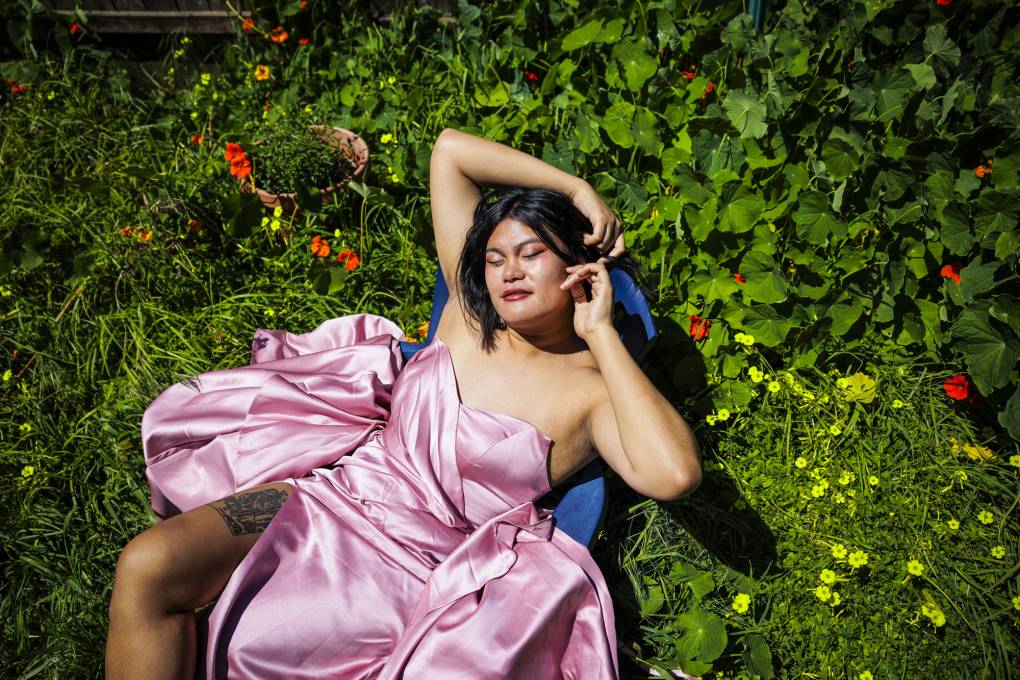
"caption": "Melissa Lewis Wong, right, with their mother Joy ChenYu Lewis. Together they perform in 'flowers and fog' at the Golden Gate Theatre in San Francisco's Chinatown.",
"description": null,
"title": null,
"credit": "RJ Muna",
"status": "inherit",
"altTag": null,
"isLoading": false,
"fetchFailed": false
},
"arts_13915269": {
"type": "attachments",
"id": "arts_13915269",
"meta": {
"index": "attachments_1716263798",
"site": "arts",
"id": "13915269",
"found": true
},
"parent": 13956246,
"imgSizes": {
"twentyfourteen-full-width": {
"file": "https://cdn.kqed.org/wp-content/uploads/sites/2/2022/06/RS56925_024_KQED_SFTransMarch_06242022-qut-1038x576.jpg",
"width": 1038,
"mimeType": "image/jpeg",
"height": 576
},
"thumbnail": {
"file": "https://cdn.kqed.org/wp-content/uploads/sites/2/2022/06/RS56925_024_KQED_SFTransMarch_06242022-qut-160x107.jpg",
"width": 160,
"mimeType": "image/jpeg",
"height": 107
},
"post-thumbnail": {
"file": "https://cdn.kqed.org/wp-content/uploads/sites/2/2022/06/RS56925_024_KQED_SFTransMarch_06242022-qut-672x372.jpg",
"width": 672,
"mimeType": "image/jpeg",
"height": 372
},
"kqedFullSize": {
"file": "https://cdn.kqed.org/wp-content/uploads/sites/2/2022/06/RS56925_024_KQED_SFTransMarch_06242022-qut.jpg",
"width": 1920,
"height": 1278
},
"large": {
"file": "https://cdn.kqed.org/wp-content/uploads/sites/2/2022/06/RS56925_024_KQED_SFTransMarch_06242022-qut-1020x679.jpg",
"width": 1020,
"mimeType": "image/jpeg",
"height": 679
},
"1536x1536": {
"file": "https://cdn.kqed.org/wp-content/uploads/sites/2/2022/06/RS56925_024_KQED_SFTransMarch_06242022-qut-1536x1022.jpg",
"width": 1536,
"mimeType": "image/jpeg",
"height": 1022
},
"medium": {
"file": "https://cdn.kqed.org/wp-content/uploads/sites/2/2022/06/RS56925_024_KQED_SFTransMarch_06242022-qut-800x533.jpg",
"width": 800,
"mimeType": "image/jpeg",
"height": 533
},
"medium_large": {
"file": "https://cdn.kqed.org/wp-content/uploads/sites/2/2022/06/RS56925_024_KQED_SFTransMarch_06242022-qut-768x511.jpg",
"width": 768,
"mimeType": "image/jpeg",
"height": 511
}
},
"publishDate": 1656345266,
"modified": 1713545923,
"caption": "Honey Mahogany speaks during a rally after the Trans March in San Francisco on June 24, 2022.",
"description": null,
"title": "RS56925_024_KQED_SFTransMarch_06242022-qut",
"credit": "Beth LaBerge/KQED",
"status": "inherit",
"altTag": null,
"isLoading": false,
"fetchFailed": false
},
"arts_13957384": {
"type": "attachments",
"id": "arts_13957384",
"meta": {
"index": "attachments_1716263798",
"site": "arts",
"id": "13957384",
"found": true
},
"parent": 0,
"imgSizes": {
"twentyfourteen-full-width": {
"file": "https://cdn.kqed.org/wp-content/uploads/sites/2/2024/05/240408-GERICAULT-MD-19-KQED-1--1038x576.jpg",
"width": 1038,
"mimeType": "image/jpeg",
"height": 576
},
"thumbnail": {
"file": "https://cdn.kqed.org/wp-content/uploads/sites/2/2024/05/240408-GERICAULT-MD-19-KQED-1--160x107.jpg",
"width": 160,
"mimeType": "image/jpeg",
"height": 107
},
"post-thumbnail": {
"file": "https://cdn.kqed.org/wp-content/uploads/sites/2/2024/05/240408-GERICAULT-MD-19-KQED-1--672x372.jpg",
"width": 672,
"mimeType": "image/jpeg",
"height": 372
},
"kqedFullSize": {
"file": "https://cdn.kqed.org/wp-content/uploads/sites/2/2024/05/240408-GERICAULT-MD-19-KQED-1-.jpg",
"width": 2000,
"height": 1333
},
"large": {
"file": "https://cdn.kqed.org/wp-content/uploads/sites/2/2024/05/240408-GERICAULT-MD-19-KQED-1--1020x680.jpg",
"width": 1020,
"mimeType": "image/jpeg",
"height": 680
},
"1536x1536": {
"file": "https://cdn.kqed.org/wp-content/uploads/sites/2/2024/05/240408-GERICAULT-MD-19-KQED-1--1536x1024.jpg",
"width": 1536,
"mimeType": "image/jpeg",
"height": 1024
},
"full-width": {
"file": "https://cdn.kqed.org/wp-content/uploads/sites/2/2024/05/240408-GERICAULT-MD-19-KQED-1--1920x1280.jpg",
"width": 1920,
"mimeType": "image/jpeg",
"height": 1280
},
"medium": {
"file": "https://cdn.kqed.org/wp-content/uploads/sites/2/2024/05/240408-GERICAULT-MD-19-KQED-1--800x533.jpg",
"width": 800,
"mimeType": "image/jpeg",
"height": 533
},
"medium_large": {
"file": "https://cdn.kqed.org/wp-content/uploads/sites/2/2024/05/240408-GERICAULT-MD-19-KQED-1--768x512.jpg",
"width": 768,
"mimeType": "image/jpeg",
"height": 512
}
},
"publishDate": 1715111196,
"modified": 1715111220,
"caption": "Gericault De La Rose in Oakland on Apr. 8, 2024.",
"description": null,
"title": "Gericault in Oakland on Apr. 8, 2024.",
"credit": "Martin Do Nascimento/KQED",
"status": "inherit",
"altTag": null,
"isLoading": false,
"fetchFailed": false
},
"arts_13956677": {
"type": "attachments",
"id": "arts_13956677",
"meta": {
"index": "attachments_1716263798",
"site": "arts",
"id": "13956677",
"found": true
},
"parent": 13956676,
"imgSizes": {
"twentyfourteen-full-width": {
"file": "https://cdn.kqed.org/wp-content/uploads/sites/2/2024/04/br_101_unit_00558_rt.jpg-br_101_unit_00558_rt-9cf2bc89853de0c5f82249a34d888111d499ea98-1038x576.jpg",
"width": 1038,
"mimeType": "image/jpeg",
"height": 576
},
"thumbnail": {
"file": "https://cdn.kqed.org/wp-content/uploads/sites/2/2024/04/br_101_unit_00558_rt.jpg-br_101_unit_00558_rt-9cf2bc89853de0c5f82249a34d888111d499ea98-160x120.jpg",
"width": 160,
"mimeType": "image/jpeg",
"height": 120
},
"post-thumbnail": {
"file": "https://cdn.kqed.org/wp-content/uploads/sites/2/2024/04/br_101_unit_00558_rt.jpg-br_101_unit_00558_rt-9cf2bc89853de0c5f82249a34d888111d499ea98-672x372.jpg",
"width": 672,
"mimeType": "image/jpeg",
"height": 372
},
"kqedFullSize": {
"file": "https://cdn.kqed.org/wp-content/uploads/sites/2/2024/04/br_101_unit_00558_rt.jpg-br_101_unit_00558_rt-9cf2bc89853de0c5f82249a34d888111d499ea98-scaled-e1714080428799.jpg",
"width": 1920,
"height": 1440
},
"2048x2048": {
"file": "https://cdn.kqed.org/wp-content/uploads/sites/2/2024/04/br_101_unit_00558_rt.jpg-br_101_unit_00558_rt-9cf2bc89853de0c5f82249a34d888111d499ea98-2048x1536.jpg",
"width": 2048,
"mimeType": "image/jpeg",
"height": 1536
},
"large": {
"file": "https://cdn.kqed.org/wp-content/uploads/sites/2/2024/04/br_101_unit_00558_rt.jpg-br_101_unit_00558_rt-9cf2bc89853de0c5f82249a34d888111d499ea98-1020x765.jpg",
"width": 1020,
"mimeType": "image/jpeg",
"height": 765
},
"1536x1536": {
"file": "https://cdn.kqed.org/wp-content/uploads/sites/2/2024/04/br_101_unit_00558_rt.jpg-br_101_unit_00558_rt-9cf2bc89853de0c5f82249a34d888111d499ea98-1536x1152.jpg",
"width": 1536,
"mimeType": "image/jpeg",
"height": 1152
},
"full-width": {
"file": "https://cdn.kqed.org/wp-content/uploads/sites/2/2024/04/br_101_unit_00558_rt.jpg-br_101_unit_00558_rt-9cf2bc89853de0c5f82249a34d888111d499ea98-1920x1440.jpg",
"width": 1920,
"mimeType": "image/jpeg",
"height": 1440
},
"medium": {
"file": "https://cdn.kqed.org/wp-content/uploads/sites/2/2024/04/br_101_unit_00558_rt.jpg-br_101_unit_00558_rt-9cf2bc89853de0c5f82249a34d888111d499ea98-800x600.jpg",
"width": 800,
"mimeType": "image/jpeg",
"height": 600
},
"medium_large": {
"file": "https://cdn.kqed.org/wp-content/uploads/sites/2/2024/04/br_101_unit_00558_rt.jpg-br_101_unit_00558_rt-9cf2bc89853de0c5f82249a34d888111d499ea98-768x576.jpg",
"width": 768,
"mimeType": "image/jpeg",
"height": 576
}
},
"publishDate": 1714079840,
"modified": 1714080483,
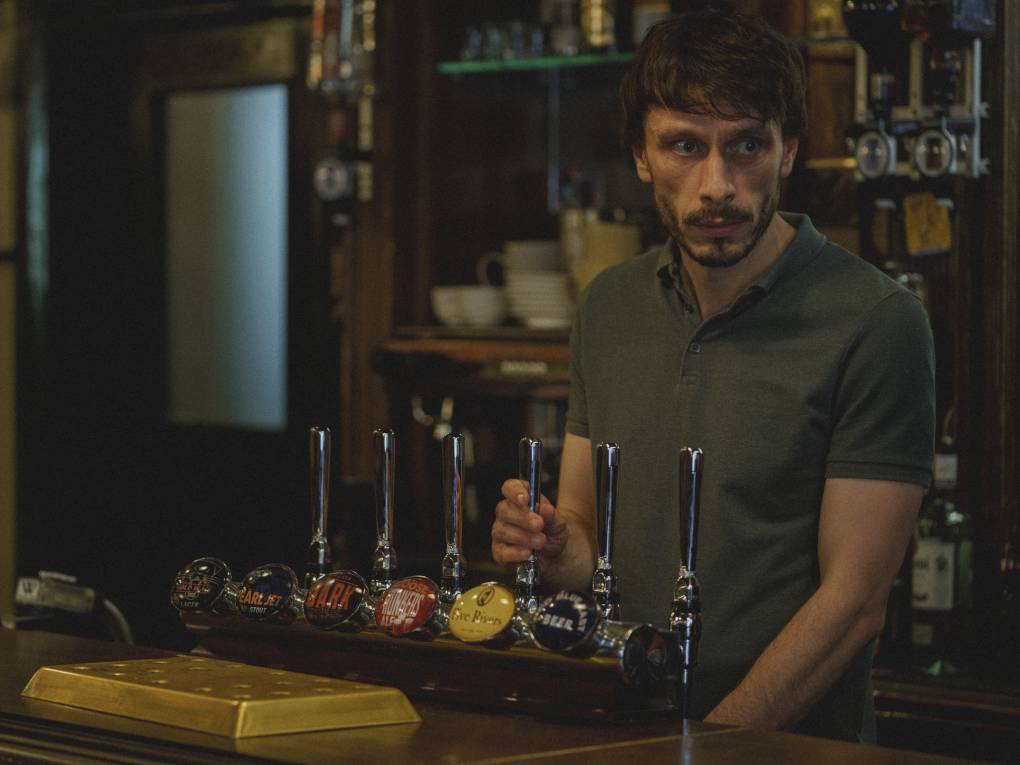
"caption": "Richard Gadd as Donny in ‘Baby Reindeer.’ ",
"description": null,
"title": "Richard Gadd as Donny in ‘Baby Reindeer.’",
"credit": "Netflix",
"status": "inherit",
"altTag": "A sheepish looking white man stands behind the bar of a pub.",
"isLoading": false,
"fetchFailed": false
},
"arts_13934323": {
"type": "attachments",
"id": "arts_13934323",
"meta": {
"index": "attachments_1716263798",
"site": "arts",
"id": "13934323",
"found": true
},
"parent": 13934286,
"imgSizes": {
"twentyfourteen-full-width": {
"file": "https://ww2.kqed.org/app/uploads/sites/2/2023/09/RS68589_230905-TheStudReopening-42-BL-qut-1038x576.jpg",
"width": 1038,
"mimeType": "image/jpeg",
"height": 576
},
"thumbnail": {
"file": "https://ww2.kqed.org/app/uploads/sites/2/2023/09/RS68589_230905-TheStudReopening-42-BL-qut-160x107.jpg",
"width": 160,
"mimeType": "image/jpeg",
"height": 107
},
"post-thumbnail": {
"file": "https://ww2.kqed.org/app/uploads/sites/2/2023/09/RS68589_230905-TheStudReopening-42-BL-qut-672x372.jpg",
"width": 672,
"mimeType": "image/jpeg",
"height": 372
},
"kqedFullSize": {
"file": "https://ww2.kqed.org/app/uploads/sites/2/2023/09/RS68589_230905-TheStudReopening-42-BL-qut.jpg",
"width": 1920,
"height": 1280
},
"large": {
"file": "https://ww2.kqed.org/app/uploads/sites/2/2023/09/RS68589_230905-TheStudReopening-42-BL-qut-1020x680.jpg",
"width": 1020,
"mimeType": "image/jpeg",
"height": 680
},
"1536x1536": {
"file": "https://ww2.kqed.org/app/uploads/sites/2/2023/09/RS68589_230905-TheStudReopening-42-BL-qut-1536x1024.jpg",
"width": 1536,
"mimeType": "image/jpeg",
"height": 1024
},
"medium": {
"file": "https://ww2.kqed.org/app/uploads/sites/2/2023/09/RS68589_230905-TheStudReopening-42-BL-qut-800x533.jpg",
"width": 800,
"mimeType": "image/jpeg",
"height": 533
},
"medium_large": {
"file": "https://ww2.kqed.org/app/uploads/sites/2/2023/09/RS68589_230905-TheStudReopening-42-BL-qut-768x512.jpg",
"width": 768,
"mimeType": "image/jpeg",
"height": 512
}
},
"publishDate": 1693949073,
"modified": 1693949112,
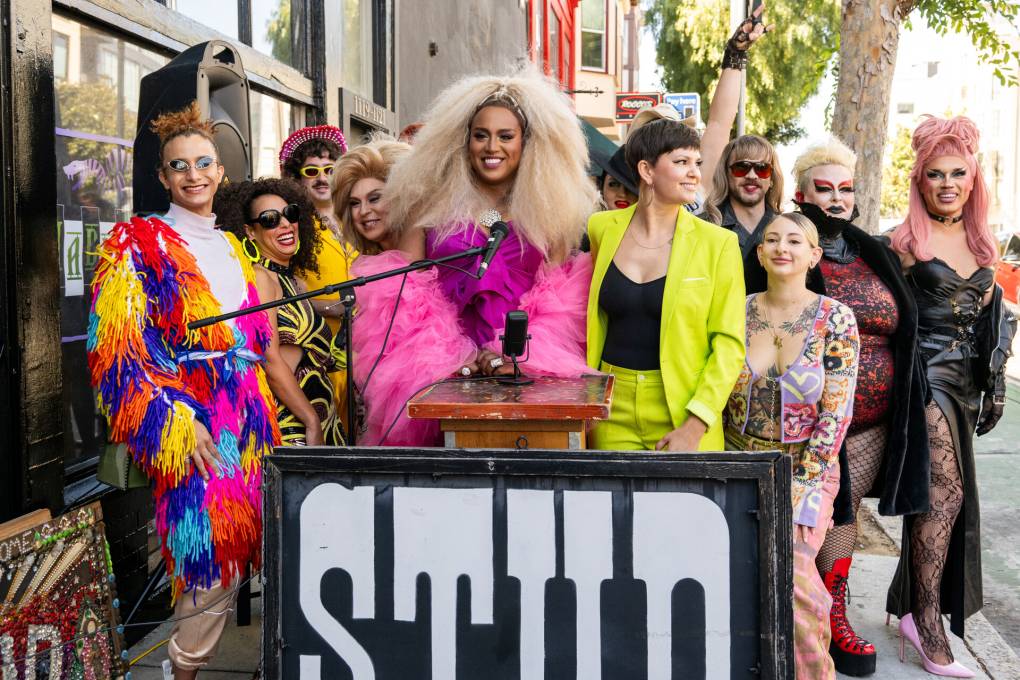
"caption": "Honey Mahogany (center) and other Stud Collective members and drag performers gather for a photo outside of the new location of The Stud, a longtime LGBTQ+ venue and worker-owned cooperative, on Folsom Street in the Leather and LGBTQ Cultural District in San Francisco on Sept. 5, 2023, after its closure at its former site in 2020.",
"description": null,
"title": "RS68589_230905-TheStudReopening-42-BL-qut",
"credit": "Beth LaBerge/KQED",
"status": "inherit",
"altTag": null,
"isLoading": false,
"fetchFailed": false
},
"arts_13956173": {
"type": "attachments",
"id": "arts_13956173",
"meta": {
"index": "attachments_1716263798",
"site": "arts",
"id": "13956173",
"found": true
},
"parent": 13956068,
"imgSizes": {
"twentyfourteen-full-width": {
"file": "https://cdn.kqed.org/wp-content/uploads/sites/2/2024/04/Adonis.rev_-1038x576.jpg",
"width": 1038,
"mimeType": "image/jpeg",
"height": 576
},
"thumbnail": {
"file": "https://cdn.kqed.org/wp-content/uploads/sites/2/2024/04/Adonis.rev_-160x151.jpg",
"width": 160,
"mimeType": "image/jpeg",
"height": 151
},
"post-thumbnail": {
"file": "https://cdn.kqed.org/wp-content/uploads/sites/2/2024/04/Adonis.rev_-672x372.jpg",
"width": 672,
"mimeType": "image/jpeg",
"height": 372
},
"kqedFullSize": {
"file": "https://cdn.kqed.org/wp-content/uploads/sites/2/2024/04/Adonis.rev_.jpg",
"width": 1143,
"height": 1080
},
"large": {
"file": "https://cdn.kqed.org/wp-content/uploads/sites/2/2024/04/Adonis.rev_-1020x964.jpg",
"width": 1020,
"mimeType": "image/jpeg",
"height": 964
},
"medium": {
"file": "https://cdn.kqed.org/wp-content/uploads/sites/2/2024/04/Adonis.rev_-800x756.jpg",
"width": 800,
"mimeType": "image/jpeg",
"height": 756
},
"medium_large": {
"file": "https://cdn.kqed.org/wp-content/uploads/sites/2/2024/04/Adonis.rev_-768x726.jpg",
"width": 768,
"mimeType": "image/jpeg",
"height": 726
}
},
"publishDate": 1713398436,
"modified": 1713398496,
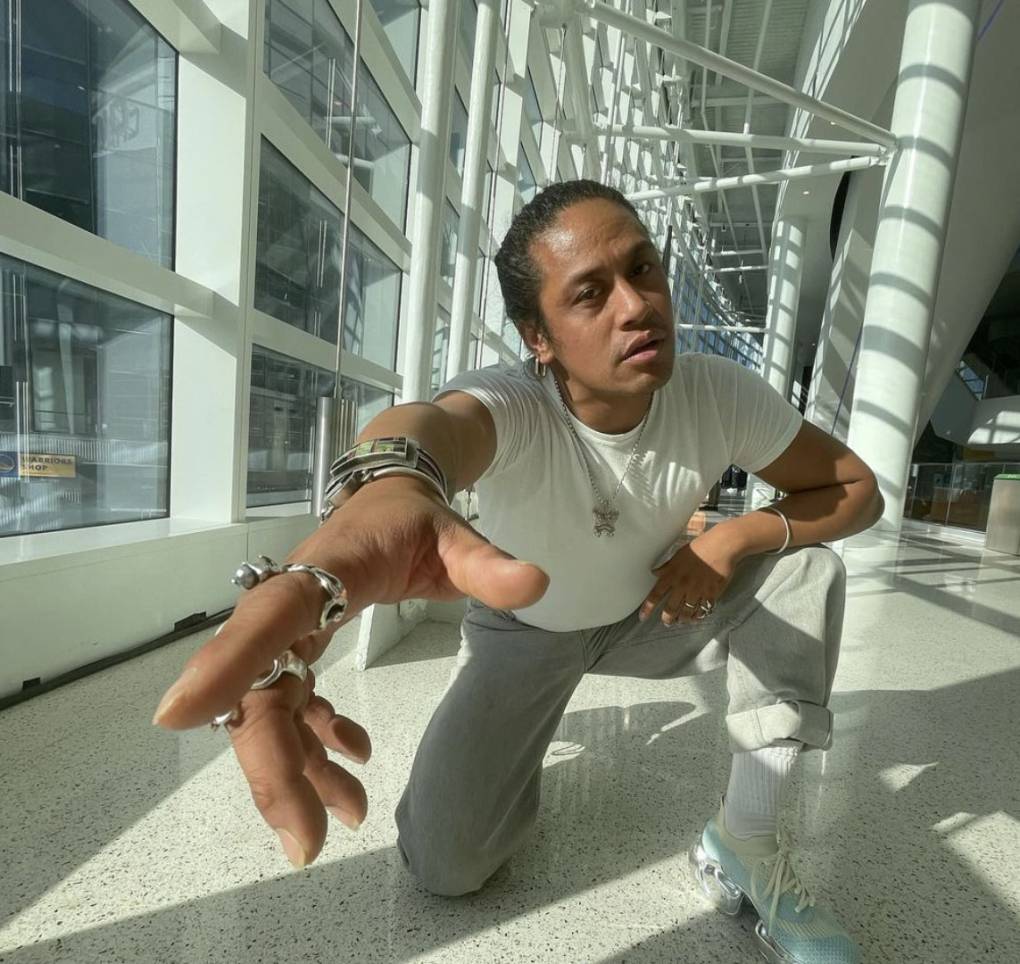
"caption": "Adonis is a DJ, deep sea fisher and martial artist.",
"description": null,
"title": "Adonis.rev",
"credit": "Courtesy Adonis",
"status": "inherit",
"altTag": "A person poses on one knee, looking directly at the camera with their right arm stretch forward toward the photographer.",
"isLoading": false,
"fetchFailed": false
},
"arts_13955736": {
"type": "attachments",
"id": "arts_13955736",
"meta": {
"index": "attachments_1716263798",
"site": "arts",
"id": "13955736",
"found": true
},
"parent": 13955679,
"imgSizes": {
"twentyfourteen-full-width": {
"file": "https://cdn.kqed.org/wp-content/uploads/sites/2/2024/04/Beyonce.Oasis_.16x9-1038x576.jpg",
"width": 1038,
"mimeType": "image/jpeg",
"height": 576
},
"thumbnail": {
"file": "https://cdn.kqed.org/wp-content/uploads/sites/2/2024/04/Beyonce.Oasis_.16x9-160x90.jpg",
"width": 160,
"mimeType": "image/jpeg",
"height": 90
},
"post-thumbnail": {
"file": "https://cdn.kqed.org/wp-content/uploads/sites/2/2024/04/Beyonce.Oasis_.16x9-672x372.jpg",
"width": 672,
"mimeType": "image/jpeg",
"height": 372
},
"kqedFullSize": {
"file": "https://cdn.kqed.org/wp-content/uploads/sites/2/2024/04/Beyonce.Oasis_.16x9.jpg",
"width": 1920,
"height": 1080
},
"large": {
"file": "https://cdn.kqed.org/wp-content/uploads/sites/2/2024/04/Beyonce.Oasis_.16x9-1020x574.jpg",
"width": 1020,
"mimeType": "image/jpeg",
"height": 574
},
"1536x1536": {
"file": "https://cdn.kqed.org/wp-content/uploads/sites/2/2024/04/Beyonce.Oasis_.16x9-1536x864.jpg",
"width": 1536,
"mimeType": "image/jpeg",
"height": 864
},
"medium": {
"file": "https://cdn.kqed.org/wp-content/uploads/sites/2/2024/04/Beyonce.Oasis_.16x9-800x450.jpg",
"width": 800,
"mimeType": "image/jpeg",
"height": 450
},
"medium_large": {
"file": "https://cdn.kqed.org/wp-content/uploads/sites/2/2024/04/Beyonce.Oasis_.16x9-768x432.jpg",
"width": 768,
"mimeType": "image/jpeg",
"height": 432
}
},
"publishDate": 1712773170,
"modified": 1712773325,
"caption": "Bionka Simone performs Beyoncé’s 'Texas Hold 'Em' at Oasis in San Francisco on Saturday, April 6, 2024. The show drew a sold-out crowd of drag fans and members of the Beyhive as an all-Black cast celebrated the release of Beyoncé’s new album, 'Cowboy Carter.'",
"description": null,
"title": "Beyonce.Oasis.16x9",
"credit": "Juliana Yamada/KQED",
"status": "inherit",
"altTag": "A woman in a white sequined dress and cowboy hat kneels on one leg on a catwalk, surrounded by the audience and lit in red",
"isLoading": false,
"fetchFailed": false
},
"arts_13954925": {
"type": "attachments",
"id": "arts_13954925",
"meta": {
"index": "attachments_1716263798",
"site": "arts",
"id": "13954925",
"found": true
},
"parent": 13954702,
"imgSizes": {
"twentyfourteen-full-width": {
"file": "https://cdn.kqed.org/wp-content/uploads/sites/2/2024/03/kisha-1038x576.png",
"width": 1038,
"mimeType": "image/png",
"height": 576
},
"thumbnail": {
"file": "https://cdn.kqed.org/wp-content/uploads/sites/2/2024/03/kisha-160x98.png",
"width": 160,
"mimeType": "image/png",
"height": 98
},
"post-thumbnail": {
"file": "https://cdn.kqed.org/wp-content/uploads/sites/2/2024/03/kisha-672x372.png",
"width": 672,
"mimeType": "image/png",
"height": 372
},
"kqedFullSize": {
"file": "https://cdn.kqed.org/wp-content/uploads/sites/2/2024/03/kisha.png",
"width": 2138,
"height": 1316
},
"2048x2048": {
"file": "https://cdn.kqed.org/wp-content/uploads/sites/2/2024/03/kisha-2048x1261.png",
"width": 2048,
"mimeType": "image/png",
"height": 1261
},
"large": {
"file": "https://cdn.kqed.org/wp-content/uploads/sites/2/2024/03/kisha-1020x628.png",
"width": 1020,
"mimeType": "image/png",
"height": 628
},
"1536x1536": {
"file": "https://cdn.kqed.org/wp-content/uploads/sites/2/2024/03/kisha-1536x945.png",
"width": 1536,
"mimeType": "image/png",
"height": 945
},
"full-width": {
"file": "https://cdn.kqed.org/wp-content/uploads/sites/2/2024/03/kisha-1920x1182.png",
"width": 1920,
"mimeType": "image/png",
"height": 1182
},
"medium": {
"file": "https://cdn.kqed.org/wp-content/uploads/sites/2/2024/03/kisha-800x492.png",
"width": 800,
"mimeType": "image/png",
"height": 492
},
"medium_large": {
"file": "https://cdn.kqed.org/wp-content/uploads/sites/2/2024/03/kisha-768x473.png",
"width": 768,
"mimeType": "image/png",
"height": 473
}
},
"publishDate": 1711648371,
"modified": 1711648465,
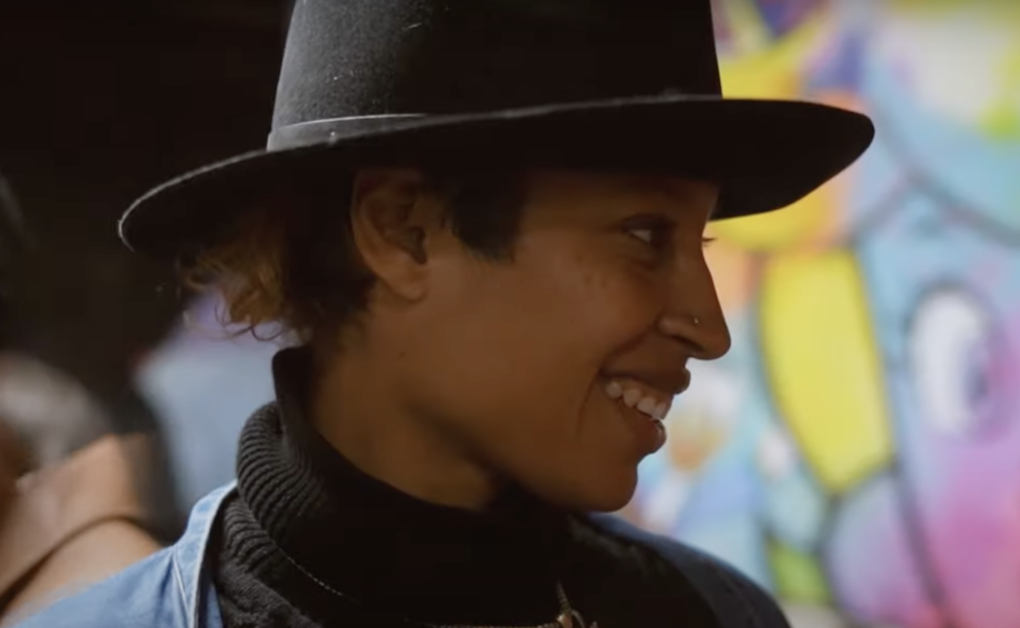
"caption": "Kisha Batista, living her best life in ‘Beyond The Aggressives: 25 Years Later.’",
"description": null,
"title": "Kisha Batista, living her best life in ‘Beyond The Aggressives: 25 Years Later.’",
"credit": "Showtime",
"status": "inherit",
"altTag": "A woman of color wearing a hat, viewed in close up side profile, smiling.",
"isLoading": false,
"fetchFailed": false
},
"arts_13953900": {
"type": "attachments",
"id": "arts_13953900",
"meta": {
"index": "attachments_1716263798",
"site": "arts",
"id": "13953900",
"found": true
},
"parent": 0,
"imgSizes": {
"twentyfourteen-full-width": {
"file": "https://cdn.kqed.org/wp-content/uploads/sites/2/2024/03/240307-SF-QUAKES-KSM-11-KQED-1038x576.jpg",
"width": 1038,
"mimeType": "image/jpeg",
"height": 576
},
"thumbnail": {
"file": "https://cdn.kqed.org/wp-content/uploads/sites/2/2024/03/240307-SF-QUAKES-KSM-11-KQED-160x107.jpg",
"width": 160,
"mimeType": "image/jpeg",
"height": 107
},
"post-thumbnail": {
"file": "https://cdn.kqed.org/wp-content/uploads/sites/2/2024/03/240307-SF-QUAKES-KSM-11-KQED-672x372.jpg",
"width": 672,
"mimeType": "image/jpeg",
"height": 372
},
"kqedFullSize": {
"file": "https://cdn.kqed.org/wp-content/uploads/sites/2/2024/03/240307-SF-QUAKES-KSM-11-KQED.jpg",
"width": 2000,
"height": 1333
},
"large": {
"file": "https://cdn.kqed.org/wp-content/uploads/sites/2/2024/03/240307-SF-QUAKES-KSM-11-KQED-1020x680.jpg",
"width": 1020,
"mimeType": "image/jpeg",
"height": 680
},
"1536x1536": {
"file": "https://cdn.kqed.org/wp-content/uploads/sites/2/2024/03/240307-SF-QUAKES-KSM-11-KQED-1536x1024.jpg",
"width": 1536,
"mimeType": "image/jpeg",
"height": 1024
},
"full-width": {
"file": "https://cdn.kqed.org/wp-content/uploads/sites/2/2024/03/240307-SF-QUAKES-KSM-11-KQED-1920x1280.jpg",
"width": 1920,
"mimeType": "image/jpeg",
"height": 1280
},
"medium": {
"file": "https://cdn.kqed.org/wp-content/uploads/sites/2/2024/03/240307-SF-QUAKES-KSM-11-KQED-800x533.jpg",
"width": 800,
"mimeType": "image/jpeg",
"height": 533
},
"medium_large": {
"file": "https://cdn.kqed.org/wp-content/uploads/sites/2/2024/03/240307-SF-QUAKES-KSM-11-KQED-768x512.jpg",
"width": 768,
"mimeType": "image/jpeg",
"height": 512
}
},
"publishDate": 1710195882,
"modified": 1710201891,
"caption": "Marion Lang (right) of The San Francisco Quakes players at the Yerba Buena Ice Skating and Bowling Center in San Francisco on Mar. 7, 2024.",
"description": null,
"title": "240307-SF-QUAKES-KSM-11-KQED",
"credit": "Kathryn Styer Martínez/KQED",
"status": "inherit",
"altTag": "Hockey players line up at the edge of the rink.",
"isLoading": false,
"fetchFailed": false
},
"arts_13953880": {
"type": "attachments",
"id": "arts_13953880",
"meta": {
"index": "attachments_1716263798",
"site": "arts",
"id": "13953880",
"found": true
},
"parent": 13953773,
"imgSizes": {
"twentyfourteen-full-width": {
"file": "https://cdn.kqed.org/wp-content/uploads/sites/2/2024/03/Tammy-Hall-by-Janice-Rickert.16x9-1038x576.jpg",
"width": 1038,
"mimeType": "image/jpeg",
"height": 576
},
"thumbnail": {
"file": "https://cdn.kqed.org/wp-content/uploads/sites/2/2024/03/Tammy-Hall-by-Janice-Rickert.16x9-160x90.jpg",
"width": 160,
"mimeType": "image/jpeg",
"height": 90
},
"post-thumbnail": {
"file": "https://cdn.kqed.org/wp-content/uploads/sites/2/2024/03/Tammy-Hall-by-Janice-Rickert.16x9-672x372.jpg",
"width": 672,
"mimeType": "image/jpeg",
"height": 372
},
"kqedFullSize": {
"file": "https://cdn.kqed.org/wp-content/uploads/sites/2/2024/03/Tammy-Hall-by-Janice-Rickert.16x9.jpg",
"width": 2048,
"height": 1152
},
"large": {
"file": "https://cdn.kqed.org/wp-content/uploads/sites/2/2024/03/Tammy-Hall-by-Janice-Rickert.16x9-1020x574.jpg",
"width": 1020,
"mimeType": "image/jpeg",
"height": 574
},
"1536x1536": {
"file": "https://cdn.kqed.org/wp-content/uploads/sites/2/2024/03/Tammy-Hall-by-Janice-Rickert.16x9-1536x864.jpg",
"width": 1536,
"mimeType": "image/jpeg",
"height": 864
},
"full-width": {
"file": "https://cdn.kqed.org/wp-content/uploads/sites/2/2024/03/Tammy-Hall-by-Janice-Rickert.16x9-1920x1080.jpg",
"width": 1920,
"mimeType": "image/jpeg",
"height": 1080
},
"medium": {
"file": "https://cdn.kqed.org/wp-content/uploads/sites/2/2024/03/Tammy-Hall-by-Janice-Rickert.16x9-800x450.jpg",
"width": 800,
"mimeType": "image/jpeg",
"height": 450
},
"medium_large": {
"file": "https://cdn.kqed.org/wp-content/uploads/sites/2/2024/03/Tammy-Hall-by-Janice-Rickert.16x9-768x432.jpg",
"width": 768,
"mimeType": "image/jpeg",
"height": 432
}
},
"publishDate": 1710189561,
"modified": 1710189695,
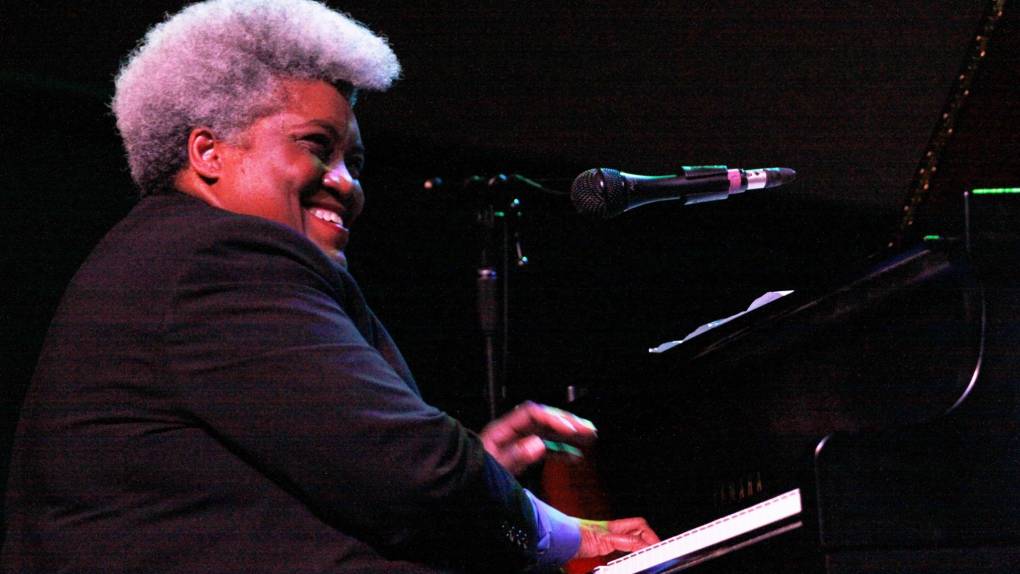
"caption": "Tammy Hall, one of the most in-demand vocal accompanists in the Bay Area jazz scene, plays a full slate of shows this month — and gets honored by others in a special tribute.",
"description": null,
"title": "Tammy Hall by Janice Rickert.16x9",
"credit": "Janice Rickert",
"status": "inherit",
"altTag": "A Black woman in black top and greyish hair styled up plays the piano.",
"isLoading": false,
"fetchFailed": false
}
},
"audioPlayerReducer": {
"postId": "stream_live",
"isPaused": true,
"isPlaying": false,
"pfsActive": false,
"pledgeModalIsOpen": true,
"playerDrawerIsOpen": false,
"liveAudioPlayStartedAt": 0,
"liveAudioPlayContext": ""
},
"authorsReducer": {
"byline_arts_13958131": {
"type": "authors",
"id": "byline_arts_13958131",
"meta": {
"override": true
},
"slug": "byline_arts_13958131",
"name": "Aisha Harris, NPR",
"isLoading": false
},
"byline_arts_13956676": {
"type": "authors",
"id": "byline_arts_13956676",
"meta": {
"override": true
},
"slug": "byline_arts_13956676",
"name": "Glen Weldon, NPR",
"isLoading": false
},
"byline_arts_13953910": {
"type": "authors",
"id": "byline_arts_13953910",
"meta": {
"override": true
},
"slug": "byline_arts_13953910",
"name": "Myron Caringal ",
"isLoading": false
},
"agilbert": {
"type": "authors",
"id": "86",
"meta": {
"index": "authors_1716337520",
"id": "86",
"found": true
},
"name": "Andrew Gilbert",
"firstName": "Andrew",
"lastName": "Gilbert",
"slug": "agilbert",
"email": "jazzscribe@aol.com",
"display_author_email": false,
"staff_mastheads": [],
"title": "KQED Contributor",
"bio": "A Los Angeles native based in the Berkeley area since 1996, Andrew Gilbert covers jazz, international music and dance for KQED's \u003ci>California Report, \u003c/i>the\u003ci> Mercury News\u003c/i>, \u003ci>San Francisco Chronicle\u003c/i>, \u003ci>Berkeleyside.com\u003c/i>, and other publications. He is available for weddings and bar and bat mitzvahs. #jazzscribe",
"avatar": "https://secure.gravatar.com/avatar/d7bcafdbefdd39e9a68f88724ca616eb4e7a5a6bff9cdfb62de652a1e1751471?s=600&d=blank&r=g",
"twitter": null,
"bluesky": null,
"facebook": null,
"instagram": null,
"linkedin": null,
"sites": [
{
"site": "arts",
"roles": [
"Contributor",
"author"
]
},
{
"site": "news",
"roles": [
"author"
]
}
],
"headData": {
"title": "Andrew Gilbert | KQED",
"description": "KQED Contributor",
"ogImgSrc": "https://secure.gravatar.com/avatar/d7bcafdbefdd39e9a68f88724ca616eb4e7a5a6bff9cdfb62de652a1e1751471?s=600&d=blank&r=g",
"twImgSrc": "https://secure.gravatar.com/avatar/d7bcafdbefdd39e9a68f88724ca616eb4e7a5a6bff9cdfb62de652a1e1751471?s=600&d=blank&r=g"
},
"isLoading": false,
"link": "/author/agilbert"
},
"ralexandra": {
"type": "authors",
"id": "11242",
"meta": {
"index": "authors_1716337520",
"id": "11242",
"found": true
},
"name": "Rae Alexandra",
"firstName": "Rae",
"lastName": "Alexandra",
"slug": "ralexandra",
"email": "ralexandra@kqed.org",
"display_author_email": true,
"staff_mastheads": [],
"title": "Reporter/Producer",
"bio": "Rae Alexandra is a Reporter/Producer for KQED Arts & Culture, and the creator/author of the \u003ca href=\"https://www.kqed.org/arts/program/rebel-girls-from-bay-area-history\">Rebel Girls From Bay Area History\u003c/a> and \u003ca href=\"https://www.kqed.org/bizarrebayarea\">Bizarre Bay Area\u003c/a> series. Her debut book, \u003ca href=\"https://citylights.com/politics-current-events-history/unsung-heroines35-women-who-changed/\">Unsung Heroines: 35 Women Who Changed the Bay Area\u003c/a> was published by City Lights in March 2026. In 2023, Rae was awarded an SPJ Excellence in Journalism Award for Arts & Culture. Rae was born and raised in Wales and subsequently — even after two decades in Northern California — still uses phrases that regularly baffle her coworkers.",
"avatar": "https://secure.gravatar.com/avatar/edfee8176c80cc0a382b051190f5341997df378a934a5774dcb0977732dfd401?s=600&d=blank&r=g",
"twitter": null,
"bluesky": null,
"facebook": null,
"instagram": null,
"linkedin": null,
"sites": [
{
"site": "arts",
"roles": [
"subscriber"
]
},
{
"site": "news",
"roles": [
"subscriber"
]
},
{
"site": "pop",
"roles": [
"subscriber"
]
},
{
"site": "bayareabites",
"roles": [
"subscriber"
]
},
{
"site": "science",
"roles": [
"subscriber"
]
}
],
"headData": {
"title": "Rae Alexandra | KQED",
"description": "Reporter/Producer",
"ogImgSrc": "https://secure.gravatar.com/avatar/edfee8176c80cc0a382b051190f5341997df378a934a5774dcb0977732dfd401?s=600&d=blank&r=g",
"twImgSrc": "https://secure.gravatar.com/avatar/edfee8176c80cc0a382b051190f5341997df378a934a5774dcb0977732dfd401?s=600&d=blank&r=g"
},
"isLoading": false,
"link": "/author/ralexandra"
},
"aproehl": {
"type": "authors",
"id": "11296",
"meta": {
"index": "authors_1716337520",
"id": "11296",
"found": true
},
"name": "Ariana Proehl",
"firstName": "Ariana",
"lastName": "Proehl",
"slug": "aproehl",
"email": "aproehl@KQED.org",
"display_author_email": true,
"staff_mastheads": [
"news"
],
"title": "Culture Reporter, KQED",
"bio": "Ariana Proehl is a Culture Reporter and Host.",
"avatar": "https://secure.gravatar.com/avatar/c96b24567eb5bb3a4f8bb295ed53e232?s=600&d=blank&r=g",
"twitter": "ArianaProehl",
"facebook": null,
"instagram": null,
"linkedin": null,
"sites": [
{
"site": "arts",
"roles": []
},
{
"site": "news",
"roles": []
},
{
"site": "education",
"roles": []
},
{
"site": "forum",
"roles": []
}
],
"headData": {
"title": "Ariana Proehl | KQED",
"description": "Culture Reporter, KQED",
"ogImgSrc": "https://secure.gravatar.com/avatar/c96b24567eb5bb3a4f8bb295ed53e232?s=600&d=blank&r=g",
"twImgSrc": "https://secure.gravatar.com/avatar/c96b24567eb5bb3a4f8bb295ed53e232?s=600&d=blank&r=g"
},
"isLoading": false,
"link": "/author/aproehl"
},
"nvoynovskaya": {
"type": "authors",
"id": "11387",
"meta": {
"index": "authors_1716337520",
"id": "11387",
"found": true
},
"name": "Nastia Voynovskaya",
"firstName": "Nastia",
"lastName": "Voynovskaya",
"slug": "nvoynovskaya",
"email": "nvoynovskaya@kqed.org",
"display_author_email": false,
"staff_mastheads": [
"arts"
],
"title": "Editor and reporter",
"bio": "Nastia Voynovskaya is a reporter, editor and host at KQED Arts & Culture. She's been covering the arts in the Bay Area for over a decade, with a focus on music, queer culture, labor issues and grassroots organizing. She has edited KQED story series such as Trans Bay: A History of San Francisco's Gender-Diverse Community, and co-created KQED's Bay Area hip-hop history project, That's My Word. Nastia's work has been recognized by the Society of Professional Journalists and San Francisco Press Club. She regularly appears on podcasts and radio programs, including NPR's All Songs Considered, and hosts live events where music, culture and conversation meet.",
"avatar": "https://secure.gravatar.com/avatar/5025ee460e5a85d69ca20ea6c6f2f80d7e17795c828f61ea3aecfcd924e9042e?s=600&d=blank&r=g",
"twitter": null,
"bluesky": null,
"facebook": null,
"instagram": "https://www.instagram.com/nananastia/",
"linkedin": null,
"sites": [
{
"site": "",
"roles": [
"editor"
]
},
{
"site": "arts",
"roles": [
"administrator"
]
},
{
"site": "news",
"roles": [
"editor"
]
},
{
"site": "pop",
"roles": [
"administrator"
]
},
{
"site": "bayareabites",
"roles": [
"editor"
]
},
{
"site": "podcasts",
"roles": [
"editor"
]
},
{
"site": "hiphop",
"roles": [
"editor"
]
}
],
"headData": {
"title": "Nastia Voynovskaya | KQED",
"description": "Editor and reporter",
"ogImgSrc": "https://secure.gravatar.com/avatar/5025ee460e5a85d69ca20ea6c6f2f80d7e17795c828f61ea3aecfcd924e9042e?s=600&d=blank&r=g",
"twImgSrc": "https://secure.gravatar.com/avatar/5025ee460e5a85d69ca20ea6c6f2f80d7e17795c828f61ea3aecfcd924e9042e?s=600&d=blank&r=g"
},
"isLoading": false,
"link": "/author/nvoynovskaya"
},
"ogpenn": {
"type": "authors",
"id": "11491",
"meta": {
"index": "authors_1716337520",
"id": "11491",
"found": true
},
"name": "Pendarvis Harshaw",
"firstName": "Pendarvis",
"lastName": "Harshaw",
"slug": "ogpenn",
"email": "ogpenn@gmail.com",
"display_author_email": false,
"staff_mastheads": [
"arts"
],
"title": "Community Engagement Reporter",
"bio": "Pendarvis Harshaw is an educator, host and writer with KQED Arts.",
"avatar": "https://secure.gravatar.com/avatar/972b77ee8e3f346ae2b00622661187fbfabd059b5693bbdc1475ea7a722fd4cd?s=600&d=blank&r=g",
"twitter": null,
"bluesky": null,
"facebook": null,
"instagram": "ogpenn",
"linkedin": null,
"sites": [
{
"site": "arts",
"roles": [
"administrator"
]
},
{
"site": "news",
"roles": [
"editor"
]
},
{
"site": "bayareabites",
"roles": [
"author"
]
},
{
"site": "hiphop",
"roles": [
"editor"
]
}
],
"headData": {
"title": "Pendarvis Harshaw | KQED",
"description": "Community Engagement Reporter",
"ogImgSrc": "https://secure.gravatar.com/avatar/972b77ee8e3f346ae2b00622661187fbfabd059b5693bbdc1475ea7a722fd4cd?s=600&d=blank&r=g",
"twImgSrc": "https://secure.gravatar.com/avatar/972b77ee8e3f346ae2b00622661187fbfabd059b5693bbdc1475ea7a722fd4cd?s=600&d=blank&r=g"
},
"isLoading": false,
"link": "/author/ogpenn"
},
"mmedina": {
"type": "authors",
"id": "11528",
"meta": {
"index": "authors_1716337520",
"id": "11528",
"found": true
},
"name": "Marisol Medina-Cadena",
"firstName": "Marisol",
"lastName": "Medina-Cadena",
"slug": "mmedina",
"email": "mmedina@KQED.org",
"display_author_email": true,
"staff_mastheads": [],
"title": "Producer, Rightnowish Podcast",
"bio": "Marisol Medina-Cadena is a radio reporter and podcast producer. Before working at KQED, she produced for PBS member station, KCET, in Los Angeles. In 2017, Marisol won an Emmy Award for her work on the televised documentary, \u003cem>City Rising\u003c/em>, examining California's affordable housing crisis and the historical roots of gentrification.",
"avatar": "https://secure.gravatar.com/avatar/6c3db46a1cabb5e1fe9a365b5f4e681e?s=600&d=blank&r=g",
"twitter": "marisolreports",
"facebook": null,
"instagram": null,
"linkedin": null,
"sites": [
{
"site": "arts",
"roles": []
},
{
"site": "news",
"roles": [
"edit_others_posts"
]
}
],
"headData": {
"title": "Marisol Medina-Cadena | KQED",
"description": "Producer, Rightnowish Podcast",
"ogImgSrc": "https://secure.gravatar.com/avatar/6c3db46a1cabb5e1fe9a365b5f4e681e?s=600&d=blank&r=g",
"twImgSrc": "https://secure.gravatar.com/avatar/6c3db46a1cabb5e1fe9a365b5f4e681e?s=600&d=blank&r=g"
},
"isLoading": false,
"link": "/author/mmedina"
},
"abandlamudi": {
"type": "authors",
"id": "11672",
"meta": {
"index": "authors_1716337520",
"id": "11672",
"found": true
},
"name": "Adhiti Bandlamudi",
"firstName": "Adhiti",
"lastName": "Bandlamudi",
"slug": "abandlamudi",
"email": "abandlamudi@kqed.org",
"display_author_email": false,
"staff_mastheads": [
"news"
],
"title": "KQED Housing Reporter",
"bio": "Adhiti Bandlamudi reports for KQED's Housing desk. She focuses on how housing gets built across the Bay Area. Before joining KQED in 2020, she reported for WUNC in Durham, North Carolina, WABE in Atlanta, Georgia and Capital Public Radio in Sacramento. In 2017, she was awarded a Kroc Fellowship at NPR where she reported on everything from sprinkles to the Golden State Killer's arrest. When she's not reporting, she's baking new recipes in her kitchen or watching movies with friends and family. She's originally from Georgia and has strong opinions about Great British Bake Off.",
"avatar": "https://secure.gravatar.com/avatar/868129c8b257bb99a3500e2c86a65400?s=600&d=mm&r=g",
"twitter": "oddity_adhiti",
"facebook": null,
"instagram": null,
"linkedin": null,
"sites": [
{
"site": "arts",
"roles": [
"author"
]
},
{
"site": "news",
"roles": [
"editor"
]
},
{
"site": "liveblog",
"roles": [
"author"
]
}
],
"headData": {
"title": "Adhiti Bandlamudi | KQED",
"description": "KQED Housing Reporter",
"ogImgSrc": "https://secure.gravatar.com/avatar/868129c8b257bb99a3500e2c86a65400?s=600&d=mm&r=g",
"twImgSrc": "https://secure.gravatar.com/avatar/868129c8b257bb99a3500e2c86a65400?s=600&d=mm&r=g"
},
"isLoading": false,
"link": "/author/abandlamudi"
},
"omayeda": {
"type": "authors",
"id": "11872",
"meta": {
"index": "authors_1716337520",
"id": "11872",
"found": true
},
"name": "Olivia Cruz Mayeda",
"firstName": "Olivia Cruz",
"lastName": "Mayeda",
"slug": "omayeda",
"email": "omayeda@kqed.org",
"display_author_email": false,
"staff_mastheads": [],
"title": "Reporter",
"bio": "Olivia Cruz Mayeda is a journalist covering style, culture and reparations in the Bay Area, a place that has been home to her family for over 100 years. Her writing has also appeared in the \u003cem>San Francisco Chronicle\u003c/em> and \u003cem>El Tecolote\u003c/em>.",
"avatar": "https://secure.gravatar.com/avatar/a8c0baa30219ce1071a9474f4c14141f?s=600&d=blank&r=g",
"twitter": null,
"facebook": null,
"instagram": null,
"linkedin": null,
"sites": [
{
"site": "arts",
"roles": [
"contributor"
]
}
],
"headData": {
"title": "Olivia Cruz Mayeda | KQED",
"description": "Reporter",
"ogImgSrc": "https://secure.gravatar.com/avatar/a8c0baa30219ce1071a9474f4c14141f?s=600&d=blank&r=g",
"twImgSrc": "https://secure.gravatar.com/avatar/a8c0baa30219ce1071a9474f4c14141f?s=600&d=blank&r=g"
},
"isLoading": false,
"link": "/author/omayeda"
},
"sbishop": {
"type": "authors",
"id": "11888",
"meta": {
"index": "authors_1716337520",
"id": "11888",
"found": true
},
"name": "Sheree Bishop",
"firstName": "Sheree",
"lastName": "Bishop",
"slug": "sbishop",
"email": "sbishop@kqed.org",
"display_author_email": false,
"staff_mastheads": [],
"title": "KQED Contributor",
"bio": null,
"avatar": "https://secure.gravatar.com/avatar/d270d5771820af60139e08567425307c?s=600&d=blank&r=g",
"twitter": null,
"facebook": null,
"instagram": null,
"linkedin": null,
"sites": [
{
"site": "arts",
"roles": []
},
{
"site": "podcasts",
"roles": [
"editor"
]
}
],
"headData": {
"title": "Sheree Bishop | KQED",
"description": "KQED Contributor",
"ogImgSrc": "https://secure.gravatar.com/avatar/d270d5771820af60139e08567425307c?s=600&d=blank&r=g",
"twImgSrc": "https://secure.gravatar.com/avatar/d270d5771820af60139e08567425307c?s=600&d=blank&r=g"
},
"isLoading": false,
"link": "/author/sbishop"
}
},
"pagesReducer": {
"arts_tag_lgbtq": {
"type": "terms",
"id": "arts_3226",
"meta": {
"index": "terms_1716263798",
"site": "arts",
"id": "3226",
"score": 8.28313
},
"name": "LGBTQ+",
"slug": "lgbtq",
"taxonomy": "tag",
"description": null,
"featImg": null,
"headData": {
"title": "LGBTQ+ | KQED Arts",
"description": null,
"ogTitle": null,
"ogDescription": null,
"ogImgId": null,
"twTitle": null,
"twDescription": null,
"twImgId": null
},
"ttid": 3238,
"isLoading": false,
"title": "LGBTQ+",
"pageMeta": {
"site": "arts",
"WpPageTemplate": "page-topic-editorial",
"currentPage": 9
},
"blocks": [
{
"blockName": "kqed/post-list",
"attrs": {
"layout": "cardArticle2",
"query": "posts/arts?tag=lgbtq",
"seeMore": false,
"paginated": true,
"page": 9
}
},
{
"blockName": "kqed/ad"
}
]
}
},
"pfsSessionReducer": {},
"postsReducer": {
"stream_live": {
"type": "live",
"id": "stream_live",
"audioUrl": "https://streams.kqed.org/kqedradio",
"title": "Live Stream",
"excerpt": "Live Stream information currently unavailable.",
"link": "/radio",
"featImg": "",
"label": {
"name": "KQED Live",
"link": "/"
}
},
"stream_kqedNewscast": {
"type": "posts",
"id": "stream_kqedNewscast",
"audioUrl": "https://www.kqed.org/.stream/anon/radio/RDnews/newscast.mp3?_=1",
"title": "KQED Newscast",
"featImg": "",
"label": {
"name": "88.5 FM",
"link": "/"
}
},
"arts_13958131": {
"type": "posts",
"id": "arts_13958131",
"meta": {
"index": "posts_1716263798",
"site": "arts",
"id": "13958131",
"score": null,
"sort": [
1716228338000
]
},
"parent": 0,
"labelTerm": {
"site": "arts",
"term": 140
},
"blocks": [],
"publishDate": 1716228338,
"format": "standard",
"title": "In Pursuit of Radical Honesty, ‘Jerrod Carmichael Reality Show’ Delivers Ambiguity",
"headTitle": "In Pursuit of Radical Honesty, ‘Jerrod Carmichael Reality Show’ Delivers Ambiguity | KQED",
"content": "\u003cp>Peruse any online thread discussing \u003cem>Jerrod Carmichael Reality Show\u003c/em>, the disquieting HBO series created by and starring the titular comedian and filmmaker, and colorful descriptors like “pretentious,” “mega narcissist,” and “self-righteous piece of [\u003cem>redacted\u003c/em>]” are bound to appear.\u003c/p>\n\u003cp>“This show seems kinda invasive,” one observer noted\u003ca href=\"https://www.reddit.com/r/JerrodCarmichael/comments/1brcpr5/jerrod_carmichael_reality_show_kinda_weird_to/\"> on Reddit\u003c/a>. “… I’m not sure what the obsession is with public humiliation … About a year ago, I was very much a fan of his honesty and what seemed to be [a] down to earth personality but it looks like it’s morphed into the narcissistic cry for help.”\u003c/p>\n\u003cp>Carmichael earned a lot of good will from his 2022 breakout standup special\u003cem>\u003ca href=\"https://www.npr.org/2022/04/11/1091748272/jerrod-carmichael-rothaniel-standup-special-hbo-comes-out\"> Rothaniel\u003c/a>\u003c/em>, in which he — among other things — came out publicly as gay and processed his mom Cynthia’s devout homophobia. It launched him into the “mainstream”; that is, a stratosphere where one wins prestigious awards, guest hosts \u003cem>Saturday Night Live\u003c/em>, and makes headlines for\u003ca href=\"https://variety.com/2024/film/news/jerrod-carmichael-regrets-dave-chappelle-criticism-trans-jokes-1235974314/\"> easily agitating\u003c/a> the ever-crotchety elder statesman Dave Chappelle.\u003c/p>\n\u003cp>[aside postid='arts_13957959']He was easy to root for because he treated the performance like a therapist’s couch, a safe space where he could break through the silence that encourages shame and deceit. It was different from, but in the lineage of,\u003ca href=\"https://www.youtube.com/watch?v=HUUCnt0Jexg\"> Richard Pryor’s recounting of his own drug addiction\u003c/a> in \u003cem>Live on the Sunset Strip\u003c/em> — confessional, blunt, and refreshingly relatable to those who’ve shared a similar experience, delivered in the way only a gifted and self-aware comedian can.\u003c/p>\n\u003cp>But \u003cem>Reality Show \u003c/em>practices an entirely different mode of candor. On camera, Carmichael cheats on his boyfriend Mike and later lies about it during their couples therapy session. He misses a friend’s wedding because he makes a pit stop to get a hot dog along the way. (He was supposed to be the best man.) He goads his parents Joe and Cynthia into having raw, painful discussions about their once-private lives and tightly held beliefs.\u003c/p>\n\u003cp>[ad fullwidth]\u003c/p>\n\u003cp>All of this is done in service of what he sees as a greater good: radical honesty, which he in turn hopes will lead to stronger bonds with his loved ones. Yet for some, the show has morphed the perception of him from that of an artist valiantly speaking the truth to an exhaustingly selfish crusader for a very specific truth — his own. And whether or not he succeeds at repairing his fractured relationships is only partially answered by \u003cem>Reality Show\u003c/em>‘s finale, which aired Friday.\u003c/p>\n\u003cp>https://www.youtube.com/watch?v=r5Jly91mvGA\u003c/p>\n\u003ch3>\u003cem>\u003cstrong>Reality Show\u003c/strong>\u003c/em>\u003cstrong> stands apart\u003c/strong>\u003c/h3>\n\u003cp>If \u003cem>Rothaniel \u003c/em>was presented as catharsis, \u003cem>Reality Show \u003c/em>arguably functions as exploitation. It’s one thing to process grief, pain, and pathos through your art; it’s utterly baffling to directly involve the sources of that pathos in your artistic process, particularly when they seem formidably resistant to even acknowledging themselves as the source.\u003c/p>\n\u003cp>This isn’t the first time. In 2019, Carmichael released two HBO documentary specials that also featured him in conversation with his family, \u003cem>Home Videos \u003c/em>and \u003cem>Sermon on the Mount. Home Videos \u003c/em>is where he first tested the waters to see how his mom would react to him coming out to her. On camera, he offhandedly dropped in an admission that he’s hooked up with men but stopped short at identifying as gay. Cynthia barely acknowledged the unexpected disclosure.\u003c/p>\n\u003cp>As Carmichael told Dave Holmes for\u003ca href=\"https://www.esquire.com/entertainment/tv/a60341676/jerrod-carmichael-reality-show-profile-2024/\"> \u003cem>Esquire\u003c/em>\u003c/a>, the silence from his parents after coming out is what pushed him to create \u003cem>Reality Show \u003c/em>in the first place: “The lack of acknowledgment is what made me go, ‘Okay, I’ll turn the volume up.’ How do I make it as extreme as possible? It’s testing the limits of their cognitive dissonance.”\u003c/p>\n\u003cp>The extremities make up a strange gumbo: One-part old-school docu-style reality TV (in a different era, this could’ve been \u003cem>True Life\u003c/em>: “My Mom’s a Homophobe”); a dash of trashy celeb-reality (think \u003cem>Being Bobby Brown\u003c/em> or \u003cem>Britney & Kevin: Chaotic\u003c/em>); and another part self-referential prestige experiment (Sarah Polley’s \u003cem>Stories We Tell\u003c/em> or \u003cem>How To with John Wilson\u003c/em>).\u003c/p>\n\u003cp>[aside postid='arts_13957624']For all its cross-cultural parallels, though, \u003cem>Reality Show \u003c/em>stands apart. To his credit, while he has near-total creative control as the creator, co-executive producer, and star, he’s willing to show himself being challenged by his own cognitive dissonance. Within the first few minutes of \u003cem>Reality Show\u003c/em>, he makes his MO plain: “Cameras make me feel more comfortable, I like this — it seems permanent, and it feels really dumb to lie.” And yet, we later watch him lie on camera about being monogamous during a couples therapy session with Mike, proving he struggles to adhere to his own ethos, at least at first. (As the season carries on, he and Mike try out non-monogamy together, and seem to find that it works for them.)\u003c/p>\n\u003cp>The reality TV genre feeds heartily upon the judgmental instincts of its viewers. It needs audiences to engage with it as gossip fodder and opinion-generator, encouraging those who tune in for the “real”-ish drama to scoff at the foolish personalities, cheer on the likable heroes, and boo the flamboyant antagonists. Carmichael clearly understands the format — unscripted in theory, though manipulated and edited to make the “real” fit more neatly into a dramatic arc — and bends it to his will. And while the crudest entries in the reality genre tend to bring up social issues and prejudices either unintentionally or superficially, with \u003cem>Reality Show\u003c/em>, Carmichael chooses to purposefully expose the issues in the name of raw, unfiltered honesty.\u003c/p>\n\u003ch3>\u003cstrong>“I think this will be good for you”\u003c/strong>\u003c/h3>\n\u003cp>In the mid-2010s, he co-created and starred in the loosely autobiographical network sitcom \u003cem>The Carmichael Show\u003c/em>. Far more subversive than its multi-camera, live studio audience format let on, it positioned him as a nihilistic provocateur who revels in frank, multi-generational conversations on an assortment of hot-button issues with his fictional family: abortion, assisted suicide, mass shootings, depression. (It’s frequently, and aptly, been referred to as a modern-day \u003cem>All in the Family\u003c/em>.)\u003c/p>\n\u003cp>A Season 2 episode focuses on Jerrod’s dad Joe (David Alan Grier) as he prepares to deliver a eulogy for his own father, who was abusive and abandoned the family long ago. Jerrod doesn’t understand why Joe would want to honor him — “Am I the only one who remembers what a deadbeat that man was?” — but Joe feels bound by the tradition of never speaking ill of the dead. Jerrod counters that if Joe is going to give the eulogy, he should at least tell the truth about who the man was: “I think it will be good for you.”\u003c/p>\n\u003cp>https://www.youtube.com/watch?v=oAM0GQW-Q04&t=3s\u003c/p>\n\u003cfigure class=\"wp-block-embed is-type-video\">\u003c/figure>\n\u003cp>That line could’ve been the tagline for \u003cem>Reality Show\u003c/em>, which finds Carmichael butting up against the people in his life — many of them older — who bristle at his desire to revisit painful memories from the past. In the fourth episode, Jerrod attempts to have a straightforward conversation with his real dad Joe, and pelts him with a rapid-fire series of questions about the double life Joe led for years, which included having a secret second family with another woman.\u003c/p>\n\u003cp>“Would you say you loved [the other woman]? Or was it just like, sexual, or was it — ’cause it was a long time, what – like, 40 years of a relationship? Was it hard every time? Did you feel like a bad person?”\u003c/p>\n\u003cp>[aside postid='arts_13956944']Joe, clearly uncomfortable, begins to shut down and insist that the past is the past, but Jerrod keeps pressing him. Joe snaps back: “Why are you digging into this so deep, son?”\u003c/p>\n\u003cp>\u003cem>I think it will be good for you\u003c/em>.\u003c/p>\n\u003cp>“Is this gonna be on your special?” Joe wearily asks. “This is hard for me to discuss on cameras.”\u003c/p>\n\u003cp>Doing this in front of cameras is the only way Carmichael, a late-30s millennial who came of age in the early years of oversharing — \u003cem>The Real World\u003c/em>, blogging, Facebook — knows how to have (or force, really) these conversations. It’s telling that, spliced throughout some of the episodes, \u003cem>Reality Show \u003c/em>includes footage from the Carmichael family’s home videos going back decades, some of which Jerrod himself shot as a kid with a camcorder. The grainy images root the present-day points of conflict firmly in an “authentic” past, suggesting that this project was predestined, something this artist has unintentionally been working toward for decades.\u003c/p>\n\u003cp>“Your option is \u003cem>no\u003c/em> option,” Jerrod snaps back at Joe around that campfire, “so don’t criticize the way I do it. If the cameras help me, then they f—— help. But your way is nothing\u003cstrong>, \u003c/strong>your way is silence\u003cstrong>, \u003c/strong>your way is death.”\u003c/p>\n\u003cp>Eventually, Joe is tapped out. “You’ve expressed yourself … can I go home?”\u003c/p>\n\u003cp>The camera gives Jerrod courage, a security blanket to wear while attempting to address the distance between him and Joe, yet it’s not yielding the results he’s looking for. It’s hard not to wonder if the cameras are actually hindering him in the long run, keeping him stuck on the false hope that others around him — who have thus far only proven rigid in their stances — might open up to him the way he wants them to.\u003c/p>\n\u003cfigure id=\"attachment_13958132\" class=\"wp-caption aligncenter\" style=\"max-width: 1789px\">\u003cimg loading=\"lazy\" decoding=\"async\" class=\"size-full wp-image-13958132\" src=\"https://cdn.kqed.org/wp-content/uploads/sites/2/2024/05/jerrod-carmichael_custom-67d8224a2611e29d2511ebe6abc728591a1f07f7.jpg\" alt=\"Close up on a young Black man's face and shoulders. He is glancing downwards and smiling.\" width=\"1789\" height=\"1078\" srcset=\"https://cdn.kqed.org/wp-content/uploads/sites/2/2024/05/jerrod-carmichael_custom-67d8224a2611e29d2511ebe6abc728591a1f07f7.jpg 1789w, https://cdn.kqed.org/wp-content/uploads/sites/2/2024/05/jerrod-carmichael_custom-67d8224a2611e29d2511ebe6abc728591a1f07f7-800x482.jpg 800w, https://cdn.kqed.org/wp-content/uploads/sites/2/2024/05/jerrod-carmichael_custom-67d8224a2611e29d2511ebe6abc728591a1f07f7-1020x615.jpg 1020w, https://cdn.kqed.org/wp-content/uploads/sites/2/2024/05/jerrod-carmichael_custom-67d8224a2611e29d2511ebe6abc728591a1f07f7-160x96.jpg 160w, https://cdn.kqed.org/wp-content/uploads/sites/2/2024/05/jerrod-carmichael_custom-67d8224a2611e29d2511ebe6abc728591a1f07f7-768x463.jpg 768w, https://cdn.kqed.org/wp-content/uploads/sites/2/2024/05/jerrod-carmichael_custom-67d8224a2611e29d2511ebe6abc728591a1f07f7-1536x926.jpg 1536w\" sizes=\"(max-width: 1789px) 100vw, 1789px\">\u003cfigcaption class=\"wp-caption-text\">Jerrod Carmichael in ‘Jerrod Carmichael Reality Show.’ \u003ccite>(HBO)\u003c/cite>\u003c/figcaption>\u003c/figure>\n\u003ch3>\u003cstrong>Bending his truth for his mom\u003c/strong>\u003c/h3>\n\u003cp>At the core of \u003cem>Reality Show,\u003c/em> nestled beneath the layer of a mission for radical truth, is Carmichael’s determination to radically alter worldviews. “Could my mom \u003cem>change\u003c/em>?” he ponders at one point. He surmises, “It’s reason to keep fighting.”\u003c/p>\n\u003cp>“I’m not going to sit here and lie to you,” his uber-Christian mom Cynthia insists in the finale, while repeating yet again that she’d “prefer” that he isn’t gay. (In an earlier episode, she likened homosexuality to being a murderer.) Cynthia might be the most authentic of all the figures in \u003cem>Reality Show\u003c/em>, unapologetically herself. His impasse with her has less to do with avoiding the truth than it does the fact that \u003cem>her\u003c/em> truth stands in direct opposition to \u003cem>his\u003c/em>.\u003c/p>\n\u003cp>[aside postid='arts_13957776']She visits Jerrod and Mike in New York City for Mother’s Day weekend, and he takes her to a queer-friendly Harlem church, where the pastor pushes back against her insistence that the Bible condemns homosexuality. Later they meet with a queer therapist for joint counseling. Neither of these experiences sees her budging from her stance: “I’d like for him not to be gay,” she tells the therapist during one-on-one time, adding matter-of-factly, “I can go further [with my acceptance], I just choose right now not to … I don’t want to.”\u003c/p>\n\u003cp>Later, when she reiterates her desire for him to find a woman to settle down with, he tries meeting her on her terms: He consents to letting her attempt to pray away the gay in front of him. She’s truly giddy; it might be the happiest she appears in the entire show. “I love you. That blessed my heart,” she says, satisfied. She’s completely unaware (or unbothered?) by how her son’s body seems to recoil out of deep discomfort.\u003c/p>\n\u003cp>In an effective bit of dramatic editing, the prayer immediately cuts to Carmichael remarking on the moment during a standup performance. “She was so happy that I let her do it. I immediately regretted it.”\u003c/p>\n\u003cfigure id=\"attachment_13958135\" class=\"wp-caption aligncenter\" style=\"max-width: 1290px\">\u003cimg loading=\"lazy\" decoding=\"async\" class=\"size-full wp-image-13958135\" src=\"https://cdn.kqed.org/wp-content/uploads/sites/2/2024/05/Screen-Shot-2024-05-20-at-10.44.03-AM.png\" alt=\"A Black man wearing a red shirt leans forward and smiles towards a microphone. He has one arm raised next to him.\" width=\"1290\" height=\"722\" srcset=\"https://cdn.kqed.org/wp-content/uploads/sites/2/2024/05/Screen-Shot-2024-05-20-at-10.44.03-AM.png 1290w, https://cdn.kqed.org/wp-content/uploads/sites/2/2024/05/Screen-Shot-2024-05-20-at-10.44.03-AM-800x448.png 800w, https://cdn.kqed.org/wp-content/uploads/sites/2/2024/05/Screen-Shot-2024-05-20-at-10.44.03-AM-1020x571.png 1020w, https://cdn.kqed.org/wp-content/uploads/sites/2/2024/05/Screen-Shot-2024-05-20-at-10.44.03-AM-160x90.png 160w, https://cdn.kqed.org/wp-content/uploads/sites/2/2024/05/Screen-Shot-2024-05-20-at-10.44.03-AM-768x430.png 768w\" sizes=\"(max-width: 1290px) 100vw, 1290px\">\u003cfigcaption class=\"wp-caption-text\">Carmichael in ‘Rothaniel,’ his 2022 special. \u003ccite>(HBO)\u003c/cite>\u003c/figcaption>\u003c/figure>\n\u003cp>Throughout \u003cem>Reality Show\u003c/em>, Carmichael imagines standup snippets as if they were a more elevated version of a confessional booth, that reality TV convention where the cast members get to narrate their perspective of the story unfolding. It’s devastating watching him concede to her, to allow her this delusion. But there’s life as-it-happens and life as reflected upon later. And it’s important to note this doesn’t come out of nowhere; this has been years in the making, with long periods of absence and occasional heated exchanges, some of which were captured on camera. Through his extravagant attempts at familial reconciliation, Jerrod’s ultimately realized he has to bend his truth a little to maintain some sort of relationship with Cynthia.\u003c/p>\n\u003cp>\u003cem>I think it will be good for you.\u003c/em>\u003c/p>\n\u003cp>“You know what I realized I need is a reason to believe everything will be OK,” he adds. “I’m always looking for that. When I was young, I found it in my mother. And now, I’m finding a lot of that in [Mike].” As he says this, a montage of images flurry by: Cynthia packing her bags in her hotel room to go back home to North Carolina; a younger Cynthia smiling for the camera in a home video; Mike teaching Jerrod how to swim in a pool.\u003c/p>\n\u003ch3>A revelatory viewing experience\u003c/h3>\n\u003cp>And yet the finale also suggests a small but perceptible shift in Jerrod’s relationship with Cynthia, and proves the show is more than a masochistic, navel-gazey affair (though it’s certainly that, too). This is soap opera verité in its most anarchic state — almost certainly a terrible idea for everyone involved, but quite possibly a learning experience for those observing from the outside looking in.\u003c/p>\n\u003cp>The post-credits sequence is jarringly optimistic. The final image is of Mike and Cynthia laughing together in her kitchen in North Carolina a few months later; she even places her hand affectionately on his back for a quick moment. We have no idea if Cynthia still believes Jerrod and Mike are on equally sinful footing with murderers, though the scene implies something within her has softened.\u003c/p>\n\u003cp>[aside postid='arts_13957264']It’s unclear what we’re supposed to make of this — that maybe Jerrod’s persistence has actually helped him reconnect with his family? If so, it’s worth considering \u003cem>Reality Show \u003c/em>a success for what he’s said he wanted out of this project, even if there’s reason to be disappointed in the concessions he may have had to make to get there.\u003c/p>\n\u003cp>The impulse to question why any of this needed to happen in such a public manner doesn’t completely recede with this conclusion, though maybe it makes the show’s existence easier to digest. In any case, the ending is hardly pat — real life plays out on its own terms away from the cameras — and \u003cem>Reality Show\u003c/em>‘s frank depiction of a Black queer man attempting to push back against his family’s culture of silence moves the needle even further than \u003cem>Rothaniel \u003c/em>did. He’s provided viewers with an imperfect guide for how to have difficult but necessary conversations with the people they care about (preferably without dropping a camera crew in the mix).\u003c/p>\n\u003cp>Oddly enough, \u003cem>Reality Show \u003c/em>shares a bit in common with the most recent season of the absurdist Netflix dating series \u003cem>Love Is Blind\u003c/em>, which featured Clay, a young Black man who also dealt with unresolved trauma stemming from his own dad’s infidelities in a very public manner. The show’s silly “social experiment” — above all designed for maximum gawking and entertainment — inadvertently stumbled into a candid and relatively honest discussion about Black masculinity and generational trauma.\u003c/p>\n\u003cfigure class=\"wp-block-image size-large\">\n\u003cfigure class=\"wp-caption aligncenter\" style=\"max-width: 1200px\">\u003cimg loading=\"lazy\" decoding=\"async\" src=\"https://media.npr.org/assets/img/2024/05/17/love_is_blind_n_s6_e12_00_39_17_08rc.jpg-love_is_blind_n_s6_e12_00_39_17_08rc_custom-77d3eee5e4f32c0f5926a2d07484a391247d72ea.jpg?s=1200&c=75&f=jpeg\" alt=\"A young Black man in a smart suit walks arm-in-arm with an older Black woman who is wearing a green formal dress and yellow shoulder wrap.\" width=\"1200\" height=\"707\">\u003cfigcaption class=\"wp-caption-text\">Clay and his mom Margarita on ‘Love is Blind.’\u003c/figcaption>\u003c/figure>\n\u003c/figure>\n\u003cp>At Clay’s doomed wedding ceremony to AD, his mom Margarita, no longer married to his dad Trevor, gave the series its truest moment thus far, when she explained to Trevor how his actions were affecting their son all these years later. “Your past and things that you witness, it’s part of your DNA. It’s part of your inside. And if you don’t get freakin’ help, you bring that s— into the next thing.”\u003c/p>\n\u003cp>Clay brought his baggage into \u003cem>Love Is Blind \u003c/em>and Jerrod brought his into \u003cem>Reality Show. \u003c/em>Disarray ensued and feelings were hurt. There’s a silver lining though: In making highly questionable decisions for all the world to see, they forced conversations that need to be had but often aren’t, and perhaps some viewers may come away feeling inspired to confront similar issues in their own lives. Even amid all the mess, some honesty managed to break through the silence.\u003c/p>\n\u003chr>\n\u003cp>[ad floatright]\u003c/p>\n\u003cp>\u003cem>Season 1 of ‘Jerrod Carmichael Reality Show’ is streaming now on Max.\u003c/em>\u003c/p>\n\n",
"stats": {
"hasVideo": true,
"hasChartOrMap": false,
"hasAudio": false,
"hasPolis": false,
"wordCount": 2902,
"hasGoogleForm": false,
"hasGallery": false,
"hasHearkenModule": false,
"iframeSrcs": [],
"paragraphCount": 41
},
"modified": 1716229685,
"excerpt": "The comedian’s Max series has been called invasive and narcissistic — but it's also a natural progression for Carmichael.",
"headData": {
"twImgId": "",
"twTitle": "In Pursuit of Radical Honesty, ‘Jerrod Carmichael Reality Show’ Delivers Ambiguity",
"socialTitle": "The Uncomfortable Truths of ‘Jerrod Carmichael Reality Show’ %%page%% %%sep%% KQED",
"ogTitle": "In Pursuit of Radical Honesty, ‘Jerrod Carmichael Reality Show’ Delivers Ambiguity",
"ogImgId": "",
"twDescription": "",
"description": "The comedian’s Max series has been called invasive and narcissistic — but it's also a natural progression for Carmichael.",
"title": "The Uncomfortable Truths of ‘Jerrod Carmichael Reality Show’ | KQED",
"ogDescription": "",
"schema": {
"@context": "https://schema.org",
"@type": "Article",
"headline": "In Pursuit of Radical Honesty, ‘Jerrod Carmichael Reality Show’ Delivers Ambiguity",
"datePublished": "2024-05-20T11:05:38-07:00",
"dateModified": "2024-05-20T11:28:05-07:00",
"image": "https://cdn.kqed.org/wp-content/uploads/2020/02/KQED-OG-Image@1x.png"
}
},
"guestAuthors": [],
"slug": "jerrod-carmichael-reality-show-hbo-max-series-analysis-cynthia",
"status": "publish",
"templateType": "standard",
"nprStoryDate": "2024-05-18T07:01:09-04:00",
"excludeFromSiteSearch": "Include",
"nprLastModifiedDate": "2024-05-18T07:01:09-04:00",
"featuredImageType": "standard",
"nprHtmlLink": "https://www.npr.org/2024/05/18/1252140689/jerrod-carmichael-reality-show-hbo-max",
"nprStoryId": "1252140689",
"nprByline": "Aisha Harris, NPR",
"sticky": false,
"showOnAuthorArchivePages": "No",
"articleAge": "0",
"nprRetrievedStory": "1",
"nprPubDate": "2024-05-18T07:01:09-04:00",
"path": "/arts/13958131/jerrod-carmichael-reality-show-hbo-max-series-analysis-cynthia",
"audioTrackLength": null,
"parsedContent": [
{
"type": "contentString",
"content": "\u003cdiv class=\"post-body\">\u003cp>\u003cp>Peruse any online thread discussing \u003cem>Jerrod Carmichael Reality Show\u003c/em>, the disquieting HBO series created by and starring the titular comedian and filmmaker, and colorful descriptors like “pretentious,” “mega narcissist,” and “self-righteous piece of [\u003cem>redacted\u003c/em>]” are bound to appear.\u003c/p>\n\u003cp>“This show seems kinda invasive,” one observer noted\u003ca href=\"https://www.reddit.com/r/JerrodCarmichael/comments/1brcpr5/jerrod_carmichael_reality_show_kinda_weird_to/\"> on Reddit\u003c/a>. “… I’m not sure what the obsession is with public humiliation … About a year ago, I was very much a fan of his honesty and what seemed to be [a] down to earth personality but it looks like it’s morphed into the narcissistic cry for help.”\u003c/p>\n\u003cp>Carmichael earned a lot of good will from his 2022 breakout standup special\u003cem>\u003ca href=\"https://www.npr.org/2022/04/11/1091748272/jerrod-carmichael-rothaniel-standup-special-hbo-comes-out\"> Rothaniel\u003c/a>\u003c/em>, in which he — among other things — came out publicly as gay and processed his mom Cynthia’s devout homophobia. It launched him into the “mainstream”; that is, a stratosphere where one wins prestigious awards, guest hosts \u003cem>Saturday Night Live\u003c/em>, and makes headlines for\u003ca href=\"https://variety.com/2024/film/news/jerrod-carmichael-regrets-dave-chappelle-criticism-trans-jokes-1235974314/\"> easily agitating\u003c/a> the ever-crotchety elder statesman Dave Chappelle.\u003c/p>\n\u003cp>\u003c/p>\u003c/div>",
"attributes": {
"named": {},
"numeric": []
}
},
{
"type": "component",
"content": "",
"name": "aside",
"attributes": {
"named": {
"postid": "arts_13957959",
"label": ""
},
"numeric": []
}
},
{
"type": "contentString",
"content": "\u003cdiv class=\"post-body\">\u003cp>He was easy to root for because he treated the performance like a therapist’s couch, a safe space where he could break through the silence that encourages shame and deceit. It was different from, but in the lineage of,\u003ca href=\"https://www.youtube.com/watch?v=HUUCnt0Jexg\"> Richard Pryor’s recounting of his own drug addiction\u003c/a> in \u003cem>Live on the Sunset Strip\u003c/em> — confessional, blunt, and refreshingly relatable to those who’ve shared a similar experience, delivered in the way only a gifted and self-aware comedian can.\u003c/p>\n\u003cp>But \u003cem>Reality Show \u003c/em>practices an entirely different mode of candor. On camera, Carmichael cheats on his boyfriend Mike and later lies about it during their couples therapy session. He misses a friend’s wedding because he makes a pit stop to get a hot dog along the way. (He was supposed to be the best man.) He goads his parents Joe and Cynthia into having raw, painful discussions about their once-private lives and tightly held beliefs.\u003c/p>\n\u003cp>\u003c/p>\u003c/div>",
"attributes": {
"named": {},
"numeric": []
}
},
{
"type": "component",
"content": "",
"name": "ad",
"attributes": {
"named": {
"label": "fullwidth"
},
"numeric": [
"fullwidth"
]
}
},
{
"type": "contentString",
"content": "\u003cdiv class=\"post-body\">\u003cp>\u003c/p>\n\u003cp>All of this is done in service of what he sees as a greater good: radical honesty, which he in turn hopes will lead to stronger bonds with his loved ones. Yet for some, the show has morphed the perception of him from that of an artist valiantly speaking the truth to an exhaustingly selfish crusader for a very specific truth — his own. And whether or not he succeeds at repairing his fractured relationships is only partially answered by \u003cem>Reality Show\u003c/em>‘s finale, which aired Friday.\u003c/p>\u003c/p>\u003cp>\u003cspan class='utils-parseShortcode-shortcodes-__youtubeShortcode__embedYoutube'>\n \u003cspan class='utils-parseShortcode-shortcodes-__youtubeShortcode__embedYoutubeInside'>\n \u003ciframe\n loading='lazy'\n class='utils-parseShortcode-shortcodes-__youtubeShortcode__youtubePlayer'\n type='text/html'\n src='//www.youtube.com/embed/r5Jly91mvGA'\n title='//www.youtube.com/embed/r5Jly91mvGA'\n allowfullscreen='true'\n style='border:0;'>\u003c/iframe>\n \u003c/span>\n \u003c/span>\u003c/p>\u003cp>\u003ch3>\u003cem>\u003cstrong>Reality Show\u003c/strong>\u003c/em>\u003cstrong> stands apart\u003c/strong>\u003c/h3>\n\u003cp>If \u003cem>Rothaniel \u003c/em>was presented as catharsis, \u003cem>Reality Show \u003c/em>arguably functions as exploitation. It’s one thing to process grief, pain, and pathos through your art; it’s utterly baffling to directly involve the sources of that pathos in your artistic process, particularly when they seem formidably resistant to even acknowledging themselves as the source.\u003c/p>\n\u003cp>This isn’t the first time. In 2019, Carmichael released two HBO documentary specials that also featured him in conversation with his family, \u003cem>Home Videos \u003c/em>and \u003cem>Sermon on the Mount. Home Videos \u003c/em>is where he first tested the waters to see how his mom would react to him coming out to her. On camera, he offhandedly dropped in an admission that he’s hooked up with men but stopped short at identifying as gay. Cynthia barely acknowledged the unexpected disclosure.\u003c/p>\n\u003cp>As Carmichael told Dave Holmes for\u003ca href=\"https://www.esquire.com/entertainment/tv/a60341676/jerrod-carmichael-reality-show-profile-2024/\"> \u003cem>Esquire\u003c/em>\u003c/a>, the silence from his parents after coming out is what pushed him to create \u003cem>Reality Show \u003c/em>in the first place: “The lack of acknowledgment is what made me go, ‘Okay, I’ll turn the volume up.’ How do I make it as extreme as possible? It’s testing the limits of their cognitive dissonance.”\u003c/p>\n\u003cp>The extremities make up a strange gumbo: One-part old-school docu-style reality TV (in a different era, this could’ve been \u003cem>True Life\u003c/em>: “My Mom’s a Homophobe”); a dash of trashy celeb-reality (think \u003cem>Being Bobby Brown\u003c/em> or \u003cem>Britney & Kevin: Chaotic\u003c/em>); and another part self-referential prestige experiment (Sarah Polley’s \u003cem>Stories We Tell\u003c/em> or \u003cem>How To with John Wilson\u003c/em>).\u003c/p>\n\u003cp>\u003c/p>\u003c/div>",
"attributes": {
"named": {},
"numeric": []
}
},
{
"type": "component",
"content": "",
"name": "aside",
"attributes": {
"named": {
"postid": "arts_13957624",
"label": ""
},
"numeric": []
}
},
{
"type": "contentString",
"content": "\u003cdiv class=\"post-body\">\u003cp>For all its cross-cultural parallels, though, \u003cem>Reality Show \u003c/em>stands apart. To his credit, while he has near-total creative control as the creator, co-executive producer, and star, he’s willing to show himself being challenged by his own cognitive dissonance. Within the first few minutes of \u003cem>Reality Show\u003c/em>, he makes his MO plain: “Cameras make me feel more comfortable, I like this — it seems permanent, and it feels really dumb to lie.” And yet, we later watch him lie on camera about being monogamous during a couples therapy session with Mike, proving he struggles to adhere to his own ethos, at least at first. (As the season carries on, he and Mike try out non-monogamy together, and seem to find that it works for them.)\u003c/p>\n\u003cp>The reality TV genre feeds heartily upon the judgmental instincts of its viewers. It needs audiences to engage with it as gossip fodder and opinion-generator, encouraging those who tune in for the “real”-ish drama to scoff at the foolish personalities, cheer on the likable heroes, and boo the flamboyant antagonists. Carmichael clearly understands the format — unscripted in theory, though manipulated and edited to make the “real” fit more neatly into a dramatic arc — and bends it to his will. And while the crudest entries in the reality genre tend to bring up social issues and prejudices either unintentionally or superficially, with \u003cem>Reality Show\u003c/em>, Carmichael chooses to purposefully expose the issues in the name of raw, unfiltered honesty.\u003c/p>\n\u003ch3>\u003cstrong>“I think this will be good for you”\u003c/strong>\u003c/h3>\n\u003cp>In the mid-2010s, he co-created and starred in the loosely autobiographical network sitcom \u003cem>The Carmichael Show\u003c/em>. Far more subversive than its multi-camera, live studio audience format let on, it positioned him as a nihilistic provocateur who revels in frank, multi-generational conversations on an assortment of hot-button issues with his fictional family: abortion, assisted suicide, mass shootings, depression. (It’s frequently, and aptly, been referred to as a modern-day \u003cem>All in the Family\u003c/em>.)\u003c/p>\n\u003cp>A Season 2 episode focuses on Jerrod’s dad Joe (David Alan Grier) as he prepares to deliver a eulogy for his own father, who was abusive and abandoned the family long ago. Jerrod doesn’t understand why Joe would want to honor him — “Am I the only one who remembers what a deadbeat that man was?” — but Joe feels bound by the tradition of never speaking ill of the dead. Jerrod counters that if Joe is going to give the eulogy, he should at least tell the truth about who the man was: “I think it will be good for you.”\u003c/p>\u003c/p>\u003cp>\u003cspan class='utils-parseShortcode-shortcodes-__youtubeShortcode__embedYoutube'>\n \u003cspan class='utils-parseShortcode-shortcodes-__youtubeShortcode__embedYoutubeInside'>\n \u003ciframe\n loading='lazy'\n class='utils-parseShortcode-shortcodes-__youtubeShortcode__youtubePlayer'\n type='text/html'\n src='//www.youtube.com/embed/oAM0GQW-Q04'\n title='//www.youtube.com/embed/oAM0GQW-Q04'\n allowfullscreen='true'\n style='border:0;'>\u003c/iframe>\n \u003c/span>\n \u003c/span>\u003c/p>\u003cp>\u003cfigure class=\"wp-block-embed is-type-video\">\u003c/figure>\n\u003cp>That line could’ve been the tagline for \u003cem>Reality Show\u003c/em>, which finds Carmichael butting up against the people in his life — many of them older — who bristle at his desire to revisit painful memories from the past. In the fourth episode, Jerrod attempts to have a straightforward conversation with his real dad Joe, and pelts him with a rapid-fire series of questions about the double life Joe led for years, which included having a secret second family with another woman.\u003c/p>\n\u003cp>“Would you say you loved [the other woman]? Or was it just like, sexual, or was it — ’cause it was a long time, what – like, 40 years of a relationship? Was it hard every time? Did you feel like a bad person?”\u003c/p>\n\u003cp>\u003c/p>\u003c/div>",
"attributes": {
"named": {},
"numeric": []
}
},
{
"type": "component",
"content": "",
"name": "aside",
"attributes": {
"named": {
"postid": "arts_13956944",
"label": ""
},
"numeric": []
}
},
{
"type": "contentString",
"content": "\u003cdiv class=\"post-body\">\u003cp>Joe, clearly uncomfortable, begins to shut down and insist that the past is the past, but Jerrod keeps pressing him. Joe snaps back: “Why are you digging into this so deep, son?”\u003c/p>\n\u003cp>\u003cem>I think it will be good for you\u003c/em>.\u003c/p>\n\u003cp>“Is this gonna be on your special?” Joe wearily asks. “This is hard for me to discuss on cameras.”\u003c/p>\n\u003cp>Doing this in front of cameras is the only way Carmichael, a late-30s millennial who came of age in the early years of oversharing — \u003cem>The Real World\u003c/em>, blogging, Facebook — knows how to have (or force, really) these conversations. It’s telling that, spliced throughout some of the episodes, \u003cem>Reality Show \u003c/em>includes footage from the Carmichael family’s home videos going back decades, some of which Jerrod himself shot as a kid with a camcorder. The grainy images root the present-day points of conflict firmly in an “authentic” past, suggesting that this project was predestined, something this artist has unintentionally been working toward for decades.\u003c/p>\n\u003cp>“Your option is \u003cem>no\u003c/em> option,” Jerrod snaps back at Joe around that campfire, “so don’t criticize the way I do it. If the cameras help me, then they f—— help. But your way is nothing\u003cstrong>, \u003c/strong>your way is silence\u003cstrong>, \u003c/strong>your way is death.”\u003c/p>\n\u003cp>Eventually, Joe is tapped out. “You’ve expressed yourself … can I go home?”\u003c/p>\n\u003cp>The camera gives Jerrod courage, a security blanket to wear while attempting to address the distance between him and Joe, yet it’s not yielding the results he’s looking for. It’s hard not to wonder if the cameras are actually hindering him in the long run, keeping him stuck on the false hope that others around him — who have thus far only proven rigid in their stances — might open up to him the way he wants them to.\u003c/p>\n\u003cfigure id=\"attachment_13958132\" class=\"wp-caption aligncenter\" style=\"max-width: 1789px\">\u003cimg loading=\"lazy\" decoding=\"async\" class=\"size-full wp-image-13958132\" src=\"https://cdn.kqed.org/wp-content/uploads/sites/2/2024/05/jerrod-carmichael_custom-67d8224a2611e29d2511ebe6abc728591a1f07f7.jpg\" alt=\"Close up on a young Black man's face and shoulders. He is glancing downwards and smiling.\" width=\"1789\" height=\"1078\" srcset=\"https://cdn.kqed.org/wp-content/uploads/sites/2/2024/05/jerrod-carmichael_custom-67d8224a2611e29d2511ebe6abc728591a1f07f7.jpg 1789w, https://cdn.kqed.org/wp-content/uploads/sites/2/2024/05/jerrod-carmichael_custom-67d8224a2611e29d2511ebe6abc728591a1f07f7-800x482.jpg 800w, https://cdn.kqed.org/wp-content/uploads/sites/2/2024/05/jerrod-carmichael_custom-67d8224a2611e29d2511ebe6abc728591a1f07f7-1020x615.jpg 1020w, https://cdn.kqed.org/wp-content/uploads/sites/2/2024/05/jerrod-carmichael_custom-67d8224a2611e29d2511ebe6abc728591a1f07f7-160x96.jpg 160w, https://cdn.kqed.org/wp-content/uploads/sites/2/2024/05/jerrod-carmichael_custom-67d8224a2611e29d2511ebe6abc728591a1f07f7-768x463.jpg 768w, https://cdn.kqed.org/wp-content/uploads/sites/2/2024/05/jerrod-carmichael_custom-67d8224a2611e29d2511ebe6abc728591a1f07f7-1536x926.jpg 1536w\" sizes=\"(max-width: 1789px) 100vw, 1789px\">\u003cfigcaption class=\"wp-caption-text\">Jerrod Carmichael in ‘Jerrod Carmichael Reality Show.’ \u003ccite>(HBO)\u003c/cite>\u003c/figcaption>\u003c/figure>\n\u003ch3>\u003cstrong>Bending his truth for his mom\u003c/strong>\u003c/h3>\n\u003cp>At the core of \u003cem>Reality Show,\u003c/em> nestled beneath the layer of a mission for radical truth, is Carmichael’s determination to radically alter worldviews. “Could my mom \u003cem>change\u003c/em>?” he ponders at one point. He surmises, “It’s reason to keep fighting.”\u003c/p>\n\u003cp>“I’m not going to sit here and lie to you,” his uber-Christian mom Cynthia insists in the finale, while repeating yet again that she’d “prefer” that he isn’t gay. (In an earlier episode, she likened homosexuality to being a murderer.) Cynthia might be the most authentic of all the figures in \u003cem>Reality Show\u003c/em>, unapologetically herself. His impasse with her has less to do with avoiding the truth than it does the fact that \u003cem>her\u003c/em> truth stands in direct opposition to \u003cem>his\u003c/em>.\u003c/p>\n\u003cp>\u003c/p>\u003c/div>",
"attributes": {
"named": {},
"numeric": []
}
},
{
"type": "component",
"content": "",
"name": "aside",
"attributes": {
"named": {
"postid": "arts_13957776",
"label": ""
},
"numeric": []
}
},
{
"type": "contentString",
"content": "\u003cdiv class=\"post-body\">\u003cp>She visits Jerrod and Mike in New York City for Mother’s Day weekend, and he takes her to a queer-friendly Harlem church, where the pastor pushes back against her insistence that the Bible condemns homosexuality. Later they meet with a queer therapist for joint counseling. Neither of these experiences sees her budging from her stance: “I’d like for him not to be gay,” she tells the therapist during one-on-one time, adding matter-of-factly, “I can go further [with my acceptance], I just choose right now not to … I don’t want to.”\u003c/p>\n\u003cp>Later, when she reiterates her desire for him to find a woman to settle down with, he tries meeting her on her terms: He consents to letting her attempt to pray away the gay in front of him. She’s truly giddy; it might be the happiest she appears in the entire show. “I love you. That blessed my heart,” she says, satisfied. She’s completely unaware (or unbothered?) by how her son’s body seems to recoil out of deep discomfort.\u003c/p>\n\u003cp>In an effective bit of dramatic editing, the prayer immediately cuts to Carmichael remarking on the moment during a standup performance. “She was so happy that I let her do it. I immediately regretted it.”\u003c/p>\n\u003cfigure id=\"attachment_13958135\" class=\"wp-caption aligncenter\" style=\"max-width: 1290px\">\u003cimg loading=\"lazy\" decoding=\"async\" class=\"size-full wp-image-13958135\" src=\"https://cdn.kqed.org/wp-content/uploads/sites/2/2024/05/Screen-Shot-2024-05-20-at-10.44.03-AM.png\" alt=\"A Black man wearing a red shirt leans forward and smiles towards a microphone. He has one arm raised next to him.\" width=\"1290\" height=\"722\" srcset=\"https://cdn.kqed.org/wp-content/uploads/sites/2/2024/05/Screen-Shot-2024-05-20-at-10.44.03-AM.png 1290w, https://cdn.kqed.org/wp-content/uploads/sites/2/2024/05/Screen-Shot-2024-05-20-at-10.44.03-AM-800x448.png 800w, https://cdn.kqed.org/wp-content/uploads/sites/2/2024/05/Screen-Shot-2024-05-20-at-10.44.03-AM-1020x571.png 1020w, https://cdn.kqed.org/wp-content/uploads/sites/2/2024/05/Screen-Shot-2024-05-20-at-10.44.03-AM-160x90.png 160w, https://cdn.kqed.org/wp-content/uploads/sites/2/2024/05/Screen-Shot-2024-05-20-at-10.44.03-AM-768x430.png 768w\" sizes=\"(max-width: 1290px) 100vw, 1290px\">\u003cfigcaption class=\"wp-caption-text\">Carmichael in ‘Rothaniel,’ his 2022 special. \u003ccite>(HBO)\u003c/cite>\u003c/figcaption>\u003c/figure>\n\u003cp>Throughout \u003cem>Reality Show\u003c/em>, Carmichael imagines standup snippets as if they were a more elevated version of a confessional booth, that reality TV convention where the cast members get to narrate their perspective of the story unfolding. It’s devastating watching him concede to her, to allow her this delusion. But there’s life as-it-happens and life as reflected upon later. And it’s important to note this doesn’t come out of nowhere; this has been years in the making, with long periods of absence and occasional heated exchanges, some of which were captured on camera. Through his extravagant attempts at familial reconciliation, Jerrod’s ultimately realized he has to bend his truth a little to maintain some sort of relationship with Cynthia.\u003c/p>\n\u003cp>\u003cem>I think it will be good for you.\u003c/em>\u003c/p>\n\u003cp>“You know what I realized I need is a reason to believe everything will be OK,” he adds. “I’m always looking for that. When I was young, I found it in my mother. And now, I’m finding a lot of that in [Mike].” As he says this, a montage of images flurry by: Cynthia packing her bags in her hotel room to go back home to North Carolina; a younger Cynthia smiling for the camera in a home video; Mike teaching Jerrod how to swim in a pool.\u003c/p>\n\u003ch3>A revelatory viewing experience\u003c/h3>\n\u003cp>And yet the finale also suggests a small but perceptible shift in Jerrod’s relationship with Cynthia, and proves the show is more than a masochistic, navel-gazey affair (though it’s certainly that, too). This is soap opera verité in its most anarchic state — almost certainly a terrible idea for everyone involved, but quite possibly a learning experience for those observing from the outside looking in.\u003c/p>\n\u003cp>The post-credits sequence is jarringly optimistic. The final image is of Mike and Cynthia laughing together in her kitchen in North Carolina a few months later; she even places her hand affectionately on his back for a quick moment. We have no idea if Cynthia still believes Jerrod and Mike are on equally sinful footing with murderers, though the scene implies something within her has softened.\u003c/p>\n\u003cp>\u003c/p>\u003c/div>",
"attributes": {
"named": {},
"numeric": []
}
},
{
"type": "component",
"content": "",
"name": "aside",
"attributes": {
"named": {
"postid": "arts_13957264",
"label": ""
},
"numeric": []
}
},
{
"type": "contentString",
"content": "\u003cdiv class=\"post-body\">\u003cp>It’s unclear what we’re supposed to make of this — that maybe Jerrod’s persistence has actually helped him reconnect with his family? If so, it’s worth considering \u003cem>Reality Show \u003c/em>a success for what he’s said he wanted out of this project, even if there’s reason to be disappointed in the concessions he may have had to make to get there.\u003c/p>\n\u003cp>The impulse to question why any of this needed to happen in such a public manner doesn’t completely recede with this conclusion, though maybe it makes the show’s existence easier to digest. In any case, the ending is hardly pat — real life plays out on its own terms away from the cameras — and \u003cem>Reality Show\u003c/em>‘s frank depiction of a Black queer man attempting to push back against his family’s culture of silence moves the needle even further than \u003cem>Rothaniel \u003c/em>did. He’s provided viewers with an imperfect guide for how to have difficult but necessary conversations with the people they care about (preferably without dropping a camera crew in the mix).\u003c/p>\n\u003cp>Oddly enough, \u003cem>Reality Show \u003c/em>shares a bit in common with the most recent season of the absurdist Netflix dating series \u003cem>Love Is Blind\u003c/em>, which featured Clay, a young Black man who also dealt with unresolved trauma stemming from his own dad’s infidelities in a very public manner. The show’s silly “social experiment” — above all designed for maximum gawking and entertainment — inadvertently stumbled into a candid and relatively honest discussion about Black masculinity and generational trauma.\u003c/p>\n\u003cfigure class=\"wp-block-image size-large\">\n\u003cfigure class=\"wp-caption aligncenter\" style=\"max-width: 1200px\">\u003cimg loading=\"lazy\" decoding=\"async\" src=\"https://media.npr.org/assets/img/2024/05/17/love_is_blind_n_s6_e12_00_39_17_08rc.jpg-love_is_blind_n_s6_e12_00_39_17_08rc_custom-77d3eee5e4f32c0f5926a2d07484a391247d72ea.jpg?s=1200&c=75&f=jpeg\" alt=\"A young Black man in a smart suit walks arm-in-arm with an older Black woman who is wearing a green formal dress and yellow shoulder wrap.\" width=\"1200\" height=\"707\">\u003cfigcaption class=\"wp-caption-text\">Clay and his mom Margarita on ‘Love is Blind.’\u003c/figcaption>\u003c/figure>\n\u003c/figure>\n\u003cp>At Clay’s doomed wedding ceremony to AD, his mom Margarita, no longer married to his dad Trevor, gave the series its truest moment thus far, when she explained to Trevor how his actions were affecting their son all these years later. “Your past and things that you witness, it’s part of your DNA. It’s part of your inside. And if you don’t get freakin’ help, you bring that s— into the next thing.”\u003c/p>\n\u003cp>Clay brought his baggage into \u003cem>Love Is Blind \u003c/em>and Jerrod brought his into \u003cem>Reality Show. \u003c/em>Disarray ensued and feelings were hurt. There’s a silver lining though: In making highly questionable decisions for all the world to see, they forced conversations that need to be had but often aren’t, and perhaps some viewers may come away feeling inspired to confront similar issues in their own lives. Even amid all the mess, some honesty managed to break through the silence.\u003c/p>\n\u003chr>\n\u003cp>\u003c/p>\u003c/div>",
"attributes": {
"named": {},
"numeric": []
}
},
{
"type": "component",
"content": "",
"name": "ad",
"attributes": {
"named": {
"label": "floatright"
},
"numeric": [
"floatright"
]
}
},
{
"type": "contentString",
"content": "\u003cdiv class=\"post-body\">\u003cp>\u003c/p>\n\u003cp>\u003cem>Season 1 of ‘Jerrod Carmichael Reality Show’ is streaming now on Max.\u003c/em>\u003c/p>\n\n\u003c/div>\u003c/p>",
"attributes": {
"named": {},
"numeric": []
}
}
],
"link": "/arts/13958131/jerrod-carmichael-reality-show-hbo-max-series-analysis-cynthia",
"authors": [
"byline_arts_13958131"
],
"programs": [
"arts_140"
],
"categories": [
"arts_1",
"arts_968",
"arts_75",
"arts_990"
],
"tags": [
"arts_8350",
"arts_3226",
"arts_20624",
"arts_21952",
"arts_585"
],
"affiliates": [
"arts_137"
],
"featImg": "arts_13958134",
"label": "arts_140"
},
"arts_13955066": {
"type": "posts",
"id": "arts_13955066",
"meta": {
"index": "posts_1716263798",
"site": "arts",
"id": "13955066",
"score": null,
"sort": [
1715978902000
]
},
"guestAuthors": [],
"slug": "del-martin-phyllis-lyon-lesbian-icons-lgbt-daughters-of-bilitis",
"title": "The San Francisco Couple Whose Lifelong Love Changed America",
"publishDate": 1715978902,
"format": "standard",
"headTitle": "The San Francisco Couple Whose Lifelong Love Changed America | KQED",
"labelTerm": {},
"content": "\u003cp>[dropcap]W[/dropcap]hen Del Martin and Phyllis Lyon co-authored \u003cem>Lesbian/Woman\u003c/em> in 1972, the effect was seismic. Dedicated to “daughters throughout the world who are struggling with their identity,” the book began with a clear, unequivocal explanation:\u003c/p>\n\u003cblockquote>\u003cp>A Lesbian is a woman whose primary erotic, psychological, emotional and social interest is in a member of her own sex.\u003c/p>\u003c/blockquote>\n\u003cp>That a book about lesbian culture would even require such a definition feels bizarre today. But the lifelong work of San Francisco couple Martin and Lyon is one of the reasons that so few people require such annotations now. \u003cem>Lesbian/Woman\u003c/em> didn’t just demystify same-sex female relationships — it calmly and clearly sought to normalize them. At the time, few representations of lesbians existed outside of lurid pulp fiction or psychology textbooks. \u003cem>Lesbian/Woman\u003c/em> changed the conversation and reassured queer women everywhere that there was nothing wrong with them.\u003c/p>\n\u003cp>[aside postid='arts_13889944']When Martin and Lyon began their relationship in 1952, after two years of friendship, America was a terrifying place to be LGBTQ. Looking back in 1995, the couple wrote an essay recalling the “climate of fear, rejection and oppression” that marked the earliest days of their 56-year romance. “Lesbians and gay men, if found out,” the pair wrote, “were subject to reprisals from all quarters of society: employers, police, military, government, family and friends.”\u003c/p>\n\u003cp>With that in mind — after moving into a Castro District apartment together on Valentine’s Day in 1953 — Martin and Lyon sought friendships with fellow lesbians outside of the oft-raided gay bars. That led to the establishment in 1955 of the \u003ca href=\"https://guides.loc.gov/lgbtq-studies/before-stonewall/daughters-of-bilitis\">Daughters of Bilitis\u003c/a> (DOB), the first lesbian-rights organization in the U.S.\u003c/p>\n\u003cp>Originally the idea of \u003ca href=\"https://www.instagram.com/queeriodicals/p/CFaBsyuAVGF/?img_index=1\">Rosalie Bamberger\u003c/a>, a local Filipina factory worker, the nonprofit started with just four couples. Martin was the club’s first president, and by the end of its first year, DOB had 15 official members. From there, the group expanded their ranks via the Daughters of Bilitis newsletter and, starting in October 1956, \u003ca href=\"https://archive.org/details/pub_ladder\">\u003cem>The Ladder\u003c/em>\u003c/a>, a groundbreaking lesbian magazine edited by Lyon. She held a degree in journalism from UC Berkeley, and had worked in magazines and newspapers since the ’40s — but here, she published under the pseudonym Ann Ferguson.\u003c/p>\n\u003cfigure id=\"attachment_13958039\" class=\"wp-caption aligncenter\" style=\"max-width: 1920px\">\u003cimg loading=\"lazy\" decoding=\"async\" class=\"size-full wp-image-13958039\" src=\"https://cdn.kqed.org/wp-content/uploads/sites/2/2024/05/the-ladder-scaled-e1715901912416.jpg\" alt=\"Three black and white covers of magazines. The first shows an androgynous person, the second features two cats, and the third is a sketch of a couple, viewed from behind, watching a sunset.\" width=\"1920\" height=\"891\">\u003cfigcaption class=\"wp-caption-text\">Issues of ‘The Ladder,’ a magazine for lesbians that began publishing in 1956. \u003ccite>(The Internet Archive)\u003c/cite>\u003c/figcaption>\u003c/figure>\n\u003cp>Lyon’s pen name wasn’t the only reflection of the fear-of-being-found-out that marked the era: Daughters of Bilitis’ name came from \u003cem>\u003ca href=\"https://en.wikipedia.org/wiki/The_Songs_of_Bilitis#:~:text=The%20Songs%20of%20Bilitis%20(%2Fb,work%20is%20considered%20a%20pseudotranslation.\">Songs of Bilitis\u003c/a>, \u003c/em>a collection of lesbian love poems published in 1894 by Pierre Louÿs, who claimed the text was based on ancient Greek scripts. If anyone asked, the women could say that DOB was merely a club for women who were passionate about Greek poetry.\u003c/p>\n\u003cp>[ad fullwidth]\u003c/p>\n\u003cp>And in 1960, when the organization’s first conference was held in the penthouse of San Francisco’s \u003ca href=\"https://en.wikipedia.org/wiki/Hotel_Whitcomb\">Hotel Whitcomb\u003c/a>, all attendees were careful to wear skirts and dresses, lest they be accused of cross-dressing. (They were right to do so: SFPD’s “homosexual detail” showed up to see if anything nefarious was going on.) At one point, Martin and Lyon were so concerned about their office being raided and the DOB mailing list being exposed, they hid the document in the back of their station wagon.\u003c/p>\n\u003cp>Still, DOB persisted, acting as a support and social group, and as a source of information for its members. Even in the organization’s earliest days, Martin carried herself with an unrivaled fortitude. In 1959, she attended a Mattachine Society convention in Denver to voice her dissatisfaction with the gay organization’s attitude towards women. Pointing out that the group was 99% male, Martin announced from the stage: “Lesbians are not satisfied to be auxiliary members or second-class homosexuals. One of Mattachine’s aims is that of sexual equality. May I suggest that you start with the lesbian?”\u003c/p>\n\u003cp>Martin channeled that energy into her writing as well. Her first solo book, \u003ca href=\"https://www.goodreads.com/en/book/show/1142351\">\u003cem>Battered Wives\u003c/em>\u003c/a>, was published in 1976, becoming the first American book to discuss domestic violence in depth. By then, Martin was also the first out lesbian to have served on the National Organization of Women’s board of directors. Lyon was a fellow NOW member, which made them the first out lesbian couple to join.\u003c/p>\n\u003cp>[dropcap]T[/dropcap]he ’70s were a time of great change for Martin and Lyon. Daughters of Bilitis and \u003cem>The Ladder\u003c/em> both came to an unceremonious halt in 1970 because of intragroup politics and a couple of bad actors. Without either entity to pour their energy into, Martin and Lyon instead focused on writing \u003cem>Lesbian/Woman —\u003c/em> and this time, with incredible bravery, they used their real names. A year later came \u003cem>Lesbian Love and Liberation: The Yes Book of Sex, \u003c/em>a sex-positive guide that Martin and Lyon wrote to encourage tolerance, consent and frankness in the bedroom. The very first page came out guns blazing:\u003c/p>\n\u003cblockquote>\u003cp>Yes, everyone has a right to a good sex life — including persons who have physical disabilities. Yes, sexuality is the most individualistic part of a person’s life. It is up to each individual to determine and then to assume responsibility for her or his own sexuality. Yes, sex is okay in its varying modes of expression — if people know what they are doing, feel good about it and don’t harm others.\u003c/p>\u003c/blockquote>\n\u003cp>Less than two years after \u003cem>Lesbian/Woman’\u003c/em>s release, and just months after \u003cem>Lesbian Love and Liberation\u003c/em> came out, the Diagnostic and Statistical Manual of Mental Disorders finally stopped defining homosexuality as a mental illness.\u003c/p>\n\u003cp>By 1979, the couple had established the \u003ca href=\"https://lyon-martin.org/\">Lyon-Martin Women’s Health Center\u003c/a> in San Francisco — a safe space for lesbian couples to receive healthcare. “We were trying to help lesbians find themselves,” Lyon said in 1989. “I mean, you can’t have a movement if you don’t have people that see that they’re worthwhile.” (Today, the clinic is also focused on serving trans, non-binary, gender non-conforming and intersex people.)\u003c/p>\n\u003cp>[aside postid='arts_13870056']Throughout the ’90s, as LGBTQ people increasingly found acceptance in America, Martin and Lyon celebrated how far they had come in a series of interviews and essays. While the \u003cem>San Francisco Examiner\u003c/em> referred to them as “the mothers of lesbian visibility,” the couple remained hilariously open about how long it took them to figure themselves out. In one 1992 interview, Martin joked about Lyon being a “straight lesbian for a while,” even after they were living together as a couple. Lyon laughed at the memory, admitting, “I was a little slow…”\u003c/p>\n\u003cp>In 2004, Martin and Lyon became the first same-sex couple to marry in San Francisco. At a mass wedding reception for 600 newlyweds on Feb. 23, 2004, Lyon said: “I think it’s important for a lot of the people that got married … but also for our friends who didn’t get married.”\u003c/p>\n\u003cfigure id=\"attachment_13958064\" class=\"wp-caption aligncenter\" style=\"max-width: 2560px\">\u003cimg loading=\"lazy\" decoding=\"async\" class=\"size-full wp-image-13958064\" src=\"https://cdn.kqed.org/wp-content/uploads/sites/2/2024/05/20240402_161657-scaled.jpg\" alt=\"A 2004 San Francisco marriage license.\" width=\"2560\" height=\"2362\" srcset=\"https://cdn.kqed.org/wp-content/uploads/sites/2/2024/05/20240402_161657-scaled.jpg 2560w, https://cdn.kqed.org/wp-content/uploads/sites/2/2024/05/20240402_161657-800x738.jpg 800w, https://cdn.kqed.org/wp-content/uploads/sites/2/2024/05/20240402_161657-1020x941.jpg 1020w, https://cdn.kqed.org/wp-content/uploads/sites/2/2024/05/20240402_161657-160x148.jpg 160w, https://cdn.kqed.org/wp-content/uploads/sites/2/2024/05/20240402_161657-768x709.jpg 768w, https://cdn.kqed.org/wp-content/uploads/sites/2/2024/05/20240402_161657-1536x1417.jpg 1536w, https://cdn.kqed.org/wp-content/uploads/sites/2/2024/05/20240402_161657-2048x1890.jpg 2048w, https://cdn.kqed.org/wp-content/uploads/sites/2/2024/05/20240402_161657-1920x1771.jpg 1920w\" sizes=\"auto, (max-width: 2560px) 100vw, 2560px\">\u003cfigcaption class=\"wp-caption-text\">Del Martin and Phyllis Lyon’s first marriage certificate. \u003ccite>(Courtesy of the San Francisco History Center)\u003c/cite>\u003c/figcaption>\u003c/figure>\n\u003cp>The unions were frustratingly short-lived — within a month, the California Supreme Court had declared every same-sex marriage that had just taken place in San Francisco invalid.\u003c/p>\n\u003cp>But four years later, Lyon and Martin proudly returned to City Hall and made things official once more, after the California Supreme Court’s landmark decision on marriage equality. The couple were literally first in line, just as they had been in 2004, and were married by then-Mayor Gavin Newsom — the man who had sanctioned their first wedding. They even wore the same \u003ca href=\"https://en.wikipedia.org/wiki/GLBT_Historical_Society#/media/File:GLBTHistoryMuseum.WeddingPantsuits12_10.jpg\">mauve and turquoise suits\u003c/a> they had worn for their first ceremony. (Those outfits are now held in San Francisco’s GLBT Historical Society’s permanent collection.)\u003c/p>\n\u003cp>[aside postid='pop_102855']It was an enormously meaningful day for the couple. When Martin died at the age of 87, less than three months after their wedding, Lyon said: “I am devastated, but I take some solace in knowing we were able to enjoy the ultimate rite of love and commitment before she passed.” Castro’s Pride flag and the flags at City Hall flew at half-mast in Martin’s honor.\u003c/p>\n\u003cp>Lyon soldiered on without her love for another 12 years. She died in 2020, aged 95, at home in San Francisco. On learning of the news, Gavin Newsom tweeted: “Phyllis — It was the honor of a lifetime to marry you & Del. Your courage changed the course of history.”\u003c/p>\n\u003cp>It would be a gross understatement to say that Del Martin and Phyllis Lyon’s love, and their willingness to speak openly and often about it, impacted America’s view of same-sex unions. The couple spent their whole lives putting themselves in the spotlight — and sometimes grave danger — to raise awareness, and to help women still struggling with their own sexualities.\u003c/p>\n\u003cp>In 2017, Lyon reminded the world why she and Martin had lived their lives in service. “If you’ve got stuff you want to change, you have to get out and work on it,” she said. “You can’t just sit around and say ‘I wish this or that was different.’ You have to fight for it.”\u003c/p>\n\u003chr>\n\u003cp>\u003cem>To learn about other Rebel Girls from Bay Area History, visit the \u003ca href=\"https://www.kqed.org/rebelgirls\" target=\"_blank\" rel=\"noopener noreferrer\">Rebel Girls homepage\u003c/a>.\u003c/em>\u003c/p>\n\u003cp>[ad floatright]\u003c/p>\n\u003cp>\u003cem>A book celebrating women from the Rebel Girls series, \u003ca href=\"https://citylights.com/politics-current-events-history/unsung-heroines35-women-who-changed/\">‘Unsung Heroines: 35 Women Who Changed the Bay Area,’\u003c/a> is available now from City Lights.\u003c/em>\u003c/p>\n\n",
"blocks": [],
"excerpt": "Del Martin and Phyllis Lyon, 'mothers of lesbian visibility,' spent their lives writing, organizing and celebrating their relationship.",
"status": "publish",
"parent": 0,
"modified": 1769719265,
"stats": {
"hasAudio": false,
"hasVideo": false,
"hasChartOrMap": false,
"iframeSrcs": [],
"hasGoogleForm": false,
"hasGallery": false,
"hasHearkenModule": false,
"hasPolis": false,
"paragraphCount": 26,
"wordCount": 1665
},
"headData": {
"title": "Honoring Lesbian Icons Del Martin and Phyllis Lyon | KQED",
"description": "Del Martin and Phyllis Lyon, 'mothers of lesbian visibility,' spent their lives writing, organizing and celebrating their relationship.",
"ogTitle": "The San Francisco Couple Whose Lifelong Love Changed America",
"ogDescription": "",
"ogImgId": "",
"twTitle": "The San Francisco Couple Whose Lifelong Love Changed America",
"twDescription": "",
"twImgId": "",
"socialTitle": "Honoring Lesbian Icons Del Martin and Phyllis Lyon%%page%% %%sep%% KQED",
"schema": {
"@context": "https://schema.org",
"@type": "Article",
"headline": "The San Francisco Couple Whose Lifelong Love Changed America",
"datePublished": "2024-05-17T13:48:22-07:00",
"dateModified": "2026-01-29T12:41:05-08:00",
"image": "https://cdn.kqed.org/wp-content/uploads/2020/02/KQED-OG-Image@1x.png"
}
},
"primaryCategory": {
"termId": 7862,
"slug": "history",
"name": "History"
},
"source": "Rebel Girls",
"sourceUrl": "https://www.kqed.org/rebelgirls",
"audioUrl": "https://traffic.omny.fm/d/clips/0af137ef-751e-4b19-a055-aaef00d2d578/ffca7e9f-6831-4[…]f-aaef00f5a073/77276f4e-2bed-4bec-b939-b2090145cb10/audio.mp3",
"sticky": false,
"templateType": "standard",
"featuredImageType": "standard",
"excludeFromSiteSearch": "Include",
"articleAge": "0",
"path": "/arts/13955066/del-martin-phyllis-lyon-lesbian-icons-lgbt-daughters-of-bilitis",
"audioTrackLength": null,
"parsedContent": [
{
"type": "contentString",
"content": "\u003cdiv class=\"post-body\">\u003cp>\u003cp>\u003c/p>\u003cp>\u003cspan class=\"utils-parseShortcode-shortcodes-__dropcapShortcode__dropcap\">W\u003c/span>\u003c/p>\u003cp>hen Del Martin and Phyllis Lyon co-authored \u003cem>Lesbian/Woman\u003c/em> in 1972, the effect was seismic. Dedicated to “daughters throughout the world who are struggling with their identity,” the book began with a clear, unequivocal explanation:\u003c/p>\n\u003cblockquote>\u003cp>A Lesbian is a woman whose primary erotic, psychological, emotional and social interest is in a member of her own sex.\u003c/p>\u003c/blockquote>\n\u003cp>That a book about lesbian culture would even require such a definition feels bizarre today. But the lifelong work of San Francisco couple Martin and Lyon is one of the reasons that so few people require such annotations now. \u003cem>Lesbian/Woman\u003c/em> didn’t just demystify same-sex female relationships — it calmly and clearly sought to normalize them. At the time, few representations of lesbians existed outside of lurid pulp fiction or psychology textbooks. \u003cem>Lesbian/Woman\u003c/em> changed the conversation and reassured queer women everywhere that there was nothing wrong with them.\u003c/p>\n\u003cp>\u003c/p>\u003c/div>",
"attributes": {
"named": {},
"numeric": []
}
},
{
"type": "component",
"content": "",
"name": "aside",
"attributes": {
"named": {
"postid": "arts_13889944",
"label": ""
},
"numeric": []
}
},
{
"type": "contentString",
"content": "\u003cdiv class=\"post-body\">\u003cp>When Martin and Lyon began their relationship in 1952, after two years of friendship, America was a terrifying place to be LGBTQ. Looking back in 1995, the couple wrote an essay recalling the “climate of fear, rejection and oppression” that marked the earliest days of their 56-year romance. “Lesbians and gay men, if found out,” the pair wrote, “were subject to reprisals from all quarters of society: employers, police, military, government, family and friends.”\u003c/p>\n\u003cp>With that in mind — after moving into a Castro District apartment together on Valentine’s Day in 1953 — Martin and Lyon sought friendships with fellow lesbians outside of the oft-raided gay bars. That led to the establishment in 1955 of the \u003ca href=\"https://guides.loc.gov/lgbtq-studies/before-stonewall/daughters-of-bilitis\">Daughters of Bilitis\u003c/a> (DOB), the first lesbian-rights organization in the U.S.\u003c/p>\n\u003cp>Originally the idea of \u003ca href=\"https://www.instagram.com/queeriodicals/p/CFaBsyuAVGF/?img_index=1\">Rosalie Bamberger\u003c/a>, a local Filipina factory worker, the nonprofit started with just four couples. Martin was the club’s first president, and by the end of its first year, DOB had 15 official members. From there, the group expanded their ranks via the Daughters of Bilitis newsletter and, starting in October 1956, \u003ca href=\"https://archive.org/details/pub_ladder\">\u003cem>The Ladder\u003c/em>\u003c/a>, a groundbreaking lesbian magazine edited by Lyon. She held a degree in journalism from UC Berkeley, and had worked in magazines and newspapers since the ’40s — but here, she published under the pseudonym Ann Ferguson.\u003c/p>\n\u003cfigure id=\"attachment_13958039\" class=\"wp-caption aligncenter\" style=\"max-width: 1920px\">\u003cimg loading=\"lazy\" decoding=\"async\" class=\"size-full wp-image-13958039\" src=\"https://cdn.kqed.org/wp-content/uploads/sites/2/2024/05/the-ladder-scaled-e1715901912416.jpg\" alt=\"Three black and white covers of magazines. The first shows an androgynous person, the second features two cats, and the third is a sketch of a couple, viewed from behind, watching a sunset.\" width=\"1920\" height=\"891\">\u003cfigcaption class=\"wp-caption-text\">Issues of ‘The Ladder,’ a magazine for lesbians that began publishing in 1956. \u003ccite>(The Internet Archive)\u003c/cite>\u003c/figcaption>\u003c/figure>\n\u003cp>Lyon’s pen name wasn’t the only reflection of the fear-of-being-found-out that marked the era: Daughters of Bilitis’ name came from \u003cem>\u003ca href=\"https://en.wikipedia.org/wiki/The_Songs_of_Bilitis#:~:text=The%20Songs%20of%20Bilitis%20(%2Fb,work%20is%20considered%20a%20pseudotranslation.\">Songs of Bilitis\u003c/a>, \u003c/em>a collection of lesbian love poems published in 1894 by Pierre Louÿs, who claimed the text was based on ancient Greek scripts. If anyone asked, the women could say that DOB was merely a club for women who were passionate about Greek poetry.\u003c/p>\n\u003cp>\u003c/p>\u003c/div>",
"attributes": {
"named": {},
"numeric": []
}
},
{
"type": "component",
"content": "",
"name": "ad",
"attributes": {
"named": {
"label": "fullwidth"
},
"numeric": [
"fullwidth"
]
}
},
{
"type": "contentString",
"content": "\u003cdiv class=\"post-body\">\u003cp>\u003c/p>\n\u003cp>And in 1960, when the organization’s first conference was held in the penthouse of San Francisco’s \u003ca href=\"https://en.wikipedia.org/wiki/Hotel_Whitcomb\">Hotel Whitcomb\u003c/a>, all attendees were careful to wear skirts and dresses, lest they be accused of cross-dressing. (They were right to do so: SFPD’s “homosexual detail” showed up to see if anything nefarious was going on.) At one point, Martin and Lyon were so concerned about their office being raided and the DOB mailing list being exposed, they hid the document in the back of their station wagon.\u003c/p>\n\u003cp>Still, DOB persisted, acting as a support and social group, and as a source of information for its members. Even in the organization’s earliest days, Martin carried herself with an unrivaled fortitude. In 1959, she attended a Mattachine Society convention in Denver to voice her dissatisfaction with the gay organization’s attitude towards women. Pointing out that the group was 99% male, Martin announced from the stage: “Lesbians are not satisfied to be auxiliary members or second-class homosexuals. One of Mattachine’s aims is that of sexual equality. May I suggest that you start with the lesbian?”\u003c/p>\n\u003cp>Martin channeled that energy into her writing as well. Her first solo book, \u003ca href=\"https://www.goodreads.com/en/book/show/1142351\">\u003cem>Battered Wives\u003c/em>\u003c/a>, was published in 1976, becoming the first American book to discuss domestic violence in depth. By then, Martin was also the first out lesbian to have served on the National Organization of Women’s board of directors. Lyon was a fellow NOW member, which made them the first out lesbian couple to join.\u003c/p>\n\u003cp>\u003c/p>\u003cp>\u003cspan class=\"utils-parseShortcode-shortcodes-__dropcapShortcode__dropcap\">T\u003c/span>\u003c/p>\u003cp>he ’70s were a time of great change for Martin and Lyon. Daughters of Bilitis and \u003cem>The Ladder\u003c/em> both came to an unceremonious halt in 1970 because of intragroup politics and a couple of bad actors. Without either entity to pour their energy into, Martin and Lyon instead focused on writing \u003cem>Lesbian/Woman —\u003c/em> and this time, with incredible bravery, they used their real names. A year later came \u003cem>Lesbian Love and Liberation: The Yes Book of Sex, \u003c/em>a sex-positive guide that Martin and Lyon wrote to encourage tolerance, consent and frankness in the bedroom. The very first page came out guns blazing:\u003c/p>\n\u003cblockquote>\u003cp>Yes, everyone has a right to a good sex life — including persons who have physical disabilities. Yes, sexuality is the most individualistic part of a person’s life. It is up to each individual to determine and then to assume responsibility for her or his own sexuality. Yes, sex is okay in its varying modes of expression — if people know what they are doing, feel good about it and don’t harm others.\u003c/p>\u003c/blockquote>\n\u003cp>Less than two years after \u003cem>Lesbian/Woman’\u003c/em>s release, and just months after \u003cem>Lesbian Love and Liberation\u003c/em> came out, the Diagnostic and Statistical Manual of Mental Disorders finally stopped defining homosexuality as a mental illness.\u003c/p>\n\u003cp>By 1979, the couple had established the \u003ca href=\"https://lyon-martin.org/\">Lyon-Martin Women’s Health Center\u003c/a> in San Francisco — a safe space for lesbian couples to receive healthcare. “We were trying to help lesbians find themselves,” Lyon said in 1989. “I mean, you can’t have a movement if you don’t have people that see that they’re worthwhile.” (Today, the clinic is also focused on serving trans, non-binary, gender non-conforming and intersex people.)\u003c/p>\n\u003cp>\u003c/p>\u003c/div>",
"attributes": {
"named": {},
"numeric": []
}
},
{
"type": "component",
"content": "",
"name": "aside",
"attributes": {
"named": {
"postid": "arts_13870056",
"label": ""
},
"numeric": []
}
},
{
"type": "contentString",
"content": "\u003cdiv class=\"post-body\">\u003cp>Throughout the ’90s, as LGBTQ people increasingly found acceptance in America, Martin and Lyon celebrated how far they had come in a series of interviews and essays. While the \u003cem>San Francisco Examiner\u003c/em> referred to them as “the mothers of lesbian visibility,” the couple remained hilariously open about how long it took them to figure themselves out. In one 1992 interview, Martin joked about Lyon being a “straight lesbian for a while,” even after they were living together as a couple. Lyon laughed at the memory, admitting, “I was a little slow…”\u003c/p>\n\u003cp>In 2004, Martin and Lyon became the first same-sex couple to marry in San Francisco. At a mass wedding reception for 600 newlyweds on Feb. 23, 2004, Lyon said: “I think it’s important for a lot of the people that got married … but also for our friends who didn’t get married.”\u003c/p>\n\u003cfigure id=\"attachment_13958064\" class=\"wp-caption aligncenter\" style=\"max-width: 2560px\">\u003cimg loading=\"lazy\" decoding=\"async\" class=\"size-full wp-image-13958064\" src=\"https://cdn.kqed.org/wp-content/uploads/sites/2/2024/05/20240402_161657-scaled.jpg\" alt=\"A 2004 San Francisco marriage license.\" width=\"2560\" height=\"2362\" srcset=\"https://cdn.kqed.org/wp-content/uploads/sites/2/2024/05/20240402_161657-scaled.jpg 2560w, https://cdn.kqed.org/wp-content/uploads/sites/2/2024/05/20240402_161657-800x738.jpg 800w, https://cdn.kqed.org/wp-content/uploads/sites/2/2024/05/20240402_161657-1020x941.jpg 1020w, https://cdn.kqed.org/wp-content/uploads/sites/2/2024/05/20240402_161657-160x148.jpg 160w, https://cdn.kqed.org/wp-content/uploads/sites/2/2024/05/20240402_161657-768x709.jpg 768w, https://cdn.kqed.org/wp-content/uploads/sites/2/2024/05/20240402_161657-1536x1417.jpg 1536w, https://cdn.kqed.org/wp-content/uploads/sites/2/2024/05/20240402_161657-2048x1890.jpg 2048w, https://cdn.kqed.org/wp-content/uploads/sites/2/2024/05/20240402_161657-1920x1771.jpg 1920w\" sizes=\"auto, (max-width: 2560px) 100vw, 2560px\">\u003cfigcaption class=\"wp-caption-text\">Del Martin and Phyllis Lyon’s first marriage certificate. \u003ccite>(Courtesy of the San Francisco History Center)\u003c/cite>\u003c/figcaption>\u003c/figure>\n\u003cp>The unions were frustratingly short-lived — within a month, the California Supreme Court had declared every same-sex marriage that had just taken place in San Francisco invalid.\u003c/p>\n\u003cp>But four years later, Lyon and Martin proudly returned to City Hall and made things official once more, after the California Supreme Court’s landmark decision on marriage equality. The couple were literally first in line, just as they had been in 2004, and were married by then-Mayor Gavin Newsom — the man who had sanctioned their first wedding. They even wore the same \u003ca href=\"https://en.wikipedia.org/wiki/GLBT_Historical_Society#/media/File:GLBTHistoryMuseum.WeddingPantsuits12_10.jpg\">mauve and turquoise suits\u003c/a> they had worn for their first ceremony. (Those outfits are now held in San Francisco’s GLBT Historical Society’s permanent collection.)\u003c/p>\n\u003cp>\u003c/p>\u003c/div>",
"attributes": {
"named": {},
"numeric": []
}
},
{
"type": "component",
"content": "",
"name": "aside",
"attributes": {
"named": {
"postid": "pop_102855",
"label": ""
},
"numeric": []
}
},
{
"type": "contentString",
"content": "\u003cdiv class=\"post-body\">\u003cp>It was an enormously meaningful day for the couple. When Martin died at the age of 87, less than three months after their wedding, Lyon said: “I am devastated, but I take some solace in knowing we were able to enjoy the ultimate rite of love and commitment before she passed.” Castro’s Pride flag and the flags at City Hall flew at half-mast in Martin’s honor.\u003c/p>\n\u003cp>Lyon soldiered on without her love for another 12 years. She died in 2020, aged 95, at home in San Francisco. On learning of the news, Gavin Newsom tweeted: “Phyllis — It was the honor of a lifetime to marry you & Del. Your courage changed the course of history.”\u003c/p>\n\u003cp>It would be a gross understatement to say that Del Martin and Phyllis Lyon’s love, and their willingness to speak openly and often about it, impacted America’s view of same-sex unions. The couple spent their whole lives putting themselves in the spotlight — and sometimes grave danger — to raise awareness, and to help women still struggling with their own sexualities.\u003c/p>\n\u003cp>In 2017, Lyon reminded the world why she and Martin had lived their lives in service. “If you’ve got stuff you want to change, you have to get out and work on it,” she said. “You can’t just sit around and say ‘I wish this or that was different.’ You have to fight for it.”\u003c/p>\n\u003chr>\n\u003cp>\u003cem>To learn about other Rebel Girls from Bay Area History, visit the \u003ca href=\"https://www.kqed.org/rebelgirls\" target=\"_blank\" rel=\"noopener noreferrer\">Rebel Girls homepage\u003c/a>.\u003c/em>\u003c/p>\n\u003cp>\u003c/p>\u003c/div>",
"attributes": {
"named": {},
"numeric": []
}
},
{
"type": "component",
"content": "",
"name": "ad",
"attributes": {
"named": {
"label": "floatright"
},
"numeric": [
"floatright"
]
}
},
{
"type": "contentString",
"content": "\u003cdiv class=\"post-body\">\u003cp>\u003c/p>\n\u003cp>\u003cem>A book celebrating women from the Rebel Girls series, \u003ca href=\"https://citylights.com/politics-current-events-history/unsung-heroines35-women-who-changed/\">‘Unsung Heroines: 35 Women Who Changed the Bay Area,’\u003c/a> is available now from City Lights.\u003c/em>\u003c/p>\n\n\u003c/div>\u003c/p>",
"attributes": {
"named": {},
"numeric": []
}
}
],
"link": "/arts/13955066/del-martin-phyllis-lyon-lesbian-icons-lgbt-daughters-of-bilitis",
"authors": [
"11242"
],
"series": [
"arts_22303"
],
"categories": [
"arts_1",
"arts_7862"
],
"tags": [
"arts_10278",
"arts_3226",
"arts_22180",
"arts_21841",
"arts_8263"
],
"featImg": "arts_13955067",
"label": "source_arts_13955066"
},
"arts_13957845": {
"type": "posts",
"id": "arts_13957845",
"meta": {
"index": "posts_1716263798",
"site": "arts",
"id": "13957845",
"score": null,
"sort": [
1715729990000
]
},
"parent": 0,
"labelTerm": {
"site": "arts",
"term": 140
},
"blocks": [],
"publishDate": 1715729990,
"format": "standard",
"title": "Mother and Daughter Duet in Multi-Disciplinary ‘flowers and fog’ Show",
"headTitle": "Mother and Daughter Duet in Multi-Disciplinary ‘flowers and fog’ Show | KQED",
"content": "\u003cp>For most of \u003ca href=\"https://www.melissalewis.art/\">Melissa Lewis Wong\u003c/a>’s adult life, no news was good news in their family – it was normal for Wong and their parents to go several weeks without talking. But when Covid hit, the dance and drag artist felt an urge to connect more frequently, and deeply, with their parents.\u003c/p>\n\u003cp>“The fear of them passing or having complications from Covid was really, really present for me,” Wong says. “It made me realize, especially with my mom, how much I felt that I didn’t know yet – that I hadn’t really asked, that I just wanted more information and connection around.”\u003c/p>\n\u003cp>[aside postID='news_11973503']Wong decided to funnel that fear and desire into a \u003ca href=\"https://vimeo.com/553398262\">short film project\u003c/a> in collaboration with their mother, Joy ChenYu Lewis, who is a singer and performer. They shot it remotely during the pandemic. Now, Wong and Lewis have adapted the project, titled \u003ca href=\"https://www.eventbrite.com/e/flowers-and-fog-show-tickets-874105211217\">\u003ci>flowers and fog\u003c/i>\u003c/a>, for the stage; a two-weekend run opens with a preview on Friday, May 17 at the Gateway Theatre in San Francisco’s Chinatown.\u003c/p>\n\u003cp>The experimental show meditates on the relationship between parent and child – and the ups and downs it can go through – with contemporary dance, classical Chinese song, video projection, drag performance and a communal Mahjong game. Up to 12 people can also opt to attend a pre-performance picnic at Chinatown’s Portsmouth Square that includes Dim Sum, tea and storytelling. A different drag artist, including local favorites like \u003ca href=\"https://www.instagram.com/kinglotusboy/?hl=en\">LOTUS BOY\u003c/a> and \u003ca href=\"https://www.instagram.com/hennessy_williams/\">Hennessy Williams\u003c/a>, will open each show.\u003c/p>\n\u003cfigure id=\"attachment_13957848\" class=\"wp-caption aligncenter\" style=\"max-width: 800px\">\u003cimg loading=\"lazy\" decoding=\"async\" class=\"wp-image-13957848 size-medium\" src=\"https://cdn.kqed.org/wp-content/uploads/sites/2/2024/05/Melissa-Lewis-Wong-right-with-their-mother-Joy-ChenYu-Lewis.-Photo-by-RJ-Muna-4-800x523.jpg\" alt=\"\" width=\"800\" height=\"523\" srcset=\"https://cdn.kqed.org/wp-content/uploads/sites/2/2024/05/Melissa-Lewis-Wong-right-with-their-mother-Joy-ChenYu-Lewis.-Photo-by-RJ-Muna-4-800x523.jpg 800w, https://cdn.kqed.org/wp-content/uploads/sites/2/2024/05/Melissa-Lewis-Wong-right-with-their-mother-Joy-ChenYu-Lewis.-Photo-by-RJ-Muna-4-1020x667.jpg 1020w, https://cdn.kqed.org/wp-content/uploads/sites/2/2024/05/Melissa-Lewis-Wong-right-with-their-mother-Joy-ChenYu-Lewis.-Photo-by-RJ-Muna-4-160x105.jpg 160w, https://cdn.kqed.org/wp-content/uploads/sites/2/2024/05/Melissa-Lewis-Wong-right-with-their-mother-Joy-ChenYu-Lewis.-Photo-by-RJ-Muna-4-768x502.jpg 768w, https://cdn.kqed.org/wp-content/uploads/sites/2/2024/05/Melissa-Lewis-Wong-right-with-their-mother-Joy-ChenYu-Lewis.-Photo-by-RJ-Muna-4-1536x1004.jpg 1536w, https://cdn.kqed.org/wp-content/uploads/sites/2/2024/05/Melissa-Lewis-Wong-right-with-their-mother-Joy-ChenYu-Lewis.-Photo-by-RJ-Muna-4-2048x1339.jpg 2048w, https://cdn.kqed.org/wp-content/uploads/sites/2/2024/05/Melissa-Lewis-Wong-right-with-their-mother-Joy-ChenYu-Lewis.-Photo-by-RJ-Muna-4-1920x1255.jpg 1920w\" sizes=\"(max-width: 800px) 100vw, 800px\">\u003cfigcaption class=\"wp-caption-text\">Melissa Lewis Wong, right, and their mother Joy ChenYu Lewis combine Classical Chinese song, dance, drag and more in limited-run “flowers and fog” performances. \u003ccite>(RJ Muna)\u003c/cite>\u003c/figcaption>\u003c/figure>\n\u003cp>“I do feel like looking at our own personal lives and histories and relationships with our family or loved ones [is] like a very precious creative truth,” Wong says.\u003c/p>\n\u003cp>[ad fullwidth]\u003c/p>\n\u003cp>Wong recalled learning during this reconnection phase that Lewis, who fled to Inner Mongolia during China’s Cultural Revolution before immigrating to the U.S. in 1980, had written a memoir about her life in Inner Mongolia. “It felt so cinematic to me,” Wong says of the revelation. (Lewis’ memoir will be published in 2025.)\u003c/p>\n\u003cp>[aside postID='arts_13956218']Wong also has their own memories of not feeling understood by their parents or peers, growing up as a queer, mixed Chinese and white kid in small-town Massachusetts. That lent to the distance Wong felt between themselves and their parents for much of their life.\u003c/p>\n\u003cp>While pulling from stories and experiences of their pasts, though, Wong and Lewis are fully embracing the present. The title \u003ci>flowers and fog\u003c/i> is inspired by the poem “Flower No Flower” by ancient Chinese musician and poet Bai JuYi that is about seizing the moment.\u003c/p>\n\u003cp>“The explanation of that poetry is to catch the spirit or the inspiration right away otherwise it disappears,” Lewis says. “And a flower can wilt and the fog will disappear, but when they appear, that’s the time to catch it.”\u003c/p>\n\u003cfigure id=\"attachment_13957849\" class=\"wp-caption aligncenter\" style=\"max-width: 800px\">\u003cimg loading=\"lazy\" decoding=\"async\" class=\"size-medium wp-image-13957849\" src=\"https://cdn.kqed.org/wp-content/uploads/sites/2/2024/05/Melissa-Lewis-Wong-right-with-their-mother-Joy-ChenYu-Lewis.-Photo-by-RJ-Muna-1-800x558.jpg\" alt=\"\" width=\"800\" height=\"558\" srcset=\"https://cdn.kqed.org/wp-content/uploads/sites/2/2024/05/Melissa-Lewis-Wong-right-with-their-mother-Joy-ChenYu-Lewis.-Photo-by-RJ-Muna-1-800x558.jpg 800w, https://cdn.kqed.org/wp-content/uploads/sites/2/2024/05/Melissa-Lewis-Wong-right-with-their-mother-Joy-ChenYu-Lewis.-Photo-by-RJ-Muna-1-1020x711.jpg 1020w, https://cdn.kqed.org/wp-content/uploads/sites/2/2024/05/Melissa-Lewis-Wong-right-with-their-mother-Joy-ChenYu-Lewis.-Photo-by-RJ-Muna-1-160x112.jpg 160w, https://cdn.kqed.org/wp-content/uploads/sites/2/2024/05/Melissa-Lewis-Wong-right-with-their-mother-Joy-ChenYu-Lewis.-Photo-by-RJ-Muna-1-768x536.jpg 768w, https://cdn.kqed.org/wp-content/uploads/sites/2/2024/05/Melissa-Lewis-Wong-right-with-their-mother-Joy-ChenYu-Lewis.-Photo-by-RJ-Muna-1-1536x1071.jpg 1536w, https://cdn.kqed.org/wp-content/uploads/sites/2/2024/05/Melissa-Lewis-Wong-right-with-their-mother-Joy-ChenYu-Lewis.-Photo-by-RJ-Muna-1-2048x1428.jpg 2048w, https://cdn.kqed.org/wp-content/uploads/sites/2/2024/05/Melissa-Lewis-Wong-right-with-their-mother-Joy-ChenYu-Lewis.-Photo-by-RJ-Muna-1-1920x1339.jpg 1920w\" sizes=\"(max-width: 800px) 100vw, 800px\">\u003cfigcaption class=\"wp-caption-text\">Melissa Lewis Wong, right, with their mother Joy ChenYu Lewis. \u003ccite>( RJ Muna)\u003c/cite>\u003c/figcaption>\u003c/figure>\n\u003cp>Lewis, who recalled audience members coming up to her in tears after past previews and saying they want to know more about their parents or grandparents after seeing the show, says she hopes more audience members walk away feeling that impulse.\u003c/p>\n\u003cp>“We were a little late to start [our] interest in each other,” Lewis says of herself and her daughter. “But you’re never too late. Catch it and then you will never feel sorry about it.”\u003c/p>\n\u003chr>\n\u003cp>\u003c/p>\n\u003cp>\u003ci>‘flowers and fog’ runs weekends, May 17–26, at the Gateway Theatre in San Francisco. \u003ca href=\"https://www.eventbrite.com/e/flowers-and-fog-show-tickets-874105211217\">Details here\u003c/a>.\u003c/i>\u003c/p>\n\n",
"stats": {
"hasVideo": false,
"hasChartOrMap": false,
"hasAudio": false,
"hasPolis": false,
"wordCount": 643,
"hasGoogleForm": false,
"hasGallery": false,
"hasHearkenModule": false,
"iframeSrcs": [],
"paragraphCount": 14
},
"modified": 1715889875,
"excerpt": "Melissa Lewis Wong and mother Joy ChenYu Lewis explore familial bonds in a short film-turned-stage show.",
"headData": {
"twImgId": "",
"twTitle": "",
"ogTitle": "",
"ogImgId": "",
"twDescription": "",
"description": "Melissa Lewis Wong and mother Joy ChenYu Lewis explore familial bonds in a short film-turned-stage show.",
"title": "Mother and Daughter Duet in Multi-Disciplinary ‘flowers and fog’ Show | KQED",
"ogDescription": "",
"schema": {
"@context": "https://schema.org",
"@type": "Article",
"headline": "Mother and Daughter Duet in Multi-Disciplinary ‘flowers and fog’ Show",
"datePublished": "2024-05-14T16:39:50-07:00",
"dateModified": "2024-05-16T13:04:35-07:00",
"image": "https://cdn.kqed.org/wp-content/uploads/2020/02/KQED-OG-Image@1x.png"
}
},
"guestAuthors": [],
"slug": "mother-and-daughter-duet-flowers-and-fog-joy-chenyu-lewis-melissa-lewis-wong",
"status": "publish",
"templateType": "standard",
"audioUrl": "https://traffic.omny.fm/d/clips/0af137ef-751e-4b19-a055-aaef00d2d578/ffca7e9f-6831-41c5-bcaf-aaef00f5a073/1f6ab9b3-72a2-454b-bc9a-b172010aa31f/audio.mp3",
"excludeFromSiteSearch": "Include",
"featuredImageType": "standard",
"sticky": false,
"articleAge": "0",
"nprStoryId": "kqed-13957845",
"path": "/arts/13957845/mother-and-daughter-duet-flowers-and-fog-joy-chenyu-lewis-melissa-lewis-wong",
"audioTrackLength": null,
"parsedContent": [
{
"type": "contentString",
"content": "\u003cdiv class=\"post-body\">\u003cp>\u003cp>For most of \u003ca href=\"https://www.melissalewis.art/\">Melissa Lewis Wong\u003c/a>’s adult life, no news was good news in their family – it was normal for Wong and their parents to go several weeks without talking. But when Covid hit, the dance and drag artist felt an urge to connect more frequently, and deeply, with their parents.\u003c/p>\n\u003cp>“The fear of them passing or having complications from Covid was really, really present for me,” Wong says. “It made me realize, especially with my mom, how much I felt that I didn’t know yet – that I hadn’t really asked, that I just wanted more information and connection around.”\u003c/p>\n\u003cp>\u003c/p>\u003c/div>",
"attributes": {
"named": {},
"numeric": []
}
},
{
"type": "component",
"content": "",
"name": "aside",
"attributes": {
"named": {
"postid": "news_11973503",
"label": ""
},
"numeric": []
}
},
{
"type": "contentString",
"content": "\u003cdiv class=\"post-body\">\u003cp>Wong decided to funnel that fear and desire into a \u003ca href=\"https://vimeo.com/553398262\">short film project\u003c/a> in collaboration with their mother, Joy ChenYu Lewis, who is a singer and performer. They shot it remotely during the pandemic. Now, Wong and Lewis have adapted the project, titled \u003ca href=\"https://www.eventbrite.com/e/flowers-and-fog-show-tickets-874105211217\">\u003ci>flowers and fog\u003c/i>\u003c/a>, for the stage; a two-weekend run opens with a preview on Friday, May 17 at the Gateway Theatre in San Francisco’s Chinatown.\u003c/p>\n\u003cp>The experimental show meditates on the relationship between parent and child – and the ups and downs it can go through – with contemporary dance, classical Chinese song, video projection, drag performance and a communal Mahjong game. Up to 12 people can also opt to attend a pre-performance picnic at Chinatown’s Portsmouth Square that includes Dim Sum, tea and storytelling. A different drag artist, including local favorites like \u003ca href=\"https://www.instagram.com/kinglotusboy/?hl=en\">LOTUS BOY\u003c/a> and \u003ca href=\"https://www.instagram.com/hennessy_williams/\">Hennessy Williams\u003c/a>, will open each show.\u003c/p>\n\u003cfigure id=\"attachment_13957848\" class=\"wp-caption aligncenter\" style=\"max-width: 800px\">\u003cimg loading=\"lazy\" decoding=\"async\" class=\"wp-image-13957848 size-medium\" src=\"https://cdn.kqed.org/wp-content/uploads/sites/2/2024/05/Melissa-Lewis-Wong-right-with-their-mother-Joy-ChenYu-Lewis.-Photo-by-RJ-Muna-4-800x523.jpg\" alt=\"\" width=\"800\" height=\"523\" srcset=\"https://cdn.kqed.org/wp-content/uploads/sites/2/2024/05/Melissa-Lewis-Wong-right-with-their-mother-Joy-ChenYu-Lewis.-Photo-by-RJ-Muna-4-800x523.jpg 800w, https://cdn.kqed.org/wp-content/uploads/sites/2/2024/05/Melissa-Lewis-Wong-right-with-their-mother-Joy-ChenYu-Lewis.-Photo-by-RJ-Muna-4-1020x667.jpg 1020w, https://cdn.kqed.org/wp-content/uploads/sites/2/2024/05/Melissa-Lewis-Wong-right-with-their-mother-Joy-ChenYu-Lewis.-Photo-by-RJ-Muna-4-160x105.jpg 160w, https://cdn.kqed.org/wp-content/uploads/sites/2/2024/05/Melissa-Lewis-Wong-right-with-their-mother-Joy-ChenYu-Lewis.-Photo-by-RJ-Muna-4-768x502.jpg 768w, https://cdn.kqed.org/wp-content/uploads/sites/2/2024/05/Melissa-Lewis-Wong-right-with-their-mother-Joy-ChenYu-Lewis.-Photo-by-RJ-Muna-4-1536x1004.jpg 1536w, https://cdn.kqed.org/wp-content/uploads/sites/2/2024/05/Melissa-Lewis-Wong-right-with-their-mother-Joy-ChenYu-Lewis.-Photo-by-RJ-Muna-4-2048x1339.jpg 2048w, https://cdn.kqed.org/wp-content/uploads/sites/2/2024/05/Melissa-Lewis-Wong-right-with-their-mother-Joy-ChenYu-Lewis.-Photo-by-RJ-Muna-4-1920x1255.jpg 1920w\" sizes=\"(max-width: 800px) 100vw, 800px\">\u003cfigcaption class=\"wp-caption-text\">Melissa Lewis Wong, right, and their mother Joy ChenYu Lewis combine Classical Chinese song, dance, drag and more in limited-run “flowers and fog” performances. \u003ccite>(RJ Muna)\u003c/cite>\u003c/figcaption>\u003c/figure>\n\u003cp>“I do feel like looking at our own personal lives and histories and relationships with our family or loved ones [is] like a very precious creative truth,” Wong says.\u003c/p>\n\u003cp>\u003c/p>\u003c/div>",
"attributes": {
"named": {},
"numeric": []
}
},
{
"type": "component",
"content": "",
"name": "ad",
"attributes": {
"named": {
"label": "fullwidth"
},
"numeric": [
"fullwidth"
]
}
},
{
"type": "contentString",
"content": "\u003cdiv class=\"post-body\">\u003cp>\u003c/p>\n\u003cp>Wong recalled learning during this reconnection phase that Lewis, who fled to Inner Mongolia during China’s Cultural Revolution before immigrating to the U.S. in 1980, had written a memoir about her life in Inner Mongolia. “It felt so cinematic to me,” Wong says of the revelation. (Lewis’ memoir will be published in 2025.)\u003c/p>\n\u003cp>\u003c/p>\u003c/div>",
"attributes": {
"named": {},
"numeric": []
}
},
{
"type": "component",
"content": "",
"name": "aside",
"attributes": {
"named": {
"postid": "arts_13956218",
"label": ""
},
"numeric": []
}
},
{
"type": "contentString",
"content": "\u003cdiv class=\"post-body\">\u003cp>Wong also has their own memories of not feeling understood by their parents or peers, growing up as a queer, mixed Chinese and white kid in small-town Massachusetts. That lent to the distance Wong felt between themselves and their parents for much of their life.\u003c/p>\n\u003cp>While pulling from stories and experiences of their pasts, though, Wong and Lewis are fully embracing the present. The title \u003ci>flowers and fog\u003c/i> is inspired by the poem “Flower No Flower” by ancient Chinese musician and poet Bai JuYi that is about seizing the moment.\u003c/p>\n\u003cp>“The explanation of that poetry is to catch the spirit or the inspiration right away otherwise it disappears,” Lewis says. “And a flower can wilt and the fog will disappear, but when they appear, that’s the time to catch it.”\u003c/p>\n\u003cfigure id=\"attachment_13957849\" class=\"wp-caption aligncenter\" style=\"max-width: 800px\">\u003cimg loading=\"lazy\" decoding=\"async\" class=\"size-medium wp-image-13957849\" src=\"https://cdn.kqed.org/wp-content/uploads/sites/2/2024/05/Melissa-Lewis-Wong-right-with-their-mother-Joy-ChenYu-Lewis.-Photo-by-RJ-Muna-1-800x558.jpg\" alt=\"\" width=\"800\" height=\"558\" srcset=\"https://cdn.kqed.org/wp-content/uploads/sites/2/2024/05/Melissa-Lewis-Wong-right-with-their-mother-Joy-ChenYu-Lewis.-Photo-by-RJ-Muna-1-800x558.jpg 800w, https://cdn.kqed.org/wp-content/uploads/sites/2/2024/05/Melissa-Lewis-Wong-right-with-their-mother-Joy-ChenYu-Lewis.-Photo-by-RJ-Muna-1-1020x711.jpg 1020w, https://cdn.kqed.org/wp-content/uploads/sites/2/2024/05/Melissa-Lewis-Wong-right-with-their-mother-Joy-ChenYu-Lewis.-Photo-by-RJ-Muna-1-160x112.jpg 160w, https://cdn.kqed.org/wp-content/uploads/sites/2/2024/05/Melissa-Lewis-Wong-right-with-their-mother-Joy-ChenYu-Lewis.-Photo-by-RJ-Muna-1-768x536.jpg 768w, https://cdn.kqed.org/wp-content/uploads/sites/2/2024/05/Melissa-Lewis-Wong-right-with-their-mother-Joy-ChenYu-Lewis.-Photo-by-RJ-Muna-1-1536x1071.jpg 1536w, https://cdn.kqed.org/wp-content/uploads/sites/2/2024/05/Melissa-Lewis-Wong-right-with-their-mother-Joy-ChenYu-Lewis.-Photo-by-RJ-Muna-1-2048x1428.jpg 2048w, https://cdn.kqed.org/wp-content/uploads/sites/2/2024/05/Melissa-Lewis-Wong-right-with-their-mother-Joy-ChenYu-Lewis.-Photo-by-RJ-Muna-1-1920x1339.jpg 1920w\" sizes=\"(max-width: 800px) 100vw, 800px\">\u003cfigcaption class=\"wp-caption-text\">Melissa Lewis Wong, right, with their mother Joy ChenYu Lewis. \u003ccite>( RJ Muna)\u003c/cite>\u003c/figcaption>\u003c/figure>\n\u003cp>Lewis, who recalled audience members coming up to her in tears after past previews and saying they want to know more about their parents or grandparents after seeing the show, says she hopes more audience members walk away feeling that impulse.\u003c/p>\n\u003cp>“We were a little late to start [our] interest in each other,” Lewis says of herself and her daughter. “But you’re never too late. Catch it and then you will never feel sorry about it.”\u003c/p>\n\u003chr>\n\u003cp>\u003c/p>\n\u003cp>\u003ci>‘flowers and fog’ runs weekends, May 17–26, at the Gateway Theatre in San Francisco. \u003ca href=\"https://www.eventbrite.com/e/flowers-and-fog-show-tickets-874105211217\">Details here\u003c/a>.\u003c/i>\u003c/p>\n\n\u003c/div>\u003c/p>",
"attributes": {
"named": {},
"numeric": []
}
}
],
"link": "/arts/13957845/mother-and-daughter-duet-flowers-and-fog-joy-chenyu-lewis-melissa-lewis-wong",
"authors": [
"11296"
],
"programs": [
"arts_140"
],
"categories": [
"arts_1",
"arts_967"
],
"tags": [
"arts_2654",
"arts_3226",
"arts_6285",
"arts_585"
],
"featImg": "arts_13957847",
"label": "arts_140"
},
"arts_13957070": {
"type": "posts",
"id": "arts_13957070",
"meta": {
"index": "posts_1716263798",
"site": "arts",
"id": "13957070",
"score": null,
"sort": [
1714675290000
]
},
"guestAuthors": [],
"slug": "honey-mahogany-chosen-to-lead-sfs-office-of-transgender-initiatives",
"title": "Honey Mahogany Chosen to Lead SF's Office of Transgender Initiatives",
"publishDate": 1714675290,
"format": "standard",
"headTitle": "Honey Mahogany Chosen to Lead SF’s Office of Transgender Initiatives | KQED",
"labelTerm": {
"site": "arts"
},
"content": "\u003cp>San Francisco Mayor London Breed has appointed multi-hyphenate community advocate, artist and former San Francisco Democratic Party Chair Honey Mahogany to lead the \u003ca href=\"https://www.sf.gov/departments/city-administrator/office-transgender-initiatives\">Office of Transgender Initiatives\u003c/a>. The office was founded in 2017 to connect San Francisco’s trans and gender-nonconforming communities to resources and advocate for their needs within city government. Mahogany’s first day is May 6.\u003c/p>\n\u003cp>“I am grateful to Mayor Breed for the opportunity to take on this role in this first of its kind office, and to fight for my community at this pivotal time in our nation’s history,” Mahogany said in a statement. “After two decades of community-based work and legislative experience, I look forward to leveraging all I have learned over the years in service of this office and the entire transgender, gender nonconforming, intersex and 2-spirit (TGNCI2S) community. I’m especially excited to be leading an extraordinary team of trans staff at the Office of Transgender Initiatives, and to work alongside longtime community leaders to continue our fight for equity and to ensure that San Francisco continues to be a sanctuary city for the trans community.” [aside postid='arts_13956246']\u003c/p>\n\u003cp>Born and raised in San Francisco, Mahogany first rose to prominence in 2013 as a contestant on \u003cem>RuPaul’s Drag Race\u003c/em>, but quickly turned her focus to community organizing and politics. In 2017, she co-founded San Francisco’s Transgender Cultural District, the first of its kind in the country. She also served as the chief of staff for former San Francisco Supervisor Matt Haney. (She ran to replace Haney in 2022 but lost to current Supervisor Matt Dorsey.)\u003c/p>\n\u003cp>In 2023, while anti-drag and anti-trans legislation swept the nation, she co-organized last year’s \u003ca href=\"https://www.kqed.org/arts/13927432/drag-up-fight-back-protest-san-francisco-trans-lgbtq\">Drag Up! Fight Back! march\u003c/a>. Last month, she helped re-open \u003ca href=\"https://www.kqed.org/arts/13956246/the-stud-san-francisco-lgbtq-bar-reopening\">historic LGBTQ+ venue The Stud\u003c/a> as a co-founder of its worker-owner collective.\u003c/p>\n\u003cp>“Honey Mahogany is a proven champion and in her new role will work to advance San Francisco’s values of inclusion that will inspire communities everywhere and future generations,” said Breed in a statement. “I look forward to partnering with Honey to ensure our City continues to be a place of acceptance, fairness, and opportunities for all.”\u003c/p>\n\u003cp>[ad fullwidth]\u003c/p>\n\u003cp>\u003c/p>\n\u003cp>Following Mahogany’s appointment, the Office of Transgender Initiatives will move from the City Administrator’s Office to the Human Rights Commission, which addresses causes and effects of discrimination. The office was formerly led by Pau Crego, who helped establish initiatives like Mayor Breed’s plan to end trans homelessness by 2027.\u003c/p>\n\n",
"blocks": [],
"excerpt": "The longtime community advocate will helm the office connecting gender-nonconforming people to resources.",
"status": "publish",
"parent": 0,
"modified": 1718052409,
"stats": {
"hasAudio": false,
"hasVideo": false,
"hasChartOrMap": false,
"iframeSrcs": [],
"hasGoogleForm": false,
"hasGallery": false,
"hasHearkenModule": false,
"hasPolis": false,
"paragraphCount": 8,
"wordCount": 444
},
"headData": {
"title": "Honey Mahogany Chosen to Lead SF's Office of Transgender Initiatives | KQED",
"description": "The longtime community advocate will helm the office connecting gender-nonconforming people to resources.",
"ogTitle": "",
"ogDescription": "",
"ogImgId": "",
"twTitle": "",
"twDescription": "",
"twImgId": "",
"schema": {
"@context": "https://schema.org",
"@type": "Article",
"headline": "Honey Mahogany Chosen to Lead SF's Office of Transgender Initiatives",
"datePublished": "2024-05-02T11:41:30-07:00",
"dateModified": "2024-06-10T13:46:49-07:00",
"image": "https://cdn.kqed.org/wp-content/uploads/2020/02/KQED-OG-Image@1x.png"
}
},
"sticky": false,
"nprStoryId": "kqed-13957070",
"templateType": "standard",
"featuredImageType": "standard",
"excludeFromSiteSearch": "Include",
"articleAge": "0",
"path": "/arts/13957070/honey-mahogany-chosen-to-lead-sfs-office-of-transgender-initiatives",
"audioTrackLength": null,
"parsedContent": [
{
"type": "contentString",
"content": "\u003cdiv class=\"post-body\">\u003cp>\u003cp>San Francisco Mayor London Breed has appointed multi-hyphenate community advocate, artist and former San Francisco Democratic Party Chair Honey Mahogany to lead the \u003ca href=\"https://www.sf.gov/departments/city-administrator/office-transgender-initiatives\">Office of Transgender Initiatives\u003c/a>. The office was founded in 2017 to connect San Francisco’s trans and gender-nonconforming communities to resources and advocate for their needs within city government. Mahogany’s first day is May 6.\u003c/p>\n\u003cp>“I am grateful to Mayor Breed for the opportunity to take on this role in this first of its kind office, and to fight for my community at this pivotal time in our nation’s history,” Mahogany said in a statement. “After two decades of community-based work and legislative experience, I look forward to leveraging all I have learned over the years in service of this office and the entire transgender, gender nonconforming, intersex and 2-spirit (TGNCI2S) community. I’m especially excited to be leading an extraordinary team of trans staff at the Office of Transgender Initiatives, and to work alongside longtime community leaders to continue our fight for equity and to ensure that San Francisco continues to be a sanctuary city for the trans community.” \u003c/p>\u003c/div>",
"attributes": {
"named": {},
"numeric": []
}
},
{
"type": "component",
"content": "",
"name": "aside",
"attributes": {
"named": {
"postid": "arts_13956246",
"label": ""
},
"numeric": []
}
},
{
"type": "contentString",
"content": "\u003cdiv class=\"post-body\">\u003cp>\u003c/p>\n\u003cp>Born and raised in San Francisco, Mahogany first rose to prominence in 2013 as a contestant on \u003cem>RuPaul’s Drag Race\u003c/em>, but quickly turned her focus to community organizing and politics. In 2017, she co-founded San Francisco’s Transgender Cultural District, the first of its kind in the country. She also served as the chief of staff for former San Francisco Supervisor Matt Haney. (She ran to replace Haney in 2022 but lost to current Supervisor Matt Dorsey.)\u003c/p>\n\u003cp>In 2023, while anti-drag and anti-trans legislation swept the nation, she co-organized last year’s \u003ca href=\"https://www.kqed.org/arts/13927432/drag-up-fight-back-protest-san-francisco-trans-lgbtq\">Drag Up! Fight Back! march\u003c/a>. Last month, she helped re-open \u003ca href=\"https://www.kqed.org/arts/13956246/the-stud-san-francisco-lgbtq-bar-reopening\">historic LGBTQ+ venue The Stud\u003c/a> as a co-founder of its worker-owner collective.\u003c/p>\n\u003cp>“Honey Mahogany is a proven champion and in her new role will work to advance San Francisco’s values of inclusion that will inspire communities everywhere and future generations,” said Breed in a statement. “I look forward to partnering with Honey to ensure our City continues to be a place of acceptance, fairness, and opportunities for all.”\u003c/p>\n\u003cp>\u003c/p>\u003c/div>",
"attributes": {
"named": {},
"numeric": []
}
},
{
"type": "component",
"content": "",
"name": "ad",
"attributes": {
"named": {
"label": "fullwidth"
},
"numeric": [
"fullwidth"
]
}
},
{
"type": "contentString",
"content": "\u003cdiv class=\"post-body\">\u003cp>\u003c/p>\n\u003cp>\u003c/p>\n\u003cp>Following Mahogany’s appointment, the Office of Transgender Initiatives will move from the City Administrator’s Office to the Human Rights Commission, which addresses causes and effects of discrimination. The office was formerly led by Pau Crego, who helped establish initiatives like Mayor Breed’s plan to end trans homelessness by 2027.\u003c/p>\n\n\u003c/div>\u003c/p>",
"attributes": {
"named": {},
"numeric": []
}
}
],
"link": "/arts/13957070/honey-mahogany-chosen-to-lead-sfs-office-of-transgender-initiatives",
"authors": [
"11387"
],
"categories": [
"arts_1",
"arts_235"
],
"tags": [
"arts_10278",
"arts_3226",
"arts_4953",
"arts_22180",
"arts_1146"
],
"featImg": "arts_13915269",
"label": "arts"
},
"arts_13956808": {
"type": "posts",
"id": "arts_13956808",
"meta": {
"index": "posts_1716263798",
"site": "arts",
"id": "13956808",
"score": null,
"sort": [
1714474830000
]
},
"parent": 0,
"labelTerm": {
"site": "arts"
},
"blocks": [],
"publishDate": 1714474830,
"format": "standard",
"title": "Is Bay Area Ballroom Doing Fashion Better Than Everyone Else?",
"headTitle": "Is Bay Area Ballroom Doing Fashion Better Than Everyone Else? | KQED",
"content": "\u003cp>\u003cem>\u003cstrong>Editor’s Note:\u003c/strong> Fit Check is a series about style and personal expression in the Bay Area. See other installments \u003ca href=\"https://www.kqed.org/arts/tag/fit-check\">here\u003c/a>.\u003c/em>\u003c/p>\n\u003cp>Gericault De La Rose — a.k.a. Bimbo Moschino — is glowing on a warm afternoon in April, twin butterflies fluttering around her in the garden behind her apartment. She’s in head-to-toe pastels, poised and Sailor Moon chic. [aside postid='arts_13952566']\u003c/p>\n\u003cp>When she first moved to Oakland from Chicago in 2021 to get her MFA at UC Berkeley, De La Rose didn’t feel this sure of herself. She didn’t have a community.\u003c/p>\n\u003cp>“I had to start over,” she says. “I literally cried every weekend.”\u003c/p>\n\u003cp>Unbeknownst to her, the revival of a queer subculture was just starting to pop off in her neighborhood. It would redefine her life in the Bay — and it was just a short walk from her front door.\u003c/p>\n\u003cp>[ad fullwidth]\u003c/p>\n\u003cp>One fall morning, while boredom-scrolling on Instagram in bed, she stopped on a flyer for a ballroom event at Soundwave Studios in Oakland.\u003c/p>\n\u003cp>“I was like, ‘Oh my god, Oakland has a ballroom scene?’” she remembers. “I went over by myself later that week.”\u003c/p>\n\u003cfigure id=\"attachment_13955603\" class=\"wp-caption aligncenter\" style=\"max-width: 2000px\">\u003cimg loading=\"lazy\" decoding=\"async\" class=\"size-full wp-image-13955603\" src=\"https://cdn.kqed.org/wp-content/uploads/sites/2/2024/04/240408-GERICAULT-MD-17-KQED.jpg\" alt=\"\" width=\"2000\" height=\"1333\" srcset=\"https://cdn.kqed.org/wp-content/uploads/sites/2/2024/04/240408-GERICAULT-MD-17-KQED.jpg 2000w, https://cdn.kqed.org/wp-content/uploads/sites/2/2024/04/240408-GERICAULT-MD-17-KQED-800x533.jpg 800w, https://cdn.kqed.org/wp-content/uploads/sites/2/2024/04/240408-GERICAULT-MD-17-KQED-1020x680.jpg 1020w, https://cdn.kqed.org/wp-content/uploads/sites/2/2024/04/240408-GERICAULT-MD-17-KQED-160x107.jpg 160w, https://cdn.kqed.org/wp-content/uploads/sites/2/2024/04/240408-GERICAULT-MD-17-KQED-768x512.jpg 768w, https://cdn.kqed.org/wp-content/uploads/sites/2/2024/04/240408-GERICAULT-MD-17-KQED-1536x1024.jpg 1536w, https://cdn.kqed.org/wp-content/uploads/sites/2/2024/04/240408-GERICAULT-MD-17-KQED-1920x1280.jpg 1920w\" sizes=\"(max-width: 2000px) 100vw, 2000px\">\u003cfigcaption class=\"wp-caption-text\">Oakland’s ballroom scene was where Gericault De La Rose found community. \u003ccite>(Martin do Nascimento/KQED)\u003c/cite>\u003c/figcaption>\u003c/figure>\n\u003cp>It was dark, and the music was pumping at full volume. De La Rose was wearing black tights, black short shorts, a tank top and Adidas Superstars. Her hair was long at the time, and she felt confident and elegant. The night began with the traditional “Legends, Statements, Stars” acknowledgements, which honor all the local ballroom icons who have paved the way.\u003c/p>\n\u003cp>Back then, even after years of being in the Chicago ballroom scene, De La Rose didn’t really know how to vogue. But she decided to join in anyway. That night, she got 10s from the judges for the first time in her life. [aside postid='arts_13913584']\u003c/p>\n\u003cp>De La Rose, who belongs to The Kiki House of Moschino, is part of a ballroom legacy that began in the ’70s and ’80s in New York City. Per tradition, De La Rose and her siblings compete against other houses in runway, vogue and other categories. Though ballroom has gotten mainstream attention and \u003ca href=\"https://www.kqed.org/arts/13934154/beyonce-review-levis-stadium-2023-renaissance-world-tour\">counts Beyoncé among its fans\u003c/a>, it remains a vital way for queer and gender-nonconforming people of color come together as \u003ca href=\"https://www.kqed.org/arts/13913584/oakland-to-all-ballroom-vogue-lgbtq-mental-health\">chosen families\u003c/a> in the face of societal rejection and other forms of adversity.\u003c/p>\n\u003cp>https://www.instagram.com/p/CuHppZLRufC/?hl=en&img_index=1\u003c/p>\n\u003cp>Ballroom was the first home De La Rose found in the Bay Area. It’s also been a space where she’s been able to explore her relationship with style as a trans woman of color.\u003c/p>\n\u003cp>“It was something that I really craved,” she said. “Because yeah, there’s a lot of queer spaces in Oakland, but a lot of them are white.”\u003c/p>\n\u003cfigure id=\"attachment_13956812\" class=\"wp-caption aligncenter\" style=\"max-width: 1707px\">\u003cimg loading=\"lazy\" decoding=\"async\" class=\"size-full wp-image-13956812\" src=\"https://cdn.kqed.org/wp-content/uploads/sites/2/2024/04/240408-GERICAULT-MD-08_qut-scaled.jpg\" alt=\"\" width=\"1707\" height=\"2560\" srcset=\"https://cdn.kqed.org/wp-content/uploads/sites/2/2024/04/240408-GERICAULT-MD-08_qut-scaled.jpg 1707w, https://cdn.kqed.org/wp-content/uploads/sites/2/2024/04/240408-GERICAULT-MD-08_qut-800x1200.jpg 800w, https://cdn.kqed.org/wp-content/uploads/sites/2/2024/04/240408-GERICAULT-MD-08_qut-1020x1530.jpg 1020w, https://cdn.kqed.org/wp-content/uploads/sites/2/2024/04/240408-GERICAULT-MD-08_qut-160x240.jpg 160w, https://cdn.kqed.org/wp-content/uploads/sites/2/2024/04/240408-GERICAULT-MD-08_qut-768x1152.jpg 768w, https://cdn.kqed.org/wp-content/uploads/sites/2/2024/04/240408-GERICAULT-MD-08_qut-1024x1536.jpg 1024w, https://cdn.kqed.org/wp-content/uploads/sites/2/2024/04/240408-GERICAULT-MD-08_qut-1365x2048.jpg 1365w\" sizes=\"(max-width: 1707px) 100vw, 1707px\">\u003cfigcaption class=\"wp-caption-text\">Gericault De La Rose appreciates personal style with a point of view. \u003ccite>(Martin Do Nascimento/KQED)\u003c/cite>\u003c/figcaption>\u003c/figure>\n\u003ch2>From normcore to Pokémon trainer\u003c/h2>\n\u003cp>De La Rose started medically transitioning when she was 25 years old. She says that before then, she didn’t really know what she was doing when it came to clothes.\u003c/p>\n\u003cp>“It was 100% giving Kohl’s,” she laughs. “Khakis, polo shirts — it was very normcore.”\u003c/p>\n\u003cp>But then something clicked, and an aesthetic fell into place.\u003c/p>\n\u003cp>“I was like, OK: pastels, pink,” she says. “I kind of just want to look like a Pokémon trainer, not gonna lie. Also Jules from \u003cem>Euphoria\u003c/em>.”\u003c/p>\n\u003cfigure id=\"attachment_13956810\" class=\"wp-caption aligncenter\" style=\"max-width: 1920px\">\u003cimg loading=\"lazy\" decoding=\"async\" class=\"size-full wp-image-13956810\" src=\"https://cdn.kqed.org/wp-content/uploads/sites/2/2024/04/240408-GERICAULT-MD-03_qut.jpg\" alt=\"\" width=\"1920\" height=\"1280\" srcset=\"https://cdn.kqed.org/wp-content/uploads/sites/2/2024/04/240408-GERICAULT-MD-03_qut.jpg 1920w, https://cdn.kqed.org/wp-content/uploads/sites/2/2024/04/240408-GERICAULT-MD-03_qut-800x533.jpg 800w, https://cdn.kqed.org/wp-content/uploads/sites/2/2024/04/240408-GERICAULT-MD-03_qut-1020x680.jpg 1020w, https://cdn.kqed.org/wp-content/uploads/sites/2/2024/04/240408-GERICAULT-MD-03_qut-160x107.jpg 160w, https://cdn.kqed.org/wp-content/uploads/sites/2/2024/04/240408-GERICAULT-MD-03_qut-768x512.jpg 768w, https://cdn.kqed.org/wp-content/uploads/sites/2/2024/04/240408-GERICAULT-MD-03_qut-1536x1024.jpg 1536w\" sizes=\"(max-width: 1920px) 100vw, 1920px\">\u003cfigcaption class=\"wp-caption-text\">Pastel colors are part of Gericault De La Rose’s signature look. \u003ccite>(Martin do Nascimento/KQED)\u003c/cite>\u003c/figcaption>\u003c/figure>\n\u003cp>De La Rose’s quintessential silhouette is a short pleated skirt, knee-high socks, chunky sneakers and legs for days. Her proclivity for the whimsically feminine shows up in her work as a visual artist, too. For her MFA thesis show at the Berkeley Art Museum and Pacific Film Archive, De La Rose made a \u003ca href=\"https://www.instagram.com/p/CvASvGbLDhw/?hl=en&img_index=1\">chandelier\u003c/a> out of draped pastel pink, purple, yellow and blue fabric meant to “capture the splendor of transformation.”\u003c/p>\n\u003cp>“For me, being trans was not wanting to be a secret anymore,” she says. “I want to be vibrant. I want to be seen.”\u003c/p>\n\u003cp>And when De La Rose is wearing an outfit that does all that, she feels “like the baddest bitch in the world.”\u003c/p>\n\u003cp>Still, clothes shopping as a trans woman comes with its challenges.\u003c/p>\n\u003cp>“Not all clothing brands are tailored to six-foot-tall women,” she explains. “It’s really hard for me to find pants that have a feminine cut, that accentuate the hips more.”\u003c/p>\n\u003cp>So De La Rose does what queer and trans folks have always done: alter, transform and experiment, needle and thread in hand.\u003c/p>\n\u003cfigure id=\"attachment_13955720\" class=\"wp-caption aligncenter\" style=\"max-width: 2000px\">\u003cimg loading=\"lazy\" decoding=\"async\" class=\"size-full wp-image-13955720\" src=\"https://cdn.kqed.org/wp-content/uploads/sites/2/2024/04/240408-GERICAULT-MD-11-KQED-1.jpg\" alt=\"\" width=\"2000\" height=\"1333\" srcset=\"https://cdn.kqed.org/wp-content/uploads/sites/2/2024/04/240408-GERICAULT-MD-11-KQED-1.jpg 2000w, https://cdn.kqed.org/wp-content/uploads/sites/2/2024/04/240408-GERICAULT-MD-11-KQED-1-800x533.jpg 800w, https://cdn.kqed.org/wp-content/uploads/sites/2/2024/04/240408-GERICAULT-MD-11-KQED-1-1020x680.jpg 1020w, https://cdn.kqed.org/wp-content/uploads/sites/2/2024/04/240408-GERICAULT-MD-11-KQED-1-160x107.jpg 160w, https://cdn.kqed.org/wp-content/uploads/sites/2/2024/04/240408-GERICAULT-MD-11-KQED-1-768x512.jpg 768w, https://cdn.kqed.org/wp-content/uploads/sites/2/2024/04/240408-GERICAULT-MD-11-KQED-1-1536x1024.jpg 1536w, https://cdn.kqed.org/wp-content/uploads/sites/2/2024/04/240408-GERICAULT-MD-11-KQED-1-1920x1280.jpg 1920w\" sizes=\"(max-width: 2000px) 100vw, 2000px\">\u003cfigcaption class=\"wp-caption-text\">For Gericault De La Rose, it’s all about unique details like her safety pin ‘baby’ earring. \u003ccite>(Martin do Nascimento/KQED)\u003c/cite>\u003c/figcaption>\u003c/figure>\n\u003ch2>The category is: best dressed\u003c/h2>\n\u003cp>“The best dressed people are in the ballroom scene, no shade,” De La Rose says. “Let’s say I go to the Castro, and I go to these gay clubs. It’s giving jeans, maybe a white T-shirt and maybe a black leather jacket, copy-pasted onto everyone.”\u003c/p>\n\u003cp>De La Rose doesn’t just mean in the Bay Area: Ballroom scenes are part of LGBTQ+ communities all over the world, with some of the most influential ones in Paris and New York.\u003c/p>\n\u003cp>So what makes ballroom folks more stylish?\u003c/p>\n\u003cp>“They know their brands, and they also know how to experiment with their silhouette,” she explains. “The spectrum of masculinity to femininity is all explored.”\u003c/p>\n\u003cp>In a world of binary clothes, ballroom folks have dreamt up looks that aren’t just new and custom. They can also compete.\u003c/p>\n\u003cp>“Everything is intentional,” she says. “Because the minute you step into ballroom, the competition starts.” [aside postid='arts_13951605']\u003c/p>\n\u003cp>That innovation at a high level is what sets ballroom apart. And you know it when you see it, says De La Rose. To get her point across, she pulls up a \u003ca href=\"https://www.instagram.com/p/Cs1SLGVRkoX/?hl=en&img_index=2\">photo of her ballroom mentor, Soho,\u003c/a> after a recent Oakland to All ball.\u003c/p>\n\u003cp>He’s in a look to turns heads: long, lime green leather gloves, a white tee printed with a pointy-eared Doberman, a midi cargo skirt and a crocheted, lime green balaclava with dozens of knitted tentacles cascading from chin to chest with the caption, “Urban Streetwear w/ a touch of Futurama Cunt 👽🛸.”\u003c/p>\n\u003cp>The outfit is stunning, daring and tells an otherworldly story. It’s a feast in texture alone. It’s the anti-copy paste. And it’s exactly what De La Rose is talking about.\u003c/p>\n\u003cp>De La Rose pulls up another photo, this one of her ballroom brother, Clover, in a look that masters layering and proportions.\u003c/p>\n\u003cp>[ad floatright]\u003c/p>\n\u003cp>“Creativity,” she says, zooming in. “Like, hello! You see what I mean?”\u003c/p>\n\n",
"stats": {
"hasVideo": false,
"hasChartOrMap": false,
"hasAudio": false,
"hasPolis": false,
"wordCount": 1227,
"hasGoogleForm": false,
"hasGallery": false,
"hasHearkenModule": false,
"iframeSrcs": [],
"paragraphCount": 35
},
"modified": 1715272313,
"excerpt": "Performer Bimbo Moschino offers her take on who’s giving normcore and who’s setting the standard.",
"headData": {
"twImgId": "",
"twTitle": "",
"ogTitle": "",
"ogImgId": "",
"twDescription": "",
"description": "Performer Bimbo Moschino offers her take on who’s giving normcore and who’s setting the standard.",
"title": "Is Bay Area Ballroom Doing Fashion Better Than Everyone Else? | KQED",
"ogDescription": "",
"schema": {
"@context": "https://schema.org",
"@type": "Article",
"headline": "Is Bay Area Ballroom Doing Fashion Better Than Everyone Else?",
"datePublished": "2024-04-30T04:00:30-07:00",
"dateModified": "2024-05-09T09:31:53-07:00",
"image": "https://cdn.kqed.org/wp-content/uploads/2020/02/KQED-OG-Image@1x.png"
}
},
"guestAuthors": [],
"slug": "fit-check-gericault-de-la-rose-bimbo-moschino-ballroom-fashion",
"status": "publish",
"templateType": "standard",
"excludeFromSiteSearch": "Include",
"featuredImageType": "standard",
"sticky": false,
"articleAge": "0",
"nprStoryId": "kqed-13956808",
"path": "/arts/13956808/fit-check-gericault-de-la-rose-bimbo-moschino-ballroom-fashion",
"audioTrackLength": null,
"parsedContent": [
{
"type": "contentString",
"content": "\u003cdiv class=\"post-body\">\u003cp>\u003cp>\u003cem>\u003cstrong>Editor’s Note:\u003c/strong> Fit Check is a series about style and personal expression in the Bay Area. See other installments \u003ca href=\"https://www.kqed.org/arts/tag/fit-check\">here\u003c/a>.\u003c/em>\u003c/p>\n\u003cp>Gericault De La Rose — a.k.a. Bimbo Moschino — is glowing on a warm afternoon in April, twin butterflies fluttering around her in the garden behind her apartment. She’s in head-to-toe pastels, poised and Sailor Moon chic. \u003c/p>\u003c/div>",
"attributes": {
"named": {},
"numeric": []
}
},
{
"type": "component",
"content": "",
"name": "aside",
"attributes": {
"named": {
"postid": "arts_13952566",
"label": ""
},
"numeric": []
}
},
{
"type": "contentString",
"content": "\u003cdiv class=\"post-body\">\u003cp>\u003c/p>\n\u003cp>When she first moved to Oakland from Chicago in 2021 to get her MFA at UC Berkeley, De La Rose didn’t feel this sure of herself. She didn’t have a community.\u003c/p>\n\u003cp>“I had to start over,” she says. “I literally cried every weekend.”\u003c/p>\n\u003cp>Unbeknownst to her, the revival of a queer subculture was just starting to pop off in her neighborhood. It would redefine her life in the Bay — and it was just a short walk from her front door.\u003c/p>\n\u003cp>\u003c/p>\u003c/div>",
"attributes": {
"named": {},
"numeric": []
}
},
{
"type": "component",
"content": "",
"name": "ad",
"attributes": {
"named": {
"label": "fullwidth"
},
"numeric": [
"fullwidth"
]
}
},
{
"type": "contentString",
"content": "\u003cdiv class=\"post-body\">\u003cp>\u003c/p>\n\u003cp>One fall morning, while boredom-scrolling on Instagram in bed, she stopped on a flyer for a ballroom event at Soundwave Studios in Oakland.\u003c/p>\n\u003cp>“I was like, ‘Oh my god, Oakland has a ballroom scene?’” she remembers. “I went over by myself later that week.”\u003c/p>\n\u003cfigure id=\"attachment_13955603\" class=\"wp-caption aligncenter\" style=\"max-width: 2000px\">\u003cimg loading=\"lazy\" decoding=\"async\" class=\"size-full wp-image-13955603\" src=\"https://cdn.kqed.org/wp-content/uploads/sites/2/2024/04/240408-GERICAULT-MD-17-KQED.jpg\" alt=\"\" width=\"2000\" height=\"1333\" srcset=\"https://cdn.kqed.org/wp-content/uploads/sites/2/2024/04/240408-GERICAULT-MD-17-KQED.jpg 2000w, https://cdn.kqed.org/wp-content/uploads/sites/2/2024/04/240408-GERICAULT-MD-17-KQED-800x533.jpg 800w, https://cdn.kqed.org/wp-content/uploads/sites/2/2024/04/240408-GERICAULT-MD-17-KQED-1020x680.jpg 1020w, https://cdn.kqed.org/wp-content/uploads/sites/2/2024/04/240408-GERICAULT-MD-17-KQED-160x107.jpg 160w, https://cdn.kqed.org/wp-content/uploads/sites/2/2024/04/240408-GERICAULT-MD-17-KQED-768x512.jpg 768w, https://cdn.kqed.org/wp-content/uploads/sites/2/2024/04/240408-GERICAULT-MD-17-KQED-1536x1024.jpg 1536w, https://cdn.kqed.org/wp-content/uploads/sites/2/2024/04/240408-GERICAULT-MD-17-KQED-1920x1280.jpg 1920w\" sizes=\"(max-width: 2000px) 100vw, 2000px\">\u003cfigcaption class=\"wp-caption-text\">Oakland’s ballroom scene was where Gericault De La Rose found community. \u003ccite>(Martin do Nascimento/KQED)\u003c/cite>\u003c/figcaption>\u003c/figure>\n\u003cp>It was dark, and the music was pumping at full volume. De La Rose was wearing black tights, black short shorts, a tank top and Adidas Superstars. Her hair was long at the time, and she felt confident and elegant. The night began with the traditional “Legends, Statements, Stars” acknowledgements, which honor all the local ballroom icons who have paved the way.\u003c/p>\n\u003cp>Back then, even after years of being in the Chicago ballroom scene, De La Rose didn’t really know how to vogue. But she decided to join in anyway. That night, she got 10s from the judges for the first time in her life. \u003c/p>\u003c/div>",
"attributes": {
"named": {},
"numeric": []
}
},
{
"type": "component",
"content": "",
"name": "aside",
"attributes": {
"named": {
"postid": "arts_13913584",
"label": ""
},
"numeric": []
}
},
{
"type": "contentString",
"content": "\u003cdiv class=\"post-body\">\u003cp>\u003c/p>\n\u003cp>De La Rose, who belongs to The Kiki House of Moschino, is part of a ballroom legacy that began in the ’70s and ’80s in New York City. Per tradition, De La Rose and her siblings compete against other houses in runway, vogue and other categories. Though ballroom has gotten mainstream attention and \u003ca href=\"https://www.kqed.org/arts/13934154/beyonce-review-levis-stadium-2023-renaissance-world-tour\">counts Beyoncé among its fans\u003c/a>, it remains a vital way for queer and gender-nonconforming people of color come together as \u003ca href=\"https://www.kqed.org/arts/13913584/oakland-to-all-ballroom-vogue-lgbtq-mental-health\">chosen families\u003c/a> in the face of societal rejection and other forms of adversity.\u003c/p>\u003c/p>\u003c/div>",
"attributes": {
"named": {},
"numeric": []
}
},
{
"type": "component",
"content": "",
"name": "instagramLink",
"attributes": {
"named": {
"instagramUrl": "https://www.instagram.com/p/CuHppZLRufC/?hl=en&img_index=1"
},
"numeric": []
}
},
{
"type": "contentString",
"content": "\u003cdiv class=\"post-body\">\u003cp>\u003cp>Ballroom was the first home De La Rose found in the Bay Area. It’s also been a space where she’s been able to explore her relationship with style as a trans woman of color.\u003c/p>\n\u003cp>“It was something that I really craved,” she said. “Because yeah, there’s a lot of queer spaces in Oakland, but a lot of them are white.”\u003c/p>\n\u003cfigure id=\"attachment_13956812\" class=\"wp-caption aligncenter\" style=\"max-width: 1707px\">\u003cimg loading=\"lazy\" decoding=\"async\" class=\"size-full wp-image-13956812\" src=\"https://cdn.kqed.org/wp-content/uploads/sites/2/2024/04/240408-GERICAULT-MD-08_qut-scaled.jpg\" alt=\"\" width=\"1707\" height=\"2560\" srcset=\"https://cdn.kqed.org/wp-content/uploads/sites/2/2024/04/240408-GERICAULT-MD-08_qut-scaled.jpg 1707w, https://cdn.kqed.org/wp-content/uploads/sites/2/2024/04/240408-GERICAULT-MD-08_qut-800x1200.jpg 800w, https://cdn.kqed.org/wp-content/uploads/sites/2/2024/04/240408-GERICAULT-MD-08_qut-1020x1530.jpg 1020w, https://cdn.kqed.org/wp-content/uploads/sites/2/2024/04/240408-GERICAULT-MD-08_qut-160x240.jpg 160w, https://cdn.kqed.org/wp-content/uploads/sites/2/2024/04/240408-GERICAULT-MD-08_qut-768x1152.jpg 768w, https://cdn.kqed.org/wp-content/uploads/sites/2/2024/04/240408-GERICAULT-MD-08_qut-1024x1536.jpg 1024w, https://cdn.kqed.org/wp-content/uploads/sites/2/2024/04/240408-GERICAULT-MD-08_qut-1365x2048.jpg 1365w\" sizes=\"(max-width: 1707px) 100vw, 1707px\">\u003cfigcaption class=\"wp-caption-text\">Gericault De La Rose appreciates personal style with a point of view. \u003ccite>(Martin Do Nascimento/KQED)\u003c/cite>\u003c/figcaption>\u003c/figure>\n\u003ch2>From normcore to Pokémon trainer\u003c/h2>\n\u003cp>De La Rose started medically transitioning when she was 25 years old. She says that before then, she didn’t really know what she was doing when it came to clothes.\u003c/p>\n\u003cp>“It was 100% giving Kohl’s,” she laughs. “Khakis, polo shirts — it was very normcore.”\u003c/p>\n\u003cp>But then something clicked, and an aesthetic fell into place.\u003c/p>\n\u003cp>“I was like, OK: pastels, pink,” she says. “I kind of just want to look like a Pokémon trainer, not gonna lie. Also Jules from \u003cem>Euphoria\u003c/em>.”\u003c/p>\n\u003cfigure id=\"attachment_13956810\" class=\"wp-caption aligncenter\" style=\"max-width: 1920px\">\u003cimg loading=\"lazy\" decoding=\"async\" class=\"size-full wp-image-13956810\" src=\"https://cdn.kqed.org/wp-content/uploads/sites/2/2024/04/240408-GERICAULT-MD-03_qut.jpg\" alt=\"\" width=\"1920\" height=\"1280\" srcset=\"https://cdn.kqed.org/wp-content/uploads/sites/2/2024/04/240408-GERICAULT-MD-03_qut.jpg 1920w, https://cdn.kqed.org/wp-content/uploads/sites/2/2024/04/240408-GERICAULT-MD-03_qut-800x533.jpg 800w, https://cdn.kqed.org/wp-content/uploads/sites/2/2024/04/240408-GERICAULT-MD-03_qut-1020x680.jpg 1020w, https://cdn.kqed.org/wp-content/uploads/sites/2/2024/04/240408-GERICAULT-MD-03_qut-160x107.jpg 160w, https://cdn.kqed.org/wp-content/uploads/sites/2/2024/04/240408-GERICAULT-MD-03_qut-768x512.jpg 768w, https://cdn.kqed.org/wp-content/uploads/sites/2/2024/04/240408-GERICAULT-MD-03_qut-1536x1024.jpg 1536w\" sizes=\"(max-width: 1920px) 100vw, 1920px\">\u003cfigcaption class=\"wp-caption-text\">Pastel colors are part of Gericault De La Rose’s signature look. \u003ccite>(Martin do Nascimento/KQED)\u003c/cite>\u003c/figcaption>\u003c/figure>\n\u003cp>De La Rose’s quintessential silhouette is a short pleated skirt, knee-high socks, chunky sneakers and legs for days. Her proclivity for the whimsically feminine shows up in her work as a visual artist, too. For her MFA thesis show at the Berkeley Art Museum and Pacific Film Archive, De La Rose made a \u003ca href=\"https://www.instagram.com/p/CvASvGbLDhw/?hl=en&img_index=1\">chandelier\u003c/a> out of draped pastel pink, purple, yellow and blue fabric meant to “capture the splendor of transformation.”\u003c/p>\n\u003cp>“For me, being trans was not wanting to be a secret anymore,” she says. “I want to be vibrant. I want to be seen.”\u003c/p>\n\u003cp>And when De La Rose is wearing an outfit that does all that, she feels “like the baddest bitch in the world.”\u003c/p>\n\u003cp>Still, clothes shopping as a trans woman comes with its challenges.\u003c/p>\n\u003cp>“Not all clothing brands are tailored to six-foot-tall women,” she explains. “It’s really hard for me to find pants that have a feminine cut, that accentuate the hips more.”\u003c/p>\n\u003cp>So De La Rose does what queer and trans folks have always done: alter, transform and experiment, needle and thread in hand.\u003c/p>\n\u003cfigure id=\"attachment_13955720\" class=\"wp-caption aligncenter\" style=\"max-width: 2000px\">\u003cimg loading=\"lazy\" decoding=\"async\" class=\"size-full wp-image-13955720\" src=\"https://cdn.kqed.org/wp-content/uploads/sites/2/2024/04/240408-GERICAULT-MD-11-KQED-1.jpg\" alt=\"\" width=\"2000\" height=\"1333\" srcset=\"https://cdn.kqed.org/wp-content/uploads/sites/2/2024/04/240408-GERICAULT-MD-11-KQED-1.jpg 2000w, https://cdn.kqed.org/wp-content/uploads/sites/2/2024/04/240408-GERICAULT-MD-11-KQED-1-800x533.jpg 800w, https://cdn.kqed.org/wp-content/uploads/sites/2/2024/04/240408-GERICAULT-MD-11-KQED-1-1020x680.jpg 1020w, https://cdn.kqed.org/wp-content/uploads/sites/2/2024/04/240408-GERICAULT-MD-11-KQED-1-160x107.jpg 160w, https://cdn.kqed.org/wp-content/uploads/sites/2/2024/04/240408-GERICAULT-MD-11-KQED-1-768x512.jpg 768w, https://cdn.kqed.org/wp-content/uploads/sites/2/2024/04/240408-GERICAULT-MD-11-KQED-1-1536x1024.jpg 1536w, https://cdn.kqed.org/wp-content/uploads/sites/2/2024/04/240408-GERICAULT-MD-11-KQED-1-1920x1280.jpg 1920w\" sizes=\"(max-width: 2000px) 100vw, 2000px\">\u003cfigcaption class=\"wp-caption-text\">For Gericault De La Rose, it’s all about unique details like her safety pin ‘baby’ earring. \u003ccite>(Martin do Nascimento/KQED)\u003c/cite>\u003c/figcaption>\u003c/figure>\n\u003ch2>The category is: best dressed\u003c/h2>\n\u003cp>“The best dressed people are in the ballroom scene, no shade,” De La Rose says. “Let’s say I go to the Castro, and I go to these gay clubs. It’s giving jeans, maybe a white T-shirt and maybe a black leather jacket, copy-pasted onto everyone.”\u003c/p>\n\u003cp>De La Rose doesn’t just mean in the Bay Area: Ballroom scenes are part of LGBTQ+ communities all over the world, with some of the most influential ones in Paris and New York.\u003c/p>\n\u003cp>So what makes ballroom folks more stylish?\u003c/p>\n\u003cp>“They know their brands, and they also know how to experiment with their silhouette,” she explains. “The spectrum of masculinity to femininity is all explored.”\u003c/p>\n\u003cp>In a world of binary clothes, ballroom folks have dreamt up looks that aren’t just new and custom. They can also compete.\u003c/p>\n\u003cp>“Everything is intentional,” she says. “Because the minute you step into ballroom, the competition starts.” \u003c/p>\u003c/div>",
"attributes": {
"named": {},
"numeric": []
}
},
{
"type": "component",
"content": "",
"name": "aside",
"attributes": {
"named": {
"postid": "arts_13951605",
"label": ""
},
"numeric": []
}
},
{
"type": "contentString",
"content": "\u003cdiv class=\"post-body\">\u003cp>\u003c/p>\n\u003cp>That innovation at a high level is what sets ballroom apart. And you know it when you see it, says De La Rose. To get her point across, she pulls up a \u003ca href=\"https://www.instagram.com/p/Cs1SLGVRkoX/?hl=en&img_index=2\">photo of her ballroom mentor, Soho,\u003c/a> after a recent Oakland to All ball.\u003c/p>\n\u003cp>He’s in a look to turns heads: long, lime green leather gloves, a white tee printed with a pointy-eared Doberman, a midi cargo skirt and a crocheted, lime green balaclava with dozens of knitted tentacles cascading from chin to chest with the caption, “Urban Streetwear w/ a touch of Futurama Cunt 👽🛸.”\u003c/p>\n\u003cp>The outfit is stunning, daring and tells an otherworldly story. It’s a feast in texture alone. It’s the anti-copy paste. And it’s exactly what De La Rose is talking about.\u003c/p>\n\u003cp>De La Rose pulls up another photo, this one of her ballroom brother, Clover, in a look that masters layering and proportions.\u003c/p>\n\u003cp>\u003c/p>\u003c/div>",
"attributes": {
"named": {},
"numeric": []
}
},
{
"type": "component",
"content": "",
"name": "ad",
"attributes": {
"named": {
"label": "floatright"
},
"numeric": [
"floatright"
]
}
},
{
"type": "contentString",
"content": "\u003cdiv class=\"post-body\">\u003cp>\u003c/p>\n\u003cp>“Creativity,” she says, zooming in. “Like, hello! You see what I mean?”\u003c/p>\n\n\u003c/div>\u003c/p>",
"attributes": {
"named": {},
"numeric": []
}
}
],
"link": "/arts/13956808/fit-check-gericault-de-la-rose-bimbo-moschino-ballroom-fashion",
"authors": [
"11872"
],
"categories": [
"arts_1",
"arts_966",
"arts_76",
"arts_235"
],
"tags": [
"arts_1696",
"arts_10278",
"arts_10422",
"arts_21953",
"arts_3226",
"arts_822"
],
"featImg": "arts_13957384",
"label": "arts"
},
"arts_13956676": {
"type": "posts",
"id": "arts_13956676",
"meta": {
"index": "posts_1716263798",
"site": "arts",
"id": "13956676",
"score": null,
"sort": [
1714081090000
]
},
"parent": 0,
"labelTerm": {
"site": "arts",
"term": 137
},
"blocks": [],
"publishDate": 1714081090,
"format": "standard",
"title": "Netflix’s ‘Baby Reindeer’: A Dark, Haunting Story Bungles its Depiction of Queerness",
"headTitle": "Netflix’s ‘Baby Reindeer’: A Dark, Haunting Story Bungles its Depiction of Queerness | KQED",
"content": "\u003cp>\u003cem>Note: You can’t really talk about this series without discussing a major revelation that occurs in episode four of its seven-episode season. So be warned: Spoilers ahead. \u003c/em>\u003c/p>\n\u003cp>There’s a reason that the first scene in the first episode of \u003cem>Baby Reindeer,\u003c/em> now streaming on Netflix, plays like it’s a classic setup to a joke: \u003cem>Woman walks into a bar.\u003c/em>\u003c/p>\n\u003cp>Creator and star Richard Gadd is setting our expectations exactly where he wants them set; he needs us to think that the story he’ll tell us over the next seven episodes will conform to the narrative contours of dark comedy.\u003c/p>\n\u003cp>[aside postid='arts_13955549']He’s already tipped us off that the comedy in question will be dark indeed, via a framing device that opens the show: We see his character Donny Dunn filing a police report that he’s being stalked by a woman named Martha (Jessica Gunning).\u003c/p>\n\u003cp>Cut to six months earlier: Martha enters the pub where Donny tends bar. Everything that follows is meant to place us inside Donny’s head. As he tells us about her, we can’t help but see her as he does: A sad, fat, pitiable middle-aged woman who’s clearly lying about her life. She’s not the high-powered lawyer she says she is — if she were, surely she could afford to buy a drink. And why would she spend all those potentially billable hours bellied up at Donny’s bar whenever he’s working a shift? And why would she proceed to send him thousands of unhinged text messages and stalk him, his girlfriend, and his family?\u003c/p>\n\u003cp>[ad fullwidth]\u003c/p>\n\u003cp>Right, we think. We know what we’re in for: \u003cem>Baby Reindeer \u003c/em>is the story of one hapless young man getting cruelly stalked by a mentally ill woman, who, it turns out, has a history, and a criminal record, for doing so.\u003c/p>\n\u003cp>https://www.youtube.com/watch?v=eafm1gB6SCM\u003c/p>\n\u003cp>Moreover, it’s a true story. True-ish, anyway, as \u003cem>Baby Reindee\u003c/em>r is based on Gadd’s autobiographical one-man show.\u003c/p>\n\u003cp>[aside postid='arts_13954225']But Gadd soon complicates our understanding of events. It turns out Donny is a struggling would-be comedian; we watch a series of his cringeworthy sets before sparse, stone-faced audiences. He seems depressed and friendless — his work colleagues at the bar are hostile louts; he’s living with his ex-girlfriend’s mother on the outskirts of London.\u003c/p>\n\u003cp>Plus there’s the nagging fact that while Donny may not actively \u003cem>encourage \u003c/em>Martha’s fawning attention, he is awfully passive about shutting down her determination that they could get together, even as she grows more insistent, and more threatening.\u003c/p>\n\u003cp>Also, as the cop asks him at the start of the first episode. Why did he let it all go on for six months before filing a formal complaint?\u003c/p>\n\u003cfigure class=\"wp-block-image size-large\">\n\u003cfigure class=\"wp-caption aligncenter\" style=\"max-width: 1200px\">\u003cimg loading=\"lazy\" decoding=\"async\" src=\"https://media.npr.org/assets/img/2024/04/25/br_101_unit_00683_rt.jpg-br_101_unit_00683_rt-1--9d5299c1b3002fe7610a6ea4c77f371792b6bd3f.jpg?s=1200&c=75&f=jpeg\" alt=\"A smiling white woman sits at the edge of a pub bar.\" width=\"1200\" height=\"900\">\u003cfigcaption class=\"wp-caption-text\">Jessica Gunning as Martha.\u003c/figcaption>\u003c/figure>\n\u003c/figure>\n\u003ch3>The rug-pull\u003c/h3>\n\u003cp>The answer to that question is what \u003cem>Baby Reindeer \u003c/em>is truly about. It’s where the conventional and familiar trappings of dark comedy and psychological thriller fall away to reveal the show’s true, beating heart: Sexual abuse, and its lingering aftermath.\u003c/p>\n\u003cp>It isn’t until episode four that we learn that five years before Martha entered his life, Donny met a successful television writer named Darrien (Tom Goodman-Hill) who gave him career advice, promised to set him up with opportunities, and supplied him with drugs. During those sessions, while Donny was helpless to stop him, Darrien would sexually abuse him.\u003c/p>\n\u003cp>[aside postid='arts_13954702']This, the series proceeds to argue — far too tidily — is the answer to everything. It’s why Donny became the depressed, self-loathing man we’ve come to know. It’s why his comedy career stalled. It’s why he’s since chosen to degrade himself by having meaningless sex with both men and women, doing more drugs, and by developing an interest in “extreme” pornography.\u003c/p>\n\u003cp>It’s also, of course — or so the show would have us believe — why he was so disarmed and flattered by the attention Martha gave him, which seems (compared to the drug-filled sexual cesspits he once frequented) pure and wholesome and, not for nothing, reassuringly straight. At one point Donny guiltily admits to us that, at his very lowest point, he even started to find Martha — imagine that! a \u003cem>fat \u003c/em>woman! — sexually arousing.\u003c/p>\n\u003cblockquote class=\"npr-pull-quote\">\n\u003ch2>The series repeatedly and clumsily conflates the horror of abuse with the simple fact of queer sexuality.\u003c/h2>\n\u003c/blockquote>\n\u003cp>It’s this aspect of \u003cem>Baby Reindeer\u003c/em> — Gadd/Donny’s ultimate willingness to confront his abuse and explore its aftereffects — which has earned the show its most fulsome praise from critics and audiences. But in practice, the series repeatedly and clumsily conflates the horror of abuse with the simple fact of queer sexuality. Purely for dramatic purposes, \u003cem>Baby Reindeer\u003c/em> implies that Donny’s sexuality conforms to the laws of cause (the abuse) and effect (queerness). Worse, it does so in a way that seems specifically designed to reassure those audiences who believe queerness is something that happens \u003cem>to \u003c/em>people, something that can be triggered from the outside.\u003c/p>\n\u003ch3>Catching queerness like a cold\u003c/h3>\n\u003cp>Let me be clear: \u003cem>Baby Reindeer\u003c/em> is not making any kind of broad sexual/political case that same-sex abuse leads its victims to experience same-sex desire. Neither is it saying that all putatively straight men who get sexually abused by other men will henceforth be attracted to trans women.\u003c/p>\n\u003cp>[aside postid='arts_13953601']But it does want us to believe — in fact it entirely \u003cem>depends \u003c/em>upon us believing — that \u003cem>Donny\u003c/em>, for one, experienced same-sex desire only after his abuse — desire it goes out of its way to depict as filthy and degrading. It does, too, want us to believe that \u003cem>Donny \u003c/em>failed to make any romantic connections with women or men after his abuse — until he met Teri (Nava Mau) on a trans dating site.\u003c/p>\n\u003cp>Gadd himself identifies as bisexual, which makes it all the more puzzling and frustrating that, again and again, the series takes absurd pains to present Donny as someone who is not at all like the kinds of queer folk who (shudder!) willingly have sex with each other and (shock horror!) use recreational drugs and (gasp!) watch porn.\u003c/p>\n\u003cp>Rest assured, straight audiences: Donny’s queer sexuality was something forced upon him — a fact that his stoic father (Mark Lewis Jones) understands and underscores because, as he tearfully explains to his son, “I grew up in the Catholic Church.”\u003c/p>\n\u003cp>It’s a jaw-dropping scene, but not for the reason it wants to be. It’s meant as a moment of startling honesty and searing empathy between father and son.\u003c/p>\n\u003cp>It plays like a tasteless, homophobic joke.\u003c/p>\n\u003ch3>Sticking the dismount\u003c/h3>\n\u003cp>For all its queasy discomfort with, and prissy diffidence about queer sexuality, there is one thing \u003cem>Baby Reindee\u003c/em>r gets absolutely, hauntingly right: Its ending.\u003c/p>\n\u003cp>As the series concludes, Martha has been jailed for stalking Donny. In a thinner, less resonant series, our hero would take this as an unalloyed victory, as vindication. But smartly, Gadd shows us a Donny who has acknowledged his abuse but has only begun to effectively deal with it.\u003c/p>\n\u003cp>Donny, instead, wallows. He walks the streets, playing Martha’s tender/terrifying voicemails in his headphones. He sets out to confront his abuser, only to cave and accept a job working for him. He shambles through his life alone, until he enters a pub (\u003cem>Man walks into a bar\u003c/em>) and realizes he can’t pay for his drink. The handsome bartender comps him out of pity, just as Donny did to Martha in the first episode. The end.\u003c/p>\n\u003cp>… OK, that pity-drink callback at the very end is a bit on-the-nose, but the series’ refusal to afford Donny a clear, uncomplicated, once-and-for-all victory is a smart one. Had the series ended with a sense of triumph and finality, it would have been dramatically satisfying but emotionally dishonest. Human psychology is more complex than that, and the damage done by abuse more insidious.\u003c/p>\n\u003cp>[aside postid='arts_13953497']When we leave him, Donny is still trapped by his past, because he hasn’t yet done the work he needs to do. He still believes he deserves to be trapped, defined, by what happened to him.\u003c/p>\n\u003cp>But the series plants the seeds for the change that we know is coming: When he’s alone in that room of his, he’s turning his experience into the one-man show that will become \u003cem>Baby Reindeer\u003c/em>. It’s that process of transmutation and creation that will ultimately allow him to process his abuse and turn it into something that engages with the wider world, and grant him the ability, finally, to heal.\u003c/p>\n\u003cp>Maybe, in the process, he will manage to move past finding other queer folk and fat people disgusting. \u003cem>Baby Reindeer\u003c/em> suggests that Richard Gadd hasn’t quite managed to do that, yet.\u003c/p>\n\u003cp>[ad floatright]\u003c/p>\n\u003cp>But I’m holding out hope for Donny.\u003c/p>\n\n",
"stats": {
"hasVideo": true,
"hasChartOrMap": false,
"hasAudio": false,
"hasPolis": false,
"wordCount": 1560,
"hasGoogleForm": false,
"hasGallery": false,
"hasHearkenModule": false,
"iframeSrcs": [],
"paragraphCount": 31
},
"modified": 1714671360,
"excerpt": "The new series, based on creator Richard Gadd's one-man show, depicts queer sexuality as something that happens TO people.",
"headData": {
"twImgId": "",
"twTitle": "Netflix’s ‘Baby Reindeer’: A Dark, Haunting Story Bungles its Depiction of Queerness",
"socialTitle": "A Queer Analysis of Dark Netflix Series, ‘Baby Reindeer’ %%page%% %%sep%% KQED",
"ogTitle": "Netflix’s ‘Baby Reindeer’: A Dark, Haunting Story Bungles its Depiction of Queerness",
"ogImgId": "",
"twDescription": "",
"description": "The new series, based on creator Richard Gadd's one-man show, depicts queer sexuality as something that happens TO people.",
"title": "A Queer Analysis of Dark Netflix Series, ‘Baby Reindeer’ | KQED",
"ogDescription": "",
"schema": {
"@context": "https://schema.org",
"@type": "Article",
"headline": "Netflix’s ‘Baby Reindeer’: A Dark, Haunting Story Bungles its Depiction of Queerness",
"datePublished": "2024-04-25T14:38:10-07:00",
"dateModified": "2024-05-02T10:36:00-07:00",
"image": "https://cdn.kqed.org/wp-content/uploads/2020/02/KQED-OG-Image@1x.png"
}
},
"guestAuthors": [],
"slug": "baby-reindeer-netflix-review-problematic-abuse-lgbt-queerness",
"status": "publish",
"templateType": "standard",
"nprStoryDate": "2024-04-25T11:32:00-04:00",
"excludeFromSiteSearch": "Include",
"nprLastModifiedDate": "2024-04-25T11:32:00-04:00",
"featuredImageType": "standard",
"nprHtmlLink": "https://www.npr.org/2024/04/25/1247130712/baby-reindeer-review-netflix",
"nprStoryId": "1247130712",
"nprByline": "Glen Weldon, NPR",
"sticky": false,
"showOnAuthorArchivePages": "No",
"articleAge": "0",
"nprRetrievedStory": "1",
"nprPubDate": "2024-04-25T11:32:00-04:00",
"path": "/arts/13956676/baby-reindeer-netflix-review-problematic-abuse-lgbt-queerness",
"audioTrackLength": null,
"parsedContent": [
{
"type": "contentString",
"content": "\u003cdiv class=\"post-body\">\u003cp>\u003cp>\u003cem>Note: You can’t really talk about this series without discussing a major revelation that occurs in episode four of its seven-episode season. So be warned: Spoilers ahead. \u003c/em>\u003c/p>\n\u003cp>There’s a reason that the first scene in the first episode of \u003cem>Baby Reindeer,\u003c/em> now streaming on Netflix, plays like it’s a classic setup to a joke: \u003cem>Woman walks into a bar.\u003c/em>\u003c/p>\n\u003cp>Creator and star Richard Gadd is setting our expectations exactly where he wants them set; he needs us to think that the story he’ll tell us over the next seven episodes will conform to the narrative contours of dark comedy.\u003c/p>\n\u003cp>\u003c/p>\u003c/div>",
"attributes": {
"named": {},
"numeric": []
}
},
{
"type": "component",
"content": "",
"name": "aside",
"attributes": {
"named": {
"postid": "arts_13955549",
"label": ""
},
"numeric": []
}
},
{
"type": "contentString",
"content": "\u003cdiv class=\"post-body\">\u003cp>He’s already tipped us off that the comedy in question will be dark indeed, via a framing device that opens the show: We see his character Donny Dunn filing a police report that he’s being stalked by a woman named Martha (Jessica Gunning).\u003c/p>\n\u003cp>Cut to six months earlier: Martha enters the pub where Donny tends bar. Everything that follows is meant to place us inside Donny’s head. As he tells us about her, we can’t help but see her as he does: A sad, fat, pitiable middle-aged woman who’s clearly lying about her life. She’s not the high-powered lawyer she says she is — if she were, surely she could afford to buy a drink. And why would she spend all those potentially billable hours bellied up at Donny’s bar whenever he’s working a shift? And why would she proceed to send him thousands of unhinged text messages and stalk him, his girlfriend, and his family?\u003c/p>\n\u003cp>\u003c/p>\u003c/div>",
"attributes": {
"named": {},
"numeric": []
}
},
{
"type": "component",
"content": "",
"name": "ad",
"attributes": {
"named": {
"label": "fullwidth"
},
"numeric": [
"fullwidth"
]
}
},
{
"type": "contentString",
"content": "\u003cdiv class=\"post-body\">\u003cp>\u003c/p>\n\u003cp>Right, we think. We know what we’re in for: \u003cem>Baby Reindeer \u003c/em>is the story of one hapless young man getting cruelly stalked by a mentally ill woman, who, it turns out, has a history, and a criminal record, for doing so.\u003c/p>\u003c/p>\u003cp>\u003cspan class='utils-parseShortcode-shortcodes-__youtubeShortcode__embedYoutube'>\n \u003cspan class='utils-parseShortcode-shortcodes-__youtubeShortcode__embedYoutubeInside'>\n \u003ciframe\n loading='lazy'\n class='utils-parseShortcode-shortcodes-__youtubeShortcode__youtubePlayer'\n type='text/html'\n src='//www.youtube.com/embed/eafm1gB6SCM'\n title='//www.youtube.com/embed/eafm1gB6SCM'\n allowfullscreen='true'\n style='border:0;'>\u003c/iframe>\n \u003c/span>\n \u003c/span>\u003c/p>\u003cp>\u003cp>Moreover, it’s a true story. True-ish, anyway, as \u003cem>Baby Reindee\u003c/em>r is based on Gadd’s autobiographical one-man show.\u003c/p>\n\u003cp>\u003c/p>\u003c/div>",
"attributes": {
"named": {},
"numeric": []
}
},
{
"type": "component",
"content": "",
"name": "aside",
"attributes": {
"named": {
"postid": "arts_13954225",
"label": ""
},
"numeric": []
}
},
{
"type": "contentString",
"content": "\u003cdiv class=\"post-body\">\u003cp>But Gadd soon complicates our understanding of events. It turns out Donny is a struggling would-be comedian; we watch a series of his cringeworthy sets before sparse, stone-faced audiences. He seems depressed and friendless — his work colleagues at the bar are hostile louts; he’s living with his ex-girlfriend’s mother on the outskirts of London.\u003c/p>\n\u003cp>Plus there’s the nagging fact that while Donny may not actively \u003cem>encourage \u003c/em>Martha’s fawning attention, he is awfully passive about shutting down her determination that they could get together, even as she grows more insistent, and more threatening.\u003c/p>\n\u003cp>Also, as the cop asks him at the start of the first episode. Why did he let it all go on for six months before filing a formal complaint?\u003c/p>\n\u003cfigure class=\"wp-block-image size-large\">\n\u003cfigure class=\"wp-caption aligncenter\" style=\"max-width: 1200px\">\u003cimg loading=\"lazy\" decoding=\"async\" src=\"https://media.npr.org/assets/img/2024/04/25/br_101_unit_00683_rt.jpg-br_101_unit_00683_rt-1--9d5299c1b3002fe7610a6ea4c77f371792b6bd3f.jpg?s=1200&c=75&f=jpeg\" alt=\"A smiling white woman sits at the edge of a pub bar.\" width=\"1200\" height=\"900\">\u003cfigcaption class=\"wp-caption-text\">Jessica Gunning as Martha.\u003c/figcaption>\u003c/figure>\n\u003c/figure>\n\u003ch3>The rug-pull\u003c/h3>\n\u003cp>The answer to that question is what \u003cem>Baby Reindeer \u003c/em>is truly about. It’s where the conventional and familiar trappings of dark comedy and psychological thriller fall away to reveal the show’s true, beating heart: Sexual abuse, and its lingering aftermath.\u003c/p>\n\u003cp>It isn’t until episode four that we learn that five years before Martha entered his life, Donny met a successful television writer named Darrien (Tom Goodman-Hill) who gave him career advice, promised to set him up with opportunities, and supplied him with drugs. During those sessions, while Donny was helpless to stop him, Darrien would sexually abuse him.\u003c/p>\n\u003cp>\u003c/p>\u003c/div>",
"attributes": {
"named": {},
"numeric": []
}
},
{
"type": "component",
"content": "",
"name": "aside",
"attributes": {
"named": {
"postid": "arts_13954702",
"label": ""
},
"numeric": []
}
},
{
"type": "contentString",
"content": "\u003cdiv class=\"post-body\">\u003cp>This, the series proceeds to argue — far too tidily — is the answer to everything. It’s why Donny became the depressed, self-loathing man we’ve come to know. It’s why his comedy career stalled. It’s why he’s since chosen to degrade himself by having meaningless sex with both men and women, doing more drugs, and by developing an interest in “extreme” pornography.\u003c/p>\n\u003cp>It’s also, of course — or so the show would have us believe — why he was so disarmed and flattered by the attention Martha gave him, which seems (compared to the drug-filled sexual cesspits he once frequented) pure and wholesome and, not for nothing, reassuringly straight. At one point Donny guiltily admits to us that, at his very lowest point, he even started to find Martha — imagine that! a \u003cem>fat \u003c/em>woman! — sexually arousing.\u003c/p>\n\u003cblockquote class=\"npr-pull-quote\">\n\u003ch2>The series repeatedly and clumsily conflates the horror of abuse with the simple fact of queer sexuality.\u003c/h2>\n\u003c/blockquote>\n\u003cp>It’s this aspect of \u003cem>Baby Reindeer\u003c/em> — Gadd/Donny’s ultimate willingness to confront his abuse and explore its aftereffects — which has earned the show its most fulsome praise from critics and audiences. But in practice, the series repeatedly and clumsily conflates the horror of abuse with the simple fact of queer sexuality. Purely for dramatic purposes, \u003cem>Baby Reindeer\u003c/em> implies that Donny’s sexuality conforms to the laws of cause (the abuse) and effect (queerness). Worse, it does so in a way that seems specifically designed to reassure those audiences who believe queerness is something that happens \u003cem>to \u003c/em>people, something that can be triggered from the outside.\u003c/p>\n\u003ch3>Catching queerness like a cold\u003c/h3>\n\u003cp>Let me be clear: \u003cem>Baby Reindeer\u003c/em> is not making any kind of broad sexual/political case that same-sex abuse leads its victims to experience same-sex desire. Neither is it saying that all putatively straight men who get sexually abused by other men will henceforth be attracted to trans women.\u003c/p>\n\u003cp>\u003c/p>\u003c/div>",
"attributes": {
"named": {},
"numeric": []
}
},
{
"type": "component",
"content": "",
"name": "aside",
"attributes": {
"named": {
"postid": "arts_13953601",
"label": ""
},
"numeric": []
}
},
{
"type": "contentString",
"content": "\u003cdiv class=\"post-body\">\u003cp>But it does want us to believe — in fact it entirely \u003cem>depends \u003c/em>upon us believing — that \u003cem>Donny\u003c/em>, for one, experienced same-sex desire only after his abuse — desire it goes out of its way to depict as filthy and degrading. It does, too, want us to believe that \u003cem>Donny \u003c/em>failed to make any romantic connections with women or men after his abuse — until he met Teri (Nava Mau) on a trans dating site.\u003c/p>\n\u003cp>Gadd himself identifies as bisexual, which makes it all the more puzzling and frustrating that, again and again, the series takes absurd pains to present Donny as someone who is not at all like the kinds of queer folk who (shudder!) willingly have sex with each other and (shock horror!) use recreational drugs and (gasp!) watch porn.\u003c/p>\n\u003cp>Rest assured, straight audiences: Donny’s queer sexuality was something forced upon him — a fact that his stoic father (Mark Lewis Jones) understands and underscores because, as he tearfully explains to his son, “I grew up in the Catholic Church.”\u003c/p>\n\u003cp>It’s a jaw-dropping scene, but not for the reason it wants to be. It’s meant as a moment of startling honesty and searing empathy between father and son.\u003c/p>\n\u003cp>It plays like a tasteless, homophobic joke.\u003c/p>\n\u003ch3>Sticking the dismount\u003c/h3>\n\u003cp>For all its queasy discomfort with, and prissy diffidence about queer sexuality, there is one thing \u003cem>Baby Reindee\u003c/em>r gets absolutely, hauntingly right: Its ending.\u003c/p>\n\u003cp>As the series concludes, Martha has been jailed for stalking Donny. In a thinner, less resonant series, our hero would take this as an unalloyed victory, as vindication. But smartly, Gadd shows us a Donny who has acknowledged his abuse but has only begun to effectively deal with it.\u003c/p>\n\u003cp>Donny, instead, wallows. He walks the streets, playing Martha’s tender/terrifying voicemails in his headphones. He sets out to confront his abuser, only to cave and accept a job working for him. He shambles through his life alone, until he enters a pub (\u003cem>Man walks into a bar\u003c/em>) and realizes he can’t pay for his drink. The handsome bartender comps him out of pity, just as Donny did to Martha in the first episode. The end.\u003c/p>\n\u003cp>… OK, that pity-drink callback at the very end is a bit on-the-nose, but the series’ refusal to afford Donny a clear, uncomplicated, once-and-for-all victory is a smart one. Had the series ended with a sense of triumph and finality, it would have been dramatically satisfying but emotionally dishonest. Human psychology is more complex than that, and the damage done by abuse more insidious.\u003c/p>\n\u003cp>\u003c/p>\u003c/div>",
"attributes": {
"named": {},
"numeric": []
}
},
{
"type": "component",
"content": "",
"name": "aside",
"attributes": {
"named": {
"postid": "arts_13953497",
"label": ""
},
"numeric": []
}
},
{
"type": "contentString",
"content": "\u003cdiv class=\"post-body\">\u003cp>When we leave him, Donny is still trapped by his past, because he hasn’t yet done the work he needs to do. He still believes he deserves to be trapped, defined, by what happened to him.\u003c/p>\n\u003cp>But the series plants the seeds for the change that we know is coming: When he’s alone in that room of his, he’s turning his experience into the one-man show that will become \u003cem>Baby Reindeer\u003c/em>. It’s that process of transmutation and creation that will ultimately allow him to process his abuse and turn it into something that engages with the wider world, and grant him the ability, finally, to heal.\u003c/p>\n\u003cp>Maybe, in the process, he will manage to move past finding other queer folk and fat people disgusting. \u003cem>Baby Reindeer\u003c/em> suggests that Richard Gadd hasn’t quite managed to do that, yet.\u003c/p>\n\u003cp>\u003c/p>\u003c/div>",
"attributes": {
"named": {},
"numeric": []
}
},
{
"type": "component",
"content": "",
"name": "ad",
"attributes": {
"named": {
"label": "floatright"
},
"numeric": [
"floatright"
]
}
},
{
"type": "contentString",
"content": "\u003cdiv class=\"post-body\">\u003cp>\u003c/p>\n\u003cp>But I’m holding out hope for Donny.\u003c/p>\n\n\u003c/div>\u003c/p>",
"attributes": {
"named": {},
"numeric": []
}
}
],
"link": "/arts/13956676/baby-reindeer-netflix-review-problematic-abuse-lgbt-queerness",
"authors": [
"byline_arts_13956676"
],
"categories": [
"arts_1",
"arts_75",
"arts_990"
],
"tags": [
"arts_3226",
"arts_3324",
"arts_769"
],
"affiliates": [
"arts_137"
],
"featImg": "arts_13956677",
"label": "arts_137"
},
"arts_13956246": {
"type": "posts",
"id": "arts_13956246",
"meta": {
"index": "posts_1716263798",
"site": "arts",
"id": "13956246",
"score": null,
"sort": [
1713551661000
]
},
"parent": 0,
"labelTerm": {
"site": "arts"
},
"blocks": [],
"publishDate": 1713551661,
"format": "audio",
"title": "The Stud, SF's Oldest Queer Bar, Gears Up for a Grand Reopening",
"headTitle": "The Stud, SF’s Oldest Queer Bar, Gears Up for a Grand Reopening | KQED",
"content": "\u003cp>When \u003ca href=\"https://www.studsf.com/\">the Stud\u003c/a> closed its doors at the onset of the pandemic in 2020, its worker-owner collective vowed to one day return. After all, the legendary LGBTQ+ bar had been around in various incarnations since 1966, nurturing the weird, alternative and experimental pockets of queer performance in San Francisco ever since.\u003c/p>\n\u003cp>The Stud’s official reopening at its new South of Market location (1123-1125 Folsom Street) finally arrives this Saturday, April 20, with a \u003ca href=\"https://www.eventbrite.com/e/stud-time-machine-tickets-883890850327\">Stud Time Machine\u003c/a> party celebrating its different eras. After a blessing from the Sisters of Perpetual Indulgence, festivities kick off at 6 p.m. with a 1960s cowboy-themed DJ set and performance. Each hour of the party will be dedicated to a different decade (“The Disco Era,” “The Club Kid Era”), culminating with a look into the future at midnight. Among the entertainers are original disco DJ Steve Fabus, who’s been spinning since the ’70s; drag diva (and fashion designer to the drag stars) Glamamore, performing an homage to the late \u003ca href=\"https://www.kqed.org/arts/13929572/heklina-castro-memorial\">Heklina\u003c/a>’s beloved party T-Shack; and multi-hyphenate artist Honey Mahogany, a Stud co-owner deeply involved in San Francisco politics.\u003c/p>\n\u003cp>As the Stud gears up for its grand reopening, Mahogany spoke with KQED’s Adhiti Bandlamudi about what lies ahead in this new iteration of San Francisco’s oldest queer bar.\u003c/p>\n\u003cfigure id=\"attachment_13915269\" class=\"wp-caption aligncenter\" style=\"max-width: 1920px\">\u003cimg loading=\"lazy\" decoding=\"async\" class=\"size-full wp-image-13915269\" src=\"https://cdn.kqed.org/wp-content/uploads/sites/2/2022/06/RS56925_024_KQED_SFTransMarch_06242022-qut.jpg\" alt=\"\" width=\"1920\" height=\"1278\" srcset=\"https://cdn.kqed.org/wp-content/uploads/sites/2/2022/06/RS56925_024_KQED_SFTransMarch_06242022-qut.jpg 1920w, https://cdn.kqed.org/wp-content/uploads/sites/2/2022/06/RS56925_024_KQED_SFTransMarch_06242022-qut-800x533.jpg 800w, https://cdn.kqed.org/wp-content/uploads/sites/2/2022/06/RS56925_024_KQED_SFTransMarch_06242022-qut-1020x679.jpg 1020w, https://cdn.kqed.org/wp-content/uploads/sites/2/2022/06/RS56925_024_KQED_SFTransMarch_06242022-qut-160x107.jpg 160w, https://cdn.kqed.org/wp-content/uploads/sites/2/2022/06/RS56925_024_KQED_SFTransMarch_06242022-qut-768x511.jpg 768w, https://cdn.kqed.org/wp-content/uploads/sites/2/2022/06/RS56925_024_KQED_SFTransMarch_06242022-qut-1536x1022.jpg 1536w\" sizes=\"(max-width: 1920px) 100vw, 1920px\">\u003cfigcaption class=\"wp-caption-text\">Honey Mahogany speaks during a rally after the Trans March in San Francisco on June 24, 2022. \u003ccite>(Beth LaBerge/KQED)\u003c/cite>\u003c/figcaption>\u003c/figure>\n\u003cp>\u003cstrong>Adhiti Bandlamudi:\u003c/strong> The Stud has such a rich history, and the theme of tomorrow’s opening night party reflects that. Can you tell us more about that?\u003c/p>\n\u003cp>\u003cstrong>Honey Mahogany:\u003c/strong> The Stud first opened in 1966. It’s been the living room for so many people, not just in the neighborhood, but across the country. During the ’60s, it really started off as a leather bar, and then really became more of a Western bar. But it quickly evolved into a place where everyone felt welcome — whether it be women, queers, hair fairies or trans people. So many different groups and communities feel welcome at the Stud.\u003c/p>\n\u003cp>[ad fullwidth]\u003c/p>\n\u003cp>My favorite story of the Stud is that during the ’60s … Huey Newton, who was one of the leaders of the Black Panther Party, made this incredible speech where he talked about building unity between the women’s movement and the LGBTQ movement. One of the first places that the LGBTQ Liberation Front and the Black Panther Party actually met was at the Stud.\u003c/p>\n\u003cp>\u003cstrong>The Stud has faced several closures in the past. And every time that idea became more of a reality, it sounds like community members who really care about the bar came together to keep it alive. In 2016, when the previous owner was going to retire, you and other artists, DJs and performers got together and started the Stud Collective. As I understand it, it’s one of the first co-op nightclubs in the country. How has this collective model made a difference as you get ready to open the state again?\u003c/strong>\u003c/p>\n\u003cp>It was sort of, I don’t want to say an act of desperation, but so many LGBTQ nightlife venues were closing all across the country, and especially here in San Francisco. LGBTQ venues were being priced out. Certainly, that was the case with the Stud, where the previous owner was just like, “I can’t afford to pay triple what I was paying in rent. So I can’t do this anymore.” And he really made a callout to the community, hoping that someone would come and save the Stud.\u003c/p>\n\u003cp>The Stud has always been kind of a dive bar \u003cspan style=\"font-weight: 400\">— \u003c/span>more of a community space than a big moneymaker. So a bunch of us who could not have afforded to buy the bar on our own \u003cspan style=\"font-weight: 400\">— \u003c/span>a group of 17 \u003cspan style=\"font-weight: 400\">—\u003c/span> worked to build the collective, set up a system of rules, come up with a plan for how we were going to save the Stud, and we were successful.\u003c/p>\n\u003cp>I won’t say that it was easy. It was lots of long nights, lots of arguments, lots of personalities and ideas. But ultimately, I do think that having collective ownership of a space like the Stud is really important because it ensures that the space remains open.\u003c/p>\n\u003cfigure id=\"attachment_13880908\" class=\"wp-caption aligncenter\" style=\"max-width: 720px\">\u003cimg loading=\"lazy\" decoding=\"async\" class=\"size-full wp-image-13880908\" src=\"https://cdn.kqed.org/wp-content/uploads/sites/2/2020/05/First-Stud-gay-pride-float-.jpg\" alt=\"\" width=\"720\" height=\"518\" srcset=\"https://cdn.kqed.org/wp-content/uploads/sites/2/2020/05/First-Stud-gay-pride-float-.jpg 720w, https://cdn.kqed.org/wp-content/uploads/sites/2/2020/05/First-Stud-gay-pride-float--160x115.jpg 160w\" sizes=\"(max-width: 720px) 100vw, 720px\">\u003cfigcaption class=\"wp-caption-text\">The Stud’s first Pride float in 1974. \u003ccite>(Courtesy of The Stud)\u003c/cite>\u003c/figcaption>\u003c/figure>\n\u003cp>\u003cstrong>I’m curious to understand more about that journey, especially because of COVID and the aftereffects of it. What has that journey been like?\u003c/strong>\u003c/p>\n\u003cp>COVID was a real bummer.\u003c/p>\n\u003cp>\u003cstrong>To say the least. \u003c/strong>[aside postid='arts_13936556']\u003c/p>\n\u003cp>We actually shut down relatively early, because we didn’t know what was going to happen or how soon we were going to open up. We also knew that we couldn’t afford to keep going. Actually, we did not go completely dark. We very quickly hopped online, hosting drag shows and DJ parties on the weekends, so people could safely enjoy performance art and drag and music from their own homes.\u003c/p>\n\u003cp>\u003cstrong>There’s also been some fundraising that’s been going on. \u003ca href=\"https://givebutter.com/c/Stud2024\">The crowdfunding goal\u003c/a> is $500,000, and last I checked, like $74,000 had been donated. And people are still donating.\u003c/strong>\u003c/p>\n\u003cp>The crowdfunding is just one part of where we’ve been raising money. We’ve been raising money through other spaces as well — selling some assets and things like that. And so right now we’re just above $425,000 that we’ve been able to pull together. So that leaves about $75,000 left that we have to raise. And we are really excited, because it’s enabled us to get this far.\u003c/p>\n\u003cfigure id=\"attachment_13880907\" class=\"wp-caption aligncenter\" style=\"max-width: 655px\">\u003cimg loading=\"lazy\" decoding=\"async\" class=\"size-full wp-image-13880907\" src=\"https://cdn.kqed.org/wp-content/uploads/sites/2/2020/05/The-Stud-1991-photo-by-Melissa-Hawkins.jpg\" alt=\"A black-and-white photo of a drag queen nun and two mustached men partying.\" width=\"655\" height=\"434\" srcset=\"https://cdn.kqed.org/wp-content/uploads/sites/2/2020/05/The-Stud-1991-photo-by-Melissa-Hawkins.jpg 655w, https://cdn.kqed.org/wp-content/uploads/sites/2/2020/05/The-Stud-1991-photo-by-Melissa-Hawkins-160x106.jpg 160w\" sizes=\"(max-width: 655px) 100vw, 655px\">\u003cfigcaption class=\"wp-caption-text\">Partygoers at the Stud, including a Sister of Perpetual Indulgence, in 1991. \u003ccite>(Melissa Hawkins)\u003c/cite>\u003c/figcaption>\u003c/figure>\n\u003cp>But that $75,000 is going to be really key into seeing the longevity of the Stud, and also to really make the Stud what it used to be, which was not just a dance bar or a dance space, but also a place where there were epic, life-changing performances.\u003c/p>\n\u003cp>The space that we’ve taken over now is so cool, but it is not a performance space. We’ve got two separate bar areas and dance floors. But we do not have a stage. We do not have a dressing room. We do not have an area for the performers to be able to use the restroom and get changed and all of that stuff. So we want to take out the industrial kitchen that takes up a quarter of the bar currently, convert that into dressing rooms and bathrooms for the performers, and then also build out a stage so that we can bring back those epic Stud drag shows.\u003c/p>\n\u003cp>One of the ways in which we are incentivizing people to help us get to that $500,000 goal is we have the Stud’s opening night party this Saturday. We released tickets on Monday and, within six minutes, all sold out. There will be some tickets at the door. But folks are definitely planning on getting there early. [aside postid='arts_13953497']\u003c/p>\n\u003cp>\u003cstrong>The new Stud won’t just be a nightclub, right? There are plans to include a school that will teach the art of drag. Can you tell me more about that?\u003c/strong>\u003c/p>\n\u003cp>We are planning on opening the drag school. It’s going to be a collaboration between the Stud and CounterPulse. It’s going to be a bit of an interesting model because a lot of the classes will probably be off-site. But we are definitely going to train people in the art of drag, help them get their starts, provide them with mentors, bring specialists in — costuming, makeup, hair and performance and dance — and really give them the tools that they need to be successful.\u003c/p>\n\u003chr>\n\u003cp>[ad floatright]\u003c/p>\n\u003cp>\u003cem>The Stud is located at 1123-1125 Folsom Street. \u003ca href=\"https://www.eventbrite.com/e/stud-time-machine-tickets-883890850327\">The Stud Time Machine\u003c/a> reopening party begins at 5:30 p.m. on April 20. \u003ca href=\"https://www.instagram.com/studsf\">Follow the Stud on Instagram\u003c/a> for updates on business hours and future events.\u003c/em>\u003c/p>\n\n",
"stats": {
"hasVideo": false,
"hasChartOrMap": false,
"hasAudio": false,
"hasPolis": false,
"wordCount": 1384,
"hasGoogleForm": false,
"hasGallery": false,
"hasHearkenModule": false,
"iframeSrcs": [],
"paragraphCount": 24
},
"modified": 1714495007,
"excerpt": "The historic bar's new SoMa location debuts with a time machine-themed party celebrating its different eras.",
"headData": {
"twImgId": "",
"twTitle": "",
"ogTitle": "",
"ogImgId": "",
"twDescription": "",
"description": "The historic bar's new SoMa location debuts with a time machine-themed party celebrating its different eras.",
"title": "The Stud, SF's Oldest Queer Bar, Gears Up for a Grand Reopening | KQED",
"ogDescription": "",
"schema": {
"@context": "https://schema.org",
"@type": "Article",
"headline": "The Stud, SF's Oldest Queer Bar, Gears Up for a Grand Reopening",
"datePublished": "2024-04-19T11:34:21-07:00",
"dateModified": "2024-04-30T09:36:47-07:00",
"image": "https://cdn.kqed.org/wp-content/uploads/2020/02/KQED-OG-Image@1x.png"
}
},
"guestAuthors": [],
"slug": "the-stud-san-francisco-lgbtq-bar-reopening",
"status": "publish",
"templateType": "standard",
"audioUrl": "https://traffic.omny.fm/d/clips/0af137ef-751e-4b19-a055-aaef00d2d578/ffca7e9f-6831-41c5-bcaf-aaef00f5a073/7fc79c25-862e-45d6-a298-b157011425d9/audio.mp3",
"excludeFromSiteSearch": "Include",
"featuredImageType": "standard",
"sticky": false,
"articleAge": "0",
"nprStoryId": "kqed-13956246",
"path": "/arts/13956246/the-stud-san-francisco-lgbtq-bar-reopening",
"audioTrackLength": null,
"parsedContent": [
{
"type": "contentString",
"content": "\u003cdiv class=\"post-body\">\u003cp>\u003cp>When \u003ca href=\"https://www.studsf.com/\">the Stud\u003c/a> closed its doors at the onset of the pandemic in 2020, its worker-owner collective vowed to one day return. After all, the legendary LGBTQ+ bar had been around in various incarnations since 1966, nurturing the weird, alternative and experimental pockets of queer performance in San Francisco ever since.\u003c/p>\n\u003cp>The Stud’s official reopening at its new South of Market location (1123-1125 Folsom Street) finally arrives this Saturday, April 20, with a \u003ca href=\"https://www.eventbrite.com/e/stud-time-machine-tickets-883890850327\">Stud Time Machine\u003c/a> party celebrating its different eras. After a blessing from the Sisters of Perpetual Indulgence, festivities kick off at 6 p.m. with a 1960s cowboy-themed DJ set and performance. Each hour of the party will be dedicated to a different decade (“The Disco Era,” “The Club Kid Era”), culminating with a look into the future at midnight. Among the entertainers are original disco DJ Steve Fabus, who’s been spinning since the ’70s; drag diva (and fashion designer to the drag stars) Glamamore, performing an homage to the late \u003ca href=\"https://www.kqed.org/arts/13929572/heklina-castro-memorial\">Heklina\u003c/a>’s beloved party T-Shack; and multi-hyphenate artist Honey Mahogany, a Stud co-owner deeply involved in San Francisco politics.\u003c/p>\n\u003cp>As the Stud gears up for its grand reopening, Mahogany spoke with KQED’s Adhiti Bandlamudi about what lies ahead in this new iteration of San Francisco’s oldest queer bar.\u003c/p>\n\u003cfigure id=\"attachment_13915269\" class=\"wp-caption aligncenter\" style=\"max-width: 1920px\">\u003cimg loading=\"lazy\" decoding=\"async\" class=\"size-full wp-image-13915269\" src=\"https://cdn.kqed.org/wp-content/uploads/sites/2/2022/06/RS56925_024_KQED_SFTransMarch_06242022-qut.jpg\" alt=\"\" width=\"1920\" height=\"1278\" srcset=\"https://cdn.kqed.org/wp-content/uploads/sites/2/2022/06/RS56925_024_KQED_SFTransMarch_06242022-qut.jpg 1920w, https://cdn.kqed.org/wp-content/uploads/sites/2/2022/06/RS56925_024_KQED_SFTransMarch_06242022-qut-800x533.jpg 800w, https://cdn.kqed.org/wp-content/uploads/sites/2/2022/06/RS56925_024_KQED_SFTransMarch_06242022-qut-1020x679.jpg 1020w, https://cdn.kqed.org/wp-content/uploads/sites/2/2022/06/RS56925_024_KQED_SFTransMarch_06242022-qut-160x107.jpg 160w, https://cdn.kqed.org/wp-content/uploads/sites/2/2022/06/RS56925_024_KQED_SFTransMarch_06242022-qut-768x511.jpg 768w, https://cdn.kqed.org/wp-content/uploads/sites/2/2022/06/RS56925_024_KQED_SFTransMarch_06242022-qut-1536x1022.jpg 1536w\" sizes=\"(max-width: 1920px) 100vw, 1920px\">\u003cfigcaption class=\"wp-caption-text\">Honey Mahogany speaks during a rally after the Trans March in San Francisco on June 24, 2022. \u003ccite>(Beth LaBerge/KQED)\u003c/cite>\u003c/figcaption>\u003c/figure>\n\u003cp>\u003cstrong>Adhiti Bandlamudi:\u003c/strong> The Stud has such a rich history, and the theme of tomorrow’s opening night party reflects that. Can you tell us more about that?\u003c/p>\n\u003cp>\u003cstrong>Honey Mahogany:\u003c/strong> The Stud first opened in 1966. It’s been the living room for so many people, not just in the neighborhood, but across the country. During the ’60s, it really started off as a leather bar, and then really became more of a Western bar. But it quickly evolved into a place where everyone felt welcome — whether it be women, queers, hair fairies or trans people. So many different groups and communities feel welcome at the Stud.\u003c/p>\n\u003cp>\u003c/p>\u003c/div>",
"attributes": {
"named": {},
"numeric": []
}
},
{
"type": "component",
"content": "",
"name": "ad",
"attributes": {
"named": {
"label": "fullwidth"
},
"numeric": [
"fullwidth"
]
}
},
{
"type": "contentString",
"content": "\u003cdiv class=\"post-body\">\u003cp>\u003c/p>\n\u003cp>My favorite story of the Stud is that during the ’60s … Huey Newton, who was one of the leaders of the Black Panther Party, made this incredible speech where he talked about building unity between the women’s movement and the LGBTQ movement. One of the first places that the LGBTQ Liberation Front and the Black Panther Party actually met was at the Stud.\u003c/p>\n\u003cp>\u003cstrong>The Stud has faced several closures in the past. And every time that idea became more of a reality, it sounds like community members who really care about the bar came together to keep it alive. In 2016, when the previous owner was going to retire, you and other artists, DJs and performers got together and started the Stud Collective. As I understand it, it’s one of the first co-op nightclubs in the country. How has this collective model made a difference as you get ready to open the state again?\u003c/strong>\u003c/p>\n\u003cp>It was sort of, I don’t want to say an act of desperation, but so many LGBTQ nightlife venues were closing all across the country, and especially here in San Francisco. LGBTQ venues were being priced out. Certainly, that was the case with the Stud, where the previous owner was just like, “I can’t afford to pay triple what I was paying in rent. So I can’t do this anymore.” And he really made a callout to the community, hoping that someone would come and save the Stud.\u003c/p>\n\u003cp>The Stud has always been kind of a dive bar \u003cspan style=\"font-weight: 400\">— \u003c/span>more of a community space than a big moneymaker. So a bunch of us who could not have afforded to buy the bar on our own \u003cspan style=\"font-weight: 400\">— \u003c/span>a group of 17 \u003cspan style=\"font-weight: 400\">—\u003c/span> worked to build the collective, set up a system of rules, come up with a plan for how we were going to save the Stud, and we were successful.\u003c/p>\n\u003cp>I won’t say that it was easy. It was lots of long nights, lots of arguments, lots of personalities and ideas. But ultimately, I do think that having collective ownership of a space like the Stud is really important because it ensures that the space remains open.\u003c/p>\n\u003cfigure id=\"attachment_13880908\" class=\"wp-caption aligncenter\" style=\"max-width: 720px\">\u003cimg loading=\"lazy\" decoding=\"async\" class=\"size-full wp-image-13880908\" src=\"https://cdn.kqed.org/wp-content/uploads/sites/2/2020/05/First-Stud-gay-pride-float-.jpg\" alt=\"\" width=\"720\" height=\"518\" srcset=\"https://cdn.kqed.org/wp-content/uploads/sites/2/2020/05/First-Stud-gay-pride-float-.jpg 720w, https://cdn.kqed.org/wp-content/uploads/sites/2/2020/05/First-Stud-gay-pride-float--160x115.jpg 160w\" sizes=\"(max-width: 720px) 100vw, 720px\">\u003cfigcaption class=\"wp-caption-text\">The Stud’s first Pride float in 1974. \u003ccite>(Courtesy of The Stud)\u003c/cite>\u003c/figcaption>\u003c/figure>\n\u003cp>\u003cstrong>I’m curious to understand more about that journey, especially because of COVID and the aftereffects of it. What has that journey been like?\u003c/strong>\u003c/p>\n\u003cp>COVID was a real bummer.\u003c/p>\n\u003cp>\u003cstrong>To say the least. \u003c/strong>\u003c/p>\u003c/div>",
"attributes": {
"named": {},
"numeric": []
}
},
{
"type": "component",
"content": "",
"name": "aside",
"attributes": {
"named": {
"postid": "arts_13936556",
"label": ""
},
"numeric": []
}
},
{
"type": "contentString",
"content": "\u003cdiv class=\"post-body\">\u003cp>\u003c/p>\n\u003cp>We actually shut down relatively early, because we didn’t know what was going to happen or how soon we were going to open up. We also knew that we couldn’t afford to keep going. Actually, we did not go completely dark. We very quickly hopped online, hosting drag shows and DJ parties on the weekends, so people could safely enjoy performance art and drag and music from their own homes.\u003c/p>\n\u003cp>\u003cstrong>There’s also been some fundraising that’s been going on. \u003ca href=\"https://givebutter.com/c/Stud2024\">The crowdfunding goal\u003c/a> is $500,000, and last I checked, like $74,000 had been donated. And people are still donating.\u003c/strong>\u003c/p>\n\u003cp>The crowdfunding is just one part of where we’ve been raising money. We’ve been raising money through other spaces as well — selling some assets and things like that. And so right now we’re just above $425,000 that we’ve been able to pull together. So that leaves about $75,000 left that we have to raise. And we are really excited, because it’s enabled us to get this far.\u003c/p>\n\u003cfigure id=\"attachment_13880907\" class=\"wp-caption aligncenter\" style=\"max-width: 655px\">\u003cimg loading=\"lazy\" decoding=\"async\" class=\"size-full wp-image-13880907\" src=\"https://cdn.kqed.org/wp-content/uploads/sites/2/2020/05/The-Stud-1991-photo-by-Melissa-Hawkins.jpg\" alt=\"A black-and-white photo of a drag queen nun and two mustached men partying.\" width=\"655\" height=\"434\" srcset=\"https://cdn.kqed.org/wp-content/uploads/sites/2/2020/05/The-Stud-1991-photo-by-Melissa-Hawkins.jpg 655w, https://cdn.kqed.org/wp-content/uploads/sites/2/2020/05/The-Stud-1991-photo-by-Melissa-Hawkins-160x106.jpg 160w\" sizes=\"(max-width: 655px) 100vw, 655px\">\u003cfigcaption class=\"wp-caption-text\">Partygoers at the Stud, including a Sister of Perpetual Indulgence, in 1991. \u003ccite>(Melissa Hawkins)\u003c/cite>\u003c/figcaption>\u003c/figure>\n\u003cp>But that $75,000 is going to be really key into seeing the longevity of the Stud, and also to really make the Stud what it used to be, which was not just a dance bar or a dance space, but also a place where there were epic, life-changing performances.\u003c/p>\n\u003cp>The space that we’ve taken over now is so cool, but it is not a performance space. We’ve got two separate bar areas and dance floors. But we do not have a stage. We do not have a dressing room. We do not have an area for the performers to be able to use the restroom and get changed and all of that stuff. So we want to take out the industrial kitchen that takes up a quarter of the bar currently, convert that into dressing rooms and bathrooms for the performers, and then also build out a stage so that we can bring back those epic Stud drag shows.\u003c/p>\n\u003cp>One of the ways in which we are incentivizing people to help us get to that $500,000 goal is we have the Stud’s opening night party this Saturday. We released tickets on Monday and, within six minutes, all sold out. There will be some tickets at the door. But folks are definitely planning on getting there early. \u003c/p>\u003c/div>",
"attributes": {
"named": {},
"numeric": []
}
},
{
"type": "component",
"content": "",
"name": "aside",
"attributes": {
"named": {
"postid": "arts_13953497",
"label": ""
},
"numeric": []
}
},
{
"type": "contentString",
"content": "\u003cdiv class=\"post-body\">\u003cp>\u003c/p>\n\u003cp>\u003cstrong>The new Stud won’t just be a nightclub, right? There are plans to include a school that will teach the art of drag. Can you tell me more about that?\u003c/strong>\u003c/p>\n\u003cp>We are planning on opening the drag school. It’s going to be a collaboration between the Stud and CounterPulse. It’s going to be a bit of an interesting model because a lot of the classes will probably be off-site. But we are definitely going to train people in the art of drag, help them get their starts, provide them with mentors, bring specialists in — costuming, makeup, hair and performance and dance — and really give them the tools that they need to be successful.\u003c/p>\n\u003chr>\n\u003cp>\u003c/p>\u003c/div>",
"attributes": {
"named": {},
"numeric": []
}
},
{
"type": "component",
"content": "",
"name": "ad",
"attributes": {
"named": {
"label": "floatright"
},
"numeric": [
"floatright"
]
}
},
{
"type": "contentString",
"content": "\u003cdiv class=\"post-body\">\u003cp>\u003c/p>\n\u003cp>\u003cem>The Stud is located at 1123-1125 Folsom Street. \u003ca href=\"https://www.eventbrite.com/e/stud-time-machine-tickets-883890850327\">The Stud Time Machine\u003c/a> reopening party begins at 5:30 p.m. on April 20. \u003ca href=\"https://www.instagram.com/studsf\">Follow the Stud on Instagram\u003c/a> for updates on business hours and future events.\u003c/em>\u003c/p>\n\n\u003c/div>\u003c/p>",
"attributes": {
"named": {},
"numeric": []
}
}
],
"link": "/arts/13956246/the-stud-san-francisco-lgbtq-bar-reopening",
"authors": [
"11387",
"11672"
],
"categories": [
"arts_1",
"arts_235"
],
"tags": [
"arts_10342",
"arts_10278",
"arts_3226",
"arts_5351",
"arts_1146"
],
"featImg": "arts_13934323",
"label": "arts"
},
"arts_13956068": {
"type": "posts",
"id": "arts_13956068",
"meta": {
"index": "posts_1716263798",
"site": "arts",
"id": "13956068",
"score": null,
"sort": [
1713434440000
]
},
"guestAuthors": [],
"slug": "deep-sea-fishing-filipino-roots-and-belonging-where-we-are",
"title": "Deep Sea Fishing, Filipino Roots and Belonging ‘Where We Are’",
"publishDate": 1713434440,
"format": "audio",
"headTitle": "Deep Sea Fishing, Filipino Roots and Belonging ‘Where We Are’ | KQED",
"labelTerm": {
"term": 8720,
"site": "arts"
},
"content": "\u003cp>\u003ca href=\"#episode-transcript\">\u003ci>View the full episode transcript.\u003c/i>\u003c/a>\u003c/p>\n\u003cp>Like all good sailing stories, Adonis’ love for the ocean begins with a shipwreck followed by a face-to-face meeting with a huge eel. It involves the search for personal identity and the need to pad pockets with paper. Just like many other aspects of Adonis’ life, it centers community.\u003c/p>\n\u003cp>Adonis is a DJ who is immersed in downtown Oakland’s nightlife scene. They currently work with \u003ca href=\"https://www.instagram.com/clubablunt510/\" target=\"_blank\" rel=\"noopener\">Club A.B.L.U.N.T. \u003c/a>(Asian Black Latinx Uniting with Native Tribes) throwing parties that center queer folks at venues around Oakland.\u003c/p>\n\u003cfigure id=\"attachment_13956076\" class=\"wp-caption aligncenter\" style=\"max-width: 800px\">\u003cimg loading=\"lazy\" decoding=\"async\" class=\"wp-image-13956076 size-medium\" src=\"https://cdn.kqed.org/wp-content/uploads/sites/2/2024/04/Screenshot-2024-04-16-at-12.18.47%E2%80%AFPM-800x1191.png\" alt=\"Adonis stands behind a set of turntables while DJing at an event in Oakland. \" width=\"800\" height=\"1191\" srcset=\"https://cdn.kqed.org/wp-content/uploads/sites/2/2024/04/Screenshot-2024-04-16-at-12.18.47 PM-800x1191.png 800w, https://cdn.kqed.org/wp-content/uploads/sites/2/2024/04/Screenshot-2024-04-16-at-12.18.47 PM-160x238.png 160w, https://cdn.kqed.org/wp-content/uploads/sites/2/2024/04/Screenshot-2024-04-16-at-12.18.47 PM-768x1143.png 768w, https://cdn.kqed.org/wp-content/uploads/sites/2/2024/04/Screenshot-2024-04-16-at-12.18.47 PM.png 982w\" sizes=\"(max-width: 800px) 100vw, 800px\">\u003cfigcaption class=\"wp-caption-text\">Adonis stands behind a set of turntables while DJing at an event in Oakland. \u003ccite>(Courtesy of Adonis)\u003c/cite>\u003c/figcaption>\u003c/figure>\n\u003cp>When they’re not on the turntables, Adonis spends significant portions of their summers doing deep-sea commercial fishing in Alaska. Adonis sees it as a way to pay bills, build community, and learn more about their Filipino roots.\u003c/p>\n\u003cp>Adopted from Cebu City as a child and raised in Maine, Adonis’ quest to learn more about their heritage has taken them across oceans and seas. They’ve taken trips to visit the Philippines, and have studied the Filipino martial art of \u003ca href=\"https://www.eskabodaan.net/\">Eskabo Daan\u003c/a>.\u003c/p>\n\u003cp>This week we discuss how it all intertwines — the search for self, love of community, deep sea fishing and appreciation of the Bay Area.\u003c/p>\n\u003cfigure id=\"attachment_13956077\" class=\"wp-caption aligncenter\" style=\"max-width: 800px\">\u003cimg loading=\"lazy\" decoding=\"async\" class=\"wp-image-13956077 size-medium\" src=\"https://cdn.kqed.org/wp-content/uploads/sites/2/2024/04/Screenshot-2024-04-16-at-12.19.18%E2%80%AFPM-800x1023.png\" alt=\"A pile of fish appear in the foreground of a photo of two people in a boat on a body of water.\" width=\"800\" height=\"1023\" srcset=\"https://cdn.kqed.org/wp-content/uploads/sites/2/2024/04/Screenshot-2024-04-16-at-12.19.18 PM-800x1023.png 800w, https://cdn.kqed.org/wp-content/uploads/sites/2/2024/04/Screenshot-2024-04-16-at-12.19.18 PM-1020x1304.png 1020w, https://cdn.kqed.org/wp-content/uploads/sites/2/2024/04/Screenshot-2024-04-16-at-12.19.18 PM-160x205.png 160w, https://cdn.kqed.org/wp-content/uploads/sites/2/2024/04/Screenshot-2024-04-16-at-12.19.18 PM-768x982.png 768w, https://cdn.kqed.org/wp-content/uploads/sites/2/2024/04/Screenshot-2024-04-16-at-12.19.18 PM-1201x1536.png 1201w, https://cdn.kqed.org/wp-content/uploads/sites/2/2024/04/Screenshot-2024-04-16-at-12.19.18 PM.png 1234w\" sizes=\"(max-width: 800px) 100vw, 800px\">\u003cfigcaption class=\"wp-caption-text\">Adonis and a friend bundled up on a cold but successful day of deep sea fishing in Alaska. \u003ccite>(Courtesy of Adonis)\u003c/cite>\u003c/figcaption>\u003c/figure>\n\u003cp>\u003c!-- iframe plugin v.4.3 wordpress.org/plugins/iframe/ -->\u003cbr>\n\u003ciframe loading=\"lazy\" frameborder=\"0\" height=\"200\" scrolling=\"no\" src=\"https://playlist.megaphone.fm/?e=KQINC1228855841\" width=\"100%\" class=\"iframe-class\">\u003c/iframe>\u003c/p>\n\u003ch2 id=\"episode-transcript\">Episode Transcript\u003c/h2>\n\u003cp>\u003ci>\u003cspan style=\"font-weight: 400\">This is a computer-generated transcript. While our team has reviewed it, there may be errors.\u003c/span>\u003c/i>\u003c/p>\n\u003cp>\u003cb>Pendarvis Harshaw, Host: \u003c/b>\u003cspan style=\"font-weight: 400\">Welcome to Rightnowish, it’s your host, Pendarvis Harshaw. \u003c/span>\u003c/p>\n\u003cp>\u003cspan style=\"font-weight: 400\">Ok, we all know that one person who has a damn good life story to tell. You know, that one person who has seen some wild things and has had some extraordinary experiences, someone like today’s guest. Their name is Adonis.\u003c/span>\u003c/p>\n\u003cp>\u003cspan style=\"font-weight: 400\">Adonis is a deep sea diver, a nightclub DJ, a commercial fisherman, and a highly-trained martial artIst, plus they also have a day job. Still, through all of these experiences, they have the ability to find community anywhere, be it in a sea of people in a crowded club or literally in the middle of the ocean. \u003c/span>\u003c/p>\n\u003cp>\u003cspan style=\"font-weight: 400\">When it comes to the Bay Area, Adonis has participated in collectives that have been influential in Oakland’s vibrant, queer nightlife. Each one brings much-needed representation and exposure for queer, BIPOC DJs and performers.\u003c/span>\u003c/p>\n\u003cp>\u003cspan style=\"font-weight: 400\">Adonis told me some amazing stories about exploration, friendship, and getting connected to the roots of their Filipino identity. I invite you all to enjoy this ride, right after this message.\u003c/span>\u003c/p>\n\u003cp>\u003cb>Pendarvis Harshaw:\u003c/b>\u003cspan style=\"font-weight: 400\"> You have this wonderful story of your fascination with the ocean and the seafaring creatures of the world. Where does it all begin? \u003c/span>\u003c/p>\n\u003cp>\u003cb>Adonis, Guest:\u003c/b>\u003cspan style=\"font-weight: 400\"> I really think a big part of this story, for me, is being an adoptee. Uh, my parents were from Maine, or, and they live there now. And so I went to Maine, and I started to be a bit rebellious, they might say. And so there was a punk scene in Maine, it got me traveling around. I had lived in Guatemala in Quetzaltenango. I was going to this school called Proyecto Lingüístico de Quetzalteco.\u003c/span>\u003c/p>\n\u003cp>\u003cspan style=\"font-weight: 400\">There had been a post online. It was called riseup.net, which is what all the anarchists use. It was encrypted, uh, encrypted email. And so there was a group that I had been in at the time, which was for women and trans women and non binary folks to connect around shared interests of travel, punk, whatever, music. And so, there was a call out that there was an anarchist sailing meetup in, uh, Rio Dulce, in Guatemala. I wasn’t on the internet like that, so I reached out on my little computer, actually probably I had a library computer, and tried to figure out who was going from our crews.\u003c/span>\u003c/p>\n\u003cp>\u003cspan style=\"font-weight: 400\">There were two spots and, or maybe three spots, and me and a couple friends, who also used to live here in Oakland, we all, we grabbed those spots out of many people ‘cause of our charisma and good looks, I imagine. And so we all got down to Guatemala, however we got down there, and, uh, jumped onto, into these workshops. People had brought their boats, there was people from Spain, people from Canada,\u003c/span>\u003c/p>\n\u003cp>\u003cspan style=\"font-weight: 400\">I really got to see the ocean in a very specific way through sailing. And we were going from Rio Dulce to the Las Islas de la Bahia in Honduras. I forget which one. I think it was Utila. And the boat just fell apart in the storm. Like, the tiller, which is how you control the rudder of the boat, just snapped off. Everything just fell apart and we had to limp back. \u003c/span>\u003c/p>\n\u003cp>\u003cspan style=\"font-weight: 400\">And they were like, “Oh, I’m so sorry. Like, this was supposed to be really cool for you.” And I was so seasick. This was the first, I was like throwing up everywhere. I couldn’t keep food down. It was four days of just trying to get to this place that was not far away. And I, we got back to land and like, “We understand if you want to get off,” and I just looked at them and I was like, ‘That was the most amazing thing I’ve ever done in my life.’ \u003c/span>\u003c/p>\n\u003cp>\u003ci>\u003cspan style=\"font-weight: 400\">[Music]\u003c/span>\u003c/i>\u003c/p>\n\u003cp>\u003cb>Pen Harshaw: \u003c/b>\u003cspan style=\"font-weight: 400\">You said you had come in contact with an eel..\u003c/span>\u003c/p>\n\u003cp>\u003cb>Adonis: \u003c/b>\u003cspan style=\"font-weight: 400\">Right, so eventually, we finally made it to Utila. We had to go back, because we were eventually going to go up to Cuba and I think this was 2012. And, um, from where, where I’m from, if you’re in Maine, if you are in the ocean, it’s probably because you fell in and you’ll maybe die there. You just don’t do that. There’s a lot of sailors there. They’re like, “No, no, no, we don’t go swimming here, that’s how you die.” And so I had that in my head, that’s what would happen.\u003c/span>\u003c/p>\n\u003cp>\u003cspan style=\"font-weight: 400\">We get to the Bay Islands and they’re like, oh, we’re going scuba or not scuba diving, uh, “We’re going snorkeling.” \u003c/span>\u003ci>\u003cspan style=\"font-weight: 400\">[Chuckles]\u003c/span>\u003c/i>\u003cspan style=\"font-weight: 400\"> And I was like, ‘That sounds boring.’ And they’re like, “Oh no, we just crossed this really razor sharp reef over here in our flippers walking backwards. And then you jump in and it’s really beautiful.” \u003c/span>\u003ci>\u003cspan style=\"font-weight: 400\">[chuckles] \u003c/span>\u003c/i>\u003cspan style=\"font-weight: 400\">And, uh, they finally convinced me. I put on these flippers and so I flopped in, and the reef is just this like, It felt iridescent. The sun was coming through the water. There was just colors everywhere, fish flying around my face. \u003c/span>\u003c/p>\n\u003cp>\u003cspan style=\"font-weight: 400\">Um, I looked down and there’s this emerald pile of something on the ground. I’m like, ‘What is that?’ I knew I could dive a little bit. And so, I dove down as deep as I could. And I got close enough and I was like, ‘Oh, that’s a moray eel.’ It was a, like, 15 to 20-foot long moray eel and it had a head that was maybe the size of my own head and it was opening its mouth up and down, up and down with these razor sharp teeth and I was so enamored with this beautiful thing in front of me. I just put my face into it and I stared at it.\u003c/span>\u003c/p>\n\u003cp>\u003cspan style=\"font-weight: 400\">I don’t even know how long I had been down there for. So we go back up, and they’re like, “What the hell are you doing down there?” And I was like, ‘Did you guys see that?’ They were like, “Yeah, and that thing could bite you. Like, you just don’t do that.” But I was so enthralled, and I was like, I can’t stop. And so for the days that we were there still repairing our boats, every day I went down there to just look at things. And from that day forward, um, my life became sailboats. And then after that, I would sail for about four years, having my own vessel, um, going up to Alaska and fishing up there, uh, going, taking other people’s boats to Cuba back in the day and helping people get down to Panama, going through Panama canal, all over. So that’s really how it all began. \u003c/span>\u003c/p>\n\u003cp>\u003cb>Pen Harshaw: \u003c/b>\u003cspan style=\"font-weight: 400\">It could almost seem conflicting to some, where it’s like, wait, you fell in love with the eel specifically, the fish, and then you in turn become a hunter and later become a fisherman. And what, what’s the connection between the two? \u003c/span>\u003c/p>\n\u003cp>\u003cb>Adonis:\u003c/b>\u003cspan style=\"font-weight: 400\"> I was on these boats with these really amazing women who were sailors, and they all sailed together. They would go to different parts of the world, meet back up, and these women were like, I was like, ‘what do you guys do for work?’ And they were like, “Oh, we are commercial fishermen in Alaska.” And I was like, ‘So I can just go up there and make thousands of dollars salmon fishing?’ And they were like, “This is the best kept secret. You should come up there and we’ll help you get a job.”\u003c/span> \u003cspan style=\"font-weight: 400\">So these women actually helped place me into these positions.\u003c/span>\u003c/p>\n\u003cp>\u003cspan style=\"font-weight: 400\">I know Native folks, and I know a couple of like, uh, Black folks, even that came up from Oakland in the 70s that fished up there. But people who were actually running boats or crew, it’s very rare to see people of color up there. And so there’s a whole lineage of Filipinos that were up there in this cannery, which I now fish for. There’s actually a little hut that’s called San Paquita and Caul and that’s where all the Filipinos would hang out at. Um, and it’s still there to this day, and there’s graffiti all over it in this old cannery. And it also has this very huge connection to my life and understanding my own identity. \u003c/span>\u003c/p>\n\u003cp>\u003cspan style=\"font-weight: 400\">I was adopted from Cebu City.\u003c/span> \u003cspan style=\"font-weight: 400\">I didn’t feel like I had this connection, right? I was like, oh, I don’t know how to speak these languages. I don’t know what my people were doing. I don’t feel connected to my bloodline. And so to have that all tied back together with, I mean, our people were sailors, how did we get there?\u003c/span>\u003c/p>\n\u003cp>\u003cspan style=\"font-weight: 400\">You can look at the Bajau people. Those people are spearfishing. They make their own goggles, they were making their own flippers out of whatever they had around, and they were diving down there for 5, 6, 7, 8, 10 minutes getting food. And they’re still more or less nomadic people that live on boats in the Philippines.\u003c/span>\u003c/p>\n\u003cp>\u003cspan style=\"font-weight: 400\">As I was doing these things, I was like, ‘Oh, this is what my people did. Oh, I can sail. Oh, I know how to fish,’ like, these are skills and talents that live in my blood. And so I created that, like, art from that, just even, like, the art of sailing, knowing how to sail well, and knowing how to fish well, and knowing how to create lures, and knowing how to cast nets. That lives in my body and so I get to express it. Even though I’m not in the Philippines, it was beautiful to feel like I could integrate my mind and body into skills that I feel my people were amazing at. \u003c/span>\u003c/p>\n\u003cp>\u003cb>Pen Harshaw:\u003c/b>\u003cspan style=\"font-weight: 400\"> That common thread of things that are, that have been present in your ancestors showing up through you through multiple ways, you have a wide array of talents and fishing is just one of them\u003c/span> \u003cspan style=\"font-weight: 400\">and you’re deeply involved in the community and a number of different groups. I wanted to bring the discussion to the work that you do in Oakland in the nightlife and, and your involvement in it. And so if we could get a little bit of background on yourself as a DJ, tell me about that. \u003c/span>\u003c/p>\n\u003cp>\u003cb>Adonis: \u003c/b>\u003cspan style=\"font-weight: 400\">What was cool about that is that I met this person, and we decided to make art together. And so we created We Are The Ones We’ve Been Waiting For. And\u003c/span> \u003cspan style=\"font-weight: 400\">I started working here as a wardrobe stylist and set design, um, when I came to the Bay Area. And so, I would use those skills I was learning in the commercial world, in the commercial industries, and bring it to We Are the Ones, which was highlighting the narratives of, um, Black and brown trans folks in the bay. \u003c/span>\u003c/p>\n\u003cp>\u003cspan style=\"font-weight: 400\">Over the three to five years that We Are The Ones was organizing together, um, we just had some really beautiful parties, a lot of amazing people came through who are now, like, doing really well out here in nightlife. And so now I’m with Club ABlunt, which stands for \u003c/span>\u003ci>\u003cspan style=\"font-weight: 400\">[chuckles]\u003c/span>\u003c/i>\u003cspan style=\"font-weight: 400\"> Asian, Black, Latinos, United with Native Tribes. And that was a collective that my very good friend, Melanique Robichaud, or Black, she started with these other women in the 90s, in the early 90s. And so once We Are The Ones went its direction and a few of us went another direction, and so it’s now me and, uh, Aura and DJ Brown Amy and Black who are working together to do a very similar, similar thing. it just feels like we’re now out of the underground and we’re, we’ve been at the Oakland museum at the, I’m going to be representing then at the SF library.\u003c/span>\u003c/p>\n\u003cp>\u003cspan style=\"font-weight: 400\">We’ve been able to pull much bigger, uh, artists as well. People want it. Like, we had Susie Analog at Counterpulse for Oakland Pride and so it’s been really beautiful to feel united on a, on a more global front.\u003c/span>\u003c/p>\n\u003cp>\u003cb>Pen Harshaw:\u003c/b>\u003cspan style=\"font-weight: 400\"> So much about Oakland in general, specifically downtown Oakland, the nightlife scene-how would you describe what’s going on right now in Oakland’s queer nightlife scene for folks of color?\u003c/span>\u003c/p>\n\u003cp>\u003cb>Adonis: \u003c/b>\u003cspan style=\"font-weight: 400\">You know, so I feel like I took off a year and a half from going out, and I was like, okay, I’m gonna work on some other projects. It’s been really beautiful to reintegrate into nightlife because, and especially into queer and gay nightlife, which is something that I hadn’t really done. I was creating those events for people, and now I’m going to other people’s events at bars that I really had never spent time in. So, like, I mean, The Port’s about to close down, or like, going to the White Horse, or going to Fluid, which is a new place that’s doing really well. It’s really beautiful and seeing that just proliferate. Because a lot of the times I’m like, ‘SF actually doesn’t really care about us.’ SF feels really gatekeep-y and it’s just pulling all this talent from other parts of the world when there’s so much talent here in the Bay. It’s so nice to see this talent in Oakland.\u003c/span>\u003c/p>\n\u003cp>\u003cb>Pen Harshaw: \u003c/b>\u003cspan style=\"font-weight: 400\">I’m noticing this common thread of community and it brings me to wonder, like, when you think of the concept of belonging, what comes to mind?\u003c/span>\u003c/p>\n\u003cp>\u003cb>Adonis: \u003c/b>\u003cspan style=\"font-weight: 400\">I guess, as an adoptee, again, I didn’t feel like I belonged. But I feel like I just had to kind of alter my mindset. And be like, I do belong, and I can be here with you, can you be here with me? And when we ask these questions, and I think we really have to look internally and accept ourselves and love ourselves, to know that if anything, we belong where we are.\u003c/span>\u003c/p>\n\u003cp>\u003cspan style=\"font-weight: 400\">And no one can take that away from you. They can try, and they will and it gets violent, but no- I think that’s why we even choose to fight back, is because we understand we belong. And that’s why I do the work that I do, or even just be kind to people because I’m like, ‘You belong and your life should also be filled with ease and grace.’\u003c/span>\u003c/p>\n\u003cp>\u003cb>Pen Harshaw: \u003c/b>\u003cspan style=\"font-weight: 400\">When I think about, you said like, it’s a way of fighting, you literally are trained in martial arts as well. And even through that further community, further sense of belonging, maybe we could start with, um, what led you to martial arts and then we could talk about belonging in that as well.\u003c/span>\u003c/p>\n\u003cp>\u003cb>Adonis: \u003c/b>\u003cspan style=\"font-weight: 400\">I mean I danced for a very long time in my life. I played instruments and I think all of those things are connected to the soul of just, you know, being Cebuano, being Visayan, and so I was like, ‘I’m gonna find another art,’ and so I chose-I was like, oh, I’ll try martial arts. So I went on the internet. There wasn’t many places I found, but one stood out, which was called Eskabodan. \u003c/span>\u003c/p>\n\u003cp>\u003cspan style=\"font-weight: 400\">When I first walked in, I knew it was a place I belonged to. The school was doing really well at the time on Polk Street and so I stayed. I still train with Grandmaster Kastor today, and he is also a legend. I mean, and now I’m training for my second degree black belt. And I also am assisting him in teaching when we travel to Europe.\u003c/span>\u003c/p>\n\u003cp>\u003cspan style=\"font-weight: 400\">It’s been really beautiful to feel another, another type of community here that is very Filipino and very rooted in a Filipino art and very rooted in martial arts. It’s like dancing and it’s a total meditation, which makes me feel really calm and it makes me feel confident.\u003c/span>\u003c/p>\n\u003cp>\u003cspan style=\"font-weight: 400\">And so when I’m in a place that I think at one point that I would have felt nervous about being in, for my own safety of my body or emotional safety or whatever. I can remind myself that I can be calm and I can remember that I do belong here and that I don’t really have to be afraid.\u003c/span>\u003c/p>\n\u003cp>\u003ci>\u003cspan style=\"font-weight: 400\">[Music]\u003c/span>\u003c/i>\u003c/p>\n\u003cp>\u003cb>Adonis:\u003c/b>\u003cspan style=\"font-weight: 400\"> I was in Paris actually, coming back from a seminar that we were teaching and, uh, some young kid ripped, tried to rip my necklace off of my, off of my body. And I have never had to use any of my skills that way. And I just remember my knee jerk reaction was to grab them, twist, twist their wrists in a certain way, and then I saw, I saw it. I saw all the openings. I saw where I could have caused this person harm, or taken them out in a certain way. And all I did was I just like, put them on the ground.\u003c/span>\u003ci>\u003cspan style=\"font-weight: 400\"> [laughs] \u003c/span>\u003c/i>\u003cspan style=\"font-weight: 400\">And I was like, ‘That’s mine. Please give it back,’ and he did. \u003c/span>\u003c/p>\n\u003cp>\u003cspan style=\"font-weight: 400\">Like, time felt like it slowed down, and I was like, oh, this is what I do this for. I do this so I can protect myself, and I can also protect my friends, and I can be confident in the world, which is what I feel like a lot of the work that I’ve done in general is about. \u003c/span>\u003c/p>\n\u003cp>\u003cb>Pen Harshaw: \u003c/b>\u003cspan style=\"font-weight: 400\">That’s beautiful, because I’m watching my daughter do martial arts now and I’m like, ‘I wonder will this actually sink in,’ you know? \u003c/span>\u003c/p>\n\u003cp>\u003cb>Adonis:\u003c/b>\u003cspan style=\"font-weight: 400\"> It really sinks in. And once it sinks in, it feels like, you can only learn, it’s, it’s like a lesson in life. There’s always more to learn, but the stuff that you learn is priceless and it will always be with you.\u003c/span>\u003c/p>\n\u003cp>\u003cb>Pen Harshaw: \u003c/b>\u003cspan style=\"font-weight: 400\">The folks who raised you, your parents, what do they think of your journey, of all the skills that you’ve acquired, all the places that you’ve been, this person that you’ve become? Do they appreciate all of that?\u003c/span>\u003c/p>\n\u003cp>\u003cb>Adonis:\u003c/b>\u003cspan style=\"font-weight: 400\"> They do. They’ve always loved me and told me that I was doing a great job. You know, so I was raised by white people, and so I feel like they have this thing where they’re like, “You can do whatever you want in the world.” And so I was told that and, you know, I actually really appreciate that from them.\u003c/span>\u003c/p>\n\u003cp>\u003cspan style=\"font-weight: 400\">I mean a lot of my friends, they were told that they were basically demons and-for being queer or gay or being trans or whatever and just demonized for their beliefs or kicked out of their house. My parents would never have done that to me. I didn’t even know parents were like that ‘cause my parents weren’t like that. \u003c/span>\u003c/p>\n\u003cp>\u003cspan style=\"font-weight: 400\">Now just through the traditions that I practice and the ways that I view the world. I understand, even though they’re not my birth parents, but both my birth parents and my adoptive parents are the most important things-that they, one my birth parents brought me into the world and then these people raised me. Now I appreciate them, and they have, and what I realize is that they have always loved and appreciated me. \u003c/span>\u003c/p>\n\u003cp>\u003cb>Pen Harshaw:\u003c/b>\u003cspan style=\"font-weight: 400\"> All of the things that you do from the martial arts to the fishing, DJing, community building, if there were a way to succinctly tie them all together, how would you explain what the common thread is?\u003c/span>\u003c/p>\n\u003cp>\u003cb>Adonis:\u003c/b>\u003cspan style=\"font-weight: 400\"> I believe as an artist I have this very specific desire to live in a very specific way. And at first it was the thrill of traveling and then the thrill of creating art, and then the thrill of learning, and then the, uh, and just having this lust for experience.\u003c/span>\u003c/p>\n\u003cp>\u003cspan style=\"font-weight: 400\">I want other people to be able to experience life this way if they want to. I have allowed myself to do that, and I also believe that you should do that. And so, when we get together, what does that look like? Or, like, let’s talk about it, let’s sing about it, let’s write about it, let’s draw about it, let’s what, how do we feel alive? There’s something there that is, like, about living to me. \u003c/span>\u003c/p>\n\u003cp>\u003ci>\u003cspan style=\"font-weight: 400\">[Music]\u003c/span>\u003c/i>\u003c/p>\n\u003cp>\u003cb>Pen Harshaw: \u003c/b>\u003cspan style=\"font-weight: 400\">It seems to be the thread of my life right now is that, you know, you have one life, but there are many lives to be lived within it and you are another example of that. And so, yeah, thank you. Thank you for that reminder.\u003c/span>\u003c/p>\n\u003cp>\u003cb>Pen Harshaw: \u003c/b>\u003cspan style=\"font-weight: 400\"> Seriously, thank you.Thank you, thank you, thank you. Big shoutout to Adonis, I appreciate your wisdom and it’s extremely clear that your many experiences have shaped your ability to find and build community wherever you go.\u003c/span>\u003c/p>\n\u003cp>\u003cspan style=\"font-weight: 400\">For more info on queer nightlife in Oakland, Club ABLUNT’s instagram account is clubablunt510. That’s spelled like club A-B-L-U-N-T, and that’s 510 as in the area code.\u003c/span>\u003c/p>\n\u003cp>\u003cspan style=\"font-weight: 400\">Adonis can be found on Instagram at bodegavendetta It’s spelled B-O-D-E-G-A V-E-N-D-E-T-T-A.\u003c/span>\u003c/p>\n\u003cp>\u003cspan style=\"font-weight: 400\">This episode was hosted by me, Pendarvis Harshaw. It was produced by Sheree Bishop and Marisol Medina-Cadena. Chris Hambrick is our editor. Brendan Willard is our engineer\u003c/span>\u003c/p>\n\u003cp>\u003cspan style=\"font-weight: 400\">The Rightnowish team is also supported by Jen Chien, Katie Sprenger, Cesar Saldaña, Ugur Dursun and Holly Kernan.\u003c/span>\u003c/p>\n\u003cp>\u003cspan style=\"font-weight: 400\">Rightnowish is a KQED production. Until next time, peace!\u003c/span>\u003c/p>\n\u003cp>\u003cimg loading=\"lazy\" decoding=\"async\" class=\"aligncenter size-full wp-image-12127869\" src=\"https://ww2.kqed.org/app/uploads/sites/2/2016/09/Q.Logo_.Break_.jpg\" alt=\"\" width=\"800\" height=\"78\" srcset=\"https://cdn.kqed.org/wp-content/uploads/sites/2/2016/09/Q.Logo_.Break_.jpg 800w, https://cdn.kqed.org/wp-content/uploads/sites/2/2016/09/Q.Logo_.Break_-400x39.jpg 400w, https://cdn.kqed.org/wp-content/uploads/sites/2/2016/09/Q.Logo_.Break_-768x75.jpg 768w\" sizes=\"(max-width: 800px) 100vw, 800px\">\u003c/p>\n\u003cp>\u003cstrong>\u003cem>Rightnowish is an arts and culture podcast produced at KQED. Listen to it wherever you get your podcasts or click the play button at the top of this page and subscribe to the show on \u003ca href=\"https://www.npr.org/podcasts/721590300/rightnowish\">NPR One\u003c/a>, \u003ca href=\"https://open.spotify.com/show/7kEJuafTzTVan7B78ttz1I\">Spotify\u003c/a>, \u003ca href=\"https://podcasts.apple.com/us/podcast/rightnowish/id1482187648\">Apple Podcasts\u003c/a>, \u003ca href=\"https://tunein.com/podcasts/Arts--Culture-Podcasts/Rightnowish-p1258245/\">TuneIn\u003c/a>, \u003ca href=\"https://www.stitcher.com/podcast/kqed/rightnowish\">Stitcher\u003c/a> or wherever you get your podcasts. \u003c/em>\u003c/strong>\u003c/p>\n\u003cp>[ad fullwidth]\u003c/p>\n\u003cp>[ad floatright]\u003c/p>\n",
"blocks": [],
"excerpt": "Adonis is a DJ who blends together a search for self, deep sea fishing and the love of community.",
"status": "publish",
"parent": 0,
"modified": 1726875400,
"stats": {
"hasAudio": true,
"hasVideo": false,
"hasChartOrMap": false,
"iframeSrcs": [],
"hasGoogleForm": false,
"hasGallery": false,
"hasHearkenModule": false,
"hasPolis": false,
"paragraphCount": 69,
"wordCount": 4189
},
"headData": {
"title": "Deep Sea Fishing, Filipino Roots and Belonging ‘Where We Are’ | KQED",
"description": "Like all good sailing stories, Adonis' love for the ocean begins with a shipwreck followed by a face-to-face meeting with a huge eel. It involves the search for personal identity and the need to pad pockets with paper. Just like many other aspects of Adonis' life, it centers community.",
"ogTitle": "",
"ogDescription": "",
"ogImgId": "",
"twTitle": "",
"twDescription": "",
"twImgId": "",
"socialDescription": "Like all good sailing stories, Adonis' love for the ocean begins with a shipwreck followed by a face-to-face meeting with a huge eel. It involves the search for personal identity and the need to pad pockets with paper. Just like many other aspects of Adonis' life, it centers community.",
"schema": {
"@context": "https://schema.org",
"@type": "Article",
"headline": "Deep Sea Fishing, Filipino Roots and Belonging ‘Where We Are’",
"datePublished": "2024-04-18T03:00:40-07:00",
"dateModified": "2024-09-20T16:36:40-07:00",
"image": "https://cdn.kqed.org/wp-content/uploads/2020/02/KQED-OG-Image@1x.png"
}
},
"audioUrl": "https://www.podtrac.com/pts/redirect.mp3/chrt.fm/track/G6C7C3/traffic.megaphone.fm/KQINC1228855841.mp3?updated=1713389171",
"sticky": false,
"nprStoryId": "kqed-13956068",
"templateType": "standard",
"featuredImageType": "standard",
"excludeFromSiteSearch": "Include",
"articleAge": "0",
"path": "/arts/13956068/deep-sea-fishing-filipino-roots-and-belonging-where-we-are",
"audioTrackLength": null,
"parsedContent": [
{
"type": "contentString",
"content": "\u003cdiv class=\"post-body\">\u003cp>\u003cp>\u003ca href=\"#episode-transcript\">\u003ci>View the full episode transcript.\u003c/i>\u003c/a>\u003c/p>\n\u003cp>Like all good sailing stories, Adonis’ love for the ocean begins with a shipwreck followed by a face-to-face meeting with a huge eel. It involves the search for personal identity and the need to pad pockets with paper. Just like many other aspects of Adonis’ life, it centers community.\u003c/p>\n\u003cp>Adonis is a DJ who is immersed in downtown Oakland’s nightlife scene. They currently work with \u003ca href=\"https://www.instagram.com/clubablunt510/\" target=\"_blank\" rel=\"noopener\">Club A.B.L.U.N.T. \u003c/a>(Asian Black Latinx Uniting with Native Tribes) throwing parties that center queer folks at venues around Oakland.\u003c/p>\n\u003cfigure id=\"attachment_13956076\" class=\"wp-caption aligncenter\" style=\"max-width: 800px\">\u003cimg loading=\"lazy\" decoding=\"async\" class=\"wp-image-13956076 size-medium\" src=\"https://cdn.kqed.org/wp-content/uploads/sites/2/2024/04/Screenshot-2024-04-16-at-12.18.47%E2%80%AFPM-800x1191.png\" alt=\"Adonis stands behind a set of turntables while DJing at an event in Oakland. \" width=\"800\" height=\"1191\" srcset=\"https://cdn.kqed.org/wp-content/uploads/sites/2/2024/04/Screenshot-2024-04-16-at-12.18.47 PM-800x1191.png 800w, https://cdn.kqed.org/wp-content/uploads/sites/2/2024/04/Screenshot-2024-04-16-at-12.18.47 PM-160x238.png 160w, https://cdn.kqed.org/wp-content/uploads/sites/2/2024/04/Screenshot-2024-04-16-at-12.18.47 PM-768x1143.png 768w, https://cdn.kqed.org/wp-content/uploads/sites/2/2024/04/Screenshot-2024-04-16-at-12.18.47 PM.png 982w\" sizes=\"(max-width: 800px) 100vw, 800px\">\u003cfigcaption class=\"wp-caption-text\">Adonis stands behind a set of turntables while DJing at an event in Oakland. \u003ccite>(Courtesy of Adonis)\u003c/cite>\u003c/figcaption>\u003c/figure>\n\u003cp>When they’re not on the turntables, Adonis spends significant portions of their summers doing deep-sea commercial fishing in Alaska. Adonis sees it as a way to pay bills, build community, and learn more about their Filipino roots.\u003c/p>\n\u003cp>Adopted from Cebu City as a child and raised in Maine, Adonis’ quest to learn more about their heritage has taken them across oceans and seas. They’ve taken trips to visit the Philippines, and have studied the Filipino martial art of \u003ca href=\"https://www.eskabodaan.net/\">Eskabo Daan\u003c/a>.\u003c/p>\n\u003cp>This week we discuss how it all intertwines — the search for self, love of community, deep sea fishing and appreciation of the Bay Area.\u003c/p>\n\u003cfigure id=\"attachment_13956077\" class=\"wp-caption aligncenter\" style=\"max-width: 800px\">\u003cimg loading=\"lazy\" decoding=\"async\" class=\"wp-image-13956077 size-medium\" src=\"https://cdn.kqed.org/wp-content/uploads/sites/2/2024/04/Screenshot-2024-04-16-at-12.19.18%E2%80%AFPM-800x1023.png\" alt=\"A pile of fish appear in the foreground of a photo of two people in a boat on a body of water.\" width=\"800\" height=\"1023\" srcset=\"https://cdn.kqed.org/wp-content/uploads/sites/2/2024/04/Screenshot-2024-04-16-at-12.19.18 PM-800x1023.png 800w, https://cdn.kqed.org/wp-content/uploads/sites/2/2024/04/Screenshot-2024-04-16-at-12.19.18 PM-1020x1304.png 1020w, https://cdn.kqed.org/wp-content/uploads/sites/2/2024/04/Screenshot-2024-04-16-at-12.19.18 PM-160x205.png 160w, https://cdn.kqed.org/wp-content/uploads/sites/2/2024/04/Screenshot-2024-04-16-at-12.19.18 PM-768x982.png 768w, https://cdn.kqed.org/wp-content/uploads/sites/2/2024/04/Screenshot-2024-04-16-at-12.19.18 PM-1201x1536.png 1201w, https://cdn.kqed.org/wp-content/uploads/sites/2/2024/04/Screenshot-2024-04-16-at-12.19.18 PM.png 1234w\" sizes=\"(max-width: 800px) 100vw, 800px\">\u003cfigcaption class=\"wp-caption-text\">Adonis and a friend bundled up on a cold but successful day of deep sea fishing in Alaska. \u003ccite>(Courtesy of Adonis)\u003c/cite>\u003c/figcaption>\u003c/figure>\n\u003cp>\u003c!-- iframe plugin v.4.3 wordpress.org/plugins/iframe/ -->\u003cbr>\n\u003ciframe loading=\"lazy\" frameborder=\"0\" height=\"200\" scrolling=\"no\" src=\"https://playlist.megaphone.fm/?e=KQINC1228855841\" width=\"100%\" class=\"iframe-class\">\u003c/iframe>\u003c/div>",
"attributes": {
"named": {},
"numeric": []
}
},
{
"type": "contentString",
"content": "\u003cdiv class=\"post-content post-body\">\u003ch2 id=\"episode-transcript\">Episode Transcript\u003c/h2>\n\u003cp>\u003ci>\u003cspan style=\"font-weight: 400\">This is a computer-generated transcript. While our team has reviewed it, there may be errors.\u003c/span>\u003c/i>\u003c/p>\n\u003cp>\u003cb>Pendarvis Harshaw, Host: \u003c/b>\u003cspan style=\"font-weight: 400\">Welcome to Rightnowish, it’s your host, Pendarvis Harshaw. \u003c/span>\u003c/p>\n\u003cp>\u003cspan style=\"font-weight: 400\">Ok, we all know that one person who has a damn good life story to tell. You know, that one person who has seen some wild things and has had some extraordinary experiences, someone like today’s guest. Their name is Adonis.\u003c/span>\u003c/p>\n\u003cp>\u003cspan style=\"font-weight: 400\">Adonis is a deep sea diver, a nightclub DJ, a commercial fisherman, and a highly-trained martial artIst, plus they also have a day job. Still, through all of these experiences, they have the ability to find community anywhere, be it in a sea of people in a crowded club or literally in the middle of the ocean. \u003c/span>\u003c/p>\n\u003cp>\u003cspan style=\"font-weight: 400\">When it comes to the Bay Area, Adonis has participated in collectives that have been influential in Oakland’s vibrant, queer nightlife. Each one brings much-needed representation and exposure for queer, BIPOC DJs and performers.\u003c/span>\u003c/p>\n\u003cp>\u003cspan style=\"font-weight: 400\">Adonis told me some amazing stories about exploration, friendship, and getting connected to the roots of their Filipino identity. I invite you all to enjoy this ride, right after this message.\u003c/span>\u003c/p>\n\u003cp>\u003cb>Pendarvis Harshaw:\u003c/b>\u003cspan style=\"font-weight: 400\"> You have this wonderful story of your fascination with the ocean and the seafaring creatures of the world. Where does it all begin? \u003c/span>\u003c/p>\n\u003cp>\u003cb>Adonis, Guest:\u003c/b>\u003cspan style=\"font-weight: 400\"> I really think a big part of this story, for me, is being an adoptee. Uh, my parents were from Maine, or, and they live there now. And so I went to Maine, and I started to be a bit rebellious, they might say. And so there was a punk scene in Maine, it got me traveling around. I had lived in Guatemala in Quetzaltenango. I was going to this school called Proyecto Lingüístico de Quetzalteco.\u003c/span>\u003c/p>\n\u003cp>\u003cspan style=\"font-weight: 400\">There had been a post online. It was called riseup.net, which is what all the anarchists use. It was encrypted, uh, encrypted email. And so there was a group that I had been in at the time, which was for women and trans women and non binary folks to connect around shared interests of travel, punk, whatever, music. And so, there was a call out that there was an anarchist sailing meetup in, uh, Rio Dulce, in Guatemala. I wasn’t on the internet like that, so I reached out on my little computer, actually probably I had a library computer, and tried to figure out who was going from our crews.\u003c/span>\u003c/p>\n\u003cp>\u003cspan style=\"font-weight: 400\">There were two spots and, or maybe three spots, and me and a couple friends, who also used to live here in Oakland, we all, we grabbed those spots out of many people ‘cause of our charisma and good looks, I imagine. And so we all got down to Guatemala, however we got down there, and, uh, jumped onto, into these workshops. People had brought their boats, there was people from Spain, people from Canada,\u003c/span>\u003c/p>\n\u003cp>\u003cspan style=\"font-weight: 400\">I really got to see the ocean in a very specific way through sailing. And we were going from Rio Dulce to the Las Islas de la Bahia in Honduras. I forget which one. I think it was Utila. And the boat just fell apart in the storm. Like, the tiller, which is how you control the rudder of the boat, just snapped off. Everything just fell apart and we had to limp back. \u003c/span>\u003c/p>\n\u003cp>\u003cspan style=\"font-weight: 400\">And they were like, “Oh, I’m so sorry. Like, this was supposed to be really cool for you.” And I was so seasick. This was the first, I was like throwing up everywhere. I couldn’t keep food down. It was four days of just trying to get to this place that was not far away. And I, we got back to land and like, “We understand if you want to get off,” and I just looked at them and I was like, ‘That was the most amazing thing I’ve ever done in my life.’ \u003c/span>\u003c/p>\n\u003cp>\u003ci>\u003cspan style=\"font-weight: 400\">[Music]\u003c/span>\u003c/i>\u003c/p>\n\u003cp>\u003cb>Pen Harshaw: \u003c/b>\u003cspan style=\"font-weight: 400\">You said you had come in contact with an eel..\u003c/span>\u003c/p>\n\u003cp>\u003cb>Adonis: \u003c/b>\u003cspan style=\"font-weight: 400\">Right, so eventually, we finally made it to Utila. We had to go back, because we were eventually going to go up to Cuba and I think this was 2012. And, um, from where, where I’m from, if you’re in Maine, if you are in the ocean, it’s probably because you fell in and you’ll maybe die there. You just don’t do that. There’s a lot of sailors there. They’re like, “No, no, no, we don’t go swimming here, that’s how you die.” And so I had that in my head, that’s what would happen.\u003c/span>\u003c/p>\n\u003cp>\u003cspan style=\"font-weight: 400\">We get to the Bay Islands and they’re like, oh, we’re going scuba or not scuba diving, uh, “We’re going snorkeling.” \u003c/span>\u003ci>\u003cspan style=\"font-weight: 400\">[Chuckles]\u003c/span>\u003c/i>\u003cspan style=\"font-weight: 400\"> And I was like, ‘That sounds boring.’ And they’re like, “Oh no, we just crossed this really razor sharp reef over here in our flippers walking backwards. And then you jump in and it’s really beautiful.” \u003c/span>\u003ci>\u003cspan style=\"font-weight: 400\">[chuckles] \u003c/span>\u003c/i>\u003cspan style=\"font-weight: 400\">And, uh, they finally convinced me. I put on these flippers and so I flopped in, and the reef is just this like, It felt iridescent. The sun was coming through the water. There was just colors everywhere, fish flying around my face. \u003c/span>\u003c/p>\n\u003cp>\u003cspan style=\"font-weight: 400\">Um, I looked down and there’s this emerald pile of something on the ground. I’m like, ‘What is that?’ I knew I could dive a little bit. And so, I dove down as deep as I could. And I got close enough and I was like, ‘Oh, that’s a moray eel.’ It was a, like, 15 to 20-foot long moray eel and it had a head that was maybe the size of my own head and it was opening its mouth up and down, up and down with these razor sharp teeth and I was so enamored with this beautiful thing in front of me. I just put my face into it and I stared at it.\u003c/span>\u003c/p>\n\u003cp>\u003cspan style=\"font-weight: 400\">I don’t even know how long I had been down there for. So we go back up, and they’re like, “What the hell are you doing down there?” And I was like, ‘Did you guys see that?’ They were like, “Yeah, and that thing could bite you. Like, you just don’t do that.” But I was so enthralled, and I was like, I can’t stop. And so for the days that we were there still repairing our boats, every day I went down there to just look at things. And from that day forward, um, my life became sailboats. And then after that, I would sail for about four years, having my own vessel, um, going up to Alaska and fishing up there, uh, going, taking other people’s boats to Cuba back in the day and helping people get down to Panama, going through Panama canal, all over. So that’s really how it all began. \u003c/span>\u003c/p>\n\u003cp>\u003cb>Pen Harshaw: \u003c/b>\u003cspan style=\"font-weight: 400\">It could almost seem conflicting to some, where it’s like, wait, you fell in love with the eel specifically, the fish, and then you in turn become a hunter and later become a fisherman. And what, what’s the connection between the two? \u003c/span>\u003c/p>\n\u003cp>\u003cb>Adonis:\u003c/b>\u003cspan style=\"font-weight: 400\"> I was on these boats with these really amazing women who were sailors, and they all sailed together. They would go to different parts of the world, meet back up, and these women were like, I was like, ‘what do you guys do for work?’ And they were like, “Oh, we are commercial fishermen in Alaska.” And I was like, ‘So I can just go up there and make thousands of dollars salmon fishing?’ And they were like, “This is the best kept secret. You should come up there and we’ll help you get a job.”\u003c/span> \u003cspan style=\"font-weight: 400\">So these women actually helped place me into these positions.\u003c/span>\u003c/p>\n\u003cp>\u003cspan style=\"font-weight: 400\">I know Native folks, and I know a couple of like, uh, Black folks, even that came up from Oakland in the 70s that fished up there. But people who were actually running boats or crew, it’s very rare to see people of color up there. And so there’s a whole lineage of Filipinos that were up there in this cannery, which I now fish for. There’s actually a little hut that’s called San Paquita and Caul and that’s where all the Filipinos would hang out at. Um, and it’s still there to this day, and there’s graffiti all over it in this old cannery. And it also has this very huge connection to my life and understanding my own identity. \u003c/span>\u003c/p>\n\u003cp>\u003cspan style=\"font-weight: 400\">I was adopted from Cebu City.\u003c/span> \u003cspan style=\"font-weight: 400\">I didn’t feel like I had this connection, right? I was like, oh, I don’t know how to speak these languages. I don’t know what my people were doing. I don’t feel connected to my bloodline. And so to have that all tied back together with, I mean, our people were sailors, how did we get there?\u003c/span>\u003c/p>\n\u003cp>\u003cspan style=\"font-weight: 400\">You can look at the Bajau people. Those people are spearfishing. They make their own goggles, they were making their own flippers out of whatever they had around, and they were diving down there for 5, 6, 7, 8, 10 minutes getting food. And they’re still more or less nomadic people that live on boats in the Philippines.\u003c/span>\u003c/p>\n\u003cp>\u003cspan style=\"font-weight: 400\">As I was doing these things, I was like, ‘Oh, this is what my people did. Oh, I can sail. Oh, I know how to fish,’ like, these are skills and talents that live in my blood. And so I created that, like, art from that, just even, like, the art of sailing, knowing how to sail well, and knowing how to fish well, and knowing how to create lures, and knowing how to cast nets. That lives in my body and so I get to express it. Even though I’m not in the Philippines, it was beautiful to feel like I could integrate my mind and body into skills that I feel my people were amazing at. \u003c/span>\u003c/p>\n\u003cp>\u003cb>Pen Harshaw:\u003c/b>\u003cspan style=\"font-weight: 400\"> That common thread of things that are, that have been present in your ancestors showing up through you through multiple ways, you have a wide array of talents and fishing is just one of them\u003c/span> \u003cspan style=\"font-weight: 400\">and you’re deeply involved in the community and a number of different groups. I wanted to bring the discussion to the work that you do in Oakland in the nightlife and, and your involvement in it. And so if we could get a little bit of background on yourself as a DJ, tell me about that. \u003c/span>\u003c/p>\n\u003cp>\u003cb>Adonis: \u003c/b>\u003cspan style=\"font-weight: 400\">What was cool about that is that I met this person, and we decided to make art together. And so we created We Are The Ones We’ve Been Waiting For. And\u003c/span> \u003cspan style=\"font-weight: 400\">I started working here as a wardrobe stylist and set design, um, when I came to the Bay Area. And so, I would use those skills I was learning in the commercial world, in the commercial industries, and bring it to We Are the Ones, which was highlighting the narratives of, um, Black and brown trans folks in the bay. \u003c/span>\u003c/p>\n\u003cp>\u003cspan style=\"font-weight: 400\">Over the three to five years that We Are The Ones was organizing together, um, we just had some really beautiful parties, a lot of amazing people came through who are now, like, doing really well out here in nightlife. And so now I’m with Club ABlunt, which stands for \u003c/span>\u003ci>\u003cspan style=\"font-weight: 400\">[chuckles]\u003c/span>\u003c/i>\u003cspan style=\"font-weight: 400\"> Asian, Black, Latinos, United with Native Tribes. And that was a collective that my very good friend, Melanique Robichaud, or Black, she started with these other women in the 90s, in the early 90s. And so once We Are The Ones went its direction and a few of us went another direction, and so it’s now me and, uh, Aura and DJ Brown Amy and Black who are working together to do a very similar, similar thing. it just feels like we’re now out of the underground and we’re, we’ve been at the Oakland museum at the, I’m going to be representing then at the SF library.\u003c/span>\u003c/p>\n\u003cp>\u003cspan style=\"font-weight: 400\">We’ve been able to pull much bigger, uh, artists as well. People want it. Like, we had Susie Analog at Counterpulse for Oakland Pride and so it’s been really beautiful to feel united on a, on a more global front.\u003c/span>\u003c/p>\n\u003cp>\u003cb>Pen Harshaw:\u003c/b>\u003cspan style=\"font-weight: 400\"> So much about Oakland in general, specifically downtown Oakland, the nightlife scene-how would you describe what’s going on right now in Oakland’s queer nightlife scene for folks of color?\u003c/span>\u003c/p>\n\u003cp>\u003cb>Adonis: \u003c/b>\u003cspan style=\"font-weight: 400\">You know, so I feel like I took off a year and a half from going out, and I was like, okay, I’m gonna work on some other projects. It’s been really beautiful to reintegrate into nightlife because, and especially into queer and gay nightlife, which is something that I hadn’t really done. I was creating those events for people, and now I’m going to other people’s events at bars that I really had never spent time in. So, like, I mean, The Port’s about to close down, or like, going to the White Horse, or going to Fluid, which is a new place that’s doing really well. It’s really beautiful and seeing that just proliferate. Because a lot of the times I’m like, ‘SF actually doesn’t really care about us.’ SF feels really gatekeep-y and it’s just pulling all this talent from other parts of the world when there’s so much talent here in the Bay. It’s so nice to see this talent in Oakland.\u003c/span>\u003c/p>\n\u003cp>\u003cb>Pen Harshaw: \u003c/b>\u003cspan style=\"font-weight: 400\">I’m noticing this common thread of community and it brings me to wonder, like, when you think of the concept of belonging, what comes to mind?\u003c/span>\u003c/p>\n\u003cp>\u003cb>Adonis: \u003c/b>\u003cspan style=\"font-weight: 400\">I guess, as an adoptee, again, I didn’t feel like I belonged. But I feel like I just had to kind of alter my mindset. And be like, I do belong, and I can be here with you, can you be here with me? And when we ask these questions, and I think we really have to look internally and accept ourselves and love ourselves, to know that if anything, we belong where we are.\u003c/span>\u003c/p>\n\u003cp>\u003cspan style=\"font-weight: 400\">And no one can take that away from you. They can try, and they will and it gets violent, but no- I think that’s why we even choose to fight back, is because we understand we belong. And that’s why I do the work that I do, or even just be kind to people because I’m like, ‘You belong and your life should also be filled with ease and grace.’\u003c/span>\u003c/p>\n\u003cp>\u003cb>Pen Harshaw: \u003c/b>\u003cspan style=\"font-weight: 400\">When I think about, you said like, it’s a way of fighting, you literally are trained in martial arts as well. And even through that further community, further sense of belonging, maybe we could start with, um, what led you to martial arts and then we could talk about belonging in that as well.\u003c/span>\u003c/p>\n\u003cp>\u003cb>Adonis: \u003c/b>\u003cspan style=\"font-weight: 400\">I mean I danced for a very long time in my life. I played instruments and I think all of those things are connected to the soul of just, you know, being Cebuano, being Visayan, and so I was like, ‘I’m gonna find another art,’ and so I chose-I was like, oh, I’ll try martial arts. So I went on the internet. There wasn’t many places I found, but one stood out, which was called Eskabodan. \u003c/span>\u003c/p>\n\u003cp>\u003cspan style=\"font-weight: 400\">When I first walked in, I knew it was a place I belonged to. The school was doing really well at the time on Polk Street and so I stayed. I still train with Grandmaster Kastor today, and he is also a legend. I mean, and now I’m training for my second degree black belt. And I also am assisting him in teaching when we travel to Europe.\u003c/span>\u003c/p>\n\u003cp>\u003cspan style=\"font-weight: 400\">It’s been really beautiful to feel another, another type of community here that is very Filipino and very rooted in a Filipino art and very rooted in martial arts. It’s like dancing and it’s a total meditation, which makes me feel really calm and it makes me feel confident.\u003c/span>\u003c/p>\n\u003cp>\u003cspan style=\"font-weight: 400\">And so when I’m in a place that I think at one point that I would have felt nervous about being in, for my own safety of my body or emotional safety or whatever. I can remind myself that I can be calm and I can remember that I do belong here and that I don’t really have to be afraid.\u003c/span>\u003c/p>\n\u003cp>\u003ci>\u003cspan style=\"font-weight: 400\">[Music]\u003c/span>\u003c/i>\u003c/p>\n\u003cp>\u003cb>Adonis:\u003c/b>\u003cspan style=\"font-weight: 400\"> I was in Paris actually, coming back from a seminar that we were teaching and, uh, some young kid ripped, tried to rip my necklace off of my, off of my body. And I have never had to use any of my skills that way. And I just remember my knee jerk reaction was to grab them, twist, twist their wrists in a certain way, and then I saw, I saw it. I saw all the openings. I saw where I could have caused this person harm, or taken them out in a certain way. And all I did was I just like, put them on the ground.\u003c/span>\u003ci>\u003cspan style=\"font-weight: 400\"> [laughs] \u003c/span>\u003c/i>\u003cspan style=\"font-weight: 400\">And I was like, ‘That’s mine. Please give it back,’ and he did. \u003c/span>\u003c/p>\n\u003cp>\u003cspan style=\"font-weight: 400\">Like, time felt like it slowed down, and I was like, oh, this is what I do this for. I do this so I can protect myself, and I can also protect my friends, and I can be confident in the world, which is what I feel like a lot of the work that I’ve done in general is about. \u003c/span>\u003c/p>\n\u003cp>\u003cb>Pen Harshaw: \u003c/b>\u003cspan style=\"font-weight: 400\">That’s beautiful, because I’m watching my daughter do martial arts now and I’m like, ‘I wonder will this actually sink in,’ you know? \u003c/span>\u003c/p>\n\u003cp>\u003cb>Adonis:\u003c/b>\u003cspan style=\"font-weight: 400\"> It really sinks in. And once it sinks in, it feels like, you can only learn, it’s, it’s like a lesson in life. There’s always more to learn, but the stuff that you learn is priceless and it will always be with you.\u003c/span>\u003c/p>\n\u003cp>\u003cb>Pen Harshaw: \u003c/b>\u003cspan style=\"font-weight: 400\">The folks who raised you, your parents, what do they think of your journey, of all the skills that you’ve acquired, all the places that you’ve been, this person that you’ve become? Do they appreciate all of that?\u003c/span>\u003c/p>\n\u003cp>\u003cb>Adonis:\u003c/b>\u003cspan style=\"font-weight: 400\"> They do. They’ve always loved me and told me that I was doing a great job. You know, so I was raised by white people, and so I feel like they have this thing where they’re like, “You can do whatever you want in the world.” And so I was told that and, you know, I actually really appreciate that from them.\u003c/span>\u003c/p>\n\u003cp>\u003cspan style=\"font-weight: 400\">I mean a lot of my friends, they were told that they were basically demons and-for being queer or gay or being trans or whatever and just demonized for their beliefs or kicked out of their house. My parents would never have done that to me. I didn’t even know parents were like that ‘cause my parents weren’t like that. \u003c/span>\u003c/p>\n\u003cp>\u003cspan style=\"font-weight: 400\">Now just through the traditions that I practice and the ways that I view the world. I understand, even though they’re not my birth parents, but both my birth parents and my adoptive parents are the most important things-that they, one my birth parents brought me into the world and then these people raised me. Now I appreciate them, and they have, and what I realize is that they have always loved and appreciated me. \u003c/span>\u003c/p>\n\u003cp>\u003cb>Pen Harshaw:\u003c/b>\u003cspan style=\"font-weight: 400\"> All of the things that you do from the martial arts to the fishing, DJing, community building, if there were a way to succinctly tie them all together, how would you explain what the common thread is?\u003c/span>\u003c/p>\n\u003cp>\u003cb>Adonis:\u003c/b>\u003cspan style=\"font-weight: 400\"> I believe as an artist I have this very specific desire to live in a very specific way. And at first it was the thrill of traveling and then the thrill of creating art, and then the thrill of learning, and then the, uh, and just having this lust for experience.\u003c/span>\u003c/p>\n\u003cp>\u003cspan style=\"font-weight: 400\">I want other people to be able to experience life this way if they want to. I have allowed myself to do that, and I also believe that you should do that. And so, when we get together, what does that look like? Or, like, let’s talk about it, let’s sing about it, let’s write about it, let’s draw about it, let’s what, how do we feel alive? There’s something there that is, like, about living to me. \u003c/span>\u003c/p>\n\u003cp>\u003ci>\u003cspan style=\"font-weight: 400\">[Music]\u003c/span>\u003c/i>\u003c/p>\n\u003cp>\u003cb>Pen Harshaw: \u003c/b>\u003cspan style=\"font-weight: 400\">It seems to be the thread of my life right now is that, you know, you have one life, but there are many lives to be lived within it and you are another example of that. And so, yeah, thank you. Thank you for that reminder.\u003c/span>\u003c/p>\n\u003cp>\u003cb>Pen Harshaw: \u003c/b>\u003cspan style=\"font-weight: 400\"> Seriously, thank you.Thank you, thank you, thank you. Big shoutout to Adonis, I appreciate your wisdom and it’s extremely clear that your many experiences have shaped your ability to find and build community wherever you go.\u003c/span>\u003c/p>\n\u003cp>\u003cspan style=\"font-weight: 400\">For more info on queer nightlife in Oakland, Club ABLUNT’s instagram account is clubablunt510. That’s spelled like club A-B-L-U-N-T, and that’s 510 as in the area code.\u003c/span>\u003c/p>\n\u003cp>\u003cspan style=\"font-weight: 400\">Adonis can be found on Instagram at bodegavendetta It’s spelled B-O-D-E-G-A V-E-N-D-E-T-T-A.\u003c/span>\u003c/p>\n\u003cp>\u003cspan style=\"font-weight: 400\">This episode was hosted by me, Pendarvis Harshaw. It was produced by Sheree Bishop and Marisol Medina-Cadena. Chris Hambrick is our editor. Brendan Willard is our engineer\u003c/span>\u003c/p>\n\u003cp>\u003cspan style=\"font-weight: 400\">The Rightnowish team is also supported by Jen Chien, Katie Sprenger, Cesar Saldaña, Ugur Dursun and Holly Kernan.\u003c/span>\u003c/p>\n\u003cp>\u003cspan style=\"font-weight: 400\">Rightnowish is a KQED production. Until next time, peace!\u003c/span>\u003c/p>\n\u003cp>\u003cimg loading=\"lazy\" decoding=\"async\" class=\"aligncenter size-full wp-image-12127869\" src=\"https://ww2.kqed.org/app/uploads/sites/2/2016/09/Q.Logo_.Break_.jpg\" alt=\"\" width=\"800\" height=\"78\" srcset=\"https://cdn.kqed.org/wp-content/uploads/sites/2/2016/09/Q.Logo_.Break_.jpg 800w, https://cdn.kqed.org/wp-content/uploads/sites/2/2016/09/Q.Logo_.Break_-400x39.jpg 400w, https://cdn.kqed.org/wp-content/uploads/sites/2/2016/09/Q.Logo_.Break_-768x75.jpg 768w\" sizes=\"(max-width: 800px) 100vw, 800px\">\u003c/p>\n\u003cp>\u003cstrong>\u003cem>Rightnowish is an arts and culture podcast produced at KQED. Listen to it wherever you get your podcasts or click the play button at the top of this page and subscribe to the show on \u003ca href=\"https://www.npr.org/podcasts/721590300/rightnowish\">NPR One\u003c/a>, \u003ca href=\"https://open.spotify.com/show/7kEJuafTzTVan7B78ttz1I\">Spotify\u003c/a>, \u003ca href=\"https://podcasts.apple.com/us/podcast/rightnowish/id1482187648\">Apple Podcasts\u003c/a>, \u003ca href=\"https://tunein.com/podcasts/Arts--Culture-Podcasts/Rightnowish-p1258245/\">TuneIn\u003c/a>, \u003ca href=\"https://www.stitcher.com/podcast/kqed/rightnowish\">Stitcher\u003c/a> or wherever you get your podcasts. \u003c/em>\u003c/strong>\u003c/p>\n\u003cp>\u003c/p>\n\u003cp>\u003c/p>\n\u003c/div>"
}
],
"link": "/arts/13956068/deep-sea-fishing-filipino-roots-and-belonging-where-we-are",
"authors": [
"11491",
"11528",
"11888"
],
"programs": [
"arts_8720"
],
"categories": [
"arts_1",
"arts_69",
"arts_21759"
],
"tags": [
"arts_2852",
"arts_10278",
"arts_3226",
"arts_1143",
"arts_12080"
],
"featImg": "arts_13956173",
"label": "arts_8720"
},
"arts_13955679": {
"type": "posts",
"id": "arts_13955679",
"meta": {
"index": "posts_1716263798",
"site": "arts",
"id": "13955679",
"score": null,
"sort": [
1712792950000
]
},
"guestAuthors": [],
"slug": "beyonce-election-year-politics-drag-oasis-nightclub-san-francisco-cowboy-carter",
"title": "Beyoncé Fans Reflect on Election Year Concerns at San Francisco Drag Show",
"publishDate": 1712792950,
"format": "aside",
"headTitle": "Beyoncé Fans Reflect on Election Year Concerns at San Francisco Drag Show | KQED",
"labelTerm": {},
"content": "\u003cfigure id=\"attachment_13955737\" class=\"wp-caption aligncenter\" style=\"max-width: 1920px\">\u003cimg loading=\"lazy\" decoding=\"async\" class=\"size-full wp-image-13955737\" src=\"https://cdn.kqed.org/wp-content/uploads/sites/2/2024/04/240405-Beyonce%CC%81Fans-JY-050_qut.jpg\" alt=\"A woman in a white sequined dress and cowboy hat kneels on one leg on a catwalk, surrounded by the audience and lit in red\" width=\"1920\" height=\"1280\" srcset=\"https://cdn.kqed.org/wp-content/uploads/sites/2/2024/04/240405-BeyoncéFans-JY-050_qut.jpg 1920w, https://cdn.kqed.org/wp-content/uploads/sites/2/2024/04/240405-BeyoncéFans-JY-050_qut-800x533.jpg 800w, https://cdn.kqed.org/wp-content/uploads/sites/2/2024/04/240405-BeyoncéFans-JY-050_qut-1020x680.jpg 1020w, https://cdn.kqed.org/wp-content/uploads/sites/2/2024/04/240405-BeyoncéFans-JY-050_qut-160x107.jpg 160w, https://cdn.kqed.org/wp-content/uploads/sites/2/2024/04/240405-BeyoncéFans-JY-050_qut-768x512.jpg 768w, https://cdn.kqed.org/wp-content/uploads/sites/2/2024/04/240405-BeyoncéFans-JY-050_qut-1536x1024.jpg 1536w\" sizes=\"(max-width: 1920px) 100vw, 1920px\">\u003cfigcaption class=\"wp-caption-text\">Bionka Simone performs Beyoncé’s ‘Texas Hold ‘Em’ at Oasis in San Francisco on Saturday, April 6, 2024. The show drew a sold-out crowd of drag fans and members of the Beyhive as an all-Black cast celebrated the release of Beyoncé’s new album, ‘Cowboy Carter.’ \u003ccite>(Juliana Yamada/KQED)\u003c/cite>\u003c/figcaption>\u003c/figure>\n\u003cp>\u003cem>This story is part of the series \u003ca href=\"https://www.kqed.org/fandomvote\">The Fandom Vote\u003c/a>, exploring the election-year concerns and voting preferences of significant pop culture fanbases.\u003c/em>\u003c/p>\n\u003cp>[dropcap]E[/dropcap]arlier this month, \u003ca href=\"https://www.kqed.org/arts/tag/beyonce\">Beyoncé\u003c/a>’s \u003cem>Cowboy Carter\u003c/em> galloped into the national psyche in all of its flag-waving, countrified glory.\u003c/p>\n\u003cp>Considering Beyoncé’s status as an artist \u003ca href=\"https://www.kqed.org/pop/20366/six-beyonce-pieces-by-women-of-color-that-you-should-read-right-now\">unafraid to invoke political imagery in both her music and her visuals\u003c/a> — not to mention the way this album has turned into a battleground over who “\u003ca href=\"https://www.kqed.org/forum/2010101905263/from-beyonce-to-lil-hardin-my-black-country-celebrates-the-undersung-black-history-and-future-of-country-music\">owns country\u003c/a>”— it’s unsurprising that many of her fans consider themselves politically conscious, too.\u003c/p>\n\u003cp>We at KQED set out to ask Beyoncé fans at San Francisco’s Oasis nightclub, directly before a Beyoncé-themed drag show, about the state of America and the issues with which they’re most concerned in this election year.\u003c/p>\n\u003cfigure id=\"attachment_13955649\" class=\"wp-caption aligncenter\" style=\"max-width: 2000px\">\u003cimg loading=\"lazy\" decoding=\"async\" class=\"size-full wp-image-13955649\" src=\"https://cdn.kqed.org/wp-content/uploads/sites/2/2024/04/240405-BEYONCE%CC%81FANS-JY-014-KQED.jpg\" alt=\"A trio of tattooed and flamboyant people, including two in cowboy hats, smile and line up before a pink and red mural.\" width=\"2000\" height=\"1333\" srcset=\"https://cdn.kqed.org/wp-content/uploads/sites/2/2024/04/240405-BEYONCÉFANS-JY-014-KQED.jpg 2000w, https://cdn.kqed.org/wp-content/uploads/sites/2/2024/04/240405-BEYONCÉFANS-JY-014-KQED-800x533.jpg 800w, https://cdn.kqed.org/wp-content/uploads/sites/2/2024/04/240405-BEYONCÉFANS-JY-014-KQED-1020x680.jpg 1020w, https://cdn.kqed.org/wp-content/uploads/sites/2/2024/04/240405-BEYONCÉFANS-JY-014-KQED-160x107.jpg 160w, https://cdn.kqed.org/wp-content/uploads/sites/2/2024/04/240405-BEYONCÉFANS-JY-014-KQED-768x512.jpg 768w, https://cdn.kqed.org/wp-content/uploads/sites/2/2024/04/240405-BEYONCÉFANS-JY-014-KQED-1536x1024.jpg 1536w, https://cdn.kqed.org/wp-content/uploads/sites/2/2024/04/240405-BEYONCÉFANS-JY-014-KQED-1920x1280.jpg 1920w\" sizes=\"(max-width: 2000px) 100vw, 2000px\">\u003cfigcaption class=\"wp-caption-text\">(L-R) Lance Derick, Joshua Carrasco and James Aceves. Carrasco, who is a pediatric resident at UCSF, says access to healthcare and health insurance is a huge factor in his voting decisions. \u003ccite>(Juliana Yamada/ KQED)\u003c/cite>\u003c/figcaption>\u003c/figure>\n\u003cp>Joshua Carrasco came to the Beyoncé party with two friends, having arrived in San Francisco from Texas almost a year ago. As a pediatric resident at UCSF, Carrasco says he’s concerned about the links between poor health, underfunded education and a lack of affordable housing.\u003c/p>\n\u003cp>[ad fullwidth]\u003c/p>\n\u003cp>“When it comes to queer communities, housing is such an important social determinate of health that I think is undervalued within the San Francisco area,” Carrasco said. “A lot of the Props that were voted on [in the last election] went in a direction that I was not anticipating. I think San Francisco flaunts itself as progressive, but I think in action, it’s less progressive than I had anticipated.”\u003c/p>\n\u003cfigure id=\"attachment_13955643\" class=\"wp-caption aligncenter\" style=\"max-width: 2000px\">\u003cimg loading=\"lazy\" decoding=\"async\" class=\"size-full wp-image-13955643\" src=\"https://cdn.kqed.org/wp-content/uploads/sites/2/2024/04/240405-BEYONCE%CC%81FANS-JY-001-KQED.jpg\" alt=\"A smiling woman wearing a wide brimmed black hat and leather jacket stands with a shorter woman wearing her hair in braids and a short skirt. They are standing before a pink and red mural.\" width=\"2000\" height=\"1333\" srcset=\"https://cdn.kqed.org/wp-content/uploads/sites/2/2024/04/240405-BEYONCÉFANS-JY-001-KQED.jpg 2000w, https://cdn.kqed.org/wp-content/uploads/sites/2/2024/04/240405-BEYONCÉFANS-JY-001-KQED-800x533.jpg 800w, https://cdn.kqed.org/wp-content/uploads/sites/2/2024/04/240405-BEYONCÉFANS-JY-001-KQED-1020x680.jpg 1020w, https://cdn.kqed.org/wp-content/uploads/sites/2/2024/04/240405-BEYONCÉFANS-JY-001-KQED-160x107.jpg 160w, https://cdn.kqed.org/wp-content/uploads/sites/2/2024/04/240405-BEYONCÉFANS-JY-001-KQED-768x512.jpg 768w, https://cdn.kqed.org/wp-content/uploads/sites/2/2024/04/240405-BEYONCÉFANS-JY-001-KQED-1536x1024.jpg 1536w, https://cdn.kqed.org/wp-content/uploads/sites/2/2024/04/240405-BEYONCÉFANS-JY-001-KQED-1920x1280.jpg 1920w\" sizes=\"(max-width: 2000px) 100vw, 2000px\">\u003cfigcaption class=\"wp-caption-text\">Annika Gabriel (L) and Gabby Huckabee (R). Both expressed concern about the age of the presidential candidates, as well as concern for their friends of color. \u003ccite>(Juliana Yamada/ KQED)\u003c/cite>\u003c/figcaption>\u003c/figure>\n\u003cp>Asked how she’s feeling about the 2024 election, Annika Gabriel said simply: “I’m real worried about my trans friends.”\u003c/p>\n\u003cp>At Gabriel’s side was Gabby Huckabee, who said she is “upset for my Muslim friends [and] for my friends of color.”\u003c/p>\n\u003cp>[aside postID='arts_13955021']Huckabee continued, “It’s very upsetting to me that out of everyone they could have possibly chosen for both parties, [Biden and Trump] are the two they still have come up with. I’m not optimistic for the future. I’m still going to vote for Joe Biden. Because I’m very clearly opposed to \u003ca href=\"https://www.nytimes.com/2016/10/08/us/donald-trump-tape-transcript.html\">Donald Trump grabbing people by the pussy\u003c/a>.”\u003c/p>\n\u003cfigure id=\"attachment_13955645\" class=\"wp-caption aligncenter\" style=\"max-width: 1920px\">\u003cimg loading=\"lazy\" decoding=\"async\" class=\"size-full wp-image-13955645\" src=\"https://cdn.kqed.org/wp-content/uploads/sites/2/2024/04/240405-BEYONCE%CC%81FANS-JY-003-KQED-e1712693509298.jpg\" alt=\"A Black man smiles broadly in front of a neon-lit O sign at night.\" width=\"1920\" height=\"1280\">\u003cfigcaption class=\"wp-caption-text\">Aaron McCall has the environment at the forefront of his mind during this election year. \u003ccite>(Juliana Yamada/ KQED)\u003c/cite>\u003c/figcaption>\u003c/figure>\n\u003cp>Despite not feeling enthusiastic about either presidential candidate, Aaron McCall was another attendee determined to make a difference in whichever way he can.\u003c/p>\n\u003cp>“When we are choosing people to vote for, it is not a moral statement and it’s not a statement of who we like,” the climate charity worker emphasized. “It is a statement of who we’re going to work with and who’s going to work with us.”\u003c/p>\n\u003cp>“Republicans have actively said they are going to target and attack queer [folks] and people of color,” McCall continued, “and they’re going to destroy the environment in the process.”\u003c/p>\n\u003cfigure id=\"attachment_13955647\" class=\"wp-caption aligncenter\" style=\"max-width: 1920px\">\u003cimg loading=\"lazy\" decoding=\"async\" class=\"size-full wp-image-13955647\" src=\"https://cdn.kqed.org/wp-content/uploads/sites/2/2024/04/240405-BEYONCE%CC%81FANS-JY-008-KQED-e1712695709640.jpg\" alt=\"A slender white man in a Beyonce t-shirt, an Arabic man wearing a blue shirt and an Asian woman in a black leather jacket stand with arms around each other outside a nightclub.\" width=\"1920\" height=\"1280\">\u003cfigcaption class=\"wp-caption-text\">(L-R) Sean Dante Remigio, Mahmoud Dabbah and Mara Lee. Dabbah isn’t happy with President Biden’s support of Israel and feels there isn’t much difference between Biden and Trump. \u003ccite>(Juliana Yamada/ KQED)\u003c/cite>\u003c/figcaption>\u003c/figure>\n\u003cp>Mahmoud Dabbah, a Palestinian who has lived in America for three years, believes Biden’s ability to get reelected will be greatly impacted by the president’s support of \u003ca href=\"https://www.kqed.org/news/tag/gaza\">Israel’s military actions in Gaza.\u003c/a>\u003c/p>\n\u003cp>“You can see that clearly. I think the whole world is pissed off,” Dabbah said. “This war is horrible and the U.S. is a big part of it. I hope it stops soon.”\u003c/p>\n\u003cp>[aside postID='arts_13940030']Asked if he worries about the consequences of another Trump presidency, Dabbah stated: “After what I saw from Biden, I don’t care anymore. It’s all the same for me as an immigrant.”\u003c/p>\n\u003cp>Dabbah’s friend Sean Dante Remigio agreed. “It feels very much a losing game either way,” he said. “I mean, it’s not even choosing between a lesser of two evils. There is no choice. That is the conflict.”\u003c/p>\n\u003cfigure id=\"attachment_13955702\" class=\"wp-caption aligncenter\" style=\"max-width: 1402px\">\u003cimg loading=\"lazy\" decoding=\"async\" class=\"size-full wp-image-13955702\" src=\"https://cdn.kqed.org/wp-content/uploads/sites/2/2024/04/Screen-Shot-2024-04-09-at-4.57.48-PM.png\" alt=\"Two young people of color stand side by side inside a nightclub with thoughtful expressions on their faces.\" width=\"1402\" height=\"936\" srcset=\"https://cdn.kqed.org/wp-content/uploads/sites/2/2024/04/Screen-Shot-2024-04-09-at-4.57.48-PM.png 1402w, https://cdn.kqed.org/wp-content/uploads/sites/2/2024/04/Screen-Shot-2024-04-09-at-4.57.48-PM-800x534.png 800w, https://cdn.kqed.org/wp-content/uploads/sites/2/2024/04/Screen-Shot-2024-04-09-at-4.57.48-PM-1020x681.png 1020w, https://cdn.kqed.org/wp-content/uploads/sites/2/2024/04/Screen-Shot-2024-04-09-at-4.57.48-PM-160x107.png 160w, https://cdn.kqed.org/wp-content/uploads/sites/2/2024/04/Screen-Shot-2024-04-09-at-4.57.48-PM-768x513.png 768w\" sizes=\"(max-width: 1402px) 100vw, 1402px\">\u003cfigcaption class=\"wp-caption-text\">(L) Rogue and (R) Stephane are both concerned about houselessness and access to healthcare in San Francisco. \u003ccite>(Juliana Yamada/ KQED)\u003c/cite>\u003c/figcaption>\u003c/figure>\n\u003cp>Remigio’s thoughts were echoed by Rogue and Stephane. (Both declined to give last names.) Though the friends remain concerned with housing and healthcare in San Francisco, they don’t see an upcoming face-off between Trump and Biden offering real solutions to the nation’s problems.\u003c/p>\n\u003cp>“I feel like the options are not great,” Stephane, an international student, said. “Even if I was allowed to vote, I would need better options. I don’t really care about either of the candidates.”\u003c/p>\n\u003cp>“Yeah,” Rogue laughed, “it’s like: Poo-Poo or Pee-Pee!”\u003c/p>\n\u003cfigure id=\"attachment_13955648\" class=\"wp-caption aligncenter\" style=\"max-width: 2000px\">\u003cimg loading=\"lazy\" decoding=\"async\" class=\"size-full wp-image-13955648\" src=\"https://cdn.kqed.org/wp-content/uploads/sites/2/2024/04/240405-BEYONCE%CC%81FANS-JY-009-KQED.jpg\" alt=\"Two white women, one with a ponytail, one with cropped purple hair, stand close together, smiling warmly at each other. \" width=\"2000\" height=\"1333\" srcset=\"https://cdn.kqed.org/wp-content/uploads/sites/2/2024/04/240405-BEYONCÉFANS-JY-009-KQED.jpg 2000w, https://cdn.kqed.org/wp-content/uploads/sites/2/2024/04/240405-BEYONCÉFANS-JY-009-KQED-800x533.jpg 800w, https://cdn.kqed.org/wp-content/uploads/sites/2/2024/04/240405-BEYONCÉFANS-JY-009-KQED-1020x680.jpg 1020w, https://cdn.kqed.org/wp-content/uploads/sites/2/2024/04/240405-BEYONCÉFANS-JY-009-KQED-160x107.jpg 160w, https://cdn.kqed.org/wp-content/uploads/sites/2/2024/04/240405-BEYONCÉFANS-JY-009-KQED-768x512.jpg 768w, https://cdn.kqed.org/wp-content/uploads/sites/2/2024/04/240405-BEYONCÉFANS-JY-009-KQED-1536x1024.jpg 1536w, https://cdn.kqed.org/wp-content/uploads/sites/2/2024/04/240405-BEYONCÉFANS-JY-009-KQED-1920x1280.jpg 1920w\" sizes=\"(max-width: 2000px) 100vw, 2000px\">\u003cfigcaption class=\"wp-caption-text\">Married couple Sunny and Reece Johnson are politically disillusioned — one more so than the other. \u003ccite>(Juliana Yamada/ KQED)\u003c/cite>\u003c/figcaption>\u003c/figure>\n\u003cp>Also disillusioned with the election are Sunny and Reece Johnson, who’ve been happily married for 11 years.\u003c/p>\n\u003cp>“I will tell you that I have stopped thinking about [the election] because it’s distressing,” Reece said. “I do feel very unmotivated to vote, because I’m so burned out on the drama.”\u003c/p>\n\u003cp>“I would never \u003cem>not\u003c/em> vote, though,” Sunny interjected. “Never.”\u003c/p>\n\u003cp>Reece shrugged. “I would like to say that I would never not vote, but I’m so disenchanted.”\u003c/p>\n\u003cfigure id=\"attachment_13955651\" class=\"wp-caption aligncenter\" style=\"max-width: 1920px\">\u003cimg loading=\"lazy\" decoding=\"async\" class=\"size-full wp-image-13955651\" src=\"https://cdn.kqed.org/wp-content/uploads/sites/2/2024/04/240405-BEYONCE%CC%81FANS-JY-024-KQED-e1712707940654.jpg\" alt=\"A drag queen strikes a pose in black lingerie and red dressing gown, next to a wooden fence decorated with lights.\" width=\"1920\" height=\"1280\">\u003cfigcaption class=\"wp-caption-text\">Xochitl the Queen poses on the roof deck of Oasis shortly before performing on April 5, 2024. Xochitl works in deportation defense at USF Law and uses her drag to make political statements. \u003ccite>(Juliana Yamada/ KQED)\u003c/cite>\u003c/figcaption>\u003c/figure>\n\u003cp>One fan who wishes she could vote is drag queen Xochitl. Shortly before her performance as auburn-haired temptress Jolene, Xochitl said she is “low-key scared” about the upcoming election.\u003c/p>\n\u003cp>“My future as a performer, as an artist, as an immigrant and as a member of this society is at risk, depending on who wins,” she said. “They say we have a choice, but it’s an illusion of a choice.”\u003c/p>\n\u003cp>As a DACA recipient, Xochitl is not eligible to vote, but strives to make a difference through her job at USF Law. She also utilizes performance to express herself politically.\u003c/p>\n\u003cp>“I make my voice heard by doing art, doing drag,” Xochitl explained. “My drag is inherently political. I’ve done numbers on stage where I burn the American flag as protest, as part of my work in deportation defense. I express my fear about drag bans through my art.”\u003c/p>\n\u003cfigure id=\"attachment_13955646\" class=\"wp-caption aligncenter\" style=\"max-width: 1920px\">\u003cimg loading=\"lazy\" decoding=\"async\" class=\"size-full wp-image-13955646\" src=\"https://cdn.kqed.org/wp-content/uploads/sites/2/2024/04/240405-BEYONCE%CC%81FANS-JY-006-KQED-e1712693763217.jpg\" alt=\"A person with glasses and short dark haircut, stands hands in pockets in front of a pink and red mural. \" width=\"1920\" height=\"1280\">\u003cfigcaption class=\"wp-caption-text\">Dani Arevalos says their biggest concern as a member of the LGBTQ+ community is being respected and acknowledged as a person. \u003ccite>(Juliana Yamada/ KQED)\u003c/cite>\u003c/figcaption>\u003c/figure>\n\u003cp>Like many people we spoke with at Oasis, LGBTQ issues are front and center for Dani Arevalos, who feels dehumanized by recent attacks on gender nonconforming people.\u003c/p>\n\u003cp>[ad floatright]\u003c/p>\n\u003cp>“Looking to the future, my biggest concern is being respected as a human being,” Arevalos said. “I come from the Latin community, and also being LGBTQ … Honestly two very different communities [with] the same issue of being oppressed. I think going forward, being respected and being acknowledged [will help us] to move forward as a nation together.”\u003c/p>\n\n",
"blocks": [],
"excerpt": "At Oasis nightclub, fans expressed concerns about housing, climate change, Gaza, LGBTQ rights and more.",
"status": "publish",
"parent": 0,
"modified": 1726791492,
"stats": {
"hasAudio": false,
"hasVideo": false,
"hasChartOrMap": false,
"iframeSrcs": [],
"hasGoogleForm": false,
"hasGallery": false,
"hasHearkenModule": false,
"hasPolis": false,
"paragraphCount": 31,
"wordCount": 1402
},
"headData": {
"title": "Beyoncé Fans Reflect on Election Year Concerns at San Francisco Drag Show | KQED",
"description": "At Oasis nightclub, fans expressed concerns about housing, climate change, Gaza, LGBTQ rights and more.",
"ogTitle": "",
"ogDescription": "",
"ogImgId": "",
"twTitle": "",
"twDescription": "",
"twImgId": "",
"schema": {
"@context": "https://schema.org",
"@type": "Article",
"headline": "Beyoncé Fans Reflect on Election Year Concerns at San Francisco Drag Show",
"datePublished": "2024-04-10T16:49:10-07:00",
"dateModified": "2024-09-19T17:18:12-07:00",
"image": "https://cdn.kqed.org/wp-content/uploads/2020/02/KQED-OG-Image@1x.png"
}
},
"source": "The Fandom Vote",
"sourceUrl": "https://www.kqed.org/fandomvote",
"sticky": false,
"nprStoryId": "kqed-13955679",
"templateType": "standard",
"featuredImageType": "standard",
"excludeFromSiteSearch": "Include",
"articleAge": "0",
"path": "/arts/13955679/beyonce-election-year-politics-drag-oasis-nightclub-san-francisco-cowboy-carter",
"audioTrackLength": null,
"parsedContent": [
{
"type": "contentString",
"content": "\u003cdiv class=\"post-body\">\u003cp>\u003cfigure id=\"attachment_13955737\" class=\"wp-caption aligncenter\" style=\"max-width: 1920px\">\u003cimg loading=\"lazy\" decoding=\"async\" class=\"size-full wp-image-13955737\" src=\"https://cdn.kqed.org/wp-content/uploads/sites/2/2024/04/240405-Beyonce%CC%81Fans-JY-050_qut.jpg\" alt=\"A woman in a white sequined dress and cowboy hat kneels on one leg on a catwalk, surrounded by the audience and lit in red\" width=\"1920\" height=\"1280\" srcset=\"https://cdn.kqed.org/wp-content/uploads/sites/2/2024/04/240405-BeyoncéFans-JY-050_qut.jpg 1920w, https://cdn.kqed.org/wp-content/uploads/sites/2/2024/04/240405-BeyoncéFans-JY-050_qut-800x533.jpg 800w, https://cdn.kqed.org/wp-content/uploads/sites/2/2024/04/240405-BeyoncéFans-JY-050_qut-1020x680.jpg 1020w, https://cdn.kqed.org/wp-content/uploads/sites/2/2024/04/240405-BeyoncéFans-JY-050_qut-160x107.jpg 160w, https://cdn.kqed.org/wp-content/uploads/sites/2/2024/04/240405-BeyoncéFans-JY-050_qut-768x512.jpg 768w, https://cdn.kqed.org/wp-content/uploads/sites/2/2024/04/240405-BeyoncéFans-JY-050_qut-1536x1024.jpg 1536w\" sizes=\"(max-width: 1920px) 100vw, 1920px\">\u003cfigcaption class=\"wp-caption-text\">Bionka Simone performs Beyoncé’s ‘Texas Hold ‘Em’ at Oasis in San Francisco on Saturday, April 6, 2024. The show drew a sold-out crowd of drag fans and members of the Beyhive as an all-Black cast celebrated the release of Beyoncé’s new album, ‘Cowboy Carter.’ \u003ccite>(Juliana Yamada/KQED)\u003c/cite>\u003c/figcaption>\u003c/figure>\n\u003cp>\u003cem>This story is part of the series \u003ca href=\"https://www.kqed.org/fandomvote\">The Fandom Vote\u003c/a>, exploring the election-year concerns and voting preferences of significant pop culture fanbases.\u003c/em>\u003c/p>\n\u003cp>\u003c/p>\u003cp>\u003cspan class=\"utils-parseShortcode-shortcodes-__dropcapShortcode__dropcap\">E\u003c/span>\u003c/p>\u003cp>arlier this month, \u003ca href=\"https://www.kqed.org/arts/tag/beyonce\">Beyoncé\u003c/a>’s \u003cem>Cowboy Carter\u003c/em> galloped into the national psyche in all of its flag-waving, countrified glory.\u003c/p>\n\u003cp>Considering Beyoncé’s status as an artist \u003ca href=\"https://www.kqed.org/pop/20366/six-beyonce-pieces-by-women-of-color-that-you-should-read-right-now\">unafraid to invoke political imagery in both her music and her visuals\u003c/a> — not to mention the way this album has turned into a battleground over who “\u003ca href=\"https://www.kqed.org/forum/2010101905263/from-beyonce-to-lil-hardin-my-black-country-celebrates-the-undersung-black-history-and-future-of-country-music\">owns country\u003c/a>”— it’s unsurprising that many of her fans consider themselves politically conscious, too.\u003c/p>\n\u003cp>We at KQED set out to ask Beyoncé fans at San Francisco’s Oasis nightclub, directly before a Beyoncé-themed drag show, about the state of America and the issues with which they’re most concerned in this election year.\u003c/p>\n\u003cfigure id=\"attachment_13955649\" class=\"wp-caption aligncenter\" style=\"max-width: 2000px\">\u003cimg loading=\"lazy\" decoding=\"async\" class=\"size-full wp-image-13955649\" src=\"https://cdn.kqed.org/wp-content/uploads/sites/2/2024/04/240405-BEYONCE%CC%81FANS-JY-014-KQED.jpg\" alt=\"A trio of tattooed and flamboyant people, including two in cowboy hats, smile and line up before a pink and red mural.\" width=\"2000\" height=\"1333\" srcset=\"https://cdn.kqed.org/wp-content/uploads/sites/2/2024/04/240405-BEYONCÉFANS-JY-014-KQED.jpg 2000w, https://cdn.kqed.org/wp-content/uploads/sites/2/2024/04/240405-BEYONCÉFANS-JY-014-KQED-800x533.jpg 800w, https://cdn.kqed.org/wp-content/uploads/sites/2/2024/04/240405-BEYONCÉFANS-JY-014-KQED-1020x680.jpg 1020w, https://cdn.kqed.org/wp-content/uploads/sites/2/2024/04/240405-BEYONCÉFANS-JY-014-KQED-160x107.jpg 160w, https://cdn.kqed.org/wp-content/uploads/sites/2/2024/04/240405-BEYONCÉFANS-JY-014-KQED-768x512.jpg 768w, https://cdn.kqed.org/wp-content/uploads/sites/2/2024/04/240405-BEYONCÉFANS-JY-014-KQED-1536x1024.jpg 1536w, https://cdn.kqed.org/wp-content/uploads/sites/2/2024/04/240405-BEYONCÉFANS-JY-014-KQED-1920x1280.jpg 1920w\" sizes=\"(max-width: 2000px) 100vw, 2000px\">\u003cfigcaption class=\"wp-caption-text\">(L-R) Lance Derick, Joshua Carrasco and James Aceves. Carrasco, who is a pediatric resident at UCSF, says access to healthcare and health insurance is a huge factor in his voting decisions. \u003ccite>(Juliana Yamada/ KQED)\u003c/cite>\u003c/figcaption>\u003c/figure>\n\u003cp>Joshua Carrasco came to the Beyoncé party with two friends, having arrived in San Francisco from Texas almost a year ago. As a pediatric resident at UCSF, Carrasco says he’s concerned about the links between poor health, underfunded education and a lack of affordable housing.\u003c/p>\n\u003cp>\u003c/p>\u003c/div>",
"attributes": {
"named": {},
"numeric": []
}
},
{
"type": "component",
"content": "",
"name": "ad",
"attributes": {
"named": {
"label": "fullwidth"
},
"numeric": [
"fullwidth"
]
}
},
{
"type": "contentString",
"content": "\u003cdiv class=\"post-body\">\u003cp>\u003c/p>\n\u003cp>“When it comes to queer communities, housing is such an important social determinate of health that I think is undervalued within the San Francisco area,” Carrasco said. “A lot of the Props that were voted on [in the last election] went in a direction that I was not anticipating. I think San Francisco flaunts itself as progressive, but I think in action, it’s less progressive than I had anticipated.”\u003c/p>\n\u003cfigure id=\"attachment_13955643\" class=\"wp-caption aligncenter\" style=\"max-width: 2000px\">\u003cimg loading=\"lazy\" decoding=\"async\" class=\"size-full wp-image-13955643\" src=\"https://cdn.kqed.org/wp-content/uploads/sites/2/2024/04/240405-BEYONCE%CC%81FANS-JY-001-KQED.jpg\" alt=\"A smiling woman wearing a wide brimmed black hat and leather jacket stands with a shorter woman wearing her hair in braids and a short skirt. They are standing before a pink and red mural.\" width=\"2000\" height=\"1333\" srcset=\"https://cdn.kqed.org/wp-content/uploads/sites/2/2024/04/240405-BEYONCÉFANS-JY-001-KQED.jpg 2000w, https://cdn.kqed.org/wp-content/uploads/sites/2/2024/04/240405-BEYONCÉFANS-JY-001-KQED-800x533.jpg 800w, https://cdn.kqed.org/wp-content/uploads/sites/2/2024/04/240405-BEYONCÉFANS-JY-001-KQED-1020x680.jpg 1020w, https://cdn.kqed.org/wp-content/uploads/sites/2/2024/04/240405-BEYONCÉFANS-JY-001-KQED-160x107.jpg 160w, https://cdn.kqed.org/wp-content/uploads/sites/2/2024/04/240405-BEYONCÉFANS-JY-001-KQED-768x512.jpg 768w, https://cdn.kqed.org/wp-content/uploads/sites/2/2024/04/240405-BEYONCÉFANS-JY-001-KQED-1536x1024.jpg 1536w, https://cdn.kqed.org/wp-content/uploads/sites/2/2024/04/240405-BEYONCÉFANS-JY-001-KQED-1920x1280.jpg 1920w\" sizes=\"(max-width: 2000px) 100vw, 2000px\">\u003cfigcaption class=\"wp-caption-text\">Annika Gabriel (L) and Gabby Huckabee (R). Both expressed concern about the age of the presidential candidates, as well as concern for their friends of color. \u003ccite>(Juliana Yamada/ KQED)\u003c/cite>\u003c/figcaption>\u003c/figure>\n\u003cp>Asked how she’s feeling about the 2024 election, Annika Gabriel said simply: “I’m real worried about my trans friends.”\u003c/p>\n\u003cp>At Gabriel’s side was Gabby Huckabee, who said she is “upset for my Muslim friends [and] for my friends of color.”\u003c/p>\n\u003cp>\u003c/p>\u003c/div>",
"attributes": {
"named": {},
"numeric": []
}
},
{
"type": "component",
"content": "",
"name": "aside",
"attributes": {
"named": {
"postid": "arts_13955021",
"label": ""
},
"numeric": []
}
},
{
"type": "contentString",
"content": "\u003cdiv class=\"post-body\">\u003cp>Huckabee continued, “It’s very upsetting to me that out of everyone they could have possibly chosen for both parties, [Biden and Trump] are the two they still have come up with. I’m not optimistic for the future. I’m still going to vote for Joe Biden. Because I’m very clearly opposed to \u003ca href=\"https://www.nytimes.com/2016/10/08/us/donald-trump-tape-transcript.html\">Donald Trump grabbing people by the pussy\u003c/a>.”\u003c/p>\n\u003cfigure id=\"attachment_13955645\" class=\"wp-caption aligncenter\" style=\"max-width: 1920px\">\u003cimg loading=\"lazy\" decoding=\"async\" class=\"size-full wp-image-13955645\" src=\"https://cdn.kqed.org/wp-content/uploads/sites/2/2024/04/240405-BEYONCE%CC%81FANS-JY-003-KQED-e1712693509298.jpg\" alt=\"A Black man smiles broadly in front of a neon-lit O sign at night.\" width=\"1920\" height=\"1280\">\u003cfigcaption class=\"wp-caption-text\">Aaron McCall has the environment at the forefront of his mind during this election year. \u003ccite>(Juliana Yamada/ KQED)\u003c/cite>\u003c/figcaption>\u003c/figure>\n\u003cp>Despite not feeling enthusiastic about either presidential candidate, Aaron McCall was another attendee determined to make a difference in whichever way he can.\u003c/p>\n\u003cp>“When we are choosing people to vote for, it is not a moral statement and it’s not a statement of who we like,” the climate charity worker emphasized. “It is a statement of who we’re going to work with and who’s going to work with us.”\u003c/p>\n\u003cp>“Republicans have actively said they are going to target and attack queer [folks] and people of color,” McCall continued, “and they’re going to destroy the environment in the process.”\u003c/p>\n\u003cfigure id=\"attachment_13955647\" class=\"wp-caption aligncenter\" style=\"max-width: 1920px\">\u003cimg loading=\"lazy\" decoding=\"async\" class=\"size-full wp-image-13955647\" src=\"https://cdn.kqed.org/wp-content/uploads/sites/2/2024/04/240405-BEYONCE%CC%81FANS-JY-008-KQED-e1712695709640.jpg\" alt=\"A slender white man in a Beyonce t-shirt, an Arabic man wearing a blue shirt and an Asian woman in a black leather jacket stand with arms around each other outside a nightclub.\" width=\"1920\" height=\"1280\">\u003cfigcaption class=\"wp-caption-text\">(L-R) Sean Dante Remigio, Mahmoud Dabbah and Mara Lee. Dabbah isn’t happy with President Biden’s support of Israel and feels there isn’t much difference between Biden and Trump. \u003ccite>(Juliana Yamada/ KQED)\u003c/cite>\u003c/figcaption>\u003c/figure>\n\u003cp>Mahmoud Dabbah, a Palestinian who has lived in America for three years, believes Biden’s ability to get reelected will be greatly impacted by the president’s support of \u003ca href=\"https://www.kqed.org/news/tag/gaza\">Israel’s military actions in Gaza.\u003c/a>\u003c/p>\n\u003cp>“You can see that clearly. I think the whole world is pissed off,” Dabbah said. “This war is horrible and the U.S. is a big part of it. I hope it stops soon.”\u003c/p>\n\u003cp>\u003c/p>\u003c/div>",
"attributes": {
"named": {},
"numeric": []
}
},
{
"type": "component",
"content": "",
"name": "aside",
"attributes": {
"named": {
"postid": "arts_13940030",
"label": ""
},
"numeric": []
}
},
{
"type": "contentString",
"content": "\u003cdiv class=\"post-body\">\u003cp>Asked if he worries about the consequences of another Trump presidency, Dabbah stated: “After what I saw from Biden, I don’t care anymore. It’s all the same for me as an immigrant.”\u003c/p>\n\u003cp>Dabbah’s friend Sean Dante Remigio agreed. “It feels very much a losing game either way,” he said. “I mean, it’s not even choosing between a lesser of two evils. There is no choice. That is the conflict.”\u003c/p>\n\u003cfigure id=\"attachment_13955702\" class=\"wp-caption aligncenter\" style=\"max-width: 1402px\">\u003cimg loading=\"lazy\" decoding=\"async\" class=\"size-full wp-image-13955702\" src=\"https://cdn.kqed.org/wp-content/uploads/sites/2/2024/04/Screen-Shot-2024-04-09-at-4.57.48-PM.png\" alt=\"Two young people of color stand side by side inside a nightclub with thoughtful expressions on their faces.\" width=\"1402\" height=\"936\" srcset=\"https://cdn.kqed.org/wp-content/uploads/sites/2/2024/04/Screen-Shot-2024-04-09-at-4.57.48-PM.png 1402w, https://cdn.kqed.org/wp-content/uploads/sites/2/2024/04/Screen-Shot-2024-04-09-at-4.57.48-PM-800x534.png 800w, https://cdn.kqed.org/wp-content/uploads/sites/2/2024/04/Screen-Shot-2024-04-09-at-4.57.48-PM-1020x681.png 1020w, https://cdn.kqed.org/wp-content/uploads/sites/2/2024/04/Screen-Shot-2024-04-09-at-4.57.48-PM-160x107.png 160w, https://cdn.kqed.org/wp-content/uploads/sites/2/2024/04/Screen-Shot-2024-04-09-at-4.57.48-PM-768x513.png 768w\" sizes=\"(max-width: 1402px) 100vw, 1402px\">\u003cfigcaption class=\"wp-caption-text\">(L) Rogue and (R) Stephane are both concerned about houselessness and access to healthcare in San Francisco. \u003ccite>(Juliana Yamada/ KQED)\u003c/cite>\u003c/figcaption>\u003c/figure>\n\u003cp>Remigio’s thoughts were echoed by Rogue and Stephane. (Both declined to give last names.) Though the friends remain concerned with housing and healthcare in San Francisco, they don’t see an upcoming face-off between Trump and Biden offering real solutions to the nation’s problems.\u003c/p>\n\u003cp>“I feel like the options are not great,” Stephane, an international student, said. “Even if I was allowed to vote, I would need better options. I don’t really care about either of the candidates.”\u003c/p>\n\u003cp>“Yeah,” Rogue laughed, “it’s like: Poo-Poo or Pee-Pee!”\u003c/p>\n\u003cfigure id=\"attachment_13955648\" class=\"wp-caption aligncenter\" style=\"max-width: 2000px\">\u003cimg loading=\"lazy\" decoding=\"async\" class=\"size-full wp-image-13955648\" src=\"https://cdn.kqed.org/wp-content/uploads/sites/2/2024/04/240405-BEYONCE%CC%81FANS-JY-009-KQED.jpg\" alt=\"Two white women, one with a ponytail, one with cropped purple hair, stand close together, smiling warmly at each other. \" width=\"2000\" height=\"1333\" srcset=\"https://cdn.kqed.org/wp-content/uploads/sites/2/2024/04/240405-BEYONCÉFANS-JY-009-KQED.jpg 2000w, https://cdn.kqed.org/wp-content/uploads/sites/2/2024/04/240405-BEYONCÉFANS-JY-009-KQED-800x533.jpg 800w, https://cdn.kqed.org/wp-content/uploads/sites/2/2024/04/240405-BEYONCÉFANS-JY-009-KQED-1020x680.jpg 1020w, https://cdn.kqed.org/wp-content/uploads/sites/2/2024/04/240405-BEYONCÉFANS-JY-009-KQED-160x107.jpg 160w, https://cdn.kqed.org/wp-content/uploads/sites/2/2024/04/240405-BEYONCÉFANS-JY-009-KQED-768x512.jpg 768w, https://cdn.kqed.org/wp-content/uploads/sites/2/2024/04/240405-BEYONCÉFANS-JY-009-KQED-1536x1024.jpg 1536w, https://cdn.kqed.org/wp-content/uploads/sites/2/2024/04/240405-BEYONCÉFANS-JY-009-KQED-1920x1280.jpg 1920w\" sizes=\"(max-width: 2000px) 100vw, 2000px\">\u003cfigcaption class=\"wp-caption-text\">Married couple Sunny and Reece Johnson are politically disillusioned — one more so than the other. \u003ccite>(Juliana Yamada/ KQED)\u003c/cite>\u003c/figcaption>\u003c/figure>\n\u003cp>Also disillusioned with the election are Sunny and Reece Johnson, who’ve been happily married for 11 years.\u003c/p>\n\u003cp>“I will tell you that I have stopped thinking about [the election] because it’s distressing,” Reece said. “I do feel very unmotivated to vote, because I’m so burned out on the drama.”\u003c/p>\n\u003cp>“I would never \u003cem>not\u003c/em> vote, though,” Sunny interjected. “Never.”\u003c/p>\n\u003cp>Reece shrugged. “I would like to say that I would never not vote, but I’m so disenchanted.”\u003c/p>\n\u003cfigure id=\"attachment_13955651\" class=\"wp-caption aligncenter\" style=\"max-width: 1920px\">\u003cimg loading=\"lazy\" decoding=\"async\" class=\"size-full wp-image-13955651\" src=\"https://cdn.kqed.org/wp-content/uploads/sites/2/2024/04/240405-BEYONCE%CC%81FANS-JY-024-KQED-e1712707940654.jpg\" alt=\"A drag queen strikes a pose in black lingerie and red dressing gown, next to a wooden fence decorated with lights.\" width=\"1920\" height=\"1280\">\u003cfigcaption class=\"wp-caption-text\">Xochitl the Queen poses on the roof deck of Oasis shortly before performing on April 5, 2024. Xochitl works in deportation defense at USF Law and uses her drag to make political statements. \u003ccite>(Juliana Yamada/ KQED)\u003c/cite>\u003c/figcaption>\u003c/figure>\n\u003cp>One fan who wishes she could vote is drag queen Xochitl. Shortly before her performance as auburn-haired temptress Jolene, Xochitl said she is “low-key scared” about the upcoming election.\u003c/p>\n\u003cp>“My future as a performer, as an artist, as an immigrant and as a member of this society is at risk, depending on who wins,” she said. “They say we have a choice, but it’s an illusion of a choice.”\u003c/p>\n\u003cp>As a DACA recipient, Xochitl is not eligible to vote, but strives to make a difference through her job at USF Law. She also utilizes performance to express herself politically.\u003c/p>\n\u003cp>“I make my voice heard by doing art, doing drag,” Xochitl explained. “My drag is inherently political. I’ve done numbers on stage where I burn the American flag as protest, as part of my work in deportation defense. I express my fear about drag bans through my art.”\u003c/p>\n\u003cfigure id=\"attachment_13955646\" class=\"wp-caption aligncenter\" style=\"max-width: 1920px\">\u003cimg loading=\"lazy\" decoding=\"async\" class=\"size-full wp-image-13955646\" src=\"https://cdn.kqed.org/wp-content/uploads/sites/2/2024/04/240405-BEYONCE%CC%81FANS-JY-006-KQED-e1712693763217.jpg\" alt=\"A person with glasses and short dark haircut, stands hands in pockets in front of a pink and red mural. \" width=\"1920\" height=\"1280\">\u003cfigcaption class=\"wp-caption-text\">Dani Arevalos says their biggest concern as a member of the LGBTQ+ community is being respected and acknowledged as a person. \u003ccite>(Juliana Yamada/ KQED)\u003c/cite>\u003c/figcaption>\u003c/figure>\n\u003cp>Like many people we spoke with at Oasis, LGBTQ issues are front and center for Dani Arevalos, who feels dehumanized by recent attacks on gender nonconforming people.\u003c/p>\n\u003cp>\u003c/p>\u003c/div>",
"attributes": {
"named": {},
"numeric": []
}
},
{
"type": "component",
"content": "",
"name": "ad",
"attributes": {
"named": {
"label": "floatright"
},
"numeric": [
"floatright"
]
}
},
{
"type": "contentString",
"content": "\u003cdiv class=\"post-body\">\u003cp>\u003c/p>\n\u003cp>“Looking to the future, my biggest concern is being respected as a human being,” Arevalos said. “I come from the Latin community, and also being LGBTQ … Honestly two very different communities [with] the same issue of being oppressed. I think going forward, being respected and being acknowledged [will help us] to move forward as a nation together.”\u003c/p>\n\n\u003c/div>\u003c/p>",
"attributes": {
"named": {},
"numeric": []
}
}
],
"link": "/arts/13955679/beyonce-election-year-politics-drag-oasis-nightclub-san-francisco-cowboy-carter",
"authors": [
"11242"
],
"series": [
"arts_22318"
],
"categories": [
"arts_1"
],
"tags": [
"arts_1686",
"arts_1556",
"arts_10342",
"arts_22227",
"arts_10278",
"arts_3226",
"arts_10555",
"arts_822",
"arts_5826"
],
"featImg": "arts_13955736",
"label": "source_arts_13955679"
},
"arts_13954702": {
"type": "posts",
"id": "arts_13954702",
"meta": {
"index": "posts_1716263798",
"site": "arts",
"id": "13954702",
"score": null,
"sort": [
1711663471000
]
},
"guestAuthors": [],
"slug": "beyond-aggressives-25-years-later-streaming-review-kisha-chin-trevon-octavio-gender",
"title": "‘25 Years Later’ Revisits the ‘Trancestors’ of 2005’s ‘The Aggressives’ Documentary",
"publishDate": 1711663471,
"format": "standard",
"headTitle": "‘25 Years Later’ Revisits the ‘Trancestors’ of 2005’s ‘The Aggressives’ Documentary | KQED",
"labelTerm": {
"term": 140,
"site": "arts"
},
"content": "\u003cp>“I’m comfortable being a woman who likes women. I live my life as a man, yes, but the reality does not change. You’re born a woman and that’s how you’re going to die.”\u003c/p>\n\u003cp>So said \u003ca href=\"https://nmaahc.si.edu/lgbtq/marquise-vilson\">Marquise Vilsón\u003c/a>, one of the subjects of 2005 documentary \u003cem>The Aggressives.\u003c/em> The film captured the lives of a group of genderqueer people of color living in New York City between 1997 and 2003. A quarter century on, Vilson’s starkly resigned statement feels lightyears away from where he is today — a successful actor, mentor and activist who is, unquestionably, a man.\u003c/p>\n\u003cp>Given the strides forward that Vilsón has publicly made over the years, it’s no wonder \u003cem>Aggressives\u003c/em> director Daniel Peddle felt the need to check in with some of the other subjects of the film. In 2018, he reconnected with four of the original cast: Octavio Sanders, Trevon Haynes, Kisha Batista and Chin Tsui. He spent the next five years documenting their continuing evolutions, as well as capturing Gen Z perspectives on how these “trancestors” have positively impacted the lives of queer youth now. The result is Paramount+ and Showtime documentary, \u003cem>Beyond the Aggressives: 25 Years Later\u003c/em>.\u003c/p>\n\u003cp>https://www.youtube.com/watch?v=FI2zkgQ79n4\u003c/p>\n\u003cp>In many ways, reconnecting with these subjects as older, more established adults is a relief, and issues of crime, racism and poverty are not as present here as they were in \u003cem>The Aggressives\u003c/em>. Kisha in particular appears to be living her best life: one full of love, joy, art and motorcycles. She is the philosophical heart of the movie and lights up the screen every time she’s on it — a quality that’s allowed her to snag roles on TV shows like \u003cem>Orange is the New Black\u003c/em>, \u003cem>Law & Order\u003c/em> and \u003cem>Manifest.\u003c/em>\u003c/p>\n\u003cp>[ad fullwidth]\u003c/p>\n\u003cp>That’s not to say our protagonists are not still experiencing hardship as a direct result of their gender identities. At the outset of the film, because of a series of calamitous events, Chin is detained by ICE. Worse, agents put him in long-term solitary confinement because he’s transgender. His struggle for freedom and independence is at the center of his story arc.\u003c/p>\n\u003cp>[aside postid='arts_13952433']When we see Trevon, he’s getting ready to start a family with his girlfriend Jade. As the couple works together to overcome medical issues, it’s clear that doctors’ misunderstandings of gender-nonconforming people only exacerbate their fertility struggles. Trevon is frustrated but determined. One gets the sense that, together, he and Jade could conquer pretty much anything.\u003c/p>\n\u003cp>Octavio gives us a powerful reflection on how growing up around prejudice continues to impact his self-image. Looking back on the first movie, he says he didn’t come out as trans because he was still living with family then and didn’t want to lose his home. Later, we see that fear of familial rejection has lingered.\u003c/p>\n\u003cp>At one point, Octavio notes: “If I had a choice to change my gender, I would. The reason why I don’t is because I have a son … I don’t want society judging him because of who his parent is.”\u003c/p>\n\u003cp>His son’s support later in the film provides the movie with some of its most touching moments.\u003c/p>\n\u003cp>Despite social progress in the years between \u003cem>The Aggressives\u003c/em> and \u003cem>25 Years Later\u003c/em>, self-identification continues to be a point of contention. In the original film, everyone identified as “femme aggressive” at some point, but mostly found themselves outgrowing the term. In the new documentary, Trevon uses male pronouns, but swings between referring to himself as trans, nonbinary and no label at all. It goes to show that language around gender needs to be ever-evolving.\u003c/p>\n\u003cp>[aside postid='arts_13954796']Kisha is still eschewing labels too, but does so with a refreshing sense of joy. “I define myself,” she says, “and I choose to be free.”\u003c/p>\n\u003cp>In the end, that’s what\u003cem> Beyond The Aggressives: 25 Years Later\u003c/em> is really about: growth, evolution, self-expression and the bravery inherent in pushing back against limitations. Its theme of self-realization is a universal one, but it is Kisha who most beautifully sums up the still-developing stories of our four old friends on screen.\u003c/p>\n\u003cp>“Identity is something that you create yourself — something like art. It’s a process. It’s always changing,” she says. “It’s an alignment of self and soul.”\u003c/p>\n\u003cp>\u003cimg loading=\"lazy\" decoding=\"async\" class=\"aligncenter size-medium wp-image-12127869\" src=\"https://ww2.kqed.org/arts/wp-content/uploads/sites/2/2016/09/Q.Logo_.Break_-800x78.jpg\" alt=\"\" width=\"800\" height=\"78\" srcset=\"https://cdn.kqed.org/wp-content/uploads/sites/2/2016/09/Q.Logo_.Break_.jpg 800w, https://cdn.kqed.org/wp-content/uploads/sites/2/2016/09/Q.Logo_.Break_-400x39.jpg 400w, https://cdn.kqed.org/wp-content/uploads/sites/2/2016/09/Q.Logo_.Break_-768x75.jpg 768w\" sizes=\"(max-width: 800px) 100vw, 800px\">\u003c/p>\n\u003cp>\u003c/p>\n\u003cp>\u003cem>‘Beyond The Aggressives: 25 Years Later’ premieres on Showtime on March 30, 2024. The movie will also be available to stream via Paramount+ for subscribers with a Showtime add-on.\u003c/em>\u003c/p>\n\n",
"blocks": [],
"excerpt": "The new Showtime/Paramount+ film shows how far transgender visibility and culture has progressed this century.",
"status": "publish",
"parent": 0,
"modified": 1726701802,
"stats": {
"hasAudio": false,
"hasVideo": true,
"hasChartOrMap": false,
"iframeSrcs": [],
"hasGoogleForm": false,
"hasGallery": false,
"hasHearkenModule": false,
"hasPolis": false,
"paragraphCount": 17,
"wordCount": 813
},
"headData": {
"title": "How to Stream 'The Aggressives: 25 Years Later’ Documentary | KQED",
"description": "The new Showtime/Paramount+ film shows how far transgender visibility and culture has progressed this century.",
"ogTitle": "‘25 Years Later’ Revisits the ‘Trancestors’ of 2005’s ‘The Aggressives’ Documentary",
"ogDescription": "",
"ogImgId": "",
"twTitle": "‘25 Years Later’ Revisits the ‘Trancestors’ of 2005’s ‘The Aggressives’ Documentary",
"twDescription": "",
"twImgId": "",
"socialTitle": "How to Stream 'The Aggressives: 25 Years Later’ Documentary %%page%% %%sep%% KQED",
"schema": {
"@context": "https://schema.org",
"@type": "Article",
"headline": "‘25 Years Later’ Revisits the ‘Trancestors’ of 2005’s ‘The Aggressives’ Documentary",
"datePublished": "2024-03-28T15:04:31-07:00",
"dateModified": "2024-09-18T16:23:22-07:00",
"image": "https://cdn.kqed.org/wp-content/uploads/2020/02/KQED-OG-Image@1x.png"
}
},
"sticky": false,
"templateType": "standard",
"featuredImageType": "standard",
"excludeFromSiteSearch": "Include",
"articleAge": "0",
"path": "/arts/13954702/beyond-aggressives-25-years-later-streaming-review-kisha-chin-trevon-octavio-gender",
"audioTrackLength": null,
"parsedContent": [
{
"type": "contentString",
"content": "\u003cdiv class=\"post-body\">\u003cp>\u003cp>“I’m comfortable being a woman who likes women. I live my life as a man, yes, but the reality does not change. You’re born a woman and that’s how you’re going to die.”\u003c/p>\n\u003cp>So said \u003ca href=\"https://nmaahc.si.edu/lgbtq/marquise-vilson\">Marquise Vilsón\u003c/a>, one of the subjects of 2005 documentary \u003cem>The Aggressives.\u003c/em> The film captured the lives of a group of genderqueer people of color living in New York City between 1997 and 2003. A quarter century on, Vilson’s starkly resigned statement feels lightyears away from where he is today — a successful actor, mentor and activist who is, unquestionably, a man.\u003c/p>\n\u003cp>Given the strides forward that Vilsón has publicly made over the years, it’s no wonder \u003cem>Aggressives\u003c/em> director Daniel Peddle felt the need to check in with some of the other subjects of the film. In 2018, he reconnected with four of the original cast: Octavio Sanders, Trevon Haynes, Kisha Batista and Chin Tsui. He spent the next five years documenting their continuing evolutions, as well as capturing Gen Z perspectives on how these “trancestors” have positively impacted the lives of queer youth now. The result is Paramount+ and Showtime documentary, \u003cem>Beyond the Aggressives: 25 Years Later\u003c/em>.\u003c/p>\u003c/p>\u003cp>\u003cspan class='utils-parseShortcode-shortcodes-__youtubeShortcode__embedYoutube'>\n \u003cspan class='utils-parseShortcode-shortcodes-__youtubeShortcode__embedYoutubeInside'>\n \u003ciframe\n loading='lazy'\n class='utils-parseShortcode-shortcodes-__youtubeShortcode__youtubePlayer'\n type='text/html'\n src='//www.youtube.com/embed/FI2zkgQ79n4'\n title='//www.youtube.com/embed/FI2zkgQ79n4'\n allowfullscreen='true'\n style='border:0;'>\u003c/iframe>\n \u003c/span>\n \u003c/span>\u003c/p>\u003cp>\u003cp>In many ways, reconnecting with these subjects as older, more established adults is a relief, and issues of crime, racism and poverty are not as present here as they were in \u003cem>The Aggressives\u003c/em>. Kisha in particular appears to be living her best life: one full of love, joy, art and motorcycles. She is the philosophical heart of the movie and lights up the screen every time she’s on it — a quality that’s allowed her to snag roles on TV shows like \u003cem>Orange is the New Black\u003c/em>, \u003cem>Law & Order\u003c/em> and \u003cem>Manifest.\u003c/em>\u003c/p>\n\u003cp>\u003c/p>\u003c/div>",
"attributes": {
"named": {},
"numeric": []
}
},
{
"type": "component",
"content": "",
"name": "ad",
"attributes": {
"named": {
"label": "fullwidth"
},
"numeric": [
"fullwidth"
]
}
},
{
"type": "contentString",
"content": "\u003cdiv class=\"post-body\">\u003cp>\u003c/p>\n\u003cp>That’s not to say our protagonists are not still experiencing hardship as a direct result of their gender identities. At the outset of the film, because of a series of calamitous events, Chin is detained by ICE. Worse, agents put him in long-term solitary confinement because he’s transgender. His struggle for freedom and independence is at the center of his story arc.\u003c/p>\n\u003cp>\u003c/p>\u003c/div>",
"attributes": {
"named": {},
"numeric": []
}
},
{
"type": "component",
"content": "",
"name": "aside",
"attributes": {
"named": {
"postid": "arts_13952433",
"label": ""
},
"numeric": []
}
},
{
"type": "contentString",
"content": "\u003cdiv class=\"post-body\">\u003cp>When we see Trevon, he’s getting ready to start a family with his girlfriend Jade. As the couple works together to overcome medical issues, it’s clear that doctors’ misunderstandings of gender-nonconforming people only exacerbate their fertility struggles. Trevon is frustrated but determined. One gets the sense that, together, he and Jade could conquer pretty much anything.\u003c/p>\n\u003cp>Octavio gives us a powerful reflection on how growing up around prejudice continues to impact his self-image. Looking back on the first movie, he says he didn’t come out as trans because he was still living with family then and didn’t want to lose his home. Later, we see that fear of familial rejection has lingered.\u003c/p>\n\u003cp>At one point, Octavio notes: “If I had a choice to change my gender, I would. The reason why I don’t is because I have a son … I don’t want society judging him because of who his parent is.”\u003c/p>\n\u003cp>His son’s support later in the film provides the movie with some of its most touching moments.\u003c/p>\n\u003cp>Despite social progress in the years between \u003cem>The Aggressives\u003c/em> and \u003cem>25 Years Later\u003c/em>, self-identification continues to be a point of contention. In the original film, everyone identified as “femme aggressive” at some point, but mostly found themselves outgrowing the term. In the new documentary, Trevon uses male pronouns, but swings between referring to himself as trans, nonbinary and no label at all. It goes to show that language around gender needs to be ever-evolving.\u003c/p>\n\u003cp>\u003c/p>\u003c/div>",
"attributes": {
"named": {},
"numeric": []
}
},
{
"type": "component",
"content": "",
"name": "aside",
"attributes": {
"named": {
"postid": "arts_13954796",
"label": ""
},
"numeric": []
}
},
{
"type": "contentString",
"content": "\u003cdiv class=\"post-body\">\u003cp>Kisha is still eschewing labels too, but does so with a refreshing sense of joy. “I define myself,” she says, “and I choose to be free.”\u003c/p>\n\u003cp>In the end, that’s what\u003cem> Beyond The Aggressives: 25 Years Later\u003c/em> is really about: growth, evolution, self-expression and the bravery inherent in pushing back against limitations. Its theme of self-realization is a universal one, but it is Kisha who most beautifully sums up the still-developing stories of our four old friends on screen.\u003c/p>\n\u003cp>“Identity is something that you create yourself — something like art. It’s a process. It’s always changing,” she says. “It’s an alignment of self and soul.”\u003c/p>\n\u003cp>\u003cimg loading=\"lazy\" decoding=\"async\" class=\"aligncenter size-medium wp-image-12127869\" src=\"https://ww2.kqed.org/arts/wp-content/uploads/sites/2/2016/09/Q.Logo_.Break_-800x78.jpg\" alt=\"\" width=\"800\" height=\"78\" srcset=\"https://cdn.kqed.org/wp-content/uploads/sites/2/2016/09/Q.Logo_.Break_.jpg 800w, https://cdn.kqed.org/wp-content/uploads/sites/2/2016/09/Q.Logo_.Break_-400x39.jpg 400w, https://cdn.kqed.org/wp-content/uploads/sites/2/2016/09/Q.Logo_.Break_-768x75.jpg 768w\" sizes=\"(max-width: 800px) 100vw, 800px\">\u003c/p>\n\u003cp>\u003c/p>\n\u003cp>\u003cem>‘Beyond The Aggressives: 25 Years Later’ premieres on Showtime on March 30, 2024. The movie will also be available to stream via Paramount+ for subscribers with a Showtime add-on.\u003c/em>\u003c/p>\n\n\u003c/div>\u003c/p>",
"attributes": {
"named": {},
"numeric": []
}
}
],
"link": "/arts/13954702/beyond-aggressives-25-years-later-streaming-review-kisha-chin-trevon-octavio-gender",
"authors": [
"11242"
],
"programs": [
"arts_140"
],
"categories": [
"arts_1",
"arts_74"
],
"tags": [
"arts_13672",
"arts_3226",
"arts_21825",
"arts_769",
"arts_8404",
"arts_585",
"arts_702"
],
"featImg": "arts_13954925",
"label": "arts_140"
},
"arts_13953910": {
"type": "posts",
"id": "arts_13953910",
"meta": {
"index": "posts_1716263798",
"site": "arts",
"id": "13953910",
"score": null,
"sort": [
1710524049000
]
},
"guestAuthors": [],
"slug": "the-earthquakes-sfs-lgbtq-hockey-team-get-ready-for-their-comeback",
"title": "The Earthquakes, SF's LGBTQ+ Hockey Team, Get Ready for Their Comeback",
"publishDate": 1710524049,
"format": "standard",
"headTitle": "The Earthquakes, SF’s LGBTQ+ Hockey Team, Get Ready for Their Comeback | KQED",
"labelTerm": {
"site": "arts"
},
"content": "\u003cp>In 1998, the \u003ca href=\"https://www.instagram.com/sfquakes/\">Earthquakes\u003c/a>, San Francisco’s only co-ed LGBTQ+ ice hockey team, were lined up outside an Amsterdam arena for their entrance into the first-ever European Gay Games. The team had been established only a year earlier, pulling together both veterans of the sport and first-time hockey players. On that day, they joined 13,000 fellow athletes from 68 nations for the games’ opening ceremonies.\u003c/p>\n\u003cp>The Gay Games brought in more than 200,000 people to Europe’s self-proclaimed gay capital to celebrate sexual diversity at a time when sports and society at large were heavily steeped in homophobia, and the AIDS epidemic continued to devastate the LGBTQ+ community.\u003c/p>\n\u003cp>Yet the Gay Games made space for joy amid this turbulence. “You finally get to walk through the gates and see all these people, the stands are filled, and it definitely was super special,” says Quakes co-founder John Heine from his Concord home. He was 37 years old during Gay Games V — and not entirely out of the closet.\u003c/p>\n\u003cp>“I was hooked, and that was kind of my coming out story,” recalls Heine, now 62 and recovering from a recent hockey-related shoulder injury. “That was a lot of the importance in the vision about gay hockey, the San Francisco Quakes and also the Gay Games. For us, it was a way of learning how to fit into society and the coming out process.”\u003c/p>\n\u003cfigure id=\"attachment_13954187\" class=\"wp-caption aligncenter\" style=\"max-width: 2560px\">\u003cimg loading=\"lazy\" decoding=\"async\" class=\"size-full wp-image-13954187\" src=\"https://cdn.kqed.org/wp-content/uploads/sites/2/2024/03/quakes02-scaled.jpg\" alt=\"A film photo of two hockey players out of uniform. \" width=\"2560\" height=\"1920\" srcset=\"https://cdn.kqed.org/wp-content/uploads/sites/2/2024/03/quakes02-scaled.jpg 2560w, https://cdn.kqed.org/wp-content/uploads/sites/2/2024/03/quakes02-800x600.jpg 800w, https://cdn.kqed.org/wp-content/uploads/sites/2/2024/03/quakes02-1020x765.jpg 1020w, https://cdn.kqed.org/wp-content/uploads/sites/2/2024/03/quakes02-160x120.jpg 160w, https://cdn.kqed.org/wp-content/uploads/sites/2/2024/03/quakes02-768x576.jpg 768w, https://cdn.kqed.org/wp-content/uploads/sites/2/2024/03/quakes02-1536x1152.jpg 1536w, https://cdn.kqed.org/wp-content/uploads/sites/2/2024/03/quakes02-2048x1536.jpg 2048w, https://cdn.kqed.org/wp-content/uploads/sites/2/2024/03/quakes02-1920x1440.jpg 1920w\" sizes=\"(max-width: 2560px) 100vw, 2560px\">\u003cfigcaption class=\"wp-caption-text\">The Quakes’ co-founders John Heine (left) and Kim McAfee (right) in 1997. \u003ccite>(Courtesy of John Heine)\u003c/cite>\u003c/figcaption>\u003c/figure>\n\u003cp>Now, almost three decades since the team’s inception, the Quakes are returning to the ice following a pandemic hiatus. In a week, they’ll head south to compete alongside 11 other LGBTQ+ teams from across North America at the second-ever \u003ca href=\"https://www.palmspringsgayhockey.org/\">Palm Springs International Pride Hockey Tournament\u003c/a>, which kicks off March 20.\u003c/p>\n\u003cp>[ad fullwidth]\u003c/p>\n\u003cp>The Quakes play at Yerba Buena Ice Skating Center as part of the San Francisco Adult Hockey League. With the revival, the team debuted a fresh look last month at the San José Sharks’ Pride game. The new logo offers nods to their home city and the Sharks, who have been longtime allies: a pink triangle and a progress arrow, symbols of Pride.\u003c/p>\n\u003cfigure id=\"attachment_13953901\" class=\"wp-caption aligncenter\" style=\"max-width: 2000px\">\u003cimg loading=\"lazy\" decoding=\"async\" class=\"size-full wp-image-13953901\" src=\"https://cdn.kqed.org/wp-content/uploads/sites/2/2024/03/240307-SF-QUAKES-KSM-12-KQED.jpg\" alt=\"\" width=\"2000\" height=\"1333\" srcset=\"https://cdn.kqed.org/wp-content/uploads/sites/2/2024/03/240307-SF-QUAKES-KSM-12-KQED.jpg 2000w, https://cdn.kqed.org/wp-content/uploads/sites/2/2024/03/240307-SF-QUAKES-KSM-12-KQED-800x533.jpg 800w, https://cdn.kqed.org/wp-content/uploads/sites/2/2024/03/240307-SF-QUAKES-KSM-12-KQED-1020x680.jpg 1020w, https://cdn.kqed.org/wp-content/uploads/sites/2/2024/03/240307-SF-QUAKES-KSM-12-KQED-160x107.jpg 160w, https://cdn.kqed.org/wp-content/uploads/sites/2/2024/03/240307-SF-QUAKES-KSM-12-KQED-768x512.jpg 768w, https://cdn.kqed.org/wp-content/uploads/sites/2/2024/03/240307-SF-QUAKES-KSM-12-KQED-1536x1024.jpg 1536w, https://cdn.kqed.org/wp-content/uploads/sites/2/2024/03/240307-SF-QUAKES-KSM-12-KQED-1920x1280.jpg 1920w\" sizes=\"(max-width: 2000px) 100vw, 2000px\">\u003cfigcaption class=\"wp-caption-text\">Number 44, Marion Lang, sits and watches The San Francisco Quakes play at the Yerba Buena Ice Skating and Bowling Center in San Francisco on Mar. 7, 2024. \u003ccite>(Kathryn Styer Martínez/KQED)\u003c/cite>\u003c/figcaption>\u003c/figure>\n\u003cp>The Quakes’ comeback arrives at a time when the NHL is grappling with how to be more inclusive: The league banned themed jerseys in June 2023, during Pride month. A ban on Pride tape on hockey sticks followed in October of that year. After players and fans criticized the move, the \u003ca href=\"https://www.npr.org/2023/10/25/1208403697/nhl-pride-tape-ban-lifted-travis-dermott\">NHL reversed the rules\u003c/a>.\u003c/p>\n\u003cp>Despite these controversies in the league, the Sharks have been vocal supporters of the LGBTQ+ community and the Quakes in particular. They regularly welcome the queer hockey team to the SAP Center with friendly scrimmages and pro-bono coaching from Sharks’ head coach David Quinn.\u003c/p>\n\u003cp>“They’ve done Pride nights very, very well,” says 58-year-old Kieran Flaherty, who has been a member of the Quakes for two decades. “The way the Sharks did it, it seemed less pinkwashing and jumping on the bandwagon and more substantive in the approach. They came to us and said, ‘How would you guys like to do Pride this year in a way that might help you?’”\u003c/p>\n\u003cfigure id=\"attachment_13953899\" class=\"wp-caption aligncenter\" style=\"max-width: 2000px\">\u003cimg loading=\"lazy\" decoding=\"async\" class=\"size-full wp-image-13953899\" src=\"https://cdn.kqed.org/wp-content/uploads/sites/2/2024/03/240307-SF-QUAKES-KSM-10-KQED.jpg\" alt=\"\" width=\"2000\" height=\"1333\" srcset=\"https://cdn.kqed.org/wp-content/uploads/sites/2/2024/03/240307-SF-QUAKES-KSM-10-KQED.jpg 2000w, https://cdn.kqed.org/wp-content/uploads/sites/2/2024/03/240307-SF-QUAKES-KSM-10-KQED-800x533.jpg 800w, https://cdn.kqed.org/wp-content/uploads/sites/2/2024/03/240307-SF-QUAKES-KSM-10-KQED-1020x680.jpg 1020w, https://cdn.kqed.org/wp-content/uploads/sites/2/2024/03/240307-SF-QUAKES-KSM-10-KQED-160x107.jpg 160w, https://cdn.kqed.org/wp-content/uploads/sites/2/2024/03/240307-SF-QUAKES-KSM-10-KQED-768x512.jpg 768w, https://cdn.kqed.org/wp-content/uploads/sites/2/2024/03/240307-SF-QUAKES-KSM-10-KQED-1536x1024.jpg 1536w, https://cdn.kqed.org/wp-content/uploads/sites/2/2024/03/240307-SF-QUAKES-KSM-10-KQED-1920x1280.jpg 1920w\" sizes=\"(max-width: 2000px) 100vw, 2000px\">\u003cfigcaption class=\"wp-caption-text\">Kiki Flaherty (right) looks on as players jump over the wall during a game at the Yerba Buena Ice Skating and Bowling Center in San Francisco on Mar. 7, 2024. \u003ccite>(Kathryn Styer Martínez/KQED)\u003c/cite>\u003c/figcaption>\u003c/figure>\n\u003cp>Flaherty got his start on the ice at four years old. Hockey was part of his family history: he hails from Minnesota, known as the “State of Hockey.” Though he wasn’t out at the time, he left the sport in eighth grade after feeling unwelcome for being more effeminate than the other boys on the team.\u003c/p>\n\u003cp>He came out at 22 and moved to San Francisco shortly after, where he first discovered the Quakes and the Gay Games. For Flaherty and many other team members, the Quakes and the Games provided a safe space for LGBTQ+ people and allies alike to play in an industry that can be, at times, hostile.\u003c/p>\n\u003cp>“That is part of our genesis,” Flaherty says. “Many of us felt we didn’t have a good place, a safe place, a healthy place for us to participate when we were younger. We were hoping that our presence would help to turn that around.”\u003c/p>\n\u003cfigure id=\"attachment_13953895\" class=\"wp-caption aligncenter\" style=\"max-width: 2000px\">\u003cimg loading=\"lazy\" decoding=\"async\" class=\"size-full wp-image-13953895\" src=\"https://cdn.kqed.org/wp-content/uploads/sites/2/2024/03/240307-SF-QUAKES-KSM-3-KQED.jpg\" alt=\"\" width=\"2000\" height=\"1333\" srcset=\"https://cdn.kqed.org/wp-content/uploads/sites/2/2024/03/240307-SF-QUAKES-KSM-3-KQED.jpg 2000w, https://cdn.kqed.org/wp-content/uploads/sites/2/2024/03/240307-SF-QUAKES-KSM-3-KQED-800x533.jpg 800w, https://cdn.kqed.org/wp-content/uploads/sites/2/2024/03/240307-SF-QUAKES-KSM-3-KQED-1020x680.jpg 1020w, https://cdn.kqed.org/wp-content/uploads/sites/2/2024/03/240307-SF-QUAKES-KSM-3-KQED-160x107.jpg 160w, https://cdn.kqed.org/wp-content/uploads/sites/2/2024/03/240307-SF-QUAKES-KSM-3-KQED-768x512.jpg 768w, https://cdn.kqed.org/wp-content/uploads/sites/2/2024/03/240307-SF-QUAKES-KSM-3-KQED-1536x1024.jpg 1536w, https://cdn.kqed.org/wp-content/uploads/sites/2/2024/03/240307-SF-QUAKES-KSM-3-KQED-1920x1280.jpg 1920w\" sizes=\"(max-width: 2000px) 100vw, 2000px\">\u003cfigcaption class=\"wp-caption-text\">The San Francisco Quakes players get ready in their locker room before their game at the Yerba Buena Ice Skating and Bowling Center in San Francisco on Mar. 7, 2024. \u003ccite>(Kathryn Styer Martínez/KQED)\u003c/cite>\u003c/figcaption>\u003c/figure>\n\u003cp>The team consists of cisgender, trans and gender-diverse members, primarily of middle age with a few athletes in their early 60s. The Quakes welcomes varying experience levels, which has been part of their philosophy since the team was founded. But the team was nearly defunct from the pandemic about a year ago. With help recruiting from the Sharks, the next generation of LGBTQ+ hockey players is finding their way onto the Quakes.\u003c/p>\n\u003cp>“I couldn’t imagine a team like this not existing anymore, or teams like this across the United States not existing,” says 23-year-old Joey Marcacci, a gay athlete who’s played ice hockey since he was young. “It’s so important.”\u003c/p>\n\u003cp>\u003c/p>\n\u003cp>\u003cimg loading=\"lazy\" decoding=\"async\" class=\"aligncenter size-full wp-image-12127869\" src=\"https://cdn.kqed.org/wp-content/uploads/sites/2/2016/09/Q.Logo_.Break_.jpg\" alt=\"\" width=\"800\" height=\"78\" srcset=\"https://cdn.kqed.org/wp-content/uploads/sites/2/2016/09/Q.Logo_.Break_.jpg 800w, https://cdn.kqed.org/wp-content/uploads/sites/2/2016/09/Q.Logo_.Break_-400x39.jpg 400w, https://cdn.kqed.org/wp-content/uploads/sites/2/2016/09/Q.Logo_.Break_-768x75.jpg 768w\" sizes=\"(max-width: 800px) 100vw, 800px\">\u003c/p>\n\n",
"blocks": [],
"excerpt": "Ahead of a national tournament in Palm Springs, the Quakes look back at their 30-year history.",
"status": "publish",
"parent": 0,
"modified": 1726701851,
"stats": {
"hasAudio": false,
"hasVideo": false,
"hasChartOrMap": false,
"iframeSrcs": [],
"hasGoogleForm": false,
"hasGallery": false,
"hasHearkenModule": false,
"hasPolis": false,
"paragraphCount": 17,
"wordCount": 961
},
"headData": {
"title": "The Earthquakes, SF's LGBTQ+ Hockey Team, Get Ready for Their Comeback | KQED",
"description": "Ahead of a national tournament in Palm Springs, the Quakes look back at their 30-year history.",
"ogTitle": "",
"ogDescription": "",
"ogImgId": "",
"twTitle": "",
"twDescription": "",
"twImgId": "",
"schema": {
"@context": "https://schema.org",
"@type": "Article",
"headline": "The Earthquakes, SF's LGBTQ+ Hockey Team, Get Ready for Their Comeback",
"datePublished": "2024-03-15T10:34:09-07:00",
"dateModified": "2024-09-18T16:24:11-07:00",
"image": "https://cdn.kqed.org/wp-content/uploads/2020/02/KQED-OG-Image@1x.png"
}
},
"sticky": false,
"nprByline": "Myron Caringal ",
"templateType": "standard",
"featuredImageType": "standard",
"excludeFromSiteSearch": "Include",
"showOnAuthorArchivePages": "No",
"articleAge": "0",
"path": "/arts/13953910/the-earthquakes-sfs-lgbtq-hockey-team-get-ready-for-their-comeback",
"audioTrackLength": null,
"parsedContent": [
{
"type": "contentString",
"content": "\u003cdiv class=\"post-body\">\u003cp>\u003cp>In 1998, the \u003ca href=\"https://www.instagram.com/sfquakes/\">Earthquakes\u003c/a>, San Francisco’s only co-ed LGBTQ+ ice hockey team, were lined up outside an Amsterdam arena for their entrance into the first-ever European Gay Games. The team had been established only a year earlier, pulling together both veterans of the sport and first-time hockey players. On that day, they joined 13,000 fellow athletes from 68 nations for the games’ opening ceremonies.\u003c/p>\n\u003cp>The Gay Games brought in more than 200,000 people to Europe’s self-proclaimed gay capital to celebrate sexual diversity at a time when sports and society at large were heavily steeped in homophobia, and the AIDS epidemic continued to devastate the LGBTQ+ community.\u003c/p>\n\u003cp>Yet the Gay Games made space for joy amid this turbulence. “You finally get to walk through the gates and see all these people, the stands are filled, and it definitely was super special,” says Quakes co-founder John Heine from his Concord home. He was 37 years old during Gay Games V — and not entirely out of the closet.\u003c/p>\n\u003cp>“I was hooked, and that was kind of my coming out story,” recalls Heine, now 62 and recovering from a recent hockey-related shoulder injury. “That was a lot of the importance in the vision about gay hockey, the San Francisco Quakes and also the Gay Games. For us, it was a way of learning how to fit into society and the coming out process.”\u003c/p>\n\u003cfigure id=\"attachment_13954187\" class=\"wp-caption aligncenter\" style=\"max-width: 2560px\">\u003cimg loading=\"lazy\" decoding=\"async\" class=\"size-full wp-image-13954187\" src=\"https://cdn.kqed.org/wp-content/uploads/sites/2/2024/03/quakes02-scaled.jpg\" alt=\"A film photo of two hockey players out of uniform. \" width=\"2560\" height=\"1920\" srcset=\"https://cdn.kqed.org/wp-content/uploads/sites/2/2024/03/quakes02-scaled.jpg 2560w, https://cdn.kqed.org/wp-content/uploads/sites/2/2024/03/quakes02-800x600.jpg 800w, https://cdn.kqed.org/wp-content/uploads/sites/2/2024/03/quakes02-1020x765.jpg 1020w, https://cdn.kqed.org/wp-content/uploads/sites/2/2024/03/quakes02-160x120.jpg 160w, https://cdn.kqed.org/wp-content/uploads/sites/2/2024/03/quakes02-768x576.jpg 768w, https://cdn.kqed.org/wp-content/uploads/sites/2/2024/03/quakes02-1536x1152.jpg 1536w, https://cdn.kqed.org/wp-content/uploads/sites/2/2024/03/quakes02-2048x1536.jpg 2048w, https://cdn.kqed.org/wp-content/uploads/sites/2/2024/03/quakes02-1920x1440.jpg 1920w\" sizes=\"(max-width: 2560px) 100vw, 2560px\">\u003cfigcaption class=\"wp-caption-text\">The Quakes’ co-founders John Heine (left) and Kim McAfee (right) in 1997. \u003ccite>(Courtesy of John Heine)\u003c/cite>\u003c/figcaption>\u003c/figure>\n\u003cp>Now, almost three decades since the team’s inception, the Quakes are returning to the ice following a pandemic hiatus. In a week, they’ll head south to compete alongside 11 other LGBTQ+ teams from across North America at the second-ever \u003ca href=\"https://www.palmspringsgayhockey.org/\">Palm Springs International Pride Hockey Tournament\u003c/a>, which kicks off March 20.\u003c/p>\n\u003cp>\u003c/p>\u003c/div>",
"attributes": {
"named": {},
"numeric": []
}
},
{
"type": "component",
"content": "",
"name": "ad",
"attributes": {
"named": {
"label": "fullwidth"
},
"numeric": [
"fullwidth"
]
}
},
{
"type": "contentString",
"content": "\u003cdiv class=\"post-body\">\u003cp>\u003c/p>\n\u003cp>The Quakes play at Yerba Buena Ice Skating Center as part of the San Francisco Adult Hockey League. With the revival, the team debuted a fresh look last month at the San José Sharks’ Pride game. The new logo offers nods to their home city and the Sharks, who have been longtime allies: a pink triangle and a progress arrow, symbols of Pride.\u003c/p>\n\u003cfigure id=\"attachment_13953901\" class=\"wp-caption aligncenter\" style=\"max-width: 2000px\">\u003cimg loading=\"lazy\" decoding=\"async\" class=\"size-full wp-image-13953901\" src=\"https://cdn.kqed.org/wp-content/uploads/sites/2/2024/03/240307-SF-QUAKES-KSM-12-KQED.jpg\" alt=\"\" width=\"2000\" height=\"1333\" srcset=\"https://cdn.kqed.org/wp-content/uploads/sites/2/2024/03/240307-SF-QUAKES-KSM-12-KQED.jpg 2000w, https://cdn.kqed.org/wp-content/uploads/sites/2/2024/03/240307-SF-QUAKES-KSM-12-KQED-800x533.jpg 800w, https://cdn.kqed.org/wp-content/uploads/sites/2/2024/03/240307-SF-QUAKES-KSM-12-KQED-1020x680.jpg 1020w, https://cdn.kqed.org/wp-content/uploads/sites/2/2024/03/240307-SF-QUAKES-KSM-12-KQED-160x107.jpg 160w, https://cdn.kqed.org/wp-content/uploads/sites/2/2024/03/240307-SF-QUAKES-KSM-12-KQED-768x512.jpg 768w, https://cdn.kqed.org/wp-content/uploads/sites/2/2024/03/240307-SF-QUAKES-KSM-12-KQED-1536x1024.jpg 1536w, https://cdn.kqed.org/wp-content/uploads/sites/2/2024/03/240307-SF-QUAKES-KSM-12-KQED-1920x1280.jpg 1920w\" sizes=\"(max-width: 2000px) 100vw, 2000px\">\u003cfigcaption class=\"wp-caption-text\">Number 44, Marion Lang, sits and watches The San Francisco Quakes play at the Yerba Buena Ice Skating and Bowling Center in San Francisco on Mar. 7, 2024. \u003ccite>(Kathryn Styer Martínez/KQED)\u003c/cite>\u003c/figcaption>\u003c/figure>\n\u003cp>The Quakes’ comeback arrives at a time when the NHL is grappling with how to be more inclusive: The league banned themed jerseys in June 2023, during Pride month. A ban on Pride tape on hockey sticks followed in October of that year. After players and fans criticized the move, the \u003ca href=\"https://www.npr.org/2023/10/25/1208403697/nhl-pride-tape-ban-lifted-travis-dermott\">NHL reversed the rules\u003c/a>.\u003c/p>\n\u003cp>Despite these controversies in the league, the Sharks have been vocal supporters of the LGBTQ+ community and the Quakes in particular. They regularly welcome the queer hockey team to the SAP Center with friendly scrimmages and pro-bono coaching from Sharks’ head coach David Quinn.\u003c/p>\n\u003cp>“They’ve done Pride nights very, very well,” says 58-year-old Kieran Flaherty, who has been a member of the Quakes for two decades. “The way the Sharks did it, it seemed less pinkwashing and jumping on the bandwagon and more substantive in the approach. They came to us and said, ‘How would you guys like to do Pride this year in a way that might help you?’”\u003c/p>\n\u003cfigure id=\"attachment_13953899\" class=\"wp-caption aligncenter\" style=\"max-width: 2000px\">\u003cimg loading=\"lazy\" decoding=\"async\" class=\"size-full wp-image-13953899\" src=\"https://cdn.kqed.org/wp-content/uploads/sites/2/2024/03/240307-SF-QUAKES-KSM-10-KQED.jpg\" alt=\"\" width=\"2000\" height=\"1333\" srcset=\"https://cdn.kqed.org/wp-content/uploads/sites/2/2024/03/240307-SF-QUAKES-KSM-10-KQED.jpg 2000w, https://cdn.kqed.org/wp-content/uploads/sites/2/2024/03/240307-SF-QUAKES-KSM-10-KQED-800x533.jpg 800w, https://cdn.kqed.org/wp-content/uploads/sites/2/2024/03/240307-SF-QUAKES-KSM-10-KQED-1020x680.jpg 1020w, https://cdn.kqed.org/wp-content/uploads/sites/2/2024/03/240307-SF-QUAKES-KSM-10-KQED-160x107.jpg 160w, https://cdn.kqed.org/wp-content/uploads/sites/2/2024/03/240307-SF-QUAKES-KSM-10-KQED-768x512.jpg 768w, https://cdn.kqed.org/wp-content/uploads/sites/2/2024/03/240307-SF-QUAKES-KSM-10-KQED-1536x1024.jpg 1536w, https://cdn.kqed.org/wp-content/uploads/sites/2/2024/03/240307-SF-QUAKES-KSM-10-KQED-1920x1280.jpg 1920w\" sizes=\"(max-width: 2000px) 100vw, 2000px\">\u003cfigcaption class=\"wp-caption-text\">Kiki Flaherty (right) looks on as players jump over the wall during a game at the Yerba Buena Ice Skating and Bowling Center in San Francisco on Mar. 7, 2024. \u003ccite>(Kathryn Styer Martínez/KQED)\u003c/cite>\u003c/figcaption>\u003c/figure>\n\u003cp>Flaherty got his start on the ice at four years old. Hockey was part of his family history: he hails from Minnesota, known as the “State of Hockey.” Though he wasn’t out at the time, he left the sport in eighth grade after feeling unwelcome for being more effeminate than the other boys on the team.\u003c/p>\n\u003cp>He came out at 22 and moved to San Francisco shortly after, where he first discovered the Quakes and the Gay Games. For Flaherty and many other team members, the Quakes and the Games provided a safe space for LGBTQ+ people and allies alike to play in an industry that can be, at times, hostile.\u003c/p>\n\u003cp>“That is part of our genesis,” Flaherty says. “Many of us felt we didn’t have a good place, a safe place, a healthy place for us to participate when we were younger. We were hoping that our presence would help to turn that around.”\u003c/p>\n\u003cfigure id=\"attachment_13953895\" class=\"wp-caption aligncenter\" style=\"max-width: 2000px\">\u003cimg loading=\"lazy\" decoding=\"async\" class=\"size-full wp-image-13953895\" src=\"https://cdn.kqed.org/wp-content/uploads/sites/2/2024/03/240307-SF-QUAKES-KSM-3-KQED.jpg\" alt=\"\" width=\"2000\" height=\"1333\" srcset=\"https://cdn.kqed.org/wp-content/uploads/sites/2/2024/03/240307-SF-QUAKES-KSM-3-KQED.jpg 2000w, https://cdn.kqed.org/wp-content/uploads/sites/2/2024/03/240307-SF-QUAKES-KSM-3-KQED-800x533.jpg 800w, https://cdn.kqed.org/wp-content/uploads/sites/2/2024/03/240307-SF-QUAKES-KSM-3-KQED-1020x680.jpg 1020w, https://cdn.kqed.org/wp-content/uploads/sites/2/2024/03/240307-SF-QUAKES-KSM-3-KQED-160x107.jpg 160w, https://cdn.kqed.org/wp-content/uploads/sites/2/2024/03/240307-SF-QUAKES-KSM-3-KQED-768x512.jpg 768w, https://cdn.kqed.org/wp-content/uploads/sites/2/2024/03/240307-SF-QUAKES-KSM-3-KQED-1536x1024.jpg 1536w, https://cdn.kqed.org/wp-content/uploads/sites/2/2024/03/240307-SF-QUAKES-KSM-3-KQED-1920x1280.jpg 1920w\" sizes=\"(max-width: 2000px) 100vw, 2000px\">\u003cfigcaption class=\"wp-caption-text\">The San Francisco Quakes players get ready in their locker room before their game at the Yerba Buena Ice Skating and Bowling Center in San Francisco on Mar. 7, 2024. \u003ccite>(Kathryn Styer Martínez/KQED)\u003c/cite>\u003c/figcaption>\u003c/figure>\n\u003cp>The team consists of cisgender, trans and gender-diverse members, primarily of middle age with a few athletes in their early 60s. The Quakes welcomes varying experience levels, which has been part of their philosophy since the team was founded. But the team was nearly defunct from the pandemic about a year ago. With help recruiting from the Sharks, the next generation of LGBTQ+ hockey players is finding their way onto the Quakes.\u003c/p>\n\u003cp>“I couldn’t imagine a team like this not existing anymore, or teams like this across the United States not existing,” says 23-year-old Joey Marcacci, a gay athlete who’s played ice hockey since he was young. “It’s so important.”\u003c/p>\n\u003cp>\u003c/p>\n\u003cp>\u003cimg loading=\"lazy\" decoding=\"async\" class=\"aligncenter size-full wp-image-12127869\" src=\"https://cdn.kqed.org/wp-content/uploads/sites/2/2016/09/Q.Logo_.Break_.jpg\" alt=\"\" width=\"800\" height=\"78\" srcset=\"https://cdn.kqed.org/wp-content/uploads/sites/2/2016/09/Q.Logo_.Break_.jpg 800w, https://cdn.kqed.org/wp-content/uploads/sites/2/2016/09/Q.Logo_.Break_-400x39.jpg 400w, https://cdn.kqed.org/wp-content/uploads/sites/2/2016/09/Q.Logo_.Break_-768x75.jpg 768w\" sizes=\"(max-width: 800px) 100vw, 800px\">\u003c/p>\n\n\u003c/div>\u003c/p>",
"attributes": {
"named": {},
"numeric": []
}
}
],
"link": "/arts/13953910/the-earthquakes-sfs-lgbtq-hockey-team-get-ready-for-their-comeback",
"authors": [
"byline_arts_13953910"
],
"categories": [
"arts_1",
"arts_235",
"arts_13238"
],
"tags": [
"arts_10278",
"arts_10422",
"arts_3226",
"arts_1146",
"arts_4506"
],
"featImg": "arts_13953900",
"label": "arts"
},
"arts_13953773": {
"type": "posts",
"id": "arts_13953773",
"meta": {
"index": "posts_1716263798",
"site": "arts",
"id": "13953773",
"score": null,
"sort": [
1710190794000
]
},
"parent": 0,
"labelTerm": {
"site": "arts"
},
"blocks": [],
"publishDate": 1710190794,
"format": "aside",
"title": "In Praise of Tammy Hall, the Bay Area’s Indispensable Jazz Accompanist",
"headTitle": "In Praise of Tammy Hall, the Bay Area’s Indispensable Jazz Accompanist | KQED",
"content": "\u003cfigure id=\"attachment_13953882\" class=\"wp-caption aligncenter\" style=\"max-width: 800px\">\u003cimg loading=\"lazy\" decoding=\"async\" src=\"https://cdn.kqed.org/wp-content/uploads/sites/2/2024/03/Tammy-Hall-by-Janice-Rickert-800x533.jpg\" alt=\"A Black woman in black top and greyish hair styled up plays the piano.\" width=\"800\" height=\"533\" class=\"size-medium wp-image-13953882\" srcset=\"https://cdn.kqed.org/wp-content/uploads/sites/2/2024/03/Tammy-Hall-by-Janice-Rickert-800x533.jpg 800w, https://cdn.kqed.org/wp-content/uploads/sites/2/2024/03/Tammy-Hall-by-Janice-Rickert-1020x680.jpg 1020w, https://cdn.kqed.org/wp-content/uploads/sites/2/2024/03/Tammy-Hall-by-Janice-Rickert-160x107.jpg 160w, https://cdn.kqed.org/wp-content/uploads/sites/2/2024/03/Tammy-Hall-by-Janice-Rickert-768x512.jpg 768w, https://cdn.kqed.org/wp-content/uploads/sites/2/2024/03/Tammy-Hall-by-Janice-Rickert-1536x1024.jpg 1536w, https://cdn.kqed.org/wp-content/uploads/sites/2/2024/03/Tammy-Hall-by-Janice-Rickert-1920x1280.jpg 1920w, https://cdn.kqed.org/wp-content/uploads/sites/2/2024/03/Tammy-Hall-by-Janice-Rickert.jpg 2048w\" sizes=\"(max-width: 800px) 100vw, 800px\">\u003cfigcaption class=\"wp-caption-text\">Tammy Hall, one of the most in-demand vocal accompanists in the Bay Area jazz scene, plays a full slate of shows this month — and gets honored by others in a special tribute. \u003ccite>(Janice Rickert)\u003c/cite>\u003c/figcaption>\u003c/figure>\n\u003cp>The art of vocal accompaniment requires a pianist to hover in the background. The paradox of Tammy Hall is that, in mastering this selfless role of subsuming oneself, she’s turned herself into the Bay Area’s conspicuously indispensable woman — a near-iconic figure fought over by jazz divas, blues belters, Brazilian singers and stars of women’s music alike.\u003c/p>\n\u003cp>A supremely soulful player with a fierce left hand, Hall is a consummate musician who cherishes elevating other artists, keeping her chops in check so as not to call attention away from the singer. Hall isn’t averse to leading a combo; she’s delivered many a thrilling performance with a trio or quartet. But it’s the Jedi practice of attaining invisibility while shaping a vocalist’s performance that has made Hall a ubiquitous presence at venues around the region.\u003c/p>\n\u003cp>In a recent conversation from her home in Seaside, where she moved three years ago “to be with the love of my life” after being priced out of San Francisco, Hall described some of the attributes required for effective accompaniment.\u003c/p>\n\u003cp>https://www.youtube.com/watch?v=VFb0SR6WdIo\u003c/p>\n\u003cp> \u003c/p>\n\u003cp>[ad fullwidth]\u003c/p>\n\u003cp>“You cannot have an ego,” she said. “At its best, you don’t know where you begin and the singer ends. Playing with Kim Nalley for her Nina Simone tribute, it was feeling like I was breathing with her. There has to be a marked amount of empathy. Not everybody has the capacity. And if you get a solo, you better be really saying something, not just spouting out a lot of notes.”\u003c/p>\n\u003cp>Some serious health setbacks at the end of last year took Hall out of circulation for several months, and she’s still working to rebuild her stamina. She’s going to need it. Throughout March, she’s got a punishing schedule, including curating SFJAZZ’s four-part “\u003ca href=\"https://www.sfjazz.org/tickets/productions/23-24/education/discover-jazz/seen-heard-bay-area-women-jazz/\">Seen & Heard: Bay Area Women in Jazz & Beyond\u003c/a>.”\u003c/p>\n\u003cp>[aside postID='arts_13926121']Part of the organization’s Discover Jazz education program, the Wednesday night series kicked off last week and continues March 13 with Melba’s Kitchen, the all-women big band that performs compositions and arrangements by the late trombone great Melba Liston (with a generous helping of material by innovative pianist and composer Mary Lou Williams).\u003c/p>\n\u003cp>Trombonist Pat Mullan, who co-directs Melba’s Kitchen, started hearing Hall around three decades ago, shortly after the pianist returned to the Bay Area following a productive three-year stint in Brussels. Hall made a powerful impression backing jazz chanteuse Denise Perrier, but Mullan got a fuller sense of her power in the Montclair Women’s Big Band, “where I began to hear the extent of her genius,” Mullan said. “She could make that band swing!”\u003c/p>\n\u003cp>During the years when Mullan kept the East Bay’s long-running Junius Courtney Big Band going following the 2003 death of its namesake trumpeter, she sought out Hall for collaborations that revealed the depth of the pianist’s jazz knowledge. For a 2011 Freight & Salvage performance celebrating the legacy of Earl “Fatha” Hines, a pervasively influential pianist in the decades before World War II, she brought a “really clear vision, instructing the band about what she wanted from the group,” Mullan said. “She has a facility of getting her message across to musicians, and if you can do that, you can get it across to audiences. She really had Hines in her body.”\u003c/p>\n\u003cp>https://www.youtube.com/watch?v=i6qIICqjY4w\u003c/p>\n\u003cp> \u003c/p>\n\u003cp>It’s entirely in keeping with Hall’s personality and career that her SFJAZZ series turns the spotlight on other artists. On March 20, an illustrious cast comes together in the Joe Henderson Lab to celebrate Afro-Cuban vocalist Bobi Céspedes, a key figure on the Bay Area’s Latin music scene since the 1980s. Hall’s series concludes March 27 back in Miner Auditorium with a night dedicated to powerhouse vocalist Linda Tillery — who, like Hall, was deeply involved with the women’s music movement centered around \u003ca href=\"https://www.kqed.org/arts/13926121/barbara-higbie-teresa-trull-olivia-records\">Olivia Records\u003c/a>, which opened up space for a stylistically diverse array of lesbian musicians in the 1970s and ’80s.\u003c/p>\n\u003cp>“I’m really excited we get to celebrate Linda,” Hall said. “She’s been a vital and indelible force in this music. I remember first seeing her at Ollie’s in the back room playing drums.”\u003c/p>\n\u003cp>Darlene “Ollie” Oliveira’s namesake club in Oakland’s Temescal was a headquarters for lesbian musicians in the 1980s, and it was where Hall, who grew up in Dallas, landed one of her first regular Bay Area gigs, playing Sundays with a fusion band Beyond Definition. She’s since stayed connected to the women’s music scene, particularly through Holly Near, with whom she performs at \u003ca href=\"https://secure.thefreight.org/13987/holly-near-0518\">Freight & Salvage on May 18\u003c/a> for Near’s “Almost 75th Birthday Party” show.\u003c/p>\n\u003cfigure id=\"attachment_13953881\" class=\"wp-caption aligncenter\" style=\"max-width: 884px\">\u003cimg loading=\"lazy\" decoding=\"async\" src=\"https://cdn.kqed.org/wp-content/uploads/sites/2/2024/03/Tammy-Hall-courtesy-of-the-artist.jpg\" alt=\"\" width=\"884\" height=\"462\" class=\"size-full wp-image-13953881\" srcset=\"https://cdn.kqed.org/wp-content/uploads/sites/2/2024/03/Tammy-Hall-courtesy-of-the-artist.jpg 884w, https://cdn.kqed.org/wp-content/uploads/sites/2/2024/03/Tammy-Hall-courtesy-of-the-artist-800x418.jpg 800w, https://cdn.kqed.org/wp-content/uploads/sites/2/2024/03/Tammy-Hall-courtesy-of-the-artist-160x84.jpg 160w, https://cdn.kqed.org/wp-content/uploads/sites/2/2024/03/Tammy-Hall-courtesy-of-the-artist-768x401.jpg 768w\" sizes=\"(max-width: 884px) 100vw, 884px\">\u003cfigcaption class=\"wp-caption-text\">Tammy Hall. \u003ccite>(Courtesy Tammy Hall)\u003c/cite>\u003c/figcaption>\u003c/figure>\n\u003cp>While Hall hands out well-deserved bouquets to other women, the Civic Center jazz spot Mr. Tipple’s is ensuring she gets a floral arrangement of her own. She hasn’t just been a regular presence at Mr. Tipple’s: Tracy Piper’s \u003ca href=\"https://mitziemee.com/wp-content/uploads/2022/03/2022-3-28.jpg\">striking mural of the pianist\u003c/a> graces the club’s otherwise nondescript Fell Street façade. So turning \u003ca href=\"https://mrtipplessf.com/calendar/\">March 16 into a marathon toast\u003c/a> for Hall seems entirely fitting. Club proprietor Jay Bordeleau has booked five shows through the course of the night, including an early set by Hall’s trio, followed by the Santa Cruz samba band SambaDá and jazz vocalists Azure McCall, Christelle Durandy and Tiffany Austin.\u003c/p>\n\u003cp>“How do you book Women’s History Month without Tammy?” Bordeleau said. “Tiffany Austin said, ‘Let’s give Tammy her flowers and do a tribute she can enjoy.’ So we decided to do a celebration for her in her style, but not rely on her. I told her, ‘You can sit in the audience and just enjoy the shows.’”\u003c/p>\n\u003cp>[aside postID='arts_13830544']Hall backs another bevy of women players on March 23 at Freight & Salvage as the leader of the Lillian Armstrong Tribute Band for vocalist Rhonda Benin’s \u003ca href=\"https://secure.thefreight.org/13801/rhonda-benins-0202\">10th Annual Just Like a Woman\u003c/a> revue. And she’s back at \u003ca href=\"https://www.sfjazz.org/tickets/productions/23-24/education/family-matinee/tammy-l-hall/\">SFJAZZ’s Miner Auditorium on May 18\u003c/a> for a family matinee celebrating Mary Lou Williams and Brazilian pianist Tania Maria.\u003c/p>\n\u003cp>Rebeca Mauleón, a formidable pianist herself who’s worked closely with Hall over the years as director of education at SFJAZZ, has always admired Hall’s “rare combination of power and grace.”\u003c/p>\n\u003cp>[ad floatright]\u003c/p>\n\u003cp>“It’s as if she cradles the piano while knocking it on its rear end! Her musical generosity and humanity are always front and center,” Mauleón said. “Tammy truly shows up for her bandmates, for her colleagues, and for her students. She is unequivocally one of our Bay Area treasures.”\u003c/p>\n\n",
"stats": {
"hasVideo": true,
"hasChartOrMap": false,
"hasAudio": false,
"hasPolis": false,
"wordCount": 1258,
"hasGoogleForm": false,
"hasGallery": false,
"hasHearkenModule": false,
"iframeSrcs": [],
"paragraphCount": 18
},
"modified": 1710211165,
"excerpt": "The supremely talented jazz pianist and fixture at local clubs is busy this month receiving her flowers.",
"headData": {
"twImgId": "",
"twTitle": "",
"ogTitle": "",
"ogImgId": "",
"twDescription": "",
"description": "The supremely talented jazz pianist and fixture at local clubs is busy this month receiving her flowers.",
"title": "In Praise of Tammy Hall, the Bay Area’s Indispensable Jazz Accompanist | KQED",
"ogDescription": "",
"schema": {
"@context": "https://schema.org",
"@type": "Article",
"headline": "In Praise of Tammy Hall, the Bay Area’s Indispensable Jazz Accompanist",
"datePublished": "2024-03-11T13:59:54-07:00",
"dateModified": "2024-03-11T19:39:25-07:00",
"image": "https://cdn.kqed.org/wp-content/uploads/2020/02/KQED-OG-Image@1x.png"
}
},
"guestAuthors": [],
"slug": "in-praise-of-tammy-hall-bay-area-jazz-piano",
"status": "publish",
"templateType": "standard",
"excludeFromSiteSearch": "Include",
"featuredImageType": "standard",
"sticky": false,
"WpOldSlug": "in-praise-of-tammy-hall-the-bay-areas-indispensable-jazz-accompanist",
"articleAge": "0",
"path": "/arts/13953773/in-praise-of-tammy-hall-bay-area-jazz-piano",
"audioTrackLength": null,
"parsedContent": [
{
"type": "contentString",
"content": "\u003cdiv class=\"post-body\">\u003cp>\u003cfigure id=\"attachment_13953882\" class=\"wp-caption aligncenter\" style=\"max-width: 800px\">\u003cimg loading=\"lazy\" decoding=\"async\" src=\"https://cdn.kqed.org/wp-content/uploads/sites/2/2024/03/Tammy-Hall-by-Janice-Rickert-800x533.jpg\" alt=\"A Black woman in black top and greyish hair styled up plays the piano.\" width=\"800\" height=\"533\" class=\"size-medium wp-image-13953882\" srcset=\"https://cdn.kqed.org/wp-content/uploads/sites/2/2024/03/Tammy-Hall-by-Janice-Rickert-800x533.jpg 800w, https://cdn.kqed.org/wp-content/uploads/sites/2/2024/03/Tammy-Hall-by-Janice-Rickert-1020x680.jpg 1020w, https://cdn.kqed.org/wp-content/uploads/sites/2/2024/03/Tammy-Hall-by-Janice-Rickert-160x107.jpg 160w, https://cdn.kqed.org/wp-content/uploads/sites/2/2024/03/Tammy-Hall-by-Janice-Rickert-768x512.jpg 768w, https://cdn.kqed.org/wp-content/uploads/sites/2/2024/03/Tammy-Hall-by-Janice-Rickert-1536x1024.jpg 1536w, https://cdn.kqed.org/wp-content/uploads/sites/2/2024/03/Tammy-Hall-by-Janice-Rickert-1920x1280.jpg 1920w, https://cdn.kqed.org/wp-content/uploads/sites/2/2024/03/Tammy-Hall-by-Janice-Rickert.jpg 2048w\" sizes=\"(max-width: 800px) 100vw, 800px\">\u003cfigcaption class=\"wp-caption-text\">Tammy Hall, one of the most in-demand vocal accompanists in the Bay Area jazz scene, plays a full slate of shows this month — and gets honored by others in a special tribute. \u003ccite>(Janice Rickert)\u003c/cite>\u003c/figcaption>\u003c/figure>\n\u003cp>The art of vocal accompaniment requires a pianist to hover in the background. The paradox of Tammy Hall is that, in mastering this selfless role of subsuming oneself, she’s turned herself into the Bay Area’s conspicuously indispensable woman — a near-iconic figure fought over by jazz divas, blues belters, Brazilian singers and stars of women’s music alike.\u003c/p>\n\u003cp>A supremely soulful player with a fierce left hand, Hall is a consummate musician who cherishes elevating other artists, keeping her chops in check so as not to call attention away from the singer. Hall isn’t averse to leading a combo; she’s delivered many a thrilling performance with a trio or quartet. But it’s the Jedi practice of attaining invisibility while shaping a vocalist’s performance that has made Hall a ubiquitous presence at venues around the region.\u003c/p>\n\u003cp>In a recent conversation from her home in Seaside, where she moved three years ago “to be with the love of my life” after being priced out of San Francisco, Hall described some of the attributes required for effective accompaniment.\u003c/p>\u003c/p>\u003cp>\u003cspan class='utils-parseShortcode-shortcodes-__youtubeShortcode__embedYoutube'>\n \u003cspan class='utils-parseShortcode-shortcodes-__youtubeShortcode__embedYoutubeInside'>\n \u003ciframe\n loading='lazy'\n class='utils-parseShortcode-shortcodes-__youtubeShortcode__youtubePlayer'\n type='text/html'\n src='//www.youtube.com/embed/VFb0SR6WdIo'\n title='//www.youtube.com/embed/VFb0SR6WdIo'\n allowfullscreen='true'\n style='border:0;'>\u003c/iframe>\n \u003c/span>\n \u003c/span>\u003c/p>\u003cp>\u003cp> \u003c/p>\n\u003cp>\u003c/p>\u003c/div>",
"attributes": {
"named": {},
"numeric": []
}
},
{
"type": "component",
"content": "",
"name": "ad",
"attributes": {
"named": {
"label": "fullwidth"
},
"numeric": [
"fullwidth"
]
}
},
{
"type": "contentString",
"content": "\u003cdiv class=\"post-body\">\u003cp>\u003c/p>\n\u003cp>“You cannot have an ego,” she said. “At its best, you don’t know where you begin and the singer ends. Playing with Kim Nalley for her Nina Simone tribute, it was feeling like I was breathing with her. There has to be a marked amount of empathy. Not everybody has the capacity. And if you get a solo, you better be really saying something, not just spouting out a lot of notes.”\u003c/p>\n\u003cp>Some serious health setbacks at the end of last year took Hall out of circulation for several months, and she’s still working to rebuild her stamina. She’s going to need it. Throughout March, she’s got a punishing schedule, including curating SFJAZZ’s four-part “\u003ca href=\"https://www.sfjazz.org/tickets/productions/23-24/education/discover-jazz/seen-heard-bay-area-women-jazz/\">Seen & Heard: Bay Area Women in Jazz & Beyond\u003c/a>.”\u003c/p>\n\u003cp>\u003c/p>\u003c/div>",
"attributes": {
"named": {},
"numeric": []
}
},
{
"type": "component",
"content": "",
"name": "aside",
"attributes": {
"named": {
"postid": "arts_13926121",
"label": ""
},
"numeric": []
}
},
{
"type": "contentString",
"content": "\u003cdiv class=\"post-body\">\u003cp>Part of the organization’s Discover Jazz education program, the Wednesday night series kicked off last week and continues March 13 with Melba’s Kitchen, the all-women big band that performs compositions and arrangements by the late trombone great Melba Liston (with a generous helping of material by innovative pianist and composer Mary Lou Williams).\u003c/p>\n\u003cp>Trombonist Pat Mullan, who co-directs Melba’s Kitchen, started hearing Hall around three decades ago, shortly after the pianist returned to the Bay Area following a productive three-year stint in Brussels. Hall made a powerful impression backing jazz chanteuse Denise Perrier, but Mullan got a fuller sense of her power in the Montclair Women’s Big Band, “where I began to hear the extent of her genius,” Mullan said. “She could make that band swing!”\u003c/p>\n\u003cp>During the years when Mullan kept the East Bay’s long-running Junius Courtney Big Band going following the 2003 death of its namesake trumpeter, she sought out Hall for collaborations that revealed the depth of the pianist’s jazz knowledge. For a 2011 Freight & Salvage performance celebrating the legacy of Earl “Fatha” Hines, a pervasively influential pianist in the decades before World War II, she brought a “really clear vision, instructing the band about what she wanted from the group,” Mullan said. “She has a facility of getting her message across to musicians, and if you can do that, you can get it across to audiences. She really had Hines in her body.”\u003c/p>\u003c/p>\u003cp>\u003cspan class='utils-parseShortcode-shortcodes-__youtubeShortcode__embedYoutube'>\n \u003cspan class='utils-parseShortcode-shortcodes-__youtubeShortcode__embedYoutubeInside'>\n \u003ciframe\n loading='lazy'\n class='utils-parseShortcode-shortcodes-__youtubeShortcode__youtubePlayer'\n type='text/html'\n src='//www.youtube.com/embed/i6qIICqjY4w'\n title='//www.youtube.com/embed/i6qIICqjY4w'\n allowfullscreen='true'\n style='border:0;'>\u003c/iframe>\n \u003c/span>\n \u003c/span>\u003c/p>\u003cp>\u003cp> \u003c/p>\n\u003cp>It’s entirely in keeping with Hall’s personality and career that her SFJAZZ series turns the spotlight on other artists. On March 20, an illustrious cast comes together in the Joe Henderson Lab to celebrate Afro-Cuban vocalist Bobi Céspedes, a key figure on the Bay Area’s Latin music scene since the 1980s. Hall’s series concludes March 27 back in Miner Auditorium with a night dedicated to powerhouse vocalist Linda Tillery — who, like Hall, was deeply involved with the women’s music movement centered around \u003ca href=\"https://www.kqed.org/arts/13926121/barbara-higbie-teresa-trull-olivia-records\">Olivia Records\u003c/a>, which opened up space for a stylistically diverse array of lesbian musicians in the 1970s and ’80s.\u003c/p>\n\u003cp>“I’m really excited we get to celebrate Linda,” Hall said. “She’s been a vital and indelible force in this music. I remember first seeing her at Ollie’s in the back room playing drums.”\u003c/p>\n\u003cp>Darlene “Ollie” Oliveira’s namesake club in Oakland’s Temescal was a headquarters for lesbian musicians in the 1980s, and it was where Hall, who grew up in Dallas, landed one of her first regular Bay Area gigs, playing Sundays with a fusion band Beyond Definition. She’s since stayed connected to the women’s music scene, particularly through Holly Near, with whom she performs at \u003ca href=\"https://secure.thefreight.org/13987/holly-near-0518\">Freight & Salvage on May 18\u003c/a> for Near’s “Almost 75th Birthday Party” show.\u003c/p>\n\u003cfigure id=\"attachment_13953881\" class=\"wp-caption aligncenter\" style=\"max-width: 884px\">\u003cimg loading=\"lazy\" decoding=\"async\" src=\"https://cdn.kqed.org/wp-content/uploads/sites/2/2024/03/Tammy-Hall-courtesy-of-the-artist.jpg\" alt=\"\" width=\"884\" height=\"462\" class=\"size-full wp-image-13953881\" srcset=\"https://cdn.kqed.org/wp-content/uploads/sites/2/2024/03/Tammy-Hall-courtesy-of-the-artist.jpg 884w, https://cdn.kqed.org/wp-content/uploads/sites/2/2024/03/Tammy-Hall-courtesy-of-the-artist-800x418.jpg 800w, https://cdn.kqed.org/wp-content/uploads/sites/2/2024/03/Tammy-Hall-courtesy-of-the-artist-160x84.jpg 160w, https://cdn.kqed.org/wp-content/uploads/sites/2/2024/03/Tammy-Hall-courtesy-of-the-artist-768x401.jpg 768w\" sizes=\"(max-width: 884px) 100vw, 884px\">\u003cfigcaption class=\"wp-caption-text\">Tammy Hall. \u003ccite>(Courtesy Tammy Hall)\u003c/cite>\u003c/figcaption>\u003c/figure>\n\u003cp>While Hall hands out well-deserved bouquets to other women, the Civic Center jazz spot Mr. Tipple’s is ensuring she gets a floral arrangement of her own. She hasn’t just been a regular presence at Mr. Tipple’s: Tracy Piper’s \u003ca href=\"https://mitziemee.com/wp-content/uploads/2022/03/2022-3-28.jpg\">striking mural of the pianist\u003c/a> graces the club’s otherwise nondescript Fell Street façade. So turning \u003ca href=\"https://mrtipplessf.com/calendar/\">March 16 into a marathon toast\u003c/a> for Hall seems entirely fitting. Club proprietor Jay Bordeleau has booked five shows through the course of the night, including an early set by Hall’s trio, followed by the Santa Cruz samba band SambaDá and jazz vocalists Azure McCall, Christelle Durandy and Tiffany Austin.\u003c/p>\n\u003cp>“How do you book Women’s History Month without Tammy?” Bordeleau said. “Tiffany Austin said, ‘Let’s give Tammy her flowers and do a tribute she can enjoy.’ So we decided to do a celebration for her in her style, but not rely on her. I told her, ‘You can sit in the audience and just enjoy the shows.’”\u003c/p>\n\u003cp>\u003c/p>\u003c/div>",
"attributes": {
"named": {},
"numeric": []
}
},
{
"type": "component",
"content": "",
"name": "aside",
"attributes": {
"named": {
"postid": "arts_13830544",
"label": ""
},
"numeric": []
}
},
{
"type": "contentString",
"content": "\u003cdiv class=\"post-body\">\u003cp>Hall backs another bevy of women players on March 23 at Freight & Salvage as the leader of the Lillian Armstrong Tribute Band for vocalist Rhonda Benin’s \u003ca href=\"https://secure.thefreight.org/13801/rhonda-benins-0202\">10th Annual Just Like a Woman\u003c/a> revue. And she’s back at \u003ca href=\"https://www.sfjazz.org/tickets/productions/23-24/education/family-matinee/tammy-l-hall/\">SFJAZZ’s Miner Auditorium on May 18\u003c/a> for a family matinee celebrating Mary Lou Williams and Brazilian pianist Tania Maria.\u003c/p>\n\u003cp>Rebeca Mauleón, a formidable pianist herself who’s worked closely with Hall over the years as director of education at SFJAZZ, has always admired Hall’s “rare combination of power and grace.”\u003c/p>\n\u003cp>\u003c/p>\u003c/div>",
"attributes": {
"named": {},
"numeric": []
}
},
{
"type": "component",
"content": "",
"name": "ad",
"attributes": {
"named": {
"label": "floatright"
},
"numeric": [
"floatright"
]
}
},
{
"type": "contentString",
"content": "\u003cdiv class=\"post-body\">\u003cp>\u003c/p>\n\u003cp>“It’s as if she cradles the piano while knocking it on its rear end! Her musical generosity and humanity are always front and center,” Mauleón said. “Tammy truly shows up for her bandmates, for her colleagues, and for her students. She is unequivocally one of our Bay Area treasures.”\u003c/p>\n\n\u003c/div>\u003c/p>",
"attributes": {
"named": {},
"numeric": []
}
}
],
"link": "/arts/13953773/in-praise-of-tammy-hall-bay-area-jazz-piano",
"authors": [
"86"
],
"categories": [
"arts_1",
"arts_69"
],
"tags": [
"arts_10278",
"arts_1420",
"arts_3226",
"arts_22007",
"arts_2048"
],
"featImg": "arts_13953880",
"label": "arts"
}
},
"podcastsReducer": {
"isFetching": false,
"fetchFailed": false,
"hasFetched": false,
"podcasts": {}
},
"radioProgramsReducer": {
"isFetching": false,
"fetchFailed": false,
"hasFetched": false,
"radioPrograms": {}
},
"radioSearchSegmentsReducer": {},
"programsReducer": {
"all-things-considered": {
"id": "all-things-considered",
"title": "All Things Considered",
"info": "Every weekday, \u003cem>All Things Considered\u003c/em> hosts Robert Siegel, Audie Cornish, Ari Shapiro, and Kelly McEvers present the program's trademark mix of news, interviews, commentaries, reviews, and offbeat features. Michel Martin hosts on the weekends.",
"airtime": "MON-FRI 1pm-2pm, 4:30pm-6:30pm\u003cbr />SAT-SUN 5pm-6pm",
"imageSrc": "https://cdn.kqed.org/wp-content/uploads/2024/04/All-Things-Considered-Podcast-Tile-360x360-1.jpg",
"officialWebsiteLink": "https://www.npr.org/programs/all-things-considered/",
"meta": {
"site": "news",
"source": "npr"
},
"link": "/radio/program/all-things-considered"
},
"american-suburb-podcast": {
"id": "american-suburb-podcast",
"title": "American Suburb: The Podcast",
"tagline": "The flip side of gentrification, told through one town",
"info": "Gentrification is changing cities across America, forcing people from neighborhoods they have long called home. Call them the displaced. Now those priced out of the Bay Area are looking for a better life in an unlikely place. American Suburb follows this migration to one California town along the Delta, 45 miles from San Francisco. But is this once sleepy suburb ready for them?",
"imageSrc": "https://cdn.kqed.org/wp-content/uploads/2024/04/American-Suburb-Podcast-Tile-703x703-1.jpg",
"officialWebsiteLink": "/news/series/american-suburb-podcast",
"meta": {
"site": "news",
"source": "kqed",
"order": 19
},
"link": "/news/series/american-suburb-podcast/",
"subscribe": {
"npr": "https://rpb3r.app.goo.gl/RBrW",
"apple": "https://itunes.apple.com/WebObjects/MZStore.woa/wa/viewPodcast?mt=2&id=1287748328",
"tuneIn": "https://tunein.com/radio/American-Suburb-p1086805/",
"rss": "https://ww2.kqed.org/news/series/american-suburb-podcast/feed/podcast",
"google": "https://podcasts.google.com/feed/aHR0cHM6Ly9mZWVkcy5tZWdhcGhvbmUuZm0vS1FJTkMzMDExODgxNjA5"
}
},
"baycurious": {
"id": "baycurious",
"title": "Bay Curious",
"tagline": "Exploring the Bay Area, one question at a time",
"info": "KQED’s new podcast, Bay Curious, gets to the bottom of the mysteries — both profound and peculiar — that give the Bay Area its unique identity. And we’ll do it with your help! You ask the questions. You decide what Bay Curious investigates. And you join us on the journey to find the answers.",
"imageSrc": "https://cdn.kqed.org/wp-content/uploads/2024/04/Bay-Curious-Podcast-Tile-703x703-1.jpg",
"imageAlt": "KQED Bay Curious",
"officialWebsiteLink": "/news/series/baycurious",
"meta": {
"site": "news",
"source": "kqed",
"order": 3
},
"link": "/podcasts/baycurious",
"subscribe": {
"apple": "https://podcasts.apple.com/us/podcast/bay-curious/id1172473406",
"npr": "https://www.npr.org/podcasts/500557090/bay-curious",
"rss": "https://ww2.kqed.org/news/category/bay-curious-podcast/feed/podcast",
"amazon": "https://music.amazon.com/podcasts/9a90d476-aa04-455d-9a4c-0871ed6216d4/bay-curious",
"stitcher": "https://www.stitcher.com/podcast/kqed/bay-curious",
"spotify": "https://open.spotify.com/show/6O76IdmhixfijmhTZLIJ8k"
}
},
"bbc-world-service": {
"id": "bbc-world-service",
"title": "BBC World Service",
"info": "The day's top stories from BBC News compiled twice daily in the week, once at weekends.",
"airtime": "MON-FRI 9pm-10pm, TUE-FRI 1am-2am",
"imageSrc": "https://cdn.kqed.org/wp-content/uploads/2024/04/BBC-World-Service-Podcast-Tile-360x360-1.jpg",
"officialWebsiteLink": "https://www.bbc.co.uk/sounds/play/live:bbc_world_service",
"meta": {
"site": "news",
"source": "BBC World Service"
},
"link": "/radio/program/bbc-world-service",
"subscribe": {
"apple": "https://itunes.apple.com/us/podcast/global-news-podcast/id135067274?mt=2",
"tuneIn": "https://tunein.com/radio/BBC-World-Service-p455581/",
"rss": "https://podcasts.files.bbci.co.uk/p02nq0gn.rss"
}
},
"californiareport": {
"id": "californiareport",
"title": "The California Report",
"tagline": "California, day by day",
"info": "KQED’s statewide radio news program providing daily coverage of issues, trends and public policy decisions.",
"imageSrc": "https://cdn.kqed.org/wp-content/uploads/2024/04/The-California-Report-Podcast-Tile-703x703-1.jpg",
"imageAlt": "KQED The California Report",
"officialWebsiteLink": "/californiareport",
"meta": {
"site": "news",
"source": "kqed",
"order": 8
},
"link": "/californiareport",
"subscribe": {
"apple": "https://podcasts.apple.com/us/podcast/kqeds-the-california-report/id79681292",
"amazon": "https://music.amazon.com/podcasts/26099305-72af-4542-9dde-ac1807fe36d5/kqed-s-the-california-report",
"npr": "https://www.npr.org/podcasts/432285393/the-california-report",
"stitcher": "https://www.stitcher.com/podcast/kqedfm-kqeds-the-california-report-podcast-8838",
"rss": "https://ww2.kqed.org/news/tag/tcram/feed/podcast"
}
},
"californiareportmagazine": {
"id": "californiareportmagazine",
"title": "The California Report Magazine",
"tagline": "Your state, your stories",
"info": "Every week, The California Report Magazine takes you on a road trip for the ears: to visit the places and meet the people who make California unique. The in-depth storytelling podcast from the California Report.",
"airtime": "FRI 4:30pm-5pm, 6:30pm-7pm, 11pm-11:30pm",
"imageSrc": "https://cdn.kqed.org/wp-content/uploads/2024/04/The-California-Report-Magazine-Podcast-Tile-703x703-1.jpg",
"imageAlt": "KQED The California Report Magazine",
"officialWebsiteLink": "/californiareportmagazine",
"meta": {
"site": "news",
"source": "kqed",
"order": 10
},
"link": "/californiareportmagazine",
"subscribe": {
"apple": "https://podcasts.apple.com/us/podcast/the-california-report-magazine/id1314750545",
"google": "https://podcasts.google.com/feed/aHR0cHM6Ly9mZWVkcy5tZWdhcGhvbmUuZm0vS1FJTkM3NjkwNjk1OTAz",
"npr": "https://www.npr.org/podcasts/564733126/the-california-report-magazine",
"stitcher": "https://www.stitcher.com/podcast/kqed/the-california-report-magazine",
"rss": "https://ww2.kqed.org/news/tag/tcrmag/feed/podcast"
}
},
"city-arts": {
"id": "city-arts",
"title": "City Arts & Lectures",
"info": "A one-hour radio program to hear celebrated writers, artists and thinkers address contemporary ideas and values, often discussing the creative process. Please note: tapes or transcripts are not available",
"imageSrc": "https://ww2.kqed.org/radio/wp-content/uploads/sites/50/2018/05/cityartsandlecture-300x300.jpg",
"officialWebsiteLink": "https://www.cityarts.net/",
"airtime": "SUN 1pm-2pm, TUE 10pm, WED 1am",
"meta": {
"site": "news",
"source": "City Arts & Lectures"
},
"link": "https://www.cityarts.net",
"subscribe": {
"tuneIn": "https://tunein.com/radio/City-Arts-and-Lectures-p692/",
"rss": "https://www.cityarts.net/feed/"
}
},
"closealltabs": {
"id": "closealltabs",
"title": "Close All Tabs",
"tagline": "Your irreverent guide to the trends redefining our world",
"info": "Close All Tabs breaks down how digital culture shapes our world through thoughtful insights and irreverent humor.",
"imageSrc": "https://cdn.kqed.org/wp-content/uploads/2025/02/CAT_2_Tile-scaled.jpg",
"imageAlt": "KQED Close All Tabs",
"officialWebsiteLink": "/podcasts/closealltabs",
"meta": {
"site": "news",
"source": "kqed",
"order": 1
},
"link": "/podcasts/closealltabs",
"subscribe": {
"apple": "https://podcasts.apple.com/us/podcast/close-all-tabs/id214663465",
"rss": "https://feeds.megaphone.fm/KQINC6993880386",
"amazon": "https://music.amazon.com/podcasts/92d9d4ac-67a3-4eed-b10a-fb45d45b1ef2/close-all-tabs",
"spotify": "https://open.spotify.com/show/6LAJFHnGK1pYXYzv6SIol6?si=deb0cae19813417c"
}
},
"code-switch-life-kit": {
"id": "code-switch-life-kit",
"title": "Code Switch / Life Kit",
"info": "\u003cem>Code Switch\u003c/em>, which listeners will hear in the first part of the hour, has fearless and much-needed conversations about race. Hosted by journalists of color, the show tackles the subject of race head-on, exploring how it impacts every part of society — from politics and pop culture to history, sports and more.\u003cbr />\u003cbr />\u003cem>Life Kit\u003c/em>, which will be in the second part of the hour, guides you through spaces and feelings no one prepares you for — from finances to mental health, from workplace microaggressions to imposter syndrome, from relationships to parenting. The show features experts with real world experience and shares their knowledge. Because everyone needs a little help being human.\u003cbr />\u003cbr />\u003ca href=\"https://www.npr.org/podcasts/510312/codeswitch\">\u003cem>Code Switch\u003c/em> offical site and podcast\u003c/a>\u003cbr />\u003ca href=\"https://www.npr.org/lifekit\">\u003cem>Life Kit\u003c/em> offical site and podcast\u003c/a>\u003cbr />",
"airtime": "SUN 9pm-10pm",
"imageSrc": "https://cdn.kqed.org/wp-content/uploads/2024/04/Code-Switch-Life-Kit-Podcast-Tile-360x360-1.jpg",
"meta": {
"site": "radio",
"source": "npr"
},
"link": "/radio/program/code-switch-life-kit",
"subscribe": {
"apple": "https://podcasts.apple.com/podcast/1112190608?mt=2&at=11l79Y&ct=nprdirectory",
"google": "https://podcasts.google.com/feed/aHR0cHM6Ly93d3cubnByLm9yZy9yc3MvcG9kY2FzdC5waHA_aWQ9NTEwMzEy",
"spotify": "https://open.spotify.com/show/3bExJ9JQpkwNhoHvaIIuyV",
"rss": "https://feeds.npr.org/510312/podcast.xml"
}
},
"commonwealth-club": {
"id": "commonwealth-club",
"title": "Commonwealth Club of California Podcast",
"info": "The Commonwealth Club of California is the nation's oldest and largest public affairs forum. As a non-partisan forum, The Club brings to the public airwaves diverse viewpoints on important topics. The Club's weekly radio broadcast - the oldest in the U.S., dating back to 1924 - is carried across the nation on public radio stations and is now podcasting. Our website archive features audio of our recent programs, as well as selected speeches from our long and distinguished history. This podcast feed is usually updated twice a week and is always un-edited.",
"airtime": "THU 10pm, FRI 1am",
"imageSrc": "https://cdn.kqed.org/wp-content/uploads/2024/04/Commonwealth-Club-Podcast-Tile-360x360-1.jpg",
"officialWebsiteLink": "https://www.commonwealthclub.org/podcasts",
"meta": {
"site": "news",
"source": "Commonwealth Club of California"
},
"link": "/radio/program/commonwealth-club",
"subscribe": {
"apple": "https://itunes.apple.com/us/podcast/commonwealth-club-of-california-podcast/id976334034?mt=2",
"google": "https://podcasts.google.com/feed/aHR0cDovL3d3dy5jb21tb253ZWFsdGhjbHViLm9yZy9hdWRpby9wb2RjYXN0L3dlZWtseS54bWw",
"tuneIn": "https://tunein.com/radio/Commonwealth-Club-of-California-p1060/"
}
},
"forum": {
"id": "forum",
"title": "Forum",
"tagline": "The conversation starts here",
"info": "KQED’s live call-in program discussing local, state, national and international issues, as well as in-depth interviews.",
"airtime": "MON-FRI 9am-11am, 10pm-11pm",
"imageSrc": "https://cdn.kqed.org/wp-content/uploads/2024/04/Forum-Podcast-Tile-703x703-1.jpg",
"imageAlt": "KQED Forum with Mina Kim and Alexis Madrigal",
"officialWebsiteLink": "/forum",
"meta": {
"site": "news",
"source": "kqed",
"order": 9
},
"link": "/forum",
"subscribe": {
"apple": "https://podcasts.apple.com/us/podcast/kqeds-forum/id73329719",
"google": "https://podcasts.google.com/feed/aHR0cHM6Ly9mZWVkcy5tZWdhcGhvbmUuZm0vS1FJTkM5NTU3MzgxNjMz",
"npr": "https://www.npr.org/podcasts/432307980/forum",
"stitcher": "https://www.stitcher.com/podcast/kqedfm-kqeds-forum-podcast",
"rss": "https://feeds.megaphone.fm/KQINC9557381633"
}
},
"freakonomics-radio": {
"id": "freakonomics-radio",
"title": "Freakonomics Radio",
"info": "Freakonomics Radio is a one-hour award-winning podcast and public-radio project hosted by Stephen Dubner, with co-author Steve Levitt as a regular guest. It is produced in partnership with WNYC.",
"imageSrc": "https://ww2.kqed.org/news/wp-content/uploads/sites/10/2018/05/freakonomicsRadio.png",
"officialWebsiteLink": "http://freakonomics.com/",
"airtime": "SUN 1am-2am, SAT 3pm-4pm",
"meta": {
"site": "radio",
"source": "WNYC"
},
"link": "/radio/program/freakonomics-radio",
"subscribe": {
"npr": "https://rpb3r.app.goo.gl/4s8b",
"apple": "https://itunes.apple.com/us/podcast/freakonomics-radio/id354668519",
"tuneIn": "https://tunein.com/podcasts/WNYC-Podcasts/Freakonomics-Radio-p272293/",
"rss": "https://feeds.feedburner.com/freakonomicsradio"
}
},
"fresh-air": {
"id": "fresh-air",
"title": "Fresh Air",
"info": "Hosted by Terry Gross, \u003cem>Fresh Air from WHYY\u003c/em> is the Peabody Award-winning weekday magazine of contemporary arts and issues. One of public radio's most popular programs, Fresh Air features intimate conversations with today's biggest luminaries.",
"airtime": "MON-FRI 7pm-8pm",
"imageSrc": "https://cdn.kqed.org/wp-content/uploads/2024/04/Fresh-Air-Podcast-Tile-360x360-1.jpg",
"officialWebsiteLink": "https://www.npr.org/programs/fresh-air/",
"meta": {
"site": "radio",
"source": "npr"
},
"link": "/radio/program/fresh-air",
"subscribe": {
"npr": "https://rpb3r.app.goo.gl/4s8b",
"apple": "https://itunes.apple.com/WebObjects/MZStore.woa/wa/viewPodcast?s=143441&mt=2&id=214089682&at=11l79Y&ct=nprdirectory",
"tuneIn": "https://tunein.com/radio/Fresh-Air-p17/",
"rss": "https://feeds.npr.org/381444908/podcast.xml"
}
},
"here-and-now": {
"id": "here-and-now",
"title": "Here & Now",
"info": "A live production of NPR and WBUR Boston, in collaboration with stations across the country, Here & Now reflects the fluid world of news as it's happening in the middle of the day, with timely, in-depth news, interviews and conversation. Hosted by Robin Young, Jeremy Hobson and Tonya Mosley.",
"airtime": "MON-THU 11am-12pm",
"imageSrc": "https://cdn.kqed.org/wp-content/uploads/2024/04/Here-And-Now-Podcast-Tile-360x360-1.jpg",
"officialWebsiteLink": "http://www.wbur.org/hereandnow",
"meta": {
"site": "news",
"source": "npr"
},
"link": "/radio/program/here-and-now",
"subsdcribe": {
"apple": "https://itunes.apple.com/WebObjects/MZStore.woa/wa/viewPodcast?mt=2&id=426698661",
"tuneIn": "https://tunein.com/radio/Here--Now-p211/",
"rss": "https://feeds.npr.org/510051/podcast.xml"
}
},
"hidden-brain": {
"id": "hidden-brain",
"title": "Hidden Brain",
"info": "Shankar Vedantam uses science and storytelling to reveal the unconscious patterns that drive human behavior, shape our choices and direct our relationships.",
"imageSrc": "https://ww2.kqed.org/radio/wp-content/uploads/sites/50/2018/05/hiddenbrain.jpg",
"officialWebsiteLink": "https://www.npr.org/series/423302056/hidden-brain",
"airtime": "SUN 7pm-8pm",
"meta": {
"site": "news",
"source": "NPR"
},
"link": "/radio/program/hidden-brain",
"subscribe": {
"apple": "https://itunes.apple.com/us/podcast/hidden-brain/id1028908750?mt=2",
"tuneIn": "https://tunein.com/podcasts/Science-Podcasts/Hidden-Brain-p787503/",
"rss": "https://feeds.npr.org/510308/podcast.xml"
}
},
"how-i-built-this": {
"id": "how-i-built-this",
"title": "How I Built This with Guy Raz",
"info": "Guy Raz dives into the stories behind some of the world's best known companies. How I Built This weaves a narrative journey about innovators, entrepreneurs and idealists—and the movements they built.",
"imageSrc": "https://ww2.kqed.org/news/wp-content/uploads/sites/10/2018/05/howIBuiltThis.png",
"officialWebsiteLink": "https://www.npr.org/podcasts/510313/how-i-built-this",
"airtime": "SUN 7:30pm-8pm",
"meta": {
"site": "news",
"source": "npr"
},
"link": "/radio/program/how-i-built-this",
"subscribe": {
"npr": "https://rpb3r.app.goo.gl/3zxy",
"apple": "https://itunes.apple.com/us/podcast/how-i-built-this-with-guy-raz/id1150510297?mt=2",
"tuneIn": "https://tunein.com/podcasts/Arts--Culture-Podcasts/How-I-Built-This-p910896/",
"rss": "https://feeds.npr.org/510313/podcast.xml"
}
},
"hyphenacion": {
"id": "hyphenacion",
"title": "Hyphenación",
"tagline": "Where conversation and cultura meet",
"info": "What kind of no sabo word is Hyphenación? For us, it’s about living within a hyphenation. Like being a third-gen Mexican-American from the Texas border now living that Bay Area Chicano life. Like Xorje! Each week we bring together a couple of hyphenated Latinos to talk all about personal life choices: family, careers, relationships, belonging … everything is on the table. ",
"imageSrc": "https://cdn.kqed.org/wp-content/uploads/2025/03/Hyphenacion_FinalAssets_PodcastTile.png",
"imageAlt": "KQED Hyphenación",
"officialWebsiteLink": "/podcasts/hyphenacion",
"meta": {
"site": "news",
"source": "kqed",
"order": 15
},
"link": "/podcasts/hyphenacion",
"subscribe": {
"apple": "https://podcasts.apple.com/us/podcast/hyphenaci%C3%B3n/id1191591838",
"spotify": "https://open.spotify.com/show/2p3Fifq96nw9BPcmFdIq0o?si=39209f7b25774f38",
"youtube": "https://www.youtube.com/c/kqedarts",
"amazon": "https://music.amazon.com/podcasts/6c3dd23c-93fb-4aab-97ba-1725fa6315f1/hyphenaci%C3%B3n",
"rss": "https://feeds.megaphone.fm/KQINC2275451163"
}
},
"jerrybrown": {
"id": "jerrybrown",
"title": "The Political Mind of Jerry Brown",
"tagline": "Lessons from a lifetime in politics",
"info": "The Political Mind of Jerry Brown brings listeners the wisdom of the former Governor, Mayor, and presidential candidate. Scott Shafer interviewed Brown for more than 40 hours, covering the former governor's life and half-century in the political game – and Brown has some lessons he'd like to share. ",
"imageSrc": "https://cdn.kqed.org/wp-content/uploads/2024/04/The-Political-Mind-of-Jerry-Brown-Podcast-Tile-703x703-1.jpg",
"imageAlt": "KQED The Political Mind of Jerry Brown",
"officialWebsiteLink": "/podcasts/jerrybrown",
"meta": {
"site": "news",
"source": "kqed",
"order": 18
},
"link": "/podcasts/jerrybrown",
"subscribe": {
"npr": "https://www.npr.org/podcasts/790253322/the-political-mind-of-jerry-brown",
"apple": "https://itunes.apple.com/us/podcast/id1492194549",
"rss": "https://ww2.kqed.org/news/series/jerrybrown/feed/podcast/",
"tuneIn": "http://tun.in/pjGcK",
"stitcher": "https://www.stitcher.com/podcast/kqed/the-political-mind-of-jerry-brown",
"spotify": "https://open.spotify.com/show/54C1dmuyFyKMFttY6X2j6r?si=K8SgRCoISNK6ZbjpXrX5-w",
"amazon": "https://music.amazon.com/podcasts/44420f75-3b0e-4301-ab3b-16da6b09e543/the-political-mind-of-jerry-brown"
}
},
"latino-usa": {
"id": "latino-usa",
"title": "Latino USA",
"airtime": "MON 1am-2am, SUN 6pm-7pm",
"info": "Latino USA, the radio journal of news and culture, is the only national, English-language radio program produced from a Latino perspective.",
"imageSrc": "https://ww2.kqed.org/radio/wp-content/uploads/sites/50/2018/04/latinoUsa.jpg",
"officialWebsiteLink": "http://latinousa.org/",
"meta": {
"site": "news",
"source": "npr"
},
"link": "/radio/program/latino-usa",
"subscribe": {
"npr": "https://rpb3r.app.goo.gl/xtTd",
"apple": "https://itunes.apple.com/WebObjects/MZStore.woa/wa/viewPodcast?s=143441&mt=2&id=79681317&at=11l79Y&ct=nprdirectory",
"tuneIn": "https://tunein.com/radio/Latino-USA-p621/",
"rss": "https://feeds.npr.org/510016/podcast.xml"
}
},
"marketplace": {
"id": "marketplace",
"title": "Marketplace",
"info": "Our flagship program, helmed by Kai Ryssdal, examines what the day in money delivered, through stories, conversations, newsworthy numbers and more. Updated Monday through Friday at about 3:30 p.m. PT.",
"airtime": "MON-FRI 4pm-4:30pm, MON-WED 6:30pm-7pm",
"imageSrc": "https://cdn.kqed.org/wp-content/uploads/2024/04/Marketplace-Podcast-Tile-360x360-1.jpg",
"officialWebsiteLink": "https://www.marketplace.org/",
"meta": {
"site": "news",
"source": "American Public Media"
},
"link": "/radio/program/marketplace",
"subscribe": {
"apple": "https://itunes.apple.com/WebObjects/MZStore.woa/wa/viewPodcast?s=143441&mt=2&id=201853034&at=11l79Y&ct=nprdirectory",
"tuneIn": "https://tunein.com/radio/APM-Marketplace-p88/",
"rss": "https://feeds.publicradio.org/public_feeds/marketplace-pm/rss/rss"
}
},
"masters-of-scale": {
"id": "masters-of-scale",
"title": "Masters of Scale",
"info": "Masters of Scale is an original podcast in which LinkedIn co-founder and Greylock Partner Reid Hoffman sets out to describe and prove theories that explain how great entrepreneurs take their companies from zero to a gazillion in ingenious fashion.",
"airtime": "Every other Wednesday June 12 through October 16 at 8pm (repeats Thursdays at 2am)",
"imageSrc": "https://cdn.kqed.org/wp-content/uploads/2024/04/Masters-of-Scale-Podcast-Tile-360x360-1.jpg",
"officialWebsiteLink": "https://mastersofscale.com/",
"meta": {
"site": "radio",
"source": "WaitWhat"
},
"link": "/radio/program/masters-of-scale",
"subscribe": {
"apple": "http://mastersofscale.app.link/",
"rss": "https://rss.art19.com/masters-of-scale"
}
},
"mindshift": {
"id": "mindshift",
"title": "MindShift",
"tagline": "A podcast about the future of learning and how we raise our kids",
"info": "The MindShift podcast explores the innovations in education that are shaping how kids learn. Hosts Ki Sung and Katrina Schwartz introduce listeners to educators, researchers, parents and students who are developing effective ways to improve how kids learn. We cover topics like how fed-up administrators are developing surprising tactics to deal with classroom disruptions; how listening to podcasts are helping kids develop reading skills; the consequences of overparenting; and why interdisciplinary learning can engage students on all ends of the traditional achievement spectrum. This podcast is part of the MindShift education site, a division of KQED News. KQED is an NPR/PBS member station based in San Francisco. You can also visit the MindShift website for episodes and supplemental blog posts or tweet us \u003ca href=\"https://twitter.com/MindShiftKQED\">@MindShiftKQED\u003c/a> or visit us at \u003ca href=\"/mindshift\">MindShift.KQED.org\u003c/a>",
"imageSrc": "https://cdn.kqed.org/wp-content/uploads/2024/04/Mindshift-Podcast-Tile-703x703-1.jpg",
"imageAlt": "KQED MindShift: How We Will Learn",
"officialWebsiteLink": "/mindshift/",
"meta": {
"site": "news",
"source": "kqed",
"order": 12
},
"link": "/podcasts/mindshift",
"subscribe": {
"apple": "https://podcasts.apple.com/us/podcast/mindshift-podcast/id1078765985",
"google": "https://podcasts.google.com/feed/aHR0cHM6Ly9mZWVkcy5tZWdhcGhvbmUuZm0vS1FJTkM1NzY0NjAwNDI5",
"npr": "https://www.npr.org/podcasts/464615685/mind-shift-podcast",
"stitcher": "https://www.stitcher.com/podcast/kqed/stories-teachers-share",
"spotify": "https://open.spotify.com/show/0MxSpNYZKNprFLCl7eEtyx"
}
},
"morning-edition": {
"id": "morning-edition",
"title": "Morning Edition",
"info": "\u003cem>Morning Edition\u003c/em> takes listeners around the country and the world with multi-faceted stories and commentaries every weekday. Hosts Steve Inskeep, David Greene and Rachel Martin bring you the latest breaking news and features to prepare you for the day.",
"airtime": "MON-FRI 3am-9am",
"imageSrc": "https://cdn.kqed.org/wp-content/uploads/2024/04/Morning-Edition-Podcast-Tile-360x360-1.jpg",
"officialWebsiteLink": "https://www.npr.org/programs/morning-edition/",
"meta": {
"site": "news",
"source": "npr"
},
"link": "/radio/program/morning-edition"
},
"onourwatch": {
"id": "onourwatch",
"title": "On Our Watch",
"tagline": "Deeply-reported investigative journalism",
"info": "For decades, the process for how police police themselves has been inconsistent – if not opaque. In some states, like California, these proceedings were completely hidden. After a new police transparency law unsealed scores of internal affairs files, our reporters set out to examine these cases and the shadow world of police discipline. On Our Watch brings listeners into the rooms where officers are questioned and witnesses are interrogated to find out who this system is really protecting. Is it the officers, or the public they've sworn to serve?",
"imageSrc": "https://cdn.kqed.org/wp-content/uploads/2024/04/On-Our-Watch-Podcast-Tile-703x703-1.jpg",
"imageAlt": "On Our Watch from NPR and KQED",
"officialWebsiteLink": "/podcasts/onourwatch",
"meta": {
"site": "news",
"source": "kqed",
"order": 11
},
"link": "/podcasts/onourwatch",
"subscribe": {
"apple": "https://podcasts.apple.com/podcast/id1567098962",
"google": "https://podcasts.google.com/feed/aHR0cHM6Ly9mZWVkcy5ucHIub3JnLzUxMDM2MC9wb2RjYXN0LnhtbD9zYz1nb29nbGVwb2RjYXN0cw",
"npr": "https://rpb3r.app.goo.gl/onourwatch",
"spotify": "https://open.spotify.com/show/0OLWoyizopu6tY1XiuX70x",
"tuneIn": "https://tunein.com/radio/On-Our-Watch-p1436229/",
"stitcher": "https://www.stitcher.com/show/on-our-watch",
"rss": "https://feeds.npr.org/510360/podcast.xml"
}
},
"on-the-media": {
"id": "on-the-media",
"title": "On The Media",
"info": "Our weekly podcast explores how the media 'sausage' is made, casts an incisive eye on fluctuations in the marketplace of ideas, and examines threats to the freedom of information and expression in America and abroad. For one hour a week, the show tries to lift the veil from the process of \"making media,\" especially news media, because it's through that lens that we see the world and the world sees us",
"airtime": "SUN 2pm-3pm, MON 12am-1am",
"imageSrc": "https://ww2.kqed.org/radio/wp-content/uploads/sites/50/2018/04/onTheMedia.png",
"officialWebsiteLink": "https://www.wnycstudios.org/shows/otm",
"meta": {
"site": "news",
"source": "wnyc"
},
"link": "/radio/program/on-the-media",
"subscribe": {
"apple": "https://itunes.apple.com/us/podcast/on-the-media/id73330715?mt=2",
"tuneIn": "https://tunein.com/radio/On-the-Media-p69/",
"rss": "http://feeds.wnyc.org/onthemedia"
}
},
"pbs-newshour": {
"id": "pbs-newshour",
"title": "PBS NewsHour",
"info": "Analysis, background reports and updates from the PBS NewsHour putting today's news in context.",
"airtime": "MON-FRI 3pm-4pm",
"imageSrc": "https://cdn.kqed.org/wp-content/uploads/2024/04/PBS-News-Hour-Podcast-Tile-360x360-1.jpg",
"officialWebsiteLink": "https://www.pbs.org/newshour/",
"meta": {
"site": "news",
"source": "pbs"
},
"link": "/radio/program/pbs-newshour",
"subscribe": {
"apple": "https://itunes.apple.com/us/podcast/pbs-newshour-full-show/id394432287?mt=2",
"tuneIn": "https://tunein.com/radio/PBS-NewsHour---Full-Show-p425698/",
"rss": "https://www.pbs.org/newshour/feeds/rss/podcasts/show"
}
},
"perspectives": {
"id": "perspectives",
"title": "Perspectives",
"tagline": "KQED's series of daily listener commentaries since 1991",
"info": "KQED's series of daily listener commentaries since 1991.",
"imageSrc": "https://cdn.kqed.org/wp-content/uploads/2025/01/Perspectives_Tile_Final.jpg",
"imageAlt": "KQED Perspectives",
"officialWebsiteLink": "/perspectives/",
"meta": {
"site": "radio",
"source": "kqed",
"order": 14
},
"link": "/perspectives",
"subscribe": {
"apple": "https://podcasts.apple.com/us/podcast/id73801135",
"npr": "https://www.npr.org/podcasts/432309616/perspectives",
"rss": "https://ww2.kqed.org/perspectives/category/perspectives/feed/",
"google": "https://podcasts.google.com/feed/aHR0cHM6Ly93dzIua3FlZC5vcmcvcGVyc3BlY3RpdmVzL2NhdGVnb3J5L3BlcnNwZWN0aXZlcy9mZWVkLw"
}
},
"planet-money": {
"id": "planet-money",
"title": "Planet Money",
"info": "The economy explained. Imagine you could call up a friend and say, Meet me at the bar and tell me what's going on with the economy. Now imagine that's actually a fun evening.",
"airtime": "SUN 3pm-4pm",
"imageSrc": "https://ww2.kqed.org/radio/wp-content/uploads/sites/50/2018/04/planetmoney.jpg",
"officialWebsiteLink": "https://www.npr.org/sections/money/",
"meta": {
"site": "news",
"source": "npr"
},
"link": "/radio/program/planet-money",
"subscribe": {
"npr": "https://rpb3r.app.goo.gl/M4f5",
"apple": "https://itunes.apple.com/us/podcast/planet-money/id290783428?mt=2",
"tuneIn": "https://tunein.com/podcasts/Business--Economics-Podcasts/Planet-Money-p164680/",
"rss": "https://feeds.npr.org/510289/podcast.xml"
}
},
"politicalbreakdown": {
"id": "politicalbreakdown",
"title": "Political Breakdown",
"tagline": "Politics from a personal perspective",
"info": "Political Breakdown is a new series that explores the political intersection of California and the nation. Each week hosts Scott Shafer and Marisa Lagos are joined with a new special guest to unpack politics -- with personality — and offer an insider’s glimpse at how politics happens.",
"airtime": "THU 6:30pm-7pm",
"imageSrc": "https://cdn.kqed.org/wp-content/uploads/2024/04/Political-Breakdown-2024-Podcast-Tile-703x703-1.jpg",
"imageAlt": "KQED Political Breakdown",
"officialWebsiteLink": "/podcasts/politicalbreakdown",
"meta": {
"site": "radio",
"source": "kqed",
"order": 5
},
"link": "/podcasts/politicalbreakdown",
"subscribe": {
"apple": "https://podcasts.apple.com/us/podcast/political-breakdown/id1327641087",
"amazon": "https://music.amazon.com/podcasts/e0c2d153-ad36-4c8d-901d-f1da6a724824/political-breakdown",
"npr": "https://www.npr.org/podcasts/572155894/political-breakdown",
"stitcher": "https://www.stitcher.com/podcast/kqed/political-breakdown",
"spotify": "https://open.spotify.com/show/07RVyIjIdk2WDuVehvBMoN",
"rss": "https://ww2.kqed.org/news/tag/political-breakdown/feed/podcast"
}
},
"possible": {
"id": "possible",
"title": "Possible",
"info": "Possible is hosted by entrepreneur Reid Hoffman and writer Aria Finger. Together in Possible, Hoffman and Finger lead enlightening discussions about building a brighter collective future. The show features interviews with visionary guests like Trevor Noah, Sam Altman and Janette Sadik-Khan. Possible paints an optimistic portrait of the world we can create through science, policy, business, art and our shared humanity. It asks: What if everything goes right for once? How can we get there? Each episode also includes a short fiction story generated by advanced AI GPT-4, serving as a thought-provoking springboard to speculate how humanity could leverage technology for good.",
"airtime": "SUN 2pm",
"imageSrc": "https://cdn.kqed.org/wp-content/uploads/2024/04/Possible-Podcast-Tile-360x360-1.jpg",
"officialWebsiteLink": "https://www.possible.fm/",
"meta": {
"site": "news",
"source": "Possible"
},
"link": "/radio/program/possible",
"subscribe": {
"apple": "https://podcasts.apple.com/us/podcast/possible/id1677184070",
"spotify": "https://open.spotify.com/show/730YpdUSNlMyPQwNnyjp4k"
}
},
"pri-the-world": {
"id": "pri-the-world",
"title": "PRI's The World: Latest Edition",
"info": "Each weekday, host Marco Werman and his team of producers bring you the world's most interesting stories in an hour of radio that reminds us just how small our planet really is.",
"airtime": "MON-FRI 2pm-3pm",
"imageSrc": "https://cdn.kqed.org/wp-content/uploads/2024/04/The-World-Podcast-Tile-360x360-1.jpg",
"officialWebsiteLink": "https://www.pri.org/programs/the-world",
"meta": {
"site": "news",
"source": "PRI"
},
"link": "/radio/program/pri-the-world",
"subscribe": {
"apple": "https://itunes.apple.com/us/podcast/pris-the-world-latest-edition/id278196007?mt=2",
"tuneIn": "https://tunein.com/podcasts/News--Politics-Podcasts/PRIs-The-World-p24/",
"rss": "http://feeds.feedburner.com/pri/theworld"
}
},
"radiolab": {
"id": "radiolab",
"title": "Radiolab",
"info": "A two-time Peabody Award-winner, Radiolab is an investigation told through sounds and stories, and centered around one big idea. In the Radiolab world, information sounds like music and science and culture collide. Hosted by Jad Abumrad and Robert Krulwich, the show is designed for listeners who demand skepticism, but appreciate wonder. WNYC Studios is the producer of other leading podcasts including Freakonomics Radio, Death, Sex & Money, On the Media and many more.",
"airtime": "SUN 12am-1am, SAT 2pm-3pm",
"imageSrc": "https://ww2.kqed.org/radio/wp-content/uploads/sites/50/2018/04/radiolab1400.png",
"officialWebsiteLink": "https://www.wnycstudios.org/shows/radiolab/",
"meta": {
"site": "science",
"source": "WNYC"
},
"link": "/radio/program/radiolab",
"subscribe": {
"apple": "https://itunes.apple.com/us/podcast/radiolab/id152249110?mt=2",
"tuneIn": "https://tunein.com/radio/RadioLab-p68032/",
"rss": "https://feeds.wnyc.org/radiolab"
}
},
"reveal": {
"id": "reveal",
"title": "Reveal",
"info": "Created by The Center for Investigative Reporting and PRX, Reveal is public radios first one-hour weekly radio show and podcast dedicated to investigative reporting. Credible, fact based and without a partisan agenda, Reveal combines the power and artistry of driveway moment storytelling with data-rich reporting on critically important issues. The result is stories that inform and inspire, arming our listeners with information to right injustices, hold the powerful accountable and improve lives.Reveal is hosted by Al Letson and showcases the award-winning work of CIR and newsrooms large and small across the nation. In a radio and podcast market crowded with choices, Reveal focuses on important and often surprising stories that illuminate the world for our listeners.",
"airtime": "SAT 4pm-5pm",
"imageSrc": "https://ww2.kqed.org/radio/wp-content/uploads/sites/50/2018/04/reveal300px.png",
"officialWebsiteLink": "https://www.revealnews.org/episodes/",
"meta": {
"site": "news",
"source": "npr"
},
"link": "/radio/program/reveal",
"subscribe": {
"apple": "https://itunes.apple.com/us/podcast/reveal/id886009669",
"tuneIn": "https://tunein.com/radio/Reveal-p679597/",
"rss": "http://feeds.revealradio.org/revealpodcast"
}
},
"rightnowish": {
"id": "rightnowish",
"title": "Rightnowish",
"tagline": "Art is where you find it",
"info": "Rightnowish digs into life in the Bay Area right now… ish. Journalist Pendarvis Harshaw takes us to galleries painted on the sides of liquor stores in West Oakland. We'll dance in warehouses in the Bayview, make smoothies with kids in South Berkeley, and listen to classical music in a 1984 Cutlass Supreme in Richmond. Every week, Pen talks to movers and shakers about how the Bay Area shapes what they create, and how they shape the place we call home.",
"imageSrc": "https://cdn.kqed.org/wp-content/uploads/2024/04/Rightnowish-Podcast-Tile-500x500-1.jpg",
"imageAlt": "KQED Rightnowish with Pendarvis Harshaw",
"officialWebsiteLink": "/podcasts/rightnowish",
"meta": {
"site": "arts",
"source": "kqed",
"order": 16
},
"link": "/podcasts/rightnowish",
"subscribe": {
"npr": "https://www.npr.org/podcasts/721590300/rightnowish",
"rss": "https://ww2.kqed.org/arts/programs/rightnowish/feed/podcast",
"apple": "https://podcasts.apple.com/us/podcast/rightnowish/id1482187648",
"stitcher": "https://www.stitcher.com/podcast/kqed/rightnowish",
"google": "https://podcasts.google.com/feed/aHR0cHM6Ly9mZWVkcy5tZWdhcGhvbmUuZm0vS1FJTkMxMjU5MTY3NDc4",
"spotify": "https://open.spotify.com/show/7kEJuafTzTVan7B78ttz1I"
}
},
"science-friday": {
"id": "science-friday",
"title": "Science Friday",
"info": "Science Friday is a weekly science talk show, broadcast live over public radio stations nationwide. Each week, the show focuses on science topics that are in the news and tries to bring an educated, balanced discussion to bear on the scientific issues at hand. Panels of expert guests join host Ira Flatow, a veteran science journalist, to discuss science and to take questions from listeners during the call-in portion of the program.",
"airtime": "FRI 11am-1pm",
"imageSrc": "https://cdn.kqed.org/wp-content/uploads/2024/04/Science-Friday-Podcast-Tile-360x360-1.jpg",
"officialWebsiteLink": "https://www.wnycstudios.org/shows/science-friday",
"meta": {
"site": "news",
"source": "npr"
},
"link": "/radio/program/science-friday",
"subscribe": {
"apple": "https://itunes.apple.com/WebObjects/MZStore.woa/wa/viewPodcast?s=143441&mt=2&id=73329284&at=11l79Y&ct=nprdirectory",
"tuneIn": "https://tunein.com/radio/Science-Friday-p394/",
"rss": "http://feeds.wnyc.org/science-friday"
}
},
"snap-judgment": {
"id": "snap-judgment",
"title": "Snap Judgment",
"tagline": "Real stories with killer beats",
"info": "The Snap Judgment radio show and podcast mixes real stories with killer beats to produce cinematic, dramatic radio. Snap's musical brand of storytelling dares listeners to see the world through the eyes of another. This is storytelling... with a BEAT!! Snap first aired on public radio stations nationwide in July 2010. Today, Snap Judgment airs on over 450 public radio stations and is brought to the airwaves by KQED & PRX.",
"airtime": "SAT 1pm-2pm, 9pm-10pm",
"imageSrc": "https://cdn.kqed.org/wp-content/uploads/2024/05/Snap-Judgment-Podcast-Tile-703x703-1.jpg",
"imageAlt": "KQED Snap Judgment",
"officialWebsiteLink": "https://snapjudgment.org",
"meta": {
"site": "arts",
"source": "kqed",
"order": 4
},
"link": "https://snapjudgment.org",
"subscribe": {
"apple": "https://podcasts.apple.com/us/podcast/snap-judgment/id283657561",
"npr": "https://www.npr.org/podcasts/449018144/snap-judgment",
"stitcher": "https://www.pandora.com/podcast/snap-judgment/PC:241?source=stitcher-sunset",
"spotify": "https://open.spotify.com/show/3Cct7ZWmxHNAtLgBTqjC5v",
"rss": "https://snap.feed.snapjudgment.org/"
}
},
"soldout": {
"id": "soldout",
"title": "SOLD OUT: Rethinking Housing in America",
"tagline": "A new future for housing",
"info": "Sold Out: Rethinking Housing in America",
"imageSrc": "https://cdn.kqed.org/wp-content/uploads/2024/04/Sold-Out-Podcast-Tile-703x703-1.jpg",
"imageAlt": "KQED Sold Out: Rethinking Housing in America",
"officialWebsiteLink": "/podcasts/soldout",
"meta": {
"site": "news",
"source": "kqed",
"order": 13
},
"link": "/podcasts/soldout",
"subscribe": {
"npr": "https://www.npr.org/podcasts/911586047/s-o-l-d-o-u-t-a-new-future-for-housing",
"apple": "https://podcasts.apple.com/us/podcast/introducing-sold-out-rethinking-housing-in-america/id1531354937",
"rss": "https://feeds.megaphone.fm/soldout",
"spotify": "https://open.spotify.com/show/38dTBSk2ISFoPiyYNoKn1X",
"stitcher": "https://www.stitcher.com/podcast/kqed/sold-out-rethinking-housing-in-america",
"tunein": "https://tunein.com/radio/SOLD-OUT-Rethinking-Housing-in-America-p1365871/"
}
},
"spooked": {
"id": "spooked",
"title": "Spooked",
"tagline": "True-life supernatural stories",
"info": "",
"imageSrc": "https://cdn.kqed.org/wp-content/uploads/2024/10/Spooked-Podcast-Tile-703x703-1.jpg",
"imageAlt": "KQED Spooked",
"officialWebsiteLink": "https://spookedpodcast.org/",
"meta": {
"site": "news",
"source": "kqed",
"order": 7
},
"link": "https://spookedpodcast.org/",
"subscribe": {
"apple": "https://podcasts.apple.com/us/podcast/spooked/id1279361017",
"npr": "https://www.npr.org/podcasts/549547848/snap-judgment-presents-spooked",
"spotify": "https://open.spotify.com/show/76571Rfl3m7PLJQZKQIGCT",
"rss": "https://feeds.simplecast.com/TBotaapn"
}
},
"tech-nation": {
"id": "tech-nation",
"title": "Tech Nation Radio Podcast",
"info": "Tech Nation is a weekly public radio program, hosted by Dr. Moira Gunn. Founded in 1993, it has grown from a simple interview show to a multi-faceted production, featuring conversations with noted technology and science leaders, and a weekly science and technology-related commentary.",
"airtime": "FRI 10pm",
"imageSrc": "https://cdn.kqed.org/wp-content/uploads/2024/04/Tech-Nation-Radio-Podcast-Tile-360x360-1.jpg",
"officialWebsiteLink": "http://technation.podomatic.com/",
"meta": {
"site": "science",
"source": "Tech Nation Media"
},
"link": "/radio/program/tech-nation",
"subscribe": {
"rss": "https://technation.podomatic.com/rss2.xml"
}
},
"ted-radio-hour": {
"id": "ted-radio-hour",
"title": "TED Radio Hour",
"info": "The TED Radio Hour is a journey through fascinating ideas, astonishing inventions, fresh approaches to old problems, and new ways to think and create.",
"airtime": "SUN 3pm-4pm, SAT 10pm-11pm",
"imageSrc": "https://ww2.kqed.org/radio/wp-content/uploads/sites/50/2018/04/tedRadioHour.jpg",
"officialWebsiteLink": "https://www.npr.org/programs/ted-radio-hour/?showDate=2018-06-22",
"meta": {
"site": "news",
"source": "npr"
},
"link": "/radio/program/ted-radio-hour",
"subscribe": {
"npr": "https://rpb3r.app.goo.gl/8vsS",
"apple": "https://itunes.apple.com/WebObjects/MZStore.woa/wa/viewPodcast?s=143441&mt=2&id=523121474&at=11l79Y&ct=nprdirectory",
"tuneIn": "https://tunein.com/radio/TED-Radio-Hour-p418021/",
"rss": "https://feeds.npr.org/510298/podcast.xml"
}
},
"thebay": {
"id": "thebay",
"title": "The Bay",
"tagline": "Local news to keep you rooted",
"info": "Host Devin Katayama walks you through the biggest story of the day with reporters and newsmakers.",
"imageSrc": "https://cdn.kqed.org/wp-content/uploads/2024/04/The-Bay-Podcast-Tile-703x703-1.jpg",
"imageAlt": "KQED The Bay",
"officialWebsiteLink": "/podcasts/thebay",
"meta": {
"site": "radio",
"source": "kqed",
"order": 2
},
"link": "/podcasts/thebay",
"subscribe": {
"apple": "https://podcasts.apple.com/us/podcast/the-bay/id1350043452",
"amazon": "https://music.amazon.com/podcasts/d800ea4c-7a2c-42f2-b861-edaf78a5db0b/the-bay",
"npr": "https://www.npr.org/podcasts/586725995/the-bay",
"stitcher": "https://www.stitcher.com/podcast/kqed/the-bay",
"spotify": "https://open.spotify.com/show/4BIKBKIujizLHlIlBNaAqQ",
"rss": "https://feeds.megaphone.fm/KQINC8259786327"
}
},
"thelatest": {
"id": "thelatest",
"title": "The Latest",
"tagline": "Trusted local news in real time",
"info": "",
"imageSrc": "https://cdn.kqed.org/wp-content/uploads/2025/05/The-Latest-2025-Podcast-Tile-703x703-1.jpg",
"imageAlt": "KQED The Latest",
"officialWebsiteLink": "/thelatest",
"meta": {
"site": "news",
"source": "kqed",
"order": 6
},
"link": "/thelatest",
"subscribe": {
"apple": "https://podcasts.apple.com/us/podcast/the-latest-from-kqed/id1197721799",
"npr": "https://www.npr.org/podcasts/1257949365/the-latest-from-k-q-e-d",
"spotify": "https://open.spotify.com/show/5KIIXMgM9GTi5AepwOYvIZ?si=bd3053fec7244dba",
"rss": "https://feeds.megaphone.fm/KQINC9137121918"
}
},
"theleap": {
"id": "theleap",
"title": "The Leap",
"tagline": "What if you closed your eyes, and jumped?",
"info": "Stories about people making dramatic, risky changes, told by award-winning public radio reporter Judy Campbell.",
"imageSrc": "https://cdn.kqed.org/wp-content/uploads/2024/04/The-Leap-Podcast-Tile-703x703-1.jpg",
"imageAlt": "KQED The Leap",
"officialWebsiteLink": "/podcasts/theleap",
"meta": {
"site": "news",
"source": "kqed",
"order": 17
},
"link": "/podcasts/theleap",
"subscribe": {
"apple": "https://podcasts.apple.com/us/podcast/the-leap/id1046668171",
"npr": "https://www.npr.org/podcasts/447248267/the-leap",
"stitcher": "https://www.stitcher.com/podcast/kqed/the-leap",
"spotify": "https://open.spotify.com/show/3sSlVHHzU0ytLwuGs1SD1U",
"rss": "https://ww2.kqed.org/news/programs/the-leap/feed/podcast"
}
},
"the-moth-radio-hour": {
"id": "the-moth-radio-hour",
"title": "The Moth Radio Hour",
"info": "Since its launch in 1997, The Moth has presented thousands of true stories, told live and without notes, to standing-room-only crowds worldwide. Moth storytellers stand alone, under a spotlight, with only a microphone and a roomful of strangers. The storyteller and the audience embark on a high-wire act of shared experience which is both terrifying and exhilarating. Since 2008, The Moth podcast has featured many of our favorite stories told live on Moth stages around the country. For information on all of our programs and live events, visit themoth.org.",
"airtime": "SAT 8pm-9pm and SUN 11am-12pm",
"imageSrc": "https://ww2.kqed.org/radio/wp-content/uploads/sites/50/2018/04/theMoth.jpg",
"officialWebsiteLink": "https://themoth.org/",
"meta": {
"site": "arts",
"source": "prx"
},
"link": "/radio/program/the-moth-radio-hour",
"subscribe": {
"apple": "https://itunes.apple.com/us/podcast/the-moth-podcast/id275699983?mt=2",
"tuneIn": "https://tunein.com/radio/The-Moth-p273888/",
"rss": "http://feeds.themoth.org/themothpodcast"
}
},
"the-new-yorker-radio-hour": {
"id": "the-new-yorker-radio-hour",
"title": "The New Yorker Radio Hour",
"info": "The New Yorker Radio Hour is a weekly program presented by the magazine's editor, David Remnick, and produced by WNYC Studios and The New Yorker. Each episode features a diverse mix of interviews, profiles, storytelling, and an occasional burst of humor inspired by the magazine, and shaped by its writers, artists, and editors. This isn't a radio version of a magazine, but something all its own, reflecting the rich possibilities of audio storytelling and conversation. Theme music for the show was composed and performed by Merrill Garbus of tUnE-YArDs.",
"airtime": "SAT 10am-11am",
"imageSrc": "https://cdn.kqed.org/wp-content/uploads/2024/04/The-New-Yorker-Podcast-Tile-360x360-1.jpg",
"officialWebsiteLink": "https://www.wnycstudios.org/shows/tnyradiohour",
"meta": {
"site": "arts",
"source": "WNYC"
},
"link": "/radio/program/the-new-yorker-radio-hour",
"subscribe": {
"apple": "https://itunes.apple.com/us/podcast/id1050430296",
"tuneIn": "https://tunein.com/podcasts/WNYC-Podcasts/New-Yorker-Radio-Hour-p803804/",
"rss": "https://feeds.feedburner.com/newyorkerradiohour"
}
},
"the-sam-sanders-show": {
"id": "the-sam-sanders-show",
"title": "The Sam Sanders Show",
"info": "One of public radio's most dynamic voices, Sam Sanders helped launch The NPR Politics Podcast and hosted NPR's hit show It's Been A Minute. Now, the award-winning host returns with something brand new, The Sam Sanders Show. Every week, Sam Sanders and friends dig into the culture that shapes our lives: what's driving the biggest trends, how artists really think, and even the memes you can't stop scrolling past. Sam is beloved for his way of unpacking the world and bringing you up close to fresh currents and engaging conversations. The Sam Sanders Show is smart, funny and always a good time.",
"airtime": "FRI 12-1pm AND SAT 11am-12pm",
"imageSrc": "https://cdn.kqed.org/wp-content/uploads/2025/11/The-Sam-Sanders-Show-Podcast-Tile-400x400-1.jpg",
"officialWebsiteLink": "https://www.kcrw.com/shows/the-sam-sanders-show/latest",
"meta": {
"site": "arts",
"source": "KCRW"
},
"link": "https://www.kcrw.com/shows/the-sam-sanders-show/latest",
"subscribe": {
"rss": "https://feed.cdnstream1.com/zjb/feed/download/ac/28/59/ac28594c-e1d0-4231-8728-61865cdc80e8.xml"
}
},
"the-splendid-table": {
"id": "the-splendid-table",
"title": "The Splendid Table",
"info": "\u003cem>The Splendid Table\u003c/em> hosts our nation's conversations about cooking, sustainability and food culture.",
"imageSrc": "https://cdn.kqed.org/wp-content/uploads/2024/04/The-Splendid-Table-Podcast-Tile-360x360-1.jpg",
"officialWebsiteLink": "https://www.splendidtable.org/",
"airtime": "SUN 10-11 pm",
"meta": {
"site": "radio",
"source": "npr"
},
"link": "/radio/program/the-splendid-table"
},
"this-american-life": {
"id": "this-american-life",
"title": "This American Life",
"info": "This American Life is a weekly public radio show, heard by 2.2 million people on more than 500 stations. Another 2.5 million people download the weekly podcast. It is hosted by Ira Glass, produced in collaboration with Chicago Public Media, delivered to stations by PRX The Public Radio Exchange, and has won all of the major broadcasting awards.",
"airtime": "SAT 12pm-1pm, 7pm-8pm",
"imageSrc": "https://ww2.kqed.org/radio/wp-content/uploads/sites/50/2018/04/thisAmericanLife.png",
"officialWebsiteLink": "https://www.thisamericanlife.org/",
"meta": {
"site": "news",
"source": "wbez"
},
"link": "/radio/program/this-american-life",
"subscribe": {
"apple": "https://itunes.apple.com/WebObjects/MZStore.woa/wa/viewPodcast?s=143441&mt=2&id=201671138&at=11l79Y&ct=nprdirectory",
"rss": "https://www.thisamericanlife.org/podcast/rss.xml"
}
},
"tinydeskradio": {
"id": "tinydeskradio",
"title": "Tiny Desk Radio",
"info": "We're bringing the best of Tiny Desk to the airwaves, only on public radio.",
"airtime": "SUN 8pm and SAT 9pm",
"imageSrc": "https://cdn.kqed.org/wp-content/uploads/2025/04/300x300-For-Member-Station-Logo-Tiny-Desk-Radio-@2x.png",
"officialWebsiteLink": "https://www.npr.org/series/g-s1-52030/tiny-desk-radio",
"meta": {
"site": "news",
"source": "npr"
},
"link": "/radio/program/tinydeskradio",
"subscribe": {
"rss": "https://feeds.npr.org/g-s1-52030/rss.xml"
}
},
"wait-wait-dont-tell-me": {
"id": "wait-wait-dont-tell-me",
"title": "Wait Wait... Don't Tell Me!",
"info": "Peter Sagal and Bill Kurtis host the weekly NPR News quiz show alongside some of the best and brightest news and entertainment personalities.",
"airtime": "SUN 10am-11am, SAT 11am-12pm, SAT 6pm-7pm",
"imageSrc": "https://cdn.kqed.org/wp-content/uploads/2024/04/Wait-Wait-Podcast-Tile-300x300-1.jpg",
"officialWebsiteLink": "https://www.npr.org/programs/wait-wait-dont-tell-me/",
"meta": {
"site": "news",
"source": "npr"
},
"link": "/radio/program/wait-wait-dont-tell-me",
"subscribe": {
"npr": "https://rpb3r.app.goo.gl/Xogv",
"apple": "https://itunes.apple.com/WebObjects/MZStore.woa/wa/viewPodcast?s=143441&mt=2&id=121493804&at=11l79Y&ct=nprdirectory",
"tuneIn": "https://tunein.com/radio/Wait-Wait-Dont-Tell-Me-p46/",
"rss": "https://feeds.npr.org/344098539/podcast.xml"
}
},
"weekend-edition-saturday": {
"id": "weekend-edition-saturday",
"title": "Weekend Edition Saturday",
"info": "Weekend Edition Saturday wraps up the week's news and offers a mix of analysis and features on a wide range of topics, including arts, sports, entertainment, and human interest stories. The two-hour program is hosted by NPR's Peabody Award-winning Scott Simon.",
"airtime": "SAT 5am-10am",
"imageSrc": "https://cdn.kqed.org/wp-content/uploads/2024/04/Weekend-Edition-Podcast-Tile-360x360-1.jpg",
"officialWebsiteLink": "https://www.npr.org/programs/weekend-edition-saturday/",
"meta": {
"site": "news",
"source": "npr"
},
"link": "/radio/program/weekend-edition-saturday"
},
"weekend-edition-sunday": {
"id": "weekend-edition-sunday",
"title": "Weekend Edition Sunday",
"info": "Weekend Edition Sunday features interviews with newsmakers, artists, scientists, politicians, musicians, writers, theologians and historians. The program has covered news events from Nelson Mandela's 1990 release from a South African prison to the capture of Saddam Hussein.",
"airtime": "SUN 5am-10am",
"imageSrc": "https://cdn.kqed.org/wp-content/uploads/2024/04/Weekend-Edition-Podcast-Tile-360x360-1.jpg",
"officialWebsiteLink": "https://www.npr.org/programs/weekend-edition-sunday/",
"meta": {
"site": "news",
"source": "npr"
},
"link": "/radio/program/weekend-edition-sunday"
}
},
"racesReducer": {},
"racesGenElectionReducer": {},
"racesGenElection2026Reducer": {},
"radioSchedulesReducer": {},
"listsReducer": {
"posts/arts?tag=lgbtq": {
"isFetching": false,
"latestQuery": {
"from": 96,
"size": 12
},
"vitalsOnly": false,
"totalRequested": 12,
"isLoading": false,
"isLoadingMore": true,
"total": {
"value": 307,
"relation": "eq"
},
"items": [
"arts_13958131",
"arts_13955066",
"arts_13957845",
"arts_13957070",
"arts_13956808",
"arts_13956676",
"arts_13956246",
"arts_13956068",
"arts_13955679",
"arts_13954702",
"arts_13953910",
"arts_13953773"
],
"complete": true
}
},
"recallGuideReducer": {
"intros": {},
"policy": {},
"candidates": {}
},
"savedArticleReducer": {
"articles": [],
"status": {}
},
"newslettersReducer": {
"isFetching": false,
"fetchFailed": false,
"hasFetched": false,
"newsletters": {},
"isSubscribing": false,
"isUnsubscribing": false,
"subscribedNewsletters": {}
},
"termsReducer": {
"about": {
"name": "About",
"type": "terms",
"id": "about",
"slug": "about",
"link": "/about",
"taxonomy": "site"
},
"arts": {
"name": "Arts & Culture",
"grouping": [
"arts",
"pop",
"trulyca"
],
"description": "KQED Arts provides daily in-depth coverage of the Bay Area's music, art, film, performing arts, literature and arts news, as well as cultural commentary and criticism.",
"type": "terms",
"id": "arts",
"slug": "arts",
"link": "/arts",
"taxonomy": "site"
},
"artschool": {
"name": "Art School",
"parent": "arts",
"type": "terms",
"id": "artschool",
"slug": "artschool",
"link": "/artschool",
"taxonomy": "site"
},
"bayareabites": {
"name": "KQED food",
"grouping": [
"food",
"bayareabites",
"checkplease"
],
"parent": "food",
"type": "terms",
"id": "bayareabites",
"slug": "bayareabites",
"link": "/food",
"taxonomy": "site"
},
"bayareahiphop": {
"name": "Bay Area Hiphop",
"type": "terms",
"id": "bayareahiphop",
"slug": "bayareahiphop",
"link": "/bayareahiphop",
"taxonomy": "site"
},
"campaign21": {
"name": "Campaign 21",
"type": "terms",
"id": "campaign21",
"slug": "campaign21",
"link": "/campaign21",
"taxonomy": "site"
},
"careers": {
"name": "Careers",
"type": "terms",
"id": "careers",
"slug": "careers",
"link": "/careers",
"taxonomy": "site"
},
"checkplease": {
"name": "KQED food",
"grouping": [
"food",
"bayareabites",
"checkplease"
],
"parent": "food",
"type": "terms",
"id": "checkplease",
"slug": "checkplease",
"link": "/food",
"taxonomy": "site"
},
"education": {
"name": "Education",
"grouping": [
"education"
],
"type": "terms",
"id": "education",
"slug": "education",
"link": "/education",
"taxonomy": "site"
},
"elections": {
"name": "Elections",
"type": "terms",
"id": "elections",
"slug": "elections",
"link": "/elections",
"taxonomy": "site"
},
"events": {
"name": "Events",
"type": "terms",
"id": "events",
"slug": "events",
"link": "/events",
"taxonomy": "site"
},
"event": {
"name": "Event",
"alias": "events",
"type": "terms",
"id": "event",
"slug": "event",
"link": "/event",
"taxonomy": "site"
},
"filmschoolshorts": {
"name": "Film School Shorts",
"type": "terms",
"id": "filmschoolshorts",
"slug": "filmschoolshorts",
"link": "/filmschoolshorts",
"taxonomy": "site"
},
"food": {
"name": "KQED food",
"grouping": [
"food",
"bayareabites",
"checkplease"
],
"type": "terms",
"id": "food",
"slug": "food",
"link": "/food",
"taxonomy": "site"
},
"forum": {
"name": "Forum",
"relatedContentQuery": "posts/forum?",
"parent": "news",
"type": "terms",
"id": "forum",
"slug": "forum",
"link": "/forum",
"taxonomy": "site"
},
"futureofyou": {
"name": "Future of You",
"grouping": [
"science",
"futureofyou"
],
"parent": "science",
"type": "terms",
"id": "futureofyou",
"slug": "futureofyou",
"link": "/futureofyou",
"taxonomy": "site"
},
"jpepinheart": {
"name": "KQED food",
"relatedContentQuery": "posts/food,bayareabites,checkplease",
"parent": "food",
"type": "terms",
"id": "jpepinheart",
"slug": "jpepinheart",
"link": "/food",
"taxonomy": "site"
},
"liveblog": {
"name": "Live Blog",
"type": "terms",
"id": "liveblog",
"slug": "liveblog",
"link": "/liveblog",
"taxonomy": "site"
},
"livetv": {
"name": "Live TV",
"parent": "tv",
"type": "terms",
"id": "livetv",
"slug": "livetv",
"link": "/livetv",
"taxonomy": "site"
},
"lowdown": {
"name": "The Lowdown",
"relatedContentQuery": "posts/lowdown?",
"parent": "news",
"type": "terms",
"id": "lowdown",
"slug": "lowdown",
"link": "/lowdown",
"taxonomy": "site"
},
"mindshift": {
"name": "Mindshift",
"parent": "news",
"description": "MindShift explores the future of education by highlighting the innovative – and sometimes counterintuitive – ways educators and parents are helping all children succeed.",
"type": "terms",
"id": "mindshift",
"slug": "mindshift",
"link": "/mindshift",
"taxonomy": "site"
},
"news": {
"name": "News",
"grouping": [
"news",
"forum"
],
"type": "terms",
"id": "news",
"slug": "news",
"link": "/news",
"taxonomy": "site"
},
"newsletters": {
"name": "newsletters",
"type": "terms",
"id": "newsletters",
"slug": "newsletters",
"link": "/newsletters",
"taxonomy": "site"
},
"perspectives": {
"name": "Perspectives",
"parent": "radio",
"type": "terms",
"id": "perspectives",
"slug": "perspectives",
"link": "/perspectives",
"taxonomy": "site"
},
"podcasts": {
"name": "Podcasts",
"type": "terms",
"id": "podcasts",
"slug": "podcasts",
"link": "/podcasts",
"taxonomy": "site"
},
"pop": {
"name": "Pop",
"parent": "arts",
"type": "terms",
"id": "pop",
"slug": "pop",
"link": "/pop",
"taxonomy": "site"
},
"pressroom": {
"name": "Pressroom",
"type": "terms",
"id": "pressroom",
"slug": "pressroom",
"link": "/pressroom",
"taxonomy": "site"
},
"quest": {
"name": "Quest",
"parent": "science",
"type": "terms",
"id": "quest",
"slug": "quest",
"link": "/quest",
"taxonomy": "site"
},
"radio": {
"name": "Radio",
"grouping": [
"forum",
"perspectives"
],
"description": "Listen to KQED Public Radio – home of Forum and The California Report – on 88.5 FM in San Francisco, 89.3 FM in Sacramento, 88.3 FM in Santa Rosa and 88.1 FM in Martinez.",
"type": "terms",
"id": "radio",
"slug": "radio",
"link": "/radio",
"taxonomy": "site"
},
"root": {
"name": "KQED",
"image": "https://ww2.kqed.org/app/uploads/2020/02/KQED-OG-Image@1x.png",
"imageWidth": 1200,
"imageHeight": 630,
"headData": {
"title": "KQED | News, Radio, Podcasts, TV | Public Media for Northern California",
"description": "KQED provides public radio, television, and independent reporting on issues that matter to the Bay Area. We’re the NPR and PBS member station for Northern California."
},
"type": "terms",
"id": "root",
"slug": "root",
"link": "/root",
"taxonomy": "site"
},
"science": {
"name": "Science",
"grouping": [
"science",
"futureofyou"
],
"description": "KQED Science brings you award-winning science and environment coverage from the Bay Area and beyond.",
"type": "terms",
"id": "science",
"slug": "science",
"link": "/science",
"taxonomy": "site"
},
"stateofhealth": {
"name": "State of Health",
"parent": "science",
"type": "terms",
"id": "stateofhealth",
"slug": "stateofhealth",
"link": "/stateofhealth",
"taxonomy": "site"
},
"support": {
"name": "Support",
"type": "terms",
"id": "support",
"slug": "support",
"link": "/support",
"taxonomy": "site"
},
"thedolist": {
"name": "The Do List",
"parent": "arts",
"type": "terms",
"id": "thedolist",
"slug": "thedolist",
"link": "/thedolist",
"taxonomy": "site"
},
"trulyca": {
"name": "Truly CA",
"grouping": [
"arts",
"pop",
"trulyca"
],
"parent": "arts",
"type": "terms",
"id": "trulyca",
"slug": "trulyca",
"link": "/trulyca",
"taxonomy": "site"
},
"tv": {
"name": "TV",
"type": "terms",
"id": "tv",
"slug": "tv",
"link": "/tv",
"taxonomy": "site"
},
"voterguide": {
"name": "Voter Guide",
"parent": "elections",
"alias": "elections",
"type": "terms",
"id": "voterguide",
"slug": "voterguide",
"link": "/voterguide",
"taxonomy": "site"
},
"guiaelectoral": {
"name": "Guia Electoral",
"parent": "elections",
"alias": "elections",
"type": "terms",
"id": "guiaelectoral",
"slug": "guiaelectoral",
"link": "/guiaelectoral",
"taxonomy": "site"
},
"arts_tag_lgbtq": {
"isLoading": true
},
"arts_3226": {
"type": "terms",
"id": "arts_3226",
"meta": {
"index": "terms_1716263798",
"site": "arts",
"id": "3226",
"found": true
},
"relationships": {},
"name": "LGBTQ+",
"slug": "lgbtq",
"taxonomy": "tag",
"description": null,
"featImg": null,
"headData": {
"title": "LGBTQ+ | KQED Arts",
"description": null,
"ogTitle": null,
"ogDescription": null,
"ogImgId": null,
"twTitle": null,
"twDescription": null,
"twImgId": null
},
"ttid": 3238,
"isLoading": false,
"link": "/arts/tag/lgbtq"
},
"source_arts_13955066": {
"type": "terms",
"id": "source_arts_13955066",
"meta": {
"override": true
},
"name": "Rebel Girls",
"link": "https://www.kqed.org/rebelgirls",
"isLoading": false
},
"source_arts_13955679": {
"type": "terms",
"id": "source_arts_13955679",
"meta": {
"override": true
},
"name": "The Fandom Vote",
"link": "https://www.kqed.org/fandomvote",
"isLoading": false
},
"arts_140": {
"type": "terms",
"id": "arts_140",
"meta": {
"index": "terms_1716263798",
"site": "arts",
"id": "140",
"found": true
},
"relationships": {},
"name": "The Do List",
"slug": "the-do-list",
"taxonomy": "program",
"description": null,
"featImg": "https://cdn.kqed.org/wp-content/uploads/sites/2/2015/11/The-Do-LIst-logo-2014-horizontal-015.png",
"headData": {
"title": "The Do List Archives | KQED Arts",
"description": null,
"ogTitle": null,
"ogDescription": null,
"ogImgId": null,
"twTitle": null,
"twDescription": null,
"twImgId": null
},
"ttid": 141,
"isLoading": false,
"link": "/arts/program/the-do-list"
},
"arts_1": {
"type": "terms",
"id": "arts_1",
"meta": {
"index": "terms_1716263798",
"site": "arts",
"id": "1",
"found": true
},
"relationships": {},
"featImg": null,
"name": "Arts",
"description": null,
"taxonomy": "category",
"headData": {
"twImgId": null,
"twTitle": null,
"ogTitle": null,
"ogImgId": null,
"twDescription": null,
"description": null,
"title": "Arts Archives | KQED Arts",
"ogDescription": null
},
"ttid": 1,
"slug": "arts",
"isLoading": false,
"link": "/arts/category/arts"
},
"arts_968": {
"type": "terms",
"id": "arts_968",
"meta": {
"index": "terms_1716263798",
"site": "arts",
"id": "968",
"found": true
},
"relationships": {},
"featImg": null,
"name": "Comedy",
"description": null,
"taxonomy": "category",
"headData": {
"twImgId": null,
"twTitle": null,
"ogTitle": null,
"ogImgId": null,
"twDescription": null,
"description": null,
"title": "Comedy Archives | KQED Arts",
"ogDescription": null
},
"ttid": 986,
"slug": "comedy",
"isLoading": false,
"link": "/arts/category/comedy"
},
"arts_75": {
"type": "terms",
"id": "arts_75",
"meta": {
"index": "terms_1716263798",
"site": "arts",
"id": "75",
"found": true
},
"relationships": {},
"featImg": null,
"name": "Pop Culture",
"description": null,
"taxonomy": "category",
"headData": {
"twImgId": null,
"twTitle": null,
"ogTitle": null,
"ogImgId": null,
"twDescription": null,
"description": null,
"title": "Pop Culture Archives | KQED Arts",
"ogDescription": null
},
"ttid": 76,
"slug": "popculture",
"isLoading": false,
"link": "/arts/category/popculture"
},
"arts_990": {
"type": "terms",
"id": "arts_990",
"meta": {
"index": "terms_1716263798",
"site": "arts",
"id": "990",
"found": true
},
"relationships": {},
"featImg": null,
"name": "TV",
"description": null,
"taxonomy": "category",
"headData": {
"twImgId": null,
"twTitle": null,
"ogTitle": null,
"ogImgId": null,
"twDescription": null,
"description": null,
"title": "TV Archives | KQED Arts",
"ogDescription": null
},
"ttid": 1008,
"slug": "tv",
"isLoading": false,
"link": "/arts/category/tv"
},
"arts_8350": {
"type": "terms",
"id": "arts_8350",
"meta": {
"index": "terms_1716263798",
"site": "arts",
"id": "8350",
"found": true
},
"relationships": {},
"featImg": null,
"name": "HBO",
"description": null,
"taxonomy": "tag",
"headData": {
"twImgId": null,
"twTitle": null,
"ogTitle": null,
"ogImgId": null,
"twDescription": null,
"description": null,
"title": "HBO Archives | KQED Arts",
"ogDescription": null
},
"ttid": 8362,
"slug": "hbo",
"isLoading": false,
"link": "/arts/tag/hbo"
},
"arts_20624": {
"type": "terms",
"id": "arts_20624",
"meta": {
"index": "terms_1716263798",
"site": "arts",
"id": "20624",
"found": true
},
"relationships": {},
"featImg": null,
"name": "Max",
"description": null,
"taxonomy": "tag",
"headData": {
"twImgId": null,
"twTitle": null,
"ogTitle": null,
"ogImgId": null,
"twDescription": null,
"description": null,
"title": "Max Archives | KQED Arts",
"ogDescription": null
},
"ttid": 20636,
"slug": "max",
"isLoading": false,
"link": "/arts/tag/max"
},
"arts_21952": {
"type": "terms",
"id": "arts_21952",
"meta": {
"index": "terms_1716263798",
"site": "arts",
"id": "21952",
"found": true
},
"relationships": {},
"featImg": null,
"name": "reality tv",
"description": null,
"taxonomy": "tag",
"headData": {
"twImgId": null,
"twTitle": null,
"ogTitle": null,
"ogImgId": null,
"twDescription": null,
"description": null,
"title": "reality tv Archives | KQED Arts",
"ogDescription": null
},
"ttid": 21964,
"slug": "reality-tv",
"isLoading": false,
"link": "/arts/tag/reality-tv"
},
"arts_585": {
"type": "terms",
"id": "arts_585",
"meta": {
"index": "terms_1716263798",
"site": "arts",
"id": "585",
"found": true
},
"relationships": {},
"featImg": null,
"name": "thedolist",
"description": null,
"taxonomy": "tag",
"headData": {
"twImgId": null,
"twTitle": null,
"ogTitle": null,
"ogImgId": null,
"twDescription": null,
"description": null,
"title": "thedolist Archives | KQED Arts",
"ogDescription": null
},
"ttid": 590,
"slug": "thedolist",
"isLoading": false,
"link": "/arts/tag/thedolist"
},
"arts_137": {
"type": "terms",
"id": "arts_137",
"meta": {
"index": "terms_1716263798",
"site": "arts",
"id": "137",
"found": true
},
"relationships": {},
"featImg": "https://ww2.kqed.org/app/uploads/sites/2/2014/04/logo-npr-lg1.png",
"name": "NPR",
"description": null,
"taxonomy": "affiliate",
"headData": {
"twImgId": null,
"twTitle": null,
"ogTitle": null,
"ogImgId": null,
"twDescription": null,
"description": null,
"title": "NPR Archives | KQED Arts",
"ogDescription": null
},
"ttid": 138,
"slug": "npr",
"isLoading": false,
"link": "/arts/affiliate/npr"
},
"arts_21866": {
"type": "terms",
"id": "arts_21866",
"meta": {
"index": "terms_1716263798",
"site": "arts",
"id": "21866",
"found": true
},
"relationships": {},
"featImg": null,
"name": "Arts and Culture",
"description": null,
"taxonomy": "interest",
"headData": {
"twImgId": null,
"twTitle": null,
"ogTitle": null,
"ogImgId": null,
"twDescription": null,
"description": null,
"title": "Arts and Culture Archives | KQED Arts",
"ogDescription": null
},
"ttid": 21878,
"slug": "arts-and-culture",
"isLoading": false,
"link": "/arts/interest/arts-and-culture"
},
"arts_21879": {
"type": "terms",
"id": "arts_21879",
"meta": {
"index": "terms_1716263798",
"site": "arts",
"id": "21879",
"found": true
},
"relationships": {},
"featImg": null,
"name": "Entertainment",
"description": null,
"taxonomy": "interest",
"headData": {
"twImgId": null,
"twTitle": null,
"ogTitle": null,
"ogImgId": null,
"twDescription": null,
"description": null,
"title": "Entertainment Archives | KQED Arts",
"ogDescription": null
},
"ttid": 21891,
"slug": "entertainment",
"isLoading": false,
"link": "/arts/interest/entertainment"
},
"arts_22303": {
"type": "terms",
"id": "arts_22303",
"meta": {
"index": "terms_1716263798",
"site": "arts",
"id": "22303",
"found": true
},
"relationships": {},
"name": "Rebel Girls from Bay Area History",
"slug": "rebelgirls",
"taxonomy": "series",
"description": null,
"featImg": null,
"headData": {
"title": "Rebel Girls from Bay Area History | KQED Arts",
"description": null,
"ogTitle": null,
"ogDescription": null,
"ogImgId": null,
"twTitle": null,
"twDescription": null,
"twImgId": null
},
"ttid": 22315,
"isLoading": false,
"link": "/arts/series/rebelgirls"
},
"arts_7862": {
"type": "terms",
"id": "arts_7862",
"meta": {
"index": "terms_1716263798",
"site": "arts",
"id": "7862",
"found": true
},
"relationships": {},
"featImg": null,
"name": "History",
"description": null,
"taxonomy": "category",
"headData": {
"twImgId": null,
"twTitle": null,
"ogTitle": null,
"ogImgId": null,
"twDescription": null,
"description": null,
"title": "History Archives | KQED Arts",
"ogDescription": null
},
"ttid": 7874,
"slug": "history",
"isLoading": false,
"link": "/arts/category/history"
},
"arts_10278": {
"type": "terms",
"id": "arts_10278",
"meta": {
"index": "terms_1716263798",
"site": "arts",
"id": "10278",
"found": true
},
"relationships": {},
"featImg": null,
"name": "featured-arts",
"description": null,
"taxonomy": "tag",
"headData": {
"twImgId": null,
"twTitle": null,
"ogTitle": null,
"ogImgId": null,
"twDescription": null,
"description": null,
"title": "featured-arts Archives | KQED Arts",
"ogDescription": null
},
"ttid": 10290,
"slug": "featured-arts",
"isLoading": false,
"link": "/arts/tag/featured-arts"
},
"arts_22180": {
"type": "terms",
"id": "arts_22180",
"meta": {
"index": "terms_1716263798",
"site": "arts",
"id": "22180",
"found": true
},
"relationships": {},
"name": "pride resources",
"slug": "pride-resources",
"taxonomy": "tag",
"description": null,
"featImg": null,
"headData": {
"title": "pride resources Archives | KQED Arts",
"description": null,
"ogTitle": null,
"ogDescription": null,
"ogImgId": null,
"twTitle": null,
"twDescription": null,
"twImgId": null
},
"ttid": 22192,
"isLoading": false,
"link": "/arts/tag/pride-resources"
},
"arts_21841": {
"type": "terms",
"id": "arts_21841",
"meta": {
"index": "terms_1716263798",
"site": "arts",
"id": "21841",
"found": true
},
"relationships": {},
"featImg": null,
"name": "rebelgirls",
"description": null,
"taxonomy": "tag",
"headData": {
"twImgId": null,
"twTitle": null,
"ogTitle": null,
"ogImgId": null,
"twDescription": null,
"description": null,
"title": "rebelgirls Archives | KQED Arts",
"ogDescription": null
},
"ttid": 21853,
"slug": "rebelgirls",
"isLoading": false,
"link": "/arts/tag/rebelgirls"
},
"arts_8263": {
"type": "terms",
"id": "arts_8263",
"meta": {
"index": "terms_1716263798",
"site": "arts",
"id": "8263",
"found": true
},
"relationships": {},
"featImg": null,
"name": "women's rights",
"description": null,
"taxonomy": "tag",
"headData": {
"twImgId": null,
"twTitle": null,
"ogTitle": null,
"ogImgId": null,
"twDescription": null,
"description": null,
"title": "women's rights Archives | KQED Arts",
"ogDescription": null
},
"ttid": 8275,
"slug": "womens-rights",
"isLoading": false,
"link": "/arts/tag/womens-rights"
},
"arts_21859": {
"type": "terms",
"id": "arts_21859",
"meta": {
"index": "terms_1716263798",
"site": "arts",
"id": "21859",
"found": true
},
"relationships": {},
"featImg": null,
"name": "San Francisco",
"description": null,
"taxonomy": "interest",
"headData": {
"twImgId": null,
"twTitle": null,
"ogTitle": null,
"ogImgId": null,
"twDescription": null,
"description": null,
"title": "San Francisco Archives | KQED Arts",
"ogDescription": null
},
"ttid": 21871,
"slug": "san-francisco",
"isLoading": false,
"link": "/arts/interest/san-francisco"
},
"arts_967": {
"type": "terms",
"id": "arts_967",
"meta": {
"index": "terms_1716263798",
"site": "arts",
"id": "967",
"found": true
},
"relationships": {},
"featImg": null,
"name": "Theater",
"description": null,
"taxonomy": "category",
"headData": {
"twImgId": null,
"twTitle": null,
"ogTitle": null,
"ogImgId": null,
"twDescription": null,
"description": null,
"title": "Theater Archives | KQED Arts",
"ogDescription": null
},
"ttid": 985,
"slug": "theater",
"isLoading": false,
"link": "/arts/category/theater"
},
"arts_2654": {
"type": "terms",
"id": "arts_2654",
"meta": {
"index": "terms_1716263798",
"site": "arts",
"id": "2654",
"found": true
},
"relationships": {},
"featImg": null,
"name": "chinatown",
"description": null,
"taxonomy": "tag",
"headData": {
"twImgId": null,
"twTitle": null,
"ogTitle": null,
"ogImgId": null,
"twDescription": null,
"description": null,
"title": "chinatown Archives | KQED Arts",
"ogDescription": null
},
"ttid": 2666,
"slug": "chinatown",
"isLoading": false,
"link": "/arts/tag/chinatown"
},
"arts_6285": {
"type": "terms",
"id": "arts_6285",
"meta": {
"index": "terms_1716263798",
"site": "arts",
"id": "6285",
"found": true
},
"relationships": {},
"featImg": null,
"name": "Parenthood",
"description": null,
"taxonomy": "tag",
"headData": {
"twImgId": null,
"twTitle": null,
"ogTitle": null,
"ogImgId": null,
"twDescription": null,
"description": null,
"title": "Parenthood Archives | KQED Arts",
"ogDescription": null
},
"ttid": 6297,
"slug": "parenthood",
"isLoading": false,
"link": "/arts/tag/parenthood"
},
"arts_235": {
"type": "terms",
"id": "arts_235",
"meta": {
"index": "terms_1716263798",
"site": "arts",
"id": "235",
"found": true
},
"relationships": {},
"featImg": null,
"name": "News",
"description": null,
"taxonomy": "category",
"headData": {
"twImgId": null,
"twTitle": null,
"ogTitle": null,
"ogImgId": null,
"twDescription": null,
"description": null,
"title": "News Archives | KQED Arts",
"ogDescription": null
},
"ttid": 236,
"slug": "news",
"isLoading": false,
"link": "/arts/category/news"
},
"arts_4953": {
"type": "terms",
"id": "arts_4953",
"meta": {
"index": "terms_1716263798",
"site": "arts",
"id": "4953",
"found": true
},
"relationships": {},
"featImg": null,
"name": "london breed",
"description": null,
"taxonomy": "tag",
"headData": {
"twImgId": null,
"twTitle": null,
"ogTitle": null,
"ogImgId": null,
"twDescription": null,
"description": null,
"title": "london breed Archives | KQED Arts",
"ogDescription": null
},
"ttid": 4965,
"slug": "london-breed",
"isLoading": false,
"link": "/arts/tag/london-breed"
},
"arts_1146": {
"type": "terms",
"id": "arts_1146",
"meta": {
"index": "terms_1716263798",
"site": "arts",
"id": "1146",
"found": true
},
"relationships": {},
"featImg": null,
"name": "San Francisco",
"description": null,
"taxonomy": "tag",
"headData": {
"twImgId": null,
"twTitle": null,
"ogTitle": null,
"ogImgId": null,
"twDescription": null,
"description": null,
"title": "San Francisco Archives | KQED Arts",
"ogDescription": null
},
"ttid": 701,
"slug": "san-francisco",
"isLoading": false,
"link": "/arts/tag/san-francisco"
},
"arts_966": {
"type": "terms",
"id": "arts_966",
"meta": {
"index": "terms_1716263798",
"site": "arts",
"id": "966",
"found": true
},
"relationships": {},
"featImg": null,
"name": "Dance",
"description": null,
"taxonomy": "category",
"headData": {
"twImgId": null,
"twTitle": null,
"ogTitle": null,
"ogImgId": null,
"twDescription": null,
"description": null,
"title": "Dance Archives | KQED Arts",
"ogDescription": null
},
"ttid": 984,
"slug": "dance",
"isLoading": false,
"link": "/arts/category/dance"
},
"arts_76": {
"type": "terms",
"id": "arts_76",
"meta": {
"index": "terms_1716263798",
"site": "arts",
"id": "76",
"found": true
},
"relationships": {},
"featImg": null,
"name": "Fashion/Design",
"description": null,
"taxonomy": "category",
"headData": {
"twImgId": null,
"twTitle": null,
"ogTitle": null,
"ogImgId": null,
"twDescription": null,
"description": null,
"title": "Fashion/Design Archives | KQED Arts",
"ogDescription": null
},
"ttid": 77,
"slug": "design",
"isLoading": false,
"link": "/arts/category/design"
},
"arts_1696": {
"type": "terms",
"id": "arts_1696",
"meta": {
"index": "terms_1716263798",
"site": "arts",
"id": "1696",
"found": true
},
"relationships": {},
"featImg": null,
"name": "fashion",
"description": null,
"taxonomy": "tag",
"headData": {
"twImgId": null,
"twTitle": null,
"ogTitle": null,
"ogImgId": null,
"twDescription": null,
"description": null,
"title": "fashion Archives | KQED Arts",
"ogDescription": null
},
"ttid": 1708,
"slug": "fashion",
"isLoading": false,
"link": "/arts/tag/fashion"
},
"arts_10422": {
"type": "terms",
"id": "arts_10422",
"meta": {
"index": "terms_1716263798",
"site": "arts",
"id": "10422",
"found": true
},
"relationships": {},
"featImg": null,
"name": "featured-news",
"description": null,
"taxonomy": "tag",
"headData": {
"twImgId": null,
"twTitle": null,
"ogTitle": null,
"ogImgId": null,
"twDescription": null,
"description": null,
"title": "featured-news Archives | KQED Arts",
"ogDescription": null
},
"ttid": 10434,
"slug": "featured-news",
"isLoading": false,
"link": "/arts/tag/featured-news"
},
"arts_21953": {
"type": "terms",
"id": "arts_21953",
"meta": {
"index": "terms_1716263798",
"site": "arts",
"id": "21953",
"found": true
},
"relationships": {},
"featImg": null,
"name": "Fit Check",
"description": null,
"taxonomy": "tag",
"headData": {
"twImgId": null,
"twTitle": null,
"ogTitle": null,
"ogImgId": null,
"twDescription": null,
"description": null,
"title": "Fit Check Archives | KQED Arts",
"ogDescription": null
},
"ttid": 21965,
"slug": "fit-check",
"isLoading": false,
"link": "/arts/tag/fit-check"
},
"arts_822": {
"type": "terms",
"id": "arts_822",
"meta": {
"index": "terms_1716263798",
"site": "arts",
"id": "822",
"found": true
},
"relationships": {},
"featImg": null,
"name": "photography",
"description": null,
"taxonomy": "tag",
"headData": {
"twImgId": null,
"twTitle": null,
"ogTitle": null,
"ogImgId": null,
"twDescription": null,
"description": null,
"title": "photography Archives | KQED Arts",
"ogDescription": null
},
"ttid": 840,
"slug": "photography",
"isLoading": false,
"link": "/arts/tag/photography"
},
"arts_21860": {
"type": "terms",
"id": "arts_21860",
"meta": {
"index": "terms_1716263798",
"site": "arts",
"id": "21860",
"found": true
},
"relationships": {},
"featImg": null,
"name": "Oakland",
"description": null,
"taxonomy": "interest",
"headData": {
"twImgId": null,
"twTitle": null,
"ogTitle": null,
"ogImgId": null,
"twDescription": null,
"description": null,
"title": "Oakland Archives | KQED Arts",
"ogDescription": null
},
"ttid": 21872,
"slug": "oakland",
"isLoading": false,
"link": "/arts/interest/oakland"
},
"arts_3324": {
"type": "terms",
"id": "arts_3324",
"meta": {
"index": "terms_1716263798",
"site": "arts",
"id": "3324",
"found": true
},
"relationships": {},
"featImg": null,
"name": "Netflix",
"description": null,
"taxonomy": "tag",
"headData": {
"twImgId": null,
"twTitle": null,
"ogTitle": null,
"ogImgId": null,
"twDescription": null,
"description": null,
"title": "Netflix Archives | KQED Arts",
"ogDescription": null
},
"ttid": 3336,
"slug": "netflix",
"isLoading": false,
"link": "/arts/tag/netflix"
},
"arts_769": {
"type": "terms",
"id": "arts_769",
"meta": {
"index": "terms_1716263798",
"site": "arts",
"id": "769",
"found": true
},
"relationships": {},
"featImg": null,
"name": "review",
"description": null,
"taxonomy": "tag",
"headData": {
"twImgId": null,
"twTitle": null,
"ogTitle": null,
"ogImgId": null,
"twDescription": null,
"description": null,
"title": "review Archives | KQED Arts",
"ogDescription": null
},
"ttid": 787,
"slug": "review",
"isLoading": false,
"link": "/arts/tag/review"
},
"arts_10342": {
"type": "terms",
"id": "arts_10342",
"meta": {
"index": "terms_1716263798",
"site": "arts",
"id": "10342",
"found": true
},
"relationships": {},
"featImg": null,
"name": "editorspick",
"description": null,
"taxonomy": "tag",
"headData": {
"twImgId": null,
"twTitle": null,
"ogTitle": null,
"ogImgId": null,
"twDescription": null,
"description": null,
"title": "editorspick Archives | KQED Arts",
"ogDescription": null
},
"ttid": 10354,
"slug": "editorspick",
"isLoading": false,
"link": "/arts/tag/editorspick"
},
"arts_5351": {
"type": "terms",
"id": "arts_5351",
"meta": {
"index": "terms_1716263798",
"site": "arts",
"id": "5351",
"found": true
},
"relationships": {},
"featImg": null,
"name": "nightlife",
"description": null,
"taxonomy": "tag",
"headData": {
"twImgId": null,
"twTitle": null,
"ogTitle": null,
"ogImgId": null,
"twDescription": null,
"description": null,
"title": "nightlife Archives | KQED Arts",
"ogDescription": null
},
"ttid": 5363,
"slug": "nightlife",
"isLoading": false,
"link": "/arts/tag/nightlife"
},
"arts_21870": {
"type": "terms",
"id": "arts_21870",
"meta": {
"index": "terms_1716263798",
"site": "arts",
"id": "21870",
"found": true
},
"relationships": {},
"featImg": null,
"name": "Events",
"description": null,
"taxonomy": "interest",
"headData": {
"twImgId": null,
"twTitle": null,
"ogTitle": null,
"ogImgId": null,
"twDescription": null,
"description": null,
"title": "Events Archives | KQED Arts",
"ogDescription": null
},
"ttid": 21882,
"slug": "events",
"isLoading": false,
"link": "/arts/interest/events"
},
"arts_8720": {
"type": "terms",
"id": "arts_8720",
"meta": {
"index": "terms_1716263798",
"site": "arts",
"id": "8720",
"found": true
},
"relationships": {},
"featImg": null,
"name": "Rightnowish",
"description": null,
"taxonomy": "program",
"headData": {
"twImgId": null,
"twTitle": null,
"ogTitle": null,
"ogImgId": null,
"twDescription": null,
"description": null,
"title": "Rightnowish Archives | KQED Arts",
"ogDescription": null
},
"ttid": 8732,
"slug": "rightnowish",
"isLoading": false,
"link": "/arts/program/rightnowish"
},
"arts_69": {
"type": "terms",
"id": "arts_69",
"meta": {
"index": "terms_1716263798",
"site": "arts",
"id": "69",
"found": true
},
"relationships": {},
"featImg": null,
"name": "Music",
"description": null,
"taxonomy": "category",
"headData": {
"twImgId": null,
"twTitle": null,
"ogTitle": null,
"ogImgId": null,
"twDescription": null,
"description": null,
"title": "Music Archives | KQED Arts",
"ogDescription": null
},
"ttid": 70,
"slug": "music",
"isLoading": false,
"link": "/arts/category/music"
},
"arts_21759": {
"type": "terms",
"id": "arts_21759",
"meta": {
"index": "terms_1716263798",
"site": "arts",
"id": "21759",
"found": true
},
"relationships": {},
"featImg": null,
"name": "Podcast",
"description": null,
"taxonomy": "category",
"headData": {
"twImgId": null,
"twTitle": null,
"ogTitle": null,
"ogImgId": null,
"twDescription": null,
"description": null,
"title": "Podcast Archives | KQED Arts",
"ogDescription": null
},
"ttid": 21771,
"slug": "podcast",
"isLoading": false,
"link": "/arts/category/podcast"
},
"arts_2852": {
"type": "terms",
"id": "arts_2852",
"meta": {
"index": "terms_1716263798",
"site": "arts",
"id": "2852",
"found": true
},
"relationships": {},
"featImg": null,
"name": "DJs",
"description": null,
"taxonomy": "tag",
"headData": {
"twImgId": null,
"twTitle": null,
"ogTitle": null,
"ogImgId": null,
"twDescription": null,
"description": null,
"title": "DJs Archives | KQED Arts",
"ogDescription": null
},
"ttid": 2864,
"slug": "djs",
"isLoading": false,
"link": "/arts/tag/djs"
},
"arts_1143": {
"type": "terms",
"id": "arts_1143",
"meta": {
"index": "terms_1716263798",
"site": "arts",
"id": "1143",
"found": true
},
"relationships": {},
"featImg": null,
"name": "Oakland",
"description": null,
"taxonomy": "tag",
"headData": {
"twImgId": null,
"twTitle": null,
"ogTitle": null,
"ogImgId": null,
"twDescription": null,
"description": null,
"title": "Oakland Archives | KQED Arts",
"ogDescription": null
},
"ttid": 692,
"slug": "oakland",
"isLoading": false,
"link": "/arts/tag/oakland"
},
"arts_12080": {
"type": "terms",
"id": "arts_12080",
"meta": {
"index": "terms_1716263798",
"site": "arts",
"id": "12080",
"found": true
},
"relationships": {},
"featImg": null,
"name": "queer culture",
"description": null,
"taxonomy": "tag",
"headData": {
"twImgId": null,
"twTitle": null,
"ogTitle": null,
"ogImgId": null,
"twDescription": null,
"description": null,
"title": "queer culture Archives | KQED Arts",
"ogDescription": null
},
"ttid": 12092,
"slug": "queer-culture",
"isLoading": false,
"link": "/arts/tag/queer-culture"
},
"arts_22318": {
"type": "terms",
"id": "arts_22318",
"meta": {
"index": "terms_1716263798",
"site": "arts",
"id": "22318",
"found": true
},
"relationships": {},
"name": "The Fandom Vote",
"slug": "the-fandom-vote",
"taxonomy": "series",
"description": null,
"featImg": null,
"headData": {
"title": "The Fandom Vote | KQED Arts",
"description": null,
"ogTitle": null,
"ogDescription": null,
"ogImgId": null,
"twTitle": null,
"twDescription": null,
"twImgId": null
},
"ttid": 22330,
"isLoading": false,
"link": "/arts/series/the-fandom-vote"
},
"arts_1686": {
"type": "terms",
"id": "arts_1686",
"meta": {
"index": "terms_1716263798",
"site": "arts",
"id": "1686",
"found": true
},
"relationships": {},
"featImg": null,
"name": "beyonce",
"description": null,
"taxonomy": "tag",
"headData": {
"twImgId": null,
"twTitle": null,
"ogTitle": null,
"ogImgId": null,
"twDescription": null,
"description": null,
"title": "beyonce Archives | KQED Arts",
"ogDescription": null
},
"ttid": 1698,
"slug": "beyonce",
"isLoading": false,
"link": "/arts/tag/beyonce"
},
"arts_1556": {
"type": "terms",
"id": "arts_1556",
"meta": {
"index": "terms_1716263798",
"site": "arts",
"id": "1556",
"found": true
},
"relationships": {},
"featImg": null,
"name": "drag",
"description": null,
"taxonomy": "tag",
"headData": {
"twImgId": null,
"twTitle": null,
"ogTitle": null,
"ogImgId": null,
"twDescription": null,
"description": null,
"title": "drag Archives | KQED Arts",
"ogDescription": null
},
"ttid": 1568,
"slug": "drag",
"isLoading": false,
"link": "/arts/tag/drag"
},
"arts_22227": {
"type": "terms",
"id": "arts_22227",
"meta": {
"index": "terms_1716263798",
"site": "arts",
"id": "22227",
"found": true
},
"relationships": {},
"name": "fandomvote",
"slug": "fandomvote",
"taxonomy": "tag",
"description": null,
"featImg": null,
"headData": {
"title": "fandomvote Archives | KQED Arts",
"description": null,
"ogTitle": null,
"ogDescription": null,
"ogImgId": null,
"twTitle": null,
"twDescription": null,
"twImgId": null
},
"ttid": 22239,
"isLoading": false,
"link": "/arts/tag/fandomvote"
},
"arts_10555": {
"type": "terms",
"id": "arts_10555",
"meta": {
"index": "terms_1716263798",
"site": "arts",
"id": "10555",
"found": true
},
"relationships": {},
"featImg": null,
"name": "Oasis",
"description": null,
"taxonomy": "tag",
"headData": {
"twImgId": null,
"twTitle": null,
"ogTitle": null,
"ogImgId": null,
"twDescription": null,
"description": null,
"title": "Oasis Archives | KQED Arts",
"ogDescription": null
},
"ttid": 10567,
"slug": "oasis",
"isLoading": false,
"link": "/arts/tag/oasis"
},
"arts_5826": {
"type": "terms",
"id": "arts_5826",
"meta": {
"index": "terms_1716263798",
"site": "arts",
"id": "5826",
"found": true
},
"relationships": {},
"featImg": null,
"name": "politics",
"description": null,
"taxonomy": "tag",
"headData": {
"twImgId": null,
"twTitle": null,
"ogTitle": null,
"ogImgId": null,
"twDescription": null,
"description": null,
"title": "politics Archives | KQED Arts",
"ogDescription": null
},
"ttid": 5838,
"slug": "politics",
"isLoading": false,
"link": "/arts/tag/politics"
},
"arts_21864": {
"type": "terms",
"id": "arts_21864",
"meta": {
"index": "terms_1716263798",
"site": "arts",
"id": "21864",
"found": true
},
"relationships": {},
"featImg": null,
"name": "Local Politics",
"description": null,
"taxonomy": "interest",
"headData": {
"twImgId": null,
"twTitle": null,
"ogTitle": null,
"ogImgId": null,
"twDescription": null,
"description": null,
"title": "Local Politics Archives | KQED Arts",
"ogDescription": null
},
"ttid": 21876,
"slug": "local-politics",
"isLoading": false,
"link": "/arts/interest/local-politics"
},
"arts_74": {
"type": "terms",
"id": "arts_74",
"meta": {
"index": "terms_1716263798",
"site": "arts",
"id": "74",
"found": true
},
"relationships": {},
"featImg": null,
"name": "Movies",
"description": null,
"taxonomy": "category",
"headData": {
"twImgId": null,
"twTitle": null,
"ogTitle": null,
"ogImgId": null,
"twDescription": null,
"description": null,
"title": "Movies Archives | KQED Arts",
"ogDescription": null
},
"ttid": 75,
"slug": "movies",
"isLoading": false,
"link": "/arts/category/movies"
},
"arts_13672": {
"type": "terms",
"id": "arts_13672",
"meta": {
"index": "terms_1716263798",
"site": "arts",
"id": "13672",
"found": true
},
"relationships": {},
"name": "Documentaries",
"slug": "documentaries",
"taxonomy": "tag",
"description": null,
"featImg": null,
"headData": {
"title": "Documentaries | KQED Arts",
"description": null,
"ogTitle": null,
"ogDescription": null,
"ogImgId": null,
"twTitle": null,
"twDescription": null,
"twImgId": null
},
"ttid": 13684,
"isLoading": false,
"link": "/arts/tag/documentaries"
},
"arts_21825": {
"type": "terms",
"id": "arts_21825",
"meta": {
"index": "terms_1716263798",
"site": "arts",
"id": "21825",
"found": true
},
"relationships": {},
"featImg": null,
"name": "Paramount+",
"description": null,
"taxonomy": "tag",
"headData": {
"twImgId": null,
"twTitle": null,
"ogTitle": null,
"ogImgId": null,
"twDescription": null,
"description": null,
"title": "Paramount+ Archives | KQED Arts",
"ogDescription": null
},
"ttid": 21837,
"slug": "paramount",
"isLoading": false,
"link": "/arts/tag/paramount"
},
"arts_8404": {
"type": "terms",
"id": "arts_8404",
"meta": {
"index": "terms_1716263798",
"site": "arts",
"id": "8404",
"found": true
},
"relationships": {},
"featImg": null,
"name": "Showtime",
"description": null,
"taxonomy": "tag",
"headData": {
"twImgId": null,
"twTitle": null,
"ogTitle": null,
"ogImgId": null,
"twDescription": null,
"description": null,
"title": "Showtime Archives | KQED Arts",
"ogDescription": null
},
"ttid": 8416,
"slug": "showtime",
"isLoading": false,
"link": "/arts/tag/showtime"
},
"arts_702": {
"type": "terms",
"id": "arts_702",
"meta": {
"index": "terms_1716263798",
"site": "arts",
"id": "702",
"found": true
},
"relationships": {},
"featImg": null,
"name": "transgender",
"description": null,
"taxonomy": "tag",
"headData": {
"twImgId": null,
"twTitle": null,
"ogTitle": null,
"ogImgId": null,
"twDescription": null,
"description": null,
"title": "transgender Archives | KQED Arts",
"ogDescription": null
},
"ttid": 713,
"slug": "transgender",
"isLoading": false,
"link": "/arts/tag/transgender"
},
"arts_13238": {
"type": "terms",
"id": "arts_13238",
"meta": {
"index": "terms_1716263798",
"site": "arts",
"id": "13238",
"found": true
},
"relationships": {},
"featImg": null,
"name": "Sports",
"description": null,
"taxonomy": "category",
"headData": {
"twImgId": null,
"twTitle": null,
"ogTitle": null,
"ogImgId": null,
"twDescription": null,
"description": null,
"title": "Sports Archives | KQED Arts",
"ogDescription": null
},
"ttid": 13250,
"slug": "sports",
"isLoading": false,
"link": "/arts/category/sports"
},
"arts_4506": {
"type": "terms",
"id": "arts_4506",
"meta": {
"index": "terms_1716263798",
"site": "arts",
"id": "4506",
"found": true
},
"relationships": {},
"featImg": null,
"name": "Sports",
"description": null,
"taxonomy": "tag",
"headData": {
"twImgId": null,
"twTitle": null,
"ogTitle": null,
"ogImgId": null,
"twDescription": null,
"description": null,
"title": "Sports Archives | KQED Arts",
"ogDescription": null
},
"ttid": 4518,
"slug": "sports",
"isLoading": false,
"link": "/arts/tag/sports"
},
"arts_1420": {
"type": "terms",
"id": "arts_1420",
"meta": {
"index": "terms_1716263798",
"site": "arts",
"id": "1420",
"found": true
},
"relationships": {},
"featImg": null,
"name": "jazz",
"description": null,
"taxonomy": "tag",
"headData": {
"twImgId": null,
"twTitle": null,
"ogTitle": null,
"ogImgId": null,
"twDescription": null,
"description": null,
"title": "jazz Archives | KQED Arts",
"ogDescription": null
},
"ttid": 1432,
"slug": "jazz",
"isLoading": false,
"link": "/arts/tag/jazz"
},
"arts_22007": {
"type": "terms",
"id": "arts_22007",
"meta": {
"index": "terms_1716263798",
"site": "arts",
"id": "22007",
"found": true
},
"relationships": {},
"featImg": null,
"name": "mr. tipples",
"description": null,
"taxonomy": "tag",
"headData": {
"twImgId": null,
"twTitle": null,
"ogTitle": null,
"ogImgId": null,
"twDescription": null,
"description": null,
"title": "mr. tipples Archives | KQED Arts",
"ogDescription": null
},
"ttid": 22019,
"slug": "mr-tipples",
"isLoading": false,
"link": "/arts/tag/mr-tipples"
},
"arts_2048": {
"type": "terms",
"id": "arts_2048",
"meta": {
"index": "terms_1716263798",
"site": "arts",
"id": "2048",
"found": true
},
"relationships": {},
"featImg": null,
"name": "SFJAZZ",
"description": null,
"taxonomy": "tag",
"headData": {
"twImgId": null,
"twTitle": null,
"ogTitle": null,
"ogImgId": null,
"twDescription": null,
"description": null,
"title": "SFJAZZ Archives | KQED Arts",
"ogDescription": null
},
"ttid": 2060,
"slug": "sfjazz",
"isLoading": false,
"link": "/arts/tag/sfjazz"
}
},
"userPermissionsReducer": {
"wpLoggedIn": false
},
"eventsReducer": {},
"fssReducer": {},
"tvDailyScheduleReducer": {},
"tvWeeklyScheduleReducer": {},
"tvPrimetimeScheduleReducer": {},
"tvMonthlyScheduleReducer": {},
"userAccountReducer": {
"user": {
"email": null,
"emailStatus": "EMAIL_UNVALIDATED",
"loggedStatus": "LOGGED_OUT",
"loggingChecked": false,
"articles": [],
"firstName": null,
"lastName": null,
"phoneNumber": null,
"fetchingMembership": false,
"membershipError": false,
"memberships": [
{
"id": null,
"startDate": null,
"firstName": null,
"lastName": null,
"familyNumber": null,
"memberNumber": null,
"memberSince": null,
"expirationDate": null,
"pfsEligible": false,
"isSustaining": false,
"membershipLevel": "Prospect",
"membershipStatus": "Non Member",
"lastGiftDate": null,
"renewalDate": null,
"lastDonationAmount": null
}
]
},
"authModal": {
"isOpen": false,
"view": "LANDING_VIEW"
},
"error": null
},
"youthMediaReducer": {},
"checkPleaseReducer": {
"filterData": {
"region": {
"key": "Restaurant Region",
"filters": [
"Any Region"
]
},
"cuisine": {
"key": "Restaurant Cuisine",
"filters": [
"Any Cuisine"
]
}
},
"restaurantDataById": {},
"restaurantIdsSorted": [],
"error": null
},
"userAgentReducer": {
"userAgent": "Mozilla/5.0 AppleWebKit/537.36 (KHTML, like Gecko; compatible; ClaudeBot/1.0; +claudebot@anthropic.com)",
"isBot": true
},
"requestOutcomesReducer": {
"notFound": []
}
}