window.__IS_SSR__=true
window.__INITIAL_STATE__={
"attachmentsReducer": {
"audio_0": {
"type": "attachments",
"id": "audio_0",
"imgSizes": {
"kqedFullSize": {
"file": "https://ww2.kqed.org/news/wp-content/themes/KQED-unified/img/audio_bgs/background0.jpg"
}
}
},
"audio_1": {
"type": "attachments",
"id": "audio_1",
"imgSizes": {
"kqedFullSize": {
"file": "https://ww2.kqed.org/news/wp-content/themes/KQED-unified/img/audio_bgs/background1.jpg"
}
}
},
"audio_2": {
"type": "attachments",
"id": "audio_2",
"imgSizes": {
"kqedFullSize": {
"file": "https://ww2.kqed.org/news/wp-content/themes/KQED-unified/img/audio_bgs/background2.jpg"
}
}
},
"audio_3": {
"type": "attachments",
"id": "audio_3",
"imgSizes": {
"kqedFullSize": {
"file": "https://ww2.kqed.org/news/wp-content/themes/KQED-unified/img/audio_bgs/background3.jpg"
}
}
},
"audio_4": {
"type": "attachments",
"id": "audio_4",
"imgSizes": {
"kqedFullSize": {
"file": "https://ww2.kqed.org/news/wp-content/themes/KQED-unified/img/audio_bgs/background4.jpg"
}
}
},
"placeholder": {
"type": "attachments",
"id": "placeholder",
"imgSizes": {
"thumbnail": {
"file": "https://cdn.kqed.org/wp-content/uploads/2024/12/KQED-Default-Image-816638274-2000x1333-1-160x107.jpg",
"width": 160,
"height": 107,
"mimeType": "image/jpeg"
},
"medium": {
"file": "https://cdn.kqed.org/wp-content/uploads/2024/12/KQED-Default-Image-816638274-2000x1333-1-800x533.jpg",
"width": 800,
"height": 533,
"mimeType": "image/jpeg"
},
"medium_large": {
"file": "https://cdn.kqed.org/wp-content/uploads/2024/12/KQED-Default-Image-816638274-2000x1333-1-768x512.jpg",
"width": 768,
"height": 512,
"mimeType": "image/jpeg"
},
"large": {
"file": "https://cdn.kqed.org/wp-content/uploads/2024/12/KQED-Default-Image-816638274-2000x1333-1-1020x680.jpg",
"width": 1020,
"height": 680,
"mimeType": "image/jpeg"
},
"1536x1536": {
"file": "https://cdn.kqed.org/wp-content/uploads/2024/12/KQED-Default-Image-816638274-2000x1333-1-1536x1024.jpg",
"width": 1536,
"height": 1024,
"mimeType": "image/jpeg"
},
"fd-lrg": {
"file": "https://cdn.kqed.org/wp-content/uploads/2024/12/KQED-Default-Image-816638274-2000x1333-1-1536x1024.jpg",
"width": 1536,
"height": 1024,
"mimeType": "image/jpeg"
},
"fd-med": {
"file": "https://cdn.kqed.org/wp-content/uploads/2024/12/KQED-Default-Image-816638274-2000x1333-1-1020x680.jpg",
"width": 1020,
"height": 680,
"mimeType": "image/jpeg"
},
"fd-sm": {
"file": "https://cdn.kqed.org/wp-content/uploads/2024/12/KQED-Default-Image-816638274-2000x1333-1-800x533.jpg",
"width": 800,
"height": 533,
"mimeType": "image/jpeg"
},
"post-thumbnail": {
"file": "https://cdn.kqed.org/wp-content/uploads/2024/12/KQED-Default-Image-816638274-2000x1333-1-672x372.jpg",
"width": 672,
"height": 372,
"mimeType": "image/jpeg"
},
"twentyfourteen-full-width": {
"file": "https://cdn.kqed.org/wp-content/uploads/2024/12/KQED-Default-Image-816638274-2000x1333-1-1038x576.jpg",
"width": 1038,
"height": 576,
"mimeType": "image/jpeg"
},
"xxsmall": {
"file": "https://cdn.kqed.org/wp-content/uploads/2024/12/KQED-Default-Image-816638274-2000x1333-1-160x107.jpg",
"width": 160,
"height": 107,
"mimeType": "image/jpeg"
},
"xsmall": {
"file": "https://cdn.kqed.org/wp-content/uploads/2024/12/KQED-Default-Image-816638274-2000x1333-1-672x372.jpg",
"width": 672,
"height": 372,
"mimeType": "image/jpeg"
},
"small": {
"file": "https://cdn.kqed.org/wp-content/uploads/2024/12/KQED-Default-Image-816638274-2000x1333-1-672x372.jpg",
"width": 672,
"height": 372,
"mimeType": "image/jpeg"
},
"xlarge": {
"file": "https://cdn.kqed.org/wp-content/uploads/2024/12/KQED-Default-Image-816638274-2000x1333-1-1020x680.jpg",
"width": 1020,
"height": 680,
"mimeType": "image/jpeg"
},
"full-width": {
"file": "https://cdn.kqed.org/wp-content/uploads/2024/12/KQED-Default-Image-816638274-2000x1333-1-1920x1280.jpg",
"width": 1920,
"height": 1280,
"mimeType": "image/jpeg"
},
"guest-author-32": {
"file": "https://cdn.kqed.org/wp-content/uploads/2025/01/KQED-Default-Image-816638274-1333x1333-1-160x160.jpg",
"width": 32,
"height": 32,
"mimeType": "image/jpeg"
},
"guest-author-50": {
"file": "https://cdn.kqed.org/wp-content/uploads/2025/01/KQED-Default-Image-816638274-1333x1333-1-160x160.jpg",
"width": 50,
"height": 50,
"mimeType": "image/jpeg"
},
"guest-author-64": {
"file": "https://cdn.kqed.org/wp-content/uploads/2025/01/KQED-Default-Image-816638274-1333x1333-1-160x160.jpg",
"width": 64,
"height": 64,
"mimeType": "image/jpeg"
},
"guest-author-96": {
"file": "https://cdn.kqed.org/wp-content/uploads/2025/01/KQED-Default-Image-816638274-1333x1333-1-160x160.jpg",
"width": 96,
"height": 96,
"mimeType": "image/jpeg"
},
"guest-author-128": {
"file": "https://cdn.kqed.org/wp-content/uploads/2025/01/KQED-Default-Image-816638274-1333x1333-1-160x160.jpg",
"width": 128,
"height": 128,
"mimeType": "image/jpeg"
},
"detail": {
"file": "https://cdn.kqed.org/wp-content/uploads/2025/01/KQED-Default-Image-816638274-1333x1333-1-160x160.jpg",
"width": 160,
"height": 160,
"mimeType": "image/jpeg"
},
"kqedFullSize": {
"file": "https://cdn.kqed.org/wp-content/uploads/2024/12/KQED-Default-Image-816638274-2000x1333-1.jpg",
"width": 2000,
"height": 1333
}
}
},
"arts_13858814": {
"type": "attachments",
"id": "arts_13858814",
"meta": {
"index": "attachments_1716263798",
"site": "arts",
"id": "13858814",
"found": true
},
"parent": 13858609,
"imgSizes": {
"thumbnail": {
"file": "https://ww2.kqed.org/app/uploads/sites/2/2019/06/GettyImages-52030410-160x90.jpg",
"width": 160,
"mimeType": "image/jpeg",
"height": 90
},
"post-thumbnail": {
"file": "https://ww2.kqed.org/app/uploads/sites/2/2019/06/GettyImages-52030410-672x372.jpg",
"width": 672,
"mimeType": "image/jpeg",
"height": 372
},
"kqedFullSize": {
"file": "https://ww2.kqed.org/app/uploads/sites/2/2019/06/GettyImages-52030410.jpg",
"width": 1018,
"height": 573
},
"medium": {
"file": "https://ww2.kqed.org/app/uploads/sites/2/2019/06/GettyImages-52030410-800x450.jpg",
"width": 800,
"mimeType": "image/jpeg",
"height": 450
},
"medium_large": {
"file": "https://ww2.kqed.org/app/uploads/sites/2/2019/06/GettyImages-52030410-768x432.jpg",
"width": 768,
"mimeType": "image/jpeg",
"height": 432
}
},
"publishDate": 1559585307,
"modified": 1559585395,
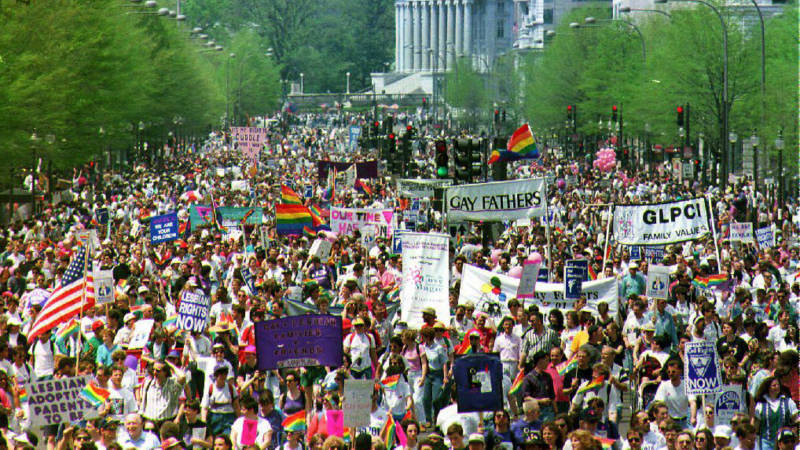
"caption": "Hundreds of thousands of gay-rights demonstrators march down Pennsylvania Avenue in downtown Washington D.C. 25 April 1993. The march, which attracted one million people, aims at prompting legislation prohibiting all forms of anti-gay discrimination and a surge of new support for AIDS research.",
"description": "Hundreds of thousands of gay-rights demonstrators march down Pennsylvania Avenue in downtown Washington D.C. 25 April 1993. The march, which attracted one million people, aims at prompting legislation prohibiting all forms of anti-homosexual discrimination and a surge of new support for AIDS research.",
"title": "Hundreds of thousands of gay-rights demonstrators",
"credit": "PAUL RICHARDS/AFP/Getty Images",
"status": "inherit",
"isLoading": false,
"fetchFailed": false
},
"arts_13858760": {
"type": "attachments",
"id": "arts_13858760",
"meta": {
"index": "attachments_1716263798",
"site": "arts",
"id": "13858760",
"found": true
},
"parent": 13858627,
"imgSizes": {
"twentyfourteen-full-width": {
"file": "https://ww2.kqed.org/app/uploads/sites/2/2019/06/ChloeAngst_boots-1038x576.jpeg",
"width": 1038,
"mimeType": "image/jpeg",
"height": 576
},
"thumbnail": {
"file": "https://ww2.kqed.org/app/uploads/sites/2/2019/06/ChloeAngst_boots-160x123.jpeg",
"width": 160,
"mimeType": "image/jpeg",
"height": 123
},
"post-thumbnail": {
"file": "https://ww2.kqed.org/app/uploads/sites/2/2019/06/ChloeAngst_boots-672x372.jpeg",
"width": 672,
"mimeType": "image/jpeg",
"height": 372
},
"kqedFullSize": {
"file": "https://ww2.kqed.org/app/uploads/sites/2/2019/06/ChloeAngst_boots.jpeg",
"width": 2048,
"height": 1575
},
"large": {
"file": "https://ww2.kqed.org/app/uploads/sites/2/2019/06/ChloeAngst_boots-1020x784.jpeg",
"width": 1020,
"mimeType": "image/jpeg",
"height": 784
},
"complete_open_graph": {
"file": "https://ww2.kqed.org/app/uploads/sites/2/2019/06/ChloeAngst_boots-1200x923.jpeg",
"width": 1200,
"mimeType": "image/jpeg",
"height": 923
},
"full-width": {
"file": "https://ww2.kqed.org/app/uploads/sites/2/2019/06/ChloeAngst_boots-1920x1477.jpeg",
"width": 1920,
"mimeType": "image/jpeg",
"height": 1477
},
"medium": {
"file": "https://ww2.kqed.org/app/uploads/sites/2/2019/06/ChloeAngst_boots-800x615.jpeg",
"width": 800,
"mimeType": "image/jpeg",
"height": 615
},
"medium_large": {
"file": "https://ww2.kqed.org/app/uploads/sites/2/2019/06/ChloeAngst_boots-768x591.jpeg",
"width": 768,
"mimeType": "image/jpeg",
"height": 591
}
},
"publishDate": 1559398132,
"modified": 1559398250,
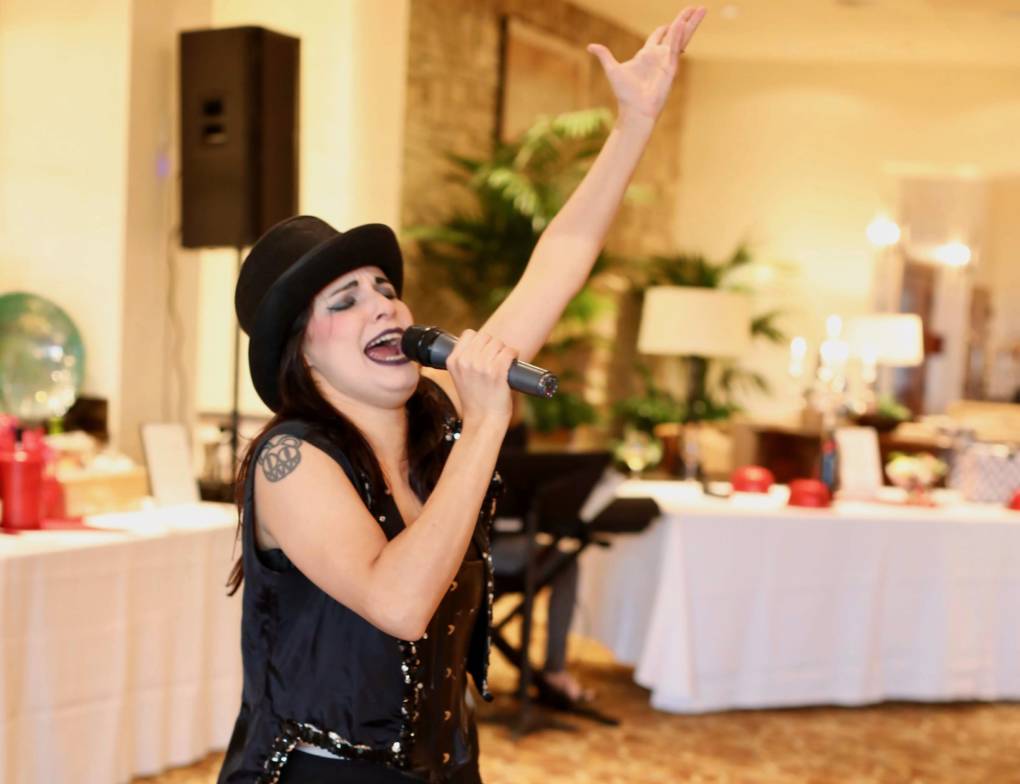
"caption": "Chloë Angst sings \"Willkommen\" as The Emcee from \"Cabaret\" at a fundraiser for City Lights Theater Company earlier this year.",
"description": "Chloë Angst sings \"Willkommen\" as The Emcee from \"Cabaret\" at a fundraiser for City Lights Theater Company earlier this year.",
"title": "ChloeAngst_boots",
"credit": "Courtesy of Taylor Sanders",
"status": "inherit",
"isLoading": false,
"fetchFailed": false
},
"arts_13856884": {
"type": "attachments",
"id": "arts_13856884",
"meta": {
"index": "attachments_1716263798",
"site": "arts",
"id": "13856884",
"found": true
},
"parent": 13856873,
"imgSizes": {
"twentyfourteen-full-width": {
"file": "https://ww2.kqed.org/app/uploads/sites/2/2019/05/2019_04-SFAC-Without-Within-02_COVER-1038x576.jpg",
"width": 1038,
"mimeType": "image/jpeg",
"height": 576
},
"thumbnail": {
"file": "https://ww2.kqed.org/app/uploads/sites/2/2019/05/2019_04-SFAC-Without-Within-02_COVER-160x90.jpg",
"width": 160,
"mimeType": "image/jpeg",
"height": 90
},
"post-thumbnail": {
"file": "https://ww2.kqed.org/app/uploads/sites/2/2019/05/2019_04-SFAC-Without-Within-02_COVER-672x372.jpg",
"width": 672,
"mimeType": "image/jpeg",
"height": 372
},
"kqedFullSize": {
"file": "https://ww2.kqed.org/app/uploads/sites/2/2019/05/2019_04-SFAC-Without-Within-02_COVER.jpg",
"width": 2000,
"height": 1125
},
"large": {
"file": "https://ww2.kqed.org/app/uploads/sites/2/2019/05/2019_04-SFAC-Without-Within-02_COVER-1020x574.jpg",
"width": 1020,
"mimeType": "image/jpeg",
"height": 574
},
"complete_open_graph": {
"file": "https://ww2.kqed.org/app/uploads/sites/2/2019/05/2019_04-SFAC-Without-Within-02_COVER-1200x675.jpg",
"width": 1200,
"mimeType": "image/jpeg",
"height": 675
},
"full-width": {
"file": "https://ww2.kqed.org/app/uploads/sites/2/2019/05/2019_04-SFAC-Without-Within-02_COVER-1920x1080.jpg",
"width": 1920,
"mimeType": "image/jpeg",
"height": 1080
},
"medium": {
"file": "https://ww2.kqed.org/app/uploads/sites/2/2019/05/2019_04-SFAC-Without-Within-02_COVER-800x450.jpg",
"width": 800,
"mimeType": "image/jpeg",
"height": 450
},
"medium_large": {
"file": "https://ww2.kqed.org/app/uploads/sites/2/2019/05/2019_04-SFAC-Without-Within-02_COVER-768x432.jpg",
"width": 768,
"mimeType": "image/jpeg",
"height": 432
}
},
"publishDate": 1557351818,
"modified": 1557352014,
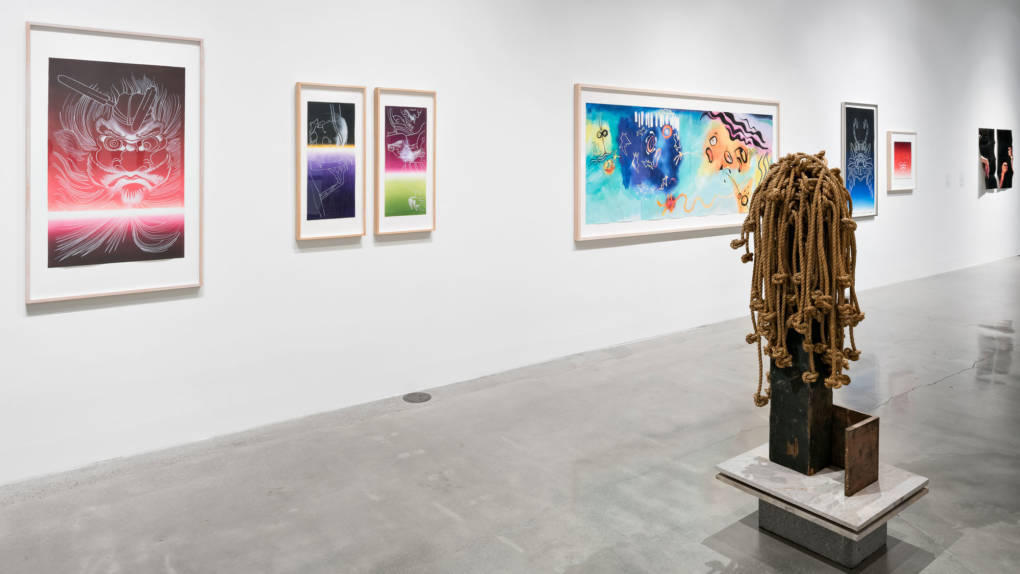
"caption": "Installation view of 'With(out) With(in) the very moment,' at San Francisco Arts Commission Gallery, with Ed Aulerich-Sugai's work on the wall. ",
"description": "Installation view of 'With(out) With(in) the very moment,' at San Francisco Arts Commission Gallery, with Ed Aulerich-Sugai's work on the wall. ",
"title": "2019_04---SFAC---Without-Within-02_COVER",
"credit": "Photo by Phillip Maisel",
"status": "inherit",
"isLoading": false,
"fetchFailed": false
},
"arts_13855399": {
"type": "attachments",
"id": "arts_13855399",
"meta": {
"index": "attachments_1716263798",
"site": "arts",
"id": "13855399",
"found": true
},
"parent": 13855259,
"imgSizes": {
"twentyfourteen-full-width": {
"file": "https://ww2.kqed.org/app/uploads/sites/2/2019/04/DqlKGI3g-1024x576.jpg",
"width": 1024,
"mimeType": "image/jpeg",
"height": 576
},
"thumbnail": {
"file": "https://ww2.kqed.org/app/uploads/sites/2/2019/04/DqlKGI3g-160x90.jpg",
"width": 160,
"mimeType": "image/jpeg",
"height": 90
},
"post-thumbnail": {
"file": "https://ww2.kqed.org/app/uploads/sites/2/2019/04/DqlKGI3g-672x372.jpg",
"width": 672,
"mimeType": "image/jpeg",
"height": 372
},
"kqedFullSize": {
"file": "https://ww2.kqed.org/app/uploads/sites/2/2019/04/DqlKGI3g.jpg",
"width": 1024,
"height": 576
},
"large": {
"file": "https://ww2.kqed.org/app/uploads/sites/2/2019/04/DqlKGI3g-1020x574.jpg",
"width": 1020,
"mimeType": "image/jpeg",
"height": 574
},
"medium": {
"file": "https://ww2.kqed.org/app/uploads/sites/2/2019/04/DqlKGI3g-800x450.jpg",
"width": 800,
"mimeType": "image/jpeg",
"height": 450
},
"medium_large": {
"file": "https://ww2.kqed.org/app/uploads/sites/2/2019/04/DqlKGI3g-768x432.jpg",
"width": 768,
"mimeType": "image/jpeg",
"height": 432
}
},
"publishDate": 1555628053,
"modified": 1555628741,
"caption": "Author Samantha Allen (right) and friend Jennifer Culp in Roan Mountain, Tennessee. ",
"description": "Jennifer Culp and author Samantha Allen (right) in Roan Mountain, Tennessee. ",
"title": "DqlKGI3g",
"credit": "Courtesy of Samantha Allen",
"status": "inherit",
"isLoading": false,
"fetchFailed": false
},
"arts_13854872": {
"type": "attachments",
"id": "arts_13854872",
"meta": {
"index": "attachments_1716263798",
"site": "arts",
"id": "13854872",
"found": true
},
"parent": 13854867,
"imgSizes": {
"twentyfourteen-full-width": {
"file": "https://ww2.kqed.org/app/uploads/sites/2/2019/04/Photograph-of-Stop-AIDS-Now-or-Else-SANOE-protesters-blocking-the-Golden-Gate-Bridge_COVER-1038x576.jpg",
"width": 1038,
"mimeType": "image/jpeg",
"height": 576
},
"thumbnail": {
"file": "https://ww2.kqed.org/app/uploads/sites/2/2019/04/Photograph-of-Stop-AIDS-Now-or-Else-SANOE-protesters-blocking-the-Golden-Gate-Bridge_COVER-160x90.jpg",
"width": 160,
"mimeType": "image/jpeg",
"height": 90
},
"post-thumbnail": {
"file": "https://ww2.kqed.org/app/uploads/sites/2/2019/04/Photograph-of-Stop-AIDS-Now-or-Else-SANOE-protesters-blocking-the-Golden-Gate-Bridge_COVER-672x372.jpg",
"width": 672,
"mimeType": "image/jpeg",
"height": 372
},
"kqedFullSize": {
"file": "https://ww2.kqed.org/app/uploads/sites/2/2019/04/Photograph-of-Stop-AIDS-Now-or-Else-SANOE-protesters-blocking-the-Golden-Gate-Bridge_COVER.jpg",
"width": 1920,
"height": 1080
},
"large": {
"file": "https://ww2.kqed.org/app/uploads/sites/2/2019/04/Photograph-of-Stop-AIDS-Now-or-Else-SANOE-protesters-blocking-the-Golden-Gate-Bridge_COVER-1020x574.jpg",
"width": 1020,
"mimeType": "image/jpeg",
"height": 574
},
"complete_open_graph": {
"file": "https://ww2.kqed.org/app/uploads/sites/2/2019/04/Photograph-of-Stop-AIDS-Now-or-Else-SANOE-protesters-blocking-the-Golden-Gate-Bridge_COVER-1200x675.jpg",
"width": 1200,
"mimeType": "image/jpeg",
"height": 675
},
"guest-author-50": {
"file": "https://ww2.kqed.org/app/uploads/sites/2/2019/04/Photograph-of-Stop-AIDS-Now-or-Else-SANOE-protesters-blocking-the-Golden-Gate-Bridge_COVER-50x50.jpg",
"width": 50,
"mimeType": "image/jpeg",
"height": 50
},
"guest-author-96": {
"file": "https://ww2.kqed.org/app/uploads/sites/2/2019/04/Photograph-of-Stop-AIDS-Now-or-Else-SANOE-protesters-blocking-the-Golden-Gate-Bridge_COVER-96x96.jpg",
"width": 96,
"mimeType": "image/jpeg",
"height": 96
},
"medium": {
"file": "https://ww2.kqed.org/app/uploads/sites/2/2019/04/Photograph-of-Stop-AIDS-Now-or-Else-SANOE-protesters-blocking-the-Golden-Gate-Bridge_COVER-800x450.jpg",
"width": 800,
"mimeType": "image/jpeg",
"height": 450
},
"guest-author-64": {
"file": "https://ww2.kqed.org/app/uploads/sites/2/2019/04/Photograph-of-Stop-AIDS-Now-or-Else-SANOE-protesters-blocking-the-Golden-Gate-Bridge_COVER-64x64.jpg",
"width": 64,
"mimeType": "image/jpeg",
"height": 64
},
"guest-author-32": {
"file": "https://ww2.kqed.org/app/uploads/sites/2/2019/04/Photograph-of-Stop-AIDS-Now-or-Else-SANOE-protesters-blocking-the-Golden-Gate-Bridge_COVER-32x32.jpg",
"width": 32,
"mimeType": "image/jpeg",
"height": 32
},
"full-width": {
"file": "https://ww2.kqed.org/app/uploads/sites/2/2019/04/Photograph-of-Stop-AIDS-Now-or-Else-SANOE-protesters-blocking-the-Golden-Gate-Bridge_COVER-1920x1080.jpg",
"width": 1920,
"mimeType": "image/jpeg",
"height": 1080
},
"medium_large": {
"file": "https://ww2.kqed.org/app/uploads/sites/2/2019/04/Photograph-of-Stop-AIDS-Now-or-Else-SANOE-protesters-blocking-the-Golden-Gate-Bridge_COVER-768x432.jpg",
"width": 768,
"mimeType": "image/jpeg",
"height": 432
},
"guest-author-128": {
"file": "https://ww2.kqed.org/app/uploads/sites/2/2019/04/Photograph-of-Stop-AIDS-Now-or-Else-SANOE-protesters-blocking-the-Golden-Gate-Bridge_COVER-128x128.jpg",
"width": 128,
"mimeType": "image/jpeg",
"height": 128
}
},
"publishDate": 1555051139,
"modified": 1555051202,
"caption": "Rick Gerharter, 'Photograph of Stop AIDS Now or Else (SANOE) protesters blocking the\nGolden Gate Bridge,' 1989.",
"description": "Rick Gerharter, 'Photograph of Stop AIDS Now or Else (SANOE) protesters blocking the\nGolden Gate Bridge,' 1989.",
"title": "Photograph-of-Stop-AIDS-Now-or-Else-(SANOE)-protesters-blocking-the-Golden-Gate-Bridge_COVER",
"credit": "Courtesy of OMCA",
"status": "inherit",
"isLoading": false,
"fetchFailed": false
},
"arts_13854810": {
"type": "attachments",
"id": "arts_13854810",
"meta": {
"index": "attachments_1716263798",
"site": "arts",
"id": "13854810",
"found": true
},
"parent": 13854644,
"imgSizes": {
"twentyfourteen-full-width": {
"file": "https://ww2.kqed.org/app/uploads/sites/2/2019/04/CG5-cropped-1038x576.jpg",
"width": 1038,
"mimeType": "image/jpeg",
"height": 576
},
"thumbnail": {
"file": "https://ww2.kqed.org/app/uploads/sites/2/2019/04/CG5-cropped-160x90.jpg",
"width": 160,
"mimeType": "image/jpeg",
"height": 90
},
"post-thumbnail": {
"file": "https://ww2.kqed.org/app/uploads/sites/2/2019/04/CG5-cropped-672x372.jpg",
"width": 672,
"mimeType": "image/jpeg",
"height": 372
},
"kqedFullSize": {
"file": "https://ww2.kqed.org/app/uploads/sites/2/2019/04/CG5-cropped.jpg",
"width": 1920,
"height": 1080
},
"large": {
"file": "https://ww2.kqed.org/app/uploads/sites/2/2019/04/CG5-cropped-1020x574.jpg",
"width": 1020,
"mimeType": "image/jpeg",
"height": 574
},
"complete_open_graph": {
"file": "https://ww2.kqed.org/app/uploads/sites/2/2019/04/CG5-cropped-1200x675.jpg",
"width": 1200,
"mimeType": "image/jpeg",
"height": 675
},
"guest-author-50": {
"file": "https://ww2.kqed.org/app/uploads/sites/2/2019/04/CG5-cropped-50x50.jpg",
"width": 50,
"mimeType": "image/jpeg",
"height": 50
},
"guest-author-96": {
"file": "https://ww2.kqed.org/app/uploads/sites/2/2019/04/CG5-cropped-96x96.jpg",
"width": 96,
"mimeType": "image/jpeg",
"height": 96
},
"medium": {
"file": "https://ww2.kqed.org/app/uploads/sites/2/2019/04/CG5-cropped-800x450.jpg",
"width": 800,
"mimeType": "image/jpeg",
"height": 450
},
"guest-author-64": {
"file": "https://ww2.kqed.org/app/uploads/sites/2/2019/04/CG5-cropped-64x64.jpg",
"width": 64,
"mimeType": "image/jpeg",
"height": 64
},
"guest-author-32": {
"file": "https://ww2.kqed.org/app/uploads/sites/2/2019/04/CG5-cropped-32x32.jpg",
"width": 32,
"mimeType": "image/jpeg",
"height": 32
},
"full-width": {
"file": "https://ww2.kqed.org/app/uploads/sites/2/2019/04/CG5-cropped-1920x1080.jpg",
"width": 1920,
"mimeType": "image/jpeg",
"height": 1080
},
"medium_large": {
"file": "https://ww2.kqed.org/app/uploads/sites/2/2019/04/CG5-cropped-768x432.jpg",
"width": 768,
"mimeType": "image/jpeg",
"height": 432
},
"guest-author-128": {
"file": "https://ww2.kqed.org/app/uploads/sites/2/2019/04/CG5-cropped-128x128.jpg",
"width": 128,
"mimeType": "image/jpeg",
"height": 128
}
},
"publishDate": 1555009282,
"modified": 1555009304,
"caption": "Clay Geerdes, Sylvester - Rings and Bracelettes, 1971. ",
"description": null,
"title": "CG5 cropped",
"credit": "Courtesy of David Miller, from the estate of Clay Geerdes.",
"status": "inherit",
"isLoading": false,
"fetchFailed": false
},
"arts_13854646": {
"type": "attachments",
"id": "arts_13854646",
"meta": {
"index": "attachments_1716263798",
"site": "arts",
"id": "13854646",
"found": true
},
"parent": 13854639,
"imgSizes": {
"twentyfourteen-full-width": {
"file": "https://ww2.kqed.org/app/uploads/sites/2/2019/04/Lenn-Keller-Black-Lesbian-Contingent_COVER-1038x576.jpg",
"width": 1038,
"mimeType": "image/jpeg",
"height": 576
},
"thumbnail": {
"file": "https://ww2.kqed.org/app/uploads/sites/2/2019/04/Lenn-Keller-Black-Lesbian-Contingent_COVER-160x90.jpg",
"width": 160,
"mimeType": "image/jpeg",
"height": 90
},
"post-thumbnail": {
"file": "https://ww2.kqed.org/app/uploads/sites/2/2019/04/Lenn-Keller-Black-Lesbian-Contingent_COVER-672x372.jpg",
"width": 672,
"mimeType": "image/jpeg",
"height": 372
},
"kqedFullSize": {
"file": "https://ww2.kqed.org/app/uploads/sites/2/2019/04/Lenn-Keller-Black-Lesbian-Contingent_COVER.jpg",
"width": 2048,
"height": 1152
},
"large": {
"file": "https://ww2.kqed.org/app/uploads/sites/2/2019/04/Lenn-Keller-Black-Lesbian-Contingent_COVER-1020x574.jpg",
"width": 1020,
"mimeType": "image/jpeg",
"height": 574
},
"complete_open_graph": {
"file": "https://ww2.kqed.org/app/uploads/sites/2/2019/04/Lenn-Keller-Black-Lesbian-Contingent_COVER-1200x675.jpg",
"width": 1200,
"mimeType": "image/jpeg",
"height": 675
},
"guest-author-50": {
"file": "https://ww2.kqed.org/app/uploads/sites/2/2019/04/Lenn-Keller-Black-Lesbian-Contingent_COVER-50x50.jpg",
"width": 50,
"mimeType": "image/jpeg",
"height": 50
},
"guest-author-96": {
"file": "https://ww2.kqed.org/app/uploads/sites/2/2019/04/Lenn-Keller-Black-Lesbian-Contingent_COVER-96x96.jpg",
"width": 96,
"mimeType": "image/jpeg",
"height": 96
},
"medium": {
"file": "https://ww2.kqed.org/app/uploads/sites/2/2019/04/Lenn-Keller-Black-Lesbian-Contingent_COVER-800x450.jpg",
"width": 800,
"mimeType": "image/jpeg",
"height": 450
},
"guest-author-64": {
"file": "https://ww2.kqed.org/app/uploads/sites/2/2019/04/Lenn-Keller-Black-Lesbian-Contingent_COVER-64x64.jpg",
"width": 64,
"mimeType": "image/jpeg",
"height": 64
},
"guest-author-32": {
"file": "https://ww2.kqed.org/app/uploads/sites/2/2019/04/Lenn-Keller-Black-Lesbian-Contingent_COVER-32x32.jpg",
"width": 32,
"mimeType": "image/jpeg",
"height": 32
},
"full-width": {
"file": "https://ww2.kqed.org/app/uploads/sites/2/2019/04/Lenn-Keller-Black-Lesbian-Contingent_COVER-1920x1080.jpg",
"width": 1920,
"mimeType": "image/jpeg",
"height": 1080
},
"medium_large": {
"file": "https://ww2.kqed.org/app/uploads/sites/2/2019/04/Lenn-Keller-Black-Lesbian-Contingent_COVER-768x432.jpg",
"width": 768,
"mimeType": "image/jpeg",
"height": 432
},
"guest-author-128": {
"file": "https://ww2.kqed.org/app/uploads/sites/2/2019/04/Lenn-Keller-Black-Lesbian-Contingent_COVER-128x128.jpg",
"width": 128,
"mimeType": "image/jpeg",
"height": 128
}
},
"publishDate": 1554852077,
"modified": 1554852149,
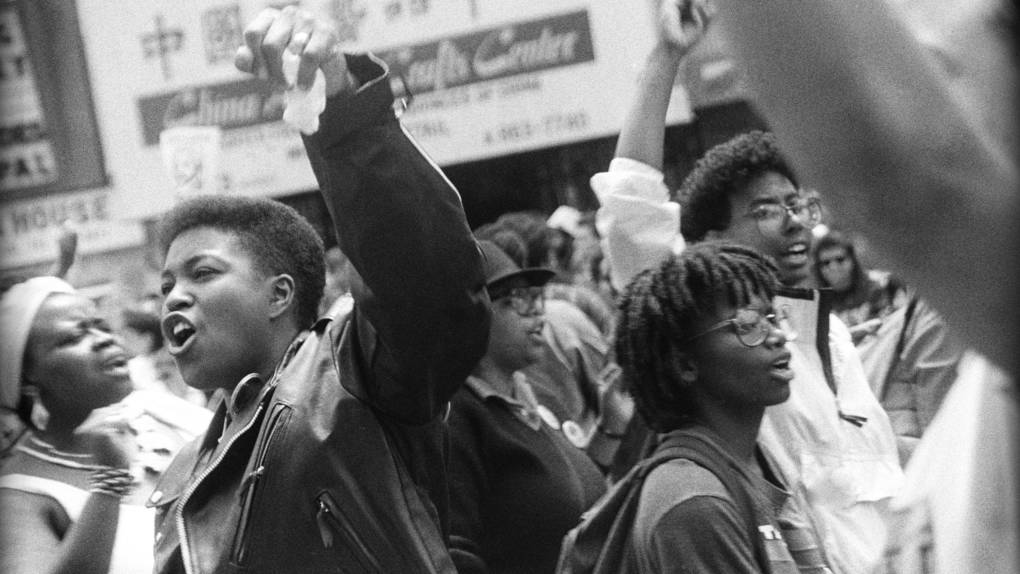
"caption": "Lenn Keller, 'Black lesbian contingent, SF Pride Parade,' June 1991. ",
"description": "Lenn Keller, 'Black lesbian contingent, SF Pride Parade,' June 1991. ",
"title": "Lenn-Keller-Black-Lesbian-Contingent_COVER",
"credit": "Courtesy of H. Lenn Keller",
"status": "inherit",
"isLoading": false,
"fetchFailed": false
},
"arts_13853668": {
"type": "attachments",
"id": "arts_13853668",
"meta": {
"index": "attachments_1716263798",
"site": "arts",
"id": "13853668",
"found": true
},
"parent": 13853543,
"imgSizes": {
"twentyfourteen-full-width": {
"file": "https://ww2.kqed.org/app/uploads/sites/2/2019/03/mahawam-2-1038x576.jpg",
"width": 1038,
"mimeType": "image/jpeg",
"height": 576
},
"thumbnail": {
"file": "https://ww2.kqed.org/app/uploads/sites/2/2019/03/mahawam-2-160x90.jpg",
"width": 160,
"mimeType": "image/jpeg",
"height": 90
},
"post-thumbnail": {
"file": "https://ww2.kqed.org/app/uploads/sites/2/2019/03/mahawam-2-672x372.jpg",
"width": 672,
"mimeType": "image/jpeg",
"height": 372
},
"kqedFullSize": {
"file": "https://ww2.kqed.org/app/uploads/sites/2/2019/03/mahawam-2.jpg",
"width": 1638,
"height": 921
},
"large": {
"file": "https://ww2.kqed.org/app/uploads/sites/2/2019/03/mahawam-2-1020x574.jpg",
"width": 1020,
"mimeType": "image/jpeg",
"height": 574
},
"complete_open_graph": {
"file": "https://ww2.kqed.org/app/uploads/sites/2/2019/03/mahawam-2-1200x675.jpg",
"width": 1200,
"mimeType": "image/jpeg",
"height": 675
},
"guest-author-50": {
"file": "https://ww2.kqed.org/app/uploads/sites/2/2019/03/mahawam-2-50x50.jpg",
"width": 50,
"mimeType": "image/jpeg",
"height": 50
},
"guest-author-96": {
"file": "https://ww2.kqed.org/app/uploads/sites/2/2019/03/mahawam-2-96x96.jpg",
"width": 96,
"mimeType": "image/jpeg",
"height": 96
},
"medium": {
"file": "https://ww2.kqed.org/app/uploads/sites/2/2019/03/mahawam-2-800x450.jpg",
"width": 800,
"mimeType": "image/jpeg",
"height": 450
},
"guest-author-64": {
"file": "https://ww2.kqed.org/app/uploads/sites/2/2019/03/mahawam-2-64x64.jpg",
"width": 64,
"mimeType": "image/jpeg",
"height": 64
},
"guest-author-32": {
"file": "https://ww2.kqed.org/app/uploads/sites/2/2019/03/mahawam-2-32x32.jpg",
"width": 32,
"mimeType": "image/jpeg",
"height": 32
},
"medium_large": {
"file": "https://ww2.kqed.org/app/uploads/sites/2/2019/03/mahawam-2-768x432.jpg",
"width": 768,
"mimeType": "image/jpeg",
"height": 432
},
"guest-author-128": {
"file": "https://ww2.kqed.org/app/uploads/sites/2/2019/03/mahawam-2-128x128.jpg",
"width": 128,
"mimeType": "image/jpeg",
"height": 128
}
},
"publishDate": 1553551940,
"modified": 1553551960,
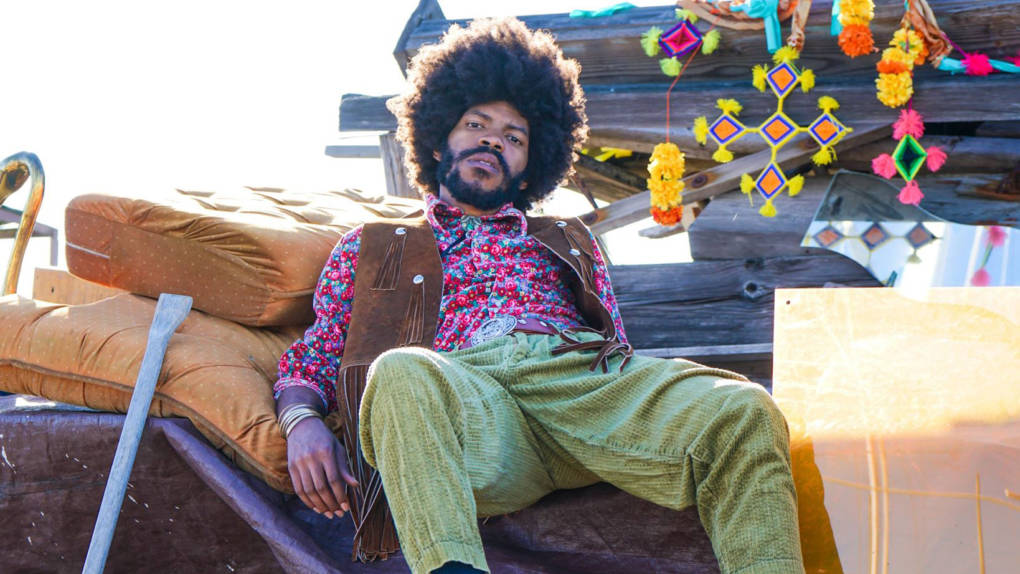
"caption": "Mahawam",
"description": "Mahawam",
"title": "mahawam 2",
"credit": "Guerrilla Davis",
"status": "inherit",
"isLoading": false,
"fetchFailed": false
},
"arts_13853321": {
"type": "attachments",
"id": "arts_13853321",
"meta": {
"index": "attachments_1716263798",
"site": "arts",
"id": "13853321",
"found": true
},
"parent": 13853320,
"imgSizes": {
"twentyfourteen-full-width": {
"file": "https://ww2.kqed.org/app/uploads/sites/2/2019/03/gettyimages-622595222_wide-671db9586a9acb1a7e3e5e630696b1f9ed972dfc-1038x576.jpg",
"width": 1038,
"mimeType": "image/jpeg",
"height": 576
},
"thumbnail": {
"file": "https://ww2.kqed.org/app/uploads/sites/2/2019/03/gettyimages-622595222_wide-671db9586a9acb1a7e3e5e630696b1f9ed972dfc-160x90.jpg",
"width": 160,
"mimeType": "image/jpeg",
"height": 90
},
"post-thumbnail": {
"file": "https://ww2.kqed.org/app/uploads/sites/2/2019/03/gettyimages-622595222_wide-671db9586a9acb1a7e3e5e630696b1f9ed972dfc-672x372.jpg",
"width": 672,
"mimeType": "image/jpeg",
"height": 372
},
"kqedFullSize": {
"file": "https://ww2.kqed.org/app/uploads/sites/2/2019/03/gettyimages-622595222_wide-671db9586a9acb1a7e3e5e630696b1f9ed972dfc-e1553101349268.jpg",
"width": 1920,
"height": 1080
},
"large": {
"file": "https://ww2.kqed.org/app/uploads/sites/2/2019/03/gettyimages-622595222_wide-671db9586a9acb1a7e3e5e630696b1f9ed972dfc-1020x574.jpg",
"width": 1020,
"mimeType": "image/jpeg",
"height": 574
},
"complete_open_graph": {
"file": "https://ww2.kqed.org/app/uploads/sites/2/2019/03/gettyimages-622595222_wide-671db9586a9acb1a7e3e5e630696b1f9ed972dfc-1200x675.jpg",
"width": 1200,
"mimeType": "image/jpeg",
"height": 675
},
"guest-author-50": {
"file": "https://ww2.kqed.org/app/uploads/sites/2/2019/03/gettyimages-622595222_wide-671db9586a9acb1a7e3e5e630696b1f9ed972dfc-50x50.jpg",
"width": 50,
"mimeType": "image/jpeg",
"height": 50
},
"guest-author-96": {
"file": "https://ww2.kqed.org/app/uploads/sites/2/2019/03/gettyimages-622595222_wide-671db9586a9acb1a7e3e5e630696b1f9ed972dfc-96x96.jpg",
"width": 96,
"mimeType": "image/jpeg",
"height": 96
},
"medium": {
"file": "https://ww2.kqed.org/app/uploads/sites/2/2019/03/gettyimages-622595222_wide-671db9586a9acb1a7e3e5e630696b1f9ed972dfc-800x450.jpg",
"width": 800,
"mimeType": "image/jpeg",
"height": 450
},
"guest-author-64": {
"file": "https://ww2.kqed.org/app/uploads/sites/2/2019/03/gettyimages-622595222_wide-671db9586a9acb1a7e3e5e630696b1f9ed972dfc-64x64.jpg",
"width": 64,
"mimeType": "image/jpeg",
"height": 64
},
"guest-author-32": {
"file": "https://ww2.kqed.org/app/uploads/sites/2/2019/03/gettyimages-622595222_wide-671db9586a9acb1a7e3e5e630696b1f9ed972dfc-32x32.jpg",
"width": 32,
"mimeType": "image/jpeg",
"height": 32
},
"full-width": {
"file": "https://ww2.kqed.org/app/uploads/sites/2/2019/03/gettyimages-622595222_wide-671db9586a9acb1a7e3e5e630696b1f9ed972dfc-1920x1080.jpg",
"width": 1920,
"mimeType": "image/jpeg",
"height": 1080
},
"medium_large": {
"file": "https://ww2.kqed.org/app/uploads/sites/2/2019/03/gettyimages-622595222_wide-671db9586a9acb1a7e3e5e630696b1f9ed972dfc-768x432.jpg",
"width": 768,
"mimeType": "image/jpeg",
"height": 432
},
"guest-author-128": {
"file": "https://ww2.kqed.org/app/uploads/sites/2/2019/03/gettyimages-622595222_wide-671db9586a9acb1a7e3e5e630696b1f9ed972dfc-128x128.jpg",
"width": 128,
"mimeType": "image/jpeg",
"height": 128
}
},
"publishDate": 1553100967,
"modified": 1553101371,
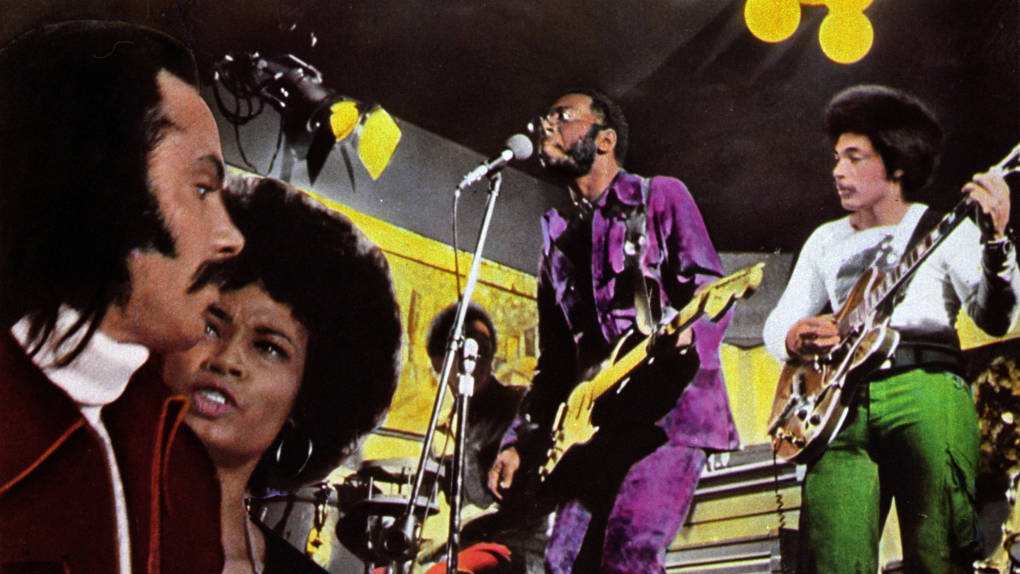
"caption": "Curtis Mayfield (in purple) performs in a detail from a poster advertising the 1972 film Super Fly, for which Mayfield composed the soundtrack album.",
"description": "Curtis Mayfield (in purple) performs in a detail from a poster advertising the 1972 film \u003cem>Super Fly\u003c/em>, for which Mayfield composed the soundtrack album.",
"title": "Curtis Mayfield (in purple) performs in a detail from a poster advertising the 1972 film Super Fly, for which Mayfield composed the soundtrack album.",
"credit": "John D. Kisch/Separate Cinema Ar/Getty Images",
"status": "inherit",
"isLoading": false,
"fetchFailed": false
},
"arts_13851445": {
"type": "attachments",
"id": "arts_13851445",
"meta": {
"index": "attachments_1716263798",
"site": "arts",
"id": "13851445",
"found": true
},
"parent": 13851444,
"imgSizes": {
"twentyfourteen-full-width": {
"file": "https://ww2.kqed.org/app/uploads/sites/2/2019/02/dearex02_wide-f1c789d86cb75f712e0c838eb3012fe5f65b48b6-1038x576.jpg",
"width": 1038,
"mimeType": "image/jpeg",
"height": 576
},
"thumbnail": {
"file": "https://ww2.kqed.org/app/uploads/sites/2/2019/02/dearex02_wide-f1c789d86cb75f712e0c838eb3012fe5f65b48b6-160x90.jpg",
"width": 160,
"mimeType": "image/jpeg",
"height": 90
},
"post-thumbnail": {
"file": "https://ww2.kqed.org/app/uploads/sites/2/2019/02/dearex02_wide-f1c789d86cb75f712e0c838eb3012fe5f65b48b6-672x372.jpg",
"width": 672,
"mimeType": "image/jpeg",
"height": 372
},
"kqedFullSize": {
"file": "https://ww2.kqed.org/app/uploads/sites/2/2019/02/dearex02_wide-f1c789d86cb75f712e0c838eb3012fe5f65b48b6.jpg",
"width": 2048,
"height": 1151
},
"large": {
"file": "https://ww2.kqed.org/app/uploads/sites/2/2019/02/dearex02_wide-f1c789d86cb75f712e0c838eb3012fe5f65b48b6-1020x573.jpg",
"width": 1020,
"mimeType": "image/jpeg",
"height": 573
},
"complete_open_graph": {
"file": "https://ww2.kqed.org/app/uploads/sites/2/2019/02/dearex02_wide-f1c789d86cb75f712e0c838eb3012fe5f65b48b6-1200x675.jpg",
"width": 1200,
"mimeType": "image/jpeg",
"height": 675
},
"guest-author-50": {
"file": "https://ww2.kqed.org/app/uploads/sites/2/2019/02/dearex02_wide-f1c789d86cb75f712e0c838eb3012fe5f65b48b6-50x50.jpg",
"width": 50,
"mimeType": "image/jpeg",
"height": 50
},
"guest-author-96": {
"file": "https://ww2.kqed.org/app/uploads/sites/2/2019/02/dearex02_wide-f1c789d86cb75f712e0c838eb3012fe5f65b48b6-96x96.jpg",
"width": 96,
"mimeType": "image/jpeg",
"height": 96
},
"medium": {
"file": "https://ww2.kqed.org/app/uploads/sites/2/2019/02/dearex02_wide-f1c789d86cb75f712e0c838eb3012fe5f65b48b6-800x450.jpg",
"width": 800,
"mimeType": "image/jpeg",
"height": 450
},
"guest-author-64": {
"file": "https://ww2.kqed.org/app/uploads/sites/2/2019/02/dearex02_wide-f1c789d86cb75f712e0c838eb3012fe5f65b48b6-64x64.jpg",
"width": 64,
"mimeType": "image/jpeg",
"height": 64
},
"guest-author-32": {
"file": "https://ww2.kqed.org/app/uploads/sites/2/2019/02/dearex02_wide-f1c789d86cb75f712e0c838eb3012fe5f65b48b6-32x32.jpg",
"width": 32,
"mimeType": "image/jpeg",
"height": 32
},
"full-width": {
"file": "https://ww2.kqed.org/app/uploads/sites/2/2019/02/dearex02_wide-f1c789d86cb75f712e0c838eb3012fe5f65b48b6-1920x1079.jpg",
"width": 1920,
"mimeType": "image/jpeg",
"height": 1079
},
"detail": {
"file": "https://ww2.kqed.org/app/uploads/sites/2/2019/02/dearex02_wide-f1c789d86cb75f712e0c838eb3012fe5f65b48b6-150x150.jpg",
"width": 150,
"mimeType": "image/jpeg",
"height": 150
},
"medium_large": {
"file": "https://ww2.kqed.org/app/uploads/sites/2/2019/02/dearex02_wide-f1c789d86cb75f712e0c838eb3012fe5f65b48b6-768x432.jpg",
"width": 768,
"mimeType": "image/jpeg",
"height": 432
},
"guest-author-128": {
"file": "https://ww2.kqed.org/app/uploads/sites/2/2019/02/dearex02_wide-f1c789d86cb75f712e0c838eb3012fe5f65b48b6-128x128.jpg",
"width": 128,
"mimeType": "image/jpeg",
"height": 128
}
},
"publishDate": 1550854523,
"modified": 1550854644,
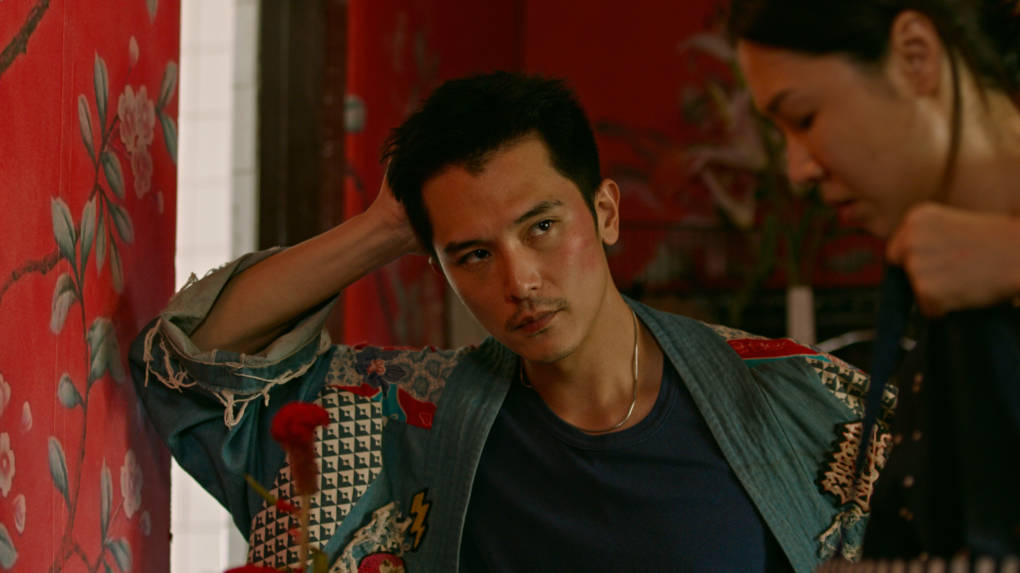
"caption": "Jay (Roy Chiu) and Sanlian (Ying-Xuan Hsieh) have at least one thing in common in 'Dear Ex.'",
"description": "Jay (Roy Chiu) and Sanlian (Ying-Xuan Hsieh) have at least one thing in common in 'Dear Ex.'",
"title": "Jay (Roy Chiu) and Sanlian (Ying-Xuan Hsieh) have at least one thing in common in Dear Ex.",
"credit": "Netflix",
"status": "inherit",
"isLoading": false,
"fetchFailed": false
},
"arts_13850705": {
"type": "attachments",
"id": "arts_13850705",
"meta": {
"index": "attachments_1716263798",
"site": "arts",
"id": "13850705",
"found": true
},
"parent": 13850687,
"imgSizes": {
"thumbnail": {
"file": "https://ww2.kqed.org/app/uploads/sites/2/2019/02/melissa-hawkins-160x90.jpg",
"width": 160,
"mimeType": "image/jpeg",
"height": 90
},
"post-thumbnail": {
"file": "https://ww2.kqed.org/app/uploads/sites/2/2019/02/melissa-hawkins-672x372.jpg",
"width": 672,
"mimeType": "image/jpeg",
"height": 372
},
"kqedFullSize": {
"file": "https://ww2.kqed.org/app/uploads/sites/2/2019/02/melissa-hawkins.jpg",
"width": 850,
"height": 478
},
"guest-author-50": {
"file": "https://ww2.kqed.org/app/uploads/sites/2/2019/02/melissa-hawkins-50x50.jpg",
"width": 50,
"mimeType": "image/jpeg",
"height": 50
},
"guest-author-96": {
"file": "https://ww2.kqed.org/app/uploads/sites/2/2019/02/melissa-hawkins-96x96.jpg",
"width": 96,
"mimeType": "image/jpeg",
"height": 96
},
"medium": {
"file": "https://ww2.kqed.org/app/uploads/sites/2/2019/02/melissa-hawkins-800x450.jpg",
"width": 800,
"mimeType": "image/jpeg",
"height": 450
},
"guest-author-64": {
"file": "https://ww2.kqed.org/app/uploads/sites/2/2019/02/melissa-hawkins-64x64.jpg",
"width": 64,
"mimeType": "image/jpeg",
"height": 64
},
"detail": {
"file": "https://ww2.kqed.org/app/uploads/sites/2/2019/02/melissa-hawkins-150x150.jpg",
"width": 150,
"mimeType": "image/jpeg",
"height": 150
},
"guest-author-32": {
"file": "https://ww2.kqed.org/app/uploads/sites/2/2019/02/melissa-hawkins-32x32.jpg",
"width": 32,
"mimeType": "image/jpeg",
"height": 32
},
"medium_large": {
"file": "https://ww2.kqed.org/app/uploads/sites/2/2019/02/melissa-hawkins-768x432.jpg",
"width": 768,
"mimeType": "image/jpeg",
"height": 432
},
"guest-author-128": {
"file": "https://ww2.kqed.org/app/uploads/sites/2/2019/02/melissa-hawkins-128x128.jpg",
"width": 128,
"mimeType": "image/jpeg",
"height": 128
}
},
"publishDate": 1550091906,
"modified": 1550091967,
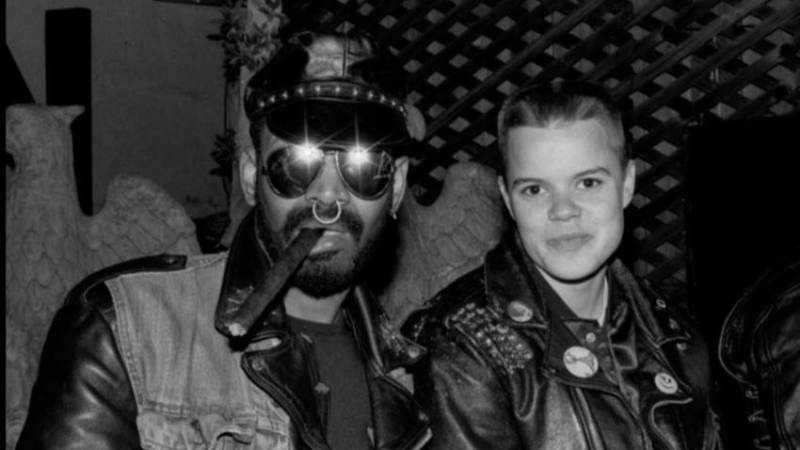
"caption": "Melissa Hawkins, 'Duo With Cigar, The Eagle (undated).'",
"description": "Melissa Hawkins, 'Duo With Cigar, The Eagle (undated).'",
"title": "melissa hawkins",
"credit": "Courtesy of the artist",
"status": "inherit",
"isLoading": false,
"fetchFailed": false
},
"arts_13849183": {
"type": "attachments",
"id": "arts_13849183",
"meta": {
"index": "attachments_1716263798",
"site": "arts",
"id": "13849183",
"found": true
},
"parent": 13849176,
"imgSizes": {
"twentyfourteen-full-width": {
"file": "https://ww2.kqed.org/app/uploads/sites/2/2019/01/juanita-more-1038x576.jpg",
"width": 1038,
"mimeType": "image/jpeg",
"height": 576
},
"thumbnail": {
"file": "https://ww2.kqed.org/app/uploads/sites/2/2019/01/juanita-more-160x90.jpg",
"width": 160,
"mimeType": "image/jpeg",
"height": 90
},
"post-thumbnail": {
"file": "https://ww2.kqed.org/app/uploads/sites/2/2019/01/juanita-more-672x372.jpg",
"width": 672,
"mimeType": "image/jpeg",
"height": 372
},
"kqedFullSize": {
"file": "https://ww2.kqed.org/app/uploads/sites/2/2019/01/juanita-more.jpg",
"width": 1920,
"height": 1080
},
"large": {
"file": "https://ww2.kqed.org/app/uploads/sites/2/2019/01/juanita-more-1020x574.jpg",
"width": 1020,
"mimeType": "image/jpeg",
"height": 574
},
"complete_open_graph": {
"file": "https://ww2.kqed.org/app/uploads/sites/2/2019/01/juanita-more-1200x675.jpg",
"width": 1200,
"mimeType": "image/jpeg",
"height": 675
},
"guest-author-50": {
"file": "https://ww2.kqed.org/app/uploads/sites/2/2019/01/juanita-more-50x50.jpg",
"width": 50,
"mimeType": "image/jpeg",
"height": 50
},
"guest-author-96": {
"file": "https://ww2.kqed.org/app/uploads/sites/2/2019/01/juanita-more-96x96.jpg",
"width": 96,
"mimeType": "image/jpeg",
"height": 96
},
"medium": {
"file": "https://ww2.kqed.org/app/uploads/sites/2/2019/01/juanita-more-800x450.jpg",
"width": 800,
"mimeType": "image/jpeg",
"height": 450
},
"guest-author-64": {
"file": "https://ww2.kqed.org/app/uploads/sites/2/2019/01/juanita-more-64x64.jpg",
"width": 64,
"mimeType": "image/jpeg",
"height": 64
},
"guest-author-32": {
"file": "https://ww2.kqed.org/app/uploads/sites/2/2019/01/juanita-more-32x32.jpg",
"width": 32,
"mimeType": "image/jpeg",
"height": 32
},
"full-width": {
"file": "https://ww2.kqed.org/app/uploads/sites/2/2019/01/juanita-more-1920x1080.jpg",
"width": 1920,
"mimeType": "image/jpeg",
"height": 1080
},
"detail": {
"file": "https://ww2.kqed.org/app/uploads/sites/2/2019/01/juanita-more-150x150.jpg",
"width": 150,
"mimeType": "image/jpeg",
"height": 150
},
"medium_large": {
"file": "https://ww2.kqed.org/app/uploads/sites/2/2019/01/juanita-more-768x432.jpg",
"width": 768,
"mimeType": "image/jpeg",
"height": 432
},
"guest-author-128": {
"file": "https://ww2.kqed.org/app/uploads/sites/2/2019/01/juanita-more-128x128.jpg",
"width": 128,
"mimeType": "image/jpeg",
"height": 128
}
},
"publishDate": 1548190936,
"modified": 1548191235,
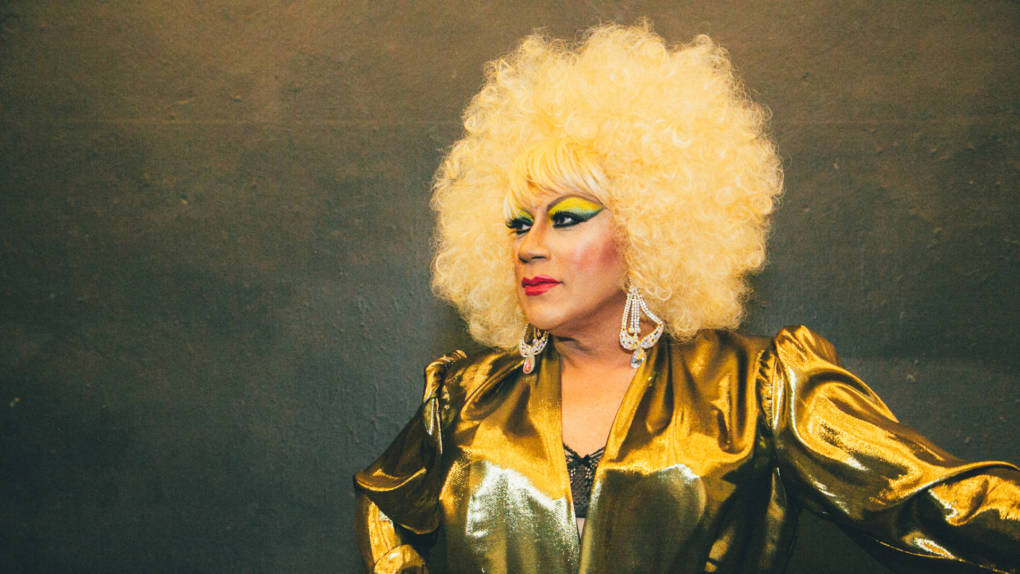
"caption": "Celebrated drag performer Juanita MORE! calls out President Trump's ban on transgender people in the military as an attack on her community's civil rights. ",
"description": "Celebrated drag performer Juanita MORE! calls out President Trump's ban on transgender people in the military as an attack on her community's civil rights. ",
"title": "juanita more",
"credit": "Christina Campbell/KQED",
"status": "inherit",
"isLoading": false,
"fetchFailed": false
}
},
"audioPlayerReducer": {
"postId": "stream_live",
"isPaused": true,
"isPlaying": false,
"pfsActive": false,
"pledgeModalIsOpen": true,
"playerDrawerIsOpen": false,
"liveAudioPlayStartedAt": 0,
"liveAudioPlayContext": ""
},
"authorsReducer": {
"byline_arts_13853320": {
"type": "authors",
"id": "byline_arts_13853320",
"meta": {
"override": true
},
"slug": "byline_arts_13853320",
"name": "Andrew Flanagan",
"isLoading": false
},
"byline_arts_13851444": {
"type": "authors",
"id": "byline_arts_13851444",
"meta": {
"override": true
},
"slug": "byline_arts_13851444",
"name": "Andrew Lapin",
"isLoading": false
},
"byline_arts_13849176": {
"type": "authors",
"id": "byline_arts_13849176",
"meta": {
"override": true
},
"slug": "byline_arts_13849176",
"name": "Juanita MORE!",
"isLoading": false
},
"shotchkiss": {
"type": "authors",
"id": "61",
"meta": {
"index": "authors_1716337520",
"id": "61",
"found": true
},
"name": "Sarah Hotchkiss",
"firstName": "Sarah",
"lastName": "Hotchkiss",
"slug": "shotchkiss",
"email": "shotchkiss@kqed.org",
"display_author_email": true,
"staff_mastheads": [
"arts"
],
"title": "Senior Editor",
"bio": "Sarah Hotchkiss is a San Francisco \u003ca href=\"http://www.sarahhotchkiss.com\">artist\u003c/a> and arts writer. In 2019, she received the Dorothea & Leo Rabkin Foundation grant for visual art journalism and in 2020 she received a Society of Professional Journalists, Northern California award for excellence in arts and culture reporting.",
"avatar": "https://secure.gravatar.com/avatar/bc662df144b3d27fd8b1b6f1c2a420d34e91e53154d411bb7ad353cc8b6cea8d?s=600&d=blank&r=g",
"twitter": null,
"bluesky": null,
"facebook": null,
"instagram": null,
"linkedin": null,
"sites": [
{
"site": "",
"roles": [
"editor"
]
},
{
"site": "arts",
"roles": [
"Contributor",
"administrator"
]
},
{
"site": "artschool",
"roles": [
"administrator"
]
},
{
"site": "news",
"roles": [
"editor"
]
},
{
"site": "pop",
"roles": [
"administrator"
]
},
{
"site": "bayareabites",
"roles": [
"editor"
]
},
{
"site": "spark",
"roles": [
"editor"
]
},
{
"site": "checkplease",
"roles": [
"editor"
]
}
],
"headData": {
"title": "Sarah Hotchkiss | KQED",
"description": "Senior Editor",
"ogImgSrc": "https://secure.gravatar.com/avatar/bc662df144b3d27fd8b1b6f1c2a420d34e91e53154d411bb7ad353cc8b6cea8d?s=600&d=blank&r=g",
"twImgSrc": "https://secure.gravatar.com/avatar/bc662df144b3d27fd8b1b6f1c2a420d34e91e53154d411bb7ad353cc8b6cea8d?s=600&d=blank&r=g"
},
"isLoading": false,
"link": "/author/shotchkiss"
},
"rachael-myrow": {
"type": "authors",
"id": "251",
"meta": {
"index": "authors_1716337520",
"id": "251",
"found": true
},
"name": "Rachael Myrow",
"firstName": "Rachael",
"lastName": "Myrow",
"slug": "rachael-myrow",
"email": "rmyrow@kqed.org",
"display_author_email": true,
"staff_mastheads": [
"news"
],
"title": "Senior Editor of KQED's Silicon Valley News Desk",
"bio": "• I write and edit stories about how Silicon Valley power and policies shape everyday life in California. I’m also passionate about making Bay Area history and culture more accessible to a broad public. • I’ve been a journalist for most of my life, starting in high school with The Franklin Press in Los Angeles, where I grew up. While earning my first degree in English at UC Berkeley, I got my start in public radio at KALX-FM. After completing a second degree in journalism at Cal, I landed my first professional job at Marketplace, then moved on to KPCC (now LAist), and then KQED, where I hosted The California Report for more than seven years. • My reporting has appeared on NPR, The World, WBUR’s \u003ci>Here & Now\u003c/i>, and the BBC. I also guest host for KQED’s \u003ci>Forum\u003c/i>, as well as the Commonwealth Club in San Francisco. • I speak periodically on media, democracy and technology issues, and do voiceover work for documentaries and educational video projects. • Outside of the studio, you'll find me hiking Bay Area trails and whipping up Insta-ready meals in my kitchen. • I do not accept gifts, money, or favors from anyone connected to my reporting, I don't pay people for information, and I do not support or donate to political causes. • I strive to treat the people I report on with fairness, honesty, and respect. I also recognize there are often multiple sides to a story and work to verify information through multiple sources and documentation. If I get something wrong, I correct it.",
"avatar": "https://secure.gravatar.com/avatar/3ed8a3c5f26025e4a805ba634cda8cd764906b97438a6d9ce216b044e340da4e?s=600&d=blank&r=g",
"twitter": "rachaelmyrow",
"bluesky": null,
"facebook": null,
"instagram": null,
"linkedin": "https://www.linkedin.com/in/rachaelmyrow/",
"sites": [
{
"site": "arts",
"roles": [
"administrator"
]
},
{
"site": "news",
"roles": [
"edit_others_posts",
"editor"
]
},
{
"site": "futureofyou",
"roles": [
"editor"
]
},
{
"site": "bayareabites",
"roles": [
"editor"
]
},
{
"site": "stateofhealth",
"roles": [
"editor"
]
},
{
"site": "science",
"roles": [
"editor"
]
},
{
"site": "food",
"roles": [
"editor"
]
},
{
"site": "forum",
"roles": [
"editor"
]
},
{
"site": "liveblog",
"roles": [
"author"
]
}
],
"headData": {
"title": "Rachael Myrow | KQED",
"description": "Senior Editor of KQED's Silicon Valley News Desk",
"ogImgSrc": "https://secure.gravatar.com/avatar/3ed8a3c5f26025e4a805ba634cda8cd764906b97438a6d9ce216b044e340da4e?s=600&d=blank&r=g",
"twImgSrc": "https://secure.gravatar.com/avatar/3ed8a3c5f26025e4a805ba634cda8cd764906b97438a6d9ce216b044e340da4e?s=600&d=blank&r=g"
},
"isLoading": false,
"link": "/author/rachael-myrow"
},
"nvoynovskaya": {
"type": "authors",
"id": "11387",
"meta": {
"index": "authors_1716337520",
"id": "11387",
"found": true
},
"name": "Nastia Voynovskaya",
"firstName": "Nastia",
"lastName": "Voynovskaya",
"slug": "nvoynovskaya",
"email": "nvoynovskaya@kqed.org",
"display_author_email": false,
"staff_mastheads": [
"arts"
],
"title": "Editor and reporter",
"bio": "Nastia Voynovskaya is a reporter, editor and host at KQED Arts & Culture. She's been covering the arts in the Bay Area for over a decade, with a focus on music, queer culture, labor issues and grassroots organizing. She has edited KQED story series such as Trans Bay: A History of San Francisco's Gender-Diverse Community, and co-created KQED's Bay Area hip-hop history project, That's My Word. Nastia's work has been recognized by the Society of Professional Journalists and San Francisco Press Club. She regularly appears on podcasts and radio programs, including NPR's All Songs Considered, and hosts live events where music, culture and conversation meet.",
"avatar": "https://secure.gravatar.com/avatar/5025ee460e5a85d69ca20ea6c6f2f80d7e17795c828f61ea3aecfcd924e9042e?s=600&d=blank&r=g",
"twitter": null,
"bluesky": null,
"facebook": null,
"instagram": "https://www.instagram.com/nananastia/",
"linkedin": null,
"sites": [
{
"site": "",
"roles": [
"editor"
]
},
{
"site": "arts",
"roles": [
"administrator"
]
},
{
"site": "news",
"roles": [
"editor"
]
},
{
"site": "pop",
"roles": [
"administrator"
]
},
{
"site": "bayareabites",
"roles": [
"editor"
]
},
{
"site": "podcasts",
"roles": [
"editor"
]
},
{
"site": "hiphop",
"roles": [
"editor"
]
}
],
"headData": {
"title": "Nastia Voynovskaya | KQED",
"description": "Editor and reporter",
"ogImgSrc": "https://secure.gravatar.com/avatar/5025ee460e5a85d69ca20ea6c6f2f80d7e17795c828f61ea3aecfcd924e9042e?s=600&d=blank&r=g",
"twImgSrc": "https://secure.gravatar.com/avatar/5025ee460e5a85d69ca20ea6c6f2f80d7e17795c828f61ea3aecfcd924e9042e?s=600&d=blank&r=g"
},
"isLoading": false,
"link": "/author/nvoynovskaya"
}
},
"pagesReducer": {
"arts_tag_lgbtq": {
"type": "terms",
"id": "arts_3226",
"meta": {
"index": "terms_1716263798",
"site": "arts",
"id": "3226",
"score": 8.28313
},
"name": "LGBTQ+",
"slug": "lgbtq",
"taxonomy": "tag",
"description": null,
"featImg": null,
"headData": {
"title": "LGBTQ+ | KQED Arts",
"description": null,
"ogTitle": null,
"ogDescription": null,
"ogImgId": null,
"twTitle": null,
"twDescription": null,
"twImgId": null
},
"ttid": 3238,
"isLoading": false,
"title": "LGBTQ+",
"pageMeta": {
"site": "arts",
"WpPageTemplate": "page-topic-editorial",
"currentPage": 23
},
"blocks": [
{
"blockName": "kqed/post-list",
"attrs": {
"layout": "cardArticle2",
"query": "posts/arts?tag=lgbtq",
"seeMore": false,
"paginated": true,
"page": 23
}
},
{
"blockName": "kqed/ad"
}
]
}
},
"pfsSessionReducer": {},
"postsReducer": {
"stream_live": {
"type": "live",
"id": "stream_live",
"audioUrl": "https://streams.kqed.org/kqedradio",
"title": "Live Stream",
"excerpt": "Live Stream information currently unavailable.",
"link": "/radio",
"featImg": "",
"label": {
"name": "KQED Live",
"link": "/"
}
},
"stream_kqedNewscast": {
"type": "posts",
"id": "stream_kqedNewscast",
"audioUrl": "https://www.kqed.org/.stream/anon/radio/RDnews/newscast.mp3?_=1",
"title": "KQED Newscast",
"featImg": "",
"label": {
"name": "88.5 FM",
"link": "/"
}
},
"arts_13858609": {
"type": "posts",
"id": "arts_13858609",
"meta": {
"index": "posts_1716263798",
"site": "arts",
"id": "13858609",
"score": null,
"sort": [
1559588381000
]
},
"guestAuthors": [],
"slug": "welcome-to-pride-as-protest-a-new-kqed-arts-story-series",
"title": "Welcome to 'Pride as Protest,' a New KQED Arts Story Series",
"publishDate": 1559588381,
"format": "standard",
"headTitle": "Welcome to ‘Pride as Protest,’ a New KQED Arts Story Series | KQED",
"labelTerm": {
"site": "arts"
},
"content": "\u003cp>The annual Pride celebration is one of San Francisco’s most popular festivities, drawing out hundreds of thousands of LGBTQ+ people, straight allies and visitors from all over the world. But before Pride became a mainstream institution endorsed by city officials, local police and corporations like Google and Facebook, it was a revolt.\u003c/p>\n\u003cp>Fifty years ago, on June 28, 1969, queer and trans patrons at New York’s Stonewall Inn, led by trans women of color, rioted against police harassment. The chaos continued for three days, tearing up the Greenwich Village block in defiance of restrictive anti-LGBTQ+ laws and police brutality. Radical organizations sprung from the uprising: Street Transvestite Action Revolutionaries (STAR), led by Marsha P. Johnson and Sylvia Rivera, fought for the rights of trans women and gender-nonconforming people who routinely faced harassment and discrimination. The Gay Liberation Front (GLF) attempted to unite the gay rights movement with anti-capitalist, anti-war movements of the time.\u003c/p>\n\u003cp>https://vimeo.com/338962572\u003c/p>\n\u003cp>\u003cem>KQED footage from 1973 shows an interview with vigilante group the Lavender Panthers, who armed gay people with clubs and red spray paint against police and homophobic violence. Video courtesy of KQED Archives.\u003c/em>\u003c/p>\n\u003cp>The anniversary of Stonewall inspired Pride celebrations all over the country in the early ’70s, but not everything was harmonious in those times. Many queer women felt alienated by the GLF’s mostly male membership, as well as in mostly straight radical feminist groups. Conversely, many lesbian activists at the time discriminated against trans women, who they argued benefited from “male privilege.” There was little acknowledgement of bisexual people, trans men, intersex people or non-binary people. And furthermore, many early gay rights organizations had a majority-white membership that was often tone-deaf to issues affecting queer and trans people of color.\u003c/p>\n\u003cp>[ad fullwidth]\u003c/p>\n\u003cp>https://vimeo.com/338989968\u003c/p>\n\u003cp>\u003cem>KQED footage from 1970 shows a protest in front of San Francisco’s ABC/KGO-TV studios against homophobia in mass media. Video courtesy of KQED Archives.\u003c/em>\u003c/p>\n\u003cp>As flawed as it was, the early gay rights movement’s radical politics inspired decades of queer and trans organizing that endures today. In KQED Arts’ \u003ca href=\"https://www.kqed.org/arts/program/pride-as-protest\" target=\"_blank\" rel=\"noopener\">\u003cem>Pride as Protest\u003c/em>\u003c/a> series, you’ll read about queer and trans elders, like Miss Major Griffin-Gracy, who forever changed history; dive into the LGTBQ+ community’s organizing efforts around the AIDS epidemic at a time when the federal government turned a blind eye; learn about the radical tactics of direct-action groups like \u003ca href=\"https://www.kqed.org/arts/13858167/queer-nation-lgbtq-activism-90s\" target=\"_blank\" rel=\"noopener\">Queer Nation\u003c/a> and \u003ca href=\"https://www.kqed.org/arts/13857994/activists-demand-a-police-free-pride-as-sfpd-ramps-up-its-gay-friendly-image\" rel=\"noopener\" target=\"_blank\">Gay Shame\u003c/a>; remember how \u003ca href=\"https://www.kqed.org/arts/13858290/sfs-first-black-owned-gay-bar-offered-refuge-from-racism-in-the-90s-queer-scene\" target=\"_blank\" rel=\"noopener\">San Francisco’s first black-owned gay bar\u003c/a> provided a refuge from racism and homophobia; and hear from drag queens using their craft as an art therapy tool for housing-insecure LGBTQ+ youth. [aside postid='arts_13858699']\u003c/p>\n\u003cp>\u003c/p>\n\u003cp>These stories run today through June 13, and we want to hear from you, our readers. We invite you to send in your photos of LGBTQ+ life for our \u003ca href=\"https://www.kqed.org/arts/13858699/mypridelookslike-share-photos-of-your-lgbtq-life-over-the-decades\" target=\"_blank\" rel=\"noopener\">#MyPrideLooksLike\u003c/a> project, which aims to showcase the diversity and resilience of our queer and trans community. The goal is to celebrate the different ways we express ourselves, and to remember Pride’s radical roots.\u003c/p>\n\n",
"blocks": [],
"excerpt": "KQED Arts' new story series celebrates the radical roots of Pride.",
"status": "publish",
"parent": 0,
"modified": 1741366884,
"stats": {
"hasAudio": false,
"hasVideo": false,
"hasChartOrMap": false,
"iframeSrcs": [],
"hasGoogleForm": false,
"hasGallery": false,
"hasHearkenModule": false,
"hasPolis": false,
"paragraphCount": 9,
"wordCount": 532
},
"headData": {
"title": "Welcome to 'Pride as Protest,' a New KQED Arts Story Series | KQED",
"description": "KQED Arts' new story series celebrates the radical roots of Pride.",
"ogTitle": "",
"ogDescription": "",
"ogImgId": "",
"twTitle": "",
"twDescription": "",
"twImgId": "",
"schema": {
"@context": "https://schema.org",
"@type": "Article",
"headline": "Welcome to 'Pride as Protest,' a New KQED Arts Story Series",
"datePublished": "2019-06-03T11:59:41-07:00",
"dateModified": "2025-03-07T09:01:24-08:00",
"image": "https://cdn.kqed.org/wp-content/uploads/2020/02/KQED-OG-Image@1x.png"
}
},
"sticky": false,
"templateType": "standard",
"featuredImageType": "standard",
"path": "/arts/13858609/welcome-to-pride-as-protest-a-new-kqed-arts-story-series",
"audioTrackLength": null,
"parsedContent": [
{
"type": "contentString",
"content": "\u003cdiv class=\"post-body\">\u003cp>\u003cp>The annual Pride celebration is one of San Francisco’s most popular festivities, drawing out hundreds of thousands of LGBTQ+ people, straight allies and visitors from all over the world. But before Pride became a mainstream institution endorsed by city officials, local police and corporations like Google and Facebook, it was a revolt.\u003c/p>\n\u003cp>Fifty years ago, on June 28, 1969, queer and trans patrons at New York’s Stonewall Inn, led by trans women of color, rioted against police harassment. The chaos continued for three days, tearing up the Greenwich Village block in defiance of restrictive anti-LGBTQ+ laws and police brutality. Radical organizations sprung from the uprising: Street Transvestite Action Revolutionaries (STAR), led by Marsha P. Johnson and Sylvia Rivera, fought for the rights of trans women and gender-nonconforming people who routinely faced harassment and discrimination. The Gay Liberation Front (GLF) attempted to unite the gay rights movement with anti-capitalist, anti-war movements of the time.\u003c/p>\u003c/p>\u003c/div>",
"attributes": {
"named": {},
"numeric": []
}
},
{
"type": "component",
"content": "",
"name": "vimeoLink",
"attributes": {
"named": {
"vimeoId": "338962572"
},
"numeric": []
}
},
{
"type": "contentString",
"content": "\u003cdiv class=\"post-body\">\u003cp>\u003cp>\u003cem>KQED footage from 1973 shows an interview with vigilante group the Lavender Panthers, who armed gay people with clubs and red spray paint against police and homophobic violence. Video courtesy of KQED Archives.\u003c/em>\u003c/p>\n\u003cp>The anniversary of Stonewall inspired Pride celebrations all over the country in the early ’70s, but not everything was harmonious in those times. Many queer women felt alienated by the GLF’s mostly male membership, as well as in mostly straight radical feminist groups. Conversely, many lesbian activists at the time discriminated against trans women, who they argued benefited from “male privilege.” There was little acknowledgement of bisexual people, trans men, intersex people or non-binary people. And furthermore, many early gay rights organizations had a majority-white membership that was often tone-deaf to issues affecting queer and trans people of color.\u003c/p>\n\u003cp>\u003c/p>\u003c/div>",
"attributes": {
"named": {},
"numeric": []
}
},
{
"type": "component",
"content": "",
"name": "ad",
"attributes": {
"named": {
"label": "fullwidth"
},
"numeric": [
"fullwidth"
]
}
},
{
"type": "contentString",
"content": "\u003cdiv class=\"post-body\">\u003cp>\u003c/p>\u003c/p>\u003c/div>",
"attributes": {
"named": {},
"numeric": []
}
},
{
"type": "component",
"content": "",
"name": "vimeoLink",
"attributes": {
"named": {
"vimeoId": "338989968"
},
"numeric": []
}
},
{
"type": "contentString",
"content": "\u003cdiv class=\"post-body\">\u003cp>\u003cp>\u003cem>KQED footage from 1970 shows a protest in front of San Francisco’s ABC/KGO-TV studios against homophobia in mass media. Video courtesy of KQED Archives.\u003c/em>\u003c/p>\n\u003cp>As flawed as it was, the early gay rights movement’s radical politics inspired decades of queer and trans organizing that endures today. In KQED Arts’ \u003ca href=\"https://www.kqed.org/arts/program/pride-as-protest\" target=\"_blank\" rel=\"noopener\">\u003cem>Pride as Protest\u003c/em>\u003c/a> series, you’ll read about queer and trans elders, like Miss Major Griffin-Gracy, who forever changed history; dive into the LGTBQ+ community’s organizing efforts around the AIDS epidemic at a time when the federal government turned a blind eye; learn about the radical tactics of direct-action groups like \u003ca href=\"https://www.kqed.org/arts/13858167/queer-nation-lgbtq-activism-90s\" target=\"_blank\" rel=\"noopener\">Queer Nation\u003c/a> and \u003ca href=\"https://www.kqed.org/arts/13857994/activists-demand-a-police-free-pride-as-sfpd-ramps-up-its-gay-friendly-image\" rel=\"noopener\" target=\"_blank\">Gay Shame\u003c/a>; remember how \u003ca href=\"https://www.kqed.org/arts/13858290/sfs-first-black-owned-gay-bar-offered-refuge-from-racism-in-the-90s-queer-scene\" target=\"_blank\" rel=\"noopener\">San Francisco’s first black-owned gay bar\u003c/a> provided a refuge from racism and homophobia; and hear from drag queens using their craft as an art therapy tool for housing-insecure LGBTQ+ youth. \u003c/p>\u003c/div>",
"attributes": {
"named": {},
"numeric": []
}
},
{
"type": "component",
"content": "",
"name": "aside",
"attributes": {
"named": {
"postid": "arts_13858699",
"label": ""
},
"numeric": []
}
},
{
"type": "contentString",
"content": "\u003cdiv class=\"post-body\">\u003cp>\u003c/p>\n\u003cp>\u003c/p>\n\u003cp>These stories run today through June 13, and we want to hear from you, our readers. We invite you to send in your photos of LGBTQ+ life for our \u003ca href=\"https://www.kqed.org/arts/13858699/mypridelookslike-share-photos-of-your-lgbtq-life-over-the-decades\" target=\"_blank\" rel=\"noopener\">#MyPrideLooksLike\u003c/a> project, which aims to showcase the diversity and resilience of our queer and trans community. The goal is to celebrate the different ways we express ourselves, and to remember Pride’s radical roots.\u003c/p>\n\n\u003c/div>\u003c/p>",
"attributes": {
"named": {},
"numeric": []
}
}
],
"link": "/arts/13858609/welcome-to-pride-as-protest-a-new-kqed-arts-story-series",
"authors": [
"11387"
],
"categories": [
"arts_1"
],
"tags": [
"arts_3226",
"arts_7503"
],
"featImg": "arts_13858814",
"label": "arts"
},
"arts_13858627": {
"type": "posts",
"id": "arts_13858627",
"meta": {
"index": "posts_1716263798",
"site": "arts",
"id": "13858627",
"score": null,
"sort": [
1559395823000
]
},
"guestAuthors": [],
"slug": "gender-bent-broadway-frees-musical-theater-from-tired-old-attitudes",
"title": "'Gender Bent Broadway' Frees Musical Theater From Tired, Old Attitudes",
"publishDate": 1559395823,
"format": "audio",
"headTitle": "‘Gender Bent Broadway’ Frees Musical Theater From Tired, Old Attitudes | KQED",
"labelTerm": {
"site": "arts"
},
"content": "\u003cp>Just in time for LGBTQ+ Pride Month, \u003ca href=\"https://cltc.org\" target=\"_blank\" rel=\"noopener\">City Lights Theater Company\u003c/a> in San Jose presents \u003cem>Gender Bent Broadway\u003c/em>. That is to say, actors singing songs from roles they’ve always wanted to play, but couldn’t because of boring gender norms.\u003c/p>\n\u003cp>If you’re a fan of musical theater, and what 7 year old isn’t, it’s easy to love Robert Preston singing “Ya Got Trouble” from the 1957 Broadway musical \u003cem>The Music Man\u003c/em>.\u003c/p>\n\u003cp>Chloë Angst of Fremont fell in love with the song when she was 7.\u003c/p>\n\u003cp>“I loved it so much and I thought, ‘I want to play that part one day,'” Angst said, taking a moment’s respite from rehearsals ahead of the concert Sunday night.\u003c/p>\n\u003cp>But when she became a professional actor, right here in the San Francisco Bay Area, Angst was shocked to discover most casting directors seem inclined to hire biological males for roles written for men.\u003c/p>\n\u003cp>[ad fullwidth]\u003c/p>\n\u003cp>[youtube https://www.youtube.com/watch?v=LI_Oe-jtgdI]\u003c/p>\n\u003cp>“There’s usually a question on the audition form that says, ‘Which roles are you interested in taking?’ I will write down a male role, and 99% of the time, I do not get called back for that role and it is cast as a male.”\u003c/p>\n\u003cp>[aside postID='arts_13858609,arts_13858699,forum_2010101855532' label='Related Coverage']What could possibly account for this conventionality in the San Francisco Bay Area in 2019? Angst suggests timid regional theater companies fear offending older season subscribers. That, despite the fact Baby Boomers, right here in the Bay Area, helped usher in the sexual revolution and gay rights revolution in the 1960s and 70s.\u003c/p>\n\u003cp>Certainly, cabaret theater in the U.S. and abroad has celebrated gender fluidity for decades. In a revue, it doesn’t require any leap of imagination to divorce a song from the character that song was written for.\u003c/p>\n\u003cp>Broadway plays like \u003cem>Hedwig\u003c/em> and \u003cem>M. Butterfly\u003c/em> show there’s an appetite for stories detached from hetereonormative traditions. But that consciousness doesn’t necessarily find its way to modern productions of older plays and musicals.\u003c/p>\n\u003cp>Perhaps gender bending casting choices seem less risky when it’s a \u003ca href=\"http://www.playbill.com/article/6-gender-bending-broadway-replacements\" target=\"_blank\" rel=\"noopener\">celebrity\u003c/a> casting choice, as in the English actor \u003ca href=\"https://variety.com/2019/legit/reviews/king-lear-review-glenda-jackson-broadway-1203180018/\" target=\"_blank\" rel=\"noopener\">Glenda Jackson playing King Lear\u003c/a> on Broadway.\u003c/p>\n\u003cp>[youtube https://www.youtube.com/watch?v=M6b9ITKGWQM]\u003c/p>\n\u003cp>Whatever the case, with \u003ca href=\"http://cltc.org/concerts-special-events/\" target=\"_blank\" rel=\"noopener\">Gender Bent Broadway\u003c/a>, Angst gives herself and five other singing actors the chance to switch up the casting in a cabaret format. Also, the concert functions as a fundraiser for Angst’s new theater company, \u003ca href=\"http://www.badtheatrecompany.com\" target=\"_blank\" rel=\"noopener noreferrer\">B.A.D. Theatre Company\u003c/a>. B.A.D. there standing for Bay Area Diversity.\u003c/p>\n\u003cp>\u003c/p>\n\u003cp>In other words, expect more of the same. Finally!\u003c/p>\n\n",
"blocks": [],
"excerpt": "Young Bay Area actors are keen to gender bend in casting, playing roles written in past eras for the \"other\" sex.",
"status": "publish",
"parent": 0,
"modified": 1741366791,
"stats": {
"hasAudio": false,
"hasVideo": true,
"hasChartOrMap": false,
"iframeSrcs": [],
"hasGoogleForm": false,
"hasGallery": false,
"hasHearkenModule": false,
"hasPolis": false,
"paragraphCount": 16,
"wordCount": 468
},
"headData": {
"title": "'Gender Bent Broadway' Frees Musical Theater From Tired, Old Attitudes | KQED",
"description": "Young Bay Area actors are keen to gender bend in casting, playing roles written in past eras for the "other" sex.",
"ogTitle": "",
"ogDescription": "",
"ogImgId": "",
"twTitle": "",
"twDescription": "",
"twImgId": "",
"schema": {
"@context": "https://schema.org",
"@type": "Article",
"headline": "'Gender Bent Broadway' Frees Musical Theater From Tired, Old Attitudes",
"datePublished": "2019-06-01T06:30:23-07:00",
"dateModified": "2025-03-07T08:59:51-08:00",
"image": "https://cdn.kqed.org/wp-content/uploads/2020/02/KQED-OG-Image@1x.png"
}
},
"audioUrl": "https://www.kqed.org/.stream/anon/radio/RDnews/2019/06/MyrowGenderBentBroadway.mp3",
"sticky": false,
"audioTrackLength": 106,
"path": "/arts/13858627/gender-bent-broadway-frees-musical-theater-from-tired-old-attitudes",
"parsedContent": [
{
"type": "contentString",
"content": "\u003cdiv class=\"post-body\">\u003cp>\u003cp>Just in time for LGBTQ+ Pride Month, \u003ca href=\"https://cltc.org\" target=\"_blank\" rel=\"noopener\">City Lights Theater Company\u003c/a> in San Jose presents \u003cem>Gender Bent Broadway\u003c/em>. That is to say, actors singing songs from roles they’ve always wanted to play, but couldn’t because of boring gender norms.\u003c/p>\n\u003cp>If you’re a fan of musical theater, and what 7 year old isn’t, it’s easy to love Robert Preston singing “Ya Got Trouble” from the 1957 Broadway musical \u003cem>The Music Man\u003c/em>.\u003c/p>\n\u003cp>Chloë Angst of Fremont fell in love with the song when she was 7.\u003c/p>\n\u003cp>“I loved it so much and I thought, ‘I want to play that part one day,'” Angst said, taking a moment’s respite from rehearsals ahead of the concert Sunday night.\u003c/p>\n\u003cp>But when she became a professional actor, right here in the San Francisco Bay Area, Angst was shocked to discover most casting directors seem inclined to hire biological males for roles written for men.\u003c/p>\n\u003cp>\u003c/p>\u003c/div>",
"attributes": {
"named": {},
"numeric": []
}
},
{
"type": "component",
"content": "",
"name": "ad",
"attributes": {
"named": {
"label": "fullwidth"
},
"numeric": [
"fullwidth"
]
}
},
{
"type": "contentString",
"content": "\u003cdiv class=\"post-body\">\u003cp>\u003c/p>\n\u003cp>\u003c/p>\u003cp>\u003cspan class='utils-parseShortcode-shortcodes-__youtubeShortcode__embedYoutube'>\n \u003cspan class='utils-parseShortcode-shortcodes-__youtubeShortcode__embedYoutubeInside'>\n \u003ciframe\n loading='lazy'\n class='utils-parseShortcode-shortcodes-__youtubeShortcode__youtubePlayer'\n type='text/html'\n src='//www.youtube.com/embed/LI_Oe-jtgdI'\n title='//www.youtube.com/embed/LI_Oe-jtgdI'\n allowfullscreen='true'\n style='border:0;'>\u003c/iframe>\n \u003c/span>\n \u003c/span>\u003c/p>\u003cp>\u003c/p>\n\u003cp>“There’s usually a question on the audition form that says, ‘Which roles are you interested in taking?’ I will write down a male role, and 99% of the time, I do not get called back for that role and it is cast as a male.”\u003c/p>\n\u003cp>\u003c/p>\u003c/div>",
"attributes": {
"named": {},
"numeric": []
}
},
{
"type": "component",
"content": "",
"name": "aside",
"attributes": {
"named": {
"postid": "arts_13858609,arts_13858699,forum_2010101855532",
"label": "Related Coverage "
},
"numeric": []
}
},
{
"type": "contentString",
"content": "\u003cdiv class=\"post-body\">\u003cp>What could possibly account for this conventionality in the San Francisco Bay Area in 2019? Angst suggests timid regional theater companies fear offending older season subscribers. That, despite the fact Baby Boomers, right here in the Bay Area, helped usher in the sexual revolution and gay rights revolution in the 1960s and 70s.\u003c/p>\n\u003cp>Certainly, cabaret theater in the U.S. and abroad has celebrated gender fluidity for decades. In a revue, it doesn’t require any leap of imagination to divorce a song from the character that song was written for.\u003c/p>\n\u003cp>Broadway plays like \u003cem>Hedwig\u003c/em> and \u003cem>M. Butterfly\u003c/em> show there’s an appetite for stories detached from hetereonormative traditions. But that consciousness doesn’t necessarily find its way to modern productions of older plays and musicals.\u003c/p>\n\u003cp>Perhaps gender bending casting choices seem less risky when it’s a \u003ca href=\"http://www.playbill.com/article/6-gender-bending-broadway-replacements\" target=\"_blank\" rel=\"noopener\">celebrity\u003c/a> casting choice, as in the English actor \u003ca href=\"https://variety.com/2019/legit/reviews/king-lear-review-glenda-jackson-broadway-1203180018/\" target=\"_blank\" rel=\"noopener\">Glenda Jackson playing King Lear\u003c/a> on Broadway.\u003c/p>\n\u003cp>\u003c/p>\u003cp>\u003cspan class='utils-parseShortcode-shortcodes-__youtubeShortcode__embedYoutube'>\n \u003cspan class='utils-parseShortcode-shortcodes-__youtubeShortcode__embedYoutubeInside'>\n \u003ciframe\n loading='lazy'\n class='utils-parseShortcode-shortcodes-__youtubeShortcode__youtubePlayer'\n type='text/html'\n src='//www.youtube.com/embed/M6b9ITKGWQM'\n title='//www.youtube.com/embed/M6b9ITKGWQM'\n allowfullscreen='true'\n style='border:0;'>\u003c/iframe>\n \u003c/span>\n \u003c/span>\u003c/p>\u003cp>\u003c/p>\n\u003cp>Whatever the case, with \u003ca href=\"http://cltc.org/concerts-special-events/\" target=\"_blank\" rel=\"noopener\">Gender Bent Broadway\u003c/a>, Angst gives herself and five other singing actors the chance to switch up the casting in a cabaret format. Also, the concert functions as a fundraiser for Angst’s new theater company, \u003ca href=\"http://www.badtheatrecompany.com\" target=\"_blank\" rel=\"noopener noreferrer\">B.A.D. Theatre Company\u003c/a>. B.A.D. there standing for Bay Area Diversity.\u003c/p>\n\u003cp>\u003c/p>\n\u003cp>In other words, expect more of the same. Finally!\u003c/p>\n\n\u003c/div>\u003c/p>",
"attributes": {
"named": {},
"numeric": []
}
}
],
"link": "/arts/13858627/gender-bent-broadway-frees-musical-theater-from-tired-old-attitudes",
"authors": [
"251"
],
"categories": [
"arts_1",
"arts_69",
"arts_235",
"arts_967"
],
"tags": [
"arts_3343",
"arts_1118",
"arts_5870",
"arts_3226",
"arts_596",
"arts_4642",
"arts_1084"
],
"featImg": "arts_13858760",
"label": "arts"
},
"arts_13856873": {
"type": "posts",
"id": "arts_13856873",
"meta": {
"index": "posts_1716263798",
"site": "arts",
"id": "13856873",
"score": null,
"sort": [
1557439229000
]
},
"parent": 0,
"labelTerm": {
"site": "arts"
},
"blocks": [],
"publishDate": 1557439229,
"format": "standard",
"title": "'With(out) With(in) the Very Moment' Honors Legacies of AIDS Activism Through Art",
"headTitle": "‘With(out) With(in) the Very Moment’ Honors Legacies of AIDS Activism Through Art | KQED",
"content": "\u003cp>In the back corner of the San Francisco Arts Commission Gallery, a small stack of Cliff Hengst’s \u003ci>Untitled (Signs)\u003c/i> series lean against the wall. As a humble pile of acrylic paintings on wood, each panel obscures the text of the one behind it, and each bears an all-caps quote from James Comey’s book \u003ci>A Higher Loyalty: Truth, Lies, and Leadership\u003c/i>.\u003c/p>\n\u003cp>The words of the powerful, the display seems to say, often amount to very little. And it’s ordinary citizens—artists, activists and the historically disenfranchised—who must advocate for themselves and their communities when no one else will.\u003c/p>\n\u003cp>\u003ci>\u003ca href=\"https://www.sfartscommission.org/experience-art/exhibitions/without-within-very-moment\" rel=\"noopener\" target=\"_blank\">With(out) With(in) the very moment\u003c/a>\u003c/i>, curated by San Francisco artist Margaret Tedesco, presents work by eight artists who witnessed moments when queer culture and activism were inseparable—and builds an argument for how those moments influenced their practices. With a focus on the legacies of HIV/AIDS activism of the 1980s and ’90s, \u003ci>With(out)\u003c/i> borrows its title in part from the annual \u003ca href=\"https://visualaids.org/projects/day-without-art\" rel=\"noopener\" target=\"_blank\">Day With(out) Art\u003c/a> on Dec. 1, an event organized by the nonprofit Visual AIDS which calls for arts organizations to unite in a day of mourning and action, acknowledging an ongoing crisis.\u003c/p>\n\u003cfigure id=\"attachment_13856886\" class=\"wp-caption aligncenter\" style=\"max-width: 1200px\">\u003cimg loading=\"lazy\" decoding=\"async\" src=\"https://ww2.kqed.org/arts/wp-content/uploads/sites/2/2019/05/ed-aulerich-sugai_powerstor_mask_1200.jpg\" alt=\"Ed Aulerich-Sugai, 'Pwer in Storage: Mast #3,' 1989.\" width=\"1200\" height=\"1192\" class=\"size-full wp-image-13856886\" srcset=\"https://cdn.kqed.org/wp-content/uploads/sites/2/2019/05/ed-aulerich-sugai_powerstor_mask_1200.jpg 1200w, https://cdn.kqed.org/wp-content/uploads/sites/2/2019/05/ed-aulerich-sugai_powerstor_mask_1200-160x159.jpg 160w, https://cdn.kqed.org/wp-content/uploads/sites/2/2019/05/ed-aulerich-sugai_powerstor_mask_1200-800x795.jpg 800w, https://cdn.kqed.org/wp-content/uploads/sites/2/2019/05/ed-aulerich-sugai_powerstor_mask_1200-768x763.jpg 768w, https://cdn.kqed.org/wp-content/uploads/sites/2/2019/05/ed-aulerich-sugai_powerstor_mask_1200-1020x1013.jpg 1020w\" sizes=\"(max-width: 1200px) 100vw, 1200px\">\u003cfigcaption class=\"wp-caption-text\">Ed Aulerich-Sugai, ‘Pwer in Storage: Mast #3,’ 1989. \u003ccite>(Courtesy of the Ed Aulerich-Sugai Collection and Archive)\u003c/cite>\u003c/figcaption>\u003c/figure>\n\u003cp>The beating heart of the SFAC show is a group of works on paper by Ed Aulerich-Sugai, who died in 1994 of AIDS-related complications. During the last seven years of his life, Aulerich-Sugai was immensely productive, and just a small fraction of his output is on view. The most moving piece on view is \u003ci>He Cries, She Cries: Homage to Our Sisters\u003c/i>, a large-scale horizontal full of anguished and discombobulated faces, a work that pays respect to the lesbian women who assumed the roles of caregivers during the HIV/AIDS epidemic. Hanging alongside it are delicate renderings of Japanese imagery (helmets, masks, gloves, ghosts and demons), which Aulerich-Sugai summoned as symbols of power and protection.\u003c/p>\n\u003cp>Aulerich-Sugai’s pairing of strong subject matter with fragile materials reflects the precarity of life during those years, a tactic picked up in later years by other artists in the exhibition. Hengst’s other contributions to the show, for example, are all works on paper, one of which cascades down from the ceiling to spread, like the waterfall it depicts, onto the gallery floor. Even a set of paintings on wood by Adam J. Ansell—messy full-body portraits of individuals—have the scaled-up dimensions of trading cards, imbuing the lively brushwork with a hint of ephemerality. \u003c/p>\n\u003cfigure id=\"attachment_13856883\" class=\"wp-caption aligncenter\" style=\"max-width: 1200px\">\u003cimg loading=\"lazy\" decoding=\"async\" src=\"https://ww2.kqed.org/arts/wp-content/uploads/sites/2/2019/05/2019_04-SFAC-Without-Within_1200.jpg\" alt=\"Installation view of 'With(out) With(in) the very moment,' with Cliff Hengst's 'Your Consciousness Goes Bip' at center.\" width=\"1200\" height=\"801\" class=\"size-full wp-image-13856883\" srcset=\"https://cdn.kqed.org/wp-content/uploads/sites/2/2019/05/2019_04-SFAC-Without-Within_1200.jpg 1200w, https://cdn.kqed.org/wp-content/uploads/sites/2/2019/05/2019_04-SFAC-Without-Within_1200-160x107.jpg 160w, https://cdn.kqed.org/wp-content/uploads/sites/2/2019/05/2019_04-SFAC-Without-Within_1200-800x534.jpg 800w, https://cdn.kqed.org/wp-content/uploads/sites/2/2019/05/2019_04-SFAC-Without-Within_1200-768x513.jpg 768w, https://cdn.kqed.org/wp-content/uploads/sites/2/2019/05/2019_04-SFAC-Without-Within_1200-1020x681.jpg 1020w\" sizes=\"(max-width: 1200px) 100vw, 1200px\">\u003cfigcaption class=\"wp-caption-text\">Installation view of ‘With(out) With(in) the very moment,’ with Cliff Hengst’s ‘Your Consciousness Goes Bip’ at center. \u003ccite>(Photo by Phillip Maisel)\u003c/cite>\u003c/figcaption>\u003c/figure>\n\u003cp>Another through-line in \u003ci>With(out)\u003c/i> comes from the reuse or repurposing of materials. Creating new narratives and symbols out of found images, cut maps or mylar window tint—as Elliott Anderson, Mark M. Garrett and Mark Paron do—is life-affirming. These actions point a way forward, while still honoring the past. \u003c/p>\n\u003cp>[ad fullwidth]\u003c/p>\n\u003cp>In the gallery’s back corner (near the Comey quotes), a vitrine filled with ephemera from both the Gay Liberation movement and HIV/AIDS activism further documents moments of collective action by the queer community—direct, creative and undeniably necessary. Among the treasures on display are an ACT UP pamphlet, “a journal of gay liberation” called \u003ci>Gay Sunshine\u003c/i>, a Keith Haring pin, exhibition catalogs from group shows at SFAI’s Walter McBean Galleries and Harvey Milk’s Castro Camera calling card. Activism and art are clearly entwined, and the aesthetic qualities of the materials are in service of the causes they urgently promote.\u003c/p>\n\u003cfigure id=\"attachment_13856885\" class=\"wp-caption aligncenter\" style=\"max-width: 1200px\">\u003cimg loading=\"lazy\" decoding=\"async\" src=\"https://ww2.kqed.org/arts/wp-content/uploads/sites/2/2019/05/2019_04-SFAC-Without-Within-31_1200.jpg\" alt=\"Installation view of ephemera.\" width=\"1200\" height=\"801\" class=\"size-full wp-image-13856885\" srcset=\"https://cdn.kqed.org/wp-content/uploads/sites/2/2019/05/2019_04-SFAC-Without-Within-31_1200.jpg 1200w, https://cdn.kqed.org/wp-content/uploads/sites/2/2019/05/2019_04-SFAC-Without-Within-31_1200-160x107.jpg 160w, https://cdn.kqed.org/wp-content/uploads/sites/2/2019/05/2019_04-SFAC-Without-Within-31_1200-800x534.jpg 800w, https://cdn.kqed.org/wp-content/uploads/sites/2/2019/05/2019_04-SFAC-Without-Within-31_1200-768x513.jpg 768w, https://cdn.kqed.org/wp-content/uploads/sites/2/2019/05/2019_04-SFAC-Without-Within-31_1200-1020x681.jpg 1020w\" sizes=\"(max-width: 1200px) 100vw, 1200px\">\u003cfigcaption class=\"wp-caption-text\">Installation view of ephemera. \u003ccite>(Photo by Phillip Maisel)\u003c/cite>\u003c/figcaption>\u003c/figure>\n\u003cp>Near the gallery’s entrance, Nancer LeMoins’ work picks up the mantle of direct engagement with a series of silkscreen portraits of homeless women on the worn-smooth soles of shoes. In an accompanying binder, the portraits are paired with quotes from each woman. “My heart hurts when you look at me like I’m nothing,” one reads. “If only you could see me the way I see myself,” says another. \u003c/p>\n\u003cp>In wall text, we learn that LeMoins herself is HIV positive; in 1986 this discovery forever shifted the trajectory of her art practice, and led her to begin teaching art classes to others struggling to live with HIV/AIDS. LeMoins’ work is all from the past five years, and yet it has a timeless quality to it that speaks to the city’s ongoing inability to house its most vulnerable citizens.\u003c/p>\n\u003cp>What \u003ci>With(out)\u003c/i> most poignantly achieves is a reminder that for those who live through times of great loss and personal tragedy, to make, as Tedesco’s opening note says, “bold work and quiet elegy” is not necessarily a choice but a way of viewing art as inextricably entwined with the struggle to lead a meaningful life. \u003c/p>\n\u003cp>It’s a sentiment writer Anton Stuebner echoes in \u003ci>\u003ca href=\"https://www.sfartscommission.org/sites/default/files/pdf/Steubner_2nd%20floor%20projects_edition%202019.pdf\" rel=\"noopener\" target=\"_blank\">You Are Not Alone\u003c/a>\u003c/i>, a limited edition publication displayed alongside the show’s selection of visual artwork (a bit of required reading for your post-viewing experience): “It’s my responsibility—and yours—to honor those we’ve lost by feeling joy and rage and loneliness. It is our responsibility to carve out livable lives for ourselves.”\u003c/p>\n\u003cp>\u003cimg loading=\"lazy\" decoding=\"async\" src=\"https://ww2.kqed.org/arts/wp-content/uploads/sites/2/2016/09/Q.Logo_.Break_.jpg\" alt=\"\" width=\"800\" height=\"78\" class=\"aligncenter size-full wp-image-12127869\" srcset=\"https://cdn.kqed.org/wp-content/uploads/sites/2/2016/09/Q.Logo_.Break_.jpg 800w, https://cdn.kqed.org/wp-content/uploads/sites/2/2016/09/Q.Logo_.Break_-400x39.jpg 400w, https://cdn.kqed.org/wp-content/uploads/sites/2/2016/09/Q.Logo_.Break_-768x75.jpg 768w\" sizes=\"(max-width: 800px) 100vw, 800px\">\u003c/p>\n\u003cp>\u003c/p>\n\u003cp>\u003ci>‘With(out) With(in) the very moment’ is on view at the San Francisco Arts Commission Gallery in the War Memorial Veterans Building through June 22. \u003ca href=\"https://www.sfartscommission.org/experience-art/exhibitions/without-within-very-moment\" rel=\"noopener\" target=\"_blank\">Details here\u003c/a>.\u003c/i> \u003c/p>\n\n",
"stats": {
"hasVideo": false,
"hasChartOrMap": false,
"hasAudio": false,
"hasPolis": false,
"wordCount": 968,
"hasGoogleForm": false,
"hasGallery": false,
"hasHearkenModule": false,
"iframeSrcs": [],
"paragraphCount": 15
},
"modified": 1705026225,
"excerpt": "A group exhibition at the SFAC Gallery remembers moments when queer culture and activism were inseparable, and hopes for a similar future.",
"headData": {
"twImgId": "",
"twTitle": "",
"ogTitle": "",
"ogImgId": "",
"twDescription": "",
"description": "A group exhibition at the SFAC Gallery remembers moments when queer culture and activism were inseparable, and hopes for a similar future.",
"title": "'With(out) With(in) the Very Moment' Honors Legacies of AIDS Activism Through Art | KQED",
"ogDescription": "",
"schema": {
"@context": "https://schema.org",
"@type": "Article",
"headline": "'With(out) With(in) the Very Moment' Honors Legacies of AIDS Activism Through Art",
"datePublished": "2019-05-09T15:00:29-07:00",
"dateModified": "2024-01-11T18:23:45-08:00",
"image": "https://cdn.kqed.org/wp-content/uploads/2020/02/KQED-OG-Image@1x.png"
}
},
"guestAuthors": [],
"slug": "without-within-the-very-moment-sfac-gallery",
"status": "publish",
"sticky": false,
"path": "/arts/13856873/without-within-the-very-moment-sfac-gallery",
"audioTrackLength": null,
"parsedContent": [
{
"type": "contentString",
"content": "\u003cdiv class=\"post-body\">\u003cp>\u003cp>In the back corner of the San Francisco Arts Commission Gallery, a small stack of Cliff Hengst’s \u003ci>Untitled (Signs)\u003c/i> series lean against the wall. As a humble pile of acrylic paintings on wood, each panel obscures the text of the one behind it, and each bears an all-caps quote from James Comey’s book \u003ci>A Higher Loyalty: Truth, Lies, and Leadership\u003c/i>.\u003c/p>\n\u003cp>The words of the powerful, the display seems to say, often amount to very little. And it’s ordinary citizens—artists, activists and the historically disenfranchised—who must advocate for themselves and their communities when no one else will.\u003c/p>\n\u003cp>\u003ci>\u003ca href=\"https://www.sfartscommission.org/experience-art/exhibitions/without-within-very-moment\" rel=\"noopener\" target=\"_blank\">With(out) With(in) the very moment\u003c/a>\u003c/i>, curated by San Francisco artist Margaret Tedesco, presents work by eight artists who witnessed moments when queer culture and activism were inseparable—and builds an argument for how those moments influenced their practices. With a focus on the legacies of HIV/AIDS activism of the 1980s and ’90s, \u003ci>With(out)\u003c/i> borrows its title in part from the annual \u003ca href=\"https://visualaids.org/projects/day-without-art\" rel=\"noopener\" target=\"_blank\">Day With(out) Art\u003c/a> on Dec. 1, an event organized by the nonprofit Visual AIDS which calls for arts organizations to unite in a day of mourning and action, acknowledging an ongoing crisis.\u003c/p>\n\u003cfigure id=\"attachment_13856886\" class=\"wp-caption aligncenter\" style=\"max-width: 1200px\">\u003cimg loading=\"lazy\" decoding=\"async\" src=\"https://ww2.kqed.org/arts/wp-content/uploads/sites/2/2019/05/ed-aulerich-sugai_powerstor_mask_1200.jpg\" alt=\"Ed Aulerich-Sugai, 'Pwer in Storage: Mast #3,' 1989.\" width=\"1200\" height=\"1192\" class=\"size-full wp-image-13856886\" srcset=\"https://cdn.kqed.org/wp-content/uploads/sites/2/2019/05/ed-aulerich-sugai_powerstor_mask_1200.jpg 1200w, https://cdn.kqed.org/wp-content/uploads/sites/2/2019/05/ed-aulerich-sugai_powerstor_mask_1200-160x159.jpg 160w, https://cdn.kqed.org/wp-content/uploads/sites/2/2019/05/ed-aulerich-sugai_powerstor_mask_1200-800x795.jpg 800w, https://cdn.kqed.org/wp-content/uploads/sites/2/2019/05/ed-aulerich-sugai_powerstor_mask_1200-768x763.jpg 768w, https://cdn.kqed.org/wp-content/uploads/sites/2/2019/05/ed-aulerich-sugai_powerstor_mask_1200-1020x1013.jpg 1020w\" sizes=\"(max-width: 1200px) 100vw, 1200px\">\u003cfigcaption class=\"wp-caption-text\">Ed Aulerich-Sugai, ‘Pwer in Storage: Mast #3,’ 1989. \u003ccite>(Courtesy of the Ed Aulerich-Sugai Collection and Archive)\u003c/cite>\u003c/figcaption>\u003c/figure>\n\u003cp>The beating heart of the SFAC show is a group of works on paper by Ed Aulerich-Sugai, who died in 1994 of AIDS-related complications. During the last seven years of his life, Aulerich-Sugai was immensely productive, and just a small fraction of his output is on view. The most moving piece on view is \u003ci>He Cries, She Cries: Homage to Our Sisters\u003c/i>, a large-scale horizontal full of anguished and discombobulated faces, a work that pays respect to the lesbian women who assumed the roles of caregivers during the HIV/AIDS epidemic. Hanging alongside it are delicate renderings of Japanese imagery (helmets, masks, gloves, ghosts and demons), which Aulerich-Sugai summoned as symbols of power and protection.\u003c/p>\n\u003cp>Aulerich-Sugai’s pairing of strong subject matter with fragile materials reflects the precarity of life during those years, a tactic picked up in later years by other artists in the exhibition. Hengst’s other contributions to the show, for example, are all works on paper, one of which cascades down from the ceiling to spread, like the waterfall it depicts, onto the gallery floor. Even a set of paintings on wood by Adam J. Ansell—messy full-body portraits of individuals—have the scaled-up dimensions of trading cards, imbuing the lively brushwork with a hint of ephemerality. \u003c/p>\n\u003cfigure id=\"attachment_13856883\" class=\"wp-caption aligncenter\" style=\"max-width: 1200px\">\u003cimg loading=\"lazy\" decoding=\"async\" src=\"https://ww2.kqed.org/arts/wp-content/uploads/sites/2/2019/05/2019_04-SFAC-Without-Within_1200.jpg\" alt=\"Installation view of 'With(out) With(in) the very moment,' with Cliff Hengst's 'Your Consciousness Goes Bip' at center.\" width=\"1200\" height=\"801\" class=\"size-full wp-image-13856883\" srcset=\"https://cdn.kqed.org/wp-content/uploads/sites/2/2019/05/2019_04-SFAC-Without-Within_1200.jpg 1200w, https://cdn.kqed.org/wp-content/uploads/sites/2/2019/05/2019_04-SFAC-Without-Within_1200-160x107.jpg 160w, https://cdn.kqed.org/wp-content/uploads/sites/2/2019/05/2019_04-SFAC-Without-Within_1200-800x534.jpg 800w, https://cdn.kqed.org/wp-content/uploads/sites/2/2019/05/2019_04-SFAC-Without-Within_1200-768x513.jpg 768w, https://cdn.kqed.org/wp-content/uploads/sites/2/2019/05/2019_04-SFAC-Without-Within_1200-1020x681.jpg 1020w\" sizes=\"(max-width: 1200px) 100vw, 1200px\">\u003cfigcaption class=\"wp-caption-text\">Installation view of ‘With(out) With(in) the very moment,’ with Cliff Hengst’s ‘Your Consciousness Goes Bip’ at center. \u003ccite>(Photo by Phillip Maisel)\u003c/cite>\u003c/figcaption>\u003c/figure>\n\u003cp>Another through-line in \u003ci>With(out)\u003c/i> comes from the reuse or repurposing of materials. Creating new narratives and symbols out of found images, cut maps or mylar window tint—as Elliott Anderson, Mark M. Garrett and Mark Paron do—is life-affirming. These actions point a way forward, while still honoring the past. \u003c/p>\n\u003cp>\u003c/p>\u003c/div>",
"attributes": {
"named": {},
"numeric": []
}
},
{
"type": "component",
"content": "",
"name": "ad",
"attributes": {
"named": {
"label": "fullwidth"
},
"numeric": [
"fullwidth"
]
}
},
{
"type": "contentString",
"content": "\u003cdiv class=\"post-body\">\u003cp>\u003c/p>\n\u003cp>In the gallery’s back corner (near the Comey quotes), a vitrine filled with ephemera from both the Gay Liberation movement and HIV/AIDS activism further documents moments of collective action by the queer community—direct, creative and undeniably necessary. Among the treasures on display are an ACT UP pamphlet, “a journal of gay liberation” called \u003ci>Gay Sunshine\u003c/i>, a Keith Haring pin, exhibition catalogs from group shows at SFAI’s Walter McBean Galleries and Harvey Milk’s Castro Camera calling card. Activism and art are clearly entwined, and the aesthetic qualities of the materials are in service of the causes they urgently promote.\u003c/p>\n\u003cfigure id=\"attachment_13856885\" class=\"wp-caption aligncenter\" style=\"max-width: 1200px\">\u003cimg loading=\"lazy\" decoding=\"async\" src=\"https://ww2.kqed.org/arts/wp-content/uploads/sites/2/2019/05/2019_04-SFAC-Without-Within-31_1200.jpg\" alt=\"Installation view of ephemera.\" width=\"1200\" height=\"801\" class=\"size-full wp-image-13856885\" srcset=\"https://cdn.kqed.org/wp-content/uploads/sites/2/2019/05/2019_04-SFAC-Without-Within-31_1200.jpg 1200w, https://cdn.kqed.org/wp-content/uploads/sites/2/2019/05/2019_04-SFAC-Without-Within-31_1200-160x107.jpg 160w, https://cdn.kqed.org/wp-content/uploads/sites/2/2019/05/2019_04-SFAC-Without-Within-31_1200-800x534.jpg 800w, https://cdn.kqed.org/wp-content/uploads/sites/2/2019/05/2019_04-SFAC-Without-Within-31_1200-768x513.jpg 768w, https://cdn.kqed.org/wp-content/uploads/sites/2/2019/05/2019_04-SFAC-Without-Within-31_1200-1020x681.jpg 1020w\" sizes=\"(max-width: 1200px) 100vw, 1200px\">\u003cfigcaption class=\"wp-caption-text\">Installation view of ephemera. \u003ccite>(Photo by Phillip Maisel)\u003c/cite>\u003c/figcaption>\u003c/figure>\n\u003cp>Near the gallery’s entrance, Nancer LeMoins’ work picks up the mantle of direct engagement with a series of silkscreen portraits of homeless women on the worn-smooth soles of shoes. In an accompanying binder, the portraits are paired with quotes from each woman. “My heart hurts when you look at me like I’m nothing,” one reads. “If only you could see me the way I see myself,” says another. \u003c/p>\n\u003cp>In wall text, we learn that LeMoins herself is HIV positive; in 1986 this discovery forever shifted the trajectory of her art practice, and led her to begin teaching art classes to others struggling to live with HIV/AIDS. LeMoins’ work is all from the past five years, and yet it has a timeless quality to it that speaks to the city’s ongoing inability to house its most vulnerable citizens.\u003c/p>\n\u003cp>What \u003ci>With(out)\u003c/i> most poignantly achieves is a reminder that for those who live through times of great loss and personal tragedy, to make, as Tedesco’s opening note says, “bold work and quiet elegy” is not necessarily a choice but a way of viewing art as inextricably entwined with the struggle to lead a meaningful life. \u003c/p>\n\u003cp>It’s a sentiment writer Anton Stuebner echoes in \u003ci>\u003ca href=\"https://www.sfartscommission.org/sites/default/files/pdf/Steubner_2nd%20floor%20projects_edition%202019.pdf\" rel=\"noopener\" target=\"_blank\">You Are Not Alone\u003c/a>\u003c/i>, a limited edition publication displayed alongside the show’s selection of visual artwork (a bit of required reading for your post-viewing experience): “It’s my responsibility—and yours—to honor those we’ve lost by feeling joy and rage and loneliness. It is our responsibility to carve out livable lives for ourselves.”\u003c/p>\n\u003cp>\u003cimg loading=\"lazy\" decoding=\"async\" src=\"https://ww2.kqed.org/arts/wp-content/uploads/sites/2/2016/09/Q.Logo_.Break_.jpg\" alt=\"\" width=\"800\" height=\"78\" class=\"aligncenter size-full wp-image-12127869\" srcset=\"https://cdn.kqed.org/wp-content/uploads/sites/2/2016/09/Q.Logo_.Break_.jpg 800w, https://cdn.kqed.org/wp-content/uploads/sites/2/2016/09/Q.Logo_.Break_-400x39.jpg 400w, https://cdn.kqed.org/wp-content/uploads/sites/2/2016/09/Q.Logo_.Break_-768x75.jpg 768w\" sizes=\"(max-width: 800px) 100vw, 800px\">\u003c/p>\n\u003cp>\u003c/p>\n\u003cp>\u003ci>‘With(out) With(in) the very moment’ is on view at the San Francisco Arts Commission Gallery in the War Memorial Veterans Building through June 22. \u003ca href=\"https://www.sfartscommission.org/experience-art/exhibitions/without-within-very-moment\" rel=\"noopener\" target=\"_blank\">Details here\u003c/a>.\u003c/i> \u003c/p>\n\n\u003c/div>\u003c/p>",
"attributes": {
"named": {},
"numeric": []
}
}
],
"link": "/arts/13856873/without-within-the-very-moment-sfac-gallery",
"authors": [
"61"
],
"categories": [
"arts_70"
],
"tags": [
"arts_2449",
"arts_1118",
"arts_3226",
"arts_596",
"arts_769",
"arts_1879"
],
"featImg": "arts_13856884",
"label": "arts"
},
"arts_13855259": {
"type": "posts",
"id": "arts_13855259",
"meta": {
"index": "posts_1716263798",
"site": "arts",
"id": "13855259",
"score": null,
"sort": [
1555632008000
]
},
"guestAuthors": [],
"slug": "searching-for-real-queer-america-in-red-states-lgbtq-enclaves",
"title": "Searching for 'Real Queer America' in Red States' LGBTQ+ Enclaves",
"publishDate": 1555632008,
"format": "standard",
"headTitle": "Searching for ‘Real Queer America’ in Red States’ LGBTQ+ Enclaves | KQED",
"labelTerm": {
"site": "arts"
},
"content": "\u003cp>While profiles of the gun-toting, Confederate flag-waving Trump-voter-next-door practically became a literary genre following the 2016 election, journalist \u003ca href=\"http://www.samanthaleighallen.com/\" target=\"_blank\" rel=\"noopener\">Samantha Allen\u003c/a> embarked on a mission to demystify what’s \u003cem>actually\u003c/em> happening in the heart of the country for her new book, \u003ca href=\"https://www.amazon.com/Real-Queer-America-Stories-States/dp/0316516031/\" target=\"_blank\" rel=\"noopener\">\u003cem>Real Queer America: LGBT Stories From Red States\u003c/em>\u003c/a>.\u003c/p>\n\u003cp>A reporter covering LGBTQ+ issues for \u003ca href=\"https://www.thedailybeast.com/author/samantha-allen\" target=\"_blank\" rel=\"noopener\">the Daily Beast\u003c/a>, Allen grew up in Southern California and New Jersey, went to college in Utah and came out as a queer, transgender woman during graduate school in Georgia. She knows a thing or two, then, about the way coastal cities are perceived as safe spaces for the LGBTQ+ community while the Midwest and South are stereotyped as universally hostile. When Allen took a cross-country road trip to visit places like Provo, Utah, the Rio Grande Valley in Texas and Johnson City, Tennessee, she was surprised to find burgeoning, tightly knit LGBTQ+ enclaves united by a sense of urgency to fight against their state legislatures’ conservative agendas.\u003c/p>\n\u003cfigure id=\"attachment_13855400\" class=\"wp-caption alignright\" style=\"max-width: 331px\">\u003cimg loading=\"lazy\" decoding=\"async\" class=\"size-full wp-image-13855400\" src=\"https://ww2.kqed.org/arts/wp-content/uploads/sites/2/2019/04/real-queer-america.jpg\" alt=\"'Real Queer America' by Samantha Allen.\" width=\"331\" height=\"500\" srcset=\"https://cdn.kqed.org/wp-content/uploads/sites/2/2019/04/real-queer-america.jpg 331w, https://cdn.kqed.org/wp-content/uploads/sites/2/2019/04/real-queer-america-160x242.jpg 160w\" sizes=\"(max-width: 331px) 100vw, 331px\">\u003cfigcaption class=\"wp-caption-text\">‘Real Queer America’ by Samantha Allen.\u003c/figcaption>\u003c/figure>\n\u003cp>Indeed, \u003ca href=\"https://www.npr.org/2019/04/04/709601295/lgbt-people-are-a-fundamental-part-of-the-fabric-of-rural-communities\" target=\"_blank\" rel=\"noopener\">recent studies\u003c/a> confirm Allen’s observations: according to the Movement Advancement Project, 20 percent of the LGBTQ+ community lives in rural areas, and the majority of same-sex parents reside in those regions as well. Meanwhile, LGBTQ+ people, especially those of color, are increasingly priced out of places like San Francisco, where numerous queer and trans havens \u003ca href=\"https://www.sfchronicle.com/style/article/Last-dance-at-Divas-13733084.php\" target=\"_blank\" rel=\"noopener\">have closed\u003c/a> in recent years.\u003c/p>\n\u003cp>Moving to gay-friendly places like the Bay Area, West Hollywood or Brooklyn may no longer be accessible to 18-year-olds from other parts of the country—but it may not need to be, as attitudes towards LGBTQ+ people continue to evolve in their home states.\u003c/p>\n\u003cp>\u003cem>Real Queer America\u003c/em> tells the stories of these demographic shifts through Allen’s conversational travel diary, which is equal parts autobiographical and research-driven, and with heartwarming anecdotes and meticulous citations galore. While Allen—now based in the Seattle area—was in San Francisco during yet another road trip, we met up to chat about \u003cem>Real Queer America\u003c/em> and her views on America’s changing landscape.\u003c/p>\n\u003cp>[ad fullwidth]\u003c/p>\n\u003cp>\u003cem>Note: This interview has been edited for length and clarity.\u003c/em>\u003c/p>\n\u003cp>\u003cstrong>With the way that California’s demographics are changing, themes from your book resonate with what’s going on here. Before, LGBTQ people would move to places like San Francisco and West Hollywood to be themselves, but now with urban centers in California becoming unaffordable, the queer and trans community is shifting. What are your thoughts on this changing landscape?\u003c/strong>\u003c/p>\n\u003cp>I hear stories from older LGBT people about what San Francisco and the Bay Area meant to them in the ’70s especially, and I just wonder if it’s possible to reclaim that or if that history is gone forever. [aside postid='arts_13854639']\u003c/p>\n\u003cp>There’s the bright side of the fact that urban gay bars in megalopolises like San Francisco and New York are closing, which could mean that people just feel more comfortable in a mainstream club or bar environment. But then also, these places have this rich history. For folks who are just coming out, those places could be especially meaningful for them. The fact is a lot of them don’t want to close and it’s just the rising rent that shuts them down.\u003c/p>\n\u003cp>\u003cstrong>On the flip side, your book shows that in somewhere like Provo, Utah, the young queer kids don’t necessarily have to leave. They can embrace where they were raised and who they are, which is cool too.\u003c/strong>\u003c/p>\n\u003cp>When I was hanging out with the LGBTQ kids in Provo, Utah, a lot of them were excited to talk with me. They were like, “You’re a writer and you’ve been to New York and Los Angeles. Those are the places we want to go.” I was sitting there thinking, “Gosh, I would like to spend more time in a place like this, where the community feels more tight-knit, and where the community spaces take on this special importance and urgency because of the political environment of the state.” I feel like there’s a bit of “the grass is always greener on the other side,” but I also feel like LGBT spaces in a place like Provo or Jackson, Mississippi have that feeling that LGBT spaces in San Francisco or New York might have had in the ’70s for instance. It’s the place to go where you feel safe, it feels like a shelter against the world.\u003c/p>\n\u003cp>\u003cstrong>I think the more enclaves like that across the country, the better.\u003c/strong>\u003c/p>\n\u003cp>The book is full of them. I was surprised that everywhere I went, people would tell me, ‘Oh, here’s this place you’ve never heard of but a lot of LGBT people went there.’ Traveling through Arkansas, people would tell me I had to go to Eureka Springs. I had planned out my road trip pretty thoroughly and I thought I wouldn’t miss any landmarks, yet I encountered new ones along the way. Every state has these tiny pockets and bubbles.\u003c/p>\n\u003cfigure id=\"attachment_13855401\" class=\"wp-caption alignleft\" style=\"max-width: 800px\">\u003cimg loading=\"lazy\" decoding=\"async\" class=\"size-medium wp-image-13855401\" src=\"https://ww2.kqed.org/arts/wp-content/uploads/sites/2/2019/04/WOpSnKJY-800x1001.jpg\" alt=\"Samantha Allen (left) and her friend Justin Mitchell in Dollywood.\" width=\"800\" height=\"1001\" srcset=\"https://cdn.kqed.org/wp-content/uploads/sites/2/2019/04/WOpSnKJY-800x1001.jpg 800w, https://cdn.kqed.org/wp-content/uploads/sites/2/2019/04/WOpSnKJY-160x200.jpg 160w, https://cdn.kqed.org/wp-content/uploads/sites/2/2019/04/WOpSnKJY-768x961.jpg 768w, https://cdn.kqed.org/wp-content/uploads/sites/2/2019/04/WOpSnKJY.jpg 818w\" sizes=\"(max-width: 800px) 100vw, 800px\">\u003cfigcaption class=\"wp-caption-text\">Samantha Allen (left) and her friend Justin Mitchell in Dollywood. \u003ccite>(Courtesy of Samantha Allen)\u003c/cite>\u003c/figcaption>\u003c/figure>\n\u003cp>\u003cstrong>Which community surprised you the most?\u003c/strong>\u003c/p>\n\u003cp>The most surprising to me was Provo, honestly. I attended school [at Brigham Young University] in Provo from roughly 2005–2007, and I was a closeted transgender woman. I was terrified to be there. To go back and see this amazing LGBT community center was eye-opening, life-giving.\u003c/p>\n\u003cp>I felt so under the shadow of the Mormon church when I was in Provo, and to go back 10 years later and see Mormon kids and supportive Mormon parents meant so much to me personally. Even though I knew that this center had been built there, I didn’t know what to expect. I thought maybe this will just be a tiny little two-person operation with a single room and a few offices or something like that. And there was this beautiful remodeled Victorian house that was constantly filled with kids and supportive parents.\u003c/p>\n\u003cp>\u003cstrong>In that chapter, it really struck me how a few of the people that you interviewed didn’t feel the pressure to leave their church or start a whole new life somewhere else. Like the story of Emmett, the trans guy who wants to have a big Mormon family.\u003c/strong>\u003c/p>\n\u003cp>I think you are still seeing LGBT people make little migrations to be who they are, but the difference now is you don’t have to go as far. It used to be people felt like they had to get a to coastal city. They had to get to L.A. or San Francisco or New York. Now you can go to St. Louis or you can go to Salt Lake City or that sort of thing. It’s refreshing to see people do that because it changes the culture of those places. Salt Lake City has an amazing, vibrant LGBT population now. [aside postid='arts_13854644']\u003c/p>\n\u003cp>I think if you’ve been on the coast for the last two decades, you can be surprised when you go to a place like Salt Lake and be like, “Whoa, there are a lot of gay bars here and queer-friendly businesses.” But it’s just what the people who stayed have been doing for the last two decades. They’ve built that.\u003c/p>\n\u003cp>\u003cstrong>Why do you think that is so surprising to people? Is it because media is concentrated in these big coastal cities?\u003c/strong>\u003c/p>\n\u003cp>Yeah, 100 percent. It’s a turbulent time to be in media. When you already have media that’s largely concentrated in coastal cities, and then you factor in limited resources and layoffs, especially limited resources for LGBT reporting, a lot of the stuff gets missed. Something like North Carolina passing a bathroom bill will become a major story because it is nationally captivating, but a lot of these little changes that have been happening in the middle of the country just fly under the radar, or get a quick blurb in AP here and there, or only really get noticed by LGBT-specific websites.\u003c/p>\n\u003cp>I also think there’s a lot of reductive approaches to what people derisively refer to as flyover states, or a lot of guilt by association with what can come out of the state legislatures. I think every presidential election, when we see a map of the U.S. where each state is just shaded in solid red or solid blue, it really does a disservice to our conception of the politics of the country. In reality, the country is red in rural areas and blue in urban areas and that’s true whatever state you’re in. It just so happens that in the middle of the country the red rural areas can outvote the blue ones sometimes. But the country is pretty purple.\u003c/p>\n\u003cp>\u003cstrong>On the flip side, San Francisco has this reputation as this very liberal city, but there are so many things that are actually surprisingly conservative about it, especially with the drastic income inequality. \u003c/strong>\u003c/p>\n\u003cp>When you have skyrocketing income inequality, it can hollow out the culture of the place. It comes for people with fewer resources first, LGBT people among them. I mean, from everything I’ve seen that’s been happening to San Francisco, that’s hard to watch. Most of the people I know who lived in San Francisco have now moved out to Oakland, and even in Oakland, rents are rising. It just pushes people further and further out. We’ve seen that happen in Manhattan, it’s alarming to watch it happen to other hubs of LGBT culture. But the good news is there are more hubs available.\u003c/p>\n\u003cfigure id=\"attachment_13855402\" class=\"wp-caption alignright\" style=\"max-width: 768px\">\u003cimg loading=\"lazy\" decoding=\"async\" class=\"size-full wp-image-13855402\" src=\"https://ww2.kqed.org/arts/wp-content/uploads/sites/2/2019/04/AfczjQVk.jpg\" alt=\"Samantha Allen in the Wasatch Mountains of Utah.\" width=\"768\" height=\"1024\" srcset=\"https://cdn.kqed.org/wp-content/uploads/sites/2/2019/04/AfczjQVk.jpg 768w, https://cdn.kqed.org/wp-content/uploads/sites/2/2019/04/AfczjQVk-160x213.jpg 160w\" sizes=\"(max-width: 768px) 100vw, 768px\">\u003cfigcaption class=\"wp-caption-text\">Samantha Allen in the Wasatch Mountains of Utah. \u003ccite>(Courtesy of Samantha Allen)\u003c/cite>\u003c/figcaption>\u003c/figure>\n\u003cp>\u003cstrong>All that grassroots organizing that you write about in the book is so inspiring too. Do you think that the changing attitudes in conservative states are a product of local organizing, as well as the internet educating people on different gender and sexuality issues?\u003c/strong>\u003c/p>\n\u003cp>I think there’s certainly more media awareness and people have more ready access to information on the internet, but I think that primary factor driving social change in the heart of the country is just people talking to each other. LGBT people are coming out to their friends, family and co-workers. When someone that you know and love comes out to you, whatever anti-LGBT ideology you have in your heart at least has to get challenged because you’re presented with, “I love this person and they’re something that I’ve been told to hate.” I spoke with many people while writing the book who told me they’d had an experience like that.\u003c/p>\n\u003cp>\u003cstrong>Do you have any predictions for 10 years, 20 years down the line? What will the country’s relationship to LGBTQ issues look like?\u003c/strong>\u003c/p>\n\u003cp>I write in the end of the book that I can’t wait for the book to be antiquated; I can’t wait for the book to seem outdated. I think it will still be close to 20 years before we see sexual orientation and gender identity covered in federal civil rights legislation. I could be surprised by that. It could happen in eight years with a new president and a different congress, but anti-LGBT legislators have enough of a presence in state legislatures and enough of a presence in D.C. that progress can still be really delayed. [aside postid='arts_13854867']\u003c/p>\n\u003cp>Another really worrisome thing is the number of anti-LGBT judicial nominees that the Trump administration has been quietly appointing while attention is diverted elsewhere. Things like Mueller, or whatever is captivating political media right now. Those judges are going to have an impact that stretches on for decades. I think culturally, we’re going to get to a really amazing, accepting place maybe 10 years before legal protections follow. I think we saw the same thing with same-sex marriage where public opinion reached a certain tipping point, and then there was this agonizing period of trying to get it legalized everywhere.\u003c/p>\n\u003cp>I would say cultural acceptance will be in a pretty positive place in 10 years and legal acceptance to follow a decade after that.\u003c/p>\n\u003cp>[ad floatright]\u003c/p>\n\u003cp>\u003cimg loading=\"lazy\" decoding=\"async\" class=\"aligncenter size-full wp-image-12127869\" src=\"https://ww2.kqed.org/arts/wp-content/uploads/sites/2/2016/09/Q.Logo_.Break_.jpg\" alt=\"\" width=\"800\" height=\"78\" srcset=\"https://cdn.kqed.org/wp-content/uploads/sites/2/2016/09/Q.Logo_.Break_.jpg 800w, https://cdn.kqed.org/wp-content/uploads/sites/2/2016/09/Q.Logo_.Break_-400x39.jpg 400w, https://cdn.kqed.org/wp-content/uploads/sites/2/2016/09/Q.Logo_.Break_-768x75.jpg 768w\" sizes=\"(max-width: 800px) 100vw, 800px\">\u003c/p>\n\n",
"blocks": [],
"excerpt": "While rural voters occupy media attention, journalist Samantha Allen explores how LGBTQ+ niches thrive in red states.",
"status": "publish",
"parent": 0,
"modified": 1726767089,
"stats": {
"hasAudio": false,
"hasVideo": false,
"hasChartOrMap": false,
"iframeSrcs": [],
"hasGoogleForm": false,
"hasGallery": false,
"hasHearkenModule": false,
"hasPolis": false,
"paragraphCount": 33,
"wordCount": 2119
},
"headData": {
"title": "Searching for 'Real Queer America' in Red States' LGBTQ+ Enclaves | KQED",
"description": "While rural voters occupy media attention, journalist Samantha Allen explores how LGBTQ+ niches thrive in red states.",
"ogTitle": "",
"ogDescription": "",
"ogImgId": "",
"twTitle": "",
"twDescription": "",
"twImgId": "",
"schema": {
"@context": "https://schema.org",
"@type": "Article",
"headline": "Searching for 'Real Queer America' in Red States' LGBTQ+ Enclaves",
"datePublished": "2019-04-18T17:00:08-07:00",
"dateModified": "2024-09-19T10:31:29-07:00",
"image": "https://cdn.kqed.org/wp-content/uploads/2020/02/KQED-OG-Image@1x.png"
}
},
"sticky": false,
"path": "/arts/13855259/searching-for-real-queer-america-in-red-states-lgbtq-enclaves",
"audioTrackLength": null,
"parsedContent": [
{
"type": "contentString",
"content": "\u003cdiv class=\"post-body\">\u003cp>\u003cp>While profiles of the gun-toting, Confederate flag-waving Trump-voter-next-door practically became a literary genre following the 2016 election, journalist \u003ca href=\"http://www.samanthaleighallen.com/\" target=\"_blank\" rel=\"noopener\">Samantha Allen\u003c/a> embarked on a mission to demystify what’s \u003cem>actually\u003c/em> happening in the heart of the country for her new book, \u003ca href=\"https://www.amazon.com/Real-Queer-America-Stories-States/dp/0316516031/\" target=\"_blank\" rel=\"noopener\">\u003cem>Real Queer America: LGBT Stories From Red States\u003c/em>\u003c/a>.\u003c/p>\n\u003cp>A reporter covering LGBTQ+ issues for \u003ca href=\"https://www.thedailybeast.com/author/samantha-allen\" target=\"_blank\" rel=\"noopener\">the Daily Beast\u003c/a>, Allen grew up in Southern California and New Jersey, went to college in Utah and came out as a queer, transgender woman during graduate school in Georgia. She knows a thing or two, then, about the way coastal cities are perceived as safe spaces for the LGBTQ+ community while the Midwest and South are stereotyped as universally hostile. When Allen took a cross-country road trip to visit places like Provo, Utah, the Rio Grande Valley in Texas and Johnson City, Tennessee, she was surprised to find burgeoning, tightly knit LGBTQ+ enclaves united by a sense of urgency to fight against their state legislatures’ conservative agendas.\u003c/p>\n\u003cfigure id=\"attachment_13855400\" class=\"wp-caption alignright\" style=\"max-width: 331px\">\u003cimg loading=\"lazy\" decoding=\"async\" class=\"size-full wp-image-13855400\" src=\"https://ww2.kqed.org/arts/wp-content/uploads/sites/2/2019/04/real-queer-america.jpg\" alt=\"'Real Queer America' by Samantha Allen.\" width=\"331\" height=\"500\" srcset=\"https://cdn.kqed.org/wp-content/uploads/sites/2/2019/04/real-queer-america.jpg 331w, https://cdn.kqed.org/wp-content/uploads/sites/2/2019/04/real-queer-america-160x242.jpg 160w\" sizes=\"(max-width: 331px) 100vw, 331px\">\u003cfigcaption class=\"wp-caption-text\">‘Real Queer America’ by Samantha Allen.\u003c/figcaption>\u003c/figure>\n\u003cp>Indeed, \u003ca href=\"https://www.npr.org/2019/04/04/709601295/lgbt-people-are-a-fundamental-part-of-the-fabric-of-rural-communities\" target=\"_blank\" rel=\"noopener\">recent studies\u003c/a> confirm Allen’s observations: according to the Movement Advancement Project, 20 percent of the LGBTQ+ community lives in rural areas, and the majority of same-sex parents reside in those regions as well. Meanwhile, LGBTQ+ people, especially those of color, are increasingly priced out of places like San Francisco, where numerous queer and trans havens \u003ca href=\"https://www.sfchronicle.com/style/article/Last-dance-at-Divas-13733084.php\" target=\"_blank\" rel=\"noopener\">have closed\u003c/a> in recent years.\u003c/p>\n\u003cp>Moving to gay-friendly places like the Bay Area, West Hollywood or Brooklyn may no longer be accessible to 18-year-olds from other parts of the country—but it may not need to be, as attitudes towards LGBTQ+ people continue to evolve in their home states.\u003c/p>\n\u003cp>\u003cem>Real Queer America\u003c/em> tells the stories of these demographic shifts through Allen’s conversational travel diary, which is equal parts autobiographical and research-driven, and with heartwarming anecdotes and meticulous citations galore. While Allen—now based in the Seattle area—was in San Francisco during yet another road trip, we met up to chat about \u003cem>Real Queer America\u003c/em> and her views on America’s changing landscape.\u003c/p>\n\u003cp>\u003c/p>\u003c/div>",
"attributes": {
"named": {},
"numeric": []
}
},
{
"type": "component",
"content": "",
"name": "ad",
"attributes": {
"named": {
"label": "fullwidth"
},
"numeric": [
"fullwidth"
]
}
},
{
"type": "contentString",
"content": "\u003cdiv class=\"post-body\">\u003cp>\u003c/p>\n\u003cp>\u003cem>Note: This interview has been edited for length and clarity.\u003c/em>\u003c/p>\n\u003cp>\u003cstrong>With the way that California’s demographics are changing, themes from your book resonate with what’s going on here. Before, LGBTQ people would move to places like San Francisco and West Hollywood to be themselves, but now with urban centers in California becoming unaffordable, the queer and trans community is shifting. What are your thoughts on this changing landscape?\u003c/strong>\u003c/p>\n\u003cp>I hear stories from older LGBT people about what San Francisco and the Bay Area meant to them in the ’70s especially, and I just wonder if it’s possible to reclaim that or if that history is gone forever. \u003c/p>\u003c/div>",
"attributes": {
"named": {},
"numeric": []
}
},
{
"type": "component",
"content": "",
"name": "aside",
"attributes": {
"named": {
"postid": "arts_13854639",
"label": ""
},
"numeric": []
}
},
{
"type": "contentString",
"content": "\u003cdiv class=\"post-body\">\u003cp>\u003c/p>\n\u003cp>There’s the bright side of the fact that urban gay bars in megalopolises like San Francisco and New York are closing, which could mean that people just feel more comfortable in a mainstream club or bar environment. But then also, these places have this rich history. For folks who are just coming out, those places could be especially meaningful for them. The fact is a lot of them don’t want to close and it’s just the rising rent that shuts them down.\u003c/p>\n\u003cp>\u003cstrong>On the flip side, your book shows that in somewhere like Provo, Utah, the young queer kids don’t necessarily have to leave. They can embrace where they were raised and who they are, which is cool too.\u003c/strong>\u003c/p>\n\u003cp>When I was hanging out with the LGBTQ kids in Provo, Utah, a lot of them were excited to talk with me. They were like, “You’re a writer and you’ve been to New York and Los Angeles. Those are the places we want to go.” I was sitting there thinking, “Gosh, I would like to spend more time in a place like this, where the community feels more tight-knit, and where the community spaces take on this special importance and urgency because of the political environment of the state.” I feel like there’s a bit of “the grass is always greener on the other side,” but I also feel like LGBT spaces in a place like Provo or Jackson, Mississippi have that feeling that LGBT spaces in San Francisco or New York might have had in the ’70s for instance. It’s the place to go where you feel safe, it feels like a shelter against the world.\u003c/p>\n\u003cp>\u003cstrong>I think the more enclaves like that across the country, the better.\u003c/strong>\u003c/p>\n\u003cp>The book is full of them. I was surprised that everywhere I went, people would tell me, ‘Oh, here’s this place you’ve never heard of but a lot of LGBT people went there.’ Traveling through Arkansas, people would tell me I had to go to Eureka Springs. I had planned out my road trip pretty thoroughly and I thought I wouldn’t miss any landmarks, yet I encountered new ones along the way. Every state has these tiny pockets and bubbles.\u003c/p>\n\u003cfigure id=\"attachment_13855401\" class=\"wp-caption alignleft\" style=\"max-width: 800px\">\u003cimg loading=\"lazy\" decoding=\"async\" class=\"size-medium wp-image-13855401\" src=\"https://ww2.kqed.org/arts/wp-content/uploads/sites/2/2019/04/WOpSnKJY-800x1001.jpg\" alt=\"Samantha Allen (left) and her friend Justin Mitchell in Dollywood.\" width=\"800\" height=\"1001\" srcset=\"https://cdn.kqed.org/wp-content/uploads/sites/2/2019/04/WOpSnKJY-800x1001.jpg 800w, https://cdn.kqed.org/wp-content/uploads/sites/2/2019/04/WOpSnKJY-160x200.jpg 160w, https://cdn.kqed.org/wp-content/uploads/sites/2/2019/04/WOpSnKJY-768x961.jpg 768w, https://cdn.kqed.org/wp-content/uploads/sites/2/2019/04/WOpSnKJY.jpg 818w\" sizes=\"(max-width: 800px) 100vw, 800px\">\u003cfigcaption class=\"wp-caption-text\">Samantha Allen (left) and her friend Justin Mitchell in Dollywood. \u003ccite>(Courtesy of Samantha Allen)\u003c/cite>\u003c/figcaption>\u003c/figure>\n\u003cp>\u003cstrong>Which community surprised you the most?\u003c/strong>\u003c/p>\n\u003cp>The most surprising to me was Provo, honestly. I attended school [at Brigham Young University] in Provo from roughly 2005–2007, and I was a closeted transgender woman. I was terrified to be there. To go back and see this amazing LGBT community center was eye-opening, life-giving.\u003c/p>\n\u003cp>I felt so under the shadow of the Mormon church when I was in Provo, and to go back 10 years later and see Mormon kids and supportive Mormon parents meant so much to me personally. Even though I knew that this center had been built there, I didn’t know what to expect. I thought maybe this will just be a tiny little two-person operation with a single room and a few offices or something like that. And there was this beautiful remodeled Victorian house that was constantly filled with kids and supportive parents.\u003c/p>\n\u003cp>\u003cstrong>In that chapter, it really struck me how a few of the people that you interviewed didn’t feel the pressure to leave their church or start a whole new life somewhere else. Like the story of Emmett, the trans guy who wants to have a big Mormon family.\u003c/strong>\u003c/p>\n\u003cp>I think you are still seeing LGBT people make little migrations to be who they are, but the difference now is you don’t have to go as far. It used to be people felt like they had to get a to coastal city. They had to get to L.A. or San Francisco or New York. Now you can go to St. Louis or you can go to Salt Lake City or that sort of thing. It’s refreshing to see people do that because it changes the culture of those places. Salt Lake City has an amazing, vibrant LGBT population now. \u003c/p>\u003c/div>",
"attributes": {
"named": {},
"numeric": []
}
},
{
"type": "component",
"content": "",
"name": "aside",
"attributes": {
"named": {
"postid": "arts_13854644",
"label": ""
},
"numeric": []
}
},
{
"type": "contentString",
"content": "\u003cdiv class=\"post-body\">\u003cp>\u003c/p>\n\u003cp>I think if you’ve been on the coast for the last two decades, you can be surprised when you go to a place like Salt Lake and be like, “Whoa, there are a lot of gay bars here and queer-friendly businesses.” But it’s just what the people who stayed have been doing for the last two decades. They’ve built that.\u003c/p>\n\u003cp>\u003cstrong>Why do you think that is so surprising to people? Is it because media is concentrated in these big coastal cities?\u003c/strong>\u003c/p>\n\u003cp>Yeah, 100 percent. It’s a turbulent time to be in media. When you already have media that’s largely concentrated in coastal cities, and then you factor in limited resources and layoffs, especially limited resources for LGBT reporting, a lot of the stuff gets missed. Something like North Carolina passing a bathroom bill will become a major story because it is nationally captivating, but a lot of these little changes that have been happening in the middle of the country just fly under the radar, or get a quick blurb in AP here and there, or only really get noticed by LGBT-specific websites.\u003c/p>\n\u003cp>I also think there’s a lot of reductive approaches to what people derisively refer to as flyover states, or a lot of guilt by association with what can come out of the state legislatures. I think every presidential election, when we see a map of the U.S. where each state is just shaded in solid red or solid blue, it really does a disservice to our conception of the politics of the country. In reality, the country is red in rural areas and blue in urban areas and that’s true whatever state you’re in. It just so happens that in the middle of the country the red rural areas can outvote the blue ones sometimes. But the country is pretty purple.\u003c/p>\n\u003cp>\u003cstrong>On the flip side, San Francisco has this reputation as this very liberal city, but there are so many things that are actually surprisingly conservative about it, especially with the drastic income inequality. \u003c/strong>\u003c/p>\n\u003cp>When you have skyrocketing income inequality, it can hollow out the culture of the place. It comes for people with fewer resources first, LGBT people among them. I mean, from everything I’ve seen that’s been happening to San Francisco, that’s hard to watch. Most of the people I know who lived in San Francisco have now moved out to Oakland, and even in Oakland, rents are rising. It just pushes people further and further out. We’ve seen that happen in Manhattan, it’s alarming to watch it happen to other hubs of LGBT culture. But the good news is there are more hubs available.\u003c/p>\n\u003cfigure id=\"attachment_13855402\" class=\"wp-caption alignright\" style=\"max-width: 768px\">\u003cimg loading=\"lazy\" decoding=\"async\" class=\"size-full wp-image-13855402\" src=\"https://ww2.kqed.org/arts/wp-content/uploads/sites/2/2019/04/AfczjQVk.jpg\" alt=\"Samantha Allen in the Wasatch Mountains of Utah.\" width=\"768\" height=\"1024\" srcset=\"https://cdn.kqed.org/wp-content/uploads/sites/2/2019/04/AfczjQVk.jpg 768w, https://cdn.kqed.org/wp-content/uploads/sites/2/2019/04/AfczjQVk-160x213.jpg 160w\" sizes=\"(max-width: 768px) 100vw, 768px\">\u003cfigcaption class=\"wp-caption-text\">Samantha Allen in the Wasatch Mountains of Utah. \u003ccite>(Courtesy of Samantha Allen)\u003c/cite>\u003c/figcaption>\u003c/figure>\n\u003cp>\u003cstrong>All that grassroots organizing that you write about in the book is so inspiring too. Do you think that the changing attitudes in conservative states are a product of local organizing, as well as the internet educating people on different gender and sexuality issues?\u003c/strong>\u003c/p>\n\u003cp>I think there’s certainly more media awareness and people have more ready access to information on the internet, but I think that primary factor driving social change in the heart of the country is just people talking to each other. LGBT people are coming out to their friends, family and co-workers. When someone that you know and love comes out to you, whatever anti-LGBT ideology you have in your heart at least has to get challenged because you’re presented with, “I love this person and they’re something that I’ve been told to hate.” I spoke with many people while writing the book who told me they’d had an experience like that.\u003c/p>\n\u003cp>\u003cstrong>Do you have any predictions for 10 years, 20 years down the line? What will the country’s relationship to LGBTQ issues look like?\u003c/strong>\u003c/p>\n\u003cp>I write in the end of the book that I can’t wait for the book to be antiquated; I can’t wait for the book to seem outdated. I think it will still be close to 20 years before we see sexual orientation and gender identity covered in federal civil rights legislation. I could be surprised by that. It could happen in eight years with a new president and a different congress, but anti-LGBT legislators have enough of a presence in state legislatures and enough of a presence in D.C. that progress can still be really delayed. \u003c/p>\u003c/div>",
"attributes": {
"named": {},
"numeric": []
}
},
{
"type": "component",
"content": "",
"name": "aside",
"attributes": {
"named": {
"postid": "arts_13854867",
"label": ""
},
"numeric": []
}
},
{
"type": "contentString",
"content": "\u003cdiv class=\"post-body\">\u003cp>\u003c/p>\n\u003cp>Another really worrisome thing is the number of anti-LGBT judicial nominees that the Trump administration has been quietly appointing while attention is diverted elsewhere. Things like Mueller, or whatever is captivating political media right now. Those judges are going to have an impact that stretches on for decades. I think culturally, we’re going to get to a really amazing, accepting place maybe 10 years before legal protections follow. I think we saw the same thing with same-sex marriage where public opinion reached a certain tipping point, and then there was this agonizing period of trying to get it legalized everywhere.\u003c/p>\n\u003cp>I would say cultural acceptance will be in a pretty positive place in 10 years and legal acceptance to follow a decade after that.\u003c/p>\n\u003cp>\u003c/p>\u003c/div>",
"attributes": {
"named": {},
"numeric": []
}
},
{
"type": "component",
"content": "",
"name": "ad",
"attributes": {
"named": {
"label": "floatright"
},
"numeric": [
"floatright"
]
}
},
{
"type": "contentString",
"content": "\u003cdiv class=\"post-body\">\u003cp>\u003c/p>\n\u003cp>\u003cimg loading=\"lazy\" decoding=\"async\" class=\"aligncenter size-full wp-image-12127869\" src=\"https://ww2.kqed.org/arts/wp-content/uploads/sites/2/2016/09/Q.Logo_.Break_.jpg\" alt=\"\" width=\"800\" height=\"78\" srcset=\"https://cdn.kqed.org/wp-content/uploads/sites/2/2016/09/Q.Logo_.Break_.jpg 800w, https://cdn.kqed.org/wp-content/uploads/sites/2/2016/09/Q.Logo_.Break_-400x39.jpg 400w, https://cdn.kqed.org/wp-content/uploads/sites/2/2016/09/Q.Logo_.Break_-768x75.jpg 768w\" sizes=\"(max-width: 800px) 100vw, 800px\">\u003c/p>\n\n\u003c/div>\u003c/p>",
"attributes": {
"named": {},
"numeric": []
}
}
],
"link": "/arts/13855259/searching-for-real-queer-america-in-red-states-lgbtq-enclaves",
"authors": [
"11387"
],
"categories": [
"arts_73"
],
"tags": [
"arts_1118",
"arts_3226",
"arts_596"
],
"featImg": "arts_13855399",
"label": "arts"
},
"arts_13854867": {
"type": "posts",
"id": "arts_13854867",
"meta": {
"index": "posts_1716263798",
"site": "arts",
"id": "13854867",
"score": null,
"sort": [
1555081207000
]
},
"guestAuthors": [],
"slug": "at-omca-californias-past-present-and-future-is-queer",
"title": "Oakland Museum's 'Queer California' Brings Lesser-Known Narratives to Life",
"publishDate": 1555081207,
"format": "standard",
"headTitle": "Oakland Museum’s ‘Queer California’ Brings Lesser-Known Narratives to Life | KQED",
"labelTerm": {
"site": "arts"
},
"content": "\u003cp>One would never expect an exhibition about California’s LGBTQ+ past, present and desired future to be dull, but the Oakland Museum of California’s \u003ca href=\"http://museumca.org/gallery/queer-california-untold-stories\" target=\"_blank\" rel=\"noopener\">\u003ci>Queer California: Untold Stories\u003c/i>\u003c/a>, on view from April 13–Aug. 11, succeeds in making the state’s lesser-known narratives truly come to life.\u003c/p>\n\u003cp>[aside postID='arts_13854639,arts_13854644' label='More Untold Stories']\u003c/p>\n\u003cp>“The future is queer,” the exhibition’s introductory text reads, “because the present is not enough.” And in just the first few rooms of the museum’s great hall, the juxtaposition presented in this sentence is plainly evident. A colorful, frenetic mural outside the show’s doors, painted by local duo \u003ca href=\"https://www.wewillallbewelll.com/\" target=\"_blank\" rel=\"noopener\">MCXT\u003c/a> (Monica Canilao and Xara Thustra), joyfully welcomes museum-goers with the punny, inclusive title \u003ca href=\"https://www.instagram.com/p/BwNRHpTh1U5/\" target=\"_blank\" rel=\"noopener\">\u003ci>All Bodies Our Queer Bodies\u003c/i>\u003c/a>.\u003c/p>\n\u003cp>Within a few dozen steps, in a room almost devoid of color and light, stands LA-based artist \u003ca href=\"http://cassils.net/\" target=\"_blank\" rel=\"noopener\">Cassils\u003c/a>’ \u003ci>Resilience of the 20%\u003c/i>, a bronze that bears the marks of the artist’s intensely physical performance (documented in the photos surrounding the sculpture). The title here refers to a 2012 report by Amnesty International detailing a 20-percent increase in international hate crimes against transgender and gender-nonconforming people.\u003c/p>\n\u003cfigure id=\"attachment_13854874\" class=\"wp-caption aligncenter\" style=\"max-width: 1200px\">\u003cimg loading=\"lazy\" decoding=\"async\" class=\"size-full wp-image-13854874\" src=\"https://ww2.kqed.org/arts/wp-content/uploads/sites/2/2019/04/Rainbow-Flag_1200.jpg\" alt=\"Gilbert Baker, Original hand-dyed and sewn 8-color pride flag, 1978.\" width=\"1200\" height=\"902\" srcset=\"https://cdn.kqed.org/wp-content/uploads/sites/2/2019/04/Rainbow-Flag_1200.jpg 1200w, https://cdn.kqed.org/wp-content/uploads/sites/2/2019/04/Rainbow-Flag_1200-160x120.jpg 160w, https://cdn.kqed.org/wp-content/uploads/sites/2/2019/04/Rainbow-Flag_1200-800x601.jpg 800w, https://cdn.kqed.org/wp-content/uploads/sites/2/2019/04/Rainbow-Flag_1200-768x577.jpg 768w, https://cdn.kqed.org/wp-content/uploads/sites/2/2019/04/Rainbow-Flag_1200-1020x767.jpg 1020w\" sizes=\"(max-width: 1200px) 100vw, 1200px\">\u003cfigcaption class=\"wp-caption-text\">Gilbert Baker, Original hand-dyed and sewn 8-color pride flag , 1978. \u003ccite>(Courtesy of the GLBT Historical Society)\u003c/cite>\u003c/figcaption>\u003c/figure>\n\u003cp>Violence, or the threat of violence, is present throughout \u003ci>Queer California\u003c/i>, but beauty, humor and hope are never more than a few steps away. In artworks, historical objects, video nooks and listening stations, and with the help of a massive floor-to-ceiling timeline, \u003ci>Queer California\u003c/i> takes great care to depict the complex and often fragmented history of the state’s LGBTQ+ population. Curator Christina Linden, speaking at the press preview, emphasized that even in its efforts to center “untold stories,” \u003ci>Queer California\u003c/i> is in no way fully inclusive. “There is a lot left out here as well,” she said.\u003c/p>\n\u003cp>[ad fullwidth]\u003c/p>\n\u003cp>In the state’s LGBTQ+ history, what gets left out is sometimes the result of who’s writing that history, and sometimes the result of an arbitrary decision—as the little-known origin story of Gilbert Baker’s iconic rainbow flag proves. The first design (made in collaboration with Lynn Segerblom and James McNamara) contained eight colors, each one representing ideas like “life,” “nature” or “serenity” (it was 1978). In the interest of making the flag commercially successful, Gilbert eliminated the pink and turquoise stripes (non-standard colors for flag makers), and so eliminated their representations of “sex” and “art/magic.”\u003c/p>\n\u003cp>These two things, Linden points out, are also often left out of depictions of queer life, whether because of heteronormative squeamishness or necessity. \u003ci>Queer California\u003c/i> doesn’t shy away from sex, though Barbara Hammer’s \u003ci>Dyketactics\u003c/i>, a sun-drenched four-minute film of lesbian lovemaking, along with four other works in the exhibition, sports an “explicit material” sticker outside of its screening zone.\u003c/p>\n\u003cfigure id=\"attachment_13854873\" class=\"wp-caption aligncenter\" style=\"max-width: 1200px\">\u003cimg loading=\"lazy\" decoding=\"async\" class=\"size-full wp-image-13854873\" src=\"https://ww2.kqed.org/arts/wp-content/uploads/sites/2/2019/04/Cockettes-in-HOT-GREEKS_1200.jpg\" alt=\"Clay Geerdes, 'Cockettes in HOT GREEKS,' 1971.\" width=\"1200\" height=\"809\" srcset=\"https://cdn.kqed.org/wp-content/uploads/sites/2/2019/04/Cockettes-in-HOT-GREEKS_1200.jpg 1200w, https://cdn.kqed.org/wp-content/uploads/sites/2/2019/04/Cockettes-in-HOT-GREEKS_1200-160x108.jpg 160w, https://cdn.kqed.org/wp-content/uploads/sites/2/2019/04/Cockettes-in-HOT-GREEKS_1200-800x539.jpg 800w, https://cdn.kqed.org/wp-content/uploads/sites/2/2019/04/Cockettes-in-HOT-GREEKS_1200-768x518.jpg 768w, https://cdn.kqed.org/wp-content/uploads/sites/2/2019/04/Cockettes-in-HOT-GREEKS_1200-1020x688.jpg 1020w\" sizes=\"(max-width: 1200px) 100vw, 1200px\">\u003cfigcaption class=\"wp-caption-text\">Clay Geerdes, ‘Cockettes in HOT GREEKS,’ 1971. \u003ccite>(Courtesy of David Miller, from the estate of Clay Geerdes)\u003c/cite>\u003c/figcaption>\u003c/figure>\n\u003cp>While some of the stories depicted in \u003ci>Queer California\u003c/i> may be familiar to the general public—the \u003ca href=\"https://www.kqed.org/arts/11838357/in-66-on-one-hot-august-night-trans-women-fought-for-their-rights\" target=\"_blank\" rel=\"noopener\">Compton’s Cafeteria riot\u003c/a>, the Cockettes, ACT UP—the most illuminating aspects of the exhibition focus on social groups and collectives formed to give their members a sense of community outside of mainstream society. Gay men’s motorcycle clubs, lesbian S&M groups, Oakland’s I.C.I.: A Woman’s Place Bookstore—these worlds nestled within, and often completely hidden from the larger world, are depicted in archival photographs, newsletters and flyers.\u003c/p>\n\u003cp>This idea takes tangible form in \u003ca href=\"http://www.chrisevargas.com/\" target=\"_blank\" rel=\"noopener\">Chris Vargas\u003c/a>’ installation \u003ci>\u003ca href=\"http://www.sfmotha.org/\" target=\"_blank\" rel=\"noopener\">Museum of Trans Hirstory and Art\u003c/a>\u003c/i>, a conceptual project the artist founded in 2013. Behind a hand-drawn institutional edifice, material related to the cultural work of trans artists, “hirstorians,” activists, community members and scholars fulfills Vargas’ stated intention of pursuing the “impossible goal of an inclusive canon.”\u003c/p>\n\u003cfigure id=\"attachment_13854869\" class=\"wp-caption aligncenter\" style=\"max-width: 1200px\">\u003cimg loading=\"lazy\" decoding=\"async\" class=\"size-full wp-image-13854869\" src=\"https://ww2.kqed.org/arts/wp-content/uploads/sites/2/2019/04/Every-body-every-body_1200.jpg\" alt=\"Edie Fake, 'Gender Neutral Bathroom Sign,' 2011.\" width=\"1200\" height=\"1553\" srcset=\"https://cdn.kqed.org/wp-content/uploads/sites/2/2019/04/Every-body-every-body_1200.jpg 1200w, https://cdn.kqed.org/wp-content/uploads/sites/2/2019/04/Every-body-every-body_1200-160x207.jpg 160w, https://cdn.kqed.org/wp-content/uploads/sites/2/2019/04/Every-body-every-body_1200-800x1035.jpg 800w, https://cdn.kqed.org/wp-content/uploads/sites/2/2019/04/Every-body-every-body_1200-768x994.jpg 768w, https://cdn.kqed.org/wp-content/uploads/sites/2/2019/04/Every-body-every-body_1200-1020x1320.jpg 1020w, https://cdn.kqed.org/wp-content/uploads/sites/2/2019/04/Every-body-every-body_1200-927x1200.jpg 927w\" sizes=\"(max-width: 1200px) 100vw, 1200px\">\u003cfigcaption class=\"wp-caption-text\">Edie Fake, ‘Gender Neutral Bathroom Sign,’ 2011. \u003ccite>(Courtesy of the artist)\u003c/cite>\u003c/figcaption>\u003c/figure>\n\u003cp>Among the gems in this zone: wallpaper depicting queer San Francisco institutions, soul and R&B album covers reimagined as \u003ca href=\"https://www.kqed.org/arts/10706112/the-q-sides-merges-queer-culture-with-san-franciscos-lowrider-scene\" target=\"_blank\" rel=\"noopener\">queer portraits\u003c/a>, \u003ca href=\"https://www.kqed.org/arts/13854644/how-the-world-caught-up-to-sylvester\" target=\"_blank\" rel=\"noopener\">Sylvester\u003c/a>’s blue sequined jacket and \u003ca href=\"https://www.kqed.org/arts/11888270/bay-area-sculpture-right-now-nicki-greens-talismans-of-queer-subtlety\" target=\"_blank\" rel=\"noopener\">Nicki Green\u003c/a>’s “remade” Compton’s Cafeteria mugs. As an exhibition within the exhibition, \u003ci>MOTHA\u003c/i> embodies the idea that California’s LGBTQ+ stories are continually unfolding, taking an inclusive approach to identity that is open-ended, fluid, and wonderfully unfixed.\u003c/p>\n\u003cp>https://www.instagram.com/p/BwNRHpTh1U5/\u003c/p>\n\u003cp>\u003cimg loading=\"lazy\" decoding=\"async\" class=\"aligncenter size-full wp-image-12127869\" src=\"https://ww2.kqed.org/arts/wp-content/uploads/sites/2/2016/09/Q.Logo_.Break_.jpg\" alt=\"\" width=\"800\" height=\"78\" srcset=\"https://cdn.kqed.org/wp-content/uploads/sites/2/2016/09/Q.Logo_.Break_.jpg 800w, https://cdn.kqed.org/wp-content/uploads/sites/2/2016/09/Q.Logo_.Break_-400x39.jpg 400w, https://cdn.kqed.org/wp-content/uploads/sites/2/2016/09/Q.Logo_.Break_-768x75.jpg 768w\" sizes=\"(max-width: 800px) 100vw, 800px\">\u003c/p>\n\u003cp>\u003c/p>\n\u003cp>\u003ci>‘Queer California: Untold Stories,’ is on view at the Oakland Museum of California April 13–Aug. 11, 2019. \u003ca href=\"http://museumca.org/gallery/queer-california-untold-stories\" target=\"_blank\" rel=\"noopener\">Details here\u003c/a>.\u003c/i>\u003c/p>\n\n",
"blocks": [],
"excerpt": "'Queer California: Untold Stories' takes great care to depict the complex and often fragmented narratives of the state's LGBTQ+ population.",
"status": "publish",
"parent": 0,
"modified": 1726767097,
"stats": {
"hasAudio": false,
"hasVideo": false,
"hasChartOrMap": false,
"iframeSrcs": [],
"hasGoogleForm": false,
"hasGallery": false,
"hasHearkenModule": false,
"hasPolis": false,
"paragraphCount": 14,
"wordCount": 814
},
"headData": {
"title": "Oakland Museum's 'Queer California' Brings Lesser-Known Narratives to Life | KQED",
"description": "'Queer California: Untold Stories' takes great care to depict the complex and often fragmented narratives of the state's LGBTQ+ population.",
"ogTitle": "",
"ogDescription": "",
"ogImgId": "",
"twTitle": "",
"twDescription": "",
"twImgId": "",
"schema": {
"@context": "https://schema.org",
"@type": "Article",
"headline": "Oakland Museum's 'Queer California' Brings Lesser-Known Narratives to Life",
"datePublished": "2019-04-12T08:00:07-07:00",
"dateModified": "2024-09-19T10:31:37-07:00",
"image": "https://cdn.kqed.org/wp-content/uploads/2020/02/KQED-OG-Image@1x.png"
}
},
"sticky": false,
"templateType": "standard",
"featuredImageType": "standard",
"path": "/arts/13854867/at-omca-californias-past-present-and-future-is-queer",
"audioTrackLength": null,
"parsedContent": [
{
"type": "contentString",
"content": "\u003cdiv class=\"post-body\">\u003cp>\u003cp>One would never expect an exhibition about California’s LGBTQ+ past, present and desired future to be dull, but the Oakland Museum of California’s \u003ca href=\"http://museumca.org/gallery/queer-california-untold-stories\" target=\"_blank\" rel=\"noopener\">\u003ci>Queer California: Untold Stories\u003c/i>\u003c/a>, on view from April 13–Aug. 11, succeeds in making the state’s lesser-known narratives truly come to life.\u003c/p>\n\u003cp>\u003c/p>\u003c/div>",
"attributes": {
"named": {},
"numeric": []
}
},
{
"type": "component",
"content": "",
"name": "aside",
"attributes": {
"named": {
"postid": "arts_13854639,arts_13854644",
"label": "More Untold Stories "
},
"numeric": []
}
},
{
"type": "contentString",
"content": "\u003cdiv class=\"post-body\">\u003cp>\u003c/p>\n\u003cp>“The future is queer,” the exhibition’s introductory text reads, “because the present is not enough.” And in just the first few rooms of the museum’s great hall, the juxtaposition presented in this sentence is plainly evident. A colorful, frenetic mural outside the show’s doors, painted by local duo \u003ca href=\"https://www.wewillallbewelll.com/\" target=\"_blank\" rel=\"noopener\">MCXT\u003c/a> (Monica Canilao and Xara Thustra), joyfully welcomes museum-goers with the punny, inclusive title \u003ca href=\"https://www.instagram.com/p/BwNRHpTh1U5/\" target=\"_blank\" rel=\"noopener\">\u003ci>All Bodies Our Queer Bodies\u003c/i>\u003c/a>.\u003c/p>\n\u003cp>Within a few dozen steps, in a room almost devoid of color and light, stands LA-based artist \u003ca href=\"http://cassils.net/\" target=\"_blank\" rel=\"noopener\">Cassils\u003c/a>’ \u003ci>Resilience of the 20%\u003c/i>, a bronze that bears the marks of the artist’s intensely physical performance (documented in the photos surrounding the sculpture). The title here refers to a 2012 report by Amnesty International detailing a 20-percent increase in international hate crimes against transgender and gender-nonconforming people.\u003c/p>\n\u003cfigure id=\"attachment_13854874\" class=\"wp-caption aligncenter\" style=\"max-width: 1200px\">\u003cimg loading=\"lazy\" decoding=\"async\" class=\"size-full wp-image-13854874\" src=\"https://ww2.kqed.org/arts/wp-content/uploads/sites/2/2019/04/Rainbow-Flag_1200.jpg\" alt=\"Gilbert Baker, Original hand-dyed and sewn 8-color pride flag, 1978.\" width=\"1200\" height=\"902\" srcset=\"https://cdn.kqed.org/wp-content/uploads/sites/2/2019/04/Rainbow-Flag_1200.jpg 1200w, https://cdn.kqed.org/wp-content/uploads/sites/2/2019/04/Rainbow-Flag_1200-160x120.jpg 160w, https://cdn.kqed.org/wp-content/uploads/sites/2/2019/04/Rainbow-Flag_1200-800x601.jpg 800w, https://cdn.kqed.org/wp-content/uploads/sites/2/2019/04/Rainbow-Flag_1200-768x577.jpg 768w, https://cdn.kqed.org/wp-content/uploads/sites/2/2019/04/Rainbow-Flag_1200-1020x767.jpg 1020w\" sizes=\"(max-width: 1200px) 100vw, 1200px\">\u003cfigcaption class=\"wp-caption-text\">Gilbert Baker, Original hand-dyed and sewn 8-color pride flag , 1978. \u003ccite>(Courtesy of the GLBT Historical Society)\u003c/cite>\u003c/figcaption>\u003c/figure>\n\u003cp>Violence, or the threat of violence, is present throughout \u003ci>Queer California\u003c/i>, but beauty, humor and hope are never more than a few steps away. In artworks, historical objects, video nooks and listening stations, and with the help of a massive floor-to-ceiling timeline, \u003ci>Queer California\u003c/i> takes great care to depict the complex and often fragmented history of the state’s LGBTQ+ population. Curator Christina Linden, speaking at the press preview, emphasized that even in its efforts to center “untold stories,” \u003ci>Queer California\u003c/i> is in no way fully inclusive. “There is a lot left out here as well,” she said.\u003c/p>\n\u003cp>\u003c/p>\u003c/div>",
"attributes": {
"named": {},
"numeric": []
}
},
{
"type": "component",
"content": "",
"name": "ad",
"attributes": {
"named": {
"label": "fullwidth"
},
"numeric": [
"fullwidth"
]
}
},
{
"type": "contentString",
"content": "\u003cdiv class=\"post-body\">\u003cp>\u003c/p>\n\u003cp>In the state’s LGBTQ+ history, what gets left out is sometimes the result of who’s writing that history, and sometimes the result of an arbitrary decision—as the little-known origin story of Gilbert Baker’s iconic rainbow flag proves. The first design (made in collaboration with Lynn Segerblom and James McNamara) contained eight colors, each one representing ideas like “life,” “nature” or “serenity” (it was 1978). In the interest of making the flag commercially successful, Gilbert eliminated the pink and turquoise stripes (non-standard colors for flag makers), and so eliminated their representations of “sex” and “art/magic.”\u003c/p>\n\u003cp>These two things, Linden points out, are also often left out of depictions of queer life, whether because of heteronormative squeamishness or necessity. \u003ci>Queer California\u003c/i> doesn’t shy away from sex, though Barbara Hammer’s \u003ci>Dyketactics\u003c/i>, a sun-drenched four-minute film of lesbian lovemaking, along with four other works in the exhibition, sports an “explicit material” sticker outside of its screening zone.\u003c/p>\n\u003cfigure id=\"attachment_13854873\" class=\"wp-caption aligncenter\" style=\"max-width: 1200px\">\u003cimg loading=\"lazy\" decoding=\"async\" class=\"size-full wp-image-13854873\" src=\"https://ww2.kqed.org/arts/wp-content/uploads/sites/2/2019/04/Cockettes-in-HOT-GREEKS_1200.jpg\" alt=\"Clay Geerdes, 'Cockettes in HOT GREEKS,' 1971.\" width=\"1200\" height=\"809\" srcset=\"https://cdn.kqed.org/wp-content/uploads/sites/2/2019/04/Cockettes-in-HOT-GREEKS_1200.jpg 1200w, https://cdn.kqed.org/wp-content/uploads/sites/2/2019/04/Cockettes-in-HOT-GREEKS_1200-160x108.jpg 160w, https://cdn.kqed.org/wp-content/uploads/sites/2/2019/04/Cockettes-in-HOT-GREEKS_1200-800x539.jpg 800w, https://cdn.kqed.org/wp-content/uploads/sites/2/2019/04/Cockettes-in-HOT-GREEKS_1200-768x518.jpg 768w, https://cdn.kqed.org/wp-content/uploads/sites/2/2019/04/Cockettes-in-HOT-GREEKS_1200-1020x688.jpg 1020w\" sizes=\"(max-width: 1200px) 100vw, 1200px\">\u003cfigcaption class=\"wp-caption-text\">Clay Geerdes, ‘Cockettes in HOT GREEKS,’ 1971. \u003ccite>(Courtesy of David Miller, from the estate of Clay Geerdes)\u003c/cite>\u003c/figcaption>\u003c/figure>\n\u003cp>While some of the stories depicted in \u003ci>Queer California\u003c/i> may be familiar to the general public—the \u003ca href=\"https://www.kqed.org/arts/11838357/in-66-on-one-hot-august-night-trans-women-fought-for-their-rights\" target=\"_blank\" rel=\"noopener\">Compton’s Cafeteria riot\u003c/a>, the Cockettes, ACT UP—the most illuminating aspects of the exhibition focus on social groups and collectives formed to give their members a sense of community outside of mainstream society. Gay men’s motorcycle clubs, lesbian S&M groups, Oakland’s I.C.I.: A Woman’s Place Bookstore—these worlds nestled within, and often completely hidden from the larger world, are depicted in archival photographs, newsletters and flyers.\u003c/p>\n\u003cp>This idea takes tangible form in \u003ca href=\"http://www.chrisevargas.com/\" target=\"_blank\" rel=\"noopener\">Chris Vargas\u003c/a>’ installation \u003ci>\u003ca href=\"http://www.sfmotha.org/\" target=\"_blank\" rel=\"noopener\">Museum of Trans Hirstory and Art\u003c/a>\u003c/i>, a conceptual project the artist founded in 2013. Behind a hand-drawn institutional edifice, material related to the cultural work of trans artists, “hirstorians,” activists, community members and scholars fulfills Vargas’ stated intention of pursuing the “impossible goal of an inclusive canon.”\u003c/p>\n\u003cfigure id=\"attachment_13854869\" class=\"wp-caption aligncenter\" style=\"max-width: 1200px\">\u003cimg loading=\"lazy\" decoding=\"async\" class=\"size-full wp-image-13854869\" src=\"https://ww2.kqed.org/arts/wp-content/uploads/sites/2/2019/04/Every-body-every-body_1200.jpg\" alt=\"Edie Fake, 'Gender Neutral Bathroom Sign,' 2011.\" width=\"1200\" height=\"1553\" srcset=\"https://cdn.kqed.org/wp-content/uploads/sites/2/2019/04/Every-body-every-body_1200.jpg 1200w, https://cdn.kqed.org/wp-content/uploads/sites/2/2019/04/Every-body-every-body_1200-160x207.jpg 160w, https://cdn.kqed.org/wp-content/uploads/sites/2/2019/04/Every-body-every-body_1200-800x1035.jpg 800w, https://cdn.kqed.org/wp-content/uploads/sites/2/2019/04/Every-body-every-body_1200-768x994.jpg 768w, https://cdn.kqed.org/wp-content/uploads/sites/2/2019/04/Every-body-every-body_1200-1020x1320.jpg 1020w, https://cdn.kqed.org/wp-content/uploads/sites/2/2019/04/Every-body-every-body_1200-927x1200.jpg 927w\" sizes=\"(max-width: 1200px) 100vw, 1200px\">\u003cfigcaption class=\"wp-caption-text\">Edie Fake, ‘Gender Neutral Bathroom Sign,’ 2011. \u003ccite>(Courtesy of the artist)\u003c/cite>\u003c/figcaption>\u003c/figure>\n\u003cp>Among the gems in this zone: wallpaper depicting queer San Francisco institutions, soul and R&B album covers reimagined as \u003ca href=\"https://www.kqed.org/arts/10706112/the-q-sides-merges-queer-culture-with-san-franciscos-lowrider-scene\" target=\"_blank\" rel=\"noopener\">queer portraits\u003c/a>, \u003ca href=\"https://www.kqed.org/arts/13854644/how-the-world-caught-up-to-sylvester\" target=\"_blank\" rel=\"noopener\">Sylvester\u003c/a>’s blue sequined jacket and \u003ca href=\"https://www.kqed.org/arts/11888270/bay-area-sculpture-right-now-nicki-greens-talismans-of-queer-subtlety\" target=\"_blank\" rel=\"noopener\">Nicki Green\u003c/a>’s “remade” Compton’s Cafeteria mugs. As an exhibition within the exhibition, \u003ci>MOTHA\u003c/i> embodies the idea that California’s LGBTQ+ stories are continually unfolding, taking an inclusive approach to identity that is open-ended, fluid, and wonderfully unfixed.\u003c/p>\u003c/p>\u003c/div>",
"attributes": {
"named": {},
"numeric": []
}
},
{
"type": "component",
"content": "",
"name": "instagramLink",
"attributes": {
"named": {
"instagramUrl": "https://www.instagram.com/p/BwNRHpTh1U5/"
},
"numeric": []
}
},
{
"type": "contentString",
"content": "\u003cdiv class=\"post-body\">\u003cp>\u003cp>\u003cimg loading=\"lazy\" decoding=\"async\" class=\"aligncenter size-full wp-image-12127869\" src=\"https://ww2.kqed.org/arts/wp-content/uploads/sites/2/2016/09/Q.Logo_.Break_.jpg\" alt=\"\" width=\"800\" height=\"78\" srcset=\"https://cdn.kqed.org/wp-content/uploads/sites/2/2016/09/Q.Logo_.Break_.jpg 800w, https://cdn.kqed.org/wp-content/uploads/sites/2/2016/09/Q.Logo_.Break_-400x39.jpg 400w, https://cdn.kqed.org/wp-content/uploads/sites/2/2016/09/Q.Logo_.Break_-768x75.jpg 768w\" sizes=\"(max-width: 800px) 100vw, 800px\">\u003c/p>\n\u003cp>\u003c/p>\n\u003cp>\u003ci>‘Queer California: Untold Stories,’ is on view at the Oakland Museum of California April 13–Aug. 11, 2019. \u003ca href=\"http://museumca.org/gallery/queer-california-untold-stories\" target=\"_blank\" rel=\"noopener\">Details here\u003c/a>.\u003c/i>\u003c/p>\n\n\u003c/div>\u003c/p>",
"attributes": {
"named": {},
"numeric": []
}
}
],
"link": "/arts/13854867/at-omca-californias-past-present-and-future-is-queer",
"authors": [
"61"
],
"categories": [
"arts_70"
],
"tags": [
"arts_1118",
"arts_3226",
"arts_596",
"arts_2755",
"arts_769"
],
"featImg": "arts_13854872",
"label": "arts"
},
"arts_13854644": {
"type": "posts",
"id": "arts_13854644",
"meta": {
"index": "posts_1716263798",
"site": "arts",
"id": "13854644",
"score": null,
"sort": [
1555030046000
]
},
"guestAuthors": [],
"slug": "how-the-world-caught-up-to-sylvester",
"title": "How the World Caught Up to Sylvester",
"publishDate": 1555030046,
"format": "standard",
"headTitle": "How the World Caught Up to Sylvester | KQED",
"labelTerm": {
"site": "arts"
},
"content": "\u003cp>The year was 1972 and David Bowie had just released \u003cem>The Rise and Fall of Ziggy Stardust\u003c/em>, his concept album written from the perspective of an androgynous, bisexual alter-ego. With a fire-red mullet and rhinestone-encrusted jumpsuits, he ushered in an era of glitter-spangled, tight-clothed rockers who came to define the aesthetic of the decade.\u003c/p>\n\u003cp>But as influential as Bowie was, when he came to San Francisco in October of 1972, he didn’t feel that his audience was too impressed. In fact, Bowie wouldn’t return to the city until four whole years later, in 1976. “They don’t need me,” he told a reporter at the time. “They’ve got Sylvester.”\u003c/p>\n\u003cp>Most might recognize Sylvester, Bowie’s opening act for those 1972 San Francisco tour dates, from his falsetto-laden “You Make Me Feel (Mighty Real).” The 1978 disco hit has soundtracked thousands of Pride parades and drag shows. Before his mainstream success, however, Sylvester was notorious in the Bay Area as a gender-nonconforming counterculture icon—and one that clearly left an impression on Bowie.\u003c/p>\n\u003cp>Now, over three decades after his death in 1988, Sylvester’s trailblazing legacy is prominently featured in \u003cem>\u003ca href=\"http://museumca.org/exhibit/queer-california-untold-stories\" target=\"_blank\" rel=\"noopener\">Queer California: Untold Stories\u003c/a>\u003c/em>, a new exhibit running April 13–Aug. 11 at the Oakland Museum of California.\u003c/p>\n\u003cp>https://youtu.be/VyAHULpMXKQ\u003c/p>\n\u003ch2>From Haight-Ashbury to stardom\u003c/h2>\n\u003cp>Decades before terms such as “genderqueer,” “genderfluid” and “nonbinary” came into popular use, Sylvester lived comfortably outside of the categories of male and female without a label, and expected the world to accept his fluid form of self-expression. He occasionally slipped from “he” into “she” pronouns, wearing makeup, wigs and sequins one day and a three-piece suit the next. When Joan Rivers described him as a drag queen in a \u003ca href=\"https://www.youtube.com/watch?v=FNS7VM5oTRU\" target=\"_blank\" rel=\"noopener\">1986 interview\u003c/a> on \u003cem>The Tonight Show\u003c/em>, he rejected the label, turning up his nose and replying, “I’m Sylvester.”\u003c/p>\n\u003cp>[ad fullwidth]\u003c/p>\n\u003cp>“This idea that people had to catch up to him was always part of his mindset,” says University of San Francisco professor Joshua Gamson, who published the biography \u003cem>The Fabulous Sylvester\u003c/em> in 2005. “He was not going to be waiting for permission from people to do what he wanted to do, or for the mainstream culture to say it was OK.”\u003c/p>\n\u003cp>Gamson adds, “He was certainly genderfluid before anybody named that, and really queer before anybody named it the way people talk about ‘queer’ in the last 25 years.”\u003c/p>\n\u003cfigure id=\"attachment_13854808\" class=\"wp-caption alignright\" style=\"max-width: 800px\">\u003cimg loading=\"lazy\" decoding=\"async\" class=\"size-medium wp-image-13854808\" src=\"https://ww2.kqed.org/arts/wp-content/uploads/sites/2/2019/04/CG3-800x1139.jpg\" alt=\"Clay Geerdes, Cockettes go shopping, 1971. \" width=\"800\" height=\"1139\" srcset=\"https://cdn.kqed.org/wp-content/uploads/sites/2/2019/04/CG3-800x1139.jpg 800w, https://cdn.kqed.org/wp-content/uploads/sites/2/2019/04/CG3-160x228.jpg 160w, https://cdn.kqed.org/wp-content/uploads/sites/2/2019/04/CG3-768x1093.jpg 768w, https://cdn.kqed.org/wp-content/uploads/sites/2/2019/04/CG3-1020x1452.jpg 1020w, https://cdn.kqed.org/wp-content/uploads/sites/2/2019/04/CG3-843x1200.jpg 843w, https://cdn.kqed.org/wp-content/uploads/sites/2/2019/04/CG3-1920x2733.jpg 1920w, https://cdn.kqed.org/wp-content/uploads/sites/2/2019/04/CG3.jpg 1439w\" sizes=\"auto, (max-width: 800px) 100vw, 800px\">\u003cfigcaption class=\"wp-caption-text\">Clay Geerdes, Cockettes go shopping, 1971. \u003ccite>(Courtesy of David Miller, from the estate of Clay Geerdes.)\u003c/cite>\u003c/figcaption>\u003c/figure>\n\u003cp>Raised singing gospel in the church choir, Sylvester spent his adolescence in Los Angeles partying with a clique of black trans women, drag queens and gender-nonconforming people who called themselves the Disquotays. When Sylvester moved to San Francisco in 1970, he quickly fell into the Haight-Ashbury hippie scene. He joined a mostly white drag-theater troupe called the Cockettes, who spent their days taking LSD, dressing up and living their lives as one long, bizarre piece of performance art.\u003c/p>\n\u003cp>Sylvester had a falling out with the Cockettes after upstaging them at a New York show that was supposed to be their big break in 1971, Gamson describes in his book. (The Cockettes blew off rehearsals to gallivant about town, and it showed.) Meanwhile, Sylvester poured himself into his performance and garnered national press as an up-and-coming blues-rock star.\u003c/p>\n\u003cp>“Sylvester was ultimately really driven to be an excellent performer and an excellent singer, and that’s what I really love,” says Christina Linden, the curator of \u003cem>Queer California\u003c/em> at the Oakland Museum.\u003c/p>\n\u003cp>During the early ’70s, Sylvester regularly opened for big-name acts at concerts promoted by Bill Graham, winning over the longhair rock crowd with his captivating voice, unusual appearance and live show that took audiences to heights of spiritual ecstasy. Bowie wasn’t the only star he eclipsed; Gamson notes that the \u003cem>Los Angeles Times\u003c/em> once reported that Sylvester “outrocked” Billy Preston. Sylvester and his Hot Band got a record deal with a label called Blue Thumb, where he counted the Pointer Sisters, old friends from the Bay Area scene, as labelmates.\u003c/p>\n\u003ch2>Sylvester’s comeback as a disco star\u003c/h2>\n\u003cp>By the mid ’70s, Sylvester’s Blue Thumb albums had stopped selling well, and he’d blown through his royalty advance. Broke and without a band, he started from square one as a solo act in the Castro district’s newly thriving gay club scene.\u003c/p>\n\u003cp>With two church-raised gospel singers, Martha Wash and Izora Rhodes (who eventually became the Weather Girls of “It’s Raining Men” fame), Sylvester assembled a new band and began recording new music at places like Berkeley’s famed Fantasy Studios. Meanwhile, disco had crossed over into the mainstream, and conditions were ripe for Sylvester to make it big.\u003c/p>\n\u003cfigure id=\"attachment_13854809\" class=\"wp-caption alignright\" style=\"max-width: 800px\">\u003cimg loading=\"lazy\" decoding=\"async\" class=\"size-medium wp-image-13854809\" src=\"https://ww2.kqed.org/arts/wp-content/uploads/sites/2/2019/04/CG1-800x1180.jpg\" alt=\"Clay Geerdes, Sylvester in Braids, 1971. \" width=\"800\" height=\"1180\" srcset=\"https://cdn.kqed.org/wp-content/uploads/sites/2/2019/04/CG1.jpg 800w, https://cdn.kqed.org/wp-content/uploads/sites/2/2019/04/CG1-160x236.jpg 160w, https://cdn.kqed.org/wp-content/uploads/sites/2/2019/04/CG1-768x1133.jpg 768w\" sizes=\"auto, (max-width: 800px) 100vw, 800px\">\u003cfigcaption class=\"wp-caption-text\">Clay Geerdes, Sylvester in Braids, 1971. \u003ccite>(Courtesy of David Miller, from the estate of Clay Geerdes.)\u003c/cite>\u003c/figcaption>\u003c/figure>\n\u003cp>Sylvester had been toying with a gospel-tinged piano track called “You Make Me Feel (Mighty Real)” when Patrick Cowley heard it. Cowley’s synth-driven sound came to define the West Coast gay club scene of the ’80s. Impressed, he offered to produce a more uptempo remix of the song.\u003c/p>\n\u003cp>The look, the voice, the pulsing beat—it all came together at the right time. “You Make Me Feel (Mighty Real)” reached No. 1 on Billboard’s dance music chart and became an anthem for disco’s promise of liberation.\u003c/p>\n\u003cp>“He’s a figure of a certain kind of self-creation and self-determination that is very powerful. He’s an icon of queer freedom,” says Gamson. “He is a soundtrack for those things—soundtrack for a collective self-determination, and a certain kind of collective ‘fuck you.’ A celebration of being real and fabulous and all the things society denied you. He provided music that reminded people of that, that still feels like that when you hear it.”\u003c/p>\n\u003cp>The success of “You Make Me Feel (Mighty Real)” brought international tours and opening gigs for Chaka Khan. Sylvester even sold out the 3,000-seat War Memorial Opera House in San Francisco, and was presented the keys to the city by the office of then-mayor Dianne Feinstein.\u003c/p>\n\u003cp>But within the year, it became fashionable to hate disco, due in part to \u003ca href=\"https://www.npr.org/2016/07/16/485873750/july-12-1979-the-night-disco-died-or-didnt\" target=\"_blank\" rel=\"noopener\">white, straight industry gatekeepers\u003c/a> who objected to its popularity. Still, Sylvester remained a star of the Castro, even as Fantasy Records executives pressured him to make his presentation more masculine in a bid to sell records.\u003c/p>\n\u003cp>https://youtu.be/lj5bzbrWRd4\u003c/p>\n\u003cp>He spent his last years working with Cowley at his label, Megatone Records, where they made another dance hit, “Do Ya Wanna Funk.” That same year, in 1982, Sylvester’s hard rock single “\u003ca href=\"https://www.youtube.com/watch?v=UJe83--M1Gw\" target=\"_blank\" rel=\"noopener\">Hard Up\u003c/a>” was featured on MTV.\u003c/p>\n\u003ch2>The Castro scene and the AIDS crisis\u003c/h2>\n\u003cp>In the early ’80s, AIDS ravaged the gay community and, sadly, Cowley died from it in 1982. When Sylvester’s boyfriend Rick Cranmer succumbed to the disease as well, in 1987, Sylvester knew he was next. In his final years, he used media interviews to advocate for AIDS victims and performed at some of the earliest benefits for victims of the disease. He even appeared at the Castro’s Gay Freedom Parade in a wheelchair.\u003c/p>\n\u003cfigure id=\"attachment_13854861\" class=\"wp-caption alignright\" style=\"max-width: 800px\">\u003cimg loading=\"lazy\" decoding=\"async\" class=\"size-medium wp-image-13854861\" src=\"https://ww2.kqed.org/arts/wp-content/uploads/sites/2/2019/04/IMG_5715-800x1067.jpg\" alt=\"Sylvester's blue sequined jacket, made by Pat Campano circa 1985.\" width=\"800\" height=\"1067\" srcset=\"https://cdn.kqed.org/wp-content/uploads/sites/2/2019/04/IMG_5715.jpg 800w, https://cdn.kqed.org/wp-content/uploads/sites/2/2019/04/IMG_5715-160x213.jpg 160w, https://cdn.kqed.org/wp-content/uploads/sites/2/2019/04/IMG_5715-768x1024.jpg 768w\" sizes=\"auto, (max-width: 800px) 100vw, 800px\">\u003cfigcaption class=\"wp-caption-text\">Sylvester’s blue sequined jacket, made by Pat Campano circa 1985, from the Gay, Lesbian, Bisexual and Transgender Historical Society, as seen at the Oakland Museum of California. \u003ccite>(Nastia Voynovskaya)\u003c/cite>\u003c/figcaption>\u003c/figure>\n\u003cp>“Known as ‘the Queen of Disco’ here in the late 1970s, Sylvester delighted audiences of every race and sexual persuasion with his funky, spiritual-style singing in his nightclub routine in which he wore exotic costumes,” the \u003ca href=\"https://www.nytimes.com/2014/09/22/theater/mighty-real-a-musical-about-the-pop-star-sylvester.html\" target=\"_blank\" rel=\"noopener\">\u003cem>New York Times\u003c/em>\u003c/a> wrote after his death.\u003c/p>\n\u003cp>Over 30 years later, Sylvester remains an icon. His life inspired an Off-Broadway musical called \u003cem>Mighty Real\u003c/em> in 2014. This year, “You Make Me Feel (Mighty Real)” was added to the Library of Congress for being “culturally, historically, or aesthetically significant,” and numerous photos from Sylvester’s Cockettes days and solo career—as well as his blue sequined jacket—are featured in the Oakland Museum’s \u003cem>Queer California\u003c/em>.\u003c/p>\n\u003cp>“There’s greater and greater recognition of queer culture, a lot more room and less shame and embarrassment,” says Gamson. “There’s more of an appetite for [learning about] the people who helped make this happen, and the people who’ve been overlooked because of intersectional racism, homophobia, anti-femme—all the things that’ve kept Sylvester somewhat on the margins.”\u003c/p>\n\u003cp>“In his own terms,” Gamson adds, “it’s like the world caught up.”\u003c/p>\n\u003cp>\u003cimg loading=\"lazy\" decoding=\"async\" class=\"aligncenter size-medium wp-image-13835025\" src=\"https://ww2.kqed.org/arts/wp-content/uploads/sites/2/2018/06/Compact_Logo_Break-800x78.jpg\" alt=\"\" width=\"800\" height=\"78\" srcset=\"https://cdn.kqed.org/wp-content/uploads/sites/2/2018/06/Compact_Logo_Break.jpg 800w, https://cdn.kqed.org/wp-content/uploads/sites/2/2018/06/Compact_Logo_Break-160x16.jpg 160w, https://cdn.kqed.org/wp-content/uploads/sites/2/2018/06/Compact_Logo_Break-768x75.jpg 768w, https://cdn.kqed.org/wp-content/uploads/sites/2/2018/06/Compact_Logo_Break-240x23.jpg 240w, https://cdn.kqed.org/wp-content/uploads/sites/2/2018/06/Compact_Logo_Break-375x37.jpg 375w, https://cdn.kqed.org/wp-content/uploads/sites/2/2018/06/Compact_Logo_Break-520x51.jpg 520w\" sizes=\"auto, (max-width: 800px) 100vw, 800px\">\u003c/p>\n\u003cp>[ad floatright]\u003c/p>\n\u003cp>\u003cem>‘Queer California’ is on view at the Oakland Museum of California from April 13–Aug. 11. \u003ca href=\"http://museumca.org/exhibit/queer-california-untold-stories\" target=\"_blank\" rel=\"noopener\">Details here\u003c/a>. \u003c/em>\u003c/p>\n\n",
"blocks": [],
"excerpt": "The genderfluid disco star best known for the hit \"You Make Me Feel (Mighty Real)\" is part of 'Queer California,' a new museum exhibit in Oakland.",
"status": "publish",
"parent": 0,
"modified": 1741366792,
"stats": {
"hasAudio": false,
"hasVideo": false,
"hasChartOrMap": false,
"iframeSrcs": [],
"hasGoogleForm": false,
"hasGallery": false,
"hasHearkenModule": false,
"hasPolis": false,
"paragraphCount": 28,
"wordCount": 1563
},
"headData": {
"title": "How the World Caught Up to Sylvester | KQED",
"description": "The genderfluid disco star best known for the hit "You Make Me Feel (Mighty Real)" is part of 'Queer California,' a new museum exhibit in Oakland.",
"ogTitle": "",
"ogDescription": "",
"ogImgId": "",
"twTitle": "",
"twDescription": "",
"twImgId": "",
"schema": {
"@context": "https://schema.org",
"@type": "Article",
"headline": "How the World Caught Up to Sylvester",
"datePublished": "2019-04-11T17:47:26-07:00",
"dateModified": "2025-03-07T08:59:52-08:00",
"image": "https://cdn.kqed.org/wp-content/uploads/2020/02/KQED-OG-Image@1x.png"
}
},
"sticky": false,
"templateType": "standard",
"featuredImageType": "standard",
"excludeFromSiteSearch": "Include",
"articleAge": "0",
"path": "/arts/13854644/how-the-world-caught-up-to-sylvester",
"audioTrackLength": null,
"parsedContent": [
{
"type": "contentString",
"content": "\u003cdiv class=\"post-body\">\u003cp>\u003cp>The year was 1972 and David Bowie had just released \u003cem>The Rise and Fall of Ziggy Stardust\u003c/em>, his concept album written from the perspective of an androgynous, bisexual alter-ego. With a fire-red mullet and rhinestone-encrusted jumpsuits, he ushered in an era of glitter-spangled, tight-clothed rockers who came to define the aesthetic of the decade.\u003c/p>\n\u003cp>But as influential as Bowie was, when he came to San Francisco in October of 1972, he didn’t feel that his audience was too impressed. In fact, Bowie wouldn’t return to the city until four whole years later, in 1976. “They don’t need me,” he told a reporter at the time. “They’ve got Sylvester.”\u003c/p>\n\u003cp>Most might recognize Sylvester, Bowie’s opening act for those 1972 San Francisco tour dates, from his falsetto-laden “You Make Me Feel (Mighty Real).” The 1978 disco hit has soundtracked thousands of Pride parades and drag shows. Before his mainstream success, however, Sylvester was notorious in the Bay Area as a gender-nonconforming counterculture icon—and one that clearly left an impression on Bowie.\u003c/p>\n\u003cp>Now, over three decades after his death in 1988, Sylvester’s trailblazing legacy is prominently featured in \u003cem>\u003ca href=\"http://museumca.org/exhibit/queer-california-untold-stories\" target=\"_blank\" rel=\"noopener\">Queer California: Untold Stories\u003c/a>\u003c/em>, a new exhibit running April 13–Aug. 11 at the Oakland Museum of California.\u003c/p>\u003c/p>\u003cp>\u003cspan class='utils-parseShortcode-shortcodes-__youtubeShortcode__embedYoutube'>\n \u003cspan class='utils-parseShortcode-shortcodes-__youtubeShortcode__embedYoutubeInside'>\n \u003ciframe\n loading='lazy'\n class='utils-parseShortcode-shortcodes-__youtubeShortcode__youtubePlayer'\n type='text/html'\n src='//www.youtube.com/embed/VyAHULpMXKQ'\n title='//www.youtube.com/embed/VyAHULpMXKQ'\n allowfullscreen='true'\n style='border:0;'>\u003c/iframe>\n \u003c/span>\n \u003c/span>\u003c/p>\u003cp>\u003ch2>From Haight-Ashbury to stardom\u003c/h2>\n\u003cp>Decades before terms such as “genderqueer,” “genderfluid” and “nonbinary” came into popular use, Sylvester lived comfortably outside of the categories of male and female without a label, and expected the world to accept his fluid form of self-expression. He occasionally slipped from “he” into “she” pronouns, wearing makeup, wigs and sequins one day and a three-piece suit the next. When Joan Rivers described him as a drag queen in a \u003ca href=\"https://www.youtube.com/watch?v=FNS7VM5oTRU\" target=\"_blank\" rel=\"noopener\">1986 interview\u003c/a> on \u003cem>The Tonight Show\u003c/em>, he rejected the label, turning up his nose and replying, “I’m Sylvester.”\u003c/p>\n\u003cp>\u003c/p>\u003c/div>",
"attributes": {
"named": {},
"numeric": []
}
},
{
"type": "component",
"content": "",
"name": "ad",
"attributes": {
"named": {
"label": "fullwidth"
},
"numeric": [
"fullwidth"
]
}
},
{
"type": "contentString",
"content": "\u003cdiv class=\"post-body\">\u003cp>\u003c/p>\n\u003cp>“This idea that people had to catch up to him was always part of his mindset,” says University of San Francisco professor Joshua Gamson, who published the biography \u003cem>The Fabulous Sylvester\u003c/em> in 2005. “He was not going to be waiting for permission from people to do what he wanted to do, or for the mainstream culture to say it was OK.”\u003c/p>\n\u003cp>Gamson adds, “He was certainly genderfluid before anybody named that, and really queer before anybody named it the way people talk about ‘queer’ in the last 25 years.”\u003c/p>\n\u003cfigure id=\"attachment_13854808\" class=\"wp-caption alignright\" style=\"max-width: 800px\">\u003cimg loading=\"lazy\" decoding=\"async\" class=\"size-medium wp-image-13854808\" src=\"https://ww2.kqed.org/arts/wp-content/uploads/sites/2/2019/04/CG3-800x1139.jpg\" alt=\"Clay Geerdes, Cockettes go shopping, 1971. \" width=\"800\" height=\"1139\" srcset=\"https://cdn.kqed.org/wp-content/uploads/sites/2/2019/04/CG3-800x1139.jpg 800w, https://cdn.kqed.org/wp-content/uploads/sites/2/2019/04/CG3-160x228.jpg 160w, https://cdn.kqed.org/wp-content/uploads/sites/2/2019/04/CG3-768x1093.jpg 768w, https://cdn.kqed.org/wp-content/uploads/sites/2/2019/04/CG3-1020x1452.jpg 1020w, https://cdn.kqed.org/wp-content/uploads/sites/2/2019/04/CG3-843x1200.jpg 843w, https://cdn.kqed.org/wp-content/uploads/sites/2/2019/04/CG3-1920x2733.jpg 1920w, https://cdn.kqed.org/wp-content/uploads/sites/2/2019/04/CG3.jpg 1439w\" sizes=\"auto, (max-width: 800px) 100vw, 800px\">\u003cfigcaption class=\"wp-caption-text\">Clay Geerdes, Cockettes go shopping, 1971. \u003ccite>(Courtesy of David Miller, from the estate of Clay Geerdes.)\u003c/cite>\u003c/figcaption>\u003c/figure>\n\u003cp>Raised singing gospel in the church choir, Sylvester spent his adolescence in Los Angeles partying with a clique of black trans women, drag queens and gender-nonconforming people who called themselves the Disquotays. When Sylvester moved to San Francisco in 1970, he quickly fell into the Haight-Ashbury hippie scene. He joined a mostly white drag-theater troupe called the Cockettes, who spent their days taking LSD, dressing up and living their lives as one long, bizarre piece of performance art.\u003c/p>\n\u003cp>Sylvester had a falling out with the Cockettes after upstaging them at a New York show that was supposed to be their big break in 1971, Gamson describes in his book. (The Cockettes blew off rehearsals to gallivant about town, and it showed.) Meanwhile, Sylvester poured himself into his performance and garnered national press as an up-and-coming blues-rock star.\u003c/p>\n\u003cp>“Sylvester was ultimately really driven to be an excellent performer and an excellent singer, and that’s what I really love,” says Christina Linden, the curator of \u003cem>Queer California\u003c/em> at the Oakland Museum.\u003c/p>\n\u003cp>During the early ’70s, Sylvester regularly opened for big-name acts at concerts promoted by Bill Graham, winning over the longhair rock crowd with his captivating voice, unusual appearance and live show that took audiences to heights of spiritual ecstasy. Bowie wasn’t the only star he eclipsed; Gamson notes that the \u003cem>Los Angeles Times\u003c/em> once reported that Sylvester “outrocked” Billy Preston. Sylvester and his Hot Band got a record deal with a label called Blue Thumb, where he counted the Pointer Sisters, old friends from the Bay Area scene, as labelmates.\u003c/p>\n\u003ch2>Sylvester’s comeback as a disco star\u003c/h2>\n\u003cp>By the mid ’70s, Sylvester’s Blue Thumb albums had stopped selling well, and he’d blown through his royalty advance. Broke and without a band, he started from square one as a solo act in the Castro district’s newly thriving gay club scene.\u003c/p>\n\u003cp>With two church-raised gospel singers, Martha Wash and Izora Rhodes (who eventually became the Weather Girls of “It’s Raining Men” fame), Sylvester assembled a new band and began recording new music at places like Berkeley’s famed Fantasy Studios. Meanwhile, disco had crossed over into the mainstream, and conditions were ripe for Sylvester to make it big.\u003c/p>\n\u003cfigure id=\"attachment_13854809\" class=\"wp-caption alignright\" style=\"max-width: 800px\">\u003cimg loading=\"lazy\" decoding=\"async\" class=\"size-medium wp-image-13854809\" src=\"https://ww2.kqed.org/arts/wp-content/uploads/sites/2/2019/04/CG1-800x1180.jpg\" alt=\"Clay Geerdes, Sylvester in Braids, 1971. \" width=\"800\" height=\"1180\" srcset=\"https://cdn.kqed.org/wp-content/uploads/sites/2/2019/04/CG1.jpg 800w, https://cdn.kqed.org/wp-content/uploads/sites/2/2019/04/CG1-160x236.jpg 160w, https://cdn.kqed.org/wp-content/uploads/sites/2/2019/04/CG1-768x1133.jpg 768w\" sizes=\"auto, (max-width: 800px) 100vw, 800px\">\u003cfigcaption class=\"wp-caption-text\">Clay Geerdes, Sylvester in Braids, 1971. \u003ccite>(Courtesy of David Miller, from the estate of Clay Geerdes.)\u003c/cite>\u003c/figcaption>\u003c/figure>\n\u003cp>Sylvester had been toying with a gospel-tinged piano track called “You Make Me Feel (Mighty Real)” when Patrick Cowley heard it. Cowley’s synth-driven sound came to define the West Coast gay club scene of the ’80s. Impressed, he offered to produce a more uptempo remix of the song.\u003c/p>\n\u003cp>The look, the voice, the pulsing beat—it all came together at the right time. “You Make Me Feel (Mighty Real)” reached No. 1 on Billboard’s dance music chart and became an anthem for disco’s promise of liberation.\u003c/p>\n\u003cp>“He’s a figure of a certain kind of self-creation and self-determination that is very powerful. He’s an icon of queer freedom,” says Gamson. “He is a soundtrack for those things—soundtrack for a collective self-determination, and a certain kind of collective ‘fuck you.’ A celebration of being real and fabulous and all the things society denied you. He provided music that reminded people of that, that still feels like that when you hear it.”\u003c/p>\n\u003cp>The success of “You Make Me Feel (Mighty Real)” brought international tours and opening gigs for Chaka Khan. Sylvester even sold out the 3,000-seat War Memorial Opera House in San Francisco, and was presented the keys to the city by the office of then-mayor Dianne Feinstein.\u003c/p>\n\u003cp>But within the year, it became fashionable to hate disco, due in part to \u003ca href=\"https://www.npr.org/2016/07/16/485873750/july-12-1979-the-night-disco-died-or-didnt\" target=\"_blank\" rel=\"noopener\">white, straight industry gatekeepers\u003c/a> who objected to its popularity. Still, Sylvester remained a star of the Castro, even as Fantasy Records executives pressured him to make his presentation more masculine in a bid to sell records.\u003c/p>\u003c/p>\u003cp>\u003cspan class='utils-parseShortcode-shortcodes-__youtubeShortcode__embedYoutube'>\n \u003cspan class='utils-parseShortcode-shortcodes-__youtubeShortcode__embedYoutubeInside'>\n \u003ciframe\n loading='lazy'\n class='utils-parseShortcode-shortcodes-__youtubeShortcode__youtubePlayer'\n type='text/html'\n src='//www.youtube.com/embed/lj5bzbrWRd4'\n title='//www.youtube.com/embed/lj5bzbrWRd4'\n allowfullscreen='true'\n style='border:0;'>\u003c/iframe>\n \u003c/span>\n \u003c/span>\u003c/p>\u003cp>\u003cp>He spent his last years working with Cowley at his label, Megatone Records, where they made another dance hit, “Do Ya Wanna Funk.” That same year, in 1982, Sylvester’s hard rock single “\u003ca href=\"https://www.youtube.com/watch?v=UJe83--M1Gw\" target=\"_blank\" rel=\"noopener\">Hard Up\u003c/a>” was featured on MTV.\u003c/p>\n\u003ch2>The Castro scene and the AIDS crisis\u003c/h2>\n\u003cp>In the early ’80s, AIDS ravaged the gay community and, sadly, Cowley died from it in 1982. When Sylvester’s boyfriend Rick Cranmer succumbed to the disease as well, in 1987, Sylvester knew he was next. In his final years, he used media interviews to advocate for AIDS victims and performed at some of the earliest benefits for victims of the disease. He even appeared at the Castro’s Gay Freedom Parade in a wheelchair.\u003c/p>\n\u003cfigure id=\"attachment_13854861\" class=\"wp-caption alignright\" style=\"max-width: 800px\">\u003cimg loading=\"lazy\" decoding=\"async\" class=\"size-medium wp-image-13854861\" src=\"https://ww2.kqed.org/arts/wp-content/uploads/sites/2/2019/04/IMG_5715-800x1067.jpg\" alt=\"Sylvester's blue sequined jacket, made by Pat Campano circa 1985.\" width=\"800\" height=\"1067\" srcset=\"https://cdn.kqed.org/wp-content/uploads/sites/2/2019/04/IMG_5715.jpg 800w, https://cdn.kqed.org/wp-content/uploads/sites/2/2019/04/IMG_5715-160x213.jpg 160w, https://cdn.kqed.org/wp-content/uploads/sites/2/2019/04/IMG_5715-768x1024.jpg 768w\" sizes=\"auto, (max-width: 800px) 100vw, 800px\">\u003cfigcaption class=\"wp-caption-text\">Sylvester’s blue sequined jacket, made by Pat Campano circa 1985, from the Gay, Lesbian, Bisexual and Transgender Historical Society, as seen at the Oakland Museum of California. \u003ccite>(Nastia Voynovskaya)\u003c/cite>\u003c/figcaption>\u003c/figure>\n\u003cp>“Known as ‘the Queen of Disco’ here in the late 1970s, Sylvester delighted audiences of every race and sexual persuasion with his funky, spiritual-style singing in his nightclub routine in which he wore exotic costumes,” the \u003ca href=\"https://www.nytimes.com/2014/09/22/theater/mighty-real-a-musical-about-the-pop-star-sylvester.html\" target=\"_blank\" rel=\"noopener\">\u003cem>New York Times\u003c/em>\u003c/a> wrote after his death.\u003c/p>\n\u003cp>Over 30 years later, Sylvester remains an icon. His life inspired an Off-Broadway musical called \u003cem>Mighty Real\u003c/em> in 2014. This year, “You Make Me Feel (Mighty Real)” was added to the Library of Congress for being “culturally, historically, or aesthetically significant,” and numerous photos from Sylvester’s Cockettes days and solo career—as well as his blue sequined jacket—are featured in the Oakland Museum’s \u003cem>Queer California\u003c/em>.\u003c/p>\n\u003cp>“There’s greater and greater recognition of queer culture, a lot more room and less shame and embarrassment,” says Gamson. “There’s more of an appetite for [learning about] the people who helped make this happen, and the people who’ve been overlooked because of intersectional racism, homophobia, anti-femme—all the things that’ve kept Sylvester somewhat on the margins.”\u003c/p>\n\u003cp>“In his own terms,” Gamson adds, “it’s like the world caught up.”\u003c/p>\n\u003cp>\u003cimg loading=\"lazy\" decoding=\"async\" class=\"aligncenter size-medium wp-image-13835025\" src=\"https://ww2.kqed.org/arts/wp-content/uploads/sites/2/2018/06/Compact_Logo_Break-800x78.jpg\" alt=\"\" width=\"800\" height=\"78\" srcset=\"https://cdn.kqed.org/wp-content/uploads/sites/2/2018/06/Compact_Logo_Break.jpg 800w, https://cdn.kqed.org/wp-content/uploads/sites/2/2018/06/Compact_Logo_Break-160x16.jpg 160w, https://cdn.kqed.org/wp-content/uploads/sites/2/2018/06/Compact_Logo_Break-768x75.jpg 768w, https://cdn.kqed.org/wp-content/uploads/sites/2/2018/06/Compact_Logo_Break-240x23.jpg 240w, https://cdn.kqed.org/wp-content/uploads/sites/2/2018/06/Compact_Logo_Break-375x37.jpg 375w, https://cdn.kqed.org/wp-content/uploads/sites/2/2018/06/Compact_Logo_Break-520x51.jpg 520w\" sizes=\"auto, (max-width: 800px) 100vw, 800px\">\u003c/p>\n\u003cp>\u003c/p>\u003c/div>",
"attributes": {
"named": {},
"numeric": []
}
},
{
"type": "component",
"content": "",
"name": "ad",
"attributes": {
"named": {
"label": "floatright"
},
"numeric": [
"floatright"
]
}
},
{
"type": "contentString",
"content": "\u003cdiv class=\"post-body\">\u003cp>\u003c/p>\n\u003cp>\u003cem>‘Queer California’ is on view at the Oakland Museum of California from April 13–Aug. 11. \u003ca href=\"http://museumca.org/exhibit/queer-california-untold-stories\" target=\"_blank\" rel=\"noopener\">Details here\u003c/a>. \u003c/em>\u003c/p>\n\n\u003c/div>\u003c/p>",
"attributes": {
"named": {},
"numeric": []
}
}
],
"link": "/arts/13854644/how-the-world-caught-up-to-sylvester",
"authors": [
"11387"
],
"categories": [
"arts_69"
],
"tags": [
"arts_1118",
"arts_3226",
"arts_5849",
"arts_2755"
],
"featImg": "arts_13854810",
"label": "arts"
},
"arts_13854639": {
"type": "posts",
"id": "arts_13854639",
"meta": {
"index": "posts_1716263798",
"site": "arts",
"id": "13854639",
"score": null,
"sort": [
1555009239000
]
},
"guestAuthors": [],
"slug": "lenn-keller-keeping-the-bay-areas-black-lesbian-history-alive",
"title": "Lenn Keller: Keeping the Bay Area’s Black Lesbian History Alive",
"publishDate": 1555009239,
"format": "image",
"headTitle": "Lenn Keller: Keeping the Bay Area’s Black Lesbian History Alive | KQED",
"labelTerm": {
"site": "arts"
},
"content": "\u003cp>\u003cspan style=\"font-size: 4.6875em;float: left;line-height: 0.733em;padding: 0.05em 0.1em 0 0;font-family: times, serif, georgia\">M\u003c/span>arching down Market Street, \u003ca href=\"http://www.lennkeller.com/\" target=\"_blank\" rel=\"noopener\">Lenn Keller\u003c/a> knew she was experiencing an extraordinary moment in history. With her housemates, holding protest signs made in their Berkeley apartment, Keller joined a lesbian contingent that refused to go unacknowledged in San Francisco’s 1976 Gay Freedom Day (as the Pride Parade was then called). At a time when “gay community” was synonymous with white men, the message was clear: “We lesbians are here, too.”\u003c/p>\n\u003cp>That 1976 march is just one of many rallies, celebrations and demonstrations that galvanized the Bay Area’s lesbian community—gatherings Keller diligently photographed with a camera she was known for carrying everywhere.\u003c/p>\n\u003cp>[pullquote size='medium']‘I grew up barely being aware that lesbian and gay people even existed.’[/pullquote]\u003c/p>\n\u003cp>“I knew what was going on was unprecedented,” she says. “And I wanted to not just document it, but to capture more intimate moments.”\u003c/p>\n\u003cp>Keller’s black-and-white photographs of anonymous activists and musicians (just a handful of the hundreds of images she took of Bay Area lesbian life) welcome viewers into the Oakland Museum of California’s \u003ci>\u003ca href=\"http://museumca.org/gallery/queer-california-untold-stories\" target=\"_blank\" rel=\"noopener\">Queer California: Untold Stories\u003c/a>\u003c/i> exhibition, on view April 13–Aug. 11. The placement is strategic: Her “documentary portraits” of black lesbians introduce a show that concerns itself with what’s been left out of most presentations of California’s LGBTQ+ narrative.\u003c/p>\n\u003cp>“Early on when I began to survey the available histories, I felt like one of the things I was searching for and not finding a lot of was material related to women and people of color,” says \u003ci>Queer California\u003c/i> curator Christina Linden. “I knew immediately that I really wanted to include [Keller’s photography] in the exhibition.”\u003c/p>\n\u003cfigure id=\"attachment_13854654\" class=\"wp-caption aligncenter\" style=\"max-width: 1200px\">\u003cimg loading=\"lazy\" decoding=\"async\" class=\"size-full wp-image-13854654\" src=\"https://ww2.kqed.org/arts/wp-content/uploads/sites/2/2019/04/Lenn-Keller-Sistah-Boom-jam-after-SF-Pride_1200.jpg\" alt=\"Lenn Keller, 'Sistah Book jam after SF Pride,' June 1982. \" width=\"1200\" height=\"800\" srcset=\"https://cdn.kqed.org/wp-content/uploads/sites/2/2019/04/Lenn-Keller-Sistah-Boom-jam-after-SF-Pride_1200.jpg 1200w, https://cdn.kqed.org/wp-content/uploads/sites/2/2019/04/Lenn-Keller-Sistah-Boom-jam-after-SF-Pride_1200-160x107.jpg 160w, https://cdn.kqed.org/wp-content/uploads/sites/2/2019/04/Lenn-Keller-Sistah-Boom-jam-after-SF-Pride_1200-800x533.jpg 800w, https://cdn.kqed.org/wp-content/uploads/sites/2/2019/04/Lenn-Keller-Sistah-Boom-jam-after-SF-Pride_1200-768x512.jpg 768w, https://cdn.kqed.org/wp-content/uploads/sites/2/2019/04/Lenn-Keller-Sistah-Boom-jam-after-SF-Pride_1200-1020x680.jpg 1020w\" sizes=\"auto, (max-width: 1200px) 100vw, 1200px\">\u003cfigcaption class=\"wp-caption-text\">Lenn Keller, ‘Sistah Boom jam after SF Pride,’ June 1982. \u003ccite>(Courtesy of H. Lenn Keller)\u003c/cite>\u003c/figcaption>\u003c/figure>\n\u003cp>For far too long, Keller, now 67, has watched the stories and accomplishments of her community fade from both memory and view. “Any time you’re queer, you’re marginalized automatically, but then there are all these different levels of marginalization within that,” she says. “I’m black, I’m a lesbian, I’m gender non-conforming, a.k.a. butch. People are taught there are certain people who are considered throwaway people.” And that, she says, stems in part from a lack of representation within media.\u003c/p>\n\u003cp>Growing up in the North Shore suburbs of Chicago in the 1950s and ’60s (she was one of four black students in her high school graduating class of 1,200), all this was clear to Keller at a very early age. “I didn’t see myself reflected in hardly any place at all,” she says. “I was aware that authors did not anticipate that I would be reading their books.”\u003c/p>\n\u003cp>And as for representations of homosexuality? “I grew up barely being aware that lesbian and gay people even existed,” she remembers.\u003c/p>\n\u003cp>[ad fullwidth]\u003c/p>\n\u003ch2>Documenting and Preserving a Movement\u003c/h2>\n\u003cp>Keller, who now lives in Oakland as an artist, curator, community archivist and all-around Bay Area historian, can point to several “a-ha” moments in her life. The first came at age 17, when she ran away from home with a friend and found communities of artists and black radicals in New York City.\u003c/p>\n\u003cp>She met photographers, filmmakers and musicians. “That was a real eye-opener for me,” she says. “It was like, ‘Wow, they’re actually doing this stuff.’”\u003c/p>\n\u003cfigure id=\"attachment_13854748\" class=\"wp-caption aligncenter\" style=\"max-width: 864px\">\u003cimg loading=\"lazy\" decoding=\"async\" class=\"size-full wp-image-13854748\" src=\"https://ww2.kqed.org/arts/wp-content/uploads/sites/2/2019/04/lenn_camera-web.jpg\" alt=\"Lenn Keller with her ubiquitous camera in the 1980s.\" width=\"864\" height=\"572\" srcset=\"https://cdn.kqed.org/wp-content/uploads/sites/2/2019/04/lenn_camera-web.jpg 864w, https://cdn.kqed.org/wp-content/uploads/sites/2/2019/04/lenn_camera-web-160x106.jpg 160w, https://cdn.kqed.org/wp-content/uploads/sites/2/2019/04/lenn_camera-web-800x530.jpg 800w, https://cdn.kqed.org/wp-content/uploads/sites/2/2019/04/lenn_camera-web-768x508.jpg 768w\" sizes=\"auto, (max-width: 864px) 100vw, 864px\">\u003cfigcaption class=\"wp-caption-text\">Lenn Keller with her ubiquitous camera in the 1980s. \u003ccite>(Courtesy of H. Lenn Keller)\u003c/cite>\u003c/figcaption>\u003c/figure>\n\u003cp>She soon realized, however, that men were the only ones making art. “In fact, we heard many disparaging things about Angela Davis,” Keller recalls. She remembers one self-proclaimed radical saying, “‘That sister needs to learn how to support the brothers in the right way.’ Angela Davis had just a little bit too much intelligence and agency for some people’s comfort. They were kind of holding on to this whole patriarchal way of being.”\u003c/p>\n\u003cp>It wasn’t until she was in her 20s, when she moved to California in 1975, that she started thinking of herself as an artist. The New York artists’ collective had introduced her to photography and filmmaking, and here she taught herself the skills, graduating from Mills College with a degree in visual communication in 1984. She and her camera became inseparable.\u003c/p>\n\u003cp>“If I didn’t have my camera, people would often remark,” she says.\u003c/p>\n\u003cp>Keller developed a style that was intimate, yet still full of the energy and exuberance of the events she documented. A photograph included in \u003ci>Queer California\u003c/i>, taken at a 1983 Pride parade, shows a woman identified by the image’s title as a “black lesbian glockenspiel player” with the SF Lesbian & Gay Freedom Band. Embedded in the rows of musicians, San Francisco’s City Hall out of focus in the distance, Keller catches the parade marching in formation like an advancing, joyous army. Specifically pinning down the glockenspiel player’s identity, Keller affirms her place in the moment and movement, creating a record for future audiences.\u003c/p>\n\u003cfigure id=\"attachment_13854653\" class=\"wp-caption aligncenter\" style=\"max-width: 1200px\">\u003cimg loading=\"lazy\" decoding=\"async\" class=\"size-full wp-image-13854653\" src=\"https://ww2.kqed.org/arts/wp-content/uploads/sites/2/2019/04/Lenn-Keller-Black-lesbian-glockenspiel-player_1200.jpg\" alt=\"Lenn Keller, 'Black lesbian glockenspiel player w/ SF Lesbian & Gay Freedom Band, SF Pride Parade,' June 1983. \" width=\"1200\" height=\"800\" srcset=\"https://cdn.kqed.org/wp-content/uploads/sites/2/2019/04/Lenn-Keller-Black-lesbian-glockenspiel-player_1200.jpg 1200w, https://cdn.kqed.org/wp-content/uploads/sites/2/2019/04/Lenn-Keller-Black-lesbian-glockenspiel-player_1200-160x107.jpg 160w, https://cdn.kqed.org/wp-content/uploads/sites/2/2019/04/Lenn-Keller-Black-lesbian-glockenspiel-player_1200-800x533.jpg 800w, https://cdn.kqed.org/wp-content/uploads/sites/2/2019/04/Lenn-Keller-Black-lesbian-glockenspiel-player_1200-768x512.jpg 768w, https://cdn.kqed.org/wp-content/uploads/sites/2/2019/04/Lenn-Keller-Black-lesbian-glockenspiel-player_1200-1020x680.jpg 1020w\" sizes=\"auto, (max-width: 1200px) 100vw, 1200px\">\u003cfigcaption class=\"wp-caption-text\">Lenn Keller, ‘Black lesbian glockenspiel player w/ SF Lesbian & Gay Freedom Band, SF Pride Parade,’ June 1983. \u003ccite>(Courtesy of H. Lenn Keller)\u003c/cite>\u003c/figcaption>\u003c/figure>\n\u003cp>Over the decades, in addition to her photographs, Keller has amassed an extensive personal archive of materials related to Bay Area lesbian life: art, books, correspondence, flyers, posters, postcards, T-shirts, buttons, magazines and journals, pamphlets, audio, film, video and things that fall into the category of “miscellaneous ephemera.” In 2014, Keller surveyed this collection—maintained through more moves than she cares to enumerate—and wondered, “Where do I want to put my stuff?”\u003c/p>\n\u003cp>The \u003ca href=\"https://www.bayarealesbianarchives.org/\" target=\"_blank\" rel=\"noopener\">Bay Area Lesbian Archives\u003c/a> (BALA) was born out of this question, establishing a repository for the “at risk” history of Bay Area lesbians. With the help of fellow archivists Rebecca Silverstein and Sharon Davenport, BALA achieved nonprofit status in 2018, with a focus on rescuing collections in danger of being thrown away or destroyed.\u003c/p>\n\u003cp>The archives are not yet open to the public, but the organizers hope to soon house BALA in an accessible location where others can peruse the growing collection. In the meantime, digitizing the material is the top priority.\u003c/p>\n\u003cp>[pullquote size='medium']‘This is what we think people need and what we want to have. So let’s create it.’[/pullquote]\u003c/p>\n\u003cp>According to Linden, who spent months culling through various archives in the process of curating \u003ci>Queer California\u003c/i>, collections such as BALA are rare. San Francisco’s \u003ca href=\"https://www.glbthistory.org/\" target=\"_blank\" rel=\"noopener\">GLBT Historical Society\u003c/a> and Los Angeles’ \u003ca href=\"https://one.usc.edu/\" target=\"_blank\" rel=\"noopener\">ONE Archives\u003c/a> are the two largest LGBTQ+ archives in the state, but the majority of the material they contain is related to cisgender gay white men—in part because so much material was donated during the AIDS crisis. Other factors contribute to the imbalance, Linden says, like who has a history of privilege and who has the means to form a collection, or even the space to accumulate things.\u003c/p>\n\u003cp>“I think [BALA] holds a great deal of material and information that’s related to histories that are definitely underrepresented in these larger archives,” says Linden.\u003c/p>\n\u003cp>Within this landscape, BALA is a continuation of the same documentary impulse that spurred Keller’s photography—and later, her films: a desire to record the contributions of the underrecognized individuals participating in an extraordinary moment in history.\u003c/p>\n\u003ch2>A Different World\u003c/h2>\n\u003cp>Today, the Bay Area of the past that Keller describes sounds like an alternate reality. “There were a lot of institutions and small businesses that made lesbians very visible,” she says. “There were lesbian coffee houses, and women’s bookstores, the women’s skill center… Lesbians at the time were trying to create a different kind of world. And they were saying, ‘This is what we think people need and what we want to have. So let’s create it.’”\u003c/p>\n\u003cp>Keller captured some of these spots, and their tangible sense of community in her first short film, \u003ci>\u003ca href=\"https://www.frameline.org/distribution/distribution-catalog/distribution-film-index/ife\" target=\"_blank\" rel=\"noopener\">Ifé\u003c/a>\u003c/i>, which she describes as “a funky little 5-minute black-and-white film shot on 16mm.” Now distributed by Frameline, the film follows a day in the life of a black French lesbian in San Francisco. It won best short at the Madrid Women’s International Film Festival, and Keller still gets an occasional royalty check in the mail.\u003c/p>\n\u003cp>https://www.youtube.com/watch?v=Egg1hgVM6fo\u003c/p>\n\u003cp>“There’s a little piece of magic in there, I guess, because it touched a lot of people,” she says.\u003c/p>\n\u003cp>Soon after, she set out to make a longer, more complicated short—with multiple shooting locations, a two-person cast, greater technical challenges and a bigger budget. In a \u003ca href=\"http://www.lennkeller.com/makeyourown2.html\" target=\"_blank\" rel=\"noopener\">delightful production journal\u003c/a>, Keller itemizes the thrills and difficulties of making a film on a shoestring budget in 1994 San Francisco.\u003c/p>\n\u003cp>(You couldn’t, for instance, simply put out a casting call on the internet. One entry reads, “I saw a young black woman in one of the local dyke magazines today—she would be perfect for one of my leads. I called the magazine and left a message.”)\u003c/p>\n\u003cp>In the notes, Keller’s politics take shape in both content and crew. \u003ci>Sightings\u003c/i>, released in 1995 as a 14-minute 16mm color film, continued Keller’s interest in creating “new film images of African American lesbians.” She worked with a production crew of mostly women. And the entire experience was electrifying.\u003c/p>\n\u003cp>“I want you to know, making this film wrecked my last nerves,” she writes in the production journal, “and I can’t wait to do it again.”\u003c/p>\n\u003cfigure id=\"attachment_13854749\" class=\"wp-caption aligncenter\" style=\"max-width: 864px\">\u003cimg loading=\"lazy\" decoding=\"async\" class=\"size-full wp-image-13854749\" src=\"https://ww2.kqed.org/arts/wp-content/uploads/sites/2/2019/04/sightings_pr_stillweb.jpg\" alt=\"A still from Lenn Keller's 'Sightings,' 1995.\" width=\"864\" height=\"576\" srcset=\"https://cdn.kqed.org/wp-content/uploads/sites/2/2019/04/sightings_pr_stillweb.jpg 864w, https://cdn.kqed.org/wp-content/uploads/sites/2/2019/04/sightings_pr_stillweb-160x107.jpg 160w, https://cdn.kqed.org/wp-content/uploads/sites/2/2019/04/sightings_pr_stillweb-800x533.jpg 800w, https://cdn.kqed.org/wp-content/uploads/sites/2/2019/04/sightings_pr_stillweb-768x512.jpg 768w\" sizes=\"auto, (max-width: 864px) 100vw, 864px\">\u003cfigcaption class=\"wp-caption-text\">A still from Lenn Keller’s ‘Sightings,’ 1995. \u003ccite>(Courtesy of H. Lenn Keller)\u003c/cite>\u003c/figcaption>\u003c/figure>\n\u003ch2>BALA Looks to the Future\u003c/h2>\n\u003cp>The vibrant scene Keller documented in photographs and moving image began to fade after the ’90s. “People were displaced, gentrification, people scattered, a lot of people fell through the cracks,” she says of the Bay Area’s black lesbian community. “And we’re definitely not visible anymore.”\u003c/p>\n\u003cp>With the loss of its lesbian customers, the physical spaces that catered to the community began to disappear too. The Lexington—San Francisco’s last lesbian bar—closed in 2015. The non-bar spaces Keller once knew as lesbian gathering spots had closed long before.\u003c/p>\n\u003cp>Now, part of BALA’s goal is to establish opportunities for lesbians to meet face to face. The archive holds community meetings on Sunday afternoons every other month, as well as organizing readings, talks and other gatherings.\u003c/p>\n\u003cp>At a recent BALA fundraising event, Keller \u003ca href=\"https://www.facebook.com/258893197621455/photos/a.262775177233257/1138112706366162/?type=3&theater\" target=\"_blank\" rel=\"noopener\">passed an actual torch\u003c/a> to a member of the next generation. At its core, the archive is about bridging that gap. The work of visionary lesbians of the ’70s and ’80s, BALA believes, is just as relevant today; documentation of past struggles can provide road maps to address the challenges current progressive activists face. “Now that I’m here and looking back, all of this kind of unfolded very organically,” she says. “I get it that this is what I was supposed to do.”\u003c/p>\n\u003cp>“If we don’t know different perspectives, if you don’t know histories, you are missing a lot of very valuable information,” she says. “If you don’t understand what got us here, you are going to have a more difficult time to change it.”\u003c/p>\n\u003cp>\u003cimg loading=\"lazy\" decoding=\"async\" class=\"aligncenter size-full wp-image-13343400\" src=\"https://ww2.kqed.org/arts/wp-content/uploads/sites/2/2017/05/Camera_Break.jpg\" alt=\"\" width=\"800\" height=\"78\" srcset=\"https://cdn.kqed.org/wp-content/uploads/sites/2/2017/05/Camera_Break.jpg 800w, https://cdn.kqed.org/wp-content/uploads/sites/2/2017/05/Camera_Break-160x16.jpg 160w, https://cdn.kqed.org/wp-content/uploads/sites/2/2017/05/Camera_Break-768x75.jpg 768w, https://cdn.kqed.org/wp-content/uploads/sites/2/2017/05/Camera_Break-240x23.jpg 240w, https://cdn.kqed.org/wp-content/uploads/sites/2/2017/05/Camera_Break-375x37.jpg 375w, https://cdn.kqed.org/wp-content/uploads/sites/2/2017/05/Camera_Break-520x51.jpg 520w\" sizes=\"auto, (max-width: 800px) 100vw, 800px\">\u003c/p>\n\u003cp>\u003ci>See more of Lenn Keller’s work in ‘Queer California: Untold Stories,’ on view at the Oakland Museum of California April 13–Aug. 11, 2019. \u003ca href=\"http://museumca.org/exhibit/queer-california-untold-stories\" target=\"_blank\" rel=\"noopener\">Details here\u003c/a>.\u003c/i>\u003c/p>\n\u003cp>[ad floatright]\u003c/p>\n",
"blocks": [],
"excerpt": "Oakland's Keller looks back on a life spent documenting and preserving traces of the local lesbian population.",
"status": "publish",
"parent": 0,
"modified": 1741366889,
"stats": {
"hasAudio": false,
"hasVideo": true,
"hasChartOrMap": false,
"iframeSrcs": [],
"hasGoogleForm": false,
"hasGallery": false,
"hasHearkenModule": false,
"hasPolis": false,
"paragraphCount": 38,
"wordCount": 2038
},
"headData": {
"title": "Lenn Keller: Keeping the Bay Area’s Black Lesbian History Alive | KQED",
"description": "Oakland's Keller looks back on a life spent documenting and preserving traces of the local lesbian population.",
"ogTitle": "",
"ogDescription": "",
"ogImgId": "",
"twTitle": "",
"twDescription": "",
"twImgId": "",
"schema": {
"@context": "https://schema.org",
"@type": "Article",
"headline": "Lenn Keller: Keeping the Bay Area’s Black Lesbian History Alive",
"datePublished": "2019-04-11T12:00:39-07:00",
"dateModified": "2025-03-07T09:01:29-08:00",
"image": "https://cdn.kqed.org/wp-content/uploads/2020/02/KQED-OG-Image@1x.png"
}
},
"sticky": false,
"path": "/arts/13854639/lenn-keller-keeping-the-bay-areas-black-lesbian-history-alive",
"audioTrackLength": null,
"parsedContent": [
{
"type": "contentString",
"content": "\u003cdiv class=\"post-body\">\u003cp>\u003cp>\u003cspan style=\"font-size: 4.6875em;float: left;line-height: 0.733em;padding: 0.05em 0.1em 0 0;font-family: times, serif, georgia\">M\u003c/span>arching down Market Street, \u003ca href=\"http://www.lennkeller.com/\" target=\"_blank\" rel=\"noopener\">Lenn Keller\u003c/a> knew she was experiencing an extraordinary moment in history. With her housemates, holding protest signs made in their Berkeley apartment, Keller joined a lesbian contingent that refused to go unacknowledged in San Francisco’s 1976 Gay Freedom Day (as the Pride Parade was then called). At a time when “gay community” was synonymous with white men, the message was clear: “We lesbians are here, too.”\u003c/p>\n\u003cp>That 1976 march is just one of many rallies, celebrations and demonstrations that galvanized the Bay Area’s lesbian community—gatherings Keller diligently photographed with a camera she was known for carrying everywhere.\u003c/p>\n\u003cp>\u003c/p>\u003c/div>",
"attributes": {
"named": {},
"numeric": []
}
},
{
"type": "component",
"content": "‘I grew up barely being aware that lesbian and gay people even existed.’",
"name": "pullquote",
"attributes": {
"named": {
"size": "medium",
"label": ""
},
"numeric": []
}
},
{
"type": "contentString",
"content": "\u003cdiv class=\"post-body\">\u003cp>\u003c/p>\n\u003cp>“I knew what was going on was unprecedented,” she says. “And I wanted to not just document it, but to capture more intimate moments.”\u003c/p>\n\u003cp>Keller’s black-and-white photographs of anonymous activists and musicians (just a handful of the hundreds of images she took of Bay Area lesbian life) welcome viewers into the Oakland Museum of California’s \u003ci>\u003ca href=\"http://museumca.org/gallery/queer-california-untold-stories\" target=\"_blank\" rel=\"noopener\">Queer California: Untold Stories\u003c/a>\u003c/i> exhibition, on view April 13–Aug. 11. The placement is strategic: Her “documentary portraits” of black lesbians introduce a show that concerns itself with what’s been left out of most presentations of California’s LGBTQ+ narrative.\u003c/p>\n\u003cp>“Early on when I began to survey the available histories, I felt like one of the things I was searching for and not finding a lot of was material related to women and people of color,” says \u003ci>Queer California\u003c/i> curator Christina Linden. “I knew immediately that I really wanted to include [Keller’s photography] in the exhibition.”\u003c/p>\n\u003cfigure id=\"attachment_13854654\" class=\"wp-caption aligncenter\" style=\"max-width: 1200px\">\u003cimg loading=\"lazy\" decoding=\"async\" class=\"size-full wp-image-13854654\" src=\"https://ww2.kqed.org/arts/wp-content/uploads/sites/2/2019/04/Lenn-Keller-Sistah-Boom-jam-after-SF-Pride_1200.jpg\" alt=\"Lenn Keller, 'Sistah Book jam after SF Pride,' June 1982. \" width=\"1200\" height=\"800\" srcset=\"https://cdn.kqed.org/wp-content/uploads/sites/2/2019/04/Lenn-Keller-Sistah-Boom-jam-after-SF-Pride_1200.jpg 1200w, https://cdn.kqed.org/wp-content/uploads/sites/2/2019/04/Lenn-Keller-Sistah-Boom-jam-after-SF-Pride_1200-160x107.jpg 160w, https://cdn.kqed.org/wp-content/uploads/sites/2/2019/04/Lenn-Keller-Sistah-Boom-jam-after-SF-Pride_1200-800x533.jpg 800w, https://cdn.kqed.org/wp-content/uploads/sites/2/2019/04/Lenn-Keller-Sistah-Boom-jam-after-SF-Pride_1200-768x512.jpg 768w, https://cdn.kqed.org/wp-content/uploads/sites/2/2019/04/Lenn-Keller-Sistah-Boom-jam-after-SF-Pride_1200-1020x680.jpg 1020w\" sizes=\"auto, (max-width: 1200px) 100vw, 1200px\">\u003cfigcaption class=\"wp-caption-text\">Lenn Keller, ‘Sistah Boom jam after SF Pride,’ June 1982. \u003ccite>(Courtesy of H. Lenn Keller)\u003c/cite>\u003c/figcaption>\u003c/figure>\n\u003cp>For far too long, Keller, now 67, has watched the stories and accomplishments of her community fade from both memory and view. “Any time you’re queer, you’re marginalized automatically, but then there are all these different levels of marginalization within that,” she says. “I’m black, I’m a lesbian, I’m gender non-conforming, a.k.a. butch. People are taught there are certain people who are considered throwaway people.” And that, she says, stems in part from a lack of representation within media.\u003c/p>\n\u003cp>Growing up in the North Shore suburbs of Chicago in the 1950s and ’60s (she was one of four black students in her high school graduating class of 1,200), all this was clear to Keller at a very early age. “I didn’t see myself reflected in hardly any place at all,” she says. “I was aware that authors did not anticipate that I would be reading their books.”\u003c/p>\n\u003cp>And as for representations of homosexuality? “I grew up barely being aware that lesbian and gay people even existed,” she remembers.\u003c/p>\n\u003cp>\u003c/p>\u003c/div>",
"attributes": {
"named": {},
"numeric": []
}
},
{
"type": "component",
"content": "",
"name": "ad",
"attributes": {
"named": {
"label": "fullwidth"
},
"numeric": [
"fullwidth"
]
}
},
{
"type": "contentString",
"content": "\u003cdiv class=\"post-body\">\u003cp>\u003c/p>\n\u003ch2>Documenting and Preserving a Movement\u003c/h2>\n\u003cp>Keller, who now lives in Oakland as an artist, curator, community archivist and all-around Bay Area historian, can point to several “a-ha” moments in her life. The first came at age 17, when she ran away from home with a friend and found communities of artists and black radicals in New York City.\u003c/p>\n\u003cp>She met photographers, filmmakers and musicians. “That was a real eye-opener for me,” she says. “It was like, ‘Wow, they’re actually doing this stuff.’”\u003c/p>\n\u003cfigure id=\"attachment_13854748\" class=\"wp-caption aligncenter\" style=\"max-width: 864px\">\u003cimg loading=\"lazy\" decoding=\"async\" class=\"size-full wp-image-13854748\" src=\"https://ww2.kqed.org/arts/wp-content/uploads/sites/2/2019/04/lenn_camera-web.jpg\" alt=\"Lenn Keller with her ubiquitous camera in the 1980s.\" width=\"864\" height=\"572\" srcset=\"https://cdn.kqed.org/wp-content/uploads/sites/2/2019/04/lenn_camera-web.jpg 864w, https://cdn.kqed.org/wp-content/uploads/sites/2/2019/04/lenn_camera-web-160x106.jpg 160w, https://cdn.kqed.org/wp-content/uploads/sites/2/2019/04/lenn_camera-web-800x530.jpg 800w, https://cdn.kqed.org/wp-content/uploads/sites/2/2019/04/lenn_camera-web-768x508.jpg 768w\" sizes=\"auto, (max-width: 864px) 100vw, 864px\">\u003cfigcaption class=\"wp-caption-text\">Lenn Keller with her ubiquitous camera in the 1980s. \u003ccite>(Courtesy of H. Lenn Keller)\u003c/cite>\u003c/figcaption>\u003c/figure>\n\u003cp>She soon realized, however, that men were the only ones making art. “In fact, we heard many disparaging things about Angela Davis,” Keller recalls. She remembers one self-proclaimed radical saying, “‘That sister needs to learn how to support the brothers in the right way.’ Angela Davis had just a little bit too much intelligence and agency for some people’s comfort. They were kind of holding on to this whole patriarchal way of being.”\u003c/p>\n\u003cp>It wasn’t until she was in her 20s, when she moved to California in 1975, that she started thinking of herself as an artist. The New York artists’ collective had introduced her to photography and filmmaking, and here she taught herself the skills, graduating from Mills College with a degree in visual communication in 1984. She and her camera became inseparable.\u003c/p>\n\u003cp>“If I didn’t have my camera, people would often remark,” she says.\u003c/p>\n\u003cp>Keller developed a style that was intimate, yet still full of the energy and exuberance of the events she documented. A photograph included in \u003ci>Queer California\u003c/i>, taken at a 1983 Pride parade, shows a woman identified by the image’s title as a “black lesbian glockenspiel player” with the SF Lesbian & Gay Freedom Band. Embedded in the rows of musicians, San Francisco’s City Hall out of focus in the distance, Keller catches the parade marching in formation like an advancing, joyous army. Specifically pinning down the glockenspiel player’s identity, Keller affirms her place in the moment and movement, creating a record for future audiences.\u003c/p>\n\u003cfigure id=\"attachment_13854653\" class=\"wp-caption aligncenter\" style=\"max-width: 1200px\">\u003cimg loading=\"lazy\" decoding=\"async\" class=\"size-full wp-image-13854653\" src=\"https://ww2.kqed.org/arts/wp-content/uploads/sites/2/2019/04/Lenn-Keller-Black-lesbian-glockenspiel-player_1200.jpg\" alt=\"Lenn Keller, 'Black lesbian glockenspiel player w/ SF Lesbian & Gay Freedom Band, SF Pride Parade,' June 1983. \" width=\"1200\" height=\"800\" srcset=\"https://cdn.kqed.org/wp-content/uploads/sites/2/2019/04/Lenn-Keller-Black-lesbian-glockenspiel-player_1200.jpg 1200w, https://cdn.kqed.org/wp-content/uploads/sites/2/2019/04/Lenn-Keller-Black-lesbian-glockenspiel-player_1200-160x107.jpg 160w, https://cdn.kqed.org/wp-content/uploads/sites/2/2019/04/Lenn-Keller-Black-lesbian-glockenspiel-player_1200-800x533.jpg 800w, https://cdn.kqed.org/wp-content/uploads/sites/2/2019/04/Lenn-Keller-Black-lesbian-glockenspiel-player_1200-768x512.jpg 768w, https://cdn.kqed.org/wp-content/uploads/sites/2/2019/04/Lenn-Keller-Black-lesbian-glockenspiel-player_1200-1020x680.jpg 1020w\" sizes=\"auto, (max-width: 1200px) 100vw, 1200px\">\u003cfigcaption class=\"wp-caption-text\">Lenn Keller, ‘Black lesbian glockenspiel player w/ SF Lesbian & Gay Freedom Band, SF Pride Parade,’ June 1983. \u003ccite>(Courtesy of H. Lenn Keller)\u003c/cite>\u003c/figcaption>\u003c/figure>\n\u003cp>Over the decades, in addition to her photographs, Keller has amassed an extensive personal archive of materials related to Bay Area lesbian life: art, books, correspondence, flyers, posters, postcards, T-shirts, buttons, magazines and journals, pamphlets, audio, film, video and things that fall into the category of “miscellaneous ephemera.” In 2014, Keller surveyed this collection—maintained through more moves than she cares to enumerate—and wondered, “Where do I want to put my stuff?”\u003c/p>\n\u003cp>The \u003ca href=\"https://www.bayarealesbianarchives.org/\" target=\"_blank\" rel=\"noopener\">Bay Area Lesbian Archives\u003c/a> (BALA) was born out of this question, establishing a repository for the “at risk” history of Bay Area lesbians. With the help of fellow archivists Rebecca Silverstein and Sharon Davenport, BALA achieved nonprofit status in 2018, with a focus on rescuing collections in danger of being thrown away or destroyed.\u003c/p>\n\u003cp>The archives are not yet open to the public, but the organizers hope to soon house BALA in an accessible location where others can peruse the growing collection. In the meantime, digitizing the material is the top priority.\u003c/p>\n\u003cp>\u003c/p>\u003c/div>",
"attributes": {
"named": {},
"numeric": []
}
},
{
"type": "component",
"content": "‘This is what we think people need and what we want to have. So let’s create it.’",
"name": "pullquote",
"attributes": {
"named": {
"size": "medium",
"label": ""
},
"numeric": []
}
},
{
"type": "contentString",
"content": "\u003cdiv class=\"post-body\">\u003cp>\u003c/p>\n\u003cp>According to Linden, who spent months culling through various archives in the process of curating \u003ci>Queer California\u003c/i>, collections such as BALA are rare. San Francisco’s \u003ca href=\"https://www.glbthistory.org/\" target=\"_blank\" rel=\"noopener\">GLBT Historical Society\u003c/a> and Los Angeles’ \u003ca href=\"https://one.usc.edu/\" target=\"_blank\" rel=\"noopener\">ONE Archives\u003c/a> are the two largest LGBTQ+ archives in the state, but the majority of the material they contain is related to cisgender gay white men—in part because so much material was donated during the AIDS crisis. Other factors contribute to the imbalance, Linden says, like who has a history of privilege and who has the means to form a collection, or even the space to accumulate things.\u003c/p>\n\u003cp>“I think [BALA] holds a great deal of material and information that’s related to histories that are definitely underrepresented in these larger archives,” says Linden.\u003c/p>\n\u003cp>Within this landscape, BALA is a continuation of the same documentary impulse that spurred Keller’s photography—and later, her films: a desire to record the contributions of the underrecognized individuals participating in an extraordinary moment in history.\u003c/p>\n\u003ch2>A Different World\u003c/h2>\n\u003cp>Today, the Bay Area of the past that Keller describes sounds like an alternate reality. “There were a lot of institutions and small businesses that made lesbians very visible,” she says. “There were lesbian coffee houses, and women’s bookstores, the women’s skill center… Lesbians at the time were trying to create a different kind of world. And they were saying, ‘This is what we think people need and what we want to have. So let’s create it.’”\u003c/p>\n\u003cp>Keller captured some of these spots, and their tangible sense of community in her first short film, \u003ci>\u003ca href=\"https://www.frameline.org/distribution/distribution-catalog/distribution-film-index/ife\" target=\"_blank\" rel=\"noopener\">Ifé\u003c/a>\u003c/i>, which she describes as “a funky little 5-minute black-and-white film shot on 16mm.” Now distributed by Frameline, the film follows a day in the life of a black French lesbian in San Francisco. It won best short at the Madrid Women’s International Film Festival, and Keller still gets an occasional royalty check in the mail.\u003c/p>\u003c/p>\u003cp>\u003cspan class='utils-parseShortcode-shortcodes-__youtubeShortcode__embedYoutube'>\n \u003cspan class='utils-parseShortcode-shortcodes-__youtubeShortcode__embedYoutubeInside'>\n \u003ciframe\n loading='lazy'\n class='utils-parseShortcode-shortcodes-__youtubeShortcode__youtubePlayer'\n type='text/html'\n src='//www.youtube.com/embed/Egg1hgVM6fo'\n title='//www.youtube.com/embed/Egg1hgVM6fo'\n allowfullscreen='true'\n style='border:0;'>\u003c/iframe>\n \u003c/span>\n \u003c/span>\u003c/p>\u003cp>\u003cp>“There’s a little piece of magic in there, I guess, because it touched a lot of people,” she says.\u003c/p>\n\u003cp>Soon after, she set out to make a longer, more complicated short—with multiple shooting locations, a two-person cast, greater technical challenges and a bigger budget. In a \u003ca href=\"http://www.lennkeller.com/makeyourown2.html\" target=\"_blank\" rel=\"noopener\">delightful production journal\u003c/a>, Keller itemizes the thrills and difficulties of making a film on a shoestring budget in 1994 San Francisco.\u003c/p>\n\u003cp>(You couldn’t, for instance, simply put out a casting call on the internet. One entry reads, “I saw a young black woman in one of the local dyke magazines today—she would be perfect for one of my leads. I called the magazine and left a message.”)\u003c/p>\n\u003cp>In the notes, Keller’s politics take shape in both content and crew. \u003ci>Sightings\u003c/i>, released in 1995 as a 14-minute 16mm color film, continued Keller’s interest in creating “new film images of African American lesbians.” She worked with a production crew of mostly women. And the entire experience was electrifying.\u003c/p>\n\u003cp>“I want you to know, making this film wrecked my last nerves,” she writes in the production journal, “and I can’t wait to do it again.”\u003c/p>\n\u003cfigure id=\"attachment_13854749\" class=\"wp-caption aligncenter\" style=\"max-width: 864px\">\u003cimg loading=\"lazy\" decoding=\"async\" class=\"size-full wp-image-13854749\" src=\"https://ww2.kqed.org/arts/wp-content/uploads/sites/2/2019/04/sightings_pr_stillweb.jpg\" alt=\"A still from Lenn Keller's 'Sightings,' 1995.\" width=\"864\" height=\"576\" srcset=\"https://cdn.kqed.org/wp-content/uploads/sites/2/2019/04/sightings_pr_stillweb.jpg 864w, https://cdn.kqed.org/wp-content/uploads/sites/2/2019/04/sightings_pr_stillweb-160x107.jpg 160w, https://cdn.kqed.org/wp-content/uploads/sites/2/2019/04/sightings_pr_stillweb-800x533.jpg 800w, https://cdn.kqed.org/wp-content/uploads/sites/2/2019/04/sightings_pr_stillweb-768x512.jpg 768w\" sizes=\"auto, (max-width: 864px) 100vw, 864px\">\u003cfigcaption class=\"wp-caption-text\">A still from Lenn Keller’s ‘Sightings,’ 1995. \u003ccite>(Courtesy of H. Lenn Keller)\u003c/cite>\u003c/figcaption>\u003c/figure>\n\u003ch2>BALA Looks to the Future\u003c/h2>\n\u003cp>The vibrant scene Keller documented in photographs and moving image began to fade after the ’90s. “People were displaced, gentrification, people scattered, a lot of people fell through the cracks,” she says of the Bay Area’s black lesbian community. “And we’re definitely not visible anymore.”\u003c/p>\n\u003cp>With the loss of its lesbian customers, the physical spaces that catered to the community began to disappear too. The Lexington—San Francisco’s last lesbian bar—closed in 2015. The non-bar spaces Keller once knew as lesbian gathering spots had closed long before.\u003c/p>\n\u003cp>Now, part of BALA’s goal is to establish opportunities for lesbians to meet face to face. The archive holds community meetings on Sunday afternoons every other month, as well as organizing readings, talks and other gatherings.\u003c/p>\n\u003cp>At a recent BALA fundraising event, Keller \u003ca href=\"https://www.facebook.com/258893197621455/photos/a.262775177233257/1138112706366162/?type=3&theater\" target=\"_blank\" rel=\"noopener\">passed an actual torch\u003c/a> to a member of the next generation. At its core, the archive is about bridging that gap. The work of visionary lesbians of the ’70s and ’80s, BALA believes, is just as relevant today; documentation of past struggles can provide road maps to address the challenges current progressive activists face. “Now that I’m here and looking back, all of this kind of unfolded very organically,” she says. “I get it that this is what I was supposed to do.”\u003c/p>\n\u003cp>“If we don’t know different perspectives, if you don’t know histories, you are missing a lot of very valuable information,” she says. “If you don’t understand what got us here, you are going to have a more difficult time to change it.”\u003c/p>\n\u003cp>\u003cimg loading=\"lazy\" decoding=\"async\" class=\"aligncenter size-full wp-image-13343400\" src=\"https://ww2.kqed.org/arts/wp-content/uploads/sites/2/2017/05/Camera_Break.jpg\" alt=\"\" width=\"800\" height=\"78\" srcset=\"https://cdn.kqed.org/wp-content/uploads/sites/2/2017/05/Camera_Break.jpg 800w, https://cdn.kqed.org/wp-content/uploads/sites/2/2017/05/Camera_Break-160x16.jpg 160w, https://cdn.kqed.org/wp-content/uploads/sites/2/2017/05/Camera_Break-768x75.jpg 768w, https://cdn.kqed.org/wp-content/uploads/sites/2/2017/05/Camera_Break-240x23.jpg 240w, https://cdn.kqed.org/wp-content/uploads/sites/2/2017/05/Camera_Break-375x37.jpg 375w, https://cdn.kqed.org/wp-content/uploads/sites/2/2017/05/Camera_Break-520x51.jpg 520w\" sizes=\"auto, (max-width: 800px) 100vw, 800px\">\u003c/p>\n\u003cp>\u003ci>See more of Lenn Keller’s work in ‘Queer California: Untold Stories,’ on view at the Oakland Museum of California April 13–Aug. 11, 2019. \u003ca href=\"http://museumca.org/exhibit/queer-california-untold-stories\" target=\"_blank\" rel=\"noopener\">Details here\u003c/a>.\u003c/i>\u003c/p>\n\u003cp>\u003c/p>\u003c/div>",
"attributes": {
"named": {},
"numeric": []
}
},
{
"type": "component",
"content": "",
"name": "ad",
"attributes": {
"named": {
"label": "floatright"
},
"numeric": [
"floatright"
]
}
},
{
"type": "contentString",
"content": "\u003cdiv class=\"post-body\">\u003cp>\u003c/p>\n\u003c/div>\u003c/p>",
"attributes": {
"named": {},
"numeric": []
}
}
],
"link": "/arts/13854639/lenn-keller-keeping-the-bay-areas-black-lesbian-history-alive",
"authors": [
"61"
],
"categories": [
"arts_74",
"arts_235",
"arts_70"
],
"tags": [
"arts_1118",
"arts_3226",
"arts_5849",
"arts_596",
"arts_2755"
],
"featImg": "arts_13854646",
"label": "arts"
},
"arts_13853543": {
"type": "posts",
"id": "arts_13853543",
"meta": {
"index": "posts_1716263798",
"site": "arts",
"id": "13853543",
"score": null,
"sort": [
1553559283000
]
},
"guestAuthors": [],
"slug": "genre-defying-rapper-mahawam-grapples-with-an-hiv-diagnosis-on-their-new-ep",
"title": "Genre-Defying Rapper Mahawam Grapples With an HIV Diagnosis on Their New EP",
"publishDate": 1553559283,
"format": "standard",
"headTitle": "Genre-Defying Rapper Mahawam Grapples With an HIV Diagnosis on Their New EP | KQED",
"labelTerm": {
"site": "arts"
},
"content": "\u003cp>\u003ca href=\"https://mahawam.bandcamp.com/album/is-an-island\" target=\"_blank\" rel=\"noopener\">Mahawam\u003c/a>‘s \u003cem>Is an Island\u003c/em> EP (out March 29 on Molly House Records) emerged from a period when the artist wanted to disappear.\u003c/p>\n\u003cp>“I had just received my [HIV] positive diagnosis, and I wasn’t really sure how to talk about it with my friends,” the rapper and multi-instrumentalist, whose real name is Malik Mays, recalls stoically over coffee on a sunny morning in Oakland. “I started to withdraw into myself. I stopped going to parties. I stopped DJing for a bit. People didn’t see me, and nobody really asked.”\u003c/p>\n\u003cp>The stream-of-consciousness lead single from \u003cem>Is an Island\u003c/em>, “Michelle Pfeiffer,” is a sketch of Mahawam’s mental state during that time. Its lyrics bounce between dejected and self-destructive, with a frantic delivery that evokes the disorienting, sped-up drug sequences in \u003cem>Requiem for a Dream\u003c/em>. “Gold’s been leaking from my lesions lately / It’s crazy but, imminent death, imminent death, imminent death,” Mahawam fires off in the hook, excavating the highs and lows of a substance-fueled downward spiral.\u003c/p>\n\u003cp>https://youtu.be/Ahd4yQ6ruLQ\u003c/p>\n\u003cp>The “Michelle Pfeiffer” music video, which opens with a questionnaire one might fill out in a psychiatrist’s office, shows Mahawam anxiously waiting in an empty room, contemplating their fate while drinking dark liquor and fidgeting with anxiety. (Mahawam uses they/them pronouns.)\u003c/p>\n\u003cp>[ad fullwidth]\u003c/p>\n\u003cp>“[\u003cem>Is an Island\u003c/em>] was something I had to do in order to escape the process of grieving for myself,” Mahawam says, recalling their rage and sadness.\u003c/p>\n\u003cp>“I definitely feel like I’m on even ground again,” they continue. “The record is like a picture of the flash in the fire. It was a short period of time, I don’t feel like that anymore. But it was important to feel like that, and know I could get to a place that’s so low and bounce back.”\u003c/p>\n\u003cp>Music has always been a constant in Mahawam’s life, one that helped them find their way back to normalcy following the diagnosis. They were an orchestra kid in high school in Arizona, and grew up playing violin, cello and orchestral percussion. They studied creative writing with a concentration in poetry at Arizona State University before dropping out and completing a music engineering program.\u003c/p>\n\u003cp>After moving to the Bay Area in 2013, Mahawam got involved in the local drag scene as a DJ and began making beats behind closed doors. Rapping came when they needed vocals to go with their production, much of which has a club music tempo and a discordant, punk-rap experimentalism, evoking artists as disparate as Death Grips and Robyn. A friend of Mahawam’s, Kristina Esfandiari of the doom metal band \u003ca href=\"https://kingwoman.bandcamp.com/\" target=\"_blank\" rel=\"noopener\">King Woman\u003c/a>, heard their music and became an early champion of their work.\u003c/p>\n\u003cfigure id=\"attachment_13853670\" class=\"wp-caption alignright\" style=\"max-width: 800px\">\u003cimg loading=\"lazy\" decoding=\"async\" class=\"size-medium wp-image-13853670\" src=\"https://ww2.kqed.org/arts/wp-content/uploads/sites/2/2019/03/mahawam-4-800x1000.jpg\" alt=\"Mahawam. \" width=\"800\" height=\"1000\" srcset=\"https://cdn.kqed.org/wp-content/uploads/sites/2/2019/03/mahawam-4.jpg 800w, https://cdn.kqed.org/wp-content/uploads/sites/2/2019/03/mahawam-4-160x200.jpg 160w, https://cdn.kqed.org/wp-content/uploads/sites/2/2019/03/mahawam-4-768x960.jpg 768w\" sizes=\"auto, (max-width: 800px) 100vw, 800px\">\u003cfigcaption class=\"wp-caption-text\">Mahawam. \u003ccite>(Guerrilla Davis)\u003c/cite>\u003c/figcaption>\u003c/figure>\n\u003cp>“I was literally yelling at them like, ‘You’re supposed to do music! You need to do it!'” says Esfandiari, who booked Mahawam’s first headlining show under the guise of them opening for King Woman. Esfandiari performed one song and gave Mahawam the floor. “I cried the first time I saw Malik perform. I think they’re an absolute genius.”\u003c/p>\n\u003cp>Mahawam quickly found support in Oakland’s diverse and interdisciplinary music scene, where artists of different genres and identities mingle at bars, underground spaces and homegrown festivals, leading to unexpected collaborations. One night at Starline Social Club, Esfandiari introduced Mahawam to Michelle Campbell, who manages rising Oakland synth-pop duo \u003ca href=\"https://vverevvolf.bandcamp.com\" target=\"_blank\" rel=\"noopener\">vverewolf\u003c/a> (one of the supporting acts at Mahawam’s EP \u003ca href=\"https://amnesiathebar.com/calendar/late-show-mahawan-fringe-class-vverewolf-dj/\" target=\"_blank\" rel=\"noopener\">release show\u003c/a> at Amnesia in San Francisco on March 26). Campbell, who now manages Mahawam, connected them with bassist Akiyoshi Ehara from prolific, local neo-soul band \u003ca href=\"https://theseshen.bandcamp.com/\" target=\"_blank\" rel=\"noopener\">the Seshen\u003c/a>, and Ehara co-produced and mixed \u003cem>Is an Island\u003c/em>.\u003c/p>\n\u003cp>“There’s so much out there in the music world these days where it feels like people are trying to emulate pop stars rather than create their own sound,” Ehara says. “And what I like about Malik’s music is that it feels like their own path that they’re forging. That takes a certain level of bravery.”\u003c/p>\n\u003cp>The tracks on \u003cem>Is an Island\u003c/em>, with their soaring pop hooks, frenetic, uptempo beats and (sometimes uncomfortably) introspective lyrics, don’t fit neatly into a genre, and share a kindred spirit with boundary-pushing rappers like Maryland’s nu–metal-dabbling firecracker \u003ca href=\"https://www.kqed.org/arts/13846952/how-2018s-most-exciting-female-rappers-broke-the-vixen-mold\" target=\"_blank\" rel=\"noopener\">Rico Nasty\u003c/a>.\u003c/p>\n\u003cp>\u003c!-- iframe plugin v.4.3 wordpress.org/plugins/iframe/ -->\u003cbr>\n\u003ciframe loading=\"lazy\" style=\"border: 0; width: 100%; height: 120px;\" src=\"https://bandcamp.com/EmbeddedPlayer/album=1012948026/size=large/bgcol=ffffff/linkcol=0687f5/tracklist=false/artwork=small/transparent=true/\" width=\"100%\" height=\"500\" scrolling=\"yes\" class=\"iframe-class\" frameborder=\"0\">\u003c/iframe>\u003c/p>\n\u003cp>Mahawam’s genre-defying approach is part of their appeal, as evinced by the fact that a doom-metal singer, a bubblegum pop band and a neo-soul bassist are in their corner. “I think it’s a sign of the genre-less future we’re approaching, where everything is everything, and the lines between cultures even have started to blur—which gets messy at times, but I think, for the most part, it’s really cool,” Mahawam says.\u003c/p>\n\u003cp>Mahawam’s arrival also comes at a time when the rap world is beginning to open up to more than just male, heterosexual narratives. The mainstream success of Cardi B, Megan Thee Stallion and City Girls—and the rise of Cupcakke, Tierra Whack and BbyMutha on the indie front—proves rap fans crave other perspectives. But challenges persist, especially for someone like Mahawam, who is gender nonbinary. Queer, gender-nonconforming artists still face harassment and homophobia. Meanwhile, others have found an audience in the LGBTQ+ club scene rather than the mainstream rap world.\u003c/p>\n\u003cp>“I think that dilutes the effectiveness of rap as a genre, rap as a platform, hip-hop as a lifestyle,” Mahawam says of segregating acts by gender or sexuality. “That division doesn’t need to be there.”\u003c/p>\n\u003cp>Still, despite the challenges, Mahawam has found strength—and a captive audience—by simply speaking their truth and being themself. “Really at the end of the day, I don’t worry about where I sit on the gender spectrum because of my music,” says the artist. “It’s not the focus. I frequently switch genders in my music, and my pronouns even change. … I think me having that fluidity in my music and presenting the way that I look will inspire some other child who has decided to sit firmly in the middle and write what they want to write.”\u003c/p>\n\u003cp>\u003cimg loading=\"lazy\" decoding=\"async\" class=\"aligncenter size-medium wp-image-12127869\" src=\"https://ww2.kqed.org/arts/wp-content/uploads/sites/2/2016/09/Q.Logo_.Break_-800x78.jpg\" alt=\"\" width=\"800\" height=\"78\" srcset=\"https://cdn.kqed.org/wp-content/uploads/sites/2/2016/09/Q.Logo_.Break_.jpg 800w, https://cdn.kqed.org/wp-content/uploads/sites/2/2016/09/Q.Logo_.Break_-400x39.jpg 400w, https://cdn.kqed.org/wp-content/uploads/sites/2/2016/09/Q.Logo_.Break_-768x75.jpg 768w\" sizes=\"auto, (max-width: 800px) 100vw, 800px\">\u003c/p>\n\u003cp>[ad floatright]\u003c/p>\n\u003cp>\u003cem>Mahawam performs at Amnesia on March 26. Details \u003ca href=\"https://amnesiathebar.com/calendar/late-show-mahawan-fringe-class-vverewolf-dj/\" target=\"_blank\" rel=\"noopener\">here\u003c/a>.\u003c/em>\u003c/p>\n\n",
"blocks": [],
"excerpt": "The rising Oakland experimentalist found a captive audience by speaking difficult truths on 'Is an Island.'",
"status": "publish",
"parent": 0,
"modified": 1741366799,
"stats": {
"hasAudio": false,
"hasVideo": false,
"hasChartOrMap": true,
"iframeSrcs": [
"https://bandcamp.com/EmbeddedPlayer/album=1012948026/size=large/bgcol=ffffff/linkcol=0687f5/tracklist=false/artwork=small/transparent=true/"
],
"hasGoogleForm": false,
"hasGallery": false,
"hasHearkenModule": false,
"hasPolis": false,
"paragraphCount": 21,
"wordCount": 1121
},
"headData": {
"title": "Genre-Defying Rapper Mahawam Grapples With an HIV Diagnosis on Their New EP | KQED",
"description": "The rising Oakland experimentalist found a captive audience by speaking difficult truths on 'Is an Island.'",
"ogTitle": "",
"ogDescription": "",
"ogImgId": "",
"twTitle": "",
"twDescription": "",
"twImgId": "",
"schema": {
"@context": "https://schema.org",
"@type": "Article",
"headline": "Genre-Defying Rapper Mahawam Grapples With an HIV Diagnosis on Their New EP",
"datePublished": "2019-03-25T17:14:43-07:00",
"dateModified": "2025-03-07T08:59:59-08:00",
"image": "https://cdn.kqed.org/wp-content/uploads/2020/02/KQED-OG-Image@1x.png"
}
},
"sticky": false,
"path": "/arts/13853543/genre-defying-rapper-mahawam-grapples-with-an-hiv-diagnosis-on-their-new-ep",
"audioTrackLength": null,
"parsedContent": [
{
"type": "contentString",
"content": "\u003cdiv class=\"post-body\">\u003cp>\u003cp>\u003ca href=\"https://mahawam.bandcamp.com/album/is-an-island\" target=\"_blank\" rel=\"noopener\">Mahawam\u003c/a>‘s \u003cem>Is an Island\u003c/em> EP (out March 29 on Molly House Records) emerged from a period when the artist wanted to disappear.\u003c/p>\n\u003cp>“I had just received my [HIV] positive diagnosis, and I wasn’t really sure how to talk about it with my friends,” the rapper and multi-instrumentalist, whose real name is Malik Mays, recalls stoically over coffee on a sunny morning in Oakland. “I started to withdraw into myself. I stopped going to parties. I stopped DJing for a bit. People didn’t see me, and nobody really asked.”\u003c/p>\n\u003cp>The stream-of-consciousness lead single from \u003cem>Is an Island\u003c/em>, “Michelle Pfeiffer,” is a sketch of Mahawam’s mental state during that time. Its lyrics bounce between dejected and self-destructive, with a frantic delivery that evokes the disorienting, sped-up drug sequences in \u003cem>Requiem for a Dream\u003c/em>. “Gold’s been leaking from my lesions lately / It’s crazy but, imminent death, imminent death, imminent death,” Mahawam fires off in the hook, excavating the highs and lows of a substance-fueled downward spiral.\u003c/p>\u003c/p>\u003cp>\u003cspan class='utils-parseShortcode-shortcodes-__youtubeShortcode__embedYoutube'>\n \u003cspan class='utils-parseShortcode-shortcodes-__youtubeShortcode__embedYoutubeInside'>\n \u003ciframe\n loading='lazy'\n class='utils-parseShortcode-shortcodes-__youtubeShortcode__youtubePlayer'\n type='text/html'\n src='//www.youtube.com/embed/Ahd4yQ6ruLQ'\n title='//www.youtube.com/embed/Ahd4yQ6ruLQ'\n allowfullscreen='true'\n style='border:0;'>\u003c/iframe>\n \u003c/span>\n \u003c/span>\u003c/p>\u003cp>\u003cp>The “Michelle Pfeiffer” music video, which opens with a questionnaire one might fill out in a psychiatrist’s office, shows Mahawam anxiously waiting in an empty room, contemplating their fate while drinking dark liquor and fidgeting with anxiety. (Mahawam uses they/them pronouns.)\u003c/p>\n\u003cp>\u003c/p>\u003c/div>",
"attributes": {
"named": {},
"numeric": []
}
},
{
"type": "component",
"content": "",
"name": "ad",
"attributes": {
"named": {
"label": "fullwidth"
},
"numeric": [
"fullwidth"
]
}
},
{
"type": "contentString",
"content": "\u003cdiv class=\"post-body\">\u003cp>\u003c/p>\n\u003cp>“[\u003cem>Is an Island\u003c/em>] was something I had to do in order to escape the process of grieving for myself,” Mahawam says, recalling their rage and sadness.\u003c/p>\n\u003cp>“I definitely feel like I’m on even ground again,” they continue. “The record is like a picture of the flash in the fire. It was a short period of time, I don’t feel like that anymore. But it was important to feel like that, and know I could get to a place that’s so low and bounce back.”\u003c/p>\n\u003cp>Music has always been a constant in Mahawam’s life, one that helped them find their way back to normalcy following the diagnosis. They were an orchestra kid in high school in Arizona, and grew up playing violin, cello and orchestral percussion. They studied creative writing with a concentration in poetry at Arizona State University before dropping out and completing a music engineering program.\u003c/p>\n\u003cp>After moving to the Bay Area in 2013, Mahawam got involved in the local drag scene as a DJ and began making beats behind closed doors. Rapping came when they needed vocals to go with their production, much of which has a club music tempo and a discordant, punk-rap experimentalism, evoking artists as disparate as Death Grips and Robyn. A friend of Mahawam’s, Kristina Esfandiari of the doom metal band \u003ca href=\"https://kingwoman.bandcamp.com/\" target=\"_blank\" rel=\"noopener\">King Woman\u003c/a>, heard their music and became an early champion of their work.\u003c/p>\n\u003cfigure id=\"attachment_13853670\" class=\"wp-caption alignright\" style=\"max-width: 800px\">\u003cimg loading=\"lazy\" decoding=\"async\" class=\"size-medium wp-image-13853670\" src=\"https://ww2.kqed.org/arts/wp-content/uploads/sites/2/2019/03/mahawam-4-800x1000.jpg\" alt=\"Mahawam. \" width=\"800\" height=\"1000\" srcset=\"https://cdn.kqed.org/wp-content/uploads/sites/2/2019/03/mahawam-4.jpg 800w, https://cdn.kqed.org/wp-content/uploads/sites/2/2019/03/mahawam-4-160x200.jpg 160w, https://cdn.kqed.org/wp-content/uploads/sites/2/2019/03/mahawam-4-768x960.jpg 768w\" sizes=\"auto, (max-width: 800px) 100vw, 800px\">\u003cfigcaption class=\"wp-caption-text\">Mahawam. \u003ccite>(Guerrilla Davis)\u003c/cite>\u003c/figcaption>\u003c/figure>\n\u003cp>“I was literally yelling at them like, ‘You’re supposed to do music! You need to do it!'” says Esfandiari, who booked Mahawam’s first headlining show under the guise of them opening for King Woman. Esfandiari performed one song and gave Mahawam the floor. “I cried the first time I saw Malik perform. I think they’re an absolute genius.”\u003c/p>\n\u003cp>Mahawam quickly found support in Oakland’s diverse and interdisciplinary music scene, where artists of different genres and identities mingle at bars, underground spaces and homegrown festivals, leading to unexpected collaborations. One night at Starline Social Club, Esfandiari introduced Mahawam to Michelle Campbell, who manages rising Oakland synth-pop duo \u003ca href=\"https://vverevvolf.bandcamp.com\" target=\"_blank\" rel=\"noopener\">vverewolf\u003c/a> (one of the supporting acts at Mahawam’s EP \u003ca href=\"https://amnesiathebar.com/calendar/late-show-mahawan-fringe-class-vverewolf-dj/\" target=\"_blank\" rel=\"noopener\">release show\u003c/a> at Amnesia in San Francisco on March 26). Campbell, who now manages Mahawam, connected them with bassist Akiyoshi Ehara from prolific, local neo-soul band \u003ca href=\"https://theseshen.bandcamp.com/\" target=\"_blank\" rel=\"noopener\">the Seshen\u003c/a>, and Ehara co-produced and mixed \u003cem>Is an Island\u003c/em>.\u003c/p>\n\u003cp>“There’s so much out there in the music world these days where it feels like people are trying to emulate pop stars rather than create their own sound,” Ehara says. “And what I like about Malik’s music is that it feels like their own path that they’re forging. That takes a certain level of bravery.”\u003c/p>\n\u003cp>The tracks on \u003cem>Is an Island\u003c/em>, with their soaring pop hooks, frenetic, uptempo beats and (sometimes uncomfortably) introspective lyrics, don’t fit neatly into a genre, and share a kindred spirit with boundary-pushing rappers like Maryland’s nu–metal-dabbling firecracker \u003ca href=\"https://www.kqed.org/arts/13846952/how-2018s-most-exciting-female-rappers-broke-the-vixen-mold\" target=\"_blank\" rel=\"noopener\">Rico Nasty\u003c/a>.\u003c/p>\n\u003cp>\u003c!-- iframe plugin v.4.3 wordpress.org/plugins/iframe/ -->\u003cbr>\n\u003ciframe loading=\"lazy\" style=\"border: 0; width: 100%; height: 120px;\" src=\"https://bandcamp.com/EmbeddedPlayer/album=1012948026/size=large/bgcol=ffffff/linkcol=0687f5/tracklist=false/artwork=small/transparent=true/\" width=\"100%\" height=\"500\" scrolling=\"yes\" class=\"iframe-class\" frameborder=\"0\">\u003c/iframe>\u003c/p>\n\u003cp>Mahawam’s genre-defying approach is part of their appeal, as evinced by the fact that a doom-metal singer, a bubblegum pop band and a neo-soul bassist are in their corner. “I think it’s a sign of the genre-less future we’re approaching, where everything is everything, and the lines between cultures even have started to blur—which gets messy at times, but I think, for the most part, it’s really cool,” Mahawam says.\u003c/p>\n\u003cp>Mahawam’s arrival also comes at a time when the rap world is beginning to open up to more than just male, heterosexual narratives. The mainstream success of Cardi B, Megan Thee Stallion and City Girls—and the rise of Cupcakke, Tierra Whack and BbyMutha on the indie front—proves rap fans crave other perspectives. But challenges persist, especially for someone like Mahawam, who is gender nonbinary. Queer, gender-nonconforming artists still face harassment and homophobia. Meanwhile, others have found an audience in the LGBTQ+ club scene rather than the mainstream rap world.\u003c/p>\n\u003cp>“I think that dilutes the effectiveness of rap as a genre, rap as a platform, hip-hop as a lifestyle,” Mahawam says of segregating acts by gender or sexuality. “That division doesn’t need to be there.”\u003c/p>\n\u003cp>Still, despite the challenges, Mahawam has found strength—and a captive audience—by simply speaking their truth and being themself. “Really at the end of the day, I don’t worry about where I sit on the gender spectrum because of my music,” says the artist. “It’s not the focus. I frequently switch genders in my music, and my pronouns even change. … I think me having that fluidity in my music and presenting the way that I look will inspire some other child who has decided to sit firmly in the middle and write what they want to write.”\u003c/p>\n\u003cp>\u003cimg loading=\"lazy\" decoding=\"async\" class=\"aligncenter size-medium wp-image-12127869\" src=\"https://ww2.kqed.org/arts/wp-content/uploads/sites/2/2016/09/Q.Logo_.Break_-800x78.jpg\" alt=\"\" width=\"800\" height=\"78\" srcset=\"https://cdn.kqed.org/wp-content/uploads/sites/2/2016/09/Q.Logo_.Break_.jpg 800w, https://cdn.kqed.org/wp-content/uploads/sites/2/2016/09/Q.Logo_.Break_-400x39.jpg 400w, https://cdn.kqed.org/wp-content/uploads/sites/2/2016/09/Q.Logo_.Break_-768x75.jpg 768w\" sizes=\"auto, (max-width: 800px) 100vw, 800px\">\u003c/p>\n\u003cp>\u003c/p>\u003c/div>",
"attributes": {
"named": {},
"numeric": []
}
},
{
"type": "component",
"content": "",
"name": "ad",
"attributes": {
"named": {
"label": "floatright"
},
"numeric": [
"floatright"
]
}
},
{
"type": "contentString",
"content": "\u003cdiv class=\"post-body\">\u003cp>\u003c/p>\n\u003cp>\u003cem>Mahawam performs at Amnesia on March 26. Details \u003ca href=\"https://amnesiathebar.com/calendar/late-show-mahawan-fringe-class-vverewolf-dj/\" target=\"_blank\" rel=\"noopener\">here\u003c/a>.\u003c/em>\u003c/p>\n\n\u003c/div>\u003c/p>",
"attributes": {
"named": {},
"numeric": []
}
}
],
"link": "/arts/13853543/genre-defying-rapper-mahawam-grapples-with-an-hiv-diagnosis-on-their-new-ep",
"authors": [
"11387"
],
"categories": [
"arts_69"
],
"tags": [
"arts_5397",
"arts_3226"
],
"featImg": "arts_13853668",
"label": "arts"
},
"arts_13853320": {
"type": "posts",
"id": "arts_13853320",
"meta": {
"index": "posts_1716263798",
"site": "arts",
"id": "13853320",
"score": null,
"sort": [
1553101733000
]
},
"parent": 0,
"labelTerm": {
"site": "arts",
"term": 137
},
"blocks": [],
"publishDate": 1553101733,
"format": "standard",
"title": "Sylvester, 'Super Fly,' and 'La Bamba' Added To National Recording Registry",
"headTitle": "Sylvester, ‘Super Fly,’ and ‘La Bamba’ Added To National Recording Registry | KQED",
"content": "\u003cp>As it has annually for 17 years, the Library of Congress picked out a wide-ranging set of recordings — songs, albums, speeches, monologues, field recordings and some very old phonograph cylinders — to add to the National Recording Registry, bringing the total number of works within it to 525.\u003c/p>\n\u003cp>“The National Recording Registry honors the music that enriches our souls, the voices that tell our stories and the sounds that mirror our lives,” said Librarian of Congress Carla Hayden, who in 2016 \u003ca href=\"https://www.npr.org/2016/09/14/493965815/first-woman-and-african-american-sworn-in-as-librarian-of-congress\">became the first woman and the first African-American\u003c/a> to lead the Library.\u003c/p>\n\u003cp>The most modern of this year’s 25 selections is \u003cem>The Blueprint\u003c/em>, Jay-Z’s 2001 album that solidified the now-mogul’s place in history and boosted the rise of Kanye West, who produced several of its songs. In 2002, Grandmaster Flash and The Furious Five’s epochal single “The Message” became the first hip-hop recording included in the Registry, as part of its inaugural list. Since then, works from hip-hop luminaries Public Enemy, 2Pac, The Sugarhill Gang, N.W.A and Run-D.M.C. have been included in its catalog.\u003c/p>\n\u003cp>Nina Simone’s lament “Mississippi Goddam,” released in 1964 \u003ca href=\"https://www.npr.org/2019/01/08/683021559/nina-simone-to-be-young-gifted-and-black-american-anthem\">in response\u003c/a> to the murder of civil rights activist Medgar Evers by a Klansman and the bombing of a church in Birmingham, Ala. that killed four young girls, was also added to the rolls. (Simone would later say some of her songs from the civil rights era had \u003ca href=\"https://books.google.com/books?id=C7EDAAAAMBAJ&pg=PA54&dq=%22mississippi+goddam%22&hl=en&sa=X&ei=o_kDT6rhKIivgweo5_GfAg&ved=0CDAQ6AEwAA#v=onepage&q=%22mississippi%20goddam%22&f=false\">hurt her career\u003c/a>).\u003c/p>\n\u003cp>\u003ciframe loading=\"lazy\" title=\"Nina Simone - Mississippi Goddam (Live in Netherlands)\" width=\"500\" height=\"375\" src=\"https://www.youtube.com/embed/ghhaREDM3X8?feature=oembed\" frameborder=\"0\" allow=\"accelerometer; autoplay; clipboard-write; encrypted-media; gyroscope; picture-in-picture; web-share\" allowfullscreen>\u003c/iframe>\u003c/p>\n\u003cp>[ad fullwidth]\u003c/p>\n\u003cp>Richie Valens’ “La Bamba,” the Chicano rock pioneer’s \u003ca href=\"https://www.npr.org/2000/07/15/1079558/npr-100-la-bamba\">adaptation\u003c/a> of a Mexican folk song, made the young Valens’ legacy just before he died in a plane crash at the age of 17. (A biopic of the same title \u003ca href=\"https://www.loc.gov/item/prn-17-178/\">was named\u003c/a> to the National Film Registry in 2017). The song “continues to be a hallmark in American music and an influence on all Latino music that followed,” says Louie Pérez, whose band Los Lobos famously covered the song in the 1980s, in a statement issued by the Library of Congress.\u003c/p>\n\u003cp>Two heavily grooved, disco-era classics from 1978 also made the list — Earth, Wind & Fire’s song “September” (the date celebrated in the song, for what it’s worth, \u003ca href=\"https://www.npr.org/2014/09/19/349621429/the-song-that-never-ends-why-earth-wind-fires-september-sustains\">has no meaning beyond its satisfying sound\u003c/a>) and Sylvester’s “\u003ca href=\"https://www.npr.org/2018/10/08/651794925/sylvester-you-make-me-feel-mighty-real-american-anthem-disco-celebration\">You Make Me Feel (Mighty Real)\u003c/a>.” Another album intrinsic to that decade’s sound, Curtis Mayfield’s soundtrack album for \u003cem>Super Fly\u003c/em>, was added as well.\u003c/p>\n\u003cp>\u003ca href=\"http://youtu.be/bDWSemTCV40\">http://youtu.be/bDWSemTCV40\u003c/a>\u003c/p>\n\u003cp>Non-musical entries include Robert F. Kennedy’s April 4, 1968 speech, given in response to the assassination of Dr. Martin Luther King, Jr.; the monologues of Ruth Draper, whose theatrical performances brought her, by request, to \u003ca href=\"https://www.britannica.com/biography/Ruth-Draper\">Windsor Castle\u003c/a> to perform; the comedy-history album \u003cem>Stan Freberg Presents the United States of America, Vol. 1: The Early Years \u003c/em>from 1961; and documentation of 23 tribal languages of Native Americans from the Northwest of the country.\u003c/p>\n\u003cp>The Registry has added recordings every year \u003ca href=\"https://www.loc.gov/programs/national-recording-preservation-board/recording-registry/complete-national-recording-registry-listing/\">since 2002\u003c/a> as part of the National Recording Preservation Act, which \u003ca href=\"https://www.congress.gov/bill/106th-congress/house-bill/4846\">passed\u003c/a> in 2000 and called for the establishment of the National Recording Registry and the use of the National Audio-Visual Conservation Center in Culpeper, Va., to “ensure proper storage of preserved sound recordings” — a resource that should be appreciated by all those who have \u003ca href=\"https://www.npr.org/2019/03/18/704458168/myspace-says-it-lost-years-of-user-uploaded-music\">reportedly lost\u003c/a> the music they uploaded to MySpace.\u003c/p>\n\u003chr>\n\u003cp>\u003c/p>\n\u003cp>\u003cem>Full list of recordings added:\u003c/em>\u003c/p>\n\u003cul>\n\u003cli style=\"list-style-type: none\">\n\u003cul>\n\u003cli>Yiddish Cylinders from the Standard Phonograph Company of New York and the Thomas Lambert Company (c. 1901-1905)\u003c/li>\n\u003cli>“Memphis Blues,” Victor Military Band (1914)\u003c/li>\n\u003cli>Melville Jacobs Collection of Native Americans of the American Northwest (1929-1939)\u003c/li>\n\u003cli>“Minnie the Moocher,” Cab Calloway (1931)\u003c/li>\n\u003cli>Bach Six Cello Suites, Pablo Casals (c. 1939)\u003c/li>\n\u003cli>“They Look Like Men of War,” Deep River Boys (1941)\u003c/li>\n\u003cli>\u003cem>Gunsmoke\u003c/em> episode: “The Cabin” (Dec. 27, 1952)\u003c/li>\n\u003cli>Various monologues, Ruth Draper (1954-1956)\u003c/li>\n\u003cli>“La Bamba,” Ritchie Valens (1958)\u003c/li>\n\u003cli>“Long Black Veil,” Lefty Frizzell (1959)\u003c/li>\n\u003cli>\u003cem>Stan Freberg Presents the United States of America, Vol. 1: The Early Years\u003c/em>, Stan Freberg (1961)\u003c/li>\n\u003cli>\u003cem>GO\u003c/em>, Dexter Gordon (1962)\u003c/li>\n\u003cli>\u003cem>War Requiem\u003c/em>, Benjamin Britten (1963)\u003c/li>\n\u003cli>“Mississippi Goddam,” Nina Simone (1964)\u003c/li>\n\u003cli>“Soul Man,” Sam & Dave (1967)\u003c/li>\n\u003cli>\u003cem>Hair\u003c/em> (original Broadway cast album) (1968)\u003c/li>\n\u003cli>Speech on the death of Dr. Martin Luther King, Jr., Robert F. Kennedy (April 4, 1968)\u003c/li>\n\u003cli>“Sweet Caroline,” Neil Diamond (1969)\u003c/li>\n\u003cli>\u003cem>Super Fly\u003c/em>, Curtis Mayfield (1972)\u003c/li>\n\u003cli>\u003cem>Ola Belle Reed\u003c/em>, Ola Belle Reed (1973)\u003c/li>\n\u003cli>“September,” Earth, Wind & Fire (1978)\u003c/li>\n\u003cli>“You Make Me Feel (Mighty Real),” Sylvester (1978)\u003c/li>\n\u003cli>\u003cem>She’s So Unusual\u003c/em>, Cyndi Lauper (1983)\u003c/li>\n\u003cli>\u003cem>Schoolhouse Rock!: The Box Set\u003c/em> (1998)\u003c/li>\n\u003cli>\u003cem>The Blueprint\u003c/em>, Jay-Z (2001)\u003c/li>\n\u003c/ul>\n\u003c/li>\n\u003c/ul>\n\u003chr>\n\u003cdiv class=\"fullattribution\">Copyright 2019 \u003ca href=\"https://www.npr.org\" target=\"_blank\" rel=\"noopener\">NPR\u003c/a>.\u003cimg decoding=\"async\" src=\"https://www.google-analytics.com/__utm.gif?utmac=UA-5828686-4&utmdt=Jay-Z%2C+%27Super+Fly%2C%27+%27La+Bamba%27+Added+To+National+Recording+Registry&utme=8(APIKey)9(MDAxOTAwOTE4MDEyMTkxMDAzNjczZDljZA004)\">\u003c/div>\n\n",
"stats": {
"hasVideo": true,
"hasChartOrMap": false,
"hasAudio": false,
"hasPolis": false,
"wordCount": 815,
"hasGoogleForm": false,
"hasGallery": false,
"hasHearkenModule": false,
"iframeSrcs": [],
"paragraphCount": 12
},
"modified": 1705026457,
"excerpt": "As it has annually since 2002, the Library of Congress announced a wide variety of recordings it has selected as culturally significant and worthy of preservation.",
"headData": {
"twImgId": "",
"twTitle": "",
"ogTitle": "",
"ogImgId": "",
"twDescription": "",
"description": "As it has annually since 2002, the Library of Congress announced a wide variety of recordings it has selected as culturally significant and worthy of preservation.",
"title": "Sylvester, 'Super Fly,' and 'La Bamba' Added To National Recording Registry | KQED",
"ogDescription": "",
"schema": {
"@context": "https://schema.org",
"@type": "Article",
"headline": "Sylvester, 'Super Fly,' and 'La Bamba' Added To National Recording Registry",
"datePublished": "2019-03-20T10:08:53-07:00",
"dateModified": "2024-01-11T18:27:37-08:00",
"image": "https://cdn.kqed.org/wp-content/uploads/2020/02/KQED-OG-Image@1x.png"
}
},
"guestAuthors": [],
"slug": "sylvester-super-fly-and-la-bamba-added-to-national-recording-registry",
"status": "publish",
"nprApiLink": "http://api.npr.org/query?id=705072849&apiKey=MDAxOTAwOTE4MDEyMTkxMDAzNjczZDljZA004",
"nprByline": "Andrew Flanagan",
"nprStoryDate": "Wed, 20 Mar 2019 11:14:54 -0400",
"nprLastModifiedDate": "Wed, 20 Mar 2019 11:51:54 -0400",
"sticky": false,
"nprHtmlLink": "https://www.npr.org/2019/03/20/705072849/jay-z-super-fly-la-bamba-added-to-national-recording-registry?ft=nprml&f=705072849",
"nprImageAgency": "Getty Images",
"nprImageCredit": "John D. Kisch/Separate Cinema Ar",
"nprStoryId": "705072849",
"nprRetrievedStory": "1",
"nprPubDate": "Wed, 20 Mar 2019 11:51:00 -0400",
"path": "/arts/13853320/sylvester-super-fly-and-la-bamba-added-to-national-recording-registry",
"audioTrackLength": null,
"parsedContent": [
{
"type": "contentString",
"content": "\u003cdiv class=\"post-body\">\u003cp>\u003cp>As it has annually for 17 years, the Library of Congress picked out a wide-ranging set of recordings — songs, albums, speeches, monologues, field recordings and some very old phonograph cylinders — to add to the National Recording Registry, bringing the total number of works within it to 525.\u003c/p>\n\u003cp>“The National Recording Registry honors the music that enriches our souls, the voices that tell our stories and the sounds that mirror our lives,” said Librarian of Congress Carla Hayden, who in 2016 \u003ca href=\"https://www.npr.org/2016/09/14/493965815/first-woman-and-african-american-sworn-in-as-librarian-of-congress\">became the first woman and the first African-American\u003c/a> to lead the Library.\u003c/p>\n\u003cp>The most modern of this year’s 25 selections is \u003cem>The Blueprint\u003c/em>, Jay-Z’s 2001 album that solidified the now-mogul’s place in history and boosted the rise of Kanye West, who produced several of its songs. In 2002, Grandmaster Flash and The Furious Five’s epochal single “The Message” became the first hip-hop recording included in the Registry, as part of its inaugural list. Since then, works from hip-hop luminaries Public Enemy, 2Pac, The Sugarhill Gang, N.W.A and Run-D.M.C. have been included in its catalog.\u003c/p>\n\u003cp>Nina Simone’s lament “Mississippi Goddam,” released in 1964 \u003ca href=\"https://www.npr.org/2019/01/08/683021559/nina-simone-to-be-young-gifted-and-black-american-anthem\">in response\u003c/a> to the murder of civil rights activist Medgar Evers by a Klansman and the bombing of a church in Birmingham, Ala. that killed four young girls, was also added to the rolls. (Simone would later say some of her songs from the civil rights era had \u003ca href=\"https://books.google.com/books?id=C7EDAAAAMBAJ&pg=PA54&dq=%22mississippi+goddam%22&hl=en&sa=X&ei=o_kDT6rhKIivgweo5_GfAg&ved=0CDAQ6AEwAA#v=onepage&q=%22mississippi%20goddam%22&f=false\">hurt her career\u003c/a>).\u003c/p>\n\u003cp>\u003ciframe loading=\"lazy\" title=\"Nina Simone - Mississippi Goddam (Live in Netherlands)\" width=\"500\" height=\"375\" src=\"https://www.youtube.com/embed/ghhaREDM3X8?feature=oembed\" frameborder=\"0\" allow=\"accelerometer; autoplay; clipboard-write; encrypted-media; gyroscope; picture-in-picture; web-share\" allowfullscreen>\u003c/iframe>\u003c/p>\n\u003cp>\u003c/p>\u003c/div>",
"attributes": {
"named": {},
"numeric": []
}
},
{
"type": "component",
"content": "",
"name": "ad",
"attributes": {
"named": {
"label": "fullwidth"
},
"numeric": [
"fullwidth"
]
}
},
{
"type": "contentString",
"content": "\u003cdiv class=\"post-body\">\u003cp>\u003c/p>\n\u003cp>Richie Valens’ “La Bamba,” the Chicano rock pioneer’s \u003ca href=\"https://www.npr.org/2000/07/15/1079558/npr-100-la-bamba\">adaptation\u003c/a> of a Mexican folk song, made the young Valens’ legacy just before he died in a plane crash at the age of 17. (A biopic of the same title \u003ca href=\"https://www.loc.gov/item/prn-17-178/\">was named\u003c/a> to the National Film Registry in 2017). The song “continues to be a hallmark in American music and an influence on all Latino music that followed,” says Louie Pérez, whose band Los Lobos famously covered the song in the 1980s, in a statement issued by the Library of Congress.\u003c/p>\n\u003cp>Two heavily grooved, disco-era classics from 1978 also made the list — Earth, Wind & Fire’s song “September” (the date celebrated in the song, for what it’s worth, \u003ca href=\"https://www.npr.org/2014/09/19/349621429/the-song-that-never-ends-why-earth-wind-fires-september-sustains\">has no meaning beyond its satisfying sound\u003c/a>) and Sylvester’s “\u003ca href=\"https://www.npr.org/2018/10/08/651794925/sylvester-you-make-me-feel-mighty-real-american-anthem-disco-celebration\">You Make Me Feel (Mighty Real)\u003c/a>.” Another album intrinsic to that decade’s sound, Curtis Mayfield’s soundtrack album for \u003cem>Super Fly\u003c/em>, was added as well.\u003c/p>\n\u003cp>\u003ca href=\"http://youtu.be/bDWSemTCV40\">http://youtu.be/bDWSemTCV40\u003c/a>\u003c/p>\n\u003cp>Non-musical entries include Robert F. Kennedy’s April 4, 1968 speech, given in response to the assassination of Dr. Martin Luther King, Jr.; the monologues of Ruth Draper, whose theatrical performances brought her, by request, to \u003ca href=\"https://www.britannica.com/biography/Ruth-Draper\">Windsor Castle\u003c/a> to perform; the comedy-history album \u003cem>Stan Freberg Presents the United States of America, Vol. 1: The Early Years \u003c/em>from 1961; and documentation of 23 tribal languages of Native Americans from the Northwest of the country.\u003c/p>\n\u003cp>The Registry has added recordings every year \u003ca href=\"https://www.loc.gov/programs/national-recording-preservation-board/recording-registry/complete-national-recording-registry-listing/\">since 2002\u003c/a> as part of the National Recording Preservation Act, which \u003ca href=\"https://www.congress.gov/bill/106th-congress/house-bill/4846\">passed\u003c/a> in 2000 and called for the establishment of the National Recording Registry and the use of the National Audio-Visual Conservation Center in Culpeper, Va., to “ensure proper storage of preserved sound recordings” — a resource that should be appreciated by all those who have \u003ca href=\"https://www.npr.org/2019/03/18/704458168/myspace-says-it-lost-years-of-user-uploaded-music\">reportedly lost\u003c/a> the music they uploaded to MySpace.\u003c/p>\n\u003chr>\n\u003cp>\u003c/p>\n\u003cp>\u003cem>Full list of recordings added:\u003c/em>\u003c/p>\n\u003cul>\n\u003cli style=\"list-style-type: none\">\n\u003cul>\n\u003cli>Yiddish Cylinders from the Standard Phonograph Company of New York and the Thomas Lambert Company (c. 1901-1905)\u003c/li>\n\u003cli>“Memphis Blues,” Victor Military Band (1914)\u003c/li>\n\u003cli>Melville Jacobs Collection of Native Americans of the American Northwest (1929-1939)\u003c/li>\n\u003cli>“Minnie the Moocher,” Cab Calloway (1931)\u003c/li>\n\u003cli>Bach Six Cello Suites, Pablo Casals (c. 1939)\u003c/li>\n\u003cli>“They Look Like Men of War,” Deep River Boys (1941)\u003c/li>\n\u003cli>\u003cem>Gunsmoke\u003c/em> episode: “The Cabin” (Dec. 27, 1952)\u003c/li>\n\u003cli>Various monologues, Ruth Draper (1954-1956)\u003c/li>\n\u003cli>“La Bamba,” Ritchie Valens (1958)\u003c/li>\n\u003cli>“Long Black Veil,” Lefty Frizzell (1959)\u003c/li>\n\u003cli>\u003cem>Stan Freberg Presents the United States of America, Vol. 1: The Early Years\u003c/em>, Stan Freberg (1961)\u003c/li>\n\u003cli>\u003cem>GO\u003c/em>, Dexter Gordon (1962)\u003c/li>\n\u003cli>\u003cem>War Requiem\u003c/em>, Benjamin Britten (1963)\u003c/li>\n\u003cli>“Mississippi Goddam,” Nina Simone (1964)\u003c/li>\n\u003cli>“Soul Man,” Sam & Dave (1967)\u003c/li>\n\u003cli>\u003cem>Hair\u003c/em> (original Broadway cast album) (1968)\u003c/li>\n\u003cli>Speech on the death of Dr. Martin Luther King, Jr., Robert F. Kennedy (April 4, 1968)\u003c/li>\n\u003cli>“Sweet Caroline,” Neil Diamond (1969)\u003c/li>\n\u003cli>\u003cem>Super Fly\u003c/em>, Curtis Mayfield (1972)\u003c/li>\n\u003cli>\u003cem>Ola Belle Reed\u003c/em>, Ola Belle Reed (1973)\u003c/li>\n\u003cli>“September,” Earth, Wind & Fire (1978)\u003c/li>\n\u003cli>“You Make Me Feel (Mighty Real),” Sylvester (1978)\u003c/li>\n\u003cli>\u003cem>She’s So Unusual\u003c/em>, Cyndi Lauper (1983)\u003c/li>\n\u003cli>\u003cem>Schoolhouse Rock!: The Box Set\u003c/em> (1998)\u003c/li>\n\u003cli>\u003cem>The Blueprint\u003c/em>, Jay-Z (2001)\u003c/li>\n\u003c/ul>\n\u003c/li>\n\u003c/ul>\n\u003chr>\n\u003cdiv class=\"fullattribution\">Copyright 2019 \u003ca href=\"https://www.npr.org\" target=\"_blank\" rel=\"noopener\">NPR\u003c/a>.\u003cimg decoding=\"async\" src=\"https://www.google-analytics.com/__utm.gif?utmac=UA-5828686-4&utmdt=Jay-Z%2C+%27Super+Fly%2C%27+%27La+Bamba%27+Added+To+National+Recording+Registry&utme=8(APIKey)9(MDAxOTAwOTE4MDEyMTkxMDAzNjczZDljZA004)\">\u003c/div>\n\n\u003c/div>\u003c/p>",
"attributes": {
"named": {},
"numeric": []
}
}
],
"link": "/arts/13853320/sylvester-super-fly-and-la-bamba-added-to-national-recording-registry",
"authors": [
"byline_arts_13853320"
],
"categories": [
"arts_69",
"arts_235",
"arts_75"
],
"tags": [
"arts_3070",
"arts_3226",
"arts_2154"
],
"affiliates": [
"arts_137"
],
"featImg": "arts_13853321",
"label": "arts_137"
},
"arts_13851444": {
"type": "posts",
"id": "arts_13851444",
"meta": {
"index": "posts_1716263798",
"site": "arts",
"id": "13851444",
"score": null,
"sort": [
1550854793000
]
},
"guestAuthors": [],
"slug": "dear-ex-a-man-dies-leaving-behind-a-wife-a-son-and-a-secret-gay-lover",
"title": "'Dear Ex': A Man Dies, Leaving Behind A Wife, A Son And A Secret Gay Lover",
"publishDate": 1550854793,
"format": "standard",
"headTitle": "‘Dear Ex’: A Man Dies, Leaving Behind A Wife, A Son And A Secret Gay Lover | KQED",
"labelTerm": {
"term": 137,
"site": "arts"
},
"content": "\u003cp>Domestic dramas have to walk a fine line between sweetness and pathos, and the shaggy-yet-lovable new film \u003cem>Dear Ex\u003c/em> succeeds at this balance more than others. The Taiwanese heartstring-tugger, now available on Netflix after only being acquired by the service a week ago, circles around three complicated, hard-to-love characters, allowing their complexities to cloud their better natures. As in last year’s lovely Israeli drama \u003ca href=\"https://www.npr.org/2018/06/28/624046119/in-the-cakemaker-grieving-is-baked-in\">\u003cem>The Cakemaker\u003c/em>\u003c/a>, the film links these figures via a closeted, recently deceased family man: a specter of authenticity cloaked in secrecy, who forces a reckoning for the loved ones he left behind.\u003c/p>\n\u003cp>The film opens with 13-year-old Chengxi (Joseph Huang) claiming he always knew his dad was gay. It has been three months since his professor father’s death from cancer, and Chengxi learns he’s been written out of his insurance policy. His prone-to-hysterics mother Sanlian (Ying-Xuan Hsieh) knows the truth: that her deceased husband Zhangyuan secretly named his longtime male lover as his benefactor, but that the claim can’t go through unless she signs off on it. So Sanlian drags Chengxi along to the mystery man’s ramshackle apartment, hoping to spur a confrontation that will somehow put the lid back on the wreckage of their lives.\u003c/p>\n\u003cp>\u003ciframe loading=\"lazy\" title=\"Dear Ex Trailer | SGIFF 2018\" width=\"640\" height=\"360\" src=\"https://www.youtube.com/embed/r94pd519Jf4?feature=oembed\" frameborder=\"0\" allow=\"accelerometer; autoplay; clipboard-write; encrypted-media; gyroscope; picture-in-picture; web-share\" referrerpolicy=\"strict-origin-when-cross-origin\" allowfullscreen>\u003c/iframe>\u003c/p>\n\u003cp>The first third of \u003cem>Dear Ex\u003c/em> is told from Chengxi’s perspective, and it’s the strongest chunk of the film by far: a strange blend of sullen teen angst and the shock of an uncovered secret. The kid is utterly fascinated by his father’s lover Jay, a thirtysomething community theater director who can be furious one minute and tender the next. (He’s played by a terrific Roy Chiu, whose raw, prickly performance has no trace of the mincing-younger-gay-lover onscreen stereotype.) To escape his mother’s needling, Chengxi moves himself into Jay’s life without asking permission, and the two develop a wary bond as they putter through the city on Jay’s moped, trying to figure out what they mean to each other. Writer-director Mag Hsu and her co-director Chih-Yen Hsu stage these scenes in bright, brilliant hues, with long shots of the characters maneuvering around each other in hallways that bring to mind some of the early work of pioneering Taiwanese auteur Tsai Ming-Liang.\u003c/p>\n\u003cp>As the film broadens in scope, incorporating flashbacks and new dynamics like Jay’s traditionalist mother, it also shifts perspective: first to Sanlian, and then to Jay. But along the way, it loses the spark that came with a teenager’s incomplete-yet-restless worldview, instead entering a world of full-bore melodrama. Sanlian’s storyline, in particular, feels retrograde, both in her views on gay men and in her cartoonish attempts to keep a handle on her son by any means necessary – including an obsession with sending him off to college in Canada.\u003c/p>\n\u003cp>[ad fullwidth]\u003c/p>\n\u003cp>Jay is the one character who defies easy categorization, because even through his slovenly nature and clear distrust of this family intrusion, his genuine devotion to the man he loved shines through. His flashback scenes with Zhangyuan (Spark Chen) are affectionate and sad, particularly when the two men discuss why they must keep their affair a secret to their families. “Not letting them be sad or worried is our responsibility,” Zhangyuan says.\u003c/p>\n\u003cp>A nice bit of linguistic detail: Though Sanlian tries to emasculate Jay by calling him a “mistress,” we quickly learn Zhangyuan, in fact, called him “hubby”… prompting Chengxi to instead refer to his mother as the true “mistress.” Identities shift like this throughout the story, as the three leads develop newfound compassion for each other despite their initial reservations. (As is required by law with every teen movie these days, some of this development must come with onscreen notebook doodles and scribbles to illustrate obvious points.)\u003c/p>\n\u003cp>\u003c/p>\n\u003cp>Taiwan is \u003ca href=\"https://qz.com/1470193/how-taiwan-became-the-most-lgbt-friendly-country-in-asia/\">often recognized\u003c/a> as the most LGBT-friendly region in Asia, making the existence and wide availability of films like \u003cem>Dear Ex\u003c/em> a welcome cultural development. Considering the U.S.’s own mainstream movie industry has been remarkably slow to tell similar stories without patronizing characters like Jay, perhaps American filmmakers could learn something here, as well. The film may pale in comparison to \u003cem>The Cakemaker\u003c/em>, which told its story with more nuance and sensory detail. But\u003cem> Dear Ex\u003c/em>‘s narrative hiccups and tonal missteps seem less blaring by the time it enters its affecting homestretch, which involves Jay taking on large amounts of debt to stage a revival of a play with great emotional significance. Love in this movie is expressed in odd ways, but it is still genuine.\u003c/p>\n\u003cdiv class=\"fullattribution\">Copyright 2019 \u003ca href=\"https://www.npr.org\" target=\"_blank\" rel=\"noopener\">NPR\u003c/a>.\u003c/div>\n\n",
"blocks": [],
"excerpt": "When it focuses on 13-year-old Chengxi (Joseph Huang), this \"shaggy-but-lovable\" Taiwanese film now on Netflix dutifully tugs the heartstrings. ",
"status": "publish",
"parent": 0,
"modified": 1726705170,
"stats": {
"hasAudio": false,
"hasVideo": true,
"hasChartOrMap": false,
"iframeSrcs": [],
"hasGoogleForm": false,
"hasGallery": false,
"hasHearkenModule": false,
"hasPolis": false,
"paragraphCount": 10,
"wordCount": 805
},
"headData": {
"title": "'Dear Ex': A Man Dies, Leaving Behind A Wife, A Son And A Secret Gay Lover | KQED",
"description": "When it focuses on 13-year-old Chengxi (Joseph Huang), this "shaggy-but-lovable" Taiwanese film now on Netflix dutifully tugs the heartstrings. ",
"ogTitle": "",
"ogDescription": "",
"ogImgId": "",
"twTitle": "",
"twDescription": "",
"twImgId": "",
"schema": {
"@context": "https://schema.org",
"@type": "Article",
"headline": "'Dear Ex': A Man Dies, Leaving Behind A Wife, A Son And A Secret Gay Lover",
"datePublished": "2019-02-22T08:59:53-08:00",
"dateModified": "2024-09-18T17:19:30-07:00",
"image": "https://cdn.kqed.org/wp-content/uploads/2020/02/KQED-OG-Image@1x.png"
}
},
"sticky": false,
"nprByline": "Andrew Lapin",
"nprImageAgency": "Netflix",
"nprStoryId": "689747686",
"nprApiLink": "http://api.npr.org/query?id=689747686&apiKey=MDAxOTAwOTE4MDEyMTkxMDAzNjczZDljZA004",
"nprHtmlLink": "https://www.npr.org/2019/02/02/689747686/dear-ex-a-man-dies-leaving-behind-a-wife-a-son-and-a-secret-gay-lover?ft=nprml&f=689747686",
"nprRetrievedStory": "1",
"nprPubDate": "Sat, 02 Feb 2019 07:00:00 -0500",
"nprStoryDate": "Sat, 02 Feb 2019 07:00:21 -0500",
"nprLastModifiedDate": "Sat, 02 Feb 2019 07:00:21 -0500",
"path": "/arts/13851444/dear-ex-a-man-dies-leaving-behind-a-wife-a-son-and-a-secret-gay-lover",
"audioTrackLength": null,
"parsedContent": [
{
"type": "contentString",
"content": "\u003cdiv class=\"post-body\">\u003cp>\u003cp>Domestic dramas have to walk a fine line between sweetness and pathos, and the shaggy-yet-lovable new film \u003cem>Dear Ex\u003c/em> succeeds at this balance more than others. The Taiwanese heartstring-tugger, now available on Netflix after only being acquired by the service a week ago, circles around three complicated, hard-to-love characters, allowing their complexities to cloud their better natures. As in last year’s lovely Israeli drama \u003ca href=\"https://www.npr.org/2018/06/28/624046119/in-the-cakemaker-grieving-is-baked-in\">\u003cem>The Cakemaker\u003c/em>\u003c/a>, the film links these figures via a closeted, recently deceased family man: a specter of authenticity cloaked in secrecy, who forces a reckoning for the loved ones he left behind.\u003c/p>\n\u003cp>The film opens with 13-year-old Chengxi (Joseph Huang) claiming he always knew his dad was gay. It has been three months since his professor father’s death from cancer, and Chengxi learns he’s been written out of his insurance policy. His prone-to-hysterics mother Sanlian (Ying-Xuan Hsieh) knows the truth: that her deceased husband Zhangyuan secretly named his longtime male lover as his benefactor, but that the claim can’t go through unless she signs off on it. So Sanlian drags Chengxi along to the mystery man’s ramshackle apartment, hoping to spur a confrontation that will somehow put the lid back on the wreckage of their lives.\u003c/p>\n\u003cp>\u003ciframe loading=\"lazy\" title=\"Dear Ex Trailer | SGIFF 2018\" width=\"640\" height=\"360\" src=\"https://www.youtube.com/embed/r94pd519Jf4?feature=oembed\" frameborder=\"0\" allow=\"accelerometer; autoplay; clipboard-write; encrypted-media; gyroscope; picture-in-picture; web-share\" referrerpolicy=\"strict-origin-when-cross-origin\" allowfullscreen>\u003c/iframe>\u003c/p>\n\u003cp>The first third of \u003cem>Dear Ex\u003c/em> is told from Chengxi’s perspective, and it’s the strongest chunk of the film by far: a strange blend of sullen teen angst and the shock of an uncovered secret. The kid is utterly fascinated by his father’s lover Jay, a thirtysomething community theater director who can be furious one minute and tender the next. (He’s played by a terrific Roy Chiu, whose raw, prickly performance has no trace of the mincing-younger-gay-lover onscreen stereotype.) To escape his mother’s needling, Chengxi moves himself into Jay’s life without asking permission, and the two develop a wary bond as they putter through the city on Jay’s moped, trying to figure out what they mean to each other. Writer-director Mag Hsu and her co-director Chih-Yen Hsu stage these scenes in bright, brilliant hues, with long shots of the characters maneuvering around each other in hallways that bring to mind some of the early work of pioneering Taiwanese auteur Tsai Ming-Liang.\u003c/p>\n\u003cp>As the film broadens in scope, incorporating flashbacks and new dynamics like Jay’s traditionalist mother, it also shifts perspective: first to Sanlian, and then to Jay. But along the way, it loses the spark that came with a teenager’s incomplete-yet-restless worldview, instead entering a world of full-bore melodrama. Sanlian’s storyline, in particular, feels retrograde, both in her views on gay men and in her cartoonish attempts to keep a handle on her son by any means necessary – including an obsession with sending him off to college in Canada.\u003c/p>\n\u003cp>\u003c/p>\u003c/div>",
"attributes": {
"named": {},
"numeric": []
}
},
{
"type": "component",
"content": "",
"name": "ad",
"attributes": {
"named": {
"label": "fullwidth"
},
"numeric": [
"fullwidth"
]
}
},
{
"type": "contentString",
"content": "\u003cdiv class=\"post-body\">\u003cp>\u003c/p>\n\u003cp>Jay is the one character who defies easy categorization, because even through his slovenly nature and clear distrust of this family intrusion, his genuine devotion to the man he loved shines through. His flashback scenes with Zhangyuan (Spark Chen) are affectionate and sad, particularly when the two men discuss why they must keep their affair a secret to their families. “Not letting them be sad or worried is our responsibility,” Zhangyuan says.\u003c/p>\n\u003cp>A nice bit of linguistic detail: Though Sanlian tries to emasculate Jay by calling him a “mistress,” we quickly learn Zhangyuan, in fact, called him “hubby”… prompting Chengxi to instead refer to his mother as the true “mistress.” Identities shift like this throughout the story, as the three leads develop newfound compassion for each other despite their initial reservations. (As is required by law with every teen movie these days, some of this development must come with onscreen notebook doodles and scribbles to illustrate obvious points.)\u003c/p>\n\u003cp>\u003c/p>\n\u003cp>Taiwan is \u003ca href=\"https://qz.com/1470193/how-taiwan-became-the-most-lgbt-friendly-country-in-asia/\">often recognized\u003c/a> as the most LGBT-friendly region in Asia, making the existence and wide availability of films like \u003cem>Dear Ex\u003c/em> a welcome cultural development. Considering the U.S.’s own mainstream movie industry has been remarkably slow to tell similar stories without patronizing characters like Jay, perhaps American filmmakers could learn something here, as well. The film may pale in comparison to \u003cem>The Cakemaker\u003c/em>, which told its story with more nuance and sensory detail. But\u003cem> Dear Ex\u003c/em>‘s narrative hiccups and tonal missteps seem less blaring by the time it enters its affecting homestretch, which involves Jay taking on large amounts of debt to stage a revival of a play with great emotional significance. Love in this movie is expressed in odd ways, but it is still genuine.\u003c/p>\n\u003cdiv class=\"fullattribution\">Copyright 2019 \u003ca href=\"https://www.npr.org\" target=\"_blank\" rel=\"noopener\">NPR\u003c/a>.\u003c/div>\n\n\u003c/div>\u003c/p>",
"attributes": {
"named": {},
"numeric": []
}
}
],
"link": "/arts/13851444/dear-ex-a-man-dies-leaving-behind-a-wife-a-son-and-a-secret-gay-lover",
"authors": [
"byline_arts_13851444"
],
"categories": [
"arts_74",
"arts_75",
"arts_990"
],
"tags": [
"arts_1119",
"arts_1118",
"arts_3226",
"arts_3324",
"arts_746",
"arts_1377",
"arts_596",
"arts_6772"
],
"affiliates": [
"arts_137"
],
"featImg": "arts_13851445",
"label": "arts_137"
},
"arts_13850687": {
"type": "posts",
"id": "arts_13850687",
"meta": {
"index": "posts_1716263798",
"site": "arts",
"id": "13850687",
"score": null,
"sort": [
1550092378000
]
},
"parent": 0,
"labelTerm": {
"site": "arts",
"term": 140
},
"blocks": [],
"publishDate": 1550092378,
"format": "standard",
"title": "'SoMA Nights' Offers a Glimpse into SF's Queer Club Scene of the '80s and '90s",
"headTitle": "‘SoMA Nights’ Offers a Glimpse into SF’s Queer Club Scene of the ’80s and ’90s | KQED",
"content": "\u003cp>For many LGBTQ+ people, nightlife is where we build community, express ourselves and experience healing through dancing and having fun. It’s never \u003cem>just\u003c/em> about the party.\u003c/p>\n\u003cp>This is as much the case now as it was 30 years ago when photographer Melissa Hawkins hit the San Francisco streets to document the vibrant queer club scene for \u003cem>The Sentinel\u003c/em>, a now-defunct gay newspaper. Some of the SoMA venues she photographed still host wild parties, such as The Stud and The End Up, while others have since closed their doors amid the city’s shifting socioeconomic landscape.\u003c/p>\n\u003cp>Hawkins’ new show at the GLBT Historical Society, \u003ca href=\"https://www.facebook.com/events/1986627791385298/\" target=\"_blank\" rel=\"noopener\">\u003cem>SoMa Nights: The Queer Club Photography of Melissa Hawkins 1986-1994\u003c/em>\u003c/a>, opens up a time capsule into a crucial historical moment, when the LGBTQ+ community sought refuge in nightlife as the AIDS epidemic was at its peak. Co-curated by Hawkins and journalist/historian Marke Bieschke, the show features stunning shots of drag queens, leather ladies and other beautiful, diverse queer and trans people, plus posters, buttons, videos and other artifacts from the time.\u003c/p>\n\u003cp>\u003cem>SoMA Nights\u003c/em> opens on Feb. 15 with music from DJ Junkyard and remarks from the curators, and remains on view through May 27. Details \u003ca href=\"https://www.facebook.com/events/1986627791385298/\" target=\"_blank\" rel=\"noopener\">here\u003c/a>.\u003c/p>\n\u003cp>[ad fullwidth]\u003c/p>\u003cp>\u003c/p>\n",
"stats": {
"hasVideo": false,
"hasChartOrMap": false,
"hasAudio": false,
"hasPolis": false,
"wordCount": 210,
"hasGoogleForm": false,
"hasGallery": false,
"hasHearkenModule": false,
"iframeSrcs": [],
"paragraphCount": 6
},
"modified": 1705026609,
"excerpt": "Melissa Hawkins' photo show at the GLBT Historical Society celebrates the LGBTQ+ community's creativity and resilience. ",
"headData": {
"twImgId": "",
"twTitle": "",
"ogTitle": "",
"ogImgId": "",
"twDescription": "",
"description": "Melissa Hawkins' photo show at the GLBT Historical Society celebrates the LGBTQ+ community's creativity and resilience. ",
"title": "'SoMA Nights' Offers a Glimpse into SF's Queer Club Scene of the '80s and '90s | KQED",
"ogDescription": "",
"schema": {
"@context": "https://schema.org",
"@type": "Article",
"headline": "'SoMA Nights' Offers a Glimpse into SF's Queer Club Scene of the '80s and '90s",
"datePublished": "2019-02-13T13:12:58-08:00",
"dateModified": "2024-01-11T18:30:09-08:00",
"image": "https://cdn.kqed.org/wp-content/uploads/2020/02/KQED-OG-Image@1x.png"
}
},
"guestAuthors": [],
"slug": "soma-nights-offers-a-glimpse-into-sfs-queer-club-scene-of-the-80s-and-90s",
"status": "publish",
"sticky": false,
"path": "/arts/13850687/soma-nights-offers-a-glimpse-into-sfs-queer-club-scene-of-the-80s-and-90s",
"audioTrackLength": null,
"parsedContent": [
{
"type": "contentString",
"content": "\u003cdiv class=\"post-body\">\u003cp>\u003cp>For many LGBTQ+ people, nightlife is where we build community, express ourselves and experience healing through dancing and having fun. It’s never \u003cem>just\u003c/em> about the party.\u003c/p>\n\u003cp>This is as much the case now as it was 30 years ago when photographer Melissa Hawkins hit the San Francisco streets to document the vibrant queer club scene for \u003cem>The Sentinel\u003c/em>, a now-defunct gay newspaper. Some of the SoMA venues she photographed still host wild parties, such as The Stud and The End Up, while others have since closed their doors amid the city’s shifting socioeconomic landscape.\u003c/p>\n\u003cp>Hawkins’ new show at the GLBT Historical Society, \u003ca href=\"https://www.facebook.com/events/1986627791385298/\" target=\"_blank\" rel=\"noopener\">\u003cem>SoMa Nights: The Queer Club Photography of Melissa Hawkins 1986-1994\u003c/em>\u003c/a>, opens up a time capsule into a crucial historical moment, when the LGBTQ+ community sought refuge in nightlife as the AIDS epidemic was at its peak. Co-curated by Hawkins and journalist/historian Marke Bieschke, the show features stunning shots of drag queens, leather ladies and other beautiful, diverse queer and trans people, plus posters, buttons, videos and other artifacts from the time.\u003c/p>\n\u003cp>\u003cem>SoMA Nights\u003c/em> opens on Feb. 15 with music from DJ Junkyard and remarks from the curators, and remains on view through May 27. Details \u003ca href=\"https://www.facebook.com/events/1986627791385298/\" target=\"_blank\" rel=\"noopener\">here\u003c/a>.\u003c/p>\n\u003cp>\u003c/p>\u003c/div>",
"attributes": {
"named": {},
"numeric": []
}
},
{
"type": "component",
"content": "",
"name": "ad",
"attributes": {
"named": {
"label": "fullwidth"
},
"numeric": [
"fullwidth"
]
}
},
{
"type": "contentString",
"content": "\u003cdiv class=\"post-body\">\u003cp>\u003c/p>\u003cp>\u003c/p>\n\u003c/div>\u003c/p>",
"attributes": {
"named": {},
"numeric": []
}
}
],
"link": "/arts/13850687/soma-nights-offers-a-glimpse-into-sfs-queer-club-scene-of-the-80s-and-90s",
"authors": [
"11387"
],
"programs": [
"arts_140"
],
"categories": [
"arts_69",
"arts_70"
],
"tags": [
"arts_3226"
],
"featImg": "arts_13850705",
"label": "arts_140"
},
"arts_13849176": {
"type": "posts",
"id": "arts_13849176",
"meta": {
"index": "posts_1716263798",
"site": "arts",
"id": "13849176",
"score": null,
"sort": [
1548192455000
]
},
"guestAuthors": [],
"slug": "we-are-under-attack-juanita-more-on-trumps-trans-military-ban",
"title": "'We Are Under Attack': Juanita MORE! on Trump's Trans Military Ban",
"publishDate": 1548192455,
"format": "standard",
"headTitle": "‘We Are Under Attack’: Juanita MORE! on Trump’s Trans Military Ban | KQED",
"labelTerm": {
"site": "arts"
},
"content": "\u003cp>\u003cem>\u003cstrong>Editor’s Note:\u003c/strong> This is a guest opinion column by Juanita MORE!, a drag performer, chef, writer, activist and a leading voice of the Bay Area’s LGBTQ+ community for nearly 30 years. Learn about her work in KQED Arts’ ‘\u003ca href=\"https://www.kqed.org/arts/13835007/juanita-more-beloved-drag-mother-is-queering-san-francisco-politics\" target=\"_blank\" rel=\"noopener noreferrer\">Changing Face of Drag\u003c/a>‘ series and on her \u003ca href=\"http://juanitamore.com/\" target=\"_blank\" rel=\"noopener noreferrer\">website\u003c/a>. [contextly_sidebar id=”HM0qBamxJdAeOeYbtcE0lFZtXRbzP0Sc”]\u003c/em>\u003c/p>\n\u003cp>\u003cspan style=\"font-weight: 400\">With this morning’s news that the Supreme Court \u003ca href=\"https://www.npr.org/2019/01/22/687368145/supreme-court-revives-trumps-ban-on-transgender-military-personnel-for-now?utm_source=twitter.com&utm_medium=social&utm_campaign=politics&utm_term=nprnews&utm_content=20190122\" target=\"_blank\" rel=\"noopener noreferrer\">reinstated\u003c/a> President Trump’s ban on transgender service members in the military, one thing is clear: we are still under attack.\u003c/span>\u003c/p>\n\u003cp>\u003cspan style=\"font-weight: 400\">While the trans community has always faced violence—for much longer than the current administration’s re-doubling of efforts to make that violence into law—the rate and magnitude of recent attacks on trans people’s civil rights are unprecedented. The Trump administration has taken quiet steps to dismantle LGBTQ health initiatives by defunding key fields of research, \u003c/span>\u003ca href=\"https://www.washingtonpost.com/national/health-science/cdc-gets-list-of-forbidden-words-fetus-transgender-diversity/2017/12/15/f503837a-e1cf-11e7-89e8-edec16379010_story.html?noredirect=on\" target=\"_blank\" rel=\"noopener noreferrer\">\u003cspan style=\"font-weight: 400\">prohibiting the use of the word “transgender”\u003c/span>\u003c/a>\u003cspan style=\"font-weight: 400\"> in formal studies and \u003c/span>\u003ca href=\"https://www.politico.com/story/2018/02/19/trump-lgbt-rights-discrimination-353774\" target=\"_blank\" rel=\"noopener noreferrer\">\u003cspan style=\"font-weight: 400\">removing protections\u003c/span>\u003c/a>\u003cspan style=\"font-weight: 400\"> for LGBTQ workers and patients. \u003c/span>\u003c/p>\n\u003cp>\u003cspan style=\"font-weight: 400\">The Trump administration moved to roll back other \u003c/span>\u003ca href=\"https://www.theatlantic.com/politics/archive/2017/06/the-man-behind-trumps-religious-freedom-agenda-for-health-care/528912/\" target=\"_blank\" rel=\"noopener noreferrer\">\u003cspan style=\"font-weight: 400\">key Obama-era protections\u003c/span>\u003c/a>\u003cspan style=\"font-weight: 400\">, including the first ever trans-inclusive prohibition on gender discrimination in healthcare. As a result, transgender individuals in many states are now being denied access to transition-related healthcare, excluded from sex-specific programs and left vulnerable to \u003c/span>\u003ca href=\"https://www.nbcnews.com/feature/nbc-out/trump-administration-exacerbating-lgbtq-health-care-discrimination-report-says-n894151\" target=\"_blank\" rel=\"noopener noreferrer\">\u003cspan style=\"font-weight: 400\">other forms of discrimination\u003c/span>\u003c/a>\u003cspan style=\"font-weight: 400\">, such as being misgendered or harassed by healthcare providers. [contextly_sidebar id=”MYeg6RrsBZvUJyW7zTKUl5AYfZI3HjpJ”]\u003c/span>\u003c/p>\n\u003cp>\u003cspan style=\"font-weight: 400\">More attacks on the trans community are underway in the U.S. Department of Health and Human Services Office for Civil Rights, where \u003ca href=\"https://www.glaad.org/tap/roger-severino\" target=\"_blank\" rel=\"noopener noreferrer\">noted anti-LGBTQ bigot\u003c/a> Roger Severino has taken steps to define trans people out of existence. Under Severino’s control, the Department of Health and Human Services circulated \u003c/span>\u003ca href=\"https://www.nytimes.com/2018/10/21/us/politics/transgender-trump-administration-sex-definition.html\" target=\"_blank\" rel=\"noopener noreferrer\">\u003cspan style=\"font-weight: 400\">a memo\u003c/span>\u003c/a>\u003cspan style=\"font-weight: 400\"> seeking to narrow the definition of gender to explicitly exclude transgender individuals from civil rights protections. \u003c/span>\u003c/p>\n\u003cp>\u003cspan style=\"font-weight: 400\">It would be truly mind-blowing if these threats weren’t so startlingly methodical and real. But the “why” of it continues to elude. Why should someone’s gender identity disqualify them from basic, fundamental rights? Callous feels too light a label for this cruelty.\u003c/span>\u003c/p>\n\u003cfigure id=\"attachment_13849188\" class=\"wp-caption aligncenter\" style=\"max-width: 800px\">\u003cimg loading=\"lazy\" decoding=\"async\" class=\"size-medium wp-image-13849188\" src=\"https://ww2.kqed.org/arts/wp-content/uploads/sites/2/2019/01/trans-military-ban-GettyImages-823241398-800x450.jpg\" alt=\"Transgender Army veteran Tanya Walker speaks to protesters in Times Square near a military recruitment center as they show their anger at President Donald Trump's decision to reinstate a ban on transgender individuals from serving in the military on July 26, 2017 in New York City. \" width=\"800\" height=\"450\" srcset=\"https://cdn.kqed.org/wp-content/uploads/sites/2/2019/01/trans-military-ban-GettyImages-823241398-800x450.jpg 800w, https://cdn.kqed.org/wp-content/uploads/sites/2/2019/01/trans-military-ban-GettyImages-823241398-160x90.jpg 160w, https://cdn.kqed.org/wp-content/uploads/sites/2/2019/01/trans-military-ban-GettyImages-823241398-768x432.jpg 768w, https://cdn.kqed.org/wp-content/uploads/sites/2/2019/01/trans-military-ban-GettyImages-823241398-1020x574.jpg 1020w, https://cdn.kqed.org/wp-content/uploads/sites/2/2019/01/trans-military-ban-GettyImages-823241398-1200x675.jpg 1200w, https://cdn.kqed.org/wp-content/uploads/sites/2/2019/01/trans-military-ban-GettyImages-823241398.jpg 1920w\" sizes=\"auto, (max-width: 800px) 100vw, 800px\" />\u003cfigcaption class=\"wp-caption-text\">Transgender Army veteran Tanya Walker speaks to protesters in Times Square near a military recruitment center as they show their anger at President Donald Trump’s decision to reinstate a ban on transgender individuals from serving in the military on July 26, 2017 in New York City. \u003ccite>(Spencer Platt/Getty Images)\u003c/cite>\u003c/figcaption>\u003c/figure>\n\u003cp>\u003cspan style=\"font-weight: 400\">During my 30 years as a drag performer in San Francisco, trans people have been an essential part of my community. \u003c/span>\u003cspan style=\"font-weight: 400\">Last year, I chose \u003c/span>\u003ca href=\"https://ourtranstruth.org/\" target=\"_blank\" rel=\"noopener noreferrer\">\u003cspan style=\"font-weight: 400\">TRUTH\u003c/span>\u003c/a>\u003cspan style=\"font-weight: 400\"> (TRans yoUTH), a joint program from the Transgender Law Center and GSA Network, as the beneficiary of my annual Pride event. We raised $70,000 for a \u003c/span>\u003cspan style=\"font-weight: 400\">program that seeks to amplify the voices of trans and gender non-conforming young people by offering a safe place to share struggles, learn empathy and build public understanding.\u003c/span>\u003c/p>\n\u003cp>\u003cspan style=\"font-weight: 400\">Trans youth have it hard enough, and the fact that they must confront a federal government actively seeking to erase them is devastating\u003c/span>\u003cspan style=\"font-weight: 400\">.\u003c/span>\u003cspan style=\"font-weight: 400\"> And the devastation is documented and real. According to the 2015 \u003c/span>\u003ca href=\"https://transequality.org/sites/default/files/docs/usts/USTS-Full-Report-Dec17.pdf\" target=\"_blank\" rel=\"noopener noreferrer\">\u003cspan style=\"font-weight: 400\">U.S. Transgender Survey\u003c/span>\u003c/a>\u003cspan style=\"font-weight: 400\">, 40 percent of trans people have attempted suicide. Seventy-seven percent of trans youth have experienced some form of harassment or discrimination in school—and for 17 percent of those students, the harassment was so severe that they had to transfer or drop out. \u003c/span>\u003c/p>\n\u003cp>\u003cspan style=\"font-weight: 400\">TRUTH is allowing trans youth to lead the way to end the isolation and stigma so that these data points can get to zero.\u003c/span>\u003cspan style=\"font-weight: 400\"> Most days, I take solace in their strength and in recognizing that they have the power to change both minds and policies by virtue of their mere existence. Their stories are human stories, and they will be my voice when I can no longer speak.\u003c/span>\u003c/p>\n\u003cfigure id=\"attachment_13835556\" class=\"wp-caption aligncenter\" style=\"max-width: 800px\">\u003cimg loading=\"lazy\" decoding=\"async\" class=\"size-medium wp-image-13835556\" src=\"https://ww2.kqed.org/arts/wp-content/uploads/sites/2/2018/06/303A8538-800x533.jpg\" alt=\""Loads of Love" is Juanita MORE!'s motto. \" width=\"800\" height=\"533\" srcset=\"https://cdn.kqed.org/wp-content/uploads/sites/2/2018/06/303A8538-800x533.jpg 800w, https://cdn.kqed.org/wp-content/uploads/sites/2/2018/06/303A8538-160x107.jpg 160w, https://cdn.kqed.org/wp-content/uploads/sites/2/2018/06/303A8538-768x512.jpg 768w, https://cdn.kqed.org/wp-content/uploads/sites/2/2018/06/303A8538-1020x680.jpg 1020w, https://cdn.kqed.org/wp-content/uploads/sites/2/2018/06/303A8538-1200x800.jpg 1200w, https://cdn.kqed.org/wp-content/uploads/sites/2/2018/06/303A8538-1920x1280.jpg 1920w, https://cdn.kqed.org/wp-content/uploads/sites/2/2018/06/303A8538-1180x787.jpg 1180w, https://cdn.kqed.org/wp-content/uploads/sites/2/2018/06/303A8538-960x640.jpg 960w, https://cdn.kqed.org/wp-content/uploads/sites/2/2018/06/303A8538-240x160.jpg 240w, https://cdn.kqed.org/wp-content/uploads/sites/2/2018/06/303A8538-375x250.jpg 375w, https://cdn.kqed.org/wp-content/uploads/sites/2/2018/06/303A8538-520x347.jpg 520w, https://cdn.kqed.org/wp-content/uploads/sites/2/2018/06/303A8538.jpg 2048w\" sizes=\"auto, (max-width: 800px) 100vw, 800px\" />\u003cfigcaption class=\"wp-caption-text\">“Loads of Love” is Juanita MORE!’s motto. \u003ccite>(Christina Campbell)\u003c/cite>\u003c/figcaption>\u003c/figure>\n\u003cp>\u003cspan style=\"font-weight: 400\">Denouncing this latest attack on our community is imperative, but change won’t come easy, and solidarity is an act beyond using your voice on social media. We need to show up for each other right now, and where it counts: in person and at the ballot. We are being ruled by a system that placates the irrational fears of middle America and the Bible belt.\u003c/span> \u003cspan style=\"font-weight: 400\">If we don’t show up to protect each other, we will be silenced. \u003c/span>\u003c/p>\n\u003cp>\u003cspan style=\"font-weight: 400\">This is a self-conscious administration, and last I checked, our system still resembles a democracy. In less than two years’ time at the 2020 election, we can send a message that we are watching and listening and won’t stand for it. I am confident that message will be heard, but the statistics leave me with a sickening fear that change can’t come soon enough. [contextly_sidebar id=”OiRgQB53iVJVjbghBGOprT4CCy2d6znF”]\u003c/span>\u003c/p>\n\u003cp>\u003cspan style=\"font-weight: 400\">In the words of \u003ca href=\"https://twitter.com/immissmajor/status/1046144174108508160\" target=\"_blank\" rel=\"noopener noreferrer\">Miss Major\u003c/a>, a veteran of the Stonewall Rebellion, survivor of Attica State Prison, former sex worker, elder and community leader: “After 70 years, I am here to tell you the system has always tried to break us. All we trans girls know we got to depend on each other, and when enough of us bitches come together we can [burn] it down and use the ashes to build the motherf-cking mansions we deserve!”\u003c/span>\u003c/p>\n\u003cp>\u003cspan style=\"font-weight: 400\">I’m with you, Miss Major. And I’m with my trans siblings, too. Let’s burn it down and rebuild what we deserve.\u003c/span>\u003c/p>\n\u003cp>[ad fullwidth]\u003c/p>\n\u003cp>[ad floatright]\u003c/p>\n",
"blocks": [],
"excerpt": "\"Change won’t come easy, and solidarity is an act beyond using your voice on social media.\"",
"status": "publish",
"parent": 0,
"modified": 1741366806,
"stats": {
"hasAudio": false,
"hasVideo": false,
"hasChartOrMap": false,
"iframeSrcs": [],
"hasGoogleForm": false,
"hasGallery": false,
"hasHearkenModule": false,
"hasPolis": false,
"paragraphCount": 15,
"wordCount": 916
},
"headData": {
"title": "'We Are Under Attack': Juanita MORE! on Trump's Trans Military Ban | KQED",
"description": ""Change won’t come easy, and solidarity is an act beyond using your voice on social media."",
"ogTitle": "",
"ogDescription": "",
"ogImgId": "",
"twTitle": "",
"twDescription": "",
"twImgId": "",
"schema": {
"@context": "https://schema.org",
"@type": "Article",
"headline": "'We Are Under Attack': Juanita MORE! on Trump's Trans Military Ban",
"datePublished": "2019-01-22T13:27:35-08:00",
"dateModified": "2025-03-07T09:00:06-08:00",
"image": "https://cdn.kqed.org/wp-content/uploads/2020/02/KQED-OG-Image@1x.png"
}
},
"sticky": false,
"nprByline": "Juanita MORE!",
"excludeFromSiteSearch": "Include",
"showOnAuthorArchivePages": "No",
"articleAge": "0",
"path": "/arts/13849176/we-are-under-attack-juanita-more-on-trumps-trans-military-ban",
"audioTrackLength": null,
"parsedContent": [
{
"type": "contentString",
"content": "\u003cdiv class=\"post-body\">\u003cp>\u003cp>\u003cem>\u003cstrong>Editor’s Note:\u003c/strong> This is a guest opinion column by Juanita MORE!, a drag performer, chef, writer, activist and a leading voice of the Bay Area’s LGBTQ+ community for nearly 30 years. Learn about her work in KQED Arts’ ‘\u003ca href=\"https://www.kqed.org/arts/13835007/juanita-more-beloved-drag-mother-is-queering-san-francisco-politics\" target=\"_blank\" rel=\"noopener noreferrer\">Changing Face of Drag\u003c/a>‘ series and on her \u003ca href=\"http://juanitamore.com/\" target=\"_blank\" rel=\"noopener noreferrer\">website\u003c/a>. \u003c/p>\u003cp>\u003c/p>\u003cp>\u003c/em>\u003c/p>\n\u003cp>\u003cspan style=\"font-weight: 400\">With this morning’s news that the Supreme Court \u003ca href=\"https://www.npr.org/2019/01/22/687368145/supreme-court-revives-trumps-ban-on-transgender-military-personnel-for-now?utm_source=twitter.com&utm_medium=social&utm_campaign=politics&utm_term=nprnews&utm_content=20190122\" target=\"_blank\" rel=\"noopener noreferrer\">reinstated\u003c/a> President Trump’s ban on transgender service members in the military, one thing is clear: we are still under attack.\u003c/span>\u003c/p>\n\u003cp>\u003cspan style=\"font-weight: 400\">While the trans community has always faced violence—for much longer than the current administration’s re-doubling of efforts to make that violence into law—the rate and magnitude of recent attacks on trans people’s civil rights are unprecedented. The Trump administration has taken quiet steps to dismantle LGBTQ health initiatives by defunding key fields of research, \u003c/span>\u003ca href=\"https://www.washingtonpost.com/national/health-science/cdc-gets-list-of-forbidden-words-fetus-transgender-diversity/2017/12/15/f503837a-e1cf-11e7-89e8-edec16379010_story.html?noredirect=on\" target=\"_blank\" rel=\"noopener noreferrer\">\u003cspan style=\"font-weight: 400\">prohibiting the use of the word “transgender”\u003c/span>\u003c/a>\u003cspan style=\"font-weight: 400\"> in formal studies and \u003c/span>\u003ca href=\"https://www.politico.com/story/2018/02/19/trump-lgbt-rights-discrimination-353774\" target=\"_blank\" rel=\"noopener noreferrer\">\u003cspan style=\"font-weight: 400\">removing protections\u003c/span>\u003c/a>\u003cspan style=\"font-weight: 400\"> for LGBTQ workers and patients. \u003c/span>\u003c/p>\n\u003cp>\u003cspan style=\"font-weight: 400\">The Trump administration moved to roll back other \u003c/span>\u003ca href=\"https://www.theatlantic.com/politics/archive/2017/06/the-man-behind-trumps-religious-freedom-agenda-for-health-care/528912/\" target=\"_blank\" rel=\"noopener noreferrer\">\u003cspan style=\"font-weight: 400\">key Obama-era protections\u003c/span>\u003c/a>\u003cspan style=\"font-weight: 400\">, including the first ever trans-inclusive prohibition on gender discrimination in healthcare. As a result, transgender individuals in many states are now being denied access to transition-related healthcare, excluded from sex-specific programs and left vulnerable to \u003c/span>\u003ca href=\"https://www.nbcnews.com/feature/nbc-out/trump-administration-exacerbating-lgbtq-health-care-discrimination-report-says-n894151\" target=\"_blank\" rel=\"noopener noreferrer\">\u003cspan style=\"font-weight: 400\">other forms of discrimination\u003c/span>\u003c/a>\u003cspan style=\"font-weight: 400\">, such as being misgendered or harassed by healthcare providers. \u003c/p>\u003cp>\u003c/p>\u003cp>\u003c/span>\u003c/p>\n\u003cp>\u003cspan style=\"font-weight: 400\">More attacks on the trans community are underway in the U.S. Department of Health and Human Services Office for Civil Rights, where \u003ca href=\"https://www.glaad.org/tap/roger-severino\" target=\"_blank\" rel=\"noopener noreferrer\">noted anti-LGBTQ bigot\u003c/a> Roger Severino has taken steps to define trans people out of existence. Under Severino’s control, the Department of Health and Human Services circulated \u003c/span>\u003ca href=\"https://www.nytimes.com/2018/10/21/us/politics/transgender-trump-administration-sex-definition.html\" target=\"_blank\" rel=\"noopener noreferrer\">\u003cspan style=\"font-weight: 400\">a memo\u003c/span>\u003c/a>\u003cspan style=\"font-weight: 400\"> seeking to narrow the definition of gender to explicitly exclude transgender individuals from civil rights protections. \u003c/span>\u003c/p>\n\u003cp>\u003cspan style=\"font-weight: 400\">It would be truly mind-blowing if these threats weren’t so startlingly methodical and real. But the “why” of it continues to elude. Why should someone’s gender identity disqualify them from basic, fundamental rights? Callous feels too light a label for this cruelty.\u003c/span>\u003c/p>\n\u003cfigure id=\"attachment_13849188\" class=\"wp-caption aligncenter\" style=\"max-width: 800px\">\u003cimg loading=\"lazy\" decoding=\"async\" class=\"size-medium wp-image-13849188\" src=\"https://ww2.kqed.org/arts/wp-content/uploads/sites/2/2019/01/trans-military-ban-GettyImages-823241398-800x450.jpg\" alt=\"Transgender Army veteran Tanya Walker speaks to protesters in Times Square near a military recruitment center as they show their anger at President Donald Trump's decision to reinstate a ban on transgender individuals from serving in the military on July 26, 2017 in New York City. \" width=\"800\" height=\"450\" srcset=\"https://cdn.kqed.org/wp-content/uploads/sites/2/2019/01/trans-military-ban-GettyImages-823241398-800x450.jpg 800w, https://cdn.kqed.org/wp-content/uploads/sites/2/2019/01/trans-military-ban-GettyImages-823241398-160x90.jpg 160w, https://cdn.kqed.org/wp-content/uploads/sites/2/2019/01/trans-military-ban-GettyImages-823241398-768x432.jpg 768w, https://cdn.kqed.org/wp-content/uploads/sites/2/2019/01/trans-military-ban-GettyImages-823241398-1020x574.jpg 1020w, https://cdn.kqed.org/wp-content/uploads/sites/2/2019/01/trans-military-ban-GettyImages-823241398-1200x675.jpg 1200w, https://cdn.kqed.org/wp-content/uploads/sites/2/2019/01/trans-military-ban-GettyImages-823241398.jpg 1920w\" sizes=\"auto, (max-width: 800px) 100vw, 800px\" />\u003cfigcaption class=\"wp-caption-text\">Transgender Army veteran Tanya Walker speaks to protesters in Times Square near a military recruitment center as they show their anger at President Donald Trump’s decision to reinstate a ban on transgender individuals from serving in the military on July 26, 2017 in New York City. \u003ccite>(Spencer Platt/Getty Images)\u003c/cite>\u003c/figcaption>\u003c/figure>\n\u003cp>\u003cspan style=\"font-weight: 400\">During my 30 years as a drag performer in San Francisco, trans people have been an essential part of my community. \u003c/span>\u003cspan style=\"font-weight: 400\">Last year, I chose \u003c/span>\u003ca href=\"https://ourtranstruth.org/\" target=\"_blank\" rel=\"noopener noreferrer\">\u003cspan style=\"font-weight: 400\">TRUTH\u003c/span>\u003c/a>\u003cspan style=\"font-weight: 400\"> (TRans yoUTH), a joint program from the Transgender Law Center and GSA Network, as the beneficiary of my annual Pride event. We raised $70,000 for a \u003c/span>\u003cspan style=\"font-weight: 400\">program that seeks to amplify the voices of trans and gender non-conforming young people by offering a safe place to share struggles, learn empathy and build public understanding.\u003c/span>\u003c/p>\n\u003cp>\u003cspan style=\"font-weight: 400\">Trans youth have it hard enough, and the fact that they must confront a federal government actively seeking to erase them is devastating\u003c/span>\u003cspan style=\"font-weight: 400\">.\u003c/span>\u003cspan style=\"font-weight: 400\"> And the devastation is documented and real. According to the 2015 \u003c/span>\u003ca href=\"https://transequality.org/sites/default/files/docs/usts/USTS-Full-Report-Dec17.pdf\" target=\"_blank\" rel=\"noopener noreferrer\">\u003cspan style=\"font-weight: 400\">U.S. Transgender Survey\u003c/span>\u003c/a>\u003cspan style=\"font-weight: 400\">, 40 percent of trans people have attempted suicide. Seventy-seven percent of trans youth have experienced some form of harassment or discrimination in school—and for 17 percent of those students, the harassment was so severe that they had to transfer or drop out. \u003c/span>\u003c/p>\n\u003cp>\u003cspan style=\"font-weight: 400\">TRUTH is allowing trans youth to lead the way to end the isolation and stigma so that these data points can get to zero.\u003c/span>\u003cspan style=\"font-weight: 400\"> Most days, I take solace in their strength and in recognizing that they have the power to change both minds and policies by virtue of their mere existence. Their stories are human stories, and they will be my voice when I can no longer speak.\u003c/span>\u003c/p>\n\u003cfigure id=\"attachment_13835556\" class=\"wp-caption aligncenter\" style=\"max-width: 800px\">\u003cimg loading=\"lazy\" decoding=\"async\" class=\"size-medium wp-image-13835556\" src=\"https://ww2.kqed.org/arts/wp-content/uploads/sites/2/2018/06/303A8538-800x533.jpg\" alt=\""Loads of Love" is Juanita MORE!'s motto. \" width=\"800\" height=\"533\" srcset=\"https://cdn.kqed.org/wp-content/uploads/sites/2/2018/06/303A8538-800x533.jpg 800w, https://cdn.kqed.org/wp-content/uploads/sites/2/2018/06/303A8538-160x107.jpg 160w, https://cdn.kqed.org/wp-content/uploads/sites/2/2018/06/303A8538-768x512.jpg 768w, https://cdn.kqed.org/wp-content/uploads/sites/2/2018/06/303A8538-1020x680.jpg 1020w, https://cdn.kqed.org/wp-content/uploads/sites/2/2018/06/303A8538-1200x800.jpg 1200w, https://cdn.kqed.org/wp-content/uploads/sites/2/2018/06/303A8538-1920x1280.jpg 1920w, https://cdn.kqed.org/wp-content/uploads/sites/2/2018/06/303A8538-1180x787.jpg 1180w, https://cdn.kqed.org/wp-content/uploads/sites/2/2018/06/303A8538-960x640.jpg 960w, https://cdn.kqed.org/wp-content/uploads/sites/2/2018/06/303A8538-240x160.jpg 240w, https://cdn.kqed.org/wp-content/uploads/sites/2/2018/06/303A8538-375x250.jpg 375w, https://cdn.kqed.org/wp-content/uploads/sites/2/2018/06/303A8538-520x347.jpg 520w, https://cdn.kqed.org/wp-content/uploads/sites/2/2018/06/303A8538.jpg 2048w\" sizes=\"auto, (max-width: 800px) 100vw, 800px\" />\u003cfigcaption class=\"wp-caption-text\">“Loads of Love” is Juanita MORE!’s motto. \u003ccite>(Christina Campbell)\u003c/cite>\u003c/figcaption>\u003c/figure>\n\u003cp>\u003cspan style=\"font-weight: 400\">Denouncing this latest attack on our community is imperative, but change won’t come easy, and solidarity is an act beyond using your voice on social media. We need to show up for each other right now, and where it counts: in person and at the ballot. We are being ruled by a system that placates the irrational fears of middle America and the Bible belt.\u003c/span> \u003cspan style=\"font-weight: 400\">If we don’t show up to protect each other, we will be silenced. \u003c/span>\u003c/p>\n\u003cp>\u003cspan style=\"font-weight: 400\">This is a self-conscious administration, and last I checked, our system still resembles a democracy. In less than two years’ time at the 2020 election, we can send a message that we are watching and listening and won’t stand for it. I am confident that message will be heard, but the statistics leave me with a sickening fear that change can’t come soon enough. \u003c/p>\u003cp>\u003c/p>\u003cp>\u003c/span>\u003c/p>\n\u003cp>\u003cspan style=\"font-weight: 400\">In the words of \u003ca href=\"https://twitter.com/immissmajor/status/1046144174108508160\" target=\"_blank\" rel=\"noopener noreferrer\">Miss Major\u003c/a>, a veteran of the Stonewall Rebellion, survivor of Attica State Prison, former sex worker, elder and community leader: “After 70 years, I am here to tell you the system has always tried to break us. All we trans girls know we got to depend on each other, and when enough of us bitches come together we can [burn] it down and use the ashes to build the motherf-cking mansions we deserve!”\u003c/span>\u003c/p>\n\u003cp>\u003cspan style=\"font-weight: 400\">I’m with you, Miss Major. And I’m with my trans siblings, too. Let’s burn it down and rebuild what we deserve.\u003c/span>\u003c/p>\n\u003cp>\u003c/p>\u003c/div>",
"attributes": {
"named": {},
"numeric": []
}
},
{
"type": "component",
"content": "",
"name": "ad",
"attributes": {
"named": {
"label": "fullwidth"
},
"numeric": [
"fullwidth"
]
}
},
{
"type": "contentString",
"content": "\u003cdiv class=\"post-body\">\u003cp>\u003c/p>\n\u003cp>\u003c/p>\u003c/div>",
"attributes": {
"named": {},
"numeric": []
}
},
{
"type": "component",
"content": "",
"name": "ad",
"attributes": {
"named": {
"label": "floatright"
},
"numeric": [
"floatright"
]
}
},
{
"type": "contentString",
"content": "\u003cdiv class=\"post-body\">\u003cp>\u003c/p>\n\u003c/div>\u003c/p>",
"attributes": {
"named": {},
"numeric": []
}
}
],
"link": "/arts/13849176/we-are-under-attack-juanita-more-on-trumps-trans-military-ban",
"authors": [
"byline_arts_13849176"
],
"categories": [
"arts_2303"
],
"tags": [
"arts_6475",
"arts_5133",
"arts_2767",
"arts_1753",
"arts_1118",
"arts_2215",
"arts_3226",
"arts_596",
"arts_6470",
"arts_702"
],
"featImg": "arts_13849183",
"label": "arts"
}
},
"podcastsReducer": {
"isFetching": false,
"fetchFailed": false,
"hasFetched": false,
"podcasts": {}
},
"radioProgramsReducer": {
"isFetching": false,
"fetchFailed": false,
"hasFetched": false,
"radioPrograms": {}
},
"radioSearchSegmentsReducer": {},
"programsReducer": {
"all-things-considered": {
"id": "all-things-considered",
"title": "All Things Considered",
"info": "Every weekday, \u003cem>All Things Considered\u003c/em> hosts Robert Siegel, Audie Cornish, Ari Shapiro, and Kelly McEvers present the program's trademark mix of news, interviews, commentaries, reviews, and offbeat features. Michel Martin hosts on the weekends.",
"airtime": "MON-FRI 1pm-2pm, 4:30pm-6:30pm\u003cbr />SAT-SUN 5pm-6pm",
"imageSrc": "https://cdn.kqed.org/wp-content/uploads/2024/04/All-Things-Considered-Podcast-Tile-360x360-1.jpg",
"officialWebsiteLink": "https://www.npr.org/programs/all-things-considered/",
"meta": {
"site": "news",
"source": "npr"
},
"link": "/radio/program/all-things-considered"
},
"american-suburb-podcast": {
"id": "american-suburb-podcast",
"title": "American Suburb: The Podcast",
"tagline": "The flip side of gentrification, told through one town",
"info": "Gentrification is changing cities across America, forcing people from neighborhoods they have long called home. Call them the displaced. Now those priced out of the Bay Area are looking for a better life in an unlikely place. American Suburb follows this migration to one California town along the Delta, 45 miles from San Francisco. But is this once sleepy suburb ready for them?",
"imageSrc": "https://cdn.kqed.org/wp-content/uploads/2024/04/American-Suburb-Podcast-Tile-703x703-1.jpg",
"officialWebsiteLink": "/news/series/american-suburb-podcast",
"meta": {
"site": "news",
"source": "kqed",
"order": 19
},
"link": "/news/series/american-suburb-podcast/",
"subscribe": {
"npr": "https://rpb3r.app.goo.gl/RBrW",
"apple": "https://itunes.apple.com/WebObjects/MZStore.woa/wa/viewPodcast?mt=2&id=1287748328",
"tuneIn": "https://tunein.com/radio/American-Suburb-p1086805/",
"rss": "https://ww2.kqed.org/news/series/american-suburb-podcast/feed/podcast",
"google": "https://podcasts.google.com/feed/aHR0cHM6Ly9mZWVkcy5tZWdhcGhvbmUuZm0vS1FJTkMzMDExODgxNjA5"
}
},
"baycurious": {
"id": "baycurious",
"title": "Bay Curious",
"tagline": "Exploring the Bay Area, one question at a time",
"info": "KQED’s new podcast, Bay Curious, gets to the bottom of the mysteries — both profound and peculiar — that give the Bay Area its unique identity. And we’ll do it with your help! You ask the questions. You decide what Bay Curious investigates. And you join us on the journey to find the answers.",
"imageSrc": "https://cdn.kqed.org/wp-content/uploads/2024/04/Bay-Curious-Podcast-Tile-703x703-1.jpg",
"imageAlt": "KQED Bay Curious",
"officialWebsiteLink": "/news/series/baycurious",
"meta": {
"site": "news",
"source": "kqed",
"order": 3
},
"link": "/podcasts/baycurious",
"subscribe": {
"apple": "https://podcasts.apple.com/us/podcast/bay-curious/id1172473406",
"npr": "https://www.npr.org/podcasts/500557090/bay-curious",
"rss": "https://ww2.kqed.org/news/category/bay-curious-podcast/feed/podcast",
"amazon": "https://music.amazon.com/podcasts/9a90d476-aa04-455d-9a4c-0871ed6216d4/bay-curious",
"stitcher": "https://www.stitcher.com/podcast/kqed/bay-curious",
"spotify": "https://open.spotify.com/show/6O76IdmhixfijmhTZLIJ8k"
}
},
"bbc-world-service": {
"id": "bbc-world-service",
"title": "BBC World Service",
"info": "The day's top stories from BBC News compiled twice daily in the week, once at weekends.",
"airtime": "MON-FRI 9pm-10pm, TUE-FRI 1am-2am",
"imageSrc": "https://cdn.kqed.org/wp-content/uploads/2024/04/BBC-World-Service-Podcast-Tile-360x360-1.jpg",
"officialWebsiteLink": "https://www.bbc.co.uk/sounds/play/live:bbc_world_service",
"meta": {
"site": "news",
"source": "BBC World Service"
},
"link": "/radio/program/bbc-world-service",
"subscribe": {
"apple": "https://itunes.apple.com/us/podcast/global-news-podcast/id135067274?mt=2",
"tuneIn": "https://tunein.com/radio/BBC-World-Service-p455581/",
"rss": "https://podcasts.files.bbci.co.uk/p02nq0gn.rss"
}
},
"californiareport": {
"id": "californiareport",
"title": "The California Report",
"tagline": "California, day by day",
"info": "KQED’s statewide radio news program providing daily coverage of issues, trends and public policy decisions.",
"imageSrc": "https://cdn.kqed.org/wp-content/uploads/2024/04/The-California-Report-Podcast-Tile-703x703-1.jpg",
"imageAlt": "KQED The California Report",
"officialWebsiteLink": "/californiareport",
"meta": {
"site": "news",
"source": "kqed",
"order": 8
},
"link": "/californiareport",
"subscribe": {
"apple": "https://podcasts.apple.com/us/podcast/kqeds-the-california-report/id79681292",
"amazon": "https://music.amazon.com/podcasts/26099305-72af-4542-9dde-ac1807fe36d5/kqed-s-the-california-report",
"npr": "https://www.npr.org/podcasts/432285393/the-california-report",
"stitcher": "https://www.stitcher.com/podcast/kqedfm-kqeds-the-california-report-podcast-8838",
"rss": "https://ww2.kqed.org/news/tag/tcram/feed/podcast"
}
},
"californiareportmagazine": {
"id": "californiareportmagazine",
"title": "The California Report Magazine",
"tagline": "Your state, your stories",
"info": "Every week, The California Report Magazine takes you on a road trip for the ears: to visit the places and meet the people who make California unique. The in-depth storytelling podcast from the California Report.",
"airtime": "FRI 4:30pm-5pm, 6:30pm-7pm, 11pm-11:30pm",
"imageSrc": "https://cdn.kqed.org/wp-content/uploads/2024/04/The-California-Report-Magazine-Podcast-Tile-703x703-1.jpg",
"imageAlt": "KQED The California Report Magazine",
"officialWebsiteLink": "/californiareportmagazine",
"meta": {
"site": "news",
"source": "kqed",
"order": 10
},
"link": "/californiareportmagazine",
"subscribe": {
"apple": "https://podcasts.apple.com/us/podcast/the-california-report-magazine/id1314750545",
"google": "https://podcasts.google.com/feed/aHR0cHM6Ly9mZWVkcy5tZWdhcGhvbmUuZm0vS1FJTkM3NjkwNjk1OTAz",
"npr": "https://www.npr.org/podcasts/564733126/the-california-report-magazine",
"stitcher": "https://www.stitcher.com/podcast/kqed/the-california-report-magazine",
"rss": "https://ww2.kqed.org/news/tag/tcrmag/feed/podcast"
}
},
"city-arts": {
"id": "city-arts",
"title": "City Arts & Lectures",
"info": "A one-hour radio program to hear celebrated writers, artists and thinkers address contemporary ideas and values, often discussing the creative process. Please note: tapes or transcripts are not available",
"imageSrc": "https://ww2.kqed.org/radio/wp-content/uploads/sites/50/2018/05/cityartsandlecture-300x300.jpg",
"officialWebsiteLink": "https://www.cityarts.net/",
"airtime": "SUN 1pm-2pm, TUE 10pm, WED 1am",
"meta": {
"site": "news",
"source": "City Arts & Lectures"
},
"link": "https://www.cityarts.net",
"subscribe": {
"tuneIn": "https://tunein.com/radio/City-Arts-and-Lectures-p692/",
"rss": "https://www.cityarts.net/feed/"
}
},
"closealltabs": {
"id": "closealltabs",
"title": "Close All Tabs",
"tagline": "Your irreverent guide to the trends redefining our world",
"info": "Close All Tabs breaks down how digital culture shapes our world through thoughtful insights and irreverent humor.",
"imageSrc": "https://cdn.kqed.org/wp-content/uploads/2025/02/CAT_2_Tile-scaled.jpg",
"imageAlt": "KQED Close All Tabs",
"officialWebsiteLink": "/podcasts/closealltabs",
"meta": {
"site": "news",
"source": "kqed",
"order": 1
},
"link": "/podcasts/closealltabs",
"subscribe": {
"apple": "https://podcasts.apple.com/us/podcast/close-all-tabs/id214663465",
"rss": "https://feeds.megaphone.fm/KQINC6993880386",
"amazon": "https://music.amazon.com/podcasts/92d9d4ac-67a3-4eed-b10a-fb45d45b1ef2/close-all-tabs",
"spotify": "https://open.spotify.com/show/6LAJFHnGK1pYXYzv6SIol6?si=deb0cae19813417c"
}
},
"code-switch-life-kit": {
"id": "code-switch-life-kit",
"title": "Code Switch / Life Kit",
"info": "\u003cem>Code Switch\u003c/em>, which listeners will hear in the first part of the hour, has fearless and much-needed conversations about race. Hosted by journalists of color, the show tackles the subject of race head-on, exploring how it impacts every part of society — from politics and pop culture to history, sports and more.\u003cbr />\u003cbr />\u003cem>Life Kit\u003c/em>, which will be in the second part of the hour, guides you through spaces and feelings no one prepares you for — from finances to mental health, from workplace microaggressions to imposter syndrome, from relationships to parenting. The show features experts with real world experience and shares their knowledge. Because everyone needs a little help being human.\u003cbr />\u003cbr />\u003ca href=\"https://www.npr.org/podcasts/510312/codeswitch\">\u003cem>Code Switch\u003c/em> offical site and podcast\u003c/a>\u003cbr />\u003ca href=\"https://www.npr.org/lifekit\">\u003cem>Life Kit\u003c/em> offical site and podcast\u003c/a>\u003cbr />",
"airtime": "SUN 9pm-10pm",
"imageSrc": "https://cdn.kqed.org/wp-content/uploads/2024/04/Code-Switch-Life-Kit-Podcast-Tile-360x360-1.jpg",
"meta": {
"site": "radio",
"source": "npr"
},
"link": "/radio/program/code-switch-life-kit",
"subscribe": {
"apple": "https://podcasts.apple.com/podcast/1112190608?mt=2&at=11l79Y&ct=nprdirectory",
"google": "https://podcasts.google.com/feed/aHR0cHM6Ly93d3cubnByLm9yZy9yc3MvcG9kY2FzdC5waHA_aWQ9NTEwMzEy",
"spotify": "https://open.spotify.com/show/3bExJ9JQpkwNhoHvaIIuyV",
"rss": "https://feeds.npr.org/510312/podcast.xml"
}
},
"commonwealth-club": {
"id": "commonwealth-club",
"title": "Commonwealth Club of California Podcast",
"info": "The Commonwealth Club of California is the nation's oldest and largest public affairs forum. As a non-partisan forum, The Club brings to the public airwaves diverse viewpoints on important topics. The Club's weekly radio broadcast - the oldest in the U.S., dating back to 1924 - is carried across the nation on public radio stations and is now podcasting. Our website archive features audio of our recent programs, as well as selected speeches from our long and distinguished history. This podcast feed is usually updated twice a week and is always un-edited.",
"airtime": "THU 10pm, FRI 1am",
"imageSrc": "https://cdn.kqed.org/wp-content/uploads/2024/04/Commonwealth-Club-Podcast-Tile-360x360-1.jpg",
"officialWebsiteLink": "https://www.commonwealthclub.org/podcasts",
"meta": {
"site": "news",
"source": "Commonwealth Club of California"
},
"link": "/radio/program/commonwealth-club",
"subscribe": {
"apple": "https://itunes.apple.com/us/podcast/commonwealth-club-of-california-podcast/id976334034?mt=2",
"google": "https://podcasts.google.com/feed/aHR0cDovL3d3dy5jb21tb253ZWFsdGhjbHViLm9yZy9hdWRpby9wb2RjYXN0L3dlZWtseS54bWw",
"tuneIn": "https://tunein.com/radio/Commonwealth-Club-of-California-p1060/"
}
},
"forum": {
"id": "forum",
"title": "Forum",
"tagline": "The conversation starts here",
"info": "KQED’s live call-in program discussing local, state, national and international issues, as well as in-depth interviews.",
"airtime": "MON-FRI 9am-11am, 10pm-11pm",
"imageSrc": "https://cdn.kqed.org/wp-content/uploads/2024/04/Forum-Podcast-Tile-703x703-1.jpg",
"imageAlt": "KQED Forum with Mina Kim and Alexis Madrigal",
"officialWebsiteLink": "/forum",
"meta": {
"site": "news",
"source": "kqed",
"order": 9
},
"link": "/forum",
"subscribe": {
"apple": "https://podcasts.apple.com/us/podcast/kqeds-forum/id73329719",
"google": "https://podcasts.google.com/feed/aHR0cHM6Ly9mZWVkcy5tZWdhcGhvbmUuZm0vS1FJTkM5NTU3MzgxNjMz",
"npr": "https://www.npr.org/podcasts/432307980/forum",
"stitcher": "https://www.stitcher.com/podcast/kqedfm-kqeds-forum-podcast",
"rss": "https://feeds.megaphone.fm/KQINC9557381633"
}
},
"freakonomics-radio": {
"id": "freakonomics-radio",
"title": "Freakonomics Radio",
"info": "Freakonomics Radio is a one-hour award-winning podcast and public-radio project hosted by Stephen Dubner, with co-author Steve Levitt as a regular guest. It is produced in partnership with WNYC.",
"imageSrc": "https://ww2.kqed.org/news/wp-content/uploads/sites/10/2018/05/freakonomicsRadio.png",
"officialWebsiteLink": "http://freakonomics.com/",
"airtime": "SUN 1am-2am, SAT 3pm-4pm",
"meta": {
"site": "radio",
"source": "WNYC"
},
"link": "/radio/program/freakonomics-radio",
"subscribe": {
"npr": "https://rpb3r.app.goo.gl/4s8b",
"apple": "https://itunes.apple.com/us/podcast/freakonomics-radio/id354668519",
"tuneIn": "https://tunein.com/podcasts/WNYC-Podcasts/Freakonomics-Radio-p272293/",
"rss": "https://feeds.feedburner.com/freakonomicsradio"
}
},
"fresh-air": {
"id": "fresh-air",
"title": "Fresh Air",
"info": "Hosted by Terry Gross, \u003cem>Fresh Air from WHYY\u003c/em> is the Peabody Award-winning weekday magazine of contemporary arts and issues. One of public radio's most popular programs, Fresh Air features intimate conversations with today's biggest luminaries.",
"airtime": "MON-FRI 7pm-8pm",
"imageSrc": "https://cdn.kqed.org/wp-content/uploads/2024/04/Fresh-Air-Podcast-Tile-360x360-1.jpg",
"officialWebsiteLink": "https://www.npr.org/programs/fresh-air/",
"meta": {
"site": "radio",
"source": "npr"
},
"link": "/radio/program/fresh-air",
"subscribe": {
"npr": "https://rpb3r.app.goo.gl/4s8b",
"apple": "https://itunes.apple.com/WebObjects/MZStore.woa/wa/viewPodcast?s=143441&mt=2&id=214089682&at=11l79Y&ct=nprdirectory",
"tuneIn": "https://tunein.com/radio/Fresh-Air-p17/",
"rss": "https://feeds.npr.org/381444908/podcast.xml"
}
},
"here-and-now": {
"id": "here-and-now",
"title": "Here & Now",
"info": "A live production of NPR and WBUR Boston, in collaboration with stations across the country, Here & Now reflects the fluid world of news as it's happening in the middle of the day, with timely, in-depth news, interviews and conversation. Hosted by Robin Young, Jeremy Hobson and Tonya Mosley.",
"airtime": "MON-THU 11am-12pm",
"imageSrc": "https://cdn.kqed.org/wp-content/uploads/2024/04/Here-And-Now-Podcast-Tile-360x360-1.jpg",
"officialWebsiteLink": "http://www.wbur.org/hereandnow",
"meta": {
"site": "news",
"source": "npr"
},
"link": "/radio/program/here-and-now",
"subsdcribe": {
"apple": "https://itunes.apple.com/WebObjects/MZStore.woa/wa/viewPodcast?mt=2&id=426698661",
"tuneIn": "https://tunein.com/radio/Here--Now-p211/",
"rss": "https://feeds.npr.org/510051/podcast.xml"
}
},
"hidden-brain": {
"id": "hidden-brain",
"title": "Hidden Brain",
"info": "Shankar Vedantam uses science and storytelling to reveal the unconscious patterns that drive human behavior, shape our choices and direct our relationships.",
"imageSrc": "https://ww2.kqed.org/radio/wp-content/uploads/sites/50/2018/05/hiddenbrain.jpg",
"officialWebsiteLink": "https://www.npr.org/series/423302056/hidden-brain",
"airtime": "SUN 7pm-8pm",
"meta": {
"site": "news",
"source": "NPR"
},
"link": "/radio/program/hidden-brain",
"subscribe": {
"apple": "https://itunes.apple.com/us/podcast/hidden-brain/id1028908750?mt=2",
"tuneIn": "https://tunein.com/podcasts/Science-Podcasts/Hidden-Brain-p787503/",
"rss": "https://feeds.npr.org/510308/podcast.xml"
}
},
"how-i-built-this": {
"id": "how-i-built-this",
"title": "How I Built This with Guy Raz",
"info": "Guy Raz dives into the stories behind some of the world's best known companies. How I Built This weaves a narrative journey about innovators, entrepreneurs and idealists—and the movements they built.",
"imageSrc": "https://ww2.kqed.org/news/wp-content/uploads/sites/10/2018/05/howIBuiltThis.png",
"officialWebsiteLink": "https://www.npr.org/podcasts/510313/how-i-built-this",
"airtime": "SUN 7:30pm-8pm",
"meta": {
"site": "news",
"source": "npr"
},
"link": "/radio/program/how-i-built-this",
"subscribe": {
"npr": "https://rpb3r.app.goo.gl/3zxy",
"apple": "https://itunes.apple.com/us/podcast/how-i-built-this-with-guy-raz/id1150510297?mt=2",
"tuneIn": "https://tunein.com/podcasts/Arts--Culture-Podcasts/How-I-Built-This-p910896/",
"rss": "https://feeds.npr.org/510313/podcast.xml"
}
},
"hyphenacion": {
"id": "hyphenacion",
"title": "Hyphenación",
"tagline": "Where conversation and cultura meet",
"info": "What kind of no sabo word is Hyphenación? For us, it’s about living within a hyphenation. Like being a third-gen Mexican-American from the Texas border now living that Bay Area Chicano life. Like Xorje! Each week we bring together a couple of hyphenated Latinos to talk all about personal life choices: family, careers, relationships, belonging … everything is on the table. ",
"imageSrc": "https://cdn.kqed.org/wp-content/uploads/2025/03/Hyphenacion_FinalAssets_PodcastTile.png",
"imageAlt": "KQED Hyphenación",
"officialWebsiteLink": "/podcasts/hyphenacion",
"meta": {
"site": "news",
"source": "kqed",
"order": 15
},
"link": "/podcasts/hyphenacion",
"subscribe": {
"apple": "https://podcasts.apple.com/us/podcast/hyphenaci%C3%B3n/id1191591838",
"spotify": "https://open.spotify.com/show/2p3Fifq96nw9BPcmFdIq0o?si=39209f7b25774f38",
"youtube": "https://www.youtube.com/c/kqedarts",
"amazon": "https://music.amazon.com/podcasts/6c3dd23c-93fb-4aab-97ba-1725fa6315f1/hyphenaci%C3%B3n",
"rss": "https://feeds.megaphone.fm/KQINC2275451163"
}
},
"jerrybrown": {
"id": "jerrybrown",
"title": "The Political Mind of Jerry Brown",
"tagline": "Lessons from a lifetime in politics",
"info": "The Political Mind of Jerry Brown brings listeners the wisdom of the former Governor, Mayor, and presidential candidate. Scott Shafer interviewed Brown for more than 40 hours, covering the former governor's life and half-century in the political game – and Brown has some lessons he'd like to share. ",
"imageSrc": "https://cdn.kqed.org/wp-content/uploads/2024/04/The-Political-Mind-of-Jerry-Brown-Podcast-Tile-703x703-1.jpg",
"imageAlt": "KQED The Political Mind of Jerry Brown",
"officialWebsiteLink": "/podcasts/jerrybrown",
"meta": {
"site": "news",
"source": "kqed",
"order": 18
},
"link": "/podcasts/jerrybrown",
"subscribe": {
"npr": "https://www.npr.org/podcasts/790253322/the-political-mind-of-jerry-brown",
"apple": "https://itunes.apple.com/us/podcast/id1492194549",
"rss": "https://ww2.kqed.org/news/series/jerrybrown/feed/podcast/",
"tuneIn": "http://tun.in/pjGcK",
"stitcher": "https://www.stitcher.com/podcast/kqed/the-political-mind-of-jerry-brown",
"spotify": "https://open.spotify.com/show/54C1dmuyFyKMFttY6X2j6r?si=K8SgRCoISNK6ZbjpXrX5-w",
"amazon": "https://music.amazon.com/podcasts/44420f75-3b0e-4301-ab3b-16da6b09e543/the-political-mind-of-jerry-brown"
}
},
"latino-usa": {
"id": "latino-usa",
"title": "Latino USA",
"airtime": "MON 1am-2am, SUN 6pm-7pm",
"info": "Latino USA, the radio journal of news and culture, is the only national, English-language radio program produced from a Latino perspective.",
"imageSrc": "https://ww2.kqed.org/radio/wp-content/uploads/sites/50/2018/04/latinoUsa.jpg",
"officialWebsiteLink": "http://latinousa.org/",
"meta": {
"site": "news",
"source": "npr"
},
"link": "/radio/program/latino-usa",
"subscribe": {
"npr": "https://rpb3r.app.goo.gl/xtTd",
"apple": "https://itunes.apple.com/WebObjects/MZStore.woa/wa/viewPodcast?s=143441&mt=2&id=79681317&at=11l79Y&ct=nprdirectory",
"tuneIn": "https://tunein.com/radio/Latino-USA-p621/",
"rss": "https://feeds.npr.org/510016/podcast.xml"
}
},
"marketplace": {
"id": "marketplace",
"title": "Marketplace",
"info": "Our flagship program, helmed by Kai Ryssdal, examines what the day in money delivered, through stories, conversations, newsworthy numbers and more. Updated Monday through Friday at about 3:30 p.m. PT.",
"airtime": "MON-FRI 4pm-4:30pm, MON-WED 6:30pm-7pm",
"imageSrc": "https://cdn.kqed.org/wp-content/uploads/2024/04/Marketplace-Podcast-Tile-360x360-1.jpg",
"officialWebsiteLink": "https://www.marketplace.org/",
"meta": {
"site": "news",
"source": "American Public Media"
},
"link": "/radio/program/marketplace",
"subscribe": {
"apple": "https://itunes.apple.com/WebObjects/MZStore.woa/wa/viewPodcast?s=143441&mt=2&id=201853034&at=11l79Y&ct=nprdirectory",
"tuneIn": "https://tunein.com/radio/APM-Marketplace-p88/",
"rss": "https://feeds.publicradio.org/public_feeds/marketplace-pm/rss/rss"
}
},
"masters-of-scale": {
"id": "masters-of-scale",
"title": "Masters of Scale",
"info": "Masters of Scale is an original podcast in which LinkedIn co-founder and Greylock Partner Reid Hoffman sets out to describe and prove theories that explain how great entrepreneurs take their companies from zero to a gazillion in ingenious fashion.",
"airtime": "Every other Wednesday June 12 through October 16 at 8pm (repeats Thursdays at 2am)",
"imageSrc": "https://cdn.kqed.org/wp-content/uploads/2024/04/Masters-of-Scale-Podcast-Tile-360x360-1.jpg",
"officialWebsiteLink": "https://mastersofscale.com/",
"meta": {
"site": "radio",
"source": "WaitWhat"
},
"link": "/radio/program/masters-of-scale",
"subscribe": {
"apple": "http://mastersofscale.app.link/",
"rss": "https://rss.art19.com/masters-of-scale"
}
},
"mindshift": {
"id": "mindshift",
"title": "MindShift",
"tagline": "A podcast about the future of learning and how we raise our kids",
"info": "The MindShift podcast explores the innovations in education that are shaping how kids learn. Hosts Ki Sung and Katrina Schwartz introduce listeners to educators, researchers, parents and students who are developing effective ways to improve how kids learn. We cover topics like how fed-up administrators are developing surprising tactics to deal with classroom disruptions; how listening to podcasts are helping kids develop reading skills; the consequences of overparenting; and why interdisciplinary learning can engage students on all ends of the traditional achievement spectrum. This podcast is part of the MindShift education site, a division of KQED News. KQED is an NPR/PBS member station based in San Francisco. You can also visit the MindShift website for episodes and supplemental blog posts or tweet us \u003ca href=\"https://twitter.com/MindShiftKQED\">@MindShiftKQED\u003c/a> or visit us at \u003ca href=\"/mindshift\">MindShift.KQED.org\u003c/a>",
"imageSrc": "https://cdn.kqed.org/wp-content/uploads/2024/04/Mindshift-Podcast-Tile-703x703-1.jpg",
"imageAlt": "KQED MindShift: How We Will Learn",
"officialWebsiteLink": "/mindshift/",
"meta": {
"site": "news",
"source": "kqed",
"order": 12
},
"link": "/podcasts/mindshift",
"subscribe": {
"apple": "https://podcasts.apple.com/us/podcast/mindshift-podcast/id1078765985",
"google": "https://podcasts.google.com/feed/aHR0cHM6Ly9mZWVkcy5tZWdhcGhvbmUuZm0vS1FJTkM1NzY0NjAwNDI5",
"npr": "https://www.npr.org/podcasts/464615685/mind-shift-podcast",
"stitcher": "https://www.stitcher.com/podcast/kqed/stories-teachers-share",
"spotify": "https://open.spotify.com/show/0MxSpNYZKNprFLCl7eEtyx"
}
},
"morning-edition": {
"id": "morning-edition",
"title": "Morning Edition",
"info": "\u003cem>Morning Edition\u003c/em> takes listeners around the country and the world with multi-faceted stories and commentaries every weekday. Hosts Steve Inskeep, David Greene and Rachel Martin bring you the latest breaking news and features to prepare you for the day.",
"airtime": "MON-FRI 3am-9am",
"imageSrc": "https://cdn.kqed.org/wp-content/uploads/2024/04/Morning-Edition-Podcast-Tile-360x360-1.jpg",
"officialWebsiteLink": "https://www.npr.org/programs/morning-edition/",
"meta": {
"site": "news",
"source": "npr"
},
"link": "/radio/program/morning-edition"
},
"onourwatch": {
"id": "onourwatch",
"title": "On Our Watch",
"tagline": "Deeply-reported investigative journalism",
"info": "For decades, the process for how police police themselves has been inconsistent – if not opaque. In some states, like California, these proceedings were completely hidden. After a new police transparency law unsealed scores of internal affairs files, our reporters set out to examine these cases and the shadow world of police discipline. On Our Watch brings listeners into the rooms where officers are questioned and witnesses are interrogated to find out who this system is really protecting. Is it the officers, or the public they've sworn to serve?",
"imageSrc": "https://cdn.kqed.org/wp-content/uploads/2024/04/On-Our-Watch-Podcast-Tile-703x703-1.jpg",
"imageAlt": "On Our Watch from NPR and KQED",
"officialWebsiteLink": "/podcasts/onourwatch",
"meta": {
"site": "news",
"source": "kqed",
"order": 11
},
"link": "/podcasts/onourwatch",
"subscribe": {
"apple": "https://podcasts.apple.com/podcast/id1567098962",
"google": "https://podcasts.google.com/feed/aHR0cHM6Ly9mZWVkcy5ucHIub3JnLzUxMDM2MC9wb2RjYXN0LnhtbD9zYz1nb29nbGVwb2RjYXN0cw",
"npr": "https://rpb3r.app.goo.gl/onourwatch",
"spotify": "https://open.spotify.com/show/0OLWoyizopu6tY1XiuX70x",
"tuneIn": "https://tunein.com/radio/On-Our-Watch-p1436229/",
"stitcher": "https://www.stitcher.com/show/on-our-watch",
"rss": "https://feeds.npr.org/510360/podcast.xml"
}
},
"on-the-media": {
"id": "on-the-media",
"title": "On The Media",
"info": "Our weekly podcast explores how the media 'sausage' is made, casts an incisive eye on fluctuations in the marketplace of ideas, and examines threats to the freedom of information and expression in America and abroad. For one hour a week, the show tries to lift the veil from the process of \"making media,\" especially news media, because it's through that lens that we see the world and the world sees us",
"airtime": "SUN 2pm-3pm, MON 12am-1am",
"imageSrc": "https://ww2.kqed.org/radio/wp-content/uploads/sites/50/2018/04/onTheMedia.png",
"officialWebsiteLink": "https://www.wnycstudios.org/shows/otm",
"meta": {
"site": "news",
"source": "wnyc"
},
"link": "/radio/program/on-the-media",
"subscribe": {
"apple": "https://itunes.apple.com/us/podcast/on-the-media/id73330715?mt=2",
"tuneIn": "https://tunein.com/radio/On-the-Media-p69/",
"rss": "http://feeds.wnyc.org/onthemedia"
}
},
"pbs-newshour": {
"id": "pbs-newshour",
"title": "PBS NewsHour",
"info": "Analysis, background reports and updates from the PBS NewsHour putting today's news in context.",
"airtime": "MON-FRI 3pm-4pm",
"imageSrc": "https://cdn.kqed.org/wp-content/uploads/2024/04/PBS-News-Hour-Podcast-Tile-360x360-1.jpg",
"officialWebsiteLink": "https://www.pbs.org/newshour/",
"meta": {
"site": "news",
"source": "pbs"
},
"link": "/radio/program/pbs-newshour",
"subscribe": {
"apple": "https://itunes.apple.com/us/podcast/pbs-newshour-full-show/id394432287?mt=2",
"tuneIn": "https://tunein.com/radio/PBS-NewsHour---Full-Show-p425698/",
"rss": "https://www.pbs.org/newshour/feeds/rss/podcasts/show"
}
},
"perspectives": {
"id": "perspectives",
"title": "Perspectives",
"tagline": "KQED's series of daily listener commentaries since 1991",
"info": "KQED's series of daily listener commentaries since 1991.",
"imageSrc": "https://cdn.kqed.org/wp-content/uploads/2025/01/Perspectives_Tile_Final.jpg",
"imageAlt": "KQED Perspectives",
"officialWebsiteLink": "/perspectives/",
"meta": {
"site": "radio",
"source": "kqed",
"order": 14
},
"link": "/perspectives",
"subscribe": {
"apple": "https://podcasts.apple.com/us/podcast/id73801135",
"npr": "https://www.npr.org/podcasts/432309616/perspectives",
"rss": "https://ww2.kqed.org/perspectives/category/perspectives/feed/",
"google": "https://podcasts.google.com/feed/aHR0cHM6Ly93dzIua3FlZC5vcmcvcGVyc3BlY3RpdmVzL2NhdGVnb3J5L3BlcnNwZWN0aXZlcy9mZWVkLw"
}
},
"planet-money": {
"id": "planet-money",
"title": "Planet Money",
"info": "The economy explained. Imagine you could call up a friend and say, Meet me at the bar and tell me what's going on with the economy. Now imagine that's actually a fun evening.",
"airtime": "SUN 3pm-4pm",
"imageSrc": "https://ww2.kqed.org/radio/wp-content/uploads/sites/50/2018/04/planetmoney.jpg",
"officialWebsiteLink": "https://www.npr.org/sections/money/",
"meta": {
"site": "news",
"source": "npr"
},
"link": "/radio/program/planet-money",
"subscribe": {
"npr": "https://rpb3r.app.goo.gl/M4f5",
"apple": "https://itunes.apple.com/us/podcast/planet-money/id290783428?mt=2",
"tuneIn": "https://tunein.com/podcasts/Business--Economics-Podcasts/Planet-Money-p164680/",
"rss": "https://feeds.npr.org/510289/podcast.xml"
}
},
"politicalbreakdown": {
"id": "politicalbreakdown",
"title": "Political Breakdown",
"tagline": "Politics from a personal perspective",
"info": "Political Breakdown is a new series that explores the political intersection of California and the nation. Each week hosts Scott Shafer and Marisa Lagos are joined with a new special guest to unpack politics -- with personality — and offer an insider’s glimpse at how politics happens.",
"airtime": "THU 6:30pm-7pm",
"imageSrc": "https://cdn.kqed.org/wp-content/uploads/2024/04/Political-Breakdown-2024-Podcast-Tile-703x703-1.jpg",
"imageAlt": "KQED Political Breakdown",
"officialWebsiteLink": "/podcasts/politicalbreakdown",
"meta": {
"site": "radio",
"source": "kqed",
"order": 5
},
"link": "/podcasts/politicalbreakdown",
"subscribe": {
"apple": "https://podcasts.apple.com/us/podcast/political-breakdown/id1327641087",
"amazon": "https://music.amazon.com/podcasts/e0c2d153-ad36-4c8d-901d-f1da6a724824/political-breakdown",
"npr": "https://www.npr.org/podcasts/572155894/political-breakdown",
"stitcher": "https://www.stitcher.com/podcast/kqed/political-breakdown",
"spotify": "https://open.spotify.com/show/07RVyIjIdk2WDuVehvBMoN",
"rss": "https://ww2.kqed.org/news/tag/political-breakdown/feed/podcast"
}
},
"possible": {
"id": "possible",
"title": "Possible",
"info": "Possible is hosted by entrepreneur Reid Hoffman and writer Aria Finger. Together in Possible, Hoffman and Finger lead enlightening discussions about building a brighter collective future. The show features interviews with visionary guests like Trevor Noah, Sam Altman and Janette Sadik-Khan. Possible paints an optimistic portrait of the world we can create through science, policy, business, art and our shared humanity. It asks: What if everything goes right for once? How can we get there? Each episode also includes a short fiction story generated by advanced AI GPT-4, serving as a thought-provoking springboard to speculate how humanity could leverage technology for good.",
"airtime": "SUN 2pm",
"imageSrc": "https://cdn.kqed.org/wp-content/uploads/2024/04/Possible-Podcast-Tile-360x360-1.jpg",
"officialWebsiteLink": "https://www.possible.fm/",
"meta": {
"site": "news",
"source": "Possible"
},
"link": "/radio/program/possible",
"subscribe": {
"apple": "https://podcasts.apple.com/us/podcast/possible/id1677184070",
"spotify": "https://open.spotify.com/show/730YpdUSNlMyPQwNnyjp4k"
}
},
"pri-the-world": {
"id": "pri-the-world",
"title": "PRI's The World: Latest Edition",
"info": "Each weekday, host Marco Werman and his team of producers bring you the world's most interesting stories in an hour of radio that reminds us just how small our planet really is.",
"airtime": "MON-FRI 2pm-3pm",
"imageSrc": "https://cdn.kqed.org/wp-content/uploads/2024/04/The-World-Podcast-Tile-360x360-1.jpg",
"officialWebsiteLink": "https://www.pri.org/programs/the-world",
"meta": {
"site": "news",
"source": "PRI"
},
"link": "/radio/program/pri-the-world",
"subscribe": {
"apple": "https://itunes.apple.com/us/podcast/pris-the-world-latest-edition/id278196007?mt=2",
"tuneIn": "https://tunein.com/podcasts/News--Politics-Podcasts/PRIs-The-World-p24/",
"rss": "http://feeds.feedburner.com/pri/theworld"
}
},
"radiolab": {
"id": "radiolab",
"title": "Radiolab",
"info": "A two-time Peabody Award-winner, Radiolab is an investigation told through sounds and stories, and centered around one big idea. In the Radiolab world, information sounds like music and science and culture collide. Hosted by Jad Abumrad and Robert Krulwich, the show is designed for listeners who demand skepticism, but appreciate wonder. WNYC Studios is the producer of other leading podcasts including Freakonomics Radio, Death, Sex & Money, On the Media and many more.",
"airtime": "SUN 12am-1am, SAT 2pm-3pm",
"imageSrc": "https://ww2.kqed.org/radio/wp-content/uploads/sites/50/2018/04/radiolab1400.png",
"officialWebsiteLink": "https://www.wnycstudios.org/shows/radiolab/",
"meta": {
"site": "science",
"source": "WNYC"
},
"link": "/radio/program/radiolab",
"subscribe": {
"apple": "https://itunes.apple.com/us/podcast/radiolab/id152249110?mt=2",
"tuneIn": "https://tunein.com/radio/RadioLab-p68032/",
"rss": "https://feeds.wnyc.org/radiolab"
}
},
"reveal": {
"id": "reveal",
"title": "Reveal",
"info": "Created by The Center for Investigative Reporting and PRX, Reveal is public radios first one-hour weekly radio show and podcast dedicated to investigative reporting. Credible, fact based and without a partisan agenda, Reveal combines the power and artistry of driveway moment storytelling with data-rich reporting on critically important issues. The result is stories that inform and inspire, arming our listeners with information to right injustices, hold the powerful accountable and improve lives.Reveal is hosted by Al Letson and showcases the award-winning work of CIR and newsrooms large and small across the nation. In a radio and podcast market crowded with choices, Reveal focuses on important and often surprising stories that illuminate the world for our listeners.",
"airtime": "SAT 4pm-5pm",
"imageSrc": "https://ww2.kqed.org/radio/wp-content/uploads/sites/50/2018/04/reveal300px.png",
"officialWebsiteLink": "https://www.revealnews.org/episodes/",
"meta": {
"site": "news",
"source": "npr"
},
"link": "/radio/program/reveal",
"subscribe": {
"apple": "https://itunes.apple.com/us/podcast/reveal/id886009669",
"tuneIn": "https://tunein.com/radio/Reveal-p679597/",
"rss": "http://feeds.revealradio.org/revealpodcast"
}
},
"rightnowish": {
"id": "rightnowish",
"title": "Rightnowish",
"tagline": "Art is where you find it",
"info": "Rightnowish digs into life in the Bay Area right now… ish. Journalist Pendarvis Harshaw takes us to galleries painted on the sides of liquor stores in West Oakland. We'll dance in warehouses in the Bayview, make smoothies with kids in South Berkeley, and listen to classical music in a 1984 Cutlass Supreme in Richmond. Every week, Pen talks to movers and shakers about how the Bay Area shapes what they create, and how they shape the place we call home.",
"imageSrc": "https://cdn.kqed.org/wp-content/uploads/2024/04/Rightnowish-Podcast-Tile-500x500-1.jpg",
"imageAlt": "KQED Rightnowish with Pendarvis Harshaw",
"officialWebsiteLink": "/podcasts/rightnowish",
"meta": {
"site": "arts",
"source": "kqed",
"order": 16
},
"link": "/podcasts/rightnowish",
"subscribe": {
"npr": "https://www.npr.org/podcasts/721590300/rightnowish",
"rss": "https://ww2.kqed.org/arts/programs/rightnowish/feed/podcast",
"apple": "https://podcasts.apple.com/us/podcast/rightnowish/id1482187648",
"stitcher": "https://www.stitcher.com/podcast/kqed/rightnowish",
"google": "https://podcasts.google.com/feed/aHR0cHM6Ly9mZWVkcy5tZWdhcGhvbmUuZm0vS1FJTkMxMjU5MTY3NDc4",
"spotify": "https://open.spotify.com/show/7kEJuafTzTVan7B78ttz1I"
}
},
"science-friday": {
"id": "science-friday",
"title": "Science Friday",
"info": "Science Friday is a weekly science talk show, broadcast live over public radio stations nationwide. Each week, the show focuses on science topics that are in the news and tries to bring an educated, balanced discussion to bear on the scientific issues at hand. Panels of expert guests join host Ira Flatow, a veteran science journalist, to discuss science and to take questions from listeners during the call-in portion of the program.",
"airtime": "FRI 11am-1pm",
"imageSrc": "https://cdn.kqed.org/wp-content/uploads/2024/04/Science-Friday-Podcast-Tile-360x360-1.jpg",
"officialWebsiteLink": "https://www.wnycstudios.org/shows/science-friday",
"meta": {
"site": "news",
"source": "npr"
},
"link": "/radio/program/science-friday",
"subscribe": {
"apple": "https://itunes.apple.com/WebObjects/MZStore.woa/wa/viewPodcast?s=143441&mt=2&id=73329284&at=11l79Y&ct=nprdirectory",
"tuneIn": "https://tunein.com/radio/Science-Friday-p394/",
"rss": "http://feeds.wnyc.org/science-friday"
}
},
"snap-judgment": {
"id": "snap-judgment",
"title": "Snap Judgment",
"tagline": "Real stories with killer beats",
"info": "The Snap Judgment radio show and podcast mixes real stories with killer beats to produce cinematic, dramatic radio. Snap's musical brand of storytelling dares listeners to see the world through the eyes of another. This is storytelling... with a BEAT!! Snap first aired on public radio stations nationwide in July 2010. Today, Snap Judgment airs on over 450 public radio stations and is brought to the airwaves by KQED & PRX.",
"airtime": "SAT 1pm-2pm, 9pm-10pm",
"imageSrc": "https://cdn.kqed.org/wp-content/uploads/2024/05/Snap-Judgment-Podcast-Tile-703x703-1.jpg",
"imageAlt": "KQED Snap Judgment",
"officialWebsiteLink": "https://snapjudgment.org",
"meta": {
"site": "arts",
"source": "kqed",
"order": 4
},
"link": "https://snapjudgment.org",
"subscribe": {
"apple": "https://podcasts.apple.com/us/podcast/snap-judgment/id283657561",
"npr": "https://www.npr.org/podcasts/449018144/snap-judgment",
"stitcher": "https://www.pandora.com/podcast/snap-judgment/PC:241?source=stitcher-sunset",
"spotify": "https://open.spotify.com/show/3Cct7ZWmxHNAtLgBTqjC5v",
"rss": "https://snap.feed.snapjudgment.org/"
}
},
"soldout": {
"id": "soldout",
"title": "SOLD OUT: Rethinking Housing in America",
"tagline": "A new future for housing",
"info": "Sold Out: Rethinking Housing in America",
"imageSrc": "https://cdn.kqed.org/wp-content/uploads/2024/04/Sold-Out-Podcast-Tile-703x703-1.jpg",
"imageAlt": "KQED Sold Out: Rethinking Housing in America",
"officialWebsiteLink": "/podcasts/soldout",
"meta": {
"site": "news",
"source": "kqed",
"order": 13
},
"link": "/podcasts/soldout",
"subscribe": {
"npr": "https://www.npr.org/podcasts/911586047/s-o-l-d-o-u-t-a-new-future-for-housing",
"apple": "https://podcasts.apple.com/us/podcast/introducing-sold-out-rethinking-housing-in-america/id1531354937",
"rss": "https://feeds.megaphone.fm/soldout",
"spotify": "https://open.spotify.com/show/38dTBSk2ISFoPiyYNoKn1X",
"stitcher": "https://www.stitcher.com/podcast/kqed/sold-out-rethinking-housing-in-america",
"tunein": "https://tunein.com/radio/SOLD-OUT-Rethinking-Housing-in-America-p1365871/"
}
},
"spooked": {
"id": "spooked",
"title": "Spooked",
"tagline": "True-life supernatural stories",
"info": "",
"imageSrc": "https://cdn.kqed.org/wp-content/uploads/2024/10/Spooked-Podcast-Tile-703x703-1.jpg",
"imageAlt": "KQED Spooked",
"officialWebsiteLink": "https://spookedpodcast.org/",
"meta": {
"site": "news",
"source": "kqed",
"order": 7
},
"link": "https://spookedpodcast.org/",
"subscribe": {
"apple": "https://podcasts.apple.com/us/podcast/spooked/id1279361017",
"npr": "https://www.npr.org/podcasts/549547848/snap-judgment-presents-spooked",
"spotify": "https://open.spotify.com/show/76571Rfl3m7PLJQZKQIGCT",
"rss": "https://feeds.simplecast.com/TBotaapn"
}
},
"tech-nation": {
"id": "tech-nation",
"title": "Tech Nation Radio Podcast",
"info": "Tech Nation is a weekly public radio program, hosted by Dr. Moira Gunn. Founded in 1993, it has grown from a simple interview show to a multi-faceted production, featuring conversations with noted technology and science leaders, and a weekly science and technology-related commentary.",
"airtime": "FRI 10pm",
"imageSrc": "https://cdn.kqed.org/wp-content/uploads/2024/04/Tech-Nation-Radio-Podcast-Tile-360x360-1.jpg",
"officialWebsiteLink": "http://technation.podomatic.com/",
"meta": {
"site": "science",
"source": "Tech Nation Media"
},
"link": "/radio/program/tech-nation",
"subscribe": {
"rss": "https://technation.podomatic.com/rss2.xml"
}
},
"ted-radio-hour": {
"id": "ted-radio-hour",
"title": "TED Radio Hour",
"info": "The TED Radio Hour is a journey through fascinating ideas, astonishing inventions, fresh approaches to old problems, and new ways to think and create.",
"airtime": "SUN 3pm-4pm, SAT 10pm-11pm",
"imageSrc": "https://ww2.kqed.org/radio/wp-content/uploads/sites/50/2018/04/tedRadioHour.jpg",
"officialWebsiteLink": "https://www.npr.org/programs/ted-radio-hour/?showDate=2018-06-22",
"meta": {
"site": "news",
"source": "npr"
},
"link": "/radio/program/ted-radio-hour",
"subscribe": {
"npr": "https://rpb3r.app.goo.gl/8vsS",
"apple": "https://itunes.apple.com/WebObjects/MZStore.woa/wa/viewPodcast?s=143441&mt=2&id=523121474&at=11l79Y&ct=nprdirectory",
"tuneIn": "https://tunein.com/radio/TED-Radio-Hour-p418021/",
"rss": "https://feeds.npr.org/510298/podcast.xml"
}
},
"thebay": {
"id": "thebay",
"title": "The Bay",
"tagline": "Local news to keep you rooted",
"info": "Host Devin Katayama walks you through the biggest story of the day with reporters and newsmakers.",
"imageSrc": "https://cdn.kqed.org/wp-content/uploads/2024/04/The-Bay-Podcast-Tile-703x703-1.jpg",
"imageAlt": "KQED The Bay",
"officialWebsiteLink": "/podcasts/thebay",
"meta": {
"site": "radio",
"source": "kqed",
"order": 2
},
"link": "/podcasts/thebay",
"subscribe": {
"apple": "https://podcasts.apple.com/us/podcast/the-bay/id1350043452",
"amazon": "https://music.amazon.com/podcasts/d800ea4c-7a2c-42f2-b861-edaf78a5db0b/the-bay",
"npr": "https://www.npr.org/podcasts/586725995/the-bay",
"stitcher": "https://www.stitcher.com/podcast/kqed/the-bay",
"spotify": "https://open.spotify.com/show/4BIKBKIujizLHlIlBNaAqQ",
"rss": "https://feeds.megaphone.fm/KQINC8259786327"
}
},
"thelatest": {
"id": "thelatest",
"title": "The Latest",
"tagline": "Trusted local news in real time",
"info": "",
"imageSrc": "https://cdn.kqed.org/wp-content/uploads/2025/05/The-Latest-2025-Podcast-Tile-703x703-1.jpg",
"imageAlt": "KQED The Latest",
"officialWebsiteLink": "/thelatest",
"meta": {
"site": "news",
"source": "kqed",
"order": 6
},
"link": "/thelatest",
"subscribe": {
"apple": "https://podcasts.apple.com/us/podcast/the-latest-from-kqed/id1197721799",
"npr": "https://www.npr.org/podcasts/1257949365/the-latest-from-k-q-e-d",
"spotify": "https://open.spotify.com/show/5KIIXMgM9GTi5AepwOYvIZ?si=bd3053fec7244dba",
"rss": "https://feeds.megaphone.fm/KQINC9137121918"
}
},
"theleap": {
"id": "theleap",
"title": "The Leap",
"tagline": "What if you closed your eyes, and jumped?",
"info": "Stories about people making dramatic, risky changes, told by award-winning public radio reporter Judy Campbell.",
"imageSrc": "https://cdn.kqed.org/wp-content/uploads/2024/04/The-Leap-Podcast-Tile-703x703-1.jpg",
"imageAlt": "KQED The Leap",
"officialWebsiteLink": "/podcasts/theleap",
"meta": {
"site": "news",
"source": "kqed",
"order": 17
},
"link": "/podcasts/theleap",
"subscribe": {
"apple": "https://podcasts.apple.com/us/podcast/the-leap/id1046668171",
"npr": "https://www.npr.org/podcasts/447248267/the-leap",
"stitcher": "https://www.stitcher.com/podcast/kqed/the-leap",
"spotify": "https://open.spotify.com/show/3sSlVHHzU0ytLwuGs1SD1U",
"rss": "https://ww2.kqed.org/news/programs/the-leap/feed/podcast"
}
},
"the-moth-radio-hour": {
"id": "the-moth-radio-hour",
"title": "The Moth Radio Hour",
"info": "Since its launch in 1997, The Moth has presented thousands of true stories, told live and without notes, to standing-room-only crowds worldwide. Moth storytellers stand alone, under a spotlight, with only a microphone and a roomful of strangers. The storyteller and the audience embark on a high-wire act of shared experience which is both terrifying and exhilarating. Since 2008, The Moth podcast has featured many of our favorite stories told live on Moth stages around the country. For information on all of our programs and live events, visit themoth.org.",
"airtime": "SAT 8pm-9pm and SUN 11am-12pm",
"imageSrc": "https://ww2.kqed.org/radio/wp-content/uploads/sites/50/2018/04/theMoth.jpg",
"officialWebsiteLink": "https://themoth.org/",
"meta": {
"site": "arts",
"source": "prx"
},
"link": "/radio/program/the-moth-radio-hour",
"subscribe": {
"apple": "https://itunes.apple.com/us/podcast/the-moth-podcast/id275699983?mt=2",
"tuneIn": "https://tunein.com/radio/The-Moth-p273888/",
"rss": "http://feeds.themoth.org/themothpodcast"
}
},
"the-new-yorker-radio-hour": {
"id": "the-new-yorker-radio-hour",
"title": "The New Yorker Radio Hour",
"info": "The New Yorker Radio Hour is a weekly program presented by the magazine's editor, David Remnick, and produced by WNYC Studios and The New Yorker. Each episode features a diverse mix of interviews, profiles, storytelling, and an occasional burst of humor inspired by the magazine, and shaped by its writers, artists, and editors. This isn't a radio version of a magazine, but something all its own, reflecting the rich possibilities of audio storytelling and conversation. Theme music for the show was composed and performed by Merrill Garbus of tUnE-YArDs.",
"airtime": "SAT 10am-11am",
"imageSrc": "https://cdn.kqed.org/wp-content/uploads/2024/04/The-New-Yorker-Podcast-Tile-360x360-1.jpg",
"officialWebsiteLink": "https://www.wnycstudios.org/shows/tnyradiohour",
"meta": {
"site": "arts",
"source": "WNYC"
},
"link": "/radio/program/the-new-yorker-radio-hour",
"subscribe": {
"apple": "https://itunes.apple.com/us/podcast/id1050430296",
"tuneIn": "https://tunein.com/podcasts/WNYC-Podcasts/New-Yorker-Radio-Hour-p803804/",
"rss": "https://feeds.feedburner.com/newyorkerradiohour"
}
},
"the-sam-sanders-show": {
"id": "the-sam-sanders-show",
"title": "The Sam Sanders Show",
"info": "One of public radio's most dynamic voices, Sam Sanders helped launch The NPR Politics Podcast and hosted NPR's hit show It's Been A Minute. Now, the award-winning host returns with something brand new, The Sam Sanders Show. Every week, Sam Sanders and friends dig into the culture that shapes our lives: what's driving the biggest trends, how artists really think, and even the memes you can't stop scrolling past. Sam is beloved for his way of unpacking the world and bringing you up close to fresh currents and engaging conversations. The Sam Sanders Show is smart, funny and always a good time.",
"airtime": "FRI 12-1pm AND SAT 11am-12pm",
"imageSrc": "https://cdn.kqed.org/wp-content/uploads/2025/11/The-Sam-Sanders-Show-Podcast-Tile-400x400-1.jpg",
"officialWebsiteLink": "https://www.kcrw.com/shows/the-sam-sanders-show/latest",
"meta": {
"site": "arts",
"source": "KCRW"
},
"link": "https://www.kcrw.com/shows/the-sam-sanders-show/latest",
"subscribe": {
"rss": "https://feed.cdnstream1.com/zjb/feed/download/ac/28/59/ac28594c-e1d0-4231-8728-61865cdc80e8.xml"
}
},
"the-splendid-table": {
"id": "the-splendid-table",
"title": "The Splendid Table",
"info": "\u003cem>The Splendid Table\u003c/em> hosts our nation's conversations about cooking, sustainability and food culture.",
"imageSrc": "https://cdn.kqed.org/wp-content/uploads/2024/04/The-Splendid-Table-Podcast-Tile-360x360-1.jpg",
"officialWebsiteLink": "https://www.splendidtable.org/",
"airtime": "SUN 10-11 pm",
"meta": {
"site": "radio",
"source": "npr"
},
"link": "/radio/program/the-splendid-table"
},
"this-american-life": {
"id": "this-american-life",
"title": "This American Life",
"info": "This American Life is a weekly public radio show, heard by 2.2 million people on more than 500 stations. Another 2.5 million people download the weekly podcast. It is hosted by Ira Glass, produced in collaboration with Chicago Public Media, delivered to stations by PRX The Public Radio Exchange, and has won all of the major broadcasting awards.",
"airtime": "SAT 12pm-1pm, 7pm-8pm",
"imageSrc": "https://ww2.kqed.org/radio/wp-content/uploads/sites/50/2018/04/thisAmericanLife.png",
"officialWebsiteLink": "https://www.thisamericanlife.org/",
"meta": {
"site": "news",
"source": "wbez"
},
"link": "/radio/program/this-american-life",
"subscribe": {
"apple": "https://itunes.apple.com/WebObjects/MZStore.woa/wa/viewPodcast?s=143441&mt=2&id=201671138&at=11l79Y&ct=nprdirectory",
"rss": "https://www.thisamericanlife.org/podcast/rss.xml"
}
},
"tinydeskradio": {
"id": "tinydeskradio",
"title": "Tiny Desk Radio",
"info": "We're bringing the best of Tiny Desk to the airwaves, only on public radio.",
"airtime": "SUN 8pm and SAT 9pm",
"imageSrc": "https://cdn.kqed.org/wp-content/uploads/2025/04/300x300-For-Member-Station-Logo-Tiny-Desk-Radio-@2x.png",
"officialWebsiteLink": "https://www.npr.org/series/g-s1-52030/tiny-desk-radio",
"meta": {
"site": "news",
"source": "npr"
},
"link": "/radio/program/tinydeskradio",
"subscribe": {
"rss": "https://feeds.npr.org/g-s1-52030/rss.xml"
}
},
"wait-wait-dont-tell-me": {
"id": "wait-wait-dont-tell-me",
"title": "Wait Wait... Don't Tell Me!",
"info": "Peter Sagal and Bill Kurtis host the weekly NPR News quiz show alongside some of the best and brightest news and entertainment personalities.",
"airtime": "SUN 10am-11am, SAT 11am-12pm, SAT 6pm-7pm",
"imageSrc": "https://cdn.kqed.org/wp-content/uploads/2024/04/Wait-Wait-Podcast-Tile-300x300-1.jpg",
"officialWebsiteLink": "https://www.npr.org/programs/wait-wait-dont-tell-me/",
"meta": {
"site": "news",
"source": "npr"
},
"link": "/radio/program/wait-wait-dont-tell-me",
"subscribe": {
"npr": "https://rpb3r.app.goo.gl/Xogv",
"apple": "https://itunes.apple.com/WebObjects/MZStore.woa/wa/viewPodcast?s=143441&mt=2&id=121493804&at=11l79Y&ct=nprdirectory",
"tuneIn": "https://tunein.com/radio/Wait-Wait-Dont-Tell-Me-p46/",
"rss": "https://feeds.npr.org/344098539/podcast.xml"
}
},
"weekend-edition-saturday": {
"id": "weekend-edition-saturday",
"title": "Weekend Edition Saturday",
"info": "Weekend Edition Saturday wraps up the week's news and offers a mix of analysis and features on a wide range of topics, including arts, sports, entertainment, and human interest stories. The two-hour program is hosted by NPR's Peabody Award-winning Scott Simon.",
"airtime": "SAT 5am-10am",
"imageSrc": "https://cdn.kqed.org/wp-content/uploads/2024/04/Weekend-Edition-Podcast-Tile-360x360-1.jpg",
"officialWebsiteLink": "https://www.npr.org/programs/weekend-edition-saturday/",
"meta": {
"site": "news",
"source": "npr"
},
"link": "/radio/program/weekend-edition-saturday"
},
"weekend-edition-sunday": {
"id": "weekend-edition-sunday",
"title": "Weekend Edition Sunday",
"info": "Weekend Edition Sunday features interviews with newsmakers, artists, scientists, politicians, musicians, writers, theologians and historians. The program has covered news events from Nelson Mandela's 1990 release from a South African prison to the capture of Saddam Hussein.",
"airtime": "SUN 5am-10am",
"imageSrc": "https://cdn.kqed.org/wp-content/uploads/2024/04/Weekend-Edition-Podcast-Tile-360x360-1.jpg",
"officialWebsiteLink": "https://www.npr.org/programs/weekend-edition-sunday/",
"meta": {
"site": "news",
"source": "npr"
},
"link": "/radio/program/weekend-edition-sunday"
}
},
"racesReducer": {},
"racesGenElectionReducer": {},
"racesGenElection2026Reducer": {},
"radioSchedulesReducer": {},
"listsReducer": {
"posts/arts?tag=lgbtq": {
"isFetching": false,
"latestQuery": {
"from": 264,
"size": 12
},
"vitalsOnly": false,
"totalRequested": 12,
"isLoading": false,
"isLoadingMore": true,
"total": {
"value": 307,
"relation": "eq"
},
"items": [
"arts_13858609",
"arts_13858627",
"arts_13856873",
"arts_13855259",
"arts_13854867",
"arts_13854644",
"arts_13854639",
"arts_13853543",
"arts_13853320",
"arts_13851444",
"arts_13850687",
"arts_13849176"
],
"complete": true
}
},
"recallGuideReducer": {
"intros": {},
"policy": {},
"candidates": {}
},
"savedArticleReducer": {
"articles": [],
"status": {}
},
"newslettersReducer": {
"isFetching": false,
"fetchFailed": false,
"hasFetched": false,
"newsletters": {},
"isSubscribing": false,
"isUnsubscribing": false,
"subscribedNewsletters": {}
},
"termsReducer": {
"about": {
"name": "About",
"type": "terms",
"id": "about",
"slug": "about",
"link": "/about",
"taxonomy": "site"
},
"arts": {
"name": "Arts & Culture",
"grouping": [
"arts",
"pop",
"trulyca"
],
"description": "KQED Arts provides daily in-depth coverage of the Bay Area's music, art, film, performing arts, literature and arts news, as well as cultural commentary and criticism.",
"type": "terms",
"id": "arts",
"slug": "arts",
"link": "/arts",
"taxonomy": "site"
},
"artschool": {
"name": "Art School",
"parent": "arts",
"type": "terms",
"id": "artschool",
"slug": "artschool",
"link": "/artschool",
"taxonomy": "site"
},
"bayareabites": {
"name": "KQED food",
"grouping": [
"food",
"bayareabites",
"checkplease"
],
"parent": "food",
"type": "terms",
"id": "bayareabites",
"slug": "bayareabites",
"link": "/food",
"taxonomy": "site"
},
"bayareahiphop": {
"name": "Bay Area Hiphop",
"type": "terms",
"id": "bayareahiphop",
"slug": "bayareahiphop",
"link": "/bayareahiphop",
"taxonomy": "site"
},
"campaign21": {
"name": "Campaign 21",
"type": "terms",
"id": "campaign21",
"slug": "campaign21",
"link": "/campaign21",
"taxonomy": "site"
},
"careers": {
"name": "Careers",
"type": "terms",
"id": "careers",
"slug": "careers",
"link": "/careers",
"taxonomy": "site"
},
"checkplease": {
"name": "KQED food",
"grouping": [
"food",
"bayareabites",
"checkplease"
],
"parent": "food",
"type": "terms",
"id": "checkplease",
"slug": "checkplease",
"link": "/food",
"taxonomy": "site"
},
"education": {
"name": "Education",
"grouping": [
"education"
],
"type": "terms",
"id": "education",
"slug": "education",
"link": "/education",
"taxonomy": "site"
},
"elections": {
"name": "Elections",
"type": "terms",
"id": "elections",
"slug": "elections",
"link": "/elections",
"taxonomy": "site"
},
"events": {
"name": "Events",
"type": "terms",
"id": "events",
"slug": "events",
"link": "/events",
"taxonomy": "site"
},
"event": {
"name": "Event",
"alias": "events",
"type": "terms",
"id": "event",
"slug": "event",
"link": "/event",
"taxonomy": "site"
},
"filmschoolshorts": {
"name": "Film School Shorts",
"type": "terms",
"id": "filmschoolshorts",
"slug": "filmschoolshorts",
"link": "/filmschoolshorts",
"taxonomy": "site"
},
"food": {
"name": "KQED food",
"grouping": [
"food",
"bayareabites",
"checkplease"
],
"type": "terms",
"id": "food",
"slug": "food",
"link": "/food",
"taxonomy": "site"
},
"forum": {
"name": "Forum",
"relatedContentQuery": "posts/forum?",
"parent": "news",
"type": "terms",
"id": "forum",
"slug": "forum",
"link": "/forum",
"taxonomy": "site"
},
"futureofyou": {
"name": "Future of You",
"grouping": [
"science",
"futureofyou"
],
"parent": "science",
"type": "terms",
"id": "futureofyou",
"slug": "futureofyou",
"link": "/futureofyou",
"taxonomy": "site"
},
"jpepinheart": {
"name": "KQED food",
"relatedContentQuery": "posts/food,bayareabites,checkplease",
"parent": "food",
"type": "terms",
"id": "jpepinheart",
"slug": "jpepinheart",
"link": "/food",
"taxonomy": "site"
},
"liveblog": {
"name": "Live Blog",
"type": "terms",
"id": "liveblog",
"slug": "liveblog",
"link": "/liveblog",
"taxonomy": "site"
},
"livetv": {
"name": "Live TV",
"parent": "tv",
"type": "terms",
"id": "livetv",
"slug": "livetv",
"link": "/livetv",
"taxonomy": "site"
},
"lowdown": {
"name": "The Lowdown",
"relatedContentQuery": "posts/lowdown?",
"parent": "news",
"type": "terms",
"id": "lowdown",
"slug": "lowdown",
"link": "/lowdown",
"taxonomy": "site"
},
"mindshift": {
"name": "Mindshift",
"parent": "news",
"description": "MindShift explores the future of education by highlighting the innovative – and sometimes counterintuitive – ways educators and parents are helping all children succeed.",
"type": "terms",
"id": "mindshift",
"slug": "mindshift",
"link": "/mindshift",
"taxonomy": "site"
},
"news": {
"name": "News",
"grouping": [
"news",
"forum"
],
"type": "terms",
"id": "news",
"slug": "news",
"link": "/news",
"taxonomy": "site"
},
"newsletters": {
"name": "newsletters",
"type": "terms",
"id": "newsletters",
"slug": "newsletters",
"link": "/newsletters",
"taxonomy": "site"
},
"perspectives": {
"name": "Perspectives",
"parent": "radio",
"type": "terms",
"id": "perspectives",
"slug": "perspectives",
"link": "/perspectives",
"taxonomy": "site"
},
"podcasts": {
"name": "Podcasts",
"type": "terms",
"id": "podcasts",
"slug": "podcasts",
"link": "/podcasts",
"taxonomy": "site"
},
"pop": {
"name": "Pop",
"parent": "arts",
"type": "terms",
"id": "pop",
"slug": "pop",
"link": "/pop",
"taxonomy": "site"
},
"pressroom": {
"name": "Pressroom",
"type": "terms",
"id": "pressroom",
"slug": "pressroom",
"link": "/pressroom",
"taxonomy": "site"
},
"quest": {
"name": "Quest",
"parent": "science",
"type": "terms",
"id": "quest",
"slug": "quest",
"link": "/quest",
"taxonomy": "site"
},
"radio": {
"name": "Radio",
"grouping": [
"forum",
"perspectives"
],
"description": "Listen to KQED Public Radio – home of Forum and The California Report – on 88.5 FM in San Francisco, 89.3 FM in Sacramento, 88.3 FM in Santa Rosa and 88.1 FM in Martinez.",
"type": "terms",
"id": "radio",
"slug": "radio",
"link": "/radio",
"taxonomy": "site"
},
"root": {
"name": "KQED",
"image": "https://ww2.kqed.org/app/uploads/2020/02/KQED-OG-Image@1x.png",
"imageWidth": 1200,
"imageHeight": 630,
"headData": {
"title": "KQED | News, Radio, Podcasts, TV | Public Media for Northern California",
"description": "KQED provides public radio, television, and independent reporting on issues that matter to the Bay Area. We’re the NPR and PBS member station for Northern California."
},
"type": "terms",
"id": "root",
"slug": "root",
"link": "/root",
"taxonomy": "site"
},
"science": {
"name": "Science",
"grouping": [
"science",
"futureofyou"
],
"description": "KQED Science brings you award-winning science and environment coverage from the Bay Area and beyond.",
"type": "terms",
"id": "science",
"slug": "science",
"link": "/science",
"taxonomy": "site"
},
"stateofhealth": {
"name": "State of Health",
"parent": "science",
"type": "terms",
"id": "stateofhealth",
"slug": "stateofhealth",
"link": "/stateofhealth",
"taxonomy": "site"
},
"support": {
"name": "Support",
"type": "terms",
"id": "support",
"slug": "support",
"link": "/support",
"taxonomy": "site"
},
"thedolist": {
"name": "The Do List",
"parent": "arts",
"type": "terms",
"id": "thedolist",
"slug": "thedolist",
"link": "/thedolist",
"taxonomy": "site"
},
"trulyca": {
"name": "Truly CA",
"grouping": [
"arts",
"pop",
"trulyca"
],
"parent": "arts",
"type": "terms",
"id": "trulyca",
"slug": "trulyca",
"link": "/trulyca",
"taxonomy": "site"
},
"tv": {
"name": "TV",
"type": "terms",
"id": "tv",
"slug": "tv",
"link": "/tv",
"taxonomy": "site"
},
"voterguide": {
"name": "Voter Guide",
"parent": "elections",
"alias": "elections",
"type": "terms",
"id": "voterguide",
"slug": "voterguide",
"link": "/voterguide",
"taxonomy": "site"
},
"guiaelectoral": {
"name": "Guia Electoral",
"parent": "elections",
"alias": "elections",
"type": "terms",
"id": "guiaelectoral",
"slug": "guiaelectoral",
"link": "/guiaelectoral",
"taxonomy": "site"
},
"arts_tag_lgbtq": {
"isLoading": true
},
"arts_3226": {
"type": "terms",
"id": "arts_3226",
"meta": {
"index": "terms_1716263798",
"site": "arts",
"id": "3226",
"found": true
},
"relationships": {},
"name": "LGBTQ+",
"slug": "lgbtq",
"taxonomy": "tag",
"description": null,
"featImg": null,
"headData": {
"title": "LGBTQ+ | KQED Arts",
"description": null,
"ogTitle": null,
"ogDescription": null,
"ogImgId": null,
"twTitle": null,
"twDescription": null,
"twImgId": null
},
"ttid": 3238,
"isLoading": false,
"link": "/arts/tag/lgbtq"
},
"arts_1": {
"type": "terms",
"id": "arts_1",
"meta": {
"index": "terms_1716263798",
"site": "arts",
"id": "1",
"found": true
},
"relationships": {},
"featImg": null,
"name": "Arts",
"description": null,
"taxonomy": "category",
"headData": {
"twImgId": null,
"twTitle": null,
"ogTitle": null,
"ogImgId": null,
"twDescription": null,
"description": null,
"title": "Arts Archives | KQED Arts",
"ogDescription": null
},
"ttid": 1,
"slug": "arts",
"isLoading": false,
"link": "/arts/category/arts"
},
"arts_7503": {
"type": "terms",
"id": "arts_7503",
"meta": {
"index": "terms_1716263798",
"site": "arts",
"id": "7503",
"found": true
},
"relationships": {},
"featImg": null,
"name": "pride as protest",
"description": null,
"taxonomy": "tag",
"headData": {
"twImgId": null,
"twTitle": null,
"ogTitle": null,
"ogImgId": null,
"twDescription": null,
"description": null,
"title": "pride as protest Archives | KQED Arts",
"ogDescription": null
},
"ttid": 7515,
"slug": "pride-as-protest",
"isLoading": false,
"link": "/arts/tag/pride-as-protest"
},
"arts_69": {
"type": "terms",
"id": "arts_69",
"meta": {
"index": "terms_1716263798",
"site": "arts",
"id": "69",
"found": true
},
"relationships": {},
"featImg": null,
"name": "Music",
"description": null,
"taxonomy": "category",
"headData": {
"twImgId": null,
"twTitle": null,
"ogTitle": null,
"ogImgId": null,
"twDescription": null,
"description": null,
"title": "Music Archives | KQED Arts",
"ogDescription": null
},
"ttid": 70,
"slug": "music",
"isLoading": false,
"link": "/arts/category/music"
},
"arts_235": {
"type": "terms",
"id": "arts_235",
"meta": {
"index": "terms_1716263798",
"site": "arts",
"id": "235",
"found": true
},
"relationships": {},
"featImg": null,
"name": "News",
"description": null,
"taxonomy": "category",
"headData": {
"twImgId": null,
"twTitle": null,
"ogTitle": null,
"ogImgId": null,
"twDescription": null,
"description": null,
"title": "News Archives | KQED Arts",
"ogDescription": null
},
"ttid": 236,
"slug": "news",
"isLoading": false,
"link": "/arts/category/news"
},
"arts_967": {
"type": "terms",
"id": "arts_967",
"meta": {
"index": "terms_1716263798",
"site": "arts",
"id": "967",
"found": true
},
"relationships": {},
"featImg": null,
"name": "Theater",
"description": null,
"taxonomy": "category",
"headData": {
"twImgId": null,
"twTitle": null,
"ogTitle": null,
"ogImgId": null,
"twDescription": null,
"description": null,
"title": "Theater Archives | KQED Arts",
"ogDescription": null
},
"ttid": 985,
"slug": "theater",
"isLoading": false,
"link": "/arts/category/theater"
},
"arts_3343": {
"type": "terms",
"id": "arts_3343",
"meta": {
"index": "terms_1716263798",
"site": "arts",
"id": "3343",
"found": true
},
"relationships": {},
"featImg": null,
"name": "City Lights Theater Company",
"description": null,
"taxonomy": "tag",
"headData": {
"twImgId": null,
"twTitle": null,
"ogTitle": null,
"ogImgId": null,
"twDescription": null,
"description": null,
"title": "City Lights Theater Company Archives | KQED Arts",
"ogDescription": null
},
"ttid": 3355,
"slug": "city-lights-theater-company",
"isLoading": false,
"link": "/arts/tag/city-lights-theater-company"
},
"arts_1118": {
"type": "terms",
"id": "arts_1118",
"meta": {
"index": "terms_1716263798",
"site": "arts",
"id": "1118",
"found": true
},
"relationships": {},
"featImg": null,
"name": "featured",
"description": null,
"taxonomy": "tag",
"headData": {
"twImgId": null,
"twTitle": null,
"ogTitle": null,
"ogImgId": null,
"twDescription": null,
"description": null,
"title": "featured Archives | KQED Arts",
"ogDescription": null
},
"ttid": 1135,
"slug": "featured",
"isLoading": false,
"link": "/arts/tag/featured"
},
"arts_5870": {
"type": "terms",
"id": "arts_5870",
"meta": {
"index": "terms_1716263798",
"site": "arts",
"id": "5870",
"found": true
},
"relationships": {},
"featImg": null,
"name": "gender equity",
"description": null,
"taxonomy": "tag",
"headData": {
"twImgId": null,
"twTitle": null,
"ogTitle": null,
"ogImgId": null,
"twDescription": null,
"description": null,
"title": "gender equity Archives | KQED Arts",
"ogDescription": null
},
"ttid": 5882,
"slug": "gender-equity",
"isLoading": false,
"link": "/arts/tag/gender-equity"
},
"arts_596": {
"type": "terms",
"id": "arts_596",
"meta": {
"index": "terms_1716263798",
"site": "arts",
"id": "596",
"found": true
},
"relationships": {},
"featImg": null,
"name": "ntv",
"description": null,
"taxonomy": "tag",
"headData": {
"twImgId": null,
"twTitle": null,
"ogTitle": null,
"ogImgId": null,
"twDescription": null,
"description": null,
"title": "ntv Archives | KQED Arts",
"ogDescription": null
},
"ttid": 602,
"slug": "ntv",
"isLoading": false,
"link": "/arts/tag/ntv"
},
"arts_4642": {
"type": "terms",
"id": "arts_4642",
"meta": {
"index": "terms_1716263798",
"site": "arts",
"id": "4642",
"found": true
},
"relationships": {},
"featImg": null,
"name": "Rachael Myrow",
"description": null,
"taxonomy": "tag",
"headData": {
"twImgId": null,
"twTitle": null,
"ogTitle": null,
"ogImgId": null,
"twDescription": null,
"description": null,
"title": "Rachael Myrow Archives | KQED Arts",
"ogDescription": null
},
"ttid": 4654,
"slug": "rachael-myrow",
"isLoading": false,
"link": "/arts/tag/rachael-myrow"
},
"arts_1084": {
"type": "terms",
"id": "arts_1084",
"meta": {
"index": "terms_1716263798",
"site": "arts",
"id": "1084",
"found": true
},
"relationships": {},
"featImg": null,
"name": "San Jose",
"description": null,
"taxonomy": "tag",
"headData": {
"twImgId": null,
"twTitle": null,
"ogTitle": null,
"ogImgId": null,
"twDescription": null,
"description": null,
"title": "San Jose Archives | KQED Arts",
"ogDescription": null
},
"ttid": 1101,
"slug": "san-jose",
"isLoading": false,
"link": "/arts/tag/san-jose"
},
"arts_70": {
"type": "terms",
"id": "arts_70",
"meta": {
"index": "terms_1716263798",
"site": "arts",
"id": "70",
"found": true
},
"relationships": {},
"featImg": null,
"name": "Visual Arts",
"description": null,
"taxonomy": "category",
"headData": {
"twImgId": null,
"twTitle": null,
"ogTitle": null,
"ogImgId": null,
"twDescription": null,
"description": null,
"title": "Visual Arts Archives | KQED Arts",
"ogDescription": null
},
"ttid": 71,
"slug": "visualarts",
"isLoading": false,
"link": "/arts/category/visualarts"
},
"arts_2449": {
"type": "terms",
"id": "arts_2449",
"meta": {
"index": "terms_1716263798",
"site": "arts",
"id": "2449",
"found": true
},
"relationships": {},
"featImg": null,
"name": "AIDS",
"description": null,
"taxonomy": "tag",
"headData": {
"twImgId": null,
"twTitle": null,
"ogTitle": null,
"ogImgId": null,
"twDescription": null,
"description": null,
"title": "AIDS Archives | KQED Arts",
"ogDescription": null
},
"ttid": 2461,
"slug": "aids",
"isLoading": false,
"link": "/arts/tag/aids"
},
"arts_769": {
"type": "terms",
"id": "arts_769",
"meta": {
"index": "terms_1716263798",
"site": "arts",
"id": "769",
"found": true
},
"relationships": {},
"featImg": null,
"name": "review",
"description": null,
"taxonomy": "tag",
"headData": {
"twImgId": null,
"twTitle": null,
"ogTitle": null,
"ogImgId": null,
"twDescription": null,
"description": null,
"title": "review Archives | KQED Arts",
"ogDescription": null
},
"ttid": 787,
"slug": "review",
"isLoading": false,
"link": "/arts/tag/review"
},
"arts_1879": {
"type": "terms",
"id": "arts_1879",
"meta": {
"index": "terms_1716263798",
"site": "arts",
"id": "1879",
"found": true
},
"relationships": {},
"featImg": null,
"name": "sfac",
"description": null,
"taxonomy": "tag",
"headData": {
"twImgId": null,
"twTitle": null,
"ogTitle": null,
"ogImgId": null,
"twDescription": null,
"description": null,
"title": "sfac Archives | KQED Arts",
"ogDescription": null
},
"ttid": 1891,
"slug": "sfac",
"isLoading": false,
"link": "/arts/tag/sfac"
},
"arts_73": {
"type": "terms",
"id": "arts_73",
"meta": {
"index": "terms_1716263798",
"site": "arts",
"id": "73",
"found": true
},
"relationships": {},
"featImg": null,
"name": "Books",
"description": null,
"taxonomy": "category",
"headData": {
"twImgId": null,
"twTitle": null,
"ogTitle": null,
"ogImgId": null,
"twDescription": null,
"description": null,
"title": "Books Archives | KQED Arts",
"ogDescription": null
},
"ttid": 74,
"slug": "literature",
"isLoading": false,
"link": "/arts/category/literature"
},
"arts_2755": {
"type": "terms",
"id": "arts_2755",
"meta": {
"index": "terms_1716263798",
"site": "arts",
"id": "2755",
"found": true
},
"relationships": {},
"featImg": null,
"name": "Oakland Museum of California",
"description": null,
"taxonomy": "tag",
"headData": {
"twImgId": null,
"twTitle": null,
"ogTitle": null,
"ogImgId": null,
"twDescription": null,
"description": null,
"title": "Oakland Museum of California Archives | KQED Arts",
"ogDescription": null
},
"ttid": 2767,
"slug": "oakland-museum-of-california",
"isLoading": false,
"link": "/arts/tag/oakland-museum-of-california"
},
"arts_5849": {
"type": "terms",
"id": "arts_5849",
"meta": {
"index": "terms_1716263798",
"site": "arts",
"id": "5849",
"found": true
},
"relationships": {},
"featImg": null,
"name": "long",
"description": null,
"taxonomy": "tag",
"headData": {
"twImgId": null,
"twTitle": null,
"ogTitle": null,
"ogImgId": null,
"twDescription": null,
"description": null,
"title": "long Archives | KQED Arts",
"ogDescription": null
},
"ttid": 5861,
"slug": "long",
"isLoading": false,
"link": "/arts/tag/long"
},
"arts_74": {
"type": "terms",
"id": "arts_74",
"meta": {
"index": "terms_1716263798",
"site": "arts",
"id": "74",
"found": true
},
"relationships": {},
"featImg": null,
"name": "Movies",
"description": null,
"taxonomy": "category",
"headData": {
"twImgId": null,
"twTitle": null,
"ogTitle": null,
"ogImgId": null,
"twDescription": null,
"description": null,
"title": "Movies Archives | KQED Arts",
"ogDescription": null
},
"ttid": 75,
"slug": "movies",
"isLoading": false,
"link": "/arts/category/movies"
},
"arts_5397": {
"type": "terms",
"id": "arts_5397",
"meta": {
"index": "terms_1716263798",
"site": "arts",
"id": "5397",
"found": true
},
"relationships": {},
"featImg": null,
"name": "bay area rap",
"description": null,
"taxonomy": "tag",
"headData": {
"twImgId": null,
"twTitle": null,
"ogTitle": null,
"ogImgId": null,
"twDescription": null,
"description": null,
"title": "bay area rap Archives | KQED Arts",
"ogDescription": null
},
"ttid": 5409,
"slug": "bay-area-rap",
"isLoading": false,
"link": "/arts/tag/bay-area-rap"
},
"arts_75": {
"type": "terms",
"id": "arts_75",
"meta": {
"index": "terms_1716263798",
"site": "arts",
"id": "75",
"found": true
},
"relationships": {},
"featImg": null,
"name": "Pop Culture",
"description": null,
"taxonomy": "category",
"headData": {
"twImgId": null,
"twTitle": null,
"ogTitle": null,
"ogImgId": null,
"twDescription": null,
"description": null,
"title": "Pop Culture Archives | KQED Arts",
"ogDescription": null
},
"ttid": 76,
"slug": "popculture",
"isLoading": false,
"link": "/arts/category/popculture"
},
"arts_3070": {
"type": "terms",
"id": "arts_3070",
"meta": {
"index": "terms_1716263798",
"site": "arts",
"id": "3070",
"found": true
},
"relationships": {},
"featImg": null,
"name": "Jay Z",
"description": null,
"taxonomy": "tag",
"headData": {
"twImgId": null,
"twTitle": null,
"ogTitle": null,
"ogImgId": null,
"twDescription": null,
"description": null,
"title": "Jay Z Archives | KQED Arts",
"ogDescription": null
},
"ttid": 3082,
"slug": "jay-z",
"isLoading": false,
"link": "/arts/tag/jay-z"
},
"arts_2154": {
"type": "terms",
"id": "arts_2154",
"meta": {
"index": "terms_1716263798",
"site": "arts",
"id": "2154",
"found": true
},
"relationships": {},
"featImg": null,
"name": "Nina Simone",
"description": null,
"taxonomy": "tag",
"headData": {
"twImgId": null,
"twTitle": null,
"ogTitle": null,
"ogImgId": null,
"twDescription": null,
"description": null,
"title": "Nina Simone Archives | KQED Arts",
"ogDescription": null
},
"ttid": 2166,
"slug": "nina-simone",
"isLoading": false,
"link": "/arts/tag/nina-simone"
},
"arts_137": {
"type": "terms",
"id": "arts_137",
"meta": {
"index": "terms_1716263798",
"site": "arts",
"id": "137",
"found": true
},
"relationships": {},
"featImg": "https://ww2.kqed.org/app/uploads/sites/2/2014/04/logo-npr-lg1.png",
"name": "NPR",
"description": null,
"taxonomy": "affiliate",
"headData": {
"twImgId": null,
"twTitle": null,
"ogTitle": null,
"ogImgId": null,
"twDescription": null,
"description": null,
"title": "NPR Archives | KQED Arts",
"ogDescription": null
},
"ttid": 138,
"slug": "npr",
"isLoading": false,
"link": "/arts/affiliate/npr"
},
"arts_990": {
"type": "terms",
"id": "arts_990",
"meta": {
"index": "terms_1716263798",
"site": "arts",
"id": "990",
"found": true
},
"relationships": {},
"featImg": null,
"name": "TV",
"description": null,
"taxonomy": "category",
"headData": {
"twImgId": null,
"twTitle": null,
"ogTitle": null,
"ogImgId": null,
"twDescription": null,
"description": null,
"title": "TV Archives | KQED Arts",
"ogDescription": null
},
"ttid": 1008,
"slug": "tv",
"isLoading": false,
"link": "/arts/category/tv"
},
"arts_1119": {
"type": "terms",
"id": "arts_1119",
"meta": {
"index": "terms_1716263798",
"site": "arts",
"id": "1119",
"found": true
},
"relationships": {},
"featImg": null,
"name": "feature",
"description": null,
"taxonomy": "tag",
"headData": {
"twImgId": null,
"twTitle": null,
"ogTitle": null,
"ogImgId": null,
"twDescription": null,
"description": null,
"title": "feature Archives | KQED Arts",
"ogDescription": null
},
"ttid": 1136,
"slug": "feature",
"isLoading": false,
"link": "/arts/tag/feature"
},
"arts_3324": {
"type": "terms",
"id": "arts_3324",
"meta": {
"index": "terms_1716263798",
"site": "arts",
"id": "3324",
"found": true
},
"relationships": {},
"featImg": null,
"name": "Netflix",
"description": null,
"taxonomy": "tag",
"headData": {
"twImgId": null,
"twTitle": null,
"ogTitle": null,
"ogImgId": null,
"twDescription": null,
"description": null,
"title": "Netflix Archives | KQED Arts",
"ogDescription": null
},
"ttid": 3336,
"slug": "netflix",
"isLoading": false,
"link": "/arts/tag/netflix"
},
"arts_746": {
"type": "terms",
"id": "arts_746",
"meta": {
"index": "terms_1716263798",
"site": "arts",
"id": "746",
"found": true
},
"relationships": {},
"featImg": null,
"name": "news",
"description": null,
"taxonomy": "tag",
"headData": {
"twImgId": null,
"twTitle": null,
"ogTitle": null,
"ogImgId": null,
"twDescription": null,
"description": null,
"title": "news Archives | KQED Arts",
"ogDescription": null
},
"ttid": 764,
"slug": "news-2",
"isLoading": false,
"link": "/arts/tag/news-2"
},
"arts_1377": {
"type": "terms",
"id": "arts_1377",
"meta": {
"index": "terms_1716263798",
"site": "arts",
"id": "1377",
"found": true
},
"relationships": {},
"featImg": null,
"name": "NPR",
"description": null,
"taxonomy": "tag",
"headData": {
"twImgId": null,
"twTitle": null,
"ogTitle": null,
"ogImgId": null,
"twDescription": null,
"description": null,
"title": "NPR Archives | KQED Arts",
"ogDescription": null
},
"ttid": 1389,
"slug": "npr",
"isLoading": false,
"link": "/arts/tag/npr"
},
"arts_6772": {
"type": "terms",
"id": "arts_6772",
"meta": {
"index": "terms_1716263798",
"site": "arts",
"id": "6772",
"found": true
},
"relationships": {},
"featImg": null,
"name": "singapore",
"description": null,
"taxonomy": "tag",
"headData": {
"twImgId": null,
"twTitle": null,
"ogTitle": null,
"ogImgId": null,
"twDescription": null,
"description": null,
"title": "singapore Archives | KQED Arts",
"ogDescription": null
},
"ttid": 6784,
"slug": "singapore",
"isLoading": false,
"link": "/arts/tag/singapore"
},
"arts_140": {
"type": "terms",
"id": "arts_140",
"meta": {
"index": "terms_1716263798",
"site": "arts",
"id": "140",
"found": true
},
"relationships": {},
"name": "The Do List",
"slug": "the-do-list",
"taxonomy": "program",
"description": null,
"featImg": "https://cdn.kqed.org/wp-content/uploads/sites/2/2015/11/The-Do-LIst-logo-2014-horizontal-015.png",
"headData": {
"title": "The Do List Archives | KQED Arts",
"description": null,
"ogTitle": null,
"ogDescription": null,
"ogImgId": null,
"twTitle": null,
"twDescription": null,
"twImgId": null
},
"ttid": 141,
"isLoading": false,
"link": "/arts/program/the-do-list"
},
"arts_2303": {
"type": "terms",
"id": "arts_2303",
"meta": {
"index": "terms_1716263798",
"site": "arts",
"id": "2303",
"found": true
},
"relationships": {},
"featImg": null,
"name": "Commentary",
"description": null,
"taxonomy": "category",
"headData": {
"twImgId": null,
"twTitle": null,
"ogTitle": null,
"ogImgId": null,
"twDescription": null,
"description": null,
"title": "Commentary Archives | KQED Arts",
"ogDescription": null
},
"ttid": 2315,
"slug": "commentary",
"isLoading": false,
"link": "/arts/category/commentary"
},
"arts_6475": {
"type": "terms",
"id": "arts_6475",
"meta": {
"index": "terms_1716263798",
"site": "arts",
"id": "6475",
"found": true
},
"relationships": {},
"featImg": null,
"name": "artspop",
"description": null,
"taxonomy": "tag",
"headData": {
"twImgId": null,
"twTitle": null,
"ogTitle": null,
"ogImgId": null,
"twDescription": null,
"description": null,
"title": "artspop Archives | KQED Arts",
"ogDescription": null
},
"ttid": 6487,
"slug": "artspop",
"isLoading": false,
"link": "/arts/tag/artspop"
},
"arts_5133": {
"type": "terms",
"id": "arts_5133",
"meta": {
"index": "terms_1716263798",
"site": "arts",
"id": "5133",
"found": true
},
"relationships": {},
"featImg": null,
"name": "Changing Face of Drag",
"description": null,
"taxonomy": "tag",
"headData": {
"twImgId": null,
"twTitle": null,
"ogTitle": null,
"ogImgId": null,
"twDescription": null,
"description": null,
"title": "Changing Face of Drag Archives | KQED Arts",
"ogDescription": null
},
"ttid": 5145,
"slug": "changing-face-of-drag",
"isLoading": false,
"link": "/arts/tag/changing-face-of-drag"
},
"arts_2767": {
"type": "terms",
"id": "arts_2767",
"meta": {
"index": "terms_1716263798",
"site": "arts",
"id": "2767",
"found": true
},
"relationships": {},
"featImg": null,
"name": "commentary",
"description": null,
"taxonomy": "tag",
"headData": {
"twImgId": null,
"twTitle": null,
"ogTitle": null,
"ogImgId": null,
"twDescription": null,
"description": null,
"title": "commentary Archives | KQED Arts",
"ogDescription": null
},
"ttid": 2779,
"slug": "commentary",
"isLoading": false,
"link": "/arts/tag/commentary"
},
"arts_1753": {
"type": "terms",
"id": "arts_1753",
"meta": {
"index": "terms_1716263798",
"site": "arts",
"id": "1753",
"found": true
},
"relationships": {},
"featImg": null,
"name": "Donald Trump",
"description": null,
"taxonomy": "tag",
"headData": {
"twImgId": null,
"twTitle": null,
"ogTitle": null,
"ogImgId": null,
"twDescription": null,
"description": null,
"title": "Donald Trump Archives | KQED Arts",
"ogDescription": null
},
"ttid": 1765,
"slug": "donald-trump",
"isLoading": false,
"link": "/arts/tag/donald-trump"
},
"arts_2215": {
"type": "terms",
"id": "arts_2215",
"meta": {
"index": "terms_1716263798",
"site": "arts",
"id": "2215",
"found": true
},
"relationships": {},
"featImg": null,
"name": "Juanita More",
"description": null,
"taxonomy": "tag",
"headData": {
"twImgId": null,
"twTitle": null,
"ogTitle": null,
"ogImgId": null,
"twDescription": null,
"description": null,
"title": "Juanita More Archives | KQED Arts",
"ogDescription": null
},
"ttid": 2227,
"slug": "juanita-more",
"isLoading": false,
"link": "/arts/tag/juanita-more"
},
"arts_6470": {
"type": "terms",
"id": "arts_6470",
"meta": {
"index": "terms_1716263798",
"site": "arts",
"id": "6470",
"found": true
},
"relationships": {},
"featImg": null,
"name": "supreme court",
"description": null,
"taxonomy": "tag",
"headData": {
"twImgId": null,
"twTitle": null,
"ogTitle": null,
"ogImgId": null,
"twDescription": null,
"description": null,
"title": "supreme court Archives | KQED Arts",
"ogDescription": null
},
"ttid": 6482,
"slug": "supreme-court",
"isLoading": false,
"link": "/arts/tag/supreme-court"
},
"arts_702": {
"type": "terms",
"id": "arts_702",
"meta": {
"index": "terms_1716263798",
"site": "arts",
"id": "702",
"found": true
},
"relationships": {},
"featImg": null,
"name": "transgender",
"description": null,
"taxonomy": "tag",
"headData": {
"twImgId": null,
"twTitle": null,
"ogTitle": null,
"ogImgId": null,
"twDescription": null,
"description": null,
"title": "transgender Archives | KQED Arts",
"ogDescription": null
},
"ttid": 713,
"slug": "transgender",
"isLoading": false,
"link": "/arts/tag/transgender"
}
},
"userPermissionsReducer": {
"wpLoggedIn": false
},
"eventsReducer": {},
"fssReducer": {},
"tvDailyScheduleReducer": {},
"tvWeeklyScheduleReducer": {},
"tvPrimetimeScheduleReducer": {},
"tvMonthlyScheduleReducer": {},
"userAccountReducer": {
"user": {
"email": null,
"emailStatus": "EMAIL_UNVALIDATED",
"loggedStatus": "LOGGED_OUT",
"loggingChecked": false,
"articles": [],
"firstName": null,
"lastName": null,
"phoneNumber": null,
"fetchingMembership": false,
"membershipError": false,
"memberships": [
{
"id": null,
"startDate": null,
"firstName": null,
"lastName": null,
"familyNumber": null,
"memberNumber": null,
"memberSince": null,
"expirationDate": null,
"pfsEligible": false,
"isSustaining": false,
"membershipLevel": "Prospect",
"membershipStatus": "Non Member",
"lastGiftDate": null,
"renewalDate": null,
"lastDonationAmount": null
}
]
},
"authModal": {
"isOpen": false,
"view": "LANDING_VIEW"
},
"error": null
},
"youthMediaReducer": {},
"checkPleaseReducer": {
"filterData": {
"region": {
"key": "Restaurant Region",
"filters": [
"Any Region"
]
},
"cuisine": {
"key": "Restaurant Cuisine",
"filters": [
"Any Cuisine"
]
}
},
"restaurantDataById": {},
"restaurantIdsSorted": [],
"error": null
},
"userAgentReducer": {
"userAgent": "Mozilla/5.0 AppleWebKit/537.36 (KHTML, like Gecko; compatible; ClaudeBot/1.0; +claudebot@anthropic.com)",
"isBot": true
},
"requestOutcomesReducer": {
"notFound": []
}
}