window.__IS_SSR__=true
window.__INITIAL_STATE__={
"attachmentsReducer": {
"audio_0": {
"type": "attachments",
"id": "audio_0",
"imgSizes": {
"kqedFullSize": {
"file": "https://ww2.kqed.org/news/wp-content/themes/KQED-unified/img/audio_bgs/background0.jpg"
}
}
},
"audio_1": {
"type": "attachments",
"id": "audio_1",
"imgSizes": {
"kqedFullSize": {
"file": "https://ww2.kqed.org/news/wp-content/themes/KQED-unified/img/audio_bgs/background1.jpg"
}
}
},
"audio_2": {
"type": "attachments",
"id": "audio_2",
"imgSizes": {
"kqedFullSize": {
"file": "https://ww2.kqed.org/news/wp-content/themes/KQED-unified/img/audio_bgs/background2.jpg"
}
}
},
"audio_3": {
"type": "attachments",
"id": "audio_3",
"imgSizes": {
"kqedFullSize": {
"file": "https://ww2.kqed.org/news/wp-content/themes/KQED-unified/img/audio_bgs/background3.jpg"
}
}
},
"audio_4": {
"type": "attachments",
"id": "audio_4",
"imgSizes": {
"kqedFullSize": {
"file": "https://ww2.kqed.org/news/wp-content/themes/KQED-unified/img/audio_bgs/background4.jpg"
}
}
},
"placeholder": {
"type": "attachments",
"id": "placeholder",
"imgSizes": {
"thumbnail": {
"file": "https://cdn.kqed.org/wp-content/uploads/2024/12/KQED-Default-Image-816638274-2000x1333-1-160x107.jpg",
"width": 160,
"height": 107,
"mimeType": "image/jpeg"
},
"medium": {
"file": "https://cdn.kqed.org/wp-content/uploads/2024/12/KQED-Default-Image-816638274-2000x1333-1-800x533.jpg",
"width": 800,
"height": 533,
"mimeType": "image/jpeg"
},
"medium_large": {
"file": "https://cdn.kqed.org/wp-content/uploads/2024/12/KQED-Default-Image-816638274-2000x1333-1-768x512.jpg",
"width": 768,
"height": 512,
"mimeType": "image/jpeg"
},
"large": {
"file": "https://cdn.kqed.org/wp-content/uploads/2024/12/KQED-Default-Image-816638274-2000x1333-1-1020x680.jpg",
"width": 1020,
"height": 680,
"mimeType": "image/jpeg"
},
"1536x1536": {
"file": "https://cdn.kqed.org/wp-content/uploads/2024/12/KQED-Default-Image-816638274-2000x1333-1-1536x1024.jpg",
"width": 1536,
"height": 1024,
"mimeType": "image/jpeg"
},
"fd-lrg": {
"file": "https://cdn.kqed.org/wp-content/uploads/2024/12/KQED-Default-Image-816638274-2000x1333-1-1536x1024.jpg",
"width": 1536,
"height": 1024,
"mimeType": "image/jpeg"
},
"fd-med": {
"file": "https://cdn.kqed.org/wp-content/uploads/2024/12/KQED-Default-Image-816638274-2000x1333-1-1020x680.jpg",
"width": 1020,
"height": 680,
"mimeType": "image/jpeg"
},
"fd-sm": {
"file": "https://cdn.kqed.org/wp-content/uploads/2024/12/KQED-Default-Image-816638274-2000x1333-1-800x533.jpg",
"width": 800,
"height": 533,
"mimeType": "image/jpeg"
},
"post-thumbnail": {
"file": "https://cdn.kqed.org/wp-content/uploads/2024/12/KQED-Default-Image-816638274-2000x1333-1-672x372.jpg",
"width": 672,
"height": 372,
"mimeType": "image/jpeg"
},
"twentyfourteen-full-width": {
"file": "https://cdn.kqed.org/wp-content/uploads/2024/12/KQED-Default-Image-816638274-2000x1333-1-1038x576.jpg",
"width": 1038,
"height": 576,
"mimeType": "image/jpeg"
},
"xxsmall": {
"file": "https://cdn.kqed.org/wp-content/uploads/2024/12/KQED-Default-Image-816638274-2000x1333-1-160x107.jpg",
"width": 160,
"height": 107,
"mimeType": "image/jpeg"
},
"xsmall": {
"file": "https://cdn.kqed.org/wp-content/uploads/2024/12/KQED-Default-Image-816638274-2000x1333-1-672x372.jpg",
"width": 672,
"height": 372,
"mimeType": "image/jpeg"
},
"small": {
"file": "https://cdn.kqed.org/wp-content/uploads/2024/12/KQED-Default-Image-816638274-2000x1333-1-672x372.jpg",
"width": 672,
"height": 372,
"mimeType": "image/jpeg"
},
"xlarge": {
"file": "https://cdn.kqed.org/wp-content/uploads/2024/12/KQED-Default-Image-816638274-2000x1333-1-1020x680.jpg",
"width": 1020,
"height": 680,
"mimeType": "image/jpeg"
},
"full-width": {
"file": "https://cdn.kqed.org/wp-content/uploads/2024/12/KQED-Default-Image-816638274-2000x1333-1-1920x1280.jpg",
"width": 1920,
"height": 1280,
"mimeType": "image/jpeg"
},
"guest-author-32": {
"file": "https://cdn.kqed.org/wp-content/uploads/2025/01/KQED-Default-Image-816638274-1333x1333-1-160x160.jpg",
"width": 32,
"height": 32,
"mimeType": "image/jpeg"
},
"guest-author-50": {
"file": "https://cdn.kqed.org/wp-content/uploads/2025/01/KQED-Default-Image-816638274-1333x1333-1-160x160.jpg",
"width": 50,
"height": 50,
"mimeType": "image/jpeg"
},
"guest-author-64": {
"file": "https://cdn.kqed.org/wp-content/uploads/2025/01/KQED-Default-Image-816638274-1333x1333-1-160x160.jpg",
"width": 64,
"height": 64,
"mimeType": "image/jpeg"
},
"guest-author-96": {
"file": "https://cdn.kqed.org/wp-content/uploads/2025/01/KQED-Default-Image-816638274-1333x1333-1-160x160.jpg",
"width": 96,
"height": 96,
"mimeType": "image/jpeg"
},
"guest-author-128": {
"file": "https://cdn.kqed.org/wp-content/uploads/2025/01/KQED-Default-Image-816638274-1333x1333-1-160x160.jpg",
"width": 128,
"height": 128,
"mimeType": "image/jpeg"
},
"detail": {
"file": "https://cdn.kqed.org/wp-content/uploads/2025/01/KQED-Default-Image-816638274-1333x1333-1-160x160.jpg",
"width": 160,
"height": 160,
"mimeType": "image/jpeg"
},
"kqedFullSize": {
"file": "https://cdn.kqed.org/wp-content/uploads/2024/12/KQED-Default-Image-816638274-2000x1333-1.jpg",
"width": 2000,
"height": 1333
}
}
},
"arts_13845350": {
"type": "attachments",
"id": "arts_13845350",
"meta": {
"index": "attachments_1716263798",
"site": "arts",
"id": "13845350",
"found": true
},
"parent": 13845330,
"imgSizes": {
"twentyfourteen-full-width": {
"file": "https://ww2.kqed.org/app/uploads/sites/2/2018/11/two-spirit-cover-image-1038x576.png",
"width": 1038,
"mimeType": "image/png",
"height": 576
},
"thumbnail": {
"file": "https://ww2.kqed.org/app/uploads/sites/2/2018/11/two-spirit-cover-image-160x90.png",
"width": 160,
"mimeType": "image/png",
"height": 90
},
"post-thumbnail": {
"file": "https://ww2.kqed.org/app/uploads/sites/2/2018/11/two-spirit-cover-image-672x372.png",
"width": 672,
"mimeType": "image/png",
"height": 372
},
"kqedFullSize": {
"file": "https://ww2.kqed.org/app/uploads/sites/2/2018/11/two-spirit-cover-image.png",
"width": 1067,
"height": 600
},
"large": {
"file": "https://ww2.kqed.org/app/uploads/sites/2/2018/11/two-spirit-cover-image-1020x574.png",
"width": 1020,
"mimeType": "image/png",
"height": 574
},
"guest-author-50": {
"file": "https://ww2.kqed.org/app/uploads/sites/2/2018/11/two-spirit-cover-image-50x50.png",
"width": 50,
"mimeType": "image/png",
"height": 50
},
"guest-author-96": {
"file": "https://ww2.kqed.org/app/uploads/sites/2/2018/11/two-spirit-cover-image-96x96.png",
"width": 96,
"mimeType": "image/png",
"height": 96
},
"medium": {
"file": "https://ww2.kqed.org/app/uploads/sites/2/2018/11/two-spirit-cover-image-800x450.png",
"width": 800,
"mimeType": "image/png",
"height": 450
},
"guest-author-64": {
"file": "https://ww2.kqed.org/app/uploads/sites/2/2018/11/two-spirit-cover-image-64x64.png",
"width": 64,
"mimeType": "image/png",
"height": 64
},
"guest-author-32": {
"file": "https://ww2.kqed.org/app/uploads/sites/2/2018/11/two-spirit-cover-image-32x32.png",
"width": 32,
"mimeType": "image/png",
"height": 32
},
"detail": {
"file": "https://ww2.kqed.org/app/uploads/sites/2/2018/11/two-spirit-cover-image-150x150.png",
"width": 150,
"mimeType": "image/png",
"height": 150
},
"medium_large": {
"file": "https://ww2.kqed.org/app/uploads/sites/2/2018/11/two-spirit-cover-image-768x432.png",
"width": 768,
"mimeType": "image/png",
"height": 432
},
"guest-author-128": {
"file": "https://ww2.kqed.org/app/uploads/sites/2/2018/11/two-spirit-cover-image-128x128.png",
"width": 128,
"mimeType": "image/png",
"height": 128
}
},
"publishDate": 1542758739,
"modified": 1542758944,
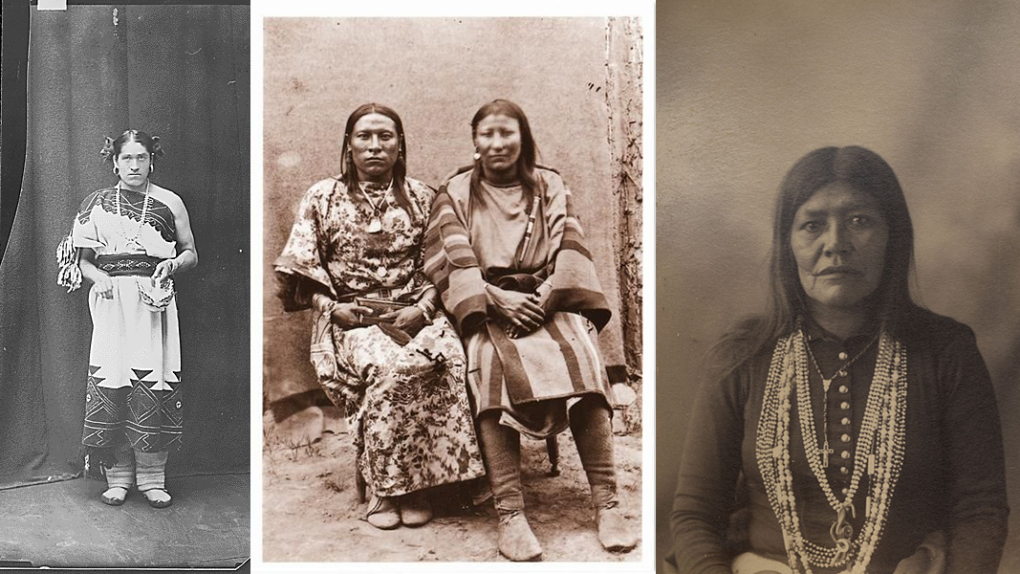
"caption": "We'wha (left), Osh-Tisch (center) and Dahteste (right). ",
"description": "We'wha (left), Osh-Tisch (center) and Dahteste (right). ",
"title": "two spirit cover image",
"credit": "John K. Hillers, Image Courtesy of: Smithsonian Institute/John H. Fouch/F.A. Rinehart, Image Courtsey of Omaha Public Library",
"status": "inherit",
"isLoading": false,
"fetchFailed": false
},
"arts_13844901": {
"type": "attachments",
"id": "arts_13844901",
"meta": {
"index": "attachments_1716263798",
"site": "arts",
"id": "13844901",
"found": true
},
"parent": 13844854,
"imgSizes": {
"small": {
"file": "https://ww2.kqed.org/app/uploads/sites/2/2018/11/holcombe-waller-520x293.jpg",
"width": 520,
"mimeType": "image/jpeg",
"height": 293
},
"twentyfourteen-full-width": {
"file": "https://ww2.kqed.org/app/uploads/sites/2/2018/11/holcombe-waller-1038x576.jpg",
"width": 1038,
"mimeType": "image/jpeg",
"height": 576
},
"thumbnail": {
"file": "https://ww2.kqed.org/app/uploads/sites/2/2018/11/holcombe-waller-160x90.jpg",
"width": 160,
"mimeType": "image/jpeg",
"height": 90
},
"fd-sm": {
"file": "https://ww2.kqed.org/app/uploads/sites/2/2018/11/holcombe-waller-960x540.jpg",
"width": 960,
"mimeType": "image/jpeg",
"height": 540
},
"post-thumbnail": {
"file": "https://ww2.kqed.org/app/uploads/sites/2/2018/11/holcombe-waller-672x372.jpg",
"width": 672,
"mimeType": "image/jpeg",
"height": 372
},
"xsmall": {
"file": "https://ww2.kqed.org/app/uploads/sites/2/2018/11/holcombe-waller-375x211.jpg",
"width": 375,
"mimeType": "image/jpeg",
"height": 211
},
"kqedFullSize": {
"file": "https://ww2.kqed.org/app/uploads/sites/2/2018/11/holcombe-waller.jpg",
"width": 1920,
"height": 1080
},
"large": {
"file": "https://ww2.kqed.org/app/uploads/sites/2/2018/11/holcombe-waller-1020x574.jpg",
"width": 1020,
"mimeType": "image/jpeg",
"height": 574
},
"xlarge": {
"file": "https://ww2.kqed.org/app/uploads/sites/2/2018/11/holcombe-waller-1180x664.jpg",
"width": 1180,
"mimeType": "image/jpeg",
"height": 664
},
"complete_open_graph": {
"file": "https://ww2.kqed.org/app/uploads/sites/2/2018/11/holcombe-waller-1200x675.jpg",
"width": 1200,
"mimeType": "image/jpeg",
"height": 675
},
"guest-author-50": {
"file": "https://ww2.kqed.org/app/uploads/sites/2/2018/11/holcombe-waller-50x50.jpg",
"width": 50,
"mimeType": "image/jpeg",
"height": 50
},
"guest-author-96": {
"file": "https://ww2.kqed.org/app/uploads/sites/2/2018/11/holcombe-waller-96x96.jpg",
"width": 96,
"mimeType": "image/jpeg",
"height": 96
},
"medium": {
"file": "https://ww2.kqed.org/app/uploads/sites/2/2018/11/holcombe-waller-800x450.jpg",
"width": 800,
"mimeType": "image/jpeg",
"height": 450
},
"guest-author-64": {
"file": "https://ww2.kqed.org/app/uploads/sites/2/2018/11/holcombe-waller-64x64.jpg",
"width": 64,
"mimeType": "image/jpeg",
"height": 64
},
"guest-author-32": {
"file": "https://ww2.kqed.org/app/uploads/sites/2/2018/11/holcombe-waller-32x32.jpg",
"width": 32,
"mimeType": "image/jpeg",
"height": 32
},
"fd-lrg": {
"file": "https://ww2.kqed.org/app/uploads/sites/2/2018/11/holcombe-waller-1920x1080.jpg",
"width": 1920,
"mimeType": "image/jpeg",
"height": 1080
},
"fd-med": {
"file": "https://ww2.kqed.org/app/uploads/sites/2/2018/11/holcombe-waller-1180x664.jpg",
"width": 1180,
"mimeType": "image/jpeg",
"height": 664
},
"full-width": {
"file": "https://ww2.kqed.org/app/uploads/sites/2/2018/11/holcombe-waller-1920x1080.jpg",
"width": 1920,
"mimeType": "image/jpeg",
"height": 1080
},
"detail": {
"file": "https://ww2.kqed.org/app/uploads/sites/2/2018/11/holcombe-waller-150x150.jpg",
"width": 150,
"mimeType": "image/jpeg",
"height": 150
},
"medium_large": {
"file": "https://ww2.kqed.org/app/uploads/sites/2/2018/11/holcombe-waller-768x432.jpg",
"width": 768,
"mimeType": "image/jpeg",
"height": 432
},
"guest-author-128": {
"file": "https://ww2.kqed.org/app/uploads/sites/2/2018/11/holcombe-waller-128x128.jpg",
"width": 128,
"mimeType": "image/jpeg",
"height": 128
},
"xxsmall": {
"file": "https://ww2.kqed.org/app/uploads/sites/2/2018/11/holcombe-waller-240x135.jpg",
"width": 240,
"mimeType": "image/jpeg",
"height": 135
}
},
"publishDate": 1542222460,
"modified": 1542222517,
"caption": "Holcombe Waller. ",
"description": "Holcombe Waller. ",
"title": "OLYMPUS DIGITAL CAMERA",
"credit": "Brittney Valdez",
"status": "inherit",
"isLoading": false,
"fetchFailed": false
},
"arts_13844365": {
"type": "attachments",
"id": "arts_13844365",
"meta": {
"index": "attachments_1716263798",
"site": "arts",
"id": "13844365",
"found": true
},
"parent": 13844019,
"imgSizes": {
"small": {
"file": "https://ww2.kqed.org/app/uploads/sites/2/2018/11/MAJOR-press-still-520x293.jpg",
"width": 520,
"mimeType": "image/jpeg",
"height": 293
},
"twentyfourteen-full-width": {
"file": "https://ww2.kqed.org/app/uploads/sites/2/2018/11/MAJOR-press-still-1038x576.jpg",
"width": 1038,
"mimeType": "image/jpeg",
"height": 576
},
"thumbnail": {
"file": "https://ww2.kqed.org/app/uploads/sites/2/2018/11/MAJOR-press-still-160x90.jpg",
"width": 160,
"mimeType": "image/jpeg",
"height": 90
},
"fd-sm": {
"file": "https://ww2.kqed.org/app/uploads/sites/2/2018/11/MAJOR-press-still-960x540.jpg",
"width": 960,
"mimeType": "image/jpeg",
"height": 540
},
"post-thumbnail": {
"file": "https://ww2.kqed.org/app/uploads/sites/2/2018/11/MAJOR-press-still-672x372.jpg",
"width": 672,
"mimeType": "image/jpeg",
"height": 372
},
"xsmall": {
"file": "https://ww2.kqed.org/app/uploads/sites/2/2018/11/MAJOR-press-still-375x211.jpg",
"width": 375,
"mimeType": "image/jpeg",
"height": 211
},
"kqedFullSize": {
"file": "https://ww2.kqed.org/app/uploads/sites/2/2018/11/MAJOR-press-still.jpg",
"width": 1920,
"height": 1080
},
"large": {
"file": "https://ww2.kqed.org/app/uploads/sites/2/2018/11/MAJOR-press-still-1020x574.jpg",
"width": 1020,
"mimeType": "image/jpeg",
"height": 574
},
"xlarge": {
"file": "https://ww2.kqed.org/app/uploads/sites/2/2018/11/MAJOR-press-still-1180x664.jpg",
"width": 1180,
"mimeType": "image/jpeg",
"height": 664
},
"complete_open_graph": {
"file": "https://ww2.kqed.org/app/uploads/sites/2/2018/11/MAJOR-press-still-1200x675.jpg",
"width": 1200,
"mimeType": "image/jpeg",
"height": 675
},
"guest-author-50": {
"file": "https://ww2.kqed.org/app/uploads/sites/2/2018/11/MAJOR-press-still-50x50.jpg",
"width": 50,
"mimeType": "image/jpeg",
"height": 50
},
"guest-author-96": {
"file": "https://ww2.kqed.org/app/uploads/sites/2/2018/11/MAJOR-press-still-96x96.jpg",
"width": 96,
"mimeType": "image/jpeg",
"height": 96
},
"medium": {
"file": "https://ww2.kqed.org/app/uploads/sites/2/2018/11/MAJOR-press-still-800x450.jpg",
"width": 800,
"mimeType": "image/jpeg",
"height": 450
},
"guest-author-64": {
"file": "https://ww2.kqed.org/app/uploads/sites/2/2018/11/MAJOR-press-still-64x64.jpg",
"width": 64,
"mimeType": "image/jpeg",
"height": 64
},
"guest-author-32": {
"file": "https://ww2.kqed.org/app/uploads/sites/2/2018/11/MAJOR-press-still-32x32.jpg",
"width": 32,
"mimeType": "image/jpeg",
"height": 32
},
"fd-lrg": {
"file": "https://ww2.kqed.org/app/uploads/sites/2/2018/11/MAJOR-press-still-1920x1080.jpg",
"width": 1920,
"mimeType": "image/jpeg",
"height": 1080
},
"fd-med": {
"file": "https://ww2.kqed.org/app/uploads/sites/2/2018/11/MAJOR-press-still-1180x664.jpg",
"width": 1180,
"mimeType": "image/jpeg",
"height": 664
},
"full-width": {
"file": "https://ww2.kqed.org/app/uploads/sites/2/2018/11/MAJOR-press-still-1920x1080.jpg",
"width": 1920,
"mimeType": "image/jpeg",
"height": 1080
},
"detail": {
"file": "https://ww2.kqed.org/app/uploads/sites/2/2018/11/MAJOR-press-still-150x150.jpg",
"width": 150,
"mimeType": "image/jpeg",
"height": 150
},
"medium_large": {
"file": "https://ww2.kqed.org/app/uploads/sites/2/2018/11/MAJOR-press-still-768x432.jpg",
"width": 768,
"mimeType": "image/jpeg",
"height": 432
},
"guest-author-128": {
"file": "https://ww2.kqed.org/app/uploads/sites/2/2018/11/MAJOR-press-still-128x128.jpg",
"width": 128,
"mimeType": "image/jpeg",
"height": 128
},
"xxsmall": {
"file": "https://ww2.kqed.org/app/uploads/sites/2/2018/11/MAJOR-press-still-240x135.jpg",
"width": 240,
"mimeType": "image/jpeg",
"height": 135
}
},
"publishDate": 1541455176,
"modified": 1541455267,
"caption": "Miss Major has been advocating for the trans community since before the Stonewall uprising of 1969. ",
"description": "Miss Major has been advocating for the trans community since before the Stonewall uprising of 1969. ",
"title": "MAJOR press still",
"credit": "Courtesy of 'Major!' ",
"status": "inherit",
"isLoading": false,
"fetchFailed": false
},
"arts_13843981": {
"type": "attachments",
"id": "arts_13843981",
"meta": {
"index": "attachments_1716263798",
"site": "arts",
"id": "13843981",
"found": true
},
"parent": 13843980,
"imgSizes": {
"small": {
"file": "https://ww2.kqed.org/app/uploads/sites/2/2018/11/boy_erased_r3_20180606_11_R151534788751-520x281.jpg",
"width": 520,
"mimeType": "image/jpeg",
"height": 281
},
"twentyfourteen-full-width": {
"file": "https://ww2.kqed.org/app/uploads/sites/2/2018/11/boy_erased_r3_20180606_11_R151534788751-1038x576.jpg",
"width": 1038,
"mimeType": "image/jpeg",
"height": 576
},
"thumbnail": {
"file": "https://ww2.kqed.org/app/uploads/sites/2/2018/11/boy_erased_r3_20180606_11_R151534788751-160x86.jpg",
"width": 160,
"mimeType": "image/jpeg",
"height": 86
},
"fd-sm": {
"file": "https://ww2.kqed.org/app/uploads/sites/2/2018/11/boy_erased_r3_20180606_11_R151534788751-960x519.jpg",
"width": 960,
"mimeType": "image/jpeg",
"height": 519
},
"post-thumbnail": {
"file": "https://ww2.kqed.org/app/uploads/sites/2/2018/11/boy_erased_r3_20180606_11_R151534788751-672x372.jpg",
"width": 672,
"mimeType": "image/jpeg",
"height": 372
},
"xsmall": {
"file": "https://ww2.kqed.org/app/uploads/sites/2/2018/11/boy_erased_r3_20180606_11_R151534788751-375x203.jpg",
"width": 375,
"mimeType": "image/jpeg",
"height": 203
},
"kqedFullSize": {
"file": "https://ww2.kqed.org/app/uploads/sites/2/2018/11/boy_erased_r3_20180606_11_R151534788751.jpg",
"width": 1480,
"height": 800
},
"large": {
"file": "https://ww2.kqed.org/app/uploads/sites/2/2018/11/boy_erased_r3_20180606_11_R151534788751-1020x551.jpg",
"width": 1020,
"mimeType": "image/jpeg",
"height": 551
},
"xlarge": {
"file": "https://ww2.kqed.org/app/uploads/sites/2/2018/11/boy_erased_r3_20180606_11_R151534788751-1180x638.jpg",
"width": 1180,
"mimeType": "image/jpeg",
"height": 638
},
"complete_open_graph": {
"file": "https://ww2.kqed.org/app/uploads/sites/2/2018/11/boy_erased_r3_20180606_11_R151534788751-1200x649.jpg",
"width": 1200,
"mimeType": "image/jpeg",
"height": 649
},
"guest-author-50": {
"file": "https://ww2.kqed.org/app/uploads/sites/2/2018/11/boy_erased_r3_20180606_11_R151534788751-50x50.jpg",
"width": 50,
"mimeType": "image/jpeg",
"height": 50
},
"guest-author-96": {
"file": "https://ww2.kqed.org/app/uploads/sites/2/2018/11/boy_erased_r3_20180606_11_R151534788751-96x96.jpg",
"width": 96,
"mimeType": "image/jpeg",
"height": 96
},
"medium": {
"file": "https://ww2.kqed.org/app/uploads/sites/2/2018/11/boy_erased_r3_20180606_11_R151534788751-800x432.jpg",
"width": 800,
"mimeType": "image/jpeg",
"height": 432
},
"guest-author-64": {
"file": "https://ww2.kqed.org/app/uploads/sites/2/2018/11/boy_erased_r3_20180606_11_R151534788751-64x64.jpg",
"width": 64,
"mimeType": "image/jpeg",
"height": 64
},
"guest-author-32": {
"file": "https://ww2.kqed.org/app/uploads/sites/2/2018/11/boy_erased_r3_20180606_11_R151534788751-32x32.jpg",
"width": 32,
"mimeType": "image/jpeg",
"height": 32
},
"fd-med": {
"file": "https://ww2.kqed.org/app/uploads/sites/2/2018/11/boy_erased_r3_20180606_11_R151534788751-1180x638.jpg",
"width": 1180,
"mimeType": "image/jpeg",
"height": 638
},
"detail": {
"file": "https://ww2.kqed.org/app/uploads/sites/2/2018/11/boy_erased_r3_20180606_11_R151534788751-150x150.jpg",
"width": 150,
"mimeType": "image/jpeg",
"height": 150
},
"medium_large": {
"file": "https://ww2.kqed.org/app/uploads/sites/2/2018/11/boy_erased_r3_20180606_11_R151534788751-768x415.jpg",
"width": 768,
"mimeType": "image/jpeg",
"height": 415
},
"guest-author-128": {
"file": "https://ww2.kqed.org/app/uploads/sites/2/2018/11/boy_erased_r3_20180606_11_R151534788751-128x128.jpg",
"width": 128,
"mimeType": "image/jpeg",
"height": 128
},
"xxsmall": {
"file": "https://ww2.kqed.org/app/uploads/sites/2/2018/11/boy_erased_r3_20180606_11_R151534788751-240x130.jpg",
"width": 240,
"mimeType": "image/jpeg",
"height": 130
}
},
"publishDate": 1541092109,
"modified": 1541092141,
"caption": "Nicole Kidman stars as Nancy and Lucas Hedges as Jared in Joel Edgerton’s ‘Boy Erased.’ (Focus Features) ",
"description": null,
"title": "BOY ERASED",
"credit": null,
"status": "inherit",
"isLoading": false,
"fetchFailed": false
},
"arts_13842258": {
"type": "attachments",
"id": "arts_13842258",
"meta": {
"index": "attachments_1716263798",
"site": "arts",
"id": "13842258",
"found": true
},
"parent": 13842257,
"imgSizes": {
"small": {
"file": "https://ww2.kqed.org/app/uploads/sites/2/2018/10/gettyimages-150003193-eeb5e7c874155489cba01a7fe6866fe102830975-520x390.jpg",
"width": 520,
"mimeType": "image/jpeg",
"height": 390
},
"twentyfourteen-full-width": {
"file": "https://ww2.kqed.org/app/uploads/sites/2/2018/10/gettyimages-150003193-eeb5e7c874155489cba01a7fe6866fe102830975-1038x576.jpg",
"width": 1038,
"mimeType": "image/jpeg",
"height": 576
},
"thumbnail": {
"file": "https://ww2.kqed.org/app/uploads/sites/2/2018/10/gettyimages-150003193-eeb5e7c874155489cba01a7fe6866fe102830975-160x120.jpg",
"width": 160,
"mimeType": "image/jpeg",
"height": 120
},
"fd-sm": {
"file": "https://ww2.kqed.org/app/uploads/sites/2/2018/10/gettyimages-150003193-eeb5e7c874155489cba01a7fe6866fe102830975-960x719.jpg",
"width": 960,
"mimeType": "image/jpeg",
"height": 719
},
"post-thumbnail": {
"file": "https://ww2.kqed.org/app/uploads/sites/2/2018/10/gettyimages-150003193-eeb5e7c874155489cba01a7fe6866fe102830975-672x372.jpg",
"width": 672,
"mimeType": "image/jpeg",
"height": 372
},
"xsmall": {
"file": "https://ww2.kqed.org/app/uploads/sites/2/2018/10/gettyimages-150003193-eeb5e7c874155489cba01a7fe6866fe102830975-375x281.jpg",
"width": 375,
"mimeType": "image/jpeg",
"height": 281
},
"kqedFullSize": {
"file": "https://ww2.kqed.org/app/uploads/sites/2/2018/10/gettyimages-150003193-eeb5e7c874155489cba01a7fe6866fe102830975-e1539034288149.jpg",
"width": 1920,
"height": 1439
},
"large": {
"file": "https://ww2.kqed.org/app/uploads/sites/2/2018/10/gettyimages-150003193-eeb5e7c874155489cba01a7fe6866fe102830975-1020x764.jpg",
"width": 1020,
"mimeType": "image/jpeg",
"height": 764
},
"xlarge": {
"file": "https://ww2.kqed.org/app/uploads/sites/2/2018/10/gettyimages-150003193-eeb5e7c874155489cba01a7fe6866fe102830975-1180x884.jpg",
"width": 1180,
"mimeType": "image/jpeg",
"height": 884
},
"complete_open_graph": {
"file": "https://ww2.kqed.org/app/uploads/sites/2/2018/10/gettyimages-150003193-eeb5e7c874155489cba01a7fe6866fe102830975-1200x899.jpg",
"width": 1200,
"mimeType": "image/jpeg",
"height": 899
},
"guest-author-50": {
"file": "https://ww2.kqed.org/app/uploads/sites/2/2018/10/gettyimages-150003193-eeb5e7c874155489cba01a7fe6866fe102830975-50x50.jpg",
"width": 50,
"mimeType": "image/jpeg",
"height": 50
},
"guest-author-96": {
"file": "https://ww2.kqed.org/app/uploads/sites/2/2018/10/gettyimages-150003193-eeb5e7c874155489cba01a7fe6866fe102830975-96x96.jpg",
"width": 96,
"mimeType": "image/jpeg",
"height": 96
},
"medium": {
"file": "https://ww2.kqed.org/app/uploads/sites/2/2018/10/gettyimages-150003193-eeb5e7c874155489cba01a7fe6866fe102830975-800x600.jpg",
"width": 800,
"mimeType": "image/jpeg",
"height": 600
},
"guest-author-64": {
"file": "https://ww2.kqed.org/app/uploads/sites/2/2018/10/gettyimages-150003193-eeb5e7c874155489cba01a7fe6866fe102830975-64x64.jpg",
"width": 64,
"mimeType": "image/jpeg",
"height": 64
},
"guest-author-32": {
"file": "https://ww2.kqed.org/app/uploads/sites/2/2018/10/gettyimages-150003193-eeb5e7c874155489cba01a7fe6866fe102830975-32x32.jpg",
"width": 32,
"mimeType": "image/jpeg",
"height": 32
},
"fd-lrg": {
"file": "https://ww2.kqed.org/app/uploads/sites/2/2018/10/gettyimages-150003193-eeb5e7c874155489cba01a7fe6866fe102830975-1920x1439.jpg",
"width": 1920,
"mimeType": "image/jpeg",
"height": 1439
},
"fd-med": {
"file": "https://ww2.kqed.org/app/uploads/sites/2/2018/10/gettyimages-150003193-eeb5e7c874155489cba01a7fe6866fe102830975-1180x884.jpg",
"width": 1180,
"mimeType": "image/jpeg",
"height": 884
},
"full-width": {
"file": "https://ww2.kqed.org/app/uploads/sites/2/2018/10/gettyimages-150003193-eeb5e7c874155489cba01a7fe6866fe102830975-1920x1439.jpg",
"width": 1920,
"mimeType": "image/jpeg",
"height": 1439
},
"detail": {
"file": "https://ww2.kqed.org/app/uploads/sites/2/2018/10/gettyimages-150003193-eeb5e7c874155489cba01a7fe6866fe102830975-150x150.jpg",
"width": 150,
"mimeType": "image/jpeg",
"height": 150
},
"medium_large": {
"file": "https://ww2.kqed.org/app/uploads/sites/2/2018/10/gettyimages-150003193-eeb5e7c874155489cba01a7fe6866fe102830975-768x576.jpg",
"width": 768,
"mimeType": "image/jpeg",
"height": 576
},
"guest-author-128": {
"file": "https://ww2.kqed.org/app/uploads/sites/2/2018/10/gettyimages-150003193-eeb5e7c874155489cba01a7fe6866fe102830975-128x128.jpg",
"width": 128,
"mimeType": "image/jpeg",
"height": 128
},
"xxsmall": {
"file": "https://ww2.kqed.org/app/uploads/sites/2/2018/10/gettyimages-150003193-eeb5e7c874155489cba01a7fe6866fe102830975-240x180.jpg",
"width": 240,
"mimeType": "image/jpeg",
"height": 180
}
},
"publishDate": 1539034117,
"modified": 1539034277,
"caption": "Sylvester performs with his band at the Los Angeles club Whisky a Go Go in 1972.",
"description": "Sylvester performs with his band at the Los Angeles club Whisky a Go Go in 1972.",
"title": "Sylvester performs with his band at the Los Angeles club Whisky a Go Go in 1972.",
"credit": "Richard Creamer/Michael Ochs Archives/Getty Images",
"status": "inherit",
"isLoading": false,
"fetchFailed": false
},
"arts_13841571": {
"type": "attachments",
"id": "arts_13841571",
"meta": {
"index": "attachments_1716263798",
"site": "arts",
"id": "13841571",
"found": true
},
"parent": 13841053,
"imgSizes": {
"small": {
"file": "https://ww2.kqed.org/app/uploads/sites/2/2018/09/KQED_Eli_Thorne_Graham_Holoch_5_COVER-520x293.jpg",
"width": 520,
"mimeType": "image/jpeg",
"height": 293
},
"twentyfourteen-full-width": {
"file": "https://ww2.kqed.org/app/uploads/sites/2/2018/09/KQED_Eli_Thorne_Graham_Holoch_5_COVER-1038x576.jpg",
"width": 1038,
"mimeType": "image/jpeg",
"height": 576
},
"thumbnail": {
"file": "https://ww2.kqed.org/app/uploads/sites/2/2018/09/KQED_Eli_Thorne_Graham_Holoch_5_COVER-160x90.jpg",
"width": 160,
"mimeType": "image/jpeg",
"height": 90
},
"fd-sm": {
"file": "https://ww2.kqed.org/app/uploads/sites/2/2018/09/KQED_Eli_Thorne_Graham_Holoch_5_COVER-960x540.jpg",
"width": 960,
"mimeType": "image/jpeg",
"height": 540
},
"post-thumbnail": {
"file": "https://ww2.kqed.org/app/uploads/sites/2/2018/09/KQED_Eli_Thorne_Graham_Holoch_5_COVER-672x372.jpg",
"width": 672,
"mimeType": "image/jpeg",
"height": 372
},
"xsmall": {
"file": "https://ww2.kqed.org/app/uploads/sites/2/2018/09/KQED_Eli_Thorne_Graham_Holoch_5_COVER-375x211.jpg",
"width": 375,
"mimeType": "image/jpeg",
"height": 211
},
"kqedFullSize": {
"file": "https://ww2.kqed.org/app/uploads/sites/2/2018/09/KQED_Eli_Thorne_Graham_Holoch_5_COVER.jpg",
"width": 1920,
"height": 1080
},
"large": {
"file": "https://ww2.kqed.org/app/uploads/sites/2/2018/09/KQED_Eli_Thorne_Graham_Holoch_5_COVER-1020x574.jpg",
"width": 1020,
"mimeType": "image/jpeg",
"height": 574
},
"xlarge": {
"file": "https://ww2.kqed.org/app/uploads/sites/2/2018/09/KQED_Eli_Thorne_Graham_Holoch_5_COVER-1180x664.jpg",
"width": 1180,
"mimeType": "image/jpeg",
"height": 664
},
"complete_open_graph": {
"file": "https://ww2.kqed.org/app/uploads/sites/2/2018/09/KQED_Eli_Thorne_Graham_Holoch_5_COVER-1200x675.jpg",
"width": 1200,
"mimeType": "image/jpeg",
"height": 675
},
"guest-author-50": {
"file": "https://ww2.kqed.org/app/uploads/sites/2/2018/09/KQED_Eli_Thorne_Graham_Holoch_5_COVER-50x50.jpg",
"width": 50,
"mimeType": "image/jpeg",
"height": 50
},
"guest-author-96": {
"file": "https://ww2.kqed.org/app/uploads/sites/2/2018/09/KQED_Eli_Thorne_Graham_Holoch_5_COVER-96x96.jpg",
"width": 96,
"mimeType": "image/jpeg",
"height": 96
},
"medium": {
"file": "https://ww2.kqed.org/app/uploads/sites/2/2018/09/KQED_Eli_Thorne_Graham_Holoch_5_COVER-800x450.jpg",
"width": 800,
"mimeType": "image/jpeg",
"height": 450
},
"guest-author-64": {
"file": "https://ww2.kqed.org/app/uploads/sites/2/2018/09/KQED_Eli_Thorne_Graham_Holoch_5_COVER-64x64.jpg",
"width": 64,
"mimeType": "image/jpeg",
"height": 64
},
"guest-author-32": {
"file": "https://ww2.kqed.org/app/uploads/sites/2/2018/09/KQED_Eli_Thorne_Graham_Holoch_5_COVER-32x32.jpg",
"width": 32,
"mimeType": "image/jpeg",
"height": 32
},
"fd-lrg": {
"file": "https://ww2.kqed.org/app/uploads/sites/2/2018/09/KQED_Eli_Thorne_Graham_Holoch_5_COVER-1920x1080.jpg",
"width": 1920,
"mimeType": "image/jpeg",
"height": 1080
},
"fd-med": {
"file": "https://ww2.kqed.org/app/uploads/sites/2/2018/09/KQED_Eli_Thorne_Graham_Holoch_5_COVER-1180x664.jpg",
"width": 1180,
"mimeType": "image/jpeg",
"height": 664
},
"full-width": {
"file": "https://ww2.kqed.org/app/uploads/sites/2/2018/09/KQED_Eli_Thorne_Graham_Holoch_5_COVER-1920x1080.jpg",
"width": 1920,
"mimeType": "image/jpeg",
"height": 1080
},
"detail": {
"file": "https://ww2.kqed.org/app/uploads/sites/2/2018/09/KQED_Eli_Thorne_Graham_Holoch_5_COVER-150x150.jpg",
"width": 150,
"mimeType": "image/jpeg",
"height": 150
},
"medium_large": {
"file": "https://ww2.kqed.org/app/uploads/sites/2/2018/09/KQED_Eli_Thorne_Graham_Holoch_5_COVER-768x432.jpg",
"width": 768,
"mimeType": "image/jpeg",
"height": 432
},
"guest-author-128": {
"file": "https://ww2.kqed.org/app/uploads/sites/2/2018/09/KQED_Eli_Thorne_Graham_Holoch_5_COVER-128x128.jpg",
"width": 128,
"mimeType": "image/jpeg",
"height": 128
},
"xxsmall": {
"file": "https://ww2.kqed.org/app/uploads/sites/2/2018/09/KQED_Eli_Thorne_Graham_Holoch_5_COVER-240x135.jpg",
"width": 240,
"mimeType": "image/jpeg",
"height": 135
}
},
"publishDate": 1537822960,
"modified": 1537823132,
"caption": "Eli Thorne in his Oakland studio.",
"description": "Eli Thorne in his Oakland studio.",
"title": "KQED_Eli_Thorne_Graham_Holoch_5_COVER",
"credit": "Graham Holoch/KQED",
"status": "inherit",
"isLoading": false,
"fetchFailed": false
},
"arts_13841062": {
"type": "attachments",
"id": "arts_13841062",
"meta": {
"index": "attachments_1716263798",
"site": "arts",
"id": "13841062",
"found": true
},
"parent": 13840772,
"imgSizes": {
"small": {
"file": "https://ww2.kqed.org/app/uploads/sites/2/2018/09/KQED_Torreya_Cummings_Graham_Holoch_5_COVER-520x293.jpg",
"width": 520,
"mimeType": "image/jpeg",
"height": 293
},
"twentyfourteen-full-width": {
"file": "https://ww2.kqed.org/app/uploads/sites/2/2018/09/KQED_Torreya_Cummings_Graham_Holoch_5_COVER-1038x576.jpg",
"width": 1038,
"mimeType": "image/jpeg",
"height": 576
},
"thumbnail": {
"file": "https://ww2.kqed.org/app/uploads/sites/2/2018/09/KQED_Torreya_Cummings_Graham_Holoch_5_COVER-160x90.jpg",
"width": 160,
"mimeType": "image/jpeg",
"height": 90
},
"fd-sm": {
"file": "https://ww2.kqed.org/app/uploads/sites/2/2018/09/KQED_Torreya_Cummings_Graham_Holoch_5_COVER-960x540.jpg",
"width": 960,
"mimeType": "image/jpeg",
"height": 540
},
"post-thumbnail": {
"file": "https://ww2.kqed.org/app/uploads/sites/2/2018/09/KQED_Torreya_Cummings_Graham_Holoch_5_COVER-672x372.jpg",
"width": 672,
"mimeType": "image/jpeg",
"height": 372
},
"xsmall": {
"file": "https://ww2.kqed.org/app/uploads/sites/2/2018/09/KQED_Torreya_Cummings_Graham_Holoch_5_COVER-375x211.jpg",
"width": 375,
"mimeType": "image/jpeg",
"height": 211
},
"kqedFullSize": {
"file": "https://ww2.kqed.org/app/uploads/sites/2/2018/09/KQED_Torreya_Cummings_Graham_Holoch_5_COVER.jpg",
"width": 1920,
"height": 1080
},
"large": {
"file": "https://ww2.kqed.org/app/uploads/sites/2/2018/09/KQED_Torreya_Cummings_Graham_Holoch_5_COVER-1020x574.jpg",
"width": 1020,
"mimeType": "image/jpeg",
"height": 574
},
"xlarge": {
"file": "https://ww2.kqed.org/app/uploads/sites/2/2018/09/KQED_Torreya_Cummings_Graham_Holoch_5_COVER-1180x664.jpg",
"width": 1180,
"mimeType": "image/jpeg",
"height": 664
},
"complete_open_graph": {
"file": "https://ww2.kqed.org/app/uploads/sites/2/2018/09/KQED_Torreya_Cummings_Graham_Holoch_5_COVER-1200x675.jpg",
"width": 1200,
"mimeType": "image/jpeg",
"height": 675
},
"guest-author-50": {
"file": "https://ww2.kqed.org/app/uploads/sites/2/2018/09/KQED_Torreya_Cummings_Graham_Holoch_5_COVER-50x50.jpg",
"width": 50,
"mimeType": "image/jpeg",
"height": 50
},
"guest-author-96": {
"file": "https://ww2.kqed.org/app/uploads/sites/2/2018/09/KQED_Torreya_Cummings_Graham_Holoch_5_COVER-96x96.jpg",
"width": 96,
"mimeType": "image/jpeg",
"height": 96
},
"medium": {
"file": "https://ww2.kqed.org/app/uploads/sites/2/2018/09/KQED_Torreya_Cummings_Graham_Holoch_5_COVER-800x450.jpg",
"width": 800,
"mimeType": "image/jpeg",
"height": 450
},
"guest-author-64": {
"file": "https://ww2.kqed.org/app/uploads/sites/2/2018/09/KQED_Torreya_Cummings_Graham_Holoch_5_COVER-64x64.jpg",
"width": 64,
"mimeType": "image/jpeg",
"height": 64
},
"guest-author-32": {
"file": "https://ww2.kqed.org/app/uploads/sites/2/2018/09/KQED_Torreya_Cummings_Graham_Holoch_5_COVER-32x32.jpg",
"width": 32,
"mimeType": "image/jpeg",
"height": 32
},
"fd-lrg": {
"file": "https://ww2.kqed.org/app/uploads/sites/2/2018/09/KQED_Torreya_Cummings_Graham_Holoch_5_COVER-1920x1080.jpg",
"width": 1920,
"mimeType": "image/jpeg",
"height": 1080
},
"fd-med": {
"file": "https://ww2.kqed.org/app/uploads/sites/2/2018/09/KQED_Torreya_Cummings_Graham_Holoch_5_COVER-1180x664.jpg",
"width": 1180,
"mimeType": "image/jpeg",
"height": 664
},
"full-width": {
"file": "https://ww2.kqed.org/app/uploads/sites/2/2018/09/KQED_Torreya_Cummings_Graham_Holoch_5_COVER-1920x1080.jpg",
"width": 1920,
"mimeType": "image/jpeg",
"height": 1080
},
"detail": {
"file": "https://ww2.kqed.org/app/uploads/sites/2/2018/09/KQED_Torreya_Cummings_Graham_Holoch_5_COVER-150x150.jpg",
"width": 150,
"mimeType": "image/jpeg",
"height": 150
},
"medium_large": {
"file": "https://ww2.kqed.org/app/uploads/sites/2/2018/09/KQED_Torreya_Cummings_Graham_Holoch_5_COVER-768x432.jpg",
"width": 768,
"mimeType": "image/jpeg",
"height": 432
},
"guest-author-128": {
"file": "https://ww2.kqed.org/app/uploads/sites/2/2018/09/KQED_Torreya_Cummings_Graham_Holoch_5_COVER-128x128.jpg",
"width": 128,
"mimeType": "image/jpeg",
"height": 128
},
"xxsmall": {
"file": "https://ww2.kqed.org/app/uploads/sites/2/2018/09/KQED_Torreya_Cummings_Graham_Holoch_5_COVER-240x135.jpg",
"width": 240,
"mimeType": "image/jpeg",
"height": 135
}
},
"publishDate": 1537290440,
"modified": 1537290488,
"caption": "Torreya Cummings in her Oakland studio.",
"description": "Torreya Cummings in her Oakland studio.",
"title": "KQED_Torreya_Cummings_Graham_Holoch_5_COVER",
"credit": "Graham Holoch/KQED",
"status": "inherit",
"isLoading": false,
"fetchFailed": false
},
"arts_13840650": {
"type": "attachments",
"id": "arts_13840650",
"meta": {
"index": "attachments_1716263798",
"site": "arts",
"id": "13840650",
"found": true
},
"parent": 13840392,
"imgSizes": {
"small": {
"file": "https://ww2.kqed.org/app/uploads/sites/2/2018/09/KQED_Mia_Nakano_Graham_Holoch__23_COVER-520x293.jpg",
"width": 520,
"mimeType": "image/jpeg",
"height": 293
},
"twentyfourteen-full-width": {
"file": "https://ww2.kqed.org/app/uploads/sites/2/2018/09/KQED_Mia_Nakano_Graham_Holoch__23_COVER-1038x576.jpg",
"width": 1038,
"mimeType": "image/jpeg",
"height": 576
},
"thumbnail": {
"file": "https://ww2.kqed.org/app/uploads/sites/2/2018/09/KQED_Mia_Nakano_Graham_Holoch__23_COVER-160x90.jpg",
"width": 160,
"mimeType": "image/jpeg",
"height": 90
},
"fd-sm": {
"file": "https://ww2.kqed.org/app/uploads/sites/2/2018/09/KQED_Mia_Nakano_Graham_Holoch__23_COVER-960x540.jpg",
"width": 960,
"mimeType": "image/jpeg",
"height": 540
},
"post-thumbnail": {
"file": "https://ww2.kqed.org/app/uploads/sites/2/2018/09/KQED_Mia_Nakano_Graham_Holoch__23_COVER-672x372.jpg",
"width": 672,
"mimeType": "image/jpeg",
"height": 372
},
"xsmall": {
"file": "https://ww2.kqed.org/app/uploads/sites/2/2018/09/KQED_Mia_Nakano_Graham_Holoch__23_COVER-375x211.jpg",
"width": 375,
"mimeType": "image/jpeg",
"height": 211
},
"kqedFullSize": {
"file": "https://ww2.kqed.org/app/uploads/sites/2/2018/09/KQED_Mia_Nakano_Graham_Holoch__23_COVER.jpg",
"width": 1920,
"height": 1080
},
"large": {
"file": "https://ww2.kqed.org/app/uploads/sites/2/2018/09/KQED_Mia_Nakano_Graham_Holoch__23_COVER-1020x574.jpg",
"width": 1020,
"mimeType": "image/jpeg",
"height": 574
},
"xlarge": {
"file": "https://ww2.kqed.org/app/uploads/sites/2/2018/09/KQED_Mia_Nakano_Graham_Holoch__23_COVER-1180x664.jpg",
"width": 1180,
"mimeType": "image/jpeg",
"height": 664
},
"complete_open_graph": {
"file": "https://ww2.kqed.org/app/uploads/sites/2/2018/09/KQED_Mia_Nakano_Graham_Holoch__23_COVER-1200x675.jpg",
"width": 1200,
"mimeType": "image/jpeg",
"height": 675
},
"guest-author-50": {
"file": "https://ww2.kqed.org/app/uploads/sites/2/2018/09/KQED_Mia_Nakano_Graham_Holoch__23_COVER-50x50.jpg",
"width": 50,
"mimeType": "image/jpeg",
"height": 50
},
"guest-author-96": {
"file": "https://ww2.kqed.org/app/uploads/sites/2/2018/09/KQED_Mia_Nakano_Graham_Holoch__23_COVER-96x96.jpg",
"width": 96,
"mimeType": "image/jpeg",
"height": 96
},
"medium": {
"file": "https://ww2.kqed.org/app/uploads/sites/2/2018/09/KQED_Mia_Nakano_Graham_Holoch__23_COVER-800x450.jpg",
"width": 800,
"mimeType": "image/jpeg",
"height": 450
},
"guest-author-64": {
"file": "https://ww2.kqed.org/app/uploads/sites/2/2018/09/KQED_Mia_Nakano_Graham_Holoch__23_COVER-64x64.jpg",
"width": 64,
"mimeType": "image/jpeg",
"height": 64
},
"guest-author-32": {
"file": "https://ww2.kqed.org/app/uploads/sites/2/2018/09/KQED_Mia_Nakano_Graham_Holoch__23_COVER-32x32.jpg",
"width": 32,
"mimeType": "image/jpeg",
"height": 32
},
"fd-lrg": {
"file": "https://ww2.kqed.org/app/uploads/sites/2/2018/09/KQED_Mia_Nakano_Graham_Holoch__23_COVER-1920x1080.jpg",
"width": 1920,
"mimeType": "image/jpeg",
"height": 1080
},
"fd-med": {
"file": "https://ww2.kqed.org/app/uploads/sites/2/2018/09/KQED_Mia_Nakano_Graham_Holoch__23_COVER-1180x664.jpg",
"width": 1180,
"mimeType": "image/jpeg",
"height": 664
},
"full-width": {
"file": "https://ww2.kqed.org/app/uploads/sites/2/2018/09/KQED_Mia_Nakano_Graham_Holoch__23_COVER-1920x1080.jpg",
"width": 1920,
"mimeType": "image/jpeg",
"height": 1080
},
"detail": {
"file": "https://ww2.kqed.org/app/uploads/sites/2/2018/09/KQED_Mia_Nakano_Graham_Holoch__23_COVER-150x150.jpg",
"width": 150,
"mimeType": "image/jpeg",
"height": 150
},
"medium_large": {
"file": "https://ww2.kqed.org/app/uploads/sites/2/2018/09/KQED_Mia_Nakano_Graham_Holoch__23_COVER-768x432.jpg",
"width": 768,
"mimeType": "image/jpeg",
"height": 432
},
"guest-author-128": {
"file": "https://ww2.kqed.org/app/uploads/sites/2/2018/09/KQED_Mia_Nakano_Graham_Holoch__23_COVER-128x128.jpg",
"width": 128,
"mimeType": "image/jpeg",
"height": 128
},
"xxsmall": {
"file": "https://ww2.kqed.org/app/uploads/sites/2/2018/09/KQED_Mia_Nakano_Graham_Holoch__23_COVER-240x135.jpg",
"width": 240,
"mimeType": "image/jpeg",
"height": 135
}
},
"publishDate": 1536686581,
"modified": 1536686628,
"caption": "Mia Nakano in her Oakland studio.",
"description": "Mia Nakano in her Oakland studio.",
"title": "KQED_Mia_Nakano_Graham_Holoch__23_COVER",
"credit": "Graham Holoch/KQED",
"status": "inherit",
"isLoading": false,
"fetchFailed": false
},
"arts_13840284": {
"type": "attachments",
"id": "arts_13840284",
"meta": {
"index": "attachments_1716263798",
"site": "arts",
"id": "13840284",
"found": true
},
"parent": 13840062,
"imgSizes": {
"small": {
"file": "https://ww2.kqed.org/app/uploads/sites/2/2018/08/Nico_Medina_Graham_Holoch_KQED_10_INTRO_COVER-520x293.jpg",
"width": 520,
"mimeType": "image/jpeg",
"height": 293
},
"twentyfourteen-full-width": {
"file": "https://ww2.kqed.org/app/uploads/sites/2/2018/08/Nico_Medina_Graham_Holoch_KQED_10_INTRO_COVER-1038x576.jpg",
"width": 1038,
"mimeType": "image/jpeg",
"height": 576
},
"thumbnail": {
"file": "https://ww2.kqed.org/app/uploads/sites/2/2018/08/Nico_Medina_Graham_Holoch_KQED_10_INTRO_COVER-160x90.jpg",
"width": 160,
"mimeType": "image/jpeg",
"height": 90
},
"fd-sm": {
"file": "https://ww2.kqed.org/app/uploads/sites/2/2018/08/Nico_Medina_Graham_Holoch_KQED_10_INTRO_COVER-960x540.jpg",
"width": 960,
"mimeType": "image/jpeg",
"height": 540
},
"post-thumbnail": {
"file": "https://ww2.kqed.org/app/uploads/sites/2/2018/08/Nico_Medina_Graham_Holoch_KQED_10_INTRO_COVER-672x372.jpg",
"width": 672,
"mimeType": "image/jpeg",
"height": 372
},
"xsmall": {
"file": "https://ww2.kqed.org/app/uploads/sites/2/2018/08/Nico_Medina_Graham_Holoch_KQED_10_INTRO_COVER-375x211.jpg",
"width": 375,
"mimeType": "image/jpeg",
"height": 211
},
"kqedFullSize": {
"file": "https://ww2.kqed.org/app/uploads/sites/2/2018/08/Nico_Medina_Graham_Holoch_KQED_10_INTRO_COVER.jpg",
"width": 1920,
"height": 1080
},
"large": {
"file": "https://ww2.kqed.org/app/uploads/sites/2/2018/08/Nico_Medina_Graham_Holoch_KQED_10_INTRO_COVER-1020x574.jpg",
"width": 1020,
"mimeType": "image/jpeg",
"height": 574
},
"xlarge": {
"file": "https://ww2.kqed.org/app/uploads/sites/2/2018/08/Nico_Medina_Graham_Holoch_KQED_10_INTRO_COVER-1180x664.jpg",
"width": 1180,
"mimeType": "image/jpeg",
"height": 664
},
"complete_open_graph": {
"file": "https://ww2.kqed.org/app/uploads/sites/2/2018/08/Nico_Medina_Graham_Holoch_KQED_10_INTRO_COVER-1200x675.jpg",
"width": 1200,
"mimeType": "image/jpeg",
"height": 675
},
"guest-author-50": {
"file": "https://ww2.kqed.org/app/uploads/sites/2/2018/08/Nico_Medina_Graham_Holoch_KQED_10_INTRO_COVER-50x50.jpg",
"width": 50,
"mimeType": "image/jpeg",
"height": 50
},
"guest-author-96": {
"file": "https://ww2.kqed.org/app/uploads/sites/2/2018/08/Nico_Medina_Graham_Holoch_KQED_10_INTRO_COVER-96x96.jpg",
"width": 96,
"mimeType": "image/jpeg",
"height": 96
},
"medium": {
"file": "https://ww2.kqed.org/app/uploads/sites/2/2018/08/Nico_Medina_Graham_Holoch_KQED_10_INTRO_COVER-800x450.jpg",
"width": 800,
"mimeType": "image/jpeg",
"height": 450
},
"guest-author-64": {
"file": "https://ww2.kqed.org/app/uploads/sites/2/2018/08/Nico_Medina_Graham_Holoch_KQED_10_INTRO_COVER-64x64.jpg",
"width": 64,
"mimeType": "image/jpeg",
"height": 64
},
"guest-author-32": {
"file": "https://ww2.kqed.org/app/uploads/sites/2/2018/08/Nico_Medina_Graham_Holoch_KQED_10_INTRO_COVER-32x32.jpg",
"width": 32,
"mimeType": "image/jpeg",
"height": 32
},
"fd-lrg": {
"file": "https://ww2.kqed.org/app/uploads/sites/2/2018/08/Nico_Medina_Graham_Holoch_KQED_10_INTRO_COVER-1920x1080.jpg",
"width": 1920,
"mimeType": "image/jpeg",
"height": 1080
},
"fd-med": {
"file": "https://ww2.kqed.org/app/uploads/sites/2/2018/08/Nico_Medina_Graham_Holoch_KQED_10_INTRO_COVER-1180x664.jpg",
"width": 1180,
"mimeType": "image/jpeg",
"height": 664
},
"full-width": {
"file": "https://ww2.kqed.org/app/uploads/sites/2/2018/08/Nico_Medina_Graham_Holoch_KQED_10_INTRO_COVER-1920x1080.jpg",
"width": 1920,
"mimeType": "image/jpeg",
"height": 1080
},
"detail": {
"file": "https://ww2.kqed.org/app/uploads/sites/2/2018/08/Nico_Medina_Graham_Holoch_KQED_10_INTRO_COVER-150x150.jpg",
"width": 150,
"mimeType": "image/jpeg",
"height": 150
},
"medium_large": {
"file": "https://ww2.kqed.org/app/uploads/sites/2/2018/08/Nico_Medina_Graham_Holoch_KQED_10_INTRO_COVER-768x432.jpg",
"width": 768,
"mimeType": "image/jpeg",
"height": 432
},
"guest-author-128": {
"file": "https://ww2.kqed.org/app/uploads/sites/2/2018/08/Nico_Medina_Graham_Holoch_KQED_10_INTRO_COVER-128x128.jpg",
"width": 128,
"mimeType": "image/jpeg",
"height": 128
},
"xxsmall": {
"file": "https://ww2.kqed.org/app/uploads/sites/2/2018/08/Nico_Medina_Graham_Holoch_KQED_10_INTRO_COVER-240x135.jpg",
"width": 240,
"mimeType": "image/jpeg",
"height": 135
}
},
"publishDate": 1536086418,
"modified": 1536086488,
"caption": "Nicólas González-Medina in his Oakland home studio.",
"description": "Nicólas González-Medina in his Oakland home studio.",
"title": "Nico_Medina_Graham_Holoch_KQED_10_INTRO_COVER",
"credit": "Graham Holoch/KQED",
"status": "inherit",
"isLoading": false,
"fetchFailed": false
},
"arts_13838730": {
"type": "attachments",
"id": "arts_13838730",
"meta": {
"index": "attachments_1716263798",
"site": "arts",
"id": "13838730",
"found": true
},
"parent": 0,
"imgSizes": {
"small": {
"file": "https://ww2.kqed.org/app/uploads/sites/2/2018/08/Carly.MAIN_.REV1920-520x325.jpg",
"width": 520,
"mimeType": "image/jpeg",
"height": 325
},
"twentyfourteen-full-width": {
"file": "https://ww2.kqed.org/app/uploads/sites/2/2018/08/Carly.MAIN_.REV1920-1038x576.jpg",
"width": 1038,
"mimeType": "image/jpeg",
"height": 576
},
"thumbnail": {
"file": "https://ww2.kqed.org/app/uploads/sites/2/2018/08/Carly.MAIN_.REV1920-160x100.jpg",
"width": 160,
"mimeType": "image/jpeg",
"height": 100
},
"fd-sm": {
"file": "https://ww2.kqed.org/app/uploads/sites/2/2018/08/Carly.MAIN_.REV1920-960x600.jpg",
"width": 960,
"mimeType": "image/jpeg",
"height": 600
},
"post-thumbnail": {
"file": "https://ww2.kqed.org/app/uploads/sites/2/2018/08/Carly.MAIN_.REV1920-672x372.jpg",
"width": 672,
"mimeType": "image/jpeg",
"height": 372
},
"xsmall": {
"file": "https://ww2.kqed.org/app/uploads/sites/2/2018/08/Carly.MAIN_.REV1920-375x234.jpg",
"width": 375,
"mimeType": "image/jpeg",
"height": 234
},
"kqedFullSize": {
"file": "https://ww2.kqed.org/app/uploads/sites/2/2018/08/Carly.MAIN_.REV1920.jpg",
"width": 1920,
"height": 1200
},
"large": {
"file": "https://ww2.kqed.org/app/uploads/sites/2/2018/08/Carly.MAIN_.REV1920-1020x638.jpg",
"width": 1020,
"mimeType": "image/jpeg",
"height": 638
},
"xlarge": {
"file": "https://ww2.kqed.org/app/uploads/sites/2/2018/08/Carly.MAIN_.REV1920-1180x738.jpg",
"width": 1180,
"mimeType": "image/jpeg",
"height": 738
},
"complete_open_graph": {
"file": "https://ww2.kqed.org/app/uploads/sites/2/2018/08/Carly.MAIN_.REV1920-1200x750.jpg",
"width": 1200,
"mimeType": "image/jpeg",
"height": 750
},
"guest-author-50": {
"file": "https://ww2.kqed.org/app/uploads/sites/2/2018/08/Carly.MAIN_.REV1920-50x50.jpg",
"width": 50,
"mimeType": "image/jpeg",
"height": 50
},
"guest-author-96": {
"file": "https://ww2.kqed.org/app/uploads/sites/2/2018/08/Carly.MAIN_.REV1920-96x96.jpg",
"width": 96,
"mimeType": "image/jpeg",
"height": 96
},
"medium": {
"file": "https://ww2.kqed.org/app/uploads/sites/2/2018/08/Carly.MAIN_.REV1920-800x500.jpg",
"width": 800,
"mimeType": "image/jpeg",
"height": 500
},
"guest-author-64": {
"file": "https://ww2.kqed.org/app/uploads/sites/2/2018/08/Carly.MAIN_.REV1920-64x64.jpg",
"width": 64,
"mimeType": "image/jpeg",
"height": 64
},
"guest-author-32": {
"file": "https://ww2.kqed.org/app/uploads/sites/2/2018/08/Carly.MAIN_.REV1920-32x32.jpg",
"width": 32,
"mimeType": "image/jpeg",
"height": 32
},
"fd-lrg": {
"file": "https://ww2.kqed.org/app/uploads/sites/2/2018/08/Carly.MAIN_.REV1920-1920x1200.jpg",
"width": 1920,
"mimeType": "image/jpeg",
"height": 1200
},
"fd-med": {
"file": "https://ww2.kqed.org/app/uploads/sites/2/2018/08/Carly.MAIN_.REV1920-1180x738.jpg",
"width": 1180,
"mimeType": "image/jpeg",
"height": 738
},
"full-width": {
"file": "https://ww2.kqed.org/app/uploads/sites/2/2018/08/Carly.MAIN_.REV1920-1920x1200.jpg",
"width": 1920,
"mimeType": "image/jpeg",
"height": 1200
},
"detail": {
"file": "https://ww2.kqed.org/app/uploads/sites/2/2018/08/Carly.MAIN_.REV1920-150x150.jpg",
"width": 150,
"mimeType": "image/jpeg",
"height": 150
},
"medium_large": {
"file": "https://ww2.kqed.org/app/uploads/sites/2/2018/08/Carly.MAIN_.REV1920-768x480.jpg",
"width": 768,
"mimeType": "image/jpeg",
"height": 480
},
"guest-author-128": {
"file": "https://ww2.kqed.org/app/uploads/sites/2/2018/08/Carly.MAIN_.REV1920-128x128.jpg",
"width": 128,
"mimeType": "image/jpeg",
"height": 128
},
"xxsmall": {
"file": "https://ww2.kqed.org/app/uploads/sites/2/2018/08/Carly.MAIN_.REV1920-240x150.jpg",
"width": 240,
"mimeType": "image/jpeg",
"height": 150
}
},
"publishDate": 1534007945,
"modified": 1534008078,
"caption": "Carly Rae Jepsen, an outspoken ally for LGBTQ issues, performs Friday, Aug. 10, at Outside Lands in San Francisco. Jepsen's set punctuated a noticably queer-friendly vibe at this year's edition of the huge music festival.",
"description": "Carly Rae Jepsen, an outspoken ally for LGBTQ issues, performs Friday, Aug. 10, at Outside Lands in San Francisco. Jepsen's set punctuated a noticably queer-friendly vibe at this year's edition of the huge music festival.",
"title": "Carly.MAIN.REV1920",
"credit": "Estefany Gonzales",
"status": "inherit",
"isLoading": false,
"fetchFailed": false
},
"arts_13836832": {
"type": "attachments",
"id": "arts_13836832",
"meta": {
"index": "attachments_1716263798",
"site": "arts",
"id": "13836832",
"found": true
},
"parent": 13836799,
"imgSizes": {
"small": {
"file": "https://ww2.kqed.org/app/uploads/sites/2/2018/07/ybca-collage-520x293.jpg",
"width": 520,
"mimeType": "image/jpeg",
"height": 293
},
"twentyfourteen-full-width": {
"file": "https://ww2.kqed.org/app/uploads/sites/2/2018/07/ybca-collage-1038x576.jpg",
"width": 1038,
"mimeType": "image/jpeg",
"height": 576
},
"thumbnail": {
"file": "https://ww2.kqed.org/app/uploads/sites/2/2018/07/ybca-collage-160x90.jpg",
"width": 160,
"mimeType": "image/jpeg",
"height": 90
},
"fd-sm": {
"file": "https://ww2.kqed.org/app/uploads/sites/2/2018/07/ybca-collage-960x540.jpg",
"width": 960,
"mimeType": "image/jpeg",
"height": 540
},
"post-thumbnail": {
"file": "https://ww2.kqed.org/app/uploads/sites/2/2018/07/ybca-collage-672x372.jpg",
"width": 672,
"mimeType": "image/jpeg",
"height": 372
},
"xsmall": {
"file": "https://ww2.kqed.org/app/uploads/sites/2/2018/07/ybca-collage-375x211.jpg",
"width": 375,
"mimeType": "image/jpeg",
"height": 211
},
"kqedFullSize": {
"file": "https://ww2.kqed.org/app/uploads/sites/2/2018/07/ybca-collage.jpg",
"width": 1920,
"height": 1080
},
"large": {
"file": "https://ww2.kqed.org/app/uploads/sites/2/2018/07/ybca-collage-1020x574.jpg",
"width": 1020,
"mimeType": "image/jpeg",
"height": 574
},
"xlarge": {
"file": "https://ww2.kqed.org/app/uploads/sites/2/2018/07/ybca-collage-1180x664.jpg",
"width": 1180,
"mimeType": "image/jpeg",
"height": 664
},
"complete_open_graph": {
"file": "https://ww2.kqed.org/app/uploads/sites/2/2018/07/ybca-collage-1200x675.jpg",
"width": 1200,
"mimeType": "image/jpeg",
"height": 675
},
"guest-author-50": {
"file": "https://ww2.kqed.org/app/uploads/sites/2/2018/07/ybca-collage-50x50.jpg",
"width": 50,
"mimeType": "image/jpeg",
"height": 50
},
"guest-author-96": {
"file": "https://ww2.kqed.org/app/uploads/sites/2/2018/07/ybca-collage-96x96.jpg",
"width": 96,
"mimeType": "image/jpeg",
"height": 96
},
"medium": {
"file": "https://ww2.kqed.org/app/uploads/sites/2/2018/07/ybca-collage-800x450.jpg",
"width": 800,
"mimeType": "image/jpeg",
"height": 450
},
"guest-author-64": {
"file": "https://ww2.kqed.org/app/uploads/sites/2/2018/07/ybca-collage-64x64.jpg",
"width": 64,
"mimeType": "image/jpeg",
"height": 64
},
"guest-author-32": {
"file": "https://ww2.kqed.org/app/uploads/sites/2/2018/07/ybca-collage-32x32.jpg",
"width": 32,
"mimeType": "image/jpeg",
"height": 32
},
"fd-lrg": {
"file": "https://ww2.kqed.org/app/uploads/sites/2/2018/07/ybca-collage-1920x1080.jpg",
"width": 1920,
"mimeType": "image/jpeg",
"height": 1080
},
"fd-med": {
"file": "https://ww2.kqed.org/app/uploads/sites/2/2018/07/ybca-collage-1180x664.jpg",
"width": 1180,
"mimeType": "image/jpeg",
"height": 664
},
"full-width": {
"file": "https://ww2.kqed.org/app/uploads/sites/2/2018/07/ybca-collage-1920x1080.jpg",
"width": 1920,
"mimeType": "image/jpeg",
"height": 1080
},
"detail": {
"file": "https://ww2.kqed.org/app/uploads/sites/2/2018/07/ybca-collage-150x150.jpg",
"width": 150,
"mimeType": "image/jpeg",
"height": 150
},
"medium_large": {
"file": "https://ww2.kqed.org/app/uploads/sites/2/2018/07/ybca-collage-768x432.jpg",
"width": 768,
"mimeType": "image/jpeg",
"height": 432
},
"guest-author-128": {
"file": "https://ww2.kqed.org/app/uploads/sites/2/2018/07/ybca-collage-128x128.jpg",
"width": 128,
"mimeType": "image/jpeg",
"height": 128
},
"xxsmall": {
"file": "https://ww2.kqed.org/app/uploads/sites/2/2018/07/ybca-collage-240x135.jpg",
"width": 240,
"mimeType": "image/jpeg",
"height": 135
}
},
"publishDate": 1531251375,
"modified": 1531251471,
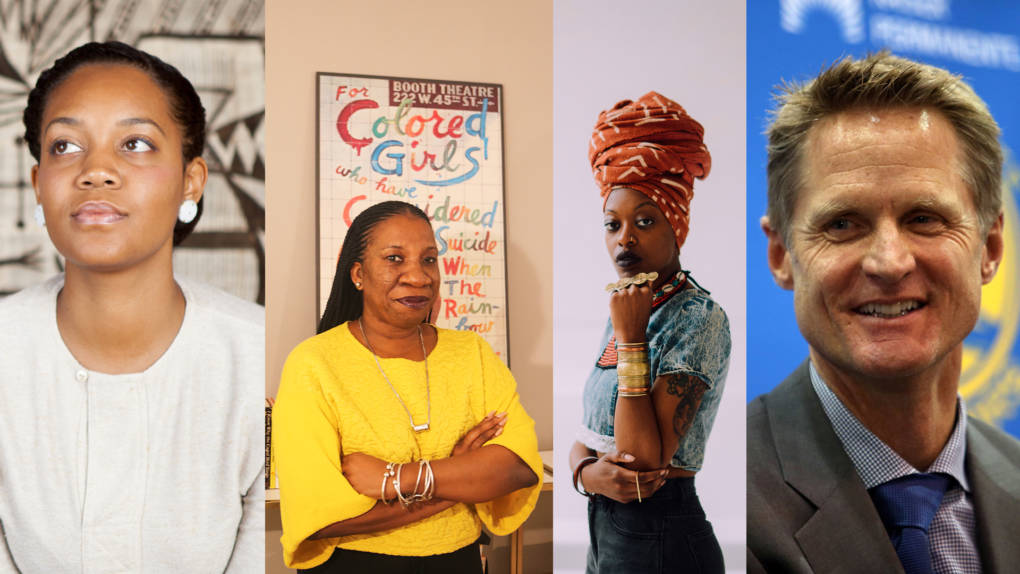
"caption": "Chinaka Hodge, Tarana Burke, Brittsense and Steve Kerr are four of the honorees on the YBCA 100 list of influencers.",
"description": "Chinaka Hodge, Tarana Burke, Brittsense and Steve Kerr are four of the honorees on the YBCA 100 list of influencers.",
"title": "ybca collage",
"credit": "Photos courtesy of YBCA; collage by Nastia Voynovskaya",
"status": "inherit",
"isLoading": false,
"fetchFailed": false
},
"arts_13836503": {
"type": "attachments",
"id": "arts_13836503",
"meta": {
"index": "attachments_1716263798",
"site": "arts",
"id": "13836503",
"found": true
},
"parent": 13836333,
"imgSizes": {
"small": {
"file": "https://ww2.kqed.org/app/uploads/sites/2/2018/07/julio-salgado-520x293.jpg",
"width": 520,
"mimeType": "image/jpeg",
"height": 293
},
"twentyfourteen-full-width": {
"file": "https://ww2.kqed.org/app/uploads/sites/2/2018/07/julio-salgado-1038x576.jpg",
"width": 1038,
"mimeType": "image/jpeg",
"height": 576
},
"thumbnail": {
"file": "https://ww2.kqed.org/app/uploads/sites/2/2018/07/julio-salgado-160x90.jpg",
"width": 160,
"mimeType": "image/jpeg",
"height": 90
},
"fd-sm": {
"file": "https://ww2.kqed.org/app/uploads/sites/2/2018/07/julio-salgado-960x540.jpg",
"width": 960,
"mimeType": "image/jpeg",
"height": 540
},
"post-thumbnail": {
"file": "https://ww2.kqed.org/app/uploads/sites/2/2018/07/julio-salgado-672x372.jpg",
"width": 672,
"mimeType": "image/jpeg",
"height": 372
},
"xsmall": {
"file": "https://ww2.kqed.org/app/uploads/sites/2/2018/07/julio-salgado-375x211.jpg",
"width": 375,
"mimeType": "image/jpeg",
"height": 211
},
"kqedFullSize": {
"file": "https://ww2.kqed.org/app/uploads/sites/2/2018/07/julio-salgado.jpg",
"width": 1080,
"height": 608
},
"large": {
"file": "https://ww2.kqed.org/app/uploads/sites/2/2018/07/julio-salgado-1020x574.jpg",
"width": 1020,
"mimeType": "image/jpeg",
"height": 574
},
"guest-author-50": {
"file": "https://ww2.kqed.org/app/uploads/sites/2/2018/07/julio-salgado-50x50.jpg",
"width": 50,
"mimeType": "image/jpeg",
"height": 50
},
"guest-author-96": {
"file": "https://ww2.kqed.org/app/uploads/sites/2/2018/07/julio-salgado-96x96.jpg",
"width": 96,
"mimeType": "image/jpeg",
"height": 96
},
"medium": {
"file": "https://ww2.kqed.org/app/uploads/sites/2/2018/07/julio-salgado-800x450.jpg",
"width": 800,
"mimeType": "image/jpeg",
"height": 450
},
"guest-author-64": {
"file": "https://ww2.kqed.org/app/uploads/sites/2/2018/07/julio-salgado-64x64.jpg",
"width": 64,
"mimeType": "image/jpeg",
"height": 64
},
"guest-author-32": {
"file": "https://ww2.kqed.org/app/uploads/sites/2/2018/07/julio-salgado-32x32.jpg",
"width": 32,
"mimeType": "image/jpeg",
"height": 32
},
"detail": {
"file": "https://ww2.kqed.org/app/uploads/sites/2/2018/07/julio-salgado-150x150.jpg",
"width": 150,
"mimeType": "image/jpeg",
"height": 150
},
"medium_large": {
"file": "https://ww2.kqed.org/app/uploads/sites/2/2018/07/julio-salgado-768x432.jpg",
"width": 768,
"mimeType": "image/jpeg",
"height": 432
},
"guest-author-128": {
"file": "https://ww2.kqed.org/app/uploads/sites/2/2018/07/julio-salgado-128x128.jpg",
"width": 128,
"mimeType": "image/jpeg",
"height": 128
},
"xxsmall": {
"file": "https://ww2.kqed.org/app/uploads/sites/2/2018/07/julio-salgado-240x135.jpg",
"width": 240,
"mimeType": "image/jpeg",
"height": 135
}
},
"publishDate": 1530815281,
"modified": 1530821395,
"caption": "Artivist Julio Salgado speaks about art in relations to immigration policies surrounding U.S. southern border.",
"description": "Artivist Julio Salgado speaks about art in relations to immigration policies surrounding U.S. southern border.",
"title": "Julio Salgado",
"credit": "Jesus Iñiguez",
"status": "inherit",
"isLoading": false,
"fetchFailed": false
}
},
"audioPlayerReducer": {
"postId": "stream_live",
"isPaused": true,
"isPlaying": false,
"pfsActive": false,
"pledgeModalIsOpen": true,
"playerDrawerIsOpen": false,
"liveAudioPlayStartedAt": 0,
"liveAudioPlayContext": ""
},
"authorsReducer": {
"byline_arts_13845330": {
"type": "authors",
"id": "byline_arts_13845330",
"meta": {
"override": true
},
"slug": "byline_arts_13845330",
"name": "Samuel White Swan-Perkins",
"isLoading": false
},
"byline_arts_13842257": {
"type": "authors",
"id": "byline_arts_13842257",
"meta": {
"override": true
},
"slug": "byline_arts_13842257",
"name": "Rick Karr",
"isLoading": false
},
"jedalatpour": {
"type": "authors",
"id": "42",
"meta": {
"index": "authors_1716337520",
"id": "42",
"found": true
},
"name": "Jeffrey Edalatpour",
"firstName": "Jeffrey",
"lastName": "Edalatpour",
"slug": "jedalatpour",
"email": "jedalatpour@kqed.org",
"display_author_email": false,
"staff_mastheads": [],
"title": null,
"bio": "Jeffrey Edalatpour's first published article was a 1999 film review of Pedro Almodovar’s \u003ci>All About My Mother. \u003c/i>Since then, his writing about arts, food and culture has appeared in a variety of print and online publications, including: KQED Arts, \u003ci>Metro Silicon Valley, Interview Magazine, \u003c/i>Berkeleyside.com, The Rumpus and \u003ci>SF Weekly. \u003c/i>His favorite Iris Murdoch novels (in no particular order) are \u003ci>The Bell, An Unofficial Rose \u003c/i>and\u003ci>The Black Prince\u003c/i>\u003ci>. \u003c/i>In other words, his home library is an anglophile’s dream.",
"avatar": "https://secure.gravatar.com/avatar/ed59ec60f4980f3a45d0c3758c17a4d4?s=600&d=blank&r=g",
"twitter": "jsedalatpour",
"facebook": null,
"instagram": null,
"linkedin": null,
"sites": [
{
"site": "arts",
"roles": [
"Contributor",
"contributor"
]
},
{
"site": "about",
"roles": [
"contributor"
]
},
{
"site": "bayareabites",
"roles": [
"author"
]
}
],
"headData": {
"title": "Jeffrey Edalatpour | KQED",
"description": null,
"ogImgSrc": "https://secure.gravatar.com/avatar/ed59ec60f4980f3a45d0c3758c17a4d4?s=600&d=blank&r=g",
"twImgSrc": "https://secure.gravatar.com/avatar/ed59ec60f4980f3a45d0c3758c17a4d4?s=600&d=blank&r=g"
},
"isLoading": false,
"link": "/author/jedalatpour"
},
"shotchkiss": {
"type": "authors",
"id": "61",
"meta": {
"index": "authors_1716337520",
"id": "61",
"found": true
},
"name": "Sarah Hotchkiss",
"firstName": "Sarah",
"lastName": "Hotchkiss",
"slug": "shotchkiss",
"email": "shotchkiss@kqed.org",
"display_author_email": true,
"staff_mastheads": [
"arts"
],
"title": "Senior Editor",
"bio": "Sarah Hotchkiss is a San Francisco \u003ca href=\"http://www.sarahhotchkiss.com\">artist\u003c/a> and arts writer. In 2019, she received the Dorothea & Leo Rabkin Foundation grant for visual art journalism and in 2020 she received a Society of Professional Journalists, Northern California award for excellence in arts and culture reporting.",
"avatar": "https://secure.gravatar.com/avatar/bc662df144b3d27fd8b1b6f1c2a420d34e91e53154d411bb7ad353cc8b6cea8d?s=600&d=blank&r=g",
"twitter": null,
"bluesky": null,
"facebook": null,
"instagram": null,
"linkedin": null,
"sites": [
{
"site": "",
"roles": [
"editor"
]
},
{
"site": "arts",
"roles": [
"Contributor",
"administrator"
]
},
{
"site": "artschool",
"roles": [
"administrator"
]
},
{
"site": "news",
"roles": [
"editor"
]
},
{
"site": "pop",
"roles": [
"administrator"
]
},
{
"site": "bayareabites",
"roles": [
"editor"
]
},
{
"site": "spark",
"roles": [
"editor"
]
},
{
"site": "checkplease",
"roles": [
"editor"
]
}
],
"headData": {
"title": "Sarah Hotchkiss | KQED",
"description": "Senior Editor",
"ogImgSrc": "https://secure.gravatar.com/avatar/bc662df144b3d27fd8b1b6f1c2a420d34e91e53154d411bb7ad353cc8b6cea8d?s=600&d=blank&r=g",
"twImgSrc": "https://secure.gravatar.com/avatar/bc662df144b3d27fd8b1b6f1c2a420d34e91e53154d411bb7ad353cc8b6cea8d?s=600&d=blank&r=g"
},
"isLoading": false,
"link": "/author/shotchkiss"
},
"eholmes": {
"type": "authors",
"id": "8623",
"meta": {
"index": "authors_1716337520",
"id": "8623",
"found": true
},
"name": "Emily Holmes",
"firstName": "Emily",
"lastName": "Holmes",
"slug": "eholmes",
"email": "emily@artpractical.com",
"display_author_email": false,
"staff_mastheads": [],
"title": null,
"bio": "\u003ca href=\"http://www.emilykholmes.com/\" target=\"_blank\" rel=\"noopener\">Emily Holmes \u003c/a>is a Sacramento-based writer and editor.",
"avatar": "https://secure.gravatar.com/avatar/3415140cdd1ccd2cb8e99eb21568553a?s=600&d=blank&r=g",
"twitter": null,
"facebook": null,
"instagram": null,
"linkedin": null,
"sites": [
{
"site": "arts",
"roles": [
"contributor"
]
}
],
"headData": {
"title": "Emily Holmes | KQED",
"description": null,
"ogImgSrc": "https://secure.gravatar.com/avatar/3415140cdd1ccd2cb8e99eb21568553a?s=600&d=blank&r=g",
"twImgSrc": "https://secure.gravatar.com/avatar/3415140cdd1ccd2cb8e99eb21568553a?s=600&d=blank&r=g"
},
"isLoading": false,
"link": "/author/eholmes"
},
"nvoynovskaya": {
"type": "authors",
"id": "11387",
"meta": {
"index": "authors_1716337520",
"id": "11387",
"found": true
},
"name": "Nastia Voynovskaya",
"firstName": "Nastia",
"lastName": "Voynovskaya",
"slug": "nvoynovskaya",
"email": "nvoynovskaya@kqed.org",
"display_author_email": false,
"staff_mastheads": [
"arts"
],
"title": "Editor and reporter",
"bio": "Nastia Voynovskaya is a reporter, editor and host at KQED Arts & Culture. She's been covering the arts in the Bay Area for over a decade, with a focus on music, queer culture, labor issues and grassroots organizing. She has edited KQED story series such as Trans Bay: A History of San Francisco's Gender-Diverse Community, and co-created KQED's Bay Area hip-hop history project, That's My Word. Nastia's work has been recognized by the Society of Professional Journalists and San Francisco Press Club. She regularly appears on podcasts and radio programs, including NPR's All Songs Considered, and hosts live events where music, culture and conversation meet.",
"avatar": "https://secure.gravatar.com/avatar/5025ee460e5a85d69ca20ea6c6f2f80d7e17795c828f61ea3aecfcd924e9042e?s=600&d=blank&r=g",
"twitter": null,
"bluesky": null,
"facebook": null,
"instagram": "https://www.instagram.com/nananastia/",
"linkedin": null,
"sites": [
{
"site": "",
"roles": [
"editor"
]
},
{
"site": "arts",
"roles": [
"administrator"
]
},
{
"site": "news",
"roles": [
"editor"
]
},
{
"site": "pop",
"roles": [
"administrator"
]
},
{
"site": "bayareabites",
"roles": [
"editor"
]
},
{
"site": "podcasts",
"roles": [
"editor"
]
},
{
"site": "hiphop",
"roles": [
"editor"
]
}
],
"headData": {
"title": "Nastia Voynovskaya | KQED",
"description": "Editor and reporter",
"ogImgSrc": "https://secure.gravatar.com/avatar/5025ee460e5a85d69ca20ea6c6f2f80d7e17795c828f61ea3aecfcd924e9042e?s=600&d=blank&r=g",
"twImgSrc": "https://secure.gravatar.com/avatar/5025ee460e5a85d69ca20ea6c6f2f80d7e17795c828f61ea3aecfcd924e9042e?s=600&d=blank&r=g"
},
"isLoading": false,
"link": "/author/nvoynovskaya"
},
"harrickwu": {
"type": "authors",
"id": "11519",
"meta": {
"index": "authors_1716337520",
"id": "11519",
"found": true
},
"name": "Harrick Wu",
"firstName": "Harrick",
"lastName": "Wu",
"slug": "harrickwu",
"email": "hwu@kqed.org",
"display_author_email": false,
"staff_mastheads": [],
"title": "KQED Contributor",
"bio": null,
"avatar": "https://secure.gravatar.com/avatar/f2a5dd7815bf4c6881c443442d1f63d3?s=600&d=blank&r=g",
"twitter": null,
"facebook": null,
"instagram": null,
"linkedin": null,
"sites": [
{
"site": "arts",
"roles": []
}
],
"headData": {
"title": "Harrick Wu | KQED",
"description": "KQED Contributor",
"ogImgSrc": "https://secure.gravatar.com/avatar/f2a5dd7815bf4c6881c443442d1f63d3?s=600&d=blank&r=g",
"twImgSrc": "https://secure.gravatar.com/avatar/f2a5dd7815bf4c6881c443442d1f63d3?s=600&d=blank&r=g"
},
"isLoading": false,
"link": "/author/harrickwu"
}
},
"pagesReducer": {
"arts_tag_lgbtq": {
"type": "terms",
"id": "arts_3226",
"meta": {
"index": "terms_1716263798",
"site": "arts",
"id": "3226",
"score": 8.28313
},
"name": "LGBTQ+",
"slug": "lgbtq",
"taxonomy": "tag",
"description": null,
"featImg": null,
"headData": {
"title": "LGBTQ+ | KQED Arts",
"description": null,
"ogTitle": null,
"ogDescription": null,
"ogImgId": null,
"twTitle": null,
"twDescription": null,
"twImgId": null
},
"ttid": 3238,
"isLoading": false,
"title": "LGBTQ+",
"pageMeta": {
"site": "arts",
"WpPageTemplate": "page-topic-editorial",
"currentPage": 24
},
"blocks": [
{
"blockName": "kqed/post-list",
"attrs": {
"layout": "cardArticle2",
"query": "posts/arts?tag=lgbtq",
"seeMore": false,
"paginated": true,
"page": 24
}
},
{
"blockName": "kqed/ad"
}
]
}
},
"pfsSessionReducer": {},
"postsReducer": {
"stream_live": {
"type": "live",
"id": "stream_live",
"audioUrl": "https://streams.kqed.org/kqedradio",
"title": "Live Stream",
"excerpt": "Live Stream information currently unavailable.",
"link": "/radio",
"featImg": "",
"label": {
"name": "KQED Live",
"link": "/"
}
},
"stream_kqedNewscast": {
"type": "posts",
"id": "stream_kqedNewscast",
"audioUrl": "https://www.kqed.org/.stream/anon/radio/RDnews/newscast.mp3?_=1",
"title": "KQED Newscast",
"featImg": "",
"label": {
"name": "88.5 FM",
"link": "/"
}
},
"arts_13845330": {
"type": "posts",
"id": "arts_13845330",
"meta": {
"index": "posts_1716263798",
"site": "arts",
"id": "13845330",
"score": null,
"sort": [
1542762751000
]
},
"guestAuthors": [],
"slug": "5-two-spirit-heroes-who-paved-the-way-for-todays-native-lgbtq-community",
"title": "5 Two-Spirit Heroes Who Paved the Way for Today's Native LGBTQ+ Community",
"publishDate": 1542762751,
"format": "standard",
"headTitle": "5 Two-Spirit Heroes Who Paved the Way for Today’s Native LGBTQ+ Community | KQED",
"labelTerm": {
"term": 22492,
"site": "arts"
},
"content": "\u003cp>In the 1990s, Indian Country (as we called it) was a very different place for Native Americans. Our rural communities were isolated, with communication limited to landlines and the mail. Cigarette and beer companies frequently sponsored our powwows, recycling was unheard of, and the entire Native scene portrayed itself as very straight. Not straight-\u003cem>laced\u003c/em>, per se, but really hetero.\u003c/p>\n\u003cp>The term “Two Spirit” for LGBTQ+ Native Americans didn’t exist yet, at least not outside Ojibwe Territory. As for the concept—let’s just say that there were plenty of MCs making \u003cem>winkte\u003c/em> (gay) jokes at the powwows I attended in the early ’90s. Still, in spite of prejudice, it was common knowledge that in “the old days,” most of our Nations accepted and honored gender fluidity.\u003c/p>\n\u003cp>I recall one of my elders sharing about a man from home who was \u003cem>that way\u003c/em>. “I don’t like it,” I remember her telling me as she braided me up for one of our dances, “but we love N. and so—not my way, mind you.” I don’t recall the rest of the conversation, but I understood her comments to mean that \u003cem>winkte\u003c/em> was not OK.\u003c/p>\n\u003cp>Fast forward a couple of decades, and \u003cem>wow\u003c/em>.\u003c/p>\n\u003cp>Not only did the Native-American population skyrocket in North America, but we’ve gone through a major shift in how Two Spirits are recognized and treated. Today, dozens of Two Spirit organizations exist across the United States and Canada (North Valley Two Spirits, represent!). We have several of our own powwows, 501c3s and models that help sustain and preserve the Two Spirit way of life.\u003c/p>\n\u003cp>[ad fullwidth]\u003c/p>\n\u003cp>To get a sense of where we are today, let’s take a look back at some of the original Two-Spirit heroes who helped light the way.\u003c/p>\n\u003cp>\u003cem>Please know that gender and pronouns can be fluid in Native America, so this article uses the gender-neutral pronoun “they,” plus male and female pronouns.\u003c/em>\u003c/p>\n\u003cfigure id=\"attachment_13845341\" class=\"wp-caption alignright\" style=\"max-width: 446px\">\u003cimg loading=\"lazy\" decoding=\"async\" class=\"size-full wp-image-13845341\" src=\"https://ww2.kqed.org/arts/wp-content/uploads/sites/2/2018/11/OshTisch_TwoSpirits.jpg\" alt=\"Osh Tisch and their spouse. \" width=\"446\" height=\"631\" srcset=\"https://cdn.kqed.org/wp-content/uploads/sites/2/2018/11/OshTisch_TwoSpirits.jpg 446w, https://cdn.kqed.org/wp-content/uploads/sites/2/2018/11/OshTisch_TwoSpirits-160x226.jpg 160w, https://cdn.kqed.org/wp-content/uploads/sites/2/2018/11/OshTisch_TwoSpirits-240x340.jpg 240w, https://cdn.kqed.org/wp-content/uploads/sites/2/2018/11/OshTisch_TwoSpirits-375x531.jpg 375w\" sizes=\"auto, (max-width: 446px) 100vw, 446px\">\u003cfigcaption class=\"wp-caption-text\">Osh Tisch and their spouse. \u003ccite>(John H. Fouch Retrieve from Montana: The Magazine of Western History Vol. 44, No. 2 (Spring, 1994), pp. 2-17 (JSTOR))\u003c/cite>\u003c/figcaption>\u003c/figure>\n\u003ch2>Osh-Tisch (Apsáalooke or Crow)\u003c/h2>\n\u003cp>Osh-Tisch was a keeper of the Badé tradition—a male-bodied person in the Crow community who lived their daily life in a feminine role. Earning their name “Finds Them And Kills Them” in a fight against the Lakota, Osh-Tisch was a revered member of the tribe who had a lodge, a family and was considered a leader among the Badé. By the 1880s, missionaries began the process of attempting to “whitemanize” the Crow. Obsessed with “The Code of Religious Offenses,” a moral directive that forbade non-Christian spiritual practices, they began persecuting Natives over their dating and marriage traditions, which were often in opposition to the Christian European standard of lifelong heterosexual monogamy. Throughout the 1920s, tribal members who refused to abandon their traditions were penalized or imprisoned and their families’ treaty rations were cut or denied.\u003c/p>\n\u003cp>It wasn’t long before Osh-Tisch and other Two Spirits became a target of the code and were imprisoned. But the Crow chiefs and warriors spoke out in support of Two Spirit values. They pushed hard against U.S. federal agents, ultimately gaining the Badés\u003cem>’\u003c/em> release.\u003c/p>\n\u003cfigure id=\"attachment_13845343\" class=\"wp-caption alignright\" style=\"max-width: 377px\">\u003cimg loading=\"lazy\" decoding=\"async\" class=\"size-full wp-image-13845343\" src=\"https://ww2.kqed.org/arts/wp-content/uploads/sites/2/2018/11/WeWha_TwoSpirit.gif\" alt=\"We'wha. \" width=\"377\" height=\"600\">\u003cfigcaption class=\"wp-caption-text\">We’wha. \u003ccite>(: John K. Hillers, Image Courtesy of: Smithsonian Institute. )\u003c/cite>\u003c/figcaption>\u003c/figure>\n\u003ch2>We’wha (Zuni)\u003c/h2>\n\u003cp>A Lhamana (Zuni Two Spirit) from the area that is now New Mexico, We’wha was born a male-bodied person who wore a mix of women’s and men’s clothing. They performed tasks that were typically divided by gender roles, distinguished as both a weaver and potter as well as a hunter and spiritual leader.\u003c/p>\n\u003cp>We’wha spoke English and struck up friendships with white outsiders, including the anthropologist Matilda Coxe Stevenson. They even traveled to Washington, D.C. in 1886 and met President Grover Cleveland. Largely perceived as a cisgender woman, We’wha became the toast of the town on this trip and gained a degree of national celebrity.\u003c/p>\n\u003cp>Things didn’t go as well for the Zuni tribe, however. Similar to the experiences of the Crow, Christian missionaries arrived at Zuni (modern-day New Mexico and Arizona) in 1877, intent on converting the community. The Lhamana were imprisoned and the Zuni fought for their eventual release.\u003c/p>\n\u003cp>After getting out of prison, We’wha walked 40 miles back to the reservation and returned to their former life: leading ceremonies, making pottery, weaving with the women and hunting with the men.\u003c/p>\n\u003cfigure id=\"attachment_13845344\" class=\"wp-caption alignright\" style=\"max-width: 377px\">\u003cimg loading=\"lazy\" decoding=\"async\" class=\"size-full wp-image-13845344\" src=\"https://ww2.kqed.org/arts/wp-content/uploads/sites/2/2018/11/Hastiin_TwoSpirits.jpg\" alt=\"Hastiin Klah.\" width=\"377\" height=\"463\" srcset=\"https://cdn.kqed.org/wp-content/uploads/sites/2/2018/11/Hastiin_TwoSpirits.jpg 377w, https://cdn.kqed.org/wp-content/uploads/sites/2/2018/11/Hastiin_TwoSpirits-160x196.jpg 160w\" sizes=\"auto, (max-width: 377px) 100vw, 377px\">\u003cfigcaption class=\"wp-caption-text\">Hastiin Klah. \u003ccite>(T. Harmon Parkhurst, Image Courtesy of Palace of the Governors Photo Archives, New Mexico History Museum, Santa Fe.)\u003c/cite>\u003c/figcaption>\u003c/figure>\n\u003ch2>Hastiin Klah (Diné)\u003c/h2>\n\u003cp>Hastiin Klah was a master sand painter, chanter, weaver and healer. There are four genders in Diné tradition and Klah was considered a Nádleehi (or “one who changes”)—an individual who exhibits the characteristics ascribed to the opposite sex. According to historical sources, Klah is believed to have been intersex.\u003c/p>\n\u003cp>Born in 1867, Klah represented the Bear Mountain area (now Fort Wingate, New Mexico) and was considered exceptional in a multitude of areas. As a youth, Klah had a gift for traditional chants, which often take days to correctly recite. He learned weaving from his mother and sister, and traveled across the U.S. to showcase these skills at the 1893 World’s Columbian Exposition in Chicago.\u003c/p>\n\u003cp>Klah single-handedly saved the Navajo weaving tradition in the face of religious persecution. In 1921, he met heiress Mary Cabot Wheelwright and the two became close friends. Together, they formed the Wheelwright Museum of the American Indian in Santa Fe. Klah was integral in the museum’s design, implementation and curation; he even blessed its grounds. He passed away before the museum opened in 1937.\u003c/p>\n\u003cfigure id=\"attachment_13845345\" class=\"wp-caption alignright\" style=\"max-width: 288px\">\u003cimg loading=\"lazy\" decoding=\"async\" class=\"size-full wp-image-13845345\" src=\"https://ww2.kqed.org/arts/wp-content/uploads/sites/2/2018/11/Lozen_Dahteste_CloseUp_TwoSpirits.jpg\" alt=\"Close-up of Lozen and Dahteste with Geronimo and fellow Apache Indian prisoners on their way to Florida by train (1886).\" width=\"288\" height=\"224\" srcset=\"https://cdn.kqed.org/wp-content/uploads/sites/2/2018/11/Lozen_Dahteste_CloseUp_TwoSpirits.jpg 288w, https://cdn.kqed.org/wp-content/uploads/sites/2/2018/11/Lozen_Dahteste_CloseUp_TwoSpirits-160x124.jpg 160w, https://cdn.kqed.org/wp-content/uploads/sites/2/2018/11/Lozen_Dahteste_CloseUp_TwoSpirits-240x187.jpg 240w\" sizes=\"auto, (max-width: 288px) 100vw, 288px\">\u003cfigcaption class=\"wp-caption-text\">Close-up of Lozen and Dahteste with Geronimo and fellow Apache Indian prisoners on their way to Florida by train (1886). \u003ccite>(Image Courtesy of State Archives of Florida, Florida Memory. )\u003c/cite>\u003c/figcaption>\u003c/figure>\n\u003ch2>Lozen and Dahteste (Chiricahua Apache)\u003c/h2>\n\u003cp>For 30 years, the U.S. Army attempted to capture Goyaałé (more widely known as Geronimo), a prominent Apache leader and medicine man. Among his band of warriors, two stand out: Lozen and Dahteste.\u003c/p>\n\u003cp>Lozen was the sister of Geronimo’s right-hand man, Victorio. She was among the fiercest warriors, a medicine woman gifted with powerful visions. Her strength in military strategy became apparent from an early age.\u003c/p>\n\u003cp>After her brother was killed in battle, a distraught Lozen exacted her revenge on the U.S. Army in true warrior fashion: returning to the warpath quickly, purposefully and with deadly results. At least four other Apache women aided Lozen’s campaign against the U.S. Army, but none like Dahteste. Dahteste was a scout, messenger and mediator. She was married and fought alongside her husband, but her “battle buddy,” Lozen, was always nearby.\u003c/p>\n\u003cp>In the 1880s, the U.S. Army negotiated the surrender of Geronimo and his people. Many Apache were sent to Florida and lived out the rest of their days in confinement at Fort Marion. Dahteste spent eight years as a prisoner of war at Fort Marion and 19 years at Fort Sill, Oklahoma. Upon her release, she relocated to Whitetail on the Mescalero Apache Reservation in New Mexico. She owned many sheep (a sign of wealth to many Southwestern tribes) and had a hired man to help keep them. She was often seen riding around the reservation in a pickup, dressed in full regalia. She outplayed everyone in baseball and lived in peace on Mescalero Reservation until her death in 1955.\u003c/p>\n\u003cp>Sadly, her friend and fellow warrior, Lozen, lived out the rest of her life in a very different way. She died of tuberculosis while imprisoned in Alabama, never returning to her homeland.\u003c/p>\n\u003cp>\u003cimg loading=\"lazy\" decoding=\"async\" class=\"aligncenter size-medium wp-image-12127869\" src=\"https://ww2.kqed.org/arts/wp-content/uploads/sites/2/2016/09/Q.Logo_.Break_-800x78.jpg\" alt=\"\" width=\"800\" height=\"78\" srcset=\"https://cdn.kqed.org/wp-content/uploads/sites/2/2016/09/Q.Logo_.Break_.jpg 800w, https://cdn.kqed.org/wp-content/uploads/sites/2/2016/09/Q.Logo_.Break_-400x39.jpg 400w, https://cdn.kqed.org/wp-content/uploads/sites/2/2016/09/Q.Logo_.Break_-768x75.jpg 768w\" sizes=\"auto, (max-width: 800px) 100vw, 800px\">\u003c/p>\n\u003cp>[ad floatright]\u003c/p>\n\u003cp>\u003cem>Samuel White Swan-Perkins is a freelance journalist who regularly contributes to The Huffington Post, Native News Online, Powwows.com and other media organizations. He’s a co-founder of the Indigenous Support Collaborative (ISCNC) and owner of White Swan-Perkins Cultural Consulting. Based in Butte County, California, Perkins continues indigenous traditions as a powwow singer and member of the Kiowa Gourd Dance Society.\u003c/em>\u003c/p>\n\n",
"blocks": [],
"excerpt": "The term 'Two Spirit' for LGBTQ+ Native Americans didn’t exist in the nineteenth century—but these 5 groundbreaking figures did.",
"status": "publish",
"parent": 0,
"modified": 1750189192,
"stats": {
"hasAudio": false,
"hasVideo": false,
"hasChartOrMap": false,
"iframeSrcs": [],
"hasGoogleForm": false,
"hasGallery": false,
"hasHearkenModule": false,
"hasPolis": false,
"paragraphCount": 25,
"wordCount": 1418
},
"headData": {
"title": "5 Two-Spirit Heroes Who Paved the Way for Today's Native LGBTQ+ Community | KQED",
"description": "The term 'Two Spirit' for LGBTQ+ Native Americans didn’t exist in the nineteenth century—but these 5 groundbreaking figures did.",
"ogTitle": "",
"ogDescription": "",
"ogImgId": "",
"twTitle": "",
"twDescription": "",
"twImgId": "",
"schema": {
"@context": "https://schema.org",
"@type": "Article",
"headline": "5 Two-Spirit Heroes Who Paved the Way for Today's Native LGBTQ+ Community",
"datePublished": "2018-11-20T17:12:31-08:00",
"dateModified": "2025-06-17T12:39:52-07:00",
"image": "https://cdn.kqed.org/wp-content/uploads/2020/02/KQED-OG-Image@1x.png"
}
},
"sticky": false,
"nprByline": "Samuel White Swan-Perkins",
"nprStoryId": "kqed-13845330",
"templateType": "standard",
"featuredImageType": "standard",
"excludeFromSiteSearch": "Include",
"showOnAuthorArchivePages": "No",
"articleAge": "0",
"path": "/arts/13845330/5-two-spirit-heroes-who-paved-the-way-for-todays-native-lgbtq-community",
"audioTrackLength": null,
"parsedContent": [
{
"type": "contentString",
"content": "\u003cdiv class=\"post-body\">\u003cp>\u003cp>In the 1990s, Indian Country (as we called it) was a very different place for Native Americans. Our rural communities were isolated, with communication limited to landlines and the mail. Cigarette and beer companies frequently sponsored our powwows, recycling was unheard of, and the entire Native scene portrayed itself as very straight. Not straight-\u003cem>laced\u003c/em>, per se, but really hetero.\u003c/p>\n\u003cp>The term “Two Spirit” for LGBTQ+ Native Americans didn’t exist yet, at least not outside Ojibwe Territory. As for the concept—let’s just say that there were plenty of MCs making \u003cem>winkte\u003c/em> (gay) jokes at the powwows I attended in the early ’90s. Still, in spite of prejudice, it was common knowledge that in “the old days,” most of our Nations accepted and honored gender fluidity.\u003c/p>\n\u003cp>I recall one of my elders sharing about a man from home who was \u003cem>that way\u003c/em>. “I don’t like it,” I remember her telling me as she braided me up for one of our dances, “but we love N. and so—not my way, mind you.” I don’t recall the rest of the conversation, but I understood her comments to mean that \u003cem>winkte\u003c/em> was not OK.\u003c/p>\n\u003cp>Fast forward a couple of decades, and \u003cem>wow\u003c/em>.\u003c/p>\n\u003cp>Not only did the Native-American population skyrocket in North America, but we’ve gone through a major shift in how Two Spirits are recognized and treated. Today, dozens of Two Spirit organizations exist across the United States and Canada (North Valley Two Spirits, represent!). We have several of our own powwows, 501c3s and models that help sustain and preserve the Two Spirit way of life.\u003c/p>\n\u003cp>\u003c/p>\u003c/div>",
"attributes": {
"named": {},
"numeric": []
}
},
{
"type": "component",
"content": "",
"name": "ad",
"attributes": {
"named": {
"label": "fullwidth"
},
"numeric": [
"fullwidth"
]
}
},
{
"type": "contentString",
"content": "\u003cdiv class=\"post-body\">\u003cp>\u003c/p>\n\u003cp>To get a sense of where we are today, let’s take a look back at some of the original Two-Spirit heroes who helped light the way.\u003c/p>\n\u003cp>\u003cem>Please know that gender and pronouns can be fluid in Native America, so this article uses the gender-neutral pronoun “they,” plus male and female pronouns.\u003c/em>\u003c/p>\n\u003cfigure id=\"attachment_13845341\" class=\"wp-caption alignright\" style=\"max-width: 446px\">\u003cimg loading=\"lazy\" decoding=\"async\" class=\"size-full wp-image-13845341\" src=\"https://ww2.kqed.org/arts/wp-content/uploads/sites/2/2018/11/OshTisch_TwoSpirits.jpg\" alt=\"Osh Tisch and their spouse. \" width=\"446\" height=\"631\" srcset=\"https://cdn.kqed.org/wp-content/uploads/sites/2/2018/11/OshTisch_TwoSpirits.jpg 446w, https://cdn.kqed.org/wp-content/uploads/sites/2/2018/11/OshTisch_TwoSpirits-160x226.jpg 160w, https://cdn.kqed.org/wp-content/uploads/sites/2/2018/11/OshTisch_TwoSpirits-240x340.jpg 240w, https://cdn.kqed.org/wp-content/uploads/sites/2/2018/11/OshTisch_TwoSpirits-375x531.jpg 375w\" sizes=\"auto, (max-width: 446px) 100vw, 446px\">\u003cfigcaption class=\"wp-caption-text\">Osh Tisch and their spouse. \u003ccite>(John H. Fouch Retrieve from Montana: The Magazine of Western History Vol. 44, No. 2 (Spring, 1994), pp. 2-17 (JSTOR))\u003c/cite>\u003c/figcaption>\u003c/figure>\n\u003ch2>Osh-Tisch (Apsáalooke or Crow)\u003c/h2>\n\u003cp>Osh-Tisch was a keeper of the Badé tradition—a male-bodied person in the Crow community who lived their daily life in a feminine role. Earning their name “Finds Them And Kills Them” in a fight against the Lakota, Osh-Tisch was a revered member of the tribe who had a lodge, a family and was considered a leader among the Badé. By the 1880s, missionaries began the process of attempting to “whitemanize” the Crow. Obsessed with “The Code of Religious Offenses,” a moral directive that forbade non-Christian spiritual practices, they began persecuting Natives over their dating and marriage traditions, which were often in opposition to the Christian European standard of lifelong heterosexual monogamy. Throughout the 1920s, tribal members who refused to abandon their traditions were penalized or imprisoned and their families’ treaty rations were cut or denied.\u003c/p>\n\u003cp>It wasn’t long before Osh-Tisch and other Two Spirits became a target of the code and were imprisoned. But the Crow chiefs and warriors spoke out in support of Two Spirit values. They pushed hard against U.S. federal agents, ultimately gaining the Badés\u003cem>’\u003c/em> release.\u003c/p>\n\u003cfigure id=\"attachment_13845343\" class=\"wp-caption alignright\" style=\"max-width: 377px\">\u003cimg loading=\"lazy\" decoding=\"async\" class=\"size-full wp-image-13845343\" src=\"https://ww2.kqed.org/arts/wp-content/uploads/sites/2/2018/11/WeWha_TwoSpirit.gif\" alt=\"We'wha. \" width=\"377\" height=\"600\">\u003cfigcaption class=\"wp-caption-text\">We’wha. \u003ccite>(: John K. Hillers, Image Courtesy of: Smithsonian Institute. )\u003c/cite>\u003c/figcaption>\u003c/figure>\n\u003ch2>We’wha (Zuni)\u003c/h2>\n\u003cp>A Lhamana (Zuni Two Spirit) from the area that is now New Mexico, We’wha was born a male-bodied person who wore a mix of women’s and men’s clothing. They performed tasks that were typically divided by gender roles, distinguished as both a weaver and potter as well as a hunter and spiritual leader.\u003c/p>\n\u003cp>We’wha spoke English and struck up friendships with white outsiders, including the anthropologist Matilda Coxe Stevenson. They even traveled to Washington, D.C. in 1886 and met President Grover Cleveland. Largely perceived as a cisgender woman, We’wha became the toast of the town on this trip and gained a degree of national celebrity.\u003c/p>\n\u003cp>Things didn’t go as well for the Zuni tribe, however. Similar to the experiences of the Crow, Christian missionaries arrived at Zuni (modern-day New Mexico and Arizona) in 1877, intent on converting the community. The Lhamana were imprisoned and the Zuni fought for their eventual release.\u003c/p>\n\u003cp>After getting out of prison, We’wha walked 40 miles back to the reservation and returned to their former life: leading ceremonies, making pottery, weaving with the women and hunting with the men.\u003c/p>\n\u003cfigure id=\"attachment_13845344\" class=\"wp-caption alignright\" style=\"max-width: 377px\">\u003cimg loading=\"lazy\" decoding=\"async\" class=\"size-full wp-image-13845344\" src=\"https://ww2.kqed.org/arts/wp-content/uploads/sites/2/2018/11/Hastiin_TwoSpirits.jpg\" alt=\"Hastiin Klah.\" width=\"377\" height=\"463\" srcset=\"https://cdn.kqed.org/wp-content/uploads/sites/2/2018/11/Hastiin_TwoSpirits.jpg 377w, https://cdn.kqed.org/wp-content/uploads/sites/2/2018/11/Hastiin_TwoSpirits-160x196.jpg 160w\" sizes=\"auto, (max-width: 377px) 100vw, 377px\">\u003cfigcaption class=\"wp-caption-text\">Hastiin Klah. \u003ccite>(T. Harmon Parkhurst, Image Courtesy of Palace of the Governors Photo Archives, New Mexico History Museum, Santa Fe.)\u003c/cite>\u003c/figcaption>\u003c/figure>\n\u003ch2>Hastiin Klah (Diné)\u003c/h2>\n\u003cp>Hastiin Klah was a master sand painter, chanter, weaver and healer. There are four genders in Diné tradition and Klah was considered a Nádleehi (or “one who changes”)—an individual who exhibits the characteristics ascribed to the opposite sex. According to historical sources, Klah is believed to have been intersex.\u003c/p>\n\u003cp>Born in 1867, Klah represented the Bear Mountain area (now Fort Wingate, New Mexico) and was considered exceptional in a multitude of areas. As a youth, Klah had a gift for traditional chants, which often take days to correctly recite. He learned weaving from his mother and sister, and traveled across the U.S. to showcase these skills at the 1893 World’s Columbian Exposition in Chicago.\u003c/p>\n\u003cp>Klah single-handedly saved the Navajo weaving tradition in the face of religious persecution. In 1921, he met heiress Mary Cabot Wheelwright and the two became close friends. Together, they formed the Wheelwright Museum of the American Indian in Santa Fe. Klah was integral in the museum’s design, implementation and curation; he even blessed its grounds. He passed away before the museum opened in 1937.\u003c/p>\n\u003cfigure id=\"attachment_13845345\" class=\"wp-caption alignright\" style=\"max-width: 288px\">\u003cimg loading=\"lazy\" decoding=\"async\" class=\"size-full wp-image-13845345\" src=\"https://ww2.kqed.org/arts/wp-content/uploads/sites/2/2018/11/Lozen_Dahteste_CloseUp_TwoSpirits.jpg\" alt=\"Close-up of Lozen and Dahteste with Geronimo and fellow Apache Indian prisoners on their way to Florida by train (1886).\" width=\"288\" height=\"224\" srcset=\"https://cdn.kqed.org/wp-content/uploads/sites/2/2018/11/Lozen_Dahteste_CloseUp_TwoSpirits.jpg 288w, https://cdn.kqed.org/wp-content/uploads/sites/2/2018/11/Lozen_Dahteste_CloseUp_TwoSpirits-160x124.jpg 160w, https://cdn.kqed.org/wp-content/uploads/sites/2/2018/11/Lozen_Dahteste_CloseUp_TwoSpirits-240x187.jpg 240w\" sizes=\"auto, (max-width: 288px) 100vw, 288px\">\u003cfigcaption class=\"wp-caption-text\">Close-up of Lozen and Dahteste with Geronimo and fellow Apache Indian prisoners on their way to Florida by train (1886). \u003ccite>(Image Courtesy of State Archives of Florida, Florida Memory. )\u003c/cite>\u003c/figcaption>\u003c/figure>\n\u003ch2>Lozen and Dahteste (Chiricahua Apache)\u003c/h2>\n\u003cp>For 30 years, the U.S. Army attempted to capture Goyaałé (more widely known as Geronimo), a prominent Apache leader and medicine man. Among his band of warriors, two stand out: Lozen and Dahteste.\u003c/p>\n\u003cp>Lozen was the sister of Geronimo’s right-hand man, Victorio. She was among the fiercest warriors, a medicine woman gifted with powerful visions. Her strength in military strategy became apparent from an early age.\u003c/p>\n\u003cp>After her brother was killed in battle, a distraught Lozen exacted her revenge on the U.S. Army in true warrior fashion: returning to the warpath quickly, purposefully and with deadly results. At least four other Apache women aided Lozen’s campaign against the U.S. Army, but none like Dahteste. Dahteste was a scout, messenger and mediator. She was married and fought alongside her husband, but her “battle buddy,” Lozen, was always nearby.\u003c/p>\n\u003cp>In the 1880s, the U.S. Army negotiated the surrender of Geronimo and his people. Many Apache were sent to Florida and lived out the rest of their days in confinement at Fort Marion. Dahteste spent eight years as a prisoner of war at Fort Marion and 19 years at Fort Sill, Oklahoma. Upon her release, she relocated to Whitetail on the Mescalero Apache Reservation in New Mexico. She owned many sheep (a sign of wealth to many Southwestern tribes) and had a hired man to help keep them. She was often seen riding around the reservation in a pickup, dressed in full regalia. She outplayed everyone in baseball and lived in peace on Mescalero Reservation until her death in 1955.\u003c/p>\n\u003cp>Sadly, her friend and fellow warrior, Lozen, lived out the rest of her life in a very different way. She died of tuberculosis while imprisoned in Alabama, never returning to her homeland.\u003c/p>\n\u003cp>\u003cimg loading=\"lazy\" decoding=\"async\" class=\"aligncenter size-medium wp-image-12127869\" src=\"https://ww2.kqed.org/arts/wp-content/uploads/sites/2/2016/09/Q.Logo_.Break_-800x78.jpg\" alt=\"\" width=\"800\" height=\"78\" srcset=\"https://cdn.kqed.org/wp-content/uploads/sites/2/2016/09/Q.Logo_.Break_.jpg 800w, https://cdn.kqed.org/wp-content/uploads/sites/2/2016/09/Q.Logo_.Break_-400x39.jpg 400w, https://cdn.kqed.org/wp-content/uploads/sites/2/2016/09/Q.Logo_.Break_-768x75.jpg 768w\" sizes=\"auto, (max-width: 800px) 100vw, 800px\">\u003c/p>\n\u003cp>\u003c/p>\u003c/div>",
"attributes": {
"named": {},
"numeric": []
}
},
{
"type": "component",
"content": "",
"name": "ad",
"attributes": {
"named": {
"label": "floatright"
},
"numeric": [
"floatright"
]
}
},
{
"type": "contentString",
"content": "\u003cdiv class=\"post-body\">\u003cp>\u003c/p>\n\u003cp>\u003cem>Samuel White Swan-Perkins is a freelance journalist who regularly contributes to The Huffington Post, Native News Online, Powwows.com and other media organizations. He’s a co-founder of the Indigenous Support Collaborative (ISCNC) and owner of White Swan-Perkins Cultural Consulting. Based in Butte County, California, Perkins continues indigenous traditions as a powwow singer and member of the Kiowa Gourd Dance Society.\u003c/em>\u003c/p>\n\n\u003c/div>\u003c/p>",
"attributes": {
"named": {},
"numeric": []
}
}
],
"link": "/arts/13845330/5-two-spirit-heroes-who-paved-the-way-for-todays-native-lgbtq-community",
"authors": [
"byline_arts_13845330"
],
"series": [
"arts_22492"
],
"categories": [
"arts_1",
"arts_7862"
],
"tags": [
"arts_1118",
"arts_3226",
"arts_3178",
"arts_596",
"arts_702"
],
"featImg": "arts_13845350",
"label": "arts_22492"
},
"arts_13844854": {
"type": "posts",
"id": "arts_13844854",
"meta": {
"index": "posts_1716263798",
"site": "arts",
"id": "13844854",
"score": null,
"sort": [
1542223283000
]
},
"parent": 0,
"labelTerm": {
"site": "arts",
"term": 140
},
"blocks": [],
"publishDate": 1542223283,
"format": "image",
"title": "Holcombe Waller Honors LGBTQ Community with 'Requiem Mass'",
"headTitle": "Holcombe Waller Honors LGBTQ Community with ‘Requiem Mass’ | KQED",
"content": "\u003cp>\u003ca href=\"https://www.gracecathedral.org/\" target=\"_blank\" rel=\"noopener\">Grace Cathedral\u003c/a> is known as the Bay Area’s “cool church” (earlier this year, its pews were packed for a \u003ca href=\"https://www.kqed.org/pop/103388/how-a-beyonce-themed-mass-got-an-atheist-to-believe-in-something\" rel=\"noopener\" target=\"_blank\">Beyoncé-themed mass\u003c/a>). This week, the San Francisco institution continues to push boundaries with composer \u003ca href=\"http://www.holcombewaller.com/\" target=\"_blank\" rel=\"noopener\">Holcombe Waller\u003c/a>‘s \u003ca href=\"https://www.ybca.org/whats-on/requiem-mass-a-queer-divine-rite\" target=\"_blank\" rel=\"noopener\">\u003cem>Requiem Mass: A Queer Divine Right\u003c/em>\u003c/a>, a choral work that honors those who’ve been persecuted because of their sexual orientation or gender identity.[contextly_sidebar id=”19vgXufql5CO4NftpBfDWh3b0uRd8NZd”]\u003c/p>\n\u003cp>Co-presented by Yerba Buena Center for the Arts and Ghiberti Foundation, the piece features an all-abilities volunteer choir (which includes KQED’s Chloe Veltman) and takes place Nov. 16 and 17 at 7:30pm. Waller, a composer, singer and performance artist who previously scored the film \u003cem>We Were Here: Voices from the AIDS Years in San Francisco\u003c/em>, created the emotional work based on research into the gay rights movement from the 1980s, when the AIDS epidemic ravaged the LGBTQ community, to today.\u003c/p>\n\u003cp>Grace Cathedral has long been a beacon of inclusivity; in 1965, Martin Luther King, Jr. preached a sermon that called for racial equality and empathy with the Civil Rights movement. With people around the country—and world—still using Christianity as a pretext to discriminate against the LGBTQ community, \u003cem>Requiem Mass: A Queer Divine Right \u003c/em>makes a powerful statement of solidarity and acceptance.\u003c/p>\n\u003cp>[ad fullwidth]\u003c/p>\u003cp>\u003c/p>\n",
"stats": {
"hasVideo": false,
"hasChartOrMap": false,
"hasAudio": false,
"hasPolis": false,
"wordCount": 228,
"hasGoogleForm": false,
"hasGallery": false,
"hasHearkenModule": false,
"iframeSrcs": [],
"paragraphCount": 5
},
"modified": 1705027019,
"excerpt": "The composer's new choral work honors those who've suffered persecution because of their sexual orientation or gender identity.",
"headData": {
"twImgId": "",
"twTitle": "",
"ogTitle": "",
"ogImgId": "",
"twDescription": "",
"description": "The composer's new choral work honors those who've suffered persecution because of their sexual orientation or gender identity.",
"title": "Holcombe Waller Honors LGBTQ Community with 'Requiem Mass' | KQED",
"ogDescription": "",
"schema": {
"@context": "https://schema.org",
"@type": "Article",
"headline": "Holcombe Waller Honors LGBTQ Community with 'Requiem Mass'",
"datePublished": "2018-11-14T11:21:23-08:00",
"dateModified": "2024-01-11T18:36:59-08:00",
"image": "https://cdn.kqed.org/wp-content/uploads/2020/02/KQED-OG-Image@1x.png"
}
},
"guestAuthors": [],
"slug": "holcombe-waller-honors-lgbtq-community-with-requiem-mass",
"status": "publish",
"sticky": false,
"path": "/arts/13844854/holcombe-waller-honors-lgbtq-community-with-requiem-mass",
"audioTrackLength": null,
"parsedContent": [
{
"type": "contentString",
"content": "\u003cdiv class=\"post-body\">\u003cp>\u003cp>\u003ca href=\"https://www.gracecathedral.org/\" target=\"_blank\" rel=\"noopener\">Grace Cathedral\u003c/a> is known as the Bay Area’s “cool church” (earlier this year, its pews were packed for a \u003ca href=\"https://www.kqed.org/pop/103388/how-a-beyonce-themed-mass-got-an-atheist-to-believe-in-something\" rel=\"noopener\" target=\"_blank\">Beyoncé-themed mass\u003c/a>). This week, the San Francisco institution continues to push boundaries with composer \u003ca href=\"http://www.holcombewaller.com/\" target=\"_blank\" rel=\"noopener\">Holcombe Waller\u003c/a>‘s \u003ca href=\"https://www.ybca.org/whats-on/requiem-mass-a-queer-divine-rite\" target=\"_blank\" rel=\"noopener\">\u003cem>Requiem Mass: A Queer Divine Right\u003c/em>\u003c/a>, a choral work that honors those who’ve been persecuted because of their sexual orientation or gender identity.\u003c/p>\u003cp>\u003c/p>\u003cp>\u003c/p>\n\u003cp>Co-presented by Yerba Buena Center for the Arts and Ghiberti Foundation, the piece features an all-abilities volunteer choir (which includes KQED’s Chloe Veltman) and takes place Nov. 16 and 17 at 7:30pm. Waller, a composer, singer and performance artist who previously scored the film \u003cem>We Were Here: Voices from the AIDS Years in San Francisco\u003c/em>, created the emotional work based on research into the gay rights movement from the 1980s, when the AIDS epidemic ravaged the LGBTQ community, to today.\u003c/p>\n\u003cp>Grace Cathedral has long been a beacon of inclusivity; in 1965, Martin Luther King, Jr. preached a sermon that called for racial equality and empathy with the Civil Rights movement. With people around the country—and world—still using Christianity as a pretext to discriminate against the LGBTQ community, \u003cem>Requiem Mass: A Queer Divine Right \u003c/em>makes a powerful statement of solidarity and acceptance.\u003c/p>\n\u003cp>\u003c/p>\u003c/div>",
"attributes": {
"named": {},
"numeric": []
}
},
{
"type": "component",
"content": "",
"name": "ad",
"attributes": {
"named": {
"label": "fullwidth"
},
"numeric": [
"fullwidth"
]
}
},
{
"type": "contentString",
"content": "\u003cdiv class=\"post-body\">\u003cp>\u003c/p>\u003cp>\u003c/p>\n\u003c/div>\u003c/p>",
"attributes": {
"named": {},
"numeric": []
}
}
],
"link": "/arts/13844854/holcombe-waller-honors-lgbtq-community-with-requiem-mass",
"authors": [
"11387"
],
"programs": [
"arts_140"
],
"categories": [
"arts_69"
],
"tags": [
"arts_1312",
"arts_1118",
"arts_3226",
"arts_596"
],
"featImg": "arts_13844901",
"label": "arts_140"
},
"arts_13844019": {
"type": "posts",
"id": "arts_13844019",
"meta": {
"index": "posts_1716263798",
"site": "arts",
"id": "13844019",
"score": null,
"sort": [
1541458967000
]
},
"parent": 0,
"labelTerm": {
"site": "arts"
},
"blocks": [],
"publishDate": 1541458967,
"format": "image",
"title": "Ah Mer Ah Su's 'Major!' Soundtrack Feeds the Spirit of Trans Resistance",
"headTitle": "Ah Mer Ah Su’s ‘Major!’ Soundtrack Feeds the Spirit of Trans Resistance | KQED",
"content": "\u003cp>Long before Pride became a mainstream celebration, complete with corporate parade floats and drunk straight people, it commemorated a riot where trans women of color put their bodies on the line to stand up against police brutality. Miss Major Griffin-Gracy, an activist who spent much of her life in the Bay Area, participated in the Stonewall uprising of 1969 in New York, when a confrontation between the Stonewall Inn’s LGBTQ patrons and police birthed the modern-day gay rights movement.\u003c/p>\n\u003cp>Unfortunately, the contributions of trans women like Miss Major are often erased from the mainstream LGBTQ narrative. And issues like trans people’s \u003ca href=\"https://www.nytimes.com/2018/10/26/us/transgender-lgbt-rights-trump.html\" target=\"_blank\" rel=\"noopener\">basic civil rights\u003c/a>—which are newly under attack under the current administration—don’t attract the same broad support as more conservative topics like marriage equality. [contextly_sidebar id=”HGDOm78KRfFMAYby7FdmkaED4VvYVipt”]\u003c/p>\n\u003cp>Bay Area filmmaker Annalise Ophelian seeks to set the record straight with her documentary, \u003ca href=\"https://www.missmajorfilm.com/\" target=\"_blank\" rel=\"noopener\">\u003cem>Major!\u003c/em>\u003c/a>, which chronicles Miss Major’s half-century of activism as well as her important role as an elder in the trans community, where, too often, trans people are ostracized from their biological families—on top of discrimination in jobs, housing and the criminal justice system. At a time when the life expectancy for trans women of color is \u003ca href=\"https://theglowup.theroot.com/thriveover35-we-can-no-longer-accept-the-brief-life-e-1827050053\" target=\"_blank\" rel=\"noopener\">only 35 years old\u003c/a>, mostly due to hate crimes, it’s nothing short of a miracle that Miss Major is still organizing, fighting and providing crucial mentorship to LGBTQ activists at 78 years old.\u003c/p>\n\u003cp>https://vimeo.com/173784139\u003c/p>\n\u003cp>After two successful years on the festival film circuit,\u003cem> Major!\u003c/em> hit Amazon Prime Video earlier this year. A moving, personal look into Miss Major’s life and activism, one of its standout features is its newly released soundtrack by Oakland singer-songwriter Star Amerasu, a.k.a. \u003ca href=\"https://soundcloud.com/staramerasu\" target=\"_blank\" rel=\"noopener\">Ah Mer Ah Su\u003c/a>, called \u003ca href=\"https://open.spotify.com/album/3GTBI1WN9YtC94LldfOqTl\" target=\"_blank\" rel=\"noopener\">\u003cem>Major! A Self-Care Soundtrack for Revolutionaries\u003c/em>\u003c/a>.\u003c/p>\n\u003cp>[ad fullwidth]\u003c/p>\n\u003cp>The songs Ah Mer Ah Su created for \u003cem>Major!\u003c/em> cocoon listeners in airy, looped vocal melodies that nourish one’s fighting spirit rather than beating the drums of the revolution. Her tracks, some composed entirely of wordless hums and croons, contain a knowing calm, as if acknowledging the struggle while gathering the strength to keep pushing. [contextly_sidebar id=”3COpZkCrd7qVDYB1V5zNelNUHR1NCDgi”]\u003c/p>\n\u003cp>\u003cspan style=\"font-weight: 400\">“It’s so important that this movie happened, because Miss Major is still alive and we’re uplifting her narrative while she’s here and can see her impact,” says Ah Mer Ah Su, who is trans herself. “I felt more in charge of my own destiny after seeing this movie.”\u003c/span>\u003c/p>\n\u003cfigure id=\"attachment_12803807\" class=\"wp-caption aligncenter\" style=\"max-width: 800px\">\u003cimg loading=\"lazy\" decoding=\"async\" class=\"size-medium wp-image-12803807\" src=\"https://ww2.kqed.org/arts/wp-content/uploads/sites/2/2017/02/star-12-e1487801017195-800x450.jpg\" alt=\"Oakland singer-songwriter Star Amerasu composed the soundtrack for 'Major!'\" width=\"800\" height=\"450\" srcset=\"https://cdn.kqed.org/wp-content/uploads/sites/2/2017/02/star-12-e1487801017195-800x450.jpg 800w, https://cdn.kqed.org/wp-content/uploads/sites/2/2017/02/star-12-e1487801017195-160x90.jpg 160w, https://cdn.kqed.org/wp-content/uploads/sites/2/2017/02/star-12-e1487801017195-768x432.jpg 768w, https://cdn.kqed.org/wp-content/uploads/sites/2/2017/02/star-12-e1487801017195-1020x574.jpg 1020w, https://cdn.kqed.org/wp-content/uploads/sites/2/2017/02/star-12-e1487801017195-1920x1080.jpg 1920w, https://cdn.kqed.org/wp-content/uploads/sites/2/2017/02/star-12-e1487801017195-1180x664.jpg 1180w, https://cdn.kqed.org/wp-content/uploads/sites/2/2017/02/star-12-e1487801017195-960x540.jpg 960w, https://cdn.kqed.org/wp-content/uploads/sites/2/2017/02/star-12-e1487801017195-240x135.jpg 240w, https://cdn.kqed.org/wp-content/uploads/sites/2/2017/02/star-12-e1487801017195-375x211.jpg 375w, https://cdn.kqed.org/wp-content/uploads/sites/2/2017/02/star-12-e1487801017195-520x293.jpg 520w, https://cdn.kqed.org/wp-content/uploads/sites/2/2017/02/star-12-e1487801017195.jpg 2048w\" sizes=\"(max-width: 800px) 100vw, 800px\">\u003cfigcaption class=\"wp-caption-text\">Oakland singer-songwriter Star Amerasu composed the soundtrack for ‘Major!’ \u003ccite>(Maria Fernanda Molins)\u003c/cite>\u003c/figcaption>\u003c/figure>\n\u003cp>\u003cspan class=\"s1\">Throughout \u003cem>Major!\u003c/em>, music fuses with message in uplifting crescendos. And \u003c/span>though the documentary gets into the harsh realities of survival sex work and incarceration that Miss Major and many of her adopted daughters experienced, it captures so much of the tenderness and joy in their chosen family. “And there was anger / And there was glee / And there was sadness caught in between,” Ah Mer Ah Su sings on the track “7 / 15 / 13.”\u003c/p>\n\u003cp>\u003cspan class=\"s1\">“There’s a trans trauma narrative that has infused documentary film,” says \u003cem>Major!\u003c/em> co-producer and editor StormMiguel Florez. “It was great to break from that to show complexity and joy and full range of human experience.” \u003c/span>\u003c/p>\n\u003cp>\u003cspan class=\"s1\">One of these joyful moments comes when Miss Major and Janet Mock (the author, \u003cem>Pose\u003c/em> producer and trans activist) grand marshal at the 2014 San Francisco Pride Parade. The scene represents a full-circle moment: Mock, a gorgeous trans celebrity, joins forces with a selfless activist who paved the way for her success. Before Mock takes the stage, Miss Major implores her to remember that the fight is not over, sending her off with a warm embrace. As Mock addresses the crowd with a renewed sense of purpose, Ah Mer Ah Su’s hums propel her speech forward with a gentle pulse. [contextly_sidebar id=”p1IRpBnHkcqW4nHVVzx8PiHWSfmJzl7Z”]\u003c/span>\u003c/p>\n\u003cp>\u003cspan class=\"s1\">“For decades, Miss Major—with little resources, no pay or accolades—has taken care of our sisters behind bars, our sisters working on the streets, our sisters looking for mothers,” Mock says to the Pride crowd. “She is the blueprint for our liberation and has ensured that the path I walk on, that we all walk on, is less rocky because she exists.”\u003c/span>\u003c/p>\n\u003cp>\u003cspan style=\"font-weight: 400\">Ah Mer Ah Su says she’s inspired by the ways Miss Major took care of people in her community on a person-to-person level, buying her sisters meals or helping with rent, even during times when she was struggling herself. She spent over a decade with the \u003ca href=\"http://www.tgijp.org/mission-and-staff.html\" target=\"_blank\" rel=\"noopener\">Transgender, Gender-Variant and Intersex Justice Project\u003c/a> (TGIJP), a San Francisco nonprofit that advocates for trans and gender non-conforming people in prison. \u003c/span>\u003c/p>\n\u003cfigure id=\"attachment_13844366\" class=\"wp-caption alignright\" style=\"max-width: 800px\">\u003cimg loading=\"lazy\" decoding=\"async\" class=\"size-medium wp-image-13844366\" src=\"https://ww2.kqed.org/arts/wp-content/uploads/sites/2/2018/11/Gigis-Flyer-800x1038.jpg\" alt=\"A flyer for a trans support group Miss Major hosted in San Francisco in the '90s.\" width=\"800\" height=\"1038\" srcset=\"https://cdn.kqed.org/wp-content/uploads/sites/2/2018/11/Gigis-Flyer.jpg 800w, https://cdn.kqed.org/wp-content/uploads/sites/2/2018/11/Gigis-Flyer-160x208.jpg 160w, https://cdn.kqed.org/wp-content/uploads/sites/2/2018/11/Gigis-Flyer-768x996.jpg 768w, https://cdn.kqed.org/wp-content/uploads/sites/2/2018/11/Gigis-Flyer-240x311.jpg 240w, https://cdn.kqed.org/wp-content/uploads/sites/2/2018/11/Gigis-Flyer-375x487.jpg 375w, https://cdn.kqed.org/wp-content/uploads/sites/2/2018/11/Gigis-Flyer-520x675.jpg 520w\" sizes=\"(max-width: 800px) 100vw, 800px\">\u003cfigcaption class=\"wp-caption-text\">A flyer for a trans support group Miss Major hosted in San Francisco in the ’90s.\u003c/figcaption>\u003c/figure>\n\u003cp>\u003cspan style=\"font-weight: 400\">“So often, we feel powerless. And to take back your power from those who are trying to take it from you is so inspirational,” Ah Mer Ah Su says. “So much of our community is indebted to these folks who started a movement for liberation. It was trans women opening the door for all of the LGBT community to boldly walk forward.”\u003c/span>\u003c/p>\n\u003cp>\u003cem>Major! A Self-Care Soundtrack for Revolutionaries\u003c/em> is music you can light candles on your altar or write in your journal to, or just lay in bed and cry for a while. And in the documentary, that’s the vibe Miss Major conveys, too: not only is she an adopted mother to her community of trans and gender non-conforming people, to many, she is the definition of home.\u003c/p>\n\u003cp>\u003c/p>\n\u003cp>“She relates, and she understands, and she just accepts,” says Lala Yantes, one of Miss Major’s adopted daughters and a former legal coordinator at TGIJP, in the documentary. “It’s what every family should be. It’s the definition of unconditional love.”\u003c/p>\n\n",
"stats": {
"hasVideo": false,
"hasChartOrMap": false,
"hasAudio": false,
"hasPolis": false,
"wordCount": 1035,
"hasGoogleForm": false,
"hasGallery": false,
"hasHearkenModule": false,
"iframeSrcs": [],
"paragraphCount": 16
},
"modified": 1705027053,
"excerpt": "Ah Mer Ah Su's music fuses with the empowering message of 'Major!,' a documentary about a tireless advocate for the trans community.",
"headData": {
"twImgId": "",
"twTitle": "",
"ogTitle": "",
"ogImgId": "",
"twDescription": "",
"description": "Ah Mer Ah Su's music fuses with the empowering message of 'Major!,' a documentary about a tireless advocate for the trans community.",
"title": "Ah Mer Ah Su's 'Major!' Soundtrack Feeds the Spirit of Trans Resistance | KQED",
"ogDescription": "",
"schema": {
"@context": "https://schema.org",
"@type": "Article",
"headline": "Ah Mer Ah Su's 'Major!' Soundtrack Feeds the Spirit of Trans Resistance",
"datePublished": "2018-11-05T15:02:47-08:00",
"dateModified": "2024-01-11T18:37:33-08:00",
"image": "https://cdn.kqed.org/wp-content/uploads/2020/02/KQED-OG-Image@1x.png"
}
},
"guestAuthors": [],
"slug": "ah-mer-ah-sus-major-soundtrack-feeds-the-spirit-of-trans-resistance",
"status": "publish",
"sticky": false,
"path": "/arts/13844019/ah-mer-ah-sus-major-soundtrack-feeds-the-spirit-of-trans-resistance",
"audioTrackLength": null,
"parsedContent": [
{
"type": "contentString",
"content": "\u003cdiv class=\"post-body\">\u003cp>\u003cp>Long before Pride became a mainstream celebration, complete with corporate parade floats and drunk straight people, it commemorated a riot where trans women of color put their bodies on the line to stand up against police brutality. Miss Major Griffin-Gracy, an activist who spent much of her life in the Bay Area, participated in the Stonewall uprising of 1969 in New York, when a confrontation between the Stonewall Inn’s LGBTQ patrons and police birthed the modern-day gay rights movement.\u003c/p>\n\u003cp>Unfortunately, the contributions of trans women like Miss Major are often erased from the mainstream LGBTQ narrative. And issues like trans people’s \u003ca href=\"https://www.nytimes.com/2018/10/26/us/transgender-lgbt-rights-trump.html\" target=\"_blank\" rel=\"noopener\">basic civil rights\u003c/a>—which are newly under attack under the current administration—don’t attract the same broad support as more conservative topics like marriage equality. \u003c/p>\u003cp>\u003c/p>\u003cp>\u003c/p>\n\u003cp>Bay Area filmmaker Annalise Ophelian seeks to set the record straight with her documentary, \u003ca href=\"https://www.missmajorfilm.com/\" target=\"_blank\" rel=\"noopener\">\u003cem>Major!\u003c/em>\u003c/a>, which chronicles Miss Major’s half-century of activism as well as her important role as an elder in the trans community, where, too often, trans people are ostracized from their biological families—on top of discrimination in jobs, housing and the criminal justice system. At a time when the life expectancy for trans women of color is \u003ca href=\"https://theglowup.theroot.com/thriveover35-we-can-no-longer-accept-the-brief-life-e-1827050053\" target=\"_blank\" rel=\"noopener\">only 35 years old\u003c/a>, mostly due to hate crimes, it’s nothing short of a miracle that Miss Major is still organizing, fighting and providing crucial mentorship to LGBTQ activists at 78 years old.\u003c/p>\u003c/p>\u003c/div>",
"attributes": {
"named": {},
"numeric": []
}
},
{
"type": "component",
"content": "",
"name": "vimeoLink",
"attributes": {
"named": {
"vimeoId": "173784139"
},
"numeric": []
}
},
{
"type": "contentString",
"content": "\u003cdiv class=\"post-body\">\u003cp>\u003cp>After two successful years on the festival film circuit,\u003cem> Major!\u003c/em> hit Amazon Prime Video earlier this year. A moving, personal look into Miss Major’s life and activism, one of its standout features is its newly released soundtrack by Oakland singer-songwriter Star Amerasu, a.k.a. \u003ca href=\"https://soundcloud.com/staramerasu\" target=\"_blank\" rel=\"noopener\">Ah Mer Ah Su\u003c/a>, called \u003ca href=\"https://open.spotify.com/album/3GTBI1WN9YtC94LldfOqTl\" target=\"_blank\" rel=\"noopener\">\u003cem>Major! A Self-Care Soundtrack for Revolutionaries\u003c/em>\u003c/a>.\u003c/p>\n\u003cp>\u003c/p>\u003c/div>",
"attributes": {
"named": {},
"numeric": []
}
},
{
"type": "component",
"content": "",
"name": "ad",
"attributes": {
"named": {
"label": "fullwidth"
},
"numeric": [
"fullwidth"
]
}
},
{
"type": "contentString",
"content": "\u003cdiv class=\"post-body\">\u003cp>\u003c/p>\n\u003cp>The songs Ah Mer Ah Su created for \u003cem>Major!\u003c/em> cocoon listeners in airy, looped vocal melodies that nourish one’s fighting spirit rather than beating the drums of the revolution. Her tracks, some composed entirely of wordless hums and croons, contain a knowing calm, as if acknowledging the struggle while gathering the strength to keep pushing. \u003c/p>\u003cp>\u003c/p>\u003cp>\u003c/p>\n\u003cp>\u003cspan style=\"font-weight: 400\">“It’s so important that this movie happened, because Miss Major is still alive and we’re uplifting her narrative while she’s here and can see her impact,” says Ah Mer Ah Su, who is trans herself. “I felt more in charge of my own destiny after seeing this movie.”\u003c/span>\u003c/p>\n\u003cfigure id=\"attachment_12803807\" class=\"wp-caption aligncenter\" style=\"max-width: 800px\">\u003cimg loading=\"lazy\" decoding=\"async\" class=\"size-medium wp-image-12803807\" src=\"https://ww2.kqed.org/arts/wp-content/uploads/sites/2/2017/02/star-12-e1487801017195-800x450.jpg\" alt=\"Oakland singer-songwriter Star Amerasu composed the soundtrack for 'Major!'\" width=\"800\" height=\"450\" srcset=\"https://cdn.kqed.org/wp-content/uploads/sites/2/2017/02/star-12-e1487801017195-800x450.jpg 800w, https://cdn.kqed.org/wp-content/uploads/sites/2/2017/02/star-12-e1487801017195-160x90.jpg 160w, https://cdn.kqed.org/wp-content/uploads/sites/2/2017/02/star-12-e1487801017195-768x432.jpg 768w, https://cdn.kqed.org/wp-content/uploads/sites/2/2017/02/star-12-e1487801017195-1020x574.jpg 1020w, https://cdn.kqed.org/wp-content/uploads/sites/2/2017/02/star-12-e1487801017195-1920x1080.jpg 1920w, https://cdn.kqed.org/wp-content/uploads/sites/2/2017/02/star-12-e1487801017195-1180x664.jpg 1180w, https://cdn.kqed.org/wp-content/uploads/sites/2/2017/02/star-12-e1487801017195-960x540.jpg 960w, https://cdn.kqed.org/wp-content/uploads/sites/2/2017/02/star-12-e1487801017195-240x135.jpg 240w, https://cdn.kqed.org/wp-content/uploads/sites/2/2017/02/star-12-e1487801017195-375x211.jpg 375w, https://cdn.kqed.org/wp-content/uploads/sites/2/2017/02/star-12-e1487801017195-520x293.jpg 520w, https://cdn.kqed.org/wp-content/uploads/sites/2/2017/02/star-12-e1487801017195.jpg 2048w\" sizes=\"(max-width: 800px) 100vw, 800px\">\u003cfigcaption class=\"wp-caption-text\">Oakland singer-songwriter Star Amerasu composed the soundtrack for ‘Major!’ \u003ccite>(Maria Fernanda Molins)\u003c/cite>\u003c/figcaption>\u003c/figure>\n\u003cp>\u003cspan class=\"s1\">Throughout \u003cem>Major!\u003c/em>, music fuses with message in uplifting crescendos. And \u003c/span>though the documentary gets into the harsh realities of survival sex work and incarceration that Miss Major and many of her adopted daughters experienced, it captures so much of the tenderness and joy in their chosen family. “And there was anger / And there was glee / And there was sadness caught in between,” Ah Mer Ah Su sings on the track “7 / 15 / 13.”\u003c/p>\n\u003cp>\u003cspan class=\"s1\">“There’s a trans trauma narrative that has infused documentary film,” says \u003cem>Major!\u003c/em> co-producer and editor StormMiguel Florez. “It was great to break from that to show complexity and joy and full range of human experience.” \u003c/span>\u003c/p>\n\u003cp>\u003cspan class=\"s1\">One of these joyful moments comes when Miss Major and Janet Mock (the author, \u003cem>Pose\u003c/em> producer and trans activist) grand marshal at the 2014 San Francisco Pride Parade. The scene represents a full-circle moment: Mock, a gorgeous trans celebrity, joins forces with a selfless activist who paved the way for her success. Before Mock takes the stage, Miss Major implores her to remember that the fight is not over, sending her off with a warm embrace. As Mock addresses the crowd with a renewed sense of purpose, Ah Mer Ah Su’s hums propel her speech forward with a gentle pulse. \u003c/p>\u003cp>\u003c/p>\u003cp>\u003c/span>\u003c/p>\n\u003cp>\u003cspan class=\"s1\">“For decades, Miss Major—with little resources, no pay or accolades—has taken care of our sisters behind bars, our sisters working on the streets, our sisters looking for mothers,” Mock says to the Pride crowd. “She is the blueprint for our liberation and has ensured that the path I walk on, that we all walk on, is less rocky because she exists.”\u003c/span>\u003c/p>\n\u003cp>\u003cspan style=\"font-weight: 400\">Ah Mer Ah Su says she’s inspired by the ways Miss Major took care of people in her community on a person-to-person level, buying her sisters meals or helping with rent, even during times when she was struggling herself. She spent over a decade with the \u003ca href=\"http://www.tgijp.org/mission-and-staff.html\" target=\"_blank\" rel=\"noopener\">Transgender, Gender-Variant and Intersex Justice Project\u003c/a> (TGIJP), a San Francisco nonprofit that advocates for trans and gender non-conforming people in prison. \u003c/span>\u003c/p>\n\u003cfigure id=\"attachment_13844366\" class=\"wp-caption alignright\" style=\"max-width: 800px\">\u003cimg loading=\"lazy\" decoding=\"async\" class=\"size-medium wp-image-13844366\" src=\"https://ww2.kqed.org/arts/wp-content/uploads/sites/2/2018/11/Gigis-Flyer-800x1038.jpg\" alt=\"A flyer for a trans support group Miss Major hosted in San Francisco in the '90s.\" width=\"800\" height=\"1038\" srcset=\"https://cdn.kqed.org/wp-content/uploads/sites/2/2018/11/Gigis-Flyer.jpg 800w, https://cdn.kqed.org/wp-content/uploads/sites/2/2018/11/Gigis-Flyer-160x208.jpg 160w, https://cdn.kqed.org/wp-content/uploads/sites/2/2018/11/Gigis-Flyer-768x996.jpg 768w, https://cdn.kqed.org/wp-content/uploads/sites/2/2018/11/Gigis-Flyer-240x311.jpg 240w, https://cdn.kqed.org/wp-content/uploads/sites/2/2018/11/Gigis-Flyer-375x487.jpg 375w, https://cdn.kqed.org/wp-content/uploads/sites/2/2018/11/Gigis-Flyer-520x675.jpg 520w\" sizes=\"(max-width: 800px) 100vw, 800px\">\u003cfigcaption class=\"wp-caption-text\">A flyer for a trans support group Miss Major hosted in San Francisco in the ’90s.\u003c/figcaption>\u003c/figure>\n\u003cp>\u003cspan style=\"font-weight: 400\">“So often, we feel powerless. And to take back your power from those who are trying to take it from you is so inspirational,” Ah Mer Ah Su says. “So much of our community is indebted to these folks who started a movement for liberation. It was trans women opening the door for all of the LGBT community to boldly walk forward.”\u003c/span>\u003c/p>\n\u003cp>\u003cem>Major! A Self-Care Soundtrack for Revolutionaries\u003c/em> is music you can light candles on your altar or write in your journal to, or just lay in bed and cry for a while. And in the documentary, that’s the vibe Miss Major conveys, too: not only is she an adopted mother to her community of trans and gender non-conforming people, to many, she is the definition of home.\u003c/p>\n\u003cp>\u003c/p>\n\u003cp>“She relates, and she understands, and she just accepts,” says Lala Yantes, one of Miss Major’s adopted daughters and a former legal coordinator at TGIJP, in the documentary. “It’s what every family should be. It’s the definition of unconditional love.”\u003c/p>\n\n\u003c/div>\u003c/p>",
"attributes": {
"named": {},
"numeric": []
}
}
],
"link": "/arts/13844019/ah-mer-ah-sus-major-soundtrack-feeds-the-spirit-of-trans-resistance",
"authors": [
"11387"
],
"categories": [
"arts_74",
"arts_69"
],
"tags": [
"arts_1118",
"arts_3226",
"arts_596",
"arts_5498",
"arts_924",
"arts_702"
],
"featImg": "arts_13844365",
"label": "arts"
},
"arts_13843980": {
"type": "posts",
"id": "arts_13843980",
"meta": {
"index": "posts_1716263798",
"site": "arts",
"id": "13843980",
"score": null,
"sort": [
1541163632000
]
},
"parent": 0,
"labelTerm": {
"site": "arts"
},
"blocks": [],
"publishDate": 1541163632,
"format": "standard",
"title": "'Boy Erased' Director Joel Edgerton on the Childhood Fear of Separation",
"headTitle": "‘Boy Erased’ Director Joel Edgerton on the Childhood Fear of Separation | KQED",
"content": "\u003cp>\u003cspan style=\"font-weight: 400\">When \u003c/span>\u003ci>\u003cspan style=\"font-weight: 400\">Boy Erased \u003c/span>\u003c/i>\u003cspan style=\"font-weight: 400\">begins, we see Nancy Eamons (Nicole Kidman) driving her son Jared (Lucas Hedges) to a gay conversion facility. On the freeway, he extends his right arm out the window. Nancy glances over at him, frowns, and then asks him to retract it. He sighs and immediately complies.\u003c/span>\u003c/p>\n\u003cp>The director of the film, Joel Edgerton, captures Nancy and Joel’s dynamic in that understated moment. Nancy’s convinced that her son will get hurt if he doesn’t follow her rules. And Jared is as yet too unsure of himself to be assertive. He’s an unformed 19-year-old boy who trusts his parents, even if he has to deny his homosexuality in order to do so. \u003c/p>\n\u003cp>\u003cspan style=\"font-weight: 400\">Edgerton also wrote and adapted the screenplay from Garrard Conley’s memoir of the same name — \u003c/span>\u003cspan style=\"font-weight: 400\">although, at first glance, the Australian actor’s resume makes him seem an unlikely candidate for the job. His first feature film \u003c/span>\u003ci>\u003cspan style=\"font-weight: 400\">The Gift\u003c/span>\u003c/i>\u003cspan style=\"font-weight: 400\"> (2015) is a creepy, psychological thriller. But in films like \u003c/span>\u003ci>\u003cspan style=\"font-weight: 400\">Loving \u003c/span>\u003c/i>\u003cspan style=\"font-weight: 400\">(2016)\u003c/span>\u003ci>\u003cspan style=\"font-weight: 400\">, \u003c/span>\u003c/i>\u003ci>\u003cspan style=\"font-weight: 400\">Warrior \u003c/span>\u003c/i>\u003cspan style=\"font-weight: 400\">(2011) and\u003c/span>\u003ci>\u003cspan style=\"font-weight: 400\"> Animal Kingdom\u003c/span>\u003c/i>\u003cspan style=\"font-weight: 400\"> (2010), \u003c/span>\u003cspan style=\"font-weight: 400\">Edgerton can play macho characters who aren’t afraid to be vulnerable.\u003c/span>\u003c/p>\n\u003cfigure id=\"attachment_13843982\" class=\"wp-caption aligncenter\" style=\"max-width: 800px\">\u003cimg loading=\"lazy\" decoding=\"async\" class=\"size-medium wp-image-13843982\" src=\"https://ww2.kqed.org/arts/wp-content/uploads/sites/2/2018/11/boy_erased_20180503_04_R11534788749-800x515.jpg\" alt=\"\" width=\"800\" height=\"515\" srcset=\"https://cdn.kqed.org/wp-content/uploads/sites/2/2018/11/boy_erased_20180503_04_R11534788749-800x515.jpg 800w, https://cdn.kqed.org/wp-content/uploads/sites/2/2018/11/boy_erased_20180503_04_R11534788749-160x103.jpg 160w, https://cdn.kqed.org/wp-content/uploads/sites/2/2018/11/boy_erased_20180503_04_R11534788749-768x494.jpg 768w, https://cdn.kqed.org/wp-content/uploads/sites/2/2018/11/boy_erased_20180503_04_R11534788749-1020x656.jpg 1020w, https://cdn.kqed.org/wp-content/uploads/sites/2/2018/11/boy_erased_20180503_04_R11534788749-1200x772.jpg 1200w, https://cdn.kqed.org/wp-content/uploads/sites/2/2018/11/boy_erased_20180503_04_R11534788749-1180x759.jpg 1180w, https://cdn.kqed.org/wp-content/uploads/sites/2/2018/11/boy_erased_20180503_04_R11534788749-960x618.jpg 960w, https://cdn.kqed.org/wp-content/uploads/sites/2/2018/11/boy_erased_20180503_04_R11534788749-240x154.jpg 240w, https://cdn.kqed.org/wp-content/uploads/sites/2/2018/11/boy_erased_20180503_04_R11534788749-375x241.jpg 375w, https://cdn.kqed.org/wp-content/uploads/sites/2/2018/11/boy_erased_20180503_04_R11534788749-520x335.jpg 520w, https://cdn.kqed.org/wp-content/uploads/sites/2/2018/11/boy_erased_20180503_04_R11534788749.jpg 1243w\" sizes=\"(max-width: 800px) 100vw, 800px\">\u003cfigcaption class=\"wp-caption-text\">Joel Edgerton stars as Victor Sykes in ‘Boy Erased.’ (Focus Features)\u003c/figcaption>\u003c/figure>\n\u003cp>On a recent press tour in San Francisco, he explains what drew him to the book: “\u003cspan style=\"font-weight: 400\">When I was young, I was terrified of institutions like boarding school and prison.” \u003c/span>\u003cspan style=\"font-weight: 400\">Edgerton says that once, his dad once made a joke at the dinner table about exchanging Joel and his brother Nash for two kids from faraway Perth, and he burst into tears. “I was so terrified of being separated from my family,” he says.\u003c/span>\u003c/p>\n\u003cp>Garrard’s situation, then, tapped right into his childhood fears. “Imagine being fearful of prison or being abducted,” he says, “and then imagine that your parents were your abductors.” In the movie, as in real life, Jared’s coming out is further complicated by the fact that his father Marshall (Russell Crowe) is a minister in an Arkansas church. It’s Marshall who decides upon the course of sending him away for conversion therapy, while Nancy silently complies. \u003c/p>\n\u003cp>[ad fullwidth]\u003c/p>\n\u003cp>\u003cspan style=\"font-weight: 400\">For audiences who embraced the liberating gay love story in Luca Guadagnino’s film \u003c/span>\u003ca href=\"https://www.kqed.org/arts/13817260/call-me-by-your-name-luca-guadagnino\">\u003ci>\u003cspan style=\"font-weight: 400\">Call Me By Your Name\u003c/span>\u003c/i>\u003c/a>\u003cspan style=\"font-weight: 400\">, Jared’s obedience and willingness to suppress his sexuality may feel regressive. But Jared isn’t Elio. Edgerton says, “\u003c/span>\u003cspan style=\"font-weight: 400\">He wasn’t that boy. This movie speaks to the majority of us who do grow up without that rebellious streak, without that self-possessed agency to grab a machete and cut our own way through the forest. Most of us like to hold our parents’ hands through a certain section of the first part of life.” The director adds that, otherwise, “It would have been a short film about a kid whose parents say, ‘We don’t accept your sexuality,’ and he goes, ‘F-ck you,’ and moves to New York City or San Francisco or Sydney. But it’s not.” \u003c/span>\u003c/p>\n\u003cfigure id=\"attachment_13843983\" class=\"wp-caption aligncenter\" style=\"max-width: 800px\">\u003cimg loading=\"lazy\" decoding=\"async\" class=\"size-medium wp-image-13843983\" src=\"https://ww2.kqed.org/arts/wp-content/uploads/sites/2/2018/11/boy_erased_r3_20180606_07_R25v21535475597-800x432.jpg\" alt=\"\" width=\"800\" height=\"432\" srcset=\"https://cdn.kqed.org/wp-content/uploads/sites/2/2018/11/boy_erased_r3_20180606_07_R25v21535475597-800x432.jpg 800w, https://cdn.kqed.org/wp-content/uploads/sites/2/2018/11/boy_erased_r3_20180606_07_R25v21535475597-160x86.jpg 160w, https://cdn.kqed.org/wp-content/uploads/sites/2/2018/11/boy_erased_r3_20180606_07_R25v21535475597-768x415.jpg 768w, https://cdn.kqed.org/wp-content/uploads/sites/2/2018/11/boy_erased_r3_20180606_07_R25v21535475597-1020x551.jpg 1020w, https://cdn.kqed.org/wp-content/uploads/sites/2/2018/11/boy_erased_r3_20180606_07_R25v21535475597-1200x649.jpg 1200w, https://cdn.kqed.org/wp-content/uploads/sites/2/2018/11/boy_erased_r3_20180606_07_R25v21535475597-1180x638.jpg 1180w, https://cdn.kqed.org/wp-content/uploads/sites/2/2018/11/boy_erased_r3_20180606_07_R25v21535475597-960x519.jpg 960w, https://cdn.kqed.org/wp-content/uploads/sites/2/2018/11/boy_erased_r3_20180606_07_R25v21535475597-240x130.jpg 240w, https://cdn.kqed.org/wp-content/uploads/sites/2/2018/11/boy_erased_r3_20180606_07_R25v21535475597-375x203.jpg 375w, https://cdn.kqed.org/wp-content/uploads/sites/2/2018/11/boy_erased_r3_20180606_07_R25v21535475597-520x281.jpg 520w, https://cdn.kqed.org/wp-content/uploads/sites/2/2018/11/boy_erased_r3_20180606_07_R25v21535475597.jpg 1480w\" sizes=\"(max-width: 800px) 100vw, 800px\">\u003cfigcaption class=\"wp-caption-text\">(L–R) Lucas Hedges stars as Jared, and Russell Crowe and Nicole Kidman as Jared’s parents, Marshall and Nancy, in Joel Edgerton’s ‘Boy Erased.’ (Focus Features)\u003c/figcaption>\u003c/figure>\n\u003cp>\u003cspan style=\"font-weight: 400\">To prepare for the film, Edgerton interviewed Garrard and other survivors of conversion therapy. For a while, he felt that he wasn’t qualified to make the movie. “And then I was like, ‘Well, wait. I’m just a conduit for Garrard and he’s with me all the way.’ He approved of me to do it, because I think he saw how passionate I was,” he says.\u003c/span>\u003c/p>\n\u003cp>While making the recent spy film \u003ci>\u003cspan style=\"font-weight: 400\">Red Sparrow\u003c/span>\u003c/i>\u003cspan style=\"font-weight: 400\">, Edgerton found himself returning to the project to push it forward. \u003c/span>\u003cspan style=\"font-weight: 400\">“\u003c/span>\u003cspan style=\"font-weight: 400\">This book chose me,” he says. “I felt safe being involved as a non-LGBTQ person because I related to so many other aspects of the story, the sense of obligation to family, the fear of being institutionalized.” \u003c/span>\u003c/p>\n\u003cp>\u003cspan style=\"font-weight: 400\">In his memoir, Garrard describes his mother when she drops him off at the conversion camp. “She was all blond hair and heavy blue mascara, blue eyes and a perennial floral-print top: a spot of Technicolor in this drab place.” The filmmaker made a conscious decision to create that same drab palate on screen and to showcase Kidman’s Nancy as a bird-of-paradise in the midst of it. \u003c/span>\u003ci>\u003cspan style=\"font-weight: 400\">Boy Erased\u003c/span>\u003c/i>\u003cspan style=\"font-weight: 400\"> is as much about Jared’s waking up to himself as it is the story of his mother’s taking responsibility for the damage she and her husband have caused. However, as the memoir and the movie both point out, not everyone who attends conversion therapy is lucky enough to have a mother like Garrard’s.\u003c/span>\u003c/p>\n\u003cfigure id=\"attachment_13843984\" class=\"wp-caption aligncenter\" style=\"max-width: 800px\">\u003cimg loading=\"lazy\" decoding=\"async\" class=\"size-medium wp-image-13843984\" src=\"https://ww2.kqed.org/arts/wp-content/uploads/sites/2/2018/11/boy_erased_20180503_03_R251534788748-800x514.jpg\" alt=\"\" width=\"800\" height=\"514\" srcset=\"https://cdn.kqed.org/wp-content/uploads/sites/2/2018/11/boy_erased_20180503_03_R251534788748-800x514.jpg 800w, https://cdn.kqed.org/wp-content/uploads/sites/2/2018/11/boy_erased_20180503_03_R251534788748-160x103.jpg 160w, https://cdn.kqed.org/wp-content/uploads/sites/2/2018/11/boy_erased_20180503_03_R251534788748-768x494.jpg 768w, https://cdn.kqed.org/wp-content/uploads/sites/2/2018/11/boy_erased_20180503_03_R251534788748-1020x656.jpg 1020w, https://cdn.kqed.org/wp-content/uploads/sites/2/2018/11/boy_erased_20180503_03_R251534788748-1200x772.jpg 1200w, https://cdn.kqed.org/wp-content/uploads/sites/2/2018/11/boy_erased_20180503_03_R251534788748-1180x759.jpg 1180w, https://cdn.kqed.org/wp-content/uploads/sites/2/2018/11/boy_erased_20180503_03_R251534788748-960x617.jpg 960w, https://cdn.kqed.org/wp-content/uploads/sites/2/2018/11/boy_erased_20180503_03_R251534788748-240x154.jpg 240w, https://cdn.kqed.org/wp-content/uploads/sites/2/2018/11/boy_erased_20180503_03_R251534788748-375x241.jpg 375w, https://cdn.kqed.org/wp-content/uploads/sites/2/2018/11/boy_erased_20180503_03_R251534788748-520x334.jpg 520w, https://cdn.kqed.org/wp-content/uploads/sites/2/2018/11/boy_erased_20180503_03_R251534788748.jpg 1244w\" sizes=\"(max-width: 800px) 100vw, 800px\">\u003cfigcaption class=\"wp-caption-text\">Theodore Pellerin stars as Xavier and Lucas Hedges stars as Jared in Joel Edgerton’s ‘Boy Erased.’ (Focus Features)\u003c/figcaption>\u003c/figure>\n\u003cp>\u003cspan style=\"font-weight: 400\">When he ran into Guadagnino at a film festival in Paris last month, Edgerton told the Italian director, “You realize I made the movie about the phone call at the end of \u003c/span>\u003ci>\u003cspan style=\"font-weight: 400\">Call Me By Your Name\u003c/span>\u003c/i>\u003cspan style=\"font-weight: 400\"> when Oliver (Armie Hammer) says to Elio, ‘If that was me, I would’ve been sent to some institution.’” He made the movie about Armie’s coming out story, the one that’s set in a religiously oppressive America.\u003c/span>\u003c/p>\n\u003cp>Before \u003ci>\u003cspan style=\"font-weight: 400\">Boy Erased\u003c/span>\u003c/i>\u003cspan style=\"font-weight: 400\"> had even been released, Edgerton received a comment on social media that said, “Oh, enough of these negative gay stories.” \u003c/span>\u003c/p>\n\u003cp>\u003cspan style=\"font-weight: 400\">His response? “I get it. I feel you. It’s beautiful that \u003c/span>\u003ci>\u003cspan style=\"font-weight: 400\">Love, Simon \u003c/span>\u003c/i>\u003cspan style=\"font-weight: 400\">and \u003c/span>\u003ci>\u003cspan style=\"font-weight: 400\">Call Me By Your Name\u003c/span>\u003c/i>\u003cspan style=\"font-weight: 400\"> are in the world because you need positive coming-out stories. For Elio, it was almost like when he came out, his parents said, ‘I know, pass the salt.’ And yet, when I read that comment, I was like, “Yes, but this shit’s still going on. It’s very much still going on.”\u003c/span>\u003c/p>\n\u003cp>\u003cimg loading=\"lazy\" decoding=\"async\" src=\"https://ww2.kqed.org/arts/wp-content/uploads/sites/2/2016/09/Q.Logo_.Break_-800x78.jpg\" alt=\"\" width=\"800\" height=\"78\" class=\"aligncenter size-medium wp-image-12127869\" srcset=\"https://cdn.kqed.org/wp-content/uploads/sites/2/2016/09/Q.Logo_.Break_.jpg 800w, https://cdn.kqed.org/wp-content/uploads/sites/2/2016/09/Q.Logo_.Break_-400x39.jpg 400w, https://cdn.kqed.org/wp-content/uploads/sites/2/2016/09/Q.Logo_.Break_-768x75.jpg 768w\" sizes=\"(max-width: 800px) 100vw, 800px\">\u003c/p>\n\u003cp>\u003c/p>\n\u003cp>\u003cem>‘\u003ca href=\"http://www.focusfeatures.com/boy-erased\">Boy Erased\u003c/a>‘ opens Friday, Nov. 2, at Landmark Embarcadero Center Cinema in San Francisco. \u003c/em>\u003c/p>\n\n",
"stats": {
"hasVideo": false,
"hasChartOrMap": false,
"hasAudio": false,
"hasPolis": false,
"wordCount": 1071,
"hasGoogleForm": false,
"hasGallery": false,
"hasHearkenModule": false,
"iframeSrcs": [],
"paragraphCount": 16
},
"modified": 1705027060,
"excerpt": "“Imagine being fearful of being abducted... and then imagine that your parents are your abductors.”",
"headData": {
"twImgId": "",
"twTitle": "",
"ogTitle": "",
"ogImgId": "",
"twDescription": "",
"description": "“Imagine being fearful of being abducted... and then imagine that your parents are your abductors.”",
"title": "'Boy Erased' Director Joel Edgerton on the Childhood Fear of Separation | KQED",
"ogDescription": "",
"schema": {
"@context": "https://schema.org",
"@type": "Article",
"headline": "'Boy Erased' Director Joel Edgerton on the Childhood Fear of Separation",
"datePublished": "2018-11-02T06:00:32-07:00",
"dateModified": "2024-01-11T18:37:40-08:00",
"image": "https://cdn.kqed.org/wp-content/uploads/2020/02/KQED-OG-Image@1x.png"
}
},
"guestAuthors": [],
"slug": "boy-erased-director-joel-edgerton-on-the-childhood-fear-of-separation",
"status": "publish",
"sticky": false,
"path": "/arts/13843980/boy-erased-director-joel-edgerton-on-the-childhood-fear-of-separation",
"audioTrackLength": null,
"parsedContent": [
{
"type": "contentString",
"content": "\u003cdiv class=\"post-body\">\u003cp>\u003cp>\u003cspan style=\"font-weight: 400\">When \u003c/span>\u003ci>\u003cspan style=\"font-weight: 400\">Boy Erased \u003c/span>\u003c/i>\u003cspan style=\"font-weight: 400\">begins, we see Nancy Eamons (Nicole Kidman) driving her son Jared (Lucas Hedges) to a gay conversion facility. On the freeway, he extends his right arm out the window. Nancy glances over at him, frowns, and then asks him to retract it. He sighs and immediately complies.\u003c/span>\u003c/p>\n\u003cp>The director of the film, Joel Edgerton, captures Nancy and Joel’s dynamic in that understated moment. Nancy’s convinced that her son will get hurt if he doesn’t follow her rules. And Jared is as yet too unsure of himself to be assertive. He’s an unformed 19-year-old boy who trusts his parents, even if he has to deny his homosexuality in order to do so. \u003c/p>\n\u003cp>\u003cspan style=\"font-weight: 400\">Edgerton also wrote and adapted the screenplay from Garrard Conley’s memoir of the same name — \u003c/span>\u003cspan style=\"font-weight: 400\">although, at first glance, the Australian actor’s resume makes him seem an unlikely candidate for the job. His first feature film \u003c/span>\u003ci>\u003cspan style=\"font-weight: 400\">The Gift\u003c/span>\u003c/i>\u003cspan style=\"font-weight: 400\"> (2015) is a creepy, psychological thriller. But in films like \u003c/span>\u003ci>\u003cspan style=\"font-weight: 400\">Loving \u003c/span>\u003c/i>\u003cspan style=\"font-weight: 400\">(2016)\u003c/span>\u003ci>\u003cspan style=\"font-weight: 400\">, \u003c/span>\u003c/i>\u003ci>\u003cspan style=\"font-weight: 400\">Warrior \u003c/span>\u003c/i>\u003cspan style=\"font-weight: 400\">(2011) and\u003c/span>\u003ci>\u003cspan style=\"font-weight: 400\"> Animal Kingdom\u003c/span>\u003c/i>\u003cspan style=\"font-weight: 400\"> (2010), \u003c/span>\u003cspan style=\"font-weight: 400\">Edgerton can play macho characters who aren’t afraid to be vulnerable.\u003c/span>\u003c/p>\n\u003cfigure id=\"attachment_13843982\" class=\"wp-caption aligncenter\" style=\"max-width: 800px\">\u003cimg loading=\"lazy\" decoding=\"async\" class=\"size-medium wp-image-13843982\" src=\"https://ww2.kqed.org/arts/wp-content/uploads/sites/2/2018/11/boy_erased_20180503_04_R11534788749-800x515.jpg\" alt=\"\" width=\"800\" height=\"515\" srcset=\"https://cdn.kqed.org/wp-content/uploads/sites/2/2018/11/boy_erased_20180503_04_R11534788749-800x515.jpg 800w, https://cdn.kqed.org/wp-content/uploads/sites/2/2018/11/boy_erased_20180503_04_R11534788749-160x103.jpg 160w, https://cdn.kqed.org/wp-content/uploads/sites/2/2018/11/boy_erased_20180503_04_R11534788749-768x494.jpg 768w, https://cdn.kqed.org/wp-content/uploads/sites/2/2018/11/boy_erased_20180503_04_R11534788749-1020x656.jpg 1020w, https://cdn.kqed.org/wp-content/uploads/sites/2/2018/11/boy_erased_20180503_04_R11534788749-1200x772.jpg 1200w, https://cdn.kqed.org/wp-content/uploads/sites/2/2018/11/boy_erased_20180503_04_R11534788749-1180x759.jpg 1180w, https://cdn.kqed.org/wp-content/uploads/sites/2/2018/11/boy_erased_20180503_04_R11534788749-960x618.jpg 960w, https://cdn.kqed.org/wp-content/uploads/sites/2/2018/11/boy_erased_20180503_04_R11534788749-240x154.jpg 240w, https://cdn.kqed.org/wp-content/uploads/sites/2/2018/11/boy_erased_20180503_04_R11534788749-375x241.jpg 375w, https://cdn.kqed.org/wp-content/uploads/sites/2/2018/11/boy_erased_20180503_04_R11534788749-520x335.jpg 520w, https://cdn.kqed.org/wp-content/uploads/sites/2/2018/11/boy_erased_20180503_04_R11534788749.jpg 1243w\" sizes=\"(max-width: 800px) 100vw, 800px\">\u003cfigcaption class=\"wp-caption-text\">Joel Edgerton stars as Victor Sykes in ‘Boy Erased.’ (Focus Features)\u003c/figcaption>\u003c/figure>\n\u003cp>On a recent press tour in San Francisco, he explains what drew him to the book: “\u003cspan style=\"font-weight: 400\">When I was young, I was terrified of institutions like boarding school and prison.” \u003c/span>\u003cspan style=\"font-weight: 400\">Edgerton says that once, his dad once made a joke at the dinner table about exchanging Joel and his brother Nash for two kids from faraway Perth, and he burst into tears. “I was so terrified of being separated from my family,” he says.\u003c/span>\u003c/p>\n\u003cp>Garrard’s situation, then, tapped right into his childhood fears. “Imagine being fearful of prison or being abducted,” he says, “and then imagine that your parents were your abductors.” In the movie, as in real life, Jared’s coming out is further complicated by the fact that his father Marshall (Russell Crowe) is a minister in an Arkansas church. It’s Marshall who decides upon the course of sending him away for conversion therapy, while Nancy silently complies. \u003c/p>\n\u003cp>\u003c/p>\u003c/div>",
"attributes": {
"named": {},
"numeric": []
}
},
{
"type": "component",
"content": "",
"name": "ad",
"attributes": {
"named": {
"label": "fullwidth"
},
"numeric": [
"fullwidth"
]
}
},
{
"type": "contentString",
"content": "\u003cdiv class=\"post-body\">\u003cp>\u003c/p>\n\u003cp>\u003cspan style=\"font-weight: 400\">For audiences who embraced the liberating gay love story in Luca Guadagnino’s film \u003c/span>\u003ca href=\"https://www.kqed.org/arts/13817260/call-me-by-your-name-luca-guadagnino\">\u003ci>\u003cspan style=\"font-weight: 400\">Call Me By Your Name\u003c/span>\u003c/i>\u003c/a>\u003cspan style=\"font-weight: 400\">, Jared’s obedience and willingness to suppress his sexuality may feel regressive. But Jared isn’t Elio. Edgerton says, “\u003c/span>\u003cspan style=\"font-weight: 400\">He wasn’t that boy. This movie speaks to the majority of us who do grow up without that rebellious streak, without that self-possessed agency to grab a machete and cut our own way through the forest. Most of us like to hold our parents’ hands through a certain section of the first part of life.” The director adds that, otherwise, “It would have been a short film about a kid whose parents say, ‘We don’t accept your sexuality,’ and he goes, ‘F-ck you,’ and moves to New York City or San Francisco or Sydney. But it’s not.” \u003c/span>\u003c/p>\n\u003cfigure id=\"attachment_13843983\" class=\"wp-caption aligncenter\" style=\"max-width: 800px\">\u003cimg loading=\"lazy\" decoding=\"async\" class=\"size-medium wp-image-13843983\" src=\"https://ww2.kqed.org/arts/wp-content/uploads/sites/2/2018/11/boy_erased_r3_20180606_07_R25v21535475597-800x432.jpg\" alt=\"\" width=\"800\" height=\"432\" srcset=\"https://cdn.kqed.org/wp-content/uploads/sites/2/2018/11/boy_erased_r3_20180606_07_R25v21535475597-800x432.jpg 800w, https://cdn.kqed.org/wp-content/uploads/sites/2/2018/11/boy_erased_r3_20180606_07_R25v21535475597-160x86.jpg 160w, https://cdn.kqed.org/wp-content/uploads/sites/2/2018/11/boy_erased_r3_20180606_07_R25v21535475597-768x415.jpg 768w, https://cdn.kqed.org/wp-content/uploads/sites/2/2018/11/boy_erased_r3_20180606_07_R25v21535475597-1020x551.jpg 1020w, https://cdn.kqed.org/wp-content/uploads/sites/2/2018/11/boy_erased_r3_20180606_07_R25v21535475597-1200x649.jpg 1200w, https://cdn.kqed.org/wp-content/uploads/sites/2/2018/11/boy_erased_r3_20180606_07_R25v21535475597-1180x638.jpg 1180w, https://cdn.kqed.org/wp-content/uploads/sites/2/2018/11/boy_erased_r3_20180606_07_R25v21535475597-960x519.jpg 960w, https://cdn.kqed.org/wp-content/uploads/sites/2/2018/11/boy_erased_r3_20180606_07_R25v21535475597-240x130.jpg 240w, https://cdn.kqed.org/wp-content/uploads/sites/2/2018/11/boy_erased_r3_20180606_07_R25v21535475597-375x203.jpg 375w, https://cdn.kqed.org/wp-content/uploads/sites/2/2018/11/boy_erased_r3_20180606_07_R25v21535475597-520x281.jpg 520w, https://cdn.kqed.org/wp-content/uploads/sites/2/2018/11/boy_erased_r3_20180606_07_R25v21535475597.jpg 1480w\" sizes=\"(max-width: 800px) 100vw, 800px\">\u003cfigcaption class=\"wp-caption-text\">(L–R) Lucas Hedges stars as Jared, and Russell Crowe and Nicole Kidman as Jared’s parents, Marshall and Nancy, in Joel Edgerton’s ‘Boy Erased.’ (Focus Features)\u003c/figcaption>\u003c/figure>\n\u003cp>\u003cspan style=\"font-weight: 400\">To prepare for the film, Edgerton interviewed Garrard and other survivors of conversion therapy. For a while, he felt that he wasn’t qualified to make the movie. “And then I was like, ‘Well, wait. I’m just a conduit for Garrard and he’s with me all the way.’ He approved of me to do it, because I think he saw how passionate I was,” he says.\u003c/span>\u003c/p>\n\u003cp>While making the recent spy film \u003ci>\u003cspan style=\"font-weight: 400\">Red Sparrow\u003c/span>\u003c/i>\u003cspan style=\"font-weight: 400\">, Edgerton found himself returning to the project to push it forward. \u003c/span>\u003cspan style=\"font-weight: 400\">“\u003c/span>\u003cspan style=\"font-weight: 400\">This book chose me,” he says. “I felt safe being involved as a non-LGBTQ person because I related to so many other aspects of the story, the sense of obligation to family, the fear of being institutionalized.” \u003c/span>\u003c/p>\n\u003cp>\u003cspan style=\"font-weight: 400\">In his memoir, Garrard describes his mother when she drops him off at the conversion camp. “She was all blond hair and heavy blue mascara, blue eyes and a perennial floral-print top: a spot of Technicolor in this drab place.” The filmmaker made a conscious decision to create that same drab palate on screen and to showcase Kidman’s Nancy as a bird-of-paradise in the midst of it. \u003c/span>\u003ci>\u003cspan style=\"font-weight: 400\">Boy Erased\u003c/span>\u003c/i>\u003cspan style=\"font-weight: 400\"> is as much about Jared’s waking up to himself as it is the story of his mother’s taking responsibility for the damage she and her husband have caused. However, as the memoir and the movie both point out, not everyone who attends conversion therapy is lucky enough to have a mother like Garrard’s.\u003c/span>\u003c/p>\n\u003cfigure id=\"attachment_13843984\" class=\"wp-caption aligncenter\" style=\"max-width: 800px\">\u003cimg loading=\"lazy\" decoding=\"async\" class=\"size-medium wp-image-13843984\" src=\"https://ww2.kqed.org/arts/wp-content/uploads/sites/2/2018/11/boy_erased_20180503_03_R251534788748-800x514.jpg\" alt=\"\" width=\"800\" height=\"514\" srcset=\"https://cdn.kqed.org/wp-content/uploads/sites/2/2018/11/boy_erased_20180503_03_R251534788748-800x514.jpg 800w, https://cdn.kqed.org/wp-content/uploads/sites/2/2018/11/boy_erased_20180503_03_R251534788748-160x103.jpg 160w, https://cdn.kqed.org/wp-content/uploads/sites/2/2018/11/boy_erased_20180503_03_R251534788748-768x494.jpg 768w, https://cdn.kqed.org/wp-content/uploads/sites/2/2018/11/boy_erased_20180503_03_R251534788748-1020x656.jpg 1020w, https://cdn.kqed.org/wp-content/uploads/sites/2/2018/11/boy_erased_20180503_03_R251534788748-1200x772.jpg 1200w, https://cdn.kqed.org/wp-content/uploads/sites/2/2018/11/boy_erased_20180503_03_R251534788748-1180x759.jpg 1180w, https://cdn.kqed.org/wp-content/uploads/sites/2/2018/11/boy_erased_20180503_03_R251534788748-960x617.jpg 960w, https://cdn.kqed.org/wp-content/uploads/sites/2/2018/11/boy_erased_20180503_03_R251534788748-240x154.jpg 240w, https://cdn.kqed.org/wp-content/uploads/sites/2/2018/11/boy_erased_20180503_03_R251534788748-375x241.jpg 375w, https://cdn.kqed.org/wp-content/uploads/sites/2/2018/11/boy_erased_20180503_03_R251534788748-520x334.jpg 520w, https://cdn.kqed.org/wp-content/uploads/sites/2/2018/11/boy_erased_20180503_03_R251534788748.jpg 1244w\" sizes=\"(max-width: 800px) 100vw, 800px\">\u003cfigcaption class=\"wp-caption-text\">Theodore Pellerin stars as Xavier and Lucas Hedges stars as Jared in Joel Edgerton’s ‘Boy Erased.’ (Focus Features)\u003c/figcaption>\u003c/figure>\n\u003cp>\u003cspan style=\"font-weight: 400\">When he ran into Guadagnino at a film festival in Paris last month, Edgerton told the Italian director, “You realize I made the movie about the phone call at the end of \u003c/span>\u003ci>\u003cspan style=\"font-weight: 400\">Call Me By Your Name\u003c/span>\u003c/i>\u003cspan style=\"font-weight: 400\"> when Oliver (Armie Hammer) says to Elio, ‘If that was me, I would’ve been sent to some institution.’” He made the movie about Armie’s coming out story, the one that’s set in a religiously oppressive America.\u003c/span>\u003c/p>\n\u003cp>Before \u003ci>\u003cspan style=\"font-weight: 400\">Boy Erased\u003c/span>\u003c/i>\u003cspan style=\"font-weight: 400\"> had even been released, Edgerton received a comment on social media that said, “Oh, enough of these negative gay stories.” \u003c/span>\u003c/p>\n\u003cp>\u003cspan style=\"font-weight: 400\">His response? “I get it. I feel you. It’s beautiful that \u003c/span>\u003ci>\u003cspan style=\"font-weight: 400\">Love, Simon \u003c/span>\u003c/i>\u003cspan style=\"font-weight: 400\">and \u003c/span>\u003ci>\u003cspan style=\"font-weight: 400\">Call Me By Your Name\u003c/span>\u003c/i>\u003cspan style=\"font-weight: 400\"> are in the world because you need positive coming-out stories. For Elio, it was almost like when he came out, his parents said, ‘I know, pass the salt.’ And yet, when I read that comment, I was like, “Yes, but this shit’s still going on. It’s very much still going on.”\u003c/span>\u003c/p>\n\u003cp>\u003cimg loading=\"lazy\" decoding=\"async\" src=\"https://ww2.kqed.org/arts/wp-content/uploads/sites/2/2016/09/Q.Logo_.Break_-800x78.jpg\" alt=\"\" width=\"800\" height=\"78\" class=\"aligncenter size-medium wp-image-12127869\" srcset=\"https://cdn.kqed.org/wp-content/uploads/sites/2/2016/09/Q.Logo_.Break_.jpg 800w, https://cdn.kqed.org/wp-content/uploads/sites/2/2016/09/Q.Logo_.Break_-400x39.jpg 400w, https://cdn.kqed.org/wp-content/uploads/sites/2/2016/09/Q.Logo_.Break_-768x75.jpg 768w\" sizes=\"(max-width: 800px) 100vw, 800px\">\u003c/p>\n\u003cp>\u003c/p>\n\u003cp>\u003cem>‘\u003ca href=\"http://www.focusfeatures.com/boy-erased\">Boy Erased\u003c/a>‘ opens Friday, Nov. 2, at Landmark Embarcadero Center Cinema in San Francisco. \u003c/em>\u003c/p>\n\n\u003c/div>\u003c/p>",
"attributes": {
"named": {},
"numeric": []
}
}
],
"link": "/arts/13843980/boy-erased-director-joel-edgerton-on-the-childhood-fear-of-separation",
"authors": [
"42"
],
"categories": [
"arts_74"
],
"tags": [
"arts_1118",
"arts_3226",
"arts_596"
],
"featImg": "arts_13843981",
"label": "arts"
},
"arts_13842257": {
"type": "posts",
"id": "arts_13842257",
"meta": {
"index": "posts_1716263798",
"site": "arts",
"id": "13842257",
"score": null,
"sort": [
1539034801000
]
},
"guestAuthors": [],
"slug": "bigger-than-disco-you-make-me-feel-mighty-real-is-a-celebration-of-self",
"title": "Bigger Than Disco, 'You Make Me Feel (Mighty Real)' Is A Celebration Of Self",
"publishDate": 1539034801,
"format": "standard",
"headTitle": "Bigger Than Disco, ‘You Make Me Feel (Mighty Real)’ Is A Celebration Of Self | KQED",
"labelTerm": {
"term": 137,
"site": "arts"
},
"content": "\u003cp>\u003cem>This story is part of American Anthem, a yearlong series on songs that rouse, unite, celebrate and call to action. Find more at \u003c/em>\u003ca href=\"https://www.npr.org/series/622671774/american-anthem\">\u003cem>NPR.org/Anthem\u003c/em>\u003c/a>\u003cem>.\u003c/em>\u003c/p>\n\u003cp>\u003c!-- iframe plugin v.4.3 wordpress.org/plugins/iframe/ -->\u003cbr>\n\u003ciframe loading=\"lazy\" src=\"https://www.npr.org/player/embed/651794925/655529024\" width=\"100%\" height=\"290\" frameborder=\"0\" scrolling=\"no\" class=\"iframe-class\">\u003c/iframe>\u003c/p>\n\u003chr>\n\u003cp>Dick Clark couldn’t get his \u003cem>American Bandstand\u003c/em> crowd to stop cheering. It was early December, 1978, around the peak of disco’s popularity — and Clark’s studio audience had just heard Sylvester and his backup singers, Two Tons O’ Fun, perform their first hit, “\u003ca href=\"https://www.youtube.com/watch?v=Nhcm5yWWdAE\">Dance (Disco Heat)\u003c/a>“.\u003c/p>\n\u003cp>After Clark got the crowd to pipe down and conducted an \u003ca href=\"https://www.youtube.com/watch?v=VKKsI2seeTM\">awkward interview\u003c/a>, the gender-bending singer — wearing makeup, a loose kimono and leather pants — performed his follow-up single. The song, “\u003ca href=\"https://www.youtube.com/watch?v=VyAHULpMXKQ\">You Make Me Feel (Mighty Real)\u003c/a>,” hit the top of Billboard’s dance chart that year. Forty years later, its greater legacy is as an \u003ca href=\"https://www.billboard.com/photos/7408710/gay-anthems-lgbt-pride-top-songs\">LGBTQ anthem\u003c/a>.\u003c/p>\n\u003cp>\u003ciframe loading=\"lazy\" title=\"Dick Clark Interviews Sylvester - American Bandstand 1978\" width=\"640\" height=\"480\" src=\"https://www.youtube.com/embed/VKKsI2seeTM?feature=oembed\" frameborder=\"0\" allow=\"accelerometer; autoplay; clipboard-write; encrypted-media; gyroscope; picture-in-picture; web-share\" referrerpolicy=\"strict-origin-when-cross-origin\" allowfullscreen>\u003c/iframe>\u003c/p>\n\u003cp>[ad fullwidth]\u003c/p>\n\u003cp>“It’s a song of freedom,” says \u003ca href=\"https://www.usfca.edu/faculty/joshua-gamson\">Joshua Gamson\u003c/a>, Sylvester’s biographer. In his book \u003ca href=\"https://www.amazon.com/dp/B00DXIU6JQ\">\u003cem>The Fabulous Sylvester: The Legend, The Music, The Seventies in San Francisco\u003c/em>\u003c/a>, Gamson makes the case that the artist became a kind of folk hero for many young LGBTQ people, because his life was theirs.\u003c/p>\n\u003cp>[contextly_sidebar id=”DX8CVmChGyCDKVAere6SHhEx4c61Rsz4″]\u003c/p>\n\u003cp>“You’ve come out of the closet. It’s been difficult,” he says. “Many people [at the time] have moved out of their homes of origin, their families of origin, with great pain, and moved to a more liberated place, like San Francisco. And then … this person comes out into public life that sounds like what you were feeling when you made yourself free.\u003c/p>\n\u003cp>“For him to be celebrated for all of his strangeness and all of the ways he inhabited who he wanted to be — who he felt himself to be — felt like \u003cem>you\u003c/em> being celebrated for that.”\u003c/p>\n\u003cp>And it wasn’t just how Sylvester looked and sounded. The song’s lyrics openly celebrated that liberation:\u003c/p>\n\u003cblockquote>\u003cp>\u003cem>When we’re out there dancing on the floor, darlin’\u003cbr>\nAnd I feel like I need some more\u003cbr>\nAnd I feel your body close to mine\u003cbr>\nAnd I know, my love, it’s about that time\u003cbr>\nMake me feel mighty real\u003c/em>\u003c/p>\u003c/blockquote>\n\u003cp>“You’ve got the words of a person who is just matter-of-fact about their sexual desires, about the freedom to do with their bodies and their desires whatever they want to do,” Gamson says. “And you can dance to it!”\u003c/p>\n\u003cp>\u003ca href=\"http://youtu.be/VyAHULpMXKQ\">http://youtu.be/VyAHULpMXKQ\u003c/a>\u003c/p>\n\u003cp>Sylvester James grew up singing in a Pentecostal church in the Watts neighborhood of Los Angeles. His mother was a devout member of the church and couldn’t accept the early signs of her son’s sexuality.\u003c/p>\n\u003cp>“When I was little, I used to dress up, right? And my mother said, ‘You can’t dress up,’ ” Sylvester told Joan Rivers \u003ca href=\"https://www.youtube.com/watch?v=FNS7VM5oTRU\">when he appeared on The Tonight Show in 1986\u003c/a>. ” ‘You gotta wear these pants and these shoes. And you have to, like, drink beer and play football.’ And I said, ‘No I don’t!’ And she said, ‘You’re very strange.’ And I said, ‘That’s OK!’ ”\u003c/p>\n\u003cp>[contextly_sidebar id=”3WTfhvRC1lCwVO0uNQncpTN6ko1JXC2Y”]\u003c/p>\n\u003cp>“The [Pentecostal] church was oppressive,” says singer Jeanie Tracy, who shared Sylvester’s religious background and became his friend and collaborator. “They just didn’t tolerate gayness. They didn’t tolerate a lot of things. They didn’t allow you to wear makeup. You couldn’t wear toeless shoes or sleeveless dresses. It was just real … controlled.”\u003c/p>\n\u003cp>Too much so for Sylvester. At 13, he left the church. Two years later, he left home. He lived with friends and his grandmother, who accepted him as he was.\u003c/p>\n\u003cp>In his early 20s, Sylvester moved to San Francisco to join an avant-garde theatre troupe called \u003ca href=\"https://en.wikipedia.org/wiki/The_Cockettes\">The Cockettes\u003c/a>, whose fans included Truman Capote and Gloria Vanderbilt. But he left the group soon after — to front his own act. Jeanie Tracy remembers being introduced to him by friends in the music industry.\u003c/p>\n\u003cp>“They said, ‘Oh, Jeanie, this is Sylvester,'” she says. “And I said, ‘Sylvester? I thought you were a woman.’ And then I said, ‘Oops! I’m sorry!’ He goes, ‘Oh, no, girl, that’s okay!'”\u003c/p>\n\u003cp>When guitarist and songwriter James Wirrick saw the singer for the first time, Sylvester was backed by a tight three-piece band and flanked by two drag queens — “in full drag, with full neck-beards,” he laughs.\u003c/p>\n\u003cp>[contextly_sidebar id=”WeX9Pk3YLSO5mIo6h3pmTN2LiUZUIu6M”]\u003c/p>\n\u003cp>Wirrick became Sylvester’s bandmate and collaborator a few months later. By then, the drag queens had been replaced by backup singers Izora Rhodes and Martha Wash, aka Two Tons O’ Fun. (They went on to record another anthem — \u003ca href=\"https://www.youtube.com/watch?v=l5aZJBLAu1E\">“It’s Raining Men”\u003c/a> — as The Weather Girls.) Wirrick and Sylvester wrote “You Make Me Feel (Mighty Real)” together. Getting the rest of the band on board was a challenge.\u003c/p>\n\u003cp>“At first the band didn’t wanna play it as a dance tune,” Wirrick says. “They were kinda snotty about it. ‘We don’t really wanna do that,’ y’know? And Sylvester and I kept saying, ‘No, you have to do that because that’s what’s on the radio.’ ”\u003c/p>\n\u003cp>More than on the radio, the song was huge in discos — and its falsetto vocals, four-on-the-floor beat and bouncing synthesizer influenced generations of electronic dance music producers to follow. Eleven years after the original came out, vocalist Jimmy Sommerville of the British band Bronski Beat \u003ca href=\"https://www.youtube.com/watch?v=nZtdcMIR5do\">paid tribute with a cover\u003c/a>. The following decade, Chicago House vocalist \u003ca href=\"https://www.youtube.com/watch?v=psi7c64mdWk\">Byron Stingily’s version\u003c/a> once again took the song to the top of the U.S. dance chart.\u003c/p>\n\u003cp>\u003cimg loading=\"lazy\" decoding=\"async\" class=\"alignright size-large wp-image-13842259\" src=\"https://ww2.kqed.org/arts/wp-content/uploads/sites/2/2018/10/gettyimages-150003218_custom-6e8d90df126b06dfba6018624392c0d705ad4d22-1020x1332.jpg\" alt=\"\" width=\"640\" height=\"836\" srcset=\"https://cdn.kqed.org/wp-content/uploads/sites/2/2018/10/gettyimages-150003218_custom-6e8d90df126b06dfba6018624392c0d705ad4d22-1020x1332.jpg 1020w, https://cdn.kqed.org/wp-content/uploads/sites/2/2018/10/gettyimages-150003218_custom-6e8d90df126b06dfba6018624392c0d705ad4d22-160x209.jpg 160w, https://cdn.kqed.org/wp-content/uploads/sites/2/2018/10/gettyimages-150003218_custom-6e8d90df126b06dfba6018624392c0d705ad4d22-800x1045.jpg 800w, https://cdn.kqed.org/wp-content/uploads/sites/2/2018/10/gettyimages-150003218_custom-6e8d90df126b06dfba6018624392c0d705ad4d22-768x1003.jpg 768w, https://cdn.kqed.org/wp-content/uploads/sites/2/2018/10/gettyimages-150003218_custom-6e8d90df126b06dfba6018624392c0d705ad4d22-919x1200.jpg 919w, https://cdn.kqed.org/wp-content/uploads/sites/2/2018/10/gettyimages-150003218_custom-6e8d90df126b06dfba6018624392c0d705ad4d22-1920x2507.jpg 1920w, https://cdn.kqed.org/wp-content/uploads/sites/2/2018/10/gettyimages-150003218_custom-6e8d90df126b06dfba6018624392c0d705ad4d22-1180x1541.jpg 1180w, https://cdn.kqed.org/wp-content/uploads/sites/2/2018/10/gettyimages-150003218_custom-6e8d90df126b06dfba6018624392c0d705ad4d22-960x1253.jpg 960w, https://cdn.kqed.org/wp-content/uploads/sites/2/2018/10/gettyimages-150003218_custom-6e8d90df126b06dfba6018624392c0d705ad4d22-240x313.jpg 240w, https://cdn.kqed.org/wp-content/uploads/sites/2/2018/10/gettyimages-150003218_custom-6e8d90df126b06dfba6018624392c0d705ad4d22-375x490.jpg 375w, https://cdn.kqed.org/wp-content/uploads/sites/2/2018/10/gettyimages-150003218_custom-6e8d90df126b06dfba6018624392c0d705ad4d22-520x679.jpg 520w, https://cdn.kqed.org/wp-content/uploads/sites/2/2018/10/gettyimages-150003218_custom-6e8d90df126b06dfba6018624392c0d705ad4d22.jpg 1568w\" sizes=\"auto, (max-width: 640px) 100vw, 640px\">\u003c/p>\n\u003cp>The song also went on to become the centerpiece of a 2014 \u003ca href=\"https://www.broadway.com/shows/mighty-real-fabulous-sylvester-musical/\">off-Broadway musical\u003c/a> that tells Sylvester’s life story. It’s appeared in ads, films, and TV shows. So far this year, James Wirrick says he’s gotten eight requests for permission to use the song he co-wrote: a video game, three television commercials, three movies and an episode of \u003cem>The Simpsons\u003c/em>.\u003c/p>\n\u003cp>Sylvester never had a mainstream hit after “You Make Me Feel (Mighty Real)”. A year after it came out, Chicago radio DJ Steve Dahl made “Disco sucks!” a rallying cry with his \u003ca href=\"https://en.wikipedia.org/wiki/Disco_Demolition_Night\">“Disco Demolition” promotion between the games of a White Sox doubleheader\u003c/a>; the ensuing melee forced the Sox to forfeit the second game.\u003c/p>\n\u003cp>Joshua Gamson says the event was a reaction by straight white fans of classic rock against a music that they saw as too black and too queer — and that that backlash is partly why he missed the anthem’s power when it first came out.\u003c/p>\n\u003cp>“In a way, if I had felt that earlier, I’d have come out earlier,” he says. “Embracing who you are, celebrating who you are, being as fabulous as you could possibly be, I think that’s the message that he’s preaching in the song. And I could’ve used a dose of that as a teenager.”\u003c/p>\n\u003cp>But Sylvester remained popular among dance music fans, and he leveraged that popularity to raise AIDS awareness. He played benefit shows and distributed safe-sex information to his audiences. When he appeared on \u003cem>The Tonight Show\u003c/em>, he thanked Joan Rivers and guest Charles Nelson Reilly for their early support of what was becoming a movement. “I was there trying to do whatever we could at the time to get it together. And now it’s like a national thing to do,” Sylvester said. “I want to thank you myself.”\u003c/p>\n\u003cp>[contextly_sidebar id=”T2fVkkiaGtKy3pbsh8wpi99OACVQwyoF”]\u003c/p>\n\u003cp>Less than 10 years after “You Make Me Feel (Mighty Real)” came out, Sylvester’s husband died of complications from AIDS. The singer was never tested for HIV — he told friends there was no point, because he knew he had the virus. Within a few months, his own health was deteriorating. But, Jeanie Tracy says, his senses of style and humor stayed intact, even as he was planning his own funeral. “He looked at me and he says, ‘I wanna be buried in a pearl-colored casket,’ ” she recalls. ” ‘Don’t bury me in a white casket, ’cause I don’t wanna look like I’m lyin’ in a white refrigerator!'”\u003c/p>\n\u003cp>A few months before he died, Sylvester appeared in the 1988 gay pride parade in San Francisco. He was emaciated and weak and rode in a wheelchair. But he didn’t want to hide, Gamson says — he wanted the crowds along Castro Street to see him.\u003c/p>\n\u003cp>“It was part of the same almost philosophy of realness — like, this, this is being real,” Gamson says. “This is mighty real, to be marching in the Gay Freedom parade looking, like, 40 years older than you are. And people, knowing that they’ve seen this icon of their freedom, they see him [as] a symbol of the devastation that AIDS took on the community.”\u003c/p>\n\u003cp>[ad floatright]\u003c/p>\n\u003cp>Sylvester made sure to champion that community even after he died. In his will, he left his share of future royalties for “You Make Me Feel (Mighty Real)” to two San Francisco nonprofits: the \u003ca href=\"https://prcsf.org/aids-emergency-fund/\">AIDS Emergency Fund\u003c/a> and the meals program \u003ca href=\"https://www.openhand.org/\">Project Open Hand\u003c/a>.\u003c/p>\n\u003cdiv class=\"fullattribution\">Copyright 2018 NPR. To see more, visit http://www.npr.org/.\u003cimg decoding=\"async\" src=\"https://www.google-analytics.com/__utm.gif?utmac=UA-5828686-4&utmdt=Bigger+Than+Disco%2C+%27You+Make+Me+Feel+%28Mighty+Real%29%27+Is+A+Celebration+Of+Self&utme=8(APIKey)9(MDAxOTAwOTE4MDEyMTkxMDAzNjczZDljZA004)\">\u003c/div>\n\n",
"blocks": [],
"excerpt": "Sylvester's 1978 dance hit transcends its moment and even the gay rights and AIDS awareness movements it came to represent. It's an anthem to liberation — of desire, and of the body.",
"status": "publish",
"parent": 0,
"modified": 1741366813,
"stats": {
"hasAudio": false,
"hasVideo": true,
"hasChartOrMap": false,
"iframeSrcs": [],
"hasGoogleForm": false,
"hasGallery": false,
"hasHearkenModule": false,
"hasPolis": false,
"paragraphCount": 37,
"wordCount": 1669
},
"headData": {
"title": "Bigger Than Disco, 'You Make Me Feel (Mighty Real)' Is A Celebration Of Self | KQED",
"description": "Sylvester's 1978 dance hit transcends its moment and even the gay rights and AIDS awareness movements it came to represent. It's an anthem to liberation — of desire, and of the body.",
"ogTitle": "",
"ogDescription": "",
"ogImgId": "",
"twTitle": "",
"twDescription": "",
"twImgId": "",
"schema": {
"@context": "https://schema.org",
"@type": "Article",
"headline": "Bigger Than Disco, 'You Make Me Feel (Mighty Real)' Is A Celebration Of Self",
"datePublished": "2018-10-08T14:40:01-07:00",
"dateModified": "2025-03-07T09:00:13-08:00",
"image": "https://cdn.kqed.org/wp-content/uploads/2020/02/KQED-OG-Image@1x.png"
}
},
"sticky": false,
"nprByline": "Rick Karr",
"nprImageAgency": "Richard Creamer/Michael Ochs Archives/Getty Images",
"nprStoryId": "651794925",
"nprApiLink": "http://api.npr.org/query?id=651794925&apiKey=MDAxOTAwOTE4MDEyMTkxMDAzNjczZDljZA004",
"nprHtmlLink": "https://www.npr.org/2018/10/08/651794925/sylvester-you-make-me-feel-mighty-real-american-anthem-disco-celebration?ft=nprml&f=651794925",
"nprRetrievedStory": "1",
"nprPubDate": "Mon, 08 Oct 2018 09:02:00 -0400",
"nprStoryDate": "Mon, 08 Oct 2018 05:00:00 -0400",
"nprLastModifiedDate": "Mon, 08 Oct 2018 06:17:41 -0400",
"nprAudio": "https://ondemand.npr.org/anon.npr-mp3/npr/me/2018/10/20181008_me_bigger_than_disco_you_make_me_feel_mighty_real_is_a_celebration_of_self.mp3?orgId=1&topicId=613820055&aggIds=622671774&d=421&p=3&story=651794925&ft=nprml&f=651794925",
"nprAudioM3u": "http://api.npr.org/m3u/1655529024-9ae830.m3u?orgId=1&topicId=613820055&aggIds=622671774&d=421&p=3&story=651794925&ft=nprml&f=651794925",
"audioTrackLength": 422,
"path": "/arts/13842257/bigger-than-disco-you-make-me-feel-mighty-real-is-a-celebration-of-self",
"audioUrl": "https://ondemand.npr.org/anon.npr-mp3/npr/me/2018/10/20181008_me_bigger_than_disco_you_make_me_feel_mighty_real_is_a_celebration_of_self.mp3?orgId=1&topicId=613820055&aggIds=622671774&d=421&p=3&story=651794925&ft=nprml&f=651794925",
"parsedContent": [
{
"type": "contentString",
"content": "\u003cdiv class=\"post-body\">\u003cp>\u003cp>\u003cem>This story is part of American Anthem, a yearlong series on songs that rouse, unite, celebrate and call to action. Find more at \u003c/em>\u003ca href=\"https://www.npr.org/series/622671774/american-anthem\">\u003cem>NPR.org/Anthem\u003c/em>\u003c/a>\u003cem>.\u003c/em>\u003c/p>\n\u003cp>\u003c!-- iframe plugin v.4.3 wordpress.org/plugins/iframe/ -->\u003cbr>\n\u003ciframe loading=\"lazy\" src=\"https://www.npr.org/player/embed/651794925/655529024\" width=\"100%\" height=\"290\" frameborder=\"0\" scrolling=\"no\" class=\"iframe-class\">\u003c/iframe>\u003c/p>\n\u003chr>\n\u003cp>Dick Clark couldn’t get his \u003cem>American Bandstand\u003c/em> crowd to stop cheering. It was early December, 1978, around the peak of disco’s popularity — and Clark’s studio audience had just heard Sylvester and his backup singers, Two Tons O’ Fun, perform their first hit, “\u003ca href=\"https://www.youtube.com/watch?v=Nhcm5yWWdAE\">Dance (Disco Heat)\u003c/a>“.\u003c/p>\n\u003cp>After Clark got the crowd to pipe down and conducted an \u003ca href=\"https://www.youtube.com/watch?v=VKKsI2seeTM\">awkward interview\u003c/a>, the gender-bending singer — wearing makeup, a loose kimono and leather pants — performed his follow-up single. The song, “\u003ca href=\"https://www.youtube.com/watch?v=VyAHULpMXKQ\">You Make Me Feel (Mighty Real)\u003c/a>,” hit the top of Billboard’s dance chart that year. Forty years later, its greater legacy is as an \u003ca href=\"https://www.billboard.com/photos/7408710/gay-anthems-lgbt-pride-top-songs\">LGBTQ anthem\u003c/a>.\u003c/p>\n\u003cp>\u003ciframe loading=\"lazy\" title=\"Dick Clark Interviews Sylvester - American Bandstand 1978\" width=\"640\" height=\"480\" src=\"https://www.youtube.com/embed/VKKsI2seeTM?feature=oembed\" frameborder=\"0\" allow=\"accelerometer; autoplay; clipboard-write; encrypted-media; gyroscope; picture-in-picture; web-share\" referrerpolicy=\"strict-origin-when-cross-origin\" allowfullscreen>\u003c/iframe>\u003c/p>\n\u003cp>\u003c/p>\u003c/div>",
"attributes": {
"named": {},
"numeric": []
}
},
{
"type": "component",
"content": "",
"name": "ad",
"attributes": {
"named": {
"label": "fullwidth"
},
"numeric": [
"fullwidth"
]
}
},
{
"type": "contentString",
"content": "\u003cdiv class=\"post-body\">\u003cp>\u003c/p>\n\u003cp>“It’s a song of freedom,” says \u003ca href=\"https://www.usfca.edu/faculty/joshua-gamson\">Joshua Gamson\u003c/a>, Sylvester’s biographer. In his book \u003ca href=\"https://www.amazon.com/dp/B00DXIU6JQ\">\u003cem>The Fabulous Sylvester: The Legend, The Music, The Seventies in San Francisco\u003c/em>\u003c/a>, Gamson makes the case that the artist became a kind of folk hero for many young LGBTQ people, because his life was theirs.\u003c/p>\n\u003cp>\u003c/p>\u003cp>\u003c/p>\u003cp>\u003c/p>\n\u003cp>“You’ve come out of the closet. It’s been difficult,” he says. “Many people [at the time] have moved out of their homes of origin, their families of origin, with great pain, and moved to a more liberated place, like San Francisco. And then … this person comes out into public life that sounds like what you were feeling when you made yourself free.\u003c/p>\n\u003cp>“For him to be celebrated for all of his strangeness and all of the ways he inhabited who he wanted to be — who he felt himself to be — felt like \u003cem>you\u003c/em> being celebrated for that.”\u003c/p>\n\u003cp>And it wasn’t just how Sylvester looked and sounded. The song’s lyrics openly celebrated that liberation:\u003c/p>\n\u003cblockquote>\u003cp>\u003cem>When we’re out there dancing on the floor, darlin’\u003cbr>\nAnd I feel like I need some more\u003cbr>\nAnd I feel your body close to mine\u003cbr>\nAnd I know, my love, it’s about that time\u003cbr>\nMake me feel mighty real\u003c/em>\u003c/p>\u003c/blockquote>\n\u003cp>“You’ve got the words of a person who is just matter-of-fact about their sexual desires, about the freedom to do with their bodies and their desires whatever they want to do,” Gamson says. “And you can dance to it!”\u003c/p>\n\u003cp>\u003ca href=\"http://youtu.be/VyAHULpMXKQ\">http://youtu.be/VyAHULpMXKQ\u003c/a>\u003c/p>\n\u003cp>Sylvester James grew up singing in a Pentecostal church in the Watts neighborhood of Los Angeles. His mother was a devout member of the church and couldn’t accept the early signs of her son’s sexuality.\u003c/p>\n\u003cp>“When I was little, I used to dress up, right? And my mother said, ‘You can’t dress up,’ ” Sylvester told Joan Rivers \u003ca href=\"https://www.youtube.com/watch?v=FNS7VM5oTRU\">when he appeared on The Tonight Show in 1986\u003c/a>. ” ‘You gotta wear these pants and these shoes. And you have to, like, drink beer and play football.’ And I said, ‘No I don’t!’ And she said, ‘You’re very strange.’ And I said, ‘That’s OK!’ ”\u003c/p>\n\u003cp>\u003c/p>\u003cp>\u003c/p>\u003cp>\u003c/p>\n\u003cp>“The [Pentecostal] church was oppressive,” says singer Jeanie Tracy, who shared Sylvester’s religious background and became his friend and collaborator. “They just didn’t tolerate gayness. They didn’t tolerate a lot of things. They didn’t allow you to wear makeup. You couldn’t wear toeless shoes or sleeveless dresses. It was just real … controlled.”\u003c/p>\n\u003cp>Too much so for Sylvester. At 13, he left the church. Two years later, he left home. He lived with friends and his grandmother, who accepted him as he was.\u003c/p>\n\u003cp>In his early 20s, Sylvester moved to San Francisco to join an avant-garde theatre troupe called \u003ca href=\"https://en.wikipedia.org/wiki/The_Cockettes\">The Cockettes\u003c/a>, whose fans included Truman Capote and Gloria Vanderbilt. But he left the group soon after — to front his own act. Jeanie Tracy remembers being introduced to him by friends in the music industry.\u003c/p>\n\u003cp>“They said, ‘Oh, Jeanie, this is Sylvester,'” she says. “And I said, ‘Sylvester? I thought you were a woman.’ And then I said, ‘Oops! I’m sorry!’ He goes, ‘Oh, no, girl, that’s okay!'”\u003c/p>\n\u003cp>When guitarist and songwriter James Wirrick saw the singer for the first time, Sylvester was backed by a tight three-piece band and flanked by two drag queens — “in full drag, with full neck-beards,” he laughs.\u003c/p>\n\u003cp>\u003c/p>\u003cp>\u003c/p>\u003cp>\u003c/p>\n\u003cp>Wirrick became Sylvester’s bandmate and collaborator a few months later. By then, the drag queens had been replaced by backup singers Izora Rhodes and Martha Wash, aka Two Tons O’ Fun. (They went on to record another anthem — \u003ca href=\"https://www.youtube.com/watch?v=l5aZJBLAu1E\">“It’s Raining Men”\u003c/a> — as The Weather Girls.) Wirrick and Sylvester wrote “You Make Me Feel (Mighty Real)” together. Getting the rest of the band on board was a challenge.\u003c/p>\n\u003cp>“At first the band didn’t wanna play it as a dance tune,” Wirrick says. “They were kinda snotty about it. ‘We don’t really wanna do that,’ y’know? And Sylvester and I kept saying, ‘No, you have to do that because that’s what’s on the radio.’ ”\u003c/p>\n\u003cp>More than on the radio, the song was huge in discos — and its falsetto vocals, four-on-the-floor beat and bouncing synthesizer influenced generations of electronic dance music producers to follow. Eleven years after the original came out, vocalist Jimmy Sommerville of the British band Bronski Beat \u003ca href=\"https://www.youtube.com/watch?v=nZtdcMIR5do\">paid tribute with a cover\u003c/a>. The following decade, Chicago House vocalist \u003ca href=\"https://www.youtube.com/watch?v=psi7c64mdWk\">Byron Stingily’s version\u003c/a> once again took the song to the top of the U.S. dance chart.\u003c/p>\n\u003cp>\u003cimg loading=\"lazy\" decoding=\"async\" class=\"alignright size-large wp-image-13842259\" src=\"https://ww2.kqed.org/arts/wp-content/uploads/sites/2/2018/10/gettyimages-150003218_custom-6e8d90df126b06dfba6018624392c0d705ad4d22-1020x1332.jpg\" alt=\"\" width=\"640\" height=\"836\" srcset=\"https://cdn.kqed.org/wp-content/uploads/sites/2/2018/10/gettyimages-150003218_custom-6e8d90df126b06dfba6018624392c0d705ad4d22-1020x1332.jpg 1020w, https://cdn.kqed.org/wp-content/uploads/sites/2/2018/10/gettyimages-150003218_custom-6e8d90df126b06dfba6018624392c0d705ad4d22-160x209.jpg 160w, https://cdn.kqed.org/wp-content/uploads/sites/2/2018/10/gettyimages-150003218_custom-6e8d90df126b06dfba6018624392c0d705ad4d22-800x1045.jpg 800w, https://cdn.kqed.org/wp-content/uploads/sites/2/2018/10/gettyimages-150003218_custom-6e8d90df126b06dfba6018624392c0d705ad4d22-768x1003.jpg 768w, https://cdn.kqed.org/wp-content/uploads/sites/2/2018/10/gettyimages-150003218_custom-6e8d90df126b06dfba6018624392c0d705ad4d22-919x1200.jpg 919w, https://cdn.kqed.org/wp-content/uploads/sites/2/2018/10/gettyimages-150003218_custom-6e8d90df126b06dfba6018624392c0d705ad4d22-1920x2507.jpg 1920w, https://cdn.kqed.org/wp-content/uploads/sites/2/2018/10/gettyimages-150003218_custom-6e8d90df126b06dfba6018624392c0d705ad4d22-1180x1541.jpg 1180w, https://cdn.kqed.org/wp-content/uploads/sites/2/2018/10/gettyimages-150003218_custom-6e8d90df126b06dfba6018624392c0d705ad4d22-960x1253.jpg 960w, https://cdn.kqed.org/wp-content/uploads/sites/2/2018/10/gettyimages-150003218_custom-6e8d90df126b06dfba6018624392c0d705ad4d22-240x313.jpg 240w, https://cdn.kqed.org/wp-content/uploads/sites/2/2018/10/gettyimages-150003218_custom-6e8d90df126b06dfba6018624392c0d705ad4d22-375x490.jpg 375w, https://cdn.kqed.org/wp-content/uploads/sites/2/2018/10/gettyimages-150003218_custom-6e8d90df126b06dfba6018624392c0d705ad4d22-520x679.jpg 520w, https://cdn.kqed.org/wp-content/uploads/sites/2/2018/10/gettyimages-150003218_custom-6e8d90df126b06dfba6018624392c0d705ad4d22.jpg 1568w\" sizes=\"auto, (max-width: 640px) 100vw, 640px\">\u003c/p>\n\u003cp>The song also went on to become the centerpiece of a 2014 \u003ca href=\"https://www.broadway.com/shows/mighty-real-fabulous-sylvester-musical/\">off-Broadway musical\u003c/a> that tells Sylvester’s life story. It’s appeared in ads, films, and TV shows. So far this year, James Wirrick says he’s gotten eight requests for permission to use the song he co-wrote: a video game, three television commercials, three movies and an episode of \u003cem>The Simpsons\u003c/em>.\u003c/p>\n\u003cp>Sylvester never had a mainstream hit after “You Make Me Feel (Mighty Real)”. A year after it came out, Chicago radio DJ Steve Dahl made “Disco sucks!” a rallying cry with his \u003ca href=\"https://en.wikipedia.org/wiki/Disco_Demolition_Night\">“Disco Demolition” promotion between the games of a White Sox doubleheader\u003c/a>; the ensuing melee forced the Sox to forfeit the second game.\u003c/p>\n\u003cp>Joshua Gamson says the event was a reaction by straight white fans of classic rock against a music that they saw as too black and too queer — and that that backlash is partly why he missed the anthem’s power when it first came out.\u003c/p>\n\u003cp>“In a way, if I had felt that earlier, I’d have come out earlier,” he says. “Embracing who you are, celebrating who you are, being as fabulous as you could possibly be, I think that’s the message that he’s preaching in the song. And I could’ve used a dose of that as a teenager.”\u003c/p>\n\u003cp>But Sylvester remained popular among dance music fans, and he leveraged that popularity to raise AIDS awareness. He played benefit shows and distributed safe-sex information to his audiences. When he appeared on \u003cem>The Tonight Show\u003c/em>, he thanked Joan Rivers and guest Charles Nelson Reilly for their early support of what was becoming a movement. “I was there trying to do whatever we could at the time to get it together. And now it’s like a national thing to do,” Sylvester said. “I want to thank you myself.”\u003c/p>\n\u003cp>\u003c/p>\u003cp>\u003c/p>\u003cp>\u003c/p>\n\u003cp>Less than 10 years after “You Make Me Feel (Mighty Real)” came out, Sylvester’s husband died of complications from AIDS. The singer was never tested for HIV — he told friends there was no point, because he knew he had the virus. Within a few months, his own health was deteriorating. But, Jeanie Tracy says, his senses of style and humor stayed intact, even as he was planning his own funeral. “He looked at me and he says, ‘I wanna be buried in a pearl-colored casket,’ ” she recalls. ” ‘Don’t bury me in a white casket, ’cause I don’t wanna look like I’m lyin’ in a white refrigerator!'”\u003c/p>\n\u003cp>A few months before he died, Sylvester appeared in the 1988 gay pride parade in San Francisco. He was emaciated and weak and rode in a wheelchair. But he didn’t want to hide, Gamson says — he wanted the crowds along Castro Street to see him.\u003c/p>\n\u003cp>“It was part of the same almost philosophy of realness — like, this, this is being real,” Gamson says. “This is mighty real, to be marching in the Gay Freedom parade looking, like, 40 years older than you are. And people, knowing that they’ve seen this icon of their freedom, they see him [as] a symbol of the devastation that AIDS took on the community.”\u003c/p>\n\u003cp>\u003c/p>\u003c/div>",
"attributes": {
"named": {},
"numeric": []
}
},
{
"type": "component",
"content": "",
"name": "ad",
"attributes": {
"named": {
"label": "floatright"
},
"numeric": [
"floatright"
]
}
},
{
"type": "contentString",
"content": "\u003cdiv class=\"post-body\">\u003cp>\u003c/p>\n\u003cp>Sylvester made sure to champion that community even after he died. In his will, he left his share of future royalties for “You Make Me Feel (Mighty Real)” to two San Francisco nonprofits: the \u003ca href=\"https://prcsf.org/aids-emergency-fund/\">AIDS Emergency Fund\u003c/a> and the meals program \u003ca href=\"https://www.openhand.org/\">Project Open Hand\u003c/a>.\u003c/p>\n\u003cdiv class=\"fullattribution\">Copyright 2018 NPR. To see more, visit http://www.npr.org/.\u003cimg decoding=\"async\" src=\"https://www.google-analytics.com/__utm.gif?utmac=UA-5828686-4&utmdt=Bigger+Than+Disco%2C+%27You+Make+Me+Feel+%28Mighty+Real%29%27+Is+A+Celebration+Of+Self&utme=8(APIKey)9(MDAxOTAwOTE4MDEyMTkxMDAzNjczZDljZA004)\">\u003c/div>\n\n\u003c/div>\u003c/p>",
"attributes": {
"named": {},
"numeric": []
}
}
],
"link": "/arts/13842257/bigger-than-disco-you-make-me-feel-mighty-real-is-a-celebration-of-self",
"authors": [
"byline_arts_13842257"
],
"categories": [
"arts_69",
"arts_235"
],
"tags": [
"arts_3226",
"arts_596"
],
"affiliates": [
"arts_137"
],
"featImg": "arts_13842258",
"label": "arts_137"
},
"arts_13841053": {
"type": "posts",
"id": "arts_13841053",
"meta": {
"index": "posts_1716263798",
"site": "arts",
"id": "13841053",
"score": null,
"sort": [
1537902014000
]
},
"guestAuthors": [],
"slug": "redefining-pride-eli-thorne-paints-at-the-edges-of-comfort-with-rich-symbolism",
"title": "Redefining Pride: Eli Thorne Paints at the Edges of Discomfort",
"publishDate": 1537902014,
"format": "image",
"headTitle": "Redefining Pride: Eli Thorne Paints at the Edges of Discomfort | KQED",
"labelTerm": {
"site": "arts"
},
"content": "\u003cp>\u003ci>Welcome to KQED Arts’ \u003c/i>\u003ca href=\"https://www.kqed.org/arts/tag/redefining-pride\" target=\"_blank\" rel=\"noopener\">Redefining Pride: The East Bay’s Queer Artists\u003c/a>\u003ci>, a series highlighting the work of queer-identified artists in Oakland and Berkeley. Through printmaking, photography, painting and interdisciplinary work, these visual artists celebrate people, histories and causes often sidelined within mainstream presentations of the queer community.\u003c/i>\u003c/p>\n\u003cp>Discomfort, as much as we try to avoid it, can be a site for discovery and growth. Analyzing the \u003cem>what\u003c/em> and \u003cem>why\u003c/em> behind our reactions is instructive of what we value and fear; in the process, we can unearth useful information about ourselves and our relationship to the world around us.\u003c/p>\n\u003cp>Oakland-based artist \u003ca href=\"http://elimthorne.com/\" target=\"_blank\" rel=\"noopener\">Eli Thorne\u003c/a> knows there is much to be learned from exploring discomfort. To make his paintings, sculptures and drawings, he frequently plays with the edge of ease and anxiety, letting intuition act as his guide. The resulting works are intensely personal, yet still evoke universally resonant emotional states and a broader social critique.\u003c/p>\n\u003cfigure id=\"attachment_13841568\" class=\"wp-caption aligncenter\" style=\"max-width: 1200px\">\u003cimg loading=\"lazy\" decoding=\"async\" class=\"size-full wp-image-13841568\" src=\"https://ww2.kqed.org/arts/wp-content/uploads/sites/2/2018/09/KQED_Eli_Thorne_Graham_Holoch_10_1200.jpg\" alt=\"'Monster on a Country Road,' 2018 in Thorne's Oakland studio.\" width=\"1200\" height=\"800\" srcset=\"https://cdn.kqed.org/wp-content/uploads/sites/2/2018/09/KQED_Eli_Thorne_Graham_Holoch_10_1200.jpg 1200w, https://cdn.kqed.org/wp-content/uploads/sites/2/2018/09/KQED_Eli_Thorne_Graham_Holoch_10_1200-160x107.jpg 160w, https://cdn.kqed.org/wp-content/uploads/sites/2/2018/09/KQED_Eli_Thorne_Graham_Holoch_10_1200-800x533.jpg 800w, https://cdn.kqed.org/wp-content/uploads/sites/2/2018/09/KQED_Eli_Thorne_Graham_Holoch_10_1200-768x512.jpg 768w, https://cdn.kqed.org/wp-content/uploads/sites/2/2018/09/KQED_Eli_Thorne_Graham_Holoch_10_1200-1020x680.jpg 1020w, https://cdn.kqed.org/wp-content/uploads/sites/2/2018/09/KQED_Eli_Thorne_Graham_Holoch_10_1200-1180x787.jpg 1180w, https://cdn.kqed.org/wp-content/uploads/sites/2/2018/09/KQED_Eli_Thorne_Graham_Holoch_10_1200-960x640.jpg 960w, https://cdn.kqed.org/wp-content/uploads/sites/2/2018/09/KQED_Eli_Thorne_Graham_Holoch_10_1200-240x160.jpg 240w, https://cdn.kqed.org/wp-content/uploads/sites/2/2018/09/KQED_Eli_Thorne_Graham_Holoch_10_1200-375x250.jpg 375w, https://cdn.kqed.org/wp-content/uploads/sites/2/2018/09/KQED_Eli_Thorne_Graham_Holoch_10_1200-520x347.jpg 520w\" sizes=\"auto, (max-width: 1200px) 100vw, 1200px\">\u003cfigcaption class=\"wp-caption-text\">‘Monster on a Country Road,’ 2018 in Thorne’s Oakland studio. \u003ccite>(Graham Holoch/KQED)\u003c/cite>\u003c/figcaption>\u003c/figure>\n\u003cp>\u003cem>Monster of Zayante Creek\u003c/em>, Thorne’s recent series of paintings exhibited at Berkeley’s \u003ca href=\"https://www.totallyradgallery.com/\" target=\"_blank\" rel=\"noopener\">Totally Rad Gallery\u003c/a>, finds the artist contemplating his childhood from his current perspective—now that of an adult trans man. In these paintings, Thorne depicts dream-like scenes filled with animals, faces and natural environments informed by growing up in the Santa Cruz Mountains, in houses near the 10-mile-long Zayante Creek. Rather than recreate literal snapshots of the region, Thorne portrays emotional states—such as fear, hope, courage, sorrow—painted in landscape-style sites filled with symbolism.\u003c/p>\n\u003cp>Childhood, of course, is where binary gender norms are hammered into us, and where deviating from the status quo can be treated as suspect or shameful. For people who have transitioned genders as adults, looking back at their youth can bring up an array of complicated memories. In Thorne’s exhibition description, he wonders about the concept of a “lost boyhood” and a “nostalgia for a time in his life he never had” while being socialized as a girl. He treats these ideas with curiosity, rather than seeking than a definitive set of conclusions.\u003c/p>\n\u003cp>[ad fullwidth]\u003c/p>\n\u003cp>Thorne’s gestural lines are reminiscent of children’s art in their vigorous and smeary renderings, untethered from the constraints of scale, perspective and depth of field. The style of painting is intentional, Thorne notes. “It’s mostly just how my body wants to paint, which is very physical and fast,” he says. “But it is playful and childlike [while] dealing with darker themes.”\u003c/p>\n\u003cfigure id=\"attachment_13841569\" class=\"wp-caption aligncenter\" style=\"max-width: 1200px\">\u003cimg loading=\"lazy\" decoding=\"async\" class=\"size-full wp-image-13841569\" src=\"https://ww2.kqed.org/arts/wp-content/uploads/sites/2/2018/09/KQED_Eli_Thorne_Graham_Holoch_3_1200.jpg\" alt=\"Sketches in Thorne's Oakland studio.\" width=\"1200\" height=\"801\" srcset=\"https://cdn.kqed.org/wp-content/uploads/sites/2/2018/09/KQED_Eli_Thorne_Graham_Holoch_3_1200.jpg 1200w, https://cdn.kqed.org/wp-content/uploads/sites/2/2018/09/KQED_Eli_Thorne_Graham_Holoch_3_1200-160x107.jpg 160w, https://cdn.kqed.org/wp-content/uploads/sites/2/2018/09/KQED_Eli_Thorne_Graham_Holoch_3_1200-800x534.jpg 800w, https://cdn.kqed.org/wp-content/uploads/sites/2/2018/09/KQED_Eli_Thorne_Graham_Holoch_3_1200-768x513.jpg 768w, https://cdn.kqed.org/wp-content/uploads/sites/2/2018/09/KQED_Eli_Thorne_Graham_Holoch_3_1200-1020x681.jpg 1020w, https://cdn.kqed.org/wp-content/uploads/sites/2/2018/09/KQED_Eli_Thorne_Graham_Holoch_3_1200-1180x788.jpg 1180w, https://cdn.kqed.org/wp-content/uploads/sites/2/2018/09/KQED_Eli_Thorne_Graham_Holoch_3_1200-960x641.jpg 960w, https://cdn.kqed.org/wp-content/uploads/sites/2/2018/09/KQED_Eli_Thorne_Graham_Holoch_3_1200-240x160.jpg 240w, https://cdn.kqed.org/wp-content/uploads/sites/2/2018/09/KQED_Eli_Thorne_Graham_Holoch_3_1200-375x250.jpg 375w, https://cdn.kqed.org/wp-content/uploads/sites/2/2018/09/KQED_Eli_Thorne_Graham_Holoch_3_1200-520x347.jpg 520w\" sizes=\"auto, (max-width: 1200px) 100vw, 1200px\">\u003cfigcaption class=\"wp-caption-text\">Sketches in Thorne’s Oakland studio. \u003ccite>(Graham Holoch/KQED)\u003c/cite>\u003c/figcaption>\u003c/figure>\n\u003cp>To that end, I ask to what “monster” the exhibition title refers. Thorne says that the primary motivation for using the phrase was to connote “how trans bodies can be seen as illegitimate and like monsters,” or as “half-human.” However, Thorne explains, after this starting point, multiple manifestations of fear-inducing creatures and constructs began to appear in the series.\u003c/p>\n\u003cp>Growing up (and continuing to live) within the gender binary is one monstrous experience he cites, as well as the childhood memories of imagination in outdoors play, such as “this fantastical monster that my sisters and I would run away from.” Alternately, another horrendous construct is “an internal shadow or demon, or the monster being really dark stuff,” he says. “Like in one of the paintings with tombstones and bones, the monster there being the impulse to commit suicide because you’re not seen the way you should be, or society or family isn’t accepting you,” he trails off. In the \u003cem>Monster of Zayante Creek\u003c/em>, he says, “the monster is—there are many. I don’t have \u003cem>one\u003c/em>.”\u003c/p>\n\u003cp>Although some of these monsters might be familiar to other trans-identified people, Thorne is quick to acknowledge his specific experiences are not representative of anyone’s other than his own. “I am only making these paintings coming from my trans experience,” he says. “I never want it to be thought that I’m trying to represent a population of people, because folks have pasts that they loved, and they may have identified as a different gender and still had a beautiful, lovely time. I definitely had that. Now that they’re a different-gendered body, and that doesn’t mean they can’t love their old self.”\u003c/p>\n\u003cfigure id=\"attachment_13841570\" class=\"wp-caption aligncenter\" style=\"max-width: 1200px\">\u003cimg loading=\"lazy\" decoding=\"async\" class=\"size-full wp-image-13841570\" src=\"https://ww2.kqed.org/arts/wp-content/uploads/sites/2/2018/09/KQED_Eli_Thorne_Graham_Holoch_16_1200.jpg\" alt=\"Eli Thorne in his Oakland studio.\" width=\"1200\" height=\"801\" srcset=\"https://cdn.kqed.org/wp-content/uploads/sites/2/2018/09/KQED_Eli_Thorne_Graham_Holoch_16_1200.jpg 1200w, https://cdn.kqed.org/wp-content/uploads/sites/2/2018/09/KQED_Eli_Thorne_Graham_Holoch_16_1200-160x107.jpg 160w, https://cdn.kqed.org/wp-content/uploads/sites/2/2018/09/KQED_Eli_Thorne_Graham_Holoch_16_1200-800x534.jpg 800w, https://cdn.kqed.org/wp-content/uploads/sites/2/2018/09/KQED_Eli_Thorne_Graham_Holoch_16_1200-768x513.jpg 768w, https://cdn.kqed.org/wp-content/uploads/sites/2/2018/09/KQED_Eli_Thorne_Graham_Holoch_16_1200-1020x681.jpg 1020w, https://cdn.kqed.org/wp-content/uploads/sites/2/2018/09/KQED_Eli_Thorne_Graham_Holoch_16_1200-1180x788.jpg 1180w, https://cdn.kqed.org/wp-content/uploads/sites/2/2018/09/KQED_Eli_Thorne_Graham_Holoch_16_1200-960x641.jpg 960w, https://cdn.kqed.org/wp-content/uploads/sites/2/2018/09/KQED_Eli_Thorne_Graham_Holoch_16_1200-240x160.jpg 240w, https://cdn.kqed.org/wp-content/uploads/sites/2/2018/09/KQED_Eli_Thorne_Graham_Holoch_16_1200-375x250.jpg 375w, https://cdn.kqed.org/wp-content/uploads/sites/2/2018/09/KQED_Eli_Thorne_Graham_Holoch_16_1200-520x347.jpg 520w\" sizes=\"auto, (max-width: 1200px) 100vw, 1200px\">\u003cfigcaption class=\"wp-caption-text\">Eli Thorne in his Oakland studio. \u003ccite>(Graham Holoch/KQED)\u003c/cite>\u003c/figcaption>\u003c/figure>\n\u003cp>Thorne further resists the mainstream preconception that there’s one singular “trans experience” of gender. There’s the common popular narrative that “you’re born in the wrong body, you hate your life until you’ve had surgery and taken hormones,” he comments. “I mean, that’s ridiculous to think that’s the one way, the only way.”\u003c/p>\n\u003cp>In his consideration of his own narrative, both real and imagined, Thorne’s paintings feature a host of symbolic characters and icons, including some menacing actors. It’s not always clear which figures represent an aggressor or protector, or if some of the figures may contain elements of both. One recurring symbol, who often hovers like an omnipotent mythological creature, is a “queer ancestor/oracle,” represented through a long-haired, sometimes bearded face. The oracle’s facial expression is indeterminate, not exactly smiling but not necessarily frowning; this character’s intense, wide-eyed gaze is hard to meet.\u003c/p>\n\u003cp>Other key icons include animals full of personal significance. The snake, Throne says, represents rebirth and personal growth through shedding skin—a less frightening but nevertheless powerful process. “They’re always shedding a layer, and that really rings true to me, just in my process as a trans person,” he says. “The idea of shedding layers daily, whether it be with every shot of testosterone, or a conversation I have to have with someone about being trans.”\u003c/p>\n\u003cfigure id=\"attachment_13841567\" class=\"wp-caption aligncenter\" style=\"max-width: 1200px\">\u003cimg loading=\"lazy\" decoding=\"async\" class=\"size-full wp-image-13841567\" src=\"https://ww2.kqed.org/arts/wp-content/uploads/sites/2/2018/09/KQED_Eli_Thorne_Graham_Holoch_9_1200.jpg\" alt=\"'Dark Heart Forest,' 2018 in Thorne's Oakland studio.\" width=\"1200\" height=\"800\" srcset=\"https://cdn.kqed.org/wp-content/uploads/sites/2/2018/09/KQED_Eli_Thorne_Graham_Holoch_9_1200.jpg 1200w, https://cdn.kqed.org/wp-content/uploads/sites/2/2018/09/KQED_Eli_Thorne_Graham_Holoch_9_1200-160x107.jpg 160w, https://cdn.kqed.org/wp-content/uploads/sites/2/2018/09/KQED_Eli_Thorne_Graham_Holoch_9_1200-800x533.jpg 800w, https://cdn.kqed.org/wp-content/uploads/sites/2/2018/09/KQED_Eli_Thorne_Graham_Holoch_9_1200-768x512.jpg 768w, https://cdn.kqed.org/wp-content/uploads/sites/2/2018/09/KQED_Eli_Thorne_Graham_Holoch_9_1200-1020x680.jpg 1020w, https://cdn.kqed.org/wp-content/uploads/sites/2/2018/09/KQED_Eli_Thorne_Graham_Holoch_9_1200-1180x787.jpg 1180w, https://cdn.kqed.org/wp-content/uploads/sites/2/2018/09/KQED_Eli_Thorne_Graham_Holoch_9_1200-960x640.jpg 960w, https://cdn.kqed.org/wp-content/uploads/sites/2/2018/09/KQED_Eli_Thorne_Graham_Holoch_9_1200-240x160.jpg 240w, https://cdn.kqed.org/wp-content/uploads/sites/2/2018/09/KQED_Eli_Thorne_Graham_Holoch_9_1200-375x250.jpg 375w, https://cdn.kqed.org/wp-content/uploads/sites/2/2018/09/KQED_Eli_Thorne_Graham_Holoch_9_1200-520x347.jpg 520w\" sizes=\"auto, (max-width: 1200px) 100vw, 1200px\">\u003cfigcaption class=\"wp-caption-text\">‘Dark Heart Forest,’ 2018 in Thorne’s Oakland studio. \u003ccite>(Graham Holoch/KQED)\u003c/cite>\u003c/figcaption>\u003c/figure>\n\u003cp>Tigers, similarly, are painted mid-roar with fierce eyes, and to Thorne, they stand for courage, self-determination, and strength. Perhaps the tigers represent a longing to stand up against the status quo and against the multitude of fears that come and go, or came and went in childhood. Even without a legend to translate all the personal symbols in his work, Thorne’s paintings are richly, if uncomfortably, emotional works.\u003c/p>\n\u003cp>In addition to the works specific to childhood, some of Thorne’s other landscape paintings included scrawled phrases on the canvas, such as, “Swipe right, I won’t bite,” “They won’t date me because I’m trans,” and “At 24 Hr Fitness, no door on the shower” in messy, all-caps print. But even on the paintings that don’t show a message on the front, it’s possible he has inscribed it elsewhere.\u003c/p>\n\u003cp>“I do love to add little messages,” Thorne says. “Written messages, either on the sides [of a canvas] or I’ll write something on the back of the painting. I started to do that because I wanted to limit the amount of text I was using, because I tend to want to go all out! I’m very impulsive, and the way to mitigate that is to write a little something on the back. But it’s really embarrassing to [later] read what I’ve written—it’s like my diary or something.”\u003c/p>\n\u003cfigure id=\"attachment_13841572\" class=\"wp-caption aligncenter\" style=\"max-width: 1774px\">\u003cimg loading=\"lazy\" decoding=\"async\" class=\"size-full wp-image-13841572\" src=\"https://ww2.kqed.org/arts/wp-content/uploads/sites/2/2018/09/Trancestor.jpg\" alt=\"Eli Thorne, 'Trans Ancestor,' 2018.\" width=\"1774\" height=\"1815\" srcset=\"https://cdn.kqed.org/wp-content/uploads/sites/2/2018/09/Trancestor.jpg 1774w, https://cdn.kqed.org/wp-content/uploads/sites/2/2018/09/Trancestor-160x164.jpg 160w, https://cdn.kqed.org/wp-content/uploads/sites/2/2018/09/Trancestor-800x818.jpg 800w, https://cdn.kqed.org/wp-content/uploads/sites/2/2018/09/Trancestor-768x786.jpg 768w, https://cdn.kqed.org/wp-content/uploads/sites/2/2018/09/Trancestor-1020x1044.jpg 1020w, https://cdn.kqed.org/wp-content/uploads/sites/2/2018/09/Trancestor-1173x1200.jpg 1173w, https://cdn.kqed.org/wp-content/uploads/sites/2/2018/09/Trancestor-1180x1207.jpg 1180w, https://cdn.kqed.org/wp-content/uploads/sites/2/2018/09/Trancestor-960x982.jpg 960w, https://cdn.kqed.org/wp-content/uploads/sites/2/2018/09/Trancestor-240x246.jpg 240w, https://cdn.kqed.org/wp-content/uploads/sites/2/2018/09/Trancestor-375x384.jpg 375w, https://cdn.kqed.org/wp-content/uploads/sites/2/2018/09/Trancestor-520x532.jpg 520w, https://cdn.kqed.org/wp-content/uploads/sites/2/2018/09/Trancestor-32x32.jpg 32w, https://cdn.kqed.org/wp-content/uploads/sites/2/2018/09/Trancestor-50x50.jpg 50w, https://cdn.kqed.org/wp-content/uploads/sites/2/2018/09/Trancestor-64x64.jpg 64w\" sizes=\"auto, (max-width: 1774px) 100vw, 1774px\">\u003cfigcaption class=\"wp-caption-text\">Eli Thorne, ‘Trans Ancestor,’ 2018. \u003ccite>(Courtesy of the artist)\u003c/cite>\u003c/figcaption>\u003c/figure>\n\u003cp>This not-so-secret revealing of personal messages fits within Thorne’s continued practice to explore and expand his comfort levels through art. “I’m trying to go to my boundaries as to what feels comfortable, and then pull back a little bit and soften,” he says.\u003c/p>\n\u003cp>He’s found good company in the Bay Area, including access to resources and community who have helped him along the way. “It’s the queer community that has kept me here,” he says. “There’s a lot of queer artists, too, and that’s really exciting to me—seeing what they’re making and how they’re using their experiences… making new and exciting stuff that isn’t super derivative to identity.”\u003c/p>\n\u003cp>This December during a residency at \u003ca href=\"http://www.thegrowlery.org/\" target=\"_blank\" rel=\"noopener\">the Growlery\u003c/a>, Thorne will experiment further by incorporating his community into the art-making process. He intends to work with other trans male-identified friends’ recollections from childhood to produce symbols and imagery for paintings. “I’m going to collaborate with them about whatever their boyhood, girlhood, or childhood was like, and make paintings based on that—as a gift, to honor them and their past selves, as a way to breathe it out and let it go.”\u003c/p>\n\u003cp>[ad floatright]\u003c/p>\n\u003cp>\u003cimg loading=\"lazy\" decoding=\"async\" class=\"aligncenter size-full wp-image-12127869\" src=\"https://ww2.kqed.org/arts/wp-content/uploads/sites/2/2016/09/Q.Logo_.Break_.jpg\" alt=\"\" width=\"800\" height=\"78\" srcset=\"https://cdn.kqed.org/wp-content/uploads/sites/2/2016/09/Q.Logo_.Break_.jpg 800w, https://cdn.kqed.org/wp-content/uploads/sites/2/2016/09/Q.Logo_.Break_-400x39.jpg 400w, https://cdn.kqed.org/wp-content/uploads/sites/2/2016/09/Q.Logo_.Break_-768x75.jpg 768w\" sizes=\"auto, (max-width: 800px) 100vw, 800px\">\u003c/p>\n\n",
"blocks": [],
"excerpt": "The Oakland-based artist's playful style portrays intense emotional states of fear, hope, sorrow and courage through rich symbolism.",
"status": "publish",
"parent": 0,
"modified": 1741366819,
"stats": {
"hasAudio": false,
"hasVideo": false,
"hasChartOrMap": false,
"iframeSrcs": [],
"hasGoogleForm": false,
"hasGallery": false,
"hasHearkenModule": false,
"hasPolis": false,
"paragraphCount": 21,
"wordCount": 1552
},
"headData": {
"title": "Redefining Pride: Eli Thorne Paints at the Edges of Discomfort | KQED",
"description": "The Oakland-based artist's playful style portrays intense emotional states of fear, hope, sorrow and courage through rich symbolism.",
"ogTitle": "",
"ogDescription": "",
"ogImgId": "",
"twTitle": "",
"twDescription": "",
"twImgId": "",
"schema": {
"@context": "https://schema.org",
"@type": "Article",
"headline": "Redefining Pride: Eli Thorne Paints at the Edges of Discomfort",
"datePublished": "2018-09-25T12:00:14-07:00",
"dateModified": "2025-03-07T09:00:19-08:00",
"image": "https://cdn.kqed.org/wp-content/uploads/2020/02/KQED-OG-Image@1x.png"
}
},
"sticky": false,
"path": "/arts/13841053/redefining-pride-eli-thorne-paints-at-the-edges-of-comfort-with-rich-symbolism",
"audioTrackLength": null,
"parsedContent": [
{
"type": "contentString",
"content": "\u003cdiv class=\"post-body\">\u003cp>\u003cp>\u003ci>Welcome to KQED Arts’ \u003c/i>\u003ca href=\"https://www.kqed.org/arts/tag/redefining-pride\" target=\"_blank\" rel=\"noopener\">Redefining Pride: The East Bay’s Queer Artists\u003c/a>\u003ci>, a series highlighting the work of queer-identified artists in Oakland and Berkeley. Through printmaking, photography, painting and interdisciplinary work, these visual artists celebrate people, histories and causes often sidelined within mainstream presentations of the queer community.\u003c/i>\u003c/p>\n\u003cp>Discomfort, as much as we try to avoid it, can be a site for discovery and growth. Analyzing the \u003cem>what\u003c/em> and \u003cem>why\u003c/em> behind our reactions is instructive of what we value and fear; in the process, we can unearth useful information about ourselves and our relationship to the world around us.\u003c/p>\n\u003cp>Oakland-based artist \u003ca href=\"http://elimthorne.com/\" target=\"_blank\" rel=\"noopener\">Eli Thorne\u003c/a> knows there is much to be learned from exploring discomfort. To make his paintings, sculptures and drawings, he frequently plays with the edge of ease and anxiety, letting intuition act as his guide. The resulting works are intensely personal, yet still evoke universally resonant emotional states and a broader social critique.\u003c/p>\n\u003cfigure id=\"attachment_13841568\" class=\"wp-caption aligncenter\" style=\"max-width: 1200px\">\u003cimg loading=\"lazy\" decoding=\"async\" class=\"size-full wp-image-13841568\" src=\"https://ww2.kqed.org/arts/wp-content/uploads/sites/2/2018/09/KQED_Eli_Thorne_Graham_Holoch_10_1200.jpg\" alt=\"'Monster on a Country Road,' 2018 in Thorne's Oakland studio.\" width=\"1200\" height=\"800\" srcset=\"https://cdn.kqed.org/wp-content/uploads/sites/2/2018/09/KQED_Eli_Thorne_Graham_Holoch_10_1200.jpg 1200w, https://cdn.kqed.org/wp-content/uploads/sites/2/2018/09/KQED_Eli_Thorne_Graham_Holoch_10_1200-160x107.jpg 160w, https://cdn.kqed.org/wp-content/uploads/sites/2/2018/09/KQED_Eli_Thorne_Graham_Holoch_10_1200-800x533.jpg 800w, https://cdn.kqed.org/wp-content/uploads/sites/2/2018/09/KQED_Eli_Thorne_Graham_Holoch_10_1200-768x512.jpg 768w, https://cdn.kqed.org/wp-content/uploads/sites/2/2018/09/KQED_Eli_Thorne_Graham_Holoch_10_1200-1020x680.jpg 1020w, https://cdn.kqed.org/wp-content/uploads/sites/2/2018/09/KQED_Eli_Thorne_Graham_Holoch_10_1200-1180x787.jpg 1180w, https://cdn.kqed.org/wp-content/uploads/sites/2/2018/09/KQED_Eli_Thorne_Graham_Holoch_10_1200-960x640.jpg 960w, https://cdn.kqed.org/wp-content/uploads/sites/2/2018/09/KQED_Eli_Thorne_Graham_Holoch_10_1200-240x160.jpg 240w, https://cdn.kqed.org/wp-content/uploads/sites/2/2018/09/KQED_Eli_Thorne_Graham_Holoch_10_1200-375x250.jpg 375w, https://cdn.kqed.org/wp-content/uploads/sites/2/2018/09/KQED_Eli_Thorne_Graham_Holoch_10_1200-520x347.jpg 520w\" sizes=\"auto, (max-width: 1200px) 100vw, 1200px\">\u003cfigcaption class=\"wp-caption-text\">‘Monster on a Country Road,’ 2018 in Thorne’s Oakland studio. \u003ccite>(Graham Holoch/KQED)\u003c/cite>\u003c/figcaption>\u003c/figure>\n\u003cp>\u003cem>Monster of Zayante Creek\u003c/em>, Thorne’s recent series of paintings exhibited at Berkeley’s \u003ca href=\"https://www.totallyradgallery.com/\" target=\"_blank\" rel=\"noopener\">Totally Rad Gallery\u003c/a>, finds the artist contemplating his childhood from his current perspective—now that of an adult trans man. In these paintings, Thorne depicts dream-like scenes filled with animals, faces and natural environments informed by growing up in the Santa Cruz Mountains, in houses near the 10-mile-long Zayante Creek. Rather than recreate literal snapshots of the region, Thorne portrays emotional states—such as fear, hope, courage, sorrow—painted in landscape-style sites filled with symbolism.\u003c/p>\n\u003cp>Childhood, of course, is where binary gender norms are hammered into us, and where deviating from the status quo can be treated as suspect or shameful. For people who have transitioned genders as adults, looking back at their youth can bring up an array of complicated memories. In Thorne’s exhibition description, he wonders about the concept of a “lost boyhood” and a “nostalgia for a time in his life he never had” while being socialized as a girl. He treats these ideas with curiosity, rather than seeking than a definitive set of conclusions.\u003c/p>\n\u003cp>\u003c/p>\u003c/div>",
"attributes": {
"named": {},
"numeric": []
}
},
{
"type": "component",
"content": "",
"name": "ad",
"attributes": {
"named": {
"label": "fullwidth"
},
"numeric": [
"fullwidth"
]
}
},
{
"type": "contentString",
"content": "\u003cdiv class=\"post-body\">\u003cp>\u003c/p>\n\u003cp>Thorne’s gestural lines are reminiscent of children’s art in their vigorous and smeary renderings, untethered from the constraints of scale, perspective and depth of field. The style of painting is intentional, Thorne notes. “It’s mostly just how my body wants to paint, which is very physical and fast,” he says. “But it is playful and childlike [while] dealing with darker themes.”\u003c/p>\n\u003cfigure id=\"attachment_13841569\" class=\"wp-caption aligncenter\" style=\"max-width: 1200px\">\u003cimg loading=\"lazy\" decoding=\"async\" class=\"size-full wp-image-13841569\" src=\"https://ww2.kqed.org/arts/wp-content/uploads/sites/2/2018/09/KQED_Eli_Thorne_Graham_Holoch_3_1200.jpg\" alt=\"Sketches in Thorne's Oakland studio.\" width=\"1200\" height=\"801\" srcset=\"https://cdn.kqed.org/wp-content/uploads/sites/2/2018/09/KQED_Eli_Thorne_Graham_Holoch_3_1200.jpg 1200w, https://cdn.kqed.org/wp-content/uploads/sites/2/2018/09/KQED_Eli_Thorne_Graham_Holoch_3_1200-160x107.jpg 160w, https://cdn.kqed.org/wp-content/uploads/sites/2/2018/09/KQED_Eli_Thorne_Graham_Holoch_3_1200-800x534.jpg 800w, https://cdn.kqed.org/wp-content/uploads/sites/2/2018/09/KQED_Eli_Thorne_Graham_Holoch_3_1200-768x513.jpg 768w, https://cdn.kqed.org/wp-content/uploads/sites/2/2018/09/KQED_Eli_Thorne_Graham_Holoch_3_1200-1020x681.jpg 1020w, https://cdn.kqed.org/wp-content/uploads/sites/2/2018/09/KQED_Eli_Thorne_Graham_Holoch_3_1200-1180x788.jpg 1180w, https://cdn.kqed.org/wp-content/uploads/sites/2/2018/09/KQED_Eli_Thorne_Graham_Holoch_3_1200-960x641.jpg 960w, https://cdn.kqed.org/wp-content/uploads/sites/2/2018/09/KQED_Eli_Thorne_Graham_Holoch_3_1200-240x160.jpg 240w, https://cdn.kqed.org/wp-content/uploads/sites/2/2018/09/KQED_Eli_Thorne_Graham_Holoch_3_1200-375x250.jpg 375w, https://cdn.kqed.org/wp-content/uploads/sites/2/2018/09/KQED_Eli_Thorne_Graham_Holoch_3_1200-520x347.jpg 520w\" sizes=\"auto, (max-width: 1200px) 100vw, 1200px\">\u003cfigcaption class=\"wp-caption-text\">Sketches in Thorne’s Oakland studio. \u003ccite>(Graham Holoch/KQED)\u003c/cite>\u003c/figcaption>\u003c/figure>\n\u003cp>To that end, I ask to what “monster” the exhibition title refers. Thorne says that the primary motivation for using the phrase was to connote “how trans bodies can be seen as illegitimate and like monsters,” or as “half-human.” However, Thorne explains, after this starting point, multiple manifestations of fear-inducing creatures and constructs began to appear in the series.\u003c/p>\n\u003cp>Growing up (and continuing to live) within the gender binary is one monstrous experience he cites, as well as the childhood memories of imagination in outdoors play, such as “this fantastical monster that my sisters and I would run away from.” Alternately, another horrendous construct is “an internal shadow or demon, or the monster being really dark stuff,” he says. “Like in one of the paintings with tombstones and bones, the monster there being the impulse to commit suicide because you’re not seen the way you should be, or society or family isn’t accepting you,” he trails off. In the \u003cem>Monster of Zayante Creek\u003c/em>, he says, “the monster is—there are many. I don’t have \u003cem>one\u003c/em>.”\u003c/p>\n\u003cp>Although some of these monsters might be familiar to other trans-identified people, Thorne is quick to acknowledge his specific experiences are not representative of anyone’s other than his own. “I am only making these paintings coming from my trans experience,” he says. “I never want it to be thought that I’m trying to represent a population of people, because folks have pasts that they loved, and they may have identified as a different gender and still had a beautiful, lovely time. I definitely had that. Now that they’re a different-gendered body, and that doesn’t mean they can’t love their old self.”\u003c/p>\n\u003cfigure id=\"attachment_13841570\" class=\"wp-caption aligncenter\" style=\"max-width: 1200px\">\u003cimg loading=\"lazy\" decoding=\"async\" class=\"size-full wp-image-13841570\" src=\"https://ww2.kqed.org/arts/wp-content/uploads/sites/2/2018/09/KQED_Eli_Thorne_Graham_Holoch_16_1200.jpg\" alt=\"Eli Thorne in his Oakland studio.\" width=\"1200\" height=\"801\" srcset=\"https://cdn.kqed.org/wp-content/uploads/sites/2/2018/09/KQED_Eli_Thorne_Graham_Holoch_16_1200.jpg 1200w, https://cdn.kqed.org/wp-content/uploads/sites/2/2018/09/KQED_Eli_Thorne_Graham_Holoch_16_1200-160x107.jpg 160w, https://cdn.kqed.org/wp-content/uploads/sites/2/2018/09/KQED_Eli_Thorne_Graham_Holoch_16_1200-800x534.jpg 800w, https://cdn.kqed.org/wp-content/uploads/sites/2/2018/09/KQED_Eli_Thorne_Graham_Holoch_16_1200-768x513.jpg 768w, https://cdn.kqed.org/wp-content/uploads/sites/2/2018/09/KQED_Eli_Thorne_Graham_Holoch_16_1200-1020x681.jpg 1020w, https://cdn.kqed.org/wp-content/uploads/sites/2/2018/09/KQED_Eli_Thorne_Graham_Holoch_16_1200-1180x788.jpg 1180w, https://cdn.kqed.org/wp-content/uploads/sites/2/2018/09/KQED_Eli_Thorne_Graham_Holoch_16_1200-960x641.jpg 960w, https://cdn.kqed.org/wp-content/uploads/sites/2/2018/09/KQED_Eli_Thorne_Graham_Holoch_16_1200-240x160.jpg 240w, https://cdn.kqed.org/wp-content/uploads/sites/2/2018/09/KQED_Eli_Thorne_Graham_Holoch_16_1200-375x250.jpg 375w, https://cdn.kqed.org/wp-content/uploads/sites/2/2018/09/KQED_Eli_Thorne_Graham_Holoch_16_1200-520x347.jpg 520w\" sizes=\"auto, (max-width: 1200px) 100vw, 1200px\">\u003cfigcaption class=\"wp-caption-text\">Eli Thorne in his Oakland studio. \u003ccite>(Graham Holoch/KQED)\u003c/cite>\u003c/figcaption>\u003c/figure>\n\u003cp>Thorne further resists the mainstream preconception that there’s one singular “trans experience” of gender. There’s the common popular narrative that “you’re born in the wrong body, you hate your life until you’ve had surgery and taken hormones,” he comments. “I mean, that’s ridiculous to think that’s the one way, the only way.”\u003c/p>\n\u003cp>In his consideration of his own narrative, both real and imagined, Thorne’s paintings feature a host of symbolic characters and icons, including some menacing actors. It’s not always clear which figures represent an aggressor or protector, or if some of the figures may contain elements of both. One recurring symbol, who often hovers like an omnipotent mythological creature, is a “queer ancestor/oracle,” represented through a long-haired, sometimes bearded face. The oracle’s facial expression is indeterminate, not exactly smiling but not necessarily frowning; this character’s intense, wide-eyed gaze is hard to meet.\u003c/p>\n\u003cp>Other key icons include animals full of personal significance. The snake, Throne says, represents rebirth and personal growth through shedding skin—a less frightening but nevertheless powerful process. “They’re always shedding a layer, and that really rings true to me, just in my process as a trans person,” he says. “The idea of shedding layers daily, whether it be with every shot of testosterone, or a conversation I have to have with someone about being trans.”\u003c/p>\n\u003cfigure id=\"attachment_13841567\" class=\"wp-caption aligncenter\" style=\"max-width: 1200px\">\u003cimg loading=\"lazy\" decoding=\"async\" class=\"size-full wp-image-13841567\" src=\"https://ww2.kqed.org/arts/wp-content/uploads/sites/2/2018/09/KQED_Eli_Thorne_Graham_Holoch_9_1200.jpg\" alt=\"'Dark Heart Forest,' 2018 in Thorne's Oakland studio.\" width=\"1200\" height=\"800\" srcset=\"https://cdn.kqed.org/wp-content/uploads/sites/2/2018/09/KQED_Eli_Thorne_Graham_Holoch_9_1200.jpg 1200w, https://cdn.kqed.org/wp-content/uploads/sites/2/2018/09/KQED_Eli_Thorne_Graham_Holoch_9_1200-160x107.jpg 160w, https://cdn.kqed.org/wp-content/uploads/sites/2/2018/09/KQED_Eli_Thorne_Graham_Holoch_9_1200-800x533.jpg 800w, https://cdn.kqed.org/wp-content/uploads/sites/2/2018/09/KQED_Eli_Thorne_Graham_Holoch_9_1200-768x512.jpg 768w, https://cdn.kqed.org/wp-content/uploads/sites/2/2018/09/KQED_Eli_Thorne_Graham_Holoch_9_1200-1020x680.jpg 1020w, https://cdn.kqed.org/wp-content/uploads/sites/2/2018/09/KQED_Eli_Thorne_Graham_Holoch_9_1200-1180x787.jpg 1180w, https://cdn.kqed.org/wp-content/uploads/sites/2/2018/09/KQED_Eli_Thorne_Graham_Holoch_9_1200-960x640.jpg 960w, https://cdn.kqed.org/wp-content/uploads/sites/2/2018/09/KQED_Eli_Thorne_Graham_Holoch_9_1200-240x160.jpg 240w, https://cdn.kqed.org/wp-content/uploads/sites/2/2018/09/KQED_Eli_Thorne_Graham_Holoch_9_1200-375x250.jpg 375w, https://cdn.kqed.org/wp-content/uploads/sites/2/2018/09/KQED_Eli_Thorne_Graham_Holoch_9_1200-520x347.jpg 520w\" sizes=\"auto, (max-width: 1200px) 100vw, 1200px\">\u003cfigcaption class=\"wp-caption-text\">‘Dark Heart Forest,’ 2018 in Thorne’s Oakland studio. \u003ccite>(Graham Holoch/KQED)\u003c/cite>\u003c/figcaption>\u003c/figure>\n\u003cp>Tigers, similarly, are painted mid-roar with fierce eyes, and to Thorne, they stand for courage, self-determination, and strength. Perhaps the tigers represent a longing to stand up against the status quo and against the multitude of fears that come and go, or came and went in childhood. Even without a legend to translate all the personal symbols in his work, Thorne’s paintings are richly, if uncomfortably, emotional works.\u003c/p>\n\u003cp>In addition to the works specific to childhood, some of Thorne’s other landscape paintings included scrawled phrases on the canvas, such as, “Swipe right, I won’t bite,” “They won’t date me because I’m trans,” and “At 24 Hr Fitness, no door on the shower” in messy, all-caps print. But even on the paintings that don’t show a message on the front, it’s possible he has inscribed it elsewhere.\u003c/p>\n\u003cp>“I do love to add little messages,” Thorne says. “Written messages, either on the sides [of a canvas] or I’ll write something on the back of the painting. I started to do that because I wanted to limit the amount of text I was using, because I tend to want to go all out! I’m very impulsive, and the way to mitigate that is to write a little something on the back. But it’s really embarrassing to [later] read what I’ve written—it’s like my diary or something.”\u003c/p>\n\u003cfigure id=\"attachment_13841572\" class=\"wp-caption aligncenter\" style=\"max-width: 1774px\">\u003cimg loading=\"lazy\" decoding=\"async\" class=\"size-full wp-image-13841572\" src=\"https://ww2.kqed.org/arts/wp-content/uploads/sites/2/2018/09/Trancestor.jpg\" alt=\"Eli Thorne, 'Trans Ancestor,' 2018.\" width=\"1774\" height=\"1815\" srcset=\"https://cdn.kqed.org/wp-content/uploads/sites/2/2018/09/Trancestor.jpg 1774w, https://cdn.kqed.org/wp-content/uploads/sites/2/2018/09/Trancestor-160x164.jpg 160w, https://cdn.kqed.org/wp-content/uploads/sites/2/2018/09/Trancestor-800x818.jpg 800w, https://cdn.kqed.org/wp-content/uploads/sites/2/2018/09/Trancestor-768x786.jpg 768w, https://cdn.kqed.org/wp-content/uploads/sites/2/2018/09/Trancestor-1020x1044.jpg 1020w, https://cdn.kqed.org/wp-content/uploads/sites/2/2018/09/Trancestor-1173x1200.jpg 1173w, https://cdn.kqed.org/wp-content/uploads/sites/2/2018/09/Trancestor-1180x1207.jpg 1180w, https://cdn.kqed.org/wp-content/uploads/sites/2/2018/09/Trancestor-960x982.jpg 960w, https://cdn.kqed.org/wp-content/uploads/sites/2/2018/09/Trancestor-240x246.jpg 240w, https://cdn.kqed.org/wp-content/uploads/sites/2/2018/09/Trancestor-375x384.jpg 375w, https://cdn.kqed.org/wp-content/uploads/sites/2/2018/09/Trancestor-520x532.jpg 520w, https://cdn.kqed.org/wp-content/uploads/sites/2/2018/09/Trancestor-32x32.jpg 32w, https://cdn.kqed.org/wp-content/uploads/sites/2/2018/09/Trancestor-50x50.jpg 50w, https://cdn.kqed.org/wp-content/uploads/sites/2/2018/09/Trancestor-64x64.jpg 64w\" sizes=\"auto, (max-width: 1774px) 100vw, 1774px\">\u003cfigcaption class=\"wp-caption-text\">Eli Thorne, ‘Trans Ancestor,’ 2018. \u003ccite>(Courtesy of the artist)\u003c/cite>\u003c/figcaption>\u003c/figure>\n\u003cp>This not-so-secret revealing of personal messages fits within Thorne’s continued practice to explore and expand his comfort levels through art. “I’m trying to go to my boundaries as to what feels comfortable, and then pull back a little bit and soften,” he says.\u003c/p>\n\u003cp>He’s found good company in the Bay Area, including access to resources and community who have helped him along the way. “It’s the queer community that has kept me here,” he says. “There’s a lot of queer artists, too, and that’s really exciting to me—seeing what they’re making and how they’re using their experiences… making new and exciting stuff that isn’t super derivative to identity.”\u003c/p>\n\u003cp>This December during a residency at \u003ca href=\"http://www.thegrowlery.org/\" target=\"_blank\" rel=\"noopener\">the Growlery\u003c/a>, Thorne will experiment further by incorporating his community into the art-making process. He intends to work with other trans male-identified friends’ recollections from childhood to produce symbols and imagery for paintings. “I’m going to collaborate with them about whatever their boyhood, girlhood, or childhood was like, and make paintings based on that—as a gift, to honor them and their past selves, as a way to breathe it out and let it go.”\u003c/p>\n\u003cp>\u003c/p>\u003c/div>",
"attributes": {
"named": {},
"numeric": []
}
},
{
"type": "component",
"content": "",
"name": "ad",
"attributes": {
"named": {
"label": "floatright"
},
"numeric": [
"floatright"
]
}
},
{
"type": "contentString",
"content": "\u003cdiv class=\"post-body\">\u003cp>\u003c/p>\n\u003cp>\u003cimg loading=\"lazy\" decoding=\"async\" class=\"aligncenter size-full wp-image-12127869\" src=\"https://ww2.kqed.org/arts/wp-content/uploads/sites/2/2016/09/Q.Logo_.Break_.jpg\" alt=\"\" width=\"800\" height=\"78\" srcset=\"https://cdn.kqed.org/wp-content/uploads/sites/2/2016/09/Q.Logo_.Break_.jpg 800w, https://cdn.kqed.org/wp-content/uploads/sites/2/2016/09/Q.Logo_.Break_-400x39.jpg 400w, https://cdn.kqed.org/wp-content/uploads/sites/2/2016/09/Q.Logo_.Break_-768x75.jpg 768w\" sizes=\"auto, (max-width: 800px) 100vw, 800px\">\u003c/p>\n\n\u003c/div>\u003c/p>",
"attributes": {
"named": {},
"numeric": []
}
}
],
"link": "/arts/13841053/redefining-pride-eli-thorne-paints-at-the-edges-of-comfort-with-rich-symbolism",
"authors": [
"8623"
],
"categories": [
"arts_70"
],
"tags": [
"arts_3226",
"arts_5158"
],
"featImg": "arts_13841571",
"label": "arts"
},
"arts_13840772": {
"type": "posts",
"id": "arts_13840772",
"meta": {
"index": "posts_1716263798",
"site": "arts",
"id": "13840772",
"score": null,
"sort": [
1537297226000
]
},
"guestAuthors": [],
"slug": "redefining-pride-torreya-cummings",
"title": "Redefining Pride: Roaming Through Torreya Cummings’ Off-Camera Histories",
"publishDate": 1537297226,
"format": "image",
"headTitle": "Redefining Pride: Roaming Through Torreya Cummings’ Off-Camera Histories | KQED",
"labelTerm": {
"site": "arts"
},
"content": "\u003cp>\u003ci>Welcome to KQED Arts’ \u003c/i>\u003ca href=\"https://www.kqed.org/arts/tag/redefining-pride\" target=\"_blank\" rel=\"noopener\">Redefining Pride: The East Bay’s Queer Artists\u003c/a>\u003ci>, a series highlighting the work of queer-identified artists in Oakland and Berkeley. Through printmaking, photography, painting and interdisciplinary work, these visual artists celebrate people, histories and causes often sidelined within mainstream presentations of the queer community.\u003c/i>\u003c/p>\n\u003cp>For many, the phrase “landscape art” evokes paintings of rolling hills and photographs of desert horizons. But these are two-dimensional renderings of three-dimensional spaces, spaces replete with sounds, scents and textures. For interdisciplinary artist \u003ca href=\"https://www.torreya.info/\" target=\"_blank\" rel=\"noopener\">Torreya Cummings\u003c/a>, such flattening is counterintuitive; landscapes are multisensory terrains meant to be explored.\u003c/p>\n\u003cp>“I spent a lot of time outside as a kid,” Cummings says of her rural upbringing in the Central Valley. “Landscape has never seemed like a static thing. It’s an environment that you’re in, and it’s complex. You’re not just looking at it, you’re experiencing and interacting with it.”\u003c/p>\n\u003cfigure id=\"attachment_13841060\" class=\"wp-caption aligncenter\" style=\"max-width: 1200px\">\u003cimg loading=\"lazy\" decoding=\"async\" class=\"size-full wp-image-13841060\" src=\"https://ww2.kqed.org/arts/wp-content/uploads/sites/2/2018/09/KQED_Torreya_Cummings_Graham_Holoch_12_1200.jpg\" alt=\"Erasing the hard lines separating "urban" and "rural" in Cummings' Oakland studio.\" width=\"1200\" height=\"864\" srcset=\"https://cdn.kqed.org/wp-content/uploads/sites/2/2018/09/KQED_Torreya_Cummings_Graham_Holoch_12_1200.jpg 1200w, https://cdn.kqed.org/wp-content/uploads/sites/2/2018/09/KQED_Torreya_Cummings_Graham_Holoch_12_1200-160x115.jpg 160w, https://cdn.kqed.org/wp-content/uploads/sites/2/2018/09/KQED_Torreya_Cummings_Graham_Holoch_12_1200-800x576.jpg 800w, https://cdn.kqed.org/wp-content/uploads/sites/2/2018/09/KQED_Torreya_Cummings_Graham_Holoch_12_1200-768x553.jpg 768w, https://cdn.kqed.org/wp-content/uploads/sites/2/2018/09/KQED_Torreya_Cummings_Graham_Holoch_12_1200-1020x734.jpg 1020w, https://cdn.kqed.org/wp-content/uploads/sites/2/2018/09/KQED_Torreya_Cummings_Graham_Holoch_12_1200-1180x850.jpg 1180w, https://cdn.kqed.org/wp-content/uploads/sites/2/2018/09/KQED_Torreya_Cummings_Graham_Holoch_12_1200-960x691.jpg 960w, https://cdn.kqed.org/wp-content/uploads/sites/2/2018/09/KQED_Torreya_Cummings_Graham_Holoch_12_1200-240x173.jpg 240w, https://cdn.kqed.org/wp-content/uploads/sites/2/2018/09/KQED_Torreya_Cummings_Graham_Holoch_12_1200-375x270.jpg 375w, https://cdn.kqed.org/wp-content/uploads/sites/2/2018/09/KQED_Torreya_Cummings_Graham_Holoch_12_1200-520x374.jpg 520w\" sizes=\"auto, (max-width: 1200px) 100vw, 1200px\">\u003cfigcaption class=\"wp-caption-text\">Erasing the hard lines separating “urban” and “rural” in Cummings’ Oakland studio. \u003ccite>(Graham Holoch/KQED)\u003c/cite>\u003c/figcaption>\u003c/figure>\n\u003cp>This attitude helps explain the artist’s multidimensional work, which tends to invite viewers to enter a temporary site, whether a built environment or a site-specific performance. In a sense, she creates experiences for people to roam through like a real landscape, though on a much smaller scale than a forest or field.\u003c/p>\n\u003cp>A recent multimedia installation commissioned by and on view at \u003ca href=\"http://museumca.org/\" target=\"_blank\" rel=\"noopener\">Oakland Museum of California\u003c/a> for just under two years (it closed at the end of April 2018) encapsulated that approach. In \u003cem>Notes from ‘Camp’: AKA Transdimensional Ghost Town Discotheque\u003c/em>, the three-dimensional environment married a desert-town-inspired shanty with a (frankly) fabulous iridescent interior. Videos of shimmering crystals, streams and fish played to the sounds of 1970s disco.\u003c/p>\n\u003cfigure id=\"attachment_13840776\" class=\"wp-caption alignright\" style=\"max-width: 640px\">\u003cimg loading=\"lazy\" decoding=\"async\" class=\"size-large wp-image-13840776\" src=\"https://ww2.kqed.org/arts/wp-content/uploads/sites/2/2018/09/162-1020x1360.jpg\" alt=\"Detail of the interior of Torreya Cumming's 'Notes From "Camp": AKA Transdimensional Ghost Town Discotheque', 2016-18 at the Oakland Museum of California.\" width=\"640\" height=\"853\" srcset=\"https://cdn.kqed.org/wp-content/uploads/sites/2/2018/09/162-1020x1360.jpg 1020w, https://cdn.kqed.org/wp-content/uploads/sites/2/2018/09/162-160x213.jpg 160w, https://cdn.kqed.org/wp-content/uploads/sites/2/2018/09/162-800x1067.jpg 800w, https://cdn.kqed.org/wp-content/uploads/sites/2/2018/09/162-768x1024.jpg 768w, https://cdn.kqed.org/wp-content/uploads/sites/2/2018/09/162-900x1200.jpg 900w, https://cdn.kqed.org/wp-content/uploads/sites/2/2018/09/162-1180x1573.jpg 1180w, https://cdn.kqed.org/wp-content/uploads/sites/2/2018/09/162-960x1280.jpg 960w, https://cdn.kqed.org/wp-content/uploads/sites/2/2018/09/162-240x320.jpg 240w, https://cdn.kqed.org/wp-content/uploads/sites/2/2018/09/162-375x500.jpg 375w, https://cdn.kqed.org/wp-content/uploads/sites/2/2018/09/162-520x693.jpg 520w, https://cdn.kqed.org/wp-content/uploads/sites/2/2018/09/162.jpg 1500w\" sizes=\"auto, (max-width: 640px) 100vw, 640px\">\u003cfigcaption class=\"wp-caption-text\">Detail of the interior of Torreya Cumming’s ‘Notes From “Camp”: AKA Transdimensional Ghost Town Discotheque’, 2016-18 at the Oakland Museum of California. \u003ccite>(Courtesy of the artist)\u003c/cite>\u003c/figcaption>\u003c/figure>\n\u003cp>The work provided a way for Cummings to play out her curiosity about the supposed opposites of “rural” and “urban” spaces, \u003ca href=\"https://www.torreya.info/Notes-From-Camp\" target=\"_blank\" rel=\"noopener\">partially inspired\u003c/a> by \u003ca href=\"https://en.wikipedia.org/wiki/Notes_on_%22Camp%22\" target=\"_blank\" rel=\"noopener\">a foundational 1964 text\u003c/a> written by theorist Susan Sontag that discussed the concepts behind “camp,” an attitude expressing a penchant for kitchy, over-the-top aesthetics. Sontag poses “natural” in strict opposition to camp’s connection to the “urban” and to “artifice”—two notions firmly associated with modern queerness, as is camp itself.\u003c/p>\n\u003cp>Cummings’ sparkling hut is a spirited, if ambivalent, rejoinder to the essay; the installation not only allows contradictions to coexist, it seemingly celebrates them all. The installation also made tangible the perspective of a queer person who has traversed both rural and urban realms and felt, in both, equally valid senses of belonging and detachment.\u003c/p>\n\u003cp>[ad fullwidth]\u003c/p>\n\u003cfigure id=\"attachment_13841061\" class=\"wp-caption aligncenter\" style=\"max-width: 1200px\">\u003cimg loading=\"lazy\" decoding=\"async\" class=\"size-full wp-image-13841061\" src=\"https://ww2.kqed.org/arts/wp-content/uploads/sites/2/2018/09/KQED_Torreya_Cummings_Graham_Holoch_8_1200.jpg\" alt=\"Cummings in her Oakland studio.\" width=\"1200\" height=\"801\" srcset=\"https://cdn.kqed.org/wp-content/uploads/sites/2/2018/09/KQED_Torreya_Cummings_Graham_Holoch_8_1200.jpg 1200w, https://cdn.kqed.org/wp-content/uploads/sites/2/2018/09/KQED_Torreya_Cummings_Graham_Holoch_8_1200-160x107.jpg 160w, https://cdn.kqed.org/wp-content/uploads/sites/2/2018/09/KQED_Torreya_Cummings_Graham_Holoch_8_1200-800x534.jpg 800w, https://cdn.kqed.org/wp-content/uploads/sites/2/2018/09/KQED_Torreya_Cummings_Graham_Holoch_8_1200-768x513.jpg 768w, https://cdn.kqed.org/wp-content/uploads/sites/2/2018/09/KQED_Torreya_Cummings_Graham_Holoch_8_1200-1020x681.jpg 1020w, https://cdn.kqed.org/wp-content/uploads/sites/2/2018/09/KQED_Torreya_Cummings_Graham_Holoch_8_1200-1180x788.jpg 1180w, https://cdn.kqed.org/wp-content/uploads/sites/2/2018/09/KQED_Torreya_Cummings_Graham_Holoch_8_1200-960x641.jpg 960w, https://cdn.kqed.org/wp-content/uploads/sites/2/2018/09/KQED_Torreya_Cummings_Graham_Holoch_8_1200-240x160.jpg 240w, https://cdn.kqed.org/wp-content/uploads/sites/2/2018/09/KQED_Torreya_Cummings_Graham_Holoch_8_1200-375x250.jpg 375w, https://cdn.kqed.org/wp-content/uploads/sites/2/2018/09/KQED_Torreya_Cummings_Graham_Holoch_8_1200-520x347.jpg 520w\" sizes=\"auto, (max-width: 1200px) 100vw, 1200px\">\u003cfigcaption class=\"wp-caption-text\">Cummings in her Oakland studio. \u003ccite>(Graham Holoch/KQED)\u003c/cite>\u003c/figcaption>\u003c/figure>\n\u003cp>At first glance, finding queer belonging in rural areas appears improbable—like Sontag’s stark contrast may be altogether too accurate in real life. It’s true that urban centers often offer safe(r)-havens for the LGBTQ community (though this safety remains relative to race, class, ability and other forms of privilege). At the very least they enable social connections that are harder to come by in rural areas. And San Francisco, Oakland and the broader Bay Area boast a well-established queer history, where traditions of socializing through nightlife and bar or club culture run deep.\u003c/p>\n\u003cfigure id=\"attachment_13840779\" class=\"wp-caption alignright\" style=\"max-width: 720px\">\u003cimg loading=\"lazy\" decoding=\"async\" class=\"size-full wp-image-13840779\" src=\"https://ww2.kqed.org/arts/wp-content/uploads/sites/2/2018/09/8.-Hard-Rocks_The-West-is-known-for-nothing-if-not-for-its-hospitality.jpg\" alt=\"Torreya Cummings, 'Hard Rocks, The West is known for nothing if not for its hospitality,' 2014.\" width=\"720\" height=\"1079\" srcset=\"https://cdn.kqed.org/wp-content/uploads/sites/2/2018/09/8.-Hard-Rocks_The-West-is-known-for-nothing-if-not-for-its-hospitality.jpg 720w, https://cdn.kqed.org/wp-content/uploads/sites/2/2018/09/8.-Hard-Rocks_The-West-is-known-for-nothing-if-not-for-its-hospitality-160x240.jpg 160w, https://cdn.kqed.org/wp-content/uploads/sites/2/2018/09/8.-Hard-Rocks_The-West-is-known-for-nothing-if-not-for-its-hospitality-240x360.jpg 240w, https://cdn.kqed.org/wp-content/uploads/sites/2/2018/09/8.-Hard-Rocks_The-West-is-known-for-nothing-if-not-for-its-hospitality-375x562.jpg 375w, https://cdn.kqed.org/wp-content/uploads/sites/2/2018/09/8.-Hard-Rocks_The-West-is-known-for-nothing-if-not-for-its-hospitality-520x779.jpg 520w\" sizes=\"auto, (max-width: 720px) 100vw, 720px\">\u003cfigcaption class=\"wp-caption-text\">Torreya Cummings, ‘Hard Rocks, The West is known for nothing if not for its hospitality,’ 2014. \u003ccite>(Courtesy of the artist)\u003c/cite>\u003c/figcaption>\u003c/figure>\n\u003cp>In this area, where avant-garde drag is the norm and there is often greater understanding of gender diversity, Cummings says, “It feels like… whatever I am, I’m not the only one. And not just now, but historically: there is a place carved out for a sort of miscellaneous queer existence, and that is part of the reason this place feels like home for me.”\u003c/p>\n\u003cp>Nonetheless, Cummings has experienced her own internal push-and-pull of rural familiarity and urban connection. Having grown up in the small community of Sloughhouse before moving to Davis, San Francisco and, later, Oakland, she says that for a while, she felt torn between regions. “When I was in the country, I was like, ‘Get me out of here!’ And then when I was in the city, I was like, ‘Actually, I miss that other place,’” she says.\u003c/p>\n\u003cp>But, as the many layers of \u003ci>Notes from ‘Camp’\u003c/i> demonstrate, the artist is interested in letting “at-odds” elements exist in tandem. “The power of artmaking is that you can have contradiction,” Cummings says. “You can have ambivalence and you can have multiple meanings existing in one place.”\u003c/p>\n\u003cp>Cummings constantly considers the power structures producing specific historical narratives. Historical representations, whether in a museum, a textbook or even a public park, are human-made, and thus reflective of political agendas and cultural biases. These narratives are usually limited in scope—and \u003cem>limiting\u003c/em> for us as students, viewers, readers and, more broadly, as citizens.\u003c/p>\n\u003cfigure id=\"attachment_13841057\" class=\"wp-caption aligncenter\" style=\"max-width: 1200px\">\u003cimg loading=\"lazy\" decoding=\"async\" class=\"size-full wp-image-13841057\" src=\"https://ww2.kqed.org/arts/wp-content/uploads/sites/2/2018/09/KQED_Torreya_Cummings_Graham_Holoch_17_1200.jpg\" alt=\"Cummings in her Oakland studio.\" width=\"1200\" height=\"801\" srcset=\"https://cdn.kqed.org/wp-content/uploads/sites/2/2018/09/KQED_Torreya_Cummings_Graham_Holoch_17_1200.jpg 1200w, https://cdn.kqed.org/wp-content/uploads/sites/2/2018/09/KQED_Torreya_Cummings_Graham_Holoch_17_1200-160x107.jpg 160w, https://cdn.kqed.org/wp-content/uploads/sites/2/2018/09/KQED_Torreya_Cummings_Graham_Holoch_17_1200-800x534.jpg 800w, https://cdn.kqed.org/wp-content/uploads/sites/2/2018/09/KQED_Torreya_Cummings_Graham_Holoch_17_1200-768x513.jpg 768w, https://cdn.kqed.org/wp-content/uploads/sites/2/2018/09/KQED_Torreya_Cummings_Graham_Holoch_17_1200-1020x681.jpg 1020w, https://cdn.kqed.org/wp-content/uploads/sites/2/2018/09/KQED_Torreya_Cummings_Graham_Holoch_17_1200-1180x788.jpg 1180w, https://cdn.kqed.org/wp-content/uploads/sites/2/2018/09/KQED_Torreya_Cummings_Graham_Holoch_17_1200-960x641.jpg 960w, https://cdn.kqed.org/wp-content/uploads/sites/2/2018/09/KQED_Torreya_Cummings_Graham_Holoch_17_1200-240x160.jpg 240w, https://cdn.kqed.org/wp-content/uploads/sites/2/2018/09/KQED_Torreya_Cummings_Graham_Holoch_17_1200-375x250.jpg 375w, https://cdn.kqed.org/wp-content/uploads/sites/2/2018/09/KQED_Torreya_Cummings_Graham_Holoch_17_1200-520x347.jpg 520w\" sizes=\"auto, (max-width: 1200px) 100vw, 1200px\">\u003cfigcaption class=\"wp-caption-text\">Cummings in her Oakland studio. \u003ccite>(Graham Holoch/KQED)\u003c/cite>\u003c/figcaption>\u003c/figure>\n\u003cp>Although queer culture is certainly a prime example of a marginalized history—and a personal interest for the artist—it’s only one example of the many narratives often omitted from mainstream depictions of the past.\u003c/p>\n\u003cp>“If you have the opportunity to question one aspect of a received narrative, then there’s also an opportunity to question other aspects of it,” she observes. “So, I might be looking for signs of queer pasts, but that’s not the only thing on the periphery. In trying to explore the world that’s off-camera, there are going to be other things that are relevant to that story.”\u003c/p>\n\u003cfigure id=\"attachment_13841059\" class=\"wp-caption aligncenter\" style=\"max-width: 1200px\">\u003cimg loading=\"lazy\" decoding=\"async\" class=\"size-full wp-image-13841059\" src=\"https://ww2.kqed.org/arts/wp-content/uploads/sites/2/2018/09/KQED_Torreya_Cummings_Graham_Holoch_9_1200.jpg\" alt=\"A diorama sculpture in Cummings' Oakland studio.\" width=\"1200\" height=\"800\" srcset=\"https://cdn.kqed.org/wp-content/uploads/sites/2/2018/09/KQED_Torreya_Cummings_Graham_Holoch_9_1200.jpg 1200w, https://cdn.kqed.org/wp-content/uploads/sites/2/2018/09/KQED_Torreya_Cummings_Graham_Holoch_9_1200-160x107.jpg 160w, https://cdn.kqed.org/wp-content/uploads/sites/2/2018/09/KQED_Torreya_Cummings_Graham_Holoch_9_1200-800x533.jpg 800w, https://cdn.kqed.org/wp-content/uploads/sites/2/2018/09/KQED_Torreya_Cummings_Graham_Holoch_9_1200-768x512.jpg 768w, https://cdn.kqed.org/wp-content/uploads/sites/2/2018/09/KQED_Torreya_Cummings_Graham_Holoch_9_1200-1020x680.jpg 1020w, https://cdn.kqed.org/wp-content/uploads/sites/2/2018/09/KQED_Torreya_Cummings_Graham_Holoch_9_1200-1180x787.jpg 1180w, https://cdn.kqed.org/wp-content/uploads/sites/2/2018/09/KQED_Torreya_Cummings_Graham_Holoch_9_1200-960x640.jpg 960w, https://cdn.kqed.org/wp-content/uploads/sites/2/2018/09/KQED_Torreya_Cummings_Graham_Holoch_9_1200-240x160.jpg 240w, https://cdn.kqed.org/wp-content/uploads/sites/2/2018/09/KQED_Torreya_Cummings_Graham_Holoch_9_1200-375x250.jpg 375w, https://cdn.kqed.org/wp-content/uploads/sites/2/2018/09/KQED_Torreya_Cummings_Graham_Holoch_9_1200-520x347.jpg 520w\" sizes=\"auto, (max-width: 1200px) 100vw, 1200px\">\u003cfigcaption class=\"wp-caption-text\">A diorama sculpture in Cummings’ Oakland studio. \u003ccite>(Graham Holoch/KQED)\u003c/cite>\u003c/figcaption>\u003c/figure>\n\u003cp>In fact, Cummings isn’t bent on setting the record straight (so to speak) for the sake of accurate inclusion. “At some point, [my research] veers into a sort of synthesis or fiction, where it’s based in fact, often, but it doesn’t stay there,” she explains. “The research forms the frame for the project, and then something else happens.”\u003c/p>\n\u003cp>That something else results in built environments where visitors can view the night-sky constellations of previous eras (in \u003ca href=\"https://www.torreya.info/Valley-of-Heart-s-Delight\" target=\"_blank\" rel=\"noopener\">one work\u003c/a>, before the founding of Silicon Valley; in another, \u003ca href=\"https://www.torreya.info/Frontier-Enclosure\" target=\"_blank\" rel=\"noopener\">the time before\u003c/a> the Gold Rush); performed recreations of found photographs (of \u003ca href=\"https://www.torreya.info/HARD-ROCKS\" target=\"_blank\" rel=\"noopener\">1970s gay porn\u003c/a>, as well as 19th-century \u003ca href=\"https://www.torreya.info/Destry-Rides-Again-Again\" target=\"_target\" rel=\"noopener\">saloon culture\u003c/a> mixed with a Dietrich film); a group of \u003ca href=\"https://www.torreya.info/Sailors-Signaling-Other-Sailors\" target=\"_blank\" rel=\"noopener\">“sailors”\u003c/a> bouncing a neon-green ray of light between mirrors; and an \u003ca href=\"https://www.kqed.org/arts/10617032/aquatic-park-exhibition-investigates-maritime-history\" target=\"_blank\" rel=\"noopener\">obscure recreation\u003c/a> of a folded 1939 San Francisco casino.\u003c/p>\n\u003cfigure id=\"attachment_13840778\" class=\"wp-caption aligncenter\" style=\"max-width: 1340px\">\u003cimg loading=\"lazy\" decoding=\"async\" class=\"size-full wp-image-13840778\" src=\"https://ww2.kqed.org/arts/wp-content/uploads/sites/2/2018/09/2.-Sailors-Signaling-Other-Sailors.jpg\" alt=\"Torreya Cummings, 'Sailors Signalling Other Sailors,' 2015.\" width=\"1340\" height=\"894\" srcset=\"https://cdn.kqed.org/wp-content/uploads/sites/2/2018/09/2.-Sailors-Signaling-Other-Sailors.jpg 1340w, https://cdn.kqed.org/wp-content/uploads/sites/2/2018/09/2.-Sailors-Signaling-Other-Sailors-160x107.jpg 160w, https://cdn.kqed.org/wp-content/uploads/sites/2/2018/09/2.-Sailors-Signaling-Other-Sailors-800x534.jpg 800w, https://cdn.kqed.org/wp-content/uploads/sites/2/2018/09/2.-Sailors-Signaling-Other-Sailors-768x512.jpg 768w, https://cdn.kqed.org/wp-content/uploads/sites/2/2018/09/2.-Sailors-Signaling-Other-Sailors-1020x681.jpg 1020w, https://cdn.kqed.org/wp-content/uploads/sites/2/2018/09/2.-Sailors-Signaling-Other-Sailors-1200x801.jpg 1200w, https://cdn.kqed.org/wp-content/uploads/sites/2/2018/09/2.-Sailors-Signaling-Other-Sailors-1180x787.jpg 1180w, https://cdn.kqed.org/wp-content/uploads/sites/2/2018/09/2.-Sailors-Signaling-Other-Sailors-960x640.jpg 960w, https://cdn.kqed.org/wp-content/uploads/sites/2/2018/09/2.-Sailors-Signaling-Other-Sailors-240x160.jpg 240w, https://cdn.kqed.org/wp-content/uploads/sites/2/2018/09/2.-Sailors-Signaling-Other-Sailors-375x250.jpg 375w, https://cdn.kqed.org/wp-content/uploads/sites/2/2018/09/2.-Sailors-Signaling-Other-Sailors-520x347.jpg 520w\" sizes=\"auto, (max-width: 1340px) 100vw, 1340px\">\u003cfigcaption class=\"wp-caption-text\">Torreya Cummings, ‘Sailors Signalling Other Sailors,’ 2015. \u003ccite>(Courtesy of the artist)\u003c/cite>\u003c/figcaption>\u003c/figure>\n\u003cp>One of the complexities Cummings attends to is how strongly to identify or position oneself as an artist or a queer artist, and how that also can be revealed in the work itself—or not. “What does it mean to be a queer artist and how is this separated from being an artist generally? I do think oftentimes, you’re called upon to either perform or deny whatever your difference is,” Cummings says, which could risk repeating both the limited and limiting narratives she steers to avoid.\u003c/p>\n\u003cp>“A lot of times in my subject matter, it’s not totally clear or specifically queer,” she says. “But I think the lens, the perspective I have, the things that I’m interested in and the politics I have—the way I want to be in the world, are all affected by that. [Queerness] doesn’t have to be the subject matter, it can be the approach.”\u003c/p>\n\u003cp>\u003cimg loading=\"lazy\" decoding=\"async\" class=\"aligncenter size-full wp-image-12127869\" src=\"https://ww2.kqed.org/arts/wp-content/uploads/sites/2/2016/09/Q.Logo_.Break_.jpg\" alt=\"\" width=\"800\" height=\"78\" srcset=\"https://cdn.kqed.org/wp-content/uploads/sites/2/2016/09/Q.Logo_.Break_.jpg 800w, https://cdn.kqed.org/wp-content/uploads/sites/2/2016/09/Q.Logo_.Break_-400x39.jpg 400w, https://cdn.kqed.org/wp-content/uploads/sites/2/2016/09/Q.Logo_.Break_-768x75.jpg 768w\" sizes=\"auto, (max-width: 800px) 100vw, 800px\">\u003c/p>\n\u003cp>[ad floatright]\u003c/p>\n",
"blocks": [],
"excerpt": "The interdisciplinary artist rethinks historical narratives through built spaces, letting \"at-odds\" elements remain in tandem. ",
"status": "publish",
"parent": 0,
"modified": 1741366821,
"stats": {
"hasAudio": false,
"hasVideo": false,
"hasChartOrMap": false,
"iframeSrcs": [],
"hasGoogleForm": false,
"hasGallery": false,
"hasHearkenModule": false,
"hasPolis": false,
"paragraphCount": 21,
"wordCount": 1361
},
"headData": {
"title": "Redefining Pride: Roaming Through Torreya Cummings’ Off-Camera Histories | KQED",
"description": "The interdisciplinary artist rethinks historical narratives through built spaces, letting "at-odds" elements remain in tandem. ",
"ogTitle": "",
"ogDescription": "",
"ogImgId": "",
"twTitle": "",
"twDescription": "",
"twImgId": "",
"schema": {
"@context": "https://schema.org",
"@type": "Article",
"headline": "Redefining Pride: Roaming Through Torreya Cummings’ Off-Camera Histories",
"datePublished": "2018-09-18T12:00:26-07:00",
"dateModified": "2025-03-07T09:00:21-08:00",
"image": "https://cdn.kqed.org/wp-content/uploads/2020/02/KQED-OG-Image@1x.png"
}
},
"sticky": false,
"templateType": "standard",
"featuredImageType": "standard",
"path": "/arts/13840772/redefining-pride-torreya-cummings",
"audioTrackLength": null,
"parsedContent": [
{
"type": "contentString",
"content": "\u003cdiv class=\"post-body\">\u003cp>\u003cp>\u003ci>Welcome to KQED Arts’ \u003c/i>\u003ca href=\"https://www.kqed.org/arts/tag/redefining-pride\" target=\"_blank\" rel=\"noopener\">Redefining Pride: The East Bay’s Queer Artists\u003c/a>\u003ci>, a series highlighting the work of queer-identified artists in Oakland and Berkeley. Through printmaking, photography, painting and interdisciplinary work, these visual artists celebrate people, histories and causes often sidelined within mainstream presentations of the queer community.\u003c/i>\u003c/p>\n\u003cp>For many, the phrase “landscape art” evokes paintings of rolling hills and photographs of desert horizons. But these are two-dimensional renderings of three-dimensional spaces, spaces replete with sounds, scents and textures. For interdisciplinary artist \u003ca href=\"https://www.torreya.info/\" target=\"_blank\" rel=\"noopener\">Torreya Cummings\u003c/a>, such flattening is counterintuitive; landscapes are multisensory terrains meant to be explored.\u003c/p>\n\u003cp>“I spent a lot of time outside as a kid,” Cummings says of her rural upbringing in the Central Valley. “Landscape has never seemed like a static thing. It’s an environment that you’re in, and it’s complex. You’re not just looking at it, you’re experiencing and interacting with it.”\u003c/p>\n\u003cfigure id=\"attachment_13841060\" class=\"wp-caption aligncenter\" style=\"max-width: 1200px\">\u003cimg loading=\"lazy\" decoding=\"async\" class=\"size-full wp-image-13841060\" src=\"https://ww2.kqed.org/arts/wp-content/uploads/sites/2/2018/09/KQED_Torreya_Cummings_Graham_Holoch_12_1200.jpg\" alt=\"Erasing the hard lines separating "urban" and "rural" in Cummings' Oakland studio.\" width=\"1200\" height=\"864\" srcset=\"https://cdn.kqed.org/wp-content/uploads/sites/2/2018/09/KQED_Torreya_Cummings_Graham_Holoch_12_1200.jpg 1200w, https://cdn.kqed.org/wp-content/uploads/sites/2/2018/09/KQED_Torreya_Cummings_Graham_Holoch_12_1200-160x115.jpg 160w, https://cdn.kqed.org/wp-content/uploads/sites/2/2018/09/KQED_Torreya_Cummings_Graham_Holoch_12_1200-800x576.jpg 800w, https://cdn.kqed.org/wp-content/uploads/sites/2/2018/09/KQED_Torreya_Cummings_Graham_Holoch_12_1200-768x553.jpg 768w, https://cdn.kqed.org/wp-content/uploads/sites/2/2018/09/KQED_Torreya_Cummings_Graham_Holoch_12_1200-1020x734.jpg 1020w, https://cdn.kqed.org/wp-content/uploads/sites/2/2018/09/KQED_Torreya_Cummings_Graham_Holoch_12_1200-1180x850.jpg 1180w, https://cdn.kqed.org/wp-content/uploads/sites/2/2018/09/KQED_Torreya_Cummings_Graham_Holoch_12_1200-960x691.jpg 960w, https://cdn.kqed.org/wp-content/uploads/sites/2/2018/09/KQED_Torreya_Cummings_Graham_Holoch_12_1200-240x173.jpg 240w, https://cdn.kqed.org/wp-content/uploads/sites/2/2018/09/KQED_Torreya_Cummings_Graham_Holoch_12_1200-375x270.jpg 375w, https://cdn.kqed.org/wp-content/uploads/sites/2/2018/09/KQED_Torreya_Cummings_Graham_Holoch_12_1200-520x374.jpg 520w\" sizes=\"auto, (max-width: 1200px) 100vw, 1200px\">\u003cfigcaption class=\"wp-caption-text\">Erasing the hard lines separating “urban” and “rural” in Cummings’ Oakland studio. \u003ccite>(Graham Holoch/KQED)\u003c/cite>\u003c/figcaption>\u003c/figure>\n\u003cp>This attitude helps explain the artist’s multidimensional work, which tends to invite viewers to enter a temporary site, whether a built environment or a site-specific performance. In a sense, she creates experiences for people to roam through like a real landscape, though on a much smaller scale than a forest or field.\u003c/p>\n\u003cp>A recent multimedia installation commissioned by and on view at \u003ca href=\"http://museumca.org/\" target=\"_blank\" rel=\"noopener\">Oakland Museum of California\u003c/a> for just under two years (it closed at the end of April 2018) encapsulated that approach. In \u003cem>Notes from ‘Camp’: AKA Transdimensional Ghost Town Discotheque\u003c/em>, the three-dimensional environment married a desert-town-inspired shanty with a (frankly) fabulous iridescent interior. Videos of shimmering crystals, streams and fish played to the sounds of 1970s disco.\u003c/p>\n\u003cfigure id=\"attachment_13840776\" class=\"wp-caption alignright\" style=\"max-width: 640px\">\u003cimg loading=\"lazy\" decoding=\"async\" class=\"size-large wp-image-13840776\" src=\"https://ww2.kqed.org/arts/wp-content/uploads/sites/2/2018/09/162-1020x1360.jpg\" alt=\"Detail of the interior of Torreya Cumming's 'Notes From "Camp": AKA Transdimensional Ghost Town Discotheque', 2016-18 at the Oakland Museum of California.\" width=\"640\" height=\"853\" srcset=\"https://cdn.kqed.org/wp-content/uploads/sites/2/2018/09/162-1020x1360.jpg 1020w, https://cdn.kqed.org/wp-content/uploads/sites/2/2018/09/162-160x213.jpg 160w, https://cdn.kqed.org/wp-content/uploads/sites/2/2018/09/162-800x1067.jpg 800w, https://cdn.kqed.org/wp-content/uploads/sites/2/2018/09/162-768x1024.jpg 768w, https://cdn.kqed.org/wp-content/uploads/sites/2/2018/09/162-900x1200.jpg 900w, https://cdn.kqed.org/wp-content/uploads/sites/2/2018/09/162-1180x1573.jpg 1180w, https://cdn.kqed.org/wp-content/uploads/sites/2/2018/09/162-960x1280.jpg 960w, https://cdn.kqed.org/wp-content/uploads/sites/2/2018/09/162-240x320.jpg 240w, https://cdn.kqed.org/wp-content/uploads/sites/2/2018/09/162-375x500.jpg 375w, https://cdn.kqed.org/wp-content/uploads/sites/2/2018/09/162-520x693.jpg 520w, https://cdn.kqed.org/wp-content/uploads/sites/2/2018/09/162.jpg 1500w\" sizes=\"auto, (max-width: 640px) 100vw, 640px\">\u003cfigcaption class=\"wp-caption-text\">Detail of the interior of Torreya Cumming’s ‘Notes From “Camp”: AKA Transdimensional Ghost Town Discotheque’, 2016-18 at the Oakland Museum of California. \u003ccite>(Courtesy of the artist)\u003c/cite>\u003c/figcaption>\u003c/figure>\n\u003cp>The work provided a way for Cummings to play out her curiosity about the supposed opposites of “rural” and “urban” spaces, \u003ca href=\"https://www.torreya.info/Notes-From-Camp\" target=\"_blank\" rel=\"noopener\">partially inspired\u003c/a> by \u003ca href=\"https://en.wikipedia.org/wiki/Notes_on_%22Camp%22\" target=\"_blank\" rel=\"noopener\">a foundational 1964 text\u003c/a> written by theorist Susan Sontag that discussed the concepts behind “camp,” an attitude expressing a penchant for kitchy, over-the-top aesthetics. Sontag poses “natural” in strict opposition to camp’s connection to the “urban” and to “artifice”—two notions firmly associated with modern queerness, as is camp itself.\u003c/p>\n\u003cp>Cummings’ sparkling hut is a spirited, if ambivalent, rejoinder to the essay; the installation not only allows contradictions to coexist, it seemingly celebrates them all. The installation also made tangible the perspective of a queer person who has traversed both rural and urban realms and felt, in both, equally valid senses of belonging and detachment.\u003c/p>\n\u003cp>\u003c/p>\u003c/div>",
"attributes": {
"named": {},
"numeric": []
}
},
{
"type": "component",
"content": "",
"name": "ad",
"attributes": {
"named": {
"label": "fullwidth"
},
"numeric": [
"fullwidth"
]
}
},
{
"type": "contentString",
"content": "\u003cdiv class=\"post-body\">\u003cp>\u003c/p>\n\u003cfigure id=\"attachment_13841061\" class=\"wp-caption aligncenter\" style=\"max-width: 1200px\">\u003cimg loading=\"lazy\" decoding=\"async\" class=\"size-full wp-image-13841061\" src=\"https://ww2.kqed.org/arts/wp-content/uploads/sites/2/2018/09/KQED_Torreya_Cummings_Graham_Holoch_8_1200.jpg\" alt=\"Cummings in her Oakland studio.\" width=\"1200\" height=\"801\" srcset=\"https://cdn.kqed.org/wp-content/uploads/sites/2/2018/09/KQED_Torreya_Cummings_Graham_Holoch_8_1200.jpg 1200w, https://cdn.kqed.org/wp-content/uploads/sites/2/2018/09/KQED_Torreya_Cummings_Graham_Holoch_8_1200-160x107.jpg 160w, https://cdn.kqed.org/wp-content/uploads/sites/2/2018/09/KQED_Torreya_Cummings_Graham_Holoch_8_1200-800x534.jpg 800w, https://cdn.kqed.org/wp-content/uploads/sites/2/2018/09/KQED_Torreya_Cummings_Graham_Holoch_8_1200-768x513.jpg 768w, https://cdn.kqed.org/wp-content/uploads/sites/2/2018/09/KQED_Torreya_Cummings_Graham_Holoch_8_1200-1020x681.jpg 1020w, https://cdn.kqed.org/wp-content/uploads/sites/2/2018/09/KQED_Torreya_Cummings_Graham_Holoch_8_1200-1180x788.jpg 1180w, https://cdn.kqed.org/wp-content/uploads/sites/2/2018/09/KQED_Torreya_Cummings_Graham_Holoch_8_1200-960x641.jpg 960w, https://cdn.kqed.org/wp-content/uploads/sites/2/2018/09/KQED_Torreya_Cummings_Graham_Holoch_8_1200-240x160.jpg 240w, https://cdn.kqed.org/wp-content/uploads/sites/2/2018/09/KQED_Torreya_Cummings_Graham_Holoch_8_1200-375x250.jpg 375w, https://cdn.kqed.org/wp-content/uploads/sites/2/2018/09/KQED_Torreya_Cummings_Graham_Holoch_8_1200-520x347.jpg 520w\" sizes=\"auto, (max-width: 1200px) 100vw, 1200px\">\u003cfigcaption class=\"wp-caption-text\">Cummings in her Oakland studio. \u003ccite>(Graham Holoch/KQED)\u003c/cite>\u003c/figcaption>\u003c/figure>\n\u003cp>At first glance, finding queer belonging in rural areas appears improbable—like Sontag’s stark contrast may be altogether too accurate in real life. It’s true that urban centers often offer safe(r)-havens for the LGBTQ community (though this safety remains relative to race, class, ability and other forms of privilege). At the very least they enable social connections that are harder to come by in rural areas. And San Francisco, Oakland and the broader Bay Area boast a well-established queer history, where traditions of socializing through nightlife and bar or club culture run deep.\u003c/p>\n\u003cfigure id=\"attachment_13840779\" class=\"wp-caption alignright\" style=\"max-width: 720px\">\u003cimg loading=\"lazy\" decoding=\"async\" class=\"size-full wp-image-13840779\" src=\"https://ww2.kqed.org/arts/wp-content/uploads/sites/2/2018/09/8.-Hard-Rocks_The-West-is-known-for-nothing-if-not-for-its-hospitality.jpg\" alt=\"Torreya Cummings, 'Hard Rocks, The West is known for nothing if not for its hospitality,' 2014.\" width=\"720\" height=\"1079\" srcset=\"https://cdn.kqed.org/wp-content/uploads/sites/2/2018/09/8.-Hard-Rocks_The-West-is-known-for-nothing-if-not-for-its-hospitality.jpg 720w, https://cdn.kqed.org/wp-content/uploads/sites/2/2018/09/8.-Hard-Rocks_The-West-is-known-for-nothing-if-not-for-its-hospitality-160x240.jpg 160w, https://cdn.kqed.org/wp-content/uploads/sites/2/2018/09/8.-Hard-Rocks_The-West-is-known-for-nothing-if-not-for-its-hospitality-240x360.jpg 240w, https://cdn.kqed.org/wp-content/uploads/sites/2/2018/09/8.-Hard-Rocks_The-West-is-known-for-nothing-if-not-for-its-hospitality-375x562.jpg 375w, https://cdn.kqed.org/wp-content/uploads/sites/2/2018/09/8.-Hard-Rocks_The-West-is-known-for-nothing-if-not-for-its-hospitality-520x779.jpg 520w\" sizes=\"auto, (max-width: 720px) 100vw, 720px\">\u003cfigcaption class=\"wp-caption-text\">Torreya Cummings, ‘Hard Rocks, The West is known for nothing if not for its hospitality,’ 2014. \u003ccite>(Courtesy of the artist)\u003c/cite>\u003c/figcaption>\u003c/figure>\n\u003cp>In this area, where avant-garde drag is the norm and there is often greater understanding of gender diversity, Cummings says, “It feels like… whatever I am, I’m not the only one. And not just now, but historically: there is a place carved out for a sort of miscellaneous queer existence, and that is part of the reason this place feels like home for me.”\u003c/p>\n\u003cp>Nonetheless, Cummings has experienced her own internal push-and-pull of rural familiarity and urban connection. Having grown up in the small community of Sloughhouse before moving to Davis, San Francisco and, later, Oakland, she says that for a while, she felt torn between regions. “When I was in the country, I was like, ‘Get me out of here!’ And then when I was in the city, I was like, ‘Actually, I miss that other place,’” she says.\u003c/p>\n\u003cp>But, as the many layers of \u003ci>Notes from ‘Camp’\u003c/i> demonstrate, the artist is interested in letting “at-odds” elements exist in tandem. “The power of artmaking is that you can have contradiction,” Cummings says. “You can have ambivalence and you can have multiple meanings existing in one place.”\u003c/p>\n\u003cp>Cummings constantly considers the power structures producing specific historical narratives. Historical representations, whether in a museum, a textbook or even a public park, are human-made, and thus reflective of political agendas and cultural biases. These narratives are usually limited in scope—and \u003cem>limiting\u003c/em> for us as students, viewers, readers and, more broadly, as citizens.\u003c/p>\n\u003cfigure id=\"attachment_13841057\" class=\"wp-caption aligncenter\" style=\"max-width: 1200px\">\u003cimg loading=\"lazy\" decoding=\"async\" class=\"size-full wp-image-13841057\" src=\"https://ww2.kqed.org/arts/wp-content/uploads/sites/2/2018/09/KQED_Torreya_Cummings_Graham_Holoch_17_1200.jpg\" alt=\"Cummings in her Oakland studio.\" width=\"1200\" height=\"801\" srcset=\"https://cdn.kqed.org/wp-content/uploads/sites/2/2018/09/KQED_Torreya_Cummings_Graham_Holoch_17_1200.jpg 1200w, https://cdn.kqed.org/wp-content/uploads/sites/2/2018/09/KQED_Torreya_Cummings_Graham_Holoch_17_1200-160x107.jpg 160w, https://cdn.kqed.org/wp-content/uploads/sites/2/2018/09/KQED_Torreya_Cummings_Graham_Holoch_17_1200-800x534.jpg 800w, https://cdn.kqed.org/wp-content/uploads/sites/2/2018/09/KQED_Torreya_Cummings_Graham_Holoch_17_1200-768x513.jpg 768w, https://cdn.kqed.org/wp-content/uploads/sites/2/2018/09/KQED_Torreya_Cummings_Graham_Holoch_17_1200-1020x681.jpg 1020w, https://cdn.kqed.org/wp-content/uploads/sites/2/2018/09/KQED_Torreya_Cummings_Graham_Holoch_17_1200-1180x788.jpg 1180w, https://cdn.kqed.org/wp-content/uploads/sites/2/2018/09/KQED_Torreya_Cummings_Graham_Holoch_17_1200-960x641.jpg 960w, https://cdn.kqed.org/wp-content/uploads/sites/2/2018/09/KQED_Torreya_Cummings_Graham_Holoch_17_1200-240x160.jpg 240w, https://cdn.kqed.org/wp-content/uploads/sites/2/2018/09/KQED_Torreya_Cummings_Graham_Holoch_17_1200-375x250.jpg 375w, https://cdn.kqed.org/wp-content/uploads/sites/2/2018/09/KQED_Torreya_Cummings_Graham_Holoch_17_1200-520x347.jpg 520w\" sizes=\"auto, (max-width: 1200px) 100vw, 1200px\">\u003cfigcaption class=\"wp-caption-text\">Cummings in her Oakland studio. \u003ccite>(Graham Holoch/KQED)\u003c/cite>\u003c/figcaption>\u003c/figure>\n\u003cp>Although queer culture is certainly a prime example of a marginalized history—and a personal interest for the artist—it’s only one example of the many narratives often omitted from mainstream depictions of the past.\u003c/p>\n\u003cp>“If you have the opportunity to question one aspect of a received narrative, then there’s also an opportunity to question other aspects of it,” she observes. “So, I might be looking for signs of queer pasts, but that’s not the only thing on the periphery. In trying to explore the world that’s off-camera, there are going to be other things that are relevant to that story.”\u003c/p>\n\u003cfigure id=\"attachment_13841059\" class=\"wp-caption aligncenter\" style=\"max-width: 1200px\">\u003cimg loading=\"lazy\" decoding=\"async\" class=\"size-full wp-image-13841059\" src=\"https://ww2.kqed.org/arts/wp-content/uploads/sites/2/2018/09/KQED_Torreya_Cummings_Graham_Holoch_9_1200.jpg\" alt=\"A diorama sculpture in Cummings' Oakland studio.\" width=\"1200\" height=\"800\" srcset=\"https://cdn.kqed.org/wp-content/uploads/sites/2/2018/09/KQED_Torreya_Cummings_Graham_Holoch_9_1200.jpg 1200w, https://cdn.kqed.org/wp-content/uploads/sites/2/2018/09/KQED_Torreya_Cummings_Graham_Holoch_9_1200-160x107.jpg 160w, https://cdn.kqed.org/wp-content/uploads/sites/2/2018/09/KQED_Torreya_Cummings_Graham_Holoch_9_1200-800x533.jpg 800w, https://cdn.kqed.org/wp-content/uploads/sites/2/2018/09/KQED_Torreya_Cummings_Graham_Holoch_9_1200-768x512.jpg 768w, https://cdn.kqed.org/wp-content/uploads/sites/2/2018/09/KQED_Torreya_Cummings_Graham_Holoch_9_1200-1020x680.jpg 1020w, https://cdn.kqed.org/wp-content/uploads/sites/2/2018/09/KQED_Torreya_Cummings_Graham_Holoch_9_1200-1180x787.jpg 1180w, https://cdn.kqed.org/wp-content/uploads/sites/2/2018/09/KQED_Torreya_Cummings_Graham_Holoch_9_1200-960x640.jpg 960w, https://cdn.kqed.org/wp-content/uploads/sites/2/2018/09/KQED_Torreya_Cummings_Graham_Holoch_9_1200-240x160.jpg 240w, https://cdn.kqed.org/wp-content/uploads/sites/2/2018/09/KQED_Torreya_Cummings_Graham_Holoch_9_1200-375x250.jpg 375w, https://cdn.kqed.org/wp-content/uploads/sites/2/2018/09/KQED_Torreya_Cummings_Graham_Holoch_9_1200-520x347.jpg 520w\" sizes=\"auto, (max-width: 1200px) 100vw, 1200px\">\u003cfigcaption class=\"wp-caption-text\">A diorama sculpture in Cummings’ Oakland studio. \u003ccite>(Graham Holoch/KQED)\u003c/cite>\u003c/figcaption>\u003c/figure>\n\u003cp>In fact, Cummings isn’t bent on setting the record straight (so to speak) for the sake of accurate inclusion. “At some point, [my research] veers into a sort of synthesis or fiction, where it’s based in fact, often, but it doesn’t stay there,” she explains. “The research forms the frame for the project, and then something else happens.”\u003c/p>\n\u003cp>That something else results in built environments where visitors can view the night-sky constellations of previous eras (in \u003ca href=\"https://www.torreya.info/Valley-of-Heart-s-Delight\" target=\"_blank\" rel=\"noopener\">one work\u003c/a>, before the founding of Silicon Valley; in another, \u003ca href=\"https://www.torreya.info/Frontier-Enclosure\" target=\"_blank\" rel=\"noopener\">the time before\u003c/a> the Gold Rush); performed recreations of found photographs (of \u003ca href=\"https://www.torreya.info/HARD-ROCKS\" target=\"_blank\" rel=\"noopener\">1970s gay porn\u003c/a>, as well as 19th-century \u003ca href=\"https://www.torreya.info/Destry-Rides-Again-Again\" target=\"_target\" rel=\"noopener\">saloon culture\u003c/a> mixed with a Dietrich film); a group of \u003ca href=\"https://www.torreya.info/Sailors-Signaling-Other-Sailors\" target=\"_blank\" rel=\"noopener\">“sailors”\u003c/a> bouncing a neon-green ray of light between mirrors; and an \u003ca href=\"https://www.kqed.org/arts/10617032/aquatic-park-exhibition-investigates-maritime-history\" target=\"_blank\" rel=\"noopener\">obscure recreation\u003c/a> of a folded 1939 San Francisco casino.\u003c/p>\n\u003cfigure id=\"attachment_13840778\" class=\"wp-caption aligncenter\" style=\"max-width: 1340px\">\u003cimg loading=\"lazy\" decoding=\"async\" class=\"size-full wp-image-13840778\" src=\"https://ww2.kqed.org/arts/wp-content/uploads/sites/2/2018/09/2.-Sailors-Signaling-Other-Sailors.jpg\" alt=\"Torreya Cummings, 'Sailors Signalling Other Sailors,' 2015.\" width=\"1340\" height=\"894\" srcset=\"https://cdn.kqed.org/wp-content/uploads/sites/2/2018/09/2.-Sailors-Signaling-Other-Sailors.jpg 1340w, https://cdn.kqed.org/wp-content/uploads/sites/2/2018/09/2.-Sailors-Signaling-Other-Sailors-160x107.jpg 160w, https://cdn.kqed.org/wp-content/uploads/sites/2/2018/09/2.-Sailors-Signaling-Other-Sailors-800x534.jpg 800w, https://cdn.kqed.org/wp-content/uploads/sites/2/2018/09/2.-Sailors-Signaling-Other-Sailors-768x512.jpg 768w, https://cdn.kqed.org/wp-content/uploads/sites/2/2018/09/2.-Sailors-Signaling-Other-Sailors-1020x681.jpg 1020w, https://cdn.kqed.org/wp-content/uploads/sites/2/2018/09/2.-Sailors-Signaling-Other-Sailors-1200x801.jpg 1200w, https://cdn.kqed.org/wp-content/uploads/sites/2/2018/09/2.-Sailors-Signaling-Other-Sailors-1180x787.jpg 1180w, https://cdn.kqed.org/wp-content/uploads/sites/2/2018/09/2.-Sailors-Signaling-Other-Sailors-960x640.jpg 960w, https://cdn.kqed.org/wp-content/uploads/sites/2/2018/09/2.-Sailors-Signaling-Other-Sailors-240x160.jpg 240w, https://cdn.kqed.org/wp-content/uploads/sites/2/2018/09/2.-Sailors-Signaling-Other-Sailors-375x250.jpg 375w, https://cdn.kqed.org/wp-content/uploads/sites/2/2018/09/2.-Sailors-Signaling-Other-Sailors-520x347.jpg 520w\" sizes=\"auto, (max-width: 1340px) 100vw, 1340px\">\u003cfigcaption class=\"wp-caption-text\">Torreya Cummings, ‘Sailors Signalling Other Sailors,’ 2015. \u003ccite>(Courtesy of the artist)\u003c/cite>\u003c/figcaption>\u003c/figure>\n\u003cp>One of the complexities Cummings attends to is how strongly to identify or position oneself as an artist or a queer artist, and how that also can be revealed in the work itself—or not. “What does it mean to be a queer artist and how is this separated from being an artist generally? I do think oftentimes, you’re called upon to either perform or deny whatever your difference is,” Cummings says, which could risk repeating both the limited and limiting narratives she steers to avoid.\u003c/p>\n\u003cp>“A lot of times in my subject matter, it’s not totally clear or specifically queer,” she says. “But I think the lens, the perspective I have, the things that I’m interested in and the politics I have—the way I want to be in the world, are all affected by that. [Queerness] doesn’t have to be the subject matter, it can be the approach.”\u003c/p>\n\u003cp>\u003cimg loading=\"lazy\" decoding=\"async\" class=\"aligncenter size-full wp-image-12127869\" src=\"https://ww2.kqed.org/arts/wp-content/uploads/sites/2/2016/09/Q.Logo_.Break_.jpg\" alt=\"\" width=\"800\" height=\"78\" srcset=\"https://cdn.kqed.org/wp-content/uploads/sites/2/2016/09/Q.Logo_.Break_.jpg 800w, https://cdn.kqed.org/wp-content/uploads/sites/2/2016/09/Q.Logo_.Break_-400x39.jpg 400w, https://cdn.kqed.org/wp-content/uploads/sites/2/2016/09/Q.Logo_.Break_-768x75.jpg 768w\" sizes=\"auto, (max-width: 800px) 100vw, 800px\">\u003c/p>\n\u003cp>\u003c/p>\u003c/div>",
"attributes": {
"named": {},
"numeric": []
}
},
{
"type": "component",
"content": "",
"name": "ad",
"attributes": {
"named": {
"label": "floatright"
},
"numeric": [
"floatright"
]
}
},
{
"type": "contentString",
"content": "\u003cdiv class=\"post-body\">\u003cp>\u003c/p>\n\u003c/div>\u003c/p>",
"attributes": {
"named": {},
"numeric": []
}
}
],
"link": "/arts/13840772/redefining-pride-torreya-cummings",
"authors": [
"8623"
],
"categories": [
"arts_70"
],
"tags": [
"arts_1118",
"arts_3226",
"arts_1143",
"arts_5158"
],
"featImg": "arts_13841062",
"label": "arts"
},
"arts_13840392": {
"type": "posts",
"id": "arts_13840392",
"meta": {
"index": "posts_1716263798",
"site": "arts",
"id": "13840392",
"score": null,
"sort": [
1536692455000
]
},
"guestAuthors": [],
"slug": "redefining-pride-mia-nakano-visibility-project-resilience-archive",
"title": "Redefining Pride: Mia Nakano Collects Stories for Revolutionary Archives",
"publishDate": 1536692455,
"format": "image",
"headTitle": "Redefining Pride: Mia Nakano Collects Stories for Revolutionary Archives | KQED",
"labelTerm": {
"site": "arts"
},
"content": "\u003cp>\u003ci>Welcome to KQED Arts’ \u003c/i>\u003ca href=\"https://www.kqed.org/arts/tag/redefining-pride\" rel=\"noopener\" target=\"_blank\">Redefining Pride: The East Bay’s Queer Artists\u003c/a>\u003ci>, a series highlighting the work of queer-identified artists in Oakland and Berkeley. Through printmaking, photography, filmmaking and interdisciplinary work, these visual artists celebrate people, histories and causes often sidelined within mainstream presentations of the queer community.\u003c/i>\u003c/p>\n\u003cp>If photographer \u003ca href=\"http://www.mianakano.com/\" target=\"_blank\" rel=\"noopener\">Mia Nakano\u003c/a> struggled before 2010 to find publicly accessible resources about queer and trans Asian American history, her work since then has ensured that others will not have the same difficulties today.\u003c/p>\n\u003cp>Nakano’s portrait and oral storytelling endeavor, the \u003ca href=\"http://www.visibilityproject.org/\" target=\"_blank\" rel=\"noopener\">Visibility Project\u003c/a>, is the fruit of a decade of her creative labor to document the lived experiences of queer and trans Asian Americans across the United States. In the photographs, each interviewee sits in front of a simple gray, black or white background; though the setting is formulaic, the subjects are far from it. It’s not only that they each pose uniquely, or that their facial expressions range from grinning mid-laugh to defiant, confident stares. The over 200 people featured in the series reflect the wide spectrum of Asian American queer women and trans community members—and generates a dynamic, multifaceted and much-needed form of \u003ca href=\"https://www.kqed.org/arts/13522854/making-queer-and-trans-asian-american-identities-visible\" target=\"_blank\" rel=\"noopener\">visibility\u003c/a>.\u003c/p>\n\u003cfigure id=\"attachment_13840651\" class=\"wp-caption aligncenter\" style=\"max-width: 1200px\">\u003cimg loading=\"lazy\" decoding=\"async\" class=\"size-full wp-image-13840651\" src=\"https://ww2.kqed.org/arts/wp-content/uploads/sites/2/2018/09/Composite1200.jpg\" alt=\"Photographs by Mia Nakano for the Visibility Project, L: Bex Ahuja of New York; R: Un Jung Lim of New York.\" width=\"1200\" height=\"889\" srcset=\"https://cdn.kqed.org/wp-content/uploads/sites/2/2018/09/Composite1200.jpg 1200w, https://cdn.kqed.org/wp-content/uploads/sites/2/2018/09/Composite1200-160x119.jpg 160w, https://cdn.kqed.org/wp-content/uploads/sites/2/2018/09/Composite1200-800x593.jpg 800w, https://cdn.kqed.org/wp-content/uploads/sites/2/2018/09/Composite1200-768x569.jpg 768w, https://cdn.kqed.org/wp-content/uploads/sites/2/2018/09/Composite1200-1020x756.jpg 1020w, https://cdn.kqed.org/wp-content/uploads/sites/2/2018/09/Composite1200-1180x874.jpg 1180w, https://cdn.kqed.org/wp-content/uploads/sites/2/2018/09/Composite1200-960x711.jpg 960w, https://cdn.kqed.org/wp-content/uploads/sites/2/2018/09/Composite1200-240x178.jpg 240w, https://cdn.kqed.org/wp-content/uploads/sites/2/2018/09/Composite1200-375x278.jpg 375w, https://cdn.kqed.org/wp-content/uploads/sites/2/2018/09/Composite1200-520x385.jpg 520w\" sizes=\"auto, (max-width: 1200px) 100vw, 1200px\">\u003cfigcaption class=\"wp-caption-text\">Photographs by Mia Nakano for the Visibility Project, L: Bex Ahuja of New York; R: Un Jung Lim of New York. \u003ccite>(Courtesy of the artist)\u003c/cite>\u003c/figcaption>\u003c/figure>\n\u003cp>For a photographer so well-versed in portraiture, Nakano once avoided—even disliked—the photographing people. Before beginning the series, Nakano was on a 2007 photojournalism fellowship dedicated to environmental photography in Nepal. Although social justice-oriented in mission, her photos then depicted the impact of humans on natural and urban landscapes, such as trash piled in the street—pointedly non-figurative art.\u003c/p>\n\u003cp>“I was so uncomfortable communicating with and taking pictures of people, that was actually the thing I hated the most,” Nakano remembers.\u003c/p>\n\u003cp>[ad fullwidth]\u003c/p>\n\u003cp>But when she began socially connecting with the LGBTQ community in Nepal, she found herself being asked for portraits—with a lot of enthusiasm from the subjects. “It broke me out of my shell,” she says. “I think that not actually speaking the language kind of helped and taking photos of people who really wanted to preen and be in front of the camera helped.”\u003c/p>\n\u003cfigure id=\"attachment_13840648\" class=\"wp-caption aligncenter\" style=\"max-width: 1200px\">\u003cimg loading=\"lazy\" decoding=\"async\" class=\"size-full wp-image-13840648\" src=\"https://ww2.kqed.org/arts/wp-content/uploads/sites/2/2018/09/KQED_Mia_Nakano_Graham_Holoch__19_1200.jpg\" alt=\"A Warriors hat in Nakano's Oakland studio.\" width=\"1200\" height=\"801\" srcset=\"https://cdn.kqed.org/wp-content/uploads/sites/2/2018/09/KQED_Mia_Nakano_Graham_Holoch__19_1200.jpg 1200w, https://cdn.kqed.org/wp-content/uploads/sites/2/2018/09/KQED_Mia_Nakano_Graham_Holoch__19_1200-160x107.jpg 160w, https://cdn.kqed.org/wp-content/uploads/sites/2/2018/09/KQED_Mia_Nakano_Graham_Holoch__19_1200-800x534.jpg 800w, https://cdn.kqed.org/wp-content/uploads/sites/2/2018/09/KQED_Mia_Nakano_Graham_Holoch__19_1200-768x513.jpg 768w, https://cdn.kqed.org/wp-content/uploads/sites/2/2018/09/KQED_Mia_Nakano_Graham_Holoch__19_1200-1020x681.jpg 1020w, https://cdn.kqed.org/wp-content/uploads/sites/2/2018/09/KQED_Mia_Nakano_Graham_Holoch__19_1200-1180x788.jpg 1180w, https://cdn.kqed.org/wp-content/uploads/sites/2/2018/09/KQED_Mia_Nakano_Graham_Holoch__19_1200-960x641.jpg 960w, https://cdn.kqed.org/wp-content/uploads/sites/2/2018/09/KQED_Mia_Nakano_Graham_Holoch__19_1200-240x160.jpg 240w, https://cdn.kqed.org/wp-content/uploads/sites/2/2018/09/KQED_Mia_Nakano_Graham_Holoch__19_1200-375x250.jpg 375w, https://cdn.kqed.org/wp-content/uploads/sites/2/2018/09/KQED_Mia_Nakano_Graham_Holoch__19_1200-520x347.jpg 520w\" sizes=\"auto, (max-width: 1200px) 100vw, 1200px\">\u003cfigcaption class=\"wp-caption-text\">A Warriors hat in Nakano’s Oakland studio. \u003ccite>(Graham Holoch/KQED)\u003c/cite>\u003c/figcaption>\u003c/figure>\n\u003cp>This experience of working directly with portraiture collided with another concern of Nakano’s. Having founded the photography section at \u003ca href=\"https://hyphenmagazine.com/\" target=\"_blank\" rel=\"noopener\">\u003ci>Hyphen\u003c/i>\u003c/a> magazine, which publishes writing on Asian American news and culture, Nakano was highly aware of the lack of non-stereotypical imagery and nuanced narratives about queer Asian Americans. Working as a media producer invested in LGBTQ stories, she was frustrated with the limited search results, both online and through other sources, that she found in 2010.\u003c/p>\n\u003cp>“I was really struggling to find history of the community, stories that I could connect with or identify with,” Nakano says. “Or, if I talked to people [as the press], they wouldn’t want to share their stories on the record; they wouldn’t want to be shown.” Representing queer and trans narratives through the media—a powerful and potentially empowering platform—requires a conscientious attention to the realities of risk for these communities; for many, being “out” can still be a danger to personal safety.\u003c/p>\n\u003cfigure id=\"attachment_13840661\" class=\"wp-caption aligncenter\" style=\"max-width: 1200px\">\u003cimg loading=\"lazy\" decoding=\"async\" class=\"size-full wp-image-13840661\" src=\"https://ww2.kqed.org/arts/wp-content/uploads/sites/2/2018/09/Comp2_1200.jpg\" alt=\"Photographs by Mia Nakano for the Visibility Project, L: Pauline Park of New York; R: Lokeilani Kaimana of Austin.\" width=\"1200\" height=\"889\" srcset=\"https://cdn.kqed.org/wp-content/uploads/sites/2/2018/09/Comp2_1200.jpg 1200w, https://cdn.kqed.org/wp-content/uploads/sites/2/2018/09/Comp2_1200-160x119.jpg 160w, https://cdn.kqed.org/wp-content/uploads/sites/2/2018/09/Comp2_1200-800x593.jpg 800w, https://cdn.kqed.org/wp-content/uploads/sites/2/2018/09/Comp2_1200-768x569.jpg 768w, https://cdn.kqed.org/wp-content/uploads/sites/2/2018/09/Comp2_1200-1020x756.jpg 1020w, https://cdn.kqed.org/wp-content/uploads/sites/2/2018/09/Comp2_1200-1180x874.jpg 1180w, https://cdn.kqed.org/wp-content/uploads/sites/2/2018/09/Comp2_1200-960x711.jpg 960w, https://cdn.kqed.org/wp-content/uploads/sites/2/2018/09/Comp2_1200-240x178.jpg 240w, https://cdn.kqed.org/wp-content/uploads/sites/2/2018/09/Comp2_1200-375x278.jpg 375w, https://cdn.kqed.org/wp-content/uploads/sites/2/2018/09/Comp2_1200-520x385.jpg 520w\" sizes=\"auto, (max-width: 1200px) 100vw, 1200px\">\u003cfigcaption class=\"wp-caption-text\">Photographs by Mia Nakano for the Visibility Project, L: Pauline Park of New York; R: Lokeilani Kaimana of Austin. \u003ccite>(Courtesy of the artist)\u003c/cite>\u003c/figcaption>\u003c/figure>\n\u003cp>The desire to find that history kickstarted a now-decade-long portraiture and storytelling series, which includes a book published in 2017. Although Nakano considers the Visibility Project to be a lifelong endeavor, she’s currently pausing to explore other methods of queer Asian American storytelling.\u003c/p>\n\u003cp>As the founder and co-director of \u003ca href=\"http://www.resiliencearchives.com/\" target=\"_blank\" rel=\"noopener\">the Resilience Archives\u003c/a>, Nakano collaborates with co-director Kat Evasco and others in this multimedia organization that foregrounds the lived experiences of individuals within the community through means of a \u003ca href=\"http://www.resiliencearchives.com/tour-locations/\">digital history tour\u003c/a>, storytelling and performance workshops (led by Evasco), and other interactive elements.\u003c/p>\n\u003cp>For Nakano, the digital history tour offers an innovative and more broadly accessible way to discover queer Asian American history. Originally conceived as a walking tour, the team instead sought a format that could be regionally specific without being locked into a physical space folks must visit or traverse themselves (difficult for non-locals and people with mobility concerns). The resulting interactive digital map provides a participatory platform filled with ephemera uploaded from individuals’ personal collections and like-minded local organizations, including photos, podcast clips, newsletters, fliers and “whatever we can get permission to publish from the content originator,” Nakano says.\u003c/p>\n\u003cfigure id=\"attachment_13840647\" class=\"wp-caption aligncenter\" style=\"max-width: 1200px\">\u003cimg loading=\"lazy\" decoding=\"async\" class=\"size-full wp-image-13840647\" src=\"https://ww2.kqed.org/arts/wp-content/uploads/sites/2/2018/09/KQED_Mia_Nakano_Graham_Holoch__16_1200.jpg\" alt=\"Storage systems in Nakano's Oakland studio.\" width=\"1200\" height=\"801\" srcset=\"https://cdn.kqed.org/wp-content/uploads/sites/2/2018/09/KQED_Mia_Nakano_Graham_Holoch__16_1200.jpg 1200w, https://cdn.kqed.org/wp-content/uploads/sites/2/2018/09/KQED_Mia_Nakano_Graham_Holoch__16_1200-160x107.jpg 160w, https://cdn.kqed.org/wp-content/uploads/sites/2/2018/09/KQED_Mia_Nakano_Graham_Holoch__16_1200-800x534.jpg 800w, https://cdn.kqed.org/wp-content/uploads/sites/2/2018/09/KQED_Mia_Nakano_Graham_Holoch__16_1200-768x513.jpg 768w, https://cdn.kqed.org/wp-content/uploads/sites/2/2018/09/KQED_Mia_Nakano_Graham_Holoch__16_1200-1020x681.jpg 1020w, https://cdn.kqed.org/wp-content/uploads/sites/2/2018/09/KQED_Mia_Nakano_Graham_Holoch__16_1200-1180x788.jpg 1180w, https://cdn.kqed.org/wp-content/uploads/sites/2/2018/09/KQED_Mia_Nakano_Graham_Holoch__16_1200-960x641.jpg 960w, https://cdn.kqed.org/wp-content/uploads/sites/2/2018/09/KQED_Mia_Nakano_Graham_Holoch__16_1200-240x160.jpg 240w, https://cdn.kqed.org/wp-content/uploads/sites/2/2018/09/KQED_Mia_Nakano_Graham_Holoch__16_1200-375x250.jpg 375w, https://cdn.kqed.org/wp-content/uploads/sites/2/2018/09/KQED_Mia_Nakano_Graham_Holoch__16_1200-520x347.jpg 520w\" sizes=\"auto, (max-width: 1200px) 100vw, 1200px\">\u003cfigcaption class=\"wp-caption-text\">Storage systems in Nakano’s Oakland studio. \u003ccite>(Graham Holoch/KQED)\u003c/cite>\u003c/figcaption>\u003c/figure>\n\u003cp>Nakano believes not only in storytelling’s power to inform others, but also in its necessity to build new archives to fill with people’s own lived experiences.\u003c/p>\n\u003cp>“The Visibility Project and the Resilience Archives are essentially containers for other people to put their stories in, if they want to. We make it really easy for people to do that. Not just by providing the container, but by educating people on all these different layers: ethical, moral, digital… it’s including the storytelling workshops that Kat teaches. You get a safe space.” Importantly, these community-generated collections are made publicly available for others to find.\u003c/p>\n\u003cp>The organization was founded as a true collaboration, and thus doesn’t rely so heavily on Nakano’s singular time and energy. “It’s the first time I’ve been able to work with another collaborator in a real way,” she says. “Now we’re being recognized as industry experts, I would say, and getting tapped into different communities. I think there’s a way in which the Resilience Archives can shape and really shift the landscape of how queer Asian American history can been seen.”\u003c/p>\n\u003cfigure id=\"attachment_13840649\" class=\"wp-caption aligncenter\" style=\"max-width: 1200px\">\u003cimg loading=\"lazy\" decoding=\"async\" class=\"size-full wp-image-13840649\" src=\"https://ww2.kqed.org/arts/wp-content/uploads/sites/2/2018/09/KQED_Mia_Nakano_Graham_Holoch__21_1200.jpg\" alt=\"A collection of used film rolls in Nakano's Oakland studio.\" width=\"1200\" height=\"801\" srcset=\"https://cdn.kqed.org/wp-content/uploads/sites/2/2018/09/KQED_Mia_Nakano_Graham_Holoch__21_1200.jpg 1200w, https://cdn.kqed.org/wp-content/uploads/sites/2/2018/09/KQED_Mia_Nakano_Graham_Holoch__21_1200-160x107.jpg 160w, https://cdn.kqed.org/wp-content/uploads/sites/2/2018/09/KQED_Mia_Nakano_Graham_Holoch__21_1200-800x534.jpg 800w, https://cdn.kqed.org/wp-content/uploads/sites/2/2018/09/KQED_Mia_Nakano_Graham_Holoch__21_1200-768x513.jpg 768w, https://cdn.kqed.org/wp-content/uploads/sites/2/2018/09/KQED_Mia_Nakano_Graham_Holoch__21_1200-1020x681.jpg 1020w, https://cdn.kqed.org/wp-content/uploads/sites/2/2018/09/KQED_Mia_Nakano_Graham_Holoch__21_1200-1180x788.jpg 1180w, https://cdn.kqed.org/wp-content/uploads/sites/2/2018/09/KQED_Mia_Nakano_Graham_Holoch__21_1200-960x641.jpg 960w, https://cdn.kqed.org/wp-content/uploads/sites/2/2018/09/KQED_Mia_Nakano_Graham_Holoch__21_1200-240x160.jpg 240w, https://cdn.kqed.org/wp-content/uploads/sites/2/2018/09/KQED_Mia_Nakano_Graham_Holoch__21_1200-375x250.jpg 375w, https://cdn.kqed.org/wp-content/uploads/sites/2/2018/09/KQED_Mia_Nakano_Graham_Holoch__21_1200-520x347.jpg 520w\" sizes=\"auto, (max-width: 1200px) 100vw, 1200px\">\u003cfigcaption class=\"wp-caption-text\">A collection of used film rolls in Nakano’s Oakland studio. \u003ccite>(Graham Holoch/KQED)\u003c/cite>\u003c/figcaption>\u003c/figure>\n\u003cp>Having worked so closely and intentionally on queer Asian American representation, Nakano considers herself fortunate to have found her own social networks in the Bay Area, where she has lived since 2001, and the East Bay—mostly Oakland—for 15 of those years. “I have a really strong community, and a social, cultural base in the Bay Area that has given me a lot of strength and awareness and understanding,” she says.\u003c/p>\n\u003cp>“I also recognize that when I travel to different places, I am going into other communities,” Nakano observes. “I’m constantly learning about how to work with and engage with different communities. Folks who are undocumented, Native Hawaiian, Samoan and Muslim and queer—it’s a constant learning process for me. It really shapes how I look at the world; how I look at how people are treated, how I look at I’m treated.”\u003c/p>\n\u003cp>In addition to expanding the Resilience Archives’ mapping services to include more regions, Nakano is also developing a series of short films commissioned by the Smithsonian. The films will feature four queer Asian Pacific people, each in different cities, and will include both youth and elders. “The queer Asian American movement is young, and the people who started it, which really came out of the late 1970s, those elders are in their 60s and 70s now,” Nakano says. “They can pass down information and wisdom to the [new] movement leaders who are really struggling in similar ways.”\u003c/p>\n\u003cfigure id=\"attachment_13840646\" class=\"wp-caption aligncenter\" style=\"max-width: 1200px\">\u003cimg loading=\"lazy\" decoding=\"async\" class=\"size-full wp-image-13840646\" src=\"https://ww2.kqed.org/arts/wp-content/uploads/sites/2/2018/09/KQED_Mia_Nakano_Graham_Holoch__13_1200.jpg\" alt=\"Nakano and her printer.\" width=\"1200\" height=\"801\" srcset=\"https://cdn.kqed.org/wp-content/uploads/sites/2/2018/09/KQED_Mia_Nakano_Graham_Holoch__13_1200.jpg 1200w, https://cdn.kqed.org/wp-content/uploads/sites/2/2018/09/KQED_Mia_Nakano_Graham_Holoch__13_1200-160x107.jpg 160w, https://cdn.kqed.org/wp-content/uploads/sites/2/2018/09/KQED_Mia_Nakano_Graham_Holoch__13_1200-800x534.jpg 800w, https://cdn.kqed.org/wp-content/uploads/sites/2/2018/09/KQED_Mia_Nakano_Graham_Holoch__13_1200-768x513.jpg 768w, https://cdn.kqed.org/wp-content/uploads/sites/2/2018/09/KQED_Mia_Nakano_Graham_Holoch__13_1200-1020x681.jpg 1020w, https://cdn.kqed.org/wp-content/uploads/sites/2/2018/09/KQED_Mia_Nakano_Graham_Holoch__13_1200-1180x788.jpg 1180w, https://cdn.kqed.org/wp-content/uploads/sites/2/2018/09/KQED_Mia_Nakano_Graham_Holoch__13_1200-960x641.jpg 960w, https://cdn.kqed.org/wp-content/uploads/sites/2/2018/09/KQED_Mia_Nakano_Graham_Holoch__13_1200-240x160.jpg 240w, https://cdn.kqed.org/wp-content/uploads/sites/2/2018/09/KQED_Mia_Nakano_Graham_Holoch__13_1200-375x250.jpg 375w, https://cdn.kqed.org/wp-content/uploads/sites/2/2018/09/KQED_Mia_Nakano_Graham_Holoch__13_1200-520x347.jpg 520w\" sizes=\"auto, (max-width: 1200px) 100vw, 1200px\">\u003cfigcaption class=\"wp-caption-text\">Nakano and her printer. \u003ccite>(Graham Holoch/KQED)\u003c/cite>\u003c/figcaption>\u003c/figure>\n\u003cp>It is rare that a creative artistic practice serves as conduit for the fortifying exchanges between people across generations, the spread of a country, or even the space between a gray backdrop and a camera’s lens. But that is exactly the case for Nakano’s output as she adapts and evolves the work over time.\u003c/p>\n\u003cp>When asked if Nakano ever imagined the Visibility Project or the Resilience Archives becoming what they now are, her answer is a flat no. “I had no idea. [The Visibility Project] still impacts people, because I get emails from young people in the Midwest saying, ‘I found this site and I’ve been feeling so alone, I’ve been struggling to find community out here.’ Now I can reach out to someone in that region and ask if they have time to talk to this person,” Nakano says. Most leaders and activists readily agree to help, understanding the importance of reducing alienation for queer and trans youth.\u003c/p>\n\u003cp>“That is when I see the work that I’m doing being the most successful. It’s not when it’s in an exhibition. It’s in those moments when I’ve built those relationships and they need support, because we all know how meaningful one person listening can be to somebody like that.”\u003c/p>\n\u003cp>[ad floatright]\u003c/p>\n\u003cp>\u003cimg loading=\"lazy\" decoding=\"async\" class=\"aligncenter size-full wp-image-12127869\" src=\"https://ww2.kqed.org/arts/wp-content/uploads/sites/2/2016/09/Q.Logo_.Break_.jpg\" alt=\"\" width=\"800\" height=\"78\" srcset=\"https://cdn.kqed.org/wp-content/uploads/sites/2/2016/09/Q.Logo_.Break_.jpg 800w, https://cdn.kqed.org/wp-content/uploads/sites/2/2016/09/Q.Logo_.Break_-400x39.jpg 400w, https://cdn.kqed.org/wp-content/uploads/sites/2/2016/09/Q.Logo_.Break_-768x75.jpg 768w\" sizes=\"auto, (max-width: 800px) 100vw, 800px\">\u003c/p>\n\n",
"blocks": [],
"excerpt": "Photographer Mia Nano's work serves as an archive and resource for queer Asian Americans, fortifying exchanges between generations and regions.",
"status": "publish",
"parent": 0,
"modified": 1741366831,
"stats": {
"hasAudio": false,
"hasVideo": false,
"hasChartOrMap": false,
"iframeSrcs": [],
"hasGoogleForm": false,
"hasGallery": false,
"hasHearkenModule": false,
"hasPolis": false,
"paragraphCount": 23,
"wordCount": 1542
},
"headData": {
"title": "Redefining Pride: Mia Nakano Collects Stories for Revolutionary Archives | KQED",
"description": "Photographer Mia Nano's work serves as an archive and resource for queer Asian Americans, fortifying exchanges between generations and regions.",
"ogTitle": "",
"ogDescription": "",
"ogImgId": "",
"twTitle": "",
"twDescription": "",
"twImgId": "",
"schema": {
"@context": "https://schema.org",
"@type": "Article",
"headline": "Redefining Pride: Mia Nakano Collects Stories for Revolutionary Archives",
"datePublished": "2018-09-11T12:00:55-07:00",
"dateModified": "2025-03-07T09:00:31-08:00",
"image": "https://cdn.kqed.org/wp-content/uploads/2020/02/KQED-OG-Image@1x.png"
}
},
"sticky": false,
"path": "/arts/13840392/redefining-pride-mia-nakano-visibility-project-resilience-archive",
"audioTrackLength": null,
"parsedContent": [
{
"type": "contentString",
"content": "\u003cdiv class=\"post-body\">\u003cp>\u003cp>\u003ci>Welcome to KQED Arts’ \u003c/i>\u003ca href=\"https://www.kqed.org/arts/tag/redefining-pride\" rel=\"noopener\" target=\"_blank\">Redefining Pride: The East Bay’s Queer Artists\u003c/a>\u003ci>, a series highlighting the work of queer-identified artists in Oakland and Berkeley. Through printmaking, photography, filmmaking and interdisciplinary work, these visual artists celebrate people, histories and causes often sidelined within mainstream presentations of the queer community.\u003c/i>\u003c/p>\n\u003cp>If photographer \u003ca href=\"http://www.mianakano.com/\" target=\"_blank\" rel=\"noopener\">Mia Nakano\u003c/a> struggled before 2010 to find publicly accessible resources about queer and trans Asian American history, her work since then has ensured that others will not have the same difficulties today.\u003c/p>\n\u003cp>Nakano’s portrait and oral storytelling endeavor, the \u003ca href=\"http://www.visibilityproject.org/\" target=\"_blank\" rel=\"noopener\">Visibility Project\u003c/a>, is the fruit of a decade of her creative labor to document the lived experiences of queer and trans Asian Americans across the United States. In the photographs, each interviewee sits in front of a simple gray, black or white background; though the setting is formulaic, the subjects are far from it. It’s not only that they each pose uniquely, or that their facial expressions range from grinning mid-laugh to defiant, confident stares. The over 200 people featured in the series reflect the wide spectrum of Asian American queer women and trans community members—and generates a dynamic, multifaceted and much-needed form of \u003ca href=\"https://www.kqed.org/arts/13522854/making-queer-and-trans-asian-american-identities-visible\" target=\"_blank\" rel=\"noopener\">visibility\u003c/a>.\u003c/p>\n\u003cfigure id=\"attachment_13840651\" class=\"wp-caption aligncenter\" style=\"max-width: 1200px\">\u003cimg loading=\"lazy\" decoding=\"async\" class=\"size-full wp-image-13840651\" src=\"https://ww2.kqed.org/arts/wp-content/uploads/sites/2/2018/09/Composite1200.jpg\" alt=\"Photographs by Mia Nakano for the Visibility Project, L: Bex Ahuja of New York; R: Un Jung Lim of New York.\" width=\"1200\" height=\"889\" srcset=\"https://cdn.kqed.org/wp-content/uploads/sites/2/2018/09/Composite1200.jpg 1200w, https://cdn.kqed.org/wp-content/uploads/sites/2/2018/09/Composite1200-160x119.jpg 160w, https://cdn.kqed.org/wp-content/uploads/sites/2/2018/09/Composite1200-800x593.jpg 800w, https://cdn.kqed.org/wp-content/uploads/sites/2/2018/09/Composite1200-768x569.jpg 768w, https://cdn.kqed.org/wp-content/uploads/sites/2/2018/09/Composite1200-1020x756.jpg 1020w, https://cdn.kqed.org/wp-content/uploads/sites/2/2018/09/Composite1200-1180x874.jpg 1180w, https://cdn.kqed.org/wp-content/uploads/sites/2/2018/09/Composite1200-960x711.jpg 960w, https://cdn.kqed.org/wp-content/uploads/sites/2/2018/09/Composite1200-240x178.jpg 240w, https://cdn.kqed.org/wp-content/uploads/sites/2/2018/09/Composite1200-375x278.jpg 375w, https://cdn.kqed.org/wp-content/uploads/sites/2/2018/09/Composite1200-520x385.jpg 520w\" sizes=\"auto, (max-width: 1200px) 100vw, 1200px\">\u003cfigcaption class=\"wp-caption-text\">Photographs by Mia Nakano for the Visibility Project, L: Bex Ahuja of New York; R: Un Jung Lim of New York. \u003ccite>(Courtesy of the artist)\u003c/cite>\u003c/figcaption>\u003c/figure>\n\u003cp>For a photographer so well-versed in portraiture, Nakano once avoided—even disliked—the photographing people. Before beginning the series, Nakano was on a 2007 photojournalism fellowship dedicated to environmental photography in Nepal. Although social justice-oriented in mission, her photos then depicted the impact of humans on natural and urban landscapes, such as trash piled in the street—pointedly non-figurative art.\u003c/p>\n\u003cp>“I was so uncomfortable communicating with and taking pictures of people, that was actually the thing I hated the most,” Nakano remembers.\u003c/p>\n\u003cp>\u003c/p>\u003c/div>",
"attributes": {
"named": {},
"numeric": []
}
},
{
"type": "component",
"content": "",
"name": "ad",
"attributes": {
"named": {
"label": "fullwidth"
},
"numeric": [
"fullwidth"
]
}
},
{
"type": "contentString",
"content": "\u003cdiv class=\"post-body\">\u003cp>\u003c/p>\n\u003cp>But when she began socially connecting with the LGBTQ community in Nepal, she found herself being asked for portraits—with a lot of enthusiasm from the subjects. “It broke me out of my shell,” she says. “I think that not actually speaking the language kind of helped and taking photos of people who really wanted to preen and be in front of the camera helped.”\u003c/p>\n\u003cfigure id=\"attachment_13840648\" class=\"wp-caption aligncenter\" style=\"max-width: 1200px\">\u003cimg loading=\"lazy\" decoding=\"async\" class=\"size-full wp-image-13840648\" src=\"https://ww2.kqed.org/arts/wp-content/uploads/sites/2/2018/09/KQED_Mia_Nakano_Graham_Holoch__19_1200.jpg\" alt=\"A Warriors hat in Nakano's Oakland studio.\" width=\"1200\" height=\"801\" srcset=\"https://cdn.kqed.org/wp-content/uploads/sites/2/2018/09/KQED_Mia_Nakano_Graham_Holoch__19_1200.jpg 1200w, https://cdn.kqed.org/wp-content/uploads/sites/2/2018/09/KQED_Mia_Nakano_Graham_Holoch__19_1200-160x107.jpg 160w, https://cdn.kqed.org/wp-content/uploads/sites/2/2018/09/KQED_Mia_Nakano_Graham_Holoch__19_1200-800x534.jpg 800w, https://cdn.kqed.org/wp-content/uploads/sites/2/2018/09/KQED_Mia_Nakano_Graham_Holoch__19_1200-768x513.jpg 768w, https://cdn.kqed.org/wp-content/uploads/sites/2/2018/09/KQED_Mia_Nakano_Graham_Holoch__19_1200-1020x681.jpg 1020w, https://cdn.kqed.org/wp-content/uploads/sites/2/2018/09/KQED_Mia_Nakano_Graham_Holoch__19_1200-1180x788.jpg 1180w, https://cdn.kqed.org/wp-content/uploads/sites/2/2018/09/KQED_Mia_Nakano_Graham_Holoch__19_1200-960x641.jpg 960w, https://cdn.kqed.org/wp-content/uploads/sites/2/2018/09/KQED_Mia_Nakano_Graham_Holoch__19_1200-240x160.jpg 240w, https://cdn.kqed.org/wp-content/uploads/sites/2/2018/09/KQED_Mia_Nakano_Graham_Holoch__19_1200-375x250.jpg 375w, https://cdn.kqed.org/wp-content/uploads/sites/2/2018/09/KQED_Mia_Nakano_Graham_Holoch__19_1200-520x347.jpg 520w\" sizes=\"auto, (max-width: 1200px) 100vw, 1200px\">\u003cfigcaption class=\"wp-caption-text\">A Warriors hat in Nakano’s Oakland studio. \u003ccite>(Graham Holoch/KQED)\u003c/cite>\u003c/figcaption>\u003c/figure>\n\u003cp>This experience of working directly with portraiture collided with another concern of Nakano’s. Having founded the photography section at \u003ca href=\"https://hyphenmagazine.com/\" target=\"_blank\" rel=\"noopener\">\u003ci>Hyphen\u003c/i>\u003c/a> magazine, which publishes writing on Asian American news and culture, Nakano was highly aware of the lack of non-stereotypical imagery and nuanced narratives about queer Asian Americans. Working as a media producer invested in LGBTQ stories, she was frustrated with the limited search results, both online and through other sources, that she found in 2010.\u003c/p>\n\u003cp>“I was really struggling to find history of the community, stories that I could connect with or identify with,” Nakano says. “Or, if I talked to people [as the press], they wouldn’t want to share their stories on the record; they wouldn’t want to be shown.” Representing queer and trans narratives through the media—a powerful and potentially empowering platform—requires a conscientious attention to the realities of risk for these communities; for many, being “out” can still be a danger to personal safety.\u003c/p>\n\u003cfigure id=\"attachment_13840661\" class=\"wp-caption aligncenter\" style=\"max-width: 1200px\">\u003cimg loading=\"lazy\" decoding=\"async\" class=\"size-full wp-image-13840661\" src=\"https://ww2.kqed.org/arts/wp-content/uploads/sites/2/2018/09/Comp2_1200.jpg\" alt=\"Photographs by Mia Nakano for the Visibility Project, L: Pauline Park of New York; R: Lokeilani Kaimana of Austin.\" width=\"1200\" height=\"889\" srcset=\"https://cdn.kqed.org/wp-content/uploads/sites/2/2018/09/Comp2_1200.jpg 1200w, https://cdn.kqed.org/wp-content/uploads/sites/2/2018/09/Comp2_1200-160x119.jpg 160w, https://cdn.kqed.org/wp-content/uploads/sites/2/2018/09/Comp2_1200-800x593.jpg 800w, https://cdn.kqed.org/wp-content/uploads/sites/2/2018/09/Comp2_1200-768x569.jpg 768w, https://cdn.kqed.org/wp-content/uploads/sites/2/2018/09/Comp2_1200-1020x756.jpg 1020w, https://cdn.kqed.org/wp-content/uploads/sites/2/2018/09/Comp2_1200-1180x874.jpg 1180w, https://cdn.kqed.org/wp-content/uploads/sites/2/2018/09/Comp2_1200-960x711.jpg 960w, https://cdn.kqed.org/wp-content/uploads/sites/2/2018/09/Comp2_1200-240x178.jpg 240w, https://cdn.kqed.org/wp-content/uploads/sites/2/2018/09/Comp2_1200-375x278.jpg 375w, https://cdn.kqed.org/wp-content/uploads/sites/2/2018/09/Comp2_1200-520x385.jpg 520w\" sizes=\"auto, (max-width: 1200px) 100vw, 1200px\">\u003cfigcaption class=\"wp-caption-text\">Photographs by Mia Nakano for the Visibility Project, L: Pauline Park of New York; R: Lokeilani Kaimana of Austin. \u003ccite>(Courtesy of the artist)\u003c/cite>\u003c/figcaption>\u003c/figure>\n\u003cp>The desire to find that history kickstarted a now-decade-long portraiture and storytelling series, which includes a book published in 2017. Although Nakano considers the Visibility Project to be a lifelong endeavor, she’s currently pausing to explore other methods of queer Asian American storytelling.\u003c/p>\n\u003cp>As the founder and co-director of \u003ca href=\"http://www.resiliencearchives.com/\" target=\"_blank\" rel=\"noopener\">the Resilience Archives\u003c/a>, Nakano collaborates with co-director Kat Evasco and others in this multimedia organization that foregrounds the lived experiences of individuals within the community through means of a \u003ca href=\"http://www.resiliencearchives.com/tour-locations/\">digital history tour\u003c/a>, storytelling and performance workshops (led by Evasco), and other interactive elements.\u003c/p>\n\u003cp>For Nakano, the digital history tour offers an innovative and more broadly accessible way to discover queer Asian American history. Originally conceived as a walking tour, the team instead sought a format that could be regionally specific without being locked into a physical space folks must visit or traverse themselves (difficult for non-locals and people with mobility concerns). The resulting interactive digital map provides a participatory platform filled with ephemera uploaded from individuals’ personal collections and like-minded local organizations, including photos, podcast clips, newsletters, fliers and “whatever we can get permission to publish from the content originator,” Nakano says.\u003c/p>\n\u003cfigure id=\"attachment_13840647\" class=\"wp-caption aligncenter\" style=\"max-width: 1200px\">\u003cimg loading=\"lazy\" decoding=\"async\" class=\"size-full wp-image-13840647\" src=\"https://ww2.kqed.org/arts/wp-content/uploads/sites/2/2018/09/KQED_Mia_Nakano_Graham_Holoch__16_1200.jpg\" alt=\"Storage systems in Nakano's Oakland studio.\" width=\"1200\" height=\"801\" srcset=\"https://cdn.kqed.org/wp-content/uploads/sites/2/2018/09/KQED_Mia_Nakano_Graham_Holoch__16_1200.jpg 1200w, https://cdn.kqed.org/wp-content/uploads/sites/2/2018/09/KQED_Mia_Nakano_Graham_Holoch__16_1200-160x107.jpg 160w, https://cdn.kqed.org/wp-content/uploads/sites/2/2018/09/KQED_Mia_Nakano_Graham_Holoch__16_1200-800x534.jpg 800w, https://cdn.kqed.org/wp-content/uploads/sites/2/2018/09/KQED_Mia_Nakano_Graham_Holoch__16_1200-768x513.jpg 768w, https://cdn.kqed.org/wp-content/uploads/sites/2/2018/09/KQED_Mia_Nakano_Graham_Holoch__16_1200-1020x681.jpg 1020w, https://cdn.kqed.org/wp-content/uploads/sites/2/2018/09/KQED_Mia_Nakano_Graham_Holoch__16_1200-1180x788.jpg 1180w, https://cdn.kqed.org/wp-content/uploads/sites/2/2018/09/KQED_Mia_Nakano_Graham_Holoch__16_1200-960x641.jpg 960w, https://cdn.kqed.org/wp-content/uploads/sites/2/2018/09/KQED_Mia_Nakano_Graham_Holoch__16_1200-240x160.jpg 240w, https://cdn.kqed.org/wp-content/uploads/sites/2/2018/09/KQED_Mia_Nakano_Graham_Holoch__16_1200-375x250.jpg 375w, https://cdn.kqed.org/wp-content/uploads/sites/2/2018/09/KQED_Mia_Nakano_Graham_Holoch__16_1200-520x347.jpg 520w\" sizes=\"auto, (max-width: 1200px) 100vw, 1200px\">\u003cfigcaption class=\"wp-caption-text\">Storage systems in Nakano’s Oakland studio. \u003ccite>(Graham Holoch/KQED)\u003c/cite>\u003c/figcaption>\u003c/figure>\n\u003cp>Nakano believes not only in storytelling’s power to inform others, but also in its necessity to build new archives to fill with people’s own lived experiences.\u003c/p>\n\u003cp>“The Visibility Project and the Resilience Archives are essentially containers for other people to put their stories in, if they want to. We make it really easy for people to do that. Not just by providing the container, but by educating people on all these different layers: ethical, moral, digital… it’s including the storytelling workshops that Kat teaches. You get a safe space.” Importantly, these community-generated collections are made publicly available for others to find.\u003c/p>\n\u003cp>The organization was founded as a true collaboration, and thus doesn’t rely so heavily on Nakano’s singular time and energy. “It’s the first time I’ve been able to work with another collaborator in a real way,” she says. “Now we’re being recognized as industry experts, I would say, and getting tapped into different communities. I think there’s a way in which the Resilience Archives can shape and really shift the landscape of how queer Asian American history can been seen.”\u003c/p>\n\u003cfigure id=\"attachment_13840649\" class=\"wp-caption aligncenter\" style=\"max-width: 1200px\">\u003cimg loading=\"lazy\" decoding=\"async\" class=\"size-full wp-image-13840649\" src=\"https://ww2.kqed.org/arts/wp-content/uploads/sites/2/2018/09/KQED_Mia_Nakano_Graham_Holoch__21_1200.jpg\" alt=\"A collection of used film rolls in Nakano's Oakland studio.\" width=\"1200\" height=\"801\" srcset=\"https://cdn.kqed.org/wp-content/uploads/sites/2/2018/09/KQED_Mia_Nakano_Graham_Holoch__21_1200.jpg 1200w, https://cdn.kqed.org/wp-content/uploads/sites/2/2018/09/KQED_Mia_Nakano_Graham_Holoch__21_1200-160x107.jpg 160w, https://cdn.kqed.org/wp-content/uploads/sites/2/2018/09/KQED_Mia_Nakano_Graham_Holoch__21_1200-800x534.jpg 800w, https://cdn.kqed.org/wp-content/uploads/sites/2/2018/09/KQED_Mia_Nakano_Graham_Holoch__21_1200-768x513.jpg 768w, https://cdn.kqed.org/wp-content/uploads/sites/2/2018/09/KQED_Mia_Nakano_Graham_Holoch__21_1200-1020x681.jpg 1020w, https://cdn.kqed.org/wp-content/uploads/sites/2/2018/09/KQED_Mia_Nakano_Graham_Holoch__21_1200-1180x788.jpg 1180w, https://cdn.kqed.org/wp-content/uploads/sites/2/2018/09/KQED_Mia_Nakano_Graham_Holoch__21_1200-960x641.jpg 960w, https://cdn.kqed.org/wp-content/uploads/sites/2/2018/09/KQED_Mia_Nakano_Graham_Holoch__21_1200-240x160.jpg 240w, https://cdn.kqed.org/wp-content/uploads/sites/2/2018/09/KQED_Mia_Nakano_Graham_Holoch__21_1200-375x250.jpg 375w, https://cdn.kqed.org/wp-content/uploads/sites/2/2018/09/KQED_Mia_Nakano_Graham_Holoch__21_1200-520x347.jpg 520w\" sizes=\"auto, (max-width: 1200px) 100vw, 1200px\">\u003cfigcaption class=\"wp-caption-text\">A collection of used film rolls in Nakano’s Oakland studio. \u003ccite>(Graham Holoch/KQED)\u003c/cite>\u003c/figcaption>\u003c/figure>\n\u003cp>Having worked so closely and intentionally on queer Asian American representation, Nakano considers herself fortunate to have found her own social networks in the Bay Area, where she has lived since 2001, and the East Bay—mostly Oakland—for 15 of those years. “I have a really strong community, and a social, cultural base in the Bay Area that has given me a lot of strength and awareness and understanding,” she says.\u003c/p>\n\u003cp>“I also recognize that when I travel to different places, I am going into other communities,” Nakano observes. “I’m constantly learning about how to work with and engage with different communities. Folks who are undocumented, Native Hawaiian, Samoan and Muslim and queer—it’s a constant learning process for me. It really shapes how I look at the world; how I look at how people are treated, how I look at I’m treated.”\u003c/p>\n\u003cp>In addition to expanding the Resilience Archives’ mapping services to include more regions, Nakano is also developing a series of short films commissioned by the Smithsonian. The films will feature four queer Asian Pacific people, each in different cities, and will include both youth and elders. “The queer Asian American movement is young, and the people who started it, which really came out of the late 1970s, those elders are in their 60s and 70s now,” Nakano says. “They can pass down information and wisdom to the [new] movement leaders who are really struggling in similar ways.”\u003c/p>\n\u003cfigure id=\"attachment_13840646\" class=\"wp-caption aligncenter\" style=\"max-width: 1200px\">\u003cimg loading=\"lazy\" decoding=\"async\" class=\"size-full wp-image-13840646\" src=\"https://ww2.kqed.org/arts/wp-content/uploads/sites/2/2018/09/KQED_Mia_Nakano_Graham_Holoch__13_1200.jpg\" alt=\"Nakano and her printer.\" width=\"1200\" height=\"801\" srcset=\"https://cdn.kqed.org/wp-content/uploads/sites/2/2018/09/KQED_Mia_Nakano_Graham_Holoch__13_1200.jpg 1200w, https://cdn.kqed.org/wp-content/uploads/sites/2/2018/09/KQED_Mia_Nakano_Graham_Holoch__13_1200-160x107.jpg 160w, https://cdn.kqed.org/wp-content/uploads/sites/2/2018/09/KQED_Mia_Nakano_Graham_Holoch__13_1200-800x534.jpg 800w, https://cdn.kqed.org/wp-content/uploads/sites/2/2018/09/KQED_Mia_Nakano_Graham_Holoch__13_1200-768x513.jpg 768w, https://cdn.kqed.org/wp-content/uploads/sites/2/2018/09/KQED_Mia_Nakano_Graham_Holoch__13_1200-1020x681.jpg 1020w, https://cdn.kqed.org/wp-content/uploads/sites/2/2018/09/KQED_Mia_Nakano_Graham_Holoch__13_1200-1180x788.jpg 1180w, https://cdn.kqed.org/wp-content/uploads/sites/2/2018/09/KQED_Mia_Nakano_Graham_Holoch__13_1200-960x641.jpg 960w, https://cdn.kqed.org/wp-content/uploads/sites/2/2018/09/KQED_Mia_Nakano_Graham_Holoch__13_1200-240x160.jpg 240w, https://cdn.kqed.org/wp-content/uploads/sites/2/2018/09/KQED_Mia_Nakano_Graham_Holoch__13_1200-375x250.jpg 375w, https://cdn.kqed.org/wp-content/uploads/sites/2/2018/09/KQED_Mia_Nakano_Graham_Holoch__13_1200-520x347.jpg 520w\" sizes=\"auto, (max-width: 1200px) 100vw, 1200px\">\u003cfigcaption class=\"wp-caption-text\">Nakano and her printer. \u003ccite>(Graham Holoch/KQED)\u003c/cite>\u003c/figcaption>\u003c/figure>\n\u003cp>It is rare that a creative artistic practice serves as conduit for the fortifying exchanges between people across generations, the spread of a country, or even the space between a gray backdrop and a camera’s lens. But that is exactly the case for Nakano’s output as she adapts and evolves the work over time.\u003c/p>\n\u003cp>When asked if Nakano ever imagined the Visibility Project or the Resilience Archives becoming what they now are, her answer is a flat no. “I had no idea. [The Visibility Project] still impacts people, because I get emails from young people in the Midwest saying, ‘I found this site and I’ve been feeling so alone, I’ve been struggling to find community out here.’ Now I can reach out to someone in that region and ask if they have time to talk to this person,” Nakano says. Most leaders and activists readily agree to help, understanding the importance of reducing alienation for queer and trans youth.\u003c/p>\n\u003cp>“That is when I see the work that I’m doing being the most successful. It’s not when it’s in an exhibition. It’s in those moments when I’ve built those relationships and they need support, because we all know how meaningful one person listening can be to somebody like that.”\u003c/p>\n\u003cp>\u003c/p>\u003c/div>",
"attributes": {
"named": {},
"numeric": []
}
},
{
"type": "component",
"content": "",
"name": "ad",
"attributes": {
"named": {
"label": "floatright"
},
"numeric": [
"floatright"
]
}
},
{
"type": "contentString",
"content": "\u003cdiv class=\"post-body\">\u003cp>\u003c/p>\n\u003cp>\u003cimg loading=\"lazy\" decoding=\"async\" class=\"aligncenter size-full wp-image-12127869\" src=\"https://ww2.kqed.org/arts/wp-content/uploads/sites/2/2016/09/Q.Logo_.Break_.jpg\" alt=\"\" width=\"800\" height=\"78\" srcset=\"https://cdn.kqed.org/wp-content/uploads/sites/2/2016/09/Q.Logo_.Break_.jpg 800w, https://cdn.kqed.org/wp-content/uploads/sites/2/2016/09/Q.Logo_.Break_-400x39.jpg 400w, https://cdn.kqed.org/wp-content/uploads/sites/2/2016/09/Q.Logo_.Break_-768x75.jpg 768w\" sizes=\"auto, (max-width: 800px) 100vw, 800px\">\u003c/p>\n\n\u003c/div>\u003c/p>",
"attributes": {
"named": {},
"numeric": []
}
}
],
"link": "/arts/13840392/redefining-pride-mia-nakano-visibility-project-resilience-archive",
"authors": [
"8623"
],
"categories": [
"arts_70"
],
"tags": [
"arts_1118",
"arts_3226",
"arts_596",
"arts_5158"
],
"featImg": "arts_13840650",
"label": "arts"
},
"arts_13840062": {
"type": "posts",
"id": "arts_13840062",
"meta": {
"index": "posts_1716263798",
"site": "arts",
"id": "13840062",
"score": null,
"sort": [
1536087556000
]
},
"parent": 0,
"labelTerm": {
"site": "arts"
},
"blocks": [],
"publishDate": 1536087556,
"format": "standard",
"title": "Meet the East Bay Artists Redefining Pride",
"headTitle": "Meet the East Bay Artists Redefining Pride | KQED",
"content": "\u003cp>The Bay Area’s LGBTQ community has far more to celebrate than can possibly fit into one month of Pride—or even two months, including Oakland’s Pride in September. And for the visual artists profiled in KQED Arts’ series \u003cem>\u003ca href=\"https://www.kqed.org/arts/tag/redefining-pride\" rel=\"noopener\" target=\"_blank\">Redefining Pride: The East Bay’s Queer Artists\u003c/a>\u003c/em>, the work of creating greater visibility and acceptance doesn’t end with a dedicated month—it’s a year-long (and sometimes lifelong) pursuit.\u003c/p>\n\u003cp>In this series, running every Tuesday for the month of September, KQED Arts contributor \u003ca href=\"https://www.kqed.org/author/eholmes\" rel=\"noopener\" target=\"_blank\">Emily Holmes\u003c/a> highlights the work of queer-identified artists of the East Bay who are redefining our understanding of pride, foregrounding visual artists of color and a wide range of artistic approaches.\u003c/p>\n\u003cp>For these artists, pride is about honoring the people and histories not necessarily included in mainstream presentations of the queer community. It’s about pride of place; how they’ve made homes for themselves and found their artistic support networks in the East Bay. And it’s about creating, through their work, platforms for not just their own voices, but spaces in which others can see their lives and their stories reflected.\u003c/p>\n\u003cp>The artists of \u003cem>Redefining Pride\u003c/em> are just four examples of the Bay Area’s extraordinary artistic talent, who can serve as introductions, we hope, to a thriving scene of ambitious, radical and queer East Bay-rooted art.\u003c/p>\n\u003cp>\u003ci>—Sarah Hotchkiss, Visual Arts Editor, KQED Arts\u003c/i>\u003c/p>\n\u003cp>[ad fullwidth]\u003c/p>\u003cp>\u003c/p>\n",
"stats": {
"hasVideo": false,
"hasChartOrMap": false,
"hasAudio": false,
"hasPolis": false,
"wordCount": 249,
"hasGoogleForm": false,
"hasGallery": false,
"hasHearkenModule": false,
"iframeSrcs": [],
"paragraphCount": 7
},
"modified": 1705027294,
"excerpt": "Our month-long series highlights the ambitious and radical work of queer East Bay artists. ",
"headData": {
"twImgId": "",
"twTitle": "",
"ogTitle": "",
"ogImgId": "",
"twDescription": "",
"description": "Our month-long series highlights the ambitious and radical work of queer East Bay artists. ",
"title": "Meet the East Bay Artists Redefining Pride | KQED",
"ogDescription": "",
"schema": {
"@context": "https://schema.org",
"@type": "Article",
"headline": "Meet the East Bay Artists Redefining Pride",
"datePublished": "2018-09-04T11:59:16-07:00",
"dateModified": "2024-01-11T18:41:34-08:00",
"image": "https://cdn.kqed.org/wp-content/uploads/2020/02/KQED-OG-Image@1x.png"
}
},
"guestAuthors": [],
"slug": "meet-the-east-bay-artists-redefining-pride",
"status": "publish",
"sticky": false,
"path": "/arts/13840062/meet-the-east-bay-artists-redefining-pride",
"audioTrackLength": null,
"parsedContent": [
{
"type": "contentString",
"content": "\u003cdiv class=\"post-body\">\u003cp>\u003cp>The Bay Area’s LGBTQ community has far more to celebrate than can possibly fit into one month of Pride—or even two months, including Oakland’s Pride in September. And for the visual artists profiled in KQED Arts’ series \u003cem>\u003ca href=\"https://www.kqed.org/arts/tag/redefining-pride\" rel=\"noopener\" target=\"_blank\">Redefining Pride: The East Bay’s Queer Artists\u003c/a>\u003c/em>, the work of creating greater visibility and acceptance doesn’t end with a dedicated month—it’s a year-long (and sometimes lifelong) pursuit.\u003c/p>\n\u003cp>In this series, running every Tuesday for the month of September, KQED Arts contributor \u003ca href=\"https://www.kqed.org/author/eholmes\" rel=\"noopener\" target=\"_blank\">Emily Holmes\u003c/a> highlights the work of queer-identified artists of the East Bay who are redefining our understanding of pride, foregrounding visual artists of color and a wide range of artistic approaches.\u003c/p>\n\u003cp>For these artists, pride is about honoring the people and histories not necessarily included in mainstream presentations of the queer community. It’s about pride of place; how they’ve made homes for themselves and found their artistic support networks in the East Bay. And it’s about creating, through their work, platforms for not just their own voices, but spaces in which others can see their lives and their stories reflected.\u003c/p>\n\u003cp>The artists of \u003cem>Redefining Pride\u003c/em> are just four examples of the Bay Area’s extraordinary artistic talent, who can serve as introductions, we hope, to a thriving scene of ambitious, radical and queer East Bay-rooted art.\u003c/p>\n\u003cp>\u003ci>—Sarah Hotchkiss, Visual Arts Editor, KQED Arts\u003c/i>\u003c/p>\n\u003cp>\u003c/p>\u003c/div>",
"attributes": {
"named": {},
"numeric": []
}
},
{
"type": "component",
"content": "",
"name": "ad",
"attributes": {
"named": {
"label": "fullwidth"
},
"numeric": [
"fullwidth"
]
}
},
{
"type": "contentString",
"content": "\u003cdiv class=\"post-body\">\u003cp>\u003c/p>\u003cp>\u003c/p>\n\u003c/div>\u003c/p>",
"attributes": {
"named": {},
"numeric": []
}
}
],
"link": "/arts/13840062/meet-the-east-bay-artists-redefining-pride",
"authors": [
"61"
],
"categories": [
"arts_1",
"arts_70"
],
"tags": [
"arts_5569",
"arts_3226",
"arts_596",
"arts_5158"
],
"featImg": "arts_13840284",
"label": "arts"
},
"arts_13838662": {
"type": "posts",
"id": "arts_13838662",
"meta": {
"index": "posts_1716263798",
"site": "arts",
"id": "13838662",
"score": null,
"sort": [
1534006146000
]
},
"parent": 0,
"labelTerm": {
"site": "arts"
},
"blocks": [],
"publishDate": 1534006146,
"format": "image",
"title": "At Outside Lands on Friday, LGBTQ Performers Steal the Show",
"headTitle": "At Outside Lands on Friday, LGBTQ Performers Steal the Show | KQED",
"content": "\u003cp>On the GastroMagic stage at Outside Lands on Friday, Aug. 10, drag performer Shangela of \u003cem>RuPaul’s Drag Race\u003c/em> fame marveled at the number of LGBTQ people who came to her cooking demonstration-turned-drag show.[contextly_sidebar id=”fvFDOVbB2fBk21rqpRjgzcfitzF3oRU6″]\u003c/p>\n\u003cp>“That’s why I love being home,” said San Francisco-raised chef Tiffani Faison, onstage teaching Shangela to make fried fish while the drag queen cracked cheeky, innuendo-filled one-liners.\u003c/p>\n\u003cp>“And I love being \u003cem>homo\u003c/em>,” Shangela retorted without missing a beat.\u003c/p>\n\u003cfigure id=\"attachment_13838695\" class=\"wp-caption aligncenter\" style=\"max-width: 800px\">\u003cimg loading=\"lazy\" decoding=\"async\" class=\"size-medium wp-image-13838695\" src=\"https://ww2.kqed.org/arts/wp-content/uploads/sites/2/2018/08/MG_7424-800x533.jpg\" alt=\"Tiffani Faison and Shangela perform at the at Outside Lands in San Francisco, Aug. 10, 2018.\" width=\"800\" height=\"533\" srcset=\"https://cdn.kqed.org/wp-content/uploads/sites/2/2018/08/MG_7424.jpg 800w, https://cdn.kqed.org/wp-content/uploads/sites/2/2018/08/MG_7424-160x107.jpg 160w, https://cdn.kqed.org/wp-content/uploads/sites/2/2018/08/MG_7424-768x512.jpg 768w, https://cdn.kqed.org/wp-content/uploads/sites/2/2018/08/MG_7424-240x160.jpg 240w, https://cdn.kqed.org/wp-content/uploads/sites/2/2018/08/MG_7424-375x250.jpg 375w, https://cdn.kqed.org/wp-content/uploads/sites/2/2018/08/MG_7424-520x346.jpg 520w\" sizes=\"(max-width: 800px) 100vw, 800px\">\u003cfigcaption class=\"wp-caption-text\">Tiffani Faison and Shangela perform at the Outside Lands in San Francisco, Aug. 10, 2018. \u003ccite>(Estefany Gonzalez )\u003c/cite>\u003c/figcaption>\u003c/figure>\n\u003cp>Outside Lands’ \u003ca href=\"https://www.kqed.org/arts/13828348/janet-jackson-to-play-outside-lands-ending-10-year-run-of-no-female-headliners\" target=\"_blank\" rel=\"noopener\">first-time inclusion of female headliners\u003c/a> (with Florence + the Machine on Saturday and Janet Jackson on Sunday) has been a hot topic since the lineup was announced in April. But as the fest kicked off on Friday in Golden Gate Park, it became apparent that the many LGBTQ artists and performers at this year’s Outside Lands attracted a queerer, more diverse audience, changing the tone from the bro-y vibe of years past.\u003c/p>\n\u003cp>After Faison laid the fried fish onto an enormous, baking pan-sized biscuit for an impossibly huge sandwich, the DJ hit play on RuPaul’s vogue house tune, “Call Me Mother,” and Shangela stripped off her chef outfit, revealing a Beyoncé-esque gold beaded leotard that glistened in the afternoon sun. The audience erupted with cheers and shouts of “yaaasss” as Shangela lip synced, twirled, kicked and death-dropped to the floor.\u003c/p>\n\u003cfigure id=\"attachment_13838675\" class=\"wp-caption aligncenter\" style=\"max-width: 800px\">\u003cimg loading=\"lazy\" decoding=\"async\" class=\"size-medium wp-image-13838675\" src=\"https://ww2.kqed.org/arts/wp-content/uploads/sites/2/2018/08/MG_7034-800x533.jpg\" alt=\"Perfume Genius performs at the at Outside Lands music festival in San Francisco, Aug. 10, 2018.\" width=\"800\" height=\"533\" srcset=\"https://cdn.kqed.org/wp-content/uploads/sites/2/2018/08/MG_7034.jpg 800w, https://cdn.kqed.org/wp-content/uploads/sites/2/2018/08/MG_7034-160x107.jpg 160w, https://cdn.kqed.org/wp-content/uploads/sites/2/2018/08/MG_7034-768x512.jpg 768w, https://cdn.kqed.org/wp-content/uploads/sites/2/2018/08/MG_7034-240x160.jpg 240w, https://cdn.kqed.org/wp-content/uploads/sites/2/2018/08/MG_7034-375x250.jpg 375w, https://cdn.kqed.org/wp-content/uploads/sites/2/2018/08/MG_7034-520x346.jpg 520w\" sizes=\"(max-width: 800px) 100vw, 800px\">\u003cfigcaption class=\"wp-caption-text\">Perfume Genius performs at the Outside Lands music festival in San Francisco, Aug. 10, 2018. \u003ccite>(Estefany Gonzalez )\u003c/cite>\u003c/figcaption>\u003c/figure>\n\u003cp>In addition to Shangela’s second set at the Barbary, the festival’s comedy tent, Friday’s lineup also included a sultry performance by Perfume Genius, the queer electronic pop balladeer. Perfume Genius, clad in vintage dress pants and a loud, blue-and-white button-down, sauntered across the stage like a sexy cowboy to reverb-laden guitar that evoked a Quentin Tarantino soundtrack. As his band built up instrumental layers to a crescendo of synths, he popped his hips and writhed suggestively on the floor as the many gender non-conforming, creatively dressed audience members cheered.\u003c/p>\n\u003cfigure id=\"attachment_13838689\" class=\"wp-caption aligncenter\" style=\"max-width: 800px\">\u003cimg loading=\"lazy\" decoding=\"async\" class=\"size-medium wp-image-13838689\" src=\"https://ww2.kqed.org/arts/wp-content/uploads/sites/2/2018/08/MG_7327-800x533.jpg\" alt=\"Carly Rae Jepsen performs at the at Outside Lands music festival in San Francisco, Aug. 10, 2018.\" width=\"800\" height=\"533\" srcset=\"https://cdn.kqed.org/wp-content/uploads/sites/2/2018/08/MG_7327.jpg 800w, https://cdn.kqed.org/wp-content/uploads/sites/2/2018/08/MG_7327-160x107.jpg 160w, https://cdn.kqed.org/wp-content/uploads/sites/2/2018/08/MG_7327-768x512.jpg 768w, https://cdn.kqed.org/wp-content/uploads/sites/2/2018/08/MG_7327-240x160.jpg 240w, https://cdn.kqed.org/wp-content/uploads/sites/2/2018/08/MG_7327-375x250.jpg 375w, https://cdn.kqed.org/wp-content/uploads/sites/2/2018/08/MG_7327-520x346.jpg 520w\" sizes=\"(max-width: 800px) 100vw, 800px\">\u003cfigcaption class=\"wp-caption-text\">Carly Rae Jepsen performs at Outside Lands music festival in San Francisco, Aug. 10, 2018. \u003ccite>(Estefany Gonzalez )\u003c/cite>\u003c/figcaption>\u003c/figure>\n\u003cp>Later in the afternoon, pop singer Carly Rae Jepsen, who has a massive, loyal following in the LGBTQ community, ignited an epic dance party consisting mostly of gay guys and their gal pals at the Twin Peaks stage. Groups of teenagers skipped and tossed their ponytails to “Boy Problems” and “Call Me Maybe.” Jepsen’s cotton-candy tunes, delivered with the bubbly attitude of a modern-day Cindy Lauper, elevated the mood with their uncomplicated expressions of infatuation and joy.\u003c/p>\n\u003cp>[ad fullwidth]\u003c/p>\n\u003cp>https://twitter.com/nananastia/status/1028085739580346370\u003c/p>\n\u003cp>To close out her set, a buff, shirtless go-go dancer with a rainbow cape joined Jepsen on stage. He pulled at least five technicolor wigs off his head one by one, the final wig exploding with gold glitter, as Jepsen and the audience watched in awe and delight.\u003c/p>\n\u003cp>Shangela, Perfume Genius and Carly Rae Jepsen centered queerness in a way I haven’t seen at previous editions of Outside Lands, which has only recently begun to meaningfully shift its focus from white- and male-dominated rock to more inclusive lineups. Judging by the smiling faces all around, the LGBTQ people in the audience were feeling the love.\u003c/p>\n\u003cfigure id=\"attachment_13838669\" class=\"wp-caption aligncenter\" style=\"max-width: 800px\">\u003cimg loading=\"lazy\" decoding=\"async\" class=\"size-medium wp-image-13838669\" src=\"https://ww2.kqed.org/arts/wp-content/uploads/sites/2/2018/08/MG_6904-800x533.jpg\" alt=\"The crowd at Outside Lands music festival in San Francisco, Aug. 10, 2018.\" width=\"800\" height=\"533\" srcset=\"https://cdn.kqed.org/wp-content/uploads/sites/2/2018/08/MG_6904.jpg 800w, https://cdn.kqed.org/wp-content/uploads/sites/2/2018/08/MG_6904-160x107.jpg 160w, https://cdn.kqed.org/wp-content/uploads/sites/2/2018/08/MG_6904-768x512.jpg 768w, https://cdn.kqed.org/wp-content/uploads/sites/2/2018/08/MG_6904-240x160.jpg 240w, https://cdn.kqed.org/wp-content/uploads/sites/2/2018/08/MG_6904-375x250.jpg 375w, https://cdn.kqed.org/wp-content/uploads/sites/2/2018/08/MG_6904-520x346.jpg 520w\" sizes=\"(max-width: 800px) 100vw, 800px\">\u003cfigcaption class=\"wp-caption-text\">The crowd at Outside Lands music festival in San Francisco, Aug. 10, 2018. \u003ccite>(Estefany Gonzalez )\u003c/cite>\u003c/figcaption>\u003c/figure>\n\u003cp>With \u003cem>Queer Eye\u003c/em>‘s Jonathan Van Ness doing a live podcast Saturday and Janelle Monae (who recently came out as pansexual) and R&B band The Internet (whose singer Syd openly sings about gay themes) performing on Sunday, this might just be the most LGTBQ-friendly Outside Lands yet. Let’s hope the trend continues.\u003c/p>\n\u003ch2>Other Highlights\u003c/h2>\n\u003cfigure id=\"attachment_13838708\" class=\"wp-caption aligncenter\" style=\"max-width: 800px\">\u003cimg loading=\"lazy\" decoding=\"async\" class=\"size-medium wp-image-13838708\" src=\"https://ww2.kqed.org/arts/wp-content/uploads/sites/2/2018/08/MG_7586-800x533.jpg\" alt=\"The Weekend performs at the at Outside Lands music festival in San Francisco, Aug. 10, 2018.\" width=\"800\" height=\"533\" srcset=\"https://cdn.kqed.org/wp-content/uploads/sites/2/2018/08/MG_7586.jpg 800w, https://cdn.kqed.org/wp-content/uploads/sites/2/2018/08/MG_7586-160x107.jpg 160w, https://cdn.kqed.org/wp-content/uploads/sites/2/2018/08/MG_7586-768x512.jpg 768w, https://cdn.kqed.org/wp-content/uploads/sites/2/2018/08/MG_7586-240x160.jpg 240w, https://cdn.kqed.org/wp-content/uploads/sites/2/2018/08/MG_7586-375x250.jpg 375w, https://cdn.kqed.org/wp-content/uploads/sites/2/2018/08/MG_7586-520x346.jpg 520w\" sizes=\"(max-width: 800px) 100vw, 800px\">\u003cfigcaption class=\"wp-caption-text\">The Weekend performs at Outside Lands music festival in San Francisco, Aug. 10, 2018. \u003ccite>(Estefany Gonzalez )\u003c/cite>\u003c/figcaption>\u003c/figure>\n\u003cp>\u003cstrong>The Weeknd’s Moody Hit Parade \u003c/strong>\u003c/p>\n\u003cp>Canadian chart-topper The Weeknd closed out Friday night at Outside Lands with a set that wove tracks from his debut mixtape, \u003cem>House of Balloons\u003c/em>, to his latest album, \u003cem>My Dear Melancholy\u003c/em>. While singing about feeling empty in the club on tracks like “Starboy,” “I Can’t Feel My Face” and “Low Life,” he sounded surprisingly soulful under cinematic, sunset-hued stage lights and heavy fog while the crowd never stopped moving their feet.\u003c/p>\n\u003cfigure id=\"attachment_13838677\" class=\"wp-caption aligncenter\" style=\"max-width: 800px\">\u003cimg loading=\"lazy\" decoding=\"async\" class=\"size-medium wp-image-13838677\" src=\"https://ww2.kqed.org/arts/wp-content/uploads/sites/2/2018/08/MG_7076-800x533.jpg\" alt=\"Caleborate performs at the at Outside Lands music festival in San Francisco, Aug. 10, 2018.\" width=\"800\" height=\"533\" srcset=\"https://cdn.kqed.org/wp-content/uploads/sites/2/2018/08/MG_7076.jpg 800w, https://cdn.kqed.org/wp-content/uploads/sites/2/2018/08/MG_7076-160x107.jpg 160w, https://cdn.kqed.org/wp-content/uploads/sites/2/2018/08/MG_7076-768x512.jpg 768w, https://cdn.kqed.org/wp-content/uploads/sites/2/2018/08/MG_7076-240x160.jpg 240w, https://cdn.kqed.org/wp-content/uploads/sites/2/2018/08/MG_7076-375x250.jpg 375w, https://cdn.kqed.org/wp-content/uploads/sites/2/2018/08/MG_7076-520x346.jpg 520w\" sizes=\"(max-width: 800px) 100vw, 800px\">\u003cfigcaption class=\"wp-caption-text\">Caleborate performs at Outside Lands music festival in San Francisco, Aug. 10, 2018. \u003ccite>(Estefany Gonzalez )\u003c/cite>\u003c/figcaption>\u003c/figure>\n\u003cp>\u003cstrong>Caleborate’s Set Was a Win for the Home Team\u003c/strong>\u003c/p>\n\u003cp>It was only three years ago that Caleborate came onto the East Bay music scene with his endearingly confessional debut, \u003cem>Hella Good. \u003c/em>Now with three albums under his belt, the breakout artist has quickly ascended to headlining small clubs like The New Parish and lighting up the Panhandle stage at Outside Lands, where legions of hometown fans chanted “Caleb! Caleb!”\u003c/p>\n\u003cp>As he performed the danceable, house-inflected jam “SMH” and the hyped-up confessional “Bankrobber,” Caleborate danced on top of the speakers and ran through the photo pit to high-five the front row. His set felt like a triumph for the Bay Area’s underground rap scene.\u003c/p>\n\u003cp>\u003cstrong>See more photos from Friday at Outside Lands below.\u003c/strong>\u003c/p>\n\u003cfigure id=\"attachment_13838705\" class=\"wp-caption aligncenter\" style=\"max-width: 800px\">\u003cimg loading=\"lazy\" decoding=\"async\" class=\"size-medium wp-image-13838705\" src=\"https://ww2.kqed.org/arts/wp-content/uploads/sites/2/2018/08/MG_7536-800x533.jpg\" alt=\"The Weekend performs at the at Outside Lands music festival in San Francisco, Aug. 10, 2018.\" width=\"800\" height=\"533\" srcset=\"https://cdn.kqed.org/wp-content/uploads/sites/2/2018/08/MG_7536.jpg 800w, https://cdn.kqed.org/wp-content/uploads/sites/2/2018/08/MG_7536-160x107.jpg 160w, https://cdn.kqed.org/wp-content/uploads/sites/2/2018/08/MG_7536-768x512.jpg 768w, https://cdn.kqed.org/wp-content/uploads/sites/2/2018/08/MG_7536-240x160.jpg 240w, https://cdn.kqed.org/wp-content/uploads/sites/2/2018/08/MG_7536-375x250.jpg 375w, https://cdn.kqed.org/wp-content/uploads/sites/2/2018/08/MG_7536-520x346.jpg 520w\" sizes=\"(max-width: 800px) 100vw, 800px\">\u003cfigcaption class=\"wp-caption-text\">The Weekend performs at Outside Lands music festival in San Francisco, Aug. 10, 2018. \u003ccite>(Estefany Gonzalez )\u003c/cite>\u003c/figcaption>\u003c/figure>\n\u003cfigure id=\"attachment_13838696\" class=\"wp-caption aligncenter\" style=\"max-width: 800px\">\u003cimg loading=\"lazy\" decoding=\"async\" class=\"size-medium wp-image-13838696\" src=\"https://ww2.kqed.org/arts/wp-content/uploads/sites/2/2018/08/MG_7426-800x533.jpg\" alt=\"Tiffani Faison and Shangela perform at the at Outside Lands in San Francisco, Aug. 10, 2018.\" width=\"800\" height=\"533\" srcset=\"https://cdn.kqed.org/wp-content/uploads/sites/2/2018/08/MG_7426.jpg 800w, https://cdn.kqed.org/wp-content/uploads/sites/2/2018/08/MG_7426-160x107.jpg 160w, https://cdn.kqed.org/wp-content/uploads/sites/2/2018/08/MG_7426-768x512.jpg 768w, https://cdn.kqed.org/wp-content/uploads/sites/2/2018/08/MG_7426-240x160.jpg 240w, https://cdn.kqed.org/wp-content/uploads/sites/2/2018/08/MG_7426-375x250.jpg 375w, https://cdn.kqed.org/wp-content/uploads/sites/2/2018/08/MG_7426-520x346.jpg 520w\" sizes=\"(max-width: 800px) 100vw, 800px\">\u003cfigcaption class=\"wp-caption-text\">Tiffani Faison and Shangela perform at Outside Lands in San Francisco, Aug. 10, 2018. \u003ccite>(Estefany Gonzalez )\u003c/cite>\u003c/figcaption>\u003c/figure>\n\u003cfigure id=\"attachment_13838703\" class=\"wp-caption aligncenter\" style=\"max-width: 800px\">\u003cimg loading=\"lazy\" decoding=\"async\" class=\"size-medium wp-image-13838703\" src=\"https://ww2.kqed.org/arts/wp-content/uploads/sites/2/2018/08/MG_7488-800x533.jpg\" alt=\"Mac DeMarco performs at the at Outside Lands music festival in San Francisco, Aug. 10, 2018.\" width=\"800\" height=\"533\" srcset=\"https://cdn.kqed.org/wp-content/uploads/sites/2/2018/08/MG_7488.jpg 800w, https://cdn.kqed.org/wp-content/uploads/sites/2/2018/08/MG_7488-160x107.jpg 160w, https://cdn.kqed.org/wp-content/uploads/sites/2/2018/08/MG_7488-768x512.jpg 768w, https://cdn.kqed.org/wp-content/uploads/sites/2/2018/08/MG_7488-240x160.jpg 240w, https://cdn.kqed.org/wp-content/uploads/sites/2/2018/08/MG_7488-375x250.jpg 375w, https://cdn.kqed.org/wp-content/uploads/sites/2/2018/08/MG_7488-520x346.jpg 520w\" sizes=\"(max-width: 800px) 100vw, 800px\">\u003cfigcaption class=\"wp-caption-text\">Mac DeMarco performs at Outside Lands music festival in San Francisco, Aug. 10, 2018. \u003ccite>(Estefany Gonzalez )\u003c/cite>\u003c/figcaption>\u003c/figure>\n\u003cfigure id=\"attachment_13838684\" class=\"wp-caption aligncenter\" style=\"max-width: 800px\">\u003cimg loading=\"lazy\" decoding=\"async\" class=\"size-medium wp-image-13838684\" src=\"https://ww2.kqed.org/arts/wp-content/uploads/sites/2/2018/08/MG_7275-800x533.jpg\" alt=\"Chicano Batman performs at the at Outside Lands music festival in San Francisco, Aug. 10, 2018.\" width=\"800\" height=\"533\" srcset=\"https://cdn.kqed.org/wp-content/uploads/sites/2/2018/08/MG_7275.jpg 800w, https://cdn.kqed.org/wp-content/uploads/sites/2/2018/08/MG_7275-160x107.jpg 160w, https://cdn.kqed.org/wp-content/uploads/sites/2/2018/08/MG_7275-768x512.jpg 768w, https://cdn.kqed.org/wp-content/uploads/sites/2/2018/08/MG_7275-240x160.jpg 240w, https://cdn.kqed.org/wp-content/uploads/sites/2/2018/08/MG_7275-375x250.jpg 375w, https://cdn.kqed.org/wp-content/uploads/sites/2/2018/08/MG_7275-520x346.jpg 520w\" sizes=\"(max-width: 800px) 100vw, 800px\">\u003cfigcaption class=\"wp-caption-text\">Chicano Batman performs at Outside Lands music festival in San Francisco, Aug. 10, 2018. \u003ccite>(Estefany Gonzalez )\u003c/cite>\u003c/figcaption>\u003c/figure>\n\u003cfigure id=\"attachment_13838680\" class=\"wp-caption aligncenter\" style=\"max-width: 800px\">\u003cimg loading=\"lazy\" decoding=\"async\" class=\"size-medium wp-image-13838680\" src=\"https://ww2.kqed.org/arts/wp-content/uploads/sites/2/2018/08/MG_7177-800x533.jpg\" alt=\"N.E.R.D performs at the at Outside Lands music festival in San Francisco, Aug. 10, 2018.\" width=\"800\" height=\"533\" srcset=\"https://cdn.kqed.org/wp-content/uploads/sites/2/2018/08/MG_7177.jpg 800w, https://cdn.kqed.org/wp-content/uploads/sites/2/2018/08/MG_7177-160x107.jpg 160w, https://cdn.kqed.org/wp-content/uploads/sites/2/2018/08/MG_7177-768x512.jpg 768w, https://cdn.kqed.org/wp-content/uploads/sites/2/2018/08/MG_7177-240x160.jpg 240w, https://cdn.kqed.org/wp-content/uploads/sites/2/2018/08/MG_7177-375x250.jpg 375w, https://cdn.kqed.org/wp-content/uploads/sites/2/2018/08/MG_7177-520x346.jpg 520w\" sizes=\"(max-width: 800px) 100vw, 800px\">\u003cfigcaption class=\"wp-caption-text\">N.E.R.D performs at Outside Lands music festival in San Francisco, Aug. 10, 2018. \u003ccite>(Estefany Gonzalez )\u003c/cite>\u003c/figcaption>\u003c/figure>\n\u003cfigure id=\"attachment_13838671\" class=\"wp-caption aligncenter\" style=\"max-width: 800px\">\u003cimg loading=\"lazy\" decoding=\"async\" class=\"size-medium wp-image-13838671\" src=\"https://ww2.kqed.org/arts/wp-content/uploads/sites/2/2018/08/MG_6946-800x533.jpg\" alt=\"Billie Eilish performs at the at Outside Lands music festival in San Francisco, Aug. 10, 2018.\" width=\"800\" height=\"533\" srcset=\"https://cdn.kqed.org/wp-content/uploads/sites/2/2018/08/MG_6946.jpg 800w, https://cdn.kqed.org/wp-content/uploads/sites/2/2018/08/MG_6946-160x107.jpg 160w, https://cdn.kqed.org/wp-content/uploads/sites/2/2018/08/MG_6946-768x512.jpg 768w, https://cdn.kqed.org/wp-content/uploads/sites/2/2018/08/MG_6946-240x160.jpg 240w, https://cdn.kqed.org/wp-content/uploads/sites/2/2018/08/MG_6946-375x250.jpg 375w, https://cdn.kqed.org/wp-content/uploads/sites/2/2018/08/MG_6946-520x346.jpg 520w\" sizes=\"(max-width: 800px) 100vw, 800px\">\u003cfigcaption class=\"wp-caption-text\">Billie Eilish performs at Outside Lands music festival in San Francisco, Aug. 10, 2018. \u003ccite>(Estefany Gonzalez )\u003c/cite>\u003c/figcaption>\u003c/figure>\n\u003cfigure id=\"attachment_13838693\" class=\"wp-caption aligncenter\" style=\"max-width: 800px\">\u003cimg loading=\"lazy\" decoding=\"async\" class=\"size-medium wp-image-13838693\" src=\"https://ww2.kqed.org/arts/wp-content/uploads/sites/2/2018/08/MG_7389-800x533.jpg\" alt=\"ODESZA performs at the at Outside Lands music festival in San Francisco, Aug. 10, 2018.\" width=\"800\" height=\"533\" srcset=\"https://cdn.kqed.org/wp-content/uploads/sites/2/2018/08/MG_7389.jpg 800w, https://cdn.kqed.org/wp-content/uploads/sites/2/2018/08/MG_7389-160x107.jpg 160w, https://cdn.kqed.org/wp-content/uploads/sites/2/2018/08/MG_7389-768x512.jpg 768w, https://cdn.kqed.org/wp-content/uploads/sites/2/2018/08/MG_7389-240x160.jpg 240w, https://cdn.kqed.org/wp-content/uploads/sites/2/2018/08/MG_7389-375x250.jpg 375w, https://cdn.kqed.org/wp-content/uploads/sites/2/2018/08/MG_7389-520x346.jpg 520w\" sizes=\"(max-width: 800px) 100vw, 800px\">\u003cfigcaption class=\"wp-caption-text\">ODESZA performs at Outside Lands music festival in San Francisco, Aug. 10, 2018. \u003ccite>(Estefany Gonzalez )\u003c/cite>\u003c/figcaption>\u003c/figure>\n\u003cfigure id=\"attachment_13838678\" class=\"wp-caption aligncenter\" style=\"max-width: 800px\">\u003cimg loading=\"lazy\" decoding=\"async\" class=\"size-medium wp-image-13838678\" src=\"https://ww2.kqed.org/arts/wp-content/uploads/sites/2/2018/08/MG_7111-800x533.jpg\" alt=\"Caleborate performs at the at Outside Lands music festival in San Francisco, Aug. 10, 2018.\" width=\"800\" height=\"533\" srcset=\"https://cdn.kqed.org/wp-content/uploads/sites/2/2018/08/MG_7111.jpg 800w, https://cdn.kqed.org/wp-content/uploads/sites/2/2018/08/MG_7111-160x107.jpg 160w, https://cdn.kqed.org/wp-content/uploads/sites/2/2018/08/MG_7111-768x512.jpg 768w, https://cdn.kqed.org/wp-content/uploads/sites/2/2018/08/MG_7111-240x160.jpg 240w, https://cdn.kqed.org/wp-content/uploads/sites/2/2018/08/MG_7111-375x250.jpg 375w, https://cdn.kqed.org/wp-content/uploads/sites/2/2018/08/MG_7111-520x346.jpg 520w\" sizes=\"(max-width: 800px) 100vw, 800px\">\u003cfigcaption class=\"wp-caption-text\">Caleborate performs at Outside Lands music festival in San Francisco, Aug. 10, 2018. \u003ccite>(Estefany Gonzalez )\u003c/cite>\u003c/figcaption>\u003c/figure>\n\u003cfigure id=\"attachment_13838667\" class=\"wp-caption aligncenter\" style=\"max-width: 800px\">\u003cimg loading=\"lazy\" decoding=\"async\" class=\"size-medium wp-image-13838667\" src=\"https://ww2.kqed.org/arts/wp-content/uploads/sites/2/2018/08/MG_6894-800x533.jpg\" alt=\"Mikky Ekko at Outside Lands music festival in San Francisco, Aug. 10, 2018.\" width=\"800\" height=\"533\" srcset=\"https://cdn.kqed.org/wp-content/uploads/sites/2/2018/08/MG_6894.jpg 800w, https://cdn.kqed.org/wp-content/uploads/sites/2/2018/08/MG_6894-160x107.jpg 160w, https://cdn.kqed.org/wp-content/uploads/sites/2/2018/08/MG_6894-768x512.jpg 768w, https://cdn.kqed.org/wp-content/uploads/sites/2/2018/08/MG_6894-240x160.jpg 240w, https://cdn.kqed.org/wp-content/uploads/sites/2/2018/08/MG_6894-375x250.jpg 375w, https://cdn.kqed.org/wp-content/uploads/sites/2/2018/08/MG_6894-520x346.jpg 520w\" sizes=\"(max-width: 800px) 100vw, 800px\">\u003cfigcaption class=\"wp-caption-text\">Mikky Ekko at Outside Lands music festival in San Francisco, Aug. 10, 2018. \u003ccite>(Estefany Gonzalez )\u003c/cite>\u003c/figcaption>\u003c/figure>\n\u003cfigure id=\"attachment_13838702\" class=\"wp-caption aligncenter\" style=\"max-width: 800px\">\u003cimg loading=\"lazy\" decoding=\"async\" class=\"size-medium wp-image-13838702\" src=\"https://ww2.kqed.org/arts/wp-content/uploads/sites/2/2018/08/MG_7471-800x533.jpg\" alt=\"Mac DeMarco performs at the at Outside Lands music festival in San Francisco, Aug. 10, 2018.\" width=\"800\" height=\"533\" srcset=\"https://cdn.kqed.org/wp-content/uploads/sites/2/2018/08/MG_7471.jpg 800w, https://cdn.kqed.org/wp-content/uploads/sites/2/2018/08/MG_7471-160x107.jpg 160w, https://cdn.kqed.org/wp-content/uploads/sites/2/2018/08/MG_7471-768x512.jpg 768w, https://cdn.kqed.org/wp-content/uploads/sites/2/2018/08/MG_7471-240x160.jpg 240w, https://cdn.kqed.org/wp-content/uploads/sites/2/2018/08/MG_7471-375x250.jpg 375w, https://cdn.kqed.org/wp-content/uploads/sites/2/2018/08/MG_7471-520x346.jpg 520w\" sizes=\"(max-width: 800px) 100vw, 800px\">\u003cfigcaption class=\"wp-caption-text\">Mac DeMarco performs at Outside Lands music festival in San Francisco, Aug. 10, 2018. \u003ccite>(Estefany Gonzalez )\u003c/cite>\u003c/figcaption>\u003c/figure>\n\u003cfigure id=\"attachment_13838701\" class=\"wp-caption aligncenter\" style=\"max-width: 800px\">\u003cimg loading=\"lazy\" decoding=\"async\" class=\"size-medium wp-image-13838701\" src=\"https://ww2.kqed.org/arts/wp-content/uploads/sites/2/2018/08/MG_7454-800x533.jpg\" alt=\"The crowd at Outside Lands music festival in San Francisco, Aug. 10, 2018.\" width=\"800\" height=\"533\" srcset=\"https://cdn.kqed.org/wp-content/uploads/sites/2/2018/08/MG_7454.jpg 800w, https://cdn.kqed.org/wp-content/uploads/sites/2/2018/08/MG_7454-160x107.jpg 160w, https://cdn.kqed.org/wp-content/uploads/sites/2/2018/08/MG_7454-768x512.jpg 768w, https://cdn.kqed.org/wp-content/uploads/sites/2/2018/08/MG_7454-240x160.jpg 240w, https://cdn.kqed.org/wp-content/uploads/sites/2/2018/08/MG_7454-375x250.jpg 375w, https://cdn.kqed.org/wp-content/uploads/sites/2/2018/08/MG_7454-520x346.jpg 520w\" sizes=\"(max-width: 800px) 100vw, 800px\">\u003cfigcaption class=\"wp-caption-text\">The crowd at Outside Lands music festival in San Francisco, Aug. 10, 2018. \u003ccite>(Estefany Gonzalez )\u003c/cite>\u003c/figcaption>\u003c/figure>\n\u003cfigure id=\"attachment_13838698\" class=\"wp-caption aligncenter\" style=\"max-width: 800px\">\u003cimg loading=\"lazy\" decoding=\"async\" class=\"size-medium wp-image-13838698\" src=\"https://ww2.kqed.org/arts/wp-content/uploads/sites/2/2018/08/MG_7440-800x533.jpg\" alt=\"The Growlers perform at the at Outside Lands music festival in San Francisco, Aug. 10, 2018.\" width=\"800\" height=\"533\" srcset=\"https://cdn.kqed.org/wp-content/uploads/sites/2/2018/08/MG_7440.jpg 800w, https://cdn.kqed.org/wp-content/uploads/sites/2/2018/08/MG_7440-160x107.jpg 160w, https://cdn.kqed.org/wp-content/uploads/sites/2/2018/08/MG_7440-768x512.jpg 768w, https://cdn.kqed.org/wp-content/uploads/sites/2/2018/08/MG_7440-240x160.jpg 240w, https://cdn.kqed.org/wp-content/uploads/sites/2/2018/08/MG_7440-375x250.jpg 375w, https://cdn.kqed.org/wp-content/uploads/sites/2/2018/08/MG_7440-520x346.jpg 520w\" sizes=\"(max-width: 800px) 100vw, 800px\">\u003cfigcaption class=\"wp-caption-text\">The Growlers perform at Outside Lands music festival in San Francisco, Aug. 10, 2018. \u003ccite>(Estefany Gonzalez )\u003c/cite>\u003c/figcaption>\u003c/figure>\n\u003cfigure id=\"attachment_13838700\" class=\"wp-caption aligncenter\" style=\"max-width: 800px\">\u003cimg loading=\"lazy\" decoding=\"async\" class=\"size-medium wp-image-13838700\" src=\"https://ww2.kqed.org/arts/wp-content/uploads/sites/2/2018/08/MG_7452-800x533.jpg\" alt=\"The crowd at Outside Lands music festival in San Francisco, Aug. 10, 2018.\" width=\"800\" height=\"533\" srcset=\"https://cdn.kqed.org/wp-content/uploads/sites/2/2018/08/MG_7452.jpg 800w, https://cdn.kqed.org/wp-content/uploads/sites/2/2018/08/MG_7452-160x107.jpg 160w, https://cdn.kqed.org/wp-content/uploads/sites/2/2018/08/MG_7452-768x512.jpg 768w, https://cdn.kqed.org/wp-content/uploads/sites/2/2018/08/MG_7452-240x160.jpg 240w, https://cdn.kqed.org/wp-content/uploads/sites/2/2018/08/MG_7452-375x250.jpg 375w, https://cdn.kqed.org/wp-content/uploads/sites/2/2018/08/MG_7452-520x346.jpg 520w\" sizes=\"(max-width: 800px) 100vw, 800px\">\u003cfigcaption class=\"wp-caption-text\">The crowd at Outside Lands music festival in San Francisco, Aug. 10, 2018. \u003ccite>(Estefany Gonzalez )\u003c/cite>\u003c/figcaption>\u003c/figure>\n\u003cfigure id=\"attachment_13838697\" class=\"wp-caption aligncenter\" style=\"max-width: 800px\">\u003cimg loading=\"lazy\" decoding=\"async\" class=\"size-medium wp-image-13838697\" src=\"https://ww2.kqed.org/arts/wp-content/uploads/sites/2/2018/08/MG_7432-800x533.jpg\" alt=\"Tiffani Faison and Shangela perform at the at Outside Lands in San Francisco, Aug. 10, 2018.\" width=\"800\" height=\"533\" srcset=\"https://cdn.kqed.org/wp-content/uploads/sites/2/2018/08/MG_7432.jpg 800w, https://cdn.kqed.org/wp-content/uploads/sites/2/2018/08/MG_7432-160x107.jpg 160w, https://cdn.kqed.org/wp-content/uploads/sites/2/2018/08/MG_7432-768x512.jpg 768w, https://cdn.kqed.org/wp-content/uploads/sites/2/2018/08/MG_7432-240x160.jpg 240w, https://cdn.kqed.org/wp-content/uploads/sites/2/2018/08/MG_7432-375x250.jpg 375w, https://cdn.kqed.org/wp-content/uploads/sites/2/2018/08/MG_7432-520x346.jpg 520w\" sizes=\"(max-width: 800px) 100vw, 800px\">\u003cfigcaption class=\"wp-caption-text\">Tiffani Faison and Shangela perform at Outside Lands in San Francisco, Aug. 10, 2018. \u003ccite>(Estefany Gonzalez )\u003c/cite>\u003c/figcaption>\u003c/figure>\n\u003cfigure id=\"attachment_13838694\" class=\"wp-caption aligncenter\" style=\"max-width: 800px\">\u003cimg loading=\"lazy\" decoding=\"async\" class=\"size-medium wp-image-13838694\" src=\"https://ww2.kqed.org/arts/wp-content/uploads/sites/2/2018/08/MG_7409-800x533.jpg\" alt=\"The crowd at Outside Lands music festival in San Francisco, Aug. 10, 2018.\" width=\"800\" height=\"533\" srcset=\"https://cdn.kqed.org/wp-content/uploads/sites/2/2018/08/MG_7409.jpg 800w, https://cdn.kqed.org/wp-content/uploads/sites/2/2018/08/MG_7409-160x107.jpg 160w, https://cdn.kqed.org/wp-content/uploads/sites/2/2018/08/MG_7409-768x512.jpg 768w, https://cdn.kqed.org/wp-content/uploads/sites/2/2018/08/MG_7409-240x160.jpg 240w, https://cdn.kqed.org/wp-content/uploads/sites/2/2018/08/MG_7409-375x250.jpg 375w, https://cdn.kqed.org/wp-content/uploads/sites/2/2018/08/MG_7409-520x346.jpg 520w\" sizes=\"(max-width: 800px) 100vw, 800px\">\u003cfigcaption class=\"wp-caption-text\">The crowd at Outside Lands music festival in San Francisco, Aug. 10, 2018. \u003ccite>(Estefany Gonzalez )\u003c/cite>\u003c/figcaption>\u003c/figure>\n\u003cfigure id=\"attachment_13838691\" class=\"wp-caption aligncenter\" style=\"max-width: 800px\">\u003cimg loading=\"lazy\" decoding=\"async\" class=\"size-medium wp-image-13838691\" src=\"https://ww2.kqed.org/arts/wp-content/uploads/sites/2/2018/08/MG_7358-800x533.jpg\" alt=\"ODESZA performs at the at Outside Lands music festival in San Francisco, Aug. 10, 2018.\" width=\"800\" height=\"533\" srcset=\"https://cdn.kqed.org/wp-content/uploads/sites/2/2018/08/MG_7358.jpg 800w, https://cdn.kqed.org/wp-content/uploads/sites/2/2018/08/MG_7358-160x107.jpg 160w, https://cdn.kqed.org/wp-content/uploads/sites/2/2018/08/MG_7358-768x512.jpg 768w, https://cdn.kqed.org/wp-content/uploads/sites/2/2018/08/MG_7358-240x160.jpg 240w, https://cdn.kqed.org/wp-content/uploads/sites/2/2018/08/MG_7358-375x250.jpg 375w, https://cdn.kqed.org/wp-content/uploads/sites/2/2018/08/MG_7358-520x346.jpg 520w\" sizes=\"(max-width: 800px) 100vw, 800px\">\u003cfigcaption class=\"wp-caption-text\">ODESZA performs at Outside Lands music festival in San Francisco, Aug. 10, 2018. \u003ccite>(Estefany Gonzalez )\u003c/cite>\u003c/figcaption>\u003c/figure>\n\u003cfigure id=\"attachment_13838688\" class=\"wp-caption aligncenter\" style=\"max-width: 800px\">\u003cimg loading=\"lazy\" decoding=\"async\" class=\"size-medium wp-image-13838688\" src=\"https://ww2.kqed.org/arts/wp-content/uploads/sites/2/2018/08/MG_7302-800x533.jpg\" alt=\"Chicano Batman performs at the at Outside Lands music festival in San Francisco, Aug. 10, 2018.\" width=\"800\" height=\"533\" srcset=\"https://cdn.kqed.org/wp-content/uploads/sites/2/2018/08/MG_7302.jpg 800w, https://cdn.kqed.org/wp-content/uploads/sites/2/2018/08/MG_7302-160x107.jpg 160w, https://cdn.kqed.org/wp-content/uploads/sites/2/2018/08/MG_7302-768x512.jpg 768w, https://cdn.kqed.org/wp-content/uploads/sites/2/2018/08/MG_7302-240x160.jpg 240w, https://cdn.kqed.org/wp-content/uploads/sites/2/2018/08/MG_7302-375x250.jpg 375w, https://cdn.kqed.org/wp-content/uploads/sites/2/2018/08/MG_7302-520x346.jpg 520w\" sizes=\"(max-width: 800px) 100vw, 800px\">\u003cfigcaption class=\"wp-caption-text\">Chicano Batman performs at Outside Lands music festival in San Francisco, Aug. 10, 2018. \u003ccite>(Estefany Gonzalez )\u003c/cite>\u003c/figcaption>\u003c/figure>\n\u003cfigure id=\"attachment_13838683\" class=\"wp-caption aligncenter\" style=\"max-width: 800px\">\u003cimg loading=\"lazy\" decoding=\"async\" class=\"size-medium wp-image-13838683\" src=\"https://ww2.kqed.org/arts/wp-content/uploads/sites/2/2018/08/MG_7252-800x533.jpg\" alt=\"N.E.R.D performs at the at Outside Lands music festival in San Francisco, Aug. 10, 2018.\" width=\"800\" height=\"533\" srcset=\"https://cdn.kqed.org/wp-content/uploads/sites/2/2018/08/MG_7252.jpg 800w, https://cdn.kqed.org/wp-content/uploads/sites/2/2018/08/MG_7252-160x107.jpg 160w, https://cdn.kqed.org/wp-content/uploads/sites/2/2018/08/MG_7252-768x512.jpg 768w, https://cdn.kqed.org/wp-content/uploads/sites/2/2018/08/MG_7252-240x160.jpg 240w, https://cdn.kqed.org/wp-content/uploads/sites/2/2018/08/MG_7252-375x250.jpg 375w, https://cdn.kqed.org/wp-content/uploads/sites/2/2018/08/MG_7252-520x346.jpg 520w\" sizes=\"(max-width: 800px) 100vw, 800px\">\u003cfigcaption class=\"wp-caption-text\">N.E.R.D performs at Outside Lands music festival in San Francisco, Aug. 10, 2018. \u003ccite>(Estefany Gonzalez )\u003c/cite>\u003c/figcaption>\u003c/figure>\n\u003cfigure id=\"attachment_13838687\" class=\"wp-caption aligncenter\" style=\"max-width: 800px\">\u003cimg loading=\"lazy\" decoding=\"async\" class=\"size-medium wp-image-13838687\" src=\"https://ww2.kqed.org/arts/wp-content/uploads/sites/2/2018/08/MG_7297-800x533.jpg\" alt=\"Chicano Batman performs at the at Outside Lands music festival in San Francisco, Aug. 10, 2018.\" width=\"800\" height=\"533\" srcset=\"https://cdn.kqed.org/wp-content/uploads/sites/2/2018/08/MG_7297.jpg 800w, https://cdn.kqed.org/wp-content/uploads/sites/2/2018/08/MG_7297-160x107.jpg 160w, https://cdn.kqed.org/wp-content/uploads/sites/2/2018/08/MG_7297-768x512.jpg 768w, https://cdn.kqed.org/wp-content/uploads/sites/2/2018/08/MG_7297-240x160.jpg 240w, https://cdn.kqed.org/wp-content/uploads/sites/2/2018/08/MG_7297-375x250.jpg 375w, https://cdn.kqed.org/wp-content/uploads/sites/2/2018/08/MG_7297-520x346.jpg 520w\" sizes=\"(max-width: 800px) 100vw, 800px\">\u003cfigcaption class=\"wp-caption-text\">Chicano Batman performs at Outside Lands music festival in San Francisco, Aug. 10, 2018. \u003ccite>(Estefany Gonzalez )\u003c/cite>\u003c/figcaption>\u003c/figure>\n\u003cfigure id=\"attachment_13838681\" class=\"wp-caption aligncenter\" style=\"max-width: 800px\">\u003cimg loading=\"lazy\" decoding=\"async\" class=\"size-medium wp-image-13838681\" src=\"https://ww2.kqed.org/arts/wp-content/uploads/sites/2/2018/08/MG_7203-800x533.jpg\" alt=\"N.E.R.D performs at the at Outside Lands music festival in San Francisco, Aug. 10, 2018.\" width=\"800\" height=\"533\" srcset=\"https://cdn.kqed.org/wp-content/uploads/sites/2/2018/08/MG_7203.jpg 800w, https://cdn.kqed.org/wp-content/uploads/sites/2/2018/08/MG_7203-160x107.jpg 160w, https://cdn.kqed.org/wp-content/uploads/sites/2/2018/08/MG_7203-768x512.jpg 768w, https://cdn.kqed.org/wp-content/uploads/sites/2/2018/08/MG_7203-240x160.jpg 240w, https://cdn.kqed.org/wp-content/uploads/sites/2/2018/08/MG_7203-375x250.jpg 375w, https://cdn.kqed.org/wp-content/uploads/sites/2/2018/08/MG_7203-520x346.jpg 520w\" sizes=\"(max-width: 800px) 100vw, 800px\">\u003cfigcaption class=\"wp-caption-text\">N.E.R.D performs at Outside Lands music festival in San Francisco, Aug. 10, 2018. \u003ccite>(Estefany Gonzalez )\u003c/cite>\u003c/figcaption>\u003c/figure>\n\u003cfigure id=\"attachment_13838673\" class=\"wp-caption aligncenter\" style=\"max-width: 800px\">\u003cimg loading=\"lazy\" decoding=\"async\" class=\"size-medium wp-image-13838673\" src=\"https://ww2.kqed.org/arts/wp-content/uploads/sites/2/2018/08/MG_6959-800x533.jpg\" alt=\"Billie Eilish performs at the at Outside Lands music festival in San Francisco, Aug. 10, 2018.\" width=\"800\" height=\"533\" srcset=\"https://cdn.kqed.org/wp-content/uploads/sites/2/2018/08/MG_6959.jpg 800w, https://cdn.kqed.org/wp-content/uploads/sites/2/2018/08/MG_6959-160x107.jpg 160w, https://cdn.kqed.org/wp-content/uploads/sites/2/2018/08/MG_6959-768x512.jpg 768w, https://cdn.kqed.org/wp-content/uploads/sites/2/2018/08/MG_6959-240x160.jpg 240w, https://cdn.kqed.org/wp-content/uploads/sites/2/2018/08/MG_6959-375x250.jpg 375w, https://cdn.kqed.org/wp-content/uploads/sites/2/2018/08/MG_6959-520x346.jpg 520w\" sizes=\"(max-width: 800px) 100vw, 800px\">\u003cfigcaption class=\"wp-caption-text\">Billie Eilish performs at Outside Lands music festival in San Francisco, Aug. 10, 2018. \u003ccite>(Estefany Gonzalez )\u003c/cite>\u003c/figcaption>\u003c/figure>\n\u003cfigure id=\"attachment_13838668\" class=\"wp-caption aligncenter\" style=\"max-width: 800px\">\u003cimg loading=\"lazy\" decoding=\"async\" class=\"size-medium wp-image-13838668\" src=\"https://ww2.kqed.org/arts/wp-content/uploads/sites/2/2018/08/MG_6896-800x533.jpg\" alt=\"Mikky Ekko at Outside Lands music festival in San Francisco, Aug. 10, 2018.\" width=\"800\" height=\"533\" srcset=\"https://cdn.kqed.org/wp-content/uploads/sites/2/2018/08/MG_6896.jpg 800w, https://cdn.kqed.org/wp-content/uploads/sites/2/2018/08/MG_6896-160x107.jpg 160w, https://cdn.kqed.org/wp-content/uploads/sites/2/2018/08/MG_6896-768x512.jpg 768w, https://cdn.kqed.org/wp-content/uploads/sites/2/2018/08/MG_6896-240x160.jpg 240w, https://cdn.kqed.org/wp-content/uploads/sites/2/2018/08/MG_6896-375x250.jpg 375w, https://cdn.kqed.org/wp-content/uploads/sites/2/2018/08/MG_6896-520x346.jpg 520w\" sizes=\"(max-width: 800px) 100vw, 800px\">\u003cfigcaption class=\"wp-caption-text\">Mikky Ekko at Outside Lands music festival in San Francisco, Aug. 10, 2018. \u003ccite>(Estefany Gonzalez )\u003c/cite>\u003c/figcaption>\u003c/figure>\n\u003cfigure id=\"attachment_13838670\" class=\"wp-caption aligncenter\" style=\"max-width: 800px\">\u003cimg loading=\"lazy\" decoding=\"async\" class=\"size-medium wp-image-13838670\" src=\"https://ww2.kqed.org/arts/wp-content/uploads/sites/2/2018/08/MG_6912-800x533.jpg\" alt=\"Billie Eilish performs at the at Outside Lands music festival in San Francisco, Aug. 10, 2018.\" width=\"800\" height=\"533\" srcset=\"https://cdn.kqed.org/wp-content/uploads/sites/2/2018/08/MG_6912.jpg 800w, https://cdn.kqed.org/wp-content/uploads/sites/2/2018/08/MG_6912-160x107.jpg 160w, https://cdn.kqed.org/wp-content/uploads/sites/2/2018/08/MG_6912-768x512.jpg 768w, https://cdn.kqed.org/wp-content/uploads/sites/2/2018/08/MG_6912-240x160.jpg 240w, https://cdn.kqed.org/wp-content/uploads/sites/2/2018/08/MG_6912-375x250.jpg 375w, https://cdn.kqed.org/wp-content/uploads/sites/2/2018/08/MG_6912-520x346.jpg 520w\" sizes=\"(max-width: 800px) 100vw, 800px\">\u003cfigcaption class=\"wp-caption-text\">Billie Eilish performs at Outside Lands music festival in San Francisco, Aug. 10, 2018. \u003ccite>(Estefany Gonzalez )\u003c/cite>\u003c/figcaption>\u003c/figure>\n\u003cfigure id=\"attachment_13838672\" class=\"wp-caption aligncenter\" style=\"max-width: 800px\">\u003cimg loading=\"lazy\" decoding=\"async\" class=\"size-medium wp-image-13838672\" src=\"https://ww2.kqed.org/arts/wp-content/uploads/sites/2/2018/08/MG_6951-800x533.jpg\" alt=\"The crowd at Outside Lands music festival in San Francisco, Aug. 10, 2018.\" width=\"800\" height=\"533\" srcset=\"https://cdn.kqed.org/wp-content/uploads/sites/2/2018/08/MG_6951.jpg 800w, https://cdn.kqed.org/wp-content/uploads/sites/2/2018/08/MG_6951-160x107.jpg 160w, https://cdn.kqed.org/wp-content/uploads/sites/2/2018/08/MG_6951-768x512.jpg 768w, https://cdn.kqed.org/wp-content/uploads/sites/2/2018/08/MG_6951-240x160.jpg 240w, https://cdn.kqed.org/wp-content/uploads/sites/2/2018/08/MG_6951-375x250.jpg 375w, https://cdn.kqed.org/wp-content/uploads/sites/2/2018/08/MG_6951-520x346.jpg 520w\" sizes=\"(max-width: 800px) 100vw, 800px\">\u003cfigcaption class=\"wp-caption-text\">The crowd at Outside Lands music festival in San Francisco, Aug. 10, 2018. \u003ccite>(Estefany Gonzalez )\u003c/cite>\u003c/figcaption>\u003c/figure>\n\u003cp>[ad floatright]\u003c/p>\n\u003cp>\u003cem>Outside Lands continues through Sunday, Aug. 12. For tips, guides, food and more, see \u003ca href=\"https://www.kqed.org/arts/tag/outside-lands\" target=\"_blank\" rel=\"noopener\">all of KQED’s Outside Lands coverage here\u003c/a>.\u003c/em>\u003c/p>\n\n",
"stats": {
"hasVideo": false,
"hasChartOrMap": false,
"hasAudio": false,
"hasPolis": false,
"wordCount": 1337,
"hasGoogleForm": false,
"hasGallery": false,
"hasHearkenModule": false,
"iframeSrcs": [],
"paragraphCount": 19
},
"modified": 1705027387,
"excerpt": "Carly Rae Jepsen, Perfume Genius and Shangela centered queerness on stage in a way Outside Lands has never seen. ",
"headData": {
"twImgId": "",
"twTitle": "",
"ogTitle": "",
"ogImgId": "",
"twDescription": "",
"description": "Carly Rae Jepsen, Perfume Genius and Shangela centered queerness on stage in a way Outside Lands has never seen. ",
"title": "At Outside Lands on Friday, LGBTQ Performers Steal the Show | KQED",
"ogDescription": "",
"schema": {
"@context": "https://schema.org",
"@type": "Article",
"headline": "At Outside Lands on Friday, LGBTQ Performers Steal the Show",
"datePublished": "2018-08-11T09:49:06-07:00",
"dateModified": "2024-01-11T18:43:07-08:00",
"image": "https://cdn.kqed.org/wp-content/uploads/2020/02/KQED-OG-Image@1x.png"
}
},
"guestAuthors": [],
"slug": "at-outside-lands-on-friday-lgbtq-performers-steal-the-show",
"status": "publish",
"sticky": false,
"path": "/arts/13838662/at-outside-lands-on-friday-lgbtq-performers-steal-the-show",
"audioTrackLength": null,
"parsedContent": [
{
"type": "contentString",
"content": "\u003cdiv class=\"post-body\">\u003cp>\u003cp>On the GastroMagic stage at Outside Lands on Friday, Aug. 10, drag performer Shangela of \u003cem>RuPaul’s Drag Race\u003c/em> fame marveled at the number of LGBTQ people who came to her cooking demonstration-turned-drag show.\u003c/p>\u003cp>\u003c/p>\u003cp>\u003c/p>\n\u003cp>“That’s why I love being home,” said San Francisco-raised chef Tiffani Faison, onstage teaching Shangela to make fried fish while the drag queen cracked cheeky, innuendo-filled one-liners.\u003c/p>\n\u003cp>“And I love being \u003cem>homo\u003c/em>,” Shangela retorted without missing a beat.\u003c/p>\n\u003cfigure id=\"attachment_13838695\" class=\"wp-caption aligncenter\" style=\"max-width: 800px\">\u003cimg loading=\"lazy\" decoding=\"async\" class=\"size-medium wp-image-13838695\" src=\"https://ww2.kqed.org/arts/wp-content/uploads/sites/2/2018/08/MG_7424-800x533.jpg\" alt=\"Tiffani Faison and Shangela perform at the at Outside Lands in San Francisco, Aug. 10, 2018.\" width=\"800\" height=\"533\" srcset=\"https://cdn.kqed.org/wp-content/uploads/sites/2/2018/08/MG_7424.jpg 800w, https://cdn.kqed.org/wp-content/uploads/sites/2/2018/08/MG_7424-160x107.jpg 160w, https://cdn.kqed.org/wp-content/uploads/sites/2/2018/08/MG_7424-768x512.jpg 768w, https://cdn.kqed.org/wp-content/uploads/sites/2/2018/08/MG_7424-240x160.jpg 240w, https://cdn.kqed.org/wp-content/uploads/sites/2/2018/08/MG_7424-375x250.jpg 375w, https://cdn.kqed.org/wp-content/uploads/sites/2/2018/08/MG_7424-520x346.jpg 520w\" sizes=\"(max-width: 800px) 100vw, 800px\">\u003cfigcaption class=\"wp-caption-text\">Tiffani Faison and Shangela perform at the Outside Lands in San Francisco, Aug. 10, 2018. \u003ccite>(Estefany Gonzalez )\u003c/cite>\u003c/figcaption>\u003c/figure>\n\u003cp>Outside Lands’ \u003ca href=\"https://www.kqed.org/arts/13828348/janet-jackson-to-play-outside-lands-ending-10-year-run-of-no-female-headliners\" target=\"_blank\" rel=\"noopener\">first-time inclusion of female headliners\u003c/a> (with Florence + the Machine on Saturday and Janet Jackson on Sunday) has been a hot topic since the lineup was announced in April. But as the fest kicked off on Friday in Golden Gate Park, it became apparent that the many LGBTQ artists and performers at this year’s Outside Lands attracted a queerer, more diverse audience, changing the tone from the bro-y vibe of years past.\u003c/p>\n\u003cp>After Faison laid the fried fish onto an enormous, baking pan-sized biscuit for an impossibly huge sandwich, the DJ hit play on RuPaul’s vogue house tune, “Call Me Mother,” and Shangela stripped off her chef outfit, revealing a Beyoncé-esque gold beaded leotard that glistened in the afternoon sun. The audience erupted with cheers and shouts of “yaaasss” as Shangela lip synced, twirled, kicked and death-dropped to the floor.\u003c/p>\n\u003cfigure id=\"attachment_13838675\" class=\"wp-caption aligncenter\" style=\"max-width: 800px\">\u003cimg loading=\"lazy\" decoding=\"async\" class=\"size-medium wp-image-13838675\" src=\"https://ww2.kqed.org/arts/wp-content/uploads/sites/2/2018/08/MG_7034-800x533.jpg\" alt=\"Perfume Genius performs at the at Outside Lands music festival in San Francisco, Aug. 10, 2018.\" width=\"800\" height=\"533\" srcset=\"https://cdn.kqed.org/wp-content/uploads/sites/2/2018/08/MG_7034.jpg 800w, https://cdn.kqed.org/wp-content/uploads/sites/2/2018/08/MG_7034-160x107.jpg 160w, https://cdn.kqed.org/wp-content/uploads/sites/2/2018/08/MG_7034-768x512.jpg 768w, https://cdn.kqed.org/wp-content/uploads/sites/2/2018/08/MG_7034-240x160.jpg 240w, https://cdn.kqed.org/wp-content/uploads/sites/2/2018/08/MG_7034-375x250.jpg 375w, https://cdn.kqed.org/wp-content/uploads/sites/2/2018/08/MG_7034-520x346.jpg 520w\" sizes=\"(max-width: 800px) 100vw, 800px\">\u003cfigcaption class=\"wp-caption-text\">Perfume Genius performs at the Outside Lands music festival in San Francisco, Aug. 10, 2018. \u003ccite>(Estefany Gonzalez )\u003c/cite>\u003c/figcaption>\u003c/figure>\n\u003cp>In addition to Shangela’s second set at the Barbary, the festival’s comedy tent, Friday’s lineup also included a sultry performance by Perfume Genius, the queer electronic pop balladeer. Perfume Genius, clad in vintage dress pants and a loud, blue-and-white button-down, sauntered across the stage like a sexy cowboy to reverb-laden guitar that evoked a Quentin Tarantino soundtrack. As his band built up instrumental layers to a crescendo of synths, he popped his hips and writhed suggestively on the floor as the many gender non-conforming, creatively dressed audience members cheered.\u003c/p>\n\u003cfigure id=\"attachment_13838689\" class=\"wp-caption aligncenter\" style=\"max-width: 800px\">\u003cimg loading=\"lazy\" decoding=\"async\" class=\"size-medium wp-image-13838689\" src=\"https://ww2.kqed.org/arts/wp-content/uploads/sites/2/2018/08/MG_7327-800x533.jpg\" alt=\"Carly Rae Jepsen performs at the at Outside Lands music festival in San Francisco, Aug. 10, 2018.\" width=\"800\" height=\"533\" srcset=\"https://cdn.kqed.org/wp-content/uploads/sites/2/2018/08/MG_7327.jpg 800w, https://cdn.kqed.org/wp-content/uploads/sites/2/2018/08/MG_7327-160x107.jpg 160w, https://cdn.kqed.org/wp-content/uploads/sites/2/2018/08/MG_7327-768x512.jpg 768w, https://cdn.kqed.org/wp-content/uploads/sites/2/2018/08/MG_7327-240x160.jpg 240w, https://cdn.kqed.org/wp-content/uploads/sites/2/2018/08/MG_7327-375x250.jpg 375w, https://cdn.kqed.org/wp-content/uploads/sites/2/2018/08/MG_7327-520x346.jpg 520w\" sizes=\"(max-width: 800px) 100vw, 800px\">\u003cfigcaption class=\"wp-caption-text\">Carly Rae Jepsen performs at Outside Lands music festival in San Francisco, Aug. 10, 2018. \u003ccite>(Estefany Gonzalez )\u003c/cite>\u003c/figcaption>\u003c/figure>\n\u003cp>Later in the afternoon, pop singer Carly Rae Jepsen, who has a massive, loyal following in the LGBTQ community, ignited an epic dance party consisting mostly of gay guys and their gal pals at the Twin Peaks stage. Groups of teenagers skipped and tossed their ponytails to “Boy Problems” and “Call Me Maybe.” Jepsen’s cotton-candy tunes, delivered with the bubbly attitude of a modern-day Cindy Lauper, elevated the mood with their uncomplicated expressions of infatuation and joy.\u003c/p>\n\u003cp>\u003c/p>\u003c/div>",
"attributes": {
"named": {},
"numeric": []
}
},
{
"type": "component",
"content": "",
"name": "ad",
"attributes": {
"named": {
"label": "fullwidth"
},
"numeric": [
"fullwidth"
]
}
},
{
"type": "contentString",
"content": "\u003cdiv class=\"post-body\">\u003cp>\u003c/p>\u003c/p>\u003c/div>",
"attributes": {
"named": {},
"numeric": []
}
},
{
"type": "component",
"content": "",
"name": "singleTwitterStatus",
"attributes": {
"named": {
"id": "1028085739580346370"
},
"numeric": []
}
},
{
"type": "contentString",
"content": "\u003cdiv class=\"post-body\">\u003cp>\n\u003cp>To close out her set, a buff, shirtless go-go dancer with a rainbow cape joined Jepsen on stage. He pulled at least five technicolor wigs off his head one by one, the final wig exploding with gold glitter, as Jepsen and the audience watched in awe and delight.\u003c/p>\n\u003cp>Shangela, Perfume Genius and Carly Rae Jepsen centered queerness in a way I haven’t seen at previous editions of Outside Lands, which has only recently begun to meaningfully shift its focus from white- and male-dominated rock to more inclusive lineups. Judging by the smiling faces all around, the LGBTQ people in the audience were feeling the love.\u003c/p>\n\u003cfigure id=\"attachment_13838669\" class=\"wp-caption aligncenter\" style=\"max-width: 800px\">\u003cimg loading=\"lazy\" decoding=\"async\" class=\"size-medium wp-image-13838669\" src=\"https://ww2.kqed.org/arts/wp-content/uploads/sites/2/2018/08/MG_6904-800x533.jpg\" alt=\"The crowd at Outside Lands music festival in San Francisco, Aug. 10, 2018.\" width=\"800\" height=\"533\" srcset=\"https://cdn.kqed.org/wp-content/uploads/sites/2/2018/08/MG_6904.jpg 800w, https://cdn.kqed.org/wp-content/uploads/sites/2/2018/08/MG_6904-160x107.jpg 160w, https://cdn.kqed.org/wp-content/uploads/sites/2/2018/08/MG_6904-768x512.jpg 768w, https://cdn.kqed.org/wp-content/uploads/sites/2/2018/08/MG_6904-240x160.jpg 240w, https://cdn.kqed.org/wp-content/uploads/sites/2/2018/08/MG_6904-375x250.jpg 375w, https://cdn.kqed.org/wp-content/uploads/sites/2/2018/08/MG_6904-520x346.jpg 520w\" sizes=\"(max-width: 800px) 100vw, 800px\">\u003cfigcaption class=\"wp-caption-text\">The crowd at Outside Lands music festival in San Francisco, Aug. 10, 2018. \u003ccite>(Estefany Gonzalez )\u003c/cite>\u003c/figcaption>\u003c/figure>\n\u003cp>With \u003cem>Queer Eye\u003c/em>‘s Jonathan Van Ness doing a live podcast Saturday and Janelle Monae (who recently came out as pansexual) and R&B band The Internet (whose singer Syd openly sings about gay themes) performing on Sunday, this might just be the most LGTBQ-friendly Outside Lands yet. Let’s hope the trend continues.\u003c/p>\n\u003ch2>Other Highlights\u003c/h2>\n\u003cfigure id=\"attachment_13838708\" class=\"wp-caption aligncenter\" style=\"max-width: 800px\">\u003cimg loading=\"lazy\" decoding=\"async\" class=\"size-medium wp-image-13838708\" src=\"https://ww2.kqed.org/arts/wp-content/uploads/sites/2/2018/08/MG_7586-800x533.jpg\" alt=\"The Weekend performs at the at Outside Lands music festival in San Francisco, Aug. 10, 2018.\" width=\"800\" height=\"533\" srcset=\"https://cdn.kqed.org/wp-content/uploads/sites/2/2018/08/MG_7586.jpg 800w, https://cdn.kqed.org/wp-content/uploads/sites/2/2018/08/MG_7586-160x107.jpg 160w, https://cdn.kqed.org/wp-content/uploads/sites/2/2018/08/MG_7586-768x512.jpg 768w, https://cdn.kqed.org/wp-content/uploads/sites/2/2018/08/MG_7586-240x160.jpg 240w, https://cdn.kqed.org/wp-content/uploads/sites/2/2018/08/MG_7586-375x250.jpg 375w, https://cdn.kqed.org/wp-content/uploads/sites/2/2018/08/MG_7586-520x346.jpg 520w\" sizes=\"(max-width: 800px) 100vw, 800px\">\u003cfigcaption class=\"wp-caption-text\">The Weekend performs at Outside Lands music festival in San Francisco, Aug. 10, 2018. \u003ccite>(Estefany Gonzalez )\u003c/cite>\u003c/figcaption>\u003c/figure>\n\u003cp>\u003cstrong>The Weeknd’s Moody Hit Parade \u003c/strong>\u003c/p>\n\u003cp>Canadian chart-topper The Weeknd closed out Friday night at Outside Lands with a set that wove tracks from his debut mixtape, \u003cem>House of Balloons\u003c/em>, to his latest album, \u003cem>My Dear Melancholy\u003c/em>. While singing about feeling empty in the club on tracks like “Starboy,” “I Can’t Feel My Face” and “Low Life,” he sounded surprisingly soulful under cinematic, sunset-hued stage lights and heavy fog while the crowd never stopped moving their feet.\u003c/p>\n\u003cfigure id=\"attachment_13838677\" class=\"wp-caption aligncenter\" style=\"max-width: 800px\">\u003cimg loading=\"lazy\" decoding=\"async\" class=\"size-medium wp-image-13838677\" src=\"https://ww2.kqed.org/arts/wp-content/uploads/sites/2/2018/08/MG_7076-800x533.jpg\" alt=\"Caleborate performs at the at Outside Lands music festival in San Francisco, Aug. 10, 2018.\" width=\"800\" height=\"533\" srcset=\"https://cdn.kqed.org/wp-content/uploads/sites/2/2018/08/MG_7076.jpg 800w, https://cdn.kqed.org/wp-content/uploads/sites/2/2018/08/MG_7076-160x107.jpg 160w, https://cdn.kqed.org/wp-content/uploads/sites/2/2018/08/MG_7076-768x512.jpg 768w, https://cdn.kqed.org/wp-content/uploads/sites/2/2018/08/MG_7076-240x160.jpg 240w, https://cdn.kqed.org/wp-content/uploads/sites/2/2018/08/MG_7076-375x250.jpg 375w, https://cdn.kqed.org/wp-content/uploads/sites/2/2018/08/MG_7076-520x346.jpg 520w\" sizes=\"(max-width: 800px) 100vw, 800px\">\u003cfigcaption class=\"wp-caption-text\">Caleborate performs at Outside Lands music festival in San Francisco, Aug. 10, 2018. \u003ccite>(Estefany Gonzalez )\u003c/cite>\u003c/figcaption>\u003c/figure>\n\u003cp>\u003cstrong>Caleborate’s Set Was a Win for the Home Team\u003c/strong>\u003c/p>\n\u003cp>It was only three years ago that Caleborate came onto the East Bay music scene with his endearingly confessional debut, \u003cem>Hella Good. \u003c/em>Now with three albums under his belt, the breakout artist has quickly ascended to headlining small clubs like The New Parish and lighting up the Panhandle stage at Outside Lands, where legions of hometown fans chanted “Caleb! Caleb!”\u003c/p>\n\u003cp>As he performed the danceable, house-inflected jam “SMH” and the hyped-up confessional “Bankrobber,” Caleborate danced on top of the speakers and ran through the photo pit to high-five the front row. His set felt like a triumph for the Bay Area’s underground rap scene.\u003c/p>\n\u003cp>\u003cstrong>See more photos from Friday at Outside Lands below.\u003c/strong>\u003c/p>\n\u003cfigure id=\"attachment_13838705\" class=\"wp-caption aligncenter\" style=\"max-width: 800px\">\u003cimg loading=\"lazy\" decoding=\"async\" class=\"size-medium wp-image-13838705\" src=\"https://ww2.kqed.org/arts/wp-content/uploads/sites/2/2018/08/MG_7536-800x533.jpg\" alt=\"The Weekend performs at the at Outside Lands music festival in San Francisco, Aug. 10, 2018.\" width=\"800\" height=\"533\" srcset=\"https://cdn.kqed.org/wp-content/uploads/sites/2/2018/08/MG_7536.jpg 800w, https://cdn.kqed.org/wp-content/uploads/sites/2/2018/08/MG_7536-160x107.jpg 160w, https://cdn.kqed.org/wp-content/uploads/sites/2/2018/08/MG_7536-768x512.jpg 768w, https://cdn.kqed.org/wp-content/uploads/sites/2/2018/08/MG_7536-240x160.jpg 240w, https://cdn.kqed.org/wp-content/uploads/sites/2/2018/08/MG_7536-375x250.jpg 375w, https://cdn.kqed.org/wp-content/uploads/sites/2/2018/08/MG_7536-520x346.jpg 520w\" sizes=\"(max-width: 800px) 100vw, 800px\">\u003cfigcaption class=\"wp-caption-text\">The Weekend performs at Outside Lands music festival in San Francisco, Aug. 10, 2018. \u003ccite>(Estefany Gonzalez )\u003c/cite>\u003c/figcaption>\u003c/figure>\n\u003cfigure id=\"attachment_13838696\" class=\"wp-caption aligncenter\" style=\"max-width: 800px\">\u003cimg loading=\"lazy\" decoding=\"async\" class=\"size-medium wp-image-13838696\" src=\"https://ww2.kqed.org/arts/wp-content/uploads/sites/2/2018/08/MG_7426-800x533.jpg\" alt=\"Tiffani Faison and Shangela perform at the at Outside Lands in San Francisco, Aug. 10, 2018.\" width=\"800\" height=\"533\" srcset=\"https://cdn.kqed.org/wp-content/uploads/sites/2/2018/08/MG_7426.jpg 800w, https://cdn.kqed.org/wp-content/uploads/sites/2/2018/08/MG_7426-160x107.jpg 160w, https://cdn.kqed.org/wp-content/uploads/sites/2/2018/08/MG_7426-768x512.jpg 768w, https://cdn.kqed.org/wp-content/uploads/sites/2/2018/08/MG_7426-240x160.jpg 240w, https://cdn.kqed.org/wp-content/uploads/sites/2/2018/08/MG_7426-375x250.jpg 375w, https://cdn.kqed.org/wp-content/uploads/sites/2/2018/08/MG_7426-520x346.jpg 520w\" sizes=\"(max-width: 800px) 100vw, 800px\">\u003cfigcaption class=\"wp-caption-text\">Tiffani Faison and Shangela perform at Outside Lands in San Francisco, Aug. 10, 2018. \u003ccite>(Estefany Gonzalez )\u003c/cite>\u003c/figcaption>\u003c/figure>\n\u003cfigure id=\"attachment_13838703\" class=\"wp-caption aligncenter\" style=\"max-width: 800px\">\u003cimg loading=\"lazy\" decoding=\"async\" class=\"size-medium wp-image-13838703\" src=\"https://ww2.kqed.org/arts/wp-content/uploads/sites/2/2018/08/MG_7488-800x533.jpg\" alt=\"Mac DeMarco performs at the at Outside Lands music festival in San Francisco, Aug. 10, 2018.\" width=\"800\" height=\"533\" srcset=\"https://cdn.kqed.org/wp-content/uploads/sites/2/2018/08/MG_7488.jpg 800w, https://cdn.kqed.org/wp-content/uploads/sites/2/2018/08/MG_7488-160x107.jpg 160w, https://cdn.kqed.org/wp-content/uploads/sites/2/2018/08/MG_7488-768x512.jpg 768w, https://cdn.kqed.org/wp-content/uploads/sites/2/2018/08/MG_7488-240x160.jpg 240w, https://cdn.kqed.org/wp-content/uploads/sites/2/2018/08/MG_7488-375x250.jpg 375w, https://cdn.kqed.org/wp-content/uploads/sites/2/2018/08/MG_7488-520x346.jpg 520w\" sizes=\"(max-width: 800px) 100vw, 800px\">\u003cfigcaption class=\"wp-caption-text\">Mac DeMarco performs at Outside Lands music festival in San Francisco, Aug. 10, 2018. \u003ccite>(Estefany Gonzalez )\u003c/cite>\u003c/figcaption>\u003c/figure>\n\u003cfigure id=\"attachment_13838684\" class=\"wp-caption aligncenter\" style=\"max-width: 800px\">\u003cimg loading=\"lazy\" decoding=\"async\" class=\"size-medium wp-image-13838684\" src=\"https://ww2.kqed.org/arts/wp-content/uploads/sites/2/2018/08/MG_7275-800x533.jpg\" alt=\"Chicano Batman performs at the at Outside Lands music festival in San Francisco, Aug. 10, 2018.\" width=\"800\" height=\"533\" srcset=\"https://cdn.kqed.org/wp-content/uploads/sites/2/2018/08/MG_7275.jpg 800w, https://cdn.kqed.org/wp-content/uploads/sites/2/2018/08/MG_7275-160x107.jpg 160w, https://cdn.kqed.org/wp-content/uploads/sites/2/2018/08/MG_7275-768x512.jpg 768w, https://cdn.kqed.org/wp-content/uploads/sites/2/2018/08/MG_7275-240x160.jpg 240w, https://cdn.kqed.org/wp-content/uploads/sites/2/2018/08/MG_7275-375x250.jpg 375w, https://cdn.kqed.org/wp-content/uploads/sites/2/2018/08/MG_7275-520x346.jpg 520w\" sizes=\"(max-width: 800px) 100vw, 800px\">\u003cfigcaption class=\"wp-caption-text\">Chicano Batman performs at Outside Lands music festival in San Francisco, Aug. 10, 2018. \u003ccite>(Estefany Gonzalez )\u003c/cite>\u003c/figcaption>\u003c/figure>\n\u003cfigure id=\"attachment_13838680\" class=\"wp-caption aligncenter\" style=\"max-width: 800px\">\u003cimg loading=\"lazy\" decoding=\"async\" class=\"size-medium wp-image-13838680\" src=\"https://ww2.kqed.org/arts/wp-content/uploads/sites/2/2018/08/MG_7177-800x533.jpg\" alt=\"N.E.R.D performs at the at Outside Lands music festival in San Francisco, Aug. 10, 2018.\" width=\"800\" height=\"533\" srcset=\"https://cdn.kqed.org/wp-content/uploads/sites/2/2018/08/MG_7177.jpg 800w, https://cdn.kqed.org/wp-content/uploads/sites/2/2018/08/MG_7177-160x107.jpg 160w, https://cdn.kqed.org/wp-content/uploads/sites/2/2018/08/MG_7177-768x512.jpg 768w, https://cdn.kqed.org/wp-content/uploads/sites/2/2018/08/MG_7177-240x160.jpg 240w, https://cdn.kqed.org/wp-content/uploads/sites/2/2018/08/MG_7177-375x250.jpg 375w, https://cdn.kqed.org/wp-content/uploads/sites/2/2018/08/MG_7177-520x346.jpg 520w\" sizes=\"(max-width: 800px) 100vw, 800px\">\u003cfigcaption class=\"wp-caption-text\">N.E.R.D performs at Outside Lands music festival in San Francisco, Aug. 10, 2018. \u003ccite>(Estefany Gonzalez )\u003c/cite>\u003c/figcaption>\u003c/figure>\n\u003cfigure id=\"attachment_13838671\" class=\"wp-caption aligncenter\" style=\"max-width: 800px\">\u003cimg loading=\"lazy\" decoding=\"async\" class=\"size-medium wp-image-13838671\" src=\"https://ww2.kqed.org/arts/wp-content/uploads/sites/2/2018/08/MG_6946-800x533.jpg\" alt=\"Billie Eilish performs at the at Outside Lands music festival in San Francisco, Aug. 10, 2018.\" width=\"800\" height=\"533\" srcset=\"https://cdn.kqed.org/wp-content/uploads/sites/2/2018/08/MG_6946.jpg 800w, https://cdn.kqed.org/wp-content/uploads/sites/2/2018/08/MG_6946-160x107.jpg 160w, https://cdn.kqed.org/wp-content/uploads/sites/2/2018/08/MG_6946-768x512.jpg 768w, https://cdn.kqed.org/wp-content/uploads/sites/2/2018/08/MG_6946-240x160.jpg 240w, https://cdn.kqed.org/wp-content/uploads/sites/2/2018/08/MG_6946-375x250.jpg 375w, https://cdn.kqed.org/wp-content/uploads/sites/2/2018/08/MG_6946-520x346.jpg 520w\" sizes=\"(max-width: 800px) 100vw, 800px\">\u003cfigcaption class=\"wp-caption-text\">Billie Eilish performs at Outside Lands music festival in San Francisco, Aug. 10, 2018. \u003ccite>(Estefany Gonzalez )\u003c/cite>\u003c/figcaption>\u003c/figure>\n\u003cfigure id=\"attachment_13838693\" class=\"wp-caption aligncenter\" style=\"max-width: 800px\">\u003cimg loading=\"lazy\" decoding=\"async\" class=\"size-medium wp-image-13838693\" src=\"https://ww2.kqed.org/arts/wp-content/uploads/sites/2/2018/08/MG_7389-800x533.jpg\" alt=\"ODESZA performs at the at Outside Lands music festival in San Francisco, Aug. 10, 2018.\" width=\"800\" height=\"533\" srcset=\"https://cdn.kqed.org/wp-content/uploads/sites/2/2018/08/MG_7389.jpg 800w, https://cdn.kqed.org/wp-content/uploads/sites/2/2018/08/MG_7389-160x107.jpg 160w, https://cdn.kqed.org/wp-content/uploads/sites/2/2018/08/MG_7389-768x512.jpg 768w, https://cdn.kqed.org/wp-content/uploads/sites/2/2018/08/MG_7389-240x160.jpg 240w, https://cdn.kqed.org/wp-content/uploads/sites/2/2018/08/MG_7389-375x250.jpg 375w, https://cdn.kqed.org/wp-content/uploads/sites/2/2018/08/MG_7389-520x346.jpg 520w\" sizes=\"(max-width: 800px) 100vw, 800px\">\u003cfigcaption class=\"wp-caption-text\">ODESZA performs at Outside Lands music festival in San Francisco, Aug. 10, 2018. \u003ccite>(Estefany Gonzalez )\u003c/cite>\u003c/figcaption>\u003c/figure>\n\u003cfigure id=\"attachment_13838678\" class=\"wp-caption aligncenter\" style=\"max-width: 800px\">\u003cimg loading=\"lazy\" decoding=\"async\" class=\"size-medium wp-image-13838678\" src=\"https://ww2.kqed.org/arts/wp-content/uploads/sites/2/2018/08/MG_7111-800x533.jpg\" alt=\"Caleborate performs at the at Outside Lands music festival in San Francisco, Aug. 10, 2018.\" width=\"800\" height=\"533\" srcset=\"https://cdn.kqed.org/wp-content/uploads/sites/2/2018/08/MG_7111.jpg 800w, https://cdn.kqed.org/wp-content/uploads/sites/2/2018/08/MG_7111-160x107.jpg 160w, https://cdn.kqed.org/wp-content/uploads/sites/2/2018/08/MG_7111-768x512.jpg 768w, https://cdn.kqed.org/wp-content/uploads/sites/2/2018/08/MG_7111-240x160.jpg 240w, https://cdn.kqed.org/wp-content/uploads/sites/2/2018/08/MG_7111-375x250.jpg 375w, https://cdn.kqed.org/wp-content/uploads/sites/2/2018/08/MG_7111-520x346.jpg 520w\" sizes=\"(max-width: 800px) 100vw, 800px\">\u003cfigcaption class=\"wp-caption-text\">Caleborate performs at Outside Lands music festival in San Francisco, Aug. 10, 2018. \u003ccite>(Estefany Gonzalez )\u003c/cite>\u003c/figcaption>\u003c/figure>\n\u003cfigure id=\"attachment_13838667\" class=\"wp-caption aligncenter\" style=\"max-width: 800px\">\u003cimg loading=\"lazy\" decoding=\"async\" class=\"size-medium wp-image-13838667\" src=\"https://ww2.kqed.org/arts/wp-content/uploads/sites/2/2018/08/MG_6894-800x533.jpg\" alt=\"Mikky Ekko at Outside Lands music festival in San Francisco, Aug. 10, 2018.\" width=\"800\" height=\"533\" srcset=\"https://cdn.kqed.org/wp-content/uploads/sites/2/2018/08/MG_6894.jpg 800w, https://cdn.kqed.org/wp-content/uploads/sites/2/2018/08/MG_6894-160x107.jpg 160w, https://cdn.kqed.org/wp-content/uploads/sites/2/2018/08/MG_6894-768x512.jpg 768w, https://cdn.kqed.org/wp-content/uploads/sites/2/2018/08/MG_6894-240x160.jpg 240w, https://cdn.kqed.org/wp-content/uploads/sites/2/2018/08/MG_6894-375x250.jpg 375w, https://cdn.kqed.org/wp-content/uploads/sites/2/2018/08/MG_6894-520x346.jpg 520w\" sizes=\"(max-width: 800px) 100vw, 800px\">\u003cfigcaption class=\"wp-caption-text\">Mikky Ekko at Outside Lands music festival in San Francisco, Aug. 10, 2018. \u003ccite>(Estefany Gonzalez )\u003c/cite>\u003c/figcaption>\u003c/figure>\n\u003cfigure id=\"attachment_13838702\" class=\"wp-caption aligncenter\" style=\"max-width: 800px\">\u003cimg loading=\"lazy\" decoding=\"async\" class=\"size-medium wp-image-13838702\" src=\"https://ww2.kqed.org/arts/wp-content/uploads/sites/2/2018/08/MG_7471-800x533.jpg\" alt=\"Mac DeMarco performs at the at Outside Lands music festival in San Francisco, Aug. 10, 2018.\" width=\"800\" height=\"533\" srcset=\"https://cdn.kqed.org/wp-content/uploads/sites/2/2018/08/MG_7471.jpg 800w, https://cdn.kqed.org/wp-content/uploads/sites/2/2018/08/MG_7471-160x107.jpg 160w, https://cdn.kqed.org/wp-content/uploads/sites/2/2018/08/MG_7471-768x512.jpg 768w, https://cdn.kqed.org/wp-content/uploads/sites/2/2018/08/MG_7471-240x160.jpg 240w, https://cdn.kqed.org/wp-content/uploads/sites/2/2018/08/MG_7471-375x250.jpg 375w, https://cdn.kqed.org/wp-content/uploads/sites/2/2018/08/MG_7471-520x346.jpg 520w\" sizes=\"(max-width: 800px) 100vw, 800px\">\u003cfigcaption class=\"wp-caption-text\">Mac DeMarco performs at Outside Lands music festival in San Francisco, Aug. 10, 2018. \u003ccite>(Estefany Gonzalez )\u003c/cite>\u003c/figcaption>\u003c/figure>\n\u003cfigure id=\"attachment_13838701\" class=\"wp-caption aligncenter\" style=\"max-width: 800px\">\u003cimg loading=\"lazy\" decoding=\"async\" class=\"size-medium wp-image-13838701\" src=\"https://ww2.kqed.org/arts/wp-content/uploads/sites/2/2018/08/MG_7454-800x533.jpg\" alt=\"The crowd at Outside Lands music festival in San Francisco, Aug. 10, 2018.\" width=\"800\" height=\"533\" srcset=\"https://cdn.kqed.org/wp-content/uploads/sites/2/2018/08/MG_7454.jpg 800w, https://cdn.kqed.org/wp-content/uploads/sites/2/2018/08/MG_7454-160x107.jpg 160w, https://cdn.kqed.org/wp-content/uploads/sites/2/2018/08/MG_7454-768x512.jpg 768w, https://cdn.kqed.org/wp-content/uploads/sites/2/2018/08/MG_7454-240x160.jpg 240w, https://cdn.kqed.org/wp-content/uploads/sites/2/2018/08/MG_7454-375x250.jpg 375w, https://cdn.kqed.org/wp-content/uploads/sites/2/2018/08/MG_7454-520x346.jpg 520w\" sizes=\"(max-width: 800px) 100vw, 800px\">\u003cfigcaption class=\"wp-caption-text\">The crowd at Outside Lands music festival in San Francisco, Aug. 10, 2018. \u003ccite>(Estefany Gonzalez )\u003c/cite>\u003c/figcaption>\u003c/figure>\n\u003cfigure id=\"attachment_13838698\" class=\"wp-caption aligncenter\" style=\"max-width: 800px\">\u003cimg loading=\"lazy\" decoding=\"async\" class=\"size-medium wp-image-13838698\" src=\"https://ww2.kqed.org/arts/wp-content/uploads/sites/2/2018/08/MG_7440-800x533.jpg\" alt=\"The Growlers perform at the at Outside Lands music festival in San Francisco, Aug. 10, 2018.\" width=\"800\" height=\"533\" srcset=\"https://cdn.kqed.org/wp-content/uploads/sites/2/2018/08/MG_7440.jpg 800w, https://cdn.kqed.org/wp-content/uploads/sites/2/2018/08/MG_7440-160x107.jpg 160w, https://cdn.kqed.org/wp-content/uploads/sites/2/2018/08/MG_7440-768x512.jpg 768w, https://cdn.kqed.org/wp-content/uploads/sites/2/2018/08/MG_7440-240x160.jpg 240w, https://cdn.kqed.org/wp-content/uploads/sites/2/2018/08/MG_7440-375x250.jpg 375w, https://cdn.kqed.org/wp-content/uploads/sites/2/2018/08/MG_7440-520x346.jpg 520w\" sizes=\"(max-width: 800px) 100vw, 800px\">\u003cfigcaption class=\"wp-caption-text\">The Growlers perform at Outside Lands music festival in San Francisco, Aug. 10, 2018. \u003ccite>(Estefany Gonzalez )\u003c/cite>\u003c/figcaption>\u003c/figure>\n\u003cfigure id=\"attachment_13838700\" class=\"wp-caption aligncenter\" style=\"max-width: 800px\">\u003cimg loading=\"lazy\" decoding=\"async\" class=\"size-medium wp-image-13838700\" src=\"https://ww2.kqed.org/arts/wp-content/uploads/sites/2/2018/08/MG_7452-800x533.jpg\" alt=\"The crowd at Outside Lands music festival in San Francisco, Aug. 10, 2018.\" width=\"800\" height=\"533\" srcset=\"https://cdn.kqed.org/wp-content/uploads/sites/2/2018/08/MG_7452.jpg 800w, https://cdn.kqed.org/wp-content/uploads/sites/2/2018/08/MG_7452-160x107.jpg 160w, https://cdn.kqed.org/wp-content/uploads/sites/2/2018/08/MG_7452-768x512.jpg 768w, https://cdn.kqed.org/wp-content/uploads/sites/2/2018/08/MG_7452-240x160.jpg 240w, https://cdn.kqed.org/wp-content/uploads/sites/2/2018/08/MG_7452-375x250.jpg 375w, https://cdn.kqed.org/wp-content/uploads/sites/2/2018/08/MG_7452-520x346.jpg 520w\" sizes=\"(max-width: 800px) 100vw, 800px\">\u003cfigcaption class=\"wp-caption-text\">The crowd at Outside Lands music festival in San Francisco, Aug. 10, 2018. \u003ccite>(Estefany Gonzalez )\u003c/cite>\u003c/figcaption>\u003c/figure>\n\u003cfigure id=\"attachment_13838697\" class=\"wp-caption aligncenter\" style=\"max-width: 800px\">\u003cimg loading=\"lazy\" decoding=\"async\" class=\"size-medium wp-image-13838697\" src=\"https://ww2.kqed.org/arts/wp-content/uploads/sites/2/2018/08/MG_7432-800x533.jpg\" alt=\"Tiffani Faison and Shangela perform at the at Outside Lands in San Francisco, Aug. 10, 2018.\" width=\"800\" height=\"533\" srcset=\"https://cdn.kqed.org/wp-content/uploads/sites/2/2018/08/MG_7432.jpg 800w, https://cdn.kqed.org/wp-content/uploads/sites/2/2018/08/MG_7432-160x107.jpg 160w, https://cdn.kqed.org/wp-content/uploads/sites/2/2018/08/MG_7432-768x512.jpg 768w, https://cdn.kqed.org/wp-content/uploads/sites/2/2018/08/MG_7432-240x160.jpg 240w, https://cdn.kqed.org/wp-content/uploads/sites/2/2018/08/MG_7432-375x250.jpg 375w, https://cdn.kqed.org/wp-content/uploads/sites/2/2018/08/MG_7432-520x346.jpg 520w\" sizes=\"(max-width: 800px) 100vw, 800px\">\u003cfigcaption class=\"wp-caption-text\">Tiffani Faison and Shangela perform at Outside Lands in San Francisco, Aug. 10, 2018. \u003ccite>(Estefany Gonzalez )\u003c/cite>\u003c/figcaption>\u003c/figure>\n\u003cfigure id=\"attachment_13838694\" class=\"wp-caption aligncenter\" style=\"max-width: 800px\">\u003cimg loading=\"lazy\" decoding=\"async\" class=\"size-medium wp-image-13838694\" src=\"https://ww2.kqed.org/arts/wp-content/uploads/sites/2/2018/08/MG_7409-800x533.jpg\" alt=\"The crowd at Outside Lands music festival in San Francisco, Aug. 10, 2018.\" width=\"800\" height=\"533\" srcset=\"https://cdn.kqed.org/wp-content/uploads/sites/2/2018/08/MG_7409.jpg 800w, https://cdn.kqed.org/wp-content/uploads/sites/2/2018/08/MG_7409-160x107.jpg 160w, https://cdn.kqed.org/wp-content/uploads/sites/2/2018/08/MG_7409-768x512.jpg 768w, https://cdn.kqed.org/wp-content/uploads/sites/2/2018/08/MG_7409-240x160.jpg 240w, https://cdn.kqed.org/wp-content/uploads/sites/2/2018/08/MG_7409-375x250.jpg 375w, https://cdn.kqed.org/wp-content/uploads/sites/2/2018/08/MG_7409-520x346.jpg 520w\" sizes=\"(max-width: 800px) 100vw, 800px\">\u003cfigcaption class=\"wp-caption-text\">The crowd at Outside Lands music festival in San Francisco, Aug. 10, 2018. \u003ccite>(Estefany Gonzalez )\u003c/cite>\u003c/figcaption>\u003c/figure>\n\u003cfigure id=\"attachment_13838691\" class=\"wp-caption aligncenter\" style=\"max-width: 800px\">\u003cimg loading=\"lazy\" decoding=\"async\" class=\"size-medium wp-image-13838691\" src=\"https://ww2.kqed.org/arts/wp-content/uploads/sites/2/2018/08/MG_7358-800x533.jpg\" alt=\"ODESZA performs at the at Outside Lands music festival in San Francisco, Aug. 10, 2018.\" width=\"800\" height=\"533\" srcset=\"https://cdn.kqed.org/wp-content/uploads/sites/2/2018/08/MG_7358.jpg 800w, https://cdn.kqed.org/wp-content/uploads/sites/2/2018/08/MG_7358-160x107.jpg 160w, https://cdn.kqed.org/wp-content/uploads/sites/2/2018/08/MG_7358-768x512.jpg 768w, https://cdn.kqed.org/wp-content/uploads/sites/2/2018/08/MG_7358-240x160.jpg 240w, https://cdn.kqed.org/wp-content/uploads/sites/2/2018/08/MG_7358-375x250.jpg 375w, https://cdn.kqed.org/wp-content/uploads/sites/2/2018/08/MG_7358-520x346.jpg 520w\" sizes=\"(max-width: 800px) 100vw, 800px\">\u003cfigcaption class=\"wp-caption-text\">ODESZA performs at Outside Lands music festival in San Francisco, Aug. 10, 2018. \u003ccite>(Estefany Gonzalez )\u003c/cite>\u003c/figcaption>\u003c/figure>\n\u003cfigure id=\"attachment_13838688\" class=\"wp-caption aligncenter\" style=\"max-width: 800px\">\u003cimg loading=\"lazy\" decoding=\"async\" class=\"size-medium wp-image-13838688\" src=\"https://ww2.kqed.org/arts/wp-content/uploads/sites/2/2018/08/MG_7302-800x533.jpg\" alt=\"Chicano Batman performs at the at Outside Lands music festival in San Francisco, Aug. 10, 2018.\" width=\"800\" height=\"533\" srcset=\"https://cdn.kqed.org/wp-content/uploads/sites/2/2018/08/MG_7302.jpg 800w, https://cdn.kqed.org/wp-content/uploads/sites/2/2018/08/MG_7302-160x107.jpg 160w, https://cdn.kqed.org/wp-content/uploads/sites/2/2018/08/MG_7302-768x512.jpg 768w, https://cdn.kqed.org/wp-content/uploads/sites/2/2018/08/MG_7302-240x160.jpg 240w, https://cdn.kqed.org/wp-content/uploads/sites/2/2018/08/MG_7302-375x250.jpg 375w, https://cdn.kqed.org/wp-content/uploads/sites/2/2018/08/MG_7302-520x346.jpg 520w\" sizes=\"(max-width: 800px) 100vw, 800px\">\u003cfigcaption class=\"wp-caption-text\">Chicano Batman performs at Outside Lands music festival in San Francisco, Aug. 10, 2018. \u003ccite>(Estefany Gonzalez )\u003c/cite>\u003c/figcaption>\u003c/figure>\n\u003cfigure id=\"attachment_13838683\" class=\"wp-caption aligncenter\" style=\"max-width: 800px\">\u003cimg loading=\"lazy\" decoding=\"async\" class=\"size-medium wp-image-13838683\" src=\"https://ww2.kqed.org/arts/wp-content/uploads/sites/2/2018/08/MG_7252-800x533.jpg\" alt=\"N.E.R.D performs at the at Outside Lands music festival in San Francisco, Aug. 10, 2018.\" width=\"800\" height=\"533\" srcset=\"https://cdn.kqed.org/wp-content/uploads/sites/2/2018/08/MG_7252.jpg 800w, https://cdn.kqed.org/wp-content/uploads/sites/2/2018/08/MG_7252-160x107.jpg 160w, https://cdn.kqed.org/wp-content/uploads/sites/2/2018/08/MG_7252-768x512.jpg 768w, https://cdn.kqed.org/wp-content/uploads/sites/2/2018/08/MG_7252-240x160.jpg 240w, https://cdn.kqed.org/wp-content/uploads/sites/2/2018/08/MG_7252-375x250.jpg 375w, https://cdn.kqed.org/wp-content/uploads/sites/2/2018/08/MG_7252-520x346.jpg 520w\" sizes=\"(max-width: 800px) 100vw, 800px\">\u003cfigcaption class=\"wp-caption-text\">N.E.R.D performs at Outside Lands music festival in San Francisco, Aug. 10, 2018. \u003ccite>(Estefany Gonzalez )\u003c/cite>\u003c/figcaption>\u003c/figure>\n\u003cfigure id=\"attachment_13838687\" class=\"wp-caption aligncenter\" style=\"max-width: 800px\">\u003cimg loading=\"lazy\" decoding=\"async\" class=\"size-medium wp-image-13838687\" src=\"https://ww2.kqed.org/arts/wp-content/uploads/sites/2/2018/08/MG_7297-800x533.jpg\" alt=\"Chicano Batman performs at the at Outside Lands music festival in San Francisco, Aug. 10, 2018.\" width=\"800\" height=\"533\" srcset=\"https://cdn.kqed.org/wp-content/uploads/sites/2/2018/08/MG_7297.jpg 800w, https://cdn.kqed.org/wp-content/uploads/sites/2/2018/08/MG_7297-160x107.jpg 160w, https://cdn.kqed.org/wp-content/uploads/sites/2/2018/08/MG_7297-768x512.jpg 768w, https://cdn.kqed.org/wp-content/uploads/sites/2/2018/08/MG_7297-240x160.jpg 240w, https://cdn.kqed.org/wp-content/uploads/sites/2/2018/08/MG_7297-375x250.jpg 375w, https://cdn.kqed.org/wp-content/uploads/sites/2/2018/08/MG_7297-520x346.jpg 520w\" sizes=\"(max-width: 800px) 100vw, 800px\">\u003cfigcaption class=\"wp-caption-text\">Chicano Batman performs at Outside Lands music festival in San Francisco, Aug. 10, 2018. \u003ccite>(Estefany Gonzalez )\u003c/cite>\u003c/figcaption>\u003c/figure>\n\u003cfigure id=\"attachment_13838681\" class=\"wp-caption aligncenter\" style=\"max-width: 800px\">\u003cimg loading=\"lazy\" decoding=\"async\" class=\"size-medium wp-image-13838681\" src=\"https://ww2.kqed.org/arts/wp-content/uploads/sites/2/2018/08/MG_7203-800x533.jpg\" alt=\"N.E.R.D performs at the at Outside Lands music festival in San Francisco, Aug. 10, 2018.\" width=\"800\" height=\"533\" srcset=\"https://cdn.kqed.org/wp-content/uploads/sites/2/2018/08/MG_7203.jpg 800w, https://cdn.kqed.org/wp-content/uploads/sites/2/2018/08/MG_7203-160x107.jpg 160w, https://cdn.kqed.org/wp-content/uploads/sites/2/2018/08/MG_7203-768x512.jpg 768w, https://cdn.kqed.org/wp-content/uploads/sites/2/2018/08/MG_7203-240x160.jpg 240w, https://cdn.kqed.org/wp-content/uploads/sites/2/2018/08/MG_7203-375x250.jpg 375w, https://cdn.kqed.org/wp-content/uploads/sites/2/2018/08/MG_7203-520x346.jpg 520w\" sizes=\"(max-width: 800px) 100vw, 800px\">\u003cfigcaption class=\"wp-caption-text\">N.E.R.D performs at Outside Lands music festival in San Francisco, Aug. 10, 2018. \u003ccite>(Estefany Gonzalez )\u003c/cite>\u003c/figcaption>\u003c/figure>\n\u003cfigure id=\"attachment_13838673\" class=\"wp-caption aligncenter\" style=\"max-width: 800px\">\u003cimg loading=\"lazy\" decoding=\"async\" class=\"size-medium wp-image-13838673\" src=\"https://ww2.kqed.org/arts/wp-content/uploads/sites/2/2018/08/MG_6959-800x533.jpg\" alt=\"Billie Eilish performs at the at Outside Lands music festival in San Francisco, Aug. 10, 2018.\" width=\"800\" height=\"533\" srcset=\"https://cdn.kqed.org/wp-content/uploads/sites/2/2018/08/MG_6959.jpg 800w, https://cdn.kqed.org/wp-content/uploads/sites/2/2018/08/MG_6959-160x107.jpg 160w, https://cdn.kqed.org/wp-content/uploads/sites/2/2018/08/MG_6959-768x512.jpg 768w, https://cdn.kqed.org/wp-content/uploads/sites/2/2018/08/MG_6959-240x160.jpg 240w, https://cdn.kqed.org/wp-content/uploads/sites/2/2018/08/MG_6959-375x250.jpg 375w, https://cdn.kqed.org/wp-content/uploads/sites/2/2018/08/MG_6959-520x346.jpg 520w\" sizes=\"(max-width: 800px) 100vw, 800px\">\u003cfigcaption class=\"wp-caption-text\">Billie Eilish performs at Outside Lands music festival in San Francisco, Aug. 10, 2018. \u003ccite>(Estefany Gonzalez )\u003c/cite>\u003c/figcaption>\u003c/figure>\n\u003cfigure id=\"attachment_13838668\" class=\"wp-caption aligncenter\" style=\"max-width: 800px\">\u003cimg loading=\"lazy\" decoding=\"async\" class=\"size-medium wp-image-13838668\" src=\"https://ww2.kqed.org/arts/wp-content/uploads/sites/2/2018/08/MG_6896-800x533.jpg\" alt=\"Mikky Ekko at Outside Lands music festival in San Francisco, Aug. 10, 2018.\" width=\"800\" height=\"533\" srcset=\"https://cdn.kqed.org/wp-content/uploads/sites/2/2018/08/MG_6896.jpg 800w, https://cdn.kqed.org/wp-content/uploads/sites/2/2018/08/MG_6896-160x107.jpg 160w, https://cdn.kqed.org/wp-content/uploads/sites/2/2018/08/MG_6896-768x512.jpg 768w, https://cdn.kqed.org/wp-content/uploads/sites/2/2018/08/MG_6896-240x160.jpg 240w, https://cdn.kqed.org/wp-content/uploads/sites/2/2018/08/MG_6896-375x250.jpg 375w, https://cdn.kqed.org/wp-content/uploads/sites/2/2018/08/MG_6896-520x346.jpg 520w\" sizes=\"(max-width: 800px) 100vw, 800px\">\u003cfigcaption class=\"wp-caption-text\">Mikky Ekko at Outside Lands music festival in San Francisco, Aug. 10, 2018. \u003ccite>(Estefany Gonzalez )\u003c/cite>\u003c/figcaption>\u003c/figure>\n\u003cfigure id=\"attachment_13838670\" class=\"wp-caption aligncenter\" style=\"max-width: 800px\">\u003cimg loading=\"lazy\" decoding=\"async\" class=\"size-medium wp-image-13838670\" src=\"https://ww2.kqed.org/arts/wp-content/uploads/sites/2/2018/08/MG_6912-800x533.jpg\" alt=\"Billie Eilish performs at the at Outside Lands music festival in San Francisco, Aug. 10, 2018.\" width=\"800\" height=\"533\" srcset=\"https://cdn.kqed.org/wp-content/uploads/sites/2/2018/08/MG_6912.jpg 800w, https://cdn.kqed.org/wp-content/uploads/sites/2/2018/08/MG_6912-160x107.jpg 160w, https://cdn.kqed.org/wp-content/uploads/sites/2/2018/08/MG_6912-768x512.jpg 768w, https://cdn.kqed.org/wp-content/uploads/sites/2/2018/08/MG_6912-240x160.jpg 240w, https://cdn.kqed.org/wp-content/uploads/sites/2/2018/08/MG_6912-375x250.jpg 375w, https://cdn.kqed.org/wp-content/uploads/sites/2/2018/08/MG_6912-520x346.jpg 520w\" sizes=\"(max-width: 800px) 100vw, 800px\">\u003cfigcaption class=\"wp-caption-text\">Billie Eilish performs at Outside Lands music festival in San Francisco, Aug. 10, 2018. \u003ccite>(Estefany Gonzalez )\u003c/cite>\u003c/figcaption>\u003c/figure>\n\u003cfigure id=\"attachment_13838672\" class=\"wp-caption aligncenter\" style=\"max-width: 800px\">\u003cimg loading=\"lazy\" decoding=\"async\" class=\"size-medium wp-image-13838672\" src=\"https://ww2.kqed.org/arts/wp-content/uploads/sites/2/2018/08/MG_6951-800x533.jpg\" alt=\"The crowd at Outside Lands music festival in San Francisco, Aug. 10, 2018.\" width=\"800\" height=\"533\" srcset=\"https://cdn.kqed.org/wp-content/uploads/sites/2/2018/08/MG_6951.jpg 800w, https://cdn.kqed.org/wp-content/uploads/sites/2/2018/08/MG_6951-160x107.jpg 160w, https://cdn.kqed.org/wp-content/uploads/sites/2/2018/08/MG_6951-768x512.jpg 768w, https://cdn.kqed.org/wp-content/uploads/sites/2/2018/08/MG_6951-240x160.jpg 240w, https://cdn.kqed.org/wp-content/uploads/sites/2/2018/08/MG_6951-375x250.jpg 375w, https://cdn.kqed.org/wp-content/uploads/sites/2/2018/08/MG_6951-520x346.jpg 520w\" sizes=\"(max-width: 800px) 100vw, 800px\">\u003cfigcaption class=\"wp-caption-text\">The crowd at Outside Lands music festival in San Francisco, Aug. 10, 2018. \u003ccite>(Estefany Gonzalez )\u003c/cite>\u003c/figcaption>\u003c/figure>\n\u003cp>\u003c/p>\u003c/div>",
"attributes": {
"named": {},
"numeric": []
}
},
{
"type": "component",
"content": "",
"name": "ad",
"attributes": {
"named": {
"label": "floatright"
},
"numeric": [
"floatright"
]
}
},
{
"type": "contentString",
"content": "\u003cdiv class=\"post-body\">\u003cp>\u003c/p>\n\u003cp>\u003cem>Outside Lands continues through Sunday, Aug. 12. For tips, guides, food and more, see \u003ca href=\"https://www.kqed.org/arts/tag/outside-lands\" target=\"_blank\" rel=\"noopener\">all of KQED’s Outside Lands coverage here\u003c/a>.\u003c/em>\u003c/p>\n\n\u003c/div>\u003c/p>",
"attributes": {
"named": {},
"numeric": []
}
}
],
"link": "/arts/13838662/at-outside-lands-on-friday-lgbtq-performers-steal-the-show",
"authors": [
"11387"
],
"categories": [
"arts_69",
"arts_235",
"arts_75"
],
"tags": [
"arts_1604",
"arts_1118",
"arts_3226",
"arts_5442",
"arts_596",
"arts_1739"
],
"featImg": "arts_13838730",
"label": "arts"
},
"arts_13836799": {
"type": "posts",
"id": "arts_13836799",
"meta": {
"index": "posts_1716263798",
"site": "arts",
"id": "13836799",
"score": null,
"sort": [
1531251602000
]
},
"guestAuthors": [],
"slug": "janet-mock-steve-kerr-rafael-casal-and-more-on-this-years-ybca-100-list",
"title": "Janet Mock, Steve Kerr, Rafael Casal and More On This Year's YBCA 100",
"publishDate": 1531251602,
"format": "image",
"headTitle": "Janet Mock, Steve Kerr, Rafael Casal and More On This Year’s YBCA 100 | KQED",
"labelTerm": {
"site": "arts"
},
"content": "\u003cp>Think of the \u003ca href=\"https://ybca.org/ybca-100\" target=\"_blank\" rel=\"noopener\">YBCA 100\u003c/a> as the Yerba Buena Center for the Arts’ more grassroots alternative to \u003cem>TIME\u003c/em>‘s list of the 100 most influential people on earth. While celebrities like Cardi B, Meghan Markle and Virgil Abloh grace the \u003ca href=\"http://time.com/collection/most-influential-people-2018/\" target=\"_blank\" rel=\"noopener\">\u003cem>TIME\u003c/em> 100\u003c/a> alongside mainstream politicians and high-profile artists, this year’s edition of the YBCA 100 features a mix of local and national changemakers and organizations working in arts and social justice.\u003c/p>\n\u003cp>https://youtu.be/WFADD7kC-lE\u003c/p>\n\u003cp>Honorees include Janet Mock, the best-selling author and activist who recently made her directorial debut on FX’s hit show \u003cem>Pose\u003c/em>; Steve Kerr, the Warriors’ head coach who regularly voices his opinion on national politics; photographer \u003ca href=\"https://www.kqed.org/arts/11508333/women-to-watch-brittani-sensabaugh-brittsense\" target=\"_blank\" rel=\"noopener\">Brittsense\u003c/a>, whose colorful images celebrate working-class African-American communities; Chicago-based rapper NoName, who makes poetry out of ineffable truths about gun violence; and Rafael Casal, an MC, educator and co-star of Daveed Diggs’ new film, \u003cem>\u003ca href=\"https://www.kqed.org/arts/13808582/daveed-diggs-is-working-on-a-buddy-comedy-about-oakland-gentrification\" target=\"_blank\" rel=\"noopener\">Blindspotting\u003c/a>.\u003c/em>\u003c/p>\n\u003cp>There are also some unexpected faces: Ashley Sinn, the founder of the volunteer organization Small Hands with Helping Hearts, is YBCA’s youngest honoree at just nine years old. Along with individuals, the YBCA 100 also spotlights nonprofits and social movements, which this year include the “me too” movement; student activists from Marjorie Stoneman High School in Parkland, Florida; Red Bay Coffee, a local cafe that hosts social justice-focused events and employs formerly incarcerated people; and the Oakland organization Lesbians Who Tech.\u003c/p>\n\u003cp>More information about the honorees can be found at \u003ca href=\"https://ybca.org/ybca-100\" target=\"_blank\" rel=\"noopener\">YBCA’s website\u003c/a>. Many of them will be presenting at the \u003ca href=\"https://ybca.org/ybca-100-2018-summit\" target=\"_blank\" rel=\"noopener\">YBCA 100 summit\u003c/a> on Saturday, Nov. 3.\u003c/p>\n\u003cp>[ad fullwidth]\u003c/p>\u003cp>\u003c/p>\n",
"blocks": [],
"excerpt": "The list features cultural movers-and-shakers and social justice changemakers from the Bay Area and beyond. ",
"status": "publish",
"parent": 0,
"modified": 1782406617,
"stats": {
"hasAudio": false,
"hasVideo": false,
"hasChartOrMap": false,
"iframeSrcs": [],
"hasGoogleForm": false,
"hasGallery": false,
"hasHearkenModule": false,
"hasPolis": false,
"paragraphCount": 6,
"wordCount": 277
},
"headData": {
"title": "Janet Mock, Steve Kerr, Rafael Casal and More On This Year's YBCA 100 | KQED",
"description": "The list features cultural movers-and-shakers and social justice changemakers from the Bay Area and beyond. ",
"ogTitle": "",
"ogDescription": "",
"ogImgId": "",
"twTitle": "",
"twDescription": "",
"twImgId": "",
"schema": {
"@context": "https://schema.org",
"@type": "Article",
"headline": "Janet Mock, Steve Kerr, Rafael Casal and More On This Year's YBCA 100",
"datePublished": "2018-07-10T12:40:02-07:00",
"dateModified": "2026-06-25T09:56:57-07:00",
"image": "https://cdn.kqed.org/wp-content/uploads/2020/02/KQED-OG-Image@1x.png"
}
},
"primaryCategory": {
"termId": 1,
"slug": "arts",
"name": "Arts"
},
"sticky": false,
"path": "/arts/13836799/janet-mock-steve-kerr-rafael-casal-and-more-on-this-years-ybca-100-list",
"audioTrackLength": null,
"parsedContent": [
{
"type": "contentString",
"content": "\u003cdiv class=\"post-body\">\u003cp>\u003cp>Think of the \u003ca href=\"https://ybca.org/ybca-100\" target=\"_blank\" rel=\"noopener\">YBCA 100\u003c/a> as the Yerba Buena Center for the Arts’ more grassroots alternative to \u003cem>TIME\u003c/em>‘s list of the 100 most influential people on earth. While celebrities like Cardi B, Meghan Markle and Virgil Abloh grace the \u003ca href=\"http://time.com/collection/most-influential-people-2018/\" target=\"_blank\" rel=\"noopener\">\u003cem>TIME\u003c/em> 100\u003c/a> alongside mainstream politicians and high-profile artists, this year’s edition of the YBCA 100 features a mix of local and national changemakers and organizations working in arts and social justice.\u003c/p>\u003c/p>\u003cp>\u003cspan class='utils-parseShortcode-shortcodes-__youtubeShortcode__embedYoutube'>\n \u003cspan class='utils-parseShortcode-shortcodes-__youtubeShortcode__embedYoutubeInside'>\n \u003ciframe\n loading='lazy'\n class='utils-parseShortcode-shortcodes-__youtubeShortcode__youtubePlayer'\n type='text/html'\n src='//www.youtube.com/embed/WFADD7kC-lE'\n title='//www.youtube.com/embed/WFADD7kC-lE'\n allowfullscreen='true'\n style='border:0;'>\u003c/iframe>\n \u003c/span>\n \u003c/span>\u003c/p>\u003cp>\u003cp>Honorees include Janet Mock, the best-selling author and activist who recently made her directorial debut on FX’s hit show \u003cem>Pose\u003c/em>; Steve Kerr, the Warriors’ head coach who regularly voices his opinion on national politics; photographer \u003ca href=\"https://www.kqed.org/arts/11508333/women-to-watch-brittani-sensabaugh-brittsense\" target=\"_blank\" rel=\"noopener\">Brittsense\u003c/a>, whose colorful images celebrate working-class African-American communities; Chicago-based rapper NoName, who makes poetry out of ineffable truths about gun violence; and Rafael Casal, an MC, educator and co-star of Daveed Diggs’ new film, \u003cem>\u003ca href=\"https://www.kqed.org/arts/13808582/daveed-diggs-is-working-on-a-buddy-comedy-about-oakland-gentrification\" target=\"_blank\" rel=\"noopener\">Blindspotting\u003c/a>.\u003c/em>\u003c/p>\n\u003cp>There are also some unexpected faces: Ashley Sinn, the founder of the volunteer organization Small Hands with Helping Hearts, is YBCA’s youngest honoree at just nine years old. Along with individuals, the YBCA 100 also spotlights nonprofits and social movements, which this year include the “me too” movement; student activists from Marjorie Stoneman High School in Parkland, Florida; Red Bay Coffee, a local cafe that hosts social justice-focused events and employs formerly incarcerated people; and the Oakland organization Lesbians Who Tech.\u003c/p>\n\u003cp>More information about the honorees can be found at \u003ca href=\"https://ybca.org/ybca-100\" target=\"_blank\" rel=\"noopener\">YBCA’s website\u003c/a>. Many of them will be presenting at the \u003ca href=\"https://ybca.org/ybca-100-2018-summit\" target=\"_blank\" rel=\"noopener\">YBCA 100 summit\u003c/a> on Saturday, Nov. 3.\u003c/p>\n\u003cp>\u003c/p>\u003c/div>",
"attributes": {
"named": {},
"numeric": []
}
},
{
"type": "component",
"content": "",
"name": "ad",
"attributes": {
"named": {
"label": "fullwidth"
},
"numeric": [
"fullwidth"
]
}
},
{
"type": "contentString",
"content": "\u003cdiv class=\"post-body\">\u003cp>\u003c/p>\u003cp>\u003c/p>\n\u003c/div>\u003c/p>",
"attributes": {
"named": {},
"numeric": []
}
}
],
"link": "/arts/13836799/janet-mock-steve-kerr-rafael-casal-and-more-on-this-years-ybca-100-list",
"authors": [
"11387"
],
"categories": [
"arts_1"
],
"tags": [
"arts_2798",
"arts_1118",
"arts_1962",
"arts_3226",
"arts_596",
"arts_1040",
"arts_1955"
],
"featImg": "arts_13836832",
"label": "arts"
},
"arts_13836333": {
"type": "posts",
"id": "arts_13836333",
"meta": {
"index": "posts_1716263798",
"site": "arts",
"id": "13836333",
"score": null,
"sort": [
1530839684000
]
},
"guestAuthors": [],
"slug": "undocu-queer-artist-julio-salgado-on-creative-resistance",
"title": "'Undocu-Queer' Artist Julio Salgado on Creative Resistance",
"publishDate": 1530839684,
"format": "standard",
"headTitle": "‘Undocu-Queer’ Artist Julio Salgado on Creative Resistance | KQED",
"labelTerm": {
"site": "arts"
},
"content": "\u003cp>As \u003ca href=\"https://www.kqed.org/news/11678414/photos-bay-area-cities-join-nationwide-families-belong-together-marches\" target=\"_blank\" rel=\"noopener\">protests\u003c/a> against President Trump’s zero-tolerance immigration policies continue across the country, \u003ca href=\"http://juliosalgadoart.com/\" target=\"_blank\" rel=\"noopener\">Julio Salgado\u003c/a>‘s art feels more resonant than ever.\u003c/p>\n\u003cp>Salgado, a queer, undocumented artist and activist who splits his time between the Bay Area and Los Angeles, makes artwork to empower the LGBTQ immigrant community. He’s the artist projects coordinator of the pro-immigrant arts platform \u003ca href=\"http://www.culturestrike.org/about\" target=\"_blank\" rel=\"noopener\">CultureStrike\u003c/a> and the co-founder of the media platform \u003ca href=\"http://dreamersadrift.com\" target=\"_blank\" rel=\"noopener\">Dreamers Adrift\u003c/a>. But Salgado is best known for his project “I Am Undocu-Queer,” a series of illustrations and political posters that celebrate the creativity and complexity of his community. \u003c/p>\n\u003cp>As calls to reunite migrant families and abolish ICE intensify across the country, KQED Arts spoke with Salgado about his artwork and thoughts on the current situation at the U.S.-Mexico border.\u003c/p>\n\u003cfigure id=\"attachment_13836500\" class=\"wp-caption aligncenter\" style=\"max-width: 800px\">\u003cimg loading=\"lazy\" decoding=\"async\" class=\"size-medium wp-image-13836500\" src=\"https://ww2.kqed.org/arts/wp-content/uploads/sites/2/2018/07/Queen-Butterfly-800x518.jpg\" alt=\"'Queer Butterfly' by Julio Salgado.\" width=\"800\" height=\"518\" srcset=\"https://cdn.kqed.org/wp-content/uploads/sites/2/2018/07/Queen-Butterfly-800x518.jpg 800w, https://cdn.kqed.org/wp-content/uploads/sites/2/2018/07/Queen-Butterfly-160x104.jpg 160w, https://cdn.kqed.org/wp-content/uploads/sites/2/2018/07/Queen-Butterfly-768x497.jpg 768w, https://cdn.kqed.org/wp-content/uploads/sites/2/2018/07/Queen-Butterfly-960x621.jpg 960w, https://cdn.kqed.org/wp-content/uploads/sites/2/2018/07/Queen-Butterfly-240x155.jpg 240w, https://cdn.kqed.org/wp-content/uploads/sites/2/2018/07/Queen-Butterfly-375x243.jpg 375w, https://cdn.kqed.org/wp-content/uploads/sites/2/2018/07/Queen-Butterfly-520x336.jpg 520w, https://cdn.kqed.org/wp-content/uploads/sites/2/2018/07/Queen-Butterfly.jpg 1000w\" sizes=\"(max-width: 800px) 100vw, 800px\">\u003cfigcaption class=\"wp-caption-text\">‘Queer Butterfly’ by Julio Salgado. \u003ccite>(Courtesy of the artist)\u003c/cite>\u003c/figcaption>\u003c/figure>\n\u003cp>\u003cstrong>Can you tell me about yourself and your art practice?\u003c/strong>\u003c/p>\n\u003cp>I started making political art when I was in college. My major was journalism and I joined the school newspaper [at California State University, Long Beach]. I think being part of the newspaper and doing editorial cartoons helped me find a voice, as I was dealing with being undocumented and being queer.\u003c/p>\n\u003cp>[ad fullwidth]\u003c/p>\n\u003cp>It took me like nine years to finish college, but I finished. I officially walked in 2010 with my degree in journalism. I think 2010 was a really important year, because that was the year that a lot of us were pushing for the DREAM Act. It was the year that we came out as undocumented and unafraid.\u003c/p>\n\u003cfigure id=\"attachment_13836502\" class=\"wp-caption alignright\" style=\"max-width: 647px\">\u003cimg loading=\"lazy\" decoding=\"async\" class=\"size-full wp-image-13836502\" src=\"https://ww2.kqed.org/arts/wp-content/uploads/sites/2/2018/07/Bigger-Than-Any-Border.jpg\" alt=\"'Bigger Than Any Border' by Julio Salgado.\" width=\"647\" height=\"1000\" srcset=\"https://cdn.kqed.org/wp-content/uploads/sites/2/2018/07/Bigger-Than-Any-Border.jpg 647w, https://cdn.kqed.org/wp-content/uploads/sites/2/2018/07/Bigger-Than-Any-Border-160x247.jpg 160w, https://cdn.kqed.org/wp-content/uploads/sites/2/2018/07/Bigger-Than-Any-Border-240x371.jpg 240w, https://cdn.kqed.org/wp-content/uploads/sites/2/2018/07/Bigger-Than-Any-Border-375x580.jpg 375w, https://cdn.kqed.org/wp-content/uploads/sites/2/2018/07/Bigger-Than-Any-Border-520x804.jpg 520w\" sizes=\"(max-width: 647px) 100vw, 647px\">\u003cfigcaption class=\"wp-caption-text\">‘Bigger Than Any Border’ by Julio Salgado. \u003ccite>(Courtesy of the artist)\u003c/cite>\u003c/figcaption>\u003c/figure>\n\u003cp>What I wanted to do as an artist was to document those moments and document what was happening, because I felt that the media, sometimes, was not getting it right. I felt that I had to mix my artistic and journalistic backgrounds to document what was happening.\u003c/p>\n\u003cp>\u003cstrong>What’s your reaction to the current situation at the border?\u003c/strong>\u003c/p>\n\u003cp>One of the things that I have been telling my friends is that I haven’t cried. I know a lot of people are really sad and, of course, I’m really sad and it pains me, but this is a story I have been following and something I’ve known about for many years. \u003cspan style=\"font-weight: 400\">To me, art has been my therapy in dealing with a lot of these issues.\u003c/span>\u003c/p>\n\u003cp>I think art has been very instrumental for me to communicate a lot of my feelings about what is happening, as someone who has DACA and who is “protected,” I don’t know how much longer I am going to be protected. I can’t control anything that is around me. I can’t control the policies that are making it impossible for us to live decent human lives.\u003c/p>\n\u003cfigure id=\"attachment_13836513\" class=\"wp-caption alignleft\" style=\"max-width: 647px\">\u003cimg loading=\"lazy\" decoding=\"async\" class=\"size-full wp-image-13836513\" src=\"https://ww2.kqed.org/arts/wp-content/uploads/sites/2/2018/07/HomoLand_11_17.jpg\" alt=\"'Homoland' by Julio Salgado.\" width=\"647\" height=\"1000\" srcset=\"https://cdn.kqed.org/wp-content/uploads/sites/2/2018/07/HomoLand_11_17.jpg 647w, https://cdn.kqed.org/wp-content/uploads/sites/2/2018/07/HomoLand_11_17-160x247.jpg 160w, https://cdn.kqed.org/wp-content/uploads/sites/2/2018/07/HomoLand_11_17-240x371.jpg 240w, https://cdn.kqed.org/wp-content/uploads/sites/2/2018/07/HomoLand_11_17-375x580.jpg 375w, https://cdn.kqed.org/wp-content/uploads/sites/2/2018/07/HomoLand_11_17-520x804.jpg 520w\" sizes=\"(max-width: 647px) 100vw, 647px\">\u003cfigcaption class=\"wp-caption-text\">‘Homoland’ by Julio Salgado. \u003ccite>(Courtesy of the artist)\u003c/cite>\u003c/figcaption>\u003c/figure>\n\u003cp>\u003cstrong>What do you hope your artwork will convey? Who do you want to influence in this country?\u003c/strong>\u003c/p>\n\u003cp>For many years, when I started doing a lot of these artworks, my message—and the message for a lot of us—was to show this country that we’re good immigrants. The whole premise of the narrative around the DREAM Act was to convince the U.S. that, “Look! You could potentially give a green card and a path to citizenship [to people] who are going to college, who are going to pay taxes. We are the good crop. We are the good people you want to have on your team.” \u003c/p>\n\u003cp>Now, I think the art that I create is for us. And by “for us,” I mean for other queer people, other undocumented people, other people of color, because I want to make art that other people can see themselves in. I continue to make art that challenges people who might not know about the immigration experience, but I also think it’s important that, as artists, we don’t just create art that is victimizing. \u003cspan style=\"font-weight: 400\">I want to change the narrative for my people. That means creating art that does not put us in a perfect light, or a perfect immigrant narrative that only shows my good side.\u003c/span>\u003cspan style=\"font-weight: 400\"> It’s dangerous for us to show our flaws and so I hope that through my art, I can change that a little bit.\u003c/span>\u003c/p>\n\u003cfigure id=\"attachment_13836519\" class=\"wp-caption alignright\" style=\"max-width: 647px\">\u003cimg loading=\"lazy\" decoding=\"async\" class=\"size-full wp-image-13836519\" src=\"https://ww2.kqed.org/arts/wp-content/uploads/sites/2/2018/07/Destroy-White-Supremacy.jpg\" alt=\"'Destroy White Supremacy' by Julio Salgado.\" width=\"647\" height=\"1000\" srcset=\"https://cdn.kqed.org/wp-content/uploads/sites/2/2018/07/Destroy-White-Supremacy.jpg 647w, https://cdn.kqed.org/wp-content/uploads/sites/2/2018/07/Destroy-White-Supremacy-160x247.jpg 160w, https://cdn.kqed.org/wp-content/uploads/sites/2/2018/07/Destroy-White-Supremacy-240x371.jpg 240w, https://cdn.kqed.org/wp-content/uploads/sites/2/2018/07/Destroy-White-Supremacy-375x580.jpg 375w, https://cdn.kqed.org/wp-content/uploads/sites/2/2018/07/Destroy-White-Supremacy-520x804.jpg 520w\" sizes=\"(max-width: 647px) 100vw, 647px\">\u003cfigcaption class=\"wp-caption-text\">‘Destroy White Supremacy’ by Julio Salgado. \u003ccite>(Courtesy of the artist)\u003c/cite>\u003c/figcaption>\u003c/figure>\n\u003cp>\u003cstrong>Have Trump’s immigration policies changed how you feel about being out there with your immigration status?\u003c/strong>\u003c/p>\n\u003cp>It’s scary sometimes, especially when I get invited to college campuses to talk about my art. Sometimes I find myself in areas that are “Trump areas” and I do think about it. Who’s going to show up? I don’t mind engaging in conversation, but I do get afraid of what could potentially happen. \u003c/p>\n\u003cp>When Trump got elected in 2016, I got a lot of calls from people being worried, but I’m not going to let this administration throw me back in the closet. I am not going back to pretending I’m not queer or not telling my undocumented story because there are still kids out there who might feel alone. If they come across a piece of my art or a video about my story, they know they are not alone and that we’ve been through this before.\u003c/p>\n\u003cfigure id=\"attachment_13836514\" class=\"wp-caption alignleft\" style=\"max-width: 307px\">\u003cimg loading=\"lazy\" decoding=\"async\" class=\"size-full wp-image-13836514\" src=\"https://ww2.kqed.org/arts/wp-content/uploads/sites/2/2018/07/I-will-not-show-you-my-papers.png\" alt=\"'I Will Not Show You My Papers' by Julio Salgado.\" width=\"307\" height=\"476\" srcset=\"https://cdn.kqed.org/wp-content/uploads/sites/2/2018/07/I-will-not-show-you-my-papers.png 307w, https://cdn.kqed.org/wp-content/uploads/sites/2/2018/07/I-will-not-show-you-my-papers-160x248.png 160w, https://cdn.kqed.org/wp-content/uploads/sites/2/2018/07/I-will-not-show-you-my-papers-240x372.png 240w\" sizes=\"(max-width: 307px) 100vw, 307px\">\u003cfigcaption class=\"wp-caption-text\">‘I Will Not Show You My Papers’ by Julio Salgado. \u003ccite>(Courtesy of the artist)\u003c/cite>\u003c/figcaption>\u003c/figure>\n\u003cp>\u003cstrong>How do you cope with the recent news about Trump’s immigration policies?\u003c/strong>\u003c/p>\n\u003cp>I feel like I built a really thick skin over the last couple of years. I always look to my friends and other undocumented people in my community. I could talk to another undocumented person and sometimes I don’t even need to say anything, because they get it. It’s not just about being on the streets rallying. It’s about being there for each other, whether that means a hug or living life and going to the movies. Just living a normal life really helps us cope with the current situation that is happening.\u003c/p>\n\u003cp>\u003cstrong>Which one of your posters is your favorite and why?\u003c/strong>\u003c/p>\n\u003cp>One of things I love to do while creating posters is collaborating with other folks. In 2013, I created the images for the \u003ci>I Am Undocu-Queer\u003c/i> poster series. “Undocu-Queer” is a term that means that you are undocumented and that you’re queer. It was a word born out of an intersection, being intentional about talking about these issues. Collaboration, for me, is very important because a lot of the people that were part of the series were people who had been leading civil disobedient action, and a lot of them were undocumented and queer. \u003c/p>\n\u003cp>In the immigrant community, we had a lot of people who were very religious. When it came time to talk about queer issues, they would be like, “Let’s not talk about that.”\u003c/p>\n\u003cp>To me, that’s very hypocritical. When you are fighting for social justice, you can’t pick and choose. “Undocu-Queer” really connected the dots for a lot of us and I got to collaborate with a lot of folks I admire, who are amazing organizers, who are people getting themselves out there and really informing the artwork that I do. \u003c/p>\n\u003cp>I use a lot of bright color and I am very intentional about that because, as people of color, we are always sad and we are always worried what’s going to happen, but we are also joyous. We party. We celebrate and, to me, using bright colors is my way of celebrating my communities. \u003c/p>\n\u003cp>https://vimeo.com/21139066\u003c/p>\n\u003cp>\u003cstrong>What’s the role of art in political and social movements?\u003c/strong>\u003c/p>\n\u003cp>Our role is to document what is happening right now. In the past decade, there have been a lot of undocumented filmmakers using video and creating content and really documenting our experiences. I think those are documents of what’s going on because, in the future, people might look back to what’s happening right now and the last thing I want people to think about us is that we were victims. We were victims that were oppressed, but these videos and these pieces of art are documents that show we were also resilient and creative. \u003c/p>\n\u003cfigure id=\"attachment_13836524\" class=\"wp-caption alignright\" style=\"max-width: 738px\">\u003cimg loading=\"lazy\" decoding=\"async\" class=\"size-full wp-image-13836524\" src=\"https://ww2.kqed.org/arts/wp-content/uploads/sites/2/2018/07/Arrest-Ice.png\" alt=\"'Arrest ICE' By Julio Salgado.\" width=\"738\" height=\"476\" srcset=\"https://cdn.kqed.org/wp-content/uploads/sites/2/2018/07/Arrest-Ice.png 738w, https://cdn.kqed.org/wp-content/uploads/sites/2/2018/07/Arrest-Ice-160x103.png 160w, https://cdn.kqed.org/wp-content/uploads/sites/2/2018/07/Arrest-Ice-240x155.png 240w, https://cdn.kqed.org/wp-content/uploads/sites/2/2018/07/Arrest-Ice-375x242.png 375w, https://cdn.kqed.org/wp-content/uploads/sites/2/2018/07/Arrest-Ice-520x335.png 520w\" sizes=\"(max-width: 738px) 100vw, 738px\">\u003cfigcaption class=\"wp-caption-text\">‘Arrest ICE’ By Julio Salgado. \u003ccite>(Courtesy of the artist)\u003c/cite>\u003c/figcaption>\u003c/figure>\n\u003cp>\u003cstrong>What are your future goals and projects?\u003c/strong>\u003c/p>\n\u003cp>One of the things that I am working through with my art is to think about the future because, as an immigrant, the only thing we can afford to think about is the present and how we are dealing with what’s being thrown at us. I’ve been talking a lot about documenting the past and documenting what’s happening, but it’s really hard thinking about the future without feeling a little bit less hopeful. “What’s next? What is this administration going to throw at us?” \u003c/p>\n\u003cp>Personally, I want to infiltrate Hollywood. The ways the rest of this country learns about the other is through TV and film. If we think about why there was more support for gay marriage in the last couple of years, it’s because you had shows like \u003cem>Ellen\u003c/em>, you had \u003cem>Will and Grace\u003c/em>. You had characters that, all of the sudden, people can relate to, even though they were gay characters. That really created a shift in narrative about the LGBT community.\u003c/p>\n\u003cp>[ad floatright]\u003c/p>\n\u003cp>Not everybody goes to a rally or takes a class about immigration in their community college, but a lot of people watch TV. In order for Hollywood to tell our stories correctly, we need to be the ones telling those stories. We need to be up there, speaking on our own behalf because that’s the only way that those stories are going to be honest and true.\u003c/p>\n\n",
"blocks": [],
"excerpt": "\"I'm not going to let this administration throw me back in the closet.\"",
"status": "publish",
"parent": 0,
"modified": 1729112001,
"stats": {
"hasAudio": false,
"hasVideo": false,
"hasChartOrMap": false,
"iframeSrcs": [],
"hasGoogleForm": false,
"hasGallery": false,
"hasHearkenModule": false,
"hasPolis": false,
"paragraphCount": 31,
"wordCount": 1719
},
"headData": {
"title": "'Undocu-Queer' Artist Julio Salgado on Creative Resistance | KQED",
"description": ""I'm not going to let this administration throw me back in the closet."",
"ogTitle": "",
"ogDescription": "",
"ogImgId": "",
"twTitle": "",
"twDescription": "",
"twImgId": "",
"schema": {
"@context": "https://schema.org",
"@type": "Article",
"headline": "'Undocu-Queer' Artist Julio Salgado on Creative Resistance",
"datePublished": "2018-07-05T18:14:44-07:00",
"dateModified": "2024-10-16T13:53:21-07:00",
"image": "https://cdn.kqed.org/wp-content/uploads/2020/02/KQED-OG-Image@1x.png"
}
},
"sticky": false,
"path": "/arts/13836333/undocu-queer-artist-julio-salgado-on-creative-resistance",
"audioTrackLength": null,
"parsedContent": [
{
"type": "contentString",
"content": "\u003cdiv class=\"post-body\">\u003cp>\u003cp>As \u003ca href=\"https://www.kqed.org/news/11678414/photos-bay-area-cities-join-nationwide-families-belong-together-marches\" target=\"_blank\" rel=\"noopener\">protests\u003c/a> against President Trump’s zero-tolerance immigration policies continue across the country, \u003ca href=\"http://juliosalgadoart.com/\" target=\"_blank\" rel=\"noopener\">Julio Salgado\u003c/a>‘s art feels more resonant than ever.\u003c/p>\n\u003cp>Salgado, a queer, undocumented artist and activist who splits his time between the Bay Area and Los Angeles, makes artwork to empower the LGBTQ immigrant community. He’s the artist projects coordinator of the pro-immigrant arts platform \u003ca href=\"http://www.culturestrike.org/about\" target=\"_blank\" rel=\"noopener\">CultureStrike\u003c/a> and the co-founder of the media platform \u003ca href=\"http://dreamersadrift.com\" target=\"_blank\" rel=\"noopener\">Dreamers Adrift\u003c/a>. But Salgado is best known for his project “I Am Undocu-Queer,” a series of illustrations and political posters that celebrate the creativity and complexity of his community. \u003c/p>\n\u003cp>As calls to reunite migrant families and abolish ICE intensify across the country, KQED Arts spoke with Salgado about his artwork and thoughts on the current situation at the U.S.-Mexico border.\u003c/p>\n\u003cfigure id=\"attachment_13836500\" class=\"wp-caption aligncenter\" style=\"max-width: 800px\">\u003cimg loading=\"lazy\" decoding=\"async\" class=\"size-medium wp-image-13836500\" src=\"https://ww2.kqed.org/arts/wp-content/uploads/sites/2/2018/07/Queen-Butterfly-800x518.jpg\" alt=\"'Queer Butterfly' by Julio Salgado.\" width=\"800\" height=\"518\" srcset=\"https://cdn.kqed.org/wp-content/uploads/sites/2/2018/07/Queen-Butterfly-800x518.jpg 800w, https://cdn.kqed.org/wp-content/uploads/sites/2/2018/07/Queen-Butterfly-160x104.jpg 160w, https://cdn.kqed.org/wp-content/uploads/sites/2/2018/07/Queen-Butterfly-768x497.jpg 768w, https://cdn.kqed.org/wp-content/uploads/sites/2/2018/07/Queen-Butterfly-960x621.jpg 960w, https://cdn.kqed.org/wp-content/uploads/sites/2/2018/07/Queen-Butterfly-240x155.jpg 240w, https://cdn.kqed.org/wp-content/uploads/sites/2/2018/07/Queen-Butterfly-375x243.jpg 375w, https://cdn.kqed.org/wp-content/uploads/sites/2/2018/07/Queen-Butterfly-520x336.jpg 520w, https://cdn.kqed.org/wp-content/uploads/sites/2/2018/07/Queen-Butterfly.jpg 1000w\" sizes=\"(max-width: 800px) 100vw, 800px\">\u003cfigcaption class=\"wp-caption-text\">‘Queer Butterfly’ by Julio Salgado. \u003ccite>(Courtesy of the artist)\u003c/cite>\u003c/figcaption>\u003c/figure>\n\u003cp>\u003cstrong>Can you tell me about yourself and your art practice?\u003c/strong>\u003c/p>\n\u003cp>I started making political art when I was in college. My major was journalism and I joined the school newspaper [at California State University, Long Beach]. I think being part of the newspaper and doing editorial cartoons helped me find a voice, as I was dealing with being undocumented and being queer.\u003c/p>\n\u003cp>\u003c/p>\u003c/div>",
"attributes": {
"named": {},
"numeric": []
}
},
{
"type": "component",
"content": "",
"name": "ad",
"attributes": {
"named": {
"label": "fullwidth"
},
"numeric": [
"fullwidth"
]
}
},
{
"type": "contentString",
"content": "\u003cdiv class=\"post-body\">\u003cp>\u003c/p>\n\u003cp>It took me like nine years to finish college, but I finished. I officially walked in 2010 with my degree in journalism. I think 2010 was a really important year, because that was the year that a lot of us were pushing for the DREAM Act. It was the year that we came out as undocumented and unafraid.\u003c/p>\n\u003cfigure id=\"attachment_13836502\" class=\"wp-caption alignright\" style=\"max-width: 647px\">\u003cimg loading=\"lazy\" decoding=\"async\" class=\"size-full wp-image-13836502\" src=\"https://ww2.kqed.org/arts/wp-content/uploads/sites/2/2018/07/Bigger-Than-Any-Border.jpg\" alt=\"'Bigger Than Any Border' by Julio Salgado.\" width=\"647\" height=\"1000\" srcset=\"https://cdn.kqed.org/wp-content/uploads/sites/2/2018/07/Bigger-Than-Any-Border.jpg 647w, https://cdn.kqed.org/wp-content/uploads/sites/2/2018/07/Bigger-Than-Any-Border-160x247.jpg 160w, https://cdn.kqed.org/wp-content/uploads/sites/2/2018/07/Bigger-Than-Any-Border-240x371.jpg 240w, https://cdn.kqed.org/wp-content/uploads/sites/2/2018/07/Bigger-Than-Any-Border-375x580.jpg 375w, https://cdn.kqed.org/wp-content/uploads/sites/2/2018/07/Bigger-Than-Any-Border-520x804.jpg 520w\" sizes=\"(max-width: 647px) 100vw, 647px\">\u003cfigcaption class=\"wp-caption-text\">‘Bigger Than Any Border’ by Julio Salgado. \u003ccite>(Courtesy of the artist)\u003c/cite>\u003c/figcaption>\u003c/figure>\n\u003cp>What I wanted to do as an artist was to document those moments and document what was happening, because I felt that the media, sometimes, was not getting it right. I felt that I had to mix my artistic and journalistic backgrounds to document what was happening.\u003c/p>\n\u003cp>\u003cstrong>What’s your reaction to the current situation at the border?\u003c/strong>\u003c/p>\n\u003cp>One of the things that I have been telling my friends is that I haven’t cried. I know a lot of people are really sad and, of course, I’m really sad and it pains me, but this is a story I have been following and something I’ve known about for many years. \u003cspan style=\"font-weight: 400\">To me, art has been my therapy in dealing with a lot of these issues.\u003c/span>\u003c/p>\n\u003cp>I think art has been very instrumental for me to communicate a lot of my feelings about what is happening, as someone who has DACA and who is “protected,” I don’t know how much longer I am going to be protected. I can’t control anything that is around me. I can’t control the policies that are making it impossible for us to live decent human lives.\u003c/p>\n\u003cfigure id=\"attachment_13836513\" class=\"wp-caption alignleft\" style=\"max-width: 647px\">\u003cimg loading=\"lazy\" decoding=\"async\" class=\"size-full wp-image-13836513\" src=\"https://ww2.kqed.org/arts/wp-content/uploads/sites/2/2018/07/HomoLand_11_17.jpg\" alt=\"'Homoland' by Julio Salgado.\" width=\"647\" height=\"1000\" srcset=\"https://cdn.kqed.org/wp-content/uploads/sites/2/2018/07/HomoLand_11_17.jpg 647w, https://cdn.kqed.org/wp-content/uploads/sites/2/2018/07/HomoLand_11_17-160x247.jpg 160w, https://cdn.kqed.org/wp-content/uploads/sites/2/2018/07/HomoLand_11_17-240x371.jpg 240w, https://cdn.kqed.org/wp-content/uploads/sites/2/2018/07/HomoLand_11_17-375x580.jpg 375w, https://cdn.kqed.org/wp-content/uploads/sites/2/2018/07/HomoLand_11_17-520x804.jpg 520w\" sizes=\"(max-width: 647px) 100vw, 647px\">\u003cfigcaption class=\"wp-caption-text\">‘Homoland’ by Julio Salgado. \u003ccite>(Courtesy of the artist)\u003c/cite>\u003c/figcaption>\u003c/figure>\n\u003cp>\u003cstrong>What do you hope your artwork will convey? Who do you want to influence in this country?\u003c/strong>\u003c/p>\n\u003cp>For many years, when I started doing a lot of these artworks, my message—and the message for a lot of us—was to show this country that we’re good immigrants. The whole premise of the narrative around the DREAM Act was to convince the U.S. that, “Look! You could potentially give a green card and a path to citizenship [to people] who are going to college, who are going to pay taxes. We are the good crop. We are the good people you want to have on your team.” \u003c/p>\n\u003cp>Now, I think the art that I create is for us. And by “for us,” I mean for other queer people, other undocumented people, other people of color, because I want to make art that other people can see themselves in. I continue to make art that challenges people who might not know about the immigration experience, but I also think it’s important that, as artists, we don’t just create art that is victimizing. \u003cspan style=\"font-weight: 400\">I want to change the narrative for my people. That means creating art that does not put us in a perfect light, or a perfect immigrant narrative that only shows my good side.\u003c/span>\u003cspan style=\"font-weight: 400\"> It’s dangerous for us to show our flaws and so I hope that through my art, I can change that a little bit.\u003c/span>\u003c/p>\n\u003cfigure id=\"attachment_13836519\" class=\"wp-caption alignright\" style=\"max-width: 647px\">\u003cimg loading=\"lazy\" decoding=\"async\" class=\"size-full wp-image-13836519\" src=\"https://ww2.kqed.org/arts/wp-content/uploads/sites/2/2018/07/Destroy-White-Supremacy.jpg\" alt=\"'Destroy White Supremacy' by Julio Salgado.\" width=\"647\" height=\"1000\" srcset=\"https://cdn.kqed.org/wp-content/uploads/sites/2/2018/07/Destroy-White-Supremacy.jpg 647w, https://cdn.kqed.org/wp-content/uploads/sites/2/2018/07/Destroy-White-Supremacy-160x247.jpg 160w, https://cdn.kqed.org/wp-content/uploads/sites/2/2018/07/Destroy-White-Supremacy-240x371.jpg 240w, https://cdn.kqed.org/wp-content/uploads/sites/2/2018/07/Destroy-White-Supremacy-375x580.jpg 375w, https://cdn.kqed.org/wp-content/uploads/sites/2/2018/07/Destroy-White-Supremacy-520x804.jpg 520w\" sizes=\"(max-width: 647px) 100vw, 647px\">\u003cfigcaption class=\"wp-caption-text\">‘Destroy White Supremacy’ by Julio Salgado. \u003ccite>(Courtesy of the artist)\u003c/cite>\u003c/figcaption>\u003c/figure>\n\u003cp>\u003cstrong>Have Trump’s immigration policies changed how you feel about being out there with your immigration status?\u003c/strong>\u003c/p>\n\u003cp>It’s scary sometimes, especially when I get invited to college campuses to talk about my art. Sometimes I find myself in areas that are “Trump areas” and I do think about it. Who’s going to show up? I don’t mind engaging in conversation, but I do get afraid of what could potentially happen. \u003c/p>\n\u003cp>When Trump got elected in 2016, I got a lot of calls from people being worried, but I’m not going to let this administration throw me back in the closet. I am not going back to pretending I’m not queer or not telling my undocumented story because there are still kids out there who might feel alone. If they come across a piece of my art or a video about my story, they know they are not alone and that we’ve been through this before.\u003c/p>\n\u003cfigure id=\"attachment_13836514\" class=\"wp-caption alignleft\" style=\"max-width: 307px\">\u003cimg loading=\"lazy\" decoding=\"async\" class=\"size-full wp-image-13836514\" src=\"https://ww2.kqed.org/arts/wp-content/uploads/sites/2/2018/07/I-will-not-show-you-my-papers.png\" alt=\"'I Will Not Show You My Papers' by Julio Salgado.\" width=\"307\" height=\"476\" srcset=\"https://cdn.kqed.org/wp-content/uploads/sites/2/2018/07/I-will-not-show-you-my-papers.png 307w, https://cdn.kqed.org/wp-content/uploads/sites/2/2018/07/I-will-not-show-you-my-papers-160x248.png 160w, https://cdn.kqed.org/wp-content/uploads/sites/2/2018/07/I-will-not-show-you-my-papers-240x372.png 240w\" sizes=\"(max-width: 307px) 100vw, 307px\">\u003cfigcaption class=\"wp-caption-text\">‘I Will Not Show You My Papers’ by Julio Salgado. \u003ccite>(Courtesy of the artist)\u003c/cite>\u003c/figcaption>\u003c/figure>\n\u003cp>\u003cstrong>How do you cope with the recent news about Trump’s immigration policies?\u003c/strong>\u003c/p>\n\u003cp>I feel like I built a really thick skin over the last couple of years. I always look to my friends and other undocumented people in my community. I could talk to another undocumented person and sometimes I don’t even need to say anything, because they get it. It’s not just about being on the streets rallying. It’s about being there for each other, whether that means a hug or living life and going to the movies. Just living a normal life really helps us cope with the current situation that is happening.\u003c/p>\n\u003cp>\u003cstrong>Which one of your posters is your favorite and why?\u003c/strong>\u003c/p>\n\u003cp>One of things I love to do while creating posters is collaborating with other folks. In 2013, I created the images for the \u003ci>I Am Undocu-Queer\u003c/i> poster series. “Undocu-Queer” is a term that means that you are undocumented and that you’re queer. It was a word born out of an intersection, being intentional about talking about these issues. Collaboration, for me, is very important because a lot of the people that were part of the series were people who had been leading civil disobedient action, and a lot of them were undocumented and queer. \u003c/p>\n\u003cp>In the immigrant community, we had a lot of people who were very religious. When it came time to talk about queer issues, they would be like, “Let’s not talk about that.”\u003c/p>\n\u003cp>To me, that’s very hypocritical. When you are fighting for social justice, you can’t pick and choose. “Undocu-Queer” really connected the dots for a lot of us and I got to collaborate with a lot of folks I admire, who are amazing organizers, who are people getting themselves out there and really informing the artwork that I do. \u003c/p>\n\u003cp>I use a lot of bright color and I am very intentional about that because, as people of color, we are always sad and we are always worried what’s going to happen, but we are also joyous. We party. We celebrate and, to me, using bright colors is my way of celebrating my communities. \u003c/p>\u003c/p>\u003c/div>",
"attributes": {
"named": {},
"numeric": []
}
},
{
"type": "component",
"content": "",
"name": "vimeoLink",
"attributes": {
"named": {
"vimeoId": "21139066"
},
"numeric": []
}
},
{
"type": "contentString",
"content": "\u003cdiv class=\"post-body\">\u003cp>\u003cp>\u003cstrong>What’s the role of art in political and social movements?\u003c/strong>\u003c/p>\n\u003cp>Our role is to document what is happening right now. In the past decade, there have been a lot of undocumented filmmakers using video and creating content and really documenting our experiences. I think those are documents of what’s going on because, in the future, people might look back to what’s happening right now and the last thing I want people to think about us is that we were victims. We were victims that were oppressed, but these videos and these pieces of art are documents that show we were also resilient and creative. \u003c/p>\n\u003cfigure id=\"attachment_13836524\" class=\"wp-caption alignright\" style=\"max-width: 738px\">\u003cimg loading=\"lazy\" decoding=\"async\" class=\"size-full wp-image-13836524\" src=\"https://ww2.kqed.org/arts/wp-content/uploads/sites/2/2018/07/Arrest-Ice.png\" alt=\"'Arrest ICE' By Julio Salgado.\" width=\"738\" height=\"476\" srcset=\"https://cdn.kqed.org/wp-content/uploads/sites/2/2018/07/Arrest-Ice.png 738w, https://cdn.kqed.org/wp-content/uploads/sites/2/2018/07/Arrest-Ice-160x103.png 160w, https://cdn.kqed.org/wp-content/uploads/sites/2/2018/07/Arrest-Ice-240x155.png 240w, https://cdn.kqed.org/wp-content/uploads/sites/2/2018/07/Arrest-Ice-375x242.png 375w, https://cdn.kqed.org/wp-content/uploads/sites/2/2018/07/Arrest-Ice-520x335.png 520w\" sizes=\"(max-width: 738px) 100vw, 738px\">\u003cfigcaption class=\"wp-caption-text\">‘Arrest ICE’ By Julio Salgado. \u003ccite>(Courtesy of the artist)\u003c/cite>\u003c/figcaption>\u003c/figure>\n\u003cp>\u003cstrong>What are your future goals and projects?\u003c/strong>\u003c/p>\n\u003cp>One of the things that I am working through with my art is to think about the future because, as an immigrant, the only thing we can afford to think about is the present and how we are dealing with what’s being thrown at us. I’ve been talking a lot about documenting the past and documenting what’s happening, but it’s really hard thinking about the future without feeling a little bit less hopeful. “What’s next? What is this administration going to throw at us?” \u003c/p>\n\u003cp>Personally, I want to infiltrate Hollywood. The ways the rest of this country learns about the other is through TV and film. If we think about why there was more support for gay marriage in the last couple of years, it’s because you had shows like \u003cem>Ellen\u003c/em>, you had \u003cem>Will and Grace\u003c/em>. You had characters that, all of the sudden, people can relate to, even though they were gay characters. That really created a shift in narrative about the LGBT community.\u003c/p>\n\u003cp>\u003c/p>\u003c/div>",
"attributes": {
"named": {},
"numeric": []
}
},
{
"type": "component",
"content": "",
"name": "ad",
"attributes": {
"named": {
"label": "floatright"
},
"numeric": [
"floatright"
]
}
},
{
"type": "contentString",
"content": "\u003cdiv class=\"post-body\">\u003cp>\u003c/p>\n\u003cp>Not everybody goes to a rally or takes a class about immigration in their community college, but a lot of people watch TV. In order for Hollywood to tell our stories correctly, we need to be the ones telling those stories. We need to be up there, speaking on our own behalf because that’s the only way that those stories are going to be honest and true.\u003c/p>\n\n\u003c/div>\u003c/p>",
"attributes": {
"named": {},
"numeric": []
}
}
],
"link": "/arts/13836333/undocu-queer-artist-julio-salgado-on-creative-resistance",
"authors": [
"11519"
],
"categories": [
"arts_22352",
"arts_70"
],
"tags": [
"arts_820",
"arts_1118",
"arts_1773",
"arts_3226",
"arts_596",
"arts_4640",
"arts_901"
],
"featImg": "arts_13836503",
"label": "arts"
}
},
"podcastsReducer": {
"isFetching": false,
"fetchFailed": false,
"hasFetched": false,
"podcasts": {}
},
"radioProgramsReducer": {
"isFetching": false,
"fetchFailed": false,
"hasFetched": false,
"radioPrograms": {}
},
"radioSearchSegmentsReducer": {},
"programsReducer": {
"all-things-considered": {
"id": "all-things-considered",
"title": "All Things Considered",
"info": "Every weekday, \u003cem>All Things Considered\u003c/em> hosts Robert Siegel, Audie Cornish, Ari Shapiro, and Kelly McEvers present the program's trademark mix of news, interviews, commentaries, reviews, and offbeat features. Michel Martin hosts on the weekends.",
"airtime": "MON-FRI 1pm-2pm, 4:30pm-6:30pm\u003cbr />SAT-SUN 5pm-6pm",
"imageSrc": "https://cdn.kqed.org/wp-content/uploads/2024/04/All-Things-Considered-Podcast-Tile-360x360-1.jpg",
"officialWebsiteLink": "https://www.npr.org/programs/all-things-considered/",
"meta": {
"site": "news",
"source": "npr"
},
"link": "/radio/program/all-things-considered"
},
"american-suburb-podcast": {
"id": "american-suburb-podcast",
"title": "American Suburb: The Podcast",
"tagline": "The flip side of gentrification, told through one town",
"info": "Gentrification is changing cities across America, forcing people from neighborhoods they have long called home. Call them the displaced. Now those priced out of the Bay Area are looking for a better life in an unlikely place. American Suburb follows this migration to one California town along the Delta, 45 miles from San Francisco. But is this once sleepy suburb ready for them?",
"imageSrc": "https://cdn.kqed.org/wp-content/uploads/2024/04/American-Suburb-Podcast-Tile-703x703-1.jpg",
"officialWebsiteLink": "/news/series/american-suburb-podcast",
"meta": {
"site": "news",
"source": "kqed",
"order": 19
},
"link": "/news/series/american-suburb-podcast/",
"subscribe": {
"npr": "https://rpb3r.app.goo.gl/RBrW",
"apple": "https://itunes.apple.com/WebObjects/MZStore.woa/wa/viewPodcast?mt=2&id=1287748328",
"tuneIn": "https://tunein.com/radio/American-Suburb-p1086805/",
"rss": "https://ww2.kqed.org/news/series/american-suburb-podcast/feed/podcast",
"google": "https://podcasts.google.com/feed/aHR0cHM6Ly9mZWVkcy5tZWdhcGhvbmUuZm0vS1FJTkMzMDExODgxNjA5"
}
},
"baycurious": {
"id": "baycurious",
"title": "Bay Curious",
"tagline": "Exploring the Bay Area, one question at a time",
"info": "KQED’s new podcast, Bay Curious, gets to the bottom of the mysteries — both profound and peculiar — that give the Bay Area its unique identity. And we’ll do it with your help! You ask the questions. You decide what Bay Curious investigates. And you join us on the journey to find the answers.",
"imageSrc": "https://cdn.kqed.org/wp-content/uploads/2024/04/Bay-Curious-Podcast-Tile-703x703-1.jpg",
"imageAlt": "KQED Bay Curious",
"officialWebsiteLink": "/news/series/baycurious",
"meta": {
"site": "news",
"source": "kqed",
"order": 3
},
"link": "/podcasts/baycurious",
"subscribe": {
"apple": "https://podcasts.apple.com/us/podcast/bay-curious/id1172473406",
"npr": "https://www.npr.org/podcasts/500557090/bay-curious",
"rss": "https://ww2.kqed.org/news/category/bay-curious-podcast/feed/podcast",
"amazon": "https://music.amazon.com/podcasts/9a90d476-aa04-455d-9a4c-0871ed6216d4/bay-curious",
"stitcher": "https://www.stitcher.com/podcast/kqed/bay-curious",
"spotify": "https://open.spotify.com/show/6O76IdmhixfijmhTZLIJ8k"
}
},
"bbc-world-service": {
"id": "bbc-world-service",
"title": "BBC World Service",
"info": "The day's top stories from BBC News compiled twice daily in the week, once at weekends.",
"airtime": "MON-FRI 9pm-10pm, TUE-FRI 1am-2am",
"imageSrc": "https://cdn.kqed.org/wp-content/uploads/2024/04/BBC-World-Service-Podcast-Tile-360x360-1.jpg",
"officialWebsiteLink": "https://www.bbc.co.uk/sounds/play/live:bbc_world_service",
"meta": {
"site": "news",
"source": "BBC World Service"
},
"link": "/radio/program/bbc-world-service",
"subscribe": {
"apple": "https://itunes.apple.com/us/podcast/global-news-podcast/id135067274?mt=2",
"tuneIn": "https://tunein.com/radio/BBC-World-Service-p455581/",
"rss": "https://podcasts.files.bbci.co.uk/p02nq0gn.rss"
}
},
"californiareport": {
"id": "californiareport",
"title": "The California Report",
"tagline": "California, day by day",
"info": "KQED’s statewide radio news program providing daily coverage of issues, trends and public policy decisions.",
"imageSrc": "https://cdn.kqed.org/wp-content/uploads/2024/04/The-California-Report-Podcast-Tile-703x703-1.jpg",
"imageAlt": "KQED The California Report",
"officialWebsiteLink": "/californiareport",
"meta": {
"site": "news",
"source": "kqed",
"order": 8
},
"link": "/californiareport",
"subscribe": {
"apple": "https://podcasts.apple.com/us/podcast/kqeds-the-california-report/id79681292",
"amazon": "https://music.amazon.com/podcasts/26099305-72af-4542-9dde-ac1807fe36d5/kqed-s-the-california-report",
"npr": "https://www.npr.org/podcasts/432285393/the-california-report",
"stitcher": "https://www.stitcher.com/podcast/kqedfm-kqeds-the-california-report-podcast-8838",
"rss": "https://ww2.kqed.org/news/tag/tcram/feed/podcast"
}
},
"californiareportmagazine": {
"id": "californiareportmagazine",
"title": "The California Report Magazine",
"tagline": "Your state, your stories",
"info": "Every week, The California Report Magazine takes you on a road trip for the ears: to visit the places and meet the people who make California unique. The in-depth storytelling podcast from the California Report.",
"airtime": "FRI 4:30pm-5pm, 6:30pm-7pm, 11pm-11:30pm",
"imageSrc": "https://cdn.kqed.org/wp-content/uploads/2024/04/The-California-Report-Magazine-Podcast-Tile-703x703-1.jpg",
"imageAlt": "KQED The California Report Magazine",
"officialWebsiteLink": "/californiareportmagazine",
"meta": {
"site": "news",
"source": "kqed",
"order": 10
},
"link": "/californiareportmagazine",
"subscribe": {
"apple": "https://podcasts.apple.com/us/podcast/the-california-report-magazine/id1314750545",
"google": "https://podcasts.google.com/feed/aHR0cHM6Ly9mZWVkcy5tZWdhcGhvbmUuZm0vS1FJTkM3NjkwNjk1OTAz",
"npr": "https://www.npr.org/podcasts/564733126/the-california-report-magazine",
"stitcher": "https://www.stitcher.com/podcast/kqed/the-california-report-magazine",
"rss": "https://ww2.kqed.org/news/tag/tcrmag/feed/podcast"
}
},
"city-arts": {
"id": "city-arts",
"title": "City Arts & Lectures",
"info": "A one-hour radio program to hear celebrated writers, artists and thinkers address contemporary ideas and values, often discussing the creative process. Please note: tapes or transcripts are not available",
"imageSrc": "https://ww2.kqed.org/radio/wp-content/uploads/sites/50/2018/05/cityartsandlecture-300x300.jpg",
"officialWebsiteLink": "https://www.cityarts.net/",
"airtime": "SUN 1pm-2pm, TUE 10pm, WED 1am",
"meta": {
"site": "news",
"source": "City Arts & Lectures"
},
"link": "https://www.cityarts.net",
"subscribe": {
"tuneIn": "https://tunein.com/radio/City-Arts-and-Lectures-p692/",
"rss": "https://www.cityarts.net/feed/"
}
},
"closealltabs": {
"id": "closealltabs",
"title": "Close All Tabs",
"tagline": "Your irreverent guide to the trends redefining our world",
"info": "Close All Tabs breaks down how digital culture shapes our world through thoughtful insights and irreverent humor.",
"imageSrc": "https://cdn.kqed.org/wp-content/uploads/2025/02/CAT_2_Tile-scaled.jpg",
"imageAlt": "KQED Close All Tabs",
"officialWebsiteLink": "/podcasts/closealltabs",
"meta": {
"site": "news",
"source": "kqed",
"order": 1
},
"link": "/podcasts/closealltabs",
"subscribe": {
"apple": "https://podcasts.apple.com/us/podcast/close-all-tabs/id214663465",
"rss": "https://feeds.megaphone.fm/KQINC6993880386",
"amazon": "https://music.amazon.com/podcasts/92d9d4ac-67a3-4eed-b10a-fb45d45b1ef2/close-all-tabs",
"spotify": "https://open.spotify.com/show/6LAJFHnGK1pYXYzv6SIol6?si=deb0cae19813417c"
}
},
"code-switch-life-kit": {
"id": "code-switch-life-kit",
"title": "Code Switch / Life Kit",
"info": "\u003cem>Code Switch\u003c/em>, which listeners will hear in the first part of the hour, has fearless and much-needed conversations about race. Hosted by journalists of color, the show tackles the subject of race head-on, exploring how it impacts every part of society — from politics and pop culture to history, sports and more.\u003cbr />\u003cbr />\u003cem>Life Kit\u003c/em>, which will be in the second part of the hour, guides you through spaces and feelings no one prepares you for — from finances to mental health, from workplace microaggressions to imposter syndrome, from relationships to parenting. The show features experts with real world experience and shares their knowledge. Because everyone needs a little help being human.\u003cbr />\u003cbr />\u003ca href=\"https://www.npr.org/podcasts/510312/codeswitch\">\u003cem>Code Switch\u003c/em> offical site and podcast\u003c/a>\u003cbr />\u003ca href=\"https://www.npr.org/lifekit\">\u003cem>Life Kit\u003c/em> offical site and podcast\u003c/a>\u003cbr />",
"airtime": "SUN 9pm-10pm",
"imageSrc": "https://cdn.kqed.org/wp-content/uploads/2024/04/Code-Switch-Life-Kit-Podcast-Tile-360x360-1.jpg",
"meta": {
"site": "radio",
"source": "npr"
},
"link": "/radio/program/code-switch-life-kit",
"subscribe": {
"apple": "https://podcasts.apple.com/podcast/1112190608?mt=2&at=11l79Y&ct=nprdirectory",
"google": "https://podcasts.google.com/feed/aHR0cHM6Ly93d3cubnByLm9yZy9yc3MvcG9kY2FzdC5waHA_aWQ9NTEwMzEy",
"spotify": "https://open.spotify.com/show/3bExJ9JQpkwNhoHvaIIuyV",
"rss": "https://feeds.npr.org/510312/podcast.xml"
}
},
"commonwealth-club": {
"id": "commonwealth-club",
"title": "Commonwealth Club of California Podcast",
"info": "The Commonwealth Club of California is the nation's oldest and largest public affairs forum. As a non-partisan forum, The Club brings to the public airwaves diverse viewpoints on important topics. The Club's weekly radio broadcast - the oldest in the U.S., dating back to 1924 - is carried across the nation on public radio stations and is now podcasting. Our website archive features audio of our recent programs, as well as selected speeches from our long and distinguished history. This podcast feed is usually updated twice a week and is always un-edited.",
"airtime": "THU 10pm, FRI 1am",
"imageSrc": "https://cdn.kqed.org/wp-content/uploads/2024/04/Commonwealth-Club-Podcast-Tile-360x360-1.jpg",
"officialWebsiteLink": "https://www.commonwealthclub.org/podcasts",
"meta": {
"site": "news",
"source": "Commonwealth Club of California"
},
"link": "/radio/program/commonwealth-club",
"subscribe": {
"apple": "https://itunes.apple.com/us/podcast/commonwealth-club-of-california-podcast/id976334034?mt=2",
"google": "https://podcasts.google.com/feed/aHR0cDovL3d3dy5jb21tb253ZWFsdGhjbHViLm9yZy9hdWRpby9wb2RjYXN0L3dlZWtseS54bWw",
"tuneIn": "https://tunein.com/radio/Commonwealth-Club-of-California-p1060/"
}
},
"forum": {
"id": "forum",
"title": "Forum",
"tagline": "The conversation starts here",
"info": "KQED’s live call-in program discussing local, state, national and international issues, as well as in-depth interviews.",
"airtime": "MON-FRI 9am-11am, 10pm-11pm",
"imageSrc": "https://cdn.kqed.org/wp-content/uploads/2024/04/Forum-Podcast-Tile-703x703-1.jpg",
"imageAlt": "KQED Forum with Mina Kim and Alexis Madrigal",
"officialWebsiteLink": "/forum",
"meta": {
"site": "news",
"source": "kqed",
"order": 9
},
"link": "/forum",
"subscribe": {
"apple": "https://podcasts.apple.com/us/podcast/kqeds-forum/id73329719",
"google": "https://podcasts.google.com/feed/aHR0cHM6Ly9mZWVkcy5tZWdhcGhvbmUuZm0vS1FJTkM5NTU3MzgxNjMz",
"npr": "https://www.npr.org/podcasts/432307980/forum",
"stitcher": "https://www.stitcher.com/podcast/kqedfm-kqeds-forum-podcast",
"rss": "https://feeds.megaphone.fm/KQINC9557381633"
}
},
"freakonomics-radio": {
"id": "freakonomics-radio",
"title": "Freakonomics Radio",
"info": "Freakonomics Radio is a one-hour award-winning podcast and public-radio project hosted by Stephen Dubner, with co-author Steve Levitt as a regular guest. It is produced in partnership with WNYC.",
"imageSrc": "https://ww2.kqed.org/news/wp-content/uploads/sites/10/2018/05/freakonomicsRadio.png",
"officialWebsiteLink": "http://freakonomics.com/",
"airtime": "SUN 1am-2am, SAT 3pm-4pm",
"meta": {
"site": "radio",
"source": "WNYC"
},
"link": "/radio/program/freakonomics-radio",
"subscribe": {
"npr": "https://rpb3r.app.goo.gl/4s8b",
"apple": "https://itunes.apple.com/us/podcast/freakonomics-radio/id354668519",
"tuneIn": "https://tunein.com/podcasts/WNYC-Podcasts/Freakonomics-Radio-p272293/",
"rss": "https://feeds.feedburner.com/freakonomicsradio"
}
},
"fresh-air": {
"id": "fresh-air",
"title": "Fresh Air",
"info": "Hosted by Terry Gross, \u003cem>Fresh Air from WHYY\u003c/em> is the Peabody Award-winning weekday magazine of contemporary arts and issues. One of public radio's most popular programs, Fresh Air features intimate conversations with today's biggest luminaries.",
"airtime": "MON-FRI 7pm-8pm",
"imageSrc": "https://cdn.kqed.org/wp-content/uploads/2024/04/Fresh-Air-Podcast-Tile-360x360-1.jpg",
"officialWebsiteLink": "https://www.npr.org/programs/fresh-air/",
"meta": {
"site": "radio",
"source": "npr"
},
"link": "/radio/program/fresh-air",
"subscribe": {
"npr": "https://rpb3r.app.goo.gl/4s8b",
"apple": "https://itunes.apple.com/WebObjects/MZStore.woa/wa/viewPodcast?s=143441&mt=2&id=214089682&at=11l79Y&ct=nprdirectory",
"tuneIn": "https://tunein.com/radio/Fresh-Air-p17/",
"rss": "https://feeds.npr.org/381444908/podcast.xml"
}
},
"here-and-now": {
"id": "here-and-now",
"title": "Here & Now",
"info": "A live production of NPR and WBUR Boston, in collaboration with stations across the country, Here & Now reflects the fluid world of news as it's happening in the middle of the day, with timely, in-depth news, interviews and conversation. Hosted by Robin Young, Jeremy Hobson and Tonya Mosley.",
"airtime": "MON-THU 11am-12pm",
"imageSrc": "https://cdn.kqed.org/wp-content/uploads/2024/04/Here-And-Now-Podcast-Tile-360x360-1.jpg",
"officialWebsiteLink": "http://www.wbur.org/hereandnow",
"meta": {
"site": "news",
"source": "npr"
},
"link": "/radio/program/here-and-now",
"subsdcribe": {
"apple": "https://itunes.apple.com/WebObjects/MZStore.woa/wa/viewPodcast?mt=2&id=426698661",
"tuneIn": "https://tunein.com/radio/Here--Now-p211/",
"rss": "https://feeds.npr.org/510051/podcast.xml"
}
},
"hidden-brain": {
"id": "hidden-brain",
"title": "Hidden Brain",
"info": "Shankar Vedantam uses science and storytelling to reveal the unconscious patterns that drive human behavior, shape our choices and direct our relationships.",
"imageSrc": "https://ww2.kqed.org/radio/wp-content/uploads/sites/50/2018/05/hiddenbrain.jpg",
"officialWebsiteLink": "https://www.npr.org/series/423302056/hidden-brain",
"airtime": "SUN 7pm-8pm",
"meta": {
"site": "news",
"source": "NPR"
},
"link": "/radio/program/hidden-brain",
"subscribe": {
"apple": "https://itunes.apple.com/us/podcast/hidden-brain/id1028908750?mt=2",
"tuneIn": "https://tunein.com/podcasts/Science-Podcasts/Hidden-Brain-p787503/",
"rss": "https://feeds.npr.org/510308/podcast.xml"
}
},
"how-i-built-this": {
"id": "how-i-built-this",
"title": "How I Built This with Guy Raz",
"info": "Guy Raz dives into the stories behind some of the world's best known companies. How I Built This weaves a narrative journey about innovators, entrepreneurs and idealists—and the movements they built.",
"imageSrc": "https://ww2.kqed.org/news/wp-content/uploads/sites/10/2018/05/howIBuiltThis.png",
"officialWebsiteLink": "https://www.npr.org/podcasts/510313/how-i-built-this",
"airtime": "SUN 7:30pm-8pm",
"meta": {
"site": "news",
"source": "npr"
},
"link": "/radio/program/how-i-built-this",
"subscribe": {
"npr": "https://rpb3r.app.goo.gl/3zxy",
"apple": "https://itunes.apple.com/us/podcast/how-i-built-this-with-guy-raz/id1150510297?mt=2",
"tuneIn": "https://tunein.com/podcasts/Arts--Culture-Podcasts/How-I-Built-This-p910896/",
"rss": "https://feeds.npr.org/510313/podcast.xml"
}
},
"hyphenacion": {
"id": "hyphenacion",
"title": "Hyphenación",
"tagline": "Where conversation and cultura meet",
"info": "What kind of no sabo word is Hyphenación? For us, it’s about living within a hyphenation. Like being a third-gen Mexican-American from the Texas border now living that Bay Area Chicano life. Like Xorje! Each week we bring together a couple of hyphenated Latinos to talk all about personal life choices: family, careers, relationships, belonging … everything is on the table. ",
"imageSrc": "https://cdn.kqed.org/wp-content/uploads/2025/03/Hyphenacion_FinalAssets_PodcastTile.png",
"imageAlt": "KQED Hyphenación",
"officialWebsiteLink": "/podcasts/hyphenacion",
"meta": {
"site": "news",
"source": "kqed",
"order": 15
},
"link": "/podcasts/hyphenacion",
"subscribe": {
"apple": "https://podcasts.apple.com/us/podcast/hyphenaci%C3%B3n/id1191591838",
"spotify": "https://open.spotify.com/show/2p3Fifq96nw9BPcmFdIq0o?si=39209f7b25774f38",
"youtube": "https://www.youtube.com/c/kqedarts",
"amazon": "https://music.amazon.com/podcasts/6c3dd23c-93fb-4aab-97ba-1725fa6315f1/hyphenaci%C3%B3n",
"rss": "https://feeds.megaphone.fm/KQINC2275451163"
}
},
"jerrybrown": {
"id": "jerrybrown",
"title": "The Political Mind of Jerry Brown",
"tagline": "Lessons from a lifetime in politics",
"info": "The Political Mind of Jerry Brown brings listeners the wisdom of the former Governor, Mayor, and presidential candidate. Scott Shafer interviewed Brown for more than 40 hours, covering the former governor's life and half-century in the political game – and Brown has some lessons he'd like to share. ",
"imageSrc": "https://cdn.kqed.org/wp-content/uploads/2024/04/The-Political-Mind-of-Jerry-Brown-Podcast-Tile-703x703-1.jpg",
"imageAlt": "KQED The Political Mind of Jerry Brown",
"officialWebsiteLink": "/podcasts/jerrybrown",
"meta": {
"site": "news",
"source": "kqed",
"order": 18
},
"link": "/podcasts/jerrybrown",
"subscribe": {
"npr": "https://www.npr.org/podcasts/790253322/the-political-mind-of-jerry-brown",
"apple": "https://itunes.apple.com/us/podcast/id1492194549",
"rss": "https://ww2.kqed.org/news/series/jerrybrown/feed/podcast/",
"tuneIn": "http://tun.in/pjGcK",
"stitcher": "https://www.stitcher.com/podcast/kqed/the-political-mind-of-jerry-brown",
"spotify": "https://open.spotify.com/show/54C1dmuyFyKMFttY6X2j6r?si=K8SgRCoISNK6ZbjpXrX5-w",
"amazon": "https://music.amazon.com/podcasts/44420f75-3b0e-4301-ab3b-16da6b09e543/the-political-mind-of-jerry-brown"
}
},
"latino-usa": {
"id": "latino-usa",
"title": "Latino USA",
"airtime": "MON 1am-2am, SUN 6pm-7pm",
"info": "Latino USA, the radio journal of news and culture, is the only national, English-language radio program produced from a Latino perspective.",
"imageSrc": "https://ww2.kqed.org/radio/wp-content/uploads/sites/50/2018/04/latinoUsa.jpg",
"officialWebsiteLink": "http://latinousa.org/",
"meta": {
"site": "news",
"source": "npr"
},
"link": "/radio/program/latino-usa",
"subscribe": {
"npr": "https://rpb3r.app.goo.gl/xtTd",
"apple": "https://itunes.apple.com/WebObjects/MZStore.woa/wa/viewPodcast?s=143441&mt=2&id=79681317&at=11l79Y&ct=nprdirectory",
"tuneIn": "https://tunein.com/radio/Latino-USA-p621/",
"rss": "https://feeds.npr.org/510016/podcast.xml"
}
},
"marketplace": {
"id": "marketplace",
"title": "Marketplace",
"info": "Our flagship program, helmed by Kai Ryssdal, examines what the day in money delivered, through stories, conversations, newsworthy numbers and more. Updated Monday through Friday at about 3:30 p.m. PT.",
"airtime": "MON-FRI 4pm-4:30pm, MON-WED 6:30pm-7pm",
"imageSrc": "https://cdn.kqed.org/wp-content/uploads/2024/04/Marketplace-Podcast-Tile-360x360-1.jpg",
"officialWebsiteLink": "https://www.marketplace.org/",
"meta": {
"site": "news",
"source": "American Public Media"
},
"link": "/radio/program/marketplace",
"subscribe": {
"apple": "https://itunes.apple.com/WebObjects/MZStore.woa/wa/viewPodcast?s=143441&mt=2&id=201853034&at=11l79Y&ct=nprdirectory",
"tuneIn": "https://tunein.com/radio/APM-Marketplace-p88/",
"rss": "https://feeds.publicradio.org/public_feeds/marketplace-pm/rss/rss"
}
},
"masters-of-scale": {
"id": "masters-of-scale",
"title": "Masters of Scale",
"info": "Masters of Scale is an original podcast in which LinkedIn co-founder and Greylock Partner Reid Hoffman sets out to describe and prove theories that explain how great entrepreneurs take their companies from zero to a gazillion in ingenious fashion.",
"airtime": "Every other Wednesday June 12 through October 16 at 8pm (repeats Thursdays at 2am)",
"imageSrc": "https://cdn.kqed.org/wp-content/uploads/2024/04/Masters-of-Scale-Podcast-Tile-360x360-1.jpg",
"officialWebsiteLink": "https://mastersofscale.com/",
"meta": {
"site": "radio",
"source": "WaitWhat"
},
"link": "/radio/program/masters-of-scale",
"subscribe": {
"apple": "http://mastersofscale.app.link/",
"rss": "https://rss.art19.com/masters-of-scale"
}
},
"mindshift": {
"id": "mindshift",
"title": "MindShift",
"tagline": "A podcast about the future of learning and how we raise our kids",
"info": "The MindShift podcast explores the innovations in education that are shaping how kids learn. Hosts Ki Sung and Katrina Schwartz introduce listeners to educators, researchers, parents and students who are developing effective ways to improve how kids learn. We cover topics like how fed-up administrators are developing surprising tactics to deal with classroom disruptions; how listening to podcasts are helping kids develop reading skills; the consequences of overparenting; and why interdisciplinary learning can engage students on all ends of the traditional achievement spectrum. This podcast is part of the MindShift education site, a division of KQED News. KQED is an NPR/PBS member station based in San Francisco. You can also visit the MindShift website for episodes and supplemental blog posts or tweet us \u003ca href=\"https://twitter.com/MindShiftKQED\">@MindShiftKQED\u003c/a> or visit us at \u003ca href=\"/mindshift\">MindShift.KQED.org\u003c/a>",
"imageSrc": "https://cdn.kqed.org/wp-content/uploads/2024/04/Mindshift-Podcast-Tile-703x703-1.jpg",
"imageAlt": "KQED MindShift: How We Will Learn",
"officialWebsiteLink": "/mindshift/",
"meta": {
"site": "news",
"source": "kqed",
"order": 12
},
"link": "/podcasts/mindshift",
"subscribe": {
"apple": "https://podcasts.apple.com/us/podcast/mindshift-podcast/id1078765985",
"google": "https://podcasts.google.com/feed/aHR0cHM6Ly9mZWVkcy5tZWdhcGhvbmUuZm0vS1FJTkM1NzY0NjAwNDI5",
"npr": "https://www.npr.org/podcasts/464615685/mind-shift-podcast",
"stitcher": "https://www.stitcher.com/podcast/kqed/stories-teachers-share",
"spotify": "https://open.spotify.com/show/0MxSpNYZKNprFLCl7eEtyx"
}
},
"morning-edition": {
"id": "morning-edition",
"title": "Morning Edition",
"info": "\u003cem>Morning Edition\u003c/em> takes listeners around the country and the world with multi-faceted stories and commentaries every weekday. Hosts Steve Inskeep, David Greene and Rachel Martin bring you the latest breaking news and features to prepare you for the day.",
"airtime": "MON-FRI 3am-9am",
"imageSrc": "https://cdn.kqed.org/wp-content/uploads/2024/04/Morning-Edition-Podcast-Tile-360x360-1.jpg",
"officialWebsiteLink": "https://www.npr.org/programs/morning-edition/",
"meta": {
"site": "news",
"source": "npr"
},
"link": "/radio/program/morning-edition"
},
"onourwatch": {
"id": "onourwatch",
"title": "On Our Watch",
"tagline": "Deeply-reported investigative journalism",
"info": "For decades, the process for how police police themselves has been inconsistent – if not opaque. In some states, like California, these proceedings were completely hidden. After a new police transparency law unsealed scores of internal affairs files, our reporters set out to examine these cases and the shadow world of police discipline. On Our Watch brings listeners into the rooms where officers are questioned and witnesses are interrogated to find out who this system is really protecting. Is it the officers, or the public they've sworn to serve?",
"imageSrc": "https://cdn.kqed.org/wp-content/uploads/2024/04/On-Our-Watch-Podcast-Tile-703x703-1.jpg",
"imageAlt": "On Our Watch from NPR and KQED",
"officialWebsiteLink": "/podcasts/onourwatch",
"meta": {
"site": "news",
"source": "kqed",
"order": 11
},
"link": "/podcasts/onourwatch",
"subscribe": {
"apple": "https://podcasts.apple.com/podcast/id1567098962",
"google": "https://podcasts.google.com/feed/aHR0cHM6Ly9mZWVkcy5ucHIub3JnLzUxMDM2MC9wb2RjYXN0LnhtbD9zYz1nb29nbGVwb2RjYXN0cw",
"npr": "https://rpb3r.app.goo.gl/onourwatch",
"spotify": "https://open.spotify.com/show/0OLWoyizopu6tY1XiuX70x",
"tuneIn": "https://tunein.com/radio/On-Our-Watch-p1436229/",
"stitcher": "https://www.stitcher.com/show/on-our-watch",
"rss": "https://feeds.npr.org/510360/podcast.xml"
}
},
"on-the-media": {
"id": "on-the-media",
"title": "On The Media",
"info": "Our weekly podcast explores how the media 'sausage' is made, casts an incisive eye on fluctuations in the marketplace of ideas, and examines threats to the freedom of information and expression in America and abroad. For one hour a week, the show tries to lift the veil from the process of \"making media,\" especially news media, because it's through that lens that we see the world and the world sees us",
"airtime": "SUN 2pm-3pm, MON 12am-1am",
"imageSrc": "https://ww2.kqed.org/radio/wp-content/uploads/sites/50/2018/04/onTheMedia.png",
"officialWebsiteLink": "https://www.wnycstudios.org/shows/otm",
"meta": {
"site": "news",
"source": "wnyc"
},
"link": "/radio/program/on-the-media",
"subscribe": {
"apple": "https://itunes.apple.com/us/podcast/on-the-media/id73330715?mt=2",
"tuneIn": "https://tunein.com/radio/On-the-Media-p69/",
"rss": "http://feeds.wnyc.org/onthemedia"
}
},
"pbs-newshour": {
"id": "pbs-newshour",
"title": "PBS NewsHour",
"info": "Analysis, background reports and updates from the PBS NewsHour putting today's news in context.",
"airtime": "MON-FRI 3pm-4pm",
"imageSrc": "https://cdn.kqed.org/wp-content/uploads/2024/04/PBS-News-Hour-Podcast-Tile-360x360-1.jpg",
"officialWebsiteLink": "https://www.pbs.org/newshour/",
"meta": {
"site": "news",
"source": "pbs"
},
"link": "/radio/program/pbs-newshour",
"subscribe": {
"apple": "https://itunes.apple.com/us/podcast/pbs-newshour-full-show/id394432287?mt=2",
"tuneIn": "https://tunein.com/radio/PBS-NewsHour---Full-Show-p425698/",
"rss": "https://www.pbs.org/newshour/feeds/rss/podcasts/show"
}
},
"perspectives": {
"id": "perspectives",
"title": "Perspectives",
"tagline": "KQED's series of daily listener commentaries since 1991",
"info": "KQED's series of daily listener commentaries since 1991.",
"imageSrc": "https://cdn.kqed.org/wp-content/uploads/2025/01/Perspectives_Tile_Final.jpg",
"imageAlt": "KQED Perspectives",
"officialWebsiteLink": "/perspectives/",
"meta": {
"site": "radio",
"source": "kqed",
"order": 14
},
"link": "/perspectives",
"subscribe": {
"apple": "https://podcasts.apple.com/us/podcast/id73801135",
"npr": "https://www.npr.org/podcasts/432309616/perspectives",
"rss": "https://ww2.kqed.org/perspectives/category/perspectives/feed/",
"google": "https://podcasts.google.com/feed/aHR0cHM6Ly93dzIua3FlZC5vcmcvcGVyc3BlY3RpdmVzL2NhdGVnb3J5L3BlcnNwZWN0aXZlcy9mZWVkLw"
}
},
"planet-money": {
"id": "planet-money",
"title": "Planet Money",
"info": "The economy explained. Imagine you could call up a friend and say, Meet me at the bar and tell me what's going on with the economy. Now imagine that's actually a fun evening.",
"airtime": "SUN 3pm-4pm",
"imageSrc": "https://ww2.kqed.org/radio/wp-content/uploads/sites/50/2018/04/planetmoney.jpg",
"officialWebsiteLink": "https://www.npr.org/sections/money/",
"meta": {
"site": "news",
"source": "npr"
},
"link": "/radio/program/planet-money",
"subscribe": {
"npr": "https://rpb3r.app.goo.gl/M4f5",
"apple": "https://itunes.apple.com/us/podcast/planet-money/id290783428?mt=2",
"tuneIn": "https://tunein.com/podcasts/Business--Economics-Podcasts/Planet-Money-p164680/",
"rss": "https://feeds.npr.org/510289/podcast.xml"
}
},
"politicalbreakdown": {
"id": "politicalbreakdown",
"title": "Political Breakdown",
"tagline": "Politics from a personal perspective",
"info": "Political Breakdown is a new series that explores the political intersection of California and the nation. Each week hosts Scott Shafer and Marisa Lagos are joined with a new special guest to unpack politics -- with personality — and offer an insider’s glimpse at how politics happens.",
"airtime": "THU 6:30pm-7pm",
"imageSrc": "https://cdn.kqed.org/wp-content/uploads/2024/04/Political-Breakdown-2024-Podcast-Tile-703x703-1.jpg",
"imageAlt": "KQED Political Breakdown",
"officialWebsiteLink": "/podcasts/politicalbreakdown",
"meta": {
"site": "radio",
"source": "kqed",
"order": 5
},
"link": "/podcasts/politicalbreakdown",
"subscribe": {
"apple": "https://podcasts.apple.com/us/podcast/political-breakdown/id1327641087",
"amazon": "https://music.amazon.com/podcasts/e0c2d153-ad36-4c8d-901d-f1da6a724824/political-breakdown",
"npr": "https://www.npr.org/podcasts/572155894/political-breakdown",
"stitcher": "https://www.stitcher.com/podcast/kqed/political-breakdown",
"spotify": "https://open.spotify.com/show/07RVyIjIdk2WDuVehvBMoN",
"rss": "https://ww2.kqed.org/news/tag/political-breakdown/feed/podcast"
}
},
"possible": {
"id": "possible",
"title": "Possible",
"info": "Possible is hosted by entrepreneur Reid Hoffman and writer Aria Finger. Together in Possible, Hoffman and Finger lead enlightening discussions about building a brighter collective future. The show features interviews with visionary guests like Trevor Noah, Sam Altman and Janette Sadik-Khan. Possible paints an optimistic portrait of the world we can create through science, policy, business, art and our shared humanity. It asks: What if everything goes right for once? How can we get there? Each episode also includes a short fiction story generated by advanced AI GPT-4, serving as a thought-provoking springboard to speculate how humanity could leverage technology for good.",
"airtime": "SUN 2pm",
"imageSrc": "https://cdn.kqed.org/wp-content/uploads/2024/04/Possible-Podcast-Tile-360x360-1.jpg",
"officialWebsiteLink": "https://www.possible.fm/",
"meta": {
"site": "news",
"source": "Possible"
},
"link": "/radio/program/possible",
"subscribe": {
"apple": "https://podcasts.apple.com/us/podcast/possible/id1677184070",
"spotify": "https://open.spotify.com/show/730YpdUSNlMyPQwNnyjp4k"
}
},
"pri-the-world": {
"id": "pri-the-world",
"title": "PRI's The World: Latest Edition",
"info": "Each weekday, host Marco Werman and his team of producers bring you the world's most interesting stories in an hour of radio that reminds us just how small our planet really is.",
"airtime": "MON-FRI 2pm-3pm",
"imageSrc": "https://cdn.kqed.org/wp-content/uploads/2024/04/The-World-Podcast-Tile-360x360-1.jpg",
"officialWebsiteLink": "https://www.pri.org/programs/the-world",
"meta": {
"site": "news",
"source": "PRI"
},
"link": "/radio/program/pri-the-world",
"subscribe": {
"apple": "https://itunes.apple.com/us/podcast/pris-the-world-latest-edition/id278196007?mt=2",
"tuneIn": "https://tunein.com/podcasts/News--Politics-Podcasts/PRIs-The-World-p24/",
"rss": "http://feeds.feedburner.com/pri/theworld"
}
},
"radiolab": {
"id": "radiolab",
"title": "Radiolab",
"info": "A two-time Peabody Award-winner, Radiolab is an investigation told through sounds and stories, and centered around one big idea. In the Radiolab world, information sounds like music and science and culture collide. Hosted by Jad Abumrad and Robert Krulwich, the show is designed for listeners who demand skepticism, but appreciate wonder. WNYC Studios is the producer of other leading podcasts including Freakonomics Radio, Death, Sex & Money, On the Media and many more.",
"airtime": "SUN 12am-1am, SAT 2pm-3pm",
"imageSrc": "https://ww2.kqed.org/radio/wp-content/uploads/sites/50/2018/04/radiolab1400.png",
"officialWebsiteLink": "https://www.wnycstudios.org/shows/radiolab/",
"meta": {
"site": "science",
"source": "WNYC"
},
"link": "/radio/program/radiolab",
"subscribe": {
"apple": "https://itunes.apple.com/us/podcast/radiolab/id152249110?mt=2",
"tuneIn": "https://tunein.com/radio/RadioLab-p68032/",
"rss": "https://feeds.wnyc.org/radiolab"
}
},
"reveal": {
"id": "reveal",
"title": "Reveal",
"info": "Created by The Center for Investigative Reporting and PRX, Reveal is public radios first one-hour weekly radio show and podcast dedicated to investigative reporting. Credible, fact based and without a partisan agenda, Reveal combines the power and artistry of driveway moment storytelling with data-rich reporting on critically important issues. The result is stories that inform and inspire, arming our listeners with information to right injustices, hold the powerful accountable and improve lives.Reveal is hosted by Al Letson and showcases the award-winning work of CIR and newsrooms large and small across the nation. In a radio and podcast market crowded with choices, Reveal focuses on important and often surprising stories that illuminate the world for our listeners.",
"airtime": "SAT 4pm-5pm",
"imageSrc": "https://ww2.kqed.org/radio/wp-content/uploads/sites/50/2018/04/reveal300px.png",
"officialWebsiteLink": "https://www.revealnews.org/episodes/",
"meta": {
"site": "news",
"source": "npr"
},
"link": "/radio/program/reveal",
"subscribe": {
"apple": "https://itunes.apple.com/us/podcast/reveal/id886009669",
"tuneIn": "https://tunein.com/radio/Reveal-p679597/",
"rss": "http://feeds.revealradio.org/revealpodcast"
}
},
"rightnowish": {
"id": "rightnowish",
"title": "Rightnowish",
"tagline": "Art is where you find it",
"info": "Rightnowish digs into life in the Bay Area right now… ish. Journalist Pendarvis Harshaw takes us to galleries painted on the sides of liquor stores in West Oakland. We'll dance in warehouses in the Bayview, make smoothies with kids in South Berkeley, and listen to classical music in a 1984 Cutlass Supreme in Richmond. Every week, Pen talks to movers and shakers about how the Bay Area shapes what they create, and how they shape the place we call home.",
"imageSrc": "https://cdn.kqed.org/wp-content/uploads/2024/04/Rightnowish-Podcast-Tile-500x500-1.jpg",
"imageAlt": "KQED Rightnowish with Pendarvis Harshaw",
"officialWebsiteLink": "/podcasts/rightnowish",
"meta": {
"site": "arts",
"source": "kqed",
"order": 16
},
"link": "/podcasts/rightnowish",
"subscribe": {
"npr": "https://www.npr.org/podcasts/721590300/rightnowish",
"rss": "https://ww2.kqed.org/arts/programs/rightnowish/feed/podcast",
"apple": "https://podcasts.apple.com/us/podcast/rightnowish/id1482187648",
"stitcher": "https://www.stitcher.com/podcast/kqed/rightnowish",
"google": "https://podcasts.google.com/feed/aHR0cHM6Ly9mZWVkcy5tZWdhcGhvbmUuZm0vS1FJTkMxMjU5MTY3NDc4",
"spotify": "https://open.spotify.com/show/7kEJuafTzTVan7B78ttz1I"
}
},
"science-friday": {
"id": "science-friday",
"title": "Science Friday",
"info": "Science Friday is a weekly science talk show, broadcast live over public radio stations nationwide. Each week, the show focuses on science topics that are in the news and tries to bring an educated, balanced discussion to bear on the scientific issues at hand. Panels of expert guests join host Ira Flatow, a veteran science journalist, to discuss science and to take questions from listeners during the call-in portion of the program.",
"airtime": "FRI 11am-1pm",
"imageSrc": "https://cdn.kqed.org/wp-content/uploads/2024/04/Science-Friday-Podcast-Tile-360x360-1.jpg",
"officialWebsiteLink": "https://www.wnycstudios.org/shows/science-friday",
"meta": {
"site": "news",
"source": "npr"
},
"link": "/radio/program/science-friday",
"subscribe": {
"apple": "https://itunes.apple.com/WebObjects/MZStore.woa/wa/viewPodcast?s=143441&mt=2&id=73329284&at=11l79Y&ct=nprdirectory",
"tuneIn": "https://tunein.com/radio/Science-Friday-p394/",
"rss": "http://feeds.wnyc.org/science-friday"
}
},
"snap-judgment": {
"id": "snap-judgment",
"title": "Snap Judgment",
"tagline": "Real stories with killer beats",
"info": "The Snap Judgment radio show and podcast mixes real stories with killer beats to produce cinematic, dramatic radio. Snap's musical brand of storytelling dares listeners to see the world through the eyes of another. This is storytelling... with a BEAT!! Snap first aired on public radio stations nationwide in July 2010. Today, Snap Judgment airs on over 450 public radio stations and is brought to the airwaves by KQED & PRX.",
"airtime": "SAT 1pm-2pm, 9pm-10pm",
"imageSrc": "https://cdn.kqed.org/wp-content/uploads/2024/05/Snap-Judgment-Podcast-Tile-703x703-1.jpg",
"imageAlt": "KQED Snap Judgment",
"officialWebsiteLink": "https://snapjudgment.org",
"meta": {
"site": "arts",
"source": "kqed",
"order": 4
},
"link": "https://snapjudgment.org",
"subscribe": {
"apple": "https://podcasts.apple.com/us/podcast/snap-judgment/id283657561",
"npr": "https://www.npr.org/podcasts/449018144/snap-judgment",
"stitcher": "https://www.pandora.com/podcast/snap-judgment/PC:241?source=stitcher-sunset",
"spotify": "https://open.spotify.com/show/3Cct7ZWmxHNAtLgBTqjC5v",
"rss": "https://snap.feed.snapjudgment.org/"
}
},
"soldout": {
"id": "soldout",
"title": "SOLD OUT: Rethinking Housing in America",
"tagline": "A new future for housing",
"info": "Sold Out: Rethinking Housing in America",
"imageSrc": "https://cdn.kqed.org/wp-content/uploads/2024/04/Sold-Out-Podcast-Tile-703x703-1.jpg",
"imageAlt": "KQED Sold Out: Rethinking Housing in America",
"officialWebsiteLink": "/podcasts/soldout",
"meta": {
"site": "news",
"source": "kqed",
"order": 13
},
"link": "/podcasts/soldout",
"subscribe": {
"npr": "https://www.npr.org/podcasts/911586047/s-o-l-d-o-u-t-a-new-future-for-housing",
"apple": "https://podcasts.apple.com/us/podcast/introducing-sold-out-rethinking-housing-in-america/id1531354937",
"rss": "https://feeds.megaphone.fm/soldout",
"spotify": "https://open.spotify.com/show/38dTBSk2ISFoPiyYNoKn1X",
"stitcher": "https://www.stitcher.com/podcast/kqed/sold-out-rethinking-housing-in-america",
"tunein": "https://tunein.com/radio/SOLD-OUT-Rethinking-Housing-in-America-p1365871/"
}
},
"spooked": {
"id": "spooked",
"title": "Spooked",
"tagline": "True-life supernatural stories",
"info": "",
"imageSrc": "https://cdn.kqed.org/wp-content/uploads/2024/10/Spooked-Podcast-Tile-703x703-1.jpg",
"imageAlt": "KQED Spooked",
"officialWebsiteLink": "https://spookedpodcast.org/",
"meta": {
"site": "news",
"source": "kqed",
"order": 7
},
"link": "https://spookedpodcast.org/",
"subscribe": {
"apple": "https://podcasts.apple.com/us/podcast/spooked/id1279361017",
"npr": "https://www.npr.org/podcasts/549547848/snap-judgment-presents-spooked",
"spotify": "https://open.spotify.com/show/76571Rfl3m7PLJQZKQIGCT",
"rss": "https://feeds.simplecast.com/TBotaapn"
}
},
"tech-nation": {
"id": "tech-nation",
"title": "Tech Nation Radio Podcast",
"info": "Tech Nation is a weekly public radio program, hosted by Dr. Moira Gunn. Founded in 1993, it has grown from a simple interview show to a multi-faceted production, featuring conversations with noted technology and science leaders, and a weekly science and technology-related commentary.",
"airtime": "FRI 10pm",
"imageSrc": "https://cdn.kqed.org/wp-content/uploads/2024/04/Tech-Nation-Radio-Podcast-Tile-360x360-1.jpg",
"officialWebsiteLink": "http://technation.podomatic.com/",
"meta": {
"site": "science",
"source": "Tech Nation Media"
},
"link": "/radio/program/tech-nation",
"subscribe": {
"rss": "https://technation.podomatic.com/rss2.xml"
}
},
"ted-radio-hour": {
"id": "ted-radio-hour",
"title": "TED Radio Hour",
"info": "The TED Radio Hour is a journey through fascinating ideas, astonishing inventions, fresh approaches to old problems, and new ways to think and create.",
"airtime": "SUN 3pm-4pm, SAT 10pm-11pm",
"imageSrc": "https://ww2.kqed.org/radio/wp-content/uploads/sites/50/2018/04/tedRadioHour.jpg",
"officialWebsiteLink": "https://www.npr.org/programs/ted-radio-hour/?showDate=2018-06-22",
"meta": {
"site": "news",
"source": "npr"
},
"link": "/radio/program/ted-radio-hour",
"subscribe": {
"npr": "https://rpb3r.app.goo.gl/8vsS",
"apple": "https://itunes.apple.com/WebObjects/MZStore.woa/wa/viewPodcast?s=143441&mt=2&id=523121474&at=11l79Y&ct=nprdirectory",
"tuneIn": "https://tunein.com/radio/TED-Radio-Hour-p418021/",
"rss": "https://feeds.npr.org/510298/podcast.xml"
}
},
"thebay": {
"id": "thebay",
"title": "The Bay",
"tagline": "Local news to keep you rooted",
"info": "Host Devin Katayama walks you through the biggest story of the day with reporters and newsmakers.",
"imageSrc": "https://cdn.kqed.org/wp-content/uploads/2024/04/The-Bay-Podcast-Tile-703x703-1.jpg",
"imageAlt": "KQED The Bay",
"officialWebsiteLink": "/podcasts/thebay",
"meta": {
"site": "radio",
"source": "kqed",
"order": 2
},
"link": "/podcasts/thebay",
"subscribe": {
"apple": "https://podcasts.apple.com/us/podcast/the-bay/id1350043452",
"amazon": "https://music.amazon.com/podcasts/d800ea4c-7a2c-42f2-b861-edaf78a5db0b/the-bay",
"npr": "https://www.npr.org/podcasts/586725995/the-bay",
"stitcher": "https://www.stitcher.com/podcast/kqed/the-bay",
"spotify": "https://open.spotify.com/show/4BIKBKIujizLHlIlBNaAqQ",
"rss": "https://feeds.megaphone.fm/KQINC8259786327"
}
},
"thelatest": {
"id": "thelatest",
"title": "The Latest",
"tagline": "Trusted local news in real time",
"info": "",
"imageSrc": "https://cdn.kqed.org/wp-content/uploads/2025/05/The-Latest-2025-Podcast-Tile-703x703-1.jpg",
"imageAlt": "KQED The Latest",
"officialWebsiteLink": "/thelatest",
"meta": {
"site": "news",
"source": "kqed",
"order": 6
},
"link": "/thelatest",
"subscribe": {
"apple": "https://podcasts.apple.com/us/podcast/the-latest-from-kqed/id1197721799",
"npr": "https://www.npr.org/podcasts/1257949365/the-latest-from-k-q-e-d",
"spotify": "https://open.spotify.com/show/5KIIXMgM9GTi5AepwOYvIZ?si=bd3053fec7244dba",
"rss": "https://feeds.megaphone.fm/KQINC9137121918"
}
},
"theleap": {
"id": "theleap",
"title": "The Leap",
"tagline": "What if you closed your eyes, and jumped?",
"info": "Stories about people making dramatic, risky changes, told by award-winning public radio reporter Judy Campbell.",
"imageSrc": "https://cdn.kqed.org/wp-content/uploads/2024/04/The-Leap-Podcast-Tile-703x703-1.jpg",
"imageAlt": "KQED The Leap",
"officialWebsiteLink": "/podcasts/theleap",
"meta": {
"site": "news",
"source": "kqed",
"order": 17
},
"link": "/podcasts/theleap",
"subscribe": {
"apple": "https://podcasts.apple.com/us/podcast/the-leap/id1046668171",
"npr": "https://www.npr.org/podcasts/447248267/the-leap",
"stitcher": "https://www.stitcher.com/podcast/kqed/the-leap",
"spotify": "https://open.spotify.com/show/3sSlVHHzU0ytLwuGs1SD1U",
"rss": "https://ww2.kqed.org/news/programs/the-leap/feed/podcast"
}
},
"the-moth-radio-hour": {
"id": "the-moth-radio-hour",
"title": "The Moth Radio Hour",
"info": "Since its launch in 1997, The Moth has presented thousands of true stories, told live and without notes, to standing-room-only crowds worldwide. Moth storytellers stand alone, under a spotlight, with only a microphone and a roomful of strangers. The storyteller and the audience embark on a high-wire act of shared experience which is both terrifying and exhilarating. Since 2008, The Moth podcast has featured many of our favorite stories told live on Moth stages around the country. For information on all of our programs and live events, visit themoth.org.",
"airtime": "SAT 8pm-9pm and SUN 11am-12pm",
"imageSrc": "https://ww2.kqed.org/radio/wp-content/uploads/sites/50/2018/04/theMoth.jpg",
"officialWebsiteLink": "https://themoth.org/",
"meta": {
"site": "arts",
"source": "prx"
},
"link": "/radio/program/the-moth-radio-hour",
"subscribe": {
"apple": "https://itunes.apple.com/us/podcast/the-moth-podcast/id275699983?mt=2",
"tuneIn": "https://tunein.com/radio/The-Moth-p273888/",
"rss": "http://feeds.themoth.org/themothpodcast"
}
},
"the-new-yorker-radio-hour": {
"id": "the-new-yorker-radio-hour",
"title": "The New Yorker Radio Hour",
"info": "The New Yorker Radio Hour is a weekly program presented by the magazine's editor, David Remnick, and produced by WNYC Studios and The New Yorker. Each episode features a diverse mix of interviews, profiles, storytelling, and an occasional burst of humor inspired by the magazine, and shaped by its writers, artists, and editors. This isn't a radio version of a magazine, but something all its own, reflecting the rich possibilities of audio storytelling and conversation. Theme music for the show was composed and performed by Merrill Garbus of tUnE-YArDs.",
"airtime": "SAT 10am-11am",
"imageSrc": "https://cdn.kqed.org/wp-content/uploads/2024/04/The-New-Yorker-Podcast-Tile-360x360-1.jpg",
"officialWebsiteLink": "https://www.wnycstudios.org/shows/tnyradiohour",
"meta": {
"site": "arts",
"source": "WNYC"
},
"link": "/radio/program/the-new-yorker-radio-hour",
"subscribe": {
"apple": "https://itunes.apple.com/us/podcast/id1050430296",
"tuneIn": "https://tunein.com/podcasts/WNYC-Podcasts/New-Yorker-Radio-Hour-p803804/",
"rss": "https://feeds.feedburner.com/newyorkerradiohour"
}
},
"the-sam-sanders-show": {
"id": "the-sam-sanders-show",
"title": "The Sam Sanders Show",
"info": "One of public radio's most dynamic voices, Sam Sanders helped launch The NPR Politics Podcast and hosted NPR's hit show It's Been A Minute. Now, the award-winning host returns with something brand new, The Sam Sanders Show. Every week, Sam Sanders and friends dig into the culture that shapes our lives: what's driving the biggest trends, how artists really think, and even the memes you can't stop scrolling past. Sam is beloved for his way of unpacking the world and bringing you up close to fresh currents and engaging conversations. The Sam Sanders Show is smart, funny and always a good time.",
"airtime": "FRI 12-1pm AND SAT 11am-12pm",
"imageSrc": "https://cdn.kqed.org/wp-content/uploads/2025/11/The-Sam-Sanders-Show-Podcast-Tile-400x400-1.jpg",
"officialWebsiteLink": "https://www.kcrw.com/shows/the-sam-sanders-show/latest",
"meta": {
"site": "arts",
"source": "KCRW"
},
"link": "https://www.kcrw.com/shows/the-sam-sanders-show/latest",
"subscribe": {
"rss": "https://feed.cdnstream1.com/zjb/feed/download/ac/28/59/ac28594c-e1d0-4231-8728-61865cdc80e8.xml"
}
},
"the-splendid-table": {
"id": "the-splendid-table",
"title": "The Splendid Table",
"info": "\u003cem>The Splendid Table\u003c/em> hosts our nation's conversations about cooking, sustainability and food culture.",
"imageSrc": "https://cdn.kqed.org/wp-content/uploads/2024/04/The-Splendid-Table-Podcast-Tile-360x360-1.jpg",
"officialWebsiteLink": "https://www.splendidtable.org/",
"airtime": "SUN 10-11 pm",
"meta": {
"site": "radio",
"source": "npr"
},
"link": "/radio/program/the-splendid-table"
},
"this-american-life": {
"id": "this-american-life",
"title": "This American Life",
"info": "This American Life is a weekly public radio show, heard by 2.2 million people on more than 500 stations. Another 2.5 million people download the weekly podcast. It is hosted by Ira Glass, produced in collaboration with Chicago Public Media, delivered to stations by PRX The Public Radio Exchange, and has won all of the major broadcasting awards.",
"airtime": "SAT 12pm-1pm, 7pm-8pm",
"imageSrc": "https://ww2.kqed.org/radio/wp-content/uploads/sites/50/2018/04/thisAmericanLife.png",
"officialWebsiteLink": "https://www.thisamericanlife.org/",
"meta": {
"site": "news",
"source": "wbez"
},
"link": "/radio/program/this-american-life",
"subscribe": {
"apple": "https://itunes.apple.com/WebObjects/MZStore.woa/wa/viewPodcast?s=143441&mt=2&id=201671138&at=11l79Y&ct=nprdirectory",
"rss": "https://www.thisamericanlife.org/podcast/rss.xml"
}
},
"tinydeskradio": {
"id": "tinydeskradio",
"title": "Tiny Desk Radio",
"info": "We're bringing the best of Tiny Desk to the airwaves, only on public radio.",
"airtime": "SUN 8pm and SAT 9pm",
"imageSrc": "https://cdn.kqed.org/wp-content/uploads/2025/04/300x300-For-Member-Station-Logo-Tiny-Desk-Radio-@2x.png",
"officialWebsiteLink": "https://www.npr.org/series/g-s1-52030/tiny-desk-radio",
"meta": {
"site": "news",
"source": "npr"
},
"link": "/radio/program/tinydeskradio",
"subscribe": {
"rss": "https://feeds.npr.org/g-s1-52030/rss.xml"
}
},
"wait-wait-dont-tell-me": {
"id": "wait-wait-dont-tell-me",
"title": "Wait Wait... Don't Tell Me!",
"info": "Peter Sagal and Bill Kurtis host the weekly NPR News quiz show alongside some of the best and brightest news and entertainment personalities.",
"airtime": "SUN 10am-11am, SAT 11am-12pm, SAT 6pm-7pm",
"imageSrc": "https://cdn.kqed.org/wp-content/uploads/2024/04/Wait-Wait-Podcast-Tile-300x300-1.jpg",
"officialWebsiteLink": "https://www.npr.org/programs/wait-wait-dont-tell-me/",
"meta": {
"site": "news",
"source": "npr"
},
"link": "/radio/program/wait-wait-dont-tell-me",
"subscribe": {
"npr": "https://rpb3r.app.goo.gl/Xogv",
"apple": "https://itunes.apple.com/WebObjects/MZStore.woa/wa/viewPodcast?s=143441&mt=2&id=121493804&at=11l79Y&ct=nprdirectory",
"tuneIn": "https://tunein.com/radio/Wait-Wait-Dont-Tell-Me-p46/",
"rss": "https://feeds.npr.org/344098539/podcast.xml"
}
},
"weekend-edition-saturday": {
"id": "weekend-edition-saturday",
"title": "Weekend Edition Saturday",
"info": "Weekend Edition Saturday wraps up the week's news and offers a mix of analysis and features on a wide range of topics, including arts, sports, entertainment, and human interest stories. The two-hour program is hosted by NPR's Peabody Award-winning Scott Simon.",
"airtime": "SAT 5am-10am",
"imageSrc": "https://cdn.kqed.org/wp-content/uploads/2024/04/Weekend-Edition-Podcast-Tile-360x360-1.jpg",
"officialWebsiteLink": "https://www.npr.org/programs/weekend-edition-saturday/",
"meta": {
"site": "news",
"source": "npr"
},
"link": "/radio/program/weekend-edition-saturday"
},
"weekend-edition-sunday": {
"id": "weekend-edition-sunday",
"title": "Weekend Edition Sunday",
"info": "Weekend Edition Sunday features interviews with newsmakers, artists, scientists, politicians, musicians, writers, theologians and historians. The program has covered news events from Nelson Mandela's 1990 release from a South African prison to the capture of Saddam Hussein.",
"airtime": "SUN 5am-10am",
"imageSrc": "https://cdn.kqed.org/wp-content/uploads/2024/04/Weekend-Edition-Podcast-Tile-360x360-1.jpg",
"officialWebsiteLink": "https://www.npr.org/programs/weekend-edition-sunday/",
"meta": {
"site": "news",
"source": "npr"
},
"link": "/radio/program/weekend-edition-sunday"
}
},
"racesReducer": {},
"racesGenElectionReducer": {},
"racesGenElection2026Reducer": {},
"radioSchedulesReducer": {},
"listsReducer": {
"posts/arts?tag=lgbtq": {
"isFetching": false,
"latestQuery": {
"from": 276,
"size": 12
},
"vitalsOnly": false,
"totalRequested": 12,
"isLoading": false,
"isLoadingMore": true,
"total": {
"value": 307,
"relation": "eq"
},
"items": [
"arts_13845330",
"arts_13844854",
"arts_13844019",
"arts_13843980",
"arts_13842257",
"arts_13841053",
"arts_13840772",
"arts_13840392",
"arts_13840062",
"arts_13838662",
"arts_13836799",
"arts_13836333"
],
"complete": true
}
},
"recallGuideReducer": {
"intros": {},
"policy": {},
"candidates": {}
},
"savedArticleReducer": {
"articles": [],
"status": {}
},
"newslettersReducer": {
"isFetching": false,
"fetchFailed": false,
"hasFetched": false,
"newsletters": {},
"isSubscribing": false,
"isUnsubscribing": false,
"subscribedNewsletters": {}
},
"termsReducer": {
"about": {
"name": "About",
"type": "terms",
"id": "about",
"slug": "about",
"link": "/about",
"taxonomy": "site"
},
"arts": {
"name": "Arts & Culture",
"grouping": [
"arts",
"pop",
"trulyca"
],
"description": "KQED Arts provides daily in-depth coverage of the Bay Area's music, art, film, performing arts, literature and arts news, as well as cultural commentary and criticism.",
"type": "terms",
"id": "arts",
"slug": "arts",
"link": "/arts",
"taxonomy": "site"
},
"artschool": {
"name": "Art School",
"parent": "arts",
"type": "terms",
"id": "artschool",
"slug": "artschool",
"link": "/artschool",
"taxonomy": "site"
},
"bayareabites": {
"name": "KQED food",
"grouping": [
"food",
"bayareabites",
"checkplease"
],
"parent": "food",
"type": "terms",
"id": "bayareabites",
"slug": "bayareabites",
"link": "/food",
"taxonomy": "site"
},
"bayareahiphop": {
"name": "Bay Area Hiphop",
"type": "terms",
"id": "bayareahiphop",
"slug": "bayareahiphop",
"link": "/bayareahiphop",
"taxonomy": "site"
},
"campaign21": {
"name": "Campaign 21",
"type": "terms",
"id": "campaign21",
"slug": "campaign21",
"link": "/campaign21",
"taxonomy": "site"
},
"careers": {
"name": "Careers",
"type": "terms",
"id": "careers",
"slug": "careers",
"link": "/careers",
"taxonomy": "site"
},
"checkplease": {
"name": "KQED food",
"grouping": [
"food",
"bayareabites",
"checkplease"
],
"parent": "food",
"type": "terms",
"id": "checkplease",
"slug": "checkplease",
"link": "/food",
"taxonomy": "site"
},
"education": {
"name": "Education",
"grouping": [
"education"
],
"type": "terms",
"id": "education",
"slug": "education",
"link": "/education",
"taxonomy": "site"
},
"elections": {
"name": "Elections",
"type": "terms",
"id": "elections",
"slug": "elections",
"link": "/elections",
"taxonomy": "site"
},
"events": {
"name": "Events",
"type": "terms",
"id": "events",
"slug": "events",
"link": "/events",
"taxonomy": "site"
},
"event": {
"name": "Event",
"alias": "events",
"type": "terms",
"id": "event",
"slug": "event",
"link": "/event",
"taxonomy": "site"
},
"filmschoolshorts": {
"name": "Film School Shorts",
"type": "terms",
"id": "filmschoolshorts",
"slug": "filmschoolshorts",
"link": "/filmschoolshorts",
"taxonomy": "site"
},
"food": {
"name": "KQED food",
"grouping": [
"food",
"bayareabites",
"checkplease"
],
"type": "terms",
"id": "food",
"slug": "food",
"link": "/food",
"taxonomy": "site"
},
"forum": {
"name": "Forum",
"relatedContentQuery": "posts/forum?",
"parent": "news",
"type": "terms",
"id": "forum",
"slug": "forum",
"link": "/forum",
"taxonomy": "site"
},
"futureofyou": {
"name": "Future of You",
"grouping": [
"science",
"futureofyou"
],
"parent": "science",
"type": "terms",
"id": "futureofyou",
"slug": "futureofyou",
"link": "/futureofyou",
"taxonomy": "site"
},
"jpepinheart": {
"name": "KQED food",
"relatedContentQuery": "posts/food,bayareabites,checkplease",
"parent": "food",
"type": "terms",
"id": "jpepinheart",
"slug": "jpepinheart",
"link": "/food",
"taxonomy": "site"
},
"liveblog": {
"name": "Live Blog",
"type": "terms",
"id": "liveblog",
"slug": "liveblog",
"link": "/liveblog",
"taxonomy": "site"
},
"livetv": {
"name": "Live TV",
"parent": "tv",
"type": "terms",
"id": "livetv",
"slug": "livetv",
"link": "/livetv",
"taxonomy": "site"
},
"lowdown": {
"name": "The Lowdown",
"relatedContentQuery": "posts/lowdown?",
"parent": "news",
"type": "terms",
"id": "lowdown",
"slug": "lowdown",
"link": "/lowdown",
"taxonomy": "site"
},
"mindshift": {
"name": "Mindshift",
"parent": "news",
"description": "MindShift explores the future of education by highlighting the innovative – and sometimes counterintuitive – ways educators and parents are helping all children succeed.",
"type": "terms",
"id": "mindshift",
"slug": "mindshift",
"link": "/mindshift",
"taxonomy": "site"
},
"news": {
"name": "News",
"grouping": [
"news",
"forum"
],
"type": "terms",
"id": "news",
"slug": "news",
"link": "/news",
"taxonomy": "site"
},
"newsletters": {
"name": "newsletters",
"type": "terms",
"id": "newsletters",
"slug": "newsletters",
"link": "/newsletters",
"taxonomy": "site"
},
"perspectives": {
"name": "Perspectives",
"parent": "radio",
"type": "terms",
"id": "perspectives",
"slug": "perspectives",
"link": "/perspectives",
"taxonomy": "site"
},
"podcasts": {
"name": "Podcasts",
"type": "terms",
"id": "podcasts",
"slug": "podcasts",
"link": "/podcasts",
"taxonomy": "site"
},
"pop": {
"name": "Pop",
"parent": "arts",
"type": "terms",
"id": "pop",
"slug": "pop",
"link": "/pop",
"taxonomy": "site"
},
"pressroom": {
"name": "Pressroom",
"type": "terms",
"id": "pressroom",
"slug": "pressroom",
"link": "/pressroom",
"taxonomy": "site"
},
"quest": {
"name": "Quest",
"parent": "science",
"type": "terms",
"id": "quest",
"slug": "quest",
"link": "/quest",
"taxonomy": "site"
},
"radio": {
"name": "Radio",
"grouping": [
"forum",
"perspectives"
],
"description": "Listen to KQED Public Radio – home of Forum and The California Report – on 88.5 FM in San Francisco, 89.3 FM in Sacramento, 88.3 FM in Santa Rosa and 88.1 FM in Martinez.",
"type": "terms",
"id": "radio",
"slug": "radio",
"link": "/radio",
"taxonomy": "site"
},
"root": {
"name": "KQED",
"image": "https://ww2.kqed.org/app/uploads/2020/02/KQED-OG-Image@1x.png",
"imageWidth": 1200,
"imageHeight": 630,
"headData": {
"title": "KQED | News, Radio, Podcasts, TV | Public Media for Northern California",
"description": "KQED provides public radio, television, and independent reporting on issues that matter to the Bay Area. We’re the NPR and PBS member station for Northern California."
},
"type": "terms",
"id": "root",
"slug": "root",
"link": "/root",
"taxonomy": "site"
},
"science": {
"name": "Science",
"grouping": [
"science",
"futureofyou"
],
"description": "KQED Science brings you award-winning science and environment coverage from the Bay Area and beyond.",
"type": "terms",
"id": "science",
"slug": "science",
"link": "/science",
"taxonomy": "site"
},
"stateofhealth": {
"name": "State of Health",
"parent": "science",
"type": "terms",
"id": "stateofhealth",
"slug": "stateofhealth",
"link": "/stateofhealth",
"taxonomy": "site"
},
"support": {
"name": "Support",
"type": "terms",
"id": "support",
"slug": "support",
"link": "/support",
"taxonomy": "site"
},
"thedolist": {
"name": "The Do List",
"parent": "arts",
"type": "terms",
"id": "thedolist",
"slug": "thedolist",
"link": "/thedolist",
"taxonomy": "site"
},
"trulyca": {
"name": "Truly CA",
"grouping": [
"arts",
"pop",
"trulyca"
],
"parent": "arts",
"type": "terms",
"id": "trulyca",
"slug": "trulyca",
"link": "/trulyca",
"taxonomy": "site"
},
"tv": {
"name": "TV",
"type": "terms",
"id": "tv",
"slug": "tv",
"link": "/tv",
"taxonomy": "site"
},
"voterguide": {
"name": "Voter Guide",
"parent": "elections",
"alias": "elections",
"type": "terms",
"id": "voterguide",
"slug": "voterguide",
"link": "/voterguide",
"taxonomy": "site"
},
"guiaelectoral": {
"name": "Guia Electoral",
"parent": "elections",
"alias": "elections",
"type": "terms",
"id": "guiaelectoral",
"slug": "guiaelectoral",
"link": "/guiaelectoral",
"taxonomy": "site"
},
"arts_tag_lgbtq": {
"isLoading": true
},
"arts_3226": {
"type": "terms",
"id": "arts_3226",
"meta": {
"index": "terms_1716263798",
"site": "arts",
"id": "3226",
"found": true
},
"relationships": {},
"name": "LGBTQ+",
"slug": "lgbtq",
"taxonomy": "tag",
"description": null,
"featImg": null,
"headData": {
"title": "LGBTQ+ | KQED Arts",
"description": null,
"ogTitle": null,
"ogDescription": null,
"ogImgId": null,
"twTitle": null,
"twDescription": null,
"twImgId": null
},
"ttid": 3238,
"isLoading": false,
"link": "/arts/tag/lgbtq"
},
"arts_22492": {
"type": "terms",
"id": "arts_22492",
"meta": {
"index": "terms_1716263798",
"site": "arts",
"id": "22492",
"found": true
},
"relationships": {},
"name": "Trans Bay",
"slug": "trans-bay",
"taxonomy": "series",
"description": null,
"featImg": null,
"headData": {
"title": "Trans Bay | KQED Arts",
"description": null,
"ogTitle": null,
"ogDescription": null,
"ogImgId": null,
"twTitle": null,
"twDescription": null,
"twImgId": null
},
"ttid": 22504,
"isLoading": false,
"link": "/arts/series/trans-bay"
},
"arts_1": {
"type": "terms",
"id": "arts_1",
"meta": {
"index": "terms_1716263798",
"site": "arts",
"id": "1",
"found": true
},
"relationships": {},
"featImg": null,
"name": "Arts",
"description": null,
"taxonomy": "category",
"headData": {
"twImgId": null,
"twTitle": null,
"ogTitle": null,
"ogImgId": null,
"twDescription": null,
"description": null,
"title": "Arts Archives | KQED Arts",
"ogDescription": null
},
"ttid": 1,
"slug": "arts",
"isLoading": false,
"link": "/arts/category/arts"
},
"arts_7862": {
"type": "terms",
"id": "arts_7862",
"meta": {
"index": "terms_1716263798",
"site": "arts",
"id": "7862",
"found": true
},
"relationships": {},
"featImg": null,
"name": "History",
"description": null,
"taxonomy": "category",
"headData": {
"twImgId": null,
"twTitle": null,
"ogTitle": null,
"ogImgId": null,
"twDescription": null,
"description": null,
"title": "History Archives | KQED Arts",
"ogDescription": null
},
"ttid": 7874,
"slug": "history",
"isLoading": false,
"link": "/arts/category/history"
},
"arts_1118": {
"type": "terms",
"id": "arts_1118",
"meta": {
"index": "terms_1716263798",
"site": "arts",
"id": "1118",
"found": true
},
"relationships": {},
"featImg": null,
"name": "featured",
"description": null,
"taxonomy": "tag",
"headData": {
"twImgId": null,
"twTitle": null,
"ogTitle": null,
"ogImgId": null,
"twDescription": null,
"description": null,
"title": "featured Archives | KQED Arts",
"ogDescription": null
},
"ttid": 1135,
"slug": "featured",
"isLoading": false,
"link": "/arts/tag/featured"
},
"arts_3178": {
"type": "terms",
"id": "arts_3178",
"meta": {
"index": "terms_1716263798",
"site": "arts",
"id": "3178",
"found": true
},
"relationships": {},
"featImg": null,
"name": "native american",
"description": null,
"taxonomy": "tag",
"headData": {
"twImgId": null,
"twTitle": null,
"ogTitle": null,
"ogImgId": null,
"twDescription": null,
"description": null,
"title": "native american Archives | KQED Arts",
"ogDescription": null
},
"ttid": 3190,
"slug": "native-american",
"isLoading": false,
"link": "/arts/tag/native-american"
},
"arts_596": {
"type": "terms",
"id": "arts_596",
"meta": {
"index": "terms_1716263798",
"site": "arts",
"id": "596",
"found": true
},
"relationships": {},
"featImg": null,
"name": "ntv",
"description": null,
"taxonomy": "tag",
"headData": {
"twImgId": null,
"twTitle": null,
"ogTitle": null,
"ogImgId": null,
"twDescription": null,
"description": null,
"title": "ntv Archives | KQED Arts",
"ogDescription": null
},
"ttid": 602,
"slug": "ntv",
"isLoading": false,
"link": "/arts/tag/ntv"
},
"arts_702": {
"type": "terms",
"id": "arts_702",
"meta": {
"index": "terms_1716263798",
"site": "arts",
"id": "702",
"found": true
},
"relationships": {},
"featImg": null,
"name": "transgender",
"description": null,
"taxonomy": "tag",
"headData": {
"twImgId": null,
"twTitle": null,
"ogTitle": null,
"ogImgId": null,
"twDescription": null,
"description": null,
"title": "transgender Archives | KQED Arts",
"ogDescription": null
},
"ttid": 713,
"slug": "transgender",
"isLoading": false,
"link": "/arts/tag/transgender"
},
"arts_140": {
"type": "terms",
"id": "arts_140",
"meta": {
"index": "terms_1716263798",
"site": "arts",
"id": "140",
"found": true
},
"relationships": {},
"name": "The Do List",
"slug": "the-do-list",
"taxonomy": "program",
"description": null,
"featImg": "https://cdn.kqed.org/wp-content/uploads/sites/2/2015/11/The-Do-LIst-logo-2014-horizontal-015.png",
"headData": {
"title": "The Do List Archives | KQED Arts",
"description": null,
"ogTitle": null,
"ogDescription": null,
"ogImgId": null,
"twTitle": null,
"twDescription": null,
"twImgId": null
},
"ttid": 141,
"isLoading": false,
"link": "/arts/program/the-do-list"
},
"arts_69": {
"type": "terms",
"id": "arts_69",
"meta": {
"index": "terms_1716263798",
"site": "arts",
"id": "69",
"found": true
},
"relationships": {},
"featImg": null,
"name": "Music",
"description": null,
"taxonomy": "category",
"headData": {
"twImgId": null,
"twTitle": null,
"ogTitle": null,
"ogImgId": null,
"twDescription": null,
"description": null,
"title": "Music Archives | KQED Arts",
"ogDescription": null
},
"ttid": 70,
"slug": "music",
"isLoading": false,
"link": "/arts/category/music"
},
"arts_1312": {
"type": "terms",
"id": "arts_1312",
"meta": {
"index": "terms_1716263798",
"site": "arts",
"id": "1312",
"found": true
},
"relationships": {},
"featImg": null,
"name": "classical music",
"description": null,
"taxonomy": "tag",
"headData": {
"twImgId": null,
"twTitle": null,
"socialTitle": "From Symphony Hall to Hidden Gems: Bay Area's Classical Music Stories",
"ogTitle": null,
"ogImgId": null,
"twDescription": null,
"description": "Immerse yourself in the Bay Area's rich classical music world! KQED brings you news, educational resources, and event listings.",
"metaRobotsNoIndex": "index",
"title": "From Symphony Hall to Hidden Gems: Bay Area's Classical Music Stories",
"ogDescription": null
},
"ttid": 1324,
"slug": "classical-music",
"isLoading": false,
"link": "/arts/tag/classical-music"
},
"arts_74": {
"type": "terms",
"id": "arts_74",
"meta": {
"index": "terms_1716263798",
"site": "arts",
"id": "74",
"found": true
},
"relationships": {},
"featImg": null,
"name": "Movies",
"description": null,
"taxonomy": "category",
"headData": {
"twImgId": null,
"twTitle": null,
"ogTitle": null,
"ogImgId": null,
"twDescription": null,
"description": null,
"title": "Movies Archives | KQED Arts",
"ogDescription": null
},
"ttid": 75,
"slug": "movies",
"isLoading": false,
"link": "/arts/category/movies"
},
"arts_5498": {
"type": "terms",
"id": "arts_5498",
"meta": {
"index": "terms_1716263798",
"site": "arts",
"id": "5498",
"found": true
},
"relationships": {},
"featImg": null,
"name": "Queer and Trans Artists of Color",
"description": null,
"taxonomy": "tag",
"headData": {
"twImgId": null,
"twTitle": null,
"ogTitle": null,
"ogImgId": null,
"twDescription": null,
"description": null,
"title": "Queer and Trans Artists of Color Archives | KQED Arts",
"ogDescription": null
},
"ttid": 5510,
"slug": "queer-and-trans-artists-of-color",
"isLoading": false,
"link": "/arts/tag/queer-and-trans-artists-of-color"
},
"arts_924": {
"type": "terms",
"id": "arts_924",
"meta": {
"index": "terms_1716263798",
"site": "arts",
"id": "924",
"found": true
},
"relationships": {},
"featImg": null,
"name": "R&B",
"description": null,
"taxonomy": "tag",
"headData": {
"twImgId": null,
"twTitle": null,
"ogTitle": null,
"ogImgId": null,
"twDescription": null,
"description": null,
"title": "R&B Archives | KQED Arts",
"ogDescription": null
},
"ttid": 942,
"slug": "rb",
"isLoading": false,
"link": "/arts/tag/rb"
},
"arts_235": {
"type": "terms",
"id": "arts_235",
"meta": {
"index": "terms_1716263798",
"site": "arts",
"id": "235",
"found": true
},
"relationships": {},
"featImg": null,
"name": "News",
"description": null,
"taxonomy": "category",
"headData": {
"twImgId": null,
"twTitle": null,
"ogTitle": null,
"ogImgId": null,
"twDescription": null,
"description": null,
"title": "News Archives | KQED Arts",
"ogDescription": null
},
"ttid": 236,
"slug": "news",
"isLoading": false,
"link": "/arts/category/news"
},
"arts_137": {
"type": "terms",
"id": "arts_137",
"meta": {
"index": "terms_1716263798",
"site": "arts",
"id": "137",
"found": true
},
"relationships": {},
"featImg": "https://ww2.kqed.org/app/uploads/sites/2/2014/04/logo-npr-lg1.png",
"name": "NPR",
"description": null,
"taxonomy": "affiliate",
"headData": {
"twImgId": null,
"twTitle": null,
"ogTitle": null,
"ogImgId": null,
"twDescription": null,
"description": null,
"title": "NPR Archives | KQED Arts",
"ogDescription": null
},
"ttid": 138,
"slug": "npr",
"isLoading": false,
"link": "/arts/affiliate/npr"
},
"arts_70": {
"type": "terms",
"id": "arts_70",
"meta": {
"index": "terms_1716263798",
"site": "arts",
"id": "70",
"found": true
},
"relationships": {},
"featImg": null,
"name": "Visual Arts",
"description": null,
"taxonomy": "category",
"headData": {
"twImgId": null,
"twTitle": null,
"ogTitle": null,
"ogImgId": null,
"twDescription": null,
"description": null,
"title": "Visual Arts Archives | KQED Arts",
"ogDescription": null
},
"ttid": 71,
"slug": "visualarts",
"isLoading": false,
"link": "/arts/category/visualarts"
},
"arts_5158": {
"type": "terms",
"id": "arts_5158",
"meta": {
"index": "terms_1716263798",
"site": "arts",
"id": "5158",
"found": true
},
"relationships": {},
"name": "Pride",
"slug": "pride",
"taxonomy": "tag",
"description": null,
"featImg": null,
"headData": {
"title": "Pride | KQED Arts",
"description": null,
"ogTitle": null,
"ogDescription": null,
"ogImgId": null,
"twTitle": null,
"twDescription": null,
"twImgId": null
},
"ttid": 5170,
"isLoading": false,
"link": "/arts/tag/pride"
},
"arts_1143": {
"type": "terms",
"id": "arts_1143",
"meta": {
"index": "terms_1716263798",
"site": "arts",
"id": "1143",
"found": true
},
"relationships": {},
"featImg": null,
"name": "Oakland",
"description": null,
"taxonomy": "tag",
"headData": {
"twImgId": null,
"twTitle": null,
"ogTitle": null,
"ogImgId": null,
"twDescription": null,
"description": null,
"title": "Oakland Archives | KQED Arts",
"ogDescription": null
},
"ttid": 692,
"slug": "oakland",
"isLoading": false,
"link": "/arts/tag/oakland"
},
"arts_5569": {
"type": "terms",
"id": "arts_5569",
"meta": {
"index": "terms_1716263798",
"site": "arts",
"id": "5569",
"found": true
},
"relationships": {},
"featImg": null,
"name": "east bay",
"description": null,
"taxonomy": "tag",
"headData": {
"twImgId": null,
"twTitle": null,
"ogTitle": null,
"ogImgId": null,
"twDescription": null,
"description": null,
"title": "east bay Archives | KQED Arts",
"ogDescription": null
},
"ttid": 5581,
"slug": "east-bay",
"isLoading": false,
"link": "/arts/tag/east-bay"
},
"arts_75": {
"type": "terms",
"id": "arts_75",
"meta": {
"index": "terms_1716263798",
"site": "arts",
"id": "75",
"found": true
},
"relationships": {},
"featImg": null,
"name": "Pop Culture",
"description": null,
"taxonomy": "category",
"headData": {
"twImgId": null,
"twTitle": null,
"ogTitle": null,
"ogImgId": null,
"twDescription": null,
"description": null,
"title": "Pop Culture Archives | KQED Arts",
"ogDescription": null
},
"ttid": 76,
"slug": "popculture",
"isLoading": false,
"link": "/arts/category/popculture"
},
"arts_1604": {
"type": "terms",
"id": "arts_1604",
"meta": {
"index": "terms_1716263798",
"site": "arts",
"id": "1604",
"found": true
},
"relationships": {},
"featImg": null,
"name": "caleborate",
"description": null,
"taxonomy": "tag",
"headData": {
"twImgId": null,
"twTitle": null,
"ogTitle": null,
"ogImgId": null,
"twDescription": null,
"description": null,
"title": "caleborate Archives | KQED Arts",
"ogDescription": null
},
"ttid": 1616,
"slug": "caleborate",
"isLoading": false,
"link": "/arts/tag/caleborate"
},
"arts_5442": {
"type": "terms",
"id": "arts_5442",
"meta": {
"index": "terms_1716263798",
"site": "arts",
"id": "5442",
"found": true
},
"relationships": {},
"featImg": null,
"name": "lgtbq",
"description": null,
"taxonomy": "tag",
"headData": {
"twImgId": null,
"twTitle": null,
"ogTitle": null,
"ogImgId": null,
"twDescription": null,
"description": null,
"title": "lgtbq Archives | KQED Arts",
"ogDescription": null
},
"ttid": 5454,
"slug": "lgtbq",
"isLoading": false,
"link": "/arts/tag/lgtbq"
},
"arts_1739": {
"type": "terms",
"id": "arts_1739",
"meta": {
"index": "terms_1716263798",
"site": "arts",
"id": "1739",
"found": true
},
"relationships": {},
"name": "Outside Lands",
"slug": "outside-lands",
"taxonomy": "tag",
"description": null,
"featImg": null,
"headData": {
"title": "Outside Lands | KQED Arts",
"description": null,
"ogTitle": null,
"ogDescription": null,
"ogImgId": null,
"twTitle": null,
"twDescription": null,
"twImgId": null
},
"ttid": 1751,
"isLoading": false,
"link": "/arts/tag/outside-lands"
},
"arts_2798": {
"type": "terms",
"id": "arts_2798",
"meta": {
"index": "terms_1716263798",
"site": "arts",
"id": "2798",
"found": true
},
"relationships": {},
"name": "#MeToo",
"slug": "metoo",
"taxonomy": "tag",
"description": null,
"featImg": null,
"headData": {
"title": "#MeToo | KQED Arts",
"description": null,
"ogTitle": null,
"ogDescription": null,
"ogImgId": null,
"twTitle": null,
"twDescription": null,
"twImgId": null
},
"ttid": 2810,
"isLoading": false,
"link": "/arts/tag/metoo"
},
"arts_1962": {
"type": "terms",
"id": "arts_1962",
"meta": {
"index": "terms_1716263798",
"site": "arts",
"id": "1962",
"found": true
},
"relationships": {},
"featImg": null,
"name": "feminism",
"description": null,
"taxonomy": "tag",
"headData": {
"twImgId": null,
"twTitle": null,
"ogTitle": null,
"ogImgId": null,
"twDescription": null,
"description": null,
"title": "feminism Archives | KQED Arts",
"ogDescription": null
},
"ttid": 1974,
"slug": "feminism",
"isLoading": false,
"link": "/arts/tag/feminism"
},
"arts_1040": {
"type": "terms",
"id": "arts_1040",
"meta": {
"index": "terms_1716263798",
"site": "arts",
"id": "1040",
"found": true
},
"relationships": {},
"featImg": null,
"name": "YBCA",
"description": null,
"taxonomy": "tag",
"headData": {
"twImgId": null,
"twTitle": null,
"ogTitle": null,
"ogImgId": null,
"twDescription": null,
"description": null,
"title": "YBCA Archives | KQED Arts",
"ogDescription": null
},
"ttid": 1057,
"slug": "ybca",
"isLoading": false,
"link": "/arts/tag/ybca"
},
"arts_1955": {
"type": "terms",
"id": "arts_1955",
"meta": {
"index": "terms_1716263798",
"site": "arts",
"id": "1955",
"found": true
},
"relationships": {},
"featImg": null,
"name": "Yerba Buena Center for the Arts",
"description": null,
"taxonomy": "tag",
"headData": {
"twImgId": null,
"twTitle": null,
"ogTitle": null,
"ogImgId": null,
"twDescription": null,
"description": null,
"title": "Yerba Buena Center for the Arts Archives | KQED Arts",
"ogDescription": null
},
"ttid": 1967,
"slug": "yerba-buena-center-for-the-arts",
"isLoading": false,
"link": "/arts/tag/yerba-buena-center-for-the-arts"
},
"arts_22352": {
"type": "terms",
"id": "arts_22352",
"meta": {
"index": "terms_1716263798",
"site": "arts",
"id": "22352",
"found": true
},
"relationships": {},
"name": "Immigration",
"slug": "immigration",
"taxonomy": "category",
"description": null,
"featImg": null,
"headData": {
"title": "Immigration | KQED Arts",
"description": null,
"ogTitle": null,
"ogDescription": null,
"ogImgId": null,
"twTitle": null,
"twDescription": null,
"twImgId": null
},
"ttid": 22364,
"isLoading": false,
"link": "/arts/category/immigration"
},
"arts_820": {
"type": "terms",
"id": "arts_820",
"meta": {
"index": "terms_1716263798",
"site": "arts",
"id": "820",
"found": true
},
"relationships": {},
"featImg": null,
"name": "art",
"description": null,
"taxonomy": "tag",
"headData": {
"twImgId": null,
"twTitle": null,
"ogTitle": null,
"ogImgId": null,
"twDescription": null,
"description": null,
"title": "art Archives | KQED Arts",
"ogDescription": null
},
"ttid": 838,
"slug": "art",
"isLoading": false,
"link": "/arts/tag/art"
},
"arts_1773": {
"type": "terms",
"id": "arts_1773",
"meta": {
"index": "terms_1716263798",
"site": "arts",
"id": "1773",
"found": true
},
"relationships": {},
"featImg": null,
"name": "immigration",
"description": null,
"taxonomy": "tag",
"headData": {
"twImgId": null,
"twTitle": null,
"ogTitle": null,
"ogImgId": null,
"twDescription": null,
"description": null,
"title": "immigration Archives | KQED Arts",
"ogDescription": null
},
"ttid": 1785,
"slug": "immigration",
"isLoading": false,
"link": "/arts/tag/immigration"
},
"arts_4640": {
"type": "terms",
"id": "arts_4640",
"meta": {
"index": "terms_1716263798",
"site": "arts",
"id": "4640",
"found": true
},
"relationships": {},
"featImg": null,
"name": "queer",
"description": null,
"taxonomy": "tag",
"headData": {
"twImgId": null,
"twTitle": null,
"ogTitle": null,
"ogImgId": null,
"twDescription": null,
"description": null,
"title": "queer Archives | KQED Arts",
"ogDescription": null
},
"ttid": 4652,
"slug": "queer",
"isLoading": false,
"link": "/arts/tag/queer"
},
"arts_901": {
"type": "terms",
"id": "arts_901",
"meta": {
"index": "terms_1716263798",
"site": "arts",
"id": "901",
"found": true
},
"relationships": {},
"featImg": null,
"name": "visual art",
"description": null,
"taxonomy": "tag",
"headData": {
"twImgId": null,
"twTitle": null,
"ogTitle": null,
"ogImgId": null,
"twDescription": null,
"description": null,
"title": "visual art Archives | KQED Arts",
"ogDescription": null
},
"ttid": 919,
"slug": "visual-art",
"isLoading": false,
"link": "/arts/tag/visual-art"
}
},
"userPermissionsReducer": {
"wpLoggedIn": false
},
"eventsReducer": {},
"fssReducer": {},
"tvDailyScheduleReducer": {},
"tvWeeklyScheduleReducer": {},
"tvPrimetimeScheduleReducer": {},
"tvMonthlyScheduleReducer": {},
"userAccountReducer": {
"user": {
"email": null,
"emailStatus": "EMAIL_UNVALIDATED",
"loggedStatus": "LOGGED_OUT",
"loggingChecked": false,
"articles": [],
"firstName": null,
"lastName": null,
"phoneNumber": null,
"fetchingMembership": false,
"membershipError": false,
"memberships": [
{
"id": null,
"startDate": null,
"firstName": null,
"lastName": null,
"familyNumber": null,
"memberNumber": null,
"memberSince": null,
"expirationDate": null,
"pfsEligible": false,
"isSustaining": false,
"membershipLevel": "Prospect",
"membershipStatus": "Non Member",
"lastGiftDate": null,
"renewalDate": null,
"lastDonationAmount": null
}
]
},
"authModal": {
"isOpen": false,
"view": "LANDING_VIEW"
},
"error": null
},
"youthMediaReducer": {},
"checkPleaseReducer": {
"filterData": {
"region": {
"key": "Restaurant Region",
"filters": [
"Any Region"
]
},
"cuisine": {
"key": "Restaurant Cuisine",
"filters": [
"Any Cuisine"
]
}
},
"restaurantDataById": {},
"restaurantIdsSorted": [],
"error": null
},
"userAgentReducer": {
"userAgent": "Mozilla/5.0 AppleWebKit/537.36 (KHTML, like Gecko; compatible; ClaudeBot/1.0; +claudebot@anthropic.com)",
"isBot": true
},
"requestOutcomesReducer": {
"notFound": []
}
}