window.__IS_SSR__=true
window.__INITIAL_STATE__={
"attachmentsReducer": {
"audio_0": {
"type": "attachments",
"id": "audio_0",
"imgSizes": {
"kqedFullSize": {
"file": "https://ww2.kqed.org/news/wp-content/themes/KQED-unified/img/audio_bgs/background0.jpg"
}
}
},
"audio_1": {
"type": "attachments",
"id": "audio_1",
"imgSizes": {
"kqedFullSize": {
"file": "https://ww2.kqed.org/news/wp-content/themes/KQED-unified/img/audio_bgs/background1.jpg"
}
}
},
"audio_2": {
"type": "attachments",
"id": "audio_2",
"imgSizes": {
"kqedFullSize": {
"file": "https://ww2.kqed.org/news/wp-content/themes/KQED-unified/img/audio_bgs/background2.jpg"
}
}
},
"audio_3": {
"type": "attachments",
"id": "audio_3",
"imgSizes": {
"kqedFullSize": {
"file": "https://ww2.kqed.org/news/wp-content/themes/KQED-unified/img/audio_bgs/background3.jpg"
}
}
},
"audio_4": {
"type": "attachments",
"id": "audio_4",
"imgSizes": {
"kqedFullSize": {
"file": "https://ww2.kqed.org/news/wp-content/themes/KQED-unified/img/audio_bgs/background4.jpg"
}
}
},
"placeholder": {
"type": "attachments",
"id": "placeholder",
"imgSizes": {
"thumbnail": {
"file": "https://cdn.kqed.org/wp-content/uploads/2024/12/KQED-Default-Image-816638274-2000x1333-1-160x107.jpg",
"width": 160,
"height": 107,
"mimeType": "image/jpeg"
},
"medium": {
"file": "https://cdn.kqed.org/wp-content/uploads/2024/12/KQED-Default-Image-816638274-2000x1333-1-800x533.jpg",
"width": 800,
"height": 533,
"mimeType": "image/jpeg"
},
"medium_large": {
"file": "https://cdn.kqed.org/wp-content/uploads/2024/12/KQED-Default-Image-816638274-2000x1333-1-768x512.jpg",
"width": 768,
"height": 512,
"mimeType": "image/jpeg"
},
"large": {
"file": "https://cdn.kqed.org/wp-content/uploads/2024/12/KQED-Default-Image-816638274-2000x1333-1-1020x680.jpg",
"width": 1020,
"height": 680,
"mimeType": "image/jpeg"
},
"1536x1536": {
"file": "https://cdn.kqed.org/wp-content/uploads/2024/12/KQED-Default-Image-816638274-2000x1333-1-1536x1024.jpg",
"width": 1536,
"height": 1024,
"mimeType": "image/jpeg"
},
"fd-lrg": {
"file": "https://cdn.kqed.org/wp-content/uploads/2024/12/KQED-Default-Image-816638274-2000x1333-1-1536x1024.jpg",
"width": 1536,
"height": 1024,
"mimeType": "image/jpeg"
},
"fd-med": {
"file": "https://cdn.kqed.org/wp-content/uploads/2024/12/KQED-Default-Image-816638274-2000x1333-1-1020x680.jpg",
"width": 1020,
"height": 680,
"mimeType": "image/jpeg"
},
"fd-sm": {
"file": "https://cdn.kqed.org/wp-content/uploads/2024/12/KQED-Default-Image-816638274-2000x1333-1-800x533.jpg",
"width": 800,
"height": 533,
"mimeType": "image/jpeg"
},
"post-thumbnail": {
"file": "https://cdn.kqed.org/wp-content/uploads/2024/12/KQED-Default-Image-816638274-2000x1333-1-672x372.jpg",
"width": 672,
"height": 372,
"mimeType": "image/jpeg"
},
"twentyfourteen-full-width": {
"file": "https://cdn.kqed.org/wp-content/uploads/2024/12/KQED-Default-Image-816638274-2000x1333-1-1038x576.jpg",
"width": 1038,
"height": 576,
"mimeType": "image/jpeg"
},
"xxsmall": {
"file": "https://cdn.kqed.org/wp-content/uploads/2024/12/KQED-Default-Image-816638274-2000x1333-1-160x107.jpg",
"width": 160,
"height": 107,
"mimeType": "image/jpeg"
},
"xsmall": {
"file": "https://cdn.kqed.org/wp-content/uploads/2024/12/KQED-Default-Image-816638274-2000x1333-1-672x372.jpg",
"width": 672,
"height": 372,
"mimeType": "image/jpeg"
},
"small": {
"file": "https://cdn.kqed.org/wp-content/uploads/2024/12/KQED-Default-Image-816638274-2000x1333-1-672x372.jpg",
"width": 672,
"height": 372,
"mimeType": "image/jpeg"
},
"xlarge": {
"file": "https://cdn.kqed.org/wp-content/uploads/2024/12/KQED-Default-Image-816638274-2000x1333-1-1020x680.jpg",
"width": 1020,
"height": 680,
"mimeType": "image/jpeg"
},
"full-width": {
"file": "https://cdn.kqed.org/wp-content/uploads/2024/12/KQED-Default-Image-816638274-2000x1333-1-1920x1280.jpg",
"width": 1920,
"height": 1280,
"mimeType": "image/jpeg"
},
"guest-author-32": {
"file": "https://cdn.kqed.org/wp-content/uploads/2025/01/KQED-Default-Image-816638274-1333x1333-1-160x160.jpg",
"width": 32,
"height": 32,
"mimeType": "image/jpeg"
},
"guest-author-50": {
"file": "https://cdn.kqed.org/wp-content/uploads/2025/01/KQED-Default-Image-816638274-1333x1333-1-160x160.jpg",
"width": 50,
"height": 50,
"mimeType": "image/jpeg"
},
"guest-author-64": {
"file": "https://cdn.kqed.org/wp-content/uploads/2025/01/KQED-Default-Image-816638274-1333x1333-1-160x160.jpg",
"width": 64,
"height": 64,
"mimeType": "image/jpeg"
},
"guest-author-96": {
"file": "https://cdn.kqed.org/wp-content/uploads/2025/01/KQED-Default-Image-816638274-1333x1333-1-160x160.jpg",
"width": 96,
"height": 96,
"mimeType": "image/jpeg"
},
"guest-author-128": {
"file": "https://cdn.kqed.org/wp-content/uploads/2025/01/KQED-Default-Image-816638274-1333x1333-1-160x160.jpg",
"width": 128,
"height": 128,
"mimeType": "image/jpeg"
},
"detail": {
"file": "https://cdn.kqed.org/wp-content/uploads/2025/01/KQED-Default-Image-816638274-1333x1333-1-160x160.jpg",
"width": 160,
"height": 160,
"mimeType": "image/jpeg"
},
"kqedFullSize": {
"file": "https://cdn.kqed.org/wp-content/uploads/2024/12/KQED-Default-Image-816638274-2000x1333-1.jpg",
"width": 2000,
"height": 1333
}
}
},
"arts_13930350": {
"type": "attachments",
"id": "arts_13930350",
"meta": {
"index": "attachments_1716263798",
"site": "arts",
"id": "13930350",
"found": true
},
"parent": 13930349,
"imgSizes": {
"twentyfourteen-full-width": {
"file": "https://ww2.kqed.org/app/uploads/sites/2/2023/06/Screen-Shot-2023-06-09-at-11.08.29-AM-1038x576.png",
"width": 1038,
"mimeType": "image/png",
"height": 576
},
"thumbnail": {
"file": "https://ww2.kqed.org/app/uploads/sites/2/2023/06/Screen-Shot-2023-06-09-at-11.08.29-AM-160x95.png",
"width": 160,
"mimeType": "image/png",
"height": 95
},
"post-thumbnail": {
"file": "https://ww2.kqed.org/app/uploads/sites/2/2023/06/Screen-Shot-2023-06-09-at-11.08.29-AM-672x372.png",
"width": 672,
"mimeType": "image/png",
"height": 372
},
"kqedFullSize": {
"file": "https://ww2.kqed.org/app/uploads/sites/2/2023/06/Screen-Shot-2023-06-09-at-11.08.29-AM.png",
"width": 1514,
"height": 902
},
"large": {
"file": "https://ww2.kqed.org/app/uploads/sites/2/2023/06/Screen-Shot-2023-06-09-at-11.08.29-AM-1020x608.png",
"width": 1020,
"mimeType": "image/png",
"height": 608
},
"medium": {
"file": "https://ww2.kqed.org/app/uploads/sites/2/2023/06/Screen-Shot-2023-06-09-at-11.08.29-AM-800x477.png",
"width": 800,
"mimeType": "image/png",
"height": 477
},
"medium_large": {
"file": "https://ww2.kqed.org/app/uploads/sites/2/2023/06/Screen-Shot-2023-06-09-at-11.08.29-AM-768x458.png",
"width": 768,
"mimeType": "image/png",
"height": 458
}
},
"publishDate": 1686334136,
"modified": 1686334223,
"caption": "Rosy McEwen in a scene from ‘Blue Jean.’",
"description": null,
"title": "Rosy McEwen in a scene from ‘Blue Jean.’",
"credit": "Magnolia Pictures via AP",
"status": "inherit",
"altTag": "A woman with cropped blond hair stands in front of a mirror, arm bent behind her neck.",
"isLoading": false,
"fetchFailed": false
},
"arts_13930198": {
"type": "attachments",
"id": "arts_13930198",
"meta": {
"index": "attachments_1716263798",
"site": "arts",
"id": "13930198",
"found": true
},
"parent": 13930083,
"imgSizes": {
"twentyfourteen-full-width": {
"file": "https://ww2.kqed.org/app/uploads/sites/2/2023/06/EP-1038x576.jpg",
"width": 1038,
"mimeType": "image/jpeg",
"height": 576
},
"thumbnail": {
"file": "https://ww2.kqed.org/app/uploads/sites/2/2023/06/EP-160x99.jpg",
"width": 160,
"mimeType": "image/jpeg",
"height": 99
},
"post-thumbnail": {
"file": "https://ww2.kqed.org/app/uploads/sites/2/2023/06/EP-672x372.jpg",
"width": 672,
"mimeType": "image/jpeg",
"height": 372
},
"kqedFullSize": {
"file": "https://ww2.kqed.org/app/uploads/sites/2/2023/06/EP.jpg",
"width": 2062,
"height": 1279
},
"2048x2048": {
"file": "https://ww2.kqed.org/app/uploads/sites/2/2023/06/EP-2048x1270.jpg",
"width": 2048,
"mimeType": "image/jpeg",
"height": 1270
},
"large": {
"file": "https://ww2.kqed.org/app/uploads/sites/2/2023/06/EP-1020x633.jpg",
"width": 1020,
"mimeType": "image/jpeg",
"height": 633
},
"1536x1536": {
"file": "https://ww2.kqed.org/app/uploads/sites/2/2023/06/EP-1536x953.jpg",
"width": 1536,
"mimeType": "image/jpeg",
"height": 953
},
"full-width": {
"file": "https://ww2.kqed.org/app/uploads/sites/2/2023/06/EP-1920x1191.jpg",
"width": 1920,
"mimeType": "image/jpeg",
"height": 1191
},
"medium": {
"file": "https://ww2.kqed.org/app/uploads/sites/2/2023/06/EP-800x496.jpg",
"width": 800,
"mimeType": "image/jpeg",
"height": 496
},
"medium_large": {
"file": "https://ww2.kqed.org/app/uploads/sites/2/2023/06/EP-768x476.jpg",
"width": 768,
"mimeType": "image/jpeg",
"height": 476
}
},
"publishDate": 1686092871,
"modified": 1686092951,
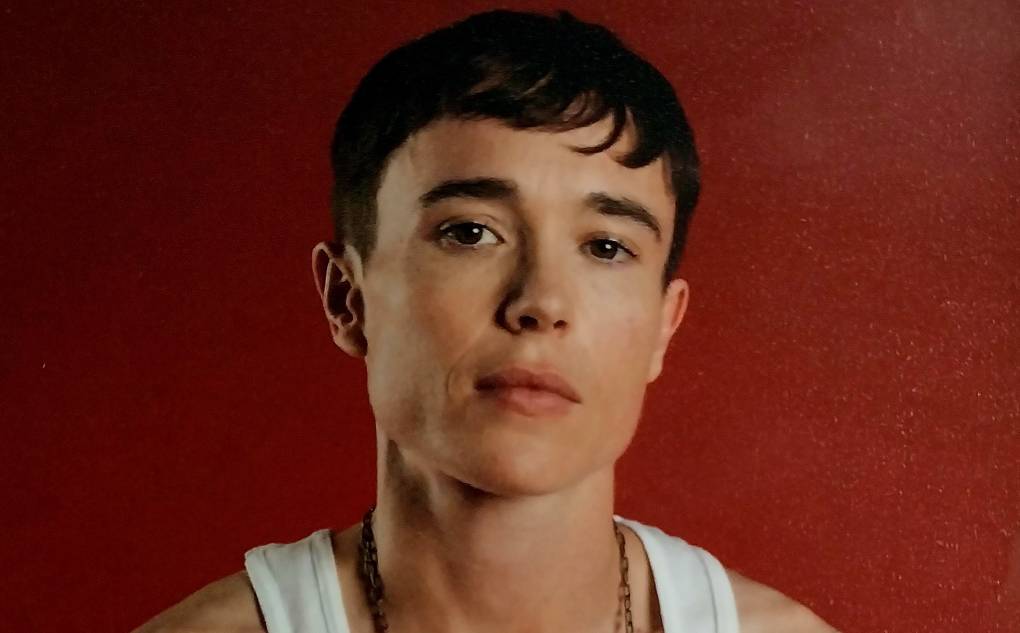
"caption": "Elliot Page, as seen on the cover of his new book, ‘Pageboy: A Memoir.’",
"description": null,
"title": "Elliot Page, as seen on the cover of his new book, ‘Pageboy: A Memoir.’",
"credit": "Flatiron Books",
"status": "inherit",
"altTag": "A transgender man sits, expression plain, in front of a red background. He is wearing a white tank.",
"isLoading": false,
"fetchFailed": false
},
"arts_13930110": {
"type": "attachments",
"id": "arts_13930110",
"meta": {
"index": "attachments_1716263798",
"site": "arts",
"id": "13930110",
"found": true
},
"parent": 13930106,
"imgSizes": {
"twentyfourteen-full-width": {
"file": "https://ww2.kqed.org/app/uploads/sites/2/2023/06/Screen-Shot-2023-06-06-at-10.37.18-AM-1038x576.png",
"width": 1038,
"mimeType": "image/png",
"height": 576
},
"thumbnail": {
"file": "https://ww2.kqed.org/app/uploads/sites/2/2023/06/Screen-Shot-2023-06-06-at-10.37.18-AM-160x98.png",
"width": 160,
"mimeType": "image/png",
"height": 98
},
"post-thumbnail": {
"file": "https://ww2.kqed.org/app/uploads/sites/2/2023/06/Screen-Shot-2023-06-06-at-10.37.18-AM-672x372.png",
"width": 672,
"mimeType": "image/png",
"height": 372
},
"kqedFullSize": {
"file": "https://ww2.kqed.org/app/uploads/sites/2/2023/06/Screen-Shot-2023-06-06-at-10.37.18-AM.png",
"width": 1166,
"height": 716
},
"large": {
"file": "https://ww2.kqed.org/app/uploads/sites/2/2023/06/Screen-Shot-2023-06-06-at-10.37.18-AM-1020x626.png",
"width": 1020,
"mimeType": "image/png",
"height": 626
},
"medium": {
"file": "https://ww2.kqed.org/app/uploads/sites/2/2023/06/Screen-Shot-2023-06-06-at-10.37.18-AM-800x491.png",
"width": 800,
"mimeType": "image/png",
"height": 491
},
"medium_large": {
"file": "https://ww2.kqed.org/app/uploads/sites/2/2023/06/Screen-Shot-2023-06-06-at-10.37.18-AM-768x472.png",
"width": 768,
"mimeType": "image/png",
"height": 472
}
},
"publishDate": 1686073053,
"modified": 1686073089,
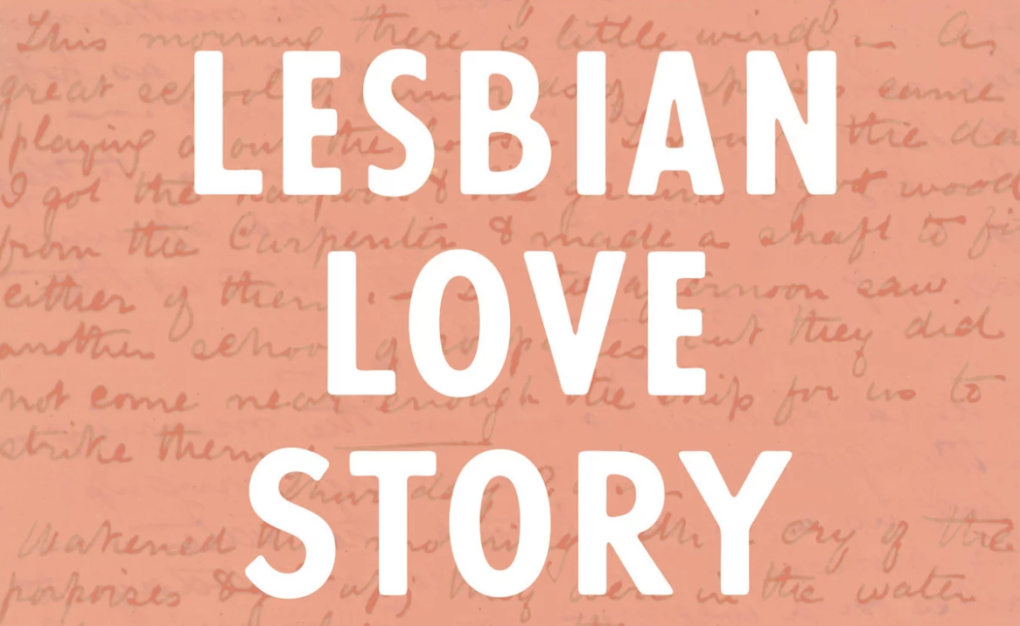
"caption": "‘Lesbian Love Story: A Memoir in Archives’ by Amelia Possanza.",
"description": null,
"title": "‘Lesbian Love Story: A Memoir in Archives’ by Amelia Possanza.",
"credit": "Catapult",
"status": "inherit",
"altTag": "A peach-toned background with Lesbian Love Story written in block letters on top.",
"isLoading": false,
"fetchFailed": false
},
"arts_13929918": {
"type": "attachments",
"id": "arts_13929918",
"meta": {
"index": "attachments_1716263798",
"site": "arts",
"id": "13929918",
"found": true
},
"parent": 13929913,
"imgSizes": {
"twentyfourteen-full-width": {
"file": "https://ww2.kqed.org/app/uploads/sites/2/2023/05/Screen-Shot-2023-05-31-at-2.28.32-PM-1038x576.png",
"width": 1038,
"mimeType": "image/png",
"height": 576
},
"thumbnail": {
"file": "https://ww2.kqed.org/app/uploads/sites/2/2023/05/Screen-Shot-2023-05-31-at-2.28.32-PM-160x91.png",
"width": 160,
"mimeType": "image/png",
"height": 91
},
"post-thumbnail": {
"file": "https://ww2.kqed.org/app/uploads/sites/2/2023/05/Screen-Shot-2023-05-31-at-2.28.32-PM-672x372.png",
"width": 672,
"mimeType": "image/png",
"height": 372
},
"kqedFullSize": {
"file": "https://ww2.kqed.org/app/uploads/sites/2/2023/05/Screen-Shot-2023-05-31-at-2.28.32-PM.png",
"width": 1520,
"height": 864
},
"large": {
"file": "https://ww2.kqed.org/app/uploads/sites/2/2023/05/Screen-Shot-2023-05-31-at-2.28.32-PM-1020x580.png",
"width": 1020,
"mimeType": "image/png",
"height": 580
},
"medium": {
"file": "https://ww2.kqed.org/app/uploads/sites/2/2023/05/Screen-Shot-2023-05-31-at-2.28.32-PM-800x455.png",
"width": 800,
"mimeType": "image/png",
"height": 455
},
"medium_large": {
"file": "https://ww2.kqed.org/app/uploads/sites/2/2023/05/Screen-Shot-2023-05-31-at-2.28.32-PM-768x437.png",
"width": 768,
"mimeType": "image/png",
"height": 437
}
},
"publishDate": 1685568527,
"modified": 1685568636,
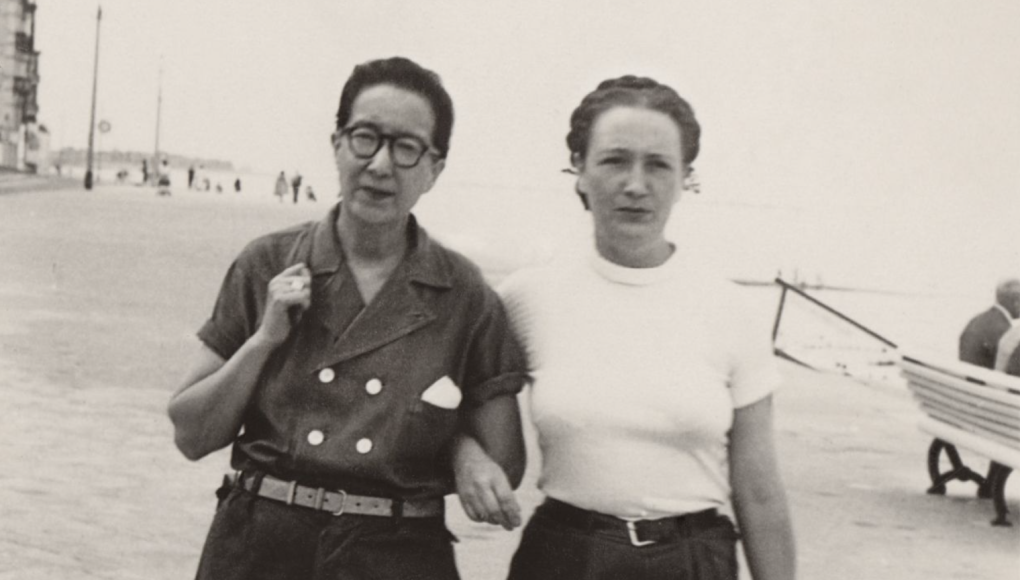
"caption": "Nadine Hwang (L) and Nelly Mousset-Vos (R), together and in love having survived World War II.",
"description": null,
"title": "Nadine Hwang (L) and Nelly Mousset-Vos (R), together and in love having survived World War II.",
"credit": "Courtesy of Wolfe Video",
"status": "inherit",
"altTag": "Two women walk arm in arm. One is Asian, wearing round spectacles with short-slicked back hair. The other is white, hair braided neatly around her head, wearing a tight white t-shirt and trousers.",
"isLoading": false,
"fetchFailed": false
},
"arts_13929653": {
"type": "attachments",
"id": "arts_13929653",
"meta": {
"index": "attachments_1716263798",
"site": "arts",
"id": "13929653",
"found": true
},
"parent": 13929422,
"imgSizes": {
"twentyfourteen-full-width": {
"file": "https://ww2.kqed.org/app/uploads/sites/2/2023/05/JohnChaich_portrait-1038x576.jpg",
"width": 1038,
"mimeType": "image/jpeg",
"height": 576
},
"thumbnail": {
"file": "https://ww2.kqed.org/app/uploads/sites/2/2023/05/JohnChaich_portrait-160x118.jpg",
"width": 160,
"mimeType": "image/jpeg",
"height": 118
},
"post-thumbnail": {
"file": "https://ww2.kqed.org/app/uploads/sites/2/2023/05/JohnChaich_portrait-672x372.jpg",
"width": 672,
"mimeType": "image/jpeg",
"height": 372
},
"kqedFullSize": {
"file": "https://ww2.kqed.org/app/uploads/sites/2/2023/05/JohnChaich_portrait-scaled.jpg",
"width": 2560,
"height": 1882
},
"2048x2048": {
"file": "https://ww2.kqed.org/app/uploads/sites/2/2023/05/JohnChaich_portrait-2048x1506.jpg",
"width": 2048,
"mimeType": "image/jpeg",
"height": 1506
},
"large": {
"file": "https://ww2.kqed.org/app/uploads/sites/2/2023/05/JohnChaich_portrait-1020x750.jpg",
"width": 1020,
"mimeType": "image/jpeg",
"height": 750
},
"1536x1536": {
"file": "https://ww2.kqed.org/app/uploads/sites/2/2023/05/JohnChaich_portrait-1536x1129.jpg",
"width": 1536,
"mimeType": "image/jpeg",
"height": 1129
},
"full-width": {
"file": "https://ww2.kqed.org/app/uploads/sites/2/2023/05/JohnChaich_portrait-1920x1412.jpg",
"width": 1920,
"mimeType": "image/jpeg",
"height": 1412
},
"medium": {
"file": "https://ww2.kqed.org/app/uploads/sites/2/2023/05/JohnChaich_portrait-800x588.jpg",
"width": 800,
"mimeType": "image/jpeg",
"height": 588
},
"medium_large": {
"file": "https://ww2.kqed.org/app/uploads/sites/2/2023/05/JohnChaich_portrait-768x565.jpg",
"width": 768,
"mimeType": "image/jpeg",
"height": 565
}
},
"publishDate": 1684968014,
"modified": 1685160404,
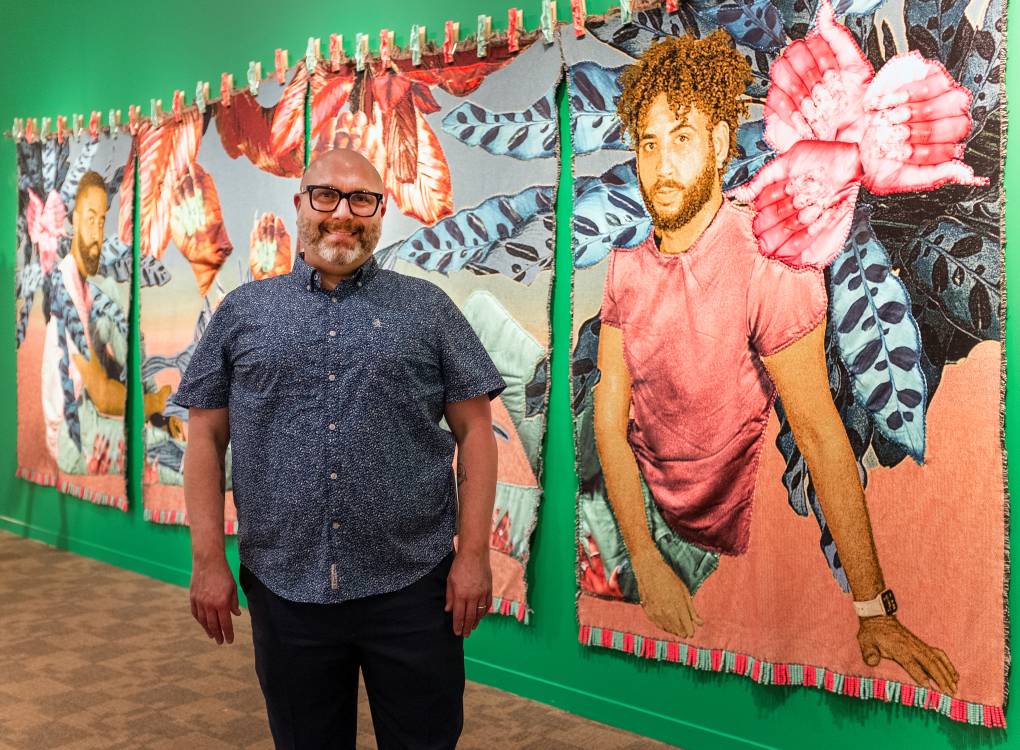
"caption": "Curator John Chaich with 'Guess Jeans: I Just Want to Have My Titties Out,' by April Bey. Digitally woven blanket with hand-sewn fabric and glitter, 80\" x 240\", 2022",
"description": null,
"title": "JohnChaich_portrait",
"credit": "Cherri Lakey",
"status": "inherit",
"altTag": "a man with glasses stands smiling in front of a painting in a museum",
"isLoading": false,
"fetchFailed": false
},
"arts_13929629": {
"type": "attachments",
"id": "arts_13929629",
"meta": {
"index": "attachments_1716263798",
"site": "arts",
"id": "13929629",
"found": true
},
"parent": 13929572,
"imgSizes": {
"twentyfourteen-full-width": {
"file": "https://ww2.kqed.org/app/uploads/sites/2/2023/05/RS65830_017_KQED_HeklinaMemorialCastro_05232023-qut-1038x576.jpg",
"width": 1038,
"mimeType": "image/jpeg",
"height": 576
},
"thumbnail": {
"file": "https://ww2.kqed.org/app/uploads/sites/2/2023/05/RS65830_017_KQED_HeklinaMemorialCastro_05232023-qut-160x107.jpg",
"width": 160,
"mimeType": "image/jpeg",
"height": 107
},
"post-thumbnail": {
"file": "https://ww2.kqed.org/app/uploads/sites/2/2023/05/RS65830_017_KQED_HeklinaMemorialCastro_05232023-qut-672x372.jpg",
"width": 672,
"mimeType": "image/jpeg",
"height": 372
},
"kqedFullSize": {
"file": "https://ww2.kqed.org/app/uploads/sites/2/2023/05/RS65830_017_KQED_HeklinaMemorialCastro_05232023-qut.jpg",
"width": 1920,
"height": 1280
},
"large": {
"file": "https://ww2.kqed.org/app/uploads/sites/2/2023/05/RS65830_017_KQED_HeklinaMemorialCastro_05232023-qut-1020x680.jpg",
"width": 1020,
"mimeType": "image/jpeg",
"height": 680
},
"1536x1536": {
"file": "https://ww2.kqed.org/app/uploads/sites/2/2023/05/RS65830_017_KQED_HeklinaMemorialCastro_05232023-qut-1536x1024.jpg",
"width": 1536,
"mimeType": "image/jpeg",
"height": 1024
},
"medium": {
"file": "https://ww2.kqed.org/app/uploads/sites/2/2023/05/RS65830_017_KQED_HeklinaMemorialCastro_05232023-qut-800x533.jpg",
"width": 800,
"mimeType": "image/jpeg",
"height": 533
},
"medium_large": {
"file": "https://ww2.kqed.org/app/uploads/sites/2/2023/05/RS65830_017_KQED_HeklinaMemorialCastro_05232023-qut-768x512.jpg",
"width": 768,
"mimeType": "image/jpeg",
"height": 512
}
},
"publishDate": 1684962811,
"modified": 1684962827,
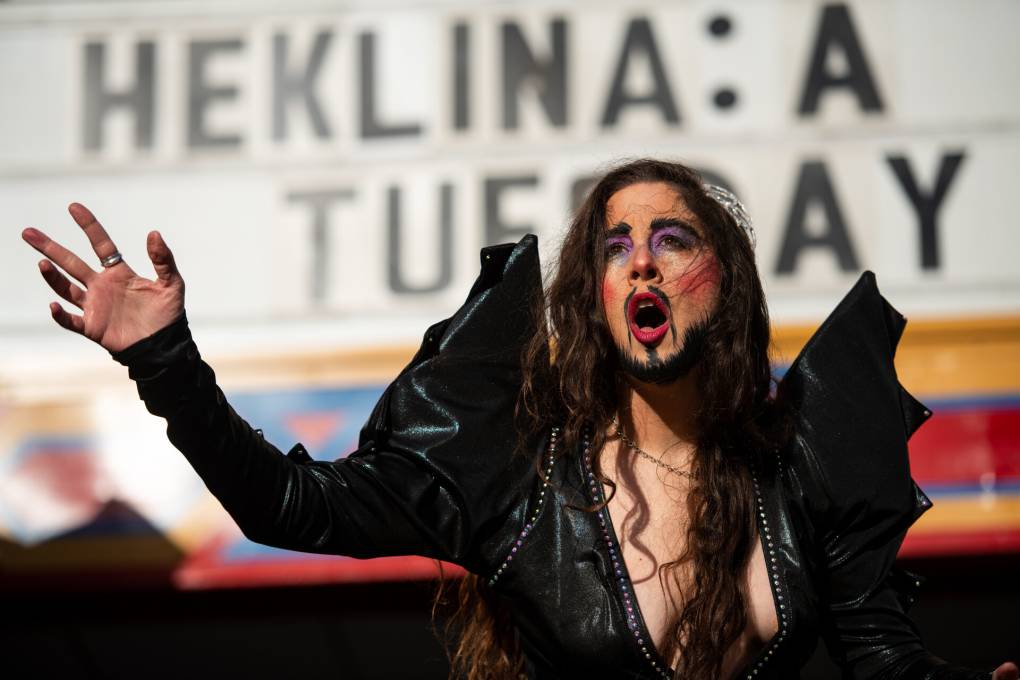
"caption": "Drag king Vera! performs during a memorial for Heklina outside of the Castro Theatre in San Francisco on May 23, 2023.",
"description": null,
"title": "RS65830_017_KQED_HeklinaMemorialCastro_05232023-qut",
"credit": "Beth LaBerge/KQED",
"status": "inherit",
"altTag": null,
"isLoading": false,
"fetchFailed": false
},
"arts_13929354": {
"type": "attachments",
"id": "arts_13929354",
"meta": {
"index": "attachments_1716263798",
"site": "arts",
"id": "13929354",
"found": true
},
"parent": 13929331,
"imgSizes": {
"twentyfourteen-full-width": {
"file": "https://ww2.kqed.org/app/uploads/sites/2/2023/05/Sister-Roma-arrives-at-San-Francisco-City-Hall-for-the-Drag-Up-Fight-Back-march-on-Saturday-April-8-2023-1038x576.jpg",
"width": 1038,
"mimeType": "image/jpeg",
"height": 576
},
"thumbnail": {
"file": "https://ww2.kqed.org/app/uploads/sites/2/2023/05/Sister-Roma-arrives-at-San-Francisco-City-Hall-for-the-Drag-Up-Fight-Back-march-on-Saturday-April-8-2023-160x107.jpg",
"width": 160,
"mimeType": "image/jpeg",
"height": 107
},
"post-thumbnail": {
"file": "https://ww2.kqed.org/app/uploads/sites/2/2023/05/Sister-Roma-arrives-at-San-Francisco-City-Hall-for-the-Drag-Up-Fight-Back-march-on-Saturday-April-8-2023-672x372.jpg",
"width": 672,
"mimeType": "image/jpeg",
"height": 372
},
"kqedFullSize": {
"file": "https://ww2.kqed.org/app/uploads/sites/2/2023/05/Sister-Roma-arrives-at-San-Francisco-City-Hall-for-the-Drag-Up-Fight-Back-march-on-Saturday-April-8-2023.jpg",
"width": 1620,
"height": 1080
},
"large": {
"file": "https://ww2.kqed.org/app/uploads/sites/2/2023/05/Sister-Roma-arrives-at-San-Francisco-City-Hall-for-the-Drag-Up-Fight-Back-march-on-Saturday-April-8-2023-1020x680.jpg",
"width": 1020,
"mimeType": "image/jpeg",
"height": 680
},
"1536x1536": {
"file": "https://ww2.kqed.org/app/uploads/sites/2/2023/05/Sister-Roma-arrives-at-San-Francisco-City-Hall-for-the-Drag-Up-Fight-Back-march-on-Saturday-April-8-2023-1536x1024.jpg",
"width": 1536,
"mimeType": "image/jpeg",
"height": 1024
},
"medium": {
"file": "https://ww2.kqed.org/app/uploads/sites/2/2023/05/Sister-Roma-arrives-at-San-Francisco-City-Hall-for-the-Drag-Up-Fight-Back-march-on-Saturday-April-8-2023-800x533.jpg",
"width": 800,
"mimeType": "image/jpeg",
"height": 533
},
"medium_large": {
"file": "https://ww2.kqed.org/app/uploads/sites/2/2023/05/Sister-Roma-arrives-at-San-Francisco-City-Hall-for-the-Drag-Up-Fight-Back-march-on-Saturday-April-8-2023-768x512.jpg",
"width": 768,
"mimeType": "image/jpeg",
"height": 512
}
},
"publishDate": 1684447421,
"modified": 1684447744,
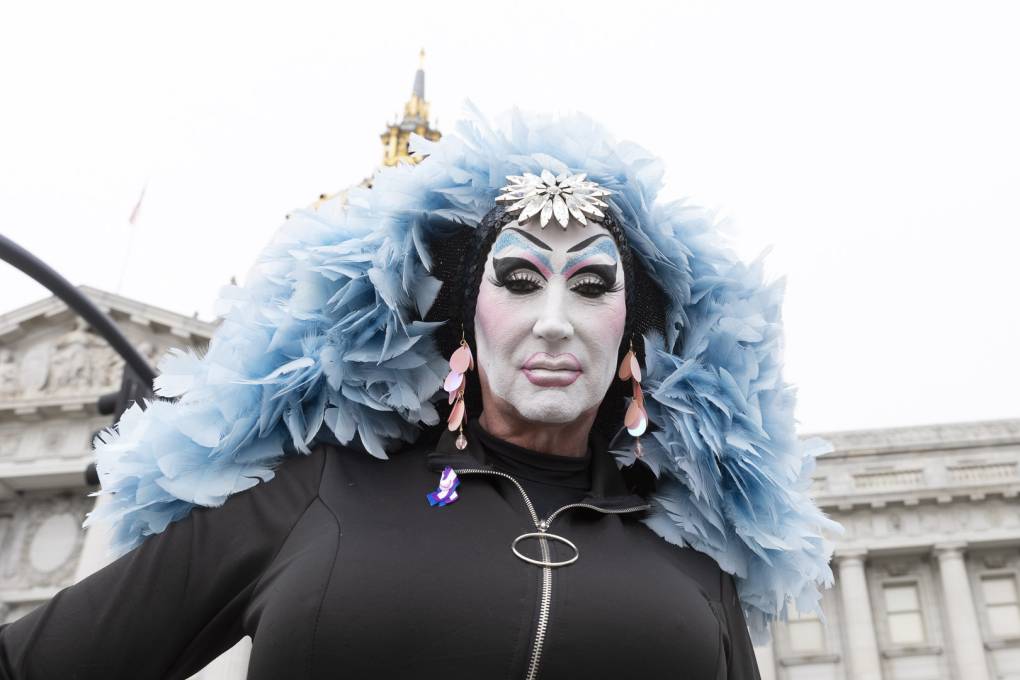
"caption": "Sister Roma at the Drag Up! Fight Back! march at San Francisco City Hall on April 8, 2023.",
"description": null,
"title": "Sister-Roma-arrives-at-San-Francisco-City-Hall-for-the-Drag-Up-Fight-Back-march-on-Saturday-April-8-2023",
"credit": "Estefany Gonzalez",
"status": "inherit",
"altTag": "A drag queen nun wears a feather boa and white makeup.",
"isLoading": false,
"fetchFailed": false
},
"arts_13929029": {
"type": "attachments",
"id": "arts_13929029",
"meta": {
"index": "attachments_1716263798",
"site": "arts",
"id": "13929029",
"found": true
},
"parent": 13929024,
"imgSizes": {
"twentyfourteen-full-width": {
"file": "https://ww2.kqed.org/app/uploads/sites/2/2023/05/Tempestt-1038x576.jpeg",
"width": 1038,
"mimeType": "image/jpeg",
"height": 576
},
"thumbnail": {
"file": "https://ww2.kqed.org/app/uploads/sites/2/2023/05/Tempestt-160x53.jpeg",
"width": 160,
"mimeType": "image/jpeg",
"height": 53
},
"post-thumbnail": {
"file": "https://ww2.kqed.org/app/uploads/sites/2/2023/05/Tempestt-672x372.jpeg",
"width": 672,
"mimeType": "image/jpeg",
"height": 372
},
"kqedFullSize": {
"file": "https://ww2.kqed.org/app/uploads/sites/2/2023/05/Tempestt-scaled.jpeg",
"width": 2560,
"height": 853
},
"2048x2048": {
"file": "https://ww2.kqed.org/app/uploads/sites/2/2023/05/Tempestt-2048x683.jpeg",
"width": 2048,
"mimeType": "image/jpeg",
"height": 683
},
"large": {
"file": "https://ww2.kqed.org/app/uploads/sites/2/2023/05/Tempestt-1020x340.jpeg",
"width": 1020,
"mimeType": "image/jpeg",
"height": 340
},
"1536x1536": {
"file": "https://ww2.kqed.org/app/uploads/sites/2/2023/05/Tempestt-1536x512.jpeg",
"width": 1536,
"mimeType": "image/jpeg",
"height": 512
},
"full-width": {
"file": "https://ww2.kqed.org/app/uploads/sites/2/2023/05/Tempestt-1920x640.jpeg",
"width": 1920,
"mimeType": "image/jpeg",
"height": 640
},
"medium": {
"file": "https://ww2.kqed.org/app/uploads/sites/2/2023/05/Tempestt-800x267.jpeg",
"width": 800,
"mimeType": "image/jpeg",
"height": 267
},
"medium_large": {
"file": "https://ww2.kqed.org/app/uploads/sites/2/2023/05/Tempestt-768x256.jpeg",
"width": 768,
"mimeType": "image/jpeg",
"height": 256
}
},
"publishDate": 1683832816,
"modified": 1683838287,
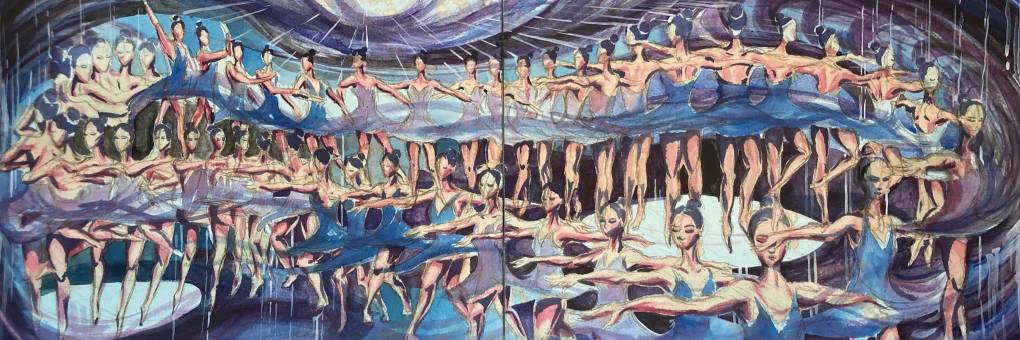
"caption": "Brian Kwon, 'Time is the Act of Looking Back.'",
"description": null,
"title": "Tempestt",
"credit": "Small Press Traffic",
"status": "inherit",
"altTag": "Wide painting with line of dancers patterned in figure-8",
"isLoading": false,
"fetchFailed": false
},
"arts_13928892": {
"type": "attachments",
"id": "arts_13928892",
"meta": {
"index": "attachments_1716263798",
"site": "arts",
"id": "13928892",
"found": true
},
"parent": 13928887,
"imgSizes": {
"twentyfourteen-full-width": {
"file": "https://ww2.kqed.org/app/uploads/sites/2/2023/05/LucyLiyou_-_Rewire_20230408_-_Stephan_C_Kaffa_008-1038x576.jpg",
"width": 1038,
"mimeType": "image/jpeg",
"height": 576
},
"thumbnail": {
"file": "https://ww2.kqed.org/app/uploads/sites/2/2023/05/LucyLiyou_-_Rewire_20230408_-_Stephan_C_Kaffa_008-160x107.jpg",
"width": 160,
"mimeType": "image/jpeg",
"height": 107
},
"post-thumbnail": {
"file": "https://ww2.kqed.org/app/uploads/sites/2/2023/05/LucyLiyou_-_Rewire_20230408_-_Stephan_C_Kaffa_008-672x372.jpg",
"width": 672,
"mimeType": "image/jpeg",
"height": 372
},
"kqedFullSize": {
"file": "https://ww2.kqed.org/app/uploads/sites/2/2023/05/LucyLiyou_-_Rewire_20230408_-_Stephan_C_Kaffa_008-scaled.jpg",
"width": 2560,
"height": 1707
},
"2048x2048": {
"file": "https://ww2.kqed.org/app/uploads/sites/2/2023/05/LucyLiyou_-_Rewire_20230408_-_Stephan_C_Kaffa_008-2048x1365.jpg",
"width": 2048,
"mimeType": "image/jpeg",
"height": 1365
},
"large": {
"file": "https://ww2.kqed.org/app/uploads/sites/2/2023/05/LucyLiyou_-_Rewire_20230408_-_Stephan_C_Kaffa_008-1020x680.jpg",
"width": 1020,
"mimeType": "image/jpeg",
"height": 680
},
"1536x1536": {
"file": "https://ww2.kqed.org/app/uploads/sites/2/2023/05/LucyLiyou_-_Rewire_20230408_-_Stephan_C_Kaffa_008-1536x1024.jpg",
"width": 1536,
"mimeType": "image/jpeg",
"height": 1024
},
"full-width": {
"file": "https://ww2.kqed.org/app/uploads/sites/2/2023/05/LucyLiyou_-_Rewire_20230408_-_Stephan_C_Kaffa_008-1920x1280.jpg",
"width": 1920,
"mimeType": "image/jpeg",
"height": 1280
},
"medium": {
"file": "https://ww2.kqed.org/app/uploads/sites/2/2023/05/LucyLiyou_-_Rewire_20230408_-_Stephan_C_Kaffa_008-800x533.jpg",
"width": 800,
"mimeType": "image/jpeg",
"height": 533
},
"medium_large": {
"file": "https://ww2.kqed.org/app/uploads/sites/2/2023/05/LucyLiyou_-_Rewire_20230408_-_Stephan_C_Kaffa_008-768x512.jpg",
"width": 768,
"mimeType": "image/jpeg",
"height": 512
}
},
"publishDate": 1683657374,
"modified": 1683661958,
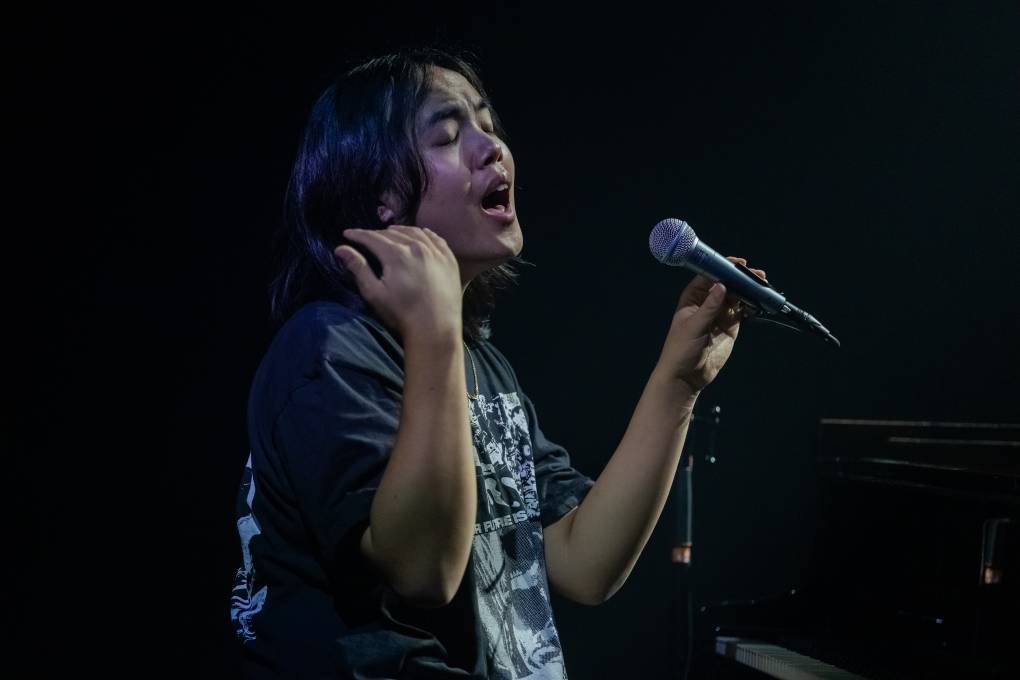
"caption": "Lucy Liyou performs at Rewire Festival in The Hague, Netherlands on April 8, 2023.",
"description": null,
"title": "Lucy Liyou",
"credit": "Stephan C. Kaffa",
"status": "inherit",
"altTag": null,
"isLoading": false,
"fetchFailed": false
},
"arts_13928893": {
"type": "attachments",
"id": "arts_13928893",
"meta": {
"index": "attachments_1716263798",
"site": "arts",
"id": "13928893",
"found": true
},
"parent": 13928870,
"imgSizes": {
"twentyfourteen-full-width": {
"file": "https://ww2.kqed.org/app/uploads/sites/2/2023/05/008_KQED_WalgreensBankoBrown_05092023-1038x576.jpg",
"width": 1038,
"mimeType": "image/jpeg",
"height": 576
},
"thumbnail": {
"file": "https://ww2.kqed.org/app/uploads/sites/2/2023/05/008_KQED_WalgreensBankoBrown_05092023-160x107.jpg",
"width": 160,
"mimeType": "image/jpeg",
"height": 107
},
"post-thumbnail": {
"file": "https://ww2.kqed.org/app/uploads/sites/2/2023/05/008_KQED_WalgreensBankoBrown_05092023-672x372.jpg",
"width": 672,
"mimeType": "image/jpeg",
"height": 372
},
"kqedFullSize": {
"file": "https://ww2.kqed.org/app/uploads/sites/2/2023/05/008_KQED_WalgreensBankoBrown_05092023.jpg",
"width": 1920,
"height": 1280
},
"large": {
"file": "https://ww2.kqed.org/app/uploads/sites/2/2023/05/008_KQED_WalgreensBankoBrown_05092023-1020x680.jpg",
"width": 1020,
"mimeType": "image/jpeg",
"height": 680
},
"1536x1536": {
"file": "https://ww2.kqed.org/app/uploads/sites/2/2023/05/008_KQED_WalgreensBankoBrown_05092023-1536x1024.jpg",
"width": 1536,
"mimeType": "image/jpeg",
"height": 1024
},
"medium": {
"file": "https://ww2.kqed.org/app/uploads/sites/2/2023/05/008_KQED_WalgreensBankoBrown_05092023-800x533.jpg",
"width": 800,
"mimeType": "image/jpeg",
"height": 533
},
"medium_large": {
"file": "https://ww2.kqed.org/app/uploads/sites/2/2023/05/008_KQED_WalgreensBankoBrown_05092023-768x512.jpg",
"width": 768,
"mimeType": "image/jpeg",
"height": 512
}
},
"publishDate": 1683657591,
"modified": 1683658115,
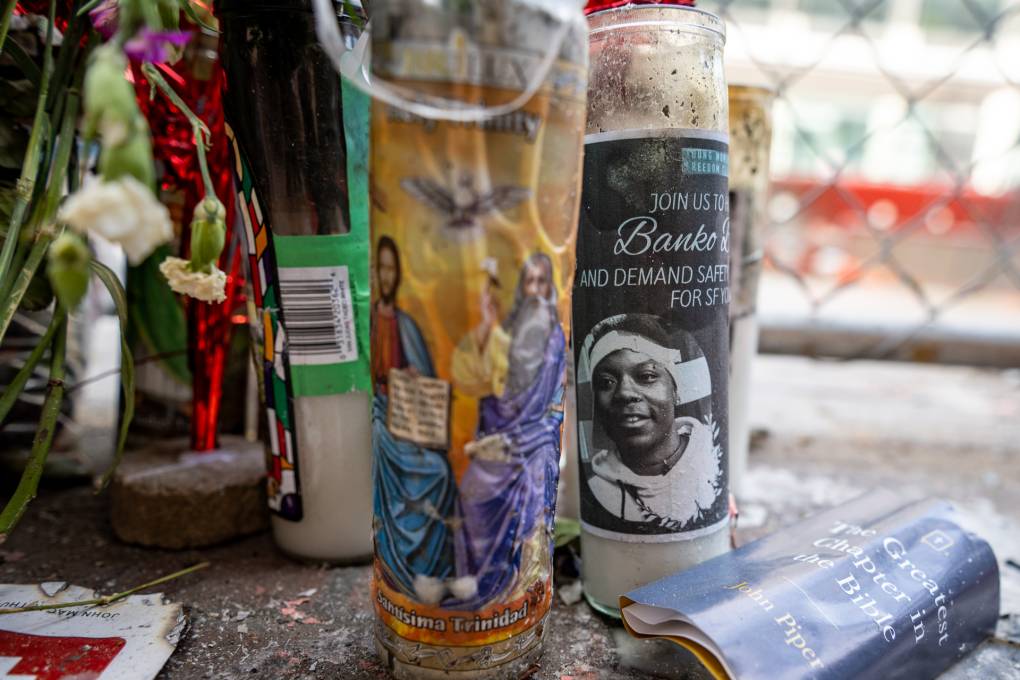
"caption": "A memorial for Banko Brown outside of Walgreens on Market Street in San Francisco, where he was shot and killed by a security guard on April 27.",
"description": null,
"title": "008_KQED_WalgreensBankoBrown_05092023",
"credit": "Beth LaBerge/KQED",
"status": "inherit",
"altTag": "Candles on the sidewalk feature a portrait of Banko Brown, a 24-year-old Black trans man.",
"isLoading": false,
"fetchFailed": false
},
"arts_13928178": {
"type": "attachments",
"id": "arts_13928178",
"meta": {
"index": "attachments_1716263798",
"site": "arts",
"id": "13928178",
"found": true
},
"parent": 13928177,
"imgSizes": {
"twentyfourteen-full-width": {
"file": "https://ww2.kqed.org/app/uploads/sites/2/2023/04/GettyImages-1474017535-scaled-e1682358349188-1038x576.jpg",
"width": 1038,
"mimeType": "image/jpeg",
"height": 576
},
"thumbnail": {
"file": "https://ww2.kqed.org/app/uploads/sites/2/2023/04/GettyImages-1474017535-scaled-e1682358349188-160x107.jpg",
"width": 160,
"mimeType": "image/jpeg",
"height": 107
},
"post-thumbnail": {
"file": "https://ww2.kqed.org/app/uploads/sites/2/2023/04/GettyImages-1474017535-scaled-e1682358349188-672x372.jpg",
"width": 672,
"mimeType": "image/jpeg",
"height": 372
},
"kqedFullSize": {
"file": "https://ww2.kqed.org/app/uploads/sites/2/2023/04/GettyImages-1474017535-scaled-e1682358349188.jpg",
"width": 1920,
"height": 1280
},
"2048x2048": {
"file": "https://ww2.kqed.org/app/uploads/sites/2/2023/04/GettyImages-1474017535-2048x1365.jpg",
"width": 2048,
"mimeType": "image/jpeg",
"height": 1365
},
"large": {
"file": "https://ww2.kqed.org/app/uploads/sites/2/2023/04/GettyImages-1474017535-scaled-e1682358349188-1020x680.jpg",
"width": 1020,
"mimeType": "image/jpeg",
"height": 680
},
"1536x1536": {
"file": "https://ww2.kqed.org/app/uploads/sites/2/2023/04/GettyImages-1474017535-scaled-e1682358349188-1536x1024.jpg",
"width": 1536,
"mimeType": "image/jpeg",
"height": 1024
},
"full-width": {
"file": "https://ww2.kqed.org/app/uploads/sites/2/2023/04/GettyImages-1474017535-1920x1280.jpg",
"width": 1920,
"mimeType": "image/jpeg",
"height": 1280
},
"medium": {
"file": "https://ww2.kqed.org/app/uploads/sites/2/2023/04/GettyImages-1474017535-scaled-e1682358349188-800x533.jpg",
"width": 800,
"mimeType": "image/jpeg",
"height": 533
},
"medium_large": {
"file": "https://ww2.kqed.org/app/uploads/sites/2/2023/04/GettyImages-1474017535-scaled-e1682358349188-768x512.jpg",
"width": 768,
"mimeType": "image/jpeg",
"height": 512
}
},
"publishDate": 1682358199,
"modified": 1682358428,
"caption": "Lizzo performs in London, March 2023.",
"description": null,
"title": "Lizzo performs in London, March 2023.",
"credit": "Jim Dyson/Getty Images",
"status": "inherit",
"altTag": "A plus-size Black woman performs onstage wearing a sheer bodysuit with neon yellow details.",
"isLoading": false,
"fetchFailed": false
},
"arts_13915269": {
"type": "attachments",
"id": "arts_13915269",
"meta": {
"index": "attachments_1716263798",
"site": "arts",
"id": "13915269",
"found": true
},
"parent": 13956246,
"imgSizes": {
"twentyfourteen-full-width": {
"file": "https://cdn.kqed.org/wp-content/uploads/sites/2/2022/06/RS56925_024_KQED_SFTransMarch_06242022-qut-1038x576.jpg",
"width": 1038,
"mimeType": "image/jpeg",
"height": 576
},
"thumbnail": {
"file": "https://cdn.kqed.org/wp-content/uploads/sites/2/2022/06/RS56925_024_KQED_SFTransMarch_06242022-qut-160x107.jpg",
"width": 160,
"mimeType": "image/jpeg",
"height": 107
},
"post-thumbnail": {
"file": "https://cdn.kqed.org/wp-content/uploads/sites/2/2022/06/RS56925_024_KQED_SFTransMarch_06242022-qut-672x372.jpg",
"width": 672,
"mimeType": "image/jpeg",
"height": 372
},
"kqedFullSize": {
"file": "https://cdn.kqed.org/wp-content/uploads/sites/2/2022/06/RS56925_024_KQED_SFTransMarch_06242022-qut.jpg",
"width": 1920,
"height": 1278
},
"large": {
"file": "https://cdn.kqed.org/wp-content/uploads/sites/2/2022/06/RS56925_024_KQED_SFTransMarch_06242022-qut-1020x679.jpg",
"width": 1020,
"mimeType": "image/jpeg",
"height": 679
},
"1536x1536": {
"file": "https://cdn.kqed.org/wp-content/uploads/sites/2/2022/06/RS56925_024_KQED_SFTransMarch_06242022-qut-1536x1022.jpg",
"width": 1536,
"mimeType": "image/jpeg",
"height": 1022
},
"medium": {
"file": "https://cdn.kqed.org/wp-content/uploads/sites/2/2022/06/RS56925_024_KQED_SFTransMarch_06242022-qut-800x533.jpg",
"width": 800,
"mimeType": "image/jpeg",
"height": 533
},
"medium_large": {
"file": "https://cdn.kqed.org/wp-content/uploads/sites/2/2022/06/RS56925_024_KQED_SFTransMarch_06242022-qut-768x511.jpg",
"width": 768,
"mimeType": "image/jpeg",
"height": 511
}
},
"publishDate": 1656345266,
"modified": 1713545923,
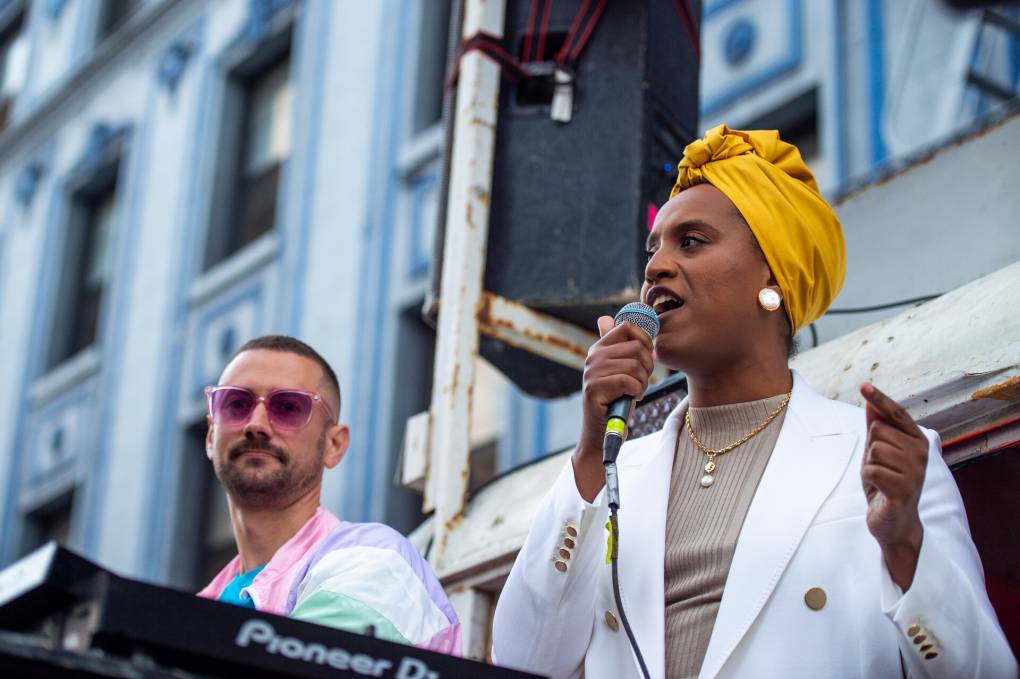
"caption": "Honey Mahogany speaks during a rally after the Trans March in San Francisco on June 24, 2022.",
"description": null,
"title": "RS56925_024_KQED_SFTransMarch_06242022-qut",
"credit": "Beth LaBerge/KQED",
"status": "inherit",
"altTag": null,
"isLoading": false,
"fetchFailed": false
}
},
"audioPlayerReducer": {
"postId": "stream_live",
"isPaused": true,
"isPlaying": false,
"pfsActive": false,
"pledgeModalIsOpen": true,
"playerDrawerIsOpen": false,
"liveAudioPlayStartedAt": 0,
"liveAudioPlayContext": ""
},
"authorsReducer": {
"byline_arts_13930349": {
"type": "authors",
"id": "byline_arts_13930349",
"meta": {
"override": true
},
"slug": "byline_arts_13930349",
"name": "Lindsey Bahr, Associated Press",
"isLoading": false
},
"byline_arts_13930106": {
"type": "authors",
"id": "byline_arts_13930106",
"meta": {
"override": true
},
"slug": "byline_arts_13930106",
"name": "Julie Depenbrock",
"isLoading": false
},
"byline_arts_13928887": {
"type": "authors",
"id": "byline_arts_13928887",
"meta": {
"override": true
},
"slug": "byline_arts_13928887",
"name": "Daniel Bromfield",
"isLoading": false
},
"kqedarts": {
"type": "authors",
"id": "92",
"meta": {
"index": "authors_1716337520",
"id": "92",
"found": true
},
"name": "KQED Arts",
"firstName": "KQED",
"lastName": "Arts",
"slug": "kqedarts",
"email": "arts@kqed.org",
"display_author_email": false,
"staff_mastheads": [],
"title": "KQED Staff",
"bio": null,
"avatar": "https://secure.gravatar.com/avatar/321c9ebfeb7736f9e55366a6d3399ab0?s=600&d=blank&r=g",
"twitter": null,
"facebook": null,
"instagram": "https://www.instagram.com/kqed_arts/",
"linkedin": null,
"sites": [
{
"site": "arts",
"roles": [
"contributor"
]
},
{
"site": "pop",
"roles": [
"contributor"
]
},
{
"site": "science",
"roles": [
"author"
]
},
{
"site": "food",
"roles": [
"contributor"
]
}
],
"headData": {
"title": "KQED Arts | KQED",
"description": "KQED Staff",
"ogImgSrc": "https://secure.gravatar.com/avatar/321c9ebfeb7736f9e55366a6d3399ab0?s=600&d=blank&r=g",
"twImgSrc": "https://secure.gravatar.com/avatar/321c9ebfeb7736f9e55366a6d3399ab0?s=600&d=blank&r=g"
},
"isLoading": false,
"link": "/author/kqedarts"
},
"clakey": {
"type": "authors",
"id": "191",
"meta": {
"index": "authors_1716337520",
"id": "191",
"found": true
},
"name": "Cherri Lakey",
"firstName": "Cherri",
"lastName": "Lakey",
"slug": "clakey",
"email": "cherri@galleryad.com",
"display_author_email": false,
"staff_mastheads": [],
"title": "KQED Contributor",
"bio": "Co-owner/curator of urban contemporary art and culture gallery \u003ca href=\"http://www.galleryAD.com\">ANNO DOMINI\u003c/a> // the second coming of Art & Design and producer of a bunch of other cool projects with partner \u003ca href=\"http://ww2.kqed.org/arts/author/beder/\" target=\"_blank\">Brian Eder.\u003c/a> \u003ca href=\"https://twitter.com/astrogirl\">Follow @astrogirl\u003c/a>\r\n// ",
"avatar": "https://secure.gravatar.com/avatar/29642fbd8e9eef623a3f07213c5b739fbbfe7e1efe98571b1093fabcaade6f08?s=600&d=blank&r=g",
"twitter": null,
"bluesky": null,
"facebook": null,
"instagram": null,
"linkedin": null,
"sites": [
{
"site": "arts",
"roles": [
"subscriber"
]
}
],
"headData": {
"title": "Cherri Lakey | KQED",
"description": "KQED Contributor",
"ogImgSrc": "https://secure.gravatar.com/avatar/29642fbd8e9eef623a3f07213c5b739fbbfe7e1efe98571b1093fabcaade6f08?s=600&d=blank&r=g",
"twImgSrc": "https://secure.gravatar.com/avatar/29642fbd8e9eef623a3f07213c5b739fbbfe7e1efe98571b1093fabcaade6f08?s=600&d=blank&r=g"
},
"isLoading": false,
"link": "/author/clakey"
},
"ralexandra": {
"type": "authors",
"id": "11242",
"meta": {
"index": "authors_1716337520",
"id": "11242",
"found": true
},
"name": "Rae Alexandra",
"firstName": "Rae",
"lastName": "Alexandra",
"slug": "ralexandra",
"email": "ralexandra@kqed.org",
"display_author_email": true,
"staff_mastheads": [],
"title": "Reporter/Producer",
"bio": "Rae Alexandra is a Reporter/Producer for KQED Arts & Culture, and the creator/author of the \u003ca href=\"https://www.kqed.org/arts/program/rebel-girls-from-bay-area-history\">Rebel Girls From Bay Area History\u003c/a> and \u003ca href=\"https://www.kqed.org/bizarrebayarea\">Bizarre Bay Area\u003c/a> series. Her debut book, \u003ca href=\"https://citylights.com/politics-current-events-history/unsung-heroines35-women-who-changed/\">Unsung Heroines: 35 Women Who Changed the Bay Area\u003c/a> was published by City Lights in March 2026. In 2023, Rae was awarded an SPJ Excellence in Journalism Award for Arts & Culture. Rae was born and raised in Wales and subsequently — even after two decades in Northern California — still uses phrases that regularly baffle her coworkers.",
"avatar": "https://secure.gravatar.com/avatar/edfee8176c80cc0a382b051190f5341997df378a934a5774dcb0977732dfd401?s=600&d=blank&r=g",
"twitter": null,
"bluesky": null,
"facebook": null,
"instagram": null,
"linkedin": null,
"sites": [
{
"site": "arts",
"roles": [
"subscriber"
]
},
{
"site": "news",
"roles": [
"subscriber"
]
},
{
"site": "pop",
"roles": [
"subscriber"
]
},
{
"site": "bayareabites",
"roles": [
"subscriber"
]
},
{
"site": "science",
"roles": [
"subscriber"
]
}
],
"headData": {
"title": "Rae Alexandra | KQED",
"description": "Reporter/Producer",
"ogImgSrc": "https://secure.gravatar.com/avatar/edfee8176c80cc0a382b051190f5341997df378a934a5774dcb0977732dfd401?s=600&d=blank&r=g",
"twImgSrc": "https://secure.gravatar.com/avatar/edfee8176c80cc0a382b051190f5341997df378a934a5774dcb0977732dfd401?s=600&d=blank&r=g"
},
"isLoading": false,
"link": "/author/ralexandra"
},
"dcronin": {
"type": "authors",
"id": "11362",
"meta": {
"index": "authors_1716337520",
"id": "11362",
"found": true
},
"name": "Dana Cronin",
"firstName": "Dana",
"lastName": "Cronin",
"slug": "dcronin",
"email": "dcronin@KQED.org",
"display_author_email": true,
"staff_mastheads": [],
"title": "KQED Contributor",
"bio": "Dana Cronin is a reporter for KQED News. She loves writing stories about climate change, environmental issues, food and agriculture. She's reported across the country, from Colorado to Washington D.C. to Illinois, and has won numerous awards for her coverage. Her work is regularly featured on national broadcasts, including NPR’s Morning Edition, All Things Considered, PBS Newshour and Science Friday. She lives in Oakland and has an avocado tree in her back yard.",
"avatar": "https://secure.gravatar.com/avatar/bcf89e3455ff7235f96ab6fa7258dd95?s=600&d=blank&r=g",
"twitter": "DanaHCronin",
"facebook": null,
"instagram": null,
"linkedin": null,
"sites": [
{
"site": "arts",
"roles": [
"author"
]
},
{
"site": "news",
"roles": [
"editor"
]
},
{
"site": "science",
"roles": [
"author"
]
},
{
"site": "liveblog",
"roles": [
"author"
]
}
],
"headData": {
"title": "Dana Cronin | KQED",
"description": "KQED Contributor",
"ogImgSrc": "https://secure.gravatar.com/avatar/bcf89e3455ff7235f96ab6fa7258dd95?s=600&d=blank&r=g",
"twImgSrc": "https://secure.gravatar.com/avatar/bcf89e3455ff7235f96ab6fa7258dd95?s=600&d=blank&r=g"
},
"isLoading": false,
"link": "/author/dcronin"
},
"nvoynovskaya": {
"type": "authors",
"id": "11387",
"meta": {
"index": "authors_1716337520",
"id": "11387",
"found": true
},
"name": "Nastia Voynovskaya",
"firstName": "Nastia",
"lastName": "Voynovskaya",
"slug": "nvoynovskaya",
"email": "nvoynovskaya@kqed.org",
"display_author_email": false,
"staff_mastheads": [
"arts"
],
"title": "Editor and reporter",
"bio": "Nastia Voynovskaya is a reporter, editor and host at KQED Arts & Culture. She's been covering the arts in the Bay Area for over a decade, with a focus on music, queer culture, labor issues and grassroots organizing. She has edited KQED story series such as Trans Bay: A History of San Francisco's Gender-Diverse Community, and co-created KQED's Bay Area hip-hop history project, That's My Word. Nastia's work has been recognized by the Society of Professional Journalists and San Francisco Press Club. She regularly appears on podcasts and radio programs, including NPR's All Songs Considered, and hosts live events where music, culture and conversation meet.",
"avatar": "https://secure.gravatar.com/avatar/5025ee460e5a85d69ca20ea6c6f2f80d7e17795c828f61ea3aecfcd924e9042e?s=600&d=blank&r=g",
"twitter": null,
"bluesky": null,
"facebook": null,
"instagram": "https://www.instagram.com/nananastia/",
"linkedin": null,
"sites": [
{
"site": "",
"roles": [
"editor"
]
},
{
"site": "arts",
"roles": [
"administrator"
]
},
{
"site": "news",
"roles": [
"editor"
]
},
{
"site": "pop",
"roles": [
"administrator"
]
},
{
"site": "bayareabites",
"roles": [
"editor"
]
},
{
"site": "podcasts",
"roles": [
"editor"
]
},
{
"site": "hiphop",
"roles": [
"editor"
]
}
],
"headData": {
"title": "Nastia Voynovskaya | KQED",
"description": "Editor and reporter",
"ogImgSrc": "https://secure.gravatar.com/avatar/5025ee460e5a85d69ca20ea6c6f2f80d7e17795c828f61ea3aecfcd924e9042e?s=600&d=blank&r=g",
"twImgSrc": "https://secure.gravatar.com/avatar/5025ee460e5a85d69ca20ea6c6f2f80d7e17795c828f61ea3aecfcd924e9042e?s=600&d=blank&r=g"
},
"isLoading": false,
"link": "/author/nvoynovskaya"
},
"blaberge": {
"type": "authors",
"id": "11667",
"meta": {
"index": "authors_1716337520",
"id": "11667",
"found": true
},
"name": "Beth LaBerge",
"firstName": "Beth",
"lastName": "LaBerge",
"slug": "blaberge",
"email": "blaberge@KQED.org",
"display_author_email": true,
"staff_mastheads": [
"news"
],
"title": "Photographer, News",
"bio": "Beth LaBerge is a visual journalist for \u003ca href=\"https://www.kqed.org/news\">KQED News\u003c/a>.",
"avatar": "https://secure.gravatar.com/avatar/ce49ecd7a1306685637b45a1f6f5dedfc4ae9481966eb596fea5160466dd6319?s=600&d=blank&r=g",
"twitter": null,
"bluesky": null,
"facebook": null,
"instagram": "https://www.instagram.com/bethlaberge/",
"linkedin": null,
"sites": [
{
"site": "arts",
"roles": [
"editor",
"manage_categories"
]
},
{
"site": "news",
"roles": [
"editor",
"edit_plugins",
"manage_categories"
]
},
{
"site": "science",
"roles": [
"editor",
"contributor",
"author",
"manage_categories"
]
},
{
"site": "perspectives",
"roles": [
"editor"
]
},
{
"site": "liveblog",
"roles": [
"editor"
]
}
],
"headData": {
"title": "Beth LaBerge | KQED",
"description": "Photographer, News",
"ogImgSrc": "https://secure.gravatar.com/avatar/ce49ecd7a1306685637b45a1f6f5dedfc4ae9481966eb596fea5160466dd6319?s=600&d=blank&r=g",
"twImgSrc": "https://secure.gravatar.com/avatar/ce49ecd7a1306685637b45a1f6f5dedfc4ae9481966eb596fea5160466dd6319?s=600&d=blank&r=g"
},
"isLoading": false,
"link": "/author/blaberge"
},
"ccabreralomeli": {
"type": "authors",
"id": "11708",
"meta": {
"index": "authors_1716337520",
"id": "11708",
"found": true
},
"name": "Carlos Cabrera-Lomelí",
"firstName": "Carlos",
"lastName": "Cabrera-Lomelí",
"slug": "ccabreralomeli",
"email": "ccabreralomeli@KQED.org",
"display_author_email": true,
"staff_mastheads": [
"news"
],
"title": "Community Reporter",
"bio": "Carlos Cabrera-Lomelí is a community reporter with KQED's digital engagement team. He also reports and co-produces for KQED's bilingual news hub KQED en Español. He grew up in San Francisco's Mission District and has previously worked with Univision, 48 Hills and REFORMA in Mexico City.",
"avatar": "https://secure.gravatar.com/avatar/c309be9665e484f887b818c89e273ecc673004f426f36b24d00a4d813a2e0518?s=600&d=blank&r=g",
"twitter": "@LomeliCabrera",
"bluesky": null,
"facebook": null,
"instagram": null,
"linkedin": null,
"sites": [
{
"site": "arts",
"roles": [
"editor"
]
},
{
"site": "news",
"roles": [
"editor"
]
},
{
"site": "about",
"roles": [
"editor"
]
},
{
"site": "science",
"roles": [
"editor"
]
},
{
"site": "perspectives",
"roles": [
"editor"
]
},
{
"site": "elections",
"roles": [
"editor"
]
},
{
"site": "liveblog",
"roles": [
"contributor"
]
}
],
"headData": {
"title": "Carlos Cabrera-Lomelí | KQED",
"description": "Community Reporter",
"ogImgSrc": "https://secure.gravatar.com/avatar/c309be9665e484f887b818c89e273ecc673004f426f36b24d00a4d813a2e0518?s=600&d=blank&r=g",
"twImgSrc": "https://secure.gravatar.com/avatar/c309be9665e484f887b818c89e273ecc673004f426f36b24d00a4d813a2e0518?s=600&d=blank&r=g"
},
"isLoading": false,
"link": "/author/ccabreralomeli"
},
"achazaro": {
"type": "authors",
"id": "11748",
"meta": {
"index": "authors_1716337520",
"id": "11748",
"found": true
},
"name": "Alan Chazaro",
"firstName": "Alan",
"lastName": "Chazaro",
"slug": "achazaro",
"email": "agchazaro@gmail.com",
"display_author_email": true,
"staff_mastheads": [],
"title": "Food Writer and Reporter",
"bio": "Alan Chazaro is the author of \u003cem>This Is Not a Frank Ocean Cover Album\u003c/em> (Black Lawrence Press, 2019), \u003cem>Piñata Theory\u003c/em> (Black Lawrence Press, 2020), and \u003cem>Notes from the Eastern Span of the Bay Bridge\u003c/em> (Ghost City Press, 2021). He is a graduate of June Jordan’s Poetry for the People program at UC Berkeley and a former Lawrence Ferlinghetti Fellow at the University of San Francisco. He writes about sports, food, art, music, education, and culture while repping the Bay on \u003ca href=\"https://twitter.com/alan_chazaro\">Twitter\u003c/a> and \u003ca href=\"https://www.instagram.com/alan_chazaro/?hl=en\">Instagram\u003c/a> at @alan_chazaro.",
"avatar": "https://secure.gravatar.com/avatar/ea8b6dd970fc5c29e7a188e7d5861df7?s=600&d=blank&r=g",
"twitter": "alan_chazaro",
"facebook": null,
"instagram": null,
"linkedin": null,
"sites": [
{
"site": "arts",
"roles": [
"contributor"
]
},
{
"site": "news",
"roles": [
"editor"
]
}
],
"headData": {
"title": "Alan Chazaro | KQED",
"description": "Food Writer and Reporter",
"ogImgSrc": "https://secure.gravatar.com/avatar/ea8b6dd970fc5c29e7a188e7d5861df7?s=600&d=blank&r=g",
"twImgSrc": "https://secure.gravatar.com/avatar/ea8b6dd970fc5c29e7a188e7d5861df7?s=600&d=blank&r=g"
},
"isLoading": false,
"link": "/author/achazaro"
},
"jlara": {
"type": "authors",
"id": "11761",
"meta": {
"index": "authors_1716337520",
"id": "11761",
"found": true
},
"name": "Juan Carlos Lara",
"firstName": "Juan Carlos",
"lastName": "Lara",
"slug": "jlara",
"email": "jlara@kqed.org",
"display_author_email": false,
"staff_mastheads": [],
"title": "KQED Contributor",
"bio": null,
"avatar": "https://secure.gravatar.com/avatar/19e2052b9b05657c5ff2af2121846e9c?s=600&d=blank&r=g",
"twitter": null,
"facebook": null,
"instagram": null,
"linkedin": null,
"sites": [
{
"site": "arts",
"roles": [
"editor"
]
},
{
"site": "news",
"roles": [
"editor"
]
},
{
"site": "forum",
"roles": [
"editor"
]
},
{
"site": "liveblog",
"roles": [
"contributor"
]
}
],
"headData": {
"title": "Juan Carlos Lara | KQED",
"description": "KQED Contributor",
"ogImgSrc": "https://secure.gravatar.com/avatar/19e2052b9b05657c5ff2af2121846e9c?s=600&d=blank&r=g",
"twImgSrc": "https://secure.gravatar.com/avatar/19e2052b9b05657c5ff2af2121846e9c?s=600&d=blank&r=g"
},
"isLoading": false,
"link": "/author/jlara"
}
},
"pagesReducer": {
"arts_tag_lgbtq": {
"type": "terms",
"id": "arts_3226",
"meta": {
"index": "terms_1716263798",
"site": "arts",
"id": "3226",
"score": 8.28315
},
"name": "LGBTQ+",
"slug": "lgbtq",
"taxonomy": "tag",
"description": null,
"featImg": null,
"headData": {
"title": "LGBTQ+ | KQED Arts",
"description": null,
"ogTitle": null,
"ogDescription": null,
"ogImgId": null,
"twTitle": null,
"twDescription": null,
"twImgId": null
},
"ttid": 3238,
"isLoading": false,
"title": "LGBTQ+",
"pageMeta": {
"site": "arts",
"WpPageTemplate": "page-topic-editorial",
"currentPage": 12
},
"blocks": [
{
"blockName": "kqed/post-list",
"attrs": {
"layout": "cardArticle2",
"query": "posts/arts?tag=lgbtq",
"seeMore": false,
"paginated": true,
"page": 12
}
},
{
"blockName": "kqed/ad"
}
]
}
},
"pfsSessionReducer": {},
"postsReducer": {
"stream_live": {
"type": "live",
"id": "stream_live",
"audioUrl": "https://streams.kqed.org/kqedradio",
"title": "Live Stream",
"excerpt": "Live Stream information currently unavailable.",
"link": "/radio",
"featImg": "",
"label": {
"name": "KQED Live",
"link": "/"
}
},
"stream_kqedNewscast": {
"type": "posts",
"id": "stream_kqedNewscast",
"audioUrl": "https://www.kqed.org/.stream/anon/radio/RDnews/newscast.mp3?_=1",
"title": "KQED Newscast",
"featImg": "",
"label": {
"name": "88.5 FM",
"link": "/"
}
},
"arts_13930349": {
"type": "posts",
"id": "arts_13930349",
"meta": {
"index": "posts_1716263798",
"site": "arts",
"id": "13930349",
"score": null,
"sort": [
1686334533000
]
},
"parent": 0,
"labelTerm": {
"site": "arts",
"term": 140
},
"blocks": [],
"publishDate": 1686334533,
"format": "standard",
"title": "In ‘Blue Jean,’ a Nuanced Picture of Life as a Lesbian in Margaret Thatcher’s Britain",
"headTitle": "In ‘Blue Jean,’ a Nuanced Picture of Life as a Lesbian in Margaret Thatcher’s Britain | KQED",
"content": "\u003cp>A high school gym teacher grappling with her sexual identity is challenged on both a micro and macro level in 1988 England in \u003cem>Blue Jean\u003c/em>, a quietly complex portrait of compartmentalization and self-actualization.\u003c/p>\n\u003cp>[aside postid='arts_13929913']In October 1987, British Prime Minister Margaret Thatcher gave a speech in which she bemoaned the state of education and said that “Children who need to be taught to respect traditional moral values are being taught that they have an inalienable right to be gay.” This was just part of her critique of the state of education and the agenda of “extremist teachers” pushing “political slogans” and “anti-racist mathematics” who are cheating children out of a “sound start in life.” By May of 1988, a law was passed (Section 28) that would “prohibit the promotion of homosexuality” and would remain in effect in some form until 2003. Don’t worry if the law doesn’t sound familiar either — it was news to both the film’s director and star.\u003c/p>\n\u003cp>The film, which opens in limited release Friday, is the assured directorial debut of Georgia Oakley, who focuses her script not on the women who went out to protest as the House of Lords debated Section 28, but on one who was still coming to terms with her own identity. Jean (Rosy McEwen) is not terribly political, and, like most teachers, keeps her private life to herself. But she’s also one whose livelihood and passion (teaching) would be directly threatened by the law. Her journey in the film is a human one — there are mistakes, deep regrets, and casualties — and it’s her flaws that make her relatable. She is not, in other words, exactly an inspirational hero.\u003c/p>\n\u003cp>https://www.youtube.com/watch?v=mGGRNmIU7fc\u003c/p>\n\u003cp>At the beginning, Jean leads a quiet life. She lives alone in an apartment and commutes to teach gym to high schoolers and coach the girls’ netball team. She loves her work and takes it seriously but keeps a distance from both the students and her fellow teachers, eating alone at lunch and declining persistent requests to go out for a pint after work. Some nights she meets up with her girlfriend, Viv (Kerrie Hayes), and a group of other lesbians at an underground bar. Unlike Jean, who is described as a deer in headlights, these other women are out and proud. When an older woman sneers at Jean and Viv eating together, Jean shrinks while Viv goes on the offensive. In the background, radio news broadcasts speak about the looming Section 28.\u003c/p>\n\u003cp>[ad fullwidth]\u003c/p>\n\u003cp>The message Jean takes from all of this is to hide. In her mind, this makes sense because teachers need to set boundaries with their students and co-workers. But then a new girl arrives at school, Lois (Lucy Halliday) who is also gay, and Jean’s meticulously segregated life starts to crumble — especially after Lois sees her out with Viv and friends, and Jean retreats further into herself. Is it her responsibility to look, protect or guide Lois through this aspect of her life? Jean will make a shocking decision before the end of the film.\u003c/p>\n\u003cfigure id=\"attachment_13930351\" class=\"wp-caption aligncenter\" style=\"max-width: 800px\">\u003cimg loading=\"lazy\" decoding=\"async\" class=\"size-medium wp-image-13930351\" src=\"https://ww2.kqed.org/app/uploads/sites/2/2023/06/Screen-Shot-2023-06-09-at-11.11.28-AM-800x478.png\" alt=\"A woman with a shaved head and a blonde woman sit in a pub at a table, pints of beer in front of them. Two friends sit opposite them.\" width=\"800\" height=\"478\" srcset=\"https://cdn.kqed.org/wp-content/uploads/sites/2/2023/06/Screen-Shot-2023-06-09-at-11.11.28-AM-800x478.png 800w, https://cdn.kqed.org/wp-content/uploads/sites/2/2023/06/Screen-Shot-2023-06-09-at-11.11.28-AM-1020x610.png 1020w, https://cdn.kqed.org/wp-content/uploads/sites/2/2023/06/Screen-Shot-2023-06-09-at-11.11.28-AM-160x96.png 160w, https://cdn.kqed.org/wp-content/uploads/sites/2/2023/06/Screen-Shot-2023-06-09-at-11.11.28-AM-768x459.png 768w, https://cdn.kqed.org/wp-content/uploads/sites/2/2023/06/Screen-Shot-2023-06-09-at-11.11.28-AM.png 1512w\" sizes=\"(max-width: 800px) 100vw, 800px\">\u003cfigcaption class=\"wp-caption-text\">Kerrie Hayes, background left, and Rosy McEwen in a scene from ‘Blue Jean.’ \u003ccite>(Magnolia Pictures via AP)\u003c/cite>\u003c/figcaption>\u003c/figure>\n\u003cp>Jean is both an introvert and a product of her environment — she doesn’t speak to her mother anymore and her more conservative, heterosexual sister’s attempts at supporting Jean mostly make her feel worse. She scolds Jean for exposing her 5-year-old son to Viv, even though she drops the kid off at her apartment without any warning. Jean is also scolded by Viv for telling her nephew that she’s “a friend.”\u003c/p>\n\u003cp>[aside postid='arts_13930047']Oakley has said she wanted to present a protagonist “without glamorization or misrepresentation,” inspired by filmmakers like Kelly Reichardt and Chantal Akerman.\u003c/p>\n\u003cp>\u003c/p>\n\u003cp>\u003cem>Blue Jean\u003c/em> is a perfect film to debut during Pride. It’s a reminder of the very recent past and the generational effects of institutionalized homophobia.\u003c/p>\n\n",
"stats": {
"hasVideo": true,
"hasChartOrMap": false,
"hasAudio": false,
"hasPolis": false,
"wordCount": 702,
"hasGoogleForm": false,
"hasGallery": false,
"hasHearkenModule": false,
"iframeSrcs": [],
"paragraphCount": 10
},
"modified": 1705005393,
"excerpt": "The UK film is a reminder of the very recent past and the generational effects of institutionalized homophobia.",
"headData": {
"twImgId": "",
"twTitle": "In ‘Blue Jean,’ a Nuanced Picture of Life as a Lesbian in Margaret Thatcher’s Britain",
"socialTitle": "Review: ‘Blue Jean’ Explores the Homophobia of the Recent Past%%page%% %%sep%% KQED",
"ogTitle": "In ‘Blue Jean,’ a Nuanced Picture of Life as a Lesbian in Margaret Thatcher’s Britain",
"ogImgId": "",
"twDescription": "",
"description": "The UK film is a reminder of the very recent past and the generational effects of institutionalized homophobia.",
"title": "Review: ‘Blue Jean’ Explores the Homophobia of the Recent Past | KQED",
"ogDescription": "",
"schema": {
"@context": "https://schema.org",
"@type": "Article",
"headline": "In ‘Blue Jean,’ a Nuanced Picture of Life as a Lesbian in Margaret Thatcher’s Britain",
"datePublished": "2023-06-09T11:15:33-07:00",
"dateModified": "2024-01-11T12:36:33-08:00",
"image": "https://cdn.kqed.org/wp-content/uploads/2020/02/KQED-OG-Image@1x.png"
}
},
"guestAuthors": [],
"slug": "in-blue-jean-a-nuanced-picture-of-life-as-a-lesbian-in-margaret-thatchers-britain",
"status": "publish",
"templateType": "standard",
"nprByline": "Lindsey Bahr, Associated Press",
"excludeFromSiteSearch": "Include",
"featuredImageType": "standard",
"sticky": false,
"showOnAuthorArchivePages": "No",
"articleAge": "0",
"path": "/arts/13930349/in-blue-jean-a-nuanced-picture-of-life-as-a-lesbian-in-margaret-thatchers-britain",
"audioTrackLength": null,
"parsedContent": [
{
"type": "contentString",
"content": "\u003cdiv class=\"post-body\">\u003cp>\u003cp>A high school gym teacher grappling with her sexual identity is challenged on both a micro and macro level in 1988 England in \u003cem>Blue Jean\u003c/em>, a quietly complex portrait of compartmentalization and self-actualization.\u003c/p>\n\u003cp>\u003c/p>\u003c/div>",
"attributes": {
"named": {},
"numeric": []
}
},
{
"type": "component",
"content": "",
"name": "aside",
"attributes": {
"named": {
"postid": "arts_13929913",
"label": ""
},
"numeric": []
}
},
{
"type": "contentString",
"content": "\u003cdiv class=\"post-body\">\u003cp>In October 1987, British Prime Minister Margaret Thatcher gave a speech in which she bemoaned the state of education and said that “Children who need to be taught to respect traditional moral values are being taught that they have an inalienable right to be gay.” This was just part of her critique of the state of education and the agenda of “extremist teachers” pushing “political slogans” and “anti-racist mathematics” who are cheating children out of a “sound start in life.” By May of 1988, a law was passed (Section 28) that would “prohibit the promotion of homosexuality” and would remain in effect in some form until 2003. Don’t worry if the law doesn’t sound familiar either — it was news to both the film’s director and star.\u003c/p>\n\u003cp>The film, which opens in limited release Friday, is the assured directorial debut of Georgia Oakley, who focuses her script not on the women who went out to protest as the House of Lords debated Section 28, but on one who was still coming to terms with her own identity. Jean (Rosy McEwen) is not terribly political, and, like most teachers, keeps her private life to herself. But she’s also one whose livelihood and passion (teaching) would be directly threatened by the law. Her journey in the film is a human one — there are mistakes, deep regrets, and casualties — and it’s her flaws that make her relatable. She is not, in other words, exactly an inspirational hero.\u003c/p>\u003c/p>\u003cp>\u003cspan class='utils-parseShortcode-shortcodes-__youtubeShortcode__embedYoutube'>\n \u003cspan class='utils-parseShortcode-shortcodes-__youtubeShortcode__embedYoutubeInside'>\n \u003ciframe\n loading='lazy'\n class='utils-parseShortcode-shortcodes-__youtubeShortcode__youtubePlayer'\n type='text/html'\n src='//www.youtube.com/embed/mGGRNmIU7fc'\n title='//www.youtube.com/embed/mGGRNmIU7fc'\n allowfullscreen='true'\n style='border:0;'>\u003c/iframe>\n \u003c/span>\n \u003c/span>\u003c/p>\u003cp>\u003cp>At the beginning, Jean leads a quiet life. She lives alone in an apartment and commutes to teach gym to high schoolers and coach the girls’ netball team. She loves her work and takes it seriously but keeps a distance from both the students and her fellow teachers, eating alone at lunch and declining persistent requests to go out for a pint after work. Some nights she meets up with her girlfriend, Viv (Kerrie Hayes), and a group of other lesbians at an underground bar. Unlike Jean, who is described as a deer in headlights, these other women are out and proud. When an older woman sneers at Jean and Viv eating together, Jean shrinks while Viv goes on the offensive. In the background, radio news broadcasts speak about the looming Section 28.\u003c/p>\n\u003cp>\u003c/p>\u003c/div>",
"attributes": {
"named": {},
"numeric": []
}
},
{
"type": "component",
"content": "",
"name": "ad",
"attributes": {
"named": {
"label": "fullwidth"
},
"numeric": [
"fullwidth"
]
}
},
{
"type": "contentString",
"content": "\u003cdiv class=\"post-body\">\u003cp>\u003c/p>\n\u003cp>The message Jean takes from all of this is to hide. In her mind, this makes sense because teachers need to set boundaries with their students and co-workers. But then a new girl arrives at school, Lois (Lucy Halliday) who is also gay, and Jean’s meticulously segregated life starts to crumble — especially after Lois sees her out with Viv and friends, and Jean retreats further into herself. Is it her responsibility to look, protect or guide Lois through this aspect of her life? Jean will make a shocking decision before the end of the film.\u003c/p>\n\u003cfigure id=\"attachment_13930351\" class=\"wp-caption aligncenter\" style=\"max-width: 800px\">\u003cimg loading=\"lazy\" decoding=\"async\" class=\"size-medium wp-image-13930351\" src=\"https://ww2.kqed.org/app/uploads/sites/2/2023/06/Screen-Shot-2023-06-09-at-11.11.28-AM-800x478.png\" alt=\"A woman with a shaved head and a blonde woman sit in a pub at a table, pints of beer in front of them. Two friends sit opposite them.\" width=\"800\" height=\"478\" srcset=\"https://cdn.kqed.org/wp-content/uploads/sites/2/2023/06/Screen-Shot-2023-06-09-at-11.11.28-AM-800x478.png 800w, https://cdn.kqed.org/wp-content/uploads/sites/2/2023/06/Screen-Shot-2023-06-09-at-11.11.28-AM-1020x610.png 1020w, https://cdn.kqed.org/wp-content/uploads/sites/2/2023/06/Screen-Shot-2023-06-09-at-11.11.28-AM-160x96.png 160w, https://cdn.kqed.org/wp-content/uploads/sites/2/2023/06/Screen-Shot-2023-06-09-at-11.11.28-AM-768x459.png 768w, https://cdn.kqed.org/wp-content/uploads/sites/2/2023/06/Screen-Shot-2023-06-09-at-11.11.28-AM.png 1512w\" sizes=\"(max-width: 800px) 100vw, 800px\">\u003cfigcaption class=\"wp-caption-text\">Kerrie Hayes, background left, and Rosy McEwen in a scene from ‘Blue Jean.’ \u003ccite>(Magnolia Pictures via AP)\u003c/cite>\u003c/figcaption>\u003c/figure>\n\u003cp>Jean is both an introvert and a product of her environment — she doesn’t speak to her mother anymore and her more conservative, heterosexual sister’s attempts at supporting Jean mostly make her feel worse. She scolds Jean for exposing her 5-year-old son to Viv, even though she drops the kid off at her apartment without any warning. Jean is also scolded by Viv for telling her nephew that she’s “a friend.”\u003c/p>\n\u003cp>\u003c/p>\u003c/div>",
"attributes": {
"named": {},
"numeric": []
}
},
{
"type": "component",
"content": "",
"name": "aside",
"attributes": {
"named": {
"postid": "arts_13930047",
"label": ""
},
"numeric": []
}
},
{
"type": "contentString",
"content": "\u003cdiv class=\"post-body\">\u003cp>Oakley has said she wanted to present a protagonist “without glamorization or misrepresentation,” inspired by filmmakers like Kelly Reichardt and Chantal Akerman.\u003c/p>\n\u003cp>\u003c/p>\n\u003cp>\u003cem>Blue Jean\u003c/em> is a perfect film to debut during Pride. It’s a reminder of the very recent past and the generational effects of institutionalized homophobia.\u003c/p>\n\n\u003c/div>\u003c/p>",
"attributes": {
"named": {},
"numeric": []
}
}
],
"link": "/arts/13930349/in-blue-jean-a-nuanced-picture-of-life-as-a-lesbian-in-margaret-thatchers-britain",
"authors": [
"byline_arts_13930349"
],
"programs": [
"arts_140"
],
"categories": [
"arts_1",
"arts_7862",
"arts_74",
"arts_75"
],
"tags": [
"arts_10493",
"arts_977",
"arts_8302",
"arts_3226",
"arts_585",
"arts_5292"
],
"featImg": "arts_13930350",
"label": "arts_140"
},
"arts_13930083": {
"type": "posts",
"id": "arts_13930083",
"meta": {
"index": "posts_1716263798",
"site": "arts",
"id": "13930083",
"score": null,
"sort": [
1686159786000
]
},
"parent": 0,
"labelTerm": {
"site": "arts",
"term": 140
},
"blocks": [],
"publishDate": 1686159786,
"format": "standard",
"title": "Elliot Page Shares Struggles and Former Selves in Engaging New Memoir",
"headTitle": "Elliot Page Shares Struggles and Former Selves in Engaging New Memoir | KQED",
"content": "\u003cp>Reading \u003cem>Pageboy,\u003c/em> Elliot Page’s memoir, I found myself hoping and praying that the world might treat queer kids with more kindness today than it did when the actor was growing up.\u003c/p>\n\u003cp>“Dennis, what are you gonna do if Ellen’s a dyke?” Page recalls his grandmother asking his father, knowing full well that Page was in the room.\u003c/p>\n\u003cp>At six years old, when Page asked his mom if he could be a boy, she matter-of-factly responded: “No, hon, you can’t, you’re a girl … But you can do anything a boy can do.”\u003c/p>\n\u003cp>[aside postid='arts_13929913']That same conversation between parent and child might play out a little differently in the current climate, now that trans and gender non-conforming communities and issues are more visible than ever before. Then again, with legal attacks being waged on transgender rights across the country, perhaps it wouldn’t. What\u003cem> Pageboy\u003c/em> does very well over the course of its 29 chapters is hammer home the damage done — and the pain endured — by kids like Page who aren’t given the full support they need to be who they are from a young age.\u003c/p>\n\u003cp>\u003cem>Pageboy\u003c/em> flits back and forth in time, bouncing between various movie sets, awkward childhood moments and multiple relationships. The nonlinear structure can be dizzying (and not always successful), but if there is a theme that runs throughout the memoir, it’s of pain endured and survival fought for. And there is not a small amount of either here.\u003c/p>\n\u003cp>[ad fullwidth]\u003c/p>\n\u003cp>Page describes navigating exploitation as a teen actor and being preyed on by multiple men and one woman on a variety of sets. He recounts his nerve-rattling experience with a stalker while just 16 years old. Turning 18, Page writes, didn’t improve his situation. Rather, it created “an unspoken permission slip I didn’t consent to” — a notion that won’t be lost on many girls and women reading.\u003c/p>\n\u003cfigure id=\"attachment_13930202\" class=\"wp-caption aligncenter\" style=\"max-width: 800px\">\u003cimg loading=\"lazy\" decoding=\"async\" class=\"size-medium wp-image-13930202\" src=\"https://ww2.kqed.org/app/uploads/sites/2/2023/06/Elliot-Page-800x1236.jpg\" alt=\"A book cover showing a youthful transgender man wearing blue jeans and a white tank top, and sitting in front of a red backdrop.\" width=\"800\" height=\"1236\" srcset=\"https://cdn.kqed.org/wp-content/uploads/sites/2/2023/06/Elliot-Page-800x1236.jpg 800w, https://cdn.kqed.org/wp-content/uploads/sites/2/2023/06/Elliot-Page-1020x1576.jpg 1020w, https://cdn.kqed.org/wp-content/uploads/sites/2/2023/06/Elliot-Page-160x247.jpg 160w, https://cdn.kqed.org/wp-content/uploads/sites/2/2023/06/Elliot-Page-768x1187.jpg 768w, https://cdn.kqed.org/wp-content/uploads/sites/2/2023/06/Elliot-Page-994x1536.jpg 994w, https://cdn.kqed.org/wp-content/uploads/sites/2/2023/06/Elliot-Page-1325x2048.jpg 1325w, https://cdn.kqed.org/wp-content/uploads/sites/2/2023/06/Elliot-Page-1920x2967.jpg 1920w, https://cdn.kqed.org/wp-content/uploads/sites/2/2023/06/Elliot-Page-scaled.jpg 1656w\" sizes=\"(max-width: 800px) 100vw, 800px\">\u003cfigcaption class=\"wp-caption-text\">‘Pageboy’ by Elliot Page. \u003ccite>(Flatiron Books)\u003c/cite>\u003c/figcaption>\u003c/figure>\n\u003cp>Dotted throughout are also Page’s painful memories of homophobic attacks, starting in adolescence and running well past the point of fame. After coming out in 2014, for example, Page was accosted at a party by “one of the most famous actors in the world.” This man, drunk at the time, unfurled a torrent of abuse on Page, telling him that he wasn’t really attracted to women, he was “just afraid of men.” In one particularly disturbing moment, the actor told Page “I’m going to fuck you to make you realize you aren’t gay.”\u003c/p>\n\u003cp>[aside postid='arts_13930106']It’s an enormous shame — and likely a legally prescribed one — that Page doesn’t name names here.\u003c/p>\n\u003cp>The party incident is not the only time Page doesn’t point fingers as directly as I wish he could. Page writes extensively of a closeted actress that he met while making a movie together. They had a prolonged secret affair that ended in heartbreak for Page — a pain made worse by running into her at a party while she was on a date with a man. I would be lying if I said I didn’t go straight to IMDB to try and figure out which costar Page was describing. (I failed.)\u003c/p>\n\u003cp>Thankfully, it’s much easier to discern which “world-renowned photographer” once gave Page a hard time at a magazine shoot. Based on the clues in the story, it’s almost certainly about a \u003cem>Vanity Fair\u003c/em> shoot with Annie Liebovitz in which Page was forced to don a tight blue dress and red heels. Looking back at the photos now, it’s impossible not to notice \u003ca href=\"https://www.searchlightpictures.com/news/ellen-on-ew-and-vanity-fair-covers-kimya-on-abc/\">his defeated slump\u003c/a>.\u003c/p>\n\u003cp>What makes reading all of the hardships in \u003cem>Pageboy\u003c/em> bearable are the passages celebrating the relief of slowly finding the strength and support to be his authentic self. Describing his coming out in 2014, Page’s newfound feeling of liberation screams out from the page. (“I had a burgeoning sense of ease in the world, a confidence … This time of firsts and newfound boldness was also, unsurprisingly perhaps, the most promiscuous period of my life.”)\u003c/p>\n\u003cp>Similarly, the relief after Page’s first gender-affirming surgery is blissful to read after so many sections about fear and the struggle to come out as transgender. “Mark picked me up after the three-or-so-hour procedure,” Page relays in the book’s penultimate chapter. “He took a photo of me … high as fuck, wearing a black compression vest, my nipples just removed and slapped back on. The smile on my face, in my eyes, the degree of contentment glowing off me, phew.”\u003c/p>\n\u003cp>[aside postid='arts_13926077']\u003cem>Pageboy\u003c/em> is not always an easy read. But there is a blunt honesty in Page’s writing that makes this memoir an important testimony, especially for queer and gender non-conforming kids, that things can and do get better. In many ways, the most painful periods of Page’s life stand as a testament to what happens to people unable to live as they wish and love who they want. Having endured years in the public eye while closeted, and experienced homophobia since coming out, Page has an unflinching clarity about which one was worse.\u003c/p>\n\u003cp>“I’d rather feel pain while living,” Page asserts in Chapter 8, “than hiding.”\u003c/p>\n\u003cp>Amen to that.\u003c/p>\n\u003cp>\u003cimg loading=\"lazy\" decoding=\"async\" class=\"aligncenter size-medium wp-image-12127869\" src=\"https://ww2.kqed.org/arts/wp-content/uploads/sites/2/2016/09/Q.Logo_.Break_-800x78.jpg\" alt=\"\" width=\"800\" height=\"78\" srcset=\"https://cdn.kqed.org/wp-content/uploads/sites/2/2016/09/Q.Logo_.Break_.jpg 800w, https://cdn.kqed.org/wp-content/uploads/sites/2/2016/09/Q.Logo_.Break_-400x39.jpg 400w, https://cdn.kqed.org/wp-content/uploads/sites/2/2016/09/Q.Logo_.Break_-768x75.jpg 768w\" sizes=\"(max-width: 800px) 100vw, 800px\">\u003c/p>\n\u003cp>\u003c/p>\n\u003cp>\u003cem>‘Pageboy’ by Elliot Page is out now, via \u003ca href=\"https://www.flatironbooks.com/\">Flatiron Books\u003c/a>. Page will be appearing at San Francisco’s Sydney Goldstein Theater (275 Hayes St.) as part of the City Arts & Lectures series, on Saturday, June 10, 2023 at 7:30pm. A recording of the event will be broadcast on KQED on Aug. 6, 2023. \u003ca href=\"https://www.cityarts.net/event/elliot-page/\">Details here\u003c/a>.\u003c/em>\u003c/p>\n\n",
"stats": {
"hasVideo": false,
"hasChartOrMap": false,
"hasAudio": false,
"hasPolis": false,
"wordCount": 1008,
"hasGoogleForm": false,
"hasGallery": false,
"hasHearkenModule": false,
"iframeSrcs": [],
"paragraphCount": 19
},
"modified": 1705005407,
"excerpt": "Page is appearing in San Francisco on June 10 to discuss his new book as part of KQED’s City Arts & Lectures series.",
"headData": {
"twImgId": "",
"twTitle": "Elliot Page Shares Struggles and Former Selves in Engaging New Memoir",
"socialTitle": "‘Pageboy: A Memoir’ Review: Elliot Page Shares His Life Story %%page%% %%sep%% KQED",
"ogTitle": "Elliot Page Shares Struggles and Former Selves in Engaging New Memoir",
"ogImgId": "",
"twDescription": "",
"description": "Page is appearing in San Francisco on June 10 to discuss his new book as part of KQED’s City Arts & Lectures series.",
"title": "‘Pageboy: A Memoir’ Review: Elliot Page Shares His Life Story | KQED",
"ogDescription": "",
"schema": {
"@context": "https://schema.org",
"@type": "Article",
"headline": "Elliot Page Shares Struggles and Former Selves in Engaging New Memoir",
"datePublished": "2023-06-07T10:43:06-07:00",
"dateModified": "2024-01-11T12:36:47-08:00",
"image": "https://cdn.kqed.org/wp-content/uploads/2020/02/KQED-OG-Image@1x.png"
}
},
"guestAuthors": [],
"slug": "elliot-page-shares-struggles-and-former-selves-in-engaging-new-memoir",
"status": "publish",
"templateType": "standard",
"excludeFromSiteSearch": "Include",
"featuredImageType": "standard",
"sticky": false,
"articleAge": "1",
"path": "/arts/13930083/elliot-page-shares-struggles-and-former-selves-in-engaging-new-memoir",
"audioTrackLength": null,
"parsedContent": [
{
"type": "contentString",
"content": "\u003cdiv class=\"post-body\">\u003cp>\u003cp>Reading \u003cem>Pageboy,\u003c/em> Elliot Page’s memoir, I found myself hoping and praying that the world might treat queer kids with more kindness today than it did when the actor was growing up.\u003c/p>\n\u003cp>“Dennis, what are you gonna do if Ellen’s a dyke?” Page recalls his grandmother asking his father, knowing full well that Page was in the room.\u003c/p>\n\u003cp>At six years old, when Page asked his mom if he could be a boy, she matter-of-factly responded: “No, hon, you can’t, you’re a girl … But you can do anything a boy can do.”\u003c/p>\n\u003cp>\u003c/p>\u003c/div>",
"attributes": {
"named": {},
"numeric": []
}
},
{
"type": "component",
"content": "",
"name": "aside",
"attributes": {
"named": {
"postid": "arts_13929913",
"label": ""
},
"numeric": []
}
},
{
"type": "contentString",
"content": "\u003cdiv class=\"post-body\">\u003cp>That same conversation between parent and child might play out a little differently in the current climate, now that trans and gender non-conforming communities and issues are more visible than ever before. Then again, with legal attacks being waged on transgender rights across the country, perhaps it wouldn’t. What\u003cem> Pageboy\u003c/em> does very well over the course of its 29 chapters is hammer home the damage done — and the pain endured — by kids like Page who aren’t given the full support they need to be who they are from a young age.\u003c/p>\n\u003cp>\u003cem>Pageboy\u003c/em> flits back and forth in time, bouncing between various movie sets, awkward childhood moments and multiple relationships. The nonlinear structure can be dizzying (and not always successful), but if there is a theme that runs throughout the memoir, it’s of pain endured and survival fought for. And there is not a small amount of either here.\u003c/p>\n\u003cp>\u003c/p>\u003c/div>",
"attributes": {
"named": {},
"numeric": []
}
},
{
"type": "component",
"content": "",
"name": "ad",
"attributes": {
"named": {
"label": "fullwidth"
},
"numeric": [
"fullwidth"
]
}
},
{
"type": "contentString",
"content": "\u003cdiv class=\"post-body\">\u003cp>\u003c/p>\n\u003cp>Page describes navigating exploitation as a teen actor and being preyed on by multiple men and one woman on a variety of sets. He recounts his nerve-rattling experience with a stalker while just 16 years old. Turning 18, Page writes, didn’t improve his situation. Rather, it created “an unspoken permission slip I didn’t consent to” — a notion that won’t be lost on many girls and women reading.\u003c/p>\n\u003cfigure id=\"attachment_13930202\" class=\"wp-caption aligncenter\" style=\"max-width: 800px\">\u003cimg loading=\"lazy\" decoding=\"async\" class=\"size-medium wp-image-13930202\" src=\"https://ww2.kqed.org/app/uploads/sites/2/2023/06/Elliot-Page-800x1236.jpg\" alt=\"A book cover showing a youthful transgender man wearing blue jeans and a white tank top, and sitting in front of a red backdrop.\" width=\"800\" height=\"1236\" srcset=\"https://cdn.kqed.org/wp-content/uploads/sites/2/2023/06/Elliot-Page-800x1236.jpg 800w, https://cdn.kqed.org/wp-content/uploads/sites/2/2023/06/Elliot-Page-1020x1576.jpg 1020w, https://cdn.kqed.org/wp-content/uploads/sites/2/2023/06/Elliot-Page-160x247.jpg 160w, https://cdn.kqed.org/wp-content/uploads/sites/2/2023/06/Elliot-Page-768x1187.jpg 768w, https://cdn.kqed.org/wp-content/uploads/sites/2/2023/06/Elliot-Page-994x1536.jpg 994w, https://cdn.kqed.org/wp-content/uploads/sites/2/2023/06/Elliot-Page-1325x2048.jpg 1325w, https://cdn.kqed.org/wp-content/uploads/sites/2/2023/06/Elliot-Page-1920x2967.jpg 1920w, https://cdn.kqed.org/wp-content/uploads/sites/2/2023/06/Elliot-Page-scaled.jpg 1656w\" sizes=\"(max-width: 800px) 100vw, 800px\">\u003cfigcaption class=\"wp-caption-text\">‘Pageboy’ by Elliot Page. \u003ccite>(Flatiron Books)\u003c/cite>\u003c/figcaption>\u003c/figure>\n\u003cp>Dotted throughout are also Page’s painful memories of homophobic attacks, starting in adolescence and running well past the point of fame. After coming out in 2014, for example, Page was accosted at a party by “one of the most famous actors in the world.” This man, drunk at the time, unfurled a torrent of abuse on Page, telling him that he wasn’t really attracted to women, he was “just afraid of men.” In one particularly disturbing moment, the actor told Page “I’m going to fuck you to make you realize you aren’t gay.”\u003c/p>\n\u003cp>\u003c/p>\u003c/div>",
"attributes": {
"named": {},
"numeric": []
}
},
{
"type": "component",
"content": "",
"name": "aside",
"attributes": {
"named": {
"postid": "arts_13930106",
"label": ""
},
"numeric": []
}
},
{
"type": "contentString",
"content": "\u003cdiv class=\"post-body\">\u003cp>It’s an enormous shame — and likely a legally prescribed one — that Page doesn’t name names here.\u003c/p>\n\u003cp>The party incident is not the only time Page doesn’t point fingers as directly as I wish he could. Page writes extensively of a closeted actress that he met while making a movie together. They had a prolonged secret affair that ended in heartbreak for Page — a pain made worse by running into her at a party while she was on a date with a man. I would be lying if I said I didn’t go straight to IMDB to try and figure out which costar Page was describing. (I failed.)\u003c/p>\n\u003cp>Thankfully, it’s much easier to discern which “world-renowned photographer” once gave Page a hard time at a magazine shoot. Based on the clues in the story, it’s almost certainly about a \u003cem>Vanity Fair\u003c/em> shoot with Annie Liebovitz in which Page was forced to don a tight blue dress and red heels. Looking back at the photos now, it’s impossible not to notice \u003ca href=\"https://www.searchlightpictures.com/news/ellen-on-ew-and-vanity-fair-covers-kimya-on-abc/\">his defeated slump\u003c/a>.\u003c/p>\n\u003cp>What makes reading all of the hardships in \u003cem>Pageboy\u003c/em> bearable are the passages celebrating the relief of slowly finding the strength and support to be his authentic self. Describing his coming out in 2014, Page’s newfound feeling of liberation screams out from the page. (“I had a burgeoning sense of ease in the world, a confidence … This time of firsts and newfound boldness was also, unsurprisingly perhaps, the most promiscuous period of my life.”)\u003c/p>\n\u003cp>Similarly, the relief after Page’s first gender-affirming surgery is blissful to read after so many sections about fear and the struggle to come out as transgender. “Mark picked me up after the three-or-so-hour procedure,” Page relays in the book’s penultimate chapter. “He took a photo of me … high as fuck, wearing a black compression vest, my nipples just removed and slapped back on. The smile on my face, in my eyes, the degree of contentment glowing off me, phew.”\u003c/p>\n\u003cp>\u003c/p>\u003c/div>",
"attributes": {
"named": {},
"numeric": []
}
},
{
"type": "component",
"content": "",
"name": "aside",
"attributes": {
"named": {
"postid": "arts_13926077",
"label": ""
},
"numeric": []
}
},
{
"type": "contentString",
"content": "\u003cdiv class=\"post-body\">\u003cp>\u003cem>Pageboy\u003c/em> is not always an easy read. But there is a blunt honesty in Page’s writing that makes this memoir an important testimony, especially for queer and gender non-conforming kids, that things can and do get better. In many ways, the most painful periods of Page’s life stand as a testament to what happens to people unable to live as they wish and love who they want. Having endured years in the public eye while closeted, and experienced homophobia since coming out, Page has an unflinching clarity about which one was worse.\u003c/p>\n\u003cp>“I’d rather feel pain while living,” Page asserts in Chapter 8, “than hiding.”\u003c/p>\n\u003cp>Amen to that.\u003c/p>\n\u003cp>\u003cimg loading=\"lazy\" decoding=\"async\" class=\"aligncenter size-medium wp-image-12127869\" src=\"https://ww2.kqed.org/arts/wp-content/uploads/sites/2/2016/09/Q.Logo_.Break_-800x78.jpg\" alt=\"\" width=\"800\" height=\"78\" srcset=\"https://cdn.kqed.org/wp-content/uploads/sites/2/2016/09/Q.Logo_.Break_.jpg 800w, https://cdn.kqed.org/wp-content/uploads/sites/2/2016/09/Q.Logo_.Break_-400x39.jpg 400w, https://cdn.kqed.org/wp-content/uploads/sites/2/2016/09/Q.Logo_.Break_-768x75.jpg 768w\" sizes=\"(max-width: 800px) 100vw, 800px\">\u003c/p>\n\u003cp>\u003c/p>\n\u003cp>\u003cem>‘Pageboy’ by Elliot Page is out now, via \u003ca href=\"https://www.flatironbooks.com/\">Flatiron Books\u003c/a>. Page will be appearing at San Francisco’s Sydney Goldstein Theater (275 Hayes St.) as part of the City Arts & Lectures series, on Saturday, June 10, 2023 at 7:30pm. A recording of the event will be broadcast on KQED on Aug. 6, 2023. \u003ca href=\"https://www.cityarts.net/event/elliot-page/\">Details here\u003c/a>.\u003c/em>\u003c/p>\n\n\u003c/div>\u003c/p>",
"attributes": {
"named": {},
"numeric": []
}
}
],
"link": "/arts/13930083/elliot-page-shares-struggles-and-former-selves-in-engaging-new-memoir",
"authors": [
"11242"
],
"programs": [
"arts_140"
],
"categories": [
"arts_1",
"arts_73",
"arts_74",
"arts_75"
],
"tags": [
"arts_928",
"arts_12863",
"arts_3226",
"arts_9054",
"arts_585",
"arts_702"
],
"featImg": "arts_13930198",
"label": "arts_140"
},
"arts_13930106": {
"type": "posts",
"id": "arts_13930106",
"meta": {
"index": "posts_1716263798",
"site": "arts",
"id": "13930106",
"score": null,
"sort": [
1686073479000
]
},
"parent": 0,
"labelTerm": {
"site": "arts",
"term": 140
},
"blocks": [],
"publishDate": 1686073479,
"format": "standard",
"title": "'Lesbian Love Story' Unearths a Century of Queer Romance",
"headTitle": "‘Lesbian Love Story’ Unearths a Century of Queer Romance | KQED",
"content": "\u003cp>When publicist and writer Amelia Possanza moved to Brooklyn, N.Y., she found herself, for the first time, surrounded by queer stories — on historical placards, on her LGBTQ swim team and on her television screen.\u003c/p>\n\u003cp>But these stories were rarely about lesbians — and even more rarely — lesbians \u003cem>in love\u003c/em>. So began Possanza’s journey into the archives to uncover the romances and role models written out of history.\u003c/p>\n\u003cp>[aside postid='arts_13930047']“I like to think of this project as me taking on being the publicist for lesbians,” Possanza tells me.\u003c/p>\n\u003cp>Possanza’s book\u003cem> Lesbian Love Story: A Memoir in Archives\u003c/em> focuses on seven couples, each representing a different era in the 20th century. And, for the most part, they are not well-known figures.\u003c/p>\n\u003cp>“It’s not, ‘Oh, here’s the story of how Eleanor Roosevelt was secretly a lesbian,’ or ‘Here is the story of Emily Dickinson, who was maybe in love with her brother’s wife,'” Possanza says.\u003c/p>\n\u003cp>[ad fullwidth]\u003c/p>\n\u003cp>For her research, Possanza dove into the archives, searching for people who, she says, “lived daringly and left some record of living a queer life.”\u003c/p>\n\u003cfigure id=\"attachment_13930108\" class=\"wp-caption aligncenter\" style=\"max-width: 800px\">\u003cimg loading=\"lazy\" decoding=\"async\" class=\"size-medium wp-image-13930108\" src=\"https://ww2.kqed.org/app/uploads/sites/2/2023/06/amelia-possanza-author-photo-c-becca-farsace-for-arcs-and-final-copies-1-ce5cbd23237f9f48a668ae7f329cf30f189455f0-800x600.jpg\" alt=\"A young woman with messy brown shoulder-length hair faces the camera. She is wearing round spectacles.\" width=\"800\" height=\"600\" srcset=\"https://cdn.kqed.org/wp-content/uploads/sites/2/2023/06/amelia-possanza-author-photo-c-becca-farsace-for-arcs-and-final-copies-1-ce5cbd23237f9f48a668ae7f329cf30f189455f0-800x600.jpg 800w, https://cdn.kqed.org/wp-content/uploads/sites/2/2023/06/amelia-possanza-author-photo-c-becca-farsace-for-arcs-and-final-copies-1-ce5cbd23237f9f48a668ae7f329cf30f189455f0-1020x765.jpg 1020w, https://cdn.kqed.org/wp-content/uploads/sites/2/2023/06/amelia-possanza-author-photo-c-becca-farsace-for-arcs-and-final-copies-1-ce5cbd23237f9f48a668ae7f329cf30f189455f0-160x120.jpg 160w, https://cdn.kqed.org/wp-content/uploads/sites/2/2023/06/amelia-possanza-author-photo-c-becca-farsace-for-arcs-and-final-copies-1-ce5cbd23237f9f48a668ae7f329cf30f189455f0-768x576.jpg 768w, https://cdn.kqed.org/wp-content/uploads/sites/2/2023/06/amelia-possanza-author-photo-c-becca-farsace-for-arcs-and-final-copies-1-ce5cbd23237f9f48a668ae7f329cf30f189455f0-1536x1151.jpg 1536w, https://cdn.kqed.org/wp-content/uploads/sites/2/2023/06/amelia-possanza-author-photo-c-becca-farsace-for-arcs-and-final-copies-1-ce5cbd23237f9f48a668ae7f329cf30f189455f0.jpg 1645w\" sizes=\"(max-width: 800px) 100vw, 800px\">\u003cfigcaption class=\"wp-caption-text\">Author Amelia Possanza. \u003ccite>(Catapult)\u003c/cite>\u003c/figcaption>\u003c/figure>\n\u003cp>There’s also a surprising amount about swimming in the book. Part of that, Possanza says, could be her own bias. She swims for a gay and lesbian aquatic team in New York \u003ca href=\"https://www.tnya.org/\">(it’s actually the largest LGBTQ swim team in the world)\u003c/a>.\u003c/p>\n\u003cp>Another part is just feeling free in your own body.\u003c/p>\n\u003cp>[aside postid='arts_13930013']“One sort of unexpected thing that came up for me in writing is there’s so much policing of what women, lesbians, queer people wore — and that policing actually became a way of just policing queerness in general,” Possanza says. “Today we have \u003ca href=\"https://www.npr.org/2023/05/25/1177727539/hamburger-marys-orlando-lawsuit-florida-desantis-drag-show\">drag bans in certain states\u003c/a>. And before those existed — before explicit terminology to ban these things — a lot of it was based on what you wore. And I think the beach was somewhere to be free of that, especially if you found a nude beach, if you could be in the water.”\u003c/p>\n\u003cp>Possanza did not grow up with many stories about lesbians. But, she says they’re right there, even when the word is not used, even when that part of their story is erased.\u003c/p>\n\u003cp>“I come from a really nerdy family of readers. My father is a classicist and my mother is a librarian. And I think they very much raised me to believe that if you’re going to have an experience and you’re nervous about it or you don’t know about it, you can go read a book about it,” she says.\u003c/p>\n\u003cp>It’s easy to find books about transitions that everyone goes through — getting ready for school or moving away from home. Now Possanza’s memoir fills a space long absent from bookshelves.\u003c/p>\n\u003cp>“I realized that there actually weren’t a lot of stories that I had about lesbians to guide me. And so I think doing this project made me start thinking about what gets you remembered, what generates records,” Possanza says. “You know, prisons generate records, governments generate records. Sometimes being in love doesn’t generate records.”\u003c/p>\n\u003cp>[aside postid='arts_13929396']But \u003ca href=\"https://outhistory.org/exhibits/show/casal\">Mary Casal\u003c/a> and \u003ca href=\"https://www.nyclgbtsites.org/site/mabel-hampton-residence/\">Mabel Hampton\u003c/a> did leave records. Casal met the love of her life in a hotel lobby in 1892 — and then wrote her own memoir. Hampton stayed with her partner for 40 years — and lent her voice to the \u003ca href=\"https://lesbianherstoryarchives.org/\">Lesbian Herstory Archives\u003c/a>, a New York City-based museum dedicated to preserving lesbian history.\u003c/p>\n\u003cp>Too often, queer stories end in tragedy. What binds these stories together is how these lesbians create pockets of safety, security and community, even in the most hostile circumstances.\u003c/p>\n\u003cp>\u003c/p>\n\u003cp>\u003cem>The audio and web versions of this story were edited by Reena Advani.\u003c/em>\u003c/p>\n\u003cdiv class=\"fullattribution\">\u003cem>Copyright 2023 NPR. To see more, \u003ca href=\"https://www.npr.org\">visit NPR\u003c/a>\u003cimg decoding=\"async\" src=\"https://www.google-analytics.com/__utm.gif?utmac=UA-5828686-4&utmdt=%27Lesbian+Love+Story%27+unearths+a+century+of+queer+romance&utme=8(APIKey)9(MDAxOTAwOTE4MDEyMTkxMDAzNjczZDljZA004)\">.\u003c/em>\u003c/div>\n\n",
"stats": {
"hasVideo": false,
"hasChartOrMap": false,
"hasAudio": false,
"hasPolis": false,
"wordCount": 679,
"hasGoogleForm": false,
"hasGallery": false,
"hasHearkenModule": false,
"iframeSrcs": [],
"paragraphCount": 18
},
"modified": 1705005413,
"excerpt": "Amelia Possanza's debut book ‘Lesbian Love Story: A Memoir in Archives’ chronicles queer couples throughout the 20th century.",
"headData": {
"twImgId": "",
"twTitle": "",
"ogTitle": "",
"ogImgId": "",
"twDescription": "",
"description": "Amelia Possanza's debut book ‘Lesbian Love Story: A Memoir in Archives’ chronicles queer couples throughout the 20th century.",
"title": "'Lesbian Love Story' Unearths a Century of Queer Romance | KQED",
"ogDescription": "",
"schema": {
"@context": "https://schema.org",
"@type": "Article",
"headline": "'Lesbian Love Story' Unearths a Century of Queer Romance",
"datePublished": "2023-06-06T10:44:39-07:00",
"dateModified": "2024-01-11T12:36:53-08:00",
"image": "https://cdn.kqed.org/wp-content/uploads/2020/02/KQED-OG-Image@1x.png"
}
},
"guestAuthors": [],
"slug": "lesbian-love-story-unearths-a-century-of-queer-romance",
"status": "publish",
"nprApiLink": "http://api.npr.org/query?id=1179622122&apiKey=MDAxOTAwOTE4MDEyMTkxMDAzNjczZDljZA004",
"templateType": "standard",
"nprStoryDate": "Tue, 06 Jun 2023 05:00:29 -0400",
"excludeFromSiteSearch": "Include",
"nprLastModifiedDate": "Tue, 06 Jun 2023 05:00:29 -0400",
"featuredImageType": "standard",
"nprHtmlLink": "https://www.npr.org/2023/06/06/1179622122/lesbian-love-story-unearths-a-century-of-queer-romance?ft=nprml&f=1179622122",
"nprImageAgency": "Catapult",
"nprStoryId": "1179622122",
"nprByline": "Julie Depenbrock",
"sticky": false,
"showOnAuthorArchivePages": "No",
"articleAge": "0",
"nprRetrievedStory": "1",
"nprPubDate": "Tue, 06 Jun 2023 05:00:00 -0400",
"path": "/arts/13930106/lesbian-love-story-unearths-a-century-of-queer-romance",
"audioTrackLength": null,
"parsedContent": [
{
"type": "contentString",
"content": "\u003cdiv class=\"post-body\">\u003cp>\u003cp>When publicist and writer Amelia Possanza moved to Brooklyn, N.Y., she found herself, for the first time, surrounded by queer stories — on historical placards, on her LGBTQ swim team and on her television screen.\u003c/p>\n\u003cp>But these stories were rarely about lesbians — and even more rarely — lesbians \u003cem>in love\u003c/em>. So began Possanza’s journey into the archives to uncover the romances and role models written out of history.\u003c/p>\n\u003cp>\u003c/p>\u003c/div>",
"attributes": {
"named": {},
"numeric": []
}
},
{
"type": "component",
"content": "",
"name": "aside",
"attributes": {
"named": {
"postid": "arts_13930047",
"label": ""
},
"numeric": []
}
},
{
"type": "contentString",
"content": "\u003cdiv class=\"post-body\">\u003cp>“I like to think of this project as me taking on being the publicist for lesbians,” Possanza tells me.\u003c/p>\n\u003cp>Possanza’s book\u003cem> Lesbian Love Story: A Memoir in Archives\u003c/em> focuses on seven couples, each representing a different era in the 20th century. And, for the most part, they are not well-known figures.\u003c/p>\n\u003cp>“It’s not, ‘Oh, here’s the story of how Eleanor Roosevelt was secretly a lesbian,’ or ‘Here is the story of Emily Dickinson, who was maybe in love with her brother’s wife,'” Possanza says.\u003c/p>\n\u003cp>\u003c/p>\u003c/div>",
"attributes": {
"named": {},
"numeric": []
}
},
{
"type": "component",
"content": "",
"name": "ad",
"attributes": {
"named": {
"label": "fullwidth"
},
"numeric": [
"fullwidth"
]
}
},
{
"type": "contentString",
"content": "\u003cdiv class=\"post-body\">\u003cp>\u003c/p>\n\u003cp>For her research, Possanza dove into the archives, searching for people who, she says, “lived daringly and left some record of living a queer life.”\u003c/p>\n\u003cfigure id=\"attachment_13930108\" class=\"wp-caption aligncenter\" style=\"max-width: 800px\">\u003cimg loading=\"lazy\" decoding=\"async\" class=\"size-medium wp-image-13930108\" src=\"https://ww2.kqed.org/app/uploads/sites/2/2023/06/amelia-possanza-author-photo-c-becca-farsace-for-arcs-and-final-copies-1-ce5cbd23237f9f48a668ae7f329cf30f189455f0-800x600.jpg\" alt=\"A young woman with messy brown shoulder-length hair faces the camera. She is wearing round spectacles.\" width=\"800\" height=\"600\" srcset=\"https://cdn.kqed.org/wp-content/uploads/sites/2/2023/06/amelia-possanza-author-photo-c-becca-farsace-for-arcs-and-final-copies-1-ce5cbd23237f9f48a668ae7f329cf30f189455f0-800x600.jpg 800w, https://cdn.kqed.org/wp-content/uploads/sites/2/2023/06/amelia-possanza-author-photo-c-becca-farsace-for-arcs-and-final-copies-1-ce5cbd23237f9f48a668ae7f329cf30f189455f0-1020x765.jpg 1020w, https://cdn.kqed.org/wp-content/uploads/sites/2/2023/06/amelia-possanza-author-photo-c-becca-farsace-for-arcs-and-final-copies-1-ce5cbd23237f9f48a668ae7f329cf30f189455f0-160x120.jpg 160w, https://cdn.kqed.org/wp-content/uploads/sites/2/2023/06/amelia-possanza-author-photo-c-becca-farsace-for-arcs-and-final-copies-1-ce5cbd23237f9f48a668ae7f329cf30f189455f0-768x576.jpg 768w, https://cdn.kqed.org/wp-content/uploads/sites/2/2023/06/amelia-possanza-author-photo-c-becca-farsace-for-arcs-and-final-copies-1-ce5cbd23237f9f48a668ae7f329cf30f189455f0-1536x1151.jpg 1536w, https://cdn.kqed.org/wp-content/uploads/sites/2/2023/06/amelia-possanza-author-photo-c-becca-farsace-for-arcs-and-final-copies-1-ce5cbd23237f9f48a668ae7f329cf30f189455f0.jpg 1645w\" sizes=\"(max-width: 800px) 100vw, 800px\">\u003cfigcaption class=\"wp-caption-text\">Author Amelia Possanza. \u003ccite>(Catapult)\u003c/cite>\u003c/figcaption>\u003c/figure>\n\u003cp>There’s also a surprising amount about swimming in the book. Part of that, Possanza says, could be her own bias. She swims for a gay and lesbian aquatic team in New York \u003ca href=\"https://www.tnya.org/\">(it’s actually the largest LGBTQ swim team in the world)\u003c/a>.\u003c/p>\n\u003cp>Another part is just feeling free in your own body.\u003c/p>\n\u003cp>\u003c/p>\u003c/div>",
"attributes": {
"named": {},
"numeric": []
}
},
{
"type": "component",
"content": "",
"name": "aside",
"attributes": {
"named": {
"postid": "arts_13930013",
"label": ""
},
"numeric": []
}
},
{
"type": "contentString",
"content": "\u003cdiv class=\"post-body\">\u003cp>“One sort of unexpected thing that came up for me in writing is there’s so much policing of what women, lesbians, queer people wore — and that policing actually became a way of just policing queerness in general,” Possanza says. “Today we have \u003ca href=\"https://www.npr.org/2023/05/25/1177727539/hamburger-marys-orlando-lawsuit-florida-desantis-drag-show\">drag bans in certain states\u003c/a>. And before those existed — before explicit terminology to ban these things — a lot of it was based on what you wore. And I think the beach was somewhere to be free of that, especially if you found a nude beach, if you could be in the water.”\u003c/p>\n\u003cp>Possanza did not grow up with many stories about lesbians. But, she says they’re right there, even when the word is not used, even when that part of their story is erased.\u003c/p>\n\u003cp>“I come from a really nerdy family of readers. My father is a classicist and my mother is a librarian. And I think they very much raised me to believe that if you’re going to have an experience and you’re nervous about it or you don’t know about it, you can go read a book about it,” she says.\u003c/p>\n\u003cp>It’s easy to find books about transitions that everyone goes through — getting ready for school or moving away from home. Now Possanza’s memoir fills a space long absent from bookshelves.\u003c/p>\n\u003cp>“I realized that there actually weren’t a lot of stories that I had about lesbians to guide me. And so I think doing this project made me start thinking about what gets you remembered, what generates records,” Possanza says. “You know, prisons generate records, governments generate records. Sometimes being in love doesn’t generate records.”\u003c/p>\n\u003cp>\u003c/p>\u003c/div>",
"attributes": {
"named": {},
"numeric": []
}
},
{
"type": "component",
"content": "",
"name": "aside",
"attributes": {
"named": {
"postid": "arts_13929396",
"label": ""
},
"numeric": []
}
},
{
"type": "contentString",
"content": "\u003cdiv class=\"post-body\">\u003cp>But \u003ca href=\"https://outhistory.org/exhibits/show/casal\">Mary Casal\u003c/a> and \u003ca href=\"https://www.nyclgbtsites.org/site/mabel-hampton-residence/\">Mabel Hampton\u003c/a> did leave records. Casal met the love of her life in a hotel lobby in 1892 — and then wrote her own memoir. Hampton stayed with her partner for 40 years — and lent her voice to the \u003ca href=\"https://lesbianherstoryarchives.org/\">Lesbian Herstory Archives\u003c/a>, a New York City-based museum dedicated to preserving lesbian history.\u003c/p>\n\u003cp>Too often, queer stories end in tragedy. What binds these stories together is how these lesbians create pockets of safety, security and community, even in the most hostile circumstances.\u003c/p>\n\u003cp>\u003c/p>\n\u003cp>\u003cem>The audio and web versions of this story were edited by Reena Advani.\u003c/em>\u003c/p>\n\u003cdiv class=\"fullattribution\">\u003cem>Copyright 2023 NPR. To see more, \u003ca href=\"https://www.npr.org\">visit NPR\u003c/a>\u003cimg decoding=\"async\" src=\"https://www.google-analytics.com/__utm.gif?utmac=UA-5828686-4&utmdt=%27Lesbian+Love+Story%27+unearths+a+century+of+queer+romance&utme=8(APIKey)9(MDAxOTAwOTE4MDEyMTkxMDAzNjczZDljZA004)\">.\u003c/em>\u003c/div>\n\n\u003c/div>\u003c/p>",
"attributes": {
"named": {},
"numeric": []
}
}
],
"link": "/arts/13930106/lesbian-love-story-unearths-a-century-of-queer-romance",
"authors": [
"byline_arts_13930106"
],
"programs": [
"arts_140"
],
"categories": [
"arts_1",
"arts_73",
"arts_7862"
],
"tags": [
"arts_3226",
"arts_3931",
"arts_9054",
"arts_4506",
"arts_585"
],
"affiliates": [
"arts_137"
],
"featImg": "arts_13930110",
"label": "arts_140"
},
"arts_13929913": {
"type": "posts",
"id": "arts_13929913",
"meta": {
"index": "posts_1716263798",
"site": "arts",
"id": "13929913",
"score": null,
"sort": [
1685654345000
]
},
"guestAuthors": [],
"slug": "nelly-nadine-lgbt-documentary-holocaust-apple-amazon-vod-streaming-world-war-two",
"title": "In ‘Nelly & Nadine,’ Two Women in Love Survive WWII’s Horrors",
"publishDate": 1685654345,
"format": "standard",
"headTitle": "In ‘Nelly & Nadine,’ Two Women in Love Survive WWII’s Horrors | KQED",
"labelTerm": {
"term": 140,
"site": "arts"
},
"content": "\u003cp>On April 28, 1945, footage was taken of 2,000 female concentration camp survivors gathered at the harbor in Malmö, Sweden. Many appear remarkably relaxed, smiling and waving for the camera as it pans past them on the crowded dock. Outside of the excited mass, the camera captures more pensive faces — women whose trauma is etched on their brows, their faces worn from the horrors they’ve experienced. Among them stands a stoic Asian woman, still dressed in her striped concentration camp coat, her face an enigmatic blank.\u003c/p>\n\u003cp>When documentary filmmaker Magnus Gertten saw the footage of that day, he knew he wanted to find out more about as many of the women as he could. Particularly, he was desperate to find out about the mysterious woman in the striped coat. What or who was she thinking about when the camera caught her immovable gaze? Where did she end up? And did she ever find a happy ending?\u003c/p>\n\u003cfigure id=\"attachment_13929953\" class=\"wp-caption aligncenter\" style=\"max-width: 800px\">\u003cimg loading=\"lazy\" decoding=\"async\" class=\"size-medium wp-image-13929953\" src=\"https://ww2.kqed.org/app/uploads/sites/2/2023/05/Nadine-800x524.png\" alt=\"An Asian woman wearing a thick striped coat and whit neck scarf knotted at her neck, stares blankly forward, her hair disheveled. \" width=\"800\" height=\"524\" srcset=\"https://cdn.kqed.org/wp-content/uploads/sites/2/2023/05/Nadine-800x524.png 800w, https://cdn.kqed.org/wp-content/uploads/sites/2/2023/05/Nadine-1020x668.png 1020w, https://cdn.kqed.org/wp-content/uploads/sites/2/2023/05/Nadine-160x105.png 160w, https://cdn.kqed.org/wp-content/uploads/sites/2/2023/05/Nadine-768x503.png 768w, https://cdn.kqed.org/wp-content/uploads/sites/2/2023/05/Nadine-1536x1006.png 1536w, https://cdn.kqed.org/wp-content/uploads/sites/2/2023/05/Nadine-1920x1257.png 1920w, https://cdn.kqed.org/wp-content/uploads/sites/2/2023/05/Nadine.png 1964w\" sizes=\"auto, (max-width: 800px) 100vw, 800px\">\u003cfigcaption class=\"wp-caption-text\">Nadine Hwang, shortly after she was liberated from Ravensbrück, the largest concentration camp for women in Germany. \u003ccite>(‘Nelly & Nadine’)\u003c/cite>\u003c/figcaption>\u003c/figure>\n\u003cp>New documentary \u003cem>Nelly & Nadine\u003c/em> answers all of those questions over the course of its engrossing 90 minutes. The woman in the archival footage was named Nadine Hwang. The daughter of the Chinese ambassador to Spain, Hwang had lived proudly as a lesbian long before the war, moving in prestigious bohemian and literary circles. While incarcerated at the Ravensbrück concentration camp, she met and fell in love with a singer named Claire “Nelly” Mousset-Vos. Their relationship ultimately helped them both endure the atrocities of World War II; their deep love a powerful catalyst for survival. But standing on the dock that day, Hwang had no idea if the love of her life was even still alive, or if she would ever see her again.\u003c/p>\n\u003cp>The couple’s story, both during and after the war, is told in \u003cem>Nelly & Nadine\u003c/em> via what they so painstakingly left behind: Super 8 home movies, personal correspondence, Hwang’s extensive photo and letter collection and, most importantly, Mousset-Vos’ vivid and heart-wrenching diaries. For decades, Hwang and Mousset-Vos’ personal effects sat in a steel box in the home of the latter’s granddaughter, Sylvie Bianchi — a woman who found herself so heartbroken by its contents, she long refused to read them in any depth. Bianchi’s decision to finally do so is at the center of \u003cem>Nelly & Nadine\u003c/em>. It is her grandmother’s relationship, however, that becomes the film’s heart.\u003c/p>\n\u003cp>https://www.youtube.com/watch?v=6cVi0gwobeg\u003c/p>\n\u003cp>[ad fullwidth]\u003c/p>\n\u003cp>The most impactful parts of \u003cem>Nelly & Nadine\u003c/em> can be attributed to excerpts from Mousset-Vos’ extraordinary wartime diaries. Alive with vivid detail, her writings transport the viewer to every sight, smell and anxiety of living in hell on Earth. She is blunt and unflinching when it comes to conveying the true torments of concentration camp incarceration. The directness of her writing is often devastating in its simplicity. “17 women are dead,” she writes at the end of a hellish five-day train journey. “And a baby was born.”\u003c/p>\n\u003cp>At one point, after being transferred from Ravensbrück, Mousset-Vos describes her new location thusly:\u003c/p>\n\u003cblockquote>\u003cp>At the top, crowning the mountain, lies the camp. Mauthausen, the antechamber of hell. We climb down a giant 186-step staircase carved into the rock. It’s the quarry. Our tomb. The air smells of typhus and corpses. You have to fight for a morsel of moldy bread, a sip of water, a place to sleep. A woman lets out a long cry of agony that sounds like a cry of pleasure. How to find the courage to survive?\u003c/p>\u003c/blockquote>\n\u003cp>Mousset-Vos’ writings make plain how the love of Hwang helped her to endure the unimaginable. She wrote of briefly snatched moments of joy when the pair could share measly bread rations and deep conversations. “I find myself looking out for her black hair beneath white scarf,” Mousset-Vos wrote shortly after meeting Hwang, “and her eyes that light up when they see me.”\u003c/p>\n\u003cp>At the end of the war, having both somehow made it out alive, the two corresponded by postcard and letter for a few years before they could be reunited. Once they were, they built a life together in Venezuela — a location chosen to help them erase their memories of the war. Old friends are interviewed in \u003cem>Nelly & Nadine\u003c/em> about the life Hwang and Mousset-Vos shared there, a life well lived and thoroughly enjoyed. It is clear that the couple gave each other — and their friends — permission to live any way they pleased. After what they endured in the war, there was simply no other way to move forward.\u003c/p>\n\u003cp>\u003cem>Nelly & Nadine\u003c/em> is a layered story, richly told. Yes, it offers a new telling of the war from the perspective of a supremely talented writer. And, yes, it speaks to family lineage and the legacies we leave behind. It is about the importance of finding cracks of light in relentless darkness. But above all else, it is a story of magnificent, beautiful LGBTQ love; love that was life-saving first and life-affirming later; love that was embraced and nurtured and valued above all else. And while some of the details in it have the power to devastate, the hope in \u003cem>Nelly & Nadine\u003c/em> shines brighter than everything else. Something that very much reflects the relationship it’s about.\u003c/p>\n\u003cp>\u003cimg loading=\"lazy\" decoding=\"async\" class=\"aligncenter size-medium wp-image-12127869\" src=\"https://ww2.kqed.org/arts/wp-content/uploads/sites/2/2016/09/Q.Logo_.Break_-800x78.jpg\" alt=\"\" width=\"800\" height=\"78\" srcset=\"https://cdn.kqed.org/wp-content/uploads/sites/2/2016/09/Q.Logo_.Break_.jpg 800w, https://cdn.kqed.org/wp-content/uploads/sites/2/2016/09/Q.Logo_.Break_-400x39.jpg 400w, https://cdn.kqed.org/wp-content/uploads/sites/2/2016/09/Q.Logo_.Break_-768x75.jpg 768w\" sizes=\"auto, (max-width: 800px) 100vw, 800px\">\u003c/p>\n\u003cp>\u003c/p>\n\u003cp>\u003cem>‘Nellie & Nadine’ begins streaming on June 6, 2023, and is available via Apple TV, Amazon Prime Video, Vudu and Wolfe On Demand.\u003c/em>\u003c/p>\n\n",
"blocks": [],
"excerpt": "A new documentary charts the love story of two women who met in a concentration camp — and lived for one another.",
"status": "publish",
"parent": 0,
"modified": 1741366835,
"stats": {
"hasAudio": false,
"hasVideo": true,
"hasChartOrMap": false,
"iframeSrcs": [],
"hasGoogleForm": false,
"hasGallery": false,
"hasHearkenModule": false,
"hasPolis": false,
"paragraphCount": 14,
"wordCount": 968
},
"headData": {
"title": "‘Nelly & Nadine’ Review: New Documentary Honors LGBTQ Love | KQED",
"description": "A new documentary charts the love story of two women who met in a concentration camp — and lived for one another.",
"ogTitle": "In ‘Nelly & Nadine,’ Two Women in Love Survive WWII’s Horrors",
"ogDescription": "",
"ogImgId": "",
"twTitle": "In ‘Nelly & Nadine,’ Two Women in Love Survive WWII’s Horrors",
"twDescription": "",
"twImgId": "",
"socialTitle": "‘Nelly & Nadine’ Review: New Documentary Honors LGBTQ Love %%page%% %%sep%% KQED",
"schema": {
"@context": "https://schema.org",
"@type": "Article",
"headline": "In ‘Nelly & Nadine,’ Two Women in Love Survive WWII’s Horrors",
"datePublished": "2023-06-01T14:19:05-07:00",
"dateModified": "2025-03-07T09:00:35-08:00",
"image": "https://cdn.kqed.org/wp-content/uploads/2020/02/KQED-OG-Image@1x.png"
}
},
"sticky": false,
"templateType": "standard",
"featuredImageType": "standard",
"excludeFromSiteSearch": "Include",
"articleAge": "0",
"path": "/arts/13929913/nelly-nadine-lgbt-documentary-holocaust-apple-amazon-vod-streaming-world-war-two",
"audioTrackLength": null,
"parsedContent": [
{
"type": "contentString",
"content": "\u003cdiv class=\"post-body\">\u003cp>\u003cp>On April 28, 1945, footage was taken of 2,000 female concentration camp survivors gathered at the harbor in Malmö, Sweden. Many appear remarkably relaxed, smiling and waving for the camera as it pans past them on the crowded dock. Outside of the excited mass, the camera captures more pensive faces — women whose trauma is etched on their brows, their faces worn from the horrors they’ve experienced. Among them stands a stoic Asian woman, still dressed in her striped concentration camp coat, her face an enigmatic blank.\u003c/p>\n\u003cp>When documentary filmmaker Magnus Gertten saw the footage of that day, he knew he wanted to find out more about as many of the women as he could. Particularly, he was desperate to find out about the mysterious woman in the striped coat. What or who was she thinking about when the camera caught her immovable gaze? Where did she end up? And did she ever find a happy ending?\u003c/p>\n\u003cfigure id=\"attachment_13929953\" class=\"wp-caption aligncenter\" style=\"max-width: 800px\">\u003cimg loading=\"lazy\" decoding=\"async\" class=\"size-medium wp-image-13929953\" src=\"https://ww2.kqed.org/app/uploads/sites/2/2023/05/Nadine-800x524.png\" alt=\"An Asian woman wearing a thick striped coat and whit neck scarf knotted at her neck, stares blankly forward, her hair disheveled. \" width=\"800\" height=\"524\" srcset=\"https://cdn.kqed.org/wp-content/uploads/sites/2/2023/05/Nadine-800x524.png 800w, https://cdn.kqed.org/wp-content/uploads/sites/2/2023/05/Nadine-1020x668.png 1020w, https://cdn.kqed.org/wp-content/uploads/sites/2/2023/05/Nadine-160x105.png 160w, https://cdn.kqed.org/wp-content/uploads/sites/2/2023/05/Nadine-768x503.png 768w, https://cdn.kqed.org/wp-content/uploads/sites/2/2023/05/Nadine-1536x1006.png 1536w, https://cdn.kqed.org/wp-content/uploads/sites/2/2023/05/Nadine-1920x1257.png 1920w, https://cdn.kqed.org/wp-content/uploads/sites/2/2023/05/Nadine.png 1964w\" sizes=\"auto, (max-width: 800px) 100vw, 800px\">\u003cfigcaption class=\"wp-caption-text\">Nadine Hwang, shortly after she was liberated from Ravensbrück, the largest concentration camp for women in Germany. \u003ccite>(‘Nelly & Nadine’)\u003c/cite>\u003c/figcaption>\u003c/figure>\n\u003cp>New documentary \u003cem>Nelly & Nadine\u003c/em> answers all of those questions over the course of its engrossing 90 minutes. The woman in the archival footage was named Nadine Hwang. The daughter of the Chinese ambassador to Spain, Hwang had lived proudly as a lesbian long before the war, moving in prestigious bohemian and literary circles. While incarcerated at the Ravensbrück concentration camp, she met and fell in love with a singer named Claire “Nelly” Mousset-Vos. Their relationship ultimately helped them both endure the atrocities of World War II; their deep love a powerful catalyst for survival. But standing on the dock that day, Hwang had no idea if the love of her life was even still alive, or if she would ever see her again.\u003c/p>\n\u003cp>The couple’s story, both during and after the war, is told in \u003cem>Nelly & Nadine\u003c/em> via what they so painstakingly left behind: Super 8 home movies, personal correspondence, Hwang’s extensive photo and letter collection and, most importantly, Mousset-Vos’ vivid and heart-wrenching diaries. For decades, Hwang and Mousset-Vos’ personal effects sat in a steel box in the home of the latter’s granddaughter, Sylvie Bianchi — a woman who found herself so heartbroken by its contents, she long refused to read them in any depth. Bianchi’s decision to finally do so is at the center of \u003cem>Nelly & Nadine\u003c/em>. It is her grandmother’s relationship, however, that becomes the film’s heart.\u003c/p>\u003c/p>\u003cp>\u003cspan class='utils-parseShortcode-shortcodes-__youtubeShortcode__embedYoutube'>\n \u003cspan class='utils-parseShortcode-shortcodes-__youtubeShortcode__embedYoutubeInside'>\n \u003ciframe\n loading='lazy'\n class='utils-parseShortcode-shortcodes-__youtubeShortcode__youtubePlayer'\n type='text/html'\n src='//www.youtube.com/embed/6cVi0gwobeg'\n title='//www.youtube.com/embed/6cVi0gwobeg'\n allowfullscreen='true'\n style='border:0;'>\u003c/iframe>\n \u003c/span>\n \u003c/span>\u003c/p>\u003cp>\u003cp>\u003c/p>\u003c/div>",
"attributes": {
"named": {},
"numeric": []
}
},
{
"type": "component",
"content": "",
"name": "ad",
"attributes": {
"named": {
"label": "fullwidth"
},
"numeric": [
"fullwidth"
]
}
},
{
"type": "contentString",
"content": "\u003cdiv class=\"post-body\">\u003cp>\u003c/p>\n\u003cp>The most impactful parts of \u003cem>Nelly & Nadine\u003c/em> can be attributed to excerpts from Mousset-Vos’ extraordinary wartime diaries. Alive with vivid detail, her writings transport the viewer to every sight, smell and anxiety of living in hell on Earth. She is blunt and unflinching when it comes to conveying the true torments of concentration camp incarceration. The directness of her writing is often devastating in its simplicity. “17 women are dead,” she writes at the end of a hellish five-day train journey. “And a baby was born.”\u003c/p>\n\u003cp>At one point, after being transferred from Ravensbrück, Mousset-Vos describes her new location thusly:\u003c/p>\n\u003cblockquote>\u003cp>At the top, crowning the mountain, lies the camp. Mauthausen, the antechamber of hell. We climb down a giant 186-step staircase carved into the rock. It’s the quarry. Our tomb. The air smells of typhus and corpses. You have to fight for a morsel of moldy bread, a sip of water, a place to sleep. A woman lets out a long cry of agony that sounds like a cry of pleasure. How to find the courage to survive?\u003c/p>\u003c/blockquote>\n\u003cp>Mousset-Vos’ writings make plain how the love of Hwang helped her to endure the unimaginable. She wrote of briefly snatched moments of joy when the pair could share measly bread rations and deep conversations. “I find myself looking out for her black hair beneath white scarf,” Mousset-Vos wrote shortly after meeting Hwang, “and her eyes that light up when they see me.”\u003c/p>\n\u003cp>At the end of the war, having both somehow made it out alive, the two corresponded by postcard and letter for a few years before they could be reunited. Once they were, they built a life together in Venezuela — a location chosen to help them erase their memories of the war. Old friends are interviewed in \u003cem>Nelly & Nadine\u003c/em> about the life Hwang and Mousset-Vos shared there, a life well lived and thoroughly enjoyed. It is clear that the couple gave each other — and their friends — permission to live any way they pleased. After what they endured in the war, there was simply no other way to move forward.\u003c/p>\n\u003cp>\u003cem>Nelly & Nadine\u003c/em> is a layered story, richly told. Yes, it offers a new telling of the war from the perspective of a supremely talented writer. And, yes, it speaks to family lineage and the legacies we leave behind. It is about the importance of finding cracks of light in relentless darkness. But above all else, it is a story of magnificent, beautiful LGBTQ love; love that was life-saving first and life-affirming later; love that was embraced and nurtured and valued above all else. And while some of the details in it have the power to devastate, the hope in \u003cem>Nelly & Nadine\u003c/em> shines brighter than everything else. Something that very much reflects the relationship it’s about.\u003c/p>\n\u003cp>\u003cimg loading=\"lazy\" decoding=\"async\" class=\"aligncenter size-medium wp-image-12127869\" src=\"https://ww2.kqed.org/arts/wp-content/uploads/sites/2/2016/09/Q.Logo_.Break_-800x78.jpg\" alt=\"\" width=\"800\" height=\"78\" srcset=\"https://cdn.kqed.org/wp-content/uploads/sites/2/2016/09/Q.Logo_.Break_.jpg 800w, https://cdn.kqed.org/wp-content/uploads/sites/2/2016/09/Q.Logo_.Break_-400x39.jpg 400w, https://cdn.kqed.org/wp-content/uploads/sites/2/2016/09/Q.Logo_.Break_-768x75.jpg 768w\" sizes=\"auto, (max-width: 800px) 100vw, 800px\">\u003c/p>\n\u003cp>\u003c/p>\n\u003cp>\u003cem>‘Nellie & Nadine’ begins streaming on June 6, 2023, and is available via Apple TV, Amazon Prime Video, Vudu and Wolfe On Demand.\u003c/em>\u003c/p>\n\n\u003c/div>\u003c/p>",
"attributes": {
"named": {},
"numeric": []
}
}
],
"link": "/arts/13929913/nelly-nadine-lgbt-documentary-holocaust-apple-amazon-vod-streaming-world-war-two",
"authors": [
"11242"
],
"programs": [
"arts_140"
],
"categories": [
"arts_1",
"arts_7862",
"arts_74"
],
"tags": [
"arts_13672",
"arts_10278",
"arts_9830",
"arts_3226",
"arts_17291",
"arts_585",
"arts_3038"
],
"featImg": "arts_13929918",
"label": "arts_140"
},
"arts_13929422": {
"type": "posts",
"id": "arts_13929422",
"meta": {
"index": "posts_1716263798",
"site": "arts",
"id": "13929422",
"score": null,
"sort": [
1685469635000
]
},
"guestAuthors": [],
"slug": "queer-threads-weaves-together-lgbtq-trauma-hope-and-resilience",
"title": "‘Queer Threads’ Weaves Together LGBTQ Trauma, Hope and Resilience",
"publishDate": 1685469635,
"format": "standard",
"headTitle": "‘Queer Threads’ Weaves Together LGBTQ Trauma, Hope and Resilience | KQED",
"labelTerm": {
"site": "arts"
},
"content": "\u003cp>Independent curator John Chaich’s fascination with textile arts traces back to the 1990s, when he witnessed the \u003ca href=\"https://www.aidsmemorial.org/quilt-history\">AIDS memorial quilt\u003c/a> at the Washington Monument. Chaich remembers thinking it was a magnificent and expansive narrative tribute — something crafted by countless anonymous hands, honoring numerous individuals.\u003c/p>\n\u003cp>Not only did it shape his sense of identity and deepen his understanding of the impact of HIV and AIDS on the gay community, it also left him profoundly moved. That pivotal moment helped ignite Chaich’s passion for textile arts and the LGBTQ artists working in this medium.\u003c/p>\n\u003cp>Chaich’s visionary exhibition, \u003cem>Queer Threads\u003c/em>, debuted in 2014 at the Leslie Lohman Museum in New York City, and has since traveled to Baltimore and Boston. Now, it showcases its fourth iteration at the San Jose Museum of Quilts and Textiles. The exhibition, which opened May 12, features 38 works by 37 artists primarily from the West Coast, with a diverse range of artistic techniques and narratives.\u003c/p>\n\u003cp>Traditional fiber textile methods like embroidery and weaving intersect with queer narratives, resulting in pieces where every stitch tells a story. The exhibition also embraces a “queer as a verb” approach, incorporating mixed media elements such as painting with felt, drawing with yarn, fabric collages and fabric sculptures. The choice of material in each artwork is intentionally intertwined with the meaning, adding layers of symbolism.\u003c/p>\n\u003cfigure id=\"attachment_13929434\" class=\"wp-caption aligncenter\" style=\"max-width: 640px\">\u003ca href=\"https://ww2.kqed.org/app/uploads/sites/2/2023/05/DSCF2331.jpg\">\u003cimg loading=\"lazy\" decoding=\"async\" class=\"size-large wp-image-13929434\" src=\"https://ww2.kqed.org/app/uploads/sites/2/2023/05/DSCF2331-1020x1002.jpg\" alt=\"\" width=\"640\" height=\"629\" srcset=\"https://cdn.kqed.org/wp-content/uploads/sites/2/2023/05/DSCF2331-1020x1002.jpg 1020w, https://cdn.kqed.org/wp-content/uploads/sites/2/2023/05/DSCF2331-800x786.jpg 800w, https://cdn.kqed.org/wp-content/uploads/sites/2/2023/05/DSCF2331-160x157.jpg 160w, https://cdn.kqed.org/wp-content/uploads/sites/2/2023/05/DSCF2331-768x755.jpg 768w, https://cdn.kqed.org/wp-content/uploads/sites/2/2023/05/DSCF2331-1536x1509.jpg 1536w, https://cdn.kqed.org/wp-content/uploads/sites/2/2023/05/DSCF2331-2048x2012.jpg 2048w, https://cdn.kqed.org/wp-content/uploads/sites/2/2023/05/DSCF2331-1920x1886.jpg 1920w\" sizes=\"auto, (max-width: 640px) 100vw, 640px\">\u003c/a>\u003cfigcaption class=\"wp-caption-text\">Erika Diamond, ‘Overshot Safety Blanket (lapghan),’ 2018. Bulletproof Kevlar thread, acrylic and linen yarn. 45″ x 35″. Collection of San Jose Museum of Quilts \u003ccite>(Photo by Cherri Lakey)\u003c/cite>\u003c/figcaption>\u003c/figure>\n\u003cp>This deliberate intertwining of material and message permeates \u003cem>Overshot Safety Blanket\u003c/em>, by Erika Diamond. Created in response to the \u003ca href=\"https://onepulsefoundation.org/onepulse-foundation-memorial/\">Pulse\u003c/a> nightclub massacre, the piece comments powerfully on queer visibility and safety with its use of Kevlar, the material used for bulletproof vests.\u003c/p>\n\u003cfigure id=\"attachment_13929450\" class=\"wp-caption aligncenter\" style=\"max-width: 640px\">\u003ca href=\"https://ww2.kqed.org/app/uploads/sites/2/2023/05/DSCF2667-Edit-scaled.jpg\">\u003cimg loading=\"lazy\" decoding=\"async\" class=\"size-large wp-image-13929450\" src=\"https://ww2.kqed.org/app/uploads/sites/2/2023/05/DSCF2667-Edit-1020x708.jpg\" alt=\"\" width=\"640\" height=\"444\" srcset=\"https://cdn.kqed.org/wp-content/uploads/sites/2/2023/05/DSCF2667-Edit-1020x708.jpg 1020w, https://cdn.kqed.org/wp-content/uploads/sites/2/2023/05/DSCF2667-Edit-800x555.jpg 800w, https://cdn.kqed.org/wp-content/uploads/sites/2/2023/05/DSCF2667-Edit-160x111.jpg 160w, https://cdn.kqed.org/wp-content/uploads/sites/2/2023/05/DSCF2667-Edit-768x533.jpg 768w, https://cdn.kqed.org/wp-content/uploads/sites/2/2023/05/DSCF2667-Edit-1536x1066.jpg 1536w, https://cdn.kqed.org/wp-content/uploads/sites/2/2023/05/DSCF2667-Edit-2048x1421.jpg 2048w, https://cdn.kqed.org/wp-content/uploads/sites/2/2023/05/DSCF2667-Edit-1920x1332.jpg 1920w\" sizes=\"auto, (max-width: 640px) 100vw, 640px\">\u003c/a>\u003cfigcaption class=\"wp-caption-text\">Angela Hennessy, “Black Rainbow,” 2017. Crocheted synthetic and human hair, artist’s hair, LED light strip, and frame. 10 x 15 x 5 feet. \u003ccite>(Photo by Cherri Lakey)\u003c/cite>\u003c/figcaption>\u003c/figure>\n\u003cp>Oakland artist Angela Hennessy’s colossal crocheted work, titled \u003cem>Black Rainbow, \u003c/em>incorporates hair, traditionally associated with mourning, as a signifier of cultural and personal identity, further enhanced by the intimate process of crochet.\u003c/p>\n\u003cp>[ad fullwidth]\u003c/p>\n\u003cp>Each artist’s dedication to their craft shines through in endless crocheting, weaving, sewing and meticulous work at the loom. The artworks evoke a range of emotions, from heart-wrenching narratives to humorous, celebratory and even spiritual expressions.\u003c/p>\n\u003cfigure id=\"attachment_13929449\" class=\"wp-caption aligncenter\" style=\"max-width: 640px\">\u003ca href=\"https://ww2.kqed.org/app/uploads/sites/2/2023/05/Brackens-scaled.jpg\">\u003cimg loading=\"lazy\" decoding=\"async\" class=\"size-large wp-image-13929449\" src=\"https://ww2.kqed.org/app/uploads/sites/2/2023/05/Brackens-1020x873.jpg\" alt=\"\" width=\"640\" height=\"548\" srcset=\"https://cdn.kqed.org/wp-content/uploads/sites/2/2023/05/Brackens-1020x873.jpg 1020w, https://cdn.kqed.org/wp-content/uploads/sites/2/2023/05/Brackens-800x685.jpg 800w, https://cdn.kqed.org/wp-content/uploads/sites/2/2023/05/Brackens-160x137.jpg 160w, https://cdn.kqed.org/wp-content/uploads/sites/2/2023/05/Brackens-768x657.jpg 768w, https://cdn.kqed.org/wp-content/uploads/sites/2/2023/05/Brackens-1536x1315.jpg 1536w, https://cdn.kqed.org/wp-content/uploads/sites/2/2023/05/Brackens-2048x1753.jpg 2048w, https://cdn.kqed.org/wp-content/uploads/sites/2/2023/05/Brackens-1920x1644.jpg 1920w\" sizes=\"auto, (max-width: 640px) 100vw, 640px\">\u003c/a>\u003cfigcaption class=\"wp-caption-text\">Diedrick Brackens, ‘summer somewhere (for Danez),’ 2020. Woven cotton and acrylic yarn, 100” x 105”. \u003ccite>(Photo by Cherri Lakey)\u003c/cite>\u003c/figcaption>\u003c/figure>\n\u003cp>Diedrick Brackens’ stunning \u003cem>summer somewhere (for Danez),\u003c/em> draws inspiration from Danez Smith’s poignant \u003ca href=\"https://www.poetryfoundation.org/poetrymagazine/poems/58645/from-summer-somewhere\">poem\u003c/a>. Together, the poem and Brackens’ weaving embark on an exploration of the experiences of Black and brown men who have sex with men, delving into the profound impact of HIV/AIDS on their lives. The solitary figure depicted evokes imagery reminiscent of William Blake’s haunting \u003cem>A Negro Hung Alive by the Ribs to a Gallows,\u003c/em> or the evocative visuals conjured by Billie Holiday’s iconic song, \u003cem>Strange Fruit.\u003c/em> However, Brackens’ artwork goes beyond these dark historical allusions and embraces the radiance of the sun and the fullness of the Tree of Life, symbolizing transcendence and exultation in the face of adversity.\u003c/p>\n\u003cp>Beyond their inherent LGBTQ themes, these artworks possess a universal quality — an “otherness,” as Chaich describes it — that has the power to stir empathy in all viewers. The artists skillfully weave storytelling into their fine art objects, inviting introspection and emotional engagement.\u003c/p>\n\u003cfigure id=\"attachment_13929425\" class=\"wp-caption aligncenter\" style=\"max-width: 640px\">\u003ca href=\"https://ww2.kqed.org/app/uploads/sites/2/2023/05/DSCF2555-Edit-scaled.jpg\">\u003cimg loading=\"lazy\" decoding=\"async\" class=\"size-large wp-image-13929425\" src=\"https://ww2.kqed.org/app/uploads/sites/2/2023/05/DSCF2555-Edit-1020x680.jpg\" alt=\"\" width=\"640\" height=\"427\" srcset=\"https://cdn.kqed.org/wp-content/uploads/sites/2/2023/05/DSCF2555-Edit-1020x680.jpg 1020w, https://cdn.kqed.org/wp-content/uploads/sites/2/2023/05/DSCF2555-Edit-800x533.jpg 800w, https://cdn.kqed.org/wp-content/uploads/sites/2/2023/05/DSCF2555-Edit-160x107.jpg 160w, https://cdn.kqed.org/wp-content/uploads/sites/2/2023/05/DSCF2555-Edit-768x512.jpg 768w, https://cdn.kqed.org/wp-content/uploads/sites/2/2023/05/DSCF2555-Edit-1536x1024.jpg 1536w, https://cdn.kqed.org/wp-content/uploads/sites/2/2023/05/DSCF2555-Edit-2048x1366.jpg 2048w, https://cdn.kqed.org/wp-content/uploads/sites/2/2023/05/DSCF2555-Edit-1920x1280.jpg 1920w\" sizes=\"auto, (max-width: 640px) 100vw, 640px\">\u003c/a>\u003cfigcaption class=\"wp-caption-text\">Artist Nathan Vincent, ‘Locker Room,’ 2011. Lion Brand yarn over Styrofoam and wood structure. 113″ x 209″ x 190.” \u003ccite>(Photo by Cherri Lakey)\u003c/cite>\u003c/figcaption>\u003c/figure>\n\u003cp>During the opening reception, a viewer shared with artist Nathan Vincent that his installation, \u003cem>Locker Room\u003c/em>, stirred up feelings of anxiety reminiscent of their high school experience. Chaich agrees that Vincent’s life-sized crocheted lockers, benches, urinals and showers might invite intensely personal reflections for viewers, especially aorund themes of inclusion, attraction and repulsion. “The gendered nature of locker rooms can raise thought-provoking questions about safety, potential for violence and even eroticism,” says Chaich.\u003c/p>\n\u003cp>Race, gender, sexuality and class all play a role in shaping one’s identity, and these factors are present throughout the exhibition, interwoven in intricate ways, challenging the viewer to think beyond simplistic labels.\u003cstrong> \u003c/strong>In a landscape marred by escalating violence and uncertainty for the LGBTQ community, the exhibition captures the spirit of the times, and themes of hope and healing alongside collective and individual trauma feel more resonant than ever.\u003c/p>\n\u003cp>Chaich’s curation makes space for it all. Over the past few decades, he notes, there has been a remarkable expansion in our language surrounding queerness, enabling a broader range of self-expression and identification. “The celebration of queer culture, and embracing LGBTQIA identities, has fostered a sense of belonging and unity within our community and among our allies,” he says. “However, it is crucial to acknowledge the recent setbacks and challenges that persist.”\u003c/p>\n\u003cfigure id=\"attachment_13929426\" class=\"wp-caption aligncenter\" style=\"max-width: 640px\">\u003ca href=\"https://ww2.kqed.org/app/uploads/sites/2/2023/05/DSCF2324-Edit-2-scaled.jpg\">\u003cimg loading=\"lazy\" decoding=\"async\" class=\"size-large wp-image-13929426\" src=\"https://ww2.kqed.org/app/uploads/sites/2/2023/05/DSCF2324-Edit-2-1020x1167.jpg\" alt=\"\" width=\"640\" height=\"732\" srcset=\"https://cdn.kqed.org/wp-content/uploads/sites/2/2023/05/DSCF2324-Edit-2-1020x1167.jpg 1020w, https://cdn.kqed.org/wp-content/uploads/sites/2/2023/05/DSCF2324-Edit-2-800x915.jpg 800w, https://cdn.kqed.org/wp-content/uploads/sites/2/2023/05/DSCF2324-Edit-2-160x183.jpg 160w, https://cdn.kqed.org/wp-content/uploads/sites/2/2023/05/DSCF2324-Edit-2-768x878.jpg 768w, https://cdn.kqed.org/wp-content/uploads/sites/2/2023/05/DSCF2324-Edit-2-1343x1536.jpg 1343w, https://cdn.kqed.org/wp-content/uploads/sites/2/2023/05/DSCF2324-Edit-2-1791x2048.jpg 1791w, https://cdn.kqed.org/wp-content/uploads/sites/2/2023/05/DSCF2324-Edit-2-1920x2196.jpg 1920w\" sizes=\"auto, (max-width: 640px) 100vw, 640px\">\u003c/a>\u003cfigcaption class=\"wp-caption-text\">Mikki Yamashiro, ‘Take Me to Your Leader,’ 2018. Acrylic, Yarn. 38″ x 26″. \u003ccite>(Photo by Cherri Lakey)\u003c/cite>\u003c/figcaption>\u003c/figure>\n\u003cp>That gets to the heart of why \u003cem>Queer Threads\u003c/em> is such a powerful and thought-provoking exhibition. It speaks to the ongoing struggles and triumphs of the queer community. It celebrates the beauty and diversity of queer culture while also highlighting the ongoing fight for acceptance and representation.\u003c/p>\n\u003cp>“As queer people we have this resilience and industriousness, and creativity and spirit, and a kind of vibrancy, to really fight forward,” says Chaich.\u003c/p>\n\u003cp>\u003cimg loading=\"lazy\" decoding=\"async\" class=\"aligncenter size-full wp-image-12127869\" src=\"https://ww2.kqed.org/app/uploads/sites/2/2016/09/Q.Logo_.Break_.jpg\" alt=\"\" width=\"800\" height=\"78\" srcset=\"https://cdn.kqed.org/wp-content/uploads/sites/2/2016/09/Q.Logo_.Break_.jpg 800w, https://cdn.kqed.org/wp-content/uploads/sites/2/2016/09/Q.Logo_.Break_-400x39.jpg 400w, https://cdn.kqed.org/wp-content/uploads/sites/2/2016/09/Q.Logo_.Break_-768x75.jpg 768w\" sizes=\"auto, (max-width: 800px) 100vw, 800px\">\u003c/p>\n\u003cp>\u003c/p>\n\u003cp>\u003cem>‘Queer Threads’ is on view at the San Jose Museum of Quilts and Textiles through Aug. 20, 2023.\u003c/em> \u003cem>\u003ca href=\"https://www.sjquiltmuseum.org/\"> Tickets and more info \u003c/a>\u003ca href=\"https://www.sjquiltmuseum.org/\">here\u003c/a>. The museum will host a drag show at 7:30 p.m. on June 2 as part of the SubZERO Festival. \u003ca href=\"https://www.subzerofestival.com/\">Details here\u003c/a>.\u003c/em>\u003c/p>\n\n",
"blocks": [],
"excerpt": "At the San Jose Museum of Quilts and Textiles, John Chaich's curation provokes profound, timely reflections.",
"status": "publish",
"parent": 0,
"modified": 1741366768,
"stats": {
"hasAudio": false,
"hasVideo": false,
"hasChartOrMap": false,
"iframeSrcs": [],
"hasGoogleForm": false,
"hasGallery": false,
"hasHearkenModule": false,
"hasPolis": false,
"paragraphCount": 18,
"wordCount": 1011
},
"headData": {
"title": "‘Queer Threads’ Weaves Together LGBTQ Trauma, Hope and Resilience | KQED",
"description": "At the San Jose Museum of Quilts and Textiles, John Chaich's curation provokes profound, timely reflections.",
"ogTitle": "",
"ogDescription": "",
"ogImgId": "",
"twTitle": "",
"twDescription": "",
"twImgId": "",
"schema": {
"@context": "https://schema.org",
"@type": "Article",
"headline": "‘Queer Threads’ Weaves Together LGBTQ Trauma, Hope and Resilience",
"datePublished": "2023-05-30T11:00:35-07:00",
"dateModified": "2025-03-07T08:59:28-08:00",
"image": "https://cdn.kqed.org/wp-content/uploads/2020/02/KQED-OG-Image@1x.png"
}
},
"sticky": false,
"excludeFromSiteSearch": "Include",
"articleAge": "0",
"path": "/arts/13929422/queer-threads-weaves-together-lgbtq-trauma-hope-and-resilience",
"audioTrackLength": null,
"parsedContent": [
{
"type": "contentString",
"content": "\u003cdiv class=\"post-body\">\u003cp>\u003cp>Independent curator John Chaich’s fascination with textile arts traces back to the 1990s, when he witnessed the \u003ca href=\"https://www.aidsmemorial.org/quilt-history\">AIDS memorial quilt\u003c/a> at the Washington Monument. Chaich remembers thinking it was a magnificent and expansive narrative tribute — something crafted by countless anonymous hands, honoring numerous individuals.\u003c/p>\n\u003cp>Not only did it shape his sense of identity and deepen his understanding of the impact of HIV and AIDS on the gay community, it also left him profoundly moved. That pivotal moment helped ignite Chaich’s passion for textile arts and the LGBTQ artists working in this medium.\u003c/p>\n\u003cp>Chaich’s visionary exhibition, \u003cem>Queer Threads\u003c/em>, debuted in 2014 at the Leslie Lohman Museum in New York City, and has since traveled to Baltimore and Boston. Now, it showcases its fourth iteration at the San Jose Museum of Quilts and Textiles. The exhibition, which opened May 12, features 38 works by 37 artists primarily from the West Coast, with a diverse range of artistic techniques and narratives.\u003c/p>\n\u003cp>Traditional fiber textile methods like embroidery and weaving intersect with queer narratives, resulting in pieces where every stitch tells a story. The exhibition also embraces a “queer as a verb” approach, incorporating mixed media elements such as painting with felt, drawing with yarn, fabric collages and fabric sculptures. The choice of material in each artwork is intentionally intertwined with the meaning, adding layers of symbolism.\u003c/p>\n\u003cfigure id=\"attachment_13929434\" class=\"wp-caption aligncenter\" style=\"max-width: 640px\">\u003ca href=\"https://ww2.kqed.org/app/uploads/sites/2/2023/05/DSCF2331.jpg\">\u003cimg loading=\"lazy\" decoding=\"async\" class=\"size-large wp-image-13929434\" src=\"https://ww2.kqed.org/app/uploads/sites/2/2023/05/DSCF2331-1020x1002.jpg\" alt=\"\" width=\"640\" height=\"629\" srcset=\"https://cdn.kqed.org/wp-content/uploads/sites/2/2023/05/DSCF2331-1020x1002.jpg 1020w, https://cdn.kqed.org/wp-content/uploads/sites/2/2023/05/DSCF2331-800x786.jpg 800w, https://cdn.kqed.org/wp-content/uploads/sites/2/2023/05/DSCF2331-160x157.jpg 160w, https://cdn.kqed.org/wp-content/uploads/sites/2/2023/05/DSCF2331-768x755.jpg 768w, https://cdn.kqed.org/wp-content/uploads/sites/2/2023/05/DSCF2331-1536x1509.jpg 1536w, https://cdn.kqed.org/wp-content/uploads/sites/2/2023/05/DSCF2331-2048x2012.jpg 2048w, https://cdn.kqed.org/wp-content/uploads/sites/2/2023/05/DSCF2331-1920x1886.jpg 1920w\" sizes=\"auto, (max-width: 640px) 100vw, 640px\">\u003c/a>\u003cfigcaption class=\"wp-caption-text\">Erika Diamond, ‘Overshot Safety Blanket (lapghan),’ 2018. Bulletproof Kevlar thread, acrylic and linen yarn. 45″ x 35″. Collection of San Jose Museum of Quilts \u003ccite>(Photo by Cherri Lakey)\u003c/cite>\u003c/figcaption>\u003c/figure>\n\u003cp>This deliberate intertwining of material and message permeates \u003cem>Overshot Safety Blanket\u003c/em>, by Erika Diamond. Created in response to the \u003ca href=\"https://onepulsefoundation.org/onepulse-foundation-memorial/\">Pulse\u003c/a> nightclub massacre, the piece comments powerfully on queer visibility and safety with its use of Kevlar, the material used for bulletproof vests.\u003c/p>\n\u003cfigure id=\"attachment_13929450\" class=\"wp-caption aligncenter\" style=\"max-width: 640px\">\u003ca href=\"https://ww2.kqed.org/app/uploads/sites/2/2023/05/DSCF2667-Edit-scaled.jpg\">\u003cimg loading=\"lazy\" decoding=\"async\" class=\"size-large wp-image-13929450\" src=\"https://ww2.kqed.org/app/uploads/sites/2/2023/05/DSCF2667-Edit-1020x708.jpg\" alt=\"\" width=\"640\" height=\"444\" srcset=\"https://cdn.kqed.org/wp-content/uploads/sites/2/2023/05/DSCF2667-Edit-1020x708.jpg 1020w, https://cdn.kqed.org/wp-content/uploads/sites/2/2023/05/DSCF2667-Edit-800x555.jpg 800w, https://cdn.kqed.org/wp-content/uploads/sites/2/2023/05/DSCF2667-Edit-160x111.jpg 160w, https://cdn.kqed.org/wp-content/uploads/sites/2/2023/05/DSCF2667-Edit-768x533.jpg 768w, https://cdn.kqed.org/wp-content/uploads/sites/2/2023/05/DSCF2667-Edit-1536x1066.jpg 1536w, https://cdn.kqed.org/wp-content/uploads/sites/2/2023/05/DSCF2667-Edit-2048x1421.jpg 2048w, https://cdn.kqed.org/wp-content/uploads/sites/2/2023/05/DSCF2667-Edit-1920x1332.jpg 1920w\" sizes=\"auto, (max-width: 640px) 100vw, 640px\">\u003c/a>\u003cfigcaption class=\"wp-caption-text\">Angela Hennessy, “Black Rainbow,” 2017. Crocheted synthetic and human hair, artist’s hair, LED light strip, and frame. 10 x 15 x 5 feet. \u003ccite>(Photo by Cherri Lakey)\u003c/cite>\u003c/figcaption>\u003c/figure>\n\u003cp>Oakland artist Angela Hennessy’s colossal crocheted work, titled \u003cem>Black Rainbow, \u003c/em>incorporates hair, traditionally associated with mourning, as a signifier of cultural and personal identity, further enhanced by the intimate process of crochet.\u003c/p>\n\u003cp>\u003c/p>\u003c/div>",
"attributes": {
"named": {},
"numeric": []
}
},
{
"type": "component",
"content": "",
"name": "ad",
"attributes": {
"named": {
"label": "fullwidth"
},
"numeric": [
"fullwidth"
]
}
},
{
"type": "contentString",
"content": "\u003cdiv class=\"post-body\">\u003cp>\u003c/p>\n\u003cp>Each artist’s dedication to their craft shines through in endless crocheting, weaving, sewing and meticulous work at the loom. The artworks evoke a range of emotions, from heart-wrenching narratives to humorous, celebratory and even spiritual expressions.\u003c/p>\n\u003cfigure id=\"attachment_13929449\" class=\"wp-caption aligncenter\" style=\"max-width: 640px\">\u003ca href=\"https://ww2.kqed.org/app/uploads/sites/2/2023/05/Brackens-scaled.jpg\">\u003cimg loading=\"lazy\" decoding=\"async\" class=\"size-large wp-image-13929449\" src=\"https://ww2.kqed.org/app/uploads/sites/2/2023/05/Brackens-1020x873.jpg\" alt=\"\" width=\"640\" height=\"548\" srcset=\"https://cdn.kqed.org/wp-content/uploads/sites/2/2023/05/Brackens-1020x873.jpg 1020w, https://cdn.kqed.org/wp-content/uploads/sites/2/2023/05/Brackens-800x685.jpg 800w, https://cdn.kqed.org/wp-content/uploads/sites/2/2023/05/Brackens-160x137.jpg 160w, https://cdn.kqed.org/wp-content/uploads/sites/2/2023/05/Brackens-768x657.jpg 768w, https://cdn.kqed.org/wp-content/uploads/sites/2/2023/05/Brackens-1536x1315.jpg 1536w, https://cdn.kqed.org/wp-content/uploads/sites/2/2023/05/Brackens-2048x1753.jpg 2048w, https://cdn.kqed.org/wp-content/uploads/sites/2/2023/05/Brackens-1920x1644.jpg 1920w\" sizes=\"auto, (max-width: 640px) 100vw, 640px\">\u003c/a>\u003cfigcaption class=\"wp-caption-text\">Diedrick Brackens, ‘summer somewhere (for Danez),’ 2020. Woven cotton and acrylic yarn, 100” x 105”. \u003ccite>(Photo by Cherri Lakey)\u003c/cite>\u003c/figcaption>\u003c/figure>\n\u003cp>Diedrick Brackens’ stunning \u003cem>summer somewhere (for Danez),\u003c/em> draws inspiration from Danez Smith’s poignant \u003ca href=\"https://www.poetryfoundation.org/poetrymagazine/poems/58645/from-summer-somewhere\">poem\u003c/a>. Together, the poem and Brackens’ weaving embark on an exploration of the experiences of Black and brown men who have sex with men, delving into the profound impact of HIV/AIDS on their lives. The solitary figure depicted evokes imagery reminiscent of William Blake’s haunting \u003cem>A Negro Hung Alive by the Ribs to a Gallows,\u003c/em> or the evocative visuals conjured by Billie Holiday’s iconic song, \u003cem>Strange Fruit.\u003c/em> However, Brackens’ artwork goes beyond these dark historical allusions and embraces the radiance of the sun and the fullness of the Tree of Life, symbolizing transcendence and exultation in the face of adversity.\u003c/p>\n\u003cp>Beyond their inherent LGBTQ themes, these artworks possess a universal quality — an “otherness,” as Chaich describes it — that has the power to stir empathy in all viewers. The artists skillfully weave storytelling into their fine art objects, inviting introspection and emotional engagement.\u003c/p>\n\u003cfigure id=\"attachment_13929425\" class=\"wp-caption aligncenter\" style=\"max-width: 640px\">\u003ca href=\"https://ww2.kqed.org/app/uploads/sites/2/2023/05/DSCF2555-Edit-scaled.jpg\">\u003cimg loading=\"lazy\" decoding=\"async\" class=\"size-large wp-image-13929425\" src=\"https://ww2.kqed.org/app/uploads/sites/2/2023/05/DSCF2555-Edit-1020x680.jpg\" alt=\"\" width=\"640\" height=\"427\" srcset=\"https://cdn.kqed.org/wp-content/uploads/sites/2/2023/05/DSCF2555-Edit-1020x680.jpg 1020w, https://cdn.kqed.org/wp-content/uploads/sites/2/2023/05/DSCF2555-Edit-800x533.jpg 800w, https://cdn.kqed.org/wp-content/uploads/sites/2/2023/05/DSCF2555-Edit-160x107.jpg 160w, https://cdn.kqed.org/wp-content/uploads/sites/2/2023/05/DSCF2555-Edit-768x512.jpg 768w, https://cdn.kqed.org/wp-content/uploads/sites/2/2023/05/DSCF2555-Edit-1536x1024.jpg 1536w, https://cdn.kqed.org/wp-content/uploads/sites/2/2023/05/DSCF2555-Edit-2048x1366.jpg 2048w, https://cdn.kqed.org/wp-content/uploads/sites/2/2023/05/DSCF2555-Edit-1920x1280.jpg 1920w\" sizes=\"auto, (max-width: 640px) 100vw, 640px\">\u003c/a>\u003cfigcaption class=\"wp-caption-text\">Artist Nathan Vincent, ‘Locker Room,’ 2011. Lion Brand yarn over Styrofoam and wood structure. 113″ x 209″ x 190.” \u003ccite>(Photo by Cherri Lakey)\u003c/cite>\u003c/figcaption>\u003c/figure>\n\u003cp>During the opening reception, a viewer shared with artist Nathan Vincent that his installation, \u003cem>Locker Room\u003c/em>, stirred up feelings of anxiety reminiscent of their high school experience. Chaich agrees that Vincent’s life-sized crocheted lockers, benches, urinals and showers might invite intensely personal reflections for viewers, especially aorund themes of inclusion, attraction and repulsion. “The gendered nature of locker rooms can raise thought-provoking questions about safety, potential for violence and even eroticism,” says Chaich.\u003c/p>\n\u003cp>Race, gender, sexuality and class all play a role in shaping one’s identity, and these factors are present throughout the exhibition, interwoven in intricate ways, challenging the viewer to think beyond simplistic labels.\u003cstrong> \u003c/strong>In a landscape marred by escalating violence and uncertainty for the LGBTQ community, the exhibition captures the spirit of the times, and themes of hope and healing alongside collective and individual trauma feel more resonant than ever.\u003c/p>\n\u003cp>Chaich’s curation makes space for it all. Over the past few decades, he notes, there has been a remarkable expansion in our language surrounding queerness, enabling a broader range of self-expression and identification. “The celebration of queer culture, and embracing LGBTQIA identities, has fostered a sense of belonging and unity within our community and among our allies,” he says. “However, it is crucial to acknowledge the recent setbacks and challenges that persist.”\u003c/p>\n\u003cfigure id=\"attachment_13929426\" class=\"wp-caption aligncenter\" style=\"max-width: 640px\">\u003ca href=\"https://ww2.kqed.org/app/uploads/sites/2/2023/05/DSCF2324-Edit-2-scaled.jpg\">\u003cimg loading=\"lazy\" decoding=\"async\" class=\"size-large wp-image-13929426\" src=\"https://ww2.kqed.org/app/uploads/sites/2/2023/05/DSCF2324-Edit-2-1020x1167.jpg\" alt=\"\" width=\"640\" height=\"732\" srcset=\"https://cdn.kqed.org/wp-content/uploads/sites/2/2023/05/DSCF2324-Edit-2-1020x1167.jpg 1020w, https://cdn.kqed.org/wp-content/uploads/sites/2/2023/05/DSCF2324-Edit-2-800x915.jpg 800w, https://cdn.kqed.org/wp-content/uploads/sites/2/2023/05/DSCF2324-Edit-2-160x183.jpg 160w, https://cdn.kqed.org/wp-content/uploads/sites/2/2023/05/DSCF2324-Edit-2-768x878.jpg 768w, https://cdn.kqed.org/wp-content/uploads/sites/2/2023/05/DSCF2324-Edit-2-1343x1536.jpg 1343w, https://cdn.kqed.org/wp-content/uploads/sites/2/2023/05/DSCF2324-Edit-2-1791x2048.jpg 1791w, https://cdn.kqed.org/wp-content/uploads/sites/2/2023/05/DSCF2324-Edit-2-1920x2196.jpg 1920w\" sizes=\"auto, (max-width: 640px) 100vw, 640px\">\u003c/a>\u003cfigcaption class=\"wp-caption-text\">Mikki Yamashiro, ‘Take Me to Your Leader,’ 2018. Acrylic, Yarn. 38″ x 26″. \u003ccite>(Photo by Cherri Lakey)\u003c/cite>\u003c/figcaption>\u003c/figure>\n\u003cp>That gets to the heart of why \u003cem>Queer Threads\u003c/em> is such a powerful and thought-provoking exhibition. It speaks to the ongoing struggles and triumphs of the queer community. It celebrates the beauty and diversity of queer culture while also highlighting the ongoing fight for acceptance and representation.\u003c/p>\n\u003cp>“As queer people we have this resilience and industriousness, and creativity and spirit, and a kind of vibrancy, to really fight forward,” says Chaich.\u003c/p>\n\u003cp>\u003cimg loading=\"lazy\" decoding=\"async\" class=\"aligncenter size-full wp-image-12127869\" src=\"https://ww2.kqed.org/app/uploads/sites/2/2016/09/Q.Logo_.Break_.jpg\" alt=\"\" width=\"800\" height=\"78\" srcset=\"https://cdn.kqed.org/wp-content/uploads/sites/2/2016/09/Q.Logo_.Break_.jpg 800w, https://cdn.kqed.org/wp-content/uploads/sites/2/2016/09/Q.Logo_.Break_-400x39.jpg 400w, https://cdn.kqed.org/wp-content/uploads/sites/2/2016/09/Q.Logo_.Break_-768x75.jpg 768w\" sizes=\"auto, (max-width: 800px) 100vw, 800px\">\u003c/p>\n\u003cp>\u003c/p>\n\u003cp>\u003cem>‘Queer Threads’ is on view at the San Jose Museum of Quilts and Textiles through Aug. 20, 2023.\u003c/em> \u003cem>\u003ca href=\"https://www.sjquiltmuseum.org/\"> Tickets and more info \u003c/a>\u003ca href=\"https://www.sjquiltmuseum.org/\">here\u003c/a>. The museum will host a drag show at 7:30 p.m. on June 2 as part of the SubZERO Festival. \u003ca href=\"https://www.subzerofestival.com/\">Details here\u003c/a>.\u003c/em>\u003c/p>\n\n\u003c/div>\u003c/p>",
"attributes": {
"named": {},
"numeric": []
}
}
],
"link": "/arts/13929422/queer-threads-weaves-together-lgbtq-trauma-hope-and-resilience",
"authors": [
"191"
],
"categories": [
"arts_1",
"arts_70"
],
"tags": [
"arts_11374",
"arts_5684",
"arts_10278",
"arts_3226",
"arts_4606",
"arts_5253"
],
"featImg": "arts_13929653",
"label": "arts"
},
"arts_13929572": {
"type": "posts",
"id": "arts_13929572",
"meta": {
"index": "posts_1716263798",
"site": "arts",
"id": "13929572",
"score": null,
"sort": [
1684965553000
]
},
"guestAuthors": [],
"slug": "heklina-castro-memorial",
"title": "The Castro Honored Heklina with Drag, Music and Cackles",
"publishDate": 1684965553,
"format": "audio",
"headTitle": "The Castro Honored Heklina with Drag, Music and Cackles | KQED",
"labelTerm": {
"site": "arts"
},
"content": "\u003cp>Heklina first arrived in San Francisco in the early ’90s, “with no real plan,” as she put in a \u003ca href=\"https://www.youtube.com/watch?v=61qbUimYg9g&t=823s\">KQED documentary from 2015\u003c/a>. “Immediately, I fell in love with it, and I felt right at home.” [aside postid='arts_13927233']\u003c/p>\n\u003cp>And on Tuesday evening, San Francisco returned that love to Heklina, who helped transform drag and elevate queer nightlife in the Bay Area over the past three decades. Heklina died unexpectedly on April 3 in London, where she had traveled to star in the drag parody \u003ci>Mommie Queerest\u003c/i> at the Soho Theatre alongside her close friend Peaches Christ.\u003c/p>\n\u003cp>Friends of Heklina organized a memorial at the Castro Theatre, its iconic marquee emblazoned with Heklina’s name. Tickets sold out weeks in advance, so organizers closed down the entire block outside the theater, from Market to 18th Street, to bring in jumbotrons that live-streamed the memorial to a crowd of hundreds of well-wishers and admirers.\u003c/p>\n\u003cfigure id=\"attachment_13929606\" class=\"wp-caption aligncenter\" style=\"max-width: 1920px\">\u003cimg loading=\"lazy\" decoding=\"async\" class=\"size-full wp-image-13929606\" src=\"https://ww2.kqed.org/app/uploads/sites/2/2023/05/RS65859_051_KQED_HeklinaMemorialCastro_05232023-qut.jpg\" alt=\"Two drag artists speak with microphones to a large crowd in front of San Francisco's Castro Theater.\" width=\"1920\" height=\"1280\" srcset=\"https://cdn.kqed.org/wp-content/uploads/sites/2/2023/05/RS65859_051_KQED_HeklinaMemorialCastro_05232023-qut.jpg 1920w, https://cdn.kqed.org/wp-content/uploads/sites/2/2023/05/RS65859_051_KQED_HeklinaMemorialCastro_05232023-qut-800x533.jpg 800w, https://cdn.kqed.org/wp-content/uploads/sites/2/2023/05/RS65859_051_KQED_HeklinaMemorialCastro_05232023-qut-1020x680.jpg 1020w, https://cdn.kqed.org/wp-content/uploads/sites/2/2023/05/RS65859_051_KQED_HeklinaMemorialCastro_05232023-qut-160x107.jpg 160w, https://cdn.kqed.org/wp-content/uploads/sites/2/2023/05/RS65859_051_KQED_HeklinaMemorialCastro_05232023-qut-768x512.jpg 768w, https://cdn.kqed.org/wp-content/uploads/sites/2/2023/05/RS65859_051_KQED_HeklinaMemorialCastro_05232023-qut-1536x1024.jpg 1536w\" sizes=\"(max-width: 1920px) 100vw, 1920px\">\u003cfigcaption class=\"wp-caption-text\">Sister Roma (left) and Dulce De Leche (right) speak during a memorial for Heklina outside the Castro Theatre in San Francisco on May 23, 2023. \u003ccite>(Beth LaBerge/KQED)\u003c/cite>\u003c/figcaption>\u003c/figure>\n\u003cp>Heklina was not just a talented and versatile performer, she also dedicated herself to making more spaces available for drag in San Francisco. In 1996, she created the long-running show Trannyshack at The Stud (which she later renamed Mother), offering a platform for funny, rebellious and experimental new performers. Heklina also co-founded the popular SoMa club and cabaret Oasis in 2015 alongside D’Arcy Drollinger. Although she sold her ownership stake in 2019, she remained a beloved fixture there. Most recently, she hosted the popular Daytime Realness party at El Rio in the Mission.\u003c/p>\n\u003cfigure id=\"attachment_13929614\" class=\"wp-caption aligncenter\" style=\"max-width: 1920px\">\u003cimg loading=\"lazy\" decoding=\"async\" class=\"size-full wp-image-13929614\" src=\"https://ww2.kqed.org/app/uploads/sites/2/2023/05/RS65812_001_KQED_HeklinaMemorialCastro_05232023-qut.jpg\" alt=\"Two drag performers, dressed up in very colorful wigs and puffy dresses, smile at the camera.\" width=\"1920\" height=\"1280\" srcset=\"https://cdn.kqed.org/wp-content/uploads/sites/2/2023/05/RS65812_001_KQED_HeklinaMemorialCastro_05232023-qut.jpg 1920w, https://cdn.kqed.org/wp-content/uploads/sites/2/2023/05/RS65812_001_KQED_HeklinaMemorialCastro_05232023-qut-800x533.jpg 800w, https://cdn.kqed.org/wp-content/uploads/sites/2/2023/05/RS65812_001_KQED_HeklinaMemorialCastro_05232023-qut-1020x680.jpg 1020w, https://cdn.kqed.org/wp-content/uploads/sites/2/2023/05/RS65812_001_KQED_HeklinaMemorialCastro_05232023-qut-160x107.jpg 160w, https://cdn.kqed.org/wp-content/uploads/sites/2/2023/05/RS65812_001_KQED_HeklinaMemorialCastro_05232023-qut-768x512.jpg 768w, https://cdn.kqed.org/wp-content/uploads/sites/2/2023/05/RS65812_001_KQED_HeklinaMemorialCastro_05232023-qut-1536x1024.jpg 1536w\" sizes=\"(max-width: 1920px) 100vw, 1920px\">\u003cfigcaption class=\"wp-caption-text\">Pippi Lovestocking (left) and Mutha Chucka pose for a photo outside the Castro Theatre in San Francisco on May 23, 2023, before a memorial for Heklina, who died in April. \u003ccite>(Beth LaBerge/KQED)\u003c/cite>\u003c/figcaption>\u003c/figure>\n\u003cp>Many remember Heklina for her firecracker personality, which she owned in her drag. “I just feel like I’m living a very, perhaps to most people, abnormal life. I make a living doing something that is … not considered normal,” Heklina said in 2015. “When you’re walking down the street in makeup and a dress and high heels and all that stuff, you do get an attitude change. You become much more bold, [because] people yell things at you and you just have to be ready to take everything on.”\u003c/p>\n\u003cfigure id=\"attachment_13929627\" class=\"wp-caption aligncenter\" style=\"max-width: 800px\">\u003cimg loading=\"lazy\" decoding=\"async\" class=\"size-medium wp-image-13929627\" src=\"https://ww2.kqed.org/app/uploads/sites/2/2023/05/RS65865_056_KQED_HeklinaMemorialCastro_05232023-qut-800x533.jpg\" alt=\"\" width=\"800\" height=\"533\" srcset=\"https://cdn.kqed.org/wp-content/uploads/sites/2/2023/05/RS65865_056_KQED_HeklinaMemorialCastro_05232023-qut-800x533.jpg 800w, https://cdn.kqed.org/wp-content/uploads/sites/2/2023/05/RS65865_056_KQED_HeklinaMemorialCastro_05232023-qut-1020x680.jpg 1020w, https://cdn.kqed.org/wp-content/uploads/sites/2/2023/05/RS65865_056_KQED_HeklinaMemorialCastro_05232023-qut-160x107.jpg 160w, https://cdn.kqed.org/wp-content/uploads/sites/2/2023/05/RS65865_056_KQED_HeklinaMemorialCastro_05232023-qut-768x512.jpg 768w, https://cdn.kqed.org/wp-content/uploads/sites/2/2023/05/RS65865_056_KQED_HeklinaMemorialCastro_05232023-qut-1536x1024.jpg 1536w, https://cdn.kqed.org/wp-content/uploads/sites/2/2023/05/RS65865_056_KQED_HeklinaMemorialCastro_05232023-qut.jpg 1920w\" sizes=\"(max-width: 800px) 100vw, 800px\">\u003cfigcaption class=\"wp-caption-text\">During a memorial for Heklina, photos of her play onscreen outside of the Castro Theatre in San Francisco on May 23, 2023. \u003ccite>(Beth LaBerge/KQED)\u003c/cite>\u003c/figcaption>\u003c/figure>\n\u003cp>At the memorial hosted by LOL McFiercen and Dulce De Leche, Heklina’s longtime friend Nancy French took the stage to lead a moment of silence, but quickly changed her mind. “A basic moment of silence is not going to work,” French said. “It’s so basic, she would have hated it.”\u003c/p>\n\u003cp>French asked the crowd to join her in a “community cackle,” referring to Heklina’s loud and distinct laugh. With that, Castro Street filled with hundreds of cackles.\u003c/p>\n\u003cfigure id=\"attachment_13929607\" class=\"wp-caption aligncenter\" style=\"max-width: 1920px\">\u003cimg loading=\"lazy\" decoding=\"async\" class=\"size-full wp-image-13929607\" src=\"https://ww2.kqed.org/app/uploads/sites/2/2023/05/RS65862_054_KQED_HeklinaMemorialCastro_05232023-qut.jpg\" alt=\"A crowd of hundreds, of all ages, stands outside on San Francisco's Castro Street and laughs, many with smiles on their faces. In the background, there are balloons in the shape of the letters that spell out "Heklina."\" width=\"1920\" height=\"1280\" srcset=\"https://cdn.kqed.org/wp-content/uploads/sites/2/2023/05/RS65862_054_KQED_HeklinaMemorialCastro_05232023-qut.jpg 1920w, https://cdn.kqed.org/wp-content/uploads/sites/2/2023/05/RS65862_054_KQED_HeklinaMemorialCastro_05232023-qut-800x533.jpg 800w, https://cdn.kqed.org/wp-content/uploads/sites/2/2023/05/RS65862_054_KQED_HeklinaMemorialCastro_05232023-qut-1020x680.jpg 1020w, https://cdn.kqed.org/wp-content/uploads/sites/2/2023/05/RS65862_054_KQED_HeklinaMemorialCastro_05232023-qut-160x107.jpg 160w, https://cdn.kqed.org/wp-content/uploads/sites/2/2023/05/RS65862_054_KQED_HeklinaMemorialCastro_05232023-qut-768x512.jpg 768w, https://cdn.kqed.org/wp-content/uploads/sites/2/2023/05/RS65862_054_KQED_HeklinaMemorialCastro_05232023-qut-1536x1024.jpg 1536w\" sizes=\"(max-width: 1920px) 100vw, 1920px\">\u003cfigcaption class=\"wp-caption-text\">Hundreds join Heklina’s friend Nancy French in a ‘community cackle’ outside the Castro Theatre in San Francisco on May 23, 2023. \u003ccite>(Beth LaBerge/KQED)\u003c/cite>\u003c/figcaption>\u003c/figure>\n\u003cp>Jennifer Hofmann, 53, of San Francisco, stood outside the Castro Theatre to pay her respects for Heklina. “[Heklina] helped me grow up to figure out who I was in San Francisco,” she said, noting how meaningful it was for her to see Heklina perform at Trannyshack in the ’90s.\u003c/p>\n\u003cp>“She made it OK that drag wasn’t perfect. She made it OK that you could make ugly drag and people would love that and throw dollars at you, too,” Hoffman said. “As long as you had something to say and were willing to get up on stage and do it, you were always welcome.”\u003c/p>\n\u003cp>“She welcomed everyone,” Hoffman continued. “She sassed everyone. If you got sassed by Heklina, you felt like you’ve made it.”\u003c/p>\n\u003cfigure id=\"attachment_13929611\" class=\"wp-caption aligncenter\" style=\"max-width: 1920px\">\u003cimg loading=\"lazy\" decoding=\"async\" class=\"size-full wp-image-13929611\" src=\"https://ww2.kqed.org/app/uploads/sites/2/2023/05/RS65857_049_KQED_HeklinaMemorialCastro_05232023-qut.jpg\" alt=\"A drag performer holds a microphone in one hand, and with the other, holds a marker and draws a beauty mark on the face of a woman standing in the crowd outside the Castro Theater.\" width=\"1920\" height=\"1280\" srcset=\"https://cdn.kqed.org/wp-content/uploads/sites/2/2023/05/RS65857_049_KQED_HeklinaMemorialCastro_05232023-qut.jpg 1920w, https://cdn.kqed.org/wp-content/uploads/sites/2/2023/05/RS65857_049_KQED_HeklinaMemorialCastro_05232023-qut-800x533.jpg 800w, https://cdn.kqed.org/wp-content/uploads/sites/2/2023/05/RS65857_049_KQED_HeklinaMemorialCastro_05232023-qut-1020x680.jpg 1020w, https://cdn.kqed.org/wp-content/uploads/sites/2/2023/05/RS65857_049_KQED_HeklinaMemorialCastro_05232023-qut-160x107.jpg 160w, https://cdn.kqed.org/wp-content/uploads/sites/2/2023/05/RS65857_049_KQED_HeklinaMemorialCastro_05232023-qut-768x512.jpg 768w, https://cdn.kqed.org/wp-content/uploads/sites/2/2023/05/RS65857_049_KQED_HeklinaMemorialCastro_05232023-qut-1536x1024.jpg 1536w\" sizes=\"(max-width: 1920px) 100vw, 1920px\">\u003cfigcaption class=\"wp-caption-text\">Co-host LOL McFiercen paints a beauty mark on Linda Lee’s face in honor of Heklina during a memorial outside of the Castro Theatre in San Francisco on May 23, 2023. \u003ccite>(Beth LaBerge/KQED)\u003c/cite>\u003c/figcaption>\u003c/figure>\n\u003cp>Darwin Bell, 57, moved to San Francisco in 1987, and Heklina was first drag queen he ever saw perform. “It was very punk rock,” he said of that first show.\u003c/p>\n\u003cp>Heklina embraced more transgressive forms of drag, he recalled, adding that he hopes that San Francisco doesn’t lose that edge without her around. Bell and his friends went to so many shows featuring or organized by Heklina that they would joke among themselves, “At the end of the world, there’s going to be Cher, roaches and Heklina.”\u003c/p>\n\u003cp>“I never even thought there would be world without Heklina,” he said. “She was always kind of bitter and funny and mean, and I just never thought there would be a world without her.”\u003c/p>\n\u003cfigure id=\"attachment_13929613\" class=\"wp-caption aligncenter\" style=\"max-width: 1920px\">\u003cimg loading=\"lazy\" decoding=\"async\" class=\"size-full wp-image-13929613\" src=\"https://ww2.kqed.org/app/uploads/sites/2/2023/05/RS65852_042_KQED_HeklinaMemorialCastro_05232023-qut.jpg\" alt=\"A large crowd stands on Castro Street in front of Castro Theater, and in the middle of the crowed, a young couple hugs and kisses.\" width=\"1920\" height=\"1280\" srcset=\"https://cdn.kqed.org/wp-content/uploads/sites/2/2023/05/RS65852_042_KQED_HeklinaMemorialCastro_05232023-qut.jpg 1920w, https://cdn.kqed.org/wp-content/uploads/sites/2/2023/05/RS65852_042_KQED_HeklinaMemorialCastro_05232023-qut-800x533.jpg 800w, https://cdn.kqed.org/wp-content/uploads/sites/2/2023/05/RS65852_042_KQED_HeklinaMemorialCastro_05232023-qut-1020x680.jpg 1020w, https://cdn.kqed.org/wp-content/uploads/sites/2/2023/05/RS65852_042_KQED_HeklinaMemorialCastro_05232023-qut-160x107.jpg 160w, https://cdn.kqed.org/wp-content/uploads/sites/2/2023/05/RS65852_042_KQED_HeklinaMemorialCastro_05232023-qut-768x512.jpg 768w, https://cdn.kqed.org/wp-content/uploads/sites/2/2023/05/RS65852_042_KQED_HeklinaMemorialCastro_05232023-qut-1536x1024.jpg 1536w\" sizes=\"(max-width: 1920px) 100vw, 1920px\">\u003cfigcaption class=\"wp-caption-text\">Despite the strong winds, a crowd of hundreds gathers outside of the Castro Theatre to watch drag performances in honor of Heklina. \u003ccite>(Beth LaBerge/KQED)\u003c/cite>\u003c/figcaption>\u003c/figure>\n\u003cp>Inside, the Castro Theatre’s 1,407 seats filled up. Close friends of Heklina, including D’Arcy Drollinger and Peaches Christ, took the stage to share some of their fondest memories — infused with Heklina’s relentless humor and love for San Francisco.\u003c/p>\n\u003cfigure id=\"attachment_13929618\" class=\"wp-caption aligncenter\" style=\"max-width: 2392px\">\u003cimg loading=\"lazy\" decoding=\"async\" class=\"size-full wp-image-13929618\" src=\"https://ww2.kqed.org/app/uploads/sites/2/2023/05/DArcy-Drollinger-Sister-Roma-and-Peaches-Christ-2.jpg\" alt=\"Three drag artists stand on a stage. All are wearing very elaborate dresses and big wigs.\" width=\"2392\" height=\"1594\" srcset=\"https://cdn.kqed.org/wp-content/uploads/sites/2/2023/05/DArcy-Drollinger-Sister-Roma-and-Peaches-Christ-2.jpg 2392w, https://cdn.kqed.org/wp-content/uploads/sites/2/2023/05/DArcy-Drollinger-Sister-Roma-and-Peaches-Christ-2-800x533.jpg 800w, https://cdn.kqed.org/wp-content/uploads/sites/2/2023/05/DArcy-Drollinger-Sister-Roma-and-Peaches-Christ-2-1020x680.jpg 1020w, https://cdn.kqed.org/wp-content/uploads/sites/2/2023/05/DArcy-Drollinger-Sister-Roma-and-Peaches-Christ-2-160x107.jpg 160w, https://cdn.kqed.org/wp-content/uploads/sites/2/2023/05/DArcy-Drollinger-Sister-Roma-and-Peaches-Christ-2-768x512.jpg 768w, https://cdn.kqed.org/wp-content/uploads/sites/2/2023/05/DArcy-Drollinger-Sister-Roma-and-Peaches-Christ-2-1536x1024.jpg 1536w, https://cdn.kqed.org/wp-content/uploads/sites/2/2023/05/DArcy-Drollinger-Sister-Roma-and-Peaches-Christ-2-2048x1365.jpg 2048w, https://cdn.kqed.org/wp-content/uploads/sites/2/2023/05/DArcy-Drollinger-Sister-Roma-and-Peaches-Christ-2-1920x1279.jpg 1920w\" sizes=\"(max-width: 2392px) 100vw, 2392px\">\u003cfigcaption class=\"wp-caption-text\">Dozens of Heklina’s closest friends and collaborators spoke and performed inside the Castro Theatre, including D’Arcy Drollinger, Sister Roma and Peaches Christ (left to right). \u003ccite>(Gooch)\u003c/cite>\u003c/figcaption>\u003c/figure>\n\u003cfigure id=\"attachment_13929617\" class=\"wp-caption aligncenter\" style=\"max-width: 2446px\">\u003cimg loading=\"lazy\" decoding=\"async\" class=\"size-full wp-image-13929617\" src=\"https://ww2.kqed.org/app/uploads/sites/2/2023/05/Fauxique-1.jpg\" alt='A large group of drag performers dance and sing on a stage. In the middle of them is a drag queen with a very large wig and a ribbon that reads \"Fauxnique.\"' width=\"2446\" height=\"1631\" srcset=\"https://cdn.kqed.org/wp-content/uploads/sites/2/2023/05/Fauxique-1.jpg 2446w, https://cdn.kqed.org/wp-content/uploads/sites/2/2023/05/Fauxique-1-800x533.jpg 800w, https://cdn.kqed.org/wp-content/uploads/sites/2/2023/05/Fauxique-1-1020x680.jpg 1020w, https://cdn.kqed.org/wp-content/uploads/sites/2/2023/05/Fauxique-1-160x107.jpg 160w, https://cdn.kqed.org/wp-content/uploads/sites/2/2023/05/Fauxique-1-768x512.jpg 768w, https://cdn.kqed.org/wp-content/uploads/sites/2/2023/05/Fauxique-1-1536x1024.jpg 1536w, https://cdn.kqed.org/wp-content/uploads/sites/2/2023/05/Fauxique-1-2048x1366.jpg 2048w, https://cdn.kqed.org/wp-content/uploads/sites/2/2023/05/Fauxique-1-1920x1280.jpg 1920w\" sizes=\"(max-width: 2446px) 100vw, 2446px\">\u003cfigcaption class=\"wp-caption-text\">During her performance, Fauxnique brought out many other drag performers who collaborated with Heklina. \u003ccite>(Gooch)\u003c/cite>\u003c/figcaption>\u003c/figure>\n\u003cp>After the memorial, Margey DeCuir, a San Francisco resident who watched the livestream on Castro Street, wrote to KQED to share that for her, Heklina’s memorial not only honored her life, but represented “the strength and loyalty of the queer community, to come and gather in grief.”\u003c/p>\n\u003cp>“Heklina touched lives globally,” she wrote, “and her memorial was a much needed embrace within the community.”\u003c/p>\n\u003cfigure id=\"attachment_13929605\" class=\"wp-caption aligncenter\" style=\"max-width: 1920px\">\u003cimg loading=\"lazy\" decoding=\"async\" class=\"size-full wp-image-13929605\" src=\"https://ww2.kqed.org/app/uploads/sites/2/2023/05/024_KQED_HeklinaMemorialCastro_05232023.jpg\" alt=\"Two people share a deep hug and smile while they stand outdoors in San Francisco's Castro Street, surrounded by a large crowd.\" width=\"1920\" height=\"1280\" srcset=\"https://cdn.kqed.org/wp-content/uploads/sites/2/2023/05/024_KQED_HeklinaMemorialCastro_05232023.jpg 1920w, https://cdn.kqed.org/wp-content/uploads/sites/2/2023/05/024_KQED_HeklinaMemorialCastro_05232023-800x533.jpg 800w, https://cdn.kqed.org/wp-content/uploads/sites/2/2023/05/024_KQED_HeklinaMemorialCastro_05232023-1020x680.jpg 1020w, https://cdn.kqed.org/wp-content/uploads/sites/2/2023/05/024_KQED_HeklinaMemorialCastro_05232023-160x107.jpg 160w, https://cdn.kqed.org/wp-content/uploads/sites/2/2023/05/024_KQED_HeklinaMemorialCastro_05232023-768x512.jpg 768w, https://cdn.kqed.org/wp-content/uploads/sites/2/2023/05/024_KQED_HeklinaMemorialCastro_05232023-1536x1024.jpg 1536w\" sizes=\"(max-width: 1920px) 100vw, 1920px\">\u003cfigcaption class=\"wp-caption-text\">Alexander Tom hugs friend Margey DeCuir (left) during a memorial for Heklina outside of the Castro Theatre in San Francisco on May 23, 2023. \u003ccite>(Beth LaBerge/KQED)\u003c/cite>\u003c/figcaption>\u003c/figure>\n\u003cp>\u003cem>This article includes reporting from KQED’s \u003ca href=\"https://www.kqed.org/author/nvoynovskaya\">Nastia Voynovskaya\u003c/a>.\u003c/em>\u003cbr>\n[ad fullwidth]\u003c/p>\n\u003cp>[ad floatright]\u003c/p>\n",
"blocks": [],
"excerpt": "Hundreds spilled out of the sold-out Castro Theatre for a street party in homage to the beloved drag queen.",
"status": "publish",
"parent": 0,
"modified": 1726771109,
"stats": {
"hasAudio": false,
"hasVideo": false,
"hasChartOrMap": false,
"iframeSrcs": [],
"hasGoogleForm": false,
"hasGallery": false,
"hasHearkenModule": false,
"hasPolis": false,
"paragraphCount": 18,
"wordCount": 1095
},
"headData": {
"title": "The Castro Honored Heklina with Drag, Music and Cackles | KQED",
"description": "Hundreds spilled out of the sold-out Castro Theatre for a street party in homage to the beloved drag queen.",
"ogTitle": "",
"ogDescription": "",
"ogImgId": "",
"twTitle": "",
"twDescription": "",
"twImgId": "",
"schema": {
"@context": "https://schema.org",
"@type": "Article",
"headline": "The Castro Honored Heklina with Drag, Music and Cackles",
"datePublished": "2023-05-24T14:59:13-07:00",
"dateModified": "2024-09-19T11:38:29-07:00",
"image": "https://cdn.kqed.org/wp-content/uploads/2020/02/KQED-OG-Image@1x.png"
}
},
"audioUrl": "https://traffic.omny.fm/d/clips/0af137ef-751e-4b19-a055-aaef00d2d578/ffca7e9f-6831-41c5-bcaf-aaef00f5a073/cdc2ce02-787f-4d0f-9735-b00c0137933c/audio.mp3",
"sticky": false,
"templateType": "standard",
"featuredImageType": "standard",
"excludeFromSiteSearch": "Include",
"showOnAuthorArchivePages": "No",
"articleAge": "0",
"path": "/arts/13929572/heklina-castro-memorial",
"audioTrackLength": null,
"parsedContent": [
{
"type": "contentString",
"content": "\u003cdiv class=\"post-body\">\u003cp>\u003cp>Heklina first arrived in San Francisco in the early ’90s, “with no real plan,” as she put in a \u003ca href=\"https://www.youtube.com/watch?v=61qbUimYg9g&t=823s\">KQED documentary from 2015\u003c/a>. “Immediately, I fell in love with it, and I felt right at home.” \u003c/p>\u003c/div>",
"attributes": {
"named": {},
"numeric": []
}
},
{
"type": "component",
"content": "",
"name": "aside",
"attributes": {
"named": {
"postid": "arts_13927233",
"label": ""
},
"numeric": []
}
},
{
"type": "contentString",
"content": "\u003cdiv class=\"post-body\">\u003cp>\u003c/p>\n\u003cp>And on Tuesday evening, San Francisco returned that love to Heklina, who helped transform drag and elevate queer nightlife in the Bay Area over the past three decades. Heklina died unexpectedly on April 3 in London, where she had traveled to star in the drag parody \u003ci>Mommie Queerest\u003c/i> at the Soho Theatre alongside her close friend Peaches Christ.\u003c/p>\n\u003cp>Friends of Heklina organized a memorial at the Castro Theatre, its iconic marquee emblazoned with Heklina’s name. Tickets sold out weeks in advance, so organizers closed down the entire block outside the theater, from Market to 18th Street, to bring in jumbotrons that live-streamed the memorial to a crowd of hundreds of well-wishers and admirers.\u003c/p>\n\u003cfigure id=\"attachment_13929606\" class=\"wp-caption aligncenter\" style=\"max-width: 1920px\">\u003cimg loading=\"lazy\" decoding=\"async\" class=\"size-full wp-image-13929606\" src=\"https://ww2.kqed.org/app/uploads/sites/2/2023/05/RS65859_051_KQED_HeklinaMemorialCastro_05232023-qut.jpg\" alt=\"Two drag artists speak with microphones to a large crowd in front of San Francisco's Castro Theater.\" width=\"1920\" height=\"1280\" srcset=\"https://cdn.kqed.org/wp-content/uploads/sites/2/2023/05/RS65859_051_KQED_HeklinaMemorialCastro_05232023-qut.jpg 1920w, https://cdn.kqed.org/wp-content/uploads/sites/2/2023/05/RS65859_051_KQED_HeklinaMemorialCastro_05232023-qut-800x533.jpg 800w, https://cdn.kqed.org/wp-content/uploads/sites/2/2023/05/RS65859_051_KQED_HeklinaMemorialCastro_05232023-qut-1020x680.jpg 1020w, https://cdn.kqed.org/wp-content/uploads/sites/2/2023/05/RS65859_051_KQED_HeklinaMemorialCastro_05232023-qut-160x107.jpg 160w, https://cdn.kqed.org/wp-content/uploads/sites/2/2023/05/RS65859_051_KQED_HeklinaMemorialCastro_05232023-qut-768x512.jpg 768w, https://cdn.kqed.org/wp-content/uploads/sites/2/2023/05/RS65859_051_KQED_HeklinaMemorialCastro_05232023-qut-1536x1024.jpg 1536w\" sizes=\"(max-width: 1920px) 100vw, 1920px\">\u003cfigcaption class=\"wp-caption-text\">Sister Roma (left) and Dulce De Leche (right) speak during a memorial for Heklina outside the Castro Theatre in San Francisco on May 23, 2023. \u003ccite>(Beth LaBerge/KQED)\u003c/cite>\u003c/figcaption>\u003c/figure>\n\u003cp>Heklina was not just a talented and versatile performer, she also dedicated herself to making more spaces available for drag in San Francisco. In 1996, she created the long-running show Trannyshack at The Stud (which she later renamed Mother), offering a platform for funny, rebellious and experimental new performers. Heklina also co-founded the popular SoMa club and cabaret Oasis in 2015 alongside D’Arcy Drollinger. Although she sold her ownership stake in 2019, she remained a beloved fixture there. Most recently, she hosted the popular Daytime Realness party at El Rio in the Mission.\u003c/p>\n\u003cfigure id=\"attachment_13929614\" class=\"wp-caption aligncenter\" style=\"max-width: 1920px\">\u003cimg loading=\"lazy\" decoding=\"async\" class=\"size-full wp-image-13929614\" src=\"https://ww2.kqed.org/app/uploads/sites/2/2023/05/RS65812_001_KQED_HeklinaMemorialCastro_05232023-qut.jpg\" alt=\"Two drag performers, dressed up in very colorful wigs and puffy dresses, smile at the camera.\" width=\"1920\" height=\"1280\" srcset=\"https://cdn.kqed.org/wp-content/uploads/sites/2/2023/05/RS65812_001_KQED_HeklinaMemorialCastro_05232023-qut.jpg 1920w, https://cdn.kqed.org/wp-content/uploads/sites/2/2023/05/RS65812_001_KQED_HeklinaMemorialCastro_05232023-qut-800x533.jpg 800w, https://cdn.kqed.org/wp-content/uploads/sites/2/2023/05/RS65812_001_KQED_HeklinaMemorialCastro_05232023-qut-1020x680.jpg 1020w, https://cdn.kqed.org/wp-content/uploads/sites/2/2023/05/RS65812_001_KQED_HeklinaMemorialCastro_05232023-qut-160x107.jpg 160w, https://cdn.kqed.org/wp-content/uploads/sites/2/2023/05/RS65812_001_KQED_HeklinaMemorialCastro_05232023-qut-768x512.jpg 768w, https://cdn.kqed.org/wp-content/uploads/sites/2/2023/05/RS65812_001_KQED_HeklinaMemorialCastro_05232023-qut-1536x1024.jpg 1536w\" sizes=\"(max-width: 1920px) 100vw, 1920px\">\u003cfigcaption class=\"wp-caption-text\">Pippi Lovestocking (left) and Mutha Chucka pose for a photo outside the Castro Theatre in San Francisco on May 23, 2023, before a memorial for Heklina, who died in April. \u003ccite>(Beth LaBerge/KQED)\u003c/cite>\u003c/figcaption>\u003c/figure>\n\u003cp>Many remember Heklina for her firecracker personality, which she owned in her drag. “I just feel like I’m living a very, perhaps to most people, abnormal life. I make a living doing something that is … not considered normal,” Heklina said in 2015. “When you’re walking down the street in makeup and a dress and high heels and all that stuff, you do get an attitude change. You become much more bold, [because] people yell things at you and you just have to be ready to take everything on.”\u003c/p>\n\u003cfigure id=\"attachment_13929627\" class=\"wp-caption aligncenter\" style=\"max-width: 800px\">\u003cimg loading=\"lazy\" decoding=\"async\" class=\"size-medium wp-image-13929627\" src=\"https://ww2.kqed.org/app/uploads/sites/2/2023/05/RS65865_056_KQED_HeklinaMemorialCastro_05232023-qut-800x533.jpg\" alt=\"\" width=\"800\" height=\"533\" srcset=\"https://cdn.kqed.org/wp-content/uploads/sites/2/2023/05/RS65865_056_KQED_HeklinaMemorialCastro_05232023-qut-800x533.jpg 800w, https://cdn.kqed.org/wp-content/uploads/sites/2/2023/05/RS65865_056_KQED_HeklinaMemorialCastro_05232023-qut-1020x680.jpg 1020w, https://cdn.kqed.org/wp-content/uploads/sites/2/2023/05/RS65865_056_KQED_HeklinaMemorialCastro_05232023-qut-160x107.jpg 160w, https://cdn.kqed.org/wp-content/uploads/sites/2/2023/05/RS65865_056_KQED_HeklinaMemorialCastro_05232023-qut-768x512.jpg 768w, https://cdn.kqed.org/wp-content/uploads/sites/2/2023/05/RS65865_056_KQED_HeklinaMemorialCastro_05232023-qut-1536x1024.jpg 1536w, https://cdn.kqed.org/wp-content/uploads/sites/2/2023/05/RS65865_056_KQED_HeklinaMemorialCastro_05232023-qut.jpg 1920w\" sizes=\"(max-width: 800px) 100vw, 800px\">\u003cfigcaption class=\"wp-caption-text\">During a memorial for Heklina, photos of her play onscreen outside of the Castro Theatre in San Francisco on May 23, 2023. \u003ccite>(Beth LaBerge/KQED)\u003c/cite>\u003c/figcaption>\u003c/figure>\n\u003cp>At the memorial hosted by LOL McFiercen and Dulce De Leche, Heklina’s longtime friend Nancy French took the stage to lead a moment of silence, but quickly changed her mind. “A basic moment of silence is not going to work,” French said. “It’s so basic, she would have hated it.”\u003c/p>\n\u003cp>French asked the crowd to join her in a “community cackle,” referring to Heklina’s loud and distinct laugh. With that, Castro Street filled with hundreds of cackles.\u003c/p>\n\u003cfigure id=\"attachment_13929607\" class=\"wp-caption aligncenter\" style=\"max-width: 1920px\">\u003cimg loading=\"lazy\" decoding=\"async\" class=\"size-full wp-image-13929607\" src=\"https://ww2.kqed.org/app/uploads/sites/2/2023/05/RS65862_054_KQED_HeklinaMemorialCastro_05232023-qut.jpg\" alt=\"A crowd of hundreds, of all ages, stands outside on San Francisco's Castro Street and laughs, many with smiles on their faces. In the background, there are balloons in the shape of the letters that spell out "Heklina."\" width=\"1920\" height=\"1280\" srcset=\"https://cdn.kqed.org/wp-content/uploads/sites/2/2023/05/RS65862_054_KQED_HeklinaMemorialCastro_05232023-qut.jpg 1920w, https://cdn.kqed.org/wp-content/uploads/sites/2/2023/05/RS65862_054_KQED_HeklinaMemorialCastro_05232023-qut-800x533.jpg 800w, https://cdn.kqed.org/wp-content/uploads/sites/2/2023/05/RS65862_054_KQED_HeklinaMemorialCastro_05232023-qut-1020x680.jpg 1020w, https://cdn.kqed.org/wp-content/uploads/sites/2/2023/05/RS65862_054_KQED_HeklinaMemorialCastro_05232023-qut-160x107.jpg 160w, https://cdn.kqed.org/wp-content/uploads/sites/2/2023/05/RS65862_054_KQED_HeklinaMemorialCastro_05232023-qut-768x512.jpg 768w, https://cdn.kqed.org/wp-content/uploads/sites/2/2023/05/RS65862_054_KQED_HeklinaMemorialCastro_05232023-qut-1536x1024.jpg 1536w\" sizes=\"(max-width: 1920px) 100vw, 1920px\">\u003cfigcaption class=\"wp-caption-text\">Hundreds join Heklina’s friend Nancy French in a ‘community cackle’ outside the Castro Theatre in San Francisco on May 23, 2023. \u003ccite>(Beth LaBerge/KQED)\u003c/cite>\u003c/figcaption>\u003c/figure>\n\u003cp>Jennifer Hofmann, 53, of San Francisco, stood outside the Castro Theatre to pay her respects for Heklina. “[Heklina] helped me grow up to figure out who I was in San Francisco,” she said, noting how meaningful it was for her to see Heklina perform at Trannyshack in the ’90s.\u003c/p>\n\u003cp>“She made it OK that drag wasn’t perfect. She made it OK that you could make ugly drag and people would love that and throw dollars at you, too,” Hoffman said. “As long as you had something to say and were willing to get up on stage and do it, you were always welcome.”\u003c/p>\n\u003cp>“She welcomed everyone,” Hoffman continued. “She sassed everyone. If you got sassed by Heklina, you felt like you’ve made it.”\u003c/p>\n\u003cfigure id=\"attachment_13929611\" class=\"wp-caption aligncenter\" style=\"max-width: 1920px\">\u003cimg loading=\"lazy\" decoding=\"async\" class=\"size-full wp-image-13929611\" src=\"https://ww2.kqed.org/app/uploads/sites/2/2023/05/RS65857_049_KQED_HeklinaMemorialCastro_05232023-qut.jpg\" alt=\"A drag performer holds a microphone in one hand, and with the other, holds a marker and draws a beauty mark on the face of a woman standing in the crowd outside the Castro Theater.\" width=\"1920\" height=\"1280\" srcset=\"https://cdn.kqed.org/wp-content/uploads/sites/2/2023/05/RS65857_049_KQED_HeklinaMemorialCastro_05232023-qut.jpg 1920w, https://cdn.kqed.org/wp-content/uploads/sites/2/2023/05/RS65857_049_KQED_HeklinaMemorialCastro_05232023-qut-800x533.jpg 800w, https://cdn.kqed.org/wp-content/uploads/sites/2/2023/05/RS65857_049_KQED_HeklinaMemorialCastro_05232023-qut-1020x680.jpg 1020w, https://cdn.kqed.org/wp-content/uploads/sites/2/2023/05/RS65857_049_KQED_HeklinaMemorialCastro_05232023-qut-160x107.jpg 160w, https://cdn.kqed.org/wp-content/uploads/sites/2/2023/05/RS65857_049_KQED_HeklinaMemorialCastro_05232023-qut-768x512.jpg 768w, https://cdn.kqed.org/wp-content/uploads/sites/2/2023/05/RS65857_049_KQED_HeklinaMemorialCastro_05232023-qut-1536x1024.jpg 1536w\" sizes=\"(max-width: 1920px) 100vw, 1920px\">\u003cfigcaption class=\"wp-caption-text\">Co-host LOL McFiercen paints a beauty mark on Linda Lee’s face in honor of Heklina during a memorial outside of the Castro Theatre in San Francisco on May 23, 2023. \u003ccite>(Beth LaBerge/KQED)\u003c/cite>\u003c/figcaption>\u003c/figure>\n\u003cp>Darwin Bell, 57, moved to San Francisco in 1987, and Heklina was first drag queen he ever saw perform. “It was very punk rock,” he said of that first show.\u003c/p>\n\u003cp>Heklina embraced more transgressive forms of drag, he recalled, adding that he hopes that San Francisco doesn’t lose that edge without her around. Bell and his friends went to so many shows featuring or organized by Heklina that they would joke among themselves, “At the end of the world, there’s going to be Cher, roaches and Heklina.”\u003c/p>\n\u003cp>“I never even thought there would be world without Heklina,” he said. “She was always kind of bitter and funny and mean, and I just never thought there would be a world without her.”\u003c/p>\n\u003cfigure id=\"attachment_13929613\" class=\"wp-caption aligncenter\" style=\"max-width: 1920px\">\u003cimg loading=\"lazy\" decoding=\"async\" class=\"size-full wp-image-13929613\" src=\"https://ww2.kqed.org/app/uploads/sites/2/2023/05/RS65852_042_KQED_HeklinaMemorialCastro_05232023-qut.jpg\" alt=\"A large crowd stands on Castro Street in front of Castro Theater, and in the middle of the crowed, a young couple hugs and kisses.\" width=\"1920\" height=\"1280\" srcset=\"https://cdn.kqed.org/wp-content/uploads/sites/2/2023/05/RS65852_042_KQED_HeklinaMemorialCastro_05232023-qut.jpg 1920w, https://cdn.kqed.org/wp-content/uploads/sites/2/2023/05/RS65852_042_KQED_HeklinaMemorialCastro_05232023-qut-800x533.jpg 800w, https://cdn.kqed.org/wp-content/uploads/sites/2/2023/05/RS65852_042_KQED_HeklinaMemorialCastro_05232023-qut-1020x680.jpg 1020w, https://cdn.kqed.org/wp-content/uploads/sites/2/2023/05/RS65852_042_KQED_HeklinaMemorialCastro_05232023-qut-160x107.jpg 160w, https://cdn.kqed.org/wp-content/uploads/sites/2/2023/05/RS65852_042_KQED_HeklinaMemorialCastro_05232023-qut-768x512.jpg 768w, https://cdn.kqed.org/wp-content/uploads/sites/2/2023/05/RS65852_042_KQED_HeklinaMemorialCastro_05232023-qut-1536x1024.jpg 1536w\" sizes=\"(max-width: 1920px) 100vw, 1920px\">\u003cfigcaption class=\"wp-caption-text\">Despite the strong winds, a crowd of hundreds gathers outside of the Castro Theatre to watch drag performances in honor of Heklina. \u003ccite>(Beth LaBerge/KQED)\u003c/cite>\u003c/figcaption>\u003c/figure>\n\u003cp>Inside, the Castro Theatre’s 1,407 seats filled up. Close friends of Heklina, including D’Arcy Drollinger and Peaches Christ, took the stage to share some of their fondest memories — infused with Heklina’s relentless humor and love for San Francisco.\u003c/p>\n\u003cfigure id=\"attachment_13929618\" class=\"wp-caption aligncenter\" style=\"max-width: 2392px\">\u003cimg loading=\"lazy\" decoding=\"async\" class=\"size-full wp-image-13929618\" src=\"https://ww2.kqed.org/app/uploads/sites/2/2023/05/DArcy-Drollinger-Sister-Roma-and-Peaches-Christ-2.jpg\" alt=\"Three drag artists stand on a stage. All are wearing very elaborate dresses and big wigs.\" width=\"2392\" height=\"1594\" srcset=\"https://cdn.kqed.org/wp-content/uploads/sites/2/2023/05/DArcy-Drollinger-Sister-Roma-and-Peaches-Christ-2.jpg 2392w, https://cdn.kqed.org/wp-content/uploads/sites/2/2023/05/DArcy-Drollinger-Sister-Roma-and-Peaches-Christ-2-800x533.jpg 800w, https://cdn.kqed.org/wp-content/uploads/sites/2/2023/05/DArcy-Drollinger-Sister-Roma-and-Peaches-Christ-2-1020x680.jpg 1020w, https://cdn.kqed.org/wp-content/uploads/sites/2/2023/05/DArcy-Drollinger-Sister-Roma-and-Peaches-Christ-2-160x107.jpg 160w, https://cdn.kqed.org/wp-content/uploads/sites/2/2023/05/DArcy-Drollinger-Sister-Roma-and-Peaches-Christ-2-768x512.jpg 768w, https://cdn.kqed.org/wp-content/uploads/sites/2/2023/05/DArcy-Drollinger-Sister-Roma-and-Peaches-Christ-2-1536x1024.jpg 1536w, https://cdn.kqed.org/wp-content/uploads/sites/2/2023/05/DArcy-Drollinger-Sister-Roma-and-Peaches-Christ-2-2048x1365.jpg 2048w, https://cdn.kqed.org/wp-content/uploads/sites/2/2023/05/DArcy-Drollinger-Sister-Roma-and-Peaches-Christ-2-1920x1279.jpg 1920w\" sizes=\"(max-width: 2392px) 100vw, 2392px\">\u003cfigcaption class=\"wp-caption-text\">Dozens of Heklina’s closest friends and collaborators spoke and performed inside the Castro Theatre, including D’Arcy Drollinger, Sister Roma and Peaches Christ (left to right). \u003ccite>(Gooch)\u003c/cite>\u003c/figcaption>\u003c/figure>\n\u003cfigure id=\"attachment_13929617\" class=\"wp-caption aligncenter\" style=\"max-width: 2446px\">\u003cimg loading=\"lazy\" decoding=\"async\" class=\"size-full wp-image-13929617\" src=\"https://ww2.kqed.org/app/uploads/sites/2/2023/05/Fauxique-1.jpg\" alt='A large group of drag performers dance and sing on a stage. In the middle of them is a drag queen with a very large wig and a ribbon that reads \"Fauxnique.\"' width=\"2446\" height=\"1631\" srcset=\"https://cdn.kqed.org/wp-content/uploads/sites/2/2023/05/Fauxique-1.jpg 2446w, https://cdn.kqed.org/wp-content/uploads/sites/2/2023/05/Fauxique-1-800x533.jpg 800w, https://cdn.kqed.org/wp-content/uploads/sites/2/2023/05/Fauxique-1-1020x680.jpg 1020w, https://cdn.kqed.org/wp-content/uploads/sites/2/2023/05/Fauxique-1-160x107.jpg 160w, https://cdn.kqed.org/wp-content/uploads/sites/2/2023/05/Fauxique-1-768x512.jpg 768w, https://cdn.kqed.org/wp-content/uploads/sites/2/2023/05/Fauxique-1-1536x1024.jpg 1536w, https://cdn.kqed.org/wp-content/uploads/sites/2/2023/05/Fauxique-1-2048x1366.jpg 2048w, https://cdn.kqed.org/wp-content/uploads/sites/2/2023/05/Fauxique-1-1920x1280.jpg 1920w\" sizes=\"(max-width: 2446px) 100vw, 2446px\">\u003cfigcaption class=\"wp-caption-text\">During her performance, Fauxnique brought out many other drag performers who collaborated with Heklina. \u003ccite>(Gooch)\u003c/cite>\u003c/figcaption>\u003c/figure>\n\u003cp>After the memorial, Margey DeCuir, a San Francisco resident who watched the livestream on Castro Street, wrote to KQED to share that for her, Heklina’s memorial not only honored her life, but represented “the strength and loyalty of the queer community, to come and gather in grief.”\u003c/p>\n\u003cp>“Heklina touched lives globally,” she wrote, “and her memorial was a much needed embrace within the community.”\u003c/p>\n\u003cfigure id=\"attachment_13929605\" class=\"wp-caption aligncenter\" style=\"max-width: 1920px\">\u003cimg loading=\"lazy\" decoding=\"async\" class=\"size-full wp-image-13929605\" src=\"https://ww2.kqed.org/app/uploads/sites/2/2023/05/024_KQED_HeklinaMemorialCastro_05232023.jpg\" alt=\"Two people share a deep hug and smile while they stand outdoors in San Francisco's Castro Street, surrounded by a large crowd.\" width=\"1920\" height=\"1280\" srcset=\"https://cdn.kqed.org/wp-content/uploads/sites/2/2023/05/024_KQED_HeklinaMemorialCastro_05232023.jpg 1920w, https://cdn.kqed.org/wp-content/uploads/sites/2/2023/05/024_KQED_HeklinaMemorialCastro_05232023-800x533.jpg 800w, https://cdn.kqed.org/wp-content/uploads/sites/2/2023/05/024_KQED_HeklinaMemorialCastro_05232023-1020x680.jpg 1020w, https://cdn.kqed.org/wp-content/uploads/sites/2/2023/05/024_KQED_HeklinaMemorialCastro_05232023-160x107.jpg 160w, https://cdn.kqed.org/wp-content/uploads/sites/2/2023/05/024_KQED_HeklinaMemorialCastro_05232023-768x512.jpg 768w, https://cdn.kqed.org/wp-content/uploads/sites/2/2023/05/024_KQED_HeklinaMemorialCastro_05232023-1536x1024.jpg 1536w\" sizes=\"(max-width: 1920px) 100vw, 1920px\">\u003cfigcaption class=\"wp-caption-text\">Alexander Tom hugs friend Margey DeCuir (left) during a memorial for Heklina outside of the Castro Theatre in San Francisco on May 23, 2023. \u003ccite>(Beth LaBerge/KQED)\u003c/cite>\u003c/figcaption>\u003c/figure>\n\u003cp>\u003cem>This article includes reporting from KQED’s \u003ca href=\"https://www.kqed.org/author/nvoynovskaya\">Nastia Voynovskaya\u003c/a>.\u003c/em>\u003cbr>\n\u003c/p>\u003c/div>",
"attributes": {
"named": {},
"numeric": []
}
},
{
"type": "component",
"content": "",
"name": "ad",
"attributes": {
"named": {
"label": "fullwidth"
},
"numeric": [
"fullwidth"
]
}
},
{
"type": "contentString",
"content": "\u003cdiv class=\"post-body\">\u003cp>\u003c/p>\n\u003cp>\u003c/p>\u003c/div>",
"attributes": {
"named": {},
"numeric": []
}
},
{
"type": "component",
"content": "",
"name": "ad",
"attributes": {
"named": {
"label": "floatright"
},
"numeric": [
"floatright"
]
}
},
{
"type": "contentString",
"content": "\u003cdiv class=\"post-body\">\u003cp>\u003c/p>\n\u003c/div>\u003c/p>",
"attributes": {
"named": {},
"numeric": []
}
}
],
"link": "/arts/13929572/heklina-castro-memorial",
"authors": [
"11708",
"11362",
"11667"
],
"categories": [
"arts_1",
"arts_235",
"arts_1564"
],
"tags": [
"arts_3547",
"arts_6476",
"arts_14786",
"arts_1556",
"arts_10278",
"arts_10422",
"arts_1328",
"arts_2215",
"arts_3226",
"arts_10555",
"arts_822"
],
"featImg": "arts_13929629",
"label": "arts"
},
"arts_13929331": {
"type": "posts",
"id": "arts_13929331",
"meta": {
"index": "posts_1716263798",
"site": "arts",
"id": "13929331",
"score": null,
"sort": [
1684451892000
]
},
"guestAuthors": [],
"slug": "sisters-perpetual-indulgence-pride-la-dodgers-mlb-roma",
"title": "The Dodgers 'Caved' to Far-Right Homophobes, Says Sister Roma",
"publishDate": 1684451892,
"format": "standard",
"headTitle": "The Dodgers ‘Caved’ to Far-Right Homophobes, Says Sister Roma | KQED",
"labelTerm": {
"site": "arts"
},
"content": "\u003cp>\u003cstrong>Update, May 23, 2023: \u003c/strong>After public outcry, on May 22 the \u003ca href=\"https://www.latimes.com/sports/story/2023-05-22/dodgers-apologize-invite-sisters-perpetual-indulgence-pride-night\">Dodgers apologized and re-invited\u003c/a> the Sisters of Perpetual Indulgence to their June 11 Pride Night. “This is a true testament to the power of truth over lies, knowledge over ignorance, and love over hate,” \u003ca href=\"https://www.instagram.com/p/CskkvQFuEWL/?hl=en\">Sister Roma wrote on Instagram\u003c/a>.\u003c/p>\n\u003cp>\u003cstrong>Original story:\u003c/strong>\u003c/p>\n\u003cp>On Wednesday, the Los Angeles Dodgers \u003ca href=\"https://twitter.com/Dodgers/status/1658908923213262848/photo/1\">posted an announcement\u003c/a> about the \u003ca href=\"https://www.thesisters.org/\">Sisters of Perpetual Indulgence\u003c/a> that almost read like satire. After outcry from the Catholic League and Sen. Marco Rubio — who \u003ca href=\"https://www.rubio.senate.gov/public/index.cfm/2023/5/rubio-to-mlb-dodgers-aren-t-inclusive-and-welcoming-to-christians\">called the Sisters an “anti-Catholic group” in a letter\u003c/a> to Major League Baseball Commissioner Rob Manfred — the Dodgers were formally disinviting the Sisters from their 10th annual Pride Night, and rescinding a Community Hero Award to the group due to “the strong feelings of people who have been offended.”\u003c/p>\n\u003cp>Backlash from the Sisters and their many supporters was immediate, especially given the rising tide of anti-LGBTQ+ legislation, and the \u003ca href=\"https://www.kqed.org/arts/13927432/drag-up-fight-back-protest-san-francisco-trans-lgbtq\">criminalization of drag performance\u003c/a> in red states. Sister Roma, one of the more prominent San Francisco nuns, spoke with KQED’s Juan Carlos Lara about this fraught moment for LGBTQ+ rights and what queer people, trans people and allies can do to fight back. \u003cem>— Nastia Voynovskaya \u003c/em>[aside postid='news_11946030']\u003c/p>\n\u003cp>\u003ci>This interview has been edited for length and clarity\u003c/i>.\u003c/p>\n\u003cp>\u003cb>Juan Carlos Lara: \u003c/b>What was your initial reaction to the news that the Dodgers were rescinding their invitation and award to the Sisters’ LA chapter?\u003c/p>\n\u003cp>\u003cstrong>Sister Roma:\u003c/strong> I was completely shocked and disappointed. The Dodgers had made such a great decision to recognize a time-tested, honored and beloved queer organization that started here in San Francisco in 1979. And then for them to so quickly cave to the far-rightwing extremists, the pseudo-Christian websites and people on Twitter who basically just weaponized their religion as a way to practice discrimination, oppression and hate.\u003c/p>\n\u003cp>They literally caved in to Marco Rubio, of all people, in Florida — which, I mean, let’s be honest, Florida is pretty much \u003ca href=\"https://www.scientificamerican.com/article/fascisms-history-offers-lessons-about-todays-attacks-on-education/\">turning into a fascist state\u003c/a>. He had to stick his nose in it and protest. It was just ridiculous how quickly it blew up. People who don’t understand who the Sisters are complained to the Dodgers. And they caved in.\u003c/p>\n\u003cfigure id=\"attachment_13929356\" class=\"wp-caption aligncenter\" style=\"max-width: 800px\">\u003cimg loading=\"lazy\" decoding=\"async\" class=\"size-medium wp-image-13929356\" src=\"https://ww2.kqed.org/app/uploads/sites/2/2023/05/D7A7432-1020x680-1-800x533.jpg\" alt=\"\" width=\"800\" height=\"533\" srcset=\"https://cdn.kqed.org/wp-content/uploads/sites/2/2023/05/D7A7432-1020x680-1-800x533.jpg 800w, https://cdn.kqed.org/wp-content/uploads/sites/2/2023/05/D7A7432-1020x680-1-160x107.jpg 160w, https://cdn.kqed.org/wp-content/uploads/sites/2/2023/05/D7A7432-1020x680-1-768x512.jpg 768w, https://cdn.kqed.org/wp-content/uploads/sites/2/2023/05/D7A7432-1020x680-1.jpg 1020w\" sizes=\"auto, (max-width: 800px) 100vw, 800px\">\u003cfigcaption class=\"wp-caption-text\">From left, Alex U. Inn, Juanita MORE!, Sister Roma and Honey Mahogany speak at the ‘Drag Up! Fight Back!’ rally at Union Square in San Francisco on Saturday, April 8, 2023. \u003ccite>(Estefany Gonzalez/KQED)\u003c/cite>\u003c/figcaption>\u003c/figure>\n\u003cp>\u003cb>What do you think is at the core of this backlash? And what do you think the right is getting wrong about the Sisters of Perpetual Indulgence?\u003c/b>\u003c/p>\n\u003cp>Luckily here in San Francisco, most people are familiar with the Sisters. Since our inception, the Sisters have been leaders and protectors of the queer community, but also all civil rights. We have always stood for women, people of color, the trans community. You’ll see us out on the holidays feeding hungry, unhoused people. You’ll see us sitting and ministering with the sick and hospices. We support queer art. We donate 95% of the hundreds of thousands of dollars that we raise directly back to the community. We are pretty well recognized here, and we have orders all over the world, and sisters in their communities are becoming well known.\u003c/p>\n\u003cp>I would have thought that Los Angeles — it’s supposed to be a strong, liberal part of our blue state. And for those people to have such knee-jerk reactions — they see the name, they see the makeup. Immediately, people jump on the bandwagon that we’re mocking nuns, we’re making fun of Catholics or mocking religion, and we’re mocking God. None of that is true. We really are nuns. We do the work of nuns.\u003c/p>\n\u003cp>The things that the sisters have an issue with is people who take the scripture and choose to interpret it in a way to discriminate against people who they disagree with and don’t like. Basically, a drag queen, a queer person, a trans person — they are weaponizing their religion against us, and they’re taking their personal beliefs to the polls. And as we can see across Florida, Tennessee, Texas, they’re \u003ca href=\"https://www.aclu.org/legislative-attacks-on-lgbtq-rights\">passing legislation\u003c/a> that is basically outlawing and criminalizing queer people, trans people and drag queens. Those are the people that the Dodgers decided to listen to. It’s insane.\u003c/p>\n\u003cfigure id=\"attachment_13929359\" class=\"wp-caption aligncenter\" style=\"max-width: 800px\">\u003cimg loading=\"lazy\" decoding=\"async\" class=\"size-medium wp-image-13929359\" src=\"https://ww2.kqed.org/app/uploads/sites/2/2023/05/GettyImages-1323156398-800x517.jpg\" alt=\"A man with a spiked, rainbow beard wears Dodgers gear. \" width=\"800\" height=\"517\" srcset=\"https://cdn.kqed.org/wp-content/uploads/sites/2/2023/05/GettyImages-1323156398-800x517.jpg 800w, https://cdn.kqed.org/wp-content/uploads/sites/2/2023/05/GettyImages-1323156398-1020x659.jpg 1020w, https://cdn.kqed.org/wp-content/uploads/sites/2/2023/05/GettyImages-1323156398-160x103.jpg 160w, https://cdn.kqed.org/wp-content/uploads/sites/2/2023/05/GettyImages-1323156398-768x497.jpg 768w, https://cdn.kqed.org/wp-content/uploads/sites/2/2023/05/GettyImages-1323156398.jpg 1024w\" sizes=\"auto, (max-width: 800px) 100vw, 800px\">\u003cfigcaption class=\"wp-caption-text\">Jeff Carta celebrates LGBTQ+ Pride Night hosted by LA Pride and the Dodgers at Dodger Stadium on June 11, 2021 in Los Angeles, California. \u003ccite>( Jerritt Clark/Getty Images)\u003c/cite>\u003c/figcaption>\u003c/figure>\n\u003cp>\u003cb>Given the backlash, do you think queer and trans people benefit from events like the LA Dodgers’ Pride Night? What do you think is the the significance of these events?\u003cb>\u003c/b>\u003c/b>\u003c/p>\n\u003cp>Oh, it’s impossible to underestimate the importance of high-profile Pride events. To be honest with you, some of our community has become very complacent. There’s even a little bit of a snide attitude towards Pride because we’ve become so used to the fact that we’ve had Pride in San Francisco for, like, 50 years. People really take it for granted.\u003c/p>\n\u003cp>Yes, there may be corporatization of Pride, there may be a lot of pink-washing. People stick a rainbow on their product. That is true. But it can also be true at the same time that we have huge, large public gatherings where we celebrate our uniqueness, our queerness, our transness, where we come together as a community, we show the world that we’re not the awful things that they’re using to describe us. We’re not all sick and dying of AIDS. We’re not all perverts, we’re not all groomers. None of that is true. We are a beautiful, vibrant, colorful community. We’re filled with love. We’re proud of who we are. We’re proud of the accomplishments we’ve made. And it’s really important for the Dodgers to recognize and celebrate the queer community, a lot of whom are Dodgers fans. This is very hurtful to so many people, including the Sisters in Los Angeles.\u003c/p>\n\u003cfigure id=\"attachment_13929360\" class=\"wp-caption aligncenter\" style=\"max-width: 800px\">\u003cimg loading=\"lazy\" decoding=\"async\" class=\"size-medium wp-image-13929360\" src=\"https://ww2.kqed.org/app/uploads/sites/2/2023/05/GettyImages-1323156225-800x526.jpg\" alt=\"\" width=\"800\" height=\"526\" srcset=\"https://cdn.kqed.org/wp-content/uploads/sites/2/2023/05/GettyImages-1323156225-800x526.jpg 800w, https://cdn.kqed.org/wp-content/uploads/sites/2/2023/05/GettyImages-1323156225-1020x670.jpg 1020w, https://cdn.kqed.org/wp-content/uploads/sites/2/2023/05/GettyImages-1323156225-160x105.jpg 160w, https://cdn.kqed.org/wp-content/uploads/sites/2/2023/05/GettyImages-1323156225-768x505.jpg 768w, https://cdn.kqed.org/wp-content/uploads/sites/2/2023/05/GettyImages-1323156225.jpg 1024w\" sizes=\"auto, (max-width: 800px) 100vw, 800px\">\u003cfigcaption class=\"wp-caption-text\">Dodgers fans celebrate LGBTQ+ Pride Night hosted by LA Pride and the Dodgers at Dodger Stadium on June 11, 2021 in Los Angeles, California. \u003ccite>(Jerritt Clark/Getty Images)\u003c/cite>\u003c/figcaption>\u003c/figure>\n\u003cp>\u003cb>The situation brings to mind the \u003ca href=\"https://www.nytimes.com/2023/04/25/business/bud-light-dylan-mulvaney.html\">recent backlash against Bud Light\u003c/a> after their ad featured a trans person, Dylan Mulvaney. After all of this backlash came in, Bud Light didn’t stand behind Mulvaney. Like you said, there’s a lot of benefit from having these very public celebrations, but do you think there’s harm when these groups reel back in response to backlash?\u003c/b>\u003c/p>\n\u003cp>We like to believe that the majority of Americans honestly at their core feel the same way we do. We believe in civil rights. We believe all people are created equal. And when we start to see companies like Bud Light and the LA Dodgers respond to that kind of hate, it’s a real red flag. While we think they’re the minority, they’re obviously in power and they’re having an impact with very real and dangerous results.\u003c/p>\n\u003cp>When some organization like the Dodgers extends this fabulous invitation and then disinvites the Sisters, that shows that there is a real lack of true understanding, first of all, of who the Sisters are. It makes it feel disingenuous.\u003c/p>\n\u003cp>So what is their motivation? The Dodgers have been doing this for 10 years. Luckily, here in San Francisco, the Giants have been doing projects since the ’90s, and I have talked to the Giants and I know for a fact that the Giants are 1000% committed to continuing their Pride Night celebration. And we’re planning something very special to celebrate and remember Heklina, one of our drag icons we lost this year. [aside postid='arts_13927233']\u003c/p>\n\u003cp>\u003cb>Some groups like the \u003ca href=\"https://lalgbtcenter.org/about-the-center/press-releases/statement-the-los-angeles-lgbt-center-removes-itself-from-the-dodgers-pride-night-following-the-exclusion-of-the-sisters-of-perpetual-indulgence\">LA LGBT Center\u003c/a> and an \u003ca href=\"https://www.latimes.com/sports/dodgers/story/2023-05-17/dodgers-wont-honor-sisters-perpetual-indulgence-lgbtq-pride-night\">LA County Supervisor\u003c/a> have already said that they’re not planning to attend Pride Night anymore, given the Dodgers recent decision. Are you hoping that other groups follow suit? What are you hoping happens to their Pride Night right now?\u003c/b>\u003c/p>\n\u003cp>Honestly, we need more people to step up and speak out. I’ve seen a lot of people talking about, “Should I sell my ticket? I’m not going. No one should go.” And I do also understand the people who want to celebrate this night because they see it as a victory for our community, regardless.\u003c/p>\n\u003cp>I can’t tell anybody what to do. But definitely let your voices be heard. If you support the Sisters and you think the Dodgers, as much as you love them, have made a mistake, let them know. Perhaps something could even happen at the game. Maybe people should dress up in nun drag and put on some wild makeup and some wigs, and they should have a whole cheering section. That would be amazing. We’ll see. [ad fullwidth]\u003c/p>\n\u003cp>\u003cb>What do you think people who identify as queer, and people who hope to be allies, should be doing to combat this rise in hate?\u003c/b>\u003c/p>\n\u003cp>Well, it’s really important to actually step back and see what their true motivation is, and the truth behind these lies. You have to understand who the queer community is, who the trans community is. And if you’re a true ally, which we need now more than ever, learn how to talk about the truth. Because there’s a lot of mistruths.\u003c/p>\n\u003cp>People are using words to describe trans and queer people and drag queens today like “groomer” and “pedophile,” and immediately they’re othering us. They’re dehumanizing us. They’re making it us versus them. And they are trying to criminalize us. And the end result is, once you’re not a human and you’re a criminal, they can exterminate us. There is really a larger plan here — and I’m not trying to be sensationalist — to actually eradicate queer and trans people. We’ve seen it happen in other countries around the world. It’s happening here. There’s a very fascist movement.\u003c/p>\n\u003cp>Look, they overturned Roe v. Wade. Every woman in this country woke up in the morning with less rights than they had than when they went to bed. It’s frightening to see what’s going on. People need to wake up. We need to come together. And we need to support the blue wave that needs to push back against this red wave that we’re seeing.\u003c/p>\n\u003cp>[ad floatright]\u003c/p>\n",
"blocks": [],
"excerpt": "After the Dodgers disinvited the Sisters of Perpetual Indulgence from the team's Pride Night, 'I was completely shocked and disappointed,' said Sister Roma.",
"status": "publish",
"parent": 0,
"modified": 1741366868,
"stats": {
"hasAudio": false,
"hasVideo": false,
"hasChartOrMap": false,
"iframeSrcs": [],
"hasGoogleForm": false,
"hasGallery": false,
"hasHearkenModule": false,
"hasPolis": false,
"paragraphCount": 27,
"wordCount": 1836
},
"headData": {
"title": "The Dodgers 'Caved' to Far-Right Homophobes, Says Sister Roma | KQED",
"description": "After the Dodgers disinvited the Sisters of Perpetual Indulgence from the team's Pride Night, 'I was completely shocked and disappointed,' said Sister Roma.",
"ogTitle": "",
"ogDescription": "",
"ogImgId": "",
"twTitle": "",
"twDescription": "",
"twImgId": "",
"schema": {
"@context": "https://schema.org",
"@type": "Article",
"headline": "The Dodgers 'Caved' to Far-Right Homophobes, Says Sister Roma",
"datePublished": "2023-05-18T16:18:12-07:00",
"dateModified": "2025-03-07T09:01:08-08:00",
"image": "https://cdn.kqed.org/wp-content/uploads/2020/02/KQED-OG-Image@1x.png"
}
},
"sticky": false,
"templateType": "standard",
"featuredImageType": "standard",
"excludeFromSiteSearch": "Include",
"articleAge": "0",
"path": "/arts/13929331/sisters-perpetual-indulgence-pride-la-dodgers-mlb-roma",
"audioTrackLength": null,
"parsedContent": [
{
"type": "contentString",
"content": "\u003cdiv class=\"post-body\">\u003cp>\u003cp>\u003cstrong>Update, May 23, 2023: \u003c/strong>After public outcry, on May 22 the \u003ca href=\"https://www.latimes.com/sports/story/2023-05-22/dodgers-apologize-invite-sisters-perpetual-indulgence-pride-night\">Dodgers apologized and re-invited\u003c/a> the Sisters of Perpetual Indulgence to their June 11 Pride Night. “This is a true testament to the power of truth over lies, knowledge over ignorance, and love over hate,” \u003ca href=\"https://www.instagram.com/p/CskkvQFuEWL/?hl=en\">Sister Roma wrote on Instagram\u003c/a>.\u003c/p>\n\u003cp>\u003cstrong>Original story:\u003c/strong>\u003c/p>\n\u003cp>On Wednesday, the Los Angeles Dodgers \u003ca href=\"https://twitter.com/Dodgers/status/1658908923213262848/photo/1\">posted an announcement\u003c/a> about the \u003ca href=\"https://www.thesisters.org/\">Sisters of Perpetual Indulgence\u003c/a> that almost read like satire. After outcry from the Catholic League and Sen. Marco Rubio — who \u003ca href=\"https://www.rubio.senate.gov/public/index.cfm/2023/5/rubio-to-mlb-dodgers-aren-t-inclusive-and-welcoming-to-christians\">called the Sisters an “anti-Catholic group” in a letter\u003c/a> to Major League Baseball Commissioner Rob Manfred — the Dodgers were formally disinviting the Sisters from their 10th annual Pride Night, and rescinding a Community Hero Award to the group due to “the strong feelings of people who have been offended.”\u003c/p>\n\u003cp>Backlash from the Sisters and their many supporters was immediate, especially given the rising tide of anti-LGBTQ+ legislation, and the \u003ca href=\"https://www.kqed.org/arts/13927432/drag-up-fight-back-protest-san-francisco-trans-lgbtq\">criminalization of drag performance\u003c/a> in red states. Sister Roma, one of the more prominent San Francisco nuns, spoke with KQED’s Juan Carlos Lara about this fraught moment for LGBTQ+ rights and what queer people, trans people and allies can do to fight back. \u003cem>— Nastia Voynovskaya \u003c/em>\u003c/p>\u003c/div>",
"attributes": {
"named": {},
"numeric": []
}
},
{
"type": "component",
"content": "",
"name": "aside",
"attributes": {
"named": {
"postid": "news_11946030",
"label": ""
},
"numeric": []
}
},
{
"type": "contentString",
"content": "\u003cdiv class=\"post-body\">\u003cp>\u003c/p>\n\u003cp>\u003ci>This interview has been edited for length and clarity\u003c/i>.\u003c/p>\n\u003cp>\u003cb>Juan Carlos Lara: \u003c/b>What was your initial reaction to the news that the Dodgers were rescinding their invitation and award to the Sisters’ LA chapter?\u003c/p>\n\u003cp>\u003cstrong>Sister Roma:\u003c/strong> I was completely shocked and disappointed. The Dodgers had made such a great decision to recognize a time-tested, honored and beloved queer organization that started here in San Francisco in 1979. And then for them to so quickly cave to the far-rightwing extremists, the pseudo-Christian websites and people on Twitter who basically just weaponized their religion as a way to practice discrimination, oppression and hate.\u003c/p>\n\u003cp>They literally caved in to Marco Rubio, of all people, in Florida — which, I mean, let’s be honest, Florida is pretty much \u003ca href=\"https://www.scientificamerican.com/article/fascisms-history-offers-lessons-about-todays-attacks-on-education/\">turning into a fascist state\u003c/a>. He had to stick his nose in it and protest. It was just ridiculous how quickly it blew up. People who don’t understand who the Sisters are complained to the Dodgers. And they caved in.\u003c/p>\n\u003cfigure id=\"attachment_13929356\" class=\"wp-caption aligncenter\" style=\"max-width: 800px\">\u003cimg loading=\"lazy\" decoding=\"async\" class=\"size-medium wp-image-13929356\" src=\"https://ww2.kqed.org/app/uploads/sites/2/2023/05/D7A7432-1020x680-1-800x533.jpg\" alt=\"\" width=\"800\" height=\"533\" srcset=\"https://cdn.kqed.org/wp-content/uploads/sites/2/2023/05/D7A7432-1020x680-1-800x533.jpg 800w, https://cdn.kqed.org/wp-content/uploads/sites/2/2023/05/D7A7432-1020x680-1-160x107.jpg 160w, https://cdn.kqed.org/wp-content/uploads/sites/2/2023/05/D7A7432-1020x680-1-768x512.jpg 768w, https://cdn.kqed.org/wp-content/uploads/sites/2/2023/05/D7A7432-1020x680-1.jpg 1020w\" sizes=\"auto, (max-width: 800px) 100vw, 800px\">\u003cfigcaption class=\"wp-caption-text\">From left, Alex U. Inn, Juanita MORE!, Sister Roma and Honey Mahogany speak at the ‘Drag Up! Fight Back!’ rally at Union Square in San Francisco on Saturday, April 8, 2023. \u003ccite>(Estefany Gonzalez/KQED)\u003c/cite>\u003c/figcaption>\u003c/figure>\n\u003cp>\u003cb>What do you think is at the core of this backlash? And what do you think the right is getting wrong about the Sisters of Perpetual Indulgence?\u003c/b>\u003c/p>\n\u003cp>Luckily here in San Francisco, most people are familiar with the Sisters. Since our inception, the Sisters have been leaders and protectors of the queer community, but also all civil rights. We have always stood for women, people of color, the trans community. You’ll see us out on the holidays feeding hungry, unhoused people. You’ll see us sitting and ministering with the sick and hospices. We support queer art. We donate 95% of the hundreds of thousands of dollars that we raise directly back to the community. We are pretty well recognized here, and we have orders all over the world, and sisters in their communities are becoming well known.\u003c/p>\n\u003cp>I would have thought that Los Angeles — it’s supposed to be a strong, liberal part of our blue state. And for those people to have such knee-jerk reactions — they see the name, they see the makeup. Immediately, people jump on the bandwagon that we’re mocking nuns, we’re making fun of Catholics or mocking religion, and we’re mocking God. None of that is true. We really are nuns. We do the work of nuns.\u003c/p>\n\u003cp>The things that the sisters have an issue with is people who take the scripture and choose to interpret it in a way to discriminate against people who they disagree with and don’t like. Basically, a drag queen, a queer person, a trans person — they are weaponizing their religion against us, and they’re taking their personal beliefs to the polls. And as we can see across Florida, Tennessee, Texas, they’re \u003ca href=\"https://www.aclu.org/legislative-attacks-on-lgbtq-rights\">passing legislation\u003c/a> that is basically outlawing and criminalizing queer people, trans people and drag queens. Those are the people that the Dodgers decided to listen to. It’s insane.\u003c/p>\n\u003cfigure id=\"attachment_13929359\" class=\"wp-caption aligncenter\" style=\"max-width: 800px\">\u003cimg loading=\"lazy\" decoding=\"async\" class=\"size-medium wp-image-13929359\" src=\"https://ww2.kqed.org/app/uploads/sites/2/2023/05/GettyImages-1323156398-800x517.jpg\" alt=\"A man with a spiked, rainbow beard wears Dodgers gear. \" width=\"800\" height=\"517\" srcset=\"https://cdn.kqed.org/wp-content/uploads/sites/2/2023/05/GettyImages-1323156398-800x517.jpg 800w, https://cdn.kqed.org/wp-content/uploads/sites/2/2023/05/GettyImages-1323156398-1020x659.jpg 1020w, https://cdn.kqed.org/wp-content/uploads/sites/2/2023/05/GettyImages-1323156398-160x103.jpg 160w, https://cdn.kqed.org/wp-content/uploads/sites/2/2023/05/GettyImages-1323156398-768x497.jpg 768w, https://cdn.kqed.org/wp-content/uploads/sites/2/2023/05/GettyImages-1323156398.jpg 1024w\" sizes=\"auto, (max-width: 800px) 100vw, 800px\">\u003cfigcaption class=\"wp-caption-text\">Jeff Carta celebrates LGBTQ+ Pride Night hosted by LA Pride and the Dodgers at Dodger Stadium on June 11, 2021 in Los Angeles, California. \u003ccite>( Jerritt Clark/Getty Images)\u003c/cite>\u003c/figcaption>\u003c/figure>\n\u003cp>\u003cb>Given the backlash, do you think queer and trans people benefit from events like the LA Dodgers’ Pride Night? What do you think is the the significance of these events?\u003cb>\u003c/b>\u003c/b>\u003c/p>\n\u003cp>Oh, it’s impossible to underestimate the importance of high-profile Pride events. To be honest with you, some of our community has become very complacent. There’s even a little bit of a snide attitude towards Pride because we’ve become so used to the fact that we’ve had Pride in San Francisco for, like, 50 years. People really take it for granted.\u003c/p>\n\u003cp>Yes, there may be corporatization of Pride, there may be a lot of pink-washing. People stick a rainbow on their product. That is true. But it can also be true at the same time that we have huge, large public gatherings where we celebrate our uniqueness, our queerness, our transness, where we come together as a community, we show the world that we’re not the awful things that they’re using to describe us. We’re not all sick and dying of AIDS. We’re not all perverts, we’re not all groomers. None of that is true. We are a beautiful, vibrant, colorful community. We’re filled with love. We’re proud of who we are. We’re proud of the accomplishments we’ve made. And it’s really important for the Dodgers to recognize and celebrate the queer community, a lot of whom are Dodgers fans. This is very hurtful to so many people, including the Sisters in Los Angeles.\u003c/p>\n\u003cfigure id=\"attachment_13929360\" class=\"wp-caption aligncenter\" style=\"max-width: 800px\">\u003cimg loading=\"lazy\" decoding=\"async\" class=\"size-medium wp-image-13929360\" src=\"https://ww2.kqed.org/app/uploads/sites/2/2023/05/GettyImages-1323156225-800x526.jpg\" alt=\"\" width=\"800\" height=\"526\" srcset=\"https://cdn.kqed.org/wp-content/uploads/sites/2/2023/05/GettyImages-1323156225-800x526.jpg 800w, https://cdn.kqed.org/wp-content/uploads/sites/2/2023/05/GettyImages-1323156225-1020x670.jpg 1020w, https://cdn.kqed.org/wp-content/uploads/sites/2/2023/05/GettyImages-1323156225-160x105.jpg 160w, https://cdn.kqed.org/wp-content/uploads/sites/2/2023/05/GettyImages-1323156225-768x505.jpg 768w, https://cdn.kqed.org/wp-content/uploads/sites/2/2023/05/GettyImages-1323156225.jpg 1024w\" sizes=\"auto, (max-width: 800px) 100vw, 800px\">\u003cfigcaption class=\"wp-caption-text\">Dodgers fans celebrate LGBTQ+ Pride Night hosted by LA Pride and the Dodgers at Dodger Stadium on June 11, 2021 in Los Angeles, California. \u003ccite>(Jerritt Clark/Getty Images)\u003c/cite>\u003c/figcaption>\u003c/figure>\n\u003cp>\u003cb>The situation brings to mind the \u003ca href=\"https://www.nytimes.com/2023/04/25/business/bud-light-dylan-mulvaney.html\">recent backlash against Bud Light\u003c/a> after their ad featured a trans person, Dylan Mulvaney. After all of this backlash came in, Bud Light didn’t stand behind Mulvaney. Like you said, there’s a lot of benefit from having these very public celebrations, but do you think there’s harm when these groups reel back in response to backlash?\u003c/b>\u003c/p>\n\u003cp>We like to believe that the majority of Americans honestly at their core feel the same way we do. We believe in civil rights. We believe all people are created equal. And when we start to see companies like Bud Light and the LA Dodgers respond to that kind of hate, it’s a real red flag. While we think they’re the minority, they’re obviously in power and they’re having an impact with very real and dangerous results.\u003c/p>\n\u003cp>When some organization like the Dodgers extends this fabulous invitation and then disinvites the Sisters, that shows that there is a real lack of true understanding, first of all, of who the Sisters are. It makes it feel disingenuous.\u003c/p>\n\u003cp>So what is their motivation? The Dodgers have been doing this for 10 years. Luckily, here in San Francisco, the Giants have been doing projects since the ’90s, and I have talked to the Giants and I know for a fact that the Giants are 1000% committed to continuing their Pride Night celebration. And we’re planning something very special to celebrate and remember Heklina, one of our drag icons we lost this year. \u003c/p>\u003c/div>",
"attributes": {
"named": {},
"numeric": []
}
},
{
"type": "component",
"content": "",
"name": "aside",
"attributes": {
"named": {
"postid": "arts_13927233",
"label": ""
},
"numeric": []
}
},
{
"type": "contentString",
"content": "\u003cdiv class=\"post-body\">\u003cp>\u003c/p>\n\u003cp>\u003cb>Some groups like the \u003ca href=\"https://lalgbtcenter.org/about-the-center/press-releases/statement-the-los-angeles-lgbt-center-removes-itself-from-the-dodgers-pride-night-following-the-exclusion-of-the-sisters-of-perpetual-indulgence\">LA LGBT Center\u003c/a> and an \u003ca href=\"https://www.latimes.com/sports/dodgers/story/2023-05-17/dodgers-wont-honor-sisters-perpetual-indulgence-lgbtq-pride-night\">LA County Supervisor\u003c/a> have already said that they’re not planning to attend Pride Night anymore, given the Dodgers recent decision. Are you hoping that other groups follow suit? What are you hoping happens to their Pride Night right now?\u003c/b>\u003c/p>\n\u003cp>Honestly, we need more people to step up and speak out. I’ve seen a lot of people talking about, “Should I sell my ticket? I’m not going. No one should go.” And I do also understand the people who want to celebrate this night because they see it as a victory for our community, regardless.\u003c/p>\n\u003cp>I can’t tell anybody what to do. But definitely let your voices be heard. If you support the Sisters and you think the Dodgers, as much as you love them, have made a mistake, let them know. Perhaps something could even happen at the game. Maybe people should dress up in nun drag and put on some wild makeup and some wigs, and they should have a whole cheering section. That would be amazing. We’ll see. \u003c/p>\u003c/div>",
"attributes": {
"named": {},
"numeric": []
}
},
{
"type": "component",
"content": "",
"name": "ad",
"attributes": {
"named": {
"label": "fullwidth"
},
"numeric": [
"fullwidth"
]
}
},
{
"type": "contentString",
"content": "\u003cdiv class=\"post-body\">\u003cp>\u003c/p>\n\u003cp>\u003cb>What do you think people who identify as queer, and people who hope to be allies, should be doing to combat this rise in hate?\u003c/b>\u003c/p>\n\u003cp>Well, it’s really important to actually step back and see what their true motivation is, and the truth behind these lies. You have to understand who the queer community is, who the trans community is. And if you’re a true ally, which we need now more than ever, learn how to talk about the truth. Because there’s a lot of mistruths.\u003c/p>\n\u003cp>People are using words to describe trans and queer people and drag queens today like “groomer” and “pedophile,” and immediately they’re othering us. They’re dehumanizing us. They’re making it us versus them. And they are trying to criminalize us. And the end result is, once you’re not a human and you’re a criminal, they can exterminate us. There is really a larger plan here — and I’m not trying to be sensationalist — to actually eradicate queer and trans people. We’ve seen it happen in other countries around the world. It’s happening here. There’s a very fascist movement.\u003c/p>\n\u003cp>Look, they overturned Roe v. Wade. Every woman in this country woke up in the morning with less rights than they had than when they went to bed. It’s frightening to see what’s going on. People need to wake up. We need to come together. And we need to support the blue wave that needs to push back against this red wave that we’re seeing.\u003c/p>\n\u003cp>\u003c/p>\u003c/div>",
"attributes": {
"named": {},
"numeric": []
}
},
{
"type": "component",
"content": "",
"name": "ad",
"attributes": {
"named": {
"label": "floatright"
},
"numeric": [
"floatright"
]
}
},
{
"type": "contentString",
"content": "\u003cdiv class=\"post-body\">\u003cp>\u003c/p>\n\u003c/div>\u003c/p>",
"attributes": {
"named": {},
"numeric": []
}
}
],
"link": "/arts/13929331/sisters-perpetual-indulgence-pride-la-dodgers-mlb-roma",
"authors": [
"11761",
"11387"
],
"categories": [
"arts_1",
"arts_235"
],
"tags": [
"arts_1556",
"arts_10342",
"arts_10278",
"arts_3226",
"arts_5158",
"arts_2200"
],
"featImg": "arts_13929354",
"label": "arts"
},
"arts_13929024": {
"type": "posts",
"id": "arts_13929024",
"meta": {
"index": "posts_1716263798",
"site": "arts",
"id": "13929024",
"score": null,
"sort": [
1683838452000
]
},
"parent": 0,
"labelTerm": {
"site": "arts",
"term": 140
},
"blocks": [],
"publishDate": 1683838452,
"format": "standard",
"title": "Decolonized Poetry Takes Center Stage in an Exhibit at Good Mother Gallery",
"headTitle": "Decolonized Poetry Takes Center Stage in an Exhibit at Good Mother Gallery | KQED",
"content": "\u003cp>Since arriving on the Bay Area’s literary scene in 2017, \u003ca href=\"https://www.instagram.com/mimi.tempestt/\">Mimi Tempestt\u003c/a> has lived up to her name — at open mics and poetry readings, she’s a tempestuous force of nature.\u003c/p>\n\u003cp>The Mills College graduate and future City Lights author knows how to harness a storm of language and imagery with her magnetic presence, reciting rapid-fire poems that often explore themes of womanhood and diasporic liberation. Now, for the first time in her career, the verbal spellcaster will be curating an art exhibit at \u003ca href=\"https://goodmothergallery.com/\">Good Mother Gallery\u003c/a>: \u003ci>whistling \u003cs>the avant-garde\u003c/s>\u003c/i>.\u003c/p>\n\u003cp>The exhibit (which borrows its name after a line of poetry in Tempestt’s forthcoming book, \u003ca href=\"https://citylights.com/poetry-published-by-city-lights/delicacy-of-emracing-spirals/\">\u003ci>the delicacy of embracing spirals\u003c/i>\u003c/a>) will showcase the powerfully kaleidoscopic energy of poets like herself who are living — and fearlessly breaking barriers — in the Bay Area. This isn’t your grandma’s tea-sipping poetry by the fireside, though; it’s poetry forged from the modern fires of a hyper-fragmented, violently gentrified Bay Area.\u003c/p>\n\u003cp>“I’m not a fan of popular rhetorical redundancies. I loathe perfectionists,” Tempestt says. “I’m interested in nuances, complexities, contradictions, chaos, experiments, discomforts and ideological confrontations. Art that makes you take a second glance or forces you to look away.”\u003c/p>\n\u003cp>[aside postID='arts_13913436']Having started out as a “2 a.m. street rat” who coordinated punk and hip-hop events around Los Angeles, Tempestt is drawn to the rawness of creative expression and hopes to display that as part of her year-long curatorial residency with \u003ca href=\"https://www.instagram.com/smallpresstraffic/\">Small Press Traffic\u003c/a>, who tapped her for this debut collaboration, with the support of the \u003ca href=\"https://arts.ca.gov/\">California Arts Council\u003c/a> and \u003ca href=\"https://performingarts.mills.edu/programs/we-are-the-voices/index.php\" target=\"_blank\" rel=\"noopener\" data-saferedirecturl=\"https://www.google.com/url?q=https://performingarts.mills.edu/programs/we-are-the-voices/index.php&source=gmail&ust=1683993622625000&usg=AOvVaw0hQv94DsM6Ws_22_NPIyF6\">We Are The Voices\u003c/a>.\u003c/p>\n\u003cp>[ad fullwidth]\u003c/p>\n\u003cp>With representation and reclamation at the forefront of \u003ci>whistling \u003cs>the avant-garde\u003c/s>\u003c/i>, Tempestt is interested in blurring — and completely erasing — the lines between Eurocentric art values.\u003c/p>\n\u003cp>“Because ‘avant-garde’ is French, it’s allotted to whiteness,” she says. “By crossing out the term and simultaneously using it, I’m queering and reclaiming it. My vision is to showcase and celebrate that artists and poets of color don’t have to wait for others to catch up. We’re going to take up space, claim what’s rightfully ours and power forward.”\u003c/p>\n\u003cp>In addition to art contributions from Thad Higa, Brian Kwon, Tatiana Luboviski-Acosta, Lyn Patterson, Crismerly Santibañez and Alexandra Velasco, the space will offer generative sessions, poetry workshops and discussions on craft and poetics — including “\u003ca href=\"https://www.smallpresstraffic.org/event/look-at-the-moon-intuition-for-artists-of-color-with-mihee-kim\">Look at the Moon! Intuition for Artists of Color Workshop\u003c/a>” with the poet Mihee Kim.\u003c/p>\n\u003cp>Though aimed at uplifting marginalized voices, particularly women, femme and trans writers, the gallery is open to everyone, and encourages cross-cultural discussions by engaging with poems presented as visual art, performance and multimedia practices.\u003c/p>\n\u003cp>“I got curious about what [these poets] would do if I offered them the playground of the exhibition,” Tempestt says. “Some of the artists I’ve worked with or known for years. Others were beautiful accidents that landed on my lap.”\u003c/p>\n\u003cp>\u003cimg loading=\"lazy\" decoding=\"async\" class=\"alignnone size-medium wp-image-12127869\" src=\"https://ww2.kqed.org/app/uploads/sites/2/2016/09/Q.Logo_.Break_-800x78.jpg\" alt=\"\" width=\"800\" height=\"78\" srcset=\"https://cdn.kqed.org/wp-content/uploads/sites/2/2016/09/Q.Logo_.Break_.jpg 800w, https://cdn.kqed.org/wp-content/uploads/sites/2/2016/09/Q.Logo_.Break_-400x39.jpg 400w, https://cdn.kqed.org/wp-content/uploads/sites/2/2016/09/Q.Logo_.Break_-768x75.jpg 768w\" sizes=\"(max-width: 800px) 100vw, 800px\">\u003c/p>\n\u003cp>\u003c/p>\n\u003cp>\u003ci>‘\u003ca href=\"https://www.smallpresstraffic.org/currently-post/whistling-the-avant-garde\">whistling \u003cs>the avant-garde\u003c/s>\u003c/a>’ will be on view May 13–June 2 at Good Mother Gallery (408 13th St., Oakland). The series kicks off with a \u003ca href=\"https://www.smallpresstraffic.org/event/whistling-the-avant-garde-opening-dynasties-of-street-rats\">poetry reading\u003c/a> on Wednesday, May 17 at 7 p.m. and the \u003ca href=\"https://www.smallpresstraffic.org/event/whistling-the-avant-garde-closing-and-the-beat-goes-on\">closing event\u003c/a> will take place Friday, June 2 at 7 p.m.\u003c/i>\u003c/p>\n\n",
"stats": {
"hasVideo": false,
"hasChartOrMap": false,
"hasAudio": false,
"hasPolis": false,
"wordCount": 587,
"hasGoogleForm": false,
"hasGallery": false,
"hasHearkenModule": false,
"iframeSrcs": [],
"paragraphCount": 14
},
"modified": 1705005508,
"excerpt": "A show curated by poet Mimi Tempestt features eight multimedia artists of color and a slate of events and workshops.",
"headData": {
"twImgId": "",
"twTitle": "Decolonized Poetry Takes Center Stage in an Exhibit at Good Mother Gallery",
"socialTitle": "Poetry Takes Center Stage in an Art Show at Good Mother Gallery %%page%% %%sep%% KQED",
"ogTitle": "Decolonized Poetry Takes Center Stage in an Exhibit at Good Mother Gallery",
"ogImgId": "",
"twDescription": "",
"description": "A show curated by poet Mimi Tempestt features eight multimedia artists of color and a slate of events and workshops.",
"title": "Poetry Takes Center Stage in an Art Show at Good Mother Gallery | KQED",
"ogDescription": "",
"schema": {
"@context": "https://schema.org",
"@type": "Article",
"headline": "Decolonized Poetry Takes Center Stage in an Exhibit at Good Mother Gallery",
"datePublished": "2023-05-11T13:54:12-07:00",
"dateModified": "2024-01-11T12:38:28-08:00",
"image": "https://cdn.kqed.org/wp-content/uploads/2020/02/KQED-OG-Image@1x.png"
}
},
"guestAuthors": [],
"slug": "whistling-the-avant-garde-small-press-traffic-good-mother-gallery",
"status": "publish",
"templateType": "standard",
"excludeFromSiteSearch": "Include",
"featuredImageType": "standard",
"sticky": false,
"articleAge": "0",
"path": "/arts/13929024/whistling-the-avant-garde-small-press-traffic-good-mother-gallery",
"audioTrackLength": null,
"parsedContent": [
{
"type": "contentString",
"content": "\u003cdiv class=\"post-body\">\u003cp>\u003cp>Since arriving on the Bay Area’s literary scene in 2017, \u003ca href=\"https://www.instagram.com/mimi.tempestt/\">Mimi Tempestt\u003c/a> has lived up to her name — at open mics and poetry readings, she’s a tempestuous force of nature.\u003c/p>\n\u003cp>The Mills College graduate and future City Lights author knows how to harness a storm of language and imagery with her magnetic presence, reciting rapid-fire poems that often explore themes of womanhood and diasporic liberation. Now, for the first time in her career, the verbal spellcaster will be curating an art exhibit at \u003ca href=\"https://goodmothergallery.com/\">Good Mother Gallery\u003c/a>: \u003ci>whistling \u003cs>the avant-garde\u003c/s>\u003c/i>.\u003c/p>\n\u003cp>The exhibit (which borrows its name after a line of poetry in Tempestt’s forthcoming book, \u003ca href=\"https://citylights.com/poetry-published-by-city-lights/delicacy-of-emracing-spirals/\">\u003ci>the delicacy of embracing spirals\u003c/i>\u003c/a>) will showcase the powerfully kaleidoscopic energy of poets like herself who are living — and fearlessly breaking barriers — in the Bay Area. This isn’t your grandma’s tea-sipping poetry by the fireside, though; it’s poetry forged from the modern fires of a hyper-fragmented, violently gentrified Bay Area.\u003c/p>\n\u003cp>“I’m not a fan of popular rhetorical redundancies. I loathe perfectionists,” Tempestt says. “I’m interested in nuances, complexities, contradictions, chaos, experiments, discomforts and ideological confrontations. Art that makes you take a second glance or forces you to look away.”\u003c/p>\n\u003cp>\u003c/p>\u003c/div>",
"attributes": {
"named": {},
"numeric": []
}
},
{
"type": "component",
"content": "",
"name": "aside",
"attributes": {
"named": {
"postid": "arts_13913436",
"label": ""
},
"numeric": []
}
},
{
"type": "contentString",
"content": "\u003cdiv class=\"post-body\">\u003cp>Having started out as a “2 a.m. street rat” who coordinated punk and hip-hop events around Los Angeles, Tempestt is drawn to the rawness of creative expression and hopes to display that as part of her year-long curatorial residency with \u003ca href=\"https://www.instagram.com/smallpresstraffic/\">Small Press Traffic\u003c/a>, who tapped her for this debut collaboration, with the support of the \u003ca href=\"https://arts.ca.gov/\">California Arts Council\u003c/a> and \u003ca href=\"https://performingarts.mills.edu/programs/we-are-the-voices/index.php\" target=\"_blank\" rel=\"noopener\" data-saferedirecturl=\"https://www.google.com/url?q=https://performingarts.mills.edu/programs/we-are-the-voices/index.php&source=gmail&ust=1683993622625000&usg=AOvVaw0hQv94DsM6Ws_22_NPIyF6\">We Are The Voices\u003c/a>.\u003c/p>\n\u003cp>\u003c/p>\u003c/div>",
"attributes": {
"named": {},
"numeric": []
}
},
{
"type": "component",
"content": "",
"name": "ad",
"attributes": {
"named": {
"label": "fullwidth"
},
"numeric": [
"fullwidth"
]
}
},
{
"type": "contentString",
"content": "\u003cdiv class=\"post-body\">\u003cp>\u003c/p>\n\u003cp>With representation and reclamation at the forefront of \u003ci>whistling \u003cs>the avant-garde\u003c/s>\u003c/i>, Tempestt is interested in blurring — and completely erasing — the lines between Eurocentric art values.\u003c/p>\n\u003cp>“Because ‘avant-garde’ is French, it’s allotted to whiteness,” she says. “By crossing out the term and simultaneously using it, I’m queering and reclaiming it. My vision is to showcase and celebrate that artists and poets of color don’t have to wait for others to catch up. We’re going to take up space, claim what’s rightfully ours and power forward.”\u003c/p>\n\u003cp>In addition to art contributions from Thad Higa, Brian Kwon, Tatiana Luboviski-Acosta, Lyn Patterson, Crismerly Santibañez and Alexandra Velasco, the space will offer generative sessions, poetry workshops and discussions on craft and poetics — including “\u003ca href=\"https://www.smallpresstraffic.org/event/look-at-the-moon-intuition-for-artists-of-color-with-mihee-kim\">Look at the Moon! Intuition for Artists of Color Workshop\u003c/a>” with the poet Mihee Kim.\u003c/p>\n\u003cp>Though aimed at uplifting marginalized voices, particularly women, femme and trans writers, the gallery is open to everyone, and encourages cross-cultural discussions by engaging with poems presented as visual art, performance and multimedia practices.\u003c/p>\n\u003cp>“I got curious about what [these poets] would do if I offered them the playground of the exhibition,” Tempestt says. “Some of the artists I’ve worked with or known for years. Others were beautiful accidents that landed on my lap.”\u003c/p>\n\u003cp>\u003cimg loading=\"lazy\" decoding=\"async\" class=\"alignnone size-medium wp-image-12127869\" src=\"https://ww2.kqed.org/app/uploads/sites/2/2016/09/Q.Logo_.Break_-800x78.jpg\" alt=\"\" width=\"800\" height=\"78\" srcset=\"https://cdn.kqed.org/wp-content/uploads/sites/2/2016/09/Q.Logo_.Break_.jpg 800w, https://cdn.kqed.org/wp-content/uploads/sites/2/2016/09/Q.Logo_.Break_-400x39.jpg 400w, https://cdn.kqed.org/wp-content/uploads/sites/2/2016/09/Q.Logo_.Break_-768x75.jpg 768w\" sizes=\"(max-width: 800px) 100vw, 800px\">\u003c/p>\n\u003cp>\u003c/p>\n\u003cp>\u003ci>‘\u003ca href=\"https://www.smallpresstraffic.org/currently-post/whistling-the-avant-garde\">whistling \u003cs>the avant-garde\u003c/s>\u003c/a>’ will be on view May 13–June 2 at Good Mother Gallery (408 13th St., Oakland). The series kicks off with a \u003ca href=\"https://www.smallpresstraffic.org/event/whistling-the-avant-garde-opening-dynasties-of-street-rats\">poetry reading\u003c/a> on Wednesday, May 17 at 7 p.m. and the \u003ca href=\"https://www.smallpresstraffic.org/event/whistling-the-avant-garde-closing-and-the-beat-goes-on\">closing event\u003c/a> will take place Friday, June 2 at 7 p.m.\u003c/i>\u003c/p>\n\n\u003c/div>\u003c/p>",
"attributes": {
"named": {},
"numeric": []
}
}
],
"link": "/arts/13929024/whistling-the-avant-garde-small-press-traffic-good-mother-gallery",
"authors": [
"11748"
],
"programs": [
"arts_140"
],
"categories": [
"arts_1",
"arts_73",
"arts_70"
],
"tags": [
"arts_4837",
"arts_2208",
"arts_3226",
"arts_1496",
"arts_5498",
"arts_585"
],
"featImg": "arts_13929029",
"label": "arts_140"
},
"arts_13928887": {
"type": "posts",
"id": "arts_13928887",
"meta": {
"index": "posts_1716263798",
"site": "arts",
"id": "13928887",
"score": null,
"sort": [
1683734405000
]
},
"parent": 0,
"labelTerm": {
"site": "arts"
},
"blocks": [],
"publishDate": 1683734405,
"format": "standard",
"title": "Rising Experimental Musician Lucy Liyou Channels Her Inner Songbird Supreme",
"headTitle": "Rising Experimental Musician Lucy Liyou Channels Her Inner Songbird Supreme | KQED",
"content": "\u003cp>One of Lucy Liyou’s formative musical experiences came upon hearing Mariah Carey for the first time as a child. At the time, the San Francisco-based experimental musician mostly listened to her dad’s classic rock and the Chopin nocturnes she practiced as a piano student. But when her cousins played her Mariah, she knew she was hearing something special.\u003c/p>\n\u003cp>“It was just like an explosion,” Liyou recalls over Zoom from Switzerland during her April European tour. “Imagine I’m listening to \u003cem>Hotel California\u003c/em> or whatever, and then suddenly you hear somebody just use the elasticity of their voice in such crazy ways. It changed so much for me.”\u003c/p>\n\u003cp>This might be surprising if you came to Liyou’s music through her 2020 debut \u003cem>Welfare\u003c/em>, sung entirely by a text-to-speech app that sounds like a malevolent robot. But for her new album \u003cem>Dog Dreams (개꿈)\u003c/em>, the 25-year-old sought a more intimate feeling, one that required getting in touch with her inner Songbird Supreme.\u003c/p>\n\u003cp>\u003c!-- iframe plugin v.4.3 wordpress.org/plugins/iframe/ -->\u003cbr>\n\u003ciframe loading=\"lazy\" style=\"border: 0; width: 100%; height: 120px;\" src=\"https://bandcamp.com/EmbeddedPlayer/album=2603181734/size=large/bgcol=ffffff/linkcol=0687f5/tracklist=false/artwork=small/transparent=true/\" width=\"100%\" height=\"500\" scrolling=\"yes\" class=\"iframe-class\" frameborder=\"0\">\u003c/iframe>\u003c/p>\n\u003cp>Scheduled to release May 12 via Chicago label \u003ca href=\"https://american-dreams.zone/\">American Dreams\u003c/a>, \u003cem>Dog Dreams\u003c/em> is Liyou’s first album to foreground her own vocals. It’s no less outré than her past work, eschewing drums almost entirely on songs that flirt with or surpass the 10-minute mark. In the record’s best moments, Liyou makes a case for herself as an avant-garde answer to elegant, inspirational divas like Mariah.\u003c/p>\n\u003cp>Sometimes she’s belting grand, theatrical exhortations of desire. The rest of the time, she’s whispering mere inches from the microphone, and her vocals are sometimes mixed so quietly they become as much of a textural element as her piano and synth.\u003c/p>\n\u003cfigure id=\"attachment_13928906\" class=\"wp-caption aligncenter\" style=\"max-width: 800px\">\u003cimg loading=\"lazy\" decoding=\"async\" class=\"size-medium wp-image-13928906\" src=\"https://ww2.kqed.org/app/uploads/sites/2/2023/05/LucyLiyou_-_Rewire_20230408_-_Stephan_C_Kaffa_001-800x533.jpg\" alt=\"\" width=\"800\" height=\"533\" srcset=\"https://cdn.kqed.org/wp-content/uploads/sites/2/2023/05/LucyLiyou_-_Rewire_20230408_-_Stephan_C_Kaffa_001-800x533.jpg 800w, https://cdn.kqed.org/wp-content/uploads/sites/2/2023/05/LucyLiyou_-_Rewire_20230408_-_Stephan_C_Kaffa_001-1020x680.jpg 1020w, https://cdn.kqed.org/wp-content/uploads/sites/2/2023/05/LucyLiyou_-_Rewire_20230408_-_Stephan_C_Kaffa_001-160x107.jpg 160w, https://cdn.kqed.org/wp-content/uploads/sites/2/2023/05/LucyLiyou_-_Rewire_20230408_-_Stephan_C_Kaffa_001-768x512.jpg 768w, https://cdn.kqed.org/wp-content/uploads/sites/2/2023/05/LucyLiyou_-_Rewire_20230408_-_Stephan_C_Kaffa_001-1536x1024.jpg 1536w, https://cdn.kqed.org/wp-content/uploads/sites/2/2023/05/LucyLiyou_-_Rewire_20230408_-_Stephan_C_Kaffa_001-2048x1365.jpg 2048w, https://cdn.kqed.org/wp-content/uploads/sites/2/2023/05/LucyLiyou_-_Rewire_20230408_-_Stephan_C_Kaffa_001-1920x1280.jpg 1920w\" sizes=\"(max-width: 800px) 100vw, 800px\">\u003cfigcaption class=\"wp-caption-text\">Lucy Liyou performs at Rewire Festival in The Hague, Netherlands on April 8, 2023. \u003ccite>(Stephan C. Kaffa)\u003c/cite>\u003c/figcaption>\u003c/figure>\n\u003cp>“I think I realized from a young age what singing could do,” she says. “I just think it took a really long time for me to realize that that was something I could do, too.”\u003c/p>\n\u003cp>Liyou identifies desire as one of the album’s primary themes — for a lover, for a friend, or more broadly “to understand what it means to truly feel at home with who I am.” Liyou, who identifies as transgender, says that these desires are “interconnected and woven together for a lot of people who are trans.”\u003c/p>\n\u003cp>At its best, \u003cem>Dog Dreams\u003c/em> creates an alternate plane of reality where those desires can become real. In contrast to the alienness of \u003cem>Welfare\u003c/em> or the slice-of-life sound collages on her 2021 follow-up, \u003cem>Practice\u003c/em>, \u003cem>Dog Dreams\u003c/em> sounds opulent, glassy, luxurious. There’s a moment where Liyou wishes for “Disney strings” and immediately receives them.\u003c/p>\n\u003cfigure id=\"attachment_13928909\" class=\"wp-caption aligncenter\" style=\"max-width: 800px\">\u003cimg loading=\"lazy\" decoding=\"async\" class=\"size-medium wp-image-13928909\" src=\"https://ww2.kqed.org/app/uploads/sites/2/2023/05/LucyLiyou_-_Rewire_20230408_-_Stephan_C_Kaffa_010-800x533.jpg\" alt=\"\" width=\"800\" height=\"533\" srcset=\"https://cdn.kqed.org/wp-content/uploads/sites/2/2023/05/LucyLiyou_-_Rewire_20230408_-_Stephan_C_Kaffa_010-800x533.jpg 800w, https://cdn.kqed.org/wp-content/uploads/sites/2/2023/05/LucyLiyou_-_Rewire_20230408_-_Stephan_C_Kaffa_010-1020x680.jpg 1020w, https://cdn.kqed.org/wp-content/uploads/sites/2/2023/05/LucyLiyou_-_Rewire_20230408_-_Stephan_C_Kaffa_010-160x107.jpg 160w, https://cdn.kqed.org/wp-content/uploads/sites/2/2023/05/LucyLiyou_-_Rewire_20230408_-_Stephan_C_Kaffa_010-768x512.jpg 768w, https://cdn.kqed.org/wp-content/uploads/sites/2/2023/05/LucyLiyou_-_Rewire_20230408_-_Stephan_C_Kaffa_010-1536x1024.jpg 1536w, https://cdn.kqed.org/wp-content/uploads/sites/2/2023/05/LucyLiyou_-_Rewire_20230408_-_Stephan_C_Kaffa_010-2048x1365.jpg 2048w, https://cdn.kqed.org/wp-content/uploads/sites/2/2023/05/LucyLiyou_-_Rewire_20230408_-_Stephan_C_Kaffa_010-1920x1280.jpg 1920w\" sizes=\"(max-width: 800px) 100vw, 800px\">\u003cfigcaption class=\"wp-caption-text\">Lucy Liyou performs at Rewire Festival in The Hague, Netherlands on April 8, 2023. \u003ccite>(Stephan C. Kaffa)\u003c/cite>\u003c/figcaption>\u003c/figure>\n\u003cp>Mariah Carey’s voice appears twice on the album, once in recognizable form and once abstracted, but the sense of aspirational glamor through which the “Fantasy” singer enchants her legions of “lambs” is present in every moment of this very experimental music. Though \u003cem>Dog Dreams\u003c/em> is Liyou’s most accessible release thanks to its quiet textures and foregrounding of vocals, it’s still a formidable package: three songs in 35 minutes, two of them over 10 minutes long, proportions more akin to a prog-rock or free jazz album than \u003cem>The Emancipation of Mimi\u003c/em>.\u003c/p>\n\u003cp>“I think there’s something really powerful about consolidating so many different ideas and emotions into a succinct three minutes,” says Liyou. “But I didn’t really think too much about it.”\u003c/p>\n\u003cp>The only part of the album where Liyou was “adamant about the length of something” was the 14-minute title track, which takes up the entire first side of the LP version and opens with a long passage composed primarily of the distorted sound of the musician’s own saliva. [aside postid='arts_13928718']\u003c/p>\n\u003cp>Liyou co-produced the album with New York-based musician Nick Zanca, formerly known for his downtempo productions as Mister Lies. Zanca initially objected to the album starting with “three minutes of silence.” Liyou, by contrast, describes this passage as “three minutes of growth.”\u003c/p>\n\u003cp>“The birth of these stories and these dreams and these ideas comes from the mouth,” she explains. “The world literally builds from the saliva in that song. So that’s really, really important to me. And it takes time. Worlds don’t build in a minute.” [ad fullwidth]\u003c/p>\n\u003cp>Zanca was one of many musicians Liyou reached out to when she was a teenage artist unaware it was even in the “realm of possibility” that other people would hear her work. Another was British electronic artist Klein, who heard a draft of \u003cem>Welfare\u003c/em> and released the final album on her Ijn Inc. label. (\u003ca href=\"https://lucyliyou.bandcamp.com/album/welfare-practice\">\u003cem>Welfare\u003c/em> was recently reissued\u003c/a> by American Dreams alongside \u003cem>Practice\u003c/em> as a single album.)\u003c/p>\n\u003cp>\u003c!-- iframe plugin v.4.3 wordpress.org/plugins/iframe/ -->\u003cbr>\n\u003ciframe loading=\"lazy\" style=\"border: 0; width: 100%; height: 120px;\" src=\"https://bandcamp.com/EmbeddedPlayer/album=1742030360/size=large/bgcol=ffffff/linkcol=0687f5/tracklist=false/artwork=small/transparent=true/\" width=\"100%\" height=\"500\" scrolling=\"yes\" class=\"iframe-class\" frameborder=\"0\">\u003c/iframe>\u003c/p>\n\u003cp>The record received acclaim from both mainstream publications like \u003ca href=\"https://pitchfork.com/reviews/albums/lucy-liyou-welfare-practice/\">Pitchfork\u003c/a> and more underground, avant-leaning blogs like \u003ca href=\"https://toneglow.substack.com/p/009-lucy-liyou\">Tone Glow\u003c/a> and \u003ca href=\"https://foxydigitalis.zone/tag/lucy-liyou/\">Foxy Digitalis\u003c/a>. Since then, Liyou has established herself as part of a rising contingent of young, American, mostly LGBTQ+ musicians making diaristic, personal, experimental electronic music; her spring European tour included a show with the acclaimed, indie-beloved Texas percussionist and sound artist Claire Rousay, plus appearances at vaunted venues like London’s Cafe OTO and The Hague’s Rewire Festival.\u003c/p>\n\u003cp>\u003cem>Welfare\u003c/em>, inspired by Korean p’ansori music, deals unflinchingly with Liyou’s relationship with her parents, with whom she’s currently living in San Francisco while waiting to move to Los Angeles to study composition at University of Southern California. Anyone with a difficult relationship with their own parents might find \u003cem>Welfare\u003c/em> keenly relatable, impossible to listen to, or both. \u003cem>Dog Dreams\u003c/em> may go down a little easier, but it’s still an intensely personal record. [aside postid='arts_13927554']\u003c/p>\n\u003cp>“You gotta make stuff thinking like nobody’s gonna hear it, and you gotta make stuff just not thinking about anyone else’s opinions or anyone else’s perspective on it,” she says. “I operate, or at least I attempt to operate, with that level of fearlessness and limitlessness.”\u003c/p>\n\u003cp>\u003cimg loading=\"lazy\" decoding=\"async\" class=\"aligncenter size-medium wp-image-11687704\" src=\"https://ww2.kqed.org/app/uploads/sites/2/2016/06/Turntable.Break_-800x60.jpg\" alt=\"\" width=\"800\" height=\"60\" srcset=\"https://cdn.kqed.org/wp-content/uploads/sites/2/2016/06/Turntable.Break_.jpg 800w, https://cdn.kqed.org/wp-content/uploads/sites/2/2016/06/Turntable.Break_-400x30.jpg 400w, https://cdn.kqed.org/wp-content/uploads/sites/2/2016/06/Turntable.Break_-768x58.jpg 768w\" sizes=\"(max-width: 800px) 100vw, 800px\">\u003c/p>\n\u003cp>\u003c/p>\n",
"stats": {
"hasVideo": false,
"hasChartOrMap": true,
"hasAudio": false,
"hasPolis": false,
"wordCount": 1081,
"hasGoogleForm": false,
"hasGallery": false,
"hasHearkenModule": false,
"iframeSrcs": [
"https://bandcamp.com/EmbeddedPlayer/album=2603181734/size=large/bgcol=ffffff/linkcol=0687f5/tracklist=false/artwork=small/transparent=true/",
"https://bandcamp.com/EmbeddedPlayer/album=1742030360/size=large/bgcol=ffffff/linkcol=0687f5/tracklist=false/artwork=small/transparent=true/"
],
"paragraphCount": 21
},
"modified": 1705005520,
"excerpt": "The San Francisco artist's opulent compositions reach for connection, and are making waves internationally. ",
"headData": {
"twImgId": "",
"twTitle": "",
"ogTitle": "",
"ogImgId": "",
"twDescription": "",
"description": "The San Francisco artist's opulent compositions reach for connection, and are making waves internationally. ",
"title": "Rising Experimental Musician Lucy Liyou Channels Her Inner Songbird Supreme | KQED",
"ogDescription": "",
"schema": {
"@context": "https://schema.org",
"@type": "Article",
"headline": "Rising Experimental Musician Lucy Liyou Channels Her Inner Songbird Supreme",
"datePublished": "2023-05-10T09:00:05-07:00",
"dateModified": "2024-01-11T12:38:40-08:00",
"image": "https://cdn.kqed.org/wp-content/uploads/2020/02/KQED-OG-Image@1x.png"
}
},
"guestAuthors": [],
"slug": "lucy-liyou-dog-dreams-american-experimental-music",
"status": "publish",
"templateType": "standard",
"nprByline": "Daniel Bromfield",
"excludeFromSiteSearch": "Include",
"featuredImageType": "standard",
"sticky": false,
"showOnAuthorArchivePages": "No",
"articleAge": "0",
"path": "/arts/13928887/lucy-liyou-dog-dreams-american-experimental-music",
"audioTrackLength": null,
"parsedContent": [
{
"type": "contentString",
"content": "\u003cdiv class=\"post-body\">\u003cp>\u003cp>One of Lucy Liyou’s formative musical experiences came upon hearing Mariah Carey for the first time as a child. At the time, the San Francisco-based experimental musician mostly listened to her dad’s classic rock and the Chopin nocturnes she practiced as a piano student. But when her cousins played her Mariah, she knew she was hearing something special.\u003c/p>\n\u003cp>“It was just like an explosion,” Liyou recalls over Zoom from Switzerland during her April European tour. “Imagine I’m listening to \u003cem>Hotel California\u003c/em> or whatever, and then suddenly you hear somebody just use the elasticity of their voice in such crazy ways. It changed so much for me.”\u003c/p>\n\u003cp>This might be surprising if you came to Liyou’s music through her 2020 debut \u003cem>Welfare\u003c/em>, sung entirely by a text-to-speech app that sounds like a malevolent robot. But for her new album \u003cem>Dog Dreams (개꿈)\u003c/em>, the 25-year-old sought a more intimate feeling, one that required getting in touch with her inner Songbird Supreme.\u003c/p>\n\u003cp>\u003c!-- iframe plugin v.4.3 wordpress.org/plugins/iframe/ -->\u003cbr>\n\u003ciframe loading=\"lazy\" style=\"border: 0; width: 100%; height: 120px;\" src=\"https://bandcamp.com/EmbeddedPlayer/album=2603181734/size=large/bgcol=ffffff/linkcol=0687f5/tracklist=false/artwork=small/transparent=true/\" width=\"100%\" height=\"500\" scrolling=\"yes\" class=\"iframe-class\" frameborder=\"0\">\u003c/iframe>\u003c/p>\n\u003cp>Scheduled to release May 12 via Chicago label \u003ca href=\"https://american-dreams.zone/\">American Dreams\u003c/a>, \u003cem>Dog Dreams\u003c/em> is Liyou’s first album to foreground her own vocals. It’s no less outré than her past work, eschewing drums almost entirely on songs that flirt with or surpass the 10-minute mark. In the record’s best moments, Liyou makes a case for herself as an avant-garde answer to elegant, inspirational divas like Mariah.\u003c/p>\n\u003cp>Sometimes she’s belting grand, theatrical exhortations of desire. The rest of the time, she’s whispering mere inches from the microphone, and her vocals are sometimes mixed so quietly they become as much of a textural element as her piano and synth.\u003c/p>\n\u003cfigure id=\"attachment_13928906\" class=\"wp-caption aligncenter\" style=\"max-width: 800px\">\u003cimg loading=\"lazy\" decoding=\"async\" class=\"size-medium wp-image-13928906\" src=\"https://ww2.kqed.org/app/uploads/sites/2/2023/05/LucyLiyou_-_Rewire_20230408_-_Stephan_C_Kaffa_001-800x533.jpg\" alt=\"\" width=\"800\" height=\"533\" srcset=\"https://cdn.kqed.org/wp-content/uploads/sites/2/2023/05/LucyLiyou_-_Rewire_20230408_-_Stephan_C_Kaffa_001-800x533.jpg 800w, https://cdn.kqed.org/wp-content/uploads/sites/2/2023/05/LucyLiyou_-_Rewire_20230408_-_Stephan_C_Kaffa_001-1020x680.jpg 1020w, https://cdn.kqed.org/wp-content/uploads/sites/2/2023/05/LucyLiyou_-_Rewire_20230408_-_Stephan_C_Kaffa_001-160x107.jpg 160w, https://cdn.kqed.org/wp-content/uploads/sites/2/2023/05/LucyLiyou_-_Rewire_20230408_-_Stephan_C_Kaffa_001-768x512.jpg 768w, https://cdn.kqed.org/wp-content/uploads/sites/2/2023/05/LucyLiyou_-_Rewire_20230408_-_Stephan_C_Kaffa_001-1536x1024.jpg 1536w, https://cdn.kqed.org/wp-content/uploads/sites/2/2023/05/LucyLiyou_-_Rewire_20230408_-_Stephan_C_Kaffa_001-2048x1365.jpg 2048w, https://cdn.kqed.org/wp-content/uploads/sites/2/2023/05/LucyLiyou_-_Rewire_20230408_-_Stephan_C_Kaffa_001-1920x1280.jpg 1920w\" sizes=\"(max-width: 800px) 100vw, 800px\">\u003cfigcaption class=\"wp-caption-text\">Lucy Liyou performs at Rewire Festival in The Hague, Netherlands on April 8, 2023. \u003ccite>(Stephan C. Kaffa)\u003c/cite>\u003c/figcaption>\u003c/figure>\n\u003cp>“I think I realized from a young age what singing could do,” she says. “I just think it took a really long time for me to realize that that was something I could do, too.”\u003c/p>\n\u003cp>Liyou identifies desire as one of the album’s primary themes — for a lover, for a friend, or more broadly “to understand what it means to truly feel at home with who I am.” Liyou, who identifies as transgender, says that these desires are “interconnected and woven together for a lot of people who are trans.”\u003c/p>\n\u003cp>At its best, \u003cem>Dog Dreams\u003c/em> creates an alternate plane of reality where those desires can become real. In contrast to the alienness of \u003cem>Welfare\u003c/em> or the slice-of-life sound collages on her 2021 follow-up, \u003cem>Practice\u003c/em>, \u003cem>Dog Dreams\u003c/em> sounds opulent, glassy, luxurious. There’s a moment where Liyou wishes for “Disney strings” and immediately receives them.\u003c/p>\n\u003cfigure id=\"attachment_13928909\" class=\"wp-caption aligncenter\" style=\"max-width: 800px\">\u003cimg loading=\"lazy\" decoding=\"async\" class=\"size-medium wp-image-13928909\" src=\"https://ww2.kqed.org/app/uploads/sites/2/2023/05/LucyLiyou_-_Rewire_20230408_-_Stephan_C_Kaffa_010-800x533.jpg\" alt=\"\" width=\"800\" height=\"533\" srcset=\"https://cdn.kqed.org/wp-content/uploads/sites/2/2023/05/LucyLiyou_-_Rewire_20230408_-_Stephan_C_Kaffa_010-800x533.jpg 800w, https://cdn.kqed.org/wp-content/uploads/sites/2/2023/05/LucyLiyou_-_Rewire_20230408_-_Stephan_C_Kaffa_010-1020x680.jpg 1020w, https://cdn.kqed.org/wp-content/uploads/sites/2/2023/05/LucyLiyou_-_Rewire_20230408_-_Stephan_C_Kaffa_010-160x107.jpg 160w, https://cdn.kqed.org/wp-content/uploads/sites/2/2023/05/LucyLiyou_-_Rewire_20230408_-_Stephan_C_Kaffa_010-768x512.jpg 768w, https://cdn.kqed.org/wp-content/uploads/sites/2/2023/05/LucyLiyou_-_Rewire_20230408_-_Stephan_C_Kaffa_010-1536x1024.jpg 1536w, https://cdn.kqed.org/wp-content/uploads/sites/2/2023/05/LucyLiyou_-_Rewire_20230408_-_Stephan_C_Kaffa_010-2048x1365.jpg 2048w, https://cdn.kqed.org/wp-content/uploads/sites/2/2023/05/LucyLiyou_-_Rewire_20230408_-_Stephan_C_Kaffa_010-1920x1280.jpg 1920w\" sizes=\"(max-width: 800px) 100vw, 800px\">\u003cfigcaption class=\"wp-caption-text\">Lucy Liyou performs at Rewire Festival in The Hague, Netherlands on April 8, 2023. \u003ccite>(Stephan C. Kaffa)\u003c/cite>\u003c/figcaption>\u003c/figure>\n\u003cp>Mariah Carey’s voice appears twice on the album, once in recognizable form and once abstracted, but the sense of aspirational glamor through which the “Fantasy” singer enchants her legions of “lambs” is present in every moment of this very experimental music. Though \u003cem>Dog Dreams\u003c/em> is Liyou’s most accessible release thanks to its quiet textures and foregrounding of vocals, it’s still a formidable package: three songs in 35 minutes, two of them over 10 minutes long, proportions more akin to a prog-rock or free jazz album than \u003cem>The Emancipation of Mimi\u003c/em>.\u003c/p>\n\u003cp>“I think there’s something really powerful about consolidating so many different ideas and emotions into a succinct three minutes,” says Liyou. “But I didn’t really think too much about it.”\u003c/p>\n\u003cp>The only part of the album where Liyou was “adamant about the length of something” was the 14-minute title track, which takes up the entire first side of the LP version and opens with a long passage composed primarily of the distorted sound of the musician’s own saliva. \u003c/p>\u003c/div>",
"attributes": {
"named": {},
"numeric": []
}
},
{
"type": "component",
"content": "",
"name": "aside",
"attributes": {
"named": {
"postid": "arts_13928718",
"label": ""
},
"numeric": []
}
},
{
"type": "contentString",
"content": "\u003cdiv class=\"post-body\">\u003cp>\u003c/p>\n\u003cp>Liyou co-produced the album with New York-based musician Nick Zanca, formerly known for his downtempo productions as Mister Lies. Zanca initially objected to the album starting with “three minutes of silence.” Liyou, by contrast, describes this passage as “three minutes of growth.”\u003c/p>\n\u003cp>“The birth of these stories and these dreams and these ideas comes from the mouth,” she explains. “The world literally builds from the saliva in that song. So that’s really, really important to me. And it takes time. Worlds don’t build in a minute.” \u003c/p>\u003c/div>",
"attributes": {
"named": {},
"numeric": []
}
},
{
"type": "component",
"content": "",
"name": "ad",
"attributes": {
"named": {
"label": "fullwidth"
},
"numeric": [
"fullwidth"
]
}
},
{
"type": "contentString",
"content": "\u003cdiv class=\"post-body\">\u003cp>\u003c/p>\n\u003cp>Zanca was one of many musicians Liyou reached out to when she was a teenage artist unaware it was even in the “realm of possibility” that other people would hear her work. Another was British electronic artist Klein, who heard a draft of \u003cem>Welfare\u003c/em> and released the final album on her Ijn Inc. label. (\u003ca href=\"https://lucyliyou.bandcamp.com/album/welfare-practice\">\u003cem>Welfare\u003c/em> was recently reissued\u003c/a> by American Dreams alongside \u003cem>Practice\u003c/em> as a single album.)\u003c/p>\n\u003cp>\u003c!-- iframe plugin v.4.3 wordpress.org/plugins/iframe/ -->\u003cbr>\n\u003ciframe loading=\"lazy\" style=\"border: 0; width: 100%; height: 120px;\" src=\"https://bandcamp.com/EmbeddedPlayer/album=1742030360/size=large/bgcol=ffffff/linkcol=0687f5/tracklist=false/artwork=small/transparent=true/\" width=\"100%\" height=\"500\" scrolling=\"yes\" class=\"iframe-class\" frameborder=\"0\">\u003c/iframe>\u003c/p>\n\u003cp>The record received acclaim from both mainstream publications like \u003ca href=\"https://pitchfork.com/reviews/albums/lucy-liyou-welfare-practice/\">Pitchfork\u003c/a> and more underground, avant-leaning blogs like \u003ca href=\"https://toneglow.substack.com/p/009-lucy-liyou\">Tone Glow\u003c/a> and \u003ca href=\"https://foxydigitalis.zone/tag/lucy-liyou/\">Foxy Digitalis\u003c/a>. Since then, Liyou has established herself as part of a rising contingent of young, American, mostly LGBTQ+ musicians making diaristic, personal, experimental electronic music; her spring European tour included a show with the acclaimed, indie-beloved Texas percussionist and sound artist Claire Rousay, plus appearances at vaunted venues like London’s Cafe OTO and The Hague’s Rewire Festival.\u003c/p>\n\u003cp>\u003cem>Welfare\u003c/em>, inspired by Korean p’ansori music, deals unflinchingly with Liyou’s relationship with her parents, with whom she’s currently living in San Francisco while waiting to move to Los Angeles to study composition at University of Southern California. Anyone with a difficult relationship with their own parents might find \u003cem>Welfare\u003c/em> keenly relatable, impossible to listen to, or both. \u003cem>Dog Dreams\u003c/em> may go down a little easier, but it’s still an intensely personal record. \u003c/p>\u003c/div>",
"attributes": {
"named": {},
"numeric": []
}
},
{
"type": "component",
"content": "",
"name": "aside",
"attributes": {
"named": {
"postid": "arts_13927554",
"label": ""
},
"numeric": []
}
},
{
"type": "contentString",
"content": "\u003cdiv class=\"post-body\">\u003cp>\u003c/p>\n\u003cp>“You gotta make stuff thinking like nobody’s gonna hear it, and you gotta make stuff just not thinking about anyone else’s opinions or anyone else’s perspective on it,” she says. “I operate, or at least I attempt to operate, with that level of fearlessness and limitlessness.”\u003c/p>\n\u003cp>\u003cimg loading=\"lazy\" decoding=\"async\" class=\"aligncenter size-medium wp-image-11687704\" src=\"https://ww2.kqed.org/app/uploads/sites/2/2016/06/Turntable.Break_-800x60.jpg\" alt=\"\" width=\"800\" height=\"60\" srcset=\"https://cdn.kqed.org/wp-content/uploads/sites/2/2016/06/Turntable.Break_.jpg 800w, https://cdn.kqed.org/wp-content/uploads/sites/2/2016/06/Turntable.Break_-400x30.jpg 400w, https://cdn.kqed.org/wp-content/uploads/sites/2/2016/06/Turntable.Break_-768x58.jpg 768w\" sizes=\"(max-width: 800px) 100vw, 800px\">\u003c/p>\n\u003cp>\u003c/p>\n\u003c/div>\u003c/p>",
"attributes": {
"named": {},
"numeric": []
}
}
],
"link": "/arts/13928887/lucy-liyou-dog-dreams-american-experimental-music",
"authors": [
"byline_arts_13928887"
],
"categories": [
"arts_1",
"arts_69"
],
"tags": [
"arts_1501",
"arts_3607",
"arts_10278",
"arts_3226"
],
"featImg": "arts_13928892",
"label": "arts"
},
"arts_13928870": {
"type": "posts",
"id": "arts_13928870",
"meta": {
"index": "posts_1716263798",
"site": "arts",
"id": "13928870",
"score": null,
"sort": [
1683659798000
]
},
"parent": 0,
"labelTerm": {},
"blocks": [],
"publishDate": 1683659798,
"format": "standard",
"title": "Banko Brown’s Black Trans Life Mattered",
"headTitle": "Banko Brown’s Black Trans Life Mattered | KQED",
"content": "\u003cp>\u003cspan style=\"font-size: 4.6875em;float: left;line-height: 0.733em;padding: 0.05em 0.1em 0 0;font-family: times, serif, georgia\">S\u003c/span>an Francisco has long positioned itself as a progressive foil for the rest of the country, especially in the realm of LGBTQ+ rights. And while red states scramble to pass increasingly hateful anti-trans laws, California has become a \u003ca href=\"https://www.kqed.org/news/11929233/california-becomes-first-sanctuary-state-for-transgender-youth-seeking-medical-care\">sanctuary state for trans youth healthcare\u003c/a>.\u003c/p>\n\u003cp>LGBTQ+ culture and history is rich and deep here. We have San Francisco’s \u003ca href=\"https://www.kqed.org/arts/13901451/the-worlds-first-transgender-district-creates-a-support-system-in-san-francisco\">Transgender Cultural District\u003c/a>, the first of its kind in the world, tons of trans-inclusive nightlife spaces and a number of beloved, influential queer and trans folks in politics and the arts.\u003c/p>\n\u003cp>But undercutting all of that is a sheer disregard — and sometimes utter disdain — for this city’s poorest residents, a disproportionate number of whom are LGBTQ+. If San Francisco wants to live up to its progressive ideals, Banko Brown’s life must be treated like it actually mattered.\u003c/p>\n\u003cfigure id=\"attachment_13928880\" class=\"wp-caption aligncenter\" style=\"max-width: 800px\">\u003cimg loading=\"lazy\" decoding=\"async\" class=\"size-medium wp-image-13928880\" src=\"https://ww2.kqed.org/app/uploads/sites/2/2023/05/banko-800x450.jpg\" alt=\"\" width=\"800\" height=\"450\" srcset=\"https://cdn.kqed.org/wp-content/uploads/sites/2/2023/05/banko-800x450.jpg 800w, https://cdn.kqed.org/wp-content/uploads/sites/2/2023/05/banko-1020x574.jpg 1020w, https://cdn.kqed.org/wp-content/uploads/sites/2/2023/05/banko-160x90.jpg 160w, https://cdn.kqed.org/wp-content/uploads/sites/2/2023/05/banko-768x432.jpg 768w, https://cdn.kqed.org/wp-content/uploads/sites/2/2023/05/banko.jpg 1392w\" sizes=\"(max-width: 800px) 100vw, 800px\">\u003cfigcaption class=\"wp-caption-text\">Banko Brown. \u003ccite>(GoFundMe/Illustration by Gabe Meline)\u003c/cite>\u003c/figcaption>\u003c/figure>\n\u003cp>Brown was a 24-year-old trans man shot and killed by a downtown Walgreens security guard, Michael Earle-Wayne Anthony, on April 27 on Market Street. San Francisco police have told reporters that Brown was suspected of shoplifting, and that he was unarmed.\u003c/p>\n\u003cp>Anthony was arrested, jailed and released three days later, when District Attorney Brooke Jenkins declined to file charges, claiming that the security guard acted in self-defense. But given the fact that Brown had no weapons on him, and that a \u003ca href=\"https://missionlocal.org/2023/05/walgreens-banko-brown-michael-earl-wayne-anthony-video/\">witness told Mission Local\u003c/a> that Anthony followed Brown outside and shot him in the chest, Jenkins’ decision has come under public scrutiny. On Monday, after pressure grew stronger, the DA asked the San Francisco Police Department to reopen the investigation. [aside postid='news_11948964']\u003c/p>\n\u003cp>Brown’s family and supporters are urging Jenkins to release the video of the shooting. (On May 9, San Francisco’s Board of Supervisors unanimously \u003ca href=\"https://www.kqed.org/news/11948964/san-francisco-supervisors-raise-pressure-on-da-to-release-video-of-banko-brown-killing\">passed a resolution asking Jenkins to release evidence\u003c/a>.)\u003c/p>\n\u003cp>Brown’s death is a gross illustration of the cruelty permeating San Francisco, a supposedly inclusive beacon. Brown was said to be homeless or housing insecure for the past 10 years, since he was 14 years old. This is a sadly common predicament for LGBTQ+ youth, especially trans youth, whose homelessness rates hover at close to 40%, often because of family rejection, according to a \u003ca href=\"https://www.thetrevorproject.org/wp-content/uploads/2022/02/Trevor-Project-Homelessness-Report.pdf\">2021 national survey from the Trevor Project\u003c/a>. According to Mayor London Breed’s office, trans and gender-nonconforming people are \u003ca href=\"https://sf.gov/news/mayor-london-breed-announces-housing-subsidies-transgender-and-gender-nonconforming\">18 times more likely to experience homelessness\u003c/a> than the rest of the population.\u003c/p>\n\u003cfigure id=\"attachment_13928894\" class=\"wp-caption aligncenter\" style=\"max-width: 800px\">\u003cimg loading=\"lazy\" decoding=\"async\" class=\"size-medium wp-image-13928894\" src=\"https://ww2.kqed.org/app/uploads/sites/2/2023/05/009_KQED_WalgreensBankoBrown_05092023-800x533.jpg\" alt=\"\" width=\"800\" height=\"533\" srcset=\"https://cdn.kqed.org/wp-content/uploads/sites/2/2023/05/009_KQED_WalgreensBankoBrown_05092023-800x533.jpg 800w, https://cdn.kqed.org/wp-content/uploads/sites/2/2023/05/009_KQED_WalgreensBankoBrown_05092023-1020x680.jpg 1020w, https://cdn.kqed.org/wp-content/uploads/sites/2/2023/05/009_KQED_WalgreensBankoBrown_05092023-160x107.jpg 160w, https://cdn.kqed.org/wp-content/uploads/sites/2/2023/05/009_KQED_WalgreensBankoBrown_05092023-768x512.jpg 768w, https://cdn.kqed.org/wp-content/uploads/sites/2/2023/05/009_KQED_WalgreensBankoBrown_05092023-1536x1024.jpg 1536w, https://cdn.kqed.org/wp-content/uploads/sites/2/2023/05/009_KQED_WalgreensBankoBrown_05092023.jpg 1920w\" sizes=\"(max-width: 800px) 100vw, 800px\">\u003cfigcaption class=\"wp-caption-text\">People walk past a memorial for Banko Brown outside of a Walgreens in San Francisco on May 9, 2023, where he was shot to death by a store security guard on April 27. \u003ccite>(Beth LaBerge/KQED)\u003c/cite>\u003c/figcaption>\u003c/figure>\n\u003cp>Sleeping on the street, as Brown — himself an advocate for trans rights at the \u003ca href=\"https://youngwomenfree.org/?gad=1&gclid=CjwKCAjw3ueiBhBmEiwA4BhspFyWOPlBO4kg2BS_6QPxZkEfYbJWTv-dijgkNYWCb9kWJb6kZ0DrVhoCpZwQAvD_BwE\">Young Women’s Freedom Center\u003c/a> — was said to have done recently, puts individuals in grave danger of violence. And being in moment-to-moment survival mode makes it incredibly challenging to access the labyrinthian bureaucracy of social services, let alone earn enough income to rent a room in San Francisco or the greater Bay Area.\u003c/p>\n\u003cp>Despite enormous structural problems — primarily the astronomical gap between the average rent and minimum wage — that make it difficult for poor San Franciscans to hold on to their housing, there’s a pervasively condescending attitude towards homelessness among the public. Many otherwise thoughtful people view this visible suffering as an inconvenience to the housed, rather than a human rights violation we step over and shun everyday. [ad fullwidth]\u003c/p>\n\u003cp>As wealth inequality and homelessness rates continue to grow, it’s inevitable that more people will steal for survival. And as the privileged among us continue to fixate on property crime and ignore root causes, more corporations like Walgreens will employ armed security guards to protect their property. (On the topic of of stealing, Walgreens \u003ca href=\"https://www.theguardian.com/commentisfree/2021/dec/07/want-to-be-a-criminal-in-america-stealing-billions-is-your-best-bet-to-go-scot-free\">recently paid $4.5 million\u003c/a> in a wage settlement with 2,650 California employees.)\u003c/p>\n\u003cp>Coupled with the news that, in New York during the same week, a homeless cis Black man, Jordan Neely, was \u003ca href=\"https://www.nytimes.com/2023/05/04/opinion/jordan-neely-killed.html\">killed by a vigilante for making a disturbance on a train\u003c/a>, it’s easy to imagine a future with more Banko Browns.\u003c/p>\n\u003cfigure id=\"attachment_13928897\" class=\"wp-caption aligncenter\" style=\"max-width: 800px\">\u003cimg loading=\"lazy\" decoding=\"async\" class=\"size-medium wp-image-13928897\" src=\"https://ww2.kqed.org/app/uploads/sites/2/2023/05/001_KQED_WalgreensBankoBrown_05092023-800x533.jpg\" alt=\"\" width=\"800\" height=\"533\" srcset=\"https://cdn.kqed.org/wp-content/uploads/sites/2/2023/05/001_KQED_WalgreensBankoBrown_05092023-800x533.jpg 800w, https://cdn.kqed.org/wp-content/uploads/sites/2/2023/05/001_KQED_WalgreensBankoBrown_05092023-1020x680.jpg 1020w, https://cdn.kqed.org/wp-content/uploads/sites/2/2023/05/001_KQED_WalgreensBankoBrown_05092023-160x107.jpg 160w, https://cdn.kqed.org/wp-content/uploads/sites/2/2023/05/001_KQED_WalgreensBankoBrown_05092023-768x512.jpg 768w, https://cdn.kqed.org/wp-content/uploads/sites/2/2023/05/001_KQED_WalgreensBankoBrown_05092023-1536x1024.jpg 1536w, https://cdn.kqed.org/wp-content/uploads/sites/2/2023/05/001_KQED_WalgreensBankoBrown_05092023.jpg 1920w\" sizes=\"(max-width: 800px) 100vw, 800px\">\u003cfigcaption class=\"wp-caption-text\">A poster with a photo of Banko Brown says, ‘Gone But Never Forgotten’ on a fence outside of a Walgreens in San Francisco on May 9, 2023, where he was shot to death by a store security guard on April 27. \u003ccite>(Beth LaBerge/KQED)\u003c/cite>\u003c/figcaption>\u003c/figure>\n\u003cp>Although activist movements have made gains towards police accountability over the past decade, the role of private security in violent oppression has largely gone unaddressed. Brown’s death calls to mind the \u003ca href=\"https://www.kqed.org/arts/13920198/zumbi-zion-i-improper-restraint-at-hospital\">ongoing fight for justice for beloved Oakland hip-hop artist Zumbi\u003c/a>, who died after Alta Bates hospital staff and Allied Universal security guards piled on top of him while he was in treatment for a mental health crisis. His family’s lawyer compared his manner of death to that of George Floyd, and while the coroner ruled his death a homicide, former Alameda County District Attorney Nancy O’Malley initially declined to file charges. Like Jenkins, she \u003ca href=\"https://www.kqed.org/arts/13920004/zumbi-homicide-investigation-criminal-charges\">reopened the investigation\u003c/a>, which is still ongoing, after a massive public outcry.\u003c/p>\n\u003cp>These cases illustrate the difficulty of holding private security guards accountable for violence. Unlike police, their conduct is not public record, making it possible for the powerful, multinational corporations that employ them to make allegations disappear.\u003c/p>\n\u003cp>Many San Franciscans say they care about LGBTQ+ rights and racial justice, and Brown’s death shows that these issues run so much deeper than representation in entertainment and electoral politics. It means creating a city where all of us can live in dignity. Mayor Breed \u003ca href=\"https://sfmayor.org/article/mayor-london-breed-announces-plan-end-trans-homelessness-2027\">vowed to end trans homelessness by 2027\u003c/a>. Right now, we’re far from it.\u003c/p>\n\u003cp>As one of Banko Brown’s supporters said during public comment at the May 2 San Francisco Board of Supervisors meeting, “The shit that’s being put on is a front. San Francisco is a front.”\u003c/p>\n\u003cp>\u003cimg loading=\"lazy\" decoding=\"async\" class=\"aligncenter size-medium wp-image-12127869\" src=\"https://ww2.kqed.org/app/uploads/sites/2/2016/09/Q.Logo_.Break_-800x78.jpg\" alt=\"\" width=\"800\" height=\"78\" srcset=\"https://cdn.kqed.org/wp-content/uploads/sites/2/2016/09/Q.Logo_.Break_.jpg 800w, https://cdn.kqed.org/wp-content/uploads/sites/2/2016/09/Q.Logo_.Break_-400x39.jpg 400w, https://cdn.kqed.org/wp-content/uploads/sites/2/2016/09/Q.Logo_.Break_-768x75.jpg 768w\" sizes=\"(max-width: 800px) 100vw, 800px\">\u003c/p>\n\u003cp>\u003cem>Banko Brown’s family is \u003ca href=\"https://www.gofundme.com/f/in-memory-and-support-for-banko-brown\">seeking support on GoFundMe\u003c/a>. Follow the \u003ca href=\"https://www.instagram.com/young_women_free/\">Young Women’s Freedom Center\u003c/a> for calls to action. \u003c/em>\u003c/p>\n\u003cp>\u003cem>This story was updated to include the result of the Board of Supervisors’ May 9 vote. \u003c/em>\u003c/p>\n\u003cp>\u003c/p>\n",
"stats": {
"hasVideo": false,
"hasChartOrMap": false,
"hasAudio": false,
"hasPolis": false,
"wordCount": 1056,
"hasGoogleForm": false,
"hasGallery": false,
"hasHearkenModule": false,
"iframeSrcs": [],
"paragraphCount": 19
},
"modified": 1705005524,
"excerpt": "His death underscores San Francisco's extreme inequality — and the violence used to enforce it.",
"headData": {
"twImgId": "",
"twTitle": "",
"ogTitle": "",
"ogImgId": "",
"twDescription": "",
"description": "His death underscores San Francisco's extreme inequality — and the violence used to enforce it.",
"title": "Banko Brown’s Black Trans Life Mattered | KQED",
"ogDescription": "",
"schema": {
"@context": "https://schema.org",
"@type": "Article",
"headline": "Banko Brown’s Black Trans Life Mattered",
"datePublished": "2023-05-09T12:16:38-07:00",
"dateModified": "2024-01-11T12:38:44-08:00",
"image": "https://cdn.kqed.org/wp-content/uploads/2020/02/KQED-OG-Image@1x.png"
}
},
"guestAuthors": [],
"slug": "banko-browns-black-trans-life-mattered",
"status": "publish",
"sourceUrl": "https://www.kqed.org/artscommentary",
"templateType": "standard",
"excludeFromSiteSearch": "Include",
"featuredImageType": "standard",
"sticky": false,
"source": "Commentary",
"articleAge": "0",
"path": "/arts/13928870/banko-browns-black-trans-life-mattered",
"audioTrackLength": null,
"parsedContent": [
{
"type": "contentString",
"content": "\u003cdiv class=\"post-body\">\u003cp>\u003cp>\u003cspan style=\"font-size: 4.6875em;float: left;line-height: 0.733em;padding: 0.05em 0.1em 0 0;font-family: times, serif, georgia\">S\u003c/span>an Francisco has long positioned itself as a progressive foil for the rest of the country, especially in the realm of LGBTQ+ rights. And while red states scramble to pass increasingly hateful anti-trans laws, California has become a \u003ca href=\"https://www.kqed.org/news/11929233/california-becomes-first-sanctuary-state-for-transgender-youth-seeking-medical-care\">sanctuary state for trans youth healthcare\u003c/a>.\u003c/p>\n\u003cp>LGBTQ+ culture and history is rich and deep here. We have San Francisco’s \u003ca href=\"https://www.kqed.org/arts/13901451/the-worlds-first-transgender-district-creates-a-support-system-in-san-francisco\">Transgender Cultural District\u003c/a>, the first of its kind in the world, tons of trans-inclusive nightlife spaces and a number of beloved, influential queer and trans folks in politics and the arts.\u003c/p>\n\u003cp>But undercutting all of that is a sheer disregard — and sometimes utter disdain — for this city’s poorest residents, a disproportionate number of whom are LGBTQ+. If San Francisco wants to live up to its progressive ideals, Banko Brown’s life must be treated like it actually mattered.\u003c/p>\n\u003cfigure id=\"attachment_13928880\" class=\"wp-caption aligncenter\" style=\"max-width: 800px\">\u003cimg loading=\"lazy\" decoding=\"async\" class=\"size-medium wp-image-13928880\" src=\"https://ww2.kqed.org/app/uploads/sites/2/2023/05/banko-800x450.jpg\" alt=\"\" width=\"800\" height=\"450\" srcset=\"https://cdn.kqed.org/wp-content/uploads/sites/2/2023/05/banko-800x450.jpg 800w, https://cdn.kqed.org/wp-content/uploads/sites/2/2023/05/banko-1020x574.jpg 1020w, https://cdn.kqed.org/wp-content/uploads/sites/2/2023/05/banko-160x90.jpg 160w, https://cdn.kqed.org/wp-content/uploads/sites/2/2023/05/banko-768x432.jpg 768w, https://cdn.kqed.org/wp-content/uploads/sites/2/2023/05/banko.jpg 1392w\" sizes=\"(max-width: 800px) 100vw, 800px\">\u003cfigcaption class=\"wp-caption-text\">Banko Brown. \u003ccite>(GoFundMe/Illustration by Gabe Meline)\u003c/cite>\u003c/figcaption>\u003c/figure>\n\u003cp>Brown was a 24-year-old trans man shot and killed by a downtown Walgreens security guard, Michael Earle-Wayne Anthony, on April 27 on Market Street. San Francisco police have told reporters that Brown was suspected of shoplifting, and that he was unarmed.\u003c/p>\n\u003cp>Anthony was arrested, jailed and released three days later, when District Attorney Brooke Jenkins declined to file charges, claiming that the security guard acted in self-defense. But given the fact that Brown had no weapons on him, and that a \u003ca href=\"https://missionlocal.org/2023/05/walgreens-banko-brown-michael-earl-wayne-anthony-video/\">witness told Mission Local\u003c/a> that Anthony followed Brown outside and shot him in the chest, Jenkins’ decision has come under public scrutiny. On Monday, after pressure grew stronger, the DA asked the San Francisco Police Department to reopen the investigation. \u003c/p>\u003c/div>",
"attributes": {
"named": {},
"numeric": []
}
},
{
"type": "component",
"content": "",
"name": "aside",
"attributes": {
"named": {
"postid": "news_11948964",
"label": ""
},
"numeric": []
}
},
{
"type": "contentString",
"content": "\u003cdiv class=\"post-body\">\u003cp>\u003c/p>\n\u003cp>Brown’s family and supporters are urging Jenkins to release the video of the shooting. (On May 9, San Francisco’s Board of Supervisors unanimously \u003ca href=\"https://www.kqed.org/news/11948964/san-francisco-supervisors-raise-pressure-on-da-to-release-video-of-banko-brown-killing\">passed a resolution asking Jenkins to release evidence\u003c/a>.)\u003c/p>\n\u003cp>Brown’s death is a gross illustration of the cruelty permeating San Francisco, a supposedly inclusive beacon. Brown was said to be homeless or housing insecure for the past 10 years, since he was 14 years old. This is a sadly common predicament for LGBTQ+ youth, especially trans youth, whose homelessness rates hover at close to 40%, often because of family rejection, according to a \u003ca href=\"https://www.thetrevorproject.org/wp-content/uploads/2022/02/Trevor-Project-Homelessness-Report.pdf\">2021 national survey from the Trevor Project\u003c/a>. According to Mayor London Breed’s office, trans and gender-nonconforming people are \u003ca href=\"https://sf.gov/news/mayor-london-breed-announces-housing-subsidies-transgender-and-gender-nonconforming\">18 times more likely to experience homelessness\u003c/a> than the rest of the population.\u003c/p>\n\u003cfigure id=\"attachment_13928894\" class=\"wp-caption aligncenter\" style=\"max-width: 800px\">\u003cimg loading=\"lazy\" decoding=\"async\" class=\"size-medium wp-image-13928894\" src=\"https://ww2.kqed.org/app/uploads/sites/2/2023/05/009_KQED_WalgreensBankoBrown_05092023-800x533.jpg\" alt=\"\" width=\"800\" height=\"533\" srcset=\"https://cdn.kqed.org/wp-content/uploads/sites/2/2023/05/009_KQED_WalgreensBankoBrown_05092023-800x533.jpg 800w, https://cdn.kqed.org/wp-content/uploads/sites/2/2023/05/009_KQED_WalgreensBankoBrown_05092023-1020x680.jpg 1020w, https://cdn.kqed.org/wp-content/uploads/sites/2/2023/05/009_KQED_WalgreensBankoBrown_05092023-160x107.jpg 160w, https://cdn.kqed.org/wp-content/uploads/sites/2/2023/05/009_KQED_WalgreensBankoBrown_05092023-768x512.jpg 768w, https://cdn.kqed.org/wp-content/uploads/sites/2/2023/05/009_KQED_WalgreensBankoBrown_05092023-1536x1024.jpg 1536w, https://cdn.kqed.org/wp-content/uploads/sites/2/2023/05/009_KQED_WalgreensBankoBrown_05092023.jpg 1920w\" sizes=\"(max-width: 800px) 100vw, 800px\">\u003cfigcaption class=\"wp-caption-text\">People walk past a memorial for Banko Brown outside of a Walgreens in San Francisco on May 9, 2023, where he was shot to death by a store security guard on April 27. \u003ccite>(Beth LaBerge/KQED)\u003c/cite>\u003c/figcaption>\u003c/figure>\n\u003cp>Sleeping on the street, as Brown — himself an advocate for trans rights at the \u003ca href=\"https://youngwomenfree.org/?gad=1&gclid=CjwKCAjw3ueiBhBmEiwA4BhspFyWOPlBO4kg2BS_6QPxZkEfYbJWTv-dijgkNYWCb9kWJb6kZ0DrVhoCpZwQAvD_BwE\">Young Women’s Freedom Center\u003c/a> — was said to have done recently, puts individuals in grave danger of violence. And being in moment-to-moment survival mode makes it incredibly challenging to access the labyrinthian bureaucracy of social services, let alone earn enough income to rent a room in San Francisco or the greater Bay Area.\u003c/p>\n\u003cp>Despite enormous structural problems — primarily the astronomical gap between the average rent and minimum wage — that make it difficult for poor San Franciscans to hold on to their housing, there’s a pervasively condescending attitude towards homelessness among the public. Many otherwise thoughtful people view this visible suffering as an inconvenience to the housed, rather than a human rights violation we step over and shun everyday. \u003c/p>\u003c/div>",
"attributes": {
"named": {},
"numeric": []
}
},
{
"type": "component",
"content": "",
"name": "ad",
"attributes": {
"named": {
"label": "fullwidth"
},
"numeric": [
"fullwidth"
]
}
},
{
"type": "contentString",
"content": "\u003cdiv class=\"post-body\">\u003cp>\u003c/p>\n\u003cp>As wealth inequality and homelessness rates continue to grow, it’s inevitable that more people will steal for survival. And as the privileged among us continue to fixate on property crime and ignore root causes, more corporations like Walgreens will employ armed security guards to protect their property. (On the topic of of stealing, Walgreens \u003ca href=\"https://www.theguardian.com/commentisfree/2021/dec/07/want-to-be-a-criminal-in-america-stealing-billions-is-your-best-bet-to-go-scot-free\">recently paid $4.5 million\u003c/a> in a wage settlement with 2,650 California employees.)\u003c/p>\n\u003cp>Coupled with the news that, in New York during the same week, a homeless cis Black man, Jordan Neely, was \u003ca href=\"https://www.nytimes.com/2023/05/04/opinion/jordan-neely-killed.html\">killed by a vigilante for making a disturbance on a train\u003c/a>, it’s easy to imagine a future with more Banko Browns.\u003c/p>\n\u003cfigure id=\"attachment_13928897\" class=\"wp-caption aligncenter\" style=\"max-width: 800px\">\u003cimg loading=\"lazy\" decoding=\"async\" class=\"size-medium wp-image-13928897\" src=\"https://ww2.kqed.org/app/uploads/sites/2/2023/05/001_KQED_WalgreensBankoBrown_05092023-800x533.jpg\" alt=\"\" width=\"800\" height=\"533\" srcset=\"https://cdn.kqed.org/wp-content/uploads/sites/2/2023/05/001_KQED_WalgreensBankoBrown_05092023-800x533.jpg 800w, https://cdn.kqed.org/wp-content/uploads/sites/2/2023/05/001_KQED_WalgreensBankoBrown_05092023-1020x680.jpg 1020w, https://cdn.kqed.org/wp-content/uploads/sites/2/2023/05/001_KQED_WalgreensBankoBrown_05092023-160x107.jpg 160w, https://cdn.kqed.org/wp-content/uploads/sites/2/2023/05/001_KQED_WalgreensBankoBrown_05092023-768x512.jpg 768w, https://cdn.kqed.org/wp-content/uploads/sites/2/2023/05/001_KQED_WalgreensBankoBrown_05092023-1536x1024.jpg 1536w, https://cdn.kqed.org/wp-content/uploads/sites/2/2023/05/001_KQED_WalgreensBankoBrown_05092023.jpg 1920w\" sizes=\"(max-width: 800px) 100vw, 800px\">\u003cfigcaption class=\"wp-caption-text\">A poster with a photo of Banko Brown says, ‘Gone But Never Forgotten’ on a fence outside of a Walgreens in San Francisco on May 9, 2023, where he was shot to death by a store security guard on April 27. \u003ccite>(Beth LaBerge/KQED)\u003c/cite>\u003c/figcaption>\u003c/figure>\n\u003cp>Although activist movements have made gains towards police accountability over the past decade, the role of private security in violent oppression has largely gone unaddressed. Brown’s death calls to mind the \u003ca href=\"https://www.kqed.org/arts/13920198/zumbi-zion-i-improper-restraint-at-hospital\">ongoing fight for justice for beloved Oakland hip-hop artist Zumbi\u003c/a>, who died after Alta Bates hospital staff and Allied Universal security guards piled on top of him while he was in treatment for a mental health crisis. His family’s lawyer compared his manner of death to that of George Floyd, and while the coroner ruled his death a homicide, former Alameda County District Attorney Nancy O’Malley initially declined to file charges. Like Jenkins, she \u003ca href=\"https://www.kqed.org/arts/13920004/zumbi-homicide-investigation-criminal-charges\">reopened the investigation\u003c/a>, which is still ongoing, after a massive public outcry.\u003c/p>\n\u003cp>These cases illustrate the difficulty of holding private security guards accountable for violence. Unlike police, their conduct is not public record, making it possible for the powerful, multinational corporations that employ them to make allegations disappear.\u003c/p>\n\u003cp>Many San Franciscans say they care about LGBTQ+ rights and racial justice, and Brown’s death shows that these issues run so much deeper than representation in entertainment and electoral politics. It means creating a city where all of us can live in dignity. Mayor Breed \u003ca href=\"https://sfmayor.org/article/mayor-london-breed-announces-plan-end-trans-homelessness-2027\">vowed to end trans homelessness by 2027\u003c/a>. Right now, we’re far from it.\u003c/p>\n\u003cp>As one of Banko Brown’s supporters said during public comment at the May 2 San Francisco Board of Supervisors meeting, “The shit that’s being put on is a front. San Francisco is a front.”\u003c/p>\n\u003cp>\u003cimg loading=\"lazy\" decoding=\"async\" class=\"aligncenter size-medium wp-image-12127869\" src=\"https://ww2.kqed.org/app/uploads/sites/2/2016/09/Q.Logo_.Break_-800x78.jpg\" alt=\"\" width=\"800\" height=\"78\" srcset=\"https://cdn.kqed.org/wp-content/uploads/sites/2/2016/09/Q.Logo_.Break_.jpg 800w, https://cdn.kqed.org/wp-content/uploads/sites/2/2016/09/Q.Logo_.Break_-400x39.jpg 400w, https://cdn.kqed.org/wp-content/uploads/sites/2/2016/09/Q.Logo_.Break_-768x75.jpg 768w\" sizes=\"(max-width: 800px) 100vw, 800px\">\u003c/p>\n\u003cp>\u003cem>Banko Brown’s family is \u003ca href=\"https://www.gofundme.com/f/in-memory-and-support-for-banko-brown\">seeking support on GoFundMe\u003c/a>. Follow the \u003ca href=\"https://www.instagram.com/young_women_free/\">Young Women’s Freedom Center\u003c/a> for calls to action. \u003c/em>\u003c/p>\n\u003cp>\u003cem>This story was updated to include the result of the Board of Supervisors’ May 9 vote. \u003c/em>\u003c/p>\n\u003cp>\u003c/p>\n\u003c/div>\u003c/p>",
"attributes": {
"named": {},
"numeric": []
}
}
],
"link": "/arts/13928870/banko-browns-black-trans-life-mattered",
"authors": [
"11387"
],
"categories": [
"arts_1",
"arts_2303",
"arts_235"
],
"tags": [
"arts_14452",
"arts_2767",
"arts_10342",
"arts_10278",
"arts_1355",
"arts_3226",
"arts_4730"
],
"featImg": "arts_13928893",
"label": "source_arts_13928870"
},
"arts_13928177": {
"type": "posts",
"id": "arts_13928177",
"meta": {
"index": "posts_1716263798",
"site": "arts",
"id": "13928177",
"score": null,
"sort": [
1682359187000
]
},
"parent": 0,
"labelTerm": {
"site": "arts"
},
"blocks": [],
"publishDate": 1682359187,
"format": "standard",
"title": "Lizzo Brings Drag Queens on Stage, Protesting Tennessee Law",
"headTitle": "Lizzo Brings Drag Queens on Stage, Protesting Tennessee Law | KQED",
"content": "\u003cp>In a concert Friday night in Knoxville, Tennessee, Lizzo filled the stage with drag queens in a glittery protest against the state’s legislation designed to restrict drag performances in public.\u003c/p>\n\u003cp>While performing at Thompson-Boling Arena, the Grammy-winning “Juice” singer brought out a number of drag performers, including \u003ca href=\"https://www.instagram.com/ageofaquaria/?hl=en\">Aquaria\u003c/a>, \u003ca href=\"https://www.instagram.com/thekandymuse/?hl=en\">Kandy Muse\u003c/a>, \u003ca href=\"https://asiaoharaland.com/\">Asia O’Hara\u003c/a> and \u003ca href=\"https://www.instagram.com/vanessavanjie/?hl=en\">Vanessa Vanjie Mateo\u003c/a>. On Saturday, Lizzo posted videos on Instagram from the show, including comments to the crowd that referenced the pending law.\u003c/p>\n\u003cblockquote class=\"tiktok-embed\" style=\"max-width: 605px;min-width: 325px\" cite=\"https://www.tiktok.com/@lizzo/video/7225417041551904042\" data-video-id=\"7225417041551904042\">\n\u003csection>\u003ca title=\"@lizzo\" href=\"https://www.tiktok.com/@lizzo?refer=embed\" target=\"_blank\" rel=\"noopener\">@lizzo\u003c/a> my prom totally sucked😌 I hope I made it an unforgettable special night!!! \u003ca title=\"special2our\" href=\"https://www.tiktok.com/tag/special2our?refer=embed\" target=\"_blank\" rel=\"noopener\">#special2our\u003c/a> \u003ca title=\"♬ Birthday Girl - Lizzo\" href=\"https://www.tiktok.com/music/Birthday-Girl-7120288239969110018?refer=embed\" target=\"_blank\" rel=\"noopener\">♬ Birthday Girl – Lizzo\u003c/a>\u003c/section>\n\u003cp>[tiktok]\u003c/p>\u003c/blockquote>\n\u003cp>In February, Republican Gov. Bill Lee signed the legislation against “adult cabaret” in public or in front of minors. A federal judge temporarily blocked the law in late March, saying it was too vaguely written. Civil rights groups have criticized the law as a violation of free speech.\u003c/p>\n\u003cp>The Tennessee law is part of a wider Republican effort to restrict drag shows and other LGBTQ+ public gatherings.\u003c/p>\n\u003cp>\u003cimg loading=\"lazy\" decoding=\"async\" class=\"size-medium wp-image-13928188 aligncenter\" src=\"https://ww2.kqed.org/app/uploads/sites/2/2023/04/Screen-Shot-2023-04-24-at-11.02.06-AM-800x497.png\" alt=\"\" width=\"800\" height=\"497\" srcset=\"https://cdn.kqed.org/wp-content/uploads/sites/2/2023/04/Screen-Shot-2023-04-24-at-11.02.06-AM-800x497.png 800w, https://cdn.kqed.org/wp-content/uploads/sites/2/2023/04/Screen-Shot-2023-04-24-at-11.02.06-AM-1020x634.png 1020w, https://cdn.kqed.org/wp-content/uploads/sites/2/2023/04/Screen-Shot-2023-04-24-at-11.02.06-AM-160x99.png 160w, https://cdn.kqed.org/wp-content/uploads/sites/2/2023/04/Screen-Shot-2023-04-24-at-11.02.06-AM-768x478.png 768w, https://cdn.kqed.org/wp-content/uploads/sites/2/2023/04/Screen-Shot-2023-04-24-at-11.02.06-AM-1536x955.png 1536w, https://cdn.kqed.org/wp-content/uploads/sites/2/2023/04/Screen-Shot-2023-04-24-at-11.02.06-AM-1920x1194.png 1920w, https://cdn.kqed.org/wp-content/uploads/sites/2/2023/04/Screen-Shot-2023-04-24-at-11.02.06-AM.png 1994w\" sizes=\"(max-width: 800px) 100vw, 800px\">\u003c/p>\n\u003cp>[ad fullwidth]\u003c/p>\n\u003cp>“In light of recent and tragic events and current events, I was told by people on the internet, ‘Cancel your shows in Tennessee,’ ‘Don’t go to Tennessee,’” Lizzo said during the Friday concert. “Their reason was valid, but why would I not come to the people who need to hear this message the most?”\u003c/p>\n\u003cp>“Why would I not create a safe space in Tennessee where we can celebrate drag entertainers and celebrate our differences?” added Lizzo.\u003c/p>\n\u003cp>https://www.youtube.com/watch?v=7za9LsiQqU4\u003c/p>\n\u003cp>\u003c/p>\n\u003cp>\u003cem>Copyright 2023 Associated Press. To see more, \u003ca href=\"https://apnews.com/\" rel=\"noopener\">visit AP\u003c/a>.\u003c/em>\u003c/p>\n\n",
"stats": {
"hasVideo": true,
"hasChartOrMap": false,
"hasAudio": false,
"hasPolis": false,
"wordCount": 282,
"hasGoogleForm": false,
"hasGallery": false,
"hasHearkenModule": false,
"iframeSrcs": [],
"paragraphCount": 11
},
"modified": 1705005597,
"excerpt": "“Why would I not create a safe space in Tennessee where we can celebrate drag entertainers?” Lizzo commented.",
"headData": {
"twImgId": "",
"twTitle": "",
"ogTitle": "",
"ogImgId": "",
"twDescription": "",
"description": "“Why would I not create a safe space in Tennessee where we can celebrate drag entertainers?” Lizzo commented.",
"title": "Lizzo Brings Drag Queens on Stage, Protesting Tennessee Law | KQED",
"ogDescription": "",
"schema": {
"@context": "https://schema.org",
"@type": "Article",
"headline": "Lizzo Brings Drag Queens on Stage, Protesting Tennessee Law",
"datePublished": "2023-04-24T10:59:47-07:00",
"dateModified": "2024-01-11T12:39:57-08:00",
"image": "https://cdn.kqed.org/wp-content/uploads/2020/02/KQED-OG-Image@1x.png"
}
},
"guestAuthors": [],
"slug": "lizzo-brings-drag-queens-on-stage-protesting-tennessee-law",
"status": "publish",
"templateType": "standard",
"excludeFromSiteSearch": "Include",
"featuredImageType": "standard",
"sticky": false,
"articleAge": "0",
"path": "/arts/13928177/lizzo-brings-drag-queens-on-stage-protesting-tennessee-law",
"audioTrackLength": null,
"parsedContent": [
{
"type": "contentString",
"content": "\u003cdiv class=\"post-body\">\u003cp>\u003cp>In a concert Friday night in Knoxville, Tennessee, Lizzo filled the stage with drag queens in a glittery protest against the state’s legislation designed to restrict drag performances in public.\u003c/p>\n\u003cp>While performing at Thompson-Boling Arena, the Grammy-winning “Juice” singer brought out a number of drag performers, including \u003ca href=\"https://www.instagram.com/ageofaquaria/?hl=en\">Aquaria\u003c/a>, \u003ca href=\"https://www.instagram.com/thekandymuse/?hl=en\">Kandy Muse\u003c/a>, \u003ca href=\"https://asiaoharaland.com/\">Asia O’Hara\u003c/a> and \u003ca href=\"https://www.instagram.com/vanessavanjie/?hl=en\">Vanessa Vanjie Mateo\u003c/a>. On Saturday, Lizzo posted videos on Instagram from the show, including comments to the crowd that referenced the pending law.\u003c/p>\n\u003cblockquote class=\"tiktok-embed\" style=\"max-width: 605px;min-width: 325px\" cite=\"https://www.tiktok.com/@lizzo/video/7225417041551904042\" data-video-id=\"7225417041551904042\">\n\u003csection>\u003ca title=\"@lizzo\" href=\"https://www.tiktok.com/@lizzo?refer=embed\" target=\"_blank\" rel=\"noopener\">@lizzo\u003c/a> my prom totally sucked😌 I hope I made it an unforgettable special night!!! \u003ca title=\"special2our\" href=\"https://www.tiktok.com/tag/special2our?refer=embed\" target=\"_blank\" rel=\"noopener\">#special2our\u003c/a> \u003ca title=\"♬ Birthday Girl - Lizzo\" href=\"https://www.tiktok.com/music/Birthday-Girl-7120288239969110018?refer=embed\" target=\"_blank\" rel=\"noopener\">♬ Birthday Girl – Lizzo\u003c/a>\u003c/section>\n\u003cp>\u003c/p>\u003c/div>",
"attributes": {
"named": {},
"numeric": []
}
},
{
"type": "component",
"content": "",
"name": "tiktok",
"attributes": {
"named": {
"label": ""
},
"numeric": []
}
},
{
"type": "contentString",
"content": "\u003cdiv class=\"post-body\">\u003cp>\u003c/p>\u003c/blockquote>\n\u003cp>In February, Republican Gov. Bill Lee signed the legislation against “adult cabaret” in public or in front of minors. A federal judge temporarily blocked the law in late March, saying it was too vaguely written. Civil rights groups have criticized the law as a violation of free speech.\u003c/p>\n\u003cp>The Tennessee law is part of a wider Republican effort to restrict drag shows and other LGBTQ+ public gatherings.\u003c/p>\n\u003cp>\u003cimg loading=\"lazy\" decoding=\"async\" class=\"size-medium wp-image-13928188 aligncenter\" src=\"https://ww2.kqed.org/app/uploads/sites/2/2023/04/Screen-Shot-2023-04-24-at-11.02.06-AM-800x497.png\" alt=\"\" width=\"800\" height=\"497\" srcset=\"https://cdn.kqed.org/wp-content/uploads/sites/2/2023/04/Screen-Shot-2023-04-24-at-11.02.06-AM-800x497.png 800w, https://cdn.kqed.org/wp-content/uploads/sites/2/2023/04/Screen-Shot-2023-04-24-at-11.02.06-AM-1020x634.png 1020w, https://cdn.kqed.org/wp-content/uploads/sites/2/2023/04/Screen-Shot-2023-04-24-at-11.02.06-AM-160x99.png 160w, https://cdn.kqed.org/wp-content/uploads/sites/2/2023/04/Screen-Shot-2023-04-24-at-11.02.06-AM-768x478.png 768w, https://cdn.kqed.org/wp-content/uploads/sites/2/2023/04/Screen-Shot-2023-04-24-at-11.02.06-AM-1536x955.png 1536w, https://cdn.kqed.org/wp-content/uploads/sites/2/2023/04/Screen-Shot-2023-04-24-at-11.02.06-AM-1920x1194.png 1920w, https://cdn.kqed.org/wp-content/uploads/sites/2/2023/04/Screen-Shot-2023-04-24-at-11.02.06-AM.png 1994w\" sizes=\"(max-width: 800px) 100vw, 800px\">\u003c/p>\n\u003cp>\u003c/p>\u003c/div>",
"attributes": {
"named": {},
"numeric": []
}
},
{
"type": "component",
"content": "",
"name": "ad",
"attributes": {
"named": {
"label": "fullwidth"
},
"numeric": [
"fullwidth"
]
}
},
{
"type": "contentString",
"content": "\u003cdiv class=\"post-body\">\u003cp>\u003c/p>\n\u003cp>“In light of recent and tragic events and current events, I was told by people on the internet, ‘Cancel your shows in Tennessee,’ ‘Don’t go to Tennessee,’” Lizzo said during the Friday concert. “Their reason was valid, but why would I not come to the people who need to hear this message the most?”\u003c/p>\n\u003cp>“Why would I not create a safe space in Tennessee where we can celebrate drag entertainers and celebrate our differences?” added Lizzo.\u003c/p>\u003c/p>\u003cp>\u003cspan class='utils-parseShortcode-shortcodes-__youtubeShortcode__embedYoutube'>\n \u003cspan class='utils-parseShortcode-shortcodes-__youtubeShortcode__embedYoutubeInside'>\n \u003ciframe\n loading='lazy'\n class='utils-parseShortcode-shortcodes-__youtubeShortcode__youtubePlayer'\n type='text/html'\n src='//www.youtube.com/embed/7za9LsiQqU4'\n title='//www.youtube.com/embed/7za9LsiQqU4'\n allowfullscreen='true'\n style='border:0;'>\u003c/iframe>\n \u003c/span>\n \u003c/span>\u003c/p>\u003cp>\u003cp>\u003c/p>\n\u003cp>\u003cem>Copyright 2023 Associated Press. To see more, \u003ca href=\"https://apnews.com/\" rel=\"noopener\">visit AP\u003c/a>.\u003c/em>\u003c/p>\n\n\u003c/div>\u003c/p>",
"attributes": {
"named": {},
"numeric": []
}
}
],
"link": "/arts/13928177/lizzo-brings-drag-queens-on-stage-protesting-tennessee-law",
"authors": [
"92"
],
"categories": [
"arts_1",
"arts_69",
"arts_75"
],
"tags": [
"arts_1556",
"arts_3226",
"arts_2968",
"arts_2447"
],
"featImg": "arts_13928178",
"label": "arts"
},
"arts_13927432": {
"type": "posts",
"id": "arts_13927432",
"meta": {
"index": "posts_1716263798",
"site": "arts",
"id": "13927432",
"score": null,
"sort": [
1680807609000
]
},
"guestAuthors": [],
"slug": "drag-up-fight-back-protest-san-francisco-trans-lgbtq",
"title": "Upcoming ‘Drag Up! Fight Back!’ Rally Protests a Deluge of Anti-LGBTQ+ Laws",
"publishDate": 1680807609,
"format": "standard",
"headTitle": "Upcoming ‘Drag Up! Fight Back!’ Rally Protests a Deluge of Anti-LGBTQ+ Laws | KQED",
"labelTerm": {
"term": 140,
"site": "arts"
},
"content": "\u003cp>In 1966, San Francisco drag queens and trans women who frequented Compton’s Cafeteria were fed up with police harassment. In those days, it was common for cops to brutalize gender nonconforming people and arrest them for crimes like “female impersonation.” One night, when police showed up at Compton’s and grabbed a trans woman’s arm, the patrons fought back — coffee cups went flying, purses clunked officers’ heads and a newsstand went ablaze.\u003c/p>\n\u003cp>This rebellion, and the one at New York’s Stonewall Inn three years later in 1969, set the stage for the modern-day LGBTQ+ rights movement. [aside postid='arts_11838357']\u003c/p>\n\u003cp>These days, in the age of rainbow corporate advertising at Pride, many (at least, in the Bay Area) have forgotten that queer visibility in mainstream spaces has not always been a given. But with \u003ca href=\"https://www.aclu.org/legislative-attacks-on-lgbtq-rights\">451 anti-LGBTQ+ bills\u003c/a> — most of them targeting trans rights — in statehouses nationwide this year alone, the conditions that led to the riot at Compton’s Cafeteria no longer feel like echoes from the distant past.\u003c/p>\n\u003cp>Tennessee’s anti-drag law, the first of its kind in the nation, was \u003ca href=\"https://www.politico.com/news/2023/04/01/federal-judge-temporarily-blocks-tennessees-anti-drag-law-00090047\">temporarily blocked by a federal judge\u003c/a>, and its fate will be decided in court. Using the archaic language of the Compton’s Cafeteria days, it categorizes “male or female impersonators” as inherently explicit — akin to strippers, no matter the content of their performance — and bans them from performing on public property or in places where minors could be present. LGBTQ+ advocates have called the law overly broad, raising fears that it could become a pretext for policing gender nonconforming people’s right to simply exist in public — an eerie callback to norms from over half a century ago.\u003c/p>\n\u003cp>“It’s a sliding slope,” says Honey Mahogany, the San Francisco Democratic Party chair and \u003ca href=\"https://www.kqed.org/arts/13901451/the-worlds-first-transgender-district-creates-a-support-system-in-san-francisco\">Transgender Cultural District\u003c/a> co-founder who first rose to prominence as a drag performer before entering politics.\u003c/p>\n\u003cp>[ad fullwidth]\u003c/p>\n\u003cp>Along with Alex U. Inn, \u003ca href=\"https://www.kqed.org/arts/13919897/san-francisco-arts-commission-juanita-more-30-years\">Juanita MORE!\u003c/a>, Oasis nightclub owner D’Arcy Drollinger and Sister Roma of the Sisters of Perpetual Indulgence, Mahogany is part of a coalition of drag activists organizing an upcoming march and rally called \u003ca href=\"https://www.mobilize.us/activateamerica/event/557263/\">Drag Up! Fight Back!\u003c/a> The protest kicks off this Saturday, April 8, at 11 a.m. outside San Francisco City Hall, and will move towards Union Square, where the day will finish with performances.\u003c/p>\n\u003cfigure id=\"attachment_13899475\" class=\"wp-caption aligncenter\" style=\"max-width: 800px\">\u003cimg loading=\"lazy\" decoding=\"async\" class=\"size-medium wp-image-13899475\" src=\"https://ww2.kqed.org/app/uploads/sites/2/2021/06/010_SanFrancisco_PeoplesMarch_06272021-800x533.jpg\" alt=\"\" width=\"800\" height=\"533\" srcset=\"https://cdn.kqed.org/wp-content/uploads/sites/2/2021/06/010_SanFrancisco_PeoplesMarch_06272021-800x533.jpg 800w, https://cdn.kqed.org/wp-content/uploads/sites/2/2021/06/010_SanFrancisco_PeoplesMarch_06272021-1020x680.jpg 1020w, https://cdn.kqed.org/wp-content/uploads/sites/2/2021/06/010_SanFrancisco_PeoplesMarch_06272021-160x107.jpg 160w, https://cdn.kqed.org/wp-content/uploads/sites/2/2021/06/010_SanFrancisco_PeoplesMarch_06272021-768x512.jpg 768w, https://cdn.kqed.org/wp-content/uploads/sites/2/2021/06/010_SanFrancisco_PeoplesMarch_06272021-1536x1024.jpg 1536w, https://cdn.kqed.org/wp-content/uploads/sites/2/2021/06/010_SanFrancisco_PeoplesMarch_06272021.jpg 1920w\" sizes=\"(max-width: 800px) 100vw, 800px\">\u003cfigcaption class=\"wp-caption-text\">(From left) John Weber, Alex U. Inn, Juanita MORE! and Leandro Gonzales lead the People’s March and Rally in San Francisco on June 27, 2021. Inn and MORE! are two key organizers of Drag Up! Fight Back! \u003ccite>(Beth LaBerge/KQED)\u003c/cite>\u003c/figcaption>\u003c/figure>\n\u003cp>“The LGBTQ community is not taking this lying down,” Mahogany says. “Drag queens will not be silenced and we will not go back to the closet. We will not be relegated to just the back of a dark room in a club. We are here, part of the community.”\u003c/p>\n\u003cp>She and other advocates don’t buy rightwing lawmakers’ guise of protecting children by restricting drag — a freedom of expression protected by the First Amendment. “It’s an art form,” she says. “And like all arts, it can be provocative, it can be explicit. And it can also be child appropriate. We’ve seen that play out through Drag Story Hour in many really wonderful ways that have been both affirming for the community and also affirming for a lot of those kids.”\u003c/p>\n\u003cp>[aside postid='arts_13926077']Drag Up! Fight Back! anticipates thousands of attendees, and has garnered support from lawmakers like State Senator Scott Wiener. He says that while these attacks on LGBTQ+ rights are playing out mostly in red states, Californians shouldn’t be complacent. “If the Republicans take over both the Congress and the presidency in the future, they will absolutely pass these laws into effect nationally,” he says. “We’re already seeing this with abortion, that they’re trying to effectively ban abortion pills nationwide. They will do the same with respect to LGBTQ people. This is our fight and it’s our fight everywhere.”\u003c/p>\n\u003cp>Outside of attending Saturday’s march, Wiener says Californians can help by supporting frontline LGBTQ+ organizations in other states. He and Mahogany both pointed to the importance of electing pro-LGBTQ+ political candidates. Mahogany says the San Francisco Democratic Party recently phone-banked to turn out voters for a federal judges’ race in Wisconsin.\u003c/p>\n\u003cp>“That is going to have huge consequences for the people of Wisconsin because when these types of laws and bills are passed, we know that we have a judge who is going to be impartial and enforce our Constitution,” Mahogany says.\u003c/p>\n\u003cp>Drag Up! Fight Back! comes during a particularly difficult week for the LGBTQ+ arts community. Just days ago, on Monday, San Francisco drag icon \u003ca href=\"https://www.kqed.org/arts/13927233/heklina-dies-drag-legend-san-francsico\">Heklina unexpectedly died\u003c/a> while on tour in London. Though many are mourning, Mahogany says Heklina’s defiant spirit is also a source of motivation.\u003c/p>\n\u003cp>“If we don’t stand up now, then Heklinas of the future won’t be able to do what she has been able to achieve,” she says. “We’re fighting for all of the people that came before us. And I think it makes us even more determined to have our voice heard.”\u003c/p>\n\u003cp>\u003cimg loading=\"lazy\" decoding=\"async\" class=\"aligncenter size-medium wp-image-13835025\" src=\"https://ww2.kqed.org/app/uploads/sites/2/2018/06/Compact_Logo_Break-800x78.jpg\" alt=\"\" width=\"800\" height=\"78\" srcset=\"https://cdn.kqed.org/wp-content/uploads/sites/2/2018/06/Compact_Logo_Break.jpg 800w, https://cdn.kqed.org/wp-content/uploads/sites/2/2018/06/Compact_Logo_Break-160x16.jpg 160w, https://cdn.kqed.org/wp-content/uploads/sites/2/2018/06/Compact_Logo_Break-768x75.jpg 768w, https://cdn.kqed.org/wp-content/uploads/sites/2/2018/06/Compact_Logo_Break-240x23.jpg 240w, https://cdn.kqed.org/wp-content/uploads/sites/2/2018/06/Compact_Logo_Break-375x37.jpg 375w, https://cdn.kqed.org/wp-content/uploads/sites/2/2018/06/Compact_Logo_Break-520x51.jpg 520w\" sizes=\"(max-width: 800px) 100vw, 800px\">\u003c/p>\n\u003cp>\u003c/p>\n\u003cp>\u003cem>\u003ca href=\"https://www.mobilize.us/activateamerica/event/557263/\">Drag Up! Fight Back!\u003c/a> begins at San Francisco City Hall on April 8 at 11 a.m. The march moves to Union Square where it will continue with a rally and performances until 3 p.m. \u003ca href=\"https://www.instagram.com/honeymahogany/\">Follow Honey Mahogany on Instagram\u003c/a>.\u003c/em>\u003c/p>\n\n",
"blocks": [],
"excerpt": "On April 8 at San Francisco City Hall, Honey Mahogany, Juanita MORE! and others will lead a demonstration.",
"status": "publish",
"parent": 0,
"modified": 1726700596,
"stats": {
"hasAudio": false,
"hasVideo": false,
"hasChartOrMap": false,
"iframeSrcs": [],
"hasGoogleForm": false,
"hasGallery": false,
"hasHearkenModule": false,
"hasPolis": false,
"paragraphCount": 17,
"wordCount": 963
},
"headData": {
"title": "‘Drag Up! Fight Back!’ Event Protests Anti-LGBTQ+ Laws | KQED",
"description": "On April 8 at San Francisco City Hall, Honey Mahogany, Juanita MORE! and others will lead a demonstration.",
"ogTitle": "Upcoming ‘Drag Up! Fight Back!’ Rally Protests a Deluge of Anti-LGBTQ+ Laws",
"ogDescription": "",
"ogImgId": "",
"twTitle": "Upcoming ‘Drag Up! Fight Back!’ Rally Protests a Deluge of Anti-LGBTQ+ Laws",
"twDescription": "",
"twImgId": "",
"socialTitle": "‘Drag Up! Fight Back!’ Event Protests Anti-LGBTQ+ Laws %%page%% %%sep%% KQED",
"schema": {
"@context": "https://schema.org",
"@type": "Article",
"headline": "Upcoming ‘Drag Up! Fight Back!’ Rally Protests a Deluge of Anti-LGBTQ+ Laws",
"datePublished": "2023-04-06T12:00:09-07:00",
"dateModified": "2024-09-18T16:03:16-07:00",
"image": "https://cdn.kqed.org/wp-content/uploads/2020/02/KQED-OG-Image@1x.png"
}
},
"audioUrl": "https://traffic.omny.fm/d/clips/0af137ef-751e-4b19-a055-aaef00d2d578/ffca7e9f-6831-4[…]f-aaef00f5a073/16bbe610-1b1e-4917-a515-afdc012cc29e/audio.mp3",
"sticky": false,
"templateType": "standard",
"featuredImageType": "standard",
"excludeFromSiteSearch": "Include",
"articleAge": "0",
"path": "/arts/13927432/drag-up-fight-back-protest-san-francisco-trans-lgbtq",
"audioTrackLength": null,
"parsedContent": [
{
"type": "contentString",
"content": "\u003cdiv class=\"post-body\">\u003cp>\u003cp>In 1966, San Francisco drag queens and trans women who frequented Compton’s Cafeteria were fed up with police harassment. In those days, it was common for cops to brutalize gender nonconforming people and arrest them for crimes like “female impersonation.” One night, when police showed up at Compton’s and grabbed a trans woman’s arm, the patrons fought back — coffee cups went flying, purses clunked officers’ heads and a newsstand went ablaze.\u003c/p>\n\u003cp>This rebellion, and the one at New York’s Stonewall Inn three years later in 1969, set the stage for the modern-day LGBTQ+ rights movement. \u003c/p>\u003c/div>",
"attributes": {
"named": {},
"numeric": []
}
},
{
"type": "component",
"content": "",
"name": "aside",
"attributes": {
"named": {
"postid": "arts_11838357",
"label": ""
},
"numeric": []
}
},
{
"type": "contentString",
"content": "\u003cdiv class=\"post-body\">\u003cp>\u003c/p>\n\u003cp>These days, in the age of rainbow corporate advertising at Pride, many (at least, in the Bay Area) have forgotten that queer visibility in mainstream spaces has not always been a given. But with \u003ca href=\"https://www.aclu.org/legislative-attacks-on-lgbtq-rights\">451 anti-LGBTQ+ bills\u003c/a> — most of them targeting trans rights — in statehouses nationwide this year alone, the conditions that led to the riot at Compton’s Cafeteria no longer feel like echoes from the distant past.\u003c/p>\n\u003cp>Tennessee’s anti-drag law, the first of its kind in the nation, was \u003ca href=\"https://www.politico.com/news/2023/04/01/federal-judge-temporarily-blocks-tennessees-anti-drag-law-00090047\">temporarily blocked by a federal judge\u003c/a>, and its fate will be decided in court. Using the archaic language of the Compton’s Cafeteria days, it categorizes “male or female impersonators” as inherently explicit — akin to strippers, no matter the content of their performance — and bans them from performing on public property or in places where minors could be present. LGBTQ+ advocates have called the law overly broad, raising fears that it could become a pretext for policing gender nonconforming people’s right to simply exist in public — an eerie callback to norms from over half a century ago.\u003c/p>\n\u003cp>“It’s a sliding slope,” says Honey Mahogany, the San Francisco Democratic Party chair and \u003ca href=\"https://www.kqed.org/arts/13901451/the-worlds-first-transgender-district-creates-a-support-system-in-san-francisco\">Transgender Cultural District\u003c/a> co-founder who first rose to prominence as a drag performer before entering politics.\u003c/p>\n\u003cp>\u003c/p>\u003c/div>",
"attributes": {
"named": {},
"numeric": []
}
},
{
"type": "component",
"content": "",
"name": "ad",
"attributes": {
"named": {
"label": "fullwidth"
},
"numeric": [
"fullwidth"
]
}
},
{
"type": "contentString",
"content": "\u003cdiv class=\"post-body\">\u003cp>\u003c/p>\n\u003cp>Along with Alex U. Inn, \u003ca href=\"https://www.kqed.org/arts/13919897/san-francisco-arts-commission-juanita-more-30-years\">Juanita MORE!\u003c/a>, Oasis nightclub owner D’Arcy Drollinger and Sister Roma of the Sisters of Perpetual Indulgence, Mahogany is part of a coalition of drag activists organizing an upcoming march and rally called \u003ca href=\"https://www.mobilize.us/activateamerica/event/557263/\">Drag Up! Fight Back!\u003c/a> The protest kicks off this Saturday, April 8, at 11 a.m. outside San Francisco City Hall, and will move towards Union Square, where the day will finish with performances.\u003c/p>\n\u003cfigure id=\"attachment_13899475\" class=\"wp-caption aligncenter\" style=\"max-width: 800px\">\u003cimg loading=\"lazy\" decoding=\"async\" class=\"size-medium wp-image-13899475\" src=\"https://ww2.kqed.org/app/uploads/sites/2/2021/06/010_SanFrancisco_PeoplesMarch_06272021-800x533.jpg\" alt=\"\" width=\"800\" height=\"533\" srcset=\"https://cdn.kqed.org/wp-content/uploads/sites/2/2021/06/010_SanFrancisco_PeoplesMarch_06272021-800x533.jpg 800w, https://cdn.kqed.org/wp-content/uploads/sites/2/2021/06/010_SanFrancisco_PeoplesMarch_06272021-1020x680.jpg 1020w, https://cdn.kqed.org/wp-content/uploads/sites/2/2021/06/010_SanFrancisco_PeoplesMarch_06272021-160x107.jpg 160w, https://cdn.kqed.org/wp-content/uploads/sites/2/2021/06/010_SanFrancisco_PeoplesMarch_06272021-768x512.jpg 768w, https://cdn.kqed.org/wp-content/uploads/sites/2/2021/06/010_SanFrancisco_PeoplesMarch_06272021-1536x1024.jpg 1536w, https://cdn.kqed.org/wp-content/uploads/sites/2/2021/06/010_SanFrancisco_PeoplesMarch_06272021.jpg 1920w\" sizes=\"(max-width: 800px) 100vw, 800px\">\u003cfigcaption class=\"wp-caption-text\">(From left) John Weber, Alex U. Inn, Juanita MORE! and Leandro Gonzales lead the People’s March and Rally in San Francisco on June 27, 2021. Inn and MORE! are two key organizers of Drag Up! Fight Back! \u003ccite>(Beth LaBerge/KQED)\u003c/cite>\u003c/figcaption>\u003c/figure>\n\u003cp>“The LGBTQ community is not taking this lying down,” Mahogany says. “Drag queens will not be silenced and we will not go back to the closet. We will not be relegated to just the back of a dark room in a club. We are here, part of the community.”\u003c/p>\n\u003cp>She and other advocates don’t buy rightwing lawmakers’ guise of protecting children by restricting drag — a freedom of expression protected by the First Amendment. “It’s an art form,” she says. “And like all arts, it can be provocative, it can be explicit. And it can also be child appropriate. We’ve seen that play out through Drag Story Hour in many really wonderful ways that have been both affirming for the community and also affirming for a lot of those kids.”\u003c/p>\n\u003cp>\u003c/p>\u003c/div>",
"attributes": {
"named": {},
"numeric": []
}
},
{
"type": "component",
"content": "",
"name": "aside",
"attributes": {
"named": {
"postid": "arts_13926077",
"label": ""
},
"numeric": []
}
},
{
"type": "contentString",
"content": "\u003cdiv class=\"post-body\">\u003cp>Drag Up! Fight Back! anticipates thousands of attendees, and has garnered support from lawmakers like State Senator Scott Wiener. He says that while these attacks on LGBTQ+ rights are playing out mostly in red states, Californians shouldn’t be complacent. “If the Republicans take over both the Congress and the presidency in the future, they will absolutely pass these laws into effect nationally,” he says. “We’re already seeing this with abortion, that they’re trying to effectively ban abortion pills nationwide. They will do the same with respect to LGBTQ people. This is our fight and it’s our fight everywhere.”\u003c/p>\n\u003cp>Outside of attending Saturday’s march, Wiener says Californians can help by supporting frontline LGBTQ+ organizations in other states. He and Mahogany both pointed to the importance of electing pro-LGBTQ+ political candidates. Mahogany says the San Francisco Democratic Party recently phone-banked to turn out voters for a federal judges’ race in Wisconsin.\u003c/p>\n\u003cp>“That is going to have huge consequences for the people of Wisconsin because when these types of laws and bills are passed, we know that we have a judge who is going to be impartial and enforce our Constitution,” Mahogany says.\u003c/p>\n\u003cp>Drag Up! Fight Back! comes during a particularly difficult week for the LGBTQ+ arts community. Just days ago, on Monday, San Francisco drag icon \u003ca href=\"https://www.kqed.org/arts/13927233/heklina-dies-drag-legend-san-francsico\">Heklina unexpectedly died\u003c/a> while on tour in London. Though many are mourning, Mahogany says Heklina’s defiant spirit is also a source of motivation.\u003c/p>\n\u003cp>“If we don’t stand up now, then Heklinas of the future won’t be able to do what she has been able to achieve,” she says. “We’re fighting for all of the people that came before us. And I think it makes us even more determined to have our voice heard.”\u003c/p>\n\u003cp>\u003cimg loading=\"lazy\" decoding=\"async\" class=\"aligncenter size-medium wp-image-13835025\" src=\"https://ww2.kqed.org/app/uploads/sites/2/2018/06/Compact_Logo_Break-800x78.jpg\" alt=\"\" width=\"800\" height=\"78\" srcset=\"https://cdn.kqed.org/wp-content/uploads/sites/2/2018/06/Compact_Logo_Break.jpg 800w, https://cdn.kqed.org/wp-content/uploads/sites/2/2018/06/Compact_Logo_Break-160x16.jpg 160w, https://cdn.kqed.org/wp-content/uploads/sites/2/2018/06/Compact_Logo_Break-768x75.jpg 768w, https://cdn.kqed.org/wp-content/uploads/sites/2/2018/06/Compact_Logo_Break-240x23.jpg 240w, https://cdn.kqed.org/wp-content/uploads/sites/2/2018/06/Compact_Logo_Break-375x37.jpg 375w, https://cdn.kqed.org/wp-content/uploads/sites/2/2018/06/Compact_Logo_Break-520x51.jpg 520w\" sizes=\"(max-width: 800px) 100vw, 800px\">\u003c/p>\n\u003cp>\u003c/p>\n\u003cp>\u003cem>\u003ca href=\"https://www.mobilize.us/activateamerica/event/557263/\">Drag Up! Fight Back!\u003c/a> begins at San Francisco City Hall on April 8 at 11 a.m. The march moves to Union Square where it will continue with a rally and performances until 3 p.m. \u003ca href=\"https://www.instagram.com/honeymahogany/\">Follow Honey Mahogany on Instagram\u003c/a>.\u003c/em>\u003c/p>\n\n\u003c/div>\u003c/p>",
"attributes": {
"named": {},
"numeric": []
}
}
],
"link": "/arts/13927432/drag-up-fight-back-protest-san-francisco-trans-lgbtq",
"authors": [
"11387"
],
"programs": [
"arts_140"
],
"categories": [
"arts_1",
"arts_235"
],
"tags": [
"arts_1556",
"arts_7620",
"arts_10278",
"arts_3226",
"arts_585"
],
"featImg": "arts_13915269",
"label": "arts_140"
}
},
"podcastsReducer": {
"isFetching": false,
"fetchFailed": false,
"hasFetched": false,
"podcasts": {}
},
"radioProgramsReducer": {
"isFetching": false,
"fetchFailed": false,
"hasFetched": false,
"radioPrograms": {}
},
"radioSearchSegmentsReducer": {},
"programsReducer": {
"all-things-considered": {
"id": "all-things-considered",
"title": "All Things Considered",
"info": "Every weekday, \u003cem>All Things Considered\u003c/em> hosts Robert Siegel, Audie Cornish, Ari Shapiro, and Kelly McEvers present the program's trademark mix of news, interviews, commentaries, reviews, and offbeat features. Michel Martin hosts on the weekends.",
"airtime": "MON-FRI 1pm-2pm, 4:30pm-6:30pm\u003cbr />SAT-SUN 5pm-6pm",
"imageSrc": "https://cdn.kqed.org/wp-content/uploads/2024/04/All-Things-Considered-Podcast-Tile-360x360-1.jpg",
"officialWebsiteLink": "https://www.npr.org/programs/all-things-considered/",
"meta": {
"site": "news",
"source": "npr"
},
"link": "/radio/program/all-things-considered"
},
"american-suburb-podcast": {
"id": "american-suburb-podcast",
"title": "American Suburb: The Podcast",
"tagline": "The flip side of gentrification, told through one town",
"info": "Gentrification is changing cities across America, forcing people from neighborhoods they have long called home. Call them the displaced. Now those priced out of the Bay Area are looking for a better life in an unlikely place. American Suburb follows this migration to one California town along the Delta, 45 miles from San Francisco. But is this once sleepy suburb ready for them?",
"imageSrc": "https://cdn.kqed.org/wp-content/uploads/2024/04/American-Suburb-Podcast-Tile-703x703-1.jpg",
"officialWebsiteLink": "/news/series/american-suburb-podcast",
"meta": {
"site": "news",
"source": "kqed",
"order": 19
},
"link": "/news/series/american-suburb-podcast/",
"subscribe": {
"npr": "https://rpb3r.app.goo.gl/RBrW",
"apple": "https://itunes.apple.com/WebObjects/MZStore.woa/wa/viewPodcast?mt=2&id=1287748328",
"tuneIn": "https://tunein.com/radio/American-Suburb-p1086805/",
"rss": "https://ww2.kqed.org/news/series/american-suburb-podcast/feed/podcast",
"google": "https://podcasts.google.com/feed/aHR0cHM6Ly9mZWVkcy5tZWdhcGhvbmUuZm0vS1FJTkMzMDExODgxNjA5"
}
},
"baycurious": {
"id": "baycurious",
"title": "Bay Curious",
"tagline": "Exploring the Bay Area, one question at a time",
"info": "KQED’s new podcast, Bay Curious, gets to the bottom of the mysteries — both profound and peculiar — that give the Bay Area its unique identity. And we’ll do it with your help! You ask the questions. You decide what Bay Curious investigates. And you join us on the journey to find the answers.",
"imageSrc": "https://cdn.kqed.org/wp-content/uploads/2024/04/Bay-Curious-Podcast-Tile-703x703-1.jpg",
"imageAlt": "KQED Bay Curious",
"officialWebsiteLink": "/news/series/baycurious",
"meta": {
"site": "news",
"source": "kqed",
"order": 3
},
"link": "/podcasts/baycurious",
"subscribe": {
"apple": "https://podcasts.apple.com/us/podcast/bay-curious/id1172473406",
"npr": "https://www.npr.org/podcasts/500557090/bay-curious",
"rss": "https://ww2.kqed.org/news/category/bay-curious-podcast/feed/podcast",
"amazon": "https://music.amazon.com/podcasts/9a90d476-aa04-455d-9a4c-0871ed6216d4/bay-curious",
"stitcher": "https://www.stitcher.com/podcast/kqed/bay-curious",
"spotify": "https://open.spotify.com/show/6O76IdmhixfijmhTZLIJ8k"
}
},
"bbc-world-service": {
"id": "bbc-world-service",
"title": "BBC World Service",
"info": "The day's top stories from BBC News compiled twice daily in the week, once at weekends.",
"airtime": "MON-FRI 9pm-10pm, TUE-FRI 1am-2am",
"imageSrc": "https://cdn.kqed.org/wp-content/uploads/2024/04/BBC-World-Service-Podcast-Tile-360x360-1.jpg",
"officialWebsiteLink": "https://www.bbc.co.uk/sounds/play/live:bbc_world_service",
"meta": {
"site": "news",
"source": "BBC World Service"
},
"link": "/radio/program/bbc-world-service",
"subscribe": {
"apple": "https://itunes.apple.com/us/podcast/global-news-podcast/id135067274?mt=2",
"tuneIn": "https://tunein.com/radio/BBC-World-Service-p455581/",
"rss": "https://podcasts.files.bbci.co.uk/p02nq0gn.rss"
}
},
"californiareport": {
"id": "californiareport",
"title": "The California Report",
"tagline": "California, day by day",
"info": "KQED’s statewide radio news program providing daily coverage of issues, trends and public policy decisions.",
"imageSrc": "https://cdn.kqed.org/wp-content/uploads/2024/04/The-California-Report-Podcast-Tile-703x703-1.jpg",
"imageAlt": "KQED The California Report",
"officialWebsiteLink": "/californiareport",
"meta": {
"site": "news",
"source": "kqed",
"order": 8
},
"link": "/californiareport",
"subscribe": {
"apple": "https://podcasts.apple.com/us/podcast/kqeds-the-california-report/id79681292",
"amazon": "https://music.amazon.com/podcasts/26099305-72af-4542-9dde-ac1807fe36d5/kqed-s-the-california-report",
"npr": "https://www.npr.org/podcasts/432285393/the-california-report",
"stitcher": "https://www.stitcher.com/podcast/kqedfm-kqeds-the-california-report-podcast-8838",
"rss": "https://ww2.kqed.org/news/tag/tcram/feed/podcast"
}
},
"californiareportmagazine": {
"id": "californiareportmagazine",
"title": "The California Report Magazine",
"tagline": "Your state, your stories",
"info": "Every week, The California Report Magazine takes you on a road trip for the ears: to visit the places and meet the people who make California unique. The in-depth storytelling podcast from the California Report.",
"airtime": "FRI 4:30pm-5pm, 6:30pm-7pm, 11pm-11:30pm",
"imageSrc": "https://cdn.kqed.org/wp-content/uploads/2024/04/The-California-Report-Magazine-Podcast-Tile-703x703-1.jpg",
"imageAlt": "KQED The California Report Magazine",
"officialWebsiteLink": "/californiareportmagazine",
"meta": {
"site": "news",
"source": "kqed",
"order": 10
},
"link": "/californiareportmagazine",
"subscribe": {
"apple": "https://podcasts.apple.com/us/podcast/the-california-report-magazine/id1314750545",
"google": "https://podcasts.google.com/feed/aHR0cHM6Ly9mZWVkcy5tZWdhcGhvbmUuZm0vS1FJTkM3NjkwNjk1OTAz",
"npr": "https://www.npr.org/podcasts/564733126/the-california-report-magazine",
"stitcher": "https://www.stitcher.com/podcast/kqed/the-california-report-magazine",
"rss": "https://ww2.kqed.org/news/tag/tcrmag/feed/podcast"
}
},
"city-arts": {
"id": "city-arts",
"title": "City Arts & Lectures",
"info": "A one-hour radio program to hear celebrated writers, artists and thinkers address contemporary ideas and values, often discussing the creative process. Please note: tapes or transcripts are not available",
"imageSrc": "https://ww2.kqed.org/radio/wp-content/uploads/sites/50/2018/05/cityartsandlecture-300x300.jpg",
"officialWebsiteLink": "https://www.cityarts.net/",
"airtime": "SUN 1pm-2pm, TUE 10pm, WED 1am",
"meta": {
"site": "news",
"source": "City Arts & Lectures"
},
"link": "https://www.cityarts.net",
"subscribe": {
"tuneIn": "https://tunein.com/radio/City-Arts-and-Lectures-p692/",
"rss": "https://www.cityarts.net/feed/"
}
},
"closealltabs": {
"id": "closealltabs",
"title": "Close All Tabs",
"tagline": "Your irreverent guide to the trends redefining our world",
"info": "Close All Tabs breaks down how digital culture shapes our world through thoughtful insights and irreverent humor.",
"imageSrc": "https://cdn.kqed.org/wp-content/uploads/2025/02/CAT_2_Tile-scaled.jpg",
"imageAlt": "KQED Close All Tabs",
"officialWebsiteLink": "/podcasts/closealltabs",
"meta": {
"site": "news",
"source": "kqed",
"order": 1
},
"link": "/podcasts/closealltabs",
"subscribe": {
"apple": "https://podcasts.apple.com/us/podcast/close-all-tabs/id214663465",
"rss": "https://feeds.megaphone.fm/KQINC6993880386",
"amazon": "https://music.amazon.com/podcasts/92d9d4ac-67a3-4eed-b10a-fb45d45b1ef2/close-all-tabs",
"spotify": "https://open.spotify.com/show/6LAJFHnGK1pYXYzv6SIol6?si=deb0cae19813417c"
}
},
"code-switch-life-kit": {
"id": "code-switch-life-kit",
"title": "Code Switch / Life Kit",
"info": "\u003cem>Code Switch\u003c/em>, which listeners will hear in the first part of the hour, has fearless and much-needed conversations about race. Hosted by journalists of color, the show tackles the subject of race head-on, exploring how it impacts every part of society — from politics and pop culture to history, sports and more.\u003cbr />\u003cbr />\u003cem>Life Kit\u003c/em>, which will be in the second part of the hour, guides you through spaces and feelings no one prepares you for — from finances to mental health, from workplace microaggressions to imposter syndrome, from relationships to parenting. The show features experts with real world experience and shares their knowledge. Because everyone needs a little help being human.\u003cbr />\u003cbr />\u003ca href=\"https://www.npr.org/podcasts/510312/codeswitch\">\u003cem>Code Switch\u003c/em> offical site and podcast\u003c/a>\u003cbr />\u003ca href=\"https://www.npr.org/lifekit\">\u003cem>Life Kit\u003c/em> offical site and podcast\u003c/a>\u003cbr />",
"airtime": "SUN 9pm-10pm",
"imageSrc": "https://cdn.kqed.org/wp-content/uploads/2024/04/Code-Switch-Life-Kit-Podcast-Tile-360x360-1.jpg",
"meta": {
"site": "radio",
"source": "npr"
},
"link": "/radio/program/code-switch-life-kit",
"subscribe": {
"apple": "https://podcasts.apple.com/podcast/1112190608?mt=2&at=11l79Y&ct=nprdirectory",
"google": "https://podcasts.google.com/feed/aHR0cHM6Ly93d3cubnByLm9yZy9yc3MvcG9kY2FzdC5waHA_aWQ9NTEwMzEy",
"spotify": "https://open.spotify.com/show/3bExJ9JQpkwNhoHvaIIuyV",
"rss": "https://feeds.npr.org/510312/podcast.xml"
}
},
"commonwealth-club": {
"id": "commonwealth-club",
"title": "Commonwealth Club of California Podcast",
"info": "The Commonwealth Club of California is the nation's oldest and largest public affairs forum. As a non-partisan forum, The Club brings to the public airwaves diverse viewpoints on important topics. The Club's weekly radio broadcast - the oldest in the U.S., dating back to 1924 - is carried across the nation on public radio stations and is now podcasting. Our website archive features audio of our recent programs, as well as selected speeches from our long and distinguished history. This podcast feed is usually updated twice a week and is always un-edited.",
"airtime": "THU 10pm, FRI 1am",
"imageSrc": "https://cdn.kqed.org/wp-content/uploads/2024/04/Commonwealth-Club-Podcast-Tile-360x360-1.jpg",
"officialWebsiteLink": "https://www.commonwealthclub.org/podcasts",
"meta": {
"site": "news",
"source": "Commonwealth Club of California"
},
"link": "/radio/program/commonwealth-club",
"subscribe": {
"apple": "https://itunes.apple.com/us/podcast/commonwealth-club-of-california-podcast/id976334034?mt=2",
"google": "https://podcasts.google.com/feed/aHR0cDovL3d3dy5jb21tb253ZWFsdGhjbHViLm9yZy9hdWRpby9wb2RjYXN0L3dlZWtseS54bWw",
"tuneIn": "https://tunein.com/radio/Commonwealth-Club-of-California-p1060/"
}
},
"forum": {
"id": "forum",
"title": "Forum",
"tagline": "The conversation starts here",
"info": "KQED’s live call-in program discussing local, state, national and international issues, as well as in-depth interviews.",
"airtime": "MON-FRI 9am-11am, 10pm-11pm",
"imageSrc": "https://cdn.kqed.org/wp-content/uploads/2024/04/Forum-Podcast-Tile-703x703-1.jpg",
"imageAlt": "KQED Forum with Mina Kim and Alexis Madrigal",
"officialWebsiteLink": "/forum",
"meta": {
"site": "news",
"source": "kqed",
"order": 9
},
"link": "/forum",
"subscribe": {
"apple": "https://podcasts.apple.com/us/podcast/kqeds-forum/id73329719",
"google": "https://podcasts.google.com/feed/aHR0cHM6Ly9mZWVkcy5tZWdhcGhvbmUuZm0vS1FJTkM5NTU3MzgxNjMz",
"npr": "https://www.npr.org/podcasts/432307980/forum",
"stitcher": "https://www.stitcher.com/podcast/kqedfm-kqeds-forum-podcast",
"rss": "https://feeds.megaphone.fm/KQINC9557381633"
}
},
"freakonomics-radio": {
"id": "freakonomics-radio",
"title": "Freakonomics Radio",
"info": "Freakonomics Radio is a one-hour award-winning podcast and public-radio project hosted by Stephen Dubner, with co-author Steve Levitt as a regular guest. It is produced in partnership with WNYC.",
"imageSrc": "https://ww2.kqed.org/news/wp-content/uploads/sites/10/2018/05/freakonomicsRadio.png",
"officialWebsiteLink": "http://freakonomics.com/",
"airtime": "SUN 1am-2am, SAT 3pm-4pm",
"meta": {
"site": "radio",
"source": "WNYC"
},
"link": "/radio/program/freakonomics-radio",
"subscribe": {
"npr": "https://rpb3r.app.goo.gl/4s8b",
"apple": "https://itunes.apple.com/us/podcast/freakonomics-radio/id354668519",
"tuneIn": "https://tunein.com/podcasts/WNYC-Podcasts/Freakonomics-Radio-p272293/",
"rss": "https://feeds.feedburner.com/freakonomicsradio"
}
},
"fresh-air": {
"id": "fresh-air",
"title": "Fresh Air",
"info": "Hosted by Terry Gross, \u003cem>Fresh Air from WHYY\u003c/em> is the Peabody Award-winning weekday magazine of contemporary arts and issues. One of public radio's most popular programs, Fresh Air features intimate conversations with today's biggest luminaries.",
"airtime": "MON-FRI 7pm-8pm",
"imageSrc": "https://cdn.kqed.org/wp-content/uploads/2024/04/Fresh-Air-Podcast-Tile-360x360-1.jpg",
"officialWebsiteLink": "https://www.npr.org/programs/fresh-air/",
"meta": {
"site": "radio",
"source": "npr"
},
"link": "/radio/program/fresh-air",
"subscribe": {
"npr": "https://rpb3r.app.goo.gl/4s8b",
"apple": "https://itunes.apple.com/WebObjects/MZStore.woa/wa/viewPodcast?s=143441&mt=2&id=214089682&at=11l79Y&ct=nprdirectory",
"tuneIn": "https://tunein.com/radio/Fresh-Air-p17/",
"rss": "https://feeds.npr.org/381444908/podcast.xml"
}
},
"here-and-now": {
"id": "here-and-now",
"title": "Here & Now",
"info": "A live production of NPR and WBUR Boston, in collaboration with stations across the country, Here & Now reflects the fluid world of news as it's happening in the middle of the day, with timely, in-depth news, interviews and conversation. Hosted by Robin Young, Jeremy Hobson and Tonya Mosley.",
"airtime": "MON-THU 11am-12pm",
"imageSrc": "https://cdn.kqed.org/wp-content/uploads/2024/04/Here-And-Now-Podcast-Tile-360x360-1.jpg",
"officialWebsiteLink": "http://www.wbur.org/hereandnow",
"meta": {
"site": "news",
"source": "npr"
},
"link": "/radio/program/here-and-now",
"subsdcribe": {
"apple": "https://itunes.apple.com/WebObjects/MZStore.woa/wa/viewPodcast?mt=2&id=426698661",
"tuneIn": "https://tunein.com/radio/Here--Now-p211/",
"rss": "https://feeds.npr.org/510051/podcast.xml"
}
},
"hidden-brain": {
"id": "hidden-brain",
"title": "Hidden Brain",
"info": "Shankar Vedantam uses science and storytelling to reveal the unconscious patterns that drive human behavior, shape our choices and direct our relationships.",
"imageSrc": "https://ww2.kqed.org/radio/wp-content/uploads/sites/50/2018/05/hiddenbrain.jpg",
"officialWebsiteLink": "https://www.npr.org/series/423302056/hidden-brain",
"airtime": "SUN 7pm-8pm",
"meta": {
"site": "news",
"source": "NPR"
},
"link": "/radio/program/hidden-brain",
"subscribe": {
"apple": "https://itunes.apple.com/us/podcast/hidden-brain/id1028908750?mt=2",
"tuneIn": "https://tunein.com/podcasts/Science-Podcasts/Hidden-Brain-p787503/",
"rss": "https://feeds.npr.org/510308/podcast.xml"
}
},
"how-i-built-this": {
"id": "how-i-built-this",
"title": "How I Built This with Guy Raz",
"info": "Guy Raz dives into the stories behind some of the world's best known companies. How I Built This weaves a narrative journey about innovators, entrepreneurs and idealists—and the movements they built.",
"imageSrc": "https://ww2.kqed.org/news/wp-content/uploads/sites/10/2018/05/howIBuiltThis.png",
"officialWebsiteLink": "https://www.npr.org/podcasts/510313/how-i-built-this",
"airtime": "SUN 7:30pm-8pm",
"meta": {
"site": "news",
"source": "npr"
},
"link": "/radio/program/how-i-built-this",
"subscribe": {
"npr": "https://rpb3r.app.goo.gl/3zxy",
"apple": "https://itunes.apple.com/us/podcast/how-i-built-this-with-guy-raz/id1150510297?mt=2",
"tuneIn": "https://tunein.com/podcasts/Arts--Culture-Podcasts/How-I-Built-This-p910896/",
"rss": "https://feeds.npr.org/510313/podcast.xml"
}
},
"hyphenacion": {
"id": "hyphenacion",
"title": "Hyphenación",
"tagline": "Where conversation and cultura meet",
"info": "What kind of no sabo word is Hyphenación? For us, it’s about living within a hyphenation. Like being a third-gen Mexican-American from the Texas border now living that Bay Area Chicano life. Like Xorje! Each week we bring together a couple of hyphenated Latinos to talk all about personal life choices: family, careers, relationships, belonging … everything is on the table. ",
"imageSrc": "https://cdn.kqed.org/wp-content/uploads/2025/03/Hyphenacion_FinalAssets_PodcastTile.png",
"imageAlt": "KQED Hyphenación",
"officialWebsiteLink": "/podcasts/hyphenacion",
"meta": {
"site": "news",
"source": "kqed",
"order": 15
},
"link": "/podcasts/hyphenacion",
"subscribe": {
"apple": "https://podcasts.apple.com/us/podcast/hyphenaci%C3%B3n/id1191591838",
"spotify": "https://open.spotify.com/show/2p3Fifq96nw9BPcmFdIq0o?si=39209f7b25774f38",
"youtube": "https://www.youtube.com/c/kqedarts",
"amazon": "https://music.amazon.com/podcasts/6c3dd23c-93fb-4aab-97ba-1725fa6315f1/hyphenaci%C3%B3n",
"rss": "https://feeds.megaphone.fm/KQINC2275451163"
}
},
"jerrybrown": {
"id": "jerrybrown",
"title": "The Political Mind of Jerry Brown",
"tagline": "Lessons from a lifetime in politics",
"info": "The Political Mind of Jerry Brown brings listeners the wisdom of the former Governor, Mayor, and presidential candidate. Scott Shafer interviewed Brown for more than 40 hours, covering the former governor's life and half-century in the political game – and Brown has some lessons he'd like to share. ",
"imageSrc": "https://cdn.kqed.org/wp-content/uploads/2024/04/The-Political-Mind-of-Jerry-Brown-Podcast-Tile-703x703-1.jpg",
"imageAlt": "KQED The Political Mind of Jerry Brown",
"officialWebsiteLink": "/podcasts/jerrybrown",
"meta": {
"site": "news",
"source": "kqed",
"order": 18
},
"link": "/podcasts/jerrybrown",
"subscribe": {
"npr": "https://www.npr.org/podcasts/790253322/the-political-mind-of-jerry-brown",
"apple": "https://itunes.apple.com/us/podcast/id1492194549",
"rss": "https://ww2.kqed.org/news/series/jerrybrown/feed/podcast/",
"tuneIn": "http://tun.in/pjGcK",
"stitcher": "https://www.stitcher.com/podcast/kqed/the-political-mind-of-jerry-brown",
"spotify": "https://open.spotify.com/show/54C1dmuyFyKMFttY6X2j6r?si=K8SgRCoISNK6ZbjpXrX5-w",
"amazon": "https://music.amazon.com/podcasts/44420f75-3b0e-4301-ab3b-16da6b09e543/the-political-mind-of-jerry-brown"
}
},
"latino-usa": {
"id": "latino-usa",
"title": "Latino USA",
"airtime": "MON 1am-2am, SUN 6pm-7pm",
"info": "Latino USA, the radio journal of news and culture, is the only national, English-language radio program produced from a Latino perspective.",
"imageSrc": "https://ww2.kqed.org/radio/wp-content/uploads/sites/50/2018/04/latinoUsa.jpg",
"officialWebsiteLink": "http://latinousa.org/",
"meta": {
"site": "news",
"source": "npr"
},
"link": "/radio/program/latino-usa",
"subscribe": {
"npr": "https://rpb3r.app.goo.gl/xtTd",
"apple": "https://itunes.apple.com/WebObjects/MZStore.woa/wa/viewPodcast?s=143441&mt=2&id=79681317&at=11l79Y&ct=nprdirectory",
"tuneIn": "https://tunein.com/radio/Latino-USA-p621/",
"rss": "https://feeds.npr.org/510016/podcast.xml"
}
},
"marketplace": {
"id": "marketplace",
"title": "Marketplace",
"info": "Our flagship program, helmed by Kai Ryssdal, examines what the day in money delivered, through stories, conversations, newsworthy numbers and more. Updated Monday through Friday at about 3:30 p.m. PT.",
"airtime": "MON-FRI 4pm-4:30pm, MON-WED 6:30pm-7pm",
"imageSrc": "https://cdn.kqed.org/wp-content/uploads/2024/04/Marketplace-Podcast-Tile-360x360-1.jpg",
"officialWebsiteLink": "https://www.marketplace.org/",
"meta": {
"site": "news",
"source": "American Public Media"
},
"link": "/radio/program/marketplace",
"subscribe": {
"apple": "https://itunes.apple.com/WebObjects/MZStore.woa/wa/viewPodcast?s=143441&mt=2&id=201853034&at=11l79Y&ct=nprdirectory",
"tuneIn": "https://tunein.com/radio/APM-Marketplace-p88/",
"rss": "https://feeds.publicradio.org/public_feeds/marketplace-pm/rss/rss"
}
},
"masters-of-scale": {
"id": "masters-of-scale",
"title": "Masters of Scale",
"info": "Masters of Scale is an original podcast in which LinkedIn co-founder and Greylock Partner Reid Hoffman sets out to describe and prove theories that explain how great entrepreneurs take their companies from zero to a gazillion in ingenious fashion.",
"airtime": "Every other Wednesday June 12 through October 16 at 8pm (repeats Thursdays at 2am)",
"imageSrc": "https://cdn.kqed.org/wp-content/uploads/2024/04/Masters-of-Scale-Podcast-Tile-360x360-1.jpg",
"officialWebsiteLink": "https://mastersofscale.com/",
"meta": {
"site": "radio",
"source": "WaitWhat"
},
"link": "/radio/program/masters-of-scale",
"subscribe": {
"apple": "http://mastersofscale.app.link/",
"rss": "https://rss.art19.com/masters-of-scale"
}
},
"mindshift": {
"id": "mindshift",
"title": "MindShift",
"tagline": "A podcast about the future of learning and how we raise our kids",
"info": "The MindShift podcast explores the innovations in education that are shaping how kids learn. Hosts Ki Sung and Katrina Schwartz introduce listeners to educators, researchers, parents and students who are developing effective ways to improve how kids learn. We cover topics like how fed-up administrators are developing surprising tactics to deal with classroom disruptions; how listening to podcasts are helping kids develop reading skills; the consequences of overparenting; and why interdisciplinary learning can engage students on all ends of the traditional achievement spectrum. This podcast is part of the MindShift education site, a division of KQED News. KQED is an NPR/PBS member station based in San Francisco. You can also visit the MindShift website for episodes and supplemental blog posts or tweet us \u003ca href=\"https://twitter.com/MindShiftKQED\">@MindShiftKQED\u003c/a> or visit us at \u003ca href=\"/mindshift\">MindShift.KQED.org\u003c/a>",
"imageSrc": "https://cdn.kqed.org/wp-content/uploads/2024/04/Mindshift-Podcast-Tile-703x703-1.jpg",
"imageAlt": "KQED MindShift: How We Will Learn",
"officialWebsiteLink": "/mindshift/",
"meta": {
"site": "news",
"source": "kqed",
"order": 12
},
"link": "/podcasts/mindshift",
"subscribe": {
"apple": "https://podcasts.apple.com/us/podcast/mindshift-podcast/id1078765985",
"google": "https://podcasts.google.com/feed/aHR0cHM6Ly9mZWVkcy5tZWdhcGhvbmUuZm0vS1FJTkM1NzY0NjAwNDI5",
"npr": "https://www.npr.org/podcasts/464615685/mind-shift-podcast",
"stitcher": "https://www.stitcher.com/podcast/kqed/stories-teachers-share",
"spotify": "https://open.spotify.com/show/0MxSpNYZKNprFLCl7eEtyx"
}
},
"morning-edition": {
"id": "morning-edition",
"title": "Morning Edition",
"info": "\u003cem>Morning Edition\u003c/em> takes listeners around the country and the world with multi-faceted stories and commentaries every weekday. Hosts Steve Inskeep, David Greene and Rachel Martin bring you the latest breaking news and features to prepare you for the day.",
"airtime": "MON-FRI 3am-9am",
"imageSrc": "https://cdn.kqed.org/wp-content/uploads/2024/04/Morning-Edition-Podcast-Tile-360x360-1.jpg",
"officialWebsiteLink": "https://www.npr.org/programs/morning-edition/",
"meta": {
"site": "news",
"source": "npr"
},
"link": "/radio/program/morning-edition"
},
"onourwatch": {
"id": "onourwatch",
"title": "On Our Watch",
"tagline": "Deeply-reported investigative journalism",
"info": "For decades, the process for how police police themselves has been inconsistent – if not opaque. In some states, like California, these proceedings were completely hidden. After a new police transparency law unsealed scores of internal affairs files, our reporters set out to examine these cases and the shadow world of police discipline. On Our Watch brings listeners into the rooms where officers are questioned and witnesses are interrogated to find out who this system is really protecting. Is it the officers, or the public they've sworn to serve?",
"imageSrc": "https://cdn.kqed.org/wp-content/uploads/2024/04/On-Our-Watch-Podcast-Tile-703x703-1.jpg",
"imageAlt": "On Our Watch from NPR and KQED",
"officialWebsiteLink": "/podcasts/onourwatch",
"meta": {
"site": "news",
"source": "kqed",
"order": 11
},
"link": "/podcasts/onourwatch",
"subscribe": {
"apple": "https://podcasts.apple.com/podcast/id1567098962",
"google": "https://podcasts.google.com/feed/aHR0cHM6Ly9mZWVkcy5ucHIub3JnLzUxMDM2MC9wb2RjYXN0LnhtbD9zYz1nb29nbGVwb2RjYXN0cw",
"npr": "https://rpb3r.app.goo.gl/onourwatch",
"spotify": "https://open.spotify.com/show/0OLWoyizopu6tY1XiuX70x",
"tuneIn": "https://tunein.com/radio/On-Our-Watch-p1436229/",
"stitcher": "https://www.stitcher.com/show/on-our-watch",
"rss": "https://feeds.npr.org/510360/podcast.xml"
}
},
"on-the-media": {
"id": "on-the-media",
"title": "On The Media",
"info": "Our weekly podcast explores how the media 'sausage' is made, casts an incisive eye on fluctuations in the marketplace of ideas, and examines threats to the freedom of information and expression in America and abroad. For one hour a week, the show tries to lift the veil from the process of \"making media,\" especially news media, because it's through that lens that we see the world and the world sees us",
"airtime": "SUN 2pm-3pm, MON 12am-1am",
"imageSrc": "https://ww2.kqed.org/radio/wp-content/uploads/sites/50/2018/04/onTheMedia.png",
"officialWebsiteLink": "https://www.wnycstudios.org/shows/otm",
"meta": {
"site": "news",
"source": "wnyc"
},
"link": "/radio/program/on-the-media",
"subscribe": {
"apple": "https://itunes.apple.com/us/podcast/on-the-media/id73330715?mt=2",
"tuneIn": "https://tunein.com/radio/On-the-Media-p69/",
"rss": "http://feeds.wnyc.org/onthemedia"
}
},
"pbs-newshour": {
"id": "pbs-newshour",
"title": "PBS NewsHour",
"info": "Analysis, background reports and updates from the PBS NewsHour putting today's news in context.",
"airtime": "MON-FRI 3pm-4pm",
"imageSrc": "https://cdn.kqed.org/wp-content/uploads/2024/04/PBS-News-Hour-Podcast-Tile-360x360-1.jpg",
"officialWebsiteLink": "https://www.pbs.org/newshour/",
"meta": {
"site": "news",
"source": "pbs"
},
"link": "/radio/program/pbs-newshour",
"subscribe": {
"apple": "https://itunes.apple.com/us/podcast/pbs-newshour-full-show/id394432287?mt=2",
"tuneIn": "https://tunein.com/radio/PBS-NewsHour---Full-Show-p425698/",
"rss": "https://www.pbs.org/newshour/feeds/rss/podcasts/show"
}
},
"perspectives": {
"id": "perspectives",
"title": "Perspectives",
"tagline": "KQED's series of daily listener commentaries since 1991",
"info": "KQED's series of daily listener commentaries since 1991.",
"imageSrc": "https://cdn.kqed.org/wp-content/uploads/2025/01/Perspectives_Tile_Final.jpg",
"imageAlt": "KQED Perspectives",
"officialWebsiteLink": "/perspectives/",
"meta": {
"site": "radio",
"source": "kqed",
"order": 14
},
"link": "/perspectives",
"subscribe": {
"apple": "https://podcasts.apple.com/us/podcast/id73801135",
"npr": "https://www.npr.org/podcasts/432309616/perspectives",
"rss": "https://ww2.kqed.org/perspectives/category/perspectives/feed/",
"google": "https://podcasts.google.com/feed/aHR0cHM6Ly93dzIua3FlZC5vcmcvcGVyc3BlY3RpdmVzL2NhdGVnb3J5L3BlcnNwZWN0aXZlcy9mZWVkLw"
}
},
"planet-money": {
"id": "planet-money",
"title": "Planet Money",
"info": "The economy explained. Imagine you could call up a friend and say, Meet me at the bar and tell me what's going on with the economy. Now imagine that's actually a fun evening.",
"airtime": "SUN 3pm-4pm",
"imageSrc": "https://ww2.kqed.org/radio/wp-content/uploads/sites/50/2018/04/planetmoney.jpg",
"officialWebsiteLink": "https://www.npr.org/sections/money/",
"meta": {
"site": "news",
"source": "npr"
},
"link": "/radio/program/planet-money",
"subscribe": {
"npr": "https://rpb3r.app.goo.gl/M4f5",
"apple": "https://itunes.apple.com/us/podcast/planet-money/id290783428?mt=2",
"tuneIn": "https://tunein.com/podcasts/Business--Economics-Podcasts/Planet-Money-p164680/",
"rss": "https://feeds.npr.org/510289/podcast.xml"
}
},
"politicalbreakdown": {
"id": "politicalbreakdown",
"title": "Political Breakdown",
"tagline": "Politics from a personal perspective",
"info": "Political Breakdown is a new series that explores the political intersection of California and the nation. Each week hosts Scott Shafer and Marisa Lagos are joined with a new special guest to unpack politics -- with personality — and offer an insider’s glimpse at how politics happens.",
"airtime": "THU 6:30pm-7pm",
"imageSrc": "https://cdn.kqed.org/wp-content/uploads/2024/04/Political-Breakdown-2024-Podcast-Tile-703x703-1.jpg",
"imageAlt": "KQED Political Breakdown",
"officialWebsiteLink": "/podcasts/politicalbreakdown",
"meta": {
"site": "radio",
"source": "kqed",
"order": 5
},
"link": "/podcasts/politicalbreakdown",
"subscribe": {
"apple": "https://podcasts.apple.com/us/podcast/political-breakdown/id1327641087",
"amazon": "https://music.amazon.com/podcasts/e0c2d153-ad36-4c8d-901d-f1da6a724824/political-breakdown",
"npr": "https://www.npr.org/podcasts/572155894/political-breakdown",
"stitcher": "https://www.stitcher.com/podcast/kqed/political-breakdown",
"spotify": "https://open.spotify.com/show/07RVyIjIdk2WDuVehvBMoN",
"rss": "https://ww2.kqed.org/news/tag/political-breakdown/feed/podcast"
}
},
"possible": {
"id": "possible",
"title": "Possible",
"info": "Possible is hosted by entrepreneur Reid Hoffman and writer Aria Finger. Together in Possible, Hoffman and Finger lead enlightening discussions about building a brighter collective future. The show features interviews with visionary guests like Trevor Noah, Sam Altman and Janette Sadik-Khan. Possible paints an optimistic portrait of the world we can create through science, policy, business, art and our shared humanity. It asks: What if everything goes right for once? How can we get there? Each episode also includes a short fiction story generated by advanced AI GPT-4, serving as a thought-provoking springboard to speculate how humanity could leverage technology for good.",
"airtime": "SUN 2pm",
"imageSrc": "https://cdn.kqed.org/wp-content/uploads/2024/04/Possible-Podcast-Tile-360x360-1.jpg",
"officialWebsiteLink": "https://www.possible.fm/",
"meta": {
"site": "news",
"source": "Possible"
},
"link": "/radio/program/possible",
"subscribe": {
"apple": "https://podcasts.apple.com/us/podcast/possible/id1677184070",
"spotify": "https://open.spotify.com/show/730YpdUSNlMyPQwNnyjp4k"
}
},
"pri-the-world": {
"id": "pri-the-world",
"title": "PRI's The World: Latest Edition",
"info": "Each weekday, host Marco Werman and his team of producers bring you the world's most interesting stories in an hour of radio that reminds us just how small our planet really is.",
"airtime": "MON-FRI 2pm-3pm",
"imageSrc": "https://cdn.kqed.org/wp-content/uploads/2024/04/The-World-Podcast-Tile-360x360-1.jpg",
"officialWebsiteLink": "https://www.pri.org/programs/the-world",
"meta": {
"site": "news",
"source": "PRI"
},
"link": "/radio/program/pri-the-world",
"subscribe": {
"apple": "https://itunes.apple.com/us/podcast/pris-the-world-latest-edition/id278196007?mt=2",
"tuneIn": "https://tunein.com/podcasts/News--Politics-Podcasts/PRIs-The-World-p24/",
"rss": "http://feeds.feedburner.com/pri/theworld"
}
},
"radiolab": {
"id": "radiolab",
"title": "Radiolab",
"info": "A two-time Peabody Award-winner, Radiolab is an investigation told through sounds and stories, and centered around one big idea. In the Radiolab world, information sounds like music and science and culture collide. Hosted by Jad Abumrad and Robert Krulwich, the show is designed for listeners who demand skepticism, but appreciate wonder. WNYC Studios is the producer of other leading podcasts including Freakonomics Radio, Death, Sex & Money, On the Media and many more.",
"airtime": "SUN 12am-1am, SAT 2pm-3pm",
"imageSrc": "https://ww2.kqed.org/radio/wp-content/uploads/sites/50/2018/04/radiolab1400.png",
"officialWebsiteLink": "https://www.wnycstudios.org/shows/radiolab/",
"meta": {
"site": "science",
"source": "WNYC"
},
"link": "/radio/program/radiolab",
"subscribe": {
"apple": "https://itunes.apple.com/us/podcast/radiolab/id152249110?mt=2",
"tuneIn": "https://tunein.com/radio/RadioLab-p68032/",
"rss": "https://feeds.wnyc.org/radiolab"
}
},
"reveal": {
"id": "reveal",
"title": "Reveal",
"info": "Created by The Center for Investigative Reporting and PRX, Reveal is public radios first one-hour weekly radio show and podcast dedicated to investigative reporting. Credible, fact based and without a partisan agenda, Reveal combines the power and artistry of driveway moment storytelling with data-rich reporting on critically important issues. The result is stories that inform and inspire, arming our listeners with information to right injustices, hold the powerful accountable and improve lives.Reveal is hosted by Al Letson and showcases the award-winning work of CIR and newsrooms large and small across the nation. In a radio and podcast market crowded with choices, Reveal focuses on important and often surprising stories that illuminate the world for our listeners.",
"airtime": "SAT 4pm-5pm",
"imageSrc": "https://ww2.kqed.org/radio/wp-content/uploads/sites/50/2018/04/reveal300px.png",
"officialWebsiteLink": "https://www.revealnews.org/episodes/",
"meta": {
"site": "news",
"source": "npr"
},
"link": "/radio/program/reveal",
"subscribe": {
"apple": "https://itunes.apple.com/us/podcast/reveal/id886009669",
"tuneIn": "https://tunein.com/radio/Reveal-p679597/",
"rss": "http://feeds.revealradio.org/revealpodcast"
}
},
"rightnowish": {
"id": "rightnowish",
"title": "Rightnowish",
"tagline": "Art is where you find it",
"info": "Rightnowish digs into life in the Bay Area right now… ish. Journalist Pendarvis Harshaw takes us to galleries painted on the sides of liquor stores in West Oakland. We'll dance in warehouses in the Bayview, make smoothies with kids in South Berkeley, and listen to classical music in a 1984 Cutlass Supreme in Richmond. Every week, Pen talks to movers and shakers about how the Bay Area shapes what they create, and how they shape the place we call home.",
"imageSrc": "https://cdn.kqed.org/wp-content/uploads/2024/04/Rightnowish-Podcast-Tile-500x500-1.jpg",
"imageAlt": "KQED Rightnowish with Pendarvis Harshaw",
"officialWebsiteLink": "/podcasts/rightnowish",
"meta": {
"site": "arts",
"source": "kqed",
"order": 16
},
"link": "/podcasts/rightnowish",
"subscribe": {
"npr": "https://www.npr.org/podcasts/721590300/rightnowish",
"rss": "https://ww2.kqed.org/arts/programs/rightnowish/feed/podcast",
"apple": "https://podcasts.apple.com/us/podcast/rightnowish/id1482187648",
"stitcher": "https://www.stitcher.com/podcast/kqed/rightnowish",
"google": "https://podcasts.google.com/feed/aHR0cHM6Ly9mZWVkcy5tZWdhcGhvbmUuZm0vS1FJTkMxMjU5MTY3NDc4",
"spotify": "https://open.spotify.com/show/7kEJuafTzTVan7B78ttz1I"
}
},
"science-friday": {
"id": "science-friday",
"title": "Science Friday",
"info": "Science Friday is a weekly science talk show, broadcast live over public radio stations nationwide. Each week, the show focuses on science topics that are in the news and tries to bring an educated, balanced discussion to bear on the scientific issues at hand. Panels of expert guests join host Ira Flatow, a veteran science journalist, to discuss science and to take questions from listeners during the call-in portion of the program.",
"airtime": "FRI 11am-1pm",
"imageSrc": "https://cdn.kqed.org/wp-content/uploads/2024/04/Science-Friday-Podcast-Tile-360x360-1.jpg",
"officialWebsiteLink": "https://www.wnycstudios.org/shows/science-friday",
"meta": {
"site": "news",
"source": "npr"
},
"link": "/radio/program/science-friday",
"subscribe": {
"apple": "https://itunes.apple.com/WebObjects/MZStore.woa/wa/viewPodcast?s=143441&mt=2&id=73329284&at=11l79Y&ct=nprdirectory",
"tuneIn": "https://tunein.com/radio/Science-Friday-p394/",
"rss": "http://feeds.wnyc.org/science-friday"
}
},
"snap-judgment": {
"id": "snap-judgment",
"title": "Snap Judgment",
"tagline": "Real stories with killer beats",
"info": "The Snap Judgment radio show and podcast mixes real stories with killer beats to produce cinematic, dramatic radio. Snap's musical brand of storytelling dares listeners to see the world through the eyes of another. This is storytelling... with a BEAT!! Snap first aired on public radio stations nationwide in July 2010. Today, Snap Judgment airs on over 450 public radio stations and is brought to the airwaves by KQED & PRX.",
"airtime": "SAT 1pm-2pm, 9pm-10pm",
"imageSrc": "https://cdn.kqed.org/wp-content/uploads/2024/05/Snap-Judgment-Podcast-Tile-703x703-1.jpg",
"imageAlt": "KQED Snap Judgment",
"officialWebsiteLink": "https://snapjudgment.org",
"meta": {
"site": "arts",
"source": "kqed",
"order": 4
},
"link": "https://snapjudgment.org",
"subscribe": {
"apple": "https://podcasts.apple.com/us/podcast/snap-judgment/id283657561",
"npr": "https://www.npr.org/podcasts/449018144/snap-judgment",
"stitcher": "https://www.pandora.com/podcast/snap-judgment/PC:241?source=stitcher-sunset",
"spotify": "https://open.spotify.com/show/3Cct7ZWmxHNAtLgBTqjC5v",
"rss": "https://snap.feed.snapjudgment.org/"
}
},
"soldout": {
"id": "soldout",
"title": "SOLD OUT: Rethinking Housing in America",
"tagline": "A new future for housing",
"info": "Sold Out: Rethinking Housing in America",
"imageSrc": "https://cdn.kqed.org/wp-content/uploads/2024/04/Sold-Out-Podcast-Tile-703x703-1.jpg",
"imageAlt": "KQED Sold Out: Rethinking Housing in America",
"officialWebsiteLink": "/podcasts/soldout",
"meta": {
"site": "news",
"source": "kqed",
"order": 13
},
"link": "/podcasts/soldout",
"subscribe": {
"npr": "https://www.npr.org/podcasts/911586047/s-o-l-d-o-u-t-a-new-future-for-housing",
"apple": "https://podcasts.apple.com/us/podcast/introducing-sold-out-rethinking-housing-in-america/id1531354937",
"rss": "https://feeds.megaphone.fm/soldout",
"spotify": "https://open.spotify.com/show/38dTBSk2ISFoPiyYNoKn1X",
"stitcher": "https://www.stitcher.com/podcast/kqed/sold-out-rethinking-housing-in-america",
"tunein": "https://tunein.com/radio/SOLD-OUT-Rethinking-Housing-in-America-p1365871/"
}
},
"spooked": {
"id": "spooked",
"title": "Spooked",
"tagline": "True-life supernatural stories",
"info": "",
"imageSrc": "https://cdn.kqed.org/wp-content/uploads/2024/10/Spooked-Podcast-Tile-703x703-1.jpg",
"imageAlt": "KQED Spooked",
"officialWebsiteLink": "https://spookedpodcast.org/",
"meta": {
"site": "news",
"source": "kqed",
"order": 7
},
"link": "https://spookedpodcast.org/",
"subscribe": {
"apple": "https://podcasts.apple.com/us/podcast/spooked/id1279361017",
"npr": "https://www.npr.org/podcasts/549547848/snap-judgment-presents-spooked",
"spotify": "https://open.spotify.com/show/76571Rfl3m7PLJQZKQIGCT",
"rss": "https://feeds.simplecast.com/TBotaapn"
}
},
"tech-nation": {
"id": "tech-nation",
"title": "Tech Nation Radio Podcast",
"info": "Tech Nation is a weekly public radio program, hosted by Dr. Moira Gunn. Founded in 1993, it has grown from a simple interview show to a multi-faceted production, featuring conversations with noted technology and science leaders, and a weekly science and technology-related commentary.",
"airtime": "FRI 10pm",
"imageSrc": "https://cdn.kqed.org/wp-content/uploads/2024/04/Tech-Nation-Radio-Podcast-Tile-360x360-1.jpg",
"officialWebsiteLink": "http://technation.podomatic.com/",
"meta": {
"site": "science",
"source": "Tech Nation Media"
},
"link": "/radio/program/tech-nation",
"subscribe": {
"rss": "https://technation.podomatic.com/rss2.xml"
}
},
"ted-radio-hour": {
"id": "ted-radio-hour",
"title": "TED Radio Hour",
"info": "The TED Radio Hour is a journey through fascinating ideas, astonishing inventions, fresh approaches to old problems, and new ways to think and create.",
"airtime": "SUN 3pm-4pm, SAT 10pm-11pm",
"imageSrc": "https://ww2.kqed.org/radio/wp-content/uploads/sites/50/2018/04/tedRadioHour.jpg",
"officialWebsiteLink": "https://www.npr.org/programs/ted-radio-hour/?showDate=2018-06-22",
"meta": {
"site": "news",
"source": "npr"
},
"link": "/radio/program/ted-radio-hour",
"subscribe": {
"npr": "https://rpb3r.app.goo.gl/8vsS",
"apple": "https://itunes.apple.com/WebObjects/MZStore.woa/wa/viewPodcast?s=143441&mt=2&id=523121474&at=11l79Y&ct=nprdirectory",
"tuneIn": "https://tunein.com/radio/TED-Radio-Hour-p418021/",
"rss": "https://feeds.npr.org/510298/podcast.xml"
}
},
"thebay": {
"id": "thebay",
"title": "The Bay",
"tagline": "Local news to keep you rooted",
"info": "Host Devin Katayama walks you through the biggest story of the day with reporters and newsmakers.",
"imageSrc": "https://cdn.kqed.org/wp-content/uploads/2024/04/The-Bay-Podcast-Tile-703x703-1.jpg",
"imageAlt": "KQED The Bay",
"officialWebsiteLink": "/podcasts/thebay",
"meta": {
"site": "radio",
"source": "kqed",
"order": 2
},
"link": "/podcasts/thebay",
"subscribe": {
"apple": "https://podcasts.apple.com/us/podcast/the-bay/id1350043452",
"amazon": "https://music.amazon.com/podcasts/d800ea4c-7a2c-42f2-b861-edaf78a5db0b/the-bay",
"npr": "https://www.npr.org/podcasts/586725995/the-bay",
"stitcher": "https://www.stitcher.com/podcast/kqed/the-bay",
"spotify": "https://open.spotify.com/show/4BIKBKIujizLHlIlBNaAqQ",
"rss": "https://feeds.megaphone.fm/KQINC8259786327"
}
},
"thelatest": {
"id": "thelatest",
"title": "The Latest",
"tagline": "Trusted local news in real time",
"info": "",
"imageSrc": "https://cdn.kqed.org/wp-content/uploads/2025/05/The-Latest-2025-Podcast-Tile-703x703-1.jpg",
"imageAlt": "KQED The Latest",
"officialWebsiteLink": "/thelatest",
"meta": {
"site": "news",
"source": "kqed",
"order": 6
},
"link": "/thelatest",
"subscribe": {
"apple": "https://podcasts.apple.com/us/podcast/the-latest-from-kqed/id1197721799",
"npr": "https://www.npr.org/podcasts/1257949365/the-latest-from-k-q-e-d",
"spotify": "https://open.spotify.com/show/5KIIXMgM9GTi5AepwOYvIZ?si=bd3053fec7244dba",
"rss": "https://feeds.megaphone.fm/KQINC9137121918"
}
},
"theleap": {
"id": "theleap",
"title": "The Leap",
"tagline": "What if you closed your eyes, and jumped?",
"info": "Stories about people making dramatic, risky changes, told by award-winning public radio reporter Judy Campbell.",
"imageSrc": "https://cdn.kqed.org/wp-content/uploads/2024/04/The-Leap-Podcast-Tile-703x703-1.jpg",
"imageAlt": "KQED The Leap",
"officialWebsiteLink": "/podcasts/theleap",
"meta": {
"site": "news",
"source": "kqed",
"order": 17
},
"link": "/podcasts/theleap",
"subscribe": {
"apple": "https://podcasts.apple.com/us/podcast/the-leap/id1046668171",
"npr": "https://www.npr.org/podcasts/447248267/the-leap",
"stitcher": "https://www.stitcher.com/podcast/kqed/the-leap",
"spotify": "https://open.spotify.com/show/3sSlVHHzU0ytLwuGs1SD1U",
"rss": "https://ww2.kqed.org/news/programs/the-leap/feed/podcast"
}
},
"the-moth-radio-hour": {
"id": "the-moth-radio-hour",
"title": "The Moth Radio Hour",
"info": "Since its launch in 1997, The Moth has presented thousands of true stories, told live and without notes, to standing-room-only crowds worldwide. Moth storytellers stand alone, under a spotlight, with only a microphone and a roomful of strangers. The storyteller and the audience embark on a high-wire act of shared experience which is both terrifying and exhilarating. Since 2008, The Moth podcast has featured many of our favorite stories told live on Moth stages around the country. For information on all of our programs and live events, visit themoth.org.",
"airtime": "SAT 8pm-9pm and SUN 11am-12pm",
"imageSrc": "https://ww2.kqed.org/radio/wp-content/uploads/sites/50/2018/04/theMoth.jpg",
"officialWebsiteLink": "https://themoth.org/",
"meta": {
"site": "arts",
"source": "prx"
},
"link": "/radio/program/the-moth-radio-hour",
"subscribe": {
"apple": "https://itunes.apple.com/us/podcast/the-moth-podcast/id275699983?mt=2",
"tuneIn": "https://tunein.com/radio/The-Moth-p273888/",
"rss": "http://feeds.themoth.org/themothpodcast"
}
},
"the-new-yorker-radio-hour": {
"id": "the-new-yorker-radio-hour",
"title": "The New Yorker Radio Hour",
"info": "The New Yorker Radio Hour is a weekly program presented by the magazine's editor, David Remnick, and produced by WNYC Studios and The New Yorker. Each episode features a diverse mix of interviews, profiles, storytelling, and an occasional burst of humor inspired by the magazine, and shaped by its writers, artists, and editors. This isn't a radio version of a magazine, but something all its own, reflecting the rich possibilities of audio storytelling and conversation. Theme music for the show was composed and performed by Merrill Garbus of tUnE-YArDs.",
"airtime": "SAT 10am-11am",
"imageSrc": "https://cdn.kqed.org/wp-content/uploads/2024/04/The-New-Yorker-Podcast-Tile-360x360-1.jpg",
"officialWebsiteLink": "https://www.wnycstudios.org/shows/tnyradiohour",
"meta": {
"site": "arts",
"source": "WNYC"
},
"link": "/radio/program/the-new-yorker-radio-hour",
"subscribe": {
"apple": "https://itunes.apple.com/us/podcast/id1050430296",
"tuneIn": "https://tunein.com/podcasts/WNYC-Podcasts/New-Yorker-Radio-Hour-p803804/",
"rss": "https://feeds.feedburner.com/newyorkerradiohour"
}
},
"the-sam-sanders-show": {
"id": "the-sam-sanders-show",
"title": "The Sam Sanders Show",
"info": "One of public radio's most dynamic voices, Sam Sanders helped launch The NPR Politics Podcast and hosted NPR's hit show It's Been A Minute. Now, the award-winning host returns with something brand new, The Sam Sanders Show. Every week, Sam Sanders and friends dig into the culture that shapes our lives: what's driving the biggest trends, how artists really think, and even the memes you can't stop scrolling past. Sam is beloved for his way of unpacking the world and bringing you up close to fresh currents and engaging conversations. The Sam Sanders Show is smart, funny and always a good time.",
"airtime": "FRI 12-1pm AND SAT 11am-12pm",
"imageSrc": "https://cdn.kqed.org/wp-content/uploads/2025/11/The-Sam-Sanders-Show-Podcast-Tile-400x400-1.jpg",
"officialWebsiteLink": "https://www.kcrw.com/shows/the-sam-sanders-show/latest",
"meta": {
"site": "arts",
"source": "KCRW"
},
"link": "https://www.kcrw.com/shows/the-sam-sanders-show/latest",
"subscribe": {
"rss": "https://feed.cdnstream1.com/zjb/feed/download/ac/28/59/ac28594c-e1d0-4231-8728-61865cdc80e8.xml"
}
},
"the-splendid-table": {
"id": "the-splendid-table",
"title": "The Splendid Table",
"info": "\u003cem>The Splendid Table\u003c/em> hosts our nation's conversations about cooking, sustainability and food culture.",
"imageSrc": "https://cdn.kqed.org/wp-content/uploads/2024/04/The-Splendid-Table-Podcast-Tile-360x360-1.jpg",
"officialWebsiteLink": "https://www.splendidtable.org/",
"airtime": "SUN 10-11 pm",
"meta": {
"site": "radio",
"source": "npr"
},
"link": "/radio/program/the-splendid-table"
},
"this-american-life": {
"id": "this-american-life",
"title": "This American Life",
"info": "This American Life is a weekly public radio show, heard by 2.2 million people on more than 500 stations. Another 2.5 million people download the weekly podcast. It is hosted by Ira Glass, produced in collaboration with Chicago Public Media, delivered to stations by PRX The Public Radio Exchange, and has won all of the major broadcasting awards.",
"airtime": "SAT 12pm-1pm, 7pm-8pm",
"imageSrc": "https://ww2.kqed.org/radio/wp-content/uploads/sites/50/2018/04/thisAmericanLife.png",
"officialWebsiteLink": "https://www.thisamericanlife.org/",
"meta": {
"site": "news",
"source": "wbez"
},
"link": "/radio/program/this-american-life",
"subscribe": {
"apple": "https://itunes.apple.com/WebObjects/MZStore.woa/wa/viewPodcast?s=143441&mt=2&id=201671138&at=11l79Y&ct=nprdirectory",
"rss": "https://www.thisamericanlife.org/podcast/rss.xml"
}
},
"tinydeskradio": {
"id": "tinydeskradio",
"title": "Tiny Desk Radio",
"info": "We're bringing the best of Tiny Desk to the airwaves, only on public radio.",
"airtime": "SUN 8pm and SAT 9pm",
"imageSrc": "https://cdn.kqed.org/wp-content/uploads/2025/04/300x300-For-Member-Station-Logo-Tiny-Desk-Radio-@2x.png",
"officialWebsiteLink": "https://www.npr.org/series/g-s1-52030/tiny-desk-radio",
"meta": {
"site": "news",
"source": "npr"
},
"link": "/radio/program/tinydeskradio",
"subscribe": {
"rss": "https://feeds.npr.org/g-s1-52030/rss.xml"
}
},
"wait-wait-dont-tell-me": {
"id": "wait-wait-dont-tell-me",
"title": "Wait Wait... Don't Tell Me!",
"info": "Peter Sagal and Bill Kurtis host the weekly NPR News quiz show alongside some of the best and brightest news and entertainment personalities.",
"airtime": "SUN 10am-11am, SAT 11am-12pm, SAT 6pm-7pm",
"imageSrc": "https://cdn.kqed.org/wp-content/uploads/2024/04/Wait-Wait-Podcast-Tile-300x300-1.jpg",
"officialWebsiteLink": "https://www.npr.org/programs/wait-wait-dont-tell-me/",
"meta": {
"site": "news",
"source": "npr"
},
"link": "/radio/program/wait-wait-dont-tell-me",
"subscribe": {
"npr": "https://rpb3r.app.goo.gl/Xogv",
"apple": "https://itunes.apple.com/WebObjects/MZStore.woa/wa/viewPodcast?s=143441&mt=2&id=121493804&at=11l79Y&ct=nprdirectory",
"tuneIn": "https://tunein.com/radio/Wait-Wait-Dont-Tell-Me-p46/",
"rss": "https://feeds.npr.org/344098539/podcast.xml"
}
},
"weekend-edition-saturday": {
"id": "weekend-edition-saturday",
"title": "Weekend Edition Saturday",
"info": "Weekend Edition Saturday wraps up the week's news and offers a mix of analysis and features on a wide range of topics, including arts, sports, entertainment, and human interest stories. The two-hour program is hosted by NPR's Peabody Award-winning Scott Simon.",
"airtime": "SAT 5am-10am",
"imageSrc": "https://cdn.kqed.org/wp-content/uploads/2024/04/Weekend-Edition-Podcast-Tile-360x360-1.jpg",
"officialWebsiteLink": "https://www.npr.org/programs/weekend-edition-saturday/",
"meta": {
"site": "news",
"source": "npr"
},
"link": "/radio/program/weekend-edition-saturday"
},
"weekend-edition-sunday": {
"id": "weekend-edition-sunday",
"title": "Weekend Edition Sunday",
"info": "Weekend Edition Sunday features interviews with newsmakers, artists, scientists, politicians, musicians, writers, theologians and historians. The program has covered news events from Nelson Mandela's 1990 release from a South African prison to the capture of Saddam Hussein.",
"airtime": "SUN 5am-10am",
"imageSrc": "https://cdn.kqed.org/wp-content/uploads/2024/04/Weekend-Edition-Podcast-Tile-360x360-1.jpg",
"officialWebsiteLink": "https://www.npr.org/programs/weekend-edition-sunday/",
"meta": {
"site": "news",
"source": "npr"
},
"link": "/radio/program/weekend-edition-sunday"
}
},
"racesReducer": {},
"racesGenElectionReducer": {},
"racesGenElection2026Reducer": {},
"radioSchedulesReducer": {},
"listsReducer": {
"posts/arts?tag=lgbtq": {
"isFetching": false,
"latestQuery": {
"from": 132,
"size": 12
},
"vitalsOnly": false,
"totalRequested": 12,
"isLoading": false,
"isLoadingMore": true,
"total": {
"value": 307,
"relation": "eq"
},
"items": [
"arts_13930349",
"arts_13930083",
"arts_13930106",
"arts_13929913",
"arts_13929422",
"arts_13929572",
"arts_13929331",
"arts_13929024",
"arts_13928887",
"arts_13928870",
"arts_13928177",
"arts_13927432"
],
"complete": true
}
},
"recallGuideReducer": {
"intros": {},
"policy": {},
"candidates": {}
},
"savedArticleReducer": {
"articles": [],
"status": {}
},
"newslettersReducer": {
"isFetching": false,
"fetchFailed": false,
"hasFetched": false,
"newsletters": {},
"isSubscribing": false,
"isUnsubscribing": false,
"subscribedNewsletters": {}
},
"termsReducer": {
"about": {
"name": "About",
"type": "terms",
"id": "about",
"slug": "about",
"link": "/about",
"taxonomy": "site"
},
"arts": {
"name": "Arts & Culture",
"grouping": [
"arts",
"pop",
"trulyca"
],
"description": "KQED Arts provides daily in-depth coverage of the Bay Area's music, art, film, performing arts, literature and arts news, as well as cultural commentary and criticism.",
"type": "terms",
"id": "arts",
"slug": "arts",
"link": "/arts",
"taxonomy": "site"
},
"artschool": {
"name": "Art School",
"parent": "arts",
"type": "terms",
"id": "artschool",
"slug": "artschool",
"link": "/artschool",
"taxonomy": "site"
},
"bayareabites": {
"name": "KQED food",
"grouping": [
"food",
"bayareabites",
"checkplease"
],
"parent": "food",
"type": "terms",
"id": "bayareabites",
"slug": "bayareabites",
"link": "/food",
"taxonomy": "site"
},
"bayareahiphop": {
"name": "Bay Area Hiphop",
"type": "terms",
"id": "bayareahiphop",
"slug": "bayareahiphop",
"link": "/bayareahiphop",
"taxonomy": "site"
},
"campaign21": {
"name": "Campaign 21",
"type": "terms",
"id": "campaign21",
"slug": "campaign21",
"link": "/campaign21",
"taxonomy": "site"
},
"careers": {
"name": "Careers",
"type": "terms",
"id": "careers",
"slug": "careers",
"link": "/careers",
"taxonomy": "site"
},
"checkplease": {
"name": "KQED food",
"grouping": [
"food",
"bayareabites",
"checkplease"
],
"parent": "food",
"type": "terms",
"id": "checkplease",
"slug": "checkplease",
"link": "/food",
"taxonomy": "site"
},
"education": {
"name": "Education",
"grouping": [
"education"
],
"type": "terms",
"id": "education",
"slug": "education",
"link": "/education",
"taxonomy": "site"
},
"elections": {
"name": "Elections",
"type": "terms",
"id": "elections",
"slug": "elections",
"link": "/elections",
"taxonomy": "site"
},
"events": {
"name": "Events",
"type": "terms",
"id": "events",
"slug": "events",
"link": "/events",
"taxonomy": "site"
},
"event": {
"name": "Event",
"alias": "events",
"type": "terms",
"id": "event",
"slug": "event",
"link": "/event",
"taxonomy": "site"
},
"filmschoolshorts": {
"name": "Film School Shorts",
"type": "terms",
"id": "filmschoolshorts",
"slug": "filmschoolshorts",
"link": "/filmschoolshorts",
"taxonomy": "site"
},
"food": {
"name": "KQED food",
"grouping": [
"food",
"bayareabites",
"checkplease"
],
"type": "terms",
"id": "food",
"slug": "food",
"link": "/food",
"taxonomy": "site"
},
"forum": {
"name": "Forum",
"relatedContentQuery": "posts/forum?",
"parent": "news",
"type": "terms",
"id": "forum",
"slug": "forum",
"link": "/forum",
"taxonomy": "site"
},
"futureofyou": {
"name": "Future of You",
"grouping": [
"science",
"futureofyou"
],
"parent": "science",
"type": "terms",
"id": "futureofyou",
"slug": "futureofyou",
"link": "/futureofyou",
"taxonomy": "site"
},
"jpepinheart": {
"name": "KQED food",
"relatedContentQuery": "posts/food,bayareabites,checkplease",
"parent": "food",
"type": "terms",
"id": "jpepinheart",
"slug": "jpepinheart",
"link": "/food",
"taxonomy": "site"
},
"liveblog": {
"name": "Live Blog",
"type": "terms",
"id": "liveblog",
"slug": "liveblog",
"link": "/liveblog",
"taxonomy": "site"
},
"livetv": {
"name": "Live TV",
"parent": "tv",
"type": "terms",
"id": "livetv",
"slug": "livetv",
"link": "/livetv",
"taxonomy": "site"
},
"lowdown": {
"name": "The Lowdown",
"relatedContentQuery": "posts/lowdown?",
"parent": "news",
"type": "terms",
"id": "lowdown",
"slug": "lowdown",
"link": "/lowdown",
"taxonomy": "site"
},
"mindshift": {
"name": "Mindshift",
"parent": "news",
"description": "MindShift explores the future of education by highlighting the innovative – and sometimes counterintuitive – ways educators and parents are helping all children succeed.",
"type": "terms",
"id": "mindshift",
"slug": "mindshift",
"link": "/mindshift",
"taxonomy": "site"
},
"news": {
"name": "News",
"grouping": [
"news",
"forum"
],
"type": "terms",
"id": "news",
"slug": "news",
"link": "/news",
"taxonomy": "site"
},
"newsletters": {
"name": "newsletters",
"type": "terms",
"id": "newsletters",
"slug": "newsletters",
"link": "/newsletters",
"taxonomy": "site"
},
"perspectives": {
"name": "Perspectives",
"parent": "radio",
"type": "terms",
"id": "perspectives",
"slug": "perspectives",
"link": "/perspectives",
"taxonomy": "site"
},
"podcasts": {
"name": "Podcasts",
"type": "terms",
"id": "podcasts",
"slug": "podcasts",
"link": "/podcasts",
"taxonomy": "site"
},
"pop": {
"name": "Pop",
"parent": "arts",
"type": "terms",
"id": "pop",
"slug": "pop",
"link": "/pop",
"taxonomy": "site"
},
"pressroom": {
"name": "Pressroom",
"type": "terms",
"id": "pressroom",
"slug": "pressroom",
"link": "/pressroom",
"taxonomy": "site"
},
"quest": {
"name": "Quest",
"parent": "science",
"type": "terms",
"id": "quest",
"slug": "quest",
"link": "/quest",
"taxonomy": "site"
},
"radio": {
"name": "Radio",
"grouping": [
"forum",
"perspectives"
],
"description": "Listen to KQED Public Radio – home of Forum and The California Report – on 88.5 FM in San Francisco, 89.3 FM in Sacramento, 88.3 FM in Santa Rosa and 88.1 FM in Martinez.",
"type": "terms",
"id": "radio",
"slug": "radio",
"link": "/radio",
"taxonomy": "site"
},
"root": {
"name": "KQED",
"image": "https://ww2.kqed.org/app/uploads/2020/02/KQED-OG-Image@1x.png",
"imageWidth": 1200,
"imageHeight": 630,
"headData": {
"title": "KQED | News, Radio, Podcasts, TV | Public Media for Northern California",
"description": "KQED provides public radio, television, and independent reporting on issues that matter to the Bay Area. We’re the NPR and PBS member station for Northern California."
},
"type": "terms",
"id": "root",
"slug": "root",
"link": "/root",
"taxonomy": "site"
},
"science": {
"name": "Science",
"grouping": [
"science",
"futureofyou"
],
"description": "KQED Science brings you award-winning science and environment coverage from the Bay Area and beyond.",
"type": "terms",
"id": "science",
"slug": "science",
"link": "/science",
"taxonomy": "site"
},
"stateofhealth": {
"name": "State of Health",
"parent": "science",
"type": "terms",
"id": "stateofhealth",
"slug": "stateofhealth",
"link": "/stateofhealth",
"taxonomy": "site"
},
"support": {
"name": "Support",
"type": "terms",
"id": "support",
"slug": "support",
"link": "/support",
"taxonomy": "site"
},
"thedolist": {
"name": "The Do List",
"parent": "arts",
"type": "terms",
"id": "thedolist",
"slug": "thedolist",
"link": "/thedolist",
"taxonomy": "site"
},
"trulyca": {
"name": "Truly CA",
"grouping": [
"arts",
"pop",
"trulyca"
],
"parent": "arts",
"type": "terms",
"id": "trulyca",
"slug": "trulyca",
"link": "/trulyca",
"taxonomy": "site"
},
"tv": {
"name": "TV",
"type": "terms",
"id": "tv",
"slug": "tv",
"link": "/tv",
"taxonomy": "site"
},
"voterguide": {
"name": "Voter Guide",
"parent": "elections",
"alias": "elections",
"type": "terms",
"id": "voterguide",
"slug": "voterguide",
"link": "/voterguide",
"taxonomy": "site"
},
"guiaelectoral": {
"name": "Guia Electoral",
"parent": "elections",
"alias": "elections",
"type": "terms",
"id": "guiaelectoral",
"slug": "guiaelectoral",
"link": "/guiaelectoral",
"taxonomy": "site"
},
"arts_tag_lgbtq": {
"isLoading": true
},
"arts_3226": {
"type": "terms",
"id": "arts_3226",
"meta": {
"index": "terms_1716263798",
"site": "arts",
"id": "3226",
"found": true
},
"relationships": {},
"name": "LGBTQ+",
"slug": "lgbtq",
"taxonomy": "tag",
"description": null,
"featImg": null,
"headData": {
"title": "LGBTQ+ | KQED Arts",
"description": null,
"ogTitle": null,
"ogDescription": null,
"ogImgId": null,
"twTitle": null,
"twDescription": null,
"twImgId": null
},
"ttid": 3238,
"isLoading": false,
"link": "/arts/tag/lgbtq"
},
"source_arts_13928870": {
"type": "terms",
"id": "source_arts_13928870",
"meta": {
"override": true
},
"name": "Commentary",
"link": "https://www.kqed.org/artscommentary",
"isLoading": false
},
"arts_140": {
"type": "terms",
"id": "arts_140",
"meta": {
"index": "terms_1716263798",
"site": "arts",
"id": "140",
"found": true
},
"relationships": {},
"name": "The Do List",
"slug": "the-do-list",
"taxonomy": "program",
"description": null,
"featImg": "https://cdn.kqed.org/wp-content/uploads/sites/2/2015/11/The-Do-LIst-logo-2014-horizontal-015.png",
"headData": {
"title": "The Do List Archives | KQED Arts",
"description": null,
"ogTitle": null,
"ogDescription": null,
"ogImgId": null,
"twTitle": null,
"twDescription": null,
"twImgId": null
},
"ttid": 141,
"isLoading": false,
"link": "/arts/program/the-do-list"
},
"arts_1": {
"type": "terms",
"id": "arts_1",
"meta": {
"index": "terms_1716263798",
"site": "arts",
"id": "1",
"found": true
},
"relationships": {},
"featImg": null,
"name": "Arts",
"description": null,
"taxonomy": "category",
"headData": {
"twImgId": null,
"twTitle": null,
"ogTitle": null,
"ogImgId": null,
"twDescription": null,
"description": null,
"title": "Arts Archives | KQED Arts",
"ogDescription": null
},
"ttid": 1,
"slug": "arts",
"isLoading": false,
"link": "/arts/category/arts"
},
"arts_7862": {
"type": "terms",
"id": "arts_7862",
"meta": {
"index": "terms_1716263798",
"site": "arts",
"id": "7862",
"found": true
},
"relationships": {},
"featImg": null,
"name": "History",
"description": null,
"taxonomy": "category",
"headData": {
"twImgId": null,
"twTitle": null,
"ogTitle": null,
"ogImgId": null,
"twDescription": null,
"description": null,
"title": "History Archives | KQED Arts",
"ogDescription": null
},
"ttid": 7874,
"slug": "history",
"isLoading": false,
"link": "/arts/category/history"
},
"arts_74": {
"type": "terms",
"id": "arts_74",
"meta": {
"index": "terms_1716263798",
"site": "arts",
"id": "74",
"found": true
},
"relationships": {},
"featImg": null,
"name": "Movies",
"description": null,
"taxonomy": "category",
"headData": {
"twImgId": null,
"twTitle": null,
"ogTitle": null,
"ogImgId": null,
"twDescription": null,
"description": null,
"title": "Movies Archives | KQED Arts",
"ogDescription": null
},
"ttid": 75,
"slug": "movies",
"isLoading": false,
"link": "/arts/category/movies"
},
"arts_75": {
"type": "terms",
"id": "arts_75",
"meta": {
"index": "terms_1716263798",
"site": "arts",
"id": "75",
"found": true
},
"relationships": {},
"featImg": null,
"name": "Pop Culture",
"description": null,
"taxonomy": "category",
"headData": {
"twImgId": null,
"twTitle": null,
"ogTitle": null,
"ogImgId": null,
"twDescription": null,
"description": null,
"title": "Pop Culture Archives | KQED Arts",
"ogDescription": null
},
"ttid": 76,
"slug": "popculture",
"isLoading": false,
"link": "/arts/category/popculture"
},
"arts_10493": {
"type": "terms",
"id": "arts_10493",
"meta": {
"index": "terms_1716263798",
"site": "arts",
"id": "10493",
"found": true
},
"relationships": {},
"featImg": null,
"name": "1980s",
"description": null,
"taxonomy": "tag",
"headData": {
"twImgId": null,
"twTitle": null,
"ogTitle": null,
"ogImgId": null,
"twDescription": null,
"description": null,
"title": "1980s Archives | KQED Arts",
"ogDescription": null
},
"ttid": 10505,
"slug": "1980s",
"isLoading": false,
"link": "/arts/tag/1980s"
},
"arts_977": {
"type": "terms",
"id": "arts_977",
"meta": {
"index": "terms_1716263798",
"site": "arts",
"id": "977",
"found": true
},
"relationships": {},
"name": "Film",
"slug": "film",
"taxonomy": "tag",
"description": null,
"featImg": null,
"headData": {
"title": "Film Archives | KQED Arts",
"description": null,
"ogTitle": null,
"ogDescription": null,
"ogImgId": null,
"twTitle": null,
"twDescription": null,
"twImgId": null
},
"ttid": 995,
"isLoading": false,
"link": "/arts/tag/film"
},
"arts_8302": {
"type": "terms",
"id": "arts_8302",
"meta": {
"index": "terms_1716263798",
"site": "arts",
"id": "8302",
"found": true
},
"relationships": {},
"featImg": null,
"name": "Great Britain",
"description": null,
"taxonomy": "tag",
"headData": {
"twImgId": null,
"twTitle": null,
"ogTitle": null,
"ogImgId": null,
"twDescription": null,
"description": null,
"title": "Great Britain Archives | KQED Arts",
"ogDescription": null
},
"ttid": 8314,
"slug": "great-britain",
"isLoading": false,
"link": "/arts/tag/great-britain"
},
"arts_585": {
"type": "terms",
"id": "arts_585",
"meta": {
"index": "terms_1716263798",
"site": "arts",
"id": "585",
"found": true
},
"relationships": {},
"featImg": null,
"name": "thedolist",
"description": null,
"taxonomy": "tag",
"headData": {
"twImgId": null,
"twTitle": null,
"ogTitle": null,
"ogImgId": null,
"twDescription": null,
"description": null,
"title": "thedolist Archives | KQED Arts",
"ogDescription": null
},
"ttid": 590,
"slug": "thedolist",
"isLoading": false,
"link": "/arts/tag/thedolist"
},
"arts_5292": {
"type": "terms",
"id": "arts_5292",
"meta": {
"index": "terms_1716263798",
"site": "arts",
"id": "5292",
"found": true
},
"relationships": {},
"featImg": null,
"name": "uk",
"description": null,
"taxonomy": "tag",
"headData": {
"twImgId": null,
"twTitle": null,
"ogTitle": null,
"ogImgId": null,
"twDescription": null,
"description": null,
"title": "uk Archives | KQED Arts",
"ogDescription": null
},
"ttid": 5304,
"slug": "uk",
"isLoading": false,
"link": "/arts/tag/uk"
},
"arts_73": {
"type": "terms",
"id": "arts_73",
"meta": {
"index": "terms_1716263798",
"site": "arts",
"id": "73",
"found": true
},
"relationships": {},
"featImg": null,
"name": "Books",
"description": null,
"taxonomy": "category",
"headData": {
"twImgId": null,
"twTitle": null,
"ogTitle": null,
"ogImgId": null,
"twDescription": null,
"description": null,
"title": "Books Archives | KQED Arts",
"ogDescription": null
},
"ttid": 74,
"slug": "literature",
"isLoading": false,
"link": "/arts/category/literature"
},
"arts_928": {
"type": "terms",
"id": "arts_928",
"meta": {
"index": "terms_1716263798",
"site": "arts",
"id": "928",
"found": true
},
"relationships": {},
"featImg": null,
"name": "books",
"description": null,
"taxonomy": "tag",
"headData": {
"twImgId": null,
"twTitle": null,
"ogTitle": null,
"ogImgId": null,
"twDescription": null,
"description": null,
"title": "books Archives | KQED Arts",
"ogDescription": null
},
"ttid": 946,
"slug": "books",
"isLoading": false,
"link": "/arts/tag/books"
},
"arts_12863": {
"type": "terms",
"id": "arts_12863",
"meta": {
"index": "terms_1716263798",
"site": "arts",
"id": "12863",
"found": true
},
"relationships": {},
"featImg": null,
"name": "Elliot Page",
"description": null,
"taxonomy": "tag",
"headData": {
"twImgId": null,
"twTitle": null,
"ogTitle": null,
"ogImgId": null,
"twDescription": null,
"description": null,
"title": "Elliot Page Archives | KQED Arts",
"ogDescription": null
},
"ttid": 12875,
"slug": "elliot-page",
"isLoading": false,
"link": "/arts/tag/elliot-page"
},
"arts_9054": {
"type": "terms",
"id": "arts_9054",
"meta": {
"index": "terms_1716263798",
"site": "arts",
"id": "9054",
"found": true
},
"relationships": {},
"featImg": null,
"name": "memoir",
"description": null,
"taxonomy": "tag",
"headData": {
"twImgId": null,
"twTitle": null,
"ogTitle": null,
"ogImgId": null,
"twDescription": null,
"description": null,
"title": "memoir Archives | KQED Arts",
"ogDescription": null
},
"ttid": 9066,
"slug": "memoir",
"isLoading": false,
"link": "/arts/tag/memoir"
},
"arts_702": {
"type": "terms",
"id": "arts_702",
"meta": {
"index": "terms_1716263798",
"site": "arts",
"id": "702",
"found": true
},
"relationships": {},
"featImg": null,
"name": "transgender",
"description": null,
"taxonomy": "tag",
"headData": {
"twImgId": null,
"twTitle": null,
"ogTitle": null,
"ogImgId": null,
"twDescription": null,
"description": null,
"title": "transgender Archives | KQED Arts",
"ogDescription": null
},
"ttid": 713,
"slug": "transgender",
"isLoading": false,
"link": "/arts/tag/transgender"
},
"arts_3931": {
"type": "terms",
"id": "arts_3931",
"meta": {
"index": "terms_1716263798",
"site": "arts",
"id": "3931",
"found": true
},
"relationships": {},
"featImg": null,
"name": "love",
"description": null,
"taxonomy": "tag",
"headData": {
"twImgId": null,
"twTitle": null,
"ogTitle": null,
"ogImgId": null,
"twDescription": null,
"description": null,
"title": "love Archives | KQED Arts",
"ogDescription": null
},
"ttid": 3943,
"slug": "love",
"isLoading": false,
"link": "/arts/tag/love"
},
"arts_4506": {
"type": "terms",
"id": "arts_4506",
"meta": {
"index": "terms_1716263798",
"site": "arts",
"id": "4506",
"found": true
},
"relationships": {},
"featImg": null,
"name": "Sports",
"description": null,
"taxonomy": "tag",
"headData": {
"twImgId": null,
"twTitle": null,
"ogTitle": null,
"ogImgId": null,
"twDescription": null,
"description": null,
"title": "Sports Archives | KQED Arts",
"ogDescription": null
},
"ttid": 4518,
"slug": "sports",
"isLoading": false,
"link": "/arts/tag/sports"
},
"arts_137": {
"type": "terms",
"id": "arts_137",
"meta": {
"index": "terms_1716263798",
"site": "arts",
"id": "137",
"found": true
},
"relationships": {},
"featImg": "https://ww2.kqed.org/app/uploads/sites/2/2014/04/logo-npr-lg1.png",
"name": "NPR",
"description": null,
"taxonomy": "affiliate",
"headData": {
"twImgId": null,
"twTitle": null,
"ogTitle": null,
"ogImgId": null,
"twDescription": null,
"description": null,
"title": "NPR Archives | KQED Arts",
"ogDescription": null
},
"ttid": 138,
"slug": "npr",
"isLoading": false,
"link": "/arts/affiliate/npr"
},
"arts_13672": {
"type": "terms",
"id": "arts_13672",
"meta": {
"index": "terms_1716263798",
"site": "arts",
"id": "13672",
"found": true
},
"relationships": {},
"name": "Documentaries",
"slug": "documentaries",
"taxonomy": "tag",
"description": null,
"featImg": null,
"headData": {
"title": "Documentaries | KQED Arts",
"description": null,
"ogTitle": null,
"ogDescription": null,
"ogImgId": null,
"twTitle": null,
"twDescription": null,
"twImgId": null
},
"ttid": 13684,
"isLoading": false,
"link": "/arts/tag/documentaries"
},
"arts_10278": {
"type": "terms",
"id": "arts_10278",
"meta": {
"index": "terms_1716263798",
"site": "arts",
"id": "10278",
"found": true
},
"relationships": {},
"featImg": null,
"name": "featured-arts",
"description": null,
"taxonomy": "tag",
"headData": {
"twImgId": null,
"twTitle": null,
"ogTitle": null,
"ogImgId": null,
"twDescription": null,
"description": null,
"title": "featured-arts Archives | KQED Arts",
"ogDescription": null
},
"ttid": 10290,
"slug": "featured-arts",
"isLoading": false,
"link": "/arts/tag/featured-arts"
},
"arts_9830": {
"type": "terms",
"id": "arts_9830",
"meta": {
"index": "terms_1716263798",
"site": "arts",
"id": "9830",
"found": true
},
"relationships": {},
"featImg": null,
"name": "Holocaust",
"description": null,
"taxonomy": "tag",
"headData": {
"twImgId": null,
"twTitle": null,
"ogTitle": null,
"ogImgId": null,
"twDescription": null,
"description": null,
"title": "Holocaust Archives | KQED Arts",
"ogDescription": null
},
"ttid": 9842,
"slug": "holocaust",
"isLoading": false,
"link": "/arts/tag/holocaust"
},
"arts_17291": {
"type": "terms",
"id": "arts_17291",
"meta": {
"index": "terms_1716263798",
"site": "arts",
"id": "17291",
"found": true
},
"relationships": {},
"featImg": null,
"name": "the holocaust",
"description": null,
"taxonomy": "tag",
"headData": {
"twImgId": null,
"twTitle": null,
"ogTitle": null,
"ogImgId": null,
"twDescription": null,
"description": null,
"title": "the holocaust Archives | KQED Arts",
"ogDescription": null
},
"ttid": 17303,
"slug": "the-holocaust",
"isLoading": false,
"link": "/arts/tag/the-holocaust"
},
"arts_3038": {
"type": "terms",
"id": "arts_3038",
"meta": {
"index": "terms_1716263798",
"site": "arts",
"id": "3038",
"found": true
},
"relationships": {},
"featImg": null,
"name": "World War II",
"description": null,
"taxonomy": "tag",
"headData": {
"twImgId": null,
"twTitle": null,
"ogTitle": null,
"ogImgId": null,
"twDescription": null,
"description": null,
"title": "World War II Archives | KQED Arts",
"ogDescription": null
},
"ttid": 3050,
"slug": "world-war-ii",
"isLoading": false,
"link": "/arts/tag/world-war-ii"
},
"arts_70": {
"type": "terms",
"id": "arts_70",
"meta": {
"index": "terms_1716263798",
"site": "arts",
"id": "70",
"found": true
},
"relationships": {},
"featImg": null,
"name": "Visual Arts",
"description": null,
"taxonomy": "category",
"headData": {
"twImgId": null,
"twTitle": null,
"ogTitle": null,
"ogImgId": null,
"twDescription": null,
"description": null,
"title": "Visual Arts Archives | KQED Arts",
"ogDescription": null
},
"ttid": 71,
"slug": "visualarts",
"isLoading": false,
"link": "/arts/category/visualarts"
},
"arts_11374": {
"type": "terms",
"id": "arts_11374",
"meta": {
"index": "terms_1716263798",
"site": "arts",
"id": "11374",
"found": true
},
"relationships": {},
"featImg": null,
"name": "arts-featured",
"description": null,
"taxonomy": "tag",
"headData": {
"twImgId": null,
"twTitle": null,
"ogTitle": null,
"ogImgId": null,
"twDescription": null,
"description": null,
"title": "arts-featured Archives | KQED Arts",
"ogDescription": null
},
"ttid": 11386,
"slug": "arts-featured",
"isLoading": false,
"link": "/arts/tag/arts-featured"
},
"arts_5684": {
"type": "terms",
"id": "arts_5684",
"meta": {
"index": "terms_1716263798",
"site": "arts",
"id": "5684",
"found": true
},
"relationships": {},
"featImg": null,
"name": "craft",
"description": null,
"taxonomy": "tag",
"headData": {
"twImgId": null,
"twTitle": null,
"ogTitle": null,
"ogImgId": null,
"twDescription": null,
"description": null,
"title": "craft Archives | KQED Arts",
"ogDescription": null
},
"ttid": 5696,
"slug": "craft",
"isLoading": false,
"link": "/arts/tag/craft"
},
"arts_4606": {
"type": "terms",
"id": "arts_4606",
"meta": {
"index": "terms_1716263798",
"site": "arts",
"id": "4606",
"found": true
},
"relationships": {},
"featImg": null,
"name": "San Jose Museum of Quilts and Textiles",
"description": null,
"taxonomy": "tag",
"headData": {
"twImgId": null,
"twTitle": null,
"ogTitle": null,
"ogImgId": null,
"twDescription": null,
"description": null,
"title": "San Jose Museum of Quilts and Textiles Archives | KQED Arts",
"ogDescription": null
},
"ttid": 4618,
"slug": "san-jose-museum-of-quilts-and-textiles",
"isLoading": false,
"link": "/arts/tag/san-jose-museum-of-quilts-and-textiles"
},
"arts_5253": {
"type": "terms",
"id": "arts_5253",
"meta": {
"index": "terms_1716263798",
"site": "arts",
"id": "5253",
"found": true
},
"relationships": {},
"featImg": null,
"name": "textile art",
"description": null,
"taxonomy": "tag",
"headData": {
"twImgId": null,
"twTitle": null,
"ogTitle": null,
"ogImgId": null,
"twDescription": null,
"description": null,
"title": "textile art Archives | KQED Arts",
"ogDescription": null
},
"ttid": 5265,
"slug": "textile-art",
"isLoading": false,
"link": "/arts/tag/textile-art"
},
"arts_235": {
"type": "terms",
"id": "arts_235",
"meta": {
"index": "terms_1716263798",
"site": "arts",
"id": "235",
"found": true
},
"relationships": {},
"featImg": null,
"name": "News",
"description": null,
"taxonomy": "category",
"headData": {
"twImgId": null,
"twTitle": null,
"ogTitle": null,
"ogImgId": null,
"twDescription": null,
"description": null,
"title": "News Archives | KQED Arts",
"ogDescription": null
},
"ttid": 236,
"slug": "news",
"isLoading": false,
"link": "/arts/category/news"
},
"arts_1564": {
"type": "terms",
"id": "arts_1564",
"meta": {
"index": "terms_1716263798",
"site": "arts",
"id": "1564",
"found": true
},
"relationships": {},
"featImg": null,
"name": "Remembrance",
"description": null,
"taxonomy": "category",
"headData": {
"twImgId": null,
"twTitle": null,
"ogTitle": null,
"ogImgId": null,
"twDescription": null,
"description": null,
"title": "Remembrance Archives | KQED Arts",
"ogDescription": null
},
"ttid": 1576,
"slug": "remembrance",
"isLoading": false,
"link": "/arts/category/remembrance"
},
"arts_3547": {
"type": "terms",
"id": "arts_3547",
"meta": {
"index": "terms_1716263798",
"site": "arts",
"id": "3547",
"found": true
},
"relationships": {},
"featImg": null,
"name": "castro",
"description": null,
"taxonomy": "tag",
"headData": {
"twImgId": null,
"twTitle": null,
"ogTitle": null,
"ogImgId": null,
"twDescription": null,
"description": null,
"title": "castro Archives | KQED Arts",
"ogDescription": null
},
"ttid": 3559,
"slug": "castro",
"isLoading": false,
"link": "/arts/tag/castro"
},
"arts_6476": {
"type": "terms",
"id": "arts_6476",
"meta": {
"index": "terms_1716263798",
"site": "arts",
"id": "6476",
"found": true
},
"relationships": {},
"featImg": null,
"name": "castro theatre",
"description": null,
"taxonomy": "tag",
"headData": {
"twImgId": null,
"twTitle": null,
"ogTitle": null,
"ogImgId": null,
"twDescription": null,
"description": null,
"title": "castro theatre Archives | KQED Arts",
"ogDescription": null
},
"ttid": 6488,
"slug": "castro-theatre",
"isLoading": false,
"link": "/arts/tag/castro-theatre"
},
"arts_14786": {
"type": "terms",
"id": "arts_14786",
"meta": {
"index": "terms_1716263798",
"site": "arts",
"id": "14786",
"found": true
},
"relationships": {},
"featImg": null,
"name": "d'arcy dollinger",
"description": null,
"taxonomy": "tag",
"headData": {
"twImgId": null,
"twTitle": null,
"ogTitle": null,
"ogImgId": null,
"twDescription": null,
"description": null,
"title": "d'arcy dollinger Archives | KQED Arts",
"ogDescription": null
},
"ttid": 14798,
"slug": "darcy-dollinger",
"isLoading": false,
"link": "/arts/tag/darcy-dollinger"
},
"arts_1556": {
"type": "terms",
"id": "arts_1556",
"meta": {
"index": "terms_1716263798",
"site": "arts",
"id": "1556",
"found": true
},
"relationships": {},
"featImg": null,
"name": "drag",
"description": null,
"taxonomy": "tag",
"headData": {
"twImgId": null,
"twTitle": null,
"ogTitle": null,
"ogImgId": null,
"twDescription": null,
"description": null,
"title": "drag Archives | KQED Arts",
"ogDescription": null
},
"ttid": 1568,
"slug": "drag",
"isLoading": false,
"link": "/arts/tag/drag"
},
"arts_10422": {
"type": "terms",
"id": "arts_10422",
"meta": {
"index": "terms_1716263798",
"site": "arts",
"id": "10422",
"found": true
},
"relationships": {},
"featImg": null,
"name": "featured-news",
"description": null,
"taxonomy": "tag",
"headData": {
"twImgId": null,
"twTitle": null,
"ogTitle": null,
"ogImgId": null,
"twDescription": null,
"description": null,
"title": "featured-news Archives | KQED Arts",
"ogDescription": null
},
"ttid": 10434,
"slug": "featured-news",
"isLoading": false,
"link": "/arts/tag/featured-news"
},
"arts_1328": {
"type": "terms",
"id": "arts_1328",
"meta": {
"index": "terms_1716263798",
"site": "arts",
"id": "1328",
"found": true
},
"relationships": {},
"featImg": null,
"name": "heklina",
"description": null,
"taxonomy": "tag",
"headData": {
"twImgId": null,
"twTitle": null,
"ogTitle": null,
"ogImgId": null,
"twDescription": null,
"description": null,
"title": "heklina Archives | KQED Arts",
"ogDescription": null
},
"ttid": 1340,
"slug": "heklina",
"isLoading": false,
"link": "/arts/tag/heklina"
},
"arts_2215": {
"type": "terms",
"id": "arts_2215",
"meta": {
"index": "terms_1716263798",
"site": "arts",
"id": "2215",
"found": true
},
"relationships": {},
"featImg": null,
"name": "Juanita More",
"description": null,
"taxonomy": "tag",
"headData": {
"twImgId": null,
"twTitle": null,
"ogTitle": null,
"ogImgId": null,
"twDescription": null,
"description": null,
"title": "Juanita More Archives | KQED Arts",
"ogDescription": null
},
"ttid": 2227,
"slug": "juanita-more",
"isLoading": false,
"link": "/arts/tag/juanita-more"
},
"arts_10555": {
"type": "terms",
"id": "arts_10555",
"meta": {
"index": "terms_1716263798",
"site": "arts",
"id": "10555",
"found": true
},
"relationships": {},
"featImg": null,
"name": "Oasis",
"description": null,
"taxonomy": "tag",
"headData": {
"twImgId": null,
"twTitle": null,
"ogTitle": null,
"ogImgId": null,
"twDescription": null,
"description": null,
"title": "Oasis Archives | KQED Arts",
"ogDescription": null
},
"ttid": 10567,
"slug": "oasis",
"isLoading": false,
"link": "/arts/tag/oasis"
},
"arts_822": {
"type": "terms",
"id": "arts_822",
"meta": {
"index": "terms_1716263798",
"site": "arts",
"id": "822",
"found": true
},
"relationships": {},
"featImg": null,
"name": "photography",
"description": null,
"taxonomy": "tag",
"headData": {
"twImgId": null,
"twTitle": null,
"ogTitle": null,
"ogImgId": null,
"twDescription": null,
"description": null,
"title": "photography Archives | KQED Arts",
"ogDescription": null
},
"ttid": 840,
"slug": "photography",
"isLoading": false,
"link": "/arts/tag/photography"
},
"arts_10342": {
"type": "terms",
"id": "arts_10342",
"meta": {
"index": "terms_1716263798",
"site": "arts",
"id": "10342",
"found": true
},
"relationships": {},
"featImg": null,
"name": "editorspick",
"description": null,
"taxonomy": "tag",
"headData": {
"twImgId": null,
"twTitle": null,
"ogTitle": null,
"ogImgId": null,
"twDescription": null,
"description": null,
"title": "editorspick Archives | KQED Arts",
"ogDescription": null
},
"ttid": 10354,
"slug": "editorspick",
"isLoading": false,
"link": "/arts/tag/editorspick"
},
"arts_5158": {
"type": "terms",
"id": "arts_5158",
"meta": {
"index": "terms_1716263798",
"site": "arts",
"id": "5158",
"found": true
},
"relationships": {},
"name": "Pride",
"slug": "pride",
"taxonomy": "tag",
"description": null,
"featImg": null,
"headData": {
"title": "Pride | KQED Arts",
"description": null,
"ogTitle": null,
"ogDescription": null,
"ogImgId": null,
"twTitle": null,
"twDescription": null,
"twImgId": null
},
"ttid": 5170,
"isLoading": false,
"link": "/arts/tag/pride"
},
"arts_2200": {
"type": "terms",
"id": "arts_2200",
"meta": {
"index": "terms_1716263798",
"site": "arts",
"id": "2200",
"found": true
},
"relationships": {},
"featImg": null,
"name": "sisters of perpetual indulgence",
"description": null,
"taxonomy": "tag",
"headData": {
"twImgId": null,
"twTitle": null,
"ogTitle": null,
"ogImgId": null,
"twDescription": null,
"description": null,
"title": "sisters of perpetual indulgence Archives | KQED Arts",
"ogDescription": null
},
"ttid": 2212,
"slug": "sisters-of-perpetual-indulgence",
"isLoading": false,
"link": "/arts/tag/sisters-of-perpetual-indulgence"
},
"arts_4837": {
"type": "terms",
"id": "arts_4837",
"meta": {
"index": "terms_1716263798",
"site": "arts",
"id": "4837",
"found": true
},
"relationships": {},
"featImg": null,
"name": "california arts council",
"description": null,
"taxonomy": "tag",
"headData": {
"twImgId": null,
"twTitle": null,
"ogTitle": null,
"ogImgId": null,
"twDescription": null,
"description": null,
"title": "california arts council Archives | KQED Arts",
"ogDescription": null
},
"ttid": 4849,
"slug": "california-arts-council",
"isLoading": false,
"link": "/arts/tag/california-arts-council"
},
"arts_2208": {
"type": "terms",
"id": "arts_2208",
"meta": {
"index": "terms_1716263798",
"site": "arts",
"id": "2208",
"found": true
},
"relationships": {},
"featImg": null,
"name": "city lights",
"description": null,
"taxonomy": "tag",
"headData": {
"twImgId": null,
"twTitle": null,
"ogTitle": null,
"ogImgId": null,
"twDescription": null,
"description": null,
"title": "city lights Archives | KQED Arts",
"ogDescription": null
},
"ttid": 2220,
"slug": "city-lights",
"isLoading": false,
"link": "/arts/tag/city-lights"
},
"arts_1496": {
"type": "terms",
"id": "arts_1496",
"meta": {
"index": "terms_1716263798",
"site": "arts",
"id": "1496",
"found": true
},
"relationships": {},
"featImg": null,
"name": "Poetry",
"description": null,
"taxonomy": "tag",
"headData": {
"twImgId": null,
"twTitle": null,
"ogTitle": null,
"ogImgId": null,
"twDescription": null,
"description": null,
"title": "Poetry Archives | KQED Arts",
"ogDescription": null
},
"ttid": 1508,
"slug": "poetry",
"isLoading": false,
"link": "/arts/tag/poetry"
},
"arts_5498": {
"type": "terms",
"id": "arts_5498",
"meta": {
"index": "terms_1716263798",
"site": "arts",
"id": "5498",
"found": true
},
"relationships": {},
"featImg": null,
"name": "Queer and Trans Artists of Color",
"description": null,
"taxonomy": "tag",
"headData": {
"twImgId": null,
"twTitle": null,
"ogTitle": null,
"ogImgId": null,
"twDescription": null,
"description": null,
"title": "Queer and Trans Artists of Color Archives | KQED Arts",
"ogDescription": null
},
"ttid": 5510,
"slug": "queer-and-trans-artists-of-color",
"isLoading": false,
"link": "/arts/tag/queer-and-trans-artists-of-color"
},
"arts_69": {
"type": "terms",
"id": "arts_69",
"meta": {
"index": "terms_1716263798",
"site": "arts",
"id": "69",
"found": true
},
"relationships": {},
"featImg": null,
"name": "Music",
"description": null,
"taxonomy": "category",
"headData": {
"twImgId": null,
"twTitle": null,
"ogTitle": null,
"ogImgId": null,
"twDescription": null,
"description": null,
"title": "Music Archives | KQED Arts",
"ogDescription": null
},
"ttid": 70,
"slug": "music",
"isLoading": false,
"link": "/arts/category/music"
},
"arts_1501": {
"type": "terms",
"id": "arts_1501",
"meta": {
"index": "terms_1716263798",
"site": "arts",
"id": "1501",
"found": true
},
"relationships": {},
"featImg": null,
"name": "electronic music",
"description": null,
"taxonomy": "tag",
"headData": {
"twImgId": null,
"twTitle": null,
"ogTitle": null,
"ogImgId": null,
"twDescription": null,
"description": null,
"title": "electronic music Archives | KQED Arts",
"ogDescription": null
},
"ttid": 1513,
"slug": "electronic-music",
"isLoading": false,
"link": "/arts/tag/electronic-music"
},
"arts_3607": {
"type": "terms",
"id": "arts_3607",
"meta": {
"index": "terms_1716263798",
"site": "arts",
"id": "3607",
"found": true
},
"relationships": {},
"featImg": null,
"name": "experimental music",
"description": null,
"taxonomy": "tag",
"headData": {
"twImgId": null,
"twTitle": null,
"ogTitle": null,
"ogImgId": null,
"twDescription": null,
"description": null,
"title": "experimental music Archives | KQED Arts",
"ogDescription": null
},
"ttid": 3619,
"slug": "experimental-music",
"isLoading": false,
"link": "/arts/tag/experimental-music"
},
"arts_2303": {
"type": "terms",
"id": "arts_2303",
"meta": {
"index": "terms_1716263798",
"site": "arts",
"id": "2303",
"found": true
},
"relationships": {},
"featImg": null,
"name": "Commentary",
"description": null,
"taxonomy": "category",
"headData": {
"twImgId": null,
"twTitle": null,
"ogTitle": null,
"ogImgId": null,
"twDescription": null,
"description": null,
"title": "Commentary Archives | KQED Arts",
"ogDescription": null
},
"ttid": 2315,
"slug": "commentary",
"isLoading": false,
"link": "/arts/category/commentary"
},
"arts_14452": {
"type": "terms",
"id": "arts_14452",
"meta": {
"index": "terms_1716263798",
"site": "arts",
"id": "14452",
"found": true
},
"relationships": {},
"featImg": null,
"name": "artscommentary",
"description": null,
"taxonomy": "tag",
"headData": {
"twImgId": null,
"twTitle": null,
"ogTitle": null,
"ogImgId": null,
"twDescription": null,
"description": null,
"title": "artscommentary Archives | KQED Arts",
"ogDescription": null
},
"ttid": 14464,
"slug": "artscommentary",
"isLoading": false,
"link": "/arts/tag/artscommentary"
},
"arts_2767": {
"type": "terms",
"id": "arts_2767",
"meta": {
"index": "terms_1716263798",
"site": "arts",
"id": "2767",
"found": true
},
"relationships": {},
"featImg": null,
"name": "commentary",
"description": null,
"taxonomy": "tag",
"headData": {
"twImgId": null,
"twTitle": null,
"ogTitle": null,
"ogImgId": null,
"twDescription": null,
"description": null,
"title": "commentary Archives | KQED Arts",
"ogDescription": null
},
"ttid": 2779,
"slug": "commentary",
"isLoading": false,
"link": "/arts/tag/commentary"
},
"arts_1355": {
"type": "terms",
"id": "arts_1355",
"meta": {
"index": "terms_1716263798",
"site": "arts",
"id": "1355",
"found": true
},
"relationships": {},
"featImg": null,
"name": "homelessness",
"description": null,
"taxonomy": "tag",
"headData": {
"twImgId": null,
"twTitle": null,
"ogTitle": null,
"ogImgId": null,
"twDescription": null,
"description": null,
"title": "homelessness Archives | KQED Arts",
"ogDescription": null
},
"ttid": 1367,
"slug": "homelessness",
"isLoading": false,
"link": "/arts/tag/homelessness"
},
"arts_4730": {
"type": "terms",
"id": "arts_4730",
"meta": {
"index": "terms_1716263798",
"site": "arts",
"id": "4730",
"found": true
},
"relationships": {},
"featImg": null,
"name": "police",
"description": null,
"taxonomy": "tag",
"headData": {
"twImgId": null,
"twTitle": null,
"ogTitle": null,
"ogImgId": null,
"twDescription": null,
"description": null,
"title": "police Archives | KQED Arts",
"ogDescription": null
},
"ttid": 4742,
"slug": "police",
"isLoading": false,
"link": "/arts/tag/police"
},
"arts_2968": {
"type": "terms",
"id": "arts_2968",
"meta": {
"index": "terms_1716263798",
"site": "arts",
"id": "2968",
"found": true
},
"relationships": {},
"featImg": null,
"name": "Lizzo",
"description": null,
"taxonomy": "tag",
"headData": {
"twImgId": null,
"twTitle": null,
"ogTitle": null,
"ogImgId": null,
"twDescription": null,
"description": null,
"title": "Lizzo Archives | KQED Arts",
"ogDescription": null
},
"ttid": 2980,
"slug": "lizzo",
"isLoading": false,
"link": "/arts/tag/lizzo"
},
"arts_2447": {
"type": "terms",
"id": "arts_2447",
"meta": {
"index": "terms_1716263798",
"site": "arts",
"id": "2447",
"found": true
},
"relationships": {},
"featImg": null,
"name": "Tennessee.",
"description": null,
"taxonomy": "tag",
"headData": {
"twImgId": null,
"twTitle": null,
"ogTitle": null,
"ogImgId": null,
"twDescription": null,
"description": null,
"title": "Tennessee. Archives | KQED Arts",
"ogDescription": null
},
"ttid": 2459,
"slug": "tennessee",
"isLoading": false,
"link": "/arts/tag/tennessee"
},
"arts_7620": {
"type": "terms",
"id": "arts_7620",
"meta": {
"index": "terms_1716263798",
"site": "arts",
"id": "7620",
"found": true
},
"relationships": {},
"featImg": null,
"name": "dragtivism",
"description": null,
"taxonomy": "tag",
"headData": {
"twImgId": null,
"twTitle": null,
"ogTitle": null,
"ogImgId": null,
"twDescription": null,
"description": null,
"title": "dragtivism Archives | KQED Arts",
"ogDescription": null
},
"ttid": 7632,
"slug": "dragtivism",
"isLoading": false,
"link": "/arts/tag/dragtivism"
}
},
"userPermissionsReducer": {
"wpLoggedIn": false
},
"eventsReducer": {},
"fssReducer": {},
"tvDailyScheduleReducer": {},
"tvWeeklyScheduleReducer": {},
"tvPrimetimeScheduleReducer": {},
"tvMonthlyScheduleReducer": {},
"userAccountReducer": {
"user": {
"email": null,
"emailStatus": "EMAIL_UNVALIDATED",
"loggedStatus": "LOGGED_OUT",
"loggingChecked": false,
"articles": [],
"firstName": null,
"lastName": null,
"phoneNumber": null,
"fetchingMembership": false,
"membershipError": false,
"memberships": [
{
"id": null,
"startDate": null,
"firstName": null,
"lastName": null,
"familyNumber": null,
"memberNumber": null,
"memberSince": null,
"expirationDate": null,
"pfsEligible": false,
"isSustaining": false,
"membershipLevel": "Prospect",
"membershipStatus": "Non Member",
"lastGiftDate": null,
"renewalDate": null,
"lastDonationAmount": null
}
]
},
"authModal": {
"isOpen": false,
"view": "LANDING_VIEW"
},
"error": null
},
"youthMediaReducer": {},
"checkPleaseReducer": {
"filterData": {
"region": {
"key": "Restaurant Region",
"filters": [
"Any Region"
]
},
"cuisine": {
"key": "Restaurant Cuisine",
"filters": [
"Any Cuisine"
]
}
},
"restaurantDataById": {},
"restaurantIdsSorted": [],
"error": null
},
"userAgentReducer": {
"userAgent": "Mozilla/5.0 AppleWebKit/537.36 (KHTML, like Gecko; compatible; ClaudeBot/1.0; +claudebot@anthropic.com)",
"isBot": true
},
"requestOutcomesReducer": {
"notFound": []
}
}