window.__IS_SSR__=true
window.__INITIAL_STATE__={
"attachmentsReducer": {
"audio_0": {
"type": "attachments",
"id": "audio_0",
"imgSizes": {
"kqedFullSize": {
"file": "https://ww2.kqed.org/news/wp-content/themes/KQED-unified/img/audio_bgs/background0.jpg"
}
}
},
"audio_1": {
"type": "attachments",
"id": "audio_1",
"imgSizes": {
"kqedFullSize": {
"file": "https://ww2.kqed.org/news/wp-content/themes/KQED-unified/img/audio_bgs/background1.jpg"
}
}
},
"audio_2": {
"type": "attachments",
"id": "audio_2",
"imgSizes": {
"kqedFullSize": {
"file": "https://ww2.kqed.org/news/wp-content/themes/KQED-unified/img/audio_bgs/background2.jpg"
}
}
},
"audio_3": {
"type": "attachments",
"id": "audio_3",
"imgSizes": {
"kqedFullSize": {
"file": "https://ww2.kqed.org/news/wp-content/themes/KQED-unified/img/audio_bgs/background3.jpg"
}
}
},
"audio_4": {
"type": "attachments",
"id": "audio_4",
"imgSizes": {
"kqedFullSize": {
"file": "https://ww2.kqed.org/news/wp-content/themes/KQED-unified/img/audio_bgs/background4.jpg"
}
}
},
"placeholder": {
"type": "attachments",
"id": "placeholder",
"imgSizes": {
"thumbnail": {
"file": "https://cdn.kqed.org/wp-content/uploads/2024/12/KQED-Default-Image-816638274-2000x1333-1-160x107.jpg",
"width": 160,
"height": 107,
"mimeType": "image/jpeg"
},
"medium": {
"file": "https://cdn.kqed.org/wp-content/uploads/2024/12/KQED-Default-Image-816638274-2000x1333-1-800x533.jpg",
"width": 800,
"height": 533,
"mimeType": "image/jpeg"
},
"medium_large": {
"file": "https://cdn.kqed.org/wp-content/uploads/2024/12/KQED-Default-Image-816638274-2000x1333-1-768x512.jpg",
"width": 768,
"height": 512,
"mimeType": "image/jpeg"
},
"large": {
"file": "https://cdn.kqed.org/wp-content/uploads/2024/12/KQED-Default-Image-816638274-2000x1333-1-1020x680.jpg",
"width": 1020,
"height": 680,
"mimeType": "image/jpeg"
},
"1536x1536": {
"file": "https://cdn.kqed.org/wp-content/uploads/2024/12/KQED-Default-Image-816638274-2000x1333-1-1536x1024.jpg",
"width": 1536,
"height": 1024,
"mimeType": "image/jpeg"
},
"fd-lrg": {
"file": "https://cdn.kqed.org/wp-content/uploads/2024/12/KQED-Default-Image-816638274-2000x1333-1-1536x1024.jpg",
"width": 1536,
"height": 1024,
"mimeType": "image/jpeg"
},
"fd-med": {
"file": "https://cdn.kqed.org/wp-content/uploads/2024/12/KQED-Default-Image-816638274-2000x1333-1-1020x680.jpg",
"width": 1020,
"height": 680,
"mimeType": "image/jpeg"
},
"fd-sm": {
"file": "https://cdn.kqed.org/wp-content/uploads/2024/12/KQED-Default-Image-816638274-2000x1333-1-800x533.jpg",
"width": 800,
"height": 533,
"mimeType": "image/jpeg"
},
"post-thumbnail": {
"file": "https://cdn.kqed.org/wp-content/uploads/2024/12/KQED-Default-Image-816638274-2000x1333-1-672x372.jpg",
"width": 672,
"height": 372,
"mimeType": "image/jpeg"
},
"twentyfourteen-full-width": {
"file": "https://cdn.kqed.org/wp-content/uploads/2024/12/KQED-Default-Image-816638274-2000x1333-1-1038x576.jpg",
"width": 1038,
"height": 576,
"mimeType": "image/jpeg"
},
"xxsmall": {
"file": "https://cdn.kqed.org/wp-content/uploads/2024/12/KQED-Default-Image-816638274-2000x1333-1-160x107.jpg",
"width": 160,
"height": 107,
"mimeType": "image/jpeg"
},
"xsmall": {
"file": "https://cdn.kqed.org/wp-content/uploads/2024/12/KQED-Default-Image-816638274-2000x1333-1-672x372.jpg",
"width": 672,
"height": 372,
"mimeType": "image/jpeg"
},
"small": {
"file": "https://cdn.kqed.org/wp-content/uploads/2024/12/KQED-Default-Image-816638274-2000x1333-1-672x372.jpg",
"width": 672,
"height": 372,
"mimeType": "image/jpeg"
},
"xlarge": {
"file": "https://cdn.kqed.org/wp-content/uploads/2024/12/KQED-Default-Image-816638274-2000x1333-1-1020x680.jpg",
"width": 1020,
"height": 680,
"mimeType": "image/jpeg"
},
"full-width": {
"file": "https://cdn.kqed.org/wp-content/uploads/2024/12/KQED-Default-Image-816638274-2000x1333-1-1920x1280.jpg",
"width": 1920,
"height": 1280,
"mimeType": "image/jpeg"
},
"guest-author-32": {
"file": "https://cdn.kqed.org/wp-content/uploads/2025/01/KQED-Default-Image-816638274-1333x1333-1-160x160.jpg",
"width": 32,
"height": 32,
"mimeType": "image/jpeg"
},
"guest-author-50": {
"file": "https://cdn.kqed.org/wp-content/uploads/2025/01/KQED-Default-Image-816638274-1333x1333-1-160x160.jpg",
"width": 50,
"height": 50,
"mimeType": "image/jpeg"
},
"guest-author-64": {
"file": "https://cdn.kqed.org/wp-content/uploads/2025/01/KQED-Default-Image-816638274-1333x1333-1-160x160.jpg",
"width": 64,
"height": 64,
"mimeType": "image/jpeg"
},
"guest-author-96": {
"file": "https://cdn.kqed.org/wp-content/uploads/2025/01/KQED-Default-Image-816638274-1333x1333-1-160x160.jpg",
"width": 96,
"height": 96,
"mimeType": "image/jpeg"
},
"guest-author-128": {
"file": "https://cdn.kqed.org/wp-content/uploads/2025/01/KQED-Default-Image-816638274-1333x1333-1-160x160.jpg",
"width": 128,
"height": 128,
"mimeType": "image/jpeg"
},
"detail": {
"file": "https://cdn.kqed.org/wp-content/uploads/2025/01/KQED-Default-Image-816638274-1333x1333-1-160x160.jpg",
"width": 160,
"height": 160,
"mimeType": "image/jpeg"
},
"kqedFullSize": {
"file": "https://cdn.kqed.org/wp-content/uploads/2024/12/KQED-Default-Image-816638274-2000x1333-1.jpg",
"width": 2000,
"height": 1333
}
}
},
"arts_13995676": {
"type": "attachments",
"id": "arts_13995676",
"meta": {
"index": "attachments_1716263798",
"site": "arts",
"id": "13995676",
"found": true
},
"title": "111226-GhostShipMemorialColleenDolan-08-MC-KQED",
"publishDate": 1794941425,
"status": "inherit",
"parent": 0,
"modified": 1794941726,
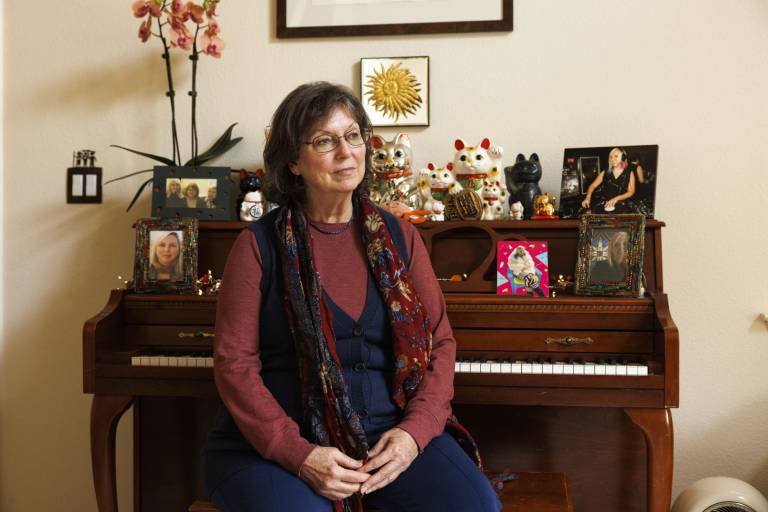
"caption": "Colleen Dolan, Chelsea Faith Dolan’s mother, poses for a portrait next to a shrine for her daughter, who was a victim of the Ghost Ship Fire, inside her home in San Rafael on Nov. 12, 2026.",
"credit": "Miles Cull/KQED",
"altTag": null,
"description": null,
"imgSizes": {
"thumbnail": {
"file": "https://cdn.kqed.org/wp-content/uploads/sites/2/2026/11/111226-GhostShipMemorialColleenDolan-08-MC-KQED-b0b47573-160x107.jpg",
"width": 160,
"height": 107,
"mimeType": "image/jpeg"
},
"medium_large": {
"file": "https://cdn.kqed.org/wp-content/uploads/sites/2/2026/11/111226-GhostShipMemorialColleenDolan-08-MC-KQED-b0b47573-768x512.jpg",
"width": 768,
"height": 512,
"mimeType": "image/jpeg"
},
"1536x1536": {
"file": "https://cdn.kqed.org/wp-content/uploads/sites/2/2026/11/111226-GhostShipMemorialColleenDolan-08-MC-KQED-b0b47573-1536x1025.jpg",
"width": 1536,
"height": 1025,
"mimeType": "image/jpeg"
},
"post-thumbnail": {
"file": "https://cdn.kqed.org/wp-content/uploads/sites/2/2026/11/111226-GhostShipMemorialColleenDolan-08-MC-KQED-b0b47573-672x372.jpg",
"width": 672,
"height": 372,
"mimeType": "image/jpeg"
},
"twentyfourteen-full-width": {
"file": "https://cdn.kqed.org/wp-content/uploads/sites/2/2026/11/111226-GhostShipMemorialColleenDolan-08-MC-KQED-b0b47573-1038x576.jpg",
"width": 1038,
"height": 576,
"mimeType": "image/jpeg"
},
"npr-cds-wide": {
"file": "https://cdn.kqed.org/wp-content/uploads/sites/2/2026/11/111226-GhostShipMemorialColleenDolan-08-MC-KQED-b0b47573-1200x675.jpg",
"width": 1200,
"height": 675,
"mimeType": "image/jpeg"
},
"npr-cds-square": {
"file": "https://cdn.kqed.org/wp-content/uploads/sites/2/2026/11/111226-GhostShipMemorialColleenDolan-08-MC-KQED-b0b47573-600x600.jpg",
"width": 600,
"height": 600,
"mimeType": "image/jpeg"
},
"kqedFullSize": {
"file": "https://cdn.kqed.org/wp-content/uploads/sites/2/2026/11/111226-GhostShipMemorialColleenDolan-08-MC-KQED-b0b47573.jpg",
"width": 2000,
"height": 1334
}
},
"isLoading": false,
"fetchFailed": false
},
"arts_13989665": {
"type": "attachments",
"id": "arts_13989665",
"meta": {
"index": "attachments_1716263798",
"site": "arts",
"id": "13989665",
"found": true
},
"title": "20260511_ARTISTHOUSING_GC-10-KQED",
"publishDate": 1778862546,
"status": "inherit",
"parent": 0,
"modified": 1778862669,
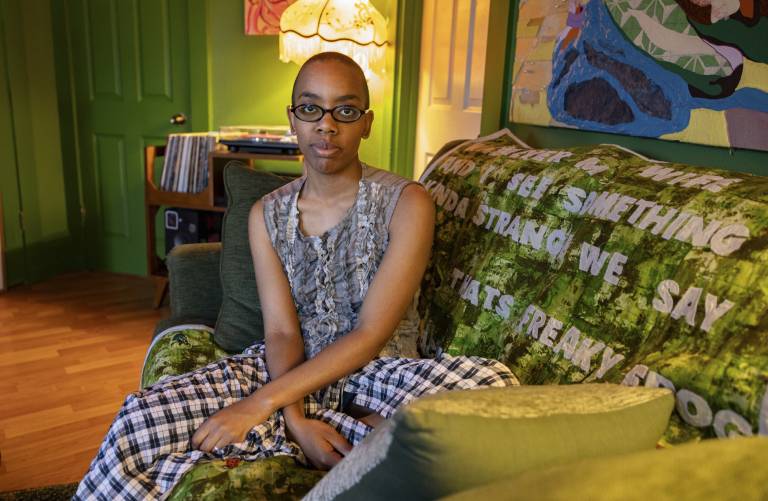
"caption": "Jaelynn Walls, fiction writer and artist, poses for a portrait at their home in Oakland on May 11, 2026.",
"credit": "Gina Castro for KQED",
"altTag": null,
"description": null,
"imgSizes": {
"thumbnail": {
"file": "https://cdn.kqed.org/wp-content/uploads/sites/2/2026/05/20260511_ARTISTHOUSING_GC-10-KQED-160x104.jpg",
"width": 160,
"height": 104,
"mimeType": "image/jpeg"
},
"medium_large": {
"file": "https://cdn.kqed.org/wp-content/uploads/sites/2/2026/05/20260511_ARTISTHOUSING_GC-10-KQED-768x501.jpg",
"width": 768,
"height": 501,
"mimeType": "image/jpeg"
},
"1536x1536": {
"file": "https://cdn.kqed.org/wp-content/uploads/sites/2/2026/05/20260511_ARTISTHOUSING_GC-10-KQED-1536x1001.jpg",
"width": 1536,
"height": 1001,
"mimeType": "image/jpeg"
},
"post-thumbnail": {
"file": "https://cdn.kqed.org/wp-content/uploads/sites/2/2026/05/20260511_ARTISTHOUSING_GC-10-KQED-672x372.jpg",
"width": 672,
"height": 372,
"mimeType": "image/jpeg"
},
"twentyfourteen-full-width": {
"file": "https://cdn.kqed.org/wp-content/uploads/sites/2/2026/05/20260511_ARTISTHOUSING_GC-10-KQED-1038x576.jpg",
"width": 1038,
"height": 576,
"mimeType": "image/jpeg"
},
"npr-cds-wide": {
"file": "https://cdn.kqed.org/wp-content/uploads/sites/2/2026/05/20260511_ARTISTHOUSING_GC-10-KQED-1200x675.jpg",
"width": 1200,
"height": 675,
"mimeType": "image/jpeg"
},
"npr-cds-square": {
"file": "https://cdn.kqed.org/wp-content/uploads/sites/2/2026/05/20260511_ARTISTHOUSING_GC-10-KQED-600x600.jpg",
"width": 600,
"height": 600,
"mimeType": "image/jpeg"
},
"kqedFullSize": {
"file": "https://cdn.kqed.org/wp-content/uploads/sites/2/2026/05/20260511_ARTISTHOUSING_GC-10-KQED.jpg",
"width": 2000,
"height": 1304
}
},
"isLoading": false,
"fetchFailed": false
},
"arts_13968857": {
"type": "attachments",
"id": "arts_13968857",
"meta": {
"index": "attachments_1716263798",
"site": "arts",
"id": "13968857",
"found": true
},
"title": "Aerial view of Oakland Skyline, California",
"publishDate": 1733168131,
"status": "inherit",
"parent": 13968834,
"modified": 1733168169,
"caption": "An aerial view of the Oakland skyline. ",
"credit": "Joe Sohm/Visions of America/Universal Images Group via Getty Images",
"altTag": null,
"description": null,
"imgSizes": {
"medium": {
"file": "https://cdn.kqed.org/wp-content/uploads/sites/2/2024/12/OaklandGetty-800x449.jpg",
"width": 800,
"height": 449,
"mimeType": "image/jpeg"
},
"large": {
"file": "https://cdn.kqed.org/wp-content/uploads/sites/2/2024/12/OaklandGetty-1020x573.jpg",
"width": 1020,
"height": 573,
"mimeType": "image/jpeg"
},
"thumbnail": {
"file": "https://cdn.kqed.org/wp-content/uploads/sites/2/2024/12/OaklandGetty-160x90.jpg",
"width": 160,
"height": 90,
"mimeType": "image/jpeg"
},
"medium_large": {
"file": "https://cdn.kqed.org/wp-content/uploads/sites/2/2024/12/OaklandGetty-768x431.jpg",
"width": 768,
"height": 431,
"mimeType": "image/jpeg"
},
"1536x1536": {
"file": "https://cdn.kqed.org/wp-content/uploads/sites/2/2024/12/OaklandGetty-1536x862.jpg",
"width": 1536,
"height": 862,
"mimeType": "image/jpeg"
},
"post-thumbnail": {
"file": "https://cdn.kqed.org/wp-content/uploads/sites/2/2024/12/OaklandGetty-672x372.jpg",
"width": 672,
"height": 372,
"mimeType": "image/jpeg"
},
"twentyfourteen-full-width": {
"file": "https://cdn.kqed.org/wp-content/uploads/sites/2/2024/12/OaklandGetty-1038x576.jpg",
"width": 1038,
"height": 576,
"mimeType": "image/jpeg"
},
"full-width": {
"file": "https://cdn.kqed.org/wp-content/uploads/sites/2/2024/12/OaklandGetty-1920x1078.jpg",
"width": 1920,
"height": 1078,
"mimeType": "image/jpeg"
},
"kqedFullSize": {
"file": "https://cdn.kqed.org/wp-content/uploads/sites/2/2024/12/OaklandGetty.jpg",
"width": 2000,
"height": 1123
}
},
"isLoading": false,
"fetchFailed": false
},
"arts_13922066": {
"type": "attachments",
"id": "arts_13922066",
"meta": {
"index": "attachments_1716263798",
"site": "arts",
"id": "13922066",
"found": true
},
"parent": 13922065,
"imgSizes": {
"twentyfourteen-full-width": {
"file": "https://ww2.kqed.org/app/uploads/sites/2/2022/11/AwesomeOrchestra.Alex_-1038x576.jpg",
"width": 1038,
"mimeType": "image/jpeg",
"height": 576
},
"thumbnail": {
"file": "https://ww2.kqed.org/app/uploads/sites/2/2022/11/AwesomeOrchestra.Alex_-160x90.jpg",
"width": 160,
"mimeType": "image/jpeg",
"height": 90
},
"post-thumbnail": {
"file": "https://ww2.kqed.org/app/uploads/sites/2/2022/11/AwesomeOrchestra.Alex_-672x372.jpg",
"width": 672,
"mimeType": "image/jpeg",
"height": 372
},
"kqedFullSize": {
"file": "https://ww2.kqed.org/app/uploads/sites/2/2022/11/AwesomeOrchestra.Alex_.jpg",
"width": 1600,
"height": 900
},
"large": {
"file": "https://ww2.kqed.org/app/uploads/sites/2/2022/11/AwesomeOrchestra.Alex_-1020x574.jpg",
"width": 1020,
"mimeType": "image/jpeg",
"height": 574
},
"1536x1536": {
"file": "https://ww2.kqed.org/app/uploads/sites/2/2022/11/AwesomeOrchestra.Alex_-1536x864.jpg",
"width": 1536,
"mimeType": "image/jpeg",
"height": 864
},
"medium": {
"file": "https://ww2.kqed.org/app/uploads/sites/2/2022/11/AwesomeOrchestra.Alex_-800x450.jpg",
"width": 800,
"mimeType": "image/jpeg",
"height": 450
},
"medium_large": {
"file": "https://ww2.kqed.org/app/uploads/sites/2/2022/11/AwesomeOrchestra.Alex_-768x432.jpg",
"width": 768,
"mimeType": "image/jpeg",
"height": 432
}
},
"publishDate": 1669758049,
"modified": 1669758545,
"caption": "Composer Arturo Rodriguez at Awesöme Orchestra's End-of-Year Concert in 2019.",
"description": null,
"title": "AwesomeOrchestra.Alex",
"credit": "Dave Weiland",
"status": "inherit",
"altTag": "A man in a red shirt stands among an orchestra, with members holding various instruments",
"isLoading": false,
"fetchFailed": false
},
"arts_13908923": {
"type": "attachments",
"id": "arts_13908923",
"meta": {
"index": "attachments_1716263798",
"site": "arts",
"id": "13908923",
"found": true
},
"parent": 13908910,
"imgSizes": {
"twentyfourteen-full-width": {
"file": "https://ww2.kqed.org/app/uploads/sites/2/2022/02/sharmi4-1038x576.jpg",
"width": 1038,
"mimeType": "image/jpeg",
"height": 576
},
"thumbnail": {
"file": "https://ww2.kqed.org/app/uploads/sites/2/2022/02/sharmi4-160x107.jpg",
"width": 160,
"mimeType": "image/jpeg",
"height": 107
},
"post-thumbnail": {
"file": "https://ww2.kqed.org/app/uploads/sites/2/2022/02/sharmi4-672x372.jpg",
"width": 672,
"mimeType": "image/jpeg",
"height": 372
},
"kqedFullSize": {
"file": "https://ww2.kqed.org/app/uploads/sites/2/2022/02/sharmi4.jpg",
"width": 1920,
"height": 1280
},
"large": {
"file": "https://ww2.kqed.org/app/uploads/sites/2/2022/02/sharmi4-1020x680.jpg",
"width": 1020,
"mimeType": "image/jpeg",
"height": 680
},
"1536x1536": {
"file": "https://ww2.kqed.org/app/uploads/sites/2/2022/02/sharmi4-1536x1024.jpg",
"width": 1536,
"mimeType": "image/jpeg",
"height": 1024
},
"medium": {
"file": "https://ww2.kqed.org/app/uploads/sites/2/2022/02/sharmi4-800x533.jpg",
"width": 800,
"mimeType": "image/jpeg",
"height": 533
},
"medium_large": {
"file": "https://ww2.kqed.org/app/uploads/sites/2/2022/02/sharmi4-768x512.jpg",
"width": 768,
"mimeType": "image/jpeg",
"height": 512
}
},
"publishDate": 1643914053,
"modified": 1643914487,
"caption": "Composed in the aftermath of the Ghost Ship fire, Beast Nest's album 'Sicko' soundtracks the emotional ups and downs of healing from loss. The artist is using their work to open up important conversations around trauma, disability justice and mental health. ",
"description": null,
"title": "sharmi4",
"credit": "Nastia Voynovskaya",
"status": "inherit",
"altTag": null,
"isLoading": false,
"fetchFailed": false
},
"arts_13813563": {
"type": "attachments",
"id": "arts_13813563",
"meta": {
"index": "attachments_1716263798",
"site": "arts",
"id": "13813563",
"found": true
},
"parent": 13813518,
"imgSizes": {
"small": {
"file": "https://ww2.kqed.org/app/uploads/sites/2/2017/11/OMCA_FridayNights_1200-520x347.jpg",
"width": 520,
"mimeType": "image/jpeg",
"height": 347
},
"twentyfourteen-full-width": {
"file": "https://ww2.kqed.org/app/uploads/sites/2/2017/11/OMCA_FridayNights_1200-1038x576.jpg",
"width": 1038,
"mimeType": "image/jpeg",
"height": 576
},
"thumbnail": {
"file": "https://ww2.kqed.org/app/uploads/sites/2/2017/11/OMCA_FridayNights_1200-160x107.jpg",
"width": 160,
"mimeType": "image/jpeg",
"height": 107
},
"fd-sm": {
"file": "https://ww2.kqed.org/app/uploads/sites/2/2017/11/OMCA_FridayNights_1200-960x640.jpg",
"width": 960,
"mimeType": "image/jpeg",
"height": 640
},
"post-thumbnail": {
"file": "https://ww2.kqed.org/app/uploads/sites/2/2017/11/OMCA_FridayNights_1200-672x372.jpg",
"width": 672,
"mimeType": "image/jpeg",
"height": 372
},
"xsmall": {
"file": "https://ww2.kqed.org/app/uploads/sites/2/2017/11/OMCA_FridayNights_1200-375x250.jpg",
"width": 375,
"mimeType": "image/jpeg",
"height": 250
},
"kqedFullSize": {
"file": "https://ww2.kqed.org/app/uploads/sites/2/2017/11/OMCA_FridayNights_1200.jpg",
"width": 1200,
"height": 800
},
"large": {
"file": "https://ww2.kqed.org/app/uploads/sites/2/2017/11/OMCA_FridayNights_1200-1020x680.jpg",
"width": 1020,
"mimeType": "image/jpeg",
"height": 680
},
"xlarge": {
"file": "https://ww2.kqed.org/app/uploads/sites/2/2017/11/OMCA_FridayNights_1200-1180x787.jpg",
"width": 1180,
"mimeType": "image/jpeg",
"height": 787
},
"guest-author-50": {
"file": "https://ww2.kqed.org/app/uploads/sites/2/2017/11/OMCA_FridayNights_1200-50x50.jpg",
"width": 50,
"mimeType": "image/jpeg",
"height": 50
},
"guest-author-96": {
"file": "https://ww2.kqed.org/app/uploads/sites/2/2017/11/OMCA_FridayNights_1200-96x96.jpg",
"width": 96,
"mimeType": "image/jpeg",
"height": 96
},
"medium": {
"file": "https://ww2.kqed.org/app/uploads/sites/2/2017/11/OMCA_FridayNights_1200-800x533.jpg",
"width": 800,
"mimeType": "image/jpeg",
"height": 533
},
"guest-author-64": {
"file": "https://ww2.kqed.org/app/uploads/sites/2/2017/11/OMCA_FridayNights_1200-64x64.jpg",
"width": 64,
"mimeType": "image/jpeg",
"height": 64
},
"guest-author-32": {
"file": "https://ww2.kqed.org/app/uploads/sites/2/2017/11/OMCA_FridayNights_1200-32x32.jpg",
"width": 32,
"mimeType": "image/jpeg",
"height": 32
},
"fd-med": {
"file": "https://ww2.kqed.org/app/uploads/sites/2/2017/11/OMCA_FridayNights_1200-1180x787.jpg",
"width": 1180,
"mimeType": "image/jpeg",
"height": 787
},
"detail": {
"file": "https://ww2.kqed.org/app/uploads/sites/2/2017/11/OMCA_FridayNights_1200-150x150.jpg",
"width": 150,
"mimeType": "image/jpeg",
"height": 150
},
"medium_large": {
"file": "https://ww2.kqed.org/app/uploads/sites/2/2017/11/OMCA_FridayNights_1200-768x512.jpg",
"width": 768,
"mimeType": "image/jpeg",
"height": 512
},
"guest-author-128": {
"file": "https://ww2.kqed.org/app/uploads/sites/2/2017/11/OMCA_FridayNights_1200-128x128.jpg",
"width": 128,
"mimeType": "image/jpeg",
"height": 128
},
"xxsmall": {
"file": "https://ww2.kqed.org/app/uploads/sites/2/2017/11/OMCA_FridayNights_1200-240x160.jpg",
"width": 240,
"mimeType": "image/jpeg",
"height": 160
}
},
"publishDate": 1509655076,
"modified": 1509655445,
"caption": "First installation of Chris Treggiari and Peter Foucault's Ghost Ship altar, at OMCA's Friday Nights.",
"description": "First installation of Chris Treggiari and Peter Foucault's Ghost Ship altar, at OMCA's Friday Nights.",
"title": "OMCA_FridayNights_1200",
"credit": "Courtesy of the Oakland Museum of California",
"status": "inherit",
"isLoading": false,
"fetchFailed": false
},
"arts_13874385": {
"type": "attachments",
"id": "arts_13874385",
"meta": {
"index": "attachments_1716263798",
"site": "arts",
"id": "13874385",
"found": true
},
"parent": 13874382,
"imgSizes": {
"twentyfourteen-full-width": {
"file": "https://ww2.kqed.org/app/uploads/sites/2/2020/02/GettyImages-627387100-1020x680-1020x576.jpg",
"width": 1020,
"mimeType": "image/jpeg",
"height": 576
},
"thumbnail": {
"file": "https://ww2.kqed.org/app/uploads/sites/2/2020/02/GettyImages-627387100-1020x680-160x107.jpg",
"width": 160,
"mimeType": "image/jpeg",
"height": 107
},
"post-thumbnail": {
"file": "https://ww2.kqed.org/app/uploads/sites/2/2020/02/GettyImages-627387100-1020x680-672x372.jpg",
"width": 672,
"mimeType": "image/jpeg",
"height": 372
},
"kqedFullSize": {
"file": "https://ww2.kqed.org/app/uploads/sites/2/2020/02/GettyImages-627387100-1020x680.jpg",
"width": 1020,
"height": 680
},
"large": {
"file": "https://ww2.kqed.org/app/uploads/sites/2/2020/02/GettyImages-627387100-1020x680-1020x680.jpg",
"width": 1020,
"mimeType": "image/jpeg",
"height": 680
},
"medium": {
"file": "https://ww2.kqed.org/app/uploads/sites/2/2020/02/GettyImages-627387100-1020x680-800x533.jpg",
"width": 800,
"mimeType": "image/jpeg",
"height": 533
},
"medium_large": {
"file": "https://ww2.kqed.org/app/uploads/sites/2/2020/02/GettyImages-627387100-1020x680-768x512.jpg",
"width": 768,
"mimeType": "image/jpeg",
"height": 512
}
},
"publishDate": 1580863580,
"modified": 1580932084,
"caption": "The Ghost Ship warehouse in East Oakland where a Dec. 2016 fire killed 36.",
"description": "The Ghost Ship warehouse in East Oakland where a Dec. 2016 fire killed 36.",
"title": "Warehouse Fire Kills Several People At Dance Party In Oakland",
"credit": "Elijah Nouvelage/Getty Images",
"status": "inherit",
"isLoading": false,
"fetchFailed": false
},
"arts_12447297": {
"type": "attachments",
"id": "arts_12447297",
"meta": {
"index": "attachments_1716263798",
"site": "arts",
"id": "12447297",
"found": true
},
"parent": 12447105,
"imgSizes": {
"small": {
"file": "https://ww2.kqed.org/app/uploads/sites/2/2016/12/Fire-Memorial-2-520x293.jpg",
"width": 520,
"mimeType": "image/jpeg",
"height": 293
},
"twentyfourteen-full-width": {
"file": "https://ww2.kqed.org/app/uploads/sites/2/2016/12/Fire-Memorial-2-1038x576.jpg",
"width": 1038,
"mimeType": "image/jpeg",
"height": 576
},
"thumbnail": {
"file": "https://ww2.kqed.org/app/uploads/sites/2/2016/12/Fire-Memorial-2-160x90.jpg",
"width": 160,
"mimeType": "image/jpeg",
"height": 90
},
"fd-sm": {
"file": "https://ww2.kqed.org/app/uploads/sites/2/2016/12/Fire-Memorial-2-960x540.jpg",
"width": 960,
"mimeType": "image/jpeg",
"height": 540
},
"post-thumbnail": {
"file": "https://ww2.kqed.org/app/uploads/sites/2/2016/12/Fire-Memorial-2-672x372.jpg",
"width": 672,
"mimeType": "image/jpeg",
"height": 372
},
"xsmall": {
"file": "https://ww2.kqed.org/app/uploads/sites/2/2016/12/Fire-Memorial-2-375x211.jpg",
"width": 375,
"mimeType": "image/jpeg",
"height": 211
},
"kqedFullSize": {
"file": "https://ww2.kqed.org/app/uploads/sites/2/2016/12/Fire-Memorial-2.jpg",
"width": 1920,
"height": 1080
},
"large": {
"file": "https://ww2.kqed.org/app/uploads/sites/2/2016/12/Fire-Memorial-2-1020x574.jpg",
"width": 1020,
"mimeType": "image/jpeg",
"height": 574
},
"xlarge": {
"file": "https://ww2.kqed.org/app/uploads/sites/2/2016/12/Fire-Memorial-2-1180x664.jpg",
"width": 1180,
"mimeType": "image/jpeg",
"height": 664
},
"guest-author-50": {
"file": "https://ww2.kqed.org/app/uploads/sites/2/2016/12/Fire-Memorial-2-50x50.jpg",
"width": 50,
"mimeType": "image/jpeg",
"height": 50
},
"guest-author-96": {
"file": "https://ww2.kqed.org/app/uploads/sites/2/2016/12/Fire-Memorial-2-96x96.jpg",
"width": 96,
"mimeType": "image/jpeg",
"height": 96
},
"medium": {
"file": "https://ww2.kqed.org/app/uploads/sites/2/2016/12/Fire-Memorial-2-800x450.jpg",
"width": 800,
"mimeType": "image/jpeg",
"height": 450
},
"guest-author-64": {
"file": "https://ww2.kqed.org/app/uploads/sites/2/2016/12/Fire-Memorial-2-64x64.jpg",
"width": 64,
"mimeType": "image/jpeg",
"height": 64
},
"guest-author-32": {
"file": "https://ww2.kqed.org/app/uploads/sites/2/2016/12/Fire-Memorial-2-32x32.jpg",
"width": 32,
"mimeType": "image/jpeg",
"height": 32
},
"fd-lrg": {
"file": "https://ww2.kqed.org/app/uploads/sites/2/2016/12/Fire-Memorial-2-1920x1080.jpg",
"width": 1920,
"mimeType": "image/jpeg",
"height": 1080
},
"fd-med": {
"file": "https://ww2.kqed.org/app/uploads/sites/2/2016/12/Fire-Memorial-2-1180x664.jpg",
"width": 1180,
"mimeType": "image/jpeg",
"height": 664
},
"full-width": {
"file": "https://ww2.kqed.org/app/uploads/sites/2/2016/12/Fire-Memorial-2-1920x1080.jpg",
"width": 1920,
"mimeType": "image/jpeg",
"height": 1080
},
"detail": {
"file": "https://ww2.kqed.org/app/uploads/sites/2/2016/12/Fire-Memorial-2-150x150.jpg",
"width": 150,
"mimeType": "image/jpeg",
"height": 150
},
"medium_large": {
"file": "https://ww2.kqed.org/app/uploads/sites/2/2016/12/Fire-Memorial-2-768x432.jpg",
"width": 768,
"mimeType": "image/jpeg",
"height": 432
},
"guest-author-128": {
"file": "https://ww2.kqed.org/app/uploads/sites/2/2016/12/Fire-Memorial-2-128x128.jpg",
"width": 128,
"mimeType": "image/jpeg",
"height": 128
},
"xxsmall": {
"file": "https://ww2.kqed.org/app/uploads/sites/2/2016/12/Fire-Memorial-2-240x135.jpg",
"width": 240,
"mimeType": "image/jpeg",
"height": 135
}
},
"publishDate": 1481063724,
"modified": 1575331624,
"caption": "A memorial outside the Oakland warehouse venue Ghost Ship after a fire killed 36 people on Dec. 2, 2016.",
"description": "A memorial outside the Oakland warehouse venue Ghost Ship after a fire killed 36 people on Dec. 2.",
"title": "Dozens Feared Dead In Oakland Warehouse Fire",
"credit": "Photo: Elijah Nouvelage/Getty Images",
"status": "inherit",
"isLoading": false,
"fetchFailed": false
},
"arts_13870689": {
"type": "attachments",
"id": "arts_13870689",
"meta": {
"index": "attachments_1716263798",
"site": "arts",
"id": "13870689",
"found": true
},
"parent": 13870687,
"imgSizes": {
"twentyfourteen-full-width": {
"file": "https://ww2.kqed.org/app/uploads/sites/2/2019/12/HERO-Unurth-Submission-Gallery-SF-2012-by-Raphael-Villet-1038x576.jpg",
"width": 1038,
"mimeType": "image/jpeg",
"height": 576
},
"thumbnail": {
"file": "https://ww2.kqed.org/app/uploads/sites/2/2019/12/HERO-Unurth-Submission-Gallery-SF-2012-by-Raphael-Villet-160x90.jpg",
"width": 160,
"mimeType": "image/jpeg",
"height": 90
},
"post-thumbnail": {
"file": "https://ww2.kqed.org/app/uploads/sites/2/2019/12/HERO-Unurth-Submission-Gallery-SF-2012-by-Raphael-Villet-672x372.jpg",
"width": 672,
"mimeType": "image/jpeg",
"height": 372
},
"kqedFullSize": {
"file": "https://ww2.kqed.org/app/uploads/sites/2/2019/12/HERO-Unurth-Submission-Gallery-SF-2012-by-Raphael-Villet.jpg",
"width": 1920,
"height": 1080
},
"large": {
"file": "https://ww2.kqed.org/app/uploads/sites/2/2019/12/HERO-Unurth-Submission-Gallery-SF-2012-by-Raphael-Villet-1020x574.jpg",
"width": 1020,
"mimeType": "image/jpeg",
"height": 574
},
"complete_open_graph": {
"file": "https://ww2.kqed.org/app/uploads/sites/2/2019/12/HERO-Unurth-Submission-Gallery-SF-2012-by-Raphael-Villet-1200x675.jpg",
"width": 1200,
"mimeType": "image/jpeg",
"height": 675
},
"full-width": {
"file": "https://ww2.kqed.org/app/uploads/sites/2/2019/12/HERO-Unurth-Submission-Gallery-SF-2012-by-Raphael-Villet-1920x1080.jpg",
"width": 1920,
"mimeType": "image/jpeg",
"height": 1080
},
"medium": {
"file": "https://ww2.kqed.org/app/uploads/sites/2/2019/12/HERO-Unurth-Submission-Gallery-SF-2012-by-Raphael-Villet-800x450.jpg",
"width": 800,
"mimeType": "image/jpeg",
"height": 450
},
"medium_large": {
"file": "https://ww2.kqed.org/app/uploads/sites/2/2019/12/HERO-Unurth-Submission-Gallery-SF-2012-by-Raphael-Villet-768x432.jpg",
"width": 768,
"mimeType": "image/jpeg",
"height": 432
}
},
"publishDate": 1575330210,
"modified": 1596230349,
"caption": "The band UrthDance performs at Sub/Mission Gallery in San Francisco in 2012. ",
"description": "The band UrthDance performs at Submission Gallery in San Francisco in 2012. ",
"title": "HERO-Unurth - Submission Gallery SF 2012 - by Raphael Villet",
"credit": "Raphael Villet",
"status": "inherit",
"isLoading": false,
"fetchFailed": false
},
"arts_13865856": {
"type": "attachments",
"id": "arts_13865856",
"meta": {
"index": "attachments_1716263798",
"site": "arts",
"id": "13865856",
"found": true
},
"parent": 13865804,
"imgSizes": {
"twentyfourteen-full-width": {
"file": "https://ww2.kqed.org/app/uploads/sites/2/2019/09/RS37752__DSC1029-qut-1020x681-1020x576.jpg",
"width": 1020,
"mimeType": "image/jpeg",
"height": 576
},
"thumbnail": {
"file": "https://ww2.kqed.org/app/uploads/sites/2/2019/09/RS37752__DSC1029-qut-1020x681-160x107.jpg",
"width": 160,
"mimeType": "image/jpeg",
"height": 107
},
"post-thumbnail": {
"file": "https://ww2.kqed.org/app/uploads/sites/2/2019/09/RS37752__DSC1029-qut-1020x681-672x372.jpg",
"width": 672,
"mimeType": "image/jpeg",
"height": 372
},
"kqedFullSize": {
"file": "https://ww2.kqed.org/app/uploads/sites/2/2019/09/RS37752__DSC1029-qut-1020x681.jpg",
"width": 1020,
"height": 681
},
"large": {
"file": "https://ww2.kqed.org/app/uploads/sites/2/2019/09/RS37752__DSC1029-qut-1020x681-1020x681.jpg",
"width": 1020,
"mimeType": "image/jpeg",
"height": 681
},
"medium": {
"file": "https://ww2.kqed.org/app/uploads/sites/2/2019/09/RS37752__DSC1029-qut-1020x681-800x534.jpg",
"width": 800,
"mimeType": "image/jpeg",
"height": 534
},
"medium_large": {
"file": "https://ww2.kqed.org/app/uploads/sites/2/2019/09/RS37752__DSC1029-qut-1020x681-768x513.jpg",
"width": 768,
"mimeType": "image/jpeg",
"height": 513
}
},
"publishDate": 1567754770,
"modified": 1567755026,
"caption": "Local music community members said no outcome of the Ghost Ship criminal trial would bring satisfaction.",
"description": "Local music community members said no outcome of the Ghost Ship criminal trial would bring satisfaction.",
"title": "Local music community members said no outcome of the Ghost Ship criminal trial would bring satisfaction.",
"credit": "Stephanie Lister/KQED",
"status": "inherit",
"isLoading": false,
"fetchFailed": false
},
"arts_13864125": {
"type": "attachments",
"id": "arts_13864125",
"meta": {
"index": "attachments_1716263798",
"site": "arts",
"id": "13864125",
"found": true
},
"parent": 13864120,
"imgSizes": {
"twentyfourteen-full-width": {
"file": "https://ww2.kqed.org/app/uploads/sites/2/2019/08/M0xy-courtesy-02-Treehouse-1038x576.jpg",
"width": 1038,
"mimeType": "image/jpeg",
"height": 576
},
"thumbnail": {
"file": "https://ww2.kqed.org/app/uploads/sites/2/2019/08/M0xy-courtesy-02-Treehouse-160x90.jpg",
"width": 160,
"mimeType": "image/jpeg",
"height": 90
},
"post-thumbnail": {
"file": "https://ww2.kqed.org/app/uploads/sites/2/2019/08/M0xy-courtesy-02-Treehouse-672x372.jpg",
"width": 672,
"mimeType": "image/jpeg",
"height": 372
},
"kqedFullSize": {
"file": "https://ww2.kqed.org/app/uploads/sites/2/2019/08/M0xy-courtesy-02-Treehouse.jpg",
"width": 1920,
"height": 1080
},
"large": {
"file": "https://ww2.kqed.org/app/uploads/sites/2/2019/08/M0xy-courtesy-02-Treehouse-1020x574.jpg",
"width": 1020,
"mimeType": "image/jpeg",
"height": 574
},
"complete_open_graph": {
"file": "https://ww2.kqed.org/app/uploads/sites/2/2019/08/M0xy-courtesy-02-Treehouse-1200x675.jpg",
"width": 1200,
"mimeType": "image/jpeg",
"height": 675
},
"full-width": {
"file": "https://ww2.kqed.org/app/uploads/sites/2/2019/08/M0xy-courtesy-02-Treehouse-1920x1080.jpg",
"width": 1920,
"mimeType": "image/jpeg",
"height": 1080
},
"medium": {
"file": "https://ww2.kqed.org/app/uploads/sites/2/2019/08/M0xy-courtesy-02-Treehouse-800x450.jpg",
"width": 800,
"mimeType": "image/jpeg",
"height": 450
},
"medium_large": {
"file": "https://ww2.kqed.org/app/uploads/sites/2/2019/08/M0xy-courtesy-02-Treehouse-768x432.jpg",
"width": 768,
"mimeType": "image/jpeg",
"height": 432
}
},
"publishDate": 1565820818,
"modified": 1565820857,
"caption": "M0xy tenants are working to ensure the studio space doesn’t permanently disappear. ",
"description": "M0xy tenants are working to ensure the studio space doesn’t permanently disappear. ",
"title": "M0xy tenants are working to ensure the studio space doesn’t permanently disappear.",
"credit": "Courtesy 02 Treehouse",
"status": "inherit",
"isLoading": false,
"fetchFailed": false
},
"arts_13850857": {
"type": "attachments",
"id": "arts_13850857",
"meta": {
"index": "attachments_1716263798",
"site": "arts",
"id": "13850857",
"found": true
},
"parent": 13848833,
"imgSizes": {
"twentyfourteen-full-width": {
"file": "https://ww2.kqed.org/app/uploads/sites/2/2019/02/Cherushii-and-Maria-Minerva-copy-1038x576.png",
"width": 1038,
"mimeType": "image/png",
"height": 576
},
"thumbnail": {
"file": "https://ww2.kqed.org/app/uploads/sites/2/2019/02/Cherushii-and-Maria-Minerva-copy-160x90.png",
"width": 160,
"mimeType": "image/png",
"height": 90
},
"post-thumbnail": {
"file": "https://ww2.kqed.org/app/uploads/sites/2/2019/02/Cherushii-and-Maria-Minerva-copy-672x372.png",
"width": 672,
"mimeType": "image/png",
"height": 372
},
"kqedFullSize": {
"file": "https://ww2.kqed.org/app/uploads/sites/2/2019/02/Cherushii-and-Maria-Minerva-copy.png",
"width": 1400,
"height": 788
},
"large": {
"file": "https://ww2.kqed.org/app/uploads/sites/2/2019/02/Cherushii-and-Maria-Minerva-copy-1020x574.png",
"width": 1020,
"mimeType": "image/png",
"height": 574
},
"complete_open_graph": {
"file": "https://ww2.kqed.org/app/uploads/sites/2/2019/02/Cherushii-and-Maria-Minerva-copy-1200x675.png",
"width": 1200,
"mimeType": "image/png",
"height": 675
},
"guest-author-50": {
"file": "https://ww2.kqed.org/app/uploads/sites/2/2019/02/Cherushii-and-Maria-Minerva-copy-50x50.png",
"width": 50,
"mimeType": "image/png",
"height": 50
},
"guest-author-96": {
"file": "https://ww2.kqed.org/app/uploads/sites/2/2019/02/Cherushii-and-Maria-Minerva-copy-96x96.png",
"width": 96,
"mimeType": "image/png",
"height": 96
},
"medium": {
"file": "https://ww2.kqed.org/app/uploads/sites/2/2019/02/Cherushii-and-Maria-Minerva-copy-800x450.png",
"width": 800,
"mimeType": "image/png",
"height": 450
},
"guest-author-64": {
"file": "https://ww2.kqed.org/app/uploads/sites/2/2019/02/Cherushii-and-Maria-Minerva-copy-64x64.png",
"width": 64,
"mimeType": "image/png",
"height": 64
},
"guest-author-32": {
"file": "https://ww2.kqed.org/app/uploads/sites/2/2019/02/Cherushii-and-Maria-Minerva-copy-32x32.png",
"width": 32,
"mimeType": "image/png",
"height": 32
},
"detail": {
"file": "https://ww2.kqed.org/app/uploads/sites/2/2019/02/Cherushii-and-Maria-Minerva-copy-150x150.png",
"width": 150,
"mimeType": "image/png",
"height": 150
},
"medium_large": {
"file": "https://ww2.kqed.org/app/uploads/sites/2/2019/02/Cherushii-and-Maria-Minerva-copy-768x432.png",
"width": 768,
"mimeType": "image/png",
"height": 432
},
"guest-author-128": {
"file": "https://ww2.kqed.org/app/uploads/sites/2/2019/02/Cherushii-and-Maria-Minerva-copy-128x128.png",
"width": 128,
"mimeType": "image/png",
"height": 128
}
},
"publishDate": 1550179569,
"modified": 1550179677,
"caption": "'S/T,' the album Cherushii (left) and Maria Minerva (right) worked on in the year leading up to Cherushii's death in the Ghost Ship fire, is out Feb. 15 on 100% Silk. ",
"description": "'S/T,' the album Cherushii (left) and Maria Minerva (right) worked on in the year leading up to Cherushii's death in the Ghost Ship fire is out Feb. 15 on 100% Silk. ",
"title": "Cherushii and Maria Minerva copy",
"credit": "Jeremy Danger",
"status": "inherit",
"isLoading": false,
"fetchFailed": false
}
},
"audioPlayerReducer": {
"postId": "stream_live",
"isPaused": true,
"isPlaying": false,
"pfsActive": false,
"pledgeModalIsOpen": true,
"playerDrawerIsOpen": false,
"liveAudioPlayStartedAt": 0,
"liveAudioPlayContext": ""
},
"authorsReducer": {
"slefebvre": {
"type": "authors",
"id": "11091",
"meta": {
"index": "authors_1716337520",
"id": "11091",
"found": true
},
"name": "Sam Lefebvre",
"firstName": "Sam",
"lastName": "Lefebvre",
"slug": "slefebvre",
"email": "sdlefebvre@gmail.com",
"display_author_email": false,
"staff_mastheads": [],
"title": "KQED Contributor",
"bio": "Sam Lefebvre is an award-winning reporter at KQED Arts. He has worked as an editor and columnist at the \u003cem>East Bay Express\u003c/em>, \u003cem>SF Weekly \u003c/em>and Impose Magazine, and his journalism and criticism has appeared in \u003cem>The New York Times\u003c/em>, the Guardian and Pitchfork.",
"avatar": "https://secure.gravatar.com/avatar/49d39b42930b77fb13784ddd9fa63fe780666b71bf289368509dba576b64e69b?s=600&d=blank&r=g",
"twitter": "Lefebvre_Sam",
"bluesky": null,
"facebook": null,
"instagram": null,
"linkedin": null,
"sites": [
{
"site": "arts",
"roles": [
"subscriber"
]
},
{
"site": "news",
"roles": [
"author"
]
}
],
"headData": {
"title": "Sam Lefebvre | KQED",
"description": "KQED Contributor",
"ogImgSrc": "https://secure.gravatar.com/avatar/49d39b42930b77fb13784ddd9fa63fe780666b71bf289368509dba576b64e69b?s=600&d=blank&r=g",
"twImgSrc": "https://secure.gravatar.com/avatar/49d39b42930b77fb13784ddd9fa63fe780666b71bf289368509dba576b64e69b?s=600&d=blank&r=g"
},
"isLoading": false,
"link": "/author/slefebvre"
},
"nvoynovskaya": {
"type": "authors",
"id": "11387",
"meta": {
"index": "authors_1716337520",
"id": "11387",
"found": true
},
"name": "Nastia Voynovskaya",
"firstName": "Nastia",
"lastName": "Voynovskaya",
"slug": "nvoynovskaya",
"email": "nvoynovskaya@kqed.org",
"display_author_email": false,
"staff_mastheads": [
"arts"
],
"title": "Editor and reporter",
"bio": "Nastia Voynovskaya is a reporter, editor and host at KQED Arts & Culture. She's been covering the arts in the Bay Area for over a decade, with a focus on music, queer culture, labor issues and grassroots organizing. She has edited KQED story series such as Trans Bay: A History of San Francisco's Gender-Diverse Community, and co-created KQED's Bay Area hip-hop history project, That's My Word. Nastia's work has been recognized by the Society of Professional Journalists and San Francisco Press Club. She regularly appears on podcasts and radio programs, including NPR's All Songs Considered, and hosts live events where music, culture and conversation meet.",
"avatar": "https://secure.gravatar.com/avatar/5025ee460e5a85d69ca20ea6c6f2f80d7e17795c828f61ea3aecfcd924e9042e?s=600&d=blank&r=g",
"twitter": null,
"bluesky": null,
"facebook": null,
"instagram": "https://www.instagram.com/nananastia/",
"linkedin": null,
"sites": [
{
"site": "",
"roles": [
"editor"
]
},
{
"site": "arts",
"roles": [
"administrator"
]
},
{
"site": "news",
"roles": [
"editor"
]
},
{
"site": "pop",
"roles": [
"administrator"
]
},
{
"site": "bayareabites",
"roles": [
"editor"
]
},
{
"site": "podcasts",
"roles": [
"editor"
]
},
{
"site": "hiphop",
"roles": [
"editor"
]
}
],
"headData": {
"title": "Nastia Voynovskaya | KQED",
"description": "Editor and reporter",
"ogImgSrc": "https://secure.gravatar.com/avatar/5025ee460e5a85d69ca20ea6c6f2f80d7e17795c828f61ea3aecfcd924e9042e?s=600&d=blank&r=g",
"twImgSrc": "https://secure.gravatar.com/avatar/5025ee460e5a85d69ca20ea6c6f2f80d7e17795c828f61ea3aecfcd924e9042e?s=600&d=blank&r=g"
},
"isLoading": false,
"link": "/author/nvoynovskaya"
},
"ksong": {
"type": "authors",
"id": "11813",
"meta": {
"index": "authors_1716337520",
"id": "11813",
"found": true
},
"name": "Kristie Song",
"firstName": "Kristie",
"lastName": "Song",
"slug": "ksong",
"email": "ksong@kqed.org",
"display_author_email": false,
"staff_mastheads": [],
"title": "Editorial Intern ",
"bio": "Kristie Song is an Arts & Culture Intern at KQED. She is currently a graduate student at UC Berkeley, where she studies audio and multimedia journalism. Previously, she covered the local community for Oakland North, produced episodes for The Science of Happiness, and served as news director for KUCI, UC Irvine’s radio station. Outside of reporting, she likes drawing comics, listening to angsty rock, and practicing the guitar.",
"avatar": "https://secure.gravatar.com/avatar/c1149e78c3c44f92d4945a8ab0711af6?s=600&d=blank&r=g",
"twitter": null,
"facebook": null,
"instagram": null,
"linkedin": null,
"sites": [
{
"site": "arts",
"roles": [
"editor"
]
}
],
"headData": {
"title": "Kristie Song | KQED",
"description": "Editorial Intern ",
"ogImgSrc": "https://secure.gravatar.com/avatar/c1149e78c3c44f92d4945a8ab0711af6?s=600&d=blank&r=g",
"twImgSrc": "https://secure.gravatar.com/avatar/c1149e78c3c44f92d4945a8ab0711af6?s=600&d=blank&r=g"
},
"isLoading": false,
"link": "/author/ksong"
}
},
"pagesReducer": {
"arts_tag_ghost-ship-fire": {
"type": "terms",
"id": "arts_1627",
"meta": {
"index": "terms_1716263798",
"site": "arts",
"id": "1627",
"score": 9.309229
},
"featImg": null,
"name": "Ghost Ship fire",
"description": null,
"taxonomy": "tag",
"headData": {
"twImgId": null,
"twTitle": null,
"ogTitle": null,
"ogImgId": null,
"twDescription": null,
"description": null,
"title": "Ghost Ship fire Archives | KQED Arts",
"ogDescription": null
},
"ttid": 1639,
"slug": "ghost-ship-fire",
"isLoading": false,
"title": "Ghost Ship fire",
"pageMeta": {
"site": "arts",
"WpPageTemplate": "page-topic-editorial",
"currentPage": 1
},
"blocks": [
{
"blockName": "kqed/post-list",
"attrs": {
"layout": "cardArticle2",
"query": "posts/arts?tag=ghost-ship-fire",
"seeMore": false,
"paginated": true,
"page": 1
}
},
{
"blockName": "kqed/ad"
}
]
}
},
"pfsSessionReducer": {},
"postsReducer": {
"stream_live": {
"type": "live",
"id": "stream_live",
"audioUrl": "https://hls.kqed.org/hls/kqed_app/playlist.m3u8",
"title": "Live Stream",
"excerpt": "Live Stream information currently unavailable.",
"link": "/radio",
"featImg": "",
"label": {
"name": "KQED Live",
"link": "/"
}
},
"stream_kqedNewscast": {
"type": "posts",
"id": "stream_kqedNewscast",
"audioUrl": "https://www.kqed.org/.stream/anon/radio/RDnews/newscast.mp3?_=1",
"title": "KQED Newscast",
"featImg": "",
"label": {
"name": "88.5 FM",
"link": "/"
}
},
"arts_13995820": {
"type": "posts",
"id": "arts_13995820",
"meta": {
"index": "posts_1716263798",
"site": "arts",
"id": "13995820",
"score": null,
"sort": [
1795457928000
]
},
"guestAuthors": [],
"slug": "ghost-ship-fire-10-year-anniversary-oakland-memorial",
"title": "The Ghost Ship Fire Killed 36 Creative Souls. Now, Their Families Are Building a Memorial",
"publishDate": 1795457928,
"format": "standard",
"headTitle": "The Ghost Ship Fire Killed 36 Creative Souls. Now, Their Families Are Building a Memorial | KQED",
"labelTerm": {
"site": "arts"
},
"content": "\n\u003cp class=\"wp-block-paragraph\">In photos on the altar in Colleen Dolan’s living room, \u003ca href=\"https://www.kqed.org/arts/12452396/chelsea-faith-dolan-peerless-electronic-musician-full-of-exuberant-joy\">Chelsea Dolan\u003c/a> looks vibrant. Known to house music fans as Cherushii, she’s pictured with hot pink and blue hair, wearing bold, geometric patterns and smiling with satisfaction as she spins records on her turntables. The pictures rest on top of the piano she played growing up before she dove into electronic music and the Bay Area’s underground rave scene.\u003c/p>\n\n\n\n\u003cp class=\"wp-block-paragraph\">“[Chelsea] would laugh, and laugh loudly,” Dolan, Chelsea’s mother, says. “She was a happy person. She was a good person. She was kind, generous to a fault. And colorful. She always had something interesting to say.”\u003c/p>\n\n\n\u003cdiv class=\"wp-block-image\">\n\u003cfigure class=\"aligncenter size-full\">\u003cimg loading=\"lazy\" decoding=\"async\" width=\"2000\" height=\"1334\" src=\"https://cdn.kqed.org/wp-content/uploads/sites/2/2026/11/111226-GhostShipMemorialColleenDolan-10-MC-KQED-f406c1ce.jpg\" alt=\"\" class=\"wp-image-13995645\" srcset=\"https://cdn.kqed.org/wp-content/uploads/sites/2/2026/11/111226-GhostShipMemorialColleenDolan-10-MC-KQED-f406c1ce.jpg 2000w, https://cdn.kqed.org/wp-content/uploads/sites/2/2026/11/111226-GhostShipMemorialColleenDolan-10-MC-KQED-f406c1ce-160x107.jpg 160w, https://cdn.kqed.org/wp-content/uploads/sites/2/2026/11/111226-GhostShipMemorialColleenDolan-10-MC-KQED-f406c1ce-768x512.jpg 768w, https://cdn.kqed.org/wp-content/uploads/sites/2/2026/11/111226-GhostShipMemorialColleenDolan-10-MC-KQED-f406c1ce-1536x1025.jpg 1536w\" sizes=\"auto, (max-width: 2000px) 100vw, 2000px\" />\u003cfigcaption class=\"wp-element-caption\">Pictures of Chelsea Faith Dolan are displayed on a shrine in Colleen Dolan’s house in San Rafael on Nov. 12, 2026. (Miles Cull/KQED)\u003c/figcaption>\u003c/figure>\n\u003c/div>\n\n\n\u003cp class=\"wp-block-paragraph\">Chelsea was one of \u003ca href=\"https://www.kqed.org/ghostshipmemorial\">36 people\u003c/a> who died in a fire during a party at \u003ca href=\"https://www.kqed.org/arts/tag/ghost-ship-fire\">Ghost Ship\u003c/a>, a DIY live-work warehouse in Oakland, on Dec. 2, 2016. The 33-year-old was slated to perform that night. The other people killed were musicians, photographers, filmmakers, artists and avid music fans between the ages of 20 and 61.\u003c/p>\n\n\n\n\u003cp class=\"wp-block-paragraph\">Over the past 10 years, the Ghost Ship tragedy has had profound ripple effects in the Bay Area’s artist community and beyond. Thirty-six families scattered around the country and world lost children and siblings. Friends, partners and creative collaborators lost people central to their lives. After the fire, a wave of evictions in Oakland prompted an exodus of artists who lived and performed in similar converted warehouses because they couldn’t afford anything else. \u003c/p>\n\n\n\n\u003cp class=\"wp-block-paragraph\">Some closest to the tragedy have channeled their grief into advocacy, working to create housing and financial support for artists, so the Bay Area can remain a creative hub despite its \u003ca href=\"https://www.kqed.org/news/12078615/how-skyrocketing-housing-costs-and-policy-choices-reshaped-the-bay-area\">persistent affordability challenges\u003c/a>. The nonprofit Unity Council is developing the former Ghost Ship site into low-cost housing, with 10% of the apartments set aside for artists. For the past three years, around 10 families of Ghost Ship victims have worked together to create a memorial at the site that pays homage to their loved ones and their spirit of generosity and creativity.\u003c/p>\n\n\n\n\u003cp class=\"wp-block-paragraph\">“[Chelsea] and all 36 who died were supportive friends,” Dolan says. “They would always hold each other up no matter what, and that includes for a show in this stupid desiccated warehouse. They all showed up, even though most of them were too talented for a location like that.”\u003c/p>\n\n\n\n\u003cfigure class=\"wp-block-gallery has-nested-images columns-default is-cropped wp-block-gallery-7 is-layout-flex wp-block-gallery-is-layout-flex\">\n\u003cfigure class=\"wp-block-image size-large\">\u003cimg loading=\"lazy\" decoding=\"async\" width=\"2000\" height=\"1334\" data-id=\"13995779\" src=\"https://cdn.kqed.org/wp-content/uploads/sites/2/2026/11/111726-GhostShipMemorialWIP-13-MC-KQED-ca21b8b6.jpg\" alt=\"\" class=\"wp-image-13995779\" srcset=\"https://cdn.kqed.org/wp-content/uploads/sites/2/2026/11/111726-GhostShipMemorialWIP-13-MC-KQED-ca21b8b6.jpg 2000w, https://cdn.kqed.org/wp-content/uploads/sites/2/2026/11/111726-GhostShipMemorialWIP-13-MC-KQED-ca21b8b6-160x107.jpg 160w, https://cdn.kqed.org/wp-content/uploads/sites/2/2026/11/111726-GhostShipMemorialWIP-13-MC-KQED-ca21b8b6-768x512.jpg 768w, https://cdn.kqed.org/wp-content/uploads/sites/2/2026/11/111726-GhostShipMemorialWIP-13-MC-KQED-ca21b8b6-1536x1025.jpg 1536w\" sizes=\"auto, (max-width: 2000px) 100vw, 2000px\" />\u003cfigcaption class=\"wp-element-caption\">Fabricator Cjay Roughgarden finishes weld points on the Ghost Ship memorial in Richmond on Nov. 17, 2026. (Miles Cull/KQED)\u003c/figcaption>\u003c/figure>\n\n\n\n\u003cfigure class=\"wp-block-image size-large\">\u003cimg loading=\"lazy\" decoding=\"async\" width=\"2000\" height=\"1334\" data-id=\"13995776\" src=\"https://cdn.kqed.org/wp-content/uploads/sites/2/2026/11/111726-GhostShipMemorialWIP-04-MC-KQED-fac276d4.jpg\" alt=\"\" class=\"wp-image-13995776\" srcset=\"https://cdn.kqed.org/wp-content/uploads/sites/2/2026/11/111726-GhostShipMemorialWIP-04-MC-KQED-fac276d4.jpg 2000w, https://cdn.kqed.org/wp-content/uploads/sites/2/2026/11/111726-GhostShipMemorialWIP-04-MC-KQED-fac276d4-160x107.jpg 160w, https://cdn.kqed.org/wp-content/uploads/sites/2/2026/11/111726-GhostShipMemorialWIP-04-MC-KQED-fac276d4-768x512.jpg 768w, https://cdn.kqed.org/wp-content/uploads/sites/2/2026/11/111726-GhostShipMemorialWIP-04-MC-KQED-fac276d4-1536x1025.jpg 1536w\" sizes=\"auto, (max-width: 2000px) 100vw, 2000px\" />\u003cfigcaption class=\"wp-element-caption\">Names of people who died in the Ghost Ship warehouse fire are etched into the memorial. (Miles Cull/KQED)\u003c/figcaption>\u003c/figure>\n\u003c/figure>\n\n\n\n\u003ch2 class=\"wp-block-heading\">A memorial worthy of their ‘36 stars’\u003c/h2>\n\n\n\n\u003cp class=\"wp-block-paragraph\">Loved ones have installed temporary altars and tributes at the site of the fire on 31st Avenue and International over the years. When Unity Council’s apartment building is complete, it’ll include a permanent memorial. A 25-foot-high kinetic sculpture of a dandelion will be surrounded by a split ring bearing the names of the 36 people who died in the fire. Along with the names will be a dedication that includes words of encouragement to anyone who has lost loved ones under tragic circumstances. \u003c/p>\n\n\n\n\u003cp class=\"wp-block-paragraph\">With the help of two facilitators hired by Unity Council, the 10 families met regularly on Zoom to plan the tribute. They studied other memorials, unsure at first how to represent 36 individual lives that converged that night at the warehouse party. Each person was unique, but what they shared was an appreciation for bold, unconventional self-expression and a dedication to fostering spaces where even the weirdest art could thrive. \u003c/p>\n\n\n\u003cdiv class=\"wp-block-image\">\n\u003cfigure class=\"alignright size-full\">\u003cimg loading=\"lazy\" decoding=\"async\" width=\"2229\" height=\"2217\" src=\"https://cdn.kqed.org/wp-content/uploads/sites/2/2026/11/Contemplative-Micah-2016-91cbad35.jpg\" alt=\"\" class=\"wp-image-13995739\" srcset=\"https://cdn.kqed.org/wp-content/uploads/sites/2/2026/11/Contemplative-Micah-2016-91cbad35.jpg 2229w, https://cdn.kqed.org/wp-content/uploads/sites/2/2026/11/Contemplative-Micah-2016-91cbad35-2000x1989.jpg 2000w, https://cdn.kqed.org/wp-content/uploads/sites/2/2026/11/Contemplative-Micah-2016-91cbad35-160x159.jpg 160w, https://cdn.kqed.org/wp-content/uploads/sites/2/2026/11/Contemplative-Micah-2016-91cbad35-768x764.jpg 768w, https://cdn.kqed.org/wp-content/uploads/sites/2/2026/11/Contemplative-Micah-2016-91cbad35-1536x1528.jpg 1536w, https://cdn.kqed.org/wp-content/uploads/sites/2/2026/11/Contemplative-Micah-2016-91cbad35-2048x2037.jpg 2048w\" sizes=\"auto, (max-width: 2229px) 100vw, 2229px\" />\u003cfigcaption class=\"wp-element-caption\">Micah Danemayer. (Courtesy of Chris Danemayer)\u003c/figcaption>\u003c/figure>\n\u003c/div>\n\n\n\u003cp class=\"wp-block-paragraph\">“One of the moms said, ‘Our kids were not hothouse flowers, they were more like dandelions,’” Dolan says. “They just kind of sprung up. And someone else said, ‘Yeah, they’re that colorful, too, and that resilient.’ And then another mom said, ‘Well, when I think of dandelions, I think of those puff balls, those wishers that you blow on when you’re a child and you send your wishes out into the wind.’”\u003c/p>\n\n\n\n\u003cp class=\"wp-block-paragraph\">That metaphor resonated with Chris Danemayer, a Boston-based designer who led the development of the sculpture. Danemayer’s 28-year-old son \u003ca href=\"https://www.kqed.org/arts/12490434/micah-danemayer\">Micah\u003c/a> died in the fire. Micah organized noise shows and ran a small, experimental record label called Discarded Records, and found a community that embraced him in Oakland. \u003c/p>\n\n\n\n\u003cp class=\"wp-block-paragraph\">“They were vibrant, creative individuals that accepted each other’s differences,” Danemayer says. “Most people think of dandelions as weeds, and I think Micah and his friends probably could relate to that.”\u003c/p>\n\n\n\u003cdiv class=\"wp-block-image\">\n\u003cfigure class=\"alignright size-full\">\u003cimg loading=\"lazy\" decoding=\"async\" width=\"2560\" height=\"2560\" src=\"https://cdn.kqed.org/wp-content/uploads/sites/2/2026/11/dandelion-rendering-crop_HR-c45f1517-scaled.jpg\" alt=\"\" class=\"wp-image-13995740\" srcset=\"https://cdn.kqed.org/wp-content/uploads/sites/2/2026/11/dandelion-rendering-crop_HR-c45f1517-scaled.jpg 2560w, https://cdn.kqed.org/wp-content/uploads/sites/2/2026/11/dandelion-rendering-crop_HR-c45f1517-2000x2000.jpg 2000w, https://cdn.kqed.org/wp-content/uploads/sites/2/2026/11/dandelion-rendering-crop_HR-c45f1517-160x160.jpg 160w, https://cdn.kqed.org/wp-content/uploads/sites/2/2026/11/dandelion-rendering-crop_HR-c45f1517-768x768.jpg 768w, https://cdn.kqed.org/wp-content/uploads/sites/2/2026/11/dandelion-rendering-crop_HR-c45f1517-1536x1536.jpg 1536w, https://cdn.kqed.org/wp-content/uploads/sites/2/2026/11/dandelion-rendering-crop_HR-c45f1517-2048x2048.jpg 2048w, https://cdn.kqed.org/wp-content/uploads/sites/2/2026/11/dandelion-rendering-crop_HR-c45f1517-600x600.jpg 600w\" sizes=\"auto, (max-width: 2560px) 100vw, 2560px\" />\u003cfigcaption class=\"wp-element-caption\">A rendering of the Ghost Ship memorial once it is finished. The dandelion sculpture will be added when Unity Council completes construction on a new affordable housing building at the site. (Courtesy of Chris Danemayer)\u003c/figcaption>\u003c/figure>\n\u003c/div>\n\n\n\u003cp class=\"wp-block-paragraph\">Unity Council has razed the Ghost Ship site, and the nonprofit won’t break ground on the construction until 2028 at the earliest. In the meantime, a temporary version of the memorial — just the split ring with the names, six feet in diameter — will be installed on-site. It will sit above a wooden circle in the ground painted with dandelion stems. At a private dedication, the parents will leave 36 sets of handprints in white paint to represent dandelion seeds blowing into the wind. The memorial will be unveiled at a public dedication on Dec. 5.\u003c/p>\n\n\n\n\u003cp class=\"wp-block-paragraph\">“We want to blow on that little puffball and send our wishes for all the beauty and the creativity and the love that [our children] spread,” Dolan says. “We want to send that onto the universe and hope that it lands where it’s needed and will grow.”\u003c/p>\n\n\n\n\u003ch2 class=\"wp-block-heading\">Channeling grief into purpose\u003c/h2>\n\n\n\n\u003cp class=\"wp-block-paragraph\">One way of planting those seeds is through advocacy to make the Bay Area more livable for artists. After their 34-year-old son \u003ca href=\"https://www.kqed.org/arts/12485152/jonathan-bernbaum\">Jonathan\u003c/a> died in the Ghost Ship fire, Edwin and Diane Bernbaum felt a calling to channel their grief into something that could leave a positive, lasting impact. \u003c/p>\n\n\n\u003cdiv class=\"wp-block-image\">\n\u003cfigure class=\"aligncenter size-full\">\u003cimg loading=\"lazy\" decoding=\"async\" width=\"2560\" height=\"1707\" src=\"https://cdn.kqed.org/wp-content/uploads/sites/2/2026/11/Jonathan-Bernbaum-Katabatik-Kampout-7a4d8e1c-scaled.jpg\" alt=\"\" class=\"wp-image-13995831\" srcset=\"https://cdn.kqed.org/wp-content/uploads/sites/2/2026/11/Jonathan-Bernbaum-Katabatik-Kampout-7a4d8e1c-scaled.jpg 2560w, https://cdn.kqed.org/wp-content/uploads/sites/2/2026/11/Jonathan-Bernbaum-Katabatik-Kampout-7a4d8e1c-2000x1333.jpg 2000w, https://cdn.kqed.org/wp-content/uploads/sites/2/2026/11/Jonathan-Bernbaum-Katabatik-Kampout-7a4d8e1c-160x107.jpg 160w, https://cdn.kqed.org/wp-content/uploads/sites/2/2026/11/Jonathan-Bernbaum-Katabatik-Kampout-7a4d8e1c-768x512.jpg 768w, https://cdn.kqed.org/wp-content/uploads/sites/2/2026/11/Jonathan-Bernbaum-Katabatik-Kampout-7a4d8e1c-1536x1024.jpg 1536w, https://cdn.kqed.org/wp-content/uploads/sites/2/2026/11/Jonathan-Bernbaum-Katabatik-Kampout-7a4d8e1c-2048x1365.jpg 2048w\" sizes=\"auto, (max-width: 2560px) 100vw, 2560px\" />\u003cfigcaption class=\"wp-element-caption\">Jonathan Bernbaum was a video projection artist who toured with electronic music acts around the world. (Courtesy of Diane and Edwin Bernbaum)\u003c/figcaption>\u003c/figure>\n\u003c/div>\n\n\n\u003cp class=\"wp-block-paragraph\">Diane has been involved in the memorial project at the site, and along with the couple’s other son David, she helped launch \u003ca href=\"https://soex.org/alternative-exposure\">an artist grant in Jonathan’s honor\u003c/a> through the nonprofit Southern Exposure. Diane and Edwin helped fund a \u003ca href=\"https://cinema.usc.edu/news/article.cfm?id=16590\">memorial scholarship at the University of Southern California\u003c/a>, where Jonathan went to graduate school before embarking on his career as a video projection artist for touring electronic musicians. \u003c/p>\n\n\n\n\u003cp class=\"wp-block-paragraph\">“He was quirky; he was very funny and very bright,” Diane remembers.\u003c/p>\n\n\n\n\u003cp class=\"wp-block-paragraph\">Edwin co-founded Vital Arts, an Oakland organization that offers direct aid to artists facing displacement and evictions through rental assistance and a free legal cafe. Through a partnership with Northern California Land Trust, \u003ca href=\"https://www.vitalarts.org/\">Vital Arts\u003c/a> launched \u003ca href=\"https://www.kqed.org/arts/13989682/artist-housing-advocates-eye-a-once-in-100-year-opportunity\">Artist Space Trust\u003c/a>, a new organization that takes homes off the speculative real estate market and makes them permanently affordable for artists. \u003c/p>\n\n\n\n\u003cp class=\"wp-block-paragraph\">“I knew that Jonathan was very concerned about his friends and colleagues in the Bay Area. And I thought, well, this is something he would have wanted,” Bernbaum says. “We felt this was really important for the Bay Area because without this sort of artistic ferment, the Bay Area would lose a lot of what makes it a place that people want to live in.”\u003c/p>\n\n\n\n\u003cp class=\"wp-block-paragraph\">Vital Arts also commissioned the \u003ca href=\"https://www.kqed.org/arts/13983595/ghost-ship-symphony-alexandrea-archuleta-vital-arts-oakland\">Ghost Ship Symphony\u003c/a>, composed by fire survivor Alexandrea Archuleta, which will be performed at \u003ca href=\"https://gracecathedral.org/calendar-events/ghost-ship-symphony/\">San Francisco’s Grace Cathedral\u003c/a> on Dec. 4. \u003c/p>\n\n\n\u003cdiv class=\"wp-block-image\">\n\u003cfigure class=\"aligncenter size-full\">\u003cimg loading=\"lazy\" decoding=\"async\" width=\"2000\" height=\"1333\" src=\"https://cdn.kqed.org/wp-content/uploads/sites/2/2026/11/102826-GhostShipMemorial-05-MC-KQED-0b27b098.jpg\" alt=\"\" class=\"wp-image-13995640\" srcset=\"https://cdn.kqed.org/wp-content/uploads/sites/2/2026/11/102826-GhostShipMemorial-05-MC-KQED-0b27b098.jpg 2000w, https://cdn.kqed.org/wp-content/uploads/sites/2/2026/11/102826-GhostShipMemorial-05-MC-KQED-0b27b098-160x107.jpg 160w, https://cdn.kqed.org/wp-content/uploads/sites/2/2026/11/102826-GhostShipMemorial-05-MC-KQED-0b27b098-768x512.jpg 768w, https://cdn.kqed.org/wp-content/uploads/sites/2/2026/11/102826-GhostShipMemorial-05-MC-KQED-0b27b098-1536x1024.jpg 1536w\" sizes=\"auto, (max-width: 2000px) 100vw, 2000px\" />\u003cfigcaption class=\"wp-element-caption\">Edwin Bernbaum and Diane Bernbaum pose for a portrait at their house in Berkeley on Oct. 28, 2026. (Miles Cull/KQED)\u003c/figcaption>\u003c/figure>\n\u003c/div>\n\n\n\u003cp class=\"wp-block-paragraph\">Nica Estrella, whose brother \u003ca href=\"https://www.kqed.org/arts/12451994/chase-wittenauer\">Chase Nex Iuguolo\u003c/a> died at Ghost Ship at age 32, is one of the only siblings involved in planning the memorial. She’s also organizing a memorial event on Dec. 2, the anniversary of the fire, at Thee Stork Club in Oakland. \u003c/p>\n\n\n\n\u003cp class=\"wp-block-paragraph\">As an arts administrator who previously worked at Vital Arts and is now at the nonprofit music venue the Freight, Estrella sees her artist advocacy as a way to continue her brother’s legacy. She remembers how passionate he was about contributing to the DIY music and arts economy — one of the siblings’ favorite topics of conversation. \u003c/p>\n\n\n\n\u003cp class=\"wp-block-paragraph\">“He was doing everything from videography for his homies’ shows to editing people’s music and then focusing on his own,” Estrella remembers. “So he was just living, breathing it all. And it was glorious to watch and impressive.”\u003c/p>\n\n\n\n\u003cp class=\"wp-block-paragraph\">For his music project Symbiotix.Fungi, Iuguolo wrote a song called “\u003ca href=\"https://soundcloud.com/symbiotixfungi/peoplelikeus\">People Like Us\u003c/a>” that encapsulated his dedication to fostering community through art and creative expression: “I know sometimes this world can seem so cold / At times it makes me feel so alone / Sometimes it feels impossible just / To find someone who you can trust / But if there’s someone like you / And if there’s someone like me / Then there’s people like us.”\u003c/p>\n\n\n\n\u003cfigure class=\"wp-block-gallery has-nested-images columns-default is-cropped wp-block-gallery-8 is-layout-flex wp-block-gallery-is-layout-flex\">\n\u003cfigure class=\"wp-block-image size-large\">\u003cimg loading=\"lazy\" decoding=\"async\" width=\"2000\" height=\"1334\" data-id=\"13995643\" src=\"https://cdn.kqed.org/wp-content/uploads/sites/2/2026/11/111226-NicaEstrellaChavarria-09-MC-KQED-88a2a42a.jpg\" alt=\"\" class=\"wp-image-13995643\" srcset=\"https://cdn.kqed.org/wp-content/uploads/sites/2/2026/11/111226-NicaEstrellaChavarria-09-MC-KQED-88a2a42a.jpg 2000w, https://cdn.kqed.org/wp-content/uploads/sites/2/2026/11/111226-NicaEstrellaChavarria-09-MC-KQED-88a2a42a-160x107.jpg 160w, https://cdn.kqed.org/wp-content/uploads/sites/2/2026/11/111226-NicaEstrellaChavarria-09-MC-KQED-88a2a42a-768x512.jpg 768w, https://cdn.kqed.org/wp-content/uploads/sites/2/2026/11/111226-NicaEstrellaChavarria-09-MC-KQED-88a2a42a-1536x1025.jpg 1536w\" sizes=\"auto, (max-width: 2000px) 100vw, 2000px\" />\u003cfigcaption class=\"wp-element-caption\">Nica Estrella poses for a portrait at Thee Stork Club in Oakland on Nov. 10, 2026. (Miles Cull/KQED)\u003c/figcaption>\u003c/figure>\n\n\n\n\u003cfigure class=\"wp-block-image size-large\">\u003cimg loading=\"lazy\" decoding=\"async\" width=\"960\" height=\"960\" data-id=\"12460897\" src=\"https://cdn.kqed.org/wp-content/uploads/sites/2/2016/12/NexIuguolo2.jpg\" alt=\"\" class=\"wp-image-12460897\" srcset=\"https://cdn.kqed.org/wp-content/uploads/sites/2/2016/12/NexIuguolo2.jpg 960w, https://cdn.kqed.org/wp-content/uploads/sites/2/2016/12/NexIuguolo2-160x160.jpg 160w, https://cdn.kqed.org/wp-content/uploads/sites/2/2016/12/NexIuguolo2-800x800.jpg 800w, https://cdn.kqed.org/wp-content/uploads/sites/2/2016/12/NexIuguolo2-768x768.jpg 768w, https://cdn.kqed.org/wp-content/uploads/sites/2/2016/12/NexIuguolo2-240x240.jpg 240w, https://cdn.kqed.org/wp-content/uploads/sites/2/2016/12/NexIuguolo2-375x375.jpg 375w, https://cdn.kqed.org/wp-content/uploads/sites/2/2016/12/NexIuguolo2-520x520.jpg 520w, https://cdn.kqed.org/wp-content/uploads/sites/2/2016/12/NexIuguolo2-32x32.jpg 32w, https://cdn.kqed.org/wp-content/uploads/sites/2/2016/12/NexIuguolo2-50x50.jpg 50w, https://cdn.kqed.org/wp-content/uploads/sites/2/2016/12/NexIuguolo2-64x64.jpg 64w, https://cdn.kqed.org/wp-content/uploads/sites/2/2016/12/NexIuguolo2-96x96.jpg 96w, https://cdn.kqed.org/wp-content/uploads/sites/2/2016/12/NexIuguolo2-128x128.jpg 128w, https://cdn.kqed.org/wp-content/uploads/sites/2/2016/12/NexIuguolo2-150x150.jpg 150w\" sizes=\"auto, (max-width: 960px) 100vw, 960px\" />\u003cfigcaption class=\"wp-element-caption\">Chase Nex Iuguolo. (Via Facebook)\u003c/figcaption>\u003c/figure>\n\u003c/figure>\n\n\n\n\u003cp class=\"wp-block-paragraph\">“I know that from the bottom of his heart, what he wanted the most was people to be able to play their beautiful, weird, crazy art, whatever that looked like for them in all shapes and sizes,” Estrella says. “And he really was able to hold a lot of space for it in ways that I know I could never replicate … but I see a little bit of that spark in all of us.”\u003c/p>\n\n\n\n\u003ch2 class=\"wp-block-heading\">Coming together to heal\u003c/h2>\n\n\n\n\u003cp class=\"wp-block-paragraph\">Some of the families knew each other from the criminal trial of Ghost Ship master tenant Derick Almena and events director Max Harris, but others met for the first time through the memorial project. Many are angry over what they see as a lack of accountability for the tragedy. Almena was initially sentenced 12 years in prison, but due to credits for good behavior and time served during the trial, he ended up spending 18 months on \u003ca href=\"https://www.kqed.org/news/11863824/ghost-ship-fire-defendant-derick-almena-to-serve-sentence-at-home\">house arrest\u003c/a>. Harris was acquitted. The City of Oakland \u003ca href=\"https://www.kqed.org/news/11829346/oakland-to-pay-32-7m-to-settle-deadly-warehouse-fire-suits\">settled the civil case\u003c/a> with victims’ families for just under $33 million. \u003c/p>\n\n\n\u003cdiv class=\"wp-block-image\">\n\u003cfigure class=\"alignright size-full\">\u003cimg loading=\"lazy\" decoding=\"async\" width=\"409\" height=\"601\" src=\"https://cdn.kqed.org/wp-content/uploads/sites/2/2026/11/Edmond-William-Lapine-II-30d588cf.jpg\" alt=\"\" class=\"wp-image-13995737\" srcset=\"https://cdn.kqed.org/wp-content/uploads/sites/2/2026/11/Edmond-William-Lapine-II-30d588cf.jpg 409w, https://cdn.kqed.org/wp-content/uploads/sites/2/2026/11/Edmond-William-Lapine-II-30d588cf-160x235.jpg 160w\" sizes=\"auto, (max-width: 409px) 100vw, 409px\" />\u003cfigcaption class=\"wp-element-caption\">Edmond William Lapine II. (Courtesy of Sami Long Kopelman)\u003c/figcaption>\u003c/figure>\n\u003c/div>\n\n\n\u003cp class=\"wp-block-paragraph\">In her book \u003cem>The Ghost Ship Fire,\u003c/em> which offers her harrowing personal account of the tragedy, Colleen Dolan highlights institutional failures that led up to the fire. The fire department, police and Child Protective Services \u003ca href=\"https://www.kqed.org/news/11756955/ghost-ship-defendants-wife-says-law-enforcement-had-been-through-warehouse-many-times\">all made official visits to the site\u003c/a>, which didn’t have sprinklers, fire alarms or other safety features that could’ve helped mitigate the damage. In her view, it’s community members such as the Vital Arts team, not the government, that have stepped up to make systemic changes to improve the lives of artists.\u003c/p>\n\n\n\n\u003cp class=\"wp-block-paragraph\">“There’s no justice,” Dolan says. “Justice would be reform.”\u003c/p>\n\n\n\n\u003cp class=\"wp-block-paragraph\">Many of the parents live out of state, and some were reluctant to get involved with the memorial. Sami Long Kopelman ultimately decided to participate because she wanted to ensure the memorial would be respectful to the memory of her son \u003ca href=\"https://www.kqed.org/arts/12485550/edmond-lapine-musician-and-magnetic-person-who-bridged-worlds\">Edmond Lapine\u003c/a>, 34, a writer and musician whom friends remember for his intelligence and magnetic personality. “I wanted to make sure that Edmond’s name was used in a way that was truly a memorial, not just something tagged, if you will, on a sidewalk,” says Kopelman. \u003c/p>\n\n\n\n\u003cp class=\"wp-block-paragraph\">“It will be a beautiful memorial representing our children,” Kopelman says, adding that Oakland holds too many painful memories for her to visit it in person. \u003c/p>\n\n\n\n\u003cp class=\"wp-block-paragraph\">Linda Regan, whose daughter \u003ca href=\"https://www.kqed.org/arts/12493422/amanda-allen-kershaw-promoter-and-photographer-with-infectious-smile\">Amanda Allen Kershaw\u003c/a>, 34, was an avid nightlife photographer passionate about feminism, plans to travel to the Bay Area for the memorial dedication from her home outside of Boston. She says she’s joined grief groups but still struggled to relate to people on the East Coast who aren’t familiar with the Ghost Ship tragedy.\u003c/p>\n\n\n\n\u003cp class=\"wp-block-paragraph\">Working with other families on the memorial has given her some solace. “It’s tough, it’s very emotional, but it’s also healing,” Regan says. “And it’s kind of given me a purpose and a focus for the last few years.”\u003c/p>\n\n\n\n\u003cfigure class=\"wp-block-gallery has-nested-images columns-default is-cropped wp-block-gallery-9 is-layout-flex wp-block-gallery-is-layout-flex\">\n\u003cfigure class=\"wp-block-image size-large\">\u003cimg loading=\"lazy\" decoding=\"async\" width=\"2000\" height=\"1334\" data-id=\"13995642\" src=\"https://cdn.kqed.org/wp-content/uploads/sites/2/2026/11/111326-GhostShipMemorialFormerWarehouseSite-04-MC-KQED-b1f554d1.jpg\" alt=\"\" class=\"wp-image-13995642\" srcset=\"https://cdn.kqed.org/wp-content/uploads/sites/2/2026/11/111326-GhostShipMemorialFormerWarehouseSite-04-MC-KQED-b1f554d1.jpg 2000w, https://cdn.kqed.org/wp-content/uploads/sites/2/2026/11/111326-GhostShipMemorialFormerWarehouseSite-04-MC-KQED-b1f554d1-160x107.jpg 160w, https://cdn.kqed.org/wp-content/uploads/sites/2/2026/11/111326-GhostShipMemorialFormerWarehouseSite-04-MC-KQED-b1f554d1-768x512.jpg 768w, https://cdn.kqed.org/wp-content/uploads/sites/2/2026/11/111326-GhostShipMemorialFormerWarehouseSite-04-MC-KQED-b1f554d1-1536x1025.jpg 1536w\" sizes=\"auto, (max-width: 2000px) 100vw, 2000px\" />\u003cfigcaption class=\"wp-element-caption\">Graffiti with the words “Ghost Ship we miss you” is displayed on the concrete lot which was the former location of the Ghost Ship warehouse in Oakland on Nov. 13, 2026. (Miles Cull/KQED)\u003c/figcaption>\u003c/figure>\n\n\n\n\u003cfigure class=\"wp-block-image size-large\">\u003cimg loading=\"lazy\" decoding=\"async\" width=\"2000\" height=\"1333\" data-id=\"13995641\" src=\"https://cdn.kqed.org/wp-content/uploads/sites/2/2026/11/111326-GhostShipMemorialFormerWarehouseSite-02-MC-KQED-a1130e08.jpg\" alt=\"\" class=\"wp-image-13995641\" srcset=\"https://cdn.kqed.org/wp-content/uploads/sites/2/2026/11/111326-GhostShipMemorialFormerWarehouseSite-02-MC-KQED-a1130e08.jpg 2000w, https://cdn.kqed.org/wp-content/uploads/sites/2/2026/11/111326-GhostShipMemorialFormerWarehouseSite-02-MC-KQED-a1130e08-160x107.jpg 160w, https://cdn.kqed.org/wp-content/uploads/sites/2/2026/11/111326-GhostShipMemorialFormerWarehouseSite-02-MC-KQED-a1130e08-768x512.jpg 768w, https://cdn.kqed.org/wp-content/uploads/sites/2/2026/11/111326-GhostShipMemorialFormerWarehouseSite-02-MC-KQED-a1130e08-1536x1024.jpg 1536w\" sizes=\"auto, (max-width: 2000px) 100vw, 2000px\" />\u003cfigcaption class=\"wp-element-caption\">The former location of the Ghost Ship warehouse its empty in Oakland on Nov. 13, 2026. Unity Council is developing the site into affordable housing. (Miles Cull/KQED)\u003c/figcaption>\u003c/figure>\n\u003c/figure>\n\n\n\n\u003cp class=\"wp-block-paragraph\">At first she was against the memorial going on the site of the fire itself, but after listening to the others in the group she had a change of heart about what it represents. “We were talking about what it would mean for the neighborhood, because the neighborhood went through this horrible tragedy, too,” she says. “When I heard that they were gonna put affordable housing in there, it made sense to me because I know that probably all of those people that passed — we call them our 36 stars — I think that it was something that would have resonated with them. I think they’d be proud.”\u003c/p>\n\n\n\n\u003cp class=\"wp-block-paragraph\">“I dread looking at that site again, having seen it when it was engulfed in flames,” Dolan says. “We’re going to make sure there’s more. There will be the low-cost housing, thank goodness. There will be our permanent memorial on the site. Again, thank goodness. And our kids were filled with goodness and love and heart. So maybe things will change. I’m hoping they do.”\u003c/p>\n\n\n\n\u003chr class=\"wp-block-separator has-alpha-channel-opacity\"/>\n\n\n\n\u003cp class=\"wp-block-paragraph\">\u003cem>On Dec. 2 at 6 p.m., Thee Stork Club (2330 Telegraph Avenue, Oakland) is hosting a \u003ca href=\"https://wl.eventim.us/event/ghost-ship-10-year-memorial/711612?afflky=TheeStorkClub\">Ghost Ship memorial gathering\u003c/a> with performances by friends and families of victims. \u003c/em>\u003c/p>\n\n\n\n\u003cp class=\"wp-block-paragraph\">\u003cem>On Dec. 4 at 7 p.m., Grace Cathedral (1100 California Street, San Francisco) will host a performance of the \u003ca href=\"https://gracecathedral.org/calendar-events/ghost-ship-symphony/\">Ghost Ship Symphony\u003c/a>. Community members may place items on the altar starting Dec. 2. \u003c/em>\u003c/p>\n\n\n\n\u003cp class=\"wp-block-paragraph\">\u003cem>On Dec. 5, there will be a public memorial dedication at the former Ghost Ship warehouse site (1305 31st Avenue, Oakland) from 2-3:30 p.m.\u003c/em> \u003cem>\u003ca href=\"https://www.ebcf.org/fund/ghost-ship-memorial-fund/\">The families are collecting donations\u003c/a> to fund the completion of the memorial.\u003c/em>\u003c/p>\n",
"blocks": [
{
"blockName": "core/paragraph",
"attrs": {
"dropCap": false
},
"innerHTML": "\n\u003cp>In photos on the altar in Colleen Dolan’s living room, \u003ca href=\"https://www.kqed.org/arts/12452396/chelsea-faith-dolan-peerless-electronic-musician-full-of-exuberant-joy\">Chelsea Dolan\u003c/a> looks vibrant. Known to house music fans as Cherushii, she’s pictured with hot pink and blue hair, wearing bold, geometric patterns and smiling with satisfaction as she spins records on her turntables. The pictures rest on top of the piano she played growing up before she dove into electronic music and the Bay Area’s underground rave scene.\u003c/p>\n",
"innerContent": [
"\n\u003cp>In photos on the altar in Colleen Dolan’s living room, \u003ca href=\"https://www.kqed.org/arts/12452396/chelsea-faith-dolan-peerless-electronic-musician-full-of-exuberant-joy\">Chelsea Dolan\u003c/a> looks vibrant. Known to house music fans as Cherushii, she’s pictured with hot pink and blue hair, wearing bold, geometric patterns and smiling with satisfaction as she spins records on her turntables. The pictures rest on top of the piano she played growing up before she dove into electronic music and the Bay Area’s underground rave scene.\u003c/p>\n"
],
"innerBlocks": []
},
{
"blockName": "core/paragraph",
"attrs": {
"dropCap": false
},
"innerHTML": "\n\u003cp>“[Chelsea] would laugh, and laugh loudly,” Dolan, Chelsea’s mother, says. “She was a happy person. She was a good person. She was kind, generous to a fault. And colorful. She always had something interesting to say.”\u003c/p>\n",
"innerContent": [
"\n\u003cp>“[Chelsea] would laugh, and laugh loudly,” Dolan, Chelsea’s mother, says. “She was a happy person. She was a good person. She was kind, generous to a fault. And colorful. She always had something interesting to say.”\u003c/p>\n"
],
"innerBlocks": []
},
{
"blockName": "core/image",
"attrs": {
"id": 13995645,
"sizeSlug": "full",
"linkDestination": "none",
"align": "center",
"alt": "",
"srcset": "https://cdn.kqed.org/wp-content/uploads/sites/2/2026/11/111226-GhostShipMemorialColleenDolan-10-MC-KQED-f406c1ce.jpg 2000w, https://cdn.kqed.org/wp-content/uploads/sites/2/2026/11/111226-GhostShipMemorialColleenDolan-10-MC-KQED-f406c1ce-160x107.jpg 160w, https://cdn.kqed.org/wp-content/uploads/sites/2/2026/11/111226-GhostShipMemorialColleenDolan-10-MC-KQED-f406c1ce-768x512.jpg 768w, https://cdn.kqed.org/wp-content/uploads/sites/2/2026/11/111226-GhostShipMemorialColleenDolan-10-MC-KQED-f406c1ce-1536x1025.jpg 1536w",
"sizes": "(min-width: 992px) min(100vw, 1536px), (min-width: 768px) min(100vw, 1280px), min(100vw, 1020px)",
"isDecorative": false
},
"innerHTML": "\n\u003cfigure class=\"wp-block-image aligncenter size-full\">\u003cimg src=\"https://cdn.kqed.org/wp-content/uploads/sites/2/2026/11/111226-GhostShipMemorialColleenDolan-10-MC-KQED-f406c1ce.jpg\" alt=\"\" class=\"wp-image-13995645\" srcset=\"https://cdn.kqed.org/wp-content/uploads/sites/2/2026/11/111226-GhostShipMemorialColleenDolan-10-MC-KQED-f406c1ce.jpg 2000w, https://cdn.kqed.org/wp-content/uploads/sites/2/2026/11/111226-GhostShipMemorialColleenDolan-10-MC-KQED-f406c1ce-160x107.jpg 160w, https://cdn.kqed.org/wp-content/uploads/sites/2/2026/11/111226-GhostShipMemorialColleenDolan-10-MC-KQED-f406c1ce-768x512.jpg 768w, https://cdn.kqed.org/wp-content/uploads/sites/2/2026/11/111226-GhostShipMemorialColleenDolan-10-MC-KQED-f406c1ce-1536x1025.jpg 1536w\" sizes=\"(min-width: 992px) min(100vw, 1536px), (min-width: 768px) min(100vw, 1280px), min(100vw, 1020px)\"/>\u003cfigcaption class=\"wp-element-caption\">Pictures of Chelsea Faith Dolan are displayed on a shrine in Colleen Dolan’s house in San Rafael on Nov. 12, 2026.\u003ccite class=\"wp-inline-image-credit\"> (Miles Cull/KQED)\u003c/cite>\u003c/figcaption>\u003c/figure>\n",
"innerContent": [
"\n\u003cfigure class=\"wp-block-image aligncenter size-full\">\u003cimg src=\"https://cdn.kqed.org/wp-content/uploads/sites/2/2026/11/111226-GhostShipMemorialColleenDolan-10-MC-KQED-f406c1ce.jpg\" alt=\"\" class=\"wp-image-13995645\"/>\u003cfigcaption class=\"wp-element-caption\">Pictures of Chelsea Faith Dolan are displayed on a shrine in Colleen Dolan’s house in San Rafael on Nov. 12, 2026.\u003ccite class=\"wp-inline-image-credit\"> (Miles Cull/KQED)\u003c/cite>\u003c/figcaption>\u003c/figure>\n"
],
"innerBlocks": []
},
{
"blockName": "core/paragraph",
"attrs": {
"dropCap": false
},
"innerHTML": "\n\u003cp>Chelsea was one of \u003ca href=\"https://www.kqed.org/ghostshipmemorial\">36 people\u003c/a> who died in a fire during a party at \u003ca href=\"https://www.kqed.org/arts/tag/ghost-ship-fire\">Ghost Ship\u003c/a>, a DIY live-work warehouse in Oakland, on Dec. 2, 2016. The 33-year-old was slated to perform that night. The other people killed were musicians, photographers, filmmakers, artists and avid music fans between the ages of 20 and 61.\u003c/p>\n",
"innerContent": [
"\n\u003cp>Chelsea was one of \u003ca href=\"https://www.kqed.org/ghostshipmemorial\">36 people\u003c/a> who died in a fire during a party at \u003ca href=\"https://www.kqed.org/arts/tag/ghost-ship-fire\">Ghost Ship\u003c/a>, a DIY live-work warehouse in Oakland, on Dec. 2, 2016. The 33-year-old was slated to perform that night. The other people killed were musicians, photographers, filmmakers, artists and avid music fans between the ages of 20 and 61.\u003c/p>\n"
],
"innerBlocks": []
},
{
"blockName": "core/paragraph",
"attrs": {
"dropCap": false
},
"innerHTML": "\n\u003cp>Over the past 10 years, the Ghost Ship tragedy has had profound ripple effects in the Bay Area’s artist community and beyond. Thirty-six families scattered around the country and world lost children and siblings. Friends, partners and creative collaborators lost people central to their lives. After the fire, a wave of evictions in Oakland prompted an exodus of artists who lived and performed in similar converted warehouses because they couldn’t afford anything else. \u003c/p>\n",
"innerContent": [
"\n\u003cp>Over the past 10 years, the Ghost Ship tragedy has had profound ripple effects in the Bay Area’s artist community and beyond. Thirty-six families scattered around the country and world lost children and siblings. Friends, partners and creative collaborators lost people central to their lives. After the fire, a wave of evictions in Oakland prompted an exodus of artists who lived and performed in similar converted warehouses because they couldn’t afford anything else. \u003c/p>\n"
],
"innerBlocks": []
},
{
"blockName": "core/paragraph",
"attrs": {
"dropCap": false
},
"innerHTML": "\n\u003cp>Some closest to the tragedy have channeled their grief into advocacy, working to create housing and financial support for artists, so the Bay Area can remain a creative hub despite its \u003ca href=\"https://www.kqed.org/news/12078615/how-skyrocketing-housing-costs-and-policy-choices-reshaped-the-bay-area\">persistent affordability challenges\u003c/a>. The nonprofit Unity Council is developing the former Ghost Ship site into low-cost housing, with 10% of the apartments set aside for artists. For the past three years, around 10 families of Ghost Ship victims have worked together to create a memorial at the site that pays homage to their loved ones and their spirit of generosity and creativity.\u003c/p>\n",
"innerContent": [
"\n\u003cp>Some closest to the tragedy have channeled their grief into advocacy, working to create housing and financial support for artists, so the Bay Area can remain a creative hub despite its \u003ca href=\"https://www.kqed.org/news/12078615/how-skyrocketing-housing-costs-and-policy-choices-reshaped-the-bay-area\">persistent affordability challenges\u003c/a>. The nonprofit Unity Council is developing the former Ghost Ship site into low-cost housing, with 10% of the apartments set aside for artists. For the past three years, around 10 families of Ghost Ship victims have worked together to create a memorial at the site that pays homage to their loved ones and their spirit of generosity and creativity.\u003c/p>\n"
],
"innerBlocks": []
},
{
"blockName": "core/paragraph",
"attrs": {
"dropCap": false
},
"innerHTML": "\n\u003cp>“[Chelsea] and all 36 who died were supportive friends,” Dolan says. “They would always hold each other up no matter what, and that includes for a show in this stupid desiccated warehouse. They all showed up, even though most of them were too talented for a location like that.”\u003c/p>\n",
"innerContent": [
"\n\u003cp>“[Chelsea] and all 36 who died were supportive friends,” Dolan says. “They would always hold each other up no matter what, and that includes for a show in this stupid desiccated warehouse. They all showed up, even though most of them were too talented for a location like that.”\u003c/p>\n"
],
"innerBlocks": []
},
{
"blockName": "core/gallery",
"attrs": {
"linkTo": "none",
"images": [],
"ids": [],
"navigationButtonType": "icon",
"shortCodeTransforms": [],
"imageCrop": true,
"randomOrder": false,
"fixedHeight": true,
"sizeSlug": "large",
"allowResize": false,
"aspectRatio": "auto"
},
"innerHTML": "\n\u003cfigure class=\"wp-block-gallery has-nested-images columns-default is-cropped\">\n\n\u003c/figure>\n",
"innerContent": [
"\n\u003cfigure class=\"wp-block-gallery has-nested-images columns-default is-cropped\">",
null,
"\n\n",
null,
"\u003c/figure>\n"
],
"innerBlocks": [
{
"blockName": "core/image",
"attrs": {
"id": 13995779,
"sizeSlug": "large",
"linkDestination": "none",
"alt": "",
"isDecorative": false
},
"innerBlocks": [],
"innerHTML": "\n\u003cfigure class=\"wp-block-image size-large\">\u003cimg src=\"https://cdn.kqed.org/wp-content/uploads/sites/2/2026/11/111726-GhostShipMemorialWIP-13-MC-KQED-ca21b8b6.jpg\" alt=\"\" class=\"wp-image-13995779\"/>\u003cfigcaption class=\"wp-element-caption\">Fabricator Cjay Roughgarden finishes weld points on the Ghost Ship memorial in Richmond on Nov. 17, 2026.\u003c/figcaption>\u003c/figure>\n",
"innerContent": [
"\n\u003cfigure class=\"wp-block-image size-large\">\u003cimg src=\"https://cdn.kqed.org/wp-content/uploads/sites/2/2026/11/111726-GhostShipMemorialWIP-13-MC-KQED-ca21b8b6.jpg\" alt=\"\" class=\"wp-image-13995779\"/>\u003cfigcaption class=\"wp-element-caption\">Fabricator Cjay Roughgarden finishes weld points on the Ghost Ship memorial in Richmond on Nov. 17, 2026.\u003c/figcaption>\u003c/figure>\n"
]
},
{
"blockName": "core/image",
"attrs": {
"id": 13995776,
"sizeSlug": "large",
"linkDestination": "none",
"alt": "",
"isDecorative": false
},
"innerBlocks": [],
"innerHTML": "\n\u003cfigure class=\"wp-block-image size-large\">\u003cimg src=\"https://cdn.kqed.org/wp-content/uploads/sites/2/2026/11/111726-GhostShipMemorialWIP-04-MC-KQED-fac276d4.jpg\" alt=\"\" class=\"wp-image-13995776\"/>\u003cfigcaption class=\"wp-element-caption\">Names of people who died in the Ghost Ship warehouse fire are etched into the memorial.\u003c/figcaption>\u003c/figure>\n",
"innerContent": [
"\n\u003cfigure class=\"wp-block-image size-large\">\u003cimg src=\"https://cdn.kqed.org/wp-content/uploads/sites/2/2026/11/111726-GhostShipMemorialWIP-04-MC-KQED-fac276d4.jpg\" alt=\"\" class=\"wp-image-13995776\"/>\u003cfigcaption class=\"wp-element-caption\">Names of people who died in the Ghost Ship warehouse fire are etched into the memorial.\u003c/figcaption>\u003c/figure>\n"
]
}
]
},
{
"blockName": "core/heading",
"attrs": {
"text": "A memorial worthy of their ‘36 stars’",
"level": 2
},
"innerHTML": "\n\u003ch2 class=\"wp-block-heading\">A memorial worthy of their ‘36 stars’\u003c/h2>\n",
"innerContent": [
"\n\u003ch2 class=\"wp-block-heading\">A memorial worthy of their ‘36 stars’\u003c/h2>\n"
],
"innerBlocks": []
},
{
"blockName": "core/paragraph",
"attrs": {
"dropCap": false
},
"innerHTML": "\n\u003cp>Loved ones have installed temporary altars and tributes at the site of the fire on 31st Avenue and International over the years. When Unity Council’s apartment building is complete, it’ll include a permanent memorial. A 25-foot-high kinetic sculpture of a dandelion will be surrounded by a split ring bearing the names of the 36 people who died in the fire. Along with the names will be a dedication that includes words of encouragement to anyone who has lost loved ones under tragic circumstances. \u003c/p>\n",
"innerContent": [
"\n\u003cp>Loved ones have installed temporary altars and tributes at the site of the fire on 31st Avenue and International over the years. When Unity Council’s apartment building is complete, it’ll include a permanent memorial. A 25-foot-high kinetic sculpture of a dandelion will be surrounded by a split ring bearing the names of the 36 people who died in the fire. Along with the names will be a dedication that includes words of encouragement to anyone who has lost loved ones under tragic circumstances. \u003c/p>\n"
],
"innerBlocks": []
},
{
"blockName": "core/paragraph",
"attrs": {
"dropCap": false
},
"innerHTML": "\n\u003cp>With the help of two facilitators hired by Unity Council, the 10 families met regularly on Zoom to plan the tribute. They studied other memorials, unsure at first how to represent 36 individual lives that converged that night at the warehouse party. Each person was unique, but what they shared was an appreciation for bold, unconventional self-expression and a dedication to fostering spaces where even the weirdest art could thrive. \u003c/p>\n",
"innerContent": [
"\n\u003cp>With the help of two facilitators hired by Unity Council, the 10 families met regularly on Zoom to plan the tribute. They studied other memorials, unsure at first how to represent 36 individual lives that converged that night at the warehouse party. Each person was unique, but what they shared was an appreciation for bold, unconventional self-expression and a dedication to fostering spaces where even the weirdest art could thrive. \u003c/p>\n"
],
"innerBlocks": []
},
{
"blockName": "core/image",
"attrs": {
"id": 13995739,
"sizeSlug": "full",
"linkDestination": "none",
"align": "right",
"alt": "",
"srcset": "https://cdn.kqed.org/wp-content/uploads/sites/2/2026/11/Contemplative-Micah-2016-91cbad35.jpg 2229w, https://cdn.kqed.org/wp-content/uploads/sites/2/2026/11/Contemplative-Micah-2016-91cbad35-2000x1989.jpg 2000w, https://cdn.kqed.org/wp-content/uploads/sites/2/2026/11/Contemplative-Micah-2016-91cbad35-160x159.jpg 160w, https://cdn.kqed.org/wp-content/uploads/sites/2/2026/11/Contemplative-Micah-2016-91cbad35-768x764.jpg 768w, https://cdn.kqed.org/wp-content/uploads/sites/2/2026/11/Contemplative-Micah-2016-91cbad35-1536x1528.jpg 1536w, https://cdn.kqed.org/wp-content/uploads/sites/2/2026/11/Contemplative-Micah-2016-91cbad35-2048x2037.jpg 2048w",
"sizes": "(min-width: 992px) min(100vw, 1536px), (min-width: 768px) min(100vw, 1280px), min(100vw, 1020px)",
"isDecorative": false
},
"innerHTML": "\n\u003cfigure class=\"wp-block-image alignright size-full\">\u003cimg src=\"https://cdn.kqed.org/wp-content/uploads/sites/2/2026/11/Contemplative-Micah-2016-91cbad35.jpg\" alt=\"\" class=\"wp-image-13995739\" srcset=\"https://cdn.kqed.org/wp-content/uploads/sites/2/2026/11/Contemplative-Micah-2016-91cbad35.jpg 2229w, https://cdn.kqed.org/wp-content/uploads/sites/2/2026/11/Contemplative-Micah-2016-91cbad35-2000x1989.jpg 2000w, https://cdn.kqed.org/wp-content/uploads/sites/2/2026/11/Contemplative-Micah-2016-91cbad35-160x159.jpg 160w, https://cdn.kqed.org/wp-content/uploads/sites/2/2026/11/Contemplative-Micah-2016-91cbad35-768x764.jpg 768w, https://cdn.kqed.org/wp-content/uploads/sites/2/2026/11/Contemplative-Micah-2016-91cbad35-1536x1528.jpg 1536w, https://cdn.kqed.org/wp-content/uploads/sites/2/2026/11/Contemplative-Micah-2016-91cbad35-2048x2037.jpg 2048w\" sizes=\"(min-width: 992px) min(100vw, 1536px), (min-width: 768px) min(100vw, 1280px), min(100vw, 1020px)\"/>\u003cfigcaption class=\"wp-element-caption\">Micah Danemayer.\u003ccite class=\"wp-inline-image-credit\"> (Courtesy of Chris Danemayer)\u003c/cite>\u003c/figcaption>\u003c/figure>\n",
"innerContent": [
"\n\u003cfigure class=\"wp-block-image alignright size-full\">\u003cimg src=\"https://cdn.kqed.org/wp-content/uploads/sites/2/2026/11/Contemplative-Micah-2016-91cbad35.jpg\" alt=\"\" class=\"wp-image-13995739\"/>\u003cfigcaption class=\"wp-element-caption\">Micah Danemayer.\u003ccite class=\"wp-inline-image-credit\"> (Courtesy of Chris Danemayer)\u003c/cite>\u003c/figcaption>\u003c/figure>\n"
],
"innerBlocks": []
},
{
"blockName": "core/paragraph",
"attrs": {
"dropCap": false
},
"innerHTML": "\n\u003cp>“One of the moms said, ‘Our kids were not hothouse flowers, they were more like dandelions,’” Dolan says. “They just kind of sprung up. And someone else said, ‘Yeah, they’re that colorful, too, and that resilient.’ And then another mom said, ‘Well, when I think of dandelions, I think of those puff balls, those wishers that you blow on when you’re a child and you send your wishes out into the wind.’”\u003c/p>\n",
"innerContent": [
"\n\u003cp>“One of the moms said, ‘Our kids were not hothouse flowers, they were more like dandelions,’” Dolan says. “They just kind of sprung up. And someone else said, ‘Yeah, they’re that colorful, too, and that resilient.’ And then another mom said, ‘Well, when I think of dandelions, I think of those puff balls, those wishers that you blow on when you’re a child and you send your wishes out into the wind.’”\u003c/p>\n"
],
"innerBlocks": []
},
{
"blockName": "core/paragraph",
"attrs": {
"dropCap": false
},
"innerHTML": "\n\u003cp>That metaphor resonated with Chris Danemayer, a Boston-based designer who led the development of the sculpture. Danemayer’s 28-year-old son \u003ca href=\"https://www.kqed.org/arts/12490434/micah-danemayer\">Micah\u003c/a> died in the fire. Micah organized noise shows and ran a small, experimental record label called Discarded Records, and found a community that embraced him in Oakland. \u003c/p>\n",
"innerContent": [
"\n\u003cp>That metaphor resonated with Chris Danemayer, a Boston-based designer who led the development of the sculpture. Danemayer’s 28-year-old son \u003ca href=\"https://www.kqed.org/arts/12490434/micah-danemayer\">Micah\u003c/a> died in the fire. Micah organized noise shows and ran a small, experimental record label called Discarded Records, and found a community that embraced him in Oakland. \u003c/p>\n"
],
"innerBlocks": []
},
{
"blockName": "core/paragraph",
"attrs": {
"dropCap": false
},
"innerHTML": "\n\u003cp>“They were vibrant, creative individuals that accepted each other’s differences,” Danemayer says. “Most people think of dandelions as weeds, and I think Micah and his friends probably could relate to that.”\u003c/p>\n",
"innerContent": [
"\n\u003cp>“They were vibrant, creative individuals that accepted each other’s differences,” Danemayer says. “Most people think of dandelions as weeds, and I think Micah and his friends probably could relate to that.”\u003c/p>\n"
],
"innerBlocks": []
},
{
"blockName": "core/image",
"attrs": {
"id": 13995740,
"sizeSlug": "full",
"linkDestination": "none",
"align": "right",
"alt": "",
"srcset": "https://cdn.kqed.org/wp-content/uploads/sites/2/2026/11/dandelion-rendering-crop_HR-c45f1517-scaled.jpg 2560w, https://cdn.kqed.org/wp-content/uploads/sites/2/2026/11/dandelion-rendering-crop_HR-c45f1517-2000x2000.jpg 2000w, https://cdn.kqed.org/wp-content/uploads/sites/2/2026/11/dandelion-rendering-crop_HR-c45f1517-160x160.jpg 160w, https://cdn.kqed.org/wp-content/uploads/sites/2/2026/11/dandelion-rendering-crop_HR-c45f1517-768x768.jpg 768w, https://cdn.kqed.org/wp-content/uploads/sites/2/2026/11/dandelion-rendering-crop_HR-c45f1517-1536x1536.jpg 1536w, https://cdn.kqed.org/wp-content/uploads/sites/2/2026/11/dandelion-rendering-crop_HR-c45f1517-2048x2048.jpg 2048w, https://cdn.kqed.org/wp-content/uploads/sites/2/2026/11/dandelion-rendering-crop_HR-c45f1517-600x600.jpg 600w",
"sizes": "(min-width: 992px) min(100vw, 1536px), (min-width: 768px) min(100vw, 1280px), min(100vw, 1020px)",
"isDecorative": false
},
"innerHTML": "\n\u003cfigure class=\"wp-block-image alignright size-full\">\u003cimg src=\"https://cdn.kqed.org/wp-content/uploads/sites/2/2026/11/dandelion-rendering-crop_HR-c45f1517-scaled.jpg\" alt=\"\" class=\"wp-image-13995740\" srcset=\"https://cdn.kqed.org/wp-content/uploads/sites/2/2026/11/dandelion-rendering-crop_HR-c45f1517-scaled.jpg 2560w, https://cdn.kqed.org/wp-content/uploads/sites/2/2026/11/dandelion-rendering-crop_HR-c45f1517-2000x2000.jpg 2000w, https://cdn.kqed.org/wp-content/uploads/sites/2/2026/11/dandelion-rendering-crop_HR-c45f1517-160x160.jpg 160w, https://cdn.kqed.org/wp-content/uploads/sites/2/2026/11/dandelion-rendering-crop_HR-c45f1517-768x768.jpg 768w, https://cdn.kqed.org/wp-content/uploads/sites/2/2026/11/dandelion-rendering-crop_HR-c45f1517-1536x1536.jpg 1536w, https://cdn.kqed.org/wp-content/uploads/sites/2/2026/11/dandelion-rendering-crop_HR-c45f1517-2048x2048.jpg 2048w, https://cdn.kqed.org/wp-content/uploads/sites/2/2026/11/dandelion-rendering-crop_HR-c45f1517-600x600.jpg 600w\" sizes=\"(min-width: 992px) min(100vw, 1536px), (min-width: 768px) min(100vw, 1280px), min(100vw, 1020px)\"/>\u003cfigcaption class=\"wp-element-caption\">A rendering of the Ghost Ship memorial once it is finished. The dandelion sculpture will be added when Unity Council completes construction on a new affordable housing building at the site. \u003ccite class=\"wp-inline-image-credit\"> (Courtesy of Chris Danemayer)\u003c/cite>\u003c/figcaption>\u003c/figure>\n",
"innerContent": [
"\n\u003cfigure class=\"wp-block-image alignright size-full\">\u003cimg src=\"https://cdn.kqed.org/wp-content/uploads/sites/2/2026/11/dandelion-rendering-crop_HR-c45f1517-scaled.jpg\" alt=\"\" class=\"wp-image-13995740\"/>\u003cfigcaption class=\"wp-element-caption\">A rendering of the Ghost Ship memorial once it is finished. The dandelion sculpture will be added when Unity Council completes construction on a new affordable housing building at the site. \u003ccite class=\"wp-inline-image-credit\"> (Courtesy of Chris Danemayer)\u003c/cite>\u003c/figcaption>\u003c/figure>\n"
],
"innerBlocks": []
},
{
"blockName": "core/paragraph",
"attrs": {
"dropCap": false
},
"innerHTML": "\n\u003cp>Unity Council has razed the Ghost Ship site, and the nonprofit won’t break ground on the construction until 2028 at the earliest. In the meantime, a temporary version of the memorial — just the split ring with the names, six feet in diameter — will be installed on-site. It will sit above a wooden circle in the ground painted with dandelion stems. At a private dedication, the parents will leave 36 sets of handprints in white paint to represent dandelion seeds blowing into the wind. The memorial will be unveiled at a public dedication on Dec. 5.\u003c/p>\n",
"innerContent": [
"\n\u003cp>Unity Council has razed the Ghost Ship site, and the nonprofit won’t break ground on the construction until 2028 at the earliest. In the meantime, a temporary version of the memorial — just the split ring with the names, six feet in diameter — will be installed on-site. It will sit above a wooden circle in the ground painted with dandelion stems. At a private dedication, the parents will leave 36 sets of handprints in white paint to represent dandelion seeds blowing into the wind. The memorial will be unveiled at a public dedication on Dec. 5.\u003c/p>\n"
],
"innerBlocks": []
},
{
"blockName": "core/paragraph",
"attrs": {
"dropCap": false
},
"innerHTML": "\n\u003cp>“We want to blow on that little puffball and send our wishes for all the beauty and the creativity and the love that [our children] spread,” Dolan says. “We want to send that onto the universe and hope that it lands where it’s needed and will grow.”\u003c/p>\n",
"innerContent": [
"\n\u003cp>“We want to blow on that little puffball and send our wishes for all the beauty and the creativity and the love that [our children] spread,” Dolan says. “We want to send that onto the universe and hope that it lands where it’s needed and will grow.”\u003c/p>\n"
],
"innerBlocks": []
},
{
"blockName": "core/heading",
"attrs": {
"text": "Channeling grief into purpose",
"level": 2
},
"innerHTML": "\n\u003ch2 class=\"wp-block-heading\">Channeling grief into purpose\u003c/h2>\n",
"innerContent": [
"\n\u003ch2 class=\"wp-block-heading\">Channeling grief into purpose\u003c/h2>\n"
],
"innerBlocks": []
},
{
"blockName": "core/paragraph",
"attrs": {
"dropCap": false
},
"innerHTML": "\n\u003cp>One way of planting those seeds is through advocacy to make the Bay Area more livable for artists. After their 34-year-old son \u003ca href=\"https://www.kqed.org/arts/12485152/jonathan-bernbaum\">Jonathan\u003c/a> died in the Ghost Ship fire, Edwin and Diane Bernbaum felt a calling to channel their grief into something that could leave a positive, lasting impact. \u003c/p>\n",
"innerContent": [
"\n\u003cp>One way of planting those seeds is through advocacy to make the Bay Area more livable for artists. After their 34-year-old son \u003ca href=\"https://www.kqed.org/arts/12485152/jonathan-bernbaum\">Jonathan\u003c/a> died in the Ghost Ship fire, Edwin and Diane Bernbaum felt a calling to channel their grief into something that could leave a positive, lasting impact. \u003c/p>\n"
],
"innerBlocks": []
},
{
"blockName": "core/image",
"attrs": {
"id": 13995831,
"sizeSlug": "full",
"linkDestination": "none",
"align": "center",
"alt": "",
"srcset": "https://cdn.kqed.org/wp-content/uploads/sites/2/2026/11/Jonathan-Bernbaum-Katabatik-Kampout-7a4d8e1c-scaled.jpg 2560w, https://cdn.kqed.org/wp-content/uploads/sites/2/2026/11/Jonathan-Bernbaum-Katabatik-Kampout-7a4d8e1c-2000x1333.jpg 2000w, https://cdn.kqed.org/wp-content/uploads/sites/2/2026/11/Jonathan-Bernbaum-Katabatik-Kampout-7a4d8e1c-160x107.jpg 160w, https://cdn.kqed.org/wp-content/uploads/sites/2/2026/11/Jonathan-Bernbaum-Katabatik-Kampout-7a4d8e1c-768x512.jpg 768w, https://cdn.kqed.org/wp-content/uploads/sites/2/2026/11/Jonathan-Bernbaum-Katabatik-Kampout-7a4d8e1c-1536x1024.jpg 1536w, https://cdn.kqed.org/wp-content/uploads/sites/2/2026/11/Jonathan-Bernbaum-Katabatik-Kampout-7a4d8e1c-2048x1365.jpg 2048w",
"sizes": "(min-width: 992px) min(100vw, 1536px), (min-width: 768px) min(100vw, 1280px), min(100vw, 1020px)",
"isDecorative": false
},
"innerHTML": "\n\u003cfigure class=\"wp-block-image aligncenter size-full\">\u003cimg src=\"https://cdn.kqed.org/wp-content/uploads/sites/2/2026/11/Jonathan-Bernbaum-Katabatik-Kampout-7a4d8e1c-scaled.jpg\" alt=\"\" class=\"wp-image-13995831\" srcset=\"https://cdn.kqed.org/wp-content/uploads/sites/2/2026/11/Jonathan-Bernbaum-Katabatik-Kampout-7a4d8e1c-scaled.jpg 2560w, https://cdn.kqed.org/wp-content/uploads/sites/2/2026/11/Jonathan-Bernbaum-Katabatik-Kampout-7a4d8e1c-2000x1333.jpg 2000w, https://cdn.kqed.org/wp-content/uploads/sites/2/2026/11/Jonathan-Bernbaum-Katabatik-Kampout-7a4d8e1c-160x107.jpg 160w, https://cdn.kqed.org/wp-content/uploads/sites/2/2026/11/Jonathan-Bernbaum-Katabatik-Kampout-7a4d8e1c-768x512.jpg 768w, https://cdn.kqed.org/wp-content/uploads/sites/2/2026/11/Jonathan-Bernbaum-Katabatik-Kampout-7a4d8e1c-1536x1024.jpg 1536w, https://cdn.kqed.org/wp-content/uploads/sites/2/2026/11/Jonathan-Bernbaum-Katabatik-Kampout-7a4d8e1c-2048x1365.jpg 2048w\" sizes=\"(min-width: 992px) min(100vw, 1536px), (min-width: 768px) min(100vw, 1280px), min(100vw, 1020px)\"/>\u003cfigcaption class=\"wp-element-caption\">Jonathan Bernbaum was a video projection artist who toured with electronic music acts around the world. \u003ccite class=\"wp-inline-image-credit\"> (Courtesy of Diane and Edwin Bernbaum)\u003c/cite>\u003c/figcaption>\u003c/figure>\n",
"innerContent": [
"\n\u003cfigure class=\"wp-block-image aligncenter size-full\">\u003cimg src=\"https://cdn.kqed.org/wp-content/uploads/sites/2/2026/11/Jonathan-Bernbaum-Katabatik-Kampout-7a4d8e1c-scaled.jpg\" alt=\"\" class=\"wp-image-13995831\"/>\u003cfigcaption class=\"wp-element-caption\">Jonathan Bernbaum was a video projection artist who toured with electronic music acts around the world. \u003ccite class=\"wp-inline-image-credit\"> (Courtesy of Diane and Edwin Bernbaum)\u003c/cite>\u003c/figcaption>\u003c/figure>\n"
],
"innerBlocks": []
},
{
"blockName": "core/paragraph",
"attrs": {
"dropCap": false
},
"innerHTML": "\n\u003cp>Diane has been involved in the memorial project at the site, and along with the couple’s other son David, she helped launch \u003ca href=\"https://soex.org/alternative-exposure\">an artist grant in Jonathan’s honor\u003c/a> through the nonprofit Southern Exposure. Diane and Edwin helped fund a \u003ca href=\"https://cinema.usc.edu/news/article.cfm?id=16590\">memorial scholarship at the University of Southern California\u003c/a>, where Jonathan went to graduate school before embarking on his career as a video projection artist for touring electronic musicians. \u003c/p>\n",
"innerContent": [
"\n\u003cp>Diane has been involved in the memorial project at the site, and along with the couple’s other son David, she helped launch \u003ca href=\"https://soex.org/alternative-exposure\">an artist grant in Jonathan’s honor\u003c/a> through the nonprofit Southern Exposure. Diane and Edwin helped fund a \u003ca href=\"https://cinema.usc.edu/news/article.cfm?id=16590\">memorial scholarship at the University of Southern California\u003c/a>, where Jonathan went to graduate school before embarking on his career as a video projection artist for touring electronic musicians. \u003c/p>\n"
],
"innerBlocks": []
},
{
"blockName": "core/paragraph",
"attrs": {
"dropCap": false
},
"innerHTML": "\n\u003cp>“He was quirky; he was very funny and very bright,” Diane remembers.\u003c/p>\n",
"innerContent": [
"\n\u003cp>“He was quirky; he was very funny and very bright,” Diane remembers.\u003c/p>\n"
],
"innerBlocks": []
},
{
"blockName": "core/paragraph",
"attrs": {
"dropCap": false
},
"innerHTML": "\n\u003cp>Edwin co-founded Vital Arts, an Oakland organization that offers direct aid to artists facing displacement and evictions through rental assistance and a free legal cafe. Through a partnership with Northern California Land Trust, \u003ca href=\"https://www.vitalarts.org/\">Vital Arts\u003c/a> launched \u003ca href=\"https://www.kqed.org/arts/13989682/artist-housing-advocates-eye-a-once-in-100-year-opportunity\">Artist Space Trust\u003c/a>, a new organization that takes homes off the speculative real estate market and makes them permanently affordable for artists. \u003c/p>\n",
"innerContent": [
"\n\u003cp>Edwin co-founded Vital Arts, an Oakland organization that offers direct aid to artists facing displacement and evictions through rental assistance and a free legal cafe. Through a partnership with Northern California Land Trust, \u003ca href=\"https://www.vitalarts.org/\">Vital Arts\u003c/a> launched \u003ca href=\"https://www.kqed.org/arts/13989682/artist-housing-advocates-eye-a-once-in-100-year-opportunity\">Artist Space Trust\u003c/a>, a new organization that takes homes off the speculative real estate market and makes them permanently affordable for artists. \u003c/p>\n"
],
"innerBlocks": []
},
{
"blockName": "core/paragraph",
"attrs": {
"dropCap": false
},
"innerHTML": "\n\u003cp>“I knew that Jonathan was very concerned about his friends and colleagues in the Bay Area. And I thought, well, this is something he would have wanted,” Bernbaum says. “We felt this was really important for the Bay Area because without this sort of artistic ferment, the Bay Area would lose a lot of what makes it a place that people want to live in.”\u003c/p>\n",
"innerContent": [
"\n\u003cp>“I knew that Jonathan was very concerned about his friends and colleagues in the Bay Area. And I thought, well, this is something he would have wanted,” Bernbaum says. “We felt this was really important for the Bay Area because without this sort of artistic ferment, the Bay Area would lose a lot of what makes it a place that people want to live in.”\u003c/p>\n"
],
"innerBlocks": []
},
{
"blockName": "core/paragraph",
"attrs": {
"dropCap": false
},
"innerHTML": "\n\u003cp>Vital Arts also commissioned the \u003ca href=\"https://www.kqed.org/arts/13983595/ghost-ship-symphony-alexandrea-archuleta-vital-arts-oakland\">Ghost Ship Symphony\u003c/a>, composed by fire survivor Alexandrea Archuleta, which will be performed at \u003ca href=\"https://gracecathedral.org/calendar-events/ghost-ship-symphony/\">San Francisco’s Grace Cathedral\u003c/a> on Dec. 4. \u003c/p>\n",
"innerContent": [
"\n\u003cp>Vital Arts also commissioned the \u003ca href=\"https://www.kqed.org/arts/13983595/ghost-ship-symphony-alexandrea-archuleta-vital-arts-oakland\">Ghost Ship Symphony\u003c/a>, composed by fire survivor Alexandrea Archuleta, which will be performed at \u003ca href=\"https://gracecathedral.org/calendar-events/ghost-ship-symphony/\">San Francisco’s Grace Cathedral\u003c/a> on Dec. 4. \u003c/p>\n"
],
"innerBlocks": []
},
{
"blockName": "core/image",
"attrs": {
"id": 13995640,
"sizeSlug": "full",
"linkDestination": "none",
"align": "center",
"alt": "",
"srcset": "https://cdn.kqed.org/wp-content/uploads/sites/2/2026/11/102826-GhostShipMemorial-05-MC-KQED-0b27b098.jpg 2000w, https://cdn.kqed.org/wp-content/uploads/sites/2/2026/11/102826-GhostShipMemorial-05-MC-KQED-0b27b098-160x107.jpg 160w, https://cdn.kqed.org/wp-content/uploads/sites/2/2026/11/102826-GhostShipMemorial-05-MC-KQED-0b27b098-768x512.jpg 768w, https://cdn.kqed.org/wp-content/uploads/sites/2/2026/11/102826-GhostShipMemorial-05-MC-KQED-0b27b098-1536x1024.jpg 1536w",
"sizes": "(min-width: 992px) min(100vw, 1536px), (min-width: 768px) min(100vw, 1280px), min(100vw, 1020px)",
"isDecorative": false
},
"innerHTML": "\n\u003cfigure class=\"wp-block-image aligncenter size-full\">\u003cimg src=\"https://cdn.kqed.org/wp-content/uploads/sites/2/2026/11/102826-GhostShipMemorial-05-MC-KQED-0b27b098.jpg\" alt=\"\" class=\"wp-image-13995640\" srcset=\"https://cdn.kqed.org/wp-content/uploads/sites/2/2026/11/102826-GhostShipMemorial-05-MC-KQED-0b27b098.jpg 2000w, https://cdn.kqed.org/wp-content/uploads/sites/2/2026/11/102826-GhostShipMemorial-05-MC-KQED-0b27b098-160x107.jpg 160w, https://cdn.kqed.org/wp-content/uploads/sites/2/2026/11/102826-GhostShipMemorial-05-MC-KQED-0b27b098-768x512.jpg 768w, https://cdn.kqed.org/wp-content/uploads/sites/2/2026/11/102826-GhostShipMemorial-05-MC-KQED-0b27b098-1536x1024.jpg 1536w\" sizes=\"(min-width: 992px) min(100vw, 1536px), (min-width: 768px) min(100vw, 1280px), min(100vw, 1020px)\"/>\u003cfigcaption class=\"wp-element-caption\">Edwin Bernbaum and Diane Bernbaum pose for a portrait at their house in Berkeley on Oct. 28, 2026.\u003ccite class=\"wp-inline-image-credit\"> (Miles Cull/KQED)\u003c/cite>\u003c/figcaption>\u003c/figure>\n",
"innerContent": [
"\n\u003cfigure class=\"wp-block-image aligncenter size-full\">\u003cimg src=\"https://cdn.kqed.org/wp-content/uploads/sites/2/2026/11/102826-GhostShipMemorial-05-MC-KQED-0b27b098.jpg\" alt=\"\" class=\"wp-image-13995640\"/>\u003cfigcaption class=\"wp-element-caption\">Edwin Bernbaum and Diane Bernbaum pose for a portrait at their house in Berkeley on Oct. 28, 2026.\u003ccite class=\"wp-inline-image-credit\"> (Miles Cull/KQED)\u003c/cite>\u003c/figcaption>\u003c/figure>\n"
],
"innerBlocks": []
},
{
"blockName": "core/paragraph",
"attrs": {
"dropCap": false
},
"innerHTML": "\n\u003cp>Nica Estrella, whose brother \u003ca href=\"https://www.kqed.org/arts/12451994/chase-wittenauer\">Chase Nex Iuguolo\u003c/a> died at Ghost Ship at age 32, is one of the only siblings involved in planning the memorial. She’s also organizing a memorial event on Dec. 2, the anniversary of the fire, at Thee Stork Club in Oakland. \u003c/p>\n",
"innerContent": [
"\n\u003cp>Nica Estrella, whose brother \u003ca href=\"https://www.kqed.org/arts/12451994/chase-wittenauer\">Chase Nex Iuguolo\u003c/a> died at Ghost Ship at age 32, is one of the only siblings involved in planning the memorial. She’s also organizing a memorial event on Dec. 2, the anniversary of the fire, at Thee Stork Club in Oakland. \u003c/p>\n"
],
"innerBlocks": []
},
{
"blockName": "core/paragraph",
"attrs": {
"dropCap": false
},
"innerHTML": "\n\u003cp>As an arts administrator who previously worked at Vital Arts and is now at the nonprofit music venue the Freight, Estrella sees her artist advocacy as a way to continue her brother’s legacy. She remembers how passionate he was about contributing to the DIY music and arts economy — one of the siblings’ favorite topics of conversation. \u003c/p>\n",
"innerContent": [
"\n\u003cp>As an arts administrator who previously worked at Vital Arts and is now at the nonprofit music venue the Freight, Estrella sees her artist advocacy as a way to continue her brother’s legacy. She remembers how passionate he was about contributing to the DIY music and arts economy — one of the siblings’ favorite topics of conversation. \u003c/p>\n"
],
"innerBlocks": []
},
{
"blockName": "core/paragraph",
"attrs": {
"dropCap": false
},
"innerHTML": "\n\u003cp>“He was doing everything from videography for his homies’ shows to editing people’s music and then focusing on his own,” Estrella remembers. “So he was just living, breathing it all. And it was glorious to watch and impressive.”\u003c/p>\n",
"innerContent": [
"\n\u003cp>“He was doing everything from videography for his homies’ shows to editing people’s music and then focusing on his own,” Estrella remembers. “So he was just living, breathing it all. And it was glorious to watch and impressive.”\u003c/p>\n"
],
"innerBlocks": []
},
{
"blockName": "core/paragraph",
"attrs": {
"dropCap": false
},
"innerHTML": "\n\u003cp>For his music project Symbiotix.Fungi, Iuguolo wrote a song called “\u003ca href=\"https://soundcloud.com/symbiotixfungi/peoplelikeus\">People Like Us\u003c/a>” that encapsulated his dedication to fostering community through art and creative expression: “I know sometimes this world can seem so cold / At times it makes me feel so alone / Sometimes it feels impossible just / To find someone who you can trust / But if there’s someone like you / And if there’s someone like me / Then there’s people like us.”\u003c/p>\n",
"innerContent": [
"\n\u003cp>For his music project Symbiotix.Fungi, Iuguolo wrote a song called “\u003ca href=\"https://soundcloud.com/symbiotixfungi/peoplelikeus\">People Like Us\u003c/a>” that encapsulated his dedication to fostering community through art and creative expression: “I know sometimes this world can seem so cold / At times it makes me feel so alone / Sometimes it feels impossible just / To find someone who you can trust / But if there’s someone like you / And if there’s someone like me / Then there’s people like us.”\u003c/p>\n"
],
"innerBlocks": []
},
{
"blockName": "core/gallery",
"attrs": {
"linkTo": "none",
"images": [],
"ids": [],
"navigationButtonType": "icon",
"shortCodeTransforms": [],
"imageCrop": true,
"randomOrder": false,
"fixedHeight": true,
"sizeSlug": "large",
"allowResize": false,
"aspectRatio": "auto"
},
"innerHTML": "\n\u003cfigure class=\"wp-block-gallery has-nested-images columns-default is-cropped\">\n\n\u003c/figure>\n",
"innerContent": [
"\n\u003cfigure class=\"wp-block-gallery has-nested-images columns-default is-cropped\">",
null,
"\n\n",
null,
"\u003c/figure>\n"
],
"innerBlocks": [
{
"blockName": "core/image",
"attrs": {
"id": 13995643,
"sizeSlug": "large",
"linkDestination": "none",
"alt": "",
"isDecorative": false
},
"innerBlocks": [],
"innerHTML": "\n\u003cfigure class=\"wp-block-image size-large\">\u003cimg src=\"https://cdn.kqed.org/wp-content/uploads/sites/2/2026/11/111226-NicaEstrellaChavarria-09-MC-KQED-88a2a42a.jpg\" alt=\"\" class=\"wp-image-13995643\"/>\u003cfigcaption class=\"wp-element-caption\">Nica Estrella poses for a portrait at Thee Stork Club in Oakland on Nov. 10, 2026.\u003c/figcaption>\u003c/figure>\n",
"innerContent": [
"\n\u003cfigure class=\"wp-block-image size-large\">\u003cimg src=\"https://cdn.kqed.org/wp-content/uploads/sites/2/2026/11/111226-NicaEstrellaChavarria-09-MC-KQED-88a2a42a.jpg\" alt=\"\" class=\"wp-image-13995643\"/>\u003cfigcaption class=\"wp-element-caption\">Nica Estrella poses for a portrait at Thee Stork Club in Oakland on Nov. 10, 2026.\u003c/figcaption>\u003c/figure>\n"
]
},
{
"blockName": "core/image",
"attrs": {
"id": 12460897,
"sizeSlug": "large",
"linkDestination": "none",
"alt": "",
"isDecorative": false
},
"innerBlocks": [],
"innerHTML": "\n\u003cfigure class=\"wp-block-image size-large\">\u003cimg src=\"https://cdn.kqed.org/wp-content/uploads/sites/2/2016/12/NexIuguolo2.jpg\" alt=\"\" class=\"wp-image-12460897\"/>\u003cfigcaption class=\"wp-element-caption\">Chase Nex Iuguolo.\u003c/figcaption>\u003c/figure>\n",
"innerContent": [
"\n\u003cfigure class=\"wp-block-image size-large\">\u003cimg src=\"https://cdn.kqed.org/wp-content/uploads/sites/2/2016/12/NexIuguolo2.jpg\" alt=\"\" class=\"wp-image-12460897\"/>\u003cfigcaption class=\"wp-element-caption\">Chase Nex Iuguolo.\u003c/figcaption>\u003c/figure>\n"
]
}
]
},
{
"blockName": "core/paragraph",
"attrs": {
"dropCap": false
},
"innerHTML": "\n\u003cp>“I know that from the bottom of his heart, what he wanted the most was people to be able to play their beautiful, weird, crazy art, whatever that looked like for them in all shapes and sizes,” Estrella says. “And he really was able to hold a lot of space for it in ways that I know I could never replicate … but I see a little bit of that spark in all of us.”\u003c/p>\n",
"innerContent": [
"\n\u003cp>“I know that from the bottom of his heart, what he wanted the most was people to be able to play their beautiful, weird, crazy art, whatever that looked like for them in all shapes and sizes,” Estrella says. “And he really was able to hold a lot of space for it in ways that I know I could never replicate … but I see a little bit of that spark in all of us.”\u003c/p>\n"
],
"innerBlocks": []
},
{
"blockName": "core/heading",
"attrs": {
"text": "Coming together to heal",
"level": 2
},
"innerHTML": "\n\u003ch2 class=\"wp-block-heading\">Coming together to heal\u003c/h2>\n",
"innerContent": [
"\n\u003ch2 class=\"wp-block-heading\">Coming together to heal\u003c/h2>\n"
],
"innerBlocks": []
},
{
"blockName": "core/paragraph",
"attrs": {
"dropCap": false
},
"innerHTML": "\n\u003cp>Some of the families knew each other from the criminal trial of Ghost Ship master tenant Derick Almena and events director Max Harris, but others met for the first time through the memorial project. Many are angry over what they see as a lack of accountability for the tragedy. Almena was initially sentenced 12 years in prison, but due to credits for good behavior and time served during the trial, he ended up spending 18 months on \u003ca href=\"https://www.kqed.org/news/11863824/ghost-ship-fire-defendant-derick-almena-to-serve-sentence-at-home\">house arrest\u003c/a>. Harris was acquitted. The City of Oakland \u003ca href=\"https://www.kqed.org/news/11829346/oakland-to-pay-32-7m-to-settle-deadly-warehouse-fire-suits\">settled the civil case\u003c/a> with victims’ families for just under $33 million. \u003c/p>\n",
"innerContent": [
"\n\u003cp>Some of the families knew each other from the criminal trial of Ghost Ship master tenant Derick Almena and events director Max Harris, but others met for the first time through the memorial project. Many are angry over what they see as a lack of accountability for the tragedy. Almena was initially sentenced 12 years in prison, but due to credits for good behavior and time served during the trial, he ended up spending 18 months on \u003ca href=\"https://www.kqed.org/news/11863824/ghost-ship-fire-defendant-derick-almena-to-serve-sentence-at-home\">house arrest\u003c/a>. Harris was acquitted. The City of Oakland \u003ca href=\"https://www.kqed.org/news/11829346/oakland-to-pay-32-7m-to-settle-deadly-warehouse-fire-suits\">settled the civil case\u003c/a> with victims’ families for just under $33 million. \u003c/p>\n"
],
"innerBlocks": []
},
{
"blockName": "core/image",
"attrs": {
"id": 13995737,
"sizeSlug": "full",
"linkDestination": "none",
"align": "right",
"alt": "",
"srcset": "https://cdn.kqed.org/wp-content/uploads/sites/2/2026/11/Edmond-William-Lapine-II-30d588cf.jpg 409w, https://cdn.kqed.org/wp-content/uploads/sites/2/2026/11/Edmond-William-Lapine-II-30d588cf-160x235.jpg 160w",
"sizes": "(min-width: 992px) min(100vw, 1536px), (min-width: 768px) min(100vw, 1280px), min(100vw, 1020px)",
"isDecorative": false
},
"innerHTML": "\n\u003cfigure class=\"wp-block-image alignright size-full\">\u003cimg src=\"https://cdn.kqed.org/wp-content/uploads/sites/2/2026/11/Edmond-William-Lapine-II-30d588cf.jpg\" alt=\"\" class=\"wp-image-13995737\" srcset=\"https://cdn.kqed.org/wp-content/uploads/sites/2/2026/11/Edmond-William-Lapine-II-30d588cf.jpg 409w, https://cdn.kqed.org/wp-content/uploads/sites/2/2026/11/Edmond-William-Lapine-II-30d588cf-160x235.jpg 160w\" sizes=\"(min-width: 992px) min(100vw, 1536px), (min-width: 768px) min(100vw, 1280px), min(100vw, 1020px)\"/>\u003cfigcaption class=\"wp-element-caption\">Edmond William Lapine II. \u003ccite class=\"wp-inline-image-credit\"> (Courtesy of Sami Long Kopelman)\u003c/cite>\u003c/figcaption>\u003c/figure>\n",
"innerContent": [
"\n\u003cfigure class=\"wp-block-image alignright size-full\">\u003cimg src=\"https://cdn.kqed.org/wp-content/uploads/sites/2/2026/11/Edmond-William-Lapine-II-30d588cf.jpg\" alt=\"\" class=\"wp-image-13995737\"/>\u003cfigcaption class=\"wp-element-caption\">Edmond William Lapine II. \u003ccite class=\"wp-inline-image-credit\"> (Courtesy of Sami Long Kopelman)\u003c/cite>\u003c/figcaption>\u003c/figure>\n"
],
"innerBlocks": []
},
{
"blockName": "core/paragraph",
"attrs": {
"dropCap": false
},
"innerHTML": "\n\u003cp>In her book \u003cem>The Ghost Ship Fire,\u003c/em> which offers her harrowing personal account of the tragedy, Colleen Dolan highlights institutional failures that led up to the fire. The fire department, police and Child Protective Services \u003ca href=\"https://www.kqed.org/news/11756955/ghost-ship-defendants-wife-says-law-enforcement-had-been-through-warehouse-many-times\">all made official visits to the site\u003c/a>, which didn’t have sprinklers, fire alarms or other safety features that could’ve helped mitigate the damage. In her view, it’s community members such as the Vital Arts team, not the government, that have stepped up to make systemic changes to improve the lives of artists.\u003c/p>\n",
"innerContent": [
"\n\u003cp>In her book \u003cem>The Ghost Ship Fire,\u003c/em> which offers her harrowing personal account of the tragedy, Colleen Dolan highlights institutional failures that led up to the fire. The fire department, police and Child Protective Services \u003ca href=\"https://www.kqed.org/news/11756955/ghost-ship-defendants-wife-says-law-enforcement-had-been-through-warehouse-many-times\">all made official visits to the site\u003c/a>, which didn’t have sprinklers, fire alarms or other safety features that could’ve helped mitigate the damage. In her view, it’s community members such as the Vital Arts team, not the government, that have stepped up to make systemic changes to improve the lives of artists.\u003c/p>\n"
],
"innerBlocks": []
},
{
"blockName": "core/paragraph",
"attrs": {
"dropCap": false
},
"innerHTML": "\n\u003cp>“There’s no justice,” Dolan says. “Justice would be reform.”\u003c/p>\n",
"innerContent": [
"\n\u003cp>“There’s no justice,” Dolan says. “Justice would be reform.”\u003c/p>\n"
],
"innerBlocks": []
},
{
"blockName": "core/paragraph",
"attrs": {
"dropCap": false
},
"innerHTML": "\n\u003cp>Many of the parents live out of state, and some were reluctant to get involved with the memorial. Sami Long Kopelman ultimately decided to participate because she wanted to ensure the memorial would be respectful to the memory of her son \u003ca href=\"https://www.kqed.org/arts/12485550/edmond-lapine-musician-and-magnetic-person-who-bridged-worlds\">Edmond Lapine\u003c/a>, 34, a writer and musician whom friends remember for his intelligence and magnetic personality. “I wanted to make sure that Edmond’s name was used in a way that was truly a memorial, not just something tagged, if you will, on a sidewalk,” says Kopelman. \u003c/p>\n",
"innerContent": [
"\n\u003cp>Many of the parents live out of state, and some were reluctant to get involved with the memorial. Sami Long Kopelman ultimately decided to participate because she wanted to ensure the memorial would be respectful to the memory of her son \u003ca href=\"https://www.kqed.org/arts/12485550/edmond-lapine-musician-and-magnetic-person-who-bridged-worlds\">Edmond Lapine\u003c/a>, 34, a writer and musician whom friends remember for his intelligence and magnetic personality. “I wanted to make sure that Edmond’s name was used in a way that was truly a memorial, not just something tagged, if you will, on a sidewalk,” says Kopelman. \u003c/p>\n"
],
"innerBlocks": []
},
{
"blockName": "core/paragraph",
"attrs": {
"dropCap": false
},
"innerHTML": "\n\u003cp>“It will be a beautiful memorial representing our children,” Kopelman says, adding that Oakland holds too many painful memories for her to visit it in person. \u003c/p>\n",
"innerContent": [
"\n\u003cp>“It will be a beautiful memorial representing our children,” Kopelman says, adding that Oakland holds too many painful memories for her to visit it in person. \u003c/p>\n"
],
"innerBlocks": []
},
{
"blockName": "core/paragraph",
"attrs": {
"dropCap": false
},
"innerHTML": "\n\u003cp>Linda Regan, whose daughter \u003ca href=\"https://www.kqed.org/arts/12493422/amanda-allen-kershaw-promoter-and-photographer-with-infectious-smile\">Amanda Allen Kershaw\u003c/a>, 34, was an avid nightlife photographer passionate about feminism, plans to travel to the Bay Area for the memorial dedication from her home outside of Boston. She says she’s joined grief groups but still struggled to relate to people on the East Coast who aren’t familiar with the Ghost Ship tragedy.\u003c/p>\n",
"innerContent": [
"\n\u003cp>Linda Regan, whose daughter \u003ca href=\"https://www.kqed.org/arts/12493422/amanda-allen-kershaw-promoter-and-photographer-with-infectious-smile\">Amanda Allen Kershaw\u003c/a>, 34, was an avid nightlife photographer passionate about feminism, plans to travel to the Bay Area for the memorial dedication from her home outside of Boston. She says she’s joined grief groups but still struggled to relate to people on the East Coast who aren’t familiar with the Ghost Ship tragedy.\u003c/p>\n"
],
"innerBlocks": []
},
{
"blockName": "core/paragraph",
"attrs": {
"dropCap": false
},
"innerHTML": "\n\u003cp>Working with other families on the memorial has given her some solace. “It’s tough, it’s very emotional, but it’s also healing,” Regan says. “And it’s kind of given me a purpose and a focus for the last few years.”\u003c/p>\n",
"innerContent": [
"\n\u003cp>Working with other families on the memorial has given her some solace. “It’s tough, it’s very emotional, but it’s also healing,” Regan says. “And it’s kind of given me a purpose and a focus for the last few years.”\u003c/p>\n"
],
"innerBlocks": []
},
{
"blockName": "core/gallery",
"attrs": {
"linkTo": "none",
"images": [],
"ids": [],
"navigationButtonType": "icon",
"shortCodeTransforms": [],
"imageCrop": true,
"randomOrder": false,
"fixedHeight": true,
"sizeSlug": "large",
"allowResize": false,
"aspectRatio": "auto"
},
"innerHTML": "\n\u003cfigure class=\"wp-block-gallery has-nested-images columns-default is-cropped\">\n\n\u003c/figure>\n",
"innerContent": [
"\n\u003cfigure class=\"wp-block-gallery has-nested-images columns-default is-cropped\">",
null,
"\n\n",
null,
"\u003c/figure>\n"
],
"innerBlocks": [
{
"blockName": "core/image",
"attrs": {
"id": 13995642,
"sizeSlug": "large",
"linkDestination": "none",
"alt": "",
"isDecorative": false
},
"innerBlocks": [],
"innerHTML": "\n\u003cfigure class=\"wp-block-image size-large\">\u003cimg src=\"https://cdn.kqed.org/wp-content/uploads/sites/2/2026/11/111326-GhostShipMemorialFormerWarehouseSite-04-MC-KQED-b1f554d1.jpg\" alt=\"\" class=\"wp-image-13995642\"/>\u003cfigcaption class=\"wp-element-caption\">Graffiti with the words “Ghost Ship we miss you” is displayed on the concrete lot which was the former location of the Ghost Ship warehouse in Oakland on Nov. 13, 2026.\u003c/figcaption>\u003c/figure>\n",
"innerContent": [
"\n\u003cfigure class=\"wp-block-image size-large\">\u003cimg src=\"https://cdn.kqed.org/wp-content/uploads/sites/2/2026/11/111326-GhostShipMemorialFormerWarehouseSite-04-MC-KQED-b1f554d1.jpg\" alt=\"\" class=\"wp-image-13995642\"/>\u003cfigcaption class=\"wp-element-caption\">Graffiti with the words “Ghost Ship we miss you” is displayed on the concrete lot which was the former location of the Ghost Ship warehouse in Oakland on Nov. 13, 2026.\u003c/figcaption>\u003c/figure>\n"
]
},
{
"blockName": "core/image",
"attrs": {
"id": 13995641,
"sizeSlug": "large",
"linkDestination": "none",
"alt": "",
"isDecorative": false
},
"innerBlocks": [],
"innerHTML": "\n\u003cfigure class=\"wp-block-image size-large\">\u003cimg src=\"https://cdn.kqed.org/wp-content/uploads/sites/2/2026/11/111326-GhostShipMemorialFormerWarehouseSite-02-MC-KQED-a1130e08.jpg\" alt=\"\" class=\"wp-image-13995641\"/>\u003cfigcaption class=\"wp-element-caption\">The former location of the Ghost Ship warehouse its empty in Oakland on Nov. 13, 2026. Unity Council is developing the site into affordable housing. \u003c/figcaption>\u003c/figure>\n",
"innerContent": [
"\n\u003cfigure class=\"wp-block-image size-large\">\u003cimg src=\"https://cdn.kqed.org/wp-content/uploads/sites/2/2026/11/111326-GhostShipMemorialFormerWarehouseSite-02-MC-KQED-a1130e08.jpg\" alt=\"\" class=\"wp-image-13995641\"/>\u003cfigcaption class=\"wp-element-caption\">The former location of the Ghost Ship warehouse its empty in Oakland on Nov. 13, 2026. Unity Council is developing the site into affordable housing. \u003c/figcaption>\u003c/figure>\n"
]
}
]
},
{
"blockName": "core/paragraph",
"attrs": {
"dropCap": false
},
"innerHTML": "\n\u003cp>At first she was against the memorial going on the site of the fire itself, but after listening to the others in the group she had a change of heart about what it represents. “We were talking about what it would mean for the neighborhood, because the neighborhood went through this horrible tragedy, too,” she says. “When I heard that they were gonna put affordable housing in there, it made sense to me because I know that probably all of those people that passed — we call them our 36 stars — I think that it was something that would have resonated with them. I think they’d be proud.”\u003c/p>\n",
"innerContent": [
"\n\u003cp>At first she was against the memorial going on the site of the fire itself, but after listening to the others in the group she had a change of heart about what it represents. “We were talking about what it would mean for the neighborhood, because the neighborhood went through this horrible tragedy, too,” she says. “When I heard that they were gonna put affordable housing in there, it made sense to me because I know that probably all of those people that passed — we call them our 36 stars — I think that it was something that would have resonated with them. I think they’d be proud.”\u003c/p>\n"
],
"innerBlocks": []
},
{
"blockName": "core/paragraph",
"attrs": {
"dropCap": false
},
"innerHTML": "\n\u003cp>“I dread looking at that site again, having seen it when it was engulfed in flames,” Dolan says. “We’re going to make sure there’s more. There will be the low-cost housing, thank goodness. There will be our permanent memorial on the site. Again, thank goodness. And our kids were filled with goodness and love and heart. So maybe things will change. I’m hoping they do.”\u003c/p>\n",
"innerContent": [
"\n\u003cp>“I dread looking at that site again, having seen it when it was engulfed in flames,” Dolan says. “We’re going to make sure there’s more. There will be the low-cost housing, thank goodness. There will be our permanent memorial on the site. Again, thank goodness. And our kids were filled with goodness and love and heart. So maybe things will change. I’m hoping they do.”\u003c/p>\n"
],
"innerBlocks": []
},
{
"blockName": "core/separator",
"attrs": {
"opacity": "alpha-channel",
"tagName": "hr"
},
"innerHTML": "\n\u003chr class=\"wp-block-separator has-alpha-channel-opacity\"/>\n",
"innerContent": [
"\n\u003chr class=\"wp-block-separator has-alpha-channel-opacity\"/>\n"
],
"innerBlocks": []
},
{
"blockName": "core/paragraph",
"attrs": {
"dropCap": false
},
"innerHTML": "\n\u003cp>\u003cem>On Dec. 2 at 6 p.m., Thee Stork Club (2330 Telegraph Avenue, Oakland) is hosting a \u003ca href=\"https://wl.eventim.us/event/ghost-ship-10-year-memorial/711612?afflky=TheeStorkClub\">Ghost Ship memorial gathering\u003c/a> with performances by friends and families of victims. \u003c/em>\u003c/p>\n",
"innerContent": [
"\n\u003cp>\u003cem>On Dec. 2 at 6 p.m., Thee Stork Club (2330 Telegraph Avenue, Oakland) is hosting a \u003ca href=\"https://wl.eventim.us/event/ghost-ship-10-year-memorial/711612?afflky=TheeStorkClub\">Ghost Ship memorial gathering\u003c/a> with performances by friends and families of victims. \u003c/em>\u003c/p>\n"
],
"innerBlocks": []
},
{
"blockName": "core/paragraph",
"attrs": {
"dropCap": false
},
"innerHTML": "\n\u003cp>\u003cem>On Dec. 4 at 7 p.m., Grace Cathedral (1100 California Street, San Francisco) will host a performance of the \u003ca href=\"https://gracecathedral.org/calendar-events/ghost-ship-symphony/\">Ghost Ship Symphony\u003c/a>. Community members may place items on the altar starting Dec. 2. \u003c/em>\u003c/p>\n",
"innerContent": [
"\n\u003cp>\u003cem>On Dec. 4 at 7 p.m., Grace Cathedral (1100 California Street, San Francisco) will host a performance of the \u003ca href=\"https://gracecathedral.org/calendar-events/ghost-ship-symphony/\">Ghost Ship Symphony\u003c/a>. Community members may place items on the altar starting Dec. 2. \u003c/em>\u003c/p>\n"
],
"innerBlocks": []
},
{
"blockName": "core/paragraph",
"attrs": {
"dropCap": false
},
"innerHTML": "\n\u003cp>\u003cem>On Dec. 5, there will be a public memorial dedication at the former Ghost Ship warehouse site (1305 31st Avenue, Oakland) from 2-3:30 p.m.\u003c/em> \u003cem>\u003ca href=\"https://www.ebcf.org/fund/ghost-ship-memorial-fund/\">The families are collecting donations\u003c/a> to fund the completion of the memorial.\u003c/em>\u003c/p>\n",
"innerContent": [
"\n\u003cp>\u003cem>On Dec. 5, there will be a public memorial dedication at the former Ghost Ship warehouse site (1305 31st Avenue, Oakland) from 2-3:30 p.m.\u003c/em> \u003cem>\u003ca href=\"https://www.ebcf.org/fund/ghost-ship-memorial-fund/\">The families are collecting donations\u003c/a> to fund the completion of the memorial.\u003c/em>\u003c/p>\n"
],
"innerBlocks": []
}
],
"excerpt": "Loved ones are honoring those who died 10 years ago at an Oakland warehouse party, and channeling grief into purpose.",
"status": "publish",
"parent": 0,
"modified": 1795459500,
"stats": {
"hasAudio": false,
"hasVideo": false,
"hasChartOrMap": false,
"iframeSrcs": [],
"hasGoogleForm": false,
"hasGallery": false,
"hasHearkenModule": false,
"hasPolis": false,
"paragraphCount": 0,
"wordCount": 2397
},
"headData": {
"title": "The Ghost Ship Fire Killed 36 Creative Souls. Now, Their Families Are Building a Memorial | KQED",
"description": "Loved ones are honoring those who died 10 years ago at an Oakland warehouse party, and channeling grief into purpose.",
"ogTitle": "",
"ogDescription": "",
"ogImgId": "",
"twTitle": "",
"twDescription": "",
"twImgId": "",
"schema": {
"@context": "https://schema.org",
"@type": "Article",
"headline": "The Ghost Ship Fire Killed 36 Creative Souls. Now, Their Families Are Building a Memorial",
"datePublished": "2026-11-23T10:18:48-08:00",
"dateModified": "2026-11-23T10:45:00-08:00",
"image": "https://cdn.kqed.org/wp-content/uploads/2020/02/KQED-OG-Image@1x.png"
}
},
"primaryCategory": {
"termId": 1,
"slug": "arts",
"name": "Arts"
},
"sticky": false,
"nprStoryId": "kqed-13995820",
"templateType": "standard",
"featuredImageType": "standard",
"excludeFromSiteSearch": "Include",
"articleAge": "0",
"path": "/arts/13995820/ghost-ship-fire-10-year-anniversary-oakland-memorial",
"audioTrackLength": null,
"parsedContent": [
{
"type": "contentString",
"content": "\u003cdiv class=\"post-body\">\u003cp>\n\u003cp class=\"wp-block-paragraph\">In photos on the altar in Colleen Dolan’s living room, \u003ca href=\"https://www.kqed.org/arts/12452396/chelsea-faith-dolan-peerless-electronic-musician-full-of-exuberant-joy\">Chelsea Dolan\u003c/a> looks vibrant. Known to house music fans as Cherushii, she’s pictured with hot pink and blue hair, wearing bold, geometric patterns and smiling with satisfaction as she spins records on her turntables. The pictures rest on top of the piano she played growing up before she dove into electronic music and the Bay Area’s underground rave scene.\u003c/p>\n\n\n\n\u003cp class=\"wp-block-paragraph\">“[Chelsea] would laugh, and laugh loudly,” Dolan, Chelsea’s mother, says. “She was a happy person. She was a good person. She was kind, generous to a fault. And colorful. She always had something interesting to say.”\u003c/p>\n\n\n\u003cdiv class=\"wp-block-image\">\n\u003cfigure class=\"aligncenter size-full\">\u003cimg loading=\"lazy\" decoding=\"async\" width=\"2000\" height=\"1334\" src=\"https://cdn.kqed.org/wp-content/uploads/sites/2/2026/11/111226-GhostShipMemorialColleenDolan-10-MC-KQED-f406c1ce.jpg\" alt=\"\" class=\"wp-image-13995645\" srcset=\"https://cdn.kqed.org/wp-content/uploads/sites/2/2026/11/111226-GhostShipMemorialColleenDolan-10-MC-KQED-f406c1ce.jpg 2000w, https://cdn.kqed.org/wp-content/uploads/sites/2/2026/11/111226-GhostShipMemorialColleenDolan-10-MC-KQED-f406c1ce-160x107.jpg 160w, https://cdn.kqed.org/wp-content/uploads/sites/2/2026/11/111226-GhostShipMemorialColleenDolan-10-MC-KQED-f406c1ce-768x512.jpg 768w, https://cdn.kqed.org/wp-content/uploads/sites/2/2026/11/111226-GhostShipMemorialColleenDolan-10-MC-KQED-f406c1ce-1536x1025.jpg 1536w\" sizes=\"auto, (max-width: 2000px) 100vw, 2000px\" />\u003cfigcaption class=\"wp-element-caption\">Pictures of Chelsea Faith Dolan are displayed on a shrine in Colleen Dolan’s house in San Rafael on Nov. 12, 2026. (Miles Cull/KQED)\u003c/figcaption>\u003c/figure>\n\u003c/div>\n\n\n\u003cp class=\"wp-block-paragraph\">Chelsea was one of \u003ca href=\"https://www.kqed.org/ghostshipmemorial\">36 people\u003c/a> who died in a fire during a party at \u003ca href=\"https://www.kqed.org/arts/tag/ghost-ship-fire\">Ghost Ship\u003c/a>, a DIY live-work warehouse in Oakland, on Dec. 2, 2016. The 33-year-old was slated to perform that night. The other people killed were musicians, photographers, filmmakers, artists and avid music fans between the ages of 20 and 61.\u003c/p>\n\n\n\n\u003cp class=\"wp-block-paragraph\">Over the past 10 years, the Ghost Ship tragedy has had profound ripple effects in the Bay Area’s artist community and beyond. Thirty-six families scattered around the country and world lost children and siblings. Friends, partners and creative collaborators lost people central to their lives. After the fire, a wave of evictions in Oakland prompted an exodus of artists who lived and performed in similar converted warehouses because they couldn’t afford anything else. \u003c/p>\n\n\n\n\u003cp class=\"wp-block-paragraph\">Some closest to the tragedy have channeled their grief into advocacy, working to create housing and financial support for artists, so the Bay Area can remain a creative hub despite its \u003ca href=\"https://www.kqed.org/news/12078615/how-skyrocketing-housing-costs-and-policy-choices-reshaped-the-bay-area\">persistent affordability challenges\u003c/a>. The nonprofit Unity Council is developing the former Ghost Ship site into low-cost housing, with 10% of the apartments set aside for artists. For the past three years, around 10 families of Ghost Ship victims have worked together to create a memorial at the site that pays homage to their loved ones and their spirit of generosity and creativity.\u003c/p>\n\n\n\n\u003cp class=\"wp-block-paragraph\">“[Chelsea] and all 36 who died were supportive friends,” Dolan says. “They would always hold each other up no matter what, and that includes for a show in this stupid desiccated warehouse. They all showed up, even though most of them were too talented for a location like that.”\u003c/p>\n\n\n\n\u003cfigure class=\"wp-block-gallery has-nested-images columns-default is-cropped wp-block-gallery-7 is-layout-flex wp-block-gallery-is-layout-flex\">\n\u003cfigure class=\"wp-block-image size-large\">\u003cimg loading=\"lazy\" decoding=\"async\" width=\"2000\" height=\"1334\" data-id=\"13995779\" src=\"https://cdn.kqed.org/wp-content/uploads/sites/2/2026/11/111726-GhostShipMemorialWIP-13-MC-KQED-ca21b8b6.jpg\" alt=\"\" class=\"wp-image-13995779\" srcset=\"https://cdn.kqed.org/wp-content/uploads/sites/2/2026/11/111726-GhostShipMemorialWIP-13-MC-KQED-ca21b8b6.jpg 2000w, https://cdn.kqed.org/wp-content/uploads/sites/2/2026/11/111726-GhostShipMemorialWIP-13-MC-KQED-ca21b8b6-160x107.jpg 160w, https://cdn.kqed.org/wp-content/uploads/sites/2/2026/11/111726-GhostShipMemorialWIP-13-MC-KQED-ca21b8b6-768x512.jpg 768w, https://cdn.kqed.org/wp-content/uploads/sites/2/2026/11/111726-GhostShipMemorialWIP-13-MC-KQED-ca21b8b6-1536x1025.jpg 1536w\" sizes=\"auto, (max-width: 2000px) 100vw, 2000px\" />\u003cfigcaption class=\"wp-element-caption\">Fabricator Cjay Roughgarden finishes weld points on the Ghost Ship memorial in Richmond on Nov. 17, 2026. (Miles Cull/KQED)\u003c/figcaption>\u003c/figure>\n\n\n\n\u003cfigure class=\"wp-block-image size-large\">\u003cimg loading=\"lazy\" decoding=\"async\" width=\"2000\" height=\"1334\" data-id=\"13995776\" src=\"https://cdn.kqed.org/wp-content/uploads/sites/2/2026/11/111726-GhostShipMemorialWIP-04-MC-KQED-fac276d4.jpg\" alt=\"\" class=\"wp-image-13995776\" srcset=\"https://cdn.kqed.org/wp-content/uploads/sites/2/2026/11/111726-GhostShipMemorialWIP-04-MC-KQED-fac276d4.jpg 2000w, https://cdn.kqed.org/wp-content/uploads/sites/2/2026/11/111726-GhostShipMemorialWIP-04-MC-KQED-fac276d4-160x107.jpg 160w, https://cdn.kqed.org/wp-content/uploads/sites/2/2026/11/111726-GhostShipMemorialWIP-04-MC-KQED-fac276d4-768x512.jpg 768w, https://cdn.kqed.org/wp-content/uploads/sites/2/2026/11/111726-GhostShipMemorialWIP-04-MC-KQED-fac276d4-1536x1025.jpg 1536w\" sizes=\"auto, (max-width: 2000px) 100vw, 2000px\" />\u003cfigcaption class=\"wp-element-caption\">Names of people who died in the Ghost Ship warehouse fire are etched into the memorial. (Miles Cull/KQED)\u003c/figcaption>\u003c/figure>\n\u003c/figure>\n\n\n\n\u003ch2 class=\"wp-block-heading\">A memorial worthy of their ‘36 stars’\u003c/h2>\n\n\n\n\u003cp class=\"wp-block-paragraph\">Loved ones have installed temporary altars and tributes at the site of the fire on 31st Avenue and International over the years. When Unity Council’s apartment building is complete, it’ll include a permanent memorial. A 25-foot-high kinetic sculpture of a dandelion will be surrounded by a split ring bearing the names of the 36 people who died in the fire. Along with the names will be a dedication that includes words of encouragement to anyone who has lost loved ones under tragic circumstances. \u003c/p>\n\n\n\n\u003cp class=\"wp-block-paragraph\">With the help of two facilitators hired by Unity Council, the 10 families met regularly on Zoom to plan the tribute. They studied other memorials, unsure at first how to represent 36 individual lives that converged that night at the warehouse party. Each person was unique, but what they shared was an appreciation for bold, unconventional self-expression and a dedication to fostering spaces where even the weirdest art could thrive. \u003c/p>\n\n\n\u003cdiv class=\"wp-block-image\">\n\u003cfigure class=\"alignright size-full\">\u003cimg loading=\"lazy\" decoding=\"async\" width=\"2229\" height=\"2217\" src=\"https://cdn.kqed.org/wp-content/uploads/sites/2/2026/11/Contemplative-Micah-2016-91cbad35.jpg\" alt=\"\" class=\"wp-image-13995739\" srcset=\"https://cdn.kqed.org/wp-content/uploads/sites/2/2026/11/Contemplative-Micah-2016-91cbad35.jpg 2229w, https://cdn.kqed.org/wp-content/uploads/sites/2/2026/11/Contemplative-Micah-2016-91cbad35-2000x1989.jpg 2000w, https://cdn.kqed.org/wp-content/uploads/sites/2/2026/11/Contemplative-Micah-2016-91cbad35-160x159.jpg 160w, https://cdn.kqed.org/wp-content/uploads/sites/2/2026/11/Contemplative-Micah-2016-91cbad35-768x764.jpg 768w, https://cdn.kqed.org/wp-content/uploads/sites/2/2026/11/Contemplative-Micah-2016-91cbad35-1536x1528.jpg 1536w, https://cdn.kqed.org/wp-content/uploads/sites/2/2026/11/Contemplative-Micah-2016-91cbad35-2048x2037.jpg 2048w\" sizes=\"auto, (max-width: 2229px) 100vw, 2229px\" />\u003cfigcaption class=\"wp-element-caption\">Micah Danemayer. (Courtesy of Chris Danemayer)\u003c/figcaption>\u003c/figure>\n\u003c/div>\n\n\n\u003cp class=\"wp-block-paragraph\">“One of the moms said, ‘Our kids were not hothouse flowers, they were more like dandelions,’” Dolan says. “They just kind of sprung up. And someone else said, ‘Yeah, they’re that colorful, too, and that resilient.’ And then another mom said, ‘Well, when I think of dandelions, I think of those puff balls, those wishers that you blow on when you’re a child and you send your wishes out into the wind.’”\u003c/p>\n\n\n\n\u003cp class=\"wp-block-paragraph\">That metaphor resonated with Chris Danemayer, a Boston-based designer who led the development of the sculpture. Danemayer’s 28-year-old son \u003ca href=\"https://www.kqed.org/arts/12490434/micah-danemayer\">Micah\u003c/a> died in the fire. Micah organized noise shows and ran a small, experimental record label called Discarded Records, and found a community that embraced him in Oakland. \u003c/p>\n\n\n\n\u003cp class=\"wp-block-paragraph\">“They were vibrant, creative individuals that accepted each other’s differences,” Danemayer says. “Most people think of dandelions as weeds, and I think Micah and his friends probably could relate to that.”\u003c/p>\n\n\n\u003cdiv class=\"wp-block-image\">\n\u003cfigure class=\"alignright size-full\">\u003cimg loading=\"lazy\" decoding=\"async\" width=\"2560\" height=\"2560\" src=\"https://cdn.kqed.org/wp-content/uploads/sites/2/2026/11/dandelion-rendering-crop_HR-c45f1517-scaled.jpg\" alt=\"\" class=\"wp-image-13995740\" srcset=\"https://cdn.kqed.org/wp-content/uploads/sites/2/2026/11/dandelion-rendering-crop_HR-c45f1517-scaled.jpg 2560w, https://cdn.kqed.org/wp-content/uploads/sites/2/2026/11/dandelion-rendering-crop_HR-c45f1517-2000x2000.jpg 2000w, https://cdn.kqed.org/wp-content/uploads/sites/2/2026/11/dandelion-rendering-crop_HR-c45f1517-160x160.jpg 160w, https://cdn.kqed.org/wp-content/uploads/sites/2/2026/11/dandelion-rendering-crop_HR-c45f1517-768x768.jpg 768w, https://cdn.kqed.org/wp-content/uploads/sites/2/2026/11/dandelion-rendering-crop_HR-c45f1517-1536x1536.jpg 1536w, https://cdn.kqed.org/wp-content/uploads/sites/2/2026/11/dandelion-rendering-crop_HR-c45f1517-2048x2048.jpg 2048w, https://cdn.kqed.org/wp-content/uploads/sites/2/2026/11/dandelion-rendering-crop_HR-c45f1517-600x600.jpg 600w\" sizes=\"auto, (max-width: 2560px) 100vw, 2560px\" />\u003cfigcaption class=\"wp-element-caption\">A rendering of the Ghost Ship memorial once it is finished. The dandelion sculpture will be added when Unity Council completes construction on a new affordable housing building at the site. (Courtesy of Chris Danemayer)\u003c/figcaption>\u003c/figure>\n\u003c/div>\n\n\n\u003cp class=\"wp-block-paragraph\">Unity Council has razed the Ghost Ship site, and the nonprofit won’t break ground on the construction until 2028 at the earliest. In the meantime, a temporary version of the memorial — just the split ring with the names, six feet in diameter — will be installed on-site. It will sit above a wooden circle in the ground painted with dandelion stems. At a private dedication, the parents will leave 36 sets of handprints in white paint to represent dandelion seeds blowing into the wind. The memorial will be unveiled at a public dedication on Dec. 5.\u003c/p>\n\n\n\n\u003cp class=\"wp-block-paragraph\">“We want to blow on that little puffball and send our wishes for all the beauty and the creativity and the love that [our children] spread,” Dolan says. “We want to send that onto the universe and hope that it lands where it’s needed and will grow.”\u003c/p>\n\n\n\n\u003ch2 class=\"wp-block-heading\">Channeling grief into purpose\u003c/h2>\n\n\n\n\u003cp class=\"wp-block-paragraph\">One way of planting those seeds is through advocacy to make the Bay Area more livable for artists. After their 34-year-old son \u003ca href=\"https://www.kqed.org/arts/12485152/jonathan-bernbaum\">Jonathan\u003c/a> died in the Ghost Ship fire, Edwin and Diane Bernbaum felt a calling to channel their grief into something that could leave a positive, lasting impact. \u003c/p>\n\n\n\u003cdiv class=\"wp-block-image\">\n\u003cfigure class=\"aligncenter size-full\">\u003cimg loading=\"lazy\" decoding=\"async\" width=\"2560\" height=\"1707\" src=\"https://cdn.kqed.org/wp-content/uploads/sites/2/2026/11/Jonathan-Bernbaum-Katabatik-Kampout-7a4d8e1c-scaled.jpg\" alt=\"\" class=\"wp-image-13995831\" srcset=\"https://cdn.kqed.org/wp-content/uploads/sites/2/2026/11/Jonathan-Bernbaum-Katabatik-Kampout-7a4d8e1c-scaled.jpg 2560w, https://cdn.kqed.org/wp-content/uploads/sites/2/2026/11/Jonathan-Bernbaum-Katabatik-Kampout-7a4d8e1c-2000x1333.jpg 2000w, https://cdn.kqed.org/wp-content/uploads/sites/2/2026/11/Jonathan-Bernbaum-Katabatik-Kampout-7a4d8e1c-160x107.jpg 160w, https://cdn.kqed.org/wp-content/uploads/sites/2/2026/11/Jonathan-Bernbaum-Katabatik-Kampout-7a4d8e1c-768x512.jpg 768w, https://cdn.kqed.org/wp-content/uploads/sites/2/2026/11/Jonathan-Bernbaum-Katabatik-Kampout-7a4d8e1c-1536x1024.jpg 1536w, https://cdn.kqed.org/wp-content/uploads/sites/2/2026/11/Jonathan-Bernbaum-Katabatik-Kampout-7a4d8e1c-2048x1365.jpg 2048w\" sizes=\"auto, (max-width: 2560px) 100vw, 2560px\" />\u003cfigcaption class=\"wp-element-caption\">Jonathan Bernbaum was a video projection artist who toured with electronic music acts around the world. (Courtesy of Diane and Edwin Bernbaum)\u003c/figcaption>\u003c/figure>\n\u003c/div>\n\n\n\u003cp class=\"wp-block-paragraph\">Diane has been involved in the memorial project at the site, and along with the couple’s other son David, she helped launch \u003ca href=\"https://soex.org/alternative-exposure\">an artist grant in Jonathan’s honor\u003c/a> through the nonprofit Southern Exposure. Diane and Edwin helped fund a \u003ca href=\"https://cinema.usc.edu/news/article.cfm?id=16590\">memorial scholarship at the University of Southern California\u003c/a>, where Jonathan went to graduate school before embarking on his career as a video projection artist for touring electronic musicians. \u003c/p>\n\n\n\n\u003cp class=\"wp-block-paragraph\">“He was quirky; he was very funny and very bright,” Diane remembers.\u003c/p>\n\n\n\n\u003cp class=\"wp-block-paragraph\">Edwin co-founded Vital Arts, an Oakland organization that offers direct aid to artists facing displacement and evictions through rental assistance and a free legal cafe. Through a partnership with Northern California Land Trust, \u003ca href=\"https://www.vitalarts.org/\">Vital Arts\u003c/a> launched \u003ca href=\"https://www.kqed.org/arts/13989682/artist-housing-advocates-eye-a-once-in-100-year-opportunity\">Artist Space Trust\u003c/a>, a new organization that takes homes off the speculative real estate market and makes them permanently affordable for artists. \u003c/p>\n\n\n\n\u003cp class=\"wp-block-paragraph\">“I knew that Jonathan was very concerned about his friends and colleagues in the Bay Area. And I thought, well, this is something he would have wanted,” Bernbaum says. “We felt this was really important for the Bay Area because without this sort of artistic ferment, the Bay Area would lose a lot of what makes it a place that people want to live in.”\u003c/p>\n\n\n\n\u003cp class=\"wp-block-paragraph\">Vital Arts also commissioned the \u003ca href=\"https://www.kqed.org/arts/13983595/ghost-ship-symphony-alexandrea-archuleta-vital-arts-oakland\">Ghost Ship Symphony\u003c/a>, composed by fire survivor Alexandrea Archuleta, which will be performed at \u003ca href=\"https://gracecathedral.org/calendar-events/ghost-ship-symphony/\">San Francisco’s Grace Cathedral\u003c/a> on Dec. 4. \u003c/p>\n\n\n\u003cdiv class=\"wp-block-image\">\n\u003cfigure class=\"aligncenter size-full\">\u003cimg loading=\"lazy\" decoding=\"async\" width=\"2000\" height=\"1333\" src=\"https://cdn.kqed.org/wp-content/uploads/sites/2/2026/11/102826-GhostShipMemorial-05-MC-KQED-0b27b098.jpg\" alt=\"\" class=\"wp-image-13995640\" srcset=\"https://cdn.kqed.org/wp-content/uploads/sites/2/2026/11/102826-GhostShipMemorial-05-MC-KQED-0b27b098.jpg 2000w, https://cdn.kqed.org/wp-content/uploads/sites/2/2026/11/102826-GhostShipMemorial-05-MC-KQED-0b27b098-160x107.jpg 160w, https://cdn.kqed.org/wp-content/uploads/sites/2/2026/11/102826-GhostShipMemorial-05-MC-KQED-0b27b098-768x512.jpg 768w, https://cdn.kqed.org/wp-content/uploads/sites/2/2026/11/102826-GhostShipMemorial-05-MC-KQED-0b27b098-1536x1024.jpg 1536w\" sizes=\"auto, (max-width: 2000px) 100vw, 2000px\" />\u003cfigcaption class=\"wp-element-caption\">Edwin Bernbaum and Diane Bernbaum pose for a portrait at their house in Berkeley on Oct. 28, 2026. (Miles Cull/KQED)\u003c/figcaption>\u003c/figure>\n\u003c/div>\n\n\n\u003cp class=\"wp-block-paragraph\">Nica Estrella, whose brother \u003ca href=\"https://www.kqed.org/arts/12451994/chase-wittenauer\">Chase Nex Iuguolo\u003c/a> died at Ghost Ship at age 32, is one of the only siblings involved in planning the memorial. She’s also organizing a memorial event on Dec. 2, the anniversary of the fire, at Thee Stork Club in Oakland. \u003c/p>\n\n\n\n\u003cp class=\"wp-block-paragraph\">As an arts administrator who previously worked at Vital Arts and is now at the nonprofit music venue the Freight, Estrella sees her artist advocacy as a way to continue her brother’s legacy. She remembers how passionate he was about contributing to the DIY music and arts economy — one of the siblings’ favorite topics of conversation. \u003c/p>\n\n\n\n\u003cp class=\"wp-block-paragraph\">“He was doing everything from videography for his homies’ shows to editing people’s music and then focusing on his own,” Estrella remembers. “So he was just living, breathing it all. And it was glorious to watch and impressive.”\u003c/p>\n\n\n\n\u003cp class=\"wp-block-paragraph\">For his music project Symbiotix.Fungi, Iuguolo wrote a song called “\u003ca href=\"https://soundcloud.com/symbiotixfungi/peoplelikeus\">People Like Us\u003c/a>” that encapsulated his dedication to fostering community through art and creative expression: “I know sometimes this world can seem so cold / At times it makes me feel so alone / Sometimes it feels impossible just / To find someone who you can trust / But if there’s someone like you / And if there’s someone like me / Then there’s people like us.”\u003c/p>\n\n\n\n\u003cfigure class=\"wp-block-gallery has-nested-images columns-default is-cropped wp-block-gallery-8 is-layout-flex wp-block-gallery-is-layout-flex\">\n\u003cfigure class=\"wp-block-image size-large\">\u003cimg loading=\"lazy\" decoding=\"async\" width=\"2000\" height=\"1334\" data-id=\"13995643\" src=\"https://cdn.kqed.org/wp-content/uploads/sites/2/2026/11/111226-NicaEstrellaChavarria-09-MC-KQED-88a2a42a.jpg\" alt=\"\" class=\"wp-image-13995643\" srcset=\"https://cdn.kqed.org/wp-content/uploads/sites/2/2026/11/111226-NicaEstrellaChavarria-09-MC-KQED-88a2a42a.jpg 2000w, https://cdn.kqed.org/wp-content/uploads/sites/2/2026/11/111226-NicaEstrellaChavarria-09-MC-KQED-88a2a42a-160x107.jpg 160w, https://cdn.kqed.org/wp-content/uploads/sites/2/2026/11/111226-NicaEstrellaChavarria-09-MC-KQED-88a2a42a-768x512.jpg 768w, https://cdn.kqed.org/wp-content/uploads/sites/2/2026/11/111226-NicaEstrellaChavarria-09-MC-KQED-88a2a42a-1536x1025.jpg 1536w\" sizes=\"auto, (max-width: 2000px) 100vw, 2000px\" />\u003cfigcaption class=\"wp-element-caption\">Nica Estrella poses for a portrait at Thee Stork Club in Oakland on Nov. 10, 2026. (Miles Cull/KQED)\u003c/figcaption>\u003c/figure>\n\n\n\n\u003cfigure class=\"wp-block-image size-large\">\u003cimg loading=\"lazy\" decoding=\"async\" width=\"960\" height=\"960\" data-id=\"12460897\" src=\"https://cdn.kqed.org/wp-content/uploads/sites/2/2016/12/NexIuguolo2.jpg\" alt=\"\" class=\"wp-image-12460897\" srcset=\"https://cdn.kqed.org/wp-content/uploads/sites/2/2016/12/NexIuguolo2.jpg 960w, https://cdn.kqed.org/wp-content/uploads/sites/2/2016/12/NexIuguolo2-160x160.jpg 160w, https://cdn.kqed.org/wp-content/uploads/sites/2/2016/12/NexIuguolo2-800x800.jpg 800w, https://cdn.kqed.org/wp-content/uploads/sites/2/2016/12/NexIuguolo2-768x768.jpg 768w, https://cdn.kqed.org/wp-content/uploads/sites/2/2016/12/NexIuguolo2-240x240.jpg 240w, https://cdn.kqed.org/wp-content/uploads/sites/2/2016/12/NexIuguolo2-375x375.jpg 375w, https://cdn.kqed.org/wp-content/uploads/sites/2/2016/12/NexIuguolo2-520x520.jpg 520w, https://cdn.kqed.org/wp-content/uploads/sites/2/2016/12/NexIuguolo2-32x32.jpg 32w, https://cdn.kqed.org/wp-content/uploads/sites/2/2016/12/NexIuguolo2-50x50.jpg 50w, https://cdn.kqed.org/wp-content/uploads/sites/2/2016/12/NexIuguolo2-64x64.jpg 64w, https://cdn.kqed.org/wp-content/uploads/sites/2/2016/12/NexIuguolo2-96x96.jpg 96w, https://cdn.kqed.org/wp-content/uploads/sites/2/2016/12/NexIuguolo2-128x128.jpg 128w, https://cdn.kqed.org/wp-content/uploads/sites/2/2016/12/NexIuguolo2-150x150.jpg 150w\" sizes=\"auto, (max-width: 960px) 100vw, 960px\" />\u003cfigcaption class=\"wp-element-caption\">Chase Nex Iuguolo. (Via Facebook)\u003c/figcaption>\u003c/figure>\n\u003c/figure>\n\n\n\n\u003cp class=\"wp-block-paragraph\">“I know that from the bottom of his heart, what he wanted the most was people to be able to play their beautiful, weird, crazy art, whatever that looked like for them in all shapes and sizes,” Estrella says. “And he really was able to hold a lot of space for it in ways that I know I could never replicate … but I see a little bit of that spark in all of us.”\u003c/p>\n\n\n\n\u003ch2 class=\"wp-block-heading\">Coming together to heal\u003c/h2>\n\n\n\n\u003cp class=\"wp-block-paragraph\">Some of the families knew each other from the criminal trial of Ghost Ship master tenant Derick Almena and events director Max Harris, but others met for the first time through the memorial project. Many are angry over what they see as a lack of accountability for the tragedy. Almena was initially sentenced 12 years in prison, but due to credits for good behavior and time served during the trial, he ended up spending 18 months on \u003ca href=\"https://www.kqed.org/news/11863824/ghost-ship-fire-defendant-derick-almena-to-serve-sentence-at-home\">house arrest\u003c/a>. Harris was acquitted. The City of Oakland \u003ca href=\"https://www.kqed.org/news/11829346/oakland-to-pay-32-7m-to-settle-deadly-warehouse-fire-suits\">settled the civil case\u003c/a> with victims’ families for just under $33 million. \u003c/p>\n\n\n\u003cdiv class=\"wp-block-image\">\n\u003cfigure class=\"alignright size-full\">\u003cimg loading=\"lazy\" decoding=\"async\" width=\"409\" height=\"601\" src=\"https://cdn.kqed.org/wp-content/uploads/sites/2/2026/11/Edmond-William-Lapine-II-30d588cf.jpg\" alt=\"\" class=\"wp-image-13995737\" srcset=\"https://cdn.kqed.org/wp-content/uploads/sites/2/2026/11/Edmond-William-Lapine-II-30d588cf.jpg 409w, https://cdn.kqed.org/wp-content/uploads/sites/2/2026/11/Edmond-William-Lapine-II-30d588cf-160x235.jpg 160w\" sizes=\"auto, (max-width: 409px) 100vw, 409px\" />\u003cfigcaption class=\"wp-element-caption\">Edmond William Lapine II. (Courtesy of Sami Long Kopelman)\u003c/figcaption>\u003c/figure>\n\u003c/div>\n\n\n\u003cp class=\"wp-block-paragraph\">In her book \u003cem>The Ghost Ship Fire,\u003c/em> which offers her harrowing personal account of the tragedy, Colleen Dolan highlights institutional failures that led up to the fire. The fire department, police and Child Protective Services \u003ca href=\"https://www.kqed.org/news/11756955/ghost-ship-defendants-wife-says-law-enforcement-had-been-through-warehouse-many-times\">all made official visits to the site\u003c/a>, which didn’t have sprinklers, fire alarms or other safety features that could’ve helped mitigate the damage. In her view, it’s community members such as the Vital Arts team, not the government, that have stepped up to make systemic changes to improve the lives of artists.\u003c/p>\n\n\n\n\u003cp class=\"wp-block-paragraph\">“There’s no justice,” Dolan says. “Justice would be reform.”\u003c/p>\n\n\n\n\u003cp class=\"wp-block-paragraph\">Many of the parents live out of state, and some were reluctant to get involved with the memorial. Sami Long Kopelman ultimately decided to participate because she wanted to ensure the memorial would be respectful to the memory of her son \u003ca href=\"https://www.kqed.org/arts/12485550/edmond-lapine-musician-and-magnetic-person-who-bridged-worlds\">Edmond Lapine\u003c/a>, 34, a writer and musician whom friends remember for his intelligence and magnetic personality. “I wanted to make sure that Edmond’s name was used in a way that was truly a memorial, not just something tagged, if you will, on a sidewalk,” says Kopelman. \u003c/p>\n\n\n\n\u003cp class=\"wp-block-paragraph\">“It will be a beautiful memorial representing our children,” Kopelman says, adding that Oakland holds too many painful memories for her to visit it in person. \u003c/p>\n\n\n\n\u003cp class=\"wp-block-paragraph\">Linda Regan, whose daughter \u003ca href=\"https://www.kqed.org/arts/12493422/amanda-allen-kershaw-promoter-and-photographer-with-infectious-smile\">Amanda Allen Kershaw\u003c/a>, 34, was an avid nightlife photographer passionate about feminism, plans to travel to the Bay Area for the memorial dedication from her home outside of Boston. She says she’s joined grief groups but still struggled to relate to people on the East Coast who aren’t familiar with the Ghost Ship tragedy.\u003c/p>\n\n\n\n\u003cp class=\"wp-block-paragraph\">Working with other families on the memorial has given her some solace. “It’s tough, it’s very emotional, but it’s also healing,” Regan says. “And it’s kind of given me a purpose and a focus for the last few years.”\u003c/p>\n\n\n\n\u003cfigure class=\"wp-block-gallery has-nested-images columns-default is-cropped wp-block-gallery-9 is-layout-flex wp-block-gallery-is-layout-flex\">\n\u003cfigure class=\"wp-block-image size-large\">\u003cimg loading=\"lazy\" decoding=\"async\" width=\"2000\" height=\"1334\" data-id=\"13995642\" src=\"https://cdn.kqed.org/wp-content/uploads/sites/2/2026/11/111326-GhostShipMemorialFormerWarehouseSite-04-MC-KQED-b1f554d1.jpg\" alt=\"\" class=\"wp-image-13995642\" srcset=\"https://cdn.kqed.org/wp-content/uploads/sites/2/2026/11/111326-GhostShipMemorialFormerWarehouseSite-04-MC-KQED-b1f554d1.jpg 2000w, https://cdn.kqed.org/wp-content/uploads/sites/2/2026/11/111326-GhostShipMemorialFormerWarehouseSite-04-MC-KQED-b1f554d1-160x107.jpg 160w, https://cdn.kqed.org/wp-content/uploads/sites/2/2026/11/111326-GhostShipMemorialFormerWarehouseSite-04-MC-KQED-b1f554d1-768x512.jpg 768w, https://cdn.kqed.org/wp-content/uploads/sites/2/2026/11/111326-GhostShipMemorialFormerWarehouseSite-04-MC-KQED-b1f554d1-1536x1025.jpg 1536w\" sizes=\"auto, (max-width: 2000px) 100vw, 2000px\" />\u003cfigcaption class=\"wp-element-caption\">Graffiti with the words “Ghost Ship we miss you” is displayed on the concrete lot which was the former location of the Ghost Ship warehouse in Oakland on Nov. 13, 2026. (Miles Cull/KQED)\u003c/figcaption>\u003c/figure>\n\n\n\n\u003cfigure class=\"wp-block-image size-large\">\u003cimg loading=\"lazy\" decoding=\"async\" width=\"2000\" height=\"1333\" data-id=\"13995641\" src=\"https://cdn.kqed.org/wp-content/uploads/sites/2/2026/11/111326-GhostShipMemorialFormerWarehouseSite-02-MC-KQED-a1130e08.jpg\" alt=\"\" class=\"wp-image-13995641\" srcset=\"https://cdn.kqed.org/wp-content/uploads/sites/2/2026/11/111326-GhostShipMemorialFormerWarehouseSite-02-MC-KQED-a1130e08.jpg 2000w, https://cdn.kqed.org/wp-content/uploads/sites/2/2026/11/111326-GhostShipMemorialFormerWarehouseSite-02-MC-KQED-a1130e08-160x107.jpg 160w, https://cdn.kqed.org/wp-content/uploads/sites/2/2026/11/111326-GhostShipMemorialFormerWarehouseSite-02-MC-KQED-a1130e08-768x512.jpg 768w, https://cdn.kqed.org/wp-content/uploads/sites/2/2026/11/111326-GhostShipMemorialFormerWarehouseSite-02-MC-KQED-a1130e08-1536x1024.jpg 1536w\" sizes=\"auto, (max-width: 2000px) 100vw, 2000px\" />\u003cfigcaption class=\"wp-element-caption\">The former location of the Ghost Ship warehouse its empty in Oakland on Nov. 13, 2026. Unity Council is developing the site into affordable housing. (Miles Cull/KQED)\u003c/figcaption>\u003c/figure>\n\u003c/figure>\n\n\n\n\u003cp class=\"wp-block-paragraph\">At first she was against the memorial going on the site of the fire itself, but after listening to the others in the group she had a change of heart about what it represents. “We were talking about what it would mean for the neighborhood, because the neighborhood went through this horrible tragedy, too,” she says. “When I heard that they were gonna put affordable housing in there, it made sense to me because I know that probably all of those people that passed — we call them our 36 stars — I think that it was something that would have resonated with them. I think they’d be proud.”\u003c/p>\n\n\n\n\u003cp class=\"wp-block-paragraph\">“I dread looking at that site again, having seen it when it was engulfed in flames,” Dolan says. “We’re going to make sure there’s more. There will be the low-cost housing, thank goodness. There will be our permanent memorial on the site. Again, thank goodness. And our kids were filled with goodness and love and heart. So maybe things will change. I’m hoping they do.”\u003c/p>\n\n\n\n\u003chr class=\"wp-block-separator has-alpha-channel-opacity\"/>\n\n\n\n\u003cp class=\"wp-block-paragraph\">\u003cem>On Dec. 2 at 6 p.m., Thee Stork Club (2330 Telegraph Avenue, Oakland) is hosting a \u003ca href=\"https://wl.eventim.us/event/ghost-ship-10-year-memorial/711612?afflky=TheeStorkClub\">Ghost Ship memorial gathering\u003c/a> with performances by friends and families of victims. \u003c/em>\u003c/p>\n\n\n\n\u003cp class=\"wp-block-paragraph\">\u003cem>On Dec. 4 at 7 p.m., Grace Cathedral (1100 California Street, San Francisco) will host a performance of the \u003ca href=\"https://gracecathedral.org/calendar-events/ghost-ship-symphony/\">Ghost Ship Symphony\u003c/a>. Community members may place items on the altar starting Dec. 2. \u003c/em>\u003c/p>\n\n\n\n\u003cp class=\"wp-block-paragraph\">\u003cem>On Dec. 5, there will be a public memorial dedication at the former Ghost Ship warehouse site (1305 31st Avenue, Oakland) from 2-3:30 p.m.\u003c/em> \u003cem>\u003ca href=\"https://www.ebcf.org/fund/ghost-ship-memorial-fund/\">The families are collecting donations\u003c/a> to fund the completion of the memorial.\u003c/em>\u003c/p>\n\u003c/div>\u003c/p>",
"attributes": {
"named": {},
"numeric": []
}
}
],
"link": "/arts/13995820/ghost-ship-fire-10-year-anniversary-oakland-memorial",
"authors": [
"11387"
],
"categories": [
"arts_1",
"arts_69",
"arts_235",
"arts_1564"
],
"tags": [
"arts_820",
"arts_1501",
"arts_10278",
"arts_1559",
"arts_1627",
"arts_681",
"arts_1143"
],
"featImg": "arts_13995676",
"label": "arts"
},
"arts_13989682": {
"type": "posts",
"id": "arts_13989682",
"meta": {
"index": "posts_1716263798",
"site": "arts",
"id": "13989682",
"score": null,
"sort": [
1779138508000
]
},
"guestAuthors": [],
"slug": "artist-housing-advocates-eye-a-once-in-100-year-opportunity",
"title": "Artist Housing Advocates Eye a ‘Once-in-100-Year’ Opportunity",
"publishDate": 1779138508,
"format": "standard",
"headTitle": "Artist Housing Advocates Eye a ‘Once-in-100-Year’ Opportunity | KQED",
"labelTerm": {
"site": "arts"
},
"content": "\u003cp>\u003cem>This story is part of \u003c/em>\u003ca href=\"https://www.kqed.org/affordability\">\u003cem>How We Get By\u003c/em>\u003c/a>\u003cem>, a KQED series exploring how people are coping with rising costs in the Bay Area and California. Find the \u003c/em>\u003ca href=\"https://www.kqed.org/affordability\">\u003cem>full series here\u003c/em>\u003c/a>\u003cem>.\u003c/em>\u003c/p>\n\u003cp>Jaelynn Walls thought it would take years of saving before they could buy their own \u003ca href=\"https://www.kqed.org/housing\">home\u003c/a> in \u003ca href=\"https://www.kqed.org/arts/tag/oakland\">Oakland\u003c/a>. But after seeing an Instagram post from \u003ca href=\"https://www.artistspacetrust.org/\">Artist Space Trust\u003c/a>, home ownership went from dream to reality for the 27-year-old fiction writer, curator and visual artist.\u003c/p>\n\u003cp>Artist Space Trust, a new Bay Area organization that helps artists secure affordable housing, helped Walls secure $168,000 in downpayment assistance from CalHOME, a state program for first-time homebuyers. After a whirlwind three months of compiling financial paperwork and spending their free time at open houses, Walls and their wife got the keys to a cozy East Oakland three-bedroom.\u003c/p>\n\u003cp>“Just having a place to land, and not feeling like I could have the rug pulled out from under me at any moment by the greater powers that be, such as a landlord or a housing company, is very assuring,” Walls said during a video call from their fabric- and plant-filled home studio.\u003c/p>\n\u003cp>[ad fullwidth]\u003c/p>\n\u003cp>Walls used to live in a cramped Tenderloin studio apartment where most of their income went to rent. Now, a much smaller portion of their paycheck goes to their mortgage.\u003c/p>\n\u003cp>They have more space to focus on their next young-adult novel and quilting projects, and can even set aside some savings. Walls’ wife has a music studio where friends collaborate. Out-of-town artists sometimes crash with the couple when they’re in the Bay Area for gigs.\u003c/p>\n\u003cp>“This is pretty much the greatest thing that has ever happened to me in terms of my creative practice,” Walls said.\u003c/p>\n\u003cfigure id=\"attachment_13989670\" class=\"wp-caption aligncenter\" style=\"max-width: 2000px\">\u003cimg loading=\"lazy\" decoding=\"async\" class=\"size-full wp-image-13989670\" src=\"https://cdn.kqed.org/wp-content/uploads/sites/2/2026/05/20260511_ARTISTHOUSING_GC-11-KQED.jpg\" alt=\"\" width=\"2000\" height=\"1333\" srcset=\"https://cdn.kqed.org/wp-content/uploads/sites/2/2026/05/20260511_ARTISTHOUSING_GC-11-KQED.jpg 2000w, https://cdn.kqed.org/wp-content/uploads/sites/2/2026/05/20260511_ARTISTHOUSING_GC-11-KQED-160x107.jpg 160w, https://cdn.kqed.org/wp-content/uploads/sites/2/2026/05/20260511_ARTISTHOUSING_GC-11-KQED-768x512.jpg 768w, https://cdn.kqed.org/wp-content/uploads/sites/2/2026/05/20260511_ARTISTHOUSING_GC-11-KQED-1536x1024.jpg 1536w\" sizes=\"auto, (max-width: 2000px) 100vw, 2000px\">\u003cfigcaption class=\"wp-caption-text\">Jaelynn Walls, fiction writer and artist, holds their book “The Queer Girl is Going to be Okay” at their home in Oakland on May 11, 2026. \u003ccite>(Gina Castro for KQED)\u003c/cite>\u003c/figcaption>\u003c/figure>\n\u003cp>Bay Area artists have always been resilient, but in recent years, economic upheaval, the worldwide pandemic and federal funding cuts have put a financial strain on artists, and forced some to leave the region altogether.\u003c/p>\n\u003cp>As housing costs continue to rise, artists, policymakers and nonprofit leaders are testing new models to make sure the people who give the Bay Area its creative identity can afford to stay. Artist Space Trust uses a community land trust model to take homes off the for-profit real estate market and make them permanently affordable for artists. It’s part of a larger movement to create artist housing throughout the Bay Area, including projects underway in San Francisco, Berkeley and Oakland.\u003c/p>\n\u003cfigure id=\"attachment_13989671\" class=\"wp-caption aligncenter\" style=\"max-width: 2000px\">\u003cimg loading=\"lazy\" decoding=\"async\" class=\"size-full wp-image-13989671\" src=\"https://cdn.kqed.org/wp-content/uploads/sites/2/2026/05/20260511_ARTISTHOUSING_GC-17-KQED.jpg\" alt=\"\" width=\"2000\" height=\"1333\" srcset=\"https://cdn.kqed.org/wp-content/uploads/sites/2/2026/05/20260511_ARTISTHOUSING_GC-17-KQED.jpg 2000w, https://cdn.kqed.org/wp-content/uploads/sites/2/2026/05/20260511_ARTISTHOUSING_GC-17-KQED-160x107.jpg 160w, https://cdn.kqed.org/wp-content/uploads/sites/2/2026/05/20260511_ARTISTHOUSING_GC-17-KQED-768x512.jpg 768w, https://cdn.kqed.org/wp-content/uploads/sites/2/2026/05/20260511_ARTISTHOUSING_GC-17-KQED-1536x1024.jpg 1536w\" sizes=\"auto, (max-width: 2000px) 100vw, 2000px\">\u003cfigcaption class=\"wp-caption-text\">Jaelynn Walls’ handmade quilt at their home in Oakland on May 11, 2026. \u003ccite>(Gina Castro for KQED)\u003c/cite>\u003c/figcaption>\u003c/figure>\n\u003cp>Walls sees the Bay Area as their long-term home, and they’re relieved they can remain here. “I’m surrounded by artists who have unstable housing, who are not sure of \u003cem>where\u003c/em> they’re going to create, or \u003cem>how\u003c/em> they’re gonna create their work,” Walls said, “and even beyond that, where they’re going to live.”\u003c/p>\n\u003cp>Meg Shiffler, the director of Artist Space Trust, said her organization is looking generations ahead.\u003c/p>\n\u003cp>“If you lift up and look down at the Bay Area, 10, 20, 50, 100 years from now, there are gonna be artists permanently embedded all over the Bay Area,” Shiffler said.\u003c/p>\n\u003ch2>The Great Wealth Transfer creates an opening for artist housing\u003c/h2>\n\u003cp>While there isn’t enough recent data available to paint a complete picture of Bay Area artists as a workforce, it’s safe to say they’re struggling to get by.\u003c/p>\n\u003cp>The \u003ca href=\"https://www.kqed.org/arts/10960748/survey-confirms-market-forces-pushing-artists-out-of-san-francisco\">last large-scale survey of artists in San Francisco\u003c/a>, from 2015, found that 70% had been or were being displaced from their home, workspace or both. A \u003ca href=\"https://berkeleyca.gov/sites/default/files/2022-02/Berkeley%20Affordable%20Housing%20for%20Artists.pdf\">2021 survey of artists in Berkeley\u003c/a> found that the majority were low-income, and 77% were either “rent burdened” or “severely rent burdened.”\u003c/p>\n\u003cfigure id=\"attachment_13989668\" class=\"wp-caption aligncenter\" style=\"max-width: 2000px\">\u003cimg loading=\"lazy\" decoding=\"async\" class=\"size-full wp-image-13989668\" src=\"https://cdn.kqed.org/wp-content/uploads/sites/2/2026/05/20260514_ARTISTHOUSING_GC-19-KQED.jpg\" alt=\"\" width=\"2000\" height=\"1354\" srcset=\"https://cdn.kqed.org/wp-content/uploads/sites/2/2026/05/20260514_ARTISTHOUSING_GC-19-KQED.jpg 2000w, https://cdn.kqed.org/wp-content/uploads/sites/2/2026/05/20260514_ARTISTHOUSING_GC-19-KQED-160x108.jpg 160w, https://cdn.kqed.org/wp-content/uploads/sites/2/2026/05/20260514_ARTISTHOUSING_GC-19-KQED-768x520.jpg 768w, https://cdn.kqed.org/wp-content/uploads/sites/2/2026/05/20260514_ARTISTHOUSING_GC-19-KQED-1536x1040.jpg 1536w\" sizes=\"auto, (max-width: 2000px) 100vw, 2000px\">\u003cfigcaption class=\"wp-caption-text\">From left, Artist Space Trust team, Qiana Ellis, Programs Manager, and Meg Shiffler, Director, pose for a photo in Berkeley on May 14, 2026. \u003ccite>(Gina Castro for KQED)\u003c/cite>\u003c/figcaption>\u003c/figure>\n\u003cp>In the past decade, Bay Area artists have faced setback after setback. In 2016, the \u003ca href=\"https://www.kqed.org/ghostshipmemorial\">Ghost Ship fire\u003c/a> at a live-work artist warehouse in Oakland, during which 36 people died, prompted a wave of evictions from makeshift dwellings where artists lived because they couldn’t afford anything else.\u003c/p>\n\u003cp>Then came the 2020 pandemic shutdowns, which cut off performance income, and another wave of displacement when state and city governments lifted eviction moratoriums. In more recent years, surging gas, food and rent prices have kept artists and other workers stuck in financial precarity.[aside postID=arts_13989622 hero='https://cdn.kqed.org/wp-content/uploads/sites/2/2026/05/260512-FREE-PARKING-AT-MUSIC-VENUES-MD-03-KQED.jpg']Advocates say that securing permanently affordable housing for artists is key to ensuring that the Bay Area can remain a cultural hub. Qiana Ellis, Artist Space Trust’s programs manager, sees a rare opportunity for artists to secure a permanent place in the region. “They’re calling it the Great Wealth Transfer,” she said.\u003c/p>\n\u003cp>Over the next two decades, an estimated $124 trillion will change hands nationally as Baby Boomers and members of the Silent Generation die and pass on their assets, according to the consulting firm Cerulli Associates. “We’re really in this point that may not happen for another 100 years,” Ellis said.\u003c/p>\n\u003cp>It’s mostly members of these generations who are bequeathing their homes to Artist Space Trust. Some of them are artists and most aren’t wealthy themselves; they bought their homes decades ago, when \u003ca href=\"https://www.kqed.org/news/12078615/how-skyrocketing-housing-costs-and-policy-choices-reshaped-the-bay-area\">houses in the Bay Area went for around $23,000\u003c/a>. Today’s average home price is over $700,000 in Oakland and over $1.3 million in San Francisco.\u003c/p>\n\u003cp>“They’re looking back on their lives and saying, ‘Wow, I see how difficult it’s gotten for artists,’” Ellis said. “‘I’m in conversation with younger generations, and I know that they cannot make their work in the same way that I could and be able to afford housing anymore.’”\u003c/p>\n\u003ch2>Assessing artists’ needs\u003c/h2>\n\u003cp>Artist Space Trust is the first organization in the nation to use a community land trust model to create permanently affordable housing specifically for artists.\u003c/p>\n\u003cp>The Berkeley nonprofit takes properties off the for-profit real-estate market and sells them well below market rate. Prices are set so that an individual making 60% to 80% of the area median income — roughly $65,000 to $87,000 — would spend no more than 30% of their monthly income on housing expenses. The organization is also working to create other home ownership opportunities, such as tiny homes and condos, for artists making below 60% of the area’s median income.\u003c/p>\n\u003cfigure id=\"attachment_13989663\" class=\"wp-caption alignleft\" style=\"max-width: 1333px\">\u003cimg loading=\"lazy\" decoding=\"async\" class=\"size-full wp-image-13989663\" src=\"https://cdn.kqed.org/wp-content/uploads/sites/2/2026/05/20260511_ARTISTHOUSING_GC-2-KQED.jpg\" alt=\"\" width=\"1333\" height=\"2000\" srcset=\"https://cdn.kqed.org/wp-content/uploads/sites/2/2026/05/20260511_ARTISTHOUSING_GC-2-KQED.jpg 1333w, https://cdn.kqed.org/wp-content/uploads/sites/2/2026/05/20260511_ARTISTHOUSING_GC-2-KQED-160x240.jpg 160w, https://cdn.kqed.org/wp-content/uploads/sites/2/2026/05/20260511_ARTISTHOUSING_GC-2-KQED-768x1152.jpg 768w, https://cdn.kqed.org/wp-content/uploads/sites/2/2026/05/20260511_ARTISTHOUSING_GC-2-KQED-1024x1536.jpg 1024w\" sizes=\"auto, (max-width: 1333px) 100vw, 1333px\">\u003cfigcaption class=\"wp-caption-text\">Sharmi Basu, Vital Arts director, poses for a portrait in downtown Oakland on May 11, 2026. \u003ccite>(Gina Castro for KQED)\u003c/cite>\u003c/figcaption>\u003c/figure>\n\u003cp>Artist Space Trust has $15 million in properties that have either been donated or will be in the coming years. Some are single-family homes while others are more unconventional, including a property with a house, a warehouse and enough room to build another unit. So far, in partnership with the Northern California Land Trust (NCLT), the organization has helped artists purchase homes by helping them take advantage of the CalHOME downpayment-assistance program. This year, Artist Space Trust will sell the first property from its own portfolio: a duplex in San Francisco’s Mission District that will go to two artist households.\u003c/p>\n\u003cp>The nonprofit is currently doing outreach at community events to educate local artists on different pathways to affordable housing; their \u003ca href=\"https://www.eventbrite.com/e/holding-ground-models-for-artist-housing-in-a-time-of-displacement-tickets-1987660345600\">next resource fair\u003c/a> is on May 19. “The idea is that we start to get individuals, families and cooperatives ready for the opportunities that are coming,” Shiffler said.\u003c/p>\n\u003cp>Artist Space Trust is a partnership of NCLT and Vital Arts, an economic justice organization for artists that formed after the Ghost Ship fire. Vital Arts Director Sharmi Basu lost over a dozen friends in the tragedy; in the aftermath, they poured themself into organizing mutual aid for survivors.\u003c/p>\n\u003cp>Today, Vital Arts tackles affordability at several different levels. The organization helps artists cover basic living expenses through its \u003ca href=\"https://www.vitalarts.org/adpg\">Artist Displacement Prevention Grant\u003c/a>, which gives out $3,000 in emergency assistance to artists facing eviction, homelessness and sudden rent increases. At its free \u003ca href=\"https://www.vitalarts.org/alc\">Artist Legal Cafe\u003c/a>, next happening on May 19, lawyers advise artists on tenants’ rights and other issues.\u003c/p>\n\u003cp>For Basu, helping artists get permanent housing through Artist Space Trust is a crucial part of the solution. While Artist Space Trust helps artists navigate the complicated financial logistics, Vital Arts will come in when it’s time to select potential homeowners for each housing opportunity.\u003c/p>\n\u003cp>There are the features of the property to consider — ceramicists will be prioritized for a home with a pottery studio, for example — but Basu also sees this as an opportunity to address inequality. They want to make sure these housing opportunities don’t just reach people from well-off backgrounds, but go to people from Black and brown communities who have historically been locked out of homeownership because of redlining and other racist policies.\u003c/p>\n\u003cp>“[We’re] making sure that equity is built from the foundation up in that selection process,” Basu said.\u003c/p>\n\u003ch2>A movement for artist housing grows\u003c/h2>\n\u003cp>The need for artist housing is inspiring efforts across the Bay Area.\u003c/p>\n\u003cp>Artists Hub on Market and Mercy Housing of California, two nonprofits, will soon begin construction on an 100% affordable \u003ca href=\"https://www.kqed.org/arts/13957645/100-million-gift-affordable-artist-housing-mcroskey-mattress-san-francisco\">San Francisco apartment building for artists\u003c/a> that will include nearly 100 units, plus workspaces, a community center and a theater. Another nonprofit, Unity Council, has plans to develop the former Ghost Ship site in East Oakland into affordable housing, with 10% of the units set aside for artists.\u003c/p>\n\u003cfigure id=\"attachment_13989667\" class=\"wp-caption aligncenter\" style=\"max-width: 2000px\">\u003cimg loading=\"lazy\" decoding=\"async\" class=\"size-full wp-image-13989667\" src=\"https://cdn.kqed.org/wp-content/uploads/sites/2/2026/05/20260514_ARTISTHOUSING_GC-18-KQED.jpg\" alt=\"\" width=\"2000\" height=\"1307\" srcset=\"https://cdn.kqed.org/wp-content/uploads/sites/2/2026/05/20260514_ARTISTHOUSING_GC-18-KQED.jpg 2000w, https://cdn.kqed.org/wp-content/uploads/sites/2/2026/05/20260514_ARTISTHOUSING_GC-18-KQED-160x105.jpg 160w, https://cdn.kqed.org/wp-content/uploads/sites/2/2026/05/20260514_ARTISTHOUSING_GC-18-KQED-768x502.jpg 768w, https://cdn.kqed.org/wp-content/uploads/sites/2/2026/05/20260514_ARTISTHOUSING_GC-18-KQED-1536x1004.jpg 1536w\" sizes=\"auto, (max-width: 2000px) 100vw, 2000px\">\u003cfigcaption class=\"wp-caption-text\">Rashida Chase, board chair of Vital Arts and cultural strategist for the city of Oakland, poses for a portrait in downtown Oakland on May 11, 2026. \u003ccite>(Gina Castro for KQED)\u003c/cite>\u003c/figcaption>\u003c/figure>\n\u003cp>Artists Hub on Market is slated for completion in 2028, and the Unity Council building is projected to begin construction that year. But building from the ground up is a lengthy process, so arts advocates are also exploring how to create affordable artist housing in existing properties.\u003c/p>\n\u003cp>Rashida Chase, board chair of Vital Arts, is a cultural strategist in Oakland City Councilmember Carroll Fife’s office. Chase lobbied the state to designate downtown Oakland’s Black Arts Movement and Business District as a California Cultural District, which opens up more housing opportunities.\u003c/p>\n\u003cp>Thanks to the 2023 state law AB 812, city governments can set aside 10% of locally required affordable housing units for artists within and around state-designated cultural districts, as well as within local cultural districts.[aside postID=arts_13988685 hero='https://cdn.kqed.org/wp-content/uploads/sites/2/2026/04/jewelry-making-1536x1024.jpg']The \u003ca href=\"https://www.kqed.org/news/12016292/berkeley-wants-to-create-cultural-district-where-artists-afford-to-live\">city of Berkeley is using AB 812\u003c/a> to pursue similar strategies. Artist Space Trust is currently advising multiple housing developers building in cultural districts, with the goal of holding the master lease for the units designated for artists.\u003c/p>\n\u003cp>This summer, Chase is spearheading a survey to find out whether there are city-owned properties, foreclosed homes or vacant lots that could be converted into affordable housing.\u003c/p>\n\u003cp>Chase, who grew up in West Oakland, namechecks born-and-raised Oaklanders Ryan Coogler, Zendaya and Alysa Liu when she talks about the importance of creating policy that makes it easier for artists to stay in Oakland. “Culture is our main export,” she said.\u003c/p>\n\u003cp>“We can hope [the Bay Area] won’t keep skyrocketing, but prices typically don’t come down,” Chase said. “And so we just wanna make sure that there’s enough housing available for the artists who are still here, but also artists who wanna come back.”\u003c/p>\n\u003chr>\n\u003cp>\u003cem>Experts from Artist Space Trust and other nonprofits are hosting \u003c/em>\u003ca href=\"https://www.eventbrite.com/e/holding-ground-models-for-artist-housing-in-a-time-of-displacement-tickets-1987660345600\">\u003cem>Holding Ground\u003c/em>\u003c/a>\u003cem>, a panel discussion and resource fair, on May 19 at 6:30 p.m. at Root Division (1131 Mission St., San Francisco). Also on May 19, Vital Arts has its free \u003c/em>\u003ca href=\"https://www.theselc.org/legalcafe_20260519\">\u003cem>Artist Legal Cafe\u003c/em>\u003c/a>\u003cem> from 3:30-5:30 p.m. at Bandaloop Studios (1601 18th St., Oakland).\u003c/em>\u003c/p>\n\u003cp>[ad floatright]\u003c/p>\n",
"blocks": [],
"excerpt": "A community land trust for artists wants to make sure the Bay Area can remain a creative hub.",
"status": "publish",
"parent": 0,
"modified": 1779138526,
"stats": {
"hasAudio": false,
"hasVideo": false,
"hasChartOrMap": false,
"iframeSrcs": [],
"hasGoogleForm": false,
"hasGallery": false,
"hasHearkenModule": false,
"hasPolis": false,
"paragraphCount": 39,
"wordCount": 2108
},
"headData": {
"title": "Artist Housing Advocates Eye a ‘Once-in-100-Year’ Opportunity | KQED",
"description": "A community land trust for artists wants to make sure the Bay Area can remain a creative hub.",
"ogTitle": "",
"ogDescription": "",
"ogImgId": "",
"twTitle": "",
"twDescription": "",
"twImgId": "",
"schema": {
"@context": "https://schema.org",
"@type": "Article",
"headline": "Artist Housing Advocates Eye a ‘Once-in-100-Year’ Opportunity",
"datePublished": "2026-05-18T14:08:28-07:00",
"dateModified": "2026-05-18T14:08:46-07:00",
"image": "https://cdn.kqed.org/wp-content/uploads/2020/02/KQED-OG-Image@1x.png"
}
},
"primaryCategory": {
"termId": 1,
"slug": "arts",
"name": "Arts"
},
"audioUrl": "https://traffic.omny.fm/d/clips/0af137ef-751e-4b19-a055-aaef00d2d578/ffca7e9f-6831-41c5-bcaf-aaef00f5a073/40b8dd1c-ef44-4a72-9dd4-b44e0113fe08/audio.mp3",
"sticky": false,
"nprStoryId": "kqed-13989682",
"templateType": "standard",
"featuredImageType": "standard",
"excludeFromSiteSearch": "Include",
"articleAge": "0",
"path": "/arts/13989682/artist-housing-advocates-eye-a-once-in-100-year-opportunity",
"audioTrackLength": null,
"parsedContent": [
{
"type": "contentString",
"content": "\u003cdiv class=\"post-body\">\u003cp>\u003cp>\u003cem>This story is part of \u003c/em>\u003ca href=\"https://www.kqed.org/affordability\">\u003cem>How We Get By\u003c/em>\u003c/a>\u003cem>, a KQED series exploring how people are coping with rising costs in the Bay Area and California. Find the \u003c/em>\u003ca href=\"https://www.kqed.org/affordability\">\u003cem>full series here\u003c/em>\u003c/a>\u003cem>.\u003c/em>\u003c/p>\n\u003cp>Jaelynn Walls thought it would take years of saving before they could buy their own \u003ca href=\"https://www.kqed.org/housing\">home\u003c/a> in \u003ca href=\"https://www.kqed.org/arts/tag/oakland\">Oakland\u003c/a>. But after seeing an Instagram post from \u003ca href=\"https://www.artistspacetrust.org/\">Artist Space Trust\u003c/a>, home ownership went from dream to reality for the 27-year-old fiction writer, curator and visual artist.\u003c/p>\n\u003cp>Artist Space Trust, a new Bay Area organization that helps artists secure affordable housing, helped Walls secure $168,000 in downpayment assistance from CalHOME, a state program for first-time homebuyers. After a whirlwind three months of compiling financial paperwork and spending their free time at open houses, Walls and their wife got the keys to a cozy East Oakland three-bedroom.\u003c/p>\n\u003cp>“Just having a place to land, and not feeling like I could have the rug pulled out from under me at any moment by the greater powers that be, such as a landlord or a housing company, is very assuring,” Walls said during a video call from their fabric- and plant-filled home studio.\u003c/p>\n\u003cp>\u003c/p>\u003c/div>",
"attributes": {
"named": {},
"numeric": []
}
},
{
"type": "component",
"content": "",
"name": "ad",
"attributes": {
"named": {
"label": "fullwidth"
},
"numeric": [
"fullwidth"
]
}
},
{
"type": "contentString",
"content": "\u003cdiv class=\"post-body\">\u003cp>\u003c/p>\n\u003cp>Walls used to live in a cramped Tenderloin studio apartment where most of their income went to rent. Now, a much smaller portion of their paycheck goes to their mortgage.\u003c/p>\n\u003cp>They have more space to focus on their next young-adult novel and quilting projects, and can even set aside some savings. Walls’ wife has a music studio where friends collaborate. Out-of-town artists sometimes crash with the couple when they’re in the Bay Area for gigs.\u003c/p>\n\u003cp>“This is pretty much the greatest thing that has ever happened to me in terms of my creative practice,” Walls said.\u003c/p>\n\u003cfigure id=\"attachment_13989670\" class=\"wp-caption aligncenter\" style=\"max-width: 2000px\">\u003cimg loading=\"lazy\" decoding=\"async\" class=\"size-full wp-image-13989670\" src=\"https://cdn.kqed.org/wp-content/uploads/sites/2/2026/05/20260511_ARTISTHOUSING_GC-11-KQED.jpg\" alt=\"\" width=\"2000\" height=\"1333\" srcset=\"https://cdn.kqed.org/wp-content/uploads/sites/2/2026/05/20260511_ARTISTHOUSING_GC-11-KQED.jpg 2000w, https://cdn.kqed.org/wp-content/uploads/sites/2/2026/05/20260511_ARTISTHOUSING_GC-11-KQED-160x107.jpg 160w, https://cdn.kqed.org/wp-content/uploads/sites/2/2026/05/20260511_ARTISTHOUSING_GC-11-KQED-768x512.jpg 768w, https://cdn.kqed.org/wp-content/uploads/sites/2/2026/05/20260511_ARTISTHOUSING_GC-11-KQED-1536x1024.jpg 1536w\" sizes=\"auto, (max-width: 2000px) 100vw, 2000px\">\u003cfigcaption class=\"wp-caption-text\">Jaelynn Walls, fiction writer and artist, holds their book “The Queer Girl is Going to be Okay” at their home in Oakland on May 11, 2026. \u003ccite>(Gina Castro for KQED)\u003c/cite>\u003c/figcaption>\u003c/figure>\n\u003cp>Bay Area artists have always been resilient, but in recent years, economic upheaval, the worldwide pandemic and federal funding cuts have put a financial strain on artists, and forced some to leave the region altogether.\u003c/p>\n\u003cp>As housing costs continue to rise, artists, policymakers and nonprofit leaders are testing new models to make sure the people who give the Bay Area its creative identity can afford to stay. Artist Space Trust uses a community land trust model to take homes off the for-profit real estate market and make them permanently affordable for artists. It’s part of a larger movement to create artist housing throughout the Bay Area, including projects underway in San Francisco, Berkeley and Oakland.\u003c/p>\n\u003cfigure id=\"attachment_13989671\" class=\"wp-caption aligncenter\" style=\"max-width: 2000px\">\u003cimg loading=\"lazy\" decoding=\"async\" class=\"size-full wp-image-13989671\" src=\"https://cdn.kqed.org/wp-content/uploads/sites/2/2026/05/20260511_ARTISTHOUSING_GC-17-KQED.jpg\" alt=\"\" width=\"2000\" height=\"1333\" srcset=\"https://cdn.kqed.org/wp-content/uploads/sites/2/2026/05/20260511_ARTISTHOUSING_GC-17-KQED.jpg 2000w, https://cdn.kqed.org/wp-content/uploads/sites/2/2026/05/20260511_ARTISTHOUSING_GC-17-KQED-160x107.jpg 160w, https://cdn.kqed.org/wp-content/uploads/sites/2/2026/05/20260511_ARTISTHOUSING_GC-17-KQED-768x512.jpg 768w, https://cdn.kqed.org/wp-content/uploads/sites/2/2026/05/20260511_ARTISTHOUSING_GC-17-KQED-1536x1024.jpg 1536w\" sizes=\"auto, (max-width: 2000px) 100vw, 2000px\">\u003cfigcaption class=\"wp-caption-text\">Jaelynn Walls’ handmade quilt at their home in Oakland on May 11, 2026. \u003ccite>(Gina Castro for KQED)\u003c/cite>\u003c/figcaption>\u003c/figure>\n\u003cp>Walls sees the Bay Area as their long-term home, and they’re relieved they can remain here. “I’m surrounded by artists who have unstable housing, who are not sure of \u003cem>where\u003c/em> they’re going to create, or \u003cem>how\u003c/em> they’re gonna create their work,” Walls said, “and even beyond that, where they’re going to live.”\u003c/p>\n\u003cp>Meg Shiffler, the director of Artist Space Trust, said her organization is looking generations ahead.\u003c/p>\n\u003cp>“If you lift up and look down at the Bay Area, 10, 20, 50, 100 years from now, there are gonna be artists permanently embedded all over the Bay Area,” Shiffler said.\u003c/p>\n\u003ch2>The Great Wealth Transfer creates an opening for artist housing\u003c/h2>\n\u003cp>While there isn’t enough recent data available to paint a complete picture of Bay Area artists as a workforce, it’s safe to say they’re struggling to get by.\u003c/p>\n\u003cp>The \u003ca href=\"https://www.kqed.org/arts/10960748/survey-confirms-market-forces-pushing-artists-out-of-san-francisco\">last large-scale survey of artists in San Francisco\u003c/a>, from 2015, found that 70% had been or were being displaced from their home, workspace or both. A \u003ca href=\"https://berkeleyca.gov/sites/default/files/2022-02/Berkeley%20Affordable%20Housing%20for%20Artists.pdf\">2021 survey of artists in Berkeley\u003c/a> found that the majority were low-income, and 77% were either “rent burdened” or “severely rent burdened.”\u003c/p>\n\u003cfigure id=\"attachment_13989668\" class=\"wp-caption aligncenter\" style=\"max-width: 2000px\">\u003cimg loading=\"lazy\" decoding=\"async\" class=\"size-full wp-image-13989668\" src=\"https://cdn.kqed.org/wp-content/uploads/sites/2/2026/05/20260514_ARTISTHOUSING_GC-19-KQED.jpg\" alt=\"\" width=\"2000\" height=\"1354\" srcset=\"https://cdn.kqed.org/wp-content/uploads/sites/2/2026/05/20260514_ARTISTHOUSING_GC-19-KQED.jpg 2000w, https://cdn.kqed.org/wp-content/uploads/sites/2/2026/05/20260514_ARTISTHOUSING_GC-19-KQED-160x108.jpg 160w, https://cdn.kqed.org/wp-content/uploads/sites/2/2026/05/20260514_ARTISTHOUSING_GC-19-KQED-768x520.jpg 768w, https://cdn.kqed.org/wp-content/uploads/sites/2/2026/05/20260514_ARTISTHOUSING_GC-19-KQED-1536x1040.jpg 1536w\" sizes=\"auto, (max-width: 2000px) 100vw, 2000px\">\u003cfigcaption class=\"wp-caption-text\">From left, Artist Space Trust team, Qiana Ellis, Programs Manager, and Meg Shiffler, Director, pose for a photo in Berkeley on May 14, 2026. \u003ccite>(Gina Castro for KQED)\u003c/cite>\u003c/figcaption>\u003c/figure>\n\u003cp>In the past decade, Bay Area artists have faced setback after setback. In 2016, the \u003ca href=\"https://www.kqed.org/ghostshipmemorial\">Ghost Ship fire\u003c/a> at a live-work artist warehouse in Oakland, during which 36 people died, prompted a wave of evictions from makeshift dwellings where artists lived because they couldn’t afford anything else.\u003c/p>\n\u003cp>Then came the 2020 pandemic shutdowns, which cut off performance income, and another wave of displacement when state and city governments lifted eviction moratoriums. In more recent years, surging gas, food and rent prices have kept artists and other workers stuck in financial precarity.\u003c/p>\u003c/div>",
"attributes": {
"named": {},
"numeric": []
}
},
{
"type": "component",
"content": "",
"name": "aside",
"attributes": {
"named": {
"postid": "arts_13989622",
"hero": "https://cdn.kqed.org/wp-content/uploads/sites/2/2026/05/260512-FREE-PARKING-AT-MUSIC-VENUES-MD-03-KQED.jpg",
"label": ""
},
"numeric": []
}
},
{
"type": "contentString",
"content": "\u003cdiv class=\"post-body\">\u003cp>Advocates say that securing permanently affordable housing for artists is key to ensuring that the Bay Area can remain a cultural hub. Qiana Ellis, Artist Space Trust’s programs manager, sees a rare opportunity for artists to secure a permanent place in the region. “They’re calling it the Great Wealth Transfer,” she said.\u003c/p>\n\u003cp>Over the next two decades, an estimated $124 trillion will change hands nationally as Baby Boomers and members of the Silent Generation die and pass on their assets, according to the consulting firm Cerulli Associates. “We’re really in this point that may not happen for another 100 years,” Ellis said.\u003c/p>\n\u003cp>It’s mostly members of these generations who are bequeathing their homes to Artist Space Trust. Some of them are artists and most aren’t wealthy themselves; they bought their homes decades ago, when \u003ca href=\"https://www.kqed.org/news/12078615/how-skyrocketing-housing-costs-and-policy-choices-reshaped-the-bay-area\">houses in the Bay Area went for around $23,000\u003c/a>. Today’s average home price is over $700,000 in Oakland and over $1.3 million in San Francisco.\u003c/p>\n\u003cp>“They’re looking back on their lives and saying, ‘Wow, I see how difficult it’s gotten for artists,’” Ellis said. “‘I’m in conversation with younger generations, and I know that they cannot make their work in the same way that I could and be able to afford housing anymore.’”\u003c/p>\n\u003ch2>Assessing artists’ needs\u003c/h2>\n\u003cp>Artist Space Trust is the first organization in the nation to use a community land trust model to create permanently affordable housing specifically for artists.\u003c/p>\n\u003cp>The Berkeley nonprofit takes properties off the for-profit real-estate market and sells them well below market rate. Prices are set so that an individual making 60% to 80% of the area median income — roughly $65,000 to $87,000 — would spend no more than 30% of their monthly income on housing expenses. The organization is also working to create other home ownership opportunities, such as tiny homes and condos, for artists making below 60% of the area’s median income.\u003c/p>\n\u003cfigure id=\"attachment_13989663\" class=\"wp-caption alignleft\" style=\"max-width: 1333px\">\u003cimg loading=\"lazy\" decoding=\"async\" class=\"size-full wp-image-13989663\" src=\"https://cdn.kqed.org/wp-content/uploads/sites/2/2026/05/20260511_ARTISTHOUSING_GC-2-KQED.jpg\" alt=\"\" width=\"1333\" height=\"2000\" srcset=\"https://cdn.kqed.org/wp-content/uploads/sites/2/2026/05/20260511_ARTISTHOUSING_GC-2-KQED.jpg 1333w, https://cdn.kqed.org/wp-content/uploads/sites/2/2026/05/20260511_ARTISTHOUSING_GC-2-KQED-160x240.jpg 160w, https://cdn.kqed.org/wp-content/uploads/sites/2/2026/05/20260511_ARTISTHOUSING_GC-2-KQED-768x1152.jpg 768w, https://cdn.kqed.org/wp-content/uploads/sites/2/2026/05/20260511_ARTISTHOUSING_GC-2-KQED-1024x1536.jpg 1024w\" sizes=\"auto, (max-width: 1333px) 100vw, 1333px\">\u003cfigcaption class=\"wp-caption-text\">Sharmi Basu, Vital Arts director, poses for a portrait in downtown Oakland on May 11, 2026. \u003ccite>(Gina Castro for KQED)\u003c/cite>\u003c/figcaption>\u003c/figure>\n\u003cp>Artist Space Trust has $15 million in properties that have either been donated or will be in the coming years. Some are single-family homes while others are more unconventional, including a property with a house, a warehouse and enough room to build another unit. So far, in partnership with the Northern California Land Trust (NCLT), the organization has helped artists purchase homes by helping them take advantage of the CalHOME downpayment-assistance program. This year, Artist Space Trust will sell the first property from its own portfolio: a duplex in San Francisco’s Mission District that will go to two artist households.\u003c/p>\n\u003cp>The nonprofit is currently doing outreach at community events to educate local artists on different pathways to affordable housing; their \u003ca href=\"https://www.eventbrite.com/e/holding-ground-models-for-artist-housing-in-a-time-of-displacement-tickets-1987660345600\">next resource fair\u003c/a> is on May 19. “The idea is that we start to get individuals, families and cooperatives ready for the opportunities that are coming,” Shiffler said.\u003c/p>\n\u003cp>Artist Space Trust is a partnership of NCLT and Vital Arts, an economic justice organization for artists that formed after the Ghost Ship fire. Vital Arts Director Sharmi Basu lost over a dozen friends in the tragedy; in the aftermath, they poured themself into organizing mutual aid for survivors.\u003c/p>\n\u003cp>Today, Vital Arts tackles affordability at several different levels. The organization helps artists cover basic living expenses through its \u003ca href=\"https://www.vitalarts.org/adpg\">Artist Displacement Prevention Grant\u003c/a>, which gives out $3,000 in emergency assistance to artists facing eviction, homelessness and sudden rent increases. At its free \u003ca href=\"https://www.vitalarts.org/alc\">Artist Legal Cafe\u003c/a>, next happening on May 19, lawyers advise artists on tenants’ rights and other issues.\u003c/p>\n\u003cp>For Basu, helping artists get permanent housing through Artist Space Trust is a crucial part of the solution. While Artist Space Trust helps artists navigate the complicated financial logistics, Vital Arts will come in when it’s time to select potential homeowners for each housing opportunity.\u003c/p>\n\u003cp>There are the features of the property to consider — ceramicists will be prioritized for a home with a pottery studio, for example — but Basu also sees this as an opportunity to address inequality. They want to make sure these housing opportunities don’t just reach people from well-off backgrounds, but go to people from Black and brown communities who have historically been locked out of homeownership because of redlining and other racist policies.\u003c/p>\n\u003cp>“[We’re] making sure that equity is built from the foundation up in that selection process,” Basu said.\u003c/p>\n\u003ch2>A movement for artist housing grows\u003c/h2>\n\u003cp>The need for artist housing is inspiring efforts across the Bay Area.\u003c/p>\n\u003cp>Artists Hub on Market and Mercy Housing of California, two nonprofits, will soon begin construction on an 100% affordable \u003ca href=\"https://www.kqed.org/arts/13957645/100-million-gift-affordable-artist-housing-mcroskey-mattress-san-francisco\">San Francisco apartment building for artists\u003c/a> that will include nearly 100 units, plus workspaces, a community center and a theater. Another nonprofit, Unity Council, has plans to develop the former Ghost Ship site in East Oakland into affordable housing, with 10% of the units set aside for artists.\u003c/p>\n\u003cfigure id=\"attachment_13989667\" class=\"wp-caption aligncenter\" style=\"max-width: 2000px\">\u003cimg loading=\"lazy\" decoding=\"async\" class=\"size-full wp-image-13989667\" src=\"https://cdn.kqed.org/wp-content/uploads/sites/2/2026/05/20260514_ARTISTHOUSING_GC-18-KQED.jpg\" alt=\"\" width=\"2000\" height=\"1307\" srcset=\"https://cdn.kqed.org/wp-content/uploads/sites/2/2026/05/20260514_ARTISTHOUSING_GC-18-KQED.jpg 2000w, https://cdn.kqed.org/wp-content/uploads/sites/2/2026/05/20260514_ARTISTHOUSING_GC-18-KQED-160x105.jpg 160w, https://cdn.kqed.org/wp-content/uploads/sites/2/2026/05/20260514_ARTISTHOUSING_GC-18-KQED-768x502.jpg 768w, https://cdn.kqed.org/wp-content/uploads/sites/2/2026/05/20260514_ARTISTHOUSING_GC-18-KQED-1536x1004.jpg 1536w\" sizes=\"auto, (max-width: 2000px) 100vw, 2000px\">\u003cfigcaption class=\"wp-caption-text\">Rashida Chase, board chair of Vital Arts and cultural strategist for the city of Oakland, poses for a portrait in downtown Oakland on May 11, 2026. \u003ccite>(Gina Castro for KQED)\u003c/cite>\u003c/figcaption>\u003c/figure>\n\u003cp>Artists Hub on Market is slated for completion in 2028, and the Unity Council building is projected to begin construction that year. But building from the ground up is a lengthy process, so arts advocates are also exploring how to create affordable artist housing in existing properties.\u003c/p>\n\u003cp>Rashida Chase, board chair of Vital Arts, is a cultural strategist in Oakland City Councilmember Carroll Fife’s office. Chase lobbied the state to designate downtown Oakland’s Black Arts Movement and Business District as a California Cultural District, which opens up more housing opportunities.\u003c/p>\n\u003cp>Thanks to the 2023 state law AB 812, city governments can set aside 10% of locally required affordable housing units for artists within and around state-designated cultural districts, as well as within local cultural districts.\u003c/p>\u003c/div>",
"attributes": {
"named": {},
"numeric": []
}
},
{
"type": "component",
"content": "",
"name": "aside",
"attributes": {
"named": {
"postid": "arts_13988685",
"hero": "https://cdn.kqed.org/wp-content/uploads/sites/2/2026/04/jewelry-making-1536x1024.jpg",
"label": ""
},
"numeric": []
}
},
{
"type": "contentString",
"content": "\u003cdiv class=\"post-body\">\u003cp>The \u003ca href=\"https://www.kqed.org/news/12016292/berkeley-wants-to-create-cultural-district-where-artists-afford-to-live\">city of Berkeley is using AB 812\u003c/a> to pursue similar strategies. Artist Space Trust is currently advising multiple housing developers building in cultural districts, with the goal of holding the master lease for the units designated for artists.\u003c/p>\n\u003cp>This summer, Chase is spearheading a survey to find out whether there are city-owned properties, foreclosed homes or vacant lots that could be converted into affordable housing.\u003c/p>\n\u003cp>Chase, who grew up in West Oakland, namechecks born-and-raised Oaklanders Ryan Coogler, Zendaya and Alysa Liu when she talks about the importance of creating policy that makes it easier for artists to stay in Oakland. “Culture is our main export,” she said.\u003c/p>\n\u003cp>“We can hope [the Bay Area] won’t keep skyrocketing, but prices typically don’t come down,” Chase said. “And so we just wanna make sure that there’s enough housing available for the artists who are still here, but also artists who wanna come back.”\u003c/p>\n\u003chr>\n\u003cp>\u003cem>Experts from Artist Space Trust and other nonprofits are hosting \u003c/em>\u003ca href=\"https://www.eventbrite.com/e/holding-ground-models-for-artist-housing-in-a-time-of-displacement-tickets-1987660345600\">\u003cem>Holding Ground\u003c/em>\u003c/a>\u003cem>, a panel discussion and resource fair, on May 19 at 6:30 p.m. at Root Division (1131 Mission St., San Francisco). Also on May 19, Vital Arts has its free \u003c/em>\u003ca href=\"https://www.theselc.org/legalcafe_20260519\">\u003cem>Artist Legal Cafe\u003c/em>\u003c/a>\u003cem> from 3:30-5:30 p.m. at Bandaloop Studios (1601 18th St., Oakland).\u003c/em>\u003c/p>\n\u003cp>\u003c/p>\u003c/div>",
"attributes": {
"named": {},
"numeric": []
}
},
{
"type": "component",
"content": "",
"name": "ad",
"attributes": {
"named": {
"label": "floatright"
},
"numeric": [
"floatright"
]
}
},
{
"type": "contentString",
"content": "\u003cdiv class=\"post-body\">\u003cp>\u003c/p>\n\u003c/div>\u003c/p>",
"attributes": {
"named": {},
"numeric": []
}
}
],
"link": "/arts/13989682/artist-housing-advocates-eye-a-once-in-100-year-opportunity",
"authors": [
"11387"
],
"categories": [
"arts_1"
],
"tags": [
"arts_22185",
"arts_22040",
"arts_1331",
"arts_1270",
"arts_5016",
"arts_10342",
"arts_22608",
"arts_10278",
"arts_10422",
"arts_1627",
"arts_4544",
"arts_1143",
"arts_1146",
"arts_1020"
],
"featImg": "arts_13989665",
"label": "arts"
},
"arts_13968834": {
"type": "posts",
"id": "arts_13968834",
"meta": {
"index": "posts_1716263798",
"site": "arts",
"id": "13968834",
"score": null,
"sort": [
1733169350000
]
},
"guestAuthors": [],
"slug": "alameda-county-artist-displacement-prevention-grant-rental-assistance",
"title": "Alameda County Artists Can Apply for $2,500 in Rental Assistance",
"publishDate": 1733169350,
"format": "standard",
"headTitle": "Alameda County Artists Can Apply for $2,500 in Rental Assistance | KQED",
"labelTerm": {
"site": "arts"
},
"content": "\u003cp>Rent was due yesterday, and with winter holidays coming up, a lot of people could use a little extra financial support.\u003c/p>\n\u003cp>On Monday, the nonprofit \u003ca href=\"https://www.vitalarts.org/\">Vital Arts\u003c/a> opened applications for its \u003ca href=\"https://www.vitalarts.org/adpg\">Artist Displacement Prevention Grant\u003c/a>. The $2,500 grant will be awarded to five Alameda County artists facing eviction, housing insecurity, large rent increases or homelessness. A panel of artists will select the recipients, who will be notified by Jan. 20. The funds will be disbursed by the end of that month.\u003c/p>\n\u003cp>The Artist Displacement Prevention Grant is part of Vital Arts’ mission to advocate for safe and affordable housing for artists in the wake of the Ghost Ship warehouse fire, which killed \u003ca href=\"https://www.kqed.org/ghostshipmemorial\">36 artists\u003c/a> at an underground electronic music party in Oakland eight years ago, on Dec. 2, 2016. After the tragedy, friends of the victims pointed out that artists lived and gathered in unsafe spaces like Ghost Ship — which had numerous electrical and infrastructure issues — because of a lack of affordable housing and studio space in the Bay Area.\u003c/p>\n\u003cp>Vital Arts founder Edwin Bernbaum lost his son \u003ca href=\"https://www.kqed.org/arts/12485152/jonathan-bernbaum\">Jonathan\u003c/a> in the fire. Raised in Berkeley, Jonathan was a talented visual projection artist who toured with DJs like Knife Party and Markus Schulz. Vital Arts’ executive director, experimental musician \u003ca href=\"https://www.kqed.org/arts/13908910/beast-nest-sicko-sharmi-basu-ghost-ship-ratskin-records\">Sharmi Basu\u003c/a>, also lost several close friends and collaborators, and spent years organizing mutual aid and advocacy efforts afterwards.\u003c/p>\n\u003cp>“Artists have long been a cornerstone of our communities, yet they remain one of the most under-resourced and vulnerable workforces,” Basu said in a statement about the Artist Displacement Prevention Grant. “In these challenging times — marked by economic uncertainty, housing crises, and the lingering impacts of tragedies like the Ghost Ship fire and the COVID pandemic — the need for emergency relief has never been greater.”\u003c/p>\n\u003chr>\n\u003cp>\u003cem>Grant applications are open until Dec. 16 and will be considered based on need. \u003ca href=\"https://www.vitalarts.org/adpg\">Applications and eligibility requirements can be found here\u003c/a>. \u003c/em>\u003c/p>\n\u003cp>[ad fullwidth]\u003c/p>\u003cp>\u003c/p>\n",
"blocks": [],
"excerpt": "Artists facing eviction, housing insecurity, rent increases and homelessness have until Dec. 16 to apply.",
"status": "publish",
"parent": 0,
"modified": 1733169350,
"stats": {
"hasAudio": false,
"hasVideo": false,
"hasChartOrMap": false,
"iframeSrcs": [],
"hasGoogleForm": false,
"hasGallery": false,
"hasHearkenModule": false,
"hasPolis": false,
"paragraphCount": 8,
"wordCount": 329
},
"headData": {
"title": "Alameda County Artists Can Apply for $2,500 in Rental Assistance | KQED",
"description": "Artists facing eviction, housing insecurity, rent increases and homelessness have until Dec. 16 to apply.",
"ogTitle": "",
"ogDescription": "",
"ogImgId": "",
"twTitle": "",
"twDescription": "",
"twImgId": "",
"schema": {
"@context": "https://schema.org",
"@type": "Article",
"headline": "Alameda County Artists Can Apply for $2,500 in Rental Assistance",
"datePublished": "2024-12-02T11:55:50-08:00",
"dateModified": "2024-12-02T11:55:50-08:00",
"image": "https://cdn.kqed.org/wp-content/uploads/2020/02/KQED-OG-Image@1x.png"
}
},
"sticky": false,
"nprStoryId": "kqed-13968834",
"templateType": "standard",
"featuredImageType": "standard",
"excludeFromSiteSearch": "Include",
"articleAge": "0",
"path": "/arts/13968834/alameda-county-artist-displacement-prevention-grant-rental-assistance",
"audioTrackLength": null,
"parsedContent": [
{
"type": "contentString",
"content": "\u003cdiv class=\"post-body\">\u003cp>\u003cp>Rent was due yesterday, and with winter holidays coming up, a lot of people could use a little extra financial support.\u003c/p>\n\u003cp>On Monday, the nonprofit \u003ca href=\"https://www.vitalarts.org/\">Vital Arts\u003c/a> opened applications for its \u003ca href=\"https://www.vitalarts.org/adpg\">Artist Displacement Prevention Grant\u003c/a>. The $2,500 grant will be awarded to five Alameda County artists facing eviction, housing insecurity, large rent increases or homelessness. A panel of artists will select the recipients, who will be notified by Jan. 20. The funds will be disbursed by the end of that month.\u003c/p>\n\u003cp>The Artist Displacement Prevention Grant is part of Vital Arts’ mission to advocate for safe and affordable housing for artists in the wake of the Ghost Ship warehouse fire, which killed \u003ca href=\"https://www.kqed.org/ghostshipmemorial\">36 artists\u003c/a> at an underground electronic music party in Oakland eight years ago, on Dec. 2, 2016. After the tragedy, friends of the victims pointed out that artists lived and gathered in unsafe spaces like Ghost Ship — which had numerous electrical and infrastructure issues — because of a lack of affordable housing and studio space in the Bay Area.\u003c/p>\n\u003cp>Vital Arts founder Edwin Bernbaum lost his son \u003ca href=\"https://www.kqed.org/arts/12485152/jonathan-bernbaum\">Jonathan\u003c/a> in the fire. Raised in Berkeley, Jonathan was a talented visual projection artist who toured with DJs like Knife Party and Markus Schulz. Vital Arts’ executive director, experimental musician \u003ca href=\"https://www.kqed.org/arts/13908910/beast-nest-sicko-sharmi-basu-ghost-ship-ratskin-records\">Sharmi Basu\u003c/a>, also lost several close friends and collaborators, and spent years organizing mutual aid and advocacy efforts afterwards.\u003c/p>\n\u003cp>“Artists have long been a cornerstone of our communities, yet they remain one of the most under-resourced and vulnerable workforces,” Basu said in a statement about the Artist Displacement Prevention Grant. “In these challenging times — marked by economic uncertainty, housing crises, and the lingering impacts of tragedies like the Ghost Ship fire and the COVID pandemic — the need for emergency relief has never been greater.”\u003c/p>\n\u003chr>\n\u003cp>\u003cem>Grant applications are open until Dec. 16 and will be considered based on need. \u003ca href=\"https://www.vitalarts.org/adpg\">Applications and eligibility requirements can be found here\u003c/a>. \u003c/em>\u003c/p>\n\u003cp>\u003c/p>\u003c/div>",
"attributes": {
"named": {},
"numeric": []
}
},
{
"type": "component",
"content": "",
"name": "ad",
"attributes": {
"named": {
"label": "fullwidth"
},
"numeric": [
"fullwidth"
]
}
},
{
"type": "contentString",
"content": "\u003cdiv class=\"post-body\">\u003cp>\u003c/p>\u003cp>\u003c/p>\n\u003c/div>\u003c/p>",
"attributes": {
"named": {},
"numeric": []
}
}
],
"link": "/arts/13968834/alameda-county-artist-displacement-prevention-grant-rental-assistance",
"authors": [
"11387"
],
"categories": [
"arts_1"
],
"tags": [
"arts_10278",
"arts_1559",
"arts_1627",
"arts_4544"
],
"featImg": "arts_13968857",
"label": "arts"
},
"arts_13922065": {
"type": "posts",
"id": "arts_13922065",
"meta": {
"index": "posts_1716263798",
"site": "arts",
"id": "13922065",
"score": null,
"sort": [
1669759148000
]
},
"parent": 0,
"labelTerm": {
"site": "arts",
"term": 140
},
"blocks": [],
"publishDate": 1669759148,
"format": "standard",
"title": "‘Requiem Sinfónica’ Honors Ghost Ship Victims with Music and Hope",
"headTitle": "‘Requiem Sinfónica’ Honors Ghost Ship Victims with Music and Hope | KQED",
"content": "\u003cp>In the late hours of Dec. 2, 2016, a fire swept through the Ghost Ship warehouse in Oakland and \u003ca href=\"https://www.kqed.org/ghostshipmemorial\">claimed the lives of 36 people\u003c/a> — a loss that left friends, families and the Oakland artist community confused and hollow. Angry and disheartened at the lack of answers and accountability following the tragedy, flutist and composer \u003ca href=\"https://artietrodriguez.wixsite.com/artierodriguezflute\">Arturo Rodriguez\u003c/a> began developing \u003cem>Requiem Sinfónica: A Requiem Without Words\u003c/em>, a commemorative nine-movement orchestral suite that \u003ca href=\"https://www.eventbrite.com/e/awesome-orchestra-presents-requiem-sinfonica-requiem-without-words-tickets-420791989167\">debuts in full on Saturday, Dec. 3\u003c/a>, at the Malonga Casquelourd Center in Oakland.\u003c/p>\n\u003cp>For Rodriguez, the process of writing the requiem mirrored his restlessness about the tragedy. Melodies and themes floated in and out of his head. Unrefined echoes of cello and lower bass notes appeared like shadows, looming overhead as he tried to jot them all down. As Rodriguez contemplated the form of the musical requiem, where the journey of souls toward paradise is traditionally explored through lyricism, he opted to forego a choir and focus on the instrumentation.\u003c/p>\n\u003cp>[aside link1='https://www.kqed.org/ghostshipmemorial,Honoring Those Lost to the Ghost Ship Fire' hero='https://cdn.kqed.org/wp-content/uploads/sites/2/2017/02/OaklandFireMemorial-11x17.jpg']“My work is supposed to represent the silencing of voices. I don’t know what their last words were,” Rodriguez said. “I can only imagine what they were thinking to themselves. So in a way, this music is their thoughts in musical form: it’s their acceptance, their trauma, their anger, hate, every emotion.”\u003c/p>\n\u003cp>With the support of fellow members from \u003ca href=\"https://awesomeorchestra.org/\">Awesöme Orchestra Collective\u003c/a>, a nonprofit that hosts open music-reading sessions to make orchestral music and performance more accessible, Rodriguez hopes to highlight the sense of hope and family he’s gained from connecting with musicians and family members personally impacted by the tragedy.\u003c/p>\n\u003cp>“It’s so beautifully humanizing, the way that they love each other and look out for each other. I think, because the music is so involved, I became involved,” said Rodriguez. “It was an opportunity to really become invested in something that was not myself and my own musical exploration. It was also like, ‘What do I want to tell the families with this music? How do I want to express my gratitude to them?’”\u003c/p>\n\u003cfigure id=\"attachment_13922067\" class=\"wp-caption aligncenter\" style=\"max-width: 800px\">\u003cimg loading=\"lazy\" decoding=\"async\" src=\"https://ww2.kqed.org/app/uploads/sites/2/2022/11/AOC.rehearsal-800x411.jpg\" alt=\"A room of symphonic musicians plays with music stands and instruments\" width=\"800\" height=\"411\" class=\"size-medium wp-image-13922067\" srcset=\"https://cdn.kqed.org/wp-content/uploads/sites/2/2022/11/AOC.rehearsal-800x411.jpg 800w, https://cdn.kqed.org/wp-content/uploads/sites/2/2022/11/AOC.rehearsal-1020x523.jpg 1020w, https://cdn.kqed.org/wp-content/uploads/sites/2/2022/11/AOC.rehearsal-160x82.jpg 160w, https://cdn.kqed.org/wp-content/uploads/sites/2/2022/11/AOC.rehearsal-768x394.jpg 768w, https://cdn.kqed.org/wp-content/uploads/sites/2/2022/11/AOC.rehearsal-1536x788.jpg 1536w, https://cdn.kqed.org/wp-content/uploads/sites/2/2022/11/AOC.rehearsal.jpg 1600w\" sizes=\"(max-width: 800px) 100vw, 800px\">\u003cfigcaption class=\"wp-caption-text\">Awesöme Orchestra members rehearse ‘Requiem Sinfónica.’\u003cbr> \u003ccite>(Courtesy Arturo Rodriguez)\u003c/cite>\u003c/figcaption>\u003c/figure>\n\u003cp>Through nine movements, Rodriguez layers various percussion, brass, woodwind and strings into lush musical scenes that depict coming to terms with death, and a journey toward peace. David Möschler, Awesöme Orchestra artistic director and Requiem Sinfónica conductor, explains that many of the musicians in the 65-piece ensemble have a personal connection to the fire, and have been rehearsing arduously to perfect Rodriguez’s complex composition.\u003c/p>\n\u003cp>[ad fullwidth]\u003c/p>\n\u003cp>“The music requires a lot of endurance from the players because of its length. Because of the wide range of eclectic, stylistic influences, the music can switch really quickly from one mood to another,” said Möschler. “Any of the players will tell you, it’s not a piece to show up and just sort of sightread. It really requires focus and knowing how it goes, and the style and the sound.”\u003c/p>\n\u003cp>[aside postID='arts_13793868']Rodriguez spent over three years revising and workshopping the 90-minute requiem, with the entire process spanning six years. And as the various musical elements shifted, his intentions evolved.\u003c/p>\n\u003cp>“I’m starting to look at it [Requiem Sinfónica] as an ask to our political leaders and social leaders to allow us to have more of a voice,” said Rodriguez. “What does a safe artist’s space look like? How do we take care of the people that essentially create the culture that life is based on? These are questions that I want answered.” \u003c/p>\n\u003cp>On Saturday, the concert hall will fill with the low hum and vibrations of tuning instruments. Swirling with these sounds will be anticipation, grief, celebration and hope — and as family and friends hold one another, their loved ones will continue to live on in the music all around them.\u003c/p>\n\u003cp>\u003cimg loading=\"lazy\" decoding=\"async\" src=\"https://ww2.kqed.org/app/uploads/sites/2/2017/03/Q.Logo_.Break_-400x39.jpg\" alt=\"\" width=\"400\" height=\"39\" class=\"aligncenter size-full wp-image-12904247\" srcset=\"https://cdn.kqed.org/wp-content/uploads/sites/2/2017/03/Q.Logo_.Break_-400x39.jpg 400w, https://cdn.kqed.org/wp-content/uploads/sites/2/2017/03/Q.Logo_.Break_-400x39-160x16.jpg 160w, https://cdn.kqed.org/wp-content/uploads/sites/2/2017/03/Q.Logo_.Break_-400x39-240x23.jpg 240w, https://cdn.kqed.org/wp-content/uploads/sites/2/2017/03/Q.Logo_.Break_-400x39-375x37.jpg 375w\" sizes=\"(max-width: 400px) 100vw, 400px\">\u003c/p>\n\u003cp>\u003c/p>\n\u003cp>\u003cem>‘Requiem Sinfónica: A Requiem Without Words’ premieres Saturday, Dec. 3, at the Malonga Casquelord Center for the Arts in Oakland. Attendance is free. In-person seats are limited; a \u003ca href=\"https://docs.google.com/forms/d/e/1FAIpQLSe2h0-cz_kL9WySNOpDadnFsyRWHUdW_J5rOdWlt-aoLjWhAg/viewform\">livestream link is available\u003c/a> upon RSVP. \u003ca href=\"https://www.eventbrite.com/e/awesome-orchestra-presents-requiem-sinfonica-requiem-without-words-tickets-420791989167\">Details here\u003c/a>.\u003c/em>\u003c/p>\n\n",
"stats": {
"hasVideo": false,
"hasChartOrMap": false,
"hasAudio": false,
"hasPolis": false,
"wordCount": 755,
"hasGoogleForm": false,
"hasGallery": false,
"hasHearkenModule": false,
"iframeSrcs": [],
"paragraphCount": 14
},
"modified": 1705006119,
"excerpt": "Composer Arturo Rodriguez premieres his musical remembrance for the 36 people who died in the 2016 Ghost Ship fire in Oakland.",
"headData": {
"twImgId": "",
"twTitle": "",
"ogTitle": "",
"ogImgId": "",
"twDescription": "",
"description": "Composer Arturo Rodriguez premieres his musical remembrance for the 36 people who died in the 2016 Ghost Ship fire in Oakland.",
"title": "‘Requiem Sinfónica’ Honors Ghost Ship Victims with Music and Hope | KQED",
"ogDescription": "",
"schema": {
"@context": "https://schema.org",
"@type": "Article",
"headline": "‘Requiem Sinfónica’ Honors Ghost Ship Victims with Music and Hope",
"datePublished": "2022-11-29T13:59:08-08:00",
"dateModified": "2024-01-11T12:48:39-08:00",
"image": "https://cdn.kqed.org/wp-content/uploads/2020/02/KQED-OG-Image@1x.png"
}
},
"guestAuthors": [],
"slug": "requiem-sinfonica-ghost-ship",
"status": "publish",
"templateType": "standard",
"excludeFromSiteSearch": "Include",
"featuredImageType": "standard",
"sticky": false,
"WpOldSlug": "requiem-sinfonica-honors-ghost-ship-victims-with-music-and-hope",
"path": "/arts/13922065/requiem-sinfonica-ghost-ship",
"audioTrackLength": null,
"parsedContent": [
{
"type": "contentString",
"content": "\u003cdiv class=\"post-body\">\u003cp>\u003cp>In the late hours of Dec. 2, 2016, a fire swept through the Ghost Ship warehouse in Oakland and \u003ca href=\"https://www.kqed.org/ghostshipmemorial\">claimed the lives of 36 people\u003c/a> — a loss that left friends, families and the Oakland artist community confused and hollow. Angry and disheartened at the lack of answers and accountability following the tragedy, flutist and composer \u003ca href=\"https://artietrodriguez.wixsite.com/artierodriguezflute\">Arturo Rodriguez\u003c/a> began developing \u003cem>Requiem Sinfónica: A Requiem Without Words\u003c/em>, a commemorative nine-movement orchestral suite that \u003ca href=\"https://www.eventbrite.com/e/awesome-orchestra-presents-requiem-sinfonica-requiem-without-words-tickets-420791989167\">debuts in full on Saturday, Dec. 3\u003c/a>, at the Malonga Casquelourd Center in Oakland.\u003c/p>\n\u003cp>For Rodriguez, the process of writing the requiem mirrored his restlessness about the tragedy. Melodies and themes floated in and out of his head. Unrefined echoes of cello and lower bass notes appeared like shadows, looming overhead as he tried to jot them all down. As Rodriguez contemplated the form of the musical requiem, where the journey of souls toward paradise is traditionally explored through lyricism, he opted to forego a choir and focus on the instrumentation.\u003c/p>\n\u003cp>\u003c/p>\u003c/div>",
"attributes": {
"named": {},
"numeric": []
}
},
{
"type": "component",
"content": "",
"name": "aside",
"attributes": {
"named": {
"link1": "https://www.kqed.org/ghostshipmemorial,Honoring Those Lost to the Ghost Ship Fire",
"hero": "https://cdn.kqed.org/wp-content/uploads/sites/2/2017/02/OaklandFireMemorial-11x17.jpg",
"label": ""
},
"numeric": []
}
},
{
"type": "contentString",
"content": "\u003cdiv class=\"post-body\">\u003cp>“My work is supposed to represent the silencing of voices. I don’t know what their last words were,” Rodriguez said. “I can only imagine what they were thinking to themselves. So in a way, this music is their thoughts in musical form: it’s their acceptance, their trauma, their anger, hate, every emotion.”\u003c/p>\n\u003cp>With the support of fellow members from \u003ca href=\"https://awesomeorchestra.org/\">Awesöme Orchestra Collective\u003c/a>, a nonprofit that hosts open music-reading sessions to make orchestral music and performance more accessible, Rodriguez hopes to highlight the sense of hope and family he’s gained from connecting with musicians and family members personally impacted by the tragedy.\u003c/p>\n\u003cp>“It’s so beautifully humanizing, the way that they love each other and look out for each other. I think, because the music is so involved, I became involved,” said Rodriguez. “It was an opportunity to really become invested in something that was not myself and my own musical exploration. It was also like, ‘What do I want to tell the families with this music? How do I want to express my gratitude to them?’”\u003c/p>\n\u003cfigure id=\"attachment_13922067\" class=\"wp-caption aligncenter\" style=\"max-width: 800px\">\u003cimg loading=\"lazy\" decoding=\"async\" src=\"https://ww2.kqed.org/app/uploads/sites/2/2022/11/AOC.rehearsal-800x411.jpg\" alt=\"A room of symphonic musicians plays with music stands and instruments\" width=\"800\" height=\"411\" class=\"size-medium wp-image-13922067\" srcset=\"https://cdn.kqed.org/wp-content/uploads/sites/2/2022/11/AOC.rehearsal-800x411.jpg 800w, https://cdn.kqed.org/wp-content/uploads/sites/2/2022/11/AOC.rehearsal-1020x523.jpg 1020w, https://cdn.kqed.org/wp-content/uploads/sites/2/2022/11/AOC.rehearsal-160x82.jpg 160w, https://cdn.kqed.org/wp-content/uploads/sites/2/2022/11/AOC.rehearsal-768x394.jpg 768w, https://cdn.kqed.org/wp-content/uploads/sites/2/2022/11/AOC.rehearsal-1536x788.jpg 1536w, https://cdn.kqed.org/wp-content/uploads/sites/2/2022/11/AOC.rehearsal.jpg 1600w\" sizes=\"(max-width: 800px) 100vw, 800px\">\u003cfigcaption class=\"wp-caption-text\">Awesöme Orchestra members rehearse ‘Requiem Sinfónica.’\u003cbr> \u003ccite>(Courtesy Arturo Rodriguez)\u003c/cite>\u003c/figcaption>\u003c/figure>\n\u003cp>Through nine movements, Rodriguez layers various percussion, brass, woodwind and strings into lush musical scenes that depict coming to terms with death, and a journey toward peace. David Möschler, Awesöme Orchestra artistic director and Requiem Sinfónica conductor, explains that many of the musicians in the 65-piece ensemble have a personal connection to the fire, and have been rehearsing arduously to perfect Rodriguez’s complex composition.\u003c/p>\n\u003cp>\u003c/p>\u003c/div>",
"attributes": {
"named": {},
"numeric": []
}
},
{
"type": "component",
"content": "",
"name": "ad",
"attributes": {
"named": {
"label": "fullwidth"
},
"numeric": [
"fullwidth"
]
}
},
{
"type": "contentString",
"content": "\u003cdiv class=\"post-body\">\u003cp>\u003c/p>\n\u003cp>“The music requires a lot of endurance from the players because of its length. Because of the wide range of eclectic, stylistic influences, the music can switch really quickly from one mood to another,” said Möschler. “Any of the players will tell you, it’s not a piece to show up and just sort of sightread. It really requires focus and knowing how it goes, and the style and the sound.”\u003c/p>\n\u003cp>\u003c/p>\u003c/div>",
"attributes": {
"named": {},
"numeric": []
}
},
{
"type": "component",
"content": "",
"name": "aside",
"attributes": {
"named": {
"postid": "arts_13793868",
"label": ""
},
"numeric": []
}
},
{
"type": "contentString",
"content": "\u003cdiv class=\"post-body\">\u003cp>Rodriguez spent over three years revising and workshopping the 90-minute requiem, with the entire process spanning six years. And as the various musical elements shifted, his intentions evolved.\u003c/p>\n\u003cp>“I’m starting to look at it [Requiem Sinfónica] as an ask to our political leaders and social leaders to allow us to have more of a voice,” said Rodriguez. “What does a safe artist’s space look like? How do we take care of the people that essentially create the culture that life is based on? These are questions that I want answered.” \u003c/p>\n\u003cp>On Saturday, the concert hall will fill with the low hum and vibrations of tuning instruments. Swirling with these sounds will be anticipation, grief, celebration and hope — and as family and friends hold one another, their loved ones will continue to live on in the music all around them.\u003c/p>\n\u003cp>\u003cimg loading=\"lazy\" decoding=\"async\" src=\"https://ww2.kqed.org/app/uploads/sites/2/2017/03/Q.Logo_.Break_-400x39.jpg\" alt=\"\" width=\"400\" height=\"39\" class=\"aligncenter size-full wp-image-12904247\" srcset=\"https://cdn.kqed.org/wp-content/uploads/sites/2/2017/03/Q.Logo_.Break_-400x39.jpg 400w, https://cdn.kqed.org/wp-content/uploads/sites/2/2017/03/Q.Logo_.Break_-400x39-160x16.jpg 160w, https://cdn.kqed.org/wp-content/uploads/sites/2/2017/03/Q.Logo_.Break_-400x39-240x23.jpg 240w, https://cdn.kqed.org/wp-content/uploads/sites/2/2017/03/Q.Logo_.Break_-400x39-375x37.jpg 375w\" sizes=\"(max-width: 400px) 100vw, 400px\">\u003c/p>\n\u003cp>\u003c/p>\n\u003cp>\u003cem>‘Requiem Sinfónica: A Requiem Without Words’ premieres Saturday, Dec. 3, at the Malonga Casquelord Center for the Arts in Oakland. Attendance is free. In-person seats are limited; a \u003ca href=\"https://docs.google.com/forms/d/e/1FAIpQLSe2h0-cz_kL9WySNOpDadnFsyRWHUdW_J5rOdWlt-aoLjWhAg/viewform\">livestream link is available\u003c/a> upon RSVP. \u003ca href=\"https://www.eventbrite.com/e/awesome-orchestra-presents-requiem-sinfonica-requiem-without-words-tickets-420791989167\">Details here\u003c/a>.\u003c/em>\u003c/p>\n\n\u003c/div>\u003c/p>",
"attributes": {
"named": {},
"numeric": []
}
}
],
"link": "/arts/13922065/requiem-sinfonica-ghost-ship",
"authors": [
"11813"
],
"programs": [
"arts_140"
],
"categories": [
"arts_1",
"arts_69",
"arts_1564"
],
"tags": [
"arts_15393",
"arts_1559",
"arts_1627",
"arts_2819",
"arts_1143",
"arts_585"
],
"featImg": "arts_13922066",
"label": "arts_140"
},
"arts_13908910": {
"type": "posts",
"id": "arts_13908910",
"meta": {
"index": "posts_1716263798",
"site": "arts",
"id": "13908910",
"score": null,
"sort": [
1643928032000
]
},
"parent": 0,
"labelTerm": {
"site": "arts"
},
"blocks": [],
"publishDate": 1643928032,
"format": "standard",
"title": "Beast Nest’s ‘Sicko’ Holds Space for Grief In All Its Messy Forms",
"headTitle": "Beast Nest’s ‘Sicko’ Holds Space for Grief In All Its Messy Forms | KQED",
"content": "\u003cp>An instrumental album about grief might make you imagine listening to calming tones in the dark. But \u003ca href=\"http://www.sharmi.info/\" target=\"_blank\" rel=\"noopener noreferrer\">Sharmi Basu\u003c/a>’s new release as Beast Nest, \u003ci>Sicko\u003c/i> (\u003ca href=\"https://ratskin.org/\" target=\"_blank\" rel=\"noopener noreferrer\">Ratskin Records\u003c/a>), splashes the canvas—no, actually, the wall—with all the strange, contradictory emotional hues that accompany healing.\u003c/p>\n\u003cp>Basu composed \u003ci>Sicko\u003c/i> in the years since losing close friends and collaborators in the 2016 Ghost Ship fire, which killed \u003ca href=\"https://www.kqed.org/ghostshipmemorial\" target=\"_blank\" rel=\"noopener noreferrer\">36 Oakland partygoers\u003c/a>. Billed as a “freak 4 freak, crazy 4 crazy wet blankie,” the album’s six electronic tracks embrace the messiness of grief.\u003c/p>\n\u003cp>As danceable beats guide the listener from abstract to accessible terrain, \u003ci>Sicko\u003c/i> takes us on an emotional ride that opens with the ambient, droning tones of a meditation. Quickly, sci-fi blips and bloops interrupt the connection to what sounds like a dispatch from the spiritual realm. Electronic noise blacks out pretty melodies like a swipe of spray paint. But moments of joy and hope bubble up as whimsical, fuzzy sounds, conjuring the textures of Koosh balls and cotton candy.\u003c/p>\n\u003cp>The compositions flow like the ups and downs that Basu went through in the months and years that followed the tragedy. “There was so much cuckoo energy going on, like any time you entered a space the grief was so thick you could touch it,” says Basu, who has been intimately involved in the Bay Area’s music scene for years as a performer, educator and executive director of Ratskin Records. Their work (notably their “\u003ca href=\"http://www.sharmi.info/decolonizing-sound-workshop\" target=\"_blank\" rel=\"noopener noreferrer\">Decolonizing Sound\u003c/a>” workshop) has appeared in major museums and universities, but they’ve stayed firmly rooted in the D.I.Y. underground scene.\u003c/p>\n\u003cp>\u003c!-- iframe plugin v.4.3 wordpress.org/plugins/iframe/ -->\u003cbr>\n\u003ciframe loading=\"lazy\" style=\"border: 0; width: 100%; height: 120px;\" src=\"https://bandcamp.com/EmbeddedPlayer/album=1141726104/size=large/bgcol=ffffff/linkcol=0687f5/tracklist=false/artwork=small/transparent=true/\" width=\"100%\" height=\"500\" scrolling=\"yes\" class=\"iframe-class\" frameborder=\"0\">\u003c/iframe>\u003c/p>\n\u003cp>[ad fullwidth]\u003c/p>\n\u003cp>After Ghost Ship, Basu’s way of coping with so much loss was to throw themself into organizing mutual aid efforts and fundraisers for the fire survivors, victims’ loved ones and the displaced warehouse tenants. They attended funerals and vigils, and spoke out in the media about how the Bay Area’s unaffordable housing market forces artists to live and perform in unsafe conditions. And they showed up for peers by attending and playing as many shows as possible.\u003c/p>\n\u003cp>“I didn’t know how to be alone during that time,” Basu says.\u003c/p>\n\u003cp>Other people didn’t either, and powerful moments of togetherness came with inevitable tensions. Many people’s mental health suffered. “There were just so many different hard emotions that were bumping up against each other,” Basu says, calling the time “chaotic.”\u003c/p>\n\u003cp>They have a sense of humor about it all on \u003ci>Sicko\u003c/i>, which contains song titles like “Ur Doing Great Sweaty” and “Kim, People are Dying,” both references to \u003ca href=\"https://knowyourmeme.com/memes/youre-doing-amazing-sweetie\" target=\"_blank\" rel=\"noopener noreferrer\">Kardashian memes\u003c/a> (the socialite family’s reality show was Basu’s comfort viewing during the most isolating moments of the pandemic).\u003c/p>\n\u003cp>Amid the levity, other tracks reveal the enormity of the artist’s loss. One simply titled “Jsun” pays tribute to musician and illustrator \u003ca href=\"https://www.kqed.org/arts/12479036/jason-jsun-mccarty-boundary-pushing-sound-artist-and-illustrator\" target=\"_blank\" rel=\"noopener noreferrer\">Jsun McCarty\u003c/a>. He and Basu dated for two years while Basu was getting their MFA in electronic music at Mills College. Jsun was also close friends, musical collaborators and roommates with Ratskin Records co-founder Mike Daddona, and Basu practically lived at their house during the relationship. [aside postid='arts_13816362']\u003c/p>\n\u003cp>“He just supported me so intensely around that time, especially around my music stuff in a way I really hadn’t had anyone do before,” Basu says. On the track named in his honor, there’s a weighty sadness. A sparse melody becomes increasingly abstract until glitchy static takes over and eventually quiets down. It’s as if the track is a portal to what might lie beyond.\u003c/p>\n\u003cp>After Ghost Ship and the COVID-19 pandemic—and with the ever-increasing cost of living—Oakland’s experimental, underground arts scene is definitely still here. But the free-spirited sense of possibility has given way to tough realities. “It’s difficult to keep in touch with each other,” says Basu. “And I think it’s like, we still don’t know how to hold each other in collective grief as well as we would like to.”\u003c/p>\n\u003cfigure id=\"attachment_13908924\" class=\"wp-caption aligncenter\" style=\"max-width: 800px\">\u003cimg loading=\"lazy\" decoding=\"async\" class=\"size-medium wp-image-13908924\" src=\"https://ww2.kqed.org/app/uploads/sites/2/2022/02/sharmi2-800x533.jpg\" alt=\"A portrait of electronic musician Sharmi Basu with their dog Beni at the Oakland rose garden.\" width=\"800\" height=\"533\" srcset=\"https://cdn.kqed.org/wp-content/uploads/sites/2/2022/02/sharmi2-800x533.jpg 800w, https://cdn.kqed.org/wp-content/uploads/sites/2/2022/02/sharmi2-1020x680.jpg 1020w, https://cdn.kqed.org/wp-content/uploads/sites/2/2022/02/sharmi2-160x107.jpg 160w, https://cdn.kqed.org/wp-content/uploads/sites/2/2022/02/sharmi2-768x512.jpg 768w, https://cdn.kqed.org/wp-content/uploads/sites/2/2022/02/sharmi2-1536x1024.jpg 1536w, https://cdn.kqed.org/wp-content/uploads/sites/2/2022/02/sharmi2.jpg 1920w\" sizes=\"(max-width: 800px) 100vw, 800px\">\u003cfigcaption class=\"wp-caption-text\">Sharmi Basu and their dog, Beni. \u003ccite>(Nastia Voynovskaya)\u003c/cite>\u003c/figcaption>\u003c/figure>\n\u003cp>In an effort to facilitate better communication, Basu’s vinyl release of \u003ci>Sicko\u003c/i> comes with a workbook with 50 questions about conflict and repair. The offering came out of their ongoing \u003ca href=\"http://www.sharmi.info/self-investigations\" target=\"_blank\" rel=\"noopener noreferrer\">\u003ci>Self Investigations\u003c/i>\u003c/a> project, which has included interactive video installations, performance art pieces and workshops. “It first came out of thinking a lot about accountability and the ways that accountability processes fail within arts communities, within radical organizing communities,” says Basu, who is a trained conflict mediator.\u003c/p>\n\u003cp>“We need to learn how to work through shit together if we’re going to actually be able to organize, resist and have joy,” the artist explains. In their artist statement for \u003ci>Sicko\u003c/i>, they thank the people that stuck by them despite some “not cute behavior” and listened when Basu “call[ed] them out on the same.”\u003c/p>\n\u003cp>Up next, Basu has a residency at \u003ca href=\"https://www.temescalartcenter.org/\" target=\"_blank\" rel=\"noopener noreferrer\">Temescal Art Center\u003c/a> starting in May, where they’ll continue their \u003ci>Self Investigations\u003c/i> project with an interactive installation that will cocoon visitors in a soothing environment and invite them to answer the self-reflection prompts from the workbook. (One light piece is activated by squeezing a teddy bear.) [aside postid='arts_13881725']\u003c/p>\n\u003cp>And, related to the trauma-informed thinking around \u003ci>Sicko\u003c/i>, the core Ratskin Records team of Basu, Daddona and Tieraney Carter are working on a virtual venue called \u003ca href=\"http://www.sharmi.info/news-wav/2021/12/2/eggwater-holosuites-preview-of-mixed-reality-festival\" target=\"_blank\" rel=\"noopener noreferrer\">Ratskin Records Holosuites\u003c/a>, while deepening their understanding of accessibility and disability justice activism. (A preview of Holosuites was featured in a \u003ca href=\"https://soex.org/projects-exhibitions/interconnected\" target=\"_blank\" rel=\"noopener noreferrer\">juried group show last fall\u003c/a> at the San Francisco gallery Southern Exposure, where Basu works as an administrator by day.)\u003c/p>\n\u003cp>Virtual shows might have looked like they would fall out of favor when COVID vaccines first became available a year ago. But the unpredictability of the virus has proven that independent artists need to have multiple modes of performing and connecting with audiences.\u003c/p>\n\u003cp>“There’s so many different reasons people can’t go to shows, like accessibility physically if there’s stairs, if the door is too heavy, if the air is too cold—there’s all these things that we don’t think about. And then like, if your abusive ex is out at the show, or you work until 9pm or 10pm, or you have kids at home,” they explain. [aside postid='arts_13893843']\u003c/p>\n\u003cp>It’s that desire to create more nourishing and accepting spaces that has made Basu’s work so impactful. And if the past few years have taught us anything, it’s that alternative platforms can model how to best serve the physical and mental health needs of both audiences and artists.\u003c/p>\n\u003cp>[ad floatright]\u003c/p>\n\u003cp>With \u003ci>Sicko\u003c/i>, Basu doesn’t come to us fully healed, with some profound insight that makes meaning out of all this senseless tragedy. But in opening up their scars, they let their listeners know that they’re not alone.\u003c/p>\n\n",
"stats": {
"hasVideo": false,
"hasChartOrMap": true,
"hasAudio": false,
"hasPolis": false,
"wordCount": 1218,
"hasGoogleForm": false,
"hasGallery": false,
"hasHearkenModule": false,
"iframeSrcs": [
"https://bandcamp.com/EmbeddedPlayer/album=1141726104/size=large/bgcol=ffffff/linkcol=0687f5/tracklist=false/artwork=small/transparent=true/"
],
"paragraphCount": 22
},
"modified": 1705007243,
"excerpt": "Composed in the aftermath of the Ghost Ship fire, the album soundtracks the many contradictory emotions of loss. ",
"headData": {
"twImgId": "",
"twTitle": "Beast Nest’s ‘Sicko’ Holds Space for Grief In All Its Messy Forms",
"socialTitle": "After Ghost Ship, Beast Nest's 'Sicko' Holds Space for Grief %%page%% %%sep%% KQED",
"ogTitle": "Beast Nest’s ‘Sicko’ Holds Space for Grief In All Its Messy Forms",
"ogImgId": "",
"twDescription": "Composed in the aftermath of the Ghost Ship fire, the album soundtracks the many contradictory emotions of loss.",
"description": "The artist's music and projects with Ratskin Records are inspiring conversations about mental health and disability justice.",
"socialDescription": "The artist's music and projects with Ratskin Records are inspiring conversations about mental health and disability justice.",
"title": "After Ghost Ship, Beast Nest's 'Sicko' Holds Space for Grief | KQED",
"ogDescription": "Composed in the aftermath of the Ghost Ship fire, the album soundtracks the many contradictory emotions of loss.",
"schema": {
"@context": "https://schema.org",
"@type": "Article",
"headline": "Beast Nest’s ‘Sicko’ Holds Space for Grief In All Its Messy Forms",
"datePublished": "2022-02-03T14:40:32-08:00",
"dateModified": "2024-01-11T13:07:23-08:00",
"image": "https://cdn.kqed.org/wp-content/uploads/2020/02/KQED-OG-Image@1x.png"
}
},
"guestAuthors": [],
"slug": "beast-nest-sicko-sharmi-basu-ghost-ship-ratskin-records",
"status": "publish",
"templateType": "standard",
"excludeFromSiteSearch": "Include",
"featuredImageType": "standard",
"sticky": false,
"path": "/arts/13908910/beast-nest-sicko-sharmi-basu-ghost-ship-ratskin-records",
"audioTrackLength": null,
"parsedContent": [
{
"type": "contentString",
"content": "\u003cdiv class=\"post-body\">\u003cp>\u003cp>An instrumental album about grief might make you imagine listening to calming tones in the dark. But \u003ca href=\"http://www.sharmi.info/\" target=\"_blank\" rel=\"noopener noreferrer\">Sharmi Basu\u003c/a>’s new release as Beast Nest, \u003ci>Sicko\u003c/i> (\u003ca href=\"https://ratskin.org/\" target=\"_blank\" rel=\"noopener noreferrer\">Ratskin Records\u003c/a>), splashes the canvas—no, actually, the wall—with all the strange, contradictory emotional hues that accompany healing.\u003c/p>\n\u003cp>Basu composed \u003ci>Sicko\u003c/i> in the years since losing close friends and collaborators in the 2016 Ghost Ship fire, which killed \u003ca href=\"https://www.kqed.org/ghostshipmemorial\" target=\"_blank\" rel=\"noopener noreferrer\">36 Oakland partygoers\u003c/a>. Billed as a “freak 4 freak, crazy 4 crazy wet blankie,” the album’s six electronic tracks embrace the messiness of grief.\u003c/p>\n\u003cp>As danceable beats guide the listener from abstract to accessible terrain, \u003ci>Sicko\u003c/i> takes us on an emotional ride that opens with the ambient, droning tones of a meditation. Quickly, sci-fi blips and bloops interrupt the connection to what sounds like a dispatch from the spiritual realm. Electronic noise blacks out pretty melodies like a swipe of spray paint. But moments of joy and hope bubble up as whimsical, fuzzy sounds, conjuring the textures of Koosh balls and cotton candy.\u003c/p>\n\u003cp>The compositions flow like the ups and downs that Basu went through in the months and years that followed the tragedy. “There was so much cuckoo energy going on, like any time you entered a space the grief was so thick you could touch it,” says Basu, who has been intimately involved in the Bay Area’s music scene for years as a performer, educator and executive director of Ratskin Records. Their work (notably their “\u003ca href=\"http://www.sharmi.info/decolonizing-sound-workshop\" target=\"_blank\" rel=\"noopener noreferrer\">Decolonizing Sound\u003c/a>” workshop) has appeared in major museums and universities, but they’ve stayed firmly rooted in the D.I.Y. underground scene.\u003c/p>\n\u003cp>\u003c!-- iframe plugin v.4.3 wordpress.org/plugins/iframe/ -->\u003cbr>\n\u003ciframe loading=\"lazy\" style=\"border: 0; width: 100%; height: 120px;\" src=\"https://bandcamp.com/EmbeddedPlayer/album=1141726104/size=large/bgcol=ffffff/linkcol=0687f5/tracklist=false/artwork=small/transparent=true/\" width=\"100%\" height=\"500\" scrolling=\"yes\" class=\"iframe-class\" frameborder=\"0\">\u003c/iframe>\u003c/p>\n\u003cp>\u003c/p>\u003c/div>",
"attributes": {
"named": {},
"numeric": []
}
},
{
"type": "component",
"content": "",
"name": "ad",
"attributes": {
"named": {
"label": "fullwidth"
},
"numeric": [
"fullwidth"
]
}
},
{
"type": "contentString",
"content": "\u003cdiv class=\"post-body\">\u003cp>\u003c/p>\n\u003cp>After Ghost Ship, Basu’s way of coping with so much loss was to throw themself into organizing mutual aid efforts and fundraisers for the fire survivors, victims’ loved ones and the displaced warehouse tenants. They attended funerals and vigils, and spoke out in the media about how the Bay Area’s unaffordable housing market forces artists to live and perform in unsafe conditions. And they showed up for peers by attending and playing as many shows as possible.\u003c/p>\n\u003cp>“I didn’t know how to be alone during that time,” Basu says.\u003c/p>\n\u003cp>Other people didn’t either, and powerful moments of togetherness came with inevitable tensions. Many people’s mental health suffered. “There were just so many different hard emotions that were bumping up against each other,” Basu says, calling the time “chaotic.”\u003c/p>\n\u003cp>They have a sense of humor about it all on \u003ci>Sicko\u003c/i>, which contains song titles like “Ur Doing Great Sweaty” and “Kim, People are Dying,” both references to \u003ca href=\"https://knowyourmeme.com/memes/youre-doing-amazing-sweetie\" target=\"_blank\" rel=\"noopener noreferrer\">Kardashian memes\u003c/a> (the socialite family’s reality show was Basu’s comfort viewing during the most isolating moments of the pandemic).\u003c/p>\n\u003cp>Amid the levity, other tracks reveal the enormity of the artist’s loss. One simply titled “Jsun” pays tribute to musician and illustrator \u003ca href=\"https://www.kqed.org/arts/12479036/jason-jsun-mccarty-boundary-pushing-sound-artist-and-illustrator\" target=\"_blank\" rel=\"noopener noreferrer\">Jsun McCarty\u003c/a>. He and Basu dated for two years while Basu was getting their MFA in electronic music at Mills College. Jsun was also close friends, musical collaborators and roommates with Ratskin Records co-founder Mike Daddona, and Basu practically lived at their house during the relationship. \u003c/p>\u003c/div>",
"attributes": {
"named": {},
"numeric": []
}
},
{
"type": "component",
"content": "",
"name": "aside",
"attributes": {
"named": {
"postid": "arts_13816362",
"label": ""
},
"numeric": []
}
},
{
"type": "contentString",
"content": "\u003cdiv class=\"post-body\">\u003cp>\u003c/p>\n\u003cp>“He just supported me so intensely around that time, especially around my music stuff in a way I really hadn’t had anyone do before,” Basu says. On the track named in his honor, there’s a weighty sadness. A sparse melody becomes increasingly abstract until glitchy static takes over and eventually quiets down. It’s as if the track is a portal to what might lie beyond.\u003c/p>\n\u003cp>After Ghost Ship and the COVID-19 pandemic—and with the ever-increasing cost of living—Oakland’s experimental, underground arts scene is definitely still here. But the free-spirited sense of possibility has given way to tough realities. “It’s difficult to keep in touch with each other,” says Basu. “And I think it’s like, we still don’t know how to hold each other in collective grief as well as we would like to.”\u003c/p>\n\u003cfigure id=\"attachment_13908924\" class=\"wp-caption aligncenter\" style=\"max-width: 800px\">\u003cimg loading=\"lazy\" decoding=\"async\" class=\"size-medium wp-image-13908924\" src=\"https://ww2.kqed.org/app/uploads/sites/2/2022/02/sharmi2-800x533.jpg\" alt=\"A portrait of electronic musician Sharmi Basu with their dog Beni at the Oakland rose garden.\" width=\"800\" height=\"533\" srcset=\"https://cdn.kqed.org/wp-content/uploads/sites/2/2022/02/sharmi2-800x533.jpg 800w, https://cdn.kqed.org/wp-content/uploads/sites/2/2022/02/sharmi2-1020x680.jpg 1020w, https://cdn.kqed.org/wp-content/uploads/sites/2/2022/02/sharmi2-160x107.jpg 160w, https://cdn.kqed.org/wp-content/uploads/sites/2/2022/02/sharmi2-768x512.jpg 768w, https://cdn.kqed.org/wp-content/uploads/sites/2/2022/02/sharmi2-1536x1024.jpg 1536w, https://cdn.kqed.org/wp-content/uploads/sites/2/2022/02/sharmi2.jpg 1920w\" sizes=\"(max-width: 800px) 100vw, 800px\">\u003cfigcaption class=\"wp-caption-text\">Sharmi Basu and their dog, Beni. \u003ccite>(Nastia Voynovskaya)\u003c/cite>\u003c/figcaption>\u003c/figure>\n\u003cp>In an effort to facilitate better communication, Basu’s vinyl release of \u003ci>Sicko\u003c/i> comes with a workbook with 50 questions about conflict and repair. The offering came out of their ongoing \u003ca href=\"http://www.sharmi.info/self-investigations\" target=\"_blank\" rel=\"noopener noreferrer\">\u003ci>Self Investigations\u003c/i>\u003c/a> project, which has included interactive video installations, performance art pieces and workshops. “It first came out of thinking a lot about accountability and the ways that accountability processes fail within arts communities, within radical organizing communities,” says Basu, who is a trained conflict mediator.\u003c/p>\n\u003cp>“We need to learn how to work through shit together if we’re going to actually be able to organize, resist and have joy,” the artist explains. In their artist statement for \u003ci>Sicko\u003c/i>, they thank the people that stuck by them despite some “not cute behavior” and listened when Basu “call[ed] them out on the same.”\u003c/p>\n\u003cp>Up next, Basu has a residency at \u003ca href=\"https://www.temescalartcenter.org/\" target=\"_blank\" rel=\"noopener noreferrer\">Temescal Art Center\u003c/a> starting in May, where they’ll continue their \u003ci>Self Investigations\u003c/i> project with an interactive installation that will cocoon visitors in a soothing environment and invite them to answer the self-reflection prompts from the workbook. (One light piece is activated by squeezing a teddy bear.) \u003c/p>\u003c/div>",
"attributes": {
"named": {},
"numeric": []
}
},
{
"type": "component",
"content": "",
"name": "aside",
"attributes": {
"named": {
"postid": "arts_13881725",
"label": ""
},
"numeric": []
}
},
{
"type": "contentString",
"content": "\u003cdiv class=\"post-body\">\u003cp>\u003c/p>\n\u003cp>And, related to the trauma-informed thinking around \u003ci>Sicko\u003c/i>, the core Ratskin Records team of Basu, Daddona and Tieraney Carter are working on a virtual venue called \u003ca href=\"http://www.sharmi.info/news-wav/2021/12/2/eggwater-holosuites-preview-of-mixed-reality-festival\" target=\"_blank\" rel=\"noopener noreferrer\">Ratskin Records Holosuites\u003c/a>, while deepening their understanding of accessibility and disability justice activism. (A preview of Holosuites was featured in a \u003ca href=\"https://soex.org/projects-exhibitions/interconnected\" target=\"_blank\" rel=\"noopener noreferrer\">juried group show last fall\u003c/a> at the San Francisco gallery Southern Exposure, where Basu works as an administrator by day.)\u003c/p>\n\u003cp>Virtual shows might have looked like they would fall out of favor when COVID vaccines first became available a year ago. But the unpredictability of the virus has proven that independent artists need to have multiple modes of performing and connecting with audiences.\u003c/p>\n\u003cp>“There’s so many different reasons people can’t go to shows, like accessibility physically if there’s stairs, if the door is too heavy, if the air is too cold—there’s all these things that we don’t think about. And then like, if your abusive ex is out at the show, or you work until 9pm or 10pm, or you have kids at home,” they explain. \u003c/p>\u003c/div>",
"attributes": {
"named": {},
"numeric": []
}
},
{
"type": "component",
"content": "",
"name": "aside",
"attributes": {
"named": {
"postid": "arts_13893843",
"label": ""
},
"numeric": []
}
},
{
"type": "contentString",
"content": "\u003cdiv class=\"post-body\">\u003cp>\u003c/p>\n\u003cp>It’s that desire to create more nourishing and accepting spaces that has made Basu’s work so impactful. And if the past few years have taught us anything, it’s that alternative platforms can model how to best serve the physical and mental health needs of both audiences and artists.\u003c/p>\n\u003cp>\u003c/p>\u003c/div>",
"attributes": {
"named": {},
"numeric": []
}
},
{
"type": "component",
"content": "",
"name": "ad",
"attributes": {
"named": {
"label": "floatright"
},
"numeric": [
"floatright"
]
}
},
{
"type": "contentString",
"content": "\u003cdiv class=\"post-body\">\u003cp>\u003c/p>\n\u003cp>With \u003ci>Sicko\u003c/i>, Basu doesn’t come to us fully healed, with some profound insight that makes meaning out of all this senseless tragedy. But in opening up their scars, they let their listeners know that they’re not alone.\u003c/p>\n\n\u003c/div>\u003c/p>",
"attributes": {
"named": {},
"numeric": []
}
}
],
"link": "/arts/13908910/beast-nest-sicko-sharmi-basu-ghost-ship-ratskin-records",
"authors": [
"11387"
],
"categories": [
"arts_1",
"arts_69"
],
"tags": [
"arts_9693",
"arts_10342",
"arts_10278",
"arts_1627",
"arts_4773",
"arts_3140"
],
"featImg": "arts_13908923",
"label": "arts"
},
"arts_13904626": {
"type": "posts",
"id": "arts_13904626",
"meta": {
"index": "posts_1716263798",
"site": "arts",
"id": "13904626",
"score": null,
"sort": [
1634241433000
]
},
"parent": 0,
"labelTerm": {
"site": "arts"
},
"blocks": [],
"publishDate": 1634241433,
"format": "standard",
"title": "‘Ghostship’ Party Changes Name After Fire Survivors Speak Out",
"headTitle": "‘Ghostship’ Party Changes Name After Fire Survivors Speak Out | KQED",
"content": "\u003cp>Alexandrea Archuleta was at home in Denver on Wednesday when she saw a sponsored post on Instagram for an EDM boat party in Alameda called “Ghostship! The Halloween Cruise” from a promoter called \u003ca href=\"https://www.discolabevents.com/\" target=\"_blank\" rel=\"noopener noreferrer\">DiscoLab Events\u003c/a>. “It was just instant alarm and trigger. It’s kind of unbelievable, in a way,” said the musician.\u003c/p>\n\u003cp>She relocated from Oakland to Colorado to get away from the trauma of surviving the 2016 warehouse fire that killed \u003ca href=\"https://www.kqed.org/ghostshipmemorial\" target=\"_blank\" rel=\"noopener noreferrer\">36 musicians and partygoers\u003c/a>, many of whom were her musical collaborators and close friends.\u003c/p>\n\u003cp>Archuleta and several other people from the Oakland music scene began to comment on and private message the party’s Instagram account, attempting to ask them to change the name out of respect for survivors and victims. The account, whose owners are unknown, began deleting critical comments and blocking people who spoke out.\u003c/p>\n\u003cp>“We’re not trying to shut down the party, we’re just trying to have the name changed,” said Archuleta. “This community doesn’t need that kind of disconnected, tone-deaf reminder of something we have to remember every year and every day.” [aside postid='arts_13816362']\u003c/p>\n\u003cp>“There’s people still mourning, hella people and hella families,” said DJ and event promoter Guerrilla Davis, who was blocked by the Ghostship Events account.\u003c/p>\n\u003cp>He pointed out that the name of the event was offensive not only to victims and survivors, but to the people who lost their housing and art spaces in the aftermath of the fire. In response to the tragedy, \u003ca href=\"https://www.kqed.org/ourturbulentdecade/2016-evictions-and-the-ghost-ship-fire-pushed-oakland-artists-into-the-margins\" target=\"_blank\" rel=\"noopener noreferrer\">the city began cracking down on unpermitted live-work warehouses\u003c/a> occupied by artists, often because they lacked other affordable places to live and create. As a result, Oakland lost many of the underground venues that nurtured experimental art and music.\u003c/p>\n\u003cp>“A lot of people got displaced,” Davis said. “The \u003ca href=\"https://www.kqed.org/arts/13839638/fire-inspection-at-oakland-art-space-prompts-renegade-show-at-lake-merritt\" target=\"_blank\" rel=\"noopener noreferrer\">first art show\u003c/a> I had in the Bay got shut down because of the warehouse enforcement.”\u003c/p>\n\u003cp>As more people began to sound off on Instagram, the Ghostship Events account posted a statement at around 4pm Wednesday saying that it was too late to change the name. “We want to take a moment to honor the lost friends and family with a moment of silence, announcement, and memorial wall on the ship. With 16 days left before the event, the community wants us to change the name instead of making these people known to a group of people that has no idea of the fire,” the account wrote.\u003c/p>\n\u003cp>Survivors and friends of the victims grew more incensed. “I feel like that’s bullshit,” says Grompi Green, a DJ and event producer who knew several of the victims. “I don’t think it takes that much effort to change a name.”\u003c/p>\n\u003cp>About two hours later, the statement was deleted, and the Ghostship Events account became \u003ca href=\"https://www.instagram.com/hallowship/\" target=\"_blank\" rel=\"noopener noreferrer\">Hallowship Events\u003c/a>. Still, the old promotional materials and ticket website with the Ghostship name remain up, and no apology or further acknowledgement has been posted publicly. In an email to KQED, the promoter said new flyers were forthcoming.\u003c/p>\n\u003cp>“We, like many bay area natives, were un aware of this tragic event,” DiscoLab Events wrote to KQED via email. The owner of the account refused to disclose their identity. “The event was announced in July this year and we received positive feedback up until a couple days ago. … We do need a couple days to create new content and hope the community can be patient.”\u003c/p>\n\u003cp>DiscoLabs Events’ claims of ignorance surprised most of the people interviewed for this story. The warehouse fire made international headlines, and received local and national news coverage up until earlier this year, as the \u003ca href=\"https://www.kqed.org/news/11863824/ghost-ship-fire-defendant-derick-almena-to-serve-sentence-at-home\" target=\"_blank\" rel=\"noopener noreferrer\">trial of master tenant Derick Almena concluded in March\u003c/a>. A Google search of the words “ghost ship” yields results about the fire on the first page.\u003c/p>\n\u003cp>This is also not the first controversy concerning use of the name. In 2017, \u003ca href=\"https://sfist.com/2017/07/26/popular_pier_70_halloween_party_gho/\" target=\"_blank\" rel=\"noopener noreferrer\">a popular, different Halloween party\u003c/a> changed its name out of respect for the victims. And in 2019, authors Ayelet Waldman and Michael Chabon scrapped \u003ca href=\"https://www.kqed.org/arts/13871408/proposed-ghost-ship-tv-show-from-michael-chabon-and-ayelet-waldman-draws-ire\" target=\"_blank\" rel=\"noopener noreferrer\">plans for a CBS TV drama series about the tragedy\u003c/a> after people accused them of using the story for personal gain.\u003c/p>\n\u003cp>“We googled ghostship cruise and the movie popped up. Nothing of the fire came up. Just the movie and other cruise companies,” the DiscoLab party promoter told KQED.\u003c/p>\n\u003cp>Survivors KQED spoke with said they appreciate the name change and are still waiting for a real apology. “Last time I saw it, it seemed like they were giving lots of excuses,” says Dean Bonilla, who was placed on a missing persons list in 2016 because they were headed to the party when the fire erupted. “They never actually gave an apology, and they weren’t actually accountable to what they did.”\u003c/p>\n\u003cp>[ad fullwidth]\u003c/p>\n\u003cp>\u003c/p>\n",
"stats": {
"hasVideo": false,
"hasChartOrMap": false,
"hasAudio": false,
"hasPolis": false,
"wordCount": 831,
"hasGoogleForm": false,
"hasGallery": false,
"hasHearkenModule": false,
"iframeSrcs": [],
"paragraphCount": 17
},
"modified": 1705007615,
"excerpt": "“This community doesn’t need that kind of disconnected, tone-deaf reminder,” says Alexandrea Archuleta.",
"headData": {
"twImgId": "",
"twTitle": "",
"ogTitle": "",
"ogImgId": "",
"twDescription": "",
"description": "“This community doesn’t need that kind of disconnected, tone-deaf reminder,” says Alexandrea Archuleta.",
"title": "‘Ghostship’ Party Changes Name After Fire Survivors Speak Out | KQED",
"ogDescription": "",
"schema": {
"@context": "https://schema.org",
"@type": "Article",
"headline": "‘Ghostship’ Party Changes Name After Fire Survivors Speak Out",
"datePublished": "2021-10-14T12:57:13-07:00",
"dateModified": "2024-01-11T13:13:35-08:00",
"image": "https://cdn.kqed.org/wp-content/uploads/2020/02/KQED-OG-Image@1x.png"
}
},
"guestAuthors": [],
"slug": "ghostship-halloween-party-warehouse-fire-survivors",
"status": "publish",
"templateType": "standard",
"featuredImageType": "standard",
"sticky": false,
"path": "/arts/13904626/ghostship-halloween-party-warehouse-fire-survivors",
"audioTrackLength": null,
"parsedContent": [
{
"type": "contentString",
"content": "\u003cdiv class=\"post-body\">\u003cp>\u003cp>Alexandrea Archuleta was at home in Denver on Wednesday when she saw a sponsored post on Instagram for an EDM boat party in Alameda called “Ghostship! The Halloween Cruise” from a promoter called \u003ca href=\"https://www.discolabevents.com/\" target=\"_blank\" rel=\"noopener noreferrer\">DiscoLab Events\u003c/a>. “It was just instant alarm and trigger. It’s kind of unbelievable, in a way,” said the musician.\u003c/p>\n\u003cp>She relocated from Oakland to Colorado to get away from the trauma of surviving the 2016 warehouse fire that killed \u003ca href=\"https://www.kqed.org/ghostshipmemorial\" target=\"_blank\" rel=\"noopener noreferrer\">36 musicians and partygoers\u003c/a>, many of whom were her musical collaborators and close friends.\u003c/p>\n\u003cp>Archuleta and several other people from the Oakland music scene began to comment on and private message the party’s Instagram account, attempting to ask them to change the name out of respect for survivors and victims. The account, whose owners are unknown, began deleting critical comments and blocking people who spoke out.\u003c/p>\n\u003cp>“We’re not trying to shut down the party, we’re just trying to have the name changed,” said Archuleta. “This community doesn’t need that kind of disconnected, tone-deaf reminder of something we have to remember every year and every day.” \u003c/p>\u003c/div>",
"attributes": {
"named": {},
"numeric": []
}
},
{
"type": "component",
"content": "",
"name": "aside",
"attributes": {
"named": {
"postid": "arts_13816362",
"label": ""
},
"numeric": []
}
},
{
"type": "contentString",
"content": "\u003cdiv class=\"post-body\">\u003cp>\u003c/p>\n\u003cp>“There’s people still mourning, hella people and hella families,” said DJ and event promoter Guerrilla Davis, who was blocked by the Ghostship Events account.\u003c/p>\n\u003cp>He pointed out that the name of the event was offensive not only to victims and survivors, but to the people who lost their housing and art spaces in the aftermath of the fire. In response to the tragedy, \u003ca href=\"https://www.kqed.org/ourturbulentdecade/2016-evictions-and-the-ghost-ship-fire-pushed-oakland-artists-into-the-margins\" target=\"_blank\" rel=\"noopener noreferrer\">the city began cracking down on unpermitted live-work warehouses\u003c/a> occupied by artists, often because they lacked other affordable places to live and create. As a result, Oakland lost many of the underground venues that nurtured experimental art and music.\u003c/p>\n\u003cp>“A lot of people got displaced,” Davis said. “The \u003ca href=\"https://www.kqed.org/arts/13839638/fire-inspection-at-oakland-art-space-prompts-renegade-show-at-lake-merritt\" target=\"_blank\" rel=\"noopener noreferrer\">first art show\u003c/a> I had in the Bay got shut down because of the warehouse enforcement.”\u003c/p>\n\u003cp>As more people began to sound off on Instagram, the Ghostship Events account posted a statement at around 4pm Wednesday saying that it was too late to change the name. “We want to take a moment to honor the lost friends and family with a moment of silence, announcement, and memorial wall on the ship. With 16 days left before the event, the community wants us to change the name instead of making these people known to a group of people that has no idea of the fire,” the account wrote.\u003c/p>\n\u003cp>Survivors and friends of the victims grew more incensed. “I feel like that’s bullshit,” says Grompi Green, a DJ and event producer who knew several of the victims. “I don’t think it takes that much effort to change a name.”\u003c/p>\n\u003cp>About two hours later, the statement was deleted, and the Ghostship Events account became \u003ca href=\"https://www.instagram.com/hallowship/\" target=\"_blank\" rel=\"noopener noreferrer\">Hallowship Events\u003c/a>. Still, the old promotional materials and ticket website with the Ghostship name remain up, and no apology or further acknowledgement has been posted publicly. In an email to KQED, the promoter said new flyers were forthcoming.\u003c/p>\n\u003cp>“We, like many bay area natives, were un aware of this tragic event,” DiscoLab Events wrote to KQED via email. The owner of the account refused to disclose their identity. “The event was announced in July this year and we received positive feedback up until a couple days ago. … We do need a couple days to create new content and hope the community can be patient.”\u003c/p>\n\u003cp>DiscoLabs Events’ claims of ignorance surprised most of the people interviewed for this story. The warehouse fire made international headlines, and received local and national news coverage up until earlier this year, as the \u003ca href=\"https://www.kqed.org/news/11863824/ghost-ship-fire-defendant-derick-almena-to-serve-sentence-at-home\" target=\"_blank\" rel=\"noopener noreferrer\">trial of master tenant Derick Almena concluded in March\u003c/a>. A Google search of the words “ghost ship” yields results about the fire on the first page.\u003c/p>\n\u003cp>This is also not the first controversy concerning use of the name. In 2017, \u003ca href=\"https://sfist.com/2017/07/26/popular_pier_70_halloween_party_gho/\" target=\"_blank\" rel=\"noopener noreferrer\">a popular, different Halloween party\u003c/a> changed its name out of respect for the victims. And in 2019, authors Ayelet Waldman and Michael Chabon scrapped \u003ca href=\"https://www.kqed.org/arts/13871408/proposed-ghost-ship-tv-show-from-michael-chabon-and-ayelet-waldman-draws-ire\" target=\"_blank\" rel=\"noopener noreferrer\">plans for a CBS TV drama series about the tragedy\u003c/a> after people accused them of using the story for personal gain.\u003c/p>\n\u003cp>“We googled ghostship cruise and the movie popped up. Nothing of the fire came up. Just the movie and other cruise companies,” the DiscoLab party promoter told KQED.\u003c/p>\n\u003cp>Survivors KQED spoke with said they appreciate the name change and are still waiting for a real apology. “Last time I saw it, it seemed like they were giving lots of excuses,” says Dean Bonilla, who was placed on a missing persons list in 2016 because they were headed to the party when the fire erupted. “They never actually gave an apology, and they weren’t actually accountable to what they did.”\u003c/p>\n\u003cp>\u003c/p>\u003c/div>",
"attributes": {
"named": {},
"numeric": []
}
},
{
"type": "component",
"content": "",
"name": "ad",
"attributes": {
"named": {
"label": "fullwidth"
},
"numeric": [
"fullwidth"
]
}
},
{
"type": "contentString",
"content": "\u003cdiv class=\"post-body\">\u003cp>\u003c/p>\n\u003cp>\u003c/p>\n\u003c/div>\u003c/p>",
"attributes": {
"named": {},
"numeric": []
}
}
],
"link": "/arts/13904626/ghostship-halloween-party-warehouse-fire-survivors",
"authors": [
"11387"
],
"categories": [
"arts_1",
"arts_235"
],
"tags": [
"arts_10278",
"arts_1559",
"arts_1627"
],
"featImg": "arts_13813563",
"label": "arts"
},
"arts_13874382": {
"type": "posts",
"id": "arts_13874382",
"meta": {
"index": "posts_1716263798",
"site": "arts",
"id": "13874382",
"score": null,
"sort": [
1580867056000
]
},
"parent": 0,
"labelTerm": {
"site": "arts"
},
"blocks": [],
"publishDate": 1580867056,
"format": "standard",
"title": "State Senator Introduces Legislation to Protect Live-Work and Warehouse Residences",
"headTitle": "State Senator Introduces Legislation to Protect Live-Work and Warehouse Residences | KQED",
"content": "\u003cp>State Sen. Nancy Skinner on Monday introduced legislation designed to promote safety in California live-work and warehouse residences while protecting tenants from displacement. [aside postID=news_11764921]\u003c/p>\n\u003cp>\u003ca href=\"https://leginfo.legislature.ca.gov/faces/billNavClient.xhtml?bill_id=201920200SB906\" target=\"_blank\" rel=\"noopener noreferrer\">Senate Bill 906\u003c/a>, co-sponsored by the City of Oakland, would give property owners more time to correct non-life-threatening violations that could otherwise motivate them to evict tenants, and also update state live-work code that effectively outlaws many communal residences.\u003c/p>\n\u003cp>The legislation aims to support live-work and warehouse residences popular among artists and musicians. The Dec. 2016 Ghost Ship fire that killed 36 at an unpermitted warehouse venue and residence in East Oakland brought intense scrutiny to such alternative cohousing spaces, prompting many property owners to displace tenants instead of addressing substandard conditions.\u003c/p>\n\u003cp>Skinner, who represents the 9th Senate District in the East Bay, said in a statement that current law gives California cities little flexibility to work with property owners and tenants in such situations. Officials often have a difficult choice between red-tagging buildings, forcing eviction; mandating upgrades that render the housing unaffordable for current tenants; or ignoring potentially hazardous conditions. \u003c/p>\n\u003cp>“California’s housing crisis demands that we give cities the tools they need to protect existing housing while making it safer, especially live-work and warehouse spaces,” Skinner said. “SB 906 is a necessary tool to protect and retain live-work and warehouse residences.” \u003c/p>\n\u003cp>[ad fullwidth]\u003c/p>\n\u003cp>Oakland Mayor Libby Schaaf and Oakland City Council President Rebecca Kaplan also offered statements supporting the legislation for fostering collaboration between city officials and property owners. This legislation, if passed, could help continue Oakland’s legacy of communal artist housing and workspace. \u003c/p>\n\u003cp>The proposed bill amends one section of California’s health and safety code and adds another. \u003c/p>\n\u003cp>The amendment removes what Skinner and live-work advocates call a woefully outdated restriction on the number of residents allowed to share “joint living and working quarters” (currently, four unrelated persons). The addition allows owners of buildings deemed code-deficient to request an enforcement delay of as many as seven years if the violations don’t threaten building occupants’ health and safety.\u003c/p>\n\u003cp>Oakland live-work architect Thomas Dolan, who co-founded the advocacy group \u003ca href=\"https://saferdiyspaces.org/\" rel=\"noopener noreferrer\" target=\"_blank\">Safer DIY Spaces\u003c/a> after the Ghost Ship fire, said in an interview that removing the state limit on live-work residents would help clear a path to legalization for many spaces he’s visited as a consultant. \u003c/p>\n\u003cp>However, Dolan also urged Oakland city officials to reinstate a more comprehensive municipal live-work code they removed after the Ghost Ship fire; Dolan helped author the code. “That’s putting a dead stop on DIY’s ability to do its job,” he said of its removal. \u003c/p>\n\u003cp>[aside link1='https://www.kqed.org/ourturbulentdecade/2016-evictions-and-the-ghost-ship-fire-pushed-oakland-artists-into-the-margins,Evictions, Ghost Ship Fire Pushed Oakland Artists to Margins']\u003c/p>\n\u003cp>Currently any live-work space with more than four residents must pursue a conditional-use permit to exceed the state limit, an expensive and costly process with no guarantee of success. Safer DIY Spaces director David Keenan said such a permit should be unnecessary: “It should be by-right, if we believe housing is a human right.” \u003c/p>\n\u003cp>Dolan also supports SB 906’s efforts to ease the way for property owners to correct non-life-threatening building violations for the sake of retaining affordable housing for current tenants. Oakland already has a similarly aimed “compliance plan” program, he pointed out, that would be strengthened in tenants’ favor by increasing the amount of time property owners have to address violations.\u003c/p>\n\u003cp>Dolan points out that the legislation doesn’t draw a clear distinction between habitability issues, for example, a window slightly narrower than modern building standards require, and immediate life-safety risks. “Life safety no one should compromise on—that needs immediate addressing,” Dolan said. “But the nuance between that and a habitability shortcoming is being overlooked here.”\u003c/p>\n\u003cp>Oakland is recognized as a hub of commercial and warehouse property adapted by artists for residential, performance and fabrication purposes. But climbing rent and competition for commercial space have in recent years threatened the often unspoken agreements between landlords and residential tenants of buildings not technically approved or suitable for residential habitation. \u003c/p>\n\u003cp>The Dec. 2016 Ghost Ship warehouse fire, which broke out during an electronic music event, intensified pressure on unpermitted live-work and warehouse residences. Oakland officials identified unpermitted residences and instructed many owners to “discontinue residential use,” even in the absence of life-threatening conditions. Other property owners moved to evict warehouse tenants proactively amid the possibility of civil liability for Ghost Ship’s landlord, Chor Ng.\u003c/p>\n\u003cp>\u003c/p>\n\u003cp>“Oakland has a long and proud history of fostering affordable joint living and work spaces, especially for our vibrant arts and maker communities,” Schaaf, the mayor of Oakland, said in a statement. “But as a city, we must also ensure that people have safe, affordable housing, and are not forced onto the streets and into homelessness.” \u003c/p>\n\n",
"stats": {
"hasVideo": false,
"hasChartOrMap": false,
"hasAudio": false,
"hasPolis": false,
"wordCount": 861,
"hasGoogleForm": false,
"hasGallery": false,
"hasHearkenModule": false,
"iframeSrcs": [],
"paragraphCount": 19
},
"modified": 1705021358,
"excerpt": "Senate Bill 906, co-sponsored by the City of Oakland, promotes safety in live-work and warehouse residences while protecting tenants from displacement. ",
"headData": {
"twImgId": "",
"twTitle": "",
"ogTitle": "",
"ogImgId": "",
"twDescription": "",
"description": "Senate Bill 906, co-sponsored by the City of Oakland, promotes safety in live-work and warehouse residences while protecting tenants from displacement. ",
"title": "State Senator Introduces Legislation to Protect Live-Work and Warehouse Residences | KQED",
"ogDescription": "",
"schema": {
"@context": "https://schema.org",
"@type": "Article",
"headline": "State Senator Introduces Legislation to Protect Live-Work and Warehouse Residences",
"datePublished": "2020-02-04T17:44:16-08:00",
"dateModified": "2024-01-11T17:02:38-08:00",
"image": "https://cdn.kqed.org/wp-content/uploads/2020/02/KQED-OG-Image@1x.png"
}
},
"guestAuthors": [],
"slug": "state-senator-introduces-legislation-to-protect-live-work-and-warehouse-residences",
"status": "publish",
"templateType": "standard",
"featuredImageType": "standard",
"sticky": false,
"path": "/arts/13874382/state-senator-introduces-legislation-to-protect-live-work-and-warehouse-residences",
"audioTrackLength": null,
"parsedContent": [
{
"type": "contentString",
"content": "\u003cdiv class=\"post-body\">\u003cp>\u003cp>State Sen. Nancy Skinner on Monday introduced legislation designed to promote safety in California live-work and warehouse residences while protecting tenants from displacement. \u003c/p>\u003c/div>",
"attributes": {
"named": {},
"numeric": []
}
},
{
"type": "component",
"content": "",
"name": "aside",
"attributes": {
"named": {
"postid": "news_11764921",
"label": ""
},
"numeric": []
}
},
{
"type": "contentString",
"content": "\u003cdiv class=\"post-body\">\u003cp>\u003c/p>\n\u003cp>\u003ca href=\"https://leginfo.legislature.ca.gov/faces/billNavClient.xhtml?bill_id=201920200SB906\" target=\"_blank\" rel=\"noopener noreferrer\">Senate Bill 906\u003c/a>, co-sponsored by the City of Oakland, would give property owners more time to correct non-life-threatening violations that could otherwise motivate them to evict tenants, and also update state live-work code that effectively outlaws many communal residences.\u003c/p>\n\u003cp>The legislation aims to support live-work and warehouse residences popular among artists and musicians. The Dec. 2016 Ghost Ship fire that killed 36 at an unpermitted warehouse venue and residence in East Oakland brought intense scrutiny to such alternative cohousing spaces, prompting many property owners to displace tenants instead of addressing substandard conditions.\u003c/p>\n\u003cp>Skinner, who represents the 9th Senate District in the East Bay, said in a statement that current law gives California cities little flexibility to work with property owners and tenants in such situations. Officials often have a difficult choice between red-tagging buildings, forcing eviction; mandating upgrades that render the housing unaffordable for current tenants; or ignoring potentially hazardous conditions. \u003c/p>\n\u003cp>“California’s housing crisis demands that we give cities the tools they need to protect existing housing while making it safer, especially live-work and warehouse spaces,” Skinner said. “SB 906 is a necessary tool to protect and retain live-work and warehouse residences.” \u003c/p>\n\u003cp>\u003c/p>\u003c/div>",
"attributes": {
"named": {},
"numeric": []
}
},
{
"type": "component",
"content": "",
"name": "ad",
"attributes": {
"named": {
"label": "fullwidth"
},
"numeric": [
"fullwidth"
]
}
},
{
"type": "contentString",
"content": "\u003cdiv class=\"post-body\">\u003cp>\u003c/p>\n\u003cp>Oakland Mayor Libby Schaaf and Oakland City Council President Rebecca Kaplan also offered statements supporting the legislation for fostering collaboration between city officials and property owners. This legislation, if passed, could help continue Oakland’s legacy of communal artist housing and workspace. \u003c/p>\n\u003cp>The proposed bill amends one section of California’s health and safety code and adds another. \u003c/p>\n\u003cp>The amendment removes what Skinner and live-work advocates call a woefully outdated restriction on the number of residents allowed to share “joint living and working quarters” (currently, four unrelated persons). The addition allows owners of buildings deemed code-deficient to request an enforcement delay of as many as seven years if the violations don’t threaten building occupants’ health and safety.\u003c/p>\n\u003cp>Oakland live-work architect Thomas Dolan, who co-founded the advocacy group \u003ca href=\"https://saferdiyspaces.org/\" rel=\"noopener noreferrer\" target=\"_blank\">Safer DIY Spaces\u003c/a> after the Ghost Ship fire, said in an interview that removing the state limit on live-work residents would help clear a path to legalization for many spaces he’s visited as a consultant. \u003c/p>\n\u003cp>However, Dolan also urged Oakland city officials to reinstate a more comprehensive municipal live-work code they removed after the Ghost Ship fire; Dolan helped author the code. “That’s putting a dead stop on DIY’s ability to do its job,” he said of its removal. \u003c/p>\n\u003cp>\u003c/p>\u003c/div>",
"attributes": {
"named": {},
"numeric": []
}
},
{
"type": "component",
"content": "",
"name": "aside",
"attributes": {
"named": {
"link1": "https://www.kqed.org/ourturbulentdecade/2016-evictions-and-the-ghost-ship-fire-pushed-oakland-artists-into-the-margins,Evictions, Ghost Ship Fire Pushed Oakland Artists to Margins",
"label": ""
},
"numeric": []
}
},
{
"type": "contentString",
"content": "\u003cdiv class=\"post-body\">\u003cp>\u003c/p>\n\u003cp>Currently any live-work space with more than four residents must pursue a conditional-use permit to exceed the state limit, an expensive and costly process with no guarantee of success. Safer DIY Spaces director David Keenan said such a permit should be unnecessary: “It should be by-right, if we believe housing is a human right.” \u003c/p>\n\u003cp>Dolan also supports SB 906’s efforts to ease the way for property owners to correct non-life-threatening building violations for the sake of retaining affordable housing for current tenants. Oakland already has a similarly aimed “compliance plan” program, he pointed out, that would be strengthened in tenants’ favor by increasing the amount of time property owners have to address violations.\u003c/p>\n\u003cp>Dolan points out that the legislation doesn’t draw a clear distinction between habitability issues, for example, a window slightly narrower than modern building standards require, and immediate life-safety risks. “Life safety no one should compromise on—that needs immediate addressing,” Dolan said. “But the nuance between that and a habitability shortcoming is being overlooked here.”\u003c/p>\n\u003cp>Oakland is recognized as a hub of commercial and warehouse property adapted by artists for residential, performance and fabrication purposes. But climbing rent and competition for commercial space have in recent years threatened the often unspoken agreements between landlords and residential tenants of buildings not technically approved or suitable for residential habitation. \u003c/p>\n\u003cp>The Dec. 2016 Ghost Ship warehouse fire, which broke out during an electronic music event, intensified pressure on unpermitted live-work and warehouse residences. Oakland officials identified unpermitted residences and instructed many owners to “discontinue residential use,” even in the absence of life-threatening conditions. Other property owners moved to evict warehouse tenants proactively amid the possibility of civil liability for Ghost Ship’s landlord, Chor Ng.\u003c/p>\n\u003cp>\u003c/p>\n\u003cp>“Oakland has a long and proud history of fostering affordable joint living and work spaces, especially for our vibrant arts and maker communities,” Schaaf, the mayor of Oakland, said in a statement. “But as a city, we must also ensure that people have safe, affordable housing, and are not forced onto the streets and into homelessness.” \u003c/p>\n\n\u003c/div>\u003c/p>",
"attributes": {
"named": {},
"numeric": []
}
}
],
"link": "/arts/13874382/state-senator-introduces-legislation-to-protect-live-work-and-warehouse-residences",
"authors": [
"11091"
],
"categories": [
"arts_1",
"arts_235"
],
"tags": [
"arts_1118",
"arts_1559",
"arts_1627",
"arts_746",
"arts_596",
"arts_1143"
],
"featImg": "arts_13874385",
"label": "arts"
},
"arts_13871408": {
"type": "posts",
"id": "arts_13871408",
"meta": {
"index": "posts_1716263798",
"site": "arts",
"id": "13871408",
"score": null,
"sort": [
1576195490000
]
},
"guestAuthors": [],
"slug": "proposed-ghost-ship-tv-show-from-michael-chabon-and-ayelet-waldman-draws-ire",
"title": "Proposed Ghost Ship TV Show From Chabon, Waldman Draws Ire [UPDATED]",
"publishDate": 1576195490,
"format": "standard",
"headTitle": "Proposed Ghost Ship TV Show From Chabon, Waldman Draws Ire [UPDATED] | KQED",
"labelTerm": {
"site": "arts"
},
"content": "\u003cp>\u003cem>\u003cstrong>[UPDATE, Dec. 14:\u003c/strong> The Ghost Ship TV series is off. In \u003ca href=\"https://twitter.com/ayeletw/status/1205960793361043457\" rel=\"noopener noreferrer\" target=\"_blank\">a Twitter thread\u003c/a> explaining the decision, Ayelet Waldman has announced that “At this time… we will not be proceeding, and will do our part to leave the families and survivors to their grief and their loss, in the fervent hope that someday they find not just comfort but also a measure of justice.”]\u003c/em>\u003c/p>\n\u003cp>On Dec. 10, Berkeley husband-wife author team \u003ca href=\"https://www.mercurynews.com/2019/12/10/berkeley-authors-chabon-waldman-sign-cbs-production-deal/\" target=\"_blank\" rel=\"noopener noreferrer\">Michael Chabon and Ayelet Waldman\u003c/a> announced plans for a TV series about the Ghost Ship fire as part of a multi-year production deal they recently inked with CBS Television Studios.\u003c/p>\n\u003cp>Waldman told KQED in an email that the Ghost Ship project hasn’t yet been pitched or sold; she declined an in-person or phone interview, adding that the show is in early stages of development. She wrote that her children knew some of the fire victims, and that she envisions the show as “an indictment of the power and money that is destroying our communities, but also as a story about loss.”\u003c/p>\n\u003cp>Nonetheless, the news of a possible TV drama about the tragedy, which claimed 36 lives at an underground electronic music party in 2016, angered many of the victims’ loved ones still reeling from trauma and grappling with \u003ca href=\"https://www.kqed.org/ourturbulentdecade/2016-evictions-and-the-ghost-ship-fire-pushed-oakland-artists-into-the-margins\" target=\"_blank\" rel=\"noopener noreferrer\">evictions of unpermitted artist warehouses\u003c/a> that followed the tragedy. (In 2017, NBC drew ire for making an \u003ca href=\"https://www.kqed.org/arts/12835384/chicago-fire-exploits-ghost-ship-victims-in-a-moral-lowpoint-for-tv\" target=\"_blank\" rel=\"noopener noreferrer\">episode of \u003cem>Chicago Fire\u003c/em>\u003c/a> based on Ghost Ship.)\u003c/p>\n\u003cp>“If you’re even thinking of making some type of TV show or something to profit off of this, before the words even come out of your mouth, you should have backing by the families in some capacity,” says Oakland resident Mark Dias. Two of his friends and coworkers, \u003ca href=\"https://www.kqed.org/arts/12452006/em-bohlka\" target=\"_blank\" rel=\"noopener noreferrer\">Em Bohlka\u003c/a> and \u003ca href=\"https://www.kqed.org/arts/12447104/donna-kellogg\" target=\"_blank\" rel=\"noopener noreferrer\">Donna Kellogg\u003c/a>, were among the victims.\u003c/p>\n\u003cblockquote class=\"twitter-tweet\" data-conversation=\"none\">\n\u003cp dir=\"ltr\" lang=\"en\">Just to clarify: The Ghost Ship project will be adapted by journalist Elizabeth Weil, based on her own reporting. \u003ca href=\"https://twitter.com/ayeletw?ref_src=twsrc%5Etfw\">@ayeletw\u003c/a> and I are producing it, under the terms of an overall agreement with CBS Studios that is not for any one story or project in particular.\u003c/p>\n\u003cp>— Michael Chabon (@michaelchabon) \u003ca href=\"https://twitter.com/michaelchabon/status/1204867478662201344?ref_src=twsrc%5Etfw\">December 11, 2019\u003c/a>\u003c/p>\u003c/blockquote>\n\u003cp>Dias was disturbed to learn, per Chabon’s tweet responding to criticism from 48 Hills editor Marke Bieschke, that the show will be based on \u003cem>New York Times Magazine\u003c/em> writer Elizabeth Weil’s reporting. Weil’s only coverage of the fire was a \u003ca href=\"https://www.nytimes.com/2018/12/12/magazine/oakland-warehouse-fire-ghost-ship.html\" target=\"_blank\" rel=\"noopener noreferrer\">sympathetic profile of Max Harris\u003c/a>, the defendant who was recently acquitted of 36 counts of manslaughter in a criminal trial. The story painted Harris as a pacifist who unwittingly found himself ensnared in the criminal justice system, and did not focus on the victims or survivors.\u003c/p>\n\u003cp>[ad fullwidth]\u003c/p>\n\u003cp>“That \u003cem>New York Times\u003c/em> profile was inaccurate in so many ways. It was a profile of a person that was told from one perspective, and none of it seemed like it was actually fact-checked against other people who knew him and were around him,” says Dias, calling the piece “out of touch.”\u003c/p>\n\u003cp>“I don’t know anybody that was directly affected by Ghost Ship that read that article and was like, ‘Oh yeah, he’s just some tragic soul that got mixed up in stuff,'” Dias says. [aside postid='arts_13865804']\u003c/p>\n\u003cp>“It’s not [Chabon and Waldman’s] story to tell,” says Chris Zaldua, a San Francisco musician and promoter who was friends with over a dozen of the fire victims. Zaldua’s record label, Left Hand Path, put out a posthumous release by \u003ca href=\"https://www.kqed.org/arts/12468905/johnny-igaz-a-pillar-of-community-electronic-musician-and-inspiration\" target=\"_blank\" rel=\"noopener noreferrer\">Johnny Igaz\u003c/a>, a.k.a. Nackt, called \u003cem>Private Property Created Crime\u003c/em>. For Zaldua and many other friends of the victims, the idea of a mainstream, commercial TV drama is at odds with the anti-capitalist beliefs of many of the artists who died in the fire.\u003c/p>\n\u003cp>“What makes it especially tricky is this kind of underground arts and music culture has always existed on the fringe,” Zaldua says, “and because it has never been about commercial success, there have been attempts to tell the story of underground culture in a commercial way and I think mostly they’ve all missed the boat.”\u003c/p>\n\u003cblockquote class=\"twitter-tweet\" data-conversation=\"none\">\n\u003cp dir=\"ltr\" lang=\"en\">will just say it here. nobody in our small community wants to relive that tragedy on cbs of all places. thanks.\u003c/p>\n\u003cp>— Brandon Nickell (@brandon_nickell) \u003ca href=\"https://twitter.com/brandon_nickell/status/1205232190352588800?ref_src=twsrc%5Etfw\">December 12, 2019\u003c/a>\u003c/p>\u003c/blockquote>\n\u003cp>Oakland resident Michael Ferrari expressed similar skepticism. He says that the prevailing narrative of Ghost Ship already glossed over the complex lives and identities of the victims, including his friend \u003ca href=\"https://www.kqed.org/arts/12485542/nicole-denalda-renae\" target=\"_blank\" rel=\"noopener noreferrer\">Denalda Nicole Renae\u003c/a>, whom he met through a network of squatters that occupied empty buildings. He fears a similar phenomenon will occur if the tragedy is given a TV treatment.\u003c/p>\n\u003cp>“TV is not the right medium,” Ferrari says. “A documentary would be first thing I would think of.”\u003c/p>\n\u003cp>“I think it should be called off, period,” says Lo O’Connor, an Oakland resident who also lost multiple friends in the fire. “There has been no break from the sort of spectacle it became, and there’s been no privacy. And I just feel like them saying, ‘We’re going to do this compassionately, we’re going to do this with people in mind,’ is just so empty. There’s nothing there because they’re not listening to the people who were actually affected by this experience, who are so clearly saying, ‘Don’t do this.'”\u003c/p>\n\u003cp>Waldman \u003ca href=\"https://twitter.com/ayeletw/status/1204908539895877632?s=20\" target=\"_blank\" rel=\"noopener noreferrer\">responded on Twitter\u003c/a>, saying she’s open to feedback from the community.\u003c/p>\n\u003cp>\u003c/p>\n\u003cp>“If we make this show, I want to make sure it’s not remotely exploitative,” she wrote to KQED. “I would never ever do that.”\u003c/p>\n\n",
"blocks": [],
"excerpt": "Oakland's music community expressed anger and skepticism about the recent tragedy getting the television treatment. ",
"status": "publish",
"parent": 0,
"modified": 1726764632,
"stats": {
"hasAudio": false,
"hasVideo": false,
"hasChartOrMap": false,
"iframeSrcs": [],
"hasGoogleForm": false,
"hasGallery": false,
"hasHearkenModule": false,
"hasPolis": false,
"paragraphCount": 19,
"wordCount": 973
},
"headData": {
"title": "Proposed Ghost Ship TV Show From Chabon, Waldman Draws Ire [UPDATED] | KQED",
"description": "Oakland's music community expressed anger and skepticism about the recent tragedy getting the television treatment. ",
"ogTitle": "",
"ogDescription": "",
"ogImgId": "",
"twTitle": "",
"twDescription": "",
"twImgId": "",
"schema": {
"@context": "https://schema.org",
"@type": "Article",
"headline": "Proposed Ghost Ship TV Show From Chabon, Waldman Draws Ire [UPDATED]",
"datePublished": "2019-12-12T16:04:50-08:00",
"dateModified": "2024-09-19T09:50:32-07:00",
"image": "https://cdn.kqed.org/wp-content/uploads/2020/02/KQED-OG-Image@1x.png"
}
},
"sticky": false,
"templateType": "standard",
"featuredImageType": "standard",
"path": "/arts/13871408/proposed-ghost-ship-tv-show-from-michael-chabon-and-ayelet-waldman-draws-ire",
"audioTrackLength": null,
"parsedContent": [
{
"type": "contentString",
"content": "\u003cdiv class=\"post-body\">\u003cp>\u003cp>\u003cem>\u003cstrong>[UPDATE, Dec. 14:\u003c/strong> The Ghost Ship TV series is off. In \u003ca href=\"https://twitter.com/ayeletw/status/1205960793361043457\" rel=\"noopener noreferrer\" target=\"_blank\">a Twitter thread\u003c/a> explaining the decision, Ayelet Waldman has announced that “At this time… we will not be proceeding, and will do our part to leave the families and survivors to their grief and their loss, in the fervent hope that someday they find not just comfort but also a measure of justice.”]\u003c/em>\u003c/p>\n\u003cp>On Dec. 10, Berkeley husband-wife author team \u003ca href=\"https://www.mercurynews.com/2019/12/10/berkeley-authors-chabon-waldman-sign-cbs-production-deal/\" target=\"_blank\" rel=\"noopener noreferrer\">Michael Chabon and Ayelet Waldman\u003c/a> announced plans for a TV series about the Ghost Ship fire as part of a multi-year production deal they recently inked with CBS Television Studios.\u003c/p>\n\u003cp>Waldman told KQED in an email that the Ghost Ship project hasn’t yet been pitched or sold; she declined an in-person or phone interview, adding that the show is in early stages of development. She wrote that her children knew some of the fire victims, and that she envisions the show as “an indictment of the power and money that is destroying our communities, but also as a story about loss.”\u003c/p>\n\u003cp>Nonetheless, the news of a possible TV drama about the tragedy, which claimed 36 lives at an underground electronic music party in 2016, angered many of the victims’ loved ones still reeling from trauma and grappling with \u003ca href=\"https://www.kqed.org/ourturbulentdecade/2016-evictions-and-the-ghost-ship-fire-pushed-oakland-artists-into-the-margins\" target=\"_blank\" rel=\"noopener noreferrer\">evictions of unpermitted artist warehouses\u003c/a> that followed the tragedy. (In 2017, NBC drew ire for making an \u003ca href=\"https://www.kqed.org/arts/12835384/chicago-fire-exploits-ghost-ship-victims-in-a-moral-lowpoint-for-tv\" target=\"_blank\" rel=\"noopener noreferrer\">episode of \u003cem>Chicago Fire\u003c/em>\u003c/a> based on Ghost Ship.)\u003c/p>\n\u003cp>“If you’re even thinking of making some type of TV show or something to profit off of this, before the words even come out of your mouth, you should have backing by the families in some capacity,” says Oakland resident Mark Dias. Two of his friends and coworkers, \u003ca href=\"https://www.kqed.org/arts/12452006/em-bohlka\" target=\"_blank\" rel=\"noopener noreferrer\">Em Bohlka\u003c/a> and \u003ca href=\"https://www.kqed.org/arts/12447104/donna-kellogg\" target=\"_blank\" rel=\"noopener noreferrer\">Donna Kellogg\u003c/a>, were among the victims.\u003c/p>\n\u003cblockquote class=\"twitter-tweet\" data-conversation=\"none\">\n\u003cp dir=\"ltr\" lang=\"en\">Just to clarify: The Ghost Ship project will be adapted by journalist Elizabeth Weil, based on her own reporting. \u003ca href=\"https://twitter.com/ayeletw?ref_src=twsrc%5Etfw\">@ayeletw\u003c/a> and I are producing it, under the terms of an overall agreement with CBS Studios that is not for any one story or project in particular.\u003c/p>\n\u003cp>— Michael Chabon (@michaelchabon) \u003ca href=\"https://twitter.com/michaelchabon/status/1204867478662201344?ref_src=twsrc%5Etfw\">December 11, 2019\u003c/a>\u003c/p>\u003c/blockquote>\n\u003cp>Dias was disturbed to learn, per Chabon’s tweet responding to criticism from 48 Hills editor Marke Bieschke, that the show will be based on \u003cem>New York Times Magazine\u003c/em> writer Elizabeth Weil’s reporting. Weil’s only coverage of the fire was a \u003ca href=\"https://www.nytimes.com/2018/12/12/magazine/oakland-warehouse-fire-ghost-ship.html\" target=\"_blank\" rel=\"noopener noreferrer\">sympathetic profile of Max Harris\u003c/a>, the defendant who was recently acquitted of 36 counts of manslaughter in a criminal trial. The story painted Harris as a pacifist who unwittingly found himself ensnared in the criminal justice system, and did not focus on the victims or survivors.\u003c/p>\n\u003cp>\u003c/p>\u003c/div>",
"attributes": {
"named": {},
"numeric": []
}
},
{
"type": "component",
"content": "",
"name": "ad",
"attributes": {
"named": {
"label": "fullwidth"
},
"numeric": [
"fullwidth"
]
}
},
{
"type": "contentString",
"content": "\u003cdiv class=\"post-body\">\u003cp>\u003c/p>\n\u003cp>“That \u003cem>New York Times\u003c/em> profile was inaccurate in so many ways. It was a profile of a person that was told from one perspective, and none of it seemed like it was actually fact-checked against other people who knew him and were around him,” says Dias, calling the piece “out of touch.”\u003c/p>\n\u003cp>“I don’t know anybody that was directly affected by Ghost Ship that read that article and was like, ‘Oh yeah, he’s just some tragic soul that got mixed up in stuff,'” Dias says. \u003c/p>\u003c/div>",
"attributes": {
"named": {},
"numeric": []
}
},
{
"type": "component",
"content": "",
"name": "aside",
"attributes": {
"named": {
"postid": "arts_13865804",
"label": ""
},
"numeric": []
}
},
{
"type": "contentString",
"content": "\u003cdiv class=\"post-body\">\u003cp>\u003c/p>\n\u003cp>“It’s not [Chabon and Waldman’s] story to tell,” says Chris Zaldua, a San Francisco musician and promoter who was friends with over a dozen of the fire victims. Zaldua’s record label, Left Hand Path, put out a posthumous release by \u003ca href=\"https://www.kqed.org/arts/12468905/johnny-igaz-a-pillar-of-community-electronic-musician-and-inspiration\" target=\"_blank\" rel=\"noopener noreferrer\">Johnny Igaz\u003c/a>, a.k.a. Nackt, called \u003cem>Private Property Created Crime\u003c/em>. For Zaldua and many other friends of the victims, the idea of a mainstream, commercial TV drama is at odds with the anti-capitalist beliefs of many of the artists who died in the fire.\u003c/p>\n\u003cp>“What makes it especially tricky is this kind of underground arts and music culture has always existed on the fringe,” Zaldua says, “and because it has never been about commercial success, there have been attempts to tell the story of underground culture in a commercial way and I think mostly they’ve all missed the boat.”\u003c/p>\n\u003cblockquote class=\"twitter-tweet\" data-conversation=\"none\">\n\u003cp dir=\"ltr\" lang=\"en\">will just say it here. nobody in our small community wants to relive that tragedy on cbs of all places. thanks.\u003c/p>\n\u003cp>— Brandon Nickell (@brandon_nickell) \u003ca href=\"https://twitter.com/brandon_nickell/status/1205232190352588800?ref_src=twsrc%5Etfw\">December 12, 2019\u003c/a>\u003c/p>\u003c/blockquote>\n\u003cp>Oakland resident Michael Ferrari expressed similar skepticism. He says that the prevailing narrative of Ghost Ship already glossed over the complex lives and identities of the victims, including his friend \u003ca href=\"https://www.kqed.org/arts/12485542/nicole-denalda-renae\" target=\"_blank\" rel=\"noopener noreferrer\">Denalda Nicole Renae\u003c/a>, whom he met through a network of squatters that occupied empty buildings. He fears a similar phenomenon will occur if the tragedy is given a TV treatment.\u003c/p>\n\u003cp>“TV is not the right medium,” Ferrari says. “A documentary would be first thing I would think of.”\u003c/p>\n\u003cp>“I think it should be called off, period,” says Lo O’Connor, an Oakland resident who also lost multiple friends in the fire. “There has been no break from the sort of spectacle it became, and there’s been no privacy. And I just feel like them saying, ‘We’re going to do this compassionately, we’re going to do this with people in mind,’ is just so empty. There’s nothing there because they’re not listening to the people who were actually affected by this experience, who are so clearly saying, ‘Don’t do this.'”\u003c/p>\n\u003cp>Waldman \u003ca href=\"https://twitter.com/ayeletw/status/1204908539895877632?s=20\" target=\"_blank\" rel=\"noopener noreferrer\">responded on Twitter\u003c/a>, saying she’s open to feedback from the community.\u003c/p>\n\u003cp>\u003c/p>\n\u003cp>“If we make this show, I want to make sure it’s not remotely exploitative,” she wrote to KQED. “I would never ever do that.”\u003c/p>\n\n\u003c/div>\u003c/p>",
"attributes": {
"named": {},
"numeric": []
}
}
],
"link": "/arts/13871408/proposed-ghost-ship-tv-show-from-michael-chabon-and-ayelet-waldman-draws-ire",
"authors": [
"11387"
],
"categories": [
"arts_235",
"arts_990"
],
"tags": [
"arts_8481",
"arts_1118",
"arts_1627"
],
"featImg": "arts_12447297",
"label": "arts"
},
"arts_13870687": {
"type": "posts",
"id": "arts_13870687",
"meta": {
"index": "posts_1716263798",
"site": "arts",
"id": "13870687",
"score": null,
"sort": [
1575494088000
]
},
"parent": 0,
"labelTerm": {
"site": "arts"
},
"blocks": [],
"publishDate": 1575494088,
"format": "standard",
"disqusTitle": "Evictions, Ghost Ship Fire Pushed Oakland Artists to Margins",
"title": "Evictions, Ghost Ship Fire Pushed Oakland Artists to Margins",
"headTitle": "KQED Arts",
"content": "\u003cp>\u003cspan style=\"font-weight: 400;\">In 2016, plywood partitions in Oakland warehouses toppled. Rehearsal and performance spaces quieted, and screen-printing presses stilled. Landlords toured hastily-vacated galleries with county sheriffs, and artists rushed to decipher municipal zoning rules in attempts to save their workspace and housing. Collaborative trash sculptures belatedly landed at the dump. Realtors posted advertisements to mural-strewn rollup doors, and chain-link fences enclosed the charred frames of more than one improvised home.\u003c/span>\u003c/p>\n\u003cp>\u003cspan style=\"font-weight: 400;\">These scenes marked eviction, destruction and death at many key nodes of Oakland’s cultural landscape. In January of that year, city officials condemned 1919 Market Street, a West Oakland live-work complex that’d housed underground venues including Liminal, Grandma’s House and the Living Room Project. The residents of Ghost Town Gallery, a former creamery with a recording studio and venue, were evicted in June. Weeks later, the tenants of \u003c/span>\u003ca href=\"https://www.eastbayexpress.com/oakland/oaklands-housing-crisis-also-displacing-its-arts-and-music-underground/Content?oid=4979500\" target=\"_blank\" rel=\"noopener noreferrer\">\u003cspan style=\"font-weight: 400;\">Lobot\u003c/span>\u003c/a>\u003cspan style=\"font-weight: 400;\">, another venue and exhibition space, were displaced after a series of dramatic rent increases. \u003c/span>\u003cspan style=\"font-weight: 400;\">\u003cbr>\n\u003c/span>\u003c/p>\n\u003cp>\u003cspan style=\"font-weight: 400;\">Jeffrey Cheung, the Unity Queer Skateboarding co-founder and Oakland artist known for his paintings of joyous androgynes, developed his large-scale canvas style and launched the publisher Unity Press while renting workspace at Lobot. His rock group, also called Unity, played Lobot’s farewell show along with Squadda B of rap duo Main Attrakionz. “2016 was definitely a turning point,” Cheung says. “Everyone became more desperate for spaces, and trying to make smaller places work—cafes, bookstores. There were new DIY spaces, but they’ve closed, too.”\u003c/span>\u003c/p>\n\u003cfigure id=\"attachment_13870690\" class=\"wp-caption aligncenter\" style=\"max-width: 800px\">\u003cimg class=\"size-medium wp-image-13870690\" src=\"https://ww2.kqed.org/app/uploads/sites/2/2019/12/lobot-2012-Raphael-Villet-800x450.jpg\" alt=\"Jeff Cheung (back right) and others prepare for a group show at LoBot Gallery, an unpermitted live-work space in West Oakland that was evicted in 2016. \" width=\"800\" height=\"450\" srcset=\"https://ww2.kqed.org/app/uploads/sites/2/2019/12/lobot-2012-Raphael-Villet-800x450.jpg 800w, https://ww2.kqed.org/app/uploads/sites/2/2019/12/lobot-2012-Raphael-Villet-160x90.jpg 160w, https://ww2.kqed.org/app/uploads/sites/2/2019/12/lobot-2012-Raphael-Villet-768x432.jpg 768w, https://ww2.kqed.org/app/uploads/sites/2/2019/12/lobot-2012-Raphael-Villet-1020x574.jpg 1020w, https://ww2.kqed.org/app/uploads/sites/2/2019/12/lobot-2012-Raphael-Villet-1200x675.jpg 1200w, https://ww2.kqed.org/app/uploads/sites/2/2019/12/lobot-2012-Raphael-Villet.jpg 1920w\" sizes=\"(max-width: 800px) 100vw, 800px\">\u003cfigcaption class=\"wp-caption-text\">Jeff Cheung (back right) and others prepare for a group show at Lobot Gallery, an unpermitted live-work space in West Oakland that was evicted in 2016. \u003ccite>(Raphael Villet)\u003c/cite>\u003c/figcaption>\u003c/figure>\n\u003cp>\u003cspan style=\"font-weight: 400;\">Also that year, Bay Area 51, a former bus depot in San Francisco’s Bayview neighborhood, expired as a beacon of the city’s waning underground electronic music scene. The eviction of \u003c/span>\u003ca href=\"https://www.kqed.org/arts/11275711/farewell-to-telegraph-beach-oaklands-budget-rock-palace\" target=\"_blank\" rel=\"noopener noreferrer\">\u003cspan style=\"font-weight: 400;\">Telegraph Beach\u003c/span>\u003c/a>\u003cspan style=\"font-weight: 400;\"> represented the decline of East Bay punk houses amenable to the ambient chaos of living-room gigs and home recording. Adjacent West Oakland live-work warehouses containing the radical publisher AK Press and an experimental music hub sold to \u003c/span>\u003ca href=\"https://www.eastbayexpress.com/oakland/former-ak-press-warehouse-sold-to-tech-co-op-developer-who-demolished-1919-market/Content?oid=5060621\" target=\"_blank\" rel=\"noopener noreferrer\">\u003cspan style=\"font-weight: 400;\">a developer\u003c/span>\u003c/a>\u003cspan style=\"font-weight: 400;\"> known for building tech dorms and evicting seniors following a deadly fire the year before. \u003c/span>\u003c/p>\n\u003cp>\u003cspan style=\"font-weight: 400;\">Then, on Dec. 2, 2016, another fire ignited on the bottom level of the East Oakland warehouse known as Ghost Ship. Dozens of people upstairs at an electronic music event inhaled dense, caustic smoke; days later, the death toll settled at 36. Many of the victims were \u003c/span>\u003ca href=\"https://www.kqed.org/arts/program/oakland-warehouse-memorial\" target=\"_blank\" rel=\"noopener noreferrer\">\u003cspan style=\"font-weight: 400;\">arts community pillars\u003c/span>\u003c/a>\u003cspan style=\"font-weight: 400;\">, and the tragedy spurred a protracted, wrenching period of grief—tributes, \u003c/span>\u003ca href=\"https://www.kqed.org/arts/13816362/saving-the-music-of-ghost-ship-victims-helps-loved-ones-heal\" target=\"_blank\" rel=\"noopener noreferrer\">\u003cspan style=\"font-weight: 400;\">posthumous albums\u003c/span>\u003c/a>\u003cspan style=\"font-weight: 400;\"> and lyrics like, “I’m a walking mausoleum,” as \u003c/span>\u003ca href=\"https://www.kqed.org/arts/13829142/hether-fortune-talks-wax-idols-wild-path-to-their-happy-ending\" target=\"_blank\" rel=\"noopener noreferrer\">\u003cspan style=\"font-weight: 400;\">Hether Fortune\u003c/span>\u003c/a>\u003cspan style=\"font-weight: 400;\"> of Wax Idols sang. For subcultures aiming to provide safe spaces for self-expression, it was spiritually crushing. \u003c/span>\u003c/p>\n\u003cp>[ad fullwidth]\u003c/p>\n\u003cp>\u003cspan style=\"font-weight: 400;\">The fire led to \u003c/span>\u003ca href=\"https://www.kqed.org/news/11777745/prosecutors-will-retry-case-of-ghost-ship-defendant-derick-almena\" target=\"_blank\" rel=\"noopener noreferrer\">\u003cspan style=\"font-weight: 400;\">unresolved criminal and civil litigation\u003c/span>\u003c/a>\u003cspan style=\"font-weight: 400;\">, stirring debate about \u003c/span>\u003ca href=\"https://www.kqed.org/arts/13865804/for-oaklands-wounded-music-scene-no-ghost-ship-verdict-could-deliver-justice\" target=\"_blank\" rel=\"noopener noreferrer\">\u003cspan style=\"font-weight: 400;\">responsibility for a blaze\u003c/span>\u003c/a>\u003cspan style=\"font-weight: 400;\"> with no officially determined cause. It also preceded a wave of displacement: Property owners, already beginning to market warehouses to more affluent renters, grew leery of liability. City officials compiled lists of unpermitted residences and venues and instructed owners to “discontinue residential use,” effectively ordering \u003c/span>\u003ca href=\"https://www.eastbayexpress.com/oakland/evictions-after-ghost-ship/Content?oid=11223343\" target=\"_blank\" rel=\"noopener noreferrer\">\u003cspan style=\"font-weight: 400;\">dozens of tenants’ displacement\u003c/span>\u003c/a>\u003cspan style=\"font-weight: 400;\">. The chain of unwritten agreements between tenants, landlords and city officials seemed to break overnight. \u003c/span>\u003c/p>\n\u003cp>\u003cspan style=\"font-weight: 400;\">Ghost Ship’s effects will continue into the next decade. \u003c/span>\u003ca href=\"https://saferdiyspaces.org/\" target=\"_blank\" rel=\"noopener noreferrer\">\u003cspan style=\"font-weight: 400;\">Safer DIY Spaces\u003c/span>\u003c/a>\u003cspan style=\"font-weight: 400;\">, a live-work advocacy organization formed after the fire, has assisted tenants of more than 120 residences and art spaces with code-compliance and safety improvements since 2017, according to director David Keenan. Some are currently in delicate permitting processes. At least 20 have been evicted. And despite claims to the contrary, Keenan says city bureaucracy remains generally adversarial. \u003c/span>\u003c/p>\n\u003cp>\u003cspan style=\"font-weight: 400;\">“Inspectors have told me they’d rather see people outside in tents than in warehouses,” he says.\u003c/span>\u003c/p>\n\u003cfigure id=\"attachment_12447297\" class=\"wp-caption aligncenter\" style=\"max-width: 800px\">\u003cimg class=\"size-medium wp-image-12447297\" src=\"https://ww2.kqed.org/app/uploads/sites/2/2016/12/Fire-Memorial-2-800x450.jpg\" alt=\"A memorial outside the Oakland warehouse venue Ghost Ship after a fire killed 36 people on Dec. 2.\" width=\"800\" height=\"450\" srcset=\"https://ww2.kqed.org/app/uploads/sites/2/2016/12/Fire-Memorial-2-800x450.jpg 800w, https://ww2.kqed.org/app/uploads/sites/2/2016/12/Fire-Memorial-2-160x90.jpg 160w, https://ww2.kqed.org/app/uploads/sites/2/2016/12/Fire-Memorial-2-768x432.jpg 768w, https://ww2.kqed.org/app/uploads/sites/2/2016/12/Fire-Memorial-2-1020x574.jpg 1020w, https://ww2.kqed.org/app/uploads/sites/2/2016/12/Fire-Memorial-2.jpg 1920w, https://ww2.kqed.org/app/uploads/sites/2/2016/12/Fire-Memorial-2-1180x664.jpg 1180w, https://ww2.kqed.org/app/uploads/sites/2/2016/12/Fire-Memorial-2-960x540.jpg 960w, https://ww2.kqed.org/app/uploads/sites/2/2016/12/Fire-Memorial-2-240x135.jpg 240w, https://ww2.kqed.org/app/uploads/sites/2/2016/12/Fire-Memorial-2-375x211.jpg 375w, https://ww2.kqed.org/app/uploads/sites/2/2016/12/Fire-Memorial-2-520x293.jpg 520w\" sizes=\"(max-width: 800px) 100vw, 800px\">\u003cfigcaption class=\"wp-caption-text\">A memorial outside the Oakland warehouse venue Ghost Ship after a fire killed 36 people on Dec. 3, 2016. \u003ccite>(Photo: Elijah Nouvelage/Getty Images)\u003c/cite>\u003c/figcaption>\u003c/figure>\n\u003cp>\u003cspan style=\"font-weight: 400;\">Tenants of the Church, a West Oakland warehouse targeted by city officials after the fire, were displaced this summer after more than two years of uncertainty. The Church hosted more than 200 installments of the mononymous filmmaker Tooth’s screening series, Black Hole, between 2011 and 2019, all of them free and often featuring experimental work by visiting international artists. The series also led to the film festival Light Field. A shrine to Joey Casio, an artist and former Church resident who died in the fire, sprawled along a wall until the day of the eviction. \u003c/span>\u003c/p>\n\u003cp>\u003cspan style=\"font-weight: 400;\">Tooth, who now lives in New York, made Black Hole a free event in order to counter art world gatekeeping, and to encourage people to attend even when they didn’t recognize the programming—a range of canonical art-house and non-narrative abstraction. (Also a hit: Saturday morning cartoons and mimosas.) “It wouldn’t have been financially possible at a space where I didn’t also live,” he says. He also incorporated the Church's architecture into his sound art practice: at the Church’s last event, Tooth used a bow to elicit a thrumming drone from the structure itself. \u003c/span>\u003c/p>\n\u003cp>\u003cspan style=\"font-weight: 400;\">The decline of affordable live-work space, hastened also by cannabis cultivators after California voters legalized recreational use in 2016, has reshaped the volume and variety of artistic production in the Bay Area. The aforementioned places accommodated large-scale works such as murals, sculptures and ostentatiously loud music. They fostered unlikely collaborations through social events that eroded boundaries between artistic disciplines. Importantly, they were also cheap enough to relieve artists of financial pressures, allowing them to pursue ephemeral or immaterial formats rather than making safer, more commercial work. \u003c/span>\u003c/p>\n\u003cp>\u003cspan style=\"font-weight: 400;\">Similarly flexible, spacious places for artists to live and work have not disappeared completely. But it’s telling that underground dance events are lately occurring outdoors. Cheung, trying to recapture Lobot’s collective spirit through skateboarding, ended up spending more time outside, too. \u003c/span>\u003c/p>\n\u003cp>\u003cspan style=\"font-weight: 400;\">Punk and experimental shows, not long ago found largely in discrete spaces, now gravitate to established venues. Some clubs can approximate the atmosphere of an underground show, but even the most accommodating ones have bottom lines that seem to buffer against creative risk. \u003c/span>\u003c/p>\n\u003cfigure id=\"attachment_13870695\" class=\"wp-caption aligncenter\" style=\"max-width: 800px\">\u003cimg class=\"size-medium wp-image-13870695\" src=\"https://ww2.kqed.org/app/uploads/sites/2/2019/12/boomboxprocession4-800x450.jpg\" alt=\"\" width=\"800\" height=\"450\" srcset=\"https://ww2.kqed.org/app/uploads/sites/2/2019/12/boomboxprocession4-800x450.jpg 800w, https://ww2.kqed.org/app/uploads/sites/2/2019/12/boomboxprocession4-160x90.jpg 160w, https://ww2.kqed.org/app/uploads/sites/2/2019/12/boomboxprocession4-768x432.jpg 768w, https://ww2.kqed.org/app/uploads/sites/2/2019/12/boomboxprocession4-1020x574.jpg 1020w, https://ww2.kqed.org/app/uploads/sites/2/2019/12/boomboxprocession4-1200x676.jpg 1200w, https://ww2.kqed.org/app/uploads/sites/2/2019/12/boomboxprocession4.jpg 1597w\" sizes=\"(max-width: 800px) 100vw, 800px\">\u003cfigcaption class=\"wp-caption-text\">Friends of the artists who passed away in the Ghost Ship fire remember them at a vigil in 2017. \u003ccite>(Kelly Whalen)\u003c/cite>\u003c/figcaption>\u003c/figure>\n\u003cp>\u003cspan style=\"font-weight: 400;\">Since 2016, local music scene figures have also gained more awareness of how underground art spaces contribute to gentrification—thereby hastening their own displacement. Politicians, conspicuously Jerry Brown during his 1999–2007 mayoral tenure, promoted the creative reuse of commercial properties on the premise that an arts reputation would attract investor capital to Oakland. The underground venues that figures such as Brown tacitly condoned enticed transplants to depressed neighborhoods, speeding the turnover of longtime residents. \u003c/span>\u003c/p>\n\u003cp>\u003cspan style=\"font-weight: 400;\">Recognizing the more pernicious elements of this legacy, artists and activists holding space in Oakland today tend to center communities most susceptible to displacement, and also stress the need to insulate real-estate from the uncertainty of the speculative market.\u003c/span> \u003cspan style=\"font-weight: 400;\">The Oakland Community Land Trust, for example, in 2017 acquired \u003c/span>\u003ca href=\"https://www.kqed.org/arts/13003192/oakland-grassroots-groups-unite-to-purchase-23rd-avenue-building\">\u003cspan style=\"font-weight: 400;\">an East Oakland building\u003c/span>\u003c/a>\u003cspan style=\"font-weight: 400;\"> containing affordable apartments and people of color-led nonprofit storefronts. There and in other remaining \u003c/span>\u003ca href=\"https://www.kqed.org/arts/13838421/with-luxury-development-on-all-sides-oakland-artists-buy-the-right-to-stay-put\">\u003cspan style=\"font-weight: 400;\">communal live-work spaces\u003c/span>\u003c/a>\u003cspan style=\"font-weight: 400;\">, collectivizing ownership is on the chore wheel. \u003c/span>\u003cspan style=\"font-weight: 400;\">\u003cbr>\n\u003c/span>\u003c/p>\n\u003cp>\u003cspan style=\"font-weight: 400;\">Brontez Purnell, the musician, writer and dancer, lived in Oakland warehouses for more than a decade until 2014, when he was evicted from Ghost Town Gallery neighbor Sugar Mountain. At Sugar Mountain, where his rent hovered around $460 a month, Purnell wrote his first book and created several records and music videos for his group, The Younger Lovers. He also convened large, experimental dance ensembles, yielding the internationally exhibited 8mm film \u003c/span>\u003ci>\u003cspan style=\"font-weight: 400;\">Free Jazz\u003c/span>\u003c/i>\u003cspan style=\"font-weight: 400;\">. \u003c/span>\u003c/p>\n\u003cp>[ad floatright]\u003c/p>\n\u003cp>\u003cspan style=\"font-weight: 400;\">“I was interested in total- or anti-dance,” he says. “So I thought I’d structure my dance company like a punk band—bring dancers and non-dancers to this warehouse and practice.” Purnell, who now lives in a shared home in Oakland, and who in 2018 was called a \u003c/span>\u003ca href=\"https://www.kqed.org/arts/13846060/brontez-purnell-ishmael-reed-honored-in-new-york-times-feature\">\u003cspan style=\"font-weight: 400;\">key contemporary black writer\u003c/span>\u003c/a>\u003cspan style=\"font-weight: 400;\"> in \u003c/span>\u003ci>\u003cspan style=\"font-weight: 400;\">The New York Times\u003c/span>\u003c/i>\u003cspan style=\"font-weight: 400;\">, groans to remember the dozen-plus roommates and lack of privacy at Sugar Mountain, but describes it as a platform for his career’s second act. “Those were pivotal years,” Purnell says. “The space was instrumental to all of my work today.”\u003c/span>\u003c/p>\n\n",
"disqusIdentifier": "13870687 https://ww2.kqed.org/arts/?p=13870687",
"disqusUrl": "https://ww2.kqed.org/arts/2019/12/04/evictions-and-the-ghost-ship-fire-pushed-oakland-artists-into-the-margins/",
"stats": {
"hasVideo": false,
"hasChartOrMap": false,
"hasAudio": false,
"hasPolis": false,
"wordCount": 1434,
"hasGoogleForm": false,
"hasGallery": false,
"hasHearkenModule": false,
"iframeSrcs": [],
"paragraphCount": 19
},
"modified": 1596230270,
"excerpt": "Tragedy accelerated the displacement of underground havens for noncommercial art and music.",
"headData": {
"twImgId": "",
"twTitle": "",
"ogTitle": "",
"ogImgId": "",
"twDescription": "",
"description": "Tragedy accelerated the displacement of underground havens for noncommercial art and music.",
"title": "Evictions, Ghost Ship Fire Pushed Oakland Artists to Margins | KQED",
"ogDescription": "",
"schema": {
"@context": "https://schema.org",
"@type": "Article",
"headline": "Evictions, Ghost Ship Fire Pushed Oakland Artists to Margins",
"datePublished": "2019-12-04T13:14:48-08:00",
"dateModified": "2020-07-31T14:17:50-07:00",
"image": "https://cdn.kqed.org/wp-content/uploads/2020/02/KQED-OG-Image@1x.png"
}
},
"guestAuthors": [],
"slug": "evictions-and-the-ghost-ship-fire-pushed-oakland-artists-into-the-margins",
"status": "publish",
"templateType": "eod",
"featuredImageType": "standard",
"postYear": "2016",
"postArticleBullets": [
{
"bulletLink": "/forum/2010101864431/what-the-cambridge-analytica-scandal-means-for-facebook-users",
"bullet": "Data firm Cambridge Analytica harvests over 87 million Facebook users’ data, aiding Donald Trump’s election campaign. "
},
{
"bulletLink": "/arts/12261048/the-art-of-the-steal",
"bullet": "San Francisco art gallery owner Justin Giarla abruptly leaves the Bay Area after being accused of stealing hundreds of thousands of dollars from dozens of artists."
},
{
"bulletLink": "/news/10992840/a-department-in-crisis-yet-another-oakland-police-chief-removed",
"bullet": "Officers from the Oakland Police Department and other agencies are accused of misconduct and exploitation of an underage sex worker. "
},
{
"bulletLink": "/arts/11740971/we-have-a-right-to-live-here-personal-stories-from-san-franciscos-evicted",
"bullet": "The Anti-Eviction Mapping Project releases a report and interactive map tracking the history of evictions in San Francisco, as well as an archive of stories of displaced people."
}
],
"path": "/arts/13870687/evictions-and-the-ghost-ship-fire-pushed-oakland-artists-into-the-margins",
"audioTrackLength": null,
"parsedContent": [
{
"type": "contentString",
"content": "\u003cdiv class=\"post-body\">\u003cp>\u003cp>\u003cspan style=\"font-weight: 400;\">In 2016, plywood partitions in Oakland warehouses toppled. Rehearsal and performance spaces quieted, and screen-printing presses stilled. Landlords toured hastily-vacated galleries with county sheriffs, and artists rushed to decipher municipal zoning rules in attempts to save their workspace and housing. Collaborative trash sculptures belatedly landed at the dump. Realtors posted advertisements to mural-strewn rollup doors, and chain-link fences enclosed the charred frames of more than one improvised home.\u003c/span>\u003c/p>\n\u003cp>\u003cspan style=\"font-weight: 400;\">These scenes marked eviction, destruction and death at many key nodes of Oakland’s cultural landscape. In January of that year, city officials condemned 1919 Market Street, a West Oakland live-work complex that’d housed underground venues including Liminal, Grandma’s House and the Living Room Project. The residents of Ghost Town Gallery, a former creamery with a recording studio and venue, were evicted in June. Weeks later, the tenants of \u003c/span>\u003ca href=\"https://www.eastbayexpress.com/oakland/oaklands-housing-crisis-also-displacing-its-arts-and-music-underground/Content?oid=4979500\" target=\"_blank\" rel=\"noopener noreferrer\">\u003cspan style=\"font-weight: 400;\">Lobot\u003c/span>\u003c/a>\u003cspan style=\"font-weight: 400;\">, another venue and exhibition space, were displaced after a series of dramatic rent increases. \u003c/span>\u003cspan style=\"font-weight: 400;\">\u003cbr>\n\u003c/span>\u003c/p>\n\u003cp>\u003cspan style=\"font-weight: 400;\">Jeffrey Cheung, the Unity Queer Skateboarding co-founder and Oakland artist known for his paintings of joyous androgynes, developed his large-scale canvas style and launched the publisher Unity Press while renting workspace at Lobot. His rock group, also called Unity, played Lobot’s farewell show along with Squadda B of rap duo Main Attrakionz. “2016 was definitely a turning point,” Cheung says. “Everyone became more desperate for spaces, and trying to make smaller places work—cafes, bookstores. There were new DIY spaces, but they’ve closed, too.”\u003c/span>\u003c/p>\n\u003cfigure id=\"attachment_13870690\" class=\"wp-caption aligncenter\" style=\"max-width: 800px\">\u003cimg class=\"size-medium wp-image-13870690\" src=\"https://ww2.kqed.org/app/uploads/sites/2/2019/12/lobot-2012-Raphael-Villet-800x450.jpg\" alt=\"Jeff Cheung (back right) and others prepare for a group show at LoBot Gallery, an unpermitted live-work space in West Oakland that was evicted in 2016. \" width=\"800\" height=\"450\" srcset=\"https://ww2.kqed.org/app/uploads/sites/2/2019/12/lobot-2012-Raphael-Villet-800x450.jpg 800w, https://ww2.kqed.org/app/uploads/sites/2/2019/12/lobot-2012-Raphael-Villet-160x90.jpg 160w, https://ww2.kqed.org/app/uploads/sites/2/2019/12/lobot-2012-Raphael-Villet-768x432.jpg 768w, https://ww2.kqed.org/app/uploads/sites/2/2019/12/lobot-2012-Raphael-Villet-1020x574.jpg 1020w, https://ww2.kqed.org/app/uploads/sites/2/2019/12/lobot-2012-Raphael-Villet-1200x675.jpg 1200w, https://ww2.kqed.org/app/uploads/sites/2/2019/12/lobot-2012-Raphael-Villet.jpg 1920w\" sizes=\"(max-width: 800px) 100vw, 800px\">\u003cfigcaption class=\"wp-caption-text\">Jeff Cheung (back right) and others prepare for a group show at Lobot Gallery, an unpermitted live-work space in West Oakland that was evicted in 2016. \u003ccite>(Raphael Villet)\u003c/cite>\u003c/figcaption>\u003c/figure>\n\u003cp>\u003cspan style=\"font-weight: 400;\">Also that year, Bay Area 51, a former bus depot in San Francisco’s Bayview neighborhood, expired as a beacon of the city’s waning underground electronic music scene. The eviction of \u003c/span>\u003ca href=\"https://www.kqed.org/arts/11275711/farewell-to-telegraph-beach-oaklands-budget-rock-palace\" target=\"_blank\" rel=\"noopener noreferrer\">\u003cspan style=\"font-weight: 400;\">Telegraph Beach\u003c/span>\u003c/a>\u003cspan style=\"font-weight: 400;\"> represented the decline of East Bay punk houses amenable to the ambient chaos of living-room gigs and home recording. Adjacent West Oakland live-work warehouses containing the radical publisher AK Press and an experimental music hub sold to \u003c/span>\u003ca href=\"https://www.eastbayexpress.com/oakland/former-ak-press-warehouse-sold-to-tech-co-op-developer-who-demolished-1919-market/Content?oid=5060621\" target=\"_blank\" rel=\"noopener noreferrer\">\u003cspan style=\"font-weight: 400;\">a developer\u003c/span>\u003c/a>\u003cspan style=\"font-weight: 400;\"> known for building tech dorms and evicting seniors following a deadly fire the year before. \u003c/span>\u003c/p>\n\u003cp>\u003cspan style=\"font-weight: 400;\">Then, on Dec. 2, 2016, another fire ignited on the bottom level of the East Oakland warehouse known as Ghost Ship. Dozens of people upstairs at an electronic music event inhaled dense, caustic smoke; days later, the death toll settled at 36. Many of the victims were \u003c/span>\u003ca href=\"https://www.kqed.org/arts/program/oakland-warehouse-memorial\" target=\"_blank\" rel=\"noopener noreferrer\">\u003cspan style=\"font-weight: 400;\">arts community pillars\u003c/span>\u003c/a>\u003cspan style=\"font-weight: 400;\">, and the tragedy spurred a protracted, wrenching period of grief—tributes, \u003c/span>\u003ca href=\"https://www.kqed.org/arts/13816362/saving-the-music-of-ghost-ship-victims-helps-loved-ones-heal\" target=\"_blank\" rel=\"noopener noreferrer\">\u003cspan style=\"font-weight: 400;\">posthumous albums\u003c/span>\u003c/a>\u003cspan style=\"font-weight: 400;\"> and lyrics like, “I’m a walking mausoleum,” as \u003c/span>\u003ca href=\"https://www.kqed.org/arts/13829142/hether-fortune-talks-wax-idols-wild-path-to-their-happy-ending\" target=\"_blank\" rel=\"noopener noreferrer\">\u003cspan style=\"font-weight: 400;\">Hether Fortune\u003c/span>\u003c/a>\u003cspan style=\"font-weight: 400;\"> of Wax Idols sang. For subcultures aiming to provide safe spaces for self-expression, it was spiritually crushing. \u003c/span>\u003c/p>\n\u003cp>\u003c/p>\u003c/div>",
"attributes": {
"named": {},
"numeric": []
}
},
{
"type": "component",
"content": "",
"name": "ad",
"attributes": {
"named": {
"label": "fullwidth"
},
"numeric": [
"fullwidth"
]
}
},
{
"type": "contentString",
"content": "\u003cdiv class=\"post-body\">\u003cp>\u003c/p>\n\u003cp>\u003cspan style=\"font-weight: 400;\">The fire led to \u003c/span>\u003ca href=\"https://www.kqed.org/news/11777745/prosecutors-will-retry-case-of-ghost-ship-defendant-derick-almena\" target=\"_blank\" rel=\"noopener noreferrer\">\u003cspan style=\"font-weight: 400;\">unresolved criminal and civil litigation\u003c/span>\u003c/a>\u003cspan style=\"font-weight: 400;\">, stirring debate about \u003c/span>\u003ca href=\"https://www.kqed.org/arts/13865804/for-oaklands-wounded-music-scene-no-ghost-ship-verdict-could-deliver-justice\" target=\"_blank\" rel=\"noopener noreferrer\">\u003cspan style=\"font-weight: 400;\">responsibility for a blaze\u003c/span>\u003c/a>\u003cspan style=\"font-weight: 400;\"> with no officially determined cause. It also preceded a wave of displacement: Property owners, already beginning to market warehouses to more affluent renters, grew leery of liability. City officials compiled lists of unpermitted residences and venues and instructed owners to “discontinue residential use,” effectively ordering \u003c/span>\u003ca href=\"https://www.eastbayexpress.com/oakland/evictions-after-ghost-ship/Content?oid=11223343\" target=\"_blank\" rel=\"noopener noreferrer\">\u003cspan style=\"font-weight: 400;\">dozens of tenants’ displacement\u003c/span>\u003c/a>\u003cspan style=\"font-weight: 400;\">. The chain of unwritten agreements between tenants, landlords and city officials seemed to break overnight. \u003c/span>\u003c/p>\n\u003cp>\u003cspan style=\"font-weight: 400;\">Ghost Ship’s effects will continue into the next decade. \u003c/span>\u003ca href=\"https://saferdiyspaces.org/\" target=\"_blank\" rel=\"noopener noreferrer\">\u003cspan style=\"font-weight: 400;\">Safer DIY Spaces\u003c/span>\u003c/a>\u003cspan style=\"font-weight: 400;\">, a live-work advocacy organization formed after the fire, has assisted tenants of more than 120 residences and art spaces with code-compliance and safety improvements since 2017, according to director David Keenan. Some are currently in delicate permitting processes. At least 20 have been evicted. And despite claims to the contrary, Keenan says city bureaucracy remains generally adversarial. \u003c/span>\u003c/p>\n\u003cp>\u003cspan style=\"font-weight: 400;\">“Inspectors have told me they’d rather see people outside in tents than in warehouses,” he says.\u003c/span>\u003c/p>\n\u003cfigure id=\"attachment_12447297\" class=\"wp-caption aligncenter\" style=\"max-width: 800px\">\u003cimg class=\"size-medium wp-image-12447297\" src=\"https://ww2.kqed.org/app/uploads/sites/2/2016/12/Fire-Memorial-2-800x450.jpg\" alt=\"A memorial outside the Oakland warehouse venue Ghost Ship after a fire killed 36 people on Dec. 2.\" width=\"800\" height=\"450\" srcset=\"https://ww2.kqed.org/app/uploads/sites/2/2016/12/Fire-Memorial-2-800x450.jpg 800w, https://ww2.kqed.org/app/uploads/sites/2/2016/12/Fire-Memorial-2-160x90.jpg 160w, https://ww2.kqed.org/app/uploads/sites/2/2016/12/Fire-Memorial-2-768x432.jpg 768w, https://ww2.kqed.org/app/uploads/sites/2/2016/12/Fire-Memorial-2-1020x574.jpg 1020w, https://ww2.kqed.org/app/uploads/sites/2/2016/12/Fire-Memorial-2.jpg 1920w, https://ww2.kqed.org/app/uploads/sites/2/2016/12/Fire-Memorial-2-1180x664.jpg 1180w, https://ww2.kqed.org/app/uploads/sites/2/2016/12/Fire-Memorial-2-960x540.jpg 960w, https://ww2.kqed.org/app/uploads/sites/2/2016/12/Fire-Memorial-2-240x135.jpg 240w, https://ww2.kqed.org/app/uploads/sites/2/2016/12/Fire-Memorial-2-375x211.jpg 375w, https://ww2.kqed.org/app/uploads/sites/2/2016/12/Fire-Memorial-2-520x293.jpg 520w\" sizes=\"(max-width: 800px) 100vw, 800px\">\u003cfigcaption class=\"wp-caption-text\">A memorial outside the Oakland warehouse venue Ghost Ship after a fire killed 36 people on Dec. 3, 2016. \u003ccite>(Photo: Elijah Nouvelage/Getty Images)\u003c/cite>\u003c/figcaption>\u003c/figure>\n\u003cp>\u003cspan style=\"font-weight: 400;\">Tenants of the Church, a West Oakland warehouse targeted by city officials after the fire, were displaced this summer after more than two years of uncertainty. The Church hosted more than 200 installments of the mononymous filmmaker Tooth’s screening series, Black Hole, between 2011 and 2019, all of them free and often featuring experimental work by visiting international artists. The series also led to the film festival Light Field. A shrine to Joey Casio, an artist and former Church resident who died in the fire, sprawled along a wall until the day of the eviction. \u003c/span>\u003c/p>\n\u003cp>\u003cspan style=\"font-weight: 400;\">Tooth, who now lives in New York, made Black Hole a free event in order to counter art world gatekeeping, and to encourage people to attend even when they didn’t recognize the programming—a range of canonical art-house and non-narrative abstraction. (Also a hit: Saturday morning cartoons and mimosas.) “It wouldn’t have been financially possible at a space where I didn’t also live,” he says. He also incorporated the Church's architecture into his sound art practice: at the Church’s last event, Tooth used a bow to elicit a thrumming drone from the structure itself. \u003c/span>\u003c/p>\n\u003cp>\u003cspan style=\"font-weight: 400;\">The decline of affordable live-work space, hastened also by cannabis cultivators after California voters legalized recreational use in 2016, has reshaped the volume and variety of artistic production in the Bay Area. The aforementioned places accommodated large-scale works such as murals, sculptures and ostentatiously loud music. They fostered unlikely collaborations through social events that eroded boundaries between artistic disciplines. Importantly, they were also cheap enough to relieve artists of financial pressures, allowing them to pursue ephemeral or immaterial formats rather than making safer, more commercial work. \u003c/span>\u003c/p>\n\u003cp>\u003cspan style=\"font-weight: 400;\">Similarly flexible, spacious places for artists to live and work have not disappeared completely. But it’s telling that underground dance events are lately occurring outdoors. Cheung, trying to recapture Lobot’s collective spirit through skateboarding, ended up spending more time outside, too. \u003c/span>\u003c/p>\n\u003cp>\u003cspan style=\"font-weight: 400;\">Punk and experimental shows, not long ago found largely in discrete spaces, now gravitate to established venues. Some clubs can approximate the atmosphere of an underground show, but even the most accommodating ones have bottom lines that seem to buffer against creative risk. \u003c/span>\u003c/p>\n\u003cfigure id=\"attachment_13870695\" class=\"wp-caption aligncenter\" style=\"max-width: 800px\">\u003cimg class=\"size-medium wp-image-13870695\" src=\"https://ww2.kqed.org/app/uploads/sites/2/2019/12/boomboxprocession4-800x450.jpg\" alt=\"\" width=\"800\" height=\"450\" srcset=\"https://ww2.kqed.org/app/uploads/sites/2/2019/12/boomboxprocession4-800x450.jpg 800w, https://ww2.kqed.org/app/uploads/sites/2/2019/12/boomboxprocession4-160x90.jpg 160w, https://ww2.kqed.org/app/uploads/sites/2/2019/12/boomboxprocession4-768x432.jpg 768w, https://ww2.kqed.org/app/uploads/sites/2/2019/12/boomboxprocession4-1020x574.jpg 1020w, https://ww2.kqed.org/app/uploads/sites/2/2019/12/boomboxprocession4-1200x676.jpg 1200w, https://ww2.kqed.org/app/uploads/sites/2/2019/12/boomboxprocession4.jpg 1597w\" sizes=\"(max-width: 800px) 100vw, 800px\">\u003cfigcaption class=\"wp-caption-text\">Friends of the artists who passed away in the Ghost Ship fire remember them at a vigil in 2017. \u003ccite>(Kelly Whalen)\u003c/cite>\u003c/figcaption>\u003c/figure>\n\u003cp>\u003cspan style=\"font-weight: 400;\">Since 2016, local music scene figures have also gained more awareness of how underground art spaces contribute to gentrification—thereby hastening their own displacement. Politicians, conspicuously Jerry Brown during his 1999–2007 mayoral tenure, promoted the creative reuse of commercial properties on the premise that an arts reputation would attract investor capital to Oakland. The underground venues that figures such as Brown tacitly condoned enticed transplants to depressed neighborhoods, speeding the turnover of longtime residents. \u003c/span>\u003c/p>\n\u003cp>\u003cspan style=\"font-weight: 400;\">Recognizing the more pernicious elements of this legacy, artists and activists holding space in Oakland today tend to center communities most susceptible to displacement, and also stress the need to insulate real-estate from the uncertainty of the speculative market.\u003c/span> \u003cspan style=\"font-weight: 400;\">The Oakland Community Land Trust, for example, in 2017 acquired \u003c/span>\u003ca href=\"https://www.kqed.org/arts/13003192/oakland-grassroots-groups-unite-to-purchase-23rd-avenue-building\">\u003cspan style=\"font-weight: 400;\">an East Oakland building\u003c/span>\u003c/a>\u003cspan style=\"font-weight: 400;\"> containing affordable apartments and people of color-led nonprofit storefronts. There and in other remaining \u003c/span>\u003ca href=\"https://www.kqed.org/arts/13838421/with-luxury-development-on-all-sides-oakland-artists-buy-the-right-to-stay-put\">\u003cspan style=\"font-weight: 400;\">communal live-work spaces\u003c/span>\u003c/a>\u003cspan style=\"font-weight: 400;\">, collectivizing ownership is on the chore wheel. \u003c/span>\u003cspan style=\"font-weight: 400;\">\u003cbr>\n\u003c/span>\u003c/p>\n\u003cp>\u003cspan style=\"font-weight: 400;\">Brontez Purnell, the musician, writer and dancer, lived in Oakland warehouses for more than a decade until 2014, when he was evicted from Ghost Town Gallery neighbor Sugar Mountain. At Sugar Mountain, where his rent hovered around $460 a month, Purnell wrote his first book and created several records and music videos for his group, The Younger Lovers. He also convened large, experimental dance ensembles, yielding the internationally exhibited 8mm film \u003c/span>\u003ci>\u003cspan style=\"font-weight: 400;\">Free Jazz\u003c/span>\u003c/i>\u003cspan style=\"font-weight: 400;\">. \u003c/span>\u003c/p>\n\u003cp>\u003c/p>\u003c/div>",
"attributes": {
"named": {},
"numeric": []
}
},
{
"type": "component",
"content": "",
"name": "ad",
"attributes": {
"named": {
"label": "floatright"
},
"numeric": [
"floatright"
]
}
},
{
"type": "contentString",
"content": "\u003cdiv class=\"post-body\">\u003cp>\u003c/p>\n\u003cp>\u003cspan style=\"font-weight: 400;\">“I was interested in total- or anti-dance,” he says. “So I thought I’d structure my dance company like a punk band—bring dancers and non-dancers to this warehouse and practice.” Purnell, who now lives in a shared home in Oakland, and who in 2018 was called a \u003c/span>\u003ca href=\"https://www.kqed.org/arts/13846060/brontez-purnell-ishmael-reed-honored-in-new-york-times-feature\">\u003cspan style=\"font-weight: 400;\">key contemporary black writer\u003c/span>\u003c/a>\u003cspan style=\"font-weight: 400;\"> in \u003c/span>\u003ci>\u003cspan style=\"font-weight: 400;\">The New York Times\u003c/span>\u003c/i>\u003cspan style=\"font-weight: 400;\">, groans to remember the dozen-plus roommates and lack of privacy at Sugar Mountain, but describes it as a platform for his career’s second act. “Those were pivotal years,” Purnell says. “The space was instrumental to all of my work today.”\u003c/span>\u003c/p>\n\n\u003c/div>\u003c/p>",
"attributes": {
"named": {},
"numeric": []
}
}
],
"link": "/arts/13870687/evictions-and-the-ghost-ship-fire-pushed-oakland-artists-into-the-margins",
"authors": [
"11091"
],
"categories": [
"arts_835",
"arts_235"
],
"tags": [
"arts_9352",
"arts_5633",
"arts_1627",
"arts_9354",
"arts_9353",
"arts_9345",
"arts_9355",
"arts_9344"
],
"featImg": "arts_13870689",
"label": "arts"
},
"arts_13865804": {
"type": "posts",
"id": "arts_13865804",
"meta": {
"index": "posts_1716263798",
"site": "arts",
"id": "13865804",
"score": null,
"sort": [
1567783495000
]
},
"guestAuthors": [],
"slug": "for-oaklands-wounded-music-scene-no-ghost-ship-verdict-could-deliver-justice",
"title": "For Oakland's Wounded Music Scene, No Ghost Ship Verdict Could Deliver Justice",
"publishDate": 1567783495,
"format": "standard",
"headTitle": "For Oakland’s Wounded Music Scene, No Ghost Ship Verdict Could Deliver Justice | KQED",
"labelTerm": {
"site": "arts"
},
"content": "\u003cp>Jurors delivered a mixed decision in the Ghost Ship criminal trial Thursday, acquitting Max Harris of all charges but failing to reach a unanimous verdict for Derick Almena, who now faces the possibility of a retrial. The defendants each faced 36 counts of involuntary manslaughter for their managerial roles at the un-permitted East Oakland warehouse venue and residence where \u003ca href=\"https://www.kqed.org/arts/program/oakland-warehouse-memorial\" target=\"_blank\" rel=\"noopener\">36 people\u003c/a> died during an electronic music event on Dec. 2, 2016. [aside postID=news_11764921]\u003c/p>\n\u003cp>Family members of the deceased have been outspoken, regularly addressing media at the courthouse about their desire to see the defendants found guilty. But local music community figures interviewed by KQED, including people who survived the fire and who each lost at least several friends, expressed a nuanced view of the verdict, saying no outcome of Harris and Almena’s prosecution could resemble justice or elicit any semblance of satisfaction.\u003c/p>\n\u003cp>“The trial is the wrong place to look if you want to see things get better, if you want real justice for the people we lost,” said Nihar Bhatt, a San Francisco DJ and record label proprietor who escaped the fire and has since released or prepared \u003ca href=\"https://lefthandpathwax.bandcamp.com/album/private-property-created-crime\" target=\"_blank\" rel=\"noopener\">posthumous titles\u003c/a> by some of his friends who did not, including the local artists \u003ca href=\"https://www.kqed.org/arts/12468905/johnny-igaz-a-pillar-of-community-electronic-musician-and-inspiration\" target=\"_blank\" rel=\"noopener\">Johnny Igaz\u003c/a> (Nackt) and \u003ca href=\"https://www.kqed.org/arts/12456485/joey-casio\" target=\"_blank\" rel=\"noopener\">Joey Casio\u003c/a> (Obsidian Blade).\u003c/p>\n\u003cp>Bhatt and other underground music figures said Ghost Ship was widely considered an unsafe venue, but shows occurred there due to a dwindling number of alternative art spaces in Oakland—a trend that’s only intensified in recent years. He pointed to \u003ca href=\"https://saferdiyspaces.org/\" target=\"_blank\" rel=\"noopener\">Safer DIY Spaces\u003c/a>, which formed after the fire to assist underground arts spaces with code-compliance and advocate for them at Oakland City Hall, as an example of a better way to honor the lives of people lost than putting anyone in prison.\u003c/p>\n\u003cfigure id=\"attachment_12446719\" class=\"wp-caption aligncenter\" style=\"max-width: 800px\">\u003cimg loading=\"lazy\" decoding=\"async\" class=\"size-medium wp-image-12446719\" src=\"https://ww2.kqed.org/arts/wp-content/uploads/sites/2/2016/12/12446718-thumb-e1481230586911-800x450.jpg\" alt=\"A memorial for those who died in the Ghost Ship warehouse fire\" width=\"800\" height=\"450\" srcset=\"https://cdn.kqed.org/wp-content/uploads/sites/2/2016/12/12446718-thumb-e1481230586911-800x450.jpg 800w, https://cdn.kqed.org/wp-content/uploads/sites/2/2016/12/12446718-thumb-e1481230586911-160x90.jpg 160w, https://cdn.kqed.org/wp-content/uploads/sites/2/2016/12/12446718-thumb-e1481230586911-768x432.jpg 768w, https://cdn.kqed.org/wp-content/uploads/sites/2/2016/12/12446718-thumb-e1481230586911-1020x574.jpg 1020w, https://cdn.kqed.org/wp-content/uploads/sites/2/2016/12/12446718-thumb-e1481230586911.jpg 1920w, https://cdn.kqed.org/wp-content/uploads/sites/2/2016/12/12446718-thumb-e1481230586911-1180x664.jpg 1180w, https://cdn.kqed.org/wp-content/uploads/sites/2/2016/12/12446718-thumb-e1481230586911-960x540.jpg 960w, https://cdn.kqed.org/wp-content/uploads/sites/2/2016/12/12446718-thumb-e1481230586911-240x135.jpg 240w, https://cdn.kqed.org/wp-content/uploads/sites/2/2016/12/12446718-thumb-e1481230586911-375x211.jpg 375w, https://cdn.kqed.org/wp-content/uploads/sites/2/2016/12/12446718-thumb-e1481230586911-520x293.jpg 520w\" sizes=\"(max-width: 800px) 100vw, 800px\">\u003cfigcaption class=\"wp-caption-text\">A memorial for those who died in the Ghost Ship warehouse fire. \u003ccite>(Brittany Hosea-Small/KQED)\u003c/cite>\u003c/figcaption>\u003c/figure>\n\u003cp>David Keenan, director of Safer DIY Spaces, said the trial has partly worked as a diversion, distracting the public from holding the City of Oakland accountable for the gulf between its promises and actions as far as compassionate code-enforcement after the fire. \u003ca href=\"https://www.eastbayexpress.com/oakland/evictions-after-ghost-ship/Content?oid=11223343\" target=\"_blank\" rel=\"noopener\">Officials vowed\u003c/a> to help tenants of other un-permitted warehouses make safety improvements without risking displacement. “Instead they’ve made it harder to legalize these places,” Keenan said.\u003c/p>\n\u003cp>[ad fullwidth]\u003c/p>\n\u003cp>Bhatt expressed similar frustration because recommendations from a city task force formed after the fire to address barriers to compliance with special events regulations have largely fallen to the wayside without meaningful adoption. “It’s easier in our current culture to focus on the conviction of individuals,” Bhatt said. “We should be looking at the laws and the economic situation in the Bay Area and the way those things converged [with the Ghost Ship fire].” [aside postid='arts_13816362']\u003c/p>\n\u003cp>Many local arts figures are sympathetic to defense attorneys’ argument that Harris and Almena are scapegoats, believing city officials and the building owners should share some of the blame. (Landlord Chor Ng is among the defendants in families’ pending civil lawsuit.) They’re also generally in agreement with Harris’ co-counsel Tyler Smith that the rising cost of living contributed to the tragedy.\u003c/p>\n\u003cp>“None of this would’ve happened in the first place if the income inequality and the housing crisis weren’t as bad, wasn’t permitted to get as bad as it’s gotten in the Bay Area and in Oakland,” Smith said at the courthouse Thursday.\u003c/p>\n\u003cp>Still, arts and music figures affected by the fire aren’t necessarily fond of the defendants themselves. “They were total douchebags,” said Sharmi Basu, an Oakland experimental musician who played a prominent role in fundraising for fire relief. But as a self-described prison abolitionist, Basu continued, she derived no pleasure from the prospect of their incarceration. “The justice system isn’t going to provide the systemic reform we need,” she said.\u003c/p>\n\u003cp>[pullquote align='right' citation='Sharmi Basu']“The justice system isn’t going to provide the systemic reform we need.”[/pullquote]\u003c/p>\n\u003cp>Other aspects of the defense dismayed music figures who followed the case. The defense implied during the trial that an unsavory, sinister element resided in the neighborhood, conjuring images of gangs and sex workers in an effort to lend credence to its assertion that the fire was set intentionally and to cast the warehouse as a comparatively rosy and idealistic arts collective.\u003c/p>\n\u003cp>In a way, said Bhatt and others, that defense strategy made the largely Latino, working-class Fruitvale district of East Oakland the trial’s forgotten victim. The assertion that a band of Latino arsonists in hoodies lit the warehouse on fire strained credulity to people who were there, and seemed to rely on racist tropes to burnish the image of Ghost Ship and its operators. “It was thinly veiled racism and also paranoia,” Bhatt said. [aside postid='arts_12484175']\u003c/p>\n\u003cp>Jonathan Axtell, who recalled his harrowing escape from the fire as a prosecution witness in June, said the people he knew who died at Ghost Ship would be disappointed to see their names and memories used in the pursuit of lengthy prison sentences instead of pushing back against inequality and displacement in the Bay Area. “What’s been top of my mind is not whether or not they convict Derick and Max, but whether we live for what they lived for,” he said.\u003c/p>\n\u003cp>A hearing regarding Almena’s possible retrial is scheduled for Oct. 4. A separate civil case brought by family members against the City of Oakland, Pacific Gas & Electric and the Ngs, among others, is scheduled to begin trial in May, lead attorney \u003ca href=\"https://maryalexanderlaw.com/\" target=\"_blank\" rel=\"noopener\">Mary Alexander\u003c/a> said Thursday. The statute of limitations prevents the Ngs from facing criminal charges stemming from the Ghost Ship fire after Dec. 3, 2019.\u003c/p>\n\u003cp>\u003c/p>\n\u003cp>\u003cem>KQED reporter Don Clyde contributed to this post.\u003c/em>\u003c/p>\n\n",
"blocks": [],
"excerpt": "'The trial is the wrong place to look ... if you want real justice for the people we lost,' said Nihar Bhatt.",
"status": "publish",
"parent": 0,
"modified": 1726766259,
"stats": {
"hasAudio": false,
"hasVideo": false,
"hasChartOrMap": false,
"iframeSrcs": [],
"hasGoogleForm": false,
"hasGallery": false,
"hasHearkenModule": false,
"hasPolis": false,
"paragraphCount": 17,
"wordCount": 1006
},
"headData": {
"title": "For Oakland's Wounded Music Scene, No Ghost Ship Verdict Could Deliver Justice | KQED",
"description": "'The trial is the wrong place to look ... if you want real justice for the people we lost,' said Nihar Bhatt.",
"ogTitle": "",
"ogDescription": "",
"ogImgId": "",
"twTitle": "",
"twDescription": "",
"twImgId": "",
"schema": {
"@context": "https://schema.org",
"@type": "Article",
"headline": "For Oakland's Wounded Music Scene, No Ghost Ship Verdict Could Deliver Justice",
"datePublished": "2019-09-06T08:24:55-07:00",
"dateModified": "2024-09-19T10:17:39-07:00",
"image": "https://cdn.kqed.org/wp-content/uploads/2020/02/KQED-OG-Image@1x.png"
}
},
"sticky": false,
"templateType": "standard",
"featuredImageType": "standard",
"path": "/arts/13865804/for-oaklands-wounded-music-scene-no-ghost-ship-verdict-could-deliver-justice",
"audioTrackLength": null,
"parsedContent": [
{
"type": "contentString",
"content": "\u003cdiv class=\"post-body\">\u003cp>\u003cp>Jurors delivered a mixed decision in the Ghost Ship criminal trial Thursday, acquitting Max Harris of all charges but failing to reach a unanimous verdict for Derick Almena, who now faces the possibility of a retrial. The defendants each faced 36 counts of involuntary manslaughter for their managerial roles at the un-permitted East Oakland warehouse venue and residence where \u003ca href=\"https://www.kqed.org/arts/program/oakland-warehouse-memorial\" target=\"_blank\" rel=\"noopener\">36 people\u003c/a> died during an electronic music event on Dec. 2, 2016. \u003c/p>\u003c/div>",
"attributes": {
"named": {},
"numeric": []
}
},
{
"type": "component",
"content": "",
"name": "aside",
"attributes": {
"named": {
"postid": "news_11764921",
"label": ""
},
"numeric": []
}
},
{
"type": "contentString",
"content": "\u003cdiv class=\"post-body\">\u003cp>\u003c/p>\n\u003cp>Family members of the deceased have been outspoken, regularly addressing media at the courthouse about their desire to see the defendants found guilty. But local music community figures interviewed by KQED, including people who survived the fire and who each lost at least several friends, expressed a nuanced view of the verdict, saying no outcome of Harris and Almena’s prosecution could resemble justice or elicit any semblance of satisfaction.\u003c/p>\n\u003cp>“The trial is the wrong place to look if you want to see things get better, if you want real justice for the people we lost,” said Nihar Bhatt, a San Francisco DJ and record label proprietor who escaped the fire and has since released or prepared \u003ca href=\"https://lefthandpathwax.bandcamp.com/album/private-property-created-crime\" target=\"_blank\" rel=\"noopener\">posthumous titles\u003c/a> by some of his friends who did not, including the local artists \u003ca href=\"https://www.kqed.org/arts/12468905/johnny-igaz-a-pillar-of-community-electronic-musician-and-inspiration\" target=\"_blank\" rel=\"noopener\">Johnny Igaz\u003c/a> (Nackt) and \u003ca href=\"https://www.kqed.org/arts/12456485/joey-casio\" target=\"_blank\" rel=\"noopener\">Joey Casio\u003c/a> (Obsidian Blade).\u003c/p>\n\u003cp>Bhatt and other underground music figures said Ghost Ship was widely considered an unsafe venue, but shows occurred there due to a dwindling number of alternative art spaces in Oakland—a trend that’s only intensified in recent years. He pointed to \u003ca href=\"https://saferdiyspaces.org/\" target=\"_blank\" rel=\"noopener\">Safer DIY Spaces\u003c/a>, which formed after the fire to assist underground arts spaces with code-compliance and advocate for them at Oakland City Hall, as an example of a better way to honor the lives of people lost than putting anyone in prison.\u003c/p>\n\u003cfigure id=\"attachment_12446719\" class=\"wp-caption aligncenter\" style=\"max-width: 800px\">\u003cimg loading=\"lazy\" decoding=\"async\" class=\"size-medium wp-image-12446719\" src=\"https://ww2.kqed.org/arts/wp-content/uploads/sites/2/2016/12/12446718-thumb-e1481230586911-800x450.jpg\" alt=\"A memorial for those who died in the Ghost Ship warehouse fire\" width=\"800\" height=\"450\" srcset=\"https://cdn.kqed.org/wp-content/uploads/sites/2/2016/12/12446718-thumb-e1481230586911-800x450.jpg 800w, https://cdn.kqed.org/wp-content/uploads/sites/2/2016/12/12446718-thumb-e1481230586911-160x90.jpg 160w, https://cdn.kqed.org/wp-content/uploads/sites/2/2016/12/12446718-thumb-e1481230586911-768x432.jpg 768w, https://cdn.kqed.org/wp-content/uploads/sites/2/2016/12/12446718-thumb-e1481230586911-1020x574.jpg 1020w, https://cdn.kqed.org/wp-content/uploads/sites/2/2016/12/12446718-thumb-e1481230586911.jpg 1920w, https://cdn.kqed.org/wp-content/uploads/sites/2/2016/12/12446718-thumb-e1481230586911-1180x664.jpg 1180w, https://cdn.kqed.org/wp-content/uploads/sites/2/2016/12/12446718-thumb-e1481230586911-960x540.jpg 960w, https://cdn.kqed.org/wp-content/uploads/sites/2/2016/12/12446718-thumb-e1481230586911-240x135.jpg 240w, https://cdn.kqed.org/wp-content/uploads/sites/2/2016/12/12446718-thumb-e1481230586911-375x211.jpg 375w, https://cdn.kqed.org/wp-content/uploads/sites/2/2016/12/12446718-thumb-e1481230586911-520x293.jpg 520w\" sizes=\"(max-width: 800px) 100vw, 800px\">\u003cfigcaption class=\"wp-caption-text\">A memorial for those who died in the Ghost Ship warehouse fire. \u003ccite>(Brittany Hosea-Small/KQED)\u003c/cite>\u003c/figcaption>\u003c/figure>\n\u003cp>David Keenan, director of Safer DIY Spaces, said the trial has partly worked as a diversion, distracting the public from holding the City of Oakland accountable for the gulf between its promises and actions as far as compassionate code-enforcement after the fire. \u003ca href=\"https://www.eastbayexpress.com/oakland/evictions-after-ghost-ship/Content?oid=11223343\" target=\"_blank\" rel=\"noopener\">Officials vowed\u003c/a> to help tenants of other un-permitted warehouses make safety improvements without risking displacement. “Instead they’ve made it harder to legalize these places,” Keenan said.\u003c/p>\n\u003cp>\u003c/p>\u003c/div>",
"attributes": {
"named": {},
"numeric": []
}
},
{
"type": "component",
"content": "",
"name": "ad",
"attributes": {
"named": {
"label": "fullwidth"
},
"numeric": [
"fullwidth"
]
}
},
{
"type": "contentString",
"content": "\u003cdiv class=\"post-body\">\u003cp>\u003c/p>\n\u003cp>Bhatt expressed similar frustration because recommendations from a city task force formed after the fire to address barriers to compliance with special events regulations have largely fallen to the wayside without meaningful adoption. “It’s easier in our current culture to focus on the conviction of individuals,” Bhatt said. “We should be looking at the laws and the economic situation in the Bay Area and the way those things converged [with the Ghost Ship fire].” \u003c/p>\u003c/div>",
"attributes": {
"named": {},
"numeric": []
}
},
{
"type": "component",
"content": "",
"name": "aside",
"attributes": {
"named": {
"postid": "arts_13816362",
"label": ""
},
"numeric": []
}
},
{
"type": "contentString",
"content": "\u003cdiv class=\"post-body\">\u003cp>\u003c/p>\n\u003cp>Many local arts figures are sympathetic to defense attorneys’ argument that Harris and Almena are scapegoats, believing city officials and the building owners should share some of the blame. (Landlord Chor Ng is among the defendants in families’ pending civil lawsuit.) They’re also generally in agreement with Harris’ co-counsel Tyler Smith that the rising cost of living contributed to the tragedy.\u003c/p>\n\u003cp>“None of this would’ve happened in the first place if the income inequality and the housing crisis weren’t as bad, wasn’t permitted to get as bad as it’s gotten in the Bay Area and in Oakland,” Smith said at the courthouse Thursday.\u003c/p>\n\u003cp>Still, arts and music figures affected by the fire aren’t necessarily fond of the defendants themselves. “They were total douchebags,” said Sharmi Basu, an Oakland experimental musician who played a prominent role in fundraising for fire relief. But as a self-described prison abolitionist, Basu continued, she derived no pleasure from the prospect of their incarceration. “The justice system isn’t going to provide the systemic reform we need,” she said.\u003c/p>\n\u003cp>\u003c/p>\u003c/div>",
"attributes": {
"named": {},
"numeric": []
}
},
{
"type": "component",
"content": "“The justice system isn’t going to provide the systemic reform we need.”",
"name": "pullquote",
"attributes": {
"named": {
"align": "right",
"citation": "Sharmi Basu",
"label": ""
},
"numeric": []
}
},
{
"type": "contentString",
"content": "\u003cdiv class=\"post-body\">\u003cp>\u003c/p>\n\u003cp>Other aspects of the defense dismayed music figures who followed the case. The defense implied during the trial that an unsavory, sinister element resided in the neighborhood, conjuring images of gangs and sex workers in an effort to lend credence to its assertion that the fire was set intentionally and to cast the warehouse as a comparatively rosy and idealistic arts collective.\u003c/p>\n\u003cp>In a way, said Bhatt and others, that defense strategy made the largely Latino, working-class Fruitvale district of East Oakland the trial’s forgotten victim. The assertion that a band of Latino arsonists in hoodies lit the warehouse on fire strained credulity to people who were there, and seemed to rely on racist tropes to burnish the image of Ghost Ship and its operators. “It was thinly veiled racism and also paranoia,” Bhatt said. \u003c/p>\u003c/div>",
"attributes": {
"named": {},
"numeric": []
}
},
{
"type": "component",
"content": "",
"name": "aside",
"attributes": {
"named": {
"postid": "arts_12484175",
"label": ""
},
"numeric": []
}
},
{
"type": "contentString",
"content": "\u003cdiv class=\"post-body\">\u003cp>\u003c/p>\n\u003cp>Jonathan Axtell, who recalled his harrowing escape from the fire as a prosecution witness in June, said the people he knew who died at Ghost Ship would be disappointed to see their names and memories used in the pursuit of lengthy prison sentences instead of pushing back against inequality and displacement in the Bay Area. “What’s been top of my mind is not whether or not they convict Derick and Max, but whether we live for what they lived for,” he said.\u003c/p>\n\u003cp>A hearing regarding Almena’s possible retrial is scheduled for Oct. 4. A separate civil case brought by family members against the City of Oakland, Pacific Gas & Electric and the Ngs, among others, is scheduled to begin trial in May, lead attorney \u003ca href=\"https://maryalexanderlaw.com/\" target=\"_blank\" rel=\"noopener\">Mary Alexander\u003c/a> said Thursday. The statute of limitations prevents the Ngs from facing criminal charges stemming from the Ghost Ship fire after Dec. 3, 2019.\u003c/p>\n\u003cp>\u003c/p>\n\u003cp>\u003cem>KQED reporter Don Clyde contributed to this post.\u003c/em>\u003c/p>\n\n\u003c/div>\u003c/p>",
"attributes": {
"named": {},
"numeric": []
}
}
],
"link": "/arts/13865804/for-oaklands-wounded-music-scene-no-ghost-ship-verdict-could-deliver-justice",
"authors": [
"11091"
],
"categories": [
"arts_69",
"arts_235"
],
"tags": [
"arts_1501",
"arts_1118",
"arts_1559",
"arts_1627",
"arts_5849",
"arts_746",
"arts_596",
"arts_1143"
],
"featImg": "arts_13865856",
"label": "arts"
},
"arts_13864120": {
"type": "posts",
"id": "arts_13864120",
"meta": {
"index": "posts_1716263798",
"site": "arts",
"id": "13864120",
"score": null,
"sort": [
1565881200000
]
},
"guestAuthors": [],
"slug": "m0xy-warehouse-artists-in-oakland-plot-recovery-from-fire",
"title": "M0xy Warehouse Artists in Oakland Plot Recovery From Fire",
"publishDate": 1565881200,
"format": "standard",
"headTitle": "M0xy Warehouse Artists in Oakland Plot Recovery From Fire | KQED",
"labelTerm": {
"site": "arts"
},
"content": "\u003cp>Last Friday, while jurors deliberated on two defendants’ criminal responsibility for the 2016 Ghost Ship warehouse fire, another artist complex in the nearby Jingletown neighborhood of East Oakland went up in flames. \u003c/p>\n\u003cp>Unlike Ghost Ship, however, no humans were injured in the fire at 976 23rd Ave., which houses dozens of small businesses and art studios. Still, space and materials serving 7–10 of more than 30 tenants, including woodworkers and sculptors, were destroyed. The whole building is currently inaccessible, according to M0xy tenants. [aside postID=news_11766607]\u003c/p>\n\u003cp>Atticus Wolf, who founded \u003ca href=\"https://www.m0xy.com/\">M0xy\u003c/a> with a partner in 2015, said he was in his office at the facility early Friday morning when the fire started, and attempted to extinguish it to no avail. “What went through my head is ‘everybody out.’ I don’t know what else I was thinking, but it hurt,” Wolf said. “We have two warehouse cats and one of them didn’t make it—his name was Sebastian.” \u003c/p>\n\u003cp>The fire comes at a time when city scrutiny and competition for commercial space, not least from \u003ca href=\"https://www.kqed.org/arts/13826417/new-oakland-law-could-prevent-cannabis-companies-from-evicting-tenants\" rel=\"noopener\" target=\"_blank\">deep-pocketed cannabis cultivation companies\u003c/a>, threaten the art and fabrication studios that have long occupied warehouse and light-industrial buildings in East Oakland. Now, M0xy tenants are working and fundraising to ensure the studio space doesn’t permanently disappear. \u003c/p>\n\u003cp>“The city has been in constant contact with M0xy, working closely with them to get the property up and running again, and get these small businesses and sole proprietors back to work as soon as possible,” Kelley Kahn, Oakland’s policy director for art spaces, said in a statement. \u003c/p>\n\u003cp>[ad fullwidth]\u003c/p>\n\u003cp>David Keenan of Safer DIY Spaces, which emerged after the Ghost Ship fire as a resource for preserving and upgrading artist housing and workspace, is also working with Wolf and M0xy tenants on repairs. “The city, building department—everyone’s been helpful,” he said. \u003c/p>\n\u003cp>Wolf said the block-long facility is composed of two buildings, and that the one most damaged by the fire will be demolished. He’s working with the property owner, Jason Dreisbach, whose family business provides warehousing services to the ports of Oakland and Richmond, to explore the construction of a new building and restore access to the rest of the complex, noting many tenants are general contractors and skilled laborers.\u003c/p>\n\u003cp>Meanwhile, at least five tenants affected by the fire have launched crowdfunding campaigns: \u003ca href=\"https://www.gofundme.com/f/HELP-SAVE-SKIFF\">Skiff\u003c/a>, a fabrication business with five employees; \u003ca href=\"https://www.gofundme.com/f/o2-treehouse\">02 Treehouse\u003c/a>, an architectural firm focused on treehouses; Rachel Sadd, an artist known as the \u003ca href=\"https://www.gofundme.com/f/crafty-avenger-jingletown-fire-recovery-fund\">Crafty Avenger\u003c/a>; woodworker \u003ca href=\"https://www.gofundme.com/f/aaron-pirata-cronshey039s-get-back-to-work-fund\">Aaron Pirate Cronshey\u003c/a>; and \u003ca href=\"https://www.gofundme.com/f/ryan-montgomery039s-post-m0xy-fire-support-fund\">Ryan Montgomery\u003c/a>, the installation artist behind Geary & Hyde Design. \u003c/p>\n\u003cp>Dustin Feider of 02 Treehouse said contributions will go to seeking temporary workspace and completing an outstanding project for a client in Seattle. “It’s been a rude awakening to look at rental rates elsewhere,” he said, mentioning that 02 Treehouse often subcontracts with other M0xy tenants. “I’m glad to hear Atticus is on a mission to rebuild.” \u003c/p>\n\u003cp>M0xy is also accepting donations through its fiscal sponsor \u003ca href=\"https://www.artsandmedia.net/\">Independent Arts and Media\u003c/a>. \u003c/p>\n\u003cp>No one lives at M0xy, Wolf said. Inspired by \u003ca href=\"https://localwiki.org/oakland/American_Steel_Studios\" rel=\"noopener\" target=\"_blank\">American Steel\u003c/a>, the idea of the below market-rate studio space is to foster tool- and knowledge-sharing among tenants loosely aligned with what he called the industrial arts. At the time of the fire, though, he was working with Community Arts Stabilization Trust, the San Francisco nonprofit, to build artist housing in the neighborhood. \u003c/p>\n\u003cp>The plan had reached the point of architectural renderings for a potential site across the street. “Now those resources have to go back into the M0xy building,” Wolf said. “We’re at a standstill.”\u003c/p>\n\u003cp>\u003c/p>\n\u003cp>Artists are particularly susceptible to being displaced from studio space, according to a 2016 report from Oakland Mayor Libby Schaaf’s Artist Housing and Workspace Task Force, due to the city’s lack of commercial rent control or other protections. Most of the 900 local artists who responded to a task force survey indicated their workspace leases are month-to-month.\u003c/p>\n\n",
"blocks": [],
"excerpt": "M0xy tenants are working to ensure the studio space doesn’t permanently disappear. ",
"status": "publish",
"parent": 0,
"modified": 1726704539,
"stats": {
"hasAudio": false,
"hasVideo": false,
"hasChartOrMap": false,
"iframeSrcs": [],
"hasGoogleForm": false,
"hasGallery": false,
"hasHearkenModule": false,
"hasPolis": false,
"paragraphCount": 15,
"wordCount": 698
},
"headData": {
"title": "M0xy Warehouse Artists in Oakland Plot Recovery From Fire | KQED",
"description": "M0xy tenants are working to ensure the studio space doesn’t permanently disappear. ",
"ogTitle": "",
"ogDescription": "",
"ogImgId": "",
"twTitle": "",
"twDescription": "",
"twImgId": "",
"schema": {
"@context": "https://schema.org",
"@type": "Article",
"headline": "M0xy Warehouse Artists in Oakland Plot Recovery From Fire",
"datePublished": "2019-08-15T08:00:00-07:00",
"dateModified": "2024-09-18T17:08:59-07:00",
"image": "https://cdn.kqed.org/wp-content/uploads/2020/02/KQED-OG-Image@1x.png"
}
},
"sticky": false,
"templateType": "standard",
"featuredImageType": "standard",
"path": "/arts/13864120/m0xy-warehouse-artists-in-oakland-plot-recovery-from-fire",
"audioTrackLength": null,
"parsedContent": [
{
"type": "contentString",
"content": "\u003cdiv class=\"post-body\">\u003cp>\u003cp>Last Friday, while jurors deliberated on two defendants’ criminal responsibility for the 2016 Ghost Ship warehouse fire, another artist complex in the nearby Jingletown neighborhood of East Oakland went up in flames. \u003c/p>\n\u003cp>Unlike Ghost Ship, however, no humans were injured in the fire at 976 23rd Ave., which houses dozens of small businesses and art studios. Still, space and materials serving 7–10 of more than 30 tenants, including woodworkers and sculptors, were destroyed. The whole building is currently inaccessible, according to M0xy tenants. \u003c/p>\u003c/div>",
"attributes": {
"named": {},
"numeric": []
}
},
{
"type": "component",
"content": "",
"name": "aside",
"attributes": {
"named": {
"postid": "news_11766607",
"label": ""
},
"numeric": []
}
},
{
"type": "contentString",
"content": "\u003cdiv class=\"post-body\">\u003cp>\u003c/p>\n\u003cp>Atticus Wolf, who founded \u003ca href=\"https://www.m0xy.com/\">M0xy\u003c/a> with a partner in 2015, said he was in his office at the facility early Friday morning when the fire started, and attempted to extinguish it to no avail. “What went through my head is ‘everybody out.’ I don’t know what else I was thinking, but it hurt,” Wolf said. “We have two warehouse cats and one of them didn’t make it—his name was Sebastian.” \u003c/p>\n\u003cp>The fire comes at a time when city scrutiny and competition for commercial space, not least from \u003ca href=\"https://www.kqed.org/arts/13826417/new-oakland-law-could-prevent-cannabis-companies-from-evicting-tenants\" rel=\"noopener\" target=\"_blank\">deep-pocketed cannabis cultivation companies\u003c/a>, threaten the art and fabrication studios that have long occupied warehouse and light-industrial buildings in East Oakland. Now, M0xy tenants are working and fundraising to ensure the studio space doesn’t permanently disappear. \u003c/p>\n\u003cp>“The city has been in constant contact with M0xy, working closely with them to get the property up and running again, and get these small businesses and sole proprietors back to work as soon as possible,” Kelley Kahn, Oakland’s policy director for art spaces, said in a statement. \u003c/p>\n\u003cp>\u003c/p>\u003c/div>",
"attributes": {
"named": {},
"numeric": []
}
},
{
"type": "component",
"content": "",
"name": "ad",
"attributes": {
"named": {
"label": "fullwidth"
},
"numeric": [
"fullwidth"
]
}
},
{
"type": "contentString",
"content": "\u003cdiv class=\"post-body\">\u003cp>\u003c/p>\n\u003cp>David Keenan of Safer DIY Spaces, which emerged after the Ghost Ship fire as a resource for preserving and upgrading artist housing and workspace, is also working with Wolf and M0xy tenants on repairs. “The city, building department—everyone’s been helpful,” he said. \u003c/p>\n\u003cp>Wolf said the block-long facility is composed of two buildings, and that the one most damaged by the fire will be demolished. He’s working with the property owner, Jason Dreisbach, whose family business provides warehousing services to the ports of Oakland and Richmond, to explore the construction of a new building and restore access to the rest of the complex, noting many tenants are general contractors and skilled laborers.\u003c/p>\n\u003cp>Meanwhile, at least five tenants affected by the fire have launched crowdfunding campaigns: \u003ca href=\"https://www.gofundme.com/f/HELP-SAVE-SKIFF\">Skiff\u003c/a>, a fabrication business with five employees; \u003ca href=\"https://www.gofundme.com/f/o2-treehouse\">02 Treehouse\u003c/a>, an architectural firm focused on treehouses; Rachel Sadd, an artist known as the \u003ca href=\"https://www.gofundme.com/f/crafty-avenger-jingletown-fire-recovery-fund\">Crafty Avenger\u003c/a>; woodworker \u003ca href=\"https://www.gofundme.com/f/aaron-pirata-cronshey039s-get-back-to-work-fund\">Aaron Pirate Cronshey\u003c/a>; and \u003ca href=\"https://www.gofundme.com/f/ryan-montgomery039s-post-m0xy-fire-support-fund\">Ryan Montgomery\u003c/a>, the installation artist behind Geary & Hyde Design. \u003c/p>\n\u003cp>Dustin Feider of 02 Treehouse said contributions will go to seeking temporary workspace and completing an outstanding project for a client in Seattle. “It’s been a rude awakening to look at rental rates elsewhere,” he said, mentioning that 02 Treehouse often subcontracts with other M0xy tenants. “I’m glad to hear Atticus is on a mission to rebuild.” \u003c/p>\n\u003cp>M0xy is also accepting donations through its fiscal sponsor \u003ca href=\"https://www.artsandmedia.net/\">Independent Arts and Media\u003c/a>. \u003c/p>\n\u003cp>No one lives at M0xy, Wolf said. Inspired by \u003ca href=\"https://localwiki.org/oakland/American_Steel_Studios\" rel=\"noopener\" target=\"_blank\">American Steel\u003c/a>, the idea of the below market-rate studio space is to foster tool- and knowledge-sharing among tenants loosely aligned with what he called the industrial arts. At the time of the fire, though, he was working with Community Arts Stabilization Trust, the San Francisco nonprofit, to build artist housing in the neighborhood. \u003c/p>\n\u003cp>The plan had reached the point of architectural renderings for a potential site across the street. “Now those resources have to go back into the M0xy building,” Wolf said. “We’re at a standstill.”\u003c/p>\n\u003cp>\u003c/p>\n\u003cp>Artists are particularly susceptible to being displaced from studio space, according to a 2016 report from Oakland Mayor Libby Schaaf’s Artist Housing and Workspace Task Force, due to the city’s lack of commercial rent control or other protections. Most of the 900 local artists who responded to a task force survey indicated their workspace leases are month-to-month.\u003c/p>\n\n\u003c/div>\u003c/p>",
"attributes": {
"named": {},
"numeric": []
}
}
],
"link": "/arts/13864120/m0xy-warehouse-artists-in-oakland-plot-recovery-from-fire",
"authors": [
"11091"
],
"categories": [
"arts_1",
"arts_235"
],
"tags": [
"arts_1118",
"arts_1627",
"arts_746",
"arts_596",
"arts_1143"
],
"featImg": "arts_13864125",
"label": "arts"
},
"arts_13848833": {
"type": "posts",
"id": "arts_13848833",
"meta": {
"index": "posts_1716263798",
"site": "arts",
"id": "13848833",
"score": null,
"sort": [
1550186557000
]
},
"parent": 0,
"labelTerm": {
"site": "arts"
},
"blocks": [],
"publishDate": 1550186557,
"format": "standard",
"title": "On Her Posthumous Album, Cherushii's Ecstatic Vision is Crystal Clear",
"headTitle": "On Her Posthumous Album, Cherushii’s Ecstatic Vision is Crystal Clear | KQED",
"content": "\u003cp>Estonian singer Maria Minerva and the late San Francisco producer \u003ca href=\"https://cherushii.bandcamp.com\" target=\"_blank\" rel=\"noopener\">Cherushii\u003c/a> became fast friends once their label, 100% Silk, paired them up to go on a nationwide tour together in 2013. Whenever Minerva would visit Cherushii in San Francisco in the years that followed, she was struck by her unpretentious optimism and sense of adventure. [contextly_sidebar id=”uuiHQG3X8gvxQuA6idFAWRJe5hPd9mBC”]\u003c/p>\n\u003cp>Minerva recalls a time when Cherushii invited her to perform an early-morning set at the Folsom Street Fair, the famed fetish celebration.\u003c/p>\n\u003cp>\u003cspan style=\"font-weight: 400\">“To me that was the most insane experience ever,” Minerva laughs, remembering how Cherushii brought the same enthusiasm to the sparse crowd of leather-clad early risers as she would have during peak hours at a rave. “For her, that was her comfort zone.”\u003c/span>\u003c/p>\n\u003cp>Sadly, Cherushii, whose real name is Chelsea Faith Dolan, was killed in the 2016 Ghost Ship fire just as she was hitting her creative stride.\u003c/p>\n\u003cp>\u003cspan style=\"font-weight: 400\">“Right before her passing, things were going so great for her. She was doing bigger and better gigs every week, producing a lot—she never stopped,”\u003c/span> says Minerva in a phone interview from Los Angeles. She and Cherushii had been in the process of completing a collaborative album in the months leading up to her death.\u003c/p>\n\u003cp>[ad fullwidth]\u003c/p>\n\u003cp>After two years of working to finish the project amid a difficult grieving process, Minerva releases her album with Cherushii via 100% Silk on Feb. 15. Titled \u003cem>S/T\u003c/em>, it offers a glimpse into the new, exalted house-pop direction Cherushii was reaching for before her passing.\u003c/p>\n\u003cp>\u003c!-- iframe plugin v.4.3 wordpress.org/plugins/iframe/ -->\u003cbr>\n\u003ciframe loading=\"lazy\" style=\"border: 0; width: 100%; height: 120px;\" src=\"https://bandcamp.com/EmbeddedPlayer/album=753160670/size=large/bgcol=ffffff/linkcol=0687f5/tracklist=false/artwork=small/transparent=true/\" width=\"100%\" height=\"500\" scrolling=\"yes\" class=\"iframe-class\" frameborder=\"0\">\u003c/iframe>\u003c/p>\n\u003cp>Soulful, ebullient and effervescent are some ways to describe Cherushii’s approach to house music, which harked back to the funky, jubilant expressions of influential ’90s acts like \u003ca href=\"https://youtu.be/MdoKsW6-r-M\" target=\"_blank\" rel=\"noopener\">Inner City\u003c/a> and \u003ca href=\"https://youtu.be/644UU55eyzk\" target=\"_blank\" rel=\"noopener\">Frankie Knuckles\u003c/a>.\u003c/p>\n\u003cp>On \u003cem>S/T\u003c/em>, Cherushii’s deep, pulsing grooves and heavy-reverb synths recall the work of pioneering pop producer \u003ca href=\"https://youtu.be/RK4Gr0Z1gsA\" target=\"_blank\" rel=\"noopener\">Giorgio Moroder\u003c/a>, who’s responsible for some of Donna Summer’s biggest hits. With Minerva’s melancholy lyrics about solitude and heartbreak against Cherushii’s ecstatic production, \u003cem>S/T\u003c/em> would sit comfortably on a playlist with tracks like “\u003ca href=\"https://youtu.be/8o5BHH9U2Mg\" target=\"_blank\" rel=\"noopener\">Missing U\u003c/a>” by Robyn or “\u003ca href=\"https://www.youtube.com/watch?v=rEamE0MYPkg\" target=\"_blank\" rel=\"noopener\">Everything is Embarrassing\u003c/a>” by Sky Ferreira—sparkly dance-pop tunes that belie pensive, emotional lyrics. [contextly_sidebar id=”F65KQ8pRal1u2LNfByFchOZNPnqbGWvo”]\u003c/p>\n\u003cp>\u003cspan style=\"font-weight: 400\">“More so than other musicians I worked with, [Cherushii] was inspired by the notion of making songs for people to thrill to, and bond to and celebrate to,” says Britt Brown, the co-owner of 100% Silk. “She wasn’t one of those people who’d write a song because she’s sad and it’s a sad song. … It was this revved up, joyful party song.”\u003c/span>\u003c/p>\n\u003cp>“Out by Myself,” about the feeling of transcendence on the dance floor, captures how the pure love of a good beat propelled Cherushii’s creative process. (Her romantic and creative partner David Last assisted with mixing on the track.) On \u003cem>S/T\u003c/em> and in Cherushii’s solo work, her songs are often lengthy, with play times of up to eight minutes. Her maximalist beats beckon the listener—who is also often a dancer—to find the groove and hang out in it for a while, allowing melodic twists and turns to take them to new heights of spiritual ecstasy.\u003c/p>\n\u003cfigure id=\"attachment_13850859\" class=\"wp-caption alignright\" style=\"max-width: 800px\">\u003cimg loading=\"lazy\" decoding=\"async\" class=\"size-medium wp-image-13850859\" src=\"https://ww2.kqed.org/arts/wp-content/uploads/sites/2/2019/02/folsom-800x799.png\" alt=\"Cherushii and Maria Minerva performing at Folsom Street Fair. \" width=\"800\" height=\"799\" srcset=\"https://cdn.kqed.org/wp-content/uploads/sites/2/2019/02/folsom-800x799.png 800w, https://cdn.kqed.org/wp-content/uploads/sites/2/2019/02/folsom-160x160.png 160w, https://cdn.kqed.org/wp-content/uploads/sites/2/2019/02/folsom-768x767.png 768w, https://cdn.kqed.org/wp-content/uploads/sites/2/2019/02/folsom-1020x1018.png 1020w, https://cdn.kqed.org/wp-content/uploads/sites/2/2019/02/folsom-1200x1198.png 1200w, https://cdn.kqed.org/wp-content/uploads/sites/2/2019/02/folsom-32x32.png 32w, https://cdn.kqed.org/wp-content/uploads/sites/2/2019/02/folsom-50x50.png 50w, https://cdn.kqed.org/wp-content/uploads/sites/2/2019/02/folsom-64x64.png 64w, https://cdn.kqed.org/wp-content/uploads/sites/2/2019/02/folsom-96x96.png 96w, https://cdn.kqed.org/wp-content/uploads/sites/2/2019/02/folsom-128x128.png 128w, https://cdn.kqed.org/wp-content/uploads/sites/2/2019/02/folsom-150x150.png 150w, https://cdn.kqed.org/wp-content/uploads/sites/2/2019/02/folsom.png 1312w\" sizes=\"(max-width: 800px) 100vw, 800px\">\u003cfigcaption class=\"wp-caption-text\">Cherushii and Maria Minerva performing at Folsom Street Fair. \u003ccite>(Colleen Dolan)\u003c/cite>\u003c/figcaption>\u003c/figure>\n\u003cp>Brown and Minerva say that Cherushii sometimes felt under-recognized as a producer, and Minerva laments that Cherushii passed away before gender equality became a major topic of conversation in the electronic music world. Now, many international festivals have committed to \u003ca href=\"https://www.bbc.com/news/entertainment-arts-43196414\" target=\"_blank\" rel=\"noopener\">booking 50 percent women\u003c/a> for their lineups by 2022. Female producers \u003ca href=\"https://www.thefader.com/2018/03/15/budx-seoul-peggy-gou-interview-boiler-room-budweiser\" target=\"_blank\" rel=\"noopener\">Peggy Gou\u003c/a> and \u003ca href=\"https://www.thefader.com/2018/06/05/yaeji-cover-story\" target=\"_blank\" rel=\"noopener\">Yaeji\u003c/a> have emerged as two of club music’s biggest stars, and their work shares Cherushii’s joyous, life-affirming sensibility.\u003c/p>\n\u003cp>“She would complain to me about the party scene in San Francisco—and that’s like throwing shade now—but a lot of the male producers and DJs would look through her and not give her the time of day,” Minerva says. “Now the music world is waking up to the fact that it’s happening, and festival lineups get called out for the lack of women.”\u003c/p>\n\u003cp>“That never happened five years ago,” she continues, “And it’s a shame because I feel like she would have benefited from that new awareness.”\u003c/p>\n\u003cp>\u003c/p>\n\u003cp> \u003c/p>\n\n",
"stats": {
"hasVideo": false,
"hasChartOrMap": true,
"hasAudio": false,
"hasPolis": false,
"wordCount": 770,
"hasGoogleForm": false,
"hasGallery": false,
"hasHearkenModule": false,
"iframeSrcs": [
"https://bandcamp.com/EmbeddedPlayer/album=753160670/size=large/bgcol=ffffff/linkcol=0687f5/tracklist=false/artwork=small/transparent=true/"
],
"paragraphCount": 16
},
"modified": 1705026597,
"excerpt": "Two years after the Ghost Ship fire, the effervescent electronic producer pairs with Maria Minerva on an album showing her brilliant talent.",
"headData": {
"twImgId": "",
"twTitle": "",
"ogTitle": "",
"ogImgId": "",
"twDescription": "",
"description": "Two years after the Ghost Ship fire, the effervescent electronic producer pairs with Maria Minerva on an album showing her brilliant talent.",
"title": "On Her Posthumous Album, Cherushii's Ecstatic Vision is Crystal Clear | KQED",
"ogDescription": "",
"schema": {
"@context": "https://schema.org",
"@type": "Article",
"headline": "On Her Posthumous Album, Cherushii's Ecstatic Vision is Crystal Clear",
"datePublished": "2019-02-14T15:22:37-08:00",
"dateModified": "2024-01-11T18:29:57-08:00",
"image": "https://cdn.kqed.org/wp-content/uploads/2020/02/KQED-OG-Image@1x.png"
}
},
"guestAuthors": [],
"slug": "on-her-posthumous-album-cherushiis-ecstatic-vision-is-crystal-clear",
"status": "publish",
"sticky": false,
"path": "/arts/13848833/on-her-posthumous-album-cherushiis-ecstatic-vision-is-crystal-clear",
"audioTrackLength": null,
"parsedContent": [
{
"type": "contentString",
"content": "\u003cdiv class=\"post-body\">\u003cp>\u003cp>Estonian singer Maria Minerva and the late San Francisco producer \u003ca href=\"https://cherushii.bandcamp.com\" target=\"_blank\" rel=\"noopener\">Cherushii\u003c/a> became fast friends once their label, 100% Silk, paired them up to go on a nationwide tour together in 2013. Whenever Minerva would visit Cherushii in San Francisco in the years that followed, she was struck by her unpretentious optimism and sense of adventure. \u003c/p>\u003cp>\u003c/p>\u003cp>\u003c/p>\n\u003cp>Minerva recalls a time when Cherushii invited her to perform an early-morning set at the Folsom Street Fair, the famed fetish celebration.\u003c/p>\n\u003cp>\u003cspan style=\"font-weight: 400\">“To me that was the most insane experience ever,” Minerva laughs, remembering how Cherushii brought the same enthusiasm to the sparse crowd of leather-clad early risers as she would have during peak hours at a rave. “For her, that was her comfort zone.”\u003c/span>\u003c/p>\n\u003cp>Sadly, Cherushii, whose real name is Chelsea Faith Dolan, was killed in the 2016 Ghost Ship fire just as she was hitting her creative stride.\u003c/p>\n\u003cp>\u003cspan style=\"font-weight: 400\">“Right before her passing, things were going so great for her. She was doing bigger and better gigs every week, producing a lot—she never stopped,”\u003c/span> says Minerva in a phone interview from Los Angeles. She and Cherushii had been in the process of completing a collaborative album in the months leading up to her death.\u003c/p>\n\u003cp>\u003c/p>\u003c/div>",
"attributes": {
"named": {},
"numeric": []
}
},
{
"type": "component",
"content": "",
"name": "ad",
"attributes": {
"named": {
"label": "fullwidth"
},
"numeric": [
"fullwidth"
]
}
},
{
"type": "contentString",
"content": "\u003cdiv class=\"post-body\">\u003cp>\u003c/p>\n\u003cp>After two years of working to finish the project amid a difficult grieving process, Minerva releases her album with Cherushii via 100% Silk on Feb. 15. Titled \u003cem>S/T\u003c/em>, it offers a glimpse into the new, exalted house-pop direction Cherushii was reaching for before her passing.\u003c/p>\n\u003cp>\u003c!-- iframe plugin v.4.3 wordpress.org/plugins/iframe/ -->\u003cbr>\n\u003ciframe loading=\"lazy\" style=\"border: 0; width: 100%; height: 120px;\" src=\"https://bandcamp.com/EmbeddedPlayer/album=753160670/size=large/bgcol=ffffff/linkcol=0687f5/tracklist=false/artwork=small/transparent=true/\" width=\"100%\" height=\"500\" scrolling=\"yes\" class=\"iframe-class\" frameborder=\"0\">\u003c/iframe>\u003c/p>\n\u003cp>Soulful, ebullient and effervescent are some ways to describe Cherushii’s approach to house music, which harked back to the funky, jubilant expressions of influential ’90s acts like \u003ca href=\"https://youtu.be/MdoKsW6-r-M\" target=\"_blank\" rel=\"noopener\">Inner City\u003c/a> and \u003ca href=\"https://youtu.be/644UU55eyzk\" target=\"_blank\" rel=\"noopener\">Frankie Knuckles\u003c/a>.\u003c/p>\n\u003cp>On \u003cem>S/T\u003c/em>, Cherushii’s deep, pulsing grooves and heavy-reverb synths recall the work of pioneering pop producer \u003ca href=\"https://youtu.be/RK4Gr0Z1gsA\" target=\"_blank\" rel=\"noopener\">Giorgio Moroder\u003c/a>, who’s responsible for some of Donna Summer’s biggest hits. With Minerva’s melancholy lyrics about solitude and heartbreak against Cherushii’s ecstatic production, \u003cem>S/T\u003c/em> would sit comfortably on a playlist with tracks like “\u003ca href=\"https://youtu.be/8o5BHH9U2Mg\" target=\"_blank\" rel=\"noopener\">Missing U\u003c/a>” by Robyn or “\u003ca href=\"https://www.youtube.com/watch?v=rEamE0MYPkg\" target=\"_blank\" rel=\"noopener\">Everything is Embarrassing\u003c/a>” by Sky Ferreira—sparkly dance-pop tunes that belie pensive, emotional lyrics. \u003c/p>\u003cp>\u003c/p>\u003cp>\u003c/p>\n\u003cp>\u003cspan style=\"font-weight: 400\">“More so than other musicians I worked with, [Cherushii] was inspired by the notion of making songs for people to thrill to, and bond to and celebrate to,” says Britt Brown, the co-owner of 100% Silk. “She wasn’t one of those people who’d write a song because she’s sad and it’s a sad song. … It was this revved up, joyful party song.”\u003c/span>\u003c/p>\n\u003cp>“Out by Myself,” about the feeling of transcendence on the dance floor, captures how the pure love of a good beat propelled Cherushii’s creative process. (Her romantic and creative partner David Last assisted with mixing on the track.) On \u003cem>S/T\u003c/em> and in Cherushii’s solo work, her songs are often lengthy, with play times of up to eight minutes. Her maximalist beats beckon the listener—who is also often a dancer—to find the groove and hang out in it for a while, allowing melodic twists and turns to take them to new heights of spiritual ecstasy.\u003c/p>\n\u003cfigure id=\"attachment_13850859\" class=\"wp-caption alignright\" style=\"max-width: 800px\">\u003cimg loading=\"lazy\" decoding=\"async\" class=\"size-medium wp-image-13850859\" src=\"https://ww2.kqed.org/arts/wp-content/uploads/sites/2/2019/02/folsom-800x799.png\" alt=\"Cherushii and Maria Minerva performing at Folsom Street Fair. \" width=\"800\" height=\"799\" srcset=\"https://cdn.kqed.org/wp-content/uploads/sites/2/2019/02/folsom-800x799.png 800w, https://cdn.kqed.org/wp-content/uploads/sites/2/2019/02/folsom-160x160.png 160w, https://cdn.kqed.org/wp-content/uploads/sites/2/2019/02/folsom-768x767.png 768w, https://cdn.kqed.org/wp-content/uploads/sites/2/2019/02/folsom-1020x1018.png 1020w, https://cdn.kqed.org/wp-content/uploads/sites/2/2019/02/folsom-1200x1198.png 1200w, https://cdn.kqed.org/wp-content/uploads/sites/2/2019/02/folsom-32x32.png 32w, https://cdn.kqed.org/wp-content/uploads/sites/2/2019/02/folsom-50x50.png 50w, https://cdn.kqed.org/wp-content/uploads/sites/2/2019/02/folsom-64x64.png 64w, https://cdn.kqed.org/wp-content/uploads/sites/2/2019/02/folsom-96x96.png 96w, https://cdn.kqed.org/wp-content/uploads/sites/2/2019/02/folsom-128x128.png 128w, https://cdn.kqed.org/wp-content/uploads/sites/2/2019/02/folsom-150x150.png 150w, https://cdn.kqed.org/wp-content/uploads/sites/2/2019/02/folsom.png 1312w\" sizes=\"(max-width: 800px) 100vw, 800px\">\u003cfigcaption class=\"wp-caption-text\">Cherushii and Maria Minerva performing at Folsom Street Fair. \u003ccite>(Colleen Dolan)\u003c/cite>\u003c/figcaption>\u003c/figure>\n\u003cp>Brown and Minerva say that Cherushii sometimes felt under-recognized as a producer, and Minerva laments that Cherushii passed away before gender equality became a major topic of conversation in the electronic music world. Now, many international festivals have committed to \u003ca href=\"https://www.bbc.com/news/entertainment-arts-43196414\" target=\"_blank\" rel=\"noopener\">booking 50 percent women\u003c/a> for their lineups by 2022. Female producers \u003ca href=\"https://www.thefader.com/2018/03/15/budx-seoul-peggy-gou-interview-boiler-room-budweiser\" target=\"_blank\" rel=\"noopener\">Peggy Gou\u003c/a> and \u003ca href=\"https://www.thefader.com/2018/06/05/yaeji-cover-story\" target=\"_blank\" rel=\"noopener\">Yaeji\u003c/a> have emerged as two of club music’s biggest stars, and their work shares Cherushii’s joyous, life-affirming sensibility.\u003c/p>\n\u003cp>“She would complain to me about the party scene in San Francisco—and that’s like throwing shade now—but a lot of the male producers and DJs would look through her and not give her the time of day,” Minerva says. “Now the music world is waking up to the fact that it’s happening, and festival lineups get called out for the lack of women.”\u003c/p>\n\u003cp>“That never happened five years ago,” she continues, “And it’s a shame because I feel like she would have benefited from that new awareness.”\u003c/p>\n\u003cp>\u003c/p>\n\u003cp> \u003c/p>\n\n\u003c/div>\u003c/p>",
"attributes": {
"named": {},
"numeric": []
}
}
],
"link": "/arts/13848833/on-her-posthumous-album-cherushiis-ecstatic-vision-is-crystal-clear",
"authors": [
"11387"
],
"categories": [
"arts_69",
"arts_1564"
],
"tags": [
"arts_1501",
"arts_1118",
"arts_1559",
"arts_1627",
"arts_596"
],
"featImg": "arts_13850857",
"label": "arts"
}
},
"podcastsReducer": {
"isFetching": false,
"fetchFailed": false,
"hasFetched": false,
"podcasts": {}
},
"radioProgramsReducer": {
"isFetching": false,
"fetchFailed": false,
"hasFetched": false,
"radioPrograms": {}
},
"radioSearchSegmentsReducer": {},
"programsReducer": {
"all-things-considered": {
"id": "all-things-considered",
"title": "All Things Considered",
"info": "Every weekday, \u003cem>All Things Considered\u003c/em> hosts Robert Siegel, Audie Cornish, Ari Shapiro, and Kelly McEvers present the program's trademark mix of news, interviews, commentaries, reviews, and offbeat features. Michel Martin hosts on the weekends.",
"airtime": "MON-FRI 1pm-2pm, 4:30pm-6:30pm\u003cbr />SAT-SUN 5pm-6pm",
"imageSrc": "https://cdn.kqed.org/wp-content/uploads/2024/04/All-Things-Considered-Podcast-Tile-360x360-1.jpg",
"officialWebsiteLink": "https://www.npr.org/programs/all-things-considered/",
"meta": {
"site": "news",
"source": "npr"
},
"link": "/radio/program/all-things-considered"
},
"american-suburb-podcast": {
"id": "american-suburb-podcast",
"title": "American Suburb: The Podcast",
"tagline": "The flip side of gentrification, told through one town",
"info": "Gentrification is changing cities across America, forcing people from neighborhoods they have long called home. Call them the displaced. Now those priced out of the Bay Area are looking for a better life in an unlikely place. American Suburb follows this migration to one California town along the Delta, 45 miles from San Francisco. But is this once sleepy suburb ready for them?",
"imageSrc": "https://cdn.kqed.org/wp-content/uploads/2024/04/American-Suburb-Podcast-Tile-703x703-1.jpg",
"officialWebsiteLink": "/news/series/american-suburb-podcast",
"meta": {
"site": "news",
"source": "kqed",
"order": 19
},
"link": "/news/series/american-suburb-podcast/",
"subscribe": {
"npr": "https://rpb3r.app.goo.gl/RBrW",
"apple": "https://itunes.apple.com/WebObjects/MZStore.woa/wa/viewPodcast?mt=2&id=1287748328",
"tuneIn": "https://tunein.com/radio/American-Suburb-p1086805/",
"rss": "https://ww2.kqed.org/news/series/american-suburb-podcast/feed/podcast",
"google": "https://podcasts.google.com/feed/aHR0cHM6Ly9mZWVkcy5tZWdhcGhvbmUuZm0vS1FJTkMzMDExODgxNjA5"
}
},
"baycurious": {
"id": "baycurious",
"title": "Bay Curious",
"tagline": "Exploring the Bay Area, one question at a time",
"info": "KQED’s new podcast, Bay Curious, gets to the bottom of the mysteries — both profound and peculiar — that give the Bay Area its unique identity. And we’ll do it with your help! You ask the questions. You decide what Bay Curious investigates. And you join us on the journey to find the answers.",
"imageSrc": "https://cdn.kqed.org/wp-content/uploads/2024/04/Bay-Curious-Podcast-Tile-703x703-1.jpg",
"imageAlt": "KQED Bay Curious",
"officialWebsiteLink": "/news/series/baycurious",
"meta": {
"site": "news",
"source": "kqed",
"order": 3
},
"link": "/podcasts/baycurious",
"subscribe": {
"apple": "https://podcasts.apple.com/us/podcast/bay-curious/id1172473406",
"npr": "https://www.npr.org/podcasts/500557090/bay-curious",
"rss": "https://ww2.kqed.org/news/category/bay-curious-podcast/feed/podcast",
"amazon": "https://music.amazon.com/podcasts/9a90d476-aa04-455d-9a4c-0871ed6216d4/bay-curious",
"stitcher": "https://www.stitcher.com/podcast/kqed/bay-curious",
"spotify": "https://open.spotify.com/show/6O76IdmhixfijmhTZLIJ8k"
}
},
"bbc-world-service": {
"id": "bbc-world-service",
"title": "BBC World Service",
"info": "The day's top stories from BBC News compiled twice daily in the week, once at weekends.",
"airtime": "MON-FRI 9pm-10pm, TUE-FRI 1am-2am",
"imageSrc": "https://cdn.kqed.org/wp-content/uploads/2024/04/BBC-World-Service-Podcast-Tile-360x360-1.jpg",
"officialWebsiteLink": "https://www.bbc.co.uk/sounds/play/live:bbc_world_service",
"meta": {
"site": "news",
"source": "BBC World Service"
},
"link": "/radio/program/bbc-world-service",
"subscribe": {
"apple": "https://itunes.apple.com/us/podcast/global-news-podcast/id135067274?mt=2",
"tuneIn": "https://tunein.com/radio/BBC-World-Service-p455581/",
"rss": "https://podcasts.files.bbci.co.uk/p02nq0gn.rss"
}
},
"californiareport": {
"id": "californiareport",
"title": "The California Report",
"tagline": "California, day by day",
"info": "KQED’s statewide radio news program providing daily coverage of issues, trends and public policy decisions.",
"imageSrc": "https://cdn.kqed.org/wp-content/uploads/2024/04/The-California-Report-Podcast-Tile-703x703-1.jpg",
"imageAlt": "KQED The California Report",
"officialWebsiteLink": "/californiareport",
"meta": {
"site": "news",
"source": "kqed",
"order": 8
},
"link": "/californiareport",
"subscribe": {
"apple": "https://podcasts.apple.com/us/podcast/kqeds-the-california-report/id79681292",
"amazon": "https://music.amazon.com/podcasts/26099305-72af-4542-9dde-ac1807fe36d5/kqed-s-the-california-report",
"npr": "https://www.npr.org/podcasts/432285393/the-california-report",
"stitcher": "https://www.stitcher.com/podcast/kqedfm-kqeds-the-california-report-podcast-8838",
"rss": "https://ww2.kqed.org/news/tag/tcram/feed/podcast"
}
},
"californiareportmagazine": {
"id": "californiareportmagazine",
"title": "The California Report Magazine",
"tagline": "Your state, your stories",
"info": "Every week, The California Report Magazine takes you on a road trip for the ears: to visit the places and meet the people who make California unique. The in-depth storytelling podcast from the California Report.",
"airtime": "FRI 4:30pm-5pm, 6:30pm-7pm, 11pm-11:30pm",
"imageSrc": "https://cdn.kqed.org/wp-content/uploads/2024/04/The-California-Report-Magazine-Podcast-Tile-703x703-1.jpg",
"imageAlt": "KQED The California Report Magazine",
"officialWebsiteLink": "/californiareportmagazine",
"meta": {
"site": "news",
"source": "kqed",
"order": 10
},
"link": "/californiareportmagazine",
"subscribe": {
"apple": "https://podcasts.apple.com/us/podcast/the-california-report-magazine/id1314750545",
"google": "https://podcasts.google.com/feed/aHR0cHM6Ly9mZWVkcy5tZWdhcGhvbmUuZm0vS1FJTkM3NjkwNjk1OTAz",
"npr": "https://www.npr.org/podcasts/564733126/the-california-report-magazine",
"stitcher": "https://www.stitcher.com/podcast/kqed/the-california-report-magazine",
"rss": "https://ww2.kqed.org/news/tag/tcrmag/feed/podcast"
}
},
"city-arts": {
"id": "city-arts",
"title": "City Arts & Lectures",
"info": "A one-hour radio program to hear celebrated writers, artists and thinkers address contemporary ideas and values, often discussing the creative process. Please note: tapes or transcripts are not available",
"imageSrc": "https://ww2.kqed.org/radio/wp-content/uploads/sites/50/2018/05/cityartsandlecture-300x300.jpg",
"officialWebsiteLink": "https://www.cityarts.net/",
"airtime": "SUN 1pm-2pm, TUE 10pm, WED 1am",
"meta": {
"site": "news",
"source": "City Arts & Lectures"
},
"link": "https://www.cityarts.net",
"subscribe": {
"tuneIn": "https://tunein.com/radio/City-Arts-and-Lectures-p692/",
"rss": "https://www.cityarts.net/feed/"
}
},
"closealltabs": {
"id": "closealltabs",
"title": "Close All Tabs",
"tagline": "Your irreverent guide to the trends redefining our world",
"info": "Close All Tabs breaks down how digital culture shapes our world through thoughtful insights and irreverent humor.",
"imageSrc": "https://cdn.kqed.org/wp-content/uploads/2025/02/CAT_2_Tile-scaled.jpg",
"imageAlt": "KQED Close All Tabs",
"officialWebsiteLink": "/podcasts/closealltabs",
"meta": {
"site": "news",
"source": "kqed",
"order": 1
},
"link": "/podcasts/closealltabs",
"subscribe": {
"apple": "https://podcasts.apple.com/us/podcast/close-all-tabs/id214663465",
"rss": "https://feeds.megaphone.fm/KQINC6993880386",
"amazon": "https://music.amazon.com/podcasts/92d9d4ac-67a3-4eed-b10a-fb45d45b1ef2/close-all-tabs",
"spotify": "https://open.spotify.com/show/6LAJFHnGK1pYXYzv6SIol6?si=deb0cae19813417c"
}
},
"code-switch-life-kit": {
"id": "code-switch-life-kit",
"title": "Code Switch / Life Kit",
"info": "\u003cem>Code Switch\u003c/em>, which listeners will hear in the first part of the hour, has fearless and much-needed conversations about race. Hosted by journalists of color, the show tackles the subject of race head-on, exploring how it impacts every part of society — from politics and pop culture to history, sports and more.\u003cbr />\u003cbr />\u003cem>Life Kit\u003c/em>, which will be in the second part of the hour, guides you through spaces and feelings no one prepares you for — from finances to mental health, from workplace microaggressions to imposter syndrome, from relationships to parenting. The show features experts with real world experience and shares their knowledge. Because everyone needs a little help being human.\u003cbr />\u003cbr />\u003ca href=\"https://www.npr.org/podcasts/510312/codeswitch\">\u003cem>Code Switch\u003c/em> offical site and podcast\u003c/a>\u003cbr />\u003ca href=\"https://www.npr.org/lifekit\">\u003cem>Life Kit\u003c/em> offical site and podcast\u003c/a>\u003cbr />",
"airtime": "SUN 9pm-10pm",
"imageSrc": "https://cdn.kqed.org/wp-content/uploads/2024/04/Code-Switch-Life-Kit-Podcast-Tile-360x360-1.jpg",
"meta": {
"site": "radio",
"source": "npr"
},
"link": "/radio/program/code-switch-life-kit",
"subscribe": {
"apple": "https://podcasts.apple.com/podcast/1112190608?mt=2&at=11l79Y&ct=nprdirectory",
"google": "https://podcasts.google.com/feed/aHR0cHM6Ly93d3cubnByLm9yZy9yc3MvcG9kY2FzdC5waHA_aWQ9NTEwMzEy",
"spotify": "https://open.spotify.com/show/3bExJ9JQpkwNhoHvaIIuyV",
"rss": "https://feeds.npr.org/510312/podcast.xml"
}
},
"commonwealth-club": {
"id": "commonwealth-club",
"title": "Commonwealth Club of California Podcast",
"info": "The Commonwealth Club of California is the nation's oldest and largest public affairs forum. As a non-partisan forum, The Club brings to the public airwaves diverse viewpoints on important topics. The Club's weekly radio broadcast - the oldest in the U.S., dating back to 1924 - is carried across the nation on public radio stations and is now podcasting. Our website archive features audio of our recent programs, as well as selected speeches from our long and distinguished history. This podcast feed is usually updated twice a week and is always un-edited.",
"airtime": "THU 10pm, FRI 1am",
"imageSrc": "https://cdn.kqed.org/wp-content/uploads/2024/04/Commonwealth-Club-Podcast-Tile-360x360-1.jpg",
"officialWebsiteLink": "https://www.commonwealthclub.org/podcasts",
"meta": {
"site": "news",
"source": "Commonwealth Club of California"
},
"link": "/radio/program/commonwealth-club",
"subscribe": {
"apple": "https://itunes.apple.com/us/podcast/commonwealth-club-of-california-podcast/id976334034?mt=2",
"google": "https://podcasts.google.com/feed/aHR0cDovL3d3dy5jb21tb253ZWFsdGhjbHViLm9yZy9hdWRpby9wb2RjYXN0L3dlZWtseS54bWw",
"tuneIn": "https://tunein.com/radio/Commonwealth-Club-of-California-p1060/"
}
},
"forum": {
"id": "forum",
"title": "Forum",
"tagline": "The conversation starts here",
"info": "KQED’s live call-in program discussing local, state, national and international issues, as well as in-depth interviews.",
"airtime": "MON-FRI 9am-11am, 10pm-11pm",
"imageSrc": "https://cdn.kqed.org/wp-content/uploads/2024/04/Forum-Podcast-Tile-703x703-1.jpg",
"imageAlt": "KQED Forum with Mina Kim and Alexis Madrigal",
"officialWebsiteLink": "/forum",
"meta": {
"site": "news",
"source": "kqed",
"order": 9
},
"link": "/forum",
"subscribe": {
"apple": "https://podcasts.apple.com/us/podcast/kqeds-forum/id73329719",
"google": "https://podcasts.google.com/feed/aHR0cHM6Ly9mZWVkcy5tZWdhcGhvbmUuZm0vS1FJTkM5NTU3MzgxNjMz",
"npr": "https://www.npr.org/podcasts/432307980/forum",
"stitcher": "https://www.stitcher.com/podcast/kqedfm-kqeds-forum-podcast",
"rss": "https://feeds.megaphone.fm/KQINC9557381633"
}
},
"freakonomics-radio": {
"id": "freakonomics-radio",
"title": "Freakonomics Radio",
"info": "Freakonomics Radio is a one-hour award-winning podcast and public-radio project hosted by Stephen Dubner, with co-author Steve Levitt as a regular guest. It is produced in partnership with WNYC.",
"imageSrc": "https://ww2.kqed.org/news/wp-content/uploads/sites/10/2018/05/freakonomicsRadio.png",
"officialWebsiteLink": "http://freakonomics.com/",
"airtime": "SUN 1am-2am, SAT 3pm-4pm",
"meta": {
"site": "radio",
"source": "WNYC"
},
"link": "/radio/program/freakonomics-radio",
"subscribe": {
"npr": "https://rpb3r.app.goo.gl/4s8b",
"apple": "https://itunes.apple.com/us/podcast/freakonomics-radio/id354668519",
"tuneIn": "https://tunein.com/podcasts/WNYC-Podcasts/Freakonomics-Radio-p272293/",
"rss": "https://feeds.feedburner.com/freakonomicsradio"
}
},
"fresh-air": {
"id": "fresh-air",
"title": "Fresh Air",
"info": "Hosted by Terry Gross, \u003cem>Fresh Air from WHYY\u003c/em> is the Peabody Award-winning weekday magazine of contemporary arts and issues. One of public radio's most popular programs, Fresh Air features intimate conversations with today's biggest luminaries.",
"airtime": "MON-FRI 7pm-8pm",
"imageSrc": "https://cdn.kqed.org/wp-content/uploads/2024/04/Fresh-Air-Podcast-Tile-360x360-1.jpg",
"officialWebsiteLink": "https://www.npr.org/programs/fresh-air/",
"meta": {
"site": "radio",
"source": "npr"
},
"link": "/radio/program/fresh-air",
"subscribe": {
"npr": "https://rpb3r.app.goo.gl/4s8b",
"apple": "https://itunes.apple.com/WebObjects/MZStore.woa/wa/viewPodcast?s=143441&mt=2&id=214089682&at=11l79Y&ct=nprdirectory",
"tuneIn": "https://tunein.com/radio/Fresh-Air-p17/",
"rss": "https://feeds.npr.org/381444908/podcast.xml"
}
},
"here-and-now": {
"id": "here-and-now",
"title": "Here & Now",
"info": "A live production of NPR and WBUR Boston, in collaboration with stations across the country, Here & Now reflects the fluid world of news as it's happening in the middle of the day, with timely, in-depth news, interviews and conversation. Hosted by Robin Young, Jeremy Hobson and Tonya Mosley.",
"airtime": "MON-THU 11am-12pm",
"imageSrc": "https://cdn.kqed.org/wp-content/uploads/2024/04/Here-And-Now-Podcast-Tile-360x360-1.jpg",
"officialWebsiteLink": "http://www.wbur.org/hereandnow",
"meta": {
"site": "news",
"source": "npr"
},
"link": "/radio/program/here-and-now",
"subsdcribe": {
"apple": "https://itunes.apple.com/WebObjects/MZStore.woa/wa/viewPodcast?mt=2&id=426698661",
"tuneIn": "https://tunein.com/radio/Here--Now-p211/",
"rss": "https://feeds.npr.org/510051/podcast.xml"
}
},
"hidden-brain": {
"id": "hidden-brain",
"title": "Hidden Brain",
"info": "Shankar Vedantam uses science and storytelling to reveal the unconscious patterns that drive human behavior, shape our choices and direct our relationships.",
"imageSrc": "https://ww2.kqed.org/radio/wp-content/uploads/sites/50/2018/05/hiddenbrain.jpg",
"officialWebsiteLink": "https://www.npr.org/series/423302056/hidden-brain",
"airtime": "SUN 7pm-8pm",
"meta": {
"site": "news",
"source": "NPR"
},
"link": "/radio/program/hidden-brain",
"subscribe": {
"apple": "https://itunes.apple.com/us/podcast/hidden-brain/id1028908750?mt=2",
"tuneIn": "https://tunein.com/podcasts/Science-Podcasts/Hidden-Brain-p787503/",
"rss": "https://feeds.npr.org/510308/podcast.xml"
}
},
"how-i-built-this": {
"id": "how-i-built-this",
"title": "How I Built This with Guy Raz",
"info": "Guy Raz dives into the stories behind some of the world's best known companies. How I Built This weaves a narrative journey about innovators, entrepreneurs and idealists—and the movements they built.",
"imageSrc": "https://ww2.kqed.org/news/wp-content/uploads/sites/10/2018/05/howIBuiltThis.png",
"officialWebsiteLink": "https://www.npr.org/podcasts/510313/how-i-built-this",
"airtime": "SUN 7:30pm-8pm",
"meta": {
"site": "news",
"source": "npr"
},
"link": "/radio/program/how-i-built-this",
"subscribe": {
"npr": "https://rpb3r.app.goo.gl/3zxy",
"apple": "https://itunes.apple.com/us/podcast/how-i-built-this-with-guy-raz/id1150510297?mt=2",
"tuneIn": "https://tunein.com/podcasts/Arts--Culture-Podcasts/How-I-Built-This-p910896/",
"rss": "https://feeds.npr.org/510313/podcast.xml"
}
},
"hyphenacion": {
"id": "hyphenacion",
"title": "Hyphenación",
"tagline": "Where conversation and cultura meet",
"info": "What kind of no sabo word is Hyphenación? For us, it’s about living within a hyphenation. Like being a third-gen Mexican-American from the Texas border now living that Bay Area Chicano life. Like Xorje! Each week we bring together a couple of hyphenated Latinos to talk all about personal life choices: family, careers, relationships, belonging … everything is on the table. ",
"imageSrc": "https://cdn.kqed.org/wp-content/uploads/2025/03/Hyphenacion_FinalAssets_PodcastTile.png",
"imageAlt": "KQED Hyphenación",
"officialWebsiteLink": "/podcasts/hyphenacion",
"meta": {
"site": "news",
"source": "kqed",
"order": 15
},
"link": "/podcasts/hyphenacion",
"subscribe": {
"apple": "https://podcasts.apple.com/us/podcast/hyphenaci%C3%B3n/id1191591838",
"spotify": "https://open.spotify.com/show/2p3Fifq96nw9BPcmFdIq0o?si=39209f7b25774f38",
"youtube": "https://www.youtube.com/c/kqedarts",
"amazon": "https://music.amazon.com/podcasts/6c3dd23c-93fb-4aab-97ba-1725fa6315f1/hyphenaci%C3%B3n",
"rss": "https://feeds.megaphone.fm/KQINC2275451163"
}
},
"jerrybrown": {
"id": "jerrybrown",
"title": "The Political Mind of Jerry Brown",
"tagline": "Lessons from a lifetime in politics",
"info": "The Political Mind of Jerry Brown brings listeners the wisdom of the former Governor, Mayor, and presidential candidate. Scott Shafer interviewed Brown for more than 40 hours, covering the former governor's life and half-century in the political game – and Brown has some lessons he'd like to share. ",
"imageSrc": "https://cdn.kqed.org/wp-content/uploads/2024/04/The-Political-Mind-of-Jerry-Brown-Podcast-Tile-703x703-1.jpg",
"imageAlt": "KQED The Political Mind of Jerry Brown",
"officialWebsiteLink": "/podcasts/jerrybrown",
"meta": {
"site": "news",
"source": "kqed",
"order": 18
},
"link": "/podcasts/jerrybrown",
"subscribe": {
"npr": "https://www.npr.org/podcasts/790253322/the-political-mind-of-jerry-brown",
"apple": "https://itunes.apple.com/us/podcast/id1492194549",
"rss": "https://ww2.kqed.org/news/series/jerrybrown/feed/podcast/",
"tuneIn": "http://tun.in/pjGcK",
"stitcher": "https://www.stitcher.com/podcast/kqed/the-political-mind-of-jerry-brown",
"spotify": "https://open.spotify.com/show/54C1dmuyFyKMFttY6X2j6r?si=K8SgRCoISNK6ZbjpXrX5-w",
"amazon": "https://music.amazon.com/podcasts/44420f75-3b0e-4301-ab3b-16da6b09e543/the-political-mind-of-jerry-brown"
}
},
"latino-usa": {
"id": "latino-usa",
"title": "Latino USA",
"airtime": "MON 1am-2am, SUN 6pm-7pm",
"info": "Latino USA, the radio journal of news and culture, is the only national, English-language radio program produced from a Latino perspective.",
"imageSrc": "https://ww2.kqed.org/radio/wp-content/uploads/sites/50/2018/04/latinoUsa.jpg",
"officialWebsiteLink": "http://latinousa.org/",
"meta": {
"site": "news",
"source": "npr"
},
"link": "/radio/program/latino-usa",
"subscribe": {
"npr": "https://rpb3r.app.goo.gl/xtTd",
"apple": "https://itunes.apple.com/WebObjects/MZStore.woa/wa/viewPodcast?s=143441&mt=2&id=79681317&at=11l79Y&ct=nprdirectory",
"tuneIn": "https://tunein.com/radio/Latino-USA-p621/",
"rss": "https://feeds.npr.org/510016/podcast.xml"
}
},
"marketplace": {
"id": "marketplace",
"title": "Marketplace",
"info": "Our flagship program, helmed by Kai Ryssdal, examines what the day in money delivered, through stories, conversations, newsworthy numbers and more. Updated Monday through Friday at about 3:30 p.m. PT.",
"airtime": "MON-FRI 4pm-4:30pm, MON-WED 6:30pm-7pm",
"imageSrc": "https://cdn.kqed.org/wp-content/uploads/2024/04/Marketplace-Podcast-Tile-360x360-1.jpg",
"officialWebsiteLink": "https://www.marketplace.org/",
"meta": {
"site": "news",
"source": "American Public Media"
},
"link": "/radio/program/marketplace",
"subscribe": {
"apple": "https://itunes.apple.com/WebObjects/MZStore.woa/wa/viewPodcast?s=143441&mt=2&id=201853034&at=11l79Y&ct=nprdirectory",
"tuneIn": "https://tunein.com/radio/APM-Marketplace-p88/",
"rss": "https://feeds.publicradio.org/public_feeds/marketplace-pm/rss/rss"
}
},
"masters-of-scale": {
"id": "masters-of-scale",
"title": "Masters of Scale",
"info": "Masters of Scale is an original podcast in which LinkedIn co-founder and Greylock Partner Reid Hoffman sets out to describe and prove theories that explain how great entrepreneurs take their companies from zero to a gazillion in ingenious fashion.",
"airtime": "Every other Wednesday June 12 through October 16 at 8pm (repeats Thursdays at 2am)",
"imageSrc": "https://cdn.kqed.org/wp-content/uploads/2024/04/Masters-of-Scale-Podcast-Tile-360x360-1.jpg",
"officialWebsiteLink": "https://mastersofscale.com/",
"meta": {
"site": "radio",
"source": "WaitWhat"
},
"link": "/radio/program/masters-of-scale",
"subscribe": {
"apple": "http://mastersofscale.app.link/",
"rss": "https://rss.art19.com/masters-of-scale"
}
},
"mindshift": {
"id": "mindshift",
"title": "MindShift",
"tagline": "A podcast about the future of learning and how we raise our kids",
"info": "The MindShift podcast explores the innovations in education that are shaping how kids learn. Hosts Ki Sung and Katrina Schwartz introduce listeners to educators, researchers, parents and students who are developing effective ways to improve how kids learn. We cover topics like how fed-up administrators are developing surprising tactics to deal with classroom disruptions; how listening to podcasts are helping kids develop reading skills; the consequences of overparenting; and why interdisciplinary learning can engage students on all ends of the traditional achievement spectrum. This podcast is part of the MindShift education site, a division of KQED News. KQED is an NPR/PBS member station based in San Francisco. You can also visit the MindShift website for episodes and supplemental blog posts or tweet us \u003ca href=\"https://twitter.com/MindShiftKQED\">@MindShiftKQED\u003c/a> or visit us at \u003ca href=\"/mindshift\">MindShift.KQED.org\u003c/a>",
"imageSrc": "https://cdn.kqed.org/wp-content/uploads/2024/04/Mindshift-Podcast-Tile-703x703-1.jpg",
"imageAlt": "KQED MindShift: How We Will Learn",
"officialWebsiteLink": "/mindshift/",
"meta": {
"site": "news",
"source": "kqed",
"order": 12
},
"link": "/podcasts/mindshift",
"subscribe": {
"apple": "https://podcasts.apple.com/us/podcast/mindshift-podcast/id1078765985",
"google": "https://podcasts.google.com/feed/aHR0cHM6Ly9mZWVkcy5tZWdhcGhvbmUuZm0vS1FJTkM1NzY0NjAwNDI5",
"npr": "https://www.npr.org/podcasts/464615685/mind-shift-podcast",
"stitcher": "https://www.stitcher.com/podcast/kqed/stories-teachers-share",
"spotify": "https://open.spotify.com/show/0MxSpNYZKNprFLCl7eEtyx"
}
},
"morning-edition": {
"id": "morning-edition",
"title": "Morning Edition",
"info": "\u003cem>Morning Edition\u003c/em> takes listeners around the country and the world with multi-faceted stories and commentaries every weekday. Hosts Steve Inskeep, David Greene and Rachel Martin bring you the latest breaking news and features to prepare you for the day.",
"airtime": "MON-FRI 3am-9am",
"imageSrc": "https://cdn.kqed.org/wp-content/uploads/2024/04/Morning-Edition-Podcast-Tile-360x360-1.jpg",
"officialWebsiteLink": "https://www.npr.org/programs/morning-edition/",
"meta": {
"site": "news",
"source": "npr"
},
"link": "/radio/program/morning-edition"
},
"onourwatch": {
"id": "onourwatch",
"title": "On Our Watch",
"tagline": "Deeply-reported investigative journalism",
"info": "For decades, the process for how police police themselves has been inconsistent – if not opaque. In some states, like California, these proceedings were completely hidden. After a new police transparency law unsealed scores of internal affairs files, our reporters set out to examine these cases and the shadow world of police discipline. On Our Watch brings listeners into the rooms where officers are questioned and witnesses are interrogated to find out who this system is really protecting. Is it the officers, or the public they've sworn to serve?",
"imageSrc": "https://cdn.kqed.org/wp-content/uploads/2024/04/On-Our-Watch-Podcast-Tile-703x703-1.jpg",
"imageAlt": "On Our Watch from NPR and KQED",
"officialWebsiteLink": "/podcasts/onourwatch",
"meta": {
"site": "news",
"source": "kqed",
"order": 11
},
"link": "/podcasts/onourwatch",
"subscribe": {
"apple": "https://podcasts.apple.com/podcast/id1567098962",
"google": "https://podcasts.google.com/feed/aHR0cHM6Ly9mZWVkcy5ucHIub3JnLzUxMDM2MC9wb2RjYXN0LnhtbD9zYz1nb29nbGVwb2RjYXN0cw",
"npr": "https://rpb3r.app.goo.gl/onourwatch",
"spotify": "https://open.spotify.com/show/0OLWoyizopu6tY1XiuX70x",
"tuneIn": "https://tunein.com/radio/On-Our-Watch-p1436229/",
"stitcher": "https://www.stitcher.com/show/on-our-watch",
"rss": "https://feeds.npr.org/510360/podcast.xml"
}
},
"on-the-media": {
"id": "on-the-media",
"title": "On The Media",
"info": "Our weekly podcast explores how the media 'sausage' is made, casts an incisive eye on fluctuations in the marketplace of ideas, and examines threats to the freedom of information and expression in America and abroad. For one hour a week, the show tries to lift the veil from the process of \"making media,\" especially news media, because it's through that lens that we see the world and the world sees us",
"airtime": "SUN 2pm-3pm, MON 12am-1am",
"imageSrc": "https://ww2.kqed.org/radio/wp-content/uploads/sites/50/2018/04/onTheMedia.png",
"officialWebsiteLink": "https://www.wnycstudios.org/shows/otm",
"meta": {
"site": "news",
"source": "wnyc"
},
"link": "/radio/program/on-the-media",
"subscribe": {
"apple": "https://itunes.apple.com/us/podcast/on-the-media/id73330715?mt=2",
"tuneIn": "https://tunein.com/radio/On-the-Media-p69/",
"rss": "http://feeds.wnyc.org/onthemedia"
}
},
"pbs-newshour": {
"id": "pbs-newshour",
"title": "PBS NewsHour",
"info": "Analysis, background reports and updates from the PBS NewsHour putting today's news in context.",
"airtime": "MON-FRI 3pm-4pm",
"imageSrc": "https://cdn.kqed.org/wp-content/uploads/2024/04/PBS-News-Hour-Podcast-Tile-360x360-1.jpg",
"officialWebsiteLink": "https://www.pbs.org/newshour/",
"meta": {
"site": "news",
"source": "pbs"
},
"link": "/radio/program/pbs-newshour",
"subscribe": {
"apple": "https://itunes.apple.com/us/podcast/pbs-newshour-full-show/id394432287?mt=2",
"tuneIn": "https://tunein.com/radio/PBS-NewsHour---Full-Show-p425698/",
"rss": "https://www.pbs.org/newshour/feeds/rss/podcasts/show"
}
},
"perspectives": {
"id": "perspectives",
"title": "Perspectives",
"tagline": "KQED's series of daily listener commentaries since 1991",
"info": "KQED's series of daily listener commentaries since 1991.",
"imageSrc": "https://cdn.kqed.org/wp-content/uploads/2025/01/Perspectives_Tile_Final.jpg",
"imageAlt": "KQED Perspectives",
"officialWebsiteLink": "/perspectives/",
"meta": {
"site": "radio",
"source": "kqed",
"order": 14
},
"link": "/perspectives",
"subscribe": {
"apple": "https://podcasts.apple.com/us/podcast/id73801135",
"npr": "https://www.npr.org/podcasts/432309616/perspectives",
"rss": "https://ww2.kqed.org/perspectives/category/perspectives/feed/",
"google": "https://podcasts.google.com/feed/aHR0cHM6Ly93dzIua3FlZC5vcmcvcGVyc3BlY3RpdmVzL2NhdGVnb3J5L3BlcnNwZWN0aXZlcy9mZWVkLw"
}
},
"planet-money": {
"id": "planet-money",
"title": "Planet Money",
"info": "The economy explained. Imagine you could call up a friend and say, Meet me at the bar and tell me what's going on with the economy. Now imagine that's actually a fun evening.",
"airtime": "SUN 3pm-4pm",
"imageSrc": "https://ww2.kqed.org/radio/wp-content/uploads/sites/50/2018/04/planetmoney.jpg",
"officialWebsiteLink": "https://www.npr.org/sections/money/",
"meta": {
"site": "news",
"source": "npr"
},
"link": "/radio/program/planet-money",
"subscribe": {
"npr": "https://rpb3r.app.goo.gl/M4f5",
"apple": "https://itunes.apple.com/us/podcast/planet-money/id290783428?mt=2",
"tuneIn": "https://tunein.com/podcasts/Business--Economics-Podcasts/Planet-Money-p164680/",
"rss": "https://feeds.npr.org/510289/podcast.xml"
}
},
"politicalbreakdown": {
"id": "politicalbreakdown",
"title": "Political Breakdown",
"tagline": "Politics from a personal perspective",
"info": "Political Breakdown is a new series that explores the political intersection of California and the nation. Each week hosts Scott Shafer and Marisa Lagos are joined with a new special guest to unpack politics -- with personality — and offer an insider’s glimpse at how politics happens.",
"airtime": "THU 6:30pm-7pm",
"imageSrc": "https://cdn.kqed.org/wp-content/uploads/2024/04/Political-Breakdown-2024-Podcast-Tile-703x703-1.jpg",
"imageAlt": "KQED Political Breakdown",
"officialWebsiteLink": "/podcasts/politicalbreakdown",
"meta": {
"site": "radio",
"source": "kqed",
"order": 5
},
"link": "/podcasts/politicalbreakdown",
"subscribe": {
"apple": "https://podcasts.apple.com/us/podcast/political-breakdown/id1327641087",
"amazon": "https://music.amazon.com/podcasts/e0c2d153-ad36-4c8d-901d-f1da6a724824/political-breakdown",
"npr": "https://www.npr.org/podcasts/572155894/political-breakdown",
"stitcher": "https://www.stitcher.com/podcast/kqed/political-breakdown",
"spotify": "https://open.spotify.com/show/07RVyIjIdk2WDuVehvBMoN",
"rss": "https://ww2.kqed.org/news/tag/political-breakdown/feed/podcast"
}
},
"possible": {
"id": "possible",
"title": "Possible",
"info": "Possible is hosted by entrepreneur Reid Hoffman and writer Aria Finger. Together in Possible, Hoffman and Finger lead enlightening discussions about building a brighter collective future. The show features interviews with visionary guests like Trevor Noah, Sam Altman and Janette Sadik-Khan. Possible paints an optimistic portrait of the world we can create through science, policy, business, art and our shared humanity. It asks: What if everything goes right for once? How can we get there? Each episode also includes a short fiction story generated by advanced AI GPT-4, serving as a thought-provoking springboard to speculate how humanity could leverage technology for good.",
"airtime": "SUN 2pm",
"imageSrc": "https://cdn.kqed.org/wp-content/uploads/2024/04/Possible-Podcast-Tile-360x360-1.jpg",
"officialWebsiteLink": "https://www.possible.fm/",
"meta": {
"site": "news",
"source": "Possible"
},
"link": "/radio/program/possible",
"subscribe": {
"apple": "https://podcasts.apple.com/us/podcast/possible/id1677184070",
"spotify": "https://open.spotify.com/show/730YpdUSNlMyPQwNnyjp4k"
}
},
"pri-the-world": {
"id": "pri-the-world",
"title": "PRI's The World: Latest Edition",
"info": "Each weekday, host Marco Werman and his team of producers bring you the world's most interesting stories in an hour of radio that reminds us just how small our planet really is.",
"airtime": "MON-FRI 2pm-3pm",
"imageSrc": "https://cdn.kqed.org/wp-content/uploads/2024/04/The-World-Podcast-Tile-360x360-1.jpg",
"officialWebsiteLink": "https://www.pri.org/programs/the-world",
"meta": {
"site": "news",
"source": "PRI"
},
"link": "/radio/program/pri-the-world",
"subscribe": {
"apple": "https://itunes.apple.com/us/podcast/pris-the-world-latest-edition/id278196007?mt=2",
"tuneIn": "https://tunein.com/podcasts/News--Politics-Podcasts/PRIs-The-World-p24/",
"rss": "http://feeds.feedburner.com/pri/theworld"
}
},
"radiolab": {
"id": "radiolab",
"title": "Radiolab",
"info": "A two-time Peabody Award-winner, Radiolab is an investigation told through sounds and stories, and centered around one big idea. In the Radiolab world, information sounds like music and science and culture collide. Hosted by Jad Abumrad and Robert Krulwich, the show is designed for listeners who demand skepticism, but appreciate wonder. WNYC Studios is the producer of other leading podcasts including Freakonomics Radio, Death, Sex & Money, On the Media and many more.",
"airtime": "SUN 12am-1am, SAT 2pm-3pm",
"imageSrc": "https://ww2.kqed.org/radio/wp-content/uploads/sites/50/2018/04/radiolab1400.png",
"officialWebsiteLink": "https://www.wnycstudios.org/shows/radiolab/",
"meta": {
"site": "science",
"source": "WNYC"
},
"link": "/radio/program/radiolab",
"subscribe": {
"apple": "https://itunes.apple.com/us/podcast/radiolab/id152249110?mt=2",
"tuneIn": "https://tunein.com/radio/RadioLab-p68032/",
"rss": "https://feeds.wnyc.org/radiolab"
}
},
"reveal": {
"id": "reveal",
"title": "Reveal",
"info": "Created by The Center for Investigative Reporting and PRX, Reveal is public radios first one-hour weekly radio show and podcast dedicated to investigative reporting. Credible, fact based and without a partisan agenda, Reveal combines the power and artistry of driveway moment storytelling with data-rich reporting on critically important issues. The result is stories that inform and inspire, arming our listeners with information to right injustices, hold the powerful accountable and improve lives.Reveal is hosted by Al Letson and showcases the award-winning work of CIR and newsrooms large and small across the nation. In a radio and podcast market crowded with choices, Reveal focuses on important and often surprising stories that illuminate the world for our listeners.",
"airtime": "SAT 4pm-5pm",
"imageSrc": "https://ww2.kqed.org/radio/wp-content/uploads/sites/50/2018/04/reveal300px.png",
"officialWebsiteLink": "https://www.revealnews.org/episodes/",
"meta": {
"site": "news",
"source": "npr"
},
"link": "/radio/program/reveal",
"subscribe": {
"apple": "https://itunes.apple.com/us/podcast/reveal/id886009669",
"tuneIn": "https://tunein.com/radio/Reveal-p679597/",
"rss": "http://feeds.revealradio.org/revealpodcast"
}
},
"rightnowish": {
"id": "rightnowish",
"title": "Rightnowish",
"tagline": "Art is where you find it",
"info": "Rightnowish digs into life in the Bay Area right now… ish. Journalist Pendarvis Harshaw takes us to galleries painted on the sides of liquor stores in West Oakland. We'll dance in warehouses in the Bayview, make smoothies with kids in South Berkeley, and listen to classical music in a 1984 Cutlass Supreme in Richmond. Every week, Pen talks to movers and shakers about how the Bay Area shapes what they create, and how they shape the place we call home.",
"imageSrc": "https://cdn.kqed.org/wp-content/uploads/2024/04/Rightnowish-Podcast-Tile-500x500-1.jpg",
"imageAlt": "KQED Rightnowish with Pendarvis Harshaw",
"officialWebsiteLink": "/podcasts/rightnowish",
"meta": {
"site": "arts",
"source": "kqed",
"order": 16
},
"link": "/podcasts/rightnowish",
"subscribe": {
"npr": "https://www.npr.org/podcasts/721590300/rightnowish",
"rss": "https://ww2.kqed.org/arts/programs/rightnowish/feed/podcast",
"apple": "https://podcasts.apple.com/us/podcast/rightnowish/id1482187648",
"stitcher": "https://www.stitcher.com/podcast/kqed/rightnowish",
"google": "https://podcasts.google.com/feed/aHR0cHM6Ly9mZWVkcy5tZWdhcGhvbmUuZm0vS1FJTkMxMjU5MTY3NDc4",
"spotify": "https://open.spotify.com/show/7kEJuafTzTVan7B78ttz1I"
}
},
"science-friday": {
"id": "science-friday",
"title": "Science Friday",
"info": "Science Friday is a weekly science talk show, broadcast live over public radio stations nationwide. Each week, the show focuses on science topics that are in the news and tries to bring an educated, balanced discussion to bear on the scientific issues at hand. Panels of expert guests join host Ira Flatow, a veteran science journalist, to discuss science and to take questions from listeners during the call-in portion of the program.",
"airtime": "FRI 11am-1pm",
"imageSrc": "https://cdn.kqed.org/wp-content/uploads/2024/04/Science-Friday-Podcast-Tile-360x360-1.jpg",
"officialWebsiteLink": "https://www.wnycstudios.org/shows/science-friday",
"meta": {
"site": "news",
"source": "npr"
},
"link": "/radio/program/science-friday",
"subscribe": {
"apple": "https://itunes.apple.com/WebObjects/MZStore.woa/wa/viewPodcast?s=143441&mt=2&id=73329284&at=11l79Y&ct=nprdirectory",
"tuneIn": "https://tunein.com/radio/Science-Friday-p394/",
"rss": "http://feeds.wnyc.org/science-friday"
}
},
"snap-judgment": {
"id": "snap-judgment",
"title": "Snap Judgment",
"tagline": "Real stories with killer beats",
"info": "The Snap Judgment radio show and podcast mixes real stories with killer beats to produce cinematic, dramatic radio. Snap's musical brand of storytelling dares listeners to see the world through the eyes of another. This is storytelling... with a BEAT!! Snap first aired on public radio stations nationwide in July 2010. Today, Snap Judgment airs on over 450 public radio stations and is brought to the airwaves by KQED & PRX.",
"airtime": "SAT 1pm-2pm, 9pm-10pm",
"imageSrc": "https://cdn.kqed.org/wp-content/uploads/2024/05/Snap-Judgment-Podcast-Tile-703x703-1.jpg",
"imageAlt": "KQED Snap Judgment",
"officialWebsiteLink": "https://snapjudgment.org",
"meta": {
"site": "arts",
"source": "kqed",
"order": 4
},
"link": "https://snapjudgment.org",
"subscribe": {
"apple": "https://podcasts.apple.com/us/podcast/snap-judgment/id283657561",
"npr": "https://www.npr.org/podcasts/449018144/snap-judgment",
"stitcher": "https://www.pandora.com/podcast/snap-judgment/PC:241?source=stitcher-sunset",
"spotify": "https://open.spotify.com/show/3Cct7ZWmxHNAtLgBTqjC5v",
"rss": "https://snap.feed.snapjudgment.org/"
}
},
"soldout": {
"id": "soldout",
"title": "SOLD OUT: Rethinking Housing in America",
"tagline": "A new future for housing",
"info": "Sold Out: Rethinking Housing in America",
"imageSrc": "https://cdn.kqed.org/wp-content/uploads/2024/04/Sold-Out-Podcast-Tile-703x703-1.jpg",
"imageAlt": "KQED Sold Out: Rethinking Housing in America",
"officialWebsiteLink": "/podcasts/soldout",
"meta": {
"site": "news",
"source": "kqed",
"order": 13
},
"link": "/podcasts/soldout",
"subscribe": {
"npr": "https://www.npr.org/podcasts/911586047/s-o-l-d-o-u-t-a-new-future-for-housing",
"apple": "https://podcasts.apple.com/us/podcast/introducing-sold-out-rethinking-housing-in-america/id1531354937",
"rss": "https://feeds.megaphone.fm/soldout",
"spotify": "https://open.spotify.com/show/38dTBSk2ISFoPiyYNoKn1X",
"stitcher": "https://www.stitcher.com/podcast/kqed/sold-out-rethinking-housing-in-america",
"tunein": "https://tunein.com/radio/SOLD-OUT-Rethinking-Housing-in-America-p1365871/"
}
},
"spooked": {
"id": "spooked",
"title": "Spooked",
"tagline": "True-life supernatural stories",
"info": "",
"imageSrc": "https://cdn.kqed.org/wp-content/uploads/2024/10/Spooked-Podcast-Tile-703x703-1.jpg",
"imageAlt": "KQED Spooked",
"officialWebsiteLink": "https://spookedpodcast.org/",
"meta": {
"site": "news",
"source": "kqed",
"order": 7
},
"link": "https://spookedpodcast.org/",
"subscribe": {
"apple": "https://podcasts.apple.com/us/podcast/spooked/id1279361017",
"npr": "https://www.npr.org/podcasts/549547848/snap-judgment-presents-spooked",
"spotify": "https://open.spotify.com/show/76571Rfl3m7PLJQZKQIGCT",
"rss": "https://feeds.simplecast.com/TBotaapn"
}
},
"tech-nation": {
"id": "tech-nation",
"title": "Tech Nation Radio Podcast",
"info": "Tech Nation is a weekly public radio program, hosted by Dr. Moira Gunn. Founded in 1993, it has grown from a simple interview show to a multi-faceted production, featuring conversations with noted technology and science leaders, and a weekly science and technology-related commentary.",
"airtime": "FRI 10pm",
"imageSrc": "https://cdn.kqed.org/wp-content/uploads/2024/04/Tech-Nation-Radio-Podcast-Tile-360x360-1.jpg",
"officialWebsiteLink": "http://technation.podomatic.com/",
"meta": {
"site": "science",
"source": "Tech Nation Media"
},
"link": "/radio/program/tech-nation",
"subscribe": {
"rss": "https://technation.podomatic.com/rss2.xml"
}
},
"ted-radio-hour": {
"id": "ted-radio-hour",
"title": "TED Radio Hour",
"info": "The TED Radio Hour is a journey through fascinating ideas, astonishing inventions, fresh approaches to old problems, and new ways to think and create.",
"airtime": "SUN 3pm-4pm, SAT 10pm-11pm",
"imageSrc": "https://ww2.kqed.org/radio/wp-content/uploads/sites/50/2018/04/tedRadioHour.jpg",
"officialWebsiteLink": "https://www.npr.org/programs/ted-radio-hour/?showDate=2018-06-22",
"meta": {
"site": "news",
"source": "npr"
},
"link": "/radio/program/ted-radio-hour",
"subscribe": {
"npr": "https://rpb3r.app.goo.gl/8vsS",
"apple": "https://itunes.apple.com/WebObjects/MZStore.woa/wa/viewPodcast?s=143441&mt=2&id=523121474&at=11l79Y&ct=nprdirectory",
"tuneIn": "https://tunein.com/radio/TED-Radio-Hour-p418021/",
"rss": "https://feeds.npr.org/510298/podcast.xml"
}
},
"thebay": {
"id": "thebay",
"title": "The Bay",
"tagline": "Local news to keep you rooted",
"info": "Host Devin Katayama walks you through the biggest story of the day with reporters and newsmakers.",
"imageSrc": "https://cdn.kqed.org/wp-content/uploads/2024/04/The-Bay-Podcast-Tile-703x703-1.jpg",
"imageAlt": "KQED The Bay",
"officialWebsiteLink": "/podcasts/thebay",
"meta": {
"site": "radio",
"source": "kqed",
"order": 2
},
"link": "/podcasts/thebay",
"subscribe": {
"apple": "https://podcasts.apple.com/us/podcast/the-bay/id1350043452",
"amazon": "https://music.amazon.com/podcasts/d800ea4c-7a2c-42f2-b861-edaf78a5db0b/the-bay",
"npr": "https://www.npr.org/podcasts/586725995/the-bay",
"stitcher": "https://www.stitcher.com/podcast/kqed/the-bay",
"spotify": "https://open.spotify.com/show/4BIKBKIujizLHlIlBNaAqQ",
"rss": "https://feeds.megaphone.fm/KQINC8259786327"
}
},
"thelatest": {
"id": "thelatest",
"title": "The Latest",
"tagline": "Trusted local news in real time",
"info": "",
"imageSrc": "https://cdn.kqed.org/wp-content/uploads/2025/05/The-Latest-2025-Podcast-Tile-703x703-1.jpg",
"imageAlt": "KQED The Latest",
"officialWebsiteLink": "/thelatest",
"meta": {
"site": "news",
"source": "kqed",
"order": 6
},
"link": "/thelatest",
"subscribe": {
"apple": "https://podcasts.apple.com/us/podcast/the-latest-from-kqed/id1197721799",
"npr": "https://www.npr.org/podcasts/1257949365/the-latest-from-k-q-e-d",
"spotify": "https://open.spotify.com/show/5KIIXMgM9GTi5AepwOYvIZ?si=bd3053fec7244dba",
"rss": "https://feeds.megaphone.fm/KQINC9137121918"
}
},
"theleap": {
"id": "theleap",
"title": "The Leap",
"tagline": "What if you closed your eyes, and jumped?",
"info": "Stories about people making dramatic, risky changes, told by award-winning public radio reporter Judy Campbell.",
"imageSrc": "https://cdn.kqed.org/wp-content/uploads/2024/04/The-Leap-Podcast-Tile-703x703-1.jpg",
"imageAlt": "KQED The Leap",
"officialWebsiteLink": "/podcasts/theleap",
"meta": {
"site": "news",
"source": "kqed",
"order": 17
},
"link": "/podcasts/theleap",
"subscribe": {
"apple": "https://podcasts.apple.com/us/podcast/the-leap/id1046668171",
"npr": "https://www.npr.org/podcasts/447248267/the-leap",
"stitcher": "https://www.stitcher.com/podcast/kqed/the-leap",
"spotify": "https://open.spotify.com/show/3sSlVHHzU0ytLwuGs1SD1U",
"rss": "https://ww2.kqed.org/news/programs/the-leap/feed/podcast"
}
},
"the-moth-radio-hour": {
"id": "the-moth-radio-hour",
"title": "The Moth Radio Hour",
"info": "Since its launch in 1997, The Moth has presented thousands of true stories, told live and without notes, to standing-room-only crowds worldwide. Moth storytellers stand alone, under a spotlight, with only a microphone and a roomful of strangers. The storyteller and the audience embark on a high-wire act of shared experience which is both terrifying and exhilarating. Since 2008, The Moth podcast has featured many of our favorite stories told live on Moth stages around the country. For information on all of our programs and live events, visit themoth.org.",
"airtime": "SAT 8pm-9pm and SUN 11am-12pm",
"imageSrc": "https://ww2.kqed.org/radio/wp-content/uploads/sites/50/2018/04/theMoth.jpg",
"officialWebsiteLink": "https://themoth.org/",
"meta": {
"site": "arts",
"source": "prx"
},
"link": "/radio/program/the-moth-radio-hour",
"subscribe": {
"apple": "https://itunes.apple.com/us/podcast/the-moth-podcast/id275699983?mt=2",
"tuneIn": "https://tunein.com/radio/The-Moth-p273888/",
"rss": "http://feeds.themoth.org/themothpodcast"
}
},
"the-new-yorker-radio-hour": {
"id": "the-new-yorker-radio-hour",
"title": "The New Yorker Radio Hour",
"info": "The New Yorker Radio Hour is a weekly program presented by the magazine's editor, David Remnick, and produced by WNYC Studios and The New Yorker. Each episode features a diverse mix of interviews, profiles, storytelling, and an occasional burst of humor inspired by the magazine, and shaped by its writers, artists, and editors. This isn't a radio version of a magazine, but something all its own, reflecting the rich possibilities of audio storytelling and conversation. Theme music for the show was composed and performed by Merrill Garbus of tUnE-YArDs.",
"airtime": "SAT 10am-11am",
"imageSrc": "https://cdn.kqed.org/wp-content/uploads/2024/04/The-New-Yorker-Podcast-Tile-360x360-1.jpg",
"officialWebsiteLink": "https://www.wnycstudios.org/shows/tnyradiohour",
"meta": {
"site": "arts",
"source": "WNYC"
},
"link": "/radio/program/the-new-yorker-radio-hour",
"subscribe": {
"apple": "https://itunes.apple.com/us/podcast/id1050430296",
"tuneIn": "https://tunein.com/podcasts/WNYC-Podcasts/New-Yorker-Radio-Hour-p803804/",
"rss": "https://feeds.feedburner.com/newyorkerradiohour"
}
},
"the-sam-sanders-show": {
"id": "the-sam-sanders-show",
"title": "The Sam Sanders Show",
"info": "One of public radio's most dynamic voices, Sam Sanders helped launch The NPR Politics Podcast and hosted NPR's hit show It's Been A Minute. Now, the award-winning host returns with something brand new, The Sam Sanders Show. Every week, Sam Sanders and friends dig into the culture that shapes our lives: what's driving the biggest trends, how artists really think, and even the memes you can't stop scrolling past. Sam is beloved for his way of unpacking the world and bringing you up close to fresh currents and engaging conversations. The Sam Sanders Show is smart, funny and always a good time.",
"airtime": "FRI 12-1pm AND SAT 11am-12pm",
"imageSrc": "https://cdn.kqed.org/wp-content/uploads/2025/11/The-Sam-Sanders-Show-Podcast-Tile-400x400-1.jpg",
"officialWebsiteLink": "https://www.kcrw.com/shows/the-sam-sanders-show/latest",
"meta": {
"site": "arts",
"source": "KCRW"
},
"link": "https://www.kcrw.com/shows/the-sam-sanders-show/latest",
"subscribe": {
"rss": "https://feed.cdnstream1.com/zjb/feed/download/ac/28/59/ac28594c-e1d0-4231-8728-61865cdc80e8.xml"
}
},
"the-splendid-table": {
"id": "the-splendid-table",
"title": "The Splendid Table",
"info": "\u003cem>The Splendid Table\u003c/em> hosts our nation's conversations about cooking, sustainability and food culture.",
"imageSrc": "https://cdn.kqed.org/wp-content/uploads/2024/04/The-Splendid-Table-Podcast-Tile-360x360-1.jpg",
"officialWebsiteLink": "https://www.splendidtable.org/",
"airtime": "SUN 10-11 pm",
"meta": {
"site": "radio",
"source": "npr"
},
"link": "/radio/program/the-splendid-table"
},
"this-american-life": {
"id": "this-american-life",
"title": "This American Life",
"info": "This American Life is a weekly public radio show, heard by 2.2 million people on more than 500 stations. Another 2.5 million people download the weekly podcast. It is hosted by Ira Glass, produced in collaboration with Chicago Public Media, delivered to stations by PRX The Public Radio Exchange, and has won all of the major broadcasting awards.",
"airtime": "SAT 12pm-1pm, 7pm-8pm",
"imageSrc": "https://ww2.kqed.org/radio/wp-content/uploads/sites/50/2018/04/thisAmericanLife.png",
"officialWebsiteLink": "https://www.thisamericanlife.org/",
"meta": {
"site": "news",
"source": "wbez"
},
"link": "/radio/program/this-american-life",
"subscribe": {
"apple": "https://itunes.apple.com/WebObjects/MZStore.woa/wa/viewPodcast?s=143441&mt=2&id=201671138&at=11l79Y&ct=nprdirectory",
"rss": "https://www.thisamericanlife.org/podcast/rss.xml"
}
},
"tinydeskradio": {
"id": "tinydeskradio",
"title": "Tiny Desk Radio",
"info": "We're bringing the best of Tiny Desk to the airwaves, only on public radio.",
"airtime": "SUN 8pm and SAT 9pm",
"imageSrc": "https://cdn.kqed.org/wp-content/uploads/2025/04/300x300-For-Member-Station-Logo-Tiny-Desk-Radio-@2x.png",
"officialWebsiteLink": "https://www.npr.org/series/g-s1-52030/tiny-desk-radio",
"meta": {
"site": "news",
"source": "npr"
},
"link": "/radio/program/tinydeskradio",
"subscribe": {
"rss": "https://feeds.npr.org/g-s1-52030/rss.xml"
}
},
"wait-wait-dont-tell-me": {
"id": "wait-wait-dont-tell-me",
"title": "Wait Wait... Don't Tell Me!",
"info": "Peter Sagal and Bill Kurtis host the weekly NPR News quiz show alongside some of the best and brightest news and entertainment personalities.",
"airtime": "SUN 10am-11am, SAT 11am-12pm, SAT 6pm-7pm",
"imageSrc": "https://cdn.kqed.org/wp-content/uploads/2024/04/Wait-Wait-Podcast-Tile-300x300-1.jpg",
"officialWebsiteLink": "https://www.npr.org/programs/wait-wait-dont-tell-me/",
"meta": {
"site": "news",
"source": "npr"
},
"link": "/radio/program/wait-wait-dont-tell-me",
"subscribe": {
"npr": "https://rpb3r.app.goo.gl/Xogv",
"apple": "https://itunes.apple.com/WebObjects/MZStore.woa/wa/viewPodcast?s=143441&mt=2&id=121493804&at=11l79Y&ct=nprdirectory",
"tuneIn": "https://tunein.com/radio/Wait-Wait-Dont-Tell-Me-p46/",
"rss": "https://feeds.npr.org/344098539/podcast.xml"
}
},
"weekend-edition-saturday": {
"id": "weekend-edition-saturday",
"title": "Weekend Edition Saturday",
"info": "Weekend Edition Saturday wraps up the week's news and offers a mix of analysis and features on a wide range of topics, including arts, sports, entertainment, and human interest stories. The two-hour program is hosted by NPR's Peabody Award-winning Scott Simon.",
"airtime": "SAT 5am-10am",
"imageSrc": "https://cdn.kqed.org/wp-content/uploads/2024/04/Weekend-Edition-Podcast-Tile-360x360-1.jpg",
"officialWebsiteLink": "https://www.npr.org/programs/weekend-edition-saturday/",
"meta": {
"site": "news",
"source": "npr"
},
"link": "/radio/program/weekend-edition-saturday"
},
"weekend-edition-sunday": {
"id": "weekend-edition-sunday",
"title": "Weekend Edition Sunday",
"info": "Weekend Edition Sunday features interviews with newsmakers, artists, scientists, politicians, musicians, writers, theologians and historians. The program has covered news events from Nelson Mandela's 1990 release from a South African prison to the capture of Saddam Hussein.",
"airtime": "SUN 5am-10am",
"imageSrc": "https://cdn.kqed.org/wp-content/uploads/2024/04/Weekend-Edition-Podcast-Tile-360x360-1.jpg",
"officialWebsiteLink": "https://www.npr.org/programs/weekend-edition-sunday/",
"meta": {
"site": "news",
"source": "npr"
},
"link": "/radio/program/weekend-edition-sunday"
}
},
"racesReducer": {},
"racesGenElectionReducer": {},
"racesGenElection2026Reducer": {},
"racesGeneralEl2026Reducer": {},
"radioSchedulesReducer": {},
"listsReducer": {
"posts/arts?tag=ghost-ship-fire": {
"isFetching": false,
"latestQuery": {
"from": 0,
"size": 12
},
"vitalsOnly": false,
"totalRequested": 12,
"isLoading": false,
"isLoadingMore": true,
"total": {
"value": 23,
"relation": "eq"
},
"items": [
"arts_13995820",
"arts_13989682",
"arts_13968834",
"arts_13922065",
"arts_13908910",
"arts_13904626",
"arts_13874382",
"arts_13871408",
"arts_13870687",
"arts_13865804",
"arts_13864120",
"arts_13848833"
],
"complete": true
}
},
"recallGuideReducer": {
"intros": {},
"policy": {},
"candidates": {}
},
"savedArticleReducer": {
"articles": [],
"status": {}
},
"newslettersReducer": {
"isFetching": false,
"fetchFailed": false,
"hasFetched": false,
"newsletters": {},
"isSubscribing": false,
"isUnsubscribing": false,
"subscribedNewsletters": {}
},
"termsReducer": {
"about": {
"name": "About",
"type": "terms",
"id": "about",
"slug": "about",
"link": "/about",
"taxonomy": "site"
},
"arts": {
"name": "Arts & Culture",
"grouping": [
"arts",
"pop",
"trulyca"
],
"description": "KQED Arts provides daily in-depth coverage of the Bay Area's music, art, film, performing arts, literature and arts news, as well as cultural commentary and criticism.",
"type": "terms",
"id": "arts",
"slug": "arts",
"link": "/arts",
"taxonomy": "site"
},
"artschool": {
"name": "Art School",
"parent": "arts",
"type": "terms",
"id": "artschool",
"slug": "artschool",
"link": "/artschool",
"taxonomy": "site"
},
"bayareabites": {
"name": "KQED food",
"grouping": [
"food",
"bayareabites",
"checkplease"
],
"parent": "food",
"type": "terms",
"id": "bayareabites",
"slug": "bayareabites",
"link": "/food",
"taxonomy": "site"
},
"bayareahiphop": {
"name": "Bay Area Hiphop",
"type": "terms",
"id": "bayareahiphop",
"slug": "bayareahiphop",
"link": "/bayareahiphop",
"taxonomy": "site"
},
"campaign21": {
"name": "Campaign 21",
"type": "terms",
"id": "campaign21",
"slug": "campaign21",
"link": "/campaign21",
"taxonomy": "site"
},
"careers": {
"name": "Careers",
"type": "terms",
"id": "careers",
"slug": "careers",
"link": "/careers",
"taxonomy": "site"
},
"checkplease": {
"name": "KQED food",
"grouping": [
"food",
"bayareabites",
"checkplease"
],
"parent": "food",
"type": "terms",
"id": "checkplease",
"slug": "checkplease",
"link": "/food",
"taxonomy": "site"
},
"education": {
"name": "Education",
"grouping": [
"education"
],
"type": "terms",
"id": "education",
"slug": "education",
"link": "/education",
"taxonomy": "site"
},
"elections": {
"name": "Elections",
"type": "terms",
"id": "elections",
"slug": "elections",
"link": "/elections",
"taxonomy": "site"
},
"events": {
"name": "Events",
"type": "terms",
"id": "events",
"slug": "events",
"link": "/events",
"taxonomy": "site"
},
"event": {
"name": "Event",
"alias": "events",
"type": "terms",
"id": "event",
"slug": "event",
"link": "/event",
"taxonomy": "site"
},
"filmschoolshorts": {
"name": "Film School Shorts",
"type": "terms",
"id": "filmschoolshorts",
"slug": "filmschoolshorts",
"link": "/filmschoolshorts",
"taxonomy": "site"
},
"food": {
"name": "KQED food",
"grouping": [
"food",
"bayareabites",
"checkplease"
],
"type": "terms",
"id": "food",
"slug": "food",
"link": "/food",
"taxonomy": "site"
},
"forum": {
"name": "Forum",
"relatedContentQuery": "posts/forum?",
"parent": "news",
"type": "terms",
"id": "forum",
"slug": "forum",
"link": "/forum",
"taxonomy": "site"
},
"futureofyou": {
"name": "Future of You",
"grouping": [
"science",
"futureofyou"
],
"parent": "science",
"type": "terms",
"id": "futureofyou",
"slug": "futureofyou",
"link": "/futureofyou",
"taxonomy": "site"
},
"jpepinheart": {
"name": "KQED food",
"relatedContentQuery": "posts/food,bayareabites,checkplease",
"parent": "food",
"type": "terms",
"id": "jpepinheart",
"slug": "jpepinheart",
"link": "/food",
"taxonomy": "site"
},
"liveblog": {
"name": "Live Blog",
"type": "terms",
"id": "liveblog",
"slug": "liveblog",
"link": "/liveblog",
"taxonomy": "site"
},
"livetv": {
"name": "Live TV",
"parent": "tv",
"type": "terms",
"id": "livetv",
"slug": "livetv",
"link": "/livetv",
"taxonomy": "site"
},
"lowdown": {
"name": "The Lowdown",
"relatedContentQuery": "posts/lowdown?",
"parent": "news",
"type": "terms",
"id": "lowdown",
"slug": "lowdown",
"link": "/lowdown",
"taxonomy": "site"
},
"mindshift": {
"name": "Mindshift",
"parent": "news",
"description": "MindShift explores the future of education by highlighting the innovative – and sometimes counterintuitive – ways educators and parents are helping all children succeed.",
"type": "terms",
"id": "mindshift",
"slug": "mindshift",
"link": "/mindshift",
"taxonomy": "site"
},
"news": {
"name": "News",
"grouping": [
"news",
"forum"
],
"type": "terms",
"id": "news",
"slug": "news",
"link": "/news",
"taxonomy": "site"
},
"newsletters": {
"name": "newsletters",
"type": "terms",
"id": "newsletters",
"slug": "newsletters",
"link": "/newsletters",
"taxonomy": "site"
},
"perspectives": {
"name": "Perspectives",
"parent": "radio",
"type": "terms",
"id": "perspectives",
"slug": "perspectives",
"link": "/perspectives",
"taxonomy": "site"
},
"podcasts": {
"name": "Podcasts",
"type": "terms",
"id": "podcasts",
"slug": "podcasts",
"link": "/podcasts",
"taxonomy": "site"
},
"pop": {
"name": "Pop",
"parent": "arts",
"type": "terms",
"id": "pop",
"slug": "pop",
"link": "/pop",
"taxonomy": "site"
},
"pressroom": {
"name": "Pressroom",
"type": "terms",
"id": "pressroom",
"slug": "pressroom",
"link": "/pressroom",
"taxonomy": "site"
},
"quest": {
"name": "Quest",
"parent": "science",
"type": "terms",
"id": "quest",
"slug": "quest",
"link": "/quest",
"taxonomy": "site"
},
"radio": {
"name": "Radio",
"grouping": [
"forum",
"perspectives"
],
"description": "Listen to KQED Public Radio – home of Forum and The California Report – on 88.5 FM in San Francisco, 89.3 FM in Sacramento, 88.3 FM in Santa Rosa and 88.1 FM in Martinez.",
"type": "terms",
"id": "radio",
"slug": "radio",
"link": "/radio",
"taxonomy": "site"
},
"root": {
"name": "KQED",
"image": "https://ww2.kqed.org/app/uploads/2020/02/KQED-OG-Image@1x.png",
"imageWidth": 1200,
"imageHeight": 630,
"headData": {
"title": "KQED | News, Radio, Podcasts, TV | Public Media for Northern California",
"description": "KQED provides public radio, television, and independent reporting on issues that matter to the Bay Area. We’re the NPR and PBS member station for Northern California."
},
"type": "terms",
"id": "root",
"slug": "root",
"link": "/root",
"taxonomy": "site"
},
"science": {
"name": "Science",
"grouping": [
"science",
"futureofyou"
],
"description": "KQED Science brings you award-winning science and environment coverage from the Bay Area and beyond.",
"type": "terms",
"id": "science",
"slug": "science",
"link": "/science",
"taxonomy": "site"
},
"stateofhealth": {
"name": "State of Health",
"parent": "science",
"type": "terms",
"id": "stateofhealth",
"slug": "stateofhealth",
"link": "/stateofhealth",
"taxonomy": "site"
},
"support": {
"name": "Support",
"type": "terms",
"id": "support",
"slug": "support",
"link": "/support",
"taxonomy": "site"
},
"thedolist": {
"name": "The Do List",
"parent": "arts",
"type": "terms",
"id": "thedolist",
"slug": "thedolist",
"link": "/thedolist",
"taxonomy": "site"
},
"trulyca": {
"name": "Truly CA",
"grouping": [
"arts",
"pop",
"trulyca"
],
"parent": "arts",
"type": "terms",
"id": "trulyca",
"slug": "trulyca",
"link": "/trulyca",
"taxonomy": "site"
},
"tv": {
"name": "TV",
"type": "terms",
"id": "tv",
"slug": "tv",
"link": "/tv",
"taxonomy": "site"
},
"voterguide": {
"name": "Voter Guide",
"parent": "elections",
"alias": "elections",
"type": "terms",
"id": "voterguide",
"slug": "voterguide",
"link": "/voterguide",
"taxonomy": "site"
},
"guiaelectoral": {
"name": "Guia Electoral",
"parent": "elections",
"alias": "elections",
"type": "terms",
"id": "guiaelectoral",
"slug": "guiaelectoral",
"link": "/guiaelectoral",
"taxonomy": "site"
},
"arts_tag_ghost-ship-fire": {
"isLoading": true
},
"arts_1627": {
"type": "terms",
"id": "arts_1627",
"meta": {
"index": "terms_1716263798",
"site": "arts",
"id": "1627",
"found": true
},
"relationships": {},
"featImg": null,
"name": "Ghost Ship fire",
"description": null,
"taxonomy": "tag",
"headData": {
"twImgId": null,
"twTitle": null,
"ogTitle": null,
"ogImgId": null,
"twDescription": null,
"description": null,
"title": "Ghost Ship fire Archives | KQED Arts",
"ogDescription": null
},
"ttid": 1639,
"slug": "ghost-ship-fire",
"isLoading": false,
"link": "/arts/tag/ghost-ship-fire"
},
"arts_1": {
"type": "terms",
"id": "arts_1",
"meta": {
"index": "terms_1716263798",
"site": "arts",
"id": "1",
"found": true
},
"relationships": {},
"featImg": null,
"name": "Arts",
"description": null,
"taxonomy": "category",
"headData": {
"twImgId": null,
"twTitle": null,
"ogTitle": null,
"ogImgId": null,
"twDescription": null,
"description": null,
"title": "Arts Archives | KQED Arts",
"ogDescription": null
},
"ttid": 1,
"slug": "arts",
"isLoading": false,
"link": "/arts/category/arts"
},
"arts_69": {
"type": "terms",
"id": "arts_69",
"meta": {
"index": "terms_1716263798",
"site": "arts",
"id": "69",
"found": true
},
"relationships": {},
"featImg": null,
"name": "Music",
"description": null,
"taxonomy": "category",
"headData": {
"twImgId": null,
"twTitle": null,
"ogTitle": null,
"ogImgId": null,
"twDescription": null,
"description": null,
"title": "Music Archives | KQED Arts",
"ogDescription": null
},
"ttid": 70,
"slug": "music",
"isLoading": false,
"link": "/arts/category/music"
},
"arts_235": {
"type": "terms",
"id": "arts_235",
"meta": {
"index": "terms_1716263798",
"site": "arts",
"id": "235",
"found": true
},
"relationships": {},
"featImg": null,
"name": "News",
"description": null,
"taxonomy": "category",
"headData": {
"twImgId": null,
"twTitle": null,
"ogTitle": null,
"ogImgId": null,
"twDescription": null,
"description": null,
"title": "News Archives | KQED Arts",
"ogDescription": null
},
"ttid": 236,
"slug": "news",
"isLoading": false,
"link": "/arts/category/news"
},
"arts_1564": {
"type": "terms",
"id": "arts_1564",
"meta": {
"index": "terms_1716263798",
"site": "arts",
"id": "1564",
"found": true
},
"relationships": {},
"featImg": null,
"name": "Remembrance",
"description": null,
"taxonomy": "category",
"headData": {
"twImgId": null,
"twTitle": null,
"ogTitle": null,
"ogImgId": null,
"twDescription": null,
"description": null,
"title": "Remembrance Archives | KQED Arts",
"ogDescription": null
},
"ttid": 1576,
"slug": "remembrance",
"isLoading": false,
"link": "/arts/category/remembrance"
},
"arts_820": {
"type": "terms",
"id": "arts_820",
"meta": {
"index": "terms_1716263798",
"site": "arts",
"id": "820",
"found": true
},
"relationships": {},
"featImg": null,
"name": "art",
"description": null,
"taxonomy": "tag",
"headData": {
"twImgId": null,
"twTitle": null,
"ogTitle": null,
"ogImgId": null,
"twDescription": null,
"description": null,
"title": "art Archives | KQED Arts",
"ogDescription": null
},
"ttid": 838,
"slug": "art",
"isLoading": false,
"link": "/arts/tag/art"
},
"arts_1501": {
"type": "terms",
"id": "arts_1501",
"meta": {
"index": "terms_1716263798",
"site": "arts",
"id": "1501",
"found": true
},
"relationships": {},
"featImg": null,
"name": "electronic music",
"description": null,
"taxonomy": "tag",
"headData": {
"twImgId": null,
"twTitle": null,
"ogTitle": null,
"ogImgId": null,
"twDescription": null,
"description": null,
"title": "electronic music Archives | KQED Arts",
"ogDescription": null
},
"ttid": 1513,
"slug": "electronic-music",
"isLoading": false,
"link": "/arts/tag/electronic-music"
},
"arts_10278": {
"type": "terms",
"id": "arts_10278",
"meta": {
"index": "terms_1716263798",
"site": "arts",
"id": "10278",
"found": true
},
"relationships": {},
"featImg": null,
"name": "featured-arts",
"description": null,
"taxonomy": "tag",
"headData": {
"twImgId": null,
"twTitle": null,
"ogTitle": null,
"ogImgId": null,
"twDescription": null,
"description": null,
"title": "featured-arts Archives | KQED Arts",
"ogDescription": null
},
"ttid": 10290,
"slug": "featured-arts",
"isLoading": false,
"link": "/arts/tag/featured-arts"
},
"arts_1559": {
"type": "terms",
"id": "arts_1559",
"meta": {
"index": "terms_1716263798",
"site": "arts",
"id": "1559",
"found": true
},
"relationships": {},
"featImg": null,
"name": "ghost ship",
"description": null,
"taxonomy": "tag",
"headData": {
"twImgId": null,
"twTitle": null,
"ogTitle": null,
"ogImgId": null,
"twDescription": null,
"description": null,
"title": "ghost ship Archives | KQED Arts",
"ogDescription": null
},
"ttid": 1571,
"slug": "ghost-ship",
"isLoading": false,
"link": "/arts/tag/ghost-ship"
},
"arts_681": {
"type": "terms",
"id": "arts_681",
"meta": {
"index": "terms_1716263798",
"site": "arts",
"id": "681",
"found": true
},
"relationships": {},
"featImg": null,
"name": "music",
"description": null,
"taxonomy": "tag",
"headData": {
"twImgId": null,
"twTitle": null,
"ogTitle": null,
"ogImgId": null,
"twDescription": null,
"description": null,
"title": "music Archives | KQED Arts",
"ogDescription": null
},
"ttid": 690,
"slug": "music-2",
"isLoading": false,
"link": "/arts/tag/music-2"
},
"arts_1143": {
"type": "terms",
"id": "arts_1143",
"meta": {
"index": "terms_1716263798",
"site": "arts",
"id": "1143",
"found": true
},
"relationships": {},
"featImg": null,
"name": "Oakland",
"description": null,
"taxonomy": "tag",
"headData": {
"twImgId": null,
"twTitle": null,
"ogTitle": null,
"ogImgId": null,
"twDescription": null,
"description": null,
"title": "Oakland Archives | KQED Arts",
"ogDescription": null
},
"ttid": 692,
"slug": "oakland",
"isLoading": false,
"link": "/arts/tag/oakland"
},
"arts_21866": {
"type": "terms",
"id": "arts_21866",
"meta": {
"index": "terms_1716263798",
"site": "arts",
"id": "21866",
"found": true
},
"relationships": {},
"featImg": null,
"name": "Arts and Culture",
"description": null,
"taxonomy": "interest",
"headData": {
"twImgId": null,
"twTitle": null,
"ogTitle": null,
"ogImgId": null,
"twDescription": null,
"description": null,
"title": "Arts and Culture Archives | KQED Arts",
"ogDescription": null
},
"ttid": 21878,
"slug": "arts-and-culture",
"isLoading": false,
"link": "/arts/interest/arts-and-culture"
},
"arts_22662": {
"type": "terms",
"id": "arts_22662",
"meta": {
"index": "terms_1716263798",
"site": "arts",
"id": "22662",
"found": true
},
"relationships": {},
"name": "Music",
"slug": "music",
"taxonomy": "interest",
"description": null,
"featImg": null,
"headData": {
"title": "Music | KQED Arts",
"description": null,
"ogTitle": null,
"ogDescription": null,
"ogImgId": null,
"twTitle": null,
"twDescription": null,
"twImgId": null
},
"ttid": 22674,
"isLoading": false,
"link": "/arts/interest/music"
},
"arts_21863": {
"type": "terms",
"id": "arts_21863",
"meta": {
"index": "terms_1716263798",
"site": "arts",
"id": "21863",
"found": true
},
"relationships": {},
"featImg": null,
"name": "News",
"description": null,
"taxonomy": "interest",
"headData": {
"twImgId": null,
"twTitle": null,
"ogTitle": null,
"ogImgId": null,
"twDescription": null,
"description": null,
"title": "News Archives | KQED Arts",
"ogDescription": null
},
"ttid": 21875,
"slug": "news",
"isLoading": false,
"link": "/arts/interest/news"
},
"arts_21860": {
"type": "terms",
"id": "arts_21860",
"meta": {
"index": "terms_1716263798",
"site": "arts",
"id": "21860",
"found": true
},
"relationships": {},
"featImg": null,
"name": "Oakland",
"description": null,
"taxonomy": "interest",
"headData": {
"twImgId": null,
"twTitle": null,
"ogTitle": null,
"ogImgId": null,
"twDescription": null,
"description": null,
"title": "Oakland Archives | KQED Arts",
"ogDescription": null
},
"ttid": 21872,
"slug": "oakland",
"isLoading": false,
"link": "/arts/interest/oakland"
},
"arts_22185": {
"type": "terms",
"id": "arts_22185",
"meta": {
"index": "terms_1716263798",
"site": "arts",
"id": "22185",
"found": true
},
"relationships": {},
"name": "affordability",
"slug": "affordability",
"taxonomy": "tag",
"description": null,
"featImg": null,
"headData": {
"title": "affordability Archives | KQED Arts",
"description": null,
"ogTitle": null,
"ogDescription": null,
"ogImgId": null,
"twTitle": null,
"twDescription": null,
"twImgId": null
},
"ttid": 22197,
"isLoading": false,
"link": "/arts/tag/affordability"
},
"arts_22040": {
"type": "terms",
"id": "arts_22040",
"meta": {
"index": "terms_1716263798",
"site": "arts",
"id": "22040",
"found": true
},
"relationships": {},
"featImg": null,
"name": "arts",
"description": null,
"taxonomy": "tag",
"headData": {
"twImgId": null,
"twTitle": null,
"ogTitle": null,
"ogImgId": null,
"twDescription": null,
"description": null,
"title": "arts Archives | KQED Arts",
"ogDescription": null
},
"ttid": 22052,
"slug": "arts",
"isLoading": false,
"link": "/arts/tag/arts"
},
"arts_1331": {
"type": "terms",
"id": "arts_1331",
"meta": {
"index": "terms_1716263798",
"site": "arts",
"id": "1331",
"found": true
},
"relationships": {},
"featImg": null,
"name": "bay area",
"description": null,
"taxonomy": "tag",
"headData": {
"twImgId": null,
"twTitle": null,
"ogTitle": null,
"ogImgId": null,
"twDescription": null,
"description": null,
"title": "bay area Archives | KQED Arts",
"ogDescription": null
},
"ttid": 1343,
"slug": "bay-area",
"isLoading": false,
"link": "/arts/tag/bay-area"
},
"arts_1270": {
"type": "terms",
"id": "arts_1270",
"meta": {
"index": "terms_1716263798",
"site": "arts",
"id": "1270",
"found": true
},
"relationships": {},
"featImg": null,
"name": "Berkeley",
"description": null,
"taxonomy": "tag",
"headData": {
"twImgId": null,
"twTitle": null,
"ogTitle": null,
"ogImgId": null,
"twDescription": null,
"description": null,
"title": "Berkeley Archives | KQED Arts",
"ogDescription": null
},
"ttid": 1282,
"slug": "berkeley",
"isLoading": false,
"link": "/arts/tag/berkeley"
},
"arts_5016": {
"type": "terms",
"id": "arts_5016",
"meta": {
"index": "terms_1716263798",
"site": "arts",
"id": "5016",
"found": true
},
"relationships": {},
"featImg": null,
"name": "east oakland",
"description": null,
"taxonomy": "tag",
"headData": {
"twImgId": null,
"twTitle": null,
"ogTitle": null,
"ogImgId": null,
"twDescription": null,
"description": null,
"title": "east oakland Archives | KQED Arts",
"ogDescription": null
},
"ttid": 5028,
"slug": "east-oakland",
"isLoading": false,
"link": "/arts/tag/east-oakland"
},
"arts_10342": {
"type": "terms",
"id": "arts_10342",
"meta": {
"index": "terms_1716263798",
"site": "arts",
"id": "10342",
"found": true
},
"relationships": {},
"featImg": null,
"name": "editorspick",
"description": null,
"taxonomy": "tag",
"headData": {
"twImgId": null,
"twTitle": null,
"ogTitle": null,
"ogImgId": null,
"twDescription": null,
"description": null,
"title": "editorspick Archives | KQED Arts",
"ogDescription": null
},
"ttid": 10354,
"slug": "editorspick",
"isLoading": false,
"link": "/arts/tag/editorspick"
},
"arts_22608": {
"type": "terms",
"id": "arts_22608",
"meta": {
"index": "terms_1716263798",
"site": "arts",
"id": "22608",
"found": true
},
"relationships": {},
"name": "featured-affordability",
"slug": "featured-affordability",
"taxonomy": "tag",
"description": null,
"featImg": null,
"headData": {
"title": "featured-affordability | KQED Arts",
"description": null,
"ogTitle": null,
"ogDescription": null,
"ogImgId": null,
"twTitle": null,
"twDescription": null,
"twImgId": null
},
"ttid": 22620,
"isLoading": false,
"link": "/arts/tag/featured-affordability"
},
"arts_10422": {
"type": "terms",
"id": "arts_10422",
"meta": {
"index": "terms_1716263798",
"site": "arts",
"id": "10422",
"found": true
},
"relationships": {},
"featImg": null,
"name": "featured-news",
"description": null,
"taxonomy": "tag",
"headData": {
"twImgId": null,
"twTitle": null,
"ogTitle": null,
"ogImgId": null,
"twDescription": null,
"description": null,
"title": "featured-news Archives | KQED Arts",
"ogDescription": null
},
"ttid": 10434,
"slug": "featured-news",
"isLoading": false,
"link": "/arts/tag/featured-news"
},
"arts_4544": {
"type": "terms",
"id": "arts_4544",
"meta": {
"index": "terms_1716263798",
"site": "arts",
"id": "4544",
"found": true
},
"relationships": {},
"featImg": null,
"name": "Housing",
"description": null,
"taxonomy": "tag",
"headData": {
"twImgId": null,
"twTitle": null,
"ogTitle": null,
"ogImgId": null,
"twDescription": null,
"description": null,
"title": "Housing Archives | KQED Arts",
"ogDescription": null
},
"ttid": 4556,
"slug": "housing",
"isLoading": false,
"link": "/arts/tag/housing"
},
"arts_1146": {
"type": "terms",
"id": "arts_1146",
"meta": {
"index": "terms_1716263798",
"site": "arts",
"id": "1146",
"found": true
},
"relationships": {},
"featImg": null,
"name": "San Francisco",
"description": null,
"taxonomy": "tag",
"headData": {
"twImgId": null,
"twTitle": null,
"ogTitle": null,
"ogImgId": null,
"twDescription": null,
"description": null,
"title": "San Francisco Archives | KQED Arts",
"ogDescription": null
},
"ttid": 701,
"slug": "san-francisco",
"isLoading": false,
"link": "/arts/tag/san-francisco"
},
"arts_1020": {
"type": "terms",
"id": "arts_1020",
"meta": {
"index": "terms_1716263798",
"site": "arts",
"id": "1020",
"found": true
},
"relationships": {},
"featImg": null,
"name": "Tenderloin",
"description": null,
"taxonomy": "tag",
"headData": {
"twImgId": null,
"twTitle": null,
"ogTitle": null,
"ogImgId": null,
"twDescription": null,
"description": null,
"title": "Tenderloin Archives | KQED Arts",
"ogDescription": null
},
"ttid": 1037,
"slug": "tenderloin",
"isLoading": false,
"link": "/arts/tag/tenderloin"
},
"arts_21869": {
"type": "terms",
"id": "arts_21869",
"meta": {
"index": "terms_1716263798",
"site": "arts",
"id": "21869",
"found": true
},
"relationships": {},
"featImg": null,
"name": "Housing",
"description": null,
"taxonomy": "interest",
"headData": {
"twImgId": null,
"twTitle": null,
"ogTitle": null,
"ogImgId": null,
"twDescription": null,
"description": null,
"title": "Housing Archives | KQED Arts",
"ogDescription": null
},
"ttid": 21881,
"slug": "housing",
"isLoading": false,
"link": "/arts/interest/housing"
},
"arts_21871": {
"type": "terms",
"id": "arts_21871",
"meta": {
"index": "terms_1716263798",
"site": "arts",
"id": "21871",
"found": true
},
"relationships": {},
"featImg": null,
"name": "East Bay",
"description": null,
"taxonomy": "interest",
"headData": {
"twImgId": null,
"twTitle": null,
"ogTitle": null,
"ogImgId": null,
"twDescription": null,
"description": null,
"title": "East Bay Archives | KQED Arts",
"ogDescription": null
},
"ttid": 21883,
"slug": "east-bay",
"isLoading": false,
"link": "/arts/interest/east-bay"
},
"arts_140": {
"type": "terms",
"id": "arts_140",
"meta": {
"index": "terms_1716263798",
"site": "arts",
"id": "140",
"found": true
},
"relationships": {},
"name": "The Do List",
"slug": "the-do-list",
"taxonomy": "program",
"description": null,
"featImg": "https://cdn.kqed.org/wp-content/uploads/sites/2/2015/11/The-Do-LIst-logo-2014-horizontal-015.png",
"headData": {
"title": "The Do List Archives | KQED Arts",
"description": null,
"ogTitle": null,
"ogDescription": null,
"ogImgId": null,
"twTitle": null,
"twDescription": null,
"twImgId": null
},
"ttid": 141,
"isLoading": false,
"link": "/arts/program/the-do-list"
},
"arts_15393": {
"type": "terms",
"id": "arts_15393",
"meta": {
"index": "terms_1716263798",
"site": "arts",
"id": "15393",
"found": true
},
"relationships": {},
"featImg": null,
"name": "classical",
"description": null,
"taxonomy": "tag",
"headData": {
"twImgId": null,
"twTitle": null,
"ogTitle": null,
"ogImgId": null,
"twDescription": null,
"description": null,
"title": "classical Archives | KQED Arts",
"ogDescription": null
},
"ttid": 15405,
"slug": "classical",
"isLoading": false,
"link": "/arts/tag/classical"
},
"arts_2819": {
"type": "terms",
"id": "arts_2819",
"meta": {
"index": "terms_1716263798",
"site": "arts",
"id": "2819",
"found": true
},
"relationships": {},
"featImg": null,
"name": "Malonga Casquelourd Center for the Arts",
"description": null,
"taxonomy": "tag",
"headData": {
"twImgId": null,
"twTitle": null,
"ogTitle": null,
"ogImgId": null,
"twDescription": null,
"description": null,
"title": "Malonga Casquelourd Center for the Arts Archives | KQED Arts",
"ogDescription": null
},
"ttid": 2831,
"slug": "malonga-casquelourd-center-for-the-arts",
"isLoading": false,
"link": "/arts/tag/malonga-casquelourd-center-for-the-arts"
},
"arts_585": {
"type": "terms",
"id": "arts_585",
"meta": {
"index": "terms_1716263798",
"site": "arts",
"id": "585",
"found": true
},
"relationships": {},
"featImg": null,
"name": "thedolist",
"description": null,
"taxonomy": "tag",
"headData": {
"twImgId": null,
"twTitle": null,
"ogTitle": null,
"ogImgId": null,
"twDescription": null,
"description": null,
"title": "thedolist Archives | KQED Arts",
"ogDescription": null
},
"ttid": 590,
"slug": "thedolist",
"isLoading": false,
"link": "/arts/tag/thedolist"
},
"arts_9693": {
"type": "terms",
"id": "arts_9693",
"meta": {
"index": "terms_1716263798",
"site": "arts",
"id": "9693",
"found": true
},
"relationships": {},
"featImg": null,
"name": "disability",
"description": null,
"taxonomy": "tag",
"headData": {
"twImgId": null,
"twTitle": null,
"ogTitle": null,
"ogImgId": null,
"twDescription": null,
"description": null,
"title": "disability Archives | KQED Arts",
"ogDescription": null
},
"ttid": 9705,
"slug": "disability",
"isLoading": false,
"link": "/arts/tag/disability"
},
"arts_4773": {
"type": "terms",
"id": "arts_4773",
"meta": {
"index": "terms_1716263798",
"site": "arts",
"id": "4773",
"found": true
},
"relationships": {},
"featImg": null,
"name": "mental health",
"description": null,
"taxonomy": "tag",
"headData": {
"twImgId": null,
"twTitle": null,
"ogTitle": null,
"ogImgId": null,
"twDescription": null,
"description": null,
"title": "mental health Archives | KQED Arts",
"ogDescription": null
},
"ttid": 4785,
"slug": "mental-health",
"isLoading": false,
"link": "/arts/tag/mental-health"
},
"arts_3140": {
"type": "terms",
"id": "arts_3140",
"meta": {
"index": "terms_1716263798",
"site": "arts",
"id": "3140",
"found": true
},
"relationships": {},
"featImg": null,
"name": "Ratskin Records",
"description": null,
"taxonomy": "tag",
"headData": {
"twImgId": null,
"twTitle": null,
"ogTitle": null,
"ogImgId": null,
"twDescription": null,
"description": null,
"title": "Ratskin Records Archives | KQED Arts",
"ogDescription": null
},
"ttid": 3152,
"slug": "ratskin-records",
"isLoading": false,
"link": "/arts/tag/ratskin-records"
},
"arts_1118": {
"type": "terms",
"id": "arts_1118",
"meta": {
"index": "terms_1716263798",
"site": "arts",
"id": "1118",
"found": true
},
"relationships": {},
"featImg": null,
"name": "featured",
"description": null,
"taxonomy": "tag",
"headData": {
"twImgId": null,
"twTitle": null,
"ogTitle": null,
"ogImgId": null,
"twDescription": null,
"description": null,
"title": "featured Archives | KQED Arts",
"ogDescription": null
},
"ttid": 1135,
"slug": "featured",
"isLoading": false,
"link": "/arts/tag/featured"
},
"arts_746": {
"type": "terms",
"id": "arts_746",
"meta": {
"index": "terms_1716263798",
"site": "arts",
"id": "746",
"found": true
},
"relationships": {},
"featImg": null,
"name": "news",
"description": null,
"taxonomy": "tag",
"headData": {
"twImgId": null,
"twTitle": null,
"ogTitle": null,
"ogImgId": null,
"twDescription": null,
"description": null,
"title": "news Archives | KQED Arts",
"ogDescription": null
},
"ttid": 764,
"slug": "news-2",
"isLoading": false,
"link": "/arts/tag/news-2"
},
"arts_596": {
"type": "terms",
"id": "arts_596",
"meta": {
"index": "terms_1716263798",
"site": "arts",
"id": "596",
"found": true
},
"relationships": {},
"featImg": null,
"name": "ntv",
"description": null,
"taxonomy": "tag",
"headData": {
"twImgId": null,
"twTitle": null,
"ogTitle": null,
"ogImgId": null,
"twDescription": null,
"description": null,
"title": "ntv Archives | KQED Arts",
"ogDescription": null
},
"ttid": 602,
"slug": "ntv",
"isLoading": false,
"link": "/arts/tag/ntv"
},
"arts_990": {
"type": "terms",
"id": "arts_990",
"meta": {
"index": "terms_1716263798",
"site": "arts",
"id": "990",
"found": true
},
"relationships": {},
"featImg": null,
"name": "TV",
"description": null,
"taxonomy": "category",
"headData": {
"twImgId": null,
"twTitle": null,
"ogTitle": null,
"ogImgId": null,
"twDescription": null,
"description": null,
"title": "TV Archives | KQED Arts",
"ogDescription": null
},
"ttid": 1008,
"slug": "tv",
"isLoading": false,
"link": "/arts/category/tv"
},
"arts_8481": {
"type": "terms",
"id": "arts_8481",
"meta": {
"index": "terms_1716263798",
"site": "arts",
"id": "8481",
"found": true
},
"relationships": {},
"featImg": null,
"name": "CBS",
"description": null,
"taxonomy": "tag",
"headData": {
"twImgId": null,
"twTitle": null,
"ogTitle": null,
"ogImgId": null,
"twDescription": null,
"description": null,
"title": "CBS Archives | KQED Arts",
"ogDescription": null
},
"ttid": 8493,
"slug": "cbs",
"isLoading": false,
"link": "/arts/tag/cbs"
},
"arts_9345": {
"type": "terms",
"id": "arts_9345",
"meta": {
"index": "terms_1716263798",
"site": "arts",
"id": "9345",
"found": true
},
"relationships": {},
"featImg": null,
"name": "our turbulent decade",
"description": null,
"taxonomy": "tag",
"headData": {
"twImgId": null,
"twTitle": null,
"ogTitle": null,
"ogImgId": null,
"twDescription": null,
"description": null,
"title": "our turbulent decade Archives | KQED Arts",
"ogDescription": null
},
"ttid": 9357,
"slug": "our-turbulent-decade",
"isLoading": false,
"link": "/arts/tag/our-turbulent-decade"
},
"arts_9344": {
"type": "terms",
"id": "arts_9344",
"meta": {
"index": "terms_1716263798",
"site": "arts",
"id": "9344",
"found": true
},
"relationships": {},
"featImg": null,
"name": "the 2010s",
"description": null,
"taxonomy": "tag",
"headData": {
"twImgId": null,
"twTitle": null,
"ogTitle": null,
"ogImgId": null,
"twDescription": null,
"description": null,
"title": "the 2010s Archives | KQED Arts",
"ogDescription": null
},
"ttid": 9356,
"slug": "the-2010s",
"isLoading": false,
"link": "/arts/tag/the-2010s"
},
"arts_5849": {
"type": "terms",
"id": "arts_5849",
"meta": {
"index": "terms_1716263798",
"site": "arts",
"id": "5849",
"found": true
},
"relationships": {},
"featImg": null,
"name": "long",
"description": null,
"taxonomy": "tag",
"headData": {
"twImgId": null,
"twTitle": null,
"ogTitle": null,
"ogImgId": null,
"twDescription": null,
"description": null,
"title": "long Archives | KQED Arts",
"ogDescription": null
},
"ttid": 5861,
"slug": "long",
"isLoading": false,
"link": "/arts/tag/long"
}
},
"userPermissionsReducer": {
"wpLoggedIn": false
},
"eventsReducer": {},
"fssReducer": {},
"tvDailyScheduleReducer": {},
"tvWeeklyScheduleReducer": {},
"tvPrimetimeScheduleReducer": {},
"tvMonthlyScheduleReducer": {},
"userAccountReducer": {
"user": {
"email": null,
"emailStatus": "EMAIL_UNVALIDATED",
"loggedStatus": "LOGGED_OUT",
"loggingChecked": false,
"articles": [],
"firstName": null,
"lastName": null,
"phoneNumber": null,
"fetchingMembership": false,
"membershipError": false,
"memberships": [
{
"id": null,
"startDate": null,
"firstName": null,
"lastName": null,
"familyNumber": null,
"memberNumber": null,
"memberSince": null,
"expirationDate": null,
"pfsEligible": false,
"isSustaining": false,
"membershipLevel": "Prospect",
"membershipStatus": "Non Member",
"lastGiftDate": null,
"renewalDate": null,
"lastDonationAmount": null
}
]
},
"authModal": {
"isOpen": false,
"view": "LANDING_VIEW"
},
"error": null
},
"youthMediaReducer": {},
"checkPleaseReducer": {
"filterData": {
"region": {
"key": "Restaurant Region",
"filters": [
"Any Region"
]
},
"cuisine": {
"key": "Restaurant Cuisine",
"filters": [
"Any Cuisine"
]
}
},
"restaurantDataById": {},
"restaurantIdsSorted": [],
"error": null
},
"userAgentReducer": {
"userAgent": "Mozilla/5.0 AppleWebKit/537.36 (KHTML, like Gecko; compatible; ClaudeBot/1.0; +claudebot@anthropic.com)",
"isBot": true
},
"requestOutcomesReducer": {
"notFound": []
},
"navPromosReducer": {
"isFetching": false,
"fetchFailed": false,
"hasFetched": true,
"promos": {
"news": {},
"podcasts-radio": {},
"video-tv": {},
"events": {},
"support": {
"name": "Shop exclusive Bay Area offers",
"link": "https://shop.kqed.org/",
"imageURL": "https://cdn.kqed.org/wp-content/uploads/2026/11/Nav-Support-KQED-Marketplace@2x-e29b8111.png",
"description": "100% of net proceeds go to support KQED’s mission."
}
}
}
}