window.__IS_SSR__=true
window.__INITIAL_STATE__={
"attachmentsReducer": {
"audio_0": {
"type": "attachments",
"id": "audio_0",
"imgSizes": {
"kqedFullSize": {
"file": "https://ww2.kqed.org/news/wp-content/themes/KQED-unified/img/audio_bgs/background0.jpg"
}
}
},
"audio_1": {
"type": "attachments",
"id": "audio_1",
"imgSizes": {
"kqedFullSize": {
"file": "https://ww2.kqed.org/news/wp-content/themes/KQED-unified/img/audio_bgs/background1.jpg"
}
}
},
"audio_2": {
"type": "attachments",
"id": "audio_2",
"imgSizes": {
"kqedFullSize": {
"file": "https://ww2.kqed.org/news/wp-content/themes/KQED-unified/img/audio_bgs/background2.jpg"
}
}
},
"audio_3": {
"type": "attachments",
"id": "audio_3",
"imgSizes": {
"kqedFullSize": {
"file": "https://ww2.kqed.org/news/wp-content/themes/KQED-unified/img/audio_bgs/background3.jpg"
}
}
},
"audio_4": {
"type": "attachments",
"id": "audio_4",
"imgSizes": {
"kqedFullSize": {
"file": "https://ww2.kqed.org/news/wp-content/themes/KQED-unified/img/audio_bgs/background4.jpg"
}
}
},
"placeholder": {
"type": "attachments",
"id": "placeholder",
"imgSizes": {
"thumbnail": {
"file": "https://cdn.kqed.org/wp-content/uploads/2024/12/KQED-Default-Image-816638274-2000x1333-1-160x107.jpg",
"width": 160,
"height": 107,
"mimeType": "image/jpeg"
},
"medium": {
"file": "https://cdn.kqed.org/wp-content/uploads/2024/12/KQED-Default-Image-816638274-2000x1333-1-800x533.jpg",
"width": 800,
"height": 533,
"mimeType": "image/jpeg"
},
"medium_large": {
"file": "https://cdn.kqed.org/wp-content/uploads/2024/12/KQED-Default-Image-816638274-2000x1333-1-768x512.jpg",
"width": 768,
"height": 512,
"mimeType": "image/jpeg"
},
"large": {
"file": "https://cdn.kqed.org/wp-content/uploads/2024/12/KQED-Default-Image-816638274-2000x1333-1-1020x680.jpg",
"width": 1020,
"height": 680,
"mimeType": "image/jpeg"
},
"1536x1536": {
"file": "https://cdn.kqed.org/wp-content/uploads/2024/12/KQED-Default-Image-816638274-2000x1333-1-1536x1024.jpg",
"width": 1536,
"height": 1024,
"mimeType": "image/jpeg"
},
"fd-lrg": {
"file": "https://cdn.kqed.org/wp-content/uploads/2024/12/KQED-Default-Image-816638274-2000x1333-1-1536x1024.jpg",
"width": 1536,
"height": 1024,
"mimeType": "image/jpeg"
},
"fd-med": {
"file": "https://cdn.kqed.org/wp-content/uploads/2024/12/KQED-Default-Image-816638274-2000x1333-1-1020x680.jpg",
"width": 1020,
"height": 680,
"mimeType": "image/jpeg"
},
"fd-sm": {
"file": "https://cdn.kqed.org/wp-content/uploads/2024/12/KQED-Default-Image-816638274-2000x1333-1-800x533.jpg",
"width": 800,
"height": 533,
"mimeType": "image/jpeg"
},
"post-thumbnail": {
"file": "https://cdn.kqed.org/wp-content/uploads/2024/12/KQED-Default-Image-816638274-2000x1333-1-672x372.jpg",
"width": 672,
"height": 372,
"mimeType": "image/jpeg"
},
"twentyfourteen-full-width": {
"file": "https://cdn.kqed.org/wp-content/uploads/2024/12/KQED-Default-Image-816638274-2000x1333-1-1038x576.jpg",
"width": 1038,
"height": 576,
"mimeType": "image/jpeg"
},
"xxsmall": {
"file": "https://cdn.kqed.org/wp-content/uploads/2024/12/KQED-Default-Image-816638274-2000x1333-1-160x107.jpg",
"width": 160,
"height": 107,
"mimeType": "image/jpeg"
},
"xsmall": {
"file": "https://cdn.kqed.org/wp-content/uploads/2024/12/KQED-Default-Image-816638274-2000x1333-1-672x372.jpg",
"width": 672,
"height": 372,
"mimeType": "image/jpeg"
},
"small": {
"file": "https://cdn.kqed.org/wp-content/uploads/2024/12/KQED-Default-Image-816638274-2000x1333-1-672x372.jpg",
"width": 672,
"height": 372,
"mimeType": "image/jpeg"
},
"xlarge": {
"file": "https://cdn.kqed.org/wp-content/uploads/2024/12/KQED-Default-Image-816638274-2000x1333-1-1020x680.jpg",
"width": 1020,
"height": 680,
"mimeType": "image/jpeg"
},
"full-width": {
"file": "https://cdn.kqed.org/wp-content/uploads/2024/12/KQED-Default-Image-816638274-2000x1333-1-1920x1280.jpg",
"width": 1920,
"height": 1280,
"mimeType": "image/jpeg"
},
"guest-author-32": {
"file": "https://cdn.kqed.org/wp-content/uploads/2025/01/KQED-Default-Image-816638274-1333x1333-1-160x160.jpg",
"width": 32,
"height": 32,
"mimeType": "image/jpeg"
},
"guest-author-50": {
"file": "https://cdn.kqed.org/wp-content/uploads/2025/01/KQED-Default-Image-816638274-1333x1333-1-160x160.jpg",
"width": 50,
"height": 50,
"mimeType": "image/jpeg"
},
"guest-author-64": {
"file": "https://cdn.kqed.org/wp-content/uploads/2025/01/KQED-Default-Image-816638274-1333x1333-1-160x160.jpg",
"width": 64,
"height": 64,
"mimeType": "image/jpeg"
},
"guest-author-96": {
"file": "https://cdn.kqed.org/wp-content/uploads/2025/01/KQED-Default-Image-816638274-1333x1333-1-160x160.jpg",
"width": 96,
"height": 96,
"mimeType": "image/jpeg"
},
"guest-author-128": {
"file": "https://cdn.kqed.org/wp-content/uploads/2025/01/KQED-Default-Image-816638274-1333x1333-1-160x160.jpg",
"width": 128,
"height": 128,
"mimeType": "image/jpeg"
},
"detail": {
"file": "https://cdn.kqed.org/wp-content/uploads/2025/01/KQED-Default-Image-816638274-1333x1333-1-160x160.jpg",
"width": 160,
"height": 160,
"mimeType": "image/jpeg"
},
"kqedFullSize": {
"file": "https://cdn.kqed.org/wp-content/uploads/2024/12/KQED-Default-Image-816638274-2000x1333-1.jpg",
"width": 2000,
"height": 1333
}
}
},
"arts_13894797": {
"type": "attachments",
"id": "arts_13894797",
"meta": {
"index": "attachments_1716263798",
"site": "arts",
"id": "13894797",
"found": true
},
"parent": 13894782,
"imgSizes": {
"twentyfourteen-full-width": {
"file": "https://ww2.kqed.org/app/uploads/sites/2/2021/03/Tabor-Smith_Amara_001_COVER-1038x576.jpg",
"width": 1038,
"mimeType": "image/jpeg",
"height": 576
},
"thumbnail": {
"file": "https://ww2.kqed.org/app/uploads/sites/2/2021/03/Tabor-Smith_Amara_001_COVER-160x90.jpg",
"width": 160,
"mimeType": "image/jpeg",
"height": 90
},
"post-thumbnail": {
"file": "https://ww2.kqed.org/app/uploads/sites/2/2021/03/Tabor-Smith_Amara_001_COVER-672x372.jpg",
"width": 672,
"mimeType": "image/jpeg",
"height": 372
},
"kqedFullSize": {
"file": "https://ww2.kqed.org/app/uploads/sites/2/2021/03/Tabor-Smith_Amara_001_COVER.jpg",
"width": 1920,
"height": 1080
},
"large": {
"file": "https://ww2.kqed.org/app/uploads/sites/2/2021/03/Tabor-Smith_Amara_001_COVER-1020x574.jpg",
"width": 1020,
"mimeType": "image/jpeg",
"height": 574
},
"1536x1536": {
"file": "https://ww2.kqed.org/app/uploads/sites/2/2021/03/Tabor-Smith_Amara_001_COVER-1536x864.jpg",
"width": 1536,
"mimeType": "image/jpeg",
"height": 864
},
"medium": {
"file": "https://ww2.kqed.org/app/uploads/sites/2/2021/03/Tabor-Smith_Amara_001_COVER-800x450.jpg",
"width": 800,
"mimeType": "image/jpeg",
"height": 450
},
"medium_large": {
"file": "https://ww2.kqed.org/app/uploads/sites/2/2021/03/Tabor-Smith_Amara_001_COVER-768x432.jpg",
"width": 768,
"mimeType": "image/jpeg",
"height": 432
}
},
"publishDate": 1617045524,
"modified": 1617045843,
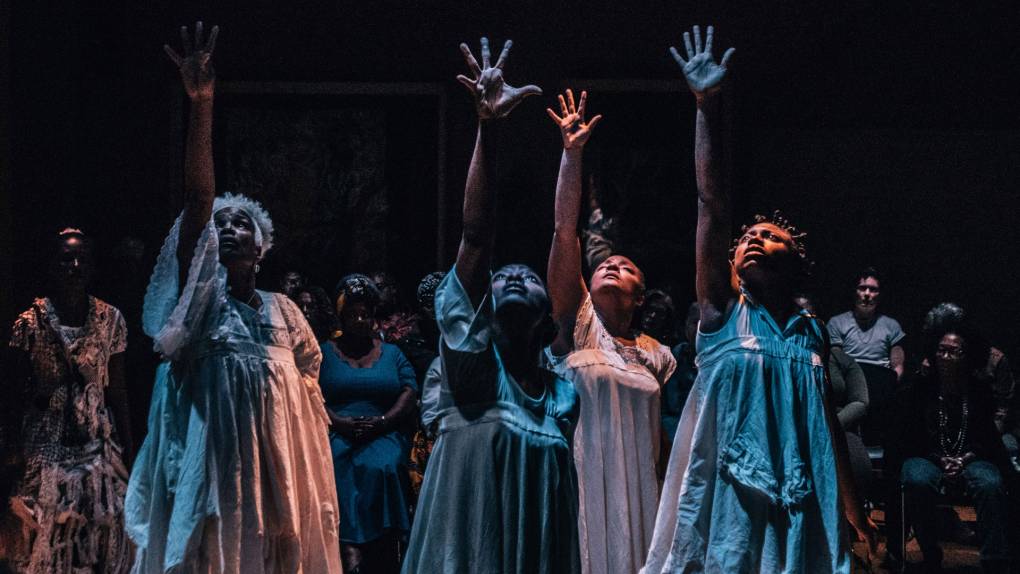
"caption": "An image of Amara Tabor-Smith's dance performance project 'House/Full of Blackwomen,' from the episode \"passing/through/the great middle,\" 2018.",
"description": "An image of Amara Tabor-Smith's dance performance project 'House/Full of Blackwomen,' from the episode \"passing/through/the great middle,\" 2018.",
"title": "Tabor-Smith_Amara_001_COVER",
"credit": "Robbie Sweeny",
"status": "inherit",
"altTag": null,
"isLoading": false,
"fetchFailed": false
},
"arts_13894719": {
"type": "attachments",
"id": "arts_13894719",
"meta": {
"index": "attachments_1716263798",
"site": "arts",
"id": "13894719",
"found": true
},
"parent": 13894718,
"imgSizes": {
"twentyfourteen-full-width": {
"file": "https://ww2.kqed.org/app/uploads/sites/2/2021/03/ad08d34d-6d2d-4804-bb1f-dc713316cad9_wide-57964d048dedbef64f65885cb2499c0ceedba9d5-1038x576.jpe",
"width": 1038,
"mimeType": "image/jpeg",
"height": 576
},
"thumbnail": {
"file": "https://ww2.kqed.org/app/uploads/sites/2/2021/03/ad08d34d-6d2d-4804-bb1f-dc713316cad9_wide-57964d048dedbef64f65885cb2499c0ceedba9d5-160x90.jpe",
"width": 160,
"mimeType": "image/jpeg",
"height": 90
},
"post-thumbnail": {
"file": "https://ww2.kqed.org/app/uploads/sites/2/2021/03/ad08d34d-6d2d-4804-bb1f-dc713316cad9_wide-57964d048dedbef64f65885cb2499c0ceedba9d5-672x372.jpe",
"width": 672,
"mimeType": "image/jpeg",
"height": 372
},
"kqedFullSize": {
"file": "https://ww2.kqed.org/app/uploads/sites/2/2021/03/ad08d34d-6d2d-4804-bb1f-dc713316cad9_wide-57964d048dedbef64f65885cb2499c0ceedba9d5.jpe",
"width": 1694,
"height": 953
},
"large": {
"file": "https://ww2.kqed.org/app/uploads/sites/2/2021/03/ad08d34d-6d2d-4804-bb1f-dc713316cad9_wide-57964d048dedbef64f65885cb2499c0ceedba9d5-1020x574.jpe",
"width": 1020,
"mimeType": "image/jpeg",
"height": 574
},
"1536x1536": {
"file": "https://ww2.kqed.org/app/uploads/sites/2/2021/03/ad08d34d-6d2d-4804-bb1f-dc713316cad9_wide-57964d048dedbef64f65885cb2499c0ceedba9d5-1536x864.jpe",
"width": 1536,
"mimeType": "image/jpeg",
"height": 864
},
"medium": {
"file": "https://ww2.kqed.org/app/uploads/sites/2/2021/03/ad08d34d-6d2d-4804-bb1f-dc713316cad9_wide-57964d048dedbef64f65885cb2499c0ceedba9d5-800x450.jpe",
"width": 800,
"mimeType": "image/jpeg",
"height": 450
},
"medium_large": {
"file": "https://ww2.kqed.org/app/uploads/sites/2/2021/03/ad08d34d-6d2d-4804-bb1f-dc713316cad9_wide-57964d048dedbef64f65885cb2499c0ceedba9d5-768x432.jpe",
"width": 768,
"mimeType": "image/jpeg",
"height": 432
}
},
"publishDate": 1616783549,
"modified": 1616784047,
"caption": "A detail from the art promoting Apple TV+'s 'Calls.'",
"description": "A detail from the art promoting Apple TV+'s 'Calls.'",
"title": "A detail from the art promoting Apple TV+'s 'Calls.'",
"credit": "Apple TV+",
"status": "inherit",
"altTag": "A detail from the art promoting Apple TV+'s 'Calls.'",
"isLoading": false,
"fetchFailed": false
},
"arts_13894195": {
"type": "attachments",
"id": "arts_13894195",
"meta": {
"index": "attachments_1716263798",
"site": "arts",
"id": "13894195",
"found": true
},
"parent": 13894194,
"imgSizes": {
"twentyfourteen-full-width": {
"file": "https://ww2.kqed.org/app/uploads/sites/2/2021/03/jl-06689r_wide-67f2065d4208c05dec628ba39d1794be1ed25370-1038x576.jpg",
"width": 1038,
"mimeType": "image/jpeg",
"height": 576
},
"thumbnail": {
"file": "https://ww2.kqed.org/app/uploads/sites/2/2021/03/jl-06689r_wide-67f2065d4208c05dec628ba39d1794be1ed25370-160x90.jpg",
"width": 160,
"mimeType": "image/jpeg",
"height": 90
},
"post-thumbnail": {
"file": "https://ww2.kqed.org/app/uploads/sites/2/2021/03/jl-06689r_wide-67f2065d4208c05dec628ba39d1794be1ed25370-672x372.jpg",
"width": 672,
"mimeType": "image/jpeg",
"height": 372
},
"kqedFullSize": {
"file": "https://ww2.kqed.org/app/uploads/sites/2/2021/03/jl-06689r_wide-67f2065d4208c05dec628ba39d1794be1ed25370-scaled-e1616092466209.jpg",
"width": 1920,
"height": 1080
},
"2048x2048": {
"file": "https://ww2.kqed.org/app/uploads/sites/2/2021/03/jl-06689r_wide-67f2065d4208c05dec628ba39d1794be1ed25370-2048x1152.jpg",
"width": 2048,
"mimeType": "image/jpeg",
"height": 1152
},
"large": {
"file": "https://ww2.kqed.org/app/uploads/sites/2/2021/03/jl-06689r_wide-67f2065d4208c05dec628ba39d1794be1ed25370-1020x574.jpg",
"width": 1020,
"mimeType": "image/jpeg",
"height": 574
},
"1536x1536": {
"file": "https://ww2.kqed.org/app/uploads/sites/2/2021/03/jl-06689r_wide-67f2065d4208c05dec628ba39d1794be1ed25370-1536x864.jpg",
"width": 1536,
"mimeType": "image/jpeg",
"height": 864
},
"full-width": {
"file": "https://ww2.kqed.org/app/uploads/sites/2/2021/03/jl-06689r_wide-67f2065d4208c05dec628ba39d1794be1ed25370-1920x1080.jpg",
"width": 1920,
"mimeType": "image/jpeg",
"height": 1080
},
"medium": {
"file": "https://ww2.kqed.org/app/uploads/sites/2/2021/03/jl-06689r_wide-67f2065d4208c05dec628ba39d1794be1ed25370-800x450.jpg",
"width": 800,
"mimeType": "image/jpeg",
"height": 450
},
"medium_large": {
"file": "https://ww2.kqed.org/app/uploads/sites/2/2021/03/jl-06689r_wide-67f2065d4208c05dec628ba39d1794be1ed25370-768x432.jpg",
"width": 768,
"mimeType": "image/jpeg",
"height": 432
}
},
"publishDate": 1616089468,
"modified": 1616092505,
"caption": "Zack Snyder directs Ben Affleck and Gal Gadot on the set of 'Justice League.'",
"description": "Zack Snyder directs Ben Affleck and Gal Gadot on the set of 'Justice League.'",
"title": "Zack Snyder directs Ben Affleck and Gal Gadot on the set of 'Justice League.'",
"credit": "Clay Enos/HBO Max",
"status": "inherit",
"altTag": "Zack Snyder directs Ben Affleck and Gal Gadot on the set of 'Justice League.'",
"isLoading": false,
"fetchFailed": false
},
"arts_13894277": {
"type": "attachments",
"id": "arts_13894277",
"meta": {
"index": "attachments_1716263798",
"site": "arts",
"id": "13894277",
"found": true
},
"parent": 13894188,
"imgSizes": {
"twentyfourteen-full-width": {
"file": "https://ww2.kqed.org/app/uploads/sites/2/2021/03/Screen-Shot-2021-03-18-at-5.46.14-PM-1038x576.png",
"width": 1038,
"mimeType": "image/png",
"height": 576
},
"thumbnail": {
"file": "https://ww2.kqed.org/app/uploads/sites/2/2021/03/Screen-Shot-2021-03-18-at-5.46.14-PM-160x97.png",
"width": 160,
"mimeType": "image/png",
"height": 97
},
"post-thumbnail": {
"file": "https://ww2.kqed.org/app/uploads/sites/2/2021/03/Screen-Shot-2021-03-18-at-5.46.14-PM-672x372.png",
"width": 672,
"mimeType": "image/png",
"height": 372
},
"kqedFullSize": {
"file": "https://ww2.kqed.org/app/uploads/sites/2/2021/03/Screen-Shot-2021-03-18-at-5.46.14-PM.png",
"width": 1202,
"height": 727
},
"large": {
"file": "https://ww2.kqed.org/app/uploads/sites/2/2021/03/Screen-Shot-2021-03-18-at-5.46.14-PM-1020x617.png",
"width": 1020,
"mimeType": "image/png",
"height": 617
},
"medium": {
"file": "https://ww2.kqed.org/app/uploads/sites/2/2021/03/Screen-Shot-2021-03-18-at-5.46.14-PM-800x484.png",
"width": 800,
"mimeType": "image/png",
"height": 484
},
"medium_large": {
"file": "https://ww2.kqed.org/app/uploads/sites/2/2021/03/Screen-Shot-2021-03-18-at-5.46.14-PM-768x465.png",
"width": 768,
"mimeType": "image/png",
"height": 465
}
},
"publishDate": 1616114856,
"modified": 1616114900,
"caption": "Dustin Hoffman and Jon Voight starring in 'Midnight Cowboy.'",
"description": "Dustin Hoffman and Jon Voight starring in 'Midnight Cowboy.'",
"title": "Dustin Hoffman and Jon Voight starring in 'Midnight Cowboy.'",
"credit": "United Artists via Getty Images",
"status": "inherit",
"altTag": "Dustin Hoffman and Jon Voight starring in 'Midnight Cowboy.'",
"isLoading": false,
"fetchFailed": false
},
"arts_13893998": {
"type": "attachments",
"id": "arts_13893998",
"meta": {
"index": "attachments_1716263798",
"site": "arts",
"id": "13893998",
"found": true
},
"parent": 13893827,
"imgSizes": {
"twentyfourteen-full-width": {
"file": "https://ww2.kqed.org/app/uploads/sites/2/2021/03/Untitled-design-4-1038x576.png",
"width": 1038,
"mimeType": "image/png",
"height": 576
},
"thumbnail": {
"file": "https://ww2.kqed.org/app/uploads/sites/2/2021/03/Untitled-design-4-160x90.png",
"width": 160,
"mimeType": "image/png",
"height": 90
},
"post-thumbnail": {
"file": "https://ww2.kqed.org/app/uploads/sites/2/2021/03/Untitled-design-4-672x372.png",
"width": 672,
"mimeType": "image/png",
"height": 372
},
"kqedFullSize": {
"file": "https://ww2.kqed.org/app/uploads/sites/2/2021/03/Untitled-design-4.png",
"width": 1920,
"height": 1080
},
"large": {
"file": "https://ww2.kqed.org/app/uploads/sites/2/2021/03/Untitled-design-4-1020x574.png",
"width": 1020,
"mimeType": "image/png",
"height": 574
},
"1536x1536": {
"file": "https://ww2.kqed.org/app/uploads/sites/2/2021/03/Untitled-design-4-1536x864.png",
"width": 1536,
"mimeType": "image/png",
"height": 864
},
"medium": {
"file": "https://ww2.kqed.org/app/uploads/sites/2/2021/03/Untitled-design-4-800x450.png",
"width": 800,
"mimeType": "image/png",
"height": 450
},
"medium_large": {
"file": "https://ww2.kqed.org/app/uploads/sites/2/2021/03/Untitled-design-4-768x432.png",
"width": 768,
"mimeType": "image/png",
"height": 432
}
},
"publishDate": 1615830553,
"modified": 1615830594,
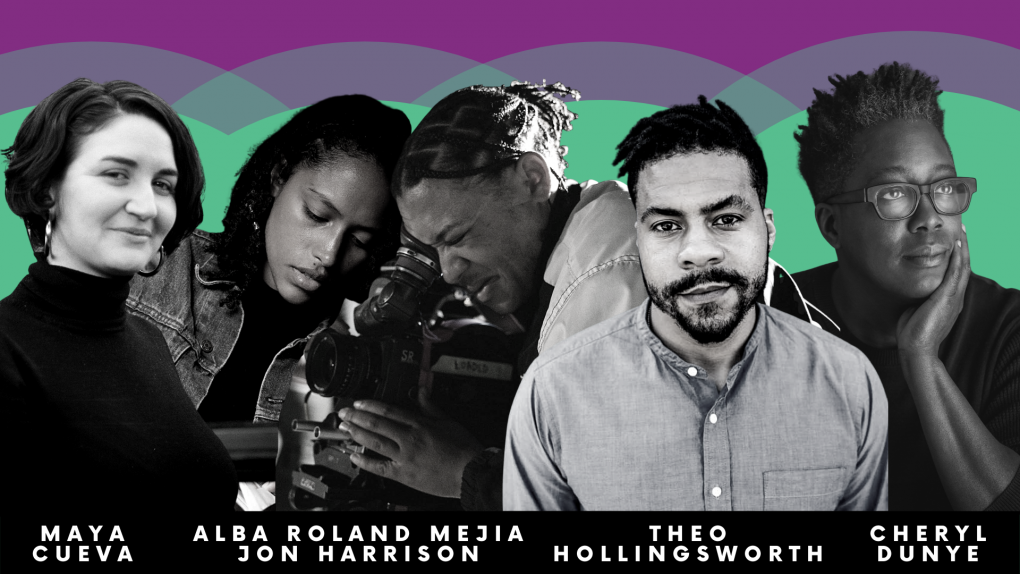
"caption": "Jon Warfield Harrison and Alba Roland Mejia.",
"description": "Jon Warfield Harrison and Alba Roland Mejia.",
"title": "Jon and Alba",
"credit": null,
"status": "inherit",
"altTag": "Jon Warfield Harrison and Alba Roland Mejia.",
"isLoading": false,
"fetchFailed": false
},
"arts_13893622": {
"type": "attachments",
"id": "arts_13893622",
"meta": {
"index": "attachments_1716263798",
"site": "arts",
"id": "13893622",
"found": true
},
"parent": 13893614,
"imgSizes": {
"twentyfourteen-full-width": {
"file": "https://ww2.kqed.org/app/uploads/sites/2/2021/03/mayacuevaheadshot-1038x576.jpg",
"width": 1038,
"mimeType": "image/jpeg",
"height": 576
},
"thumbnail": {
"file": "https://ww2.kqed.org/app/uploads/sites/2/2021/03/mayacuevaheadshot-160x106.jpg",
"width": 160,
"mimeType": "image/jpeg",
"height": 106
},
"post-thumbnail": {
"file": "https://ww2.kqed.org/app/uploads/sites/2/2021/03/mayacuevaheadshot-672x372.jpg",
"width": 672,
"mimeType": "image/jpeg",
"height": 372
},
"kqedFullSize": {
"file": "https://ww2.kqed.org/app/uploads/sites/2/2021/03/mayacuevaheadshot-scaled.jpg",
"width": 2560,
"height": 1696
},
"2048x2048": {
"file": "https://ww2.kqed.org/app/uploads/sites/2/2021/03/mayacuevaheadshot-2048x1357.jpg",
"width": 2048,
"mimeType": "image/jpeg",
"height": 1357
},
"large": {
"file": "https://ww2.kqed.org/app/uploads/sites/2/2021/03/mayacuevaheadshot-1020x676.jpg",
"width": 1020,
"mimeType": "image/jpeg",
"height": 676
},
"1536x1536": {
"file": "https://ww2.kqed.org/app/uploads/sites/2/2021/03/mayacuevaheadshot-1536x1018.jpg",
"width": 1536,
"mimeType": "image/jpeg",
"height": 1018
},
"full-width": {
"file": "https://ww2.kqed.org/app/uploads/sites/2/2021/03/mayacuevaheadshot-1920x1272.jpg",
"width": 1920,
"mimeType": "image/jpeg",
"height": 1272
},
"medium": {
"file": "https://ww2.kqed.org/app/uploads/sites/2/2021/03/mayacuevaheadshot-800x530.jpg",
"width": 800,
"mimeType": "image/jpeg",
"height": 530
},
"medium_large": {
"file": "https://ww2.kqed.org/app/uploads/sites/2/2021/03/mayacuevaheadshot-768x509.jpg",
"width": 768,
"mimeType": "image/jpeg",
"height": 509
}
},
"publishDate": 1614900295,
"modified": 1614904409,
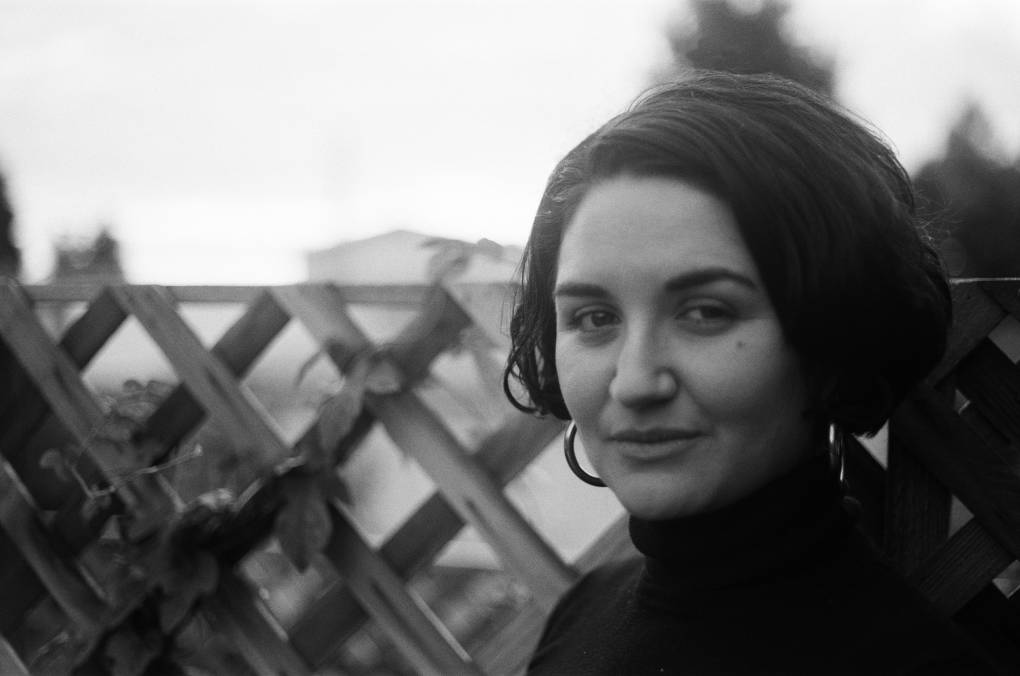
"caption": "Filmmaker Maya Cueva",
"description": "A black and white headshot of Maya Cueva. She gives us a half smile, is wearing hoop earings and her curly hair is in a bob. She wears a black turtleneck in front of a fence.",
"title": "Filmmaker Maya Cueva",
"credit": "Jasmine Curtis",
"status": "inherit",
"altTag": "A black and white headshot of Maya Cueva. She gives us a half smile, is wearing hoop earings and her curly hair is in a bob. She wears a black turtleneck in front of a fence.",
"isLoading": false,
"fetchFailed": false
},
"arts_13893661": {
"type": "attachments",
"id": "arts_13893661",
"meta": {
"index": "attachments_1716263798",
"site": "arts",
"id": "13893661",
"found": true
},
"parent": 13893541,
"imgSizes": {
"twentyfourteen-full-width": {
"file": "https://ww2.kqed.org/app/uploads/sites/2/2021/03/For-web-post-1038x576.png",
"width": 1038,
"mimeType": "image/png",
"height": 576
},
"thumbnail": {
"file": "https://ww2.kqed.org/app/uploads/sites/2/2021/03/For-web-post-160x90.png",
"width": 160,
"mimeType": "image/png",
"height": 90
},
"post-thumbnail": {
"file": "https://ww2.kqed.org/app/uploads/sites/2/2021/03/For-web-post-672x372.png",
"width": 672,
"mimeType": "image/png",
"height": 372
},
"kqedFullSize": {
"file": "https://ww2.kqed.org/app/uploads/sites/2/2021/03/For-web-post.png",
"width": 1920,
"height": 1080
},
"large": {
"file": "https://ww2.kqed.org/app/uploads/sites/2/2021/03/For-web-post-1020x574.png",
"width": 1020,
"mimeType": "image/png",
"height": 574
},
"1536x1536": {
"file": "https://ww2.kqed.org/app/uploads/sites/2/2021/03/For-web-post-1536x864.png",
"width": 1536,
"mimeType": "image/png",
"height": 864
},
"medium": {
"file": "https://ww2.kqed.org/app/uploads/sites/2/2021/03/For-web-post-800x450.png",
"width": 800,
"mimeType": "image/png",
"height": 450
},
"medium_large": {
"file": "https://ww2.kqed.org/app/uploads/sites/2/2021/03/For-web-post-768x432.png",
"width": 768,
"mimeType": "image/png",
"height": 432
}
},
"publishDate": 1614921791,
"modified": 1614921814,
"caption": "In this special series 'Reel Talk,' we invite filmmakers to discuss the big questions behind their documentaries, the truths behind their fictions, and how the Bay Area has influenced their work. ",
"description": "In this special series 'Reel Talk,' we invite filmmakers to discuss the big questions behind their documentaries, the truths behind their fictions, and how the Bay Area has influenced their work. ",
"title": "For web post",
"credit": null,
"status": "inherit",
"altTag": "In this special series 'Reel Talk,' we invite filmmakers to discuss the big questions behind their documentaries, the truths behind their fictions, and how the Bay Area has influenced their work.",
"isLoading": false,
"fetchFailed": false
},
"arts_13893602": {
"type": "attachments",
"id": "arts_13893602",
"meta": {
"index": "attachments_1716263798",
"site": "arts",
"id": "13893602",
"found": true
},
"parent": 13893525,
"imgSizes": {
"twentyfourteen-full-width": {
"file": "https://ww2.kqed.org/app/uploads/sites/2/2021/03/NOTK_Kone-Bakary_Anzian-Marcel_CourtesyofNEON-1038x576.jpg",
"width": 1038,
"mimeType": "image/jpeg",
"height": 576
},
"thumbnail": {
"file": "https://ww2.kqed.org/app/uploads/sites/2/2021/03/NOTK_Kone-Bakary_Anzian-Marcel_CourtesyofNEON-160x90.jpg",
"width": 160,
"mimeType": "image/jpeg",
"height": 90
},
"post-thumbnail": {
"file": "https://ww2.kqed.org/app/uploads/sites/2/2021/03/NOTK_Kone-Bakary_Anzian-Marcel_CourtesyofNEON-672x372.jpg",
"width": 672,
"mimeType": "image/jpeg",
"height": 372
},
"kqedFullSize": {
"file": "https://ww2.kqed.org/app/uploads/sites/2/2021/03/NOTK_Kone-Bakary_Anzian-Marcel_CourtesyofNEON.jpg",
"width": 1920,
"height": 1080
},
"large": {
"file": "https://ww2.kqed.org/app/uploads/sites/2/2021/03/NOTK_Kone-Bakary_Anzian-Marcel_CourtesyofNEON-1020x574.jpg",
"width": 1020,
"mimeType": "image/jpeg",
"height": 574
},
"1536x1536": {
"file": "https://ww2.kqed.org/app/uploads/sites/2/2021/03/NOTK_Kone-Bakary_Anzian-Marcel_CourtesyofNEON-1536x864.jpg",
"width": 1536,
"mimeType": "image/jpeg",
"height": 864
},
"medium": {
"file": "https://ww2.kqed.org/app/uploads/sites/2/2021/03/NOTK_Kone-Bakary_Anzian-Marcel_CourtesyofNEON-800x450.jpg",
"width": 800,
"mimeType": "image/jpeg",
"height": 450
},
"medium_large": {
"file": "https://ww2.kqed.org/app/uploads/sites/2/2021/03/NOTK_Kone-Bakary_Anzian-Marcel_CourtesyofNEON-768x432.jpg",
"width": 768,
"mimeType": "image/jpeg",
"height": 432
}
},
"publishDate": 1614884202,
"modified": 1614884756,
"caption": "Koné Bakary in 'Night of the Kings.'",
"description": "Koné Bakary in 'Night of the Kings.'",
"title": "NOTK_Kone-Bakary_Anzian-Marcel_CourtesyofNEON",
"credit": "NEON",
"status": "inherit",
"altTag": "Koné Bakary in 'Night of the Kings.'",
"isLoading": false,
"fetchFailed": false
},
"arts_13893447": {
"type": "attachments",
"id": "arts_13893447",
"meta": {
"index": "attachments_1716263798",
"site": "arts",
"id": "13893447",
"found": true
},
"parent": 13893446,
"imgSizes": {
"twentyfourteen-full-width": {
"file": "https://ww2.kqed.org/app/uploads/sites/2/2021/02/gettyimages-1304623431-2d3862334453f74e933055ead4ecb601345faad2-1038x576.jpg",
"width": 1038,
"mimeType": "image/jpeg",
"height": 576
},
"thumbnail": {
"file": "https://ww2.kqed.org/app/uploads/sites/2/2021/02/gettyimages-1304623431-2d3862334453f74e933055ead4ecb601345faad2-160x120.jpg",
"width": 160,
"mimeType": "image/jpeg",
"height": 120
},
"post-thumbnail": {
"file": "https://ww2.kqed.org/app/uploads/sites/2/2021/02/gettyimages-1304623431-2d3862334453f74e933055ead4ecb601345faad2-672x372.jpg",
"width": 672,
"mimeType": "image/jpeg",
"height": 372
},
"kqedFullSize": {
"file": "https://ww2.kqed.org/app/uploads/sites/2/2021/02/gettyimages-1304623431-2d3862334453f74e933055ead4ecb601345faad2-scaled-e1614594982380.jpg",
"width": 1920,
"height": 1439
},
"2048x2048": {
"file": "https://ww2.kqed.org/app/uploads/sites/2/2021/02/gettyimages-1304623431-2d3862334453f74e933055ead4ecb601345faad2-2048x1535.jpg",
"width": 2048,
"mimeType": "image/jpeg",
"height": 1535
},
"large": {
"file": "https://ww2.kqed.org/app/uploads/sites/2/2021/02/gettyimages-1304623431-2d3862334453f74e933055ead4ecb601345faad2-1020x765.jpg",
"width": 1020,
"mimeType": "image/jpeg",
"height": 765
},
"1536x1536": {
"file": "https://ww2.kqed.org/app/uploads/sites/2/2021/02/gettyimages-1304623431-2d3862334453f74e933055ead4ecb601345faad2-1536x1151.jpg",
"width": 1536,
"mimeType": "image/jpeg",
"height": 1151
},
"full-width": {
"file": "https://ww2.kqed.org/app/uploads/sites/2/2021/02/gettyimages-1304623431-2d3862334453f74e933055ead4ecb601345faad2-1920x1439.jpg",
"width": 1920,
"mimeType": "image/jpeg",
"height": 1439
},
"medium": {
"file": "https://ww2.kqed.org/app/uploads/sites/2/2021/02/gettyimages-1304623431-2d3862334453f74e933055ead4ecb601345faad2-800x600.jpg",
"width": 800,
"mimeType": "image/jpeg",
"height": 600
},
"medium_large": {
"file": "https://ww2.kqed.org/app/uploads/sites/2/2021/02/gettyimages-1304623431-2d3862334453f74e933055ead4ecb601345faad2-768x576.jpg",
"width": 768,
"mimeType": "image/jpeg",
"height": 576
}
},
"publishDate": 1614594331,
"modified": 1614595021,
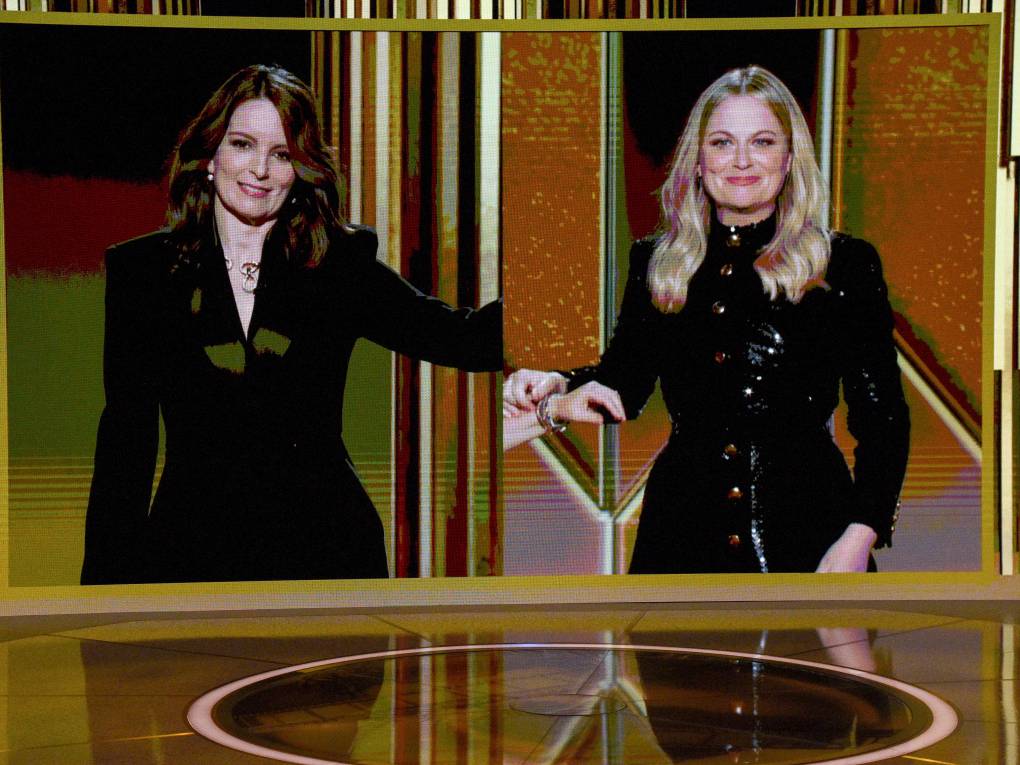
"caption": "Technical difficulties and an overall uninspired program were the themes of this year's Golden Globes, hosted by Tina Fey and Amy Poehler.",
"description": "Technical difficulties and an overall uninspired program were the themes of this year's Golden Globes, hosted by Tina Fey and Amy Poehler.",
"title": "Technical difficulties and an overall uninspired program were the themes of this year's Golden Globes, hosted by Tina Fey and Amy Poehler.",
"credit": null,
"status": "inherit",
"altTag": "Technical difficulties and an overall uninspired program were the themes of this year's Golden Globes, hosted by Tina Fey and Amy Poehler.",
"isLoading": false,
"fetchFailed": false
},
"arts_13893118": {
"type": "attachments",
"id": "arts_13893118",
"meta": {
"index": "attachments_1716263798",
"site": "arts",
"id": "13893118",
"found": true
},
"parent": 13893054,
"imgSizes": {
"twentyfourteen-full-width": {
"file": "https://ww2.kqed.org/app/uploads/sites/2/2021/02/Pen_COVER-1038x576.jpg",
"width": 1038,
"mimeType": "image/jpeg",
"height": 576
},
"thumbnail": {
"file": "https://ww2.kqed.org/app/uploads/sites/2/2021/02/Pen_COVER-160x90.jpg",
"width": 160,
"mimeType": "image/jpeg",
"height": 90
},
"post-thumbnail": {
"file": "https://ww2.kqed.org/app/uploads/sites/2/2021/02/Pen_COVER-672x372.jpg",
"width": 672,
"mimeType": "image/jpeg",
"height": 372
},
"kqedFullSize": {
"file": "https://ww2.kqed.org/app/uploads/sites/2/2021/02/Pen_COVER.jpg",
"width": 1920,
"height": 1080
},
"large": {
"file": "https://ww2.kqed.org/app/uploads/sites/2/2021/02/Pen_COVER-1020x574.jpg",
"width": 1020,
"mimeType": "image/jpeg",
"height": 574
},
"1536x1536": {
"file": "https://ww2.kqed.org/app/uploads/sites/2/2021/02/Pen_COVER-1536x864.jpg",
"width": 1536,
"mimeType": "image/jpeg",
"height": 864
},
"medium": {
"file": "https://ww2.kqed.org/app/uploads/sites/2/2021/02/Pen_COVER-800x450.jpg",
"width": 800,
"mimeType": "image/jpeg",
"height": 450
},
"medium_large": {
"file": "https://ww2.kqed.org/app/uploads/sites/2/2021/02/Pen_COVER-768x432.jpg",
"width": 768,
"mimeType": "image/jpeg",
"height": 432
}
},
"publishDate": 1614105404,
"modified": 1614105478,
"caption": "Before becoming a reverend, Cheryl Dawson was a member of the Black Panther Party. Now, she's part of a towering mural in West Oakland paying tribute to the women of the Black Panther Party.",
"description": "Before becoming a reverend, Cheryl Dawson was a member of the Black Panther Party. Now, she's part of a towering mural in West Oakland paying tribute to the women of the Black Panther Party.",
"title": "Pen_COVER",
"credit": "Courtesy Cheryl Dawson",
"status": "inherit",
"altTag": "Before becoming a reverend, Cheryl Dawson was a member of the Black Panther Party. Now, she's part of a towering mural in West Oakland paying tribute to the women of the Black Panther Party.",
"isLoading": false,
"fetchFailed": false
},
"arts_13892735": {
"type": "attachments",
"id": "arts_13892735",
"meta": {
"index": "attachments_1716263798",
"site": "arts",
"id": "13892735",
"found": true
},
"parent": 13892725,
"imgSizes": {
"twentyfourteen-full-width": {
"file": "https://ww2.kqed.org/app/uploads/sites/2/2021/02/SHOWMEWHATYOUGOT_03_by_Svetlana_Cvetko_COVER-1038x576.jpg",
"width": 1038,
"mimeType": "image/jpeg",
"height": 576
},
"thumbnail": {
"file": "https://ww2.kqed.org/app/uploads/sites/2/2021/02/SHOWMEWHATYOUGOT_03_by_Svetlana_Cvetko_COVER-160x90.jpg",
"width": 160,
"mimeType": "image/jpeg",
"height": 90
},
"post-thumbnail": {
"file": "https://ww2.kqed.org/app/uploads/sites/2/2021/02/SHOWMEWHATYOUGOT_03_by_Svetlana_Cvetko_COVER-672x372.jpg",
"width": 672,
"mimeType": "image/jpeg",
"height": 372
},
"kqedFullSize": {
"file": "https://ww2.kqed.org/app/uploads/sites/2/2021/02/SHOWMEWHATYOUGOT_03_by_Svetlana_Cvetko_COVER.jpg",
"width": 1920,
"height": 1080
},
"large": {
"file": "https://ww2.kqed.org/app/uploads/sites/2/2021/02/SHOWMEWHATYOUGOT_03_by_Svetlana_Cvetko_COVER-1020x574.jpg",
"width": 1020,
"mimeType": "image/jpeg",
"height": 574
},
"1536x1536": {
"file": "https://ww2.kqed.org/app/uploads/sites/2/2021/02/SHOWMEWHATYOUGOT_03_by_Svetlana_Cvetko_COVER-1536x864.jpg",
"width": 1536,
"mimeType": "image/jpeg",
"height": 864
},
"medium": {
"file": "https://ww2.kqed.org/app/uploads/sites/2/2021/02/SHOWMEWHATYOUGOT_03_by_Svetlana_Cvetko_COVER-800x450.jpg",
"width": 800,
"mimeType": "image/jpeg",
"height": 450
},
"medium_large": {
"file": "https://ww2.kqed.org/app/uploads/sites/2/2021/02/SHOWMEWHATYOUGOT_03_by_Svetlana_Cvetko_COVER-768x432.jpg",
"width": 768,
"mimeType": "image/jpeg",
"height": 432
}
},
"publishDate": 1613098855,
"modified": 1613098931,
"caption": "Christina Rimbaldi as Christine in Svetlana Cvenko's 'Show Me What You Got.'",
"description": null,
"title": "SHOWMEWHATYOUGOT_03_by_Svetlana_Cvetko_COVER",
"credit": "Courtesy Double Take Pictures, Inc.",
"status": "inherit",
"altTag": null,
"isLoading": false,
"fetchFailed": false
},
"arts_13892666": {
"type": "attachments",
"id": "arts_13892666",
"meta": {
"index": "attachments_1716263798",
"site": "arts",
"id": "13892666",
"found": true
},
"parent": 13892656,
"imgSizes": {
"twentyfourteen-full-width": {
"file": "https://ww2.kqed.org/app/uploads/sites/2/2021/02/GettyImages-1188142778-1038x576.jpg",
"width": 1038,
"mimeType": "image/jpeg",
"height": 576
},
"thumbnail": {
"file": "https://ww2.kqed.org/app/uploads/sites/2/2021/02/GettyImages-1188142778-160x107.jpg",
"width": 160,
"mimeType": "image/jpeg",
"height": 107
},
"post-thumbnail": {
"file": "https://ww2.kqed.org/app/uploads/sites/2/2021/02/GettyImages-1188142778-672x372.jpg",
"width": 672,
"mimeType": "image/jpeg",
"height": 372
},
"kqedFullSize": {
"file": "https://ww2.kqed.org/app/uploads/sites/2/2021/02/GettyImages-1188142778-scaled.jpg",
"width": 2560,
"height": 1707
},
"2048x2048": {
"file": "https://ww2.kqed.org/app/uploads/sites/2/2021/02/GettyImages-1188142778-2048x1365.jpg",
"width": 2048,
"mimeType": "image/jpeg",
"height": 1365
},
"large": {
"file": "https://ww2.kqed.org/app/uploads/sites/2/2021/02/GettyImages-1188142778-1020x680.jpg",
"width": 1020,
"mimeType": "image/jpeg",
"height": 680
},
"1536x1536": {
"file": "https://ww2.kqed.org/app/uploads/sites/2/2021/02/GettyImages-1188142778-1536x1024.jpg",
"width": 1536,
"mimeType": "image/jpeg",
"height": 1024
},
"full-width": {
"file": "https://ww2.kqed.org/app/uploads/sites/2/2021/02/GettyImages-1188142778-1920x1280.jpg",
"width": 1920,
"mimeType": "image/jpeg",
"height": 1280
},
"medium": {
"file": "https://ww2.kqed.org/app/uploads/sites/2/2021/02/GettyImages-1188142778-800x533.jpg",
"width": 800,
"mimeType": "image/jpeg",
"height": 533
},
"medium_large": {
"file": "https://ww2.kqed.org/app/uploads/sites/2/2021/02/GettyImages-1188142778-768x512.jpg",
"width": 768,
"mimeType": "image/jpeg",
"height": 512
}
},
"publishDate": 1613077119,
"modified": 1689901040,
"caption": "Taylor Swift pictured at Billboard's 2019 Woman of the Year in Los Angeles. ",
"description": "Taylor Swift pictured at Billboard's 2019 Woman of the Year in Los Angeles 2019. ",
"title": "Taylor Swift pictured at Billboard's 2019 Woman of the Year in Los Angeles 2019.",
"credit": "VALERIE MACON/AFP via Getty Images",
"status": "inherit",
"altTag": "Taylor Swift pictured at Billboard's 2019 Woman of the Year in Los Angeles 2019.",
"isLoading": false,
"fetchFailed": false
}
},
"audioPlayerReducer": {
"postId": "stream_live",
"isPaused": true,
"isPlaying": false,
"pfsActive": false,
"pledgeModalIsOpen": true,
"playerDrawerIsOpen": false,
"liveAudioPlayStartedAt": 0,
"liveAudioPlayContext": ""
},
"authorsReducer": {
"byline_arts_13894718": {
"type": "authors",
"id": "byline_arts_13894718",
"meta": {
"override": true
},
"slug": "byline_arts_13894718",
"name": "Linda Holmes",
"isLoading": false
},
"byline_arts_13894194": {
"type": "authors",
"id": "byline_arts_13894194",
"meta": {
"override": true
},
"slug": "byline_arts_13894194",
"name": "Eric Deggans",
"isLoading": false
},
"byline_arts_13894188": {
"type": "authors",
"id": "byline_arts_13894188",
"meta": {
"override": true
},
"slug": "byline_arts_13894188",
"name": "Michael Schaub",
"isLoading": false
},
"byline_arts_13893446": {
"type": "authors",
"id": "byline_arts_13893446",
"meta": {
"override": true
},
"slug": "byline_arts_13893446",
"name": "Aisha Harris",
"isLoading": false
},
"byline_arts_13892656": {
"type": "authors",
"id": "byline_arts_13892656",
"meta": {
"override": true
},
"slug": "byline_arts_13892656",
"name": "Stephen Thompson",
"isLoading": false
},
"mfox": {
"type": "authors",
"id": "22",
"meta": {
"index": "authors_1716337520",
"id": "22",
"found": true
},
"name": "Michael Fox",
"firstName": "Michael",
"lastName": "Fox",
"slug": "mfox",
"email": "foxonfilm@yahoo.com",
"display_author_email": false,
"staff_mastheads": [],
"title": "KQED Contributor",
"bio": "Michael Fox has written about film for dozens of publications since 1987. He is a founding member of the San Francisco Bay Area Film Critics Circle.",
"avatar": "https://secure.gravatar.com/avatar/d9849d6c659c41414795c471d907bb97b396e2a32b88e20e6ff66f65fbdd6dcd?s=600&d=blank&r=g",
"twitter": null,
"bluesky": null,
"facebook": null,
"instagram": null,
"linkedin": null,
"sites": [
{
"site": "arts",
"roles": [
"Contributor",
"contributor"
]
}
],
"headData": {
"title": "Michael Fox | KQED",
"description": "KQED Contributor",
"ogImgSrc": "https://secure.gravatar.com/avatar/d9849d6c659c41414795c471d907bb97b396e2a32b88e20e6ff66f65fbdd6dcd?s=600&d=blank&r=g",
"twImgSrc": "https://secure.gravatar.com/avatar/d9849d6c659c41414795c471d907bb97b396e2a32b88e20e6ff66f65fbdd6dcd?s=600&d=blank&r=g"
},
"isLoading": false,
"link": "/author/mfox"
},
"shotchkiss": {
"type": "authors",
"id": "61",
"meta": {
"index": "authors_1716337520",
"id": "61",
"found": true
},
"name": "Sarah Hotchkiss",
"firstName": "Sarah",
"lastName": "Hotchkiss",
"slug": "shotchkiss",
"email": "shotchkiss@kqed.org",
"display_author_email": true,
"staff_mastheads": [
"arts"
],
"title": "Senior Editor",
"bio": "Sarah Hotchkiss is a San Francisco \u003ca href=\"http://www.sarahhotchkiss.com\">artist\u003c/a> and arts writer. In 2019, she received the Dorothea & Leo Rabkin Foundation grant for visual art journalism and in 2020 she received a Society of Professional Journalists, Northern California award for excellence in arts and culture reporting.",
"avatar": "https://secure.gravatar.com/avatar/bc662df144b3d27fd8b1b6f1c2a420d34e91e53154d411bb7ad353cc8b6cea8d?s=600&d=blank&r=g",
"twitter": null,
"bluesky": null,
"facebook": null,
"instagram": null,
"linkedin": null,
"sites": [
{
"site": "",
"roles": [
"editor"
]
},
{
"site": "arts",
"roles": [
"Contributor",
"administrator"
]
},
{
"site": "artschool",
"roles": [
"administrator"
]
},
{
"site": "news",
"roles": [
"editor"
]
},
{
"site": "pop",
"roles": [
"administrator"
]
},
{
"site": "bayareabites",
"roles": [
"editor"
]
},
{
"site": "spark",
"roles": [
"editor"
]
},
{
"site": "checkplease",
"roles": [
"editor"
]
}
],
"headData": {
"title": "Sarah Hotchkiss | KQED",
"description": "Senior Editor",
"ogImgSrc": "https://secure.gravatar.com/avatar/bc662df144b3d27fd8b1b6f1c2a420d34e91e53154d411bb7ad353cc8b6cea8d?s=600&d=blank&r=g",
"twImgSrc": "https://secure.gravatar.com/avatar/bc662df144b3d27fd8b1b6f1c2a420d34e91e53154d411bb7ad353cc8b6cea8d?s=600&d=blank&r=g"
},
"isLoading": false,
"link": "/author/shotchkiss"
},
"ogpenn": {
"type": "authors",
"id": "11491",
"meta": {
"index": "authors_1716337520",
"id": "11491",
"found": true
},
"name": "Pendarvis Harshaw",
"firstName": "Pendarvis",
"lastName": "Harshaw",
"slug": "ogpenn",
"email": "ogpenn@gmail.com",
"display_author_email": false,
"staff_mastheads": [
"arts"
],
"title": "Community Engagement Reporter",
"bio": "Pendarvis Harshaw is an educator, host and writer with KQED Arts.",
"avatar": "https://secure.gravatar.com/avatar/972b77ee8e3f346ae2b00622661187fbfabd059b5693bbdc1475ea7a722fd4cd?s=600&d=blank&r=g",
"twitter": null,
"bluesky": null,
"facebook": null,
"instagram": "ogpenn",
"linkedin": null,
"sites": [
{
"site": "arts",
"roles": [
"administrator"
]
},
{
"site": "news",
"roles": [
"editor"
]
},
{
"site": "bayareabites",
"roles": [
"author"
]
},
{
"site": "hiphop",
"roles": [
"editor"
]
}
],
"headData": {
"title": "Pendarvis Harshaw | KQED",
"description": "Community Engagement Reporter",
"ogImgSrc": "https://secure.gravatar.com/avatar/972b77ee8e3f346ae2b00622661187fbfabd059b5693bbdc1475ea7a722fd4cd?s=600&d=blank&r=g",
"twImgSrc": "https://secure.gravatar.com/avatar/972b77ee8e3f346ae2b00622661187fbfabd059b5693bbdc1475ea7a722fd4cd?s=600&d=blank&r=g"
},
"isLoading": false,
"link": "/author/ogpenn"
},
"mmedina": {
"type": "authors",
"id": "11528",
"meta": {
"index": "authors_1716337520",
"id": "11528",
"found": true
},
"name": "Marisol Medina-Cadena",
"firstName": "Marisol",
"lastName": "Medina-Cadena",
"slug": "mmedina",
"email": "mmedina@KQED.org",
"display_author_email": true,
"staff_mastheads": [],
"title": "Producer, Rightnowish Podcast",
"bio": "Marisol Medina-Cadena is a radio reporter and podcast producer. Before working at KQED, she produced for PBS member station, KCET, in Los Angeles. In 2017, Marisol won an Emmy Award for her work on the televised documentary, \u003cem>City Rising\u003c/em>, examining California's affordable housing crisis and the historical roots of gentrification.",
"avatar": "https://secure.gravatar.com/avatar/6c3db46a1cabb5e1fe9a365b5f4e681e?s=600&d=blank&r=g",
"twitter": "marisolreports",
"facebook": null,
"instagram": null,
"linkedin": null,
"sites": [
{
"site": "arts",
"roles": []
},
{
"site": "news",
"roles": [
"edit_others_posts"
]
}
],
"headData": {
"title": "Marisol Medina-Cadena | KQED",
"description": "Producer, Rightnowish Podcast",
"ogImgSrc": "https://secure.gravatar.com/avatar/6c3db46a1cabb5e1fe9a365b5f4e681e?s=600&d=blank&r=g",
"twImgSrc": "https://secure.gravatar.com/avatar/6c3db46a1cabb5e1fe9a365b5f4e681e?s=600&d=blank&r=g"
},
"isLoading": false,
"link": "/author/mmedina"
}
},
"pagesReducer": {
"arts_tag_film": {
"type": "terms",
"id": "arts_977",
"meta": {
"index": "terms_1716263798",
"site": "arts",
"id": "977",
"score": 8.284343
},
"name": "Film",
"slug": "film",
"taxonomy": "tag",
"description": null,
"featImg": null,
"headData": {
"title": "Film Archives | KQED Arts",
"description": null,
"ogTitle": null,
"ogDescription": null,
"ogImgId": null,
"twTitle": null,
"twDescription": null,
"twImgId": null
},
"ttid": 995,
"isLoading": false,
"title": "Film",
"pageMeta": {
"site": "arts",
"WpPageTemplate": "page-topic-editorial",
"currentPage": 29
},
"blocks": [
{
"blockName": "kqed/post-list",
"attrs": {
"layout": "cardArticle2",
"query": "posts/arts?tag=film",
"seeMore": false,
"paginated": true,
"page": 29
}
},
{
"blockName": "kqed/ad"
}
]
}
},
"pfsSessionReducer": {},
"postsReducer": {
"stream_live": {
"type": "live",
"id": "stream_live",
"audioUrl": "https://streams.kqed.org/kqedradio",
"title": "Live Stream",
"excerpt": "Live Stream information currently unavailable.",
"link": "/radio",
"featImg": "",
"label": {
"name": "KQED Live",
"link": "/"
}
},
"stream_kqedNewscast": {
"type": "posts",
"id": "stream_kqedNewscast",
"audioUrl": "https://www.kqed.org/.stream/anon/radio/RDnews/newscast.mp3?_=1",
"title": "KQED Newscast",
"featImg": "",
"label": {
"name": "88.5 FM",
"link": "/"
}
},
"arts_13894782": {
"type": "posts",
"id": "arts_13894782",
"meta": {
"index": "posts_1716263798",
"site": "arts",
"id": "13894782",
"score": null,
"sort": [
1617046236000
]
},
"parent": 0,
"labelTerm": {
"site": "arts"
},
"blocks": [],
"publishDate": 1617046236,
"format": "standard",
"title": "Rainin Fellowship Awards $100,000 Grants to Four Bay Area Artists",
"headTitle": "Rainin Fellowship Awards $100,000 Grants to Four Bay Area Artists | KQED",
"content": "\u003cp>The Kenneth Rainin Foundation announced today the launch of a \u003ca href=\"https://krfoundation.org/inaugural-rainin-fellowship-announced/\" rel=\"noopener noreferrer\" target=\"_blank\">new fellowship\u003c/a> for artists working in dance, film, public space and theater. The Rainin Fellowship awards four unrestricted grants of $100,000 to help artists maintain their lives and practices in the San Francisco Bay Area. The inaugural recipients are \u003ca href=\"http://www.deepwatersdance.com/\" rel=\"noopener noreferrer\" target=\"_blank\">Amara Tabor-Smith\u003c/a>, \u003ca href=\"https://www.margohall.com/\" rel=\"noopener noreferrer\" target=\"_blank\">Margo Hall\u003c/a>, \u003ca href=\"http://peopleskitchencollective.com/\" rel=\"noopener noreferrer\" target=\"_blank\">People’s Kitchen Collective\u003c/a> (Sita Kuratomi Bhaumik, Jocelyn Jackson and Saqib Keval), and \u003ca href=\"https://rrcinema.com/\" rel=\"noopener noreferrer\" target=\"_blank\">Rodrigo Reyes\u003c/a>. \u003c/p>\n\u003cp>The fellows, whose work includes deeply vulnerable performance experiences, theater by and for people of color, food-centered art and activism, and creative approaches to documentary film, are described by the Rainin Foundation in today’s announcement as artists “who push the boundaries of creative expression, anchor local communities, and advance the field.” \u003c/p>\n\u003cfigure id=\"attachment_13894796\" class=\"wp-caption aligncenter\" style=\"max-width: 1200px\">\u003cimg loading=\"lazy\" decoding=\"async\" src=\"https://ww2.kqed.org/app/uploads/sites/2/2021/03/RaininFellows_1200.jpg\" alt=\"\" width=\"1200\" height=\"300\" class=\"size-full wp-image-13894796\" srcset=\"https://cdn.kqed.org/wp-content/uploads/sites/2/2021/03/RaininFellows_1200.jpg 1200w, https://cdn.kqed.org/wp-content/uploads/sites/2/2021/03/RaininFellows_1200-800x200.jpg 800w, https://cdn.kqed.org/wp-content/uploads/sites/2/2021/03/RaininFellows_1200-1020x255.jpg 1020w, https://cdn.kqed.org/wp-content/uploads/sites/2/2021/03/RaininFellows_1200-160x40.jpg 160w, https://cdn.kqed.org/wp-content/uploads/sites/2/2021/03/RaininFellows_1200-768x192.jpg 768w\" sizes=\"(max-width: 1200px) 100vw, 1200px\">\u003cfigcaption class=\"wp-caption-text\">The 2021 Rainin Fellows Amara Tabor-Smith, Margo Hall, Rodrigo Reyes and People’s Kitchen Collective (Saqib Keval, Sita Kuratomi Bhaumik and Jocelyn Jackson). \u003ccite>(L to R photos by Jean Melesaine, Lisa Keating, Jennifer Duran, and Molly DeCoudreaux)\u003c/cite>\u003c/figcaption>\u003c/figure>\n\u003cp>For Hall, whose many roles in the Bay Area theater world include actor, director, playwright and educator—and as of last year, \u003ca href=\"https://www.kqed.org/arts/13889584/margo-hall-set-to-lead-the-lorraine-hansberry-theatre-into-an-exciting-new-future\" rel=\"noopener noreferrer\" target=\"_blank\">artistic director\u003c/a> of San Francisco’s Lorraine Hansberry Theatre—this fellowship provides a sense of validation. \u003c/p>\n\u003cp>“It solidified the fact that all the work I’ve done is paying off,” she says. “And not just because of the financial award of the fellowship, but because of the true recognition for the work I’ve done in the Bay Area.”\u003c/p>\n\u003cp>“I decided long ago that this was my home and I wanted to dedicate my energy and time to a community I believe in,” she continues. “I’m so happy that I did because I have built relationships that have carried me through my career and will carry me through my lifetime.”\u003c/p>\n\u003cp>[ad fullwidth]\u003c/p>\n\u003cp>[aside postID=\"arts_13890207\"]Rainin Foundation Chief Program Officer Shelley Trott says plans for the fellowship, which was administered by the national arts funding nonprofit \u003ca href=\"https://www.unitedstatesartists.org/\" rel=\"noopener noreferrer\" target=\"_blank\">United States Artists\u003c/a>, predate the coronavirus pandemic and its toll on the local arts sector. While working on a strategic plan in 2017, she says, the foundation turned its attention to helping Bay Area artists thrive. It was clear just how many people were leaving the region, often forced to choose between their practices and affordability.\u003c/p>\n\u003cp>“We felt that it would be really important to have a program that provided direct support to individual artists at a level that would help them maintain a life and a living in the Bay Area given all the economic pressures,” Trott says.\u003c/p>\n\u003cp>Surveying other fellowships across the country and taking into account the Bay Area’s high cost of living, Rainin landed on $100,000 based on a year’s worth of living expenses. Because the grant is unrestricted, the fellows have complete freedom in their spending. They can even draw down on the total grant amount over a period of years, based on their needs and the tax implications of the added income. The fellowship also offers recipients help with financial planning, communications, marketing and legal services.\u003c/p>\n\u003cp>The fellowship is guaranteed to run annually for three years, but the Rainin Foundation anticipates it will continue beyond that term. \u003c/p>\n\u003cp>While the funding goes to just one artist (or in the case of People’s Kitchen Collective, a collaborative of three artists), the Rainin Fellowship is geared towards the enrichment of the entire Bay Area arts community. “We thought a lot about this concept of an anchor artist,” Trott says. “That’s an artist who’s deeply rooted in this community and in this region, who reflects the diverse communities of the Bay Area. And their practice also tends to uplift other artists as well, to influence and inspire.”\u003c/p>\n\u003cfigure id=\"attachment_13894799\" class=\"wp-caption aligncenter\" style=\"max-width: 1200px\">\u003cimg loading=\"lazy\" decoding=\"async\" src=\"https://ww2.kqed.org/app/uploads/sites/2/2021/03/Reyes_Rodrigo_499_Still_1-5_1200.jpg\" alt=\"\" width=\"1200\" height=\"503\" class=\"size-full wp-image-13894799\" srcset=\"https://cdn.kqed.org/wp-content/uploads/sites/2/2021/03/Reyes_Rodrigo_499_Still_1-5_1200.jpg 1200w, https://cdn.kqed.org/wp-content/uploads/sites/2/2021/03/Reyes_Rodrigo_499_Still_1-5_1200-800x335.jpg 800w, https://cdn.kqed.org/wp-content/uploads/sites/2/2021/03/Reyes_Rodrigo_499_Still_1-5_1200-1020x428.jpg 1020w, https://cdn.kqed.org/wp-content/uploads/sites/2/2021/03/Reyes_Rodrigo_499_Still_1-5_1200-160x67.jpg 160w, https://cdn.kqed.org/wp-content/uploads/sites/2/2021/03/Reyes_Rodrigo_499_Still_1-5_1200-768x322.jpg 768w\" sizes=\"(max-width: 1200px) 100vw, 1200px\">\u003cfigcaption class=\"wp-caption-text\">Still from Rodrigo Reyes’ film ‘499,’ 2020. \u003ccite>(Alejandro Mejía/AMC)\u003c/cite>\u003c/figcaption>\u003c/figure>\n\u003cp>Reyes, a Mexican director based in Oakland, says he moved to the Bay Area in search of that artistic community. His latest film, \u003ci>\u003ca href=\"https://rrcinema.com/films-499/\" rel=\"noopener noreferrer\" target=\"_blank\">499\u003c/a>\u003c/i>, follows a reawakened conquistador as he interacts with people in contemporary Mexico, and pinpoints the brutal legacy of colonialism in today’s humanitarian crises. \u003c/p>\n\u003cp>“I recently joined the Bay Area Video Coalition as the co-director for their \u003ca href=\"https://bavc.org/mediamaker\" rel=\"noopener noreferrer\" target=\"_blank\">MediaMaker Fellowship\u003c/a>, which is a wonderful program that mentors filmmakers working on their first feature documentaries,” he says. “And being part of that has just really helped me to dig into a lot of the things that I love about Bay, which is the collaborative, open-to-dialogue experience, and the nourishing diversity of our space here.”\u003c/p>\n\u003cp>Another part of the Rainin Fellowship’s goal is to raise the profile of Bay Area artists—including those who don’t ultimately receive the grant. Trott says over 100 artists nominated by local experts in their fields were invited to submit applications, which were read by national reviewers and then a panel of local jurors, a process that introduced Bay Area artists to arts professionals across the country.\u003c/p>\n\u003cp>“I think it’s going to mean the world to the Bay Area,” says Hall of the Rainin Fellowship’s potential long-term impact. “Just the thought of having that kind of financial foundation will help you want to stay in the Bay.” Knowing that someone is keeping an eye on Bay Area artists’ work makes all the difference. \u003c/p>\n\u003cp>\u003c/p>\n\u003cp>“There’s nothing like feeling like your community supports you and gets you,” Hall says.\u003c/p>\n\n",
"stats": {
"hasVideo": false,
"hasChartOrMap": false,
"hasAudio": false,
"hasPolis": false,
"wordCount": 940,
"hasGoogleForm": false,
"hasGallery": false,
"hasHearkenModule": false,
"iframeSrcs": [],
"paragraphCount": 17
},
"modified": 1705019261,
"excerpt": "Amara Tabor-Smith, Margo Hall, People’s Kitchen Collective and Rodrigo Reyes are the first recipients of an annual unrestricted award. ",
"headData": {
"twImgId": "",
"twTitle": "",
"ogTitle": "",
"ogImgId": "",
"twDescription": "",
"description": "Amara Tabor-Smith, Margo Hall, People’s Kitchen Collective and Rodrigo Reyes are the first recipients of an annual unrestricted award. ",
"title": "Rainin Fellowship Awards $100,000 Grants to Four Bay Area Artists | KQED",
"ogDescription": "",
"schema": {
"@context": "https://schema.org",
"@type": "Article",
"headline": "Rainin Fellowship Awards $100,000 Grants to Four Bay Area Artists",
"datePublished": "2021-03-29T12:30:36-07:00",
"dateModified": "2024-01-11T16:27:41-08:00",
"image": "https://cdn.kqed.org/wp-content/uploads/2020/02/KQED-OG-Image@1x.png"
}
},
"guestAuthors": [],
"slug": "rainin-fellowship-awards-100000-grants-to-four-bay-area-artists",
"status": "publish",
"templateType": "standard",
"featuredImageType": "standard",
"sticky": false,
"path": "/arts/13894782/rainin-fellowship-awards-100000-grants-to-four-bay-area-artists",
"audioTrackLength": null,
"parsedContent": [
{
"type": "contentString",
"content": "\u003cdiv class=\"post-body\">\u003cp>\u003cp>The Kenneth Rainin Foundation announced today the launch of a \u003ca href=\"https://krfoundation.org/inaugural-rainin-fellowship-announced/\" rel=\"noopener noreferrer\" target=\"_blank\">new fellowship\u003c/a> for artists working in dance, film, public space and theater. The Rainin Fellowship awards four unrestricted grants of $100,000 to help artists maintain their lives and practices in the San Francisco Bay Area. The inaugural recipients are \u003ca href=\"http://www.deepwatersdance.com/\" rel=\"noopener noreferrer\" target=\"_blank\">Amara Tabor-Smith\u003c/a>, \u003ca href=\"https://www.margohall.com/\" rel=\"noopener noreferrer\" target=\"_blank\">Margo Hall\u003c/a>, \u003ca href=\"http://peopleskitchencollective.com/\" rel=\"noopener noreferrer\" target=\"_blank\">People’s Kitchen Collective\u003c/a> (Sita Kuratomi Bhaumik, Jocelyn Jackson and Saqib Keval), and \u003ca href=\"https://rrcinema.com/\" rel=\"noopener noreferrer\" target=\"_blank\">Rodrigo Reyes\u003c/a>. \u003c/p>\n\u003cp>The fellows, whose work includes deeply vulnerable performance experiences, theater by and for people of color, food-centered art and activism, and creative approaches to documentary film, are described by the Rainin Foundation in today’s announcement as artists “who push the boundaries of creative expression, anchor local communities, and advance the field.” \u003c/p>\n\u003cfigure id=\"attachment_13894796\" class=\"wp-caption aligncenter\" style=\"max-width: 1200px\">\u003cimg loading=\"lazy\" decoding=\"async\" src=\"https://ww2.kqed.org/app/uploads/sites/2/2021/03/RaininFellows_1200.jpg\" alt=\"\" width=\"1200\" height=\"300\" class=\"size-full wp-image-13894796\" srcset=\"https://cdn.kqed.org/wp-content/uploads/sites/2/2021/03/RaininFellows_1200.jpg 1200w, https://cdn.kqed.org/wp-content/uploads/sites/2/2021/03/RaininFellows_1200-800x200.jpg 800w, https://cdn.kqed.org/wp-content/uploads/sites/2/2021/03/RaininFellows_1200-1020x255.jpg 1020w, https://cdn.kqed.org/wp-content/uploads/sites/2/2021/03/RaininFellows_1200-160x40.jpg 160w, https://cdn.kqed.org/wp-content/uploads/sites/2/2021/03/RaininFellows_1200-768x192.jpg 768w\" sizes=\"(max-width: 1200px) 100vw, 1200px\">\u003cfigcaption class=\"wp-caption-text\">The 2021 Rainin Fellows Amara Tabor-Smith, Margo Hall, Rodrigo Reyes and People’s Kitchen Collective (Saqib Keval, Sita Kuratomi Bhaumik and Jocelyn Jackson). \u003ccite>(L to R photos by Jean Melesaine, Lisa Keating, Jennifer Duran, and Molly DeCoudreaux)\u003c/cite>\u003c/figcaption>\u003c/figure>\n\u003cp>For Hall, whose many roles in the Bay Area theater world include actor, director, playwright and educator—and as of last year, \u003ca href=\"https://www.kqed.org/arts/13889584/margo-hall-set-to-lead-the-lorraine-hansberry-theatre-into-an-exciting-new-future\" rel=\"noopener noreferrer\" target=\"_blank\">artistic director\u003c/a> of San Francisco’s Lorraine Hansberry Theatre—this fellowship provides a sense of validation. \u003c/p>\n\u003cp>“It solidified the fact that all the work I’ve done is paying off,” she says. “And not just because of the financial award of the fellowship, but because of the true recognition for the work I’ve done in the Bay Area.”\u003c/p>\n\u003cp>“I decided long ago that this was my home and I wanted to dedicate my energy and time to a community I believe in,” she continues. “I’m so happy that I did because I have built relationships that have carried me through my career and will carry me through my lifetime.”\u003c/p>\n\u003cp>\u003c/p>\u003c/div>",
"attributes": {
"named": {},
"numeric": []
}
},
{
"type": "component",
"content": "",
"name": "ad",
"attributes": {
"named": {
"label": "fullwidth"
},
"numeric": [
"fullwidth"
]
}
},
{
"type": "contentString",
"content": "\u003cdiv class=\"post-body\">\u003cp>\u003c/p>\n\u003cp>\u003c/p>\u003c/div>",
"attributes": {
"named": {},
"numeric": []
}
},
{
"type": "component",
"content": "",
"name": "aside",
"attributes": {
"named": {
"postid": "arts_13890207",
"label": ""
},
"numeric": []
}
},
{
"type": "contentString",
"content": "\u003cdiv class=\"post-body\">\u003cp>Rainin Foundation Chief Program Officer Shelley Trott says plans for the fellowship, which was administered by the national arts funding nonprofit \u003ca href=\"https://www.unitedstatesartists.org/\" rel=\"noopener noreferrer\" target=\"_blank\">United States Artists\u003c/a>, predate the coronavirus pandemic and its toll on the local arts sector. While working on a strategic plan in 2017, she says, the foundation turned its attention to helping Bay Area artists thrive. It was clear just how many people were leaving the region, often forced to choose between their practices and affordability.\u003c/p>\n\u003cp>“We felt that it would be really important to have a program that provided direct support to individual artists at a level that would help them maintain a life and a living in the Bay Area given all the economic pressures,” Trott says.\u003c/p>\n\u003cp>Surveying other fellowships across the country and taking into account the Bay Area’s high cost of living, Rainin landed on $100,000 based on a year’s worth of living expenses. Because the grant is unrestricted, the fellows have complete freedom in their spending. They can even draw down on the total grant amount over a period of years, based on their needs and the tax implications of the added income. The fellowship also offers recipients help with financial planning, communications, marketing and legal services.\u003c/p>\n\u003cp>The fellowship is guaranteed to run annually for three years, but the Rainin Foundation anticipates it will continue beyond that term. \u003c/p>\n\u003cp>While the funding goes to just one artist (or in the case of People’s Kitchen Collective, a collaborative of three artists), the Rainin Fellowship is geared towards the enrichment of the entire Bay Area arts community. “We thought a lot about this concept of an anchor artist,” Trott says. “That’s an artist who’s deeply rooted in this community and in this region, who reflects the diverse communities of the Bay Area. And their practice also tends to uplift other artists as well, to influence and inspire.”\u003c/p>\n\u003cfigure id=\"attachment_13894799\" class=\"wp-caption aligncenter\" style=\"max-width: 1200px\">\u003cimg loading=\"lazy\" decoding=\"async\" src=\"https://ww2.kqed.org/app/uploads/sites/2/2021/03/Reyes_Rodrigo_499_Still_1-5_1200.jpg\" alt=\"\" width=\"1200\" height=\"503\" class=\"size-full wp-image-13894799\" srcset=\"https://cdn.kqed.org/wp-content/uploads/sites/2/2021/03/Reyes_Rodrigo_499_Still_1-5_1200.jpg 1200w, https://cdn.kqed.org/wp-content/uploads/sites/2/2021/03/Reyes_Rodrigo_499_Still_1-5_1200-800x335.jpg 800w, https://cdn.kqed.org/wp-content/uploads/sites/2/2021/03/Reyes_Rodrigo_499_Still_1-5_1200-1020x428.jpg 1020w, https://cdn.kqed.org/wp-content/uploads/sites/2/2021/03/Reyes_Rodrigo_499_Still_1-5_1200-160x67.jpg 160w, https://cdn.kqed.org/wp-content/uploads/sites/2/2021/03/Reyes_Rodrigo_499_Still_1-5_1200-768x322.jpg 768w\" sizes=\"(max-width: 1200px) 100vw, 1200px\">\u003cfigcaption class=\"wp-caption-text\">Still from Rodrigo Reyes’ film ‘499,’ 2020. \u003ccite>(Alejandro Mejía/AMC)\u003c/cite>\u003c/figcaption>\u003c/figure>\n\u003cp>Reyes, a Mexican director based in Oakland, says he moved to the Bay Area in search of that artistic community. His latest film, \u003ci>\u003ca href=\"https://rrcinema.com/films-499/\" rel=\"noopener noreferrer\" target=\"_blank\">499\u003c/a>\u003c/i>, follows a reawakened conquistador as he interacts with people in contemporary Mexico, and pinpoints the brutal legacy of colonialism in today’s humanitarian crises. \u003c/p>\n\u003cp>“I recently joined the Bay Area Video Coalition as the co-director for their \u003ca href=\"https://bavc.org/mediamaker\" rel=\"noopener noreferrer\" target=\"_blank\">MediaMaker Fellowship\u003c/a>, which is a wonderful program that mentors filmmakers working on their first feature documentaries,” he says. “And being part of that has just really helped me to dig into a lot of the things that I love about Bay, which is the collaborative, open-to-dialogue experience, and the nourishing diversity of our space here.”\u003c/p>\n\u003cp>Another part of the Rainin Fellowship’s goal is to raise the profile of Bay Area artists—including those who don’t ultimately receive the grant. Trott says over 100 artists nominated by local experts in their fields were invited to submit applications, which were read by national reviewers and then a panel of local jurors, a process that introduced Bay Area artists to arts professionals across the country.\u003c/p>\n\u003cp>“I think it’s going to mean the world to the Bay Area,” says Hall of the Rainin Fellowship’s potential long-term impact. “Just the thought of having that kind of financial foundation will help you want to stay in the Bay.” Knowing that someone is keeping an eye on Bay Area artists’ work makes all the difference. \u003c/p>\n\u003cp>\u003c/p>\n\u003cp>“There’s nothing like feeling like your community supports you and gets you,” Hall says.\u003c/p>\n\n\u003c/div>\u003c/p>",
"attributes": {
"named": {},
"numeric": []
}
}
],
"link": "/arts/13894782/rainin-fellowship-awards-100000-grants-to-four-bay-area-artists",
"authors": [
"61"
],
"categories": [
"arts_1",
"arts_235"
],
"tags": [
"arts_3713",
"arts_10278",
"arts_977",
"arts_2335",
"arts_5264"
],
"featImg": "arts_13894797",
"label": "arts"
},
"arts_13894718": {
"type": "posts",
"id": "arts_13894718",
"meta": {
"index": "posts_1716263798",
"site": "arts",
"id": "13894718",
"score": null,
"sort": [
1616784301000
]
},
"parent": 0,
"labelTerm": {
"site": "arts",
"term": 137
},
"blocks": [],
"publishDate": 1616784301,
"format": "standard",
"title": "'Calls' is a Suspenseful Audio Drama With an Effective Visual Boost",
"headTitle": "‘Calls’ is a Suspenseful Audio Drama With an Effective Visual Boost | KQED",
"content": "\u003cp>One way to think about the new Apple TV+ drama series \u003cem>Calls\u003c/em> is as a podcast. Specifically, a podcast that’s a descendant of the suspenseful radio drama, only it’s played through your TV. A mix of science fiction, thriller and mystery, \u003cem>Calls\u003c/em> is made up of a series of phone calls you listen to, accompanied by minimal graphics on screen: dots and names to represent people, sound waveforms to represent their voices, running captions of everything they say. The general visual feel will be familiar to anyone who watched swirling, bending curves in bright colors dance and bounce on a dark background in the age of the screensaver. There’s not a lot to it.\u003c/p>\n\u003cp>The mystery begins at the end—a common tactic—with a baffling and frightening occurrence, and then it doubles back to explore what exactly has happened to get us there. There are nine episodes total, each in the 15-20 minute range, and the cast is big and impressive: Aaron Taylor-Johnson, Rosario Dawson, Mark Duplass, Aubrey Plaza, Nick Jonas, and Pedro Pascal are just a few of the folks who show up. The episodes are standalone short stories that gradually reveal a larger tale. A guy on the phone with his girlfriend, a doctor on the phone with her sister, a man on the phone with a neighbor—all experiencing a baffling anomaly that disrupts their lives in different ways.\u003c/p>\n\u003cp>\u003cem>Calls \u003c/em>comes by its unconventional format honestly—this was always an audio project. It began with a ten-minute short film with the barest visuals by writer and director Timothée Hochet, who posted it to YouTube and then wrote and directed a French television series based on it. This version is, in turn, based on the French show, and was written and directed by Fede Álvarez, who made \u003cem>Don’t Breathe \u003c/em>as well and \u003cem>The Girl in the Spider’s Web\u003c/em>.\u003c/p>\n\u003cp>https://www.youtube.com/watch?v=RfpzdSJlv6o\u003c/p>\n\u003cp>What makes this an interesting effort arises out of the fact that it’s very different to write for audio drama than for television or film. There are a bunch of reasons that’s true, but one is that audiences need more and different signposting—voices that are different enough, characters calling each other by name, other cues that audio writers develop the ability to add seamlessly—to keep track of what’s going on. If you’ve ever listened to just the sound of a scene from a show or a film you’re not familiar with, you’ve probably noticed that you can lose your way very quickly, and if people are talking over each other or raising or lowering their voices, the complications can increase. (This is also why, for instance, if a news report on television plays the audio of a taped phone call, they’ll caption and label who’s talking and what they’re saying.) Audio writing is not just TV writing without the screen, and it requires tackling a different set of challenges.\u003c/p>\n\u003cp>[ad fullwidth]\u003c/p>\n\u003cp>This represents one way to approach some of those challenges. Even though the visuals in \u003cem>Calls \u003c/em>are minimal, they’re meaningful and thoughtfully chosen. They help orient the listener so that one voice can drop in and another can drop out with a different kind of fluidity. When a person is represented by a name and a dot, connected to another name and another dot by a waveform, sometimes they’ll both stay in place on the screen. But sometimes they move, gliding closer to each other, sliding farther apart, or being joined by someone who can barely be heard in the background, whose name and dot may be fuzzy or distorted. A name might appear next to a dot only once the person on the other end of the call learns who they’re talking to.\u003c/p>\n\u003cp>It helps—it helps give information, certainly, but it also gives a fullness to the show that this audio alone wouldn’t quite carry. In the same way music enriches a scene on film, these visuals enrich a scene done with audio. You certainly don’t always need them to follow the action, but they complement the storytelling quite well, and they may be a helpful assist for people who don’t have a lot of practice listening to audio drama and would prefer to try it with training wheels.\u003c/p>\n\u003cp>\u003c/p>\n\u003cp>Apple itself seems to be treating this as if it were a podcast—they didn’t offer any photos as part of their press materials, as they normally would with a TV show. That’s a shame, because while the audio is the focus of the production, what’s intriguing about this otherwise good-but-not-great story is that it has some of the charm and simplicity of audio-only storytelling, with some of the advantages of visual cues. There’s nothing new under the sun, and certainly some podcast dramas continue to wrestle with things radio dramas have been playing with for decades. But where there’s a proliferation of TV projects that look increasingly similar to each other sprawled across streaming services of which you could say the same, it’s appealing to see anything that’s different. And in different ways, \u003cem>Calls \u003c/em>is the most familiar, and the most unusual, piece of TV I’ve seen in a while.\u003c/p>\n\u003cdiv class=\"fullattribution\">\u003cem>Copyright 2021 NPR. To see more, visit \u003ca href=\"https://www.npr.org\" target=\"_blank\" rel=\"noopener noreferrer\">NPR\u003c/a>.\u003cimg decoding=\"async\" src=\"https://www.google-analytics.com/__utm.gif?utmac=UA-5828686-4&utmdt=%27Calls%27+Is+A+Suspenseful+Audio+Drama+With+An+Effective+Visual+Boost&utme=8(APIKey)9(MDAxOTAwOTE4MDEyMTkxMDAzNjczZDljZA004)\">\u003c/em>\u003c/div>\n\n",
"stats": {
"hasVideo": true,
"hasChartOrMap": false,
"hasAudio": false,
"hasPolis": false,
"wordCount": 945,
"hasGoogleForm": false,
"hasGallery": false,
"hasHearkenModule": false,
"iframeSrcs": [],
"paragraphCount": 9
},
"modified": 1705019277,
"excerpt": "The nine-part science fiction show features a series of phone calls between people confronted with a strange series of events.",
"headData": {
"twImgId": "",
"twTitle": "",
"ogTitle": "",
"ogImgId": "",
"twDescription": "",
"description": "The nine-part science fiction show features a series of phone calls between people confronted with a strange series of events.",
"title": "'Calls' is a Suspenseful Audio Drama With an Effective Visual Boost | KQED",
"ogDescription": "",
"schema": {
"@context": "https://schema.org",
"@type": "Article",
"headline": "'Calls' is a Suspenseful Audio Drama With an Effective Visual Boost",
"datePublished": "2021-03-26T11:45:01-07:00",
"dateModified": "2024-01-11T16:27:57-08:00",
"image": "https://cdn.kqed.org/wp-content/uploads/2020/02/KQED-OG-Image@1x.png"
}
},
"guestAuthors": [],
"slug": "calls-is-a-suspenseful-audio-drama-with-an-effective-visual-boost",
"status": "publish",
"nprApiLink": "http://api.npr.org/query?id=980833723&apiKey=MDAxOTAwOTE4MDEyMTkxMDAzNjczZDljZA004",
"templateType": "standard",
"nprByline": "Linda Holmes",
"nprStoryDate": "Thu, 25 Mar 2021 05:00:32 -0400",
"nprLastModifiedDate": "Thu, 25 Mar 2021 05:00:32 -0400",
"featuredImageType": "standard",
"sticky": false,
"nprHtmlLink": "https://www.npr.org/2021/03/25/980833723/calls-is-a-suspenseful-audio-drama-with-an-effective-visual-boost?ft=nprml&f=980833723",
"nprImageAgency": "Apple TV+",
"nprStoryId": "980833723",
"nprRetrievedStory": "1",
"nprPubDate": "Thu, 25 Mar 2021 05:00:00 -0400",
"path": "/arts/13894718/calls-is-a-suspenseful-audio-drama-with-an-effective-visual-boost",
"audioTrackLength": null,
"parsedContent": [
{
"type": "contentString",
"content": "\u003cdiv class=\"post-body\">\u003cp>\u003cp>One way to think about the new Apple TV+ drama series \u003cem>Calls\u003c/em> is as a podcast. Specifically, a podcast that’s a descendant of the suspenseful radio drama, only it’s played through your TV. A mix of science fiction, thriller and mystery, \u003cem>Calls\u003c/em> is made up of a series of phone calls you listen to, accompanied by minimal graphics on screen: dots and names to represent people, sound waveforms to represent their voices, running captions of everything they say. The general visual feel will be familiar to anyone who watched swirling, bending curves in bright colors dance and bounce on a dark background in the age of the screensaver. There’s not a lot to it.\u003c/p>\n\u003cp>The mystery begins at the end—a common tactic—with a baffling and frightening occurrence, and then it doubles back to explore what exactly has happened to get us there. There are nine episodes total, each in the 15-20 minute range, and the cast is big and impressive: Aaron Taylor-Johnson, Rosario Dawson, Mark Duplass, Aubrey Plaza, Nick Jonas, and Pedro Pascal are just a few of the folks who show up. The episodes are standalone short stories that gradually reveal a larger tale. A guy on the phone with his girlfriend, a doctor on the phone with her sister, a man on the phone with a neighbor—all experiencing a baffling anomaly that disrupts their lives in different ways.\u003c/p>\n\u003cp>\u003cem>Calls \u003c/em>comes by its unconventional format honestly—this was always an audio project. It began with a ten-minute short film with the barest visuals by writer and director Timothée Hochet, who posted it to YouTube and then wrote and directed a French television series based on it. This version is, in turn, based on the French show, and was written and directed by Fede Álvarez, who made \u003cem>Don’t Breathe \u003c/em>as well and \u003cem>The Girl in the Spider’s Web\u003c/em>.\u003c/p>\u003c/p>\u003cp>\u003cspan class='utils-parseShortcode-shortcodes-__youtubeShortcode__embedYoutube'>\n \u003cspan class='utils-parseShortcode-shortcodes-__youtubeShortcode__embedYoutubeInside'>\n \u003ciframe\n loading='lazy'\n class='utils-parseShortcode-shortcodes-__youtubeShortcode__youtubePlayer'\n type='text/html'\n src='//www.youtube.com/embed/RfpzdSJlv6o'\n title='//www.youtube.com/embed/RfpzdSJlv6o'\n allowfullscreen='true'\n style='border:0;'>\u003c/iframe>\n \u003c/span>\n \u003c/span>\u003c/p>\u003cp>\u003cp>What makes this an interesting effort arises out of the fact that it’s very different to write for audio drama than for television or film. There are a bunch of reasons that’s true, but one is that audiences need more and different signposting—voices that are different enough, characters calling each other by name, other cues that audio writers develop the ability to add seamlessly—to keep track of what’s going on. If you’ve ever listened to just the sound of a scene from a show or a film you’re not familiar with, you’ve probably noticed that you can lose your way very quickly, and if people are talking over each other or raising or lowering their voices, the complications can increase. (This is also why, for instance, if a news report on television plays the audio of a taped phone call, they’ll caption and label who’s talking and what they’re saying.) Audio writing is not just TV writing without the screen, and it requires tackling a different set of challenges.\u003c/p>\n\u003cp>\u003c/p>\u003c/div>",
"attributes": {
"named": {},
"numeric": []
}
},
{
"type": "component",
"content": "",
"name": "ad",
"attributes": {
"named": {
"label": "fullwidth"
},
"numeric": [
"fullwidth"
]
}
},
{
"type": "contentString",
"content": "\u003cdiv class=\"post-body\">\u003cp>\u003c/p>\n\u003cp>This represents one way to approach some of those challenges. Even though the visuals in \u003cem>Calls \u003c/em>are minimal, they’re meaningful and thoughtfully chosen. They help orient the listener so that one voice can drop in and another can drop out with a different kind of fluidity. When a person is represented by a name and a dot, connected to another name and another dot by a waveform, sometimes they’ll both stay in place on the screen. But sometimes they move, gliding closer to each other, sliding farther apart, or being joined by someone who can barely be heard in the background, whose name and dot may be fuzzy or distorted. A name might appear next to a dot only once the person on the other end of the call learns who they’re talking to.\u003c/p>\n\u003cp>It helps—it helps give information, certainly, but it also gives a fullness to the show that this audio alone wouldn’t quite carry. In the same way music enriches a scene on film, these visuals enrich a scene done with audio. You certainly don’t always need them to follow the action, but they complement the storytelling quite well, and they may be a helpful assist for people who don’t have a lot of practice listening to audio drama and would prefer to try it with training wheels.\u003c/p>\n\u003cp>\u003c/p>\n\u003cp>Apple itself seems to be treating this as if it were a podcast—they didn’t offer any photos as part of their press materials, as they normally would with a TV show. That’s a shame, because while the audio is the focus of the production, what’s intriguing about this otherwise good-but-not-great story is that it has some of the charm and simplicity of audio-only storytelling, with some of the advantages of visual cues. There’s nothing new under the sun, and certainly some podcast dramas continue to wrestle with things radio dramas have been playing with for decades. But where there’s a proliferation of TV projects that look increasingly similar to each other sprawled across streaming services of which you could say the same, it’s appealing to see anything that’s different. And in different ways, \u003cem>Calls \u003c/em>is the most familiar, and the most unusual, piece of TV I’ve seen in a while.\u003c/p>\n\u003cdiv class=\"fullattribution\">\u003cem>Copyright 2021 NPR. To see more, visit \u003ca href=\"https://www.npr.org\" target=\"_blank\" rel=\"noopener noreferrer\">NPR\u003c/a>.\u003cimg decoding=\"async\" src=\"https://www.google-analytics.com/__utm.gif?utmac=UA-5828686-4&utmdt=%27Calls%27+Is+A+Suspenseful+Audio+Drama+With+An+Effective+Visual+Boost&utme=8(APIKey)9(MDAxOTAwOTE4MDEyMTkxMDAzNjczZDljZA004)\">\u003c/em>\u003c/div>\n\n\u003c/div>\u003c/p>",
"attributes": {
"named": {},
"numeric": []
}
}
],
"link": "/arts/13894718/calls-is-a-suspenseful-audio-drama-with-an-effective-visual-boost",
"authors": [
"byline_arts_13894718"
],
"categories": [
"arts_1",
"arts_75",
"arts_990"
],
"tags": [
"arts_9222",
"arts_977"
],
"affiliates": [
"arts_137"
],
"featImg": "arts_13894719",
"label": "arts_137"
},
"arts_13894194": {
"type": "posts",
"id": "arts_13894194",
"meta": {
"index": "posts_1716263798",
"site": "arts",
"id": "13894194",
"score": null,
"sort": [
1616092810000
]
},
"parent": 0,
"labelTerm": {
"site": "arts",
"term": 137
},
"blocks": [],
"publishDate": 1616092810,
"format": "standard",
"title": "Here at Long (Really Long) Last, 'Zack Snyder's Justice League' is ... Pretty Good?",
"headTitle": "Here at Long (Really Long) Last, ‘Zack Snyder’s Justice League’ is … Pretty Good? | KQED",
"content": "\u003cp>Let’s get this out of the way, first. Yes, \u003cem>Zack Snyder’s Justice League\u003c/em> is just over four hours long.\u003c/p>\n\u003cp>Four. Hours. Long.\u003c/p>\n\u003cp>Yet, somehow, it feels like the right length for a film that has moved mountains—and \u003ca href=\"https://www.thewrap.com/justice-league-snyder-additional-shooting/\" target=\"_blank\" rel=\"noopener noreferrer\">reportedly spent around $70 million beyond its original, blockbuster budget\u003c/a>—to reinvent one of the biggest superhero movie bombs in recent memory.\u003c/p>\n\u003cp>And here’s the thing: It actually succeeds. In more ways than I ever expected.\u003c/p>\n\u003cp>By now, the backstory is a bit of superhero film legend. Director Zack Snyder fought a lot of second-guessing by the film studio while making \u003cem>Justice League\u003c/em>, an important movie in building out the universe of superhero characters from DC Comics. Perhaps the disappointing public response to Snyder’s take on Superman in 2013’s \u003cem>Man of Steel \u003c/em>and \u003cem>Batman v. Superman: Dawn of Justice\u003c/em> in 2016 had spooked the corporate suits at Warner Bros. Pictures.\u003c/p>\n\u003cp>[ad fullwidth]\u003c/p>\n\u003cp>When Snyder’s daughter died in early 2017, the director left \u003cem>Justice League\u003c/em>‘s production and let Joss Whedon, director of Marvel’s first two \u003cem>Avengers\u003c/em> movies, take over. Judging by Snyder’s version, Whedon must have completely retooled the film, creating a schizophrenic two-hour cut with loads of additional scenes which sometimes felt like two different movies playing at the same time.\u003c/p>\n\u003cp>With an avalanche of terrible reviews and a reported $300 million budget, the film lost many millions for Warner Bros. But passionate fans and some stars from the film kept hope alive—yes, there were billboards, social media campaigns and signs towed by airplanes—convincing Warner Media that releasing Snyder’s mega-version would bring a badly-needed superhero event to its corporate kin, streaming service HBO Max.\u003c/p>\n\u003cp>I may sound like the biggest of comic book/superhero story geeks, but it must be said: \u003cem>Zack Snyder’s Justice League\u003c/em> is a much better movie. Especially since there are some critics—and film fans—who would likely prefer a bullet in the head than to sit through four hours of CGI-augmented fist fights and flying sequences.\u003c/p>\n\u003cp>Understand, I’m usually quite cynical about director’s cuts and expanded versions of theatrical releases. As much as I love James Cameron’s \u003cem>Aliens\u003c/em> and the extra scenes he added in his director’s cut, the original theatrical release was a much leaner and focused story. After watching the new director’s cut of Francis Ford Coppola’s \u003cem>Godfather III\u003c/em>, I wondered why he even bothered—none of its narrative problems were cured by Coppola’s new take.\u003c/p>\n\u003cp>Most theatrical releases contain the movie’s best scenes, regardless of what else gets tossed in through a director’s cut. But not so with \u003cem>Zack Snyder’s Justice League\u003c/em>, which offers an entirely different narrative, different beginning, different ending and wider scope, to give a glimpse of the larger story he was driving towards all along. All this, married with the kind of dazzling visual sequences that once made Snyder the perfect custodian of the DC Extended Universe in film.\u003c/p>\n\u003cp>Gone is a lot of the hokey humor that Whedon seemed to insert to offset criticisms of Snyder’s relentlessly dark vision (Whedon’s name has also disappeared from this new film’s credits, suggesting they exorcised every bit of his material).\u003c/p>\n\u003cp>Superman and Cyborg don’t joke about getting knocked on their behinds at the film’s finish. Jason Momoa’s Aquaman and Batfleck—I mean, Ben Affleck’s Batman—don’t trade quips about how a son of Atlantis talks to fish. And, mercifully, a scene where Flash lands on Wonder Woman’s breasts after saving her from falling debris—an awkward bit of sexualization that star Gal Gadot \u003ca href=\"https://twitter.com/GraceRandolph/status/1278402984716705794?s=20\" target=\"_blank\" rel=\"noopener noreferrer\">reportedly refused to film\u003c/a>, forcing Whedon to use a stunt double—has also been cut.\u003c/p>\n\u003cp>Snyder’s take is also an R-rated version. There is more blood and gore than typical big-budget superhero stories; Batman and other characters use the f-word and there is a scene where more than one hero actually murders a villain. Welcome to the Snyderverse.\u003c/p>\n\u003cp>https://www.youtube.com/watch?v=vM-Bja2Gy04\u003c/p>\n\u003cp>It makes sense that a movie which exists because of the fans would work so hard to please them. So there are depictions of cool characters from the comics we haven’t yet seen on the big screen. Martian Manhunter and Deathstroke pop up, along with extended footage of supreme bad guy Darkseid and his lieutenants, like Granny Goodness.\u003c/p>\n\u003cp>Steppenwolf, the major villain of \u003cem>Justice League\u003c/em>, is given a deadlier, less human look, and his mission to prepare Earth for Darkseid’s conquest—inspired by comic book legend Jack Kirby’s \u003cem>New Gods\u003c/em> stories—is made more clear.\u003c/p>\n\u003cp>There are also expanded backstories on Ezra Miller’s Flash and Ray Fisher’s Cyborg; Fisher in particular gets to shine as we learn more about why Cyborg hates the father who used an alien machine to save his life after a horrific car accident, grafting unknown technology to his body.\u003c/p>\n\u003cp>And, of course, there’s a newly-filmed epilogue that leans toward the story of the \u003cem>Injustice\u003c/em> graphic novel series. There’s a few surprises for fans, so I won’t detail much here; but it helps clarify a head-scratching moment from \u003cem>Batman v. Superman\u003c/em> and includes a cameo from a character who remains a bit of a disappointment in the Snyder era of DC superhero films.\u003c/p>\n\u003cp>There are other problems here, too. This new \u003cem>Justice League\u003c/em> is still packed with a lot of computer-generated effects that make the action feel unreal. Aside from Gadot’s Wonder Woman and the Amazons at the film’s start, the female characters here are mostly mopey and have little purpose beyond supporting the men.\u003c/p>\n\u003cp>The essential story—a group of misfit heroes must get out of their own way to team up and defeat a world-threatening villain backed by another, badder villain—is also the story from Marvel’s first \u003cem>Avengers\u003c/em>‘ movie in 2012.\u003c/p>\n\u003cp>And it is four. Hours. Long. Frankly, this should have been a streaming project all along, given how much story Snyder wanted to cram into a theatrical feature. It’s tough to imagine audiences sitting in a theater for a movie this long, so you can’t help wondering what Snyder was thinking when he shot this much material in the first place.\u003c/p>\n\u003cp>Joss Whedon’s reputation has taken a hit since the original \u003cem>Justice League\u003c/em> was released, with Fisher in particular alleging that Whedon was abusive on set and oversaw story changes which reduced or eliminated the roles of non-white characters in the film. (Indeed, Black characters like Cyborg’s parents and Flash’s love interest Iris West reappear or get more screen time in \u003cem>Zack Snyder’s Justice League\u003c/em>).\u003c/p>\n\u003cp>Warner Bros. has denied Fisher’s allegations that executives there hindered an investigation into studio executives’ role in enabling Whedon. WarnerMedia \u003ca href=\"https://deadline.com/2020/12/ray-fisher-justice-league-probe-ends-remedial-action-warnermedia-joss-whedon-1234655411/\" target=\"_blank\" rel=\"noopener noreferrer\">announced in December\u003c/a> that its investigation had concluded and unspecified “remedial action” had been taken.\u003c/p>\n\u003cp>It’s tough not to see \u003cem>Zack Snyder’s Justice League\u003c/em> as a last-ditch attempt to rescue the film and its characters from the vortex of failure, toxic rumors and offscreen intrigue which seemed to surround the project for many years.\u003c/p>\n\u003cp>[ad floatright]\u003c/p>\n\u003cp>Along the way, it gives fans a tantalizing look at a world that could have been—the best iteration of Snyder’s vision for the DC universe in film, capitalizing on the kind of second chance which rarely comes around in Hollywood anymore.\u003c/p>\n\u003cdiv class=\"fullattribution\">\u003cem>Copyright 2021 NPR. To see more, visit \u003ca href=\"https://www.npr.org\" target=\"_blank\" rel=\"noopener noreferrer\">NPR\u003c/a>.\u003cimg decoding=\"async\" src=\"https://www.google-analytics.com/__utm.gif?utmac=UA-5828686-4&utmdt=Here+At+Long+%28Really+Long%29+Last%2C+%27Zack+Snyder%27s+Justice+League%27+Is+...+Not+Bad%3F&utme=8(APIKey)9(MDAxOTAwOTE4MDEyMTkxMDAzNjczZDljZA004)\">\u003c/em>\u003c/div>\n\n",
"stats": {
"hasVideo": true,
"hasChartOrMap": false,
"hasAudio": false,
"hasPolis": false,
"wordCount": 1336,
"hasGoogleForm": false,
"hasGallery": false,
"hasHearkenModule": false,
"iframeSrcs": [],
"paragraphCount": 26
},
"modified": 1705019328,
"excerpt": "Despite being an eye-popping four hours long, 'Zach Snyder's Justice League' is a stronger film than Joss Whedon's 2017 version.",
"headData": {
"twImgId": "",
"twTitle": "",
"ogTitle": "",
"ogImgId": "",
"twDescription": "",
"description": "Despite being an eye-popping four hours long, 'Zach Snyder's Justice League' is a stronger film than Joss Whedon's 2017 version.",
"title": "Here at Long (Really Long) Last, 'Zack Snyder's Justice League' is ... Pretty Good? | KQED",
"ogDescription": "",
"schema": {
"@context": "https://schema.org",
"@type": "Article",
"headline": "Here at Long (Really Long) Last, 'Zack Snyder's Justice League' is ... Pretty Good?",
"datePublished": "2021-03-18T11:40:10-07:00",
"dateModified": "2024-01-11T16:28:48-08:00",
"image": "https://cdn.kqed.org/wp-content/uploads/2020/02/KQED-OG-Image@1x.png"
}
},
"guestAuthors": [],
"slug": "here-at-long-really-long-last-zack-snyders-justice-league-is-pretty-good",
"status": "publish",
"nprApiLink": "http://api.npr.org/query?id=978227026&apiKey=MDAxOTAwOTE4MDEyMTkxMDAzNjczZDljZA004",
"templateType": "standard",
"nprStoryDate": "Thu, 18 Mar 2021 07:04:24 -0400",
"nprLastModifiedDate": "Thu, 18 Mar 2021 07:04:24 -0400",
"featuredImageType": "standard",
"nprHtmlLink": "https://www.npr.org/2021/03/18/978227026/here-at-long-really-long-last-zack-snyders-justice-league-is-not-bad?ft=nprml&f=978227026",
"nprImageAgency": "HBO Max",
"nprStoryId": "978227026",
"nprByline": "Eric Deggans",
"sticky": false,
"nprImageCredit": "Clay Enos",
"nprRetrievedStory": "1",
"nprPubDate": "Thu, 18 Mar 2021 07:04:00 -0400",
"path": "/arts/13894194/here-at-long-really-long-last-zack-snyders-justice-league-is-pretty-good",
"audioTrackLength": null,
"parsedContent": [
{
"type": "contentString",
"content": "\u003cdiv class=\"post-body\">\u003cp>\u003cp>Let’s get this out of the way, first. Yes, \u003cem>Zack Snyder’s Justice League\u003c/em> is just over four hours long.\u003c/p>\n\u003cp>Four. Hours. Long.\u003c/p>\n\u003cp>Yet, somehow, it feels like the right length for a film that has moved mountains—and \u003ca href=\"https://www.thewrap.com/justice-league-snyder-additional-shooting/\" target=\"_blank\" rel=\"noopener noreferrer\">reportedly spent around $70 million beyond its original, blockbuster budget\u003c/a>—to reinvent one of the biggest superhero movie bombs in recent memory.\u003c/p>\n\u003cp>And here’s the thing: It actually succeeds. In more ways than I ever expected.\u003c/p>\n\u003cp>By now, the backstory is a bit of superhero film legend. Director Zack Snyder fought a lot of second-guessing by the film studio while making \u003cem>Justice League\u003c/em>, an important movie in building out the universe of superhero characters from DC Comics. Perhaps the disappointing public response to Snyder’s take on Superman in 2013’s \u003cem>Man of Steel \u003c/em>and \u003cem>Batman v. Superman: Dawn of Justice\u003c/em> in 2016 had spooked the corporate suits at Warner Bros. Pictures.\u003c/p>\n\u003cp>\u003c/p>\u003c/div>",
"attributes": {
"named": {},
"numeric": []
}
},
{
"type": "component",
"content": "",
"name": "ad",
"attributes": {
"named": {
"label": "fullwidth"
},
"numeric": [
"fullwidth"
]
}
},
{
"type": "contentString",
"content": "\u003cdiv class=\"post-body\">\u003cp>\u003c/p>\n\u003cp>When Snyder’s daughter died in early 2017, the director left \u003cem>Justice League\u003c/em>‘s production and let Joss Whedon, director of Marvel’s first two \u003cem>Avengers\u003c/em> movies, take over. Judging by Snyder’s version, Whedon must have completely retooled the film, creating a schizophrenic two-hour cut with loads of additional scenes which sometimes felt like two different movies playing at the same time.\u003c/p>\n\u003cp>With an avalanche of terrible reviews and a reported $300 million budget, the film lost many millions for Warner Bros. But passionate fans and some stars from the film kept hope alive—yes, there were billboards, social media campaigns and signs towed by airplanes—convincing Warner Media that releasing Snyder’s mega-version would bring a badly-needed superhero event to its corporate kin, streaming service HBO Max.\u003c/p>\n\u003cp>I may sound like the biggest of comic book/superhero story geeks, but it must be said: \u003cem>Zack Snyder’s Justice League\u003c/em> is a much better movie. Especially since there are some critics—and film fans—who would likely prefer a bullet in the head than to sit through four hours of CGI-augmented fist fights and flying sequences.\u003c/p>\n\u003cp>Understand, I’m usually quite cynical about director’s cuts and expanded versions of theatrical releases. As much as I love James Cameron’s \u003cem>Aliens\u003c/em> and the extra scenes he added in his director’s cut, the original theatrical release was a much leaner and focused story. After watching the new director’s cut of Francis Ford Coppola’s \u003cem>Godfather III\u003c/em>, I wondered why he even bothered—none of its narrative problems were cured by Coppola’s new take.\u003c/p>\n\u003cp>Most theatrical releases contain the movie’s best scenes, regardless of what else gets tossed in through a director’s cut. But not so with \u003cem>Zack Snyder’s Justice League\u003c/em>, which offers an entirely different narrative, different beginning, different ending and wider scope, to give a glimpse of the larger story he was driving towards all along. All this, married with the kind of dazzling visual sequences that once made Snyder the perfect custodian of the DC Extended Universe in film.\u003c/p>\n\u003cp>Gone is a lot of the hokey humor that Whedon seemed to insert to offset criticisms of Snyder’s relentlessly dark vision (Whedon’s name has also disappeared from this new film’s credits, suggesting they exorcised every bit of his material).\u003c/p>\n\u003cp>Superman and Cyborg don’t joke about getting knocked on their behinds at the film’s finish. Jason Momoa’s Aquaman and Batfleck—I mean, Ben Affleck’s Batman—don’t trade quips about how a son of Atlantis talks to fish. And, mercifully, a scene where Flash lands on Wonder Woman’s breasts after saving her from falling debris—an awkward bit of sexualization that star Gal Gadot \u003ca href=\"https://twitter.com/GraceRandolph/status/1278402984716705794?s=20\" target=\"_blank\" rel=\"noopener noreferrer\">reportedly refused to film\u003c/a>, forcing Whedon to use a stunt double—has also been cut.\u003c/p>\n\u003cp>Snyder’s take is also an R-rated version. There is more blood and gore than typical big-budget superhero stories; Batman and other characters use the f-word and there is a scene where more than one hero actually murders a villain. Welcome to the Snyderverse.\u003c/p>\u003c/p>\u003cp>\u003cspan class='utils-parseShortcode-shortcodes-__youtubeShortcode__embedYoutube'>\n \u003cspan class='utils-parseShortcode-shortcodes-__youtubeShortcode__embedYoutubeInside'>\n \u003ciframe\n loading='lazy'\n class='utils-parseShortcode-shortcodes-__youtubeShortcode__youtubePlayer'\n type='text/html'\n src='//www.youtube.com/embed/vM-Bja2Gy04'\n title='//www.youtube.com/embed/vM-Bja2Gy04'\n allowfullscreen='true'\n style='border:0;'>\u003c/iframe>\n \u003c/span>\n \u003c/span>\u003c/p>\u003cp>\u003cp>It makes sense that a movie which exists because of the fans would work so hard to please them. So there are depictions of cool characters from the comics we haven’t yet seen on the big screen. Martian Manhunter and Deathstroke pop up, along with extended footage of supreme bad guy Darkseid and his lieutenants, like Granny Goodness.\u003c/p>\n\u003cp>Steppenwolf, the major villain of \u003cem>Justice League\u003c/em>, is given a deadlier, less human look, and his mission to prepare Earth for Darkseid’s conquest—inspired by comic book legend Jack Kirby’s \u003cem>New Gods\u003c/em> stories—is made more clear.\u003c/p>\n\u003cp>There are also expanded backstories on Ezra Miller’s Flash and Ray Fisher’s Cyborg; Fisher in particular gets to shine as we learn more about why Cyborg hates the father who used an alien machine to save his life after a horrific car accident, grafting unknown technology to his body.\u003c/p>\n\u003cp>And, of course, there’s a newly-filmed epilogue that leans toward the story of the \u003cem>Injustice\u003c/em> graphic novel series. There’s a few surprises for fans, so I won’t detail much here; but it helps clarify a head-scratching moment from \u003cem>Batman v. Superman\u003c/em> and includes a cameo from a character who remains a bit of a disappointment in the Snyder era of DC superhero films.\u003c/p>\n\u003cp>There are other problems here, too. This new \u003cem>Justice League\u003c/em> is still packed with a lot of computer-generated effects that make the action feel unreal. Aside from Gadot’s Wonder Woman and the Amazons at the film’s start, the female characters here are mostly mopey and have little purpose beyond supporting the men.\u003c/p>\n\u003cp>The essential story—a group of misfit heroes must get out of their own way to team up and defeat a world-threatening villain backed by another, badder villain—is also the story from Marvel’s first \u003cem>Avengers\u003c/em>‘ movie in 2012.\u003c/p>\n\u003cp>And it is four. Hours. Long. Frankly, this should have been a streaming project all along, given how much story Snyder wanted to cram into a theatrical feature. It’s tough to imagine audiences sitting in a theater for a movie this long, so you can’t help wondering what Snyder was thinking when he shot this much material in the first place.\u003c/p>\n\u003cp>Joss Whedon’s reputation has taken a hit since the original \u003cem>Justice League\u003c/em> was released, with Fisher in particular alleging that Whedon was abusive on set and oversaw story changes which reduced or eliminated the roles of non-white characters in the film. (Indeed, Black characters like Cyborg’s parents and Flash’s love interest Iris West reappear or get more screen time in \u003cem>Zack Snyder’s Justice League\u003c/em>).\u003c/p>\n\u003cp>Warner Bros. has denied Fisher’s allegations that executives there hindered an investigation into studio executives’ role in enabling Whedon. WarnerMedia \u003ca href=\"https://deadline.com/2020/12/ray-fisher-justice-league-probe-ends-remedial-action-warnermedia-joss-whedon-1234655411/\" target=\"_blank\" rel=\"noopener noreferrer\">announced in December\u003c/a> that its investigation had concluded and unspecified “remedial action” had been taken.\u003c/p>\n\u003cp>It’s tough not to see \u003cem>Zack Snyder’s Justice League\u003c/em> as a last-ditch attempt to rescue the film and its characters from the vortex of failure, toxic rumors and offscreen intrigue which seemed to surround the project for many years.\u003c/p>\n\u003cp>\u003c/p>\u003c/div>",
"attributes": {
"named": {},
"numeric": []
}
},
{
"type": "component",
"content": "",
"name": "ad",
"attributes": {
"named": {
"label": "floatright"
},
"numeric": [
"floatright"
]
}
},
{
"type": "contentString",
"content": "\u003cdiv class=\"post-body\">\u003cp>\u003c/p>\n\u003cp>Along the way, it gives fans a tantalizing look at a world that could have been—the best iteration of Snyder’s vision for the DC universe in film, capitalizing on the kind of second chance which rarely comes around in Hollywood anymore.\u003c/p>\n\u003cdiv class=\"fullattribution\">\u003cem>Copyright 2021 NPR. To see more, visit \u003ca href=\"https://www.npr.org\" target=\"_blank\" rel=\"noopener noreferrer\">NPR\u003c/a>.\u003cimg decoding=\"async\" src=\"https://www.google-analytics.com/__utm.gif?utmac=UA-5828686-4&utmdt=Here+At+Long+%28Really+Long%29+Last%2C+%27Zack+Snyder%27s+Justice+League%27+Is+...+Not+Bad%3F&utme=8(APIKey)9(MDAxOTAwOTE4MDEyMTkxMDAzNjczZDljZA004)\">\u003c/em>\u003c/div>\n\n\u003c/div>\u003c/p>",
"attributes": {
"named": {},
"numeric": []
}
}
],
"link": "/arts/13894194/here-at-long-really-long-last-zack-snyders-justice-league-is-pretty-good",
"authors": [
"byline_arts_13894194"
],
"categories": [
"arts_1",
"arts_74",
"arts_990"
],
"tags": [
"arts_1942",
"arts_977",
"arts_8350",
"arts_3570"
],
"affiliates": [
"arts_137"
],
"featImg": "arts_13894195",
"label": "arts_137"
},
"arts_13894188": {
"type": "posts",
"id": "arts_13894188",
"meta": {
"index": "posts_1716263798",
"site": "arts",
"id": "13894188",
"score": null,
"sort": [
1616087549000
]
},
"parent": 0,
"labelTerm": {
"site": "arts",
"term": 137
},
"blocks": [],
"publishDate": 1616087549,
"format": "standard",
"title": "'Shooting Midnight Cowboy' Turns an Eye to a Dark, Problematic Masterpiece",
"headTitle": "‘Shooting Midnight Cowboy’ Turns an Eye to a Dark, Problematic Masterpiece | KQED",
"content": "\u003cp>More than 50 years after it was released, shocking moviegoers across the U.S., \u003cem>Midnight Cowboy \u003c/em>has endured as one of the most original and heartbreaking films in American history.\u003c/p>\n\u003cp>The John Schlesinger drama made Jon Voight a star and solidified Dustin Hoffman’s status as one of his generation’s greatest actors, and it became the first and only X-rated film to win the Academy Award for best picture.\u003c/p>\n\u003cp>Watching the film isn’t easy—and neither was making it, as Glenn Frankel reveals in his new book, \u003cem>Shooting Midnight Cowboy: Art, Sex, Loneliness, Liberation, and the Making of a Dark Classic\u003c/em>. It’s a fascinating look at the process that led to one of the 20th century’s most iconic works of art.\u003c/p>\n\u003cp>\u003cimg loading=\"lazy\" decoding=\"async\" class=\"size-medium wp-image-13894189 aligncenter\" src=\"https://ww2.kqed.org/app/uploads/sites/2/2021/03/cowboy_custom-f9fcf39d0be42160417e4ae3122c4fa16f68377a-800x1205.jpg\" alt=\"\" width=\"800\" height=\"1205\" srcset=\"https://cdn.kqed.org/wp-content/uploads/sites/2/2021/03/cowboy_custom-f9fcf39d0be42160417e4ae3122c4fa16f68377a-800x1205.jpg 800w, https://cdn.kqed.org/wp-content/uploads/sites/2/2021/03/cowboy_custom-f9fcf39d0be42160417e4ae3122c4fa16f68377a-1020x1536.jpg 1020w, https://cdn.kqed.org/wp-content/uploads/sites/2/2021/03/cowboy_custom-f9fcf39d0be42160417e4ae3122c4fa16f68377a-160x241.jpg 160w, https://cdn.kqed.org/wp-content/uploads/sites/2/2021/03/cowboy_custom-f9fcf39d0be42160417e4ae3122c4fa16f68377a-768x1157.jpg 768w, https://cdn.kqed.org/wp-content/uploads/sites/2/2021/03/cowboy_custom-f9fcf39d0be42160417e4ae3122c4fa16f68377a-1360x2048.jpg 1360w, https://cdn.kqed.org/wp-content/uploads/sites/2/2021/03/cowboy_custom-f9fcf39d0be42160417e4ae3122c4fa16f68377a.jpg 1689w\" sizes=\"(max-width: 800px) 100vw, 800px\">\u003c/p>\n\u003cp>\u003cem>Midnight Cowboy \u003c/em>had its genesis in the 1965 novel of the same name by James Leo Herlihy. The book wasn’t obvious fodder for a movie adaptation—the story of Joe Buck, a young Texas man who travels to New York in hopes of becoming a male escort, the novel featured “scenes of heterosexual and homosexual intercourse, sadomasochism, fellatio, gang rape, prostitution, and illegal drug use,” Frankel notes, and was “so bleak, troubling, and sexually raw that no ordinary film studio would go near it.”\u003c/p>\n\u003cp>[ad fullwidth]\u003c/p>\n\u003cp>United Artists, however, wasn’t an ordinary film studio, and Schlesinger, reeling from the commercial disappointment of his movie adaptation of Thomas Hardy’s \u003cem>Far From the Madding Crowd\u003c/em>, proved willing to embark on the “especially risky gamble” of turning it into a movie.\u003c/p>\n\u003cp>The film as we know it almost didn’t happen. Schlesinger and producer Jerome Hellman had difficulty finding a screenwriter who wanted to take the project on—Truman Capote turned them down, and Gore Vidal told them the novel was “trash” and that they should adapt his novel \u003cem>The City and the Pillar \u003c/em>instead, Frankel recounts. But Waldo Salt agreed to write the screenplay, and the producer and director turned to casting the movie.\u003c/p>\n\u003cp>That wasn’t easy, either. “Schlesinger didn’t want either Voight or Hoffman in his movie, and looked far and wide for alternatives,” Frankel writes. He eventually changed his mind, and started shooting the film, although that turned out to be a slog: “The one thing practically everyone involved remembers about the filming of \u003cem>Midnight Cowboy \u003c/em>is that the man in charge didn’t seem to enjoy it very much.”\u003c/p>\n\u003cp>The shoot itself was a bizarre one—the crew used “stolen shots” in the movie’s New York scenes, meaning the extras in the movie weren’t actually aware they were being filmed. The extras in the Texas shoot were aware, but they weren’t told what the movie was about, and many were incensed once they found out, Frankel writes.\u003c/p>\n\u003cp>The movie was a surprise hit upon its release despite some skeptical reviews from the likes of Roger Ebert and Pauline Kael. Nevertheless, it won Schlesinger an Oscar for directing, although Hoffman and Voight lost out to John Wayne, who praised the acting in \u003cem>Midnight Cowboy\u003c/em> while dismissing the film as a whole with a characteristically homophobic remark.\u003c/p>\n\u003cp>Histories of filmmaking can easily turn into inside baseball, interesting only to film students and the most dedicated cinéastes, but Frankel does a remarkable job telling the story of how the movie happened. He’s such a gifted storyteller that you don’t even have to be familiar with the film to find the book fascinating. (You really should see the movie, though, if your emotional state allows it.)\u003c/p>\n\u003cp>https://www.youtube.com/watch?v=vS2IdfBkkj0\u003c/p>\n\u003cp>Frankel provides ample context for the movie, painting a vivid picture of New York in the 1960s, when the city was down on its heels, with whole neighborhoods—including one used as a setting for the film—essentially being written off. He also points out how remarkable the film’s treatment of homosexuality was—although Voight’s and Hoffman’s characters are straight, Voight’s character has sex with men to earn money, a shocking plot point at the time. “[G]ay characters could appear openly on screen but only in situations that made clear their misery and depravity and that resulted in dire consequences for all involved,” he writes.\u003c/p>\n\u003cp>Still, Frankel points out in his excellent analysis of the film, it was hardly unproblematic. “The movie at times emits a noxious homophobia” and “is not kind to women,” he argues. One of the movie’s most difficult scenes to watch depicts a gang rape; Jennifer Salt, who played the victim, says the shooting of the scene traumatized her.\u003c/p>\n\u003cp>\u003c/p>\n\u003cp>That Frankel is willing to point out that the movie is flawed is part of what makes the book so essential—\u003cem>Shooting Midnight Cowboy \u003c/em>is a history, not a paean, and he asks viewers to reconsider what the movie meant, not just to American culture, but to the cast and crew who made it. Frankel’s book is a must-read for anyone interested in cinematic history, and an enthralling look at Schlesinger’s “dark, difficult masterpiece and the deeply gifted and flawed men and women who made it.”\u003c/p>\n\u003cdiv class=\"fullattribution\">\u003cem>Copyright 2021 NPR. To see more, visit \u003ca href=\"https://www.npr.org\" target=\"_blank\" rel=\"noopener noreferrer\">NPR\u003c/a>.\u003cimg decoding=\"async\" src=\"https://www.google-analytics.com/__utm.gif?utmac=UA-5828686-4&utmdt=%27Shooting+Midnight+Cowboy%27+Turns+An+Eye+To+A+Dark%2C+Problematic+Masterpiece&utme=8(APIKey)9(MDAxOTAwOTE4MDEyMTkxMDAzNjczZDljZA004)\">\u003c/em>\u003c/div>\n\n",
"stats": {
"hasVideo": true,
"hasChartOrMap": false,
"hasAudio": false,
"hasPolis": false,
"wordCount": 918,
"hasGoogleForm": false,
"hasGallery": false,
"hasHearkenModule": false,
"iframeSrcs": [],
"paragraphCount": 16
},
"modified": 1705019330,
"excerpt": "John Schlesinger's flawed drama, the only X-rated film to win an Oscar for best picture, made Jon Voight a star.",
"headData": {
"twImgId": "",
"twTitle": "",
"ogTitle": "",
"ogImgId": "",
"twDescription": "",
"description": "John Schlesinger's flawed drama, the only X-rated film to win an Oscar for best picture, made Jon Voight a star.",
"title": "'Shooting Midnight Cowboy' Turns an Eye to a Dark, Problematic Masterpiece | KQED",
"ogDescription": "",
"schema": {
"@context": "https://schema.org",
"@type": "Article",
"headline": "'Shooting Midnight Cowboy' Turns an Eye to a Dark, Problematic Masterpiece",
"datePublished": "2021-03-18T10:12:29-07:00",
"dateModified": "2024-01-11T16:28:50-08:00",
"image": "https://cdn.kqed.org/wp-content/uploads/2020/02/KQED-OG-Image@1x.png"
}
},
"guestAuthors": [],
"slug": "shooting-midnight-cowboy-turns-an-eye-to-a-dark-problematic-masterpiece",
"status": "publish",
"nprApiLink": "http://api.npr.org/query?id=978090926&apiKey=MDAxOTAwOTE4MDEyMTkxMDAzNjczZDljZA004",
"templateType": "standard",
"nprByline": "Michael Schaub",
"nprStoryDate": "Thu, 18 Mar 2021 07:02:00 -0400",
"nprLastModifiedDate": "Thu, 18 Mar 2021 12:39:18 -0400",
"featuredImageType": "standard",
"sticky": false,
"nprHtmlLink": "https://www.npr.org/2021/03/18/978090926/shooting-midnight-cowboy-turns-an-eye-to-a-dark-problematic-masterpiece?ft=nprml&f=978090926",
"nprImageAgency": "Farrar, Straus and Giroux",
"nprStoryId": "978090926",
"nprRetrievedStory": "1",
"nprPubDate": "Thu, 18 Mar 2021 12:39:00 -0400",
"path": "/arts/13894188/shooting-midnight-cowboy-turns-an-eye-to-a-dark-problematic-masterpiece",
"audioTrackLength": null,
"parsedContent": [
{
"type": "contentString",
"content": "\u003cdiv class=\"post-body\">\u003cp>\u003cp>More than 50 years after it was released, shocking moviegoers across the U.S., \u003cem>Midnight Cowboy \u003c/em>has endured as one of the most original and heartbreaking films in American history.\u003c/p>\n\u003cp>The John Schlesinger drama made Jon Voight a star and solidified Dustin Hoffman’s status as one of his generation’s greatest actors, and it became the first and only X-rated film to win the Academy Award for best picture.\u003c/p>\n\u003cp>Watching the film isn’t easy—and neither was making it, as Glenn Frankel reveals in his new book, \u003cem>Shooting Midnight Cowboy: Art, Sex, Loneliness, Liberation, and the Making of a Dark Classic\u003c/em>. It’s a fascinating look at the process that led to one of the 20th century’s most iconic works of art.\u003c/p>\n\u003cp>\u003cimg loading=\"lazy\" decoding=\"async\" class=\"size-medium wp-image-13894189 aligncenter\" src=\"https://ww2.kqed.org/app/uploads/sites/2/2021/03/cowboy_custom-f9fcf39d0be42160417e4ae3122c4fa16f68377a-800x1205.jpg\" alt=\"\" width=\"800\" height=\"1205\" srcset=\"https://cdn.kqed.org/wp-content/uploads/sites/2/2021/03/cowboy_custom-f9fcf39d0be42160417e4ae3122c4fa16f68377a-800x1205.jpg 800w, https://cdn.kqed.org/wp-content/uploads/sites/2/2021/03/cowboy_custom-f9fcf39d0be42160417e4ae3122c4fa16f68377a-1020x1536.jpg 1020w, https://cdn.kqed.org/wp-content/uploads/sites/2/2021/03/cowboy_custom-f9fcf39d0be42160417e4ae3122c4fa16f68377a-160x241.jpg 160w, https://cdn.kqed.org/wp-content/uploads/sites/2/2021/03/cowboy_custom-f9fcf39d0be42160417e4ae3122c4fa16f68377a-768x1157.jpg 768w, https://cdn.kqed.org/wp-content/uploads/sites/2/2021/03/cowboy_custom-f9fcf39d0be42160417e4ae3122c4fa16f68377a-1360x2048.jpg 1360w, https://cdn.kqed.org/wp-content/uploads/sites/2/2021/03/cowboy_custom-f9fcf39d0be42160417e4ae3122c4fa16f68377a.jpg 1689w\" sizes=\"(max-width: 800px) 100vw, 800px\">\u003c/p>\n\u003cp>\u003cem>Midnight Cowboy \u003c/em>had its genesis in the 1965 novel of the same name by James Leo Herlihy. The book wasn’t obvious fodder for a movie adaptation—the story of Joe Buck, a young Texas man who travels to New York in hopes of becoming a male escort, the novel featured “scenes of heterosexual and homosexual intercourse, sadomasochism, fellatio, gang rape, prostitution, and illegal drug use,” Frankel notes, and was “so bleak, troubling, and sexually raw that no ordinary film studio would go near it.”\u003c/p>\n\u003cp>\u003c/p>\u003c/div>",
"attributes": {
"named": {},
"numeric": []
}
},
{
"type": "component",
"content": "",
"name": "ad",
"attributes": {
"named": {
"label": "fullwidth"
},
"numeric": [
"fullwidth"
]
}
},
{
"type": "contentString",
"content": "\u003cdiv class=\"post-body\">\u003cp>\u003c/p>\n\u003cp>United Artists, however, wasn’t an ordinary film studio, and Schlesinger, reeling from the commercial disappointment of his movie adaptation of Thomas Hardy’s \u003cem>Far From the Madding Crowd\u003c/em>, proved willing to embark on the “especially risky gamble” of turning it into a movie.\u003c/p>\n\u003cp>The film as we know it almost didn’t happen. Schlesinger and producer Jerome Hellman had difficulty finding a screenwriter who wanted to take the project on—Truman Capote turned them down, and Gore Vidal told them the novel was “trash” and that they should adapt his novel \u003cem>The City and the Pillar \u003c/em>instead, Frankel recounts. But Waldo Salt agreed to write the screenplay, and the producer and director turned to casting the movie.\u003c/p>\n\u003cp>That wasn’t easy, either. “Schlesinger didn’t want either Voight or Hoffman in his movie, and looked far and wide for alternatives,” Frankel writes. He eventually changed his mind, and started shooting the film, although that turned out to be a slog: “The one thing practically everyone involved remembers about the filming of \u003cem>Midnight Cowboy \u003c/em>is that the man in charge didn’t seem to enjoy it very much.”\u003c/p>\n\u003cp>The shoot itself was a bizarre one—the crew used “stolen shots” in the movie’s New York scenes, meaning the extras in the movie weren’t actually aware they were being filmed. The extras in the Texas shoot were aware, but they weren’t told what the movie was about, and many were incensed once they found out, Frankel writes.\u003c/p>\n\u003cp>The movie was a surprise hit upon its release despite some skeptical reviews from the likes of Roger Ebert and Pauline Kael. Nevertheless, it won Schlesinger an Oscar for directing, although Hoffman and Voight lost out to John Wayne, who praised the acting in \u003cem>Midnight Cowboy\u003c/em> while dismissing the film as a whole with a characteristically homophobic remark.\u003c/p>\n\u003cp>Histories of filmmaking can easily turn into inside baseball, interesting only to film students and the most dedicated cinéastes, but Frankel does a remarkable job telling the story of how the movie happened. He’s such a gifted storyteller that you don’t even have to be familiar with the film to find the book fascinating. (You really should see the movie, though, if your emotional state allows it.)\u003c/p>\u003c/p>\u003cp>\u003cspan class='utils-parseShortcode-shortcodes-__youtubeShortcode__embedYoutube'>\n \u003cspan class='utils-parseShortcode-shortcodes-__youtubeShortcode__embedYoutubeInside'>\n \u003ciframe\n loading='lazy'\n class='utils-parseShortcode-shortcodes-__youtubeShortcode__youtubePlayer'\n type='text/html'\n src='//www.youtube.com/embed/vS2IdfBkkj0'\n title='//www.youtube.com/embed/vS2IdfBkkj0'\n allowfullscreen='true'\n style='border:0;'>\u003c/iframe>\n \u003c/span>\n \u003c/span>\u003c/p>\u003cp>\u003cp>Frankel provides ample context for the movie, painting a vivid picture of New York in the 1960s, when the city was down on its heels, with whole neighborhoods—including one used as a setting for the film—essentially being written off. He also points out how remarkable the film’s treatment of homosexuality was—although Voight’s and Hoffman’s characters are straight, Voight’s character has sex with men to earn money, a shocking plot point at the time. “[G]ay characters could appear openly on screen but only in situations that made clear their misery and depravity and that resulted in dire consequences for all involved,” he writes.\u003c/p>\n\u003cp>Still, Frankel points out in his excellent analysis of the film, it was hardly unproblematic. “The movie at times emits a noxious homophobia” and “is not kind to women,” he argues. One of the movie’s most difficult scenes to watch depicts a gang rape; Jennifer Salt, who played the victim, says the shooting of the scene traumatized her.\u003c/p>\n\u003cp>\u003c/p>\n\u003cp>That Frankel is willing to point out that the movie is flawed is part of what makes the book so essential—\u003cem>Shooting Midnight Cowboy \u003c/em>is a history, not a paean, and he asks viewers to reconsider what the movie meant, not just to American culture, but to the cast and crew who made it. Frankel’s book is a must-read for anyone interested in cinematic history, and an enthralling look at Schlesinger’s “dark, difficult masterpiece and the deeply gifted and flawed men and women who made it.”\u003c/p>\n\u003cdiv class=\"fullattribution\">\u003cem>Copyright 2021 NPR. To see more, visit \u003ca href=\"https://www.npr.org\" target=\"_blank\" rel=\"noopener noreferrer\">NPR\u003c/a>.\u003cimg decoding=\"async\" src=\"https://www.google-analytics.com/__utm.gif?utmac=UA-5828686-4&utmdt=%27Shooting+Midnight+Cowboy%27+Turns+An+Eye+To+A+Dark%2C+Problematic+Masterpiece&utme=8(APIKey)9(MDAxOTAwOTE4MDEyMTkxMDAzNjczZDljZA004)\">\u003c/em>\u003c/div>\n\n\u003c/div>\u003c/p>",
"attributes": {
"named": {},
"numeric": []
}
}
],
"link": "/arts/13894188/shooting-midnight-cowboy-turns-an-eye-to-a-dark-problematic-masterpiece",
"authors": [
"byline_arts_13894188"
],
"categories": [
"arts_1",
"arts_73",
"arts_74"
],
"tags": [
"arts_977"
],
"affiliates": [
"arts_137"
],
"featImg": "arts_13894277",
"label": "arts_137"
},
"arts_13893827": {
"type": "posts",
"id": "arts_13893827",
"meta": {
"index": "posts_1716263798",
"site": "arts",
"id": "13893827",
"score": null,
"sort": [
1615546847000
]
},
"parent": 0,
"labelTerm": {},
"blocks": [],
"publishDate": 1615546847,
"format": "standard",
"title": "Reel Talk: Jon and Alba on the 'Heartbeat' of Film",
"headTitle": "Reel Talk: Jon and Alba on the ‘Heartbeat’ of Film | KQED",
"content": "\u003cp>\u003cem>\u003cstrong>Over a span of 4 weeks, Rightnowish is looking at filmmaking in the Bay Area. \u003ca href=\"https://www.kqed.org/arts/13893541/reel-talk-filmmaking-in-the-bay-area-rightnowish\">Learn more about the series here\u003c/a>.\u003c/strong>\u003c/em>\u003c/p>\n\u003cp>\u003c!-- iframe plugin v.4.3 wordpress.org/plugins/iframe/ -->\u003cbr>\n\u003ciframe loading=\"lazy\" frameborder=\"0\" height=\"200\" scrolling=\"no\" src=\"https://playlist.megaphone.fm?e=KQINC4172072923&light=true\" width=\"100%\" class=\"iframe-class\">\u003c/iframe>\u003c/p>\n\u003cp>San Francisco State graduates \u003ca href=\"https://www.instagram.com/albogold/\" target=\"_blank\" rel=\"noopener noreferrer\">Alba Roland Mejia\u003c/a> and \u003ca href=\"https://www.instagram.com/jonharrisonsb/\" target=\"_blank\" rel=\"noopener noreferrer\">Jon Warfield Harrison\u003c/a> are in the early stages of their careers as filmmakers, but their work is already being supported by the likes of \u003ca href=\"https://www.instagram.com/j0in_the_m0vement_c0aliti0n/\" target=\"_blank\" rel=\"noopener noreferrer\">Join The Movement Coalition\u003c/a>, \u003ca href=\"https://www.instagram.com/oaklandish/\" target=\"_blank\" rel=\"noopener noreferrer\">Oaklandish,\u003c/a> Marshawn Lynch’s \u003ca href=\"https://www.instagram.com/beastmodestore/\" target=\"_blank\" rel=\"noopener noreferrer\">Beastmode\u003c/a>, and \u003ca href=\"https://www.instagram.com/p/CLXSVvPHyNL/?utm_source=ig_web_copy_link\" target=\"_blank\" rel=\"noopener noreferrer\">Kodak\u003c/a>.\u003c/p>\n\u003cp>Alba and Jon have released a handful of short films which are artistic, a bit experimental and occasionally include a dash of science fiction.\u003c/p>\n\u003cp>https://vimeo.com/449524937\u003c/p>\n\u003cp>Their first collaboration,\u003ca href=\"https://www.myownmeccafilm.com/\" target=\"_blank\" rel=\"noopener noreferrer\">\u003cem> My Own Mecca\u003c/em>\u003c/a>, looks at a day in the life of a young man at a crossroads, learning to navigate relationships, rent and the world around him. Their most recent work, \u003ca href=\"https://vimeo.com/509851626\" target=\"_blank\" rel=\"noopener noreferrer\">\u003cem>Blackness is Everything\u003c/em>\u003c/a>, is an experimental film that features the faces and talents of some pretty well-known Bay Area-based Black artists. The short film, made possible with the support of \u003ca href=\"https://www.baycat.org/\" target=\"_blank\" rel=\"noopener noreferrer\">BAYCAT\u003c/a>, debuted in February and made for a quality visual experience in the middle of Black History Month.\u003c/p>\n\u003cp>https://vimeo.com/509851626\u003c/p>\n\u003cp>But behind the scenes is the real story: Alba and Jon have come together to create a working relationship that’s balanced and productive, and evidently this workflow rubs off on the people around them.\u003c/p>\n\u003cp>In this episode, we discuss how the filmmakers work together to build suspense in their stories, pray to film gods that their scenes are captured correctly and collaborate with the community to create cinema.\u003c/p>\n\u003cp>\u003cstrong>Below are lightly edited excerpts of my conversation with Alba Roland Mejia and Jon Warfield Harrison.\u003c/strong>\u003c/p>\n\u003cp>\u003cem>Pen: What was the first piece that you two collaborated on?\u003c/em>\u003c/p>\n\u003cp>Jon: We did My Own Mecca together…\u003c/p>\n\u003cp>Alba: Basically it’s a day in the life of a young Black man in the Bay Area… how he understands who he is in his reality. It’s about the microaggressions that we don’t really talk about too much. It’s about the issues that we have within our household or within our friendships. And being in situations in which we’re supposed to feel safe and we don’t.\u003c/p>\n\u003cp>\u003cem>Pen: How do you make those moments so big and intense? Like, I’m nervous and squeamish watching ’em. How did you do that?\u003c/em>\u003c/p>\n\u003cp>Alba: [The two characters] have this tendency to battle for dominance. And there’s these subtle digs that they do with each other in order to determine who is in control of the conversation, even though they’re both friends and they both genuinely love each other.\u003c/p>\n\u003cp>Jon: If you’re just talking to somebody or in a tense situation… It’s hard to maintain that eye contact because you feel that intensity. And I feel like through the film, we’re able to really capture those moments of the glare that they have towards each other. But through the editing, we’re able to let it sit there for a few seconds and you really absorb that intensity.\u003c/p>\n\u003cp>\u003cem>Pen: Jon, why did you feel pulled to shoot on film?\u003c/em>\u003c/p>\n\u003cp>Jon: Just the fact that celluloid is like a physical thing you can hold in your hand… when it’s in the camera, it’s physically capturing that light onto it. So it’s truly there in that moment with you and it’s never going to be the same. So it’s almost like a living organism with you capturing this story and like ingraining in it physically in this earth. Through the years, it’s been getting better and better for darker skin tones as well.\u003c/p>\n\u003cp>Alba: He said it was like a living organism… I hadn’t experienced it before. When the camera is on and rolling, you can hear it breathing as if it was like a heartbeat right next to your face.\u003c/p>\n\u003cp>\u003cem>Pen: How does it feel to have a tag team partner as a director and a cinematographer… do you feel like your wide receiver and quarterback? Are you coach and offensive coordinator?\u003c/em>\u003c/p>\n\u003cp>Alba: I wouldn’t even say it’s like a quarterback and a receiver, I would say it’s like a tag team wrestling match. We both got a common goal and we take turns and we know each other’s strengths.\u003c/p>\n\u003cp>Alba: For example, this most recent project that we’re working on, \u003cem>Blackness is Everything\u003c/em>, there was something that I kind of just threw at them, like, oh, I want to shoot slow motion on film in black and white. And he did the research to make sure that he knew before coming to set how many stops the lighting needs to be to be in slow motion and in black and white, because all these things matter, all these little details matter. Something I didn’t realize. I just know what I wanted it to feel like. And John knows how to make it happen.\u003c/p>\n\u003cp>\u003cem>Pen: Was there a moment that stands out to you like that just extremely fun, chaotic thing that happened on either of the sets that you worked on together?\u003c/em>\u003c/p>\n\u003cp>Alba: Our first day of shooting My Own Mecca, we had about 30 folks and we’re in West Oakland. It’s a big group of people. So naturally, the whole community, one by one, would come out to us… stop the whole production, ask what we’re doing, introduce themselves, tell us about their life. I love that. It did stop production quite a bit, but I loved how interested and open and receptive they were to us.\u003c/p>\n\u003cp>Jon: Some of those people who came up, they ended up staying in the background of the film. And I remember I was just sitting back there, hands on my hips, watching everything. And it was just beautiful to see, like a collaboration between like 25 different humans, and then all these people in the background we didn’t even really know, just coming together to make a movie in Oakland.\u003c/p>\n\u003cp>\u003cimg loading=\"lazy\" decoding=\"async\" class=\"aligncenter size-full wp-image-12127869\" src=\"https://ww2.kqed.org/app/uploads/sites/2/2016/09/Q.Logo_.Break_.jpg\" alt=\"\" width=\"800\" height=\"78\" srcset=\"https://cdn.kqed.org/wp-content/uploads/sites/2/2016/09/Q.Logo_.Break_.jpg 800w, https://cdn.kqed.org/wp-content/uploads/sites/2/2016/09/Q.Logo_.Break_-400x39.jpg 400w, https://cdn.kqed.org/wp-content/uploads/sites/2/2016/09/Q.Logo_.Break_-768x75.jpg 768w\" sizes=\"(max-width: 800px) 100vw, 800px\">\u003c/p>\n\u003cp>\u003cstrong>\u003cem>Rightnowish is an arts and culture podcast produced at KQED. Listen to it wherever you get your podcasts or click the play button at the top of this page and subscribe to the show on \u003ca href=\"https://www.npr.org/podcasts/721590300/rightnowish\">NPR One\u003c/a>, \u003ca href=\"https://open.spotify.com/show/7kEJuafTzTVan7B78ttz1I\">Spotify\u003c/a>, \u003ca href=\"https://podcasts.apple.com/us/podcast/rightnowish/id1482187648\">Apple Podcasts\u003c/a>, \u003ca href=\"https://tunein.com/podcasts/Arts--Culture-Podcasts/Rightnowish-p1258245/\">TuneIn\u003c/a>, \u003ca href=\"https://www.stitcher.com/podcast/kqed/rightnowish\">Stitcher\u003c/a> or wherever you get your podcasts. \u003c/em>\u003c/strong>\u003c/p>\n\u003cp>[ad fullwidth]\u003c/p>\n\u003cp>[ad floatright]\u003c/p>\n",
"stats": {
"hasVideo": false,
"hasChartOrMap": false,
"hasAudio": true,
"hasPolis": false,
"wordCount": 1091,
"hasGoogleForm": false,
"hasGallery": false,
"hasHearkenModule": false,
"iframeSrcs": [],
"paragraphCount": 27
},
"modified": 1705019363,
"excerpt": "Jon Warfield Harrison and Alba Roland Mejia on praying to the film Gods and listening to the heartbeat of film.",
"headData": {
"twImgId": "",
"twTitle": "",
"ogTitle": "",
"ogImgId": "",
"twDescription": "",
"description": "Jon Warfield Harrison and Alba Roland Mejia on praying to the film Gods and listening to the heartbeat of film.",
"title": "Reel Talk: Jon and Alba on the 'Heartbeat' of Film | KQED",
"ogDescription": "",
"schema": {
"@context": "https://schema.org",
"@type": "Article",
"headline": "Reel Talk: Jon and Alba on the 'Heartbeat' of Film",
"datePublished": "2021-03-12T03:00:47-08:00",
"dateModified": "2024-01-11T16:29:23-08:00",
"image": "https://cdn.kqed.org/wp-content/uploads/2020/02/KQED-OG-Image@1x.png"
}
},
"guestAuthors": [],
"slug": "rightnowish-reel-talk-alba-and-jon",
"status": "publish",
"sourceUrl": "https://www.kqed.org/podcasts/rightnowish",
"audioUrl": "https://www.podtrac.com/pts/redirect.mp3/traffic.megaphone.fm/KQINC4172072923.mp3?updated=1615504325",
"excludeFromSiteSearch": "Include",
"sticky": false,
"source": "Rightnowish",
"path": "/arts/13893827/rightnowish-reel-talk-alba-and-jon",
"audioTrackLength": null,
"parsedContent": [
{
"type": "contentString",
"content": "\u003cdiv class=\"post-body\">\u003cp>\u003cp>\u003cem>\u003cstrong>Over a span of 4 weeks, Rightnowish is looking at filmmaking in the Bay Area. \u003ca href=\"https://www.kqed.org/arts/13893541/reel-talk-filmmaking-in-the-bay-area-rightnowish\">Learn more about the series here\u003c/a>.\u003c/strong>\u003c/em>\u003c/p>\n\u003cp>\u003c!-- iframe plugin v.4.3 wordpress.org/plugins/iframe/ -->\u003cbr>\n\u003ciframe loading=\"lazy\" frameborder=\"0\" height=\"200\" scrolling=\"no\" src=\"https://playlist.megaphone.fm?e=KQINC4172072923&light=true\" width=\"100%\" class=\"iframe-class\">\u003c/iframe>\u003c/p>\n\u003cp>San Francisco State graduates \u003ca href=\"https://www.instagram.com/albogold/\" target=\"_blank\" rel=\"noopener noreferrer\">Alba Roland Mejia\u003c/a> and \u003ca href=\"https://www.instagram.com/jonharrisonsb/\" target=\"_blank\" rel=\"noopener noreferrer\">Jon Warfield Harrison\u003c/a> are in the early stages of their careers as filmmakers, but their work is already being supported by the likes of \u003ca href=\"https://www.instagram.com/j0in_the_m0vement_c0aliti0n/\" target=\"_blank\" rel=\"noopener noreferrer\">Join The Movement Coalition\u003c/a>, \u003ca href=\"https://www.instagram.com/oaklandish/\" target=\"_blank\" rel=\"noopener noreferrer\">Oaklandish,\u003c/a> Marshawn Lynch’s \u003ca href=\"https://www.instagram.com/beastmodestore/\" target=\"_blank\" rel=\"noopener noreferrer\">Beastmode\u003c/a>, and \u003ca href=\"https://www.instagram.com/p/CLXSVvPHyNL/?utm_source=ig_web_copy_link\" target=\"_blank\" rel=\"noopener noreferrer\">Kodak\u003c/a>.\u003c/p>\n\u003cp>Alba and Jon have released a handful of short films which are artistic, a bit experimental and occasionally include a dash of science fiction.\u003c/p>\u003c/p>\u003c/div>",
"attributes": {
"named": {},
"numeric": []
}
},
{
"type": "component",
"content": "",
"name": "vimeoLink",
"attributes": {
"named": {
"vimeoId": "449524937"
},
"numeric": []
}
},
{
"type": "contentString",
"content": "\u003cdiv class=\"post-body\">\u003cp>\u003cp>Their first collaboration,\u003ca href=\"https://www.myownmeccafilm.com/\" target=\"_blank\" rel=\"noopener noreferrer\">\u003cem> My Own Mecca\u003c/em>\u003c/a>, looks at a day in the life of a young man at a crossroads, learning to navigate relationships, rent and the world around him. Their most recent work, \u003ca href=\"https://vimeo.com/509851626\" target=\"_blank\" rel=\"noopener noreferrer\">\u003cem>Blackness is Everything\u003c/em>\u003c/a>, is an experimental film that features the faces and talents of some pretty well-known Bay Area-based Black artists. The short film, made possible with the support of \u003ca href=\"https://www.baycat.org/\" target=\"_blank\" rel=\"noopener noreferrer\">BAYCAT\u003c/a>, debuted in February and made for a quality visual experience in the middle of Black History Month.\u003c/p>\u003c/p>\u003c/div>",
"attributes": {
"named": {},
"numeric": []
}
},
{
"type": "component",
"content": "",
"name": "vimeoLink",
"attributes": {
"named": {
"vimeoId": "509851626"
},
"numeric": []
}
},
{
"type": "contentString",
"content": "\u003cdiv class=\"post-body\">\u003cp>\u003cp>But behind the scenes is the real story: Alba and Jon have come together to create a working relationship that’s balanced and productive, and evidently this workflow rubs off on the people around them.\u003c/p>\n\u003cp>In this episode, we discuss how the filmmakers work together to build suspense in their stories, pray to film gods that their scenes are captured correctly and collaborate with the community to create cinema.\u003c/p>\n\u003cp>\u003cstrong>Below are lightly edited excerpts of my conversation with Alba Roland Mejia and Jon Warfield Harrison.\u003c/strong>\u003c/p>\n\u003cp>\u003cem>Pen: What was the first piece that you two collaborated on?\u003c/em>\u003c/p>\n\u003cp>Jon: We did My Own Mecca together…\u003c/p>\n\u003cp>Alba: Basically it’s a day in the life of a young Black man in the Bay Area… how he understands who he is in his reality. It’s about the microaggressions that we don’t really talk about too much. It’s about the issues that we have within our household or within our friendships. And being in situations in which we’re supposed to feel safe and we don’t.\u003c/p>\n\u003cp>\u003cem>Pen: How do you make those moments so big and intense? Like, I’m nervous and squeamish watching ’em. How did you do that?\u003c/em>\u003c/p>\n\u003cp>Alba: [The two characters] have this tendency to battle for dominance. And there’s these subtle digs that they do with each other in order to determine who is in control of the conversation, even though they’re both friends and they both genuinely love each other.\u003c/p>\n\u003cp>Jon: If you’re just talking to somebody or in a tense situation… It’s hard to maintain that eye contact because you feel that intensity. And I feel like through the film, we’re able to really capture those moments of the glare that they have towards each other. But through the editing, we’re able to let it sit there for a few seconds and you really absorb that intensity.\u003c/p>\n\u003cp>\u003cem>Pen: Jon, why did you feel pulled to shoot on film?\u003c/em>\u003c/p>\n\u003cp>Jon: Just the fact that celluloid is like a physical thing you can hold in your hand… when it’s in the camera, it’s physically capturing that light onto it. So it’s truly there in that moment with you and it’s never going to be the same. So it’s almost like a living organism with you capturing this story and like ingraining in it physically in this earth. Through the years, it’s been getting better and better for darker skin tones as well.\u003c/p>\n\u003cp>Alba: He said it was like a living organism… I hadn’t experienced it before. When the camera is on and rolling, you can hear it breathing as if it was like a heartbeat right next to your face.\u003c/p>\n\u003cp>\u003cem>Pen: How does it feel to have a tag team partner as a director and a cinematographer… do you feel like your wide receiver and quarterback? Are you coach and offensive coordinator?\u003c/em>\u003c/p>\n\u003cp>Alba: I wouldn’t even say it’s like a quarterback and a receiver, I would say it’s like a tag team wrestling match. We both got a common goal and we take turns and we know each other’s strengths.\u003c/p>\n\u003cp>Alba: For example, this most recent project that we’re working on, \u003cem>Blackness is Everything\u003c/em>, there was something that I kind of just threw at them, like, oh, I want to shoot slow motion on film in black and white. And he did the research to make sure that he knew before coming to set how many stops the lighting needs to be to be in slow motion and in black and white, because all these things matter, all these little details matter. Something I didn’t realize. I just know what I wanted it to feel like. And John knows how to make it happen.\u003c/p>\n\u003cp>\u003cem>Pen: Was there a moment that stands out to you like that just extremely fun, chaotic thing that happened on either of the sets that you worked on together?\u003c/em>\u003c/p>\n\u003cp>Alba: Our first day of shooting My Own Mecca, we had about 30 folks and we’re in West Oakland. It’s a big group of people. So naturally, the whole community, one by one, would come out to us… stop the whole production, ask what we’re doing, introduce themselves, tell us about their life. I love that. It did stop production quite a bit, but I loved how interested and open and receptive they were to us.\u003c/p>\n\u003cp>Jon: Some of those people who came up, they ended up staying in the background of the film. And I remember I was just sitting back there, hands on my hips, watching everything. And it was just beautiful to see, like a collaboration between like 25 different humans, and then all these people in the background we didn’t even really know, just coming together to make a movie in Oakland.\u003c/p>\n\u003cp>\u003cimg loading=\"lazy\" decoding=\"async\" class=\"aligncenter size-full wp-image-12127869\" src=\"https://ww2.kqed.org/app/uploads/sites/2/2016/09/Q.Logo_.Break_.jpg\" alt=\"\" width=\"800\" height=\"78\" srcset=\"https://cdn.kqed.org/wp-content/uploads/sites/2/2016/09/Q.Logo_.Break_.jpg 800w, https://cdn.kqed.org/wp-content/uploads/sites/2/2016/09/Q.Logo_.Break_-400x39.jpg 400w, https://cdn.kqed.org/wp-content/uploads/sites/2/2016/09/Q.Logo_.Break_-768x75.jpg 768w\" sizes=\"(max-width: 800px) 100vw, 800px\">\u003c/p>\n\u003cp>\u003cstrong>\u003cem>Rightnowish is an arts and culture podcast produced at KQED. Listen to it wherever you get your podcasts or click the play button at the top of this page and subscribe to the show on \u003ca href=\"https://www.npr.org/podcasts/721590300/rightnowish\">NPR One\u003c/a>, \u003ca href=\"https://open.spotify.com/show/7kEJuafTzTVan7B78ttz1I\">Spotify\u003c/a>, \u003ca href=\"https://podcasts.apple.com/us/podcast/rightnowish/id1482187648\">Apple Podcasts\u003c/a>, \u003ca href=\"https://tunein.com/podcasts/Arts--Culture-Podcasts/Rightnowish-p1258245/\">TuneIn\u003c/a>, \u003ca href=\"https://www.stitcher.com/podcast/kqed/rightnowish\">Stitcher\u003c/a> or wherever you get your podcasts. \u003c/em>\u003c/strong>\u003c/p>\n\u003cp>\u003c/p>\u003c/div>",
"attributes": {
"named": {},
"numeric": []
}
},
{
"type": "component",
"content": "",
"name": "ad",
"attributes": {
"named": {
"label": "fullwidth"
},
"numeric": [
"fullwidth"
]
}
},
{
"type": "contentString",
"content": "\u003cdiv class=\"post-body\">\u003cp>\u003c/p>\n\u003cp>\u003c/p>\u003c/div>",
"attributes": {
"named": {},
"numeric": []
}
},
{
"type": "component",
"content": "",
"name": "ad",
"attributes": {
"named": {
"label": "floatright"
},
"numeric": [
"floatright"
]
}
},
{
"type": "contentString",
"content": "\u003cdiv class=\"post-body\">\u003cp>\u003c/p>\n\u003c/div>\u003c/p>",
"attributes": {
"named": {},
"numeric": []
}
}
],
"link": "/arts/13893827/rightnowish-reel-talk-alba-and-jon",
"authors": [
"11491",
"11528"
],
"programs": [
"arts_8720"
],
"categories": [
"arts_1",
"arts_74",
"arts_21759"
],
"tags": [
"arts_1118",
"arts_977",
"arts_3852",
"arts_13678",
"arts_1143",
"arts_6764",
"arts_9510",
"arts_4506"
],
"featImg": "arts_13893998",
"label": "source_arts_13893827"
},
"arts_13893614": {
"type": "posts",
"id": "arts_13893614",
"meta": {
"index": "posts_1716263798",
"site": "arts",
"id": "13893614",
"score": null,
"sort": [
1614942049000
]
},
"guestAuthors": [],
"slug": "reel-talk-maya-cuevas-films-on-reproductive-rights-and-immigration",
"title": "Reel Talk: Maya Cueva's Films on Reproductive Rights and Immigration",
"publishDate": 1614942049,
"format": "standard",
"headTitle": "Reel Talk: Maya Cueva’s Films on Reproductive Rights and Immigration | KQED",
"labelTerm": {},
"content": "\u003cp>\u003cstrong>\u003cem>Over the next 4 weeks, \u003ca href=\"https://www.kqed.org/arts/13893541/reel-talk-filmmaking-in-the-bay-area-rightnowish\">Rightnowish is looking at filmmaking in the Bay Area right now\u003c/a>.\u003c/em>\u003c/strong>\u003c/p>\n\u003cp>\u003c!-- iframe plugin v.4.3 wordpress.org/plugins/iframe/ -->\u003cbr>\n\u003ciframe loading=\"lazy\" frameborder=\"0\" height=\"200\" scrolling=\"no\" src=\"https://playlist.megaphone.fm?e=KQINC5796405705&light=true\" width=\"100%\" class=\"iframe-class\">\u003c/iframe>\u003c/p>\n\u003cp>\u003ca href=\"https://www.mayamcueva.com/\" target=\"_blank\" rel=\"noopener noreferrer\">Maya Cueva\u003c/a> makes documentary films that cover the heavy topics: immigration, reproductive justice and xenophobia.\u003c/p>\n\u003cp>Cueva says her journey into professional storytelling began after covering current events at Youth Radio (now \u003ca href=\"https://yr.media/\" target=\"_blank\" rel=\"noopener noreferrer\">YR Media\u003c/a>) as a teen. While attending Ithaca College in New York, she began work on her first film, \u003ca href=\"http://www.theproviderfilm.com/\" target=\"_blank\" rel=\"noopener noreferrer\">\u003cem>The Provider\u003c/em>\u003c/a>, which follows Dr. Shannon Carr as she performs abortions in Texas in the midst of a heated battle for reproductive rights.\u003c/p>\n\u003cp>That film led to another, \u003cem>\u003ca href=\"https://www.mayamcueva.com/#/gipfel/\" target=\"_blank\" rel=\"noopener noreferrer\">On The Divide\u003c/a>\u003c/em>, which looks at the last abortion clinic on the U.S./Mexico border; the film is currently in production. Between creating those films, she’s produced an animated film about her father’s immigration experience to the U.S. from Peru, \u003ca href=\"https://www.mayamcueva.com/#/schwane/\" target=\"_blank\" rel=\"noopener noreferrer\">\u003cem>Only the Moon/ Solamente La Luna\u003c/em>\u003c/a>.\u003c/p>\n\u003cp>And earlier this month Cueva debuted \u003ca href=\"https://www.futureoffilmisfemale.com/ale-libre\" target=\"_blank\" rel=\"noopener noreferrer\">\u003cem>Ale Libre\u003c/em>\u003c/a>. This story follows reproductive rights organizer and undocumented activist \u003ca href=\"https://keepalefree.org/about\" target=\"_blank\" rel=\"noopener noreferrer\">Alejandra Pablos\u003c/a> in her fight against deportation. The film recently debuted at the Big Sky Doc Fest, and later this month will be showing at the San Diego Latino Film Festival, Salem Film Festival and the Thin Line Fest.\u003c/p>\n\u003cp>https://www.youtube.com/watch?v=ZpNZm1jMjkg\u003c/p>\n\u003cp>\u003cstrong>\u003cbr>\nBelow are lightly edited excerpts of my conversation with Maya Cueva.\u003c/strong>\u003c/p>\n\u003cp>\u003cem>Pen: What are you working on right now?\u003c/em>\u003c/p>\n\u003cp>Maya: I’m working on a feature documentary that I’ve been working on for six years, actually. It’s a film called, On The Divide. It’s following three people who are all Latinx, who are connected to the last abortion clinic on the U.S./Mexico border in McAllen,Texas.\u003c/p>\n\u003cp>\u003cem>Pen: Six years in the making, that’s a marathon. How do you stay focused on one topic for so long?\u003c/em>\u003c/p>\n\u003cp>Maya: What really keeps me focused is the idea that access is really, really dire. In a community like McAllen… for undocumented women trying to get access, it’s really hard because they have to travel through border checkpoints in order to get to the nearest clinic That’s 250 miles away from them. So if this clinic were to close, there would be virtually no access for for women or patients who are undocumented and are seeking abortion care.\u003c/p>\n\u003cp>\u003cem>Pen: You mentioned immigration and how that plays a role in covering abortion. But also you’ve done work specifically about immigration. Can you talk to me a little bit about the film, Ale Libre?\u003c/em>\u003c/p>\n\u003cp>Maya: I actually came across Ale’s story when I came across a petition asking for her release from the ICE Detention Center. I kind of just started doing research on her and I came across all of her work as an organizer. She’s a reproductive rights organizer as well as an immigrants rights organizer. And I also found that she had a web series about brujeria and witchcraft and how that intersects with organizing. And I was just like, this person is really cool. And I just wanted to know more about her.\u003c/p>\n\u003cp>Maya: So I ended up doing a radio feature about her for a Latino USA. And it was following her whole life story, but also this petition to get her released. And fortunately, she was released in March 2018 from Eloy Detention Center. And then after her release, she actually hit me up and was like, ‘hey, look, I’m actually really thinking about getting my story out there in a documentary, do you know anyone who could potentially make one?’ And I was like, ‘I am a filmmaker and I would really love to share your story in that way.’ The film is really following her after her release and her fight for political asylum.\u003c/p>\n\u003cp>\u003cem>Pen: On that note, your approach to your work. Do you see it as an art? Do you see it as activism or do you see it as a documentation of life?\u003c/em>\u003c/p>\n\u003cp>Maya: I definitely see an intersection of all 3 of those things in the work that I do. I also do feel that there is an art behind pushing those stories forward. I have been around like-minded people my whole life, and I don’t necessarily think that that pushes causes forward.\u003c/p>\n\u003cp>Maya: So for me, in general, I like to approach filmmaking and storytelling in a way that turns issues on its head or makes you think twice about someone that I might be filming.\u003c/p>\n\u003cp>Maya: For Ale, specifically, what’s really interesting is that she is a reproductive rights organizer and an immigrant rights organizer but when she was 25, she got a DUI… We’ve all made mistakes, but has it landed us two years in jail or two years in prison or two years in a detention center, like for many of us no?\u003c/p>\n\u003cp>\u003cem>Pen: … With your father and even the other stories that you’ve grown to know, how do you walk that fine line of you’re the storyteller, so you’re the power holder, if you will. And at the same time, you try to empower this person, let them tell their story. How do you balance those two things of ‘I know what story needs to be told’ versus ‘I need to let them tell their story’?\u003c/em>\u003c/p>\n\u003cp>Maya: I think it’s really hard as filmmakers to think that we can be objective, completely. The balance is when I do approach the subjects, I’m initially asking them what are stories you feel like aren’t being shared? Or how do you feel like you’re being misrepresented? Because I cannot speak for you. I can get a camera and I can interview you and ask you certain questions but ultimately, your voice is the one that needs to come through and shine through.\u003c/p>\n\u003cp>Maya: I think an example is when I was first approaching the abortion clinic that I’m following in my feature, I asked the communications director ‘I feel like a lot of news media comes in here and they want to tell a certain story but what is the story you feel is missing?’ And she was like, ‘oh, no one’s ever asked me that before.’\u003c/p>\n\u003cp>Maya: I don’t ever want to come into a space — a community that maybe I identify with, but I’m not a part of — and think that I’m an expert.\u003cimg loading=\"lazy\" decoding=\"async\" class=\"aligncenter size-full wp-image-12127869\" src=\"https://ww2.kqed.org/app/uploads/sites/2/2016/09/Q.Logo_.Break_.jpg\" alt=\"\" width=\"800\" height=\"78\" srcset=\"https://cdn.kqed.org/wp-content/uploads/sites/2/2016/09/Q.Logo_.Break_.jpg 800w, https://cdn.kqed.org/wp-content/uploads/sites/2/2016/09/Q.Logo_.Break_-400x39.jpg 400w, https://cdn.kqed.org/wp-content/uploads/sites/2/2016/09/Q.Logo_.Break_-768x75.jpg 768w\" sizes=\"(max-width: 800px) 100vw, 800px\">\u003c/p>\n\u003cp>\u003cstrong>\u003cem>Rightnowish is an arts and culture podcast produced at KQED. Listen to it wherever you get your podcasts or click the play button at the top of this page and subscribe to the show on \u003ca href=\"https://www.npr.org/podcasts/721590300/rightnowish\">NPR One\u003c/a>, \u003ca href=\"https://open.spotify.com/show/7kEJuafTzTVan7B78ttz1I\">Spotify\u003c/a>, \u003ca href=\"https://podcasts.apple.com/us/podcast/rightnowish/id1482187648\">Apple Podcasts\u003c/a>, \u003ca href=\"https://tunein.com/podcasts/Arts--Culture-Podcasts/Rightnowish-p1258245/\">TuneIn\u003c/a>, \u003ca href=\"https://www.stitcher.com/podcast/kqed/rightnowish\">Stitcher\u003c/a> or wherever you get your podcasts. \u003c/em>\u003c/strong>\u003c/p>\n\u003cp>[ad fullwidth]\u003c/p>\n\u003cp>[ad floatright]\u003c/p>\n",
"blocks": [],
"excerpt": "Maya Cueva makes documentary films that often sit at the intersection of immigration, reproductive justice and xenophobia.",
"status": "publish",
"parent": 0,
"modified": 1729111944,
"stats": {
"hasAudio": true,
"hasVideo": true,
"hasChartOrMap": false,
"iframeSrcs": [],
"hasGoogleForm": false,
"hasGallery": false,
"hasHearkenModule": false,
"hasPolis": false,
"paragraphCount": 25,
"wordCount": 1167
},
"headData": {
"title": "Reel Talk: Maya Cueva's Films on Reproductive Rights and Immigration | KQED",
"description": "Maya Cueva makes documentary films that often sit at the intersection of immigration, reproductive justice and xenophobia.",
"ogTitle": "",
"ogDescription": "",
"ogImgId": "",
"twTitle": "",
"twDescription": "",
"twImgId": "",
"schema": {
"@context": "https://schema.org",
"@type": "Article",
"headline": "Reel Talk: Maya Cueva's Films on Reproductive Rights and Immigration",
"datePublished": "2021-03-05T03:00:49-08:00",
"dateModified": "2024-10-16T13:52:24-07:00",
"image": "https://cdn.kqed.org/wp-content/uploads/2020/02/KQED-OG-Image@1x.png"
}
},
"source": "Rightnowish",
"sourceUrl": "https://www.kqed.org/podcasts/rightnowish",
"audioUrl": "https://www.podtrac.com/pts/redirect.mp3/traffic.megaphone.fm/KQINC5796405705.mp3?updated=1614910219",
"sticky": false,
"excludeFromSiteSearch": "Include",
"path": "/arts/13893614/reel-talk-maya-cuevas-films-on-reproductive-rights-and-immigration",
"audioTrackLength": null,
"parsedContent": [
{
"type": "contentString",
"content": "\u003cdiv class=\"post-body\">\u003cp>\u003cp>\u003cstrong>\u003cem>Over the next 4 weeks, \u003ca href=\"https://www.kqed.org/arts/13893541/reel-talk-filmmaking-in-the-bay-area-rightnowish\">Rightnowish is looking at filmmaking in the Bay Area right now\u003c/a>.\u003c/em>\u003c/strong>\u003c/p>\n\u003cp>\u003c!-- iframe plugin v.4.3 wordpress.org/plugins/iframe/ -->\u003cbr>\n\u003ciframe loading=\"lazy\" frameborder=\"0\" height=\"200\" scrolling=\"no\" src=\"https://playlist.megaphone.fm?e=KQINC5796405705&light=true\" width=\"100%\" class=\"iframe-class\">\u003c/iframe>\u003c/p>\n\u003cp>\u003ca href=\"https://www.mayamcueva.com/\" target=\"_blank\" rel=\"noopener noreferrer\">Maya Cueva\u003c/a> makes documentary films that cover the heavy topics: immigration, reproductive justice and xenophobia.\u003c/p>\n\u003cp>Cueva says her journey into professional storytelling began after covering current events at Youth Radio (now \u003ca href=\"https://yr.media/\" target=\"_blank\" rel=\"noopener noreferrer\">YR Media\u003c/a>) as a teen. While attending Ithaca College in New York, she began work on her first film, \u003ca href=\"http://www.theproviderfilm.com/\" target=\"_blank\" rel=\"noopener noreferrer\">\u003cem>The Provider\u003c/em>\u003c/a>, which follows Dr. Shannon Carr as she performs abortions in Texas in the midst of a heated battle for reproductive rights.\u003c/p>\n\u003cp>That film led to another, \u003cem>\u003ca href=\"https://www.mayamcueva.com/#/gipfel/\" target=\"_blank\" rel=\"noopener noreferrer\">On The Divide\u003c/a>\u003c/em>, which looks at the last abortion clinic on the U.S./Mexico border; the film is currently in production. Between creating those films, she’s produced an animated film about her father’s immigration experience to the U.S. from Peru, \u003ca href=\"https://www.mayamcueva.com/#/schwane/\" target=\"_blank\" rel=\"noopener noreferrer\">\u003cem>Only the Moon/ Solamente La Luna\u003c/em>\u003c/a>.\u003c/p>\n\u003cp>And earlier this month Cueva debuted \u003ca href=\"https://www.futureoffilmisfemale.com/ale-libre\" target=\"_blank\" rel=\"noopener noreferrer\">\u003cem>Ale Libre\u003c/em>\u003c/a>. This story follows reproductive rights organizer and undocumented activist \u003ca href=\"https://keepalefree.org/about\" target=\"_blank\" rel=\"noopener noreferrer\">Alejandra Pablos\u003c/a> in her fight against deportation. The film recently debuted at the Big Sky Doc Fest, and later this month will be showing at the San Diego Latino Film Festival, Salem Film Festival and the Thin Line Fest.\u003c/p>\u003c/p>\u003cp>\u003cspan class='utils-parseShortcode-shortcodes-__youtubeShortcode__embedYoutube'>\n \u003cspan class='utils-parseShortcode-shortcodes-__youtubeShortcode__embedYoutubeInside'>\n \u003ciframe\n loading='lazy'\n class='utils-parseShortcode-shortcodes-__youtubeShortcode__youtubePlayer'\n type='text/html'\n src='//www.youtube.com/embed/ZpNZm1jMjkg'\n title='//www.youtube.com/embed/ZpNZm1jMjkg'\n allowfullscreen='true'\n style='border:0;'>\u003c/iframe>\n \u003c/span>\n \u003c/span>\u003c/p>\u003cp>\u003cp>\u003cstrong>\u003cbr>\nBelow are lightly edited excerpts of my conversation with Maya Cueva.\u003c/strong>\u003c/p>\n\u003cp>\u003cem>Pen: What are you working on right now?\u003c/em>\u003c/p>\n\u003cp>Maya: I’m working on a feature documentary that I’ve been working on for six years, actually. It’s a film called, On The Divide. It’s following three people who are all Latinx, who are connected to the last abortion clinic on the U.S./Mexico border in McAllen,Texas.\u003c/p>\n\u003cp>\u003cem>Pen: Six years in the making, that’s a marathon. How do you stay focused on one topic for so long?\u003c/em>\u003c/p>\n\u003cp>Maya: What really keeps me focused is the idea that access is really, really dire. In a community like McAllen… for undocumented women trying to get access, it’s really hard because they have to travel through border checkpoints in order to get to the nearest clinic That’s 250 miles away from them. So if this clinic were to close, there would be virtually no access for for women or patients who are undocumented and are seeking abortion care.\u003c/p>\n\u003cp>\u003cem>Pen: You mentioned immigration and how that plays a role in covering abortion. But also you’ve done work specifically about immigration. Can you talk to me a little bit about the film, Ale Libre?\u003c/em>\u003c/p>\n\u003cp>Maya: I actually came across Ale’s story when I came across a petition asking for her release from the ICE Detention Center. I kind of just started doing research on her and I came across all of her work as an organizer. She’s a reproductive rights organizer as well as an immigrants rights organizer. And I also found that she had a web series about brujeria and witchcraft and how that intersects with organizing. And I was just like, this person is really cool. And I just wanted to know more about her.\u003c/p>\n\u003cp>Maya: So I ended up doing a radio feature about her for a Latino USA. And it was following her whole life story, but also this petition to get her released. And fortunately, she was released in March 2018 from Eloy Detention Center. And then after her release, she actually hit me up and was like, ‘hey, look, I’m actually really thinking about getting my story out there in a documentary, do you know anyone who could potentially make one?’ And I was like, ‘I am a filmmaker and I would really love to share your story in that way.’ The film is really following her after her release and her fight for political asylum.\u003c/p>\n\u003cp>\u003cem>Pen: On that note, your approach to your work. Do you see it as an art? Do you see it as activism or do you see it as a documentation of life?\u003c/em>\u003c/p>\n\u003cp>Maya: I definitely see an intersection of all 3 of those things in the work that I do. I also do feel that there is an art behind pushing those stories forward. I have been around like-minded people my whole life, and I don’t necessarily think that that pushes causes forward.\u003c/p>\n\u003cp>Maya: So for me, in general, I like to approach filmmaking and storytelling in a way that turns issues on its head or makes you think twice about someone that I might be filming.\u003c/p>\n\u003cp>Maya: For Ale, specifically, what’s really interesting is that she is a reproductive rights organizer and an immigrant rights organizer but when she was 25, she got a DUI… We’ve all made mistakes, but has it landed us two years in jail or two years in prison or two years in a detention center, like for many of us no?\u003c/p>\n\u003cp>\u003cem>Pen: … With your father and even the other stories that you’ve grown to know, how do you walk that fine line of you’re the storyteller, so you’re the power holder, if you will. And at the same time, you try to empower this person, let them tell their story. How do you balance those two things of ‘I know what story needs to be told’ versus ‘I need to let them tell their story’?\u003c/em>\u003c/p>\n\u003cp>Maya: I think it’s really hard as filmmakers to think that we can be objective, completely. The balance is when I do approach the subjects, I’m initially asking them what are stories you feel like aren’t being shared? Or how do you feel like you’re being misrepresented? Because I cannot speak for you. I can get a camera and I can interview you and ask you certain questions but ultimately, your voice is the one that needs to come through and shine through.\u003c/p>\n\u003cp>Maya: I think an example is when I was first approaching the abortion clinic that I’m following in my feature, I asked the communications director ‘I feel like a lot of news media comes in here and they want to tell a certain story but what is the story you feel is missing?’ And she was like, ‘oh, no one’s ever asked me that before.’\u003c/p>\n\u003cp>Maya: I don’t ever want to come into a space — a community that maybe I identify with, but I’m not a part of — and think that I’m an expert.\u003cimg loading=\"lazy\" decoding=\"async\" class=\"aligncenter size-full wp-image-12127869\" src=\"https://ww2.kqed.org/app/uploads/sites/2/2016/09/Q.Logo_.Break_.jpg\" alt=\"\" width=\"800\" height=\"78\" srcset=\"https://cdn.kqed.org/wp-content/uploads/sites/2/2016/09/Q.Logo_.Break_.jpg 800w, https://cdn.kqed.org/wp-content/uploads/sites/2/2016/09/Q.Logo_.Break_-400x39.jpg 400w, https://cdn.kqed.org/wp-content/uploads/sites/2/2016/09/Q.Logo_.Break_-768x75.jpg 768w\" sizes=\"(max-width: 800px) 100vw, 800px\">\u003c/p>\n\u003cp>\u003cstrong>\u003cem>Rightnowish is an arts and culture podcast produced at KQED. Listen to it wherever you get your podcasts or click the play button at the top of this page and subscribe to the show on \u003ca href=\"https://www.npr.org/podcasts/721590300/rightnowish\">NPR One\u003c/a>, \u003ca href=\"https://open.spotify.com/show/7kEJuafTzTVan7B78ttz1I\">Spotify\u003c/a>, \u003ca href=\"https://podcasts.apple.com/us/podcast/rightnowish/id1482187648\">Apple Podcasts\u003c/a>, \u003ca href=\"https://tunein.com/podcasts/Arts--Culture-Podcasts/Rightnowish-p1258245/\">TuneIn\u003c/a>, \u003ca href=\"https://www.stitcher.com/podcast/kqed/rightnowish\">Stitcher\u003c/a> or wherever you get your podcasts. \u003c/em>\u003c/strong>\u003c/p>\n\u003cp>\u003c/p>\u003c/div>",
"attributes": {
"named": {},
"numeric": []
}
},
{
"type": "component",
"content": "",
"name": "ad",
"attributes": {
"named": {
"label": "fullwidth"
},
"numeric": [
"fullwidth"
]
}
},
{
"type": "contentString",
"content": "\u003cdiv class=\"post-body\">\u003cp>\u003c/p>\n\u003cp>\u003c/p>\u003c/div>",
"attributes": {
"named": {},
"numeric": []
}
},
{
"type": "component",
"content": "",
"name": "ad",
"attributes": {
"named": {
"label": "floatright"
},
"numeric": [
"floatright"
]
}
},
{
"type": "contentString",
"content": "\u003cdiv class=\"post-body\">\u003cp>\u003c/p>\n\u003c/div>\u003c/p>",
"attributes": {
"named": {},
"numeric": []
}
}
],
"link": "/arts/13893614/reel-talk-maya-cuevas-films-on-reproductive-rights-and-immigration",
"authors": [
"11491",
"11528"
],
"programs": [
"arts_8720"
],
"categories": [
"arts_1",
"arts_22352",
"arts_74",
"arts_21759",
"arts_990"
],
"tags": [
"arts_13672",
"arts_1118",
"arts_977",
"arts_1773",
"arts_13671",
"arts_6764"
],
"featImg": "arts_13893622",
"label": "source_arts_13893614"
},
"arts_13893541": {
"type": "posts",
"id": "arts_13893541",
"meta": {
"index": "posts_1716263798",
"site": "arts",
"id": "13893541",
"score": null,
"sort": [
1614896141000
]
},
"parent": 0,
"labelTerm": {},
"blocks": [],
"publishDate": 1614896141,
"format": "image",
"title": "Reel Talk: Filmmaking in the Bay Area… Rightnowish",
"headTitle": "Reel Talk: Filmmaking in the Bay Area… Rightnowish | KQED",
"content": "\u003cp>Filmmaking is arguably the highest form of storytelling. To incorporate sounds, sights and poetry all into one final product is a feat to behold. All the while, another operation is unfolding behind the scenes: dealing with unpredictable weather, technical glitches, and human errors—and still producing a quality story. It’s inspiring work.\u003c/p>\n\u003cp>Over the next four weeks, we’re going to take a dive into the stories of a handful of filmmakers currently making art in our region. These filmmakers discuss the big questions behind their documentaries, the truths behind their fictions and how the Bay Area has influenced their work. We’re calling this filmmaker series \u003cem>Reel Talk\u003c/em>.\u003c/p>\n\u003cp>A couple of them are from here, and a couple of them have made this their chosen home. And all of them are filmmakers I think you should know.\u003c/p>\n\u003ch3>Maya Cueva\u003c/h3>\n\u003cp>\u003cem>Episode available now. Listen below. \u003c/em>\u003c/p>\n\u003cfigure id=\"attachment_13893564\" class=\"wp-caption aligncenter\" style=\"max-width: 640px\">\u003cimg loading=\"lazy\" decoding=\"async\" class=\"size-large wp-image-13893564\" src=\"https://ww2.kqed.org/app/uploads/sites/2/2021/03/Maya-Cueva-1020x1020.png\" alt=\"\" width=\"640\" height=\"640\" srcset=\"https://cdn.kqed.org/wp-content/uploads/sites/2/2021/03/Maya-Cueva-1020x1020.png 1020w, https://cdn.kqed.org/wp-content/uploads/sites/2/2021/03/Maya-Cueva-800x800.png 800w, https://cdn.kqed.org/wp-content/uploads/sites/2/2021/03/Maya-Cueva-160x160.png 160w, https://cdn.kqed.org/wp-content/uploads/sites/2/2021/03/Maya-Cueva-768x768.png 768w, https://cdn.kqed.org/wp-content/uploads/sites/2/2021/03/Maya-Cueva.png 1080w\" sizes=\"(max-width: 640px) 100vw, 640px\">\u003cfigcaption class=\"wp-caption-text\">Maya Cueva \u003ccite>(Courtesy of the artist)\u003c/cite>\u003c/figcaption>\u003c/figure>\n\u003cp>\u003c!-- iframe plugin v.4.3 wordpress.org/plugins/iframe/ -->\u003cbr>\n\u003ciframe loading=\"lazy\" frameborder=\"0\" height=\"200\" scrolling=\"no\" src=\"https://playlist.megaphone.fm?e=KQINC5796405705&light=true\" width=\"100%\" class=\"iframe-class\">\u003c/iframe>\u003c/p>\n\u003cp>Berkeley’s Maya Cueva makes documentary films that cover the heavy topics of immigration, reproductive justice and xenophobia.\u003c/p>\n\u003cblockquote>\u003cp>“I don’t think of myself as the voice of the voiceless…I think what’s important is approaching it in a way where we’re asking, ‘What are stories you feel like aren’t being told or how do you feel like you’ve been misrepresented or ignored?’” says Cueva.\u003c/p>\u003c/blockquote>\n\u003cp>Cueva says her journey into professional storytelling began after covering current events at Youth Radio (now \u003ca href=\"https://yr.media/\" target=\"_blank\" rel=\"noopener noreferrer\">YR Media\u003c/a>) as a teen. While attending Ithaca College in New York, she began work on her first film, \u003ca href=\"http://www.theproviderfilm.com/\" target=\"_blank\" rel=\"noopener noreferrer\">\u003cem>The Provider\u003c/em>\u003c/a>, which follows Dr. Shannon Carr as she performs abortions in Texas in the midst of a heated battle for reproductive rights.\u003c/p>\n\u003cp>That film led to another, \u003cem>\u003ca href=\"https://www.mayamcueva.com/#/gipfel/\" target=\"_blank\" rel=\"noopener noreferrer\">On The Divide\u003c/a>\u003c/em>, which looks at the last abortion clinic on the U.S./Mexico border; the film is currently in production. Between creating those films, she’s produced an animated film about her father’s immigration experience to the U.S. from Peru, \u003ca href=\"https://www.mayamcueva.com/#/schwane/\" target=\"_blank\" rel=\"noopener noreferrer\">\u003cem>Only the Moon/ Solamente La Luna\u003c/em>\u003c/a>.\u003c/p>\n\u003cp>And earlier this month Cueva debuted \u003ca href=\"https://www.futureoffilmisfemale.com/ale-libre\" target=\"_blank\" rel=\"noopener noreferrer\">\u003cem>Ale Libre\u003c/em>\u003c/a>. This story follows reproductive rights organizer and undocumented activist \u003ca href=\"https://keepalefree.org/about\" target=\"_blank\" rel=\"noopener noreferrer\">Alejandra Pablos\u003c/a> in her fight against deportation. The film recently debuted at the Big Sky Doc Fest, and later this month will be showing at the San Diego Latino Film Festival, Salem Film Festival and the Thin Line Fest.\u003c/p>\n\u003ch3>Alba Roland Mejia and Jon Warfield Harrison\u003c/h3>\n\u003cp>\u003cem>Episode drops March 12, 2021\u003c/em>\u003c/p>\n\u003cfigure id=\"attachment_13893662\" class=\"wp-caption aligncenter\" style=\"max-width: 800px\">\u003cimg loading=\"lazy\" decoding=\"async\" class=\"size-full wp-image-13893662\" src=\"https://ww2.kqed.org/app/uploads/sites/2/2021/03/Untitled-design-3.png\" alt=\"Alba Roland Mejia and Jon Harrison\" width=\"800\" height=\"500\" srcset=\"https://cdn.kqed.org/wp-content/uploads/sites/2/2021/03/Untitled-design-3.png 800w, https://cdn.kqed.org/wp-content/uploads/sites/2/2021/03/Untitled-design-3-160x100.png 160w, https://cdn.kqed.org/wp-content/uploads/sites/2/2021/03/Untitled-design-3-768x480.png 768w\" sizes=\"(max-width: 800px) 100vw, 800px\">\u003cfigcaption class=\"wp-caption-text\">Alba Roland Mejia and Jon Warfield Harrison\u003c/figcaption>\u003c/figure>\n\u003cp>\u003c!-- iframe plugin v.4.3 wordpress.org/plugins/iframe/ -->\u003cbr>\n\u003ciframe loading=\"lazy\" frameborder=\"0\" height=\"200\" scrolling=\"no\" src=\"https://playlist.megaphone.fm?e=KQINC4172072923&light=true\" width=\"100%\" class=\"iframe-class\">\u003c/iframe>\u003c/p>\n\u003cp>San Francisco State graduates Alba Roland Mejia and Jon Warfield Harrison are in the early stages of their careers as filmmakers. They’ve released a handful of short films which are artistic, a bit experimental and occasionally include a dash of science fiction.\u003c/p>\n\u003cp>Their first collaboration,\u003ca href=\"https://www.myownmeccafilm.com/\" target=\"_blank\" rel=\"noopener noreferrer\">\u003cem> My Own Mecca\u003c/em>\u003c/a>, looks at a day in the life of a young man at a crossroads, learning to navigate relationships, rent and the world around him. Their most recent work, \u003ca href=\"https://vimeo.com/509851626\" target=\"_blank\" rel=\"noopener noreferrer\">\u003cem>Blackness is Everything\u003c/em>\u003c/a>, is an experimental film that features the faces and talents of some pretty well-known Bay Area-based Black artists. The short film, made possible with the support of \u003ca href=\"https://www.baycat.org/\" target=\"_blank\" rel=\"noopener noreferrer\">BAYCAT\u003c/a>, debuted in February and made for a quality visual experience in the middle of Black History Month.\u003c/p>\n\u003cp>But behind the scenes is the real story: Alba and Jon have come together to create a working relationship that’s balanced and productive, and evidently this workflow rubs off on the people around them.\u003c/p>\n\u003cblockquote>\u003cp>“It was just beautiful to see,” says Jon Warfield Harrison, describing the day on the set when community members lent a hand to help production. “It was a collaboration between like 25 different humans. And then all these background people we didn’t even really know, just coming together to make a movie in Oakland.”\u003c/p>\u003c/blockquote>\n\u003cp>In this episode, we discuss how the filmmakers work together to build suspense in their stories, pray to film gods that their scenes are captured correctly and collaborate with the community to create cinema.\u003c/p>\n\u003ch3>Theo Hollingsworth\u003c/h3>\n\u003cp>\u003cem>Episode drops March 19, 2021\u003c/em>\u003c/p>\n\u003cfigure id=\"attachment_13893565\" class=\"wp-caption aligncenter\" style=\"max-width: 640px\">\u003cimg loading=\"lazy\" decoding=\"async\" class=\"size-large wp-image-13893565\" src=\"https://ww2.kqed.org/app/uploads/sites/2/2021/03/Theo-Hollingsworth-1020x1020.png\" alt=\"Theo Hollingsworth\" width=\"640\" height=\"640\" srcset=\"https://cdn.kqed.org/wp-content/uploads/sites/2/2021/03/Theo-Hollingsworth-1020x1020.png 1020w, https://cdn.kqed.org/wp-content/uploads/sites/2/2021/03/Theo-Hollingsworth-800x800.png 800w, https://cdn.kqed.org/wp-content/uploads/sites/2/2021/03/Theo-Hollingsworth-160x160.png 160w, https://cdn.kqed.org/wp-content/uploads/sites/2/2021/03/Theo-Hollingsworth-768x768.png 768w, https://cdn.kqed.org/wp-content/uploads/sites/2/2021/03/Theo-Hollingsworth.png 1080w\" sizes=\"(max-width: 640px) 100vw, 640px\">\u003cfigcaption class=\"wp-caption-text\">Theo Hollingsworth \u003ccite>(Spencer Whitney)\u003c/cite>\u003c/figcaption>\u003c/figure>\n\u003cp>\u003c!-- iframe plugin v.4.3 wordpress.org/plugins/iframe/ -->\u003cbr>\n\u003ciframe loading=\"lazy\" frameborder=\"0\" height=\"200\" scrolling=\"no\" src=\"https://playlist.megaphone.fm?e=KQINC2903107781&light=true\" width=\"100%\" class=\"iframe-class\">\u003c/iframe>\u003c/p>\n\u003cp>\u003ca href=\"https://www.instagram.com/teddy_ruxpin/\" target=\"_blank\" rel=\"noopener noreferrer\">Theo Hollingsworth\u003c/a> knows about nerds. Back when he attended Howard University, he was given the nickname “spoken nerd” because of his personality and passion for poetry.\u003c/p>\n\u003cblockquote>\u003cp>“A blerd, which I totally ride with, is a Black nerd.” says Hollingsworth. He has a theory that the rise of stories depicting quirky African Americans is a byproduct of social media. “It’s just so easy now to showcase your nerdy-ass sense of humor or your nerdy-ass interest in comic books or sci-fi or whatever. And when you put that out there, people tend to gravitate toward you.”\u003c/p>\u003c/blockquote>\n\u003cp>He says he’s happy to be a part of the trend. At the same time, given what he’s seen online, he’s started thinking maybe he’s not \u003cem>that\u003c/em> nerdy. “I’m like the level two-three nerd, you know what I mean?” says Hollingsworth.\u003c/p>\n\u003cp>With his day job at Pixar, Hollingsworth is a full-time media maker. But this episode we’re focusing on what he does in his spare time.\u003c/p>\n\u003cp>Hollingsworth’s independently produced comedic sci-fi series, \u003ca href=\"https://www.theohollingsworth.com/sirius-lee\" target=\"_blank\" rel=\"noopener noreferrer\">\u003cem>Sirius Lee: The Problematic Time Transplant\u003c/em>\u003c/a>, dives into its own nerdom with quantum physics while addressing outdated perspectives on masculinity, gentrification and much more.\u003c/p>\n\u003cp>Hollingsworth, who grew up in Michigan, Tennessee and New York, has called the Bay Area home for nearly a decade. He has taken it upon himself to get ingrained in the community by doing production gigs with organizations like the \u003ca href=\"https://www.mandelagrocery.coop/\" target=\"_blank\" rel=\"noopener noreferrer\">Mandela Grocery Cooperative\u003c/a> and BAYCAT. With his latest series, Hollingsworth brings local businesses and Bay Area actors into the production process, telling a wacky fictional story that’s rooted in true community support.\u003c/p>\n\u003ch3>Cheryl Dunye\u003c/h3>\n\u003cp>\u003cem>Episode drops March 26, 2021\u003c/em>\u003c/p>\n\u003cfigure id=\"attachment_13893563\" class=\"wp-caption aligncenter\" style=\"max-width: 640px\">\u003cimg loading=\"lazy\" decoding=\"async\" class=\"size-large wp-image-13893563\" src=\"https://ww2.kqed.org/app/uploads/sites/2/2021/03/Cheryl-Dunye-1020x1020.png\" alt=\"Cheryl Dunye\" width=\"640\" height=\"640\" srcset=\"https://cdn.kqed.org/wp-content/uploads/sites/2/2021/03/Cheryl-Dunye-1020x1020.png 1020w, https://cdn.kqed.org/wp-content/uploads/sites/2/2021/03/Cheryl-Dunye-800x800.png 800w, https://cdn.kqed.org/wp-content/uploads/sites/2/2021/03/Cheryl-Dunye-160x160.png 160w, https://cdn.kqed.org/wp-content/uploads/sites/2/2021/03/Cheryl-Dunye-768x768.png 768w, https://cdn.kqed.org/wp-content/uploads/sites/2/2021/03/Cheryl-Dunye.png 1080w\" sizes=\"(max-width: 640px) 100vw, 640px\">\u003cfigcaption class=\"wp-caption-text\">Cheryl Dunye \u003ccite>(Ed Salsbury)\u003c/cite>\u003c/figcaption>\u003c/figure>\n\u003cp>Filmmaker \u003ca href=\"http://cheryldunye.com/services\" target=\"_blank\" rel=\"noopener noreferrer\">Cheryl Dunye\u003c/a> is a legend. She’s best known for her seminal film, \u003ca href=\"https://www.imdb.com/title/tt0118125/?ref_=nm_flmg_dr_9\" target=\"_blank\" rel=\"noopener noreferrer\">\u003cem>Watermelon Woman\u003c/em>\u003c/a>, which takes a critical look at the depiction of Black women in cinema; 2021 marks 25 years since it debuted.\u003c/p>\n\u003cp>In making that film, Dunye, a graduate of Temple University and Rutgers University, created her own style of filmmaking known as “Dunyementary.” It’s a hybrid of first-person documentary and scripted fiction. But in talking to me, Dunye breaks it down to its most simplistic form, “the Dunyementary is Do Your Own Mentary.”\u003c/p>\n\u003cp>Since then, Dunye has put multiple films under her belt. Most of them do the work that Hollywood hasn’t: putting Black women and queer and trans people in leading roles.\u003c/p>\n\u003cp>She’s also working on TV shows, directing episodes of \u003cem>Lovecraft Country\u003c/em> and \u003cem>Queen Sugar\u003c/em>, to name a few.\u003c/p>\n\u003cp>Dunye, a proud product of Philadelphia, has made Oakland her chosen home for over a decade. She’s even named her production company after a neighborhood in East Oakland, \u003ca href=\"https://www.jingletownfilms.com/\" target=\"_blank\" rel=\"noopener noreferrer\">Jingletown Films,\u003c/a> and has also produced a film set in Oakland, \u003cem>\u003ca href=\"https://www.imdb.com/title/tt3593320/\" target=\"_blank\" rel=\"noopener noreferrer\">Black is Blue\u003c/a>\u003c/em>.\u003c/p>\n\u003cp>“Oakland is historically one of the most powerful Black spaces, woman spaces and queer spaces in the world,” says Dunye, and this intersecting epicenter pulled her to move here in 2010.\u003c/p>\n\u003cp>“It’s about Blackness, and liveliness, and realness,” says Dunye, which is true of Oakland, but also of Dunye.\u003c/p>\n\u003cp>The Bay Area has a rich history when it comes to filmmaking. The list of movies made here includes some heavy hitters: \u003cem>The House On Telegraph Hill, The Birds, The Mack, \u003c/em>\u003cem>Guess Who’s Coming To Dinner\u003c/em>?, \u003cem>The Joy Luck Club\u003c/em>, \u003cem>Mrs. Doubtfire, \u003c/em>\u003cem>The Pursuit of Happyness, The Princess Diaries, Godzilla, Coach Carter,\u003c/em> \u003cem>Blindspotting, Fruitvale Station\u003c/em> and\u003cem> Sorry to Bother You \u003c/em>to name a few\u003cem>.\u003c/em> I’m not even going to try to list off all of the filmmakers from here, but I will say that both those who are from The Bay and the people who choose to make films here carry the tradition of telling stories that incorporate the Bay Area’s scenic landscapes and deep culture. And there’s nothing like seeing home on the silver screen.\u003c/p>\n\u003cp>With this series, our aim is to give a little light to a few people who are taking the filmmaking baton and running with it right now… ish.\u003c/p>\n\u003cp>[ad fullwidth]\u003c/p>\n\u003cp>[ad floatright]\u003c/p>\n",
"stats": {
"hasVideo": false,
"hasChartOrMap": false,
"hasAudio": true,
"hasPolis": false,
"wordCount": 1419,
"hasGoogleForm": false,
"hasGallery": false,
"hasHearkenModule": false,
"iframeSrcs": [],
"paragraphCount": 37
},
"modified": 1705019395,
"excerpt": "A new four-part episode series celebrates the art and visions of Bay Area filmmakers. ",
"headData": {
"twImgId": "",
"twTitle": "",
"ogTitle": "",
"ogImgId": "",
"twDescription": "",
"description": "A new four-part episode series celebrates the art and visions of Bay Area filmmakers. ",
"title": "Reel Talk: Filmmaking in the Bay Area… Rightnowish | KQED",
"ogDescription": "",
"schema": {
"@context": "https://schema.org",
"@type": "Article",
"headline": "Reel Talk: Filmmaking in the Bay Area… Rightnowish",
"datePublished": "2021-03-04T14:15:41-08:00",
"dateModified": "2024-01-11T16:29:55-08:00",
"image": "https://cdn.kqed.org/wp-content/uploads/2020/02/KQED-OG-Image@1x.png"
}
},
"guestAuthors": [],
"slug": "reel-talk-filmmaking-in-the-bay-area-rightnowish",
"status": "publish",
"sourceUrl": "https://www.kqed.org/podcasts/rightnowish",
"templateType": "standard",
"featuredImageType": "standard",
"sticky": false,
"source": "Rightnowish",
"path": "/arts/13893541/reel-talk-filmmaking-in-the-bay-area-rightnowish",
"audioTrackLength": null,
"parsedContent": [
{
"type": "contentString",
"content": "\u003cdiv class=\"post-body\">\u003cp>\u003cp>Filmmaking is arguably the highest form of storytelling. To incorporate sounds, sights and poetry all into one final product is a feat to behold. All the while, another operation is unfolding behind the scenes: dealing with unpredictable weather, technical glitches, and human errors—and still producing a quality story. It’s inspiring work.\u003c/p>\n\u003cp>Over the next four weeks, we’re going to take a dive into the stories of a handful of filmmakers currently making art in our region. These filmmakers discuss the big questions behind their documentaries, the truths behind their fictions and how the Bay Area has influenced their work. We’re calling this filmmaker series \u003cem>Reel Talk\u003c/em>.\u003c/p>\n\u003cp>A couple of them are from here, and a couple of them have made this their chosen home. And all of them are filmmakers I think you should know.\u003c/p>\n\u003ch3>Maya Cueva\u003c/h3>\n\u003cp>\u003cem>Episode available now. Listen below. \u003c/em>\u003c/p>\n\u003cfigure id=\"attachment_13893564\" class=\"wp-caption aligncenter\" style=\"max-width: 640px\">\u003cimg loading=\"lazy\" decoding=\"async\" class=\"size-large wp-image-13893564\" src=\"https://ww2.kqed.org/app/uploads/sites/2/2021/03/Maya-Cueva-1020x1020.png\" alt=\"\" width=\"640\" height=\"640\" srcset=\"https://cdn.kqed.org/wp-content/uploads/sites/2/2021/03/Maya-Cueva-1020x1020.png 1020w, https://cdn.kqed.org/wp-content/uploads/sites/2/2021/03/Maya-Cueva-800x800.png 800w, https://cdn.kqed.org/wp-content/uploads/sites/2/2021/03/Maya-Cueva-160x160.png 160w, https://cdn.kqed.org/wp-content/uploads/sites/2/2021/03/Maya-Cueva-768x768.png 768w, https://cdn.kqed.org/wp-content/uploads/sites/2/2021/03/Maya-Cueva.png 1080w\" sizes=\"(max-width: 640px) 100vw, 640px\">\u003cfigcaption class=\"wp-caption-text\">Maya Cueva \u003ccite>(Courtesy of the artist)\u003c/cite>\u003c/figcaption>\u003c/figure>\n\u003cp>\u003c!-- iframe plugin v.4.3 wordpress.org/plugins/iframe/ -->\u003cbr>\n\u003ciframe loading=\"lazy\" frameborder=\"0\" height=\"200\" scrolling=\"no\" src=\"https://playlist.megaphone.fm?e=KQINC5796405705&light=true\" width=\"100%\" class=\"iframe-class\">\u003c/iframe>\u003c/p>\n\u003cp>Berkeley’s Maya Cueva makes documentary films that cover the heavy topics of immigration, reproductive justice and xenophobia.\u003c/p>\n\u003cblockquote>\u003cp>“I don’t think of myself as the voice of the voiceless…I think what’s important is approaching it in a way where we’re asking, ‘What are stories you feel like aren’t being told or how do you feel like you’ve been misrepresented or ignored?’” says Cueva.\u003c/p>\u003c/blockquote>\n\u003cp>Cueva says her journey into professional storytelling began after covering current events at Youth Radio (now \u003ca href=\"https://yr.media/\" target=\"_blank\" rel=\"noopener noreferrer\">YR Media\u003c/a>) as a teen. While attending Ithaca College in New York, she began work on her first film, \u003ca href=\"http://www.theproviderfilm.com/\" target=\"_blank\" rel=\"noopener noreferrer\">\u003cem>The Provider\u003c/em>\u003c/a>, which follows Dr. Shannon Carr as she performs abortions in Texas in the midst of a heated battle for reproductive rights.\u003c/p>\n\u003cp>That film led to another, \u003cem>\u003ca href=\"https://www.mayamcueva.com/#/gipfel/\" target=\"_blank\" rel=\"noopener noreferrer\">On The Divide\u003c/a>\u003c/em>, which looks at the last abortion clinic on the U.S./Mexico border; the film is currently in production. Between creating those films, she’s produced an animated film about her father’s immigration experience to the U.S. from Peru, \u003ca href=\"https://www.mayamcueva.com/#/schwane/\" target=\"_blank\" rel=\"noopener noreferrer\">\u003cem>Only the Moon/ Solamente La Luna\u003c/em>\u003c/a>.\u003c/p>\n\u003cp>And earlier this month Cueva debuted \u003ca href=\"https://www.futureoffilmisfemale.com/ale-libre\" target=\"_blank\" rel=\"noopener noreferrer\">\u003cem>Ale Libre\u003c/em>\u003c/a>. This story follows reproductive rights organizer and undocumented activist \u003ca href=\"https://keepalefree.org/about\" target=\"_blank\" rel=\"noopener noreferrer\">Alejandra Pablos\u003c/a> in her fight against deportation. The film recently debuted at the Big Sky Doc Fest, and later this month will be showing at the San Diego Latino Film Festival, Salem Film Festival and the Thin Line Fest.\u003c/p>\n\u003ch3>Alba Roland Mejia and Jon Warfield Harrison\u003c/h3>\n\u003cp>\u003cem>Episode drops March 12, 2021\u003c/em>\u003c/p>\n\u003cfigure id=\"attachment_13893662\" class=\"wp-caption aligncenter\" style=\"max-width: 800px\">\u003cimg loading=\"lazy\" decoding=\"async\" class=\"size-full wp-image-13893662\" src=\"https://ww2.kqed.org/app/uploads/sites/2/2021/03/Untitled-design-3.png\" alt=\"Alba Roland Mejia and Jon Harrison\" width=\"800\" height=\"500\" srcset=\"https://cdn.kqed.org/wp-content/uploads/sites/2/2021/03/Untitled-design-3.png 800w, https://cdn.kqed.org/wp-content/uploads/sites/2/2021/03/Untitled-design-3-160x100.png 160w, https://cdn.kqed.org/wp-content/uploads/sites/2/2021/03/Untitled-design-3-768x480.png 768w\" sizes=\"(max-width: 800px) 100vw, 800px\">\u003cfigcaption class=\"wp-caption-text\">Alba Roland Mejia and Jon Warfield Harrison\u003c/figcaption>\u003c/figure>\n\u003cp>\u003c!-- iframe plugin v.4.3 wordpress.org/plugins/iframe/ -->\u003cbr>\n\u003ciframe loading=\"lazy\" frameborder=\"0\" height=\"200\" scrolling=\"no\" src=\"https://playlist.megaphone.fm?e=KQINC4172072923&light=true\" width=\"100%\" class=\"iframe-class\">\u003c/iframe>\u003c/p>\n\u003cp>San Francisco State graduates Alba Roland Mejia and Jon Warfield Harrison are in the early stages of their careers as filmmakers. They’ve released a handful of short films which are artistic, a bit experimental and occasionally include a dash of science fiction.\u003c/p>\n\u003cp>Their first collaboration,\u003ca href=\"https://www.myownmeccafilm.com/\" target=\"_blank\" rel=\"noopener noreferrer\">\u003cem> My Own Mecca\u003c/em>\u003c/a>, looks at a day in the life of a young man at a crossroads, learning to navigate relationships, rent and the world around him. Their most recent work, \u003ca href=\"https://vimeo.com/509851626\" target=\"_blank\" rel=\"noopener noreferrer\">\u003cem>Blackness is Everything\u003c/em>\u003c/a>, is an experimental film that features the faces and talents of some pretty well-known Bay Area-based Black artists. The short film, made possible with the support of \u003ca href=\"https://www.baycat.org/\" target=\"_blank\" rel=\"noopener noreferrer\">BAYCAT\u003c/a>, debuted in February and made for a quality visual experience in the middle of Black History Month.\u003c/p>\n\u003cp>But behind the scenes is the real story: Alba and Jon have come together to create a working relationship that’s balanced and productive, and evidently this workflow rubs off on the people around them.\u003c/p>\n\u003cblockquote>\u003cp>“It was just beautiful to see,” says Jon Warfield Harrison, describing the day on the set when community members lent a hand to help production. “It was a collaboration between like 25 different humans. And then all these background people we didn’t even really know, just coming together to make a movie in Oakland.”\u003c/p>\u003c/blockquote>\n\u003cp>In this episode, we discuss how the filmmakers work together to build suspense in their stories, pray to film gods that their scenes are captured correctly and collaborate with the community to create cinema.\u003c/p>\n\u003ch3>Theo Hollingsworth\u003c/h3>\n\u003cp>\u003cem>Episode drops March 19, 2021\u003c/em>\u003c/p>\n\u003cfigure id=\"attachment_13893565\" class=\"wp-caption aligncenter\" style=\"max-width: 640px\">\u003cimg loading=\"lazy\" decoding=\"async\" class=\"size-large wp-image-13893565\" src=\"https://ww2.kqed.org/app/uploads/sites/2/2021/03/Theo-Hollingsworth-1020x1020.png\" alt=\"Theo Hollingsworth\" width=\"640\" height=\"640\" srcset=\"https://cdn.kqed.org/wp-content/uploads/sites/2/2021/03/Theo-Hollingsworth-1020x1020.png 1020w, https://cdn.kqed.org/wp-content/uploads/sites/2/2021/03/Theo-Hollingsworth-800x800.png 800w, https://cdn.kqed.org/wp-content/uploads/sites/2/2021/03/Theo-Hollingsworth-160x160.png 160w, https://cdn.kqed.org/wp-content/uploads/sites/2/2021/03/Theo-Hollingsworth-768x768.png 768w, https://cdn.kqed.org/wp-content/uploads/sites/2/2021/03/Theo-Hollingsworth.png 1080w\" sizes=\"(max-width: 640px) 100vw, 640px\">\u003cfigcaption class=\"wp-caption-text\">Theo Hollingsworth \u003ccite>(Spencer Whitney)\u003c/cite>\u003c/figcaption>\u003c/figure>\n\u003cp>\u003c!-- iframe plugin v.4.3 wordpress.org/plugins/iframe/ -->\u003cbr>\n\u003ciframe loading=\"lazy\" frameborder=\"0\" height=\"200\" scrolling=\"no\" src=\"https://playlist.megaphone.fm?e=KQINC2903107781&light=true\" width=\"100%\" class=\"iframe-class\">\u003c/iframe>\u003c/p>\n\u003cp>\u003ca href=\"https://www.instagram.com/teddy_ruxpin/\" target=\"_blank\" rel=\"noopener noreferrer\">Theo Hollingsworth\u003c/a> knows about nerds. Back when he attended Howard University, he was given the nickname “spoken nerd” because of his personality and passion for poetry.\u003c/p>\n\u003cblockquote>\u003cp>“A blerd, which I totally ride with, is a Black nerd.” says Hollingsworth. He has a theory that the rise of stories depicting quirky African Americans is a byproduct of social media. “It’s just so easy now to showcase your nerdy-ass sense of humor or your nerdy-ass interest in comic books or sci-fi or whatever. And when you put that out there, people tend to gravitate toward you.”\u003c/p>\u003c/blockquote>\n\u003cp>He says he’s happy to be a part of the trend. At the same time, given what he’s seen online, he’s started thinking maybe he’s not \u003cem>that\u003c/em> nerdy. “I’m like the level two-three nerd, you know what I mean?” says Hollingsworth.\u003c/p>\n\u003cp>With his day job at Pixar, Hollingsworth is a full-time media maker. But this episode we’re focusing on what he does in his spare time.\u003c/p>\n\u003cp>Hollingsworth’s independently produced comedic sci-fi series, \u003ca href=\"https://www.theohollingsworth.com/sirius-lee\" target=\"_blank\" rel=\"noopener noreferrer\">\u003cem>Sirius Lee: The Problematic Time Transplant\u003c/em>\u003c/a>, dives into its own nerdom with quantum physics while addressing outdated perspectives on masculinity, gentrification and much more.\u003c/p>\n\u003cp>Hollingsworth, who grew up in Michigan, Tennessee and New York, has called the Bay Area home for nearly a decade. He has taken it upon himself to get ingrained in the community by doing production gigs with organizations like the \u003ca href=\"https://www.mandelagrocery.coop/\" target=\"_blank\" rel=\"noopener noreferrer\">Mandela Grocery Cooperative\u003c/a> and BAYCAT. With his latest series, Hollingsworth brings local businesses and Bay Area actors into the production process, telling a wacky fictional story that’s rooted in true community support.\u003c/p>\n\u003ch3>Cheryl Dunye\u003c/h3>\n\u003cp>\u003cem>Episode drops March 26, 2021\u003c/em>\u003c/p>\n\u003cfigure id=\"attachment_13893563\" class=\"wp-caption aligncenter\" style=\"max-width: 640px\">\u003cimg loading=\"lazy\" decoding=\"async\" class=\"size-large wp-image-13893563\" src=\"https://ww2.kqed.org/app/uploads/sites/2/2021/03/Cheryl-Dunye-1020x1020.png\" alt=\"Cheryl Dunye\" width=\"640\" height=\"640\" srcset=\"https://cdn.kqed.org/wp-content/uploads/sites/2/2021/03/Cheryl-Dunye-1020x1020.png 1020w, https://cdn.kqed.org/wp-content/uploads/sites/2/2021/03/Cheryl-Dunye-800x800.png 800w, https://cdn.kqed.org/wp-content/uploads/sites/2/2021/03/Cheryl-Dunye-160x160.png 160w, https://cdn.kqed.org/wp-content/uploads/sites/2/2021/03/Cheryl-Dunye-768x768.png 768w, https://cdn.kqed.org/wp-content/uploads/sites/2/2021/03/Cheryl-Dunye.png 1080w\" sizes=\"(max-width: 640px) 100vw, 640px\">\u003cfigcaption class=\"wp-caption-text\">Cheryl Dunye \u003ccite>(Ed Salsbury)\u003c/cite>\u003c/figcaption>\u003c/figure>\n\u003cp>Filmmaker \u003ca href=\"http://cheryldunye.com/services\" target=\"_blank\" rel=\"noopener noreferrer\">Cheryl Dunye\u003c/a> is a legend. She’s best known for her seminal film, \u003ca href=\"https://www.imdb.com/title/tt0118125/?ref_=nm_flmg_dr_9\" target=\"_blank\" rel=\"noopener noreferrer\">\u003cem>Watermelon Woman\u003c/em>\u003c/a>, which takes a critical look at the depiction of Black women in cinema; 2021 marks 25 years since it debuted.\u003c/p>\n\u003cp>In making that film, Dunye, a graduate of Temple University and Rutgers University, created her own style of filmmaking known as “Dunyementary.” It’s a hybrid of first-person documentary and scripted fiction. But in talking to me, Dunye breaks it down to its most simplistic form, “the Dunyementary is Do Your Own Mentary.”\u003c/p>\n\u003cp>Since then, Dunye has put multiple films under her belt. Most of them do the work that Hollywood hasn’t: putting Black women and queer and trans people in leading roles.\u003c/p>\n\u003cp>She’s also working on TV shows, directing episodes of \u003cem>Lovecraft Country\u003c/em> and \u003cem>Queen Sugar\u003c/em>, to name a few.\u003c/p>\n\u003cp>Dunye, a proud product of Philadelphia, has made Oakland her chosen home for over a decade. She’s even named her production company after a neighborhood in East Oakland, \u003ca href=\"https://www.jingletownfilms.com/\" target=\"_blank\" rel=\"noopener noreferrer\">Jingletown Films,\u003c/a> and has also produced a film set in Oakland, \u003cem>\u003ca href=\"https://www.imdb.com/title/tt3593320/\" target=\"_blank\" rel=\"noopener noreferrer\">Black is Blue\u003c/a>\u003c/em>.\u003c/p>\n\u003cp>“Oakland is historically one of the most powerful Black spaces, woman spaces and queer spaces in the world,” says Dunye, and this intersecting epicenter pulled her to move here in 2010.\u003c/p>\n\u003cp>“It’s about Blackness, and liveliness, and realness,” says Dunye, which is true of Oakland, but also of Dunye.\u003c/p>\n\u003cp>The Bay Area has a rich history when it comes to filmmaking. The list of movies made here includes some heavy hitters: \u003cem>The House On Telegraph Hill, The Birds, The Mack, \u003c/em>\u003cem>Guess Who’s Coming To Dinner\u003c/em>?, \u003cem>The Joy Luck Club\u003c/em>, \u003cem>Mrs. Doubtfire, \u003c/em>\u003cem>The Pursuit of Happyness, The Princess Diaries, Godzilla, Coach Carter,\u003c/em> \u003cem>Blindspotting, Fruitvale Station\u003c/em> and\u003cem> Sorry to Bother You \u003c/em>to name a few\u003cem>.\u003c/em> I’m not even going to try to list off all of the filmmakers from here, but I will say that both those who are from The Bay and the people who choose to make films here carry the tradition of telling stories that incorporate the Bay Area’s scenic landscapes and deep culture. And there’s nothing like seeing home on the silver screen.\u003c/p>\n\u003cp>With this series, our aim is to give a little light to a few people who are taking the filmmaking baton and running with it right now… ish.\u003c/p>\n\u003cp>\u003c/p>\u003c/div>",
"attributes": {
"named": {},
"numeric": []
}
},
{
"type": "component",
"content": "",
"name": "ad",
"attributes": {
"named": {
"label": "fullwidth"
},
"numeric": [
"fullwidth"
]
}
},
{
"type": "contentString",
"content": "\u003cdiv class=\"post-body\">\u003cp>\u003c/p>\n\u003cp>\u003c/p>\u003c/div>",
"attributes": {
"named": {},
"numeric": []
}
},
{
"type": "component",
"content": "",
"name": "ad",
"attributes": {
"named": {
"label": "floatright"
},
"numeric": [
"floatright"
]
}
},
{
"type": "contentString",
"content": "\u003cdiv class=\"post-body\">\u003cp>\u003c/p>\n\u003c/div>\u003c/p>",
"attributes": {
"named": {},
"numeric": []
}
}
],
"link": "/arts/13893541/reel-talk-filmmaking-in-the-bay-area-rightnowish",
"authors": [
"11491"
],
"programs": [
"arts_8720"
],
"categories": [
"arts_1",
"arts_21759"
],
"tags": [
"arts_1331",
"arts_1118",
"arts_977",
"arts_3852",
"arts_12322",
"arts_13678",
"arts_3465",
"arts_1900",
"arts_6764"
],
"featImg": "arts_13893661",
"label": "source_arts_13893541"
},
"arts_13893525": {
"type": "posts",
"id": "arts_13893525",
"meta": {
"index": "posts_1716263798",
"site": "arts",
"id": "13893525",
"score": null,
"sort": [
1614885437000
]
},
"parent": 0,
"labelTerm": {
"site": "arts",
"term": 140
},
"blocks": [],
"publishDate": 1614885437,
"format": "standard",
"title": "Now Playing! People Have the Power",
"headTitle": "Now Playing! People Have the Power | KQED",
"content": "\u003cp>Nobody—not even bitcoin collectors and vaccine line-jumpers—can resist a good movie about the triumph of everyday people over injustice and corruption. The through-line of history, though, is that mass struggles inevitably confront massive setbacks. That’s not the Hollywood narrative, but it’s at the core of this week’s films.\u003c/p>\n\u003cp>\u003cem>\u003cstrong>Night of the Kings\u003c/strong>\u003c/em>\u003cbr>\nNow Playing\u003cbr>\n\u003ca href=\"https://www.roxie.com/night-of-the-kings/\" rel=\"noopener noreferrer\" target=\"_blank\">Roxie\u003c/a>\u003c/p>\n\u003cp>Philippe Lacote begins his spellbinding fable with the scenic aerial vista of a Jeep making its way through a verdant landscape to a large, imposing building. The young punk in handcuffs accompanied by armed soldiers can’t admire the view or appreciate the sweet air; he’s too anxious about his destination at the end of the rutted road.\u003c/p>\n\u003cp>The lad arrives at the dank Ivory Coast prison at an auspicious time, as the inmate who runs the place—subject to the arbitrary rule of the brutish authorities, of course—is nearing the end of his reign. He christens the newcomer Roman and appoints him storyteller for the evening, which the lad (played by Bakary Koné) prolongs to dawn via a procession of centuries-spanning chapters drawn from the seemingly disparate realms of folk tales and slum reality.\u003c/p>\n\u003cp>\u003cem>Night of the Kings\u003c/em> juxtaposes the visceral threats of prison life with the sensuous appeal of fantasy and escape, to mesmerizing effect. Lacote’s camera elegantly wends from chaos to order and back, funneling historical echoes into the present-day maelstrom. His artistry serves a political message that never overtakes Roman’s story or hijacks the film, but is ingrained in every frame.\u003c/p>\n\u003cp>[ad fullwidth]\u003c/p>\n\u003cp>All of the representations of power on display in the prison—that is, in the society—are a mirage; we never see the powers that be that hold the real power. The struggle within the underclass is perpetually doomed, unless and until they stop fighting each other and focus on their common enemy.\u003c/p>\n\u003cfigure id=\"attachment_13893600\" class=\"wp-caption aligncenter\" style=\"max-width: 800px\">\u003cimg loading=\"lazy\" decoding=\"async\" src=\"https://ww2.kqed.org/app/uploads/sites/2/2021/03/Li_Lost-Course_003-800x450.jpg\" alt=\"A still from 'Lost Course.'\" width=\"800\" height=\"450\" class=\"size-medium wp-image-13893600\" srcset=\"https://cdn.kqed.org/wp-content/uploads/sites/2/2021/03/Li_Lost-Course_003-800x450.jpg 800w, https://cdn.kqed.org/wp-content/uploads/sites/2/2021/03/Li_Lost-Course_003-1020x574.jpg 1020w, https://cdn.kqed.org/wp-content/uploads/sites/2/2021/03/Li_Lost-Course_003-160x90.jpg 160w, https://cdn.kqed.org/wp-content/uploads/sites/2/2021/03/Li_Lost-Course_003-768x432.jpg 768w, https://cdn.kqed.org/wp-content/uploads/sites/2/2021/03/Li_Lost-Course_003-1536x864.jpg 1536w, https://cdn.kqed.org/wp-content/uploads/sites/2/2021/03/Li_Lost-Course_003.jpg 1920w\" sizes=\"(max-width: 800px) 100vw, 800px\">\u003cfigcaption class=\"wp-caption-text\">A still from ‘Lost Course.’ \u003ccite>(Icarus Films)\u003c/cite>\u003c/figcaption>\u003c/figure>\n\u003cp>\u003cem>\u003cstrong>Lost Course\u003c/strong>\u003c/em>\u003cbr>\nOpens March 5\u003cbr>\n\u003ca href=\"https://bampfa.org/event/lost-course\" rel=\"noopener noreferrer\" target=\"_blank\">BAMPFA\u003c/a>\u003c/p>\n\u003cp>In September of 2011, the villagers of Wukan in southern China angrily protested the sale of communal land for private gain by corrupt officials. Four demonstrators were arrested; one died in custody. The 9.21 incident, as it’s known, triggered even bigger protests and the political awakening of several activists.\u003c/p>\n\u003cp>Jill Li’s brave and intimate documentary, \u003cem>Lost Course\u003c/em>, follows those incipient leaders—and the cause of democracy itself—through the heady months and difficult years that followed. The three-hour film benefits from exceptional access and remarkable candor, providing a close-up perspective on grass-roots idealism and on-the-fly strategizing.\u003c/p>\n\u003cp>The protagonists take different paths as their initial goals are thwarted: One quits politics to open a tea shop and another disappears to the United States, though several run for reelection and continue their increasingly compromised campaigns for change. \u003cem>Lost Course\u003c/em>, consequently, becomes less of a study of democracy in China and more of a mosaic of public service, ambition, ego and ethics.\u003c/p>\n\u003cp>The title refers to the wrong turns, ill-advised decisions and poor directions that gradually led the leaders of the 9.21 Wukan movement off their altruistic path. But arguably the greatest error these moderate reformers made was trusting Xi Jinping (the President of the People’s Republic of China), as well as his predecessor, to acknowledge and comply with the will of the people. \u003c/p>\n\u003cp>\u003cem>Lost Course\u003c/em> concludes at the end of 2016 and was completed in 2019, by which time China’s approach to Hong Kong had clarified beyond doubt its attitude toward democracy. This is one documentary for which spoiler alerts are superfluous.\u003c/p>\n\u003cfigure id=\"attachment_13893599\" class=\"wp-caption aligncenter\" style=\"max-width: 800px\">\u003cimg loading=\"lazy\" decoding=\"async\" src=\"https://ww2.kqed.org/app/uploads/sites/2/2021/03/Helicopter_spraysAgentOrange_in_VN_NARA-800x455.jpg\" alt=\"A helicopter sprays agent orange in Vietnam in a scene from 'The People vs. Agent Orange.'\" width=\"800\" height=\"455\" class=\"size-medium wp-image-13893599\" srcset=\"https://cdn.kqed.org/wp-content/uploads/sites/2/2021/03/Helicopter_spraysAgentOrange_in_VN_NARA-800x455.jpg 800w, https://cdn.kqed.org/wp-content/uploads/sites/2/2021/03/Helicopter_spraysAgentOrange_in_VN_NARA-1020x580.jpg 1020w, https://cdn.kqed.org/wp-content/uploads/sites/2/2021/03/Helicopter_spraysAgentOrange_in_VN_NARA-160x91.jpg 160w, https://cdn.kqed.org/wp-content/uploads/sites/2/2021/03/Helicopter_spraysAgentOrange_in_VN_NARA-768x437.jpg 768w, https://cdn.kqed.org/wp-content/uploads/sites/2/2021/03/Helicopter_spraysAgentOrange_in_VN_NARA-1536x874.jpg 1536w, https://cdn.kqed.org/wp-content/uploads/sites/2/2021/03/Helicopter_spraysAgentOrange_in_VN_NARA.jpg 1920w\" sizes=\"(max-width: 800px) 100vw, 800px\">\u003cfigcaption class=\"wp-caption-text\">A helicopter sprays agent orange in Vietnam in a scene from ‘The People vs. Agent Orange.’ \u003ccite>(PBS/Independent Lens)\u003c/cite>\u003c/figcaption>\u003c/figure>\n\u003cp>\u003cem>\u003cstrong>The People vs. Agent Orange\u003c/strong>\u003c/em>\u003cbr>\nOpens March 5\u003cbr>\n\u003ca href=\"https://rafaelfilm.cafilm.org/people-vs-agent-orange/\" rel=\"noopener noreferrer\" target=\"_blank\">Smith Rafael\u003c/a>, \u003ca href=\"https://www.cinemasf.com/events-calendar/the-people-vs-agent-orange\" rel=\"noopener noreferrer\" target=\"_blank\">Cinema SF\u003c/a> (Balboa, Vogue)\u003c/p>\n\u003cp>It’s hard to argue with those who describe the virulently toxic herbicide that was Dow Chemical’s infamous contribution to the U.S. war on Vietnam (and its neighbors) in the late ’60s and ’70s as chemical warfare. Vietnam, you say? Isn’t that ancient history? How about all the kids with birth defects and all the miscarriages, in Vietnam and the U.S., spanning decades? \u003c/p>\n\u003cp>Veteran filmmakers Alan Adelson and Kate Taverna tackle the cold case files with a measured dispassion that, I must concede, is journalistically and historically responsible. But \u003cem>The People vs. Agent Orange\u003c/em> lacks an iota of the soul-piercing anger and fiery indignation necessary to launch viewers from their complacency. “Quietly infuriating” doesn’t do the trick, in this case.\u003c/p>\n\u003cp>The subjects of the film are two older women—not the most respected or heeded demographic in our culture, it must be said—who suffered enormous losses and are still fighting the U.S. government and the chemical manufacturers. Vietnam War survivor Tran To Nga has brought suit in a Paris court (where a verdict is expected this year), while Oregon environmental activist Carol Van Strum still holds out hope that the vast trove of documents she accrued through FOIA requests and other means will help bring someone to account.\u003c/p>\n\u003cp>\u003c/p>\n\u003cp>\u003cem>The People vs. Agent Orange\u003c/em> will air on PBS this summer, although perhaps in a shorter cut. By then a French judge may have delivered justice, instead of yet another setback.\u003c/p>\n\n",
"stats": {
"hasVideo": false,
"hasChartOrMap": false,
"hasAudio": false,
"hasPolis": false,
"wordCount": 917,
"hasGoogleForm": false,
"hasGallery": false,
"hasHearkenModule": false,
"iframeSrcs": [],
"paragraphCount": 19
},
"modified": 1705019397,
"excerpt": "This week's films include 'Night of the Kings,' 'Lost Course' and 'The People vs. Agent Orange.'",
"headData": {
"twImgId": "",
"twTitle": "",
"ogTitle": "",
"ogImgId": "",
"twDescription": "",
"description": "This week's films include 'Night of the Kings,' 'Lost Course' and 'The People vs. Agent Orange.'",
"title": "Now Playing! People Have the Power | KQED",
"ogDescription": "",
"schema": {
"@context": "https://schema.org",
"@type": "Article",
"headline": "Now Playing! People Have the Power",
"datePublished": "2021-03-04T11:17:17-08:00",
"dateModified": "2024-01-11T16:29:57-08:00",
"image": "https://cdn.kqed.org/wp-content/uploads/2020/02/KQED-OG-Image@1x.png"
}
},
"guestAuthors": [],
"slug": "now-playing-people-have-the-power",
"status": "publish",
"templateType": "standard",
"featuredImageType": "standard",
"sticky": false,
"path": "/arts/13893525/now-playing-people-have-the-power",
"audioTrackLength": null,
"parsedContent": [
{
"type": "contentString",
"content": "\u003cdiv class=\"post-body\">\u003cp>\u003cp>Nobody—not even bitcoin collectors and vaccine line-jumpers—can resist a good movie about the triumph of everyday people over injustice and corruption. The through-line of history, though, is that mass struggles inevitably confront massive setbacks. That’s not the Hollywood narrative, but it’s at the core of this week’s films.\u003c/p>\n\u003cp>\u003cem>\u003cstrong>Night of the Kings\u003c/strong>\u003c/em>\u003cbr>\nNow Playing\u003cbr>\n\u003ca href=\"https://www.roxie.com/night-of-the-kings/\" rel=\"noopener noreferrer\" target=\"_blank\">Roxie\u003c/a>\u003c/p>\n\u003cp>Philippe Lacote begins his spellbinding fable with the scenic aerial vista of a Jeep making its way through a verdant landscape to a large, imposing building. The young punk in handcuffs accompanied by armed soldiers can’t admire the view or appreciate the sweet air; he’s too anxious about his destination at the end of the rutted road.\u003c/p>\n\u003cp>The lad arrives at the dank Ivory Coast prison at an auspicious time, as the inmate who runs the place—subject to the arbitrary rule of the brutish authorities, of course—is nearing the end of his reign. He christens the newcomer Roman and appoints him storyteller for the evening, which the lad (played by Bakary Koné) prolongs to dawn via a procession of centuries-spanning chapters drawn from the seemingly disparate realms of folk tales and slum reality.\u003c/p>\n\u003cp>\u003cem>Night of the Kings\u003c/em> juxtaposes the visceral threats of prison life with the sensuous appeal of fantasy and escape, to mesmerizing effect. Lacote’s camera elegantly wends from chaos to order and back, funneling historical echoes into the present-day maelstrom. His artistry serves a political message that never overtakes Roman’s story or hijacks the film, but is ingrained in every frame.\u003c/p>\n\u003cp>\u003c/p>\u003c/div>",
"attributes": {
"named": {},
"numeric": []
}
},
{
"type": "component",
"content": "",
"name": "ad",
"attributes": {
"named": {
"label": "fullwidth"
},
"numeric": [
"fullwidth"
]
}
},
{
"type": "contentString",
"content": "\u003cdiv class=\"post-body\">\u003cp>\u003c/p>\n\u003cp>All of the representations of power on display in the prison—that is, in the society—are a mirage; we never see the powers that be that hold the real power. The struggle within the underclass is perpetually doomed, unless and until they stop fighting each other and focus on their common enemy.\u003c/p>\n\u003cfigure id=\"attachment_13893600\" class=\"wp-caption aligncenter\" style=\"max-width: 800px\">\u003cimg loading=\"lazy\" decoding=\"async\" src=\"https://ww2.kqed.org/app/uploads/sites/2/2021/03/Li_Lost-Course_003-800x450.jpg\" alt=\"A still from 'Lost Course.'\" width=\"800\" height=\"450\" class=\"size-medium wp-image-13893600\" srcset=\"https://cdn.kqed.org/wp-content/uploads/sites/2/2021/03/Li_Lost-Course_003-800x450.jpg 800w, https://cdn.kqed.org/wp-content/uploads/sites/2/2021/03/Li_Lost-Course_003-1020x574.jpg 1020w, https://cdn.kqed.org/wp-content/uploads/sites/2/2021/03/Li_Lost-Course_003-160x90.jpg 160w, https://cdn.kqed.org/wp-content/uploads/sites/2/2021/03/Li_Lost-Course_003-768x432.jpg 768w, https://cdn.kqed.org/wp-content/uploads/sites/2/2021/03/Li_Lost-Course_003-1536x864.jpg 1536w, https://cdn.kqed.org/wp-content/uploads/sites/2/2021/03/Li_Lost-Course_003.jpg 1920w\" sizes=\"(max-width: 800px) 100vw, 800px\">\u003cfigcaption class=\"wp-caption-text\">A still from ‘Lost Course.’ \u003ccite>(Icarus Films)\u003c/cite>\u003c/figcaption>\u003c/figure>\n\u003cp>\u003cem>\u003cstrong>Lost Course\u003c/strong>\u003c/em>\u003cbr>\nOpens March 5\u003cbr>\n\u003ca href=\"https://bampfa.org/event/lost-course\" rel=\"noopener noreferrer\" target=\"_blank\">BAMPFA\u003c/a>\u003c/p>\n\u003cp>In September of 2011, the villagers of Wukan in southern China angrily protested the sale of communal land for private gain by corrupt officials. Four demonstrators were arrested; one died in custody. The 9.21 incident, as it’s known, triggered even bigger protests and the political awakening of several activists.\u003c/p>\n\u003cp>Jill Li’s brave and intimate documentary, \u003cem>Lost Course\u003c/em>, follows those incipient leaders—and the cause of democracy itself—through the heady months and difficult years that followed. The three-hour film benefits from exceptional access and remarkable candor, providing a close-up perspective on grass-roots idealism and on-the-fly strategizing.\u003c/p>\n\u003cp>The protagonists take different paths as their initial goals are thwarted: One quits politics to open a tea shop and another disappears to the United States, though several run for reelection and continue their increasingly compromised campaigns for change. \u003cem>Lost Course\u003c/em>, consequently, becomes less of a study of democracy in China and more of a mosaic of public service, ambition, ego and ethics.\u003c/p>\n\u003cp>The title refers to the wrong turns, ill-advised decisions and poor directions that gradually led the leaders of the 9.21 Wukan movement off their altruistic path. But arguably the greatest error these moderate reformers made was trusting Xi Jinping (the President of the People’s Republic of China), as well as his predecessor, to acknowledge and comply with the will of the people. \u003c/p>\n\u003cp>\u003cem>Lost Course\u003c/em> concludes at the end of 2016 and was completed in 2019, by which time China’s approach to Hong Kong had clarified beyond doubt its attitude toward democracy. This is one documentary for which spoiler alerts are superfluous.\u003c/p>\n\u003cfigure id=\"attachment_13893599\" class=\"wp-caption aligncenter\" style=\"max-width: 800px\">\u003cimg loading=\"lazy\" decoding=\"async\" src=\"https://ww2.kqed.org/app/uploads/sites/2/2021/03/Helicopter_spraysAgentOrange_in_VN_NARA-800x455.jpg\" alt=\"A helicopter sprays agent orange in Vietnam in a scene from 'The People vs. Agent Orange.'\" width=\"800\" height=\"455\" class=\"size-medium wp-image-13893599\" srcset=\"https://cdn.kqed.org/wp-content/uploads/sites/2/2021/03/Helicopter_spraysAgentOrange_in_VN_NARA-800x455.jpg 800w, https://cdn.kqed.org/wp-content/uploads/sites/2/2021/03/Helicopter_spraysAgentOrange_in_VN_NARA-1020x580.jpg 1020w, https://cdn.kqed.org/wp-content/uploads/sites/2/2021/03/Helicopter_spraysAgentOrange_in_VN_NARA-160x91.jpg 160w, https://cdn.kqed.org/wp-content/uploads/sites/2/2021/03/Helicopter_spraysAgentOrange_in_VN_NARA-768x437.jpg 768w, https://cdn.kqed.org/wp-content/uploads/sites/2/2021/03/Helicopter_spraysAgentOrange_in_VN_NARA-1536x874.jpg 1536w, https://cdn.kqed.org/wp-content/uploads/sites/2/2021/03/Helicopter_spraysAgentOrange_in_VN_NARA.jpg 1920w\" sizes=\"(max-width: 800px) 100vw, 800px\">\u003cfigcaption class=\"wp-caption-text\">A helicopter sprays agent orange in Vietnam in a scene from ‘The People vs. Agent Orange.’ \u003ccite>(PBS/Independent Lens)\u003c/cite>\u003c/figcaption>\u003c/figure>\n\u003cp>\u003cem>\u003cstrong>The People vs. Agent Orange\u003c/strong>\u003c/em>\u003cbr>\nOpens March 5\u003cbr>\n\u003ca href=\"https://rafaelfilm.cafilm.org/people-vs-agent-orange/\" rel=\"noopener noreferrer\" target=\"_blank\">Smith Rafael\u003c/a>, \u003ca href=\"https://www.cinemasf.com/events-calendar/the-people-vs-agent-orange\" rel=\"noopener noreferrer\" target=\"_blank\">Cinema SF\u003c/a> (Balboa, Vogue)\u003c/p>\n\u003cp>It’s hard to argue with those who describe the virulently toxic herbicide that was Dow Chemical’s infamous contribution to the U.S. war on Vietnam (and its neighbors) in the late ’60s and ’70s as chemical warfare. Vietnam, you say? Isn’t that ancient history? How about all the kids with birth defects and all the miscarriages, in Vietnam and the U.S., spanning decades? \u003c/p>\n\u003cp>Veteran filmmakers Alan Adelson and Kate Taverna tackle the cold case files with a measured dispassion that, I must concede, is journalistically and historically responsible. But \u003cem>The People vs. Agent Orange\u003c/em> lacks an iota of the soul-piercing anger and fiery indignation necessary to launch viewers from their complacency. “Quietly infuriating” doesn’t do the trick, in this case.\u003c/p>\n\u003cp>The subjects of the film are two older women—not the most respected or heeded demographic in our culture, it must be said—who suffered enormous losses and are still fighting the U.S. government and the chemical manufacturers. Vietnam War survivor Tran To Nga has brought suit in a Paris court (where a verdict is expected this year), while Oregon environmental activist Carol Van Strum still holds out hope that the vast trove of documents she accrued through FOIA requests and other means will help bring someone to account.\u003c/p>\n\u003cp>\u003c/p>\n\u003cp>\u003cem>The People vs. Agent Orange\u003c/em> will air on PBS this summer, although perhaps in a shorter cut. By then a French judge may have delivered justice, instead of yet another setback.\u003c/p>\n\n\u003c/div>\u003c/p>",
"attributes": {
"named": {},
"numeric": []
}
}
],
"link": "/arts/13893525/now-playing-people-have-the-power",
"authors": [
"22"
],
"programs": [
"arts_140"
],
"categories": [
"arts_74"
],
"tags": [
"arts_10278",
"arts_977"
],
"featImg": "arts_13893602",
"label": "arts_140"
},
"arts_13893446": {
"type": "posts",
"id": "arts_13893446",
"meta": {
"index": "posts_1716263798",
"site": "arts",
"id": "13893446",
"score": null,
"sort": [
1614595569000
]
},
"parent": 0,
"labelTerm": {
"site": "arts",
"term": 137
},
"blocks": [],
"publishDate": 1614595569,
"format": "standard",
"title": "Not Even Amy Poehler and Tina Fey Could Save This Year's Snoozy Golden Globes",
"headTitle": "Not Even Amy Poehler and Tina Fey Could Save This Year’s Snoozy Golden Globes | KQED",
"content": "\u003cp>In any given year, awards-season viewers are doing some combination of reveling in the booze-filled loosie-goosey nature of the Golden Globes while bemoaning the ostensible arbitrariness of many of its nominees and winners. Do \u003cem>you \u003c/em>recall the movie \u003cem>Salmon Fishing in the Yemen\u003c/em>? (Three nods in 2012, including best picture.) And really, \u003cem>The Kominsky Method \u003c/em>beat out shows like \u003cem>Barry \u003c/em>and \u003cem>The Good Place\u003c/em> for best TV drama in 2019? How?!\u003c/p>\n\u003cp>The mood going into this year’s Globes ceremony was different, however, and not just because the producers had Covid-related logistics to work out for a mostly virtual event. Just a few days earlier, the \u003cem>Los Angeles Times \u003c/em>published \u003ca href=\"https://www.latimes.com/entertainment-arts/business/story/2021-02-21/hfpa-golden-globes-2021-who-are-the-members\" target=\"_blank\" rel=\"noopener noreferrer\">two\u003c/a> \u003ca href=\"https://www.latimes.com/entertainment-arts/business/story/2021-02-21/hfpa-golden-globes-2021\" target=\"_blank\" rel=\"noopener noreferrer\">investigations\u003c/a> looking into the inner workings of the mysterious Hollywood Foreign Press Association, an organization of 87 “journalists” who vote on the awards. Those exposés unveiled a number of details which suggest the Globes are more frivolous (and corrupt) than even the most cynical among us may have considered. Among the reveals: a number of HFPA members were fabulously flown in to France and wined and dined for a set visit to \u003cem>Emily in Paris\u003c/em>, the wildly popular but critically reviled show which received three head-scratching nominations. Also, there are currently zero Black members in the HFPA.\u003c/p>\n\u003cp>On Sunday night, the ceremony addressed the diversity PR nightmare head-on, first via the opening banter between returning co-hosts Amy Poehler and Tina Fey, who were broadcast from the Beverly Hilton in Beverly Hills and the Rainbow Room in New York City, respectively. Sprinkled in between jokes about the differences between movies and television and an acknowledgement of the pandemic first responders in the audience, were cracks about the HFPA’s membership (“around 90 international—no Black—journalists,” a couple of whom “might be ghosts”) and a more serious admission that worthy Black performances and creators were overlooked this year.\u003c/p>\n\u003cp>And a bit later in the evening, three members of the HFPA emerged from obscurity to pledge that the organization felt bad about all the negative publicity and would commit to doing better about inclusion going forward. (There was no mention of whether or not all-expenses paid trips to fancy cities on a Hollywood studio’s dime was also being reconsidered.)\u003c/p>\n\u003cp>Once the awards-giving kicked off, it was often a bumpy ride. While presenters appeared in person in either New York or L.A., nominees attended remotely from their respective homes. The potential for technical chaos was realized almost immediately, when Daniel Kaluuya, who won the first award of the night for his role as Fred Hampton in \u003cem>Judas and the Black Messiah\u003c/em>, couldn’t be heard while giving his acceptance speech. After a few moments, presenter Laura Dern noted the difficulties and attempted to quickly wrap up and move to the next segment; luckily, Kaluuya was able to jump back in, this time with sound in check, and deliver typically charming remarks.\u003c/p>\n\u003cp>[ad fullwidth]\u003c/p>\n\u003cp>https://www.youtube.com/watch?v=4FgS6q-xSoY\u003c/p>\n\u003cp>There were many more awkward sound-related issues, merely irritating and occasionally chaotic—was that acceptance speech where Catherine O’Hara, who took home an award for \u003cem>Schitt’s Creek\u003c/em>, kept being interrupted by her husband Bo Welch’s phone, a planned bit or a kerfluffle-turned-on-the-fly bit? I’m not sure, but whatever it was, it was a rare highlight in an otherwise dull night. The producers padded the run time with skits which, even in normal times, would feel forced—save for a perfectly weird skit involving Maya Rudolph and Kenan Thompson donning faux French accents, anything not directly related to the presentation of awards was superfluous.\u003c/p>\n\u003cp>The big winners of the night were a mixed bag of the surprising and predictable. \u003cem>Nomadland \u003c/em>won best motion picture, drama, and its director Chloe Zhao became the first Asian woman to win the best director award—and first woman since Barbra Streisand won for \u003cem>Yentl \u003c/em>nearly 40 years ago. Chadwick Boseman received a posthumous honor for \u003cem>Ma Rainey’s Black Bottom \u003c/em>in the best actor, drama category; his widow, Taylor Simone Ledward gave a stirring, heartbreaking speech on his behalf. Andra Day triumphed for her first feature starring role in \u003cem>The United States vs. Billie Holiday \u003c/em>in a stacked category that included Viola Davis and Frances McDormand.\u003c/p>\n\u003cp>While \u003cem>Emily In Paris \u003c/em>went home empty-handed—Netflix must be wondering, was that all-expenses paid set visit for all those HFPA members worth it after all?—crowd-pleaser \u003cem>The Queen’s Gambit\u003c/em> beat out Steve McQueen’s transformative\u003cem> Small Axe \u003c/em>for best limited series, drama. (Though John Boyega earned his first Globe win for his role in \u003cem>Red, White and Blue\u003c/em>, one of the films in \u003cem>Small Axe.\u003c/em>)\u003c/p>\n\u003cp>https://www.youtube.com/watch?v=VG58uqZPWsU\u003c/p>\n\u003cp>The show was at its best when the veterans were involved. The 98-year-old Norman Lear was given the Carol Burnett Award for “outstanding contributions to television,” and, perhaps because it was coordinated ahead of time, the TV titan had by far the sharpest audio and visual set-up of all the remote celebrities. He kept his remarks short and sweet, proving yet again that he is a national treasure. Ditto Jane Fonda, who appeared in-person at the Rainbow Room to accept the other honorary award of the evening, the Cecil B. DeMille award. In one of the most riveting moments of the night, she gave a shout out to the recent works that inspired her, including \u003cem>Nomadland, Judas and the Black Messiah\u003c/em>, \u003cem>Minari\u003c/em> (which won after being controversially nominated in the Best Foreign Language category) and \u003cem>I May Destroy You\u003c/em> (which was notably shut out from any nominations despite its critical acclaim).\u003c/p>\n\u003cp>[ad floatright]\u003c/p>\n\u003cp>Perhaps the one saving grace of this snooze fest was that it ended under three and a half hours. But considering how much time the producers had to execute a smooth and relatively painless event—and that they could have looked to last fall’s comparatively successful \u003ca href=\"https://www.npr.org/2020/09/21/915132850/the-emmys-pull-off-a-good-show-as-schitt-s-creek-and-watchmen-shine\" target=\"_blank\" rel=\"noopener noreferrer\">virtual Emmy Awards\u003c/a> for guidance—this year’s Golden Globes only further solidified the event’s irrelevance, for everyone to witness.\u003c/p>\n\u003cdiv class=\"fullattribution\">\u003cem>Copyright 2021 NPR. To see more, visit \u003ca href=\"https://www.npr.org\" target=\"_blank\" rel=\"noopener noreferrer\">NPR\u003c/a>.\u003cimg decoding=\"async\" src=\"https://www.google-analytics.com/__utm.gif?utmac=UA-5828686-4&utmdt=%27Nomadland%27+And+Chadwick+Boseman+Win+Big+During+A+Mostly+Snoozy+Golden+Globes&utme=8(APIKey)9(MDAxOTAwOTE4MDEyMTkxMDAzNjczZDljZA004)\">\u003c/em>\u003c/div>\n\n",
"stats": {
"hasVideo": true,
"hasChartOrMap": false,
"hasAudio": false,
"hasPolis": false,
"wordCount": 1063,
"hasGoogleForm": false,
"hasGallery": false,
"hasHearkenModule": false,
"iframeSrcs": [],
"paragraphCount": 12
},
"modified": 1705019412,
"excerpt": "Technical difficulties made things awkward at Sunday night's virtual event. Thank goodness for Catherine O'Hara and Daniel Kaluuya.",
"headData": {
"twImgId": "",
"twTitle": "",
"ogTitle": "",
"ogImgId": "",
"twDescription": "",
"description": "Technical difficulties made things awkward at Sunday night's virtual event. Thank goodness for Catherine O'Hara and Daniel Kaluuya.",
"title": "Not Even Amy Poehler and Tina Fey Could Save This Year's Snoozy Golden Globes | KQED",
"ogDescription": "",
"schema": {
"@context": "https://schema.org",
"@type": "Article",
"headline": "Not Even Amy Poehler and Tina Fey Could Save This Year's Snoozy Golden Globes",
"datePublished": "2021-03-01T02:46:09-08:00",
"dateModified": "2024-01-11T16:30:12-08:00",
"image": "https://cdn.kqed.org/wp-content/uploads/2020/02/KQED-OG-Image@1x.png"
}
},
"guestAuthors": [],
"slug": "not-even-amy-poehler-and-tina-fey-could-save-this-years-snoozy-golden-globes",
"status": "publish",
"nprApiLink": "http://api.npr.org/query?id=972386301&apiKey=MDAxOTAwOTE4MDEyMTkxMDAzNjczZDljZA004",
"templateType": "standard",
"nprStoryDate": "Sun, 28 Feb 2021 23:58:00 -0500",
"nprLastModifiedDate": "Mon, 01 Mar 2021 00:06:44 -0500",
"featuredImageType": "standard",
"nprHtmlLink": "https://www.npr.org/2021/02/28/972386301/nomadland-and-chadwick-boseman-win-big-during-a-mostly-snoozy-golden-globes?ft=nprml&f=972386301",
"nprImageAgency": "Getty Images for Hollywood Foreign Press Association",
"nprStoryId": "972386301",
"nprByline": "Aisha Harris",
"sticky": false,
"nprImageCredit": "Kevin Mazur",
"nprRetrievedStory": "1",
"nprPubDate": "Mon, 01 Mar 2021 00:06:00 -0500",
"path": "/arts/13893446/not-even-amy-poehler-and-tina-fey-could-save-this-years-snoozy-golden-globes",
"audioTrackLength": null,
"parsedContent": [
{
"type": "contentString",
"content": "\u003cdiv class=\"post-body\">\u003cp>\u003cp>In any given year, awards-season viewers are doing some combination of reveling in the booze-filled loosie-goosey nature of the Golden Globes while bemoaning the ostensible arbitrariness of many of its nominees and winners. Do \u003cem>you \u003c/em>recall the movie \u003cem>Salmon Fishing in the Yemen\u003c/em>? (Three nods in 2012, including best picture.) And really, \u003cem>The Kominsky Method \u003c/em>beat out shows like \u003cem>Barry \u003c/em>and \u003cem>The Good Place\u003c/em> for best TV drama in 2019? How?!\u003c/p>\n\u003cp>The mood going into this year’s Globes ceremony was different, however, and not just because the producers had Covid-related logistics to work out for a mostly virtual event. Just a few days earlier, the \u003cem>Los Angeles Times \u003c/em>published \u003ca href=\"https://www.latimes.com/entertainment-arts/business/story/2021-02-21/hfpa-golden-globes-2021-who-are-the-members\" target=\"_blank\" rel=\"noopener noreferrer\">two\u003c/a> \u003ca href=\"https://www.latimes.com/entertainment-arts/business/story/2021-02-21/hfpa-golden-globes-2021\" target=\"_blank\" rel=\"noopener noreferrer\">investigations\u003c/a> looking into the inner workings of the mysterious Hollywood Foreign Press Association, an organization of 87 “journalists” who vote on the awards. Those exposés unveiled a number of details which suggest the Globes are more frivolous (and corrupt) than even the most cynical among us may have considered. Among the reveals: a number of HFPA members were fabulously flown in to France and wined and dined for a set visit to \u003cem>Emily in Paris\u003c/em>, the wildly popular but critically reviled show which received three head-scratching nominations. Also, there are currently zero Black members in the HFPA.\u003c/p>\n\u003cp>On Sunday night, the ceremony addressed the diversity PR nightmare head-on, first via the opening banter between returning co-hosts Amy Poehler and Tina Fey, who were broadcast from the Beverly Hilton in Beverly Hills and the Rainbow Room in New York City, respectively. Sprinkled in between jokes about the differences between movies and television and an acknowledgement of the pandemic first responders in the audience, were cracks about the HFPA’s membership (“around 90 international—no Black—journalists,” a couple of whom “might be ghosts”) and a more serious admission that worthy Black performances and creators were overlooked this year.\u003c/p>\n\u003cp>And a bit later in the evening, three members of the HFPA emerged from obscurity to pledge that the organization felt bad about all the negative publicity and would commit to doing better about inclusion going forward. (There was no mention of whether or not all-expenses paid trips to fancy cities on a Hollywood studio’s dime was also being reconsidered.)\u003c/p>\n\u003cp>Once the awards-giving kicked off, it was often a bumpy ride. While presenters appeared in person in either New York or L.A., nominees attended remotely from their respective homes. The potential for technical chaos was realized almost immediately, when Daniel Kaluuya, who won the first award of the night for his role as Fred Hampton in \u003cem>Judas and the Black Messiah\u003c/em>, couldn’t be heard while giving his acceptance speech. After a few moments, presenter Laura Dern noted the difficulties and attempted to quickly wrap up and move to the next segment; luckily, Kaluuya was able to jump back in, this time with sound in check, and deliver typically charming remarks.\u003c/p>\n\u003cp>\u003c/p>\u003c/div>",
"attributes": {
"named": {},
"numeric": []
}
},
{
"type": "component",
"content": "",
"name": "ad",
"attributes": {
"named": {
"label": "fullwidth"
},
"numeric": [
"fullwidth"
]
}
},
{
"type": "contentString",
"content": "\u003cdiv class=\"post-body\">\u003cp>\u003c/p>\u003c/p>\u003cp>\u003cspan class='utils-parseShortcode-shortcodes-__youtubeShortcode__embedYoutube'>\n \u003cspan class='utils-parseShortcode-shortcodes-__youtubeShortcode__embedYoutubeInside'>\n \u003ciframe\n loading='lazy'\n class='utils-parseShortcode-shortcodes-__youtubeShortcode__youtubePlayer'\n type='text/html'\n src='//www.youtube.com/embed/4FgS6q-xSoY'\n title='//www.youtube.com/embed/4FgS6q-xSoY'\n allowfullscreen='true'\n style='border:0;'>\u003c/iframe>\n \u003c/span>\n \u003c/span>\u003c/p>\u003cp>\u003cp>There were many more awkward sound-related issues, merely irritating and occasionally chaotic—was that acceptance speech where Catherine O’Hara, who took home an award for \u003cem>Schitt’s Creek\u003c/em>, kept being interrupted by her husband Bo Welch’s phone, a planned bit or a kerfluffle-turned-on-the-fly bit? I’m not sure, but whatever it was, it was a rare highlight in an otherwise dull night. The producers padded the run time with skits which, even in normal times, would feel forced—save for a perfectly weird skit involving Maya Rudolph and Kenan Thompson donning faux French accents, anything not directly related to the presentation of awards was superfluous.\u003c/p>\n\u003cp>The big winners of the night were a mixed bag of the surprising and predictable. \u003cem>Nomadland \u003c/em>won best motion picture, drama, and its director Chloe Zhao became the first Asian woman to win the best director award—and first woman since Barbra Streisand won for \u003cem>Yentl \u003c/em>nearly 40 years ago. Chadwick Boseman received a posthumous honor for \u003cem>Ma Rainey’s Black Bottom \u003c/em>in the best actor, drama category; his widow, Taylor Simone Ledward gave a stirring, heartbreaking speech on his behalf. Andra Day triumphed for her first feature starring role in \u003cem>The United States vs. Billie Holiday \u003c/em>in a stacked category that included Viola Davis and Frances McDormand.\u003c/p>\n\u003cp>While \u003cem>Emily In Paris \u003c/em>went home empty-handed—Netflix must be wondering, was that all-expenses paid set visit for all those HFPA members worth it after all?—crowd-pleaser \u003cem>The Queen’s Gambit\u003c/em> beat out Steve McQueen’s transformative\u003cem> Small Axe \u003c/em>for best limited series, drama. (Though John Boyega earned his first Globe win for his role in \u003cem>Red, White and Blue\u003c/em>, one of the films in \u003cem>Small Axe.\u003c/em>)\u003c/p>\u003c/p>\u003cp>\u003cspan class='utils-parseShortcode-shortcodes-__youtubeShortcode__embedYoutube'>\n \u003cspan class='utils-parseShortcode-shortcodes-__youtubeShortcode__embedYoutubeInside'>\n \u003ciframe\n loading='lazy'\n class='utils-parseShortcode-shortcodes-__youtubeShortcode__youtubePlayer'\n type='text/html'\n src='//www.youtube.com/embed/VG58uqZPWsU'\n title='//www.youtube.com/embed/VG58uqZPWsU'\n allowfullscreen='true'\n style='border:0;'>\u003c/iframe>\n \u003c/span>\n \u003c/span>\u003c/p>\u003cp>\u003cp>The show was at its best when the veterans were involved. The 98-year-old Norman Lear was given the Carol Burnett Award for “outstanding contributions to television,” and, perhaps because it was coordinated ahead of time, the TV titan had by far the sharpest audio and visual set-up of all the remote celebrities. He kept his remarks short and sweet, proving yet again that he is a national treasure. Ditto Jane Fonda, who appeared in-person at the Rainbow Room to accept the other honorary award of the evening, the Cecil B. DeMille award. In one of the most riveting moments of the night, she gave a shout out to the recent works that inspired her, including \u003cem>Nomadland, Judas and the Black Messiah\u003c/em>, \u003cem>Minari\u003c/em> (which won after being controversially nominated in the Best Foreign Language category) and \u003cem>I May Destroy You\u003c/em> (which was notably shut out from any nominations despite its critical acclaim).\u003c/p>\n\u003cp>\u003c/p>\u003c/div>",
"attributes": {
"named": {},
"numeric": []
}
},
{
"type": "component",
"content": "",
"name": "ad",
"attributes": {
"named": {
"label": "floatright"
},
"numeric": [
"floatright"
]
}
},
{
"type": "contentString",
"content": "\u003cdiv class=\"post-body\">\u003cp>\u003c/p>\n\u003cp>Perhaps the one saving grace of this snooze fest was that it ended under three and a half hours. But considering how much time the producers had to execute a smooth and relatively painless event—and that they could have looked to last fall’s comparatively successful \u003ca href=\"https://www.npr.org/2020/09/21/915132850/the-emmys-pull-off-a-good-show-as-schitt-s-creek-and-watchmen-shine\" target=\"_blank\" rel=\"noopener noreferrer\">virtual Emmy Awards\u003c/a> for guidance—this year’s Golden Globes only further solidified the event’s irrelevance, for everyone to witness.\u003c/p>\n\u003cdiv class=\"fullattribution\">\u003cem>Copyright 2021 NPR. To see more, visit \u003ca href=\"https://www.npr.org\" target=\"_blank\" rel=\"noopener noreferrer\">NPR\u003c/a>.\u003cimg decoding=\"async\" src=\"https://www.google-analytics.com/__utm.gif?utmac=UA-5828686-4&utmdt=%27Nomadland%27+And+Chadwick+Boseman+Win+Big+During+A+Mostly+Snoozy+Golden+Globes&utme=8(APIKey)9(MDAxOTAwOTE4MDEyMTkxMDAzNjczZDljZA004)\">\u003c/em>\u003c/div>\n\n\u003c/div>\u003c/p>",
"attributes": {
"named": {},
"numeric": []
}
}
],
"link": "/arts/13893446/not-even-amy-poehler-and-tina-fey-could-save-this-years-snoozy-golden-globes",
"authors": [
"byline_arts_13893446"
],
"categories": [
"arts_1",
"arts_74",
"arts_75",
"arts_990"
],
"tags": [
"arts_9943",
"arts_11327",
"arts_549",
"arts_10278",
"arts_977",
"arts_12322",
"arts_6174",
"arts_2388",
"arts_13605"
],
"affiliates": [
"arts_137"
],
"featImg": "arts_13893447",
"label": "arts_137"
},
"arts_13893054": {
"type": "posts",
"id": "arts_13893054",
"meta": {
"index": "posts_1716263798",
"site": "arts",
"id": "13893054",
"score": null,
"sort": [
1614125263000
]
},
"guestAuthors": [],
"slug": "the-black-panther-party-and-the-rev-cheryl-dawson",
"title": "The Black Panther Party and the Rev. Cheryl Dawson",
"publishDate": 1614125263,
"format": "standard",
"headTitle": "The Black Panther Party and the Rev. Cheryl Dawson | KQED",
"labelTerm": {},
"content": "\u003cp>\u003cspan style=\"font-size: 4.6875em;float: left;line-height: 0.733em;padding: 0.05em 0.1em 0 0;font-family: times, serif, georgia\">T\u003c/span>he sun shined down on West Oakland last Wednesday as I was greeted with a warm, welcoming, COVID-cautious elbow bump from Ericka Huggins.\u003cimg loading=\"lazy\" decoding=\"async\" class=\"alignright size-thumbnail wp-image-13833985\" src=\"https://ww2.kqed.org/app/uploads/sites/2/2018/05/OGPenn.Cap_-160x184.jpg\" alt=\"\" width=\"160\" height=\"184\" srcset=\"https://cdn.kqed.org/wp-content/uploads/sites/2/2018/05/OGPenn.Cap_-160x184.jpg 160w, https://cdn.kqed.org/wp-content/uploads/sites/2/2018/05/OGPenn.Cap_.jpg 180w\" sizes=\"auto, (max-width: 160px) 100vw, 160px\">\u003c/p>\n\u003cp>Huggins, the former director of the Black Panther Party’s Oakland Community School, stood masked among a scattered crowd of people on the 1.3-mile stretch of greenway that bisects Mandela Parkway in West Oakland. It’s here that the Cypress Structure collapsed in the ’89 quake—and also where two months prior in that same year, Black Panther Party cofounder Dr. Huey P. Newton was shot and killed just a few blocks away.\u003c/p>\n\u003cp>And yet—as I overheard one person say during Wednesday’s gathering—“this isn’t where he died, this is where he \u003cem>lived\u003c/em>.”\u003c/p>\n\u003cp>Last Wednesday, Feb. 17, would’ve been Dr. Newton’s 79th birthday. To help celebrate were newly minted street signs on a three-block section of 9th Street, now officially rechristened Dr. Huey P. Newton Way.\u003c/p>\n\u003cp>After Fredrika Newton, Dr. Newton’s widow and president of the \u003ca href=\"https://hueypnewtonfoundation.org/\">Dr. Huey P. Newton Foundation\u003c/a>, ceremoniously removed the cloth that covered the new street sign on 9th Street and Mandela Parkway, the crowd made its way to the intersection of 9th and Center Streets. That’s where a freshly painted mural dedicated to the women of the Black Panther Party now radiates from the broad side of a two-story Victorian home.\u003c/p>\n\u003cfigure id=\"attachment_13893058\" class=\"wp-caption alignnone\" style=\"max-width: 800px\">\u003cimg loading=\"lazy\" decoding=\"async\" class=\"size-medium wp-image-13893058\" src=\"https://ww2.kqed.org/app/uploads/sites/2/2021/02/IMG_3053-800x600.jpg\" alt=\"A two-story home on Center street and 9th street in West Oakland is now home to a mural dedicated to the women of the Black Panther Party. Artwork by Rachel Wolfe-Goldsmith. \" width=\"800\" height=\"600\" srcset=\"https://cdn.kqed.org/wp-content/uploads/sites/2/2021/02/IMG_3053-800x600.jpg 800w, https://cdn.kqed.org/wp-content/uploads/sites/2/2021/02/IMG_3053-1020x765.jpg 1020w, https://cdn.kqed.org/wp-content/uploads/sites/2/2021/02/IMG_3053-160x120.jpg 160w, https://cdn.kqed.org/wp-content/uploads/sites/2/2021/02/IMG_3053-768x576.jpg 768w, https://cdn.kqed.org/wp-content/uploads/sites/2/2021/02/IMG_3053.jpg 1024w\" sizes=\"auto, (max-width: 800px) 100vw, 800px\">\u003cfigcaption class=\"wp-caption-text\">A two-story home on Center street and 9th Street in West Oakland is now home to a mural dedicated to the women of the Black Panther Party. Artwork by Rachel Wolfe-Goldsmith. \u003ccite>(Pendarvis Harshaw)\u003c/cite>\u003c/figcaption>\u003c/figure>\n\u003cp>Lead artist \u003ca href=\"https://www.instagram.com/wolfe_.pack/\" target=\"_blank\" rel=\"noopener noreferrer\">Rachel Wolfe-Goldsmith\u003c/a> worked with other artists and community members on \u003ca href=\"https://linktr.ee/westoaklandmuralproject\" target=\"_blank\" rel=\"noopener noreferrer\">the #SayHerName: Women of the Black Panther Party Mural Project\u003c/a>, an initiative spearheaded by homeowner \u003ca href=\"https://www.instagram.com/missjilie/\" target=\"_blank\" rel=\"noopener noreferrer\">JiLchristina Vest\u003c/a> that honors the names of the largely overlooked women of the Black Panther Party. Towering images of women supplying groceries and carrying guns, drawn from photos taken by \u003ca href=\"https://stephenshames.com/projects/black-panther-party/\" target=\"_blank\" rel=\"noopener noreferrer\">Stephen Shames\u003c/a>, are accompanied by the written names of over 250 women—all former Panthers.\u003c/p>\n\u003cp>[ad fullwidth]\u003c/p>\n\u003cp>There aren’t that many public displays honoring the Black Panthers in Oakland. The new mural and street signs join a meager collection: a \u003ca href=\"https://localwiki.org/oakland/Black_Panther_Party\" target=\"_blank\" rel=\"noopener noreferrer\">small sign\u003c/a> on the corner of 55th and Market Streets, a \u003ca href=\"https://www.kqed.org/arts/13851520/rightnowish-refa-one-spraypaint-in-hand-honors-west-oaklands-history\" target=\"_blank\" rel=\"noopener noreferrer\">mural\u003c/a> on 14th and Peralta Streets, the \u003ca href=\"https://www.merritt.edu/student-life/hue-p-newton-lounge/\" target=\"_blank\" rel=\"noopener noreferrer\">Huey P. Newton Lounge\u003c/a> at Merritt College and \u003ca href=\"https://www.npr.org/2018/04/06/600055767/bobby-hutton-the-killing-that-catapulted-the-black-panthers-to-fame\" target=\"_blank\" rel=\"noopener noreferrer\">Lil Bobby Hutton Grove\u003c/a> in DeFremery Park.\u003c/p>\n\u003cp>But countless Panther flags, shirts, and tattoos on the skin of the people in this community all stand as evidence of a widely-known fact: this is Panther territory.\u003c/p>\n\u003cfigure id=\"attachment_13893145\" class=\"wp-caption aligncenter\" style=\"max-width: 800px\">\u003cimg loading=\"lazy\" decoding=\"async\" class=\"size-medium wp-image-13893145\" src=\"https://ww2.kqed.org/app/uploads/sites/2/2021/02/FreeHuey.Black_.Panthers-800x524.jpg\" alt=\"Two men hold a 'Free Huey' banner at the newly christened Huey P. Newton Way in West Oakland, Feb. 17, 2021. \" width=\"800\" height=\"524\" srcset=\"https://cdn.kqed.org/wp-content/uploads/sites/2/2021/02/FreeHuey.Black_.Panthers-800x524.jpg 800w, https://cdn.kqed.org/wp-content/uploads/sites/2/2021/02/FreeHuey.Black_.Panthers-1020x668.jpg 1020w, https://cdn.kqed.org/wp-content/uploads/sites/2/2021/02/FreeHuey.Black_.Panthers-160x105.jpg 160w, https://cdn.kqed.org/wp-content/uploads/sites/2/2021/02/FreeHuey.Black_.Panthers-768x503.jpg 768w, https://cdn.kqed.org/wp-content/uploads/sites/2/2021/02/FreeHuey.Black_.Panthers-1536x1006.jpg 1536w, https://cdn.kqed.org/wp-content/uploads/sites/2/2021/02/FreeHuey.Black_.Panthers.jpg 1920w\" sizes=\"auto, (max-width: 800px) 100vw, 800px\">\u003cfigcaption class=\"wp-caption-text\">Two men hold a ‘Free Huey’ banner at the newly christened Huey P. Newton Way in West Oakland, Feb. 17, 2021. \u003ccite>(Pendarvis Harshaw/KQED)\u003c/cite>\u003c/figcaption>\u003c/figure>\n\u003cp>\u003cspan style=\"font-size: 4.6875em;float: left;line-height: 0.733em;padding: 0.05em 0.1em 0 0;font-family: times, serif, georgia\">E\u003c/span>ven beyond Oakland’s city limits, the Black Panther Party is once again in the larger public consciousness.\u003c/p>\n\u003cp>Shaka King’s recently released film \u003ca href=\"https://www.kqed.org/arts/13892640/director-shaka-kings-long-journey-to-judas-and-the-black-messiah\" target=\"_blank\" rel=\"noopener noreferrer\">\u003ci>Judas and the Black Messiah\u003c/i>\u003c/a> has reinvigorated people’s interest in the life, politics, and assassination of the Illinois Black Panther Party chapter’s chairman, Fred Hampton. (The film is told from the perspective of William O’Neal, the informant who assisted the FBI in bringing Hampton down.)\u003c/p>\n\u003cp>But well before \u003cem>Judas and the Black Messiah\u003c/em>, and the murals and new signage in Oakland, the legacy of the Party and the individuals involved has long been a personal interest of mine.\u003c/p>\n\u003cp>I once held back childlike excitement when Ericka Huggins and archivist Lisbet Tellefsen allowed me to look through the \u003ca href=\"https://archive.curbed.com/2016/6/29/12010106/black-panther-school-mova-oakland\" target=\"_blank\" rel=\"noopener noreferrer\">old photos of the Black Panther’s Oakland Community School\u003c/a>. And I defeated pterodactyl-sized stomach butterflies of nervousness before asking Fredrika Newton \u003ca href=\"https://www.kqed.org/arts/13874735/fredrika-newton-huey-p-revolutionary-love\" target=\"_blank\" rel=\"noopener noreferrer\">intimate questions about her relationship with Dr. Newton\u003c/a>.[aside postID='arts_13874735']\u003c/p>\n\u003cp>I’ve talked to educational counselor and former Panther\u003ca href=\"https://ogtoldme.tumblr.com/post/68941837393/sometimes-we-devalue-ourselves-we-dont-really\" target=\"_blank\" rel=\"noopener noreferrer\"> Massai Minters\u003c/a> at UCLA’s Campbell Hall where Bunchy Carter and John Huggins were assassinated, attended an event at Merritt College where famed Black Panther Party illustrator \u003ca href=\"https://ogtoldme.tumblr.com/post/77494359367/culture-is-a-weapon-emory-douglas-emory\" target=\"_blank\" rel=\"noopener noreferrer\">Emory Douglas\u003c/a> spoke about his book \u003cem>Black Panther: The Revolutionary Art of Emory Douglas\u003c/em>, and even sat in a small apartment with a sick \u003ca href=\"https://ogtoldme.tumblr.com/post/49263235572/when-asked-what-guidance-he-would-give-to-a-young\" target=\"_blank\" rel=\"noopener noreferrer\">Ronald “Elder” Freeman\u003c/a>, discussing how to address the ills of society while simultaneously looking for his medicine. Elder has since passed, but his words linger.\u003c/p>\n\u003cp>Through these interactions, as well as reading books and watching documentaries, I’ve gained a certain understanding about the Panthers: terrorized by the government, stigmatized by the media, and loved by the people (well, \u003cem>some\u003c/em> of the people). The Panthers fought to save their community from the failures of a capitalist system, while simultaneously dealing with their own personal issues—issues that were largely the byproducts of a capitalist system.\u003c/p>\n\u003cp>Beyond the legacy of the Black Panther Party as a whole, I often think about the stories of the individual people involved. People whose stories haven’t been fully told. People like the Rev. Cheryl Dawson.\u003c/p>\n\u003cfigure id=\"attachment_13893142\" class=\"wp-caption aligncenter\" style=\"max-width: 800px\">\u003cimg loading=\"lazy\" decoding=\"async\" class=\"size-medium wp-image-13893142\" src=\"https://ww2.kqed.org/app/uploads/sites/2/2021/02/CherylDawson.2021-800x600.jpg\" alt=\"Rev. Cheryl Dawson.\" width=\"800\" height=\"600\" srcset=\"https://cdn.kqed.org/wp-content/uploads/sites/2/2021/02/CherylDawson.2021-800x600.jpg 800w, https://cdn.kqed.org/wp-content/uploads/sites/2/2021/02/CherylDawson.2021-1020x765.jpg 1020w, https://cdn.kqed.org/wp-content/uploads/sites/2/2021/02/CherylDawson.2021-160x120.jpg 160w, https://cdn.kqed.org/wp-content/uploads/sites/2/2021/02/CherylDawson.2021-768x576.jpg 768w, https://cdn.kqed.org/wp-content/uploads/sites/2/2021/02/CherylDawson.2021.jpg 1280w\" sizes=\"auto, (max-width: 800px) 100vw, 800px\">\u003cfigcaption class=\"wp-caption-text\">The Rev. Cheryl Dawson. \u003ccite>(Courtesy Cheryl Dawson.)\u003c/cite>\u003c/figcaption>\u003c/figure>\n\u003cp>\u003cspan style=\"font-size: 4.6875em;float: left;line-height: 0.733em;padding: 0.05em 0.1em 0 0;font-family: times, serif, georgia\">“I\u003c/span> took the political structure that I learned in the Party, and combined it with the information that I had about womanist theory and I took that work to the Congo—the Democratic Republic of the Congo—did I tell you about that?” Dawson asks me over the phone.\u003c/p>\n\u003cp>I tell her that during our two previous conversations she hadn’t mentioned that, so I’m glad she called back.\u003c/p>\n\u003cp>She tells me that about a decade ago she led empowerment workshops with women in Uganda and Haiti as well, using principles she developed when she was selling copies of the Black Panther Party newspaper on the corner of Alcatraz Avenue and Adeline Street in Berkeley back in the day.\u003c/p>\n\u003cp>In an earlier conversation, she mentions another chapter in her life that was also heavily influenced by her time with the Party.[aside postID='arts_13884294']\u003c/p>\n\u003cp>Starting in the early ’80s Dawson worked in and out of prisons, developing programs for women who are incarcerated. She spent the final decade of her career working as the Rehabilitation Services Coordinator in the San Francisco County Sheriff Office’s Women’s Resource Center. That’s where she implemented a curriculum to empower women through lectures, through the use of popular media to inspire critical thinking, and by asking class attendees to reflect on “\u003ca href=\"http://ww.sfsheriff.com/newsletter_june2017.html\" target=\"_blank\" rel=\"noopener noreferrer\">their own cultural experiences and injustices\u003c/a>”. Upon leaving her position last year, the San Francisco Sheriff’s Department honored her commitment to the work by naming Dec. 20 “Rev. Cheryl Dawson Day.”\u003c/p>\n\u003cp>I couldn’t help but wonder: \u003ci>How do you pivot from working for a revolutionary liberation organization to working for the very institution that incarcerates people?\u003c/i>\u003c/p>\n\u003cp>“I was working in the same sacred spaces,” explains Dawson. “The same tight corners, the same buried holes in the ground that I had tested, and walked in, and helped raise people up from when I was working in the Party … The pain that women wore in the prison is the same pain that I saw in the community from which they had come.”\u003c/p>\n\u003cp>Simply put, Dawson saw the position as an opportunity to get deeper into the system and make a change from within.\u003c/p>\n\u003cfigure id=\"attachment_13893149\" class=\"wp-caption aligncenter\" style=\"max-width: 600px\">\u003cimg loading=\"lazy\" decoding=\"async\" class=\"size-full wp-image-13893149\" src=\"https://ww2.kqed.org/app/uploads/sites/2/2021/02/CherylDawson.1970s.jpg\" alt=\"Cheryl Dawson in the 1970s. \" width=\"600\" height=\"800\" srcset=\"https://cdn.kqed.org/wp-content/uploads/sites/2/2021/02/CherylDawson.1970s.jpg 600w, https://cdn.kqed.org/wp-content/uploads/sites/2/2021/02/CherylDawson.1970s-160x213.jpg 160w\" sizes=\"auto, (max-width: 600px) 100vw, 600px\">\u003cfigcaption class=\"wp-caption-text\">Cheryl Dawson in the 1980s. \u003ccite>(Courtesy Rev. Cheryl Dawson)\u003c/cite>\u003c/figcaption>\u003c/figure>\n\u003cp>As a consultant at the federal prison in Dublin, she recalls sitting outside of solitary confinement, kneeling down on the cement floor, and talking through the slit in the steel door where the food was passed through. “I was trying to get a glimpse of the woman I was talking to,” says Dawson. “To just hold her gaze for a moment and try to give her hope for tomorrow.”\u003c/p>\n\u003cp>She did this work while continuing to face “that same deep intimate pain” that she experienced as a young girl; the pain that pushed her to join the Party in the first place.\u003c/p>\n\u003cp>As a child, Dawson lived in \u003ca href=\"https://universityvillage.berkeley.edu/about/village-history\" target=\"_blank\" rel=\"noopener noreferrer\">Codornices Village\u003c/a>, a housing project on land leased from UC Berkeley to house wartime workers and their families in the 40s, many of them African American. It’s no coincidence that in the 1960s, when the housing projects were closed and the property was returned to UC Berkeley, \u003ca href=\"http://www.bayareacensus.ca.gov/cities/Albany50.htm\" target=\"_blank\" rel=\"noopener noreferrer\">the “Negro” population\u003c/a> of Albany went from 1,778 people in 1950 down to just 75 people in 1960.\u003c/p>\n\u003cp>Afterward, Dawson spent some time in Oakland, but Berkeley was her home. She lived one block to the white side of the city’s racial housing dividing line, formerly known as Grove street (now Martin Luther King Jr. Boulevard).\u003c/p>\n\u003cp>At Berkeley’s Longfellow Elementary School, despite being in the Black neighborhood of South Berkeley, she saw racism firsthand. In class, Dawson says, she and the other Black kids were routinely overlooked when they raised their hands and over-punished when they got in trouble.\u003c/p>\n\u003cfigure id=\"attachment_13893150\" class=\"wp-caption aligncenter\" style=\"max-width: 600px\">\u003cimg loading=\"lazy\" decoding=\"async\" class=\"size-full wp-image-13893150\" src=\"https://ww2.kqed.org/app/uploads/sites/2/2021/02/CherylDawson.Wicker.jpg\" alt=\"Cheryl Dawson in the 1970s.\" width=\"600\" height=\"832\" srcset=\"https://cdn.kqed.org/wp-content/uploads/sites/2/2021/02/CherylDawson.Wicker.jpg 600w, https://cdn.kqed.org/wp-content/uploads/sites/2/2021/02/CherylDawson.Wicker-160x222.jpg 160w\" sizes=\"auto, (max-width: 600px) 100vw, 600px\">\u003cfigcaption class=\"wp-caption-text\">Cheryl Dawson in the 1970s. \u003ccite>(Courtesy Rev. Cheryl Dawson)\u003c/cite>\u003c/figcaption>\u003c/figure>\n\u003cp>She says a brother as dark as she was once got in trouble, and a white teacher grabbed him by the scruff of his neck and put him under one of those old-fashioned wooden desks. The teacher then sat down and scooted her chair in. “She pinned him in like he was a dog or cat or something,” says Dawson. “The only thing he could do is look out from under the desk.”\u003c/p>\n\u003cp>The memory of the disobedient boy and the heavy-handed punishment stuck with her. Shortly afterward she learned about social workers, and how they helped people; especially people who looked like her. “At a very young age,” says Dawson, “I had a desire to do that, it was stamped in my heart. Unbeknownst to me, it would continue to manifest for the remainder of my life.”\u003c/p>\n\u003cp>She went on to attend Willard Junior High, which was much whiter, and well above the racial dividing line. After attending Berkeley High for the majority of her high school years, she graduated from Oakland Tech and went on to Cal State East Bay.\u003c/p>\n\u003cp>While she was in college, Dawson was invited to an event at Oakland City College where Black Panther Party for Self-Defense co-founder Bobby Seale was speaking. And the rest was history.\u003c/p>\n\u003cfigure id=\"attachment_13893143\" class=\"wp-caption aligncenter\" style=\"max-width: 800px\">\u003cimg loading=\"lazy\" decoding=\"async\" class=\"size-medium wp-image-13893143\" src=\"https://ww2.kqed.org/app/uploads/sites/2/2021/02/CherylDawson-800x532.jpg\" alt=\"Cheryl Dawson, seen here with her family.\" width=\"800\" height=\"532\" srcset=\"https://cdn.kqed.org/wp-content/uploads/sites/2/2021/02/CherylDawson-800x532.jpg 800w, https://cdn.kqed.org/wp-content/uploads/sites/2/2021/02/CherylDawson-1020x678.jpg 1020w, https://cdn.kqed.org/wp-content/uploads/sites/2/2021/02/CherylDawson-160x106.jpg 160w, https://cdn.kqed.org/wp-content/uploads/sites/2/2021/02/CherylDawson-768x510.jpg 768w, https://cdn.kqed.org/wp-content/uploads/sites/2/2021/02/CherylDawson-1536x1021.jpg 1536w, https://cdn.kqed.org/wp-content/uploads/sites/2/2021/02/CherylDawson.jpg 1920w\" sizes=\"auto, (max-width: 800px) 100vw, 800px\">\u003cfigcaption class=\"wp-caption-text\">Cheryl Dawson, seen here with her children. \u003ccite>(Courtesy Cheryl Dawson)\u003c/cite>\u003c/figcaption>\u003c/figure>\n\u003cp>\u003cspan style=\"font-size: 4.6875em;float: left;line-height: 0.733em;padding: 0.05em 0.1em 0 0;font-family: times, serif, georgia\">R\u003c/span>ev. Dawson has no issue discussing details of her time in the Party, like bundling up her infant daughter at the early hour of “can’t see in the morning” so they could get to the Panther headquarters, serve the people and take political classes, only to return home at “can’t see at night.”\u003c/p>\n\u003cp>But what stands out from our conversation is Dawson periodically pausing to ask her grandchildren to “be careful while you’re doing that.”\u003c/p>\n\u003cp>Community service starts at home.\u003c/p>\n\u003cp>Dawson tells me she’s inspired by her great uncle, who left the south on a flatbed truck after being chased by the Klan. Once he settled in California, he sent for his sister, Dawson’s grandmother. Not too long after arriving in the Bay Area, Dawson’s grandmother and grandfather were wed through a marriage broker in West Oakland.[aside postID='arts_13825847']\u003c/p>\n\u003cp>Speaking highly of her four children, Dawson proudly mentions that two of her sons chose to change their names upon adulthood in an effort to shed their slave names.\u003c/p>\n\u003cp>Dawson holds a master’s degree in womanist theology from the American Baptist Seminary at UC Berkeley’s Graduate Theological Union, as well as an M.A. in women’s spirituality from San Francisco’s California Institute of Integral Studies. She was ordained as a reverend about five years ago, at the same place she served: the historic Beth Eden Baptist Church in West Oakland.\u003c/p>\n\u003cp>She tells me she just recently returned to the church, as nowadays spends most of her time with the grandchildren I heard in the background on our calls. And of course, she plans to take them to see the new mural featuring images of her comrades in West Oakland.\u003c/p>\n\u003cp>“The mural brings us from the margins to the center,” says Dawson of the artwork’s significance. “To turn the light on and say: I see you. And to further extend my view of connectivity and say, ‘I see you, because you are me.’ Just that alone is life-saving. And that’s what we were about in the Party: \u003cem>saving the lives of our people.\u003c/em>”\u003c/p>\n\u003cp>\u003cimg loading=\"lazy\" decoding=\"async\" class=\"aligncenter size-medium wp-image-12127869\" src=\"https://ww2.kqed.org/app/uploads/sites/2/2016/09/Q.Logo_.Break_-800x78.jpg\" alt=\"\" width=\"800\" height=\"78\" srcset=\"https://cdn.kqed.org/wp-content/uploads/sites/2/2016/09/Q.Logo_.Break_.jpg 800w, https://cdn.kqed.org/wp-content/uploads/sites/2/2016/09/Q.Logo_.Break_-400x39.jpg 400w, https://cdn.kqed.org/wp-content/uploads/sites/2/2016/09/Q.Logo_.Break_-768x75.jpg 768w\" sizes=\"auto, (max-width: 800px) 100vw, 800px\">\u003c/p>\n\u003cp>\u003cem>The Rev. Cheryl Dawson recently spoke about her experiences with the Black Panther Party on the KQED podcast The Bay. \u003ca href=\"https://www.kqed.org/news/11858928/west-oakland-mural-honors-women-of-black-panther-party\" target=\"_blank\" rel=\"noopener noreferrer\">Hear it here\u003c/a>. \u003c/em>\u003c/p>\n\u003cp>[ad floatright]\u003c/p>\n\u003cp>\u003cem>As part of ‘The Black Panther Party Celebration of Activism,’ Pendarvis Harshaw interviews Ryan Coogler, Marshawn Lynch, Marcus Roberts, Charles D. King and Josh Johnson, to be broadcast on Facebook Live and YouTube on Wednesday, Feb. 24, at noon PST. \u003ca href=\"https://www.oaklandrootssc.com/news_article/show/1146959\" target=\"_blank\" rel=\"noopener noreferrer\">Details here\u003c/a>. \u003c/em>\u003c/p>\n\n",
"blocks": [],
"excerpt": "A new mural in West Oakland honors the women of the Black Panther Party—and Rev. Cheryl Dawson is one of them.",
"status": "publish",
"parent": 0,
"modified": 1787684158,
"stats": {
"hasAudio": false,
"hasVideo": false,
"hasChartOrMap": false,
"iframeSrcs": [],
"hasGoogleForm": false,
"hasGallery": false,
"hasHearkenModule": false,
"hasPolis": false,
"paragraphCount": 45,
"wordCount": 2200
},
"headData": {
"title": "The Black Panther Party and the Rev. Cheryl Dawson | KQED",
"description": "A new mural in West Oakland honors the women of the Black Panther Party—and Rev. Cheryl Dawson is one of them.",
"ogTitle": "",
"ogDescription": "",
"ogImgId": "",
"twTitle": "",
"twDescription": "",
"twImgId": "",
"schema": {
"@context": "https://schema.org",
"@type": "Article",
"headline": "The Black Panther Party and the Rev. Cheryl Dawson",
"datePublished": "2021-02-23T16:07:43-08:00",
"dateModified": "2026-08-25T11:55:58-07:00",
"image": "https://cdn.kqed.org/wp-content/uploads/2020/02/KQED-OG-Image@1x.png"
}
},
"primaryCategory": {
"termId": 1,
"slug": "arts",
"name": "Arts"
},
"source": "Commentary",
"sourceUrl": "https://www.kqed.org/artscommentary",
"sticky": false,
"templateType": "standard",
"featuredImageType": "standard",
"excludeFromSiteSearch": "Include",
"articleAge": "0",
"path": "/arts/13893054/the-black-panther-party-and-the-rev-cheryl-dawson",
"audioTrackLength": null,
"parsedContent": [
{
"type": "contentString",
"content": "\u003cdiv class=\"post-body\">\u003cp>\u003cp>\u003cspan style=\"font-size: 4.6875em;float: left;line-height: 0.733em;padding: 0.05em 0.1em 0 0;font-family: times, serif, georgia\">T\u003c/span>he sun shined down on West Oakland last Wednesday as I was greeted with a warm, welcoming, COVID-cautious elbow bump from Ericka Huggins.\u003cimg loading=\"lazy\" decoding=\"async\" class=\"alignright size-thumbnail wp-image-13833985\" src=\"https://ww2.kqed.org/app/uploads/sites/2/2018/05/OGPenn.Cap_-160x184.jpg\" alt=\"\" width=\"160\" height=\"184\" srcset=\"https://cdn.kqed.org/wp-content/uploads/sites/2/2018/05/OGPenn.Cap_-160x184.jpg 160w, https://cdn.kqed.org/wp-content/uploads/sites/2/2018/05/OGPenn.Cap_.jpg 180w\" sizes=\"auto, (max-width: 160px) 100vw, 160px\">\u003c/p>\n\u003cp>Huggins, the former director of the Black Panther Party’s Oakland Community School, stood masked among a scattered crowd of people on the 1.3-mile stretch of greenway that bisects Mandela Parkway in West Oakland. It’s here that the Cypress Structure collapsed in the ’89 quake—and also where two months prior in that same year, Black Panther Party cofounder Dr. Huey P. Newton was shot and killed just a few blocks away.\u003c/p>\n\u003cp>And yet—as I overheard one person say during Wednesday’s gathering—“this isn’t where he died, this is where he \u003cem>lived\u003c/em>.”\u003c/p>\n\u003cp>Last Wednesday, Feb. 17, would’ve been Dr. Newton’s 79th birthday. To help celebrate were newly minted street signs on a three-block section of 9th Street, now officially rechristened Dr. Huey P. Newton Way.\u003c/p>\n\u003cp>After Fredrika Newton, Dr. Newton’s widow and president of the \u003ca href=\"https://hueypnewtonfoundation.org/\">Dr. Huey P. Newton Foundation\u003c/a>, ceremoniously removed the cloth that covered the new street sign on 9th Street and Mandela Parkway, the crowd made its way to the intersection of 9th and Center Streets. That’s where a freshly painted mural dedicated to the women of the Black Panther Party now radiates from the broad side of a two-story Victorian home.\u003c/p>\n\u003cfigure id=\"attachment_13893058\" class=\"wp-caption alignnone\" style=\"max-width: 800px\">\u003cimg loading=\"lazy\" decoding=\"async\" class=\"size-medium wp-image-13893058\" src=\"https://ww2.kqed.org/app/uploads/sites/2/2021/02/IMG_3053-800x600.jpg\" alt=\"A two-story home on Center street and 9th street in West Oakland is now home to a mural dedicated to the women of the Black Panther Party. Artwork by Rachel Wolfe-Goldsmith. \" width=\"800\" height=\"600\" srcset=\"https://cdn.kqed.org/wp-content/uploads/sites/2/2021/02/IMG_3053-800x600.jpg 800w, https://cdn.kqed.org/wp-content/uploads/sites/2/2021/02/IMG_3053-1020x765.jpg 1020w, https://cdn.kqed.org/wp-content/uploads/sites/2/2021/02/IMG_3053-160x120.jpg 160w, https://cdn.kqed.org/wp-content/uploads/sites/2/2021/02/IMG_3053-768x576.jpg 768w, https://cdn.kqed.org/wp-content/uploads/sites/2/2021/02/IMG_3053.jpg 1024w\" sizes=\"auto, (max-width: 800px) 100vw, 800px\">\u003cfigcaption class=\"wp-caption-text\">A two-story home on Center street and 9th Street in West Oakland is now home to a mural dedicated to the women of the Black Panther Party. Artwork by Rachel Wolfe-Goldsmith. \u003ccite>(Pendarvis Harshaw)\u003c/cite>\u003c/figcaption>\u003c/figure>\n\u003cp>Lead artist \u003ca href=\"https://www.instagram.com/wolfe_.pack/\" target=\"_blank\" rel=\"noopener noreferrer\">Rachel Wolfe-Goldsmith\u003c/a> worked with other artists and community members on \u003ca href=\"https://linktr.ee/westoaklandmuralproject\" target=\"_blank\" rel=\"noopener noreferrer\">the #SayHerName: Women of the Black Panther Party Mural Project\u003c/a>, an initiative spearheaded by homeowner \u003ca href=\"https://www.instagram.com/missjilie/\" target=\"_blank\" rel=\"noopener noreferrer\">JiLchristina Vest\u003c/a> that honors the names of the largely overlooked women of the Black Panther Party. Towering images of women supplying groceries and carrying guns, drawn from photos taken by \u003ca href=\"https://stephenshames.com/projects/black-panther-party/\" target=\"_blank\" rel=\"noopener noreferrer\">Stephen Shames\u003c/a>, are accompanied by the written names of over 250 women—all former Panthers.\u003c/p>\n\u003cp>\u003c/p>\u003c/div>",
"attributes": {
"named": {},
"numeric": []
}
},
{
"type": "component",
"content": "",
"name": "ad",
"attributes": {
"named": {
"label": "fullwidth"
},
"numeric": [
"fullwidth"
]
}
},
{
"type": "contentString",
"content": "\u003cdiv class=\"post-body\">\u003cp>\u003c/p>\n\u003cp>There aren’t that many public displays honoring the Black Panthers in Oakland. The new mural and street signs join a meager collection: a \u003ca href=\"https://localwiki.org/oakland/Black_Panther_Party\" target=\"_blank\" rel=\"noopener noreferrer\">small sign\u003c/a> on the corner of 55th and Market Streets, a \u003ca href=\"https://www.kqed.org/arts/13851520/rightnowish-refa-one-spraypaint-in-hand-honors-west-oaklands-history\" target=\"_blank\" rel=\"noopener noreferrer\">mural\u003c/a> on 14th and Peralta Streets, the \u003ca href=\"https://www.merritt.edu/student-life/hue-p-newton-lounge/\" target=\"_blank\" rel=\"noopener noreferrer\">Huey P. Newton Lounge\u003c/a> at Merritt College and \u003ca href=\"https://www.npr.org/2018/04/06/600055767/bobby-hutton-the-killing-that-catapulted-the-black-panthers-to-fame\" target=\"_blank\" rel=\"noopener noreferrer\">Lil Bobby Hutton Grove\u003c/a> in DeFremery Park.\u003c/p>\n\u003cp>But countless Panther flags, shirts, and tattoos on the skin of the people in this community all stand as evidence of a widely-known fact: this is Panther territory.\u003c/p>\n\u003cfigure id=\"attachment_13893145\" class=\"wp-caption aligncenter\" style=\"max-width: 800px\">\u003cimg loading=\"lazy\" decoding=\"async\" class=\"size-medium wp-image-13893145\" src=\"https://ww2.kqed.org/app/uploads/sites/2/2021/02/FreeHuey.Black_.Panthers-800x524.jpg\" alt=\"Two men hold a 'Free Huey' banner at the newly christened Huey P. Newton Way in West Oakland, Feb. 17, 2021. \" width=\"800\" height=\"524\" srcset=\"https://cdn.kqed.org/wp-content/uploads/sites/2/2021/02/FreeHuey.Black_.Panthers-800x524.jpg 800w, https://cdn.kqed.org/wp-content/uploads/sites/2/2021/02/FreeHuey.Black_.Panthers-1020x668.jpg 1020w, https://cdn.kqed.org/wp-content/uploads/sites/2/2021/02/FreeHuey.Black_.Panthers-160x105.jpg 160w, https://cdn.kqed.org/wp-content/uploads/sites/2/2021/02/FreeHuey.Black_.Panthers-768x503.jpg 768w, https://cdn.kqed.org/wp-content/uploads/sites/2/2021/02/FreeHuey.Black_.Panthers-1536x1006.jpg 1536w, https://cdn.kqed.org/wp-content/uploads/sites/2/2021/02/FreeHuey.Black_.Panthers.jpg 1920w\" sizes=\"auto, (max-width: 800px) 100vw, 800px\">\u003cfigcaption class=\"wp-caption-text\">Two men hold a ‘Free Huey’ banner at the newly christened Huey P. Newton Way in West Oakland, Feb. 17, 2021. \u003ccite>(Pendarvis Harshaw/KQED)\u003c/cite>\u003c/figcaption>\u003c/figure>\n\u003cp>\u003cspan style=\"font-size: 4.6875em;float: left;line-height: 0.733em;padding: 0.05em 0.1em 0 0;font-family: times, serif, georgia\">E\u003c/span>ven beyond Oakland’s city limits, the Black Panther Party is once again in the larger public consciousness.\u003c/p>\n\u003cp>Shaka King’s recently released film \u003ca href=\"https://www.kqed.org/arts/13892640/director-shaka-kings-long-journey-to-judas-and-the-black-messiah\" target=\"_blank\" rel=\"noopener noreferrer\">\u003ci>Judas and the Black Messiah\u003c/i>\u003c/a> has reinvigorated people’s interest in the life, politics, and assassination of the Illinois Black Panther Party chapter’s chairman, Fred Hampton. (The film is told from the perspective of William O’Neal, the informant who assisted the FBI in bringing Hampton down.)\u003c/p>\n\u003cp>But well before \u003cem>Judas and the Black Messiah\u003c/em>, and the murals and new signage in Oakland, the legacy of the Party and the individuals involved has long been a personal interest of mine.\u003c/p>\n\u003cp>I once held back childlike excitement when Ericka Huggins and archivist Lisbet Tellefsen allowed me to look through the \u003ca href=\"https://archive.curbed.com/2016/6/29/12010106/black-panther-school-mova-oakland\" target=\"_blank\" rel=\"noopener noreferrer\">old photos of the Black Panther’s Oakland Community School\u003c/a>. And I defeated pterodactyl-sized stomach butterflies of nervousness before asking Fredrika Newton \u003ca href=\"https://www.kqed.org/arts/13874735/fredrika-newton-huey-p-revolutionary-love\" target=\"_blank\" rel=\"noopener noreferrer\">intimate questions about her relationship with Dr. Newton\u003c/a>.\u003c/p>\u003c/div>",
"attributes": {
"named": {},
"numeric": []
}
},
{
"type": "component",
"content": "",
"name": "aside",
"attributes": {
"named": {
"postid": "arts_13874735",
"label": ""
},
"numeric": []
}
},
{
"type": "contentString",
"content": "\u003cdiv class=\"post-body\">\u003cp>\u003c/p>\n\u003cp>I’ve talked to educational counselor and former Panther\u003ca href=\"https://ogtoldme.tumblr.com/post/68941837393/sometimes-we-devalue-ourselves-we-dont-really\" target=\"_blank\" rel=\"noopener noreferrer\"> Massai Minters\u003c/a> at UCLA’s Campbell Hall where Bunchy Carter and John Huggins were assassinated, attended an event at Merritt College where famed Black Panther Party illustrator \u003ca href=\"https://ogtoldme.tumblr.com/post/77494359367/culture-is-a-weapon-emory-douglas-emory\" target=\"_blank\" rel=\"noopener noreferrer\">Emory Douglas\u003c/a> spoke about his book \u003cem>Black Panther: The Revolutionary Art of Emory Douglas\u003c/em>, and even sat in a small apartment with a sick \u003ca href=\"https://ogtoldme.tumblr.com/post/49263235572/when-asked-what-guidance-he-would-give-to-a-young\" target=\"_blank\" rel=\"noopener noreferrer\">Ronald “Elder” Freeman\u003c/a>, discussing how to address the ills of society while simultaneously looking for his medicine. Elder has since passed, but his words linger.\u003c/p>\n\u003cp>Through these interactions, as well as reading books and watching documentaries, I’ve gained a certain understanding about the Panthers: terrorized by the government, stigmatized by the media, and loved by the people (well, \u003cem>some\u003c/em> of the people). The Panthers fought to save their community from the failures of a capitalist system, while simultaneously dealing with their own personal issues—issues that were largely the byproducts of a capitalist system.\u003c/p>\n\u003cp>Beyond the legacy of the Black Panther Party as a whole, I often think about the stories of the individual people involved. People whose stories haven’t been fully told. People like the Rev. Cheryl Dawson.\u003c/p>\n\u003cfigure id=\"attachment_13893142\" class=\"wp-caption aligncenter\" style=\"max-width: 800px\">\u003cimg loading=\"lazy\" decoding=\"async\" class=\"size-medium wp-image-13893142\" src=\"https://ww2.kqed.org/app/uploads/sites/2/2021/02/CherylDawson.2021-800x600.jpg\" alt=\"Rev. Cheryl Dawson.\" width=\"800\" height=\"600\" srcset=\"https://cdn.kqed.org/wp-content/uploads/sites/2/2021/02/CherylDawson.2021-800x600.jpg 800w, https://cdn.kqed.org/wp-content/uploads/sites/2/2021/02/CherylDawson.2021-1020x765.jpg 1020w, https://cdn.kqed.org/wp-content/uploads/sites/2/2021/02/CherylDawson.2021-160x120.jpg 160w, https://cdn.kqed.org/wp-content/uploads/sites/2/2021/02/CherylDawson.2021-768x576.jpg 768w, https://cdn.kqed.org/wp-content/uploads/sites/2/2021/02/CherylDawson.2021.jpg 1280w\" sizes=\"auto, (max-width: 800px) 100vw, 800px\">\u003cfigcaption class=\"wp-caption-text\">The Rev. Cheryl Dawson. \u003ccite>(Courtesy Cheryl Dawson.)\u003c/cite>\u003c/figcaption>\u003c/figure>\n\u003cp>\u003cspan style=\"font-size: 4.6875em;float: left;line-height: 0.733em;padding: 0.05em 0.1em 0 0;font-family: times, serif, georgia\">“I\u003c/span> took the political structure that I learned in the Party, and combined it with the information that I had about womanist theory and I took that work to the Congo—the Democratic Republic of the Congo—did I tell you about that?” Dawson asks me over the phone.\u003c/p>\n\u003cp>I tell her that during our two previous conversations she hadn’t mentioned that, so I’m glad she called back.\u003c/p>\n\u003cp>She tells me that about a decade ago she led empowerment workshops with women in Uganda and Haiti as well, using principles she developed when she was selling copies of the Black Panther Party newspaper on the corner of Alcatraz Avenue and Adeline Street in Berkeley back in the day.\u003c/p>\n\u003cp>In an earlier conversation, she mentions another chapter in her life that was also heavily influenced by her time with the Party.\u003c/p>\u003c/div>",
"attributes": {
"named": {},
"numeric": []
}
},
{
"type": "component",
"content": "",
"name": "aside",
"attributes": {
"named": {
"postid": "arts_13884294",
"label": ""
},
"numeric": []
}
},
{
"type": "contentString",
"content": "\u003cdiv class=\"post-body\">\u003cp>\u003c/p>\n\u003cp>Starting in the early ’80s Dawson worked in and out of prisons, developing programs for women who are incarcerated. She spent the final decade of her career working as the Rehabilitation Services Coordinator in the San Francisco County Sheriff Office’s Women’s Resource Center. That’s where she implemented a curriculum to empower women through lectures, through the use of popular media to inspire critical thinking, and by asking class attendees to reflect on “\u003ca href=\"http://ww.sfsheriff.com/newsletter_june2017.html\" target=\"_blank\" rel=\"noopener noreferrer\">their own cultural experiences and injustices\u003c/a>”. Upon leaving her position last year, the San Francisco Sheriff’s Department honored her commitment to the work by naming Dec. 20 “Rev. Cheryl Dawson Day.”\u003c/p>\n\u003cp>I couldn’t help but wonder: \u003ci>How do you pivot from working for a revolutionary liberation organization to working for the very institution that incarcerates people?\u003c/i>\u003c/p>\n\u003cp>“I was working in the same sacred spaces,” explains Dawson. “The same tight corners, the same buried holes in the ground that I had tested, and walked in, and helped raise people up from when I was working in the Party … The pain that women wore in the prison is the same pain that I saw in the community from which they had come.”\u003c/p>\n\u003cp>Simply put, Dawson saw the position as an opportunity to get deeper into the system and make a change from within.\u003c/p>\n\u003cfigure id=\"attachment_13893149\" class=\"wp-caption aligncenter\" style=\"max-width: 600px\">\u003cimg loading=\"lazy\" decoding=\"async\" class=\"size-full wp-image-13893149\" src=\"https://ww2.kqed.org/app/uploads/sites/2/2021/02/CherylDawson.1970s.jpg\" alt=\"Cheryl Dawson in the 1970s. \" width=\"600\" height=\"800\" srcset=\"https://cdn.kqed.org/wp-content/uploads/sites/2/2021/02/CherylDawson.1970s.jpg 600w, https://cdn.kqed.org/wp-content/uploads/sites/2/2021/02/CherylDawson.1970s-160x213.jpg 160w\" sizes=\"auto, (max-width: 600px) 100vw, 600px\">\u003cfigcaption class=\"wp-caption-text\">Cheryl Dawson in the 1980s. \u003ccite>(Courtesy Rev. Cheryl Dawson)\u003c/cite>\u003c/figcaption>\u003c/figure>\n\u003cp>As a consultant at the federal prison in Dublin, she recalls sitting outside of solitary confinement, kneeling down on the cement floor, and talking through the slit in the steel door where the food was passed through. “I was trying to get a glimpse of the woman I was talking to,” says Dawson. “To just hold her gaze for a moment and try to give her hope for tomorrow.”\u003c/p>\n\u003cp>She did this work while continuing to face “that same deep intimate pain” that she experienced as a young girl; the pain that pushed her to join the Party in the first place.\u003c/p>\n\u003cp>As a child, Dawson lived in \u003ca href=\"https://universityvillage.berkeley.edu/about/village-history\" target=\"_blank\" rel=\"noopener noreferrer\">Codornices Village\u003c/a>, a housing project on land leased from UC Berkeley to house wartime workers and their families in the 40s, many of them African American. It’s no coincidence that in the 1960s, when the housing projects were closed and the property was returned to UC Berkeley, \u003ca href=\"http://www.bayareacensus.ca.gov/cities/Albany50.htm\" target=\"_blank\" rel=\"noopener noreferrer\">the “Negro” population\u003c/a> of Albany went from 1,778 people in 1950 down to just 75 people in 1960.\u003c/p>\n\u003cp>Afterward, Dawson spent some time in Oakland, but Berkeley was her home. She lived one block to the white side of the city’s racial housing dividing line, formerly known as Grove street (now Martin Luther King Jr. Boulevard).\u003c/p>\n\u003cp>At Berkeley’s Longfellow Elementary School, despite being in the Black neighborhood of South Berkeley, she saw racism firsthand. In class, Dawson says, she and the other Black kids were routinely overlooked when they raised their hands and over-punished when they got in trouble.\u003c/p>\n\u003cfigure id=\"attachment_13893150\" class=\"wp-caption aligncenter\" style=\"max-width: 600px\">\u003cimg loading=\"lazy\" decoding=\"async\" class=\"size-full wp-image-13893150\" src=\"https://ww2.kqed.org/app/uploads/sites/2/2021/02/CherylDawson.Wicker.jpg\" alt=\"Cheryl Dawson in the 1970s.\" width=\"600\" height=\"832\" srcset=\"https://cdn.kqed.org/wp-content/uploads/sites/2/2021/02/CherylDawson.Wicker.jpg 600w, https://cdn.kqed.org/wp-content/uploads/sites/2/2021/02/CherylDawson.Wicker-160x222.jpg 160w\" sizes=\"auto, (max-width: 600px) 100vw, 600px\">\u003cfigcaption class=\"wp-caption-text\">Cheryl Dawson in the 1970s. \u003ccite>(Courtesy Rev. Cheryl Dawson)\u003c/cite>\u003c/figcaption>\u003c/figure>\n\u003cp>She says a brother as dark as she was once got in trouble, and a white teacher grabbed him by the scruff of his neck and put him under one of those old-fashioned wooden desks. The teacher then sat down and scooted her chair in. “She pinned him in like he was a dog or cat or something,” says Dawson. “The only thing he could do is look out from under the desk.”\u003c/p>\n\u003cp>The memory of the disobedient boy and the heavy-handed punishment stuck with her. Shortly afterward she learned about social workers, and how they helped people; especially people who looked like her. “At a very young age,” says Dawson, “I had a desire to do that, it was stamped in my heart. Unbeknownst to me, it would continue to manifest for the remainder of my life.”\u003c/p>\n\u003cp>She went on to attend Willard Junior High, which was much whiter, and well above the racial dividing line. After attending Berkeley High for the majority of her high school years, she graduated from Oakland Tech and went on to Cal State East Bay.\u003c/p>\n\u003cp>While she was in college, Dawson was invited to an event at Oakland City College where Black Panther Party for Self-Defense co-founder Bobby Seale was speaking. And the rest was history.\u003c/p>\n\u003cfigure id=\"attachment_13893143\" class=\"wp-caption aligncenter\" style=\"max-width: 800px\">\u003cimg loading=\"lazy\" decoding=\"async\" class=\"size-medium wp-image-13893143\" src=\"https://ww2.kqed.org/app/uploads/sites/2/2021/02/CherylDawson-800x532.jpg\" alt=\"Cheryl Dawson, seen here with her family.\" width=\"800\" height=\"532\" srcset=\"https://cdn.kqed.org/wp-content/uploads/sites/2/2021/02/CherylDawson-800x532.jpg 800w, https://cdn.kqed.org/wp-content/uploads/sites/2/2021/02/CherylDawson-1020x678.jpg 1020w, https://cdn.kqed.org/wp-content/uploads/sites/2/2021/02/CherylDawson-160x106.jpg 160w, https://cdn.kqed.org/wp-content/uploads/sites/2/2021/02/CherylDawson-768x510.jpg 768w, https://cdn.kqed.org/wp-content/uploads/sites/2/2021/02/CherylDawson-1536x1021.jpg 1536w, https://cdn.kqed.org/wp-content/uploads/sites/2/2021/02/CherylDawson.jpg 1920w\" sizes=\"auto, (max-width: 800px) 100vw, 800px\">\u003cfigcaption class=\"wp-caption-text\">Cheryl Dawson, seen here with her children. \u003ccite>(Courtesy Cheryl Dawson)\u003c/cite>\u003c/figcaption>\u003c/figure>\n\u003cp>\u003cspan style=\"font-size: 4.6875em;float: left;line-height: 0.733em;padding: 0.05em 0.1em 0 0;font-family: times, serif, georgia\">R\u003c/span>ev. Dawson has no issue discussing details of her time in the Party, like bundling up her infant daughter at the early hour of “can’t see in the morning” so they could get to the Panther headquarters, serve the people and take political classes, only to return home at “can’t see at night.”\u003c/p>\n\u003cp>But what stands out from our conversation is Dawson periodically pausing to ask her grandchildren to “be careful while you’re doing that.”\u003c/p>\n\u003cp>Community service starts at home.\u003c/p>\n\u003cp>Dawson tells me she’s inspired by her great uncle, who left the south on a flatbed truck after being chased by the Klan. Once he settled in California, he sent for his sister, Dawson’s grandmother. Not too long after arriving in the Bay Area, Dawson’s grandmother and grandfather were wed through a marriage broker in West Oakland.\u003c/p>\u003c/div>",
"attributes": {
"named": {},
"numeric": []
}
},
{
"type": "component",
"content": "",
"name": "aside",
"attributes": {
"named": {
"postid": "arts_13825847",
"label": ""
},
"numeric": []
}
},
{
"type": "contentString",
"content": "\u003cdiv class=\"post-body\">\u003cp>\u003c/p>\n\u003cp>Speaking highly of her four children, Dawson proudly mentions that two of her sons chose to change their names upon adulthood in an effort to shed their slave names.\u003c/p>\n\u003cp>Dawson holds a master’s degree in womanist theology from the American Baptist Seminary at UC Berkeley’s Graduate Theological Union, as well as an M.A. in women’s spirituality from San Francisco’s California Institute of Integral Studies. She was ordained as a reverend about five years ago, at the same place she served: the historic Beth Eden Baptist Church in West Oakland.\u003c/p>\n\u003cp>She tells me she just recently returned to the church, as nowadays spends most of her time with the grandchildren I heard in the background on our calls. And of course, she plans to take them to see the new mural featuring images of her comrades in West Oakland.\u003c/p>\n\u003cp>“The mural brings us from the margins to the center,” says Dawson of the artwork’s significance. “To turn the light on and say: I see you. And to further extend my view of connectivity and say, ‘I see you, because you are me.’ Just that alone is life-saving. And that’s what we were about in the Party: \u003cem>saving the lives of our people.\u003c/em>”\u003c/p>\n\u003cp>\u003cimg loading=\"lazy\" decoding=\"async\" class=\"aligncenter size-medium wp-image-12127869\" src=\"https://ww2.kqed.org/app/uploads/sites/2/2016/09/Q.Logo_.Break_-800x78.jpg\" alt=\"\" width=\"800\" height=\"78\" srcset=\"https://cdn.kqed.org/wp-content/uploads/sites/2/2016/09/Q.Logo_.Break_.jpg 800w, https://cdn.kqed.org/wp-content/uploads/sites/2/2016/09/Q.Logo_.Break_-400x39.jpg 400w, https://cdn.kqed.org/wp-content/uploads/sites/2/2016/09/Q.Logo_.Break_-768x75.jpg 768w\" sizes=\"auto, (max-width: 800px) 100vw, 800px\">\u003c/p>\n\u003cp>\u003cem>The Rev. Cheryl Dawson recently spoke about her experiences with the Black Panther Party on the KQED podcast The Bay. \u003ca href=\"https://www.kqed.org/news/11858928/west-oakland-mural-honors-women-of-black-panther-party\" target=\"_blank\" rel=\"noopener noreferrer\">Hear it here\u003c/a>. \u003c/em>\u003c/p>\n\u003cp>\u003c/p>\u003c/div>",
"attributes": {
"named": {},
"numeric": []
}
},
{
"type": "component",
"content": "",
"name": "ad",
"attributes": {
"named": {
"label": "floatright"
},
"numeric": [
"floatright"
]
}
},
{
"type": "contentString",
"content": "\u003cdiv class=\"post-body\">\u003cp>\u003c/p>\n\u003cp>\u003cem>As part of ‘The Black Panther Party Celebration of Activism,’ Pendarvis Harshaw interviews Ryan Coogler, Marshawn Lynch, Marcus Roberts, Charles D. King and Josh Johnson, to be broadcast on Facebook Live and YouTube on Wednesday, Feb. 24, at noon PST. \u003ca href=\"https://www.oaklandrootssc.com/news_article/show/1146959\" target=\"_blank\" rel=\"noopener noreferrer\">Details here\u003c/a>. \u003c/em>\u003c/p>\n\n\u003c/div>\u003c/p>",
"attributes": {
"named": {},
"numeric": []
}
}
],
"link": "/arts/13893054/the-black-panther-party-and-the-rev-cheryl-dawson",
"authors": [
"11491"
],
"categories": [
"arts_1",
"arts_2303",
"arts_7862"
],
"tags": [
"arts_6775",
"arts_1346",
"arts_2767",
"arts_10342",
"arts_10278",
"arts_977",
"arts_8926",
"arts_1143",
"arts_13556",
"arts_2533"
],
"featImg": "arts_13893118",
"label": "source_arts_13893054"
},
"arts_13892725": {
"type": "posts",
"id": "arts_13892725",
"meta": {
"index": "posts_1716263798",
"site": "arts",
"id": "13892725",
"score": null,
"sort": [
1613099188000
]
},
"parent": 0,
"labelTerm": {
"site": "arts",
"term": 140
},
"blocks": [],
"publishDate": 1613099188,
"format": "standard",
"title": "Now Playing! SF Alums and Urban Film Fest Find the Connective Threads",
"headTitle": "Now Playing! SF Alums and Urban Film Fest Find the Connective Threads | KQED",
"content": "\u003cp>This week’s offerings commemorate the intersection of Valentine’s Day and Black History Month with an overlap of class reunion. \u003c/p>\n\u003cp>\u003cem>\u003cstrong>Show Me What You Got\u003c/strong>\u003c/em>\u003cbr />\nFeb. 12, 14–15\u003cbr />\n\u003ca href=\"https://www.levelforward.live/smwyg\" rel=\"noopener noreferrer\" target=\"_blank\">VOD\u003c/a>\u003c/p>\n\u003cp>Svetlana Cvetko lives in L.A. and shoots all over the world, but her roots as a filmmaker are in the Bay Area. After gravitating to San Francisco from the former Yugoslavia several years ago, Cvetko took film classes and turned her eye from photography to cinematography. She was a quick study, making narrative shorts while shooting local docs like Charles Ferguson’s Oscar-winning \u003cem>Inside Job\u003c/em>, Jacob Kornbluth’s \u003cem>Inequality for All\u003c/em> and Jason Cohen’s \u003cem>Silicon Cowboys\u003c/em>.\u003c/p>\n\u003cp>Cvetko’s wonderful and wise second feature as a director, \u003cem>Show Me What You Got\u003c/em>, is infused with an L.A. vibe filtered through the French New Wave. Shot by Cvetko in joyous, handheld black-and-white, the movie depicts a ménage à trois between a barista-slash-artist (Cristina Rambaldi), the son of an Italian TV soaps star (Mattia Minasi) and a would-be actor (Neyssan Falahi) postponing his return to Tehran.\u003c/p>\n\u003cp>A seductive yet mature study of love, freedom and responsibility, \u003cem>Show Me What You Got\u003c/em> returns for a virtual run after screening at the Mill Valley Film Festival in 2019. Play dates are limited, so hurry and schedule your play date (pun intended).\u003c/p>\n\u003cfigure id=\"attachment_13892733\" class=\"wp-caption aligncenter\" style=\"max-width: 800px\">\u003cimg loading=\"lazy\" decoding=\"async\" src=\"https://ww2.kqed.org/app/uploads/sites/2/2021/02/Film-About-a-Father-Who-dir-Lynne-Sachs-w-Ira-Sachs-Sr-1-1-1.jpg\" alt=\"\" width=\"800\" height=\"533\" class=\"size-full wp-image-13892733\" srcset=\"https://cdn.kqed.org/wp-content/uploads/sites/2/2021/02/Film-About-a-Father-Who-dir-Lynne-Sachs-w-Ira-Sachs-Sr-1-1-1.jpg 800w, https://cdn.kqed.org/wp-content/uploads/sites/2/2021/02/Film-About-a-Father-Who-dir-Lynne-Sachs-w-Ira-Sachs-Sr-1-1-1-160x107.jpg 160w, https://cdn.kqed.org/wp-content/uploads/sites/2/2021/02/Film-About-a-Father-Who-dir-Lynne-Sachs-w-Ira-Sachs-Sr-1-1-1-768x512.jpg 768w\" sizes=\"(max-width: 800px) 100vw, 800px\" />\u003cfigcaption class=\"wp-caption-text\">Still from Lynne Sachs’ ‘Film About A Father Who.’ \u003ccite>(Courtesy of the Roxie)\u003c/cite>\u003c/figcaption>\u003c/figure>\n\u003cp>\u003cstrong>The Films of Lynne Sachs\u003c/strong>\u003cbr />\nOpens Feb. 12\u003cbr />\n\u003ca href=\"https://www.roxie.com/the-films-of-lynne-sachs/\" rel=\"noopener noreferrer\" target=\"_blank\">Roxie Virtual Cinema\u003c/a>\u003c/p>\n\u003cp>“This is not a portrait,” states Lynne Sachs, near the end of \u003cem>Film About a Father Who\u003c/em>, after the last in a string of revelations. “This is not a self-portrait. This is my reckoning with the conundrum of our asymmetry.” Shot on a procession of film and video formats from 1965 though 2019, Sachs’ fascinating new film isn’t therapy, either.\u003c/p>\n\u003cp>Sachs studied and made films in San Francisco from the mid-’80s through the mid-’90s, bridging the experimental film and documentary worlds. Several of her pioneering works from that period, including \u003cem>The House of Science: a museum of false facts\u003c/em> (1991), are included in the Roxie’s accompanying shorts program “Inquiries Into Self and Others.” A second collection, “Profiles in Courage,” showcases Sachs’ recent work, including \u003cem>A Month of Single Frames (for Barbara Hammer)\u003c/em>.\u003c/p>\n\u003cp>Sachs’s films are, generally, intentionally unpolished, willfully undercutting the popular presumption that the job of documentaries is to provide answers. \u003cem>Film About a Father Who\u003c/em> excavates her (now-elderly) dad’s messy, lifelong love life through a pastiche of loose ends, unanswered questions and unresolved emotions. The film imperceptibly gets deeper and darker as it goes, ultimately amassing the power of an indictment.\u003c/p>\n\u003cfigure id=\"attachment_13892734\" class=\"wp-caption aligncenter\" style=\"max-width: 1743px\">\u003cimg loading=\"lazy\" decoding=\"async\" src=\"https://ww2.kqed.org/app/uploads/sites/2/2021/02/reimaginingthecityasourown_ABDProductions.jpg\" alt=\"\" width=\"1743\" height=\"980\" class=\"size-full wp-image-13892734\" srcset=\"https://cdn.kqed.org/wp-content/uploads/sites/2/2021/02/reimaginingthecityasourown_ABDProductions.jpg 1743w, https://cdn.kqed.org/wp-content/uploads/sites/2/2021/02/reimaginingthecityasourown_ABDProductions-800x450.jpg 800w, https://cdn.kqed.org/wp-content/uploads/sites/2/2021/02/reimaginingthecityasourown_ABDProductions-1020x573.jpg 1020w, https://cdn.kqed.org/wp-content/uploads/sites/2/2021/02/reimaginingthecityasourown_ABDProductions-160x90.jpg 160w, https://cdn.kqed.org/wp-content/uploads/sites/2/2021/02/reimaginingthecityasourown_ABDProductions-768x432.jpg 768w, https://cdn.kqed.org/wp-content/uploads/sites/2/2021/02/reimaginingthecityasourown_ABDProductions-1536x864.jpg 1536w\" sizes=\"(max-width: 1743px) 100vw, 1743px\" />\u003cfigcaption class=\"wp-caption-text\">Still from Irene Gustafson’s ‘reimagining the city, as our own.’ \u003ccite>(ABD Productions)\u003c/cite>\u003c/figcaption>\u003c/figure>\n\u003cp>\u003ca href=\"https://sfurbanfilmfest.com/2021/\" rel=\"noopener noreferrer\" target=\"_blank\">SF Urban Film Fest\u003c/a>\u003cbr />\nFeb. 14–21\u003cbr />\nOnline\u003c/p>\n\u003cp>Film festivals continue to test and tweak virtual models, trying to conjure the group experience of live screenings and the connective threads of community. The first is a hard nut for anyone—even Sundance—to crack. This year’s SF Urban Film Fest, though, has mastered the second challenge, of bringing people together online to brainstorm on issues and seed solutions.\u003c/p>\n\u003cp>The theme of this year’s edition is “Wisdom Lives in Places,” which evokes the street-level experience and expertise on offer in the films as well as the accompanying panel discussions. The program “People-Led Solutions: Models of our Shared Future” centers on evictions and homelessness and features local filmmaker Irene Gustafson’s collaboration with the Tenderloin ensemble Skywatchers, \u003cem>reimagining the city, as our own\u003c/em>. An inspiring group of activists and advocates convenes after the film program.\u003c/p>\n\u003cp>Who can resist an event called “Times Like These: An Inflection Point for Food & Our Cities”? The film component includes \u003cem>Aaron Lim\u003c/em>, Anson Ho’s uplifting short doc about a young man doing his part and more to keep Chinatown restaurants going through the pandemic. The diverse group talking turkey following the films includes La Cocina Program Director Geetika Agrawal. Bring \u003cem>your\u003c/em> wisdom; join the conversation.\u003c/p>\n",
"stats": {
"hasVideo": false,
"hasChartOrMap": false,
"hasAudio": false,
"hasPolis": false,
"wordCount": 684,
"hasGoogleForm": false,
"hasGallery": false,
"hasHearkenModule": false,
"iframeSrcs": [],
"paragraphCount": 13
},
"modified": 1705019481,
"excerpt": "On this week's docket: films by former locals Svetlana Cvetko and Lynne Sachs and the SF Urban Film Fest.",
"headData": {
"twImgId": "",
"twTitle": "",
"ogTitle": "",
"ogImgId": "",
"twDescription": "",
"description": "On this week's docket: films by former locals Svetlana Cvetko and Lynne Sachs and the SF Urban Film Fest.",
"title": "Now Playing! SF Alums and Urban Film Fest Find the Connective Threads | KQED",
"ogDescription": "",
"schema": {
"@context": "https://schema.org",
"@type": "Article",
"headline": "Now Playing! SF Alums and Urban Film Fest Find the Connective Threads",
"datePublished": "2021-02-11T19:06:28-08:00",
"dateModified": "2024-01-11T16:31:21-08:00",
"image": "https://cdn.kqed.org/wp-content/uploads/2020/02/KQED-OG-Image@1x.png"
}
},
"guestAuthors": [],
"slug": "now-playing-sf-alums-and-urban-film-fest-find-the-connective-threads",
"status": "publish",
"templateType": "standard",
"featuredImageType": "standard",
"sticky": false,
"path": "/arts/13892725/now-playing-sf-alums-and-urban-film-fest-find-the-connective-threads",
"audioTrackLength": null,
"parsedContent": [
{
"type": "contentString",
"content": "\u003cdiv class=\"post-body\">\u003cp>\u003cp>This week’s offerings commemorate the intersection of Valentine’s Day and Black History Month with an overlap of class reunion. \u003c/p>\n\u003cp>\u003cem>\u003cstrong>Show Me What You Got\u003c/strong>\u003c/em>\u003cbr />\nFeb. 12, 14–15\u003cbr />\n\u003ca href=\"https://www.levelforward.live/smwyg\" rel=\"noopener noreferrer\" target=\"_blank\">VOD\u003c/a>\u003c/p>\n\u003cp>Svetlana Cvetko lives in L.A. and shoots all over the world, but her roots as a filmmaker are in the Bay Area. After gravitating to San Francisco from the former Yugoslavia several years ago, Cvetko took film classes and turned her eye from photography to cinematography. She was a quick study, making narrative shorts while shooting local docs like Charles Ferguson’s Oscar-winning \u003cem>Inside Job\u003c/em>, Jacob Kornbluth’s \u003cem>Inequality for All\u003c/em> and Jason Cohen’s \u003cem>Silicon Cowboys\u003c/em>.\u003c/p>\n\u003cp>Cvetko’s wonderful and wise second feature as a director, \u003cem>Show Me What You Got\u003c/em>, is infused with an L.A. vibe filtered through the French New Wave. Shot by Cvetko in joyous, handheld black-and-white, the movie depicts a ménage à trois between a barista-slash-artist (Cristina Rambaldi), the son of an Italian TV soaps star (Mattia Minasi) and a would-be actor (Neyssan Falahi) postponing his return to Tehran.\u003c/p>\n\u003cp>A seductive yet mature study of love, freedom and responsibility, \u003cem>Show Me What You Got\u003c/em> returns for a virtual run after screening at the Mill Valley Film Festival in 2019. Play dates are limited, so hurry and schedule your play date (pun intended).\u003c/p>\n\u003cfigure id=\"attachment_13892733\" class=\"wp-caption aligncenter\" style=\"max-width: 800px\">\u003cimg loading=\"lazy\" decoding=\"async\" src=\"https://ww2.kqed.org/app/uploads/sites/2/2021/02/Film-About-a-Father-Who-dir-Lynne-Sachs-w-Ira-Sachs-Sr-1-1-1.jpg\" alt=\"\" width=\"800\" height=\"533\" class=\"size-full wp-image-13892733\" srcset=\"https://cdn.kqed.org/wp-content/uploads/sites/2/2021/02/Film-About-a-Father-Who-dir-Lynne-Sachs-w-Ira-Sachs-Sr-1-1-1.jpg 800w, https://cdn.kqed.org/wp-content/uploads/sites/2/2021/02/Film-About-a-Father-Who-dir-Lynne-Sachs-w-Ira-Sachs-Sr-1-1-1-160x107.jpg 160w, https://cdn.kqed.org/wp-content/uploads/sites/2/2021/02/Film-About-a-Father-Who-dir-Lynne-Sachs-w-Ira-Sachs-Sr-1-1-1-768x512.jpg 768w\" sizes=\"(max-width: 800px) 100vw, 800px\" />\u003cfigcaption class=\"wp-caption-text\">Still from Lynne Sachs’ ‘Film About A Father Who.’ \u003ccite>(Courtesy of the Roxie)\u003c/cite>\u003c/figcaption>\u003c/figure>\n\u003cp>\u003cstrong>The Films of Lynne Sachs\u003c/strong>\u003cbr />\nOpens Feb. 12\u003cbr />\n\u003ca href=\"https://www.roxie.com/the-films-of-lynne-sachs/\" rel=\"noopener noreferrer\" target=\"_blank\">Roxie Virtual Cinema\u003c/a>\u003c/p>\n\u003cp>“This is not a portrait,” states Lynne Sachs, near the end of \u003cem>Film About a Father Who\u003c/em>, after the last in a string of revelations. “This is not a self-portrait. This is my reckoning with the conundrum of our asymmetry.” Shot on a procession of film and video formats from 1965 though 2019, Sachs’ fascinating new film isn’t therapy, either.\u003c/p>\n\u003cp>Sachs studied and made films in San Francisco from the mid-’80s through the mid-’90s, bridging the experimental film and documentary worlds. Several of her pioneering works from that period, including \u003cem>The House of Science: a museum of false facts\u003c/em> (1991), are included in the Roxie’s accompanying shorts program “Inquiries Into Self and Others.” A second collection, “Profiles in Courage,” showcases Sachs’ recent work, including \u003cem>A Month of Single Frames (for Barbara Hammer)\u003c/em>.\u003c/p>\n\u003cp>Sachs’s films are, generally, intentionally unpolished, willfully undercutting the popular presumption that the job of documentaries is to provide answers. \u003cem>Film About a Father Who\u003c/em> excavates her (now-elderly) dad’s messy, lifelong love life through a pastiche of loose ends, unanswered questions and unresolved emotions. The film imperceptibly gets deeper and darker as it goes, ultimately amassing the power of an indictment.\u003c/p>\n\u003cfigure id=\"attachment_13892734\" class=\"wp-caption aligncenter\" style=\"max-width: 1743px\">\u003cimg loading=\"lazy\" decoding=\"async\" src=\"https://ww2.kqed.org/app/uploads/sites/2/2021/02/reimaginingthecityasourown_ABDProductions.jpg\" alt=\"\" width=\"1743\" height=\"980\" class=\"size-full wp-image-13892734\" srcset=\"https://cdn.kqed.org/wp-content/uploads/sites/2/2021/02/reimaginingthecityasourown_ABDProductions.jpg 1743w, https://cdn.kqed.org/wp-content/uploads/sites/2/2021/02/reimaginingthecityasourown_ABDProductions-800x450.jpg 800w, https://cdn.kqed.org/wp-content/uploads/sites/2/2021/02/reimaginingthecityasourown_ABDProductions-1020x573.jpg 1020w, https://cdn.kqed.org/wp-content/uploads/sites/2/2021/02/reimaginingthecityasourown_ABDProductions-160x90.jpg 160w, https://cdn.kqed.org/wp-content/uploads/sites/2/2021/02/reimaginingthecityasourown_ABDProductions-768x432.jpg 768w, https://cdn.kqed.org/wp-content/uploads/sites/2/2021/02/reimaginingthecityasourown_ABDProductions-1536x864.jpg 1536w\" sizes=\"(max-width: 1743px) 100vw, 1743px\" />\u003cfigcaption class=\"wp-caption-text\">Still from Irene Gustafson’s ‘reimagining the city, as our own.’ \u003ccite>(ABD Productions)\u003c/cite>\u003c/figcaption>\u003c/figure>\n\u003cp>\u003ca href=\"https://sfurbanfilmfest.com/2021/\" rel=\"noopener noreferrer\" target=\"_blank\">SF Urban Film Fest\u003c/a>\u003cbr />\nFeb. 14–21\u003cbr />\nOnline\u003c/p>\n\u003cp>Film festivals continue to test and tweak virtual models, trying to conjure the group experience of live screenings and the connective threads of community. The first is a hard nut for anyone—even Sundance—to crack. This year’s SF Urban Film Fest, though, has mastered the second challenge, of bringing people together online to brainstorm on issues and seed solutions.\u003c/p>\n\u003cp>The theme of this year’s edition is “Wisdom Lives in Places,” which evokes the street-level experience and expertise on offer in the films as well as the accompanying panel discussions. The program “People-Led Solutions: Models of our Shared Future” centers on evictions and homelessness and features local filmmaker Irene Gustafson’s collaboration with the Tenderloin ensemble Skywatchers, \u003cem>reimagining the city, as our own\u003c/em>. An inspiring group of activists and advocates convenes after the film program.\u003c/p>\n\u003cp>Who can resist an event called “Times Like These: An Inflection Point for Food & Our Cities”? The film component includes \u003cem>Aaron Lim\u003c/em>, Anson Ho’s uplifting short doc about a young man doing his part and more to keep Chinatown restaurants going through the pandemic. The diverse group talking turkey following the films includes La Cocina Program Director Geetika Agrawal. Bring \u003cem>your\u003c/em> wisdom; join the conversation.\u003c/p>\n\u003c/div>\u003c/p>",
"attributes": {
"named": {},
"numeric": []
}
}
],
"link": "/arts/13892725/now-playing-sf-alums-and-urban-film-fest-find-the-connective-threads",
"authors": [
"22"
],
"programs": [
"arts_140"
],
"categories": [
"arts_1",
"arts_74"
],
"tags": [
"arts_977",
"arts_1006",
"arts_3465",
"arts_6427",
"arts_585"
],
"featImg": "arts_13892735",
"label": "arts_140"
},
"arts_13892656": {
"type": "posts",
"id": "arts_13892656",
"meta": {
"index": "posts_1716263798",
"site": "arts",
"id": "13892656",
"score": null,
"sort": [
1613079544000
]
},
"parent": 0,
"labelTerm": {
"site": "arts",
"term": 137
},
"blocks": [],
"publishDate": 1613079544,
"format": "standard",
"title": "Taylor Swift Announces Remake of 'Fearless,' Due in April",
"headTitle": "Taylor Swift Announces Remake of ‘Fearless,’ Due in April | KQED",
"content": "\u003cp>\u003ca href=\"https://www.npr.org/artists/120581188/taylor-swift\" target=\"_blank\" rel=\"noopener noreferrer\">Taylor Swift\u003c/a> has kept famously busy in pandemic times: On the heels of 2019’s \u003cem>Lover\u003c/em> and a 2020 Netflix documentary, she’s released two albums in the past seven months alone, all while fighting a public battle for control of her past recordings. Now, she’s got another announcement: She’s releasing a rerecorded and expanded version of her 2008 album \u003cem>Fearless\u003c/em> in April, titled \u003cem>Fearless (Taylor’s Version)\u003c/em>. At midnight Friday, she’ll drop its first single, “Love Story (Taylor’s Version).” It’s one of 26 songs slated for the \u003cem>Fearless\u003c/em> remake, which will include re-recordings of not only the original album, but also \u003cem>Fearless\u003c/em>‘ many outtakes and bonus tracks. Six have never been released in any form. In a Twitter post Thursday morning, Swift provided some context for the new recordings.\u003c/p>\n\u003cp>https://twitter.com/taylorswift13/status/1359854050544615425\u003c/p>\n\u003cp>“I’ve spoken a lot about why I’m remaking my first six albums,” she wrote, “but the way I’ve chosen to do this will hopefully help illuminate where I’m coming from. Artists should own their own work for so many reasons, but the most screamingly obvious one is that the artist is the only one who really knows that body of work. For example, only I know which songs I wrote that almost made the \u003cem>Fearless\u003c/em> album. Songs I absolutely adored, but were held back for different reasons (don’t want too many breakup songs, don’t want too many down tempo songs, can’t fit that many songs on a physical CD).” [aside postid='arts_13874070']\u003c/p>\n\u003cp>Swift has feuded publicly with her former label, Big Machine, which released her first six albums, including \u003cem>Fearless\u003c/em>. The singer \u003ca href=\"https://www.npr.org/2019/08/22/753393630/look-what-they-made-her-do-taylor-swift-to-re-record-her-catalog\" target=\"_blank\" rel=\"noopener noreferrer\">announced in 2019\u003c/a> that she’d record and release new versions of that music as a way of regaining control after Big Machine was sold to an umbrella company owned by Scooter Braun, an industry figure with whom Swift has had many public differences.\u003c/p>\n\u003cp>The original \u003cem>Fearless\u003c/em> won Album of the Year at the 2009 Grammy Awards. Next month, she’ll learn if 2020’s \u003cem>folklore\u003c/em> meets the same fate: That record earned her six Grammy nominations, including Album of the Year.\u003c/p>\n\u003cp>[ad fullwidth]\u003c/p>\n\u003cp>\u003c/p>\n\u003cp>https://www.youtube.com/watch?v=8xg3vE8Ie_E\u003c/p>\n\u003cdiv class=\"fullattribution\">\u003cem>Copyright 2021 NPR. To see more, visit \u003ca href=\"https://www.npr.org\" target=\"_blank\" rel=\"noopener noreferrer\">NPR\u003c/a>.\u003cimg decoding=\"async\" src=\"https://www.google-analytics.com/__utm.gif?utmac=UA-5828686-4&utmdt=Taylor+Swift+Announces+Remake+Of+%27Fearless%2C%27+Due+In+April&utme=8(APIKey)9(MDAxOTAwOTE4MDEyMTkxMDAzNjczZDljZA004)\">\u003c/em>\u003c/div>\n\n",
"stats": {
"hasVideo": true,
"hasChartOrMap": false,
"hasAudio": false,
"hasPolis": false,
"wordCount": 405,
"hasGoogleForm": false,
"hasGallery": false,
"hasHearkenModule": false,
"iframeSrcs": [],
"paragraphCount": 6
},
"modified": 1705019489,
"excerpt": "Swift's first rerecorded album 'Fearless (Taylor's Version),' follows a long struggle to regain control of her master recordings.",
"headData": {
"twImgId": "",
"twTitle": "",
"ogTitle": "",
"ogImgId": "",
"twDescription": "",
"description": "Swift's first rerecorded album 'Fearless (Taylor's Version),' follows a long struggle to regain control of her master recordings.",
"title": "Taylor Swift Announces Remake of 'Fearless,' Due in April | KQED",
"ogDescription": "",
"schema": {
"@context": "https://schema.org",
"@type": "Article",
"headline": "Taylor Swift Announces Remake of 'Fearless,' Due in April",
"datePublished": "2021-02-11T13:39:04-08:00",
"dateModified": "2024-01-11T16:31:29-08:00",
"image": "https://cdn.kqed.org/wp-content/uploads/2020/02/KQED-OG-Image@1x.png"
}
},
"guestAuthors": [],
"slug": "taylor-swift-announces-remake-of-fearless-due-in-april",
"status": "publish",
"nprApiLink": "http://api.npr.org/query?id=966892168&apiKey=MDAxOTAwOTE4MDEyMTkxMDAzNjczZDljZA004",
"templateType": "standard",
"nprStoryDate": "Thu, 11 Feb 2021 11:46:44 -0500",
"nprLastModifiedDate": "Thu, 11 Feb 2021 11:47:16 -0500",
"featuredImageType": "standard",
"nprHtmlLink": "https://www.npr.org/2021/02/11/966892168/taylor-swift-announces-remake-of-fearless-due-in-april?ft=nprml&f=966892168",
"nprImageAgency": "Courtesy of the artist",
"nprStoryId": "966892168",
"nprByline": "Stephen Thompson",
"sticky": false,
"nprImageCredit": "Beth Garrabrant",
"nprRetrievedStory": "1",
"nprPubDate": "Thu, 11 Feb 2021 11:46:00 -0500",
"path": "/arts/13892656/taylor-swift-announces-remake-of-fearless-due-in-april",
"audioTrackLength": null,
"parsedContent": [
{
"type": "contentString",
"content": "\u003cdiv class=\"post-body\">\u003cp>\u003cp>\u003ca href=\"https://www.npr.org/artists/120581188/taylor-swift\" target=\"_blank\" rel=\"noopener noreferrer\">Taylor Swift\u003c/a> has kept famously busy in pandemic times: On the heels of 2019’s \u003cem>Lover\u003c/em> and a 2020 Netflix documentary, she’s released two albums in the past seven months alone, all while fighting a public battle for control of her past recordings. Now, she’s got another announcement: She’s releasing a rerecorded and expanded version of her 2008 album \u003cem>Fearless\u003c/em> in April, titled \u003cem>Fearless (Taylor’s Version)\u003c/em>. At midnight Friday, she’ll drop its first single, “Love Story (Taylor’s Version).” It’s one of 26 songs slated for the \u003cem>Fearless\u003c/em> remake, which will include re-recordings of not only the original album, but also \u003cem>Fearless\u003c/em>‘ many outtakes and bonus tracks. Six have never been released in any form. In a Twitter post Thursday morning, Swift provided some context for the new recordings.\u003c/p>\u003c/p>\u003c/div>",
"attributes": {
"named": {},
"numeric": []
}
},
{
"type": "component",
"content": "",
"name": "singleTwitterStatus",
"attributes": {
"named": {
"id": "1359854050544615425"
},
"numeric": []
}
},
{
"type": "contentString",
"content": "\u003cdiv class=\"post-body\">\u003cp>\n\u003cp>“I’ve spoken a lot about why I’m remaking my first six albums,” she wrote, “but the way I’ve chosen to do this will hopefully help illuminate where I’m coming from. Artists should own their own work for so many reasons, but the most screamingly obvious one is that the artist is the only one who really knows that body of work. For example, only I know which songs I wrote that almost made the \u003cem>Fearless\u003c/em> album. Songs I absolutely adored, but were held back for different reasons (don’t want too many breakup songs, don’t want too many down tempo songs, can’t fit that many songs on a physical CD).” \u003c/p>\u003c/div>",
"attributes": {
"named": {},
"numeric": []
}
},
{
"type": "component",
"content": "",
"name": "aside",
"attributes": {
"named": {
"postid": "arts_13874070",
"label": ""
},
"numeric": []
}
},
{
"type": "contentString",
"content": "\u003cdiv class=\"post-body\">\u003cp>\u003c/p>\n\u003cp>Swift has feuded publicly with her former label, Big Machine, which released her first six albums, including \u003cem>Fearless\u003c/em>. The singer \u003ca href=\"https://www.npr.org/2019/08/22/753393630/look-what-they-made-her-do-taylor-swift-to-re-record-her-catalog\" target=\"_blank\" rel=\"noopener noreferrer\">announced in 2019\u003c/a> that she’d record and release new versions of that music as a way of regaining control after Big Machine was sold to an umbrella company owned by Scooter Braun, an industry figure with whom Swift has had many public differences.\u003c/p>\n\u003cp>The original \u003cem>Fearless\u003c/em> won Album of the Year at the 2009 Grammy Awards. Next month, she’ll learn if 2020’s \u003cem>folklore\u003c/em> meets the same fate: That record earned her six Grammy nominations, including Album of the Year.\u003c/p>\n\u003cp>\u003c/p>\u003c/div>",
"attributes": {
"named": {},
"numeric": []
}
},
{
"type": "component",
"content": "",
"name": "ad",
"attributes": {
"named": {
"label": "fullwidth"
},
"numeric": [
"fullwidth"
]
}
},
{
"type": "contentString",
"content": "\u003cdiv class=\"post-body\">\u003cp>\u003c/p>\n\u003cp>\u003c/p>\u003c/p>\u003cp>\u003cspan class='utils-parseShortcode-shortcodes-__youtubeShortcode__embedYoutube'>\n \u003cspan class='utils-parseShortcode-shortcodes-__youtubeShortcode__embedYoutubeInside'>\n \u003ciframe\n loading='lazy'\n class='utils-parseShortcode-shortcodes-__youtubeShortcode__youtubePlayer'\n type='text/html'\n src='//www.youtube.com/embed/8xg3vE8Ie_E'\n title='//www.youtube.com/embed/8xg3vE8Ie_E'\n allowfullscreen='true'\n style='border:0;'>\u003c/iframe>\n \u003c/span>\n \u003c/span>\u003c/p>\u003cp>\u003cdiv class=\"fullattribution\">\u003cem>Copyright 2021 NPR. To see more, visit \u003ca href=\"https://www.npr.org\" target=\"_blank\" rel=\"noopener noreferrer\">NPR\u003c/a>.\u003cimg decoding=\"async\" src=\"https://www.google-analytics.com/__utm.gif?utmac=UA-5828686-4&utmdt=Taylor+Swift+Announces+Remake+Of+%27Fearless%2C%27+Due+In+April&utme=8(APIKey)9(MDAxOTAwOTE4MDEyMTkxMDAzNjczZDljZA004)\">\u003c/em>\u003c/div>\n\n\u003c/div>\u003c/p>",
"attributes": {
"named": {},
"numeric": []
}
}
],
"link": "/arts/13892656/taylor-swift-announces-remake-of-fearless-due-in-april",
"authors": [
"byline_arts_13892656"
],
"categories": [
"arts_1",
"arts_69",
"arts_75"
],
"tags": [
"arts_977",
"arts_9845",
"arts_3026"
],
"affiliates": [
"arts_137"
],
"featImg": "arts_13892666",
"label": "arts_137"
}
},
"podcastsReducer": {
"isFetching": false,
"fetchFailed": false,
"hasFetched": false,
"podcasts": {}
},
"radioProgramsReducer": {
"isFetching": false,
"fetchFailed": false,
"hasFetched": false,
"radioPrograms": {}
},
"radioSearchSegmentsReducer": {},
"programsReducer": {
"all-things-considered": {
"id": "all-things-considered",
"title": "All Things Considered",
"info": "Every weekday, \u003cem>All Things Considered\u003c/em> hosts Robert Siegel, Audie Cornish, Ari Shapiro, and Kelly McEvers present the program's trademark mix of news, interviews, commentaries, reviews, and offbeat features. Michel Martin hosts on the weekends.",
"airtime": "MON-FRI 1pm-2pm, 4:30pm-6:30pm\u003cbr />SAT-SUN 5pm-6pm",
"imageSrc": "https://cdn.kqed.org/wp-content/uploads/2024/04/All-Things-Considered-Podcast-Tile-360x360-1.jpg",
"officialWebsiteLink": "https://www.npr.org/programs/all-things-considered/",
"meta": {
"site": "news",
"source": "npr"
},
"link": "/radio/program/all-things-considered"
},
"american-suburb-podcast": {
"id": "american-suburb-podcast",
"title": "American Suburb: The Podcast",
"tagline": "The flip side of gentrification, told through one town",
"info": "Gentrification is changing cities across America, forcing people from neighborhoods they have long called home. Call them the displaced. Now those priced out of the Bay Area are looking for a better life in an unlikely place. American Suburb follows this migration to one California town along the Delta, 45 miles from San Francisco. But is this once sleepy suburb ready for them?",
"imageSrc": "https://cdn.kqed.org/wp-content/uploads/2024/04/American-Suburb-Podcast-Tile-703x703-1.jpg",
"officialWebsiteLink": "/news/series/american-suburb-podcast",
"meta": {
"site": "news",
"source": "kqed",
"order": 19
},
"link": "/news/series/american-suburb-podcast/",
"subscribe": {
"npr": "https://rpb3r.app.goo.gl/RBrW",
"apple": "https://itunes.apple.com/WebObjects/MZStore.woa/wa/viewPodcast?mt=2&id=1287748328",
"tuneIn": "https://tunein.com/radio/American-Suburb-p1086805/",
"rss": "https://ww2.kqed.org/news/series/american-suburb-podcast/feed/podcast",
"google": "https://podcasts.google.com/feed/aHR0cHM6Ly9mZWVkcy5tZWdhcGhvbmUuZm0vS1FJTkMzMDExODgxNjA5"
}
},
"baycurious": {
"id": "baycurious",
"title": "Bay Curious",
"tagline": "Exploring the Bay Area, one question at a time",
"info": "KQED’s new podcast, Bay Curious, gets to the bottom of the mysteries — both profound and peculiar — that give the Bay Area its unique identity. And we’ll do it with your help! You ask the questions. You decide what Bay Curious investigates. And you join us on the journey to find the answers.",
"imageSrc": "https://cdn.kqed.org/wp-content/uploads/2024/04/Bay-Curious-Podcast-Tile-703x703-1.jpg",
"imageAlt": "KQED Bay Curious",
"officialWebsiteLink": "/news/series/baycurious",
"meta": {
"site": "news",
"source": "kqed",
"order": 3
},
"link": "/podcasts/baycurious",
"subscribe": {
"apple": "https://podcasts.apple.com/us/podcast/bay-curious/id1172473406",
"npr": "https://www.npr.org/podcasts/500557090/bay-curious",
"rss": "https://ww2.kqed.org/news/category/bay-curious-podcast/feed/podcast",
"amazon": "https://music.amazon.com/podcasts/9a90d476-aa04-455d-9a4c-0871ed6216d4/bay-curious",
"stitcher": "https://www.stitcher.com/podcast/kqed/bay-curious",
"spotify": "https://open.spotify.com/show/6O76IdmhixfijmhTZLIJ8k"
}
},
"bbc-world-service": {
"id": "bbc-world-service",
"title": "BBC World Service",
"info": "The day's top stories from BBC News compiled twice daily in the week, once at weekends.",
"airtime": "MON-FRI 9pm-10pm, TUE-FRI 1am-2am",
"imageSrc": "https://cdn.kqed.org/wp-content/uploads/2024/04/BBC-World-Service-Podcast-Tile-360x360-1.jpg",
"officialWebsiteLink": "https://www.bbc.co.uk/sounds/play/live:bbc_world_service",
"meta": {
"site": "news",
"source": "BBC World Service"
},
"link": "/radio/program/bbc-world-service",
"subscribe": {
"apple": "https://itunes.apple.com/us/podcast/global-news-podcast/id135067274?mt=2",
"tuneIn": "https://tunein.com/radio/BBC-World-Service-p455581/",
"rss": "https://podcasts.files.bbci.co.uk/p02nq0gn.rss"
}
},
"californiareport": {
"id": "californiareport",
"title": "The California Report",
"tagline": "California, day by day",
"info": "KQED’s statewide radio news program providing daily coverage of issues, trends and public policy decisions.",
"imageSrc": "https://cdn.kqed.org/wp-content/uploads/2024/04/The-California-Report-Podcast-Tile-703x703-1.jpg",
"imageAlt": "KQED The California Report",
"officialWebsiteLink": "/californiareport",
"meta": {
"site": "news",
"source": "kqed",
"order": 8
},
"link": "/californiareport",
"subscribe": {
"apple": "https://podcasts.apple.com/us/podcast/kqeds-the-california-report/id79681292",
"amazon": "https://music.amazon.com/podcasts/26099305-72af-4542-9dde-ac1807fe36d5/kqed-s-the-california-report",
"npr": "https://www.npr.org/podcasts/432285393/the-california-report",
"stitcher": "https://www.stitcher.com/podcast/kqedfm-kqeds-the-california-report-podcast-8838",
"rss": "https://ww2.kqed.org/news/tag/tcram/feed/podcast"
}
},
"californiareportmagazine": {
"id": "californiareportmagazine",
"title": "The California Report Magazine",
"tagline": "Your state, your stories",
"info": "Every week, The California Report Magazine takes you on a road trip for the ears: to visit the places and meet the people who make California unique. The in-depth storytelling podcast from the California Report.",
"airtime": "FRI 4:30pm-5pm, 6:30pm-7pm, 11pm-11:30pm",
"imageSrc": "https://cdn.kqed.org/wp-content/uploads/2024/04/The-California-Report-Magazine-Podcast-Tile-703x703-1.jpg",
"imageAlt": "KQED The California Report Magazine",
"officialWebsiteLink": "/californiareportmagazine",
"meta": {
"site": "news",
"source": "kqed",
"order": 10
},
"link": "/californiareportmagazine",
"subscribe": {
"apple": "https://podcasts.apple.com/us/podcast/the-california-report-magazine/id1314750545",
"google": "https://podcasts.google.com/feed/aHR0cHM6Ly9mZWVkcy5tZWdhcGhvbmUuZm0vS1FJTkM3NjkwNjk1OTAz",
"npr": "https://www.npr.org/podcasts/564733126/the-california-report-magazine",
"stitcher": "https://www.stitcher.com/podcast/kqed/the-california-report-magazine",
"rss": "https://ww2.kqed.org/news/tag/tcrmag/feed/podcast"
}
},
"city-arts": {
"id": "city-arts",
"title": "City Arts & Lectures",
"info": "A one-hour radio program to hear celebrated writers, artists and thinkers address contemporary ideas and values, often discussing the creative process. Please note: tapes or transcripts are not available",
"imageSrc": "https://ww2.kqed.org/radio/wp-content/uploads/sites/50/2018/05/cityartsandlecture-300x300.jpg",
"officialWebsiteLink": "https://www.cityarts.net/",
"airtime": "SUN 1pm-2pm, TUE 10pm, WED 1am",
"meta": {
"site": "news",
"source": "City Arts & Lectures"
},
"link": "https://www.cityarts.net",
"subscribe": {
"tuneIn": "https://tunein.com/radio/City-Arts-and-Lectures-p692/",
"rss": "https://www.cityarts.net/feed/"
}
},
"closealltabs": {
"id": "closealltabs",
"title": "Close All Tabs",
"tagline": "Your irreverent guide to the trends redefining our world",
"info": "Close All Tabs breaks down how digital culture shapes our world through thoughtful insights and irreverent humor.",
"imageSrc": "https://cdn.kqed.org/wp-content/uploads/2025/02/CAT_2_Tile-scaled.jpg",
"imageAlt": "KQED Close All Tabs",
"officialWebsiteLink": "/podcasts/closealltabs",
"meta": {
"site": "news",
"source": "kqed",
"order": 1
},
"link": "/podcasts/closealltabs",
"subscribe": {
"apple": "https://podcasts.apple.com/us/podcast/close-all-tabs/id214663465",
"rss": "https://feeds.megaphone.fm/KQINC6993880386",
"amazon": "https://music.amazon.com/podcasts/92d9d4ac-67a3-4eed-b10a-fb45d45b1ef2/close-all-tabs",
"spotify": "https://open.spotify.com/show/6LAJFHnGK1pYXYzv6SIol6?si=deb0cae19813417c"
}
},
"code-switch-life-kit": {
"id": "code-switch-life-kit",
"title": "Code Switch / Life Kit",
"info": "\u003cem>Code Switch\u003c/em>, which listeners will hear in the first part of the hour, has fearless and much-needed conversations about race. Hosted by journalists of color, the show tackles the subject of race head-on, exploring how it impacts every part of society — from politics and pop culture to history, sports and more.\u003cbr />\u003cbr />\u003cem>Life Kit\u003c/em>, which will be in the second part of the hour, guides you through spaces and feelings no one prepares you for — from finances to mental health, from workplace microaggressions to imposter syndrome, from relationships to parenting. The show features experts with real world experience and shares their knowledge. Because everyone needs a little help being human.\u003cbr />\u003cbr />\u003ca href=\"https://www.npr.org/podcasts/510312/codeswitch\">\u003cem>Code Switch\u003c/em> offical site and podcast\u003c/a>\u003cbr />\u003ca href=\"https://www.npr.org/lifekit\">\u003cem>Life Kit\u003c/em> offical site and podcast\u003c/a>\u003cbr />",
"airtime": "SUN 9pm-10pm",
"imageSrc": "https://cdn.kqed.org/wp-content/uploads/2024/04/Code-Switch-Life-Kit-Podcast-Tile-360x360-1.jpg",
"meta": {
"site": "radio",
"source": "npr"
},
"link": "/radio/program/code-switch-life-kit",
"subscribe": {
"apple": "https://podcasts.apple.com/podcast/1112190608?mt=2&at=11l79Y&ct=nprdirectory",
"google": "https://podcasts.google.com/feed/aHR0cHM6Ly93d3cubnByLm9yZy9yc3MvcG9kY2FzdC5waHA_aWQ9NTEwMzEy",
"spotify": "https://open.spotify.com/show/3bExJ9JQpkwNhoHvaIIuyV",
"rss": "https://feeds.npr.org/510312/podcast.xml"
}
},
"commonwealth-club": {
"id": "commonwealth-club",
"title": "Commonwealth Club of California Podcast",
"info": "The Commonwealth Club of California is the nation's oldest and largest public affairs forum. As a non-partisan forum, The Club brings to the public airwaves diverse viewpoints on important topics. The Club's weekly radio broadcast - the oldest in the U.S., dating back to 1924 - is carried across the nation on public radio stations and is now podcasting. Our website archive features audio of our recent programs, as well as selected speeches from our long and distinguished history. This podcast feed is usually updated twice a week and is always un-edited.",
"airtime": "THU 10pm, FRI 1am",
"imageSrc": "https://cdn.kqed.org/wp-content/uploads/2024/04/Commonwealth-Club-Podcast-Tile-360x360-1.jpg",
"officialWebsiteLink": "https://www.commonwealthclub.org/podcasts",
"meta": {
"site": "news",
"source": "Commonwealth Club of California"
},
"link": "/radio/program/commonwealth-club",
"subscribe": {
"apple": "https://itunes.apple.com/us/podcast/commonwealth-club-of-california-podcast/id976334034?mt=2",
"google": "https://podcasts.google.com/feed/aHR0cDovL3d3dy5jb21tb253ZWFsdGhjbHViLm9yZy9hdWRpby9wb2RjYXN0L3dlZWtseS54bWw",
"tuneIn": "https://tunein.com/radio/Commonwealth-Club-of-California-p1060/"
}
},
"forum": {
"id": "forum",
"title": "Forum",
"tagline": "The conversation starts here",
"info": "KQED’s live call-in program discussing local, state, national and international issues, as well as in-depth interviews.",
"airtime": "MON-FRI 9am-11am, 10pm-11pm",
"imageSrc": "https://cdn.kqed.org/wp-content/uploads/2024/04/Forum-Podcast-Tile-703x703-1.jpg",
"imageAlt": "KQED Forum with Mina Kim and Alexis Madrigal",
"officialWebsiteLink": "/forum",
"meta": {
"site": "news",
"source": "kqed",
"order": 9
},
"link": "/forum",
"subscribe": {
"apple": "https://podcasts.apple.com/us/podcast/kqeds-forum/id73329719",
"google": "https://podcasts.google.com/feed/aHR0cHM6Ly9mZWVkcy5tZWdhcGhvbmUuZm0vS1FJTkM5NTU3MzgxNjMz",
"npr": "https://www.npr.org/podcasts/432307980/forum",
"stitcher": "https://www.stitcher.com/podcast/kqedfm-kqeds-forum-podcast",
"rss": "https://feeds.megaphone.fm/KQINC9557381633"
}
},
"freakonomics-radio": {
"id": "freakonomics-radio",
"title": "Freakonomics Radio",
"info": "Freakonomics Radio is a one-hour award-winning podcast and public-radio project hosted by Stephen Dubner, with co-author Steve Levitt as a regular guest. It is produced in partnership with WNYC.",
"imageSrc": "https://ww2.kqed.org/news/wp-content/uploads/sites/10/2018/05/freakonomicsRadio.png",
"officialWebsiteLink": "http://freakonomics.com/",
"airtime": "SUN 1am-2am, SAT 3pm-4pm",
"meta": {
"site": "radio",
"source": "WNYC"
},
"link": "/radio/program/freakonomics-radio",
"subscribe": {
"npr": "https://rpb3r.app.goo.gl/4s8b",
"apple": "https://itunes.apple.com/us/podcast/freakonomics-radio/id354668519",
"tuneIn": "https://tunein.com/podcasts/WNYC-Podcasts/Freakonomics-Radio-p272293/",
"rss": "https://feeds.feedburner.com/freakonomicsradio"
}
},
"fresh-air": {
"id": "fresh-air",
"title": "Fresh Air",
"info": "Hosted by Terry Gross, \u003cem>Fresh Air from WHYY\u003c/em> is the Peabody Award-winning weekday magazine of contemporary arts and issues. One of public radio's most popular programs, Fresh Air features intimate conversations with today's biggest luminaries.",
"airtime": "MON-FRI 7pm-8pm",
"imageSrc": "https://cdn.kqed.org/wp-content/uploads/2024/04/Fresh-Air-Podcast-Tile-360x360-1.jpg",
"officialWebsiteLink": "https://www.npr.org/programs/fresh-air/",
"meta": {
"site": "radio",
"source": "npr"
},
"link": "/radio/program/fresh-air",
"subscribe": {
"npr": "https://rpb3r.app.goo.gl/4s8b",
"apple": "https://itunes.apple.com/WebObjects/MZStore.woa/wa/viewPodcast?s=143441&mt=2&id=214089682&at=11l79Y&ct=nprdirectory",
"tuneIn": "https://tunein.com/radio/Fresh-Air-p17/",
"rss": "https://feeds.npr.org/381444908/podcast.xml"
}
},
"here-and-now": {
"id": "here-and-now",
"title": "Here & Now",
"info": "A live production of NPR and WBUR Boston, in collaboration with stations across the country, Here & Now reflects the fluid world of news as it's happening in the middle of the day, with timely, in-depth news, interviews and conversation. Hosted by Robin Young, Jeremy Hobson and Tonya Mosley.",
"airtime": "MON-THU 11am-12pm",
"imageSrc": "https://cdn.kqed.org/wp-content/uploads/2024/04/Here-And-Now-Podcast-Tile-360x360-1.jpg",
"officialWebsiteLink": "http://www.wbur.org/hereandnow",
"meta": {
"site": "news",
"source": "npr"
},
"link": "/radio/program/here-and-now",
"subsdcribe": {
"apple": "https://itunes.apple.com/WebObjects/MZStore.woa/wa/viewPodcast?mt=2&id=426698661",
"tuneIn": "https://tunein.com/radio/Here--Now-p211/",
"rss": "https://feeds.npr.org/510051/podcast.xml"
}
},
"hidden-brain": {
"id": "hidden-brain",
"title": "Hidden Brain",
"info": "Shankar Vedantam uses science and storytelling to reveal the unconscious patterns that drive human behavior, shape our choices and direct our relationships.",
"imageSrc": "https://ww2.kqed.org/radio/wp-content/uploads/sites/50/2018/05/hiddenbrain.jpg",
"officialWebsiteLink": "https://www.npr.org/series/423302056/hidden-brain",
"airtime": "SUN 7pm-8pm",
"meta": {
"site": "news",
"source": "NPR"
},
"link": "/radio/program/hidden-brain",
"subscribe": {
"apple": "https://itunes.apple.com/us/podcast/hidden-brain/id1028908750?mt=2",
"tuneIn": "https://tunein.com/podcasts/Science-Podcasts/Hidden-Brain-p787503/",
"rss": "https://feeds.npr.org/510308/podcast.xml"
}
},
"how-i-built-this": {
"id": "how-i-built-this",
"title": "How I Built This with Guy Raz",
"info": "Guy Raz dives into the stories behind some of the world's best known companies. How I Built This weaves a narrative journey about innovators, entrepreneurs and idealists—and the movements they built.",
"imageSrc": "https://ww2.kqed.org/news/wp-content/uploads/sites/10/2018/05/howIBuiltThis.png",
"officialWebsiteLink": "https://www.npr.org/podcasts/510313/how-i-built-this",
"airtime": "SUN 7:30pm-8pm",
"meta": {
"site": "news",
"source": "npr"
},
"link": "/radio/program/how-i-built-this",
"subscribe": {
"npr": "https://rpb3r.app.goo.gl/3zxy",
"apple": "https://itunes.apple.com/us/podcast/how-i-built-this-with-guy-raz/id1150510297?mt=2",
"tuneIn": "https://tunein.com/podcasts/Arts--Culture-Podcasts/How-I-Built-This-p910896/",
"rss": "https://feeds.npr.org/510313/podcast.xml"
}
},
"hyphenacion": {
"id": "hyphenacion",
"title": "Hyphenación",
"tagline": "Where conversation and cultura meet",
"info": "What kind of no sabo word is Hyphenación? For us, it’s about living within a hyphenation. Like being a third-gen Mexican-American from the Texas border now living that Bay Area Chicano life. Like Xorje! Each week we bring together a couple of hyphenated Latinos to talk all about personal life choices: family, careers, relationships, belonging … everything is on the table. ",
"imageSrc": "https://cdn.kqed.org/wp-content/uploads/2025/03/Hyphenacion_FinalAssets_PodcastTile.png",
"imageAlt": "KQED Hyphenación",
"officialWebsiteLink": "/podcasts/hyphenacion",
"meta": {
"site": "news",
"source": "kqed",
"order": 15
},
"link": "/podcasts/hyphenacion",
"subscribe": {
"apple": "https://podcasts.apple.com/us/podcast/hyphenaci%C3%B3n/id1191591838",
"spotify": "https://open.spotify.com/show/2p3Fifq96nw9BPcmFdIq0o?si=39209f7b25774f38",
"youtube": "https://www.youtube.com/c/kqedarts",
"amazon": "https://music.amazon.com/podcasts/6c3dd23c-93fb-4aab-97ba-1725fa6315f1/hyphenaci%C3%B3n",
"rss": "https://feeds.megaphone.fm/KQINC2275451163"
}
},
"jerrybrown": {
"id": "jerrybrown",
"title": "The Political Mind of Jerry Brown",
"tagline": "Lessons from a lifetime in politics",
"info": "The Political Mind of Jerry Brown brings listeners the wisdom of the former Governor, Mayor, and presidential candidate. Scott Shafer interviewed Brown for more than 40 hours, covering the former governor's life and half-century in the political game – and Brown has some lessons he'd like to share. ",
"imageSrc": "https://cdn.kqed.org/wp-content/uploads/2024/04/The-Political-Mind-of-Jerry-Brown-Podcast-Tile-703x703-1.jpg",
"imageAlt": "KQED The Political Mind of Jerry Brown",
"officialWebsiteLink": "/podcasts/jerrybrown",
"meta": {
"site": "news",
"source": "kqed",
"order": 18
},
"link": "/podcasts/jerrybrown",
"subscribe": {
"npr": "https://www.npr.org/podcasts/790253322/the-political-mind-of-jerry-brown",
"apple": "https://itunes.apple.com/us/podcast/id1492194549",
"rss": "https://ww2.kqed.org/news/series/jerrybrown/feed/podcast/",
"tuneIn": "http://tun.in/pjGcK",
"stitcher": "https://www.stitcher.com/podcast/kqed/the-political-mind-of-jerry-brown",
"spotify": "https://open.spotify.com/show/54C1dmuyFyKMFttY6X2j6r?si=K8SgRCoISNK6ZbjpXrX5-w",
"amazon": "https://music.amazon.com/podcasts/44420f75-3b0e-4301-ab3b-16da6b09e543/the-political-mind-of-jerry-brown"
}
},
"latino-usa": {
"id": "latino-usa",
"title": "Latino USA",
"airtime": "MON 1am-2am, SUN 6pm-7pm",
"info": "Latino USA, the radio journal of news and culture, is the only national, English-language radio program produced from a Latino perspective.",
"imageSrc": "https://ww2.kqed.org/radio/wp-content/uploads/sites/50/2018/04/latinoUsa.jpg",
"officialWebsiteLink": "http://latinousa.org/",
"meta": {
"site": "news",
"source": "npr"
},
"link": "/radio/program/latino-usa",
"subscribe": {
"npr": "https://rpb3r.app.goo.gl/xtTd",
"apple": "https://itunes.apple.com/WebObjects/MZStore.woa/wa/viewPodcast?s=143441&mt=2&id=79681317&at=11l79Y&ct=nprdirectory",
"tuneIn": "https://tunein.com/radio/Latino-USA-p621/",
"rss": "https://feeds.npr.org/510016/podcast.xml"
}
},
"marketplace": {
"id": "marketplace",
"title": "Marketplace",
"info": "Our flagship program, helmed by Kai Ryssdal, examines what the day in money delivered, through stories, conversations, newsworthy numbers and more. Updated Monday through Friday at about 3:30 p.m. PT.",
"airtime": "MON-FRI 4pm-4:30pm, MON-WED 6:30pm-7pm",
"imageSrc": "https://cdn.kqed.org/wp-content/uploads/2024/04/Marketplace-Podcast-Tile-360x360-1.jpg",
"officialWebsiteLink": "https://www.marketplace.org/",
"meta": {
"site": "news",
"source": "American Public Media"
},
"link": "/radio/program/marketplace",
"subscribe": {
"apple": "https://itunes.apple.com/WebObjects/MZStore.woa/wa/viewPodcast?s=143441&mt=2&id=201853034&at=11l79Y&ct=nprdirectory",
"tuneIn": "https://tunein.com/radio/APM-Marketplace-p88/",
"rss": "https://feeds.publicradio.org/public_feeds/marketplace-pm/rss/rss"
}
},
"masters-of-scale": {
"id": "masters-of-scale",
"title": "Masters of Scale",
"info": "Masters of Scale is an original podcast in which LinkedIn co-founder and Greylock Partner Reid Hoffman sets out to describe and prove theories that explain how great entrepreneurs take their companies from zero to a gazillion in ingenious fashion.",
"airtime": "Every other Wednesday June 12 through October 16 at 8pm (repeats Thursdays at 2am)",
"imageSrc": "https://cdn.kqed.org/wp-content/uploads/2024/04/Masters-of-Scale-Podcast-Tile-360x360-1.jpg",
"officialWebsiteLink": "https://mastersofscale.com/",
"meta": {
"site": "radio",
"source": "WaitWhat"
},
"link": "/radio/program/masters-of-scale",
"subscribe": {
"apple": "http://mastersofscale.app.link/",
"rss": "https://rss.art19.com/masters-of-scale"
}
},
"mindshift": {
"id": "mindshift",
"title": "MindShift",
"tagline": "A podcast about the future of learning and how we raise our kids",
"info": "The MindShift podcast explores the innovations in education that are shaping how kids learn. Hosts Ki Sung and Katrina Schwartz introduce listeners to educators, researchers, parents and students who are developing effective ways to improve how kids learn. We cover topics like how fed-up administrators are developing surprising tactics to deal with classroom disruptions; how listening to podcasts are helping kids develop reading skills; the consequences of overparenting; and why interdisciplinary learning can engage students on all ends of the traditional achievement spectrum. This podcast is part of the MindShift education site, a division of KQED News. KQED is an NPR/PBS member station based in San Francisco. You can also visit the MindShift website for episodes and supplemental blog posts or tweet us \u003ca href=\"https://twitter.com/MindShiftKQED\">@MindShiftKQED\u003c/a> or visit us at \u003ca href=\"/mindshift\">MindShift.KQED.org\u003c/a>",
"imageSrc": "https://cdn.kqed.org/wp-content/uploads/2024/04/Mindshift-Podcast-Tile-703x703-1.jpg",
"imageAlt": "KQED MindShift: How We Will Learn",
"officialWebsiteLink": "/mindshift/",
"meta": {
"site": "news",
"source": "kqed",
"order": 12
},
"link": "/podcasts/mindshift",
"subscribe": {
"apple": "https://podcasts.apple.com/us/podcast/mindshift-podcast/id1078765985",
"google": "https://podcasts.google.com/feed/aHR0cHM6Ly9mZWVkcy5tZWdhcGhvbmUuZm0vS1FJTkM1NzY0NjAwNDI5",
"npr": "https://www.npr.org/podcasts/464615685/mind-shift-podcast",
"stitcher": "https://www.stitcher.com/podcast/kqed/stories-teachers-share",
"spotify": "https://open.spotify.com/show/0MxSpNYZKNprFLCl7eEtyx"
}
},
"morning-edition": {
"id": "morning-edition",
"title": "Morning Edition",
"info": "\u003cem>Morning Edition\u003c/em> takes listeners around the country and the world with multi-faceted stories and commentaries every weekday. Hosts Steve Inskeep, David Greene and Rachel Martin bring you the latest breaking news and features to prepare you for the day.",
"airtime": "MON-FRI 3am-9am",
"imageSrc": "https://cdn.kqed.org/wp-content/uploads/2024/04/Morning-Edition-Podcast-Tile-360x360-1.jpg",
"officialWebsiteLink": "https://www.npr.org/programs/morning-edition/",
"meta": {
"site": "news",
"source": "npr"
},
"link": "/radio/program/morning-edition"
},
"onourwatch": {
"id": "onourwatch",
"title": "On Our Watch",
"tagline": "Deeply-reported investigative journalism",
"info": "For decades, the process for how police police themselves has been inconsistent – if not opaque. In some states, like California, these proceedings were completely hidden. After a new police transparency law unsealed scores of internal affairs files, our reporters set out to examine these cases and the shadow world of police discipline. On Our Watch brings listeners into the rooms where officers are questioned and witnesses are interrogated to find out who this system is really protecting. Is it the officers, or the public they've sworn to serve?",
"imageSrc": "https://cdn.kqed.org/wp-content/uploads/2024/04/On-Our-Watch-Podcast-Tile-703x703-1.jpg",
"imageAlt": "On Our Watch from NPR and KQED",
"officialWebsiteLink": "/podcasts/onourwatch",
"meta": {
"site": "news",
"source": "kqed",
"order": 11
},
"link": "/podcasts/onourwatch",
"subscribe": {
"apple": "https://podcasts.apple.com/podcast/id1567098962",
"google": "https://podcasts.google.com/feed/aHR0cHM6Ly9mZWVkcy5ucHIub3JnLzUxMDM2MC9wb2RjYXN0LnhtbD9zYz1nb29nbGVwb2RjYXN0cw",
"npr": "https://rpb3r.app.goo.gl/onourwatch",
"spotify": "https://open.spotify.com/show/0OLWoyizopu6tY1XiuX70x",
"tuneIn": "https://tunein.com/radio/On-Our-Watch-p1436229/",
"stitcher": "https://www.stitcher.com/show/on-our-watch",
"rss": "https://feeds.npr.org/510360/podcast.xml"
}
},
"on-the-media": {
"id": "on-the-media",
"title": "On The Media",
"info": "Our weekly podcast explores how the media 'sausage' is made, casts an incisive eye on fluctuations in the marketplace of ideas, and examines threats to the freedom of information and expression in America and abroad. For one hour a week, the show tries to lift the veil from the process of \"making media,\" especially news media, because it's through that lens that we see the world and the world sees us",
"airtime": "SUN 2pm-3pm, MON 12am-1am",
"imageSrc": "https://ww2.kqed.org/radio/wp-content/uploads/sites/50/2018/04/onTheMedia.png",
"officialWebsiteLink": "https://www.wnycstudios.org/shows/otm",
"meta": {
"site": "news",
"source": "wnyc"
},
"link": "/radio/program/on-the-media",
"subscribe": {
"apple": "https://itunes.apple.com/us/podcast/on-the-media/id73330715?mt=2",
"tuneIn": "https://tunein.com/radio/On-the-Media-p69/",
"rss": "http://feeds.wnyc.org/onthemedia"
}
},
"pbs-newshour": {
"id": "pbs-newshour",
"title": "PBS NewsHour",
"info": "Analysis, background reports and updates from the PBS NewsHour putting today's news in context.",
"airtime": "MON-FRI 3pm-4pm",
"imageSrc": "https://cdn.kqed.org/wp-content/uploads/2024/04/PBS-News-Hour-Podcast-Tile-360x360-1.jpg",
"officialWebsiteLink": "https://www.pbs.org/newshour/",
"meta": {
"site": "news",
"source": "pbs"
},
"link": "/radio/program/pbs-newshour",
"subscribe": {
"apple": "https://itunes.apple.com/us/podcast/pbs-newshour-full-show/id394432287?mt=2",
"tuneIn": "https://tunein.com/radio/PBS-NewsHour---Full-Show-p425698/",
"rss": "https://www.pbs.org/newshour/feeds/rss/podcasts/show"
}
},
"perspectives": {
"id": "perspectives",
"title": "Perspectives",
"tagline": "KQED's series of daily listener commentaries since 1991",
"info": "KQED's series of daily listener commentaries since 1991.",
"imageSrc": "https://cdn.kqed.org/wp-content/uploads/2025/01/Perspectives_Tile_Final.jpg",
"imageAlt": "KQED Perspectives",
"officialWebsiteLink": "/perspectives/",
"meta": {
"site": "radio",
"source": "kqed",
"order": 14
},
"link": "/perspectives",
"subscribe": {
"apple": "https://podcasts.apple.com/us/podcast/id73801135",
"npr": "https://www.npr.org/podcasts/432309616/perspectives",
"rss": "https://ww2.kqed.org/perspectives/category/perspectives/feed/",
"google": "https://podcasts.google.com/feed/aHR0cHM6Ly93dzIua3FlZC5vcmcvcGVyc3BlY3RpdmVzL2NhdGVnb3J5L3BlcnNwZWN0aXZlcy9mZWVkLw"
}
},
"planet-money": {
"id": "planet-money",
"title": "Planet Money",
"info": "The economy explained. Imagine you could call up a friend and say, Meet me at the bar and tell me what's going on with the economy. Now imagine that's actually a fun evening.",
"airtime": "SUN 3pm-4pm",
"imageSrc": "https://ww2.kqed.org/radio/wp-content/uploads/sites/50/2018/04/planetmoney.jpg",
"officialWebsiteLink": "https://www.npr.org/sections/money/",
"meta": {
"site": "news",
"source": "npr"
},
"link": "/radio/program/planet-money",
"subscribe": {
"npr": "https://rpb3r.app.goo.gl/M4f5",
"apple": "https://itunes.apple.com/us/podcast/planet-money/id290783428?mt=2",
"tuneIn": "https://tunein.com/podcasts/Business--Economics-Podcasts/Planet-Money-p164680/",
"rss": "https://feeds.npr.org/510289/podcast.xml"
}
},
"politicalbreakdown": {
"id": "politicalbreakdown",
"title": "Political Breakdown",
"tagline": "Politics from a personal perspective",
"info": "Political Breakdown is a new series that explores the political intersection of California and the nation. Each week hosts Scott Shafer and Marisa Lagos are joined with a new special guest to unpack politics -- with personality — and offer an insider’s glimpse at how politics happens.",
"airtime": "THU 6:30pm-7pm",
"imageSrc": "https://cdn.kqed.org/wp-content/uploads/2024/04/Political-Breakdown-2024-Podcast-Tile-703x703-1.jpg",
"imageAlt": "KQED Political Breakdown",
"officialWebsiteLink": "/podcasts/politicalbreakdown",
"meta": {
"site": "radio",
"source": "kqed",
"order": 5
},
"link": "/podcasts/politicalbreakdown",
"subscribe": {
"apple": "https://podcasts.apple.com/us/podcast/political-breakdown/id1327641087",
"amazon": "https://music.amazon.com/podcasts/e0c2d153-ad36-4c8d-901d-f1da6a724824/political-breakdown",
"npr": "https://www.npr.org/podcasts/572155894/political-breakdown",
"stitcher": "https://www.stitcher.com/podcast/kqed/political-breakdown",
"spotify": "https://open.spotify.com/show/07RVyIjIdk2WDuVehvBMoN",
"rss": "https://ww2.kqed.org/news/tag/political-breakdown/feed/podcast"
}
},
"possible": {
"id": "possible",
"title": "Possible",
"info": "Possible is hosted by entrepreneur Reid Hoffman and writer Aria Finger. Together in Possible, Hoffman and Finger lead enlightening discussions about building a brighter collective future. The show features interviews with visionary guests like Trevor Noah, Sam Altman and Janette Sadik-Khan. Possible paints an optimistic portrait of the world we can create through science, policy, business, art and our shared humanity. It asks: What if everything goes right for once? How can we get there? Each episode also includes a short fiction story generated by advanced AI GPT-4, serving as a thought-provoking springboard to speculate how humanity could leverage technology for good.",
"airtime": "SUN 2pm",
"imageSrc": "https://cdn.kqed.org/wp-content/uploads/2024/04/Possible-Podcast-Tile-360x360-1.jpg",
"officialWebsiteLink": "https://www.possible.fm/",
"meta": {
"site": "news",
"source": "Possible"
},
"link": "/radio/program/possible",
"subscribe": {
"apple": "https://podcasts.apple.com/us/podcast/possible/id1677184070",
"spotify": "https://open.spotify.com/show/730YpdUSNlMyPQwNnyjp4k"
}
},
"pri-the-world": {
"id": "pri-the-world",
"title": "PRI's The World: Latest Edition",
"info": "Each weekday, host Marco Werman and his team of producers bring you the world's most interesting stories in an hour of radio that reminds us just how small our planet really is.",
"airtime": "MON-FRI 2pm-3pm",
"imageSrc": "https://cdn.kqed.org/wp-content/uploads/2024/04/The-World-Podcast-Tile-360x360-1.jpg",
"officialWebsiteLink": "https://www.pri.org/programs/the-world",
"meta": {
"site": "news",
"source": "PRI"
},
"link": "/radio/program/pri-the-world",
"subscribe": {
"apple": "https://itunes.apple.com/us/podcast/pris-the-world-latest-edition/id278196007?mt=2",
"tuneIn": "https://tunein.com/podcasts/News--Politics-Podcasts/PRIs-The-World-p24/",
"rss": "http://feeds.feedburner.com/pri/theworld"
}
},
"radiolab": {
"id": "radiolab",
"title": "Radiolab",
"info": "A two-time Peabody Award-winner, Radiolab is an investigation told through sounds and stories, and centered around one big idea. In the Radiolab world, information sounds like music and science and culture collide. Hosted by Jad Abumrad and Robert Krulwich, the show is designed for listeners who demand skepticism, but appreciate wonder. WNYC Studios is the producer of other leading podcasts including Freakonomics Radio, Death, Sex & Money, On the Media and many more.",
"airtime": "SUN 12am-1am, SAT 2pm-3pm",
"imageSrc": "https://ww2.kqed.org/radio/wp-content/uploads/sites/50/2018/04/radiolab1400.png",
"officialWebsiteLink": "https://www.wnycstudios.org/shows/radiolab/",
"meta": {
"site": "science",
"source": "WNYC"
},
"link": "/radio/program/radiolab",
"subscribe": {
"apple": "https://itunes.apple.com/us/podcast/radiolab/id152249110?mt=2",
"tuneIn": "https://tunein.com/radio/RadioLab-p68032/",
"rss": "https://feeds.wnyc.org/radiolab"
}
},
"reveal": {
"id": "reveal",
"title": "Reveal",
"info": "Created by The Center for Investigative Reporting and PRX, Reveal is public radios first one-hour weekly radio show and podcast dedicated to investigative reporting. Credible, fact based and without a partisan agenda, Reveal combines the power and artistry of driveway moment storytelling with data-rich reporting on critically important issues. The result is stories that inform and inspire, arming our listeners with information to right injustices, hold the powerful accountable and improve lives.Reveal is hosted by Al Letson and showcases the award-winning work of CIR and newsrooms large and small across the nation. In a radio and podcast market crowded with choices, Reveal focuses on important and often surprising stories that illuminate the world for our listeners.",
"airtime": "SAT 4pm-5pm",
"imageSrc": "https://ww2.kqed.org/radio/wp-content/uploads/sites/50/2018/04/reveal300px.png",
"officialWebsiteLink": "https://www.revealnews.org/episodes/",
"meta": {
"site": "news",
"source": "npr"
},
"link": "/radio/program/reveal",
"subscribe": {
"apple": "https://itunes.apple.com/us/podcast/reveal/id886009669",
"tuneIn": "https://tunein.com/radio/Reveal-p679597/",
"rss": "http://feeds.revealradio.org/revealpodcast"
}
},
"rightnowish": {
"id": "rightnowish",
"title": "Rightnowish",
"tagline": "Art is where you find it",
"info": "Rightnowish digs into life in the Bay Area right now… ish. Journalist Pendarvis Harshaw takes us to galleries painted on the sides of liquor stores in West Oakland. We'll dance in warehouses in the Bayview, make smoothies with kids in South Berkeley, and listen to classical music in a 1984 Cutlass Supreme in Richmond. Every week, Pen talks to movers and shakers about how the Bay Area shapes what they create, and how they shape the place we call home.",
"imageSrc": "https://cdn.kqed.org/wp-content/uploads/2024/04/Rightnowish-Podcast-Tile-500x500-1.jpg",
"imageAlt": "KQED Rightnowish with Pendarvis Harshaw",
"officialWebsiteLink": "/podcasts/rightnowish",
"meta": {
"site": "arts",
"source": "kqed",
"order": 16
},
"link": "/podcasts/rightnowish",
"subscribe": {
"npr": "https://www.npr.org/podcasts/721590300/rightnowish",
"rss": "https://ww2.kqed.org/arts/programs/rightnowish/feed/podcast",
"apple": "https://podcasts.apple.com/us/podcast/rightnowish/id1482187648",
"stitcher": "https://www.stitcher.com/podcast/kqed/rightnowish",
"google": "https://podcasts.google.com/feed/aHR0cHM6Ly9mZWVkcy5tZWdhcGhvbmUuZm0vS1FJTkMxMjU5MTY3NDc4",
"spotify": "https://open.spotify.com/show/7kEJuafTzTVan7B78ttz1I"
}
},
"science-friday": {
"id": "science-friday",
"title": "Science Friday",
"info": "Science Friday is a weekly science talk show, broadcast live over public radio stations nationwide. Each week, the show focuses on science topics that are in the news and tries to bring an educated, balanced discussion to bear on the scientific issues at hand. Panels of expert guests join host Ira Flatow, a veteran science journalist, to discuss science and to take questions from listeners during the call-in portion of the program.",
"airtime": "FRI 11am-1pm",
"imageSrc": "https://cdn.kqed.org/wp-content/uploads/2024/04/Science-Friday-Podcast-Tile-360x360-1.jpg",
"officialWebsiteLink": "https://www.wnycstudios.org/shows/science-friday",
"meta": {
"site": "news",
"source": "npr"
},
"link": "/radio/program/science-friday",
"subscribe": {
"apple": "https://itunes.apple.com/WebObjects/MZStore.woa/wa/viewPodcast?s=143441&mt=2&id=73329284&at=11l79Y&ct=nprdirectory",
"tuneIn": "https://tunein.com/radio/Science-Friday-p394/",
"rss": "http://feeds.wnyc.org/science-friday"
}
},
"snap-judgment": {
"id": "snap-judgment",
"title": "Snap Judgment",
"tagline": "Real stories with killer beats",
"info": "The Snap Judgment radio show and podcast mixes real stories with killer beats to produce cinematic, dramatic radio. Snap's musical brand of storytelling dares listeners to see the world through the eyes of another. This is storytelling... with a BEAT!! Snap first aired on public radio stations nationwide in July 2010. Today, Snap Judgment airs on over 450 public radio stations and is brought to the airwaves by KQED & PRX.",
"airtime": "SAT 1pm-2pm, 9pm-10pm",
"imageSrc": "https://cdn.kqed.org/wp-content/uploads/2024/05/Snap-Judgment-Podcast-Tile-703x703-1.jpg",
"imageAlt": "KQED Snap Judgment",
"officialWebsiteLink": "https://snapjudgment.org",
"meta": {
"site": "arts",
"source": "kqed",
"order": 4
},
"link": "https://snapjudgment.org",
"subscribe": {
"apple": "https://podcasts.apple.com/us/podcast/snap-judgment/id283657561",
"npr": "https://www.npr.org/podcasts/449018144/snap-judgment",
"stitcher": "https://www.pandora.com/podcast/snap-judgment/PC:241?source=stitcher-sunset",
"spotify": "https://open.spotify.com/show/3Cct7ZWmxHNAtLgBTqjC5v",
"rss": "https://snap.feed.snapjudgment.org/"
}
},
"soldout": {
"id": "soldout",
"title": "SOLD OUT: Rethinking Housing in America",
"tagline": "A new future for housing",
"info": "Sold Out: Rethinking Housing in America",
"imageSrc": "https://cdn.kqed.org/wp-content/uploads/2024/04/Sold-Out-Podcast-Tile-703x703-1.jpg",
"imageAlt": "KQED Sold Out: Rethinking Housing in America",
"officialWebsiteLink": "/podcasts/soldout",
"meta": {
"site": "news",
"source": "kqed",
"order": 13
},
"link": "/podcasts/soldout",
"subscribe": {
"npr": "https://www.npr.org/podcasts/911586047/s-o-l-d-o-u-t-a-new-future-for-housing",
"apple": "https://podcasts.apple.com/us/podcast/introducing-sold-out-rethinking-housing-in-america/id1531354937",
"rss": "https://feeds.megaphone.fm/soldout",
"spotify": "https://open.spotify.com/show/38dTBSk2ISFoPiyYNoKn1X",
"stitcher": "https://www.stitcher.com/podcast/kqed/sold-out-rethinking-housing-in-america",
"tunein": "https://tunein.com/radio/SOLD-OUT-Rethinking-Housing-in-America-p1365871/"
}
},
"spooked": {
"id": "spooked",
"title": "Spooked",
"tagline": "True-life supernatural stories",
"info": "",
"imageSrc": "https://cdn.kqed.org/wp-content/uploads/2024/10/Spooked-Podcast-Tile-703x703-1.jpg",
"imageAlt": "KQED Spooked",
"officialWebsiteLink": "https://spookedpodcast.org/",
"meta": {
"site": "news",
"source": "kqed",
"order": 7
},
"link": "https://spookedpodcast.org/",
"subscribe": {
"apple": "https://podcasts.apple.com/us/podcast/spooked/id1279361017",
"npr": "https://www.npr.org/podcasts/549547848/snap-judgment-presents-spooked",
"spotify": "https://open.spotify.com/show/76571Rfl3m7PLJQZKQIGCT",
"rss": "https://feeds.simplecast.com/TBotaapn"
}
},
"tech-nation": {
"id": "tech-nation",
"title": "Tech Nation Radio Podcast",
"info": "Tech Nation is a weekly public radio program, hosted by Dr. Moira Gunn. Founded in 1993, it has grown from a simple interview show to a multi-faceted production, featuring conversations with noted technology and science leaders, and a weekly science and technology-related commentary.",
"airtime": "FRI 10pm",
"imageSrc": "https://cdn.kqed.org/wp-content/uploads/2024/04/Tech-Nation-Radio-Podcast-Tile-360x360-1.jpg",
"officialWebsiteLink": "http://technation.podomatic.com/",
"meta": {
"site": "science",
"source": "Tech Nation Media"
},
"link": "/radio/program/tech-nation",
"subscribe": {
"rss": "https://technation.podomatic.com/rss2.xml"
}
},
"ted-radio-hour": {
"id": "ted-radio-hour",
"title": "TED Radio Hour",
"info": "The TED Radio Hour is a journey through fascinating ideas, astonishing inventions, fresh approaches to old problems, and new ways to think and create.",
"airtime": "SUN 3pm-4pm, SAT 10pm-11pm",
"imageSrc": "https://ww2.kqed.org/radio/wp-content/uploads/sites/50/2018/04/tedRadioHour.jpg",
"officialWebsiteLink": "https://www.npr.org/programs/ted-radio-hour/?showDate=2018-06-22",
"meta": {
"site": "news",
"source": "npr"
},
"link": "/radio/program/ted-radio-hour",
"subscribe": {
"npr": "https://rpb3r.app.goo.gl/8vsS",
"apple": "https://itunes.apple.com/WebObjects/MZStore.woa/wa/viewPodcast?s=143441&mt=2&id=523121474&at=11l79Y&ct=nprdirectory",
"tuneIn": "https://tunein.com/radio/TED-Radio-Hour-p418021/",
"rss": "https://feeds.npr.org/510298/podcast.xml"
}
},
"thebay": {
"id": "thebay",
"title": "The Bay",
"tagline": "Local news to keep you rooted",
"info": "Host Devin Katayama walks you through the biggest story of the day with reporters and newsmakers.",
"imageSrc": "https://cdn.kqed.org/wp-content/uploads/2024/04/The-Bay-Podcast-Tile-703x703-1.jpg",
"imageAlt": "KQED The Bay",
"officialWebsiteLink": "/podcasts/thebay",
"meta": {
"site": "radio",
"source": "kqed",
"order": 2
},
"link": "/podcasts/thebay",
"subscribe": {
"apple": "https://podcasts.apple.com/us/podcast/the-bay/id1350043452",
"amazon": "https://music.amazon.com/podcasts/d800ea4c-7a2c-42f2-b861-edaf78a5db0b/the-bay",
"npr": "https://www.npr.org/podcasts/586725995/the-bay",
"stitcher": "https://www.stitcher.com/podcast/kqed/the-bay",
"spotify": "https://open.spotify.com/show/4BIKBKIujizLHlIlBNaAqQ",
"rss": "https://feeds.megaphone.fm/KQINC8259786327"
}
},
"thelatest": {
"id": "thelatest",
"title": "The Latest",
"tagline": "Trusted local news in real time",
"info": "",
"imageSrc": "https://cdn.kqed.org/wp-content/uploads/2025/05/The-Latest-2025-Podcast-Tile-703x703-1.jpg",
"imageAlt": "KQED The Latest",
"officialWebsiteLink": "/thelatest",
"meta": {
"site": "news",
"source": "kqed",
"order": 6
},
"link": "/thelatest",
"subscribe": {
"apple": "https://podcasts.apple.com/us/podcast/the-latest-from-kqed/id1197721799",
"npr": "https://www.npr.org/podcasts/1257949365/the-latest-from-k-q-e-d",
"spotify": "https://open.spotify.com/show/5KIIXMgM9GTi5AepwOYvIZ?si=bd3053fec7244dba",
"rss": "https://feeds.megaphone.fm/KQINC9137121918"
}
},
"theleap": {
"id": "theleap",
"title": "The Leap",
"tagline": "What if you closed your eyes, and jumped?",
"info": "Stories about people making dramatic, risky changes, told by award-winning public radio reporter Judy Campbell.",
"imageSrc": "https://cdn.kqed.org/wp-content/uploads/2024/04/The-Leap-Podcast-Tile-703x703-1.jpg",
"imageAlt": "KQED The Leap",
"officialWebsiteLink": "/podcasts/theleap",
"meta": {
"site": "news",
"source": "kqed",
"order": 17
},
"link": "/podcasts/theleap",
"subscribe": {
"apple": "https://podcasts.apple.com/us/podcast/the-leap/id1046668171",
"npr": "https://www.npr.org/podcasts/447248267/the-leap",
"stitcher": "https://www.stitcher.com/podcast/kqed/the-leap",
"spotify": "https://open.spotify.com/show/3sSlVHHzU0ytLwuGs1SD1U",
"rss": "https://ww2.kqed.org/news/programs/the-leap/feed/podcast"
}
},
"the-moth-radio-hour": {
"id": "the-moth-radio-hour",
"title": "The Moth Radio Hour",
"info": "Since its launch in 1997, The Moth has presented thousands of true stories, told live and without notes, to standing-room-only crowds worldwide. Moth storytellers stand alone, under a spotlight, with only a microphone and a roomful of strangers. The storyteller and the audience embark on a high-wire act of shared experience which is both terrifying and exhilarating. Since 2008, The Moth podcast has featured many of our favorite stories told live on Moth stages around the country. For information on all of our programs and live events, visit themoth.org.",
"airtime": "SAT 8pm-9pm and SUN 11am-12pm",
"imageSrc": "https://ww2.kqed.org/radio/wp-content/uploads/sites/50/2018/04/theMoth.jpg",
"officialWebsiteLink": "https://themoth.org/",
"meta": {
"site": "arts",
"source": "prx"
},
"link": "/radio/program/the-moth-radio-hour",
"subscribe": {
"apple": "https://itunes.apple.com/us/podcast/the-moth-podcast/id275699983?mt=2",
"tuneIn": "https://tunein.com/radio/The-Moth-p273888/",
"rss": "http://feeds.themoth.org/themothpodcast"
}
},
"the-new-yorker-radio-hour": {
"id": "the-new-yorker-radio-hour",
"title": "The New Yorker Radio Hour",
"info": "The New Yorker Radio Hour is a weekly program presented by the magazine's editor, David Remnick, and produced by WNYC Studios and The New Yorker. Each episode features a diverse mix of interviews, profiles, storytelling, and an occasional burst of humor inspired by the magazine, and shaped by its writers, artists, and editors. This isn't a radio version of a magazine, but something all its own, reflecting the rich possibilities of audio storytelling and conversation. Theme music for the show was composed and performed by Merrill Garbus of tUnE-YArDs.",
"airtime": "SAT 10am-11am",
"imageSrc": "https://cdn.kqed.org/wp-content/uploads/2024/04/The-New-Yorker-Podcast-Tile-360x360-1.jpg",
"officialWebsiteLink": "https://www.wnycstudios.org/shows/tnyradiohour",
"meta": {
"site": "arts",
"source": "WNYC"
},
"link": "/radio/program/the-new-yorker-radio-hour",
"subscribe": {
"apple": "https://itunes.apple.com/us/podcast/id1050430296",
"tuneIn": "https://tunein.com/podcasts/WNYC-Podcasts/New-Yorker-Radio-Hour-p803804/",
"rss": "https://feeds.feedburner.com/newyorkerradiohour"
}
},
"the-sam-sanders-show": {
"id": "the-sam-sanders-show",
"title": "The Sam Sanders Show",
"info": "One of public radio's most dynamic voices, Sam Sanders helped launch The NPR Politics Podcast and hosted NPR's hit show It's Been A Minute. Now, the award-winning host returns with something brand new, The Sam Sanders Show. Every week, Sam Sanders and friends dig into the culture that shapes our lives: what's driving the biggest trends, how artists really think, and even the memes you can't stop scrolling past. Sam is beloved for his way of unpacking the world and bringing you up close to fresh currents and engaging conversations. The Sam Sanders Show is smart, funny and always a good time.",
"airtime": "FRI 12-1pm AND SAT 11am-12pm",
"imageSrc": "https://cdn.kqed.org/wp-content/uploads/2025/11/The-Sam-Sanders-Show-Podcast-Tile-400x400-1.jpg",
"officialWebsiteLink": "https://www.kcrw.com/shows/the-sam-sanders-show/latest",
"meta": {
"site": "arts",
"source": "KCRW"
},
"link": "https://www.kcrw.com/shows/the-sam-sanders-show/latest",
"subscribe": {
"rss": "https://feed.cdnstream1.com/zjb/feed/download/ac/28/59/ac28594c-e1d0-4231-8728-61865cdc80e8.xml"
}
},
"the-splendid-table": {
"id": "the-splendid-table",
"title": "The Splendid Table",
"info": "\u003cem>The Splendid Table\u003c/em> hosts our nation's conversations about cooking, sustainability and food culture.",
"imageSrc": "https://cdn.kqed.org/wp-content/uploads/2024/04/The-Splendid-Table-Podcast-Tile-360x360-1.jpg",
"officialWebsiteLink": "https://www.splendidtable.org/",
"airtime": "SUN 10-11 pm",
"meta": {
"site": "radio",
"source": "npr"
},
"link": "/radio/program/the-splendid-table"
},
"this-american-life": {
"id": "this-american-life",
"title": "This American Life",
"info": "This American Life is a weekly public radio show, heard by 2.2 million people on more than 500 stations. Another 2.5 million people download the weekly podcast. It is hosted by Ira Glass, produced in collaboration with Chicago Public Media, delivered to stations by PRX The Public Radio Exchange, and has won all of the major broadcasting awards.",
"airtime": "SAT 12pm-1pm, 7pm-8pm",
"imageSrc": "https://ww2.kqed.org/radio/wp-content/uploads/sites/50/2018/04/thisAmericanLife.png",
"officialWebsiteLink": "https://www.thisamericanlife.org/",
"meta": {
"site": "news",
"source": "wbez"
},
"link": "/radio/program/this-american-life",
"subscribe": {
"apple": "https://itunes.apple.com/WebObjects/MZStore.woa/wa/viewPodcast?s=143441&mt=2&id=201671138&at=11l79Y&ct=nprdirectory",
"rss": "https://www.thisamericanlife.org/podcast/rss.xml"
}
},
"tinydeskradio": {
"id": "tinydeskradio",
"title": "Tiny Desk Radio",
"info": "We're bringing the best of Tiny Desk to the airwaves, only on public radio.",
"airtime": "SUN 8pm and SAT 9pm",
"imageSrc": "https://cdn.kqed.org/wp-content/uploads/2025/04/300x300-For-Member-Station-Logo-Tiny-Desk-Radio-@2x.png",
"officialWebsiteLink": "https://www.npr.org/series/g-s1-52030/tiny-desk-radio",
"meta": {
"site": "news",
"source": "npr"
},
"link": "/radio/program/tinydeskradio",
"subscribe": {
"rss": "https://feeds.npr.org/g-s1-52030/rss.xml"
}
},
"wait-wait-dont-tell-me": {
"id": "wait-wait-dont-tell-me",
"title": "Wait Wait... Don't Tell Me!",
"info": "Peter Sagal and Bill Kurtis host the weekly NPR News quiz show alongside some of the best and brightest news and entertainment personalities.",
"airtime": "SUN 10am-11am, SAT 11am-12pm, SAT 6pm-7pm",
"imageSrc": "https://cdn.kqed.org/wp-content/uploads/2024/04/Wait-Wait-Podcast-Tile-300x300-1.jpg",
"officialWebsiteLink": "https://www.npr.org/programs/wait-wait-dont-tell-me/",
"meta": {
"site": "news",
"source": "npr"
},
"link": "/radio/program/wait-wait-dont-tell-me",
"subscribe": {
"npr": "https://rpb3r.app.goo.gl/Xogv",
"apple": "https://itunes.apple.com/WebObjects/MZStore.woa/wa/viewPodcast?s=143441&mt=2&id=121493804&at=11l79Y&ct=nprdirectory",
"tuneIn": "https://tunein.com/radio/Wait-Wait-Dont-Tell-Me-p46/",
"rss": "https://feeds.npr.org/344098539/podcast.xml"
}
},
"weekend-edition-saturday": {
"id": "weekend-edition-saturday",
"title": "Weekend Edition Saturday",
"info": "Weekend Edition Saturday wraps up the week's news and offers a mix of analysis and features on a wide range of topics, including arts, sports, entertainment, and human interest stories. The two-hour program is hosted by NPR's Peabody Award-winning Scott Simon.",
"airtime": "SAT 5am-10am",
"imageSrc": "https://cdn.kqed.org/wp-content/uploads/2024/04/Weekend-Edition-Podcast-Tile-360x360-1.jpg",
"officialWebsiteLink": "https://www.npr.org/programs/weekend-edition-saturday/",
"meta": {
"site": "news",
"source": "npr"
},
"link": "/radio/program/weekend-edition-saturday"
},
"weekend-edition-sunday": {
"id": "weekend-edition-sunday",
"title": "Weekend Edition Sunday",
"info": "Weekend Edition Sunday features interviews with newsmakers, artists, scientists, politicians, musicians, writers, theologians and historians. The program has covered news events from Nelson Mandela's 1990 release from a South African prison to the capture of Saddam Hussein.",
"airtime": "SUN 5am-10am",
"imageSrc": "https://cdn.kqed.org/wp-content/uploads/2024/04/Weekend-Edition-Podcast-Tile-360x360-1.jpg",
"officialWebsiteLink": "https://www.npr.org/programs/weekend-edition-sunday/",
"meta": {
"site": "news",
"source": "npr"
},
"link": "/radio/program/weekend-edition-sunday"
}
},
"racesReducer": {},
"racesGenElectionReducer": {},
"racesGenElection2026Reducer": {},
"racesGenElection2026PresidentialReducer": {},
"radioSchedulesReducer": {},
"listsReducer": {
"posts/arts?tag=film": {
"isFetching": false,
"latestQuery": {
"from": 336,
"size": 12
},
"vitalsOnly": false,
"totalRequested": 12,
"isLoading": false,
"isLoadingMore": true,
"total": {
"value": 656,
"relation": "eq"
},
"items": [
"arts_13894782",
"arts_13894718",
"arts_13894194",
"arts_13894188",
"arts_13893827",
"arts_13893614",
"arts_13893541",
"arts_13893525",
"arts_13893446",
"arts_13893054",
"arts_13892725",
"arts_13892656"
],
"complete": true
}
},
"recallGuideReducer": {
"intros": {},
"policy": {},
"candidates": {}
},
"savedArticleReducer": {
"articles": [],
"status": {}
},
"newslettersReducer": {
"isFetching": false,
"fetchFailed": false,
"hasFetched": false,
"newsletters": {},
"isSubscribing": false,
"isUnsubscribing": false,
"subscribedNewsletters": {}
},
"termsReducer": {
"about": {
"name": "About",
"type": "terms",
"id": "about",
"slug": "about",
"link": "/about",
"taxonomy": "site"
},
"arts": {
"name": "Arts & Culture",
"grouping": [
"arts",
"pop",
"trulyca"
],
"description": "KQED Arts provides daily in-depth coverage of the Bay Area's music, art, film, performing arts, literature and arts news, as well as cultural commentary and criticism.",
"type": "terms",
"id": "arts",
"slug": "arts",
"link": "/arts",
"taxonomy": "site"
},
"artschool": {
"name": "Art School",
"parent": "arts",
"type": "terms",
"id": "artschool",
"slug": "artschool",
"link": "/artschool",
"taxonomy": "site"
},
"bayareabites": {
"name": "KQED food",
"grouping": [
"food",
"bayareabites",
"checkplease"
],
"parent": "food",
"type": "terms",
"id": "bayareabites",
"slug": "bayareabites",
"link": "/food",
"taxonomy": "site"
},
"bayareahiphop": {
"name": "Bay Area Hiphop",
"type": "terms",
"id": "bayareahiphop",
"slug": "bayareahiphop",
"link": "/bayareahiphop",
"taxonomy": "site"
},
"campaign21": {
"name": "Campaign 21",
"type": "terms",
"id": "campaign21",
"slug": "campaign21",
"link": "/campaign21",
"taxonomy": "site"
},
"careers": {
"name": "Careers",
"type": "terms",
"id": "careers",
"slug": "careers",
"link": "/careers",
"taxonomy": "site"
},
"checkplease": {
"name": "KQED food",
"grouping": [
"food",
"bayareabites",
"checkplease"
],
"parent": "food",
"type": "terms",
"id": "checkplease",
"slug": "checkplease",
"link": "/food",
"taxonomy": "site"
},
"education": {
"name": "Education",
"grouping": [
"education"
],
"type": "terms",
"id": "education",
"slug": "education",
"link": "/education",
"taxonomy": "site"
},
"elections": {
"name": "Elections",
"type": "terms",
"id": "elections",
"slug": "elections",
"link": "/elections",
"taxonomy": "site"
},
"events": {
"name": "Events",
"type": "terms",
"id": "events",
"slug": "events",
"link": "/events",
"taxonomy": "site"
},
"event": {
"name": "Event",
"alias": "events",
"type": "terms",
"id": "event",
"slug": "event",
"link": "/event",
"taxonomy": "site"
},
"filmschoolshorts": {
"name": "Film School Shorts",
"type": "terms",
"id": "filmschoolshorts",
"slug": "filmschoolshorts",
"link": "/filmschoolshorts",
"taxonomy": "site"
},
"food": {
"name": "KQED food",
"grouping": [
"food",
"bayareabites",
"checkplease"
],
"type": "terms",
"id": "food",
"slug": "food",
"link": "/food",
"taxonomy": "site"
},
"forum": {
"name": "Forum",
"relatedContentQuery": "posts/forum?",
"parent": "news",
"type": "terms",
"id": "forum",
"slug": "forum",
"link": "/forum",
"taxonomy": "site"
},
"futureofyou": {
"name": "Future of You",
"grouping": [
"science",
"futureofyou"
],
"parent": "science",
"type": "terms",
"id": "futureofyou",
"slug": "futureofyou",
"link": "/futureofyou",
"taxonomy": "site"
},
"jpepinheart": {
"name": "KQED food",
"relatedContentQuery": "posts/food,bayareabites,checkplease",
"parent": "food",
"type": "terms",
"id": "jpepinheart",
"slug": "jpepinheart",
"link": "/food",
"taxonomy": "site"
},
"liveblog": {
"name": "Live Blog",
"type": "terms",
"id": "liveblog",
"slug": "liveblog",
"link": "/liveblog",
"taxonomy": "site"
},
"livetv": {
"name": "Live TV",
"parent": "tv",
"type": "terms",
"id": "livetv",
"slug": "livetv",
"link": "/livetv",
"taxonomy": "site"
},
"lowdown": {
"name": "The Lowdown",
"relatedContentQuery": "posts/lowdown?",
"parent": "news",
"type": "terms",
"id": "lowdown",
"slug": "lowdown",
"link": "/lowdown",
"taxonomy": "site"
},
"mindshift": {
"name": "Mindshift",
"parent": "news",
"description": "MindShift explores the future of education by highlighting the innovative – and sometimes counterintuitive – ways educators and parents are helping all children succeed.",
"type": "terms",
"id": "mindshift",
"slug": "mindshift",
"link": "/mindshift",
"taxonomy": "site"
},
"news": {
"name": "News",
"grouping": [
"news",
"forum"
],
"type": "terms",
"id": "news",
"slug": "news",
"link": "/news",
"taxonomy": "site"
},
"newsletters": {
"name": "newsletters",
"type": "terms",
"id": "newsletters",
"slug": "newsletters",
"link": "/newsletters",
"taxonomy": "site"
},
"perspectives": {
"name": "Perspectives",
"parent": "radio",
"type": "terms",
"id": "perspectives",
"slug": "perspectives",
"link": "/perspectives",
"taxonomy": "site"
},
"podcasts": {
"name": "Podcasts",
"type": "terms",
"id": "podcasts",
"slug": "podcasts",
"link": "/podcasts",
"taxonomy": "site"
},
"pop": {
"name": "Pop",
"parent": "arts",
"type": "terms",
"id": "pop",
"slug": "pop",
"link": "/pop",
"taxonomy": "site"
},
"pressroom": {
"name": "Pressroom",
"type": "terms",
"id": "pressroom",
"slug": "pressroom",
"link": "/pressroom",
"taxonomy": "site"
},
"quest": {
"name": "Quest",
"parent": "science",
"type": "terms",
"id": "quest",
"slug": "quest",
"link": "/quest",
"taxonomy": "site"
},
"radio": {
"name": "Radio",
"grouping": [
"forum",
"perspectives"
],
"description": "Listen to KQED Public Radio – home of Forum and The California Report – on 88.5 FM in San Francisco, 89.3 FM in Sacramento, 88.3 FM in Santa Rosa and 88.1 FM in Martinez.",
"type": "terms",
"id": "radio",
"slug": "radio",
"link": "/radio",
"taxonomy": "site"
},
"root": {
"name": "KQED",
"image": "https://ww2.kqed.org/app/uploads/2020/02/KQED-OG-Image@1x.png",
"imageWidth": 1200,
"imageHeight": 630,
"headData": {
"title": "KQED | News, Radio, Podcasts, TV | Public Media for Northern California",
"description": "KQED provides public radio, television, and independent reporting on issues that matter to the Bay Area. We’re the NPR and PBS member station for Northern California."
},
"type": "terms",
"id": "root",
"slug": "root",
"link": "/root",
"taxonomy": "site"
},
"science": {
"name": "Science",
"grouping": [
"science",
"futureofyou"
],
"description": "KQED Science brings you award-winning science and environment coverage from the Bay Area and beyond.",
"type": "terms",
"id": "science",
"slug": "science",
"link": "/science",
"taxonomy": "site"
},
"stateofhealth": {
"name": "State of Health",
"parent": "science",
"type": "terms",
"id": "stateofhealth",
"slug": "stateofhealth",
"link": "/stateofhealth",
"taxonomy": "site"
},
"support": {
"name": "Support",
"type": "terms",
"id": "support",
"slug": "support",
"link": "/support",
"taxonomy": "site"
},
"thedolist": {
"name": "The Do List",
"parent": "arts",
"type": "terms",
"id": "thedolist",
"slug": "thedolist",
"link": "/thedolist",
"taxonomy": "site"
},
"trulyca": {
"name": "Truly CA",
"grouping": [
"arts",
"pop",
"trulyca"
],
"parent": "arts",
"type": "terms",
"id": "trulyca",
"slug": "trulyca",
"link": "/trulyca",
"taxonomy": "site"
},
"tv": {
"name": "TV",
"type": "terms",
"id": "tv",
"slug": "tv",
"link": "/tv",
"taxonomy": "site"
},
"voterguide": {
"name": "Voter Guide",
"parent": "elections",
"alias": "elections",
"type": "terms",
"id": "voterguide",
"slug": "voterguide",
"link": "/voterguide",
"taxonomy": "site"
},
"guiaelectoral": {
"name": "Guia Electoral",
"parent": "elections",
"alias": "elections",
"type": "terms",
"id": "guiaelectoral",
"slug": "guiaelectoral",
"link": "/guiaelectoral",
"taxonomy": "site"
},
"arts_tag_film": {
"isLoading": true
},
"arts_977": {
"type": "terms",
"id": "arts_977",
"meta": {
"index": "terms_1716263798",
"site": "arts",
"id": "977",
"found": true
},
"relationships": {},
"name": "Film",
"slug": "film",
"taxonomy": "tag",
"description": null,
"featImg": null,
"headData": {
"title": "Film Archives | KQED Arts",
"description": null,
"ogTitle": null,
"ogDescription": null,
"ogImgId": null,
"twTitle": null,
"twDescription": null,
"twImgId": null
},
"ttid": 995,
"isLoading": false,
"link": "/arts/tag/film"
},
"source_arts_13893827": {
"type": "terms",
"id": "source_arts_13893827",
"meta": {
"override": true
},
"name": "Rightnowish",
"link": "https://www.kqed.org/podcasts/rightnowish",
"isLoading": false
},
"source_arts_13893614": {
"type": "terms",
"id": "source_arts_13893614",
"meta": {
"override": true
},
"name": "Rightnowish",
"link": "https://www.kqed.org/podcasts/rightnowish",
"isLoading": false
},
"source_arts_13893541": {
"type": "terms",
"id": "source_arts_13893541",
"meta": {
"override": true
},
"name": "Rightnowish",
"link": "https://www.kqed.org/podcasts/rightnowish",
"isLoading": false
},
"source_arts_13893054": {
"type": "terms",
"id": "source_arts_13893054",
"meta": {
"override": true
},
"name": "Commentary",
"link": "https://www.kqed.org/artscommentary",
"isLoading": false
},
"arts_1": {
"type": "terms",
"id": "arts_1",
"meta": {
"index": "terms_1716263798",
"site": "arts",
"id": "1",
"found": true
},
"relationships": {},
"featImg": null,
"name": "Arts",
"description": null,
"taxonomy": "category",
"headData": {
"twImgId": null,
"twTitle": null,
"ogTitle": null,
"ogImgId": null,
"twDescription": null,
"description": null,
"title": "Arts Archives | KQED Arts",
"ogDescription": null
},
"ttid": 1,
"slug": "arts",
"isLoading": false,
"link": "/arts/category/arts"
},
"arts_235": {
"type": "terms",
"id": "arts_235",
"meta": {
"index": "terms_1716263798",
"site": "arts",
"id": "235",
"found": true
},
"relationships": {},
"featImg": null,
"name": "News",
"description": null,
"taxonomy": "category",
"headData": {
"twImgId": null,
"twTitle": null,
"ogTitle": null,
"ogImgId": null,
"twDescription": null,
"description": null,
"title": "News Archives | KQED Arts",
"ogDescription": null
},
"ttid": 236,
"slug": "news",
"isLoading": false,
"link": "/arts/category/news"
},
"arts_3713": {
"type": "terms",
"id": "arts_3713",
"meta": {
"index": "terms_1716263798",
"site": "arts",
"id": "3713",
"found": true
},
"relationships": {},
"featImg": null,
"name": "Amara Tabor Smith",
"description": null,
"taxonomy": "tag",
"headData": {
"twImgId": null,
"twTitle": null,
"ogTitle": null,
"ogImgId": null,
"twDescription": null,
"description": null,
"title": "Amara Tabor Smith Archives | KQED Arts",
"ogDescription": null
},
"ttid": 3725,
"slug": "amara-tabor-smith",
"isLoading": false,
"link": "/arts/tag/amara-tabor-smith"
},
"arts_10278": {
"type": "terms",
"id": "arts_10278",
"meta": {
"index": "terms_1716263798",
"site": "arts",
"id": "10278",
"found": true
},
"relationships": {},
"featImg": null,
"name": "featured-arts",
"description": null,
"taxonomy": "tag",
"headData": {
"twImgId": null,
"twTitle": null,
"ogTitle": null,
"ogImgId": null,
"twDescription": null,
"description": null,
"title": "featured-arts Archives | KQED Arts",
"ogDescription": null
},
"ttid": 10290,
"slug": "featured-arts",
"isLoading": false,
"link": "/arts/tag/featured-arts"
},
"arts_2335": {
"type": "terms",
"id": "arts_2335",
"meta": {
"index": "terms_1716263798",
"site": "arts",
"id": "2335",
"found": true
},
"relationships": {},
"featImg": null,
"name": "Margo Hall",
"description": null,
"taxonomy": "tag",
"headData": {
"twImgId": null,
"twTitle": null,
"ogTitle": null,
"ogImgId": null,
"twDescription": null,
"description": null,
"title": "Margo Hall Archives | KQED Arts",
"ogDescription": null
},
"ttid": 2347,
"slug": "margo-hall",
"isLoading": false,
"link": "/arts/tag/margo-hall"
},
"arts_5264": {
"type": "terms",
"id": "arts_5264",
"meta": {
"index": "terms_1716263798",
"site": "arts",
"id": "5264",
"found": true
},
"relationships": {},
"featImg": null,
"name": "People's Kitchen Collective",
"description": null,
"taxonomy": "tag",
"headData": {
"twImgId": null,
"twTitle": null,
"ogTitle": null,
"ogImgId": null,
"twDescription": null,
"description": null,
"title": "People's Kitchen Collective Archives | KQED Arts",
"ogDescription": null
},
"ttid": 5276,
"slug": "peoples-kitchen-collective",
"isLoading": false,
"link": "/arts/tag/peoples-kitchen-collective"
},
"arts_75": {
"type": "terms",
"id": "arts_75",
"meta": {
"index": "terms_1716263798",
"site": "arts",
"id": "75",
"found": true
},
"relationships": {},
"featImg": null,
"name": "Pop Culture",
"description": null,
"taxonomy": "category",
"headData": {
"twImgId": null,
"twTitle": null,
"ogTitle": null,
"ogImgId": null,
"twDescription": null,
"description": null,
"title": "Pop Culture Archives | KQED Arts",
"ogDescription": null
},
"ttid": 76,
"slug": "popculture",
"isLoading": false,
"link": "/arts/category/popculture"
},
"arts_990": {
"type": "terms",
"id": "arts_990",
"meta": {
"index": "terms_1716263798",
"site": "arts",
"id": "990",
"found": true
},
"relationships": {},
"featImg": null,
"name": "TV",
"description": null,
"taxonomy": "category",
"headData": {
"twImgId": null,
"twTitle": null,
"ogTitle": null,
"ogImgId": null,
"twDescription": null,
"description": null,
"title": "TV Archives | KQED Arts",
"ogDescription": null
},
"ttid": 1008,
"slug": "tv",
"isLoading": false,
"link": "/arts/category/tv"
},
"arts_9222": {
"type": "terms",
"id": "arts_9222",
"meta": {
"index": "terms_1716263798",
"site": "arts",
"id": "9222",
"found": true
},
"relationships": {},
"featImg": null,
"name": "Apple TV+",
"description": null,
"taxonomy": "tag",
"headData": {
"twImgId": null,
"twTitle": null,
"ogTitle": null,
"ogImgId": null,
"twDescription": null,
"description": null,
"title": "Apple TV+ Archives | KQED Arts",
"ogDescription": null
},
"ttid": 9234,
"slug": "apple-tv",
"isLoading": false,
"link": "/arts/tag/apple-tv"
},
"arts_137": {
"type": "terms",
"id": "arts_137",
"meta": {
"index": "terms_1716263798",
"site": "arts",
"id": "137",
"found": true
},
"relationships": {},
"featImg": "https://ww2.kqed.org/app/uploads/sites/2/2014/04/logo-npr-lg1.png",
"name": "NPR",
"description": null,
"taxonomy": "affiliate",
"headData": {
"twImgId": null,
"twTitle": null,
"ogTitle": null,
"ogImgId": null,
"twDescription": null,
"description": null,
"title": "NPR Archives | KQED Arts",
"ogDescription": null
},
"ttid": 138,
"slug": "npr",
"isLoading": false,
"link": "/arts/affiliate/npr"
},
"arts_74": {
"type": "terms",
"id": "arts_74",
"meta": {
"index": "terms_1716263798",
"site": "arts",
"id": "74",
"found": true
},
"relationships": {},
"featImg": null,
"name": "Movies",
"description": null,
"taxonomy": "category",
"headData": {
"twImgId": null,
"twTitle": null,
"ogTitle": null,
"ogImgId": null,
"twDescription": null,
"description": null,
"title": "Movies Archives | KQED Arts",
"ogDescription": null
},
"ttid": 75,
"slug": "movies",
"isLoading": false,
"link": "/arts/category/movies"
},
"arts_1942": {
"type": "terms",
"id": "arts_1942",
"meta": {
"index": "terms_1716263798",
"site": "arts",
"id": "1942",
"found": true
},
"relationships": {},
"featImg": null,
"name": "comics",
"description": null,
"taxonomy": "tag",
"headData": {
"twImgId": null,
"twTitle": null,
"ogTitle": null,
"ogImgId": null,
"twDescription": null,
"description": null,
"title": "comics Archives | KQED Arts",
"ogDescription": null
},
"ttid": 1954,
"slug": "comics",
"isLoading": false,
"link": "/arts/tag/comics"
},
"arts_8350": {
"type": "terms",
"id": "arts_8350",
"meta": {
"index": "terms_1716263798",
"site": "arts",
"id": "8350",
"found": true
},
"relationships": {},
"featImg": null,
"name": "HBO",
"description": null,
"taxonomy": "tag",
"headData": {
"twImgId": null,
"twTitle": null,
"ogTitle": null,
"ogImgId": null,
"twDescription": null,
"description": null,
"title": "HBO Archives | KQED Arts",
"ogDescription": null
},
"ttid": 8362,
"slug": "hbo",
"isLoading": false,
"link": "/arts/tag/hbo"
},
"arts_3570": {
"type": "terms",
"id": "arts_3570",
"meta": {
"index": "terms_1716263798",
"site": "arts",
"id": "3570",
"found": true
},
"relationships": {},
"featImg": null,
"name": "Marvel",
"description": null,
"taxonomy": "tag",
"headData": {
"twImgId": null,
"twTitle": null,
"ogTitle": null,
"ogImgId": null,
"twDescription": null,
"description": null,
"title": "Marvel Archives | KQED Arts",
"ogDescription": null
},
"ttid": 3582,
"slug": "marvel",
"isLoading": false,
"link": "/arts/tag/marvel"
},
"arts_73": {
"type": "terms",
"id": "arts_73",
"meta": {
"index": "terms_1716263798",
"site": "arts",
"id": "73",
"found": true
},
"relationships": {},
"featImg": null,
"name": "Books",
"description": null,
"taxonomy": "category",
"headData": {
"twImgId": null,
"twTitle": null,
"ogTitle": null,
"ogImgId": null,
"twDescription": null,
"description": null,
"title": "Books Archives | KQED Arts",
"ogDescription": null
},
"ttid": 74,
"slug": "literature",
"isLoading": false,
"link": "/arts/category/literature"
},
"arts_8720": {
"type": "terms",
"id": "arts_8720",
"meta": {
"index": "terms_1716263798",
"site": "arts",
"id": "8720",
"found": true
},
"relationships": {},
"featImg": null,
"name": "Rightnowish",
"description": null,
"taxonomy": "program",
"headData": {
"twImgId": null,
"twTitle": null,
"ogTitle": null,
"ogImgId": null,
"twDescription": null,
"description": null,
"title": "Rightnowish Archives | KQED Arts",
"ogDescription": null
},
"ttid": 8732,
"slug": "rightnowish",
"isLoading": false,
"link": "/arts/program/rightnowish"
},
"arts_21759": {
"type": "terms",
"id": "arts_21759",
"meta": {
"index": "terms_1716263798",
"site": "arts",
"id": "21759",
"found": true
},
"relationships": {},
"featImg": null,
"name": "Podcast",
"description": null,
"taxonomy": "category",
"headData": {
"twImgId": null,
"twTitle": null,
"ogTitle": null,
"ogImgId": null,
"twDescription": null,
"description": null,
"title": "Podcast Archives | KQED Arts",
"ogDescription": null
},
"ttid": 21771,
"slug": "podcast",
"isLoading": false,
"link": "/arts/category/podcast"
},
"arts_1118": {
"type": "terms",
"id": "arts_1118",
"meta": {
"index": "terms_1716263798",
"site": "arts",
"id": "1118",
"found": true
},
"relationships": {},
"featImg": null,
"name": "featured",
"description": null,
"taxonomy": "tag",
"headData": {
"twImgId": null,
"twTitle": null,
"ogTitle": null,
"ogImgId": null,
"twDescription": null,
"description": null,
"title": "featured Archives | KQED Arts",
"ogDescription": null
},
"ttid": 1135,
"slug": "featured",
"isLoading": false,
"link": "/arts/tag/featured"
},
"arts_3852": {
"type": "terms",
"id": "arts_3852",
"meta": {
"index": "terms_1716263798",
"site": "arts",
"id": "3852",
"found": true
},
"relationships": {},
"featImg": null,
"name": "filmmaking",
"description": null,
"taxonomy": "tag",
"headData": {
"twImgId": null,
"twTitle": null,
"ogTitle": null,
"ogImgId": null,
"twDescription": null,
"description": null,
"title": "filmmaking Archives | KQED Arts",
"ogDescription": null
},
"ttid": 3864,
"slug": "filmmaking",
"isLoading": false,
"link": "/arts/tag/filmmaking"
},
"arts_13678": {
"type": "terms",
"id": "arts_13678",
"meta": {
"index": "terms_1716263798",
"site": "arts",
"id": "13678",
"found": true
},
"relationships": {},
"featImg": null,
"name": "Jon Warfield Harrison",
"description": null,
"taxonomy": "tag",
"headData": {
"twImgId": null,
"twTitle": null,
"ogTitle": null,
"ogImgId": null,
"twDescription": null,
"description": null,
"title": "Jon Warfield Harrison Archives | KQED Arts",
"ogDescription": null
},
"ttid": 13690,
"slug": "jon-warfield-harrison",
"isLoading": false,
"link": "/arts/tag/jon-warfield-harrison"
},
"arts_1143": {
"type": "terms",
"id": "arts_1143",
"meta": {
"index": "terms_1716263798",
"site": "arts",
"id": "1143",
"found": true
},
"relationships": {},
"featImg": null,
"name": "Oakland",
"description": null,
"taxonomy": "tag",
"headData": {
"twImgId": null,
"twTitle": null,
"ogTitle": null,
"ogImgId": null,
"twDescription": null,
"description": null,
"title": "Oakland Archives | KQED Arts",
"ogDescription": null
},
"ttid": 692,
"slug": "oakland",
"isLoading": false,
"link": "/arts/tag/oakland"
},
"arts_6764": {
"type": "terms",
"id": "arts_6764",
"meta": {
"index": "terms_1716263798",
"site": "arts",
"id": "6764",
"found": true
},
"relationships": {},
"featImg": "https://ww2.kqed.org/app/uploads/sites/2/2019/02/Rightnowish-Link-for-Social.jpg",
"name": "Rightnowish",
"description": "Art is where you find it. Each week, follow lifelong Oaklander, Pendarvis Harshaw, on a brief but memorable trip through the Bay Area’s creative hubs. ",
"taxonomy": "tag",
"headData": {
"twImgId": null,
"twTitle": null,
"ogTitle": null,
"ogImgId": null,
"twDescription": null,
"description": "Art is where you find it. Each week, follow lifelong Oaklander, Pendarvis Harshaw, on a brief but memorable trip through the Bay Area’s creative hubs.",
"title": "Rightnowish Archives | KQED Arts",
"ogDescription": null
},
"ttid": 6776,
"slug": "rightnowish",
"isLoading": false,
"link": "/arts/tag/rightnowish"
},
"arts_9510": {
"type": "terms",
"id": "arts_9510",
"meta": {
"index": "terms_1716263798",
"site": "arts",
"id": "9510",
"found": true
},
"relationships": {},
"featImg": null,
"name": "sfsu",
"description": null,
"taxonomy": "tag",
"headData": {
"twImgId": null,
"twTitle": null,
"ogTitle": null,
"ogImgId": null,
"twDescription": null,
"description": null,
"title": "sfsu Archives | KQED Arts",
"ogDescription": null
},
"ttid": 9522,
"slug": "sfsu",
"isLoading": false,
"link": "/arts/tag/sfsu"
},
"arts_4506": {
"type": "terms",
"id": "arts_4506",
"meta": {
"index": "terms_1716263798",
"site": "arts",
"id": "4506",
"found": true
},
"relationships": {},
"featImg": null,
"name": "Sports",
"description": null,
"taxonomy": "tag",
"headData": {
"twImgId": null,
"twTitle": null,
"ogTitle": null,
"ogImgId": null,
"twDescription": null,
"description": null,
"title": "Sports Archives | KQED Arts",
"ogDescription": null
},
"ttid": 4518,
"slug": "sports",
"isLoading": false,
"link": "/arts/tag/sports"
},
"arts_22352": {
"type": "terms",
"id": "arts_22352",
"meta": {
"index": "terms_1716263798",
"site": "arts",
"id": "22352",
"found": true
},
"relationships": {},
"name": "Immigration",
"slug": "immigration",
"taxonomy": "category",
"description": null,
"featImg": null,
"headData": {
"title": "Immigration | KQED Arts",
"description": null,
"ogTitle": null,
"ogDescription": null,
"ogImgId": null,
"twTitle": null,
"twDescription": null,
"twImgId": null
},
"ttid": 22364,
"isLoading": false,
"link": "/arts/category/immigration"
},
"arts_13672": {
"type": "terms",
"id": "arts_13672",
"meta": {
"index": "terms_1716263798",
"site": "arts",
"id": "13672",
"found": true
},
"relationships": {},
"name": "Documentaries",
"slug": "documentaries",
"taxonomy": "tag",
"description": null,
"featImg": null,
"headData": {
"title": "Documentaries | KQED Arts",
"description": null,
"ogTitle": null,
"ogDescription": null,
"ogImgId": null,
"twTitle": null,
"twDescription": null,
"twImgId": null
},
"ttid": 13684,
"isLoading": false,
"link": "/arts/tag/documentaries"
},
"arts_1773": {
"type": "terms",
"id": "arts_1773",
"meta": {
"index": "terms_1716263798",
"site": "arts",
"id": "1773",
"found": true
},
"relationships": {},
"featImg": null,
"name": "immigration",
"description": null,
"taxonomy": "tag",
"headData": {
"twImgId": null,
"twTitle": null,
"ogTitle": null,
"ogImgId": null,
"twDescription": null,
"description": null,
"title": "immigration Archives | KQED Arts",
"ogDescription": null
},
"ttid": 1785,
"slug": "immigration",
"isLoading": false,
"link": "/arts/tag/immigration"
},
"arts_13671": {
"type": "terms",
"id": "arts_13671",
"meta": {
"index": "terms_1716263798",
"site": "arts",
"id": "13671",
"found": true
},
"relationships": {},
"featImg": null,
"name": "Reproductive Rights",
"description": null,
"taxonomy": "tag",
"headData": {
"twImgId": null,
"twTitle": null,
"ogTitle": null,
"ogImgId": null,
"twDescription": null,
"description": null,
"title": "Reproductive Rights Archives | KQED Arts",
"ogDescription": null
},
"ttid": 13683,
"slug": "reproductive-rights",
"isLoading": false,
"link": "/arts/tag/reproductive-rights"
},
"arts_1331": {
"type": "terms",
"id": "arts_1331",
"meta": {
"index": "terms_1716263798",
"site": "arts",
"id": "1331",
"found": true
},
"relationships": {},
"featImg": null,
"name": "bay area",
"description": null,
"taxonomy": "tag",
"headData": {
"twImgId": null,
"twTitle": null,
"ogTitle": null,
"ogImgId": null,
"twDescription": null,
"description": null,
"title": "bay area Archives | KQED Arts",
"ogDescription": null
},
"ttid": 1343,
"slug": "bay-area",
"isLoading": false,
"link": "/arts/tag/bay-area"
},
"arts_12322": {
"type": "terms",
"id": "arts_12322",
"meta": {
"index": "terms_1716263798",
"site": "arts",
"id": "12322",
"found": true
},
"relationships": {},
"featImg": null,
"name": "films",
"description": null,
"taxonomy": "tag",
"headData": {
"twImgId": null,
"twTitle": null,
"ogTitle": null,
"ogImgId": null,
"twDescription": null,
"description": null,
"title": "films Archives | KQED Arts",
"ogDescription": null
},
"ttid": 12334,
"slug": "films",
"isLoading": false,
"link": "/arts/tag/films"
},
"arts_3465": {
"type": "terms",
"id": "arts_3465",
"meta": {
"index": "terms_1716263798",
"site": "arts",
"id": "3465",
"found": true
},
"relationships": {},
"featImg": null,
"name": "movies",
"description": null,
"taxonomy": "tag",
"headData": {
"twImgId": null,
"twTitle": null,
"ogTitle": null,
"ogImgId": null,
"twDescription": null,
"description": null,
"title": "movies Archives | KQED Arts",
"ogDescription": null
},
"ttid": 3477,
"slug": "movies",
"isLoading": false,
"link": "/arts/tag/movies"
},
"arts_1900": {
"type": "terms",
"id": "arts_1900",
"meta": {
"index": "terms_1716263798",
"site": "arts",
"id": "1900",
"found": true
},
"relationships": {},
"featImg": null,
"name": "pixar",
"description": null,
"taxonomy": "tag",
"headData": {
"twImgId": null,
"twTitle": null,
"ogTitle": null,
"ogImgId": null,
"twDescription": null,
"description": null,
"title": "pixar Archives | KQED Arts",
"ogDescription": null
},
"ttid": 1912,
"slug": "pixar",
"isLoading": false,
"link": "/arts/tag/pixar"
},
"arts_140": {
"type": "terms",
"id": "arts_140",
"meta": {
"index": "terms_1716263798",
"site": "arts",
"id": "140",
"found": true
},
"relationships": {},
"name": "The Do List",
"slug": "the-do-list",
"taxonomy": "program",
"description": null,
"featImg": "https://cdn.kqed.org/wp-content/uploads/sites/2/2015/11/The-Do-LIst-logo-2014-horizontal-015.png",
"headData": {
"title": "The Do List Archives | KQED Arts",
"description": null,
"ogTitle": null,
"ogDescription": null,
"ogImgId": null,
"twTitle": null,
"twDescription": null,
"twImgId": null
},
"ttid": 141,
"isLoading": false,
"link": "/arts/program/the-do-list"
},
"arts_9943": {
"type": "terms",
"id": "arts_9943",
"meta": {
"index": "terms_1716263798",
"site": "arts",
"id": "9943",
"found": true
},
"relationships": {},
"featImg": null,
"name": "Awards",
"description": null,
"taxonomy": "tag",
"headData": {
"twImgId": null,
"twTitle": null,
"ogTitle": null,
"ogImgId": null,
"twDescription": null,
"description": null,
"title": "Awards Archives | KQED Arts",
"ogDescription": null
},
"ttid": 9955,
"slug": "awards",
"isLoading": false,
"link": "/arts/tag/awards"
},
"arts_11327": {
"type": "terms",
"id": "arts_11327",
"meta": {
"index": "terms_1716263798",
"site": "arts",
"id": "11327",
"found": true
},
"relationships": {},
"featImg": null,
"name": "Chadwick Boseman",
"description": null,
"taxonomy": "tag",
"headData": {
"twImgId": null,
"twTitle": null,
"ogTitle": null,
"ogImgId": null,
"twDescription": null,
"description": null,
"title": "Chadwick Boseman Archives | KQED Arts",
"ogDescription": null
},
"ttid": 11339,
"slug": "chadwick-boseman",
"isLoading": false,
"link": "/arts/tag/chadwick-boseman"
},
"arts_549": {
"type": "terms",
"id": "arts_549",
"meta": {
"index": "terms_1716263798",
"site": "arts",
"id": "549",
"found": true
},
"relationships": {},
"featImg": null,
"name": "comedy",
"description": null,
"taxonomy": "tag",
"headData": {
"twImgId": null,
"twTitle": null,
"ogTitle": null,
"ogImgId": null,
"twDescription": null,
"description": null,
"title": "comedy Archives | KQED Arts",
"ogDescription": null
},
"ttid": 550,
"slug": "comedy",
"isLoading": false,
"link": "/arts/tag/comedy"
},
"arts_6174": {
"type": "terms",
"id": "arts_6174",
"meta": {
"index": "terms_1716263798",
"site": "arts",
"id": "6174",
"found": true
},
"relationships": {},
"featImg": null,
"name": "golden globes",
"description": null,
"taxonomy": "tag",
"headData": {
"twImgId": null,
"twTitle": null,
"ogTitle": null,
"ogImgId": null,
"twDescription": null,
"description": null,
"title": "golden globes Archives | KQED Arts",
"ogDescription": null
},
"ttid": 6186,
"slug": "golden-globes",
"isLoading": false,
"link": "/arts/tag/golden-globes"
},
"arts_2388": {
"type": "terms",
"id": "arts_2388",
"meta": {
"index": "terms_1716263798",
"site": "arts",
"id": "2388",
"found": true
},
"relationships": {},
"featImg": null,
"name": "Jane Fonda",
"description": null,
"taxonomy": "tag",
"headData": {
"twImgId": null,
"twTitle": null,
"ogTitle": null,
"ogImgId": null,
"twDescription": null,
"description": null,
"title": "Jane Fonda Archives | KQED Arts",
"ogDescription": null
},
"ttid": 2400,
"slug": "jane-fonda",
"isLoading": false,
"link": "/arts/tag/jane-fonda"
},
"arts_13605": {
"type": "terms",
"id": "arts_13605",
"meta": {
"index": "terms_1716263798",
"site": "arts",
"id": "13605",
"found": true
},
"relationships": {},
"featImg": null,
"name": "Laura Dern",
"description": null,
"taxonomy": "tag",
"headData": {
"twImgId": null,
"twTitle": null,
"ogTitle": null,
"ogImgId": null,
"twDescription": null,
"description": null,
"title": "Laura Dern Archives | KQED Arts",
"ogDescription": null
},
"ttid": 13617,
"slug": "laura-dern",
"isLoading": false,
"link": "/arts/tag/laura-dern"
},
"arts_2303": {
"type": "terms",
"id": "arts_2303",
"meta": {
"index": "terms_1716263798",
"site": "arts",
"id": "2303",
"found": true
},
"relationships": {},
"featImg": null,
"name": "Commentary",
"description": null,
"taxonomy": "category",
"headData": {
"twImgId": null,
"twTitle": null,
"ogTitle": null,
"ogImgId": null,
"twDescription": null,
"description": null,
"title": "Commentary Archives | KQED Arts",
"ogDescription": null
},
"ttid": 2315,
"slug": "commentary",
"isLoading": false,
"link": "/arts/category/commentary"
},
"arts_7862": {
"type": "terms",
"id": "arts_7862",
"meta": {
"index": "terms_1716263798",
"site": "arts",
"id": "7862",
"found": true
},
"relationships": {},
"featImg": null,
"name": "History",
"description": null,
"taxonomy": "category",
"headData": {
"twImgId": null,
"twTitle": null,
"ogTitle": null,
"ogImgId": null,
"twDescription": null,
"description": null,
"title": "History Archives | KQED Arts",
"ogDescription": null
},
"ttid": 7874,
"slug": "history",
"isLoading": false,
"link": "/arts/category/history"
},
"arts_6775": {
"type": "terms",
"id": "arts_6775",
"meta": {
"index": "terms_1716263798",
"site": "arts",
"id": "6775",
"found": true
},
"relationships": {},
"featImg": null,
"name": "black panther party",
"description": null,
"taxonomy": "tag",
"headData": {
"twImgId": null,
"twTitle": null,
"ogTitle": null,
"ogImgId": null,
"twDescription": null,
"description": null,
"title": "black panther party Archives | KQED Arts",
"ogDescription": null
},
"ttid": 6787,
"slug": "black-panther-party",
"isLoading": false,
"link": "/arts/tag/black-panther-party"
},
"arts_1346": {
"type": "terms",
"id": "arts_1346",
"meta": {
"index": "terms_1716263798",
"site": "arts",
"id": "1346",
"found": true
},
"relationships": {},
"featImg": null,
"name": "Black Panthers",
"description": null,
"taxonomy": "tag",
"headData": {
"twImgId": null,
"twTitle": null,
"ogTitle": null,
"ogImgId": null,
"twDescription": null,
"description": null,
"title": "Black Panthers Archives | KQED Arts",
"ogDescription": null
},
"ttid": 1358,
"slug": "black-panthers",
"isLoading": false,
"link": "/arts/tag/black-panthers"
},
"arts_2767": {
"type": "terms",
"id": "arts_2767",
"meta": {
"index": "terms_1716263798",
"site": "arts",
"id": "2767",
"found": true
},
"relationships": {},
"featImg": null,
"name": "commentary",
"description": null,
"taxonomy": "tag",
"headData": {
"twImgId": null,
"twTitle": null,
"ogTitle": null,
"ogImgId": null,
"twDescription": null,
"description": null,
"title": "commentary Archives | KQED Arts",
"ogDescription": null
},
"ttid": 2779,
"slug": "commentary",
"isLoading": false,
"link": "/arts/tag/commentary"
},
"arts_10342": {
"type": "terms",
"id": "arts_10342",
"meta": {
"index": "terms_1716263798",
"site": "arts",
"id": "10342",
"found": true
},
"relationships": {},
"featImg": null,
"name": "editorspick",
"description": null,
"taxonomy": "tag",
"headData": {
"twImgId": null,
"twTitle": null,
"ogTitle": null,
"ogImgId": null,
"twDescription": null,
"description": null,
"title": "editorspick Archives | KQED Arts",
"ogDescription": null
},
"ttid": 10354,
"slug": "editorspick",
"isLoading": false,
"link": "/arts/tag/editorspick"
},
"arts_8926": {
"type": "terms",
"id": "arts_8926",
"meta": {
"index": "terms_1716263798",
"site": "arts",
"id": "8926",
"found": true
},
"relationships": {},
"featImg": null,
"name": "Fredrika Newton",
"description": null,
"taxonomy": "tag",
"headData": {
"twImgId": null,
"twTitle": null,
"ogTitle": null,
"ogImgId": null,
"twDescription": null,
"description": null,
"title": "Fredrika Newton Archives | KQED Arts",
"ogDescription": null
},
"ttid": 8938,
"slug": "fredrika-newton",
"isLoading": false,
"link": "/arts/tag/fredrika-newton"
},
"arts_13556": {
"type": "terms",
"id": "arts_13556",
"meta": {
"index": "terms_1716263798",
"site": "arts",
"id": "13556",
"found": true
},
"relationships": {},
"featImg": null,
"name": "Rachel Wolfe Goldsmith",
"description": null,
"taxonomy": "tag",
"headData": {
"twImgId": null,
"twTitle": null,
"ogTitle": null,
"ogImgId": null,
"twDescription": null,
"description": null,
"title": "Rachel Wolfe Goldsmith Archives | KQED Arts",
"ogDescription": null
},
"ttid": 13568,
"slug": "rachel-wolfe-goldsmith",
"isLoading": false,
"link": "/arts/tag/rachel-wolfe-goldsmith"
},
"arts_2533": {
"type": "terms",
"id": "arts_2533",
"meta": {
"index": "terms_1716263798",
"site": "arts",
"id": "2533",
"found": true
},
"relationships": {},
"featImg": null,
"name": "West Oakland",
"description": null,
"taxonomy": "tag",
"headData": {
"twImgId": null,
"twTitle": null,
"ogTitle": null,
"ogImgId": null,
"twDescription": null,
"description": null,
"title": "West Oakland Archives | KQED Arts",
"ogDescription": null
},
"ttid": 2545,
"slug": "west-oakland",
"isLoading": false,
"link": "/arts/tag/west-oakland"
},
"arts_1006": {
"type": "terms",
"id": "arts_1006",
"meta": {
"index": "terms_1716263798",
"site": "arts",
"id": "1006",
"found": true
},
"relationships": {},
"featImg": null,
"name": "guide",
"description": null,
"taxonomy": "tag",
"headData": {
"twImgId": null,
"twTitle": null,
"ogTitle": null,
"ogImgId": null,
"twDescription": null,
"description": null,
"title": "guide Archives | KQED Arts",
"ogDescription": null
},
"ttid": 1023,
"slug": "guide",
"isLoading": false,
"link": "/arts/tag/guide"
},
"arts_6427": {
"type": "terms",
"id": "arts_6427",
"meta": {
"index": "terms_1716263798",
"site": "arts",
"id": "6427",
"found": true
},
"relationships": {},
"featImg": null,
"name": "streaming",
"description": null,
"taxonomy": "tag",
"headData": {
"twImgId": null,
"twTitle": null,
"ogTitle": null,
"ogImgId": null,
"twDescription": null,
"description": null,
"title": "streaming Archives | KQED Arts",
"ogDescription": null
},
"ttid": 6439,
"slug": "streaming",
"isLoading": false,
"link": "/arts/tag/streaming"
},
"arts_585": {
"type": "terms",
"id": "arts_585",
"meta": {
"index": "terms_1716263798",
"site": "arts",
"id": "585",
"found": true
},
"relationships": {},
"featImg": null,
"name": "thedolist",
"description": null,
"taxonomy": "tag",
"headData": {
"twImgId": null,
"twTitle": null,
"ogTitle": null,
"ogImgId": null,
"twDescription": null,
"description": null,
"title": "thedolist Archives | KQED Arts",
"ogDescription": null
},
"ttid": 590,
"slug": "thedolist",
"isLoading": false,
"link": "/arts/tag/thedolist"
},
"arts_69": {
"type": "terms",
"id": "arts_69",
"meta": {
"index": "terms_1716263798",
"site": "arts",
"id": "69",
"found": true
},
"relationships": {},
"featImg": null,
"name": "Music",
"description": null,
"taxonomy": "category",
"headData": {
"twImgId": null,
"twTitle": null,
"ogTitle": null,
"ogImgId": null,
"twDescription": null,
"description": null,
"title": "Music Archives | KQED Arts",
"ogDescription": null
},
"ttid": 70,
"slug": "music",
"isLoading": false,
"link": "/arts/category/music"
},
"arts_9845": {
"type": "terms",
"id": "arts_9845",
"meta": {
"index": "terms_1716263798",
"site": "arts",
"id": "9845",
"found": true
},
"relationships": {},
"featImg": null,
"name": "Miss Americana",
"description": null,
"taxonomy": "tag",
"headData": {
"twImgId": null,
"twTitle": null,
"ogTitle": null,
"ogImgId": null,
"twDescription": null,
"description": null,
"title": "Miss Americana Archives | KQED Arts",
"ogDescription": null
},
"ttid": 9857,
"slug": "miss-americana",
"isLoading": false,
"link": "/arts/tag/miss-americana"
},
"arts_3026": {
"type": "terms",
"id": "arts_3026",
"meta": {
"index": "terms_1716263798",
"site": "arts",
"id": "3026",
"found": true
},
"relationships": {},
"featImg": null,
"name": "Taylor Swift",
"description": null,
"taxonomy": "tag",
"headData": {
"twImgId": null,
"twTitle": null,
"ogTitle": null,
"ogImgId": null,
"twDescription": null,
"description": null,
"title": "Taylor Swift Archives | KQED Arts",
"ogDescription": null
},
"ttid": 3038,
"slug": "taylor-swift",
"isLoading": false,
"link": "/arts/tag/taylor-swift"
}
},
"userPermissionsReducer": {
"wpLoggedIn": false
},
"eventsReducer": {},
"fssReducer": {},
"tvDailyScheduleReducer": {},
"tvWeeklyScheduleReducer": {},
"tvPrimetimeScheduleReducer": {},
"tvMonthlyScheduleReducer": {},
"userAccountReducer": {
"user": {
"email": null,
"emailStatus": "EMAIL_UNVALIDATED",
"loggedStatus": "LOGGED_OUT",
"loggingChecked": false,
"articles": [],
"firstName": null,
"lastName": null,
"phoneNumber": null,
"fetchingMembership": false,
"membershipError": false,
"memberships": [
{
"id": null,
"startDate": null,
"firstName": null,
"lastName": null,
"familyNumber": null,
"memberNumber": null,
"memberSince": null,
"expirationDate": null,
"pfsEligible": false,
"isSustaining": false,
"membershipLevel": "Prospect",
"membershipStatus": "Non Member",
"lastGiftDate": null,
"renewalDate": null,
"lastDonationAmount": null
}
]
},
"authModal": {
"isOpen": false,
"view": "LANDING_VIEW"
},
"error": null
},
"youthMediaReducer": {},
"checkPleaseReducer": {
"filterData": {
"region": {
"key": "Restaurant Region",
"filters": [
"Any Region"
]
},
"cuisine": {
"key": "Restaurant Cuisine",
"filters": [
"Any Cuisine"
]
}
},
"restaurantDataById": {},
"restaurantIdsSorted": [],
"error": null
},
"userAgentReducer": {
"userAgent": "Mozilla/5.0 AppleWebKit/537.36 (KHTML, like Gecko; compatible; ClaudeBot/1.0; +claudebot@anthropic.com)",
"isBot": true
},
"requestOutcomesReducer": {
"notFound": []
}
}