window.__IS_SSR__=true
window.__INITIAL_STATE__={
"attachmentsReducer": {
"audio_0": {
"type": "attachments",
"id": "audio_0",
"imgSizes": {
"kqedFullSize": {
"file": "https://ww2.kqed.org/news/wp-content/themes/KQED-unified/img/audio_bgs/background0.jpg"
}
}
},
"audio_1": {
"type": "attachments",
"id": "audio_1",
"imgSizes": {
"kqedFullSize": {
"file": "https://ww2.kqed.org/news/wp-content/themes/KQED-unified/img/audio_bgs/background1.jpg"
}
}
},
"audio_2": {
"type": "attachments",
"id": "audio_2",
"imgSizes": {
"kqedFullSize": {
"file": "https://ww2.kqed.org/news/wp-content/themes/KQED-unified/img/audio_bgs/background2.jpg"
}
}
},
"audio_3": {
"type": "attachments",
"id": "audio_3",
"imgSizes": {
"kqedFullSize": {
"file": "https://ww2.kqed.org/news/wp-content/themes/KQED-unified/img/audio_bgs/background3.jpg"
}
}
},
"audio_4": {
"type": "attachments",
"id": "audio_4",
"imgSizes": {
"kqedFullSize": {
"file": "https://ww2.kqed.org/news/wp-content/themes/KQED-unified/img/audio_bgs/background4.jpg"
}
}
},
"placeholder": {
"type": "attachments",
"id": "placeholder",
"imgSizes": {
"thumbnail": {
"file": "https://cdn.kqed.org/wp-content/uploads/2024/12/KQED-Default-Image-816638274-2000x1333-1-160x107.jpg",
"width": 160,
"height": 107,
"mimeType": "image/jpeg"
},
"medium": {
"file": "https://cdn.kqed.org/wp-content/uploads/2024/12/KQED-Default-Image-816638274-2000x1333-1-800x533.jpg",
"width": 800,
"height": 533,
"mimeType": "image/jpeg"
},
"medium_large": {
"file": "https://cdn.kqed.org/wp-content/uploads/2024/12/KQED-Default-Image-816638274-2000x1333-1-768x512.jpg",
"width": 768,
"height": 512,
"mimeType": "image/jpeg"
},
"large": {
"file": "https://cdn.kqed.org/wp-content/uploads/2024/12/KQED-Default-Image-816638274-2000x1333-1-1020x680.jpg",
"width": 1020,
"height": 680,
"mimeType": "image/jpeg"
},
"1536x1536": {
"file": "https://cdn.kqed.org/wp-content/uploads/2024/12/KQED-Default-Image-816638274-2000x1333-1-1536x1024.jpg",
"width": 1536,
"height": 1024,
"mimeType": "image/jpeg"
},
"fd-lrg": {
"file": "https://cdn.kqed.org/wp-content/uploads/2024/12/KQED-Default-Image-816638274-2000x1333-1-1536x1024.jpg",
"width": 1536,
"height": 1024,
"mimeType": "image/jpeg"
},
"fd-med": {
"file": "https://cdn.kqed.org/wp-content/uploads/2024/12/KQED-Default-Image-816638274-2000x1333-1-1020x680.jpg",
"width": 1020,
"height": 680,
"mimeType": "image/jpeg"
},
"fd-sm": {
"file": "https://cdn.kqed.org/wp-content/uploads/2024/12/KQED-Default-Image-816638274-2000x1333-1-800x533.jpg",
"width": 800,
"height": 533,
"mimeType": "image/jpeg"
},
"post-thumbnail": {
"file": "https://cdn.kqed.org/wp-content/uploads/2024/12/KQED-Default-Image-816638274-2000x1333-1-672x372.jpg",
"width": 672,
"height": 372,
"mimeType": "image/jpeg"
},
"twentyfourteen-full-width": {
"file": "https://cdn.kqed.org/wp-content/uploads/2024/12/KQED-Default-Image-816638274-2000x1333-1-1038x576.jpg",
"width": 1038,
"height": 576,
"mimeType": "image/jpeg"
},
"xxsmall": {
"file": "https://cdn.kqed.org/wp-content/uploads/2024/12/KQED-Default-Image-816638274-2000x1333-1-160x107.jpg",
"width": 160,
"height": 107,
"mimeType": "image/jpeg"
},
"xsmall": {
"file": "https://cdn.kqed.org/wp-content/uploads/2024/12/KQED-Default-Image-816638274-2000x1333-1-672x372.jpg",
"width": 672,
"height": 372,
"mimeType": "image/jpeg"
},
"small": {
"file": "https://cdn.kqed.org/wp-content/uploads/2024/12/KQED-Default-Image-816638274-2000x1333-1-672x372.jpg",
"width": 672,
"height": 372,
"mimeType": "image/jpeg"
},
"xlarge": {
"file": "https://cdn.kqed.org/wp-content/uploads/2024/12/KQED-Default-Image-816638274-2000x1333-1-1020x680.jpg",
"width": 1020,
"height": 680,
"mimeType": "image/jpeg"
},
"full-width": {
"file": "https://cdn.kqed.org/wp-content/uploads/2024/12/KQED-Default-Image-816638274-2000x1333-1-1920x1280.jpg",
"width": 1920,
"height": 1280,
"mimeType": "image/jpeg"
},
"guest-author-32": {
"file": "https://cdn.kqed.org/wp-content/uploads/2025/01/KQED-Default-Image-816638274-1333x1333-1-160x160.jpg",
"width": 32,
"height": 32,
"mimeType": "image/jpeg"
},
"guest-author-50": {
"file": "https://cdn.kqed.org/wp-content/uploads/2025/01/KQED-Default-Image-816638274-1333x1333-1-160x160.jpg",
"width": 50,
"height": 50,
"mimeType": "image/jpeg"
},
"guest-author-64": {
"file": "https://cdn.kqed.org/wp-content/uploads/2025/01/KQED-Default-Image-816638274-1333x1333-1-160x160.jpg",
"width": 64,
"height": 64,
"mimeType": "image/jpeg"
},
"guest-author-96": {
"file": "https://cdn.kqed.org/wp-content/uploads/2025/01/KQED-Default-Image-816638274-1333x1333-1-160x160.jpg",
"width": 96,
"height": 96,
"mimeType": "image/jpeg"
},
"guest-author-128": {
"file": "https://cdn.kqed.org/wp-content/uploads/2025/01/KQED-Default-Image-816638274-1333x1333-1-160x160.jpg",
"width": 128,
"height": 128,
"mimeType": "image/jpeg"
},
"detail": {
"file": "https://cdn.kqed.org/wp-content/uploads/2025/01/KQED-Default-Image-816638274-1333x1333-1-160x160.jpg",
"width": 160,
"height": 160,
"mimeType": "image/jpeg"
},
"kqedFullSize": {
"file": "https://cdn.kqed.org/wp-content/uploads/2024/12/KQED-Default-Image-816638274-2000x1333-1.jpg",
"width": 2000,
"height": 1333
}
}
},
"arts_13896835": {
"type": "attachments",
"id": "arts_13896835",
"meta": {
"index": "attachments_1716263798",
"site": "arts",
"id": "13896835",
"found": true
},
"parent": 13896807,
"imgSizes": {
"twentyfourteen-full-width": {
"file": "https://ww2.kqed.org/app/uploads/sites/2/2021/05/summer-of-soul-or-when-the-revolution-could-not-be-televised_COVER-1038x576.jpg",
"width": 1038,
"mimeType": "image/jpeg",
"height": 576
},
"thumbnail": {
"file": "https://ww2.kqed.org/app/uploads/sites/2/2021/05/summer-of-soul-or-when-the-revolution-could-not-be-televised_COVER-160x90.jpg",
"width": 160,
"mimeType": "image/jpeg",
"height": 90
},
"post-thumbnail": {
"file": "https://ww2.kqed.org/app/uploads/sites/2/2021/05/summer-of-soul-or-when-the-revolution-could-not-be-televised_COVER-672x372.jpg",
"width": 672,
"mimeType": "image/jpeg",
"height": 372
},
"kqedFullSize": {
"file": "https://ww2.kqed.org/app/uploads/sites/2/2021/05/summer-of-soul-or-when-the-revolution-could-not-be-televised_COVER.jpg",
"width": 1920,
"height": 1080
},
"large": {
"file": "https://ww2.kqed.org/app/uploads/sites/2/2021/05/summer-of-soul-or-when-the-revolution-could-not-be-televised_COVER-1020x574.jpg",
"width": 1020,
"mimeType": "image/jpeg",
"height": 574
},
"1536x1536": {
"file": "https://ww2.kqed.org/app/uploads/sites/2/2021/05/summer-of-soul-or-when-the-revolution-could-not-be-televised_COVER-1536x864.jpg",
"width": 1536,
"mimeType": "image/jpeg",
"height": 864
},
"medium": {
"file": "https://ww2.kqed.org/app/uploads/sites/2/2021/05/summer-of-soul-or-when-the-revolution-could-not-be-televised_COVER-800x450.jpg",
"width": 800,
"mimeType": "image/jpeg",
"height": 450
},
"medium_large": {
"file": "https://ww2.kqed.org/app/uploads/sites/2/2021/05/summer-of-soul-or-when-the-revolution-could-not-be-televised_COVER-768x432.jpg",
"width": 768,
"mimeType": "image/jpeg",
"height": 432
}
},
"publishDate": 1620337027,
"modified": 1620337141,
"caption": "Still from 'Summer of Soul (...Or, When the Revolution Could Not Be Televised)'",
"description": "Still from 'Summer of Soul (...Or, When the Revolution Could Not Be Televised)'",
"title": "summer-of-soul-or-when-the-revolution-could-not-be-televised_COVER",
"credit": "DocLands",
"status": "inherit",
"altTag": null,
"isLoading": false,
"fetchFailed": false
},
"arts_13896623": {
"type": "attachments",
"id": "arts_13896623",
"meta": {
"index": "attachments_1716263798",
"site": "arts",
"id": "13896623",
"found": true
},
"parent": 13896530,
"imgSizes": {
"twentyfourteen-full-width": {
"file": "https://ww2.kqed.org/app/uploads/sites/2/2021/04/Limbo2-1038x576.jpg",
"width": 1038,
"mimeType": "image/jpeg",
"height": 576
},
"thumbnail": {
"file": "https://ww2.kqed.org/app/uploads/sites/2/2021/04/Limbo2-160x117.jpg",
"width": 160,
"mimeType": "image/jpeg",
"height": 117
},
"post-thumbnail": {
"file": "https://ww2.kqed.org/app/uploads/sites/2/2021/04/Limbo2-672x372.jpg",
"width": 672,
"mimeType": "image/jpeg",
"height": 372
},
"kqedFullSize": {
"file": "https://ww2.kqed.org/app/uploads/sites/2/2021/04/Limbo2.jpg",
"width": 1920,
"height": 1402
},
"large": {
"file": "https://ww2.kqed.org/app/uploads/sites/2/2021/04/Limbo2-1020x745.jpg",
"width": 1020,
"mimeType": "image/jpeg",
"height": 745
},
"1536x1536": {
"file": "https://ww2.kqed.org/app/uploads/sites/2/2021/04/Limbo2-1536x1122.jpg",
"width": 1536,
"mimeType": "image/jpeg",
"height": 1122
},
"medium": {
"file": "https://ww2.kqed.org/app/uploads/sites/2/2021/04/Limbo2-800x584.jpg",
"width": 800,
"mimeType": "image/jpeg",
"height": 584
},
"medium_large": {
"file": "https://ww2.kqed.org/app/uploads/sites/2/2021/04/Limbo2-768x561.jpg",
"width": 768,
"mimeType": "image/jpeg",
"height": 561
}
},
"publishDate": 1619819554,
"modified": 1619819622,
"caption": "A scene from 'Limbo.' ",
"description": "A scene from 'Limbo.' ",
"title": "Limbo2",
"credit": "MUBI",
"status": "inherit",
"altTag": "A scene from 'Limbo.'",
"isLoading": false,
"fetchFailed": false
},
"arts_13896231": {
"type": "attachments",
"id": "arts_13896231",
"meta": {
"index": "attachments_1716263798",
"site": "arts",
"id": "13896231",
"found": true
},
"parent": 13896152,
"imgSizes": {
"twentyfourteen-full-width": {
"file": "https://ww2.kqed.org/app/uploads/sites/2/2021/04/1.-Monnett-creatura_dada_1340_COVER-1038x576.jpg",
"width": 1038,
"mimeType": "image/jpeg",
"height": 576
},
"thumbnail": {
"file": "https://ww2.kqed.org/app/uploads/sites/2/2021/04/1.-Monnett-creatura_dada_1340_COVER-160x90.jpg",
"width": 160,
"mimeType": "image/jpeg",
"height": 90
},
"post-thumbnail": {
"file": "https://ww2.kqed.org/app/uploads/sites/2/2021/04/1.-Monnett-creatura_dada_1340_COVER-672x372.jpg",
"width": 672,
"mimeType": "image/jpeg",
"height": 372
},
"kqedFullSize": {
"file": "https://ww2.kqed.org/app/uploads/sites/2/2021/04/1.-Monnett-creatura_dada_1340_COVER.jpg",
"width": 1180,
"height": 663
},
"large": {
"file": "https://ww2.kqed.org/app/uploads/sites/2/2021/04/1.-Monnett-creatura_dada_1340_COVER-1020x573.jpg",
"width": 1020,
"mimeType": "image/jpeg",
"height": 573
},
"medium": {
"file": "https://ww2.kqed.org/app/uploads/sites/2/2021/04/1.-Monnett-creatura_dada_1340_COVER-800x449.jpg",
"width": 800,
"mimeType": "image/jpeg",
"height": 449
},
"medium_large": {
"file": "https://ww2.kqed.org/app/uploads/sites/2/2021/04/1.-Monnett-creatura_dada_1340_COVER-768x432.jpg",
"width": 768,
"mimeType": "image/jpeg",
"height": 432
}
},
"publishDate": 1619131160,
"modified": 1619131177,
"caption": "Still from Caroline Monnet’s 'Creature Dada,’ 2016.",
"description": "Still from Caroline Monnet’s 'Creature Dada,’ 2016.",
"title": "1.-Monnett-creatura_dada_1340_COVER",
"credit": "Courtesy SF Cinematheque",
"status": "inherit",
"altTag": null,
"isLoading": false,
"fetchFailed": false
},
"arts_13896207": {
"type": "attachments",
"id": "arts_13896207",
"meta": {
"index": "attachments_1716263798",
"site": "arts",
"id": "13896207",
"found": true
},
"parent": 13896135,
"imgSizes": {
"twentyfourteen-full-width": {
"file": "https://ww2.kqed.org/app/uploads/sites/2/2021/04/landfall_still_03_credit_pablo_alvarez-mesa-1038x576.jpg",
"width": 1038,
"mimeType": "image/jpeg",
"height": 576
},
"thumbnail": {
"file": "https://ww2.kqed.org/app/uploads/sites/2/2021/04/landfall_still_03_credit_pablo_alvarez-mesa-160x90.jpg",
"width": 160,
"mimeType": "image/jpeg",
"height": 90
},
"post-thumbnail": {
"file": "https://ww2.kqed.org/app/uploads/sites/2/2021/04/landfall_still_03_credit_pablo_alvarez-mesa-672x372.jpg",
"width": 672,
"mimeType": "image/jpeg",
"height": 372
},
"kqedFullSize": {
"file": "https://ww2.kqed.org/app/uploads/sites/2/2021/04/landfall_still_03_credit_pablo_alvarez-mesa.jpg",
"width": 1920,
"height": 1080
},
"large": {
"file": "https://ww2.kqed.org/app/uploads/sites/2/2021/04/landfall_still_03_credit_pablo_alvarez-mesa-1020x574.jpg",
"width": 1020,
"mimeType": "image/jpeg",
"height": 574
},
"1536x1536": {
"file": "https://ww2.kqed.org/app/uploads/sites/2/2021/04/landfall_still_03_credit_pablo_alvarez-mesa-1536x864.jpg",
"width": 1536,
"mimeType": "image/jpeg",
"height": 864
},
"medium": {
"file": "https://ww2.kqed.org/app/uploads/sites/2/2021/04/landfall_still_03_credit_pablo_alvarez-mesa-800x450.jpg",
"width": 800,
"mimeType": "image/jpeg",
"height": 450
},
"medium_large": {
"file": "https://ww2.kqed.org/app/uploads/sites/2/2021/04/landfall_still_03_credit_pablo_alvarez-mesa-768x432.jpg",
"width": 768,
"mimeType": "image/jpeg",
"height": 432
}
},
"publishDate": 1619124342,
"modified": 1619124475,
"caption": "Still from Cecilia Aldarondo’s ‘Landfall.’",
"description": "Still from Cecilia Aldarondo’s ‘Landfall.’",
"title": "landfall_still_03_credit_pablo_alvarez-mesa",
"credit": "Pablo Alvarez Mesa",
"status": "inherit",
"altTag": null,
"isLoading": false,
"fetchFailed": false
},
"arts_13895768": {
"type": "attachments",
"id": "arts_13895768",
"meta": {
"index": "attachments_1716263798",
"site": "arts",
"id": "13895768",
"found": true
},
"parent": 13895715,
"imgSizes": {
"twentyfourteen-full-width": {
"file": "https://ww2.kqed.org/app/uploads/sites/2/2021/04/Descent_COVER-1038x576.jpg",
"width": 1038,
"mimeType": "image/jpeg",
"height": 576
},
"thumbnail": {
"file": "https://ww2.kqed.org/app/uploads/sites/2/2021/04/Descent_COVER-160x90.jpg",
"width": 160,
"mimeType": "image/jpeg",
"height": 90
},
"post-thumbnail": {
"file": "https://ww2.kqed.org/app/uploads/sites/2/2021/04/Descent_COVER-672x372.jpg",
"width": 672,
"mimeType": "image/jpeg",
"height": 372
},
"kqedFullSize": {
"file": "https://ww2.kqed.org/app/uploads/sites/2/2021/04/Descent_COVER.jpg",
"width": 1920,
"height": 1080
},
"large": {
"file": "https://ww2.kqed.org/app/uploads/sites/2/2021/04/Descent_COVER-1020x574.jpg",
"width": 1020,
"mimeType": "image/jpeg",
"height": 574
},
"1536x1536": {
"file": "https://ww2.kqed.org/app/uploads/sites/2/2021/04/Descent_COVER-1536x864.jpg",
"width": 1536,
"mimeType": "image/jpeg",
"height": 864
},
"medium": {
"file": "https://ww2.kqed.org/app/uploads/sites/2/2021/04/Descent_COVER-800x450.jpg",
"width": 800,
"mimeType": "image/jpeg",
"height": 450
},
"medium_large": {
"file": "https://ww2.kqed.org/app/uploads/sites/2/2021/04/Descent_COVER-768x432.jpg",
"width": 768,
"mimeType": "image/jpeg",
"height": 432
}
},
"publishDate": 1618434045,
"modified": 1618434304,
"caption": "Free icediver Kiki Bosch in 'Descent.'",
"description": "Free icediver Kiki Bosch in 'Descent.'",
"title": "Descent_COVER",
"credit": "Courtesy International Ocean Film Festival",
"status": "inherit",
"altTag": "A young white woman with short brown hair wears a blue patterned one-piece bathing suit and holds large black flippers across her body. Behind her ice floats in water.",
"isLoading": false,
"fetchFailed": false
},
"arts_13895684": {
"type": "attachments",
"id": "arts_13895684",
"meta": {
"index": "attachments_1716263798",
"site": "arts",
"id": "13895684",
"found": true
},
"parent": 13895673,
"imgSizes": {
"twentyfourteen-full-width": {
"file": "https://ww2.kqed.org/app/uploads/sites/2/2021/04/RoxieTheatre-1038x576.jpg",
"width": 1038,
"mimeType": "image/jpeg",
"height": 576
},
"thumbnail": {
"file": "https://ww2.kqed.org/app/uploads/sites/2/2021/04/RoxieTheatre-160x107.jpg",
"width": 160,
"mimeType": "image/jpeg",
"height": 107
},
"post-thumbnail": {
"file": "https://ww2.kqed.org/app/uploads/sites/2/2021/04/RoxieTheatre-672x372.jpg",
"width": 672,
"mimeType": "image/jpeg",
"height": 372
},
"kqedFullSize": {
"file": "https://ww2.kqed.org/app/uploads/sites/2/2021/04/RoxieTheatre.jpg",
"width": 1999,
"height": 1333
},
"large": {
"file": "https://ww2.kqed.org/app/uploads/sites/2/2021/04/RoxieTheatre-1020x680.jpg",
"width": 1020,
"mimeType": "image/jpeg",
"height": 680
},
"1536x1536": {
"file": "https://ww2.kqed.org/app/uploads/sites/2/2021/04/RoxieTheatre-1536x1024.jpg",
"width": 1536,
"mimeType": "image/jpeg",
"height": 1024
},
"full-width": {
"file": "https://ww2.kqed.org/app/uploads/sites/2/2021/04/RoxieTheatre-1920x1280.jpg",
"width": 1920,
"mimeType": "image/jpeg",
"height": 1280
},
"medium": {
"file": "https://ww2.kqed.org/app/uploads/sites/2/2021/04/RoxieTheatre-800x533.jpg",
"width": 800,
"mimeType": "image/jpeg",
"height": 533
},
"medium_large": {
"file": "https://ww2.kqed.org/app/uploads/sites/2/2021/04/RoxieTheatre-768x512.jpg",
"width": 768,
"mimeType": "image/jpeg",
"height": 512
}
},
"publishDate": 1618354445,
"modified": 1618354539,
"caption": "The Roxie Theater in San Francisco's Mission District is one of the Bay Area's many smaller, independently run movie theaters. ",
"description": "The Roxie Theater in San Francisco's Mission District is one of the Bay Area's many smaller, independently run movie theaters. ",
"title": "RoxieTheatre",
"credit": "Courtesy Roxie Theater",
"status": "inherit",
"altTag": "The Roxie Theater in San Francisco's Mission District is one of the Bay Area's many smaller, independently run movie theaters.",
"isLoading": false,
"fetchFailed": false
},
"arts_13895653": {
"type": "attachments",
"id": "arts_13895653",
"meta": {
"index": "attachments_1716263798",
"site": "arts",
"id": "13895653",
"found": true
},
"parent": 13895652,
"imgSizes": {
"twentyfourteen-full-width": {
"file": "https://ww2.kqed.org/app/uploads/sites/2/2021/04/promising-young-woman-3_a057c017_190415_r1j8_2.2.1_c_rgb_wide-d9bf9e351a3031e4fa2ae5af3126f49162d62fa1-1038x576.jpg",
"width": 1038,
"mimeType": "image/jpeg",
"height": 576
},
"thumbnail": {
"file": "https://ww2.kqed.org/app/uploads/sites/2/2021/04/promising-young-woman-3_a057c017_190415_r1j8_2.2.1_c_rgb_wide-d9bf9e351a3031e4fa2ae5af3126f49162d62fa1-160x90.jpg",
"width": 160,
"mimeType": "image/jpeg",
"height": 90
},
"post-thumbnail": {
"file": "https://ww2.kqed.org/app/uploads/sites/2/2021/04/promising-young-woman-3_a057c017_190415_r1j8_2.2.1_c_rgb_wide-d9bf9e351a3031e4fa2ae5af3126f49162d62fa1-672x372.jpg",
"width": 672,
"mimeType": "image/jpeg",
"height": 372
},
"kqedFullSize": {
"file": "https://ww2.kqed.org/app/uploads/sites/2/2021/04/promising-young-woman-3_a057c017_190415_r1j8_2.2.1_c_rgb_wide-d9bf9e351a3031e4fa2ae5af3126f49162d62fa1.jpg",
"width": 1882,
"height": 1059
},
"large": {
"file": "https://ww2.kqed.org/app/uploads/sites/2/2021/04/promising-young-woman-3_a057c017_190415_r1j8_2.2.1_c_rgb_wide-d9bf9e351a3031e4fa2ae5af3126f49162d62fa1-1020x574.jpg",
"width": 1020,
"mimeType": "image/jpeg",
"height": 574
},
"1536x1536": {
"file": "https://ww2.kqed.org/app/uploads/sites/2/2021/04/promising-young-woman-3_a057c017_190415_r1j8_2.2.1_c_rgb_wide-d9bf9e351a3031e4fa2ae5af3126f49162d62fa1-1536x864.jpg",
"width": 1536,
"mimeType": "image/jpeg",
"height": 864
},
"medium": {
"file": "https://ww2.kqed.org/app/uploads/sites/2/2021/04/promising-young-woman-3_a057c017_190415_r1j8_2.2.1_c_rgb_wide-d9bf9e351a3031e4fa2ae5af3126f49162d62fa1-800x450.jpg",
"width": 800,
"mimeType": "image/jpeg",
"height": 450
},
"medium_large": {
"file": "https://ww2.kqed.org/app/uploads/sites/2/2021/04/promising-young-woman-3_a057c017_190415_r1j8_2.2.1_c_rgb_wide-d9bf9e351a3031e4fa2ae5af3126f49162d62fa1-768x432.jpg",
"width": 768,
"mimeType": "image/jpeg",
"height": 432
}
},
"publishDate": 1618338332,
"modified": 1618339276,
"caption": "In 'Promising Young Woman,' Carey Mulligan plays a woman who hunts down sexual predators by pretending to be drunk at bars, and then confronting the men who try to take advantage of her.",
"description": "In 'Promising Young Woman,' Carey Mulligan plays a woman who hunts down sexual predators by pretending to be drunk at bars, and then confronting the men who try to take advantage of her.",
"title": "In 'Promising Young Woman,' Carey Mulligan plays a woman who hunts down sexual predators by pretending to be drunk at bars, and then confronting the men who try to take advantage of her.",
"credit": "Focus Features",
"status": "inherit",
"altTag": "In 'Promising Young Woman,' Carey Mulligan plays a woman who hunts down sexual predators by pretending to be drunk at bars, and then confronting the men who try to take advantage of her.",
"isLoading": false,
"fetchFailed": false
},
"arts_13895491": {
"type": "attachments",
"id": "arts_13895491",
"meta": {
"index": "attachments_1716263798",
"site": "arts",
"id": "13895491",
"found": true
},
"parent": 13895426,
"imgSizes": {
"twentyfourteen-full-width": {
"file": "https://ww2.kqed.org/app/uploads/sites/2/2021/04/Naked-Singularity_Still1-Courtesy-of-SFFILM-1-1038x576.jpg",
"width": 1038,
"mimeType": "image/jpeg",
"height": 576
},
"thumbnail": {
"file": "https://ww2.kqed.org/app/uploads/sites/2/2021/04/Naked-Singularity_Still1-Courtesy-of-SFFILM-1-160x90.jpg",
"width": 160,
"mimeType": "image/jpeg",
"height": 90
},
"post-thumbnail": {
"file": "https://ww2.kqed.org/app/uploads/sites/2/2021/04/Naked-Singularity_Still1-Courtesy-of-SFFILM-1-672x372.jpg",
"width": 672,
"mimeType": "image/jpeg",
"height": 372
},
"kqedFullSize": {
"file": "https://ww2.kqed.org/app/uploads/sites/2/2021/04/Naked-Singularity_Still1-Courtesy-of-SFFILM-1.jpg",
"width": 1920,
"height": 1080
},
"large": {
"file": "https://ww2.kqed.org/app/uploads/sites/2/2021/04/Naked-Singularity_Still1-Courtesy-of-SFFILM-1-1020x574.jpg",
"width": 1020,
"mimeType": "image/jpeg",
"height": 574
},
"1536x1536": {
"file": "https://ww2.kqed.org/app/uploads/sites/2/2021/04/Naked-Singularity_Still1-Courtesy-of-SFFILM-1-1536x864.jpg",
"width": 1536,
"mimeType": "image/jpeg",
"height": 864
},
"medium": {
"file": "https://ww2.kqed.org/app/uploads/sites/2/2021/04/Naked-Singularity_Still1-Courtesy-of-SFFILM-1-800x450.jpg",
"width": 800,
"mimeType": "image/jpeg",
"height": 450
},
"medium_large": {
"file": "https://ww2.kqed.org/app/uploads/sites/2/2021/04/Naked-Singularity_Still1-Courtesy-of-SFFILM-1-768x432.jpg",
"width": 768,
"mimeType": "image/jpeg",
"height": 432
}
},
"publishDate": 1617990434,
"modified": 1617990491,
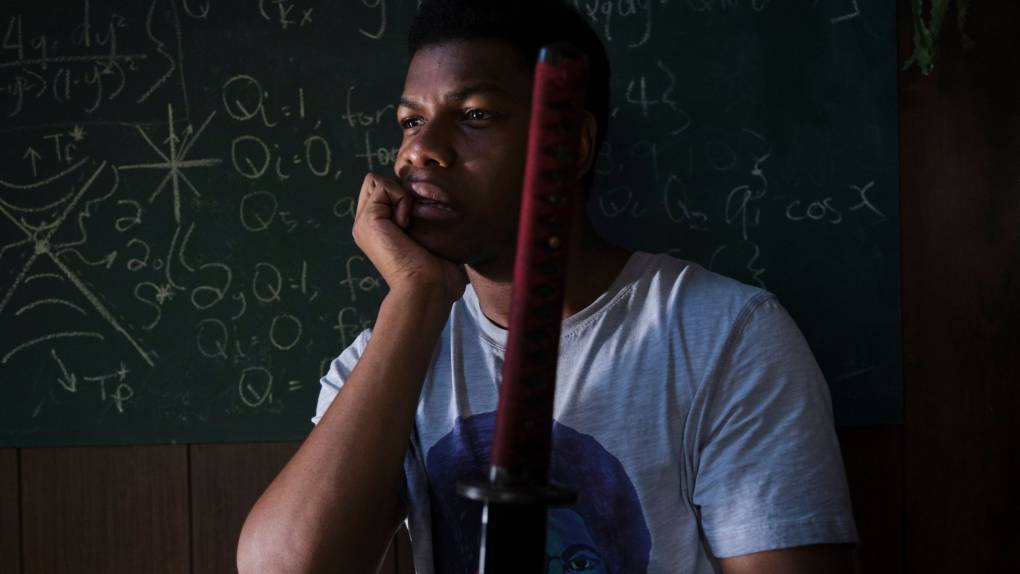
"caption": "John Boyage in Chase Palmer's directorial debut, 'Naked Singularity,' which opens the 2021 SFFILM festival.",
"description": "John Boyage in Chase Palmer's directorial debut, 'Naked Singularity,' which opens the 2021 SFFILM festival.",
"title": "Naked Singularity_Still1 Courtesy of SFFILM (1)",
"credit": "Courtesy SFFILM",
"status": "inherit",
"altTag": "John Boyage in Chase Palmer's directorial debut, 'Naked Singularity,' which opens the 2021 SFFILM festival.",
"isLoading": false,
"fetchFailed": false
},
"arts_13895328": {
"type": "attachments",
"id": "arts_13895328",
"meta": {
"index": "attachments_1716263798",
"site": "arts",
"id": "13895328",
"found": true
},
"parent": 13895322,
"imgSizes": {
"twentyfourteen-full-width": {
"file": "https://ww2.kqed.org/app/uploads/sites/2/2021/04/Screen-Shot-2021-04-07-at-10.56.28-AM-1038x576.png",
"width": 1038,
"mimeType": "image/png",
"height": 576
},
"thumbnail": {
"file": "https://ww2.kqed.org/app/uploads/sites/2/2021/04/Screen-Shot-2021-04-07-at-10.56.28-AM-160x105.png",
"width": 160,
"mimeType": "image/png",
"height": 105
},
"post-thumbnail": {
"file": "https://ww2.kqed.org/app/uploads/sites/2/2021/04/Screen-Shot-2021-04-07-at-10.56.28-AM-672x372.png",
"width": 672,
"mimeType": "image/png",
"height": 372
},
"kqedFullSize": {
"file": "https://ww2.kqed.org/app/uploads/sites/2/2021/04/Screen-Shot-2021-04-07-at-10.56.28-AM-e1617818372809.png",
"width": 1920,
"height": 1260
},
"2048x2048": {
"file": "https://ww2.kqed.org/app/uploads/sites/2/2021/04/Screen-Shot-2021-04-07-at-10.56.28-AM-2048x1344.png",
"width": 2048,
"mimeType": "image/png",
"height": 1344
},
"large": {
"file": "https://ww2.kqed.org/app/uploads/sites/2/2021/04/Screen-Shot-2021-04-07-at-10.56.28-AM-1020x669.png",
"width": 1020,
"mimeType": "image/png",
"height": 669
},
"1536x1536": {
"file": "https://ww2.kqed.org/app/uploads/sites/2/2021/04/Screen-Shot-2021-04-07-at-10.56.28-AM-1536x1008.png",
"width": 1536,
"mimeType": "image/png",
"height": 1008
},
"full-width": {
"file": "https://ww2.kqed.org/app/uploads/sites/2/2021/04/Screen-Shot-2021-04-07-at-10.56.28-AM-1920x1260.png",
"width": 1920,
"mimeType": "image/png",
"height": 1260
},
"medium": {
"file": "https://ww2.kqed.org/app/uploads/sites/2/2021/04/Screen-Shot-2021-04-07-at-10.56.28-AM-800x525.png",
"width": 800,
"mimeType": "image/png",
"height": 525
},
"medium_large": {
"file": "https://ww2.kqed.org/app/uploads/sites/2/2021/04/Screen-Shot-2021-04-07-at-10.56.28-AM-768x504.png",
"width": 768,
"mimeType": "image/png",
"height": 504
}
},
"publishDate": 1617818345,
"modified": 1617818427,
"caption": "Charles D. King.",
"description": "Charles D. King.",
"title": "Charles D. King.",
"credit": "Courtesy of the Collins-Jackson Agency",
"status": "inherit",
"altTag": "Charles D. King.",
"isLoading": false,
"fetchFailed": false
},
"arts_13894918": {
"type": "attachments",
"id": "arts_13894918",
"meta": {
"index": "attachments_1716263798",
"site": "arts",
"id": "13894918",
"found": true
},
"parent": 13894917,
"imgSizes": {
"twentyfourteen-full-width": {
"file": "https://ww2.kqed.org/app/uploads/sites/2/2021/03/gettyimages-1164997349_wide-01f2ed776b728ef0a717092829a2090611d6d4cd-1038x576.jpg",
"width": 1038,
"mimeType": "image/jpeg",
"height": 576
},
"thumbnail": {
"file": "https://ww2.kqed.org/app/uploads/sites/2/2021/03/gettyimages-1164997349_wide-01f2ed776b728ef0a717092829a2090611d6d4cd-160x90.jpg",
"width": 160,
"mimeType": "image/jpeg",
"height": 90
},
"post-thumbnail": {
"file": "https://ww2.kqed.org/app/uploads/sites/2/2021/03/gettyimages-1164997349_wide-01f2ed776b728ef0a717092829a2090611d6d4cd-672x372.jpg",
"width": 672,
"mimeType": "image/jpeg",
"height": 372
},
"kqedFullSize": {
"file": "https://ww2.kqed.org/app/uploads/sites/2/2021/03/gettyimages-1164997349_wide-01f2ed776b728ef0a717092829a2090611d6d4cd-scaled-e1617214933502.jpg",
"width": 1920,
"height": 1079
},
"2048x2048": {
"file": "https://ww2.kqed.org/app/uploads/sites/2/2021/03/gettyimages-1164997349_wide-01f2ed776b728ef0a717092829a2090611d6d4cd-2048x1150.jpg",
"width": 2048,
"mimeType": "image/jpeg",
"height": 1150
},
"large": {
"file": "https://ww2.kqed.org/app/uploads/sites/2/2021/03/gettyimages-1164997349_wide-01f2ed776b728ef0a717092829a2090611d6d4cd-1020x573.jpg",
"width": 1020,
"mimeType": "image/jpeg",
"height": 573
},
"1536x1536": {
"file": "https://ww2.kqed.org/app/uploads/sites/2/2021/03/gettyimages-1164997349_wide-01f2ed776b728ef0a717092829a2090611d6d4cd-1536x863.jpg",
"width": 1536,
"mimeType": "image/jpeg",
"height": 863
},
"full-width": {
"file": "https://ww2.kqed.org/app/uploads/sites/2/2021/03/gettyimages-1164997349_wide-01f2ed776b728ef0a717092829a2090611d6d4cd-1920x1078.jpg",
"width": 1920,
"mimeType": "image/jpeg",
"height": 1078
},
"medium": {
"file": "https://ww2.kqed.org/app/uploads/sites/2/2021/03/gettyimages-1164997349_wide-01f2ed776b728ef0a717092829a2090611d6d4cd-800x449.jpg",
"width": 800,
"mimeType": "image/jpeg",
"height": 449
},
"medium_large": {
"file": "https://ww2.kqed.org/app/uploads/sites/2/2021/03/gettyimages-1164997349_wide-01f2ed776b728ef0a717092829a2090611d6d4cd-768x431.jpg",
"width": 768,
"mimeType": "image/jpeg",
"height": 431
}
},
"publishDate": 1617214272,
"modified": 1617214964,
"caption": "Ken Burns speaks during the PBS segment of the Summer 2019 Television Critics Association Press Tour.",
"description": "Ken Burns speaks during the PBS segment of the Summer 2019 Television Critics Association Press Tour.",
"title": "Ken Burns speaks during the PBS segment of the Summer 2019 Television Critics Association Press Tour.",
"credit": "Amy Sussman/Getty Images",
"status": "inherit",
"altTag": "Ken Burns speaks during the PBS segment of the Summer 2019 Television Critics Association Press Tour.",
"isLoading": false,
"fetchFailed": false
},
"arts_13894864": {
"type": "attachments",
"id": "arts_13894864",
"meta": {
"index": "attachments_1716263798",
"site": "arts",
"id": "13894864",
"found": true
},
"parent": 13894863,
"imgSizes": {
"twentyfourteen-full-width": {
"file": "https://ww2.kqed.org/app/uploads/sites/2/2021/03/gettyimages-514896254_wide-1a377de9ce891707d170d2876bf74d848a67e751-1038x576.jpg",
"width": 1038,
"mimeType": "image/jpeg",
"height": 576
},
"thumbnail": {
"file": "https://ww2.kqed.org/app/uploads/sites/2/2021/03/gettyimages-514896254_wide-1a377de9ce891707d170d2876bf74d848a67e751-160x90.jpg",
"width": 160,
"mimeType": "image/jpeg",
"height": 90
},
"post-thumbnail": {
"file": "https://ww2.kqed.org/app/uploads/sites/2/2021/03/gettyimages-514896254_wide-1a377de9ce891707d170d2876bf74d848a67e751-672x372.jpg",
"width": 672,
"mimeType": "image/jpeg",
"height": 372
},
"kqedFullSize": {
"file": "https://ww2.kqed.org/app/uploads/sites/2/2021/03/gettyimages-514896254_wide-1a377de9ce891707d170d2876bf74d848a67e751-scaled-e1617147551956.jpg",
"width": 1920,
"height": 1080
},
"2048x2048": {
"file": "https://ww2.kqed.org/app/uploads/sites/2/2021/03/gettyimages-514896254_wide-1a377de9ce891707d170d2876bf74d848a67e751-2048x1152.jpg",
"width": 2048,
"mimeType": "image/jpeg",
"height": 1152
},
"large": {
"file": "https://ww2.kqed.org/app/uploads/sites/2/2021/03/gettyimages-514896254_wide-1a377de9ce891707d170d2876bf74d848a67e751-1020x574.jpg",
"width": 1020,
"mimeType": "image/jpeg",
"height": 574
},
"1536x1536": {
"file": "https://ww2.kqed.org/app/uploads/sites/2/2021/03/gettyimages-514896254_wide-1a377de9ce891707d170d2876bf74d848a67e751-1536x864.jpg",
"width": 1536,
"mimeType": "image/jpeg",
"height": 864
},
"full-width": {
"file": "https://ww2.kqed.org/app/uploads/sites/2/2021/03/gettyimages-514896254_wide-1a377de9ce891707d170d2876bf74d848a67e751-1920x1080.jpg",
"width": 1920,
"mimeType": "image/jpeg",
"height": 1080
},
"medium": {
"file": "https://ww2.kqed.org/app/uploads/sites/2/2021/03/gettyimages-514896254_wide-1a377de9ce891707d170d2876bf74d848a67e751-800x450.jpg",
"width": 800,
"mimeType": "image/jpeg",
"height": 450
},
"medium_large": {
"file": "https://ww2.kqed.org/app/uploads/sites/2/2021/03/gettyimages-514896254_wide-1a377de9ce891707d170d2876bf74d848a67e751-768x432.jpg",
"width": 768,
"mimeType": "image/jpeg",
"height": 432
}
},
"publishDate": 1617147012,
"modified": 1617147659,
"caption": "Ken Burns' three-part documentary about American writer Ernest Hemingway (shown above) premieres on PBS, April 5.",
"description": "Ken Burns' three-part documentary about American writer Ernest Hemingway (shown above) premieres on PBS, April 5.",
"title": "Ken Burns' three-part documentary about American writer Ernest Hemingway (shown above) premieres on PBS, April 5.",
"credit": "Bettmann Archive/Getty Images",
"status": "inherit",
"altTag": "A photo of Ernest Hemingway, with beard. Ken Burns' three-part documentary about American writer Ernest Hemingway (shown above) premieres on PBS, April 5.",
"isLoading": false,
"fetchFailed": false
},
"arts_13894817": {
"type": "attachments",
"id": "arts_13894817",
"meta": {
"index": "attachments_1716263798",
"site": "arts",
"id": "13894817",
"found": true
},
"parent": 13894603,
"imgSizes": {
"twentyfourteen-full-width": {
"file": "https://ww2.kqed.org/app/uploads/sites/2/2021/03/1.-PROGRAM-HERO-Copy-of-ASong_COVER-1038x576.jpg",
"width": 1038,
"mimeType": "image/jpeg",
"height": 576
},
"thumbnail": {
"file": "https://ww2.kqed.org/app/uploads/sites/2/2021/03/1.-PROGRAM-HERO-Copy-of-ASong_COVER-160x90.jpg",
"width": 160,
"mimeType": "image/jpeg",
"height": 90
},
"post-thumbnail": {
"file": "https://ww2.kqed.org/app/uploads/sites/2/2021/03/1.-PROGRAM-HERO-Copy-of-ASong_COVER-672x372.jpg",
"width": 672,
"mimeType": "image/jpeg",
"height": 372
},
"kqedFullSize": {
"file": "https://ww2.kqed.org/app/uploads/sites/2/2021/03/1.-PROGRAM-HERO-Copy-of-ASong_COVER.jpg",
"width": 1920,
"height": 1080
},
"large": {
"file": "https://ww2.kqed.org/app/uploads/sites/2/2021/03/1.-PROGRAM-HERO-Copy-of-ASong_COVER-1020x574.jpg",
"width": 1020,
"mimeType": "image/jpeg",
"height": 574
},
"1536x1536": {
"file": "https://ww2.kqed.org/app/uploads/sites/2/2021/03/1.-PROGRAM-HERO-Copy-of-ASong_COVER-1536x864.jpg",
"width": 1536,
"mimeType": "image/jpeg",
"height": 864
},
"medium": {
"file": "https://ww2.kqed.org/app/uploads/sites/2/2021/03/1.-PROGRAM-HERO-Copy-of-ASong_COVER-800x450.jpg",
"width": 800,
"mimeType": "image/jpeg",
"height": 450
},
"medium_large": {
"file": "https://ww2.kqed.org/app/uploads/sites/2/2021/03/1.-PROGRAM-HERO-Copy-of-ASong_COVER-768x432.jpg",
"width": 768,
"mimeType": "image/jpeg",
"height": 432
}
},
"publishDate": 1617060808,
"modified": 1617060901,
"caption": "Still from Raven Chacon and Cristóbal Martínez's 'A Song Often Played on the Radio,' 2019.",
"description": "Still from Raven Chacon and Cristóbal Martínez's 'A Song Often Played on the Radio,' 2019.",
"title": "1.-PROGRAM-HERO-Copy-of-ASong_COVER",
"credit": "Courtesy SF Cinematheque",
"status": "inherit",
"altTag": null,
"isLoading": false,
"fetchFailed": false
}
},
"audioPlayerReducer": {
"postId": "stream_live",
"isPaused": true,
"isPlaying": false,
"pfsActive": false,
"pledgeModalIsOpen": true,
"playerDrawerIsOpen": false,
"liveAudioPlayStartedAt": 0,
"liveAudioPlayContext": ""
},
"authorsReducer": {
"byline_arts_13895673": {
"type": "authors",
"id": "byline_arts_13895673",
"meta": {
"override": true
},
"slug": "byline_arts_13895673",
"name": "Grace Orriss",
"isLoading": false
},
"byline_arts_13895652": {
"type": "authors",
"id": "byline_arts_13895652",
"meta": {
"override": true
},
"slug": "byline_arts_13895652",
"name": "Sam Briger",
"isLoading": false
},
"byline_arts_13895322": {
"type": "authors",
"id": "byline_arts_13895322",
"meta": {
"override": true
},
"slug": "byline_arts_13895322",
"name": "Mandalit del Barco",
"isLoading": false
},
"byline_arts_13894917": {
"type": "authors",
"id": "byline_arts_13894917",
"meta": {
"override": true
},
"slug": "byline_arts_13894917",
"name": "Eric Deggans",
"isLoading": false
},
"byline_arts_13894863": {
"type": "authors",
"id": "byline_arts_13894863",
"meta": {
"override": true
},
"slug": "byline_arts_13894863",
"name": "David Bianculli",
"isLoading": false
},
"mfox": {
"type": "authors",
"id": "22",
"meta": {
"index": "authors_1716337520",
"id": "22",
"found": true
},
"name": "Michael Fox",
"firstName": "Michael",
"lastName": "Fox",
"slug": "mfox",
"email": "foxonfilm@yahoo.com",
"display_author_email": false,
"staff_mastheads": [],
"title": "KQED Contributor",
"bio": "Michael Fox has written about film for dozens of publications since 1987. He is a founding member of the San Francisco Bay Area Film Critics Circle.",
"avatar": "https://secure.gravatar.com/avatar/d9849d6c659c41414795c471d907bb97b396e2a32b88e20e6ff66f65fbdd6dcd?s=600&d=blank&r=g",
"twitter": null,
"bluesky": null,
"facebook": null,
"instagram": null,
"linkedin": null,
"sites": [
{
"site": "arts",
"roles": [
"Contributor",
"contributor"
]
}
],
"headData": {
"title": "Michael Fox | KQED",
"description": "KQED Contributor",
"ogImgSrc": "https://secure.gravatar.com/avatar/d9849d6c659c41414795c471d907bb97b396e2a32b88e20e6ff66f65fbdd6dcd?s=600&d=blank&r=g",
"twImgSrc": "https://secure.gravatar.com/avatar/d9849d6c659c41414795c471d907bb97b396e2a32b88e20e6ff66f65fbdd6dcd?s=600&d=blank&r=g"
},
"isLoading": false,
"link": "/author/mfox"
}
},
"pagesReducer": {
"arts_tag_film": {
"type": "terms",
"id": "arts_977",
"meta": {
"index": "terms_1716263798",
"site": "arts",
"id": "977",
"score": 8.284343
},
"name": "Film",
"slug": "film",
"taxonomy": "tag",
"description": null,
"featImg": null,
"headData": {
"title": "Film Archives | KQED Arts",
"description": null,
"ogTitle": null,
"ogDescription": null,
"ogImgId": null,
"twTitle": null,
"twDescription": null,
"twImgId": null
},
"ttid": 995,
"isLoading": false,
"title": "Film",
"pageMeta": {
"site": "arts",
"WpPageTemplate": "page-topic-editorial",
"currentPage": 28
},
"blocks": [
{
"blockName": "kqed/post-list",
"attrs": {
"layout": "cardArticle2",
"query": "posts/arts?tag=film",
"seeMore": false,
"paginated": true,
"page": 28
}
},
{
"blockName": "kqed/ad"
}
]
}
},
"pfsSessionReducer": {},
"postsReducer": {
"stream_live": {
"type": "live",
"id": "stream_live",
"audioUrl": "https://streams.kqed.org/kqedradio",
"title": "Live Stream",
"excerpt": "Live Stream information currently unavailable.",
"link": "/radio",
"featImg": "",
"label": {
"name": "KQED Live",
"link": "/"
}
},
"stream_kqedNewscast": {
"type": "posts",
"id": "stream_kqedNewscast",
"audioUrl": "https://www.kqed.org/.stream/anon/radio/RDnews/newscast.mp3?_=1",
"title": "KQED Newscast",
"featImg": "",
"label": {
"name": "88.5 FM",
"link": "/"
}
},
"arts_13896807": {
"type": "posts",
"id": "arts_13896807",
"meta": {
"index": "posts_1716263798",
"site": "arts",
"id": "13896807",
"score": null,
"sort": [
1620338927000
]
},
"parent": 0,
"labelTerm": {
"site": "arts",
"term": 140
},
"blocks": [],
"publishDate": 1620338927,
"format": "standard",
"title": "Now Playing! At DocLands, Creativity of Artists and Ordinary Folks Shines",
"headTitle": "Now Playing! At DocLands, Creativity of Artists and Ordinary Folks Shines | KQED",
"content": "\u003cp>I’m tempted to say that the pandemic has been crueler to narrative filmmakers than to documentarians, for the obvious reason that it slammed the door on rehearsals and shoots. But my only real evidence is anecdotal, namely the preponderance of new docs on display locally at last month’s International Ocean and Livable Planet Film Festivals, next month’s DocFest and the front-and-center \u003ca href=\"https://www.doclands.com\" rel=\"noopener noreferrer\" target=\"_blank\">DocLands\u003c/a>, running May 7–16 online and at the Smith Rafael Film Center in San Rafael.\u003c/p>\n\u003cp>To be sure, some of the selections of the Mill Valley Film Festival’s nonfiction offshoot have already screened hereabouts via the online/drive-in Sundance and/or SFFILM Festivals. Here’s another chance to see Debbie Lum’s verité portrait of a year at Lowell High, \u003cem>Try Harder!\u003c/em> (streaming May 14-16 only), Mariem Pérez Riera’s \u003cem>Rita Moreno: Just a Girl Who Decided to Go For It\u003c/em> (May 9-11, ahead of its June theatrical release) and \u003cem>Amy Tan: Unintended Memoir\u003c/em> (at the Rafael May 9 with the author in person, and May 11; also \u003ca href=\"https://www.pbs.org/wnet/americanmasters/stream-amy-tan-unintended-memoir-documentary/17722/\" rel=\"noopener noreferrer\" target=\"_blank\">streaming for free\u003c/a> on the PBS website until May 17).\u003c/p>\n\u003cp>A couple other energetic cultural explorations make the Bay Area scene between their Sundance debuts and upcoming theatrical runs. Edgar Wright’s ear- and eye-opening \u003cem>The Sparks Brothers\u003c/em> reflects and remixes the long-running musical creativity of L.A. siblings Russell and Ron Mael, while Questlove’s crowd-rousing \u003cem>Summer of Soul (…Or, When the Revolution Could Not Be Televised)\u003c/em> excavates the rhythmic and bluesy tapes of the summer-long 1969 Harlem Cultural Festival featuring Sly & the Family Stone, Nina Simone and other showstoppers.\u003c/p>\n\u003cfigure id=\"attachment_13896836\" class=\"wp-caption aligncenter\" style=\"max-width: 1200px\">\u003cimg loading=\"lazy\" decoding=\"async\" src=\"https://ww2.kqed.org/app/uploads/sites/2/2021/05/thenewcorporation_capitalism_1200.jpg\" alt=\"\" width=\"1200\" height=\"610\" class=\"size-full wp-image-13896836\" srcset=\"https://cdn.kqed.org/wp-content/uploads/sites/2/2021/05/thenewcorporation_capitalism_1200.jpg 1200w, https://cdn.kqed.org/wp-content/uploads/sites/2/2021/05/thenewcorporation_capitalism_1200-800x407.jpg 800w, https://cdn.kqed.org/wp-content/uploads/sites/2/2021/05/thenewcorporation_capitalism_1200-1020x519.jpg 1020w, https://cdn.kqed.org/wp-content/uploads/sites/2/2021/05/thenewcorporation_capitalism_1200-160x81.jpg 160w, https://cdn.kqed.org/wp-content/uploads/sites/2/2021/05/thenewcorporation_capitalism_1200-768x390.jpg 768w\" sizes=\"(max-width: 1200px) 100vw, 1200px\">\u003cfigcaption class=\"wp-caption-text\">Still from ‘The New Corporation: The Unfortunately Necessary Sequel.’ \u003ccite>(DocLands)\u003c/cite>\u003c/figcaption>\u003c/figure>\n\u003cp>Local filmmaker Sachi Cunningham pairs with Vayabobo to profile multimedia artist and performer Bill Shannon, who transformed his childhood illness (Perthes disease, a degenerative hip condition) into the foundation of his movement-oriented work, in \u003cem>Crutch\u003c/em>. Life and art also intersect with thunderous force in Rosalynde LeBlanc and Tom Hurwitz’s \u003cem>Can You Bring It: Bill T. Jones and D-Man in the Waters\u003c/em>, which entwines the history of the choreographer’s 1989 ballet with a contemporary staging by dancers born after the AIDS pandemic.\u003c/p>\n\u003cp>Making art is a life’s work, and we frequently discount that aspect of an artist’s career. At the same time, we often invest artmaking with more status (and glamour) than other forms of work. The labor-focused filmmakers Julia Reichert and Steven Bognar, who won the Best Documentary Feature Oscar a year ago for \u003cem>American Factory\u003c/em> (Netflix), have long recognized the dignity of blue-collar jobs and are rightfully recognized with this year’s DocLands Honors Award.\u003c/p>\n\u003cp>[ad fullwidth]\u003c/p>\n\u003cp>Reichert and Bognar’s latest film, the historical doc \u003cem>9to5: Story of a Movement\u003c/em>, played the Mill Valley Film Festival last fall and returns to stream at DocLands with three of their recent short films. For those on the budget (like aspiring filmmakers), the festival streams an interview with the filmmakers plus a virtual screening of their 2009 featurette, \u003cem>The Last Truck: Closing of a GM Plant\u003c/em>, for free.\u003c/p>\n\u003cp>The essay film may be my favorite documentary form, although it’s typically too challenging (not enough story) or too personal (not enough distance) to be widely appreciated. Theo Anthony’s Sundance prize-winning \u003cem>All Light, Everywhere\u003c/em> (streaming, and May 7 at the Rafael; opens in June) uses police bodycams as the lens (pun intended) through which to view big, basic building blocks of perception and technology, and the societal implications of individual decisions and biases.\u003c/p>\n\u003cfigure id=\"attachment_13896834\" class=\"wp-caption aligncenter\" style=\"max-width: 1200px\">\u003cimg loading=\"lazy\" decoding=\"async\" src=\"https://ww2.kqed.org/app/uploads/sites/2/2021/05/MagnitudeOfallThings_1200.jpg\" alt=\"\" width=\"1200\" height=\"503\" class=\"size-full wp-image-13896834\" srcset=\"https://cdn.kqed.org/wp-content/uploads/sites/2/2021/05/MagnitudeOfallThings_1200.jpg 1200w, https://cdn.kqed.org/wp-content/uploads/sites/2/2021/05/MagnitudeOfallThings_1200-800x335.jpg 800w, https://cdn.kqed.org/wp-content/uploads/sites/2/2021/05/MagnitudeOfallThings_1200-1020x428.jpg 1020w, https://cdn.kqed.org/wp-content/uploads/sites/2/2021/05/MagnitudeOfallThings_1200-160x67.jpg 160w, https://cdn.kqed.org/wp-content/uploads/sites/2/2021/05/MagnitudeOfallThings_1200-768x322.jpg 768w\" sizes=\"(max-width: 1200px) 100vw, 1200px\">\u003cfigcaption class=\"wp-caption-text\">Still from ‘The Magnitude of All Things.’ \u003ccite>(DocLands)\u003c/cite>\u003c/figcaption>\u003c/figure>\n\u003cp>The Canadian filmmaker Jennifer Abbott is represented by two troubling opuses that take vastly different approaches to global threats. \u003cem>The New Corporation: The Unfortunately Necessary Sequel\u003c/em> (streaming May 13–15 only), co-directed with Joel Bakan, updates her 2003 film (also based on Bakan’s writings) to assess the effects of profit-centered companies on not just climate change but personal freedoms.\u003c/p>\n\u003cp>In \u003cem>The Magnitude of All Things\u003c/em> (May 8 at the Rafael, streaming May 14–16 only), Abbott poetically links her grief for the sister she lost to cancer to the traumas of indigenous people witnessing the erosion or destruction of their habitats in the Arctic, the Ecuadorian Amazon, Canada and Australia. An elegy that acknowledges we are all part of the planet’s sickness, \u003cem>The Magnitude of All Things\u003c/em> is perhaps best appreciated by those who feel alone in their despair.\u003c/p>\n\u003cp>It’s not surprising that a film about grief can prove comforting, but it doesn’t lend itself to a fizzy marketing slogan. Let’s just say that Abbott manages to find some light amid the coming devastation, in the character, creativity and determination of ordinary people. Come to think of it, that last bit pretty well sums up DocLands.\u003c/p>\n\u003cp>\u003c/p>\n\u003cp>\u003ci>DocLands streams online May 7–16, with several in-person screenings at the Smith Rafael Film Center. \u003ca href=\"https://www.doclands.com/\" rel=\"noopener noreferrer\" target=\"_blank\">Details here\u003c/a>.\u003c/i>\u003c/p>\n\n",
"stats": {
"hasVideo": false,
"hasChartOrMap": false,
"hasAudio": false,
"hasPolis": false,
"wordCount": 860,
"hasGoogleForm": false,
"hasGallery": false,
"hasHearkenModule": false,
"iframeSrcs": [],
"paragraphCount": 13
},
"modified": 1705008416,
"excerpt": "The hybrid festival gives evidence that nonfiction filmmakers weathered the pandemic in good shape.",
"headData": {
"twImgId": "",
"twTitle": "",
"ogTitle": "",
"ogImgId": "",
"twDescription": "",
"description": "The hybrid festival gives evidence that nonfiction filmmakers weathered the pandemic in good shape.",
"title": "Now Playing! At DocLands, Creativity of Artists and Ordinary Folks Shines | KQED",
"ogDescription": "",
"schema": {
"@context": "https://schema.org",
"@type": "Article",
"headline": "Now Playing! At DocLands, Creativity of Artists and Ordinary Folks Shines",
"datePublished": "2021-05-06T15:08:47-07:00",
"dateModified": "2024-01-11T13:26:56-08:00",
"image": "https://cdn.kqed.org/wp-content/uploads/2020/02/KQED-OG-Image@1x.png"
}
},
"guestAuthors": [],
"slug": "now-playing-at-doclands-creativity-of-artists-and-ordinary-folks-shines",
"status": "publish",
"templateType": "standard",
"featuredImageType": "standard",
"sticky": false,
"path": "/arts/13896807/now-playing-at-doclands-creativity-of-artists-and-ordinary-folks-shines",
"audioTrackLength": null,
"parsedContent": [
{
"type": "contentString",
"content": "\u003cdiv class=\"post-body\">\u003cp>\u003cp>I’m tempted to say that the pandemic has been crueler to narrative filmmakers than to documentarians, for the obvious reason that it slammed the door on rehearsals and shoots. But my only real evidence is anecdotal, namely the preponderance of new docs on display locally at last month’s International Ocean and Livable Planet Film Festivals, next month’s DocFest and the front-and-center \u003ca href=\"https://www.doclands.com\" rel=\"noopener noreferrer\" target=\"_blank\">DocLands\u003c/a>, running May 7–16 online and at the Smith Rafael Film Center in San Rafael.\u003c/p>\n\u003cp>To be sure, some of the selections of the Mill Valley Film Festival’s nonfiction offshoot have already screened hereabouts via the online/drive-in Sundance and/or SFFILM Festivals. Here’s another chance to see Debbie Lum’s verité portrait of a year at Lowell High, \u003cem>Try Harder!\u003c/em> (streaming May 14-16 only), Mariem Pérez Riera’s \u003cem>Rita Moreno: Just a Girl Who Decided to Go For It\u003c/em> (May 9-11, ahead of its June theatrical release) and \u003cem>Amy Tan: Unintended Memoir\u003c/em> (at the Rafael May 9 with the author in person, and May 11; also \u003ca href=\"https://www.pbs.org/wnet/americanmasters/stream-amy-tan-unintended-memoir-documentary/17722/\" rel=\"noopener noreferrer\" target=\"_blank\">streaming for free\u003c/a> on the PBS website until May 17).\u003c/p>\n\u003cp>A couple other energetic cultural explorations make the Bay Area scene between their Sundance debuts and upcoming theatrical runs. Edgar Wright’s ear- and eye-opening \u003cem>The Sparks Brothers\u003c/em> reflects and remixes the long-running musical creativity of L.A. siblings Russell and Ron Mael, while Questlove’s crowd-rousing \u003cem>Summer of Soul (…Or, When the Revolution Could Not Be Televised)\u003c/em> excavates the rhythmic and bluesy tapes of the summer-long 1969 Harlem Cultural Festival featuring Sly & the Family Stone, Nina Simone and other showstoppers.\u003c/p>\n\u003cfigure id=\"attachment_13896836\" class=\"wp-caption aligncenter\" style=\"max-width: 1200px\">\u003cimg loading=\"lazy\" decoding=\"async\" src=\"https://ww2.kqed.org/app/uploads/sites/2/2021/05/thenewcorporation_capitalism_1200.jpg\" alt=\"\" width=\"1200\" height=\"610\" class=\"size-full wp-image-13896836\" srcset=\"https://cdn.kqed.org/wp-content/uploads/sites/2/2021/05/thenewcorporation_capitalism_1200.jpg 1200w, https://cdn.kqed.org/wp-content/uploads/sites/2/2021/05/thenewcorporation_capitalism_1200-800x407.jpg 800w, https://cdn.kqed.org/wp-content/uploads/sites/2/2021/05/thenewcorporation_capitalism_1200-1020x519.jpg 1020w, https://cdn.kqed.org/wp-content/uploads/sites/2/2021/05/thenewcorporation_capitalism_1200-160x81.jpg 160w, https://cdn.kqed.org/wp-content/uploads/sites/2/2021/05/thenewcorporation_capitalism_1200-768x390.jpg 768w\" sizes=\"(max-width: 1200px) 100vw, 1200px\">\u003cfigcaption class=\"wp-caption-text\">Still from ‘The New Corporation: The Unfortunately Necessary Sequel.’ \u003ccite>(DocLands)\u003c/cite>\u003c/figcaption>\u003c/figure>\n\u003cp>Local filmmaker Sachi Cunningham pairs with Vayabobo to profile multimedia artist and performer Bill Shannon, who transformed his childhood illness (Perthes disease, a degenerative hip condition) into the foundation of his movement-oriented work, in \u003cem>Crutch\u003c/em>. Life and art also intersect with thunderous force in Rosalynde LeBlanc and Tom Hurwitz’s \u003cem>Can You Bring It: Bill T. Jones and D-Man in the Waters\u003c/em>, which entwines the history of the choreographer’s 1989 ballet with a contemporary staging by dancers born after the AIDS pandemic.\u003c/p>\n\u003cp>Making art is a life’s work, and we frequently discount that aspect of an artist’s career. At the same time, we often invest artmaking with more status (and glamour) than other forms of work. The labor-focused filmmakers Julia Reichert and Steven Bognar, who won the Best Documentary Feature Oscar a year ago for \u003cem>American Factory\u003c/em> (Netflix), have long recognized the dignity of blue-collar jobs and are rightfully recognized with this year’s DocLands Honors Award.\u003c/p>\n\u003cp>\u003c/p>\u003c/div>",
"attributes": {
"named": {},
"numeric": []
}
},
{
"type": "component",
"content": "",
"name": "ad",
"attributes": {
"named": {
"label": "fullwidth"
},
"numeric": [
"fullwidth"
]
}
},
{
"type": "contentString",
"content": "\u003cdiv class=\"post-body\">\u003cp>\u003c/p>\n\u003cp>Reichert and Bognar’s latest film, the historical doc \u003cem>9to5: Story of a Movement\u003c/em>, played the Mill Valley Film Festival last fall and returns to stream at DocLands with three of their recent short films. For those on the budget (like aspiring filmmakers), the festival streams an interview with the filmmakers plus a virtual screening of their 2009 featurette, \u003cem>The Last Truck: Closing of a GM Plant\u003c/em>, for free.\u003c/p>\n\u003cp>The essay film may be my favorite documentary form, although it’s typically too challenging (not enough story) or too personal (not enough distance) to be widely appreciated. Theo Anthony’s Sundance prize-winning \u003cem>All Light, Everywhere\u003c/em> (streaming, and May 7 at the Rafael; opens in June) uses police bodycams as the lens (pun intended) through which to view big, basic building blocks of perception and technology, and the societal implications of individual decisions and biases.\u003c/p>\n\u003cfigure id=\"attachment_13896834\" class=\"wp-caption aligncenter\" style=\"max-width: 1200px\">\u003cimg loading=\"lazy\" decoding=\"async\" src=\"https://ww2.kqed.org/app/uploads/sites/2/2021/05/MagnitudeOfallThings_1200.jpg\" alt=\"\" width=\"1200\" height=\"503\" class=\"size-full wp-image-13896834\" srcset=\"https://cdn.kqed.org/wp-content/uploads/sites/2/2021/05/MagnitudeOfallThings_1200.jpg 1200w, https://cdn.kqed.org/wp-content/uploads/sites/2/2021/05/MagnitudeOfallThings_1200-800x335.jpg 800w, https://cdn.kqed.org/wp-content/uploads/sites/2/2021/05/MagnitudeOfallThings_1200-1020x428.jpg 1020w, https://cdn.kqed.org/wp-content/uploads/sites/2/2021/05/MagnitudeOfallThings_1200-160x67.jpg 160w, https://cdn.kqed.org/wp-content/uploads/sites/2/2021/05/MagnitudeOfallThings_1200-768x322.jpg 768w\" sizes=\"(max-width: 1200px) 100vw, 1200px\">\u003cfigcaption class=\"wp-caption-text\">Still from ‘The Magnitude of All Things.’ \u003ccite>(DocLands)\u003c/cite>\u003c/figcaption>\u003c/figure>\n\u003cp>The Canadian filmmaker Jennifer Abbott is represented by two troubling opuses that take vastly different approaches to global threats. \u003cem>The New Corporation: The Unfortunately Necessary Sequel\u003c/em> (streaming May 13–15 only), co-directed with Joel Bakan, updates her 2003 film (also based on Bakan’s writings) to assess the effects of profit-centered companies on not just climate change but personal freedoms.\u003c/p>\n\u003cp>In \u003cem>The Magnitude of All Things\u003c/em> (May 8 at the Rafael, streaming May 14–16 only), Abbott poetically links her grief for the sister she lost to cancer to the traumas of indigenous people witnessing the erosion or destruction of their habitats in the Arctic, the Ecuadorian Amazon, Canada and Australia. An elegy that acknowledges we are all part of the planet’s sickness, \u003cem>The Magnitude of All Things\u003c/em> is perhaps best appreciated by those who feel alone in their despair.\u003c/p>\n\u003cp>It’s not surprising that a film about grief can prove comforting, but it doesn’t lend itself to a fizzy marketing slogan. Let’s just say that Abbott manages to find some light amid the coming devastation, in the character, creativity and determination of ordinary people. Come to think of it, that last bit pretty well sums up DocLands.\u003c/p>\n\u003cp>\u003c/p>\n\u003cp>\u003ci>DocLands streams online May 7–16, with several in-person screenings at the Smith Rafael Film Center. \u003ca href=\"https://www.doclands.com/\" rel=\"noopener noreferrer\" target=\"_blank\">Details here\u003c/a>.\u003c/i>\u003c/p>\n\n\u003c/div>\u003c/p>",
"attributes": {
"named": {},
"numeric": []
}
}
],
"link": "/arts/13896807/now-playing-at-doclands-creativity-of-artists-and-ordinary-folks-shines",
"authors": [
"22"
],
"programs": [
"arts_140"
],
"categories": [
"arts_1",
"arts_74"
],
"tags": [
"arts_10278",
"arts_977",
"arts_1690",
"arts_6427",
"arts_585"
],
"featImg": "arts_13896835",
"label": "arts_140"
},
"arts_13896530": {
"type": "posts",
"id": "arts_13896530",
"meta": {
"index": "posts_1716263798",
"site": "arts",
"id": "13896530",
"score": null,
"sort": [
1619821188000
]
},
"parent": 0,
"labelTerm": {
"site": "arts",
"term": 140
},
"blocks": [],
"publishDate": 1619821188,
"format": "standard",
"title": "Now Playing! This Must Be the Place. Right?",
"headTitle": "Now Playing! This Must Be the Place. Right? | KQED",
"content": "\u003cp>The choice of location and setting is an essential element of most movies, even leaving aside the multitude of flicks that unfold in any-old big city, generic suburb, lookalike apartment and anonymous hotel room. From a barren Scottish island to frenetic Paris to stripped-down Stockholm, the sites of this week’s picks are intertwined with their characters’ states of mind.\u003c/p>\n\u003cfigure id=\"attachment_13896621\" class=\"wp-caption aligncenter\" style=\"max-width: 800px\">\u003cimg loading=\"lazy\" decoding=\"async\" src=\"https://ww2.kqed.org/app/uploads/sites/2/2021/04/Ottinger_Paris-Calligrammes_001-1-800x580.jpg\" alt=\"A scene from 'Paris Calligrammes.'\" width=\"800\" height=\"580\" class=\"size-medium wp-image-13896621\" srcset=\"https://cdn.kqed.org/wp-content/uploads/sites/2/2021/04/Ottinger_Paris-Calligrammes_001-1-800x580.jpg 800w, https://cdn.kqed.org/wp-content/uploads/sites/2/2021/04/Ottinger_Paris-Calligrammes_001-1-1020x740.jpg 1020w, https://cdn.kqed.org/wp-content/uploads/sites/2/2021/04/Ottinger_Paris-Calligrammes_001-1-160x116.jpg 160w, https://cdn.kqed.org/wp-content/uploads/sites/2/2021/04/Ottinger_Paris-Calligrammes_001-1-768x557.jpg 768w, https://cdn.kqed.org/wp-content/uploads/sites/2/2021/04/Ottinger_Paris-Calligrammes_001-1-1536x1114.jpg 1536w, https://cdn.kqed.org/wp-content/uploads/sites/2/2021/04/Ottinger_Paris-Calligrammes_001-1.jpg 1920w\" sizes=\"(max-width: 800px) 100vw, 800px\">\u003cfigcaption class=\"wp-caption-text\">A scene from ‘Paris Calligrammes.’ \u003ccite>(Courtesy BAMPFA)\u003c/cite>\u003c/figcaption>\u003c/figure>\n\u003cp>\u003cem>\u003cstrong>Paris Calligrammes\u003c/strong>\u003c/em> \u003cbr>\nNow playing\u003cbr>\n\u003ca href=\"https://bampfa.org/event/paris-calligrammes\" rel=\"noopener noreferrer\" target=\"_blank\">BAMPFA virtual screening room\u003c/a>\u003cbr>\nThe prolific German filmmaker, photographer and stage director Ulrike Ottinger has always been a seeker—of fellow artists, remote places and personal revelation. \u003cem>Paris Calligrammes\u003c/em>, slated to screen here a year ago as part of the COVID-cancelled SFFILM Festival, finds her buoyantly bringing to life a formative period in her artistic and personal development: Paris in the ’60s. An incredibly alive and pleasurable film, it marks a high point in the subgenre of first-person documentaries about impressionable youth.\u003c/p>\n\u003cp>Ottinger was just 20 when she lit out for Paris from her small rural town in 1962. Her Isetta microcar conked out en route, so she ditched it on the side of the road and hitchhiked the rest of the way. She gravitated to Saint-Germain-des-Prés, fell under the sway of German bookseller Fritz Picard, met a range of artists, began her career and rode the wave of political consciousness and social turmoil.\u003c/p>\n\u003cp>\u003cem>Paris Calligrammes\u003c/em> is utterly free of the off-putting cling of nostalgia, largely because Ottinger is far more interested in honoring and highlighting other people than in dominating the narrative. As a result, Ottinger’s erstwhile memoir works as both a record of a kinetic social history and as an inspiration to young artists seeking just such a scene today.\u003c/p>\n\u003cp>The film is part of an extensive BAMPFA retrospective, \u003ca href=\"https://bampfa.org/watch-from-home/east-meets-west-films-ulrike-ottinger\" rel=\"noopener noreferrer\" target=\"_blank\">East Meets West: The Films of Ulrike Ottinger\u003c/a>, which screens virtually in conjunction with a career-spanning exhibition of Ottinger’s photographs at the museum, which reopens Apr. 30.\u003c/p>\n\u003cfigure id=\"attachment_13896624\" class=\"wp-caption aligncenter\" style=\"max-width: 800px\">\u003cimg loading=\"lazy\" decoding=\"async\" src=\"https://ww2.kqed.org/app/uploads/sites/2/2021/04/Limbo1-800x500.jpg\" alt=\"A scene from 'Limbo.'\" width=\"800\" height=\"500\" class=\"size-medium wp-image-13896624\" srcset=\"https://cdn.kqed.org/wp-content/uploads/sites/2/2021/04/Limbo1-800x500.jpg 800w, https://cdn.kqed.org/wp-content/uploads/sites/2/2021/04/Limbo1-1020x638.jpg 1020w, https://cdn.kqed.org/wp-content/uploads/sites/2/2021/04/Limbo1-160x100.jpg 160w, https://cdn.kqed.org/wp-content/uploads/sites/2/2021/04/Limbo1-768x480.jpg 768w, https://cdn.kqed.org/wp-content/uploads/sites/2/2021/04/Limbo1-1536x960.jpg 1536w, https://cdn.kqed.org/wp-content/uploads/sites/2/2021/04/Limbo1.jpg 1920w\" sizes=\"(max-width: 800px) 100vw, 800px\">\u003cfigcaption class=\"wp-caption-text\">A scene from ‘Limbo.’ \u003ccite>(MUBI)\u003c/cite>\u003c/figcaption>\u003c/figure>\n\u003cp>\u003cem>\u003cstrong>Limbo\u003c/strong>\u003c/em>\u003cbr>\nOpens April 30\u003cbr>\nEmbarcadero Center Cinemas, Shattuck (Berkeley)\u003c/p>\n\u003cp>[ad fullwidth]\u003c/p>\n\u003cp>Dramas about the refugee experience are usually, at their core, exercises in empathy, but writer-director Ben Sharrock achieves something far greater through a touching blend of slack-jawed absurdism, underplayed tragedy and well-played metaphors. While \u003cem>Limbo\u003c/em>, which received British Academy Award nominations for best film and best debut, refers most obviously to the months and months of suspended semi-animation that the film’s Middle Eastern and African characters endure awaiting the Scottish government’s dispensation of their requests for asylum, it also describes the disorienting period between the past (forever slipping through their fingers) and the unknowable future.\u003c/p>\n\u003cp>Culture shock is the least of the problems facing Syrian musician Omar (Amir El-Masry) and Afghan emigré Farhad (Vikram Bhai), part of a group of refugees stuck on a sparsely populated island with nothing to pass the time except role-play acculturation classes and \u003cem>Friends\u003c/em> episodes. (Sharrock supplies enough deadpan laughs to keep limbo from turning into hell.) Farhad is a loner with a secret passion for Freddie Mercury, while Omar endures guilt-rich conversations (via a phone booth in the middle of nowhere) with his parents in Turkey about his older brother in Syria, fighting with the opposition.\u003c/p>\n\u003cp>Everywhere he goes, Omar carries a cross in the form of his grandfather’s oud. The movie carries the weight of the metaphor to the breaking point—it’s hard to conceive of anything with less pragmatic value in this indifferent clime and place than an Arabic musical instrument—yet Sharrock manages to parlay the oud into a deeply moving expression of loyalty, friendship and love, as well as self-assertion and self-expression.\u003c/p>\n\u003cfigure id=\"attachment_13896622\" class=\"wp-caption aligncenter\" style=\"max-width: 750px\">\u003cimg loading=\"lazy\" decoding=\"async\" src=\"https://ww2.kqed.org/app/uploads/sites/2/2021/04/AboutEndlessness.jpg\" alt=\"A scene from 'About Endlessness.'\" width=\"750\" height=\"469\" class=\"size-full wp-image-13896622\" srcset=\"https://cdn.kqed.org/wp-content/uploads/sites/2/2021/04/AboutEndlessness.jpg 750w, https://cdn.kqed.org/wp-content/uploads/sites/2/2021/04/AboutEndlessness-160x100.jpg 160w\" sizes=\"(max-width: 750px) 100vw, 750px\">\u003cfigcaption class=\"wp-caption-text\">A scene from ‘About Endlessness.’ \u003ccite>(Magnolia Pictures)\u003c/cite>\u003c/figcaption>\u003c/figure>\n\u003cp>\u003cem>\u003cstrong>About Endlessness\u003c/strong>\u003c/em>\u003cbr>\nOpens Apr. 30\u003cbr>\n\u003ca href=\"https://www.roxie.com/\" rel=\"noopener noreferrer\" target=\"_blank\">Roxie Virtual Cinema\u003c/a>, \u003ca href=\"https://rafaelfilm.cafilm.org/\" rel=\"noopener noreferrer\" target=\"_blank\">Rafael@Home\u003c/a>\u003c/p>\n\u003cp>The Swedish director Roy Andersson has been well-known in certain circles, locally and abroad, since his 2000 breakthrough, \u003cem>Songs from the Second Floor\u003c/em>. His style, on full view in the wonderful \u003cem>You, the Living\u003c/em> (2007) and, less successfully, \u003cem>A Pigeon Sat on A Branch Contemplating Existence\u003c/em> (2014), consists of a succession of mostly unrelated encounters between husbands and wives, doctors and patients, waiters and customers. They’re shot with a fixed camera set at the perfect distance from the characters to grant them their dignity (if not a total respite from embarrassment) and to relieve us from (most of) our discomfort.\u003c/p>\n\u003cp>Imagine \u003cem>New Yorker\u003c/em> cartoons without the captions, and you get an idea of Andersson’s surrealistically deadpan vignettes. They aren’t silent, to be sure, but they never pay off the way you’d expect. A man describes running into, and being ignored by, a person he hadn’t seen since school—and the incident repeats itself while he’s talking to us. (Andersson likes to knock down the fourth wall.)\u003c/p>\n\u003cp>\u003cem>About Endlessness\u003c/em> is, like Andersson’s other recent films, a grimly hilarious exposé of lives of quiet desperation that makes Stockholm look like a soundstage in a Samuel Beckett universe. But he also achieves moments of genuine pathos, notably via the recurring character of a pastor who, in one terrific sequence, plaintively repeats over and over, “What should I do now that I have lost my faith?” \u003c/p>\n\u003cp>\u003c/p>\n\u003cp>Improbably, that’s also the funniest scene in the movie. No words can convey its grim levity, any more than describing a Buster Keaton stunt can duplicate the effect of seeing it. Andersson thinks in cinema, as well as Nordic philosophy.\u003c/p>\n\n",
"stats": {
"hasVideo": false,
"hasChartOrMap": false,
"hasAudio": false,
"hasPolis": false,
"wordCount": 953,
"hasGoogleForm": false,
"hasGallery": false,
"hasHearkenModule": false,
"iframeSrcs": [],
"paragraphCount": 16
},
"modified": 1705019087,
"excerpt": "Location and setting are intertwined with the characters’ states of mind in this week's picks.",
"headData": {
"twImgId": "",
"twTitle": "",
"ogTitle": "",
"ogImgId": "",
"twDescription": "",
"description": "Location and setting are intertwined with the characters’ states of mind in this week's picks.",
"title": "Now Playing! This Must Be the Place. Right? | KQED",
"ogDescription": "",
"schema": {
"@context": "https://schema.org",
"@type": "Article",
"headline": "Now Playing! This Must Be the Place. Right?",
"datePublished": "2021-04-30T15:19:48-07:00",
"dateModified": "2024-01-11T16:24:47-08:00",
"image": "https://cdn.kqed.org/wp-content/uploads/2020/02/KQED-OG-Image@1x.png"
}
},
"guestAuthors": [],
"slug": "now-playing-this-must-be-the-place-right",
"status": "publish",
"templateType": "standard",
"featuredImageType": "standard",
"sticky": false,
"path": "/arts/13896530/now-playing-this-must-be-the-place-right",
"audioTrackLength": null,
"parsedContent": [
{
"type": "contentString",
"content": "\u003cdiv class=\"post-body\">\u003cp>\u003cp>The choice of location and setting is an essential element of most movies, even leaving aside the multitude of flicks that unfold in any-old big city, generic suburb, lookalike apartment and anonymous hotel room. From a barren Scottish island to frenetic Paris to stripped-down Stockholm, the sites of this week’s picks are intertwined with their characters’ states of mind.\u003c/p>\n\u003cfigure id=\"attachment_13896621\" class=\"wp-caption aligncenter\" style=\"max-width: 800px\">\u003cimg loading=\"lazy\" decoding=\"async\" src=\"https://ww2.kqed.org/app/uploads/sites/2/2021/04/Ottinger_Paris-Calligrammes_001-1-800x580.jpg\" alt=\"A scene from 'Paris Calligrammes.'\" width=\"800\" height=\"580\" class=\"size-medium wp-image-13896621\" srcset=\"https://cdn.kqed.org/wp-content/uploads/sites/2/2021/04/Ottinger_Paris-Calligrammes_001-1-800x580.jpg 800w, https://cdn.kqed.org/wp-content/uploads/sites/2/2021/04/Ottinger_Paris-Calligrammes_001-1-1020x740.jpg 1020w, https://cdn.kqed.org/wp-content/uploads/sites/2/2021/04/Ottinger_Paris-Calligrammes_001-1-160x116.jpg 160w, https://cdn.kqed.org/wp-content/uploads/sites/2/2021/04/Ottinger_Paris-Calligrammes_001-1-768x557.jpg 768w, https://cdn.kqed.org/wp-content/uploads/sites/2/2021/04/Ottinger_Paris-Calligrammes_001-1-1536x1114.jpg 1536w, https://cdn.kqed.org/wp-content/uploads/sites/2/2021/04/Ottinger_Paris-Calligrammes_001-1.jpg 1920w\" sizes=\"(max-width: 800px) 100vw, 800px\">\u003cfigcaption class=\"wp-caption-text\">A scene from ‘Paris Calligrammes.’ \u003ccite>(Courtesy BAMPFA)\u003c/cite>\u003c/figcaption>\u003c/figure>\n\u003cp>\u003cem>\u003cstrong>Paris Calligrammes\u003c/strong>\u003c/em> \u003cbr>\nNow playing\u003cbr>\n\u003ca href=\"https://bampfa.org/event/paris-calligrammes\" rel=\"noopener noreferrer\" target=\"_blank\">BAMPFA virtual screening room\u003c/a>\u003cbr>\nThe prolific German filmmaker, photographer and stage director Ulrike Ottinger has always been a seeker—of fellow artists, remote places and personal revelation. \u003cem>Paris Calligrammes\u003c/em>, slated to screen here a year ago as part of the COVID-cancelled SFFILM Festival, finds her buoyantly bringing to life a formative period in her artistic and personal development: Paris in the ’60s. An incredibly alive and pleasurable film, it marks a high point in the subgenre of first-person documentaries about impressionable youth.\u003c/p>\n\u003cp>Ottinger was just 20 when she lit out for Paris from her small rural town in 1962. Her Isetta microcar conked out en route, so she ditched it on the side of the road and hitchhiked the rest of the way. She gravitated to Saint-Germain-des-Prés, fell under the sway of German bookseller Fritz Picard, met a range of artists, began her career and rode the wave of political consciousness and social turmoil.\u003c/p>\n\u003cp>\u003cem>Paris Calligrammes\u003c/em> is utterly free of the off-putting cling of nostalgia, largely because Ottinger is far more interested in honoring and highlighting other people than in dominating the narrative. As a result, Ottinger’s erstwhile memoir works as both a record of a kinetic social history and as an inspiration to young artists seeking just such a scene today.\u003c/p>\n\u003cp>The film is part of an extensive BAMPFA retrospective, \u003ca href=\"https://bampfa.org/watch-from-home/east-meets-west-films-ulrike-ottinger\" rel=\"noopener noreferrer\" target=\"_blank\">East Meets West: The Films of Ulrike Ottinger\u003c/a>, which screens virtually in conjunction with a career-spanning exhibition of Ottinger’s photographs at the museum, which reopens Apr. 30.\u003c/p>\n\u003cfigure id=\"attachment_13896624\" class=\"wp-caption aligncenter\" style=\"max-width: 800px\">\u003cimg loading=\"lazy\" decoding=\"async\" src=\"https://ww2.kqed.org/app/uploads/sites/2/2021/04/Limbo1-800x500.jpg\" alt=\"A scene from 'Limbo.'\" width=\"800\" height=\"500\" class=\"size-medium wp-image-13896624\" srcset=\"https://cdn.kqed.org/wp-content/uploads/sites/2/2021/04/Limbo1-800x500.jpg 800w, https://cdn.kqed.org/wp-content/uploads/sites/2/2021/04/Limbo1-1020x638.jpg 1020w, https://cdn.kqed.org/wp-content/uploads/sites/2/2021/04/Limbo1-160x100.jpg 160w, https://cdn.kqed.org/wp-content/uploads/sites/2/2021/04/Limbo1-768x480.jpg 768w, https://cdn.kqed.org/wp-content/uploads/sites/2/2021/04/Limbo1-1536x960.jpg 1536w, https://cdn.kqed.org/wp-content/uploads/sites/2/2021/04/Limbo1.jpg 1920w\" sizes=\"(max-width: 800px) 100vw, 800px\">\u003cfigcaption class=\"wp-caption-text\">A scene from ‘Limbo.’ \u003ccite>(MUBI)\u003c/cite>\u003c/figcaption>\u003c/figure>\n\u003cp>\u003cem>\u003cstrong>Limbo\u003c/strong>\u003c/em>\u003cbr>\nOpens April 30\u003cbr>\nEmbarcadero Center Cinemas, Shattuck (Berkeley)\u003c/p>\n\u003cp>\u003c/p>\u003c/div>",
"attributes": {
"named": {},
"numeric": []
}
},
{
"type": "component",
"content": "",
"name": "ad",
"attributes": {
"named": {
"label": "fullwidth"
},
"numeric": [
"fullwidth"
]
}
},
{
"type": "contentString",
"content": "\u003cdiv class=\"post-body\">\u003cp>\u003c/p>\n\u003cp>Dramas about the refugee experience are usually, at their core, exercises in empathy, but writer-director Ben Sharrock achieves something far greater through a touching blend of slack-jawed absurdism, underplayed tragedy and well-played metaphors. While \u003cem>Limbo\u003c/em>, which received British Academy Award nominations for best film and best debut, refers most obviously to the months and months of suspended semi-animation that the film’s Middle Eastern and African characters endure awaiting the Scottish government’s dispensation of their requests for asylum, it also describes the disorienting period between the past (forever slipping through their fingers) and the unknowable future.\u003c/p>\n\u003cp>Culture shock is the least of the problems facing Syrian musician Omar (Amir El-Masry) and Afghan emigré Farhad (Vikram Bhai), part of a group of refugees stuck on a sparsely populated island with nothing to pass the time except role-play acculturation classes and \u003cem>Friends\u003c/em> episodes. (Sharrock supplies enough deadpan laughs to keep limbo from turning into hell.) Farhad is a loner with a secret passion for Freddie Mercury, while Omar endures guilt-rich conversations (via a phone booth in the middle of nowhere) with his parents in Turkey about his older brother in Syria, fighting with the opposition.\u003c/p>\n\u003cp>Everywhere he goes, Omar carries a cross in the form of his grandfather’s oud. The movie carries the weight of the metaphor to the breaking point—it’s hard to conceive of anything with less pragmatic value in this indifferent clime and place than an Arabic musical instrument—yet Sharrock manages to parlay the oud into a deeply moving expression of loyalty, friendship and love, as well as self-assertion and self-expression.\u003c/p>\n\u003cfigure id=\"attachment_13896622\" class=\"wp-caption aligncenter\" style=\"max-width: 750px\">\u003cimg loading=\"lazy\" decoding=\"async\" src=\"https://ww2.kqed.org/app/uploads/sites/2/2021/04/AboutEndlessness.jpg\" alt=\"A scene from 'About Endlessness.'\" width=\"750\" height=\"469\" class=\"size-full wp-image-13896622\" srcset=\"https://cdn.kqed.org/wp-content/uploads/sites/2/2021/04/AboutEndlessness.jpg 750w, https://cdn.kqed.org/wp-content/uploads/sites/2/2021/04/AboutEndlessness-160x100.jpg 160w\" sizes=\"(max-width: 750px) 100vw, 750px\">\u003cfigcaption class=\"wp-caption-text\">A scene from ‘About Endlessness.’ \u003ccite>(Magnolia Pictures)\u003c/cite>\u003c/figcaption>\u003c/figure>\n\u003cp>\u003cem>\u003cstrong>About Endlessness\u003c/strong>\u003c/em>\u003cbr>\nOpens Apr. 30\u003cbr>\n\u003ca href=\"https://www.roxie.com/\" rel=\"noopener noreferrer\" target=\"_blank\">Roxie Virtual Cinema\u003c/a>, \u003ca href=\"https://rafaelfilm.cafilm.org/\" rel=\"noopener noreferrer\" target=\"_blank\">Rafael@Home\u003c/a>\u003c/p>\n\u003cp>The Swedish director Roy Andersson has been well-known in certain circles, locally and abroad, since his 2000 breakthrough, \u003cem>Songs from the Second Floor\u003c/em>. His style, on full view in the wonderful \u003cem>You, the Living\u003c/em> (2007) and, less successfully, \u003cem>A Pigeon Sat on A Branch Contemplating Existence\u003c/em> (2014), consists of a succession of mostly unrelated encounters between husbands and wives, doctors and patients, waiters and customers. They’re shot with a fixed camera set at the perfect distance from the characters to grant them their dignity (if not a total respite from embarrassment) and to relieve us from (most of) our discomfort.\u003c/p>\n\u003cp>Imagine \u003cem>New Yorker\u003c/em> cartoons without the captions, and you get an idea of Andersson’s surrealistically deadpan vignettes. They aren’t silent, to be sure, but they never pay off the way you’d expect. A man describes running into, and being ignored by, a person he hadn’t seen since school—and the incident repeats itself while he’s talking to us. (Andersson likes to knock down the fourth wall.)\u003c/p>\n\u003cp>\u003cem>About Endlessness\u003c/em> is, like Andersson’s other recent films, a grimly hilarious exposé of lives of quiet desperation that makes Stockholm look like a soundstage in a Samuel Beckett universe. But he also achieves moments of genuine pathos, notably via the recurring character of a pastor who, in one terrific sequence, plaintively repeats over and over, “What should I do now that I have lost my faith?” \u003c/p>\n\u003cp>\u003c/p>\n\u003cp>Improbably, that’s also the funniest scene in the movie. No words can convey its grim levity, any more than describing a Buster Keaton stunt can duplicate the effect of seeing it. Andersson thinks in cinema, as well as Nordic philosophy.\u003c/p>\n\n\u003c/div>\u003c/p>",
"attributes": {
"named": {},
"numeric": []
}
}
],
"link": "/arts/13896530/now-playing-this-must-be-the-place-right",
"authors": [
"22"
],
"programs": [
"arts_140"
],
"categories": [
"arts_1",
"arts_74"
],
"tags": [
"arts_2227",
"arts_977",
"arts_3163"
],
"featImg": "arts_13896623",
"label": "arts_140"
},
"arts_13896152": {
"type": "posts",
"id": "arts_13896152",
"meta": {
"index": "posts_1716263798",
"site": "arts",
"id": "13896152",
"score": null,
"sort": [
1619131411000
]
},
"parent": 0,
"labelTerm": {
"site": "arts"
},
"blocks": [],
"publishDate": 1619131411,
"format": "standard",
"title": "Now Playing! Provocative Experimental Films by Indigenous Artists",
"headTitle": "Now Playing! Provocative Experimental Films by Indigenous Artists | KQED",
"content": "\u003cp>The second of SF Cinematheque’s four free programs of experimental short films by—and curated by—Indigenous artists, “\u003ca href=\"https://www.sfcinematheque.org/video-programs/cousins-and-kin-what-was-always-yours-and-never-lost/\" rel=\"noopener noreferrer\" target=\"_blank\">what was always yours and never lost\u003c/a>” is accessible, provocative and refreshingly non-dogmatic. Sky Hopinka’s selections engage rather than assault the viewer, and in so doing expand our horizons and shift our perspectives.\u003c/p>\n\u003cp>\u003ca href=\"https://carolinemonnet.ca/\" rel=\"noopener noreferrer\" target=\"_blank\">Caroline Monnet\u003c/a> (Anishinaabe/French) is represented by three films, with \u003cem>Creature Dada\u003c/em> (2016) leading off the program with a circle of confident Native women savoring seafood and champagne. By the time the Canadian filmmaker’s \u003cem>Cephyrophobia\u003c/em> (2016) arrives, with its monochrome studies of bridges, we don’t see it as a collection of picturesque still lifes but as evidence of white intrusion on the natural terrain.\u003c/p>\n\u003cfigure id=\"attachment_13896216\" class=\"wp-caption aligncenter\" style=\"max-width: 1200px\">\u003cimg loading=\"lazy\" decoding=\"async\" src=\"https://ww2.kqed.org/app/uploads/sites/2/2021/04/3.-LessLethalFetishesGasMask_1200.jpg\" alt=\"\" width=\"1200\" height=\"675\" class=\"size-full wp-image-13896216\" srcset=\"https://cdn.kqed.org/wp-content/uploads/sites/2/2021/04/3.-LessLethalFetishesGasMask_1200.jpg 1200w, https://cdn.kqed.org/wp-content/uploads/sites/2/2021/04/3.-LessLethalFetishesGasMask_1200-800x450.jpg 800w, https://cdn.kqed.org/wp-content/uploads/sites/2/2021/04/3.-LessLethalFetishesGasMask_1200-1020x574.jpg 1020w, https://cdn.kqed.org/wp-content/uploads/sites/2/2021/04/3.-LessLethalFetishesGasMask_1200-160x90.jpg 160w, https://cdn.kqed.org/wp-content/uploads/sites/2/2021/04/3.-LessLethalFetishesGasMask_1200-768x432.jpg 768w\" sizes=\"(max-width: 1200px) 100vw, 1200px\">\u003cfigcaption class=\"wp-caption-text\">Still from Thirza Cuthand’s ‘Less Lethal Fetishes,’ 2019. \u003ccite>(Courtesy SF Cinematheque)\u003c/cite>\u003c/figcaption>\u003c/figure>\n\u003cp>In between, Toronto filmmaker \u003ca href=\"https://www.thirzacuthand.com/\" rel=\"noopener noreferrer\" target=\"_blank\">Thirza Cuthand\u003c/a> (Cree) regales us with both the sexual potential of gas masks and the confusing moral responsibility of a Whitney Biennial invitation in the oddly endearing \u003cem>Less Lethal Fetishes\u003c/em> (2019). Cuthand also puts herself front and center as the guest speaker at an Indigenous revolutionary meeting who delivers an outlandish (and eminently entertaining) reminiscence of a brief affair with a version of Queen Elizabeth II in \u003cem>Just Dandy\u003c/em> (2013).\u003c/p>\n\u003cp>Indigenous artists collective New Red Order (Adam Khalil, Zack Khalil and Jackson Polys) takes on embedded power by skillfully revealing our complicity in the fetishizing and minimizing of historical figures in statues and busts in \u003cem>Culture Capture: Terminal Addition\u003c/em> (2018), a witty and valuable film made in Syracuse, New York.\u003c/p>\n\u003cfigure id=\"attachment_13896217\" class=\"wp-caption aligncenter\" style=\"max-width: 1440px\">\u003cimg loading=\"lazy\" decoding=\"async\" src=\"https://ww2.kqed.org/app/uploads/sites/2/2021/04/2.-USE-Itzcoatl0.png\" alt=\"\" width=\"1440\" height=\"900\" class=\"size-full wp-image-13896217\" srcset=\"https://cdn.kqed.org/wp-content/uploads/sites/2/2021/04/2.-USE-Itzcoatl0.png 1440w, https://cdn.kqed.org/wp-content/uploads/sites/2/2021/04/2.-USE-Itzcoatl0-800x500.png 800w, https://cdn.kqed.org/wp-content/uploads/sites/2/2021/04/2.-USE-Itzcoatl0-1020x638.png 1020w, https://cdn.kqed.org/wp-content/uploads/sites/2/2021/04/2.-USE-Itzcoatl0-160x100.png 160w, https://cdn.kqed.org/wp-content/uploads/sites/2/2021/04/2.-USE-Itzcoatl0-768x480.png 768w\" sizes=\"(max-width: 1440px) 100vw, 1440px\">\u003cfigcaption class=\"wp-caption-text\">Still from Colectivo Los Ingràvidos’ ‘Itzcóatl,’ 2016. \u003ccite>(Courtesy SF Cinematheque)\u003c/cite>\u003c/figcaption>\u003c/figure>\n\u003cp>\u003ca href=\"https://www.instagram.com/zonaingravida/\" rel=\"noopener noreferrer\" target=\"_blank\">Colectivo Los Ingràvidos\u003c/a> (Tehuacán) reclaims the pyramids in defense of the Aztec empire in the high-energy, split-screen \u003cem>Itzcóatl\u003c/em> (2016). The symbolism in this beautiful film may be slightly obscure for American viewers, but no one will miss the meaning of the Mexican collective’s other contribution to the lineup, \u003cem>Impresiones para una máquina de luz y sonido\u003c/em> (2014). Against the tattered, black-and-white backdrop of an old celluloid melodrama, a woman delivers a vibrant speech—part eulogy, part poem, part shriek of anger—cataloguing the murders of Mexican civilians (primarily women) and the government’s indifference. If, for some reason, you only have time for one film, \u003cem>Impresiones para una máquina de luz y sonido\u003c/em> is the heart-wrenching standout of the program (even if it is a rebuttal of sorts of the title, “what was always yours and never lost”).\u003c/p>\n\u003cp>[ad fullwidth]\u003c/p>\n\u003cp>Cheer yourself up, slightly, with the wry curtain-dropper \u003cem>The History of the Luiseño People\u003c/em> (1993). The film showcases the late Native American performance artist James Luna home alone in the dark on Christmas Eve with a 12-pack, ciggies, sunglasses and, crucially, a phone. He reaches out to family and ex-lovers, giving a little but keeping his distance. Connection, however, proves more powerful than isolation.\u003c/p>\n\u003cp>\u003c/p>\n\u003cp>\u003ci>‘Cousins and Kin: what was always yours and never lost’ streams online at SF Cinematheque through May 15. \u003ca href=\"https://www.sfcinematheque.org\" rel=\"noopener noreferrer\" target=\"_blank\">Details here\u003c/a>.\u003c/i>\u003c/p>\n\n",
"stats": {
"hasVideo": false,
"hasChartOrMap": false,
"hasAudio": false,
"hasPolis": false,
"wordCount": 537,
"hasGoogleForm": false,
"hasGallery": false,
"hasHearkenModule": false,
"iframeSrcs": [],
"paragraphCount": 9
},
"modified": 1705019128,
"excerpt": "Sky Hopinka’s selection of films for a free SF Cinematheque program is accessible and refreshingly non-dogmatic.",
"headData": {
"twImgId": "",
"twTitle": "",
"ogTitle": "",
"ogImgId": "",
"twDescription": "",
"description": "Sky Hopinka’s selection of films for a free SF Cinematheque program is accessible and refreshingly non-dogmatic.",
"title": "Now Playing! Provocative Experimental Films by Indigenous Artists | KQED",
"ogDescription": "",
"schema": {
"@context": "https://schema.org",
"@type": "Article",
"headline": "Now Playing! Provocative Experimental Films by Indigenous Artists",
"datePublished": "2021-04-22T15:43:31-07:00",
"dateModified": "2024-01-11T16:25:28-08:00",
"image": "https://cdn.kqed.org/wp-content/uploads/2020/02/KQED-OG-Image@1x.png"
}
},
"guestAuthors": [],
"slug": "now-playing-provocative-experimental-films-by-indigenous-artists",
"status": "publish",
"templateType": "standard",
"featuredImageType": "standard",
"sticky": false,
"path": "/arts/13896152/now-playing-provocative-experimental-films-by-indigenous-artists",
"audioTrackLength": null,
"parsedContent": [
{
"type": "contentString",
"content": "\u003cdiv class=\"post-body\">\u003cp>\u003cp>The second of SF Cinematheque’s four free programs of experimental short films by—and curated by—Indigenous artists, “\u003ca href=\"https://www.sfcinematheque.org/video-programs/cousins-and-kin-what-was-always-yours-and-never-lost/\" rel=\"noopener noreferrer\" target=\"_blank\">what was always yours and never lost\u003c/a>” is accessible, provocative and refreshingly non-dogmatic. Sky Hopinka’s selections engage rather than assault the viewer, and in so doing expand our horizons and shift our perspectives.\u003c/p>\n\u003cp>\u003ca href=\"https://carolinemonnet.ca/\" rel=\"noopener noreferrer\" target=\"_blank\">Caroline Monnet\u003c/a> (Anishinaabe/French) is represented by three films, with \u003cem>Creature Dada\u003c/em> (2016) leading off the program with a circle of confident Native women savoring seafood and champagne. By the time the Canadian filmmaker’s \u003cem>Cephyrophobia\u003c/em> (2016) arrives, with its monochrome studies of bridges, we don’t see it as a collection of picturesque still lifes but as evidence of white intrusion on the natural terrain.\u003c/p>\n\u003cfigure id=\"attachment_13896216\" class=\"wp-caption aligncenter\" style=\"max-width: 1200px\">\u003cimg loading=\"lazy\" decoding=\"async\" src=\"https://ww2.kqed.org/app/uploads/sites/2/2021/04/3.-LessLethalFetishesGasMask_1200.jpg\" alt=\"\" width=\"1200\" height=\"675\" class=\"size-full wp-image-13896216\" srcset=\"https://cdn.kqed.org/wp-content/uploads/sites/2/2021/04/3.-LessLethalFetishesGasMask_1200.jpg 1200w, https://cdn.kqed.org/wp-content/uploads/sites/2/2021/04/3.-LessLethalFetishesGasMask_1200-800x450.jpg 800w, https://cdn.kqed.org/wp-content/uploads/sites/2/2021/04/3.-LessLethalFetishesGasMask_1200-1020x574.jpg 1020w, https://cdn.kqed.org/wp-content/uploads/sites/2/2021/04/3.-LessLethalFetishesGasMask_1200-160x90.jpg 160w, https://cdn.kqed.org/wp-content/uploads/sites/2/2021/04/3.-LessLethalFetishesGasMask_1200-768x432.jpg 768w\" sizes=\"(max-width: 1200px) 100vw, 1200px\">\u003cfigcaption class=\"wp-caption-text\">Still from Thirza Cuthand’s ‘Less Lethal Fetishes,’ 2019. \u003ccite>(Courtesy SF Cinematheque)\u003c/cite>\u003c/figcaption>\u003c/figure>\n\u003cp>In between, Toronto filmmaker \u003ca href=\"https://www.thirzacuthand.com/\" rel=\"noopener noreferrer\" target=\"_blank\">Thirza Cuthand\u003c/a> (Cree) regales us with both the sexual potential of gas masks and the confusing moral responsibility of a Whitney Biennial invitation in the oddly endearing \u003cem>Less Lethal Fetishes\u003c/em> (2019). Cuthand also puts herself front and center as the guest speaker at an Indigenous revolutionary meeting who delivers an outlandish (and eminently entertaining) reminiscence of a brief affair with a version of Queen Elizabeth II in \u003cem>Just Dandy\u003c/em> (2013).\u003c/p>\n\u003cp>Indigenous artists collective New Red Order (Adam Khalil, Zack Khalil and Jackson Polys) takes on embedded power by skillfully revealing our complicity in the fetishizing and minimizing of historical figures in statues and busts in \u003cem>Culture Capture: Terminal Addition\u003c/em> (2018), a witty and valuable film made in Syracuse, New York.\u003c/p>\n\u003cfigure id=\"attachment_13896217\" class=\"wp-caption aligncenter\" style=\"max-width: 1440px\">\u003cimg loading=\"lazy\" decoding=\"async\" src=\"https://ww2.kqed.org/app/uploads/sites/2/2021/04/2.-USE-Itzcoatl0.png\" alt=\"\" width=\"1440\" height=\"900\" class=\"size-full wp-image-13896217\" srcset=\"https://cdn.kqed.org/wp-content/uploads/sites/2/2021/04/2.-USE-Itzcoatl0.png 1440w, https://cdn.kqed.org/wp-content/uploads/sites/2/2021/04/2.-USE-Itzcoatl0-800x500.png 800w, https://cdn.kqed.org/wp-content/uploads/sites/2/2021/04/2.-USE-Itzcoatl0-1020x638.png 1020w, https://cdn.kqed.org/wp-content/uploads/sites/2/2021/04/2.-USE-Itzcoatl0-160x100.png 160w, https://cdn.kqed.org/wp-content/uploads/sites/2/2021/04/2.-USE-Itzcoatl0-768x480.png 768w\" sizes=\"(max-width: 1440px) 100vw, 1440px\">\u003cfigcaption class=\"wp-caption-text\">Still from Colectivo Los Ingràvidos’ ‘Itzcóatl,’ 2016. \u003ccite>(Courtesy SF Cinematheque)\u003c/cite>\u003c/figcaption>\u003c/figure>\n\u003cp>\u003ca href=\"https://www.instagram.com/zonaingravida/\" rel=\"noopener noreferrer\" target=\"_blank\">Colectivo Los Ingràvidos\u003c/a> (Tehuacán) reclaims the pyramids in defense of the Aztec empire in the high-energy, split-screen \u003cem>Itzcóatl\u003c/em> (2016). The symbolism in this beautiful film may be slightly obscure for American viewers, but no one will miss the meaning of the Mexican collective’s other contribution to the lineup, \u003cem>Impresiones para una máquina de luz y sonido\u003c/em> (2014). Against the tattered, black-and-white backdrop of an old celluloid melodrama, a woman delivers a vibrant speech—part eulogy, part poem, part shriek of anger—cataloguing the murders of Mexican civilians (primarily women) and the government’s indifference. If, for some reason, you only have time for one film, \u003cem>Impresiones para una máquina de luz y sonido\u003c/em> is the heart-wrenching standout of the program (even if it is a rebuttal of sorts of the title, “what was always yours and never lost”).\u003c/p>\n\u003cp>\u003c/p>\u003c/div>",
"attributes": {
"named": {},
"numeric": []
}
},
{
"type": "component",
"content": "",
"name": "ad",
"attributes": {
"named": {
"label": "fullwidth"
},
"numeric": [
"fullwidth"
]
}
},
{
"type": "contentString",
"content": "\u003cdiv class=\"post-body\">\u003cp>\u003c/p>\n\u003cp>Cheer yourself up, slightly, with the wry curtain-dropper \u003cem>The History of the Luiseño People\u003c/em> (1993). The film showcases the late Native American performance artist James Luna home alone in the dark on Christmas Eve with a 12-pack, ciggies, sunglasses and, crucially, a phone. He reaches out to family and ex-lovers, giving a little but keeping his distance. Connection, however, proves more powerful than isolation.\u003c/p>\n\u003cp>\u003c/p>\n\u003cp>\u003ci>‘Cousins and Kin: what was always yours and never lost’ streams online at SF Cinematheque through May 15. \u003ca href=\"https://www.sfcinematheque.org\" rel=\"noopener noreferrer\" target=\"_blank\">Details here\u003c/a>.\u003c/i>\u003c/p>\n\n\u003c/div>\u003c/p>",
"attributes": {
"named": {},
"numeric": []
}
}
],
"link": "/arts/13896152/now-playing-provocative-experimental-films-by-indigenous-artists",
"authors": [
"22"
],
"categories": [
"arts_1",
"arts_74"
],
"tags": [
"arts_977",
"arts_6427",
"arts_585"
],
"featImg": "arts_13896231",
"label": "arts"
},
"arts_13896135": {
"type": "posts",
"id": "arts_13896135",
"meta": {
"index": "posts_1716263798",
"site": "arts",
"id": "13896135",
"score": null,
"sort": [
1619124780000
]
},
"parent": 0,
"labelTerm": {
"site": "arts",
"term": 140
},
"blocks": [],
"publishDate": 1619124780,
"format": "standard",
"title": "Now Playing! Keep Earth Day Going With Livable Planet Film Fest",
"headTitle": "Now Playing! Keep Earth Day Going With Livable Planet Film Fest | KQED",
"content": "\u003cp>The mini-moguls of SF IndieFest have added another winner to their array of satellite festivals (DocFest, Another Hole in the Head, SF Short Film Festival, Decibels). Wading into the wide-open spaces left by the fondly remembered and sadly departed San Francisco Green Film Festival, tireless programmers Jeff Ross and Chris Metzler launch the \u003ca href=\"https://livableplanet2021.eventive.org/welcome\" rel=\"noopener noreferrer\" target=\"_blank\">Livable Planet Film Festival\u003c/a> today with an ambitious program of 20 features and several dozen shorts inspired by land, water, fire and air, and people whose lives are uniquely connected to the elements. \u003c/p>\n\u003cp>The opening night selection, \u003cem>Landfall\u003c/em>, reaches out to us from post-Maria Puerto Rico a year after its Tribeca Film Festival premiere, and garlanded with awards from its pandemic-year tour of the fest circuit. Talented director Cecilia Aldarondo takes us on an impressionistic tour of the Caribbean island, skipping around to eavesdrop on intimate conversations—primarily with Gen Y and Zers—about the future of the beautiful yet economically troubled U.S. territory.\u003c/p>\n\u003cfigure id=\"attachment_13896209\" class=\"wp-caption aligncenter\" style=\"max-width: 1920px\">\u003cimg loading=\"lazy\" decoding=\"async\" src=\"https://ww2.kqed.org/app/uploads/sites/2/2021/04/landfall_still_05_credit_pablo_alvarez-mesa.jpg\" alt=\"\" width=\"1920\" height=\"1080\" class=\"size-full wp-image-13896209\" srcset=\"https://cdn.kqed.org/wp-content/uploads/sites/2/2021/04/landfall_still_05_credit_pablo_alvarez-mesa.jpg 1920w, https://cdn.kqed.org/wp-content/uploads/sites/2/2021/04/landfall_still_05_credit_pablo_alvarez-mesa-800x450.jpg 800w, https://cdn.kqed.org/wp-content/uploads/sites/2/2021/04/landfall_still_05_credit_pablo_alvarez-mesa-1020x574.jpg 1020w, https://cdn.kqed.org/wp-content/uploads/sites/2/2021/04/landfall_still_05_credit_pablo_alvarez-mesa-160x90.jpg 160w, https://cdn.kqed.org/wp-content/uploads/sites/2/2021/04/landfall_still_05_credit_pablo_alvarez-mesa-768x432.jpg 768w, https://cdn.kqed.org/wp-content/uploads/sites/2/2021/04/landfall_still_05_credit_pablo_alvarez-mesa-1536x864.jpg 1536w\" sizes=\"(max-width: 1920px) 100vw, 1920px\">\u003cfigcaption class=\"wp-caption-text\">Still from Cecilia Aldarondo’s ‘Landfall.’ \u003ccite>(Pablo Alvarez Mesa)\u003c/cite>\u003c/figcaption>\u003c/figure>\n\u003cp>\u003cem>Landfall\u003c/em>, like a great many documentaries, is necessitated by the abdication of crisis-happy, short-attention-span network and cable news. The film’s framing is miles from mainstream news’ rote cheerleading of capitalism: As one young Vieques woman puts it, “Hurricane Maria was like a big mop or broom with bleach. It swept everything away. And we were finally able to see how screwed we were!”\u003c/p>\n\u003cp>The screwing is partly political and entirely economic. Aldarondo blends chunks of 1950s and ’60s travel and industrial films with verité scenes of contemporary opportunists—hipster cryptocurrency profiteers, notably—to place debt-squeezed Puerto Rico’s recent cost-cutting measures in a long history of colonial exploitation rather than a unique case of disaster capitalism.\u003c/p>\n\u003cp>\u003cem>Landfall\u003c/em> (which was co-produced by Oakland’s Ines Hofmann Kanna) will air later this year on PBS’ \u003cem>POV\u003c/em> series. It’s especially relevant now as the infrastructure debate heats up in the continental U.S., and the opposition argues that spending that helps everyday people (as opposed to millionaires) is a wasteful use of the U.S. Treasury.\u003c/p>\n\u003cfigure id=\"attachment_13896202\" class=\"wp-caption aligncenter\" style=\"max-width: 960px\">\u003cimg loading=\"lazy\" decoding=\"async\" src=\"https://ww2.kqed.org/app/uploads/sites/2/2021/04/Crab_Season_2.jpg.crdownload.jpg\" alt=\"\" width=\"960\" height=\"544\" class=\"size-full wp-image-13896202\" srcset=\"https://cdn.kqed.org/wp-content/uploads/sites/2/2021/04/Crab_Season_2.jpg.crdownload.jpg 960w, https://cdn.kqed.org/wp-content/uploads/sites/2/2021/04/Crab_Season_2.jpg.crdownload-800x453.jpg 800w, https://cdn.kqed.org/wp-content/uploads/sites/2/2021/04/Crab_Season_2.jpg.crdownload-160x91.jpg 160w, https://cdn.kqed.org/wp-content/uploads/sites/2/2021/04/Crab_Season_2.jpg.crdownload-768x435.jpg 768w\" sizes=\"(max-width: 960px) 100vw, 960px\">\u003cfigcaption class=\"wp-caption-text\">Christopher Leboucher in Martin Benoist’s ‘The Crab Season.’ \u003ccite>(Courtesy SF IndieFest)\u003c/cite>\u003c/figcaption>\u003c/figure>\n\u003cp>Christopher Leboucher, the visually impaired French protagonist of Martin Benoist’s \u003cem>The Crab Season\u003c/em>, has no agenda beyond his daily low-tide outing in the Normandy waters he’s fished since he was a small boy. “Fished” is a broad term, for Leboucher’s forte is using his bare hands to find crabs and lobsters ensconced in the seaweed-covered rock formations. “It’s like a palace with lots of hallways and amazing places,” he effuses.\u003c/p>\n\u003cp>[ad fullwidth]\u003c/p>\n\u003cp>Made for French television, this sublime 52-minute piece is arguably, and pleasurably, more of a landscape portrait than a character study. Filmed off the coast of Étretat, \u003cem>The Crab Season\u003c/em> is a crisp visual treat that provides an additional tactile experience when Benoist’s camera follows Leboucher’s hands underwater.\u003c/p>\n\u003cp>The intrepid fisherman offers occasional bits of philosophy in the midst of his earnestly pragmatic endeavors that give \u003cem>The Crab Season\u003c/em> a slight whiff of profundity. In a welcome counterpoint that may or may not be intentional, the sequences of a fully submerged Leboucher thrusting a flailing, boot-clad foot above the surface evoke the comic balletics of Jacques Tati.\u003c/p>\n\u003cp>\u003c/p>\n\u003cp>\u003ci>The Livable Planet Film Festival streams online April 22-May 2. \u003ca href=\"https://livableplanet2021.eventive.org/welcome\" rel=\"noopener noreferrer\" target=\"_blank\">Details here\u003c/a>.\u003c/i>\u003c/p>\n\n",
"stats": {
"hasVideo": false,
"hasChartOrMap": false,
"hasAudio": false,
"hasPolis": false,
"wordCount": 598,
"hasGoogleForm": false,
"hasGallery": false,
"hasHearkenModule": false,
"iframeSrcs": [],
"paragraphCount": 11
},
"modified": 1705019130,
"excerpt": "The festival opens with Cecilia Aldarondo’s award-winning documentary about post-Maria Puerto Rico.",
"headData": {
"twImgId": "",
"twTitle": "",
"ogTitle": "",
"ogImgId": "",
"twDescription": "",
"description": "The festival opens with Cecilia Aldarondo’s award-winning documentary about post-Maria Puerto Rico.",
"title": "Now Playing! Keep Earth Day Going With Livable Planet Film Fest | KQED",
"ogDescription": "",
"schema": {
"@context": "https://schema.org",
"@type": "Article",
"headline": "Now Playing! Keep Earth Day Going With Livable Planet Film Fest",
"datePublished": "2021-04-22T13:53:00-07:00",
"dateModified": "2024-01-11T16:25:30-08:00",
"image": "https://cdn.kqed.org/wp-content/uploads/2020/02/KQED-OG-Image@1x.png"
}
},
"guestAuthors": [],
"slug": "now-playing-keep-earth-day-going-with-livable-planet-film-fest",
"status": "publish",
"templateType": "standard",
"featuredImageType": "standard",
"sticky": false,
"path": "/arts/13896135/now-playing-keep-earth-day-going-with-livable-planet-film-fest",
"audioTrackLength": null,
"parsedContent": [
{
"type": "contentString",
"content": "\u003cdiv class=\"post-body\">\u003cp>\u003cp>The mini-moguls of SF IndieFest have added another winner to their array of satellite festivals (DocFest, Another Hole in the Head, SF Short Film Festival, Decibels). Wading into the wide-open spaces left by the fondly remembered and sadly departed San Francisco Green Film Festival, tireless programmers Jeff Ross and Chris Metzler launch the \u003ca href=\"https://livableplanet2021.eventive.org/welcome\" rel=\"noopener noreferrer\" target=\"_blank\">Livable Planet Film Festival\u003c/a> today with an ambitious program of 20 features and several dozen shorts inspired by land, water, fire and air, and people whose lives are uniquely connected to the elements. \u003c/p>\n\u003cp>The opening night selection, \u003cem>Landfall\u003c/em>, reaches out to us from post-Maria Puerto Rico a year after its Tribeca Film Festival premiere, and garlanded with awards from its pandemic-year tour of the fest circuit. Talented director Cecilia Aldarondo takes us on an impressionistic tour of the Caribbean island, skipping around to eavesdrop on intimate conversations—primarily with Gen Y and Zers—about the future of the beautiful yet economically troubled U.S. territory.\u003c/p>\n\u003cfigure id=\"attachment_13896209\" class=\"wp-caption aligncenter\" style=\"max-width: 1920px\">\u003cimg loading=\"lazy\" decoding=\"async\" src=\"https://ww2.kqed.org/app/uploads/sites/2/2021/04/landfall_still_05_credit_pablo_alvarez-mesa.jpg\" alt=\"\" width=\"1920\" height=\"1080\" class=\"size-full wp-image-13896209\" srcset=\"https://cdn.kqed.org/wp-content/uploads/sites/2/2021/04/landfall_still_05_credit_pablo_alvarez-mesa.jpg 1920w, https://cdn.kqed.org/wp-content/uploads/sites/2/2021/04/landfall_still_05_credit_pablo_alvarez-mesa-800x450.jpg 800w, https://cdn.kqed.org/wp-content/uploads/sites/2/2021/04/landfall_still_05_credit_pablo_alvarez-mesa-1020x574.jpg 1020w, https://cdn.kqed.org/wp-content/uploads/sites/2/2021/04/landfall_still_05_credit_pablo_alvarez-mesa-160x90.jpg 160w, https://cdn.kqed.org/wp-content/uploads/sites/2/2021/04/landfall_still_05_credit_pablo_alvarez-mesa-768x432.jpg 768w, https://cdn.kqed.org/wp-content/uploads/sites/2/2021/04/landfall_still_05_credit_pablo_alvarez-mesa-1536x864.jpg 1536w\" sizes=\"(max-width: 1920px) 100vw, 1920px\">\u003cfigcaption class=\"wp-caption-text\">Still from Cecilia Aldarondo’s ‘Landfall.’ \u003ccite>(Pablo Alvarez Mesa)\u003c/cite>\u003c/figcaption>\u003c/figure>\n\u003cp>\u003cem>Landfall\u003c/em>, like a great many documentaries, is necessitated by the abdication of crisis-happy, short-attention-span network and cable news. The film’s framing is miles from mainstream news’ rote cheerleading of capitalism: As one young Vieques woman puts it, “Hurricane Maria was like a big mop or broom with bleach. It swept everything away. And we were finally able to see how screwed we were!”\u003c/p>\n\u003cp>The screwing is partly political and entirely economic. Aldarondo blends chunks of 1950s and ’60s travel and industrial films with verité scenes of contemporary opportunists—hipster cryptocurrency profiteers, notably—to place debt-squeezed Puerto Rico’s recent cost-cutting measures in a long history of colonial exploitation rather than a unique case of disaster capitalism.\u003c/p>\n\u003cp>\u003cem>Landfall\u003c/em> (which was co-produced by Oakland’s Ines Hofmann Kanna) will air later this year on PBS’ \u003cem>POV\u003c/em> series. It’s especially relevant now as the infrastructure debate heats up in the continental U.S., and the opposition argues that spending that helps everyday people (as opposed to millionaires) is a wasteful use of the U.S. Treasury.\u003c/p>\n\u003cfigure id=\"attachment_13896202\" class=\"wp-caption aligncenter\" style=\"max-width: 960px\">\u003cimg loading=\"lazy\" decoding=\"async\" src=\"https://ww2.kqed.org/app/uploads/sites/2/2021/04/Crab_Season_2.jpg.crdownload.jpg\" alt=\"\" width=\"960\" height=\"544\" class=\"size-full wp-image-13896202\" srcset=\"https://cdn.kqed.org/wp-content/uploads/sites/2/2021/04/Crab_Season_2.jpg.crdownload.jpg 960w, https://cdn.kqed.org/wp-content/uploads/sites/2/2021/04/Crab_Season_2.jpg.crdownload-800x453.jpg 800w, https://cdn.kqed.org/wp-content/uploads/sites/2/2021/04/Crab_Season_2.jpg.crdownload-160x91.jpg 160w, https://cdn.kqed.org/wp-content/uploads/sites/2/2021/04/Crab_Season_2.jpg.crdownload-768x435.jpg 768w\" sizes=\"(max-width: 960px) 100vw, 960px\">\u003cfigcaption class=\"wp-caption-text\">Christopher Leboucher in Martin Benoist’s ‘The Crab Season.’ \u003ccite>(Courtesy SF IndieFest)\u003c/cite>\u003c/figcaption>\u003c/figure>\n\u003cp>Christopher Leboucher, the visually impaired French protagonist of Martin Benoist’s \u003cem>The Crab Season\u003c/em>, has no agenda beyond his daily low-tide outing in the Normandy waters he’s fished since he was a small boy. “Fished” is a broad term, for Leboucher’s forte is using his bare hands to find crabs and lobsters ensconced in the seaweed-covered rock formations. “It’s like a palace with lots of hallways and amazing places,” he effuses.\u003c/p>\n\u003cp>\u003c/p>\u003c/div>",
"attributes": {
"named": {},
"numeric": []
}
},
{
"type": "component",
"content": "",
"name": "ad",
"attributes": {
"named": {
"label": "fullwidth"
},
"numeric": [
"fullwidth"
]
}
},
{
"type": "contentString",
"content": "\u003cdiv class=\"post-body\">\u003cp>\u003c/p>\n\u003cp>Made for French television, this sublime 52-minute piece is arguably, and pleasurably, more of a landscape portrait than a character study. Filmed off the coast of Étretat, \u003cem>The Crab Season\u003c/em> is a crisp visual treat that provides an additional tactile experience when Benoist’s camera follows Leboucher’s hands underwater.\u003c/p>\n\u003cp>The intrepid fisherman offers occasional bits of philosophy in the midst of his earnestly pragmatic endeavors that give \u003cem>The Crab Season\u003c/em> a slight whiff of profundity. In a welcome counterpoint that may or may not be intentional, the sequences of a fully submerged Leboucher thrusting a flailing, boot-clad foot above the surface evoke the comic balletics of Jacques Tati.\u003c/p>\n\u003cp>\u003c/p>\n\u003cp>\u003ci>The Livable Planet Film Festival streams online April 22-May 2. \u003ca href=\"https://livableplanet2021.eventive.org/welcome\" rel=\"noopener noreferrer\" target=\"_blank\">Details here\u003c/a>.\u003c/i>\u003c/p>\n\n\u003c/div>\u003c/p>",
"attributes": {
"named": {},
"numeric": []
}
}
],
"link": "/arts/13896135/now-playing-keep-earth-day-going-with-livable-planet-film-fest",
"authors": [
"22"
],
"programs": [
"arts_140"
],
"categories": [
"arts_1",
"arts_74"
],
"tags": [
"arts_977",
"arts_4244",
"arts_6427",
"arts_585"
],
"featImg": "arts_13896207",
"label": "arts_140"
},
"arts_13895715": {
"type": "posts",
"id": "arts_13895715",
"meta": {
"index": "posts_1716263798",
"site": "arts",
"id": "13895715",
"score": null,
"sort": [
1618435030000
]
},
"parent": 0,
"labelTerm": {
"site": "arts"
},
"blocks": [],
"publishDate": 1618435030,
"format": "standard",
"title": "Now Playing! Fulfill Wanderlust With Dives into Ocean and Greek Film Fests",
"headTitle": "Now Playing! Fulfill Wanderlust With Dives into Ocean and Greek Film Fests | KQED",
"content": "\u003cp>Traveling is viable again, according to the CDC, for those with the blessed vaccine (and the bucks). But voyaging abroad remains a risky venture. Two local film festivals, both with exceptionally large footprints and coincidentally marking their 18th years, step up to satisfy the craving to be footloose.\u003c/p>\n\u003cp>\u003ca href=\"https://intloceanfilmfest.org/ioff2021\" rel=\"noopener noreferrer\" target=\"_blank\">\u003cstrong>International Ocean Film Festival\u003c/strong>\u003c/a>\u003cbr>\nApril 15–May 2\u003cbr>\nOnline and drive-in at Fort Mason Center\u003c/p>\n\u003cp>Once upon a time, the most widely seen “nature” films outside of PBS were Warren Miller’s ski films and Thomas Campbell’s surf films. \u003cem>Winged Migration\u003c/em> and \u003cem>An Inconvenient Truth\u003c/em> mainstreamed Mother Nature far beyond the extreme sports crowd, then public interest and portable, durable, hi-res digital video cameras launched environmental films into what’s evolved into a dynamic subgenre of documentary.\u003c/p>\n\u003cp>Even still, the breadth and depth (pun intended) of the International Ocean Film Festival program is remarkable. Seventeen countries are represented across 11 themed categories (Our Blue World, Whales, Coastal Communities and Cultures, Coral Reefs and yes, Surfing, among them). Perhaps the pandemic hyper-focused filmmakers on their footage, turning 2020 into a busy year for editors (and composers).\u003c/p>\n\u003cp>The IOFF is onboard with the hallmark of the virtual film festival, namely audience participation. Join the conversation via numerous Q&As with filmmakers, environmentalists and activists, and watch for free and vote for your faves among the 10 finalists in the student film competition.\u003c/p>\n\u003cp>[ad fullwidth]\u003c/p>\n\u003cp>Of the dozen or so feature films, I sampled a couple of the U.S. premieres, beginning with Australian underwater cinematographer Nays Baghai’s ruminative portrait of Dutch ice freediver Kiki Bosch. For his debut feature (66 minutes, to be precise), \u003cem>Descent\u003c/em>, Baghai willfully spotlights the meditative nature of diving rather than its adrenalized appeal. Instead of daredevil exploits, Bosch’s bone-chilling, cold-water ventures to Iceland and Greenland are presented as destinations on a personal journey narrated by its erstwhile heroine.\u003c/p>\n\u003cp>Originally, Bosch’s impetus was athletics and adventure. When she was raped in her late teens/early 20s, the joy of diving disappeared. Eventually she rediscovered cold-water activities as a means of healing, and through recovery and research became a practitioner of the Wim Hof method of breathing and cold therapy.\u003c/p>\n\u003cp>\u003cem>Descent\u003c/em> is a sobering, contemplative coming-of-age story rather than a vicarious ride-along with someone testing their limits. Bosch seeks, and Baghi honors, “the calm under the waves.” Some viewers will embrace that vibe, while thrill seekers will have to be satisfied with gorgeous settings and jolting ice baths. \u003c/p>\n\u003cfigure id=\"attachment_13895767\" class=\"wp-caption aligncenter\" style=\"max-width: 800px\">\u003cimg loading=\"lazy\" decoding=\"async\" src=\"https://ww2.kqed.org/app/uploads/sites/2/2021/04/Ocean-Souls.jpg\" alt=\"A view of a whale underwater, turned so its belly is visible along with two flippers.\" width=\"800\" height=\"492\" class=\"size-full wp-image-13895767\" srcset=\"https://cdn.kqed.org/wp-content/uploads/sites/2/2021/04/Ocean-Souls.jpg 800w, https://cdn.kqed.org/wp-content/uploads/sites/2/2021/04/Ocean-Souls-160x98.jpg 160w, https://cdn.kqed.org/wp-content/uploads/sites/2/2021/04/Ocean-Souls-768x472.jpg 768w\" sizes=\"(max-width: 800px) 100vw, 800px\">\u003cfigcaption class=\"wp-caption-text\">Still from ‘Ocean Souls.’ \u003ccite>(Courtesy International Ocean Film Festival)\u003c/cite>\u003c/figcaption>\u003c/figure>\n\u003cp>Bosch is the only figure in sight for most of \u003cem>Descent\u003c/em>, while U.K. filmmaker Philip Hamilton fills every frame of \u003cem>Ocean Souls\u003c/em> with whales and dolphins. Unabashed undersea wonder is a significant element of the film, contributing to its overriding goal of impressing us with the animals’ unappreciated and underrated qualities: intelligence, communication and sophisticated social structures (of child-raising, especially).\u003c/p>\n\u003cp>A narrator—one of those slightly arrogant British voices, alas—describes the thinking and behavior of the graceful and often playful creatures, but \u003cem>Ocean Souls\u003c/em> assuredly does not anthropomorphize whales and dolphins. (That’s Disney’s domain.) The filmmaker makes another welcome decision to only include a few seconds, words and images conveying the human damage and ongoing threats (not just climate change but the volume of commercial ocean traffic) to dolphins’ and whales’ health and long-term prospects.\u003c/p>\n\u003cp>That restraint in no way lessens the implicit message of \u003cem>Ocean Souls\u003c/em>, namely that these animals are immensely important and deserve protection. That’s the aim of the vast majority of films about the environment and the natural world, of course; their challenge is catalyzing viewers by means other than depressing, sensationalist destruction. The International Ocean Film Festival abounds with approaches that do precisely that.\u003c/p>\n\u003cfigure id=\"attachment_13895765\" class=\"wp-caption aligncenter\" style=\"max-width: 1200px\">\u003cimg loading=\"lazy\" decoding=\"async\" src=\"https://ww2.kqed.org/app/uploads/sites/2/2021/04/Tailor_2K_Scope_24p_0013_1200.jpg\" alt=\"A close-up view of the tailor character, dressed in a pristine three-piece suit with a checkered tie, behind him are bolts of fabric in many patterns and colors. He looks hopeful, as if about to say something.\" width=\"1200\" height=\"503\" class=\"size-full wp-image-13895765\" srcset=\"https://cdn.kqed.org/wp-content/uploads/sites/2/2021/04/Tailor_2K_Scope_24p_0013_1200.jpg 1200w, https://cdn.kqed.org/wp-content/uploads/sites/2/2021/04/Tailor_2K_Scope_24p_0013_1200-800x335.jpg 800w, https://cdn.kqed.org/wp-content/uploads/sites/2/2021/04/Tailor_2K_Scope_24p_0013_1200-1020x428.jpg 1020w, https://cdn.kqed.org/wp-content/uploads/sites/2/2021/04/Tailor_2K_Scope_24p_0013_1200-160x67.jpg 160w, https://cdn.kqed.org/wp-content/uploads/sites/2/2021/04/Tailor_2K_Scope_24p_0013_1200-768x322.jpg 768w\" sizes=\"(max-width: 1200px) 100vw, 1200px\">\u003cfigcaption class=\"wp-caption-text\">Dimitris Imellos plays Nikos in ‘Tailor.’ \u003ccite>(Courtesy San Francisco Greek Film Festival)\u003c/cite>\u003c/figcaption>\u003c/figure>\n\u003cp>\u003ca href=\"https://sfgff2021.eventive.org/welcome\" rel=\"noopener noreferrer\" target=\"_blank\">\u003cstrong>San Francisco Greek Film Festival\u003c/strong>\u003c/a>\u003cbr>\nApr 16–25\u003cbr>\nOnline and drive-in at Par 3 at Poplar Creek, San Mateo \u003c/p>\n\u003cp>In the early 1990s, on one of my trips to the enormous and now-defunct Montreal World Film Festival, the program included a sidebar on contemporary Greek films. Greece is known for many things, but its national cinema is not, shall we say, one of Europe’s most renowned. Indeed, it’s rare for a Greek film to get a U.S. release. So I squeezed a couple titles into my festival schedule, realizing this was my only chance to see movies from Greece. Unfortunately, both were lackluster works that looked and felt like ’70s TV movies.\u003c/p>\n\u003cp>Even a cursory peep at the San Francisco Greek Film Festival program is sufficient to render my Montreal memory mirage-like. The accomplished productions curated for your streaming pleasure—all free, incredibly—encompass every genre from cerebral arthouse riddle (\u003cem>The Miracle of the Sargasso Sea\u003c/em>) to crime-tinged black comedy (\u003cem>Ballad for a Pierced Heart\u003c/em>) to food-centered mystery (\u003cem>Green Sea\u003c/em>). There’s even a musical drama, \u003cem>Fantasia\u003c/em>, playing at the Par 3 in Poplar Creek in San Mateo on Sunday, April 18.\u003c/p>\n\u003cfigure id=\"attachment_13895766\" class=\"wp-caption aligncenter\" style=\"max-width: 1200px\">\u003cimg loading=\"lazy\" decoding=\"async\" src=\"https://ww2.kqed.org/app/uploads/sites/2/2021/04/Tailor_2K_Scope_24p_0073_1200.jpg\" alt=\"An outdoor scene of many women dressed in glamorous white wedding dresses, clustered around a tailor in a gray vest and pants fitting a smiling woman in a white peplum top. A woman in a midi-length patterned red dress stands across from the tailor with her arms out in a questioning pose.\" width=\"1200\" height=\"503\" class=\"size-full wp-image-13895766\" srcset=\"https://cdn.kqed.org/wp-content/uploads/sites/2/2021/04/Tailor_2K_Scope_24p_0073_1200.jpg 1200w, https://cdn.kqed.org/wp-content/uploads/sites/2/2021/04/Tailor_2K_Scope_24p_0073_1200-800x335.jpg 800w, https://cdn.kqed.org/wp-content/uploads/sites/2/2021/04/Tailor_2K_Scope_24p_0073_1200-1020x428.jpg 1020w, https://cdn.kqed.org/wp-content/uploads/sites/2/2021/04/Tailor_2K_Scope_24p_0073_1200-160x67.jpg 160w, https://cdn.kqed.org/wp-content/uploads/sites/2/2021/04/Tailor_2K_Scope_24p_0073_1200-768x322.jpg 768w\" sizes=\"(max-width: 1200px) 100vw, 1200px\">\u003cfigcaption class=\"wp-caption-text\">Still from ‘Tailor.’ \u003ccite>(Courtesy San Francisco Greek Film Festival)\u003c/cite>\u003c/figcaption>\u003c/figure>\n\u003cp>While I was tempted by all the aforementioned films, I opted for \u003cem>Tailor\u003c/em>, a tender drama with a droll veneer. The film is precise and attentive to every detail and composition—reflecting its meticulous protagonist—yet fastidious about avoiding conventional plot turns and pat interpretations. Nikos is a middle-aged bachelor who’s labored in the shadow of his demanding father, sewing custom suits for discerning men. But that chapter is ending: The clientele is dying off, the bank is foreclosing on the business and health issues are forcing the father to reluctantly relinquish the business.\u003c/p>\n\u003cp>Dimitris Imelios, who plays Nikos, looks like mid-career Robert De Niro with a hangdog expression. A whiz with his hands, he builds a portable cart and takes his cloths and tools to the streets of Athens, where he unexpectedly stumbles onto a potential new market: women, notably mothers of brides in need of dresses.\u003c/p>\n\u003cp>\u003cem>Tailor\u003c/em> operates on a curious yet accessible wavelength that has the effect of understating its themes of quiet mid-life desperation, stifled creativity and parental acceptance. To put it another way, the premise of Sonia Liza Kenterman’s feature directorial debut has built-in commercial potential that she consistently downplays, sidesteps or ignores. You have to respect that kind of integrity.\u003c/p>\n\u003cp>[ad floatright]\u003c/p>\n\u003cp>It even features a romantic subplot and a precocious child—a mother and daughter, as it happens—that pan out in ways we expect and ways we don’t. The film is both exquisitely made and willfully offbeat, so see it before an enterprising Hollywood producer remakes it—with a younger De Niro, or, heaven help us, Gerard Butler—and trades its low-key charms for syrupy sentimentality.\u003c/p>\n\n",
"stats": {
"hasVideo": false,
"hasChartOrMap": false,
"hasAudio": false,
"hasPolis": false,
"wordCount": 1180,
"hasGoogleForm": false,
"hasGallery": false,
"hasHearkenModule": false,
"iframeSrcs": [],
"paragraphCount": 20
},
"modified": 1705019170,
"excerpt": "Two festivals with large footprints step up to satisfy our craving to travel abroad.",
"headData": {
"twImgId": "",
"twTitle": "",
"ogTitle": "",
"ogImgId": "",
"twDescription": "",
"description": "Two festivals with large footprints step up to satisfy our craving to travel abroad.",
"title": "Now Playing! Fulfill Wanderlust With Dives into Ocean and Greek Film Fests | KQED",
"ogDescription": "",
"schema": {
"@context": "https://schema.org",
"@type": "Article",
"headline": "Now Playing! Fulfill Wanderlust With Dives into Ocean and Greek Film Fests",
"datePublished": "2021-04-14T14:17:10-07:00",
"dateModified": "2024-01-11T16:26:10-08:00",
"image": "https://cdn.kqed.org/wp-content/uploads/2020/02/KQED-OG-Image@1x.png"
}
},
"guestAuthors": [],
"slug": "now-playing-fulfill-wanderlust-with-dives-into-ocean-and-greek-film-fests",
"status": "publish",
"templateType": "standard",
"featuredImageType": "standard",
"sticky": false,
"path": "/arts/13895715/now-playing-fulfill-wanderlust-with-dives-into-ocean-and-greek-film-fests",
"audioTrackLength": null,
"parsedContent": [
{
"type": "contentString",
"content": "\u003cdiv class=\"post-body\">\u003cp>\u003cp>Traveling is viable again, according to the CDC, for those with the blessed vaccine (and the bucks). But voyaging abroad remains a risky venture. Two local film festivals, both with exceptionally large footprints and coincidentally marking their 18th years, step up to satisfy the craving to be footloose.\u003c/p>\n\u003cp>\u003ca href=\"https://intloceanfilmfest.org/ioff2021\" rel=\"noopener noreferrer\" target=\"_blank\">\u003cstrong>International Ocean Film Festival\u003c/strong>\u003c/a>\u003cbr>\nApril 15–May 2\u003cbr>\nOnline and drive-in at Fort Mason Center\u003c/p>\n\u003cp>Once upon a time, the most widely seen “nature” films outside of PBS were Warren Miller’s ski films and Thomas Campbell’s surf films. \u003cem>Winged Migration\u003c/em> and \u003cem>An Inconvenient Truth\u003c/em> mainstreamed Mother Nature far beyond the extreme sports crowd, then public interest and portable, durable, hi-res digital video cameras launched environmental films into what’s evolved into a dynamic subgenre of documentary.\u003c/p>\n\u003cp>Even still, the breadth and depth (pun intended) of the International Ocean Film Festival program is remarkable. Seventeen countries are represented across 11 themed categories (Our Blue World, Whales, Coastal Communities and Cultures, Coral Reefs and yes, Surfing, among them). Perhaps the pandemic hyper-focused filmmakers on their footage, turning 2020 into a busy year for editors (and composers).\u003c/p>\n\u003cp>The IOFF is onboard with the hallmark of the virtual film festival, namely audience participation. Join the conversation via numerous Q&As with filmmakers, environmentalists and activists, and watch for free and vote for your faves among the 10 finalists in the student film competition.\u003c/p>\n\u003cp>\u003c/p>\u003c/div>",
"attributes": {
"named": {},
"numeric": []
}
},
{
"type": "component",
"content": "",
"name": "ad",
"attributes": {
"named": {
"label": "fullwidth"
},
"numeric": [
"fullwidth"
]
}
},
{
"type": "contentString",
"content": "\u003cdiv class=\"post-body\">\u003cp>\u003c/p>\n\u003cp>Of the dozen or so feature films, I sampled a couple of the U.S. premieres, beginning with Australian underwater cinematographer Nays Baghai’s ruminative portrait of Dutch ice freediver Kiki Bosch. For his debut feature (66 minutes, to be precise), \u003cem>Descent\u003c/em>, Baghai willfully spotlights the meditative nature of diving rather than its adrenalized appeal. Instead of daredevil exploits, Bosch’s bone-chilling, cold-water ventures to Iceland and Greenland are presented as destinations on a personal journey narrated by its erstwhile heroine.\u003c/p>\n\u003cp>Originally, Bosch’s impetus was athletics and adventure. When she was raped in her late teens/early 20s, the joy of diving disappeared. Eventually she rediscovered cold-water activities as a means of healing, and through recovery and research became a practitioner of the Wim Hof method of breathing and cold therapy.\u003c/p>\n\u003cp>\u003cem>Descent\u003c/em> is a sobering, contemplative coming-of-age story rather than a vicarious ride-along with someone testing their limits. Bosch seeks, and Baghi honors, “the calm under the waves.” Some viewers will embrace that vibe, while thrill seekers will have to be satisfied with gorgeous settings and jolting ice baths. \u003c/p>\n\u003cfigure id=\"attachment_13895767\" class=\"wp-caption aligncenter\" style=\"max-width: 800px\">\u003cimg loading=\"lazy\" decoding=\"async\" src=\"https://ww2.kqed.org/app/uploads/sites/2/2021/04/Ocean-Souls.jpg\" alt=\"A view of a whale underwater, turned so its belly is visible along with two flippers.\" width=\"800\" height=\"492\" class=\"size-full wp-image-13895767\" srcset=\"https://cdn.kqed.org/wp-content/uploads/sites/2/2021/04/Ocean-Souls.jpg 800w, https://cdn.kqed.org/wp-content/uploads/sites/2/2021/04/Ocean-Souls-160x98.jpg 160w, https://cdn.kqed.org/wp-content/uploads/sites/2/2021/04/Ocean-Souls-768x472.jpg 768w\" sizes=\"(max-width: 800px) 100vw, 800px\">\u003cfigcaption class=\"wp-caption-text\">Still from ‘Ocean Souls.’ \u003ccite>(Courtesy International Ocean Film Festival)\u003c/cite>\u003c/figcaption>\u003c/figure>\n\u003cp>Bosch is the only figure in sight for most of \u003cem>Descent\u003c/em>, while U.K. filmmaker Philip Hamilton fills every frame of \u003cem>Ocean Souls\u003c/em> with whales and dolphins. Unabashed undersea wonder is a significant element of the film, contributing to its overriding goal of impressing us with the animals’ unappreciated and underrated qualities: intelligence, communication and sophisticated social structures (of child-raising, especially).\u003c/p>\n\u003cp>A narrator—one of those slightly arrogant British voices, alas—describes the thinking and behavior of the graceful and often playful creatures, but \u003cem>Ocean Souls\u003c/em> assuredly does not anthropomorphize whales and dolphins. (That’s Disney’s domain.) The filmmaker makes another welcome decision to only include a few seconds, words and images conveying the human damage and ongoing threats (not just climate change but the volume of commercial ocean traffic) to dolphins’ and whales’ health and long-term prospects.\u003c/p>\n\u003cp>That restraint in no way lessens the implicit message of \u003cem>Ocean Souls\u003c/em>, namely that these animals are immensely important and deserve protection. That’s the aim of the vast majority of films about the environment and the natural world, of course; their challenge is catalyzing viewers by means other than depressing, sensationalist destruction. The International Ocean Film Festival abounds with approaches that do precisely that.\u003c/p>\n\u003cfigure id=\"attachment_13895765\" class=\"wp-caption aligncenter\" style=\"max-width: 1200px\">\u003cimg loading=\"lazy\" decoding=\"async\" src=\"https://ww2.kqed.org/app/uploads/sites/2/2021/04/Tailor_2K_Scope_24p_0013_1200.jpg\" alt=\"A close-up view of the tailor character, dressed in a pristine three-piece suit with a checkered tie, behind him are bolts of fabric in many patterns and colors. He looks hopeful, as if about to say something.\" width=\"1200\" height=\"503\" class=\"size-full wp-image-13895765\" srcset=\"https://cdn.kqed.org/wp-content/uploads/sites/2/2021/04/Tailor_2K_Scope_24p_0013_1200.jpg 1200w, https://cdn.kqed.org/wp-content/uploads/sites/2/2021/04/Tailor_2K_Scope_24p_0013_1200-800x335.jpg 800w, https://cdn.kqed.org/wp-content/uploads/sites/2/2021/04/Tailor_2K_Scope_24p_0013_1200-1020x428.jpg 1020w, https://cdn.kqed.org/wp-content/uploads/sites/2/2021/04/Tailor_2K_Scope_24p_0013_1200-160x67.jpg 160w, https://cdn.kqed.org/wp-content/uploads/sites/2/2021/04/Tailor_2K_Scope_24p_0013_1200-768x322.jpg 768w\" sizes=\"(max-width: 1200px) 100vw, 1200px\">\u003cfigcaption class=\"wp-caption-text\">Dimitris Imellos plays Nikos in ‘Tailor.’ \u003ccite>(Courtesy San Francisco Greek Film Festival)\u003c/cite>\u003c/figcaption>\u003c/figure>\n\u003cp>\u003ca href=\"https://sfgff2021.eventive.org/welcome\" rel=\"noopener noreferrer\" target=\"_blank\">\u003cstrong>San Francisco Greek Film Festival\u003c/strong>\u003c/a>\u003cbr>\nApr 16–25\u003cbr>\nOnline and drive-in at Par 3 at Poplar Creek, San Mateo \u003c/p>\n\u003cp>In the early 1990s, on one of my trips to the enormous and now-defunct Montreal World Film Festival, the program included a sidebar on contemporary Greek films. Greece is known for many things, but its national cinema is not, shall we say, one of Europe’s most renowned. Indeed, it’s rare for a Greek film to get a U.S. release. So I squeezed a couple titles into my festival schedule, realizing this was my only chance to see movies from Greece. Unfortunately, both were lackluster works that looked and felt like ’70s TV movies.\u003c/p>\n\u003cp>Even a cursory peep at the San Francisco Greek Film Festival program is sufficient to render my Montreal memory mirage-like. The accomplished productions curated for your streaming pleasure—all free, incredibly—encompass every genre from cerebral arthouse riddle (\u003cem>The Miracle of the Sargasso Sea\u003c/em>) to crime-tinged black comedy (\u003cem>Ballad for a Pierced Heart\u003c/em>) to food-centered mystery (\u003cem>Green Sea\u003c/em>). There’s even a musical drama, \u003cem>Fantasia\u003c/em>, playing at the Par 3 in Poplar Creek in San Mateo on Sunday, April 18.\u003c/p>\n\u003cfigure id=\"attachment_13895766\" class=\"wp-caption aligncenter\" style=\"max-width: 1200px\">\u003cimg loading=\"lazy\" decoding=\"async\" src=\"https://ww2.kqed.org/app/uploads/sites/2/2021/04/Tailor_2K_Scope_24p_0073_1200.jpg\" alt=\"An outdoor scene of many women dressed in glamorous white wedding dresses, clustered around a tailor in a gray vest and pants fitting a smiling woman in a white peplum top. A woman in a midi-length patterned red dress stands across from the tailor with her arms out in a questioning pose.\" width=\"1200\" height=\"503\" class=\"size-full wp-image-13895766\" srcset=\"https://cdn.kqed.org/wp-content/uploads/sites/2/2021/04/Tailor_2K_Scope_24p_0073_1200.jpg 1200w, https://cdn.kqed.org/wp-content/uploads/sites/2/2021/04/Tailor_2K_Scope_24p_0073_1200-800x335.jpg 800w, https://cdn.kqed.org/wp-content/uploads/sites/2/2021/04/Tailor_2K_Scope_24p_0073_1200-1020x428.jpg 1020w, https://cdn.kqed.org/wp-content/uploads/sites/2/2021/04/Tailor_2K_Scope_24p_0073_1200-160x67.jpg 160w, https://cdn.kqed.org/wp-content/uploads/sites/2/2021/04/Tailor_2K_Scope_24p_0073_1200-768x322.jpg 768w\" sizes=\"(max-width: 1200px) 100vw, 1200px\">\u003cfigcaption class=\"wp-caption-text\">Still from ‘Tailor.’ \u003ccite>(Courtesy San Francisco Greek Film Festival)\u003c/cite>\u003c/figcaption>\u003c/figure>\n\u003cp>While I was tempted by all the aforementioned films, I opted for \u003cem>Tailor\u003c/em>, a tender drama with a droll veneer. The film is precise and attentive to every detail and composition—reflecting its meticulous protagonist—yet fastidious about avoiding conventional plot turns and pat interpretations. Nikos is a middle-aged bachelor who’s labored in the shadow of his demanding father, sewing custom suits for discerning men. But that chapter is ending: The clientele is dying off, the bank is foreclosing on the business and health issues are forcing the father to reluctantly relinquish the business.\u003c/p>\n\u003cp>Dimitris Imelios, who plays Nikos, looks like mid-career Robert De Niro with a hangdog expression. A whiz with his hands, he builds a portable cart and takes his cloths and tools to the streets of Athens, where he unexpectedly stumbles onto a potential new market: women, notably mothers of brides in need of dresses.\u003c/p>\n\u003cp>\u003cem>Tailor\u003c/em> operates on a curious yet accessible wavelength that has the effect of understating its themes of quiet mid-life desperation, stifled creativity and parental acceptance. To put it another way, the premise of Sonia Liza Kenterman’s feature directorial debut has built-in commercial potential that she consistently downplays, sidesteps or ignores. You have to respect that kind of integrity.\u003c/p>\n\u003cp>\u003c/p>\u003c/div>",
"attributes": {
"named": {},
"numeric": []
}
},
{
"type": "component",
"content": "",
"name": "ad",
"attributes": {
"named": {
"label": "floatright"
},
"numeric": [
"floatright"
]
}
},
{
"type": "contentString",
"content": "\u003cdiv class=\"post-body\">\u003cp>\u003c/p>\n\u003cp>It even features a romantic subplot and a precocious child—a mother and daughter, as it happens—that pan out in ways we expect and ways we don’t. The film is both exquisitely made and willfully offbeat, so see it before an enterprising Hollywood producer remakes it—with a younger De Niro, or, heaven help us, Gerard Butler—and trades its low-key charms for syrupy sentimentality.\u003c/p>\n\n\u003c/div>\u003c/p>",
"attributes": {
"named": {},
"numeric": []
}
}
],
"link": "/arts/13895715/now-playing-fulfill-wanderlust-with-dives-into-ocean-and-greek-film-fests",
"authors": [
"22"
],
"categories": [
"arts_1",
"arts_74"
],
"tags": [
"arts_10278",
"arts_977"
],
"featImg": "arts_13895768",
"label": "arts"
},
"arts_13895673": {
"type": "posts",
"id": "arts_13895673",
"meta": {
"index": "posts_1716263798",
"site": "arts",
"id": "13895673",
"score": null,
"sort": [
1618412421000
]
},
"parent": 0,
"labelTerm": {
"site": "arts"
},
"blocks": [],
"publishDate": 1618412421,
"format": "standard",
"title": "For Indie Movie Theaters in the Bay Area, an Uphill Climb to Reopening",
"headTitle": "For Indie Movie Theaters in the Bay Area, an Uphill Climb to Reopening | KQED",
"content": "\u003cp>On March 13 of last year, Lex Sloan had been planning for a sold-out weekend of movies at the \u003ca href=\"https://www.roxie.com/\" rel=\"noopener noreferrer\" target=\"_blank\">Roxie\u003c/a> when she decided to \u003ca href=\"https://www.roxie.com/a-message-to-our-patrons-regarding-covid-19/\" rel=\"noopener noreferrer\" target=\"_blank\">shut down\u003c/a>. “Health and public safety encouraged us to close our doors early and to remain closed,” explains Sloan, the executive director of the historic indie movie theater in San Francisco’s Mission District.\u003c/p>\n\u003cp>Now, over a year later, large theater chains in the Bay Area like AMC and Regency have reopened their multiplexes while most indie theaters remain closed, a result of reduced resources combined with social-distancing protocols. Smaller cinemas have been forced to innovate to stay afloat, leaning on \u003ca href=\"https://www.gofundme.com/f/rialto-cinemas-needs-your-help\" rel=\"noopener noreferrer\" target=\"_blank\">crowdfunding campaigns\u003c/a> and \u003ca href=\"https://www.thenewparkway.com/very-private-rentals/\" rel=\"noopener noreferrer\" target=\"_blank\">private theater rentals\u003c/a>. As for their reopening, Sloan has a simple prescription.\u003c/p>\n\u003cp>“San Franciscans and Bay Areans \u003ca href=\"https://www.kqed.org/news/11855623/where-can-i-get-a-covid-19-vaccine-in-the-bay-area-your-questions-answered\" rel=\"noopener noreferrer\" target=\"_blank\">getting vaccinated\u003c/a>,” she says. “That’s really the key.” \u003c/p>\n\u003ch2>Indie Theaters Hit Harder\u003c/h2>\n\u003cp>Until the pandemic fully recedes, indie theaters abide by the state’s \u003ca href=\"https://www.cinemasafe.org/\" rel=\"noopener noreferrer\" target=\"_blank\">CinemaSafe\u003c/a> regulations, which mandate reduced capacity and social distancing in movie theaters. These rules make the indoor moviegoing experience safer—and, for many independent exhibitors, less profitable. Smaller venues with less seats, Zastrow explains, will have trouble reaching even 50% capacity while also maintaining six feet of distance between customers.\u003c/p>\n\u003cp>J Moses Caesar, general manager of the \u003ca href=\"https://www.thenewparkway.com/\" rel=\"noopener noreferrer\" target=\"_blank\">New Parkway\u003c/a> in Oakland, concurs. “We had the opportunity to reopen in the fall,” Caesar says. “The numbers just did not pencil out for us, certainly at 25% [capacity] and probably not even at 50%.” Caesar admits the decision to reopen the New Parkway \u003ca href=\"https://twitter.com/TheNewParkway/status/1379630318064447497\" rel=\"noopener noreferrer\" target=\"_blank\">in September\u003c/a> is partially based on the hope that, by then, it will be allowed to operate as a “non-socially distanced theater.”\u003c/p>\n\u003cfigure id=\"attachment_13895685\" class=\"wp-caption aligncenter\" style=\"max-width: 800px\">\u003cimg loading=\"lazy\" decoding=\"async\" src=\"https://ww2.kqed.org/app/uploads/sites/2/2021/04/New.Parkway-800x600.jpg\" alt=\"The New Parkway auditorium, with couches and seats\" width=\"800\" height=\"600\" class=\"size-medium wp-image-13895685\" srcset=\"https://cdn.kqed.org/wp-content/uploads/sites/2/2021/04/New.Parkway-800x600.jpg 800w, https://cdn.kqed.org/wp-content/uploads/sites/2/2021/04/New.Parkway-1020x765.jpg 1020w, https://cdn.kqed.org/wp-content/uploads/sites/2/2021/04/New.Parkway-160x120.jpg 160w, https://cdn.kqed.org/wp-content/uploads/sites/2/2021/04/New.Parkway-768x576.jpg 768w, https://cdn.kqed.org/wp-content/uploads/sites/2/2021/04/New.Parkway-1536x1152.jpg 1536w, https://cdn.kqed.org/wp-content/uploads/sites/2/2021/04/New.Parkway.jpg 1920w\" sizes=\"(max-width: 800px) 100vw, 800px\">\u003cfigcaption class=\"wp-caption-text\">The New Parkway in Oakland, with couches and household furniture as seating, may wait until social-distancing requirements are scaled back before reopening to the public. \u003ccite>(Flickr/mliu92)\u003c/cite>\u003c/figcaption>\u003c/figure>\n\u003cp>Sloan estimates that the Roxie will also probably lose money when it reopens. “With limited concessions at reduced capacity,” she says, “it’s very unlikely we will be able to break even for the first couple of months that we’re open.”\u003c/p>\n\u003cp>[ad fullwidth]\u003c/p>\n\u003cp>But continued sales of virtual cinema tickets and memberships have given Sloan reason for optimism. This community support, she says, will make the financial losses workable.\u003c/p>\n\u003ch2>Innovations—and Obstacles\u003c/h2>\n\u003cp>Streaming cinema is one of many interim measures that smaller theaters have implemented—in addition to crowdfunding campaigns and private theater rentals—that may remain a fixture of post-pandemic moviegoing. As the specter of the virus looms over public gatherings, at-home digital cinema provides viewers who would rather watch from home with a steady supply of curated programming from their local indie theater. The Roxie Theater, Balboa Theater and the Smith Rafael Film Center have all incorporated a digital cinema arm since initially closing their physical doors.\u003c/p>\n\u003cp>Dan Zastrow, general manager and programmer at the \u003ca href=\"https://rafaelfilm.cafilm.org/\" rel=\"noopener noreferrer\" target=\"_blank\">Smith Rafael Film Center\u003c/a>, has seen continued engagement with both in-person and virtual offerings since the theater reopened on March 5. “It’s kind of 50/50 in terms of attendance,” Zastrow says. “So, if these kinds of numbers keep holding true, it makes total sense to keep the streaming site going.” \u003c/p>\n\u003cp>Another pandemic-era feature that could possibly stay put is the \u003ca href=\"https://dothebay.com/events/weekly/sun/popcorn-parklet-tickets\" rel=\"noopener noreferrer\" target=\"_blank\">parklet\u003c/a> that owner and operator Adam Bergeron installed in front of the \u003ca href=\"https://www.cinemasf.com/balboa\" rel=\"noopener noreferrer\" target=\"_blank\">Balboa Theater\u003c/a>. The parklet, which features an 80-inch screen and allows for concession sales, has enabled Bergeron to stay in contact with audiences in the absence of indoor screenings. \u003c/p>\n\u003cp>“The neighborhood has really responded to it,” says Bergeron. “I really hope that is something we keep up for as long as we can.”\u003c/p>\n\u003cfigure id=\"attachment_13895683\" class=\"wp-caption aligncenter\" style=\"max-width: 800px\">\u003cimg loading=\"lazy\" decoding=\"async\" src=\"https://ww2.kqed.org/app/uploads/sites/2/2021/04/Smith.Rafael.Film_.Center.GeorgeLazarus-800x534.jpg\" alt=\"The Smith Rafael Film Center in San Rafael.\" width=\"800\" height=\"534\" class=\"size-medium wp-image-13895683\" srcset=\"https://cdn.kqed.org/wp-content/uploads/sites/2/2021/04/Smith.Rafael.Film_.Center.GeorgeLazarus-800x534.jpg 800w, https://cdn.kqed.org/wp-content/uploads/sites/2/2021/04/Smith.Rafael.Film_.Center.GeorgeLazarus-1020x680.jpg 1020w, https://cdn.kqed.org/wp-content/uploads/sites/2/2021/04/Smith.Rafael.Film_.Center.GeorgeLazarus-160x107.jpg 160w, https://cdn.kqed.org/wp-content/uploads/sites/2/2021/04/Smith.Rafael.Film_.Center.GeorgeLazarus-768x512.jpg 768w, https://cdn.kqed.org/wp-content/uploads/sites/2/2021/04/Smith.Rafael.Film_.Center.GeorgeLazarus.jpg 1030w\" sizes=\"(max-width: 800px) 100vw, 800px\">\u003cfigcaption class=\"wp-caption-text\">The Smith Rafael Film Center in San Rafael. \u003ccite>(George Lazarus/Courtesy Smith Rafael Film Center)\u003c/cite>\u003c/figcaption>\u003c/figure>\n\u003cp>A more unwelcome innovation? Major film studios’ aggressive shifts in \u003ca href=\"https://variety.com/2021/film/news/disney-postpones-black-widow-shang-chi-1234935874/\" rel=\"noopener noreferrer\" target=\"_blank\">release strategy\u003c/a> as a response to COVID-19. Warner Bros., for example, is \u003ca href=\"https://www.hollywoodreporter.com/news/warner-bros-smashes-box-office-windows-will-send-2021-slate-to-hbo-max-and-theaters\" rel=\"noopener noreferrer\" target=\"_blank\">releasing its 2021 slate of films simultaneously\u003c/a> in cinemas and on HBOMax. In 2022, Warner will return to theatrical releases, but with a \u003ca href=\"https://www.theverge.com/2021/3/23/22346613/warner-bros-theatrical-releases-2022-hbo-max\" rel=\"noopener noreferrer\" target=\"_blank\">much shorter window of exclusivity\u003c/a>—only 45 days, as opposed to the pre-pandemic 90—that is quickly coalescing as the \u003ca href=\"https://www.cnet.com/news/paramount-plus-to-stream-big-screen-movies-45-days-after-they-hit-theaters/\" rel=\"noopener noreferrer\" target=\"_blank\">new industry standard\u003c/a>.\u003c/p>\n\u003cp>“The theatrical window has irrevocably changed,” admits Ky J. Boyd, director of the \u003ca href=\"https://rialtocinemas.com/\" rel=\"noopener noreferrer\" target=\"_blank\">Rialto Cinemas\u003c/a> theaters in Sebastopol, Berkeley and El Cerrito. Titles like Disney’s \u003cem>Luca\u003c/em> \u003ca href=\"https://collider.com/luca-disney-plus-release-date-pixar-movie-details/\" rel=\"noopener noreferrer\" target=\"_blank\">bypassing theaters\u003c/a> for streamers, he says, is a “concerning factor” for him and other exhibitors.\u003c/p>\n\u003ch2>‘We Know Our Customers’ Names’\u003c/h2>\n\u003cp>But many indie theaters see themselves as adaptable to these changes, in a way that the larger theater chains—who depend almost exclusively on studio blockbusters for traffic—aren’t. “We’ve never relied on the Disney hits to keep our theater going,” says Sloan. “At the megaplexes, you’ll see Godzilla vs. Whoever on their screens, like, all week long. At the Roxie, we usually do 14 different titles a week.”\u003c/p>\n\u003cp>Upcoming programming across Bay Area arthouses follows this niche model, guided by local tastes and suggestions. The Balboa is reopening May 14 with a festival of 10 classic Godzilla flicks; the New Parkway is planning a series of theme weeks; and the Rafael is currently showing quirky documentaries and Academy Award-nominated films on 35mm.\u003c/p>\n\u003cp>[aside postID='arts_13894499']It’s this kind of community-driven, creative ethos that theater owners confidently predict will help them maneuver around national chains and reignite their neighborhoods’ desire to come back to the movies. “We know our customers’ names, and they know our names,” says Bergeron. Zastrow echoes: “We are an integral part of the community.”\u003c/p>\n\u003cp>And after a year of darkened auditoriums, reconnecting with their local communities is a buoying prospect for these Bay Area institutions.\u003c/p>\n\u003cp>\u003c/p>\n\u003cp>“I do think that theaters are going to continue to be a place where audiences discover film, whether it’s indie film or mid-size releases,” says Boyd, voicing a shared sense of optimism among indie cinemas. “Because there’s only so much that the streaming services have.”\u003c/p>\n\n",
"stats": {
"hasVideo": false,
"hasChartOrMap": false,
"hasAudio": false,
"hasPolis": false,
"wordCount": 1056,
"hasGoogleForm": false,
"hasGallery": false,
"hasHearkenModule": false,
"iframeSrcs": [],
"paragraphCount": 20
},
"modified": 1705019176,
"excerpt": "The Roxie, New Parkway, Rafael, Rialto and Balboa Theaters all face challenges—and possibly, permanent changes.",
"headData": {
"twImgId": "",
"twTitle": "",
"ogTitle": "",
"ogImgId": "",
"twDescription": "",
"description": "The Roxie, New Parkway, Rafael, Rialto and Balboa Theaters all face challenges—and possibly, permanent changes.",
"title": "For Indie Movie Theaters in the Bay Area, an Uphill Climb to Reopening | KQED",
"ogDescription": "",
"schema": {
"@context": "https://schema.org",
"@type": "Article",
"headline": "For Indie Movie Theaters in the Bay Area, an Uphill Climb to Reopening",
"datePublished": "2021-04-14T08:00:21-07:00",
"dateModified": "2024-01-11T16:26:16-08:00",
"image": "https://cdn.kqed.org/wp-content/uploads/2020/02/KQED-OG-Image@1x.png"
}
},
"guestAuthors": [],
"slug": "for-indie-movie-theaters-in-the-bay-area-an-uphill-climb-to-reopening",
"status": "publish",
"templateType": "standard",
"nprByline": "Grace Orriss",
"featuredImageType": "standard",
"sticky": false,
"path": "/arts/13895673/for-indie-movie-theaters-in-the-bay-area-an-uphill-climb-to-reopening",
"audioTrackLength": null,
"parsedContent": [
{
"type": "contentString",
"content": "\u003cdiv class=\"post-body\">\u003cp>\u003cp>On March 13 of last year, Lex Sloan had been planning for a sold-out weekend of movies at the \u003ca href=\"https://www.roxie.com/\" rel=\"noopener noreferrer\" target=\"_blank\">Roxie\u003c/a> when she decided to \u003ca href=\"https://www.roxie.com/a-message-to-our-patrons-regarding-covid-19/\" rel=\"noopener noreferrer\" target=\"_blank\">shut down\u003c/a>. “Health and public safety encouraged us to close our doors early and to remain closed,” explains Sloan, the executive director of the historic indie movie theater in San Francisco’s Mission District.\u003c/p>\n\u003cp>Now, over a year later, large theater chains in the Bay Area like AMC and Regency have reopened their multiplexes while most indie theaters remain closed, a result of reduced resources combined with social-distancing protocols. Smaller cinemas have been forced to innovate to stay afloat, leaning on \u003ca href=\"https://www.gofundme.com/f/rialto-cinemas-needs-your-help\" rel=\"noopener noreferrer\" target=\"_blank\">crowdfunding campaigns\u003c/a> and \u003ca href=\"https://www.thenewparkway.com/very-private-rentals/\" rel=\"noopener noreferrer\" target=\"_blank\">private theater rentals\u003c/a>. As for their reopening, Sloan has a simple prescription.\u003c/p>\n\u003cp>“San Franciscans and Bay Areans \u003ca href=\"https://www.kqed.org/news/11855623/where-can-i-get-a-covid-19-vaccine-in-the-bay-area-your-questions-answered\" rel=\"noopener noreferrer\" target=\"_blank\">getting vaccinated\u003c/a>,” she says. “That’s really the key.” \u003c/p>\n\u003ch2>Indie Theaters Hit Harder\u003c/h2>\n\u003cp>Until the pandemic fully recedes, indie theaters abide by the state’s \u003ca href=\"https://www.cinemasafe.org/\" rel=\"noopener noreferrer\" target=\"_blank\">CinemaSafe\u003c/a> regulations, which mandate reduced capacity and social distancing in movie theaters. These rules make the indoor moviegoing experience safer—and, for many independent exhibitors, less profitable. Smaller venues with less seats, Zastrow explains, will have trouble reaching even 50% capacity while also maintaining six feet of distance between customers.\u003c/p>\n\u003cp>J Moses Caesar, general manager of the \u003ca href=\"https://www.thenewparkway.com/\" rel=\"noopener noreferrer\" target=\"_blank\">New Parkway\u003c/a> in Oakland, concurs. “We had the opportunity to reopen in the fall,” Caesar says. “The numbers just did not pencil out for us, certainly at 25% [capacity] and probably not even at 50%.” Caesar admits the decision to reopen the New Parkway \u003ca href=\"https://twitter.com/TheNewParkway/status/1379630318064447497\" rel=\"noopener noreferrer\" target=\"_blank\">in September\u003c/a> is partially based on the hope that, by then, it will be allowed to operate as a “non-socially distanced theater.”\u003c/p>\n\u003cfigure id=\"attachment_13895685\" class=\"wp-caption aligncenter\" style=\"max-width: 800px\">\u003cimg loading=\"lazy\" decoding=\"async\" src=\"https://ww2.kqed.org/app/uploads/sites/2/2021/04/New.Parkway-800x600.jpg\" alt=\"The New Parkway auditorium, with couches and seats\" width=\"800\" height=\"600\" class=\"size-medium wp-image-13895685\" srcset=\"https://cdn.kqed.org/wp-content/uploads/sites/2/2021/04/New.Parkway-800x600.jpg 800w, https://cdn.kqed.org/wp-content/uploads/sites/2/2021/04/New.Parkway-1020x765.jpg 1020w, https://cdn.kqed.org/wp-content/uploads/sites/2/2021/04/New.Parkway-160x120.jpg 160w, https://cdn.kqed.org/wp-content/uploads/sites/2/2021/04/New.Parkway-768x576.jpg 768w, https://cdn.kqed.org/wp-content/uploads/sites/2/2021/04/New.Parkway-1536x1152.jpg 1536w, https://cdn.kqed.org/wp-content/uploads/sites/2/2021/04/New.Parkway.jpg 1920w\" sizes=\"(max-width: 800px) 100vw, 800px\">\u003cfigcaption class=\"wp-caption-text\">The New Parkway in Oakland, with couches and household furniture as seating, may wait until social-distancing requirements are scaled back before reopening to the public. \u003ccite>(Flickr/mliu92)\u003c/cite>\u003c/figcaption>\u003c/figure>\n\u003cp>Sloan estimates that the Roxie will also probably lose money when it reopens. “With limited concessions at reduced capacity,” she says, “it’s very unlikely we will be able to break even for the first couple of months that we’re open.”\u003c/p>\n\u003cp>\u003c/p>\u003c/div>",
"attributes": {
"named": {},
"numeric": []
}
},
{
"type": "component",
"content": "",
"name": "ad",
"attributes": {
"named": {
"label": "fullwidth"
},
"numeric": [
"fullwidth"
]
}
},
{
"type": "contentString",
"content": "\u003cdiv class=\"post-body\">\u003cp>\u003c/p>\n\u003cp>But continued sales of virtual cinema tickets and memberships have given Sloan reason for optimism. This community support, she says, will make the financial losses workable.\u003c/p>\n\u003ch2>Innovations—and Obstacles\u003c/h2>\n\u003cp>Streaming cinema is one of many interim measures that smaller theaters have implemented—in addition to crowdfunding campaigns and private theater rentals—that may remain a fixture of post-pandemic moviegoing. As the specter of the virus looms over public gatherings, at-home digital cinema provides viewers who would rather watch from home with a steady supply of curated programming from their local indie theater. The Roxie Theater, Balboa Theater and the Smith Rafael Film Center have all incorporated a digital cinema arm since initially closing their physical doors.\u003c/p>\n\u003cp>Dan Zastrow, general manager and programmer at the \u003ca href=\"https://rafaelfilm.cafilm.org/\" rel=\"noopener noreferrer\" target=\"_blank\">Smith Rafael Film Center\u003c/a>, has seen continued engagement with both in-person and virtual offerings since the theater reopened on March 5. “It’s kind of 50/50 in terms of attendance,” Zastrow says. “So, if these kinds of numbers keep holding true, it makes total sense to keep the streaming site going.” \u003c/p>\n\u003cp>Another pandemic-era feature that could possibly stay put is the \u003ca href=\"https://dothebay.com/events/weekly/sun/popcorn-parklet-tickets\" rel=\"noopener noreferrer\" target=\"_blank\">parklet\u003c/a> that owner and operator Adam Bergeron installed in front of the \u003ca href=\"https://www.cinemasf.com/balboa\" rel=\"noopener noreferrer\" target=\"_blank\">Balboa Theater\u003c/a>. The parklet, which features an 80-inch screen and allows for concession sales, has enabled Bergeron to stay in contact with audiences in the absence of indoor screenings. \u003c/p>\n\u003cp>“The neighborhood has really responded to it,” says Bergeron. “I really hope that is something we keep up for as long as we can.”\u003c/p>\n\u003cfigure id=\"attachment_13895683\" class=\"wp-caption aligncenter\" style=\"max-width: 800px\">\u003cimg loading=\"lazy\" decoding=\"async\" src=\"https://ww2.kqed.org/app/uploads/sites/2/2021/04/Smith.Rafael.Film_.Center.GeorgeLazarus-800x534.jpg\" alt=\"The Smith Rafael Film Center in San Rafael.\" width=\"800\" height=\"534\" class=\"size-medium wp-image-13895683\" srcset=\"https://cdn.kqed.org/wp-content/uploads/sites/2/2021/04/Smith.Rafael.Film_.Center.GeorgeLazarus-800x534.jpg 800w, https://cdn.kqed.org/wp-content/uploads/sites/2/2021/04/Smith.Rafael.Film_.Center.GeorgeLazarus-1020x680.jpg 1020w, https://cdn.kqed.org/wp-content/uploads/sites/2/2021/04/Smith.Rafael.Film_.Center.GeorgeLazarus-160x107.jpg 160w, https://cdn.kqed.org/wp-content/uploads/sites/2/2021/04/Smith.Rafael.Film_.Center.GeorgeLazarus-768x512.jpg 768w, https://cdn.kqed.org/wp-content/uploads/sites/2/2021/04/Smith.Rafael.Film_.Center.GeorgeLazarus.jpg 1030w\" sizes=\"(max-width: 800px) 100vw, 800px\">\u003cfigcaption class=\"wp-caption-text\">The Smith Rafael Film Center in San Rafael. \u003ccite>(George Lazarus/Courtesy Smith Rafael Film Center)\u003c/cite>\u003c/figcaption>\u003c/figure>\n\u003cp>A more unwelcome innovation? Major film studios’ aggressive shifts in \u003ca href=\"https://variety.com/2021/film/news/disney-postpones-black-widow-shang-chi-1234935874/\" rel=\"noopener noreferrer\" target=\"_blank\">release strategy\u003c/a> as a response to COVID-19. Warner Bros., for example, is \u003ca href=\"https://www.hollywoodreporter.com/news/warner-bros-smashes-box-office-windows-will-send-2021-slate-to-hbo-max-and-theaters\" rel=\"noopener noreferrer\" target=\"_blank\">releasing its 2021 slate of films simultaneously\u003c/a> in cinemas and on HBOMax. In 2022, Warner will return to theatrical releases, but with a \u003ca href=\"https://www.theverge.com/2021/3/23/22346613/warner-bros-theatrical-releases-2022-hbo-max\" rel=\"noopener noreferrer\" target=\"_blank\">much shorter window of exclusivity\u003c/a>—only 45 days, as opposed to the pre-pandemic 90—that is quickly coalescing as the \u003ca href=\"https://www.cnet.com/news/paramount-plus-to-stream-big-screen-movies-45-days-after-they-hit-theaters/\" rel=\"noopener noreferrer\" target=\"_blank\">new industry standard\u003c/a>.\u003c/p>\n\u003cp>“The theatrical window has irrevocably changed,” admits Ky J. Boyd, director of the \u003ca href=\"https://rialtocinemas.com/\" rel=\"noopener noreferrer\" target=\"_blank\">Rialto Cinemas\u003c/a> theaters in Sebastopol, Berkeley and El Cerrito. Titles like Disney’s \u003cem>Luca\u003c/em> \u003ca href=\"https://collider.com/luca-disney-plus-release-date-pixar-movie-details/\" rel=\"noopener noreferrer\" target=\"_blank\">bypassing theaters\u003c/a> for streamers, he says, is a “concerning factor” for him and other exhibitors.\u003c/p>\n\u003ch2>‘We Know Our Customers’ Names’\u003c/h2>\n\u003cp>But many indie theaters see themselves as adaptable to these changes, in a way that the larger theater chains—who depend almost exclusively on studio blockbusters for traffic—aren’t. “We’ve never relied on the Disney hits to keep our theater going,” says Sloan. “At the megaplexes, you’ll see Godzilla vs. Whoever on their screens, like, all week long. At the Roxie, we usually do 14 different titles a week.”\u003c/p>\n\u003cp>Upcoming programming across Bay Area arthouses follows this niche model, guided by local tastes and suggestions. The Balboa is reopening May 14 with a festival of 10 classic Godzilla flicks; the New Parkway is planning a series of theme weeks; and the Rafael is currently showing quirky documentaries and Academy Award-nominated films on 35mm.\u003c/p>\n\u003cp>\u003c/p>\u003c/div>",
"attributes": {
"named": {},
"numeric": []
}
},
{
"type": "component",
"content": "",
"name": "aside",
"attributes": {
"named": {
"postid": "arts_13894499",
"label": ""
},
"numeric": []
}
},
{
"type": "contentString",
"content": "\u003cdiv class=\"post-body\">\u003cp>It’s this kind of community-driven, creative ethos that theater owners confidently predict will help them maneuver around national chains and reignite their neighborhoods’ desire to come back to the movies. “We know our customers’ names, and they know our names,” says Bergeron. Zastrow echoes: “We are an integral part of the community.”\u003c/p>\n\u003cp>And after a year of darkened auditoriums, reconnecting with their local communities is a buoying prospect for these Bay Area institutions.\u003c/p>\n\u003cp>\u003c/p>\n\u003cp>“I do think that theaters are going to continue to be a place where audiences discover film, whether it’s indie film or mid-size releases,” says Boyd, voicing a shared sense of optimism among indie cinemas. “Because there’s only so much that the streaming services have.”\u003c/p>\n\n\u003c/div>\u003c/p>",
"attributes": {
"named": {},
"numeric": []
}
}
],
"link": "/arts/13895673/for-indie-movie-theaters-in-the-bay-area-an-uphill-climb-to-reopening",
"authors": [
"byline_arts_13895673"
],
"categories": [
"arts_1",
"arts_74",
"arts_235"
],
"tags": [
"arts_10342",
"arts_10278",
"arts_977",
"arts_5544",
"arts_2196",
"arts_10902",
"arts_3163"
],
"featImg": "arts_13895684",
"label": "arts"
},
"arts_13895652": {
"type": "posts",
"id": "arts_13895652",
"meta": {
"index": "posts_1716263798",
"site": "arts",
"id": "13895652",
"score": null,
"sort": [
1618339314000
]
},
"parent": 0,
"labelTerm": {
"site": "arts",
"term": 137
},
"blocks": [],
"publishDate": 1618339314,
"format": "standard",
"title": "Emerald Fennell's 'Promising Young Woman' Doesn't Let Anyone Off the Hook",
"headTitle": "Emerald Fennell’s ‘Promising Young Woman’ Doesn’t Let Anyone Off the Hook | KQED",
"content": "\u003cp>In the dark comedy \u003cem>Promising Young Woman,\u003c/em> Cassie (Carey Mulligan) works at a coffee shop by day and hunts sexual predators by night. She goes to bars, pretends to be falling down drunk—and then confronts the men who try to take advantage of her.\u003c/p>\n\u003cp>Cassie is avenging the death of her best friend, who, the movie implies, has died by suicide after being raped at medical school. Writer and director Emerald Fennell says the film was inspired, in part, by the messages other movies send about alcohol and consent. [aside postid='arts_13874000']\u003c/p>\n\u003cp>“When I was growing up—and I think still probably it’s the case now—in movies, getting women drunk to sleep with them, filling up their drink more than you’d fill your own, waiting at the end of the night to see who’s drunk at the club, girls waking up not knowing who’s in bed next to them—it was just comedy fodder,” Fennell says. “We live in a culture where this sort of stuff is normalized.”\u003c/p>\n\u003cp>Fennell got her start in television as an actor, then worked as the showrunner for the second season of\u003cem> Killing Eve. Promising Young Woman \u003c/em>is the first film she’s directed. The movie has been nominated for five Academy Awards, including best director and best original screenplay. Fennell describes the film as “a kind of fantasy—with wish fulfillment” but also as something “much darker and, I hope, more honest than that.”\u003c/p>\n\u003cp>“I always wanted to make a film, I think, that people would really enjoy and emotionally connect to and find gripping and romantic and all of those things, but [that’s] also not a film that lets anyone off the hook,” she says. “That’s a really interesting position for a filmmaker: to make an audience feel that they’re in familiar territory when they’re not.”\u003c/p>\n\u003cp>[ad fullwidth]\u003c/p>\n\u003cp>https://www.youtube.com/watch?v=7i5kiFDunk8\u003c/p>\n\u003chr>\n\u003ch3>Interview Highlights\u003c/h3>\n\u003cp>\u003cstrong>On the film’s depictions of sexual assault, especially as it relates to alcohol \u003c/strong>\u003c/p>\n\u003cp>In Britain at the moment, the most incredible thing is happening, which is that women and girls are writing about their experiences [with sexual assault] at schools. Honestly, the volume, the sheer volume of these stories shows just how commonplace this stuff is. There’s nothing in this film that isn’t—and regrettably—incredibly normal and certainly was when I was growing up. And I think for anyone who thinks that these things weren’t horribly common, I think, probably never went to a party or a nightclub, or is kidding themselves.\u003c/p>\n\u003cp>\u003cstrong>On the character of Cassie\u003c/strong>\u003c/p>\n\u003cp>This is a film about a woman who is trying to find a way forward in a very grief-stricken and angry way. And part of her journey, part of her means of coping is to present herself as incredibly functioning. Like a lot of addicts, I think, she is somewhat addicted to these nighttime excursions, which make her feel kind of fleetingly better. During the day, she wears a lot of pink. Her hair is always immaculate. Her nails are perfect—kind of whimsical pastels. She’s weaponized her femininity, not just in a kind of aggressive way, but as a defense. Like, she knows that people won’t ask too many questions of her if she hides in plain sight like this.\u003c/p>\n\u003cp>\u003cstrong>On why she wanted Cassie’s act of revenge to be scaring men rather than committing acts of violence \u003c/strong>\u003c/p>\n\u003cp>I think part of the film for me was taking a genre that I really love, which is the revenge thriller, and seeing if I could … use that structure, which we’re all so familiar with, but do something unexpected with it—and most importantly, do something that felt feasible to me and female, because I think so often in these kinds of films, and particularly when it pertains to violence, it is not feasible that a woman commits acts of violence against men in the night. It’s not a fair thing to expect. And I think this film is very clear about what happens if you were to try. I really started it by thinking: If I was going to go on a journey like this, what could I do? And if I couldn’t shoot a gun and I’m too unfit to kind of wrestle someone, what could I do to effect some kind of change or to punish people or frighten them? I could do what she does, which is scare them.\u003c/p>\n\u003cp>\u003cstrong>On whether she sees a similarity between \u003c/strong>\u003cem>\u003cstrong>Killing Eve \u003c/strong>\u003c/em>\u003cstrong>and\u003c/strong>\u003cem>\u003cstrong> Promising Young Woman,\u003c/strong>\u003c/em>\u003cstrong> in terms of how they subvert expectations \u003c/strong>[aside postid='arts_13884214']\u003c/p>\n\u003cp>I think, certainly, this sense of wickedness is something that it shares. Anything that gives you that laugh/gasp, sort of “No! Oh god. Yes!” is just always going to be such a fun space to be in. Absolutely, they’re both twists on genres, but I would say they’re both kind of quite different genres, and I’m always kind of quite careful not to make comparisons, just because I think also we do tend to make comparisons between female-led projects much more, just generally all of us as a kind of society. I do think of them as quite markedly different, but certainly, I think, they do share some sort of sense of macabre wickedness and a subversion of the feminine.\u003c/p>\n\u003cp>\u003cstrong>On portraying Camilla Parker Bowles in the latest season of \u003c/strong>\u003cem>\u003cstrong>The Crown \u003c/strong>\u003c/em>\u003c/p>\n\u003cp>I definitely don’t think of her as a villain. I think that increasingly what we’re realizing—and certainly on the show—is that anything that touches the royal family, anything that is part of that is so profoundly strange. It’s not like any other world. It’s not like any other family. The circumstances are just completely extraordinary. So that’s kind of the thing that was always interesting to me about Camilla, was that she’s actually very, very private. The Camilla that I was playing, there’s almost no footage, no photographs of her. … She was head girl of her school. She was incredibly popular. Everyone who’s met her from the research says she’s incredibly funny and kind and good fun, and I was just so interested in what happens to that kind of person when they get sucked into this world and then their biography is written for them by other people. I’m certainly not saying that having affairs is a good thing, but a lot of people do it, and it takes more than one person to do it, too. I went at it, to be honest, very much as a fiction. It’s just an amazingly genius drama.\u003c/p>\n\u003cp>[ad floatright]\u003c/p>\n\u003cp>\u003cem>Lauren Krenzel and Thea Chaloner produced and edited this interview for broadcast. Bridget Bentz, Molly Seavy-Nesper and Beth Novey adapted it for the Web.\u003c/em>\u003c/p>\n\u003cdiv class=\"fullattribution\">\u003cem>Copyright 2021 Fresh Air. To see more, visit \u003ca href=\"http://www.npr.org/programs/fresh-air/\" target=\"_blank\" rel=\"noopener noreferrer\">Fresh Air\u003c/a>.\u003cimg decoding=\"async\" src=\"https://www.google-analytics.com/__utm.gif?utmac=UA-5828686-4&utmdt=Emerald+Fennell%27s+%27Promising+Young+Woman%27+Doesn%27t+Let+Anyone+Off+The+Hook&utme=8(APIKey)9(MDAxOTAwOTE4MDEyMTkxMDAzNjczZDljZA004)\">\u003c/em>\u003c/div>\n\n",
"stats": {
"hasVideo": true,
"hasChartOrMap": false,
"hasAudio": false,
"hasPolis": false,
"wordCount": 1225,
"hasGoogleForm": false,
"hasGallery": false,
"hasHearkenModule": false,
"iframeSrcs": [],
"paragraphCount": 18
},
"modified": 1705019181,
"excerpt": "Writer-director Fennell describes her Oscar-nominated film about a woman who hunts down sexual predators as \"a kind of fantasy.\"",
"headData": {
"twImgId": "",
"twTitle": "",
"ogTitle": "",
"ogImgId": "",
"twDescription": "",
"description": "Writer-director Fennell describes her Oscar-nominated film about a woman who hunts down sexual predators as "a kind of fantasy."",
"title": "Emerald Fennell's 'Promising Young Woman' Doesn't Let Anyone Off the Hook | KQED",
"ogDescription": "",
"schema": {
"@context": "https://schema.org",
"@type": "Article",
"headline": "Emerald Fennell's 'Promising Young Woman' Doesn't Let Anyone Off the Hook",
"datePublished": "2021-04-13T11:41:54-07:00",
"dateModified": "2024-01-11T16:26:21-08:00",
"image": "https://cdn.kqed.org/wp-content/uploads/2020/02/KQED-OG-Image@1x.png"
}
},
"guestAuthors": [],
"slug": "emerald-fennells-promising-young-woman-doesnt-let-anyone-off-the-hook",
"status": "publish",
"nprApiLink": "http://api.npr.org/query?id=986387448&apiKey=MDAxOTAwOTE4MDEyMTkxMDAzNjczZDljZA004",
"templateType": "standard",
"nprStoryDate": "Mon, 12 Apr 2021 12:52:07 -0400",
"nprLastModifiedDate": "Mon, 12 Apr 2021 15:14:05 -0400",
"featuredImageType": "standard",
"nprHtmlLink": "https://www.npr.org/2021/04/12/986387448/emerald-fennells-promising-young-woman-doesnt-let-anyone-off-the-hook?ft=nprml&f=986387448",
"nprAudio": "https://ondemand.npr.org/anon.npr-mp3/npr/fa/2021/04/20210412_fa_02.mp3?orgId=427869011&topicId=1137&d=1427&p=13&story=986387448&ft=nprml&f=986387448",
"nprImageAgency": "Focus Features",
"nprAudioM3u": "http://api.npr.org/m3u/1986491048-75bd94.m3u?orgId=427869011&topicId=1137&d=1427&p=13&story=986387448&ft=nprml&f=986387448",
"nprStoryId": "986387448",
"nprByline": "Sam Briger",
"sticky": false,
"nprRetrievedStory": "1",
"nprPubDate": "Mon, 12 Apr 2021 15:13:00 -0400",
"path": "/arts/13895652/emerald-fennells-promising-young-woman-doesnt-let-anyone-off-the-hook",
"audioUrl": "https://ondemand.npr.org/anon.npr-mp3/npr/fa/2021/04/20210412_fa_02.mp3?orgId=427869011&topicId=1137&d=1427&p=13&story=986387448&ft=nprml&f=986387448",
"audioTrackLength": null,
"parsedContent": [
{
"type": "contentString",
"content": "\u003cdiv class=\"post-body\">\u003cp>\u003cp>In the dark comedy \u003cem>Promising Young Woman,\u003c/em> Cassie (Carey Mulligan) works at a coffee shop by day and hunts sexual predators by night. She goes to bars, pretends to be falling down drunk—and then confronts the men who try to take advantage of her.\u003c/p>\n\u003cp>Cassie is avenging the death of her best friend, who, the movie implies, has died by suicide after being raped at medical school. Writer and director Emerald Fennell says the film was inspired, in part, by the messages other movies send about alcohol and consent. \u003c/p>\u003c/div>",
"attributes": {
"named": {},
"numeric": []
}
},
{
"type": "component",
"content": "",
"name": "aside",
"attributes": {
"named": {
"postid": "arts_13874000",
"label": ""
},
"numeric": []
}
},
{
"type": "contentString",
"content": "\u003cdiv class=\"post-body\">\u003cp>\u003c/p>\n\u003cp>“When I was growing up—and I think still probably it’s the case now—in movies, getting women drunk to sleep with them, filling up their drink more than you’d fill your own, waiting at the end of the night to see who’s drunk at the club, girls waking up not knowing who’s in bed next to them—it was just comedy fodder,” Fennell says. “We live in a culture where this sort of stuff is normalized.”\u003c/p>\n\u003cp>Fennell got her start in television as an actor, then worked as the showrunner for the second season of\u003cem> Killing Eve. Promising Young Woman \u003c/em>is the first film she’s directed. The movie has been nominated for five Academy Awards, including best director and best original screenplay. Fennell describes the film as “a kind of fantasy—with wish fulfillment” but also as something “much darker and, I hope, more honest than that.”\u003c/p>\n\u003cp>“I always wanted to make a film, I think, that people would really enjoy and emotionally connect to and find gripping and romantic and all of those things, but [that’s] also not a film that lets anyone off the hook,” she says. “That’s a really interesting position for a filmmaker: to make an audience feel that they’re in familiar territory when they’re not.”\u003c/p>\n\u003cp>\u003c/p>\u003c/div>",
"attributes": {
"named": {},
"numeric": []
}
},
{
"type": "component",
"content": "",
"name": "ad",
"attributes": {
"named": {
"label": "fullwidth"
},
"numeric": [
"fullwidth"
]
}
},
{
"type": "contentString",
"content": "\u003cdiv class=\"post-body\">\u003cp>\u003c/p>\u003c/p>\u003cp>\u003cspan class='utils-parseShortcode-shortcodes-__youtubeShortcode__embedYoutube'>\n \u003cspan class='utils-parseShortcode-shortcodes-__youtubeShortcode__embedYoutubeInside'>\n \u003ciframe\n loading='lazy'\n class='utils-parseShortcode-shortcodes-__youtubeShortcode__youtubePlayer'\n type='text/html'\n src='//www.youtube.com/embed/7i5kiFDunk8'\n title='//www.youtube.com/embed/7i5kiFDunk8'\n allowfullscreen='true'\n style='border:0;'>\u003c/iframe>\n \u003c/span>\n \u003c/span>\u003c/p>\u003cp>\u003chr>\n\u003ch3>Interview Highlights\u003c/h3>\n\u003cp>\u003cstrong>On the film’s depictions of sexual assault, especially as it relates to alcohol \u003c/strong>\u003c/p>\n\u003cp>In Britain at the moment, the most incredible thing is happening, which is that women and girls are writing about their experiences [with sexual assault] at schools. Honestly, the volume, the sheer volume of these stories shows just how commonplace this stuff is. There’s nothing in this film that isn’t—and regrettably—incredibly normal and certainly was when I was growing up. And I think for anyone who thinks that these things weren’t horribly common, I think, probably never went to a party or a nightclub, or is kidding themselves.\u003c/p>\n\u003cp>\u003cstrong>On the character of Cassie\u003c/strong>\u003c/p>\n\u003cp>This is a film about a woman who is trying to find a way forward in a very grief-stricken and angry way. And part of her journey, part of her means of coping is to present herself as incredibly functioning. Like a lot of addicts, I think, she is somewhat addicted to these nighttime excursions, which make her feel kind of fleetingly better. During the day, she wears a lot of pink. Her hair is always immaculate. Her nails are perfect—kind of whimsical pastels. She’s weaponized her femininity, not just in a kind of aggressive way, but as a defense. Like, she knows that people won’t ask too many questions of her if she hides in plain sight like this.\u003c/p>\n\u003cp>\u003cstrong>On why she wanted Cassie’s act of revenge to be scaring men rather than committing acts of violence \u003c/strong>\u003c/p>\n\u003cp>I think part of the film for me was taking a genre that I really love, which is the revenge thriller, and seeing if I could … use that structure, which we’re all so familiar with, but do something unexpected with it—and most importantly, do something that felt feasible to me and female, because I think so often in these kinds of films, and particularly when it pertains to violence, it is not feasible that a woman commits acts of violence against men in the night. It’s not a fair thing to expect. And I think this film is very clear about what happens if you were to try. I really started it by thinking: If I was going to go on a journey like this, what could I do? And if I couldn’t shoot a gun and I’m too unfit to kind of wrestle someone, what could I do to effect some kind of change or to punish people or frighten them? I could do what she does, which is scare them.\u003c/p>\n\u003cp>\u003cstrong>On whether she sees a similarity between \u003c/strong>\u003cem>\u003cstrong>Killing Eve \u003c/strong>\u003c/em>\u003cstrong>and\u003c/strong>\u003cem>\u003cstrong> Promising Young Woman,\u003c/strong>\u003c/em>\u003cstrong> in terms of how they subvert expectations \u003c/strong>\u003c/p>\u003c/div>",
"attributes": {
"named": {},
"numeric": []
}
},
{
"type": "component",
"content": "",
"name": "aside",
"attributes": {
"named": {
"postid": "arts_13884214",
"label": ""
},
"numeric": []
}
},
{
"type": "contentString",
"content": "\u003cdiv class=\"post-body\">\u003cp>\u003c/p>\n\u003cp>I think, certainly, this sense of wickedness is something that it shares. Anything that gives you that laugh/gasp, sort of “No! Oh god. Yes!” is just always going to be such a fun space to be in. Absolutely, they’re both twists on genres, but I would say they’re both kind of quite different genres, and I’m always kind of quite careful not to make comparisons, just because I think also we do tend to make comparisons between female-led projects much more, just generally all of us as a kind of society. I do think of them as quite markedly different, but certainly, I think, they do share some sort of sense of macabre wickedness and a subversion of the feminine.\u003c/p>\n\u003cp>\u003cstrong>On portraying Camilla Parker Bowles in the latest season of \u003c/strong>\u003cem>\u003cstrong>The Crown \u003c/strong>\u003c/em>\u003c/p>\n\u003cp>I definitely don’t think of her as a villain. I think that increasingly what we’re realizing—and certainly on the show—is that anything that touches the royal family, anything that is part of that is so profoundly strange. It’s not like any other world. It’s not like any other family. The circumstances are just completely extraordinary. So that’s kind of the thing that was always interesting to me about Camilla, was that she’s actually very, very private. The Camilla that I was playing, there’s almost no footage, no photographs of her. … She was head girl of her school. She was incredibly popular. Everyone who’s met her from the research says she’s incredibly funny and kind and good fun, and I was just so interested in what happens to that kind of person when they get sucked into this world and then their biography is written for them by other people. I’m certainly not saying that having affairs is a good thing, but a lot of people do it, and it takes more than one person to do it, too. I went at it, to be honest, very much as a fiction. It’s just an amazingly genius drama.\u003c/p>\n\u003cp>\u003c/p>\u003c/div>",
"attributes": {
"named": {},
"numeric": []
}
},
{
"type": "component",
"content": "",
"name": "ad",
"attributes": {
"named": {
"label": "floatright"
},
"numeric": [
"floatright"
]
}
},
{
"type": "contentString",
"content": "\u003cdiv class=\"post-body\">\u003cp>\u003c/p>\n\u003cp>\u003cem>Lauren Krenzel and Thea Chaloner produced and edited this interview for broadcast. Bridget Bentz, Molly Seavy-Nesper and Beth Novey adapted it for the Web.\u003c/em>\u003c/p>\n\u003cdiv class=\"fullattribution\">\u003cem>Copyright 2021 Fresh Air. To see more, visit \u003ca href=\"http://www.npr.org/programs/fresh-air/\" target=\"_blank\" rel=\"noopener noreferrer\">Fresh Air\u003c/a>.\u003cimg decoding=\"async\" src=\"https://www.google-analytics.com/__utm.gif?utmac=UA-5828686-4&utmdt=Emerald+Fennell%27s+%27Promising+Young+Woman%27+Doesn%27t+Let+Anyone+Off+The+Hook&utme=8(APIKey)9(MDAxOTAwOTE4MDEyMTkxMDAzNjczZDljZA004)\">\u003c/em>\u003c/div>\n\n\u003c/div>\u003c/p>",
"attributes": {
"named": {},
"numeric": []
}
}
],
"link": "/arts/13895652/emerald-fennells-promising-young-woman-doesnt-let-anyone-off-the-hook",
"authors": [
"byline_arts_13895652"
],
"categories": [
"arts_1",
"arts_74",
"arts_75"
],
"tags": [
"arts_3701",
"arts_977",
"arts_3698"
],
"affiliates": [
"arts_137"
],
"featImg": "arts_13895653",
"label": "arts_137"
},
"arts_13895426": {
"type": "posts",
"id": "arts_13895426",
"meta": {
"index": "posts_1716263798",
"site": "arts",
"id": "13895426",
"score": null,
"sort": [
1617991568000
]
},
"parent": 0,
"labelTerm": {
"site": "arts",
"term": 140
},
"blocks": [],
"publishDate": 1617991568,
"format": "standard",
"title": "Now Playing! SFFILM Festival Returns With Crime, Futurism, Sexual Revolutions and More",
"headTitle": "Now Playing! SFFILM Festival Returns With Crime, Futurism, Sexual Revolutions and More | KQED",
"content": "\u003cp>\u003ca href=\"https://sffilm.org\" rel=\"noopener noreferrer\" target=\"_blank\">\u003cstrong>SFFILM\u003c/strong>\u003c/a>\u003cbr>\n\u003cstrong>Apr. 9-18\u003c/strong>\u003cbr>\nOnline and Drive-in at Fort Mason Center\u003c/p>\n\u003cp>One tune could serve as the unofficial anthem of this year’s SFFILM Festival: “\u003ca href=\"https://www.youtube.com/watch?v=kgYFHoWrcBM\" rel=\"noopener noreferrer\" target=\"_blank\">Happy Survival\u003c/a>,” the bluesy pop song that Nigerian twin brothers Arie and Chuko Esiri picked to play over the end credits of their engrossing 2019 feature debut, \u003cem>Eyimofe\u003c/em> (\u003cem>This Is My Desire\u003c/em>). A ’70s hit for Ifeanyi Eddie Okwedy & His Maymores Dance Band, it provides a perfect coda, rueful yet upbeat, to the Esiris’ naturalistic, slice-of-lives saga of persistence and compromise—and speaks now, as the arts \u003ca href=\"https://www.kqed.org/arts/13894499/reopened-bay-area-movies-museums-music-sports-open\" rel=\"noopener noreferrer\" target=\"_blank\">slowly reopen\u003c/a>, for all of us on the verge of making it through the pandemic.\u003c/p>\n\u003cp>[aside postID='arts_13894499']In the turbulent wake of the cancellation of the 2020 SFFILM festival and arrivals of new Executive Director Anne Lai and Director of Programming Jessie Fairbanks, the festival returns in what is, necessarily, a transition year. The smaller-than-usual program of just 45 feature films (including 20 documentaries), buttressed with a slew of shorts, is available through the pandemic-era combo of a streaming platform and several physical screenings at the Fort Mason Drive-In.\u003c/p>\n\u003cp>Consequently, it’s best to view the 2021 SFFILM Festival as a welcome spring fling rather than the annual d-e-e-e-e-p dive into global cinema. The cream of Cannes, Venice, Toronto and other festivals has already trickled out to virtual cinemas or is being held by distributors until theaters fully reopen. The inclusion of 15 world premieres and 15 North American debuts (along with five U.S. premieres) suggests, however, that SFFILM found plenty of films primed to begin their post-pandemic lives.\u003c/p>\n\u003cp>One of those world premieres is the Opening Night selection, \u003cem>Naked Singularity\u003c/em> (pictured above), a crime thriller starring John Boyega as a public defender with a noir hero’s opportunistic streak. Chase Palmer adapted Sergio De La Pava’s ambitious novel for his feature directorial debut.\u003c/p>\n\u003cfigure id=\"attachment_13895495\" class=\"wp-caption aligncenter\" style=\"max-width: 800px\">\u003cimg loading=\"lazy\" decoding=\"async\" src=\"https://ww2.kqed.org/app/uploads/sites/2/2021/04/Homeroom_Still1_Courtesy-of-SFFILM-800x450.jpg\" alt=\"A scene from Pete Nicks' 'Homeroom.'\" width=\"800\" height=\"450\" class=\"size-medium wp-image-13895495\" srcset=\"https://cdn.kqed.org/wp-content/uploads/sites/2/2021/04/Homeroom_Still1_Courtesy-of-SFFILM-800x450.jpg 800w, https://cdn.kqed.org/wp-content/uploads/sites/2/2021/04/Homeroom_Still1_Courtesy-of-SFFILM-1020x574.jpg 1020w, https://cdn.kqed.org/wp-content/uploads/sites/2/2021/04/Homeroom_Still1_Courtesy-of-SFFILM-160x90.jpg 160w, https://cdn.kqed.org/wp-content/uploads/sites/2/2021/04/Homeroom_Still1_Courtesy-of-SFFILM-768x432.jpg 768w, https://cdn.kqed.org/wp-content/uploads/sites/2/2021/04/Homeroom_Still1_Courtesy-of-SFFILM-1536x864.jpg 1536w, https://cdn.kqed.org/wp-content/uploads/sites/2/2021/04/Homeroom_Still1_Courtesy-of-SFFILM.jpg 1920w\" sizes=\"(max-width: 800px) 100vw, 800px\">\u003cfigcaption class=\"wp-caption-text\">A scene from Pete Nicks’ ‘Homeroom.’ \u003ccite>(Courtesy SFFILM)\u003c/cite>\u003c/figcaption>\u003c/figure>\n\u003cp>As always, plenty of titles that debuted at Sundance make their way to the Bay. Oakland filmmaker Peter Nicks presents his engaging study of Oakland High School student activists, \u003cem>Homeroom\u003c/em>, and receives the George Gund III Craft of Cinema Award. \u003cem>Rita Moreno: Just a Girl Who Decided to Go For It\u003c/em> (screening ahead of its June theatrical release and subsequent American Masters broadcast) recasts the EGOT winner as a determined victor over racism and misogyny, with its social-justice message leavened by its subject’s irrepressible spirit.\u003c/p>\n\u003cp>[ad fullwidth]\u003c/p>\n\u003cp>Another well-known Bay Area figure thriving into his golden years, albeit far from the showbiz heat lamp, is the pragmatic seeker Stewart Brand. David Alvarado and Jason Susskind’s fascinating and provocative portrait, \u003cem>We Are as Gods\u003c/em>, portrays the man behind \u003cem>The Whole Earth Catalog\u003c/em> as the bridge between ’60s independent thinking and Internet-age possibilities.\u003c/p>\n\u003cfigure id=\"attachment_13895496\" class=\"wp-caption aligncenter\" style=\"max-width: 800px\">\u003cimg loading=\"lazy\" decoding=\"async\" src=\"https://ww2.kqed.org/app/uploads/sites/2/2021/04/We-Are-As-Gods_Still1-Courtesy-of-SFFILM-800x450.jpg\" alt=\"Stewart Brand (foreground, left) is the subject of 'We Are As Gods.'\" width=\"800\" height=\"450\" class=\"size-medium wp-image-13895496\" srcset=\"https://cdn.kqed.org/wp-content/uploads/sites/2/2021/04/We-Are-As-Gods_Still1-Courtesy-of-SFFILM-800x450.jpg 800w, https://cdn.kqed.org/wp-content/uploads/sites/2/2021/04/We-Are-As-Gods_Still1-Courtesy-of-SFFILM-1020x574.jpg 1020w, https://cdn.kqed.org/wp-content/uploads/sites/2/2021/04/We-Are-As-Gods_Still1-Courtesy-of-SFFILM-160x90.jpg 160w, https://cdn.kqed.org/wp-content/uploads/sites/2/2021/04/We-Are-As-Gods_Still1-Courtesy-of-SFFILM-768x432.jpg 768w, https://cdn.kqed.org/wp-content/uploads/sites/2/2021/04/We-Are-As-Gods_Still1-Courtesy-of-SFFILM-1536x864.jpg 1536w, https://cdn.kqed.org/wp-content/uploads/sites/2/2021/04/We-Are-As-Gods_Still1-Courtesy-of-SFFILM.jpg 1920w\" sizes=\"(max-width: 800px) 100vw, 800px\">\u003cfigcaption class=\"wp-caption-text\">Stewart Brand (foreground, left) is the subject of ‘We Are As Gods.’ \u003ccite>(Courtesy SFFILM)\u003c/cite>\u003c/figcaption>\u003c/figure>\n\u003cp>For a younger man’s take on futurism, SFFILM gives us Dash Shaw’s color-drenched animated feature \u003cem>Cryptozoo\u003c/em>, a violent sex- and profanity-laced eco-fable about erstwhile savior conservationists and evil military contractors crisscrossing the country in a battle over rare cryptids (i.e., unicorn, winged horse, centaur). Acid isn’t necessary for this Garden-of-Eden-gone-wrong film trip, but a chilled glass of chartreuse with a mandarin orange segment might make a good pairing. And you’ll have a drink in hand to toast Shaw, this year’s Persistence of Vision Award recipient, as he joins recent honorees Isaac Julien, Barbara Kopple, Lynn Hershman Leeson, Nathaniel Dorsky and Kim Longinotto.\u003c/p>\n\u003cp>Another way the festival has tapped in to Generations Y and Z in recent years is by celebrating up-and-coming actors and actresses. Vanessa Kirby, the Academy Award-nominated star of Netflix’s \u003cem>Pieces of a Woman\u003c/em>, will receive the Impact Award. While the fest’s batting average at picking future household names hasn’t been great, Kirby is certainly well-positioned for stardom. \u003c/p>\n\u003cfigure id=\"attachment_13895494\" class=\"wp-caption aligncenter\" style=\"max-width: 800px\">\u003cimg loading=\"lazy\" decoding=\"async\" src=\"https://ww2.kqed.org/app/uploads/sites/2/2021/04/Seyran-Ates_Still3_Courtesy-of-SFFILM-800x450.jpg\" alt=\"A still from 'Seyran Ates: Sex, Revolution & Islam,' playing at SFFILM.\" width=\"800\" height=\"450\" class=\"size-medium wp-image-13895494\" srcset=\"https://cdn.kqed.org/wp-content/uploads/sites/2/2021/04/Seyran-Ates_Still3_Courtesy-of-SFFILM-800x450.jpg 800w, https://cdn.kqed.org/wp-content/uploads/sites/2/2021/04/Seyran-Ates_Still3_Courtesy-of-SFFILM-1020x574.jpg 1020w, https://cdn.kqed.org/wp-content/uploads/sites/2/2021/04/Seyran-Ates_Still3_Courtesy-of-SFFILM-160x90.jpg 160w, https://cdn.kqed.org/wp-content/uploads/sites/2/2021/04/Seyran-Ates_Still3_Courtesy-of-SFFILM-768x432.jpg 768w, https://cdn.kqed.org/wp-content/uploads/sites/2/2021/04/Seyran-Ates_Still3_Courtesy-of-SFFILM-1536x864.jpg 1536w, https://cdn.kqed.org/wp-content/uploads/sites/2/2021/04/Seyran-Ates_Still3_Courtesy-of-SFFILM.jpg 1920w\" sizes=\"(max-width: 800px) 100vw, 800px\">\u003cfigcaption class=\"wp-caption-text\">A still from ‘Seyran Ates: Sex, Revolution & Islam,’ playing at SFFILM. \u003ccite>(Courtesy SFFILM)\u003c/cite>\u003c/figcaption>\u003c/figure>\n\u003cp>The Turkish-born, German-based lawyer and imam Seyran Ates doesn’t mind the spotlight, even if she must be protected by bodyguards or police wherever she goes. (Especially at the gender-neutral LGBTQ mosque she founded in Berlin.) The author of \u003cem>Islam Needs a Sexual Revolution\u003c/em> lives with a fatwa, and a stream of online abuse, on account of her advocacy for gender equality.\u003c/p>\n\u003cp>Norwegian director Nefise Özkal Lorentzen’s sisterly profile, \u003cem>Seyran Ates: Sex, Revolution & Islam\u003c/em>, gives the impression that its dedicated subject is well-known in Europe. Her profile is about to get a boost in the U.S. thanks to SFFILM’s North American premiere and the cascade of LGBTQ festival screenings to follow. Nonetheless, the soft-spoken Ates isn’t what you’d call a galvanizing personality—that is, a riveting film subject. \u003c/p>\n\u003cp>Ates is empathetic and effective in small groups and one-on-one, speaking with lesbian Muslims in China or to worshipers at her mosque. A woman of faith and tenacity, Ates is a scholar, a counselor, a rock. But she isn’t a firebrand, so set your expectations accordingly.\u003c/p>\n\u003cfigure id=\"attachment_13895493\" class=\"wp-caption aligncenter\" style=\"max-width: 800px\">\u003cimg loading=\"lazy\" decoding=\"async\" src=\"https://ww2.kqed.org/app/uploads/sites/2/2021/04/This-Is-My-Desire_Still3-Courtesy-of-SFFILM-800x450.jpg\" alt=\"A still from 'This is My Desire,' playing at SFFILM.\" width=\"800\" height=\"450\" class=\"size-medium wp-image-13895493\" srcset=\"https://cdn.kqed.org/wp-content/uploads/sites/2/2021/04/This-Is-My-Desire_Still3-Courtesy-of-SFFILM-800x450.jpg 800w, https://cdn.kqed.org/wp-content/uploads/sites/2/2021/04/This-Is-My-Desire_Still3-Courtesy-of-SFFILM-1020x574.jpg 1020w, https://cdn.kqed.org/wp-content/uploads/sites/2/2021/04/This-Is-My-Desire_Still3-Courtesy-of-SFFILM-160x90.jpg 160w, https://cdn.kqed.org/wp-content/uploads/sites/2/2021/04/This-Is-My-Desire_Still3-Courtesy-of-SFFILM-768x432.jpg 768w, https://cdn.kqed.org/wp-content/uploads/sites/2/2021/04/This-Is-My-Desire_Still3-Courtesy-of-SFFILM-1536x864.jpg 1536w, https://cdn.kqed.org/wp-content/uploads/sites/2/2021/04/This-Is-My-Desire_Still3-Courtesy-of-SFFILM.jpg 1920w\" sizes=\"(max-width: 800px) 100vw, 800px\">\u003cfigcaption class=\"wp-caption-text\">A still from ‘This is My Desire,’ playing at SFFILM. \u003ccite>(Courtesy SFFILM)\u003c/cite>\u003c/figcaption>\u003c/figure>\n\u003cp>The protagonists of \u003cem>This Is My Desire\u003c/em> are also everyday people, indistinguishable from the thousands thronging the streets, alleys and open-air markets of Lagos. A highlight of the festival, the film first follows Mofe (Jude Akuwudike), a mechanic at a printing factory who plans to emigrate to Spain until a family tragedy derails his dream. Further setbacks follow, but the Esiri brothers (who did their film studies in New York) aren’t interested in gritty nihilism and urban degradation but in Mofe’s resilience.\u003c/p>\n\u003cp>That’s not to say that the filmmakers aren’t attuned to the transactional nature of life. Everyone has a hand out or something to barter. While Mofe uses his ability to repair anything to rebound and rebuild, Rosa (Temi Ami-Williams) has less autonomy. A hairdresser and a bartender with sparkle and smarts, Rosa has her sights set on Italy but a pregnant teenage sister to look after. Like Mofe, she has no margin for error, for unexpected expenses, for fate.\u003c/p>\n\u003cp>[ad floatright]\u003c/p>\n\u003cp>Refreshingly, the characters in \u003cem>This is My Desire\u003c/em> don’t evince an iota of self-pity. They don’t complain. They don’t have the luxury of melodrama. There’s no time to lose. They weigh their options, calculate the costs of compromise, make a decision and go. Happy survival, indeed.\u003c/p>\n\n",
"stats": {
"hasVideo": false,
"hasChartOrMap": false,
"hasAudio": false,
"hasPolis": false,
"wordCount": 1150,
"hasGoogleForm": false,
"hasGallery": false,
"hasHearkenModule": false,
"iframeSrcs": [],
"paragraphCount": 17
},
"modified": 1705019194,
"excerpt": "The scaled-back 2021 edition of SFFILM is more of a spring fling than the annual deep dive into global cinema—but with plenty to be excited about.",
"headData": {
"twImgId": "",
"twTitle": "",
"ogTitle": "",
"ogImgId": "",
"twDescription": "",
"description": "The scaled-back 2021 edition of SFFILM is more of a spring fling than the annual deep dive into global cinema—but with plenty to be excited about.",
"title": "Now Playing! SFFILM Festival Returns With Crime, Futurism, Sexual Revolutions and More | KQED",
"ogDescription": "",
"schema": {
"@context": "https://schema.org",
"@type": "Article",
"headline": "Now Playing! SFFILM Festival Returns With Crime, Futurism, Sexual Revolutions and More",
"datePublished": "2021-04-09T11:06:08-07:00",
"dateModified": "2024-01-11T16:26:34-08:00",
"image": "https://cdn.kqed.org/wp-content/uploads/2020/02/KQED-OG-Image@1x.png"
}
},
"guestAuthors": [],
"slug": "now-playing-sffilm-festival-returns-with-crime-futurism-sexual-revolutions-and-more",
"status": "publish",
"templateType": "standard",
"featuredImageType": "standard",
"sticky": false,
"path": "/arts/13895426/now-playing-sffilm-festival-returns-with-crime-futurism-sexual-revolutions-and-more",
"audioTrackLength": null,
"parsedContent": [
{
"type": "contentString",
"content": "\u003cdiv class=\"post-body\">\u003cp>\u003cp>\u003ca href=\"https://sffilm.org\" rel=\"noopener noreferrer\" target=\"_blank\">\u003cstrong>SFFILM\u003c/strong>\u003c/a>\u003cbr>\n\u003cstrong>Apr. 9-18\u003c/strong>\u003cbr>\nOnline and Drive-in at Fort Mason Center\u003c/p>\n\u003cp>One tune could serve as the unofficial anthem of this year’s SFFILM Festival: “\u003ca href=\"https://www.youtube.com/watch?v=kgYFHoWrcBM\" rel=\"noopener noreferrer\" target=\"_blank\">Happy Survival\u003c/a>,” the bluesy pop song that Nigerian twin brothers Arie and Chuko Esiri picked to play over the end credits of their engrossing 2019 feature debut, \u003cem>Eyimofe\u003c/em> (\u003cem>This Is My Desire\u003c/em>). A ’70s hit for Ifeanyi Eddie Okwedy & His Maymores Dance Band, it provides a perfect coda, rueful yet upbeat, to the Esiris’ naturalistic, slice-of-lives saga of persistence and compromise—and speaks now, as the arts \u003ca href=\"https://www.kqed.org/arts/13894499/reopened-bay-area-movies-museums-music-sports-open\" rel=\"noopener noreferrer\" target=\"_blank\">slowly reopen\u003c/a>, for all of us on the verge of making it through the pandemic.\u003c/p>\n\u003cp>\u003c/p>\u003c/div>",
"attributes": {
"named": {},
"numeric": []
}
},
{
"type": "component",
"content": "",
"name": "aside",
"attributes": {
"named": {
"postid": "arts_13894499",
"label": ""
},
"numeric": []
}
},
{
"type": "contentString",
"content": "\u003cdiv class=\"post-body\">\u003cp>In the turbulent wake of the cancellation of the 2020 SFFILM festival and arrivals of new Executive Director Anne Lai and Director of Programming Jessie Fairbanks, the festival returns in what is, necessarily, a transition year. The smaller-than-usual program of just 45 feature films (including 20 documentaries), buttressed with a slew of shorts, is available through the pandemic-era combo of a streaming platform and several physical screenings at the Fort Mason Drive-In.\u003c/p>\n\u003cp>Consequently, it’s best to view the 2021 SFFILM Festival as a welcome spring fling rather than the annual d-e-e-e-e-p dive into global cinema. The cream of Cannes, Venice, Toronto and other festivals has already trickled out to virtual cinemas or is being held by distributors until theaters fully reopen. The inclusion of 15 world premieres and 15 North American debuts (along with five U.S. premieres) suggests, however, that SFFILM found plenty of films primed to begin their post-pandemic lives.\u003c/p>\n\u003cp>One of those world premieres is the Opening Night selection, \u003cem>Naked Singularity\u003c/em> (pictured above), a crime thriller starring John Boyega as a public defender with a noir hero’s opportunistic streak. Chase Palmer adapted Sergio De La Pava’s ambitious novel for his feature directorial debut.\u003c/p>\n\u003cfigure id=\"attachment_13895495\" class=\"wp-caption aligncenter\" style=\"max-width: 800px\">\u003cimg loading=\"lazy\" decoding=\"async\" src=\"https://ww2.kqed.org/app/uploads/sites/2/2021/04/Homeroom_Still1_Courtesy-of-SFFILM-800x450.jpg\" alt=\"A scene from Pete Nicks' 'Homeroom.'\" width=\"800\" height=\"450\" class=\"size-medium wp-image-13895495\" srcset=\"https://cdn.kqed.org/wp-content/uploads/sites/2/2021/04/Homeroom_Still1_Courtesy-of-SFFILM-800x450.jpg 800w, https://cdn.kqed.org/wp-content/uploads/sites/2/2021/04/Homeroom_Still1_Courtesy-of-SFFILM-1020x574.jpg 1020w, https://cdn.kqed.org/wp-content/uploads/sites/2/2021/04/Homeroom_Still1_Courtesy-of-SFFILM-160x90.jpg 160w, https://cdn.kqed.org/wp-content/uploads/sites/2/2021/04/Homeroom_Still1_Courtesy-of-SFFILM-768x432.jpg 768w, https://cdn.kqed.org/wp-content/uploads/sites/2/2021/04/Homeroom_Still1_Courtesy-of-SFFILM-1536x864.jpg 1536w, https://cdn.kqed.org/wp-content/uploads/sites/2/2021/04/Homeroom_Still1_Courtesy-of-SFFILM.jpg 1920w\" sizes=\"(max-width: 800px) 100vw, 800px\">\u003cfigcaption class=\"wp-caption-text\">A scene from Pete Nicks’ ‘Homeroom.’ \u003ccite>(Courtesy SFFILM)\u003c/cite>\u003c/figcaption>\u003c/figure>\n\u003cp>As always, plenty of titles that debuted at Sundance make their way to the Bay. Oakland filmmaker Peter Nicks presents his engaging study of Oakland High School student activists, \u003cem>Homeroom\u003c/em>, and receives the George Gund III Craft of Cinema Award. \u003cem>Rita Moreno: Just a Girl Who Decided to Go For It\u003c/em> (screening ahead of its June theatrical release and subsequent American Masters broadcast) recasts the EGOT winner as a determined victor over racism and misogyny, with its social-justice message leavened by its subject’s irrepressible spirit.\u003c/p>\n\u003cp>\u003c/p>\u003c/div>",
"attributes": {
"named": {},
"numeric": []
}
},
{
"type": "component",
"content": "",
"name": "ad",
"attributes": {
"named": {
"label": "fullwidth"
},
"numeric": [
"fullwidth"
]
}
},
{
"type": "contentString",
"content": "\u003cdiv class=\"post-body\">\u003cp>\u003c/p>\n\u003cp>Another well-known Bay Area figure thriving into his golden years, albeit far from the showbiz heat lamp, is the pragmatic seeker Stewart Brand. David Alvarado and Jason Susskind’s fascinating and provocative portrait, \u003cem>We Are as Gods\u003c/em>, portrays the man behind \u003cem>The Whole Earth Catalog\u003c/em> as the bridge between ’60s independent thinking and Internet-age possibilities.\u003c/p>\n\u003cfigure id=\"attachment_13895496\" class=\"wp-caption aligncenter\" style=\"max-width: 800px\">\u003cimg loading=\"lazy\" decoding=\"async\" src=\"https://ww2.kqed.org/app/uploads/sites/2/2021/04/We-Are-As-Gods_Still1-Courtesy-of-SFFILM-800x450.jpg\" alt=\"Stewart Brand (foreground, left) is the subject of 'We Are As Gods.'\" width=\"800\" height=\"450\" class=\"size-medium wp-image-13895496\" srcset=\"https://cdn.kqed.org/wp-content/uploads/sites/2/2021/04/We-Are-As-Gods_Still1-Courtesy-of-SFFILM-800x450.jpg 800w, https://cdn.kqed.org/wp-content/uploads/sites/2/2021/04/We-Are-As-Gods_Still1-Courtesy-of-SFFILM-1020x574.jpg 1020w, https://cdn.kqed.org/wp-content/uploads/sites/2/2021/04/We-Are-As-Gods_Still1-Courtesy-of-SFFILM-160x90.jpg 160w, https://cdn.kqed.org/wp-content/uploads/sites/2/2021/04/We-Are-As-Gods_Still1-Courtesy-of-SFFILM-768x432.jpg 768w, https://cdn.kqed.org/wp-content/uploads/sites/2/2021/04/We-Are-As-Gods_Still1-Courtesy-of-SFFILM-1536x864.jpg 1536w, https://cdn.kqed.org/wp-content/uploads/sites/2/2021/04/We-Are-As-Gods_Still1-Courtesy-of-SFFILM.jpg 1920w\" sizes=\"(max-width: 800px) 100vw, 800px\">\u003cfigcaption class=\"wp-caption-text\">Stewart Brand (foreground, left) is the subject of ‘We Are As Gods.’ \u003ccite>(Courtesy SFFILM)\u003c/cite>\u003c/figcaption>\u003c/figure>\n\u003cp>For a younger man’s take on futurism, SFFILM gives us Dash Shaw’s color-drenched animated feature \u003cem>Cryptozoo\u003c/em>, a violent sex- and profanity-laced eco-fable about erstwhile savior conservationists and evil military contractors crisscrossing the country in a battle over rare cryptids (i.e., unicorn, winged horse, centaur). Acid isn’t necessary for this Garden-of-Eden-gone-wrong film trip, but a chilled glass of chartreuse with a mandarin orange segment might make a good pairing. And you’ll have a drink in hand to toast Shaw, this year’s Persistence of Vision Award recipient, as he joins recent honorees Isaac Julien, Barbara Kopple, Lynn Hershman Leeson, Nathaniel Dorsky and Kim Longinotto.\u003c/p>\n\u003cp>Another way the festival has tapped in to Generations Y and Z in recent years is by celebrating up-and-coming actors and actresses. Vanessa Kirby, the Academy Award-nominated star of Netflix’s \u003cem>Pieces of a Woman\u003c/em>, will receive the Impact Award. While the fest’s batting average at picking future household names hasn’t been great, Kirby is certainly well-positioned for stardom. \u003c/p>\n\u003cfigure id=\"attachment_13895494\" class=\"wp-caption aligncenter\" style=\"max-width: 800px\">\u003cimg loading=\"lazy\" decoding=\"async\" src=\"https://ww2.kqed.org/app/uploads/sites/2/2021/04/Seyran-Ates_Still3_Courtesy-of-SFFILM-800x450.jpg\" alt=\"A still from 'Seyran Ates: Sex, Revolution & Islam,' playing at SFFILM.\" width=\"800\" height=\"450\" class=\"size-medium wp-image-13895494\" srcset=\"https://cdn.kqed.org/wp-content/uploads/sites/2/2021/04/Seyran-Ates_Still3_Courtesy-of-SFFILM-800x450.jpg 800w, https://cdn.kqed.org/wp-content/uploads/sites/2/2021/04/Seyran-Ates_Still3_Courtesy-of-SFFILM-1020x574.jpg 1020w, https://cdn.kqed.org/wp-content/uploads/sites/2/2021/04/Seyran-Ates_Still3_Courtesy-of-SFFILM-160x90.jpg 160w, https://cdn.kqed.org/wp-content/uploads/sites/2/2021/04/Seyran-Ates_Still3_Courtesy-of-SFFILM-768x432.jpg 768w, https://cdn.kqed.org/wp-content/uploads/sites/2/2021/04/Seyran-Ates_Still3_Courtesy-of-SFFILM-1536x864.jpg 1536w, https://cdn.kqed.org/wp-content/uploads/sites/2/2021/04/Seyran-Ates_Still3_Courtesy-of-SFFILM.jpg 1920w\" sizes=\"(max-width: 800px) 100vw, 800px\">\u003cfigcaption class=\"wp-caption-text\">A still from ‘Seyran Ates: Sex, Revolution & Islam,’ playing at SFFILM. \u003ccite>(Courtesy SFFILM)\u003c/cite>\u003c/figcaption>\u003c/figure>\n\u003cp>The Turkish-born, German-based lawyer and imam Seyran Ates doesn’t mind the spotlight, even if she must be protected by bodyguards or police wherever she goes. (Especially at the gender-neutral LGBTQ mosque she founded in Berlin.) The author of \u003cem>Islam Needs a Sexual Revolution\u003c/em> lives with a fatwa, and a stream of online abuse, on account of her advocacy for gender equality.\u003c/p>\n\u003cp>Norwegian director Nefise Özkal Lorentzen’s sisterly profile, \u003cem>Seyran Ates: Sex, Revolution & Islam\u003c/em>, gives the impression that its dedicated subject is well-known in Europe. Her profile is about to get a boost in the U.S. thanks to SFFILM’s North American premiere and the cascade of LGBTQ festival screenings to follow. Nonetheless, the soft-spoken Ates isn’t what you’d call a galvanizing personality—that is, a riveting film subject. \u003c/p>\n\u003cp>Ates is empathetic and effective in small groups and one-on-one, speaking with lesbian Muslims in China or to worshipers at her mosque. A woman of faith and tenacity, Ates is a scholar, a counselor, a rock. But she isn’t a firebrand, so set your expectations accordingly.\u003c/p>\n\u003cfigure id=\"attachment_13895493\" class=\"wp-caption aligncenter\" style=\"max-width: 800px\">\u003cimg loading=\"lazy\" decoding=\"async\" src=\"https://ww2.kqed.org/app/uploads/sites/2/2021/04/This-Is-My-Desire_Still3-Courtesy-of-SFFILM-800x450.jpg\" alt=\"A still from 'This is My Desire,' playing at SFFILM.\" width=\"800\" height=\"450\" class=\"size-medium wp-image-13895493\" srcset=\"https://cdn.kqed.org/wp-content/uploads/sites/2/2021/04/This-Is-My-Desire_Still3-Courtesy-of-SFFILM-800x450.jpg 800w, https://cdn.kqed.org/wp-content/uploads/sites/2/2021/04/This-Is-My-Desire_Still3-Courtesy-of-SFFILM-1020x574.jpg 1020w, https://cdn.kqed.org/wp-content/uploads/sites/2/2021/04/This-Is-My-Desire_Still3-Courtesy-of-SFFILM-160x90.jpg 160w, https://cdn.kqed.org/wp-content/uploads/sites/2/2021/04/This-Is-My-Desire_Still3-Courtesy-of-SFFILM-768x432.jpg 768w, https://cdn.kqed.org/wp-content/uploads/sites/2/2021/04/This-Is-My-Desire_Still3-Courtesy-of-SFFILM-1536x864.jpg 1536w, https://cdn.kqed.org/wp-content/uploads/sites/2/2021/04/This-Is-My-Desire_Still3-Courtesy-of-SFFILM.jpg 1920w\" sizes=\"(max-width: 800px) 100vw, 800px\">\u003cfigcaption class=\"wp-caption-text\">A still from ‘This is My Desire,’ playing at SFFILM. \u003ccite>(Courtesy SFFILM)\u003c/cite>\u003c/figcaption>\u003c/figure>\n\u003cp>The protagonists of \u003cem>This Is My Desire\u003c/em> are also everyday people, indistinguishable from the thousands thronging the streets, alleys and open-air markets of Lagos. A highlight of the festival, the film first follows Mofe (Jude Akuwudike), a mechanic at a printing factory who plans to emigrate to Spain until a family tragedy derails his dream. Further setbacks follow, but the Esiri brothers (who did their film studies in New York) aren’t interested in gritty nihilism and urban degradation but in Mofe’s resilience.\u003c/p>\n\u003cp>That’s not to say that the filmmakers aren’t attuned to the transactional nature of life. Everyone has a hand out or something to barter. While Mofe uses his ability to repair anything to rebound and rebuild, Rosa (Temi Ami-Williams) has less autonomy. A hairdresser and a bartender with sparkle and smarts, Rosa has her sights set on Italy but a pregnant teenage sister to look after. Like Mofe, she has no margin for error, for unexpected expenses, for fate.\u003c/p>\n\u003cp>\u003c/p>\u003c/div>",
"attributes": {
"named": {},
"numeric": []
}
},
{
"type": "component",
"content": "",
"name": "ad",
"attributes": {
"named": {
"label": "floatright"
},
"numeric": [
"floatright"
]
}
},
{
"type": "contentString",
"content": "\u003cdiv class=\"post-body\">\u003cp>\u003c/p>\n\u003cp>Refreshingly, the characters in \u003cem>This is My Desire\u003c/em> don’t evince an iota of self-pity. They don’t complain. They don’t have the luxury of melodrama. There’s no time to lose. They weigh their options, calculate the costs of compromise, make a decision and go. Happy survival, indeed.\u003c/p>\n\n\u003c/div>\u003c/p>",
"attributes": {
"named": {},
"numeric": []
}
}
],
"link": "/arts/13895426/now-playing-sffilm-festival-returns-with-crime-futurism-sexual-revolutions-and-more",
"authors": [
"22"
],
"programs": [
"arts_140"
],
"categories": [
"arts_1",
"arts_74"
],
"tags": [
"arts_977",
"arts_1690",
"arts_9159",
"arts_3772",
"arts_5422"
],
"featImg": "arts_13895491",
"label": "arts_140"
},
"arts_13895322": {
"type": "posts",
"id": "arts_13895322",
"meta": {
"index": "posts_1716263798",
"site": "arts",
"id": "13895322",
"score": null,
"sort": [
1617818829000
]
},
"guestAuthors": [],
"slug": "this-is-about-lifting-culture-says-history-making-producer-charles-d-king",
"title": "'This is About Lifting Culture,' Says History-Making Producer Charles D. King",
"publishDate": 1617818829,
"format": "standard",
"headTitle": "‘This is About Lifting Culture,’ Says History-Making Producer Charles D. King | KQED",
"labelTerm": {
"term": 137,
"site": "arts"
},
"content": "\u003cp>The film \u003cem>Judas and the Black Messiah\u003c/em> has already made history at the Oscars. It’s the first Best Picture nominee with an all-Black producing team, which includes two Kings and a Coogler: Ryan Coogler, Shaka King and Charles D. King, who brings a new vision for Hollywood.\u003c/p>\n\u003cp>King has always had an eye for spotting talent, and he knows diverse audiences are thirsty for their stories to be told in Hollywood. It’s why he created his own multiplatform company, called MACRO, “to focus on telling stories from and about people of color, ” he says. “There were just not enough of these types of movies.” [aside postid='arts_13892640']\u003c/p>\n\u003cp>King remembers the phone call he got from his good friend Ryan Coogler, whose superhero movie \u003cem>Black\u003c/em> \u003cem>Panther \u003c/em>was a hit. He says Coogler was ready to produce a film about a real life Black Panther leader. “He said, hey, there’s this incredible script written by Shaka King about Fred Hampton,” King recalls. “And I’d like to see if you and MACRO would be interested in collaborating on it.”\u003c/p>\n\u003cp>“We were just blown away by the story,” he says, a story examining the work and life of Black Panther leader Fred Hampton, and the FBI informant who infiltrated the Chicago chapter of the Black Panther Party.\u003c/p>\n\u003cp>As a producer, King helped develop the script for \u003cem>Judas and the Black Messiah\u003c/em>; he was on the set and he was intensely involved with the film’s release and marketing. Writer/director Shaka King says Charles King’s support was crucial.\u003c/p>\n\u003cp>[ad fullwidth]\u003c/p>\n\u003cp>“He committed 50 per cent of the budget before we even went out to a studio, which is incredibly rare, which also gave us just a certain level of autonomy,” says Shaka King. ” If he had put in less money, the studio would have had more control … I think one of the reasons [Charles] wanted to put up 50 per cent was because he wanted to make sure that I got to make the movie that I wanted to make, which was very generous of him.”\u003c/p>\n\u003cp>https://www.youtube.com/watch?v=6ivHf4ODMi4\u003c/p>\n\u003cp>King knows that representation matters. He was born in Harlem in 1969 and grew up in an Atlanta suburb, where his father was a pediatrician and his mother wrote novels and poetry. While studying political science at Vanderbilt, a friend suggested he become an entertainment lawyer.\u003c/p>\n\u003cp>“Growing up in Decatur, Georgia in a middle class family, I just didn’t know what an entertainment lawyer did,” he says. “But I watched this television show with my mother called \u003cem>L.A. Law\u003c/em>, and I remember there was this one Black character on the show played by Blair Underwood. He’s this charismatic African American attorney at the firm and he stood up for himself and he was just the man.”\u003c/p>\n\u003cp>King was inspired to study at Howard University School of Law. After graduating in 1997, he packed up a U-Haul truck and moved to Los Angeles with a few hundred dollars to his name. His ten-year plan to lead his own entertainment and media company began in the mailroom of the famed William Morris agency.\u003c/p>\n\u003cp>“I looked at the agency world as as the perfect launching ground to get my feet wet, to build relationships, to understand the industry,” King says. [aside postid='arts_13892167']\u003c/p>\n\u003cp>Even as a trainee in the mailroom, King brought in new clients, like hip-hop star Missy Elliot. He got to know the company’s CEO; he networked at conferences and wrote reports on cultural trends such as hip-hop, and on the viewing patterns and revenue potential of Black, Latino and Asian audiences. King moved up quickly.\u003c/p>\n\u003cp>“When I got promoted, it was the first time in, I believe, 101 years, [for an] African American to go from the mailroom to film and television agent, at least in the Beverly Hills office,” says King. “I was very good at being an agent, and I broke tremendous ground. I became the first Black partner in the history of Hollywood when William Morris and Endeavor merged.”\u003c/p>\n\u003cp>As an agent, King grew an impressive roster. Among his clients: Oprah, Janet Jackson, Lin-Manuel Miranda, and Tyler Perry, who he signed before anyone else in Hollywood knew who he was. King introduced Perry to studio executives and got them to see Perry’s plays. King also helped set up a deal at Lionsgate for Perry’s first film, \u003cem>Diary of a Mad Black Woman\u003c/em>.\u003c/p>\n\u003cp>“Everyone was like, oh, my God, I can’t believe this five million dollar movie made fifty million at box office and sold millions and millions and millions of DVDs,” he says. “And that was just the launch of this incredible franchise and business.”\u003c/p>\n\u003cp>King also helped Perry set up a new business model for syndicating TV projects, starting with \u003cem>Tyler Perry’s House of Payne\u003c/em>. With Perry’s lawyer, King structured what was called the “10-90” distribution deal, designed to maximize profitability: an arrangement where a network test runs ten episodes of a new television series. If it does well, the network then orders 90 more episodes and guarantees the entire 100-episode package will be sold for syndication.\u003c/p>\n\u003cp>“My nickname was 2005,” King recalls. That was the year, his fifth as an agent, he not only struck gold with Tyler Perry, but he also brought in filmmaker Craig Brewer, whose film \u003cem>Hustle and Flow\u003c/em> was a big seller at the Sundance Film Festival. King began repping the film’s star, Terrence Howard, who earned an Oscar nomination. And he began representing Prince.\u003c/p>\n\u003cp>King says as an African American man, he had to make ten times as many phone calls as his colleagues representing white movie stars and filmmakers. And he did a lot of educating about the value of diversity. [aside postid='arts_13819809']\u003c/p>\n\u003cp>“The leaders at the top of William Morris and, frankly, the senior chairman level of a lot of the studios that I would interface with, they would usually get it,” King says. “A lot of times, you find it’s the people in the middle that are less visionary. And so, yeah, of course, there were moments where I would be discussing things or bringing up concepts and meetings and literally got laughed at. And then a few years later, I was running the meetings because I was generating ten times more revenue than they were.”\u003c/p>\n\u003cp>In 2015, after nearly 20 years at William Morris, King took a leap of faith. He left the agency to create MACRO with his wife Stacey and a few partners. They launched a month before the #OscarsSoWhite movement began, and hit it out of the ballpark with the first film they produced, \u003cem>Fences\u003c/em>. The film’s star Denzel Washington earned an Oscar nomination, and co-star Viola Davis won Best Supporting Actress.\u003c/p>\n\u003cp>https://www.youtube.com/watch?v=jj-ZYPVRQbc\u003c/p>\n\u003cp>Then Mary J. Blige was nominated for another MACRO film, \u003cem>Mudbound\u003c/em>. Since then, MACRO has produced other films, including \u003cem>Just Mercy\u003c/em>, \u003cem>Sorry to Bother You\u003c/em> and the series \u003cem>Gentefied\u003c/em> and \u003cem>Raising Dion\u003c/em>. Earlier this year, King’s company inked a first-look deal with Warner Brothers to develop and package features.\u003c/p>\n\u003cp>King says up to 70 per cent of his team leaders are women, and everyone at his company is encouraged to present ideas. He says MACRO’s mission is to present a new paradigm in the media landscape, to disrupt the way things have always been done.\u003c/p>\n\u003cp>“This is not just about building an entertainment and media brand that will be around for generations,” he says. “This is also about lifting culture. It’s about creating opportunity. It’s about making our world better.”\u003c/p>\n\u003cp>King says his empire in Hollywood has only just begun.\u003c/p>\n\u003cp>[ad floatright]\u003c/p>\n\u003cp>\u003cem>This story was edited for radio by Nina Gregory and adapted for the Web by Mandalit del Barco and Petra Mayer.\u003c/em>\u003c/p>\n\u003cdiv class=\"fullattribution\">\u003cem>Copyright 2021 NPR. To see more, visit \u003ca href=\"https://www.npr.org\" target=\"_blank\" rel=\"noopener noreferrer\">NPR\u003c/a>.\u003cimg decoding=\"async\" src=\"https://www.google-analytics.com/__utm.gif?utmac=UA-5828686-4&utmdt=%27This+Is+About+Lifting+Culture%2C%27+Says+History-Making+Producer+Charles+D.+King&utme=8(APIKey)9(MDAxOTAwOTE4MDEyMTkxMDAzNjczZDljZA004)\">\u003c/em>\u003c/div>\n\n",
"blocks": [],
"excerpt": "'Judas and the Black Messiah' has made Oscar history as the first Best Picture nominee with an all-Black producing team.",
"status": "publish",
"parent": 0,
"modified": 1787684151,
"stats": {
"hasAudio": false,
"hasVideo": true,
"hasChartOrMap": false,
"iframeSrcs": [],
"hasGoogleForm": false,
"hasGallery": false,
"hasHearkenModule": false,
"hasPolis": false,
"paragraphCount": 26,
"wordCount": 1391
},
"headData": {
"title": "'This is About Lifting Culture,' Says History-Making Producer Charles D. King | KQED",
"description": "'Judas and the Black Messiah' has made Oscar history as the first Best Picture nominee with an all-Black producing team.",
"ogTitle": "",
"ogDescription": "",
"ogImgId": "",
"twTitle": "",
"twDescription": "",
"twImgId": "",
"schema": {
"@context": "https://schema.org",
"@type": "Article",
"headline": "'This is About Lifting Culture,' Says History-Making Producer Charles D. King",
"datePublished": "2021-04-07T11:07:09-07:00",
"dateModified": "2026-08-25T11:55:51-07:00",
"image": "https://cdn.kqed.org/wp-content/uploads/2020/02/KQED-OG-Image@1x.png"
}
},
"primaryCategory": {
"termId": 1,
"slug": "arts",
"name": "Arts"
},
"sticky": false,
"nprByline": "Mandalit del Barco",
"nprImageAgency": "Courtesy of the Collins-Jackson Agency",
"nprStoryId": "981655025",
"nprApiLink": "http://api.npr.org/query?id=981655025&apiKey=MDAxOTAwOTE4MDEyMTkxMDAzNjczZDljZA004",
"nprHtmlLink": "https://www.npr.org/2021/04/07/981655025/this-is-about-lifting-culture-says-history-making-producer-charles-d-king?ft=nprml&f=981655025",
"nprRetrievedStory": "1",
"nprPubDate": "Wed, 07 Apr 2021 11:30:00 -0400",
"nprStoryDate": "Wed, 07 Apr 2021 05:02:00 -0400",
"nprLastModifiedDate": "Wed, 07 Apr 2021 06:03:04 -0400",
"nprAudio": "https://ondemand.npr.org/anon.npr-mp3/npr/me/2021/04/20210407_me_this_is_about_lifting_culture_says_history-making_producer_charles_d_king.mp3?orgId=1&topicId=1137&d=439&p=3&story=981655025&ft=nprml&f=981655025",
"nprAudioM3u": "http://api.npr.org/m3u/1984952764-a6d433.m3u?orgId=1&topicId=1137&d=439&p=3&story=981655025&ft=nprml&f=981655025",
"templateType": "standard",
"featuredImageType": "standard",
"path": "/arts/13895322/this-is-about-lifting-culture-says-history-making-producer-charles-d-king",
"audioUrl": "https://ondemand.npr.org/anon.npr-mp3/npr/me/2021/04/20210407_me_this_is_about_lifting_culture_says_history-making_producer_charles_d_king.mp3?orgId=1&topicId=1137&d=439&p=3&story=981655025&ft=nprml&f=981655025",
"audioTrackLength": null,
"parsedContent": [
{
"type": "contentString",
"content": "\u003cdiv class=\"post-body\">\u003cp>\u003cp>The film \u003cem>Judas and the Black Messiah\u003c/em> has already made history at the Oscars. It’s the first Best Picture nominee with an all-Black producing team, which includes two Kings and a Coogler: Ryan Coogler, Shaka King and Charles D. King, who brings a new vision for Hollywood.\u003c/p>\n\u003cp>King has always had an eye for spotting talent, and he knows diverse audiences are thirsty for their stories to be told in Hollywood. It’s why he created his own multiplatform company, called MACRO, “to focus on telling stories from and about people of color, ” he says. “There were just not enough of these types of movies.” \u003c/p>\u003c/div>",
"attributes": {
"named": {},
"numeric": []
}
},
{
"type": "component",
"content": "",
"name": "aside",
"attributes": {
"named": {
"postid": "arts_13892640",
"label": ""
},
"numeric": []
}
},
{
"type": "contentString",
"content": "\u003cdiv class=\"post-body\">\u003cp>\u003c/p>\n\u003cp>King remembers the phone call he got from his good friend Ryan Coogler, whose superhero movie \u003cem>Black\u003c/em> \u003cem>Panther \u003c/em>was a hit. He says Coogler was ready to produce a film about a real life Black Panther leader. “He said, hey, there’s this incredible script written by Shaka King about Fred Hampton,” King recalls. “And I’d like to see if you and MACRO would be interested in collaborating on it.”\u003c/p>\n\u003cp>“We were just blown away by the story,” he says, a story examining the work and life of Black Panther leader Fred Hampton, and the FBI informant who infiltrated the Chicago chapter of the Black Panther Party.\u003c/p>\n\u003cp>As a producer, King helped develop the script for \u003cem>Judas and the Black Messiah\u003c/em>; he was on the set and he was intensely involved with the film’s release and marketing. Writer/director Shaka King says Charles King’s support was crucial.\u003c/p>\n\u003cp>\u003c/p>\u003c/div>",
"attributes": {
"named": {},
"numeric": []
}
},
{
"type": "component",
"content": "",
"name": "ad",
"attributes": {
"named": {
"label": "fullwidth"
},
"numeric": [
"fullwidth"
]
}
},
{
"type": "contentString",
"content": "\u003cdiv class=\"post-body\">\u003cp>\u003c/p>\n\u003cp>“He committed 50 per cent of the budget before we even went out to a studio, which is incredibly rare, which also gave us just a certain level of autonomy,” says Shaka King. ” If he had put in less money, the studio would have had more control … I think one of the reasons [Charles] wanted to put up 50 per cent was because he wanted to make sure that I got to make the movie that I wanted to make, which was very generous of him.”\u003c/p>\u003c/p>\u003cp>\u003cspan class='utils-parseShortcode-shortcodes-__youtubeShortcode__embedYoutube'>\n \u003cspan class='utils-parseShortcode-shortcodes-__youtubeShortcode__embedYoutubeInside'>\n \u003ciframe\n loading='lazy'\n class='utils-parseShortcode-shortcodes-__youtubeShortcode__youtubePlayer'\n type='text/html'\n src='//www.youtube.com/embed/6ivHf4ODMi4'\n title='//www.youtube.com/embed/6ivHf4ODMi4'\n allowfullscreen='true'\n style='border:0;'>\u003c/iframe>\n \u003c/span>\n \u003c/span>\u003c/p>\u003cp>\u003cp>King knows that representation matters. He was born in Harlem in 1969 and grew up in an Atlanta suburb, where his father was a pediatrician and his mother wrote novels and poetry. While studying political science at Vanderbilt, a friend suggested he become an entertainment lawyer.\u003c/p>\n\u003cp>“Growing up in Decatur, Georgia in a middle class family, I just didn’t know what an entertainment lawyer did,” he says. “But I watched this television show with my mother called \u003cem>L.A. Law\u003c/em>, and I remember there was this one Black character on the show played by Blair Underwood. He’s this charismatic African American attorney at the firm and he stood up for himself and he was just the man.”\u003c/p>\n\u003cp>King was inspired to study at Howard University School of Law. After graduating in 1997, he packed up a U-Haul truck and moved to Los Angeles with a few hundred dollars to his name. His ten-year plan to lead his own entertainment and media company began in the mailroom of the famed William Morris agency.\u003c/p>\n\u003cp>“I looked at the agency world as as the perfect launching ground to get my feet wet, to build relationships, to understand the industry,” King says. \u003c/p>\u003c/div>",
"attributes": {
"named": {},
"numeric": []
}
},
{
"type": "component",
"content": "",
"name": "aside",
"attributes": {
"named": {
"postid": "arts_13892167",
"label": ""
},
"numeric": []
}
},
{
"type": "contentString",
"content": "\u003cdiv class=\"post-body\">\u003cp>\u003c/p>\n\u003cp>Even as a trainee in the mailroom, King brought in new clients, like hip-hop star Missy Elliot. He got to know the company’s CEO; he networked at conferences and wrote reports on cultural trends such as hip-hop, and on the viewing patterns and revenue potential of Black, Latino and Asian audiences. King moved up quickly.\u003c/p>\n\u003cp>“When I got promoted, it was the first time in, I believe, 101 years, [for an] African American to go from the mailroom to film and television agent, at least in the Beverly Hills office,” says King. “I was very good at being an agent, and I broke tremendous ground. I became the first Black partner in the history of Hollywood when William Morris and Endeavor merged.”\u003c/p>\n\u003cp>As an agent, King grew an impressive roster. Among his clients: Oprah, Janet Jackson, Lin-Manuel Miranda, and Tyler Perry, who he signed before anyone else in Hollywood knew who he was. King introduced Perry to studio executives and got them to see Perry’s plays. King also helped set up a deal at Lionsgate for Perry’s first film, \u003cem>Diary of a Mad Black Woman\u003c/em>.\u003c/p>\n\u003cp>“Everyone was like, oh, my God, I can’t believe this five million dollar movie made fifty million at box office and sold millions and millions and millions of DVDs,” he says. “And that was just the launch of this incredible franchise and business.”\u003c/p>\n\u003cp>King also helped Perry set up a new business model for syndicating TV projects, starting with \u003cem>Tyler Perry’s House of Payne\u003c/em>. With Perry’s lawyer, King structured what was called the “10-90” distribution deal, designed to maximize profitability: an arrangement where a network test runs ten episodes of a new television series. If it does well, the network then orders 90 more episodes and guarantees the entire 100-episode package will be sold for syndication.\u003c/p>\n\u003cp>“My nickname was 2005,” King recalls. That was the year, his fifth as an agent, he not only struck gold with Tyler Perry, but he also brought in filmmaker Craig Brewer, whose film \u003cem>Hustle and Flow\u003c/em> was a big seller at the Sundance Film Festival. King began repping the film’s star, Terrence Howard, who earned an Oscar nomination. And he began representing Prince.\u003c/p>\n\u003cp>King says as an African American man, he had to make ten times as many phone calls as his colleagues representing white movie stars and filmmakers. And he did a lot of educating about the value of diversity. \u003c/p>\u003c/div>",
"attributes": {
"named": {},
"numeric": []
}
},
{
"type": "component",
"content": "",
"name": "aside",
"attributes": {
"named": {
"postid": "arts_13819809",
"label": ""
},
"numeric": []
}
},
{
"type": "contentString",
"content": "\u003cdiv class=\"post-body\">\u003cp>\u003c/p>\n\u003cp>“The leaders at the top of William Morris and, frankly, the senior chairman level of a lot of the studios that I would interface with, they would usually get it,” King says. “A lot of times, you find it’s the people in the middle that are less visionary. And so, yeah, of course, there were moments where I would be discussing things or bringing up concepts and meetings and literally got laughed at. And then a few years later, I was running the meetings because I was generating ten times more revenue than they were.”\u003c/p>\n\u003cp>In 2015, after nearly 20 years at William Morris, King took a leap of faith. He left the agency to create MACRO with his wife Stacey and a few partners. They launched a month before the #OscarsSoWhite movement began, and hit it out of the ballpark with the first film they produced, \u003cem>Fences\u003c/em>. The film’s star Denzel Washington earned an Oscar nomination, and co-star Viola Davis won Best Supporting Actress.\u003c/p>\u003c/p>\u003cp>\u003cspan class='utils-parseShortcode-shortcodes-__youtubeShortcode__embedYoutube'>\n \u003cspan class='utils-parseShortcode-shortcodes-__youtubeShortcode__embedYoutubeInside'>\n \u003ciframe\n loading='lazy'\n class='utils-parseShortcode-shortcodes-__youtubeShortcode__youtubePlayer'\n type='text/html'\n src='//www.youtube.com/embed/jj-ZYPVRQbc'\n title='//www.youtube.com/embed/jj-ZYPVRQbc'\n allowfullscreen='true'\n style='border:0;'>\u003c/iframe>\n \u003c/span>\n \u003c/span>\u003c/p>\u003cp>\u003cp>Then Mary J. Blige was nominated for another MACRO film, \u003cem>Mudbound\u003c/em>. Since then, MACRO has produced other films, including \u003cem>Just Mercy\u003c/em>, \u003cem>Sorry to Bother You\u003c/em> and the series \u003cem>Gentefied\u003c/em> and \u003cem>Raising Dion\u003c/em>. Earlier this year, King’s company inked a first-look deal with Warner Brothers to develop and package features.\u003c/p>\n\u003cp>King says up to 70 per cent of his team leaders are women, and everyone at his company is encouraged to present ideas. He says MACRO’s mission is to present a new paradigm in the media landscape, to disrupt the way things have always been done.\u003c/p>\n\u003cp>“This is not just about building an entertainment and media brand that will be around for generations,” he says. “This is also about lifting culture. It’s about creating opportunity. It’s about making our world better.”\u003c/p>\n\u003cp>King says his empire in Hollywood has only just begun.\u003c/p>\n\u003cp>\u003c/p>\u003c/div>",
"attributes": {
"named": {},
"numeric": []
}
},
{
"type": "component",
"content": "",
"name": "ad",
"attributes": {
"named": {
"label": "floatright"
},
"numeric": [
"floatright"
]
}
},
{
"type": "contentString",
"content": "\u003cdiv class=\"post-body\">\u003cp>\u003c/p>\n\u003cp>\u003cem>This story was edited for radio by Nina Gregory and adapted for the Web by Mandalit del Barco and Petra Mayer.\u003c/em>\u003c/p>\n\u003cdiv class=\"fullattribution\">\u003cem>Copyright 2021 NPR. To see more, visit \u003ca href=\"https://www.npr.org\" target=\"_blank\" rel=\"noopener noreferrer\">NPR\u003c/a>.\u003cimg decoding=\"async\" src=\"https://www.google-analytics.com/__utm.gif?utmac=UA-5828686-4&utmdt=%27This+Is+About+Lifting+Culture%2C%27+Says+History-Making+Producer+Charles+D.+King&utme=8(APIKey)9(MDAxOTAwOTE4MDEyMTkxMDAzNjczZDljZA004)\">\u003c/em>\u003c/div>\n\n\u003c/div>\u003c/p>",
"attributes": {
"named": {},
"numeric": []
}
}
],
"link": "/arts/13895322/this-is-about-lifting-culture-says-history-making-producer-charles-d-king",
"authors": [
"byline_arts_13895322"
],
"categories": [
"arts_1",
"arts_74",
"arts_75"
],
"tags": [
"arts_6775",
"arts_1346",
"arts_977",
"arts_3961"
],
"affiliates": [
"arts_137"
],
"featImg": "arts_13895328",
"label": "arts_137"
},
"arts_13894917": {
"type": "posts",
"id": "arts_13894917",
"meta": {
"index": "posts_1716263798",
"site": "arts",
"id": "13894917",
"score": null,
"sort": [
1617215178000
]
},
"parent": 0,
"labelTerm": {
"site": "arts",
"term": 137
},
"blocks": [],
"publishDate": 1617215178,
"format": "standard",
"title": "Filmmakers Call Out PBS for a Lack of Diversity, Over-Reliance on Ken Burns",
"headTitle": "Filmmakers Call Out PBS for a Lack of Diversity, Over-Reliance on Ken Burns | KQED",
"content": "\u003cp>Nearly 140 documentary filmmakers have signed onto a letter given to PBS executives, suggesting the service may provide an unfair level of support to white creators, facing a “systemic failure to fulfill (its) mandate for a diversity of voices.”\u003c/p>\n\u003cp>Titled “A Letter to PBS From Viewers Like Us,” the missive references Ken Burns, arguably one of PBS’ biggest non-fiction stars and creator of popular projects like \u003cem>Baseball, Jazz, The Civil War\u003c/em> and an upcoming six-hour program called \u003cem>\u003ca href=\"https://www.kqed.org/arts/13894863/ken-burns-hemingway-docuseries-dives-into-the-writers-complicated-life\" target=\"_blank\" rel=\"noopener noreferrer\">Hemingway\u003c/a>.\u003c/em> Citing data from the filmmaker’s website, it says Burns has created about 211 hours of programming for PBS over 40 years, through an exclusive relationship with the service that will last until at least 2022. [aside postid='arts_13894863']\u003c/p>\n\u003cp>Such an arrangement leaves less room for filmmakers of color, who may struggle to gain similar funding or promotional support. And while PBS has created an initiative to elevate newly emerging filmmakers of color, such initiatives can also create a false narrative that non-white artists are predominantly lacking in experience, the text adds.\u003c/p>\n\u003cp>“How many other ‘independent’ filmmakers have a decades-long exclusive relationship with a publicly-funded entity?” the text asks. “Public television supporting this level of uninvestigated privilege is troubling not just for us as filmmakers but as tax-paying Americans.”\u003c/p>\n\u003cp>The letter, sent to PBS President Paula Kerger and former ombudsman Michael Getler on Tuesday, was co-signed by several high-profile filmmakers—some of whom produce programs for PBS—including Oscar-nominated director Garrett Bradley (\u003cem>Time\u003c/em>), Oscar-winning director Laura Poitras (\u003cem>Citizenfour\u003c/em>) and Emmy winning editor and director Sam Pollard (\u003cem>MLK/FBI\u003c/em>). (Note: Getler died in 2018, and PBS now has a public editor, Ricardo Sandoval-Palos.)\u003c/p>\n\u003cp>[ad fullwidth]\u003c/p>\n\u003cp>Beyond Inclusion, a collective of non-fiction creators, executives and industry figures led by individuals who are Black Indigenous and People of Color (BIPOC), drafted the letter and collected the signatures. A version of it is available \u003ca href=\"https://www.bipocmakers.com/\" target=\"_blank\" rel=\"noopener noreferrer\">on the group’s website\u003c/a>.\u003c/p>\n\u003cp>PBS has released a statement with data pushing back on the letter’s assertions, saying 35 percent of the 200 hours of non-fiction programming planned for primetime this year was produced by diverse filmmakers. According to a spokesman, over the past five years, PBS has aired 58 hours of programming from Burns and 74 hours of projects by Henry Louis Gates, Jr., an African American scholar, director, executive producer and host of programs like \u003cem>The Black Church\u003c/em> and \u003cem>Finding Your Roots\u003c/em>.\u003c/p>\n\u003cp>Still, Kerger agrees that PBS should examine where its funding and resources are going to ensure that BIPOC filmmakers are being treated equitably. [aside postid='arts_13866441']\u003c/p>\n\u003cp>“This is an important moment for all of us to really take a hard look at what we’re doing and make sure that we are pursuing all opportunities,” says PBS’ president, adding that she hopes to meet with the group and discuss their concerns. “What is it going to take … particularly for those mid-career filmmakers, so there is a solid place (for them) in public broadcasting?”\u003c/p>\n\u003cp>Complicating matters is the fragmented nature of PBS, where some shows are developed by affiliate stations, like the science program \u003cem>Nova\u003c/em>, which is produced by WGBH in Boston.\u003c/p>\n\u003cp>The letter asks for data from PBS, including its staff diversity and figures over the past ten years for how many hours of non-fiction programming have been directed or produced by BIPOC filmmakers and how much funding has gone to them.\u003c/p>\n\u003cp>Filmmaker Grace Lee, a member of Beyond Inclusion who signed the letter, wrote about these issues in an attention-getting essay for the Ford Foundation that was \u003ca href=\"https://current.org/2020/10/to-truly-reflect-diversity-pbs-must-end-its-overreliance-on-ken-burns-as-americas-storyteller/\" target=\"_blank\" rel=\"noopener noreferrer\">reprinted in \u003cem>Current \u003c/em>magazine\u003c/a>, noting, “PBS must end its overreliance on Ken Burns as ‘America’s storyteller.'”\u003c/p>\n\u003cp>When Kerger was asked about the essay \u003ca href=\"https://apnews.com/article/ken-burns-pbs-diversity-d687d59a9c46584f0ed6f3364ac0ed0f\" target=\"_blank\" rel=\"noopener noreferrer\">at a press conference in February\u003c/a>, she struck a slightly different tone, saying she had to “respectfully disagree” with Lee’s piece. Earlier, she had cited PBS’ work with Black filmmakers like Gates and Emmy winning director Stanley Nelson (\u003cem>Freedom Riders, Miles Davis: Birth of the Cool\u003c/em>); the reaction prompted members of the group to put together the letter.\u003c/p>\n\u003cp>But Lee, a producer for the PBS series \u003cem>Asian Americans\u003c/em>, says the issue reaches beyond any individual filmmaker.\u003c/p>\n\u003cp>“It’s not about Ken Burns, it’s about this public television system living up to its mandate,” she adds. “On \u003cem>Asian Americans\u003c/em>, we got five hours to tell 150 years of American history. Ernest Hemingway, one man, gets six hours of documentary in prime time … This kind of disparity is something that I wanted to call attention to.”\u003c/p>\n\u003cp>Even though his work appears regularly on PBS, Stanley Nelson signed the letter, hoping to help start a conversation that could help BIPOC documentarians. [aside postid='arts_13888079']\u003c/p>\n\u003cp>“I think PBS might be surprised themselves, if they start looking at what they’ve put into certain films and certain filmmakers,” says Nelson, who says he still has to occasionally remind white filmmakers he collaborates with to hire experienced Black technicians. “We have to be aware that race is a part of everything in America.”\u003c/p>\n\u003cp>PBS is already touting several diversity-focused initiatives, including a program to support the next generation of “emerging” BIPOC filmmakers and a collaboration with Nelson to create a two-hour film for \u003cem>Nova\u003c/em> in 2022 on the impact of racism on the health of Black Americans.\u003c/p>\n\u003cp>And how does Kerger feel, seeing filmmakers who often work with PBS co-sign a letter suggesting the service may shortchange filmmakers of color?\u003c/p>\n\u003cp>“If people come together and feel this is a way to get attention around an issue, it’s OK,” she says. “The important thing, is we should sit down and really talk about what it’s going to take to move even more voices forward.”\u003c/p>\n\u003cp>\u003c/p>\n\u003cp>\u003cem>This story was edited for radio by Petra Mayer and adapted for the web by Petra Mayer and Eric Deggans.\u003c/em>\u003c/p>\n\u003cdiv class=\"fullattribution\">\u003cem>Copyright 2021 NPR. To see more, visit \u003ca href=\"https://www.npr.org\" target=\"_blank\" rel=\"noopener noreferrer\">NPR\u003c/a>.\u003cimg decoding=\"async\" src=\"https://www.google-analytics.com/__utm.gif?utmac=UA-5828686-4&utmdt=Filmmakers+Call+Out+PBS+For+A+Lack+Of+Diversity%2C+Over-Reliance+On+Ken+Burns&utme=8(APIKey)9(MDAxOTAwOTE4MDEyMTkxMDAzNjczZDljZA004)\">\u003c/em>\u003c/div>\n\n",
"stats": {
"hasVideo": false,
"hasChartOrMap": false,
"hasAudio": false,
"hasPolis": false,
"wordCount": 1035,
"hasGoogleForm": false,
"hasGallery": false,
"hasHearkenModule": false,
"iframeSrcs": [],
"paragraphCount": 23
},
"modified": 1705019248,
"excerpt": "Documentarians have signed a letter to PBS expressing concerns that white stars like Ken Burns get too much airtime and resources.",
"headData": {
"twImgId": "",
"twTitle": "",
"ogTitle": "",
"ogImgId": "",
"twDescription": "",
"description": "Documentarians have signed a letter to PBS expressing concerns that white stars like Ken Burns get too much airtime and resources.",
"title": "Filmmakers Call Out PBS for a Lack of Diversity, Over-Reliance on Ken Burns | KQED",
"ogDescription": "",
"schema": {
"@context": "https://schema.org",
"@type": "Article",
"headline": "Filmmakers Call Out PBS for a Lack of Diversity, Over-Reliance on Ken Burns",
"datePublished": "2021-03-31T11:26:18-07:00",
"dateModified": "2024-01-11T16:27:28-08:00",
"image": "https://cdn.kqed.org/wp-content/uploads/2020/02/KQED-OG-Image@1x.png"
}
},
"guestAuthors": [],
"slug": "filmmakers-call-out-pbs-for-a-lack-of-diversity-over-reliance-on-ken-burns",
"status": "publish",
"nprApiLink": "http://api.npr.org/query?id=982706363&apiKey=MDAxOTAwOTE4MDEyMTkxMDAzNjczZDljZA004",
"templateType": "standard",
"nprStoryDate": "Wed, 31 Mar 2021 05:00:00 -0400",
"nprLastModifiedDate": "Wed, 31 Mar 2021 13:52:17 -0400",
"featuredImageType": "standard",
"nprHtmlLink": "https://www.npr.org/2021/03/31/982706363/filmmakers-call-out-pbs-for-a-lack-of-diversity-over-reliance-on-ken-burns?ft=nprml&f=982706363",
"nprAudio": "https://ondemand.npr.org/anon.npr-mp3/npr/me/2021/03/20210331_me_filmmakers_call_out_pbs_for_a_lack_of_diversity_over-reliance_on_ken_burns.mp3?orgId=1&topicId=1138&d=192&p=3&story=982706363&ft=nprml&f=982706363",
"nprImageAgency": "Getty Images",
"nprAudioM3u": "http://api.npr.org/m3u/1982953874-82e5d1.m3u?orgId=1&topicId=1138&d=192&p=3&story=982706363&ft=nprml&f=982706363",
"nprStoryId": "982706363",
"nprByline": "Eric Deggans",
"sticky": false,
"nprImageCredit": "Amy Sussman",
"nprRetrievedStory": "1",
"nprPubDate": "Wed, 31 Mar 2021 13:52:00 -0400",
"path": "/arts/13894917/filmmakers-call-out-pbs-for-a-lack-of-diversity-over-reliance-on-ken-burns",
"audioUrl": "https://ondemand.npr.org/anon.npr-mp3/npr/me/2021/03/20210331_me_filmmakers_call_out_pbs_for_a_lack_of_diversity_over-reliance_on_ken_burns.mp3?orgId=1&topicId=1138&d=192&p=3&story=982706363&ft=nprml&f=982706363",
"audioTrackLength": null,
"parsedContent": [
{
"type": "contentString",
"content": "\u003cdiv class=\"post-body\">\u003cp>\u003cp>Nearly 140 documentary filmmakers have signed onto a letter given to PBS executives, suggesting the service may provide an unfair level of support to white creators, facing a “systemic failure to fulfill (its) mandate for a diversity of voices.”\u003c/p>\n\u003cp>Titled “A Letter to PBS From Viewers Like Us,” the missive references Ken Burns, arguably one of PBS’ biggest non-fiction stars and creator of popular projects like \u003cem>Baseball, Jazz, The Civil War\u003c/em> and an upcoming six-hour program called \u003cem>\u003ca href=\"https://www.kqed.org/arts/13894863/ken-burns-hemingway-docuseries-dives-into-the-writers-complicated-life\" target=\"_blank\" rel=\"noopener noreferrer\">Hemingway\u003c/a>.\u003c/em> Citing data from the filmmaker’s website, it says Burns has created about 211 hours of programming for PBS over 40 years, through an exclusive relationship with the service that will last until at least 2022. \u003c/p>\u003c/div>",
"attributes": {
"named": {},
"numeric": []
}
},
{
"type": "component",
"content": "",
"name": "aside",
"attributes": {
"named": {
"postid": "arts_13894863",
"label": ""
},
"numeric": []
}
},
{
"type": "contentString",
"content": "\u003cdiv class=\"post-body\">\u003cp>\u003c/p>\n\u003cp>Such an arrangement leaves less room for filmmakers of color, who may struggle to gain similar funding or promotional support. And while PBS has created an initiative to elevate newly emerging filmmakers of color, such initiatives can also create a false narrative that non-white artists are predominantly lacking in experience, the text adds.\u003c/p>\n\u003cp>“How many other ‘independent’ filmmakers have a decades-long exclusive relationship with a publicly-funded entity?” the text asks. “Public television supporting this level of uninvestigated privilege is troubling not just for us as filmmakers but as tax-paying Americans.”\u003c/p>\n\u003cp>The letter, sent to PBS President Paula Kerger and former ombudsman Michael Getler on Tuesday, was co-signed by several high-profile filmmakers—some of whom produce programs for PBS—including Oscar-nominated director Garrett Bradley (\u003cem>Time\u003c/em>), Oscar-winning director Laura Poitras (\u003cem>Citizenfour\u003c/em>) and Emmy winning editor and director Sam Pollard (\u003cem>MLK/FBI\u003c/em>). (Note: Getler died in 2018, and PBS now has a public editor, Ricardo Sandoval-Palos.)\u003c/p>\n\u003cp>\u003c/p>\u003c/div>",
"attributes": {
"named": {},
"numeric": []
}
},
{
"type": "component",
"content": "",
"name": "ad",
"attributes": {
"named": {
"label": "fullwidth"
},
"numeric": [
"fullwidth"
]
}
},
{
"type": "contentString",
"content": "\u003cdiv class=\"post-body\">\u003cp>\u003c/p>\n\u003cp>Beyond Inclusion, a collective of non-fiction creators, executives and industry figures led by individuals who are Black Indigenous and People of Color (BIPOC), drafted the letter and collected the signatures. A version of it is available \u003ca href=\"https://www.bipocmakers.com/\" target=\"_blank\" rel=\"noopener noreferrer\">on the group’s website\u003c/a>.\u003c/p>\n\u003cp>PBS has released a statement with data pushing back on the letter’s assertions, saying 35 percent of the 200 hours of non-fiction programming planned for primetime this year was produced by diverse filmmakers. According to a spokesman, over the past five years, PBS has aired 58 hours of programming from Burns and 74 hours of projects by Henry Louis Gates, Jr., an African American scholar, director, executive producer and host of programs like \u003cem>The Black Church\u003c/em> and \u003cem>Finding Your Roots\u003c/em>.\u003c/p>\n\u003cp>Still, Kerger agrees that PBS should examine where its funding and resources are going to ensure that BIPOC filmmakers are being treated equitably. \u003c/p>\u003c/div>",
"attributes": {
"named": {},
"numeric": []
}
},
{
"type": "component",
"content": "",
"name": "aside",
"attributes": {
"named": {
"postid": "arts_13866441",
"label": ""
},
"numeric": []
}
},
{
"type": "contentString",
"content": "\u003cdiv class=\"post-body\">\u003cp>\u003c/p>\n\u003cp>“This is an important moment for all of us to really take a hard look at what we’re doing and make sure that we are pursuing all opportunities,” says PBS’ president, adding that she hopes to meet with the group and discuss their concerns. “What is it going to take … particularly for those mid-career filmmakers, so there is a solid place (for them) in public broadcasting?”\u003c/p>\n\u003cp>Complicating matters is the fragmented nature of PBS, where some shows are developed by affiliate stations, like the science program \u003cem>Nova\u003c/em>, which is produced by WGBH in Boston.\u003c/p>\n\u003cp>The letter asks for data from PBS, including its staff diversity and figures over the past ten years for how many hours of non-fiction programming have been directed or produced by BIPOC filmmakers and how much funding has gone to them.\u003c/p>\n\u003cp>Filmmaker Grace Lee, a member of Beyond Inclusion who signed the letter, wrote about these issues in an attention-getting essay for the Ford Foundation that was \u003ca href=\"https://current.org/2020/10/to-truly-reflect-diversity-pbs-must-end-its-overreliance-on-ken-burns-as-americas-storyteller/\" target=\"_blank\" rel=\"noopener noreferrer\">reprinted in \u003cem>Current \u003c/em>magazine\u003c/a>, noting, “PBS must end its overreliance on Ken Burns as ‘America’s storyteller.'”\u003c/p>\n\u003cp>When Kerger was asked about the essay \u003ca href=\"https://apnews.com/article/ken-burns-pbs-diversity-d687d59a9c46584f0ed6f3364ac0ed0f\" target=\"_blank\" rel=\"noopener noreferrer\">at a press conference in February\u003c/a>, she struck a slightly different tone, saying she had to “respectfully disagree” with Lee’s piece. Earlier, she had cited PBS’ work with Black filmmakers like Gates and Emmy winning director Stanley Nelson (\u003cem>Freedom Riders, Miles Davis: Birth of the Cool\u003c/em>); the reaction prompted members of the group to put together the letter.\u003c/p>\n\u003cp>But Lee, a producer for the PBS series \u003cem>Asian Americans\u003c/em>, says the issue reaches beyond any individual filmmaker.\u003c/p>\n\u003cp>“It’s not about Ken Burns, it’s about this public television system living up to its mandate,” she adds. “On \u003cem>Asian Americans\u003c/em>, we got five hours to tell 150 years of American history. Ernest Hemingway, one man, gets six hours of documentary in prime time … This kind of disparity is something that I wanted to call attention to.”\u003c/p>\n\u003cp>Even though his work appears regularly on PBS, Stanley Nelson signed the letter, hoping to help start a conversation that could help BIPOC documentarians. \u003c/p>\u003c/div>",
"attributes": {
"named": {},
"numeric": []
}
},
{
"type": "component",
"content": "",
"name": "aside",
"attributes": {
"named": {
"postid": "arts_13888079",
"label": ""
},
"numeric": []
}
},
{
"type": "contentString",
"content": "\u003cdiv class=\"post-body\">\u003cp>\u003c/p>\n\u003cp>“I think PBS might be surprised themselves, if they start looking at what they’ve put into certain films and certain filmmakers,” says Nelson, who says he still has to occasionally remind white filmmakers he collaborates with to hire experienced Black technicians. “We have to be aware that race is a part of everything in America.”\u003c/p>\n\u003cp>PBS is already touting several diversity-focused initiatives, including a program to support the next generation of “emerging” BIPOC filmmakers and a collaboration with Nelson to create a two-hour film for \u003cem>Nova\u003c/em> in 2022 on the impact of racism on the health of Black Americans.\u003c/p>\n\u003cp>And how does Kerger feel, seeing filmmakers who often work with PBS co-sign a letter suggesting the service may shortchange filmmakers of color?\u003c/p>\n\u003cp>“If people come together and feel this is a way to get attention around an issue, it’s OK,” she says. “The important thing, is we should sit down and really talk about what it’s going to take to move even more voices forward.”\u003c/p>\n\u003cp>\u003c/p>\n\u003cp>\u003cem>This story was edited for radio by Petra Mayer and adapted for the web by Petra Mayer and Eric Deggans.\u003c/em>\u003c/p>\n\u003cdiv class=\"fullattribution\">\u003cem>Copyright 2021 NPR. To see more, visit \u003ca href=\"https://www.npr.org\" target=\"_blank\" rel=\"noopener noreferrer\">NPR\u003c/a>.\u003cimg decoding=\"async\" src=\"https://www.google-analytics.com/__utm.gif?utmac=UA-5828686-4&utmdt=Filmmakers+Call+Out+PBS+For+A+Lack+Of+Diversity%2C+Over-Reliance+On+Ken+Burns&utme=8(APIKey)9(MDAxOTAwOTE4MDEyMTkxMDAzNjczZDljZA004)\">\u003c/em>\u003c/div>\n\n\u003c/div>\u003c/p>",
"attributes": {
"named": {},
"numeric": []
}
}
],
"link": "/arts/13894917/filmmakers-call-out-pbs-for-a-lack-of-diversity-over-reliance-on-ken-burns",
"authors": [
"byline_arts_13894917"
],
"categories": [
"arts_1",
"arts_75",
"arts_990"
],
"tags": [
"arts_977",
"arts_2041",
"arts_4565"
],
"affiliates": [
"arts_137"
],
"featImg": "arts_13894918",
"label": "arts_137"
},
"arts_13894863": {
"type": "posts",
"id": "arts_13894863",
"meta": {
"index": "posts_1716263798",
"site": "arts",
"id": "13894863",
"score": null,
"sort": [
1617148444000
]
},
"parent": 0,
"labelTerm": {
"site": "arts",
"term": 137
},
"blocks": [],
"publishDate": 1617148444,
"format": "standard",
"title": "Ken Burns' 'Hemingway' Docuseries Dives Into the Writer's Complicated Life",
"headTitle": "Ken Burns’ ‘Hemingway’ Docuseries Dives Into the Writer’s Complicated Life | KQED",
"content": "\u003cp>\u003cem>Hemingway\u003c/em>, the latest PBS documentary series from Ken Burns and company, has several names attached who have become a sort of repertory group. Lynn Novick, Burns’ frequent co-director, is back. So is writer Geoffrey C. Ward, who helped make Burns a PBS phenomenon with the landmark non-fiction mini-series \u003cem>The Civil War\u003c/em>. And the narrator, who has lent his voice to so many past productions, is Peter Coyote.\u003c/p>\n\u003cp>As always, Coyote calmly and clearly sets the table for everything to come—and why you might be interested. “The world saw him as a man’s man,” Coyote says, to quote one early example. “But all his life, he would privately be intrigued by the blurred lines between male and female, men and women. There were so many sides to him, the first of his four wives remembered, that he defied geometry.”\u003c/p>\n\u003cp>In this new \u003cem>Hemingway\u003c/em> documentary, the women around the author are as illuminating as the author himself. Each of his four wives has something revelatory to say—and these spouses are given voice by a quartet of wonderful actresses, who bring the women’s private letters and other writings to vivid life.\u003c/p>\n\u003cp>\u003ca href=\"https://www.npr.org/2016/08/10/489464731/meryl-streep-embodies-the-pull-of-music-in-florence-foster-jenkins\" target=\"_blank\" rel=\"noopener noreferrer\">Meryl Streep\u003c/a> has the meatiest part as war correspondent Martha Gellhorn, Hemingway’s third wife. Her dispatches during the Normandy invasion rivaled, and arguably exceeded, his own. But the other wives are given voice by Keri Russell, \u003ca href=\"https://www.npr.org/2019/11/16/779719536/i-m-a-purist-mary-louise-parker-returns-to-broadway-for-a-new-challenge\">Mary-Louise Parker\u003c/a> and Patricia Clarkson. And Jeff Daniels supplies the voice of Ernest Hemingway, reading from his private letters as well as his published short stories and other writings.\u003c/p>\n\u003cp>https://www.youtube.com/watch?v=sp7Lhdc4-vw\u003c/p>\n\u003cp>[ad fullwidth]\u003c/p>\n\u003cp>There’s so much to deal with regarding Hemingway. Professionally, there’s the way he wrote, what he wrote, and the impact his writing had on modern literature. Personally, there’s the relationships with women, the misogyny, the alcoholism, the depression—all of which found their way into his stories as well. [aside postid='arts_13866441']\u003c/p>\n\u003cp>This new PBS biography doesn’t shy away from any of it. It doesn’t avoid or excuse Hemingway’s excesses and betrayals and failures. Instead it enhances our understanding of the man by probing deeply into both his life and his writings. And whenever Daniels reads from Hemingway, as Hemingway, he does so in an understated tone as unadorned as the writer’s own prose style.\u003c/p>\n\u003cp>Burns and Novick not only bring literary moments to life, using just the right sounds and images and voices, but also dive into Hemingway’s complicated personal life: The suicide of his father. The upbringing by his mother, who dressed him in girl’s clothes and encouraged his imagination. His experiences in several wars, and finding glory in such macho activities as hunting, deep-sea fishing and attending bullfights. From Paris to Spain, from Key West to Cuba, Ernest Hemingway lived in exotic locales during turbulent times—and wrote about all of it.\u003c/p>\n\u003cp>\u003c/p>\n\u003cp>Whatever you already know, or don’t know, about Ernest Hemingway and his work—and his life—the new PBS documentary \u003cem>Hemingway\u003c/em> is certain to add more to that body of knowledge. And, very likely, it will make you reassess much of it. As a Ken Burns and company literary biography, \u003cem>Hemingway\u003c/em> is even better than their previous documentary on Mark Twain. And my levels of praise don’t get much higher than that.\u003c/p>\n\u003cdiv class=\"fullattribution\">\u003cem>Copyright 2021 Fresh Air. To see more, visit \u003ca href=\"http://www.npr.org/programs/fresh-air/\" target=\"_blank\" rel=\"noopener noreferrer\">Fresh Air\u003c/a>.\u003cimg decoding=\"async\" src=\"https://www.google-analytics.com/__utm.gif?utmac=UA-5828686-4&utmdt=Ken+Burns%27+%27Hemingway%27+Docuseries+Dives+Into+The+Writer%27s+Complicated+Life+&utme=8(APIKey)9(MDAxOTAwOTE4MDEyMTkxMDAzNjczZDljZA004)\">\u003c/em>\u003c/div>\n\n",
"stats": {
"hasVideo": true,
"hasChartOrMap": false,
"hasAudio": false,
"hasPolis": false,
"wordCount": 596,
"hasGoogleForm": false,
"hasGallery": false,
"hasHearkenModule": false,
"iframeSrcs": [],
"paragraphCount": 10
},
"modified": 1705019253,
"excerpt": "A three-part PBS documentary probes deeply into Ernest Hemingway's life and his writings, via, among others, his four wives. ",
"headData": {
"twImgId": "",
"twTitle": "",
"ogTitle": "",
"ogImgId": "",
"twDescription": "",
"description": "A three-part PBS documentary probes deeply into Ernest Hemingway's life and his writings, via, among others, his four wives. ",
"title": "Ken Burns' 'Hemingway' Docuseries Dives Into the Writer's Complicated Life | KQED",
"ogDescription": "",
"schema": {
"@context": "https://schema.org",
"@type": "Article",
"headline": "Ken Burns' 'Hemingway' Docuseries Dives Into the Writer's Complicated Life",
"datePublished": "2021-03-30T16:54:04-07:00",
"dateModified": "2024-01-11T16:27:33-08:00",
"image": "https://cdn.kqed.org/wp-content/uploads/2020/02/KQED-OG-Image@1x.png"
}
},
"guestAuthors": [],
"slug": "ken-burns-hemingway-docuseries-dives-into-the-writers-complicated-life",
"status": "publish",
"nprApiLink": "http://api.npr.org/query?id=982637327&apiKey=MDAxOTAwOTE4MDEyMTkxMDAzNjczZDljZA004",
"templateType": "standard",
"nprStoryDate": "Tue, 30 Mar 2021 14:22:13 -0400",
"nprLastModifiedDate": "Tue, 30 Mar 2021 14:42:51 -0400",
"featuredImageType": "standard",
"nprHtmlLink": "https://www.npr.org/2021/03/30/982637327/ken-burns-hemingway-docuseries-dives-into-the-writers-complicated-life?ft=nprml&f=982637327",
"nprAudio": "https://ondemand.npr.org/anon.npr-mp3/npr/fa/2021/03/20210330_fa_02.mp3?orgId=427869011&topicId=1163&d=420&p=13&story=982637327&ft=nprml&f=982637327",
"nprImageAgency": "Bettmann Archive/Getty Images",
"nprAudioM3u": "http://api.npr.org/m3u/1982751147-1a9858.m3u?orgId=427869011&topicId=1163&d=420&p=13&story=982637327&ft=nprml&f=982637327",
"nprStoryId": "982637327",
"nprByline": "David Bianculli",
"sticky": false,
"nprRetrievedStory": "1",
"nprPubDate": "Tue, 30 Mar 2021 14:42:00 -0400",
"path": "/arts/13894863/ken-burns-hemingway-docuseries-dives-into-the-writers-complicated-life",
"audioUrl": "https://ondemand.npr.org/anon.npr-mp3/npr/fa/2021/03/20210330_fa_02.mp3?orgId=427869011&topicId=1163&d=420&p=13&story=982637327&ft=nprml&f=982637327",
"audioTrackLength": null,
"parsedContent": [
{
"type": "contentString",
"content": "\u003cdiv class=\"post-body\">\u003cp>\u003cp>\u003cem>Hemingway\u003c/em>, the latest PBS documentary series from Ken Burns and company, has several names attached who have become a sort of repertory group. Lynn Novick, Burns’ frequent co-director, is back. So is writer Geoffrey C. Ward, who helped make Burns a PBS phenomenon with the landmark non-fiction mini-series \u003cem>The Civil War\u003c/em>. And the narrator, who has lent his voice to so many past productions, is Peter Coyote.\u003c/p>\n\u003cp>As always, Coyote calmly and clearly sets the table for everything to come—and why you might be interested. “The world saw him as a man’s man,” Coyote says, to quote one early example. “But all his life, he would privately be intrigued by the blurred lines between male and female, men and women. There were so many sides to him, the first of his four wives remembered, that he defied geometry.”\u003c/p>\n\u003cp>In this new \u003cem>Hemingway\u003c/em> documentary, the women around the author are as illuminating as the author himself. Each of his four wives has something revelatory to say—and these spouses are given voice by a quartet of wonderful actresses, who bring the women’s private letters and other writings to vivid life.\u003c/p>\n\u003cp>\u003ca href=\"https://www.npr.org/2016/08/10/489464731/meryl-streep-embodies-the-pull-of-music-in-florence-foster-jenkins\" target=\"_blank\" rel=\"noopener noreferrer\">Meryl Streep\u003c/a> has the meatiest part as war correspondent Martha Gellhorn, Hemingway’s third wife. Her dispatches during the Normandy invasion rivaled, and arguably exceeded, his own. But the other wives are given voice by Keri Russell, \u003ca href=\"https://www.npr.org/2019/11/16/779719536/i-m-a-purist-mary-louise-parker-returns-to-broadway-for-a-new-challenge\">Mary-Louise Parker\u003c/a> and Patricia Clarkson. And Jeff Daniels supplies the voice of Ernest Hemingway, reading from his private letters as well as his published short stories and other writings.\u003c/p>\u003c/p>\u003cp>\u003cspan class='utils-parseShortcode-shortcodes-__youtubeShortcode__embedYoutube'>\n \u003cspan class='utils-parseShortcode-shortcodes-__youtubeShortcode__embedYoutubeInside'>\n \u003ciframe\n loading='lazy'\n class='utils-parseShortcode-shortcodes-__youtubeShortcode__youtubePlayer'\n type='text/html'\n src='//www.youtube.com/embed/sp7Lhdc4-vw'\n title='//www.youtube.com/embed/sp7Lhdc4-vw'\n allowfullscreen='true'\n style='border:0;'>\u003c/iframe>\n \u003c/span>\n \u003c/span>\u003c/p>\u003cp>\u003cp>\u003c/p>\u003c/div>",
"attributes": {
"named": {},
"numeric": []
}
},
{
"type": "component",
"content": "",
"name": "ad",
"attributes": {
"named": {
"label": "fullwidth"
},
"numeric": [
"fullwidth"
]
}
},
{
"type": "contentString",
"content": "\u003cdiv class=\"post-body\">\u003cp>\u003c/p>\n\u003cp>There’s so much to deal with regarding Hemingway. Professionally, there’s the way he wrote, what he wrote, and the impact his writing had on modern literature. Personally, there’s the relationships with women, the misogyny, the alcoholism, the depression—all of which found their way into his stories as well. \u003c/p>\u003c/div>",
"attributes": {
"named": {},
"numeric": []
}
},
{
"type": "component",
"content": "",
"name": "aside",
"attributes": {
"named": {
"postid": "arts_13866441",
"label": ""
},
"numeric": []
}
},
{
"type": "contentString",
"content": "\u003cdiv class=\"post-body\">\u003cp>\u003c/p>\n\u003cp>This new PBS biography doesn’t shy away from any of it. It doesn’t avoid or excuse Hemingway’s excesses and betrayals and failures. Instead it enhances our understanding of the man by probing deeply into both his life and his writings. And whenever Daniels reads from Hemingway, as Hemingway, he does so in an understated tone as unadorned as the writer’s own prose style.\u003c/p>\n\u003cp>Burns and Novick not only bring literary moments to life, using just the right sounds and images and voices, but also dive into Hemingway’s complicated personal life: The suicide of his father. The upbringing by his mother, who dressed him in girl’s clothes and encouraged his imagination. His experiences in several wars, and finding glory in such macho activities as hunting, deep-sea fishing and attending bullfights. From Paris to Spain, from Key West to Cuba, Ernest Hemingway lived in exotic locales during turbulent times—and wrote about all of it.\u003c/p>\n\u003cp>\u003c/p>\n\u003cp>Whatever you already know, or don’t know, about Ernest Hemingway and his work—and his life—the new PBS documentary \u003cem>Hemingway\u003c/em> is certain to add more to that body of knowledge. And, very likely, it will make you reassess much of it. As a Ken Burns and company literary biography, \u003cem>Hemingway\u003c/em> is even better than their previous documentary on Mark Twain. And my levels of praise don’t get much higher than that.\u003c/p>\n\u003cdiv class=\"fullattribution\">\u003cem>Copyright 2021 Fresh Air. To see more, visit \u003ca href=\"http://www.npr.org/programs/fresh-air/\" target=\"_blank\" rel=\"noopener noreferrer\">Fresh Air\u003c/a>.\u003cimg decoding=\"async\" src=\"https://www.google-analytics.com/__utm.gif?utmac=UA-5828686-4&utmdt=Ken+Burns%27+%27Hemingway%27+Docuseries+Dives+Into+The+Writer%27s+Complicated+Life+&utme=8(APIKey)9(MDAxOTAwOTE4MDEyMTkxMDAzNjczZDljZA004)\">\u003c/em>\u003c/div>\n\n\u003c/div>\u003c/p>",
"attributes": {
"named": {},
"numeric": []
}
}
],
"link": "/arts/13894863/ken-burns-hemingway-docuseries-dives-into-the-writers-complicated-life",
"authors": [
"byline_arts_13894863"
],
"categories": [
"arts_1",
"arts_73",
"arts_990"
],
"tags": [
"arts_928",
"arts_977",
"arts_2041",
"arts_4565"
],
"affiliates": [
"arts_137"
],
"featImg": "arts_13894864",
"label": "arts_137"
},
"arts_13894603": {
"type": "posts",
"id": "arts_13894603",
"meta": {
"index": "posts_1716263798",
"site": "arts",
"id": "13894603",
"score": null,
"sort": [
1617061762000
]
},
"parent": 0,
"labelTerm": {
"site": "arts",
"term": 140
},
"blocks": [],
"publishDate": 1617061762,
"format": "standard",
"title": "Now Playing! Lives Tied to the Land, Including Truffle-Hunting Dogs",
"headTitle": "Now Playing! Lives Tied to the Land, Including Truffle-Hunting Dogs | KQED",
"content": "\u003cp>In our transient society, one sometimes forgets that home is a formative and permanent component of identity. This week’s films take us to the Mexican border, sacred Native American lands, the Middle East and the forests of Piedmont, Italy. \u003c/p>\n\u003cp>\u003cem>\u003cstrong>Cousins and Kin\u003c/strong>\u003c/em>\u003cbr>\nThrough July 15\u003cbr>\n\u003ca href=\"https://www.sfcinematheque.org\" rel=\"noopener noreferrer\" target=\"_blank\">SF Cinematheque online\u003c/a>\u003c/p>\n\u003cp>The latest expansive collection of experimental films streaming for free on the SF Cinematheque website is the curatorial handiwork of four indigenous filmmakers who banded together a couple years ago as the Cousin Collective to boost homegrown film artists. The deeply individualistic shorts, divided into four programs on view for a month apiece, deal largely with place, which is to say the filmmaker’s inherited, claimed and frequently denied place in the modern world.\u003c/p>\n\u003cp>Raven Chacon and Cristóbal Martínez’s satirical narrative \u003ci>A Song Often Played on the Radio\u003c/i> (2019) leads off the first show, Cycle 0 (streaming through April 15). A middle-aged bilingual horseman rides alone through the open country in Coronado’s footsteps, ostensibly looking for treasure (using a beach-combing metal detector) and dispensing aphorisms: “When you are hungry there is no bad food, even burritos created by gringos.” It’s a witty, pointed and enigmatic ramble through the present-day vestiges of cruel, dusty history.\u003c/p>\n\u003cp>Fox Maxy’s \u003ci>San Diego\u003c/i> (2020) offers a more fragmented travelogue comprised of glimpses and scraps of daily life that the filmmaker calls “a reaction to colonialism and quarantine.” Social media postings of a Native American child’s dance and Dolly Parton singing an Easter song collide with on-the-fly ocean vistas and phone-filmed clips of friends. Best seen as a half-hour scrapbook, the film vibrates with a SoCal vibe of alienation, frustration and youthful intensity.\u003c/p>\n\u003cfigure id=\"attachment_13895046\" class=\"wp-caption aligncenter\" style=\"max-width: 1210px\">\u003cimg loading=\"lazy\" decoding=\"async\" src=\"https://ww2.kqed.org/app/uploads/sites/2/2021/03/Heiny-Srour-_The-Hour-of-Liberation-Has-Arrived_2_o.jpeg\" alt=\"\" width=\"1210\" height=\"941\" class=\"size-full wp-image-13895046\" srcset=\"https://cdn.kqed.org/wp-content/uploads/sites/2/2021/03/Heiny-Srour-_The-Hour-of-Liberation-Has-Arrived_2_o.jpeg 1210w, https://cdn.kqed.org/wp-content/uploads/sites/2/2021/03/Heiny-Srour-_The-Hour-of-Liberation-Has-Arrived_2_o-800x622.jpeg 800w, https://cdn.kqed.org/wp-content/uploads/sites/2/2021/03/Heiny-Srour-_The-Hour-of-Liberation-Has-Arrived_2_o-1020x793.jpeg 1020w, https://cdn.kqed.org/wp-content/uploads/sites/2/2021/03/Heiny-Srour-_The-Hour-of-Liberation-Has-Arrived_2_o-160x124.jpeg 160w, https://cdn.kqed.org/wp-content/uploads/sites/2/2021/03/Heiny-Srour-_The-Hour-of-Liberation-Has-Arrived_2_o-768x597.jpeg 768w\" sizes=\"(max-width: 1210px) 100vw, 1210px\">\u003cfigcaption class=\"wp-caption-text\">Still from Heiny Srour’s ‘The Hour of Liberation Has Arrived,’ 1975. \u003ccite>(Courtesy the artist)\u003c/cite>\u003c/figcaption>\u003c/figure>\n\u003cp>\u003ca href=\"https://arabfilm.eventive.org/arabwomen\" rel=\"noopener noreferrer\" target=\"_blank\">\u003cb>6 Days | 6 Nights: Revolutionary Arab Women in the Arts\u003c/b>\u003c/a>\u003cbr>\nMarch 25–30\u003cbr>\nOnline\u003c/p>\n\u003cp>As its title promises, the Arab Film & Media Institute’s spotlight on female filmmakers and artists blows away stereotypes and received wisdom about the (lack of) autonomy and influence of women in the Middle East. For most Americans, a dip into any of the programs on any day will deliver a bracing blow to anachronistic misperceptions.\u003c/p>\n\u003cp>Lebanese filmmaker Heiny Srour’s \u003cem>The Hour of Liberation Has Arrived\u003c/em> (\u003cem>Saat El Tahrir Dakkat\u003c/em>) (1974) opens the series with a chunk of forgotten yet timely history. Srour traversed 500 miles of desert to document the Popular Front for the Liberation of the Occupied Arabian Gulf’s successful late-’60s revolt against the British-supported Sultanate of Oman and the ensuing social progress. (Fortunately, oil no longer dictates Western “diplomacy.” Wait, what?)\u003c/p>\n\u003cp>Tunisian director Leyla Bouzid’s multi-award-winning narrative debut \u003cem>As I Open My Eyes\u003c/em> (2015) follows a young woman’s struggle to bridge the gulf between her family’s old-school expectations and her passionate singing with a politically conscious rock band. The real-life Saudi writer Hissa Hilal, profiled in \u003cem>The Poetess\u003c/em>, demonstrates even more bravery by calling out an extremist religious leader on live television.\u003c/p>\n\u003cp>Egyptian director Hala Elkoussy is represented by three half-hour films, released between 2006 and 2010, that take us around and outside Cairo, where reverberations of the past infuse the present. Elkoussy’s work reminds us that listening is as important as looking, and often more important than speaking. \u003c/p>\n\u003cfigure id=\"attachment_13894816\" class=\"wp-caption aligncenter\" style=\"max-width: 853px\">\u003cimg loading=\"lazy\" decoding=\"async\" src=\"https://ww2.kqed.org/app/uploads/sites/2/2021/03/1.jpeg\" alt=\"\" width=\"853\" height=\"480\" class=\"size-full wp-image-13894816\" srcset=\"https://cdn.kqed.org/wp-content/uploads/sites/2/2021/03/1.jpeg 853w, https://cdn.kqed.org/wp-content/uploads/sites/2/2021/03/1-800x450.jpeg 800w, https://cdn.kqed.org/wp-content/uploads/sites/2/2021/03/1-160x90.jpeg 160w, https://cdn.kqed.org/wp-content/uploads/sites/2/2021/03/1-768x432.jpeg 768w\" sizes=\"(max-width: 853px) 100vw, 853px\">\u003cfigcaption class=\"wp-caption-text\">Still from ‘The Truffle Hunters.’ \u003ccite>(Sony Pictures Classics)\u003c/cite>\u003c/figcaption>\u003c/figure>\n\u003cp>\u003cem>\u003cstrong>The Truffle Hunters\u003c/strong>\u003c/em>\u003cbr>\nOpens March 26\u003cbr>\nEmbarcadero Center Cinema, Smith Rafael Film Center, AMC Saratoga 14\u003c/p>\n\u003cp>U.S. filmmakers Michael Dweck and Gregory Kershaw spent quite some time insinuating themselves into the good graces of three elderly Italian men who are presented to us as legends of a sort. The locals’ particular talent, honed across decades and aided and abetted by their enthusiastic dogs, is finding the much-coveted white Alba truffle in unmarked woods.\u003c/p>\n\u003cp>The result of Dweck and Kershaw’s not-inconsiderable dedication is a lovely little movie, but set your expectations accordingly: \u003cem>The Truffle Hunters\u003c/em> is not a film for foodies. You’ll have to patiently wait an hour and seven minutes for the lone scene of someone enjoying a truffle, which has been sliced over his egg and cheese dish. Even if the theater is equipped with Smell-o-Vision, the documentary isn’t crafted to whet your appetite.\u003c/p>\n\u003cp>Nor, for that matter, does it persuade us that we are deep inside the informal network of hunters, “sales reps,” middlemen, auctioneers and restaurateurs. We get the contours of the scene, and that may be enough to satisfy your curiosity (it did mine) or it may leave you with a sense of a sketch rather than a landscape.\u003c/p>\n\u003cp>[ad fullwidth]\u003c/p>\n\u003cp>\u003cem>The Truffle Hunters\u003c/em> is distinguished by a propensity for measured, fixed-camera shots, which have the effect of slowing time and setting us at the pace of its three sort-of protagonists. The shots don’t last as long as to push the film into the realm of “slow cinema,” mind you, but the strategy is nonetheless at odds with the verité approach generally favored by immersive documentaries.\u003c/p>\n\u003cp>The prominent exception is the wonderfully pleasurable dog-cam sequence, in which a small camera is affixed atop the dog’s head. I didn’t realize I coveted the experience of being a dog, racing down a trail and rooting around in leaves and dirt, until that moment.\u003c/p>\n\u003cp>The love that emanates from the film is the owners’ adoration of their dogs, notably Titina, Birba and Fiona. At its heart, \u003cem>The Truffle Hunters\u003c/em> is a movie for dog lovers and dog owners. And people who wish, for one minute, that they were dogs.\u003c/p>\n\u003cp>\u003c/p>\n",
"stats": {
"hasVideo": false,
"hasChartOrMap": false,
"hasAudio": false,
"hasPolis": false,
"wordCount": 988,
"hasGoogleForm": false,
"hasGallery": false,
"hasHearkenModule": false,
"iframeSrcs": [],
"paragraphCount": 19
},
"modified": 1705019257,
"excerpt": "At SF Cinematheque, the Arab Film and Media Institute and in theaters, filmmakers traverse landscapes to define a sense of 'home.'",
"headData": {
"twImgId": "",
"twTitle": "",
"ogTitle": "",
"ogImgId": "",
"twDescription": "",
"description": "At SF Cinematheque, the Arab Film and Media Institute and in theaters, filmmakers traverse landscapes to define a sense of 'home.'",
"title": "Now Playing! Lives Tied to the Land, Including Truffle-Hunting Dogs | KQED",
"ogDescription": "",
"schema": {
"@context": "https://schema.org",
"@type": "Article",
"headline": "Now Playing! Lives Tied to the Land, Including Truffle-Hunting Dogs",
"datePublished": "2021-03-29T16:49:22-07:00",
"dateModified": "2024-01-11T16:27:37-08:00",
"image": "https://cdn.kqed.org/wp-content/uploads/2020/02/KQED-OG-Image@1x.png"
}
},
"guestAuthors": [],
"slug": "now-playing-lives-tied-to-the-land-including-truffle-hunting-dogs",
"status": "publish",
"templateType": "standard",
"featuredImageType": "standard",
"sticky": false,
"path": "/arts/13894603/now-playing-lives-tied-to-the-land-including-truffle-hunting-dogs",
"audioTrackLength": null,
"parsedContent": [
{
"type": "contentString",
"content": "\u003cdiv class=\"post-body\">\u003cp>\u003cp>In our transient society, one sometimes forgets that home is a formative and permanent component of identity. This week’s films take us to the Mexican border, sacred Native American lands, the Middle East and the forests of Piedmont, Italy. \u003c/p>\n\u003cp>\u003cem>\u003cstrong>Cousins and Kin\u003c/strong>\u003c/em>\u003cbr>\nThrough July 15\u003cbr>\n\u003ca href=\"https://www.sfcinematheque.org\" rel=\"noopener noreferrer\" target=\"_blank\">SF Cinematheque online\u003c/a>\u003c/p>\n\u003cp>The latest expansive collection of experimental films streaming for free on the SF Cinematheque website is the curatorial handiwork of four indigenous filmmakers who banded together a couple years ago as the Cousin Collective to boost homegrown film artists. The deeply individualistic shorts, divided into four programs on view for a month apiece, deal largely with place, which is to say the filmmaker’s inherited, claimed and frequently denied place in the modern world.\u003c/p>\n\u003cp>Raven Chacon and Cristóbal Martínez’s satirical narrative \u003ci>A Song Often Played on the Radio\u003c/i> (2019) leads off the first show, Cycle 0 (streaming through April 15). A middle-aged bilingual horseman rides alone through the open country in Coronado’s footsteps, ostensibly looking for treasure (using a beach-combing metal detector) and dispensing aphorisms: “When you are hungry there is no bad food, even burritos created by gringos.” It’s a witty, pointed and enigmatic ramble through the present-day vestiges of cruel, dusty history.\u003c/p>\n\u003cp>Fox Maxy’s \u003ci>San Diego\u003c/i> (2020) offers a more fragmented travelogue comprised of glimpses and scraps of daily life that the filmmaker calls “a reaction to colonialism and quarantine.” Social media postings of a Native American child’s dance and Dolly Parton singing an Easter song collide with on-the-fly ocean vistas and phone-filmed clips of friends. Best seen as a half-hour scrapbook, the film vibrates with a SoCal vibe of alienation, frustration and youthful intensity.\u003c/p>\n\u003cfigure id=\"attachment_13895046\" class=\"wp-caption aligncenter\" style=\"max-width: 1210px\">\u003cimg loading=\"lazy\" decoding=\"async\" src=\"https://ww2.kqed.org/app/uploads/sites/2/2021/03/Heiny-Srour-_The-Hour-of-Liberation-Has-Arrived_2_o.jpeg\" alt=\"\" width=\"1210\" height=\"941\" class=\"size-full wp-image-13895046\" srcset=\"https://cdn.kqed.org/wp-content/uploads/sites/2/2021/03/Heiny-Srour-_The-Hour-of-Liberation-Has-Arrived_2_o.jpeg 1210w, https://cdn.kqed.org/wp-content/uploads/sites/2/2021/03/Heiny-Srour-_The-Hour-of-Liberation-Has-Arrived_2_o-800x622.jpeg 800w, https://cdn.kqed.org/wp-content/uploads/sites/2/2021/03/Heiny-Srour-_The-Hour-of-Liberation-Has-Arrived_2_o-1020x793.jpeg 1020w, https://cdn.kqed.org/wp-content/uploads/sites/2/2021/03/Heiny-Srour-_The-Hour-of-Liberation-Has-Arrived_2_o-160x124.jpeg 160w, https://cdn.kqed.org/wp-content/uploads/sites/2/2021/03/Heiny-Srour-_The-Hour-of-Liberation-Has-Arrived_2_o-768x597.jpeg 768w\" sizes=\"(max-width: 1210px) 100vw, 1210px\">\u003cfigcaption class=\"wp-caption-text\">Still from Heiny Srour’s ‘The Hour of Liberation Has Arrived,’ 1975. \u003ccite>(Courtesy the artist)\u003c/cite>\u003c/figcaption>\u003c/figure>\n\u003cp>\u003ca href=\"https://arabfilm.eventive.org/arabwomen\" rel=\"noopener noreferrer\" target=\"_blank\">\u003cb>6 Days | 6 Nights: Revolutionary Arab Women in the Arts\u003c/b>\u003c/a>\u003cbr>\nMarch 25–30\u003cbr>\nOnline\u003c/p>\n\u003cp>As its title promises, the Arab Film & Media Institute’s spotlight on female filmmakers and artists blows away stereotypes and received wisdom about the (lack of) autonomy and influence of women in the Middle East. For most Americans, a dip into any of the programs on any day will deliver a bracing blow to anachronistic misperceptions.\u003c/p>\n\u003cp>Lebanese filmmaker Heiny Srour’s \u003cem>The Hour of Liberation Has Arrived\u003c/em> (\u003cem>Saat El Tahrir Dakkat\u003c/em>) (1974) opens the series with a chunk of forgotten yet timely history. Srour traversed 500 miles of desert to document the Popular Front for the Liberation of the Occupied Arabian Gulf’s successful late-’60s revolt against the British-supported Sultanate of Oman and the ensuing social progress. (Fortunately, oil no longer dictates Western “diplomacy.” Wait, what?)\u003c/p>\n\u003cp>Tunisian director Leyla Bouzid’s multi-award-winning narrative debut \u003cem>As I Open My Eyes\u003c/em> (2015) follows a young woman’s struggle to bridge the gulf between her family’s old-school expectations and her passionate singing with a politically conscious rock band. The real-life Saudi writer Hissa Hilal, profiled in \u003cem>The Poetess\u003c/em>, demonstrates even more bravery by calling out an extremist religious leader on live television.\u003c/p>\n\u003cp>Egyptian director Hala Elkoussy is represented by three half-hour films, released between 2006 and 2010, that take us around and outside Cairo, where reverberations of the past infuse the present. Elkoussy’s work reminds us that listening is as important as looking, and often more important than speaking. \u003c/p>\n\u003cfigure id=\"attachment_13894816\" class=\"wp-caption aligncenter\" style=\"max-width: 853px\">\u003cimg loading=\"lazy\" decoding=\"async\" src=\"https://ww2.kqed.org/app/uploads/sites/2/2021/03/1.jpeg\" alt=\"\" width=\"853\" height=\"480\" class=\"size-full wp-image-13894816\" srcset=\"https://cdn.kqed.org/wp-content/uploads/sites/2/2021/03/1.jpeg 853w, https://cdn.kqed.org/wp-content/uploads/sites/2/2021/03/1-800x450.jpeg 800w, https://cdn.kqed.org/wp-content/uploads/sites/2/2021/03/1-160x90.jpeg 160w, https://cdn.kqed.org/wp-content/uploads/sites/2/2021/03/1-768x432.jpeg 768w\" sizes=\"(max-width: 853px) 100vw, 853px\">\u003cfigcaption class=\"wp-caption-text\">Still from ‘The Truffle Hunters.’ \u003ccite>(Sony Pictures Classics)\u003c/cite>\u003c/figcaption>\u003c/figure>\n\u003cp>\u003cem>\u003cstrong>The Truffle Hunters\u003c/strong>\u003c/em>\u003cbr>\nOpens March 26\u003cbr>\nEmbarcadero Center Cinema, Smith Rafael Film Center, AMC Saratoga 14\u003c/p>\n\u003cp>U.S. filmmakers Michael Dweck and Gregory Kershaw spent quite some time insinuating themselves into the good graces of three elderly Italian men who are presented to us as legends of a sort. The locals’ particular talent, honed across decades and aided and abetted by their enthusiastic dogs, is finding the much-coveted white Alba truffle in unmarked woods.\u003c/p>\n\u003cp>The result of Dweck and Kershaw’s not-inconsiderable dedication is a lovely little movie, but set your expectations accordingly: \u003cem>The Truffle Hunters\u003c/em> is not a film for foodies. You’ll have to patiently wait an hour and seven minutes for the lone scene of someone enjoying a truffle, which has been sliced over his egg and cheese dish. Even if the theater is equipped with Smell-o-Vision, the documentary isn’t crafted to whet your appetite.\u003c/p>\n\u003cp>Nor, for that matter, does it persuade us that we are deep inside the informal network of hunters, “sales reps,” middlemen, auctioneers and restaurateurs. We get the contours of the scene, and that may be enough to satisfy your curiosity (it did mine) or it may leave you with a sense of a sketch rather than a landscape.\u003c/p>\n\u003cp>\u003c/p>\u003c/div>",
"attributes": {
"named": {},
"numeric": []
}
},
{
"type": "component",
"content": "",
"name": "ad",
"attributes": {
"named": {
"label": "fullwidth"
},
"numeric": [
"fullwidth"
]
}
},
{
"type": "contentString",
"content": "\u003cdiv class=\"post-body\">\u003cp>\u003c/p>\n\u003cp>\u003cem>The Truffle Hunters\u003c/em> is distinguished by a propensity for measured, fixed-camera shots, which have the effect of slowing time and setting us at the pace of its three sort-of protagonists. The shots don’t last as long as to push the film into the realm of “slow cinema,” mind you, but the strategy is nonetheless at odds with the verité approach generally favored by immersive documentaries.\u003c/p>\n\u003cp>The prominent exception is the wonderfully pleasurable dog-cam sequence, in which a small camera is affixed atop the dog’s head. I didn’t realize I coveted the experience of being a dog, racing down a trail and rooting around in leaves and dirt, until that moment.\u003c/p>\n\u003cp>The love that emanates from the film is the owners’ adoration of their dogs, notably Titina, Birba and Fiona. At its heart, \u003cem>The Truffle Hunters\u003c/em> is a movie for dog lovers and dog owners. And people who wish, for one minute, that they were dogs.\u003c/p>\n\u003cp>\u003c/p>\n\u003c/div>\u003c/p>",
"attributes": {
"named": {},
"numeric": []
}
}
],
"link": "/arts/13894603/now-playing-lives-tied-to-the-land-including-truffle-hunting-dogs",
"authors": [
"22"
],
"programs": [
"arts_140"
],
"categories": [
"arts_1",
"arts_74"
],
"tags": [
"arts_977",
"arts_5052",
"arts_585"
],
"featImg": "arts_13894817",
"label": "arts_140"
}
},
"podcastsReducer": {
"isFetching": false,
"fetchFailed": false,
"hasFetched": false,
"podcasts": {}
},
"radioProgramsReducer": {
"isFetching": false,
"fetchFailed": false,
"hasFetched": false,
"radioPrograms": {}
},
"radioSearchSegmentsReducer": {},
"programsReducer": {
"all-things-considered": {
"id": "all-things-considered",
"title": "All Things Considered",
"info": "Every weekday, \u003cem>All Things Considered\u003c/em> hosts Robert Siegel, Audie Cornish, Ari Shapiro, and Kelly McEvers present the program's trademark mix of news, interviews, commentaries, reviews, and offbeat features. Michel Martin hosts on the weekends.",
"airtime": "MON-FRI 1pm-2pm, 4:30pm-6:30pm\u003cbr />SAT-SUN 5pm-6pm",
"imageSrc": "https://cdn.kqed.org/wp-content/uploads/2024/04/All-Things-Considered-Podcast-Tile-360x360-1.jpg",
"officialWebsiteLink": "https://www.npr.org/programs/all-things-considered/",
"meta": {
"site": "news",
"source": "npr"
},
"link": "/radio/program/all-things-considered"
},
"american-suburb-podcast": {
"id": "american-suburb-podcast",
"title": "American Suburb: The Podcast",
"tagline": "The flip side of gentrification, told through one town",
"info": "Gentrification is changing cities across America, forcing people from neighborhoods they have long called home. Call them the displaced. Now those priced out of the Bay Area are looking for a better life in an unlikely place. American Suburb follows this migration to one California town along the Delta, 45 miles from San Francisco. But is this once sleepy suburb ready for them?",
"imageSrc": "https://cdn.kqed.org/wp-content/uploads/2024/04/American-Suburb-Podcast-Tile-703x703-1.jpg",
"officialWebsiteLink": "/news/series/american-suburb-podcast",
"meta": {
"site": "news",
"source": "kqed",
"order": 19
},
"link": "/news/series/american-suburb-podcast/",
"subscribe": {
"npr": "https://rpb3r.app.goo.gl/RBrW",
"apple": "https://itunes.apple.com/WebObjects/MZStore.woa/wa/viewPodcast?mt=2&id=1287748328",
"tuneIn": "https://tunein.com/radio/American-Suburb-p1086805/",
"rss": "https://ww2.kqed.org/news/series/american-suburb-podcast/feed/podcast",
"google": "https://podcasts.google.com/feed/aHR0cHM6Ly9mZWVkcy5tZWdhcGhvbmUuZm0vS1FJTkMzMDExODgxNjA5"
}
},
"baycurious": {
"id": "baycurious",
"title": "Bay Curious",
"tagline": "Exploring the Bay Area, one question at a time",
"info": "KQED’s new podcast, Bay Curious, gets to the bottom of the mysteries — both profound and peculiar — that give the Bay Area its unique identity. And we’ll do it with your help! You ask the questions. You decide what Bay Curious investigates. And you join us on the journey to find the answers.",
"imageSrc": "https://cdn.kqed.org/wp-content/uploads/2024/04/Bay-Curious-Podcast-Tile-703x703-1.jpg",
"imageAlt": "KQED Bay Curious",
"officialWebsiteLink": "/news/series/baycurious",
"meta": {
"site": "news",
"source": "kqed",
"order": 3
},
"link": "/podcasts/baycurious",
"subscribe": {
"apple": "https://podcasts.apple.com/us/podcast/bay-curious/id1172473406",
"npr": "https://www.npr.org/podcasts/500557090/bay-curious",
"rss": "https://ww2.kqed.org/news/category/bay-curious-podcast/feed/podcast",
"amazon": "https://music.amazon.com/podcasts/9a90d476-aa04-455d-9a4c-0871ed6216d4/bay-curious",
"stitcher": "https://www.stitcher.com/podcast/kqed/bay-curious",
"spotify": "https://open.spotify.com/show/6O76IdmhixfijmhTZLIJ8k"
}
},
"bbc-world-service": {
"id": "bbc-world-service",
"title": "BBC World Service",
"info": "The day's top stories from BBC News compiled twice daily in the week, once at weekends.",
"airtime": "MON-FRI 9pm-10pm, TUE-FRI 1am-2am",
"imageSrc": "https://cdn.kqed.org/wp-content/uploads/2024/04/BBC-World-Service-Podcast-Tile-360x360-1.jpg",
"officialWebsiteLink": "https://www.bbc.co.uk/sounds/play/live:bbc_world_service",
"meta": {
"site": "news",
"source": "BBC World Service"
},
"link": "/radio/program/bbc-world-service",
"subscribe": {
"apple": "https://itunes.apple.com/us/podcast/global-news-podcast/id135067274?mt=2",
"tuneIn": "https://tunein.com/radio/BBC-World-Service-p455581/",
"rss": "https://podcasts.files.bbci.co.uk/p02nq0gn.rss"
}
},
"californiareport": {
"id": "californiareport",
"title": "The California Report",
"tagline": "California, day by day",
"info": "KQED’s statewide radio news program providing daily coverage of issues, trends and public policy decisions.",
"imageSrc": "https://cdn.kqed.org/wp-content/uploads/2024/04/The-California-Report-Podcast-Tile-703x703-1.jpg",
"imageAlt": "KQED The California Report",
"officialWebsiteLink": "/californiareport",
"meta": {
"site": "news",
"source": "kqed",
"order": 8
},
"link": "/californiareport",
"subscribe": {
"apple": "https://podcasts.apple.com/us/podcast/kqeds-the-california-report/id79681292",
"amazon": "https://music.amazon.com/podcasts/26099305-72af-4542-9dde-ac1807fe36d5/kqed-s-the-california-report",
"npr": "https://www.npr.org/podcasts/432285393/the-california-report",
"stitcher": "https://www.stitcher.com/podcast/kqedfm-kqeds-the-california-report-podcast-8838",
"rss": "https://ww2.kqed.org/news/tag/tcram/feed/podcast"
}
},
"californiareportmagazine": {
"id": "californiareportmagazine",
"title": "The California Report Magazine",
"tagline": "Your state, your stories",
"info": "Every week, The California Report Magazine takes you on a road trip for the ears: to visit the places and meet the people who make California unique. The in-depth storytelling podcast from the California Report.",
"airtime": "FRI 4:30pm-5pm, 6:30pm-7pm, 11pm-11:30pm",
"imageSrc": "https://cdn.kqed.org/wp-content/uploads/2024/04/The-California-Report-Magazine-Podcast-Tile-703x703-1.jpg",
"imageAlt": "KQED The California Report Magazine",
"officialWebsiteLink": "/californiareportmagazine",
"meta": {
"site": "news",
"source": "kqed",
"order": 10
},
"link": "/californiareportmagazine",
"subscribe": {
"apple": "https://podcasts.apple.com/us/podcast/the-california-report-magazine/id1314750545",
"google": "https://podcasts.google.com/feed/aHR0cHM6Ly9mZWVkcy5tZWdhcGhvbmUuZm0vS1FJTkM3NjkwNjk1OTAz",
"npr": "https://www.npr.org/podcasts/564733126/the-california-report-magazine",
"stitcher": "https://www.stitcher.com/podcast/kqed/the-california-report-magazine",
"rss": "https://ww2.kqed.org/news/tag/tcrmag/feed/podcast"
}
},
"city-arts": {
"id": "city-arts",
"title": "City Arts & Lectures",
"info": "A one-hour radio program to hear celebrated writers, artists and thinkers address contemporary ideas and values, often discussing the creative process. Please note: tapes or transcripts are not available",
"imageSrc": "https://ww2.kqed.org/radio/wp-content/uploads/sites/50/2018/05/cityartsandlecture-300x300.jpg",
"officialWebsiteLink": "https://www.cityarts.net/",
"airtime": "SUN 1pm-2pm, TUE 10pm, WED 1am",
"meta": {
"site": "news",
"source": "City Arts & Lectures"
},
"link": "https://www.cityarts.net",
"subscribe": {
"tuneIn": "https://tunein.com/radio/City-Arts-and-Lectures-p692/",
"rss": "https://www.cityarts.net/feed/"
}
},
"closealltabs": {
"id": "closealltabs",
"title": "Close All Tabs",
"tagline": "Your irreverent guide to the trends redefining our world",
"info": "Close All Tabs breaks down how digital culture shapes our world through thoughtful insights and irreverent humor.",
"imageSrc": "https://cdn.kqed.org/wp-content/uploads/2025/02/CAT_2_Tile-scaled.jpg",
"imageAlt": "KQED Close All Tabs",
"officialWebsiteLink": "/podcasts/closealltabs",
"meta": {
"site": "news",
"source": "kqed",
"order": 1
},
"link": "/podcasts/closealltabs",
"subscribe": {
"apple": "https://podcasts.apple.com/us/podcast/close-all-tabs/id214663465",
"rss": "https://feeds.megaphone.fm/KQINC6993880386",
"amazon": "https://music.amazon.com/podcasts/92d9d4ac-67a3-4eed-b10a-fb45d45b1ef2/close-all-tabs",
"spotify": "https://open.spotify.com/show/6LAJFHnGK1pYXYzv6SIol6?si=deb0cae19813417c"
}
},
"code-switch-life-kit": {
"id": "code-switch-life-kit",
"title": "Code Switch / Life Kit",
"info": "\u003cem>Code Switch\u003c/em>, which listeners will hear in the first part of the hour, has fearless and much-needed conversations about race. Hosted by journalists of color, the show tackles the subject of race head-on, exploring how it impacts every part of society — from politics and pop culture to history, sports and more.\u003cbr />\u003cbr />\u003cem>Life Kit\u003c/em>, which will be in the second part of the hour, guides you through spaces and feelings no one prepares you for — from finances to mental health, from workplace microaggressions to imposter syndrome, from relationships to parenting. The show features experts with real world experience and shares their knowledge. Because everyone needs a little help being human.\u003cbr />\u003cbr />\u003ca href=\"https://www.npr.org/podcasts/510312/codeswitch\">\u003cem>Code Switch\u003c/em> offical site and podcast\u003c/a>\u003cbr />\u003ca href=\"https://www.npr.org/lifekit\">\u003cem>Life Kit\u003c/em> offical site and podcast\u003c/a>\u003cbr />",
"airtime": "SUN 9pm-10pm",
"imageSrc": "https://cdn.kqed.org/wp-content/uploads/2024/04/Code-Switch-Life-Kit-Podcast-Tile-360x360-1.jpg",
"meta": {
"site": "radio",
"source": "npr"
},
"link": "/radio/program/code-switch-life-kit",
"subscribe": {
"apple": "https://podcasts.apple.com/podcast/1112190608?mt=2&at=11l79Y&ct=nprdirectory",
"google": "https://podcasts.google.com/feed/aHR0cHM6Ly93d3cubnByLm9yZy9yc3MvcG9kY2FzdC5waHA_aWQ9NTEwMzEy",
"spotify": "https://open.spotify.com/show/3bExJ9JQpkwNhoHvaIIuyV",
"rss": "https://feeds.npr.org/510312/podcast.xml"
}
},
"commonwealth-club": {
"id": "commonwealth-club",
"title": "Commonwealth Club of California Podcast",
"info": "The Commonwealth Club of California is the nation's oldest and largest public affairs forum. As a non-partisan forum, The Club brings to the public airwaves diverse viewpoints on important topics. The Club's weekly radio broadcast - the oldest in the U.S., dating back to 1924 - is carried across the nation on public radio stations and is now podcasting. Our website archive features audio of our recent programs, as well as selected speeches from our long and distinguished history. This podcast feed is usually updated twice a week and is always un-edited.",
"airtime": "THU 10pm, FRI 1am",
"imageSrc": "https://cdn.kqed.org/wp-content/uploads/2024/04/Commonwealth-Club-Podcast-Tile-360x360-1.jpg",
"officialWebsiteLink": "https://www.commonwealthclub.org/podcasts",
"meta": {
"site": "news",
"source": "Commonwealth Club of California"
},
"link": "/radio/program/commonwealth-club",
"subscribe": {
"apple": "https://itunes.apple.com/us/podcast/commonwealth-club-of-california-podcast/id976334034?mt=2",
"google": "https://podcasts.google.com/feed/aHR0cDovL3d3dy5jb21tb253ZWFsdGhjbHViLm9yZy9hdWRpby9wb2RjYXN0L3dlZWtseS54bWw",
"tuneIn": "https://tunein.com/radio/Commonwealth-Club-of-California-p1060/"
}
},
"forum": {
"id": "forum",
"title": "Forum",
"tagline": "The conversation starts here",
"info": "KQED’s live call-in program discussing local, state, national and international issues, as well as in-depth interviews.",
"airtime": "MON-FRI 9am-11am, 10pm-11pm",
"imageSrc": "https://cdn.kqed.org/wp-content/uploads/2024/04/Forum-Podcast-Tile-703x703-1.jpg",
"imageAlt": "KQED Forum with Mina Kim and Alexis Madrigal",
"officialWebsiteLink": "/forum",
"meta": {
"site": "news",
"source": "kqed",
"order": 9
},
"link": "/forum",
"subscribe": {
"apple": "https://podcasts.apple.com/us/podcast/kqeds-forum/id73329719",
"google": "https://podcasts.google.com/feed/aHR0cHM6Ly9mZWVkcy5tZWdhcGhvbmUuZm0vS1FJTkM5NTU3MzgxNjMz",
"npr": "https://www.npr.org/podcasts/432307980/forum",
"stitcher": "https://www.stitcher.com/podcast/kqedfm-kqeds-forum-podcast",
"rss": "https://feeds.megaphone.fm/KQINC9557381633"
}
},
"freakonomics-radio": {
"id": "freakonomics-radio",
"title": "Freakonomics Radio",
"info": "Freakonomics Radio is a one-hour award-winning podcast and public-radio project hosted by Stephen Dubner, with co-author Steve Levitt as a regular guest. It is produced in partnership with WNYC.",
"imageSrc": "https://ww2.kqed.org/news/wp-content/uploads/sites/10/2018/05/freakonomicsRadio.png",
"officialWebsiteLink": "http://freakonomics.com/",
"airtime": "SUN 1am-2am, SAT 3pm-4pm",
"meta": {
"site": "radio",
"source": "WNYC"
},
"link": "/radio/program/freakonomics-radio",
"subscribe": {
"npr": "https://rpb3r.app.goo.gl/4s8b",
"apple": "https://itunes.apple.com/us/podcast/freakonomics-radio/id354668519",
"tuneIn": "https://tunein.com/podcasts/WNYC-Podcasts/Freakonomics-Radio-p272293/",
"rss": "https://feeds.feedburner.com/freakonomicsradio"
}
},
"fresh-air": {
"id": "fresh-air",
"title": "Fresh Air",
"info": "Hosted by Terry Gross, \u003cem>Fresh Air from WHYY\u003c/em> is the Peabody Award-winning weekday magazine of contemporary arts and issues. One of public radio's most popular programs, Fresh Air features intimate conversations with today's biggest luminaries.",
"airtime": "MON-FRI 7pm-8pm",
"imageSrc": "https://cdn.kqed.org/wp-content/uploads/2024/04/Fresh-Air-Podcast-Tile-360x360-1.jpg",
"officialWebsiteLink": "https://www.npr.org/programs/fresh-air/",
"meta": {
"site": "radio",
"source": "npr"
},
"link": "/radio/program/fresh-air",
"subscribe": {
"npr": "https://rpb3r.app.goo.gl/4s8b",
"apple": "https://itunes.apple.com/WebObjects/MZStore.woa/wa/viewPodcast?s=143441&mt=2&id=214089682&at=11l79Y&ct=nprdirectory",
"tuneIn": "https://tunein.com/radio/Fresh-Air-p17/",
"rss": "https://feeds.npr.org/381444908/podcast.xml"
}
},
"here-and-now": {
"id": "here-and-now",
"title": "Here & Now",
"info": "A live production of NPR and WBUR Boston, in collaboration with stations across the country, Here & Now reflects the fluid world of news as it's happening in the middle of the day, with timely, in-depth news, interviews and conversation. Hosted by Robin Young, Jeremy Hobson and Tonya Mosley.",
"airtime": "MON-THU 11am-12pm",
"imageSrc": "https://cdn.kqed.org/wp-content/uploads/2024/04/Here-And-Now-Podcast-Tile-360x360-1.jpg",
"officialWebsiteLink": "http://www.wbur.org/hereandnow",
"meta": {
"site": "news",
"source": "npr"
},
"link": "/radio/program/here-and-now",
"subsdcribe": {
"apple": "https://itunes.apple.com/WebObjects/MZStore.woa/wa/viewPodcast?mt=2&id=426698661",
"tuneIn": "https://tunein.com/radio/Here--Now-p211/",
"rss": "https://feeds.npr.org/510051/podcast.xml"
}
},
"hidden-brain": {
"id": "hidden-brain",
"title": "Hidden Brain",
"info": "Shankar Vedantam uses science and storytelling to reveal the unconscious patterns that drive human behavior, shape our choices and direct our relationships.",
"imageSrc": "https://ww2.kqed.org/radio/wp-content/uploads/sites/50/2018/05/hiddenbrain.jpg",
"officialWebsiteLink": "https://www.npr.org/series/423302056/hidden-brain",
"airtime": "SUN 7pm-8pm",
"meta": {
"site": "news",
"source": "NPR"
},
"link": "/radio/program/hidden-brain",
"subscribe": {
"apple": "https://itunes.apple.com/us/podcast/hidden-brain/id1028908750?mt=2",
"tuneIn": "https://tunein.com/podcasts/Science-Podcasts/Hidden-Brain-p787503/",
"rss": "https://feeds.npr.org/510308/podcast.xml"
}
},
"how-i-built-this": {
"id": "how-i-built-this",
"title": "How I Built This with Guy Raz",
"info": "Guy Raz dives into the stories behind some of the world's best known companies. How I Built This weaves a narrative journey about innovators, entrepreneurs and idealists—and the movements they built.",
"imageSrc": "https://ww2.kqed.org/news/wp-content/uploads/sites/10/2018/05/howIBuiltThis.png",
"officialWebsiteLink": "https://www.npr.org/podcasts/510313/how-i-built-this",
"airtime": "SUN 7:30pm-8pm",
"meta": {
"site": "news",
"source": "npr"
},
"link": "/radio/program/how-i-built-this",
"subscribe": {
"npr": "https://rpb3r.app.goo.gl/3zxy",
"apple": "https://itunes.apple.com/us/podcast/how-i-built-this-with-guy-raz/id1150510297?mt=2",
"tuneIn": "https://tunein.com/podcasts/Arts--Culture-Podcasts/How-I-Built-This-p910896/",
"rss": "https://feeds.npr.org/510313/podcast.xml"
}
},
"hyphenacion": {
"id": "hyphenacion",
"title": "Hyphenación",
"tagline": "Where conversation and cultura meet",
"info": "What kind of no sabo word is Hyphenación? For us, it’s about living within a hyphenation. Like being a third-gen Mexican-American from the Texas border now living that Bay Area Chicano life. Like Xorje! Each week we bring together a couple of hyphenated Latinos to talk all about personal life choices: family, careers, relationships, belonging … everything is on the table. ",
"imageSrc": "https://cdn.kqed.org/wp-content/uploads/2025/03/Hyphenacion_FinalAssets_PodcastTile.png",
"imageAlt": "KQED Hyphenación",
"officialWebsiteLink": "/podcasts/hyphenacion",
"meta": {
"site": "news",
"source": "kqed",
"order": 15
},
"link": "/podcasts/hyphenacion",
"subscribe": {
"apple": "https://podcasts.apple.com/us/podcast/hyphenaci%C3%B3n/id1191591838",
"spotify": "https://open.spotify.com/show/2p3Fifq96nw9BPcmFdIq0o?si=39209f7b25774f38",
"youtube": "https://www.youtube.com/c/kqedarts",
"amazon": "https://music.amazon.com/podcasts/6c3dd23c-93fb-4aab-97ba-1725fa6315f1/hyphenaci%C3%B3n",
"rss": "https://feeds.megaphone.fm/KQINC2275451163"
}
},
"jerrybrown": {
"id": "jerrybrown",
"title": "The Political Mind of Jerry Brown",
"tagline": "Lessons from a lifetime in politics",
"info": "The Political Mind of Jerry Brown brings listeners the wisdom of the former Governor, Mayor, and presidential candidate. Scott Shafer interviewed Brown for more than 40 hours, covering the former governor's life and half-century in the political game – and Brown has some lessons he'd like to share. ",
"imageSrc": "https://cdn.kqed.org/wp-content/uploads/2024/04/The-Political-Mind-of-Jerry-Brown-Podcast-Tile-703x703-1.jpg",
"imageAlt": "KQED The Political Mind of Jerry Brown",
"officialWebsiteLink": "/podcasts/jerrybrown",
"meta": {
"site": "news",
"source": "kqed",
"order": 18
},
"link": "/podcasts/jerrybrown",
"subscribe": {
"npr": "https://www.npr.org/podcasts/790253322/the-political-mind-of-jerry-brown",
"apple": "https://itunes.apple.com/us/podcast/id1492194549",
"rss": "https://ww2.kqed.org/news/series/jerrybrown/feed/podcast/",
"tuneIn": "http://tun.in/pjGcK",
"stitcher": "https://www.stitcher.com/podcast/kqed/the-political-mind-of-jerry-brown",
"spotify": "https://open.spotify.com/show/54C1dmuyFyKMFttY6X2j6r?si=K8SgRCoISNK6ZbjpXrX5-w",
"amazon": "https://music.amazon.com/podcasts/44420f75-3b0e-4301-ab3b-16da6b09e543/the-political-mind-of-jerry-brown"
}
},
"latino-usa": {
"id": "latino-usa",
"title": "Latino USA",
"airtime": "MON 1am-2am, SUN 6pm-7pm",
"info": "Latino USA, the radio journal of news and culture, is the only national, English-language radio program produced from a Latino perspective.",
"imageSrc": "https://ww2.kqed.org/radio/wp-content/uploads/sites/50/2018/04/latinoUsa.jpg",
"officialWebsiteLink": "http://latinousa.org/",
"meta": {
"site": "news",
"source": "npr"
},
"link": "/radio/program/latino-usa",
"subscribe": {
"npr": "https://rpb3r.app.goo.gl/xtTd",
"apple": "https://itunes.apple.com/WebObjects/MZStore.woa/wa/viewPodcast?s=143441&mt=2&id=79681317&at=11l79Y&ct=nprdirectory",
"tuneIn": "https://tunein.com/radio/Latino-USA-p621/",
"rss": "https://feeds.npr.org/510016/podcast.xml"
}
},
"marketplace": {
"id": "marketplace",
"title": "Marketplace",
"info": "Our flagship program, helmed by Kai Ryssdal, examines what the day in money delivered, through stories, conversations, newsworthy numbers and more. Updated Monday through Friday at about 3:30 p.m. PT.",
"airtime": "MON-FRI 4pm-4:30pm, MON-WED 6:30pm-7pm",
"imageSrc": "https://cdn.kqed.org/wp-content/uploads/2024/04/Marketplace-Podcast-Tile-360x360-1.jpg",
"officialWebsiteLink": "https://www.marketplace.org/",
"meta": {
"site": "news",
"source": "American Public Media"
},
"link": "/radio/program/marketplace",
"subscribe": {
"apple": "https://itunes.apple.com/WebObjects/MZStore.woa/wa/viewPodcast?s=143441&mt=2&id=201853034&at=11l79Y&ct=nprdirectory",
"tuneIn": "https://tunein.com/radio/APM-Marketplace-p88/",
"rss": "https://feeds.publicradio.org/public_feeds/marketplace-pm/rss/rss"
}
},
"masters-of-scale": {
"id": "masters-of-scale",
"title": "Masters of Scale",
"info": "Masters of Scale is an original podcast in which LinkedIn co-founder and Greylock Partner Reid Hoffman sets out to describe and prove theories that explain how great entrepreneurs take their companies from zero to a gazillion in ingenious fashion.",
"airtime": "Every other Wednesday June 12 through October 16 at 8pm (repeats Thursdays at 2am)",
"imageSrc": "https://cdn.kqed.org/wp-content/uploads/2024/04/Masters-of-Scale-Podcast-Tile-360x360-1.jpg",
"officialWebsiteLink": "https://mastersofscale.com/",
"meta": {
"site": "radio",
"source": "WaitWhat"
},
"link": "/radio/program/masters-of-scale",
"subscribe": {
"apple": "http://mastersofscale.app.link/",
"rss": "https://rss.art19.com/masters-of-scale"
}
},
"mindshift": {
"id": "mindshift",
"title": "MindShift",
"tagline": "A podcast about the future of learning and how we raise our kids",
"info": "The MindShift podcast explores the innovations in education that are shaping how kids learn. Hosts Ki Sung and Katrina Schwartz introduce listeners to educators, researchers, parents and students who are developing effective ways to improve how kids learn. We cover topics like how fed-up administrators are developing surprising tactics to deal with classroom disruptions; how listening to podcasts are helping kids develop reading skills; the consequences of overparenting; and why interdisciplinary learning can engage students on all ends of the traditional achievement spectrum. This podcast is part of the MindShift education site, a division of KQED News. KQED is an NPR/PBS member station based in San Francisco. You can also visit the MindShift website for episodes and supplemental blog posts or tweet us \u003ca href=\"https://twitter.com/MindShiftKQED\">@MindShiftKQED\u003c/a> or visit us at \u003ca href=\"/mindshift\">MindShift.KQED.org\u003c/a>",
"imageSrc": "https://cdn.kqed.org/wp-content/uploads/2024/04/Mindshift-Podcast-Tile-703x703-1.jpg",
"imageAlt": "KQED MindShift: How We Will Learn",
"officialWebsiteLink": "/mindshift/",
"meta": {
"site": "news",
"source": "kqed",
"order": 12
},
"link": "/podcasts/mindshift",
"subscribe": {
"apple": "https://podcasts.apple.com/us/podcast/mindshift-podcast/id1078765985",
"google": "https://podcasts.google.com/feed/aHR0cHM6Ly9mZWVkcy5tZWdhcGhvbmUuZm0vS1FJTkM1NzY0NjAwNDI5",
"npr": "https://www.npr.org/podcasts/464615685/mind-shift-podcast",
"stitcher": "https://www.stitcher.com/podcast/kqed/stories-teachers-share",
"spotify": "https://open.spotify.com/show/0MxSpNYZKNprFLCl7eEtyx"
}
},
"morning-edition": {
"id": "morning-edition",
"title": "Morning Edition",
"info": "\u003cem>Morning Edition\u003c/em> takes listeners around the country and the world with multi-faceted stories and commentaries every weekday. Hosts Steve Inskeep, David Greene and Rachel Martin bring you the latest breaking news and features to prepare you for the day.",
"airtime": "MON-FRI 3am-9am",
"imageSrc": "https://cdn.kqed.org/wp-content/uploads/2024/04/Morning-Edition-Podcast-Tile-360x360-1.jpg",
"officialWebsiteLink": "https://www.npr.org/programs/morning-edition/",
"meta": {
"site": "news",
"source": "npr"
},
"link": "/radio/program/morning-edition"
},
"onourwatch": {
"id": "onourwatch",
"title": "On Our Watch",
"tagline": "Deeply-reported investigative journalism",
"info": "For decades, the process for how police police themselves has been inconsistent – if not opaque. In some states, like California, these proceedings were completely hidden. After a new police transparency law unsealed scores of internal affairs files, our reporters set out to examine these cases and the shadow world of police discipline. On Our Watch brings listeners into the rooms where officers are questioned and witnesses are interrogated to find out who this system is really protecting. Is it the officers, or the public they've sworn to serve?",
"imageSrc": "https://cdn.kqed.org/wp-content/uploads/2024/04/On-Our-Watch-Podcast-Tile-703x703-1.jpg",
"imageAlt": "On Our Watch from NPR and KQED",
"officialWebsiteLink": "/podcasts/onourwatch",
"meta": {
"site": "news",
"source": "kqed",
"order": 11
},
"link": "/podcasts/onourwatch",
"subscribe": {
"apple": "https://podcasts.apple.com/podcast/id1567098962",
"google": "https://podcasts.google.com/feed/aHR0cHM6Ly9mZWVkcy5ucHIub3JnLzUxMDM2MC9wb2RjYXN0LnhtbD9zYz1nb29nbGVwb2RjYXN0cw",
"npr": "https://rpb3r.app.goo.gl/onourwatch",
"spotify": "https://open.spotify.com/show/0OLWoyizopu6tY1XiuX70x",
"tuneIn": "https://tunein.com/radio/On-Our-Watch-p1436229/",
"stitcher": "https://www.stitcher.com/show/on-our-watch",
"rss": "https://feeds.npr.org/510360/podcast.xml"
}
},
"on-the-media": {
"id": "on-the-media",
"title": "On The Media",
"info": "Our weekly podcast explores how the media 'sausage' is made, casts an incisive eye on fluctuations in the marketplace of ideas, and examines threats to the freedom of information and expression in America and abroad. For one hour a week, the show tries to lift the veil from the process of \"making media,\" especially news media, because it's through that lens that we see the world and the world sees us",
"airtime": "SUN 2pm-3pm, MON 12am-1am",
"imageSrc": "https://ww2.kqed.org/radio/wp-content/uploads/sites/50/2018/04/onTheMedia.png",
"officialWebsiteLink": "https://www.wnycstudios.org/shows/otm",
"meta": {
"site": "news",
"source": "wnyc"
},
"link": "/radio/program/on-the-media",
"subscribe": {
"apple": "https://itunes.apple.com/us/podcast/on-the-media/id73330715?mt=2",
"tuneIn": "https://tunein.com/radio/On-the-Media-p69/",
"rss": "http://feeds.wnyc.org/onthemedia"
}
},
"pbs-newshour": {
"id": "pbs-newshour",
"title": "PBS NewsHour",
"info": "Analysis, background reports and updates from the PBS NewsHour putting today's news in context.",
"airtime": "MON-FRI 3pm-4pm",
"imageSrc": "https://cdn.kqed.org/wp-content/uploads/2024/04/PBS-News-Hour-Podcast-Tile-360x360-1.jpg",
"officialWebsiteLink": "https://www.pbs.org/newshour/",
"meta": {
"site": "news",
"source": "pbs"
},
"link": "/radio/program/pbs-newshour",
"subscribe": {
"apple": "https://itunes.apple.com/us/podcast/pbs-newshour-full-show/id394432287?mt=2",
"tuneIn": "https://tunein.com/radio/PBS-NewsHour---Full-Show-p425698/",
"rss": "https://www.pbs.org/newshour/feeds/rss/podcasts/show"
}
},
"perspectives": {
"id": "perspectives",
"title": "Perspectives",
"tagline": "KQED's series of daily listener commentaries since 1991",
"info": "KQED's series of daily listener commentaries since 1991.",
"imageSrc": "https://cdn.kqed.org/wp-content/uploads/2025/01/Perspectives_Tile_Final.jpg",
"imageAlt": "KQED Perspectives",
"officialWebsiteLink": "/perspectives/",
"meta": {
"site": "radio",
"source": "kqed",
"order": 14
},
"link": "/perspectives",
"subscribe": {
"apple": "https://podcasts.apple.com/us/podcast/id73801135",
"npr": "https://www.npr.org/podcasts/432309616/perspectives",
"rss": "https://ww2.kqed.org/perspectives/category/perspectives/feed/",
"google": "https://podcasts.google.com/feed/aHR0cHM6Ly93dzIua3FlZC5vcmcvcGVyc3BlY3RpdmVzL2NhdGVnb3J5L3BlcnNwZWN0aXZlcy9mZWVkLw"
}
},
"planet-money": {
"id": "planet-money",
"title": "Planet Money",
"info": "The economy explained. Imagine you could call up a friend and say, Meet me at the bar and tell me what's going on with the economy. Now imagine that's actually a fun evening.",
"airtime": "SUN 3pm-4pm",
"imageSrc": "https://ww2.kqed.org/radio/wp-content/uploads/sites/50/2018/04/planetmoney.jpg",
"officialWebsiteLink": "https://www.npr.org/sections/money/",
"meta": {
"site": "news",
"source": "npr"
},
"link": "/radio/program/planet-money",
"subscribe": {
"npr": "https://rpb3r.app.goo.gl/M4f5",
"apple": "https://itunes.apple.com/us/podcast/planet-money/id290783428?mt=2",
"tuneIn": "https://tunein.com/podcasts/Business--Economics-Podcasts/Planet-Money-p164680/",
"rss": "https://feeds.npr.org/510289/podcast.xml"
}
},
"politicalbreakdown": {
"id": "politicalbreakdown",
"title": "Political Breakdown",
"tagline": "Politics from a personal perspective",
"info": "Political Breakdown is a new series that explores the political intersection of California and the nation. Each week hosts Scott Shafer and Marisa Lagos are joined with a new special guest to unpack politics -- with personality — and offer an insider’s glimpse at how politics happens.",
"airtime": "THU 6:30pm-7pm",
"imageSrc": "https://cdn.kqed.org/wp-content/uploads/2024/04/Political-Breakdown-2024-Podcast-Tile-703x703-1.jpg",
"imageAlt": "KQED Political Breakdown",
"officialWebsiteLink": "/podcasts/politicalbreakdown",
"meta": {
"site": "radio",
"source": "kqed",
"order": 5
},
"link": "/podcasts/politicalbreakdown",
"subscribe": {
"apple": "https://podcasts.apple.com/us/podcast/political-breakdown/id1327641087",
"amazon": "https://music.amazon.com/podcasts/e0c2d153-ad36-4c8d-901d-f1da6a724824/political-breakdown",
"npr": "https://www.npr.org/podcasts/572155894/political-breakdown",
"stitcher": "https://www.stitcher.com/podcast/kqed/political-breakdown",
"spotify": "https://open.spotify.com/show/07RVyIjIdk2WDuVehvBMoN",
"rss": "https://ww2.kqed.org/news/tag/political-breakdown/feed/podcast"
}
},
"possible": {
"id": "possible",
"title": "Possible",
"info": "Possible is hosted by entrepreneur Reid Hoffman and writer Aria Finger. Together in Possible, Hoffman and Finger lead enlightening discussions about building a brighter collective future. The show features interviews with visionary guests like Trevor Noah, Sam Altman and Janette Sadik-Khan. Possible paints an optimistic portrait of the world we can create through science, policy, business, art and our shared humanity. It asks: What if everything goes right for once? How can we get there? Each episode also includes a short fiction story generated by advanced AI GPT-4, serving as a thought-provoking springboard to speculate how humanity could leverage technology for good.",
"airtime": "SUN 2pm",
"imageSrc": "https://cdn.kqed.org/wp-content/uploads/2024/04/Possible-Podcast-Tile-360x360-1.jpg",
"officialWebsiteLink": "https://www.possible.fm/",
"meta": {
"site": "news",
"source": "Possible"
},
"link": "/radio/program/possible",
"subscribe": {
"apple": "https://podcasts.apple.com/us/podcast/possible/id1677184070",
"spotify": "https://open.spotify.com/show/730YpdUSNlMyPQwNnyjp4k"
}
},
"pri-the-world": {
"id": "pri-the-world",
"title": "PRI's The World: Latest Edition",
"info": "Each weekday, host Marco Werman and his team of producers bring you the world's most interesting stories in an hour of radio that reminds us just how small our planet really is.",
"airtime": "MON-FRI 2pm-3pm",
"imageSrc": "https://cdn.kqed.org/wp-content/uploads/2024/04/The-World-Podcast-Tile-360x360-1.jpg",
"officialWebsiteLink": "https://www.pri.org/programs/the-world",
"meta": {
"site": "news",
"source": "PRI"
},
"link": "/radio/program/pri-the-world",
"subscribe": {
"apple": "https://itunes.apple.com/us/podcast/pris-the-world-latest-edition/id278196007?mt=2",
"tuneIn": "https://tunein.com/podcasts/News--Politics-Podcasts/PRIs-The-World-p24/",
"rss": "http://feeds.feedburner.com/pri/theworld"
}
},
"radiolab": {
"id": "radiolab",
"title": "Radiolab",
"info": "A two-time Peabody Award-winner, Radiolab is an investigation told through sounds and stories, and centered around one big idea. In the Radiolab world, information sounds like music and science and culture collide. Hosted by Jad Abumrad and Robert Krulwich, the show is designed for listeners who demand skepticism, but appreciate wonder. WNYC Studios is the producer of other leading podcasts including Freakonomics Radio, Death, Sex & Money, On the Media and many more.",
"airtime": "SUN 12am-1am, SAT 2pm-3pm",
"imageSrc": "https://ww2.kqed.org/radio/wp-content/uploads/sites/50/2018/04/radiolab1400.png",
"officialWebsiteLink": "https://www.wnycstudios.org/shows/radiolab/",
"meta": {
"site": "science",
"source": "WNYC"
},
"link": "/radio/program/radiolab",
"subscribe": {
"apple": "https://itunes.apple.com/us/podcast/radiolab/id152249110?mt=2",
"tuneIn": "https://tunein.com/radio/RadioLab-p68032/",
"rss": "https://feeds.wnyc.org/radiolab"
}
},
"reveal": {
"id": "reveal",
"title": "Reveal",
"info": "Created by The Center for Investigative Reporting and PRX, Reveal is public radios first one-hour weekly radio show and podcast dedicated to investigative reporting. Credible, fact based and without a partisan agenda, Reveal combines the power and artistry of driveway moment storytelling with data-rich reporting on critically important issues. The result is stories that inform and inspire, arming our listeners with information to right injustices, hold the powerful accountable and improve lives.Reveal is hosted by Al Letson and showcases the award-winning work of CIR and newsrooms large and small across the nation. In a radio and podcast market crowded with choices, Reveal focuses on important and often surprising stories that illuminate the world for our listeners.",
"airtime": "SAT 4pm-5pm",
"imageSrc": "https://ww2.kqed.org/radio/wp-content/uploads/sites/50/2018/04/reveal300px.png",
"officialWebsiteLink": "https://www.revealnews.org/episodes/",
"meta": {
"site": "news",
"source": "npr"
},
"link": "/radio/program/reveal",
"subscribe": {
"apple": "https://itunes.apple.com/us/podcast/reveal/id886009669",
"tuneIn": "https://tunein.com/radio/Reveal-p679597/",
"rss": "http://feeds.revealradio.org/revealpodcast"
}
},
"rightnowish": {
"id": "rightnowish",
"title": "Rightnowish",
"tagline": "Art is where you find it",
"info": "Rightnowish digs into life in the Bay Area right now… ish. Journalist Pendarvis Harshaw takes us to galleries painted on the sides of liquor stores in West Oakland. We'll dance in warehouses in the Bayview, make smoothies with kids in South Berkeley, and listen to classical music in a 1984 Cutlass Supreme in Richmond. Every week, Pen talks to movers and shakers about how the Bay Area shapes what they create, and how they shape the place we call home.",
"imageSrc": "https://cdn.kqed.org/wp-content/uploads/2024/04/Rightnowish-Podcast-Tile-500x500-1.jpg",
"imageAlt": "KQED Rightnowish with Pendarvis Harshaw",
"officialWebsiteLink": "/podcasts/rightnowish",
"meta": {
"site": "arts",
"source": "kqed",
"order": 16
},
"link": "/podcasts/rightnowish",
"subscribe": {
"npr": "https://www.npr.org/podcasts/721590300/rightnowish",
"rss": "https://ww2.kqed.org/arts/programs/rightnowish/feed/podcast",
"apple": "https://podcasts.apple.com/us/podcast/rightnowish/id1482187648",
"stitcher": "https://www.stitcher.com/podcast/kqed/rightnowish",
"google": "https://podcasts.google.com/feed/aHR0cHM6Ly9mZWVkcy5tZWdhcGhvbmUuZm0vS1FJTkMxMjU5MTY3NDc4",
"spotify": "https://open.spotify.com/show/7kEJuafTzTVan7B78ttz1I"
}
},
"science-friday": {
"id": "science-friday",
"title": "Science Friday",
"info": "Science Friday is a weekly science talk show, broadcast live over public radio stations nationwide. Each week, the show focuses on science topics that are in the news and tries to bring an educated, balanced discussion to bear on the scientific issues at hand. Panels of expert guests join host Ira Flatow, a veteran science journalist, to discuss science and to take questions from listeners during the call-in portion of the program.",
"airtime": "FRI 11am-1pm",
"imageSrc": "https://cdn.kqed.org/wp-content/uploads/2024/04/Science-Friday-Podcast-Tile-360x360-1.jpg",
"officialWebsiteLink": "https://www.wnycstudios.org/shows/science-friday",
"meta": {
"site": "news",
"source": "npr"
},
"link": "/radio/program/science-friday",
"subscribe": {
"apple": "https://itunes.apple.com/WebObjects/MZStore.woa/wa/viewPodcast?s=143441&mt=2&id=73329284&at=11l79Y&ct=nprdirectory",
"tuneIn": "https://tunein.com/radio/Science-Friday-p394/",
"rss": "http://feeds.wnyc.org/science-friday"
}
},
"snap-judgment": {
"id": "snap-judgment",
"title": "Snap Judgment",
"tagline": "Real stories with killer beats",
"info": "The Snap Judgment radio show and podcast mixes real stories with killer beats to produce cinematic, dramatic radio. Snap's musical brand of storytelling dares listeners to see the world through the eyes of another. This is storytelling... with a BEAT!! Snap first aired on public radio stations nationwide in July 2010. Today, Snap Judgment airs on over 450 public radio stations and is brought to the airwaves by KQED & PRX.",
"airtime": "SAT 1pm-2pm, 9pm-10pm",
"imageSrc": "https://cdn.kqed.org/wp-content/uploads/2024/05/Snap-Judgment-Podcast-Tile-703x703-1.jpg",
"imageAlt": "KQED Snap Judgment",
"officialWebsiteLink": "https://snapjudgment.org",
"meta": {
"site": "arts",
"source": "kqed",
"order": 4
},
"link": "https://snapjudgment.org",
"subscribe": {
"apple": "https://podcasts.apple.com/us/podcast/snap-judgment/id283657561",
"npr": "https://www.npr.org/podcasts/449018144/snap-judgment",
"stitcher": "https://www.pandora.com/podcast/snap-judgment/PC:241?source=stitcher-sunset",
"spotify": "https://open.spotify.com/show/3Cct7ZWmxHNAtLgBTqjC5v",
"rss": "https://snap.feed.snapjudgment.org/"
}
},
"soldout": {
"id": "soldout",
"title": "SOLD OUT: Rethinking Housing in America",
"tagline": "A new future for housing",
"info": "Sold Out: Rethinking Housing in America",
"imageSrc": "https://cdn.kqed.org/wp-content/uploads/2024/04/Sold-Out-Podcast-Tile-703x703-1.jpg",
"imageAlt": "KQED Sold Out: Rethinking Housing in America",
"officialWebsiteLink": "/podcasts/soldout",
"meta": {
"site": "news",
"source": "kqed",
"order": 13
},
"link": "/podcasts/soldout",
"subscribe": {
"npr": "https://www.npr.org/podcasts/911586047/s-o-l-d-o-u-t-a-new-future-for-housing",
"apple": "https://podcasts.apple.com/us/podcast/introducing-sold-out-rethinking-housing-in-america/id1531354937",
"rss": "https://feeds.megaphone.fm/soldout",
"spotify": "https://open.spotify.com/show/38dTBSk2ISFoPiyYNoKn1X",
"stitcher": "https://www.stitcher.com/podcast/kqed/sold-out-rethinking-housing-in-america",
"tunein": "https://tunein.com/radio/SOLD-OUT-Rethinking-Housing-in-America-p1365871/"
}
},
"spooked": {
"id": "spooked",
"title": "Spooked",
"tagline": "True-life supernatural stories",
"info": "",
"imageSrc": "https://cdn.kqed.org/wp-content/uploads/2024/10/Spooked-Podcast-Tile-703x703-1.jpg",
"imageAlt": "KQED Spooked",
"officialWebsiteLink": "https://spookedpodcast.org/",
"meta": {
"site": "news",
"source": "kqed",
"order": 7
},
"link": "https://spookedpodcast.org/",
"subscribe": {
"apple": "https://podcasts.apple.com/us/podcast/spooked/id1279361017",
"npr": "https://www.npr.org/podcasts/549547848/snap-judgment-presents-spooked",
"spotify": "https://open.spotify.com/show/76571Rfl3m7PLJQZKQIGCT",
"rss": "https://feeds.simplecast.com/TBotaapn"
}
},
"tech-nation": {
"id": "tech-nation",
"title": "Tech Nation Radio Podcast",
"info": "Tech Nation is a weekly public radio program, hosted by Dr. Moira Gunn. Founded in 1993, it has grown from a simple interview show to a multi-faceted production, featuring conversations with noted technology and science leaders, and a weekly science and technology-related commentary.",
"airtime": "FRI 10pm",
"imageSrc": "https://cdn.kqed.org/wp-content/uploads/2024/04/Tech-Nation-Radio-Podcast-Tile-360x360-1.jpg",
"officialWebsiteLink": "http://technation.podomatic.com/",
"meta": {
"site": "science",
"source": "Tech Nation Media"
},
"link": "/radio/program/tech-nation",
"subscribe": {
"rss": "https://technation.podomatic.com/rss2.xml"
}
},
"ted-radio-hour": {
"id": "ted-radio-hour",
"title": "TED Radio Hour",
"info": "The TED Radio Hour is a journey through fascinating ideas, astonishing inventions, fresh approaches to old problems, and new ways to think and create.",
"airtime": "SUN 3pm-4pm, SAT 10pm-11pm",
"imageSrc": "https://ww2.kqed.org/radio/wp-content/uploads/sites/50/2018/04/tedRadioHour.jpg",
"officialWebsiteLink": "https://www.npr.org/programs/ted-radio-hour/?showDate=2018-06-22",
"meta": {
"site": "news",
"source": "npr"
},
"link": "/radio/program/ted-radio-hour",
"subscribe": {
"npr": "https://rpb3r.app.goo.gl/8vsS",
"apple": "https://itunes.apple.com/WebObjects/MZStore.woa/wa/viewPodcast?s=143441&mt=2&id=523121474&at=11l79Y&ct=nprdirectory",
"tuneIn": "https://tunein.com/radio/TED-Radio-Hour-p418021/",
"rss": "https://feeds.npr.org/510298/podcast.xml"
}
},
"thebay": {
"id": "thebay",
"title": "The Bay",
"tagline": "Local news to keep you rooted",
"info": "Host Devin Katayama walks you through the biggest story of the day with reporters and newsmakers.",
"imageSrc": "https://cdn.kqed.org/wp-content/uploads/2024/04/The-Bay-Podcast-Tile-703x703-1.jpg",
"imageAlt": "KQED The Bay",
"officialWebsiteLink": "/podcasts/thebay",
"meta": {
"site": "radio",
"source": "kqed",
"order": 2
},
"link": "/podcasts/thebay",
"subscribe": {
"apple": "https://podcasts.apple.com/us/podcast/the-bay/id1350043452",
"amazon": "https://music.amazon.com/podcasts/d800ea4c-7a2c-42f2-b861-edaf78a5db0b/the-bay",
"npr": "https://www.npr.org/podcasts/586725995/the-bay",
"stitcher": "https://www.stitcher.com/podcast/kqed/the-bay",
"spotify": "https://open.spotify.com/show/4BIKBKIujizLHlIlBNaAqQ",
"rss": "https://feeds.megaphone.fm/KQINC8259786327"
}
},
"thelatest": {
"id": "thelatest",
"title": "The Latest",
"tagline": "Trusted local news in real time",
"info": "",
"imageSrc": "https://cdn.kqed.org/wp-content/uploads/2025/05/The-Latest-2025-Podcast-Tile-703x703-1.jpg",
"imageAlt": "KQED The Latest",
"officialWebsiteLink": "/thelatest",
"meta": {
"site": "news",
"source": "kqed",
"order": 6
},
"link": "/thelatest",
"subscribe": {
"apple": "https://podcasts.apple.com/us/podcast/the-latest-from-kqed/id1197721799",
"npr": "https://www.npr.org/podcasts/1257949365/the-latest-from-k-q-e-d",
"spotify": "https://open.spotify.com/show/5KIIXMgM9GTi5AepwOYvIZ?si=bd3053fec7244dba",
"rss": "https://feeds.megaphone.fm/KQINC9137121918"
}
},
"theleap": {
"id": "theleap",
"title": "The Leap",
"tagline": "What if you closed your eyes, and jumped?",
"info": "Stories about people making dramatic, risky changes, told by award-winning public radio reporter Judy Campbell.",
"imageSrc": "https://cdn.kqed.org/wp-content/uploads/2024/04/The-Leap-Podcast-Tile-703x703-1.jpg",
"imageAlt": "KQED The Leap",
"officialWebsiteLink": "/podcasts/theleap",
"meta": {
"site": "news",
"source": "kqed",
"order": 17
},
"link": "/podcasts/theleap",
"subscribe": {
"apple": "https://podcasts.apple.com/us/podcast/the-leap/id1046668171",
"npr": "https://www.npr.org/podcasts/447248267/the-leap",
"stitcher": "https://www.stitcher.com/podcast/kqed/the-leap",
"spotify": "https://open.spotify.com/show/3sSlVHHzU0ytLwuGs1SD1U",
"rss": "https://ww2.kqed.org/news/programs/the-leap/feed/podcast"
}
},
"the-moth-radio-hour": {
"id": "the-moth-radio-hour",
"title": "The Moth Radio Hour",
"info": "Since its launch in 1997, The Moth has presented thousands of true stories, told live and without notes, to standing-room-only crowds worldwide. Moth storytellers stand alone, under a spotlight, with only a microphone and a roomful of strangers. The storyteller and the audience embark on a high-wire act of shared experience which is both terrifying and exhilarating. Since 2008, The Moth podcast has featured many of our favorite stories told live on Moth stages around the country. For information on all of our programs and live events, visit themoth.org.",
"airtime": "SAT 8pm-9pm and SUN 11am-12pm",
"imageSrc": "https://ww2.kqed.org/radio/wp-content/uploads/sites/50/2018/04/theMoth.jpg",
"officialWebsiteLink": "https://themoth.org/",
"meta": {
"site": "arts",
"source": "prx"
},
"link": "/radio/program/the-moth-radio-hour",
"subscribe": {
"apple": "https://itunes.apple.com/us/podcast/the-moth-podcast/id275699983?mt=2",
"tuneIn": "https://tunein.com/radio/The-Moth-p273888/",
"rss": "http://feeds.themoth.org/themothpodcast"
}
},
"the-new-yorker-radio-hour": {
"id": "the-new-yorker-radio-hour",
"title": "The New Yorker Radio Hour",
"info": "The New Yorker Radio Hour is a weekly program presented by the magazine's editor, David Remnick, and produced by WNYC Studios and The New Yorker. Each episode features a diverse mix of interviews, profiles, storytelling, and an occasional burst of humor inspired by the magazine, and shaped by its writers, artists, and editors. This isn't a radio version of a magazine, but something all its own, reflecting the rich possibilities of audio storytelling and conversation. Theme music for the show was composed and performed by Merrill Garbus of tUnE-YArDs.",
"airtime": "SAT 10am-11am",
"imageSrc": "https://cdn.kqed.org/wp-content/uploads/2024/04/The-New-Yorker-Podcast-Tile-360x360-1.jpg",
"officialWebsiteLink": "https://www.wnycstudios.org/shows/tnyradiohour",
"meta": {
"site": "arts",
"source": "WNYC"
},
"link": "/radio/program/the-new-yorker-radio-hour",
"subscribe": {
"apple": "https://itunes.apple.com/us/podcast/id1050430296",
"tuneIn": "https://tunein.com/podcasts/WNYC-Podcasts/New-Yorker-Radio-Hour-p803804/",
"rss": "https://feeds.feedburner.com/newyorkerradiohour"
}
},
"the-sam-sanders-show": {
"id": "the-sam-sanders-show",
"title": "The Sam Sanders Show",
"info": "One of public radio's most dynamic voices, Sam Sanders helped launch The NPR Politics Podcast and hosted NPR's hit show It's Been A Minute. Now, the award-winning host returns with something brand new, The Sam Sanders Show. Every week, Sam Sanders and friends dig into the culture that shapes our lives: what's driving the biggest trends, how artists really think, and even the memes you can't stop scrolling past. Sam is beloved for his way of unpacking the world and bringing you up close to fresh currents and engaging conversations. The Sam Sanders Show is smart, funny and always a good time.",
"airtime": "FRI 12-1pm AND SAT 11am-12pm",
"imageSrc": "https://cdn.kqed.org/wp-content/uploads/2025/11/The-Sam-Sanders-Show-Podcast-Tile-400x400-1.jpg",
"officialWebsiteLink": "https://www.kcrw.com/shows/the-sam-sanders-show/latest",
"meta": {
"site": "arts",
"source": "KCRW"
},
"link": "https://www.kcrw.com/shows/the-sam-sanders-show/latest",
"subscribe": {
"rss": "https://feed.cdnstream1.com/zjb/feed/download/ac/28/59/ac28594c-e1d0-4231-8728-61865cdc80e8.xml"
}
},
"the-splendid-table": {
"id": "the-splendid-table",
"title": "The Splendid Table",
"info": "\u003cem>The Splendid Table\u003c/em> hosts our nation's conversations about cooking, sustainability and food culture.",
"imageSrc": "https://cdn.kqed.org/wp-content/uploads/2024/04/The-Splendid-Table-Podcast-Tile-360x360-1.jpg",
"officialWebsiteLink": "https://www.splendidtable.org/",
"airtime": "SUN 10-11 pm",
"meta": {
"site": "radio",
"source": "npr"
},
"link": "/radio/program/the-splendid-table"
},
"this-american-life": {
"id": "this-american-life",
"title": "This American Life",
"info": "This American Life is a weekly public radio show, heard by 2.2 million people on more than 500 stations. Another 2.5 million people download the weekly podcast. It is hosted by Ira Glass, produced in collaboration with Chicago Public Media, delivered to stations by PRX The Public Radio Exchange, and has won all of the major broadcasting awards.",
"airtime": "SAT 12pm-1pm, 7pm-8pm",
"imageSrc": "https://ww2.kqed.org/radio/wp-content/uploads/sites/50/2018/04/thisAmericanLife.png",
"officialWebsiteLink": "https://www.thisamericanlife.org/",
"meta": {
"site": "news",
"source": "wbez"
},
"link": "/radio/program/this-american-life",
"subscribe": {
"apple": "https://itunes.apple.com/WebObjects/MZStore.woa/wa/viewPodcast?s=143441&mt=2&id=201671138&at=11l79Y&ct=nprdirectory",
"rss": "https://www.thisamericanlife.org/podcast/rss.xml"
}
},
"tinydeskradio": {
"id": "tinydeskradio",
"title": "Tiny Desk Radio",
"info": "We're bringing the best of Tiny Desk to the airwaves, only on public radio.",
"airtime": "SUN 8pm and SAT 9pm",
"imageSrc": "https://cdn.kqed.org/wp-content/uploads/2025/04/300x300-For-Member-Station-Logo-Tiny-Desk-Radio-@2x.png",
"officialWebsiteLink": "https://www.npr.org/series/g-s1-52030/tiny-desk-radio",
"meta": {
"site": "news",
"source": "npr"
},
"link": "/radio/program/tinydeskradio",
"subscribe": {
"rss": "https://feeds.npr.org/g-s1-52030/rss.xml"
}
},
"wait-wait-dont-tell-me": {
"id": "wait-wait-dont-tell-me",
"title": "Wait Wait... Don't Tell Me!",
"info": "Peter Sagal and Bill Kurtis host the weekly NPR News quiz show alongside some of the best and brightest news and entertainment personalities.",
"airtime": "SUN 10am-11am, SAT 11am-12pm, SAT 6pm-7pm",
"imageSrc": "https://cdn.kqed.org/wp-content/uploads/2024/04/Wait-Wait-Podcast-Tile-300x300-1.jpg",
"officialWebsiteLink": "https://www.npr.org/programs/wait-wait-dont-tell-me/",
"meta": {
"site": "news",
"source": "npr"
},
"link": "/radio/program/wait-wait-dont-tell-me",
"subscribe": {
"npr": "https://rpb3r.app.goo.gl/Xogv",
"apple": "https://itunes.apple.com/WebObjects/MZStore.woa/wa/viewPodcast?s=143441&mt=2&id=121493804&at=11l79Y&ct=nprdirectory",
"tuneIn": "https://tunein.com/radio/Wait-Wait-Dont-Tell-Me-p46/",
"rss": "https://feeds.npr.org/344098539/podcast.xml"
}
},
"weekend-edition-saturday": {
"id": "weekend-edition-saturday",
"title": "Weekend Edition Saturday",
"info": "Weekend Edition Saturday wraps up the week's news and offers a mix of analysis and features on a wide range of topics, including arts, sports, entertainment, and human interest stories. The two-hour program is hosted by NPR's Peabody Award-winning Scott Simon.",
"airtime": "SAT 5am-10am",
"imageSrc": "https://cdn.kqed.org/wp-content/uploads/2024/04/Weekend-Edition-Podcast-Tile-360x360-1.jpg",
"officialWebsiteLink": "https://www.npr.org/programs/weekend-edition-saturday/",
"meta": {
"site": "news",
"source": "npr"
},
"link": "/radio/program/weekend-edition-saturday"
},
"weekend-edition-sunday": {
"id": "weekend-edition-sunday",
"title": "Weekend Edition Sunday",
"info": "Weekend Edition Sunday features interviews with newsmakers, artists, scientists, politicians, musicians, writers, theologians and historians. The program has covered news events from Nelson Mandela's 1990 release from a South African prison to the capture of Saddam Hussein.",
"airtime": "SUN 5am-10am",
"imageSrc": "https://cdn.kqed.org/wp-content/uploads/2024/04/Weekend-Edition-Podcast-Tile-360x360-1.jpg",
"officialWebsiteLink": "https://www.npr.org/programs/weekend-edition-sunday/",
"meta": {
"site": "news",
"source": "npr"
},
"link": "/radio/program/weekend-edition-sunday"
}
},
"racesReducer": {},
"racesGenElectionReducer": {},
"racesGenElection2026Reducer": {},
"racesGenElection2026PresidentialReducer": {},
"radioSchedulesReducer": {},
"listsReducer": {
"posts/arts?tag=film": {
"isFetching": false,
"latestQuery": {
"from": 324,
"size": 12
},
"vitalsOnly": false,
"totalRequested": 12,
"isLoading": false,
"isLoadingMore": true,
"total": {
"value": 656,
"relation": "eq"
},
"items": [
"arts_13896807",
"arts_13896530",
"arts_13896152",
"arts_13896135",
"arts_13895715",
"arts_13895673",
"arts_13895652",
"arts_13895426",
"arts_13895322",
"arts_13894917",
"arts_13894863",
"arts_13894603"
],
"complete": true
}
},
"recallGuideReducer": {
"intros": {},
"policy": {},
"candidates": {}
},
"savedArticleReducer": {
"articles": [],
"status": {}
},
"newslettersReducer": {
"isFetching": false,
"fetchFailed": false,
"hasFetched": false,
"newsletters": {},
"isSubscribing": false,
"isUnsubscribing": false,
"subscribedNewsletters": {}
},
"termsReducer": {
"about": {
"name": "About",
"type": "terms",
"id": "about",
"slug": "about",
"link": "/about",
"taxonomy": "site"
},
"arts": {
"name": "Arts & Culture",
"grouping": [
"arts",
"pop",
"trulyca"
],
"description": "KQED Arts provides daily in-depth coverage of the Bay Area's music, art, film, performing arts, literature and arts news, as well as cultural commentary and criticism.",
"type": "terms",
"id": "arts",
"slug": "arts",
"link": "/arts",
"taxonomy": "site"
},
"artschool": {
"name": "Art School",
"parent": "arts",
"type": "terms",
"id": "artschool",
"slug": "artschool",
"link": "/artschool",
"taxonomy": "site"
},
"bayareabites": {
"name": "KQED food",
"grouping": [
"food",
"bayareabites",
"checkplease"
],
"parent": "food",
"type": "terms",
"id": "bayareabites",
"slug": "bayareabites",
"link": "/food",
"taxonomy": "site"
},
"bayareahiphop": {
"name": "Bay Area Hiphop",
"type": "terms",
"id": "bayareahiphop",
"slug": "bayareahiphop",
"link": "/bayareahiphop",
"taxonomy": "site"
},
"campaign21": {
"name": "Campaign 21",
"type": "terms",
"id": "campaign21",
"slug": "campaign21",
"link": "/campaign21",
"taxonomy": "site"
},
"careers": {
"name": "Careers",
"type": "terms",
"id": "careers",
"slug": "careers",
"link": "/careers",
"taxonomy": "site"
},
"checkplease": {
"name": "KQED food",
"grouping": [
"food",
"bayareabites",
"checkplease"
],
"parent": "food",
"type": "terms",
"id": "checkplease",
"slug": "checkplease",
"link": "/food",
"taxonomy": "site"
},
"education": {
"name": "Education",
"grouping": [
"education"
],
"type": "terms",
"id": "education",
"slug": "education",
"link": "/education",
"taxonomy": "site"
},
"elections": {
"name": "Elections",
"type": "terms",
"id": "elections",
"slug": "elections",
"link": "/elections",
"taxonomy": "site"
},
"events": {
"name": "Events",
"type": "terms",
"id": "events",
"slug": "events",
"link": "/events",
"taxonomy": "site"
},
"event": {
"name": "Event",
"alias": "events",
"type": "terms",
"id": "event",
"slug": "event",
"link": "/event",
"taxonomy": "site"
},
"filmschoolshorts": {
"name": "Film School Shorts",
"type": "terms",
"id": "filmschoolshorts",
"slug": "filmschoolshorts",
"link": "/filmschoolshorts",
"taxonomy": "site"
},
"food": {
"name": "KQED food",
"grouping": [
"food",
"bayareabites",
"checkplease"
],
"type": "terms",
"id": "food",
"slug": "food",
"link": "/food",
"taxonomy": "site"
},
"forum": {
"name": "Forum",
"relatedContentQuery": "posts/forum?",
"parent": "news",
"type": "terms",
"id": "forum",
"slug": "forum",
"link": "/forum",
"taxonomy": "site"
},
"futureofyou": {
"name": "Future of You",
"grouping": [
"science",
"futureofyou"
],
"parent": "science",
"type": "terms",
"id": "futureofyou",
"slug": "futureofyou",
"link": "/futureofyou",
"taxonomy": "site"
},
"jpepinheart": {
"name": "KQED food",
"relatedContentQuery": "posts/food,bayareabites,checkplease",
"parent": "food",
"type": "terms",
"id": "jpepinheart",
"slug": "jpepinheart",
"link": "/food",
"taxonomy": "site"
},
"liveblog": {
"name": "Live Blog",
"type": "terms",
"id": "liveblog",
"slug": "liveblog",
"link": "/liveblog",
"taxonomy": "site"
},
"livetv": {
"name": "Live TV",
"parent": "tv",
"type": "terms",
"id": "livetv",
"slug": "livetv",
"link": "/livetv",
"taxonomy": "site"
},
"lowdown": {
"name": "The Lowdown",
"relatedContentQuery": "posts/lowdown?",
"parent": "news",
"type": "terms",
"id": "lowdown",
"slug": "lowdown",
"link": "/lowdown",
"taxonomy": "site"
},
"mindshift": {
"name": "Mindshift",
"parent": "news",
"description": "MindShift explores the future of education by highlighting the innovative – and sometimes counterintuitive – ways educators and parents are helping all children succeed.",
"type": "terms",
"id": "mindshift",
"slug": "mindshift",
"link": "/mindshift",
"taxonomy": "site"
},
"news": {
"name": "News",
"grouping": [
"news",
"forum"
],
"type": "terms",
"id": "news",
"slug": "news",
"link": "/news",
"taxonomy": "site"
},
"newsletters": {
"name": "newsletters",
"type": "terms",
"id": "newsletters",
"slug": "newsletters",
"link": "/newsletters",
"taxonomy": "site"
},
"perspectives": {
"name": "Perspectives",
"parent": "radio",
"type": "terms",
"id": "perspectives",
"slug": "perspectives",
"link": "/perspectives",
"taxonomy": "site"
},
"podcasts": {
"name": "Podcasts",
"type": "terms",
"id": "podcasts",
"slug": "podcasts",
"link": "/podcasts",
"taxonomy": "site"
},
"pop": {
"name": "Pop",
"parent": "arts",
"type": "terms",
"id": "pop",
"slug": "pop",
"link": "/pop",
"taxonomy": "site"
},
"pressroom": {
"name": "Pressroom",
"type": "terms",
"id": "pressroom",
"slug": "pressroom",
"link": "/pressroom",
"taxonomy": "site"
},
"quest": {
"name": "Quest",
"parent": "science",
"type": "terms",
"id": "quest",
"slug": "quest",
"link": "/quest",
"taxonomy": "site"
},
"radio": {
"name": "Radio",
"grouping": [
"forum",
"perspectives"
],
"description": "Listen to KQED Public Radio – home of Forum and The California Report – on 88.5 FM in San Francisco, 89.3 FM in Sacramento, 88.3 FM in Santa Rosa and 88.1 FM in Martinez.",
"type": "terms",
"id": "radio",
"slug": "radio",
"link": "/radio",
"taxonomy": "site"
},
"root": {
"name": "KQED",
"image": "https://ww2.kqed.org/app/uploads/2020/02/KQED-OG-Image@1x.png",
"imageWidth": 1200,
"imageHeight": 630,
"headData": {
"title": "KQED | News, Radio, Podcasts, TV | Public Media for Northern California",
"description": "KQED provides public radio, television, and independent reporting on issues that matter to the Bay Area. We’re the NPR and PBS member station for Northern California."
},
"type": "terms",
"id": "root",
"slug": "root",
"link": "/root",
"taxonomy": "site"
},
"science": {
"name": "Science",
"grouping": [
"science",
"futureofyou"
],
"description": "KQED Science brings you award-winning science and environment coverage from the Bay Area and beyond.",
"type": "terms",
"id": "science",
"slug": "science",
"link": "/science",
"taxonomy": "site"
},
"stateofhealth": {
"name": "State of Health",
"parent": "science",
"type": "terms",
"id": "stateofhealth",
"slug": "stateofhealth",
"link": "/stateofhealth",
"taxonomy": "site"
},
"support": {
"name": "Support",
"type": "terms",
"id": "support",
"slug": "support",
"link": "/support",
"taxonomy": "site"
},
"thedolist": {
"name": "The Do List",
"parent": "arts",
"type": "terms",
"id": "thedolist",
"slug": "thedolist",
"link": "/thedolist",
"taxonomy": "site"
},
"trulyca": {
"name": "Truly CA",
"grouping": [
"arts",
"pop",
"trulyca"
],
"parent": "arts",
"type": "terms",
"id": "trulyca",
"slug": "trulyca",
"link": "/trulyca",
"taxonomy": "site"
},
"tv": {
"name": "TV",
"type": "terms",
"id": "tv",
"slug": "tv",
"link": "/tv",
"taxonomy": "site"
},
"voterguide": {
"name": "Voter Guide",
"parent": "elections",
"alias": "elections",
"type": "terms",
"id": "voterguide",
"slug": "voterguide",
"link": "/voterguide",
"taxonomy": "site"
},
"guiaelectoral": {
"name": "Guia Electoral",
"parent": "elections",
"alias": "elections",
"type": "terms",
"id": "guiaelectoral",
"slug": "guiaelectoral",
"link": "/guiaelectoral",
"taxonomy": "site"
},
"arts_tag_film": {
"isLoading": true
},
"arts_977": {
"type": "terms",
"id": "arts_977",
"meta": {
"index": "terms_1716263798",
"site": "arts",
"id": "977",
"found": true
},
"relationships": {},
"name": "Film",
"slug": "film",
"taxonomy": "tag",
"description": null,
"featImg": null,
"headData": {
"title": "Film Archives | KQED Arts",
"description": null,
"ogTitle": null,
"ogDescription": null,
"ogImgId": null,
"twTitle": null,
"twDescription": null,
"twImgId": null
},
"ttid": 995,
"isLoading": false,
"link": "/arts/tag/film"
},
"arts_140": {
"type": "terms",
"id": "arts_140",
"meta": {
"index": "terms_1716263798",
"site": "arts",
"id": "140",
"found": true
},
"relationships": {},
"name": "The Do List",
"slug": "the-do-list",
"taxonomy": "program",
"description": null,
"featImg": "https://cdn.kqed.org/wp-content/uploads/sites/2/2015/11/The-Do-LIst-logo-2014-horizontal-015.png",
"headData": {
"title": "The Do List Archives | KQED Arts",
"description": null,
"ogTitle": null,
"ogDescription": null,
"ogImgId": null,
"twTitle": null,
"twDescription": null,
"twImgId": null
},
"ttid": 141,
"isLoading": false,
"link": "/arts/program/the-do-list"
},
"arts_1": {
"type": "terms",
"id": "arts_1",
"meta": {
"index": "terms_1716263798",
"site": "arts",
"id": "1",
"found": true
},
"relationships": {},
"featImg": null,
"name": "Arts",
"description": null,
"taxonomy": "category",
"headData": {
"twImgId": null,
"twTitle": null,
"ogTitle": null,
"ogImgId": null,
"twDescription": null,
"description": null,
"title": "Arts Archives | KQED Arts",
"ogDescription": null
},
"ttid": 1,
"slug": "arts",
"isLoading": false,
"link": "/arts/category/arts"
},
"arts_74": {
"type": "terms",
"id": "arts_74",
"meta": {
"index": "terms_1716263798",
"site": "arts",
"id": "74",
"found": true
},
"relationships": {},
"featImg": null,
"name": "Movies",
"description": null,
"taxonomy": "category",
"headData": {
"twImgId": null,
"twTitle": null,
"ogTitle": null,
"ogImgId": null,
"twDescription": null,
"description": null,
"title": "Movies Archives | KQED Arts",
"ogDescription": null
},
"ttid": 75,
"slug": "movies",
"isLoading": false,
"link": "/arts/category/movies"
},
"arts_10278": {
"type": "terms",
"id": "arts_10278",
"meta": {
"index": "terms_1716263798",
"site": "arts",
"id": "10278",
"found": true
},
"relationships": {},
"featImg": null,
"name": "featured-arts",
"description": null,
"taxonomy": "tag",
"headData": {
"twImgId": null,
"twTitle": null,
"ogTitle": null,
"ogImgId": null,
"twDescription": null,
"description": null,
"title": "featured-arts Archives | KQED Arts",
"ogDescription": null
},
"ttid": 10290,
"slug": "featured-arts",
"isLoading": false,
"link": "/arts/tag/featured-arts"
},
"arts_1690": {
"type": "terms",
"id": "arts_1690",
"meta": {
"index": "terms_1716263798",
"site": "arts",
"id": "1690",
"found": true
},
"relationships": {},
"featImg": null,
"name": "now playing",
"description": null,
"taxonomy": "tag",
"headData": {
"twImgId": null,
"twTitle": null,
"ogTitle": null,
"ogImgId": null,
"twDescription": null,
"description": null,
"title": "now playing Archives | KQED Arts",
"ogDescription": null
},
"ttid": 1702,
"slug": "now-playing",
"isLoading": false,
"link": "/arts/tag/now-playing"
},
"arts_6427": {
"type": "terms",
"id": "arts_6427",
"meta": {
"index": "terms_1716263798",
"site": "arts",
"id": "6427",
"found": true
},
"relationships": {},
"featImg": null,
"name": "streaming",
"description": null,
"taxonomy": "tag",
"headData": {
"twImgId": null,
"twTitle": null,
"ogTitle": null,
"ogImgId": null,
"twDescription": null,
"description": null,
"title": "streaming Archives | KQED Arts",
"ogDescription": null
},
"ttid": 6439,
"slug": "streaming",
"isLoading": false,
"link": "/arts/tag/streaming"
},
"arts_585": {
"type": "terms",
"id": "arts_585",
"meta": {
"index": "terms_1716263798",
"site": "arts",
"id": "585",
"found": true
},
"relationships": {},
"featImg": null,
"name": "thedolist",
"description": null,
"taxonomy": "tag",
"headData": {
"twImgId": null,
"twTitle": null,
"ogTitle": null,
"ogImgId": null,
"twDescription": null,
"description": null,
"title": "thedolist Archives | KQED Arts",
"ogDescription": null
},
"ttid": 590,
"slug": "thedolist",
"isLoading": false,
"link": "/arts/tag/thedolist"
},
"arts_2227": {
"type": "terms",
"id": "arts_2227",
"meta": {
"index": "terms_1716263798",
"site": "arts",
"id": "2227",
"found": true
},
"relationships": {},
"featImg": null,
"name": "BAMPFA",
"description": null,
"taxonomy": "tag",
"headData": {
"twImgId": null,
"twTitle": null,
"ogTitle": null,
"ogImgId": null,
"twDescription": null,
"description": null,
"title": "BAMPFA Archives | KQED Arts",
"ogDescription": null
},
"ttid": 2239,
"slug": "bampfa",
"isLoading": false,
"link": "/arts/tag/bampfa"
},
"arts_3163": {
"type": "terms",
"id": "arts_3163",
"meta": {
"index": "terms_1716263798",
"site": "arts",
"id": "3163",
"found": true
},
"relationships": {},
"featImg": null,
"name": "Roxie Theater",
"description": null,
"taxonomy": "tag",
"headData": {
"twImgId": null,
"twTitle": null,
"ogTitle": null,
"ogImgId": null,
"twDescription": null,
"description": null,
"title": "Roxie Theater Archives | KQED Arts",
"ogDescription": null
},
"ttid": 3175,
"slug": "roxie-theater",
"isLoading": false,
"link": "/arts/tag/roxie-theater"
},
"arts_4244": {
"type": "terms",
"id": "arts_4244",
"meta": {
"index": "terms_1716263798",
"site": "arts",
"id": "4244",
"found": true
},
"relationships": {},
"featImg": null,
"name": "Puerto Rico",
"description": null,
"taxonomy": "tag",
"headData": {
"twImgId": null,
"twTitle": null,
"ogTitle": null,
"ogImgId": null,
"twDescription": null,
"description": null,
"title": "Puerto Rico Archives | KQED Arts",
"ogDescription": null
},
"ttid": 4256,
"slug": "puerto-rico",
"isLoading": false,
"link": "/arts/tag/puerto-rico"
},
"arts_235": {
"type": "terms",
"id": "arts_235",
"meta": {
"index": "terms_1716263798",
"site": "arts",
"id": "235",
"found": true
},
"relationships": {},
"featImg": null,
"name": "News",
"description": null,
"taxonomy": "category",
"headData": {
"twImgId": null,
"twTitle": null,
"ogTitle": null,
"ogImgId": null,
"twDescription": null,
"description": null,
"title": "News Archives | KQED Arts",
"ogDescription": null
},
"ttid": 236,
"slug": "news",
"isLoading": false,
"link": "/arts/category/news"
},
"arts_10342": {
"type": "terms",
"id": "arts_10342",
"meta": {
"index": "terms_1716263798",
"site": "arts",
"id": "10342",
"found": true
},
"relationships": {},
"featImg": null,
"name": "editorspick",
"description": null,
"taxonomy": "tag",
"headData": {
"twImgId": null,
"twTitle": null,
"ogTitle": null,
"ogImgId": null,
"twDescription": null,
"description": null,
"title": "editorspick Archives | KQED Arts",
"ogDescription": null
},
"ttid": 10354,
"slug": "editorspick",
"isLoading": false,
"link": "/arts/tag/editorspick"
},
"arts_5544": {
"type": "terms",
"id": "arts_5544",
"meta": {
"index": "terms_1716263798",
"site": "arts",
"id": "5544",
"found": true
},
"relationships": {},
"featImg": null,
"name": "movie theaters",
"description": null,
"taxonomy": "tag",
"headData": {
"twImgId": null,
"twTitle": null,
"ogTitle": null,
"ogImgId": null,
"twDescription": null,
"description": null,
"title": "movie theaters Archives | KQED Arts",
"ogDescription": null
},
"ttid": 5556,
"slug": "movie-theaters",
"isLoading": false,
"link": "/arts/tag/movie-theaters"
},
"arts_2196": {
"type": "terms",
"id": "arts_2196",
"meta": {
"index": "terms_1716263798",
"site": "arts",
"id": "2196",
"found": true
},
"relationships": {},
"featImg": null,
"name": "New Parkway",
"description": null,
"taxonomy": "tag",
"headData": {
"twImgId": null,
"twTitle": null,
"ogTitle": null,
"ogImgId": null,
"twDescription": null,
"description": null,
"title": "New Parkway Archives | KQED Arts",
"ogDescription": null
},
"ttid": 2208,
"slug": "new-parkway",
"isLoading": false,
"link": "/arts/tag/new-parkway"
},
"arts_10902": {
"type": "terms",
"id": "arts_10902",
"meta": {
"index": "terms_1716263798",
"site": "arts",
"id": "10902",
"found": true
},
"relationships": {},
"featImg": null,
"name": "reopening",
"description": null,
"taxonomy": "tag",
"headData": {
"twImgId": null,
"twTitle": null,
"ogTitle": null,
"ogImgId": null,
"twDescription": null,
"description": null,
"title": "reopening Archives | KQED Arts",
"ogDescription": null
},
"ttid": 10914,
"slug": "reopening",
"isLoading": false,
"link": "/arts/tag/reopening"
},
"arts_75": {
"type": "terms",
"id": "arts_75",
"meta": {
"index": "terms_1716263798",
"site": "arts",
"id": "75",
"found": true
},
"relationships": {},
"featImg": null,
"name": "Pop Culture",
"description": null,
"taxonomy": "category",
"headData": {
"twImgId": null,
"twTitle": null,
"ogTitle": null,
"ogImgId": null,
"twDescription": null,
"description": null,
"title": "Pop Culture Archives | KQED Arts",
"ogDescription": null
},
"ttid": 76,
"slug": "popculture",
"isLoading": false,
"link": "/arts/category/popculture"
},
"arts_3701": {
"type": "terms",
"id": "arts_3701",
"meta": {
"index": "terms_1716263798",
"site": "arts",
"id": "3701",
"found": true
},
"relationships": {},
"featImg": null,
"name": "academy awards",
"description": null,
"taxonomy": "tag",
"headData": {
"twImgId": null,
"twTitle": null,
"ogTitle": null,
"ogImgId": null,
"twDescription": null,
"description": null,
"title": "academy awards Archives | KQED Arts",
"ogDescription": null
},
"ttid": 3713,
"slug": "academy-awards",
"isLoading": false,
"link": "/arts/tag/academy-awards"
},
"arts_3698": {
"type": "terms",
"id": "arts_3698",
"meta": {
"index": "terms_1716263798",
"site": "arts",
"id": "3698",
"found": true
},
"relationships": {},
"featImg": null,
"name": "oscars",
"description": null,
"taxonomy": "tag",
"headData": {
"twImgId": null,
"twTitle": null,
"ogTitle": null,
"ogImgId": null,
"twDescription": null,
"description": null,
"title": "oscars Archives | KQED Arts",
"ogDescription": null
},
"ttid": 3710,
"slug": "oscars",
"isLoading": false,
"link": "/arts/tag/oscars"
},
"arts_137": {
"type": "terms",
"id": "arts_137",
"meta": {
"index": "terms_1716263798",
"site": "arts",
"id": "137",
"found": true
},
"relationships": {},
"featImg": "https://ww2.kqed.org/app/uploads/sites/2/2014/04/logo-npr-lg1.png",
"name": "NPR",
"description": null,
"taxonomy": "affiliate",
"headData": {
"twImgId": null,
"twTitle": null,
"ogTitle": null,
"ogImgId": null,
"twDescription": null,
"description": null,
"title": "NPR Archives | KQED Arts",
"ogDescription": null
},
"ttid": 138,
"slug": "npr",
"isLoading": false,
"link": "/arts/affiliate/npr"
},
"arts_9159": {
"type": "terms",
"id": "arts_9159",
"meta": {
"index": "terms_1716263798",
"site": "arts",
"id": "9159",
"found": true
},
"relationships": {},
"featImg": null,
"name": "schools",
"description": null,
"taxonomy": "tag",
"headData": {
"twImgId": null,
"twTitle": null,
"ogTitle": null,
"ogImgId": null,
"twDescription": null,
"description": null,
"title": "schools Archives | KQED Arts",
"ogDescription": null
},
"ttid": 9171,
"slug": "schools",
"isLoading": false,
"link": "/arts/tag/schools"
},
"arts_3772": {
"type": "terms",
"id": "arts_3772",
"meta": {
"index": "terms_1716263798",
"site": "arts",
"id": "3772",
"found": true
},
"relationships": {},
"name": "SFFILM",
"slug": "sffilm",
"taxonomy": "tag",
"description": null,
"featImg": null,
"headData": {
"title": "SFFILM | KQED Arts",
"description": null,
"ogTitle": null,
"ogDescription": null,
"ogImgId": null,
"twTitle": null,
"twDescription": null,
"twImgId": null
},
"ttid": 3784,
"isLoading": false,
"link": "/arts/tag/sffilm"
},
"arts_5422": {
"type": "terms",
"id": "arts_5422",
"meta": {
"index": "terms_1716263798",
"site": "arts",
"id": "5422",
"found": true
},
"relationships": {},
"featImg": null,
"name": "television",
"description": null,
"taxonomy": "tag",
"headData": {
"twImgId": null,
"twTitle": null,
"ogTitle": null,
"ogImgId": null,
"twDescription": null,
"description": null,
"title": "television Archives | KQED Arts",
"ogDescription": null
},
"ttid": 5434,
"slug": "television",
"isLoading": false,
"link": "/arts/tag/television"
},
"arts_6775": {
"type": "terms",
"id": "arts_6775",
"meta": {
"index": "terms_1716263798",
"site": "arts",
"id": "6775",
"found": true
},
"relationships": {},
"featImg": null,
"name": "black panther party",
"description": null,
"taxonomy": "tag",
"headData": {
"twImgId": null,
"twTitle": null,
"ogTitle": null,
"ogImgId": null,
"twDescription": null,
"description": null,
"title": "black panther party Archives | KQED Arts",
"ogDescription": null
},
"ttid": 6787,
"slug": "black-panther-party",
"isLoading": false,
"link": "/arts/tag/black-panther-party"
},
"arts_1346": {
"type": "terms",
"id": "arts_1346",
"meta": {
"index": "terms_1716263798",
"site": "arts",
"id": "1346",
"found": true
},
"relationships": {},
"featImg": null,
"name": "Black Panthers",
"description": null,
"taxonomy": "tag",
"headData": {
"twImgId": null,
"twTitle": null,
"ogTitle": null,
"ogImgId": null,
"twDescription": null,
"description": null,
"title": "Black Panthers Archives | KQED Arts",
"ogDescription": null
},
"ttid": 1358,
"slug": "black-panthers",
"isLoading": false,
"link": "/arts/tag/black-panthers"
},
"arts_3961": {
"type": "terms",
"id": "arts_3961",
"meta": {
"index": "terms_1716263798",
"site": "arts",
"id": "3961",
"found": true
},
"relationships": {},
"featImg": null,
"name": "Ryan Coogler",
"description": null,
"taxonomy": "tag",
"headData": {
"twImgId": null,
"twTitle": null,
"ogTitle": null,
"ogImgId": null,
"twDescription": null,
"description": null,
"title": "Ryan Coogler Archives | KQED Arts",
"ogDescription": null
},
"ttid": 3973,
"slug": "ryan-coogler",
"isLoading": false,
"link": "/arts/tag/ryan-coogler"
},
"arts_990": {
"type": "terms",
"id": "arts_990",
"meta": {
"index": "terms_1716263798",
"site": "arts",
"id": "990",
"found": true
},
"relationships": {},
"featImg": null,
"name": "TV",
"description": null,
"taxonomy": "category",
"headData": {
"twImgId": null,
"twTitle": null,
"ogTitle": null,
"ogImgId": null,
"twDescription": null,
"description": null,
"title": "TV Archives | KQED Arts",
"ogDescription": null
},
"ttid": 1008,
"slug": "tv",
"isLoading": false,
"link": "/arts/category/tv"
},
"arts_2041": {
"type": "terms",
"id": "arts_2041",
"meta": {
"index": "terms_1716263798",
"site": "arts",
"id": "2041",
"found": true
},
"relationships": {},
"featImg": null,
"name": "Ken Burns",
"description": null,
"taxonomy": "tag",
"headData": {
"twImgId": null,
"twTitle": null,
"ogTitle": null,
"ogImgId": null,
"twDescription": null,
"description": null,
"title": "Ken Burns Archives | KQED Arts",
"ogDescription": null
},
"ttid": 2053,
"slug": "ken-burns",
"isLoading": false,
"link": "/arts/tag/ken-burns"
},
"arts_4565": {
"type": "terms",
"id": "arts_4565",
"meta": {
"index": "terms_1716263798",
"site": "arts",
"id": "4565",
"found": true
},
"relationships": {},
"featImg": null,
"name": "pbs",
"description": null,
"taxonomy": "tag",
"headData": {
"twImgId": null,
"twTitle": null,
"ogTitle": null,
"ogImgId": null,
"twDescription": null,
"description": null,
"title": "pbs Archives | KQED Arts",
"ogDescription": null
},
"ttid": 4577,
"slug": "pbs",
"isLoading": false,
"link": "/arts/tag/pbs"
},
"arts_73": {
"type": "terms",
"id": "arts_73",
"meta": {
"index": "terms_1716263798",
"site": "arts",
"id": "73",
"found": true
},
"relationships": {},
"featImg": null,
"name": "Books",
"description": null,
"taxonomy": "category",
"headData": {
"twImgId": null,
"twTitle": null,
"ogTitle": null,
"ogImgId": null,
"twDescription": null,
"description": null,
"title": "Books Archives | KQED Arts",
"ogDescription": null
},
"ttid": 74,
"slug": "literature",
"isLoading": false,
"link": "/arts/category/literature"
},
"arts_928": {
"type": "terms",
"id": "arts_928",
"meta": {
"index": "terms_1716263798",
"site": "arts",
"id": "928",
"found": true
},
"relationships": {},
"featImg": null,
"name": "books",
"description": null,
"taxonomy": "tag",
"headData": {
"twImgId": null,
"twTitle": null,
"ogTitle": null,
"ogImgId": null,
"twDescription": null,
"description": null,
"title": "books Archives | KQED Arts",
"ogDescription": null
},
"ttid": 946,
"slug": "books",
"isLoading": false,
"link": "/arts/tag/books"
},
"arts_5052": {
"type": "terms",
"id": "arts_5052",
"meta": {
"index": "terms_1716263798",
"site": "arts",
"id": "5052",
"found": true
},
"relationships": {},
"featImg": null,
"name": "sf cinematheque",
"description": null,
"taxonomy": "tag",
"headData": {
"twImgId": null,
"twTitle": null,
"ogTitle": null,
"ogImgId": null,
"twDescription": null,
"description": null,
"title": "sf cinematheque Archives | KQED Arts",
"ogDescription": null
},
"ttid": 5064,
"slug": "sf-cinematheque",
"isLoading": false,
"link": "/arts/tag/sf-cinematheque"
}
},
"userPermissionsReducer": {
"wpLoggedIn": false
},
"eventsReducer": {},
"fssReducer": {},
"tvDailyScheduleReducer": {},
"tvWeeklyScheduleReducer": {},
"tvPrimetimeScheduleReducer": {},
"tvMonthlyScheduleReducer": {},
"userAccountReducer": {
"user": {
"email": null,
"emailStatus": "EMAIL_UNVALIDATED",
"loggedStatus": "LOGGED_OUT",
"loggingChecked": false,
"articles": [],
"firstName": null,
"lastName": null,
"phoneNumber": null,
"fetchingMembership": false,
"membershipError": false,
"memberships": [
{
"id": null,
"startDate": null,
"firstName": null,
"lastName": null,
"familyNumber": null,
"memberNumber": null,
"memberSince": null,
"expirationDate": null,
"pfsEligible": false,
"isSustaining": false,
"membershipLevel": "Prospect",
"membershipStatus": "Non Member",
"lastGiftDate": null,
"renewalDate": null,
"lastDonationAmount": null
}
]
},
"authModal": {
"isOpen": false,
"view": "LANDING_VIEW"
},
"error": null
},
"youthMediaReducer": {},
"checkPleaseReducer": {
"filterData": {
"region": {
"key": "Restaurant Region",
"filters": [
"Any Region"
]
},
"cuisine": {
"key": "Restaurant Cuisine",
"filters": [
"Any Cuisine"
]
}
},
"restaurantDataById": {},
"restaurantIdsSorted": [],
"error": null
},
"userAgentReducer": {
"userAgent": "Mozilla/5.0 AppleWebKit/537.36 (KHTML, like Gecko; compatible; ClaudeBot/1.0; +claudebot@anthropic.com)",
"isBot": true
},
"requestOutcomesReducer": {
"notFound": []
}
}