window.__IS_SSR__=true
window.__INITIAL_STATE__={
"attachmentsReducer": {
"audio_0": {
"type": "attachments",
"id": "audio_0",
"imgSizes": {
"kqedFullSize": {
"file": "https://ww2.kqed.org/news/wp-content/themes/KQED-unified/img/audio_bgs/background0.jpg"
}
}
},
"audio_1": {
"type": "attachments",
"id": "audio_1",
"imgSizes": {
"kqedFullSize": {
"file": "https://ww2.kqed.org/news/wp-content/themes/KQED-unified/img/audio_bgs/background1.jpg"
}
}
},
"audio_2": {
"type": "attachments",
"id": "audio_2",
"imgSizes": {
"kqedFullSize": {
"file": "https://ww2.kqed.org/news/wp-content/themes/KQED-unified/img/audio_bgs/background2.jpg"
}
}
},
"audio_3": {
"type": "attachments",
"id": "audio_3",
"imgSizes": {
"kqedFullSize": {
"file": "https://ww2.kqed.org/news/wp-content/themes/KQED-unified/img/audio_bgs/background3.jpg"
}
}
},
"audio_4": {
"type": "attachments",
"id": "audio_4",
"imgSizes": {
"kqedFullSize": {
"file": "https://ww2.kqed.org/news/wp-content/themes/KQED-unified/img/audio_bgs/background4.jpg"
}
}
},
"placeholder": {
"type": "attachments",
"id": "placeholder",
"imgSizes": {
"thumbnail": {
"file": "https://cdn.kqed.org/wp-content/uploads/2024/12/KQED-Default-Image-816638274-2000x1333-1-160x107.jpg",
"width": 160,
"height": 107,
"mimeType": "image/jpeg"
},
"medium": {
"file": "https://cdn.kqed.org/wp-content/uploads/2024/12/KQED-Default-Image-816638274-2000x1333-1-800x533.jpg",
"width": 800,
"height": 533,
"mimeType": "image/jpeg"
},
"medium_large": {
"file": "https://cdn.kqed.org/wp-content/uploads/2024/12/KQED-Default-Image-816638274-2000x1333-1-768x512.jpg",
"width": 768,
"height": 512,
"mimeType": "image/jpeg"
},
"large": {
"file": "https://cdn.kqed.org/wp-content/uploads/2024/12/KQED-Default-Image-816638274-2000x1333-1-1020x680.jpg",
"width": 1020,
"height": 680,
"mimeType": "image/jpeg"
},
"1536x1536": {
"file": "https://cdn.kqed.org/wp-content/uploads/2024/12/KQED-Default-Image-816638274-2000x1333-1-1536x1024.jpg",
"width": 1536,
"height": 1024,
"mimeType": "image/jpeg"
},
"fd-lrg": {
"file": "https://cdn.kqed.org/wp-content/uploads/2024/12/KQED-Default-Image-816638274-2000x1333-1-1536x1024.jpg",
"width": 1536,
"height": 1024,
"mimeType": "image/jpeg"
},
"fd-med": {
"file": "https://cdn.kqed.org/wp-content/uploads/2024/12/KQED-Default-Image-816638274-2000x1333-1-1020x680.jpg",
"width": 1020,
"height": 680,
"mimeType": "image/jpeg"
},
"fd-sm": {
"file": "https://cdn.kqed.org/wp-content/uploads/2024/12/KQED-Default-Image-816638274-2000x1333-1-800x533.jpg",
"width": 800,
"height": 533,
"mimeType": "image/jpeg"
},
"post-thumbnail": {
"file": "https://cdn.kqed.org/wp-content/uploads/2024/12/KQED-Default-Image-816638274-2000x1333-1-672x372.jpg",
"width": 672,
"height": 372,
"mimeType": "image/jpeg"
},
"twentyfourteen-full-width": {
"file": "https://cdn.kqed.org/wp-content/uploads/2024/12/KQED-Default-Image-816638274-2000x1333-1-1038x576.jpg",
"width": 1038,
"height": 576,
"mimeType": "image/jpeg"
},
"xxsmall": {
"file": "https://cdn.kqed.org/wp-content/uploads/2024/12/KQED-Default-Image-816638274-2000x1333-1-160x107.jpg",
"width": 160,
"height": 107,
"mimeType": "image/jpeg"
},
"xsmall": {
"file": "https://cdn.kqed.org/wp-content/uploads/2024/12/KQED-Default-Image-816638274-2000x1333-1-672x372.jpg",
"width": 672,
"height": 372,
"mimeType": "image/jpeg"
},
"small": {
"file": "https://cdn.kqed.org/wp-content/uploads/2024/12/KQED-Default-Image-816638274-2000x1333-1-672x372.jpg",
"width": 672,
"height": 372,
"mimeType": "image/jpeg"
},
"xlarge": {
"file": "https://cdn.kqed.org/wp-content/uploads/2024/12/KQED-Default-Image-816638274-2000x1333-1-1020x680.jpg",
"width": 1020,
"height": 680,
"mimeType": "image/jpeg"
},
"full-width": {
"file": "https://cdn.kqed.org/wp-content/uploads/2024/12/KQED-Default-Image-816638274-2000x1333-1-1920x1280.jpg",
"width": 1920,
"height": 1280,
"mimeType": "image/jpeg"
},
"guest-author-32": {
"file": "https://cdn.kqed.org/wp-content/uploads/2025/01/KQED-Default-Image-816638274-1333x1333-1-160x160.jpg",
"width": 32,
"height": 32,
"mimeType": "image/jpeg"
},
"guest-author-50": {
"file": "https://cdn.kqed.org/wp-content/uploads/2025/01/KQED-Default-Image-816638274-1333x1333-1-160x160.jpg",
"width": 50,
"height": 50,
"mimeType": "image/jpeg"
},
"guest-author-64": {
"file": "https://cdn.kqed.org/wp-content/uploads/2025/01/KQED-Default-Image-816638274-1333x1333-1-160x160.jpg",
"width": 64,
"height": 64,
"mimeType": "image/jpeg"
},
"guest-author-96": {
"file": "https://cdn.kqed.org/wp-content/uploads/2025/01/KQED-Default-Image-816638274-1333x1333-1-160x160.jpg",
"width": 96,
"height": 96,
"mimeType": "image/jpeg"
},
"guest-author-128": {
"file": "https://cdn.kqed.org/wp-content/uploads/2025/01/KQED-Default-Image-816638274-1333x1333-1-160x160.jpg",
"width": 128,
"height": 128,
"mimeType": "image/jpeg"
},
"detail": {
"file": "https://cdn.kqed.org/wp-content/uploads/2025/01/KQED-Default-Image-816638274-1333x1333-1-160x160.jpg",
"width": 160,
"height": 160,
"mimeType": "image/jpeg"
},
"kqedFullSize": {
"file": "https://cdn.kqed.org/wp-content/uploads/2024/12/KQED-Default-Image-816638274-2000x1333-1.jpg",
"width": 2000,
"height": 1333
}
}
},
"arts_13876292": {
"type": "attachments",
"id": "arts_13876292",
"meta": {
"index": "attachments_1716263798",
"site": "arts",
"id": "13876292",
"found": true
},
"parent": 13876291,
"imgSizes": {
"twentyfourteen-full-width": {
"file": "https://ww2.kqed.org/app/uploads/sites/2/2020/03/gettyimages-1200477206-9b4ac485370f7fa1cd3d36028c25fe3275584656-1038x576.jpg",
"width": 1038,
"mimeType": "image/jpeg",
"height": 576
},
"thumbnail": {
"file": "https://ww2.kqed.org/app/uploads/sites/2/2020/03/gettyimages-1200477206-9b4ac485370f7fa1cd3d36028c25fe3275584656-160x120.jpg",
"width": 160,
"mimeType": "image/jpeg",
"height": 120
},
"post-thumbnail": {
"file": "https://ww2.kqed.org/app/uploads/sites/2/2020/03/gettyimages-1200477206-9b4ac485370f7fa1cd3d36028c25fe3275584656-672x372.jpg",
"width": 672,
"mimeType": "image/jpeg",
"height": 372
},
"kqedFullSize": {
"file": "https://ww2.kqed.org/app/uploads/sites/2/2020/03/gettyimages-1200477206-9b4ac485370f7fa1cd3d36028c25fe3275584656-e1583867006289.jpg",
"width": 1920,
"height": 1440
},
"large": {
"file": "https://ww2.kqed.org/app/uploads/sites/2/2020/03/gettyimages-1200477206-9b4ac485370f7fa1cd3d36028c25fe3275584656-1020x765.jpg",
"width": 1020,
"mimeType": "image/jpeg",
"height": 765
},
"full-width": {
"file": "https://ww2.kqed.org/app/uploads/sites/2/2020/03/gettyimages-1200477206-9b4ac485370f7fa1cd3d36028c25fe3275584656-1920x1440.jpg",
"width": 1920,
"mimeType": "image/jpeg",
"height": 1440
},
"medium": {
"file": "https://ww2.kqed.org/app/uploads/sites/2/2020/03/gettyimages-1200477206-9b4ac485370f7fa1cd3d36028c25fe3275584656-800x600.jpg",
"width": 800,
"mimeType": "image/jpeg",
"height": 600
},
"medium_large": {
"file": "https://ww2.kqed.org/app/uploads/sites/2/2020/03/gettyimages-1200477206-9b4ac485370f7fa1cd3d36028c25fe3275584656-768x576.jpg",
"width": 768,
"mimeType": "image/jpeg",
"height": 576
}
},
"publishDate": 1583866430,
"modified": 1583867101,
"caption": "\"It's all a lie—this world is a lie,\" says RuPaul Charles. \"So don't base your value on the lie.\" RuPaul is shown above in London on Jan. 18, 2020.",
"description": "\"It's all a lie—this world is a lie,\" says RuPaul Charles. \"So don't base your value on the lie.\" RuPaul is shown above in London on Jan. 18, 2020.",
"title": "\"It's all a lie—this world is a lie,\" says RuPaul Charles. \"So don't base your value on the lie.\" RuPaul is shown above in London on Jan. 18, 2020.",
"credit": "Tristan Fewings/Tristan Fewings/Getty Images for World of Wonder",
"status": "inherit",
"isLoading": false,
"fetchFailed": false
},
"arts_13866950": {
"type": "attachments",
"id": "arts_13866950",
"meta": {
"index": "attachments_1716263798",
"site": "arts",
"id": "13866950",
"found": true
},
"parent": 13866807,
"imgSizes": {
"twentyfourteen-full-width": {
"file": "https://ww2.kqed.org/app/uploads/sites/2/2019/09/MarissaLeitman.MAIN_-1038x576.jpg",
"width": 1038,
"mimeType": "image/jpeg",
"height": 576
},
"thumbnail": {
"file": "https://ww2.kqed.org/app/uploads/sites/2/2019/09/MarissaLeitman.MAIN_-160x90.jpg",
"width": 160,
"mimeType": "image/jpeg",
"height": 90
},
"post-thumbnail": {
"file": "https://ww2.kqed.org/app/uploads/sites/2/2019/09/MarissaLeitman.MAIN_-672x372.jpg",
"width": 672,
"mimeType": "image/jpeg",
"height": 372
},
"kqedFullSize": {
"file": "https://ww2.kqed.org/app/uploads/sites/2/2019/09/MarissaLeitman.MAIN_.jpg",
"width": 1920,
"height": 1080
},
"large": {
"file": "https://ww2.kqed.org/app/uploads/sites/2/2019/09/MarissaLeitman.MAIN_-1020x574.jpg",
"width": 1020,
"mimeType": "image/jpeg",
"height": 574
},
"complete_open_graph": {
"file": "https://ww2.kqed.org/app/uploads/sites/2/2019/09/MarissaLeitman.MAIN_-1200x675.jpg",
"width": 1200,
"mimeType": "image/jpeg",
"height": 675
},
"full-width": {
"file": "https://ww2.kqed.org/app/uploads/sites/2/2019/09/MarissaLeitman.MAIN_-1920x1080.jpg",
"width": 1920,
"mimeType": "image/jpeg",
"height": 1080
},
"medium": {
"file": "https://ww2.kqed.org/app/uploads/sites/2/2019/09/MarissaLeitman.MAIN_-800x450.jpg",
"width": 800,
"mimeType": "image/jpeg",
"height": 450
},
"medium_large": {
"file": "https://ww2.kqed.org/app/uploads/sites/2/2019/09/MarissaLeitman.MAIN_-768x432.jpg",
"width": 768,
"mimeType": "image/jpeg",
"height": 432
}
},
"publishDate": 1569267929,
"modified": 1569268111,
"caption": "Gabby Camboa and Lauren Geiger at the final High Fantasy, the Tuesday night event at Aunt Charlie's in the the Tenderloin.",
"description": "Gabby Camboa and Lauren Geiger at the final High Fantasy, the Tuesday night event at Aunt Charlie's in the the Tenderloin.",
"title": "MarissaLeitman.MAIN",
"credit": "Marissa Leitman",
"status": "inherit",
"isLoading": false,
"fetchFailed": false
},
"arts_13862716": {
"type": "attachments",
"id": "arts_13862716",
"meta": {
"index": "attachments_1716263798",
"site": "arts",
"id": "13862716",
"found": true
},
"parent": 13862712,
"imgSizes": {
"twentyfourteen-full-width": {
"file": "https://ww2.kqed.org/app/uploads/sites/2/2019/07/James_Hosking_BBN_Exhibit_Promo_5-1038x576.jpg",
"width": 1038,
"mimeType": "image/jpeg",
"height": 576
},
"thumbnail": {
"file": "https://ww2.kqed.org/app/uploads/sites/2/2019/07/James_Hosking_BBN_Exhibit_Promo_5-160x109.jpg",
"width": 160,
"mimeType": "image/jpeg",
"height": 109
},
"post-thumbnail": {
"file": "https://ww2.kqed.org/app/uploads/sites/2/2019/07/James_Hosking_BBN_Exhibit_Promo_5-672x372.jpg",
"width": 672,
"mimeType": "image/jpeg",
"height": 372
},
"kqedFullSize": {
"file": "https://ww2.kqed.org/app/uploads/sites/2/2019/07/James_Hosking_BBN_Exhibit_Promo_5.jpg",
"width": 2000,
"height": 1359
},
"large": {
"file": "https://ww2.kqed.org/app/uploads/sites/2/2019/07/James_Hosking_BBN_Exhibit_Promo_5-1020x693.jpg",
"width": 1020,
"mimeType": "image/jpeg",
"height": 693
},
"complete_open_graph": {
"file": "https://ww2.kqed.org/app/uploads/sites/2/2019/07/James_Hosking_BBN_Exhibit_Promo_5-1200x815.jpg",
"width": 1200,
"mimeType": "image/jpeg",
"height": 815
},
"full-width": {
"file": "https://ww2.kqed.org/app/uploads/sites/2/2019/07/James_Hosking_BBN_Exhibit_Promo_5-1920x1305.jpg",
"width": 1920,
"mimeType": "image/jpeg",
"height": 1305
},
"medium": {
"file": "https://ww2.kqed.org/app/uploads/sites/2/2019/07/James_Hosking_BBN_Exhibit_Promo_5-800x544.jpg",
"width": 800,
"mimeType": "image/jpeg",
"height": 544
},
"medium_large": {
"file": "https://ww2.kqed.org/app/uploads/sites/2/2019/07/James_Hosking_BBN_Exhibit_Promo_5-768x522.jpg",
"width": 768,
"mimeType": "image/jpeg",
"height": 522
}
},
"publishDate": 1564616910,
"modified": 1564617163,
"caption": "James Hosking is one of the artists exhibiting photographs of Aunt Charlie's and its performers at the Tenderloin Museum.",
"description": "James Hosking is one of the artists exhibiting photographs of Aunt Charlie's and its performers at the Tenderloin Museum.",
"title": "James Hosking is one of the artists exhibiting photographs of Aunt Charlie's and its performers at the Tenderloin Museum.",
"credit": "James Hosking / Courtesy Tenderloin Museum",
"status": "inherit",
"isLoading": false,
"fetchFailed": false
},
"arts_13859473": {
"type": "attachments",
"id": "arts_13859473",
"meta": {
"index": "attachments_1716263798",
"site": "arts",
"id": "13859473",
"found": true
},
"parent": 13859216,
"imgSizes": {
"twentyfourteen-full-width": {
"file": "https://ww2.kqed.org/app/uploads/sites/2/2019/06/dragtivism-1-1038x576.jpg",
"width": 1038,
"mimeType": "image/jpeg",
"height": 576
},
"thumbnail": {
"file": "https://ww2.kqed.org/app/uploads/sites/2/2019/06/dragtivism-1-160x83.jpg",
"width": 160,
"mimeType": "image/jpeg",
"height": 83
},
"post-thumbnail": {
"file": "https://ww2.kqed.org/app/uploads/sites/2/2019/06/dragtivism-1-672x372.jpg",
"width": 672,
"mimeType": "image/jpeg",
"height": 372
},
"kqedFullSize": {
"file": "https://ww2.kqed.org/app/uploads/sites/2/2019/06/dragtivism-1.jpg",
"width": 1439,
"height": 746
},
"large": {
"file": "https://ww2.kqed.org/app/uploads/sites/2/2019/06/dragtivism-1-1020x529.jpg",
"width": 1020,
"mimeType": "image/jpeg",
"height": 529
},
"complete_open_graph": {
"file": "https://ww2.kqed.org/app/uploads/sites/2/2019/06/dragtivism-1-1200x622.jpg",
"width": 1200,
"mimeType": "image/jpeg",
"height": 622
},
"medium": {
"file": "https://ww2.kqed.org/app/uploads/sites/2/2019/06/dragtivism-1-800x415.jpg",
"width": 800,
"mimeType": "image/jpeg",
"height": 415
},
"medium_large": {
"file": "https://ww2.kqed.org/app/uploads/sites/2/2019/06/dragtivism-1-768x398.jpg",
"width": 768,
"mimeType": "image/jpeg",
"height": 398
}
},
"publishDate": 1560368148,
"modified": 1560368417,
"caption": "Drag artist mentors at DragTivism helped their mentees navigate their identities, and nail a killer contour. ",
"description": "Drag artist mentors at DragTivism helped their mentees navigate their identities, and nail a killer contour. ",
"title": "dragtivism 1",
"credit": "Courtesy of DragTivism",
"status": "inherit",
"isLoading": false,
"fetchFailed": false
},
"arts_13851791": {
"type": "attachments",
"id": "arts_13851791",
"meta": {
"index": "attachments_1716263798",
"site": "arts",
"id": "13851791",
"found": true
},
"parent": 13851790,
"imgSizes": {
"twentyfourteen-full-width": {
"file": "https://ww2.kqed.org/app/uploads/sites/2/2019/02/beatrix-4dcb248c0808cf82b16bed10c386228aad0b8205-1038x576.jpg",
"width": 1038,
"mimeType": "image/jpeg",
"height": 576
},
"thumbnail": {
"file": "https://ww2.kqed.org/app/uploads/sites/2/2019/02/beatrix-4dcb248c0808cf82b16bed10c386228aad0b8205-160x120.jpg",
"width": 160,
"mimeType": "image/jpeg",
"height": 120
},
"post-thumbnail": {
"file": "https://ww2.kqed.org/app/uploads/sites/2/2019/02/beatrix-4dcb248c0808cf82b16bed10c386228aad0b8205-672x372.jpg",
"width": 672,
"mimeType": "image/jpeg",
"height": 372
},
"kqedFullSize": {
"file": "https://ww2.kqed.org/app/uploads/sites/2/2019/02/beatrix-4dcb248c0808cf82b16bed10c386228aad0b8205-e1551303966244.jpg",
"width": 1920,
"height": 1439
},
"large": {
"file": "https://ww2.kqed.org/app/uploads/sites/2/2019/02/beatrix-4dcb248c0808cf82b16bed10c386228aad0b8205-1020x765.jpg",
"width": 1020,
"mimeType": "image/jpeg",
"height": 765
},
"complete_open_graph": {
"file": "https://ww2.kqed.org/app/uploads/sites/2/2019/02/beatrix-4dcb248c0808cf82b16bed10c386228aad0b8205-1200x900.jpg",
"width": 1200,
"mimeType": "image/jpeg",
"height": 900
},
"guest-author-50": {
"file": "https://ww2.kqed.org/app/uploads/sites/2/2019/02/beatrix-4dcb248c0808cf82b16bed10c386228aad0b8205-50x50.jpg",
"width": 50,
"mimeType": "image/jpeg",
"height": 50
},
"guest-author-96": {
"file": "https://ww2.kqed.org/app/uploads/sites/2/2019/02/beatrix-4dcb248c0808cf82b16bed10c386228aad0b8205-96x96.jpg",
"width": 96,
"mimeType": "image/jpeg",
"height": 96
},
"medium": {
"file": "https://ww2.kqed.org/app/uploads/sites/2/2019/02/beatrix-4dcb248c0808cf82b16bed10c386228aad0b8205-800x600.jpg",
"width": 800,
"mimeType": "image/jpeg",
"height": 600
},
"guest-author-64": {
"file": "https://ww2.kqed.org/app/uploads/sites/2/2019/02/beatrix-4dcb248c0808cf82b16bed10c386228aad0b8205-64x64.jpg",
"width": 64,
"mimeType": "image/jpeg",
"height": 64
},
"guest-author-32": {
"file": "https://ww2.kqed.org/app/uploads/sites/2/2019/02/beatrix-4dcb248c0808cf82b16bed10c386228aad0b8205-32x32.jpg",
"width": 32,
"mimeType": "image/jpeg",
"height": 32
},
"full-width": {
"file": "https://ww2.kqed.org/app/uploads/sites/2/2019/02/beatrix-4dcb248c0808cf82b16bed10c386228aad0b8205-1920x1439.jpg",
"width": 1920,
"mimeType": "image/jpeg",
"height": 1439
},
"medium_large": {
"file": "https://ww2.kqed.org/app/uploads/sites/2/2019/02/beatrix-4dcb248c0808cf82b16bed10c386228aad0b8205-768x576.jpg",
"width": 768,
"mimeType": "image/jpeg",
"height": 576
},
"guest-author-128": {
"file": "https://ww2.kqed.org/app/uploads/sites/2/2019/02/beatrix-4dcb248c0808cf82b16bed10c386228aad0b8205-128x128.jpg",
"width": 128,
"mimeType": "image/jpeg",
"height": 128
}
},
"publishDate": 1551303470,
"modified": 1551303982,
"caption": "A performer who goes by Beatrix Lestrange organized and hosted the No Border Wall Protest Drag Show in Brownsville, Texas.",
"description": "A performer who goes by Beatrix Lestrange organized and hosted the No Border Wall Protest Drag Show in Brownsville, Texas",
"title": "A performer who goes by Beatrix Lestrange organized and hosted the No Border Wall Protest Drag Show in Brownsville, Texas.",
"credit": "Reynaldo Leanos Jr./Texas Public Radio",
"status": "inherit",
"isLoading": false,
"fetchFailed": false
},
"arts_13850161": {
"type": "attachments",
"id": "arts_13850161",
"meta": {
"index": "attachments_1716263798",
"site": "arts",
"id": "13850161",
"found": true
},
"parent": 13850152,
"imgSizes": {
"twentyfourteen-full-width": {
"file": "https://ww2.kqed.org/app/uploads/sites/2/2019/02/death-prefers-blondes-1038x576.jpg",
"width": 1038,
"mimeType": "image/jpeg",
"height": 576
},
"thumbnail": {
"file": "https://ww2.kqed.org/app/uploads/sites/2/2019/02/death-prefers-blondes-160x90.jpg",
"width": 160,
"mimeType": "image/jpeg",
"height": 90
},
"post-thumbnail": {
"file": "https://ww2.kqed.org/app/uploads/sites/2/2019/02/death-prefers-blondes-672x372.jpg",
"width": 672,
"mimeType": "image/jpeg",
"height": 372
},
"kqedFullSize": {
"file": "https://ww2.kqed.org/app/uploads/sites/2/2019/02/death-prefers-blondes.jpg",
"width": 1650,
"height": 928
},
"large": {
"file": "https://ww2.kqed.org/app/uploads/sites/2/2019/02/death-prefers-blondes-1020x574.jpg",
"width": 1020,
"mimeType": "image/jpeg",
"height": 574
},
"complete_open_graph": {
"file": "https://ww2.kqed.org/app/uploads/sites/2/2019/02/death-prefers-blondes-1200x675.jpg",
"width": 1200,
"mimeType": "image/jpeg",
"height": 675
},
"guest-author-50": {
"file": "https://ww2.kqed.org/app/uploads/sites/2/2019/02/death-prefers-blondes-50x50.jpg",
"width": 50,
"mimeType": "image/jpeg",
"height": 50
},
"guest-author-96": {
"file": "https://ww2.kqed.org/app/uploads/sites/2/2019/02/death-prefers-blondes-96x96.jpg",
"width": 96,
"mimeType": "image/jpeg",
"height": 96
},
"medium": {
"file": "https://ww2.kqed.org/app/uploads/sites/2/2019/02/death-prefers-blondes-800x450.jpg",
"width": 800,
"mimeType": "image/jpeg",
"height": 450
},
"guest-author-64": {
"file": "https://ww2.kqed.org/app/uploads/sites/2/2019/02/death-prefers-blondes-64x64.jpg",
"width": 64,
"mimeType": "image/jpeg",
"height": 64
},
"guest-author-32": {
"file": "https://ww2.kqed.org/app/uploads/sites/2/2019/02/death-prefers-blondes-32x32.jpg",
"width": 32,
"mimeType": "image/jpeg",
"height": 32
},
"detail": {
"file": "https://ww2.kqed.org/app/uploads/sites/2/2019/02/death-prefers-blondes-150x150.jpg",
"width": 150,
"mimeType": "image/jpeg",
"height": 150
},
"medium_large": {
"file": "https://ww2.kqed.org/app/uploads/sites/2/2019/02/death-prefers-blondes-768x432.jpg",
"width": 768,
"mimeType": "image/jpeg",
"height": 432
},
"guest-author-128": {
"file": "https://ww2.kqed.org/app/uploads/sites/2/2019/02/death-prefers-blondes-128x128.jpg",
"width": 128,
"mimeType": "image/jpeg",
"height": 128
}
},
"publishDate": 1549407396,
"modified": 1549407426,
"caption": "'Death Prefers Blondes' by Caleb Roehrig",
"description": null,
"title": "814qhyxj7tl",
"credit": null,
"status": "inherit",
"isLoading": false,
"fetchFailed": false
},
"arts_13844835": {
"type": "attachments",
"id": "arts_13844835",
"meta": {
"index": "attachments_1716263798",
"site": "arts",
"id": "13844835",
"found": true
},
"parent": 13844800,
"imgSizes": {
"small": {
"file": "https://ww2.kqed.org/app/uploads/sites/2/2018/11/sisters-stormy-520x293.jpg",
"width": 520,
"mimeType": "image/jpeg",
"height": 293
},
"twentyfourteen-full-width": {
"file": "https://ww2.kqed.org/app/uploads/sites/2/2018/11/sisters-stormy-1038x576.jpg",
"width": 1038,
"mimeType": "image/jpeg",
"height": 576
},
"thumbnail": {
"file": "https://ww2.kqed.org/app/uploads/sites/2/2018/11/sisters-stormy-160x90.jpg",
"width": 160,
"mimeType": "image/jpeg",
"height": 90
},
"fd-sm": {
"file": "https://ww2.kqed.org/app/uploads/sites/2/2018/11/sisters-stormy-960x540.jpg",
"width": 960,
"mimeType": "image/jpeg",
"height": 540
},
"post-thumbnail": {
"file": "https://ww2.kqed.org/app/uploads/sites/2/2018/11/sisters-stormy-672x372.jpg",
"width": 672,
"mimeType": "image/jpeg",
"height": 372
},
"xsmall": {
"file": "https://ww2.kqed.org/app/uploads/sites/2/2018/11/sisters-stormy-375x211.jpg",
"width": 375,
"mimeType": "image/jpeg",
"height": 211
},
"kqedFullSize": {
"file": "https://ww2.kqed.org/app/uploads/sites/2/2018/11/sisters-stormy.jpg",
"width": 1920,
"height": 1080
},
"large": {
"file": "https://ww2.kqed.org/app/uploads/sites/2/2018/11/sisters-stormy-1020x574.jpg",
"width": 1020,
"mimeType": "image/jpeg",
"height": 574
},
"xlarge": {
"file": "https://ww2.kqed.org/app/uploads/sites/2/2018/11/sisters-stormy-1180x664.jpg",
"width": 1180,
"mimeType": "image/jpeg",
"height": 664
},
"complete_open_graph": {
"file": "https://ww2.kqed.org/app/uploads/sites/2/2018/11/sisters-stormy-1200x675.jpg",
"width": 1200,
"mimeType": "image/jpeg",
"height": 675
},
"guest-author-50": {
"file": "https://ww2.kqed.org/app/uploads/sites/2/2018/11/sisters-stormy-50x50.jpg",
"width": 50,
"mimeType": "image/jpeg",
"height": 50
},
"guest-author-96": {
"file": "https://ww2.kqed.org/app/uploads/sites/2/2018/11/sisters-stormy-96x96.jpg",
"width": 96,
"mimeType": "image/jpeg",
"height": 96
},
"medium": {
"file": "https://ww2.kqed.org/app/uploads/sites/2/2018/11/sisters-stormy-800x450.jpg",
"width": 800,
"mimeType": "image/jpeg",
"height": 450
},
"guest-author-64": {
"file": "https://ww2.kqed.org/app/uploads/sites/2/2018/11/sisters-stormy-64x64.jpg",
"width": 64,
"mimeType": "image/jpeg",
"height": 64
},
"guest-author-32": {
"file": "https://ww2.kqed.org/app/uploads/sites/2/2018/11/sisters-stormy-32x32.jpg",
"width": 32,
"mimeType": "image/jpeg",
"height": 32
},
"fd-lrg": {
"file": "https://ww2.kqed.org/app/uploads/sites/2/2018/11/sisters-stormy-1920x1080.jpg",
"width": 1920,
"mimeType": "image/jpeg",
"height": 1080
},
"fd-med": {
"file": "https://ww2.kqed.org/app/uploads/sites/2/2018/11/sisters-stormy-1180x664.jpg",
"width": 1180,
"mimeType": "image/jpeg",
"height": 664
},
"full-width": {
"file": "https://ww2.kqed.org/app/uploads/sites/2/2018/11/sisters-stormy-1920x1080.jpg",
"width": 1920,
"mimeType": "image/jpeg",
"height": 1080
},
"detail": {
"file": "https://ww2.kqed.org/app/uploads/sites/2/2018/11/sisters-stormy-150x150.jpg",
"width": 150,
"mimeType": "image/jpeg",
"height": 150
},
"medium_large": {
"file": "https://ww2.kqed.org/app/uploads/sites/2/2018/11/sisters-stormy-768x432.jpg",
"width": 768,
"mimeType": "image/jpeg",
"height": 432
},
"guest-author-128": {
"file": "https://ww2.kqed.org/app/uploads/sites/2/2018/11/sisters-stormy-128x128.jpg",
"width": 128,
"mimeType": "image/jpeg",
"height": 128
},
"xxsmall": {
"file": "https://ww2.kqed.org/app/uploads/sites/2/2018/11/sisters-stormy-240x135.jpg",
"width": 240,
"mimeType": "image/jpeg",
"height": 135
}
},
"publishDate": 1542153300,
"modified": 1542157833,
"caption": "The Sisters of Perpetual Indulgence, a group of drag-queen activists, canonized Stormy Daniels as a saint at her Nov. 10 San Francisco gig. ",
"description": "The Sisters of Perpetual Indulgence, a group of drag-queen activists, canonized Stormy Daniels as a saint at her Nov. 10 San Francisco gig. ",
"title": "sisters stormy",
"credit": "Sister Desi Juana",
"status": "inherit",
"isLoading": false,
"fetchFailed": false
},
"arts_13835303": {
"type": "attachments",
"id": "arts_13835303",
"meta": {
"index": "attachments_1716263798",
"site": "arts",
"id": "13835303",
"found": true
},
"parent": 13834837,
"imgSizes": {
"small": {
"file": "https://ww2.kqed.org/app/uploads/sites/2/2018/06/jadersmallWEB-520x293.gif",
"width": 520,
"mimeType": "image/gif",
"height": 293
},
"thumbnail": {
"file": "https://ww2.kqed.org/app/uploads/sites/2/2018/06/jadersmallWEB-160x90.gif",
"width": 160,
"mimeType": "image/gif",
"height": 90
},
"post-thumbnail": {
"file": "https://ww2.kqed.org/app/uploads/sites/2/2018/06/jadersmallWEB-672x372.gif",
"width": 672,
"mimeType": "image/gif",
"height": 372
},
"xsmall": {
"file": "https://ww2.kqed.org/app/uploads/sites/2/2018/06/jadersmallWEB-375x211.gif",
"width": 375,
"mimeType": "image/gif",
"height": 211
},
"kqedFullSize": {
"file": "https://ww2.kqed.org/app/uploads/sites/2/2018/06/jadersmallWEB.gif",
"width": 800,
"height": 450
},
"guest-author-50": {
"file": "https://ww2.kqed.org/app/uploads/sites/2/2018/06/jadersmallWEB-50x50.gif",
"width": 50,
"mimeType": "image/gif",
"height": 50
},
"guest-author-96": {
"file": "https://ww2.kqed.org/app/uploads/sites/2/2018/06/jadersmallWEB-96x96.gif",
"width": 96,
"mimeType": "image/gif",
"height": 96
},
"medium": {
"file": "https://ww2.kqed.org/app/uploads/sites/2/2018/06/jadersmallWEB-800x450.gif",
"width": 800,
"mimeType": "image/gif",
"height": 450
},
"guest-author-64": {
"file": "https://ww2.kqed.org/app/uploads/sites/2/2018/06/jadersmallWEB-64x64.gif",
"width": 64,
"mimeType": "image/gif",
"height": 64
},
"guest-author-32": {
"file": "https://ww2.kqed.org/app/uploads/sites/2/2018/06/jadersmallWEB-32x32.gif",
"width": 32,
"mimeType": "image/gif",
"height": 32
},
"detail": {
"file": "https://ww2.kqed.org/app/uploads/sites/2/2018/06/jadersmallWEB-150x150.gif",
"width": 150,
"mimeType": "image/gif",
"height": 150
},
"medium_large": {
"file": "https://ww2.kqed.org/app/uploads/sites/2/2018/06/jadersmallWEB-768x432.gif",
"width": 768,
"mimeType": "image/gif",
"height": 432
},
"guest-author-128": {
"file": "https://ww2.kqed.org/app/uploads/sites/2/2018/06/jadersmallWEB-128x128.gif",
"width": 128,
"mimeType": "image/gif",
"height": 128
},
"xxsmall": {
"file": "https://ww2.kqed.org/app/uploads/sites/2/2018/06/jadersmallWEB-240x135.gif",
"width": 240,
"mimeType": "image/gif",
"height": 135
}
},
"publishDate": 1529343728,
"modified": 1529343764,
"caption": null,
"description": null,
"title": "jadersmallWEB",
"credit": "Photo: Christina Campbell/KQED GIF: Creo Noveno",
"status": "inherit",
"isLoading": false,
"fetchFailed": false
},
"arts_13842127": {
"type": "attachments",
"id": "arts_13842127",
"meta": {
"index": "attachments_1716263798",
"site": "arts",
"id": "13842127",
"found": true
},
"parent": 13842010,
"imgSizes": {
"small": {
"file": "https://ww2.kqed.org/app/uploads/sites/2/2018/10/cjJZrSAQ-520x293.jpeg",
"width": 520,
"mimeType": "image/jpeg",
"height": 293
},
"twentyfourteen-full-width": {
"file": "https://ww2.kqed.org/app/uploads/sites/2/2018/10/cjJZrSAQ-1038x576.jpeg",
"width": 1038,
"mimeType": "image/jpeg",
"height": 576
},
"thumbnail": {
"file": "https://ww2.kqed.org/app/uploads/sites/2/2018/10/cjJZrSAQ-160x90.jpeg",
"width": 160,
"mimeType": "image/jpeg",
"height": 90
},
"fd-sm": {
"file": "https://ww2.kqed.org/app/uploads/sites/2/2018/10/cjJZrSAQ-960x540.jpeg",
"width": 960,
"mimeType": "image/jpeg",
"height": 540
},
"post-thumbnail": {
"file": "https://ww2.kqed.org/app/uploads/sites/2/2018/10/cjJZrSAQ-672x372.jpeg",
"width": 672,
"mimeType": "image/jpeg",
"height": 372
},
"xsmall": {
"file": "https://ww2.kqed.org/app/uploads/sites/2/2018/10/cjJZrSAQ-375x211.jpeg",
"width": 375,
"mimeType": "image/jpeg",
"height": 211
},
"kqedFullSize": {
"file": "https://ww2.kqed.org/app/uploads/sites/2/2018/10/cjJZrSAQ.jpeg",
"width": 1920,
"height": 1080
},
"large": {
"file": "https://ww2.kqed.org/app/uploads/sites/2/2018/10/cjJZrSAQ-1020x574.jpeg",
"width": 1020,
"mimeType": "image/jpeg",
"height": 574
},
"xlarge": {
"file": "https://ww2.kqed.org/app/uploads/sites/2/2018/10/cjJZrSAQ-1180x664.jpeg",
"width": 1180,
"mimeType": "image/jpeg",
"height": 664
},
"complete_open_graph": {
"file": "https://ww2.kqed.org/app/uploads/sites/2/2018/10/cjJZrSAQ-1200x675.jpeg",
"width": 1200,
"mimeType": "image/jpeg",
"height": 675
},
"guest-author-50": {
"file": "https://ww2.kqed.org/app/uploads/sites/2/2018/10/cjJZrSAQ-50x50.jpeg",
"width": 50,
"mimeType": "image/jpeg",
"height": 50
},
"guest-author-96": {
"file": "https://ww2.kqed.org/app/uploads/sites/2/2018/10/cjJZrSAQ-96x96.jpeg",
"width": 96,
"mimeType": "image/jpeg",
"height": 96
},
"medium": {
"file": "https://ww2.kqed.org/app/uploads/sites/2/2018/10/cjJZrSAQ-800x450.jpeg",
"width": 800,
"mimeType": "image/jpeg",
"height": 450
},
"guest-author-64": {
"file": "https://ww2.kqed.org/app/uploads/sites/2/2018/10/cjJZrSAQ-64x64.jpeg",
"width": 64,
"mimeType": "image/jpeg",
"height": 64
},
"guest-author-32": {
"file": "https://ww2.kqed.org/app/uploads/sites/2/2018/10/cjJZrSAQ-32x32.jpeg",
"width": 32,
"mimeType": "image/jpeg",
"height": 32
},
"fd-lrg": {
"file": "https://ww2.kqed.org/app/uploads/sites/2/2018/10/cjJZrSAQ-1920x1080.jpeg",
"width": 1920,
"mimeType": "image/jpeg",
"height": 1080
},
"fd-med": {
"file": "https://ww2.kqed.org/app/uploads/sites/2/2018/10/cjJZrSAQ-1180x664.jpeg",
"width": 1180,
"mimeType": "image/jpeg",
"height": 664
},
"full-width": {
"file": "https://ww2.kqed.org/app/uploads/sites/2/2018/10/cjJZrSAQ-1920x1080.jpeg",
"width": 1920,
"mimeType": "image/jpeg",
"height": 1080
},
"detail": {
"file": "https://ww2.kqed.org/app/uploads/sites/2/2018/10/cjJZrSAQ-150x150.jpeg",
"width": 150,
"mimeType": "image/jpeg",
"height": 150
},
"medium_large": {
"file": "https://ww2.kqed.org/app/uploads/sites/2/2018/10/cjJZrSAQ-768x432.jpeg",
"width": 768,
"mimeType": "image/jpeg",
"height": 432
},
"guest-author-128": {
"file": "https://ww2.kqed.org/app/uploads/sites/2/2018/10/cjJZrSAQ-128x128.jpeg",
"width": 128,
"mimeType": "image/jpeg",
"height": 128
},
"xxsmall": {
"file": "https://ww2.kqed.org/app/uploads/sites/2/2018/10/cjJZrSAQ-240x135.jpeg",
"width": 240,
"mimeType": "image/jpeg",
"height": 135
}
},
"publishDate": 1538685187,
"modified": 1538685307,
"caption": "The Kinsey Sicks embrace the role of drag queens as irreverent truth-tellers in their latest show, 'Things You Shouldn't Say.'",
"description": null,
"title": "cjJZrSAQ",
"credit": "Trentino Priori",
"status": "inherit",
"isLoading": false,
"fetchFailed": false
},
"arts_13841269": {
"type": "attachments",
"id": "arts_13841269",
"meta": {
"index": "attachments_1716263798",
"site": "arts",
"id": "13841269",
"found": true
},
"parent": 13841077,
"imgSizes": {
"small": {
"file": "https://ww2.kqed.org/app/uploads/sites/2/2018/09/Hedwig.MAIN_-520x293.jpg",
"width": 520,
"mimeType": "image/jpeg",
"height": 293
},
"twentyfourteen-full-width": {
"file": "https://ww2.kqed.org/app/uploads/sites/2/2018/09/Hedwig.MAIN_-1038x576.jpg",
"width": 1038,
"mimeType": "image/jpeg",
"height": 576
},
"thumbnail": {
"file": "https://ww2.kqed.org/app/uploads/sites/2/2018/09/Hedwig.MAIN_-160x90.jpg",
"width": 160,
"mimeType": "image/jpeg",
"height": 90
},
"fd-sm": {
"file": "https://ww2.kqed.org/app/uploads/sites/2/2018/09/Hedwig.MAIN_-960x540.jpg",
"width": 960,
"mimeType": "image/jpeg",
"height": 540
},
"post-thumbnail": {
"file": "https://ww2.kqed.org/app/uploads/sites/2/2018/09/Hedwig.MAIN_-672x372.jpg",
"width": 672,
"mimeType": "image/jpeg",
"height": 372
},
"xsmall": {
"file": "https://ww2.kqed.org/app/uploads/sites/2/2018/09/Hedwig.MAIN_-375x211.jpg",
"width": 375,
"mimeType": "image/jpeg",
"height": 211
},
"kqedFullSize": {
"file": "https://ww2.kqed.org/app/uploads/sites/2/2018/09/Hedwig.MAIN_.jpg",
"width": 1920,
"height": 1080
},
"large": {
"file": "https://ww2.kqed.org/app/uploads/sites/2/2018/09/Hedwig.MAIN_-1020x574.jpg",
"width": 1020,
"mimeType": "image/jpeg",
"height": 574
},
"xlarge": {
"file": "https://ww2.kqed.org/app/uploads/sites/2/2018/09/Hedwig.MAIN_-1180x664.jpg",
"width": 1180,
"mimeType": "image/jpeg",
"height": 664
},
"complete_open_graph": {
"file": "https://ww2.kqed.org/app/uploads/sites/2/2018/09/Hedwig.MAIN_-1200x675.jpg",
"width": 1200,
"mimeType": "image/jpeg",
"height": 675
},
"guest-author-50": {
"file": "https://ww2.kqed.org/app/uploads/sites/2/2018/09/Hedwig.MAIN_-50x50.jpg",
"width": 50,
"mimeType": "image/jpeg",
"height": 50
},
"guest-author-96": {
"file": "https://ww2.kqed.org/app/uploads/sites/2/2018/09/Hedwig.MAIN_-96x96.jpg",
"width": 96,
"mimeType": "image/jpeg",
"height": 96
},
"medium": {
"file": "https://ww2.kqed.org/app/uploads/sites/2/2018/09/Hedwig.MAIN_-800x450.jpg",
"width": 800,
"mimeType": "image/jpeg",
"height": 450
},
"guest-author-64": {
"file": "https://ww2.kqed.org/app/uploads/sites/2/2018/09/Hedwig.MAIN_-64x64.jpg",
"width": 64,
"mimeType": "image/jpeg",
"height": 64
},
"guest-author-32": {
"file": "https://ww2.kqed.org/app/uploads/sites/2/2018/09/Hedwig.MAIN_-32x32.jpg",
"width": 32,
"mimeType": "image/jpeg",
"height": 32
},
"fd-lrg": {
"file": "https://ww2.kqed.org/app/uploads/sites/2/2018/09/Hedwig.MAIN_-1920x1080.jpg",
"width": 1920,
"mimeType": "image/jpeg",
"height": 1080
},
"fd-med": {
"file": "https://ww2.kqed.org/app/uploads/sites/2/2018/09/Hedwig.MAIN_-1180x664.jpg",
"width": 1180,
"mimeType": "image/jpeg",
"height": 664
},
"full-width": {
"file": "https://ww2.kqed.org/app/uploads/sites/2/2018/09/Hedwig.MAIN_-1920x1080.jpg",
"width": 1920,
"mimeType": "image/jpeg",
"height": 1080
},
"detail": {
"file": "https://ww2.kqed.org/app/uploads/sites/2/2018/09/Hedwig.MAIN_-150x150.jpg",
"width": 150,
"mimeType": "image/jpeg",
"height": 150
},
"medium_large": {
"file": "https://ww2.kqed.org/app/uploads/sites/2/2018/09/Hedwig.MAIN_-768x432.jpg",
"width": 768,
"mimeType": "image/jpeg",
"height": 432
},
"guest-author-128": {
"file": "https://ww2.kqed.org/app/uploads/sites/2/2018/09/Hedwig.MAIN_-128x128.jpg",
"width": 128,
"mimeType": "image/jpeg",
"height": 128
},
"xxsmall": {
"file": "https://ww2.kqed.org/app/uploads/sites/2/2018/09/Hedwig.MAIN_-240x135.jpg",
"width": 240,
"mimeType": "image/jpeg",
"height": 135
}
},
"publishDate": 1537459253,
"modified": 1537459284,
"caption": "Steven Bolinger, Diogo Zavadski, Coleton Schmitto, Lysol Tony-Romeo rock out as Hedwig and the Angry Inch.",
"description": "Steven Bolinger, Diogo Zavadski, Coleton Schmitto, Lysol Tony-Romeo rock out as Hedwig and the Angry Inch.",
"title": "Hedwig.MAIN",
"credit": "Alexander Belmont",
"status": "inherit",
"isLoading": false,
"fetchFailed": false
},
"arts_13840312": {
"type": "attachments",
"id": "arts_13840312",
"meta": {
"index": "attachments_1716263798",
"site": "arts",
"id": "13840312",
"found": true
},
"parent": 13840309,
"imgSizes": {
"small": {
"file": "https://ww2.kqed.org/app/uploads/sites/2/2018/09/KQED_Rexy_Amaral_Graham_Holoch_4_COVER-520x293.jpg",
"width": 520,
"mimeType": "image/jpeg",
"height": 293
},
"twentyfourteen-full-width": {
"file": "https://ww2.kqed.org/app/uploads/sites/2/2018/09/KQED_Rexy_Amaral_Graham_Holoch_4_COVER-1038x576.jpg",
"width": 1038,
"mimeType": "image/jpeg",
"height": 576
},
"thumbnail": {
"file": "https://ww2.kqed.org/app/uploads/sites/2/2018/09/KQED_Rexy_Amaral_Graham_Holoch_4_COVER-160x90.jpg",
"width": 160,
"mimeType": "image/jpeg",
"height": 90
},
"fd-sm": {
"file": "https://ww2.kqed.org/app/uploads/sites/2/2018/09/KQED_Rexy_Amaral_Graham_Holoch_4_COVER-960x540.jpg",
"width": 960,
"mimeType": "image/jpeg",
"height": 540
},
"post-thumbnail": {
"file": "https://ww2.kqed.org/app/uploads/sites/2/2018/09/KQED_Rexy_Amaral_Graham_Holoch_4_COVER-672x372.jpg",
"width": 672,
"mimeType": "image/jpeg",
"height": 372
},
"xsmall": {
"file": "https://ww2.kqed.org/app/uploads/sites/2/2018/09/KQED_Rexy_Amaral_Graham_Holoch_4_COVER-375x211.jpg",
"width": 375,
"mimeType": "image/jpeg",
"height": 211
},
"kqedFullSize": {
"file": "https://ww2.kqed.org/app/uploads/sites/2/2018/09/KQED_Rexy_Amaral_Graham_Holoch_4_COVER.jpg",
"width": 1920,
"height": 1080
},
"large": {
"file": "https://ww2.kqed.org/app/uploads/sites/2/2018/09/KQED_Rexy_Amaral_Graham_Holoch_4_COVER-1020x574.jpg",
"width": 1020,
"mimeType": "image/jpeg",
"height": 574
},
"xlarge": {
"file": "https://ww2.kqed.org/app/uploads/sites/2/2018/09/KQED_Rexy_Amaral_Graham_Holoch_4_COVER-1180x664.jpg",
"width": 1180,
"mimeType": "image/jpeg",
"height": 664
},
"complete_open_graph": {
"file": "https://ww2.kqed.org/app/uploads/sites/2/2018/09/KQED_Rexy_Amaral_Graham_Holoch_4_COVER-1200x675.jpg",
"width": 1200,
"mimeType": "image/jpeg",
"height": 675
},
"guest-author-50": {
"file": "https://ww2.kqed.org/app/uploads/sites/2/2018/09/KQED_Rexy_Amaral_Graham_Holoch_4_COVER-50x50.jpg",
"width": 50,
"mimeType": "image/jpeg",
"height": 50
},
"guest-author-96": {
"file": "https://ww2.kqed.org/app/uploads/sites/2/2018/09/KQED_Rexy_Amaral_Graham_Holoch_4_COVER-96x96.jpg",
"width": 96,
"mimeType": "image/jpeg",
"height": 96
},
"medium": {
"file": "https://ww2.kqed.org/app/uploads/sites/2/2018/09/KQED_Rexy_Amaral_Graham_Holoch_4_COVER-800x450.jpg",
"width": 800,
"mimeType": "image/jpeg",
"height": 450
},
"guest-author-64": {
"file": "https://ww2.kqed.org/app/uploads/sites/2/2018/09/KQED_Rexy_Amaral_Graham_Holoch_4_COVER-64x64.jpg",
"width": 64,
"mimeType": "image/jpeg",
"height": 64
},
"guest-author-32": {
"file": "https://ww2.kqed.org/app/uploads/sites/2/2018/09/KQED_Rexy_Amaral_Graham_Holoch_4_COVER-32x32.jpg",
"width": 32,
"mimeType": "image/jpeg",
"height": 32
},
"fd-lrg": {
"file": "https://ww2.kqed.org/app/uploads/sites/2/2018/09/KQED_Rexy_Amaral_Graham_Holoch_4_COVER-1920x1080.jpg",
"width": 1920,
"mimeType": "image/jpeg",
"height": 1080
},
"fd-med": {
"file": "https://ww2.kqed.org/app/uploads/sites/2/2018/09/KQED_Rexy_Amaral_Graham_Holoch_4_COVER-1180x664.jpg",
"width": 1180,
"mimeType": "image/jpeg",
"height": 664
},
"full-width": {
"file": "https://ww2.kqed.org/app/uploads/sites/2/2018/09/KQED_Rexy_Amaral_Graham_Holoch_4_COVER-1920x1080.jpg",
"width": 1920,
"mimeType": "image/jpeg",
"height": 1080
},
"detail": {
"file": "https://ww2.kqed.org/app/uploads/sites/2/2018/09/KQED_Rexy_Amaral_Graham_Holoch_4_COVER-150x150.jpg",
"width": 150,
"mimeType": "image/jpeg",
"height": 150
},
"medium_large": {
"file": "https://ww2.kqed.org/app/uploads/sites/2/2018/09/KQED_Rexy_Amaral_Graham_Holoch_4_COVER-768x432.jpg",
"width": 768,
"mimeType": "image/jpeg",
"height": 432
},
"guest-author-128": {
"file": "https://ww2.kqed.org/app/uploads/sites/2/2018/09/KQED_Rexy_Amaral_Graham_Holoch_4_COVER-128x128.jpg",
"width": 128,
"mimeType": "image/jpeg",
"height": 128
},
"xxsmall": {
"file": "https://ww2.kqed.org/app/uploads/sites/2/2018/09/KQED_Rexy_Amaral_Graham_Holoch_4_COVER-240x135.jpg",
"width": 240,
"mimeType": "image/jpeg",
"height": 135
}
},
"publishDate": 1536103335,
"modified": 1536104600,
"caption": "The One and Only Rexy at San Francisco's City Hall.",
"description": "The One and Only Rexy at San Francisco's City Hall.",
"title": "KQED_Rexy_Amaral_Graham_Holoch_4_COVER",
"credit": "Graham Holoch/KQED",
"status": "inherit",
"isLoading": false,
"fetchFailed": false
},
"arts_13835850": {
"type": "attachments",
"id": "arts_13835850",
"meta": {
"index": "attachments_1716263798",
"site": "arts",
"id": "13835850",
"found": true
},
"parent": 13835832,
"imgSizes": {
"small": {
"file": "https://ww2.kqed.org/app/uploads/sites/2/2018/06/1968-drag-ball-520x292.jpg",
"width": 520,
"mimeType": "image/jpeg",
"height": 292
},
"twentyfourteen-full-width": {
"file": "https://ww2.kqed.org/app/uploads/sites/2/2018/06/1968-drag-ball-1038x576.jpg",
"width": 1038,
"mimeType": "image/jpeg",
"height": 576
},
"thumbnail": {
"file": "https://ww2.kqed.org/app/uploads/sites/2/2018/06/1968-drag-ball-160x90.jpg",
"width": 160,
"mimeType": "image/jpeg",
"height": 90
},
"fd-sm": {
"file": "https://ww2.kqed.org/app/uploads/sites/2/2018/06/1968-drag-ball-960x540.jpg",
"width": 960,
"mimeType": "image/jpeg",
"height": 540
},
"post-thumbnail": {
"file": "https://ww2.kqed.org/app/uploads/sites/2/2018/06/1968-drag-ball-672x372.jpg",
"width": 672,
"mimeType": "image/jpeg",
"height": 372
},
"xsmall": {
"file": "https://ww2.kqed.org/app/uploads/sites/2/2018/06/1968-drag-ball-375x211.jpg",
"width": 375,
"mimeType": "image/jpeg",
"height": 211
},
"kqedFullSize": {
"file": "https://ww2.kqed.org/app/uploads/sites/2/2018/06/1968-drag-ball.jpg",
"width": 1391,
"height": 782
},
"large": {
"file": "https://ww2.kqed.org/app/uploads/sites/2/2018/06/1968-drag-ball-1020x573.jpg",
"width": 1020,
"mimeType": "image/jpeg",
"height": 573
},
"xlarge": {
"file": "https://ww2.kqed.org/app/uploads/sites/2/2018/06/1968-drag-ball-1180x663.jpg",
"width": 1180,
"mimeType": "image/jpeg",
"height": 663
},
"complete_open_graph": {
"file": "https://ww2.kqed.org/app/uploads/sites/2/2018/06/1968-drag-ball-1200x675.jpg",
"width": 1200,
"mimeType": "image/jpeg",
"height": 675
},
"guest-author-50": {
"file": "https://ww2.kqed.org/app/uploads/sites/2/2018/06/1968-drag-ball-50x50.jpg",
"width": 50,
"mimeType": "image/jpeg",
"height": 50
},
"guest-author-96": {
"file": "https://ww2.kqed.org/app/uploads/sites/2/2018/06/1968-drag-ball-96x96.jpg",
"width": 96,
"mimeType": "image/jpeg",
"height": 96
},
"medium": {
"file": "https://ww2.kqed.org/app/uploads/sites/2/2018/06/1968-drag-ball-800x450.jpg",
"width": 800,
"mimeType": "image/jpeg",
"height": 450
},
"guest-author-64": {
"file": "https://ww2.kqed.org/app/uploads/sites/2/2018/06/1968-drag-ball-64x64.jpg",
"width": 64,
"mimeType": "image/jpeg",
"height": 64
},
"guest-author-32": {
"file": "https://ww2.kqed.org/app/uploads/sites/2/2018/06/1968-drag-ball-32x32.jpg",
"width": 32,
"mimeType": "image/jpeg",
"height": 32
},
"fd-med": {
"file": "https://ww2.kqed.org/app/uploads/sites/2/2018/06/1968-drag-ball-1180x663.jpg",
"width": 1180,
"mimeType": "image/jpeg",
"height": 663
},
"detail": {
"file": "https://ww2.kqed.org/app/uploads/sites/2/2018/06/1968-drag-ball-150x150.jpg",
"width": 150,
"mimeType": "image/jpeg",
"height": 150
},
"medium_large": {
"file": "https://ww2.kqed.org/app/uploads/sites/2/2018/06/1968-drag-ball-768x432.jpg",
"width": 768,
"mimeType": "image/jpeg",
"height": 432
},
"guest-author-128": {
"file": "https://ww2.kqed.org/app/uploads/sites/2/2018/06/1968-drag-ball-128x128.jpg",
"width": 128,
"mimeType": "image/jpeg",
"height": 128
},
"xxsmall": {
"file": "https://ww2.kqed.org/app/uploads/sites/2/2018/06/1968-drag-ball-240x135.jpg",
"width": 240,
"mimeType": "image/jpeg",
"height": 135
}
},
"publishDate": 1529713659,
"modified": 1529713702,
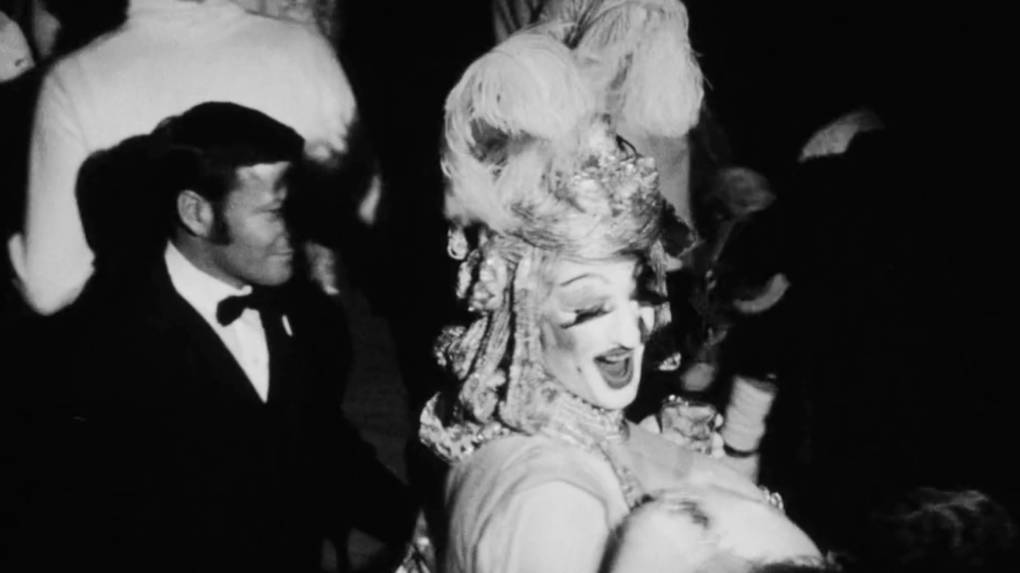
"caption": "Still from footage of a gay costume ball in 1968.",
"description": null,
"title": "1968 drag ball",
"credit": "KQED",
"status": "inherit",
"isLoading": false,
"fetchFailed": false
}
},
"audioPlayerReducer": {
"postId": "stream_live",
"isPaused": true,
"isPlaying": false,
"pfsActive": false,
"pledgeModalIsOpen": true,
"playerDrawerIsOpen": false,
"liveAudioPlayStartedAt": 0,
"liveAudioPlayContext": ""
},
"authorsReducer": {
"byline_arts_13876291": {
"type": "authors",
"id": "byline_arts_13876291",
"meta": {
"override": true
},
"slug": "byline_arts_13876291",
"name": "Terry Gross",
"isLoading": false
},
"byline_arts_13851790": {
"type": "authors",
"id": "byline_arts_13851790",
"meta": {
"override": true
},
"slug": "byline_arts_13851790",
"name": "Reynaldo Leaños Jr., Texas Public Radio",
"isLoading": false
},
"byline_arts_13850152": {
"type": "authors",
"id": "byline_arts_13850152",
"meta": {
"override": true
},
"slug": "byline_arts_13850152",
"name": "Caitlyn Paxson",
"isLoading": false
},
"shotchkiss": {
"type": "authors",
"id": "61",
"meta": {
"index": "authors_1716337520",
"id": "61",
"found": true
},
"name": "Sarah Hotchkiss",
"firstName": "Sarah",
"lastName": "Hotchkiss",
"slug": "shotchkiss",
"email": "shotchkiss@kqed.org",
"display_author_email": true,
"staff_mastheads": [
"arts"
],
"title": "Senior Editor",
"bio": "Sarah Hotchkiss is a San Francisco \u003ca href=\"http://www.sarahhotchkiss.com\">artist\u003c/a> and arts writer. In 2019, she received the Dorothea & Leo Rabkin Foundation grant for visual art journalism and in 2020 she received a Society of Professional Journalists, Northern California award for excellence in arts and culture reporting.",
"avatar": "https://secure.gravatar.com/avatar/bc662df144b3d27fd8b1b6f1c2a420d34e91e53154d411bb7ad353cc8b6cea8d?s=600&d=blank&r=g",
"twitter": null,
"bluesky": null,
"facebook": null,
"instagram": null,
"linkedin": null,
"sites": [
{
"site": "",
"roles": [
"editor"
]
},
{
"site": "arts",
"roles": [
"Contributor",
"administrator"
]
},
{
"site": "artschool",
"roles": [
"administrator"
]
},
{
"site": "news",
"roles": [
"editor"
]
},
{
"site": "pop",
"roles": [
"administrator"
]
},
{
"site": "bayareabites",
"roles": [
"editor"
]
},
{
"site": "spark",
"roles": [
"editor"
]
},
{
"site": "checkplease",
"roles": [
"editor"
]
}
],
"headData": {
"title": "Sarah Hotchkiss | KQED",
"description": "Senior Editor",
"ogImgSrc": "https://secure.gravatar.com/avatar/bc662df144b3d27fd8b1b6f1c2a420d34e91e53154d411bb7ad353cc8b6cea8d?s=600&d=blank&r=g",
"twImgSrc": "https://secure.gravatar.com/avatar/bc662df144b3d27fd8b1b6f1c2a420d34e91e53154d411bb7ad353cc8b6cea8d?s=600&d=blank&r=g"
},
"isLoading": false,
"link": "/author/shotchkiss"
},
"slefebvre": {
"type": "authors",
"id": "11091",
"meta": {
"index": "authors_1716337520",
"id": "11091",
"found": true
},
"name": "Sam Lefebvre",
"firstName": "Sam",
"lastName": "Lefebvre",
"slug": "slefebvre",
"email": "sdlefebvre@gmail.com",
"display_author_email": false,
"staff_mastheads": [],
"title": "KQED Contributor",
"bio": "Sam Lefebvre is an award-winning reporter at KQED Arts. He has worked as an editor and columnist at the \u003cem>East Bay Express\u003c/em>, \u003cem>SF Weekly \u003c/em>and Impose Magazine, and his journalism and criticism has appeared in \u003cem>The New York Times\u003c/em>, the Guardian and Pitchfork.",
"avatar": "https://secure.gravatar.com/avatar/49d39b42930b77fb13784ddd9fa63fe780666b71bf289368509dba576b64e69b?s=600&d=blank&r=g",
"twitter": "Lefebvre_Sam",
"bluesky": null,
"facebook": null,
"instagram": null,
"linkedin": null,
"sites": [
{
"site": "arts",
"roles": [
"subscriber"
]
},
{
"site": "news",
"roles": [
"author"
]
}
],
"headData": {
"title": "Sam Lefebvre | KQED",
"description": "KQED Contributor",
"ogImgSrc": "https://secure.gravatar.com/avatar/49d39b42930b77fb13784ddd9fa63fe780666b71bf289368509dba576b64e69b?s=600&d=blank&r=g",
"twImgSrc": "https://secure.gravatar.com/avatar/49d39b42930b77fb13784ddd9fa63fe780666b71bf289368509dba576b64e69b?s=600&d=blank&r=g"
},
"isLoading": false,
"link": "/author/slefebvre"
},
"nvoynovskaya": {
"type": "authors",
"id": "11387",
"meta": {
"index": "authors_1716337520",
"id": "11387",
"found": true
},
"name": "Nastia Voynovskaya",
"firstName": "Nastia",
"lastName": "Voynovskaya",
"slug": "nvoynovskaya",
"email": "nvoynovskaya@kqed.org",
"display_author_email": false,
"staff_mastheads": [
"arts"
],
"title": "Editor and reporter",
"bio": "Nastia Voynovskaya is a reporter, editor and host at KQED Arts & Culture. She's been covering the arts in the Bay Area for over a decade, with a focus on music, queer culture, labor issues and grassroots organizing. She has edited KQED story series such as Trans Bay: A History of San Francisco's Gender-Diverse Community, and co-created KQED's Bay Area hip-hop history project, That's My Word. Nastia's work has been recognized by the Society of Professional Journalists and San Francisco Press Club. She regularly appears on podcasts and radio programs, including NPR's All Songs Considered, and hosts live events where music, culture and conversation meet.",
"avatar": "https://secure.gravatar.com/avatar/5025ee460e5a85d69ca20ea6c6f2f80d7e17795c828f61ea3aecfcd924e9042e?s=600&d=blank&r=g",
"twitter": null,
"bluesky": null,
"facebook": null,
"instagram": "https://www.instagram.com/nananastia/",
"linkedin": null,
"sites": [
{
"site": "",
"roles": [
"editor"
]
},
{
"site": "arts",
"roles": [
"administrator"
]
},
{
"site": "news",
"roles": [
"editor"
]
},
{
"site": "pop",
"roles": [
"administrator"
]
},
{
"site": "bayareabites",
"roles": [
"editor"
]
},
{
"site": "podcasts",
"roles": [
"editor"
]
},
{
"site": "hiphop",
"roles": [
"editor"
]
}
],
"headData": {
"title": "Nastia Voynovskaya | KQED",
"description": "Editor and reporter",
"ogImgSrc": "https://secure.gravatar.com/avatar/5025ee460e5a85d69ca20ea6c6f2f80d7e17795c828f61ea3aecfcd924e9042e?s=600&d=blank&r=g",
"twImgSrc": "https://secure.gravatar.com/avatar/5025ee460e5a85d69ca20ea6c6f2f80d7e17795c828f61ea3aecfcd924e9042e?s=600&d=blank&r=g"
},
"isLoading": false,
"link": "/author/nvoynovskaya"
},
"ngluckstern": {
"type": "authors",
"id": "11497",
"meta": {
"index": "authors_1716337520",
"id": "11497",
"found": true
},
"name": "Nicole Gluckstern",
"firstName": "Nicole",
"lastName": "Gluckstern",
"slug": "ngluckstern",
"email": "gluckstern.nicole@gmail.com",
"display_author_email": false,
"staff_mastheads": [],
"title": "KQED Contributor",
"bio": null,
"avatar": "https://secure.gravatar.com/avatar/2c3d593194017bfe811a998ad03140909de330b22abebf4889e1a564ce5b3495?s=600&d=blank&r=g",
"twitter": null,
"bluesky": null,
"facebook": null,
"instagram": null,
"linkedin": null,
"sites": [
{
"site": "arts",
"roles": [
"contributor"
]
}
],
"headData": {
"title": "Nicole Gluckstern | KQED",
"description": "KQED Contributor",
"ogImgSrc": "https://secure.gravatar.com/avatar/2c3d593194017bfe811a998ad03140909de330b22abebf4889e1a564ce5b3495?s=600&d=blank&r=g",
"twImgSrc": "https://secure.gravatar.com/avatar/2c3d593194017bfe811a998ad03140909de330b22abebf4889e1a564ce5b3495?s=600&d=blank&r=g"
},
"isLoading": false,
"link": "/author/ngluckstern"
}
},
"pagesReducer": {
"arts_tag_drag": {
"type": "terms",
"id": "arts_1556",
"meta": {
"index": "terms_1716263798",
"site": "arts",
"id": "1556",
"score": 9.306014
},
"featImg": null,
"name": "drag",
"description": null,
"taxonomy": "tag",
"headData": {
"twImgId": null,
"twTitle": null,
"ogTitle": null,
"ogImgId": null,
"twDescription": null,
"description": null,
"title": "drag Archives | KQED Arts",
"ogDescription": null
},
"ttid": 1568,
"slug": "drag",
"isLoading": false,
"title": "drag",
"pageMeta": {
"site": "arts",
"WpPageTemplate": "page-topic-editorial",
"currentPage": 5
},
"blocks": [
{
"blockName": "kqed/post-list",
"attrs": {
"layout": "cardArticle2",
"query": "posts/arts?tag=drag",
"seeMore": false,
"paginated": true,
"page": 5
}
},
{
"blockName": "kqed/ad"
}
]
}
},
"pfsSessionReducer": {},
"postsReducer": {
"stream_live": {
"type": "live",
"id": "stream_live",
"audioUrl": "https://streams.kqed.org/kqedradio",
"title": "Live Stream",
"excerpt": "Live Stream information currently unavailable.",
"link": "/radio",
"featImg": "",
"label": {
"name": "KQED Live",
"link": "/"
}
},
"stream_kqedNewscast": {
"type": "posts",
"id": "stream_kqedNewscast",
"audioUrl": "https://www.kqed.org/.stream/anon/radio/RDnews/newscast.mp3?_=1",
"title": "KQED Newscast",
"featImg": "",
"label": {
"name": "88.5 FM",
"link": "/"
}
},
"arts_13876291": {
"type": "posts",
"id": "arts_13876291",
"meta": {
"index": "posts_1716263798",
"site": "arts",
"id": "13876291",
"score": null,
"sort": [
1583883098000
]
},
"parent": 0,
"labelTerm": {
"site": "arts",
"term": 137
},
"blocks": [],
"publishDate": 1583883098,
"format": "standard",
"title": "RuPaul's Recipe For Success? Love Yourself and Stay Flexible",
"headTitle": "RuPaul’s Recipe For Success? Love Yourself and Stay Flexible | KQED",
"content": "\u003cp>Fans of the VH1 reality show \u003cem>RuPaul’s Drag Race \u003c/em>know that every episode ends with a mantra. After finishing the weekly challenge, the drag queens competing for the title of “America’s Next Drag Superstar” (and a hefty cash prize) gather on the runway before host RuPaul Charles, where the drag icon proclaims: “If you can’t love yourself, how in the hell you gonna love somebody else?”\u003c/p>\n\u003cp>RuPaul says that repeating these words is an important touchstone—both for the show and for life: “These mantras are set to align you with the truth of who you are,” he says. “You are love—and you cannot give something that you do not have.”\u003c/p>\n\u003cp>RuPaul got his start in Atlanta in the ’80s, performing a punk-inspired “genderf***” drag—for example, pairing an old prom dress and a tiara with combat boots and a mohawk.\u003c/p>\n\u003cp>“We did drag as a social commentary,” he says. “It was a reaction to the Reagan ’80s, and it wasn’t trying to look real or pass [as a woman]. It was a rebellion against the status quo.”\u003c/p>\n\u003cp>In 1993, RuPaul’s break-out hit \u003ca href=\"https://www.youtube.com/watch?v=Vw9LOrHU8JI\" target=\"_blank\" rel=\"noopener noreferrer\">“Supermodel (You Better Work)”\u003c/a> brought him—and drag—national attention. Now 59, he sits at the helm of a drag empire. Since it began in 2009, \u003cem>RuPaul’s Drag Race\u003c/em> has launched the careers of hundreds of drag queens. The Emmy-winning series, now in its 12th season, has spin-offs in Chile, Thailand, Canada and the U.K.\u003c/p>\n\u003cp>[ad fullwidth]\u003c/p>\n\u003cp>https://www.youtube.com/watch?v=Vw9LOrHU8JI\u003c/p>\n\u003cp>RuPaul, who splits time between Los Angeles and a 60,000-acre ranch in Wyoming, says one of the secrets to his success is adaptability.\u003c/p>\n\u003cp>“In this life, if you can stay flexible, you have a really good chance of navigating a really rich experience for yourself on this planet,” he says.\u003c/p>\n\u003chr>\n\u003ch3>\u003cstrong>Interview highlights\u003c/strong>\u003c/h3>\n\u003cp>\u003cstrong>On his belief that identity is an illusion \u003c/strong>\u003c/p>\n\u003cp>It’s all a lie—this world is a lie. So don’t base your value on the lie. I’ve always been attracted to things that were irreverent, [like] Monty Python, I thought, “Oh, there’s my tribe!” Because even as a kid, I knew that I had a sense that none of this was real, that it was all an illusion and that it would be a mistake to base my value on the lie: Boys, go here. Girls go there. Blacks over here, whites over here … all these superficial rules we come up with are just BS!\u003c/p>\n\u003cp>\u003cstrong>On how his mother influenced his punk sensibility \u003c/strong>\u003c/p>\n\u003cp>My mother was very world-weary. She was someone who I suspect—and she wasn’t very open about anything in her childhood or her background—but I suspect that some horrible thing had happened to her. I felt that. She never talked about it, but she was someone who, because of her world weariness, she instilled in me the ability to not pay attention to what other people had to say about what I was doing. She loved me so much, and she was so proud of the fact that I was gonna do my own thing.\u003c/p>\n\u003cp>So it was a very punk rock approach to life, and I got that from her. She famously says, “If they ain’t paying your bills, pay them no mind.” And I lived my life that way. Yes, I mean, people have said lots of nasty things about me to me and still do, but am I gonna let that stop me? Uh-uh. I will laugh at it and say … The joke is on you, person, because I am going to get as much out of this life as I possibly can—and I have! At 59 years old, I have done a lot of stuff and I’m still going to do a lot of stuff.\u003c/p>\n\u003cp>\u003cstrong>On the nightclub scene in the Village in New York in the late ’80s \u003c/strong>\u003c/p>\n\u003cp>We were the children of Warhol. We were the children of David Bowie. And all things were possible. There was a club scene. And back then there were so many clubs. You could go to six different nightclubs per night. And we’re talking Monday through Sunday. You could go every night to a different nightclub. And back then, the clubs were filled with everyone—straight, gay, black, white, Puerto Rican, uptown, downtown, men, women, everybody. And that was the scene, that tapestry of what New York is, or was, was so evident in the nightclub scene. And it was fabulous! It was gorgeous. I’m so proud and so happy I got to experience that.\u003c/p>\n\u003cp>\u003cstrong>On establishing the “Glamizon” look of drag he’s now known for today\u003c/strong>\u003c/p>\n\u003cp>[In 1989] I worked on a demo tape so I could send it to a record company. And that’s what I did for a year. I worked on a demo and basically ate popcorn and seltzer water from the Film Forum because I had a friend who worked there, and so that’s how I sustained myself. And I do a … few gigs here and there. But I wasn’t in the clubs every night like I had been. And in ’92, I got a record deal with Tommy Boy Records, which was a subsidiary of Warner Bros. Records. I had also met with Mathu and Zaldy, two visual designers [on] costume, makeup, everything, and we’d come up with my look, which was then elevated from my \u003cem>Soul Train \u003c/em>dancer look … to the glamazon that you know today. It’s very studied and precise … and that’s how it came about.\u003c/p>\n\u003cp>But also, I knew that, commercially, as someone who’s paying attention, that if I wanted to make it mainstream, I would have to be non-threatening to Betty and Joe Beer Can. And what I did was I came up with a recipe, which was one-part Cher, two-parts David Bowie, one-part Diana Ross and two heaping spoonfuls of Dolly Parton.\u003c/p>\n\u003cp>\u003cstrong>On why drag queens model themselves after the icons like Cher, Liza Minnelli, Barbra Streisand and Diana Ross\u003c/strong>\u003c/p>\n\u003cp>I’ll tell you exactly what it is: It is that they embody both strength and vulnerability. And that is what the child in you, in me and everyone listening remembers, deep in the recesses of your consciousness. … The ability to oscillate between those two emotions, that the strength and the vulnerability is what we are doing on this planet. And that balance, dear listener, is what life is all about. It’s not one or the other. And all of these women that you talked about—Cher and Diana, Barbra—they all exemplify … that vulnerability and strength, that duality.\u003c/p>\n\u003cp>[ad floatright]\u003c/p>\n\u003cp>\u003cem>Heidi Saman and Seth Kelley produced and edited the audio of this interview. Bridget Bentz, Molly Seavy-Nesper and Beth Novey adapted it for the Web.\u003c/em>\u003c/p>\n\u003cdiv class=\"fullattribution\">\u003cem>Copyright 2020 Fresh Air. To see more, visit \u003ca href=\"http://www.npr.org/programs/fresh-air/\">Fresh Air\u003c/a>.\u003cimg decoding=\"async\" src=\"https://www.google-analytics.com/__utm.gif?utmac=UA-5828686-4&utmdt=RuPaul%27s+Recipe+For+Success%3F+Love+Yourself+And+Stay+Flexible&utme=8(APIKey)9(MDAxOTAwOTE4MDEyMTkxMDAzNjczZDljZA004)\">\u003c/em>\u003c/div>\n\n",
"stats": {
"hasVideo": true,
"hasChartOrMap": false,
"hasAudio": false,
"hasPolis": false,
"wordCount": 1233,
"hasGoogleForm": false,
"hasGallery": false,
"hasHearkenModule": false,
"iframeSrcs": [],
"paragraphCount": 22
},
"modified": 1705021125,
"excerpt": "The host of 'RuPaul's Drag Race' describes his drag look as \"one-part Cher, two-parts David Bowie, one-part Diana Ross and two heaping spoonfuls of Dolly Parton.\"",
"headData": {
"twImgId": "",
"twTitle": "",
"ogTitle": "",
"ogImgId": "",
"twDescription": "",
"description": "The host of 'RuPaul's Drag Race' describes his drag look as "one-part Cher, two-parts David Bowie, one-part Diana Ross and two heaping spoonfuls of Dolly Parton."",
"title": "RuPaul's Recipe For Success? Love Yourself and Stay Flexible | KQED",
"ogDescription": "",
"schema": {
"@context": "https://schema.org",
"@type": "Article",
"headline": "RuPaul's Recipe For Success? Love Yourself and Stay Flexible",
"datePublished": "2020-03-10T16:31:38-07:00",
"dateModified": "2024-01-11T16:58:45-08:00",
"image": "https://cdn.kqed.org/wp-content/uploads/2020/02/KQED-OG-Image@1x.png"
}
},
"guestAuthors": [],
"slug": "rupauls-recipe-for-success-love-yourself-and-stay-flexible",
"status": "publish",
"nprApiLink": "http://api.npr.org/query?id=813970591&apiKey=MDAxOTAwOTE4MDEyMTkxMDAzNjczZDljZA004",
"templateType": "standard",
"nprStoryDate": "Tue, 10 Mar 2020 12:36:22 -0400",
"nprLastModifiedDate": "Tue, 10 Mar 2020 12:36:48 -0400",
"featuredImageType": "standard",
"nprHtmlLink": "https://www.npr.org/2020/03/10/813970591/rupauls-recipe-for-success-love-yourself-and-stay-flexible?ft=nprml&f=813970591",
"nprAudio": "https://ondemand.npr.org/anon.npr-mp3/npr/fa/2020/03/20200310_fa_1.mp3?orgId=427869011&topicId=1138&d=2237&p=13&story=813970591&ft=nprml&f=813970591",
"nprImageAgency": "Tristan Fewings/Getty Images for World of Wonder",
"nprAudioM3u": "http://api.npr.org/m3u/1814097529-aadf50.m3u?orgId=427869011&topicId=1138&d=2237&p=13&story=813970591&ft=nprml&f=813970591",
"nprStoryId": "813970591",
"nprByline": "Terry Gross",
"sticky": false,
"nprImageCredit": "Tristan Fewings",
"nprRetrievedStory": "1",
"nprPubDate": "Tue, 10 Mar 2020 13:43:00 -0400",
"path": "/arts/13876291/rupauls-recipe-for-success-love-yourself-and-stay-flexible",
"audioUrl": "https://ondemand.npr.org/anon.npr-mp3/npr/fa/2020/03/20200310_fa_1.mp3?orgId=427869011&topicId=1138&d=2237&p=13&story=813970591&ft=nprml&f=813970591",
"audioTrackLength": null,
"parsedContent": [
{
"type": "contentString",
"content": "\u003cdiv class=\"post-body\">\u003cp>\u003cp>Fans of the VH1 reality show \u003cem>RuPaul’s Drag Race \u003c/em>know that every episode ends with a mantra. After finishing the weekly challenge, the drag queens competing for the title of “America’s Next Drag Superstar” (and a hefty cash prize) gather on the runway before host RuPaul Charles, where the drag icon proclaims: “If you can’t love yourself, how in the hell you gonna love somebody else?”\u003c/p>\n\u003cp>RuPaul says that repeating these words is an important touchstone—both for the show and for life: “These mantras are set to align you with the truth of who you are,” he says. “You are love—and you cannot give something that you do not have.”\u003c/p>\n\u003cp>RuPaul got his start in Atlanta in the ’80s, performing a punk-inspired “genderf***” drag—for example, pairing an old prom dress and a tiara with combat boots and a mohawk.\u003c/p>\n\u003cp>“We did drag as a social commentary,” he says. “It was a reaction to the Reagan ’80s, and it wasn’t trying to look real or pass [as a woman]. It was a rebellion against the status quo.”\u003c/p>\n\u003cp>In 1993, RuPaul’s break-out hit \u003ca href=\"https://www.youtube.com/watch?v=Vw9LOrHU8JI\" target=\"_blank\" rel=\"noopener noreferrer\">“Supermodel (You Better Work)”\u003c/a> brought him—and drag—national attention. Now 59, he sits at the helm of a drag empire. Since it began in 2009, \u003cem>RuPaul’s Drag Race\u003c/em> has launched the careers of hundreds of drag queens. The Emmy-winning series, now in its 12th season, has spin-offs in Chile, Thailand, Canada and the U.K.\u003c/p>\n\u003cp>\u003c/p>\u003c/div>",
"attributes": {
"named": {},
"numeric": []
}
},
{
"type": "component",
"content": "",
"name": "ad",
"attributes": {
"named": {
"label": "fullwidth"
},
"numeric": [
"fullwidth"
]
}
},
{
"type": "contentString",
"content": "\u003cdiv class=\"post-body\">\u003cp>\u003c/p>\u003c/p>\u003cp>\u003cspan class='utils-parseShortcode-shortcodes-__youtubeShortcode__embedYoutube'>\n \u003cspan class='utils-parseShortcode-shortcodes-__youtubeShortcode__embedYoutubeInside'>\n \u003ciframe\n loading='lazy'\n class='utils-parseShortcode-shortcodes-__youtubeShortcode__youtubePlayer'\n type='text/html'\n src='//www.youtube.com/embed/Vw9LOrHU8JI'\n title='//www.youtube.com/embed/Vw9LOrHU8JI'\n allowfullscreen='true'\n style='border:0;'>\u003c/iframe>\n \u003c/span>\n \u003c/span>\u003c/p>\u003cp>\u003cp>RuPaul, who splits time between Los Angeles and a 60,000-acre ranch in Wyoming, says one of the secrets to his success is adaptability.\u003c/p>\n\u003cp>“In this life, if you can stay flexible, you have a really good chance of navigating a really rich experience for yourself on this planet,” he says.\u003c/p>\n\u003chr>\n\u003ch3>\u003cstrong>Interview highlights\u003c/strong>\u003c/h3>\n\u003cp>\u003cstrong>On his belief that identity is an illusion \u003c/strong>\u003c/p>\n\u003cp>It’s all a lie—this world is a lie. So don’t base your value on the lie. I’ve always been attracted to things that were irreverent, [like] Monty Python, I thought, “Oh, there’s my tribe!” Because even as a kid, I knew that I had a sense that none of this was real, that it was all an illusion and that it would be a mistake to base my value on the lie: Boys, go here. Girls go there. Blacks over here, whites over here … all these superficial rules we come up with are just BS!\u003c/p>\n\u003cp>\u003cstrong>On how his mother influenced his punk sensibility \u003c/strong>\u003c/p>\n\u003cp>My mother was very world-weary. She was someone who I suspect—and she wasn’t very open about anything in her childhood or her background—but I suspect that some horrible thing had happened to her. I felt that. She never talked about it, but she was someone who, because of her world weariness, she instilled in me the ability to not pay attention to what other people had to say about what I was doing. She loved me so much, and she was so proud of the fact that I was gonna do my own thing.\u003c/p>\n\u003cp>So it was a very punk rock approach to life, and I got that from her. She famously says, “If they ain’t paying your bills, pay them no mind.” And I lived my life that way. Yes, I mean, people have said lots of nasty things about me to me and still do, but am I gonna let that stop me? Uh-uh. I will laugh at it and say … The joke is on you, person, because I am going to get as much out of this life as I possibly can—and I have! At 59 years old, I have done a lot of stuff and I’m still going to do a lot of stuff.\u003c/p>\n\u003cp>\u003cstrong>On the nightclub scene in the Village in New York in the late ’80s \u003c/strong>\u003c/p>\n\u003cp>We were the children of Warhol. We were the children of David Bowie. And all things were possible. There was a club scene. And back then there were so many clubs. You could go to six different nightclubs per night. And we’re talking Monday through Sunday. You could go every night to a different nightclub. And back then, the clubs were filled with everyone—straight, gay, black, white, Puerto Rican, uptown, downtown, men, women, everybody. And that was the scene, that tapestry of what New York is, or was, was so evident in the nightclub scene. And it was fabulous! It was gorgeous. I’m so proud and so happy I got to experience that.\u003c/p>\n\u003cp>\u003cstrong>On establishing the “Glamizon” look of drag he’s now known for today\u003c/strong>\u003c/p>\n\u003cp>[In 1989] I worked on a demo tape so I could send it to a record company. And that’s what I did for a year. I worked on a demo and basically ate popcorn and seltzer water from the Film Forum because I had a friend who worked there, and so that’s how I sustained myself. And I do a … few gigs here and there. But I wasn’t in the clubs every night like I had been. And in ’92, I got a record deal with Tommy Boy Records, which was a subsidiary of Warner Bros. Records. I had also met with Mathu and Zaldy, two visual designers [on] costume, makeup, everything, and we’d come up with my look, which was then elevated from my \u003cem>Soul Train \u003c/em>dancer look … to the glamazon that you know today. It’s very studied and precise … and that’s how it came about.\u003c/p>\n\u003cp>But also, I knew that, commercially, as someone who’s paying attention, that if I wanted to make it mainstream, I would have to be non-threatening to Betty and Joe Beer Can. And what I did was I came up with a recipe, which was one-part Cher, two-parts David Bowie, one-part Diana Ross and two heaping spoonfuls of Dolly Parton.\u003c/p>\n\u003cp>\u003cstrong>On why drag queens model themselves after the icons like Cher, Liza Minnelli, Barbra Streisand and Diana Ross\u003c/strong>\u003c/p>\n\u003cp>I’ll tell you exactly what it is: It is that they embody both strength and vulnerability. And that is what the child in you, in me and everyone listening remembers, deep in the recesses of your consciousness. … The ability to oscillate between those two emotions, that the strength and the vulnerability is what we are doing on this planet. And that balance, dear listener, is what life is all about. It’s not one or the other. And all of these women that you talked about—Cher and Diana, Barbra—they all exemplify … that vulnerability and strength, that duality.\u003c/p>\n\u003cp>\u003c/p>\u003c/div>",
"attributes": {
"named": {},
"numeric": []
}
},
{
"type": "component",
"content": "",
"name": "ad",
"attributes": {
"named": {
"label": "floatright"
},
"numeric": [
"floatright"
]
}
},
{
"type": "contentString",
"content": "\u003cdiv class=\"post-body\">\u003cp>\u003c/p>\n\u003cp>\u003cem>Heidi Saman and Seth Kelley produced and edited the audio of this interview. Bridget Bentz, Molly Seavy-Nesper and Beth Novey adapted it for the Web.\u003c/em>\u003c/p>\n\u003cdiv class=\"fullattribution\">\u003cem>Copyright 2020 Fresh Air. To see more, visit \u003ca href=\"http://www.npr.org/programs/fresh-air/\">Fresh Air\u003c/a>.\u003cimg decoding=\"async\" src=\"https://www.google-analytics.com/__utm.gif?utmac=UA-5828686-4&utmdt=RuPaul%27s+Recipe+For+Success%3F+Love+Yourself+And+Stay+Flexible&utme=8(APIKey)9(MDAxOTAwOTE4MDEyMTkxMDAzNjczZDljZA004)\">\u003c/em>\u003c/div>\n\n\u003c/div>\u003c/p>",
"attributes": {
"named": {},
"numeric": []
}
}
],
"link": "/arts/13876291/rupauls-recipe-for-success-love-yourself-and-stay-flexible",
"authors": [
"byline_arts_13876291"
],
"categories": [
"arts_69",
"arts_75",
"arts_990"
],
"tags": [
"arts_1556",
"arts_10247"
],
"affiliates": [
"arts_137"
],
"featImg": "arts_13876292",
"label": "arts_137"
},
"arts_13866807": {
"type": "posts",
"id": "arts_13866807",
"meta": {
"index": "posts_1716263798",
"site": "arts",
"id": "13866807",
"score": null,
"sort": [
1569524423000
]
},
"guestAuthors": [],
"slug": "i-could-die-here-photographer-marissa-leitman-on-self-discovery-at-aunt-charlies",
"title": "‘I Could Die Here’: Photographer Marissa Leitman on Self-Discovery at Aunt Charlie’s",
"publishDate": 1569524423,
"format": "image",
"headTitle": "‘I Could Die Here’: Photographer Marissa Leitman on Self-Discovery at Aunt Charlie’s | KQED",
"labelTerm": {
"site": "arts"
},
"content": "\u003cp>In 2012 \u003ca href=\"http://www.marissapatriceleitman.com/\">Marissa Patrice Leitman\u003c/a> started going to Aunt Charlie’s, a narrow hallway of a bar in the Tenderloin district, for High Fantasy, the lawless, now-defunct Tuesday drag night, with a hulking film camera and a long flash cord. Her documentation of the neighborhood’s last working-class gay bar in the years since shows intimate, sustained attention to a site of revelry and tenderness, release and hurt. The freelance photographer and cofounding director of artist-run performance space Hit Gallery developed a style in tandem with her deepening relationship to the bar’s community, showing how the boundaries between audience and performer eroded in riotous and sometimes subtle collective acts of self-discovery.\u003c/p>\n\u003cp>The pictures, some of which recently appeared in a \u003ca href=\"https://www.nightedlife.com/shop/everything\">book\u003c/a> published by Nighted Life, compose \u003cem>There Will Always Be Roses in San Francisco\u003c/em>, the latest in a series of Aunt Charlie’s-themed exhibitions at the \u003ca href=\"http://www.tenderloinmuseum.org/\">Tenderloin Museum\u003c/a>. Ahead of the show, which opens Thursday, Oct. 3 and runs through Sunday, Nov. 3, Leitman reflected on photographing the High Fantasy drag scene, and how it changed her own life. The conversation has been edited for concision and clarity. \u003c/p>\n\u003cfigure id=\"attachment_13866946\" class=\"wp-caption aligncenter\" style=\"max-width: 800px\">\u003cimg loading=\"lazy\" decoding=\"async\" src=\"https://ww2.kqed.org/arts/wp-content/uploads/sites/2/2019/09/316053010007-copy-copy-800x778.jpg\" alt=\"Brittany Newell performs at High Fantasy, at Aunt Charlie's in the Tenderloin.\" width=\"800\" height=\"778\" class=\"size-medium wp-image-13866946\" srcset=\"https://cdn.kqed.org/wp-content/uploads/sites/2/2019/09/316053010007-copy-copy-800x778.jpg 800w, https://cdn.kqed.org/wp-content/uploads/sites/2/2019/09/316053010007-copy-copy-160x156.jpg 160w, https://cdn.kqed.org/wp-content/uploads/sites/2/2019/09/316053010007-copy-copy-768x747.jpg 768w, https://cdn.kqed.org/wp-content/uploads/sites/2/2019/09/316053010007-copy-copy-1020x992.jpg 1020w, https://cdn.kqed.org/wp-content/uploads/sites/2/2019/09/316053010007-copy-copy-1200x1168.jpg 1200w, https://cdn.kqed.org/wp-content/uploads/sites/2/2019/09/316053010007-copy-copy.jpg 1920w\" sizes=\"(max-width: 800px) 100vw, 800px\">\u003cfigcaption class=\"wp-caption-text\">Brittany Newell performs at High Fantasy, at Aunt Charlie’s in the Tenderloin. \u003ccite>(Marissa Leitman)\u003c/cite>\u003c/figcaption>\u003c/figure>\n\u003cp>\u003cstrong>Can you tell me about your introduction to Aunt Charlie’s?\u003c/strong>\u003c/p>\n\u003cp>It was in a stalker way: I knew about it before I moved to San Francisco from musicians and drag performers. On my first night, Colin Self performed. Sometimes it’s dead-ass empty, only old regulars. Other times people are slammed against the railing—it was one of those nights.\u003c/p>\n\u003cp>\u003cstrong>How did your first impression live up to your preconceived notion of the place?\u003c/strong>\u003c/p>\n\u003cp>It was ten times smaller than I thought, but it met the rest of my expectations. I was totally mystified. It had this esteem, my idea was of a cool, beautiful, glamorous place, and it is that. \u003c/p>\n\u003cp>\u003cstrong>You didn’t start going for a photography project. What attracted you to the community?\u003c/strong>\u003c/p>\n\u003cp>At first it was the façade, everybody acted like a celebrity. Whether or not they had much materially to show, they had the attitude. Later I liked how they would also just let you be. As glamorous and grandiose as it might be, it also has a familial, humble vibe. That comes from the bar historically—it’s the oldest gay bar in the Tenderloin, people there lived through AIDS. \u003c/p>\n\u003cp>High Fantasy specifically has traditional, older queens and also younger queens. There’s shade and arguments but not much judgment about whether one generation is better. And there’s drag kings and women who perform as drag queens. There’s no rules and everybody’s interacting. … At the last one, I thought, “If there was an earthquake that’d be fine, I could die here.” \u003c/p>\n\u003cfigure id=\"attachment_13866948\" class=\"wp-caption aligncenter\" style=\"max-width: 800px\">\u003cimg loading=\"lazy\" decoding=\"async\" src=\"https://ww2.kqed.org/arts/wp-content/uploads/sites/2/2019/09/316053010008-copy-800x785.jpg\" alt=\"Matia Emsellem at High Fantasy, at Aunt Charlie's in the Tenderloin.\" width=\"800\" height=\"785\" class=\"size-medium wp-image-13866948\" srcset=\"https://cdn.kqed.org/wp-content/uploads/sites/2/2019/09/316053010008-copy-800x785.jpg 800w, https://cdn.kqed.org/wp-content/uploads/sites/2/2019/09/316053010008-copy-160x157.jpg 160w, https://cdn.kqed.org/wp-content/uploads/sites/2/2019/09/316053010008-copy-768x754.jpg 768w, https://cdn.kqed.org/wp-content/uploads/sites/2/2019/09/316053010008-copy-1020x1001.jpg 1020w, https://cdn.kqed.org/wp-content/uploads/sites/2/2019/09/316053010008-copy-1200x1178.jpg 1200w, https://cdn.kqed.org/wp-content/uploads/sites/2/2019/09/316053010008-copy.jpg 1920w\" sizes=\"(max-width: 800px) 100vw, 800px\">\u003cfigcaption class=\"wp-caption-text\">Matia Emsellem at High Fantasy, at Aunt Charlie’s in the Tenderloin. \u003ccite>(Marissa Leitman)\u003c/cite>\u003c/figcaption>\u003c/figure>\n\u003cp>\u003cstrong>How did you earn the trust of the people you photographed?\u003c/strong>\u003c/p>\n\u003cp>I have photography ethics that drive me crazy—I won’t take pictures of people I don’t know. I went to a drag show last night in L.A. to see my friend, and I was getting stink-eye from people who thought I was being pretentious by refusing to take their picture. I’m trying to break some of these rules. I take pictures out of admiration—determining or admitting what I’m attracted to.\u003c/p>\n\u003cp>\u003cstrong>You have a conspicuous camera.\u003c/strong> \u003c/p>\n\u003cp>I purposefully use really big cameras. It’s a Mamiya C330 that makes me look like a steampunk or some kind of Victorian fetishist. It has an extended flash cord, like 20 feet long. I’m not very graceful with it either. I’m stumbling around with this giant cord wrapped around my neck.\u003c/p>\n\u003cp>\u003cstrong>In this setting some people are excited by the camera, right?\u003c/strong>\u003c/p>\n\u003cp>It’s a drag bar so there’s no shortage of vanity, and over time people become comfortable with the object, it has more presence than a point-and-shoot, a ritualistic way of presenting itself.\u003c/p>\n\u003cp>[ad fullwidth]\u003c/p>\n\u003cfigure id=\"attachment_13867108\" class=\"wp-caption aligncenter\" style=\"max-width: 800px\">\u003cimg loading=\"lazy\" decoding=\"async\" src=\"https://ww2.kqed.org/arts/wp-content/uploads/sites/2/2019/09/MarissaLeitman-800x788.jpg\" alt=\"Marissa Leitman, self-portrait. \" width=\"800\" height=\"788\" class=\"size-medium wp-image-13867108\" srcset=\"https://cdn.kqed.org/wp-content/uploads/sites/2/2019/09/MarissaLeitman-800x788.jpg 800w, https://cdn.kqed.org/wp-content/uploads/sites/2/2019/09/MarissaLeitman-160x158.jpg 160w, https://cdn.kqed.org/wp-content/uploads/sites/2/2019/09/MarissaLeitman-768x757.jpg 768w, https://cdn.kqed.org/wp-content/uploads/sites/2/2019/09/MarissaLeitman-1020x1005.jpg 1020w, https://cdn.kqed.org/wp-content/uploads/sites/2/2019/09/MarissaLeitman.jpg 1039w\" sizes=\"(max-width: 800px) 100vw, 800px\">\u003cfigcaption class=\"wp-caption-text\">Marissa Leitman, self-portrait. \u003ccite>(Marissa Leitman)\u003c/cite>\u003c/figcaption>\u003c/figure>\n\u003cp>\u003cstrong>You mentioned your practice being about determining your attractions. How so?\u003c/strong>\u003c/p>\n\u003cp>I wonder how much it’s been sexually, I want it to be more. I have taken 50 pictures of someone I later realized I’m in love with. I’m honest but heavily in denial. Or I’m really emotional, but not good at admitting vulnerability and affections. I struggle to make eye contact even though I’m loud. It’s definitely a romantic thing, it helps me admit romance that’s sexual or not.\u003c/p>\n\u003cp>\u003cstrong>So you’ve learned a lot about yourself through Aunt Charlie’s, it sounds like.\u003c/strong>\u003c/p>\n\u003cp>I think everything. It’s a social boot camp. It’s small yet really glamorous, you have to interact with everybody, and everyone’s performing and expecting you to perform. That coupled with you’re next to the Tenderloin working-class community so there’s a genuine roughness. … Like you asked me earlier, sometimes I do look at photos and realize sexual attractions. But also you begin to understand how the presentation of sexy or sexuality happens—I do photos about that. \u003c/p>\n\u003cp>\u003cstrong>When you say “perform,” you don’t mean doing a set, right?\u003c/strong>\u003c/p>\n\u003cp>Yeah, in the way socializing is performing. There’s no real distinction between the performance that happens in the show and the performance that happens when you’re outside having a cigarette. It’s a queer thing: The performance is how you figure out who you are.\u003c/p>\n\u003cfigure id=\"attachment_13866986\" class=\"wp-caption aligncenter\" style=\"max-width: 800px\">\u003cimg loading=\"lazy\" decoding=\"async\" src=\"https://ww2.kqed.org/arts/wp-content/uploads/sites/2/2019/09/MandyCOC-800x788.jpg\" alt=\"Mandy Coco on Election Night 2016, at Aunt Charlie's in the Tenderloin.\" width=\"800\" height=\"788\" class=\"size-medium wp-image-13866986\" srcset=\"https://cdn.kqed.org/wp-content/uploads/sites/2/2019/09/MandyCOC-800x788.jpg 800w, https://cdn.kqed.org/wp-content/uploads/sites/2/2019/09/MandyCOC-160x158.jpg 160w, https://cdn.kqed.org/wp-content/uploads/sites/2/2019/09/MandyCOC-768x757.jpg 768w, https://cdn.kqed.org/wp-content/uploads/sites/2/2019/09/MandyCOC-1020x1005.jpg 1020w, https://cdn.kqed.org/wp-content/uploads/sites/2/2019/09/MandyCOC.jpg 1100w\" sizes=\"(max-width: 800px) 100vw, 800px\">\u003cfigcaption class=\"wp-caption-text\">Mandy Coco on Election Night 2016, at Aunt Charlie’s in the Tenderloin. \u003ccite>(Marissa Leitman)\u003c/cite>\u003c/figcaption>\u003c/figure>\n\u003cp>\u003cstrong>You were at Aunt Charlie’s on election night in 2016. What was that like?\u003c/strong>\u003c/p>\n\u003cp>We showed up early and started drinking out of dread. Everyone was drinking in a quiet, tense way—the room was full of ghosts. It was announced on TV before the show, which was designed like Hillary Clinton won, so it was sort of making fun of us. The picture I took of Mandy Coco holding the flag, she was performing “The Winner Takes it All” by ABBA as Hillary Clinton.\u003c/p>\n\u003cp>I told Barry [Duey, a bartender who died in 2017] I hoped Trump would get shot, saying it’ll be fine, someone will kill him. Barry said we’d get Pence, who’s worse. I had this understanding that this would be his last president. A girl outside was screaming. Older people were terrified in a dull, bitter way. It became a game: Pointing fingers at people who weren’t visibly upset.\u003c/p>\n\u003cp>\u003cstrong>In the picture Mandy’s screaming, mouth impossibly agape, and holding the flag like it’s a corpse. How do you know when to pull the shutter in the middle of a performance?\u003c/strong>\u003c/p>\n\u003cp>It’s luck. I’ve taken a lot of bad performance shots. That’s the only one I’ve ever really liked. I avoid them. I’m in a book club with a lot of people from Aunt Charlie’s, and we were talking one day about how drag history is always, like, the pictures are generally of the performance. Drag is more than that; it’s about how you pay attention to the culture—how you make fun of it, celebrate it, how you dress in context, exist in these places, and it’s extremely communal. \u003c/p>\n\u003cp>\u003cstrong>There’s a lot of flash in these photos, you’re using a square, medium format, and you reuse some approaches to situating bodies in the frame. How did you develop this style?\u003c/strong>\u003c/p>\n\u003cp>At first it was more messy. The shooting component is best when it’s as subconscious as possible. I noticed a few years ago that I was starting to think about shooting in terms of a style, which is never good because you feel restricted. Instead it should be about getting more access to things; looking at the world in new ways should come first, and then the art. So now a lot of the style kind of comes out in the selection process, you know, because I shoot a lot.\u003c/p>\n\u003cfigure id=\"attachment_13866947\" class=\"wp-caption aligncenter\" style=\"max-width: 800px\">\u003cimg loading=\"lazy\" decoding=\"async\" src=\"https://ww2.kqed.org/arts/wp-content/uploads/sites/2/2019/09/316053010009-copy-800x785.jpg\" alt=\"Pepto Dismal at High Fantasy, at Aunt Charlie's in the Tenderloin.\" width=\"800\" height=\"785\" class=\"size-medium wp-image-13866947\" srcset=\"https://cdn.kqed.org/wp-content/uploads/sites/2/2019/09/316053010009-copy-800x785.jpg 800w, https://cdn.kqed.org/wp-content/uploads/sites/2/2019/09/316053010009-copy-160x157.jpg 160w, https://cdn.kqed.org/wp-content/uploads/sites/2/2019/09/316053010009-copy-768x753.jpg 768w, https://cdn.kqed.org/wp-content/uploads/sites/2/2019/09/316053010009-copy-1020x1000.jpg 1020w, https://cdn.kqed.org/wp-content/uploads/sites/2/2019/09/316053010009-copy-1200x1177.jpg 1200w, https://cdn.kqed.org/wp-content/uploads/sites/2/2019/09/316053010009-copy.jpg 1920w\" sizes=\"(max-width: 800px) 100vw, 800px\">\u003cfigcaption class=\"wp-caption-text\">Pepto Dismal at High Fantasy, at Aunt Charlie’s in the Tenderloin. \u003ccite>(Marissa Leitman)\u003c/cite>\u003c/figcaption>\u003c/figure>\n\u003cp>\u003cstrong>Another picture I really like has a drag queen with “For Rent” and “For Sale” signs slung around her neck—accessorizing with market speculation paraphernalia in this gesture of refusal.\u003c/strong>\u003c/p>\n\u003cp>That queen, Pepto, she went to [California College of the Arts], so her interaction with drag has been very camp, pretty punk. … I remember once in college where one of the criticisms I got went like, ‘Why don’t you take pictures of drag queens in the daytime?’ They wanted a serious portrait of a drag queen staring straight at the camera. They wanted an easy explanation. \u003c/p>\n\u003cp>\u003cstrong>What do you mean by ‘easy explanation?’\u003c/strong>\u003c/p>\n\u003cp>They wanted this serious after-hours, under-the-covers thing which, to me, a lot of these photos are in a way. But they wanted a backstage pass in a way that felt like bullshit, or not my job.\u003c/p>\n\u003cp>\u003cstrong>Do you mean they wanted to be shown how drag queens are also regular people or something?\u003c/strong>\u003c/p>\n\u003cp>They wanted me to normalize it. To me it’s best when it’s not. It’s not normal, it’s better. I was like, you want the pictures to be a reason not to go. You want to know everything before you get there. At the end you wanted your grand finale, your period, when that doesn’t really happen.\u003c/p>\n\u003cfigure id=\"attachment_13866949\" class=\"wp-caption aligncenter\" style=\"max-width: 800px\">\u003cimg loading=\"lazy\" decoding=\"async\" src=\"https://ww2.kqed.org/arts/wp-content/uploads/sites/2/2019/09/316053010005-copy-800x794.jpg\" alt=\"Mandy Coco dressed as Myles Cooper cleaning up glasses on a busy night at High Fantasy, at Aunt Charlie's in the Tenderloin.\" width=\"800\" height=\"794\" class=\"size-medium wp-image-13866949\" srcset=\"https://cdn.kqed.org/wp-content/uploads/sites/2/2019/09/316053010005-copy-800x794.jpg 800w, https://cdn.kqed.org/wp-content/uploads/sites/2/2019/09/316053010005-copy-160x159.jpg 160w, https://cdn.kqed.org/wp-content/uploads/sites/2/2019/09/316053010005-copy-768x762.jpg 768w, https://cdn.kqed.org/wp-content/uploads/sites/2/2019/09/316053010005-copy-1020x1013.jpg 1020w, https://cdn.kqed.org/wp-content/uploads/sites/2/2019/09/316053010005-copy-1200x1191.jpg 1200w, https://cdn.kqed.org/wp-content/uploads/sites/2/2019/09/316053010005-copy.jpg 1920w\" sizes=\"(max-width: 800px) 100vw, 800px\">\u003cfigcaption class=\"wp-caption-text\">Mandy Coco dressed as Myles Cooper cleaning up glasses on a busy night at High Fantasy, at Aunt Charlie’s in the Tenderloin. \u003ccite>(Marissa Leitman)\u003c/cite>\u003c/figcaption>\u003c/figure>\n\u003cp>\u003cstrong>You mentioned Barry earlier. He’s one of the only people in multiple photos here. Who was he?\u003c/strong>\u003c/p>\n\u003cp>He was my best friend, still is. He bartended on Tuesdays for decades, and he looked like a truck driver. At the end of his shift he’d have a vodka cranberry juice and watch TV, telling stories about this ’70s cult, some love-related sex hippie cult where he learned he was gay. He had two major lovers later, why am I forgetting their names? I have the list on some napkins. \u003c/p>\n\u003cp>\u003cstrong>You have Barry’s lovers written on bar napkins?\u003c/strong>\u003c/p>\n\u003cp>Yeah, it was the night we became concrete friends. Sharon, Pindar from the cult, a Mormon from Salt Lake City, pencil-dick Paul—then it gets to the end, his last two lovers. One of them died of a drug overdose. Barry was madly in love with him, but he was a nightmare. Barry was impressed that he could take care of plants, but one day he goes on the patio and there’s like seven dead plants. He realized that the guy bought a new plant whenever one died—on Barry’s credit cards. Apparently one time he stole a bus with Barry’s drag queen roommate, Colette.\u003c/p>\n\u003cp>\u003cstrong>Why is the show called \u003cem>There Will Always Be Roses in San Francisco\u003c/em>?\u003c/strong>\u003c/p>\n\u003cp>Aunt Charlie’s had this old, disgusting carpet forever until they changed it to a brown carpet with roses on it. It felt like the biggest luxury, everyone felt so regal on the squishy, rose carpet. My friend Brittany ended up in a K-hole on the ground stroking the floor, with her long, stringy fingers and going, ‘There’ll always be roses in San Francisco.’ It stuck with me as a weird, elegant and also crazy debaucherous moment that sits with the mentality of the bar.\u003c/p>\n\u003cp>[ad floatright]\u003c/p>\n",
"blocks": [],
"excerpt": "'There Will Always Be Roses in San Francisco' is the latest Tenderloin Museum exhibition themed around working-class gay bar Aunt Charlie’s. ",
"status": "publish",
"parent": 0,
"modified": 1726766141,
"stats": {
"hasAudio": false,
"hasVideo": false,
"hasChartOrMap": false,
"iframeSrcs": [],
"hasGoogleForm": false,
"hasGallery": false,
"hasHearkenModule": false,
"hasPolis": false,
"paragraphCount": 42,
"wordCount": 2038
},
"headData": {
"title": "‘I Could Die Here’: Photographer Marissa Leitman on Self-Discovery at Aunt Charlie’s | KQED",
"description": "'There Will Always Be Roses in San Francisco' is the latest Tenderloin Museum exhibition themed around working-class gay bar Aunt Charlie’s. ",
"ogTitle": "",
"ogDescription": "",
"ogImgId": "",
"twTitle": "",
"twDescription": "",
"twImgId": "",
"schema": {
"@context": "https://schema.org",
"@type": "Article",
"headline": "‘I Could Die Here’: Photographer Marissa Leitman on Self-Discovery at Aunt Charlie’s",
"datePublished": "2019-09-26T12:00:23-07:00",
"dateModified": "2024-09-19T10:15:41-07:00",
"image": "https://cdn.kqed.org/wp-content/uploads/2020/02/KQED-OG-Image@1x.png"
}
},
"sticky": false,
"templateType": "standard",
"featuredImageType": "standard",
"path": "/arts/13866807/i-could-die-here-photographer-marissa-leitman-on-self-discovery-at-aunt-charlies",
"audioTrackLength": null,
"parsedContent": [
{
"type": "contentString",
"content": "\u003cdiv class=\"post-body\">\u003cp>\u003cp>In 2012 \u003ca href=\"http://www.marissapatriceleitman.com/\">Marissa Patrice Leitman\u003c/a> started going to Aunt Charlie’s, a narrow hallway of a bar in the Tenderloin district, for High Fantasy, the lawless, now-defunct Tuesday drag night, with a hulking film camera and a long flash cord. Her documentation of the neighborhood’s last working-class gay bar in the years since shows intimate, sustained attention to a site of revelry and tenderness, release and hurt. The freelance photographer and cofounding director of artist-run performance space Hit Gallery developed a style in tandem with her deepening relationship to the bar’s community, showing how the boundaries between audience and performer eroded in riotous and sometimes subtle collective acts of self-discovery.\u003c/p>\n\u003cp>The pictures, some of which recently appeared in a \u003ca href=\"https://www.nightedlife.com/shop/everything\">book\u003c/a> published by Nighted Life, compose \u003cem>There Will Always Be Roses in San Francisco\u003c/em>, the latest in a series of Aunt Charlie’s-themed exhibitions at the \u003ca href=\"http://www.tenderloinmuseum.org/\">Tenderloin Museum\u003c/a>. Ahead of the show, which opens Thursday, Oct. 3 and runs through Sunday, Nov. 3, Leitman reflected on photographing the High Fantasy drag scene, and how it changed her own life. The conversation has been edited for concision and clarity. \u003c/p>\n\u003cfigure id=\"attachment_13866946\" class=\"wp-caption aligncenter\" style=\"max-width: 800px\">\u003cimg loading=\"lazy\" decoding=\"async\" src=\"https://ww2.kqed.org/arts/wp-content/uploads/sites/2/2019/09/316053010007-copy-copy-800x778.jpg\" alt=\"Brittany Newell performs at High Fantasy, at Aunt Charlie's in the Tenderloin.\" width=\"800\" height=\"778\" class=\"size-medium wp-image-13866946\" srcset=\"https://cdn.kqed.org/wp-content/uploads/sites/2/2019/09/316053010007-copy-copy-800x778.jpg 800w, https://cdn.kqed.org/wp-content/uploads/sites/2/2019/09/316053010007-copy-copy-160x156.jpg 160w, https://cdn.kqed.org/wp-content/uploads/sites/2/2019/09/316053010007-copy-copy-768x747.jpg 768w, https://cdn.kqed.org/wp-content/uploads/sites/2/2019/09/316053010007-copy-copy-1020x992.jpg 1020w, https://cdn.kqed.org/wp-content/uploads/sites/2/2019/09/316053010007-copy-copy-1200x1168.jpg 1200w, https://cdn.kqed.org/wp-content/uploads/sites/2/2019/09/316053010007-copy-copy.jpg 1920w\" sizes=\"(max-width: 800px) 100vw, 800px\">\u003cfigcaption class=\"wp-caption-text\">Brittany Newell performs at High Fantasy, at Aunt Charlie’s in the Tenderloin. \u003ccite>(Marissa Leitman)\u003c/cite>\u003c/figcaption>\u003c/figure>\n\u003cp>\u003cstrong>Can you tell me about your introduction to Aunt Charlie’s?\u003c/strong>\u003c/p>\n\u003cp>It was in a stalker way: I knew about it before I moved to San Francisco from musicians and drag performers. On my first night, Colin Self performed. Sometimes it’s dead-ass empty, only old regulars. Other times people are slammed against the railing—it was one of those nights.\u003c/p>\n\u003cp>\u003cstrong>How did your first impression live up to your preconceived notion of the place?\u003c/strong>\u003c/p>\n\u003cp>It was ten times smaller than I thought, but it met the rest of my expectations. I was totally mystified. It had this esteem, my idea was of a cool, beautiful, glamorous place, and it is that. \u003c/p>\n\u003cp>\u003cstrong>You didn’t start going for a photography project. What attracted you to the community?\u003c/strong>\u003c/p>\n\u003cp>At first it was the façade, everybody acted like a celebrity. Whether or not they had much materially to show, they had the attitude. Later I liked how they would also just let you be. As glamorous and grandiose as it might be, it also has a familial, humble vibe. That comes from the bar historically—it’s the oldest gay bar in the Tenderloin, people there lived through AIDS. \u003c/p>\n\u003cp>High Fantasy specifically has traditional, older queens and also younger queens. There’s shade and arguments but not much judgment about whether one generation is better. And there’s drag kings and women who perform as drag queens. There’s no rules and everybody’s interacting. … At the last one, I thought, “If there was an earthquake that’d be fine, I could die here.” \u003c/p>\n\u003cfigure id=\"attachment_13866948\" class=\"wp-caption aligncenter\" style=\"max-width: 800px\">\u003cimg loading=\"lazy\" decoding=\"async\" src=\"https://ww2.kqed.org/arts/wp-content/uploads/sites/2/2019/09/316053010008-copy-800x785.jpg\" alt=\"Matia Emsellem at High Fantasy, at Aunt Charlie's in the Tenderloin.\" width=\"800\" height=\"785\" class=\"size-medium wp-image-13866948\" srcset=\"https://cdn.kqed.org/wp-content/uploads/sites/2/2019/09/316053010008-copy-800x785.jpg 800w, https://cdn.kqed.org/wp-content/uploads/sites/2/2019/09/316053010008-copy-160x157.jpg 160w, https://cdn.kqed.org/wp-content/uploads/sites/2/2019/09/316053010008-copy-768x754.jpg 768w, https://cdn.kqed.org/wp-content/uploads/sites/2/2019/09/316053010008-copy-1020x1001.jpg 1020w, https://cdn.kqed.org/wp-content/uploads/sites/2/2019/09/316053010008-copy-1200x1178.jpg 1200w, https://cdn.kqed.org/wp-content/uploads/sites/2/2019/09/316053010008-copy.jpg 1920w\" sizes=\"(max-width: 800px) 100vw, 800px\">\u003cfigcaption class=\"wp-caption-text\">Matia Emsellem at High Fantasy, at Aunt Charlie’s in the Tenderloin. \u003ccite>(Marissa Leitman)\u003c/cite>\u003c/figcaption>\u003c/figure>\n\u003cp>\u003cstrong>How did you earn the trust of the people you photographed?\u003c/strong>\u003c/p>\n\u003cp>I have photography ethics that drive me crazy—I won’t take pictures of people I don’t know. I went to a drag show last night in L.A. to see my friend, and I was getting stink-eye from people who thought I was being pretentious by refusing to take their picture. I’m trying to break some of these rules. I take pictures out of admiration—determining or admitting what I’m attracted to.\u003c/p>\n\u003cp>\u003cstrong>You have a conspicuous camera.\u003c/strong> \u003c/p>\n\u003cp>I purposefully use really big cameras. It’s a Mamiya C330 that makes me look like a steampunk or some kind of Victorian fetishist. It has an extended flash cord, like 20 feet long. I’m not very graceful with it either. I’m stumbling around with this giant cord wrapped around my neck.\u003c/p>\n\u003cp>\u003cstrong>In this setting some people are excited by the camera, right?\u003c/strong>\u003c/p>\n\u003cp>It’s a drag bar so there’s no shortage of vanity, and over time people become comfortable with the object, it has more presence than a point-and-shoot, a ritualistic way of presenting itself.\u003c/p>\n\u003cp>\u003c/p>\u003c/div>",
"attributes": {
"named": {},
"numeric": []
}
},
{
"type": "component",
"content": "",
"name": "ad",
"attributes": {
"named": {
"label": "fullwidth"
},
"numeric": [
"fullwidth"
]
}
},
{
"type": "contentString",
"content": "\u003cdiv class=\"post-body\">\u003cp>\u003c/p>\n\u003cfigure id=\"attachment_13867108\" class=\"wp-caption aligncenter\" style=\"max-width: 800px\">\u003cimg loading=\"lazy\" decoding=\"async\" src=\"https://ww2.kqed.org/arts/wp-content/uploads/sites/2/2019/09/MarissaLeitman-800x788.jpg\" alt=\"Marissa Leitman, self-portrait. \" width=\"800\" height=\"788\" class=\"size-medium wp-image-13867108\" srcset=\"https://cdn.kqed.org/wp-content/uploads/sites/2/2019/09/MarissaLeitman-800x788.jpg 800w, https://cdn.kqed.org/wp-content/uploads/sites/2/2019/09/MarissaLeitman-160x158.jpg 160w, https://cdn.kqed.org/wp-content/uploads/sites/2/2019/09/MarissaLeitman-768x757.jpg 768w, https://cdn.kqed.org/wp-content/uploads/sites/2/2019/09/MarissaLeitman-1020x1005.jpg 1020w, https://cdn.kqed.org/wp-content/uploads/sites/2/2019/09/MarissaLeitman.jpg 1039w\" sizes=\"(max-width: 800px) 100vw, 800px\">\u003cfigcaption class=\"wp-caption-text\">Marissa Leitman, self-portrait. \u003ccite>(Marissa Leitman)\u003c/cite>\u003c/figcaption>\u003c/figure>\n\u003cp>\u003cstrong>You mentioned your practice being about determining your attractions. How so?\u003c/strong>\u003c/p>\n\u003cp>I wonder how much it’s been sexually, I want it to be more. I have taken 50 pictures of someone I later realized I’m in love with. I’m honest but heavily in denial. Or I’m really emotional, but not good at admitting vulnerability and affections. I struggle to make eye contact even though I’m loud. It’s definitely a romantic thing, it helps me admit romance that’s sexual or not.\u003c/p>\n\u003cp>\u003cstrong>So you’ve learned a lot about yourself through Aunt Charlie’s, it sounds like.\u003c/strong>\u003c/p>\n\u003cp>I think everything. It’s a social boot camp. It’s small yet really glamorous, you have to interact with everybody, and everyone’s performing and expecting you to perform. That coupled with you’re next to the Tenderloin working-class community so there’s a genuine roughness. … Like you asked me earlier, sometimes I do look at photos and realize sexual attractions. But also you begin to understand how the presentation of sexy or sexuality happens—I do photos about that. \u003c/p>\n\u003cp>\u003cstrong>When you say “perform,” you don’t mean doing a set, right?\u003c/strong>\u003c/p>\n\u003cp>Yeah, in the way socializing is performing. There’s no real distinction between the performance that happens in the show and the performance that happens when you’re outside having a cigarette. It’s a queer thing: The performance is how you figure out who you are.\u003c/p>\n\u003cfigure id=\"attachment_13866986\" class=\"wp-caption aligncenter\" style=\"max-width: 800px\">\u003cimg loading=\"lazy\" decoding=\"async\" src=\"https://ww2.kqed.org/arts/wp-content/uploads/sites/2/2019/09/MandyCOC-800x788.jpg\" alt=\"Mandy Coco on Election Night 2016, at Aunt Charlie's in the Tenderloin.\" width=\"800\" height=\"788\" class=\"size-medium wp-image-13866986\" srcset=\"https://cdn.kqed.org/wp-content/uploads/sites/2/2019/09/MandyCOC-800x788.jpg 800w, https://cdn.kqed.org/wp-content/uploads/sites/2/2019/09/MandyCOC-160x158.jpg 160w, https://cdn.kqed.org/wp-content/uploads/sites/2/2019/09/MandyCOC-768x757.jpg 768w, https://cdn.kqed.org/wp-content/uploads/sites/2/2019/09/MandyCOC-1020x1005.jpg 1020w, https://cdn.kqed.org/wp-content/uploads/sites/2/2019/09/MandyCOC.jpg 1100w\" sizes=\"(max-width: 800px) 100vw, 800px\">\u003cfigcaption class=\"wp-caption-text\">Mandy Coco on Election Night 2016, at Aunt Charlie’s in the Tenderloin. \u003ccite>(Marissa Leitman)\u003c/cite>\u003c/figcaption>\u003c/figure>\n\u003cp>\u003cstrong>You were at Aunt Charlie’s on election night in 2016. What was that like?\u003c/strong>\u003c/p>\n\u003cp>We showed up early and started drinking out of dread. Everyone was drinking in a quiet, tense way—the room was full of ghosts. It was announced on TV before the show, which was designed like Hillary Clinton won, so it was sort of making fun of us. The picture I took of Mandy Coco holding the flag, she was performing “The Winner Takes it All” by ABBA as Hillary Clinton.\u003c/p>\n\u003cp>I told Barry [Duey, a bartender who died in 2017] I hoped Trump would get shot, saying it’ll be fine, someone will kill him. Barry said we’d get Pence, who’s worse. I had this understanding that this would be his last president. A girl outside was screaming. Older people were terrified in a dull, bitter way. It became a game: Pointing fingers at people who weren’t visibly upset.\u003c/p>\n\u003cp>\u003cstrong>In the picture Mandy’s screaming, mouth impossibly agape, and holding the flag like it’s a corpse. How do you know when to pull the shutter in the middle of a performance?\u003c/strong>\u003c/p>\n\u003cp>It’s luck. I’ve taken a lot of bad performance shots. That’s the only one I’ve ever really liked. I avoid them. I’m in a book club with a lot of people from Aunt Charlie’s, and we were talking one day about how drag history is always, like, the pictures are generally of the performance. Drag is more than that; it’s about how you pay attention to the culture—how you make fun of it, celebrate it, how you dress in context, exist in these places, and it’s extremely communal. \u003c/p>\n\u003cp>\u003cstrong>There’s a lot of flash in these photos, you’re using a square, medium format, and you reuse some approaches to situating bodies in the frame. How did you develop this style?\u003c/strong>\u003c/p>\n\u003cp>At first it was more messy. The shooting component is best when it’s as subconscious as possible. I noticed a few years ago that I was starting to think about shooting in terms of a style, which is never good because you feel restricted. Instead it should be about getting more access to things; looking at the world in new ways should come first, and then the art. So now a lot of the style kind of comes out in the selection process, you know, because I shoot a lot.\u003c/p>\n\u003cfigure id=\"attachment_13866947\" class=\"wp-caption aligncenter\" style=\"max-width: 800px\">\u003cimg loading=\"lazy\" decoding=\"async\" src=\"https://ww2.kqed.org/arts/wp-content/uploads/sites/2/2019/09/316053010009-copy-800x785.jpg\" alt=\"Pepto Dismal at High Fantasy, at Aunt Charlie's in the Tenderloin.\" width=\"800\" height=\"785\" class=\"size-medium wp-image-13866947\" srcset=\"https://cdn.kqed.org/wp-content/uploads/sites/2/2019/09/316053010009-copy-800x785.jpg 800w, https://cdn.kqed.org/wp-content/uploads/sites/2/2019/09/316053010009-copy-160x157.jpg 160w, https://cdn.kqed.org/wp-content/uploads/sites/2/2019/09/316053010009-copy-768x753.jpg 768w, https://cdn.kqed.org/wp-content/uploads/sites/2/2019/09/316053010009-copy-1020x1000.jpg 1020w, https://cdn.kqed.org/wp-content/uploads/sites/2/2019/09/316053010009-copy-1200x1177.jpg 1200w, https://cdn.kqed.org/wp-content/uploads/sites/2/2019/09/316053010009-copy.jpg 1920w\" sizes=\"(max-width: 800px) 100vw, 800px\">\u003cfigcaption class=\"wp-caption-text\">Pepto Dismal at High Fantasy, at Aunt Charlie’s in the Tenderloin. \u003ccite>(Marissa Leitman)\u003c/cite>\u003c/figcaption>\u003c/figure>\n\u003cp>\u003cstrong>Another picture I really like has a drag queen with “For Rent” and “For Sale” signs slung around her neck—accessorizing with market speculation paraphernalia in this gesture of refusal.\u003c/strong>\u003c/p>\n\u003cp>That queen, Pepto, she went to [California College of the Arts], so her interaction with drag has been very camp, pretty punk. … I remember once in college where one of the criticisms I got went like, ‘Why don’t you take pictures of drag queens in the daytime?’ They wanted a serious portrait of a drag queen staring straight at the camera. They wanted an easy explanation. \u003c/p>\n\u003cp>\u003cstrong>What do you mean by ‘easy explanation?’\u003c/strong>\u003c/p>\n\u003cp>They wanted this serious after-hours, under-the-covers thing which, to me, a lot of these photos are in a way. But they wanted a backstage pass in a way that felt like bullshit, or not my job.\u003c/p>\n\u003cp>\u003cstrong>Do you mean they wanted to be shown how drag queens are also regular people or something?\u003c/strong>\u003c/p>\n\u003cp>They wanted me to normalize it. To me it’s best when it’s not. It’s not normal, it’s better. I was like, you want the pictures to be a reason not to go. You want to know everything before you get there. At the end you wanted your grand finale, your period, when that doesn’t really happen.\u003c/p>\n\u003cfigure id=\"attachment_13866949\" class=\"wp-caption aligncenter\" style=\"max-width: 800px\">\u003cimg loading=\"lazy\" decoding=\"async\" src=\"https://ww2.kqed.org/arts/wp-content/uploads/sites/2/2019/09/316053010005-copy-800x794.jpg\" alt=\"Mandy Coco dressed as Myles Cooper cleaning up glasses on a busy night at High Fantasy, at Aunt Charlie's in the Tenderloin.\" width=\"800\" height=\"794\" class=\"size-medium wp-image-13866949\" srcset=\"https://cdn.kqed.org/wp-content/uploads/sites/2/2019/09/316053010005-copy-800x794.jpg 800w, https://cdn.kqed.org/wp-content/uploads/sites/2/2019/09/316053010005-copy-160x159.jpg 160w, https://cdn.kqed.org/wp-content/uploads/sites/2/2019/09/316053010005-copy-768x762.jpg 768w, https://cdn.kqed.org/wp-content/uploads/sites/2/2019/09/316053010005-copy-1020x1013.jpg 1020w, https://cdn.kqed.org/wp-content/uploads/sites/2/2019/09/316053010005-copy-1200x1191.jpg 1200w, https://cdn.kqed.org/wp-content/uploads/sites/2/2019/09/316053010005-copy.jpg 1920w\" sizes=\"(max-width: 800px) 100vw, 800px\">\u003cfigcaption class=\"wp-caption-text\">Mandy Coco dressed as Myles Cooper cleaning up glasses on a busy night at High Fantasy, at Aunt Charlie’s in the Tenderloin. \u003ccite>(Marissa Leitman)\u003c/cite>\u003c/figcaption>\u003c/figure>\n\u003cp>\u003cstrong>You mentioned Barry earlier. He’s one of the only people in multiple photos here. Who was he?\u003c/strong>\u003c/p>\n\u003cp>He was my best friend, still is. He bartended on Tuesdays for decades, and he looked like a truck driver. At the end of his shift he’d have a vodka cranberry juice and watch TV, telling stories about this ’70s cult, some love-related sex hippie cult where he learned he was gay. He had two major lovers later, why am I forgetting their names? I have the list on some napkins. \u003c/p>\n\u003cp>\u003cstrong>You have Barry’s lovers written on bar napkins?\u003c/strong>\u003c/p>\n\u003cp>Yeah, it was the night we became concrete friends. Sharon, Pindar from the cult, a Mormon from Salt Lake City, pencil-dick Paul—then it gets to the end, his last two lovers. One of them died of a drug overdose. Barry was madly in love with him, but he was a nightmare. Barry was impressed that he could take care of plants, but one day he goes on the patio and there’s like seven dead plants. He realized that the guy bought a new plant whenever one died—on Barry’s credit cards. Apparently one time he stole a bus with Barry’s drag queen roommate, Colette.\u003c/p>\n\u003cp>\u003cstrong>Why is the show called \u003cem>There Will Always Be Roses in San Francisco\u003c/em>?\u003c/strong>\u003c/p>\n\u003cp>Aunt Charlie’s had this old, disgusting carpet forever until they changed it to a brown carpet with roses on it. It felt like the biggest luxury, everyone felt so regal on the squishy, rose carpet. My friend Brittany ended up in a K-hole on the ground stroking the floor, with her long, stringy fingers and going, ‘There’ll always be roses in San Francisco.’ It stuck with me as a weird, elegant and also crazy debaucherous moment that sits with the mentality of the bar.\u003c/p>\n\u003cp>\u003c/p>\u003c/div>",
"attributes": {
"named": {},
"numeric": []
}
},
{
"type": "component",
"content": "",
"name": "ad",
"attributes": {
"named": {
"label": "floatright"
},
"numeric": [
"floatright"
]
}
},
{
"type": "contentString",
"content": "\u003cdiv class=\"post-body\">\u003cp>\u003c/p>\n\u003c/div>\u003c/p>",
"attributes": {
"named": {},
"numeric": []
}
}
],
"link": "/arts/13866807/i-could-die-here-photographer-marissa-leitman-on-self-discovery-at-aunt-charlies",
"authors": [
"11091"
],
"categories": [
"arts_1"
],
"tags": [
"arts_1556",
"arts_1118",
"arts_596",
"arts_822",
"arts_1020",
"arts_5066"
],
"featImg": "arts_13866950",
"label": "arts"
},
"arts_13862712": {
"type": "posts",
"id": "arts_13862712",
"meta": {
"index": "posts_1716263798",
"site": "arts",
"id": "13862712",
"score": null,
"sort": [
1564671630000
]
},
"parent": 0,
"labelTerm": {
"site": "arts",
"term": 140
},
"blocks": [],
"publishDate": 1564671630,
"format": "standard",
"title": "Aunt Charlie’s, SF’s Working Class Drag Bar, Gets the Museum Treatment",
"headTitle": "Aunt Charlie’s, SF’s Working Class Drag Bar, Gets the Museum Treatment | KQED",
"content": "\u003cp>Aunt Charlie’s, a narrow hallway of a bar on Turk Street, has long been a venue and refuge of critical importance to San Francisco drag queens and the broader queer community. Now one of the longest continuously-operating queer bars in the city and its inimitable denizens are the subjects of an exhibition series at the nearby Tenderloin Museum that will culminate in a book. \u003c/p>\n\u003cp>\u003cem>Aunt Charlie’s: San Francisco’s Working Class Drag Bar\u003c/em> encompasses nine events and five art shows between June-December, 2019 intended to celebrate what the organizers call a “remarkable space of socio-historical importance that is graced nightly by offbeat, eccentric characters,” and to highlight in particular the Tenderloin’s low-income LGTBQ community. \u003c/p>\n\u003cp>The exhibiting artists—James Hosking, Tim Snyder, Raphael Villet, Marissa Leitman and Darwin Bell—all have close ties to the bar, and as photographers and painters bring distinctive portraiture styles to their common subject. Drag performances and screenings, among other events on-site and at remote locations, punctuate the several months of programming. \u003c/p>\n\u003cp>Hosking, a photographer and filmmaker whose show opens Aug. 1, shadowed Aunt Charlie’s performers to explore aging and labor in drag. Bell, showing photographs throughout September, focused on the drag queens of Aunt Charlie’s fixtures Hot Boxx Girls. And both Leitman, the photographer featured in October, focuses on the recently discontinued High Fantasy. Leitman’s work illustrated \u003ca href=\"https://www.dazeddigital.com/life-culture/article/42245/1/high-fantasy-san-francisco-drag-club-aunt-charlies-essay\">this\u003c/a> lyrical eulogy to the night by Brittany Newell.\u003c/p>\n\u003cp>The artists’ work will eventually appear alongside interviews in an original book about Aunt Charlie’s with an introduction by Susan Stryker and André Pérez.\u003cem>—Sam Lefebvre\u003c/em> \u003c/p>\n\u003cp>[ad fullwidth]\u003c/p>\u003cp>\u003c/p>\n",
"stats": {
"hasVideo": false,
"hasChartOrMap": false,
"hasAudio": false,
"hasPolis": false,
"wordCount": 288,
"hasGoogleForm": false,
"hasGallery": false,
"hasHearkenModule": false,
"iframeSrcs": [],
"paragraphCount": 7
},
"modified": 1705022425,
"excerpt": null,
"headData": {
"twImgId": "",
"twTitle": "",
"ogTitle": "",
"ogImgId": "",
"twDescription": "",
"description": "Aunt Charlie’s, a narrow hallway of a bar on Turk Street, has long been a venue and refuge of critical importance to San Francisco drag queens and the broader queer community. Now one of the longest continuously-operating queer bars in the city and its inimitable denizens are the subjects of an exhibition series at the",
"title": "Aunt Charlie’s, SF’s Working Class Drag Bar, Gets the Museum Treatment | KQED",
"ogDescription": "",
"schema": {
"@context": "https://schema.org",
"@type": "Article",
"headline": "Aunt Charlie’s, SF’s Working Class Drag Bar, Gets the Museum Treatment",
"datePublished": "2019-08-01T08:00:30-07:00",
"dateModified": "2024-01-11T17:20:25-08:00",
"image": "https://cdn.kqed.org/wp-content/uploads/2020/02/KQED-OG-Image@1x.png"
}
},
"guestAuthors": [],
"slug": "aunt-charlies-sfs-working-class-drag-bar-gets-the-museum-treatment",
"status": "publish",
"templateType": "event",
"venueName": "Tenderloin Museum",
"featuredImageType": "standard",
"sticky": false,
"startTime": 1560236400,
"endTime": 1575183600,
"startTimeString": "June 11–Nov. 30",
"venueAddress": "398 Eddy Street, San Francisco",
"eventLink": "http://www.tenderloinmuseum.org/lobbygallery",
"path": "/arts/13862712/aunt-charlies-sfs-working-class-drag-bar-gets-the-museum-treatment",
"audioTrackLength": null,
"parsedContent": [
{
"type": "contentString",
"content": "\u003cdiv class=\"post-body\">\u003cp>\u003cp>Aunt Charlie’s, a narrow hallway of a bar on Turk Street, has long been a venue and refuge of critical importance to San Francisco drag queens and the broader queer community. Now one of the longest continuously-operating queer bars in the city and its inimitable denizens are the subjects of an exhibition series at the nearby Tenderloin Museum that will culminate in a book. \u003c/p>\n\u003cp>\u003cem>Aunt Charlie’s: San Francisco’s Working Class Drag Bar\u003c/em> encompasses nine events and five art shows between June-December, 2019 intended to celebrate what the organizers call a “remarkable space of socio-historical importance that is graced nightly by offbeat, eccentric characters,” and to highlight in particular the Tenderloin’s low-income LGTBQ community. \u003c/p>\n\u003cp>The exhibiting artists—James Hosking, Tim Snyder, Raphael Villet, Marissa Leitman and Darwin Bell—all have close ties to the bar, and as photographers and painters bring distinctive portraiture styles to their common subject. Drag performances and screenings, among other events on-site and at remote locations, punctuate the several months of programming. \u003c/p>\n\u003cp>Hosking, a photographer and filmmaker whose show opens Aug. 1, shadowed Aunt Charlie’s performers to explore aging and labor in drag. Bell, showing photographs throughout September, focused on the drag queens of Aunt Charlie’s fixtures Hot Boxx Girls. And both Leitman, the photographer featured in October, focuses on the recently discontinued High Fantasy. Leitman’s work illustrated \u003ca href=\"https://www.dazeddigital.com/life-culture/article/42245/1/high-fantasy-san-francisco-drag-club-aunt-charlies-essay\">this\u003c/a> lyrical eulogy to the night by Brittany Newell.\u003c/p>\n\u003cp>The artists’ work will eventually appear alongside interviews in an original book about Aunt Charlie’s with an introduction by Susan Stryker and André Pérez.\u003cem>—Sam Lefebvre\u003c/em> \u003c/p>\n\u003cp>\u003c/p>\u003c/div>",
"attributes": {
"named": {},
"numeric": []
}
},
{
"type": "component",
"content": "",
"name": "ad",
"attributes": {
"named": {
"label": "fullwidth"
},
"numeric": [
"fullwidth"
]
}
},
{
"type": "contentString",
"content": "\u003cdiv class=\"post-body\">\u003cp>\u003c/p>\u003cp>\u003c/p>\n\u003c/div>\u003c/p>",
"attributes": {
"named": {},
"numeric": []
}
}
],
"link": "/arts/13862712/aunt-charlies-sfs-working-class-drag-bar-gets-the-museum-treatment",
"authors": [
"11091"
],
"programs": [
"arts_140"
],
"categories": [
"arts_1",
"arts_70"
],
"tags": [
"arts_1556",
"arts_1118",
"arts_596",
"arts_5066",
"arts_1334",
"arts_901"
],
"featImg": "arts_13862716",
"label": "arts_140"
},
"arts_13859216": {
"type": "posts",
"id": "arts_13859216",
"meta": {
"index": "posts_1716263798",
"site": "arts",
"id": "13859216",
"score": null,
"sort": [
1560370559000
]
},
"guestAuthors": [],
"slug": "dragtivism-teaches-lgbtq-history-and-empowerment-with-rhinestones-and-false-lashes",
"title": "DragTivism Teaches LGBTQ+ History and Empowerment with Rhinestones and False Lashes",
"publishDate": 1560370559,
"format": "standard",
"headTitle": "DragTivism Teaches LGBTQ+ History and Empowerment with Rhinestones and False Lashes | KQED",
"labelTerm": {
"site": "arts"
},
"content": "\u003cp>\u003cem>\u003cstrong>Editor’s Note:\u003c/strong> This article is part of KQED Arts’ story series \u003ca href=\"https://www.kqed.org/arts/program/pride-as-protest\" target=\"_blank\" rel=\"noopener\">Pride as Protest\u003c/a>, which chronicles the past and present of LGBTQ+ activism in honor of the 50th anniversary of the Stonewall riots. Learn more about the series \u003ca href=\"https://www.kqed.org/arts/13858609/welcome-to-pride-as-protest-a-new-kqed-arts-story-series\" target=\"_blank\" rel=\"noopener\">here\u003c/a>.\u003c/em>\u003c/p>\n\u003cp>Thanks to the show \u003cem>RuPaul’s Drag Race \u003c/em>and its accompanying DragCon beauty conference, the art of drag is now a multi-million-dollar industry with straight and LGBTQ+ consumers alike. [aside postid='arts_13858877']\u003c/p>\n\u003cp>But before drag culture crossed over into the mainstream, it was a source of survival for queer and trans youth whose families rejected them for expressing themselves. Since at least the ’60s, drag houses functioned as chosen families that kept young people off the streets.\u003c/p>\n\u003cp>That legacy is what \u003ca href=\"https://www.facebook.com/TheRexyProject/\" target=\"_blank\" rel=\"noopener\">The One and Only Rexy\u003c/a> and \u003ca href=\"https://www.instagram.com/thegracetowers/?hl=en\" target=\"_blank\" rel=\"noopener\">Grace Towers\u003c/a> decided to channel when they teamed up to create DragTivism, a mentorship program for LGBTQ+ youth that uses drag makeup as an art therapy tool, building community through carefully applied rhinestones, false lashes and contouring.\u003c/p>\n\u003cp>\u003cspan style=\"font-weight: 400\">[pullquote size='large' align='right' citation='The One and Only Rexy']\u003c/span>“Eventually for me, my drag turned into my source of power.”[/pullquote]\u003c/p>\n\u003cp>The first DragTivism event took place last year during Pride Month at the \u003ca href=\"https://www.sfcenter.org\" target=\"_blank\" rel=\"noopener\">San Francisco LGBT Center\u003c/a>, when about a dozen young people in their late teens and early 20s came for a weekend of food, performances and workshops. Some of the youth were housing-insecure; others had supportive families but were still figuring out their identity labels and transitions.\u003c/p>\n\u003cp>[ad fullwidth]\u003c/p>\n\u003cp>“At some point, drag is cheaper than therapy,” says Towers. “What we leave on the stage is the processing of emotional, mental and just,” she sighs, “life.”\u003c/p>\n\u003cp>For many of last year’s attendees, DragTivism was also an entry point into the SF LGBT Center, which offers a variety of social services, including \u003ca href=\"https://www.sfcenter.org/program/employment_services/\" target=\"_blank\" rel=\"noopener\">an employment program\u003c/a>, \u003ca href=\"https://www.sfcenter.org/program/housing-financial/\" target=\"_blank\" rel=\"noopener\">financial literacy training\u003c/a> and an \u003ca href=\"https://www.sfcenter.org/program/housing-financial/\" target=\"_blank\" rel=\"noopener\">affordable housing clinic\u003c/a> for renters. [aside postid='arts_13859162']\u003c/p>\n\u003cp>The next DragTivism is in the works for \u003ca href=\"https://oaklandpride.org/parade-festival/\" target=\"_blank\" rel=\"noopener\">Oakland Pride\u003c/a> in early September. Last year, the mentees worked one-on-one with professional drag performers, such as award-winning San Francisco performance artist and storyteller \u003ca href=\"https://www.julianadlopera.com\" target=\"_blank\" rel=\"noopener\">Juliana Delgado Lopera\u003c/a>. She and the other mentors taught participating youth about character development and building a performance. Most importantly, they encouraged them to find their unique forms of self-expression in a supportive and inclusive environment.\u003c/p>\n\u003cp>“That’s where we saw a lot of our youth really start to flourish,” says The One and Only Rexy, a.k.a. Rexy Tapia, who also began to blossom after performing in drag for the first time.\u003c/p>\n\u003cfigure id=\"attachment_13859472\" class=\"wp-caption aligncenter\" style=\"max-width: 800px\">\u003cimg loading=\"lazy\" decoding=\"async\" class=\"size-medium wp-image-13859472\" src=\"https://ww2.kqed.org/arts/wp-content/uploads/sites/2/2019/06/dragtivism-2-800x450.jpg\" alt=\"DragTivism is a mentorship program for LGBTQ+ youth that uses makeup as an art therapy tool.\" width=\"800\" height=\"450\" srcset=\"https://cdn.kqed.org/wp-content/uploads/sites/2/2019/06/dragtivism-2-800x450.jpg 800w, https://cdn.kqed.org/wp-content/uploads/sites/2/2019/06/dragtivism-2-160x90.jpg 160w, https://cdn.kqed.org/wp-content/uploads/sites/2/2019/06/dragtivism-2-768x432.jpg 768w, https://cdn.kqed.org/wp-content/uploads/sites/2/2019/06/dragtivism-2-1020x574.jpg 1020w, https://cdn.kqed.org/wp-content/uploads/sites/2/2019/06/dragtivism-2-1200x675.jpg 1200w, https://cdn.kqed.org/wp-content/uploads/sites/2/2019/06/dragtivism-2.jpg 1332w\" sizes=\"(max-width: 800px) 100vw, 800px\">\u003cfigcaption class=\"wp-caption-text\">DragTivism is a mentorship program for LGBTQ+ youth that uses makeup as an art therapy tool. \u003ccite>(Courtesy of DragTivism)\u003c/cite>\u003c/figcaption>\u003c/figure>\n\u003cp>Her debut came at an assembly, when she was only in middle school. Feeling seen for the first time, she came out as queer the same day. That whirlwind formative experience emboldened Tapia to become one of Mission High School’s fiercest student activists in the years that followed. By junior year, she became president of the school’s GSA Network and designed an LGBTQ+ history curriculum (in her free time, during spring break!) that’s now being taught at several San Francisco public schools.\u003c/p>\n\u003cp>During this period of honing her skills as an artist and leader, Tapia noticed herself wearing drag more and more, and that she felt her best presenting as a woman. After graduating in 2015, she came out as trans. [aside postid='arts_13858290']\u003c/p>\n\u003cp>“Doing drag gave me the ability to express myself and find myself when I didn’t have any other way of doing so,” reflects Tapia, whose drag looks are high-femme and all about showing leg. “That’s really I hope what youths find in drag. Eventually for me, my drag turned into my source of power.”\u003c/p>\n\u003cp>The idea for DragTivism came in 2018 when Tapia met Towers, one of her drag idols. Towers, a bold performer who often rocks dramatic eye makeup, chest hair and a beard, is a member of \u003ca href=\"https://www.queensofthecastro.com/grace-towers-scholarship-for-the-arts\" target=\"_blank\" rel=\"noopener\">Queens of the Castro\u003c/a>, a nonprofit that gives scholarships to LGBTQ+ youth. Her and Tapia’s backgrounds in education are a big reason why mentorship is such an important aspect of the event.\u003c/p>\n\u003cp>https://www.instagram.com/p/BxO4LIEHsZM/?utm_source=ig_web_copy_link\u003c/p>\n\u003cp>“Having a queer mentor of some sort is something that I wish I would have had when I was going through my troubled youth,” says Towers. “It’s been really beautiful to see mentorship on both ends, not just what we’re curating for the youth to come and partake in, but me and Rexy are actively engaged in this mentorship dynamic.”\u003c/p>\n\u003cp>Tapia says that not all drag spaces are trans-friendly—as evinced by RuPaul’s \u003ca href=\"https://www.vox.com/culture/2018/3/6/17085244/rupaul-trans-women-drag-queens-interview-controversy\" target=\"_blank\" rel=\"noopener\">controversial 2018 comments\u003c/a> suggesting that he wouldn’t allow a transitioning trans woman to compete on \u003cem>Drag Race \u003c/em>(though that changed this year with trans performer Gia Gunn’s inclusion). That’s why Tapia and Towers take care to ensure that DragTivism is welcoming to all the identities under the LGBTQ+ umbrella—including those who are gender-nonconforming or have a performance style that doesn’t fit the pageant-ready drag queen mold.\u003c/p>\n\u003cp>“We’re starting to be at a point in the drag scene where drag is not political anymore, or in many spaces it’s even more hostile to trans people and anyone who’s not a cis, gay man,” says Tapia. “That’s another reason why it’s important for me as a trans woman, as a woman, as a person of color, to continue creating this ability for youth.”\u003c/p>\n\u003cp>https://www.instagram.com/p/BxQggqMh-8A/?utm_source=ig_web_copy_link\u003c/p>\n\u003cp>Tapia says drag taught her about the history of LGBTQ+ activism. She learned that drag queens and trans women were key agitators in the Compton’s Cafeteria riot in San Francisco and the Stonewall uprising in New York City, two instances in the 1960s when the LGBTQ+ community rioted against police brutality and sparked the modern-day gay rights movement.\u003c/p>\n\u003cp>\u003cspan style=\"font-weight: 400\">[pullquote size='large' align='right' citation='Grace Towers']“At some point, drag is cheaper than therapy.”\u003c/span>[/pullquote]\u003c/p>\n\u003cp>That history has fueled Tapia’s activism, and, through DragTivism and the public-school curricula she designs, she wants youth to feel similarly empowered. “That’s what I hope our youth are getting out of DragTivism, that they’re getting access to the information they rightfully deserve,” she says, adding that education is power.\u003c/p>\n\u003cp>[ad floatright]\u003c/p>\n\u003cp>“They can know they have that power to create change while having fun and looking fabulous.”\u003c/p>\n\n",
"blocks": [],
"excerpt": "How The One and Only Rexy and Grace Towers created a drag-focused mentorship program for LGBTQ+ youth.",
"status": "publish",
"parent": 0,
"modified": 1726771174,
"stats": {
"hasAudio": false,
"hasVideo": false,
"hasChartOrMap": false,
"iframeSrcs": [],
"hasGoogleForm": false,
"hasGallery": false,
"hasHearkenModule": false,
"hasPolis": false,
"paragraphCount": 23,
"wordCount": 1155
},
"headData": {
"title": "DragTivism Teaches LGBTQ+ History and Empowerment with Rhinestones and False Lashes | KQED",
"description": "How The One and Only Rexy and Grace Towers created a drag-focused mentorship program for LGBTQ+ youth.",
"ogTitle": "",
"ogDescription": "",
"ogImgId": "",
"twTitle": "",
"twDescription": "",
"twImgId": "",
"schema": {
"@context": "https://schema.org",
"@type": "Article",
"headline": "DragTivism Teaches LGBTQ+ History and Empowerment with Rhinestones and False Lashes",
"datePublished": "2019-06-12T13:15:59-07:00",
"dateModified": "2024-09-19T11:39:34-07:00",
"image": "https://cdn.kqed.org/wp-content/uploads/2020/02/KQED-OG-Image@1x.png"
}
},
"sticky": false,
"path": "/arts/13859216/dragtivism-teaches-lgbtq-history-and-empowerment-with-rhinestones-and-false-lashes",
"audioTrackLength": null,
"parsedContent": [
{
"type": "contentString",
"content": "\u003cdiv class=\"post-body\">\u003cp>\u003cp>\u003cem>\u003cstrong>Editor’s Note:\u003c/strong> This article is part of KQED Arts’ story series \u003ca href=\"https://www.kqed.org/arts/program/pride-as-protest\" target=\"_blank\" rel=\"noopener\">Pride as Protest\u003c/a>, which chronicles the past and present of LGBTQ+ activism in honor of the 50th anniversary of the Stonewall riots. Learn more about the series \u003ca href=\"https://www.kqed.org/arts/13858609/welcome-to-pride-as-protest-a-new-kqed-arts-story-series\" target=\"_blank\" rel=\"noopener\">here\u003c/a>.\u003c/em>\u003c/p>\n\u003cp>Thanks to the show \u003cem>RuPaul’s Drag Race \u003c/em>and its accompanying DragCon beauty conference, the art of drag is now a multi-million-dollar industry with straight and LGBTQ+ consumers alike. \u003c/p>\u003c/div>",
"attributes": {
"named": {},
"numeric": []
}
},
{
"type": "component",
"content": "",
"name": "aside",
"attributes": {
"named": {
"postid": "arts_13858877",
"label": ""
},
"numeric": []
}
},
{
"type": "contentString",
"content": "\u003cdiv class=\"post-body\">\u003cp>\u003c/p>\n\u003cp>But before drag culture crossed over into the mainstream, it was a source of survival for queer and trans youth whose families rejected them for expressing themselves. Since at least the ’60s, drag houses functioned as chosen families that kept young people off the streets.\u003c/p>\n\u003cp>That legacy is what \u003ca href=\"https://www.facebook.com/TheRexyProject/\" target=\"_blank\" rel=\"noopener\">The One and Only Rexy\u003c/a> and \u003ca href=\"https://www.instagram.com/thegracetowers/?hl=en\" target=\"_blank\" rel=\"noopener\">Grace Towers\u003c/a> decided to channel when they teamed up to create DragTivism, a mentorship program for LGBTQ+ youth that uses drag makeup as an art therapy tool, building community through carefully applied rhinestones, false lashes and contouring.\u003c/p>\n\u003cp>\u003cspan style=\"font-weight: 400\">\u003c/p>\u003c/div>",
"attributes": {
"named": {},
"numeric": []
}
},
{
"type": "component",
"content": "\u003c/span>“Eventually for me, my drag turned into my source of power.”",
"name": "pullquote",
"attributes": {
"named": {
"size": "large",
"align": "right",
"citation": "The One and Only Rexy",
"label": ""
},
"numeric": []
}
},
{
"type": "contentString",
"content": "\u003cdiv class=\"post-body\">\u003cp>\u003c/p>\n\u003cp>The first DragTivism event took place last year during Pride Month at the \u003ca href=\"https://www.sfcenter.org\" target=\"_blank\" rel=\"noopener\">San Francisco LGBT Center\u003c/a>, when about a dozen young people in their late teens and early 20s came for a weekend of food, performances and workshops. Some of the youth were housing-insecure; others had supportive families but were still figuring out their identity labels and transitions.\u003c/p>\n\u003cp>\u003c/p>\u003c/div>",
"attributes": {
"named": {},
"numeric": []
}
},
{
"type": "component",
"content": "",
"name": "ad",
"attributes": {
"named": {
"label": "fullwidth"
},
"numeric": [
"fullwidth"
]
}
},
{
"type": "contentString",
"content": "\u003cdiv class=\"post-body\">\u003cp>\u003c/p>\n\u003cp>“At some point, drag is cheaper than therapy,” says Towers. “What we leave on the stage is the processing of emotional, mental and just,” she sighs, “life.”\u003c/p>\n\u003cp>For many of last year’s attendees, DragTivism was also an entry point into the SF LGBT Center, which offers a variety of social services, including \u003ca href=\"https://www.sfcenter.org/program/employment_services/\" target=\"_blank\" rel=\"noopener\">an employment program\u003c/a>, \u003ca href=\"https://www.sfcenter.org/program/housing-financial/\" target=\"_blank\" rel=\"noopener\">financial literacy training\u003c/a> and an \u003ca href=\"https://www.sfcenter.org/program/housing-financial/\" target=\"_blank\" rel=\"noopener\">affordable housing clinic\u003c/a> for renters. \u003c/p>\u003c/div>",
"attributes": {
"named": {},
"numeric": []
}
},
{
"type": "component",
"content": "",
"name": "aside",
"attributes": {
"named": {
"postid": "arts_13859162",
"label": ""
},
"numeric": []
}
},
{
"type": "contentString",
"content": "\u003cdiv class=\"post-body\">\u003cp>\u003c/p>\n\u003cp>The next DragTivism is in the works for \u003ca href=\"https://oaklandpride.org/parade-festival/\" target=\"_blank\" rel=\"noopener\">Oakland Pride\u003c/a> in early September. Last year, the mentees worked one-on-one with professional drag performers, such as award-winning San Francisco performance artist and storyteller \u003ca href=\"https://www.julianadlopera.com\" target=\"_blank\" rel=\"noopener\">Juliana Delgado Lopera\u003c/a>. She and the other mentors taught participating youth about character development and building a performance. Most importantly, they encouraged them to find their unique forms of self-expression in a supportive and inclusive environment.\u003c/p>\n\u003cp>“That’s where we saw a lot of our youth really start to flourish,” says The One and Only Rexy, a.k.a. Rexy Tapia, who also began to blossom after performing in drag for the first time.\u003c/p>\n\u003cfigure id=\"attachment_13859472\" class=\"wp-caption aligncenter\" style=\"max-width: 800px\">\u003cimg loading=\"lazy\" decoding=\"async\" class=\"size-medium wp-image-13859472\" src=\"https://ww2.kqed.org/arts/wp-content/uploads/sites/2/2019/06/dragtivism-2-800x450.jpg\" alt=\"DragTivism is a mentorship program for LGBTQ+ youth that uses makeup as an art therapy tool.\" width=\"800\" height=\"450\" srcset=\"https://cdn.kqed.org/wp-content/uploads/sites/2/2019/06/dragtivism-2-800x450.jpg 800w, https://cdn.kqed.org/wp-content/uploads/sites/2/2019/06/dragtivism-2-160x90.jpg 160w, https://cdn.kqed.org/wp-content/uploads/sites/2/2019/06/dragtivism-2-768x432.jpg 768w, https://cdn.kqed.org/wp-content/uploads/sites/2/2019/06/dragtivism-2-1020x574.jpg 1020w, https://cdn.kqed.org/wp-content/uploads/sites/2/2019/06/dragtivism-2-1200x675.jpg 1200w, https://cdn.kqed.org/wp-content/uploads/sites/2/2019/06/dragtivism-2.jpg 1332w\" sizes=\"(max-width: 800px) 100vw, 800px\">\u003cfigcaption class=\"wp-caption-text\">DragTivism is a mentorship program for LGBTQ+ youth that uses makeup as an art therapy tool. \u003ccite>(Courtesy of DragTivism)\u003c/cite>\u003c/figcaption>\u003c/figure>\n\u003cp>Her debut came at an assembly, when she was only in middle school. Feeling seen for the first time, she came out as queer the same day. That whirlwind formative experience emboldened Tapia to become one of Mission High School’s fiercest student activists in the years that followed. By junior year, she became president of the school’s GSA Network and designed an LGBTQ+ history curriculum (in her free time, during spring break!) that’s now being taught at several San Francisco public schools.\u003c/p>\n\u003cp>During this period of honing her skills as an artist and leader, Tapia noticed herself wearing drag more and more, and that she felt her best presenting as a woman. After graduating in 2015, she came out as trans. \u003c/p>\u003c/div>",
"attributes": {
"named": {},
"numeric": []
}
},
{
"type": "component",
"content": "",
"name": "aside",
"attributes": {
"named": {
"postid": "arts_13858290",
"label": ""
},
"numeric": []
}
},
{
"type": "contentString",
"content": "\u003cdiv class=\"post-body\">\u003cp>\u003c/p>\n\u003cp>“Doing drag gave me the ability to express myself and find myself when I didn’t have any other way of doing so,” reflects Tapia, whose drag looks are high-femme and all about showing leg. “That’s really I hope what youths find in drag. Eventually for me, my drag turned into my source of power.”\u003c/p>\n\u003cp>The idea for DragTivism came in 2018 when Tapia met Towers, one of her drag idols. Towers, a bold performer who often rocks dramatic eye makeup, chest hair and a beard, is a member of \u003ca href=\"https://www.queensofthecastro.com/grace-towers-scholarship-for-the-arts\" target=\"_blank\" rel=\"noopener\">Queens of the Castro\u003c/a>, a nonprofit that gives scholarships to LGBTQ+ youth. Her and Tapia’s backgrounds in education are a big reason why mentorship is such an important aspect of the event.\u003c/p>\u003c/p>\u003c/div>",
"attributes": {
"named": {},
"numeric": []
}
},
{
"type": "component",
"content": "",
"name": "instagramLink",
"attributes": {
"named": {
"instagramUrl": "https://www.instagram.com/p/BxO4LIEHsZM/?utm_source=ig_web_copy_link"
},
"numeric": []
}
},
{
"type": "contentString",
"content": "\u003cdiv class=\"post-body\">\u003cp>\u003cp>“Having a queer mentor of some sort is something that I wish I would have had when I was going through my troubled youth,” says Towers. “It’s been really beautiful to see mentorship on both ends, not just what we’re curating for the youth to come and partake in, but me and Rexy are actively engaged in this mentorship dynamic.”\u003c/p>\n\u003cp>Tapia says that not all drag spaces are trans-friendly—as evinced by RuPaul’s \u003ca href=\"https://www.vox.com/culture/2018/3/6/17085244/rupaul-trans-women-drag-queens-interview-controversy\" target=\"_blank\" rel=\"noopener\">controversial 2018 comments\u003c/a> suggesting that he wouldn’t allow a transitioning trans woman to compete on \u003cem>Drag Race \u003c/em>(though that changed this year with trans performer Gia Gunn’s inclusion). That’s why Tapia and Towers take care to ensure that DragTivism is welcoming to all the identities under the LGBTQ+ umbrella—including those who are gender-nonconforming or have a performance style that doesn’t fit the pageant-ready drag queen mold.\u003c/p>\n\u003cp>“We’re starting to be at a point in the drag scene where drag is not political anymore, or in many spaces it’s even more hostile to trans people and anyone who’s not a cis, gay man,” says Tapia. “That’s another reason why it’s important for me as a trans woman, as a woman, as a person of color, to continue creating this ability for youth.”\u003c/p>\u003c/p>\u003c/div>",
"attributes": {
"named": {},
"numeric": []
}
},
{
"type": "component",
"content": "",
"name": "instagramLink",
"attributes": {
"named": {
"instagramUrl": "https://www.instagram.com/p/BxQggqMh-8A/?utm_source=ig_web_copy_link"
},
"numeric": []
}
},
{
"type": "contentString",
"content": "\u003cdiv class=\"post-body\">\u003cp>\u003cp>Tapia says drag taught her about the history of LGBTQ+ activism. She learned that drag queens and trans women were key agitators in the Compton’s Cafeteria riot in San Francisco and the Stonewall uprising in New York City, two instances in the 1960s when the LGBTQ+ community rioted against police brutality and sparked the modern-day gay rights movement.\u003c/p>\n\u003cp>\u003cspan style=\"font-weight: 400\">\u003c/p>\u003c/div>",
"attributes": {
"named": {},
"numeric": []
}
},
{
"type": "component",
"content": "“At some point, drag is cheaper than therapy.”\u003c/span>",
"name": "pullquote",
"attributes": {
"named": {
"size": "large",
"align": "right",
"citation": "Grace Towers",
"label": ""
},
"numeric": []
}
},
{
"type": "contentString",
"content": "\u003cdiv class=\"post-body\">\u003cp>\u003c/p>\n\u003cp>That history has fueled Tapia’s activism, and, through DragTivism and the public-school curricula she designs, she wants youth to feel similarly empowered. “That’s what I hope our youth are getting out of DragTivism, that they’re getting access to the information they rightfully deserve,” she says, adding that education is power.\u003c/p>\n\u003cp>\u003c/p>\u003c/div>",
"attributes": {
"named": {},
"numeric": []
}
},
{
"type": "component",
"content": "",
"name": "ad",
"attributes": {
"named": {
"label": "floatright"
},
"numeric": [
"floatright"
]
}
},
{
"type": "contentString",
"content": "\u003cdiv class=\"post-body\">\u003cp>\u003c/p>\n\u003cp>“They can know they have that power to create change while having fun and looking fabulous.”\u003c/p>\n\n\u003c/div>\u003c/p>",
"attributes": {
"named": {},
"numeric": []
}
}
],
"link": "/arts/13859216/dragtivism-teaches-lgbtq-history-and-empowerment-with-rhinestones-and-false-lashes",
"authors": [
"11387"
],
"categories": [
"arts_1"
],
"tags": [
"arts_1556",
"arts_7620",
"arts_1118",
"arts_3226",
"arts_7503"
],
"featImg": "arts_13859473",
"label": "arts"
},
"arts_13851790": {
"type": "posts",
"id": "arts_13851790",
"meta": {
"index": "posts_1716263798",
"site": "arts",
"id": "13851790",
"score": null,
"sort": [
1551304383000
]
},
"guestAuthors": [],
"slug": "texas-dragtavist-drag-queens-stage-border-wall-protest",
"title": "'Dragtavist' Drag Queens Stage Border Wall Protest",
"publishDate": 1551304383,
"format": "standard",
"headTitle": "‘Dragtavist’ Drag Queens Stage Border Wall Protest | KQED",
"labelTerm": {
"site": "arts"
},
"content": "\u003cp>Drag queens from throughout Texas’ Rio Grande Valley gathered last weekend in Brownsville to protest further construction of the border wall and bring attention to LGBTQ migrants who have been detained or are seeking asylum.\u003c/p>\n\u003cp>In a public park, a performer who goes by Beatrix Lestrange did not have to struggle to catch the attention of protesters gathered for the No Border Wall Protest Drag Show. Lestrange, whose real name is Jose Colon-Uvalles, wore a multicolored dress, a red wig, black pumps and a choker with studs.\u003c/p>\n\u003cp>“Who’s ready to have a political time?” Lestrange yelled out. The audience, standing in a semicircle and dressed in similarly vivid outfits, cheered and applauded.\u003c/p>\n\u003cp>“We’ll try to bring joy, positivity, beauty, drag, culture to whatever this is,” Lestrange said, pointing to the section of the border fence directly behind her.\u003c/p>\n\u003cp>[contextly_sidebar id=”c6xlDB9zTMe3WZypvC99MsyLtDCfz3E7″]\u003c/p>\n\u003cp>Earlier this month, Congress \u003ca href=\"https://urldefense.proofpoint.com/v2/url?u=https-3A__docs.house.gov_billsthisweek_20190211_CRPT-2D116hrpt9.pdf&d=DwMFaQ&c=E2nBno7hEddFhl23N5nD1Q&r=AJlZncBfTCNtTh4d3iqfyg&m=fSG4etqOUI4Ebb1VoTi8aO9g4b2zw2XtG5d_5UPrics&s=bogk8xiwb-HhzT27tkLHL1TfGH5JBEeA_7MmW8ESpDY&e=\">passed a spending bill\u003c/a> that will allocate $1.375 billion for the construction of border infrastructure in Texas’ Rio Grande Valley. Last November, U.S. Customs and Border Protection, in partnership with the Army Corps of Engineers, awarded two contracts for the construction of a border wall in south Texas. Construction is expected to begin this month.\u003c/p>\n\u003cp>[ad fullwidth]\u003c/p>\n\u003cp>Lestrange organized the drag queen protest show and is a self-proclaimed “dragtavist” — a drag queen committed to social activism.\u003c/p>\n\u003cp>“The vision was to perform in front of this wall and project our beauty and our glamour and our empowerment against this symbol that stands for hate, racism and xenophobia,” Lestrange said.\u003c/p>\n\u003cp>As Lestrange set up the music, the participants lined up and prepared their own performances.\u003c/p>\n\u003cp>Michelangelo De Vinci, whose given name is Sabino Ponce Jr., said this moment had personal resonance for him. His dad was once undocumented.\u003c/p>\n\u003cp>“I know his struggle coming over and how he built himself from the ground up with his third-grade education,” he said. “There are other people who are trying to come over here and do something better for themselves and their families — my dad being one of them — and these other people as well, so they should get a chance to live here also.”\u003c/p>\n\u003cp>The queens also sang as part of the event, including Green Day’s “American Idiot” and Lady Gaga’s “Born This Way.”\u003c/p>\n\u003cfigure id=\"attachment_13851792\" class=\"wp-caption aligncenter\" style=\"max-width: 800px\">\u003cimg loading=\"lazy\" decoding=\"async\" class=\"size-medium wp-image-13851792\" src=\"https://ww2.kqed.org/arts/wp-content/uploads/sites/2/2019/02/mg_8236-copy_sq-99b6a50c0c34bd8b0547cc378edbfa4421eb582f-800x800.jpg\" alt='Drag queen Arina Heys wanted to participate in the No Border Wall Protest Drag Show to showcase the beauty of the Latin culture in the region. \"We are just like any other community ... lovable, humble and welcoming,\" the performer said.' width=\"800\" height=\"800\" srcset=\"https://cdn.kqed.org/wp-content/uploads/sites/2/2019/02/mg_8236-copy_sq-99b6a50c0c34bd8b0547cc378edbfa4421eb582f-800x800.jpg 800w, https://cdn.kqed.org/wp-content/uploads/sites/2/2019/02/mg_8236-copy_sq-99b6a50c0c34bd8b0547cc378edbfa4421eb582f-160x160.jpg 160w, https://cdn.kqed.org/wp-content/uploads/sites/2/2019/02/mg_8236-copy_sq-99b6a50c0c34bd8b0547cc378edbfa4421eb582f-768x768.jpg 768w, https://cdn.kqed.org/wp-content/uploads/sites/2/2019/02/mg_8236-copy_sq-99b6a50c0c34bd8b0547cc378edbfa4421eb582f-1020x1020.jpg 1020w, https://cdn.kqed.org/wp-content/uploads/sites/2/2019/02/mg_8236-copy_sq-99b6a50c0c34bd8b0547cc378edbfa4421eb582f-1200x1200.jpg 1200w, https://cdn.kqed.org/wp-content/uploads/sites/2/2019/02/mg_8236-copy_sq-99b6a50c0c34bd8b0547cc378edbfa4421eb582f-1920x1920.jpg 1920w, https://cdn.kqed.org/wp-content/uploads/sites/2/2019/02/mg_8236-copy_sq-99b6a50c0c34bd8b0547cc378edbfa4421eb582f-32x32.jpg 32w, https://cdn.kqed.org/wp-content/uploads/sites/2/2019/02/mg_8236-copy_sq-99b6a50c0c34bd8b0547cc378edbfa4421eb582f-50x50.jpg 50w, https://cdn.kqed.org/wp-content/uploads/sites/2/2019/02/mg_8236-copy_sq-99b6a50c0c34bd8b0547cc378edbfa4421eb582f-64x64.jpg 64w, https://cdn.kqed.org/wp-content/uploads/sites/2/2019/02/mg_8236-copy_sq-99b6a50c0c34bd8b0547cc378edbfa4421eb582f-96x96.jpg 96w, https://cdn.kqed.org/wp-content/uploads/sites/2/2019/02/mg_8236-copy_sq-99b6a50c0c34bd8b0547cc378edbfa4421eb582f-128x128.jpg 128w, https://cdn.kqed.org/wp-content/uploads/sites/2/2019/02/mg_8236-copy_sq-99b6a50c0c34bd8b0547cc378edbfa4421eb582f.jpg 2048w\" sizes=\"(max-width: 800px) 100vw, 800px\">\u003cfigcaption class=\"wp-caption-text\">Drag queen Arina Heys wanted to participate in the No Border Wall Protest Drag Show to showcase the beauty of the Latin culture in the region. “We are just like any other community … lovable, humble and welcoming,” the performer said. \u003ccite>(Reynaldo Leanos Jr./Texas Public Radio)\u003c/cite>\u003c/figcaption>\u003c/figure>\n\u003cp>David Bocanegra, who performs as Arina Heys, wanted to participate to showcase the beauty of the Latin culture in the region.\u003c/p>\n\u003cp>“We get painted as this one negative picture,” the performer said. “We are just like any other community, and it’s extremely family oriented, it’s lovable, humble and welcoming.”\u003c/p>\n\u003cp>[contextly_sidebar id=”Bqcm5qNfueqykTyMeOUSASXtUAKvIHgI”]\u003c/p>\n\u003cp>Jorge Trujillo, a professor at the University of Texas Rio Grande Valley, was among the spectators. He said the drag show exemplifies how the Rio Grande Valley is the United States at its finest.\u003c/p>\n\u003cp>“We need to continue that movement and let people never forget that there [has] never been a more perfect opportunity to be Valley proud,” Trujillo said.\u003c/p>\n\u003cp>Lestrange wanted the protest to show solidarity with LGBTQ asylum seekers. She hoped their performance brought some awareness to the issues trans and queer migrants face.\u003c/p>\n\u003cp>[contextly_sidebar id=”lO9XI4Fu6jZXaANTb1pQ52LRyomoAhfR”]\u003c/p>\n\u003cp>“I get teary-eyed and emotional every time,” she said, “because they’re already fleeing really horrible conditions. They’re fleeing homophobia, transphobia, violence, trauma, only to come to the doorsteps of our country and encounter more of that.”\u003c/p>\n\u003cp>In less than two hours, the drag queens raised about $650. All the proceeds will go to local organizations that work with LGBTQ asylum seekers.\u003c/p>\n\u003cp>Lestrange also wants to challenge other LGBTQ communities across the country to participate in their own form of activism.\u003c/p>\n\u003cp>\u003c/p>\n\u003cp>“If we can do this in front of the border wall, then they can do something similar,” Lestrange said. “Do it now because tomorrow is too late.”\u003c/p>\n\u003cdiv class=\"fullattribution\">Copyright 2019 Texas Public Radio. To see more, visit \u003ca href=\"http://tpr.org\">Texas Public Radio\u003c/a>.\u003cimg decoding=\"async\" src=\"https://www.google-analytics.com/__utm.gif?utmac=UA-5828686-4&utmdt=Texas+%27Dragtavist%27+Drag+Queens+Stage+Border+Wall+Protest&utme=8(APIKey)9(MDAxOTAwOTE4MDEyMTkxMDAzNjczZDljZA004)\">\u003c/div>\n\n",
"blocks": [],
"excerpt": "\"We'll try to bring joy, positivity, beauty, drag, culture to whatever this is,\" Beatrix Lestrange said, pointing to the section of the border fence directly behind her.",
"status": "publish",
"parent": 0,
"modified": 1726767272,
"stats": {
"hasAudio": false,
"hasVideo": false,
"hasChartOrMap": false,
"iframeSrcs": [],
"hasGoogleForm": false,
"hasGallery": false,
"hasHearkenModule": false,
"hasPolis": false,
"paragraphCount": 25,
"wordCount": 746
},
"headData": {
"title": "'Dragtavist' Drag Queens Stage Border Wall Protest | KQED",
"description": ""We'll try to bring joy, positivity, beauty, drag, culture to whatever this is," Beatrix Lestrange said, pointing to the section of the border fence directly behind her.",
"ogTitle": "",
"ogDescription": "",
"ogImgId": "",
"twTitle": "",
"twDescription": "",
"twImgId": "",
"schema": {
"@context": "https://schema.org",
"@type": "Article",
"headline": "'Dragtavist' Drag Queens Stage Border Wall Protest",
"datePublished": "2019-02-27T13:53:03-08:00",
"dateModified": "2024-09-19T10:34:32-07:00",
"image": "https://cdn.kqed.org/wp-content/uploads/2020/02/KQED-OG-Image@1x.png"
}
},
"sticky": false,
"nprImageCredit": "Reynaldo Leanos Jr.",
"nprByline": "Reynaldo Leaños Jr., Texas Public Radio",
"nprImageAgency": "Texas Public Radio",
"nprStoryId": "697958528",
"nprApiLink": "http://api.npr.org/query?id=697958528&apiKey=MDAxOTAwOTE4MDEyMTkxMDAzNjczZDljZA004",
"nprHtmlLink": "https://www.npr.org/2019/02/26/697958528/texas-dragtavist-drag-queens-stage-border-wall-protest?ft=nprml&f=697958528",
"nprRetrievedStory": "1",
"nprPubDate": "Tue, 26 Feb 2019 10:33:00 -0500",
"nprStoryDate": "Tue, 26 Feb 2019 08:36:01 -0500",
"nprLastModifiedDate": "Tue, 26 Feb 2019 10:33:30 -0500",
"path": "/arts/13851790/texas-dragtavist-drag-queens-stage-border-wall-protest",
"audioTrackLength": null,
"parsedContent": [
{
"type": "contentString",
"content": "\u003cdiv class=\"post-body\">\u003cp>\u003cp>Drag queens from throughout Texas’ Rio Grande Valley gathered last weekend in Brownsville to protest further construction of the border wall and bring attention to LGBTQ migrants who have been detained or are seeking asylum.\u003c/p>\n\u003cp>In a public park, a performer who goes by Beatrix Lestrange did not have to struggle to catch the attention of protesters gathered for the No Border Wall Protest Drag Show. Lestrange, whose real name is Jose Colon-Uvalles, wore a multicolored dress, a red wig, black pumps and a choker with studs.\u003c/p>\n\u003cp>“Who’s ready to have a political time?” Lestrange yelled out. The audience, standing in a semicircle and dressed in similarly vivid outfits, cheered and applauded.\u003c/p>\n\u003cp>“We’ll try to bring joy, positivity, beauty, drag, culture to whatever this is,” Lestrange said, pointing to the section of the border fence directly behind her.\u003c/p>\n\u003cp>\u003c/p>\u003cp>\u003c/p>\u003cp>\u003c/p>\n\u003cp>Earlier this month, Congress \u003ca href=\"https://urldefense.proofpoint.com/v2/url?u=https-3A__docs.house.gov_billsthisweek_20190211_CRPT-2D116hrpt9.pdf&d=DwMFaQ&c=E2nBno7hEddFhl23N5nD1Q&r=AJlZncBfTCNtTh4d3iqfyg&m=fSG4etqOUI4Ebb1VoTi8aO9g4b2zw2XtG5d_5UPrics&s=bogk8xiwb-HhzT27tkLHL1TfGH5JBEeA_7MmW8ESpDY&e=\">passed a spending bill\u003c/a> that will allocate $1.375 billion for the construction of border infrastructure in Texas’ Rio Grande Valley. Last November, U.S. Customs and Border Protection, in partnership with the Army Corps of Engineers, awarded two contracts for the construction of a border wall in south Texas. Construction is expected to begin this month.\u003c/p>\n\u003cp>\u003c/p>\u003c/div>",
"attributes": {
"named": {},
"numeric": []
}
},
{
"type": "component",
"content": "",
"name": "ad",
"attributes": {
"named": {
"label": "fullwidth"
},
"numeric": [
"fullwidth"
]
}
},
{
"type": "contentString",
"content": "\u003cdiv class=\"post-body\">\u003cp>\u003c/p>\n\u003cp>Lestrange organized the drag queen protest show and is a self-proclaimed “dragtavist” — a drag queen committed to social activism.\u003c/p>\n\u003cp>“The vision was to perform in front of this wall and project our beauty and our glamour and our empowerment against this symbol that stands for hate, racism and xenophobia,” Lestrange said.\u003c/p>\n\u003cp>As Lestrange set up the music, the participants lined up and prepared their own performances.\u003c/p>\n\u003cp>Michelangelo De Vinci, whose given name is Sabino Ponce Jr., said this moment had personal resonance for him. His dad was once undocumented.\u003c/p>\n\u003cp>“I know his struggle coming over and how he built himself from the ground up with his third-grade education,” he said. “There are other people who are trying to come over here and do something better for themselves and their families — my dad being one of them — and these other people as well, so they should get a chance to live here also.”\u003c/p>\n\u003cp>The queens also sang as part of the event, including Green Day’s “American Idiot” and Lady Gaga’s “Born This Way.”\u003c/p>\n\u003cfigure id=\"attachment_13851792\" class=\"wp-caption aligncenter\" style=\"max-width: 800px\">\u003cimg loading=\"lazy\" decoding=\"async\" class=\"size-medium wp-image-13851792\" src=\"https://ww2.kqed.org/arts/wp-content/uploads/sites/2/2019/02/mg_8236-copy_sq-99b6a50c0c34bd8b0547cc378edbfa4421eb582f-800x800.jpg\" alt='Drag queen Arina Heys wanted to participate in the No Border Wall Protest Drag Show to showcase the beauty of the Latin culture in the region. \"We are just like any other community ... lovable, humble and welcoming,\" the performer said.' width=\"800\" height=\"800\" srcset=\"https://cdn.kqed.org/wp-content/uploads/sites/2/2019/02/mg_8236-copy_sq-99b6a50c0c34bd8b0547cc378edbfa4421eb582f-800x800.jpg 800w, https://cdn.kqed.org/wp-content/uploads/sites/2/2019/02/mg_8236-copy_sq-99b6a50c0c34bd8b0547cc378edbfa4421eb582f-160x160.jpg 160w, https://cdn.kqed.org/wp-content/uploads/sites/2/2019/02/mg_8236-copy_sq-99b6a50c0c34bd8b0547cc378edbfa4421eb582f-768x768.jpg 768w, https://cdn.kqed.org/wp-content/uploads/sites/2/2019/02/mg_8236-copy_sq-99b6a50c0c34bd8b0547cc378edbfa4421eb582f-1020x1020.jpg 1020w, https://cdn.kqed.org/wp-content/uploads/sites/2/2019/02/mg_8236-copy_sq-99b6a50c0c34bd8b0547cc378edbfa4421eb582f-1200x1200.jpg 1200w, https://cdn.kqed.org/wp-content/uploads/sites/2/2019/02/mg_8236-copy_sq-99b6a50c0c34bd8b0547cc378edbfa4421eb582f-1920x1920.jpg 1920w, https://cdn.kqed.org/wp-content/uploads/sites/2/2019/02/mg_8236-copy_sq-99b6a50c0c34bd8b0547cc378edbfa4421eb582f-32x32.jpg 32w, https://cdn.kqed.org/wp-content/uploads/sites/2/2019/02/mg_8236-copy_sq-99b6a50c0c34bd8b0547cc378edbfa4421eb582f-50x50.jpg 50w, https://cdn.kqed.org/wp-content/uploads/sites/2/2019/02/mg_8236-copy_sq-99b6a50c0c34bd8b0547cc378edbfa4421eb582f-64x64.jpg 64w, https://cdn.kqed.org/wp-content/uploads/sites/2/2019/02/mg_8236-copy_sq-99b6a50c0c34bd8b0547cc378edbfa4421eb582f-96x96.jpg 96w, https://cdn.kqed.org/wp-content/uploads/sites/2/2019/02/mg_8236-copy_sq-99b6a50c0c34bd8b0547cc378edbfa4421eb582f-128x128.jpg 128w, https://cdn.kqed.org/wp-content/uploads/sites/2/2019/02/mg_8236-copy_sq-99b6a50c0c34bd8b0547cc378edbfa4421eb582f.jpg 2048w\" sizes=\"(max-width: 800px) 100vw, 800px\">\u003cfigcaption class=\"wp-caption-text\">Drag queen Arina Heys wanted to participate in the No Border Wall Protest Drag Show to showcase the beauty of the Latin culture in the region. “We are just like any other community … lovable, humble and welcoming,” the performer said. \u003ccite>(Reynaldo Leanos Jr./Texas Public Radio)\u003c/cite>\u003c/figcaption>\u003c/figure>\n\u003cp>David Bocanegra, who performs as Arina Heys, wanted to participate to showcase the beauty of the Latin culture in the region.\u003c/p>\n\u003cp>“We get painted as this one negative picture,” the performer said. “We are just like any other community, and it’s extremely family oriented, it’s lovable, humble and welcoming.”\u003c/p>\n\u003cp>\u003c/p>\u003cp>\u003c/p>\u003cp>\u003c/p>\n\u003cp>Jorge Trujillo, a professor at the University of Texas Rio Grande Valley, was among the spectators. He said the drag show exemplifies how the Rio Grande Valley is the United States at its finest.\u003c/p>\n\u003cp>“We need to continue that movement and let people never forget that there [has] never been a more perfect opportunity to be Valley proud,” Trujillo said.\u003c/p>\n\u003cp>Lestrange wanted the protest to show solidarity with LGBTQ asylum seekers. She hoped their performance brought some awareness to the issues trans and queer migrants face.\u003c/p>\n\u003cp>\u003c/p>\u003cp>\u003c/p>\u003cp>\u003c/p>\n\u003cp>“I get teary-eyed and emotional every time,” she said, “because they’re already fleeing really horrible conditions. They’re fleeing homophobia, transphobia, violence, trauma, only to come to the doorsteps of our country and encounter more of that.”\u003c/p>\n\u003cp>In less than two hours, the drag queens raised about $650. All the proceeds will go to local organizations that work with LGBTQ asylum seekers.\u003c/p>\n\u003cp>Lestrange also wants to challenge other LGBTQ communities across the country to participate in their own form of activism.\u003c/p>\n\u003cp>\u003c/p>\n\u003cp>“If we can do this in front of the border wall, then they can do something similar,” Lestrange said. “Do it now because tomorrow is too late.”\u003c/p>\n\u003cdiv class=\"fullattribution\">Copyright 2019 Texas Public Radio. To see more, visit \u003ca href=\"http://tpr.org\">Texas Public Radio\u003c/a>.\u003cimg decoding=\"async\" src=\"https://www.google-analytics.com/__utm.gif?utmac=UA-5828686-4&utmdt=Texas+%27Dragtavist%27+Drag+Queens+Stage+Border+Wall+Protest&utme=8(APIKey)9(MDAxOTAwOTE4MDEyMTkxMDAzNjczZDljZA004)\">\u003c/div>\n\n\u003c/div>\u003c/p>",
"attributes": {
"named": {},
"numeric": []
}
}
],
"link": "/arts/13851790/texas-dragtavist-drag-queens-stage-border-wall-protest",
"authors": [
"byline_arts_13851790"
],
"categories": [
"arts_235"
],
"tags": [
"arts_6475",
"arts_5180",
"arts_1556",
"arts_5747",
"arts_5442"
],
"featImg": "arts_13851791",
"label": "arts"
},
"arts_13850152": {
"type": "posts",
"id": "arts_13850152",
"meta": {
"index": "posts_1716263798",
"site": "arts",
"id": "13850152",
"score": null,
"sort": [
1549414810000
]
},
"parent": 0,
"labelTerm": {
"site": "arts",
"term": 137
},
"blocks": [],
"publishDate": 1549414810,
"format": "aside",
"title": "Teen Drag Queens Will Steal Your Heart In 'Death Prefers Blondes'",
"headTitle": "Teen Drag Queens Will Steal Your Heart In ‘Death Prefers Blondes’ | KQED",
"content": "\u003cfigure id=\"attachment_13850162\" class=\"wp-caption alignright\" style=\"max-width: 324px\">\u003cimg loading=\"lazy\" decoding=\"async\" class=\"size-full wp-image-13850162\" src=\"https://ww2.kqed.org/arts/wp-content/uploads/sites/2/2019/02/death-prefers-blondes-full.jpg\" alt=\"'Death Prefers Blondes' by Caleb Roehrig\" width=\"324\" height=\"499\" srcset=\"https://cdn.kqed.org/wp-content/uploads/sites/2/2019/02/death-prefers-blondes-full.jpg 324w, https://cdn.kqed.org/wp-content/uploads/sites/2/2019/02/death-prefers-blondes-full-160x246.jpg 160w\" sizes=\"(max-width: 324px) 100vw, 324px\">\u003cfigcaption class=\"wp-caption-text\">‘Death Prefers Blondes’ by Caleb Roehrig\u003c/figcaption>\u003c/figure>\n\u003cp>The library is open, and it’s time to read Caleb Roehrig’s new YA thriller, \u003cem>Death Prefers Blondes\u003c/em>.\u003c/p>\n\u003cp>Margo Manning is a wealthy teen socialite by day and a badass thief by night. Whether it’s rococo paintings at the Los Angeles Museum of Fine Art or the czarist diamond collection of a Russian mobster, no target is safe from Margo and her expert team of cat burglars. In addition to being very good at what they do, her crew has the benefit of knowing they’re the most fabulous thieves in the business—quite literally, because they pull off all their heists in drag!\u003c/p>\n\u003cp>Why would teen drag queens and a tabloid star choose a dangerous life of crime? For Margo, it’s mostly about being truly excellent at something outside of the view of her overbearing father. But for the queens, it’s life or death. Brothers Axel and Joaquin have a father in prison, a sick mother and a sea of debt. Leif’s homophobic parents no longer want to help him pay for the dance school that is his ticket to freedom, and Davon is desperate to get his addict drag mother away from their bad neighborhood and into rehab.\u003c/p>\n\u003cp>When a multi-million dollar heist comes their way, it seems like too good an opportunity to pass up. It could be the last job—the one that allows them all to close this chapter of their lives for good. But it turns out that this particular robbery has consequences they can’t shake. As one thing snowballs into the next, it becomes clear that the future of Margo’s family legacy is at stake—along with her life and the lives of everyone she loves. In order to protect them, she’ll have to orchestrate their biggest heist yet, stretching everyone’s abilities to the limit and risking everything they all hold dear.\u003c/p>\n\u003cp>If there’s one thing this genre requires, it’s a competent posse of deeply damaged human beings who are great at really specialized skills and terrible at life. Margo’s team certainly fits the bill, and whether they’re boosting cars, hiding in tight spaces or kickboxing with the enemy, it’s satisfying to see them take on the best laid security plans of the one percent. Likewise, the trials and tribulations the queens face in their daily lives feel believable and heartbreaking.\u003c/p>\n\u003cp>[ad fullwidth]\u003c/p>\n\u003cp>It’s a little harder to open up to Margo. She often comes across as the privileged rich kid that she is, and sometimes, early in the book, her motivations and woes feel a little petty alongside those of her team. What’s more, we’ve seen characters like her before in YA, so caring about her as much as the others required a bit of effort on my part as a reader.\u003c/p>\n\u003cp>It’s also a little hard to come to terms with the morality of her entangling the queens in what for her is—at least at the start—a lark. They need the money, and are desperate enough to do whatever it takes. She doesn’t, and to use a drag term, it feels a bit shady. She’s taking advantage of them in order to have the team she needs to do what she wants. They get something out of it, but she’s wealthy enough that she could also help them out of their difficulties though more legitimate, less dangerous means. There are moments where the book almost confronts this, but ultimately it’s brushed aside to make room for the plot, making it even more difficult for me to get behind Margo as a protagonist.\u003c/p>\n\u003cp>To be honest, I came here for the drag queens anyway. The best parts of the book are the windows into their lives as we get everyone’s point of view interspersed in the narrative. Axel ponders the fact that drag makes him feel invincible, and it’s a fascinating idea that an art which can provide emotional protection might also be used as a more literal armor and disguise in an action sequence. Rarely do I find myself wishing for a bit less of the female character and more of the boys, but that was the case here. More time in the minds of Axel and Devon (the two who regularly perform in drag outside of their heists) could have deepened this metaphor.\u003c/p>\n\u003cp>The book is juggling a lot, and the heists turn on a dime—enjoyable to follow, tense, exciting—it’s a fun ride and the plot zips along, pushing the stakes ever higher and revelling in all the glamor and danger of Margo’s double life and the general fabulousness of the queens. \u003cem>Death Prefers Blondes\u003c/em> delivers on its promise of a glitzy teen thriller, and I was feeling the fantasy.\u003c/p>\n\u003cp>\u003cimg loading=\"lazy\" decoding=\"async\" class=\"aligncenter size-medium wp-image-12127869\" src=\"https://ww2.kqed.org/arts/wp-content/uploads/sites/2/2016/09/Q.Logo_.Break_-800x78.jpg\" alt=\"\" width=\"800\" height=\"78\" srcset=\"https://cdn.kqed.org/wp-content/uploads/sites/2/2016/09/Q.Logo_.Break_.jpg 800w, https://cdn.kqed.org/wp-content/uploads/sites/2/2016/09/Q.Logo_.Break_-400x39.jpg 400w, https://cdn.kqed.org/wp-content/uploads/sites/2/2016/09/Q.Logo_.Break_-768x75.jpg 768w\" sizes=\"(max-width: 800px) 100vw, 800px\">\u003c/p>\n\u003cp>\u003cem>Caitlyn Paxson is a writer and performer. She is a regular reviewer for NPR Books and\u003c/em> \u003ca href=\"http://www.quillandquire.com/\">Quill & Quire\u003c/a>.\u003c/p>\n\u003cp>\u003c/p>\n\u003cp>Copyright 2019 NPR. To see more, visit \u003ca href=\"http://npr.org\" target=\"_blank\" rel=\"noopener\">NPR.org\u003c/a>.\u003cimg decoding=\"async\" src=\"https://www.google-analytics.com/__utm.gif?utmac=UA-5828686-4&utmdt=In+%27Go+Ahead+In+The+Rain%2C%27+The+Love+For+A+Tribe+Called+Quest+Is+Infectious&utme=8(APIKey)9(MDAxOTAwOTE4MDEyMTkxMDAzNjczZDljZA004)\">\u003c/p>\n\n",
"stats": {
"hasVideo": false,
"hasChartOrMap": false,
"hasAudio": false,
"hasPolis": false,
"wordCount": 886,
"hasGoogleForm": false,
"hasGallery": false,
"hasHearkenModule": false,
"iframeSrcs": [],
"paragraphCount": 14
},
"modified": 1705026647,
"excerpt": "Caleb Roehrig pulls off a fast-paced thriller about a band of thieves conducting heists in drag.",
"headData": {
"twImgId": "",
"twTitle": "",
"ogTitle": "",
"ogImgId": "",
"twDescription": "",
"description": "Caleb Roehrig pulls off a fast-paced thriller about a band of thieves conducting heists in drag.",
"title": "Teen Drag Queens Will Steal Your Heart In 'Death Prefers Blondes' | KQED",
"ogDescription": "",
"schema": {
"@context": "https://schema.org",
"@type": "Article",
"headline": "Teen Drag Queens Will Steal Your Heart In 'Death Prefers Blondes'",
"datePublished": "2019-02-05T17:00:10-08:00",
"dateModified": "2024-01-11T18:30:47-08:00",
"image": "https://cdn.kqed.org/wp-content/uploads/2020/02/KQED-OG-Image@1x.png"
}
},
"guestAuthors": [],
"slug": "teen-drag-queens-will-steal-your-heart-in-death-prefers-blondes",
"status": "publish",
"nprByline": "Caitlyn Paxson",
"sticky": false,
"path": "/arts/13850152/teen-drag-queens-will-steal-your-heart-in-death-prefers-blondes",
"audioTrackLength": null,
"parsedContent": [
{
"type": "contentString",
"content": "\u003cdiv class=\"post-body\">\u003cp>\u003cfigure id=\"attachment_13850162\" class=\"wp-caption alignright\" style=\"max-width: 324px\">\u003cimg loading=\"lazy\" decoding=\"async\" class=\"size-full wp-image-13850162\" src=\"https://ww2.kqed.org/arts/wp-content/uploads/sites/2/2019/02/death-prefers-blondes-full.jpg\" alt=\"'Death Prefers Blondes' by Caleb Roehrig\" width=\"324\" height=\"499\" srcset=\"https://cdn.kqed.org/wp-content/uploads/sites/2/2019/02/death-prefers-blondes-full.jpg 324w, https://cdn.kqed.org/wp-content/uploads/sites/2/2019/02/death-prefers-blondes-full-160x246.jpg 160w\" sizes=\"(max-width: 324px) 100vw, 324px\">\u003cfigcaption class=\"wp-caption-text\">‘Death Prefers Blondes’ by Caleb Roehrig\u003c/figcaption>\u003c/figure>\n\u003cp>The library is open, and it’s time to read Caleb Roehrig’s new YA thriller, \u003cem>Death Prefers Blondes\u003c/em>.\u003c/p>\n\u003cp>Margo Manning is a wealthy teen socialite by day and a badass thief by night. Whether it’s rococo paintings at the Los Angeles Museum of Fine Art or the czarist diamond collection of a Russian mobster, no target is safe from Margo and her expert team of cat burglars. In addition to being very good at what they do, her crew has the benefit of knowing they’re the most fabulous thieves in the business—quite literally, because they pull off all their heists in drag!\u003c/p>\n\u003cp>Why would teen drag queens and a tabloid star choose a dangerous life of crime? For Margo, it’s mostly about being truly excellent at something outside of the view of her overbearing father. But for the queens, it’s life or death. Brothers Axel and Joaquin have a father in prison, a sick mother and a sea of debt. Leif’s homophobic parents no longer want to help him pay for the dance school that is his ticket to freedom, and Davon is desperate to get his addict drag mother away from their bad neighborhood and into rehab.\u003c/p>\n\u003cp>When a multi-million dollar heist comes their way, it seems like too good an opportunity to pass up. It could be the last job—the one that allows them all to close this chapter of their lives for good. But it turns out that this particular robbery has consequences they can’t shake. As one thing snowballs into the next, it becomes clear that the future of Margo’s family legacy is at stake—along with her life and the lives of everyone she loves. In order to protect them, she’ll have to orchestrate their biggest heist yet, stretching everyone’s abilities to the limit and risking everything they all hold dear.\u003c/p>\n\u003cp>If there’s one thing this genre requires, it’s a competent posse of deeply damaged human beings who are great at really specialized skills and terrible at life. Margo’s team certainly fits the bill, and whether they’re boosting cars, hiding in tight spaces or kickboxing with the enemy, it’s satisfying to see them take on the best laid security plans of the one percent. Likewise, the trials and tribulations the queens face in their daily lives feel believable and heartbreaking.\u003c/p>\n\u003cp>\u003c/p>\u003c/div>",
"attributes": {
"named": {},
"numeric": []
}
},
{
"type": "component",
"content": "",
"name": "ad",
"attributes": {
"named": {
"label": "fullwidth"
},
"numeric": [
"fullwidth"
]
}
},
{
"type": "contentString",
"content": "\u003cdiv class=\"post-body\">\u003cp>\u003c/p>\n\u003cp>It’s a little harder to open up to Margo. She often comes across as the privileged rich kid that she is, and sometimes, early in the book, her motivations and woes feel a little petty alongside those of her team. What’s more, we’ve seen characters like her before in YA, so caring about her as much as the others required a bit of effort on my part as a reader.\u003c/p>\n\u003cp>It’s also a little hard to come to terms with the morality of her entangling the queens in what for her is—at least at the start—a lark. They need the money, and are desperate enough to do whatever it takes. She doesn’t, and to use a drag term, it feels a bit shady. She’s taking advantage of them in order to have the team she needs to do what she wants. They get something out of it, but she’s wealthy enough that she could also help them out of their difficulties though more legitimate, less dangerous means. There are moments where the book almost confronts this, but ultimately it’s brushed aside to make room for the plot, making it even more difficult for me to get behind Margo as a protagonist.\u003c/p>\n\u003cp>To be honest, I came here for the drag queens anyway. The best parts of the book are the windows into their lives as we get everyone’s point of view interspersed in the narrative. Axel ponders the fact that drag makes him feel invincible, and it’s a fascinating idea that an art which can provide emotional protection might also be used as a more literal armor and disguise in an action sequence. Rarely do I find myself wishing for a bit less of the female character and more of the boys, but that was the case here. More time in the minds of Axel and Devon (the two who regularly perform in drag outside of their heists) could have deepened this metaphor.\u003c/p>\n\u003cp>The book is juggling a lot, and the heists turn on a dime—enjoyable to follow, tense, exciting—it’s a fun ride and the plot zips along, pushing the stakes ever higher and revelling in all the glamor and danger of Margo’s double life and the general fabulousness of the queens. \u003cem>Death Prefers Blondes\u003c/em> delivers on its promise of a glitzy teen thriller, and I was feeling the fantasy.\u003c/p>\n\u003cp>\u003cimg loading=\"lazy\" decoding=\"async\" class=\"aligncenter size-medium wp-image-12127869\" src=\"https://ww2.kqed.org/arts/wp-content/uploads/sites/2/2016/09/Q.Logo_.Break_-800x78.jpg\" alt=\"\" width=\"800\" height=\"78\" srcset=\"https://cdn.kqed.org/wp-content/uploads/sites/2/2016/09/Q.Logo_.Break_.jpg 800w, https://cdn.kqed.org/wp-content/uploads/sites/2/2016/09/Q.Logo_.Break_-400x39.jpg 400w, https://cdn.kqed.org/wp-content/uploads/sites/2/2016/09/Q.Logo_.Break_-768x75.jpg 768w\" sizes=\"(max-width: 800px) 100vw, 800px\">\u003c/p>\n\u003cp>\u003cem>Caitlyn Paxson is a writer and performer. She is a regular reviewer for NPR Books and\u003c/em> \u003ca href=\"http://www.quillandquire.com/\">Quill & Quire\u003c/a>.\u003c/p>\n\u003cp>\u003c/p>\n\u003cp>Copyright 2019 NPR. To see more, visit \u003ca href=\"http://npr.org\" target=\"_blank\" rel=\"noopener\">NPR.org\u003c/a>.\u003cimg decoding=\"async\" src=\"https://www.google-analytics.com/__utm.gif?utmac=UA-5828686-4&utmdt=In+%27Go+Ahead+In+The+Rain%2C%27+The+Love+For+A+Tribe+Called+Quest+Is+Infectious&utme=8(APIKey)9(MDAxOTAwOTE4MDEyMTkxMDAzNjczZDljZA004)\">\u003c/p>\n\n\u003c/div>\u003c/p>",
"attributes": {
"named": {},
"numeric": []
}
}
],
"link": "/arts/13850152/teen-drag-queens-will-steal-your-heart-in-death-prefers-blondes",
"authors": [
"byline_arts_13850152"
],
"categories": [
"arts_73"
],
"tags": [
"arts_928",
"arts_1556",
"arts_1118"
],
"affiliates": [
"arts_137"
],
"featImg": "arts_13850161",
"label": "arts_137"
},
"arts_13844800": {
"type": "posts",
"id": "arts_13844800",
"meta": {
"index": "posts_1716263798",
"site": "arts",
"id": "13844800",
"score": null,
"sort": [
1542149825000
]
},
"guestAuthors": [],
"slug": "drag-queen-nuns-crash-stormy-daniels-san-francisco-gig-canonize-her-a-saint",
"title": "Stormy Daniels Canonized as a Saint by the Sisters of Perpetual Indulgence",
"publishDate": 1542149825,
"format": "standard",
"headTitle": "Stormy Daniels Canonized as a Saint by the Sisters of Perpetual Indulgence | KQED",
"labelTerm": {
"site": "arts"
},
"content": "\u003cp>To many of Trump’s critics, adult entertainer Stormy Daniels is a \u003ca href=\"https://www.thestranger.com/slog/2018/11/12/35451698/the-patriotism-of-stormy-daniels-pouring-hot-wax-across-her-vagina-on-veterans-day\" target=\"_blank\" rel=\"noopener noreferrer\">patriot\u003c/a> and \u003ca href=\"https://www.nytimes.com/2018/08/24/opinion/sunday/stormy-daniels-michael-cohen-feminist-hero.html\" target=\"_blank\" rel=\"noopener noreferrer\">feminist hero\u003c/a> for exposing the president’s infidelities and\u003ca href=\"https://www.cnn.com/2018/08/21/politics/michael-cohen-plea-deal-talks/index.html\" target=\"_blank\" rel=\"noopener noreferrer\"> alleged violations of campaign finance laws\u003c/a>. But a San Francisco drag troupe thinks she’s worthy of an even higher title.\u003c/p>\n\u003cp>\u003ca href=\"https://www.thesisters.org\" target=\"_blank\" rel=\"noopener noreferrer\">The Sisters of Perpetual Indulgence\u003c/a>, a world-renowned group of drag queen activists who dress as sacrilegious nuns, crashed Daniels’ Nov. 10 San Francisco gig at Penthouse in North Beach and “canonized” her as a saint.\u003c/p>\n\u003cp>The Sisters, who got their start in the Castro on Easter Sunday in 1979, are known for showing up to protests in elaborate, campy drag that parodies the Catholic Church. Since their inception, they’ve raised hundreds of thousands of dollars for HIV/AIDS causes, and given out tens of thousands in grants to social justice organizations. They regularly honor dead and living activists and pro-LGBT public figures by dubbing them “saints,” and Daniels joins a long list that includes Harvey Milk and Margaret Cho.\u003c/p>\n\u003cp>“She’s done quite a lot of things, and some of them maybe aren’t as remembered as her pushback on Donald Trump,” says Sister Freda Desire, The Sisters of Perpetual Indulgence’s Mistress of Saints, citing Daniels’ 2009 \u003ca href=\"https://www.washingtonpost.com/news/morning-mix/wp/2018/01/18/porn-star-stormy-danielss-brief-political-career-as-a-u-s-senate-contender/?utm_term=.47b583a7a56c\" target=\"_blank\" rel=\"noopener noreferrer\">Senate run in Louisiana\u003c/a>, when she called out the hypocrisy of a “family values” Republican incumbent caught up in a sex scandal.\u003c/p>\n\u003cfigure id=\"attachment_13844834\" class=\"wp-caption aligncenter\" style=\"max-width: 800px\">\u003cimg loading=\"lazy\" decoding=\"async\" class=\"size-medium wp-image-13844834\" src=\"https://ww2.kqed.org/arts/wp-content/uploads/sites/2/2018/11/sisters-stormy-2-800x450.jpg\" alt=\"The Sisters of Perpetual Indulgence and Stormy Daniels at Penthouse on Nov. 10.\" width=\"800\" height=\"450\" srcset=\"https://cdn.kqed.org/wp-content/uploads/sites/2/2018/11/sisters-stormy-2-800x450.jpg 800w, https://cdn.kqed.org/wp-content/uploads/sites/2/2018/11/sisters-stormy-2-160x90.jpg 160w, https://cdn.kqed.org/wp-content/uploads/sites/2/2018/11/sisters-stormy-2-768x432.jpg 768w, https://cdn.kqed.org/wp-content/uploads/sites/2/2018/11/sisters-stormy-2-1020x574.jpg 1020w, https://cdn.kqed.org/wp-content/uploads/sites/2/2018/11/sisters-stormy-2-1200x675.jpg 1200w, https://cdn.kqed.org/wp-content/uploads/sites/2/2018/11/sisters-stormy-2.jpg 1920w, https://cdn.kqed.org/wp-content/uploads/sites/2/2018/11/sisters-stormy-2-1180x664.jpg 1180w, https://cdn.kqed.org/wp-content/uploads/sites/2/2018/11/sisters-stormy-2-960x540.jpg 960w, https://cdn.kqed.org/wp-content/uploads/sites/2/2018/11/sisters-stormy-2-240x135.jpg 240w, https://cdn.kqed.org/wp-content/uploads/sites/2/2018/11/sisters-stormy-2-375x211.jpg 375w, https://cdn.kqed.org/wp-content/uploads/sites/2/2018/11/sisters-stormy-2-520x293.jpg 520w\" sizes=\"(max-width: 800px) 100vw, 800px\">\u003cfigcaption class=\"wp-caption-text\">The Sisters of Perpetual Indulgence and Stormy Daniels at Penthouse on Nov. 10. \u003ccite>(Sister Desi Juana)\u003c/cite>\u003c/figcaption>\u003c/figure>\n\u003cp>“She’s a role model for women who are both sexual and smart,” Sister Freda continued. “She’s shown class and wit and charm in the face of people who have been aggressive towards her for standing up and being that role model. And she’s been standing up against tyranny and for what we want as American values, for telling the truth and being respectful no matter your party.”\u003c/p>\n\u003cp>[ad fullwidth]\u003c/p>\n\u003cp>The Sisters surprised Daniels, who performed at Penthouse last Friday and Saturday as part of her national strip-club tour—which she’s doing instead of a book tour for her tell-all, \u003cem>Full Disclosure\u003c/em>. As part of their mission to honor pot-stirring, irreverent activists, Sisters named Daniels “Saint Tempestuous, Eye of the Hurricane of Truth and Stormer of the Barricades of Intolerance.”\u003c/p>\n\u003cp>\u003c/p>\n\u003cp>With Trump’s former lawyer, Michael Cohen, \u003ca href=\"https://www.vanityfair.com/news/2018/09/cohen-trump-legal-fees\" target=\"_blank\" rel=\"noopener noreferrer\">awaiting prison sentencing\u003c/a> this year in part due to Daniels breaking her silence, the Sisters’ honor sounds well deserved.\u003c/p>\n\n",
"blocks": [],
"excerpt": "The Sisters named Daniels 'Saint Tempestuous, Eye of the Hurricane of Truth and Stormer of the Barricades of Intolerance.'",
"status": "publish",
"parent": 0,
"modified": 1726770909,
"stats": {
"hasAudio": false,
"hasVideo": false,
"hasChartOrMap": false,
"iframeSrcs": [],
"hasGoogleForm": false,
"hasGallery": false,
"hasHearkenModule": false,
"hasPolis": false,
"paragraphCount": 9,
"wordCount": 438
},
"headData": {
"title": "Stormy Daniels Canonized as a Saint by the Sisters of Perpetual Indulgence | KQED",
"description": "The Sisters named Daniels 'Saint Tempestuous, Eye of the Hurricane of Truth and Stormer of the Barricades of Intolerance.'",
"ogTitle": "Stormy Daniels Canonized as a Saint by the Sisters of Perpetual Indulgence",
"ogDescription": "",
"ogImgId": "",
"twTitle": "Stormy Daniels Canonized as a Saint by the Sisters of Perpetual Indulgence",
"twDescription": "",
"twImgId": "",
"schema": {
"@context": "https://schema.org",
"@type": "Article",
"headline": "Stormy Daniels Canonized as a Saint by the Sisters of Perpetual Indulgence",
"datePublished": "2018-11-13T14:57:05-08:00",
"dateModified": "2024-09-19T11:35:09-07:00",
"image": "https://cdn.kqed.org/wp-content/uploads/2020/02/KQED-OG-Image@1x.png"
}
},
"sticky": false,
"templateType": "standard",
"featuredImageType": "standard",
"excludeFromSiteSearch": "Include",
"articleAge": "0",
"path": "/arts/13844800/drag-queen-nuns-crash-stormy-daniels-san-francisco-gig-canonize-her-a-saint",
"audioTrackLength": null,
"parsedContent": [
{
"type": "contentString",
"content": "\u003cdiv class=\"post-body\">\u003cp>\u003cp>To many of Trump’s critics, adult entertainer Stormy Daniels is a \u003ca href=\"https://www.thestranger.com/slog/2018/11/12/35451698/the-patriotism-of-stormy-daniels-pouring-hot-wax-across-her-vagina-on-veterans-day\" target=\"_blank\" rel=\"noopener noreferrer\">patriot\u003c/a> and \u003ca href=\"https://www.nytimes.com/2018/08/24/opinion/sunday/stormy-daniels-michael-cohen-feminist-hero.html\" target=\"_blank\" rel=\"noopener noreferrer\">feminist hero\u003c/a> for exposing the president’s infidelities and\u003ca href=\"https://www.cnn.com/2018/08/21/politics/michael-cohen-plea-deal-talks/index.html\" target=\"_blank\" rel=\"noopener noreferrer\"> alleged violations of campaign finance laws\u003c/a>. But a San Francisco drag troupe thinks she’s worthy of an even higher title.\u003c/p>\n\u003cp>\u003ca href=\"https://www.thesisters.org\" target=\"_blank\" rel=\"noopener noreferrer\">The Sisters of Perpetual Indulgence\u003c/a>, a world-renowned group of drag queen activists who dress as sacrilegious nuns, crashed Daniels’ Nov. 10 San Francisco gig at Penthouse in North Beach and “canonized” her as a saint.\u003c/p>\n\u003cp>The Sisters, who got their start in the Castro on Easter Sunday in 1979, are known for showing up to protests in elaborate, campy drag that parodies the Catholic Church. Since their inception, they’ve raised hundreds of thousands of dollars for HIV/AIDS causes, and given out tens of thousands in grants to social justice organizations. They regularly honor dead and living activists and pro-LGBT public figures by dubbing them “saints,” and Daniels joins a long list that includes Harvey Milk and Margaret Cho.\u003c/p>\n\u003cp>“She’s done quite a lot of things, and some of them maybe aren’t as remembered as her pushback on Donald Trump,” says Sister Freda Desire, The Sisters of Perpetual Indulgence’s Mistress of Saints, citing Daniels’ 2009 \u003ca href=\"https://www.washingtonpost.com/news/morning-mix/wp/2018/01/18/porn-star-stormy-danielss-brief-political-career-as-a-u-s-senate-contender/?utm_term=.47b583a7a56c\" target=\"_blank\" rel=\"noopener noreferrer\">Senate run in Louisiana\u003c/a>, when she called out the hypocrisy of a “family values” Republican incumbent caught up in a sex scandal.\u003c/p>\n\u003cfigure id=\"attachment_13844834\" class=\"wp-caption aligncenter\" style=\"max-width: 800px\">\u003cimg loading=\"lazy\" decoding=\"async\" class=\"size-medium wp-image-13844834\" src=\"https://ww2.kqed.org/arts/wp-content/uploads/sites/2/2018/11/sisters-stormy-2-800x450.jpg\" alt=\"The Sisters of Perpetual Indulgence and Stormy Daniels at Penthouse on Nov. 10.\" width=\"800\" height=\"450\" srcset=\"https://cdn.kqed.org/wp-content/uploads/sites/2/2018/11/sisters-stormy-2-800x450.jpg 800w, https://cdn.kqed.org/wp-content/uploads/sites/2/2018/11/sisters-stormy-2-160x90.jpg 160w, https://cdn.kqed.org/wp-content/uploads/sites/2/2018/11/sisters-stormy-2-768x432.jpg 768w, https://cdn.kqed.org/wp-content/uploads/sites/2/2018/11/sisters-stormy-2-1020x574.jpg 1020w, https://cdn.kqed.org/wp-content/uploads/sites/2/2018/11/sisters-stormy-2-1200x675.jpg 1200w, https://cdn.kqed.org/wp-content/uploads/sites/2/2018/11/sisters-stormy-2.jpg 1920w, https://cdn.kqed.org/wp-content/uploads/sites/2/2018/11/sisters-stormy-2-1180x664.jpg 1180w, https://cdn.kqed.org/wp-content/uploads/sites/2/2018/11/sisters-stormy-2-960x540.jpg 960w, https://cdn.kqed.org/wp-content/uploads/sites/2/2018/11/sisters-stormy-2-240x135.jpg 240w, https://cdn.kqed.org/wp-content/uploads/sites/2/2018/11/sisters-stormy-2-375x211.jpg 375w, https://cdn.kqed.org/wp-content/uploads/sites/2/2018/11/sisters-stormy-2-520x293.jpg 520w\" sizes=\"(max-width: 800px) 100vw, 800px\">\u003cfigcaption class=\"wp-caption-text\">The Sisters of Perpetual Indulgence and Stormy Daniels at Penthouse on Nov. 10. \u003ccite>(Sister Desi Juana)\u003c/cite>\u003c/figcaption>\u003c/figure>\n\u003cp>“She’s a role model for women who are both sexual and smart,” Sister Freda continued. “She’s shown class and wit and charm in the face of people who have been aggressive towards her for standing up and being that role model. And she’s been standing up against tyranny and for what we want as American values, for telling the truth and being respectful no matter your party.”\u003c/p>\n\u003cp>\u003c/p>\u003c/div>",
"attributes": {
"named": {},
"numeric": []
}
},
{
"type": "component",
"content": "",
"name": "ad",
"attributes": {
"named": {
"label": "fullwidth"
},
"numeric": [
"fullwidth"
]
}
},
{
"type": "contentString",
"content": "\u003cdiv class=\"post-body\">\u003cp>\u003c/p>\n\u003cp>The Sisters surprised Daniels, who performed at Penthouse last Friday and Saturday as part of her national strip-club tour—which she’s doing instead of a book tour for her tell-all, \u003cem>Full Disclosure\u003c/em>. As part of their mission to honor pot-stirring, irreverent activists, Sisters named Daniels “Saint Tempestuous, Eye of the Hurricane of Truth and Stormer of the Barricades of Intolerance.”\u003c/p>\n\u003cp>\u003c/p>\n\u003cp>With Trump’s former lawyer, Michael Cohen, \u003ca href=\"https://www.vanityfair.com/news/2018/09/cohen-trump-legal-fees\" target=\"_blank\" rel=\"noopener noreferrer\">awaiting prison sentencing\u003c/a> this year in part due to Daniels breaking her silence, the Sisters’ honor sounds well deserved.\u003c/p>\n\n\u003c/div>\u003c/p>",
"attributes": {
"named": {},
"numeric": []
}
}
],
"link": "/arts/13844800/drag-queen-nuns-crash-stormy-daniels-san-francisco-gig-canonize-her-a-saint",
"authors": [
"11387"
],
"categories": [
"arts_2303"
],
"tags": [
"arts_2767",
"arts_1753",
"arts_1556",
"arts_596",
"arts_1146",
"arts_2200"
],
"featImg": "arts_13844835",
"label": "arts"
},
"arts_13843135": {
"type": "posts",
"id": "arts_13843135",
"meta": {
"index": "posts_1716263798",
"site": "arts",
"id": "13843135",
"score": null,
"sort": [
1539889773000
]
},
"guestAuthors": [],
"slug": "prepping-for-art-basel-toxic-waste-face-bring-mind-melting-drag-to-the-stud",
"title": "Prepping for Art Basel, Toxic Waste Face Bring Mind-Melting Drag to The Stud",
"publishDate": 1539889773,
"format": "standard",
"headTitle": "Prepping for Art Basel, Toxic Waste Face Bring Mind-Melting Drag to The Stud | KQED",
"labelTerm": {
"term": 140,
"site": "arts"
},
"content": "\u003cp>\u003ca href=\"https://www.facebook.com/toxicwasteface/\" target=\"_blank\" rel=\"noopener\">Toxic Waste Face\u003c/a> combines the superpowers of avant-drag performers Jader (one of the stars of KQED Arts’ \u003ca href=\"https://www.kqed.org/arts/series/changing-face-of-drag\" target=\"_blank\" rel=\"noopener\">\u003cem>Changing Face of Drag\u003c/em>\u003c/a> series), Vainhein and Pseuda to venture beyond gender-bending and into mind-melting spectacles that combine theater, video art and otherworldly costumes. Forget lipstick, hip pads and regular ol’ lipsyncing—it’s all about alien prosthetics, self-made costumes and interdisciplinary performance art. [contextly_sidebar id=”PWqBG4r1MRcOlQTNyq5sRu46fHXzJL88″]\u003c/p>\n\u003cp>In 2017, Toxic Waste Face performed their most ambitious work to date: \u003cem>Mega Mall\u003c/em>, a theater piece about a post-apocalyptic future where humans inhabit mall-like shelters and consumerism and survival are intertwined.\u003c/p>\n\u003cp>Now, the group has been invited to perform at the Satellite Art Fair during Art Basel in Miami. To \u003ca href=\"https://www.facebook.com/events/245449339450706/\" target=\"_blank\" rel=\"noopener\">fundraise\u003c/a> for the trip and give their fans at home a peek at what’s in store, Toxic Waste Face’s next performance, \u003cem>\u003ca href=\"https://www.facebook.com/events/245449339450706/\" target=\"_blank\" rel=\"noopener\">Teens With Fever\u003c/a>\u003c/em>, is set to take place at The Stud, one of San Francisco’s longest-running gay bars, on Oct. 19. [contextly_sidebar id=”ZCc0PYU9NCa4np26FHbxVRGU07mTdh6w”]\u003c/p>\n\u003cp>The meat of this drag show will be Toxic Waste Face’s performance, but other exciting drag performers are also featured on the lineup. There’s Florida Man, who just went viral for their sexy \u003ca href=\"https://youtu.be/yVfULwWFFb0\" target=\"_blank\" rel=\"noopener\">Voldemort drag number\u003c/a> (yes, you read that correctly), Jillian Gnarling, \u003ca href=\"https://www.kqed.org/arts/13835533/nicki-jizzs-daring-drag-puts-performers-of-color-in-the-spotlight\" target=\"_blank\" rel=\"noopener\">Nicki Jizz\u003c/a> and Boy Young. Plus, DJ sets by Vin Sol, Brown Amy, DJ Lady Bug and Matthew Paul.\u003c/p>\n\u003cp>https://www.instagram.com/p/BoHczCrFTfy/?hl=en&taken-by=jader_vision\u003c/p>\n\u003cp>[ad fullwidth]\u003c/p>\u003cp>\u003c/p>\n",
"blocks": [],
"excerpt": "Forget hip pads and regular ol' lipsyncing—it's all about alien prosthetics, self-made costumes and performance art.",
"status": "publish",
"parent": 0,
"modified": 1726770935,
"stats": {
"hasAudio": false,
"hasVideo": false,
"hasChartOrMap": false,
"iframeSrcs": [],
"hasGoogleForm": false,
"hasGallery": false,
"hasHearkenModule": false,
"hasPolis": false,
"paragraphCount": 6,
"wordCount": 266
},
"headData": {
"title": "Prepping for Art Basel, Toxic Waste Face Bring Mind-Melting Drag to The Stud | KQED",
"description": "Forget hip pads and regular ol' lipsyncing—it's all about alien prosthetics, self-made costumes and performance art.",
"ogTitle": "",
"ogDescription": "",
"ogImgId": "",
"twTitle": "",
"twDescription": "",
"twImgId": "",
"schema": {
"@context": "https://schema.org",
"@type": "Article",
"headline": "Prepping for Art Basel, Toxic Waste Face Bring Mind-Melting Drag to The Stud",
"datePublished": "2018-10-18T12:09:33-07:00",
"dateModified": "2024-09-19T11:35:35-07:00",
"image": "https://cdn.kqed.org/wp-content/uploads/2020/02/KQED-OG-Image@1x.png"
}
},
"sticky": false,
"path": "/arts/13843135/prepping-for-art-basel-toxic-waste-face-bring-mind-melting-drag-to-the-stud",
"audioTrackLength": null,
"parsedContent": [
{
"type": "contentString",
"content": "\u003cdiv class=\"post-body\">\u003cp>\u003cp>\u003ca href=\"https://www.facebook.com/toxicwasteface/\" target=\"_blank\" rel=\"noopener\">Toxic Waste Face\u003c/a> combines the superpowers of avant-drag performers Jader (one of the stars of KQED Arts’ \u003ca href=\"https://www.kqed.org/arts/series/changing-face-of-drag\" target=\"_blank\" rel=\"noopener\">\u003cem>Changing Face of Drag\u003c/em>\u003c/a> series), Vainhein and Pseuda to venture beyond gender-bending and into mind-melting spectacles that combine theater, video art and otherworldly costumes. Forget lipstick, hip pads and regular ol’ lipsyncing—it’s all about alien prosthetics, self-made costumes and interdisciplinary performance art. \u003c/p>\u003cp>\u003c/p>\u003cp>\u003c/p>\n\u003cp>In 2017, Toxic Waste Face performed their most ambitious work to date: \u003cem>Mega Mall\u003c/em>, a theater piece about a post-apocalyptic future where humans inhabit mall-like shelters and consumerism and survival are intertwined.\u003c/p>\n\u003cp>Now, the group has been invited to perform at the Satellite Art Fair during Art Basel in Miami. To \u003ca href=\"https://www.facebook.com/events/245449339450706/\" target=\"_blank\" rel=\"noopener\">fundraise\u003c/a> for the trip and give their fans at home a peek at what’s in store, Toxic Waste Face’s next performance, \u003cem>\u003ca href=\"https://www.facebook.com/events/245449339450706/\" target=\"_blank\" rel=\"noopener\">Teens With Fever\u003c/a>\u003c/em>, is set to take place at The Stud, one of San Francisco’s longest-running gay bars, on Oct. 19. \u003c/p>\u003cp>\u003c/p>\u003cp>\u003c/p>\n\u003cp>The meat of this drag show will be Toxic Waste Face’s performance, but other exciting drag performers are also featured on the lineup. There’s Florida Man, who just went viral for their sexy \u003ca href=\"https://youtu.be/yVfULwWFFb0\" target=\"_blank\" rel=\"noopener\">Voldemort drag number\u003c/a> (yes, you read that correctly), Jillian Gnarling, \u003ca href=\"https://www.kqed.org/arts/13835533/nicki-jizzs-daring-drag-puts-performers-of-color-in-the-spotlight\" target=\"_blank\" rel=\"noopener\">Nicki Jizz\u003c/a> and Boy Young. Plus, DJ sets by Vin Sol, Brown Amy, DJ Lady Bug and Matthew Paul.\u003c/p>\u003c/p>\u003c/div>",
"attributes": {
"named": {},
"numeric": []
}
},
{
"type": "component",
"content": "",
"name": "instagramLink",
"attributes": {
"named": {
"instagramUrl": "https://www.instagram.com/p/BoHczCrFTfy/?hl=en&taken-by=jader_vision"
},
"numeric": []
}
},
{
"type": "contentString",
"content": "\u003cdiv class=\"post-body\">\u003cp>\u003cp>\u003c/p>\u003c/div>",
"attributes": {
"named": {},
"numeric": []
}
},
{
"type": "component",
"content": "",
"name": "ad",
"attributes": {
"named": {
"label": "fullwidth"
},
"numeric": [
"fullwidth"
]
}
},
{
"type": "contentString",
"content": "\u003cdiv class=\"post-body\">\u003cp>\u003c/p>\u003cp>\u003c/p>\n\u003c/div>\u003c/p>",
"attributes": {
"named": {},
"numeric": []
}
}
],
"link": "/arts/13843135/prepping-for-art-basel-toxic-waste-face-bring-mind-melting-drag-to-the-stud",
"authors": [
"11387"
],
"programs": [
"arts_140"
],
"categories": [
"arts_967",
"arts_70"
],
"tags": [
"arts_5133",
"arts_1556",
"arts_596"
],
"featImg": "arts_13835303",
"label": "arts_140"
},
"arts_13842010": {
"type": "posts",
"id": "arts_13842010",
"meta": {
"index": "posts_1716263798",
"site": "arts",
"id": "13842010",
"score": null,
"sort": [
1538700558000
]
},
"guestAuthors": [],
"slug": "the-kinsey-sicks-take-on-trump-with-irreverent-things-you-shouldnt-say",
"title": "The Kinsey Sicks Take on Trump with Irreverent 'Things You Shouldn't Say'",
"publishDate": 1538700558,
"format": "image",
"headTitle": "The Kinsey Sicks Take on Trump with Irreverent ‘Things You Shouldn’t Say’ | KQED",
"labelTerm": {
"site": "arts"
},
"content": "\u003cp>In 2016, Ben Schatz was planning to retire from his drag a cappella group, The Kinsey Sicks, a “beauty shop quartet” that’s been putting on irreverent, politically charged shows since forming in San Francisco in the wake of the AIDS epidemic. Then, on a flight to a gig in Boise, Idaho, he connected to airplane wi-fi and found out that Donald Trump won the presidential election. Schatz quickly realized that his work was not over.\u003c/p>\n\u003cp>“As a member of a community that was deemed at best dispensable—and a group who had prejudice against us exploited for political gains—I can’t separate myself from the others who are being viewed as dispensable and exploitable,” he says of Trump’s anti-immigrant and misogynistic rhetoric.\u003c/p>\n\u003cfigure id=\"attachment_13842132\" class=\"wp-caption aligncenter\" style=\"max-width: 800px\">\u003cimg loading=\"lazy\" decoding=\"async\" class=\"size-medium wp-image-13842132\" src=\"https://ww2.kqed.org/arts/wp-content/uploads/sites/2/2018/10/Ensemble_st_MMolyneaux-800x540.png\" alt=\"The Kinsey Sicks are Winnie (Nathan Marken), Rachel (Ben Schatz), Trixie (Jeff Manabat) and Trampolina (Spencer Brown). \" width=\"800\" height=\"540\" srcset=\"https://cdn.kqed.org/wp-content/uploads/sites/2/2018/10/Ensemble_st_MMolyneaux-800x540.png 800w, https://cdn.kqed.org/wp-content/uploads/sites/2/2018/10/Ensemble_st_MMolyneaux-160x108.png 160w, https://cdn.kqed.org/wp-content/uploads/sites/2/2018/10/Ensemble_st_MMolyneaux-768x518.png 768w, https://cdn.kqed.org/wp-content/uploads/sites/2/2018/10/Ensemble_st_MMolyneaux-1020x688.png 1020w, https://cdn.kqed.org/wp-content/uploads/sites/2/2018/10/Ensemble_st_MMolyneaux-1200x810.png 1200w, https://cdn.kqed.org/wp-content/uploads/sites/2/2018/10/Ensemble_st_MMolyneaux-1180x796.png 1180w, https://cdn.kqed.org/wp-content/uploads/sites/2/2018/10/Ensemble_st_MMolyneaux-960x648.png 960w, https://cdn.kqed.org/wp-content/uploads/sites/2/2018/10/Ensemble_st_MMolyneaux-240x162.png 240w, https://cdn.kqed.org/wp-content/uploads/sites/2/2018/10/Ensemble_st_MMolyneaux-375x253.png 375w, https://cdn.kqed.org/wp-content/uploads/sites/2/2018/10/Ensemble_st_MMolyneaux-520x351.png 520w, https://cdn.kqed.org/wp-content/uploads/sites/2/2018/10/Ensemble_st_MMolyneaux.png 1337w\" sizes=\"(max-width: 800px) 100vw, 800px\">\u003cfigcaption class=\"wp-caption-text\">The Kinsey Sicks are Winnie (Nathan Marken), Rachel (Ben Schatz), Trixie (Jeff Manabat) and Trampolina (Spencer Brown). \u003ccite>(Maurice Molyneaux )\u003c/cite>\u003c/figcaption>\u003c/figure>\n\u003cp>The Kinseys emerged from a dark time in American history. Schatz, a graduate of Harvard Law School, moved to San Francisco in the ’80s to work in the emerging gay rights movement at a time when HIV and AIDS were ravaging the LGBTQ community. (In the 1990s, he served as the director of the Gay and Lesbian Medical Association and sat on Bill Clinton’s Advisory Council on AIDS.)\u003c/p>\n\u003cp>The Kinsey Sicks formed in 1993 after someone approached them at a Bette Milder concert, where they were dressed in drag as the \u003ca href=\"https://www.youtube.com/watch?v=OfWc52smNs8\" target=\"_blank\" rel=\"noopener\">Andrews Sisters\u003c/a>, and invited them to perform at an upcoming event. All four friends happened to have musical theater experience and got to work that night. Since then, they’ve produced several critically acclaimed shows that fuse campy drag and a cappella singing, dirty jokes and political satire—including a hit Off-Broadway production in 2001. The group was so successful that it became Schatz’ full time career in 1999.\u003c/p>\n\u003cp>The Kinsey Sicks’ 25-year-anniversary show, \u003cem>Things You Shouldn’t Say\u003c/em>, comes to San Francisco’s \u003ca href=\"https://www.marinesmemorialtheatre.com/calendar/theatreevents/the-kinsey-sicks\" target=\"_blank\" rel=\"noopener\">Marines’ Memorial Theater\u003c/a> on Oct. 5-6. It’ll also likely be Schatz’ final performance in San Francisco; he says he’ll soon retire from his role as Rachel and continue behind the scenes as the group’s lead writer.\u003c/p>\n\u003cp>[ad fullwidth]\u003c/p>\n\u003cp>“We’ve always been a topical group,” says Schatz. “We’ve always mixed silliness and ridiculousness with social commentary. There’s a lot to laugh at, and there’s a lot to weep at. And we always have included both in the show. We take people a constantly unexpected journey.”\u003c/p>\n\u003cp>https://youtu.be/o7WdG299WQA\u003c/p>\n\u003cp>Schatz’ work on the front lines of the gay rights movement continues inform the Kinsey’s biting satire in \u003cem>Things You Shouldn’t Say\u003c/em>, which contains political commentary about as subtle as Rachel’s glittery blue eye shadow. The poster for the show features the four queens ducking from Trump as a hurling, orange comet, and throughout the performance, they embrace the role of drag queens as irreverent truth-tellers who express what others are afraid to.\u003c/p>\n\u003cp>“Drag is many different things, and we’ve been long associated with the more confrontational and challenging element of drag rather than the Disney-fied version you might see on something like \u003cem>RuPaul’s Drag Race\u003c/em>,” Schatz says. “We got some things to say.”\u003c/p>\n\u003cp>In “The Trump Medley” from \u003cem>Things You Shouldn’t Say\u003c/em>, for instance, Trampolina (Spencer Brown) sings to the tune of \u003cem>The Addams Family\u003c/em> theme song, “His house is a museum / To his narcissis-eum / A Nazi’s carpe diem!” In the show’s \u003ca href=\"https://www.youtube.com/watch?v=5JMyLgLgQ0c\" target=\"_blank\" rel=\"noopener\">titular tune\u003c/a>, the Kinseys lampoon the hypocrisy of various members of society, not least politicians: “I’ll send your kind into war / I just screwed an intern on the floor / I have no idea what I voted for,” sings Winnie (Nathan Marken).\u003c/p>\n\u003cp>“Our favorite saying is ‘no refunds,'” says Schatz of those who come to a Kinsey Sicks show expecting Cher impersonations.\u003c/p>\n\u003cp>https://youtu.be/qnEHzeN0kHI\u003c/p>\n\u003cp>Beyond its bouffants and Trump jokes, \u003cem>Things You Shouldn’t Say \u003c/em>hits some raw, emotional points, including Schatz’ monologue, “We Are Not the Ones Who Should be Ashamed.” In hushed tones, he wistfully recalls the surreal experience of watching gay men die of AIDS in San Francisco while mainstream media and politicians ignored the epidemic, seguing into a powerful call to take action in today’s political moment.\u003c/p>\n\u003cp>The friends Schatz lost to AIDS and HIV (including two original Kinsey Sicks members) continue to give him purpose as an artist. “I just don’t see art being in a vacuum; art exists in the world,” says Schatz. “And there are tons of dead gay men who would’ve been amazing artists if they had been allowed to survive if the government gave a crap about the AIDS crisis.”\u003c/p>\n\u003cp>Of his own longevity, he reflects, “To be able to have had a 25 year career of politically controversial, challenging, provocative art is an incredible privilege.”\u003c/p>\n\u003cp>\u003c/p>\n\u003cp>\u003cimg loading=\"lazy\" decoding=\"async\" class=\"aligncenter size-medium wp-image-13835025\" src=\"https://ww2.kqed.org/arts/wp-content/uploads/sites/2/2018/06/Compact_Logo_Break-800x78.jpg\" alt=\"\" width=\"800\" height=\"78\" srcset=\"https://cdn.kqed.org/wp-content/uploads/sites/2/2018/06/Compact_Logo_Break.jpg 800w, https://cdn.kqed.org/wp-content/uploads/sites/2/2018/06/Compact_Logo_Break-160x16.jpg 160w, https://cdn.kqed.org/wp-content/uploads/sites/2/2018/06/Compact_Logo_Break-768x75.jpg 768w, https://cdn.kqed.org/wp-content/uploads/sites/2/2018/06/Compact_Logo_Break-240x23.jpg 240w, https://cdn.kqed.org/wp-content/uploads/sites/2/2018/06/Compact_Logo_Break-375x37.jpg 375w, https://cdn.kqed.org/wp-content/uploads/sites/2/2018/06/Compact_Logo_Break-520x51.jpg 520w\" sizes=\"(max-width: 800px) 100vw, 800px\">\u003cbr>\n\u003cem>\u003cbr>\nThe Kinsey Sicks’\u003c/em> Things You Shouldn’t Say \u003cem>is on view at Marines’ Memorial Theater on Oct. 5-6. Details \u003ca href=\"https://www.marinesmemorialtheatre.com/calendar/theatreevents/the-kinsey-sicks\" target=\"_blank\" rel=\"noopener\">here\u003c/a>. \u003c/em>\u003c/p>\n\n",
"blocks": [],
"excerpt": "The drag a cappella quartet's hilarious yet heartrending 25th anniversary show comes to Marines' Memorial Theater on Oct. 5-6. ",
"status": "publish",
"parent": 0,
"modified": 1726704219,
"stats": {
"hasAudio": false,
"hasVideo": false,
"hasChartOrMap": false,
"iframeSrcs": [],
"hasGoogleForm": false,
"hasGallery": false,
"hasHearkenModule": false,
"hasPolis": false,
"paragraphCount": 16,
"wordCount": 908
},
"headData": {
"title": "The Kinsey Sicks Take on Trump with Irreverent 'Things You Shouldn't Say' | KQED",
"description": "The drag a cappella quartet's hilarious yet heartrending 25th anniversary show comes to Marines' Memorial Theater on Oct. 5-6. ",
"ogTitle": "",
"ogDescription": "",
"ogImgId": "",
"twTitle": "",
"twDescription": "",
"twImgId": "",
"schema": {
"@context": "https://schema.org",
"@type": "Article",
"headline": "The Kinsey Sicks Take on Trump with Irreverent 'Things You Shouldn't Say'",
"datePublished": "2018-10-04T17:49:18-07:00",
"dateModified": "2024-09-18T17:03:39-07:00",
"image": "https://cdn.kqed.org/wp-content/uploads/2020/02/KQED-OG-Image@1x.png"
}
},
"sticky": false,
"path": "/arts/13842010/the-kinsey-sicks-take-on-trump-with-irreverent-things-you-shouldnt-say",
"audioTrackLength": null,
"parsedContent": [
{
"type": "contentString",
"content": "\u003cdiv class=\"post-body\">\u003cp>\u003cp>In 2016, Ben Schatz was planning to retire from his drag a cappella group, The Kinsey Sicks, a “beauty shop quartet” that’s been putting on irreverent, politically charged shows since forming in San Francisco in the wake of the AIDS epidemic. Then, on a flight to a gig in Boise, Idaho, he connected to airplane wi-fi and found out that Donald Trump won the presidential election. Schatz quickly realized that his work was not over.\u003c/p>\n\u003cp>“As a member of a community that was deemed at best dispensable—and a group who had prejudice against us exploited for political gains—I can’t separate myself from the others who are being viewed as dispensable and exploitable,” he says of Trump’s anti-immigrant and misogynistic rhetoric.\u003c/p>\n\u003cfigure id=\"attachment_13842132\" class=\"wp-caption aligncenter\" style=\"max-width: 800px\">\u003cimg loading=\"lazy\" decoding=\"async\" class=\"size-medium wp-image-13842132\" src=\"https://ww2.kqed.org/arts/wp-content/uploads/sites/2/2018/10/Ensemble_st_MMolyneaux-800x540.png\" alt=\"The Kinsey Sicks are Winnie (Nathan Marken), Rachel (Ben Schatz), Trixie (Jeff Manabat) and Trampolina (Spencer Brown). \" width=\"800\" height=\"540\" srcset=\"https://cdn.kqed.org/wp-content/uploads/sites/2/2018/10/Ensemble_st_MMolyneaux-800x540.png 800w, https://cdn.kqed.org/wp-content/uploads/sites/2/2018/10/Ensemble_st_MMolyneaux-160x108.png 160w, https://cdn.kqed.org/wp-content/uploads/sites/2/2018/10/Ensemble_st_MMolyneaux-768x518.png 768w, https://cdn.kqed.org/wp-content/uploads/sites/2/2018/10/Ensemble_st_MMolyneaux-1020x688.png 1020w, https://cdn.kqed.org/wp-content/uploads/sites/2/2018/10/Ensemble_st_MMolyneaux-1200x810.png 1200w, https://cdn.kqed.org/wp-content/uploads/sites/2/2018/10/Ensemble_st_MMolyneaux-1180x796.png 1180w, https://cdn.kqed.org/wp-content/uploads/sites/2/2018/10/Ensemble_st_MMolyneaux-960x648.png 960w, https://cdn.kqed.org/wp-content/uploads/sites/2/2018/10/Ensemble_st_MMolyneaux-240x162.png 240w, https://cdn.kqed.org/wp-content/uploads/sites/2/2018/10/Ensemble_st_MMolyneaux-375x253.png 375w, https://cdn.kqed.org/wp-content/uploads/sites/2/2018/10/Ensemble_st_MMolyneaux-520x351.png 520w, https://cdn.kqed.org/wp-content/uploads/sites/2/2018/10/Ensemble_st_MMolyneaux.png 1337w\" sizes=\"(max-width: 800px) 100vw, 800px\">\u003cfigcaption class=\"wp-caption-text\">The Kinsey Sicks are Winnie (Nathan Marken), Rachel (Ben Schatz), Trixie (Jeff Manabat) and Trampolina (Spencer Brown). \u003ccite>(Maurice Molyneaux )\u003c/cite>\u003c/figcaption>\u003c/figure>\n\u003cp>The Kinseys emerged from a dark time in American history. Schatz, a graduate of Harvard Law School, moved to San Francisco in the ’80s to work in the emerging gay rights movement at a time when HIV and AIDS were ravaging the LGBTQ community. (In the 1990s, he served as the director of the Gay and Lesbian Medical Association and sat on Bill Clinton’s Advisory Council on AIDS.)\u003c/p>\n\u003cp>The Kinsey Sicks formed in 1993 after someone approached them at a Bette Milder concert, where they were dressed in drag as the \u003ca href=\"https://www.youtube.com/watch?v=OfWc52smNs8\" target=\"_blank\" rel=\"noopener\">Andrews Sisters\u003c/a>, and invited them to perform at an upcoming event. All four friends happened to have musical theater experience and got to work that night. Since then, they’ve produced several critically acclaimed shows that fuse campy drag and a cappella singing, dirty jokes and political satire—including a hit Off-Broadway production in 2001. The group was so successful that it became Schatz’ full time career in 1999.\u003c/p>\n\u003cp>The Kinsey Sicks’ 25-year-anniversary show, \u003cem>Things You Shouldn’t Say\u003c/em>, comes to San Francisco’s \u003ca href=\"https://www.marinesmemorialtheatre.com/calendar/theatreevents/the-kinsey-sicks\" target=\"_blank\" rel=\"noopener\">Marines’ Memorial Theater\u003c/a> on Oct. 5-6. It’ll also likely be Schatz’ final performance in San Francisco; he says he’ll soon retire from his role as Rachel and continue behind the scenes as the group’s lead writer.\u003c/p>\n\u003cp>\u003c/p>\u003c/div>",
"attributes": {
"named": {},
"numeric": []
}
},
{
"type": "component",
"content": "",
"name": "ad",
"attributes": {
"named": {
"label": "fullwidth"
},
"numeric": [
"fullwidth"
]
}
},
{
"type": "contentString",
"content": "\u003cdiv class=\"post-body\">\u003cp>\u003c/p>\n\u003cp>“We’ve always been a topical group,” says Schatz. “We’ve always mixed silliness and ridiculousness with social commentary. There’s a lot to laugh at, and there’s a lot to weep at. And we always have included both in the show. We take people a constantly unexpected journey.”\u003c/p>\u003c/p>\u003cp>\u003cspan class='utils-parseShortcode-shortcodes-__youtubeShortcode__embedYoutube'>\n \u003cspan class='utils-parseShortcode-shortcodes-__youtubeShortcode__embedYoutubeInside'>\n \u003ciframe\n loading='lazy'\n class='utils-parseShortcode-shortcodes-__youtubeShortcode__youtubePlayer'\n type='text/html'\n src='//www.youtube.com/embed/o7WdG299WQA'\n title='//www.youtube.com/embed/o7WdG299WQA'\n allowfullscreen='true'\n style='border:0;'>\u003c/iframe>\n \u003c/span>\n \u003c/span>\u003c/p>\u003cp>\u003cp>Schatz’ work on the front lines of the gay rights movement continues inform the Kinsey’s biting satire in \u003cem>Things You Shouldn’t Say\u003c/em>, which contains political commentary about as subtle as Rachel’s glittery blue eye shadow. The poster for the show features the four queens ducking from Trump as a hurling, orange comet, and throughout the performance, they embrace the role of drag queens as irreverent truth-tellers who express what others are afraid to.\u003c/p>\n\u003cp>“Drag is many different things, and we’ve been long associated with the more confrontational and challenging element of drag rather than the Disney-fied version you might see on something like \u003cem>RuPaul’s Drag Race\u003c/em>,” Schatz says. “We got some things to say.”\u003c/p>\n\u003cp>In “The Trump Medley” from \u003cem>Things You Shouldn’t Say\u003c/em>, for instance, Trampolina (Spencer Brown) sings to the tune of \u003cem>The Addams Family\u003c/em> theme song, “His house is a museum / To his narcissis-eum / A Nazi’s carpe diem!” In the show’s \u003ca href=\"https://www.youtube.com/watch?v=5JMyLgLgQ0c\" target=\"_blank\" rel=\"noopener\">titular tune\u003c/a>, the Kinseys lampoon the hypocrisy of various members of society, not least politicians: “I’ll send your kind into war / I just screwed an intern on the floor / I have no idea what I voted for,” sings Winnie (Nathan Marken).\u003c/p>\n\u003cp>“Our favorite saying is ‘no refunds,'” says Schatz of those who come to a Kinsey Sicks show expecting Cher impersonations.\u003c/p>\u003c/p>\u003cp>\u003cspan class='utils-parseShortcode-shortcodes-__youtubeShortcode__embedYoutube'>\n \u003cspan class='utils-parseShortcode-shortcodes-__youtubeShortcode__embedYoutubeInside'>\n \u003ciframe\n loading='lazy'\n class='utils-parseShortcode-shortcodes-__youtubeShortcode__youtubePlayer'\n type='text/html'\n src='//www.youtube.com/embed/qnEHzeN0kHI'\n title='//www.youtube.com/embed/qnEHzeN0kHI'\n allowfullscreen='true'\n style='border:0;'>\u003c/iframe>\n \u003c/span>\n \u003c/span>\u003c/p>\u003cp>\u003cp>Beyond its bouffants and Trump jokes, \u003cem>Things You Shouldn’t Say \u003c/em>hits some raw, emotional points, including Schatz’ monologue, “We Are Not the Ones Who Should be Ashamed.” In hushed tones, he wistfully recalls the surreal experience of watching gay men die of AIDS in San Francisco while mainstream media and politicians ignored the epidemic, seguing into a powerful call to take action in today’s political moment.\u003c/p>\n\u003cp>The friends Schatz lost to AIDS and HIV (including two original Kinsey Sicks members) continue to give him purpose as an artist. “I just don’t see art being in a vacuum; art exists in the world,” says Schatz. “And there are tons of dead gay men who would’ve been amazing artists if they had been allowed to survive if the government gave a crap about the AIDS crisis.”\u003c/p>\n\u003cp>Of his own longevity, he reflects, “To be able to have had a 25 year career of politically controversial, challenging, provocative art is an incredible privilege.”\u003c/p>\n\u003cp>\u003c/p>\n\u003cp>\u003cimg loading=\"lazy\" decoding=\"async\" class=\"aligncenter size-medium wp-image-13835025\" src=\"https://ww2.kqed.org/arts/wp-content/uploads/sites/2/2018/06/Compact_Logo_Break-800x78.jpg\" alt=\"\" width=\"800\" height=\"78\" srcset=\"https://cdn.kqed.org/wp-content/uploads/sites/2/2018/06/Compact_Logo_Break.jpg 800w, https://cdn.kqed.org/wp-content/uploads/sites/2/2018/06/Compact_Logo_Break-160x16.jpg 160w, https://cdn.kqed.org/wp-content/uploads/sites/2/2018/06/Compact_Logo_Break-768x75.jpg 768w, https://cdn.kqed.org/wp-content/uploads/sites/2/2018/06/Compact_Logo_Break-240x23.jpg 240w, https://cdn.kqed.org/wp-content/uploads/sites/2/2018/06/Compact_Logo_Break-375x37.jpg 375w, https://cdn.kqed.org/wp-content/uploads/sites/2/2018/06/Compact_Logo_Break-520x51.jpg 520w\" sizes=\"(max-width: 800px) 100vw, 800px\">\u003cbr>\n\u003cem>\u003cbr>\nThe Kinsey Sicks’\u003c/em> Things You Shouldn’t Say \u003cem>is on view at Marines’ Memorial Theater on Oct. 5-6. Details \u003ca href=\"https://www.marinesmemorialtheatre.com/calendar/theatreevents/the-kinsey-sicks\" target=\"_blank\" rel=\"noopener\">here\u003c/a>. \u003c/em>\u003c/p>\n\n\u003c/div>\u003c/p>",
"attributes": {
"named": {},
"numeric": []
}
}
],
"link": "/arts/13842010/the-kinsey-sicks-take-on-trump-with-irreverent-things-you-shouldnt-say",
"authors": [
"11387"
],
"categories": [
"arts_69",
"arts_967"
],
"tags": [
"arts_1556",
"arts_1118",
"arts_596"
],
"featImg": "arts_13842127",
"label": "arts"
},
"arts_13841077": {
"type": "posts",
"id": "arts_13841077",
"meta": {
"index": "posts_1716263798",
"site": "arts",
"id": "13841077",
"score": null,
"sort": [
1537460617000
]
},
"parent": 0,
"labelTerm": {
"site": "arts"
},
"blocks": [],
"publishDate": 1537460617,
"format": "image",
"title": "Try and Tear Me Down: 'Hedwig and the Angry Inch' Unstoppable After 20 Years",
"headTitle": "Try and Tear Me Down: ‘Hedwig and the Angry Inch’ Unstoppable After 20 Years | KQED",
"content": "\u003cp>It’s been 20 years since the outsider rock icon that is Hedwig Schmidt (played by creator John Cameron Mitchell) first took the stage at the Jane Street Theatre in New York City, and \u003cem>Hedwig and the Angry Inch\u003c/em> first began its slow, stiletto-heeled climb into the American consciousness. Eventually hitting Broadway in 2014 in a star-studded run, which variously featured the talents of Neil Patrick Harris, Michael C. Hall, and Darren Criss as the titular genderqueer character, Hedwig has never quite gone out of style.\u003c/p>\n\u003cp>Currently, \u003cem>Hedwig\u003c/em> is at the Victoria Theatre in the Mission, directed by Sailor Galaviz and Jason Hoover for Ray of Light Theatre. And it’s a reminder of why, after two decades, the show resonates with fans both new and old, who often return to the story again and again.\u003c/p>\n\u003cp>My plus one for the evening and confirmed “Hed-head,” Curtis, first saw the musical in Seattle circa 2003, an experience he remembers fondly. The actor in the role of Hedwig was “disgusting,” he recalls admiringly: spitting at the audience, reeling around the space, shouting and generally behaving like the washed-up, down-and-out character on the C-list circuit first envisioned by John Cameron Mitchell and collaborator Stephen Trask. Curtis attended several performances of the Boxcar Theatre runs between 2012 and 2013—which I saw as well—wherein the role of Hedwig was split each night between multiple actors of various genders, ages, and ethnicities. Curtis has also seen the musical performed on Broadway three times, as well as at Golden Gate Theatre in San Francisco, where he saw his favorite Hedwig actor to date: Lena Hall (“she’s so amazing,” he gushes).\u003c/p>\n\u003cfigure id=\"attachment_13841081\" class=\"wp-caption aligncenter\" style=\"max-width: 800px\">\u003cimg loading=\"lazy\" decoding=\"async\" class=\"size-medium wp-image-13841081\" src=\"https://ww2.kqed.org/arts/wp-content/uploads/sites/2/2018/09/ColetonSchmitto_credit_AlexanderBelmont-800x534.jpeg\" alt=\"\" width=\"800\" height=\"534\" srcset=\"https://cdn.kqed.org/wp-content/uploads/sites/2/2018/09/ColetonSchmitto_credit_AlexanderBelmont-800x534.jpeg 800w, https://cdn.kqed.org/wp-content/uploads/sites/2/2018/09/ColetonSchmitto_credit_AlexanderBelmont-160x107.jpeg 160w, https://cdn.kqed.org/wp-content/uploads/sites/2/2018/09/ColetonSchmitto_credit_AlexanderBelmont-768x512.jpeg 768w, https://cdn.kqed.org/wp-content/uploads/sites/2/2018/09/ColetonSchmitto_credit_AlexanderBelmont-960x640.jpeg 960w, https://cdn.kqed.org/wp-content/uploads/sites/2/2018/09/ColetonSchmitto_credit_AlexanderBelmont-240x160.jpeg 240w, https://cdn.kqed.org/wp-content/uploads/sites/2/2018/09/ColetonSchmitto_credit_AlexanderBelmont-375x250.jpeg 375w, https://cdn.kqed.org/wp-content/uploads/sites/2/2018/09/ColetonSchmitto_credit_AlexanderBelmont-520x347.jpeg 520w, https://cdn.kqed.org/wp-content/uploads/sites/2/2018/09/ColetonSchmitto_credit_AlexanderBelmont.jpeg 1000w\" sizes=\"(max-width: 800px) 100vw, 800px\">\u003cfigcaption class=\"wp-caption-text\">Coleton Schmitto as Hedwig at the Victoria Theatre. \u003ccite>(Alexander Belmont)\u003c/cite>\u003c/figcaption>\u003c/figure>\n\u003cp>It’s no dive bar, but the slightly-worse-for-wear Victoria Theatre at 16th and Mission is the next best place to host a rock musical masquerading as a desperate, penniless tour. After the show opens with a heady bang, complete with on-point club lighting (designed by Joe D’Emilio and Leo Hidalgo) and the hard-punching cry of liberation, “Tear Me Down,” Hedwig (played by Coleton Schmitto), reads “one-star Yelp reviews” of the Victoria, making fun of its patchy paint job and tiny bathrooms. Taking the piss out of your locale is a Hedwig tradition, and the Yelp reviews are a great touch (“it’s a good thing San Franciscans are not judgmental or opinionated,” Schmitto deadpans).\u003c/p>\n\u003cp>As Hedwig, the bulk of the exposition rests on Schmitto’s incredibly broad, undeniably masculine shoulders (the feminine aspects of the character more evident in the shredded riot grrrl clothing and giant blond power-ballad-worthy wig, designed respectively by Maggie Whitaker, Chantrelle Grover, Amy Bobeda, and Becky Motorlodge). While he delivers a solid performance, it doesn’t always feel as if he’s inhabiting the character so much as the center stage. Unlike his foil, stagehand and husband Yitzhak (Maya Michal Sherer), whose powerful vocals and crisp enunciation soar even when not using a microphone, Schmitto has either a delivery or a sound mix that frequently garbles his lyrics and obscures their poetry. This isn’t always a problem—I’ve been to plenty of rock shows where the lyrics play second fiddle to the instrumentation. But for those moments in the show where the soul-searching is done in song, it’s a distraction.\u003c/p>\n\u003cfigure id=\"attachment_13841080\" class=\"wp-caption aligncenter\" style=\"max-width: 800px\">\u003cimg loading=\"lazy\" decoding=\"async\" class=\"size-medium wp-image-13841080\" src=\"https://ww2.kqed.org/arts/wp-content/uploads/sites/2/2018/09/HedwigtheAngryInch_credit_AlexanderBelmont-800x534.jpeg\" alt=\"\" width=\"800\" height=\"534\" srcset=\"https://cdn.kqed.org/wp-content/uploads/sites/2/2018/09/HedwigtheAngryInch_credit_AlexanderBelmont-800x534.jpeg 800w, https://cdn.kqed.org/wp-content/uploads/sites/2/2018/09/HedwigtheAngryInch_credit_AlexanderBelmont-160x107.jpeg 160w, https://cdn.kqed.org/wp-content/uploads/sites/2/2018/09/HedwigtheAngryInch_credit_AlexanderBelmont-768x512.jpeg 768w, https://cdn.kqed.org/wp-content/uploads/sites/2/2018/09/HedwigtheAngryInch_credit_AlexanderBelmont-960x640.jpeg 960w, https://cdn.kqed.org/wp-content/uploads/sites/2/2018/09/HedwigtheAngryInch_credit_AlexanderBelmont-240x160.jpeg 240w, https://cdn.kqed.org/wp-content/uploads/sites/2/2018/09/HedwigtheAngryInch_credit_AlexanderBelmont-375x250.jpeg 375w, https://cdn.kqed.org/wp-content/uploads/sites/2/2018/09/HedwigtheAngryInch_credit_AlexanderBelmont-520x347.jpeg 520w, https://cdn.kqed.org/wp-content/uploads/sites/2/2018/09/HedwigtheAngryInch_credit_AlexanderBelmont.jpeg 1000w\" sizes=\"(max-width: 800px) 100vw, 800px\">\u003cfigcaption class=\"wp-caption-text\">Hedwig and the Angry Inch play the Victoria Theatre. \u003ccite>(Alexander Belmont)\u003c/cite>\u003c/figcaption>\u003c/figure>\n\u003cp>What’s not a distraction is the rock-solid, four-piece band, made up of members of the First Church of the Sacred Silversexual, a David Bowie tribute ensemble; Palace of Trash, a Cockettes-inspired performance troupe; and former Thrillpeddlers, a theater company dedicated to reviving works of Grand Guigonal and Theater of the Ridiculous. It’s hard to conceive of a band more steeped in San Francisco’s queer performance scene than David Walker (drums), Diogo Zavaski (Guitar), Lysol Tony-Romeo (bass), and Steven Bolinger (keys, guitar, and musical direction), and as Hedwig’s long-suffering tourmates, their polished delivery often threatens to outshine their supposed dire straits, and the modest container for their talents that is the Victoria Theatre stage.\u003c/p>\n\u003cp>[ad fullwidth]\u003c/p>\n\u003cp>The use of space is also a highpoint of the production, as Hedwig strolls along the wings, engages the audience, and at a climactic moment, ascends a tall ladder, tearing off her clothing, and emerging from her Hot Topic-attired cocoon. No mere bit character hiding in the shadows, Yitzhak runs after her, handing her drinks, holding her mic, picking up her discarded props, at times shining small practical lights on her and on selected audience members, actively participating throughout the show.\u003c/p>\n\u003cfigure id=\"attachment_13841079\" class=\"wp-caption aligncenter\" style=\"max-width: 800px\">\u003cimg loading=\"lazy\" decoding=\"async\" class=\"size-medium wp-image-13841079\" src=\"https://ww2.kqed.org/arts/wp-content/uploads/sites/2/2018/09/ColetonSchmitto_transformation_credit_AlexanderBelmont-800x534.jpeg\" alt=\"\" width=\"800\" height=\"534\" srcset=\"https://cdn.kqed.org/wp-content/uploads/sites/2/2018/09/ColetonSchmitto_transformation_credit_AlexanderBelmont-800x534.jpeg 800w, https://cdn.kqed.org/wp-content/uploads/sites/2/2018/09/ColetonSchmitto_transformation_credit_AlexanderBelmont-160x107.jpeg 160w, https://cdn.kqed.org/wp-content/uploads/sites/2/2018/09/ColetonSchmitto_transformation_credit_AlexanderBelmont-768x512.jpeg 768w, https://cdn.kqed.org/wp-content/uploads/sites/2/2018/09/ColetonSchmitto_transformation_credit_AlexanderBelmont-960x640.jpeg 960w, https://cdn.kqed.org/wp-content/uploads/sites/2/2018/09/ColetonSchmitto_transformation_credit_AlexanderBelmont-240x160.jpeg 240w, https://cdn.kqed.org/wp-content/uploads/sites/2/2018/09/ColetonSchmitto_transformation_credit_AlexanderBelmont-375x250.jpeg 375w, https://cdn.kqed.org/wp-content/uploads/sites/2/2018/09/ColetonSchmitto_transformation_credit_AlexanderBelmont-520x347.jpeg 520w, https://cdn.kqed.org/wp-content/uploads/sites/2/2018/09/ColetonSchmitto_transformation_credit_AlexanderBelmont.jpeg 1000w\" sizes=\"(max-width: 800px) 100vw, 800px\">\u003cfigcaption class=\"wp-caption-text\">Coleton Schmitto as Hedwig transforming. \u003ccite>(Alexander Belmont)\u003c/cite>\u003c/figcaption>\u003c/figure>\n\u003cp>But the true triumph of Hedwig is that no matter who plays the role, where it is performed, or whatever technical issues may arise, the central message of \u003cem>Hedwig\u003c/em> is never lost. The clarion call to “the misfits and the losers” to “lift up your hands” and become whole may sound simplistic on paper. But in a room full of friends and strangers, hands lifted in communal celebration, a pulsing wave of music and light washing over the crowd as Hedwig relinquishes the stage to the long-suffering Yitzhak—dressed to kill in scarlet ruffles and a brunette bouffant—it is the only truth that makes sense in the moment.\u003c/p>\n\u003cp>Or, as Curtis puts it, ultimately \u003cem>Hedwig\u003c/em> is about “being comfortable in your own skin,” whatever skin that happens to be.\u003c/p>\n\u003cp>“It took years for me,” he admits. “But it finally happened.” It can happen for you too, Hedwig reassures us. You just have to let the rock ‘n’ roll in.\u003c/p>\n\u003cfigure id=\"attachment_13841083\" class=\"wp-caption aligncenter\" style=\"max-width: 800px\">\u003cimg loading=\"lazy\" decoding=\"async\" class=\"size-medium wp-image-13841083\" src=\"https://ww2.kqed.org/arts/wp-content/uploads/sites/2/2018/09/MayaMichalSherer_credit_AlexanderBelmont-800x534.jpeg\" alt=\"\" width=\"800\" height=\"534\" srcset=\"https://cdn.kqed.org/wp-content/uploads/sites/2/2018/09/MayaMichalSherer_credit_AlexanderBelmont-800x534.jpeg 800w, https://cdn.kqed.org/wp-content/uploads/sites/2/2018/09/MayaMichalSherer_credit_AlexanderBelmont-160x107.jpeg 160w, https://cdn.kqed.org/wp-content/uploads/sites/2/2018/09/MayaMichalSherer_credit_AlexanderBelmont-768x512.jpeg 768w, https://cdn.kqed.org/wp-content/uploads/sites/2/2018/09/MayaMichalSherer_credit_AlexanderBelmont-960x640.jpeg 960w, https://cdn.kqed.org/wp-content/uploads/sites/2/2018/09/MayaMichalSherer_credit_AlexanderBelmont-240x160.jpeg 240w, https://cdn.kqed.org/wp-content/uploads/sites/2/2018/09/MayaMichalSherer_credit_AlexanderBelmont-375x250.jpeg 375w, https://cdn.kqed.org/wp-content/uploads/sites/2/2018/09/MayaMichalSherer_credit_AlexanderBelmont-520x347.jpeg 520w, https://cdn.kqed.org/wp-content/uploads/sites/2/2018/09/MayaMichalSherer_credit_AlexanderBelmont.jpeg 1000w\" sizes=\"(max-width: 800px) 100vw, 800px\">\u003cfigcaption class=\"wp-caption-text\">Maya Michal Sherer as Yitzhak in ‘Hedwig and the Angry Inch’ at Victoria Theatre. \u003ccite>(Alexander Belmont)\u003c/cite>\u003c/figcaption>\u003c/figure>\n\u003cp>\u003cimg loading=\"lazy\" decoding=\"async\" class=\"aligncenter size-medium wp-image-12127869\" src=\"https://ww2.kqed.org/arts/wp-content/uploads/sites/2/2016/09/Q.Logo_.Break_-800x78.jpg\" alt=\"\" width=\"800\" height=\"78\" srcset=\"https://cdn.kqed.org/wp-content/uploads/sites/2/2016/09/Q.Logo_.Break_.jpg 800w, https://cdn.kqed.org/wp-content/uploads/sites/2/2016/09/Q.Logo_.Break_-400x39.jpg 400w, https://cdn.kqed.org/wp-content/uploads/sites/2/2016/09/Q.Logo_.Break_-768x75.jpg 768w\" sizes=\"(max-width: 800px) 100vw, 800px\">\u003c/p>\n\u003cp>\u003c/p>\n\u003cp>\u003cem>‘Hedwig and the Angry Inch’ plays through Oct. 6 at the Victoria Theatre in San Francisco. Details \u003ca href=\"http://www.rayoflighttheatre.com\">here\u003c/a>.\u003c/em>\u003c/p>\n\n",
"stats": {
"hasVideo": false,
"hasChartOrMap": false,
"hasAudio": false,
"hasPolis": false,
"wordCount": 1038,
"hasGoogleForm": false,
"hasGallery": false,
"hasHearkenModule": false,
"iframeSrcs": [],
"paragraphCount": 14
},
"modified": 1705027231,
"excerpt": "Ray of Light revives John Cameron Mitchell's beloved genderqueer classic at the Victoria Theatre.",
"headData": {
"twImgId": "",
"twTitle": "",
"ogTitle": "",
"ogImgId": "",
"twDescription": "",
"description": "Ray of Light revives John Cameron Mitchell's beloved genderqueer classic at the Victoria Theatre.",
"title": "Try and Tear Me Down: 'Hedwig and the Angry Inch' Unstoppable After 20 Years | KQED",
"ogDescription": "",
"schema": {
"@context": "https://schema.org",
"@type": "Article",
"headline": "Try and Tear Me Down: 'Hedwig and the Angry Inch' Unstoppable After 20 Years",
"datePublished": "2018-09-20T09:23:37-07:00",
"dateModified": "2024-01-11T18:40:31-08:00",
"image": "https://cdn.kqed.org/wp-content/uploads/2020/02/KQED-OG-Image@1x.png"
}
},
"guestAuthors": [],
"slug": "try-and-tear-me-down-hedwig-and-the-angry-inch-unstoppable-after-20-years",
"status": "publish",
"sticky": false,
"path": "/arts/13841077/try-and-tear-me-down-hedwig-and-the-angry-inch-unstoppable-after-20-years",
"audioTrackLength": null,
"parsedContent": [
{
"type": "contentString",
"content": "\u003cdiv class=\"post-body\">\u003cp>\u003cp>It’s been 20 years since the outsider rock icon that is Hedwig Schmidt (played by creator John Cameron Mitchell) first took the stage at the Jane Street Theatre in New York City, and \u003cem>Hedwig and the Angry Inch\u003c/em> first began its slow, stiletto-heeled climb into the American consciousness. Eventually hitting Broadway in 2014 in a star-studded run, which variously featured the talents of Neil Patrick Harris, Michael C. Hall, and Darren Criss as the titular genderqueer character, Hedwig has never quite gone out of style.\u003c/p>\n\u003cp>Currently, \u003cem>Hedwig\u003c/em> is at the Victoria Theatre in the Mission, directed by Sailor Galaviz and Jason Hoover for Ray of Light Theatre. And it’s a reminder of why, after two decades, the show resonates with fans both new and old, who often return to the story again and again.\u003c/p>\n\u003cp>My plus one for the evening and confirmed “Hed-head,” Curtis, first saw the musical in Seattle circa 2003, an experience he remembers fondly. The actor in the role of Hedwig was “disgusting,” he recalls admiringly: spitting at the audience, reeling around the space, shouting and generally behaving like the washed-up, down-and-out character on the C-list circuit first envisioned by John Cameron Mitchell and collaborator Stephen Trask. Curtis attended several performances of the Boxcar Theatre runs between 2012 and 2013—which I saw as well—wherein the role of Hedwig was split each night between multiple actors of various genders, ages, and ethnicities. Curtis has also seen the musical performed on Broadway three times, as well as at Golden Gate Theatre in San Francisco, where he saw his favorite Hedwig actor to date: Lena Hall (“she’s so amazing,” he gushes).\u003c/p>\n\u003cfigure id=\"attachment_13841081\" class=\"wp-caption aligncenter\" style=\"max-width: 800px\">\u003cimg loading=\"lazy\" decoding=\"async\" class=\"size-medium wp-image-13841081\" src=\"https://ww2.kqed.org/arts/wp-content/uploads/sites/2/2018/09/ColetonSchmitto_credit_AlexanderBelmont-800x534.jpeg\" alt=\"\" width=\"800\" height=\"534\" srcset=\"https://cdn.kqed.org/wp-content/uploads/sites/2/2018/09/ColetonSchmitto_credit_AlexanderBelmont-800x534.jpeg 800w, https://cdn.kqed.org/wp-content/uploads/sites/2/2018/09/ColetonSchmitto_credit_AlexanderBelmont-160x107.jpeg 160w, https://cdn.kqed.org/wp-content/uploads/sites/2/2018/09/ColetonSchmitto_credit_AlexanderBelmont-768x512.jpeg 768w, https://cdn.kqed.org/wp-content/uploads/sites/2/2018/09/ColetonSchmitto_credit_AlexanderBelmont-960x640.jpeg 960w, https://cdn.kqed.org/wp-content/uploads/sites/2/2018/09/ColetonSchmitto_credit_AlexanderBelmont-240x160.jpeg 240w, https://cdn.kqed.org/wp-content/uploads/sites/2/2018/09/ColetonSchmitto_credit_AlexanderBelmont-375x250.jpeg 375w, https://cdn.kqed.org/wp-content/uploads/sites/2/2018/09/ColetonSchmitto_credit_AlexanderBelmont-520x347.jpeg 520w, https://cdn.kqed.org/wp-content/uploads/sites/2/2018/09/ColetonSchmitto_credit_AlexanderBelmont.jpeg 1000w\" sizes=\"(max-width: 800px) 100vw, 800px\">\u003cfigcaption class=\"wp-caption-text\">Coleton Schmitto as Hedwig at the Victoria Theatre. \u003ccite>(Alexander Belmont)\u003c/cite>\u003c/figcaption>\u003c/figure>\n\u003cp>It’s no dive bar, but the slightly-worse-for-wear Victoria Theatre at 16th and Mission is the next best place to host a rock musical masquerading as a desperate, penniless tour. After the show opens with a heady bang, complete with on-point club lighting (designed by Joe D’Emilio and Leo Hidalgo) and the hard-punching cry of liberation, “Tear Me Down,” Hedwig (played by Coleton Schmitto), reads “one-star Yelp reviews” of the Victoria, making fun of its patchy paint job and tiny bathrooms. Taking the piss out of your locale is a Hedwig tradition, and the Yelp reviews are a great touch (“it’s a good thing San Franciscans are not judgmental or opinionated,” Schmitto deadpans).\u003c/p>\n\u003cp>As Hedwig, the bulk of the exposition rests on Schmitto’s incredibly broad, undeniably masculine shoulders (the feminine aspects of the character more evident in the shredded riot grrrl clothing and giant blond power-ballad-worthy wig, designed respectively by Maggie Whitaker, Chantrelle Grover, Amy Bobeda, and Becky Motorlodge). While he delivers a solid performance, it doesn’t always feel as if he’s inhabiting the character so much as the center stage. Unlike his foil, stagehand and husband Yitzhak (Maya Michal Sherer), whose powerful vocals and crisp enunciation soar even when not using a microphone, Schmitto has either a delivery or a sound mix that frequently garbles his lyrics and obscures their poetry. This isn’t always a problem—I’ve been to plenty of rock shows where the lyrics play second fiddle to the instrumentation. But for those moments in the show where the soul-searching is done in song, it’s a distraction.\u003c/p>\n\u003cfigure id=\"attachment_13841080\" class=\"wp-caption aligncenter\" style=\"max-width: 800px\">\u003cimg loading=\"lazy\" decoding=\"async\" class=\"size-medium wp-image-13841080\" src=\"https://ww2.kqed.org/arts/wp-content/uploads/sites/2/2018/09/HedwigtheAngryInch_credit_AlexanderBelmont-800x534.jpeg\" alt=\"\" width=\"800\" height=\"534\" srcset=\"https://cdn.kqed.org/wp-content/uploads/sites/2/2018/09/HedwigtheAngryInch_credit_AlexanderBelmont-800x534.jpeg 800w, https://cdn.kqed.org/wp-content/uploads/sites/2/2018/09/HedwigtheAngryInch_credit_AlexanderBelmont-160x107.jpeg 160w, https://cdn.kqed.org/wp-content/uploads/sites/2/2018/09/HedwigtheAngryInch_credit_AlexanderBelmont-768x512.jpeg 768w, https://cdn.kqed.org/wp-content/uploads/sites/2/2018/09/HedwigtheAngryInch_credit_AlexanderBelmont-960x640.jpeg 960w, https://cdn.kqed.org/wp-content/uploads/sites/2/2018/09/HedwigtheAngryInch_credit_AlexanderBelmont-240x160.jpeg 240w, https://cdn.kqed.org/wp-content/uploads/sites/2/2018/09/HedwigtheAngryInch_credit_AlexanderBelmont-375x250.jpeg 375w, https://cdn.kqed.org/wp-content/uploads/sites/2/2018/09/HedwigtheAngryInch_credit_AlexanderBelmont-520x347.jpeg 520w, https://cdn.kqed.org/wp-content/uploads/sites/2/2018/09/HedwigtheAngryInch_credit_AlexanderBelmont.jpeg 1000w\" sizes=\"(max-width: 800px) 100vw, 800px\">\u003cfigcaption class=\"wp-caption-text\">Hedwig and the Angry Inch play the Victoria Theatre. \u003ccite>(Alexander Belmont)\u003c/cite>\u003c/figcaption>\u003c/figure>\n\u003cp>What’s not a distraction is the rock-solid, four-piece band, made up of members of the First Church of the Sacred Silversexual, a David Bowie tribute ensemble; Palace of Trash, a Cockettes-inspired performance troupe; and former Thrillpeddlers, a theater company dedicated to reviving works of Grand Guigonal and Theater of the Ridiculous. It’s hard to conceive of a band more steeped in San Francisco’s queer performance scene than David Walker (drums), Diogo Zavaski (Guitar), Lysol Tony-Romeo (bass), and Steven Bolinger (keys, guitar, and musical direction), and as Hedwig’s long-suffering tourmates, their polished delivery often threatens to outshine their supposed dire straits, and the modest container for their talents that is the Victoria Theatre stage.\u003c/p>\n\u003cp>\u003c/p>\u003c/div>",
"attributes": {
"named": {},
"numeric": []
}
},
{
"type": "component",
"content": "",
"name": "ad",
"attributes": {
"named": {
"label": "fullwidth"
},
"numeric": [
"fullwidth"
]
}
},
{
"type": "contentString",
"content": "\u003cdiv class=\"post-body\">\u003cp>\u003c/p>\n\u003cp>The use of space is also a highpoint of the production, as Hedwig strolls along the wings, engages the audience, and at a climactic moment, ascends a tall ladder, tearing off her clothing, and emerging from her Hot Topic-attired cocoon. No mere bit character hiding in the shadows, Yitzhak runs after her, handing her drinks, holding her mic, picking up her discarded props, at times shining small practical lights on her and on selected audience members, actively participating throughout the show.\u003c/p>\n\u003cfigure id=\"attachment_13841079\" class=\"wp-caption aligncenter\" style=\"max-width: 800px\">\u003cimg loading=\"lazy\" decoding=\"async\" class=\"size-medium wp-image-13841079\" src=\"https://ww2.kqed.org/arts/wp-content/uploads/sites/2/2018/09/ColetonSchmitto_transformation_credit_AlexanderBelmont-800x534.jpeg\" alt=\"\" width=\"800\" height=\"534\" srcset=\"https://cdn.kqed.org/wp-content/uploads/sites/2/2018/09/ColetonSchmitto_transformation_credit_AlexanderBelmont-800x534.jpeg 800w, https://cdn.kqed.org/wp-content/uploads/sites/2/2018/09/ColetonSchmitto_transformation_credit_AlexanderBelmont-160x107.jpeg 160w, https://cdn.kqed.org/wp-content/uploads/sites/2/2018/09/ColetonSchmitto_transformation_credit_AlexanderBelmont-768x512.jpeg 768w, https://cdn.kqed.org/wp-content/uploads/sites/2/2018/09/ColetonSchmitto_transformation_credit_AlexanderBelmont-960x640.jpeg 960w, https://cdn.kqed.org/wp-content/uploads/sites/2/2018/09/ColetonSchmitto_transformation_credit_AlexanderBelmont-240x160.jpeg 240w, https://cdn.kqed.org/wp-content/uploads/sites/2/2018/09/ColetonSchmitto_transformation_credit_AlexanderBelmont-375x250.jpeg 375w, https://cdn.kqed.org/wp-content/uploads/sites/2/2018/09/ColetonSchmitto_transformation_credit_AlexanderBelmont-520x347.jpeg 520w, https://cdn.kqed.org/wp-content/uploads/sites/2/2018/09/ColetonSchmitto_transformation_credit_AlexanderBelmont.jpeg 1000w\" sizes=\"(max-width: 800px) 100vw, 800px\">\u003cfigcaption class=\"wp-caption-text\">Coleton Schmitto as Hedwig transforming. \u003ccite>(Alexander Belmont)\u003c/cite>\u003c/figcaption>\u003c/figure>\n\u003cp>But the true triumph of Hedwig is that no matter who plays the role, where it is performed, or whatever technical issues may arise, the central message of \u003cem>Hedwig\u003c/em> is never lost. The clarion call to “the misfits and the losers” to “lift up your hands” and become whole may sound simplistic on paper. But in a room full of friends and strangers, hands lifted in communal celebration, a pulsing wave of music and light washing over the crowd as Hedwig relinquishes the stage to the long-suffering Yitzhak—dressed to kill in scarlet ruffles and a brunette bouffant—it is the only truth that makes sense in the moment.\u003c/p>\n\u003cp>Or, as Curtis puts it, ultimately \u003cem>Hedwig\u003c/em> is about “being comfortable in your own skin,” whatever skin that happens to be.\u003c/p>\n\u003cp>“It took years for me,” he admits. “But it finally happened.” It can happen for you too, Hedwig reassures us. You just have to let the rock ‘n’ roll in.\u003c/p>\n\u003cfigure id=\"attachment_13841083\" class=\"wp-caption aligncenter\" style=\"max-width: 800px\">\u003cimg loading=\"lazy\" decoding=\"async\" class=\"size-medium wp-image-13841083\" src=\"https://ww2.kqed.org/arts/wp-content/uploads/sites/2/2018/09/MayaMichalSherer_credit_AlexanderBelmont-800x534.jpeg\" alt=\"\" width=\"800\" height=\"534\" srcset=\"https://cdn.kqed.org/wp-content/uploads/sites/2/2018/09/MayaMichalSherer_credit_AlexanderBelmont-800x534.jpeg 800w, https://cdn.kqed.org/wp-content/uploads/sites/2/2018/09/MayaMichalSherer_credit_AlexanderBelmont-160x107.jpeg 160w, https://cdn.kqed.org/wp-content/uploads/sites/2/2018/09/MayaMichalSherer_credit_AlexanderBelmont-768x512.jpeg 768w, https://cdn.kqed.org/wp-content/uploads/sites/2/2018/09/MayaMichalSherer_credit_AlexanderBelmont-960x640.jpeg 960w, https://cdn.kqed.org/wp-content/uploads/sites/2/2018/09/MayaMichalSherer_credit_AlexanderBelmont-240x160.jpeg 240w, https://cdn.kqed.org/wp-content/uploads/sites/2/2018/09/MayaMichalSherer_credit_AlexanderBelmont-375x250.jpeg 375w, https://cdn.kqed.org/wp-content/uploads/sites/2/2018/09/MayaMichalSherer_credit_AlexanderBelmont-520x347.jpeg 520w, https://cdn.kqed.org/wp-content/uploads/sites/2/2018/09/MayaMichalSherer_credit_AlexanderBelmont.jpeg 1000w\" sizes=\"(max-width: 800px) 100vw, 800px\">\u003cfigcaption class=\"wp-caption-text\">Maya Michal Sherer as Yitzhak in ‘Hedwig and the Angry Inch’ at Victoria Theatre. \u003ccite>(Alexander Belmont)\u003c/cite>\u003c/figcaption>\u003c/figure>\n\u003cp>\u003cimg loading=\"lazy\" decoding=\"async\" class=\"aligncenter size-medium wp-image-12127869\" src=\"https://ww2.kqed.org/arts/wp-content/uploads/sites/2/2016/09/Q.Logo_.Break_-800x78.jpg\" alt=\"\" width=\"800\" height=\"78\" srcset=\"https://cdn.kqed.org/wp-content/uploads/sites/2/2016/09/Q.Logo_.Break_.jpg 800w, https://cdn.kqed.org/wp-content/uploads/sites/2/2016/09/Q.Logo_.Break_-400x39.jpg 400w, https://cdn.kqed.org/wp-content/uploads/sites/2/2016/09/Q.Logo_.Break_-768x75.jpg 768w\" sizes=\"(max-width: 800px) 100vw, 800px\">\u003c/p>\n\u003cp>\u003c/p>\n\u003cp>\u003cem>‘Hedwig and the Angry Inch’ plays through Oct. 6 at the Victoria Theatre in San Francisco. Details \u003ca href=\"http://www.rayoflighttheatre.com\">here\u003c/a>.\u003c/em>\u003c/p>\n\n\u003c/div>\u003c/p>",
"attributes": {
"named": {},
"numeric": []
}
}
],
"link": "/arts/13841077/try-and-tear-me-down-hedwig-and-the-angry-inch-unstoppable-after-20-years",
"authors": [
"11497"
],
"categories": [
"arts_69",
"arts_967"
],
"tags": [
"arts_1556",
"arts_1118",
"arts_5654",
"arts_596",
"arts_4640",
"arts_769"
],
"featImg": "arts_13841269",
"label": "arts"
},
"arts_13840309": {
"type": "posts",
"id": "arts_13840309",
"meta": {
"index": "posts_1716263798",
"site": "arts",
"id": "13840309",
"score": null,
"sort": [
1536174042000
]
},
"guestAuthors": [],
"slug": "for-the-one-and-only-rexy-the-best-is-yet-to-come",
"title": "For The One and Only Rexy, the Best is Yet to Come",
"publishDate": 1536174042,
"format": "image",
"headTitle": "For The One and Only Rexy, the Best is Yet to Come | KQED",
"labelTerm": {
"site": "arts"
},
"content": "\u003cp>Rexy Tapia may have the best coming out story I’ve ever heard. \u003c/p>\n\u003cp>It’s the late aughts at Horace Mann Middle School. On stage, she’s reading a poem announcing her sexual orientation to her classmates at one of the school’s first-ever pride assemblies. The Lady Gaga look-alike contest is about to begin. And then a fairy drag uncle appears. \u003c/p>\n\u003cp>That is, a classmate’s uncle (who also happens to be a drag queen) finds Rexy backstage and in a whirlwind of activity, puts her into a wig, pooh-poohs her dress, pulls a different sparkly gown over her head and pushes the first-time drag queen through the curtain as the strains of “Born This Way” fill the room. \u003c/p>\n\u003cp>“It wasn’t planned, I didn’t even know it was happening until it happened,” she tells me.\u003c/p>\n\u003cp>She came out as gay and did drag for the first time, all in the span of one middle-school assembly? “Does anyone else have a story like that?” I ask the now-21-year-old.\u003c/p>\n\u003cp>[ad fullwidth]\u003c/p>\n\u003cp>“I don’t think so!” Rexy sing-songs back to me. And that wouldn’t be her only coming out story either—she came out as transgender after high school.\u003c/p>\n\u003cfigure id=\"attachment_13840316\" class=\"wp-caption aligncenter\" style=\"max-width: 1200px\">\u003cimg loading=\"lazy\" decoding=\"async\" src=\"https://ww2.kqed.org/arts/wp-content/uploads/sites/2/2018/09/KQED_Rexy_Amaral_Graham_Holoch_6_1200.jpg\" alt=\"The One and Only Rexy.\" width=\"1200\" height=\"801\" class=\"size-full wp-image-13840316\" srcset=\"https://cdn.kqed.org/wp-content/uploads/sites/2/2018/09/KQED_Rexy_Amaral_Graham_Holoch_6_1200.jpg 1200w, https://cdn.kqed.org/wp-content/uploads/sites/2/2018/09/KQED_Rexy_Amaral_Graham_Holoch_6_1200-160x107.jpg 160w, https://cdn.kqed.org/wp-content/uploads/sites/2/2018/09/KQED_Rexy_Amaral_Graham_Holoch_6_1200-800x534.jpg 800w, https://cdn.kqed.org/wp-content/uploads/sites/2/2018/09/KQED_Rexy_Amaral_Graham_Holoch_6_1200-768x513.jpg 768w, https://cdn.kqed.org/wp-content/uploads/sites/2/2018/09/KQED_Rexy_Amaral_Graham_Holoch_6_1200-1020x681.jpg 1020w, https://cdn.kqed.org/wp-content/uploads/sites/2/2018/09/KQED_Rexy_Amaral_Graham_Holoch_6_1200-1180x788.jpg 1180w, https://cdn.kqed.org/wp-content/uploads/sites/2/2018/09/KQED_Rexy_Amaral_Graham_Holoch_6_1200-960x641.jpg 960w, https://cdn.kqed.org/wp-content/uploads/sites/2/2018/09/KQED_Rexy_Amaral_Graham_Holoch_6_1200-240x160.jpg 240w, https://cdn.kqed.org/wp-content/uploads/sites/2/2018/09/KQED_Rexy_Amaral_Graham_Holoch_6_1200-375x250.jpg 375w, https://cdn.kqed.org/wp-content/uploads/sites/2/2018/09/KQED_Rexy_Amaral_Graham_Holoch_6_1200-520x347.jpg 520w\" sizes=\"(max-width: 1200px) 100vw, 1200px\">\u003cfigcaption class=\"wp-caption-text\">The One and Only Rexy. \u003ccite>(Graham Holoch/KQED)\u003c/cite>\u003c/figcaption>\u003c/figure>\n\u003cp>The One and Only Rexy, as she’s known in drag circles, really is one of a kind. When she talks about herself, her life and her causes, she is unceasingly optimistic. Today she works for the \u003ca href=\"https://www.gsanetwork.org/\" rel=\"noopener\" target=\"_blank\">GSA Network\u003c/a> as a Northern California youth organizer, teaching future generations of LGBTQ youth and their allies how to build coalitions, fight oppression and demand their rights. She’s the drag mother of The One and Only House, ushering four drag daughters, some still in their teens, onto the scene. And she’s the co-founder of \u003ca href=\"https://www.facebook.com/events/212805929321783/\" rel=\"noopener\" target=\"_blank\">DragTivism\u003c/a>, a mentorship program that teaches trans and queer youth about the radical power of drag. \u003c/p>\n\u003cp>“I think Rexy is an unapologetic queer leader. And she has been since the first day I knew her,” says Taica Hsu, a math and computer science teacher at Mission High School who also performs drag as Honda Hybrid. After Horace Mann, Rexy spent a year at Ruth Asawa San Francisco School of The Arts. But while she found the school gay-friendly, it was, she says, “not very trans-friendly.”\u003c/p>\n\u003cp>“I was very truant at the beginning of high school,” Rexy remembers. Part of what brought her to Mission High School at the start of her sophomore year was the school’s GSA, which put on a drag show that Rexy attended while she was still at SOTA. Mission is also the spiritual home of \u003ca href=\"https://www.queensofthecastro.com/\" rel=\"noopener\" target=\"_blank\">Queens of the Castro\u003c/a>, a group of drag performers—including Hsu—who mentor, empower and support LGBTQ youth, put on drag shows and raise money for \u003ca href=\"https://www.queensofthecastro.com/scholarships/\" rel=\"noopener\" target=\"_blank\">scholarships\u003c/a>. (Since the group started in 2011, they’ve awarded over $75,000 in $2,000 increments to queer students and young adults.)\u003c/p>\n\u003cp>At Mission, Rexy joined the GSA (serving as president for her junior and senior years) and the principal’s advisory council, becoming a vocal advocate for not just queer and ESL students (she was born in Mexico and until recently, was undocumented), but the student population as a whole. “She really stood up for safe space and respect and brought people together in a magical and loving way,” Hsu remembers. “It made our school a better place for everyone. She taught teachers and students alike how to be allies.” \u003c/p>\n\u003cp>And within that hard-won safe space, Rexy was figuring out her own identity. “I first started thinking about myself as a gay boy who did drag,” Rexy says. “And it was because of drag that I found my trans identity.” \u003c/p>\n\u003cfigure id=\"attachment_13840317\" class=\"wp-caption aligncenter\" style=\"max-width: 1200px\">\u003cimg loading=\"lazy\" decoding=\"async\" src=\"https://ww2.kqed.org/arts/wp-content/uploads/sites/2/2018/09/KQED_Rexy_Amaral_Graham_Holoch_3_1200.jpg\" alt=\"Rexy strikes a pose at City Hall.\" width=\"1200\" height=\"801\" class=\"size-full wp-image-13840317\" srcset=\"https://cdn.kqed.org/wp-content/uploads/sites/2/2018/09/KQED_Rexy_Amaral_Graham_Holoch_3_1200.jpg 1200w, https://cdn.kqed.org/wp-content/uploads/sites/2/2018/09/KQED_Rexy_Amaral_Graham_Holoch_3_1200-160x107.jpg 160w, https://cdn.kqed.org/wp-content/uploads/sites/2/2018/09/KQED_Rexy_Amaral_Graham_Holoch_3_1200-800x534.jpg 800w, https://cdn.kqed.org/wp-content/uploads/sites/2/2018/09/KQED_Rexy_Amaral_Graham_Holoch_3_1200-768x513.jpg 768w, https://cdn.kqed.org/wp-content/uploads/sites/2/2018/09/KQED_Rexy_Amaral_Graham_Holoch_3_1200-1020x681.jpg 1020w, https://cdn.kqed.org/wp-content/uploads/sites/2/2018/09/KQED_Rexy_Amaral_Graham_Holoch_3_1200-1180x788.jpg 1180w, https://cdn.kqed.org/wp-content/uploads/sites/2/2018/09/KQED_Rexy_Amaral_Graham_Holoch_3_1200-960x641.jpg 960w, https://cdn.kqed.org/wp-content/uploads/sites/2/2018/09/KQED_Rexy_Amaral_Graham_Holoch_3_1200-240x160.jpg 240w, https://cdn.kqed.org/wp-content/uploads/sites/2/2018/09/KQED_Rexy_Amaral_Graham_Holoch_3_1200-375x250.jpg 375w, https://cdn.kqed.org/wp-content/uploads/sites/2/2018/09/KQED_Rexy_Amaral_Graham_Holoch_3_1200-520x347.jpg 520w\" sizes=\"(max-width: 1200px) 100vw, 1200px\">\u003cfigcaption class=\"wp-caption-text\">Rexy strikes a pose at City Hall. \u003ccite>(Graham Holoch/KQED)\u003c/cite>\u003c/figcaption>\u003c/figure>\n\u003cp>“Eventually I started dressing up to go to school. Whenever I wanted to feel really good I’d go in drag,” she says. After graduating from high school in 2015, she took a step back and looked at the role drag was playing in her life. “I was like, ‘Why am I always in drag? Why do I feel the best in drag?’ Being in my most feminine state helped me feel better about my gender and myself,” she says. “And so I came out as trans.” \u003c/p>\n\u003cp>Onstage as The One and Only, Rexy is still Rexy, just with the volume turned up. “She’s very unapologetic, radical, very sexually liberated, very body-positive,” Rexy says. “Very trans, but like also kind of old school. I do love old school drag pageants and big hair, glitter and beautiful gowns, high heels, corset, padding, all the shenanigans. But I also love a good old number where it’s like a piece of duct tape and a prayer.”\u003c/p>\n\u003cp>Her commitment to performing, no matter what the circumstances, even won her the title of Miss Royal Baby from the \u003ca href=\"https://www.sfducal.org/reigning-court\" rel=\"noopener\" target=\"_blank\">Grand Ducal Council of San Francisco\u003c/a> last year. Still too young to enter the bar and perform, Rexy decided to do it anyway—just outside on the sidewalk. “People saw me through the window. And then, the bar’s kind of empty because everyone’s outside and strangers are stopping to watch,” she says. \u003c/p>\n\u003cfigure id=\"attachment_13840314\" class=\"wp-caption aligncenter\" style=\"max-width: 1200px\">\u003cimg loading=\"lazy\" decoding=\"async\" src=\"https://ww2.kqed.org/arts/wp-content/uploads/sites/2/2018/09/KQED_Rexy_Amaral_Graham_Holoch_2_1200.jpg\" alt=\"Rexy at and the stanchions at City Hall.\" width=\"1200\" height=\"801\" class=\"size-full wp-image-13840314\" srcset=\"https://cdn.kqed.org/wp-content/uploads/sites/2/2018/09/KQED_Rexy_Amaral_Graham_Holoch_2_1200.jpg 1200w, https://cdn.kqed.org/wp-content/uploads/sites/2/2018/09/KQED_Rexy_Amaral_Graham_Holoch_2_1200-160x107.jpg 160w, https://cdn.kqed.org/wp-content/uploads/sites/2/2018/09/KQED_Rexy_Amaral_Graham_Holoch_2_1200-800x534.jpg 800w, https://cdn.kqed.org/wp-content/uploads/sites/2/2018/09/KQED_Rexy_Amaral_Graham_Holoch_2_1200-768x513.jpg 768w, https://cdn.kqed.org/wp-content/uploads/sites/2/2018/09/KQED_Rexy_Amaral_Graham_Holoch_2_1200-1020x681.jpg 1020w, https://cdn.kqed.org/wp-content/uploads/sites/2/2018/09/KQED_Rexy_Amaral_Graham_Holoch_2_1200-1180x788.jpg 1180w, https://cdn.kqed.org/wp-content/uploads/sites/2/2018/09/KQED_Rexy_Amaral_Graham_Holoch_2_1200-960x641.jpg 960w, https://cdn.kqed.org/wp-content/uploads/sites/2/2018/09/KQED_Rexy_Amaral_Graham_Holoch_2_1200-240x160.jpg 240w, https://cdn.kqed.org/wp-content/uploads/sites/2/2018/09/KQED_Rexy_Amaral_Graham_Holoch_2_1200-375x250.jpg 375w, https://cdn.kqed.org/wp-content/uploads/sites/2/2018/09/KQED_Rexy_Amaral_Graham_Holoch_2_1200-520x347.jpg 520w\" sizes=\"(max-width: 1200px) 100vw, 1200px\">\u003cfigcaption class=\"wp-caption-text\">Rexy at and the stanchions at City Hall. \u003ccite>(Graham Holoch/KQED)\u003c/cite>\u003c/figcaption>\u003c/figure>\n\u003cp>For Rexy, drag isn’t just a form of entertainment, it’s about rebellion and visibility. This is the framework for DragTivism, co-founded with Grace Towers, one of the drag performers behind Queens of the Castro, which held a three-day event at the San Francisco LGBT Center in late June. In the workshops, the organizers use the steps of getting into drag as metaphors for building an effective activist movement.\u003c/p>\n\u003cp>“Drag is out there and everyone’s doing it and it can be whatever,” Rexy says, “but for me it’s very important to bring it back to why drag is so vital to the movement, thinking back to Stonewall and Compton’s Cafeteria. Those movements were started by trans women and drag queens. If it wasn’t for femininity, we wouldn’t be anywhere.”\u003c/p>\n\u003cp>Recent gains for the LGBTQ population, like gay marriage, Rexy says, are just little parts of a larger ongoing movement. “We’re in a space right now where we still need to be resilient.”\u003c/p>\n\u003cp>When asked about her goals for the future, Rexy has a two-point answer, because of course she does. “One thing that I’m really working on and I want to make happen as soon as possible is a queer Latinx-specific party that’s ongoing. Not just once in a blue moon, but like an ongoing, weekly night.”\u003c/p>\n\u003cp>And? “I want to have a drag youth show.” She remembers Ain’t Mama’s Drag, an all-ages, no-cover show that used to happen at the now-closed Mission club Balançoire. “I want to bring that back. And bring it back on a day that’s not like a Monday or a Tuesday, but a weekend. Where youth can go and have fun and not be pressured to sneak into a club or drink or do drugs. Where they can just go and dance and have fun and express themselves.”\u003c/p>\n\u003cp>It sounds like, as Rexy says about her own drag performances, “the best is yet to come.” \u003c/p>\n\u003cp>[ad floatright]\u003c/p>\n\u003cp>\u003cimg loading=\"lazy\" decoding=\"async\" src=\"https://ww2.kqed.org/arts/wp-content/uploads/sites/2/2018/06/Compact_Logo_Break.jpg\" alt=\"\" width=\"800\" height=\"78\" class=\"aligncenter size-full wp-image-13835025\" srcset=\"https://cdn.kqed.org/wp-content/uploads/sites/2/2018/06/Compact_Logo_Break.jpg 800w, https://cdn.kqed.org/wp-content/uploads/sites/2/2018/06/Compact_Logo_Break-160x16.jpg 160w, https://cdn.kqed.org/wp-content/uploads/sites/2/2018/06/Compact_Logo_Break-768x75.jpg 768w, https://cdn.kqed.org/wp-content/uploads/sites/2/2018/06/Compact_Logo_Break-240x23.jpg 240w, https://cdn.kqed.org/wp-content/uploads/sites/2/2018/06/Compact_Logo_Break-375x37.jpg 375w, https://cdn.kqed.org/wp-content/uploads/sites/2/2018/06/Compact_Logo_Break-520x51.jpg 520w\" sizes=\"(max-width: 800px) 100vw, 800px\">\u003c/p>\n\n",
"blocks": [],
"excerpt": "The 21-year-old trans activist and drag performer connects today's drag to a legacy of rebellion and resistance. ",
"status": "publish",
"parent": 0,
"modified": 1726704226,
"stats": {
"hasAudio": false,
"hasVideo": false,
"hasChartOrMap": false,
"iframeSrcs": [],
"hasGoogleForm": false,
"hasGallery": false,
"hasHearkenModule": false,
"hasPolis": false,
"paragraphCount": 23,
"wordCount": 1324
},
"headData": {
"title": "For The One and Only Rexy, the Best is Yet to Come | KQED",
"description": "The 21-year-old trans activist and drag performer connects today's drag to a legacy of rebellion and resistance. ",
"ogTitle": "",
"ogDescription": "",
"ogImgId": "",
"twTitle": "",
"twDescription": "",
"twImgId": "",
"schema": {
"@context": "https://schema.org",
"@type": "Article",
"headline": "For The One and Only Rexy, the Best is Yet to Come",
"datePublished": "2018-09-05T12:00:42-07:00",
"dateModified": "2024-09-18T17:03:46-07:00",
"image": "https://cdn.kqed.org/wp-content/uploads/2020/02/KQED-OG-Image@1x.png"
}
},
"sticky": false,
"path": "/arts/13840309/for-the-one-and-only-rexy-the-best-is-yet-to-come",
"audioTrackLength": null,
"parsedContent": [
{
"type": "contentString",
"content": "\u003cdiv class=\"post-body\">\u003cp>\u003cp>Rexy Tapia may have the best coming out story I’ve ever heard. \u003c/p>\n\u003cp>It’s the late aughts at Horace Mann Middle School. On stage, she’s reading a poem announcing her sexual orientation to her classmates at one of the school’s first-ever pride assemblies. The Lady Gaga look-alike contest is about to begin. And then a fairy drag uncle appears. \u003c/p>\n\u003cp>That is, a classmate’s uncle (who also happens to be a drag queen) finds Rexy backstage and in a whirlwind of activity, puts her into a wig, pooh-poohs her dress, pulls a different sparkly gown over her head and pushes the first-time drag queen through the curtain as the strains of “Born This Way” fill the room. \u003c/p>\n\u003cp>“It wasn’t planned, I didn’t even know it was happening until it happened,” she tells me.\u003c/p>\n\u003cp>She came out as gay and did drag for the first time, all in the span of one middle-school assembly? “Does anyone else have a story like that?” I ask the now-21-year-old.\u003c/p>\n\u003cp>\u003c/p>\u003c/div>",
"attributes": {
"named": {},
"numeric": []
}
},
{
"type": "component",
"content": "",
"name": "ad",
"attributes": {
"named": {
"label": "fullwidth"
},
"numeric": [
"fullwidth"
]
}
},
{
"type": "contentString",
"content": "\u003cdiv class=\"post-body\">\u003cp>\u003c/p>\n\u003cp>“I don’t think so!” Rexy sing-songs back to me. And that wouldn’t be her only coming out story either—she came out as transgender after high school.\u003c/p>\n\u003cfigure id=\"attachment_13840316\" class=\"wp-caption aligncenter\" style=\"max-width: 1200px\">\u003cimg loading=\"lazy\" decoding=\"async\" src=\"https://ww2.kqed.org/arts/wp-content/uploads/sites/2/2018/09/KQED_Rexy_Amaral_Graham_Holoch_6_1200.jpg\" alt=\"The One and Only Rexy.\" width=\"1200\" height=\"801\" class=\"size-full wp-image-13840316\" srcset=\"https://cdn.kqed.org/wp-content/uploads/sites/2/2018/09/KQED_Rexy_Amaral_Graham_Holoch_6_1200.jpg 1200w, https://cdn.kqed.org/wp-content/uploads/sites/2/2018/09/KQED_Rexy_Amaral_Graham_Holoch_6_1200-160x107.jpg 160w, https://cdn.kqed.org/wp-content/uploads/sites/2/2018/09/KQED_Rexy_Amaral_Graham_Holoch_6_1200-800x534.jpg 800w, https://cdn.kqed.org/wp-content/uploads/sites/2/2018/09/KQED_Rexy_Amaral_Graham_Holoch_6_1200-768x513.jpg 768w, https://cdn.kqed.org/wp-content/uploads/sites/2/2018/09/KQED_Rexy_Amaral_Graham_Holoch_6_1200-1020x681.jpg 1020w, https://cdn.kqed.org/wp-content/uploads/sites/2/2018/09/KQED_Rexy_Amaral_Graham_Holoch_6_1200-1180x788.jpg 1180w, https://cdn.kqed.org/wp-content/uploads/sites/2/2018/09/KQED_Rexy_Amaral_Graham_Holoch_6_1200-960x641.jpg 960w, https://cdn.kqed.org/wp-content/uploads/sites/2/2018/09/KQED_Rexy_Amaral_Graham_Holoch_6_1200-240x160.jpg 240w, https://cdn.kqed.org/wp-content/uploads/sites/2/2018/09/KQED_Rexy_Amaral_Graham_Holoch_6_1200-375x250.jpg 375w, https://cdn.kqed.org/wp-content/uploads/sites/2/2018/09/KQED_Rexy_Amaral_Graham_Holoch_6_1200-520x347.jpg 520w\" sizes=\"(max-width: 1200px) 100vw, 1200px\">\u003cfigcaption class=\"wp-caption-text\">The One and Only Rexy. \u003ccite>(Graham Holoch/KQED)\u003c/cite>\u003c/figcaption>\u003c/figure>\n\u003cp>The One and Only Rexy, as she’s known in drag circles, really is one of a kind. When she talks about herself, her life and her causes, she is unceasingly optimistic. Today she works for the \u003ca href=\"https://www.gsanetwork.org/\" rel=\"noopener\" target=\"_blank\">GSA Network\u003c/a> as a Northern California youth organizer, teaching future generations of LGBTQ youth and their allies how to build coalitions, fight oppression and demand their rights. She’s the drag mother of The One and Only House, ushering four drag daughters, some still in their teens, onto the scene. And she’s the co-founder of \u003ca href=\"https://www.facebook.com/events/212805929321783/\" rel=\"noopener\" target=\"_blank\">DragTivism\u003c/a>, a mentorship program that teaches trans and queer youth about the radical power of drag. \u003c/p>\n\u003cp>“I think Rexy is an unapologetic queer leader. And she has been since the first day I knew her,” says Taica Hsu, a math and computer science teacher at Mission High School who also performs drag as Honda Hybrid. After Horace Mann, Rexy spent a year at Ruth Asawa San Francisco School of The Arts. But while she found the school gay-friendly, it was, she says, “not very trans-friendly.”\u003c/p>\n\u003cp>“I was very truant at the beginning of high school,” Rexy remembers. Part of what brought her to Mission High School at the start of her sophomore year was the school’s GSA, which put on a drag show that Rexy attended while she was still at SOTA. Mission is also the spiritual home of \u003ca href=\"https://www.queensofthecastro.com/\" rel=\"noopener\" target=\"_blank\">Queens of the Castro\u003c/a>, a group of drag performers—including Hsu—who mentor, empower and support LGBTQ youth, put on drag shows and raise money for \u003ca href=\"https://www.queensofthecastro.com/scholarships/\" rel=\"noopener\" target=\"_blank\">scholarships\u003c/a>. (Since the group started in 2011, they’ve awarded over $75,000 in $2,000 increments to queer students and young adults.)\u003c/p>\n\u003cp>At Mission, Rexy joined the GSA (serving as president for her junior and senior years) and the principal’s advisory council, becoming a vocal advocate for not just queer and ESL students (she was born in Mexico and until recently, was undocumented), but the student population as a whole. “She really stood up for safe space and respect and brought people together in a magical and loving way,” Hsu remembers. “It made our school a better place for everyone. She taught teachers and students alike how to be allies.” \u003c/p>\n\u003cp>And within that hard-won safe space, Rexy was figuring out her own identity. “I first started thinking about myself as a gay boy who did drag,” Rexy says. “And it was because of drag that I found my trans identity.” \u003c/p>\n\u003cfigure id=\"attachment_13840317\" class=\"wp-caption aligncenter\" style=\"max-width: 1200px\">\u003cimg loading=\"lazy\" decoding=\"async\" src=\"https://ww2.kqed.org/arts/wp-content/uploads/sites/2/2018/09/KQED_Rexy_Amaral_Graham_Holoch_3_1200.jpg\" alt=\"Rexy strikes a pose at City Hall.\" width=\"1200\" height=\"801\" class=\"size-full wp-image-13840317\" srcset=\"https://cdn.kqed.org/wp-content/uploads/sites/2/2018/09/KQED_Rexy_Amaral_Graham_Holoch_3_1200.jpg 1200w, https://cdn.kqed.org/wp-content/uploads/sites/2/2018/09/KQED_Rexy_Amaral_Graham_Holoch_3_1200-160x107.jpg 160w, https://cdn.kqed.org/wp-content/uploads/sites/2/2018/09/KQED_Rexy_Amaral_Graham_Holoch_3_1200-800x534.jpg 800w, https://cdn.kqed.org/wp-content/uploads/sites/2/2018/09/KQED_Rexy_Amaral_Graham_Holoch_3_1200-768x513.jpg 768w, https://cdn.kqed.org/wp-content/uploads/sites/2/2018/09/KQED_Rexy_Amaral_Graham_Holoch_3_1200-1020x681.jpg 1020w, https://cdn.kqed.org/wp-content/uploads/sites/2/2018/09/KQED_Rexy_Amaral_Graham_Holoch_3_1200-1180x788.jpg 1180w, https://cdn.kqed.org/wp-content/uploads/sites/2/2018/09/KQED_Rexy_Amaral_Graham_Holoch_3_1200-960x641.jpg 960w, https://cdn.kqed.org/wp-content/uploads/sites/2/2018/09/KQED_Rexy_Amaral_Graham_Holoch_3_1200-240x160.jpg 240w, https://cdn.kqed.org/wp-content/uploads/sites/2/2018/09/KQED_Rexy_Amaral_Graham_Holoch_3_1200-375x250.jpg 375w, https://cdn.kqed.org/wp-content/uploads/sites/2/2018/09/KQED_Rexy_Amaral_Graham_Holoch_3_1200-520x347.jpg 520w\" sizes=\"(max-width: 1200px) 100vw, 1200px\">\u003cfigcaption class=\"wp-caption-text\">Rexy strikes a pose at City Hall. \u003ccite>(Graham Holoch/KQED)\u003c/cite>\u003c/figcaption>\u003c/figure>\n\u003cp>“Eventually I started dressing up to go to school. Whenever I wanted to feel really good I’d go in drag,” she says. After graduating from high school in 2015, she took a step back and looked at the role drag was playing in her life. “I was like, ‘Why am I always in drag? Why do I feel the best in drag?’ Being in my most feminine state helped me feel better about my gender and myself,” she says. “And so I came out as trans.” \u003c/p>\n\u003cp>Onstage as The One and Only, Rexy is still Rexy, just with the volume turned up. “She’s very unapologetic, radical, very sexually liberated, very body-positive,” Rexy says. “Very trans, but like also kind of old school. I do love old school drag pageants and big hair, glitter and beautiful gowns, high heels, corset, padding, all the shenanigans. But I also love a good old number where it’s like a piece of duct tape and a prayer.”\u003c/p>\n\u003cp>Her commitment to performing, no matter what the circumstances, even won her the title of Miss Royal Baby from the \u003ca href=\"https://www.sfducal.org/reigning-court\" rel=\"noopener\" target=\"_blank\">Grand Ducal Council of San Francisco\u003c/a> last year. Still too young to enter the bar and perform, Rexy decided to do it anyway—just outside on the sidewalk. “People saw me through the window. And then, the bar’s kind of empty because everyone’s outside and strangers are stopping to watch,” she says. \u003c/p>\n\u003cfigure id=\"attachment_13840314\" class=\"wp-caption aligncenter\" style=\"max-width: 1200px\">\u003cimg loading=\"lazy\" decoding=\"async\" src=\"https://ww2.kqed.org/arts/wp-content/uploads/sites/2/2018/09/KQED_Rexy_Amaral_Graham_Holoch_2_1200.jpg\" alt=\"Rexy at and the stanchions at City Hall.\" width=\"1200\" height=\"801\" class=\"size-full wp-image-13840314\" srcset=\"https://cdn.kqed.org/wp-content/uploads/sites/2/2018/09/KQED_Rexy_Amaral_Graham_Holoch_2_1200.jpg 1200w, https://cdn.kqed.org/wp-content/uploads/sites/2/2018/09/KQED_Rexy_Amaral_Graham_Holoch_2_1200-160x107.jpg 160w, https://cdn.kqed.org/wp-content/uploads/sites/2/2018/09/KQED_Rexy_Amaral_Graham_Holoch_2_1200-800x534.jpg 800w, https://cdn.kqed.org/wp-content/uploads/sites/2/2018/09/KQED_Rexy_Amaral_Graham_Holoch_2_1200-768x513.jpg 768w, https://cdn.kqed.org/wp-content/uploads/sites/2/2018/09/KQED_Rexy_Amaral_Graham_Holoch_2_1200-1020x681.jpg 1020w, https://cdn.kqed.org/wp-content/uploads/sites/2/2018/09/KQED_Rexy_Amaral_Graham_Holoch_2_1200-1180x788.jpg 1180w, https://cdn.kqed.org/wp-content/uploads/sites/2/2018/09/KQED_Rexy_Amaral_Graham_Holoch_2_1200-960x641.jpg 960w, https://cdn.kqed.org/wp-content/uploads/sites/2/2018/09/KQED_Rexy_Amaral_Graham_Holoch_2_1200-240x160.jpg 240w, https://cdn.kqed.org/wp-content/uploads/sites/2/2018/09/KQED_Rexy_Amaral_Graham_Holoch_2_1200-375x250.jpg 375w, https://cdn.kqed.org/wp-content/uploads/sites/2/2018/09/KQED_Rexy_Amaral_Graham_Holoch_2_1200-520x347.jpg 520w\" sizes=\"(max-width: 1200px) 100vw, 1200px\">\u003cfigcaption class=\"wp-caption-text\">Rexy at and the stanchions at City Hall. \u003ccite>(Graham Holoch/KQED)\u003c/cite>\u003c/figcaption>\u003c/figure>\n\u003cp>For Rexy, drag isn’t just a form of entertainment, it’s about rebellion and visibility. This is the framework for DragTivism, co-founded with Grace Towers, one of the drag performers behind Queens of the Castro, which held a three-day event at the San Francisco LGBT Center in late June. In the workshops, the organizers use the steps of getting into drag as metaphors for building an effective activist movement.\u003c/p>\n\u003cp>“Drag is out there and everyone’s doing it and it can be whatever,” Rexy says, “but for me it’s very important to bring it back to why drag is so vital to the movement, thinking back to Stonewall and Compton’s Cafeteria. Those movements were started by trans women and drag queens. If it wasn’t for femininity, we wouldn’t be anywhere.”\u003c/p>\n\u003cp>Recent gains for the LGBTQ population, like gay marriage, Rexy says, are just little parts of a larger ongoing movement. “We’re in a space right now where we still need to be resilient.”\u003c/p>\n\u003cp>When asked about her goals for the future, Rexy has a two-point answer, because of course she does. “One thing that I’m really working on and I want to make happen as soon as possible is a queer Latinx-specific party that’s ongoing. Not just once in a blue moon, but like an ongoing, weekly night.”\u003c/p>\n\u003cp>And? “I want to have a drag youth show.” She remembers Ain’t Mama’s Drag, an all-ages, no-cover show that used to happen at the now-closed Mission club Balançoire. “I want to bring that back. And bring it back on a day that’s not like a Monday or a Tuesday, but a weekend. Where youth can go and have fun and not be pressured to sneak into a club or drink or do drugs. Where they can just go and dance and have fun and express themselves.”\u003c/p>\n\u003cp>It sounds like, as Rexy says about her own drag performances, “the best is yet to come.” \u003c/p>\n\u003cp>\u003c/p>\u003c/div>",
"attributes": {
"named": {},
"numeric": []
}
},
{
"type": "component",
"content": "",
"name": "ad",
"attributes": {
"named": {
"label": "floatright"
},
"numeric": [
"floatright"
]
}
},
{
"type": "contentString",
"content": "\u003cdiv class=\"post-body\">\u003cp>\u003c/p>\n\u003cp>\u003cimg loading=\"lazy\" decoding=\"async\" src=\"https://ww2.kqed.org/arts/wp-content/uploads/sites/2/2018/06/Compact_Logo_Break.jpg\" alt=\"\" width=\"800\" height=\"78\" class=\"aligncenter size-full wp-image-13835025\" srcset=\"https://cdn.kqed.org/wp-content/uploads/sites/2/2018/06/Compact_Logo_Break.jpg 800w, https://cdn.kqed.org/wp-content/uploads/sites/2/2018/06/Compact_Logo_Break-160x16.jpg 160w, https://cdn.kqed.org/wp-content/uploads/sites/2/2018/06/Compact_Logo_Break-768x75.jpg 768w, https://cdn.kqed.org/wp-content/uploads/sites/2/2018/06/Compact_Logo_Break-240x23.jpg 240w, https://cdn.kqed.org/wp-content/uploads/sites/2/2018/06/Compact_Logo_Break-375x37.jpg 375w, https://cdn.kqed.org/wp-content/uploads/sites/2/2018/06/Compact_Logo_Break-520x51.jpg 520w\" sizes=\"(max-width: 800px) 100vw, 800px\">\u003c/p>\n\n\u003c/div>\u003c/p>",
"attributes": {
"named": {},
"numeric": []
}
}
],
"link": "/arts/13840309/for-the-one-and-only-rexy-the-best-is-yet-to-come",
"authors": [
"61"
],
"categories": [
"arts_1",
"arts_966"
],
"tags": [
"arts_3547",
"arts_5133",
"arts_1556",
"arts_1119",
"arts_1118",
"arts_596"
],
"featImg": "arts_13840312",
"label": "arts"
},
"arts_13835832": {
"type": "posts",
"id": "arts_13835832",
"meta": {
"index": "posts_1716263798",
"site": "arts",
"id": "13835832",
"score": null,
"sort": [
1529766009000
]
},
"guestAuthors": [],
"slug": "kqed-unearths-rare-video-of-san-francisco-drag-in-the-60s",
"title": "KQED Unearths Rare Video of San Francisco Drag in the '60s",
"publishDate": 1529766009,
"format": "video",
"headTitle": "KQED Unearths Rare Video of San Francisco Drag in the ’60s | KQED",
"labelTerm": {
"site": "arts"
},
"content": "\u003cp>San Francisco is known as a gay mecca, but Pride hasn’t always been mainstream. In the ’60s, gender non-conforming and visibly gay people were often \u003ca href=\"https://www.kqed.org/arts/13835520/a-new-generation-gathers-strength-from-the-courageous-queens-of-the-comptons-cafeteria-riot\" target=\"_blank\" rel=\"noopener\">targets of police harassment\u003c/a> and discrimination. LGBTQ culture thrived in the night—when queer people could express themselves among peers without judgment.\u003c/p>\n\u003cp>As we celebrate the Bay Area LGBTQ community this Pride month, KQED recently unearthed a rare video of a 1968 gay costume ball, with footage of fabulous drag queens and socialites dancing the night away on Columbus Avenue in San Francisco, likely at The Village Club.\u003c/p>\n\u003cp>Watch the video above and read about today’s drag scene in \u003ca href=\"https://www.kqed.org/arts/series/changing-face-of-drag\" target=\"_blank\" rel=\"noopener\">\u003cem>The Changing Face of Drag\u003c/em>\u003c/a>, which celebrates the queer community’s creativity, diversity and continuing resilience.\u003c/p>\n\u003cp>[ad fullwidth]\u003c/p>\u003cp>\u003c/p>\n",
"blocks": [],
"excerpt": "A 1968 video of a gay drag ball offers a rare glimpse of the era's LGBTQ nightlife. ",
"status": "publish",
"parent": 0,
"modified": 1726771061,
"stats": {
"hasAudio": false,
"hasVideo": false,
"hasChartOrMap": false,
"iframeSrcs": [],
"hasGoogleForm": false,
"hasGallery": false,
"hasHearkenModule": false,
"hasPolis": false,
"paragraphCount": 5,
"wordCount": 130
},
"headData": {
"title": "KQED Unearths Rare Video of San Francisco Drag in the '60s | KQED",
"description": "A 1968 video of a gay drag ball offers a rare glimpse of the era's LGBTQ nightlife. ",
"ogTitle": "",
"ogDescription": "",
"ogImgId": "",
"twTitle": "",
"twDescription": "",
"twImgId": "",
"schema": {
"@context": "https://schema.org",
"@type": "Article",
"headline": "KQED Unearths Rare Video of San Francisco Drag in the '60s",
"datePublished": "2018-06-23T08:00:09-07:00",
"dateModified": "2024-09-19T11:37:41-07:00",
"image": "https://cdn.kqed.org/wp-content/uploads/2020/02/KQED-OG-Image@1x.png"
}
},
"videoEmbed": "https://youtu.be/OAlDxd_xrM4",
"sticky": false,
"path": "/arts/13835832/kqed-unearths-rare-video-of-san-francisco-drag-in-the-60s",
"audioTrackLength": null,
"parsedContent": [
{
"type": "contentString",
"content": "\u003cdiv class=\"post-body\">\u003cp>\u003cp>San Francisco is known as a gay mecca, but Pride hasn’t always been mainstream. In the ’60s, gender non-conforming and visibly gay people were often \u003ca href=\"https://www.kqed.org/arts/13835520/a-new-generation-gathers-strength-from-the-courageous-queens-of-the-comptons-cafeteria-riot\" target=\"_blank\" rel=\"noopener\">targets of police harassment\u003c/a> and discrimination. LGBTQ culture thrived in the night—when queer people could express themselves among peers without judgment.\u003c/p>\n\u003cp>As we celebrate the Bay Area LGBTQ community this Pride month, KQED recently unearthed a rare video of a 1968 gay costume ball, with footage of fabulous drag queens and socialites dancing the night away on Columbus Avenue in San Francisco, likely at The Village Club.\u003c/p>\n\u003cp>Watch the video above and read about today’s drag scene in \u003ca href=\"https://www.kqed.org/arts/series/changing-face-of-drag\" target=\"_blank\" rel=\"noopener\">\u003cem>The Changing Face of Drag\u003c/em>\u003c/a>, which celebrates the queer community’s creativity, diversity and continuing resilience.\u003c/p>\n\u003cp>\u003c/p>\u003c/div>",
"attributes": {
"named": {},
"numeric": []
}
},
{
"type": "component",
"content": "",
"name": "ad",
"attributes": {
"named": {
"label": "fullwidth"
},
"numeric": [
"fullwidth"
]
}
},
{
"type": "contentString",
"content": "\u003cdiv class=\"post-body\">\u003cp>\u003c/p>\u003cp>\u003c/p>\n\u003c/div>\u003c/p>",
"attributes": {
"named": {},
"numeric": []
}
}
],
"link": "/arts/13835832/kqed-unearths-rare-video-of-san-francisco-drag-in-the-60s",
"authors": [
"11387"
],
"categories": [
"arts_1"
],
"tags": [
"arts_1556",
"arts_1118",
"arts_3226",
"arts_596",
"arts_5158"
],
"featImg": "arts_13835850",
"label": "arts"
}
},
"podcastsReducer": {
"isFetching": false,
"fetchFailed": false,
"hasFetched": false,
"podcasts": {}
},
"radioProgramsReducer": {
"isFetching": false,
"fetchFailed": false,
"hasFetched": false,
"radioPrograms": {}
},
"radioSearchSegmentsReducer": {},
"programsReducer": {
"all-things-considered": {
"id": "all-things-considered",
"title": "All Things Considered",
"info": "Every weekday, \u003cem>All Things Considered\u003c/em> hosts Robert Siegel, Audie Cornish, Ari Shapiro, and Kelly McEvers present the program's trademark mix of news, interviews, commentaries, reviews, and offbeat features. Michel Martin hosts on the weekends.",
"airtime": "MON-FRI 1pm-2pm, 4:30pm-6:30pm\u003cbr />SAT-SUN 5pm-6pm",
"imageSrc": "https://cdn.kqed.org/wp-content/uploads/2024/04/All-Things-Considered-Podcast-Tile-360x360-1.jpg",
"officialWebsiteLink": "https://www.npr.org/programs/all-things-considered/",
"meta": {
"site": "news",
"source": "npr"
},
"link": "/radio/program/all-things-considered"
},
"american-suburb-podcast": {
"id": "american-suburb-podcast",
"title": "American Suburb: The Podcast",
"tagline": "The flip side of gentrification, told through one town",
"info": "Gentrification is changing cities across America, forcing people from neighborhoods they have long called home. Call them the displaced. Now those priced out of the Bay Area are looking for a better life in an unlikely place. American Suburb follows this migration to one California town along the Delta, 45 miles from San Francisco. But is this once sleepy suburb ready for them?",
"imageSrc": "https://cdn.kqed.org/wp-content/uploads/2024/04/American-Suburb-Podcast-Tile-703x703-1.jpg",
"officialWebsiteLink": "/news/series/american-suburb-podcast",
"meta": {
"site": "news",
"source": "kqed",
"order": 19
},
"link": "/news/series/american-suburb-podcast/",
"subscribe": {
"npr": "https://rpb3r.app.goo.gl/RBrW",
"apple": "https://itunes.apple.com/WebObjects/MZStore.woa/wa/viewPodcast?mt=2&id=1287748328",
"tuneIn": "https://tunein.com/radio/American-Suburb-p1086805/",
"rss": "https://ww2.kqed.org/news/series/american-suburb-podcast/feed/podcast",
"google": "https://podcasts.google.com/feed/aHR0cHM6Ly9mZWVkcy5tZWdhcGhvbmUuZm0vS1FJTkMzMDExODgxNjA5"
}
},
"baycurious": {
"id": "baycurious",
"title": "Bay Curious",
"tagline": "Exploring the Bay Area, one question at a time",
"info": "KQED’s new podcast, Bay Curious, gets to the bottom of the mysteries — both profound and peculiar — that give the Bay Area its unique identity. And we’ll do it with your help! You ask the questions. You decide what Bay Curious investigates. And you join us on the journey to find the answers.",
"imageSrc": "https://cdn.kqed.org/wp-content/uploads/2024/04/Bay-Curious-Podcast-Tile-703x703-1.jpg",
"imageAlt": "KQED Bay Curious",
"officialWebsiteLink": "/news/series/baycurious",
"meta": {
"site": "news",
"source": "kqed",
"order": 3
},
"link": "/podcasts/baycurious",
"subscribe": {
"apple": "https://podcasts.apple.com/us/podcast/bay-curious/id1172473406",
"npr": "https://www.npr.org/podcasts/500557090/bay-curious",
"rss": "https://ww2.kqed.org/news/category/bay-curious-podcast/feed/podcast",
"amazon": "https://music.amazon.com/podcasts/9a90d476-aa04-455d-9a4c-0871ed6216d4/bay-curious",
"stitcher": "https://www.stitcher.com/podcast/kqed/bay-curious",
"spotify": "https://open.spotify.com/show/6O76IdmhixfijmhTZLIJ8k"
}
},
"bbc-world-service": {
"id": "bbc-world-service",
"title": "BBC World Service",
"info": "The day's top stories from BBC News compiled twice daily in the week, once at weekends.",
"airtime": "MON-FRI 9pm-10pm, TUE-FRI 1am-2am",
"imageSrc": "https://cdn.kqed.org/wp-content/uploads/2024/04/BBC-World-Service-Podcast-Tile-360x360-1.jpg",
"officialWebsiteLink": "https://www.bbc.co.uk/sounds/play/live:bbc_world_service",
"meta": {
"site": "news",
"source": "BBC World Service"
},
"link": "/radio/program/bbc-world-service",
"subscribe": {
"apple": "https://itunes.apple.com/us/podcast/global-news-podcast/id135067274?mt=2",
"tuneIn": "https://tunein.com/radio/BBC-World-Service-p455581/",
"rss": "https://podcasts.files.bbci.co.uk/p02nq0gn.rss"
}
},
"californiareport": {
"id": "californiareport",
"title": "The California Report",
"tagline": "California, day by day",
"info": "KQED’s statewide radio news program providing daily coverage of issues, trends and public policy decisions.",
"imageSrc": "https://cdn.kqed.org/wp-content/uploads/2024/04/The-California-Report-Podcast-Tile-703x703-1.jpg",
"imageAlt": "KQED The California Report",
"officialWebsiteLink": "/californiareport",
"meta": {
"site": "news",
"source": "kqed",
"order": 8
},
"link": "/californiareport",
"subscribe": {
"apple": "https://podcasts.apple.com/us/podcast/kqeds-the-california-report/id79681292",
"amazon": "https://music.amazon.com/podcasts/26099305-72af-4542-9dde-ac1807fe36d5/kqed-s-the-california-report",
"npr": "https://www.npr.org/podcasts/432285393/the-california-report",
"stitcher": "https://www.stitcher.com/podcast/kqedfm-kqeds-the-california-report-podcast-8838",
"rss": "https://ww2.kqed.org/news/tag/tcram/feed/podcast"
}
},
"californiareportmagazine": {
"id": "californiareportmagazine",
"title": "The California Report Magazine",
"tagline": "Your state, your stories",
"info": "Every week, The California Report Magazine takes you on a road trip for the ears: to visit the places and meet the people who make California unique. The in-depth storytelling podcast from the California Report.",
"airtime": "FRI 4:30pm-5pm, 6:30pm-7pm, 11pm-11:30pm",
"imageSrc": "https://cdn.kqed.org/wp-content/uploads/2024/04/The-California-Report-Magazine-Podcast-Tile-703x703-1.jpg",
"imageAlt": "KQED The California Report Magazine",
"officialWebsiteLink": "/californiareportmagazine",
"meta": {
"site": "news",
"source": "kqed",
"order": 10
},
"link": "/californiareportmagazine",
"subscribe": {
"apple": "https://podcasts.apple.com/us/podcast/the-california-report-magazine/id1314750545",
"google": "https://podcasts.google.com/feed/aHR0cHM6Ly9mZWVkcy5tZWdhcGhvbmUuZm0vS1FJTkM3NjkwNjk1OTAz",
"npr": "https://www.npr.org/podcasts/564733126/the-california-report-magazine",
"stitcher": "https://www.stitcher.com/podcast/kqed/the-california-report-magazine",
"rss": "https://ww2.kqed.org/news/tag/tcrmag/feed/podcast"
}
},
"city-arts": {
"id": "city-arts",
"title": "City Arts & Lectures",
"info": "A one-hour radio program to hear celebrated writers, artists and thinkers address contemporary ideas and values, often discussing the creative process. Please note: tapes or transcripts are not available",
"imageSrc": "https://ww2.kqed.org/radio/wp-content/uploads/sites/50/2018/05/cityartsandlecture-300x300.jpg",
"officialWebsiteLink": "https://www.cityarts.net/",
"airtime": "SUN 1pm-2pm, TUE 10pm, WED 1am",
"meta": {
"site": "news",
"source": "City Arts & Lectures"
},
"link": "https://www.cityarts.net",
"subscribe": {
"tuneIn": "https://tunein.com/radio/City-Arts-and-Lectures-p692/",
"rss": "https://www.cityarts.net/feed/"
}
},
"closealltabs": {
"id": "closealltabs",
"title": "Close All Tabs",
"tagline": "Your irreverent guide to the trends redefining our world",
"info": "Close All Tabs breaks down how digital culture shapes our world through thoughtful insights and irreverent humor.",
"imageSrc": "https://cdn.kqed.org/wp-content/uploads/2025/02/CAT_2_Tile-scaled.jpg",
"imageAlt": "KQED Close All Tabs",
"officialWebsiteLink": "/podcasts/closealltabs",
"meta": {
"site": "news",
"source": "kqed",
"order": 1
},
"link": "/podcasts/closealltabs",
"subscribe": {
"apple": "https://podcasts.apple.com/us/podcast/close-all-tabs/id214663465",
"rss": "https://feeds.megaphone.fm/KQINC6993880386",
"amazon": "https://music.amazon.com/podcasts/92d9d4ac-67a3-4eed-b10a-fb45d45b1ef2/close-all-tabs",
"spotify": "https://open.spotify.com/show/6LAJFHnGK1pYXYzv6SIol6?si=deb0cae19813417c"
}
},
"code-switch-life-kit": {
"id": "code-switch-life-kit",
"title": "Code Switch / Life Kit",
"info": "\u003cem>Code Switch\u003c/em>, which listeners will hear in the first part of the hour, has fearless and much-needed conversations about race. Hosted by journalists of color, the show tackles the subject of race head-on, exploring how it impacts every part of society — from politics and pop culture to history, sports and more.\u003cbr />\u003cbr />\u003cem>Life Kit\u003c/em>, which will be in the second part of the hour, guides you through spaces and feelings no one prepares you for — from finances to mental health, from workplace microaggressions to imposter syndrome, from relationships to parenting. The show features experts with real world experience and shares their knowledge. Because everyone needs a little help being human.\u003cbr />\u003cbr />\u003ca href=\"https://www.npr.org/podcasts/510312/codeswitch\">\u003cem>Code Switch\u003c/em> offical site and podcast\u003c/a>\u003cbr />\u003ca href=\"https://www.npr.org/lifekit\">\u003cem>Life Kit\u003c/em> offical site and podcast\u003c/a>\u003cbr />",
"airtime": "SUN 9pm-10pm",
"imageSrc": "https://cdn.kqed.org/wp-content/uploads/2024/04/Code-Switch-Life-Kit-Podcast-Tile-360x360-1.jpg",
"meta": {
"site": "radio",
"source": "npr"
},
"link": "/radio/program/code-switch-life-kit",
"subscribe": {
"apple": "https://podcasts.apple.com/podcast/1112190608?mt=2&at=11l79Y&ct=nprdirectory",
"google": "https://podcasts.google.com/feed/aHR0cHM6Ly93d3cubnByLm9yZy9yc3MvcG9kY2FzdC5waHA_aWQ9NTEwMzEy",
"spotify": "https://open.spotify.com/show/3bExJ9JQpkwNhoHvaIIuyV",
"rss": "https://feeds.npr.org/510312/podcast.xml"
}
},
"commonwealth-club": {
"id": "commonwealth-club",
"title": "Commonwealth Club of California Podcast",
"info": "The Commonwealth Club of California is the nation's oldest and largest public affairs forum. As a non-partisan forum, The Club brings to the public airwaves diverse viewpoints on important topics. The Club's weekly radio broadcast - the oldest in the U.S., dating back to 1924 - is carried across the nation on public radio stations and is now podcasting. Our website archive features audio of our recent programs, as well as selected speeches from our long and distinguished history. This podcast feed is usually updated twice a week and is always un-edited.",
"airtime": "THU 10pm, FRI 1am",
"imageSrc": "https://cdn.kqed.org/wp-content/uploads/2024/04/Commonwealth-Club-Podcast-Tile-360x360-1.jpg",
"officialWebsiteLink": "https://www.commonwealthclub.org/podcasts",
"meta": {
"site": "news",
"source": "Commonwealth Club of California"
},
"link": "/radio/program/commonwealth-club",
"subscribe": {
"apple": "https://itunes.apple.com/us/podcast/commonwealth-club-of-california-podcast/id976334034?mt=2",
"google": "https://podcasts.google.com/feed/aHR0cDovL3d3dy5jb21tb253ZWFsdGhjbHViLm9yZy9hdWRpby9wb2RjYXN0L3dlZWtseS54bWw",
"tuneIn": "https://tunein.com/radio/Commonwealth-Club-of-California-p1060/"
}
},
"forum": {
"id": "forum",
"title": "Forum",
"tagline": "The conversation starts here",
"info": "KQED’s live call-in program discussing local, state, national and international issues, as well as in-depth interviews.",
"airtime": "MON-FRI 9am-11am, 10pm-11pm",
"imageSrc": "https://cdn.kqed.org/wp-content/uploads/2024/04/Forum-Podcast-Tile-703x703-1.jpg",
"imageAlt": "KQED Forum with Mina Kim and Alexis Madrigal",
"officialWebsiteLink": "/forum",
"meta": {
"site": "news",
"source": "kqed",
"order": 9
},
"link": "/forum",
"subscribe": {
"apple": "https://podcasts.apple.com/us/podcast/kqeds-forum/id73329719",
"google": "https://podcasts.google.com/feed/aHR0cHM6Ly9mZWVkcy5tZWdhcGhvbmUuZm0vS1FJTkM5NTU3MzgxNjMz",
"npr": "https://www.npr.org/podcasts/432307980/forum",
"stitcher": "https://www.stitcher.com/podcast/kqedfm-kqeds-forum-podcast",
"rss": "https://feeds.megaphone.fm/KQINC9557381633"
}
},
"freakonomics-radio": {
"id": "freakonomics-radio",
"title": "Freakonomics Radio",
"info": "Freakonomics Radio is a one-hour award-winning podcast and public-radio project hosted by Stephen Dubner, with co-author Steve Levitt as a regular guest. It is produced in partnership with WNYC.",
"imageSrc": "https://ww2.kqed.org/news/wp-content/uploads/sites/10/2018/05/freakonomicsRadio.png",
"officialWebsiteLink": "http://freakonomics.com/",
"airtime": "SUN 1am-2am, SAT 3pm-4pm",
"meta": {
"site": "radio",
"source": "WNYC"
},
"link": "/radio/program/freakonomics-radio",
"subscribe": {
"npr": "https://rpb3r.app.goo.gl/4s8b",
"apple": "https://itunes.apple.com/us/podcast/freakonomics-radio/id354668519",
"tuneIn": "https://tunein.com/podcasts/WNYC-Podcasts/Freakonomics-Radio-p272293/",
"rss": "https://feeds.feedburner.com/freakonomicsradio"
}
},
"fresh-air": {
"id": "fresh-air",
"title": "Fresh Air",
"info": "Hosted by Terry Gross, \u003cem>Fresh Air from WHYY\u003c/em> is the Peabody Award-winning weekday magazine of contemporary arts and issues. One of public radio's most popular programs, Fresh Air features intimate conversations with today's biggest luminaries.",
"airtime": "MON-FRI 7pm-8pm",
"imageSrc": "https://cdn.kqed.org/wp-content/uploads/2024/04/Fresh-Air-Podcast-Tile-360x360-1.jpg",
"officialWebsiteLink": "https://www.npr.org/programs/fresh-air/",
"meta": {
"site": "radio",
"source": "npr"
},
"link": "/radio/program/fresh-air",
"subscribe": {
"npr": "https://rpb3r.app.goo.gl/4s8b",
"apple": "https://itunes.apple.com/WebObjects/MZStore.woa/wa/viewPodcast?s=143441&mt=2&id=214089682&at=11l79Y&ct=nprdirectory",
"tuneIn": "https://tunein.com/radio/Fresh-Air-p17/",
"rss": "https://feeds.npr.org/381444908/podcast.xml"
}
},
"here-and-now": {
"id": "here-and-now",
"title": "Here & Now",
"info": "A live production of NPR and WBUR Boston, in collaboration with stations across the country, Here & Now reflects the fluid world of news as it's happening in the middle of the day, with timely, in-depth news, interviews and conversation. Hosted by Robin Young, Jeremy Hobson and Tonya Mosley.",
"airtime": "MON-THU 11am-12pm",
"imageSrc": "https://cdn.kqed.org/wp-content/uploads/2024/04/Here-And-Now-Podcast-Tile-360x360-1.jpg",
"officialWebsiteLink": "http://www.wbur.org/hereandnow",
"meta": {
"site": "news",
"source": "npr"
},
"link": "/radio/program/here-and-now",
"subsdcribe": {
"apple": "https://itunes.apple.com/WebObjects/MZStore.woa/wa/viewPodcast?mt=2&id=426698661",
"tuneIn": "https://tunein.com/radio/Here--Now-p211/",
"rss": "https://feeds.npr.org/510051/podcast.xml"
}
},
"hidden-brain": {
"id": "hidden-brain",
"title": "Hidden Brain",
"info": "Shankar Vedantam uses science and storytelling to reveal the unconscious patterns that drive human behavior, shape our choices and direct our relationships.",
"imageSrc": "https://ww2.kqed.org/radio/wp-content/uploads/sites/50/2018/05/hiddenbrain.jpg",
"officialWebsiteLink": "https://www.npr.org/series/423302056/hidden-brain",
"airtime": "SUN 7pm-8pm",
"meta": {
"site": "news",
"source": "NPR"
},
"link": "/radio/program/hidden-brain",
"subscribe": {
"apple": "https://itunes.apple.com/us/podcast/hidden-brain/id1028908750?mt=2",
"tuneIn": "https://tunein.com/podcasts/Science-Podcasts/Hidden-Brain-p787503/",
"rss": "https://feeds.npr.org/510308/podcast.xml"
}
},
"how-i-built-this": {
"id": "how-i-built-this",
"title": "How I Built This with Guy Raz",
"info": "Guy Raz dives into the stories behind some of the world's best known companies. How I Built This weaves a narrative journey about innovators, entrepreneurs and idealists—and the movements they built.",
"imageSrc": "https://ww2.kqed.org/news/wp-content/uploads/sites/10/2018/05/howIBuiltThis.png",
"officialWebsiteLink": "https://www.npr.org/podcasts/510313/how-i-built-this",
"airtime": "SUN 7:30pm-8pm",
"meta": {
"site": "news",
"source": "npr"
},
"link": "/radio/program/how-i-built-this",
"subscribe": {
"npr": "https://rpb3r.app.goo.gl/3zxy",
"apple": "https://itunes.apple.com/us/podcast/how-i-built-this-with-guy-raz/id1150510297?mt=2",
"tuneIn": "https://tunein.com/podcasts/Arts--Culture-Podcasts/How-I-Built-This-p910896/",
"rss": "https://feeds.npr.org/510313/podcast.xml"
}
},
"hyphenacion": {
"id": "hyphenacion",
"title": "Hyphenación",
"tagline": "Where conversation and cultura meet",
"info": "What kind of no sabo word is Hyphenación? For us, it’s about living within a hyphenation. Like being a third-gen Mexican-American from the Texas border now living that Bay Area Chicano life. Like Xorje! Each week we bring together a couple of hyphenated Latinos to talk all about personal life choices: family, careers, relationships, belonging … everything is on the table. ",
"imageSrc": "https://cdn.kqed.org/wp-content/uploads/2025/03/Hyphenacion_FinalAssets_PodcastTile.png",
"imageAlt": "KQED Hyphenación",
"officialWebsiteLink": "/podcasts/hyphenacion",
"meta": {
"site": "news",
"source": "kqed",
"order": 15
},
"link": "/podcasts/hyphenacion",
"subscribe": {
"apple": "https://podcasts.apple.com/us/podcast/hyphenaci%C3%B3n/id1191591838",
"spotify": "https://open.spotify.com/show/2p3Fifq96nw9BPcmFdIq0o?si=39209f7b25774f38",
"youtube": "https://www.youtube.com/c/kqedarts",
"amazon": "https://music.amazon.com/podcasts/6c3dd23c-93fb-4aab-97ba-1725fa6315f1/hyphenaci%C3%B3n",
"rss": "https://feeds.megaphone.fm/KQINC2275451163"
}
},
"jerrybrown": {
"id": "jerrybrown",
"title": "The Political Mind of Jerry Brown",
"tagline": "Lessons from a lifetime in politics",
"info": "The Political Mind of Jerry Brown brings listeners the wisdom of the former Governor, Mayor, and presidential candidate. Scott Shafer interviewed Brown for more than 40 hours, covering the former governor's life and half-century in the political game – and Brown has some lessons he'd like to share. ",
"imageSrc": "https://cdn.kqed.org/wp-content/uploads/2024/04/The-Political-Mind-of-Jerry-Brown-Podcast-Tile-703x703-1.jpg",
"imageAlt": "KQED The Political Mind of Jerry Brown",
"officialWebsiteLink": "/podcasts/jerrybrown",
"meta": {
"site": "news",
"source": "kqed",
"order": 18
},
"link": "/podcasts/jerrybrown",
"subscribe": {
"npr": "https://www.npr.org/podcasts/790253322/the-political-mind-of-jerry-brown",
"apple": "https://itunes.apple.com/us/podcast/id1492194549",
"rss": "https://ww2.kqed.org/news/series/jerrybrown/feed/podcast/",
"tuneIn": "http://tun.in/pjGcK",
"stitcher": "https://www.stitcher.com/podcast/kqed/the-political-mind-of-jerry-brown",
"spotify": "https://open.spotify.com/show/54C1dmuyFyKMFttY6X2j6r?si=K8SgRCoISNK6ZbjpXrX5-w",
"amazon": "https://music.amazon.com/podcasts/44420f75-3b0e-4301-ab3b-16da6b09e543/the-political-mind-of-jerry-brown"
}
},
"latino-usa": {
"id": "latino-usa",
"title": "Latino USA",
"airtime": "MON 1am-2am, SUN 6pm-7pm",
"info": "Latino USA, the radio journal of news and culture, is the only national, English-language radio program produced from a Latino perspective.",
"imageSrc": "https://ww2.kqed.org/radio/wp-content/uploads/sites/50/2018/04/latinoUsa.jpg",
"officialWebsiteLink": "http://latinousa.org/",
"meta": {
"site": "news",
"source": "npr"
},
"link": "/radio/program/latino-usa",
"subscribe": {
"npr": "https://rpb3r.app.goo.gl/xtTd",
"apple": "https://itunes.apple.com/WebObjects/MZStore.woa/wa/viewPodcast?s=143441&mt=2&id=79681317&at=11l79Y&ct=nprdirectory",
"tuneIn": "https://tunein.com/radio/Latino-USA-p621/",
"rss": "https://feeds.npr.org/510016/podcast.xml"
}
},
"marketplace": {
"id": "marketplace",
"title": "Marketplace",
"info": "Our flagship program, helmed by Kai Ryssdal, examines what the day in money delivered, through stories, conversations, newsworthy numbers and more. Updated Monday through Friday at about 3:30 p.m. PT.",
"airtime": "MON-FRI 4pm-4:30pm, MON-WED 6:30pm-7pm",
"imageSrc": "https://cdn.kqed.org/wp-content/uploads/2024/04/Marketplace-Podcast-Tile-360x360-1.jpg",
"officialWebsiteLink": "https://www.marketplace.org/",
"meta": {
"site": "news",
"source": "American Public Media"
},
"link": "/radio/program/marketplace",
"subscribe": {
"apple": "https://itunes.apple.com/WebObjects/MZStore.woa/wa/viewPodcast?s=143441&mt=2&id=201853034&at=11l79Y&ct=nprdirectory",
"tuneIn": "https://tunein.com/radio/APM-Marketplace-p88/",
"rss": "https://feeds.publicradio.org/public_feeds/marketplace-pm/rss/rss"
}
},
"masters-of-scale": {
"id": "masters-of-scale",
"title": "Masters of Scale",
"info": "Masters of Scale is an original podcast in which LinkedIn co-founder and Greylock Partner Reid Hoffman sets out to describe and prove theories that explain how great entrepreneurs take their companies from zero to a gazillion in ingenious fashion.",
"airtime": "Every other Wednesday June 12 through October 16 at 8pm (repeats Thursdays at 2am)",
"imageSrc": "https://cdn.kqed.org/wp-content/uploads/2024/04/Masters-of-Scale-Podcast-Tile-360x360-1.jpg",
"officialWebsiteLink": "https://mastersofscale.com/",
"meta": {
"site": "radio",
"source": "WaitWhat"
},
"link": "/radio/program/masters-of-scale",
"subscribe": {
"apple": "http://mastersofscale.app.link/",
"rss": "https://rss.art19.com/masters-of-scale"
}
},
"mindshift": {
"id": "mindshift",
"title": "MindShift",
"tagline": "A podcast about the future of learning and how we raise our kids",
"info": "The MindShift podcast explores the innovations in education that are shaping how kids learn. Hosts Ki Sung and Katrina Schwartz introduce listeners to educators, researchers, parents and students who are developing effective ways to improve how kids learn. We cover topics like how fed-up administrators are developing surprising tactics to deal with classroom disruptions; how listening to podcasts are helping kids develop reading skills; the consequences of overparenting; and why interdisciplinary learning can engage students on all ends of the traditional achievement spectrum. This podcast is part of the MindShift education site, a division of KQED News. KQED is an NPR/PBS member station based in San Francisco. You can also visit the MindShift website for episodes and supplemental blog posts or tweet us \u003ca href=\"https://twitter.com/MindShiftKQED\">@MindShiftKQED\u003c/a> or visit us at \u003ca href=\"/mindshift\">MindShift.KQED.org\u003c/a>",
"imageSrc": "https://cdn.kqed.org/wp-content/uploads/2024/04/Mindshift-Podcast-Tile-703x703-1.jpg",
"imageAlt": "KQED MindShift: How We Will Learn",
"officialWebsiteLink": "/mindshift/",
"meta": {
"site": "news",
"source": "kqed",
"order": 12
},
"link": "/podcasts/mindshift",
"subscribe": {
"apple": "https://podcasts.apple.com/us/podcast/mindshift-podcast/id1078765985",
"google": "https://podcasts.google.com/feed/aHR0cHM6Ly9mZWVkcy5tZWdhcGhvbmUuZm0vS1FJTkM1NzY0NjAwNDI5",
"npr": "https://www.npr.org/podcasts/464615685/mind-shift-podcast",
"stitcher": "https://www.stitcher.com/podcast/kqed/stories-teachers-share",
"spotify": "https://open.spotify.com/show/0MxSpNYZKNprFLCl7eEtyx"
}
},
"morning-edition": {
"id": "morning-edition",
"title": "Morning Edition",
"info": "\u003cem>Morning Edition\u003c/em> takes listeners around the country and the world with multi-faceted stories and commentaries every weekday. Hosts Steve Inskeep, David Greene and Rachel Martin bring you the latest breaking news and features to prepare you for the day.",
"airtime": "MON-FRI 3am-9am",
"imageSrc": "https://cdn.kqed.org/wp-content/uploads/2024/04/Morning-Edition-Podcast-Tile-360x360-1.jpg",
"officialWebsiteLink": "https://www.npr.org/programs/morning-edition/",
"meta": {
"site": "news",
"source": "npr"
},
"link": "/radio/program/morning-edition"
},
"onourwatch": {
"id": "onourwatch",
"title": "On Our Watch",
"tagline": "Deeply-reported investigative journalism",
"info": "For decades, the process for how police police themselves has been inconsistent – if not opaque. In some states, like California, these proceedings were completely hidden. After a new police transparency law unsealed scores of internal affairs files, our reporters set out to examine these cases and the shadow world of police discipline. On Our Watch brings listeners into the rooms where officers are questioned and witnesses are interrogated to find out who this system is really protecting. Is it the officers, or the public they've sworn to serve?",
"imageSrc": "https://cdn.kqed.org/wp-content/uploads/2024/04/On-Our-Watch-Podcast-Tile-703x703-1.jpg",
"imageAlt": "On Our Watch from NPR and KQED",
"officialWebsiteLink": "/podcasts/onourwatch",
"meta": {
"site": "news",
"source": "kqed",
"order": 11
},
"link": "/podcasts/onourwatch",
"subscribe": {
"apple": "https://podcasts.apple.com/podcast/id1567098962",
"google": "https://podcasts.google.com/feed/aHR0cHM6Ly9mZWVkcy5ucHIub3JnLzUxMDM2MC9wb2RjYXN0LnhtbD9zYz1nb29nbGVwb2RjYXN0cw",
"npr": "https://rpb3r.app.goo.gl/onourwatch",
"spotify": "https://open.spotify.com/show/0OLWoyizopu6tY1XiuX70x",
"tuneIn": "https://tunein.com/radio/On-Our-Watch-p1436229/",
"stitcher": "https://www.stitcher.com/show/on-our-watch",
"rss": "https://feeds.npr.org/510360/podcast.xml"
}
},
"on-the-media": {
"id": "on-the-media",
"title": "On The Media",
"info": "Our weekly podcast explores how the media 'sausage' is made, casts an incisive eye on fluctuations in the marketplace of ideas, and examines threats to the freedom of information and expression in America and abroad. For one hour a week, the show tries to lift the veil from the process of \"making media,\" especially news media, because it's through that lens that we see the world and the world sees us",
"airtime": "SUN 2pm-3pm, MON 12am-1am",
"imageSrc": "https://ww2.kqed.org/radio/wp-content/uploads/sites/50/2018/04/onTheMedia.png",
"officialWebsiteLink": "https://www.wnycstudios.org/shows/otm",
"meta": {
"site": "news",
"source": "wnyc"
},
"link": "/radio/program/on-the-media",
"subscribe": {
"apple": "https://itunes.apple.com/us/podcast/on-the-media/id73330715?mt=2",
"tuneIn": "https://tunein.com/radio/On-the-Media-p69/",
"rss": "http://feeds.wnyc.org/onthemedia"
}
},
"pbs-newshour": {
"id": "pbs-newshour",
"title": "PBS NewsHour",
"info": "Analysis, background reports and updates from the PBS NewsHour putting today's news in context.",
"airtime": "MON-FRI 3pm-4pm",
"imageSrc": "https://cdn.kqed.org/wp-content/uploads/2024/04/PBS-News-Hour-Podcast-Tile-360x360-1.jpg",
"officialWebsiteLink": "https://www.pbs.org/newshour/",
"meta": {
"site": "news",
"source": "pbs"
},
"link": "/radio/program/pbs-newshour",
"subscribe": {
"apple": "https://itunes.apple.com/us/podcast/pbs-newshour-full-show/id394432287?mt=2",
"tuneIn": "https://tunein.com/radio/PBS-NewsHour---Full-Show-p425698/",
"rss": "https://www.pbs.org/newshour/feeds/rss/podcasts/show"
}
},
"perspectives": {
"id": "perspectives",
"title": "Perspectives",
"tagline": "KQED's series of daily listener commentaries since 1991",
"info": "KQED's series of daily listener commentaries since 1991.",
"imageSrc": "https://cdn.kqed.org/wp-content/uploads/2025/01/Perspectives_Tile_Final.jpg",
"imageAlt": "KQED Perspectives",
"officialWebsiteLink": "/perspectives/",
"meta": {
"site": "radio",
"source": "kqed",
"order": 14
},
"link": "/perspectives",
"subscribe": {
"apple": "https://podcasts.apple.com/us/podcast/id73801135",
"npr": "https://www.npr.org/podcasts/432309616/perspectives",
"rss": "https://ww2.kqed.org/perspectives/category/perspectives/feed/",
"google": "https://podcasts.google.com/feed/aHR0cHM6Ly93dzIua3FlZC5vcmcvcGVyc3BlY3RpdmVzL2NhdGVnb3J5L3BlcnNwZWN0aXZlcy9mZWVkLw"
}
},
"planet-money": {
"id": "planet-money",
"title": "Planet Money",
"info": "The economy explained. Imagine you could call up a friend and say, Meet me at the bar and tell me what's going on with the economy. Now imagine that's actually a fun evening.",
"airtime": "SUN 3pm-4pm",
"imageSrc": "https://ww2.kqed.org/radio/wp-content/uploads/sites/50/2018/04/planetmoney.jpg",
"officialWebsiteLink": "https://www.npr.org/sections/money/",
"meta": {
"site": "news",
"source": "npr"
},
"link": "/radio/program/planet-money",
"subscribe": {
"npr": "https://rpb3r.app.goo.gl/M4f5",
"apple": "https://itunes.apple.com/us/podcast/planet-money/id290783428?mt=2",
"tuneIn": "https://tunein.com/podcasts/Business--Economics-Podcasts/Planet-Money-p164680/",
"rss": "https://feeds.npr.org/510289/podcast.xml"
}
},
"politicalbreakdown": {
"id": "politicalbreakdown",
"title": "Political Breakdown",
"tagline": "Politics from a personal perspective",
"info": "Political Breakdown is a new series that explores the political intersection of California and the nation. Each week hosts Scott Shafer and Marisa Lagos are joined with a new special guest to unpack politics -- with personality — and offer an insider’s glimpse at how politics happens.",
"airtime": "THU 6:30pm-7pm",
"imageSrc": "https://cdn.kqed.org/wp-content/uploads/2024/04/Political-Breakdown-2024-Podcast-Tile-703x703-1.jpg",
"imageAlt": "KQED Political Breakdown",
"officialWebsiteLink": "/podcasts/politicalbreakdown",
"meta": {
"site": "radio",
"source": "kqed",
"order": 5
},
"link": "/podcasts/politicalbreakdown",
"subscribe": {
"apple": "https://podcasts.apple.com/us/podcast/political-breakdown/id1327641087",
"amazon": "https://music.amazon.com/podcasts/e0c2d153-ad36-4c8d-901d-f1da6a724824/political-breakdown",
"npr": "https://www.npr.org/podcasts/572155894/political-breakdown",
"stitcher": "https://www.stitcher.com/podcast/kqed/political-breakdown",
"spotify": "https://open.spotify.com/show/07RVyIjIdk2WDuVehvBMoN",
"rss": "https://ww2.kqed.org/news/tag/political-breakdown/feed/podcast"
}
},
"possible": {
"id": "possible",
"title": "Possible",
"info": "Possible is hosted by entrepreneur Reid Hoffman and writer Aria Finger. Together in Possible, Hoffman and Finger lead enlightening discussions about building a brighter collective future. The show features interviews with visionary guests like Trevor Noah, Sam Altman and Janette Sadik-Khan. Possible paints an optimistic portrait of the world we can create through science, policy, business, art and our shared humanity. It asks: What if everything goes right for once? How can we get there? Each episode also includes a short fiction story generated by advanced AI GPT-4, serving as a thought-provoking springboard to speculate how humanity could leverage technology for good.",
"airtime": "SUN 2pm",
"imageSrc": "https://cdn.kqed.org/wp-content/uploads/2024/04/Possible-Podcast-Tile-360x360-1.jpg",
"officialWebsiteLink": "https://www.possible.fm/",
"meta": {
"site": "news",
"source": "Possible"
},
"link": "/radio/program/possible",
"subscribe": {
"apple": "https://podcasts.apple.com/us/podcast/possible/id1677184070",
"spotify": "https://open.spotify.com/show/730YpdUSNlMyPQwNnyjp4k"
}
},
"pri-the-world": {
"id": "pri-the-world",
"title": "PRI's The World: Latest Edition",
"info": "Each weekday, host Marco Werman and his team of producers bring you the world's most interesting stories in an hour of radio that reminds us just how small our planet really is.",
"airtime": "MON-FRI 2pm-3pm",
"imageSrc": "https://cdn.kqed.org/wp-content/uploads/2024/04/The-World-Podcast-Tile-360x360-1.jpg",
"officialWebsiteLink": "https://www.pri.org/programs/the-world",
"meta": {
"site": "news",
"source": "PRI"
},
"link": "/radio/program/pri-the-world",
"subscribe": {
"apple": "https://itunes.apple.com/us/podcast/pris-the-world-latest-edition/id278196007?mt=2",
"tuneIn": "https://tunein.com/podcasts/News--Politics-Podcasts/PRIs-The-World-p24/",
"rss": "http://feeds.feedburner.com/pri/theworld"
}
},
"radiolab": {
"id": "radiolab",
"title": "Radiolab",
"info": "A two-time Peabody Award-winner, Radiolab is an investigation told through sounds and stories, and centered around one big idea. In the Radiolab world, information sounds like music and science and culture collide. Hosted by Jad Abumrad and Robert Krulwich, the show is designed for listeners who demand skepticism, but appreciate wonder. WNYC Studios is the producer of other leading podcasts including Freakonomics Radio, Death, Sex & Money, On the Media and many more.",
"airtime": "SUN 12am-1am, SAT 2pm-3pm",
"imageSrc": "https://ww2.kqed.org/radio/wp-content/uploads/sites/50/2018/04/radiolab1400.png",
"officialWebsiteLink": "https://www.wnycstudios.org/shows/radiolab/",
"meta": {
"site": "science",
"source": "WNYC"
},
"link": "/radio/program/radiolab",
"subscribe": {
"apple": "https://itunes.apple.com/us/podcast/radiolab/id152249110?mt=2",
"tuneIn": "https://tunein.com/radio/RadioLab-p68032/",
"rss": "https://feeds.wnyc.org/radiolab"
}
},
"reveal": {
"id": "reveal",
"title": "Reveal",
"info": "Created by The Center for Investigative Reporting and PRX, Reveal is public radios first one-hour weekly radio show and podcast dedicated to investigative reporting. Credible, fact based and without a partisan agenda, Reveal combines the power and artistry of driveway moment storytelling with data-rich reporting on critically important issues. The result is stories that inform and inspire, arming our listeners with information to right injustices, hold the powerful accountable and improve lives.Reveal is hosted by Al Letson and showcases the award-winning work of CIR and newsrooms large and small across the nation. In a radio and podcast market crowded with choices, Reveal focuses on important and often surprising stories that illuminate the world for our listeners.",
"airtime": "SAT 4pm-5pm",
"imageSrc": "https://ww2.kqed.org/radio/wp-content/uploads/sites/50/2018/04/reveal300px.png",
"officialWebsiteLink": "https://www.revealnews.org/episodes/",
"meta": {
"site": "news",
"source": "npr"
},
"link": "/radio/program/reveal",
"subscribe": {
"apple": "https://itunes.apple.com/us/podcast/reveal/id886009669",
"tuneIn": "https://tunein.com/radio/Reveal-p679597/",
"rss": "http://feeds.revealradio.org/revealpodcast"
}
},
"rightnowish": {
"id": "rightnowish",
"title": "Rightnowish",
"tagline": "Art is where you find it",
"info": "Rightnowish digs into life in the Bay Area right now… ish. Journalist Pendarvis Harshaw takes us to galleries painted on the sides of liquor stores in West Oakland. We'll dance in warehouses in the Bayview, make smoothies with kids in South Berkeley, and listen to classical music in a 1984 Cutlass Supreme in Richmond. Every week, Pen talks to movers and shakers about how the Bay Area shapes what they create, and how they shape the place we call home.",
"imageSrc": "https://cdn.kqed.org/wp-content/uploads/2024/04/Rightnowish-Podcast-Tile-500x500-1.jpg",
"imageAlt": "KQED Rightnowish with Pendarvis Harshaw",
"officialWebsiteLink": "/podcasts/rightnowish",
"meta": {
"site": "arts",
"source": "kqed",
"order": 16
},
"link": "/podcasts/rightnowish",
"subscribe": {
"npr": "https://www.npr.org/podcasts/721590300/rightnowish",
"rss": "https://ww2.kqed.org/arts/programs/rightnowish/feed/podcast",
"apple": "https://podcasts.apple.com/us/podcast/rightnowish/id1482187648",
"stitcher": "https://www.stitcher.com/podcast/kqed/rightnowish",
"google": "https://podcasts.google.com/feed/aHR0cHM6Ly9mZWVkcy5tZWdhcGhvbmUuZm0vS1FJTkMxMjU5MTY3NDc4",
"spotify": "https://open.spotify.com/show/7kEJuafTzTVan7B78ttz1I"
}
},
"science-friday": {
"id": "science-friday",
"title": "Science Friday",
"info": "Science Friday is a weekly science talk show, broadcast live over public radio stations nationwide. Each week, the show focuses on science topics that are in the news and tries to bring an educated, balanced discussion to bear on the scientific issues at hand. Panels of expert guests join host Ira Flatow, a veteran science journalist, to discuss science and to take questions from listeners during the call-in portion of the program.",
"airtime": "FRI 11am-1pm",
"imageSrc": "https://cdn.kqed.org/wp-content/uploads/2024/04/Science-Friday-Podcast-Tile-360x360-1.jpg",
"officialWebsiteLink": "https://www.wnycstudios.org/shows/science-friday",
"meta": {
"site": "news",
"source": "npr"
},
"link": "/radio/program/science-friday",
"subscribe": {
"apple": "https://itunes.apple.com/WebObjects/MZStore.woa/wa/viewPodcast?s=143441&mt=2&id=73329284&at=11l79Y&ct=nprdirectory",
"tuneIn": "https://tunein.com/radio/Science-Friday-p394/",
"rss": "http://feeds.wnyc.org/science-friday"
}
},
"snap-judgment": {
"id": "snap-judgment",
"title": "Snap Judgment",
"tagline": "Real stories with killer beats",
"info": "The Snap Judgment radio show and podcast mixes real stories with killer beats to produce cinematic, dramatic radio. Snap's musical brand of storytelling dares listeners to see the world through the eyes of another. This is storytelling... with a BEAT!! Snap first aired on public radio stations nationwide in July 2010. Today, Snap Judgment airs on over 450 public radio stations and is brought to the airwaves by KQED & PRX.",
"airtime": "SAT 1pm-2pm, 9pm-10pm",
"imageSrc": "https://cdn.kqed.org/wp-content/uploads/2024/05/Snap-Judgment-Podcast-Tile-703x703-1.jpg",
"imageAlt": "KQED Snap Judgment",
"officialWebsiteLink": "https://snapjudgment.org",
"meta": {
"site": "arts",
"source": "kqed",
"order": 4
},
"link": "https://snapjudgment.org",
"subscribe": {
"apple": "https://podcasts.apple.com/us/podcast/snap-judgment/id283657561",
"npr": "https://www.npr.org/podcasts/449018144/snap-judgment",
"stitcher": "https://www.pandora.com/podcast/snap-judgment/PC:241?source=stitcher-sunset",
"spotify": "https://open.spotify.com/show/3Cct7ZWmxHNAtLgBTqjC5v",
"rss": "https://snap.feed.snapjudgment.org/"
}
},
"soldout": {
"id": "soldout",
"title": "SOLD OUT: Rethinking Housing in America",
"tagline": "A new future for housing",
"info": "Sold Out: Rethinking Housing in America",
"imageSrc": "https://cdn.kqed.org/wp-content/uploads/2024/04/Sold-Out-Podcast-Tile-703x703-1.jpg",
"imageAlt": "KQED Sold Out: Rethinking Housing in America",
"officialWebsiteLink": "/podcasts/soldout",
"meta": {
"site": "news",
"source": "kqed",
"order": 13
},
"link": "/podcasts/soldout",
"subscribe": {
"npr": "https://www.npr.org/podcasts/911586047/s-o-l-d-o-u-t-a-new-future-for-housing",
"apple": "https://podcasts.apple.com/us/podcast/introducing-sold-out-rethinking-housing-in-america/id1531354937",
"rss": "https://feeds.megaphone.fm/soldout",
"spotify": "https://open.spotify.com/show/38dTBSk2ISFoPiyYNoKn1X",
"stitcher": "https://www.stitcher.com/podcast/kqed/sold-out-rethinking-housing-in-america",
"tunein": "https://tunein.com/radio/SOLD-OUT-Rethinking-Housing-in-America-p1365871/"
}
},
"spooked": {
"id": "spooked",
"title": "Spooked",
"tagline": "True-life supernatural stories",
"info": "",
"imageSrc": "https://cdn.kqed.org/wp-content/uploads/2024/10/Spooked-Podcast-Tile-703x703-1.jpg",
"imageAlt": "KQED Spooked",
"officialWebsiteLink": "https://spookedpodcast.org/",
"meta": {
"site": "news",
"source": "kqed",
"order": 7
},
"link": "https://spookedpodcast.org/",
"subscribe": {
"apple": "https://podcasts.apple.com/us/podcast/spooked/id1279361017",
"npr": "https://www.npr.org/podcasts/549547848/snap-judgment-presents-spooked",
"spotify": "https://open.spotify.com/show/76571Rfl3m7PLJQZKQIGCT",
"rss": "https://feeds.simplecast.com/TBotaapn"
}
},
"tech-nation": {
"id": "tech-nation",
"title": "Tech Nation Radio Podcast",
"info": "Tech Nation is a weekly public radio program, hosted by Dr. Moira Gunn. Founded in 1993, it has grown from a simple interview show to a multi-faceted production, featuring conversations with noted technology and science leaders, and a weekly science and technology-related commentary.",
"airtime": "FRI 10pm",
"imageSrc": "https://cdn.kqed.org/wp-content/uploads/2024/04/Tech-Nation-Radio-Podcast-Tile-360x360-1.jpg",
"officialWebsiteLink": "http://technation.podomatic.com/",
"meta": {
"site": "science",
"source": "Tech Nation Media"
},
"link": "/radio/program/tech-nation",
"subscribe": {
"rss": "https://technation.podomatic.com/rss2.xml"
}
},
"ted-radio-hour": {
"id": "ted-radio-hour",
"title": "TED Radio Hour",
"info": "The TED Radio Hour is a journey through fascinating ideas, astonishing inventions, fresh approaches to old problems, and new ways to think and create.",
"airtime": "SUN 3pm-4pm, SAT 10pm-11pm",
"imageSrc": "https://ww2.kqed.org/radio/wp-content/uploads/sites/50/2018/04/tedRadioHour.jpg",
"officialWebsiteLink": "https://www.npr.org/programs/ted-radio-hour/?showDate=2018-06-22",
"meta": {
"site": "news",
"source": "npr"
},
"link": "/radio/program/ted-radio-hour",
"subscribe": {
"npr": "https://rpb3r.app.goo.gl/8vsS",
"apple": "https://itunes.apple.com/WebObjects/MZStore.woa/wa/viewPodcast?s=143441&mt=2&id=523121474&at=11l79Y&ct=nprdirectory",
"tuneIn": "https://tunein.com/radio/TED-Radio-Hour-p418021/",
"rss": "https://feeds.npr.org/510298/podcast.xml"
}
},
"thebay": {
"id": "thebay",
"title": "The Bay",
"tagline": "Local news to keep you rooted",
"info": "Host Devin Katayama walks you through the biggest story of the day with reporters and newsmakers.",
"imageSrc": "https://cdn.kqed.org/wp-content/uploads/2024/04/The-Bay-Podcast-Tile-703x703-1.jpg",
"imageAlt": "KQED The Bay",
"officialWebsiteLink": "/podcasts/thebay",
"meta": {
"site": "radio",
"source": "kqed",
"order": 2
},
"link": "/podcasts/thebay",
"subscribe": {
"apple": "https://podcasts.apple.com/us/podcast/the-bay/id1350043452",
"amazon": "https://music.amazon.com/podcasts/d800ea4c-7a2c-42f2-b861-edaf78a5db0b/the-bay",
"npr": "https://www.npr.org/podcasts/586725995/the-bay",
"stitcher": "https://www.stitcher.com/podcast/kqed/the-bay",
"spotify": "https://open.spotify.com/show/4BIKBKIujizLHlIlBNaAqQ",
"rss": "https://feeds.megaphone.fm/KQINC8259786327"
}
},
"thelatest": {
"id": "thelatest",
"title": "The Latest",
"tagline": "Trusted local news in real time",
"info": "",
"imageSrc": "https://cdn.kqed.org/wp-content/uploads/2025/05/The-Latest-2025-Podcast-Tile-703x703-1.jpg",
"imageAlt": "KQED The Latest",
"officialWebsiteLink": "/thelatest",
"meta": {
"site": "news",
"source": "kqed",
"order": 6
},
"link": "/thelatest",
"subscribe": {
"apple": "https://podcasts.apple.com/us/podcast/the-latest-from-kqed/id1197721799",
"npr": "https://www.npr.org/podcasts/1257949365/the-latest-from-k-q-e-d",
"spotify": "https://open.spotify.com/show/5KIIXMgM9GTi5AepwOYvIZ?si=bd3053fec7244dba",
"rss": "https://feeds.megaphone.fm/KQINC9137121918"
}
},
"theleap": {
"id": "theleap",
"title": "The Leap",
"tagline": "What if you closed your eyes, and jumped?",
"info": "Stories about people making dramatic, risky changes, told by award-winning public radio reporter Judy Campbell.",
"imageSrc": "https://cdn.kqed.org/wp-content/uploads/2024/04/The-Leap-Podcast-Tile-703x703-1.jpg",
"imageAlt": "KQED The Leap",
"officialWebsiteLink": "/podcasts/theleap",
"meta": {
"site": "news",
"source": "kqed",
"order": 17
},
"link": "/podcasts/theleap",
"subscribe": {
"apple": "https://podcasts.apple.com/us/podcast/the-leap/id1046668171",
"npr": "https://www.npr.org/podcasts/447248267/the-leap",
"stitcher": "https://www.stitcher.com/podcast/kqed/the-leap",
"spotify": "https://open.spotify.com/show/3sSlVHHzU0ytLwuGs1SD1U",
"rss": "https://ww2.kqed.org/news/programs/the-leap/feed/podcast"
}
},
"the-moth-radio-hour": {
"id": "the-moth-radio-hour",
"title": "The Moth Radio Hour",
"info": "Since its launch in 1997, The Moth has presented thousands of true stories, told live and without notes, to standing-room-only crowds worldwide. Moth storytellers stand alone, under a spotlight, with only a microphone and a roomful of strangers. The storyteller and the audience embark on a high-wire act of shared experience which is both terrifying and exhilarating. Since 2008, The Moth podcast has featured many of our favorite stories told live on Moth stages around the country. For information on all of our programs and live events, visit themoth.org.",
"airtime": "SAT 8pm-9pm and SUN 11am-12pm",
"imageSrc": "https://ww2.kqed.org/radio/wp-content/uploads/sites/50/2018/04/theMoth.jpg",
"officialWebsiteLink": "https://themoth.org/",
"meta": {
"site": "arts",
"source": "prx"
},
"link": "/radio/program/the-moth-radio-hour",
"subscribe": {
"apple": "https://itunes.apple.com/us/podcast/the-moth-podcast/id275699983?mt=2",
"tuneIn": "https://tunein.com/radio/The-Moth-p273888/",
"rss": "http://feeds.themoth.org/themothpodcast"
}
},
"the-new-yorker-radio-hour": {
"id": "the-new-yorker-radio-hour",
"title": "The New Yorker Radio Hour",
"info": "The New Yorker Radio Hour is a weekly program presented by the magazine's editor, David Remnick, and produced by WNYC Studios and The New Yorker. Each episode features a diverse mix of interviews, profiles, storytelling, and an occasional burst of humor inspired by the magazine, and shaped by its writers, artists, and editors. This isn't a radio version of a magazine, but something all its own, reflecting the rich possibilities of audio storytelling and conversation. Theme music for the show was composed and performed by Merrill Garbus of tUnE-YArDs.",
"airtime": "SAT 10am-11am",
"imageSrc": "https://cdn.kqed.org/wp-content/uploads/2024/04/The-New-Yorker-Podcast-Tile-360x360-1.jpg",
"officialWebsiteLink": "https://www.wnycstudios.org/shows/tnyradiohour",
"meta": {
"site": "arts",
"source": "WNYC"
},
"link": "/radio/program/the-new-yorker-radio-hour",
"subscribe": {
"apple": "https://itunes.apple.com/us/podcast/id1050430296",
"tuneIn": "https://tunein.com/podcasts/WNYC-Podcasts/New-Yorker-Radio-Hour-p803804/",
"rss": "https://feeds.feedburner.com/newyorkerradiohour"
}
},
"the-sam-sanders-show": {
"id": "the-sam-sanders-show",
"title": "The Sam Sanders Show",
"info": "One of public radio's most dynamic voices, Sam Sanders helped launch The NPR Politics Podcast and hosted NPR's hit show It's Been A Minute. Now, the award-winning host returns with something brand new, The Sam Sanders Show. Every week, Sam Sanders and friends dig into the culture that shapes our lives: what's driving the biggest trends, how artists really think, and even the memes you can't stop scrolling past. Sam is beloved for his way of unpacking the world and bringing you up close to fresh currents and engaging conversations. The Sam Sanders Show is smart, funny and always a good time.",
"airtime": "FRI 12-1pm AND SAT 11am-12pm",
"imageSrc": "https://cdn.kqed.org/wp-content/uploads/2025/11/The-Sam-Sanders-Show-Podcast-Tile-400x400-1.jpg",
"officialWebsiteLink": "https://www.kcrw.com/shows/the-sam-sanders-show/latest",
"meta": {
"site": "arts",
"source": "KCRW"
},
"link": "https://www.kcrw.com/shows/the-sam-sanders-show/latest",
"subscribe": {
"rss": "https://feed.cdnstream1.com/zjb/feed/download/ac/28/59/ac28594c-e1d0-4231-8728-61865cdc80e8.xml"
}
},
"the-splendid-table": {
"id": "the-splendid-table",
"title": "The Splendid Table",
"info": "\u003cem>The Splendid Table\u003c/em> hosts our nation's conversations about cooking, sustainability and food culture.",
"imageSrc": "https://cdn.kqed.org/wp-content/uploads/2024/04/The-Splendid-Table-Podcast-Tile-360x360-1.jpg",
"officialWebsiteLink": "https://www.splendidtable.org/",
"airtime": "SUN 10-11 pm",
"meta": {
"site": "radio",
"source": "npr"
},
"link": "/radio/program/the-splendid-table"
},
"this-american-life": {
"id": "this-american-life",
"title": "This American Life",
"info": "This American Life is a weekly public radio show, heard by 2.2 million people on more than 500 stations. Another 2.5 million people download the weekly podcast. It is hosted by Ira Glass, produced in collaboration with Chicago Public Media, delivered to stations by PRX The Public Radio Exchange, and has won all of the major broadcasting awards.",
"airtime": "SAT 12pm-1pm, 7pm-8pm",
"imageSrc": "https://ww2.kqed.org/radio/wp-content/uploads/sites/50/2018/04/thisAmericanLife.png",
"officialWebsiteLink": "https://www.thisamericanlife.org/",
"meta": {
"site": "news",
"source": "wbez"
},
"link": "/radio/program/this-american-life",
"subscribe": {
"apple": "https://itunes.apple.com/WebObjects/MZStore.woa/wa/viewPodcast?s=143441&mt=2&id=201671138&at=11l79Y&ct=nprdirectory",
"rss": "https://www.thisamericanlife.org/podcast/rss.xml"
}
},
"tinydeskradio": {
"id": "tinydeskradio",
"title": "Tiny Desk Radio",
"info": "We're bringing the best of Tiny Desk to the airwaves, only on public radio.",
"airtime": "SUN 8pm and SAT 9pm",
"imageSrc": "https://cdn.kqed.org/wp-content/uploads/2025/04/300x300-For-Member-Station-Logo-Tiny-Desk-Radio-@2x.png",
"officialWebsiteLink": "https://www.npr.org/series/g-s1-52030/tiny-desk-radio",
"meta": {
"site": "news",
"source": "npr"
},
"link": "/radio/program/tinydeskradio",
"subscribe": {
"rss": "https://feeds.npr.org/g-s1-52030/rss.xml"
}
},
"wait-wait-dont-tell-me": {
"id": "wait-wait-dont-tell-me",
"title": "Wait Wait... Don't Tell Me!",
"info": "Peter Sagal and Bill Kurtis host the weekly NPR News quiz show alongside some of the best and brightest news and entertainment personalities.",
"airtime": "SUN 10am-11am, SAT 11am-12pm, SAT 6pm-7pm",
"imageSrc": "https://cdn.kqed.org/wp-content/uploads/2024/04/Wait-Wait-Podcast-Tile-300x300-1.jpg",
"officialWebsiteLink": "https://www.npr.org/programs/wait-wait-dont-tell-me/",
"meta": {
"site": "news",
"source": "npr"
},
"link": "/radio/program/wait-wait-dont-tell-me",
"subscribe": {
"npr": "https://rpb3r.app.goo.gl/Xogv",
"apple": "https://itunes.apple.com/WebObjects/MZStore.woa/wa/viewPodcast?s=143441&mt=2&id=121493804&at=11l79Y&ct=nprdirectory",
"tuneIn": "https://tunein.com/radio/Wait-Wait-Dont-Tell-Me-p46/",
"rss": "https://feeds.npr.org/344098539/podcast.xml"
}
},
"weekend-edition-saturday": {
"id": "weekend-edition-saturday",
"title": "Weekend Edition Saturday",
"info": "Weekend Edition Saturday wraps up the week's news and offers a mix of analysis and features on a wide range of topics, including arts, sports, entertainment, and human interest stories. The two-hour program is hosted by NPR's Peabody Award-winning Scott Simon.",
"airtime": "SAT 5am-10am",
"imageSrc": "https://cdn.kqed.org/wp-content/uploads/2024/04/Weekend-Edition-Podcast-Tile-360x360-1.jpg",
"officialWebsiteLink": "https://www.npr.org/programs/weekend-edition-saturday/",
"meta": {
"site": "news",
"source": "npr"
},
"link": "/radio/program/weekend-edition-saturday"
},
"weekend-edition-sunday": {
"id": "weekend-edition-sunday",
"title": "Weekend Edition Sunday",
"info": "Weekend Edition Sunday features interviews with newsmakers, artists, scientists, politicians, musicians, writers, theologians and historians. The program has covered news events from Nelson Mandela's 1990 release from a South African prison to the capture of Saddam Hussein.",
"airtime": "SUN 5am-10am",
"imageSrc": "https://cdn.kqed.org/wp-content/uploads/2024/04/Weekend-Edition-Podcast-Tile-360x360-1.jpg",
"officialWebsiteLink": "https://www.npr.org/programs/weekend-edition-sunday/",
"meta": {
"site": "news",
"source": "npr"
},
"link": "/radio/program/weekend-edition-sunday"
}
},
"racesReducer": {},
"racesGenElectionReducer": {},
"racesGenElection2026Reducer": {},
"racesGenElection2026PresidentialReducer": {},
"radioSchedulesReducer": {},
"listsReducer": {
"posts/arts?tag=drag": {
"isFetching": false,
"latestQuery": {
"from": 48,
"size": 12
},
"vitalsOnly": false,
"totalRequested": 12,
"isLoading": false,
"isLoadingMore": true,
"total": {
"value": 71,
"relation": "eq"
},
"items": [
"arts_13876291",
"arts_13866807",
"arts_13862712",
"arts_13859216",
"arts_13851790",
"arts_13850152",
"arts_13844800",
"arts_13843135",
"arts_13842010",
"arts_13841077",
"arts_13840309",
"arts_13835832"
],
"complete": true
}
},
"recallGuideReducer": {
"intros": {},
"policy": {},
"candidates": {}
},
"savedArticleReducer": {
"articles": [],
"status": {}
},
"newslettersReducer": {
"isFetching": false,
"fetchFailed": false,
"hasFetched": false,
"newsletters": {},
"isSubscribing": false,
"isUnsubscribing": false,
"subscribedNewsletters": {}
},
"termsReducer": {
"about": {
"name": "About",
"type": "terms",
"id": "about",
"slug": "about",
"link": "/about",
"taxonomy": "site"
},
"arts": {
"name": "Arts & Culture",
"grouping": [
"arts",
"pop",
"trulyca"
],
"description": "KQED Arts provides daily in-depth coverage of the Bay Area's music, art, film, performing arts, literature and arts news, as well as cultural commentary and criticism.",
"type": "terms",
"id": "arts",
"slug": "arts",
"link": "/arts",
"taxonomy": "site"
},
"artschool": {
"name": "Art School",
"parent": "arts",
"type": "terms",
"id": "artschool",
"slug": "artschool",
"link": "/artschool",
"taxonomy": "site"
},
"bayareabites": {
"name": "KQED food",
"grouping": [
"food",
"bayareabites",
"checkplease"
],
"parent": "food",
"type": "terms",
"id": "bayareabites",
"slug": "bayareabites",
"link": "/food",
"taxonomy": "site"
},
"bayareahiphop": {
"name": "Bay Area Hiphop",
"type": "terms",
"id": "bayareahiphop",
"slug": "bayareahiphop",
"link": "/bayareahiphop",
"taxonomy": "site"
},
"campaign21": {
"name": "Campaign 21",
"type": "terms",
"id": "campaign21",
"slug": "campaign21",
"link": "/campaign21",
"taxonomy": "site"
},
"careers": {
"name": "Careers",
"type": "terms",
"id": "careers",
"slug": "careers",
"link": "/careers",
"taxonomy": "site"
},
"checkplease": {
"name": "KQED food",
"grouping": [
"food",
"bayareabites",
"checkplease"
],
"parent": "food",
"type": "terms",
"id": "checkplease",
"slug": "checkplease",
"link": "/food",
"taxonomy": "site"
},
"education": {
"name": "Education",
"grouping": [
"education"
],
"type": "terms",
"id": "education",
"slug": "education",
"link": "/education",
"taxonomy": "site"
},
"elections": {
"name": "Elections",
"type": "terms",
"id": "elections",
"slug": "elections",
"link": "/elections",
"taxonomy": "site"
},
"events": {
"name": "Events",
"type": "terms",
"id": "events",
"slug": "events",
"link": "/events",
"taxonomy": "site"
},
"event": {
"name": "Event",
"alias": "events",
"type": "terms",
"id": "event",
"slug": "event",
"link": "/event",
"taxonomy": "site"
},
"filmschoolshorts": {
"name": "Film School Shorts",
"type": "terms",
"id": "filmschoolshorts",
"slug": "filmschoolshorts",
"link": "/filmschoolshorts",
"taxonomy": "site"
},
"food": {
"name": "KQED food",
"grouping": [
"food",
"bayareabites",
"checkplease"
],
"type": "terms",
"id": "food",
"slug": "food",
"link": "/food",
"taxonomy": "site"
},
"forum": {
"name": "Forum",
"relatedContentQuery": "posts/forum?",
"parent": "news",
"type": "terms",
"id": "forum",
"slug": "forum",
"link": "/forum",
"taxonomy": "site"
},
"futureofyou": {
"name": "Future of You",
"grouping": [
"science",
"futureofyou"
],
"parent": "science",
"type": "terms",
"id": "futureofyou",
"slug": "futureofyou",
"link": "/futureofyou",
"taxonomy": "site"
},
"jpepinheart": {
"name": "KQED food",
"relatedContentQuery": "posts/food,bayareabites,checkplease",
"parent": "food",
"type": "terms",
"id": "jpepinheart",
"slug": "jpepinheart",
"link": "/food",
"taxonomy": "site"
},
"liveblog": {
"name": "Live Blog",
"type": "terms",
"id": "liveblog",
"slug": "liveblog",
"link": "/liveblog",
"taxonomy": "site"
},
"livetv": {
"name": "Live TV",
"parent": "tv",
"type": "terms",
"id": "livetv",
"slug": "livetv",
"link": "/livetv",
"taxonomy": "site"
},
"lowdown": {
"name": "The Lowdown",
"relatedContentQuery": "posts/lowdown?",
"parent": "news",
"type": "terms",
"id": "lowdown",
"slug": "lowdown",
"link": "/lowdown",
"taxonomy": "site"
},
"mindshift": {
"name": "Mindshift",
"parent": "news",
"description": "MindShift explores the future of education by highlighting the innovative – and sometimes counterintuitive – ways educators and parents are helping all children succeed.",
"type": "terms",
"id": "mindshift",
"slug": "mindshift",
"link": "/mindshift",
"taxonomy": "site"
},
"news": {
"name": "News",
"grouping": [
"news",
"forum"
],
"type": "terms",
"id": "news",
"slug": "news",
"link": "/news",
"taxonomy": "site"
},
"newsletters": {
"name": "newsletters",
"type": "terms",
"id": "newsletters",
"slug": "newsletters",
"link": "/newsletters",
"taxonomy": "site"
},
"perspectives": {
"name": "Perspectives",
"parent": "radio",
"type": "terms",
"id": "perspectives",
"slug": "perspectives",
"link": "/perspectives",
"taxonomy": "site"
},
"podcasts": {
"name": "Podcasts",
"type": "terms",
"id": "podcasts",
"slug": "podcasts",
"link": "/podcasts",
"taxonomy": "site"
},
"pop": {
"name": "Pop",
"parent": "arts",
"type": "terms",
"id": "pop",
"slug": "pop",
"link": "/pop",
"taxonomy": "site"
},
"pressroom": {
"name": "Pressroom",
"type": "terms",
"id": "pressroom",
"slug": "pressroom",
"link": "/pressroom",
"taxonomy": "site"
},
"quest": {
"name": "Quest",
"parent": "science",
"type": "terms",
"id": "quest",
"slug": "quest",
"link": "/quest",
"taxonomy": "site"
},
"radio": {
"name": "Radio",
"grouping": [
"forum",
"perspectives"
],
"description": "Listen to KQED Public Radio – home of Forum and The California Report – on 88.5 FM in San Francisco, 89.3 FM in Sacramento, 88.3 FM in Santa Rosa and 88.1 FM in Martinez.",
"type": "terms",
"id": "radio",
"slug": "radio",
"link": "/radio",
"taxonomy": "site"
},
"root": {
"name": "KQED",
"image": "https://ww2.kqed.org/app/uploads/2020/02/KQED-OG-Image@1x.png",
"imageWidth": 1200,
"imageHeight": 630,
"headData": {
"title": "KQED | News, Radio, Podcasts, TV | Public Media for Northern California",
"description": "KQED provides public radio, television, and independent reporting on issues that matter to the Bay Area. We’re the NPR and PBS member station for Northern California."
},
"type": "terms",
"id": "root",
"slug": "root",
"link": "/root",
"taxonomy": "site"
},
"science": {
"name": "Science",
"grouping": [
"science",
"futureofyou"
],
"description": "KQED Science brings you award-winning science and environment coverage from the Bay Area and beyond.",
"type": "terms",
"id": "science",
"slug": "science",
"link": "/science",
"taxonomy": "site"
},
"stateofhealth": {
"name": "State of Health",
"parent": "science",
"type": "terms",
"id": "stateofhealth",
"slug": "stateofhealth",
"link": "/stateofhealth",
"taxonomy": "site"
},
"support": {
"name": "Support",
"type": "terms",
"id": "support",
"slug": "support",
"link": "/support",
"taxonomy": "site"
},
"thedolist": {
"name": "The Do List",
"parent": "arts",
"type": "terms",
"id": "thedolist",
"slug": "thedolist",
"link": "/thedolist",
"taxonomy": "site"
},
"trulyca": {
"name": "Truly CA",
"grouping": [
"arts",
"pop",
"trulyca"
],
"parent": "arts",
"type": "terms",
"id": "trulyca",
"slug": "trulyca",
"link": "/trulyca",
"taxonomy": "site"
},
"tv": {
"name": "TV",
"type": "terms",
"id": "tv",
"slug": "tv",
"link": "/tv",
"taxonomy": "site"
},
"voterguide": {
"name": "Voter Guide",
"parent": "elections",
"alias": "elections",
"type": "terms",
"id": "voterguide",
"slug": "voterguide",
"link": "/voterguide",
"taxonomy": "site"
},
"guiaelectoral": {
"name": "Guia Electoral",
"parent": "elections",
"alias": "elections",
"type": "terms",
"id": "guiaelectoral",
"slug": "guiaelectoral",
"link": "/guiaelectoral",
"taxonomy": "site"
},
"arts_tag_drag": {
"isLoading": true
},
"arts_1556": {
"type": "terms",
"id": "arts_1556",
"meta": {
"index": "terms_1716263798",
"site": "arts",
"id": "1556",
"found": true
},
"relationships": {},
"featImg": null,
"name": "drag",
"description": null,
"taxonomy": "tag",
"headData": {
"twImgId": null,
"twTitle": null,
"ogTitle": null,
"ogImgId": null,
"twDescription": null,
"description": null,
"title": "drag Archives | KQED Arts",
"ogDescription": null
},
"ttid": 1568,
"slug": "drag",
"isLoading": false,
"link": "/arts/tag/drag"
},
"arts_69": {
"type": "terms",
"id": "arts_69",
"meta": {
"index": "terms_1716263798",
"site": "arts",
"id": "69",
"found": true
},
"relationships": {},
"featImg": null,
"name": "Music",
"description": null,
"taxonomy": "category",
"headData": {
"twImgId": null,
"twTitle": null,
"ogTitle": null,
"ogImgId": null,
"twDescription": null,
"description": null,
"title": "Music Archives | KQED Arts",
"ogDescription": null
},
"ttid": 70,
"slug": "music",
"isLoading": false,
"link": "/arts/category/music"
},
"arts_75": {
"type": "terms",
"id": "arts_75",
"meta": {
"index": "terms_1716263798",
"site": "arts",
"id": "75",
"found": true
},
"relationships": {},
"featImg": null,
"name": "Pop Culture",
"description": null,
"taxonomy": "category",
"headData": {
"twImgId": null,
"twTitle": null,
"ogTitle": null,
"ogImgId": null,
"twDescription": null,
"description": null,
"title": "Pop Culture Archives | KQED Arts",
"ogDescription": null
},
"ttid": 76,
"slug": "popculture",
"isLoading": false,
"link": "/arts/category/popculture"
},
"arts_990": {
"type": "terms",
"id": "arts_990",
"meta": {
"index": "terms_1716263798",
"site": "arts",
"id": "990",
"found": true
},
"relationships": {},
"featImg": null,
"name": "TV",
"description": null,
"taxonomy": "category",
"headData": {
"twImgId": null,
"twTitle": null,
"ogTitle": null,
"ogImgId": null,
"twDescription": null,
"description": null,
"title": "TV Archives | KQED Arts",
"ogDescription": null
},
"ttid": 1008,
"slug": "tv",
"isLoading": false,
"link": "/arts/category/tv"
},
"arts_10247": {
"type": "terms",
"id": "arts_10247",
"meta": {
"index": "terms_1716263798",
"site": "arts",
"id": "10247",
"found": true
},
"relationships": {},
"featImg": null,
"name": "RuPaul's Drag Race",
"description": null,
"taxonomy": "tag",
"headData": {
"twImgId": null,
"twTitle": null,
"ogTitle": null,
"ogImgId": null,
"twDescription": null,
"description": null,
"title": "RuPaul's Drag Race Archives | KQED Arts",
"ogDescription": null
},
"ttid": 10259,
"slug": "rupauls-drag-race",
"isLoading": false,
"link": "/arts/tag/rupauls-drag-race"
},
"arts_137": {
"type": "terms",
"id": "arts_137",
"meta": {
"index": "terms_1716263798",
"site": "arts",
"id": "137",
"found": true
},
"relationships": {},
"featImg": "https://ww2.kqed.org/app/uploads/sites/2/2014/04/logo-npr-lg1.png",
"name": "NPR",
"description": null,
"taxonomy": "affiliate",
"headData": {
"twImgId": null,
"twTitle": null,
"ogTitle": null,
"ogImgId": null,
"twDescription": null,
"description": null,
"title": "NPR Archives | KQED Arts",
"ogDescription": null
},
"ttid": 138,
"slug": "npr",
"isLoading": false,
"link": "/arts/affiliate/npr"
},
"arts_1": {
"type": "terms",
"id": "arts_1",
"meta": {
"index": "terms_1716263798",
"site": "arts",
"id": "1",
"found": true
},
"relationships": {},
"featImg": null,
"name": "Arts",
"description": null,
"taxonomy": "category",
"headData": {
"twImgId": null,
"twTitle": null,
"ogTitle": null,
"ogImgId": null,
"twDescription": null,
"description": null,
"title": "Arts Archives | KQED Arts",
"ogDescription": null
},
"ttid": 1,
"slug": "arts",
"isLoading": false,
"link": "/arts/category/arts"
},
"arts_1118": {
"type": "terms",
"id": "arts_1118",
"meta": {
"index": "terms_1716263798",
"site": "arts",
"id": "1118",
"found": true
},
"relationships": {},
"featImg": null,
"name": "featured",
"description": null,
"taxonomy": "tag",
"headData": {
"twImgId": null,
"twTitle": null,
"ogTitle": null,
"ogImgId": null,
"twDescription": null,
"description": null,
"title": "featured Archives | KQED Arts",
"ogDescription": null
},
"ttid": 1135,
"slug": "featured",
"isLoading": false,
"link": "/arts/tag/featured"
},
"arts_596": {
"type": "terms",
"id": "arts_596",
"meta": {
"index": "terms_1716263798",
"site": "arts",
"id": "596",
"found": true
},
"relationships": {},
"featImg": null,
"name": "ntv",
"description": null,
"taxonomy": "tag",
"headData": {
"twImgId": null,
"twTitle": null,
"ogTitle": null,
"ogImgId": null,
"twDescription": null,
"description": null,
"title": "ntv Archives | KQED Arts",
"ogDescription": null
},
"ttid": 602,
"slug": "ntv",
"isLoading": false,
"link": "/arts/tag/ntv"
},
"arts_822": {
"type": "terms",
"id": "arts_822",
"meta": {
"index": "terms_1716263798",
"site": "arts",
"id": "822",
"found": true
},
"relationships": {},
"featImg": null,
"name": "photography",
"description": null,
"taxonomy": "tag",
"headData": {
"twImgId": null,
"twTitle": null,
"ogTitle": null,
"ogImgId": null,
"twDescription": null,
"description": null,
"title": "photography Archives | KQED Arts",
"ogDescription": null
},
"ttid": 840,
"slug": "photography",
"isLoading": false,
"link": "/arts/tag/photography"
},
"arts_1020": {
"type": "terms",
"id": "arts_1020",
"meta": {
"index": "terms_1716263798",
"site": "arts",
"id": "1020",
"found": true
},
"relationships": {},
"featImg": null,
"name": "Tenderloin",
"description": null,
"taxonomy": "tag",
"headData": {
"twImgId": null,
"twTitle": null,
"ogTitle": null,
"ogImgId": null,
"twDescription": null,
"description": null,
"title": "Tenderloin Archives | KQED Arts",
"ogDescription": null
},
"ttid": 1037,
"slug": "tenderloin",
"isLoading": false,
"link": "/arts/tag/tenderloin"
},
"arts_5066": {
"type": "terms",
"id": "arts_5066",
"meta": {
"index": "terms_1716263798",
"site": "arts",
"id": "5066",
"found": true
},
"relationships": {},
"featImg": null,
"name": "Tenderloin Museum",
"description": null,
"taxonomy": "tag",
"headData": {
"twImgId": null,
"twTitle": null,
"ogTitle": null,
"ogImgId": null,
"twDescription": null,
"description": null,
"title": "Tenderloin Museum Archives | KQED Arts",
"ogDescription": null
},
"ttid": 5078,
"slug": "tenderloin-museum",
"isLoading": false,
"link": "/arts/tag/tenderloin-museum"
},
"arts_140": {
"type": "terms",
"id": "arts_140",
"meta": {
"index": "terms_1716263798",
"site": "arts",
"id": "140",
"found": true
},
"relationships": {},
"name": "The Do List",
"slug": "the-do-list",
"taxonomy": "program",
"description": null,
"featImg": "https://cdn.kqed.org/wp-content/uploads/sites/2/2015/11/The-Do-LIst-logo-2014-horizontal-015.png",
"headData": {
"title": "The Do List Archives | KQED Arts",
"description": null,
"ogTitle": null,
"ogDescription": null,
"ogImgId": null,
"twTitle": null,
"twDescription": null,
"twImgId": null
},
"ttid": 141,
"isLoading": false,
"link": "/arts/program/the-do-list"
},
"arts_70": {
"type": "terms",
"id": "arts_70",
"meta": {
"index": "terms_1716263798",
"site": "arts",
"id": "70",
"found": true
},
"relationships": {},
"featImg": null,
"name": "Visual Arts",
"description": null,
"taxonomy": "category",
"headData": {
"twImgId": null,
"twTitle": null,
"ogTitle": null,
"ogImgId": null,
"twDescription": null,
"description": null,
"title": "Visual Arts Archives | KQED Arts",
"ogDescription": null
},
"ttid": 71,
"slug": "visualarts",
"isLoading": false,
"link": "/arts/category/visualarts"
},
"arts_1334": {
"type": "terms",
"id": "arts_1334",
"meta": {
"index": "terms_1716263798",
"site": "arts",
"id": "1334",
"found": true
},
"relationships": {},
"featImg": null,
"name": "the do list",
"description": null,
"taxonomy": "tag",
"headData": {
"twImgId": null,
"twTitle": null,
"ogTitle": null,
"ogImgId": null,
"twDescription": null,
"description": null,
"title": "the do list Archives | KQED Arts",
"ogDescription": null
},
"ttid": 1346,
"slug": "the-do-list",
"isLoading": false,
"link": "/arts/tag/the-do-list"
},
"arts_901": {
"type": "terms",
"id": "arts_901",
"meta": {
"index": "terms_1716263798",
"site": "arts",
"id": "901",
"found": true
},
"relationships": {},
"featImg": null,
"name": "visual art",
"description": null,
"taxonomy": "tag",
"headData": {
"twImgId": null,
"twTitle": null,
"ogTitle": null,
"ogImgId": null,
"twDescription": null,
"description": null,
"title": "visual art Archives | KQED Arts",
"ogDescription": null
},
"ttid": 919,
"slug": "visual-art",
"isLoading": false,
"link": "/arts/tag/visual-art"
},
"arts_7620": {
"type": "terms",
"id": "arts_7620",
"meta": {
"index": "terms_1716263798",
"site": "arts",
"id": "7620",
"found": true
},
"relationships": {},
"featImg": null,
"name": "dragtivism",
"description": null,
"taxonomy": "tag",
"headData": {
"twImgId": null,
"twTitle": null,
"ogTitle": null,
"ogImgId": null,
"twDescription": null,
"description": null,
"title": "dragtivism Archives | KQED Arts",
"ogDescription": null
},
"ttid": 7632,
"slug": "dragtivism",
"isLoading": false,
"link": "/arts/tag/dragtivism"
},
"arts_3226": {
"type": "terms",
"id": "arts_3226",
"meta": {
"index": "terms_1716263798",
"site": "arts",
"id": "3226",
"found": true
},
"relationships": {},
"name": "LGBTQ+",
"slug": "lgbtq",
"taxonomy": "tag",
"description": null,
"featImg": null,
"headData": {
"title": "LGBTQ+ | KQED Arts",
"description": null,
"ogTitle": null,
"ogDescription": null,
"ogImgId": null,
"twTitle": null,
"twDescription": null,
"twImgId": null
},
"ttid": 3238,
"isLoading": false,
"link": "/arts/tag/lgbtq"
},
"arts_7503": {
"type": "terms",
"id": "arts_7503",
"meta": {
"index": "terms_1716263798",
"site": "arts",
"id": "7503",
"found": true
},
"relationships": {},
"featImg": null,
"name": "pride as protest",
"description": null,
"taxonomy": "tag",
"headData": {
"twImgId": null,
"twTitle": null,
"ogTitle": null,
"ogImgId": null,
"twDescription": null,
"description": null,
"title": "pride as protest Archives | KQED Arts",
"ogDescription": null
},
"ttid": 7515,
"slug": "pride-as-protest",
"isLoading": false,
"link": "/arts/tag/pride-as-protest"
},
"arts_235": {
"type": "terms",
"id": "arts_235",
"meta": {
"index": "terms_1716263798",
"site": "arts",
"id": "235",
"found": true
},
"relationships": {},
"featImg": null,
"name": "News",
"description": null,
"taxonomy": "category",
"headData": {
"twImgId": null,
"twTitle": null,
"ogTitle": null,
"ogImgId": null,
"twDescription": null,
"description": null,
"title": "News Archives | KQED Arts",
"ogDescription": null
},
"ttid": 236,
"slug": "news",
"isLoading": false,
"link": "/arts/category/news"
},
"arts_6475": {
"type": "terms",
"id": "arts_6475",
"meta": {
"index": "terms_1716263798",
"site": "arts",
"id": "6475",
"found": true
},
"relationships": {},
"featImg": null,
"name": "artspop",
"description": null,
"taxonomy": "tag",
"headData": {
"twImgId": null,
"twTitle": null,
"ogTitle": null,
"ogImgId": null,
"twDescription": null,
"description": null,
"title": "artspop Archives | KQED Arts",
"ogDescription": null
},
"ttid": 6487,
"slug": "artspop",
"isLoading": false,
"link": "/arts/tag/artspop"
},
"arts_5180": {
"type": "terms",
"id": "arts_5180",
"meta": {
"index": "terms_1716263798",
"site": "arts",
"id": "5180",
"found": true
},
"relationships": {},
"featImg": null,
"name": "border",
"description": null,
"taxonomy": "tag",
"headData": {
"twImgId": null,
"twTitle": null,
"ogTitle": null,
"ogImgId": null,
"twDescription": null,
"description": null,
"title": "border Archives | KQED Arts",
"ogDescription": null
},
"ttid": 5192,
"slug": "border",
"isLoading": false,
"link": "/arts/tag/border"
},
"arts_5747": {
"type": "terms",
"id": "arts_5747",
"meta": {
"index": "terms_1716263798",
"site": "arts",
"id": "5747",
"found": true
},
"relationships": {},
"featImg": null,
"name": "latinx",
"description": null,
"taxonomy": "tag",
"headData": {
"twImgId": null,
"twTitle": null,
"ogTitle": null,
"ogImgId": null,
"twDescription": null,
"description": null,
"title": "latinx Archives | KQED Arts",
"ogDescription": null
},
"ttid": 5759,
"slug": "latinx",
"isLoading": false,
"link": "/arts/tag/latinx"
},
"arts_5442": {
"type": "terms",
"id": "arts_5442",
"meta": {
"index": "terms_1716263798",
"site": "arts",
"id": "5442",
"found": true
},
"relationships": {},
"featImg": null,
"name": "lgtbq",
"description": null,
"taxonomy": "tag",
"headData": {
"twImgId": null,
"twTitle": null,
"ogTitle": null,
"ogImgId": null,
"twDescription": null,
"description": null,
"title": "lgtbq Archives | KQED Arts",
"ogDescription": null
},
"ttid": 5454,
"slug": "lgtbq",
"isLoading": false,
"link": "/arts/tag/lgtbq"
},
"arts_73": {
"type": "terms",
"id": "arts_73",
"meta": {
"index": "terms_1716263798",
"site": "arts",
"id": "73",
"found": true
},
"relationships": {},
"featImg": null,
"name": "Books",
"description": null,
"taxonomy": "category",
"headData": {
"twImgId": null,
"twTitle": null,
"ogTitle": null,
"ogImgId": null,
"twDescription": null,
"description": null,
"title": "Books Archives | KQED Arts",
"ogDescription": null
},
"ttid": 74,
"slug": "literature",
"isLoading": false,
"link": "/arts/category/literature"
},
"arts_928": {
"type": "terms",
"id": "arts_928",
"meta": {
"index": "terms_1716263798",
"site": "arts",
"id": "928",
"found": true
},
"relationships": {},
"featImg": null,
"name": "books",
"description": null,
"taxonomy": "tag",
"headData": {
"twImgId": null,
"twTitle": null,
"ogTitle": null,
"ogImgId": null,
"twDescription": null,
"description": null,
"title": "books Archives | KQED Arts",
"ogDescription": null
},
"ttid": 946,
"slug": "books",
"isLoading": false,
"link": "/arts/tag/books"
},
"arts_2303": {
"type": "terms",
"id": "arts_2303",
"meta": {
"index": "terms_1716263798",
"site": "arts",
"id": "2303",
"found": true
},
"relationships": {},
"featImg": null,
"name": "Commentary",
"description": null,
"taxonomy": "category",
"headData": {
"twImgId": null,
"twTitle": null,
"ogTitle": null,
"ogImgId": null,
"twDescription": null,
"description": null,
"title": "Commentary Archives | KQED Arts",
"ogDescription": null
},
"ttid": 2315,
"slug": "commentary",
"isLoading": false,
"link": "/arts/category/commentary"
},
"arts_2767": {
"type": "terms",
"id": "arts_2767",
"meta": {
"index": "terms_1716263798",
"site": "arts",
"id": "2767",
"found": true
},
"relationships": {},
"featImg": null,
"name": "commentary",
"description": null,
"taxonomy": "tag",
"headData": {
"twImgId": null,
"twTitle": null,
"ogTitle": null,
"ogImgId": null,
"twDescription": null,
"description": null,
"title": "commentary Archives | KQED Arts",
"ogDescription": null
},
"ttid": 2779,
"slug": "commentary",
"isLoading": false,
"link": "/arts/tag/commentary"
},
"arts_1753": {
"type": "terms",
"id": "arts_1753",
"meta": {
"index": "terms_1716263798",
"site": "arts",
"id": "1753",
"found": true
},
"relationships": {},
"featImg": null,
"name": "Donald Trump",
"description": null,
"taxonomy": "tag",
"headData": {
"twImgId": null,
"twTitle": null,
"ogTitle": null,
"ogImgId": null,
"twDescription": null,
"description": null,
"title": "Donald Trump Archives | KQED Arts",
"ogDescription": null
},
"ttid": 1765,
"slug": "donald-trump",
"isLoading": false,
"link": "/arts/tag/donald-trump"
},
"arts_1146": {
"type": "terms",
"id": "arts_1146",
"meta": {
"index": "terms_1716263798",
"site": "arts",
"id": "1146",
"found": true
},
"relationships": {},
"featImg": null,
"name": "San Francisco",
"description": null,
"taxonomy": "tag",
"headData": {
"twImgId": null,
"twTitle": null,
"ogTitle": null,
"ogImgId": null,
"twDescription": null,
"description": null,
"title": "San Francisco Archives | KQED Arts",
"ogDescription": null
},
"ttid": 701,
"slug": "san-francisco",
"isLoading": false,
"link": "/arts/tag/san-francisco"
},
"arts_2200": {
"type": "terms",
"id": "arts_2200",
"meta": {
"index": "terms_1716263798",
"site": "arts",
"id": "2200",
"found": true
},
"relationships": {},
"featImg": null,
"name": "sisters of perpetual indulgence",
"description": null,
"taxonomy": "tag",
"headData": {
"twImgId": null,
"twTitle": null,
"ogTitle": null,
"ogImgId": null,
"twDescription": null,
"description": null,
"title": "sisters of perpetual indulgence Archives | KQED Arts",
"ogDescription": null
},
"ttid": 2212,
"slug": "sisters-of-perpetual-indulgence",
"isLoading": false,
"link": "/arts/tag/sisters-of-perpetual-indulgence"
},
"arts_967": {
"type": "terms",
"id": "arts_967",
"meta": {
"index": "terms_1716263798",
"site": "arts",
"id": "967",
"found": true
},
"relationships": {},
"featImg": null,
"name": "Theater",
"description": null,
"taxonomy": "category",
"headData": {
"twImgId": null,
"twTitle": null,
"ogTitle": null,
"ogImgId": null,
"twDescription": null,
"description": null,
"title": "Theater Archives | KQED Arts",
"ogDescription": null
},
"ttid": 985,
"slug": "theater",
"isLoading": false,
"link": "/arts/category/theater"
},
"arts_5133": {
"type": "terms",
"id": "arts_5133",
"meta": {
"index": "terms_1716263798",
"site": "arts",
"id": "5133",
"found": true
},
"relationships": {},
"featImg": null,
"name": "Changing Face of Drag",
"description": null,
"taxonomy": "tag",
"headData": {
"twImgId": null,
"twTitle": null,
"ogTitle": null,
"ogImgId": null,
"twDescription": null,
"description": null,
"title": "Changing Face of Drag Archives | KQED Arts",
"ogDescription": null
},
"ttid": 5145,
"slug": "changing-face-of-drag",
"isLoading": false,
"link": "/arts/tag/changing-face-of-drag"
},
"arts_5654": {
"type": "terms",
"id": "arts_5654",
"meta": {
"index": "terms_1716263798",
"site": "arts",
"id": "5654",
"found": true
},
"relationships": {},
"featImg": null,
"name": "hedwig and the angry inch",
"description": null,
"taxonomy": "tag",
"headData": {
"twImgId": null,
"twTitle": null,
"ogTitle": null,
"ogImgId": null,
"twDescription": null,
"description": null,
"title": "hedwig and the angry inch Archives | KQED Arts",
"ogDescription": null
},
"ttid": 5666,
"slug": "hedwig-and-the-angry-inch",
"isLoading": false,
"link": "/arts/tag/hedwig-and-the-angry-inch"
},
"arts_4640": {
"type": "terms",
"id": "arts_4640",
"meta": {
"index": "terms_1716263798",
"site": "arts",
"id": "4640",
"found": true
},
"relationships": {},
"featImg": null,
"name": "queer",
"description": null,
"taxonomy": "tag",
"headData": {
"twImgId": null,
"twTitle": null,
"ogTitle": null,
"ogImgId": null,
"twDescription": null,
"description": null,
"title": "queer Archives | KQED Arts",
"ogDescription": null
},
"ttid": 4652,
"slug": "queer",
"isLoading": false,
"link": "/arts/tag/queer"
},
"arts_769": {
"type": "terms",
"id": "arts_769",
"meta": {
"index": "terms_1716263798",
"site": "arts",
"id": "769",
"found": true
},
"relationships": {},
"featImg": null,
"name": "review",
"description": null,
"taxonomy": "tag",
"headData": {
"twImgId": null,
"twTitle": null,
"ogTitle": null,
"ogImgId": null,
"twDescription": null,
"description": null,
"title": "review Archives | KQED Arts",
"ogDescription": null
},
"ttid": 787,
"slug": "review",
"isLoading": false,
"link": "/arts/tag/review"
},
"arts_966": {
"type": "terms",
"id": "arts_966",
"meta": {
"index": "terms_1716263798",
"site": "arts",
"id": "966",
"found": true
},
"relationships": {},
"featImg": null,
"name": "Dance",
"description": null,
"taxonomy": "category",
"headData": {
"twImgId": null,
"twTitle": null,
"ogTitle": null,
"ogImgId": null,
"twDescription": null,
"description": null,
"title": "Dance Archives | KQED Arts",
"ogDescription": null
},
"ttid": 984,
"slug": "dance",
"isLoading": false,
"link": "/arts/category/dance"
},
"arts_3547": {
"type": "terms",
"id": "arts_3547",
"meta": {
"index": "terms_1716263798",
"site": "arts",
"id": "3547",
"found": true
},
"relationships": {},
"featImg": null,
"name": "castro",
"description": null,
"taxonomy": "tag",
"headData": {
"twImgId": null,
"twTitle": null,
"ogTitle": null,
"ogImgId": null,
"twDescription": null,
"description": null,
"title": "castro Archives | KQED Arts",
"ogDescription": null
},
"ttid": 3559,
"slug": "castro",
"isLoading": false,
"link": "/arts/tag/castro"
},
"arts_1119": {
"type": "terms",
"id": "arts_1119",
"meta": {
"index": "terms_1716263798",
"site": "arts",
"id": "1119",
"found": true
},
"relationships": {},
"featImg": null,
"name": "feature",
"description": null,
"taxonomy": "tag",
"headData": {
"twImgId": null,
"twTitle": null,
"ogTitle": null,
"ogImgId": null,
"twDescription": null,
"description": null,
"title": "feature Archives | KQED Arts",
"ogDescription": null
},
"ttid": 1136,
"slug": "feature",
"isLoading": false,
"link": "/arts/tag/feature"
},
"arts_5158": {
"type": "terms",
"id": "arts_5158",
"meta": {
"index": "terms_1716263798",
"site": "arts",
"id": "5158",
"found": true
},
"relationships": {},
"name": "Pride",
"slug": "pride",
"taxonomy": "tag",
"description": null,
"featImg": null,
"headData": {
"title": "Pride | KQED Arts",
"description": null,
"ogTitle": null,
"ogDescription": null,
"ogImgId": null,
"twTitle": null,
"twDescription": null,
"twImgId": null
},
"ttid": 5170,
"isLoading": false,
"link": "/arts/tag/pride"
}
},
"userPermissionsReducer": {
"wpLoggedIn": false
},
"eventsReducer": {},
"fssReducer": {},
"tvDailyScheduleReducer": {},
"tvWeeklyScheduleReducer": {},
"tvPrimetimeScheduleReducer": {},
"tvMonthlyScheduleReducer": {},
"userAccountReducer": {
"user": {
"email": null,
"emailStatus": "EMAIL_UNVALIDATED",
"loggedStatus": "LOGGED_OUT",
"loggingChecked": false,
"articles": [],
"firstName": null,
"lastName": null,
"phoneNumber": null,
"fetchingMembership": false,
"membershipError": false,
"memberships": [
{
"id": null,
"startDate": null,
"firstName": null,
"lastName": null,
"familyNumber": null,
"memberNumber": null,
"memberSince": null,
"expirationDate": null,
"pfsEligible": false,
"isSustaining": false,
"membershipLevel": "Prospect",
"membershipStatus": "Non Member",
"lastGiftDate": null,
"renewalDate": null,
"lastDonationAmount": null
}
]
},
"authModal": {
"isOpen": false,
"view": "LANDING_VIEW"
},
"error": null
},
"youthMediaReducer": {},
"checkPleaseReducer": {
"filterData": {
"region": {
"key": "Restaurant Region",
"filters": [
"Any Region"
]
},
"cuisine": {
"key": "Restaurant Cuisine",
"filters": [
"Any Cuisine"
]
}
},
"restaurantDataById": {},
"restaurantIdsSorted": [],
"error": null
},
"userAgentReducer": {
"userAgent": "Mozilla/5.0 AppleWebKit/537.36 (KHTML, like Gecko; compatible; ClaudeBot/1.0; +claudebot@anthropic.com)",
"isBot": true
},
"requestOutcomesReducer": {
"notFound": []
}
}