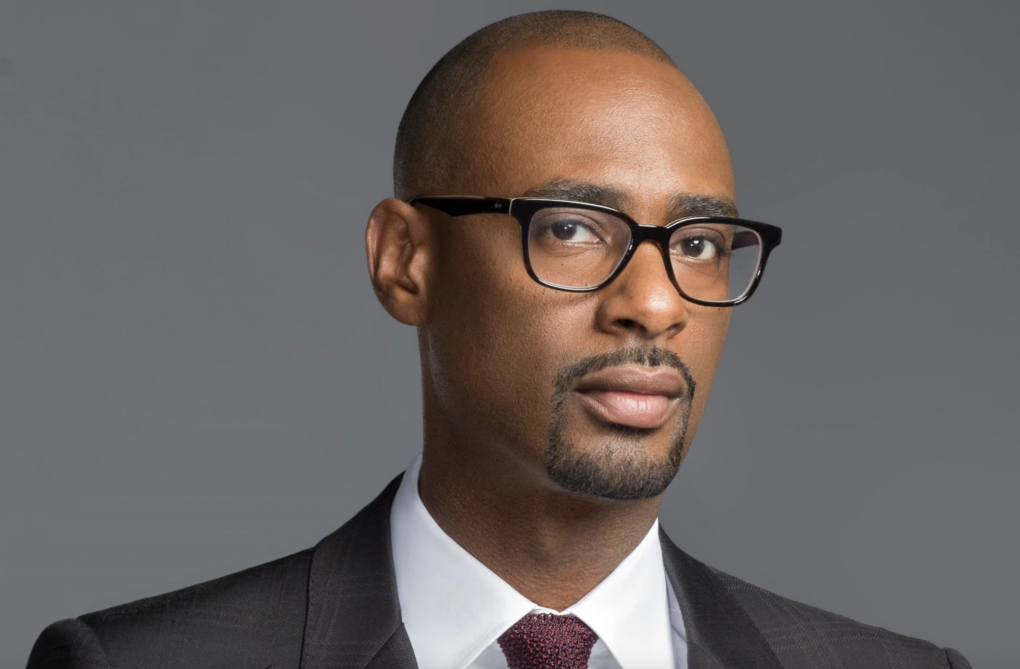
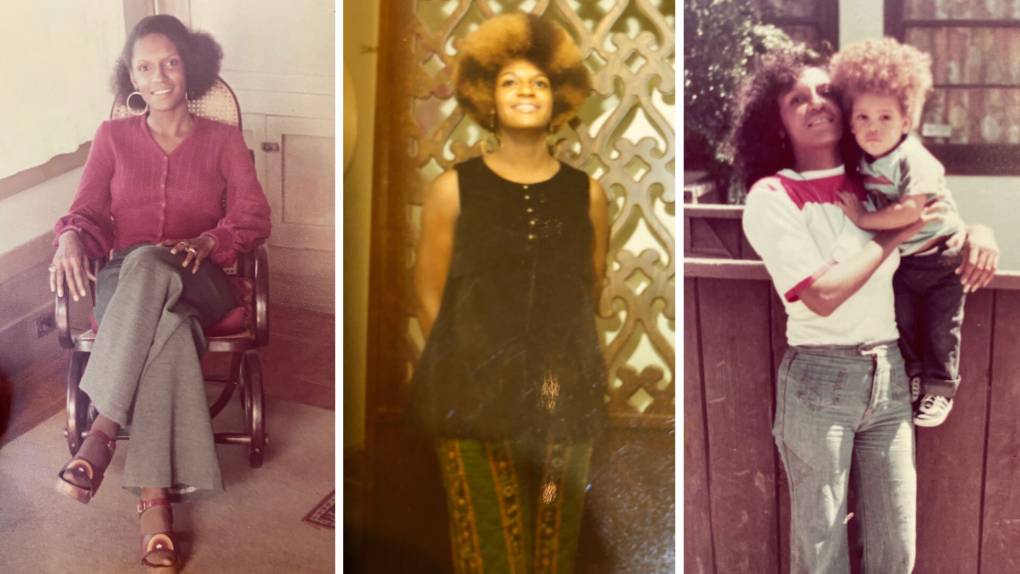
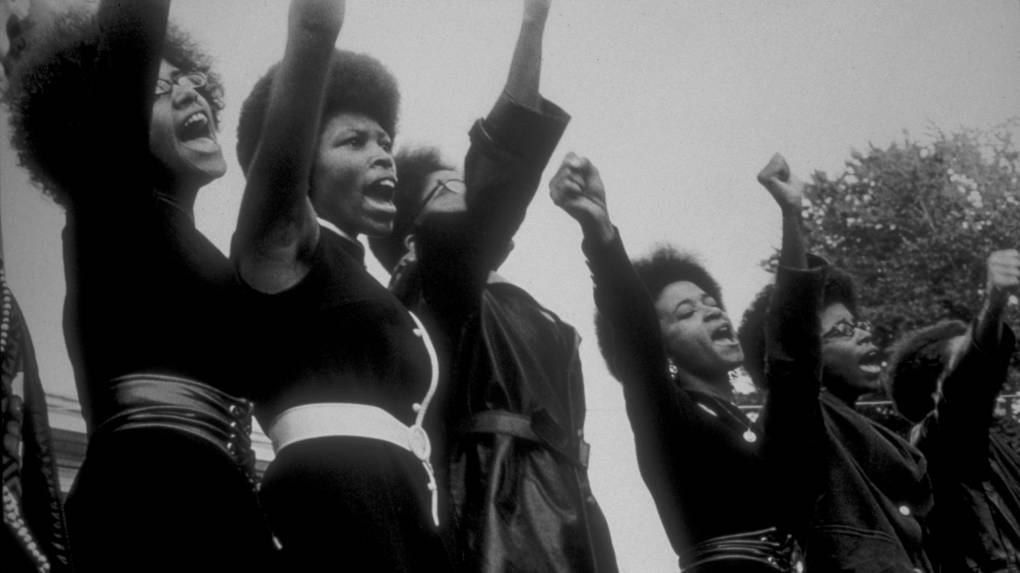
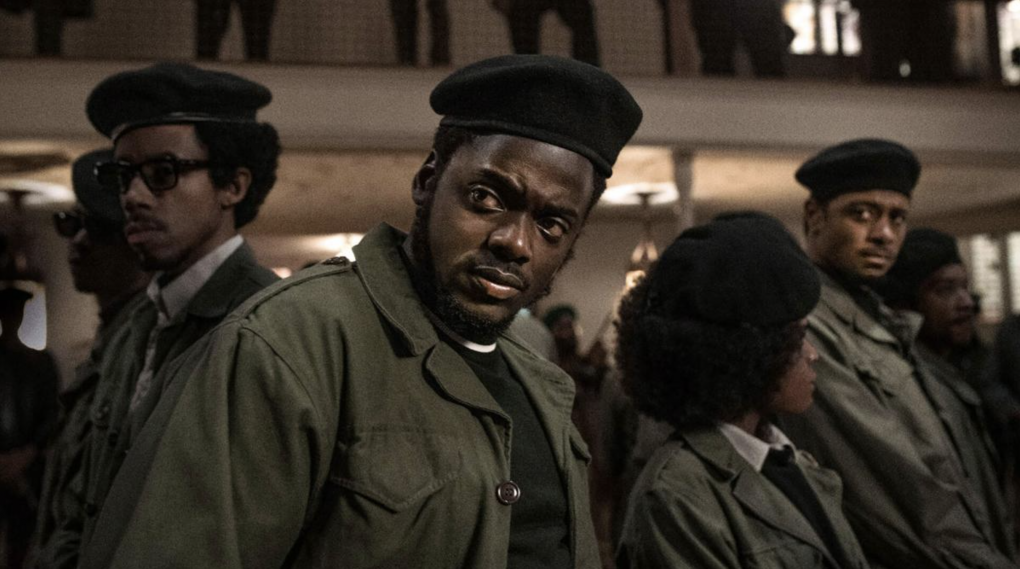
window.__IS_SSR__=true
window.__INITIAL_STATE__={
"attachmentsReducer": {
"audio_0": {
"type": "attachments",
"id": "audio_0",
"imgSizes": {
"kqedFullSize": {
"file": "https://ww2.kqed.org/news/wp-content/themes/KQED-unified/img/audio_bgs/background0.jpg"
}
}
},
"audio_1": {
"type": "attachments",
"id": "audio_1",
"imgSizes": {
"kqedFullSize": {
"file": "https://ww2.kqed.org/news/wp-content/themes/KQED-unified/img/audio_bgs/background1.jpg"
}
}
},
"audio_2": {
"type": "attachments",
"id": "audio_2",
"imgSizes": {
"kqedFullSize": {
"file": "https://ww2.kqed.org/news/wp-content/themes/KQED-unified/img/audio_bgs/background2.jpg"
}
}
},
"audio_3": {
"type": "attachments",
"id": "audio_3",
"imgSizes": {
"kqedFullSize": {
"file": "https://ww2.kqed.org/news/wp-content/themes/KQED-unified/img/audio_bgs/background3.jpg"
}
}
},
"audio_4": {
"type": "attachments",
"id": "audio_4",
"imgSizes": {
"kqedFullSize": {
"file": "https://ww2.kqed.org/news/wp-content/themes/KQED-unified/img/audio_bgs/background4.jpg"
}
}
},
"placeholder": {
"type": "attachments",
"id": "placeholder",
"imgSizes": {
"thumbnail": {
"file": "https://cdn.kqed.org/wp-content/uploads/2024/12/KQED-Default-Image-816638274-2000x1333-1-160x107.jpg",
"width": 160,
"height": 107,
"mimeType": "image/jpeg"
},
"medium": {
"file": "https://cdn.kqed.org/wp-content/uploads/2024/12/KQED-Default-Image-816638274-2000x1333-1-800x533.jpg",
"width": 800,
"height": 533,
"mimeType": "image/jpeg"
},
"medium_large": {
"file": "https://cdn.kqed.org/wp-content/uploads/2024/12/KQED-Default-Image-816638274-2000x1333-1-768x512.jpg",
"width": 768,
"height": 512,
"mimeType": "image/jpeg"
},
"large": {
"file": "https://cdn.kqed.org/wp-content/uploads/2024/12/KQED-Default-Image-816638274-2000x1333-1-1020x680.jpg",
"width": 1020,
"height": 680,
"mimeType": "image/jpeg"
},
"1536x1536": {
"file": "https://cdn.kqed.org/wp-content/uploads/2024/12/KQED-Default-Image-816638274-2000x1333-1-1536x1024.jpg",
"width": 1536,
"height": 1024,
"mimeType": "image/jpeg"
},
"fd-lrg": {
"file": "https://cdn.kqed.org/wp-content/uploads/2024/12/KQED-Default-Image-816638274-2000x1333-1-1536x1024.jpg",
"width": 1536,
"height": 1024,
"mimeType": "image/jpeg"
},
"fd-med": {
"file": "https://cdn.kqed.org/wp-content/uploads/2024/12/KQED-Default-Image-816638274-2000x1333-1-1020x680.jpg",
"width": 1020,
"height": 680,
"mimeType": "image/jpeg"
},
"fd-sm": {
"file": "https://cdn.kqed.org/wp-content/uploads/2024/12/KQED-Default-Image-816638274-2000x1333-1-800x533.jpg",
"width": 800,
"height": 533,
"mimeType": "image/jpeg"
},
"post-thumbnail": {
"file": "https://cdn.kqed.org/wp-content/uploads/2024/12/KQED-Default-Image-816638274-2000x1333-1-672x372.jpg",
"width": 672,
"height": 372,
"mimeType": "image/jpeg"
},
"twentyfourteen-full-width": {
"file": "https://cdn.kqed.org/wp-content/uploads/2024/12/KQED-Default-Image-816638274-2000x1333-1-1038x576.jpg",
"width": 1038,
"height": 576,
"mimeType": "image/jpeg"
},
"xxsmall": {
"file": "https://cdn.kqed.org/wp-content/uploads/2024/12/KQED-Default-Image-816638274-2000x1333-1-160x107.jpg",
"width": 160,
"height": 107,
"mimeType": "image/jpeg"
},
"xsmall": {
"file": "https://cdn.kqed.org/wp-content/uploads/2024/12/KQED-Default-Image-816638274-2000x1333-1-672x372.jpg",
"width": 672,
"height": 372,
"mimeType": "image/jpeg"
},
"small": {
"file": "https://cdn.kqed.org/wp-content/uploads/2024/12/KQED-Default-Image-816638274-2000x1333-1-672x372.jpg",
"width": 672,
"height": 372,
"mimeType": "image/jpeg"
},
"xlarge": {
"file": "https://cdn.kqed.org/wp-content/uploads/2024/12/KQED-Default-Image-816638274-2000x1333-1-1020x680.jpg",
"width": 1020,
"height": 680,
"mimeType": "image/jpeg"
},
"full-width": {
"file": "https://cdn.kqed.org/wp-content/uploads/2024/12/KQED-Default-Image-816638274-2000x1333-1-1920x1280.jpg",
"width": 1920,
"height": 1280,
"mimeType": "image/jpeg"
},
"guest-author-32": {
"file": "https://cdn.kqed.org/wp-content/uploads/2025/01/KQED-Default-Image-816638274-1333x1333-1-160x160.jpg",
"width": 32,
"height": 32,
"mimeType": "image/jpeg"
},
"guest-author-50": {
"file": "https://cdn.kqed.org/wp-content/uploads/2025/01/KQED-Default-Image-816638274-1333x1333-1-160x160.jpg",
"width": 50,
"height": 50,
"mimeType": "image/jpeg"
},
"guest-author-64": {
"file": "https://cdn.kqed.org/wp-content/uploads/2025/01/KQED-Default-Image-816638274-1333x1333-1-160x160.jpg",
"width": 64,
"height": 64,
"mimeType": "image/jpeg"
},
"guest-author-96": {
"file": "https://cdn.kqed.org/wp-content/uploads/2025/01/KQED-Default-Image-816638274-1333x1333-1-160x160.jpg",
"width": 96,
"height": 96,
"mimeType": "image/jpeg"
},
"guest-author-128": {
"file": "https://cdn.kqed.org/wp-content/uploads/2025/01/KQED-Default-Image-816638274-1333x1333-1-160x160.jpg",
"width": 128,
"height": 128,
"mimeType": "image/jpeg"
},
"detail": {
"file": "https://cdn.kqed.org/wp-content/uploads/2025/01/KQED-Default-Image-816638274-1333x1333-1-160x160.jpg",
"width": 160,
"height": 160,
"mimeType": "image/jpeg"
},
"kqedFullSize": {
"file": "https://cdn.kqed.org/wp-content/uploads/2024/12/KQED-Default-Image-816638274-2000x1333-1.jpg",
"width": 2000,
"height": 1333
}
}
},
"arts_13895328": {
"type": "attachments",
"id": "arts_13895328",
"meta": {
"index": "attachments_1716263798",
"site": "arts",
"id": "13895328",
"found": true
},
"parent": 13895322,
"imgSizes": {
"twentyfourteen-full-width": {
"file": "https://ww2.kqed.org/app/uploads/sites/2/2021/04/Screen-Shot-2021-04-07-at-10.56.28-AM-1038x576.png",
"width": 1038,
"mimeType": "image/png",
"height": 576
},
"thumbnail": {
"file": "https://ww2.kqed.org/app/uploads/sites/2/2021/04/Screen-Shot-2021-04-07-at-10.56.28-AM-160x105.png",
"width": 160,
"mimeType": "image/png",
"height": 105
},
"post-thumbnail": {
"file": "https://ww2.kqed.org/app/uploads/sites/2/2021/04/Screen-Shot-2021-04-07-at-10.56.28-AM-672x372.png",
"width": 672,
"mimeType": "image/png",
"height": 372
},
"kqedFullSize": {
"file": "https://ww2.kqed.org/app/uploads/sites/2/2021/04/Screen-Shot-2021-04-07-at-10.56.28-AM-e1617818372809.png",
"width": 1920,
"height": 1260
},
"2048x2048": {
"file": "https://ww2.kqed.org/app/uploads/sites/2/2021/04/Screen-Shot-2021-04-07-at-10.56.28-AM-2048x1344.png",
"width": 2048,
"mimeType": "image/png",
"height": 1344
},
"large": {
"file": "https://ww2.kqed.org/app/uploads/sites/2/2021/04/Screen-Shot-2021-04-07-at-10.56.28-AM-1020x669.png",
"width": 1020,
"mimeType": "image/png",
"height": 669
},
"1536x1536": {
"file": "https://ww2.kqed.org/app/uploads/sites/2/2021/04/Screen-Shot-2021-04-07-at-10.56.28-AM-1536x1008.png",
"width": 1536,
"mimeType": "image/png",
"height": 1008
},
"full-width": {
"file": "https://ww2.kqed.org/app/uploads/sites/2/2021/04/Screen-Shot-2021-04-07-at-10.56.28-AM-1920x1260.png",
"width": 1920,
"mimeType": "image/png",
"height": 1260
},
"medium": {
"file": "https://ww2.kqed.org/app/uploads/sites/2/2021/04/Screen-Shot-2021-04-07-at-10.56.28-AM-800x525.png",
"width": 800,
"mimeType": "image/png",
"height": 525
},
"medium_large": {
"file": "https://ww2.kqed.org/app/uploads/sites/2/2021/04/Screen-Shot-2021-04-07-at-10.56.28-AM-768x504.png",
"width": 768,
"mimeType": "image/png",
"height": 504
}
},
"publishDate": 1617818345,
"modified": 1617818427,
"caption": "Charles D. King.",
"description": "Charles D. King.",
"title": "Charles D. King.",
"credit": "Courtesy of the Collins-Jackson Agency",
"status": "inherit",
"altTag": "Charles D. King.",
"isLoading": false,
"fetchFailed": false
},
"arts_13893118": {
"type": "attachments",
"id": "arts_13893118",
"meta": {
"index": "attachments_1716263798",
"site": "arts",
"id": "13893118",
"found": true
},
"parent": 13893054,
"imgSizes": {
"twentyfourteen-full-width": {
"file": "https://ww2.kqed.org/app/uploads/sites/2/2021/02/Pen_COVER-1038x576.jpg",
"width": 1038,
"mimeType": "image/jpeg",
"height": 576
},
"thumbnail": {
"file": "https://ww2.kqed.org/app/uploads/sites/2/2021/02/Pen_COVER-160x90.jpg",
"width": 160,
"mimeType": "image/jpeg",
"height": 90
},
"post-thumbnail": {
"file": "https://ww2.kqed.org/app/uploads/sites/2/2021/02/Pen_COVER-672x372.jpg",
"width": 672,
"mimeType": "image/jpeg",
"height": 372
},
"kqedFullSize": {
"file": "https://ww2.kqed.org/app/uploads/sites/2/2021/02/Pen_COVER.jpg",
"width": 1920,
"height": 1080
},
"large": {
"file": "https://ww2.kqed.org/app/uploads/sites/2/2021/02/Pen_COVER-1020x574.jpg",
"width": 1020,
"mimeType": "image/jpeg",
"height": 574
},
"1536x1536": {
"file": "https://ww2.kqed.org/app/uploads/sites/2/2021/02/Pen_COVER-1536x864.jpg",
"width": 1536,
"mimeType": "image/jpeg",
"height": 864
},
"medium": {
"file": "https://ww2.kqed.org/app/uploads/sites/2/2021/02/Pen_COVER-800x450.jpg",
"width": 800,
"mimeType": "image/jpeg",
"height": 450
},
"medium_large": {
"file": "https://ww2.kqed.org/app/uploads/sites/2/2021/02/Pen_COVER-768x432.jpg",
"width": 768,
"mimeType": "image/jpeg",
"height": 432
}
},
"publishDate": 1614105404,
"modified": 1614105478,
"caption": "Before becoming a reverend, Cheryl Dawson was a member of the Black Panther Party. Now, she's part of a towering mural in West Oakland paying tribute to the women of the Black Panther Party.",
"description": "Before becoming a reverend, Cheryl Dawson was a member of the Black Panther Party. Now, she's part of a towering mural in West Oakland paying tribute to the women of the Black Panther Party.",
"title": "Pen_COVER",
"credit": "Courtesy Cheryl Dawson",
"status": "inherit",
"altTag": "Before becoming a reverend, Cheryl Dawson was a member of the Black Panther Party. Now, she's part of a towering mural in West Oakland paying tribute to the women of the Black Panther Party.",
"isLoading": false,
"fetchFailed": false
},
"arts_13873391": {
"type": "attachments",
"id": "arts_13873391",
"meta": {
"index": "attachments_1716263798",
"site": "arts",
"id": "13873391",
"found": true
},
"parent": 13873386,
"imgSizes": {
"twentyfourteen-full-width": {
"file": "https://ww2.kqed.org/app/uploads/sites/2/2020/01/Jones_Black-Panthers-from-Sacramento_COVER-1038x576.jpg",
"width": 1038,
"mimeType": "image/jpeg",
"height": 576
},
"thumbnail": {
"file": "https://ww2.kqed.org/app/uploads/sites/2/2020/01/Jones_Black-Panthers-from-Sacramento_COVER-160x90.jpg",
"width": 160,
"mimeType": "image/jpeg",
"height": 90
},
"post-thumbnail": {
"file": "https://ww2.kqed.org/app/uploads/sites/2/2020/01/Jones_Black-Panthers-from-Sacramento_COVER-672x372.jpg",
"width": 672,
"mimeType": "image/jpeg",
"height": 372
},
"kqedFullSize": {
"file": "https://ww2.kqed.org/app/uploads/sites/2/2020/01/Jones_Black-Panthers-from-Sacramento_COVER.jpg",
"width": 2010,
"height": 1130
},
"large": {
"file": "https://ww2.kqed.org/app/uploads/sites/2/2020/01/Jones_Black-Panthers-from-Sacramento_COVER-1020x573.jpg",
"width": 1020,
"mimeType": "image/jpeg",
"height": 573
},
"complete_open_graph": {
"file": "https://ww2.kqed.org/app/uploads/sites/2/2020/01/Jones_Black-Panthers-from-Sacramento_COVER-1200x675.jpg",
"width": 1200,
"mimeType": "image/jpeg",
"height": 675
},
"full-width": {
"file": "https://ww2.kqed.org/app/uploads/sites/2/2020/01/Jones_Black-Panthers-from-Sacramento_COVER-1920x1079.jpg",
"width": 1920,
"mimeType": "image/jpeg",
"height": 1079
},
"medium": {
"file": "https://ww2.kqed.org/app/uploads/sites/2/2020/01/Jones_Black-Panthers-from-Sacramento_COVER-800x450.jpg",
"width": 800,
"mimeType": "image/jpeg",
"height": 450
},
"medium_large": {
"file": "https://ww2.kqed.org/app/uploads/sites/2/2020/01/Jones_Black-Panthers-from-Sacramento_COVER-768x432.jpg",
"width": 768,
"mimeType": "image/jpeg",
"height": 432
}
},
"publishDate": 1579136896,
"modified": 1579137196,
"caption": "Pirkle Jones, 'Black Panthers from Sacramento, Free Huey Rally, Bobby Hutton Memorial Park, Oakland;' August 25, 1968.",
"description": "Pirkle Jones, 'Black Panthers from Sacramento, Free Huey Rally, Bobby Hutton Memorial Park, Oakland;' August 25, 1968.",
"title": "Jones_Black-Panthers-from-Sacramento_COVER",
"credit": "Courtesy of BAMPFA",
"status": "inherit",
"isLoading": false,
"fetchFailed": false
},
"arts_13892648": {
"type": "attachments",
"id": "arts_13892648",
"meta": {
"index": "attachments_1716263798",
"site": "arts",
"id": "13892648",
"found": true
},
"parent": 13892640,
"imgSizes": {
"twentyfourteen-full-width": {
"file": "https://ww2.kqed.org/app/uploads/sites/2/2021/02/Screen-Shot-2021-02-11-at-11.56.58-AM-1038x576.png",
"width": 1038,
"mimeType": "image/png",
"height": 576
},
"thumbnail": {
"file": "https://ww2.kqed.org/app/uploads/sites/2/2021/02/Screen-Shot-2021-02-11-at-11.56.58-AM-160x89.png",
"width": 160,
"mimeType": "image/png",
"height": 89
},
"post-thumbnail": {
"file": "https://ww2.kqed.org/app/uploads/sites/2/2021/02/Screen-Shot-2021-02-11-at-11.56.58-AM-672x372.png",
"width": 672,
"mimeType": "image/png",
"height": 372
},
"kqedFullSize": {
"file": "https://ww2.kqed.org/app/uploads/sites/2/2021/02/Screen-Shot-2021-02-11-at-11.56.58-AM.png",
"width": 2422,
"height": 1350
},
"2048x2048": {
"file": "https://ww2.kqed.org/app/uploads/sites/2/2021/02/Screen-Shot-2021-02-11-at-11.56.58-AM-2048x1142.png",
"width": 2048,
"mimeType": "image/png",
"height": 1142
},
"large": {
"file": "https://ww2.kqed.org/app/uploads/sites/2/2021/02/Screen-Shot-2021-02-11-at-11.56.58-AM-1020x569.png",
"width": 1020,
"mimeType": "image/png",
"height": 569
},
"1536x1536": {
"file": "https://ww2.kqed.org/app/uploads/sites/2/2021/02/Screen-Shot-2021-02-11-at-11.56.58-AM-1536x856.png",
"width": 1536,
"mimeType": "image/png",
"height": 856
},
"full-width": {
"file": "https://ww2.kqed.org/app/uploads/sites/2/2021/02/Screen-Shot-2021-02-11-at-11.56.58-AM-1920x1070.png",
"width": 1920,
"mimeType": "image/png",
"height": 1070
},
"medium": {
"file": "https://ww2.kqed.org/app/uploads/sites/2/2021/02/Screen-Shot-2021-02-11-at-11.56.58-AM-800x446.png",
"width": 800,
"mimeType": "image/png",
"height": 446
},
"medium_large": {
"file": "https://ww2.kqed.org/app/uploads/sites/2/2021/02/Screen-Shot-2021-02-11-at-11.56.58-AM-768x428.png",
"width": 768,
"mimeType": "image/png",
"height": 428
}
},
"publishDate": 1613073441,
"modified": 1613073564,
"caption": "Daniel Kaluuya and Lakeith Stanfield star in 'Judas and the Black Messiah,' directed by Shaka King.",
"description": "Daniel Kaluuya and Lakeith Stanfield star in 'Judas and the Black Messiah,' directed by Shaka King.",
"title": "Daniel Kaluuya and Lakeith Stanfield star in 'Judas and the Black Messiah,' directed by Shaka King.",
"credit": "Warner Bros.",
"status": "inherit",
"altTag": "Daniel Kaluuya and Lakeith Stanfield starring in 'Judas and the Black Messiah,' directed by Shaka King.",
"isLoading": false,
"fetchFailed": false
},
"arts_13891350": {
"type": "attachments",
"id": "arts_13891350",
"meta": {
"index": "attachments_1716263798",
"site": "arts",
"id": "13891350",
"found": true
},
"parent": 13891300,
"imgSizes": {
"twentyfourteen-full-width": {
"file": "https://ww2.kqed.org/app/uploads/sites/2/2021/01/ICCD401_Oakland_WP-1038x576.jpg",
"width": 1038,
"mimeType": "image/jpeg",
"height": 576
},
"thumbnail": {
"file": "https://ww2.kqed.org/app/uploads/sites/2/2021/01/ICCD401_Oakland_WP-160x90.jpg",
"width": 160,
"mimeType": "image/jpeg",
"height": 90
},
"post-thumbnail": {
"file": "https://ww2.kqed.org/app/uploads/sites/2/2021/01/ICCD401_Oakland_WP-672x372.jpg",
"width": 672,
"mimeType": "image/jpeg",
"height": 372
},
"kqedFullSize": {
"file": "https://ww2.kqed.org/app/uploads/sites/2/2021/01/ICCD401_Oakland_WP.jpg",
"width": 1920,
"height": 1079
},
"large": {
"file": "https://ww2.kqed.org/app/uploads/sites/2/2021/01/ICCD401_Oakland_WP-1020x573.jpg",
"width": 1020,
"mimeType": "image/jpeg",
"height": 573
},
"1536x1536": {
"file": "https://ww2.kqed.org/app/uploads/sites/2/2021/01/ICCD401_Oakland_WP-1536x863.jpg",
"width": 1536,
"mimeType": "image/jpeg",
"height": 863
},
"medium": {
"file": "https://ww2.kqed.org/app/uploads/sites/2/2021/01/ICCD401_Oakland_WP-800x450.jpg",
"width": 800,
"mimeType": "image/jpeg",
"height": 450
},
"medium_large": {
"file": "https://ww2.kqed.org/app/uploads/sites/2/2021/01/ICCD401_Oakland_WP-768x432.jpg",
"width": 768,
"mimeType": "image/jpeg",
"height": 432
}
},
"publishDate": 1610749718,
"modified": 1610749821,
"caption": "William Randolph a.k.a. Mr. Penguin of\nThe Black Resurgents \n",
"description": "William Randolph a.k.a. Mr. Penguin of\nThe Black Resurgents \n",
"title": "ICCD401_Oakland_WP",
"credit": "Elie M. Khadra",
"status": "inherit",
"altTag": null,
"isLoading": false,
"fetchFailed": false
},
"arts_13891169": {
"type": "attachments",
"id": "arts_13891169",
"meta": {
"index": "attachments_1716263798",
"site": "arts",
"id": "13891169",
"found": true
},
"parent": 13891079,
"imgSizes": {
"thumbnail": {
"file": "https://ww2.kqed.org/app/uploads/sites/2/2021/01/AngelaDavis.MAIN_-160x90.jpg",
"width": 160,
"mimeType": "image/jpeg",
"height": 90
},
"post-thumbnail": {
"file": "https://ww2.kqed.org/app/uploads/sites/2/2021/01/AngelaDavis.MAIN_-672x372.jpg",
"width": 672,
"mimeType": "image/jpeg",
"height": 372
},
"kqedFullSize": {
"file": "https://ww2.kqed.org/app/uploads/sites/2/2021/01/AngelaDavis.MAIN_.jpg",
"width": 800,
"height": 450
},
"medium_large": {
"file": "https://ww2.kqed.org/app/uploads/sites/2/2021/01/AngelaDavis.MAIN_-768x432.jpg",
"width": 768,
"mimeType": "image/jpeg",
"height": 432
}
},
"publishDate": 1610574948,
"modified": 1610574948,
"caption": null,
"description": null,
"title": "AngelaDavis.MAIN",
"credit": null,
"status": "inherit",
"altTag": null,
"isLoading": false,
"fetchFailed": false
},
"arts_13885332": {
"type": "attachments",
"id": "arts_13885332",
"meta": {
"index": "attachments_1716263798",
"site": "arts",
"id": "13885332",
"found": true
},
"parent": 13885328,
"imgSizes": {
"thumbnail": {
"file": "https://ww2.kqed.org/app/uploads/sites/2/2020/08/emory-salon-160x80.jpg",
"width": 160,
"mimeType": "image/jpeg",
"height": 80
},
"post-thumbnail": {
"file": "https://ww2.kqed.org/app/uploads/sites/2/2020/08/emory-salon-672x372.jpg",
"width": 672,
"mimeType": "image/jpeg",
"height": 372
},
"kqedFullSize": {
"file": "https://ww2.kqed.org/app/uploads/sites/2/2020/08/emory-salon.jpg",
"width": 1000,
"height": 500
},
"medium": {
"file": "https://ww2.kqed.org/app/uploads/sites/2/2020/08/emory-salon-800x400.jpg",
"width": 800,
"mimeType": "image/jpeg",
"height": 400
},
"medium_large": {
"file": "https://ww2.kqed.org/app/uploads/sites/2/2020/08/emory-salon-768x384.jpg",
"width": 768,
"mimeType": "image/jpeg",
"height": 384
}
},
"publishDate": 1598404285,
"modified": 1598405221,
"caption": "Emory Douglas will discuss his creative process, the Black Panthers and today's movement for racial justice via Zoom.",
"description": "Emory Douglas will discuss his creative process, the Black Panthers and today's movement for racial justice via Zoom.",
"title": "emory-salon",
"credit": "Letterform Archive",
"status": "inherit",
"isLoading": false,
"fetchFailed": false
},
"arts_13884373": {
"type": "attachments",
"id": "arts_13884373",
"meta": {
"index": "attachments_1716263798",
"site": "arts",
"id": "13884373",
"found": true
},
"parent": 13884294,
"imgSizes": {
"twentyfourteen-full-width": {
"file": "https://ww2.kqed.org/app/uploads/sites/2/2020/08/HueyNewton.Freed_.Aug5_.1970-1038x576.jpg",
"width": 1038,
"mimeType": "image/jpeg",
"height": 576
},
"thumbnail": {
"file": "https://ww2.kqed.org/app/uploads/sites/2/2020/08/HueyNewton.Freed_.Aug5_.1970-160x109.jpg",
"width": 160,
"mimeType": "image/jpeg",
"height": 109
},
"post-thumbnail": {
"file": "https://ww2.kqed.org/app/uploads/sites/2/2020/08/HueyNewton.Freed_.Aug5_.1970-672x372.jpg",
"width": 672,
"mimeType": "image/jpeg",
"height": 372
},
"kqedFullSize": {
"file": "https://ww2.kqed.org/app/uploads/sites/2/2020/08/HueyNewton.Freed_.Aug5_.1970.jpg",
"width": 1416,
"height": 965
},
"large": {
"file": "https://ww2.kqed.org/app/uploads/sites/2/2020/08/HueyNewton.Freed_.Aug5_.1970-1020x695.jpg",
"width": 1020,
"mimeType": "image/jpeg",
"height": 695
},
"medium": {
"file": "https://ww2.kqed.org/app/uploads/sites/2/2020/08/HueyNewton.Freed_.Aug5_.1970-800x545.jpg",
"width": 800,
"mimeType": "image/jpeg",
"height": 545
},
"medium_large": {
"file": "https://ww2.kqed.org/app/uploads/sites/2/2020/08/HueyNewton.Freed_.Aug5_.1970-768x523.jpg",
"width": 768,
"mimeType": "image/jpeg",
"height": 523
}
},
"publishDate": 1596609117,
"modified": 1596609344,
"caption": "Huey P. Newton is freed on Aug. 5, 1970, at the Aladema County Courthouse. ",
"description": "Huey P. Newton is freed on Aug. 5, 1970, at the Aladema County Courthouse. ",
"title": "HueyNewton.Freed.Aug5.1970",
"credit": "KQED Archives",
"status": "inherit",
"isLoading": false,
"fetchFailed": false
},
"arts_13881413": {
"type": "attachments",
"id": "arts_13881413",
"meta": {
"index": "attachments_1716263798",
"site": "arts",
"id": "13881413",
"found": true
},
"parent": 13881407,
"imgSizes": {
"thumbnail": {
"file": "https://ww2.kqed.org/app/uploads/sites/2/2020/06/HRapBrown-160x90.jpg",
"width": 160,
"mimeType": "image/jpeg",
"height": 90
},
"post-thumbnail": {
"file": "https://ww2.kqed.org/app/uploads/sites/2/2020/06/HRapBrown-672x372.jpg",
"width": 672,
"mimeType": "image/jpeg",
"height": 372
},
"kqedFullSize": {
"file": "https://ww2.kqed.org/app/uploads/sites/2/2020/06/HRapBrown.jpg",
"width": 849,
"height": 478
},
"medium": {
"file": "https://ww2.kqed.org/app/uploads/sites/2/2020/06/HRapBrown-800x450.jpg",
"width": 800,
"mimeType": "image/jpeg",
"height": 450
},
"medium_large": {
"file": "https://ww2.kqed.org/app/uploads/sites/2/2020/06/HRapBrown-768x432.jpg",
"width": 768,
"mimeType": "image/jpeg",
"height": 432
}
},
"publishDate": 1591311272,
"modified": 1591311282,
"caption": null,
"description": null,
"title": "HRapBrown",
"credit": "KQED",
"status": "inherit",
"isLoading": false,
"fetchFailed": false
},
"arts_13867349": {
"type": "attachments",
"id": "arts_13867349",
"meta": {
"index": "attachments_1716263798",
"site": "arts",
"id": "13867349",
"found": true
},
"parent": 13867337,
"imgSizes": {
"twentyfourteen-full-width": {
"file": "https://ww2.kqed.org/app/uploads/sites/2/2019/09/0-1038x576.jpg",
"width": 1038,
"mimeType": "image/jpeg",
"height": 576
},
"thumbnail": {
"file": "https://ww2.kqed.org/app/uploads/sites/2/2019/09/0-160x107.jpg",
"width": 160,
"mimeType": "image/jpeg",
"height": 107
},
"post-thumbnail": {
"file": "https://ww2.kqed.org/app/uploads/sites/2/2019/09/0-672x372.jpg",
"width": 672,
"mimeType": "image/jpeg",
"height": 372
},
"kqedFullSize": {
"file": "https://ww2.kqed.org/app/uploads/sites/2/2019/09/0.jpg",
"width": 1616,
"height": 1080
},
"large": {
"file": "https://ww2.kqed.org/app/uploads/sites/2/2019/09/0-1020x682.jpg",
"width": 1020,
"mimeType": "image/jpeg",
"height": 682
},
"complete_open_graph": {
"file": "https://ww2.kqed.org/app/uploads/sites/2/2019/09/0-1200x802.jpg",
"width": 1200,
"mimeType": "image/jpeg",
"height": 802
},
"medium": {
"file": "https://ww2.kqed.org/app/uploads/sites/2/2019/09/0-800x535.jpg",
"width": 800,
"mimeType": "image/jpeg",
"height": 535
},
"medium_large": {
"file": "https://ww2.kqed.org/app/uploads/sites/2/2019/09/0-768x513.jpg",
"width": 768,
"mimeType": "image/jpeg",
"height": 513
}
},
"publishDate": 1569873381,
"modified": 1569873405,
"caption": "Billy X Jennings",
"description": "Billy X Jennings",
"title": "Billy X Jennings",
"credit": "Pendarvis Harshaw",
"status": "inherit",
"isLoading": false,
"fetchFailed": false
},
"arts_13851546": {
"type": "attachments",
"id": "arts_13851546",
"meta": {
"index": "attachments_1716263798",
"site": "arts",
"id": "13851546",
"found": true
},
"parent": 13851531,
"imgSizes": {
"thumbnail": {
"file": "https://ww2.kqed.org/app/uploads/sites/2/2019/02/lumpen_hangin-160x99.jpg",
"width": 160,
"mimeType": "image/jpeg",
"height": 99
},
"post-thumbnail": {
"file": "https://ww2.kqed.org/app/uploads/sites/2/2019/02/lumpen_hangin-672x372.jpg",
"width": 672,
"mimeType": "image/jpeg",
"height": 372
},
"kqedFullSize": {
"file": "https://ww2.kqed.org/app/uploads/sites/2/2019/02/lumpen_hangin.jpg",
"width": 800,
"height": 496
},
"guest-author-50": {
"file": "https://ww2.kqed.org/app/uploads/sites/2/2019/02/lumpen_hangin-50x50.jpg",
"width": 50,
"mimeType": "image/jpeg",
"height": 50
},
"guest-author-96": {
"file": "https://ww2.kqed.org/app/uploads/sites/2/2019/02/lumpen_hangin-96x96.jpg",
"width": 96,
"mimeType": "image/jpeg",
"height": 96
},
"medium": {
"file": "https://ww2.kqed.org/app/uploads/sites/2/2019/02/lumpen_hangin-800x496.jpg",
"width": 800,
"mimeType": "image/jpeg",
"height": 496
},
"guest-author-64": {
"file": "https://ww2.kqed.org/app/uploads/sites/2/2019/02/lumpen_hangin-64x64.jpg",
"width": 64,
"mimeType": "image/jpeg",
"height": 64
},
"detail": {
"file": "https://ww2.kqed.org/app/uploads/sites/2/2019/02/lumpen_hangin-150x150.jpg",
"width": 150,
"mimeType": "image/jpeg",
"height": 150
},
"guest-author-32": {
"file": "https://ww2.kqed.org/app/uploads/sites/2/2019/02/lumpen_hangin-32x32.jpg",
"width": 32,
"mimeType": "image/jpeg",
"height": 32
},
"medium_large": {
"file": "https://ww2.kqed.org/app/uploads/sites/2/2019/02/lumpen_hangin-768x476.jpg",
"width": 768,
"mimeType": "image/jpeg",
"height": 476
},
"guest-author-128": {
"file": "https://ww2.kqed.org/app/uploads/sites/2/2019/02/lumpen_hangin-128x128.jpg",
"width": 128,
"mimeType": "image/jpeg",
"height": 128
}
},
"publishDate": 1550882860,
"modified": 1551121926,
"caption": "When the Black Panthers needed a funk band to help galvanize the masses, the Lumpen didn't miss a beat.",
"description": "When the Black Panthers needed a funk band to help galvanize the masses, the Lumpen didn't miss a beat.",
"title": "lumpen_hangin",
"credit": "Courtesy of itsabouttime.com",
"status": "inherit",
"isLoading": false,
"fetchFailed": false
}
},
"audioPlayerReducer": {
"postId": "stream_live",
"isPaused": true,
"isPlaying": false,
"pfsActive": false,
"pledgeModalIsOpen": true,
"playerDrawerIsOpen": false,
"liveAudioPlayStartedAt": 0,
"liveAudioPlayContext": ""
},
"authorsReducer": {
"byline_arts_13895322": {
"type": "authors",
"id": "byline_arts_13895322",
"meta": {
"override": true
},
"slug": "byline_arts_13895322",
"name": "Mandalit del Barco",
"isLoading": false
},
"byline_arts_13892640": {
"type": "authors",
"id": "byline_arts_13892640",
"meta": {
"override": true
},
"slug": "byline_arts_13892640",
"name": "Andrew Limbong",
"isLoading": false
},
"byline_arts_13891300": {
"type": "authors",
"id": "byline_arts_13891300",
"meta": {
"override": true
},
"slug": "byline_arts_13891300",
"name": "Eric Arnold, Spencer Wilkinson",
"isLoading": false
},
"shotchkiss": {
"type": "authors",
"id": "61",
"meta": {
"index": "authors_1716337520",
"id": "61",
"found": true
},
"name": "Sarah Hotchkiss",
"firstName": "Sarah",
"lastName": "Hotchkiss",
"slug": "shotchkiss",
"email": "shotchkiss@kqed.org",
"display_author_email": true,
"staff_mastheads": [
"arts"
],
"title": "Senior Editor",
"bio": "Sarah Hotchkiss is a San Francisco \u003ca href=\"http://www.sarahhotchkiss.com\">artist\u003c/a> and arts writer. In 2019, she received the Dorothea & Leo Rabkin Foundation grant for visual art journalism and in 2020 she received a Society of Professional Journalists, Northern California award for excellence in arts and culture reporting.",
"avatar": "https://secure.gravatar.com/avatar/bc662df144b3d27fd8b1b6f1c2a420d34e91e53154d411bb7ad353cc8b6cea8d?s=600&d=blank&r=g",
"twitter": null,
"bluesky": null,
"facebook": null,
"instagram": null,
"linkedin": null,
"sites": [
{
"site": "",
"roles": [
"editor"
]
},
{
"site": "arts",
"roles": [
"Contributor",
"administrator"
]
},
{
"site": "artschool",
"roles": [
"administrator"
]
},
{
"site": "news",
"roles": [
"editor"
]
},
{
"site": "pop",
"roles": [
"administrator"
]
},
{
"site": "bayareabites",
"roles": [
"editor"
]
},
{
"site": "spark",
"roles": [
"editor"
]
},
{
"site": "checkplease",
"roles": [
"editor"
]
}
],
"headData": {
"title": "Sarah Hotchkiss | KQED",
"description": "Senior Editor",
"ogImgSrc": "https://secure.gravatar.com/avatar/bc662df144b3d27fd8b1b6f1c2a420d34e91e53154d411bb7ad353cc8b6cea8d?s=600&d=blank&r=g",
"twImgSrc": "https://secure.gravatar.com/avatar/bc662df144b3d27fd8b1b6f1c2a420d34e91e53154d411bb7ad353cc8b6cea8d?s=600&d=blank&r=g"
},
"isLoading": false,
"link": "/author/shotchkiss"
},
"gmeline": {
"type": "authors",
"id": "185",
"meta": {
"index": "authors_1716337520",
"id": "185",
"found": true
},
"name": "Gabe Meline",
"firstName": "Gabe",
"lastName": "Meline",
"slug": "gmeline",
"email": "gmeline@kqed.org",
"display_author_email": true,
"staff_mastheads": [
"arts"
],
"title": "Senior Editor, KQED Arts & Culture",
"bio": "Gabe Meline entered journalism at age 15 making photocopied zines, and has since earned awards from the Edward R. Murrow Awards, the Society for Professional Journalists, the Online Journalism Awards, the Association of Alternative Newsweeklies and the California Newspaper Publishers Association. Prior to KQED, he was the editor of the \u003cem>North Bay Bohemian\u003c/em> and a touring musician. He lives with his wife and daughter in his hometown of Santa Rosa, CA.",
"avatar": "https://secure.gravatar.com/avatar/5bebe57be0d8bc2dd318934feb47299e2d2d10cba28d09d8d7afb389a2ce2bdd?s=600&d=blank&r=g",
"twitter": null,
"bluesky": null,
"facebook": null,
"instagram": null,
"linkedin": null,
"sites": [
{
"site": "",
"roles": [
"editor"
]
},
{
"site": "arts",
"roles": [
"administrator"
]
},
{
"site": "artschool",
"roles": [
"editor"
]
},
{
"site": "news",
"roles": [
"author"
]
},
{
"site": "pop",
"roles": [
"editor"
]
},
{
"site": "bayareabites",
"roles": [
"editor"
]
},
{
"site": "food",
"roles": [
"editor"
]
},
{
"site": "forum",
"roles": [
"administrator"
]
},
{
"site": "liveblog",
"roles": [
"editor"
]
},
{
"site": "hiphop",
"roles": [
"editor"
]
}
],
"headData": {
"title": "Gabe Meline | KQED",
"description": "Senior Editor, KQED Arts & Culture",
"ogImgSrc": "https://secure.gravatar.com/avatar/5bebe57be0d8bc2dd318934feb47299e2d2d10cba28d09d8d7afb389a2ce2bdd?s=600&d=blank&r=g",
"twImgSrc": "https://secure.gravatar.com/avatar/5bebe57be0d8bc2dd318934feb47299e2d2d10cba28d09d8d7afb389a2ce2bdd?s=600&d=blank&r=g"
},
"isLoading": false,
"link": "/author/gmeline"
},
"ogpenn": {
"type": "authors",
"id": "11491",
"meta": {
"index": "authors_1716337520",
"id": "11491",
"found": true
},
"name": "Pendarvis Harshaw",
"firstName": "Pendarvis",
"lastName": "Harshaw",
"slug": "ogpenn",
"email": "ogpenn@gmail.com",
"display_author_email": false,
"staff_mastheads": [
"arts"
],
"title": "Community Engagement Reporter",
"bio": "Pendarvis Harshaw is an educator, host and writer with KQED Arts.",
"avatar": "https://secure.gravatar.com/avatar/972b77ee8e3f346ae2b00622661187fbfabd059b5693bbdc1475ea7a722fd4cd?s=600&d=blank&r=g",
"twitter": null,
"bluesky": null,
"facebook": null,
"instagram": "ogpenn",
"linkedin": null,
"sites": [
{
"site": "arts",
"roles": [
"administrator"
]
},
{
"site": "news",
"roles": [
"editor"
]
},
{
"site": "bayareabites",
"roles": [
"author"
]
},
{
"site": "hiphop",
"roles": [
"editor"
]
}
],
"headData": {
"title": "Pendarvis Harshaw | KQED",
"description": "Community Engagement Reporter",
"ogImgSrc": "https://secure.gravatar.com/avatar/972b77ee8e3f346ae2b00622661187fbfabd059b5693bbdc1475ea7a722fd4cd?s=600&d=blank&r=g",
"twImgSrc": "https://secure.gravatar.com/avatar/972b77ee8e3f346ae2b00622661187fbfabd059b5693bbdc1475ea7a722fd4cd?s=600&d=blank&r=g"
},
"isLoading": false,
"link": "/author/ogpenn"
},
"sgetachew": {
"type": "authors",
"id": "11734",
"meta": {
"index": "authors_1716337520",
"id": "11734",
"found": true
},
"name": "Samuel Getachew",
"firstName": "Samuel",
"lastName": "Getachew",
"slug": "sgetachew",
"email": "sgetachew@kqed.org",
"display_author_email": false,
"staff_mastheads": [],
"title": "KQED Contributor",
"bio": "\u003cspan style=\"font-weight: 400;\">Samuel Getachew is an 18-year-old poet and writer from Oakland, California. He is the 2019 Oakland Youth Poet Laureate, a 2020 Finalist for National Youth Poet Laureate, and a 4-time YoungArts Winner. His writing has been published in Teen Vogue, the New York Times, the Washington Post, and more. He will attend Yale University in the fall of 2021.\u003c/span>",
"avatar": "https://secure.gravatar.com/avatar/ebad3dcf2295975cfe77698fa670a089?s=600&d=blank&r=g",
"twitter": null,
"facebook": null,
"instagram": null,
"linkedin": null,
"sites": [
{
"site": "arts",
"roles": [
"subscriber"
]
}
],
"headData": {
"title": "Samuel Getachew | KQED",
"description": "KQED Contributor",
"ogImgSrc": "https://secure.gravatar.com/avatar/ebad3dcf2295975cfe77698fa670a089?s=600&d=blank&r=g",
"twImgSrc": "https://secure.gravatar.com/avatar/ebad3dcf2295975cfe77698fa670a089?s=600&d=blank&r=g"
},
"isLoading": false,
"link": "/author/sgetachew"
},
"earnold": {
"type": "authors",
"id": "11839",
"meta": {
"index": "authors_1716337520",
"id": "11839",
"found": true
},
"name": "Eric Arnold",
"firstName": "Eric",
"lastName": "Arnold",
"slug": "earnold",
"email": "earnold@kqed.org",
"display_author_email": false,
"staff_mastheads": [],
"title": "Contributing Editor, 'That's My Word'",
"bio": "Eric Arnold has covered hip-hop locally and nationally for over 30 years. Formerly the managing editor of \u003cem>4080\u003c/em> and columnist for \u003cem>The Source\u003c/em>, he chronicled hyphy’s rise and fall, co-curated the Oakland Museum of California’s first hip-hop exhibit in 2018 and won a 2022 Northern California Emmy Award for a mini-documentary on Oakland’s Boogaloo dance culture. He is a contributing editor for \u003cem>That’s My Word\u003c/em>, KQED's series on the history of Bay Area hip-hop.",
"avatar": "https://secure.gravatar.com/avatar/ede45b04898456ad0893a2811e78b0a2?s=600&d=blank&r=g",
"twitter": null,
"facebook": null,
"instagram": null,
"linkedin": null,
"sites": [
{
"site": "arts",
"roles": [
"contributor"
]
},
{
"site": "news",
"roles": [
"contributor"
]
},
{
"site": "hiphop",
"roles": [
"contributor"
]
}
],
"headData": {
"title": "Eric Arnold | KQED",
"description": "Contributing Editor, 'That's My Word'",
"ogImgSrc": "https://secure.gravatar.com/avatar/ede45b04898456ad0893a2811e78b0a2?s=600&d=blank&r=g",
"twImgSrc": "https://secure.gravatar.com/avatar/ede45b04898456ad0893a2811e78b0a2?s=600&d=blank&r=g"
},
"isLoading": false,
"link": "/author/earnold"
}
},
"pagesReducer": {
"arts_tag_black-panther-party": {
"type": "terms",
"id": "arts_6775",
"meta": {
"index": "terms_1716263798",
"site": "arts",
"id": "6775",
"score": 9.893801
},
"featImg": null,
"name": "black panther party",
"description": null,
"taxonomy": "tag",
"headData": {
"twImgId": null,
"twTitle": null,
"ogTitle": null,
"ogImgId": null,
"twDescription": null,
"description": null,
"title": "black panther party Archives | KQED Arts",
"ogDescription": null
},
"ttid": 6787,
"slug": "black-panther-party",
"isLoading": false,
"title": "black panther party",
"pageMeta": {
"site": "arts",
"WpPageTemplate": "page-topic-editorial",
"currentPage": 2
},
"blocks": [
{
"blockName": "kqed/post-list",
"attrs": {
"layout": "cardArticle2",
"query": "posts/arts?tag=black-panther-party",
"seeMore": false,
"paginated": true,
"page": 2
}
},
{
"blockName": "kqed/ad"
}
]
}
},
"pfsSessionReducer": {},
"postsReducer": {
"stream_live": {
"type": "live",
"id": "stream_live",
"audioUrl": "https://streams.kqed.org/kqedradio",
"title": "Live Stream",
"excerpt": "Live Stream information currently unavailable.",
"link": "/radio",
"featImg": "",
"label": {
"name": "KQED Live",
"link": "/"
}
},
"stream_kqedNewscast": {
"type": "posts",
"id": "stream_kqedNewscast",
"audioUrl": "https://www.kqed.org/.stream/anon/radio/RDnews/newscast.mp3?_=1",
"title": "KQED Newscast",
"featImg": "",
"label": {
"name": "88.5 FM",
"link": "/"
}
},
"arts_13895322": {
"type": "posts",
"id": "arts_13895322",
"meta": {
"index": "posts_1716263798",
"site": "arts",
"id": "13895322",
"score": null,
"sort": [
1617818829000
]
},
"guestAuthors": [],
"slug": "this-is-about-lifting-culture-says-history-making-producer-charles-d-king",
"title": "'This is About Lifting Culture,' Says History-Making Producer Charles D. King",
"publishDate": 1617818829,
"format": "standard",
"headTitle": "‘This is About Lifting Culture,’ Says History-Making Producer Charles D. King | KQED",
"labelTerm": {
"term": 137,
"site": "arts"
},
"content": "\u003cp>The film \u003cem>Judas and the Black Messiah\u003c/em> has already made history at the Oscars. It’s the first Best Picture nominee with an all-Black producing team, which includes two Kings and a Coogler: Ryan Coogler, Shaka King and Charles D. King, who brings a new vision for Hollywood.\u003c/p>\n\u003cp>King has always had an eye for spotting talent, and he knows diverse audiences are thirsty for their stories to be told in Hollywood. It’s why he created his own multiplatform company, called MACRO, “to focus on telling stories from and about people of color, ” he says. “There were just not enough of these types of movies.” [aside postid='arts_13892640']\u003c/p>\n\u003cp>King remembers the phone call he got from his good friend Ryan Coogler, whose superhero movie \u003cem>Black\u003c/em> \u003cem>Panther \u003c/em>was a hit. He says Coogler was ready to produce a film about a real life Black Panther leader. “He said, hey, there’s this incredible script written by Shaka King about Fred Hampton,” King recalls. “And I’d like to see if you and MACRO would be interested in collaborating on it.”\u003c/p>\n\u003cp>“We were just blown away by the story,” he says, a story examining the work and life of Black Panther leader Fred Hampton, and the FBI informant who infiltrated the Chicago chapter of the Black Panther Party.\u003c/p>\n\u003cp>As a producer, King helped develop the script for \u003cem>Judas and the Black Messiah\u003c/em>; he was on the set and he was intensely involved with the film’s release and marketing. Writer/director Shaka King says Charles King’s support was crucial.\u003c/p>\n\u003cp>[ad fullwidth]\u003c/p>\n\u003cp>“He committed 50 per cent of the budget before we even went out to a studio, which is incredibly rare, which also gave us just a certain level of autonomy,” says Shaka King. ” If he had put in less money, the studio would have had more control … I think one of the reasons [Charles] wanted to put up 50 per cent was because he wanted to make sure that I got to make the movie that I wanted to make, which was very generous of him.”\u003c/p>\n\u003cp>https://www.youtube.com/watch?v=6ivHf4ODMi4\u003c/p>\n\u003cp>King knows that representation matters. He was born in Harlem in 1969 and grew up in an Atlanta suburb, where his father was a pediatrician and his mother wrote novels and poetry. While studying political science at Vanderbilt, a friend suggested he become an entertainment lawyer.\u003c/p>\n\u003cp>“Growing up in Decatur, Georgia in a middle class family, I just didn’t know what an entertainment lawyer did,” he says. “But I watched this television show with my mother called \u003cem>L.A. Law\u003c/em>, and I remember there was this one Black character on the show played by Blair Underwood. He’s this charismatic African American attorney at the firm and he stood up for himself and he was just the man.”\u003c/p>\n\u003cp>King was inspired to study at Howard University School of Law. After graduating in 1997, he packed up a U-Haul truck and moved to Los Angeles with a few hundred dollars to his name. His ten-year plan to lead his own entertainment and media company began in the mailroom of the famed William Morris agency.\u003c/p>\n\u003cp>“I looked at the agency world as as the perfect launching ground to get my feet wet, to build relationships, to understand the industry,” King says. [aside postid='arts_13892167']\u003c/p>\n\u003cp>Even as a trainee in the mailroom, King brought in new clients, like hip-hop star Missy Elliot. He got to know the company’s CEO; he networked at conferences and wrote reports on cultural trends such as hip-hop, and on the viewing patterns and revenue potential of Black, Latino and Asian audiences. King moved up quickly.\u003c/p>\n\u003cp>“When I got promoted, it was the first time in, I believe, 101 years, [for an] African American to go from the mailroom to film and television agent, at least in the Beverly Hills office,” says King. “I was very good at being an agent, and I broke tremendous ground. I became the first Black partner in the history of Hollywood when William Morris and Endeavor merged.”\u003c/p>\n\u003cp>As an agent, King grew an impressive roster. Among his clients: Oprah, Janet Jackson, Lin-Manuel Miranda, and Tyler Perry, who he signed before anyone else in Hollywood knew who he was. King introduced Perry to studio executives and got them to see Perry’s plays. King also helped set up a deal at Lionsgate for Perry’s first film, \u003cem>Diary of a Mad Black Woman\u003c/em>.\u003c/p>\n\u003cp>“Everyone was like, oh, my God, I can’t believe this five million dollar movie made fifty million at box office and sold millions and millions and millions of DVDs,” he says. “And that was just the launch of this incredible franchise and business.”\u003c/p>\n\u003cp>King also helped Perry set up a new business model for syndicating TV projects, starting with \u003cem>Tyler Perry’s House of Payne\u003c/em>. With Perry’s lawyer, King structured what was called the “10-90” distribution deal, designed to maximize profitability: an arrangement where a network test runs ten episodes of a new television series. If it does well, the network then orders 90 more episodes and guarantees the entire 100-episode package will be sold for syndication.\u003c/p>\n\u003cp>“My nickname was 2005,” King recalls. That was the year, his fifth as an agent, he not only struck gold with Tyler Perry, but he also brought in filmmaker Craig Brewer, whose film \u003cem>Hustle and Flow\u003c/em> was a big seller at the Sundance Film Festival. King began repping the film’s star, Terrence Howard, who earned an Oscar nomination. And he began representing Prince.\u003c/p>\n\u003cp>King says as an African American man, he had to make ten times as many phone calls as his colleagues representing white movie stars and filmmakers. And he did a lot of educating about the value of diversity. [aside postid='arts_13819809']\u003c/p>\n\u003cp>“The leaders at the top of William Morris and, frankly, the senior chairman level of a lot of the studios that I would interface with, they would usually get it,” King says. “A lot of times, you find it’s the people in the middle that are less visionary. And so, yeah, of course, there were moments where I would be discussing things or bringing up concepts and meetings and literally got laughed at. And then a few years later, I was running the meetings because I was generating ten times more revenue than they were.”\u003c/p>\n\u003cp>In 2015, after nearly 20 years at William Morris, King took a leap of faith. He left the agency to create MACRO with his wife Stacey and a few partners. They launched a month before the #OscarsSoWhite movement began, and hit it out of the ballpark with the first film they produced, \u003cem>Fences\u003c/em>. The film’s star Denzel Washington earned an Oscar nomination, and co-star Viola Davis won Best Supporting Actress.\u003c/p>\n\u003cp>https://www.youtube.com/watch?v=jj-ZYPVRQbc\u003c/p>\n\u003cp>Then Mary J. Blige was nominated for another MACRO film, \u003cem>Mudbound\u003c/em>. Since then, MACRO has produced other films, including \u003cem>Just Mercy\u003c/em>, \u003cem>Sorry to Bother You\u003c/em> and the series \u003cem>Gentefied\u003c/em> and \u003cem>Raising Dion\u003c/em>. Earlier this year, King’s company inked a first-look deal with Warner Brothers to develop and package features.\u003c/p>\n\u003cp>King says up to 70 per cent of his team leaders are women, and everyone at his company is encouraged to present ideas. He says MACRO’s mission is to present a new paradigm in the media landscape, to disrupt the way things have always been done.\u003c/p>\n\u003cp>“This is not just about building an entertainment and media brand that will be around for generations,” he says. “This is also about lifting culture. It’s about creating opportunity. It’s about making our world better.”\u003c/p>\n\u003cp>King says his empire in Hollywood has only just begun.\u003c/p>\n\u003cp>[ad floatright]\u003c/p>\n\u003cp>\u003cem>This story was edited for radio by Nina Gregory and adapted for the Web by Mandalit del Barco and Petra Mayer.\u003c/em>\u003c/p>\n\u003cdiv class=\"fullattribution\">\u003cem>Copyright 2021 NPR. To see more, visit \u003ca href=\"https://www.npr.org\" target=\"_blank\" rel=\"noopener noreferrer\">NPR\u003c/a>.\u003cimg decoding=\"async\" src=\"https://www.google-analytics.com/__utm.gif?utmac=UA-5828686-4&utmdt=%27This+Is+About+Lifting+Culture%2C%27+Says+History-Making+Producer+Charles+D.+King&utme=8(APIKey)9(MDAxOTAwOTE4MDEyMTkxMDAzNjczZDljZA004)\">\u003c/em>\u003c/div>\n\n",
"blocks": [],
"excerpt": "'Judas and the Black Messiah' has made Oscar history as the first Best Picture nominee with an all-Black producing team.",
"status": "publish",
"parent": 0,
"modified": 1787684151,
"stats": {
"hasAudio": false,
"hasVideo": true,
"hasChartOrMap": false,
"iframeSrcs": [],
"hasGoogleForm": false,
"hasGallery": false,
"hasHearkenModule": false,
"hasPolis": false,
"paragraphCount": 26,
"wordCount": 1391
},
"headData": {
"title": "'This is About Lifting Culture,' Says History-Making Producer Charles D. King | KQED",
"description": "'Judas and the Black Messiah' has made Oscar history as the first Best Picture nominee with an all-Black producing team.",
"ogTitle": "",
"ogDescription": "",
"ogImgId": "",
"twTitle": "",
"twDescription": "",
"twImgId": "",
"schema": {
"@context": "https://schema.org",
"@type": "Article",
"headline": "'This is About Lifting Culture,' Says History-Making Producer Charles D. King",
"datePublished": "2021-04-07T11:07:09-07:00",
"dateModified": "2026-08-25T11:55:51-07:00",
"image": "https://cdn.kqed.org/wp-content/uploads/2020/02/KQED-OG-Image@1x.png"
}
},
"primaryCategory": {
"termId": 1,
"slug": "arts",
"name": "Arts"
},
"sticky": false,
"nprByline": "Mandalit del Barco",
"nprImageAgency": "Courtesy of the Collins-Jackson Agency",
"nprStoryId": "981655025",
"nprApiLink": "http://api.npr.org/query?id=981655025&apiKey=MDAxOTAwOTE4MDEyMTkxMDAzNjczZDljZA004",
"nprHtmlLink": "https://www.npr.org/2021/04/07/981655025/this-is-about-lifting-culture-says-history-making-producer-charles-d-king?ft=nprml&f=981655025",
"nprRetrievedStory": "1",
"nprPubDate": "Wed, 07 Apr 2021 11:30:00 -0400",
"nprStoryDate": "Wed, 07 Apr 2021 05:02:00 -0400",
"nprLastModifiedDate": "Wed, 07 Apr 2021 06:03:04 -0400",
"nprAudio": "https://ondemand.npr.org/anon.npr-mp3/npr/me/2021/04/20210407_me_this_is_about_lifting_culture_says_history-making_producer_charles_d_king.mp3?orgId=1&topicId=1137&d=439&p=3&story=981655025&ft=nprml&f=981655025",
"nprAudioM3u": "http://api.npr.org/m3u/1984952764-a6d433.m3u?orgId=1&topicId=1137&d=439&p=3&story=981655025&ft=nprml&f=981655025",
"templateType": "standard",
"featuredImageType": "standard",
"path": "/arts/13895322/this-is-about-lifting-culture-says-history-making-producer-charles-d-king",
"audioUrl": "https://ondemand.npr.org/anon.npr-mp3/npr/me/2021/04/20210407_me_this_is_about_lifting_culture_says_history-making_producer_charles_d_king.mp3?orgId=1&topicId=1137&d=439&p=3&story=981655025&ft=nprml&f=981655025",
"audioTrackLength": null,
"parsedContent": [
{
"type": "contentString",
"content": "\u003cdiv class=\"post-body\">\u003cp>\u003cp>The film \u003cem>Judas and the Black Messiah\u003c/em> has already made history at the Oscars. It’s the first Best Picture nominee with an all-Black producing team, which includes two Kings and a Coogler: Ryan Coogler, Shaka King and Charles D. King, who brings a new vision for Hollywood.\u003c/p>\n\u003cp>King has always had an eye for spotting talent, and he knows diverse audiences are thirsty for their stories to be told in Hollywood. It’s why he created his own multiplatform company, called MACRO, “to focus on telling stories from and about people of color, ” he says. “There were just not enough of these types of movies.” \u003c/p>\u003c/div>",
"attributes": {
"named": {},
"numeric": []
}
},
{
"type": "component",
"content": "",
"name": "aside",
"attributes": {
"named": {
"postid": "arts_13892640",
"label": ""
},
"numeric": []
}
},
{
"type": "contentString",
"content": "\u003cdiv class=\"post-body\">\u003cp>\u003c/p>\n\u003cp>King remembers the phone call he got from his good friend Ryan Coogler, whose superhero movie \u003cem>Black\u003c/em> \u003cem>Panther \u003c/em>was a hit. He says Coogler was ready to produce a film about a real life Black Panther leader. “He said, hey, there’s this incredible script written by Shaka King about Fred Hampton,” King recalls. “And I’d like to see if you and MACRO would be interested in collaborating on it.”\u003c/p>\n\u003cp>“We were just blown away by the story,” he says, a story examining the work and life of Black Panther leader Fred Hampton, and the FBI informant who infiltrated the Chicago chapter of the Black Panther Party.\u003c/p>\n\u003cp>As a producer, King helped develop the script for \u003cem>Judas and the Black Messiah\u003c/em>; he was on the set and he was intensely involved with the film’s release and marketing. Writer/director Shaka King says Charles King’s support was crucial.\u003c/p>\n\u003cp>\u003c/p>\u003c/div>",
"attributes": {
"named": {},
"numeric": []
}
},
{
"type": "component",
"content": "",
"name": "ad",
"attributes": {
"named": {
"label": "fullwidth"
},
"numeric": [
"fullwidth"
]
}
},
{
"type": "contentString",
"content": "\u003cdiv class=\"post-body\">\u003cp>\u003c/p>\n\u003cp>“He committed 50 per cent of the budget before we even went out to a studio, which is incredibly rare, which also gave us just a certain level of autonomy,” says Shaka King. ” If he had put in less money, the studio would have had more control … I think one of the reasons [Charles] wanted to put up 50 per cent was because he wanted to make sure that I got to make the movie that I wanted to make, which was very generous of him.”\u003c/p>\u003c/p>\u003cp>\u003cspan class='utils-parseShortcode-shortcodes-__youtubeShortcode__embedYoutube'>\n \u003cspan class='utils-parseShortcode-shortcodes-__youtubeShortcode__embedYoutubeInside'>\n \u003ciframe\n loading='lazy'\n class='utils-parseShortcode-shortcodes-__youtubeShortcode__youtubePlayer'\n type='text/html'\n src='//www.youtube.com/embed/6ivHf4ODMi4'\n title='//www.youtube.com/embed/6ivHf4ODMi4'\n allowfullscreen='true'\n style='border:0;'>\u003c/iframe>\n \u003c/span>\n \u003c/span>\u003c/p>\u003cp>\u003cp>King knows that representation matters. He was born in Harlem in 1969 and grew up in an Atlanta suburb, where his father was a pediatrician and his mother wrote novels and poetry. While studying political science at Vanderbilt, a friend suggested he become an entertainment lawyer.\u003c/p>\n\u003cp>“Growing up in Decatur, Georgia in a middle class family, I just didn’t know what an entertainment lawyer did,” he says. “But I watched this television show with my mother called \u003cem>L.A. Law\u003c/em>, and I remember there was this one Black character on the show played by Blair Underwood. He’s this charismatic African American attorney at the firm and he stood up for himself and he was just the man.”\u003c/p>\n\u003cp>King was inspired to study at Howard University School of Law. After graduating in 1997, he packed up a U-Haul truck and moved to Los Angeles with a few hundred dollars to his name. His ten-year plan to lead his own entertainment and media company began in the mailroom of the famed William Morris agency.\u003c/p>\n\u003cp>“I looked at the agency world as as the perfect launching ground to get my feet wet, to build relationships, to understand the industry,” King says. \u003c/p>\u003c/div>",
"attributes": {
"named": {},
"numeric": []
}
},
{
"type": "component",
"content": "",
"name": "aside",
"attributes": {
"named": {
"postid": "arts_13892167",
"label": ""
},
"numeric": []
}
},
{
"type": "contentString",
"content": "\u003cdiv class=\"post-body\">\u003cp>\u003c/p>\n\u003cp>Even as a trainee in the mailroom, King brought in new clients, like hip-hop star Missy Elliot. He got to know the company’s CEO; he networked at conferences and wrote reports on cultural trends such as hip-hop, and on the viewing patterns and revenue potential of Black, Latino and Asian audiences. King moved up quickly.\u003c/p>\n\u003cp>“When I got promoted, it was the first time in, I believe, 101 years, [for an] African American to go from the mailroom to film and television agent, at least in the Beverly Hills office,” says King. “I was very good at being an agent, and I broke tremendous ground. I became the first Black partner in the history of Hollywood when William Morris and Endeavor merged.”\u003c/p>\n\u003cp>As an agent, King grew an impressive roster. Among his clients: Oprah, Janet Jackson, Lin-Manuel Miranda, and Tyler Perry, who he signed before anyone else in Hollywood knew who he was. King introduced Perry to studio executives and got them to see Perry’s plays. King also helped set up a deal at Lionsgate for Perry’s first film, \u003cem>Diary of a Mad Black Woman\u003c/em>.\u003c/p>\n\u003cp>“Everyone was like, oh, my God, I can’t believe this five million dollar movie made fifty million at box office and sold millions and millions and millions of DVDs,” he says. “And that was just the launch of this incredible franchise and business.”\u003c/p>\n\u003cp>King also helped Perry set up a new business model for syndicating TV projects, starting with \u003cem>Tyler Perry’s House of Payne\u003c/em>. With Perry’s lawyer, King structured what was called the “10-90” distribution deal, designed to maximize profitability: an arrangement where a network test runs ten episodes of a new television series. If it does well, the network then orders 90 more episodes and guarantees the entire 100-episode package will be sold for syndication.\u003c/p>\n\u003cp>“My nickname was 2005,” King recalls. That was the year, his fifth as an agent, he not only struck gold with Tyler Perry, but he also brought in filmmaker Craig Brewer, whose film \u003cem>Hustle and Flow\u003c/em> was a big seller at the Sundance Film Festival. King began repping the film’s star, Terrence Howard, who earned an Oscar nomination. And he began representing Prince.\u003c/p>\n\u003cp>King says as an African American man, he had to make ten times as many phone calls as his colleagues representing white movie stars and filmmakers. And he did a lot of educating about the value of diversity. \u003c/p>\u003c/div>",
"attributes": {
"named": {},
"numeric": []
}
},
{
"type": "component",
"content": "",
"name": "aside",
"attributes": {
"named": {
"postid": "arts_13819809",
"label": ""
},
"numeric": []
}
},
{
"type": "contentString",
"content": "\u003cdiv class=\"post-body\">\u003cp>\u003c/p>\n\u003cp>“The leaders at the top of William Morris and, frankly, the senior chairman level of a lot of the studios that I would interface with, they would usually get it,” King says. “A lot of times, you find it’s the people in the middle that are less visionary. And so, yeah, of course, there were moments where I would be discussing things or bringing up concepts and meetings and literally got laughed at. And then a few years later, I was running the meetings because I was generating ten times more revenue than they were.”\u003c/p>\n\u003cp>In 2015, after nearly 20 years at William Morris, King took a leap of faith. He left the agency to create MACRO with his wife Stacey and a few partners. They launched a month before the #OscarsSoWhite movement began, and hit it out of the ballpark with the first film they produced, \u003cem>Fences\u003c/em>. The film’s star Denzel Washington earned an Oscar nomination, and co-star Viola Davis won Best Supporting Actress.\u003c/p>\u003c/p>\u003cp>\u003cspan class='utils-parseShortcode-shortcodes-__youtubeShortcode__embedYoutube'>\n \u003cspan class='utils-parseShortcode-shortcodes-__youtubeShortcode__embedYoutubeInside'>\n \u003ciframe\n loading='lazy'\n class='utils-parseShortcode-shortcodes-__youtubeShortcode__youtubePlayer'\n type='text/html'\n src='//www.youtube.com/embed/jj-ZYPVRQbc'\n title='//www.youtube.com/embed/jj-ZYPVRQbc'\n allowfullscreen='true'\n style='border:0;'>\u003c/iframe>\n \u003c/span>\n \u003c/span>\u003c/p>\u003cp>\u003cp>Then Mary J. Blige was nominated for another MACRO film, \u003cem>Mudbound\u003c/em>. Since then, MACRO has produced other films, including \u003cem>Just Mercy\u003c/em>, \u003cem>Sorry to Bother You\u003c/em> and the series \u003cem>Gentefied\u003c/em> and \u003cem>Raising Dion\u003c/em>. Earlier this year, King’s company inked a first-look deal with Warner Brothers to develop and package features.\u003c/p>\n\u003cp>King says up to 70 per cent of his team leaders are women, and everyone at his company is encouraged to present ideas. He says MACRO’s mission is to present a new paradigm in the media landscape, to disrupt the way things have always been done.\u003c/p>\n\u003cp>“This is not just about building an entertainment and media brand that will be around for generations,” he says. “This is also about lifting culture. It’s about creating opportunity. It’s about making our world better.”\u003c/p>\n\u003cp>King says his empire in Hollywood has only just begun.\u003c/p>\n\u003cp>\u003c/p>\u003c/div>",
"attributes": {
"named": {},
"numeric": []
}
},
{
"type": "component",
"content": "",
"name": "ad",
"attributes": {
"named": {
"label": "floatright"
},
"numeric": [
"floatright"
]
}
},
{
"type": "contentString",
"content": "\u003cdiv class=\"post-body\">\u003cp>\u003c/p>\n\u003cp>\u003cem>This story was edited for radio by Nina Gregory and adapted for the Web by Mandalit del Barco and Petra Mayer.\u003c/em>\u003c/p>\n\u003cdiv class=\"fullattribution\">\u003cem>Copyright 2021 NPR. To see more, visit \u003ca href=\"https://www.npr.org\" target=\"_blank\" rel=\"noopener noreferrer\">NPR\u003c/a>.\u003cimg decoding=\"async\" src=\"https://www.google-analytics.com/__utm.gif?utmac=UA-5828686-4&utmdt=%27This+Is+About+Lifting+Culture%2C%27+Says+History-Making+Producer+Charles+D.+King&utme=8(APIKey)9(MDAxOTAwOTE4MDEyMTkxMDAzNjczZDljZA004)\">\u003c/em>\u003c/div>\n\n\u003c/div>\u003c/p>",
"attributes": {
"named": {},
"numeric": []
}
}
],
"link": "/arts/13895322/this-is-about-lifting-culture-says-history-making-producer-charles-d-king",
"authors": [
"byline_arts_13895322"
],
"categories": [
"arts_1",
"arts_74",
"arts_75"
],
"tags": [
"arts_6775",
"arts_1346",
"arts_977",
"arts_3961"
],
"affiliates": [
"arts_137"
],
"featImg": "arts_13895328",
"label": "arts_137"
},
"arts_13893054": {
"type": "posts",
"id": "arts_13893054",
"meta": {
"index": "posts_1716263798",
"site": "arts",
"id": "13893054",
"score": null,
"sort": [
1614125263000
]
},
"guestAuthors": [],
"slug": "the-black-panther-party-and-the-rev-cheryl-dawson",
"title": "The Black Panther Party and the Rev. Cheryl Dawson",
"publishDate": 1614125263,
"format": "standard",
"headTitle": "The Black Panther Party and the Rev. Cheryl Dawson | KQED",
"labelTerm": {},
"content": "\u003cp>\u003cspan style=\"font-size: 4.6875em;float: left;line-height: 0.733em;padding: 0.05em 0.1em 0 0;font-family: times, serif, georgia\">T\u003c/span>he sun shined down on West Oakland last Wednesday as I was greeted with a warm, welcoming, COVID-cautious elbow bump from Ericka Huggins.\u003cimg loading=\"lazy\" decoding=\"async\" class=\"alignright size-thumbnail wp-image-13833985\" src=\"https://ww2.kqed.org/app/uploads/sites/2/2018/05/OGPenn.Cap_-160x184.jpg\" alt=\"\" width=\"160\" height=\"184\" srcset=\"https://cdn.kqed.org/wp-content/uploads/sites/2/2018/05/OGPenn.Cap_-160x184.jpg 160w, https://cdn.kqed.org/wp-content/uploads/sites/2/2018/05/OGPenn.Cap_.jpg 180w\" sizes=\"auto, (max-width: 160px) 100vw, 160px\">\u003c/p>\n\u003cp>Huggins, the former director of the Black Panther Party’s Oakland Community School, stood masked among a scattered crowd of people on the 1.3-mile stretch of greenway that bisects Mandela Parkway in West Oakland. It’s here that the Cypress Structure collapsed in the ’89 quake—and also where two months prior in that same year, Black Panther Party cofounder Dr. Huey P. Newton was shot and killed just a few blocks away.\u003c/p>\n\u003cp>And yet—as I overheard one person say during Wednesday’s gathering—“this isn’t where he died, this is where he \u003cem>lived\u003c/em>.”\u003c/p>\n\u003cp>Last Wednesday, Feb. 17, would’ve been Dr. Newton’s 79th birthday. To help celebrate were newly minted street signs on a three-block section of 9th Street, now officially rechristened Dr. Huey P. Newton Way.\u003c/p>\n\u003cp>After Fredrika Newton, Dr. Newton’s widow and president of the \u003ca href=\"https://hueypnewtonfoundation.org/\">Dr. Huey P. Newton Foundation\u003c/a>, ceremoniously removed the cloth that covered the new street sign on 9th Street and Mandela Parkway, the crowd made its way to the intersection of 9th and Center Streets. That’s where a freshly painted mural dedicated to the women of the Black Panther Party now radiates from the broad side of a two-story Victorian home.\u003c/p>\n\u003cfigure id=\"attachment_13893058\" class=\"wp-caption alignnone\" style=\"max-width: 800px\">\u003cimg loading=\"lazy\" decoding=\"async\" class=\"size-medium wp-image-13893058\" src=\"https://ww2.kqed.org/app/uploads/sites/2/2021/02/IMG_3053-800x600.jpg\" alt=\"A two-story home on Center street and 9th street in West Oakland is now home to a mural dedicated to the women of the Black Panther Party. Artwork by Rachel Wolfe-Goldsmith. \" width=\"800\" height=\"600\" srcset=\"https://cdn.kqed.org/wp-content/uploads/sites/2/2021/02/IMG_3053-800x600.jpg 800w, https://cdn.kqed.org/wp-content/uploads/sites/2/2021/02/IMG_3053-1020x765.jpg 1020w, https://cdn.kqed.org/wp-content/uploads/sites/2/2021/02/IMG_3053-160x120.jpg 160w, https://cdn.kqed.org/wp-content/uploads/sites/2/2021/02/IMG_3053-768x576.jpg 768w, https://cdn.kqed.org/wp-content/uploads/sites/2/2021/02/IMG_3053.jpg 1024w\" sizes=\"auto, (max-width: 800px) 100vw, 800px\">\u003cfigcaption class=\"wp-caption-text\">A two-story home on Center street and 9th Street in West Oakland is now home to a mural dedicated to the women of the Black Panther Party. Artwork by Rachel Wolfe-Goldsmith. \u003ccite>(Pendarvis Harshaw)\u003c/cite>\u003c/figcaption>\u003c/figure>\n\u003cp>Lead artist \u003ca href=\"https://www.instagram.com/wolfe_.pack/\" target=\"_blank\" rel=\"noopener noreferrer\">Rachel Wolfe-Goldsmith\u003c/a> worked with other artists and community members on \u003ca href=\"https://linktr.ee/westoaklandmuralproject\" target=\"_blank\" rel=\"noopener noreferrer\">the #SayHerName: Women of the Black Panther Party Mural Project\u003c/a>, an initiative spearheaded by homeowner \u003ca href=\"https://www.instagram.com/missjilie/\" target=\"_blank\" rel=\"noopener noreferrer\">JiLchristina Vest\u003c/a> that honors the names of the largely overlooked women of the Black Panther Party. Towering images of women supplying groceries and carrying guns, drawn from photos taken by \u003ca href=\"https://stephenshames.com/projects/black-panther-party/\" target=\"_blank\" rel=\"noopener noreferrer\">Stephen Shames\u003c/a>, are accompanied by the written names of over 250 women—all former Panthers.\u003c/p>\n\u003cp>[ad fullwidth]\u003c/p>\n\u003cp>There aren’t that many public displays honoring the Black Panthers in Oakland. The new mural and street signs join a meager collection: a \u003ca href=\"https://localwiki.org/oakland/Black_Panther_Party\" target=\"_blank\" rel=\"noopener noreferrer\">small sign\u003c/a> on the corner of 55th and Market Streets, a \u003ca href=\"https://www.kqed.org/arts/13851520/rightnowish-refa-one-spraypaint-in-hand-honors-west-oaklands-history\" target=\"_blank\" rel=\"noopener noreferrer\">mural\u003c/a> on 14th and Peralta Streets, the \u003ca href=\"https://www.merritt.edu/student-life/hue-p-newton-lounge/\" target=\"_blank\" rel=\"noopener noreferrer\">Huey P. Newton Lounge\u003c/a> at Merritt College and \u003ca href=\"https://www.npr.org/2018/04/06/600055767/bobby-hutton-the-killing-that-catapulted-the-black-panthers-to-fame\" target=\"_blank\" rel=\"noopener noreferrer\">Lil Bobby Hutton Grove\u003c/a> in DeFremery Park.\u003c/p>\n\u003cp>But countless Panther flags, shirts, and tattoos on the skin of the people in this community all stand as evidence of a widely-known fact: this is Panther territory.\u003c/p>\n\u003cfigure id=\"attachment_13893145\" class=\"wp-caption aligncenter\" style=\"max-width: 800px\">\u003cimg loading=\"lazy\" decoding=\"async\" class=\"size-medium wp-image-13893145\" src=\"https://ww2.kqed.org/app/uploads/sites/2/2021/02/FreeHuey.Black_.Panthers-800x524.jpg\" alt=\"Two men hold a 'Free Huey' banner at the newly christened Huey P. Newton Way in West Oakland, Feb. 17, 2021. \" width=\"800\" height=\"524\" srcset=\"https://cdn.kqed.org/wp-content/uploads/sites/2/2021/02/FreeHuey.Black_.Panthers-800x524.jpg 800w, https://cdn.kqed.org/wp-content/uploads/sites/2/2021/02/FreeHuey.Black_.Panthers-1020x668.jpg 1020w, https://cdn.kqed.org/wp-content/uploads/sites/2/2021/02/FreeHuey.Black_.Panthers-160x105.jpg 160w, https://cdn.kqed.org/wp-content/uploads/sites/2/2021/02/FreeHuey.Black_.Panthers-768x503.jpg 768w, https://cdn.kqed.org/wp-content/uploads/sites/2/2021/02/FreeHuey.Black_.Panthers-1536x1006.jpg 1536w, https://cdn.kqed.org/wp-content/uploads/sites/2/2021/02/FreeHuey.Black_.Panthers.jpg 1920w\" sizes=\"auto, (max-width: 800px) 100vw, 800px\">\u003cfigcaption class=\"wp-caption-text\">Two men hold a ‘Free Huey’ banner at the newly christened Huey P. Newton Way in West Oakland, Feb. 17, 2021. \u003ccite>(Pendarvis Harshaw/KQED)\u003c/cite>\u003c/figcaption>\u003c/figure>\n\u003cp>\u003cspan style=\"font-size: 4.6875em;float: left;line-height: 0.733em;padding: 0.05em 0.1em 0 0;font-family: times, serif, georgia\">E\u003c/span>ven beyond Oakland’s city limits, the Black Panther Party is once again in the larger public consciousness.\u003c/p>\n\u003cp>Shaka King’s recently released film \u003ca href=\"https://www.kqed.org/arts/13892640/director-shaka-kings-long-journey-to-judas-and-the-black-messiah\" target=\"_blank\" rel=\"noopener noreferrer\">\u003ci>Judas and the Black Messiah\u003c/i>\u003c/a> has reinvigorated people’s interest in the life, politics, and assassination of the Illinois Black Panther Party chapter’s chairman, Fred Hampton. (The film is told from the perspective of William O’Neal, the informant who assisted the FBI in bringing Hampton down.)\u003c/p>\n\u003cp>But well before \u003cem>Judas and the Black Messiah\u003c/em>, and the murals and new signage in Oakland, the legacy of the Party and the individuals involved has long been a personal interest of mine.\u003c/p>\n\u003cp>I once held back childlike excitement when Ericka Huggins and archivist Lisbet Tellefsen allowed me to look through the \u003ca href=\"https://archive.curbed.com/2016/6/29/12010106/black-panther-school-mova-oakland\" target=\"_blank\" rel=\"noopener noreferrer\">old photos of the Black Panther’s Oakland Community School\u003c/a>. And I defeated pterodactyl-sized stomach butterflies of nervousness before asking Fredrika Newton \u003ca href=\"https://www.kqed.org/arts/13874735/fredrika-newton-huey-p-revolutionary-love\" target=\"_blank\" rel=\"noopener noreferrer\">intimate questions about her relationship with Dr. Newton\u003c/a>.[aside postID='arts_13874735']\u003c/p>\n\u003cp>I’ve talked to educational counselor and former Panther\u003ca href=\"https://ogtoldme.tumblr.com/post/68941837393/sometimes-we-devalue-ourselves-we-dont-really\" target=\"_blank\" rel=\"noopener noreferrer\"> Massai Minters\u003c/a> at UCLA’s Campbell Hall where Bunchy Carter and John Huggins were assassinated, attended an event at Merritt College where famed Black Panther Party illustrator \u003ca href=\"https://ogtoldme.tumblr.com/post/77494359367/culture-is-a-weapon-emory-douglas-emory\" target=\"_blank\" rel=\"noopener noreferrer\">Emory Douglas\u003c/a> spoke about his book \u003cem>Black Panther: The Revolutionary Art of Emory Douglas\u003c/em>, and even sat in a small apartment with a sick \u003ca href=\"https://ogtoldme.tumblr.com/post/49263235572/when-asked-what-guidance-he-would-give-to-a-young\" target=\"_blank\" rel=\"noopener noreferrer\">Ronald “Elder” Freeman\u003c/a>, discussing how to address the ills of society while simultaneously looking for his medicine. Elder has since passed, but his words linger.\u003c/p>\n\u003cp>Through these interactions, as well as reading books and watching documentaries, I’ve gained a certain understanding about the Panthers: terrorized by the government, stigmatized by the media, and loved by the people (well, \u003cem>some\u003c/em> of the people). The Panthers fought to save their community from the failures of a capitalist system, while simultaneously dealing with their own personal issues—issues that were largely the byproducts of a capitalist system.\u003c/p>\n\u003cp>Beyond the legacy of the Black Panther Party as a whole, I often think about the stories of the individual people involved. People whose stories haven’t been fully told. People like the Rev. Cheryl Dawson.\u003c/p>\n\u003cfigure id=\"attachment_13893142\" class=\"wp-caption aligncenter\" style=\"max-width: 800px\">\u003cimg loading=\"lazy\" decoding=\"async\" class=\"size-medium wp-image-13893142\" src=\"https://ww2.kqed.org/app/uploads/sites/2/2021/02/CherylDawson.2021-800x600.jpg\" alt=\"Rev. Cheryl Dawson.\" width=\"800\" height=\"600\" srcset=\"https://cdn.kqed.org/wp-content/uploads/sites/2/2021/02/CherylDawson.2021-800x600.jpg 800w, https://cdn.kqed.org/wp-content/uploads/sites/2/2021/02/CherylDawson.2021-1020x765.jpg 1020w, https://cdn.kqed.org/wp-content/uploads/sites/2/2021/02/CherylDawson.2021-160x120.jpg 160w, https://cdn.kqed.org/wp-content/uploads/sites/2/2021/02/CherylDawson.2021-768x576.jpg 768w, https://cdn.kqed.org/wp-content/uploads/sites/2/2021/02/CherylDawson.2021.jpg 1280w\" sizes=\"auto, (max-width: 800px) 100vw, 800px\">\u003cfigcaption class=\"wp-caption-text\">The Rev. Cheryl Dawson. \u003ccite>(Courtesy Cheryl Dawson.)\u003c/cite>\u003c/figcaption>\u003c/figure>\n\u003cp>\u003cspan style=\"font-size: 4.6875em;float: left;line-height: 0.733em;padding: 0.05em 0.1em 0 0;font-family: times, serif, georgia\">“I\u003c/span> took the political structure that I learned in the Party, and combined it with the information that I had about womanist theory and I took that work to the Congo—the Democratic Republic of the Congo—did I tell you about that?” Dawson asks me over the phone.\u003c/p>\n\u003cp>I tell her that during our two previous conversations she hadn’t mentioned that, so I’m glad she called back.\u003c/p>\n\u003cp>She tells me that about a decade ago she led empowerment workshops with women in Uganda and Haiti as well, using principles she developed when she was selling copies of the Black Panther Party newspaper on the corner of Alcatraz Avenue and Adeline Street in Berkeley back in the day.\u003c/p>\n\u003cp>In an earlier conversation, she mentions another chapter in her life that was also heavily influenced by her time with the Party.[aside postID='arts_13884294']\u003c/p>\n\u003cp>Starting in the early ’80s Dawson worked in and out of prisons, developing programs for women who are incarcerated. She spent the final decade of her career working as the Rehabilitation Services Coordinator in the San Francisco County Sheriff Office’s Women’s Resource Center. That’s where she implemented a curriculum to empower women through lectures, through the use of popular media to inspire critical thinking, and by asking class attendees to reflect on “\u003ca href=\"http://ww.sfsheriff.com/newsletter_june2017.html\" target=\"_blank\" rel=\"noopener noreferrer\">their own cultural experiences and injustices\u003c/a>”. Upon leaving her position last year, the San Francisco Sheriff’s Department honored her commitment to the work by naming Dec. 20 “Rev. Cheryl Dawson Day.”\u003c/p>\n\u003cp>I couldn’t help but wonder: \u003ci>How do you pivot from working for a revolutionary liberation organization to working for the very institution that incarcerates people?\u003c/i>\u003c/p>\n\u003cp>“I was working in the same sacred spaces,” explains Dawson. “The same tight corners, the same buried holes in the ground that I had tested, and walked in, and helped raise people up from when I was working in the Party … The pain that women wore in the prison is the same pain that I saw in the community from which they had come.”\u003c/p>\n\u003cp>Simply put, Dawson saw the position as an opportunity to get deeper into the system and make a change from within.\u003c/p>\n\u003cfigure id=\"attachment_13893149\" class=\"wp-caption aligncenter\" style=\"max-width: 600px\">\u003cimg loading=\"lazy\" decoding=\"async\" class=\"size-full wp-image-13893149\" src=\"https://ww2.kqed.org/app/uploads/sites/2/2021/02/CherylDawson.1970s.jpg\" alt=\"Cheryl Dawson in the 1970s. \" width=\"600\" height=\"800\" srcset=\"https://cdn.kqed.org/wp-content/uploads/sites/2/2021/02/CherylDawson.1970s.jpg 600w, https://cdn.kqed.org/wp-content/uploads/sites/2/2021/02/CherylDawson.1970s-160x213.jpg 160w\" sizes=\"auto, (max-width: 600px) 100vw, 600px\">\u003cfigcaption class=\"wp-caption-text\">Cheryl Dawson in the 1980s. \u003ccite>(Courtesy Rev. Cheryl Dawson)\u003c/cite>\u003c/figcaption>\u003c/figure>\n\u003cp>As a consultant at the federal prison in Dublin, she recalls sitting outside of solitary confinement, kneeling down on the cement floor, and talking through the slit in the steel door where the food was passed through. “I was trying to get a glimpse of the woman I was talking to,” says Dawson. “To just hold her gaze for a moment and try to give her hope for tomorrow.”\u003c/p>\n\u003cp>She did this work while continuing to face “that same deep intimate pain” that she experienced as a young girl; the pain that pushed her to join the Party in the first place.\u003c/p>\n\u003cp>As a child, Dawson lived in \u003ca href=\"https://universityvillage.berkeley.edu/about/village-history\" target=\"_blank\" rel=\"noopener noreferrer\">Codornices Village\u003c/a>, a housing project on land leased from UC Berkeley to house wartime workers and their families in the 40s, many of them African American. It’s no coincidence that in the 1960s, when the housing projects were closed and the property was returned to UC Berkeley, \u003ca href=\"http://www.bayareacensus.ca.gov/cities/Albany50.htm\" target=\"_blank\" rel=\"noopener noreferrer\">the “Negro” population\u003c/a> of Albany went from 1,778 people in 1950 down to just 75 people in 1960.\u003c/p>\n\u003cp>Afterward, Dawson spent some time in Oakland, but Berkeley was her home. She lived one block to the white side of the city’s racial housing dividing line, formerly known as Grove street (now Martin Luther King Jr. Boulevard).\u003c/p>\n\u003cp>At Berkeley’s Longfellow Elementary School, despite being in the Black neighborhood of South Berkeley, she saw racism firsthand. In class, Dawson says, she and the other Black kids were routinely overlooked when they raised their hands and over-punished when they got in trouble.\u003c/p>\n\u003cfigure id=\"attachment_13893150\" class=\"wp-caption aligncenter\" style=\"max-width: 600px\">\u003cimg loading=\"lazy\" decoding=\"async\" class=\"size-full wp-image-13893150\" src=\"https://ww2.kqed.org/app/uploads/sites/2/2021/02/CherylDawson.Wicker.jpg\" alt=\"Cheryl Dawson in the 1970s.\" width=\"600\" height=\"832\" srcset=\"https://cdn.kqed.org/wp-content/uploads/sites/2/2021/02/CherylDawson.Wicker.jpg 600w, https://cdn.kqed.org/wp-content/uploads/sites/2/2021/02/CherylDawson.Wicker-160x222.jpg 160w\" sizes=\"auto, (max-width: 600px) 100vw, 600px\">\u003cfigcaption class=\"wp-caption-text\">Cheryl Dawson in the 1970s. \u003ccite>(Courtesy Rev. Cheryl Dawson)\u003c/cite>\u003c/figcaption>\u003c/figure>\n\u003cp>She says a brother as dark as she was once got in trouble, and a white teacher grabbed him by the scruff of his neck and put him under one of those old-fashioned wooden desks. The teacher then sat down and scooted her chair in. “She pinned him in like he was a dog or cat or something,” says Dawson. “The only thing he could do is look out from under the desk.”\u003c/p>\n\u003cp>The memory of the disobedient boy and the heavy-handed punishment stuck with her. Shortly afterward she learned about social workers, and how they helped people; especially people who looked like her. “At a very young age,” says Dawson, “I had a desire to do that, it was stamped in my heart. Unbeknownst to me, it would continue to manifest for the remainder of my life.”\u003c/p>\n\u003cp>She went on to attend Willard Junior High, which was much whiter, and well above the racial dividing line. After attending Berkeley High for the majority of her high school years, she graduated from Oakland Tech and went on to Cal State East Bay.\u003c/p>\n\u003cp>While she was in college, Dawson was invited to an event at Oakland City College where Black Panther Party for Self-Defense co-founder Bobby Seale was speaking. And the rest was history.\u003c/p>\n\u003cfigure id=\"attachment_13893143\" class=\"wp-caption aligncenter\" style=\"max-width: 800px\">\u003cimg loading=\"lazy\" decoding=\"async\" class=\"size-medium wp-image-13893143\" src=\"https://ww2.kqed.org/app/uploads/sites/2/2021/02/CherylDawson-800x532.jpg\" alt=\"Cheryl Dawson, seen here with her family.\" width=\"800\" height=\"532\" srcset=\"https://cdn.kqed.org/wp-content/uploads/sites/2/2021/02/CherylDawson-800x532.jpg 800w, https://cdn.kqed.org/wp-content/uploads/sites/2/2021/02/CherylDawson-1020x678.jpg 1020w, https://cdn.kqed.org/wp-content/uploads/sites/2/2021/02/CherylDawson-160x106.jpg 160w, https://cdn.kqed.org/wp-content/uploads/sites/2/2021/02/CherylDawson-768x510.jpg 768w, https://cdn.kqed.org/wp-content/uploads/sites/2/2021/02/CherylDawson-1536x1021.jpg 1536w, https://cdn.kqed.org/wp-content/uploads/sites/2/2021/02/CherylDawson.jpg 1920w\" sizes=\"auto, (max-width: 800px) 100vw, 800px\">\u003cfigcaption class=\"wp-caption-text\">Cheryl Dawson, seen here with her children. \u003ccite>(Courtesy Cheryl Dawson)\u003c/cite>\u003c/figcaption>\u003c/figure>\n\u003cp>\u003cspan style=\"font-size: 4.6875em;float: left;line-height: 0.733em;padding: 0.05em 0.1em 0 0;font-family: times, serif, georgia\">R\u003c/span>ev. Dawson has no issue discussing details of her time in the Party, like bundling up her infant daughter at the early hour of “can’t see in the morning” so they could get to the Panther headquarters, serve the people and take political classes, only to return home at “can’t see at night.”\u003c/p>\n\u003cp>But what stands out from our conversation is Dawson periodically pausing to ask her grandchildren to “be careful while you’re doing that.”\u003c/p>\n\u003cp>Community service starts at home.\u003c/p>\n\u003cp>Dawson tells me she’s inspired by her great uncle, who left the south on a flatbed truck after being chased by the Klan. Once he settled in California, he sent for his sister, Dawson’s grandmother. Not too long after arriving in the Bay Area, Dawson’s grandmother and grandfather were wed through a marriage broker in West Oakland.[aside postID='arts_13825847']\u003c/p>\n\u003cp>Speaking highly of her four children, Dawson proudly mentions that two of her sons chose to change their names upon adulthood in an effort to shed their slave names.\u003c/p>\n\u003cp>Dawson holds a master’s degree in womanist theology from the American Baptist Seminary at UC Berkeley’s Graduate Theological Union, as well as an M.A. in women’s spirituality from San Francisco’s California Institute of Integral Studies. She was ordained as a reverend about five years ago, at the same place she served: the historic Beth Eden Baptist Church in West Oakland.\u003c/p>\n\u003cp>She tells me she just recently returned to the church, as nowadays spends most of her time with the grandchildren I heard in the background on our calls. And of course, she plans to take them to see the new mural featuring images of her comrades in West Oakland.\u003c/p>\n\u003cp>“The mural brings us from the margins to the center,” says Dawson of the artwork’s significance. “To turn the light on and say: I see you. And to further extend my view of connectivity and say, ‘I see you, because you are me.’ Just that alone is life-saving. And that’s what we were about in the Party: \u003cem>saving the lives of our people.\u003c/em>”\u003c/p>\n\u003cp>\u003cimg loading=\"lazy\" decoding=\"async\" class=\"aligncenter size-medium wp-image-12127869\" src=\"https://ww2.kqed.org/app/uploads/sites/2/2016/09/Q.Logo_.Break_-800x78.jpg\" alt=\"\" width=\"800\" height=\"78\" srcset=\"https://cdn.kqed.org/wp-content/uploads/sites/2/2016/09/Q.Logo_.Break_.jpg 800w, https://cdn.kqed.org/wp-content/uploads/sites/2/2016/09/Q.Logo_.Break_-400x39.jpg 400w, https://cdn.kqed.org/wp-content/uploads/sites/2/2016/09/Q.Logo_.Break_-768x75.jpg 768w\" sizes=\"auto, (max-width: 800px) 100vw, 800px\">\u003c/p>\n\u003cp>\u003cem>The Rev. Cheryl Dawson recently spoke about her experiences with the Black Panther Party on the KQED podcast The Bay. \u003ca href=\"https://www.kqed.org/news/11858928/west-oakland-mural-honors-women-of-black-panther-party\" target=\"_blank\" rel=\"noopener noreferrer\">Hear it here\u003c/a>. \u003c/em>\u003c/p>\n\u003cp>[ad floatright]\u003c/p>\n\u003cp>\u003cem>As part of ‘The Black Panther Party Celebration of Activism,’ Pendarvis Harshaw interviews Ryan Coogler, Marshawn Lynch, Marcus Roberts, Charles D. King and Josh Johnson, to be broadcast on Facebook Live and YouTube on Wednesday, Feb. 24, at noon PST. \u003ca href=\"https://www.oaklandrootssc.com/news_article/show/1146959\" target=\"_blank\" rel=\"noopener noreferrer\">Details here\u003c/a>. \u003c/em>\u003c/p>\n\n",
"blocks": [],
"excerpt": "A new mural in West Oakland honors the women of the Black Panther Party—and Rev. Cheryl Dawson is one of them.",
"status": "publish",
"parent": 0,
"modified": 1787684158,
"stats": {
"hasAudio": false,
"hasVideo": false,
"hasChartOrMap": false,
"iframeSrcs": [],
"hasGoogleForm": false,
"hasGallery": false,
"hasHearkenModule": false,
"hasPolis": false,
"paragraphCount": 45,
"wordCount": 2200
},
"headData": {
"title": "The Black Panther Party and the Rev. Cheryl Dawson | KQED",
"description": "A new mural in West Oakland honors the women of the Black Panther Party—and Rev. Cheryl Dawson is one of them.",
"ogTitle": "",
"ogDescription": "",
"ogImgId": "",
"twTitle": "",
"twDescription": "",
"twImgId": "",
"schema": {
"@context": "https://schema.org",
"@type": "Article",
"headline": "The Black Panther Party and the Rev. Cheryl Dawson",
"datePublished": "2021-02-23T16:07:43-08:00",
"dateModified": "2026-08-25T11:55:58-07:00",
"image": "https://cdn.kqed.org/wp-content/uploads/2020/02/KQED-OG-Image@1x.png"
}
},
"primaryCategory": {
"termId": 1,
"slug": "arts",
"name": "Arts"
},
"source": "Commentary",
"sourceUrl": "https://www.kqed.org/artscommentary",
"sticky": false,
"templateType": "standard",
"featuredImageType": "standard",
"excludeFromSiteSearch": "Include",
"articleAge": "0",
"path": "/arts/13893054/the-black-panther-party-and-the-rev-cheryl-dawson",
"audioTrackLength": null,
"parsedContent": [
{
"type": "contentString",
"content": "\u003cdiv class=\"post-body\">\u003cp>\u003cp>\u003cspan style=\"font-size: 4.6875em;float: left;line-height: 0.733em;padding: 0.05em 0.1em 0 0;font-family: times, serif, georgia\">T\u003c/span>he sun shined down on West Oakland last Wednesday as I was greeted with a warm, welcoming, COVID-cautious elbow bump from Ericka Huggins.\u003cimg loading=\"lazy\" decoding=\"async\" class=\"alignright size-thumbnail wp-image-13833985\" src=\"https://ww2.kqed.org/app/uploads/sites/2/2018/05/OGPenn.Cap_-160x184.jpg\" alt=\"\" width=\"160\" height=\"184\" srcset=\"https://cdn.kqed.org/wp-content/uploads/sites/2/2018/05/OGPenn.Cap_-160x184.jpg 160w, https://cdn.kqed.org/wp-content/uploads/sites/2/2018/05/OGPenn.Cap_.jpg 180w\" sizes=\"auto, (max-width: 160px) 100vw, 160px\">\u003c/p>\n\u003cp>Huggins, the former director of the Black Panther Party’s Oakland Community School, stood masked among a scattered crowd of people on the 1.3-mile stretch of greenway that bisects Mandela Parkway in West Oakland. It’s here that the Cypress Structure collapsed in the ’89 quake—and also where two months prior in that same year, Black Panther Party cofounder Dr. Huey P. Newton was shot and killed just a few blocks away.\u003c/p>\n\u003cp>And yet—as I overheard one person say during Wednesday’s gathering—“this isn’t where he died, this is where he \u003cem>lived\u003c/em>.”\u003c/p>\n\u003cp>Last Wednesday, Feb. 17, would’ve been Dr. Newton’s 79th birthday. To help celebrate were newly minted street signs on a three-block section of 9th Street, now officially rechristened Dr. Huey P. Newton Way.\u003c/p>\n\u003cp>After Fredrika Newton, Dr. Newton’s widow and president of the \u003ca href=\"https://hueypnewtonfoundation.org/\">Dr. Huey P. Newton Foundation\u003c/a>, ceremoniously removed the cloth that covered the new street sign on 9th Street and Mandela Parkway, the crowd made its way to the intersection of 9th and Center Streets. That’s where a freshly painted mural dedicated to the women of the Black Panther Party now radiates from the broad side of a two-story Victorian home.\u003c/p>\n\u003cfigure id=\"attachment_13893058\" class=\"wp-caption alignnone\" style=\"max-width: 800px\">\u003cimg loading=\"lazy\" decoding=\"async\" class=\"size-medium wp-image-13893058\" src=\"https://ww2.kqed.org/app/uploads/sites/2/2021/02/IMG_3053-800x600.jpg\" alt=\"A two-story home on Center street and 9th street in West Oakland is now home to a mural dedicated to the women of the Black Panther Party. Artwork by Rachel Wolfe-Goldsmith. \" width=\"800\" height=\"600\" srcset=\"https://cdn.kqed.org/wp-content/uploads/sites/2/2021/02/IMG_3053-800x600.jpg 800w, https://cdn.kqed.org/wp-content/uploads/sites/2/2021/02/IMG_3053-1020x765.jpg 1020w, https://cdn.kqed.org/wp-content/uploads/sites/2/2021/02/IMG_3053-160x120.jpg 160w, https://cdn.kqed.org/wp-content/uploads/sites/2/2021/02/IMG_3053-768x576.jpg 768w, https://cdn.kqed.org/wp-content/uploads/sites/2/2021/02/IMG_3053.jpg 1024w\" sizes=\"auto, (max-width: 800px) 100vw, 800px\">\u003cfigcaption class=\"wp-caption-text\">A two-story home on Center street and 9th Street in West Oakland is now home to a mural dedicated to the women of the Black Panther Party. Artwork by Rachel Wolfe-Goldsmith. \u003ccite>(Pendarvis Harshaw)\u003c/cite>\u003c/figcaption>\u003c/figure>\n\u003cp>Lead artist \u003ca href=\"https://www.instagram.com/wolfe_.pack/\" target=\"_blank\" rel=\"noopener noreferrer\">Rachel Wolfe-Goldsmith\u003c/a> worked with other artists and community members on \u003ca href=\"https://linktr.ee/westoaklandmuralproject\" target=\"_blank\" rel=\"noopener noreferrer\">the #SayHerName: Women of the Black Panther Party Mural Project\u003c/a>, an initiative spearheaded by homeowner \u003ca href=\"https://www.instagram.com/missjilie/\" target=\"_blank\" rel=\"noopener noreferrer\">JiLchristina Vest\u003c/a> that honors the names of the largely overlooked women of the Black Panther Party. Towering images of women supplying groceries and carrying guns, drawn from photos taken by \u003ca href=\"https://stephenshames.com/projects/black-panther-party/\" target=\"_blank\" rel=\"noopener noreferrer\">Stephen Shames\u003c/a>, are accompanied by the written names of over 250 women—all former Panthers.\u003c/p>\n\u003cp>\u003c/p>\u003c/div>",
"attributes": {
"named": {},
"numeric": []
}
},
{
"type": "component",
"content": "",
"name": "ad",
"attributes": {
"named": {
"label": "fullwidth"
},
"numeric": [
"fullwidth"
]
}
},
{
"type": "contentString",
"content": "\u003cdiv class=\"post-body\">\u003cp>\u003c/p>\n\u003cp>There aren’t that many public displays honoring the Black Panthers in Oakland. The new mural and street signs join a meager collection: a \u003ca href=\"https://localwiki.org/oakland/Black_Panther_Party\" target=\"_blank\" rel=\"noopener noreferrer\">small sign\u003c/a> on the corner of 55th and Market Streets, a \u003ca href=\"https://www.kqed.org/arts/13851520/rightnowish-refa-one-spraypaint-in-hand-honors-west-oaklands-history\" target=\"_blank\" rel=\"noopener noreferrer\">mural\u003c/a> on 14th and Peralta Streets, the \u003ca href=\"https://www.merritt.edu/student-life/hue-p-newton-lounge/\" target=\"_blank\" rel=\"noopener noreferrer\">Huey P. Newton Lounge\u003c/a> at Merritt College and \u003ca href=\"https://www.npr.org/2018/04/06/600055767/bobby-hutton-the-killing-that-catapulted-the-black-panthers-to-fame\" target=\"_blank\" rel=\"noopener noreferrer\">Lil Bobby Hutton Grove\u003c/a> in DeFremery Park.\u003c/p>\n\u003cp>But countless Panther flags, shirts, and tattoos on the skin of the people in this community all stand as evidence of a widely-known fact: this is Panther territory.\u003c/p>\n\u003cfigure id=\"attachment_13893145\" class=\"wp-caption aligncenter\" style=\"max-width: 800px\">\u003cimg loading=\"lazy\" decoding=\"async\" class=\"size-medium wp-image-13893145\" src=\"https://ww2.kqed.org/app/uploads/sites/2/2021/02/FreeHuey.Black_.Panthers-800x524.jpg\" alt=\"Two men hold a 'Free Huey' banner at the newly christened Huey P. Newton Way in West Oakland, Feb. 17, 2021. \" width=\"800\" height=\"524\" srcset=\"https://cdn.kqed.org/wp-content/uploads/sites/2/2021/02/FreeHuey.Black_.Panthers-800x524.jpg 800w, https://cdn.kqed.org/wp-content/uploads/sites/2/2021/02/FreeHuey.Black_.Panthers-1020x668.jpg 1020w, https://cdn.kqed.org/wp-content/uploads/sites/2/2021/02/FreeHuey.Black_.Panthers-160x105.jpg 160w, https://cdn.kqed.org/wp-content/uploads/sites/2/2021/02/FreeHuey.Black_.Panthers-768x503.jpg 768w, https://cdn.kqed.org/wp-content/uploads/sites/2/2021/02/FreeHuey.Black_.Panthers-1536x1006.jpg 1536w, https://cdn.kqed.org/wp-content/uploads/sites/2/2021/02/FreeHuey.Black_.Panthers.jpg 1920w\" sizes=\"auto, (max-width: 800px) 100vw, 800px\">\u003cfigcaption class=\"wp-caption-text\">Two men hold a ‘Free Huey’ banner at the newly christened Huey P. Newton Way in West Oakland, Feb. 17, 2021. \u003ccite>(Pendarvis Harshaw/KQED)\u003c/cite>\u003c/figcaption>\u003c/figure>\n\u003cp>\u003cspan style=\"font-size: 4.6875em;float: left;line-height: 0.733em;padding: 0.05em 0.1em 0 0;font-family: times, serif, georgia\">E\u003c/span>ven beyond Oakland’s city limits, the Black Panther Party is once again in the larger public consciousness.\u003c/p>\n\u003cp>Shaka King’s recently released film \u003ca href=\"https://www.kqed.org/arts/13892640/director-shaka-kings-long-journey-to-judas-and-the-black-messiah\" target=\"_blank\" rel=\"noopener noreferrer\">\u003ci>Judas and the Black Messiah\u003c/i>\u003c/a> has reinvigorated people’s interest in the life, politics, and assassination of the Illinois Black Panther Party chapter’s chairman, Fred Hampton. (The film is told from the perspective of William O’Neal, the informant who assisted the FBI in bringing Hampton down.)\u003c/p>\n\u003cp>But well before \u003cem>Judas and the Black Messiah\u003c/em>, and the murals and new signage in Oakland, the legacy of the Party and the individuals involved has long been a personal interest of mine.\u003c/p>\n\u003cp>I once held back childlike excitement when Ericka Huggins and archivist Lisbet Tellefsen allowed me to look through the \u003ca href=\"https://archive.curbed.com/2016/6/29/12010106/black-panther-school-mova-oakland\" target=\"_blank\" rel=\"noopener noreferrer\">old photos of the Black Panther’s Oakland Community School\u003c/a>. And I defeated pterodactyl-sized stomach butterflies of nervousness before asking Fredrika Newton \u003ca href=\"https://www.kqed.org/arts/13874735/fredrika-newton-huey-p-revolutionary-love\" target=\"_blank\" rel=\"noopener noreferrer\">intimate questions about her relationship with Dr. Newton\u003c/a>.\u003c/p>\u003c/div>",
"attributes": {
"named": {},
"numeric": []
}
},
{
"type": "component",
"content": "",
"name": "aside",
"attributes": {
"named": {
"postid": "arts_13874735",
"label": ""
},
"numeric": []
}
},
{
"type": "contentString",
"content": "\u003cdiv class=\"post-body\">\u003cp>\u003c/p>\n\u003cp>I’ve talked to educational counselor and former Panther\u003ca href=\"https://ogtoldme.tumblr.com/post/68941837393/sometimes-we-devalue-ourselves-we-dont-really\" target=\"_blank\" rel=\"noopener noreferrer\"> Massai Minters\u003c/a> at UCLA’s Campbell Hall where Bunchy Carter and John Huggins were assassinated, attended an event at Merritt College where famed Black Panther Party illustrator \u003ca href=\"https://ogtoldme.tumblr.com/post/77494359367/culture-is-a-weapon-emory-douglas-emory\" target=\"_blank\" rel=\"noopener noreferrer\">Emory Douglas\u003c/a> spoke about his book \u003cem>Black Panther: The Revolutionary Art of Emory Douglas\u003c/em>, and even sat in a small apartment with a sick \u003ca href=\"https://ogtoldme.tumblr.com/post/49263235572/when-asked-what-guidance-he-would-give-to-a-young\" target=\"_blank\" rel=\"noopener noreferrer\">Ronald “Elder” Freeman\u003c/a>, discussing how to address the ills of society while simultaneously looking for his medicine. Elder has since passed, but his words linger.\u003c/p>\n\u003cp>Through these interactions, as well as reading books and watching documentaries, I’ve gained a certain understanding about the Panthers: terrorized by the government, stigmatized by the media, and loved by the people (well, \u003cem>some\u003c/em> of the people). The Panthers fought to save their community from the failures of a capitalist system, while simultaneously dealing with their own personal issues—issues that were largely the byproducts of a capitalist system.\u003c/p>\n\u003cp>Beyond the legacy of the Black Panther Party as a whole, I often think about the stories of the individual people involved. People whose stories haven’t been fully told. People like the Rev. Cheryl Dawson.\u003c/p>\n\u003cfigure id=\"attachment_13893142\" class=\"wp-caption aligncenter\" style=\"max-width: 800px\">\u003cimg loading=\"lazy\" decoding=\"async\" class=\"size-medium wp-image-13893142\" src=\"https://ww2.kqed.org/app/uploads/sites/2/2021/02/CherylDawson.2021-800x600.jpg\" alt=\"Rev. Cheryl Dawson.\" width=\"800\" height=\"600\" srcset=\"https://cdn.kqed.org/wp-content/uploads/sites/2/2021/02/CherylDawson.2021-800x600.jpg 800w, https://cdn.kqed.org/wp-content/uploads/sites/2/2021/02/CherylDawson.2021-1020x765.jpg 1020w, https://cdn.kqed.org/wp-content/uploads/sites/2/2021/02/CherylDawson.2021-160x120.jpg 160w, https://cdn.kqed.org/wp-content/uploads/sites/2/2021/02/CherylDawson.2021-768x576.jpg 768w, https://cdn.kqed.org/wp-content/uploads/sites/2/2021/02/CherylDawson.2021.jpg 1280w\" sizes=\"auto, (max-width: 800px) 100vw, 800px\">\u003cfigcaption class=\"wp-caption-text\">The Rev. Cheryl Dawson. \u003ccite>(Courtesy Cheryl Dawson.)\u003c/cite>\u003c/figcaption>\u003c/figure>\n\u003cp>\u003cspan style=\"font-size: 4.6875em;float: left;line-height: 0.733em;padding: 0.05em 0.1em 0 0;font-family: times, serif, georgia\">“I\u003c/span> took the political structure that I learned in the Party, and combined it with the information that I had about womanist theory and I took that work to the Congo—the Democratic Republic of the Congo—did I tell you about that?” Dawson asks me over the phone.\u003c/p>\n\u003cp>I tell her that during our two previous conversations she hadn’t mentioned that, so I’m glad she called back.\u003c/p>\n\u003cp>She tells me that about a decade ago she led empowerment workshops with women in Uganda and Haiti as well, using principles she developed when she was selling copies of the Black Panther Party newspaper on the corner of Alcatraz Avenue and Adeline Street in Berkeley back in the day.\u003c/p>\n\u003cp>In an earlier conversation, she mentions another chapter in her life that was also heavily influenced by her time with the Party.\u003c/p>\u003c/div>",
"attributes": {
"named": {},
"numeric": []
}
},
{
"type": "component",
"content": "",
"name": "aside",
"attributes": {
"named": {
"postid": "arts_13884294",
"label": ""
},
"numeric": []
}
},
{
"type": "contentString",
"content": "\u003cdiv class=\"post-body\">\u003cp>\u003c/p>\n\u003cp>Starting in the early ’80s Dawson worked in and out of prisons, developing programs for women who are incarcerated. She spent the final decade of her career working as the Rehabilitation Services Coordinator in the San Francisco County Sheriff Office’s Women’s Resource Center. That’s where she implemented a curriculum to empower women through lectures, through the use of popular media to inspire critical thinking, and by asking class attendees to reflect on “\u003ca href=\"http://ww.sfsheriff.com/newsletter_june2017.html\" target=\"_blank\" rel=\"noopener noreferrer\">their own cultural experiences and injustices\u003c/a>”. Upon leaving her position last year, the San Francisco Sheriff’s Department honored her commitment to the work by naming Dec. 20 “Rev. Cheryl Dawson Day.”\u003c/p>\n\u003cp>I couldn’t help but wonder: \u003ci>How do you pivot from working for a revolutionary liberation organization to working for the very institution that incarcerates people?\u003c/i>\u003c/p>\n\u003cp>“I was working in the same sacred spaces,” explains Dawson. “The same tight corners, the same buried holes in the ground that I had tested, and walked in, and helped raise people up from when I was working in the Party … The pain that women wore in the prison is the same pain that I saw in the community from which they had come.”\u003c/p>\n\u003cp>Simply put, Dawson saw the position as an opportunity to get deeper into the system and make a change from within.\u003c/p>\n\u003cfigure id=\"attachment_13893149\" class=\"wp-caption aligncenter\" style=\"max-width: 600px\">\u003cimg loading=\"lazy\" decoding=\"async\" class=\"size-full wp-image-13893149\" src=\"https://ww2.kqed.org/app/uploads/sites/2/2021/02/CherylDawson.1970s.jpg\" alt=\"Cheryl Dawson in the 1970s. \" width=\"600\" height=\"800\" srcset=\"https://cdn.kqed.org/wp-content/uploads/sites/2/2021/02/CherylDawson.1970s.jpg 600w, https://cdn.kqed.org/wp-content/uploads/sites/2/2021/02/CherylDawson.1970s-160x213.jpg 160w\" sizes=\"auto, (max-width: 600px) 100vw, 600px\">\u003cfigcaption class=\"wp-caption-text\">Cheryl Dawson in the 1980s. \u003ccite>(Courtesy Rev. Cheryl Dawson)\u003c/cite>\u003c/figcaption>\u003c/figure>\n\u003cp>As a consultant at the federal prison in Dublin, she recalls sitting outside of solitary confinement, kneeling down on the cement floor, and talking through the slit in the steel door where the food was passed through. “I was trying to get a glimpse of the woman I was talking to,” says Dawson. “To just hold her gaze for a moment and try to give her hope for tomorrow.”\u003c/p>\n\u003cp>She did this work while continuing to face “that same deep intimate pain” that she experienced as a young girl; the pain that pushed her to join the Party in the first place.\u003c/p>\n\u003cp>As a child, Dawson lived in \u003ca href=\"https://universityvillage.berkeley.edu/about/village-history\" target=\"_blank\" rel=\"noopener noreferrer\">Codornices Village\u003c/a>, a housing project on land leased from UC Berkeley to house wartime workers and their families in the 40s, many of them African American. It’s no coincidence that in the 1960s, when the housing projects were closed and the property was returned to UC Berkeley, \u003ca href=\"http://www.bayareacensus.ca.gov/cities/Albany50.htm\" target=\"_blank\" rel=\"noopener noreferrer\">the “Negro” population\u003c/a> of Albany went from 1,778 people in 1950 down to just 75 people in 1960.\u003c/p>\n\u003cp>Afterward, Dawson spent some time in Oakland, but Berkeley was her home. She lived one block to the white side of the city’s racial housing dividing line, formerly known as Grove street (now Martin Luther King Jr. Boulevard).\u003c/p>\n\u003cp>At Berkeley’s Longfellow Elementary School, despite being in the Black neighborhood of South Berkeley, she saw racism firsthand. In class, Dawson says, she and the other Black kids were routinely overlooked when they raised their hands and over-punished when they got in trouble.\u003c/p>\n\u003cfigure id=\"attachment_13893150\" class=\"wp-caption aligncenter\" style=\"max-width: 600px\">\u003cimg loading=\"lazy\" decoding=\"async\" class=\"size-full wp-image-13893150\" src=\"https://ww2.kqed.org/app/uploads/sites/2/2021/02/CherylDawson.Wicker.jpg\" alt=\"Cheryl Dawson in the 1970s.\" width=\"600\" height=\"832\" srcset=\"https://cdn.kqed.org/wp-content/uploads/sites/2/2021/02/CherylDawson.Wicker.jpg 600w, https://cdn.kqed.org/wp-content/uploads/sites/2/2021/02/CherylDawson.Wicker-160x222.jpg 160w\" sizes=\"auto, (max-width: 600px) 100vw, 600px\">\u003cfigcaption class=\"wp-caption-text\">Cheryl Dawson in the 1970s. \u003ccite>(Courtesy Rev. Cheryl Dawson)\u003c/cite>\u003c/figcaption>\u003c/figure>\n\u003cp>She says a brother as dark as she was once got in trouble, and a white teacher grabbed him by the scruff of his neck and put him under one of those old-fashioned wooden desks. The teacher then sat down and scooted her chair in. “She pinned him in like he was a dog or cat or something,” says Dawson. “The only thing he could do is look out from under the desk.”\u003c/p>\n\u003cp>The memory of the disobedient boy and the heavy-handed punishment stuck with her. Shortly afterward she learned about social workers, and how they helped people; especially people who looked like her. “At a very young age,” says Dawson, “I had a desire to do that, it was stamped in my heart. Unbeknownst to me, it would continue to manifest for the remainder of my life.”\u003c/p>\n\u003cp>She went on to attend Willard Junior High, which was much whiter, and well above the racial dividing line. After attending Berkeley High for the majority of her high school years, she graduated from Oakland Tech and went on to Cal State East Bay.\u003c/p>\n\u003cp>While she was in college, Dawson was invited to an event at Oakland City College where Black Panther Party for Self-Defense co-founder Bobby Seale was speaking. And the rest was history.\u003c/p>\n\u003cfigure id=\"attachment_13893143\" class=\"wp-caption aligncenter\" style=\"max-width: 800px\">\u003cimg loading=\"lazy\" decoding=\"async\" class=\"size-medium wp-image-13893143\" src=\"https://ww2.kqed.org/app/uploads/sites/2/2021/02/CherylDawson-800x532.jpg\" alt=\"Cheryl Dawson, seen here with her family.\" width=\"800\" height=\"532\" srcset=\"https://cdn.kqed.org/wp-content/uploads/sites/2/2021/02/CherylDawson-800x532.jpg 800w, https://cdn.kqed.org/wp-content/uploads/sites/2/2021/02/CherylDawson-1020x678.jpg 1020w, https://cdn.kqed.org/wp-content/uploads/sites/2/2021/02/CherylDawson-160x106.jpg 160w, https://cdn.kqed.org/wp-content/uploads/sites/2/2021/02/CherylDawson-768x510.jpg 768w, https://cdn.kqed.org/wp-content/uploads/sites/2/2021/02/CherylDawson-1536x1021.jpg 1536w, https://cdn.kqed.org/wp-content/uploads/sites/2/2021/02/CherylDawson.jpg 1920w\" sizes=\"auto, (max-width: 800px) 100vw, 800px\">\u003cfigcaption class=\"wp-caption-text\">Cheryl Dawson, seen here with her children. \u003ccite>(Courtesy Cheryl Dawson)\u003c/cite>\u003c/figcaption>\u003c/figure>\n\u003cp>\u003cspan style=\"font-size: 4.6875em;float: left;line-height: 0.733em;padding: 0.05em 0.1em 0 0;font-family: times, serif, georgia\">R\u003c/span>ev. Dawson has no issue discussing details of her time in the Party, like bundling up her infant daughter at the early hour of “can’t see in the morning” so they could get to the Panther headquarters, serve the people and take political classes, only to return home at “can’t see at night.”\u003c/p>\n\u003cp>But what stands out from our conversation is Dawson periodically pausing to ask her grandchildren to “be careful while you’re doing that.”\u003c/p>\n\u003cp>Community service starts at home.\u003c/p>\n\u003cp>Dawson tells me she’s inspired by her great uncle, who left the south on a flatbed truck after being chased by the Klan. Once he settled in California, he sent for his sister, Dawson’s grandmother. Not too long after arriving in the Bay Area, Dawson’s grandmother and grandfather were wed through a marriage broker in West Oakland.\u003c/p>\u003c/div>",
"attributes": {
"named": {},
"numeric": []
}
},
{
"type": "component",
"content": "",
"name": "aside",
"attributes": {
"named": {
"postid": "arts_13825847",
"label": ""
},
"numeric": []
}
},
{
"type": "contentString",
"content": "\u003cdiv class=\"post-body\">\u003cp>\u003c/p>\n\u003cp>Speaking highly of her four children, Dawson proudly mentions that two of her sons chose to change their names upon adulthood in an effort to shed their slave names.\u003c/p>\n\u003cp>Dawson holds a master’s degree in womanist theology from the American Baptist Seminary at UC Berkeley’s Graduate Theological Union, as well as an M.A. in women’s spirituality from San Francisco’s California Institute of Integral Studies. She was ordained as a reverend about five years ago, at the same place she served: the historic Beth Eden Baptist Church in West Oakland.\u003c/p>\n\u003cp>She tells me she just recently returned to the church, as nowadays spends most of her time with the grandchildren I heard in the background on our calls. And of course, she plans to take them to see the new mural featuring images of her comrades in West Oakland.\u003c/p>\n\u003cp>“The mural brings us from the margins to the center,” says Dawson of the artwork’s significance. “To turn the light on and say: I see you. And to further extend my view of connectivity and say, ‘I see you, because you are me.’ Just that alone is life-saving. And that’s what we were about in the Party: \u003cem>saving the lives of our people.\u003c/em>”\u003c/p>\n\u003cp>\u003cimg loading=\"lazy\" decoding=\"async\" class=\"aligncenter size-medium wp-image-12127869\" src=\"https://ww2.kqed.org/app/uploads/sites/2/2016/09/Q.Logo_.Break_-800x78.jpg\" alt=\"\" width=\"800\" height=\"78\" srcset=\"https://cdn.kqed.org/wp-content/uploads/sites/2/2016/09/Q.Logo_.Break_.jpg 800w, https://cdn.kqed.org/wp-content/uploads/sites/2/2016/09/Q.Logo_.Break_-400x39.jpg 400w, https://cdn.kqed.org/wp-content/uploads/sites/2/2016/09/Q.Logo_.Break_-768x75.jpg 768w\" sizes=\"auto, (max-width: 800px) 100vw, 800px\">\u003c/p>\n\u003cp>\u003cem>The Rev. Cheryl Dawson recently spoke about her experiences with the Black Panther Party on the KQED podcast The Bay. \u003ca href=\"https://www.kqed.org/news/11858928/west-oakland-mural-honors-women-of-black-panther-party\" target=\"_blank\" rel=\"noopener noreferrer\">Hear it here\u003c/a>. \u003c/em>\u003c/p>\n\u003cp>\u003c/p>\u003c/div>",
"attributes": {
"named": {},
"numeric": []
}
},
{
"type": "component",
"content": "",
"name": "ad",
"attributes": {
"named": {
"label": "floatright"
},
"numeric": [
"floatright"
]
}
},
{
"type": "contentString",
"content": "\u003cdiv class=\"post-body\">\u003cp>\u003c/p>\n\u003cp>\u003cem>As part of ‘The Black Panther Party Celebration of Activism,’ Pendarvis Harshaw interviews Ryan Coogler, Marshawn Lynch, Marcus Roberts, Charles D. King and Josh Johnson, to be broadcast on Facebook Live and YouTube on Wednesday, Feb. 24, at noon PST. \u003ca href=\"https://www.oaklandrootssc.com/news_article/show/1146959\" target=\"_blank\" rel=\"noopener noreferrer\">Details here\u003c/a>. \u003c/em>\u003c/p>\n\n\u003c/div>\u003c/p>",
"attributes": {
"named": {},
"numeric": []
}
}
],
"link": "/arts/13893054/the-black-panther-party-and-the-rev-cheryl-dawson",
"authors": [
"11491"
],
"categories": [
"arts_1",
"arts_2303",
"arts_7862"
],
"tags": [
"arts_6775",
"arts_1346",
"arts_2767",
"arts_10342",
"arts_10278",
"arts_977",
"arts_8926",
"arts_1143",
"arts_13556",
"arts_2533"
],
"featImg": "arts_13893118",
"label": "source_arts_13893054"
},
"arts_13892699": {
"type": "posts",
"id": "arts_13892699",
"meta": {
"index": "posts_1716263798",
"site": "arts",
"id": "13892699",
"score": null,
"sort": [
1613089288000
]
},
"guestAuthors": [],
"slug": "a-judas-and-the-black-messiah-screening-mural-unveiling-and-more-to-celebrate-the-black-panthers",
"title": "A ‘Judas and the Black Messiah’ Screening, Mural Unveiling and More to Celebrate the Black Panthers",
"publishDate": 1613089288,
"format": "standard",
"headTitle": "A ‘Judas and the Black Messiah’ Screening, Mural Unveiling and More to Celebrate the Black Panthers | KQED",
"labelTerm": {
"site": "arts"
},
"content": "\u003cp>You can’t talk about Black history without mentioning the Black Panther Party. Their advocacy and activism laid the foundation for the contemporary Black Lives Matter movement, and shaped the current free school meal programs and community clinics serving Oakland throughout the COVID crisis.\u003c/p>\n\u003cp>Today kicked off a series of events in Oakland to celebrate the Black Panthers. Beginning with a \u003ca href=\"https://www.eventbrite.com/e/save-the-hampton-house-virtual-fundraising-gala-tickets-137374708451\" target=\"_blank\" rel=\"noopener noreferrer\">virtual fundraiser\u003c/a> to restore the late party chairman \u003ca href=\"https://www.gofundme.com/f/SaveTheHamptonHouse51\" target=\"_blank\" rel=\"noopener noreferrer\">Fred Hampton Sr.’s childhood home\u003c/a>, the programming will honor the party’s contributions through art, film, discussion and more.\u003c/p>\n\u003cp>On Feb. 14, a new mural honoring Ericka Huggins, Rev. Cheryl Dawson and the women of the Black Panther Party will become available for viewing on Jilchristina Vest’s private home in West Oakland, and there will be a \u003ca href=\"https://www.wbppmural.com/the-mural-project/the-unveiling\" target=\"_blank\" rel=\"noopener noreferrer\">virtual celebration and unveiling\u003c/a>. [aside postid='news_11858928']\u003c/p>\n\u003cp>Next Tuesday, Feb. 16, images of Dr. Huey P. Newton and the Black Panther Party will be displayed through light projections at the Alameda County Courthouse, where the Free Huey Movement began in 1968, starting at 5:30pm.\u003c/p>\n\u003cp>On the 17th, community members and elected officials will join Newton’s widow, Fredrika Newton—who is also president of the \u003ca href=\"https://hueypnewtonfoundation.org/\" target=\"_blank\" rel=\"noopener noreferrer\">Dr. Huey P. Newton Foundation\u003c/a>—for the unveiling of the newly designated Dr. Huey P. Newton Way at 9am. Dr. Huey P. Newton Way is the new name of a three-block section of 9th Street near Mandela Parkway. [aside postid='arts_13874735']\u003c/p>\n\u003cp>[ad fullwidth]\u003c/p>\n\u003cp>On Friday, Feb. 19, the festivities continue with a free drive-in movie screening of \u003ca href=\"https://participant.com/campaigns/live-for-the-people\" target=\"_blank\" rel=\"noopener noreferrer\">\u003cem>Judas and the Black Messiah\u003c/em>\u003c/a> at Oakland’s Liberation Park at 5pm. The new film was produced by Oakland’s own Ryan Coogler as well as Charles D. King and Shaka King. Those who are interested can sign up on the \u003ca href=\"https://www.instagram.com/hueypnewtonfoundation/\" target=\"_blank\" rel=\"noopener noreferrer\">Huey P. Newton Foundation’s Instagram\u003c/a>.\u003c/p>\n\u003cp>https://www.youtube.com/watch?v=sSjtGqRXQ9Y&ab_channel=WarnerBros.Pictures\u003c/p>\n\u003cp>The events conclude with a virtual program on Feb. 24 featuring Black Panther Party alumni and Bay Area artists, activists and professional athletes in a conversation about the impacts of the Black Panther Party’s 10 Point Program, history and leadership. The conversation will be available to view online at 12pm via Instagram, YouTube and Facebook Live.\u003c/p>\n\u003cp>The Dr. Huey P. Newton Foundation will also unveil a bronze bust of Newton later this year, created by Bay Area sculptor Dana King. The bust will be placed on Dr. Huey P. Newton Way near Mandela Parkway.\u003c/p>\n\u003cp>“This Black History Month, I will reflect back on the beginnings of the Black Panther Party nearly 55 years ago, as well as on the countless tragedies against Black men and women just last year alone,” said Fredrika Newton in a statement. “With that in mind, I will move through 2021 with a renewed sense of empowerment and ask that we all find a way to stand on the shoulders of those who fought for Black Power in the past and successfully deliver it now.”\u003c/p>\n\u003cp>\u003c/p>\n\u003cp>\u003cem>For more details, follow the Huey P. Newton Foundation on \u003ca href=\"https://www.instagram.com/hueypnewtonfoundation/\" target=\"_blank\" rel=\"noopener noreferrer\">Instagram\u003c/a>.\u003c/em>\u003c/p>\n\n",
"blocks": [],
"excerpt": "The Dr. Huey P. Newton Foundation is collaborating on two weeks of programming that honors the revolutionary group’s legacy. ",
"status": "publish",
"parent": 0,
"modified": 1787684165,
"stats": {
"hasAudio": false,
"hasVideo": true,
"hasChartOrMap": false,
"iframeSrcs": [],
"hasGoogleForm": false,
"hasGallery": false,
"hasHearkenModule": false,
"hasPolis": false,
"paragraphCount": 12,
"wordCount": 517
},
"headData": {
"title": "A ‘Judas and the Black Messiah’ Screening, Mural Unveiling and More to Celebrate the Black Panthers | KQED",
"description": "The Dr. Huey P. Newton Foundation is collaborating on two weeks of programming that honors the revolutionary group’s legacy. ",
"ogTitle": "",
"ogDescription": "",
"ogImgId": "",
"twTitle": "",
"twDescription": "",
"twImgId": "",
"schema": {
"@context": "https://schema.org",
"@type": "Article",
"headline": "A ‘Judas and the Black Messiah’ Screening, Mural Unveiling and More to Celebrate the Black Panthers",
"datePublished": "2021-02-11T16:21:28-08:00",
"dateModified": "2026-08-25T11:56:05-07:00",
"image": "https://cdn.kqed.org/wp-content/uploads/2020/02/KQED-OG-Image@1x.png"
}
},
"primaryCategory": {
"termId": 1,
"slug": "arts",
"name": "Arts"
},
"sticky": false,
"templateType": "standard",
"featuredImageType": "standard",
"path": "/arts/13892699/a-judas-and-the-black-messiah-screening-mural-unveiling-and-more-to-celebrate-the-black-panthers",
"audioTrackLength": null,
"parsedContent": [
{
"type": "contentString",
"content": "\u003cdiv class=\"post-body\">\u003cp>\u003cp>You can’t talk about Black history without mentioning the Black Panther Party. Their advocacy and activism laid the foundation for the contemporary Black Lives Matter movement, and shaped the current free school meal programs and community clinics serving Oakland throughout the COVID crisis.\u003c/p>\n\u003cp>Today kicked off a series of events in Oakland to celebrate the Black Panthers. Beginning with a \u003ca href=\"https://www.eventbrite.com/e/save-the-hampton-house-virtual-fundraising-gala-tickets-137374708451\" target=\"_blank\" rel=\"noopener noreferrer\">virtual fundraiser\u003c/a> to restore the late party chairman \u003ca href=\"https://www.gofundme.com/f/SaveTheHamptonHouse51\" target=\"_blank\" rel=\"noopener noreferrer\">Fred Hampton Sr.’s childhood home\u003c/a>, the programming will honor the party’s contributions through art, film, discussion and more.\u003c/p>\n\u003cp>On Feb. 14, a new mural honoring Ericka Huggins, Rev. Cheryl Dawson and the women of the Black Panther Party will become available for viewing on Jilchristina Vest’s private home in West Oakland, and there will be a \u003ca href=\"https://www.wbppmural.com/the-mural-project/the-unveiling\" target=\"_blank\" rel=\"noopener noreferrer\">virtual celebration and unveiling\u003c/a>. \u003c/p>\u003c/div>",
"attributes": {
"named": {},
"numeric": []
}
},
{
"type": "component",
"content": "",
"name": "aside",
"attributes": {
"named": {
"postid": "news_11858928",
"label": ""
},
"numeric": []
}
},
{
"type": "contentString",
"content": "\u003cdiv class=\"post-body\">\u003cp>\u003c/p>\n\u003cp>Next Tuesday, Feb. 16, images of Dr. Huey P. Newton and the Black Panther Party will be displayed through light projections at the Alameda County Courthouse, where the Free Huey Movement began in 1968, starting at 5:30pm.\u003c/p>\n\u003cp>On the 17th, community members and elected officials will join Newton’s widow, Fredrika Newton—who is also president of the \u003ca href=\"https://hueypnewtonfoundation.org/\" target=\"_blank\" rel=\"noopener noreferrer\">Dr. Huey P. Newton Foundation\u003c/a>—for the unveiling of the newly designated Dr. Huey P. Newton Way at 9am. Dr. Huey P. Newton Way is the new name of a three-block section of 9th Street near Mandela Parkway. \u003c/p>\u003c/div>",
"attributes": {
"named": {},
"numeric": []
}
},
{
"type": "component",
"content": "",
"name": "aside",
"attributes": {
"named": {
"postid": "arts_13874735",
"label": ""
},
"numeric": []
}
},
{
"type": "contentString",
"content": "\u003cdiv class=\"post-body\">\u003cp>\u003c/p>\n\u003cp>\u003c/p>\u003c/div>",
"attributes": {
"named": {},
"numeric": []
}
},
{
"type": "component",
"content": "",
"name": "ad",
"attributes": {
"named": {
"label": "fullwidth"
},
"numeric": [
"fullwidth"
]
}
},
{
"type": "contentString",
"content": "\u003cdiv class=\"post-body\">\u003cp>\u003c/p>\n\u003cp>On Friday, Feb. 19, the festivities continue with a free drive-in movie screening of \u003ca href=\"https://participant.com/campaigns/live-for-the-people\" target=\"_blank\" rel=\"noopener noreferrer\">\u003cem>Judas and the Black Messiah\u003c/em>\u003c/a> at Oakland’s Liberation Park at 5pm. The new film was produced by Oakland’s own Ryan Coogler as well as Charles D. King and Shaka King. Those who are interested can sign up on the \u003ca href=\"https://www.instagram.com/hueypnewtonfoundation/\" target=\"_blank\" rel=\"noopener noreferrer\">Huey P. Newton Foundation’s Instagram\u003c/a>.\u003c/p>\u003c/p>\u003cp>\u003cspan class='utils-parseShortcode-shortcodes-__youtubeShortcode__embedYoutube'>\n \u003cspan class='utils-parseShortcode-shortcodes-__youtubeShortcode__embedYoutubeInside'>\n \u003ciframe\n loading='lazy'\n class='utils-parseShortcode-shortcodes-__youtubeShortcode__youtubePlayer'\n type='text/html'\n src='//www.youtube.com/embed/sSjtGqRXQ9Y'\n title='//www.youtube.com/embed/sSjtGqRXQ9Y'\n allowfullscreen='true'\n style='border:0;'>\u003c/iframe>\n \u003c/span>\n \u003c/span>\u003c/p>\u003cp>\u003cp>The events conclude with a virtual program on Feb. 24 featuring Black Panther Party alumni and Bay Area artists, activists and professional athletes in a conversation about the impacts of the Black Panther Party’s 10 Point Program, history and leadership. The conversation will be available to view online at 12pm via Instagram, YouTube and Facebook Live.\u003c/p>\n\u003cp>The Dr. Huey P. Newton Foundation will also unveil a bronze bust of Newton later this year, created by Bay Area sculptor Dana King. The bust will be placed on Dr. Huey P. Newton Way near Mandela Parkway.\u003c/p>\n\u003cp>“This Black History Month, I will reflect back on the beginnings of the Black Panther Party nearly 55 years ago, as well as on the countless tragedies against Black men and women just last year alone,” said Fredrika Newton in a statement. “With that in mind, I will move through 2021 with a renewed sense of empowerment and ask that we all find a way to stand on the shoulders of those who fought for Black Power in the past and successfully deliver it now.”\u003c/p>\n\u003cp>\u003c/p>\n\u003cp>\u003cem>For more details, follow the Huey P. Newton Foundation on \u003ca href=\"https://www.instagram.com/hueypnewtonfoundation/\" target=\"_blank\" rel=\"noopener noreferrer\">Instagram\u003c/a>.\u003c/em>\u003c/p>\n\n\u003c/div>\u003c/p>",
"attributes": {
"named": {},
"numeric": []
}
}
],
"link": "/arts/13892699/a-judas-and-the-black-messiah-screening-mural-unveiling-and-more-to-celebrate-the-black-panthers",
"authors": [
"11734"
],
"categories": [
"arts_1"
],
"tags": [
"arts_4096",
"arts_6775",
"arts_1346",
"arts_10278",
"arts_8926",
"arts_585",
"arts_699"
],
"featImg": "arts_13873391",
"label": "arts"
},
"arts_13892640": {
"type": "posts",
"id": "arts_13892640",
"meta": {
"index": "posts_1716263798",
"site": "arts",
"id": "13892640",
"score": null,
"sort": [
1613074169000
]
},
"guestAuthors": [],
"slug": "director-shaka-kings-long-journey-to-judas-and-the-black-messiah",
"title": "Director Shaka King's Long Journey to 'Judas and the Black Messiah'",
"publishDate": 1613074169,
"format": "standard",
"headTitle": "Director Shaka King’s Long Journey to ‘Judas and the Black Messiah’ | KQED",
"labelTerm": {
"term": 137,
"site": "arts"
},
"content": "\u003cp>As the current chairman of the Black Panther Party Cubs, Fred Hampton, Jr. was guarded when he heard a studio wanted to make a movie about his late father, Fred Hampton. With good reason, too. The elder Hampton was the fiery and charismatic chairman of the Illinois Black Panther Party. The FBI had its eye on him through a program called COINTELPRO, where they would infiltrate groups like the Black Panthers and use information to launch disinformation smear campaigns.\u003c/p>\n\u003cp>Hampton was in the midst of corralling disparate, multi-racial groups under the banner of the Rainbow Coalition. The idea was to organize these groups to fight poverty and police brutality. Then, Chicago police shot and killed Hampton and another member of the Black Panther Party in an early morning raid. In an interview, Hampton, Jr. pointed out others have tried to make this movie without coming correct—no knowledge or respect for the legacy of Hampton and the Illinois Black Panther party. “Legacy,” he said, “is more important than our life.”\u003c/p>\n\u003cp>This is what director Shaka King was thinking about when he signed on to make \u003ca href=\"https://www.youtube.com/watch?v=sSjtGqRXQ9Y\" target=\"_blank\" rel=\"noopener noreferrer\">\u003cem>Judas and the Black Messiah\u003c/em>,\u003c/a> the new movie about the life of Fred Hampton through the eyes of William O’Neal—the man who infiltrated the Black Panthers on behalf of the FBI. The pitch he got from the movie’s co-writers, Kenny and Keith Lucas, was a movie about Hampton and O’Neal that was like Martin Scorsese’s gangster film, \u003cem>The Departed, \u003c/em>but set inside the world of COINTELPRO. It didn’t take much beyond that. “I was like, I see it. I’m done. I’m in,” said King.\u003c/p>\n\u003cp>https://www.youtube.com/watch?v=sSjtGqRXQ9Y\u003c/p>\n\u003cp>The result is a tense, thrilling movie that draws as much from \u003cem>The Talented Mr. Ripley\u003c/em> as it does \u003cem>The Departed, \u003c/em>packaging Hampton’s radical politics beneath a sheen of high budget movie making. Dominique Fishback, who plays Hampton’s partner Deborah Johnson (now Akua Njeri), says she trusted King with Hampton’s legacy. “His confidence and ability to make an authentic story, but not at the cost of somebody’s life,” she said helped her feel more comfortable to make the acting choices she made.\u003c/p>\n\u003cp>[ad fullwidth]\u003c/p>\n\u003cp>This big, complex movie with stakes bigger than any one person’s life is a big jump from King’s first movie, 2013’s \u003ca href=\"https://www.youtube.com/watch?v=yLOofv38K6Y\" target=\"_blank\" rel=\"noopener noreferrer\">\u003cem>Newlyweeds\u003c/em>.\u003c/a> That movie tells the story of a young couple in Brooklyn who smoke a lot of weed. It’s tender and funny, hitting the same notes as movies from other indie darling directors such as Joe Swanberg or the Duplass brothers. And it got decent buzz when it went around the festival circuit. The Film Independent Spirit Awards gave King the Someone to Watch Award, which came with a $25,000 grant. [aside postid='arts_13851520']\u003c/p>\n\u003cp>But after that initial fanfare, King struggled to find buyers for the movie. “I was so depressed after making \u003cem>Newlyweeds\u003c/em>,” he said. It was a movie starring two Black actors who no one knew. “And at that time, that was deemed worthless,” said King.\u003c/p>\n\u003cp>2013 wasn’t that long ago. But it was before what a friend of King’s ironically dubbed the Black Excellence Industrial Complex, when movie studios realized you could make a lot of money releasing films by and starring Black people—\u003ca href=\"https://www.npr.org/sections/codeswitch/2014/12/27/373465623/for-hollywood-selma-is-a-new-kind-of-civil-rights-story\" target=\"_blank\" rel=\"noopener noreferrer\">\u003cem>Selma, \u003c/em>\u003c/a>\u003ca href=\"https://www.npr.org/2016/10/19/498395257/for-films-creators-moonlight-provided-space-to-explore-a-painful-past\" target=\"_blank\" rel=\"noopener noreferrer\">\u003cem>Moonlight,\u003c/em>\u003c/a> \u003ca href=\"https://www.npr.org/2018/02/15/585702642/director-ryan-coogler-says-black-panther-brought-him-closer-to-his-roots\" target=\"_blank\" rel=\"noopener noreferrer\">\u003cem>Black Panther\u003c/em>\u003c/a> and so on. The experience with \u003cem>Newlyweeds \u003c/em>burnt King out on the idea of making another feature film. “I stopped caring,” he said.\u003c/p>\n\u003cfigure id=\"attachment_13892641\" class=\"wp-caption aligncenter\" style=\"max-width: 800px\">\u003cimg loading=\"lazy\" decoding=\"async\" class=\"size-medium wp-image-13892641\" src=\"https://ww2.kqed.org/app/uploads/sites/2/2021/02/rev-1-ufhp-05823r_high_res_jpeg_custom-e53612ac8bf593766aaa58a4c8bdd39c488390a7-800x534.jpe\" alt=\"Director Shaka King on the set of 'Judas and the Black Messiah.' The film chronicles the life of Illinois Black Panther Party leader Fred Hampton through the eyes of William O'Neal—the man who infiltrated the group on behalf of the FBI.\" width=\"800\" height=\"534\">\u003cfigcaption class=\"wp-caption-text\">Director Shaka King on the set of ‘Judas and the Black Messiah.’ The film chronicles the life of Illinois Black Panther Party leader Fred Hampton through the eyes of William O’Neal—the man who infiltrated the group on behalf of the FBI. \u003ccite>(Glen Wilson/2021 Warner Bros. Entertainment Inc)\u003c/cite>\u003c/figcaption>\u003c/figure>\n\u003cp>\u003cem>Judas and the Black Messiah\u003c/em> producer, Charles D. King (no relation), didn’t know that about director Shaka King. As the head of Macro, which produces movies and TV shows by people of color including \u003cem>Judas\u003c/em>, Charles King is possibly one of the biggest names in the Black Excellence Industrial Complex. From his perch as producer, he’s seen young directors struggle with getting the momentum going for a second movie—particularly women and people of color. So he wasn’t surprised King felt the same way.\u003c/p>\n\u003cp>“It was before the \u003ca href=\"https://www.npr.org/sections/codeswitch/2016/02/25/468002136/-oscarssowhite-forsolong\" target=\"_blank\" rel=\"noopener noreferrer\">#Oscarssowhite\u003c/a> moment of 2015,” said King. “A lot’s happened since then. There’s much more of an openness and I think an understanding of the business opportunity there.”\u003c/p>\n\u003cp>After \u003cem>Newlyweeds\u003c/em>, what tethered director King to the idea of moviemaking was a kind of silly, kind of outrageous idea he had rolling around in his head for a short satire, titled \u003ca href=\"https://vimeo.com/117064492\" target=\"_blank\" rel=\"noopener noreferrer\">\u003cem>Mulignans, \u003c/em>\u003c/a>after the Italian slur for Black people that used to be heard frequently on the streets of Brooklyn. In it, King and two other actors play three Black guys who talk like they’re out of the Italian mobster movies King has such a fondness for. It was slightly inspired by his time growing up in a mostly Black part of Brooklyn, before going to school in South Brooklyn. There, he noticed that everyone—the Irish kids, the Greek kids, the Jewish kids, the Asian kids—all talked like the Italian kids.\u003c/p>\n\u003cp>“And those kids were hilarious,” said King. “They were profane, they were quick witted—we weren’t friends—but I could appreciate their sense of humor.”\u003c/p>\n\u003cp>The movie has the spirit and feel of hanging out with your friends while it concisely makes points about gender politics, race and gentrification. It reminded King of the sheer fun of making something just to see if you can. “That movie saved me,” he said. “It saved me.” [aside postid='arts_13888332']\u003c/p>\n\u003cp>King brought that energy to the challenge of making \u003cem>Judas and the Black Messiah, \u003c/em>a movie about a Black radical anti-capitalist, within the very capitalist world of Hollywood. “I’m completely aware of the myriad of contradictions that exist not only to try and make a movie like this, but me just wanting to have the kind of career I want to have, and the politics that I have and all of those co-existing,” he said.\u003c/p>\n\u003cp>Fred Hampton, Jr. was a consultant for the movie and on set during production. When I spoke with him, he said he was only just now able to watch the movie through the eyes of a regular audience member. He liked it well enough, though he wished they could’ve gotten some more of the politics in there. Then he smiled and said, “a revolutionary is never satisfied.”\u003c/p>\n\u003cp>[ad floatright]\u003c/p>\n\u003cp>\u003cem>Nina Gregory edited this story.\u003c/em>\u003c/p>\n\u003cdiv class=\"fullattribution\">\u003cem>Copyright 2021 NPR. To see more, visit \u003ca href=\"https://www.npr.org\" target=\"_blank\" rel=\"noopener noreferrer\">NPR\u003c/a>.\u003cimg decoding=\"async\" src=\"https://www.google-analytics.com/__utm.gif?utmac=UA-5828686-4&utmdt=Director+Shaka+King%27s+Journey+From+%27Newlyweeds%27+To+%27The+Black+Messiah%27&utme=8(APIKey)9(MDAxOTAwOTE4MDEyMTkxMDAzNjczZDljZA004)\">\u003c/em>\u003c/div>\n\n",
"blocks": [],
"excerpt": "King's tense and thrilling new movie chronicles the life of Illinois Black Panther Party leader, Fred Hampton.",
"status": "publish",
"parent": 0,
"modified": 1787684170,
"stats": {
"hasAudio": false,
"hasVideo": true,
"hasChartOrMap": false,
"iframeSrcs": [],
"hasGoogleForm": false,
"hasGallery": false,
"hasHearkenModule": false,
"hasPolis": false,
"paragraphCount": 17,
"wordCount": 1188
},
"headData": {
"title": "Director Shaka King's Long Journey to 'Judas and the Black Messiah' | KQED",
"description": "King's tense and thrilling new movie chronicles the life of Illinois Black Panther Party leader, Fred Hampton.",
"ogTitle": "",
"ogDescription": "",
"ogImgId": "",
"twTitle": "",
"twDescription": "",
"twImgId": "",
"schema": {
"@context": "https://schema.org",
"@type": "Article",
"headline": "Director Shaka King's Long Journey to 'Judas and the Black Messiah'",
"datePublished": "2021-02-11T12:09:29-08:00",
"dateModified": "2026-08-25T11:56:10-07:00",
"image": "https://cdn.kqed.org/wp-content/uploads/2020/02/KQED-OG-Image@1x.png"
}
},
"primaryCategory": {
"termId": 74,
"slug": "movies",
"name": "Movies"
},
"sticky": false,
"nprImageCredit": "Glen Wilson",
"nprByline": "Andrew Limbong",
"nprImageAgency": "2021 Warner Bros. Entertainment Inc",
"nprStoryId": "965362196",
"nprApiLink": "http://api.npr.org/query?id=965362196&apiKey=MDAxOTAwOTE4MDEyMTkxMDAzNjczZDljZA004",
"nprHtmlLink": "https://www.npr.org/2021/02/10/965362196/director-shaka-kings-journey-from-newlyweeds-to-the-black-messiah?ft=nprml&f=965362196",
"nprRetrievedStory": "1",
"nprPubDate": "Wed, 10 Feb 2021 11:57:00 -0500",
"nprStoryDate": "Wed, 10 Feb 2021 05:09:00 -0500",
"nprLastModifiedDate": "Wed, 10 Feb 2021 10:12:47 -0500",
"nprAudio": "https://ondemand.npr.org/anon.npr-mp3/npr/me/2021/02/20210210_me_director_shaka_kings_journey_from_newlyweeds_to_the_black_messiah.mp3?orgId=1&topicId=1045&d=427&p=3&story=965362196&ft=nprml&f=965362196",
"nprAudioM3u": "http://api.npr.org/m3u/1966199676-206eed.m3u?orgId=1&topicId=1045&d=427&p=3&story=965362196&ft=nprml&f=965362196",
"templateType": "standard",
"featuredImageType": "standard",
"path": "/arts/13892640/director-shaka-kings-long-journey-to-judas-and-the-black-messiah",
"audioUrl": "https://ondemand.npr.org/anon.npr-mp3/npr/me/2021/02/20210210_me_director_shaka_kings_journey_from_newlyweeds_to_the_black_messiah.mp3?orgId=1&topicId=1045&d=427&p=3&story=965362196&ft=nprml&f=965362196",
"audioTrackLength": null,
"parsedContent": [
{
"type": "contentString",
"content": "\u003cdiv class=\"post-body\">\u003cp>\u003cp>As the current chairman of the Black Panther Party Cubs, Fred Hampton, Jr. was guarded when he heard a studio wanted to make a movie about his late father, Fred Hampton. With good reason, too. The elder Hampton was the fiery and charismatic chairman of the Illinois Black Panther Party. The FBI had its eye on him through a program called COINTELPRO, where they would infiltrate groups like the Black Panthers and use information to launch disinformation smear campaigns.\u003c/p>\n\u003cp>Hampton was in the midst of corralling disparate, multi-racial groups under the banner of the Rainbow Coalition. The idea was to organize these groups to fight poverty and police brutality. Then, Chicago police shot and killed Hampton and another member of the Black Panther Party in an early morning raid. In an interview, Hampton, Jr. pointed out others have tried to make this movie without coming correct—no knowledge or respect for the legacy of Hampton and the Illinois Black Panther party. “Legacy,” he said, “is more important than our life.”\u003c/p>\n\u003cp>This is what director Shaka King was thinking about when he signed on to make \u003ca href=\"https://www.youtube.com/watch?v=sSjtGqRXQ9Y\" target=\"_blank\" rel=\"noopener noreferrer\">\u003cem>Judas and the Black Messiah\u003c/em>,\u003c/a> the new movie about the life of Fred Hampton through the eyes of William O’Neal—the man who infiltrated the Black Panthers on behalf of the FBI. The pitch he got from the movie’s co-writers, Kenny and Keith Lucas, was a movie about Hampton and O’Neal that was like Martin Scorsese’s gangster film, \u003cem>The Departed, \u003c/em>but set inside the world of COINTELPRO. It didn’t take much beyond that. “I was like, I see it. I’m done. I’m in,” said King.\u003c/p>\u003c/p>\u003cp>\u003cspan class='utils-parseShortcode-shortcodes-__youtubeShortcode__embedYoutube'>\n \u003cspan class='utils-parseShortcode-shortcodes-__youtubeShortcode__embedYoutubeInside'>\n \u003ciframe\n loading='lazy'\n class='utils-parseShortcode-shortcodes-__youtubeShortcode__youtubePlayer'\n type='text/html'\n src='//www.youtube.com/embed/sSjtGqRXQ9Y'\n title='//www.youtube.com/embed/sSjtGqRXQ9Y'\n allowfullscreen='true'\n style='border:0;'>\u003c/iframe>\n \u003c/span>\n \u003c/span>\u003c/p>\u003cp>\u003cp>The result is a tense, thrilling movie that draws as much from \u003cem>The Talented Mr. Ripley\u003c/em> as it does \u003cem>The Departed, \u003c/em>packaging Hampton’s radical politics beneath a sheen of high budget movie making. Dominique Fishback, who plays Hampton’s partner Deborah Johnson (now Akua Njeri), says she trusted King with Hampton’s legacy. “His confidence and ability to make an authentic story, but not at the cost of somebody’s life,” she said helped her feel more comfortable to make the acting choices she made.\u003c/p>\n\u003cp>\u003c/p>\u003c/div>",
"attributes": {
"named": {},
"numeric": []
}
},
{
"type": "component",
"content": "",
"name": "ad",
"attributes": {
"named": {
"label": "fullwidth"
},
"numeric": [
"fullwidth"
]
}
},
{
"type": "contentString",
"content": "\u003cdiv class=\"post-body\">\u003cp>\u003c/p>\n\u003cp>This big, complex movie with stakes bigger than any one person’s life is a big jump from King’s first movie, 2013’s \u003ca href=\"https://www.youtube.com/watch?v=yLOofv38K6Y\" target=\"_blank\" rel=\"noopener noreferrer\">\u003cem>Newlyweeds\u003c/em>.\u003c/a> That movie tells the story of a young couple in Brooklyn who smoke a lot of weed. It’s tender and funny, hitting the same notes as movies from other indie darling directors such as Joe Swanberg or the Duplass brothers. And it got decent buzz when it went around the festival circuit. The Film Independent Spirit Awards gave King the Someone to Watch Award, which came with a $25,000 grant. \u003c/p>\u003c/div>",
"attributes": {
"named": {},
"numeric": []
}
},
{
"type": "component",
"content": "",
"name": "aside",
"attributes": {
"named": {
"postid": "arts_13851520",
"label": ""
},
"numeric": []
}
},
{
"type": "contentString",
"content": "\u003cdiv class=\"post-body\">\u003cp>\u003c/p>\n\u003cp>But after that initial fanfare, King struggled to find buyers for the movie. “I was so depressed after making \u003cem>Newlyweeds\u003c/em>,” he said. It was a movie starring two Black actors who no one knew. “And at that time, that was deemed worthless,” said King.\u003c/p>\n\u003cp>2013 wasn’t that long ago. But it was before what a friend of King’s ironically dubbed the Black Excellence Industrial Complex, when movie studios realized you could make a lot of money releasing films by and starring Black people—\u003ca href=\"https://www.npr.org/sections/codeswitch/2014/12/27/373465623/for-hollywood-selma-is-a-new-kind-of-civil-rights-story\" target=\"_blank\" rel=\"noopener noreferrer\">\u003cem>Selma, \u003c/em>\u003c/a>\u003ca href=\"https://www.npr.org/2016/10/19/498395257/for-films-creators-moonlight-provided-space-to-explore-a-painful-past\" target=\"_blank\" rel=\"noopener noreferrer\">\u003cem>Moonlight,\u003c/em>\u003c/a> \u003ca href=\"https://www.npr.org/2018/02/15/585702642/director-ryan-coogler-says-black-panther-brought-him-closer-to-his-roots\" target=\"_blank\" rel=\"noopener noreferrer\">\u003cem>Black Panther\u003c/em>\u003c/a> and so on. The experience with \u003cem>Newlyweeds \u003c/em>burnt King out on the idea of making another feature film. “I stopped caring,” he said.\u003c/p>\n\u003cfigure id=\"attachment_13892641\" class=\"wp-caption aligncenter\" style=\"max-width: 800px\">\u003cimg loading=\"lazy\" decoding=\"async\" class=\"size-medium wp-image-13892641\" src=\"https://ww2.kqed.org/app/uploads/sites/2/2021/02/rev-1-ufhp-05823r_high_res_jpeg_custom-e53612ac8bf593766aaa58a4c8bdd39c488390a7-800x534.jpe\" alt=\"Director Shaka King on the set of 'Judas and the Black Messiah.' The film chronicles the life of Illinois Black Panther Party leader Fred Hampton through the eyes of William O'Neal—the man who infiltrated the group on behalf of the FBI.\" width=\"800\" height=\"534\">\u003cfigcaption class=\"wp-caption-text\">Director Shaka King on the set of ‘Judas and the Black Messiah.’ The film chronicles the life of Illinois Black Panther Party leader Fred Hampton through the eyes of William O’Neal—the man who infiltrated the group on behalf of the FBI. \u003ccite>(Glen Wilson/2021 Warner Bros. Entertainment Inc)\u003c/cite>\u003c/figcaption>\u003c/figure>\n\u003cp>\u003cem>Judas and the Black Messiah\u003c/em> producer, Charles D. King (no relation), didn’t know that about director Shaka King. As the head of Macro, which produces movies and TV shows by people of color including \u003cem>Judas\u003c/em>, Charles King is possibly one of the biggest names in the Black Excellence Industrial Complex. From his perch as producer, he’s seen young directors struggle with getting the momentum going for a second movie—particularly women and people of color. So he wasn’t surprised King felt the same way.\u003c/p>\n\u003cp>“It was before the \u003ca href=\"https://www.npr.org/sections/codeswitch/2016/02/25/468002136/-oscarssowhite-forsolong\" target=\"_blank\" rel=\"noopener noreferrer\">#Oscarssowhite\u003c/a> moment of 2015,” said King. “A lot’s happened since then. There’s much more of an openness and I think an understanding of the business opportunity there.”\u003c/p>\n\u003cp>After \u003cem>Newlyweeds\u003c/em>, what tethered director King to the idea of moviemaking was a kind of silly, kind of outrageous idea he had rolling around in his head for a short satire, titled \u003ca href=\"https://vimeo.com/117064492\" target=\"_blank\" rel=\"noopener noreferrer\">\u003cem>Mulignans, \u003c/em>\u003c/a>after the Italian slur for Black people that used to be heard frequently on the streets of Brooklyn. In it, King and two other actors play three Black guys who talk like they’re out of the Italian mobster movies King has such a fondness for. It was slightly inspired by his time growing up in a mostly Black part of Brooklyn, before going to school in South Brooklyn. There, he noticed that everyone—the Irish kids, the Greek kids, the Jewish kids, the Asian kids—all talked like the Italian kids.\u003c/p>\n\u003cp>“And those kids were hilarious,” said King. “They were profane, they were quick witted—we weren’t friends—but I could appreciate their sense of humor.”\u003c/p>\n\u003cp>The movie has the spirit and feel of hanging out with your friends while it concisely makes points about gender politics, race and gentrification. It reminded King of the sheer fun of making something just to see if you can. “That movie saved me,” he said. “It saved me.” \u003c/p>\u003c/div>",
"attributes": {
"named": {},
"numeric": []
}
},
{
"type": "component",
"content": "",
"name": "aside",
"attributes": {
"named": {
"postid": "arts_13888332",
"label": ""
},
"numeric": []
}
},
{
"type": "contentString",
"content": "\u003cdiv class=\"post-body\">\u003cp>\u003c/p>\n\u003cp>King brought that energy to the challenge of making \u003cem>Judas and the Black Messiah, \u003c/em>a movie about a Black radical anti-capitalist, within the very capitalist world of Hollywood. “I’m completely aware of the myriad of contradictions that exist not only to try and make a movie like this, but me just wanting to have the kind of career I want to have, and the politics that I have and all of those co-existing,” he said.\u003c/p>\n\u003cp>Fred Hampton, Jr. was a consultant for the movie and on set during production. When I spoke with him, he said he was only just now able to watch the movie through the eyes of a regular audience member. He liked it well enough, though he wished they could’ve gotten some more of the politics in there. Then he smiled and said, “a revolutionary is never satisfied.”\u003c/p>\n\u003cp>\u003c/p>\u003c/div>",
"attributes": {
"named": {},
"numeric": []
}
},
{
"type": "component",
"content": "",
"name": "ad",
"attributes": {
"named": {
"label": "floatright"
},
"numeric": [
"floatright"
]
}
},
{
"type": "contentString",
"content": "\u003cdiv class=\"post-body\">\u003cp>\u003c/p>\n\u003cp>\u003cem>Nina Gregory edited this story.\u003c/em>\u003c/p>\n\u003cdiv class=\"fullattribution\">\u003cem>Copyright 2021 NPR. To see more, visit \u003ca href=\"https://www.npr.org\" target=\"_blank\" rel=\"noopener noreferrer\">NPR\u003c/a>.\u003cimg decoding=\"async\" src=\"https://www.google-analytics.com/__utm.gif?utmac=UA-5828686-4&utmdt=Director+Shaka+King%27s+Journey+From+%27Newlyweeds%27+To+%27The+Black+Messiah%27&utme=8(APIKey)9(MDAxOTAwOTE4MDEyMTkxMDAzNjczZDljZA004)\">\u003c/em>\u003c/div>\n\n\u003c/div>\u003c/p>",
"attributes": {
"named": {},
"numeric": []
}
}
],
"link": "/arts/13892640/director-shaka-kings-long-journey-to-judas-and-the-black-messiah",
"authors": [
"byline_arts_13892640"
],
"categories": [
"arts_1",
"arts_74",
"arts_75"
],
"tags": [
"arts_6775",
"arts_1346",
"arts_977",
"arts_10001",
"arts_3961"
],
"affiliates": [
"arts_137"
],
"featImg": "arts_13892648",
"label": "arts_137"
},
"arts_13891300": {
"type": "posts",
"id": "arts_13891300",
"meta": {
"index": "posts_1716263798",
"site": "arts",
"id": "13891300",
"score": null,
"sort": [
1610754948000
]
},
"guestAuthors": [],
"slug": "reclaiming-the-legacy-of-oaklands-boogaloo-dance-culture",
"title": "Reclaiming the Legacy of Oakland’s Boogaloo Dance Culture",
"publishDate": 1610754948,
"format": "video",
"headTitle": "Reclaiming the Legacy of Oakland’s Boogaloo Dance Culture | KQED",
"labelTerm": {
"term": 4422,
"site": "arts"
},
"content": "\u003cp>\u003cem>Editor’s note: This episode was filmed under strict guidelines due to the coronavirus pandemic. Safety parameters were followed to protect the health of the dancers and video production team.\u003c/em>\u003c/p>\n\u003cp>\u003ca href=\"https://youtube.com/playlist?list=PLeGdTT0--8Kh9ohLGAYIVzVb-TKwEAxER\" target=\"_blank\" rel=\"noopener noreferrer\">\u003cem>If Cities Could Dance\u003c/em>\u003c/a> \u003cem>is KQED Arts’ award-winning video series featuring dancers across the country who represent their city’s signature moves. \u003ca href=\"https://ww2.kqed.org/app/uploads/sites/2/2021/01/ICCD401_Oakland_Captions.pdf\" target=\"_blank\" rel=\"noopener noreferrer\">Download English Transcript.\u003c/a>\u003c/em>\u003c/p>\n\u003cp>Will Randolph was just eight years old when he witnessed something that would change his life forever.\u003c/p>\n\u003cp>The young East Oakland resident was at a New Years’ Eve party thrown by the Pointer Sisters, his neighbors at the time, marveling at two teenagers moving in an animated fashion, craning their necks and striking poses. Randolph remembers thinking to himself: “What in the world is that?”\u003c/p>\n\u003cp>That night launched a six decade-long love affair with boogaloo, a dance form invented by African American youth in Oakland. Taking inspiration from James Brown, the Temptations, Charlie Chaplin, cartoon characters, and sci-fi robots, boogaloo innovators created a repertoire of original moves like the “Dime Stop,” the “Hit,” the “Mack Pose,” and the “Ditallion.” San Francisco and Richmond soon developed variants of boogaloo, respectively known as strutting and robottin’.\u003c/p>\n\u003cfigure id=\"attachment_13891301\" class=\"wp-caption aligncenter\" style=\"max-width: 800px\">\u003ca href=\"https://ww2.kqed.org/app/uploads/sites/2/2021/01/BRS_Posters_Jay_Payton-scaled-e1610693156140.jpg\">\u003cimg loading=\"lazy\" decoding=\"async\" class=\"wp-image-13891301 size-medium\" src=\"https://ww2.kqed.org/app/uploads/sites/2/2021/01/BRS_Posters_Jay_Payton-scaled-e1610693156140-800x949.jpg\" alt=\"The Black Resurgents form a semi circle around TV host Jay Patton and post for a photo\" width=\"800\" height=\"949\" srcset=\"https://cdn.kqed.org/wp-content/uploads/sites/2/2021/01/BRS_Posters_Jay_Payton-scaled-e1610693156140-800x949.jpg 800w, https://cdn.kqed.org/wp-content/uploads/sites/2/2021/01/BRS_Posters_Jay_Payton-scaled-e1610693156140-1020x1210.jpg 1020w, https://cdn.kqed.org/wp-content/uploads/sites/2/2021/01/BRS_Posters_Jay_Payton-scaled-e1610693156140-160x190.jpg 160w, https://cdn.kqed.org/wp-content/uploads/sites/2/2021/01/BRS_Posters_Jay_Payton-scaled-e1610693156140-768x911.jpg 768w, https://cdn.kqed.org/wp-content/uploads/sites/2/2021/01/BRS_Posters_Jay_Payton-scaled-e1610693156140-1295x1536.jpg 1295w, https://cdn.kqed.org/wp-content/uploads/sites/2/2021/01/BRS_Posters_Jay_Payton-scaled-e1610693156140-1726x2048.jpg 1726w, https://cdn.kqed.org/wp-content/uploads/sites/2/2021/01/BRS_Posters_Jay_Payton-scaled-e1610693156140.jpg 1888w\" sizes=\"auto, (max-width: 800px) 100vw, 800px\">\u003c/a>\u003cfigcaption class=\"wp-caption-text\">The Black Resurgents back stage on the Jay Payton Show, a music and dance variety \u003ccite>(Courtesy William Randolph, The Black Resurgents)\u003c/cite>\u003c/figcaption>\u003c/figure>\n\u003cp>Today, these techniques are collectively known in the world of hip-hop dance as “the funk styles,” owing to their development during the funk era. As dance historian Traci Bartlow notes, boogaloo preceded the emergence of hip-hop culture, whose name “was not even thought of for another 10 years.”\u003c/p>\n\u003cp>[ad fullwidth]\u003c/p>\n\u003cp>But despite its pioneering status, boogaloo’s cultural contributions are little-known outside of Bay Area dance circles. That’s why, for the past 20 years, Randolph and other veteran boogaloos have spread the word in an attempt to revive boogaloo, maintain its cultural traditions, and pass them on to a new generation–bridging the gap between boogaloo, pop-locking and contemporary dance forms like turf dancing.\u003c/p>\n\u003cp>“Turfing in the millennium,” Randolph says, “is what boogaloo was in the ’70s.”\u003c/p>\n\u003cp>Randolph’s stories of boogaloo’s evolution and development have a folkloric, even legendary, quality. In 1971, while urban renewal and white flight were underway and East Oakland’s population rapidly became predominantly African American, he and a handful of his classmates at Elmhurst Junior High began entering talent show competitions. Inspired by the Black Panthers and the social justice movements of the post-civil rights era, they named themselves the Black Resurgents.\u003c/p>\n\u003cp>\u003c!-- iframe plugin v.4.3 wordpress.org/plugins/iframe/ -->\u003cbr>\n\u003ciframe loading=\"lazy\" src=\"https://open.spotify.com/embed/playlist/3KXUkne9GxQi43KSpN3Lo5\" width=\"100%\" height=\"380\" frameborder=\"0\" allowtransparency=\"true\" scrolling=\"yes\" class=\"iframe-class\">\u003c/iframe>\u003c/p>\n\u003cp>Throughout the 1970s, boogaloo became the preeminent form of African American youth culture in Oakland. Numerous boogaloo groups formed in the East, including the Black Resurgents and their chief rivals, the Black Messengers. Castlemont High School and Arroyo Park became centers for group competitions. Boogaloo culture also spread to West Oakland, where groups like S.S. Enterprise and Derrick and Company held forth at McClymonds High School and Mosswood Park. (Talent shows at the Oakland Auditorium, centrally situated near Lake Merritt, became a place where dancers from both East and West Oakland converged.)\u003c/p>\n\u003cp>Bartlow, Randolph’s former neighbor, recalls watching the Black Resurgents practice at his home on 96th Ave. and Sunnyside—a formative experience which inspired her to become a dance student and cultural historian. Boogaloo’s concurrent evolution with funk music, she says, resulted in an explosion of youthful expression that reverberated across the Bay Area.\u003c/p>\n\u003cfigure id=\"attachment_13891302\" class=\"wp-caption aligncenter\" style=\"max-width: 800px\">\u003ca href=\"https://ww2.kqed.org/app/uploads/sites/2/2021/01/Screen-Shot-2021-01-12-at-12.58.40-PM-2-scaled.jpg\">\u003cimg loading=\"lazy\" decoding=\"async\" class=\"size-medium wp-image-13891302\" src=\"https://ww2.kqed.org/app/uploads/sites/2/2021/01/Screen-Shot-2021-01-12-at-12.58.40-PM-2-800x449.jpg\" alt=\"Traci Bartlow, wearing a beaded tank with the words "Boogaloo, Robbottin', Struttin'," poses for the camera. Her arms are linked with dancers on both sides, their backs turned to show the backs of their shirts that read "TURF Inc" on one and "1971" on the other\" width=\"800\" height=\"449\" srcset=\"https://cdn.kqed.org/wp-content/uploads/sites/2/2021/01/Screen-Shot-2021-01-12-at-12.58.40-PM-2-800x449.jpg 800w, https://cdn.kqed.org/wp-content/uploads/sites/2/2021/01/Screen-Shot-2021-01-12-at-12.58.40-PM-2-1020x573.jpg 1020w, https://cdn.kqed.org/wp-content/uploads/sites/2/2021/01/Screen-Shot-2021-01-12-at-12.58.40-PM-2-160x90.jpg 160w, https://cdn.kqed.org/wp-content/uploads/sites/2/2021/01/Screen-Shot-2021-01-12-at-12.58.40-PM-2-768x431.jpg 768w, https://cdn.kqed.org/wp-content/uploads/sites/2/2021/01/Screen-Shot-2021-01-12-at-12.58.40-PM-2-1536x862.jpg 1536w, https://cdn.kqed.org/wp-content/uploads/sites/2/2021/01/Screen-Shot-2021-01-12-at-12.58.40-PM-2-2048x1150.jpg 2048w, https://cdn.kqed.org/wp-content/uploads/sites/2/2021/01/Screen-Shot-2021-01-12-at-12.58.40-PM-2-1920x1078.jpg 1920w\" sizes=\"auto, (max-width: 800px) 100vw, 800px\">\u003c/a>\u003cfigcaption class=\"wp-caption-text\">Traci Bartlow poses with dancers of The Black Resurgents and TURFinc \u003ccite>(Elie Khadra, KQED)\u003c/cite>\u003c/figcaption>\u003c/figure>\n\u003cp>“Bass stirred something deep in the souls of Bay Area youth. Talent shows with dances were common all over San Francisco, Oakland and of course, the legendary Richmond Auditorium.”\u003c/p>\n\u003cp>Boogaloo, she says, was seemingly everywhere: “On the blocks, in the recreation centers, the courtyard at public schools. Or even in living rooms with the furniture pushed back. Dancers were blasting funk music and working out free-form body movements that had complex rhythms, visual illusions and robotic moves.”\u003c/p>\n\u003cp>“We were just a bunch of poor kids that didn’t have a lot of money but had massive imaginations,” explains William “Boogaloo Bill” Bilal, a founding member of S.S. Enterprise and a practitioner of the West Oakland style of boogaloo.\u003c/p>\n\u003cp>Boogaloo’s popularity declined in the mid-’80s, when hip-hop emerged and breakdancing briefly became a national trend. The Bay Area’s boogaloo dancers had begun to age out, and with limited career opportunities compared to their counterparts in New York and Los Angeles, the artform became obscured. “It was all but left for dead on the road,” says Bilal.\u003c/p>\n\u003cfigure id=\"attachment_13891344\" class=\"wp-caption alignnone\" style=\"max-width: 800px\">\u003ca href=\"https://ww2.kqed.org/app/uploads/sites/2/2021/01/BoogalooBill_McClymonds2.jpg\">\u003cimg loading=\"lazy\" decoding=\"async\" class=\"wp-image-13891344 size-medium\" src=\"https://ww2.kqed.org/app/uploads/sites/2/2021/01/BoogalooBill_McClymonds2-800x450.jpg\" alt=\"William Bilal, a.k.a. Boogaloo Bill, dances outside McClymonds High School in West Oakland\" width=\"800\" height=\"450\" srcset=\"https://cdn.kqed.org/wp-content/uploads/sites/2/2021/01/BoogalooBill_McClymonds2-800x450.jpg 800w, https://cdn.kqed.org/wp-content/uploads/sites/2/2021/01/BoogalooBill_McClymonds2-1020x574.jpg 1020w, https://cdn.kqed.org/wp-content/uploads/sites/2/2021/01/BoogalooBill_McClymonds2-160x90.jpg 160w, https://cdn.kqed.org/wp-content/uploads/sites/2/2021/01/BoogalooBill_McClymonds2-768x432.jpg 768w, https://cdn.kqed.org/wp-content/uploads/sites/2/2021/01/BoogalooBill_McClymonds2-1536x864.jpg 1536w, https://cdn.kqed.org/wp-content/uploads/sites/2/2021/01/BoogalooBill_McClymonds2.jpg 1703w\" sizes=\"auto, (max-width: 800px) 100vw, 800px\">\u003c/a>\u003cfigcaption class=\"wp-caption-text\">William Bilal, a.k.a. Boogaloo Bill, dances outside McClymonds High School in West Oakland \u003ccite>(Spencer Wilkinson)\u003c/cite>\u003c/figcaption>\u003c/figure>\n\u003cp>But boogaloo never truly died. Its movement vocabulary was adopted—some say appropriated—into the Southern California dance known as locking, eventually widely recognized as pop-locking, which itself became part of hip-hop dance’s canon. Then, in the late ’90s and early 2000s, turf dancing emerged from the same Oakland streets which had birthed the funk boogaloo 30 years earlier.\u003c/p>\n\u003cp>Turfing shares much in common with boogaloo: it’s highly interpretive and improvisational, and varies stylistically from neighborhood to neighborhood. Unknowingly, turfers adapted many boogaloo movements without being aware of their origin.\u003cbr>\n“People need to know where the foundation comes from,” says Johnny “Johnny 5” Lopez, founder of TURFinc. “I just feel like boogaloo started almost everything there is about dancing.”\u003c/p>\n\u003cp>In recent years, turfing and boogaloo have occasionally shared the same stage at TURFinc’s “all styles” events (which have also incorporated breaking and freestyle dance) and at the Oakland Museum of California. Randolph and fellow veterans like “OG Mike” Predovic of the Boogaloo Conservatory have become mentors to turfers like Lopez and Levi “iDummy” Allen.\u003c/p>\n\u003cp>In 2000, Randolph founded the BRS Alliance (the acronym stands for Boogaloo, Robottin’, Strutting) with Richmond’s Ralph “Plik Plok” Montejo and San Francisco’s Lonnie “Pop Tart” Green. Together with Bilal’s Original Boogaloo Movement and numerous Facebook groups, they’ve created a growing online presence and produce an annual “Original Boogaloo Reunion Barbeque” at Oakland’s Shoreline Middle Harbor Park since 2011.\u003c/p>\n\u003cfigure id=\"attachment_13891315\" class=\"wp-caption alignnone\" style=\"max-width: 800px\">\u003ca href=\"https://ww2.kqed.org/app/uploads/sites/2/2021/01/harrybarry.jpg\">\u003cimg loading=\"lazy\" decoding=\"async\" class=\"wp-image-13891315 size-medium\" src=\"https://ww2.kqed.org/app/uploads/sites/2/2021/01/harrybarry-800x450.jpg\" alt=\"Harry Berry, a.k.a. The Legendary Frisco Popper, at one of the Original Boogaloo Reunion BBQ\" width=\"800\" height=\"450\" srcset=\"https://cdn.kqed.org/wp-content/uploads/sites/2/2021/01/harrybarry-800x450.jpg 800w, https://cdn.kqed.org/wp-content/uploads/sites/2/2021/01/harrybarry-1020x574.jpg 1020w, https://cdn.kqed.org/wp-content/uploads/sites/2/2021/01/harrybarry-160x90.jpg 160w, https://cdn.kqed.org/wp-content/uploads/sites/2/2021/01/harrybarry-768x432.jpg 768w, https://cdn.kqed.org/wp-content/uploads/sites/2/2021/01/harrybarry-1536x864.jpg 1536w, https://cdn.kqed.org/wp-content/uploads/sites/2/2021/01/harrybarry.jpg 1920w\" sizes=\"auto, (max-width: 800px) 100vw, 800px\">\u003c/a>\u003cfigcaption class=\"wp-caption-text\">Harry Berry, a.k.a. The Legendary Frisco Popper, at one of the Original Boogaloo Reunion BBQ \u003ccite>(Spencer Wilkinson)\u003c/cite>\u003c/figcaption>\u003c/figure>\n\u003cp>The boogaloo BBQ has not only become a place where veteran dancers interact and relive their glory years, but also a stomping ground for turfers and young dance students who have developed an interest in learning one of the original styles of street dance. Although 2020’s event was cancelled due to COVID, prior years have been graced by legendary boogaloos like Larry Thompson of Pirate and the Easy Walkers; Fayzo and Boogaloo Dana of Demons of the Mind; Darrin “Dub” Hodges of Gentlemen of Production; Kerney Myers, John Murphy, and Chuck Powell of the Black Messengers; and Money B of Playboyz Inc.—along with dance enthusiasts like Agatha “Agatron” Rupniewski of Mix’d Elements.\u003c/p>\n\u003cp>For his part, Randolph is hoping that the upcoming 50th anniversary of the Black Resurgents in November 2021 will be a flashpoint for the culture.\u003c/p>\n\u003cp>But the pandemic and painful loss have thrown the future of live events into question, and the culture is beginning to lose many of its OGs. Randolph’s brother, E. Vic Randolph “The Crowd Pleaser,” passed away not long after he was filmed for this \u003cem>If Cities Could Dance\u003c/em> episode, and other recent deaths of veteran dancers “Boogaloo Dan” Hodges, Harry Berry, and Dan “Reo Robot” Moore have shaken the boogaloo community to its core.\u003c/p>\n\u003cp>Even more chillingly, the name boogaloo has been co-opted by a violent extremist group called the “Boogaloo Bois” who have been linked to murders in Oakland and Santa Cruz and riots in Minneapolis. “We all started hearing about the so-called boogaloo bois creating chaos right here in the Town,” says the Resurgents’ Ricky Wilson Gantt. “I had a gamut of emotions when I heard that,” says Bilal, adding “if [the boogaloo bois] really and truly understood what the definition of boogaloo is, they never would have chosen it as a name in the first place.” He notes that the word ‘boogaloo’ has been part of the African American vernacular for decades, and traces its roots back to slavery.\u003c/p>\n\u003cp>Though national media has overlooked the boogaloo dancers and their history, the true boogaloo believers remain committed to their cause.\u003c/p>\n\u003cp>”There is a notion in our community,” Randolph concludes,” that we have to protect the art form’s name, that we have to protect the culture. This culture did not destroy lives. It saves lives.” \u003cem>— Text by Eric Arnold\u003c/em>\u003c/p>\n\u003cp>\u003c!-- iframe plugin v.4.3 wordpress.org/plugins/iframe/ -->\u003cbr>\n\u003ciframe loading=\"lazy\" src=\"https://uploads.knightlab.com/storymapjs/4d72621d07063db4c4778f6461829723/if-cities-could-dance-oakland/index.html\" frameborder=\"0\" width=\"100%\" height=\"500\" scrolling=\"yes\" class=\"iframe-class\">\u003c/iframe>\u003c/p>\n\u003chr>\n\u003cp>[ad floatright]\u003c/p>\n\u003cp>\u003cem>In a previous post we incorrectly introduced E. Vic Randolph “The Crowd Pleaser.” His family informed us that Vic passed away due to heart failure caused by hypertension, not COVID-19 as previously stated.\u003c/em>\u003c/p>\n\n",
"blocks": [],
"excerpt": "Originators of the 1970s art form are passing its funk-driven, freestyle moves to a new generation.",
"status": "publish",
"parent": 0,
"modified": 1787684175,
"stats": {
"hasAudio": false,
"hasVideo": false,
"hasChartOrMap": true,
"iframeSrcs": [
"https://uploads.knightlab.com/storymapjs/4d72621d07063db4c4778f6461829723/if-cities-could-dance-oakland/index.html"
],
"hasGoogleForm": false,
"hasGallery": false,
"hasHearkenModule": false,
"hasPolis": false,
"paragraphCount": 30,
"wordCount": 1583
},
"headData": {
"title": "Reclaiming the Legacy of Oakland’s Boogaloo Dance Culture | KQED",
"description": "Originators of the 1970s art form are passing its funk-driven, freestyle moves to a new generation.",
"ogTitle": "",
"ogDescription": "",
"ogImgId": "",
"twTitle": "",
"twDescription": "",
"twImgId": "",
"schema": {
"@context": "https://schema.org",
"@type": "Article",
"headline": "Reclaiming the Legacy of Oakland’s Boogaloo Dance Culture",
"datePublished": "2021-01-15T15:55:48-08:00",
"dateModified": "2026-08-25T11:56:15-07:00",
"image": "https://cdn.kqed.org/wp-content/uploads/2020/02/KQED-OG-Image@1x.png"
}
},
"primaryCategory": {
"termId": 1,
"slug": "arts",
"name": "Arts"
},
"videoEmbed": "https://youtu.be/IUdS6kxw2aI",
"pbsMediaId": "3051464503",
"sticky": false,
"nprByline": "Eric Arnold, Spencer Wilkinson",
"templateType": "standard",
"featuredImageType": "standard",
"excludeFromSiteSearch": "Include",
"showOnAuthorArchivePages": "Yes",
"articleAge": "0",
"path": "/arts/13891300/reclaiming-the-legacy-of-oaklands-boogaloo-dance-culture",
"audioTrackLength": null,
"parsedContent": [
{
"type": "contentString",
"content": "\u003cdiv class=\"post-body\">\u003cp>\u003cp>\u003cem>Editor’s note: This episode was filmed under strict guidelines due to the coronavirus pandemic. Safety parameters were followed to protect the health of the dancers and video production team.\u003c/em>\u003c/p>\n\u003cp>\u003ca href=\"https://youtube.com/playlist?list=PLeGdTT0--8Kh9ohLGAYIVzVb-TKwEAxER\" target=\"_blank\" rel=\"noopener noreferrer\">\u003cem>If Cities Could Dance\u003c/em>\u003c/a> \u003cem>is KQED Arts’ award-winning video series featuring dancers across the country who represent their city’s signature moves. \u003ca href=\"https://ww2.kqed.org/app/uploads/sites/2/2021/01/ICCD401_Oakland_Captions.pdf\" target=\"_blank\" rel=\"noopener noreferrer\">Download English Transcript.\u003c/a>\u003c/em>\u003c/p>\n\u003cp>Will Randolph was just eight years old when he witnessed something that would change his life forever.\u003c/p>\n\u003cp>The young East Oakland resident was at a New Years’ Eve party thrown by the Pointer Sisters, his neighbors at the time, marveling at two teenagers moving in an animated fashion, craning their necks and striking poses. Randolph remembers thinking to himself: “What in the world is that?”\u003c/p>\n\u003cp>That night launched a six decade-long love affair with boogaloo, a dance form invented by African American youth in Oakland. Taking inspiration from James Brown, the Temptations, Charlie Chaplin, cartoon characters, and sci-fi robots, boogaloo innovators created a repertoire of original moves like the “Dime Stop,” the “Hit,” the “Mack Pose,” and the “Ditallion.” San Francisco and Richmond soon developed variants of boogaloo, respectively known as strutting and robottin’.\u003c/p>\n\u003cfigure id=\"attachment_13891301\" class=\"wp-caption aligncenter\" style=\"max-width: 800px\">\u003ca href=\"https://ww2.kqed.org/app/uploads/sites/2/2021/01/BRS_Posters_Jay_Payton-scaled-e1610693156140.jpg\">\u003cimg loading=\"lazy\" decoding=\"async\" class=\"wp-image-13891301 size-medium\" src=\"https://ww2.kqed.org/app/uploads/sites/2/2021/01/BRS_Posters_Jay_Payton-scaled-e1610693156140-800x949.jpg\" alt=\"The Black Resurgents form a semi circle around TV host Jay Patton and post for a photo\" width=\"800\" height=\"949\" srcset=\"https://cdn.kqed.org/wp-content/uploads/sites/2/2021/01/BRS_Posters_Jay_Payton-scaled-e1610693156140-800x949.jpg 800w, https://cdn.kqed.org/wp-content/uploads/sites/2/2021/01/BRS_Posters_Jay_Payton-scaled-e1610693156140-1020x1210.jpg 1020w, https://cdn.kqed.org/wp-content/uploads/sites/2/2021/01/BRS_Posters_Jay_Payton-scaled-e1610693156140-160x190.jpg 160w, https://cdn.kqed.org/wp-content/uploads/sites/2/2021/01/BRS_Posters_Jay_Payton-scaled-e1610693156140-768x911.jpg 768w, https://cdn.kqed.org/wp-content/uploads/sites/2/2021/01/BRS_Posters_Jay_Payton-scaled-e1610693156140-1295x1536.jpg 1295w, https://cdn.kqed.org/wp-content/uploads/sites/2/2021/01/BRS_Posters_Jay_Payton-scaled-e1610693156140-1726x2048.jpg 1726w, https://cdn.kqed.org/wp-content/uploads/sites/2/2021/01/BRS_Posters_Jay_Payton-scaled-e1610693156140.jpg 1888w\" sizes=\"auto, (max-width: 800px) 100vw, 800px\">\u003c/a>\u003cfigcaption class=\"wp-caption-text\">The Black Resurgents back stage on the Jay Payton Show, a music and dance variety \u003ccite>(Courtesy William Randolph, The Black Resurgents)\u003c/cite>\u003c/figcaption>\u003c/figure>\n\u003cp>Today, these techniques are collectively known in the world of hip-hop dance as “the funk styles,” owing to their development during the funk era. As dance historian Traci Bartlow notes, boogaloo preceded the emergence of hip-hop culture, whose name “was not even thought of for another 10 years.”\u003c/p>\n\u003cp>\u003c/p>\u003c/div>",
"attributes": {
"named": {},
"numeric": []
}
},
{
"type": "component",
"content": "",
"name": "ad",
"attributes": {
"named": {
"label": "fullwidth"
},
"numeric": [
"fullwidth"
]
}
},
{
"type": "contentString",
"content": "\u003cdiv class=\"post-body\">\u003cp>\u003c/p>\n\u003cp>But despite its pioneering status, boogaloo’s cultural contributions are little-known outside of Bay Area dance circles. That’s why, for the past 20 years, Randolph and other veteran boogaloos have spread the word in an attempt to revive boogaloo, maintain its cultural traditions, and pass them on to a new generation–bridging the gap between boogaloo, pop-locking and contemporary dance forms like turf dancing.\u003c/p>\n\u003cp>“Turfing in the millennium,” Randolph says, “is what boogaloo was in the ’70s.”\u003c/p>\n\u003cp>Randolph’s stories of boogaloo’s evolution and development have a folkloric, even legendary, quality. In 1971, while urban renewal and white flight were underway and East Oakland’s population rapidly became predominantly African American, he and a handful of his classmates at Elmhurst Junior High began entering talent show competitions. Inspired by the Black Panthers and the social justice movements of the post-civil rights era, they named themselves the Black Resurgents.\u003c/p>\n\u003cp>\u003c!-- iframe plugin v.4.3 wordpress.org/plugins/iframe/ -->\u003cbr>\n\u003ciframe loading=\"lazy\" src=\"https://open.spotify.com/embed/playlist/3KXUkne9GxQi43KSpN3Lo5\" width=\"100%\" height=\"380\" frameborder=\"0\" allowtransparency=\"true\" scrolling=\"yes\" class=\"iframe-class\">\u003c/iframe>\u003c/p>\n\u003cp>Throughout the 1970s, boogaloo became the preeminent form of African American youth culture in Oakland. Numerous boogaloo groups formed in the East, including the Black Resurgents and their chief rivals, the Black Messengers. Castlemont High School and Arroyo Park became centers for group competitions. Boogaloo culture also spread to West Oakland, where groups like S.S. Enterprise and Derrick and Company held forth at McClymonds High School and Mosswood Park. (Talent shows at the Oakland Auditorium, centrally situated near Lake Merritt, became a place where dancers from both East and West Oakland converged.)\u003c/p>\n\u003cp>Bartlow, Randolph’s former neighbor, recalls watching the Black Resurgents practice at his home on 96th Ave. and Sunnyside—a formative experience which inspired her to become a dance student and cultural historian. Boogaloo’s concurrent evolution with funk music, she says, resulted in an explosion of youthful expression that reverberated across the Bay Area.\u003c/p>\n\u003cfigure id=\"attachment_13891302\" class=\"wp-caption aligncenter\" style=\"max-width: 800px\">\u003ca href=\"https://ww2.kqed.org/app/uploads/sites/2/2021/01/Screen-Shot-2021-01-12-at-12.58.40-PM-2-scaled.jpg\">\u003cimg loading=\"lazy\" decoding=\"async\" class=\"size-medium wp-image-13891302\" src=\"https://ww2.kqed.org/app/uploads/sites/2/2021/01/Screen-Shot-2021-01-12-at-12.58.40-PM-2-800x449.jpg\" alt=\"Traci Bartlow, wearing a beaded tank with the words "Boogaloo, Robbottin', Struttin'," poses for the camera. Her arms are linked with dancers on both sides, their backs turned to show the backs of their shirts that read "TURF Inc" on one and "1971" on the other\" width=\"800\" height=\"449\" srcset=\"https://cdn.kqed.org/wp-content/uploads/sites/2/2021/01/Screen-Shot-2021-01-12-at-12.58.40-PM-2-800x449.jpg 800w, https://cdn.kqed.org/wp-content/uploads/sites/2/2021/01/Screen-Shot-2021-01-12-at-12.58.40-PM-2-1020x573.jpg 1020w, https://cdn.kqed.org/wp-content/uploads/sites/2/2021/01/Screen-Shot-2021-01-12-at-12.58.40-PM-2-160x90.jpg 160w, https://cdn.kqed.org/wp-content/uploads/sites/2/2021/01/Screen-Shot-2021-01-12-at-12.58.40-PM-2-768x431.jpg 768w, https://cdn.kqed.org/wp-content/uploads/sites/2/2021/01/Screen-Shot-2021-01-12-at-12.58.40-PM-2-1536x862.jpg 1536w, https://cdn.kqed.org/wp-content/uploads/sites/2/2021/01/Screen-Shot-2021-01-12-at-12.58.40-PM-2-2048x1150.jpg 2048w, https://cdn.kqed.org/wp-content/uploads/sites/2/2021/01/Screen-Shot-2021-01-12-at-12.58.40-PM-2-1920x1078.jpg 1920w\" sizes=\"auto, (max-width: 800px) 100vw, 800px\">\u003c/a>\u003cfigcaption class=\"wp-caption-text\">Traci Bartlow poses with dancers of The Black Resurgents and TURFinc \u003ccite>(Elie Khadra, KQED)\u003c/cite>\u003c/figcaption>\u003c/figure>\n\u003cp>“Bass stirred something deep in the souls of Bay Area youth. Talent shows with dances were common all over San Francisco, Oakland and of course, the legendary Richmond Auditorium.”\u003c/p>\n\u003cp>Boogaloo, she says, was seemingly everywhere: “On the blocks, in the recreation centers, the courtyard at public schools. Or even in living rooms with the furniture pushed back. Dancers were blasting funk music and working out free-form body movements that had complex rhythms, visual illusions and robotic moves.”\u003c/p>\n\u003cp>“We were just a bunch of poor kids that didn’t have a lot of money but had massive imaginations,” explains William “Boogaloo Bill” Bilal, a founding member of S.S. Enterprise and a practitioner of the West Oakland style of boogaloo.\u003c/p>\n\u003cp>Boogaloo’s popularity declined in the mid-’80s, when hip-hop emerged and breakdancing briefly became a national trend. The Bay Area’s boogaloo dancers had begun to age out, and with limited career opportunities compared to their counterparts in New York and Los Angeles, the artform became obscured. “It was all but left for dead on the road,” says Bilal.\u003c/p>\n\u003cfigure id=\"attachment_13891344\" class=\"wp-caption alignnone\" style=\"max-width: 800px\">\u003ca href=\"https://ww2.kqed.org/app/uploads/sites/2/2021/01/BoogalooBill_McClymonds2.jpg\">\u003cimg loading=\"lazy\" decoding=\"async\" class=\"wp-image-13891344 size-medium\" src=\"https://ww2.kqed.org/app/uploads/sites/2/2021/01/BoogalooBill_McClymonds2-800x450.jpg\" alt=\"William Bilal, a.k.a. Boogaloo Bill, dances outside McClymonds High School in West Oakland\" width=\"800\" height=\"450\" srcset=\"https://cdn.kqed.org/wp-content/uploads/sites/2/2021/01/BoogalooBill_McClymonds2-800x450.jpg 800w, https://cdn.kqed.org/wp-content/uploads/sites/2/2021/01/BoogalooBill_McClymonds2-1020x574.jpg 1020w, https://cdn.kqed.org/wp-content/uploads/sites/2/2021/01/BoogalooBill_McClymonds2-160x90.jpg 160w, https://cdn.kqed.org/wp-content/uploads/sites/2/2021/01/BoogalooBill_McClymonds2-768x432.jpg 768w, https://cdn.kqed.org/wp-content/uploads/sites/2/2021/01/BoogalooBill_McClymonds2-1536x864.jpg 1536w, https://cdn.kqed.org/wp-content/uploads/sites/2/2021/01/BoogalooBill_McClymonds2.jpg 1703w\" sizes=\"auto, (max-width: 800px) 100vw, 800px\">\u003c/a>\u003cfigcaption class=\"wp-caption-text\">William Bilal, a.k.a. Boogaloo Bill, dances outside McClymonds High School in West Oakland \u003ccite>(Spencer Wilkinson)\u003c/cite>\u003c/figcaption>\u003c/figure>\n\u003cp>But boogaloo never truly died. Its movement vocabulary was adopted—some say appropriated—into the Southern California dance known as locking, eventually widely recognized as pop-locking, which itself became part of hip-hop dance’s canon. Then, in the late ’90s and early 2000s, turf dancing emerged from the same Oakland streets which had birthed the funk boogaloo 30 years earlier.\u003c/p>\n\u003cp>Turfing shares much in common with boogaloo: it’s highly interpretive and improvisational, and varies stylistically from neighborhood to neighborhood. Unknowingly, turfers adapted many boogaloo movements without being aware of their origin.\u003cbr>\n“People need to know where the foundation comes from,” says Johnny “Johnny 5” Lopez, founder of TURFinc. “I just feel like boogaloo started almost everything there is about dancing.”\u003c/p>\n\u003cp>In recent years, turfing and boogaloo have occasionally shared the same stage at TURFinc’s “all styles” events (which have also incorporated breaking and freestyle dance) and at the Oakland Museum of California. Randolph and fellow veterans like “OG Mike” Predovic of the Boogaloo Conservatory have become mentors to turfers like Lopez and Levi “iDummy” Allen.\u003c/p>\n\u003cp>In 2000, Randolph founded the BRS Alliance (the acronym stands for Boogaloo, Robottin’, Strutting) with Richmond’s Ralph “Plik Plok” Montejo and San Francisco’s Lonnie “Pop Tart” Green. Together with Bilal’s Original Boogaloo Movement and numerous Facebook groups, they’ve created a growing online presence and produce an annual “Original Boogaloo Reunion Barbeque” at Oakland’s Shoreline Middle Harbor Park since 2011.\u003c/p>\n\u003cfigure id=\"attachment_13891315\" class=\"wp-caption alignnone\" style=\"max-width: 800px\">\u003ca href=\"https://ww2.kqed.org/app/uploads/sites/2/2021/01/harrybarry.jpg\">\u003cimg loading=\"lazy\" decoding=\"async\" class=\"wp-image-13891315 size-medium\" src=\"https://ww2.kqed.org/app/uploads/sites/2/2021/01/harrybarry-800x450.jpg\" alt=\"Harry Berry, a.k.a. The Legendary Frisco Popper, at one of the Original Boogaloo Reunion BBQ\" width=\"800\" height=\"450\" srcset=\"https://cdn.kqed.org/wp-content/uploads/sites/2/2021/01/harrybarry-800x450.jpg 800w, https://cdn.kqed.org/wp-content/uploads/sites/2/2021/01/harrybarry-1020x574.jpg 1020w, https://cdn.kqed.org/wp-content/uploads/sites/2/2021/01/harrybarry-160x90.jpg 160w, https://cdn.kqed.org/wp-content/uploads/sites/2/2021/01/harrybarry-768x432.jpg 768w, https://cdn.kqed.org/wp-content/uploads/sites/2/2021/01/harrybarry-1536x864.jpg 1536w, https://cdn.kqed.org/wp-content/uploads/sites/2/2021/01/harrybarry.jpg 1920w\" sizes=\"auto, (max-width: 800px) 100vw, 800px\">\u003c/a>\u003cfigcaption class=\"wp-caption-text\">Harry Berry, a.k.a. The Legendary Frisco Popper, at one of the Original Boogaloo Reunion BBQ \u003ccite>(Spencer Wilkinson)\u003c/cite>\u003c/figcaption>\u003c/figure>\n\u003cp>The boogaloo BBQ has not only become a place where veteran dancers interact and relive their glory years, but also a stomping ground for turfers and young dance students who have developed an interest in learning one of the original styles of street dance. Although 2020’s event was cancelled due to COVID, prior years have been graced by legendary boogaloos like Larry Thompson of Pirate and the Easy Walkers; Fayzo and Boogaloo Dana of Demons of the Mind; Darrin “Dub” Hodges of Gentlemen of Production; Kerney Myers, John Murphy, and Chuck Powell of the Black Messengers; and Money B of Playboyz Inc.—along with dance enthusiasts like Agatha “Agatron” Rupniewski of Mix’d Elements.\u003c/p>\n\u003cp>For his part, Randolph is hoping that the upcoming 50th anniversary of the Black Resurgents in November 2021 will be a flashpoint for the culture.\u003c/p>\n\u003cp>But the pandemic and painful loss have thrown the future of live events into question, and the culture is beginning to lose many of its OGs. Randolph’s brother, E. Vic Randolph “The Crowd Pleaser,” passed away not long after he was filmed for this \u003cem>If Cities Could Dance\u003c/em> episode, and other recent deaths of veteran dancers “Boogaloo Dan” Hodges, Harry Berry, and Dan “Reo Robot” Moore have shaken the boogaloo community to its core.\u003c/p>\n\u003cp>Even more chillingly, the name boogaloo has been co-opted by a violent extremist group called the “Boogaloo Bois” who have been linked to murders in Oakland and Santa Cruz and riots in Minneapolis. “We all started hearing about the so-called boogaloo bois creating chaos right here in the Town,” says the Resurgents’ Ricky Wilson Gantt. “I had a gamut of emotions when I heard that,” says Bilal, adding “if [the boogaloo bois] really and truly understood what the definition of boogaloo is, they never would have chosen it as a name in the first place.” He notes that the word ‘boogaloo’ has been part of the African American vernacular for decades, and traces its roots back to slavery.\u003c/p>\n\u003cp>Though national media has overlooked the boogaloo dancers and their history, the true boogaloo believers remain committed to their cause.\u003c/p>\n\u003cp>”There is a notion in our community,” Randolph concludes,” that we have to protect the art form’s name, that we have to protect the culture. This culture did not destroy lives. It saves lives.” \u003cem>— Text by Eric Arnold\u003c/em>\u003c/p>\n\u003cp>\u003c!-- iframe plugin v.4.3 wordpress.org/plugins/iframe/ -->\u003cbr>\n\u003ciframe loading=\"lazy\" src=\"https://uploads.knightlab.com/storymapjs/4d72621d07063db4c4778f6461829723/if-cities-could-dance-oakland/index.html\" frameborder=\"0\" width=\"100%\" height=\"500\" scrolling=\"yes\" class=\"iframe-class\">\u003c/iframe>\u003c/p>\n\u003chr>\n\u003cp>\u003c/p>\u003c/div>",
"attributes": {
"named": {},
"numeric": []
}
},
{
"type": "component",
"content": "",
"name": "ad",
"attributes": {
"named": {
"label": "floatright"
},
"numeric": [
"floatright"
]
}
},
{
"type": "contentString",
"content": "\u003cdiv class=\"post-body\">\u003cp>\u003c/p>\n\u003cp>\u003cem>In a previous post we incorrectly introduced E. Vic Randolph “The Crowd Pleaser.” His family informed us that Vic passed away due to heart failure caused by hypertension, not COVID-19 as previously stated.\u003c/em>\u003c/p>\n\n\u003c/div>\u003c/p>",
"attributes": {
"named": {},
"numeric": []
}
}
],
"link": "/arts/13891300/reclaiming-the-legacy-of-oaklands-boogaloo-dance-culture",
"authors": [
"byline_arts_13891300"
],
"series": [
"arts_4422"
],
"categories": [
"arts_1",
"arts_22189"
],
"tags": [
"arts_8530",
"arts_888",
"arts_11640",
"arts_11374",
"arts_2944",
"arts_1331",
"arts_6660",
"arts_4097",
"arts_3156",
"arts_6775",
"arts_1346",
"arts_7409",
"arts_879",
"arts_11238",
"arts_7821",
"arts_10278",
"arts_2640",
"arts_5035",
"arts_4522",
"arts_4524",
"arts_1737",
"arts_596",
"arts_1143",
"arts_11453",
"arts_2908",
"arts_5422",
"arts_4204",
"arts_1007",
"arts_901"
],
"featImg": "arts_13891350",
"label": "arts_4422"
},
"arts_13891079": {
"type": "posts",
"id": "arts_13891079",
"meta": {
"index": "posts_1716263798",
"site": "arts",
"id": "13891079",
"score": null,
"sort": [
1610662563000
]
},
"guestAuthors": [],
"slug": "the-archivist-and-the-activist-behind-a-new-book-about-angela-davis",
"title": "The Archivist and the Activist: Behind a New Book About Angela Davis",
"publishDate": 1610662563,
"format": "aside",
"headTitle": "The Archivist and the Activist: Behind a New Book About Angela Davis | KQED",
"labelTerm": {
"term": 140,
"site": "arts"
},
"content": "\u003cfigure id=\"attachment_13891129\" class=\"wp-caption aligncenter\" style=\"max-width: 800px\">\u003cimg loading=\"lazy\" decoding=\"async\" class=\"size-medium wp-image-13891129\" src=\"https://ww2.kqed.org/app/uploads/sites/2/2021/01/2020_0910_Lisbet_Angela-800x1067.jpg\" alt=\"Lisbet Tellefsen and Angela Davis wear masks to protect from COVID-19 as they pose for a photo while holding a copy of the book, 'Seize the Time.'\" width=\"800\" height=\"1067\" srcset=\"https://cdn.kqed.org/wp-content/uploads/sites/2/2021/01/2020_0910_Lisbet_Angela-800x1067.jpg 800w, https://cdn.kqed.org/wp-content/uploads/sites/2/2021/01/2020_0910_Lisbet_Angela-1020x1360.jpg 1020w, https://cdn.kqed.org/wp-content/uploads/sites/2/2021/01/2020_0910_Lisbet_Angela-160x213.jpg 160w, https://cdn.kqed.org/wp-content/uploads/sites/2/2021/01/2020_0910_Lisbet_Angela-768x1024.jpg 768w, https://cdn.kqed.org/wp-content/uploads/sites/2/2021/01/2020_0910_Lisbet_Angela-1152x1536.jpg 1152w, https://cdn.kqed.org/wp-content/uploads/sites/2/2021/01/2020_0910_Lisbet_Angela-1536x2048.jpg 1536w, https://cdn.kqed.org/wp-content/uploads/sites/2/2021/01/2020_0910_Lisbet_Angela-scaled.jpg 1920w\" sizes=\"auto, (max-width: 800px) 100vw, 800px\">\u003cfigcaption class=\"wp-caption-text\">Lisbet Tellefsen and Angela Davis wear masks to protect from COVID-19 while holding a copy of the book ‘Seize the Time.’ \u003ccite>(Lisbet Tellefsen)\u003c/cite>\u003c/figcaption>\u003c/figure>\n\u003cp>\u003cspan style=\"font-size: 4.6875em;float: left;line-height: 0.733em;padding: 0.05em 0.1em 0 0;font-family: times, serif, georgia\">A\u003c/span>rchivist Lisbet Tellefsen collects Black cultural artifacts like kids used to collect baseball cards back in the day.\u003c/p>\n\u003cp>Lucky for us, she shares her collection with the world. Dozens of pieces from her personal archive are housed at museums across the country, including the Oakland Musuem of California and the Smithsonian National Museum of African American History and Culture.\u003c/p>\n\u003cp>\u003cimg loading=\"lazy\" decoding=\"async\" class=\"alignright size-thumbnail wp-image-13833985\" src=\"https://ww2.kqed.org/app/uploads/sites/2/2018/05/OGPenn.Cap_-160x184.jpg\" alt=\"\" width=\"160\" height=\"184\" srcset=\"https://cdn.kqed.org/wp-content/uploads/sites/2/2018/05/OGPenn.Cap_-160x184.jpg 160w, https://cdn.kqed.org/wp-content/uploads/sites/2/2018/05/OGPenn.Cap_.jpg 180w\" sizes=\"auto, (max-width: 160px) 100vw, 160px\">\u003c/p>\n\u003cp>The archives of the now-defunct publication that she co-founded in the late ’80s,\u003ca href=\"https://archives.yale.edu/subjects/27815\" target=\"_blank\" rel=\"noopener noreferrer\"> \u003cem>Aché\u003c/em>\u003c/a>, which focused on stories of Black lesbians and featured the work of Audre Lorde, Pat Parker, and Barbara Smith, are housed at Yale. Tellefsen provided archival research for Stanley Nelson’s documentary \u003cem>Black Panthers: Vanguard of the Revolution \u003c/em>and Shola Lynch’s \u003cem>Free Angela and All Political Prisoners\u003c/em>.\u003c/p>\n\u003cp>Five years ago, when I wrote about the history of the\u003ca href=\"https://archive.curbed.com/2016/6/29/12010106/black-panther-school-mova-oakland\" target=\"_blank\" rel=\"noopener noreferrer\"> Black Panther school, \u003c/a>Tellefsen sent me photos of Rosa Parks and Maya Angelou inside the school’s former site in East Oakland.\u003c/p>\n\u003cp>[ad fullwidth]\u003c/p>\n\u003cp>And now Tellefsen has included over 100 pieces from her archive of the famed scholar and prison abolitionist Angela Davis in the 192-page book \u003ci>\u003ca href=\"https://press.uchicago.edu/ucp/books/book/distributed/A/bo68160170.html\" target=\"_blank\" rel=\"noopener noreferrer\">Seize The Time\u003c/a>\u003c/i> (published September 2020 by the University of Chicago Press; $45). With a mix of archival photos, contemporary art, essays and interviews, \u003cem>Seize the Time\u003c/em> paints a picture of Davis’ life—at a time when her work couldn’t be more important.\u003c/p>\n\u003cfigure id=\"attachment_13891128\" class=\"wp-caption alignnone\" style=\"max-width: 800px\">\u003cimg loading=\"lazy\" decoding=\"async\" class=\"size-medium wp-image-13891128\" src=\"https://ww2.kqed.org/app/uploads/sites/2/2021/01/AD_postercollage-800x549.jpg\" alt=\"A collage of Angela Davis posters from the Lisbet Tellefsen collection\" width=\"800\" height=\"549\" srcset=\"https://cdn.kqed.org/wp-content/uploads/sites/2/2021/01/AD_postercollage-800x549.jpg 800w, https://cdn.kqed.org/wp-content/uploads/sites/2/2021/01/AD_postercollage-1020x700.jpg 1020w, https://cdn.kqed.org/wp-content/uploads/sites/2/2021/01/AD_postercollage-160x110.jpg 160w, https://cdn.kqed.org/wp-content/uploads/sites/2/2021/01/AD_postercollage-768x527.jpg 768w, https://cdn.kqed.org/wp-content/uploads/sites/2/2021/01/AD_postercollage-1536x1054.jpg 1536w, https://cdn.kqed.org/wp-content/uploads/sites/2/2021/01/AD_postercollage-2048x1406.jpg 2048w, https://cdn.kqed.org/wp-content/uploads/sites/2/2021/01/AD_postercollage-1920x1318.jpg 1920w\" sizes=\"auto, (max-width: 800px) 100vw, 800px\">\u003cfigcaption class=\"wp-caption-text\">A collage of Angela Davis posters from the Lisbet Tellefsen collection. \u003ccite>(Lisbet Tellefsen)\u003c/cite>\u003c/figcaption>\u003c/figure>\n\u003cp>\u003cspan style=\"font-size: 4.6875em;float: left;line-height: 0.733em;padding: 0.05em 0.1em 0 0;font-family: times, serif, georgia\">A\u003c/span> centerpiece of the \u003cem>Seize the Time\u003c/em> is a timeline of Davis’ life, starting with her childhood in the racially segregated “\u003ca href=\"https://www.npr.org/sections/codeswitch/2013/07/06/197342590/remembering-birminghams-dynamite-hill-neighborhood\" target=\"_blank\" rel=\"noopener noreferrer\">Dynamite Hill\u003c/a>” neighborhood of Birmingham, Alabama, a place that earned its nickname from white people using explosives to attack Black residents. Along the way, Tellefsen fits many of the details of Davis’ life into the timeline’s 12-page spread—her professorship at UCLA, her involvement with the Black Panthers, her 16-month incarceration and acquittal, her work in Eastern Bloc countries and other political activism—ending with Davis’ induction into the National Women’s Hall of Fame in Sceneca Falls, New York, in 2019.\u003c/p>\n\u003cp>The book is both a piece of history and a piece of art. Posters of Davis’ face are accompanied by messages written in German, French and Spanish, as well as mugshots and courtroom renderings. And in a bridge to the new generation, images from artist Sadie Barnette’s project \u003cem>Dear 1968\u003c/em>—her “\u003ca href=\"https://www.sadiebarnette.com/projects/\" target=\"_blank\" rel=\"noopener noreferrer\">My Father’s FBI Files\u003c/a>\u003cem>“\u003c/em> piece—are included.\u003c/p>\n\u003cp>Some of the same archival items are currently showing in the exhibit that Tellefsen co-curated, \u003ca style=\"color: #41a62a\" href=\"https://www.glbthistory.org/angela-davis\" target=\"_blank\" rel=\"noopener noreferrer\">called \u003cem>OUTspoken,\u003c/em>\u003c/a> hosted virtually by the GLBT Historical Society.\u003c/p>\n\u003cfigure id=\"attachment_13891131\" class=\"wp-caption alignnone\" style=\"max-width: 800px\">\u003cimg loading=\"lazy\" decoding=\"async\" class=\"size-medium wp-image-13891131\" src=\"https://ww2.kqed.org/app/uploads/sites/2/2021/01/1970_1022_4-800x589.jpg\" alt=\"Three photos of Angela Davis: the first as a child, the second as a professor at UCLA and the third is taken at the time of her arrest\" width=\"800\" height=\"589\" srcset=\"https://cdn.kqed.org/wp-content/uploads/sites/2/2021/01/1970_1022_4-800x589.jpg 800w, https://cdn.kqed.org/wp-content/uploads/sites/2/2021/01/1970_1022_4-1020x751.jpg 1020w, https://cdn.kqed.org/wp-content/uploads/sites/2/2021/01/1970_1022_4-160x118.jpg 160w, https://cdn.kqed.org/wp-content/uploads/sites/2/2021/01/1970_1022_4-768x566.jpg 768w, https://cdn.kqed.org/wp-content/uploads/sites/2/2021/01/1970_1022_4-1536x1132.jpg 1536w, https://cdn.kqed.org/wp-content/uploads/sites/2/2021/01/1970_1022_4.jpg 1686w\" sizes=\"auto, (max-width: 800px) 100vw, 800px\">\u003cfigcaption class=\"wp-caption-text\">Three photos of Angela Davis: the first as a child, the second as a professor at UCLA and the third is taken at the time of her arrest. \u003ccite>(Lisbet Tellefsen)\u003c/cite>\u003c/figcaption>\u003c/figure>\n\u003cp>The artistic aspect of the book fits. “I think that I feel the most free when I’m in the presence of great art with others,” says Davis, in a transcribed conversation with the Oakland Museum of California’s senior curator René de Guzman. “I think art teaches us how to feel free, how to feel free even as we are compelled to live under conditions of un-freedom.”\u003c/p>\n\u003cp>One of the book’s essays comes from historian and professor Gerry Beegan (who co-edited the book with Donna Gustafson), focusing on the role graphic arts and mixed media played in the spread of Davis’ story. There’s also a piece from writer and professor Nicole R. Fleetwood about the significance of Davis’ “fearless activism” in spite of the oppressive forces Black women face in America.\u003c/p>\n\u003cfigure id=\"attachment_13891132\" class=\"wp-caption alignnone\" style=\"max-width: 800px\">\u003cimg loading=\"lazy\" decoding=\"async\" class=\"size-medium wp-image-13891132\" src=\"https://ww2.kqed.org/app/uploads/sites/2/2021/01/1970_1120_BlackNews_a-800x1028.jpg\" alt=\"A black and white cartoon illustration of Angela Davis on the cover of Black News in 1970\" width=\"800\" height=\"1028\" srcset=\"https://cdn.kqed.org/wp-content/uploads/sites/2/2021/01/1970_1120_BlackNews_a-800x1028.jpg 800w, https://cdn.kqed.org/wp-content/uploads/sites/2/2021/01/1970_1120_BlackNews_a-1020x1310.jpg 1020w, https://cdn.kqed.org/wp-content/uploads/sites/2/2021/01/1970_1120_BlackNews_a-160x206.jpg 160w, https://cdn.kqed.org/wp-content/uploads/sites/2/2021/01/1970_1120_BlackNews_a-768x986.jpg 768w, https://cdn.kqed.org/wp-content/uploads/sites/2/2021/01/1970_1120_BlackNews_a-1196x1536.jpg 1196w, https://cdn.kqed.org/wp-content/uploads/sites/2/2021/01/1970_1120_BlackNews_a-1594x2048.jpg 1594w, https://cdn.kqed.org/wp-content/uploads/sites/2/2021/01/1970_1120_BlackNews_a-1920x2466.jpg 1920w, https://cdn.kqed.org/wp-content/uploads/sites/2/2021/01/1970_1120_BlackNews_a-scaled.jpg 1993w\" sizes=\"auto, (max-width: 800px) 100vw, 800px\">\u003cfigcaption class=\"wp-caption-text\">A black and white cartoon illustration of Angela Davis on the cover of Black News in 1970. \u003ccite>(Lisbet Tellefsen)\u003c/cite>\u003c/figcaption>\u003c/figure>\n\u003cp>“I was writing for an audience of one,” says Tellefsen, who despite knowing Davis for years says she was still very mindful to properly represent her. At one point, she tells me, she asked Davis if she preferred to be labeled as queer or lesbian. “She’s like, ‘I don’t mind it,'” Tellefsen recalls her saying, “I’d prefer anti-racist, anti-capitalist.”\u003c/p>\n\u003cp>Tellefsen had to get over the notion of “protecting Davis’ privacy,” as once was the code. Now it was about showing Davis in bold brightness, as suggested by the cover—a profile image created by Felix Bertrán of Davis peering to her right, her stop-sign red face and black afro standing out against a blue background.\u003c/p>\n\u003cp>“When I see that front cover,” says Tellefsen, “I see the linkage between Cuba, communism, graphic design, Angela Davis—you know—the era, and where graphics were at that time.”\u003c/p>\n\u003cp>Meanwhile, I was caught by the image on the back of the book: a contorted map showing the connections between some well-known freedom fighters, elected officials, and liberation groups. It’s a piece called “Black Liberation and Socialism in America” (2017), created by \u003ca href=\"https://hyperallergic.com/370076/in-la-50-artists-respond-to-the-black-panthers-legacy/\" target=\"_blank\" rel=\"noopener noreferrer\">Keith Walsh\u003c/a>.\u003c/p>\n\u003cp>Tellefsen says that although it’s a little light on mentioning women involved in liberation efforts, she’s a fan of the piece for its attempt to show all the connections, like a mind map or a puzzle.\u003c/p>\n\u003cfigure id=\"attachment_13891163\" class=\"wp-caption alignnone\" style=\"max-width: 800px\">\u003cimg loading=\"lazy\" decoding=\"async\" class=\"size-medium wp-image-13891163\" src=\"https://ww2.kqed.org/app/uploads/sites/2/2021/01/KeithWalshBlkLibandSocial2017sm-800x998.jpg\" alt=\"“Black Liberation and Socialism in America” by Keith Walsh \" width=\"800\" height=\"998\" srcset=\"https://cdn.kqed.org/wp-content/uploads/sites/2/2021/01/KeithWalshBlkLibandSocial2017sm-800x998.jpg 800w, https://cdn.kqed.org/wp-content/uploads/sites/2/2021/01/KeithWalshBlkLibandSocial2017sm-1020x1272.jpg 1020w, https://cdn.kqed.org/wp-content/uploads/sites/2/2021/01/KeithWalshBlkLibandSocial2017sm-160x200.jpg 160w, https://cdn.kqed.org/wp-content/uploads/sites/2/2021/01/KeithWalshBlkLibandSocial2017sm-768x958.jpg 768w, https://cdn.kqed.org/wp-content/uploads/sites/2/2021/01/KeithWalshBlkLibandSocial2017sm-1232x1536.jpg 1232w, https://cdn.kqed.org/wp-content/uploads/sites/2/2021/01/KeithWalshBlkLibandSocial2017sm.jpg 1400w\" sizes=\"auto, (max-width: 800px) 100vw, 800px\">\u003cfigcaption class=\"wp-caption-text\">‘Black Liberation and Socialism in America’ by Keith Walsh. \u003ccite>(Keith Walsh)\u003c/cite>\u003c/figcaption>\u003c/figure>\n\u003cp>\u003cspan style=\"font-size: 4.6875em;float: left;line-height: 0.733em;padding: 0.05em 0.1em 0 0;font-family: times, serif, georgia\">N\u003c/span>ever classically trained as an archivist, Tellefsen “flirted with internships,” studied under the tutelage of a mentor from the UC Berkeley School of Theology, and is part of the Society of American Archivists. But she says she’s developed her own methods of maintaining and organizing her materials.\u003c/p>\n\u003cp>She has notepads showing the evolution of her file-naming conventions. She’s used the Dewey Decimal system and digital memory cards. And she explains that her evolving methods of organization are coupled with tangible “external artifacts,” and the practice of piecing them together to tell life stories.\u003c/p>\n\u003cp>When it came to Angela Davis’ story, Tellefsen says, “Once I began that process of reconstruction, it was like the little kid in me doing a 50,000-piece jigsaw puzzle.”\u003c/p>\n\u003cfigure id=\"attachment_13891133\" class=\"wp-caption alignnone\" style=\"max-width: 546px\">\u003cimg loading=\"lazy\" decoding=\"async\" class=\"size-full wp-image-13891133\" src=\"https://ww2.kqed.org/app/uploads/sites/2/2021/01/1971_FaithRinggold_AngelaFreeWomen.jpg\" alt=\"Free Angela, Free Women by Faith Ringgold (1971)\" width=\"546\" height=\"800\" srcset=\"https://cdn.kqed.org/wp-content/uploads/sites/2/2021/01/1971_FaithRinggold_AngelaFreeWomen.jpg 546w, https://cdn.kqed.org/wp-content/uploads/sites/2/2021/01/1971_FaithRinggold_AngelaFreeWomen-160x234.jpg 160w\" sizes=\"auto, (max-width: 546px) 100vw, 546px\">\u003cfigcaption class=\"wp-caption-text\">‘Free Angela, Free Women’ by Faith Ringgold (1971). \u003ccite>(Lisbet Tellefsen)\u003c/cite>\u003c/figcaption>\u003c/figure>\n\u003cp>If everything goes according to plan, Tellefsen tells me, the finished “puzzle” will not only be this “exhibition catalog” of a book, but an actual exhibition shown at \u003ca href=\"http://www.zimmerlimuseum.rutgers.edu/voorhees-galleries/angela-davis-%E2%80%94-seize-time#.YAC-yJNKjAM\" target=\"_blank\" rel=\"noopener noreferrer\">Rutgers University’s Zimmerli Art Museum\u003c/a> in the fall. After that, fingers crossed, it will come to the Oakland Musuem of California.\u003c/p>\n\u003cp>“To me,” says Tellefsen, “that’s the big moment: when this comes home to Oakland. That will be the crowning achievement for me.”\u003c/p>\n\u003cp>\u003cem>Seize the Time\u003c/em> is being published just as Davis experiences a resurgence, brought on by conversations about abolishing the current criminal justice system. In June of last year, Davis \u003ca href=\"https://www.kqed.org/news/11825274/updates-bay-area-honors-juneteenth-on-the-streets\" target=\"_blank\" rel=\"noopener noreferrer\">joined a rally\u003c/a> to shut down the Port of Oakland in the wake of the killings of George Floyd and Breonna Taylor.\u003c/p>\n\u003cfigure id=\"attachment_13891134\" class=\"wp-caption alignnone\" style=\"max-width: 800px\">\u003cimg loading=\"lazy\" decoding=\"async\" class=\"size-medium wp-image-13891134\" src=\"https://ww2.kqed.org/app/uploads/sites/2/2021/01/1970_Leviathan-800x1161.jpg\" alt='\"Sister: You Are Welcome Here\" reads the caption that accompanies an image of Angela Davis on the cover of the alternative weekly newspaper, Leviathan.' width=\"800\" height=\"1161\" srcset=\"https://cdn.kqed.org/wp-content/uploads/sites/2/2021/01/1970_Leviathan-800x1161.jpg 800w, https://cdn.kqed.org/wp-content/uploads/sites/2/2021/01/1970_Leviathan-1020x1480.jpg 1020w, https://cdn.kqed.org/wp-content/uploads/sites/2/2021/01/1970_Leviathan-160x232.jpg 160w, https://cdn.kqed.org/wp-content/uploads/sites/2/2021/01/1970_Leviathan-768x1114.jpg 768w, https://cdn.kqed.org/wp-content/uploads/sites/2/2021/01/1970_Leviathan-1059x1536.jpg 1059w, https://cdn.kqed.org/wp-content/uploads/sites/2/2021/01/1970_Leviathan-1411x2048.jpg 1411w, https://cdn.kqed.org/wp-content/uploads/sites/2/2021/01/1970_Leviathan-1920x2786.jpg 1920w, https://cdn.kqed.org/wp-content/uploads/sites/2/2021/01/1970_Leviathan-scaled.jpg 1764w\" sizes=\"auto, (max-width: 800px) 100vw, 800px\">\u003cfigcaption class=\"wp-caption-text\">“Sister: You Are Welcome Here” reads the caption that accompanies an image of Angela Davis on the cover of the alternative weekly newspaper, ‘Leviathan.’ \u003ccite>(Lisbet Tellefsen)\u003c/cite>\u003c/figcaption>\u003c/figure>\n\u003cp>And as a speaker, Davis, who celebrates her 77th birthday on Jan. 26, is still very active. She’s scheduled to be in discussion with \u003ca href=\"https://www.eventbrite.com/e/a-call-to-action-then-and-now-dr-martin-luther-king-jr-celebration-tickets-133768744917\">Alicia Garza\u003c/a> on Monday, Jan. 18, as a part of the Madam Walker Legacy Center and University of Indiana’s virtual MLK Day event.\u003c/p>\n\u003cp>“It’s like something has aligned, where her words are being heard in the mainstream. Not the ‘radical fringe,’ or whatever they call her outside of the activist and academic bubble,” says Tellefsen.\u003c/p>\n\u003cp>[ad floatright]\u003c/p>\n\u003cp>“When she got out of jail, and said, ‘You freed me, now it’s time to free all political prisoners and advocate for social justice, anticapitalist, antiracist practices,’ she never wavered once.”\u003c/p>\n\n",
"blocks": [],
"excerpt": "With extensive contributions to 'Seize the Time,' archivist Lisbet Tellefsen is preserving the culture.",
"status": "publish",
"parent": 0,
"modified": 1787684182,
"stats": {
"hasAudio": false,
"hasVideo": false,
"hasChartOrMap": false,
"iframeSrcs": [],
"hasGoogleForm": false,
"hasGallery": false,
"hasHearkenModule": false,
"hasPolis": false,
"paragraphCount": 27,
"wordCount": 1397
},
"headData": {
"title": "The Archivist and the Activist: Behind a New Book About Angela Davis | KQED",
"description": "With extensive contributions to 'Seize the Time,' archivist Lisbet Tellefsen is preserving the culture.",
"ogTitle": "",
"ogDescription": "",
"ogImgId": "",
"twTitle": "",
"twDescription": "",
"twImgId": "",
"schema": {
"@context": "https://schema.org",
"@type": "Article",
"headline": "The Archivist and the Activist: Behind a New Book About Angela Davis",
"datePublished": "2021-01-14T14:16:03-08:00",
"dateModified": "2026-08-25T11:56:22-07:00",
"image": "https://cdn.kqed.org/wp-content/uploads/2020/02/KQED-OG-Image@1x.png"
}
},
"primaryCategory": {
"termId": 1,
"slug": "arts",
"name": "Arts"
},
"sticky": false,
"templateType": "standard",
"featuredImageType": "standard",
"path": "/arts/13891079/the-archivist-and-the-activist-behind-a-new-book-about-angela-davis",
"audioTrackLength": null,
"parsedContent": [
{
"type": "contentString",
"content": "\u003cdiv class=\"post-body\">\u003cp>\u003cfigure id=\"attachment_13891129\" class=\"wp-caption aligncenter\" style=\"max-width: 800px\">\u003cimg loading=\"lazy\" decoding=\"async\" class=\"size-medium wp-image-13891129\" src=\"https://ww2.kqed.org/app/uploads/sites/2/2021/01/2020_0910_Lisbet_Angela-800x1067.jpg\" alt=\"Lisbet Tellefsen and Angela Davis wear masks to protect from COVID-19 as they pose for a photo while holding a copy of the book, 'Seize the Time.'\" width=\"800\" height=\"1067\" srcset=\"https://cdn.kqed.org/wp-content/uploads/sites/2/2021/01/2020_0910_Lisbet_Angela-800x1067.jpg 800w, https://cdn.kqed.org/wp-content/uploads/sites/2/2021/01/2020_0910_Lisbet_Angela-1020x1360.jpg 1020w, https://cdn.kqed.org/wp-content/uploads/sites/2/2021/01/2020_0910_Lisbet_Angela-160x213.jpg 160w, https://cdn.kqed.org/wp-content/uploads/sites/2/2021/01/2020_0910_Lisbet_Angela-768x1024.jpg 768w, https://cdn.kqed.org/wp-content/uploads/sites/2/2021/01/2020_0910_Lisbet_Angela-1152x1536.jpg 1152w, https://cdn.kqed.org/wp-content/uploads/sites/2/2021/01/2020_0910_Lisbet_Angela-1536x2048.jpg 1536w, https://cdn.kqed.org/wp-content/uploads/sites/2/2021/01/2020_0910_Lisbet_Angela-scaled.jpg 1920w\" sizes=\"auto, (max-width: 800px) 100vw, 800px\">\u003cfigcaption class=\"wp-caption-text\">Lisbet Tellefsen and Angela Davis wear masks to protect from COVID-19 while holding a copy of the book ‘Seize the Time.’ \u003ccite>(Lisbet Tellefsen)\u003c/cite>\u003c/figcaption>\u003c/figure>\n\u003cp>\u003cspan style=\"font-size: 4.6875em;float: left;line-height: 0.733em;padding: 0.05em 0.1em 0 0;font-family: times, serif, georgia\">A\u003c/span>rchivist Lisbet Tellefsen collects Black cultural artifacts like kids used to collect baseball cards back in the day.\u003c/p>\n\u003cp>Lucky for us, she shares her collection with the world. Dozens of pieces from her personal archive are housed at museums across the country, including the Oakland Musuem of California and the Smithsonian National Museum of African American History and Culture.\u003c/p>\n\u003cp>\u003cimg loading=\"lazy\" decoding=\"async\" class=\"alignright size-thumbnail wp-image-13833985\" src=\"https://ww2.kqed.org/app/uploads/sites/2/2018/05/OGPenn.Cap_-160x184.jpg\" alt=\"\" width=\"160\" height=\"184\" srcset=\"https://cdn.kqed.org/wp-content/uploads/sites/2/2018/05/OGPenn.Cap_-160x184.jpg 160w, https://cdn.kqed.org/wp-content/uploads/sites/2/2018/05/OGPenn.Cap_.jpg 180w\" sizes=\"auto, (max-width: 160px) 100vw, 160px\">\u003c/p>\n\u003cp>The archives of the now-defunct publication that she co-founded in the late ’80s,\u003ca href=\"https://archives.yale.edu/subjects/27815\" target=\"_blank\" rel=\"noopener noreferrer\"> \u003cem>Aché\u003c/em>\u003c/a>, which focused on stories of Black lesbians and featured the work of Audre Lorde, Pat Parker, and Barbara Smith, are housed at Yale. Tellefsen provided archival research for Stanley Nelson’s documentary \u003cem>Black Panthers: Vanguard of the Revolution \u003c/em>and Shola Lynch’s \u003cem>Free Angela and All Political Prisoners\u003c/em>.\u003c/p>\n\u003cp>Five years ago, when I wrote about the history of the\u003ca href=\"https://archive.curbed.com/2016/6/29/12010106/black-panther-school-mova-oakland\" target=\"_blank\" rel=\"noopener noreferrer\"> Black Panther school, \u003c/a>Tellefsen sent me photos of Rosa Parks and Maya Angelou inside the school’s former site in East Oakland.\u003c/p>\n\u003cp>\u003c/p>\u003c/div>",
"attributes": {
"named": {},
"numeric": []
}
},
{
"type": "component",
"content": "",
"name": "ad",
"attributes": {
"named": {
"label": "fullwidth"
},
"numeric": [
"fullwidth"
]
}
},
{
"type": "contentString",
"content": "\u003cdiv class=\"post-body\">\u003cp>\u003c/p>\n\u003cp>And now Tellefsen has included over 100 pieces from her archive of the famed scholar and prison abolitionist Angela Davis in the 192-page book \u003ci>\u003ca href=\"https://press.uchicago.edu/ucp/books/book/distributed/A/bo68160170.html\" target=\"_blank\" rel=\"noopener noreferrer\">Seize The Time\u003c/a>\u003c/i> (published September 2020 by the University of Chicago Press; $45). With a mix of archival photos, contemporary art, essays and interviews, \u003cem>Seize the Time\u003c/em> paints a picture of Davis’ life—at a time when her work couldn’t be more important.\u003c/p>\n\u003cfigure id=\"attachment_13891128\" class=\"wp-caption alignnone\" style=\"max-width: 800px\">\u003cimg loading=\"lazy\" decoding=\"async\" class=\"size-medium wp-image-13891128\" src=\"https://ww2.kqed.org/app/uploads/sites/2/2021/01/AD_postercollage-800x549.jpg\" alt=\"A collage of Angela Davis posters from the Lisbet Tellefsen collection\" width=\"800\" height=\"549\" srcset=\"https://cdn.kqed.org/wp-content/uploads/sites/2/2021/01/AD_postercollage-800x549.jpg 800w, https://cdn.kqed.org/wp-content/uploads/sites/2/2021/01/AD_postercollage-1020x700.jpg 1020w, https://cdn.kqed.org/wp-content/uploads/sites/2/2021/01/AD_postercollage-160x110.jpg 160w, https://cdn.kqed.org/wp-content/uploads/sites/2/2021/01/AD_postercollage-768x527.jpg 768w, https://cdn.kqed.org/wp-content/uploads/sites/2/2021/01/AD_postercollage-1536x1054.jpg 1536w, https://cdn.kqed.org/wp-content/uploads/sites/2/2021/01/AD_postercollage-2048x1406.jpg 2048w, https://cdn.kqed.org/wp-content/uploads/sites/2/2021/01/AD_postercollage-1920x1318.jpg 1920w\" sizes=\"auto, (max-width: 800px) 100vw, 800px\">\u003cfigcaption class=\"wp-caption-text\">A collage of Angela Davis posters from the Lisbet Tellefsen collection. \u003ccite>(Lisbet Tellefsen)\u003c/cite>\u003c/figcaption>\u003c/figure>\n\u003cp>\u003cspan style=\"font-size: 4.6875em;float: left;line-height: 0.733em;padding: 0.05em 0.1em 0 0;font-family: times, serif, georgia\">A\u003c/span> centerpiece of the \u003cem>Seize the Time\u003c/em> is a timeline of Davis’ life, starting with her childhood in the racially segregated “\u003ca href=\"https://www.npr.org/sections/codeswitch/2013/07/06/197342590/remembering-birminghams-dynamite-hill-neighborhood\" target=\"_blank\" rel=\"noopener noreferrer\">Dynamite Hill\u003c/a>” neighborhood of Birmingham, Alabama, a place that earned its nickname from white people using explosives to attack Black residents. Along the way, Tellefsen fits many of the details of Davis’ life into the timeline’s 12-page spread—her professorship at UCLA, her involvement with the Black Panthers, her 16-month incarceration and acquittal, her work in Eastern Bloc countries and other political activism—ending with Davis’ induction into the National Women’s Hall of Fame in Sceneca Falls, New York, in 2019.\u003c/p>\n\u003cp>The book is both a piece of history and a piece of art. Posters of Davis’ face are accompanied by messages written in German, French and Spanish, as well as mugshots and courtroom renderings. And in a bridge to the new generation, images from artist Sadie Barnette’s project \u003cem>Dear 1968\u003c/em>—her “\u003ca href=\"https://www.sadiebarnette.com/projects/\" target=\"_blank\" rel=\"noopener noreferrer\">My Father’s FBI Files\u003c/a>\u003cem>“\u003c/em> piece—are included.\u003c/p>\n\u003cp>Some of the same archival items are currently showing in the exhibit that Tellefsen co-curated, \u003ca style=\"color: #41a62a\" href=\"https://www.glbthistory.org/angela-davis\" target=\"_blank\" rel=\"noopener noreferrer\">called \u003cem>OUTspoken,\u003c/em>\u003c/a> hosted virtually by the GLBT Historical Society.\u003c/p>\n\u003cfigure id=\"attachment_13891131\" class=\"wp-caption alignnone\" style=\"max-width: 800px\">\u003cimg loading=\"lazy\" decoding=\"async\" class=\"size-medium wp-image-13891131\" src=\"https://ww2.kqed.org/app/uploads/sites/2/2021/01/1970_1022_4-800x589.jpg\" alt=\"Three photos of Angela Davis: the first as a child, the second as a professor at UCLA and the third is taken at the time of her arrest\" width=\"800\" height=\"589\" srcset=\"https://cdn.kqed.org/wp-content/uploads/sites/2/2021/01/1970_1022_4-800x589.jpg 800w, https://cdn.kqed.org/wp-content/uploads/sites/2/2021/01/1970_1022_4-1020x751.jpg 1020w, https://cdn.kqed.org/wp-content/uploads/sites/2/2021/01/1970_1022_4-160x118.jpg 160w, https://cdn.kqed.org/wp-content/uploads/sites/2/2021/01/1970_1022_4-768x566.jpg 768w, https://cdn.kqed.org/wp-content/uploads/sites/2/2021/01/1970_1022_4-1536x1132.jpg 1536w, https://cdn.kqed.org/wp-content/uploads/sites/2/2021/01/1970_1022_4.jpg 1686w\" sizes=\"auto, (max-width: 800px) 100vw, 800px\">\u003cfigcaption class=\"wp-caption-text\">Three photos of Angela Davis: the first as a child, the second as a professor at UCLA and the third is taken at the time of her arrest. \u003ccite>(Lisbet Tellefsen)\u003c/cite>\u003c/figcaption>\u003c/figure>\n\u003cp>The artistic aspect of the book fits. “I think that I feel the most free when I’m in the presence of great art with others,” says Davis, in a transcribed conversation with the Oakland Museum of California’s senior curator René de Guzman. “I think art teaches us how to feel free, how to feel free even as we are compelled to live under conditions of un-freedom.”\u003c/p>\n\u003cp>One of the book’s essays comes from historian and professor Gerry Beegan (who co-edited the book with Donna Gustafson), focusing on the role graphic arts and mixed media played in the spread of Davis’ story. There’s also a piece from writer and professor Nicole R. Fleetwood about the significance of Davis’ “fearless activism” in spite of the oppressive forces Black women face in America.\u003c/p>\n\u003cfigure id=\"attachment_13891132\" class=\"wp-caption alignnone\" style=\"max-width: 800px\">\u003cimg loading=\"lazy\" decoding=\"async\" class=\"size-medium wp-image-13891132\" src=\"https://ww2.kqed.org/app/uploads/sites/2/2021/01/1970_1120_BlackNews_a-800x1028.jpg\" alt=\"A black and white cartoon illustration of Angela Davis on the cover of Black News in 1970\" width=\"800\" height=\"1028\" srcset=\"https://cdn.kqed.org/wp-content/uploads/sites/2/2021/01/1970_1120_BlackNews_a-800x1028.jpg 800w, https://cdn.kqed.org/wp-content/uploads/sites/2/2021/01/1970_1120_BlackNews_a-1020x1310.jpg 1020w, https://cdn.kqed.org/wp-content/uploads/sites/2/2021/01/1970_1120_BlackNews_a-160x206.jpg 160w, https://cdn.kqed.org/wp-content/uploads/sites/2/2021/01/1970_1120_BlackNews_a-768x986.jpg 768w, https://cdn.kqed.org/wp-content/uploads/sites/2/2021/01/1970_1120_BlackNews_a-1196x1536.jpg 1196w, https://cdn.kqed.org/wp-content/uploads/sites/2/2021/01/1970_1120_BlackNews_a-1594x2048.jpg 1594w, https://cdn.kqed.org/wp-content/uploads/sites/2/2021/01/1970_1120_BlackNews_a-1920x2466.jpg 1920w, https://cdn.kqed.org/wp-content/uploads/sites/2/2021/01/1970_1120_BlackNews_a-scaled.jpg 1993w\" sizes=\"auto, (max-width: 800px) 100vw, 800px\">\u003cfigcaption class=\"wp-caption-text\">A black and white cartoon illustration of Angela Davis on the cover of Black News in 1970. \u003ccite>(Lisbet Tellefsen)\u003c/cite>\u003c/figcaption>\u003c/figure>\n\u003cp>“I was writing for an audience of one,” says Tellefsen, who despite knowing Davis for years says she was still very mindful to properly represent her. At one point, she tells me, she asked Davis if she preferred to be labeled as queer or lesbian. “She’s like, ‘I don’t mind it,'” Tellefsen recalls her saying, “I’d prefer anti-racist, anti-capitalist.”\u003c/p>\n\u003cp>Tellefsen had to get over the notion of “protecting Davis’ privacy,” as once was the code. Now it was about showing Davis in bold brightness, as suggested by the cover—a profile image created by Felix Bertrán of Davis peering to her right, her stop-sign red face and black afro standing out against a blue background.\u003c/p>\n\u003cp>“When I see that front cover,” says Tellefsen, “I see the linkage between Cuba, communism, graphic design, Angela Davis—you know—the era, and where graphics were at that time.”\u003c/p>\n\u003cp>Meanwhile, I was caught by the image on the back of the book: a contorted map showing the connections between some well-known freedom fighters, elected officials, and liberation groups. It’s a piece called “Black Liberation and Socialism in America” (2017), created by \u003ca href=\"https://hyperallergic.com/370076/in-la-50-artists-respond-to-the-black-panthers-legacy/\" target=\"_blank\" rel=\"noopener noreferrer\">Keith Walsh\u003c/a>.\u003c/p>\n\u003cp>Tellefsen says that although it’s a little light on mentioning women involved in liberation efforts, she’s a fan of the piece for its attempt to show all the connections, like a mind map or a puzzle.\u003c/p>\n\u003cfigure id=\"attachment_13891163\" class=\"wp-caption alignnone\" style=\"max-width: 800px\">\u003cimg loading=\"lazy\" decoding=\"async\" class=\"size-medium wp-image-13891163\" src=\"https://ww2.kqed.org/app/uploads/sites/2/2021/01/KeithWalshBlkLibandSocial2017sm-800x998.jpg\" alt=\"“Black Liberation and Socialism in America” by Keith Walsh \" width=\"800\" height=\"998\" srcset=\"https://cdn.kqed.org/wp-content/uploads/sites/2/2021/01/KeithWalshBlkLibandSocial2017sm-800x998.jpg 800w, https://cdn.kqed.org/wp-content/uploads/sites/2/2021/01/KeithWalshBlkLibandSocial2017sm-1020x1272.jpg 1020w, https://cdn.kqed.org/wp-content/uploads/sites/2/2021/01/KeithWalshBlkLibandSocial2017sm-160x200.jpg 160w, https://cdn.kqed.org/wp-content/uploads/sites/2/2021/01/KeithWalshBlkLibandSocial2017sm-768x958.jpg 768w, https://cdn.kqed.org/wp-content/uploads/sites/2/2021/01/KeithWalshBlkLibandSocial2017sm-1232x1536.jpg 1232w, https://cdn.kqed.org/wp-content/uploads/sites/2/2021/01/KeithWalshBlkLibandSocial2017sm.jpg 1400w\" sizes=\"auto, (max-width: 800px) 100vw, 800px\">\u003cfigcaption class=\"wp-caption-text\">‘Black Liberation and Socialism in America’ by Keith Walsh. \u003ccite>(Keith Walsh)\u003c/cite>\u003c/figcaption>\u003c/figure>\n\u003cp>\u003cspan style=\"font-size: 4.6875em;float: left;line-height: 0.733em;padding: 0.05em 0.1em 0 0;font-family: times, serif, georgia\">N\u003c/span>ever classically trained as an archivist, Tellefsen “flirted with internships,” studied under the tutelage of a mentor from the UC Berkeley School of Theology, and is part of the Society of American Archivists. But she says she’s developed her own methods of maintaining and organizing her materials.\u003c/p>\n\u003cp>She has notepads showing the evolution of her file-naming conventions. She’s used the Dewey Decimal system and digital memory cards. And she explains that her evolving methods of organization are coupled with tangible “external artifacts,” and the practice of piecing them together to tell life stories.\u003c/p>\n\u003cp>When it came to Angela Davis’ story, Tellefsen says, “Once I began that process of reconstruction, it was like the little kid in me doing a 50,000-piece jigsaw puzzle.”\u003c/p>\n\u003cfigure id=\"attachment_13891133\" class=\"wp-caption alignnone\" style=\"max-width: 546px\">\u003cimg loading=\"lazy\" decoding=\"async\" class=\"size-full wp-image-13891133\" src=\"https://ww2.kqed.org/app/uploads/sites/2/2021/01/1971_FaithRinggold_AngelaFreeWomen.jpg\" alt=\"Free Angela, Free Women by Faith Ringgold (1971)\" width=\"546\" height=\"800\" srcset=\"https://cdn.kqed.org/wp-content/uploads/sites/2/2021/01/1971_FaithRinggold_AngelaFreeWomen.jpg 546w, https://cdn.kqed.org/wp-content/uploads/sites/2/2021/01/1971_FaithRinggold_AngelaFreeWomen-160x234.jpg 160w\" sizes=\"auto, (max-width: 546px) 100vw, 546px\">\u003cfigcaption class=\"wp-caption-text\">‘Free Angela, Free Women’ by Faith Ringgold (1971). \u003ccite>(Lisbet Tellefsen)\u003c/cite>\u003c/figcaption>\u003c/figure>\n\u003cp>If everything goes according to plan, Tellefsen tells me, the finished “puzzle” will not only be this “exhibition catalog” of a book, but an actual exhibition shown at \u003ca href=\"http://www.zimmerlimuseum.rutgers.edu/voorhees-galleries/angela-davis-%E2%80%94-seize-time#.YAC-yJNKjAM\" target=\"_blank\" rel=\"noopener noreferrer\">Rutgers University’s Zimmerli Art Museum\u003c/a> in the fall. After that, fingers crossed, it will come to the Oakland Musuem of California.\u003c/p>\n\u003cp>“To me,” says Tellefsen, “that’s the big moment: when this comes home to Oakland. That will be the crowning achievement for me.”\u003c/p>\n\u003cp>\u003cem>Seize the Time\u003c/em> is being published just as Davis experiences a resurgence, brought on by conversations about abolishing the current criminal justice system. In June of last year, Davis \u003ca href=\"https://www.kqed.org/news/11825274/updates-bay-area-honors-juneteenth-on-the-streets\" target=\"_blank\" rel=\"noopener noreferrer\">joined a rally\u003c/a> to shut down the Port of Oakland in the wake of the killings of George Floyd and Breonna Taylor.\u003c/p>\n\u003cfigure id=\"attachment_13891134\" class=\"wp-caption alignnone\" style=\"max-width: 800px\">\u003cimg loading=\"lazy\" decoding=\"async\" class=\"size-medium wp-image-13891134\" src=\"https://ww2.kqed.org/app/uploads/sites/2/2021/01/1970_Leviathan-800x1161.jpg\" alt='\"Sister: You Are Welcome Here\" reads the caption that accompanies an image of Angela Davis on the cover of the alternative weekly newspaper, Leviathan.' width=\"800\" height=\"1161\" srcset=\"https://cdn.kqed.org/wp-content/uploads/sites/2/2021/01/1970_Leviathan-800x1161.jpg 800w, https://cdn.kqed.org/wp-content/uploads/sites/2/2021/01/1970_Leviathan-1020x1480.jpg 1020w, https://cdn.kqed.org/wp-content/uploads/sites/2/2021/01/1970_Leviathan-160x232.jpg 160w, https://cdn.kqed.org/wp-content/uploads/sites/2/2021/01/1970_Leviathan-768x1114.jpg 768w, https://cdn.kqed.org/wp-content/uploads/sites/2/2021/01/1970_Leviathan-1059x1536.jpg 1059w, https://cdn.kqed.org/wp-content/uploads/sites/2/2021/01/1970_Leviathan-1411x2048.jpg 1411w, https://cdn.kqed.org/wp-content/uploads/sites/2/2021/01/1970_Leviathan-1920x2786.jpg 1920w, https://cdn.kqed.org/wp-content/uploads/sites/2/2021/01/1970_Leviathan-scaled.jpg 1764w\" sizes=\"auto, (max-width: 800px) 100vw, 800px\">\u003cfigcaption class=\"wp-caption-text\">“Sister: You Are Welcome Here” reads the caption that accompanies an image of Angela Davis on the cover of the alternative weekly newspaper, ‘Leviathan.’ \u003ccite>(Lisbet Tellefsen)\u003c/cite>\u003c/figcaption>\u003c/figure>\n\u003cp>And as a speaker, Davis, who celebrates her 77th birthday on Jan. 26, is still very active. She’s scheduled to be in discussion with \u003ca href=\"https://www.eventbrite.com/e/a-call-to-action-then-and-now-dr-martin-luther-king-jr-celebration-tickets-133768744917\">Alicia Garza\u003c/a> on Monday, Jan. 18, as a part of the Madam Walker Legacy Center and University of Indiana’s virtual MLK Day event.\u003c/p>\n\u003cp>“It’s like something has aligned, where her words are being heard in the mainstream. Not the ‘radical fringe,’ or whatever they call her outside of the activist and academic bubble,” says Tellefsen.\u003c/p>\n\u003cp>\u003c/p>\u003c/div>",
"attributes": {
"named": {},
"numeric": []
}
},
{
"type": "component",
"content": "",
"name": "ad",
"attributes": {
"named": {
"label": "floatright"
},
"numeric": [
"floatright"
]
}
},
{
"type": "contentString",
"content": "\u003cdiv class=\"post-body\">\u003cp>\u003c/p>\n\u003cp>“When she got out of jail, and said, ‘You freed me, now it’s time to free all political prisoners and advocate for social justice, anticapitalist, antiracist practices,’ she never wavered once.”\u003c/p>\n\n\u003c/div>\u003c/p>",
"attributes": {
"named": {},
"numeric": []
}
}
],
"link": "/arts/13891079/the-archivist-and-the-activist-behind-a-new-book-about-angela-davis",
"authors": [
"11491"
],
"programs": [
"arts_140"
],
"categories": [
"arts_1",
"arts_73",
"arts_235"
],
"tags": [
"arts_4906",
"arts_6775",
"arts_1346",
"arts_11272",
"arts_4730",
"arts_5826"
],
"featImg": "arts_13891169",
"label": "arts_140"
},
"arts_13885328": {
"type": "posts",
"id": "arts_13885328",
"meta": {
"index": "posts_1716263798",
"site": "arts",
"id": "13885328",
"score": null,
"sort": [
1598404752000
]
},
"guestAuthors": [],
"slug": "emory-douglas-to-discuss-his-work-as-the-black-panthers-minister-of-culture",
"title": "Emory Douglas to Discuss his Work as the Black Panthers’ Minister of Culture",
"publishDate": 1598404752,
"format": "standard",
"headTitle": "Emory Douglas to Discuss his Work as the Black Panthers’ Minister of Culture | KQED",
"labelTerm": {
"term": 140,
"site": "arts"
},
"content": "\u003cp>In the Black Panthers’ influential and widely-circulated newspaper, Emory Douglas’ drawings held near-equal space to the lines of written text, shaping the visual aesthetic of the Black Power movement. His designs and illustrations commanded attention: police as pigs; iconic renderings of Party leaders; young men bearing arms; slogans rendered in fat block letters. And they lived on—well after newsprint pages crumpled into wastebaskets, or deteriorated over time. Next to each, an underlined “Emory” identified their creator, as if the images could be attributed to anyone but the Black Panthers’ Minister of Culture.\u003c/p>\n\u003cp>Over the five decades since the founding of the Black Panther Party, Douglas’ work has never lost its power. In a recent interview with \u003ca href=\"https://news.artnet.com/art-world/emory-douglas-interview-1889924\" rel=\"noopener noreferrer\" target=\"_blank\">Artnet\u003c/a>, he explained, “Fifty years later, the artwork still has relevancy to it. Because we still have some of the same things happening now as happening then. You have young people who see that. When I do a talk, they’ll say, ‘Well, you could just tweak this and tweak that.’”\u003c/p>\n\u003cfigure id=\"attachment_13885335\" class=\"wp-caption aligncenter\" style=\"max-width: 1200px\">\u003cimg loading=\"lazy\" decoding=\"async\" src=\"https://ww2.kqed.org/app/uploads/sites/2/2020/08/TheBlackPanther_1200.jpg\" alt=\"\" width=\"1200\" height=\"893\" class=\"size-full wp-image-13885335\" srcset=\"https://cdn.kqed.org/wp-content/uploads/sites/2/2020/08/TheBlackPanther_1200.jpg 1200w, https://cdn.kqed.org/wp-content/uploads/sites/2/2020/08/TheBlackPanther_1200-800x595.jpg 800w, https://cdn.kqed.org/wp-content/uploads/sites/2/2020/08/TheBlackPanther_1200-1020x759.jpg 1020w, https://cdn.kqed.org/wp-content/uploads/sites/2/2020/08/TheBlackPanther_1200-160x119.jpg 160w, https://cdn.kqed.org/wp-content/uploads/sites/2/2020/08/TheBlackPanther_1200-768x572.jpg 768w\" sizes=\"auto, (max-width: 1200px) 100vw, 1200px\">\u003cfigcaption class=\"wp-caption-text\">Early issues of ‘The Black Panther’ from 1967. \u003ccite>(Courtesy The Freedom Archive)\u003c/cite>\u003c/figcaption>\u003c/figure>\n\u003cp>And now audiences will have that opportunity once again. On Thursday, Aug. 27, Douglas joins Stephen Coles, the associate curator and editorial director of San Francisco’s Letterform Archive, to talk about his creative process, his years with the Black Panthers and his relationship to the current uprising for racial justice. \u003c/p>\n\u003cp>If you haven’t heard of the hosting institution, a bit of background: The Letterform Archive is a nonprofit center in San Francisco’s Potrero Hill that houses over 60,000 items related to lettering, typography, calligraphy and graphic design (a.k.a. heaven for design geeks). Important for Thursday’s purposes, the collection holds 100 issues of \u003ci>The Black Panther\u003c/i> newspaper, which will be shown along with original prints during Douglas’ talk. \u003c/p>\n\u003cp>The event is part of the archive’s monthly Salon Series, in which a member of the staff or a guest expert takes a deeper dive into specific collections or themes. Unique in this new world of endless Zoom gatherings, these salons include a view of the discussed material via a live overhead camera, meaning audience members can see the objects as they would in person, leaning over one of the archive’s massive wooden tables.\u003c/p>\n\u003cp>[ad fullwidth]\u003c/p>\n\u003cp>\u003c/p>\n\u003cp>Salon Series 23: A Conversation with Emory Douglas takes place Thursday, Aug. 27, 12–1:30pm, tickets are $10. \u003ca href=\"https://letterformarchive.org/events/letterform-archive-salon-series-23-a-conversation-with-emory-douglas\" rel=\"noopener noreferrer\" target=\"_blank\">Details here\u003c/a>.\u003c/p>\n\n",
"blocks": [],
"excerpt": "San Francisco’s Letterform Archive hosts a talk with the artist, featuring close-up looks at some of Douglas' work.",
"status": "publish",
"parent": 0,
"modified": 1787684189,
"stats": {
"hasAudio": false,
"hasVideo": false,
"hasChartOrMap": false,
"iframeSrcs": [],
"hasGoogleForm": false,
"hasGallery": false,
"hasHearkenModule": false,
"hasPolis": false,
"paragraphCount": 8,
"wordCount": 427
},
"headData": {
"title": "Emory Douglas to Discuss his Work as the Black Panthers’ Minister of Culture | KQED",
"description": "San Francisco’s Letterform Archive hosts a talk with the artist, featuring close-up looks at some of Douglas' work.",
"ogTitle": "",
"ogDescription": "",
"ogImgId": "",
"twTitle": "",
"twDescription": "",
"twImgId": "",
"schema": {
"@context": "https://schema.org",
"@type": "Article",
"headline": "Emory Douglas to Discuss his Work as the Black Panthers’ Minister of Culture",
"datePublished": "2020-08-25T18:19:12-07:00",
"dateModified": "2026-08-25T11:56:29-07:00",
"image": "https://cdn.kqed.org/wp-content/uploads/2020/02/KQED-OG-Image@1x.png"
}
},
"primaryCategory": {
"termId": 1,
"slug": "arts",
"name": "Arts"
},
"sticky": false,
"templateType": "standard",
"featuredImageType": "standard",
"path": "/arts/13885328/emory-douglas-to-discuss-his-work-as-the-black-panthers-minister-of-culture",
"audioTrackLength": null,
"parsedContent": [
{
"type": "contentString",
"content": "\u003cdiv class=\"post-body\">\u003cp>\u003cp>In the Black Panthers’ influential and widely-circulated newspaper, Emory Douglas’ drawings held near-equal space to the lines of written text, shaping the visual aesthetic of the Black Power movement. His designs and illustrations commanded attention: police as pigs; iconic renderings of Party leaders; young men bearing arms; slogans rendered in fat block letters. And they lived on—well after newsprint pages crumpled into wastebaskets, or deteriorated over time. Next to each, an underlined “Emory” identified their creator, as if the images could be attributed to anyone but the Black Panthers’ Minister of Culture.\u003c/p>\n\u003cp>Over the five decades since the founding of the Black Panther Party, Douglas’ work has never lost its power. In a recent interview with \u003ca href=\"https://news.artnet.com/art-world/emory-douglas-interview-1889924\" rel=\"noopener noreferrer\" target=\"_blank\">Artnet\u003c/a>, he explained, “Fifty years later, the artwork still has relevancy to it. Because we still have some of the same things happening now as happening then. You have young people who see that. When I do a talk, they’ll say, ‘Well, you could just tweak this and tweak that.’”\u003c/p>\n\u003cfigure id=\"attachment_13885335\" class=\"wp-caption aligncenter\" style=\"max-width: 1200px\">\u003cimg loading=\"lazy\" decoding=\"async\" src=\"https://ww2.kqed.org/app/uploads/sites/2/2020/08/TheBlackPanther_1200.jpg\" alt=\"\" width=\"1200\" height=\"893\" class=\"size-full wp-image-13885335\" srcset=\"https://cdn.kqed.org/wp-content/uploads/sites/2/2020/08/TheBlackPanther_1200.jpg 1200w, https://cdn.kqed.org/wp-content/uploads/sites/2/2020/08/TheBlackPanther_1200-800x595.jpg 800w, https://cdn.kqed.org/wp-content/uploads/sites/2/2020/08/TheBlackPanther_1200-1020x759.jpg 1020w, https://cdn.kqed.org/wp-content/uploads/sites/2/2020/08/TheBlackPanther_1200-160x119.jpg 160w, https://cdn.kqed.org/wp-content/uploads/sites/2/2020/08/TheBlackPanther_1200-768x572.jpg 768w\" sizes=\"auto, (max-width: 1200px) 100vw, 1200px\">\u003cfigcaption class=\"wp-caption-text\">Early issues of ‘The Black Panther’ from 1967. \u003ccite>(Courtesy The Freedom Archive)\u003c/cite>\u003c/figcaption>\u003c/figure>\n\u003cp>And now audiences will have that opportunity once again. On Thursday, Aug. 27, Douglas joins Stephen Coles, the associate curator and editorial director of San Francisco’s Letterform Archive, to talk about his creative process, his years with the Black Panthers and his relationship to the current uprising for racial justice. \u003c/p>\n\u003cp>If you haven’t heard of the hosting institution, a bit of background: The Letterform Archive is a nonprofit center in San Francisco’s Potrero Hill that houses over 60,000 items related to lettering, typography, calligraphy and graphic design (a.k.a. heaven for design geeks). Important for Thursday’s purposes, the collection holds 100 issues of \u003ci>The Black Panther\u003c/i> newspaper, which will be shown along with original prints during Douglas’ talk. \u003c/p>\n\u003cp>The event is part of the archive’s monthly Salon Series, in which a member of the staff or a guest expert takes a deeper dive into specific collections or themes. Unique in this new world of endless Zoom gatherings, these salons include a view of the discussed material via a live overhead camera, meaning audience members can see the objects as they would in person, leaning over one of the archive’s massive wooden tables.\u003c/p>\n\u003cp>\u003c/p>\u003c/div>",
"attributes": {
"named": {},
"numeric": []
}
},
{
"type": "component",
"content": "",
"name": "ad",
"attributes": {
"named": {
"label": "fullwidth"
},
"numeric": [
"fullwidth"
]
}
},
{
"type": "contentString",
"content": "\u003cdiv class=\"post-body\">\u003cp>\u003c/p>\n\u003cp>\u003c/p>\n\u003cp>Salon Series 23: A Conversation with Emory Douglas takes place Thursday, Aug. 27, 12–1:30pm, tickets are $10. \u003ca href=\"https://letterformarchive.org/events/letterform-archive-salon-series-23-a-conversation-with-emory-douglas\" rel=\"noopener noreferrer\" target=\"_blank\">Details here\u003c/a>.\u003c/p>\n\n\u003c/div>\u003c/p>",
"attributes": {
"named": {},
"numeric": []
}
}
],
"link": "/arts/13885328/emory-douglas-to-discuss-his-work-as-the-black-panthers-minister-of-culture",
"authors": [
"61"
],
"programs": [
"arts_140"
],
"categories": [
"arts_1",
"arts_70"
],
"tags": [
"arts_6775",
"arts_1346",
"arts_5471",
"arts_585"
],
"featImg": "arts_13885332",
"label": "arts_140"
},
"arts_13884294": {
"type": "posts",
"id": "arts_13884294",
"meta": {
"index": "posts_1716263798",
"site": "arts",
"id": "13884294",
"score": null,
"sort": [
1596639648000
]
},
"guestAuthors": [],
"slug": "huey-newton-was-freed-50-years-ago-today-whats-really-changed",
"title": "Huey Newton Was Freed 50 Years Ago. What's Really Changed?",
"publishDate": 1596639648,
"format": "standard",
"headTitle": "Huey Newton Was Freed 50 Years Ago. What’s Really Changed? | KQED",
"labelTerm": {},
"content": "\u003cp>\u003cspan style=\"font-size: 4.6875em;float: left;line-height: 0.733em;padding: 0.05em 0.1em 0 0;font-family: times, serif, georgia\">W\u003c/span>hen Black Panther Party co-founder Huey P. Newton was released from Oakland’s Alameda County Courthouse 50 years ago, on Aug. 5, 1970, he scaled the top of a car and looked out to the crowd of people gathered in support.\u003c/p>\n\u003cp>\u003cimg loading=\"lazy\" decoding=\"async\" class=\"alignright size-thumbnail wp-image-13833985\" src=\"https://ww2.kqed.org/arts/wp-content/uploads/sites/2/2018/05/OGPenn.Cap_-160x184.jpg\" alt=\"\" width=\"160\" height=\"184\" srcset=\"https://cdn.kqed.org/wp-content/uploads/sites/2/2018/05/OGPenn.Cap_-160x184.jpg 160w, https://cdn.kqed.org/wp-content/uploads/sites/2/2018/05/OGPenn.Cap_.jpg 180w\" sizes=\"auto, (max-width: 160px) 100vw, 160px\">\u003c/p>\n\u003cp>\u003ca href=\"https://diva.sfsu.edu/collections/sfbatv/bundles/189469\" target=\"_blank\" rel=\"noopener noreferrer\">Footage\u003c/a> shows all eyes on Newton. He’d \u003ca href=\"https://www.rollingstone.com/culture/culture-news/huey-newton-twenty-five-floors-from-the-street-176820/\">later tell \u003cem>Rolling Stone\u003c/em>\u003c/a> that taking off his prison-issue shirt wasn’t necessarily intended to be a symbolic gesture; it was just the consequence of it being a hot day in August. Nevertheless, Newton stood atop the automobile, shirtless, arm muscles big enough to lift the courthouse he just walked out of, as he addressed the crowd. News cameras rolled as he told those within earshot his soft-spoken words: “You have the power, and the power is with the people.”\u003c/p>\n\u003cp>Last month, on Sunday, July 26, I drove two circles around the Alameda County Courthouse to observe the damage from the night before. The windows were busted, the walls of the joint were tattooed with anti-police graffiti, and burn marks remained from a fire started just inside of the building’s main entry (it was extinguished before causing any major damage). The damage occurred after a protest spearheaded by a group of people said to be in solidarity with the Black Lives Matter protests in Portland, Oregon. The people who actually vandalized the courthouse, and those who did a number on the federal building and Oakland Police headquarters nearby, remain unidentified.\u003c/p>\n\u003cp>I took a picture of the courthouse that Sunday morning and posted it on social media. Many responses hypothesized about the people who did the damage, where they were from, and what their intentions were. Journalist Rasheed Shabazz responded by wondering: where’s the “Free Huey” message?\u003c/p>\n\u003cp>[ad fullwidth]\u003c/p>\n\u003cp>50 years after Huey was freed, that same courthouse is one of the many battlegrounds in the current fight for liberation and justice—but is it the \u003cem>same \u003c/em>fight?\u003c/p>\n\u003cfigure id=\"attachment_13884382\" class=\"wp-caption aligncenter\" style=\"max-width: 800px\">\u003cimg loading=\"lazy\" decoding=\"async\" class=\"size-medium wp-image-13884382\" src=\"https://ww2.kqed.org/app/uploads/sites/2/2020/08/AlamedaCountyCourthouse-800x582.jpg\" alt=\"The Alameda County Courthouse on July 26, 2020, after being spray-painted and torched by protesters.\" width=\"800\" height=\"582\" srcset=\"https://cdn.kqed.org/wp-content/uploads/sites/2/2020/08/AlamedaCountyCourthouse-800x582.jpg 800w, https://cdn.kqed.org/wp-content/uploads/sites/2/2020/08/AlamedaCountyCourthouse-1020x742.jpg 1020w, https://cdn.kqed.org/wp-content/uploads/sites/2/2020/08/AlamedaCountyCourthouse-160x116.jpg 160w, https://cdn.kqed.org/wp-content/uploads/sites/2/2020/08/AlamedaCountyCourthouse-768x559.jpg 768w, https://cdn.kqed.org/wp-content/uploads/sites/2/2020/08/AlamedaCountyCourthouse-1536x1117.jpg 1536w, https://cdn.kqed.org/wp-content/uploads/sites/2/2020/08/AlamedaCountyCourthouse-1920x1397.jpg 1920w, https://cdn.kqed.org/wp-content/uploads/sites/2/2020/08/AlamedaCountyCourthouse.jpg 2047w\" sizes=\"auto, (max-width: 800px) 100vw, 800px\">\u003cfigcaption class=\"wp-caption-text\">The Alameda County Courthouse on July 26, 2020, after being spray-painted and torched by protesters the night before. \u003ccite>(Pendarvis Harshaw/KQED)\u003c/cite>\u003c/figcaption>\u003c/figure>\n\u003cp>\u003cspan style=\"font-size: 4.6875em;float: left;line-height: 0.733em;padding: 0.05em 0.1em 0 0;font-family: times, serif, georgia\">A\u003c/span>round 5am on Oct. 28, 1967, Huey P. Newton was driving a Volkswagen with passenger Gene McKinney when he hit the corner of 7th and Willow Street in West Oakland, \u003ca href=\"https://law.justia.com/cases/california/court-of-appeal/3d/8/359.html\" target=\"_blank\" rel=\"noopener noreferrer\">according to court documents\u003c/a>. That’s where he was pulled over by Oakland Police Officer John Frey; the officer called for backup immediately, which brought Officer Herbert Heanes to the scene.\u003c/p>\n\u003cp>From there, the details get sketchy. There’s a story of Newton being asked to exit his car, and him doing so, law book in hand. There’s a report that Officer Frey might’ve called Newton a derogatory term after telling Newton where he could shove that law book. From all accounts I’ve read, commotion ensued from that point. Shots were fired and Newton was hit in the abdomen. Both officers were hit multiple times. Officer Frey died from his wounds. Officer Heanes survived.\u003c/p>\n\u003cp>The only fired rounds of ammunition retrieved from the scene were police-issued.\u003c/p>\n\u003cp>Huey, reportedly in and out of consciousness, ended up at Kaiser hospital, where he was simultaneously arrested and treated for his wounds. Photos show him \u003ca href=\"https://www.blackresearchcentral.com/uploads/4/1/3/7/4137870/733529614-huey-p-newton-handcuffed-to-hospital-bed-after-killing-cop_orig.jpg\" target=\"_blank\" rel=\"noopener noreferrer\">handcuffed to a medical bed\u003c/a>.\u003c/p>\n\u003cp>In 1968, Newton went to trial and was found guilty of manslaughter. His attorney, Charles Garry, brought the case to the California Courts of Appeal. In May of 1970, it was found that the judge in the first trial held back relevant information to the jury—namely, that Newton’s contention that he was unconscious at the time Officer Frey was shot constituted a complete defense of manslaughter.\u003c/p>\n\u003cp>Police brutality, shoddy evidence and a court system failing to do its job. Similar circumstances exist nowadays.\u003c/p>\n\u003cp>\u003c!-- iframe plugin v.4.3 wordpress.org/plugins/iframe/ -->\u003cbr>\n\u003ciframe loading=\"lazy\" width=\"630\" height=\"730\" src=\"https://diva.sfsu.edu/collections/sfbatv/bundles/189469\" scrolling=\"yes\" class=\"iframe-class\" frameborder=\"0\">\u003c/iframe>\u003c/p>\n\u003cp>The killing of George Floyd, during which multiple officers not only abused their power but also failed to check their coworker, showed that it’s not just about one bad cop. The death of Breonna Taylor, in which officers abused their power \u003cem>and\u003c/em> those in higher office have failed to bring justice, proves that the issues go beyond the officers patrolling the streets.\u003c/p>\n\u003cp>And here in the Bay Area, there’s a long list of similar evidence: you can see recent examples in the California Highway Patrol withholding details in the killing of \u003ca href=\"https://twitter.com/DarwinBondGraha/status/1289363881836425217?s=20\" target=\"_blank\" rel=\"noopener noreferrer\">Erik Salgado\u003c/a> in East Oakland, and the Vallejo Police Department \u003ca href=\"https://www.kqed.org/forum/2010101878756/destruction-of-evidence-in-vallejo-police-shooting-spurs-calls-for-federal-investigation\" target=\"_blank\" rel=\"noopener noreferrer\">destroying evidence\u003c/a> in the killing of Sean Monterrosa.\u003c/p>\n\u003cfigure id=\"attachment_13884376\" class=\"wp-caption alignright\" style=\"max-width: 600px\">\u003cimg loading=\"lazy\" decoding=\"async\" class=\"size-medium wp-image-13884376\" src=\"https://ww2.kqed.org/app/uploads/sites/2/2020/08/FredHamptonGrave-800x1055.jpg\" alt=\"The tombstone of Black Panther Party Chairman Fred Hampton, Sr., which is shot up annually by officers in Haynesville, LA.\" width=\"600\" height=\"800\">\u003cfigcaption class=\"wp-caption-text\">The tombstone of Black Panther Party Chairman Fred Hampton, Sr., which is shot up annually by officers in Haynesville, LA. \u003ccite>(Courtesy \u003ca href=\"https://www.instagram.com/rasceylon/?hl=en\" target=\"_blank\">Ras Ceylon\u003c/a>)\u003c/cite>\u003c/figcaption>\u003c/figure>\n\u003cp>\u003cspan style=\"font-size: 4.6875em;float: left;line-height: 0.733em;padding: 0.05em 0.1em 0 0;font-family: times, serif, georgia\">T\u003c/span>he larger context of Huey P. Newton’s arrest was an all-out war waged on the Black Panther Party, Black Nationalists and Communists, concentrated in the counterintelligence program (\u003ca href=\"https://vault.fbi.gov/cointel-pro\" target=\"_blank\" rel=\"noopener noreferrer\">COINTELPRO\u003c/a>), which was spearheaded by former FBI Director J. Edgar Hoover.\u003c/p>\n\u003cp>This led to the spread of misinformation and the insurgence of agent provocateurs in numerous groups. It also led to the incarceration of numerous Black Panther members and the killings of Black Panther leaders Mark Clark and Fred Hampton, Sr.\u003c/p>\n\u003cp>It’s a stretch to say that unmarked federal agents at protests in Portland and New York are any comparison to the FBI’s massive effort to stop the rise of a singular “Black Messiah,” one of the \u003ca href=\"https://herb.ashp.cuny.edu/items/show/814\" target=\"_blank\" rel=\"noopener noreferrer\">goals of COINTELPRO\u003c/a>. But there’s something eerily similar about the federal government turning on its own people for the act of holding the government accountable.\u003c/p>\n\u003cp>Footage of the federal troops in Portland shocked many, but realistically, it was a natural result of years of heightened state oppression. In 1970, when Newton was released after serving over two years at the California Men’s Colony in San Luis Obispo, California’s prison population was 25,033. It would decline to 16,970 in 1972 before skyrocketing over the next four decades.\u003c/p>\n\u003cp>Over-policing, over-sentencing, “three strikes” laws, the cocaine/crack disparity and mandatory minimums, combined with the demonization of African American youth in the media (see: “\u003ca href=\"https://www.youtube.com/watch?v=mZ4Z-803JZE\" target=\"_blank\" rel=\"noopener noreferrer\">superpredators\u003c/a>“), all made for a prolonged prison boom.\u003c/p>\n\u003cp>For years, the conditions of California’s jails, prisons, juvenile detention centers and ICE facilities have been somewhere between poor and uninhabitable. They have seen prison strikes, riots, and numerous deaths. In 2011, \u003ca href=\"https://www.supremecourt.gov/opinions/10pdf/09-1233.pdf\" target=\"_blank\" rel=\"noopener noreferrer\">the Supreme Court ruled\u003c/a> that the health conditions at California’s prisons constituted a violation of prisoners’ Eighth Amendment rights protecting them from cruel and unusual punishment. The state was ordered to cut its prison population down from a high of over 160,000 to 110,000, or 137.5% of its capacity.\u003c/p>\n\u003cp>A decade later, after numerous legislative changes, a process called “\u003ca href=\"https://www.propublica.org/article/guide-to-california-prisons\" target=\"_blank\" rel=\"noopener noreferrer\">realignment\u003c/a>,” and expedited releases in effort to stop the spread of COVID-19, just last month the overall prison population dropped below 100,000 for the first time in three decades. As of last week, \u003ca href=\"https://www.cdcr.ca.gov/research/wp-content/uploads/sites/174/2020/07/Tpop1d200729.pdf\">California’s prison population is at 114%\u003c/a> of its capacity—meaning that although it’s finally well below federal guidelines, there are still more people behind bars than they were designed to hold.\u003c/p>\n\u003cp>Because of that, this past weekend a group by the name \u003ca href=\"https://www.instagram.com/nojusticeundercapitalism/\" target=\"_blank\" rel=\"noopener noreferrer\">No Justice Under Capitalism\u003c/a> helped to organize protests at San Quentin, where inside the facility about 1/3 of the population has reportedly contracted COVID, and \u003ca href=\"https://www.cdcr.ca.gov/covid19/population-status-tracking/\" target=\"_blank\" rel=\"noopener noreferrer\">over 22 people have died\u003c/a> from the virus. Also, last week, demonstrators gathered in front of Governor Gavin Newsom’s house to protest conditions faced by people in California’s prisons and ICE custody. The 14 protestors \u003ca href=\"https://ciyja.org/wp-content/uploads/2020/07/FreeThemAll14.pdf\" target=\"_blank\" rel=\"noopener noreferrer\">were then arrested\u003c/a>, and experienced the conditions firsthand.\u003c/p>\n\u003cfigure id=\"attachment_13884375\" class=\"wp-caption aligncenter\" style=\"max-width: 800px\">\u003cimg loading=\"lazy\" decoding=\"async\" class=\"size-medium wp-image-13884375\" src=\"https://ww2.kqed.org/app/uploads/sites/2/2020/08/HueyNewton.BillyX-800x525.jpg\" alt=\"Huey P. Newton and Billy X, archivist for the Black Panther Party, together in the 1980s.\" width=\"800\" height=\"525\" srcset=\"https://cdn.kqed.org/wp-content/uploads/sites/2/2020/08/HueyNewton.BillyX-800x525.jpg 800w, https://cdn.kqed.org/wp-content/uploads/sites/2/2020/08/HueyNewton.BillyX-1020x669.jpg 1020w, https://cdn.kqed.org/wp-content/uploads/sites/2/2020/08/HueyNewton.BillyX-160x105.jpg 160w, https://cdn.kqed.org/wp-content/uploads/sites/2/2020/08/HueyNewton.BillyX-768x504.jpg 768w, https://cdn.kqed.org/wp-content/uploads/sites/2/2020/08/HueyNewton.BillyX-1536x1007.jpg 1536w, https://cdn.kqed.org/wp-content/uploads/sites/2/2020/08/HueyNewton.BillyX.jpg 1920w\" sizes=\"auto, (max-width: 800px) 100vw, 800px\">\u003cfigcaption class=\"wp-caption-text\">Huey P. Newton with Billy X, archivist for the Black Panther Party. \u003ccite>(Courtesy Billy X)\u003c/cite>\u003c/figcaption>\u003c/figure>\n\u003cp>\u003cspan style=\"font-size: 4.6875em;float: left;line-height: 0.733em;padding: 0.05em 0.1em 0 0;font-family: times, serif, georgia\">T\u003c/span>he graffiti on the courthouse that Sunday morning in July was markedly different than everything else that’s adorned the walls of downtown Oakland over the past few months. Earlier this summer, in response to threats of vandalism, businesses covered their windows with plywood, providing the perfect canvas for artists to express themselves. In the \u003ca href=\"https://www.kqed.org/arts/13881529/photos-black-lives-matter-murals-call-for-justice-on-oaklands-walls\" target=\"_blank\" rel=\"noopener noreferrer\">open-air art gallery\u003c/a> were raised painted images of Black fists, the names of those slain by police officers, and a mural or two bearing the Black Panther logo.\u003c/p>\n\u003cp>Although Oakland has no permanent monument dedicated to the Black Panther Party, the ideals the party stood for are alive today. They’re shown through the city’s arts and culture, if nowhere else.\u003c/p>\n\u003cp>A plaque on 55th and Market, dedicated to the Black Panthers’ efforts to establish a crossing light for schoolchildren at the former site of Santa Fe Elementary School. A portion of DeFremery Park officially dedicated to Lil Bobby Hutton, the first and youngest Black Panther to be killed by the police.\u003c/p>\n\u003cp>There are multiple murals around the town honoring the Panthers’ legacy, many of them done by artist \u003ca href=\"https://www.kqed.org/arts/13851520/rightnowish-refa-one-spraypaint-in-hand-honors-west-oaklands-history\" target=\"_blank\" rel=\"noopener noreferrer\">Refa-1\u003c/a>. And with guidance from Black Panther leader Ericka Huggins, \u003ca href=\"https://www.kickstarter.com/projects/jilchristinavest/mural-the-women-of-the-black-panther-party\" target=\"_blank\" rel=\"noopener noreferrer\">Jilchristina Vest\u003c/a> is developing a mural in West Oakland dedicated to the women of the party.\u003c/p>\n\u003cp>Last month, council member Lynette McElhaney introduced a resolution to rename 9th Street between Center Street and Chester Street—the place where Newton was shot and killed in 1989—as “Dr. Huey P. Newton Way.”\u003c/p>\n\u003cp>\u003ca href=\"https://hueypnewtonfoundation.org/about-the-foundation\" target=\"_blank\" rel=\"noopener noreferrer\">The Dr. Huey P. Newton Foundation\u003c/a>, with the support of Huey’s widow Fredrika Newton, is currently pushing for a permanent monument honoring Huey in front of the courthouse, among other things.\u003c/p>\n\u003cp>And the Oakland Museum of California is currently remodeling its building and creating an entrance/exit not too far from the proposed monument site. The OMCA knows the impact of the Panthers’ legacy: their 50th anniversary exhibition dedicated to the Party attracted the highest number of attendees in the museum’s history.\u003c/p>\n\u003cfigure id=\"attachment_12278228\" class=\"wp-caption aligncenter\" style=\"max-width: 800px\">\u003cimg loading=\"lazy\" decoding=\"async\" class=\"size-medium wp-image-12278228\" src=\"https://ww2.kqed.org/app/uploads/sites/2/2016/10/13th_01-800x450.jpg\" alt=\"Angela Davis speaks inside West Oakland's abandoned 16th Street train station, in a still from Ava DuVernay's '13th.'\" width=\"800\" height=\"450\" srcset=\"https://cdn.kqed.org/wp-content/uploads/sites/2/2016/10/13th_01-800x450.jpg 800w, https://cdn.kqed.org/wp-content/uploads/sites/2/2016/10/13th_01-160x90.jpg 160w, https://cdn.kqed.org/wp-content/uploads/sites/2/2016/10/13th_01-768x432.jpg 768w, https://cdn.kqed.org/wp-content/uploads/sites/2/2016/10/13th_01-1020x574.jpg 1020w, https://cdn.kqed.org/wp-content/uploads/sites/2/2016/10/13th_01.jpg 1920w, https://cdn.kqed.org/wp-content/uploads/sites/2/2016/10/13th_01-1180x664.jpg 1180w, https://cdn.kqed.org/wp-content/uploads/sites/2/2016/10/13th_01-960x540.jpg 960w, https://cdn.kqed.org/wp-content/uploads/sites/2/2016/10/13th_01-240x135.jpg 240w, https://cdn.kqed.org/wp-content/uploads/sites/2/2016/10/13th_01-375x211.jpg 375w, https://cdn.kqed.org/wp-content/uploads/sites/2/2016/10/13th_01-520x293.jpg 520w\" sizes=\"auto, (max-width: 800px) 100vw, 800px\">\u003cfigcaption class=\"wp-caption-text\">Angela Davis speaks inside West Oakland’s abandoned 16th Street train station, in a still from Ava DuVernay’s ’13th.’ \u003ccite>(Courtesy of SFFS)\u003c/cite>\u003c/figcaption>\u003c/figure>\n\u003cp>\u003cspan style=\"font-size: 4.6875em;float: left;line-height: 0.733em;padding: 0.05em 0.1em 0 0;font-family: times, serif, georgia\">C\u003c/span>ertain things today are clear connections to the past. Dr. Angela Davis continues to appear at both \u003ca href=\"https://twitter.com/CalEndow/status/1276183690289258497\" target=\"_blank\" rel=\"noopener noreferrer\">protests\u003c/a> and \u003ca href=\"https://twitter.com/ShelleDione/status/998622334717124609\" target=\"_blank\" rel=\"noopener noreferrer\">gatherings of Black joy\u003c/a>. There are former Panthers, like \u003ca href=\"https://www.theguardian.com/commentisfree/2020/jun/01/jalil-muntaqim-former-black-panther-covid-19-prison\" target=\"_blank\" rel=\"noopener noreferrer\">Jalil Muntaqim\u003c/a>, who are still incarcerated.\u003c/p>\n\u003cp>Ericka Huggins is still active, working in education. Joan Tarika Lewis is using social media to remain engaged in arts, culture and politics. Fred Hampton Jr. is pushing to \u003ca href=\"https://southsideweekly.com/bigger-than-a-building-hampton-home/\" target=\"_blank\" rel=\"noopener noreferrer\">preserve his father’s childhood house\u003c/a> in Chicago. And Black Panther archivist Billy X Jennings tells me he would’ve helped organize a celebration in honor of Dr. Huey P. Newton today if it weren’t for precautions around large gatherings.\u003c/p>\n\u003cp>\u003ca href=\"http://www.rickeyvincent.com/\" target=\"_blank\" rel=\"noopener noreferrer\">Rickey Vincent\u003c/a>, radio host and author of \u003cem>Party Music\u003c/em>, a book about the Black Panther Party’s house band \u003ca href=\"https://www.kqed.org/arts/13851531/a-brief-history-of-the-lumpen-the-black-panthers-revolutionary-funk-band\" target=\"_blank\" rel=\"noopener noreferrer\">The Lumpen\u003c/a>, told me he’s noticed a few drastic differences between the two eras of protest. For starters, there is no clear leader of this current movement, no “Black Messiah,” for better or for worse. And secondly, while Newton himself advocated for \u003ca href=\"https://www.youtube.com/watch?time_continue=5&v=W3ZV9ingN7g&feature=emb_logo\" target=\"_blank\" rel=\"noopener noreferrer\">freeing all political prisoners\u003c/a>, there is no clear end goal, as there was with the Free Huey movement.\u003c/p>\n\u003cp>At this point, the phrase “Black Lives Matter” has lost whatever teeth it had to start with. Calls to defund the police, while attention-grabbing, remain a nuanced goal, with room for contention. Still, clear end goals exist with specific actionable demands that everyday people can understand, like instructions to \u003ca href=\"https://www.rollingstone.com/culture/culture-news/breonna-taylor-demand-justice-1015060/\" target=\"_blank\" rel=\"noopener noreferrer\">call the District Attorney’s office and demand justice for Breonna Taylor\u003c/a>—that’s where actual change comes from.\u003c/p>\n\u003cp>[ad floatright]\u003c/p>\n\u003cp>What if we focused the next 50 years on specific actionable items to change the justice and prison systems? Now \u003cem>that’d\u003c/em> be a monumental change to the function of the Alameda County Courthouse. And it’d honor Huey P. Newton and the Black Panther Party in the best way possible—to truly bring the power to the people.\u003c/p>\n\n",
"blocks": [],
"excerpt": "Looking back on the Black Panther cofounder's legacy, and its relation to today's Black Lives Matter movement.",
"status": "publish",
"parent": 0,
"modified": 1787684193,
"stats": {
"hasAudio": false,
"hasVideo": false,
"hasChartOrMap": true,
"iframeSrcs": [
"https://diva.sfsu.edu/collections/sfbatv/bundles/189469"
],
"hasGoogleForm": false,
"hasGallery": false,
"hasHearkenModule": false,
"hasPolis": false,
"paragraphCount": 37,
"wordCount": 1999
},
"headData": {
"title": "Huey Newton Was Freed 50 Years Ago. What's Really Changed? | KQED",
"description": "Looking back on the Black Panther cofounder's legacy, and its relation to today's Black Lives Matter movement.",
"ogTitle": "",
"ogDescription": "",
"ogImgId": "",
"twTitle": "",
"twDescription": "",
"twImgId": "",
"schema": {
"@context": "https://schema.org",
"@type": "Article",
"headline": "Huey Newton Was Freed 50 Years Ago. What's Really Changed?",
"datePublished": "2020-08-05T08:00:48-07:00",
"dateModified": "2026-08-25T11:56:33-07:00",
"image": "https://cdn.kqed.org/wp-content/uploads/2020/02/KQED-OG-Image@1x.png"
}
},
"primaryCategory": {
"termId": 2303,
"slug": "commentary",
"name": "Commentary"
},
"source": "Commentary",
"sourceUrl": "https://www.kqed.org/arts/category/commentary",
"sticky": false,
"templateType": "standard",
"featuredImageType": "standard",
"excludeFromSiteSearch": "Include",
"articleAge": "0",
"path": "/arts/13884294/huey-newton-was-freed-50-years-ago-today-whats-really-changed",
"audioTrackLength": null,
"parsedContent": [
{
"type": "contentString",
"content": "\u003cdiv class=\"post-body\">\u003cp>\u003cp>\u003cspan style=\"font-size: 4.6875em;float: left;line-height: 0.733em;padding: 0.05em 0.1em 0 0;font-family: times, serif, georgia\">W\u003c/span>hen Black Panther Party co-founder Huey P. Newton was released from Oakland’s Alameda County Courthouse 50 years ago, on Aug. 5, 1970, he scaled the top of a car and looked out to the crowd of people gathered in support.\u003c/p>\n\u003cp>\u003cimg loading=\"lazy\" decoding=\"async\" class=\"alignright size-thumbnail wp-image-13833985\" src=\"https://ww2.kqed.org/arts/wp-content/uploads/sites/2/2018/05/OGPenn.Cap_-160x184.jpg\" alt=\"\" width=\"160\" height=\"184\" srcset=\"https://cdn.kqed.org/wp-content/uploads/sites/2/2018/05/OGPenn.Cap_-160x184.jpg 160w, https://cdn.kqed.org/wp-content/uploads/sites/2/2018/05/OGPenn.Cap_.jpg 180w\" sizes=\"auto, (max-width: 160px) 100vw, 160px\">\u003c/p>\n\u003cp>\u003ca href=\"https://diva.sfsu.edu/collections/sfbatv/bundles/189469\" target=\"_blank\" rel=\"noopener noreferrer\">Footage\u003c/a> shows all eyes on Newton. He’d \u003ca href=\"https://www.rollingstone.com/culture/culture-news/huey-newton-twenty-five-floors-from-the-street-176820/\">later tell \u003cem>Rolling Stone\u003c/em>\u003c/a> that taking off his prison-issue shirt wasn’t necessarily intended to be a symbolic gesture; it was just the consequence of it being a hot day in August. Nevertheless, Newton stood atop the automobile, shirtless, arm muscles big enough to lift the courthouse he just walked out of, as he addressed the crowd. News cameras rolled as he told those within earshot his soft-spoken words: “You have the power, and the power is with the people.”\u003c/p>\n\u003cp>Last month, on Sunday, July 26, I drove two circles around the Alameda County Courthouse to observe the damage from the night before. The windows were busted, the walls of the joint were tattooed with anti-police graffiti, and burn marks remained from a fire started just inside of the building’s main entry (it was extinguished before causing any major damage). The damage occurred after a protest spearheaded by a group of people said to be in solidarity with the Black Lives Matter protests in Portland, Oregon. The people who actually vandalized the courthouse, and those who did a number on the federal building and Oakland Police headquarters nearby, remain unidentified.\u003c/p>\n\u003cp>I took a picture of the courthouse that Sunday morning and posted it on social media. Many responses hypothesized about the people who did the damage, where they were from, and what their intentions were. Journalist Rasheed Shabazz responded by wondering: where’s the “Free Huey” message?\u003c/p>\n\u003cp>\u003c/p>\u003c/div>",
"attributes": {
"named": {},
"numeric": []
}
},
{
"type": "component",
"content": "",
"name": "ad",
"attributes": {
"named": {
"label": "fullwidth"
},
"numeric": [
"fullwidth"
]
}
},
{
"type": "contentString",
"content": "\u003cdiv class=\"post-body\">\u003cp>\u003c/p>\n\u003cp>50 years after Huey was freed, that same courthouse is one of the many battlegrounds in the current fight for liberation and justice—but is it the \u003cem>same \u003c/em>fight?\u003c/p>\n\u003cfigure id=\"attachment_13884382\" class=\"wp-caption aligncenter\" style=\"max-width: 800px\">\u003cimg loading=\"lazy\" decoding=\"async\" class=\"size-medium wp-image-13884382\" src=\"https://ww2.kqed.org/app/uploads/sites/2/2020/08/AlamedaCountyCourthouse-800x582.jpg\" alt=\"The Alameda County Courthouse on July 26, 2020, after being spray-painted and torched by protesters.\" width=\"800\" height=\"582\" srcset=\"https://cdn.kqed.org/wp-content/uploads/sites/2/2020/08/AlamedaCountyCourthouse-800x582.jpg 800w, https://cdn.kqed.org/wp-content/uploads/sites/2/2020/08/AlamedaCountyCourthouse-1020x742.jpg 1020w, https://cdn.kqed.org/wp-content/uploads/sites/2/2020/08/AlamedaCountyCourthouse-160x116.jpg 160w, https://cdn.kqed.org/wp-content/uploads/sites/2/2020/08/AlamedaCountyCourthouse-768x559.jpg 768w, https://cdn.kqed.org/wp-content/uploads/sites/2/2020/08/AlamedaCountyCourthouse-1536x1117.jpg 1536w, https://cdn.kqed.org/wp-content/uploads/sites/2/2020/08/AlamedaCountyCourthouse-1920x1397.jpg 1920w, https://cdn.kqed.org/wp-content/uploads/sites/2/2020/08/AlamedaCountyCourthouse.jpg 2047w\" sizes=\"auto, (max-width: 800px) 100vw, 800px\">\u003cfigcaption class=\"wp-caption-text\">The Alameda County Courthouse on July 26, 2020, after being spray-painted and torched by protesters the night before. \u003ccite>(Pendarvis Harshaw/KQED)\u003c/cite>\u003c/figcaption>\u003c/figure>\n\u003cp>\u003cspan style=\"font-size: 4.6875em;float: left;line-height: 0.733em;padding: 0.05em 0.1em 0 0;font-family: times, serif, georgia\">A\u003c/span>round 5am on Oct. 28, 1967, Huey P. Newton was driving a Volkswagen with passenger Gene McKinney when he hit the corner of 7th and Willow Street in West Oakland, \u003ca href=\"https://law.justia.com/cases/california/court-of-appeal/3d/8/359.html\" target=\"_blank\" rel=\"noopener noreferrer\">according to court documents\u003c/a>. That’s where he was pulled over by Oakland Police Officer John Frey; the officer called for backup immediately, which brought Officer Herbert Heanes to the scene.\u003c/p>\n\u003cp>From there, the details get sketchy. There’s a story of Newton being asked to exit his car, and him doing so, law book in hand. There’s a report that Officer Frey might’ve called Newton a derogatory term after telling Newton where he could shove that law book. From all accounts I’ve read, commotion ensued from that point. Shots were fired and Newton was hit in the abdomen. Both officers were hit multiple times. Officer Frey died from his wounds. Officer Heanes survived.\u003c/p>\n\u003cp>The only fired rounds of ammunition retrieved from the scene were police-issued.\u003c/p>\n\u003cp>Huey, reportedly in and out of consciousness, ended up at Kaiser hospital, where he was simultaneously arrested and treated for his wounds. Photos show him \u003ca href=\"https://www.blackresearchcentral.com/uploads/4/1/3/7/4137870/733529614-huey-p-newton-handcuffed-to-hospital-bed-after-killing-cop_orig.jpg\" target=\"_blank\" rel=\"noopener noreferrer\">handcuffed to a medical bed\u003c/a>.\u003c/p>\n\u003cp>In 1968, Newton went to trial and was found guilty of manslaughter. His attorney, Charles Garry, brought the case to the California Courts of Appeal. In May of 1970, it was found that the judge in the first trial held back relevant information to the jury—namely, that Newton’s contention that he was unconscious at the time Officer Frey was shot constituted a complete defense of manslaughter.\u003c/p>\n\u003cp>Police brutality, shoddy evidence and a court system failing to do its job. Similar circumstances exist nowadays.\u003c/p>\n\u003cp>\u003c!-- iframe plugin v.4.3 wordpress.org/plugins/iframe/ -->\u003cbr>\n\u003ciframe loading=\"lazy\" width=\"630\" height=\"730\" src=\"https://diva.sfsu.edu/collections/sfbatv/bundles/189469\" scrolling=\"yes\" class=\"iframe-class\" frameborder=\"0\">\u003c/iframe>\u003c/p>\n\u003cp>The killing of George Floyd, during which multiple officers not only abused their power but also failed to check their coworker, showed that it’s not just about one bad cop. The death of Breonna Taylor, in which officers abused their power \u003cem>and\u003c/em> those in higher office have failed to bring justice, proves that the issues go beyond the officers patrolling the streets.\u003c/p>\n\u003cp>And here in the Bay Area, there’s a long list of similar evidence: you can see recent examples in the California Highway Patrol withholding details in the killing of \u003ca href=\"https://twitter.com/DarwinBondGraha/status/1289363881836425217?s=20\" target=\"_blank\" rel=\"noopener noreferrer\">Erik Salgado\u003c/a> in East Oakland, and the Vallejo Police Department \u003ca href=\"https://www.kqed.org/forum/2010101878756/destruction-of-evidence-in-vallejo-police-shooting-spurs-calls-for-federal-investigation\" target=\"_blank\" rel=\"noopener noreferrer\">destroying evidence\u003c/a> in the killing of Sean Monterrosa.\u003c/p>\n\u003cfigure id=\"attachment_13884376\" class=\"wp-caption alignright\" style=\"max-width: 600px\">\u003cimg loading=\"lazy\" decoding=\"async\" class=\"size-medium wp-image-13884376\" src=\"https://ww2.kqed.org/app/uploads/sites/2/2020/08/FredHamptonGrave-800x1055.jpg\" alt=\"The tombstone of Black Panther Party Chairman Fred Hampton, Sr., which is shot up annually by officers in Haynesville, LA.\" width=\"600\" height=\"800\">\u003cfigcaption class=\"wp-caption-text\">The tombstone of Black Panther Party Chairman Fred Hampton, Sr., which is shot up annually by officers in Haynesville, LA. \u003ccite>(Courtesy \u003ca href=\"https://www.instagram.com/rasceylon/?hl=en\" target=\"_blank\">Ras Ceylon\u003c/a>)\u003c/cite>\u003c/figcaption>\u003c/figure>\n\u003cp>\u003cspan style=\"font-size: 4.6875em;float: left;line-height: 0.733em;padding: 0.05em 0.1em 0 0;font-family: times, serif, georgia\">T\u003c/span>he larger context of Huey P. Newton’s arrest was an all-out war waged on the Black Panther Party, Black Nationalists and Communists, concentrated in the counterintelligence program (\u003ca href=\"https://vault.fbi.gov/cointel-pro\" target=\"_blank\" rel=\"noopener noreferrer\">COINTELPRO\u003c/a>), which was spearheaded by former FBI Director J. Edgar Hoover.\u003c/p>\n\u003cp>This led to the spread of misinformation and the insurgence of agent provocateurs in numerous groups. It also led to the incarceration of numerous Black Panther members and the killings of Black Panther leaders Mark Clark and Fred Hampton, Sr.\u003c/p>\n\u003cp>It’s a stretch to say that unmarked federal agents at protests in Portland and New York are any comparison to the FBI’s massive effort to stop the rise of a singular “Black Messiah,” one of the \u003ca href=\"https://herb.ashp.cuny.edu/items/show/814\" target=\"_blank\" rel=\"noopener noreferrer\">goals of COINTELPRO\u003c/a>. But there’s something eerily similar about the federal government turning on its own people for the act of holding the government accountable.\u003c/p>\n\u003cp>Footage of the federal troops in Portland shocked many, but realistically, it was a natural result of years of heightened state oppression. In 1970, when Newton was released after serving over two years at the California Men’s Colony in San Luis Obispo, California’s prison population was 25,033. It would decline to 16,970 in 1972 before skyrocketing over the next four decades.\u003c/p>\n\u003cp>Over-policing, over-sentencing, “three strikes” laws, the cocaine/crack disparity and mandatory minimums, combined with the demonization of African American youth in the media (see: “\u003ca href=\"https://www.youtube.com/watch?v=mZ4Z-803JZE\" target=\"_blank\" rel=\"noopener noreferrer\">superpredators\u003c/a>“), all made for a prolonged prison boom.\u003c/p>\n\u003cp>For years, the conditions of California’s jails, prisons, juvenile detention centers and ICE facilities have been somewhere between poor and uninhabitable. They have seen prison strikes, riots, and numerous deaths. In 2011, \u003ca href=\"https://www.supremecourt.gov/opinions/10pdf/09-1233.pdf\" target=\"_blank\" rel=\"noopener noreferrer\">the Supreme Court ruled\u003c/a> that the health conditions at California’s prisons constituted a violation of prisoners’ Eighth Amendment rights protecting them from cruel and unusual punishment. The state was ordered to cut its prison population down from a high of over 160,000 to 110,000, or 137.5% of its capacity.\u003c/p>\n\u003cp>A decade later, after numerous legislative changes, a process called “\u003ca href=\"https://www.propublica.org/article/guide-to-california-prisons\" target=\"_blank\" rel=\"noopener noreferrer\">realignment\u003c/a>,” and expedited releases in effort to stop the spread of COVID-19, just last month the overall prison population dropped below 100,000 for the first time in three decades. As of last week, \u003ca href=\"https://www.cdcr.ca.gov/research/wp-content/uploads/sites/174/2020/07/Tpop1d200729.pdf\">California’s prison population is at 114%\u003c/a> of its capacity—meaning that although it’s finally well below federal guidelines, there are still more people behind bars than they were designed to hold.\u003c/p>\n\u003cp>Because of that, this past weekend a group by the name \u003ca href=\"https://www.instagram.com/nojusticeundercapitalism/\" target=\"_blank\" rel=\"noopener noreferrer\">No Justice Under Capitalism\u003c/a> helped to organize protests at San Quentin, where inside the facility about 1/3 of the population has reportedly contracted COVID, and \u003ca href=\"https://www.cdcr.ca.gov/covid19/population-status-tracking/\" target=\"_blank\" rel=\"noopener noreferrer\">over 22 people have died\u003c/a> from the virus. Also, last week, demonstrators gathered in front of Governor Gavin Newsom’s house to protest conditions faced by people in California’s prisons and ICE custody. The 14 protestors \u003ca href=\"https://ciyja.org/wp-content/uploads/2020/07/FreeThemAll14.pdf\" target=\"_blank\" rel=\"noopener noreferrer\">were then arrested\u003c/a>, and experienced the conditions firsthand.\u003c/p>\n\u003cfigure id=\"attachment_13884375\" class=\"wp-caption aligncenter\" style=\"max-width: 800px\">\u003cimg loading=\"lazy\" decoding=\"async\" class=\"size-medium wp-image-13884375\" src=\"https://ww2.kqed.org/app/uploads/sites/2/2020/08/HueyNewton.BillyX-800x525.jpg\" alt=\"Huey P. Newton and Billy X, archivist for the Black Panther Party, together in the 1980s.\" width=\"800\" height=\"525\" srcset=\"https://cdn.kqed.org/wp-content/uploads/sites/2/2020/08/HueyNewton.BillyX-800x525.jpg 800w, https://cdn.kqed.org/wp-content/uploads/sites/2/2020/08/HueyNewton.BillyX-1020x669.jpg 1020w, https://cdn.kqed.org/wp-content/uploads/sites/2/2020/08/HueyNewton.BillyX-160x105.jpg 160w, https://cdn.kqed.org/wp-content/uploads/sites/2/2020/08/HueyNewton.BillyX-768x504.jpg 768w, https://cdn.kqed.org/wp-content/uploads/sites/2/2020/08/HueyNewton.BillyX-1536x1007.jpg 1536w, https://cdn.kqed.org/wp-content/uploads/sites/2/2020/08/HueyNewton.BillyX.jpg 1920w\" sizes=\"auto, (max-width: 800px) 100vw, 800px\">\u003cfigcaption class=\"wp-caption-text\">Huey P. Newton with Billy X, archivist for the Black Panther Party. \u003ccite>(Courtesy Billy X)\u003c/cite>\u003c/figcaption>\u003c/figure>\n\u003cp>\u003cspan style=\"font-size: 4.6875em;float: left;line-height: 0.733em;padding: 0.05em 0.1em 0 0;font-family: times, serif, georgia\">T\u003c/span>he graffiti on the courthouse that Sunday morning in July was markedly different than everything else that’s adorned the walls of downtown Oakland over the past few months. Earlier this summer, in response to threats of vandalism, businesses covered their windows with plywood, providing the perfect canvas for artists to express themselves. In the \u003ca href=\"https://www.kqed.org/arts/13881529/photos-black-lives-matter-murals-call-for-justice-on-oaklands-walls\" target=\"_blank\" rel=\"noopener noreferrer\">open-air art gallery\u003c/a> were raised painted images of Black fists, the names of those slain by police officers, and a mural or two bearing the Black Panther logo.\u003c/p>\n\u003cp>Although Oakland has no permanent monument dedicated to the Black Panther Party, the ideals the party stood for are alive today. They’re shown through the city’s arts and culture, if nowhere else.\u003c/p>\n\u003cp>A plaque on 55th and Market, dedicated to the Black Panthers’ efforts to establish a crossing light for schoolchildren at the former site of Santa Fe Elementary School. A portion of DeFremery Park officially dedicated to Lil Bobby Hutton, the first and youngest Black Panther to be killed by the police.\u003c/p>\n\u003cp>There are multiple murals around the town honoring the Panthers’ legacy, many of them done by artist \u003ca href=\"https://www.kqed.org/arts/13851520/rightnowish-refa-one-spraypaint-in-hand-honors-west-oaklands-history\" target=\"_blank\" rel=\"noopener noreferrer\">Refa-1\u003c/a>. And with guidance from Black Panther leader Ericka Huggins, \u003ca href=\"https://www.kickstarter.com/projects/jilchristinavest/mural-the-women-of-the-black-panther-party\" target=\"_blank\" rel=\"noopener noreferrer\">Jilchristina Vest\u003c/a> is developing a mural in West Oakland dedicated to the women of the party.\u003c/p>\n\u003cp>Last month, council member Lynette McElhaney introduced a resolution to rename 9th Street between Center Street and Chester Street—the place where Newton was shot and killed in 1989—as “Dr. Huey P. Newton Way.”\u003c/p>\n\u003cp>\u003ca href=\"https://hueypnewtonfoundation.org/about-the-foundation\" target=\"_blank\" rel=\"noopener noreferrer\">The Dr. Huey P. Newton Foundation\u003c/a>, with the support of Huey’s widow Fredrika Newton, is currently pushing for a permanent monument honoring Huey in front of the courthouse, among other things.\u003c/p>\n\u003cp>And the Oakland Museum of California is currently remodeling its building and creating an entrance/exit not too far from the proposed monument site. The OMCA knows the impact of the Panthers’ legacy: their 50th anniversary exhibition dedicated to the Party attracted the highest number of attendees in the museum’s history.\u003c/p>\n\u003cfigure id=\"attachment_12278228\" class=\"wp-caption aligncenter\" style=\"max-width: 800px\">\u003cimg loading=\"lazy\" decoding=\"async\" class=\"size-medium wp-image-12278228\" src=\"https://ww2.kqed.org/app/uploads/sites/2/2016/10/13th_01-800x450.jpg\" alt=\"Angela Davis speaks inside West Oakland's abandoned 16th Street train station, in a still from Ava DuVernay's '13th.'\" width=\"800\" height=\"450\" srcset=\"https://cdn.kqed.org/wp-content/uploads/sites/2/2016/10/13th_01-800x450.jpg 800w, https://cdn.kqed.org/wp-content/uploads/sites/2/2016/10/13th_01-160x90.jpg 160w, https://cdn.kqed.org/wp-content/uploads/sites/2/2016/10/13th_01-768x432.jpg 768w, https://cdn.kqed.org/wp-content/uploads/sites/2/2016/10/13th_01-1020x574.jpg 1020w, https://cdn.kqed.org/wp-content/uploads/sites/2/2016/10/13th_01.jpg 1920w, https://cdn.kqed.org/wp-content/uploads/sites/2/2016/10/13th_01-1180x664.jpg 1180w, https://cdn.kqed.org/wp-content/uploads/sites/2/2016/10/13th_01-960x540.jpg 960w, https://cdn.kqed.org/wp-content/uploads/sites/2/2016/10/13th_01-240x135.jpg 240w, https://cdn.kqed.org/wp-content/uploads/sites/2/2016/10/13th_01-375x211.jpg 375w, https://cdn.kqed.org/wp-content/uploads/sites/2/2016/10/13th_01-520x293.jpg 520w\" sizes=\"auto, (max-width: 800px) 100vw, 800px\">\u003cfigcaption class=\"wp-caption-text\">Angela Davis speaks inside West Oakland’s abandoned 16th Street train station, in a still from Ava DuVernay’s ’13th.’ \u003ccite>(Courtesy of SFFS)\u003c/cite>\u003c/figcaption>\u003c/figure>\n\u003cp>\u003cspan style=\"font-size: 4.6875em;float: left;line-height: 0.733em;padding: 0.05em 0.1em 0 0;font-family: times, serif, georgia\">C\u003c/span>ertain things today are clear connections to the past. Dr. Angela Davis continues to appear at both \u003ca href=\"https://twitter.com/CalEndow/status/1276183690289258497\" target=\"_blank\" rel=\"noopener noreferrer\">protests\u003c/a> and \u003ca href=\"https://twitter.com/ShelleDione/status/998622334717124609\" target=\"_blank\" rel=\"noopener noreferrer\">gatherings of Black joy\u003c/a>. There are former Panthers, like \u003ca href=\"https://www.theguardian.com/commentisfree/2020/jun/01/jalil-muntaqim-former-black-panther-covid-19-prison\" target=\"_blank\" rel=\"noopener noreferrer\">Jalil Muntaqim\u003c/a>, who are still incarcerated.\u003c/p>\n\u003cp>Ericka Huggins is still active, working in education. Joan Tarika Lewis is using social media to remain engaged in arts, culture and politics. Fred Hampton Jr. is pushing to \u003ca href=\"https://southsideweekly.com/bigger-than-a-building-hampton-home/\" target=\"_blank\" rel=\"noopener noreferrer\">preserve his father’s childhood house\u003c/a> in Chicago. And Black Panther archivist Billy X Jennings tells me he would’ve helped organize a celebration in honor of Dr. Huey P. Newton today if it weren’t for precautions around large gatherings.\u003c/p>\n\u003cp>\u003ca href=\"http://www.rickeyvincent.com/\" target=\"_blank\" rel=\"noopener noreferrer\">Rickey Vincent\u003c/a>, radio host and author of \u003cem>Party Music\u003c/em>, a book about the Black Panther Party’s house band \u003ca href=\"https://www.kqed.org/arts/13851531/a-brief-history-of-the-lumpen-the-black-panthers-revolutionary-funk-band\" target=\"_blank\" rel=\"noopener noreferrer\">The Lumpen\u003c/a>, told me he’s noticed a few drastic differences between the two eras of protest. For starters, there is no clear leader of this current movement, no “Black Messiah,” for better or for worse. And secondly, while Newton himself advocated for \u003ca href=\"https://www.youtube.com/watch?time_continue=5&v=W3ZV9ingN7g&feature=emb_logo\" target=\"_blank\" rel=\"noopener noreferrer\">freeing all political prisoners\u003c/a>, there is no clear end goal, as there was with the Free Huey movement.\u003c/p>\n\u003cp>At this point, the phrase “Black Lives Matter” has lost whatever teeth it had to start with. Calls to defund the police, while attention-grabbing, remain a nuanced goal, with room for contention. Still, clear end goals exist with specific actionable demands that everyday people can understand, like instructions to \u003ca href=\"https://www.rollingstone.com/culture/culture-news/breonna-taylor-demand-justice-1015060/\" target=\"_blank\" rel=\"noopener noreferrer\">call the District Attorney’s office and demand justice for Breonna Taylor\u003c/a>—that’s where actual change comes from.\u003c/p>\n\u003cp>\u003c/p>\u003c/div>",
"attributes": {
"named": {},
"numeric": []
}
},
{
"type": "component",
"content": "",
"name": "ad",
"attributes": {
"named": {
"label": "floatright"
},
"numeric": [
"floatright"
]
}
},
{
"type": "contentString",
"content": "\u003cdiv class=\"post-body\">\u003cp>\u003c/p>\n\u003cp>What if we focused the next 50 years on specific actionable items to change the justice and prison systems? Now \u003cem>that’d\u003c/em> be a monumental change to the function of the Alameda County Courthouse. And it’d honor Huey P. Newton and the Black Panther Party in the best way possible—to truly bring the power to the people.\u003c/p>\n\n\u003c/div>\u003c/p>",
"attributes": {
"named": {},
"numeric": []
}
}
],
"link": "/arts/13884294/huey-newton-was-freed-50-years-ago-today-whats-really-changed",
"authors": [
"11491"
],
"categories": [
"arts_1",
"arts_2303"
],
"tags": [
"arts_3156",
"arts_6775",
"arts_1346",
"arts_11272",
"arts_11162",
"arts_2767",
"arts_10342",
"arts_10278",
"arts_11163",
"arts_5035",
"arts_1143",
"arts_4730",
"arts_1526"
],
"featImg": "arts_13884373",
"label": "source_arts_13884294"
},
"arts_13881407": {
"type": "posts",
"id": "arts_13881407",
"meta": {
"index": "posts_1716263798",
"site": "arts",
"id": "13881407",
"score": null,
"sort": [
1591311512000
]
},
"guestAuthors": [],
"slug": "huey-newton-h-rap-brown-stokely-carmichael-speech-1968",
"title": "Watch a Huey P. Newton Rally, with H. Rap Brown and Stokely Carmichael, from 1968",
"publishDate": 1591311512,
"format": "video",
"headTitle": "Watch a Huey P. Newton Rally, with H. Rap Brown and Stokely Carmichael, from 1968 | KQED",
"labelTerm": {
"site": "arts"
},
"content": "\u003cp>While Black Panther Party co-founder Huey P. Newton sat in jail on his birthday in 1968, H. Rap Brown and Stokely Carmichael addressed a giant crowd at the Oakland Civic Auditorium in an event known today as the Huey P. Newton Birthday Rally. The day’s events received widespread attention, and catalyzed the “Free Huey” movement.\u003c/p>\n\u003cp>With 5,000 people in attendance, Brown and Carmichael spoke passionately on Newton’s work, the need for black empowerment, the Vietnam war, and the responsibility of the black community to see through a veil of false comfort from white leaders at the height of the civil rights era. \u003c/p>\n\u003cp>As Carmichael says in the clip: “We have to recognize who our major enemy is! The major enemy is not your brother, flesh of your flesh, blood of your blood. The major enemy is the honkey and his institutions of racism! That is the major enemy! That is the major enemy!”\u003c/p>\n\u003cp>Even more pointed were H. Rap Brown’s comments: “A lot of you runnin’ around talkin’ ‘bout you Democrats, and the Democrats got you in the biggest trick goin’—they tell you ‘It ain’t our fault, its the Dixiecrats!’ No such thing as a Dixiecrat! The only difference between George Wallace and Lyndon Johnson is one of ‘em’s wife’s got cancer!” \u003c/p>\n\u003cp>\u003cstrong>KQED recently unearthed this special footage from the KQED archives\u003c/strong>. Watch select moments from their speeches above. \u003c/p>\n\u003cp>[ad fullwidth]\u003c/p>\u003cp>\u003c/p>\n",
"blocks": [],
"excerpt": "The Oakland event drew 5,000 people, received widespread attention and catalyzed the 'Free Huey' movement.",
"status": "publish",
"parent": 0,
"modified": 1787684199,
"stats": {
"hasAudio": false,
"hasVideo": false,
"hasChartOrMap": false,
"iframeSrcs": [],
"hasGoogleForm": false,
"hasGallery": false,
"hasHearkenModule": false,
"hasPolis": false,
"paragraphCount": 7,
"wordCount": 260
},
"headData": {
"title": "Watch a Huey P. Newton Rally, with H. Rap Brown and Stokely Carmichael, from 1968 | KQED",
"description": "The Oakland event drew 5,000 people, received widespread attention and catalyzed the 'Free Huey' movement.",
"ogTitle": "",
"ogDescription": "",
"ogImgId": "",
"twTitle": "",
"twDescription": "",
"twImgId": "",
"schema": {
"@context": "https://schema.org",
"@type": "Article",
"headline": "Watch a Huey P. Newton Rally, with H. Rap Brown and Stokely Carmichael, from 1968",
"datePublished": "2020-06-04T15:58:32-07:00",
"dateModified": "2026-08-25T11:56:39-07:00",
"image": "https://cdn.kqed.org/wp-content/uploads/2020/02/KQED-OG-Image@1x.png"
}
},
"primaryCategory": {
"termId": 7862,
"slug": "history",
"name": "History"
},
"videoEmbed": "https://youtu.be/Ym0h6NusUw0",
"sticky": false,
"templateType": "standard",
"featuredImageType": "standard",
"path": "/arts/13881407/huey-newton-h-rap-brown-stokely-carmichael-speech-1968",
"audioTrackLength": null,
"parsedContent": [
{
"type": "contentString",
"content": "\u003cdiv class=\"post-body\">\u003cp>\u003cp>While Black Panther Party co-founder Huey P. Newton sat in jail on his birthday in 1968, H. Rap Brown and Stokely Carmichael addressed a giant crowd at the Oakland Civic Auditorium in an event known today as the Huey P. Newton Birthday Rally. The day’s events received widespread attention, and catalyzed the “Free Huey” movement.\u003c/p>\n\u003cp>With 5,000 people in attendance, Brown and Carmichael spoke passionately on Newton’s work, the need for black empowerment, the Vietnam war, and the responsibility of the black community to see through a veil of false comfort from white leaders at the height of the civil rights era. \u003c/p>\n\u003cp>As Carmichael says in the clip: “We have to recognize who our major enemy is! The major enemy is not your brother, flesh of your flesh, blood of your blood. The major enemy is the honkey and his institutions of racism! That is the major enemy! That is the major enemy!”\u003c/p>\n\u003cp>Even more pointed were H. Rap Brown’s comments: “A lot of you runnin’ around talkin’ ‘bout you Democrats, and the Democrats got you in the biggest trick goin’—they tell you ‘It ain’t our fault, its the Dixiecrats!’ No such thing as a Dixiecrat! The only difference between George Wallace and Lyndon Johnson is one of ‘em’s wife’s got cancer!” \u003c/p>\n\u003cp>\u003cstrong>KQED recently unearthed this special footage from the KQED archives\u003c/strong>. Watch select moments from their speeches above. \u003c/p>\n\u003cp>\u003c/p>\u003c/div>",
"attributes": {
"named": {},
"numeric": []
}
},
{
"type": "component",
"content": "",
"name": "ad",
"attributes": {
"named": {
"label": "fullwidth"
},
"numeric": [
"fullwidth"
]
}
},
{
"type": "contentString",
"content": "\u003cdiv class=\"post-body\">\u003cp>\u003c/p>\u003cp>\u003c/p>\n\u003c/div>\u003c/p>",
"attributes": {
"named": {},
"numeric": []
}
}
],
"link": "/arts/13881407/huey-newton-h-rap-brown-stokely-carmichael-speech-1968",
"authors": [
"185"
],
"categories": [
"arts_1",
"arts_7862"
],
"tags": [
"arts_7705",
"arts_6775",
"arts_1346",
"arts_5035",
"arts_1143",
"arts_974",
"arts_1007"
],
"featImg": "arts_13881413",
"label": "arts"
},
"arts_13867337": {
"type": "posts",
"id": "arts_13867337",
"meta": {
"index": "posts_1716263798",
"site": "arts",
"id": "13867337",
"score": null,
"sort": [
1570114810000
]
},
"guestAuthors": [],
"slug": "the-black-panther-partys-free-breakfast-program-a-50-year-old-blueprint",
"title": "The Black Panther Party's Free Breakfast Program: A 50-Year-Old Blueprint",
"publishDate": 1570114810,
"format": "standard",
"headTitle": "The Black Panther Party’s Free Breakfast Program: A 50-Year-Old Blueprint | KQED",
"labelTerm": {
"site": "arts"
},
"content": "\u003cp>\u003cspan style=\"font-size: 4.6875em;float: left;line-height: 0.733em;padding: 0.05em 0.1em 0 0;font-family: times, serif, georgia\">O\u003c/span>n Saturday, Oct. 12, a few former members of the Black Panther Party for Self-Defense will convene at what’s commonly known as Lil Bobby Hutton Park in West Oakland (DeFremery Park by others) to serve free breakfast.\u003c/p>\n\u003cp>\u003cimg loading=\"lazy\" decoding=\"async\" class=\"alignright size-thumbnail wp-image-13833985\" src=\"https://ww2.kqed.org/arts/wp-content/uploads/sites/2/2018/05/OGPenn.Cap_-160x184.jpg\" alt=\"\" width=\"160\" height=\"184\" srcset=\"https://cdn.kqed.org/wp-content/uploads/sites/2/2018/05/OGPenn.Cap_-160x184.jpg 160w, https://cdn.kqed.org/wp-content/uploads/sites/2/2018/05/OGPenn.Cap_.jpg 180w\" sizes=\"auto, (max-width: 160px) 100vw, 160px\">\u003c/p>\n\u003cp>It’s the same thing they were doing exactly 50 years ago.\u003c/p>\n\u003cp>This time around, it’s in collaboration with the arts and culture festival \u003ca href=\"https://lil19.youthspeaks.org/\" target=\"_blank\" rel=\"noopener noreferrer\">Life Is Living\u003c/a>. Since 2007, the organization Youth Speaks has thrown the annual event, bringing the likes of Questlove and Mos Def to the Bay Area. And since 2010, they’ve been serving free breakfast too—inspired by the legacy of the Panthers.\u003c/p>\n\u003cp>The simple action of feeding the community—especially schoolchildren, prior to classes—has been undertaken since in many different shapes and forms, by numerous organizations and institutions. Earlier this year, I wrote about \u003ca href=\"http://www.pbs.org/independentlens/blog/stepping-up-for-homeless-black-people-in-oakland/\" target=\"_blank\" rel=\"noopener noreferrer\">The People’s Breakfast Oakland\u003c/a>, and last year I wrote about \u003ca href=\"https://www.kqed.org/arts/13828811/in-the-field-with-east-oakland-collective-a-grassroots-group-aiding-the-homeless\" target=\"_blank\" rel=\"noopener noreferrer\">The East Oakland Collective\u003c/a>’s efforts. Both would tell you they were inspired by the Black Panther Party.\u003c/p>\n\u003cp>[ad fullwidth]\u003c/p>\n\u003cp>Even the \u003ca href=\"https://www.fns.usda.gov/sbp/sbp-fact-sheet\" target=\"_blank\" rel=\"noopener noreferrer\">U.S. Department of Agriculture\u003c/a> had to have taken note of what the Black Panthers were doing. The government School Breakfast Program became a “permanent entitlement program by Congress” in 1975, six years after the Panthers launched their program in the basement of Oakland’s St. Augustine Church, in January 1969.\u003c/p>\n\u003cp>One of the people serving pancakes, oatmeal and hot cocoa to the young students back then was Billy X Jennings.\u003c/p>\n\u003cfigure id=\"attachment_13867533\" class=\"wp-caption aligncenter\" style=\"max-width: 800px\">\u003cimg loading=\"lazy\" decoding=\"async\" class=\"size-medium wp-image-13867533\" src=\"https://ww2.kqed.org/arts/wp-content/uploads/sites/2/2019/10/BillyXJennings-800x535.jpg\" alt=\"Billy X Jennings, the Black Panther archivist, pictured in Sacramento.\" width=\"800\" height=\"535\" srcset=\"https://cdn.kqed.org/wp-content/uploads/sites/2/2019/10/BillyXJennings-800x535.jpg 800w, https://cdn.kqed.org/wp-content/uploads/sites/2/2019/10/BillyXJennings-160x107.jpg 160w, https://cdn.kqed.org/wp-content/uploads/sites/2/2019/10/BillyXJennings-768x513.jpg 768w, https://cdn.kqed.org/wp-content/uploads/sites/2/2019/10/BillyXJennings-1020x682.jpg 1020w, https://cdn.kqed.org/wp-content/uploads/sites/2/2019/10/BillyXJennings-1200x802.jpg 1200w, https://cdn.kqed.org/wp-content/uploads/sites/2/2019/10/BillyXJennings.jpg 1616w\" sizes=\"auto, (max-width: 800px) 100vw, 800px\">\u003cfigcaption class=\"wp-caption-text\">Billy X Jennings, the Black Panther archivist, pictured in Sacramento. \u003ccite>(Pendarvis Harshaw/KQED)\u003c/cite>\u003c/figcaption>\u003c/figure>\n\u003cp>\u003cspan style=\"font-size: 4.6875em;float: left;line-height: 0.733em;padding: 0.05em 0.1em 0 0;font-family: times, serif, georgia\">“T\u003c/span>he breakfast program really influenced my thinking as a young person,” said Jennings, the Black Panther Party’s archivist, sitting at a restaurant near William Curtis Park in Sacramento. “I was actually doing something to change the conditions.”\u003c/p>\n\u003cp>I’d reached out to Jennings as soon as I moved to Sacramento. It was my first face-to-face meeting with him after being aware of his work for over five years: he maintains the official Black Panther Party website, \u003ca href=\"http://www.itsabouttimebpp.com/home/home.html\" target=\"_blank\" rel=\"noopener noreferrer\">ItsAboutTimeBPP.com\u003c/a>. He also organizes, promotes and documents BPP events. When I noticed him promoting the 50th anniversary of the Breakfast Program, I figured it was time to break bread.\u003c/p>\n\u003cp>He took me back to the origins.\u003c/p>\n\u003cp>“Huey [P. Newton]’s girlfriend at the time (LaVerne Anderson) was taking an Afro-Hatian dance class from Mrs. Ruth Beckford-Smith, the famed dancer,” Jennings told me. “And then, she told Ruth Beckford-Smith about the Party, Ruth Beckford-Smith told Father Neil, and Father Neil let them use his church to start the breakfast program,” Jennings said, matter of factly.\u003c/p>\n\u003cp>In a piece recapping his connection with the Party, \u003ca href=\"http://www.itsabouttimebpp.com/Our_Stories/Chapter1/BPP_and_Father_Neil.html\" target=\"_blank\" rel=\"noopener noreferrer\">Father Neil writes\u003c/a>, “We began with 11 youngsters the first day (a Monday) and by Friday we were serving 135 students.”\u003c/p>\n\u003cp>At the time, Jennings was a fresh high school graduate, class of the turbulent year of 1968. On the night of graduation, he got on a bus out of San Diego and ended up in Deep East Oakland, on 75th and Spencer, not too far from where the A’s had just opened their new coliseum two years prior; the Raiders were playing there too.\u003c/p>\n\u003cp>“By our house, every time they’d make a touchdown, they’d shoot off this big cannon. Boom!” Jennings said loudly. “All over East Oakland, you’d hear the cannon and you’d know we made a touchdown,” he said with a laugh.\u003c/p>\n\u003cp>In Oakland, Jennings didn’t have to go far to be influenced by the culture: his neighbor was in charge of distribution of the Panther Newspaper. “The Party had this big old van that had a panther on the side of it. I think it was an old milk truck, if you know what a milk truck looks like from back then,” Jennings said, looking at me through his glasses.\u003c/p>\n\u003cp>On top of going to school at Laney College and working at McDonalds near 68th and Foothill, he started doing work for the Panthers. He had a paper route that covered an area of East Oakland that stretched from the newly opened Eastmont Mall to the intersection of 98th Avenue and E. 14th Street.\u003c/p>\n\u003cp>Jennings’ work was based out of the East Oakland Panther office, which was originally on 73rd Avenue and E. 14th Street before moving to 99th Avenue and E. 14th Street. While working there, he was asked to partake in learning the ins and outs of the Breakfast Program, so he went over to St. Augustine’s.\u003c/p>\n\u003cp>“In the morning, I’d get to the church and help them out for about three hours,” he recalled. “And then my first class would be at 9am at Laney.”\u003c/p>\n\u003cfigure id=\"attachment_13867535\" class=\"wp-caption aligncenter\" style=\"max-width: 800px\">\u003cimg loading=\"lazy\" decoding=\"async\" class=\"size-medium wp-image-13867535\" src=\"https://ww2.kqed.org/arts/wp-content/uploads/sites/2/2019/10/BreakfastProgram-800x406.jpg\" alt=\"A sign marking a free breakfast location in Oakland.\" width=\"800\" height=\"406\" srcset=\"https://cdn.kqed.org/wp-content/uploads/sites/2/2019/10/BreakfastProgram-800x406.jpg 800w, https://cdn.kqed.org/wp-content/uploads/sites/2/2019/10/BreakfastProgram-160x81.jpg 160w, https://cdn.kqed.org/wp-content/uploads/sites/2/2019/10/BreakfastProgram-768x390.jpg 768w, https://cdn.kqed.org/wp-content/uploads/sites/2/2019/10/BreakfastProgram-1020x518.jpg 1020w, https://cdn.kqed.org/wp-content/uploads/sites/2/2019/10/BreakfastProgram-1200x609.jpg 1200w, https://cdn.kqed.org/wp-content/uploads/sites/2/2019/10/BreakfastProgram.jpg 1920w\" sizes=\"auto, (max-width: 800px) 100vw, 800px\">\u003cfigcaption class=\"wp-caption-text\">A sign marking a free breakfast location in Oakland. \u003ccite>(PBS)\u003c/cite>\u003c/figcaption>\u003c/figure>\n\u003cp>Soon after, the Party opened breakfast programs all around Oakland. “We opened a breakfast program in Jingletown, at the Mary Help of Christians Church,” Jennings said, as his hamburger was served. “Then we opened a program on 62nd Avenue, at St. Bernard Church. And then we opened another one on Douglas and Edes, by the railroad tracks in Brookfield.”\u003c/p>\n\u003cp>The Panthers got \u003ca href=\"https://localwiki.org/oakland/Free_Breakfast_for_Children_Program\" target=\"_blank\" rel=\"noopener noreferrer\">donations from local businesses\u003c/a> and continued to expand, opening up a program at a former community center on 99th Avenue. Jennings says DeFremery Park was only used for about six months, until the center on 12th Street near Campbell Village was reopened.\u003c/p>\n\u003cp>“We used to feed a bunch of kids in the village,” Jennings said, referring to the housing projects.\u003c/p>\n\u003cp>“At that time, Oakland was way below the poverty level,” Jennings told me. “We had people moving from Alabama, Texas, Louisiana and they were living in their cars and stuff like that—car full of people, 7–8 kids!” I ate and thought to myself how Oakland \u003cem>still\u003c/em> has issues with poverty and homelessness. According to the \u003ca href=\"http://everyonehome.org/wp-content/uploads/2016/02/2017-Alameda-County-8.1-2.pdf\" target=\"_blank\" rel=\"noopener noreferrer\">2017 Alameda County Homeless Census Survey, \u003c/a>“Unaccompanied children and transition-age youth represented 18% of the overall (homeless) population in 2017, an increase from 7% in 2015.”\u003c/p>\n\u003cp>Back then, they were fighting many of the same issues. “Kids would go to school hungry, and they’d faint. And the school had put a Band-Aid on the problem, saying, ‘Take this person home so they can get some food.’ Duh, if they would’ve had some food, they would’ve ate some food,” Jennings said.\u003c/p>\n\u003cfigure id=\"attachment_13867597\" class=\"wp-caption aligncenter\" style=\"max-width: 800px\">\u003cimg loading=\"lazy\" decoding=\"async\" class=\"size-medium wp-image-13867597\" src=\"https://ww2.kqed.org/arts/wp-content/uploads/sites/2/2019/10/Emory.BillyX-800x532.jpg\" alt=\"Black Panther Minister of Culture Emory Douglas and Black Panther Archivist Billy X Jennings at the West Oakland Library in February 2016.\" width=\"800\" height=\"532\" srcset=\"https://cdn.kqed.org/wp-content/uploads/sites/2/2019/10/Emory.BillyX.jpg 800w, https://cdn.kqed.org/wp-content/uploads/sites/2/2019/10/Emory.BillyX-160x106.jpg 160w, https://cdn.kqed.org/wp-content/uploads/sites/2/2019/10/Emory.BillyX-768x511.jpg 768w\" sizes=\"auto, (max-width: 800px) 100vw, 800px\">\u003cfigcaption class=\"wp-caption-text\">Black Panther Minister of Culture Emory Douglas and Black Panther Archivist Billy X Jennings at the West Oakland Library in February 2016. \u003ccite>(Pendarvis Harshaw/KQED)\u003c/cite>\u003c/figcaption>\u003c/figure>\n\u003cp>\u003cspan style=\"font-size: 4.6875em;float: left;line-height: 0.733em;padding: 0.05em 0.1em 0 0;font-family: times, serif, georgia\">I\u003c/span> brought up the issue of homelessness in Oakland. Jennings agreed that it’s crazy right now. When I asked what people could gain from looking at the infrastructure of what the Black Panthers did, he went in.\u003c/p>\n\u003cp>“The Black Panther Party was a vanguard organization. The vanguard’s responsibility was to set the table, the rest is up to young people—the rest is up to you. We showed people, this is how you feed people in the community. This is how you defend people in the community, you know?” Jennings took a breath, and continued.\u003c/p>\n\u003cp>“You start programs, you take care of your people, and then you start a clinic. The professional people from our community who went to college, or went and got the skills, you give them an institution where they can provide, where they can help, you know?”\u003c/p>\n\u003cp>He hadn’t taken a bite from his burger in some time. He’d been too busy rattling off reasons why the Panthers’ work was foundational to steps that should be taken today to cure the societal issues faced by Oakland and the greater Bay Area.\u003c/p>\n\u003cp>Imagine: simply relying on community power to fix community problems, while uplifting those who are most impacted—the poor, opposed and marginalized. Imagine us being that solution-minded. We wouldn’t be having a stupid tug-of-war about \u003ca href=\"https://www.kqed.org/news/11777595/what-boulders-say-about-san-franciscos-inability-to-find-a-solution-to-homelessness\" target=\"_blank\" rel=\"noopener noreferrer\">putting boulders on the street\u003c/a> to deter unsheltered people from sleeping there, I’ll tell you that much.\u003c/p>\n\u003cp>[ad floatright]\u003c/p>\n\u003cp>As Billy X Jennings succinctly put it, “50 years ago, we started a program that has now fed millions of Americans, all because we put social theory into practice.”\u003c/p>\n\n",
"blocks": [],
"excerpt": "Billy X Jennings looks back on the groundbreaking program, and what it could mean for today.",
"status": "publish",
"parent": 0,
"modified": 1787684203,
"stats": {
"hasAudio": false,
"hasVideo": false,
"hasChartOrMap": false,
"iframeSrcs": [],
"hasGoogleForm": false,
"hasGallery": false,
"hasHearkenModule": false,
"hasPolis": false,
"paragraphCount": 31,
"wordCount": 1448
},
"headData": {
"title": "The Black Panther Party's Free Breakfast Program: A 50-Year-Old Blueprint | KQED",
"description": "Billy X Jennings looks back on the groundbreaking program, and what it could mean for today.",
"ogTitle": "",
"ogDescription": "",
"ogImgId": "",
"twTitle": "",
"twDescription": "",
"twImgId": "",
"schema": {
"@context": "https://schema.org",
"@type": "Article",
"headline": "The Black Panther Party's Free Breakfast Program: A 50-Year-Old Blueprint",
"datePublished": "2019-10-03T08:00:10-07:00",
"dateModified": "2026-08-25T11:56:43-07:00",
"image": "https://cdn.kqed.org/wp-content/uploads/2020/02/KQED-OG-Image@1x.png"
}
},
"primaryCategory": {
"termId": 2303,
"slug": "commentary",
"name": "Commentary"
},
"sticky": false,
"templateType": "standard",
"featuredImageType": "standard",
"excludeFromSiteSearch": "Include",
"articleAge": "0",
"path": "/arts/13867337/the-black-panther-partys-free-breakfast-program-a-50-year-old-blueprint",
"audioTrackLength": null,
"parsedContent": [
{
"type": "contentString",
"content": "\u003cdiv class=\"post-body\">\u003cp>\u003cp>\u003cspan style=\"font-size: 4.6875em;float: left;line-height: 0.733em;padding: 0.05em 0.1em 0 0;font-family: times, serif, georgia\">O\u003c/span>n Saturday, Oct. 12, a few former members of the Black Panther Party for Self-Defense will convene at what’s commonly known as Lil Bobby Hutton Park in West Oakland (DeFremery Park by others) to serve free breakfast.\u003c/p>\n\u003cp>\u003cimg loading=\"lazy\" decoding=\"async\" class=\"alignright size-thumbnail wp-image-13833985\" src=\"https://ww2.kqed.org/arts/wp-content/uploads/sites/2/2018/05/OGPenn.Cap_-160x184.jpg\" alt=\"\" width=\"160\" height=\"184\" srcset=\"https://cdn.kqed.org/wp-content/uploads/sites/2/2018/05/OGPenn.Cap_-160x184.jpg 160w, https://cdn.kqed.org/wp-content/uploads/sites/2/2018/05/OGPenn.Cap_.jpg 180w\" sizes=\"auto, (max-width: 160px) 100vw, 160px\">\u003c/p>\n\u003cp>It’s the same thing they were doing exactly 50 years ago.\u003c/p>\n\u003cp>This time around, it’s in collaboration with the arts and culture festival \u003ca href=\"https://lil19.youthspeaks.org/\" target=\"_blank\" rel=\"noopener noreferrer\">Life Is Living\u003c/a>. Since 2007, the organization Youth Speaks has thrown the annual event, bringing the likes of Questlove and Mos Def to the Bay Area. And since 2010, they’ve been serving free breakfast too—inspired by the legacy of the Panthers.\u003c/p>\n\u003cp>The simple action of feeding the community—especially schoolchildren, prior to classes—has been undertaken since in many different shapes and forms, by numerous organizations and institutions. Earlier this year, I wrote about \u003ca href=\"http://www.pbs.org/independentlens/blog/stepping-up-for-homeless-black-people-in-oakland/\" target=\"_blank\" rel=\"noopener noreferrer\">The People’s Breakfast Oakland\u003c/a>, and last year I wrote about \u003ca href=\"https://www.kqed.org/arts/13828811/in-the-field-with-east-oakland-collective-a-grassroots-group-aiding-the-homeless\" target=\"_blank\" rel=\"noopener noreferrer\">The East Oakland Collective\u003c/a>’s efforts. Both would tell you they were inspired by the Black Panther Party.\u003c/p>\n\u003cp>\u003c/p>\u003c/div>",
"attributes": {
"named": {},
"numeric": []
}
},
{
"type": "component",
"content": "",
"name": "ad",
"attributes": {
"named": {
"label": "fullwidth"
},
"numeric": [
"fullwidth"
]
}
},
{
"type": "contentString",
"content": "\u003cdiv class=\"post-body\">\u003cp>\u003c/p>\n\u003cp>Even the \u003ca href=\"https://www.fns.usda.gov/sbp/sbp-fact-sheet\" target=\"_blank\" rel=\"noopener noreferrer\">U.S. Department of Agriculture\u003c/a> had to have taken note of what the Black Panthers were doing. The government School Breakfast Program became a “permanent entitlement program by Congress” in 1975, six years after the Panthers launched their program in the basement of Oakland’s St. Augustine Church, in January 1969.\u003c/p>\n\u003cp>One of the people serving pancakes, oatmeal and hot cocoa to the young students back then was Billy X Jennings.\u003c/p>\n\u003cfigure id=\"attachment_13867533\" class=\"wp-caption aligncenter\" style=\"max-width: 800px\">\u003cimg loading=\"lazy\" decoding=\"async\" class=\"size-medium wp-image-13867533\" src=\"https://ww2.kqed.org/arts/wp-content/uploads/sites/2/2019/10/BillyXJennings-800x535.jpg\" alt=\"Billy X Jennings, the Black Panther archivist, pictured in Sacramento.\" width=\"800\" height=\"535\" srcset=\"https://cdn.kqed.org/wp-content/uploads/sites/2/2019/10/BillyXJennings-800x535.jpg 800w, https://cdn.kqed.org/wp-content/uploads/sites/2/2019/10/BillyXJennings-160x107.jpg 160w, https://cdn.kqed.org/wp-content/uploads/sites/2/2019/10/BillyXJennings-768x513.jpg 768w, https://cdn.kqed.org/wp-content/uploads/sites/2/2019/10/BillyXJennings-1020x682.jpg 1020w, https://cdn.kqed.org/wp-content/uploads/sites/2/2019/10/BillyXJennings-1200x802.jpg 1200w, https://cdn.kqed.org/wp-content/uploads/sites/2/2019/10/BillyXJennings.jpg 1616w\" sizes=\"auto, (max-width: 800px) 100vw, 800px\">\u003cfigcaption class=\"wp-caption-text\">Billy X Jennings, the Black Panther archivist, pictured in Sacramento. \u003ccite>(Pendarvis Harshaw/KQED)\u003c/cite>\u003c/figcaption>\u003c/figure>\n\u003cp>\u003cspan style=\"font-size: 4.6875em;float: left;line-height: 0.733em;padding: 0.05em 0.1em 0 0;font-family: times, serif, georgia\">“T\u003c/span>he breakfast program really influenced my thinking as a young person,” said Jennings, the Black Panther Party’s archivist, sitting at a restaurant near William Curtis Park in Sacramento. “I was actually doing something to change the conditions.”\u003c/p>\n\u003cp>I’d reached out to Jennings as soon as I moved to Sacramento. It was my first face-to-face meeting with him after being aware of his work for over five years: he maintains the official Black Panther Party website, \u003ca href=\"http://www.itsabouttimebpp.com/home/home.html\" target=\"_blank\" rel=\"noopener noreferrer\">ItsAboutTimeBPP.com\u003c/a>. He also organizes, promotes and documents BPP events. When I noticed him promoting the 50th anniversary of the Breakfast Program, I figured it was time to break bread.\u003c/p>\n\u003cp>He took me back to the origins.\u003c/p>\n\u003cp>“Huey [P. Newton]’s girlfriend at the time (LaVerne Anderson) was taking an Afro-Hatian dance class from Mrs. Ruth Beckford-Smith, the famed dancer,” Jennings told me. “And then, she told Ruth Beckford-Smith about the Party, Ruth Beckford-Smith told Father Neil, and Father Neil let them use his church to start the breakfast program,” Jennings said, matter of factly.\u003c/p>\n\u003cp>In a piece recapping his connection with the Party, \u003ca href=\"http://www.itsabouttimebpp.com/Our_Stories/Chapter1/BPP_and_Father_Neil.html\" target=\"_blank\" rel=\"noopener noreferrer\">Father Neil writes\u003c/a>, “We began with 11 youngsters the first day (a Monday) and by Friday we were serving 135 students.”\u003c/p>\n\u003cp>At the time, Jennings was a fresh high school graduate, class of the turbulent year of 1968. On the night of graduation, he got on a bus out of San Diego and ended up in Deep East Oakland, on 75th and Spencer, not too far from where the A’s had just opened their new coliseum two years prior; the Raiders were playing there too.\u003c/p>\n\u003cp>“By our house, every time they’d make a touchdown, they’d shoot off this big cannon. Boom!” Jennings said loudly. “All over East Oakland, you’d hear the cannon and you’d know we made a touchdown,” he said with a laugh.\u003c/p>\n\u003cp>In Oakland, Jennings didn’t have to go far to be influenced by the culture: his neighbor was in charge of distribution of the Panther Newspaper. “The Party had this big old van that had a panther on the side of it. I think it was an old milk truck, if you know what a milk truck looks like from back then,” Jennings said, looking at me through his glasses.\u003c/p>\n\u003cp>On top of going to school at Laney College and working at McDonalds near 68th and Foothill, he started doing work for the Panthers. He had a paper route that covered an area of East Oakland that stretched from the newly opened Eastmont Mall to the intersection of 98th Avenue and E. 14th Street.\u003c/p>\n\u003cp>Jennings’ work was based out of the East Oakland Panther office, which was originally on 73rd Avenue and E. 14th Street before moving to 99th Avenue and E. 14th Street. While working there, he was asked to partake in learning the ins and outs of the Breakfast Program, so he went over to St. Augustine’s.\u003c/p>\n\u003cp>“In the morning, I’d get to the church and help them out for about three hours,” he recalled. “And then my first class would be at 9am at Laney.”\u003c/p>\n\u003cfigure id=\"attachment_13867535\" class=\"wp-caption aligncenter\" style=\"max-width: 800px\">\u003cimg loading=\"lazy\" decoding=\"async\" class=\"size-medium wp-image-13867535\" src=\"https://ww2.kqed.org/arts/wp-content/uploads/sites/2/2019/10/BreakfastProgram-800x406.jpg\" alt=\"A sign marking a free breakfast location in Oakland.\" width=\"800\" height=\"406\" srcset=\"https://cdn.kqed.org/wp-content/uploads/sites/2/2019/10/BreakfastProgram-800x406.jpg 800w, https://cdn.kqed.org/wp-content/uploads/sites/2/2019/10/BreakfastProgram-160x81.jpg 160w, https://cdn.kqed.org/wp-content/uploads/sites/2/2019/10/BreakfastProgram-768x390.jpg 768w, https://cdn.kqed.org/wp-content/uploads/sites/2/2019/10/BreakfastProgram-1020x518.jpg 1020w, https://cdn.kqed.org/wp-content/uploads/sites/2/2019/10/BreakfastProgram-1200x609.jpg 1200w, https://cdn.kqed.org/wp-content/uploads/sites/2/2019/10/BreakfastProgram.jpg 1920w\" sizes=\"auto, (max-width: 800px) 100vw, 800px\">\u003cfigcaption class=\"wp-caption-text\">A sign marking a free breakfast location in Oakland. \u003ccite>(PBS)\u003c/cite>\u003c/figcaption>\u003c/figure>\n\u003cp>Soon after, the Party opened breakfast programs all around Oakland. “We opened a breakfast program in Jingletown, at the Mary Help of Christians Church,” Jennings said, as his hamburger was served. “Then we opened a program on 62nd Avenue, at St. Bernard Church. And then we opened another one on Douglas and Edes, by the railroad tracks in Brookfield.”\u003c/p>\n\u003cp>The Panthers got \u003ca href=\"https://localwiki.org/oakland/Free_Breakfast_for_Children_Program\" target=\"_blank\" rel=\"noopener noreferrer\">donations from local businesses\u003c/a> and continued to expand, opening up a program at a former community center on 99th Avenue. Jennings says DeFremery Park was only used for about six months, until the center on 12th Street near Campbell Village was reopened.\u003c/p>\n\u003cp>“We used to feed a bunch of kids in the village,” Jennings said, referring to the housing projects.\u003c/p>\n\u003cp>“At that time, Oakland was way below the poverty level,” Jennings told me. “We had people moving from Alabama, Texas, Louisiana and they were living in their cars and stuff like that—car full of people, 7–8 kids!” I ate and thought to myself how Oakland \u003cem>still\u003c/em> has issues with poverty and homelessness. According to the \u003ca href=\"http://everyonehome.org/wp-content/uploads/2016/02/2017-Alameda-County-8.1-2.pdf\" target=\"_blank\" rel=\"noopener noreferrer\">2017 Alameda County Homeless Census Survey, \u003c/a>“Unaccompanied children and transition-age youth represented 18% of the overall (homeless) population in 2017, an increase from 7% in 2015.”\u003c/p>\n\u003cp>Back then, they were fighting many of the same issues. “Kids would go to school hungry, and they’d faint. And the school had put a Band-Aid on the problem, saying, ‘Take this person home so they can get some food.’ Duh, if they would’ve had some food, they would’ve ate some food,” Jennings said.\u003c/p>\n\u003cfigure id=\"attachment_13867597\" class=\"wp-caption aligncenter\" style=\"max-width: 800px\">\u003cimg loading=\"lazy\" decoding=\"async\" class=\"size-medium wp-image-13867597\" src=\"https://ww2.kqed.org/arts/wp-content/uploads/sites/2/2019/10/Emory.BillyX-800x532.jpg\" alt=\"Black Panther Minister of Culture Emory Douglas and Black Panther Archivist Billy X Jennings at the West Oakland Library in February 2016.\" width=\"800\" height=\"532\" srcset=\"https://cdn.kqed.org/wp-content/uploads/sites/2/2019/10/Emory.BillyX.jpg 800w, https://cdn.kqed.org/wp-content/uploads/sites/2/2019/10/Emory.BillyX-160x106.jpg 160w, https://cdn.kqed.org/wp-content/uploads/sites/2/2019/10/Emory.BillyX-768x511.jpg 768w\" sizes=\"auto, (max-width: 800px) 100vw, 800px\">\u003cfigcaption class=\"wp-caption-text\">Black Panther Minister of Culture Emory Douglas and Black Panther Archivist Billy X Jennings at the West Oakland Library in February 2016. \u003ccite>(Pendarvis Harshaw/KQED)\u003c/cite>\u003c/figcaption>\u003c/figure>\n\u003cp>\u003cspan style=\"font-size: 4.6875em;float: left;line-height: 0.733em;padding: 0.05em 0.1em 0 0;font-family: times, serif, georgia\">I\u003c/span> brought up the issue of homelessness in Oakland. Jennings agreed that it’s crazy right now. When I asked what people could gain from looking at the infrastructure of what the Black Panthers did, he went in.\u003c/p>\n\u003cp>“The Black Panther Party was a vanguard organization. The vanguard’s responsibility was to set the table, the rest is up to young people—the rest is up to you. We showed people, this is how you feed people in the community. This is how you defend people in the community, you know?” Jennings took a breath, and continued.\u003c/p>\n\u003cp>“You start programs, you take care of your people, and then you start a clinic. The professional people from our community who went to college, or went and got the skills, you give them an institution where they can provide, where they can help, you know?”\u003c/p>\n\u003cp>He hadn’t taken a bite from his burger in some time. He’d been too busy rattling off reasons why the Panthers’ work was foundational to steps that should be taken today to cure the societal issues faced by Oakland and the greater Bay Area.\u003c/p>\n\u003cp>Imagine: simply relying on community power to fix community problems, while uplifting those who are most impacted—the poor, opposed and marginalized. Imagine us being that solution-minded. We wouldn’t be having a stupid tug-of-war about \u003ca href=\"https://www.kqed.org/news/11777595/what-boulders-say-about-san-franciscos-inability-to-find-a-solution-to-homelessness\" target=\"_blank\" rel=\"noopener noreferrer\">putting boulders on the street\u003c/a> to deter unsheltered people from sleeping there, I’ll tell you that much.\u003c/p>\n\u003cp>\u003c/p>\u003c/div>",
"attributes": {
"named": {},
"numeric": []
}
},
{
"type": "component",
"content": "",
"name": "ad",
"attributes": {
"named": {
"label": "floatright"
},
"numeric": [
"floatright"
]
}
},
{
"type": "contentString",
"content": "\u003cdiv class=\"post-body\">\u003cp>\u003c/p>\n\u003cp>As Billy X Jennings succinctly put it, “50 years ago, we started a program that has now fed millions of Americans, all because we put social theory into practice.”\u003c/p>\n\n\u003c/div>\u003c/p>",
"attributes": {
"named": {},
"numeric": []
}
}
],
"link": "/arts/13867337/the-black-panther-partys-free-breakfast-program-a-50-year-old-blueprint",
"authors": [
"11491"
],
"categories": [
"arts_2303",
"arts_7862"
],
"tags": [
"arts_6775",
"arts_1346",
"arts_2767",
"arts_1297",
"arts_8787",
"arts_1143",
"arts_2356",
"arts_5779"
],
"featImg": "arts_13867349",
"label": "arts"
},
"arts_13851531": {
"type": "posts",
"id": "arts_13851531",
"meta": {
"index": "posts_1716263798",
"site": "arts",
"id": "13851531",
"score": null,
"sort": [
1551135605000
]
},
"guestAuthors": [],
"slug": "a-brief-history-of-the-lumpen-the-black-panthers-revolutionary-funk-band",
"title": "A Brief History of the Lumpen, the Black Panthers' Revolutionary Funk Band",
"publishDate": 1551135605,
"format": "standard",
"headTitle": "A Brief History of the Lumpen, the Black Panthers’ Revolutionary Funk Band | KQED",
"labelTerm": {
"site": "arts"
},
"content": "\u003cp>Saturu Ned claims he once changed Tupac Shakur’s diaper before going on stage.\u003c/p>\n\u003cp>Ned has a lot of stories from the early ’70s: his band, \u003ca href=\"http://www.itsabouttimebpp.com/our_stories/The_Lumpen/the_lumpen.html\">the Lumpen\u003c/a>, shared bills with Curtis Mayfield, Muhammad Ali and even the Grateful Dead. Mobs threatened them with violence during a performance in front of the New Haven, Connecticut jail where they played in support of an incarcerated Bobby Seale. Popular R&B acts of the time like the Dells and the Stylistics were fans of the Lumpen, and an industry bigshot wanted to give them a record deal.\u003c/p>\n\u003cp>But for Ned and his band mates—William Calhoun, Clark Bailey and Mark Torrance—the party came first. That party was the Black Panther Party, the revolutionary civil rights organization that required all of its members to participate in community service programs. Born James Mott, Ned joined the Panthers as a teenager. By 1970, he was working out of the Panthers’ Central Headquarters in West Oakland, helping get the Party newsletter into the hands of community members.\u003c/p>\n\u003cp>“I would sometimes be singing, in the front,” Ned recalls. “\u003ca href=\"https://www.amazon.com/Black-Panther-Revolutionary-Emory-Douglas/dp/0847829448\" target=\"_blank\" rel=\"noopener noreferrer\">Emory\u003c/a> [Douglas, the Panthers’ Minister of Culture] would come by. ‘Oh man, you got a nice voice.'”\u003c/p>\n\u003cp>Douglas told Ned he knew of a few other party members with good voices, and thought that combining R&B with urgent social commentary could help reach the masses and galvanize the faithful. Taking their name from \u003ca href=\"https://www.iep.utm.edu/fanon/\" target=\"_blank\" rel=\"noopener noreferrer\">Franz Fanon\u003c/a>‘s anti-imperialist text \u003cem>The Wretched of the Earth\u003c/em>, the Lumpen started rehearsing at the Panther HQ in West Oakland.\u003c/p>\n\u003cfigure id=\"attachment_13851562\" class=\"wp-caption aligncenter\" style=\"max-width: 800px\">\u003cimg loading=\"lazy\" decoding=\"async\" class=\"size-medium wp-image-13851562\" src=\"https://ww2.kqed.org/arts/wp-content/uploads/sites/2/2019/02/lumpen_stage-800x523.jpg\" alt=\"The Lumpen performed between 1970 and 1972; afterwards, Black Panther Party leadership assigned its members to other roles within the organization. \" width=\"800\" height=\"523\" srcset=\"https://cdn.kqed.org/wp-content/uploads/sites/2/2019/02/lumpen_stage.jpg 800w, https://cdn.kqed.org/wp-content/uploads/sites/2/2019/02/lumpen_stage-160x105.jpg 160w, https://cdn.kqed.org/wp-content/uploads/sites/2/2019/02/lumpen_stage-768x502.jpg 768w\" sizes=\"auto, (max-width: 800px) 100vw, 800px\">\u003cfigcaption class=\"wp-caption-text\">The Lumpen performed between 1970 and 1972; afterwards, Black Panther Party leadership assigned its members to other roles within the organization. \u003ccite>(Courtesy of itsabouttime.com)\u003c/cite>\u003c/figcaption>\u003c/figure>\n\u003cp>“We’d all collaborate on the lyrics, songs, concepts and choreography,” Ned recalls. They began playing local shows and were part of the arts and culture programming at the \u003ca href=\"http://www.wholeearth.com/issue/2003/article/317/son.of.man.temple\" target=\"_blank\" rel=\"noopener noreferrer\">Temple of the Son of Man\u003c/a>, a Panther-run non-denominational spiritual center.\u003c/p>\n\u003cp>[ad fullwidth]\u003c/p>\n\u003cp>“Then everything accelerated. Bobby got kidnapped!” Ned recalls, referring to Seale’s various legal troubles, including a contempt of court conviction and a subsequent arrest for allegedly ordering the murder of a Panther-turned-suspected informant (the charges were later dropped). As the Panthers rallied around Seale, party leadership told Ned, “We want you to create a song.”\u003c/p>\n\u003cp>In 1970, the Lumpen recorded two songs—”No More” and “Free Bobby Now”—which were pressed up as a 45 rpm record. They developed a stage show that incorporated original material, skits and versions of other artists’ songs with revolutionary lyrics. “\u003ca href=\"https://www.youtube.com/watch?v=eh9WayN7R-s\" target=\"_blank\" rel=\"noopener noreferrer\">Ol’ Man River\u003c/a>” became “Ol’ Pig Nixon.”\u003c/p>\n\u003cp>https://youtu.be/G2llXaUMMqc\u003c/p>\n\u003cp>One of the Lumpen’s career highlights came when journalist (and \u003ca href=\"https://www.kqed.org/forum/201211091030/belva-davis-signs-off-after-storied-career\" target=\"_blank\" rel=\"noopener noreferrer\">former KQED anchor\u003c/a>) Belva Davis arranged a performance at San Quentin with Curtis Mayfield and Muhammad Ali. The Lumpen performed their version of Mayfield’s “People Get Ready,” then segued to “Free Bobby Now” and “Ol’ Pig Nixon.” By the fourth song, “Revolution is the Only Solution,” prison officials began to take note of the lyrics: “A 45 will stop all jive / A 357 will send a pig to heaven / A 38 will…”\u003c/p>\n\u003cp>Ned recalls, “All of a sudden, the mics went dead. The guards had pulled the plug. They cut our mic and said, ‘You’re not gonna sing anymore, or we’re gonna end this concert and we’re gonna send the prisoners back.’ So Curtis came out, and Muhammad Ali was back there just busting up. ‘They didn’t let y’all sing, huh? Well, I guess I’m gonna have to get out there and tell the truth anyway.’ I never will forget that.”\u003c/p>\n\u003cp>https://www.youtube.com/watch?v=uVo29ejD7jA\u003c/p>\n\u003cp>Another highlight was an East Coast tour with Douglas, which included a contentious stop in New Haven, where Seale was being held. Matter-of-factly, Ned recounts confrontations with angry crowds: “They threatened us in New Haven, [but] we said, ‘Oh, well. We might not get another opportunity to consistently say this.'”\u003c/p>\n\u003cp>The Lumpen made a live recording from that tour, but the master tapes somehow disappeared and the album was never released.\u003c/p>\n\u003cp>In 2013, \u003ca href=\"http://www.rickeyvincent.com/\" target=\"_blank\" rel=\"noopener noreferrer\">Rickey Vincent\u003c/a>, host of KPFA’s \u003cem>\u003ca href=\"https://kpfa.org/program/the-history-of-funk/\" target=\"_blank\" rel=\"noopener noreferrer\">History of Funk\u003c/a> \u003c/em>show, wrote a book on the Lumpen called \u003cem>Party Music\u003c/em>. Vincent says he’s never heard the full album—which he calls a “unicorn”—but did transcribe the lyrics from eight songs he gleaned from a cassette copy while researching his book.\u003c/p>\n\u003cp>The Lumpen, he says, “represented the music, but they also represented the Black Panther Party at that time. … They represented a moment of truth where the music, the politics, the possibilities were all sort of reaching a peak at the same time.”\u003c/p>\n\u003cp>Vincent says the band existed in a musical context shaped by James Brown’s “\u003ca href=\"https://www.youtube.com/watch?v=9bJA6W9CqvE\">Say It Loud (I’m Black and I’m Proud)\u003c/a>.” “That was the record that laid out this explicit discourse across the racial divide,” he explains. “The explicit use of race—all that sort of evolved from late ’69 into ’70. This new era of music was driven by a tantalizing mix of racial community and racial confrontation. The way the times were changing, the way people’s expectations were changing, somebody had to push that a little further.”\u003c/p>\n\u003cp>The Lumpen, Vincent argues, were unique. “They weren’t a group designed to perform for profit,” he says. “They were designed to perform for a specific political agenda that mirrored or reflected the Black Panther Party’s vision of social change.”\u003c/p>\n\u003cfigure id=\"attachment_13851564\" class=\"wp-caption aligncenter\" style=\"max-width: 800px\">\u003cimg loading=\"lazy\" decoding=\"async\" class=\"size-medium wp-image-13851564\" src=\"https://ww2.kqed.org/arts/wp-content/uploads/sites/2/2019/02/Saturu-Ned-800x534.jpg\" alt=\"Saturu Ned today. \" width=\"800\" height=\"534\" srcset=\"https://cdn.kqed.org/wp-content/uploads/sites/2/2019/02/Saturu-Ned-800x534.jpg 800w, https://cdn.kqed.org/wp-content/uploads/sites/2/2019/02/Saturu-Ned-160x107.jpg 160w, https://cdn.kqed.org/wp-content/uploads/sites/2/2019/02/Saturu-Ned-768x513.jpg 768w, https://cdn.kqed.org/wp-content/uploads/sites/2/2019/02/Saturu-Ned-1020x681.jpg 1020w, https://cdn.kqed.org/wp-content/uploads/sites/2/2019/02/Saturu-Ned-1200x801.jpg 1200w, https://cdn.kqed.org/wp-content/uploads/sites/2/2019/02/Saturu-Ned.jpg 1920w\" sizes=\"auto, (max-width: 800px) 100vw, 800px\">\u003cfigcaption class=\"wp-caption-text\">Saturu Ned today. \u003ccite>(Eric Arnold)\u003c/cite>\u003c/figcaption>\u003c/figure>\n\u003cp>Both Vincent and Ned note that the radio stations of the time were afraid to give the Lumpen airplay despite their talent. Ned adds that Panther leadership had other priorities besides promoting a funk band. Although they played a few local shows in 1972, the group disbanded after its members were reassigned to other roles in the Panther organization.\u003c/p>\n\u003cp>With a tinge of regret, Ned remarks, “What [Panther leadership] didn’t understand at the time that we brought rehumanizing, opening up the doors for everyone to say, ‘I’m a revolutionary too.'”\u003c/p>\n\u003cp>Undoubtedly, the Lumpen’s legacy carried on through the sociopolitical commentary that \u003ca href=\"https://www.youtube.com/watch?v=qEwMaeN2x-c\" target=\"_blank\" rel=\"noopener noreferrer\">permeated R&B and funk throughout the ’70s\u003c/a>—as well as the direct political speech of hip-hop groups such as the Coup, Public Enemy and dead prez. There have been inquiries, Ned says, from local artist Kev Choice and X Clan’s Brother J about collaborating on a reunion show—suggesting there may be another chapter in the Lumpen’s story.\u003c/p>\n\u003cp>\u003cimg loading=\"lazy\" decoding=\"async\" class=\"aligncenter size-medium wp-image-12127869\" src=\"https://ww2.kqed.org/arts/wp-content/uploads/sites/2/2016/09/Q.Logo_.Break_-800x78.jpg\" alt=\"\" width=\"800\" height=\"78\" srcset=\"https://cdn.kqed.org/wp-content/uploads/sites/2/2016/09/Q.Logo_.Break_.jpg 800w, https://cdn.kqed.org/wp-content/uploads/sites/2/2016/09/Q.Logo_.Break_-400x39.jpg 400w, https://cdn.kqed.org/wp-content/uploads/sites/2/2016/09/Q.Logo_.Break_-768x75.jpg 768w\" sizes=\"auto, (max-width: 800px) 100vw, 800px\">\u003c/p>\n\u003cp>\u003cem>Saturu Ned speaks at \u003c/em>\u003ca href=\"https://www.eventbrite.com/e/the-legacy-black-arts-black-panthers-and-hip-hop-tickets-55051125398\">\u003cem>The Legacy: Black Arts, Black Panthers, and Hip-Hop\u003c/em>\u003c/a>, a\u003cem> panel discussion moderated by Eric Arnold on Feb. 27 at Oakstop. Details \u003ca href=\"https://www.eventbrite.com/e/the-legacy-black-arts-black-panthers-and-hip-hop-tickets-55051125398\" target=\"_blank\" rel=\"noopener noreferrer\">here\u003c/a>. \u003c/em>\u003c/p>\n\u003cp>[ad floatright]\u003c/p>\n\u003cp>\u003cem>For information about Saturu Ned’s clothing line, Black Panther Power, click \u003c/em>\u003ca href=\"https://blackpantherpower.com/\" target=\"_blank\" rel=\"noopener noreferrer\">\u003cem>here. \u003c/em>\u003c/a>\u003cem> \u003c/em>\u003c/p>\n\n",
"blocks": [],
"excerpt": "When the Black Panthers needed a funk band to help galvanize the masses, the Lumpen didn't miss a beat.",
"status": "publish",
"parent": 0,
"modified": 1787684207,
"stats": {
"hasAudio": false,
"hasVideo": true,
"hasChartOrMap": false,
"iframeSrcs": [],
"hasGoogleForm": false,
"hasGallery": false,
"hasHearkenModule": false,
"hasPolis": false,
"paragraphCount": 24,
"wordCount": 1241
},
"headData": {
"title": "A Brief History of the Lumpen, the Black Panthers' Revolutionary Funk Band | KQED",
"description": "When the Black Panthers needed a funk band to help galvanize the masses, the Lumpen didn't miss a beat.",
"ogTitle": "",
"ogDescription": "",
"ogImgId": "",
"twTitle": "",
"twDescription": "",
"twImgId": "",
"schema": {
"@context": "https://schema.org",
"@type": "Article",
"headline": "A Brief History of the Lumpen, the Black Panthers' Revolutionary Funk Band",
"datePublished": "2019-02-25T15:00:05-08:00",
"dateModified": "2026-08-25T11:56:47-07:00",
"image": "https://cdn.kqed.org/wp-content/uploads/2020/02/KQED-OG-Image@1x.png"
}
},
"primaryCategory": {
"termId": 69,
"slug": "music",
"name": "Music"
},
"sticky": false,
"templateType": "standard",
"featuredImageType": "standard",
"excludeFromSiteSearch": "Include",
"articleAge": "0",
"path": "/arts/13851531/a-brief-history-of-the-lumpen-the-black-panthers-revolutionary-funk-band",
"audioTrackLength": null,
"parsedContent": [
{
"type": "contentString",
"content": "\u003cdiv class=\"post-body\">\u003cp>\u003cp>Saturu Ned claims he once changed Tupac Shakur’s diaper before going on stage.\u003c/p>\n\u003cp>Ned has a lot of stories from the early ’70s: his band, \u003ca href=\"http://www.itsabouttimebpp.com/our_stories/The_Lumpen/the_lumpen.html\">the Lumpen\u003c/a>, shared bills with Curtis Mayfield, Muhammad Ali and even the Grateful Dead. Mobs threatened them with violence during a performance in front of the New Haven, Connecticut jail where they played in support of an incarcerated Bobby Seale. Popular R&B acts of the time like the Dells and the Stylistics were fans of the Lumpen, and an industry bigshot wanted to give them a record deal.\u003c/p>\n\u003cp>But for Ned and his band mates—William Calhoun, Clark Bailey and Mark Torrance—the party came first. That party was the Black Panther Party, the revolutionary civil rights organization that required all of its members to participate in community service programs. Born James Mott, Ned joined the Panthers as a teenager. By 1970, he was working out of the Panthers’ Central Headquarters in West Oakland, helping get the Party newsletter into the hands of community members.\u003c/p>\n\u003cp>“I would sometimes be singing, in the front,” Ned recalls. “\u003ca href=\"https://www.amazon.com/Black-Panther-Revolutionary-Emory-Douglas/dp/0847829448\" target=\"_blank\" rel=\"noopener noreferrer\">Emory\u003c/a> [Douglas, the Panthers’ Minister of Culture] would come by. ‘Oh man, you got a nice voice.'”\u003c/p>\n\u003cp>Douglas told Ned he knew of a few other party members with good voices, and thought that combining R&B with urgent social commentary could help reach the masses and galvanize the faithful. Taking their name from \u003ca href=\"https://www.iep.utm.edu/fanon/\" target=\"_blank\" rel=\"noopener noreferrer\">Franz Fanon\u003c/a>‘s anti-imperialist text \u003cem>The Wretched of the Earth\u003c/em>, the Lumpen started rehearsing at the Panther HQ in West Oakland.\u003c/p>\n\u003cfigure id=\"attachment_13851562\" class=\"wp-caption aligncenter\" style=\"max-width: 800px\">\u003cimg loading=\"lazy\" decoding=\"async\" class=\"size-medium wp-image-13851562\" src=\"https://ww2.kqed.org/arts/wp-content/uploads/sites/2/2019/02/lumpen_stage-800x523.jpg\" alt=\"The Lumpen performed between 1970 and 1972; afterwards, Black Panther Party leadership assigned its members to other roles within the organization. \" width=\"800\" height=\"523\" srcset=\"https://cdn.kqed.org/wp-content/uploads/sites/2/2019/02/lumpen_stage.jpg 800w, https://cdn.kqed.org/wp-content/uploads/sites/2/2019/02/lumpen_stage-160x105.jpg 160w, https://cdn.kqed.org/wp-content/uploads/sites/2/2019/02/lumpen_stage-768x502.jpg 768w\" sizes=\"auto, (max-width: 800px) 100vw, 800px\">\u003cfigcaption class=\"wp-caption-text\">The Lumpen performed between 1970 and 1972; afterwards, Black Panther Party leadership assigned its members to other roles within the organization. \u003ccite>(Courtesy of itsabouttime.com)\u003c/cite>\u003c/figcaption>\u003c/figure>\n\u003cp>“We’d all collaborate on the lyrics, songs, concepts and choreography,” Ned recalls. They began playing local shows and were part of the arts and culture programming at the \u003ca href=\"http://www.wholeearth.com/issue/2003/article/317/son.of.man.temple\" target=\"_blank\" rel=\"noopener noreferrer\">Temple of the Son of Man\u003c/a>, a Panther-run non-denominational spiritual center.\u003c/p>\n\u003cp>\u003c/p>\u003c/div>",
"attributes": {
"named": {},
"numeric": []
}
},
{
"type": "component",
"content": "",
"name": "ad",
"attributes": {
"named": {
"label": "fullwidth"
},
"numeric": [
"fullwidth"
]
}
},
{
"type": "contentString",
"content": "\u003cdiv class=\"post-body\">\u003cp>\u003c/p>\n\u003cp>“Then everything accelerated. Bobby got kidnapped!” Ned recalls, referring to Seale’s various legal troubles, including a contempt of court conviction and a subsequent arrest for allegedly ordering the murder of a Panther-turned-suspected informant (the charges were later dropped). As the Panthers rallied around Seale, party leadership told Ned, “We want you to create a song.”\u003c/p>\n\u003cp>In 1970, the Lumpen recorded two songs—”No More” and “Free Bobby Now”—which were pressed up as a 45 rpm record. They developed a stage show that incorporated original material, skits and versions of other artists’ songs with revolutionary lyrics. “\u003ca href=\"https://www.youtube.com/watch?v=eh9WayN7R-s\" target=\"_blank\" rel=\"noopener noreferrer\">Ol’ Man River\u003c/a>” became “Ol’ Pig Nixon.”\u003c/p>\u003c/p>\u003cp>\u003cspan class='utils-parseShortcode-shortcodes-__youtubeShortcode__embedYoutube'>\n \u003cspan class='utils-parseShortcode-shortcodes-__youtubeShortcode__embedYoutubeInside'>\n \u003ciframe\n loading='lazy'\n class='utils-parseShortcode-shortcodes-__youtubeShortcode__youtubePlayer'\n type='text/html'\n src='//www.youtube.com/embed/G2llXaUMMqc'\n title='//www.youtube.com/embed/G2llXaUMMqc'\n allowfullscreen='true'\n style='border:0;'>\u003c/iframe>\n \u003c/span>\n \u003c/span>\u003c/p>\u003cp>\u003cp>One of the Lumpen’s career highlights came when journalist (and \u003ca href=\"https://www.kqed.org/forum/201211091030/belva-davis-signs-off-after-storied-career\" target=\"_blank\" rel=\"noopener noreferrer\">former KQED anchor\u003c/a>) Belva Davis arranged a performance at San Quentin with Curtis Mayfield and Muhammad Ali. The Lumpen performed their version of Mayfield’s “People Get Ready,” then segued to “Free Bobby Now” and “Ol’ Pig Nixon.” By the fourth song, “Revolution is the Only Solution,” prison officials began to take note of the lyrics: “A 45 will stop all jive / A 357 will send a pig to heaven / A 38 will…”\u003c/p>\n\u003cp>Ned recalls, “All of a sudden, the mics went dead. The guards had pulled the plug. They cut our mic and said, ‘You’re not gonna sing anymore, or we’re gonna end this concert and we’re gonna send the prisoners back.’ So Curtis came out, and Muhammad Ali was back there just busting up. ‘They didn’t let y’all sing, huh? Well, I guess I’m gonna have to get out there and tell the truth anyway.’ I never will forget that.”\u003c/p>\u003c/p>\u003cp>\u003cspan class='utils-parseShortcode-shortcodes-__youtubeShortcode__embedYoutube'>\n \u003cspan class='utils-parseShortcode-shortcodes-__youtubeShortcode__embedYoutubeInside'>\n \u003ciframe\n loading='lazy'\n class='utils-parseShortcode-shortcodes-__youtubeShortcode__youtubePlayer'\n type='text/html'\n src='//www.youtube.com/embed/uVo29ejD7jA'\n title='//www.youtube.com/embed/uVo29ejD7jA'\n allowfullscreen='true'\n style='border:0;'>\u003c/iframe>\n \u003c/span>\n \u003c/span>\u003c/p>\u003cp>\u003cp>Another highlight was an East Coast tour with Douglas, which included a contentious stop in New Haven, where Seale was being held. Matter-of-factly, Ned recounts confrontations with angry crowds: “They threatened us in New Haven, [but] we said, ‘Oh, well. We might not get another opportunity to consistently say this.'”\u003c/p>\n\u003cp>The Lumpen made a live recording from that tour, but the master tapes somehow disappeared and the album was never released.\u003c/p>\n\u003cp>In 2013, \u003ca href=\"http://www.rickeyvincent.com/\" target=\"_blank\" rel=\"noopener noreferrer\">Rickey Vincent\u003c/a>, host of KPFA’s \u003cem>\u003ca href=\"https://kpfa.org/program/the-history-of-funk/\" target=\"_blank\" rel=\"noopener noreferrer\">History of Funk\u003c/a> \u003c/em>show, wrote a book on the Lumpen called \u003cem>Party Music\u003c/em>. Vincent says he’s never heard the full album—which he calls a “unicorn”—but did transcribe the lyrics from eight songs he gleaned from a cassette copy while researching his book.\u003c/p>\n\u003cp>The Lumpen, he says, “represented the music, but they also represented the Black Panther Party at that time. … They represented a moment of truth where the music, the politics, the possibilities were all sort of reaching a peak at the same time.”\u003c/p>\n\u003cp>Vincent says the band existed in a musical context shaped by James Brown’s “\u003ca href=\"https://www.youtube.com/watch?v=9bJA6W9CqvE\">Say It Loud (I’m Black and I’m Proud)\u003c/a>.” “That was the record that laid out this explicit discourse across the racial divide,” he explains. “The explicit use of race—all that sort of evolved from late ’69 into ’70. This new era of music was driven by a tantalizing mix of racial community and racial confrontation. The way the times were changing, the way people’s expectations were changing, somebody had to push that a little further.”\u003c/p>\n\u003cp>The Lumpen, Vincent argues, were unique. “They weren’t a group designed to perform for profit,” he says. “They were designed to perform for a specific political agenda that mirrored or reflected the Black Panther Party’s vision of social change.”\u003c/p>\n\u003cfigure id=\"attachment_13851564\" class=\"wp-caption aligncenter\" style=\"max-width: 800px\">\u003cimg loading=\"lazy\" decoding=\"async\" class=\"size-medium wp-image-13851564\" src=\"https://ww2.kqed.org/arts/wp-content/uploads/sites/2/2019/02/Saturu-Ned-800x534.jpg\" alt=\"Saturu Ned today. \" width=\"800\" height=\"534\" srcset=\"https://cdn.kqed.org/wp-content/uploads/sites/2/2019/02/Saturu-Ned-800x534.jpg 800w, https://cdn.kqed.org/wp-content/uploads/sites/2/2019/02/Saturu-Ned-160x107.jpg 160w, https://cdn.kqed.org/wp-content/uploads/sites/2/2019/02/Saturu-Ned-768x513.jpg 768w, https://cdn.kqed.org/wp-content/uploads/sites/2/2019/02/Saturu-Ned-1020x681.jpg 1020w, https://cdn.kqed.org/wp-content/uploads/sites/2/2019/02/Saturu-Ned-1200x801.jpg 1200w, https://cdn.kqed.org/wp-content/uploads/sites/2/2019/02/Saturu-Ned.jpg 1920w\" sizes=\"auto, (max-width: 800px) 100vw, 800px\">\u003cfigcaption class=\"wp-caption-text\">Saturu Ned today. \u003ccite>(Eric Arnold)\u003c/cite>\u003c/figcaption>\u003c/figure>\n\u003cp>Both Vincent and Ned note that the radio stations of the time were afraid to give the Lumpen airplay despite their talent. Ned adds that Panther leadership had other priorities besides promoting a funk band. Although they played a few local shows in 1972, the group disbanded after its members were reassigned to other roles in the Panther organization.\u003c/p>\n\u003cp>With a tinge of regret, Ned remarks, “What [Panther leadership] didn’t understand at the time that we brought rehumanizing, opening up the doors for everyone to say, ‘I’m a revolutionary too.'”\u003c/p>\n\u003cp>Undoubtedly, the Lumpen’s legacy carried on through the sociopolitical commentary that \u003ca href=\"https://www.youtube.com/watch?v=qEwMaeN2x-c\" target=\"_blank\" rel=\"noopener noreferrer\">permeated R&B and funk throughout the ’70s\u003c/a>—as well as the direct political speech of hip-hop groups such as the Coup, Public Enemy and dead prez. There have been inquiries, Ned says, from local artist Kev Choice and X Clan’s Brother J about collaborating on a reunion show—suggesting there may be another chapter in the Lumpen’s story.\u003c/p>\n\u003cp>\u003cimg loading=\"lazy\" decoding=\"async\" class=\"aligncenter size-medium wp-image-12127869\" src=\"https://ww2.kqed.org/arts/wp-content/uploads/sites/2/2016/09/Q.Logo_.Break_-800x78.jpg\" alt=\"\" width=\"800\" height=\"78\" srcset=\"https://cdn.kqed.org/wp-content/uploads/sites/2/2016/09/Q.Logo_.Break_.jpg 800w, https://cdn.kqed.org/wp-content/uploads/sites/2/2016/09/Q.Logo_.Break_-400x39.jpg 400w, https://cdn.kqed.org/wp-content/uploads/sites/2/2016/09/Q.Logo_.Break_-768x75.jpg 768w\" sizes=\"auto, (max-width: 800px) 100vw, 800px\">\u003c/p>\n\u003cp>\u003cem>Saturu Ned speaks at \u003c/em>\u003ca href=\"https://www.eventbrite.com/e/the-legacy-black-arts-black-panthers-and-hip-hop-tickets-55051125398\">\u003cem>The Legacy: Black Arts, Black Panthers, and Hip-Hop\u003c/em>\u003c/a>, a\u003cem> panel discussion moderated by Eric Arnold on Feb. 27 at Oakstop. Details \u003ca href=\"https://www.eventbrite.com/e/the-legacy-black-arts-black-panthers-and-hip-hop-tickets-55051125398\" target=\"_blank\" rel=\"noopener noreferrer\">here\u003c/a>. \u003c/em>\u003c/p>\n\u003cp>\u003c/p>\u003c/div>",
"attributes": {
"named": {},
"numeric": []
}
},
{
"type": "component",
"content": "",
"name": "ad",
"attributes": {
"named": {
"label": "floatright"
},
"numeric": [
"floatright"
]
}
},
{
"type": "contentString",
"content": "\u003cdiv class=\"post-body\">\u003cp>\u003c/p>\n\u003cp>\u003cem>For information about Saturu Ned’s clothing line, Black Panther Power, click \u003c/em>\u003ca href=\"https://blackpantherpower.com/\" target=\"_blank\" rel=\"noopener noreferrer\">\u003cem>here. \u003c/em>\u003c/a>\u003cem> \u003c/em>\u003c/p>\n\n\u003c/div>\u003c/p>",
"attributes": {
"named": {},
"numeric": []
}
}
],
"link": "/arts/13851531/a-brief-history-of-the-lumpen-the-black-panthers-revolutionary-funk-band",
"authors": [
"11839"
],
"categories": [
"arts_69"
],
"tags": [
"arts_6660",
"arts_6775",
"arts_1346",
"arts_1118",
"arts_1756",
"arts_924"
],
"featImg": "arts_13851546",
"label": "arts"
}
},
"podcastsReducer": {
"isFetching": false,
"fetchFailed": false,
"hasFetched": false,
"podcasts": {}
},
"radioProgramsReducer": {
"isFetching": false,
"fetchFailed": false,
"hasFetched": false,
"radioPrograms": {}
},
"radioSearchSegmentsReducer": {},
"programsReducer": {
"all-things-considered": {
"id": "all-things-considered",
"title": "All Things Considered",
"info": "Every weekday, \u003cem>All Things Considered\u003c/em> hosts Robert Siegel, Audie Cornish, Ari Shapiro, and Kelly McEvers present the program's trademark mix of news, interviews, commentaries, reviews, and offbeat features. Michel Martin hosts on the weekends.",
"airtime": "MON-FRI 1pm-2pm, 4:30pm-6:30pm\u003cbr />SAT-SUN 5pm-6pm",
"imageSrc": "https://cdn.kqed.org/wp-content/uploads/2024/04/All-Things-Considered-Podcast-Tile-360x360-1.jpg",
"officialWebsiteLink": "https://www.npr.org/programs/all-things-considered/",
"meta": {
"site": "news",
"source": "npr"
},
"link": "/radio/program/all-things-considered"
},
"american-suburb-podcast": {
"id": "american-suburb-podcast",
"title": "American Suburb: The Podcast",
"tagline": "The flip side of gentrification, told through one town",
"info": "Gentrification is changing cities across America, forcing people from neighborhoods they have long called home. Call them the displaced. Now those priced out of the Bay Area are looking for a better life in an unlikely place. American Suburb follows this migration to one California town along the Delta, 45 miles from San Francisco. But is this once sleepy suburb ready for them?",
"imageSrc": "https://cdn.kqed.org/wp-content/uploads/2024/04/American-Suburb-Podcast-Tile-703x703-1.jpg",
"officialWebsiteLink": "/news/series/american-suburb-podcast",
"meta": {
"site": "news",
"source": "kqed",
"order": 19
},
"link": "/news/series/american-suburb-podcast/",
"subscribe": {
"npr": "https://rpb3r.app.goo.gl/RBrW",
"apple": "https://itunes.apple.com/WebObjects/MZStore.woa/wa/viewPodcast?mt=2&id=1287748328",
"tuneIn": "https://tunein.com/radio/American-Suburb-p1086805/",
"rss": "https://ww2.kqed.org/news/series/american-suburb-podcast/feed/podcast",
"google": "https://podcasts.google.com/feed/aHR0cHM6Ly9mZWVkcy5tZWdhcGhvbmUuZm0vS1FJTkMzMDExODgxNjA5"
}
},
"baycurious": {
"id": "baycurious",
"title": "Bay Curious",
"tagline": "Exploring the Bay Area, one question at a time",
"info": "KQED’s new podcast, Bay Curious, gets to the bottom of the mysteries — both profound and peculiar — that give the Bay Area its unique identity. And we’ll do it with your help! You ask the questions. You decide what Bay Curious investigates. And you join us on the journey to find the answers.",
"imageSrc": "https://cdn.kqed.org/wp-content/uploads/2024/04/Bay-Curious-Podcast-Tile-703x703-1.jpg",
"imageAlt": "KQED Bay Curious",
"officialWebsiteLink": "/news/series/baycurious",
"meta": {
"site": "news",
"source": "kqed",
"order": 3
},
"link": "/podcasts/baycurious",
"subscribe": {
"apple": "https://podcasts.apple.com/us/podcast/bay-curious/id1172473406",
"npr": "https://www.npr.org/podcasts/500557090/bay-curious",
"rss": "https://ww2.kqed.org/news/category/bay-curious-podcast/feed/podcast",
"amazon": "https://music.amazon.com/podcasts/9a90d476-aa04-455d-9a4c-0871ed6216d4/bay-curious",
"stitcher": "https://www.stitcher.com/podcast/kqed/bay-curious",
"spotify": "https://open.spotify.com/show/6O76IdmhixfijmhTZLIJ8k"
}
},
"bbc-world-service": {
"id": "bbc-world-service",
"title": "BBC World Service",
"info": "The day's top stories from BBC News compiled twice daily in the week, once at weekends.",
"airtime": "MON-FRI 9pm-10pm, TUE-FRI 1am-2am",
"imageSrc": "https://cdn.kqed.org/wp-content/uploads/2024/04/BBC-World-Service-Podcast-Tile-360x360-1.jpg",
"officialWebsiteLink": "https://www.bbc.co.uk/sounds/play/live:bbc_world_service",
"meta": {
"site": "news",
"source": "BBC World Service"
},
"link": "/radio/program/bbc-world-service",
"subscribe": {
"apple": "https://itunes.apple.com/us/podcast/global-news-podcast/id135067274?mt=2",
"tuneIn": "https://tunein.com/radio/BBC-World-Service-p455581/",
"rss": "https://podcasts.files.bbci.co.uk/p02nq0gn.rss"
}
},
"californiareport": {
"id": "californiareport",
"title": "The California Report",
"tagline": "California, day by day",
"info": "KQED’s statewide radio news program providing daily coverage of issues, trends and public policy decisions.",
"imageSrc": "https://cdn.kqed.org/wp-content/uploads/2024/04/The-California-Report-Podcast-Tile-703x703-1.jpg",
"imageAlt": "KQED The California Report",
"officialWebsiteLink": "/californiareport",
"meta": {
"site": "news",
"source": "kqed",
"order": 8
},
"link": "/californiareport",
"subscribe": {
"apple": "https://podcasts.apple.com/us/podcast/kqeds-the-california-report/id79681292",
"amazon": "https://music.amazon.com/podcasts/26099305-72af-4542-9dde-ac1807fe36d5/kqed-s-the-california-report",
"npr": "https://www.npr.org/podcasts/432285393/the-california-report",
"stitcher": "https://www.stitcher.com/podcast/kqedfm-kqeds-the-california-report-podcast-8838",
"rss": "https://ww2.kqed.org/news/tag/tcram/feed/podcast"
}
},
"californiareportmagazine": {
"id": "californiareportmagazine",
"title": "The California Report Magazine",
"tagline": "Your state, your stories",
"info": "Every week, The California Report Magazine takes you on a road trip for the ears: to visit the places and meet the people who make California unique. The in-depth storytelling podcast from the California Report.",
"airtime": "FRI 4:30pm-5pm, 6:30pm-7pm, 11pm-11:30pm",
"imageSrc": "https://cdn.kqed.org/wp-content/uploads/2024/04/The-California-Report-Magazine-Podcast-Tile-703x703-1.jpg",
"imageAlt": "KQED The California Report Magazine",
"officialWebsiteLink": "/californiareportmagazine",
"meta": {
"site": "news",
"source": "kqed",
"order": 10
},
"link": "/californiareportmagazine",
"subscribe": {
"apple": "https://podcasts.apple.com/us/podcast/the-california-report-magazine/id1314750545",
"google": "https://podcasts.google.com/feed/aHR0cHM6Ly9mZWVkcy5tZWdhcGhvbmUuZm0vS1FJTkM3NjkwNjk1OTAz",
"npr": "https://www.npr.org/podcasts/564733126/the-california-report-magazine",
"stitcher": "https://www.stitcher.com/podcast/kqed/the-california-report-magazine",
"rss": "https://ww2.kqed.org/news/tag/tcrmag/feed/podcast"
}
},
"city-arts": {
"id": "city-arts",
"title": "City Arts & Lectures",
"info": "A one-hour radio program to hear celebrated writers, artists and thinkers address contemporary ideas and values, often discussing the creative process. Please note: tapes or transcripts are not available",
"imageSrc": "https://ww2.kqed.org/radio/wp-content/uploads/sites/50/2018/05/cityartsandlecture-300x300.jpg",
"officialWebsiteLink": "https://www.cityarts.net/",
"airtime": "SUN 1pm-2pm, TUE 10pm, WED 1am",
"meta": {
"site": "news",
"source": "City Arts & Lectures"
},
"link": "https://www.cityarts.net",
"subscribe": {
"tuneIn": "https://tunein.com/radio/City-Arts-and-Lectures-p692/",
"rss": "https://www.cityarts.net/feed/"
}
},
"closealltabs": {
"id": "closealltabs",
"title": "Close All Tabs",
"tagline": "Your irreverent guide to the trends redefining our world",
"info": "Close All Tabs breaks down how digital culture shapes our world through thoughtful insights and irreverent humor.",
"imageSrc": "https://cdn.kqed.org/wp-content/uploads/2025/02/CAT_2_Tile-scaled.jpg",
"imageAlt": "KQED Close All Tabs",
"officialWebsiteLink": "/podcasts/closealltabs",
"meta": {
"site": "news",
"source": "kqed",
"order": 1
},
"link": "/podcasts/closealltabs",
"subscribe": {
"apple": "https://podcasts.apple.com/us/podcast/close-all-tabs/id214663465",
"rss": "https://feeds.megaphone.fm/KQINC6993880386",
"amazon": "https://music.amazon.com/podcasts/92d9d4ac-67a3-4eed-b10a-fb45d45b1ef2/close-all-tabs",
"spotify": "https://open.spotify.com/show/6LAJFHnGK1pYXYzv6SIol6?si=deb0cae19813417c"
}
},
"code-switch-life-kit": {
"id": "code-switch-life-kit",
"title": "Code Switch / Life Kit",
"info": "\u003cem>Code Switch\u003c/em>, which listeners will hear in the first part of the hour, has fearless and much-needed conversations about race. Hosted by journalists of color, the show tackles the subject of race head-on, exploring how it impacts every part of society — from politics and pop culture to history, sports and more.\u003cbr />\u003cbr />\u003cem>Life Kit\u003c/em>, which will be in the second part of the hour, guides you through spaces and feelings no one prepares you for — from finances to mental health, from workplace microaggressions to imposter syndrome, from relationships to parenting. The show features experts with real world experience and shares their knowledge. Because everyone needs a little help being human.\u003cbr />\u003cbr />\u003ca href=\"https://www.npr.org/podcasts/510312/codeswitch\">\u003cem>Code Switch\u003c/em> offical site and podcast\u003c/a>\u003cbr />\u003ca href=\"https://www.npr.org/lifekit\">\u003cem>Life Kit\u003c/em> offical site and podcast\u003c/a>\u003cbr />",
"airtime": "SUN 9pm-10pm",
"imageSrc": "https://cdn.kqed.org/wp-content/uploads/2024/04/Code-Switch-Life-Kit-Podcast-Tile-360x360-1.jpg",
"meta": {
"site": "radio",
"source": "npr"
},
"link": "/radio/program/code-switch-life-kit",
"subscribe": {
"apple": "https://podcasts.apple.com/podcast/1112190608?mt=2&at=11l79Y&ct=nprdirectory",
"google": "https://podcasts.google.com/feed/aHR0cHM6Ly93d3cubnByLm9yZy9yc3MvcG9kY2FzdC5waHA_aWQ9NTEwMzEy",
"spotify": "https://open.spotify.com/show/3bExJ9JQpkwNhoHvaIIuyV",
"rss": "https://feeds.npr.org/510312/podcast.xml"
}
},
"commonwealth-club": {
"id": "commonwealth-club",
"title": "Commonwealth Club of California Podcast",
"info": "The Commonwealth Club of California is the nation's oldest and largest public affairs forum. As a non-partisan forum, The Club brings to the public airwaves diverse viewpoints on important topics. The Club's weekly radio broadcast - the oldest in the U.S., dating back to 1924 - is carried across the nation on public radio stations and is now podcasting. Our website archive features audio of our recent programs, as well as selected speeches from our long and distinguished history. This podcast feed is usually updated twice a week and is always un-edited.",
"airtime": "THU 10pm, FRI 1am",
"imageSrc": "https://cdn.kqed.org/wp-content/uploads/2024/04/Commonwealth-Club-Podcast-Tile-360x360-1.jpg",
"officialWebsiteLink": "https://www.commonwealthclub.org/podcasts",
"meta": {
"site": "news",
"source": "Commonwealth Club of California"
},
"link": "/radio/program/commonwealth-club",
"subscribe": {
"apple": "https://itunes.apple.com/us/podcast/commonwealth-club-of-california-podcast/id976334034?mt=2",
"google": "https://podcasts.google.com/feed/aHR0cDovL3d3dy5jb21tb253ZWFsdGhjbHViLm9yZy9hdWRpby9wb2RjYXN0L3dlZWtseS54bWw",
"tuneIn": "https://tunein.com/radio/Commonwealth-Club-of-California-p1060/"
}
},
"forum": {
"id": "forum",
"title": "Forum",
"tagline": "The conversation starts here",
"info": "KQED’s live call-in program discussing local, state, national and international issues, as well as in-depth interviews.",
"airtime": "MON-FRI 9am-11am, 10pm-11pm",
"imageSrc": "https://cdn.kqed.org/wp-content/uploads/2024/04/Forum-Podcast-Tile-703x703-1.jpg",
"imageAlt": "KQED Forum with Mina Kim and Alexis Madrigal",
"officialWebsiteLink": "/forum",
"meta": {
"site": "news",
"source": "kqed",
"order": 9
},
"link": "/forum",
"subscribe": {
"apple": "https://podcasts.apple.com/us/podcast/kqeds-forum/id73329719",
"google": "https://podcasts.google.com/feed/aHR0cHM6Ly9mZWVkcy5tZWdhcGhvbmUuZm0vS1FJTkM5NTU3MzgxNjMz",
"npr": "https://www.npr.org/podcasts/432307980/forum",
"stitcher": "https://www.stitcher.com/podcast/kqedfm-kqeds-forum-podcast",
"rss": "https://feeds.megaphone.fm/KQINC9557381633"
}
},
"freakonomics-radio": {
"id": "freakonomics-radio",
"title": "Freakonomics Radio",
"info": "Freakonomics Radio is a one-hour award-winning podcast and public-radio project hosted by Stephen Dubner, with co-author Steve Levitt as a regular guest. It is produced in partnership with WNYC.",
"imageSrc": "https://ww2.kqed.org/news/wp-content/uploads/sites/10/2018/05/freakonomicsRadio.png",
"officialWebsiteLink": "http://freakonomics.com/",
"airtime": "SUN 1am-2am, SAT 3pm-4pm",
"meta": {
"site": "radio",
"source": "WNYC"
},
"link": "/radio/program/freakonomics-radio",
"subscribe": {
"npr": "https://rpb3r.app.goo.gl/4s8b",
"apple": "https://itunes.apple.com/us/podcast/freakonomics-radio/id354668519",
"tuneIn": "https://tunein.com/podcasts/WNYC-Podcasts/Freakonomics-Radio-p272293/",
"rss": "https://feeds.feedburner.com/freakonomicsradio"
}
},
"fresh-air": {
"id": "fresh-air",
"title": "Fresh Air",
"info": "Hosted by Terry Gross, \u003cem>Fresh Air from WHYY\u003c/em> is the Peabody Award-winning weekday magazine of contemporary arts and issues. One of public radio's most popular programs, Fresh Air features intimate conversations with today's biggest luminaries.",
"airtime": "MON-FRI 7pm-8pm",
"imageSrc": "https://cdn.kqed.org/wp-content/uploads/2024/04/Fresh-Air-Podcast-Tile-360x360-1.jpg",
"officialWebsiteLink": "https://www.npr.org/programs/fresh-air/",
"meta": {
"site": "radio",
"source": "npr"
},
"link": "/radio/program/fresh-air",
"subscribe": {
"npr": "https://rpb3r.app.goo.gl/4s8b",
"apple": "https://itunes.apple.com/WebObjects/MZStore.woa/wa/viewPodcast?s=143441&mt=2&id=214089682&at=11l79Y&ct=nprdirectory",
"tuneIn": "https://tunein.com/radio/Fresh-Air-p17/",
"rss": "https://feeds.npr.org/381444908/podcast.xml"
}
},
"here-and-now": {
"id": "here-and-now",
"title": "Here & Now",
"info": "A live production of NPR and WBUR Boston, in collaboration with stations across the country, Here & Now reflects the fluid world of news as it's happening in the middle of the day, with timely, in-depth news, interviews and conversation. Hosted by Robin Young, Jeremy Hobson and Tonya Mosley.",
"airtime": "MON-THU 11am-12pm",
"imageSrc": "https://cdn.kqed.org/wp-content/uploads/2024/04/Here-And-Now-Podcast-Tile-360x360-1.jpg",
"officialWebsiteLink": "http://www.wbur.org/hereandnow",
"meta": {
"site": "news",
"source": "npr"
},
"link": "/radio/program/here-and-now",
"subsdcribe": {
"apple": "https://itunes.apple.com/WebObjects/MZStore.woa/wa/viewPodcast?mt=2&id=426698661",
"tuneIn": "https://tunein.com/radio/Here--Now-p211/",
"rss": "https://feeds.npr.org/510051/podcast.xml"
}
},
"hidden-brain": {
"id": "hidden-brain",
"title": "Hidden Brain",
"info": "Shankar Vedantam uses science and storytelling to reveal the unconscious patterns that drive human behavior, shape our choices and direct our relationships.",
"imageSrc": "https://ww2.kqed.org/radio/wp-content/uploads/sites/50/2018/05/hiddenbrain.jpg",
"officialWebsiteLink": "https://www.npr.org/series/423302056/hidden-brain",
"airtime": "SUN 7pm-8pm",
"meta": {
"site": "news",
"source": "NPR"
},
"link": "/radio/program/hidden-brain",
"subscribe": {
"apple": "https://itunes.apple.com/us/podcast/hidden-brain/id1028908750?mt=2",
"tuneIn": "https://tunein.com/podcasts/Science-Podcasts/Hidden-Brain-p787503/",
"rss": "https://feeds.npr.org/510308/podcast.xml"
}
},
"how-i-built-this": {
"id": "how-i-built-this",
"title": "How I Built This with Guy Raz",
"info": "Guy Raz dives into the stories behind some of the world's best known companies. How I Built This weaves a narrative journey about innovators, entrepreneurs and idealists—and the movements they built.",
"imageSrc": "https://ww2.kqed.org/news/wp-content/uploads/sites/10/2018/05/howIBuiltThis.png",
"officialWebsiteLink": "https://www.npr.org/podcasts/510313/how-i-built-this",
"airtime": "SUN 7:30pm-8pm",
"meta": {
"site": "news",
"source": "npr"
},
"link": "/radio/program/how-i-built-this",
"subscribe": {
"npr": "https://rpb3r.app.goo.gl/3zxy",
"apple": "https://itunes.apple.com/us/podcast/how-i-built-this-with-guy-raz/id1150510297?mt=2",
"tuneIn": "https://tunein.com/podcasts/Arts--Culture-Podcasts/How-I-Built-This-p910896/",
"rss": "https://feeds.npr.org/510313/podcast.xml"
}
},
"hyphenacion": {
"id": "hyphenacion",
"title": "Hyphenación",
"tagline": "Where conversation and cultura meet",
"info": "What kind of no sabo word is Hyphenación? For us, it’s about living within a hyphenation. Like being a third-gen Mexican-American from the Texas border now living that Bay Area Chicano life. Like Xorje! Each week we bring together a couple of hyphenated Latinos to talk all about personal life choices: family, careers, relationships, belonging … everything is on the table. ",
"imageSrc": "https://cdn.kqed.org/wp-content/uploads/2025/03/Hyphenacion_FinalAssets_PodcastTile.png",
"imageAlt": "KQED Hyphenación",
"officialWebsiteLink": "/podcasts/hyphenacion",
"meta": {
"site": "news",
"source": "kqed",
"order": 15
},
"link": "/podcasts/hyphenacion",
"subscribe": {
"apple": "https://podcasts.apple.com/us/podcast/hyphenaci%C3%B3n/id1191591838",
"spotify": "https://open.spotify.com/show/2p3Fifq96nw9BPcmFdIq0o?si=39209f7b25774f38",
"youtube": "https://www.youtube.com/c/kqedarts",
"amazon": "https://music.amazon.com/podcasts/6c3dd23c-93fb-4aab-97ba-1725fa6315f1/hyphenaci%C3%B3n",
"rss": "https://feeds.megaphone.fm/KQINC2275451163"
}
},
"jerrybrown": {
"id": "jerrybrown",
"title": "The Political Mind of Jerry Brown",
"tagline": "Lessons from a lifetime in politics",
"info": "The Political Mind of Jerry Brown brings listeners the wisdom of the former Governor, Mayor, and presidential candidate. Scott Shafer interviewed Brown for more than 40 hours, covering the former governor's life and half-century in the political game – and Brown has some lessons he'd like to share. ",
"imageSrc": "https://cdn.kqed.org/wp-content/uploads/2024/04/The-Political-Mind-of-Jerry-Brown-Podcast-Tile-703x703-1.jpg",
"imageAlt": "KQED The Political Mind of Jerry Brown",
"officialWebsiteLink": "/podcasts/jerrybrown",
"meta": {
"site": "news",
"source": "kqed",
"order": 18
},
"link": "/podcasts/jerrybrown",
"subscribe": {
"npr": "https://www.npr.org/podcasts/790253322/the-political-mind-of-jerry-brown",
"apple": "https://itunes.apple.com/us/podcast/id1492194549",
"rss": "https://ww2.kqed.org/news/series/jerrybrown/feed/podcast/",
"tuneIn": "http://tun.in/pjGcK",
"stitcher": "https://www.stitcher.com/podcast/kqed/the-political-mind-of-jerry-brown",
"spotify": "https://open.spotify.com/show/54C1dmuyFyKMFttY6X2j6r?si=K8SgRCoISNK6ZbjpXrX5-w",
"amazon": "https://music.amazon.com/podcasts/44420f75-3b0e-4301-ab3b-16da6b09e543/the-political-mind-of-jerry-brown"
}
},
"latino-usa": {
"id": "latino-usa",
"title": "Latino USA",
"airtime": "MON 1am-2am, SUN 6pm-7pm",
"info": "Latino USA, the radio journal of news and culture, is the only national, English-language radio program produced from a Latino perspective.",
"imageSrc": "https://ww2.kqed.org/radio/wp-content/uploads/sites/50/2018/04/latinoUsa.jpg",
"officialWebsiteLink": "http://latinousa.org/",
"meta": {
"site": "news",
"source": "npr"
},
"link": "/radio/program/latino-usa",
"subscribe": {
"npr": "https://rpb3r.app.goo.gl/xtTd",
"apple": "https://itunes.apple.com/WebObjects/MZStore.woa/wa/viewPodcast?s=143441&mt=2&id=79681317&at=11l79Y&ct=nprdirectory",
"tuneIn": "https://tunein.com/radio/Latino-USA-p621/",
"rss": "https://feeds.npr.org/510016/podcast.xml"
}
},
"marketplace": {
"id": "marketplace",
"title": "Marketplace",
"info": "Our flagship program, helmed by Kai Ryssdal, examines what the day in money delivered, through stories, conversations, newsworthy numbers and more. Updated Monday through Friday at about 3:30 p.m. PT.",
"airtime": "MON-FRI 4pm-4:30pm, MON-WED 6:30pm-7pm",
"imageSrc": "https://cdn.kqed.org/wp-content/uploads/2024/04/Marketplace-Podcast-Tile-360x360-1.jpg",
"officialWebsiteLink": "https://www.marketplace.org/",
"meta": {
"site": "news",
"source": "American Public Media"
},
"link": "/radio/program/marketplace",
"subscribe": {
"apple": "https://itunes.apple.com/WebObjects/MZStore.woa/wa/viewPodcast?s=143441&mt=2&id=201853034&at=11l79Y&ct=nprdirectory",
"tuneIn": "https://tunein.com/radio/APM-Marketplace-p88/",
"rss": "https://feeds.publicradio.org/public_feeds/marketplace-pm/rss/rss"
}
},
"masters-of-scale": {
"id": "masters-of-scale",
"title": "Masters of Scale",
"info": "Masters of Scale is an original podcast in which LinkedIn co-founder and Greylock Partner Reid Hoffman sets out to describe and prove theories that explain how great entrepreneurs take their companies from zero to a gazillion in ingenious fashion.",
"airtime": "Every other Wednesday June 12 through October 16 at 8pm (repeats Thursdays at 2am)",
"imageSrc": "https://cdn.kqed.org/wp-content/uploads/2024/04/Masters-of-Scale-Podcast-Tile-360x360-1.jpg",
"officialWebsiteLink": "https://mastersofscale.com/",
"meta": {
"site": "radio",
"source": "WaitWhat"
},
"link": "/radio/program/masters-of-scale",
"subscribe": {
"apple": "http://mastersofscale.app.link/",
"rss": "https://rss.art19.com/masters-of-scale"
}
},
"mindshift": {
"id": "mindshift",
"title": "MindShift",
"tagline": "A podcast about the future of learning and how we raise our kids",
"info": "The MindShift podcast explores the innovations in education that are shaping how kids learn. Hosts Ki Sung and Katrina Schwartz introduce listeners to educators, researchers, parents and students who are developing effective ways to improve how kids learn. We cover topics like how fed-up administrators are developing surprising tactics to deal with classroom disruptions; how listening to podcasts are helping kids develop reading skills; the consequences of overparenting; and why interdisciplinary learning can engage students on all ends of the traditional achievement spectrum. This podcast is part of the MindShift education site, a division of KQED News. KQED is an NPR/PBS member station based in San Francisco. You can also visit the MindShift website for episodes and supplemental blog posts or tweet us \u003ca href=\"https://twitter.com/MindShiftKQED\">@MindShiftKQED\u003c/a> or visit us at \u003ca href=\"/mindshift\">MindShift.KQED.org\u003c/a>",
"imageSrc": "https://cdn.kqed.org/wp-content/uploads/2024/04/Mindshift-Podcast-Tile-703x703-1.jpg",
"imageAlt": "KQED MindShift: How We Will Learn",
"officialWebsiteLink": "/mindshift/",
"meta": {
"site": "news",
"source": "kqed",
"order": 12
},
"link": "/podcasts/mindshift",
"subscribe": {
"apple": "https://podcasts.apple.com/us/podcast/mindshift-podcast/id1078765985",
"google": "https://podcasts.google.com/feed/aHR0cHM6Ly9mZWVkcy5tZWdhcGhvbmUuZm0vS1FJTkM1NzY0NjAwNDI5",
"npr": "https://www.npr.org/podcasts/464615685/mind-shift-podcast",
"stitcher": "https://www.stitcher.com/podcast/kqed/stories-teachers-share",
"spotify": "https://open.spotify.com/show/0MxSpNYZKNprFLCl7eEtyx"
}
},
"morning-edition": {
"id": "morning-edition",
"title": "Morning Edition",
"info": "\u003cem>Morning Edition\u003c/em> takes listeners around the country and the world with multi-faceted stories and commentaries every weekday. Hosts Steve Inskeep, David Greene and Rachel Martin bring you the latest breaking news and features to prepare you for the day.",
"airtime": "MON-FRI 3am-9am",
"imageSrc": "https://cdn.kqed.org/wp-content/uploads/2024/04/Morning-Edition-Podcast-Tile-360x360-1.jpg",
"officialWebsiteLink": "https://www.npr.org/programs/morning-edition/",
"meta": {
"site": "news",
"source": "npr"
},
"link": "/radio/program/morning-edition"
},
"onourwatch": {
"id": "onourwatch",
"title": "On Our Watch",
"tagline": "Deeply-reported investigative journalism",
"info": "For decades, the process for how police police themselves has been inconsistent – if not opaque. In some states, like California, these proceedings were completely hidden. After a new police transparency law unsealed scores of internal affairs files, our reporters set out to examine these cases and the shadow world of police discipline. On Our Watch brings listeners into the rooms where officers are questioned and witnesses are interrogated to find out who this system is really protecting. Is it the officers, or the public they've sworn to serve?",
"imageSrc": "https://cdn.kqed.org/wp-content/uploads/2024/04/On-Our-Watch-Podcast-Tile-703x703-1.jpg",
"imageAlt": "On Our Watch from NPR and KQED",
"officialWebsiteLink": "/podcasts/onourwatch",
"meta": {
"site": "news",
"source": "kqed",
"order": 11
},
"link": "/podcasts/onourwatch",
"subscribe": {
"apple": "https://podcasts.apple.com/podcast/id1567098962",
"google": "https://podcasts.google.com/feed/aHR0cHM6Ly9mZWVkcy5ucHIub3JnLzUxMDM2MC9wb2RjYXN0LnhtbD9zYz1nb29nbGVwb2RjYXN0cw",
"npr": "https://rpb3r.app.goo.gl/onourwatch",
"spotify": "https://open.spotify.com/show/0OLWoyizopu6tY1XiuX70x",
"tuneIn": "https://tunein.com/radio/On-Our-Watch-p1436229/",
"stitcher": "https://www.stitcher.com/show/on-our-watch",
"rss": "https://feeds.npr.org/510360/podcast.xml"
}
},
"on-the-media": {
"id": "on-the-media",
"title": "On The Media",
"info": "Our weekly podcast explores how the media 'sausage' is made, casts an incisive eye on fluctuations in the marketplace of ideas, and examines threats to the freedom of information and expression in America and abroad. For one hour a week, the show tries to lift the veil from the process of \"making media,\" especially news media, because it's through that lens that we see the world and the world sees us",
"airtime": "SUN 2pm-3pm, MON 12am-1am",
"imageSrc": "https://ww2.kqed.org/radio/wp-content/uploads/sites/50/2018/04/onTheMedia.png",
"officialWebsiteLink": "https://www.wnycstudios.org/shows/otm",
"meta": {
"site": "news",
"source": "wnyc"
},
"link": "/radio/program/on-the-media",
"subscribe": {
"apple": "https://itunes.apple.com/us/podcast/on-the-media/id73330715?mt=2",
"tuneIn": "https://tunein.com/radio/On-the-Media-p69/",
"rss": "http://feeds.wnyc.org/onthemedia"
}
},
"pbs-newshour": {
"id": "pbs-newshour",
"title": "PBS NewsHour",
"info": "Analysis, background reports and updates from the PBS NewsHour putting today's news in context.",
"airtime": "MON-FRI 3pm-4pm",
"imageSrc": "https://cdn.kqed.org/wp-content/uploads/2024/04/PBS-News-Hour-Podcast-Tile-360x360-1.jpg",
"officialWebsiteLink": "https://www.pbs.org/newshour/",
"meta": {
"site": "news",
"source": "pbs"
},
"link": "/radio/program/pbs-newshour",
"subscribe": {
"apple": "https://itunes.apple.com/us/podcast/pbs-newshour-full-show/id394432287?mt=2",
"tuneIn": "https://tunein.com/radio/PBS-NewsHour---Full-Show-p425698/",
"rss": "https://www.pbs.org/newshour/feeds/rss/podcasts/show"
}
},
"perspectives": {
"id": "perspectives",
"title": "Perspectives",
"tagline": "KQED's series of daily listener commentaries since 1991",
"info": "KQED's series of daily listener commentaries since 1991.",
"imageSrc": "https://cdn.kqed.org/wp-content/uploads/2025/01/Perspectives_Tile_Final.jpg",
"imageAlt": "KQED Perspectives",
"officialWebsiteLink": "/perspectives/",
"meta": {
"site": "radio",
"source": "kqed",
"order": 14
},
"link": "/perspectives",
"subscribe": {
"apple": "https://podcasts.apple.com/us/podcast/id73801135",
"npr": "https://www.npr.org/podcasts/432309616/perspectives",
"rss": "https://ww2.kqed.org/perspectives/category/perspectives/feed/",
"google": "https://podcasts.google.com/feed/aHR0cHM6Ly93dzIua3FlZC5vcmcvcGVyc3BlY3RpdmVzL2NhdGVnb3J5L3BlcnNwZWN0aXZlcy9mZWVkLw"
}
},
"planet-money": {
"id": "planet-money",
"title": "Planet Money",
"info": "The economy explained. Imagine you could call up a friend and say, Meet me at the bar and tell me what's going on with the economy. Now imagine that's actually a fun evening.",
"airtime": "SUN 3pm-4pm",
"imageSrc": "https://ww2.kqed.org/radio/wp-content/uploads/sites/50/2018/04/planetmoney.jpg",
"officialWebsiteLink": "https://www.npr.org/sections/money/",
"meta": {
"site": "news",
"source": "npr"
},
"link": "/radio/program/planet-money",
"subscribe": {
"npr": "https://rpb3r.app.goo.gl/M4f5",
"apple": "https://itunes.apple.com/us/podcast/planet-money/id290783428?mt=2",
"tuneIn": "https://tunein.com/podcasts/Business--Economics-Podcasts/Planet-Money-p164680/",
"rss": "https://feeds.npr.org/510289/podcast.xml"
}
},
"politicalbreakdown": {
"id": "politicalbreakdown",
"title": "Political Breakdown",
"tagline": "Politics from a personal perspective",
"info": "Political Breakdown is a new series that explores the political intersection of California and the nation. Each week hosts Scott Shafer and Marisa Lagos are joined with a new special guest to unpack politics -- with personality — and offer an insider’s glimpse at how politics happens.",
"airtime": "THU 6:30pm-7pm",
"imageSrc": "https://cdn.kqed.org/wp-content/uploads/2024/04/Political-Breakdown-2024-Podcast-Tile-703x703-1.jpg",
"imageAlt": "KQED Political Breakdown",
"officialWebsiteLink": "/podcasts/politicalbreakdown",
"meta": {
"site": "radio",
"source": "kqed",
"order": 5
},
"link": "/podcasts/politicalbreakdown",
"subscribe": {
"apple": "https://podcasts.apple.com/us/podcast/political-breakdown/id1327641087",
"amazon": "https://music.amazon.com/podcasts/e0c2d153-ad36-4c8d-901d-f1da6a724824/political-breakdown",
"npr": "https://www.npr.org/podcasts/572155894/political-breakdown",
"stitcher": "https://www.stitcher.com/podcast/kqed/political-breakdown",
"spotify": "https://open.spotify.com/show/07RVyIjIdk2WDuVehvBMoN",
"rss": "https://ww2.kqed.org/news/tag/political-breakdown/feed/podcast"
}
},
"possible": {
"id": "possible",
"title": "Possible",
"info": "Possible is hosted by entrepreneur Reid Hoffman and writer Aria Finger. Together in Possible, Hoffman and Finger lead enlightening discussions about building a brighter collective future. The show features interviews with visionary guests like Trevor Noah, Sam Altman and Janette Sadik-Khan. Possible paints an optimistic portrait of the world we can create through science, policy, business, art and our shared humanity. It asks: What if everything goes right for once? How can we get there? Each episode also includes a short fiction story generated by advanced AI GPT-4, serving as a thought-provoking springboard to speculate how humanity could leverage technology for good.",
"airtime": "SUN 2pm",
"imageSrc": "https://cdn.kqed.org/wp-content/uploads/2024/04/Possible-Podcast-Tile-360x360-1.jpg",
"officialWebsiteLink": "https://www.possible.fm/",
"meta": {
"site": "news",
"source": "Possible"
},
"link": "/radio/program/possible",
"subscribe": {
"apple": "https://podcasts.apple.com/us/podcast/possible/id1677184070",
"spotify": "https://open.spotify.com/show/730YpdUSNlMyPQwNnyjp4k"
}
},
"pri-the-world": {
"id": "pri-the-world",
"title": "PRI's The World: Latest Edition",
"info": "Each weekday, host Marco Werman and his team of producers bring you the world's most interesting stories in an hour of radio that reminds us just how small our planet really is.",
"airtime": "MON-FRI 2pm-3pm",
"imageSrc": "https://cdn.kqed.org/wp-content/uploads/2024/04/The-World-Podcast-Tile-360x360-1.jpg",
"officialWebsiteLink": "https://www.pri.org/programs/the-world",
"meta": {
"site": "news",
"source": "PRI"
},
"link": "/radio/program/pri-the-world",
"subscribe": {
"apple": "https://itunes.apple.com/us/podcast/pris-the-world-latest-edition/id278196007?mt=2",
"tuneIn": "https://tunein.com/podcasts/News--Politics-Podcasts/PRIs-The-World-p24/",
"rss": "http://feeds.feedburner.com/pri/theworld"
}
},
"radiolab": {
"id": "radiolab",
"title": "Radiolab",
"info": "A two-time Peabody Award-winner, Radiolab is an investigation told through sounds and stories, and centered around one big idea. In the Radiolab world, information sounds like music and science and culture collide. Hosted by Jad Abumrad and Robert Krulwich, the show is designed for listeners who demand skepticism, but appreciate wonder. WNYC Studios is the producer of other leading podcasts including Freakonomics Radio, Death, Sex & Money, On the Media and many more.",
"airtime": "SUN 12am-1am, SAT 2pm-3pm",
"imageSrc": "https://ww2.kqed.org/radio/wp-content/uploads/sites/50/2018/04/radiolab1400.png",
"officialWebsiteLink": "https://www.wnycstudios.org/shows/radiolab/",
"meta": {
"site": "science",
"source": "WNYC"
},
"link": "/radio/program/radiolab",
"subscribe": {
"apple": "https://itunes.apple.com/us/podcast/radiolab/id152249110?mt=2",
"tuneIn": "https://tunein.com/radio/RadioLab-p68032/",
"rss": "https://feeds.wnyc.org/radiolab"
}
},
"reveal": {
"id": "reveal",
"title": "Reveal",
"info": "Created by The Center for Investigative Reporting and PRX, Reveal is public radios first one-hour weekly radio show and podcast dedicated to investigative reporting. Credible, fact based and without a partisan agenda, Reveal combines the power and artistry of driveway moment storytelling with data-rich reporting on critically important issues. The result is stories that inform and inspire, arming our listeners with information to right injustices, hold the powerful accountable and improve lives.Reveal is hosted by Al Letson and showcases the award-winning work of CIR and newsrooms large and small across the nation. In a radio and podcast market crowded with choices, Reveal focuses on important and often surprising stories that illuminate the world for our listeners.",
"airtime": "SAT 4pm-5pm",
"imageSrc": "https://ww2.kqed.org/radio/wp-content/uploads/sites/50/2018/04/reveal300px.png",
"officialWebsiteLink": "https://www.revealnews.org/episodes/",
"meta": {
"site": "news",
"source": "npr"
},
"link": "/radio/program/reveal",
"subscribe": {
"apple": "https://itunes.apple.com/us/podcast/reveal/id886009669",
"tuneIn": "https://tunein.com/radio/Reveal-p679597/",
"rss": "http://feeds.revealradio.org/revealpodcast"
}
},
"rightnowish": {
"id": "rightnowish",
"title": "Rightnowish",
"tagline": "Art is where you find it",
"info": "Rightnowish digs into life in the Bay Area right now… ish. Journalist Pendarvis Harshaw takes us to galleries painted on the sides of liquor stores in West Oakland. We'll dance in warehouses in the Bayview, make smoothies with kids in South Berkeley, and listen to classical music in a 1984 Cutlass Supreme in Richmond. Every week, Pen talks to movers and shakers about how the Bay Area shapes what they create, and how they shape the place we call home.",
"imageSrc": "https://cdn.kqed.org/wp-content/uploads/2024/04/Rightnowish-Podcast-Tile-500x500-1.jpg",
"imageAlt": "KQED Rightnowish with Pendarvis Harshaw",
"officialWebsiteLink": "/podcasts/rightnowish",
"meta": {
"site": "arts",
"source": "kqed",
"order": 16
},
"link": "/podcasts/rightnowish",
"subscribe": {
"npr": "https://www.npr.org/podcasts/721590300/rightnowish",
"rss": "https://ww2.kqed.org/arts/programs/rightnowish/feed/podcast",
"apple": "https://podcasts.apple.com/us/podcast/rightnowish/id1482187648",
"stitcher": "https://www.stitcher.com/podcast/kqed/rightnowish",
"google": "https://podcasts.google.com/feed/aHR0cHM6Ly9mZWVkcy5tZWdhcGhvbmUuZm0vS1FJTkMxMjU5MTY3NDc4",
"spotify": "https://open.spotify.com/show/7kEJuafTzTVan7B78ttz1I"
}
},
"science-friday": {
"id": "science-friday",
"title": "Science Friday",
"info": "Science Friday is a weekly science talk show, broadcast live over public radio stations nationwide. Each week, the show focuses on science topics that are in the news and tries to bring an educated, balanced discussion to bear on the scientific issues at hand. Panels of expert guests join host Ira Flatow, a veteran science journalist, to discuss science and to take questions from listeners during the call-in portion of the program.",
"airtime": "FRI 11am-1pm",
"imageSrc": "https://cdn.kqed.org/wp-content/uploads/2024/04/Science-Friday-Podcast-Tile-360x360-1.jpg",
"officialWebsiteLink": "https://www.wnycstudios.org/shows/science-friday",
"meta": {
"site": "news",
"source": "npr"
},
"link": "/radio/program/science-friday",
"subscribe": {
"apple": "https://itunes.apple.com/WebObjects/MZStore.woa/wa/viewPodcast?s=143441&mt=2&id=73329284&at=11l79Y&ct=nprdirectory",
"tuneIn": "https://tunein.com/radio/Science-Friday-p394/",
"rss": "http://feeds.wnyc.org/science-friday"
}
},
"snap-judgment": {
"id": "snap-judgment",
"title": "Snap Judgment",
"tagline": "Real stories with killer beats",
"info": "The Snap Judgment radio show and podcast mixes real stories with killer beats to produce cinematic, dramatic radio. Snap's musical brand of storytelling dares listeners to see the world through the eyes of another. This is storytelling... with a BEAT!! Snap first aired on public radio stations nationwide in July 2010. Today, Snap Judgment airs on over 450 public radio stations and is brought to the airwaves by KQED & PRX.",
"airtime": "SAT 1pm-2pm, 9pm-10pm",
"imageSrc": "https://cdn.kqed.org/wp-content/uploads/2024/05/Snap-Judgment-Podcast-Tile-703x703-1.jpg",
"imageAlt": "KQED Snap Judgment",
"officialWebsiteLink": "https://snapjudgment.org",
"meta": {
"site": "arts",
"source": "kqed",
"order": 4
},
"link": "https://snapjudgment.org",
"subscribe": {
"apple": "https://podcasts.apple.com/us/podcast/snap-judgment/id283657561",
"npr": "https://www.npr.org/podcasts/449018144/snap-judgment",
"stitcher": "https://www.pandora.com/podcast/snap-judgment/PC:241?source=stitcher-sunset",
"spotify": "https://open.spotify.com/show/3Cct7ZWmxHNAtLgBTqjC5v",
"rss": "https://snap.feed.snapjudgment.org/"
}
},
"soldout": {
"id": "soldout",
"title": "SOLD OUT: Rethinking Housing in America",
"tagline": "A new future for housing",
"info": "Sold Out: Rethinking Housing in America",
"imageSrc": "https://cdn.kqed.org/wp-content/uploads/2024/04/Sold-Out-Podcast-Tile-703x703-1.jpg",
"imageAlt": "KQED Sold Out: Rethinking Housing in America",
"officialWebsiteLink": "/podcasts/soldout",
"meta": {
"site": "news",
"source": "kqed",
"order": 13
},
"link": "/podcasts/soldout",
"subscribe": {
"npr": "https://www.npr.org/podcasts/911586047/s-o-l-d-o-u-t-a-new-future-for-housing",
"apple": "https://podcasts.apple.com/us/podcast/introducing-sold-out-rethinking-housing-in-america/id1531354937",
"rss": "https://feeds.megaphone.fm/soldout",
"spotify": "https://open.spotify.com/show/38dTBSk2ISFoPiyYNoKn1X",
"stitcher": "https://www.stitcher.com/podcast/kqed/sold-out-rethinking-housing-in-america",
"tunein": "https://tunein.com/radio/SOLD-OUT-Rethinking-Housing-in-America-p1365871/"
}
},
"spooked": {
"id": "spooked",
"title": "Spooked",
"tagline": "True-life supernatural stories",
"info": "",
"imageSrc": "https://cdn.kqed.org/wp-content/uploads/2024/10/Spooked-Podcast-Tile-703x703-1.jpg",
"imageAlt": "KQED Spooked",
"officialWebsiteLink": "https://spookedpodcast.org/",
"meta": {
"site": "news",
"source": "kqed",
"order": 7
},
"link": "https://spookedpodcast.org/",
"subscribe": {
"apple": "https://podcasts.apple.com/us/podcast/spooked/id1279361017",
"npr": "https://www.npr.org/podcasts/549547848/snap-judgment-presents-spooked",
"spotify": "https://open.spotify.com/show/76571Rfl3m7PLJQZKQIGCT",
"rss": "https://feeds.simplecast.com/TBotaapn"
}
},
"tech-nation": {
"id": "tech-nation",
"title": "Tech Nation Radio Podcast",
"info": "Tech Nation is a weekly public radio program, hosted by Dr. Moira Gunn. Founded in 1993, it has grown from a simple interview show to a multi-faceted production, featuring conversations with noted technology and science leaders, and a weekly science and technology-related commentary.",
"airtime": "FRI 10pm",
"imageSrc": "https://cdn.kqed.org/wp-content/uploads/2024/04/Tech-Nation-Radio-Podcast-Tile-360x360-1.jpg",
"officialWebsiteLink": "http://technation.podomatic.com/",
"meta": {
"site": "science",
"source": "Tech Nation Media"
},
"link": "/radio/program/tech-nation",
"subscribe": {
"rss": "https://technation.podomatic.com/rss2.xml"
}
},
"ted-radio-hour": {
"id": "ted-radio-hour",
"title": "TED Radio Hour",
"info": "The TED Radio Hour is a journey through fascinating ideas, astonishing inventions, fresh approaches to old problems, and new ways to think and create.",
"airtime": "SUN 3pm-4pm, SAT 10pm-11pm",
"imageSrc": "https://ww2.kqed.org/radio/wp-content/uploads/sites/50/2018/04/tedRadioHour.jpg",
"officialWebsiteLink": "https://www.npr.org/programs/ted-radio-hour/?showDate=2018-06-22",
"meta": {
"site": "news",
"source": "npr"
},
"link": "/radio/program/ted-radio-hour",
"subscribe": {
"npr": "https://rpb3r.app.goo.gl/8vsS",
"apple": "https://itunes.apple.com/WebObjects/MZStore.woa/wa/viewPodcast?s=143441&mt=2&id=523121474&at=11l79Y&ct=nprdirectory",
"tuneIn": "https://tunein.com/radio/TED-Radio-Hour-p418021/",
"rss": "https://feeds.npr.org/510298/podcast.xml"
}
},
"thebay": {
"id": "thebay",
"title": "The Bay",
"tagline": "Local news to keep you rooted",
"info": "Host Devin Katayama walks you through the biggest story of the day with reporters and newsmakers.",
"imageSrc": "https://cdn.kqed.org/wp-content/uploads/2024/04/The-Bay-Podcast-Tile-703x703-1.jpg",
"imageAlt": "KQED The Bay",
"officialWebsiteLink": "/podcasts/thebay",
"meta": {
"site": "radio",
"source": "kqed",
"order": 2
},
"link": "/podcasts/thebay",
"subscribe": {
"apple": "https://podcasts.apple.com/us/podcast/the-bay/id1350043452",
"amazon": "https://music.amazon.com/podcasts/d800ea4c-7a2c-42f2-b861-edaf78a5db0b/the-bay",
"npr": "https://www.npr.org/podcasts/586725995/the-bay",
"stitcher": "https://www.stitcher.com/podcast/kqed/the-bay",
"spotify": "https://open.spotify.com/show/4BIKBKIujizLHlIlBNaAqQ",
"rss": "https://feeds.megaphone.fm/KQINC8259786327"
}
},
"thelatest": {
"id": "thelatest",
"title": "The Latest",
"tagline": "Trusted local news in real time",
"info": "",
"imageSrc": "https://cdn.kqed.org/wp-content/uploads/2025/05/The-Latest-2025-Podcast-Tile-703x703-1.jpg",
"imageAlt": "KQED The Latest",
"officialWebsiteLink": "/thelatest",
"meta": {
"site": "news",
"source": "kqed",
"order": 6
},
"link": "/thelatest",
"subscribe": {
"apple": "https://podcasts.apple.com/us/podcast/the-latest-from-kqed/id1197721799",
"npr": "https://www.npr.org/podcasts/1257949365/the-latest-from-k-q-e-d",
"spotify": "https://open.spotify.com/show/5KIIXMgM9GTi5AepwOYvIZ?si=bd3053fec7244dba",
"rss": "https://feeds.megaphone.fm/KQINC9137121918"
}
},
"theleap": {
"id": "theleap",
"title": "The Leap",
"tagline": "What if you closed your eyes, and jumped?",
"info": "Stories about people making dramatic, risky changes, told by award-winning public radio reporter Judy Campbell.",
"imageSrc": "https://cdn.kqed.org/wp-content/uploads/2024/04/The-Leap-Podcast-Tile-703x703-1.jpg",
"imageAlt": "KQED The Leap",
"officialWebsiteLink": "/podcasts/theleap",
"meta": {
"site": "news",
"source": "kqed",
"order": 17
},
"link": "/podcasts/theleap",
"subscribe": {
"apple": "https://podcasts.apple.com/us/podcast/the-leap/id1046668171",
"npr": "https://www.npr.org/podcasts/447248267/the-leap",
"stitcher": "https://www.stitcher.com/podcast/kqed/the-leap",
"spotify": "https://open.spotify.com/show/3sSlVHHzU0ytLwuGs1SD1U",
"rss": "https://ww2.kqed.org/news/programs/the-leap/feed/podcast"
}
},
"the-moth-radio-hour": {
"id": "the-moth-radio-hour",
"title": "The Moth Radio Hour",
"info": "Since its launch in 1997, The Moth has presented thousands of true stories, told live and without notes, to standing-room-only crowds worldwide. Moth storytellers stand alone, under a spotlight, with only a microphone and a roomful of strangers. The storyteller and the audience embark on a high-wire act of shared experience which is both terrifying and exhilarating. Since 2008, The Moth podcast has featured many of our favorite stories told live on Moth stages around the country. For information on all of our programs and live events, visit themoth.org.",
"airtime": "SAT 8pm-9pm and SUN 11am-12pm",
"imageSrc": "https://ww2.kqed.org/radio/wp-content/uploads/sites/50/2018/04/theMoth.jpg",
"officialWebsiteLink": "https://themoth.org/",
"meta": {
"site": "arts",
"source": "prx"
},
"link": "/radio/program/the-moth-radio-hour",
"subscribe": {
"apple": "https://itunes.apple.com/us/podcast/the-moth-podcast/id275699983?mt=2",
"tuneIn": "https://tunein.com/radio/The-Moth-p273888/",
"rss": "http://feeds.themoth.org/themothpodcast"
}
},
"the-new-yorker-radio-hour": {
"id": "the-new-yorker-radio-hour",
"title": "The New Yorker Radio Hour",
"info": "The New Yorker Radio Hour is a weekly program presented by the magazine's editor, David Remnick, and produced by WNYC Studios and The New Yorker. Each episode features a diverse mix of interviews, profiles, storytelling, and an occasional burst of humor inspired by the magazine, and shaped by its writers, artists, and editors. This isn't a radio version of a magazine, but something all its own, reflecting the rich possibilities of audio storytelling and conversation. Theme music for the show was composed and performed by Merrill Garbus of tUnE-YArDs.",
"airtime": "SAT 10am-11am",
"imageSrc": "https://cdn.kqed.org/wp-content/uploads/2024/04/The-New-Yorker-Podcast-Tile-360x360-1.jpg",
"officialWebsiteLink": "https://www.wnycstudios.org/shows/tnyradiohour",
"meta": {
"site": "arts",
"source": "WNYC"
},
"link": "/radio/program/the-new-yorker-radio-hour",
"subscribe": {
"apple": "https://itunes.apple.com/us/podcast/id1050430296",
"tuneIn": "https://tunein.com/podcasts/WNYC-Podcasts/New-Yorker-Radio-Hour-p803804/",
"rss": "https://feeds.feedburner.com/newyorkerradiohour"
}
},
"the-sam-sanders-show": {
"id": "the-sam-sanders-show",
"title": "The Sam Sanders Show",
"info": "One of public radio's most dynamic voices, Sam Sanders helped launch The NPR Politics Podcast and hosted NPR's hit show It's Been A Minute. Now, the award-winning host returns with something brand new, The Sam Sanders Show. Every week, Sam Sanders and friends dig into the culture that shapes our lives: what's driving the biggest trends, how artists really think, and even the memes you can't stop scrolling past. Sam is beloved for his way of unpacking the world and bringing you up close to fresh currents and engaging conversations. The Sam Sanders Show is smart, funny and always a good time.",
"airtime": "FRI 12-1pm AND SAT 11am-12pm",
"imageSrc": "https://cdn.kqed.org/wp-content/uploads/2025/11/The-Sam-Sanders-Show-Podcast-Tile-400x400-1.jpg",
"officialWebsiteLink": "https://www.kcrw.com/shows/the-sam-sanders-show/latest",
"meta": {
"site": "arts",
"source": "KCRW"
},
"link": "https://www.kcrw.com/shows/the-sam-sanders-show/latest",
"subscribe": {
"rss": "https://feed.cdnstream1.com/zjb/feed/download/ac/28/59/ac28594c-e1d0-4231-8728-61865cdc80e8.xml"
}
},
"the-splendid-table": {
"id": "the-splendid-table",
"title": "The Splendid Table",
"info": "\u003cem>The Splendid Table\u003c/em> hosts our nation's conversations about cooking, sustainability and food culture.",
"imageSrc": "https://cdn.kqed.org/wp-content/uploads/2024/04/The-Splendid-Table-Podcast-Tile-360x360-1.jpg",
"officialWebsiteLink": "https://www.splendidtable.org/",
"airtime": "SUN 10-11 pm",
"meta": {
"site": "radio",
"source": "npr"
},
"link": "/radio/program/the-splendid-table"
},
"this-american-life": {
"id": "this-american-life",
"title": "This American Life",
"info": "This American Life is a weekly public radio show, heard by 2.2 million people on more than 500 stations. Another 2.5 million people download the weekly podcast. It is hosted by Ira Glass, produced in collaboration with Chicago Public Media, delivered to stations by PRX The Public Radio Exchange, and has won all of the major broadcasting awards.",
"airtime": "SAT 12pm-1pm, 7pm-8pm",
"imageSrc": "https://ww2.kqed.org/radio/wp-content/uploads/sites/50/2018/04/thisAmericanLife.png",
"officialWebsiteLink": "https://www.thisamericanlife.org/",
"meta": {
"site": "news",
"source": "wbez"
},
"link": "/radio/program/this-american-life",
"subscribe": {
"apple": "https://itunes.apple.com/WebObjects/MZStore.woa/wa/viewPodcast?s=143441&mt=2&id=201671138&at=11l79Y&ct=nprdirectory",
"rss": "https://www.thisamericanlife.org/podcast/rss.xml"
}
},
"tinydeskradio": {
"id": "tinydeskradio",
"title": "Tiny Desk Radio",
"info": "We're bringing the best of Tiny Desk to the airwaves, only on public radio.",
"airtime": "SUN 8pm and SAT 9pm",
"imageSrc": "https://cdn.kqed.org/wp-content/uploads/2025/04/300x300-For-Member-Station-Logo-Tiny-Desk-Radio-@2x.png",
"officialWebsiteLink": "https://www.npr.org/series/g-s1-52030/tiny-desk-radio",
"meta": {
"site": "news",
"source": "npr"
},
"link": "/radio/program/tinydeskradio",
"subscribe": {
"rss": "https://feeds.npr.org/g-s1-52030/rss.xml"
}
},
"wait-wait-dont-tell-me": {
"id": "wait-wait-dont-tell-me",
"title": "Wait Wait... Don't Tell Me!",
"info": "Peter Sagal and Bill Kurtis host the weekly NPR News quiz show alongside some of the best and brightest news and entertainment personalities.",
"airtime": "SUN 10am-11am, SAT 11am-12pm, SAT 6pm-7pm",
"imageSrc": "https://cdn.kqed.org/wp-content/uploads/2024/04/Wait-Wait-Podcast-Tile-300x300-1.jpg",
"officialWebsiteLink": "https://www.npr.org/programs/wait-wait-dont-tell-me/",
"meta": {
"site": "news",
"source": "npr"
},
"link": "/radio/program/wait-wait-dont-tell-me",
"subscribe": {
"npr": "https://rpb3r.app.goo.gl/Xogv",
"apple": "https://itunes.apple.com/WebObjects/MZStore.woa/wa/viewPodcast?s=143441&mt=2&id=121493804&at=11l79Y&ct=nprdirectory",
"tuneIn": "https://tunein.com/radio/Wait-Wait-Dont-Tell-Me-p46/",
"rss": "https://feeds.npr.org/344098539/podcast.xml"
}
},
"weekend-edition-saturday": {
"id": "weekend-edition-saturday",
"title": "Weekend Edition Saturday",
"info": "Weekend Edition Saturday wraps up the week's news and offers a mix of analysis and features on a wide range of topics, including arts, sports, entertainment, and human interest stories. The two-hour program is hosted by NPR's Peabody Award-winning Scott Simon.",
"airtime": "SAT 5am-10am",
"imageSrc": "https://cdn.kqed.org/wp-content/uploads/2024/04/Weekend-Edition-Podcast-Tile-360x360-1.jpg",
"officialWebsiteLink": "https://www.npr.org/programs/weekend-edition-saturday/",
"meta": {
"site": "news",
"source": "npr"
},
"link": "/radio/program/weekend-edition-saturday"
},
"weekend-edition-sunday": {
"id": "weekend-edition-sunday",
"title": "Weekend Edition Sunday",
"info": "Weekend Edition Sunday features interviews with newsmakers, artists, scientists, politicians, musicians, writers, theologians and historians. The program has covered news events from Nelson Mandela's 1990 release from a South African prison to the capture of Saddam Hussein.",
"airtime": "SUN 5am-10am",
"imageSrc": "https://cdn.kqed.org/wp-content/uploads/2024/04/Weekend-Edition-Podcast-Tile-360x360-1.jpg",
"officialWebsiteLink": "https://www.npr.org/programs/weekend-edition-sunday/",
"meta": {
"site": "news",
"source": "npr"
},
"link": "/radio/program/weekend-edition-sunday"
}
},
"racesReducer": {},
"racesGenElectionReducer": {},
"racesGenElection2026Reducer": {},
"racesGenElection2026PresidentialReducer": {},
"radioSchedulesReducer": {},
"listsReducer": {
"posts/arts?tag=black-panther-party": {
"isFetching": false,
"latestQuery": {
"from": 12,
"size": 12
},
"vitalsOnly": false,
"totalRequested": 11,
"isLoading": false,
"isLoadingMore": true,
"total": {
"value": 23,
"relation": "eq"
},
"items": [
"arts_13895322",
"arts_13893054",
"arts_13892699",
"arts_13892640",
"arts_13891300",
"arts_13891079",
"arts_13885328",
"arts_13884294",
"arts_13881407",
"arts_13867337",
"arts_13851531"
],
"complete": true
}
},
"recallGuideReducer": {
"intros": {},
"policy": {},
"candidates": {}
},
"savedArticleReducer": {
"articles": [],
"status": {}
},
"newslettersReducer": {
"isFetching": false,
"fetchFailed": false,
"hasFetched": false,
"newsletters": {},
"isSubscribing": false,
"isUnsubscribing": false,
"subscribedNewsletters": {}
},
"termsReducer": {
"about": {
"name": "About",
"type": "terms",
"id": "about",
"slug": "about",
"link": "/about",
"taxonomy": "site"
},
"arts": {
"name": "Arts & Culture",
"grouping": [
"arts",
"pop",
"trulyca"
],
"description": "KQED Arts provides daily in-depth coverage of the Bay Area's music, art, film, performing arts, literature and arts news, as well as cultural commentary and criticism.",
"type": "terms",
"id": "arts",
"slug": "arts",
"link": "/arts",
"taxonomy": "site"
},
"artschool": {
"name": "Art School",
"parent": "arts",
"type": "terms",
"id": "artschool",
"slug": "artschool",
"link": "/artschool",
"taxonomy": "site"
},
"bayareabites": {
"name": "KQED food",
"grouping": [
"food",
"bayareabites",
"checkplease"
],
"parent": "food",
"type": "terms",
"id": "bayareabites",
"slug": "bayareabites",
"link": "/food",
"taxonomy": "site"
},
"bayareahiphop": {
"name": "Bay Area Hiphop",
"type": "terms",
"id": "bayareahiphop",
"slug": "bayareahiphop",
"link": "/bayareahiphop",
"taxonomy": "site"
},
"campaign21": {
"name": "Campaign 21",
"type": "terms",
"id": "campaign21",
"slug": "campaign21",
"link": "/campaign21",
"taxonomy": "site"
},
"careers": {
"name": "Careers",
"type": "terms",
"id": "careers",
"slug": "careers",
"link": "/careers",
"taxonomy": "site"
},
"checkplease": {
"name": "KQED food",
"grouping": [
"food",
"bayareabites",
"checkplease"
],
"parent": "food",
"type": "terms",
"id": "checkplease",
"slug": "checkplease",
"link": "/food",
"taxonomy": "site"
},
"education": {
"name": "Education",
"grouping": [
"education"
],
"type": "terms",
"id": "education",
"slug": "education",
"link": "/education",
"taxonomy": "site"
},
"elections": {
"name": "Elections",
"type": "terms",
"id": "elections",
"slug": "elections",
"link": "/elections",
"taxonomy": "site"
},
"events": {
"name": "Events",
"type": "terms",
"id": "events",
"slug": "events",
"link": "/events",
"taxonomy": "site"
},
"event": {
"name": "Event",
"alias": "events",
"type": "terms",
"id": "event",
"slug": "event",
"link": "/event",
"taxonomy": "site"
},
"filmschoolshorts": {
"name": "Film School Shorts",
"type": "terms",
"id": "filmschoolshorts",
"slug": "filmschoolshorts",
"link": "/filmschoolshorts",
"taxonomy": "site"
},
"food": {
"name": "KQED food",
"grouping": [
"food",
"bayareabites",
"checkplease"
],
"type": "terms",
"id": "food",
"slug": "food",
"link": "/food",
"taxonomy": "site"
},
"forum": {
"name": "Forum",
"relatedContentQuery": "posts/forum?",
"parent": "news",
"type": "terms",
"id": "forum",
"slug": "forum",
"link": "/forum",
"taxonomy": "site"
},
"futureofyou": {
"name": "Future of You",
"grouping": [
"science",
"futureofyou"
],
"parent": "science",
"type": "terms",
"id": "futureofyou",
"slug": "futureofyou",
"link": "/futureofyou",
"taxonomy": "site"
},
"jpepinheart": {
"name": "KQED food",
"relatedContentQuery": "posts/food,bayareabites,checkplease",
"parent": "food",
"type": "terms",
"id": "jpepinheart",
"slug": "jpepinheart",
"link": "/food",
"taxonomy": "site"
},
"liveblog": {
"name": "Live Blog",
"type": "terms",
"id": "liveblog",
"slug": "liveblog",
"link": "/liveblog",
"taxonomy": "site"
},
"livetv": {
"name": "Live TV",
"parent": "tv",
"type": "terms",
"id": "livetv",
"slug": "livetv",
"link": "/livetv",
"taxonomy": "site"
},
"lowdown": {
"name": "The Lowdown",
"relatedContentQuery": "posts/lowdown?",
"parent": "news",
"type": "terms",
"id": "lowdown",
"slug": "lowdown",
"link": "/lowdown",
"taxonomy": "site"
},
"mindshift": {
"name": "Mindshift",
"parent": "news",
"description": "MindShift explores the future of education by highlighting the innovative – and sometimes counterintuitive – ways educators and parents are helping all children succeed.",
"type": "terms",
"id": "mindshift",
"slug": "mindshift",
"link": "/mindshift",
"taxonomy": "site"
},
"news": {
"name": "News",
"grouping": [
"news",
"forum"
],
"type": "terms",
"id": "news",
"slug": "news",
"link": "/news",
"taxonomy": "site"
},
"newsletters": {
"name": "newsletters",
"type": "terms",
"id": "newsletters",
"slug": "newsletters",
"link": "/newsletters",
"taxonomy": "site"
},
"perspectives": {
"name": "Perspectives",
"parent": "radio",
"type": "terms",
"id": "perspectives",
"slug": "perspectives",
"link": "/perspectives",
"taxonomy": "site"
},
"podcasts": {
"name": "Podcasts",
"type": "terms",
"id": "podcasts",
"slug": "podcasts",
"link": "/podcasts",
"taxonomy": "site"
},
"pop": {
"name": "Pop",
"parent": "arts",
"type": "terms",
"id": "pop",
"slug": "pop",
"link": "/pop",
"taxonomy": "site"
},
"pressroom": {
"name": "Pressroom",
"type": "terms",
"id": "pressroom",
"slug": "pressroom",
"link": "/pressroom",
"taxonomy": "site"
},
"quest": {
"name": "Quest",
"parent": "science",
"type": "terms",
"id": "quest",
"slug": "quest",
"link": "/quest",
"taxonomy": "site"
},
"radio": {
"name": "Radio",
"grouping": [
"forum",
"perspectives"
],
"description": "Listen to KQED Public Radio – home of Forum and The California Report – on 88.5 FM in San Francisco, 89.3 FM in Sacramento, 88.3 FM in Santa Rosa and 88.1 FM in Martinez.",
"type": "terms",
"id": "radio",
"slug": "radio",
"link": "/radio",
"taxonomy": "site"
},
"root": {
"name": "KQED",
"image": "https://ww2.kqed.org/app/uploads/2020/02/KQED-OG-Image@1x.png",
"imageWidth": 1200,
"imageHeight": 630,
"headData": {
"title": "KQED | News, Radio, Podcasts, TV | Public Media for Northern California",
"description": "KQED provides public radio, television, and independent reporting on issues that matter to the Bay Area. We’re the NPR and PBS member station for Northern California."
},
"type": "terms",
"id": "root",
"slug": "root",
"link": "/root",
"taxonomy": "site"
},
"science": {
"name": "Science",
"grouping": [
"science",
"futureofyou"
],
"description": "KQED Science brings you award-winning science and environment coverage from the Bay Area and beyond.",
"type": "terms",
"id": "science",
"slug": "science",
"link": "/science",
"taxonomy": "site"
},
"stateofhealth": {
"name": "State of Health",
"parent": "science",
"type": "terms",
"id": "stateofhealth",
"slug": "stateofhealth",
"link": "/stateofhealth",
"taxonomy": "site"
},
"support": {
"name": "Support",
"type": "terms",
"id": "support",
"slug": "support",
"link": "/support",
"taxonomy": "site"
},
"thedolist": {
"name": "The Do List",
"parent": "arts",
"type": "terms",
"id": "thedolist",
"slug": "thedolist",
"link": "/thedolist",
"taxonomy": "site"
},
"trulyca": {
"name": "Truly CA",
"grouping": [
"arts",
"pop",
"trulyca"
],
"parent": "arts",
"type": "terms",
"id": "trulyca",
"slug": "trulyca",
"link": "/trulyca",
"taxonomy": "site"
},
"tv": {
"name": "TV",
"type": "terms",
"id": "tv",
"slug": "tv",
"link": "/tv",
"taxonomy": "site"
},
"voterguide": {
"name": "Voter Guide",
"parent": "elections",
"alias": "elections",
"type": "terms",
"id": "voterguide",
"slug": "voterguide",
"link": "/voterguide",
"taxonomy": "site"
},
"guiaelectoral": {
"name": "Guia Electoral",
"parent": "elections",
"alias": "elections",
"type": "terms",
"id": "guiaelectoral",
"slug": "guiaelectoral",
"link": "/guiaelectoral",
"taxonomy": "site"
},
"arts_tag_black-panther-party": {
"isLoading": true
},
"arts_6775": {
"type": "terms",
"id": "arts_6775",
"meta": {
"index": "terms_1716263798",
"site": "arts",
"id": "6775",
"found": true
},
"relationships": {},
"featImg": null,
"name": "black panther party",
"description": null,
"taxonomy": "tag",
"headData": {
"twImgId": null,
"twTitle": null,
"ogTitle": null,
"ogImgId": null,
"twDescription": null,
"description": null,
"title": "black panther party Archives | KQED Arts",
"ogDescription": null
},
"ttid": 6787,
"slug": "black-panther-party",
"isLoading": false,
"link": "/arts/tag/black-panther-party"
},
"source_arts_13893054": {
"type": "terms",
"id": "source_arts_13893054",
"meta": {
"override": true
},
"name": "Commentary",
"link": "https://www.kqed.org/artscommentary",
"isLoading": false
},
"source_arts_13884294": {
"type": "terms",
"id": "source_arts_13884294",
"meta": {
"override": true
},
"name": "Commentary",
"link": "https://www.kqed.org/arts/category/commentary",
"isLoading": false
},
"arts_1": {
"type": "terms",
"id": "arts_1",
"meta": {
"index": "terms_1716263798",
"site": "arts",
"id": "1",
"found": true
},
"relationships": {},
"featImg": null,
"name": "Arts",
"description": null,
"taxonomy": "category",
"headData": {
"twImgId": null,
"twTitle": null,
"ogTitle": null,
"ogImgId": null,
"twDescription": null,
"description": null,
"title": "Arts Archives | KQED Arts",
"ogDescription": null
},
"ttid": 1,
"slug": "arts",
"isLoading": false,
"link": "/arts/category/arts"
},
"arts_74": {
"type": "terms",
"id": "arts_74",
"meta": {
"index": "terms_1716263798",
"site": "arts",
"id": "74",
"found": true
},
"relationships": {},
"featImg": null,
"name": "Movies",
"description": null,
"taxonomy": "category",
"headData": {
"twImgId": null,
"twTitle": null,
"ogTitle": null,
"ogImgId": null,
"twDescription": null,
"description": null,
"title": "Movies Archives | KQED Arts",
"ogDescription": null
},
"ttid": 75,
"slug": "movies",
"isLoading": false,
"link": "/arts/category/movies"
},
"arts_75": {
"type": "terms",
"id": "arts_75",
"meta": {
"index": "terms_1716263798",
"site": "arts",
"id": "75",
"found": true
},
"relationships": {},
"featImg": null,
"name": "Pop Culture",
"description": null,
"taxonomy": "category",
"headData": {
"twImgId": null,
"twTitle": null,
"ogTitle": null,
"ogImgId": null,
"twDescription": null,
"description": null,
"title": "Pop Culture Archives | KQED Arts",
"ogDescription": null
},
"ttid": 76,
"slug": "popculture",
"isLoading": false,
"link": "/arts/category/popculture"
},
"arts_1346": {
"type": "terms",
"id": "arts_1346",
"meta": {
"index": "terms_1716263798",
"site": "arts",
"id": "1346",
"found": true
},
"relationships": {},
"featImg": null,
"name": "Black Panthers",
"description": null,
"taxonomy": "tag",
"headData": {
"twImgId": null,
"twTitle": null,
"ogTitle": null,
"ogImgId": null,
"twDescription": null,
"description": null,
"title": "Black Panthers Archives | KQED Arts",
"ogDescription": null
},
"ttid": 1358,
"slug": "black-panthers",
"isLoading": false,
"link": "/arts/tag/black-panthers"
},
"arts_977": {
"type": "terms",
"id": "arts_977",
"meta": {
"index": "terms_1716263798",
"site": "arts",
"id": "977",
"found": true
},
"relationships": {},
"name": "Film",
"slug": "film",
"taxonomy": "tag",
"description": null,
"featImg": null,
"headData": {
"title": "Film Archives | KQED Arts",
"description": null,
"ogTitle": null,
"ogDescription": null,
"ogImgId": null,
"twTitle": null,
"twDescription": null,
"twImgId": null
},
"ttid": 995,
"isLoading": false,
"link": "/arts/tag/film"
},
"arts_3961": {
"type": "terms",
"id": "arts_3961",
"meta": {
"index": "terms_1716263798",
"site": "arts",
"id": "3961",
"found": true
},
"relationships": {},
"featImg": null,
"name": "Ryan Coogler",
"description": null,
"taxonomy": "tag",
"headData": {
"twImgId": null,
"twTitle": null,
"ogTitle": null,
"ogImgId": null,
"twDescription": null,
"description": null,
"title": "Ryan Coogler Archives | KQED Arts",
"ogDescription": null
},
"ttid": 3973,
"slug": "ryan-coogler",
"isLoading": false,
"link": "/arts/tag/ryan-coogler"
},
"arts_137": {
"type": "terms",
"id": "arts_137",
"meta": {
"index": "terms_1716263798",
"site": "arts",
"id": "137",
"found": true
},
"relationships": {},
"featImg": "https://ww2.kqed.org/app/uploads/sites/2/2014/04/logo-npr-lg1.png",
"name": "NPR",
"description": null,
"taxonomy": "affiliate",
"headData": {
"twImgId": null,
"twTitle": null,
"ogTitle": null,
"ogImgId": null,
"twDescription": null,
"description": null,
"title": "NPR Archives | KQED Arts",
"ogDescription": null
},
"ttid": 138,
"slug": "npr",
"isLoading": false,
"link": "/arts/affiliate/npr"
},
"arts_2303": {
"type": "terms",
"id": "arts_2303",
"meta": {
"index": "terms_1716263798",
"site": "arts",
"id": "2303",
"found": true
},
"relationships": {},
"featImg": null,
"name": "Commentary",
"description": null,
"taxonomy": "category",
"headData": {
"twImgId": null,
"twTitle": null,
"ogTitle": null,
"ogImgId": null,
"twDescription": null,
"description": null,
"title": "Commentary Archives | KQED Arts",
"ogDescription": null
},
"ttid": 2315,
"slug": "commentary",
"isLoading": false,
"link": "/arts/category/commentary"
},
"arts_7862": {
"type": "terms",
"id": "arts_7862",
"meta": {
"index": "terms_1716263798",
"site": "arts",
"id": "7862",
"found": true
},
"relationships": {},
"featImg": null,
"name": "History",
"description": null,
"taxonomy": "category",
"headData": {
"twImgId": null,
"twTitle": null,
"ogTitle": null,
"ogImgId": null,
"twDescription": null,
"description": null,
"title": "History Archives | KQED Arts",
"ogDescription": null
},
"ttid": 7874,
"slug": "history",
"isLoading": false,
"link": "/arts/category/history"
},
"arts_2767": {
"type": "terms",
"id": "arts_2767",
"meta": {
"index": "terms_1716263798",
"site": "arts",
"id": "2767",
"found": true
},
"relationships": {},
"featImg": null,
"name": "commentary",
"description": null,
"taxonomy": "tag",
"headData": {
"twImgId": null,
"twTitle": null,
"ogTitle": null,
"ogImgId": null,
"twDescription": null,
"description": null,
"title": "commentary Archives | KQED Arts",
"ogDescription": null
},
"ttid": 2779,
"slug": "commentary",
"isLoading": false,
"link": "/arts/tag/commentary"
},
"arts_10342": {
"type": "terms",
"id": "arts_10342",
"meta": {
"index": "terms_1716263798",
"site": "arts",
"id": "10342",
"found": true
},
"relationships": {},
"featImg": null,
"name": "editorspick",
"description": null,
"taxonomy": "tag",
"headData": {
"twImgId": null,
"twTitle": null,
"ogTitle": null,
"ogImgId": null,
"twDescription": null,
"description": null,
"title": "editorspick Archives | KQED Arts",
"ogDescription": null
},
"ttid": 10354,
"slug": "editorspick",
"isLoading": false,
"link": "/arts/tag/editorspick"
},
"arts_10278": {
"type": "terms",
"id": "arts_10278",
"meta": {
"index": "terms_1716263798",
"site": "arts",
"id": "10278",
"found": true
},
"relationships": {},
"featImg": null,
"name": "featured-arts",
"description": null,
"taxonomy": "tag",
"headData": {
"twImgId": null,
"twTitle": null,
"ogTitle": null,
"ogImgId": null,
"twDescription": null,
"description": null,
"title": "featured-arts Archives | KQED Arts",
"ogDescription": null
},
"ttid": 10290,
"slug": "featured-arts",
"isLoading": false,
"link": "/arts/tag/featured-arts"
},
"arts_8926": {
"type": "terms",
"id": "arts_8926",
"meta": {
"index": "terms_1716263798",
"site": "arts",
"id": "8926",
"found": true
},
"relationships": {},
"featImg": null,
"name": "Fredrika Newton",
"description": null,
"taxonomy": "tag",
"headData": {
"twImgId": null,
"twTitle": null,
"ogTitle": null,
"ogImgId": null,
"twDescription": null,
"description": null,
"title": "Fredrika Newton Archives | KQED Arts",
"ogDescription": null
},
"ttid": 8938,
"slug": "fredrika-newton",
"isLoading": false,
"link": "/arts/tag/fredrika-newton"
},
"arts_1143": {
"type": "terms",
"id": "arts_1143",
"meta": {
"index": "terms_1716263798",
"site": "arts",
"id": "1143",
"found": true
},
"relationships": {},
"featImg": null,
"name": "Oakland",
"description": null,
"taxonomy": "tag",
"headData": {
"twImgId": null,
"twTitle": null,
"ogTitle": null,
"ogImgId": null,
"twDescription": null,
"description": null,
"title": "Oakland Archives | KQED Arts",
"ogDescription": null
},
"ttid": 692,
"slug": "oakland",
"isLoading": false,
"link": "/arts/tag/oakland"
},
"arts_13556": {
"type": "terms",
"id": "arts_13556",
"meta": {
"index": "terms_1716263798",
"site": "arts",
"id": "13556",
"found": true
},
"relationships": {},
"featImg": null,
"name": "Rachel Wolfe Goldsmith",
"description": null,
"taxonomy": "tag",
"headData": {
"twImgId": null,
"twTitle": null,
"ogTitle": null,
"ogImgId": null,
"twDescription": null,
"description": null,
"title": "Rachel Wolfe Goldsmith Archives | KQED Arts",
"ogDescription": null
},
"ttid": 13568,
"slug": "rachel-wolfe-goldsmith",
"isLoading": false,
"link": "/arts/tag/rachel-wolfe-goldsmith"
},
"arts_2533": {
"type": "terms",
"id": "arts_2533",
"meta": {
"index": "terms_1716263798",
"site": "arts",
"id": "2533",
"found": true
},
"relationships": {},
"featImg": null,
"name": "West Oakland",
"description": null,
"taxonomy": "tag",
"headData": {
"twImgId": null,
"twTitle": null,
"ogTitle": null,
"ogImgId": null,
"twDescription": null,
"description": null,
"title": "West Oakland Archives | KQED Arts",
"ogDescription": null
},
"ttid": 2545,
"slug": "west-oakland",
"isLoading": false,
"link": "/arts/tag/west-oakland"
},
"arts_4096": {
"type": "terms",
"id": "arts_4096",
"meta": {
"index": "terms_1716263798",
"site": "arts",
"id": "4096",
"found": true
},
"relationships": {},
"featImg": null,
"name": "black history month",
"description": null,
"taxonomy": "tag",
"headData": {
"twImgId": null,
"twTitle": null,
"ogTitle": null,
"ogImgId": null,
"twDescription": null,
"description": null,
"title": "black history month Archives | KQED Arts",
"ogDescription": null
},
"ttid": 4108,
"slug": "black-history-month",
"isLoading": false,
"link": "/arts/tag/black-history-month"
},
"arts_585": {
"type": "terms",
"id": "arts_585",
"meta": {
"index": "terms_1716263798",
"site": "arts",
"id": "585",
"found": true
},
"relationships": {},
"featImg": null,
"name": "thedolist",
"description": null,
"taxonomy": "tag",
"headData": {
"twImgId": null,
"twTitle": null,
"ogTitle": null,
"ogImgId": null,
"twDescription": null,
"description": null,
"title": "thedolist Archives | KQED Arts",
"ogDescription": null
},
"ttid": 590,
"slug": "thedolist",
"isLoading": false,
"link": "/arts/tag/thedolist"
},
"arts_699": {
"type": "terms",
"id": "arts_699",
"meta": {
"index": "terms_1716263798",
"site": "arts",
"id": "699",
"found": true
},
"relationships": {},
"featImg": null,
"name": "thedolist-featured",
"description": null,
"taxonomy": "tag",
"headData": {
"twImgId": null,
"twTitle": null,
"ogTitle": null,
"ogImgId": null,
"twDescription": null,
"description": null,
"title": "thedolist-featured Archives | KQED Arts",
"ogDescription": null
},
"ttid": 710,
"slug": "thedolist-featured",
"isLoading": false,
"link": "/arts/tag/thedolist-featured"
},
"arts_10001": {
"type": "terms",
"id": "arts_10001",
"meta": {
"index": "terms_1716263798",
"site": "arts",
"id": "10001",
"found": true
},
"relationships": {},
"featImg": null,
"name": "LaKeith Stanfield",
"description": null,
"taxonomy": "tag",
"headData": {
"twImgId": null,
"twTitle": null,
"ogTitle": null,
"ogImgId": null,
"twDescription": null,
"description": null,
"title": "LaKeith Stanfield Archives | KQED Arts",
"ogDescription": null
},
"ttid": 10013,
"slug": "lakeith-stanfield",
"isLoading": false,
"link": "/arts/tag/lakeith-stanfield"
},
"arts_4422": {
"type": "terms",
"id": "arts_4422",
"meta": {
"index": "terms_1716263798",
"site": "arts",
"id": "4422",
"found": true
},
"relationships": {},
"featImg": null,
"name": "If Cities Could Dance: A Video Series",
"description": null,
"taxonomy": "series",
"headData": {
"twImgId": null,
"twTitle": null,
"ogTitle": null,
"ogImgId": null,
"twDescription": null,
"description": null,
"title": "If Cities Could Dance: A Video Series Archives | KQED Arts",
"ogDescription": null
},
"ttid": 4434,
"slug": "ifcitiescoulddance",
"isLoading": false,
"link": "/arts/series/ifcitiescoulddance"
},
"arts_22189": {
"type": "terms",
"id": "arts_22189",
"meta": {
"index": "terms_1716263798",
"site": "arts",
"id": "22189",
"found": true
},
"relationships": {},
"name": "Video",
"slug": "video",
"taxonomy": "category",
"description": null,
"featImg": null,
"headData": {
"title": "Video Archives | KQED Arts",
"description": null,
"ogTitle": null,
"ogDescription": null,
"ogImgId": null,
"twTitle": null,
"twDescription": null,
"twImgId": null
},
"ttid": 22201,
"isLoading": false,
"link": "/arts/category/video"
},
"arts_8530": {
"type": "terms",
"id": "arts_8530",
"meta": {
"index": "terms_1716263798",
"site": "arts",
"id": "8530",
"found": true
},
"relationships": {},
"featImg": null,
"name": "1970s",
"description": null,
"taxonomy": "tag",
"headData": {
"twImgId": null,
"twTitle": null,
"ogTitle": null,
"ogImgId": null,
"twDescription": null,
"description": null,
"title": "1970s Archives | KQED Arts",
"ogDescription": null
},
"ttid": 8542,
"slug": "1970s",
"isLoading": false,
"link": "/arts/tag/1970s"
},
"arts_888": {
"type": "terms",
"id": "arts_888",
"meta": {
"index": "terms_1716263798",
"site": "arts",
"id": "888",
"found": true
},
"relationships": {},
"featImg": null,
"name": "African American",
"description": null,
"taxonomy": "tag",
"headData": {
"twImgId": null,
"twTitle": null,
"ogTitle": null,
"ogImgId": null,
"twDescription": null,
"description": null,
"title": "African American Archives | KQED Arts",
"ogDescription": null
},
"ttid": 906,
"slug": "african-american",
"isLoading": false,
"link": "/arts/tag/african-american"
},
"arts_11640": {
"type": "terms",
"id": "arts_11640",
"meta": {
"index": "terms_1716263798",
"site": "arts",
"id": "11640",
"found": true
},
"relationships": {},
"featImg": null,
"name": "African American culture",
"description": null,
"taxonomy": "tag",
"headData": {
"twImgId": null,
"twTitle": null,
"ogTitle": null,
"ogImgId": null,
"twDescription": null,
"description": null,
"title": "African American culture Archives | KQED Arts",
"ogDescription": null
},
"ttid": 11652,
"slug": "african-american-culture",
"isLoading": false,
"link": "/arts/tag/african-american-culture"
},
"arts_11374": {
"type": "terms",
"id": "arts_11374",
"meta": {
"index": "terms_1716263798",
"site": "arts",
"id": "11374",
"found": true
},
"relationships": {},
"featImg": null,
"name": "arts-featured",
"description": null,
"taxonomy": "tag",
"headData": {
"twImgId": null,
"twTitle": null,
"ogTitle": null,
"ogImgId": null,
"twDescription": null,
"description": null,
"title": "arts-featured Archives | KQED Arts",
"ogDescription": null
},
"ttid": 11386,
"slug": "arts-featured",
"isLoading": false,
"link": "/arts/tag/arts-featured"
},
"arts_2944": {
"type": "terms",
"id": "arts_2944",
"meta": {
"index": "terms_1716263798",
"site": "arts",
"id": "2944",
"found": true
},
"relationships": {},
"featImg": null,
"name": "arts-video",
"description": null,
"taxonomy": "tag",
"headData": {
"twImgId": null,
"twTitle": null,
"ogTitle": null,
"ogImgId": null,
"twDescription": null,
"description": null,
"title": "arts-video Archives | KQED Arts",
"ogDescription": null
},
"ttid": 2956,
"slug": "arts-video",
"isLoading": false,
"link": "/arts/tag/arts-video"
},
"arts_1331": {
"type": "terms",
"id": "arts_1331",
"meta": {
"index": "terms_1716263798",
"site": "arts",
"id": "1331",
"found": true
},
"relationships": {},
"featImg": null,
"name": "bay area",
"description": null,
"taxonomy": "tag",
"headData": {
"twImgId": null,
"twTitle": null,
"ogTitle": null,
"ogImgId": null,
"twDescription": null,
"description": null,
"title": "bay area Archives | KQED Arts",
"ogDescription": null
},
"ttid": 1343,
"slug": "bay-area",
"isLoading": false,
"link": "/arts/tag/bay-area"
},
"arts_6660": {
"type": "terms",
"id": "arts_6660",
"meta": {
"index": "terms_1716263798",
"site": "arts",
"id": "6660",
"found": true
},
"relationships": {},
"featImg": null,
"name": "bay area history",
"description": null,
"taxonomy": "tag",
"headData": {
"twImgId": null,
"twTitle": null,
"ogTitle": null,
"ogImgId": null,
"twDescription": null,
"description": null,
"title": "bay area history Archives | KQED Arts",
"ogDescription": null
},
"ttid": 6672,
"slug": "bay-area-history",
"isLoading": false,
"link": "/arts/tag/bay-area-history"
},
"arts_4097": {
"type": "terms",
"id": "arts_4097",
"meta": {
"index": "terms_1716263798",
"site": "arts",
"id": "4097",
"found": true
},
"relationships": {},
"featImg": null,
"name": "black history",
"description": null,
"taxonomy": "tag",
"headData": {
"twImgId": null,
"twTitle": null,
"ogTitle": null,
"ogImgId": null,
"twDescription": null,
"description": null,
"title": "black history Archives | KQED Arts",
"ogDescription": null
},
"ttid": 4109,
"slug": "black-history",
"isLoading": false,
"link": "/arts/tag/black-history"
},
"arts_3156": {
"type": "terms",
"id": "arts_3156",
"meta": {
"index": "terms_1716263798",
"site": "arts",
"id": "3156",
"found": true
},
"relationships": {},
"featImg": null,
"name": "Black Lives Matter",
"description": null,
"taxonomy": "tag",
"headData": {
"twImgId": null,
"twTitle": null,
"ogTitle": null,
"ogImgId": null,
"twDescription": null,
"description": null,
"title": "Black Lives Matter Archives | KQED Arts",
"ogDescription": null
},
"ttid": 3168,
"slug": "black-lives-matter",
"isLoading": false,
"link": "/arts/tag/black-lives-matter"
},
"arts_7409": {
"type": "terms",
"id": "arts_7409",
"meta": {
"index": "terms_1716263798",
"site": "arts",
"id": "7409",
"found": true
},
"relationships": {},
"featImg": null,
"name": "choreography",
"description": null,
"taxonomy": "tag",
"headData": {
"twImgId": null,
"twTitle": null,
"ogTitle": null,
"ogImgId": null,
"twDescription": null,
"description": null,
"title": "choreography Archives | KQED Arts",
"ogDescription": null
},
"ttid": 7421,
"slug": "choreography",
"isLoading": false,
"link": "/arts/tag/choreography"
},
"arts_879": {
"type": "terms",
"id": "arts_879",
"meta": {
"index": "terms_1716263798",
"site": "arts",
"id": "879",
"found": true
},
"relationships": {},
"featImg": null,
"name": "dance",
"description": "Covering dance events in the Bay Area and more.",
"taxonomy": "tag",
"headData": {
"twImgId": null,
"twTitle": null,
"ogTitle": null,
"ogImgId": null,
"twDescription": null,
"description": "Covering dance events in the Bay Area and more.",
"title": "dance Archives | KQED Arts",
"ogDescription": null
},
"ttid": 897,
"slug": "dance",
"isLoading": false,
"link": "/arts/tag/dance"
},
"arts_11238": {
"type": "terms",
"id": "arts_11238",
"meta": {
"index": "terms_1716263798",
"site": "arts",
"id": "11238",
"found": true
},
"relationships": {},
"featImg": null,
"name": "dance video",
"description": null,
"taxonomy": "tag",
"headData": {
"twImgId": null,
"twTitle": null,
"ogTitle": null,
"ogImgId": null,
"twDescription": null,
"description": null,
"title": "dance video Archives | KQED Arts",
"ogDescription": null
},
"ttid": 11250,
"slug": "dance-video",
"isLoading": false,
"link": "/arts/tag/dance-video"
},
"arts_7821": {
"type": "terms",
"id": "arts_7821",
"meta": {
"index": "terms_1716263798",
"site": "arts",
"id": "7821",
"found": true
},
"relationships": {},
"featImg": null,
"name": "desi mundo",
"description": null,
"taxonomy": "tag",
"headData": {
"twImgId": null,
"twTitle": null,
"ogTitle": null,
"ogImgId": null,
"twDescription": null,
"description": null,
"title": "desi mundo Archives | KQED Arts",
"ogDescription": null
},
"ttid": 7833,
"slug": "desi-mundo",
"isLoading": false,
"link": "/arts/tag/desi-mundo"
},
"arts_2640": {
"type": "terms",
"id": "arts_2640",
"meta": {
"index": "terms_1716263798",
"site": "arts",
"id": "2640",
"found": true
},
"relationships": {},
"featImg": null,
"name": "history",
"description": null,
"taxonomy": "tag",
"headData": {
"twImgId": null,
"twTitle": null,
"ogTitle": null,
"ogImgId": null,
"twDescription": null,
"description": null,
"title": "history Archives | KQED Arts",
"ogDescription": null
},
"ttid": 2652,
"slug": "history",
"isLoading": false,
"link": "/arts/tag/history"
},
"arts_5035": {
"type": "terms",
"id": "arts_5035",
"meta": {
"index": "terms_1716263798",
"site": "arts",
"id": "5035",
"found": true
},
"relationships": {},
"featImg": null,
"name": "Huey Newton",
"description": null,
"taxonomy": "tag",
"headData": {
"twImgId": null,
"twTitle": null,
"ogTitle": null,
"ogImgId": null,
"twDescription": null,
"description": null,
"title": "Huey Newton Archives | KQED Arts",
"ogDescription": null
},
"ttid": 5047,
"slug": "huey-newton",
"isLoading": false,
"link": "/arts/tag/huey-newton"
},
"arts_4522": {
"type": "terms",
"id": "arts_4522",
"meta": {
"index": "terms_1716263798",
"site": "arts",
"id": "4522",
"found": true
},
"relationships": {},
"featImg": null,
"name": "if cities could dance",
"description": null,
"taxonomy": "tag",
"headData": {
"twImgId": null,
"twTitle": null,
"ogTitle": null,
"ogImgId": null,
"twDescription": null,
"description": null,
"title": "if cities could dance Archives | KQED Arts",
"ogDescription": null
},
"ttid": 4534,
"slug": "if-cities-could-dance",
"isLoading": false,
"link": "/arts/tag/if-cities-could-dance"
},
"arts_4524": {
"type": "terms",
"id": "arts_4524",
"meta": {
"index": "terms_1716263798",
"site": "arts",
"id": "4524",
"found": true
},
"relationships": {},
"featImg": null,
"name": "if-cities-could-dance-featured",
"description": null,
"taxonomy": "tag",
"headData": {
"twImgId": null,
"twTitle": null,
"ogTitle": null,
"ogImgId": null,
"twDescription": null,
"description": null,
"title": "if-cities-could-dance-featured Archives | KQED Arts",
"ogDescription": null
},
"ttid": 4536,
"slug": "if-cities-could-dance-featured",
"isLoading": false,
"link": "/arts/tag/if-cities-could-dance-featured"
},
"arts_1737": {
"type": "terms",
"id": "arts_1737",
"meta": {
"index": "terms_1716263798",
"site": "arts",
"id": "1737",
"found": true
},
"relationships": {},
"featImg": null,
"name": "murals",
"description": null,
"taxonomy": "tag",
"headData": {
"twImgId": null,
"twTitle": null,
"ogTitle": null,
"ogImgId": null,
"twDescription": null,
"description": null,
"title": "murals Archives | KQED Arts",
"ogDescription": null
},
"ttid": 1749,
"slug": "murals",
"isLoading": false,
"link": "/arts/tag/murals"
},
"arts_596": {
"type": "terms",
"id": "arts_596",
"meta": {
"index": "terms_1716263798",
"site": "arts",
"id": "596",
"found": true
},
"relationships": {},
"featImg": null,
"name": "ntv",
"description": null,
"taxonomy": "tag",
"headData": {
"twImgId": null,
"twTitle": null,
"ogTitle": null,
"ogImgId": null,
"twDescription": null,
"description": null,
"title": "ntv Archives | KQED Arts",
"ogDescription": null
},
"ttid": 602,
"slug": "ntv",
"isLoading": false,
"link": "/arts/tag/ntv"
},
"arts_11453": {
"type": "terms",
"id": "arts_11453",
"meta": {
"index": "terms_1716263798",
"site": "arts",
"id": "11453",
"found": true
},
"relationships": {},
"featImg": null,
"name": "oakland murals",
"description": null,
"taxonomy": "tag",
"headData": {
"twImgId": null,
"twTitle": null,
"ogTitle": null,
"ogImgId": null,
"twDescription": null,
"description": null,
"title": "oakland murals Archives | KQED Arts",
"ogDescription": null
},
"ttid": 11465,
"slug": "oakland-murals",
"isLoading": false,
"link": "/arts/tag/oakland-murals"
},
"arts_2908": {
"type": "terms",
"id": "arts_2908",
"meta": {
"index": "terms_1716263798",
"site": "arts",
"id": "2908",
"found": true
},
"relationships": {},
"featImg": null,
"name": "TDK",
"description": null,
"taxonomy": "tag",
"headData": {
"twImgId": null,
"twTitle": null,
"ogTitle": null,
"ogImgId": null,
"twDescription": null,
"description": null,
"title": "TDK Archives | KQED Arts",
"ogDescription": null
},
"ttid": 2920,
"slug": "tdk",
"isLoading": false,
"link": "/arts/tag/tdk"
},
"arts_5422": {
"type": "terms",
"id": "arts_5422",
"meta": {
"index": "terms_1716263798",
"site": "arts",
"id": "5422",
"found": true
},
"relationships": {},
"featImg": null,
"name": "television",
"description": null,
"taxonomy": "tag",
"headData": {
"twImgId": null,
"twTitle": null,
"ogTitle": null,
"ogImgId": null,
"twDescription": null,
"description": null,
"title": "television Archives | KQED Arts",
"ogDescription": null
},
"ttid": 5434,
"slug": "television",
"isLoading": false,
"link": "/arts/tag/television"
},
"arts_4204": {
"type": "terms",
"id": "arts_4204",
"meta": {
"index": "terms_1716263798",
"site": "arts",
"id": "4204",
"found": true
},
"relationships": {},
"featImg": null,
"name": "top video",
"description": null,
"taxonomy": "tag",
"headData": {
"twImgId": null,
"twTitle": null,
"ogTitle": null,
"ogImgId": null,
"twDescription": null,
"description": null,
"title": "top video Archives | KQED Arts",
"ogDescription": null
},
"ttid": 4216,
"slug": "top-video",
"isLoading": false,
"link": "/arts/tag/top-video"
},
"arts_1007": {
"type": "terms",
"id": "arts_1007",
"meta": {
"index": "terms_1716263798",
"site": "arts",
"id": "1007",
"found": true
},
"relationships": {},
"featImg": null,
"name": "video",
"description": null,
"taxonomy": "tag",
"headData": {
"twImgId": null,
"twTitle": null,
"ogTitle": null,
"ogImgId": null,
"twDescription": null,
"description": null,
"title": "video Archives | KQED Arts",
"ogDescription": null
},
"ttid": 1024,
"slug": "video",
"isLoading": false,
"link": "/arts/tag/video"
},
"arts_901": {
"type": "terms",
"id": "arts_901",
"meta": {
"index": "terms_1716263798",
"site": "arts",
"id": "901",
"found": true
},
"relationships": {},
"featImg": null,
"name": "visual art",
"description": null,
"taxonomy": "tag",
"headData": {
"twImgId": null,
"twTitle": null,
"ogTitle": null,
"ogImgId": null,
"twDescription": null,
"description": null,
"title": "visual art Archives | KQED Arts",
"ogDescription": null
},
"ttid": 919,
"slug": "visual-art",
"isLoading": false,
"link": "/arts/tag/visual-art"
},
"arts_140": {
"type": "terms",
"id": "arts_140",
"meta": {
"index": "terms_1716263798",
"site": "arts",
"id": "140",
"found": true
},
"relationships": {},
"name": "The Do List",
"slug": "the-do-list",
"taxonomy": "program",
"description": null,
"featImg": "https://cdn.kqed.org/wp-content/uploads/sites/2/2015/11/The-Do-LIst-logo-2014-horizontal-015.png",
"headData": {
"title": "The Do List Archives | KQED Arts",
"description": null,
"ogTitle": null,
"ogDescription": null,
"ogImgId": null,
"twTitle": null,
"twDescription": null,
"twImgId": null
},
"ttid": 141,
"isLoading": false,
"link": "/arts/program/the-do-list"
},
"arts_73": {
"type": "terms",
"id": "arts_73",
"meta": {
"index": "terms_1716263798",
"site": "arts",
"id": "73",
"found": true
},
"relationships": {},
"featImg": null,
"name": "Books",
"description": null,
"taxonomy": "category",
"headData": {
"twImgId": null,
"twTitle": null,
"ogTitle": null,
"ogImgId": null,
"twDescription": null,
"description": null,
"title": "Books Archives | KQED Arts",
"ogDescription": null
},
"ttid": 74,
"slug": "literature",
"isLoading": false,
"link": "/arts/category/literature"
},
"arts_235": {
"type": "terms",
"id": "arts_235",
"meta": {
"index": "terms_1716263798",
"site": "arts",
"id": "235",
"found": true
},
"relationships": {},
"featImg": null,
"name": "News",
"description": null,
"taxonomy": "category",
"headData": {
"twImgId": null,
"twTitle": null,
"ogTitle": null,
"ogImgId": null,
"twDescription": null,
"description": null,
"title": "News Archives | KQED Arts",
"ogDescription": null
},
"ttid": 236,
"slug": "news",
"isLoading": false,
"link": "/arts/category/news"
},
"arts_4906": {
"type": "terms",
"id": "arts_4906",
"meta": {
"index": "terms_1716263798",
"site": "arts",
"id": "4906",
"found": true
},
"relationships": {},
"featImg": null,
"name": "angela davis",
"description": null,
"taxonomy": "tag",
"headData": {
"twImgId": null,
"twTitle": null,
"ogTitle": null,
"ogImgId": null,
"twDescription": null,
"description": null,
"title": "angela davis Archives | KQED Arts",
"ogDescription": null
},
"ttid": 4918,
"slug": "angela-davis",
"isLoading": false,
"link": "/arts/tag/angela-davis"
},
"arts_11272": {
"type": "terms",
"id": "arts_11272",
"meta": {
"index": "terms_1716263798",
"site": "arts",
"id": "11272",
"found": true
},
"relationships": {},
"featImg": null,
"name": "BLM",
"description": null,
"taxonomy": "tag",
"headData": {
"twImgId": null,
"twTitle": null,
"ogTitle": null,
"ogImgId": null,
"twDescription": null,
"description": null,
"title": "BLM Archives | KQED Arts",
"ogDescription": null
},
"ttid": 11284,
"slug": "blm",
"isLoading": false,
"link": "/arts/tag/blm"
},
"arts_4730": {
"type": "terms",
"id": "arts_4730",
"meta": {
"index": "terms_1716263798",
"site": "arts",
"id": "4730",
"found": true
},
"relationships": {},
"featImg": null,
"name": "police",
"description": null,
"taxonomy": "tag",
"headData": {
"twImgId": null,
"twTitle": null,
"ogTitle": null,
"ogImgId": null,
"twDescription": null,
"description": null,
"title": "police Archives | KQED Arts",
"ogDescription": null
},
"ttid": 4742,
"slug": "police",
"isLoading": false,
"link": "/arts/tag/police"
},
"arts_5826": {
"type": "terms",
"id": "arts_5826",
"meta": {
"index": "terms_1716263798",
"site": "arts",
"id": "5826",
"found": true
},
"relationships": {},
"featImg": null,
"name": "politics",
"description": null,
"taxonomy": "tag",
"headData": {
"twImgId": null,
"twTitle": null,
"ogTitle": null,
"ogImgId": null,
"twDescription": null,
"description": null,
"title": "politics Archives | KQED Arts",
"ogDescription": null
},
"ttid": 5838,
"slug": "politics",
"isLoading": false,
"link": "/arts/tag/politics"
},
"arts_70": {
"type": "terms",
"id": "arts_70",
"meta": {
"index": "terms_1716263798",
"site": "arts",
"id": "70",
"found": true
},
"relationships": {},
"featImg": null,
"name": "Visual Arts",
"description": null,
"taxonomy": "category",
"headData": {
"twImgId": null,
"twTitle": null,
"ogTitle": null,
"ogImgId": null,
"twDescription": null,
"description": null,
"title": "Visual Arts Archives | KQED Arts",
"ogDescription": null
},
"ttid": 71,
"slug": "visualarts",
"isLoading": false,
"link": "/arts/category/visualarts"
},
"arts_5471": {
"type": "terms",
"id": "arts_5471",
"meta": {
"index": "terms_1716263798",
"site": "arts",
"id": "5471",
"found": true
},
"relationships": {},
"featImg": null,
"name": "emory douglas",
"description": null,
"taxonomy": "tag",
"headData": {
"twImgId": null,
"twTitle": null,
"ogTitle": null,
"ogImgId": null,
"twDescription": null,
"description": null,
"title": "emory douglas Archives | KQED Arts",
"ogDescription": null
},
"ttid": 5483,
"slug": "emory-douglas",
"isLoading": false,
"link": "/arts/tag/emory-douglas"
},
"arts_11162": {
"type": "terms",
"id": "arts_11162",
"meta": {
"index": "terms_1716263798",
"site": "arts",
"id": "11162",
"found": true
},
"relationships": {},
"featImg": null,
"name": "breonna taylor",
"description": null,
"taxonomy": "tag",
"headData": {
"twImgId": null,
"twTitle": null,
"ogTitle": null,
"ogImgId": null,
"twDescription": null,
"description": null,
"title": "breonna taylor Archives | KQED Arts",
"ogDescription": null
},
"ttid": 11174,
"slug": "breonna-taylor",
"isLoading": false,
"link": "/arts/tag/breonna-taylor"
},
"arts_11163": {
"type": "terms",
"id": "arts_11163",
"meta": {
"index": "terms_1716263798",
"site": "arts",
"id": "11163",
"found": true
},
"relationships": {},
"featImg": null,
"name": "george floyd",
"description": null,
"taxonomy": "tag",
"headData": {
"twImgId": null,
"twTitle": null,
"ogTitle": null,
"ogImgId": null,
"twDescription": null,
"description": null,
"title": "george floyd Archives | KQED Arts",
"ogDescription": null
},
"ttid": 11175,
"slug": "george-floyd",
"isLoading": false,
"link": "/arts/tag/george-floyd"
},
"arts_1526": {
"type": "terms",
"id": "arts_1526",
"meta": {
"index": "terms_1716263798",
"site": "arts",
"id": "1526",
"found": true
},
"relationships": {},
"featImg": null,
"name": "prison",
"description": null,
"taxonomy": "tag",
"headData": {
"twImgId": null,
"twTitle": null,
"ogTitle": null,
"ogImgId": null,
"twDescription": null,
"description": null,
"title": "prison Archives | KQED Arts",
"ogDescription": null
},
"ttid": 1538,
"slug": "prison",
"isLoading": false,
"link": "/arts/tag/prison"
},
"arts_7705": {
"type": "terms",
"id": "arts_7705",
"meta": {
"index": "terms_1716263798",
"site": "arts",
"id": "7705",
"found": true
},
"relationships": {},
"featImg": null,
"name": "archives",
"description": null,
"taxonomy": "tag",
"headData": {
"twImgId": null,
"twTitle": null,
"ogTitle": null,
"ogImgId": null,
"twDescription": null,
"description": null,
"title": "archives Archives | KQED Arts",
"ogDescription": null
},
"ttid": 7717,
"slug": "archives",
"isLoading": false,
"link": "/arts/tag/archives"
},
"arts_974": {
"type": "terms",
"id": "arts_974",
"meta": {
"index": "terms_1716263798",
"site": "arts",
"id": "974",
"found": true
},
"relationships": {},
"featImg": null,
"name": "rap",
"description": null,
"taxonomy": "tag",
"headData": {
"twImgId": null,
"twTitle": null,
"ogTitle": null,
"ogImgId": null,
"twDescription": null,
"description": null,
"title": "rap Archives | KQED Arts",
"ogDescription": null
},
"ttid": 992,
"slug": "rap",
"isLoading": false,
"link": "/arts/tag/rap"
},
"arts_1297": {
"type": "terms",
"id": "arts_1297",
"meta": {
"index": "terms_1716263798",
"site": "arts",
"id": "1297",
"found": true
},
"relationships": {},
"featImg": null,
"name": "food",
"description": null,
"taxonomy": "tag",
"headData": {
"twImgId": null,
"twTitle": null,
"ogTitle": null,
"ogImgId": null,
"twDescription": null,
"description": null,
"title": "food Archives | KQED Arts",
"ogDescription": null
},
"ttid": 1309,
"slug": "food",
"isLoading": false,
"link": "/arts/tag/food"
},
"arts_8787": {
"type": "terms",
"id": "arts_8787",
"meta": {
"index": "terms_1716263798",
"site": "arts",
"id": "8787",
"found": true
},
"relationships": {},
"featImg": null,
"name": "Life is Living",
"description": null,
"taxonomy": "tag",
"headData": {
"twImgId": null,
"twTitle": null,
"ogTitle": null,
"ogImgId": null,
"twDescription": null,
"description": null,
"title": "Life is Living Archives | KQED Arts",
"ogDescription": null
},
"ttid": 8799,
"slug": "life-is-living",
"isLoading": false,
"link": "/arts/tag/life-is-living"
},
"arts_2356": {
"type": "terms",
"id": "arts_2356",
"meta": {
"index": "terms_1716263798",
"site": "arts",
"id": "2356",
"found": true
},
"relationships": {},
"featImg": null,
"name": "ogpenn",
"description": null,
"taxonomy": "tag",
"headData": {
"twImgId": null,
"twTitle": null,
"ogTitle": null,
"ogImgId": null,
"twDescription": null,
"description": null,
"title": "ogpenn Archives | KQED Arts",
"ogDescription": null
},
"ttid": 2368,
"slug": "ogpenn",
"isLoading": false,
"link": "/arts/tag/ogpenn"
},
"arts_5779": {
"type": "terms",
"id": "arts_5779",
"meta": {
"index": "terms_1716263798",
"site": "arts",
"id": "5779",
"found": true
},
"relationships": {},
"featImg": null,
"name": "sacramento",
"description": null,
"taxonomy": "tag",
"headData": {
"twImgId": null,
"twTitle": null,
"ogTitle": null,
"ogImgId": null,
"twDescription": null,
"description": null,
"title": "sacramento Archives | KQED Arts",
"ogDescription": null
},
"ttid": 5791,
"slug": "sacramento",
"isLoading": false,
"link": "/arts/tag/sacramento"
},
"arts_69": {
"type": "terms",
"id": "arts_69",
"meta": {
"index": "terms_1716263798",
"site": "arts",
"id": "69",
"found": true
},
"relationships": {},
"featImg": null,
"name": "Music",
"description": null,
"taxonomy": "category",
"headData": {
"twImgId": null,
"twTitle": null,
"ogTitle": null,
"ogImgId": null,
"twDescription": null,
"description": null,
"title": "Music Archives | KQED Arts",
"ogDescription": null
},
"ttid": 70,
"slug": "music",
"isLoading": false,
"link": "/arts/category/music"
},
"arts_1118": {
"type": "terms",
"id": "arts_1118",
"meta": {
"index": "terms_1716263798",
"site": "arts",
"id": "1118",
"found": true
},
"relationships": {},
"featImg": null,
"name": "featured",
"description": null,
"taxonomy": "tag",
"headData": {
"twImgId": null,
"twTitle": null,
"ogTitle": null,
"ogImgId": null,
"twDescription": null,
"description": null,
"title": "featured Archives | KQED Arts",
"ogDescription": null
},
"ttid": 1135,
"slug": "featured",
"isLoading": false,
"link": "/arts/tag/featured"
},
"arts_1756": {
"type": "terms",
"id": "arts_1756",
"meta": {
"index": "terms_1716263798",
"site": "arts",
"id": "1756",
"found": true
},
"relationships": {},
"featImg": null,
"name": "protest",
"description": null,
"taxonomy": "tag",
"headData": {
"twImgId": null,
"twTitle": null,
"ogTitle": null,
"ogImgId": null,
"twDescription": null,
"description": null,
"title": "protest Archives | KQED Arts",
"ogDescription": null
},
"ttid": 1768,
"slug": "protest",
"isLoading": false,
"link": "/arts/tag/protest"
},
"arts_924": {
"type": "terms",
"id": "arts_924",
"meta": {
"index": "terms_1716263798",
"site": "arts",
"id": "924",
"found": true
},
"relationships": {},
"featImg": null,
"name": "R&B",
"description": null,
"taxonomy": "tag",
"headData": {
"twImgId": null,
"twTitle": null,
"ogTitle": null,
"ogImgId": null,
"twDescription": null,
"description": null,
"title": "R&B Archives | KQED Arts",
"ogDescription": null
},
"ttid": 942,
"slug": "rb",
"isLoading": false,
"link": "/arts/tag/rb"
}
},
"userPermissionsReducer": {
"wpLoggedIn": false
},
"eventsReducer": {},
"fssReducer": {},
"tvDailyScheduleReducer": {},
"tvWeeklyScheduleReducer": {},
"tvPrimetimeScheduleReducer": {},
"tvMonthlyScheduleReducer": {},
"userAccountReducer": {
"user": {
"email": null,
"emailStatus": "EMAIL_UNVALIDATED",
"loggedStatus": "LOGGED_OUT",
"loggingChecked": false,
"articles": [],
"firstName": null,
"lastName": null,
"phoneNumber": null,
"fetchingMembership": false,
"membershipError": false,
"memberships": [
{
"id": null,
"startDate": null,
"firstName": null,
"lastName": null,
"familyNumber": null,
"memberNumber": null,
"memberSince": null,
"expirationDate": null,
"pfsEligible": false,
"isSustaining": false,
"membershipLevel": "Prospect",
"membershipStatus": "Non Member",
"lastGiftDate": null,
"renewalDate": null,
"lastDonationAmount": null
}
]
},
"authModal": {
"isOpen": false,
"view": "LANDING_VIEW"
},
"error": null
},
"youthMediaReducer": {},
"checkPleaseReducer": {
"filterData": {
"region": {
"key": "Restaurant Region",
"filters": [
"Any Region"
]
},
"cuisine": {
"key": "Restaurant Cuisine",
"filters": [
"Any Cuisine"
]
}
},
"restaurantDataById": {},
"restaurantIdsSorted": [],
"error": null
},
"userAgentReducer": {
"userAgent": "Mozilla/5.0 AppleWebKit/537.36 (KHTML, like Gecko; compatible; ClaudeBot/1.0; +claudebot@anthropic.com)",
"isBot": true
},
"requestOutcomesReducer": {
"notFound": []
}
}