window.__IS_SSR__=true
window.__INITIAL_STATE__={
"attachmentsReducer": {
"audio_0": {
"type": "attachments",
"id": "audio_0",
"imgSizes": {
"kqedFullSize": {
"file": "https://ww2.kqed.org/news/wp-content/themes/KQED-unified/img/audio_bgs/background0.jpg"
}
}
},
"audio_1": {
"type": "attachments",
"id": "audio_1",
"imgSizes": {
"kqedFullSize": {
"file": "https://ww2.kqed.org/news/wp-content/themes/KQED-unified/img/audio_bgs/background1.jpg"
}
}
},
"audio_2": {
"type": "attachments",
"id": "audio_2",
"imgSizes": {
"kqedFullSize": {
"file": "https://ww2.kqed.org/news/wp-content/themes/KQED-unified/img/audio_bgs/background2.jpg"
}
}
},
"audio_3": {
"type": "attachments",
"id": "audio_3",
"imgSizes": {
"kqedFullSize": {
"file": "https://ww2.kqed.org/news/wp-content/themes/KQED-unified/img/audio_bgs/background3.jpg"
}
}
},
"audio_4": {
"type": "attachments",
"id": "audio_4",
"imgSizes": {
"kqedFullSize": {
"file": "https://ww2.kqed.org/news/wp-content/themes/KQED-unified/img/audio_bgs/background4.jpg"
}
}
},
"placeholder": {
"type": "attachments",
"id": "placeholder",
"imgSizes": {
"thumbnail": {
"file": "https://cdn.kqed.org/wp-content/uploads/2024/12/KQED-Default-Image-816638274-2000x1333-1-160x107.jpg",
"width": 160,
"height": 107,
"mimeType": "image/jpeg"
},
"medium": {
"file": "https://cdn.kqed.org/wp-content/uploads/2024/12/KQED-Default-Image-816638274-2000x1333-1-800x533.jpg",
"width": 800,
"height": 533,
"mimeType": "image/jpeg"
},
"medium_large": {
"file": "https://cdn.kqed.org/wp-content/uploads/2024/12/KQED-Default-Image-816638274-2000x1333-1-768x512.jpg",
"width": 768,
"height": 512,
"mimeType": "image/jpeg"
},
"large": {
"file": "https://cdn.kqed.org/wp-content/uploads/2024/12/KQED-Default-Image-816638274-2000x1333-1-1020x680.jpg",
"width": 1020,
"height": 680,
"mimeType": "image/jpeg"
},
"1536x1536": {
"file": "https://cdn.kqed.org/wp-content/uploads/2024/12/KQED-Default-Image-816638274-2000x1333-1-1536x1024.jpg",
"width": 1536,
"height": 1024,
"mimeType": "image/jpeg"
},
"fd-lrg": {
"file": "https://cdn.kqed.org/wp-content/uploads/2024/12/KQED-Default-Image-816638274-2000x1333-1-1536x1024.jpg",
"width": 1536,
"height": 1024,
"mimeType": "image/jpeg"
},
"fd-med": {
"file": "https://cdn.kqed.org/wp-content/uploads/2024/12/KQED-Default-Image-816638274-2000x1333-1-1020x680.jpg",
"width": 1020,
"height": 680,
"mimeType": "image/jpeg"
},
"fd-sm": {
"file": "https://cdn.kqed.org/wp-content/uploads/2024/12/KQED-Default-Image-816638274-2000x1333-1-800x533.jpg",
"width": 800,
"height": 533,
"mimeType": "image/jpeg"
},
"post-thumbnail": {
"file": "https://cdn.kqed.org/wp-content/uploads/2024/12/KQED-Default-Image-816638274-2000x1333-1-672x372.jpg",
"width": 672,
"height": 372,
"mimeType": "image/jpeg"
},
"twentyfourteen-full-width": {
"file": "https://cdn.kqed.org/wp-content/uploads/2024/12/KQED-Default-Image-816638274-2000x1333-1-1038x576.jpg",
"width": 1038,
"height": 576,
"mimeType": "image/jpeg"
},
"xxsmall": {
"file": "https://cdn.kqed.org/wp-content/uploads/2024/12/KQED-Default-Image-816638274-2000x1333-1-160x107.jpg",
"width": 160,
"height": 107,
"mimeType": "image/jpeg"
},
"xsmall": {
"file": "https://cdn.kqed.org/wp-content/uploads/2024/12/KQED-Default-Image-816638274-2000x1333-1-672x372.jpg",
"width": 672,
"height": 372,
"mimeType": "image/jpeg"
},
"small": {
"file": "https://cdn.kqed.org/wp-content/uploads/2024/12/KQED-Default-Image-816638274-2000x1333-1-672x372.jpg",
"width": 672,
"height": 372,
"mimeType": "image/jpeg"
},
"xlarge": {
"file": "https://cdn.kqed.org/wp-content/uploads/2024/12/KQED-Default-Image-816638274-2000x1333-1-1020x680.jpg",
"width": 1020,
"height": 680,
"mimeType": "image/jpeg"
},
"full-width": {
"file": "https://cdn.kqed.org/wp-content/uploads/2024/12/KQED-Default-Image-816638274-2000x1333-1-1920x1280.jpg",
"width": 1920,
"height": 1280,
"mimeType": "image/jpeg"
},
"guest-author-32": {
"file": "https://cdn.kqed.org/wp-content/uploads/2025/01/KQED-Default-Image-816638274-1333x1333-1-160x160.jpg",
"width": 32,
"height": 32,
"mimeType": "image/jpeg"
},
"guest-author-50": {
"file": "https://cdn.kqed.org/wp-content/uploads/2025/01/KQED-Default-Image-816638274-1333x1333-1-160x160.jpg",
"width": 50,
"height": 50,
"mimeType": "image/jpeg"
},
"guest-author-64": {
"file": "https://cdn.kqed.org/wp-content/uploads/2025/01/KQED-Default-Image-816638274-1333x1333-1-160x160.jpg",
"width": 64,
"height": 64,
"mimeType": "image/jpeg"
},
"guest-author-96": {
"file": "https://cdn.kqed.org/wp-content/uploads/2025/01/KQED-Default-Image-816638274-1333x1333-1-160x160.jpg",
"width": 96,
"height": 96,
"mimeType": "image/jpeg"
},
"guest-author-128": {
"file": "https://cdn.kqed.org/wp-content/uploads/2025/01/KQED-Default-Image-816638274-1333x1333-1-160x160.jpg",
"width": 128,
"height": 128,
"mimeType": "image/jpeg"
},
"detail": {
"file": "https://cdn.kqed.org/wp-content/uploads/2025/01/KQED-Default-Image-816638274-1333x1333-1-160x160.jpg",
"width": 160,
"height": 160,
"mimeType": "image/jpeg"
},
"kqedFullSize": {
"file": "https://cdn.kqed.org/wp-content/uploads/2024/12/KQED-Default-Image-816638274-2000x1333-1.jpg",
"width": 2000,
"height": 1333
}
}
},
"arts_13879796": {
"type": "attachments",
"id": "arts_13879796",
"meta": {
"index": "attachments_1716263798",
"site": "arts",
"id": "13879796",
"found": true
},
"parent": 13879790,
"imgSizes": {
"twentyfourteen-full-width": {
"file": "https://ww2.kqed.org/app/uploads/sites/2/2020/05/SPD-Front-Sign-1038x576.jpg",
"width": 1038,
"mimeType": "image/jpeg",
"height": 576
},
"thumbnail": {
"file": "https://ww2.kqed.org/app/uploads/sites/2/2020/05/SPD-Front-Sign-160x94.jpg",
"width": 160,
"mimeType": "image/jpeg",
"height": 94
},
"post-thumbnail": {
"file": "https://ww2.kqed.org/app/uploads/sites/2/2020/05/SPD-Front-Sign-672x372.jpg",
"width": 672,
"mimeType": "image/jpeg",
"height": 372
},
"kqedFullSize": {
"file": "https://ww2.kqed.org/app/uploads/sites/2/2020/05/SPD-Front-Sign.jpg",
"width": 1920,
"height": 1129
},
"large": {
"file": "https://ww2.kqed.org/app/uploads/sites/2/2020/05/SPD-Front-Sign-1020x600.jpg",
"width": 1020,
"mimeType": "image/jpeg",
"height": 600
},
"full-width": {
"file": "https://ww2.kqed.org/app/uploads/sites/2/2020/05/SPD-Front-Sign-1920x1129.jpg",
"width": 1920,
"mimeType": "image/jpeg",
"height": 1129
},
"medium": {
"file": "https://ww2.kqed.org/app/uploads/sites/2/2020/05/SPD-Front-Sign-800x470.jpg",
"width": 800,
"mimeType": "image/jpeg",
"height": 470
},
"medium_large": {
"file": "https://ww2.kqed.org/app/uploads/sites/2/2020/05/SPD-Front-Sign-768x452.jpg",
"width": 768,
"mimeType": "image/jpeg",
"height": 452
}
},
"publishDate": 1588727524,
"modified": 1588727738,
"caption": "The old sign at Small Press Distribution’s Berkeley facilities, which they finished moving out of in February in an effort to cut expenses.",
"description": "Small Press Distribution, founded in 1969, has operated out of this Berkeley warehouse since 1995. ",
"title": "Small Press Distribution, founded in 1969, has operated out of this Berkeley warehouse since 1995.",
"credit": "Sam Lefebvre/KQED",
"status": "inherit",
"isLoading": false,
"fetchFailed": false
},
"arts_13954754": {
"type": "attachments",
"id": "arts_13954754",
"meta": {
"index": "attachments_1716263798",
"site": "arts",
"id": "13954754",
"found": true
},
"parent": 13954709,
"imgSizes": {
"twentyfourteen-full-width": {
"file": "https://cdn.kqed.org/wp-content/uploads/sites/2/2024/03/Alta_Paul-Steinbrink_1972_printing.Thumb_-1038x576.jpg",
"width": 1038,
"mimeType": "image/jpeg",
"height": 576
},
"thumbnail": {
"file": "https://cdn.kqed.org/wp-content/uploads/sites/2/2024/03/Alta_Paul-Steinbrink_1972_printing.Thumb_-160x90.jpg",
"width": 160,
"mimeType": "image/jpeg",
"height": 90
},
"post-thumbnail": {
"file": "https://cdn.kqed.org/wp-content/uploads/sites/2/2024/03/Alta_Paul-Steinbrink_1972_printing.Thumb_-672x372.jpg",
"width": 672,
"mimeType": "image/jpeg",
"height": 372
},
"kqedFullSize": {
"file": "https://cdn.kqed.org/wp-content/uploads/sites/2/2024/03/Alta_Paul-Steinbrink_1972_printing.Thumb_.jpg",
"width": 1920,
"height": 1080
},
"large": {
"file": "https://cdn.kqed.org/wp-content/uploads/sites/2/2024/03/Alta_Paul-Steinbrink_1972_printing.Thumb_-1020x574.jpg",
"width": 1020,
"mimeType": "image/jpeg",
"height": 574
},
"1536x1536": {
"file": "https://cdn.kqed.org/wp-content/uploads/sites/2/2024/03/Alta_Paul-Steinbrink_1972_printing.Thumb_-1536x864.jpg",
"width": 1536,
"mimeType": "image/jpeg",
"height": 864
},
"medium": {
"file": "https://cdn.kqed.org/wp-content/uploads/sites/2/2024/03/Alta_Paul-Steinbrink_1972_printing.Thumb_-800x450.jpg",
"width": 800,
"mimeType": "image/jpeg",
"height": 450
},
"medium_large": {
"file": "https://cdn.kqed.org/wp-content/uploads/sites/2/2024/03/Alta_Paul-Steinbrink_1972_printing.Thumb_-768x432.jpg",
"width": 768,
"mimeType": "image/jpeg",
"height": 432
}
},
"publishDate": 1711476605,
"modified": 1711476982,
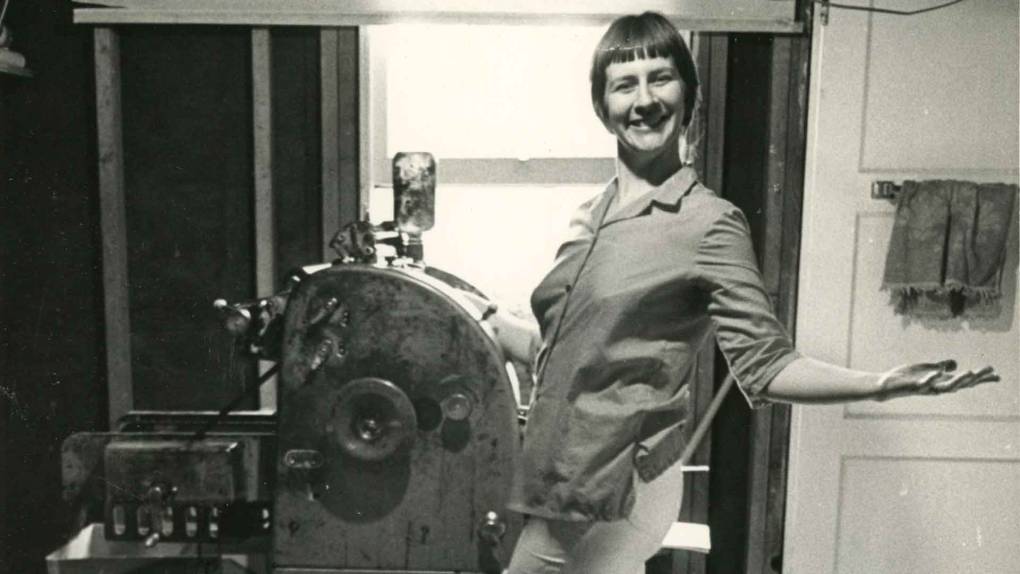
"caption": "Alta at her printing press, circa 1972. Founded in 1969, Shameless Hussy Press was first to publish the work of Ntozake Shange and others, and is recognized as the first feminist press in the United States.",
"description": null,
"title": "Alta_Paul-Steinbrink_1972_printing.Thumb",
"credit": "Paul Steinbrink",
"status": "inherit",
"altTag": "A young woman with a short bob haircut stands in a collared shirt and pants at a large metal printing press in a cluttered room.",
"isLoading": false,
"fetchFailed": false
},
"arts_13954601": {
"type": "attachments",
"id": "arts_13954601",
"meta": {
"index": "attachments_1716263798",
"site": "arts",
"id": "13954601",
"found": true
},
"parent": 13954597,
"imgSizes": {
"twentyfourteen-full-width": {
"file": "https://cdn.kqed.org/wp-content/uploads/sites/2/2024/03/Top_dog_2000px-1-crop-1038x576.jpg",
"width": 1038,
"mimeType": "image/jpeg",
"height": 576
},
"thumbnail": {
"file": "https://cdn.kqed.org/wp-content/uploads/sites/2/2024/03/Top_dog_2000px-1-crop-160x90.jpg",
"width": 160,
"mimeType": "image/jpeg",
"height": 90
},
"post-thumbnail": {
"file": "https://cdn.kqed.org/wp-content/uploads/sites/2/2024/03/Top_dog_2000px-1-crop-672x372.jpg",
"width": 672,
"mimeType": "image/jpeg",
"height": 372
},
"kqedFullSize": {
"file": "https://cdn.kqed.org/wp-content/uploads/sites/2/2024/03/Top_dog_2000px-1-crop.jpg",
"width": 2000,
"height": 1125
},
"large": {
"file": "https://cdn.kqed.org/wp-content/uploads/sites/2/2024/03/Top_dog_2000px-1-crop-1020x574.jpg",
"width": 1020,
"mimeType": "image/jpeg",
"height": 574
},
"1536x1536": {
"file": "https://cdn.kqed.org/wp-content/uploads/sites/2/2024/03/Top_dog_2000px-1-crop-1536x864.jpg",
"width": 1536,
"mimeType": "image/jpeg",
"height": 864
},
"full-width": {
"file": "https://cdn.kqed.org/wp-content/uploads/sites/2/2024/03/Top_dog_2000px-1-crop-1920x1080.jpg",
"width": 1920,
"mimeType": "image/jpeg",
"height": 1080
},
"medium": {
"file": "https://cdn.kqed.org/wp-content/uploads/sites/2/2024/03/Top_dog_2000px-1-crop-800x450.jpg",
"width": 800,
"mimeType": "image/jpeg",
"height": 450
},
"medium_large": {
"file": "https://cdn.kqed.org/wp-content/uploads/sites/2/2024/03/Top_dog_2000px-1-crop-768x432.jpg",
"width": 768,
"mimeType": "image/jpeg",
"height": 432
}
},
"publishDate": 1711064796,
"modified": 1711064992,
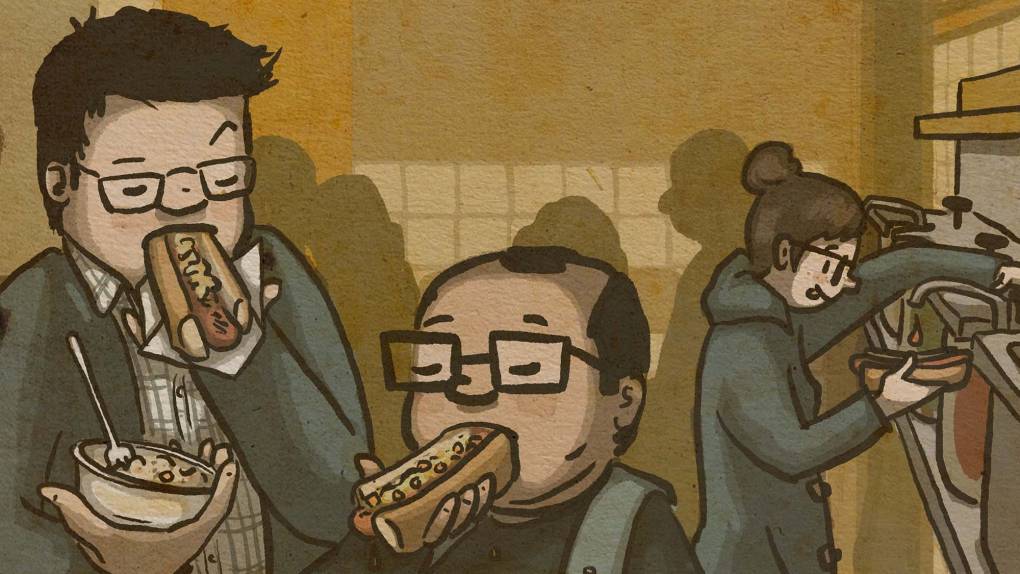
"caption": "In its own way, Top Dog is a quintessential Berkeley restaurant — one that feeds hungry college students until 3 a.m. on weekends.",
"description": null,
"title": "Top_dog_2000px-1 crop",
"credit": "Briana Loewinsohn",
"status": "inherit",
"altTag": "Illustration of two men eating hot dogs standing up, inside the hot dog shop. Behind them, a woman adds ketchup to her hot dog.",
"isLoading": false,
"fetchFailed": false
},
"arts_13954590": {
"type": "attachments",
"id": "arts_13954590",
"meta": {
"index": "attachments_1716263798",
"site": "arts",
"id": "13954590",
"found": true
},
"parent": 13954587,
"imgSizes": {
"twentyfourteen-full-width": {
"file": "https://cdn.kqed.org/wp-content/uploads/sites/2/2024/03/Yang_A-Brighter-Summer-Day_007-1038x576.jpg",
"width": 1038,
"mimeType": "image/jpeg",
"height": 576
},
"thumbnail": {
"file": "https://cdn.kqed.org/wp-content/uploads/sites/2/2024/03/Yang_A-Brighter-Summer-Day_007-160x90.jpg",
"width": 160,
"mimeType": "image/jpeg",
"height": 90
},
"post-thumbnail": {
"file": "https://cdn.kqed.org/wp-content/uploads/sites/2/2024/03/Yang_A-Brighter-Summer-Day_007-672x372.jpg",
"width": 672,
"mimeType": "image/jpeg",
"height": 372
},
"kqedFullSize": {
"file": "https://cdn.kqed.org/wp-content/uploads/sites/2/2024/03/Yang_A-Brighter-Summer-Day_007.jpg",
"width": 2000,
"height": 1125
},
"large": {
"file": "https://cdn.kqed.org/wp-content/uploads/sites/2/2024/03/Yang_A-Brighter-Summer-Day_007-1020x574.jpg",
"width": 1020,
"mimeType": "image/jpeg",
"height": 574
},
"1536x1536": {
"file": "https://cdn.kqed.org/wp-content/uploads/sites/2/2024/03/Yang_A-Brighter-Summer-Day_007-1536x864.jpg",
"width": 1536,
"mimeType": "image/jpeg",
"height": 864
},
"full-width": {
"file": "https://cdn.kqed.org/wp-content/uploads/sites/2/2024/03/Yang_A-Brighter-Summer-Day_007-1920x1080.jpg",
"width": 1920,
"mimeType": "image/jpeg",
"height": 1080
},
"medium": {
"file": "https://cdn.kqed.org/wp-content/uploads/sites/2/2024/03/Yang_A-Brighter-Summer-Day_007-800x450.jpg",
"width": 800,
"mimeType": "image/jpeg",
"height": 450
},
"medium_large": {
"file": "https://cdn.kqed.org/wp-content/uploads/sites/2/2024/03/Yang_A-Brighter-Summer-Day_007-768x432.jpg",
"width": 768,
"mimeType": "image/jpeg",
"height": 432
}
},
"publishDate": 1711061430,
"modified": 1711061611,
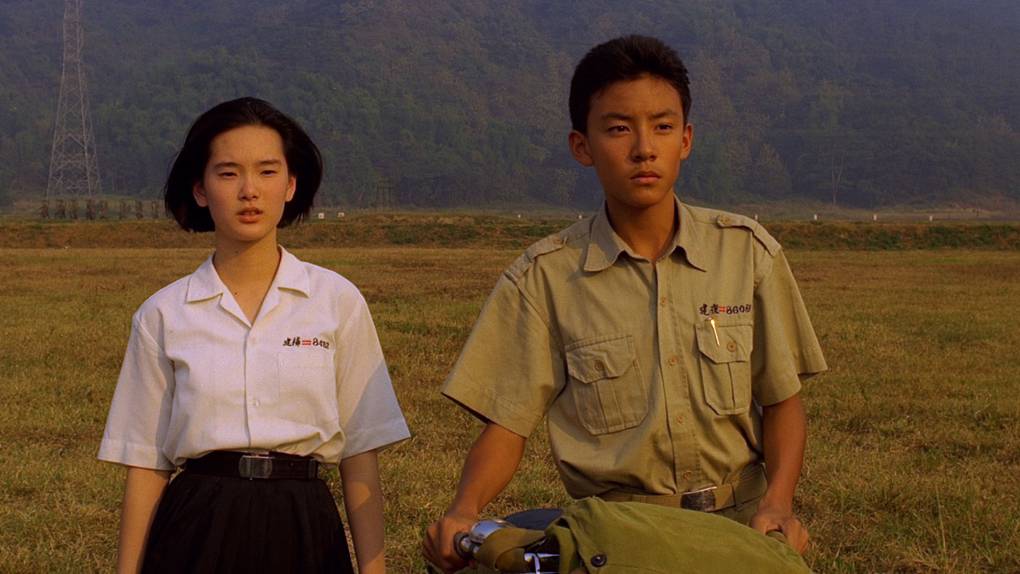
"caption": "Lisa Yang and Chang Chen star in Edward Yang's 'A Brighter Summer Day.' The legendary Taiwanese filmmaker's full filmography will be screened at BAMPFA this spring.",
"description": null,
"title": "Yang_A-Brighter-Summer-Day_007",
"credit": null,
"status": "inherit",
"altTag": "Still shot from a movie: A teenage boy and girl in their school uniforms walk in an empty field.",
"isLoading": false,
"fetchFailed": false
},
"arts_13954348": {
"type": "attachments",
"id": "arts_13954348",
"meta": {
"index": "attachments_1716263798",
"site": "arts",
"id": "13954348",
"found": true
},
"parent": 13954342,
"imgSizes": {
"twentyfourteen-full-width": {
"file": "https://cdn.kqed.org/wp-content/uploads/sites/2/2024/03/gaumenkitzel-featured-crop-1038x576.jpg",
"width": 1038,
"mimeType": "image/jpeg",
"height": 576
},
"thumbnail": {
"file": "https://cdn.kqed.org/wp-content/uploads/sites/2/2024/03/gaumenkitzel-featured-crop-160x110.jpg",
"width": 160,
"mimeType": "image/jpeg",
"height": 110
},
"post-thumbnail": {
"file": "https://cdn.kqed.org/wp-content/uploads/sites/2/2024/03/gaumenkitzel-featured-crop-672x372.jpg",
"width": 672,
"mimeType": "image/jpeg",
"height": 372
},
"kqedFullSize": {
"file": "https://cdn.kqed.org/wp-content/uploads/sites/2/2024/03/gaumenkitzel-featured-crop.jpg",
"width": 2016,
"height": 1386
},
"large": {
"file": "https://cdn.kqed.org/wp-content/uploads/sites/2/2024/03/gaumenkitzel-featured-crop-1020x701.jpg",
"width": 1020,
"mimeType": "image/jpeg",
"height": 701
},
"1536x1536": {
"file": "https://cdn.kqed.org/wp-content/uploads/sites/2/2024/03/gaumenkitzel-featured-crop-1536x1056.jpg",
"width": 1536,
"mimeType": "image/jpeg",
"height": 1056
},
"full-width": {
"file": "https://cdn.kqed.org/wp-content/uploads/sites/2/2024/03/gaumenkitzel-featured-crop-1920x1320.jpg",
"width": 1920,
"mimeType": "image/jpeg",
"height": 1320
},
"medium": {
"file": "https://cdn.kqed.org/wp-content/uploads/sites/2/2024/03/gaumenkitzel-featured-crop-800x550.jpg",
"width": 800,
"mimeType": "image/jpeg",
"height": 550
},
"medium_large": {
"file": "https://cdn.kqed.org/wp-content/uploads/sites/2/2024/03/gaumenkitzel-featured-crop-768x528.jpg",
"width": 768,
"mimeType": "image/jpeg",
"height": 528
}
},
"publishDate": 1710874605,
"modified": 1710874740,
"caption": "Crispy pork schnitzel, one of the German comfort food dishes at Berkeley's Gaumenkitzel, which is closing on March 24. It's pictured here topped with a fried egg.",
"description": null,
"title": "gaumenkitzel featured crop",
"credit": "Luke Tsai/KQED",
"status": "inherit",
"altTag": "German pork schnitzel topped with a fried egg, on a white plate.",
"isLoading": false,
"fetchFailed": false
},
"arts_13954202": {
"type": "attachments",
"id": "arts_13954202",
"meta": {
"index": "attachments_1716263798",
"site": "arts",
"id": "13954202",
"found": true
},
"parent": 13954195,
"imgSizes": {
"twentyfourteen-full-width": {
"file": "https://cdn.kqed.org/wp-content/uploads/sites/2/2024/03/TFC_136-1038x576.jpg",
"width": 1038,
"mimeType": "image/jpeg",
"height": 576
},
"thumbnail": {
"file": "https://cdn.kqed.org/wp-content/uploads/sites/2/2024/03/TFC_136-160x107.jpg",
"width": 160,
"mimeType": "image/jpeg",
"height": 107
},
"post-thumbnail": {
"file": "https://cdn.kqed.org/wp-content/uploads/sites/2/2024/03/TFC_136-672x372.jpg",
"width": 672,
"mimeType": "image/jpeg",
"height": 372
},
"kqedFullSize": {
"file": "https://cdn.kqed.org/wp-content/uploads/sites/2/2024/03/TFC_136.jpg",
"width": 1920,
"height": 1278
},
"large": {
"file": "https://cdn.kqed.org/wp-content/uploads/sites/2/2024/03/TFC_136-1020x679.jpg",
"width": 1020,
"mimeType": "image/jpeg",
"height": 679
},
"1536x1536": {
"file": "https://cdn.kqed.org/wp-content/uploads/sites/2/2024/03/TFC_136-1536x1022.jpg",
"width": 1536,
"mimeType": "image/jpeg",
"height": 1022
},
"medium": {
"file": "https://cdn.kqed.org/wp-content/uploads/sites/2/2024/03/TFC_136-800x533.jpg",
"width": 800,
"mimeType": "image/jpeg",
"height": 533
},
"medium_large": {
"file": "https://cdn.kqed.org/wp-content/uploads/sites/2/2024/03/TFC_136-768x511.jpg",
"width": 768,
"mimeType": "image/jpeg",
"height": 511
}
},
"publishDate": 1710529539,
"modified": 1710529703,
"caption": "Tommy Bo (Moon Gyet) and Whit K. Lee (Yip/One) in Lloyd Suh’s 'The Far Country' at Berkeley Rep.",
"description": null,
"title": "TFC_136",
"credit": "Kevin Berne",
"status": "inherit",
"altTag": "A Chinese man speaks while determinedly making a fist against a backdrop of black with bright green Chinese lettering",
"isLoading": false,
"fetchFailed": false
},
"arts_13953015": {
"type": "attachments",
"id": "arts_13953015",
"meta": {
"index": "attachments_1716263798",
"site": "arts",
"id": "13953015",
"found": true
},
"parent": 13953009,
"imgSizes": {
"twentyfourteen-full-width": {
"file": "https://cdn.kqed.org/wp-content/uploads/sites/2/2024/02/Screenshot-2024-02-26-at-12.07.32-PM-1038x576.png",
"width": 1038,
"mimeType": "image/png",
"height": 576
},
"thumbnail": {
"file": "https://cdn.kqed.org/wp-content/uploads/sites/2/2024/02/Screenshot-2024-02-26-at-12.07.32-PM-160x141.png",
"width": 160,
"mimeType": "image/png",
"height": 141
},
"post-thumbnail": {
"file": "https://cdn.kqed.org/wp-content/uploads/sites/2/2024/02/Screenshot-2024-02-26-at-12.07.32-PM-672x372.png",
"width": 672,
"mimeType": "image/png",
"height": 372
},
"kqedFullSize": {
"file": "https://cdn.kqed.org/wp-content/uploads/sites/2/2024/02/Screenshot-2024-02-26-at-12.07.32-PM.png",
"width": 1106,
"height": 972
},
"large": {
"file": "https://cdn.kqed.org/wp-content/uploads/sites/2/2024/02/Screenshot-2024-02-26-at-12.07.32-PM-1020x896.png",
"width": 1020,
"mimeType": "image/png",
"height": 896
},
"medium": {
"file": "https://cdn.kqed.org/wp-content/uploads/sites/2/2024/02/Screenshot-2024-02-26-at-12.07.32-PM-800x703.png",
"width": 800,
"mimeType": "image/png",
"height": 703
},
"medium_large": {
"file": "https://cdn.kqed.org/wp-content/uploads/sites/2/2024/02/Screenshot-2024-02-26-at-12.07.32-PM-768x675.png",
"width": 768,
"mimeType": "image/png",
"height": 675
}
},
"publishDate": 1708978103,
"modified": 1708994177,
"caption": "LOE Gino's new EP 'Everything Gone Be Aight' is a personal missive across six taut tracks.",
"description": "LOE Gino, posing for a photo while wearing a black shirt that reads \"NOT THE PLUG\" in colorful writing over his left chest area. ",
"title": "LOE Gino, posing for a photo while wearing a black shirt that reads \"NOT THE PLUG\" in colorful writing over his left chest area.",
"credit": "Jason 'Yeiseon' Hayes",
"status": "inherit",
"altTag": "LOE Gino, posing for a photo while wearing a black shirt that reads \"NOT THE PLUG\" in colorful writing over his left chest area.",
"isLoading": false,
"fetchFailed": false
},
"arts_13952624": {
"type": "attachments",
"id": "arts_13952624",
"meta": {
"index": "attachments_1716263798",
"site": "arts",
"id": "13952624",
"found": true
},
"parent": 13952570,
"imgSizes": {
"twentyfourteen-full-width": {
"file": "https://cdn.kqed.org/wp-content/uploads/sites/2/2024/02/Screenshot-2024-02-20-at-12.01.15-PM-1038x576.png",
"width": 1038,
"mimeType": "image/png",
"height": 576
},
"thumbnail": {
"file": "https://cdn.kqed.org/wp-content/uploads/sites/2/2024/02/Screenshot-2024-02-20-at-12.01.15-PM-160x90.png",
"width": 160,
"mimeType": "image/png",
"height": 90
},
"post-thumbnail": {
"file": "https://cdn.kqed.org/wp-content/uploads/sites/2/2024/02/Screenshot-2024-02-20-at-12.01.15-PM-672x372.png",
"width": 672,
"mimeType": "image/png",
"height": 372
},
"kqedFullSize": {
"file": "https://cdn.kqed.org/wp-content/uploads/sites/2/2024/02/Screenshot-2024-02-20-at-12.01.15-PM.png",
"width": 2008,
"height": 1126
},
"large": {
"file": "https://cdn.kqed.org/wp-content/uploads/sites/2/2024/02/Screenshot-2024-02-20-at-12.01.15-PM-1020x572.png",
"width": 1020,
"mimeType": "image/png",
"height": 572
},
"1536x1536": {
"file": "https://cdn.kqed.org/wp-content/uploads/sites/2/2024/02/Screenshot-2024-02-20-at-12.01.15-PM-1536x861.png",
"width": 1536,
"mimeType": "image/png",
"height": 861
},
"full-width": {
"file": "https://cdn.kqed.org/wp-content/uploads/sites/2/2024/02/Screenshot-2024-02-20-at-12.01.15-PM-1920x1077.png",
"width": 1920,
"mimeType": "image/png",
"height": 1077
},
"medium": {
"file": "https://cdn.kqed.org/wp-content/uploads/sites/2/2024/02/Screenshot-2024-02-20-at-12.01.15-PM-800x449.png",
"width": 800,
"mimeType": "image/png",
"height": 449
},
"medium_large": {
"file": "https://cdn.kqed.org/wp-content/uploads/sites/2/2024/02/Screenshot-2024-02-20-at-12.01.15-PM-768x431.png",
"width": 768,
"mimeType": "image/png",
"height": 431
}
},
"publishDate": 1708459323,
"modified": 1708459353,
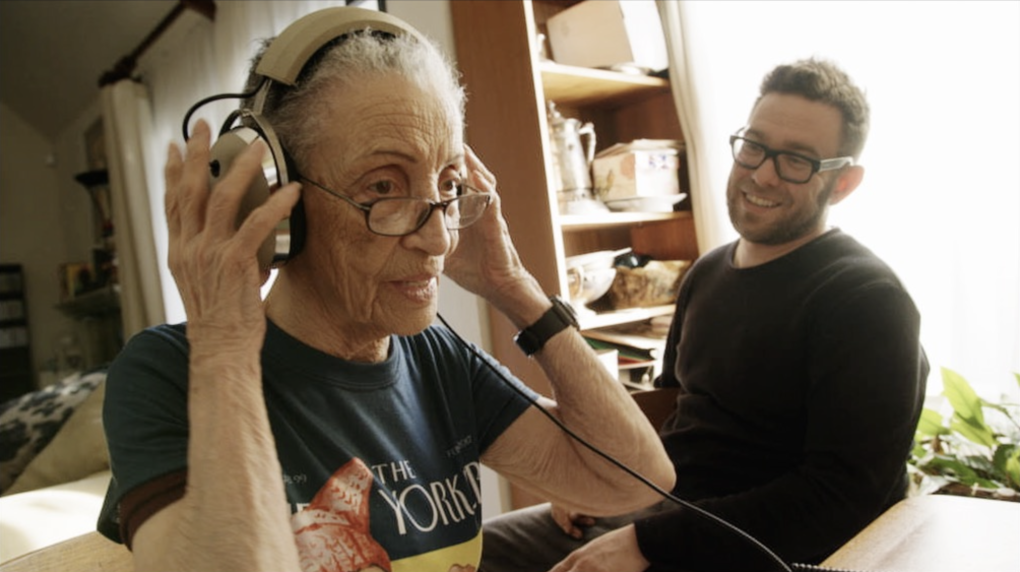
"caption": "Betty Reid Soskin listening to her own music as film director Bryan Gibel watches.",
"description": "Betty Reid Soskin listening to her own music as film director Bryan Gibel watches.",
"title": "Betty Reid Soskin listening to her own music as film director Bryan Gibel watches.",
"credit": "Via Bryan Gibel ",
"status": "inherit",
"altTag": "Betty Reid Soskin listening to her own music as film director Bryan Gibel watches.",
"isLoading": false,
"fetchFailed": false
},
"arts_13952571": {
"type": "attachments",
"id": "arts_13952571",
"meta": {
"index": "attachments_1716263798",
"site": "arts",
"id": "13952571",
"found": true
},
"parent": 13952566,
"imgSizes": {
"twentyfourteen-full-width": {
"file": "https://cdn.kqed.org/wp-content/uploads/sites/2/2024/02/231215-BayAreaStyleZakiya-26-BL-1038x576.jpg",
"width": 1038,
"mimeType": "image/jpeg",
"height": 576
},
"thumbnail": {
"file": "https://cdn.kqed.org/wp-content/uploads/sites/2/2024/02/231215-BayAreaStyleZakiya-26-BL-160x107.jpg",
"width": 160,
"mimeType": "image/jpeg",
"height": 107
},
"post-thumbnail": {
"file": "https://cdn.kqed.org/wp-content/uploads/sites/2/2024/02/231215-BayAreaStyleZakiya-26-BL-672x372.jpg",
"width": 672,
"mimeType": "image/jpeg",
"height": 372
},
"kqedFullSize": {
"file": "https://cdn.kqed.org/wp-content/uploads/sites/2/2024/02/231215-BayAreaStyleZakiya-26-BL-scaled.jpg",
"width": 2560,
"height": 1707
},
"2048x2048": {
"file": "https://cdn.kqed.org/wp-content/uploads/sites/2/2024/02/231215-BayAreaStyleZakiya-26-BL-2048x1365.jpg",
"width": 2048,
"mimeType": "image/jpeg",
"height": 1365
},
"large": {
"file": "https://cdn.kqed.org/wp-content/uploads/sites/2/2024/02/231215-BayAreaStyleZakiya-26-BL-1020x680.jpg",
"width": 1020,
"mimeType": "image/jpeg",
"height": 680
},
"1536x1536": {
"file": "https://cdn.kqed.org/wp-content/uploads/sites/2/2024/02/231215-BayAreaStyleZakiya-26-BL-1536x1024.jpg",
"width": 1536,
"mimeType": "image/jpeg",
"height": 1024
},
"full-width": {
"file": "https://cdn.kqed.org/wp-content/uploads/sites/2/2024/02/231215-BayAreaStyleZakiya-26-BL-1920x1280.jpg",
"width": 1920,
"mimeType": "image/jpeg",
"height": 1280
},
"medium": {
"file": "https://cdn.kqed.org/wp-content/uploads/sites/2/2024/02/231215-BayAreaStyleZakiya-26-BL-800x533.jpg",
"width": 800,
"mimeType": "image/jpeg",
"height": 533
},
"medium_large": {
"file": "https://cdn.kqed.org/wp-content/uploads/sites/2/2024/02/231215-BayAreaStyleZakiya-26-BL-768x512.jpg",
"width": 768,
"mimeType": "image/jpeg",
"height": 512
}
},
"publishDate": 1708450925,
"modified": 1708464110,
"caption": "'Even people who are not necessarily into fashion see my outfits, and they're just like, ‘There's something about your outfit that makes me happy,’' says Zakiya Zazaboi, pictured in San Francisco on Dec. 15, 2023.",
"description": null,
"title": "Zakiya Zazaboi poses for a portrait in San Francisco on Dec. 15, 2023.",
"credit": "Beth LaBerge/KQED",
"status": "inherit",
"altTag": null,
"isLoading": false,
"fetchFailed": false
},
"arts_13952340": {
"type": "attachments",
"id": "arts_13952340",
"meta": {
"index": "attachments_1716263798",
"site": "arts",
"id": "13952340",
"found": true
},
"parent": 0,
"imgSizes": {
"twentyfourteen-full-width": {
"file": "https://cdn.kqed.org/wp-content/uploads/sites/2/2024/02/240213-PEOPLES-PARK-MURAL-MD01-KQED-1-1038x576.jpg",
"width": 1038,
"mimeType": "image/jpeg",
"height": 576
},
"thumbnail": {
"file": "https://cdn.kqed.org/wp-content/uploads/sites/2/2024/02/240213-PEOPLES-PARK-MURAL-MD01-KQED-1-160x107.jpg",
"width": 160,
"mimeType": "image/jpeg",
"height": 107
},
"post-thumbnail": {
"file": "https://cdn.kqed.org/wp-content/uploads/sites/2/2024/02/240213-PEOPLES-PARK-MURAL-MD01-KQED-1-672x372.jpg",
"width": 672,
"mimeType": "image/jpeg",
"height": 372
},
"kqedFullSize": {
"file": "https://cdn.kqed.org/wp-content/uploads/sites/2/2024/02/240213-PEOPLES-PARK-MURAL-MD01-KQED-1.jpg",
"width": 2000,
"height": 1333
},
"large": {
"file": "https://cdn.kqed.org/wp-content/uploads/sites/2/2024/02/240213-PEOPLES-PARK-MURAL-MD01-KQED-1-1020x680.jpg",
"width": 1020,
"mimeType": "image/jpeg",
"height": 680
},
"1536x1536": {
"file": "https://cdn.kqed.org/wp-content/uploads/sites/2/2024/02/240213-PEOPLES-PARK-MURAL-MD01-KQED-1-1536x1024.jpg",
"width": 1536,
"mimeType": "image/jpeg",
"height": 1024
},
"full-width": {
"file": "https://cdn.kqed.org/wp-content/uploads/sites/2/2024/02/240213-PEOPLES-PARK-MURAL-MD01-KQED-1-1920x1280.jpg",
"width": 1920,
"mimeType": "image/jpeg",
"height": 1280
},
"medium": {
"file": "https://cdn.kqed.org/wp-content/uploads/sites/2/2024/02/240213-PEOPLES-PARK-MURAL-MD01-KQED-1-800x533.jpg",
"width": 800,
"mimeType": "image/jpeg",
"height": 533
},
"medium_large": {
"file": "https://cdn.kqed.org/wp-content/uploads/sites/2/2024/02/240213-PEOPLES-PARK-MURAL-MD01-KQED-1-768x512.jpg",
"width": 768,
"mimeType": "image/jpeg",
"height": 512
}
},
"publishDate": 1707951818,
"modified": 1707951866,
"caption": "People pass by a mural painted along Bowditch Street on the east side of People's Park and large shipping containers blocking public access to the area in Berkeley on Feb. 13, 2024.",
"description": null,
"title": "240213-PEOPLES PARK MURAL-MD01-KQED-1",
"credit": "Martin do Nascimento/KQED",
"status": "inherit",
"altTag": null,
"isLoading": false,
"fetchFailed": false
},
"arts_13951668": {
"type": "attachments",
"id": "arts_13951668",
"meta": {
"index": "attachments_1716263798",
"site": "arts",
"id": "13951668",
"found": true
},
"parent": 13951651,
"imgSizes": {
"twentyfourteen-full-width": {
"file": "https://cdn.kqed.org/wp-content/uploads/sites/2/2024/02/JadePlant.MAIN_-1038x576.jpg",
"width": 1038,
"mimeType": "image/jpeg",
"height": 576
},
"thumbnail": {
"file": "https://cdn.kqed.org/wp-content/uploads/sites/2/2024/02/JadePlant.MAIN_-160x90.jpg",
"width": 160,
"mimeType": "image/jpeg",
"height": 90
},
"post-thumbnail": {
"file": "https://cdn.kqed.org/wp-content/uploads/sites/2/2024/02/JadePlant.MAIN_-672x372.jpg",
"width": 672,
"mimeType": "image/jpeg",
"height": 372
},
"kqedFullSize": {
"file": "https://cdn.kqed.org/wp-content/uploads/sites/2/2024/02/JadePlant.MAIN_.jpg",
"width": 1456,
"height": 819
},
"large": {
"file": "https://cdn.kqed.org/wp-content/uploads/sites/2/2024/02/JadePlant.MAIN_-1020x574.jpg",
"width": 1020,
"mimeType": "image/jpeg",
"height": 574
},
"medium": {
"file": "https://cdn.kqed.org/wp-content/uploads/sites/2/2024/02/JadePlant.MAIN_-800x450.jpg",
"width": 800,
"mimeType": "image/jpeg",
"height": 450
},
"medium_large": {
"file": "https://cdn.kqed.org/wp-content/uploads/sites/2/2024/02/JadePlant.MAIN_-768x432.jpg",
"width": 768,
"mimeType": "image/jpeg",
"height": 432
}
},
"publishDate": 1707249577,
"modified": 1707249635,
"caption": "As a longtime resident of the East Bay, the jade plant is a marker of 'old Bay Area.'",
"description": null,
"title": "JadePlant.MAIN",
"credit": "Alexis Madrigal/KQED",
"status": "inherit",
"altTag": "CLose-up of white five-point flowers with a pink center growing from bulbous green leaves.",
"isLoading": false,
"fetchFailed": false
},
"arts_13951125": {
"type": "attachments",
"id": "arts_13951125",
"meta": {
"index": "attachments_1716263798",
"site": "arts",
"id": "13951125",
"found": true
},
"parent": 13950866,
"imgSizes": {
"twentyfourteen-full-width": {
"file": "https://cdn.kqed.org/wp-content/uploads/sites/2/2024/01/Hella-Hungry-—-Feature-Image-1920x1080-2-1038x576.jpg",
"width": 1038,
"mimeType": "image/jpeg",
"height": 576
},
"thumbnail": {
"file": "https://cdn.kqed.org/wp-content/uploads/sites/2/2024/01/Hella-Hungry-—-Feature-Image-1920x1080-2-160x90.jpg",
"width": 160,
"mimeType": "image/jpeg",
"height": 90
},
"post-thumbnail": {
"file": "https://cdn.kqed.org/wp-content/uploads/sites/2/2024/01/Hella-Hungry-—-Feature-Image-1920x1080-2-672x372.jpg",
"width": 672,
"mimeType": "image/jpeg",
"height": 372
},
"kqedFullSize": {
"file": "https://cdn.kqed.org/wp-content/uploads/sites/2/2024/01/Hella-Hungry-—-Feature-Image-1920x1080-2.jpg",
"width": 1920,
"height": 1080
},
"large": {
"file": "https://cdn.kqed.org/wp-content/uploads/sites/2/2024/01/Hella-Hungry-—-Feature-Image-1920x1080-2-1020x574.jpg",
"width": 1020,
"mimeType": "image/jpeg",
"height": 574
},
"1536x1536": {
"file": "https://cdn.kqed.org/wp-content/uploads/sites/2/2024/01/Hella-Hungry-—-Feature-Image-1920x1080-2-1536x864.jpg",
"width": 1536,
"mimeType": "image/jpeg",
"height": 864
},
"medium": {
"file": "https://cdn.kqed.org/wp-content/uploads/sites/2/2024/01/Hella-Hungry-—-Feature-Image-1920x1080-2-800x450.jpg",
"width": 800,
"mimeType": "image/jpeg",
"height": 450
},
"medium_large": {
"file": "https://cdn.kqed.org/wp-content/uploads/sites/2/2024/01/Hella-Hungry-—-Feature-Image-1920x1080-2-768x432.jpg",
"width": 768,
"mimeType": "image/jpeg",
"height": 432
}
},
"publishDate": 1706550972,
"modified": 1706643839,
"caption": "Berkeley author Jay Caspian Kang (left) receives an order of galbi at GangNam Tofu in El Cerrito. The restaurant is one of Kang's local favorites because it serves \"standard Korean food\" prepared well. ",
"description": null,
"title": "Hella Hungry — Feature Image (1920x1080)",
"credit": "Martin do Nascimento/KQED",
"status": "inherit",
"altTag": "A masked server brings an order of galbi (Korean grilled short ribs) to the table when a man hunches over his food. A logo in the middle of the image reads, \"¡Hella Hungry!\"",
"isLoading": false,
"fetchFailed": false
}
},
"audioPlayerReducer": {
"postId": "stream_live",
"isPaused": true,
"isPlaying": false,
"pfsActive": false,
"pledgeModalIsOpen": true,
"playerDrawerIsOpen": false,
"liveAudioPlayStartedAt": 0,
"liveAudioPlayContext": ""
},
"authorsReducer": {
"shotchkiss": {
"type": "authors",
"id": "61",
"meta": {
"index": "authors_1716337520",
"id": "61",
"found": true
},
"name": "Sarah Hotchkiss",
"firstName": "Sarah",
"lastName": "Hotchkiss",
"slug": "shotchkiss",
"email": "shotchkiss@kqed.org",
"display_author_email": true,
"staff_mastheads": [
"arts"
],
"title": "Senior Editor",
"bio": "Sarah Hotchkiss is a San Francisco \u003ca href=\"http://www.sarahhotchkiss.com\">artist\u003c/a> and arts writer. In 2019, she received the Dorothea & Leo Rabkin Foundation grant for visual art journalism and in 2020 she received a Society of Professional Journalists, Northern California award for excellence in arts and culture reporting.",
"avatar": "https://secure.gravatar.com/avatar/bc662df144b3d27fd8b1b6f1c2a420d34e91e53154d411bb7ad353cc8b6cea8d?s=600&d=blank&r=g",
"twitter": null,
"bluesky": null,
"facebook": null,
"instagram": null,
"linkedin": null,
"sites": [
{
"site": "",
"roles": [
"editor"
]
},
{
"site": "arts",
"roles": [
"Contributor",
"administrator"
]
},
{
"site": "artschool",
"roles": [
"administrator"
]
},
{
"site": "news",
"roles": [
"editor"
]
},
{
"site": "pop",
"roles": [
"administrator"
]
},
{
"site": "bayareabites",
"roles": [
"editor"
]
},
{
"site": "spark",
"roles": [
"editor"
]
},
{
"site": "checkplease",
"roles": [
"editor"
]
}
],
"headData": {
"title": "Sarah Hotchkiss | KQED",
"description": "Senior Editor",
"ogImgSrc": "https://secure.gravatar.com/avatar/bc662df144b3d27fd8b1b6f1c2a420d34e91e53154d411bb7ad353cc8b6cea8d?s=600&d=blank&r=g",
"twImgSrc": "https://secure.gravatar.com/avatar/bc662df144b3d27fd8b1b6f1c2a420d34e91e53154d411bb7ad353cc8b6cea8d?s=600&d=blank&r=g"
},
"isLoading": false,
"link": "/author/shotchkiss"
},
"agilbert": {
"type": "authors",
"id": "86",
"meta": {
"index": "authors_1716337520",
"id": "86",
"found": true
},
"name": "Andrew Gilbert",
"firstName": "Andrew",
"lastName": "Gilbert",
"slug": "agilbert",
"email": "jazzscribe@aol.com",
"display_author_email": false,
"staff_mastheads": [],
"title": "KQED Contributor",
"bio": "A Los Angeles native based in the Berkeley area since 1996, Andrew Gilbert covers jazz, international music and dance for KQED's \u003ci>California Report, \u003c/i>the\u003ci> Mercury News\u003c/i>, \u003ci>San Francisco Chronicle\u003c/i>, \u003ci>Berkeleyside.com\u003c/i>, and other publications. He is available for weddings and bar and bat mitzvahs. #jazzscribe",
"avatar": "https://secure.gravatar.com/avatar/d7bcafdbefdd39e9a68f88724ca616eb4e7a5a6bff9cdfb62de652a1e1751471?s=600&d=blank&r=g",
"twitter": null,
"bluesky": null,
"facebook": null,
"instagram": null,
"linkedin": null,
"sites": [
{
"site": "arts",
"roles": [
"Contributor",
"author"
]
},
{
"site": "news",
"roles": [
"author"
]
}
],
"headData": {
"title": "Andrew Gilbert | KQED",
"description": "KQED Contributor",
"ogImgSrc": "https://secure.gravatar.com/avatar/d7bcafdbefdd39e9a68f88724ca616eb4e7a5a6bff9cdfb62de652a1e1751471?s=600&d=blank&r=g",
"twImgSrc": "https://secure.gravatar.com/avatar/d7bcafdbefdd39e9a68f88724ca616eb4e7a5a6bff9cdfb62de652a1e1751471?s=600&d=blank&r=g"
},
"isLoading": false,
"link": "/author/agilbert"
},
"ogpenn": {
"type": "authors",
"id": "11491",
"meta": {
"index": "authors_1716337520",
"id": "11491",
"found": true
},
"name": "Pendarvis Harshaw",
"firstName": "Pendarvis",
"lastName": "Harshaw",
"slug": "ogpenn",
"email": "ogpenn@gmail.com",
"display_author_email": false,
"staff_mastheads": [
"arts"
],
"title": "Community Engagement Reporter",
"bio": "Pendarvis Harshaw is an educator, host and writer with KQED Arts.",
"avatar": "https://secure.gravatar.com/avatar/972b77ee8e3f346ae2b00622661187fbfabd059b5693bbdc1475ea7a722fd4cd?s=600&d=blank&r=g",
"twitter": null,
"bluesky": null,
"facebook": null,
"instagram": "ogpenn",
"linkedin": null,
"sites": [
{
"site": "arts",
"roles": [
"administrator"
]
},
{
"site": "news",
"roles": [
"editor"
]
},
{
"site": "bayareabites",
"roles": [
"author"
]
},
{
"site": "hiphop",
"roles": [
"editor"
]
}
],
"headData": {
"title": "Pendarvis Harshaw | KQED",
"description": "Community Engagement Reporter",
"ogImgSrc": "https://secure.gravatar.com/avatar/972b77ee8e3f346ae2b00622661187fbfabd059b5693bbdc1475ea7a722fd4cd?s=600&d=blank&r=g",
"twImgSrc": "https://secure.gravatar.com/avatar/972b77ee8e3f346ae2b00622661187fbfabd059b5693bbdc1475ea7a722fd4cd?s=600&d=blank&r=g"
},
"isLoading": false,
"link": "/author/ogpenn"
},
"hmcdede": {
"type": "authors",
"id": "11635",
"meta": {
"index": "authors_1716337520",
"id": "11635",
"found": true
},
"name": "Holly McDede",
"firstName": "Holly",
"lastName": "McDede",
"slug": "hmcdede",
"email": "hmcdede@KQED.org",
"display_author_email": false,
"staff_mastheads": [],
"title": "KQED Contributor",
"bio": null,
"avatar": "https://secure.gravatar.com/avatar/999d9bf31bb3a2f0511932d99526cb3e?s=600&d=blank&r=g",
"twitter": null,
"facebook": null,
"instagram": null,
"linkedin": null,
"sites": [
{
"site": "arts",
"roles": [
"editor"
]
},
{
"site": "news",
"roles": [
"edit_others_posts",
"editor"
]
},
{
"site": "science",
"roles": [
"editor"
]
},
{
"site": "forum",
"roles": [
"editor"
]
},
{
"site": "perspectives",
"roles": [
"administrator"
]
}
],
"headData": {
"title": "Holly McDede | KQED",
"description": "KQED Contributor",
"ogImgSrc": "https://secure.gravatar.com/avatar/999d9bf31bb3a2f0511932d99526cb3e?s=600&d=blank&r=g",
"twImgSrc": "https://secure.gravatar.com/avatar/999d9bf31bb3a2f0511932d99526cb3e?s=600&d=blank&r=g"
},
"isLoading": false,
"link": "/author/hmcdede"
},
"ltsai": {
"type": "authors",
"id": "11743",
"meta": {
"index": "authors_1716337520",
"id": "11743",
"found": true
},
"name": "Luke Tsai",
"firstName": "Luke",
"lastName": "Tsai",
"slug": "ltsai",
"email": "ltsai@kqed.org",
"display_author_email": true,
"staff_mastheads": [
"arts"
],
"title": "Food Editor",
"bio": "Luke Tsai is KQED's food editor and resident stinky tofu connoisseur. Prior to KQED, he was an editor at Eater SF, \u003cem>San Francisco \u003c/em>magazine, and the \u003cem>East Bay Express\u003c/em>, and his work has also appeared in TASTE, the \u003cem>San Francisco Chronicle\u003c/em>, and the \u003cem>Best Food Writing\u003c/em> anthology. When he isn't writing or editing, you'll find him eating most everything he can get his hands on.",
"avatar": "https://secure.gravatar.com/avatar/1e59b45bf191526e7339d6ba46e33a57b2030d25c27660ecc64ea3cb863e34f7?s=600&d=blank&r=g",
"twitter": "theluketsai",
"bluesky": null,
"facebook": null,
"instagram": null,
"linkedin": null,
"sites": [
{
"site": "",
"roles": [
"editor"
]
},
{
"site": "arts",
"roles": [
"administrator"
]
},
{
"site": "news",
"roles": [
"editor",
"contributor"
]
},
{
"site": "bayareabites",
"roles": [
"editor"
]
},
{
"site": "food",
"roles": [
"editor"
]
}
],
"headData": {
"title": "Luke Tsai | KQED",
"description": "Food Editor",
"ogImgSrc": "https://secure.gravatar.com/avatar/1e59b45bf191526e7339d6ba46e33a57b2030d25c27660ecc64ea3cb863e34f7?s=600&d=blank&r=g",
"twImgSrc": "https://secure.gravatar.com/avatar/1e59b45bf191526e7339d6ba46e33a57b2030d25c27660ecc64ea3cb863e34f7?s=600&d=blank&r=g"
},
"isLoading": false,
"link": "/author/ltsai"
},
"achazaro": {
"type": "authors",
"id": "11748",
"meta": {
"index": "authors_1716337520",
"id": "11748",
"found": true
},
"name": "Alan Chazaro",
"firstName": "Alan",
"lastName": "Chazaro",
"slug": "achazaro",
"email": "agchazaro@gmail.com",
"display_author_email": true,
"staff_mastheads": [],
"title": "Food Writer and Reporter",
"bio": "Alan Chazaro is the author of \u003cem>This Is Not a Frank Ocean Cover Album\u003c/em> (Black Lawrence Press, 2019), \u003cem>Piñata Theory\u003c/em> (Black Lawrence Press, 2020), and \u003cem>Notes from the Eastern Span of the Bay Bridge\u003c/em> (Ghost City Press, 2021). He is a graduate of June Jordan’s Poetry for the People program at UC Berkeley and a former Lawrence Ferlinghetti Fellow at the University of San Francisco. He writes about sports, food, art, music, education, and culture while repping the Bay on \u003ca href=\"https://twitter.com/alan_chazaro\">Twitter\u003c/a> and \u003ca href=\"https://www.instagram.com/alan_chazaro/?hl=en\">Instagram\u003c/a> at @alan_chazaro.",
"avatar": "https://secure.gravatar.com/avatar/ea8b6dd970fc5c29e7a188e7d5861df7?s=600&d=blank&r=g",
"twitter": "alan_chazaro",
"facebook": null,
"instagram": null,
"linkedin": null,
"sites": [
{
"site": "arts",
"roles": [
"contributor"
]
},
{
"site": "news",
"roles": [
"editor"
]
}
],
"headData": {
"title": "Alan Chazaro | KQED",
"description": "Food Writer and Reporter",
"ogImgSrc": "https://secure.gravatar.com/avatar/ea8b6dd970fc5c29e7a188e7d5861df7?s=600&d=blank&r=g",
"twImgSrc": "https://secure.gravatar.com/avatar/ea8b6dd970fc5c29e7a188e7d5861df7?s=600&d=blank&r=g"
},
"isLoading": false,
"link": "/author/achazaro"
},
"amadrigal": {
"type": "authors",
"id": "11757",
"meta": {
"index": "authors_1716337520",
"id": "11757",
"found": true
},
"name": "Alexis Madrigal",
"firstName": "Alexis",
"lastName": "Madrigal",
"slug": "amadrigal",
"email": "amadrigal@kqed.org",
"display_author_email": true,
"staff_mastheads": [],
"title": "Co-Host Forum",
"bio": "Alexis Madrigal is the co-host of Forum. He is also a contributing writer at \u003cem>The Atlantic \u003c/em>and the co-founder of the COVID Tracking Project. He's the creator of the podcast, \u003cem>Containers\u003c/em>, and has been a staff writer at \u003cem>Wired. \u003c/em>He was a visiting scholar at UC Berkeley's Information School, and is working on a book about Oakland and the Bay Area's revolutionary ideas.",
"avatar": "https://secure.gravatar.com/avatar/ffeee1fe99a3e31957381f377ca63502bdcc0c3dbccaaa701e579a10aa0c5e1f?s=600&d=blank&r=g",
"twitter": "alexismadrigal",
"bluesky": null,
"facebook": null,
"instagram": null,
"linkedin": null,
"sites": [
{
"site": "arts",
"roles": [
"editor"
]
},
{
"site": "news",
"roles": [
"editor"
]
},
{
"site": "forum",
"roles": [
"editor"
]
}
],
"headData": {
"title": "Alexis Madrigal | KQED",
"description": "Co-Host Forum",
"ogImgSrc": "https://secure.gravatar.com/avatar/ffeee1fe99a3e31957381f377ca63502bdcc0c3dbccaaa701e579a10aa0c5e1f?s=600&d=blank&r=g",
"twImgSrc": "https://secure.gravatar.com/avatar/ffeee1fe99a3e31957381f377ca63502bdcc0c3dbccaaa701e579a10aa0c5e1f?s=600&d=blank&r=g"
},
"isLoading": false,
"link": "/author/amadrigal"
},
"omayeda": {
"type": "authors",
"id": "11872",
"meta": {
"index": "authors_1716337520",
"id": "11872",
"found": true
},
"name": "Olivia Cruz Mayeda",
"firstName": "Olivia Cruz",
"lastName": "Mayeda",
"slug": "omayeda",
"email": "omayeda@kqed.org",
"display_author_email": false,
"staff_mastheads": [],
"title": "Reporter",
"bio": "Olivia Cruz Mayeda is a journalist covering style, culture and reparations in the Bay Area, a place that has been home to her family for over 100 years. Her writing has also appeared in the \u003cem>San Francisco Chronicle\u003c/em> and \u003cem>El Tecolote\u003c/em>.",
"avatar": "https://secure.gravatar.com/avatar/a8c0baa30219ce1071a9474f4c14141f?s=600&d=blank&r=g",
"twitter": null,
"facebook": null,
"instagram": null,
"linkedin": null,
"sites": [
{
"site": "arts",
"roles": [
"contributor"
]
}
],
"headData": {
"title": "Olivia Cruz Mayeda | KQED",
"description": "Reporter",
"ogImgSrc": "https://secure.gravatar.com/avatar/a8c0baa30219ce1071a9474f4c14141f?s=600&d=blank&r=g",
"twImgSrc": "https://secure.gravatar.com/avatar/a8c0baa30219ce1071a9474f4c14141f?s=600&d=blank&r=g"
},
"isLoading": false,
"link": "/author/omayeda"
},
"bloewinsohn": {
"type": "authors",
"id": "11904",
"meta": {
"index": "authors_1716337520",
"id": "11904",
"found": true
},
"name": "Briana Loewinsohn",
"firstName": "Briana",
"lastName": "Loewinsohn",
"slug": "bloewinsohn",
"email": "brianabreaks@gmail.com",
"display_author_email": false,
"staff_mastheads": [],
"title": "KQED Contributor",
"bio": null,
"avatar": "https://secure.gravatar.com/avatar/939d84e992d1263b5df583828709edae706c0bba1db57ec593f24f34274ef0ec?s=600&d=blank&r=g",
"twitter": null,
"bluesky": null,
"facebook": null,
"instagram": null,
"linkedin": null,
"sites": [
{
"site": "arts",
"roles": [
"contributor"
]
}
],
"headData": {
"title": "Briana Loewinsohn | KQED",
"description": "KQED Contributor",
"ogImgSrc": "https://secure.gravatar.com/avatar/939d84e992d1263b5df583828709edae706c0bba1db57ec593f24f34274ef0ec?s=600&d=blank&r=g",
"twImgSrc": "https://secure.gravatar.com/avatar/939d84e992d1263b5df583828709edae706c0bba1db57ec593f24f34274ef0ec?s=600&d=blank&r=g"
},
"isLoading": false,
"link": "/author/bloewinsohn"
},
"djchavez": {
"type": "authors",
"id": "11905",
"meta": {
"index": "authors_1716337520",
"id": "11905",
"found": true
},
"name": "David John Chávez",
"firstName": "David John",
"lastName": "Chávez",
"slug": "djchavez",
"email": "theatrechavez@gmail.com",
"display_author_email": false,
"staff_mastheads": [],
"title": "KQED Contributor",
"bio": "Based in San José, David is a theater critic and reporter who who served as Executive Chair of the American Theatre Critics/Journalists Association (’22-’25), as well as a regular theater contributor to The Mercury News, San Francisco Chronicle, American Theatre Magazine and KQED, among other publications. He is a two-time juror for the Pulitzer Prize for Drama (’22-’23) and a 2020 fellow of the Eugene O'Neill National Critics Institute.",
"avatar": "https://secure.gravatar.com/avatar/5eaa3ce994228213820907c390795c28f7b97165c2b575f46d15fc9273a132b7?s=600&d=blank&r=g",
"twitter": null,
"bluesky": null,
"facebook": "https://www.facebook.com/bydavidjchavez",
"instagram": "https://www.instagram.com/davidjchavez/",
"linkedin": null,
"sites": [
{
"site": "arts",
"roles": [
"contributor"
]
}
],
"headData": {
"title": "David John Chávez | KQED",
"description": "KQED Contributor",
"ogImgSrc": "https://secure.gravatar.com/avatar/5eaa3ce994228213820907c390795c28f7b97165c2b575f46d15fc9273a132b7?s=600&d=blank&r=g",
"twImgSrc": "https://secure.gravatar.com/avatar/5eaa3ce994228213820907c390795c28f7b97165c2b575f46d15fc9273a132b7?s=600&d=blank&r=g"
},
"isLoading": false,
"link": "/author/djchavez"
}
},
"pagesReducer": {
"arts_tag_berkeley": {
"type": "terms",
"id": "arts_1270",
"meta": {
"index": "terms_1716263798",
"site": "arts",
"id": "1270",
"score": 6.9273148
},
"featImg": null,
"name": "Berkeley",
"description": null,
"taxonomy": "tag",
"headData": {
"twImgId": null,
"twTitle": null,
"ogTitle": null,
"ogImgId": null,
"twDescription": null,
"description": null,
"title": "Berkeley Archives | KQED Arts",
"ogDescription": null
},
"ttid": 1282,
"slug": "berkeley",
"isLoading": false,
"title": "Berkeley",
"pageMeta": {
"site": "arts",
"WpPageTemplate": "page-topic-editorial",
"currentPage": 7
},
"blocks": [
{
"blockName": "kqed/post-list",
"attrs": {
"layout": "cardArticle2",
"query": "posts/arts?tag=berkeley",
"seeMore": false,
"paginated": true,
"page": 7
}
},
{
"blockName": "kqed/ad"
}
]
}
},
"pfsSessionReducer": {},
"postsReducer": {
"stream_live": {
"type": "live",
"id": "stream_live",
"audioUrl": "https://streams.kqed.org/kqedradio",
"title": "Live Stream",
"excerpt": "Live Stream information currently unavailable.",
"link": "/radio",
"featImg": "",
"label": {
"name": "KQED Live",
"link": "/"
}
},
"stream_kqedNewscast": {
"type": "posts",
"id": "stream_kqedNewscast",
"audioUrl": "https://www.kqed.org/.stream/anon/radio/RDnews/newscast.mp3?_=1",
"title": "KQED Newscast",
"featImg": "",
"label": {
"name": "88.5 FM",
"link": "/"
}
},
"arts_13954963": {
"type": "posts",
"id": "arts_13954963",
"meta": {
"index": "posts_1716263798",
"site": "arts",
"id": "13954963",
"score": null,
"sort": [
1711661787000
]
},
"parent": 0,
"labelTerm": {
"site": "arts"
},
"blocks": [],
"publishDate": 1711661787,
"format": "standard",
"title": "Berkeley’s Small Press Distribution, Champion of Indie Books, Shuts Down",
"headTitle": "Berkeley’s Small Press Distribution, Champion of Indie Books, Shuts Down | KQED",
"content": "\u003cp>\u003cem>Updated Friday 6 p.m.\u003c/em>\u003c/p>\n\u003cp>Small Press Distribution (SPD), the 55-year-old nonprofit literary distributor, has closed its doors effective immediately. A reduced team is winding down business operations.\u003c/p>\n\u003cp>“We know this news is both sudden and devastating,” read the March 28 announcement on the SPD website. “Several years of declining sales and the loss of grant support … have combined to squeeze our budget beyond the breaking point.”\u003c/p>\n\u003cp>In February, SPD completed the move of over 300,000 books from their Berkeley warehouse to facilities run by Ingram Content Group in Tennessee and Publishers Storage and Shipping in Michigan. This was part of an effort, according to Publisher’s Weekly, to cut operating costs while increasing services for the some 400 publishers who use SPD’s distribution services.\u003c/p>\n\u003cp>The nonprofit had raised more than \u003ca href=\"https://www.gofundme.com/f/help-diverse-independent-literature-in-america\">$100,000 in a GoFundMe\u003c/a> to support the move, and earlier this year SPD launched yet another fundraiser to help it focus on expanding print-on-demand, eBooks, and global distribution. Donations were still coming in this week.\u003c/p>\n\u003cp>“Despite the heroic efforts of a tireless staff to raise new funds, find new sales channels for our presses, and move from our outdated Berkeley warehouse, we are simply no longer able to make ends meet,” said Kent Watson, SPD’s executive director.\u003c/p>\n\u003cp>Founded in 1969, SPD is the only nonprofit literary distributor in the country. It distinguished itself as a place that helped indie publishers to get experimental, avant-garde works into the hands of booksellers and customers across the country.\u003c/p>\n\u003cfigure id=\"attachment_13879807\" class=\"wp-caption aligncenter\" style=\"max-width: 1920px\">\u003cimg loading=\"lazy\" decoding=\"async\" class=\"size-full wp-image-13879807\" src=\"https://cdn.kqed.org/wp-content/uploads/sites/2/2020/05/SPD-Warehouse-Overview-Better.jpg\" alt=\"Warehouse shelves full of boxes of books\" width=\"1920\" height=\"1095\" srcset=\"https://cdn.kqed.org/wp-content/uploads/sites/2/2020/05/SPD-Warehouse-Overview-Better.jpg 1920w, https://cdn.kqed.org/wp-content/uploads/sites/2/2020/05/SPD-Warehouse-Overview-Better-160x91.jpg 160w, https://cdn.kqed.org/wp-content/uploads/sites/2/2020/05/SPD-Warehouse-Overview-Better-800x456.jpg 800w, https://cdn.kqed.org/wp-content/uploads/sites/2/2020/05/SPD-Warehouse-Overview-Better-768x438.jpg 768w, https://cdn.kqed.org/wp-content/uploads/sites/2/2020/05/SPD-Warehouse-Overview-Better-1020x582.jpg 1020w\" sizes=\"(max-width: 1920px) 100vw, 1920px\">\u003cfigcaption class=\"wp-caption-text\">Small Press Distribution, one of the last remaining independent book distributors in the country, moved over 300,000 books into facilities owned by Ingram Content Group and Publishers Storage and Shipping. \u003ccite>(Sam Lefebvre/KQED)\u003c/cite>\u003c/figcaption>\u003c/figure>\n\u003cp>“Against all odds, a tiny distribution service in the back of Berkeley’s Serendipity Books grew to help authors attain some of the literary world’s crowning achievements,” the announcement says. “SPD-distributed authors won multiple National Book Awards, Pulitzer Prizes, MacArthur ‘Genius’ Grants, PEN Awards, Lambda Literary Awards — nearly 100 awards since 2019 alone.”\u003c/p>\n\u003cp>Poet Jean Day, who worked at SPD in the late 1970s and served as its director beginning in 1983, said the end of SPD is a blow. SPD introduced her to the poetry world during an era when the Bay Area was one of the centers of small press publishing.\u003c/p>\n\u003cp>Now, it will be a lot harder to get small presses into libraries and bookstores, Day said.\u003c/p>\n\u003cp>SPD survived for decades through shrinking arts funding, the decline in independent bookstores, the rise of the internet, and the domination of the book market by Amazon.\u003c/p>\n\u003cp>“Publishing poetry especially, but any kind of non-mainstream literature, is never going to attract the numbers that make publishing possible,” Day said. “I don’t mean profitable, I mean even possible to break even.”\u003c/p>\n\u003cp>In recent ears, SPD has been rocked by instability and controversy. Watson, the current executive director, was hired in 2022 following an 18-month period of uncertainty after the resignation of Brent Cunningham. Cunningham’s tenure was cut short after accusations of discrimination and wage theft.\u003c/p>\n\u003cp>Despite efforts to raise new funds, SPD simply couldn’t afford to go on: “SPD lost hundreds of thousands in grants in the past few years as funders moved away from supporting the arts.”\u003c/p>\n\u003cp>SPD had lost $125,000 in annual grants in the past year from half a dozen institutions, the nonprofit said, and the warehouse shift also took longer and cost more than expected, straining its financial resources even more.[aside postID=\"news_11883845\" hero='https://ww2.kqed.org/app/uploads/sites/10/2021/08/RS50285_002_Berkeley_SmallPressStory_07192021-qut-1020x680.jpg']Available tax filings from 2022 and 2021 show net losses of over $230,000 combined, and an operating budget of around $1.3 million a year.\u003c/p>\n\u003cp>In the announcement, the distributor told publishers their books were in safe hands with Ingram and PSSC, but they would need to contact them directly about distribution or the return of materials.\u003c/p>\n\u003cp>In the statement sent to publishers, Watson said SPD’s dissolution would be overseen by the California Superior Court, which would determine next steps for its remaining assets and “the extent all claims from creditors cannot be satisfied.”\u003c/p>\n\u003cp>When reached for comment from Watson, an automatic email says SPD regrets not being able to respond to individual queries.\u003c/p>\n\u003cp>It’s unclear what’s next for the hundreds of publishers who rely on SPD, or how those small presses will find their way to bookstores and libraries.\u003c/p>\n\u003cp>Poets and presses on social media have expressed disappointment, shock and frustration over the sudden closure. Many described feeling abandoned or betrayed.\u003c/p>\n\u003cp>Writer Ryan Ruby posted that the collapse of SPD is a disaster.\u003c/p>\n\u003cp>“When a magazine goes, it’s a terrible thing, but from the point of view of the magazine world it’s like losing a limb. For small press world, this is heart failure,” Ruby said.\u003c/p>\n\u003cp>Presses did not see this coming, said Josh Savory, the editor-in-chief and co-creator of Game Over Books in Boston. He said he had been in communication with SPD over print-on-demand options as recently as this week, but was not warned about the pending end to the nonprofit.\u003c/p>\n\u003cp>He worries about how, when, or if small presses distributed by SPD, which already have very small budgets, will receive their next payments.\u003c/p>\n\u003cp>“They’re going to have to go on hiatus or not sell books for a while, maybe they’ll close,” Savory said. “That’s a huge loss,”\u003c/p>\n\u003cp>\u003ca href=\"https://www.clmp.org/event/emergency-session-next-steps-for-spd-distributed-presses/\">The Community of Literary Magazines and Presses\u003c/a> organized an “emergency session” on Friday to discuss SPD’s closure and for presses to exchange advice and discuss next steps. More than 250 attendees showed up for the virtual meeting.\u003c/p>\n\u003cp>“Everyone at SPD is heartbroken at this devastating outcome, which seriously jeopardizes the ability of underrepresented literary communities to reach the marketplace,” SPD’s closing announcement concludes. “We thank you for your years of support.”\u003c/p>\n\u003cp>[ad fullwidth]\u003c/p>\n\u003cp>\u003c/p>\n",
"stats": {
"hasVideo": false,
"hasChartOrMap": false,
"hasAudio": false,
"hasPolis": false,
"wordCount": 1051,
"hasGoogleForm": false,
"hasGallery": false,
"hasHearkenModule": false,
"iframeSrcs": [],
"paragraphCount": 29
},
"modified": 1711991286,
"excerpt": "Founded in 1969, the nonprofit distributor got experimental, avant-garde works onto bookstores’ shelves.",
"headData": {
"twImgId": "",
"twTitle": "",
"ogTitle": "",
"ogImgId": "",
"twDescription": "",
"description": "Founded in 1969, the nonprofit distributor got experimental, avant-garde works onto bookstores’ shelves.",
"title": "Berkeley’s Small Press Distribution, Champion of Indie Books, Shuts Down | KQED",
"ogDescription": "",
"schema": {
"@context": "https://schema.org",
"@type": "Article",
"headline": "Berkeley’s Small Press Distribution, Champion of Indie Books, Shuts Down",
"datePublished": "2024-03-28T14:36:27-07:00",
"dateModified": "2024-04-01T10:08:06-07:00",
"image": "https://cdn.kqed.org/wp-content/uploads/2020/02/KQED-OG-Image@1x.png"
}
},
"guestAuthors": [],
"slug": "berkeleys-small-press-distribution-champion-of-indie-books-shuts-down",
"status": "publish",
"templateType": "standard",
"excludeFromSiteSearch": "Include",
"featuredImageType": "standard",
"sticky": false,
"articleAge": "0",
"path": "/arts/13954963/berkeleys-small-press-distribution-champion-of-indie-books-shuts-down",
"audioTrackLength": null,
"parsedContent": [
{
"type": "contentString",
"content": "\u003cdiv class=\"post-body\">\u003cp>\u003cp>\u003cem>Updated Friday 6 p.m.\u003c/em>\u003c/p>\n\u003cp>Small Press Distribution (SPD), the 55-year-old nonprofit literary distributor, has closed its doors effective immediately. A reduced team is winding down business operations.\u003c/p>\n\u003cp>“We know this news is both sudden and devastating,” read the March 28 announcement on the SPD website. “Several years of declining sales and the loss of grant support … have combined to squeeze our budget beyond the breaking point.”\u003c/p>\n\u003cp>In February, SPD completed the move of over 300,000 books from their Berkeley warehouse to facilities run by Ingram Content Group in Tennessee and Publishers Storage and Shipping in Michigan. This was part of an effort, according to Publisher’s Weekly, to cut operating costs while increasing services for the some 400 publishers who use SPD’s distribution services.\u003c/p>\n\u003cp>The nonprofit had raised more than \u003ca href=\"https://www.gofundme.com/f/help-diverse-independent-literature-in-america\">$100,000 in a GoFundMe\u003c/a> to support the move, and earlier this year SPD launched yet another fundraiser to help it focus on expanding print-on-demand, eBooks, and global distribution. Donations were still coming in this week.\u003c/p>\n\u003cp>“Despite the heroic efforts of a tireless staff to raise new funds, find new sales channels for our presses, and move from our outdated Berkeley warehouse, we are simply no longer able to make ends meet,” said Kent Watson, SPD’s executive director.\u003c/p>\n\u003cp>Founded in 1969, SPD is the only nonprofit literary distributor in the country. It distinguished itself as a place that helped indie publishers to get experimental, avant-garde works into the hands of booksellers and customers across the country.\u003c/p>\n\u003cfigure id=\"attachment_13879807\" class=\"wp-caption aligncenter\" style=\"max-width: 1920px\">\u003cimg loading=\"lazy\" decoding=\"async\" class=\"size-full wp-image-13879807\" src=\"https://cdn.kqed.org/wp-content/uploads/sites/2/2020/05/SPD-Warehouse-Overview-Better.jpg\" alt=\"Warehouse shelves full of boxes of books\" width=\"1920\" height=\"1095\" srcset=\"https://cdn.kqed.org/wp-content/uploads/sites/2/2020/05/SPD-Warehouse-Overview-Better.jpg 1920w, https://cdn.kqed.org/wp-content/uploads/sites/2/2020/05/SPD-Warehouse-Overview-Better-160x91.jpg 160w, https://cdn.kqed.org/wp-content/uploads/sites/2/2020/05/SPD-Warehouse-Overview-Better-800x456.jpg 800w, https://cdn.kqed.org/wp-content/uploads/sites/2/2020/05/SPD-Warehouse-Overview-Better-768x438.jpg 768w, https://cdn.kqed.org/wp-content/uploads/sites/2/2020/05/SPD-Warehouse-Overview-Better-1020x582.jpg 1020w\" sizes=\"(max-width: 1920px) 100vw, 1920px\">\u003cfigcaption class=\"wp-caption-text\">Small Press Distribution, one of the last remaining independent book distributors in the country, moved over 300,000 books into facilities owned by Ingram Content Group and Publishers Storage and Shipping. \u003ccite>(Sam Lefebvre/KQED)\u003c/cite>\u003c/figcaption>\u003c/figure>\n\u003cp>“Against all odds, a tiny distribution service in the back of Berkeley’s Serendipity Books grew to help authors attain some of the literary world’s crowning achievements,” the announcement says. “SPD-distributed authors won multiple National Book Awards, Pulitzer Prizes, MacArthur ‘Genius’ Grants, PEN Awards, Lambda Literary Awards — nearly 100 awards since 2019 alone.”\u003c/p>\n\u003cp>Poet Jean Day, who worked at SPD in the late 1970s and served as its director beginning in 1983, said the end of SPD is a blow. SPD introduced her to the poetry world during an era when the Bay Area was one of the centers of small press publishing.\u003c/p>\n\u003cp>Now, it will be a lot harder to get small presses into libraries and bookstores, Day said.\u003c/p>\n\u003cp>SPD survived for decades through shrinking arts funding, the decline in independent bookstores, the rise of the internet, and the domination of the book market by Amazon.\u003c/p>\n\u003cp>“Publishing poetry especially, but any kind of non-mainstream literature, is never going to attract the numbers that make publishing possible,” Day said. “I don’t mean profitable, I mean even possible to break even.”\u003c/p>\n\u003cp>In recent ears, SPD has been rocked by instability and controversy. Watson, the current executive director, was hired in 2022 following an 18-month period of uncertainty after the resignation of Brent Cunningham. Cunningham’s tenure was cut short after accusations of discrimination and wage theft.\u003c/p>\n\u003cp>Despite efforts to raise new funds, SPD simply couldn’t afford to go on: “SPD lost hundreds of thousands in grants in the past few years as funders moved away from supporting the arts.”\u003c/p>\n\u003cp>SPD had lost $125,000 in annual grants in the past year from half a dozen institutions, the nonprofit said, and the warehouse shift also took longer and cost more than expected, straining its financial resources even more.\u003c/p>\u003c/div>",
"attributes": {
"named": {},
"numeric": []
}
},
{
"type": "component",
"content": "",
"name": "aside",
"attributes": {
"named": {
"postid": "news_11883845",
"hero": "https://ww2.kqed.org/app/uploads/sites/10/2021/08/RS50285_002_Berkeley_SmallPressStory_07192021-qut-1020x680.jpg",
"label": ""
},
"numeric": []
}
},
{
"type": "contentString",
"content": "\u003cdiv class=\"post-body\">\u003cp>Available tax filings from 2022 and 2021 show net losses of over $230,000 combined, and an operating budget of around $1.3 million a year.\u003c/p>\n\u003cp>In the announcement, the distributor told publishers their books were in safe hands with Ingram and PSSC, but they would need to contact them directly about distribution or the return of materials.\u003c/p>\n\u003cp>In the statement sent to publishers, Watson said SPD’s dissolution would be overseen by the California Superior Court, which would determine next steps for its remaining assets and “the extent all claims from creditors cannot be satisfied.”\u003c/p>\n\u003cp>When reached for comment from Watson, an automatic email says SPD regrets not being able to respond to individual queries.\u003c/p>\n\u003cp>It’s unclear what’s next for the hundreds of publishers who rely on SPD, or how those small presses will find their way to bookstores and libraries.\u003c/p>\n\u003cp>Poets and presses on social media have expressed disappointment, shock and frustration over the sudden closure. Many described feeling abandoned or betrayed.\u003c/p>\n\u003cp>Writer Ryan Ruby posted that the collapse of SPD is a disaster.\u003c/p>\n\u003cp>“When a magazine goes, it’s a terrible thing, but from the point of view of the magazine world it’s like losing a limb. For small press world, this is heart failure,” Ruby said.\u003c/p>\n\u003cp>Presses did not see this coming, said Josh Savory, the editor-in-chief and co-creator of Game Over Books in Boston. He said he had been in communication with SPD over print-on-demand options as recently as this week, but was not warned about the pending end to the nonprofit.\u003c/p>\n\u003cp>He worries about how, when, or if small presses distributed by SPD, which already have very small budgets, will receive their next payments.\u003c/p>\n\u003cp>“They’re going to have to go on hiatus or not sell books for a while, maybe they’ll close,” Savory said. “That’s a huge loss,”\u003c/p>\n\u003cp>\u003ca href=\"https://www.clmp.org/event/emergency-session-next-steps-for-spd-distributed-presses/\">The Community of Literary Magazines and Presses\u003c/a> organized an “emergency session” on Friday to discuss SPD’s closure and for presses to exchange advice and discuss next steps. More than 250 attendees showed up for the virtual meeting.\u003c/p>\n\u003cp>“Everyone at SPD is heartbroken at this devastating outcome, which seriously jeopardizes the ability of underrepresented literary communities to reach the marketplace,” SPD’s closing announcement concludes. “We thank you for your years of support.”\u003c/p>\n\u003cp>\u003c/p>\u003c/div>",
"attributes": {
"named": {},
"numeric": []
}
},
{
"type": "component",
"content": "",
"name": "ad",
"attributes": {
"named": {
"label": "fullwidth"
},
"numeric": [
"fullwidth"
]
}
},
{
"type": "contentString",
"content": "\u003cdiv class=\"post-body\">\u003cp>\u003c/p>\n\u003cp>\u003c/p>\n\u003c/div>\u003c/p>",
"attributes": {
"named": {},
"numeric": []
}
}
],
"link": "/arts/13954963/berkeleys-small-press-distribution-champion-of-indie-books-shuts-down",
"authors": [
"61",
"11635"
],
"categories": [
"arts_1",
"arts_73",
"arts_235"
],
"tags": [
"arts_1270",
"arts_928",
"arts_10278",
"arts_10422",
"arts_4566"
],
"featImg": "arts_13879796",
"label": "arts"
},
"arts_13954709": {
"type": "posts",
"id": "arts_13954709",
"meta": {
"index": "posts_1716263798",
"site": "arts",
"id": "13954709",
"score": null,
"sort": [
1711478721000
]
},
"parent": 0,
"labelTerm": {
"site": "arts"
},
"blocks": [],
"publishDate": 1711478721,
"format": "aside",
"title": "Alta, ‘Shameless Hussy’ and Founder of Nation's First Feminist Press, Dies at 81",
"headTitle": "Alta, ‘Shameless Hussy’ and Founder of Nation’s First Feminist Press, Dies at 81 | KQED",
"content": "\u003cfigure id=\"attachment_13954753\" class=\"wp-caption aligncenter\" style=\"max-width: 1533px\">\u003cimg loading=\"lazy\" decoding=\"async\" src=\"https://cdn.kqed.org/wp-content/uploads/sites/2/2024/03/Alta_Paul-Steinbrink_1972_printing.jpg\" alt=\"A young woman with a short bob haircut stands in a collared shirt and pants at a large metal printing press in a cluttered room.\" width=\"1533\" height=\"1920\" class=\"size-full wp-image-13954753\" srcset=\"https://cdn.kqed.org/wp-content/uploads/sites/2/2024/03/Alta_Paul-Steinbrink_1972_printing.jpg 1533w, https://cdn.kqed.org/wp-content/uploads/sites/2/2024/03/Alta_Paul-Steinbrink_1972_printing-800x1002.jpg 800w, https://cdn.kqed.org/wp-content/uploads/sites/2/2024/03/Alta_Paul-Steinbrink_1972_printing-1020x1277.jpg 1020w, https://cdn.kqed.org/wp-content/uploads/sites/2/2024/03/Alta_Paul-Steinbrink_1972_printing-160x200.jpg 160w, https://cdn.kqed.org/wp-content/uploads/sites/2/2024/03/Alta_Paul-Steinbrink_1972_printing-768x962.jpg 768w, https://cdn.kqed.org/wp-content/uploads/sites/2/2024/03/Alta_Paul-Steinbrink_1972_printing-1226x1536.jpg 1226w\" sizes=\"(max-width: 1533px) 100vw, 1533px\">\u003cfigcaption class=\"wp-caption-text\">Alta at her printing press, circa 1972. Founded in 1969, Shameless Hussy Press was first to publish the work of Ntozake Shange and others, and is recognized as the first feminist press in the United States. \u003ccite>(Paul Steinbrink)\u003c/cite>\u003c/figcaption>\u003c/figure>\n\u003cp>Alta Gerrey loved being in the thick of the conversation.\u003c/p>\n\u003cp>The award-winning poet, gallerist and people magnet — who published under a single moniker, Alta — kicked down the door to the predominately male preserve of publishing in the early 1970s. With a keen eye for talent, she ushered some of the most consequential women writers of that turbulent era onto the literary scene.\u003c/p>\n\u003cp>She died March 10 at the age of 81, at home in Oakland, after a long struggle with cancer.\u003c/p>\n\u003cfigure id=\"attachment_13954752\" class=\"wp-caption aligncenter\" style=\"max-width: 1920px\">\u003cimg loading=\"lazy\" decoding=\"async\" src=\"https://cdn.kqed.org/wp-content/uploads/sites/2/2024/03/alta-70s_unknown.jpg\" alt=\"\" width=\"1920\" height=\"1707\" class=\"size-full wp-image-13954752\" srcset=\"https://cdn.kqed.org/wp-content/uploads/sites/2/2024/03/alta-70s_unknown.jpg 1920w, https://cdn.kqed.org/wp-content/uploads/sites/2/2024/03/alta-70s_unknown-800x711.jpg 800w, https://cdn.kqed.org/wp-content/uploads/sites/2/2024/03/alta-70s_unknown-1020x907.jpg 1020w, https://cdn.kqed.org/wp-content/uploads/sites/2/2024/03/alta-70s_unknown-160x142.jpg 160w, https://cdn.kqed.org/wp-content/uploads/sites/2/2024/03/alta-70s_unknown-768x683.jpg 768w, https://cdn.kqed.org/wp-content/uploads/sites/2/2024/03/alta-70s_unknown-1536x1366.jpg 1536w\" sizes=\"(max-width: 1920px) 100vw, 1920px\">\u003cfigcaption class=\"wp-caption-text\">Alta in the 1970s. Photographer unknown. \u003ccite>(Courtesy Kia Simon)\u003c/cite>\u003c/figcaption>\u003c/figure>\n\u003cp>Like many women who joined the feminist movement’s second wave in the late 1960s, Alta had been active in the civil rights movement. After realizing that she and her peers couldn’t get their work published, she launched \u003ca href=\"https://library.ucsc.edu/reg-hist/alta\">the nation’s first feminist press\u003c/a> in 1969, Shameless Hussy Press.\u003c/p>\n\u003cp>The ribald name signaled both Alta’s irreverent sensibility and her openness to writers who were sidelined and ignored by mainstream publishing.\u003c/p>\n\u003cp>[ad fullwidth]\u003c/p>\n\u003cp>“I had been reading Anaïs Nin’s diaries, and I knew that she and Henry Miller had made books on a letterpress,” she told Irene Reti in an interview for an essay about Shameless Hussy Press for the UC Santa Cruz University Library, which holds the \u003ca href=\"https://oac.cdlib.org/findaid/ark:/13030/tf396nb2dv/admin/\">Shameless Hussy archives\u003c/a>.\u003c/p>\n\u003cfigure id=\"attachment_13954751\" class=\"wp-caption aligncenter\" style=\"max-width: 1211px\">\u003cimg loading=\"lazy\" decoding=\"async\" src=\"https://cdn.kqed.org/wp-content/uploads/sites/2/2024/03/alta_shameless-hussy-cover.jpg\" alt=\"\" width=\"1211\" height=\"1920\" class=\"size-full wp-image-13954751\" srcset=\"https://cdn.kqed.org/wp-content/uploads/sites/2/2024/03/alta_shameless-hussy-cover.jpg 1211w, https://cdn.kqed.org/wp-content/uploads/sites/2/2024/03/alta_shameless-hussy-cover-800x1268.jpg 800w, https://cdn.kqed.org/wp-content/uploads/sites/2/2024/03/alta_shameless-hussy-cover-1020x1617.jpg 1020w, https://cdn.kqed.org/wp-content/uploads/sites/2/2024/03/alta_shameless-hussy-cover-160x254.jpg 160w, https://cdn.kqed.org/wp-content/uploads/sites/2/2024/03/alta_shameless-hussy-cover-768x1218.jpg 768w, https://cdn.kqed.org/wp-content/uploads/sites/2/2024/03/alta_shameless-hussy-cover-969x1536.jpg 969w\" sizes=\"(max-width: 1211px) 100vw, 1211px\">\u003cfigcaption class=\"wp-caption-text\">Alta’s 1980 anthology, ‘The Shameless Hussy: Selected Stories, Essays and Poetry.’ \u003ccite>(Crossing Press)\u003c/cite>\u003c/figcaption>\u003c/figure>\n\u003cp>Shameless Hussy was the first to publish Ntozake Shange’s \u003cem>for colored girls who have considered suicide / when the rainbow is enuf\u003c/em>, which went on to become a Tony-winning Broadway play. It introduced Mitsuye Yamada, whose \u003cem>Camp Notes and Other Poems\u003c/em> were written during and after her experience in Minidoka, the internment camp in Hunt, Idaho. Shameless Hussy was also the first to publish work by Pat Parker, Susan Griffin, and Mary Mackey.\u003c/p>\n\u003cp>Mackey credits Alta with launching a career that now includes \u003cem>New York Times\u003c/em> best-selling novels and eight volumes of poetry. Even with Fred Cody serving as her agent, Mackey couldn’t find a publisher for her first novel, 1972’s \u003cem>Immersion\u003c/em>, a roman à clef about “a woman looking for her own personal and sexual liberation in the jungles of Costa Rica,” Mackey said. \u003c/p>\n\u003cp>“Alta looked at it and said, ‘I’m going to print it.’ She had the ability to look at a piece of work and not care who you knew, what class you were, or how you identified. She could see things in the work itself,” she said.\u003c/p>\n\u003cfigure id=\"attachment_13954743\" class=\"wp-caption aligncenter\" style=\"max-width: 1920px\">\u003cimg loading=\"lazy\" decoding=\"async\" src=\"https://cdn.kqed.org/wp-content/uploads/sites/2/2024/03/alta_1988_Harold-Parrish_gesture.jpg\" alt=\"\" width=\"1920\" height=\"1276\" class=\"size-full wp-image-13954743\" srcset=\"https://cdn.kqed.org/wp-content/uploads/sites/2/2024/03/alta_1988_Harold-Parrish_gesture.jpg 1920w, https://cdn.kqed.org/wp-content/uploads/sites/2/2024/03/alta_1988_Harold-Parrish_gesture-800x532.jpg 800w, https://cdn.kqed.org/wp-content/uploads/sites/2/2024/03/alta_1988_Harold-Parrish_gesture-1020x678.jpg 1020w, https://cdn.kqed.org/wp-content/uploads/sites/2/2024/03/alta_1988_Harold-Parrish_gesture-160x106.jpg 160w, https://cdn.kqed.org/wp-content/uploads/sites/2/2024/03/alta_1988_Harold-Parrish_gesture-768x510.jpg 768w, https://cdn.kqed.org/wp-content/uploads/sites/2/2024/03/alta_1988_Harold-Parrish_gesture-1536x1021.jpg 1536w\" sizes=\"(max-width: 1920px) 100vw, 1920px\">\u003cfigcaption class=\"wp-caption-text\">Alta, holding court in 1988. \u003ccite>(Harold Parrish)\u003c/cite>\u003c/figcaption>\u003c/figure>\n\u003cp>Susan Griffin was part of an Oakland women’s group with Alta and had faced multiple rejections from mainstream publishing houses when Shameless Hussy published her books \u003cem>The Sink: Six Short Stories\u003c/em> and \u003cem>dear sky\u003c/em>, a collection of poems. Part of the book deal involved working with Alta’s AB Dick 360 offset press, which she moved to San Lorenzo after receiving multiple death threats from people offended by work she had published.\u003c/p>\n\u003cp>“You would come out to San Lorenzo and help a couple of days in the printing process,” Griffin recalled. “She was a bit wacky, mostly in a great way, but sometimes not. Alta was just one of the most courageous people I knew. She was very very honest, unless she was on purpose not being honest. She would tell you about anything, say anything, or do anything she thought was right. That made her very effective regarding social change.”\u003c/p>\n\u003cp>By the mid 1970s, Alta had returned to Oakland, where she continued printing batches of groundbreaking poetry, essays and novels until 1989. The press’s biggest money maker was \u003cem>Calamity Jane’s Letters to her Daughter\u003c/em>, a collection of uncertain provenance that got increased attention in 2016 when actor Ethan Hawke listed it as one of the best books he’d recently read. (Alta quickly printed up a batch of new copies.)\u003c/p>\n\u003cfigure id=\"attachment_13954757\" class=\"wp-caption aligncenter\" style=\"max-width: 1920px\">\u003cimg loading=\"lazy\" decoding=\"async\" src=\"https://cdn.kqed.org/wp-content/uploads/sites/2/2024/03/shange-jane.jpg\" alt=\"\" width=\"1920\" height=\"1492\" class=\"size-full wp-image-13954757\" srcset=\"https://cdn.kqed.org/wp-content/uploads/sites/2/2024/03/shange-jane.jpg 1920w, https://cdn.kqed.org/wp-content/uploads/sites/2/2024/03/shange-jane-800x622.jpg 800w, https://cdn.kqed.org/wp-content/uploads/sites/2/2024/03/shange-jane-1020x793.jpg 1020w, https://cdn.kqed.org/wp-content/uploads/sites/2/2024/03/shange-jane-160x124.jpg 160w, https://cdn.kqed.org/wp-content/uploads/sites/2/2024/03/shange-jane-768x597.jpg 768w, https://cdn.kqed.org/wp-content/uploads/sites/2/2024/03/shange-jane-1536x1194.jpg 1536w\" sizes=\"(max-width: 1920px) 100vw, 1920px\">\u003cfigcaption class=\"wp-caption-text\">(L–R) Shameless Hussy Press titles included ‘Calamity Jane’s Letters to Her Daughter’ and Ntozake Shange’s ‘for colored girls who have considered suicide / when the rainbow is enuf.’ \u003ccite>(Shameless Hussy Press)\u003c/cite>\u003c/figcaption>\u003c/figure>\n\u003cp>Running her own press gave Alta tremendous freedom, but it wasn’t a one-woman show.\u003c/p>\n\u003cp>“Everybody was part of the operation,” said her daughter Kia Simon, an independent video editor who sometimes works for KQED. “In elementary school we were making 10 cents an hour to fold books. It was a family business. My stepdad was pumping gas at a service station when they met, and he moved in with us. He was very focused on distribution, and the press actually paid for itself for 10 years.”\u003c/p>\n\u003cfigure id=\"attachment_13954747\" class=\"wp-caption aligncenter\" style=\"max-width: 1920px\">\u003cimg loading=\"lazy\" decoding=\"async\" src=\"https://cdn.kqed.org/wp-content/uploads/sites/2/2024/03/Alta_Kia-Simon_2010_Oakland.jpg\" alt=\"\" width=\"1920\" height=\"1280\" class=\"size-full wp-image-13954747\" srcset=\"https://cdn.kqed.org/wp-content/uploads/sites/2/2024/03/Alta_Kia-Simon_2010_Oakland.jpg 1920w, https://cdn.kqed.org/wp-content/uploads/sites/2/2024/03/Alta_Kia-Simon_2010_Oakland-800x533.jpg 800w, https://cdn.kqed.org/wp-content/uploads/sites/2/2024/03/Alta_Kia-Simon_2010_Oakland-1020x680.jpg 1020w, https://cdn.kqed.org/wp-content/uploads/sites/2/2024/03/Alta_Kia-Simon_2010_Oakland-160x107.jpg 160w, https://cdn.kqed.org/wp-content/uploads/sites/2/2024/03/Alta_Kia-Simon_2010_Oakland-768x512.jpg 768w, https://cdn.kqed.org/wp-content/uploads/sites/2/2024/03/Alta_Kia-Simon_2010_Oakland-1536x1024.jpg 1536w\" sizes=\"(max-width: 1920px) 100vw, 1920px\">\u003cfigcaption class=\"wp-caption-text\">Alta in Oakland, in 2010. \u003ccite>(Kia Simon)\u003c/cite>\u003c/figcaption>\u003c/figure>\n\u003cp>Born in 1942 in Reno, Nevada, Alta was 12 when her family moved to Berkeley so that her brother could attend the California School for the Blind. In the early 1960s, she dropped out of UC Berkeley to teach in the South. After the end of her first marriage to Danny Bosserman, she became caught up in the Bay Area’s literary ferment.\u003c/p>\n\u003cp>When her partnership with poet and noted Spanish-language translator John Oliver Simon ended in 1970, she founded a commune in Oakland for women seeking refuge from abusive relationships, which she wrote about enduring herself. Her second marriage to Daniel “Angel” Skarry in the early 1970s ended in divorce a decade later.\u003c/p>\n\u003cp>Alta’s 1980 book \u003ci>The Shameless Hussy: Selected Stories, Essays and Poetry\u003c/i> won a Before Columbus Foundation American Book Award. Other volumes include 1990’s \u003ci>Traveling Tales: Flings I’ve Flung in Foreign Parts\u003c/i> and 2015’s \u003ci>Another Moment: Living Well with a Dread Disease and Everything That Grows Can Also Shrink\u003c/i>.\u003c/p>\n\u003cfigure id=\"attachment_13954750\" class=\"wp-caption aligncenter\" style=\"max-width: 1440px\">\u003cimg loading=\"lazy\" decoding=\"async\" src=\"https://cdn.kqed.org/wp-content/uploads/sites/2/2024/03/Alta_Pam-Strayer_2024.jpg\" alt=\"\" width=\"1440\" height=\"1920\" class=\"size-full wp-image-13954750\" srcset=\"https://cdn.kqed.org/wp-content/uploads/sites/2/2024/03/Alta_Pam-Strayer_2024.jpg 1440w, https://cdn.kqed.org/wp-content/uploads/sites/2/2024/03/Alta_Pam-Strayer_2024-800x1067.jpg 800w, https://cdn.kqed.org/wp-content/uploads/sites/2/2024/03/Alta_Pam-Strayer_2024-1020x1360.jpg 1020w, https://cdn.kqed.org/wp-content/uploads/sites/2/2024/03/Alta_Pam-Strayer_2024-160x213.jpg 160w, https://cdn.kqed.org/wp-content/uploads/sites/2/2024/03/Alta_Pam-Strayer_2024-768x1024.jpg 768w, https://cdn.kqed.org/wp-content/uploads/sites/2/2024/03/Alta_Pam-Strayer_2024-1152x1536.jpg 1152w\" sizes=\"(max-width: 1440px) 100vw, 1440px\">\u003cfigcaption class=\"wp-caption-text\">Alta in early 2024. \u003ccite>(Pam Strayer)\u003c/cite>\u003c/figcaption>\u003c/figure>\n\u003cp>Always looking to stay in the mix culturally, she opened Alta Galleria in Berkeley’s Elmwood neighborhood in 2006, representing local artists and artists from China. She was forced to close the gallery due to the financial straits of the 2008 recession. \u003c/p>\n\u003cp>Misdiagnosed with multiple sclerosis, Alta spent many years studying healing and diet while contending with increasingly limited mobility. She was a regular presence in her Temescal neighborhood, hanging out for hours with other writers, academics and artists at Pizzaiolo, where she always had a copy of the \u003cem>Financial Times\u003c/em> and never seemed to pick up a check.\u003c/p>\n\u003cp>“Alta had a superpower for eating for free at restaurants,” Simon said. “There are a bunch of places where she wouldn’t get a bill, and Pizzaiolo was one of them.”\u003c/p>\n\u003cp>Alta is survived by her daughters Lorelei Bosserman of Oakland and Kia Simon of San Francisco, as well as her granddaughter Tesla Rose Moyer. A memorial will be held at noon on April 21 at Chapel of the Chimes in Oakland.\u003c/p>\n\u003chr>\n\u003cp>\u003cstrong>Shameless Hussy \u003c/strong>\u003c/p>\n\u003cp>\u003cem>i am one of the true hussies;\u003cbr>\ni have no shame;\u003cbr>\ni was a housewife, and\u003cbr>\nstretched from the housiness of it (hus)\u003cbr>\nand the wifiness of (wif/hus-wif) to\u003cbr>\na woman who cant bear wifedom (hussy) / i\u003cbr>\ngrew beyond the house, like alice after eating\u003cbr>\ntoo many cookies. exactly what i did; i ate\u003cbr>\ntoo many cookies; lovers, poetry, moving my\u003cbr>\nbody in a new way, an old way, the way women\u003cbr>\nlike me have always moved, largely; with great\u003cbr>\nmotions beyond our allotted sphere, with more\u003cbr>\nneed than fear, and more grace than shame.[1]\u003c/em>\u003c/p>\n\u003cp>[ad floatright]\u003c/p>\n\u003cp>\u003cstrong>—By Alta\u003c/strong>\u003c/p>\n\n",
"stats": {
"hasVideo": false,
"hasChartOrMap": false,
"hasAudio": false,
"hasPolis": false,
"wordCount": 1328,
"hasGoogleForm": false,
"hasGallery": false,
"hasHearkenModule": false,
"iframeSrcs": [],
"paragraphCount": 26
},
"modified": 1712689062,
"excerpt": "From her East Bay press, the poet published groundbreaking work by Ntozake Shange and others. ",
"headData": {
"twImgId": "",
"twTitle": "",
"ogTitle": "",
"ogImgId": "",
"twDescription": "",
"description": "From her East Bay press, the poet published groundbreaking work by Ntozake Shange and others. ",
"title": "Alta, ‘Shameless Hussy’ and Founder of Nation's First Feminist Press, Dies at 81 | KQED",
"ogDescription": "",
"schema": {
"@context": "https://schema.org",
"@type": "Article",
"headline": "Alta, ‘Shameless Hussy’ and Founder of Nation's First Feminist Press, Dies at 81",
"datePublished": "2024-03-26T11:45:21-07:00",
"dateModified": "2024-04-09T11:57:42-07:00",
"image": "https://cdn.kqed.org/wp-content/uploads/2020/02/KQED-OG-Image@1x.png"
}
},
"guestAuthors": [],
"slug": "alta-shameless-hussy-press-dies-at-81",
"status": "publish",
"templateType": "standard",
"excludeFromSiteSearch": "Include",
"featuredImageType": "standard",
"sticky": false,
"articleAge": "0",
"path": "/arts/13954709/alta-shameless-hussy-press-dies-at-81",
"audioTrackLength": null,
"parsedContent": [
{
"type": "contentString",
"content": "\u003cdiv class=\"post-body\">\u003cp>\u003cfigure id=\"attachment_13954753\" class=\"wp-caption aligncenter\" style=\"max-width: 1533px\">\u003cimg loading=\"lazy\" decoding=\"async\" src=\"https://cdn.kqed.org/wp-content/uploads/sites/2/2024/03/Alta_Paul-Steinbrink_1972_printing.jpg\" alt=\"A young woman with a short bob haircut stands in a collared shirt and pants at a large metal printing press in a cluttered room.\" width=\"1533\" height=\"1920\" class=\"size-full wp-image-13954753\" srcset=\"https://cdn.kqed.org/wp-content/uploads/sites/2/2024/03/Alta_Paul-Steinbrink_1972_printing.jpg 1533w, https://cdn.kqed.org/wp-content/uploads/sites/2/2024/03/Alta_Paul-Steinbrink_1972_printing-800x1002.jpg 800w, https://cdn.kqed.org/wp-content/uploads/sites/2/2024/03/Alta_Paul-Steinbrink_1972_printing-1020x1277.jpg 1020w, https://cdn.kqed.org/wp-content/uploads/sites/2/2024/03/Alta_Paul-Steinbrink_1972_printing-160x200.jpg 160w, https://cdn.kqed.org/wp-content/uploads/sites/2/2024/03/Alta_Paul-Steinbrink_1972_printing-768x962.jpg 768w, https://cdn.kqed.org/wp-content/uploads/sites/2/2024/03/Alta_Paul-Steinbrink_1972_printing-1226x1536.jpg 1226w\" sizes=\"(max-width: 1533px) 100vw, 1533px\">\u003cfigcaption class=\"wp-caption-text\">Alta at her printing press, circa 1972. Founded in 1969, Shameless Hussy Press was first to publish the work of Ntozake Shange and others, and is recognized as the first feminist press in the United States. \u003ccite>(Paul Steinbrink)\u003c/cite>\u003c/figcaption>\u003c/figure>\n\u003cp>Alta Gerrey loved being in the thick of the conversation.\u003c/p>\n\u003cp>The award-winning poet, gallerist and people magnet — who published under a single moniker, Alta — kicked down the door to the predominately male preserve of publishing in the early 1970s. With a keen eye for talent, she ushered some of the most consequential women writers of that turbulent era onto the literary scene.\u003c/p>\n\u003cp>She died March 10 at the age of 81, at home in Oakland, after a long struggle with cancer.\u003c/p>\n\u003cfigure id=\"attachment_13954752\" class=\"wp-caption aligncenter\" style=\"max-width: 1920px\">\u003cimg loading=\"lazy\" decoding=\"async\" src=\"https://cdn.kqed.org/wp-content/uploads/sites/2/2024/03/alta-70s_unknown.jpg\" alt=\"\" width=\"1920\" height=\"1707\" class=\"size-full wp-image-13954752\" srcset=\"https://cdn.kqed.org/wp-content/uploads/sites/2/2024/03/alta-70s_unknown.jpg 1920w, https://cdn.kqed.org/wp-content/uploads/sites/2/2024/03/alta-70s_unknown-800x711.jpg 800w, https://cdn.kqed.org/wp-content/uploads/sites/2/2024/03/alta-70s_unknown-1020x907.jpg 1020w, https://cdn.kqed.org/wp-content/uploads/sites/2/2024/03/alta-70s_unknown-160x142.jpg 160w, https://cdn.kqed.org/wp-content/uploads/sites/2/2024/03/alta-70s_unknown-768x683.jpg 768w, https://cdn.kqed.org/wp-content/uploads/sites/2/2024/03/alta-70s_unknown-1536x1366.jpg 1536w\" sizes=\"(max-width: 1920px) 100vw, 1920px\">\u003cfigcaption class=\"wp-caption-text\">Alta in the 1970s. Photographer unknown. \u003ccite>(Courtesy Kia Simon)\u003c/cite>\u003c/figcaption>\u003c/figure>\n\u003cp>Like many women who joined the feminist movement’s second wave in the late 1960s, Alta had been active in the civil rights movement. After realizing that she and her peers couldn’t get their work published, she launched \u003ca href=\"https://library.ucsc.edu/reg-hist/alta\">the nation’s first feminist press\u003c/a> in 1969, Shameless Hussy Press.\u003c/p>\n\u003cp>The ribald name signaled both Alta’s irreverent sensibility and her openness to writers who were sidelined and ignored by mainstream publishing.\u003c/p>\n\u003cp>\u003c/p>\u003c/div>",
"attributes": {
"named": {},
"numeric": []
}
},
{
"type": "component",
"content": "",
"name": "ad",
"attributes": {
"named": {
"label": "fullwidth"
},
"numeric": [
"fullwidth"
]
}
},
{
"type": "contentString",
"content": "\u003cdiv class=\"post-body\">\u003cp>\u003c/p>\n\u003cp>“I had been reading Anaïs Nin’s diaries, and I knew that she and Henry Miller had made books on a letterpress,” she told Irene Reti in an interview for an essay about Shameless Hussy Press for the UC Santa Cruz University Library, which holds the \u003ca href=\"https://oac.cdlib.org/findaid/ark:/13030/tf396nb2dv/admin/\">Shameless Hussy archives\u003c/a>.\u003c/p>\n\u003cfigure id=\"attachment_13954751\" class=\"wp-caption aligncenter\" style=\"max-width: 1211px\">\u003cimg loading=\"lazy\" decoding=\"async\" src=\"https://cdn.kqed.org/wp-content/uploads/sites/2/2024/03/alta_shameless-hussy-cover.jpg\" alt=\"\" width=\"1211\" height=\"1920\" class=\"size-full wp-image-13954751\" srcset=\"https://cdn.kqed.org/wp-content/uploads/sites/2/2024/03/alta_shameless-hussy-cover.jpg 1211w, https://cdn.kqed.org/wp-content/uploads/sites/2/2024/03/alta_shameless-hussy-cover-800x1268.jpg 800w, https://cdn.kqed.org/wp-content/uploads/sites/2/2024/03/alta_shameless-hussy-cover-1020x1617.jpg 1020w, https://cdn.kqed.org/wp-content/uploads/sites/2/2024/03/alta_shameless-hussy-cover-160x254.jpg 160w, https://cdn.kqed.org/wp-content/uploads/sites/2/2024/03/alta_shameless-hussy-cover-768x1218.jpg 768w, https://cdn.kqed.org/wp-content/uploads/sites/2/2024/03/alta_shameless-hussy-cover-969x1536.jpg 969w\" sizes=\"(max-width: 1211px) 100vw, 1211px\">\u003cfigcaption class=\"wp-caption-text\">Alta’s 1980 anthology, ‘The Shameless Hussy: Selected Stories, Essays and Poetry.’ \u003ccite>(Crossing Press)\u003c/cite>\u003c/figcaption>\u003c/figure>\n\u003cp>Shameless Hussy was the first to publish Ntozake Shange’s \u003cem>for colored girls who have considered suicide / when the rainbow is enuf\u003c/em>, which went on to become a Tony-winning Broadway play. It introduced Mitsuye Yamada, whose \u003cem>Camp Notes and Other Poems\u003c/em> were written during and after her experience in Minidoka, the internment camp in Hunt, Idaho. Shameless Hussy was also the first to publish work by Pat Parker, Susan Griffin, and Mary Mackey.\u003c/p>\n\u003cp>Mackey credits Alta with launching a career that now includes \u003cem>New York Times\u003c/em> best-selling novels and eight volumes of poetry. Even with Fred Cody serving as her agent, Mackey couldn’t find a publisher for her first novel, 1972’s \u003cem>Immersion\u003c/em>, a roman à clef about “a woman looking for her own personal and sexual liberation in the jungles of Costa Rica,” Mackey said. \u003c/p>\n\u003cp>“Alta looked at it and said, ‘I’m going to print it.’ She had the ability to look at a piece of work and not care who you knew, what class you were, or how you identified. She could see things in the work itself,” she said.\u003c/p>\n\u003cfigure id=\"attachment_13954743\" class=\"wp-caption aligncenter\" style=\"max-width: 1920px\">\u003cimg loading=\"lazy\" decoding=\"async\" src=\"https://cdn.kqed.org/wp-content/uploads/sites/2/2024/03/alta_1988_Harold-Parrish_gesture.jpg\" alt=\"\" width=\"1920\" height=\"1276\" class=\"size-full wp-image-13954743\" srcset=\"https://cdn.kqed.org/wp-content/uploads/sites/2/2024/03/alta_1988_Harold-Parrish_gesture.jpg 1920w, https://cdn.kqed.org/wp-content/uploads/sites/2/2024/03/alta_1988_Harold-Parrish_gesture-800x532.jpg 800w, https://cdn.kqed.org/wp-content/uploads/sites/2/2024/03/alta_1988_Harold-Parrish_gesture-1020x678.jpg 1020w, https://cdn.kqed.org/wp-content/uploads/sites/2/2024/03/alta_1988_Harold-Parrish_gesture-160x106.jpg 160w, https://cdn.kqed.org/wp-content/uploads/sites/2/2024/03/alta_1988_Harold-Parrish_gesture-768x510.jpg 768w, https://cdn.kqed.org/wp-content/uploads/sites/2/2024/03/alta_1988_Harold-Parrish_gesture-1536x1021.jpg 1536w\" sizes=\"(max-width: 1920px) 100vw, 1920px\">\u003cfigcaption class=\"wp-caption-text\">Alta, holding court in 1988. \u003ccite>(Harold Parrish)\u003c/cite>\u003c/figcaption>\u003c/figure>\n\u003cp>Susan Griffin was part of an Oakland women’s group with Alta and had faced multiple rejections from mainstream publishing houses when Shameless Hussy published her books \u003cem>The Sink: Six Short Stories\u003c/em> and \u003cem>dear sky\u003c/em>, a collection of poems. Part of the book deal involved working with Alta’s AB Dick 360 offset press, which she moved to San Lorenzo after receiving multiple death threats from people offended by work she had published.\u003c/p>\n\u003cp>“You would come out to San Lorenzo and help a couple of days in the printing process,” Griffin recalled. “She was a bit wacky, mostly in a great way, but sometimes not. Alta was just one of the most courageous people I knew. She was very very honest, unless she was on purpose not being honest. She would tell you about anything, say anything, or do anything she thought was right. That made her very effective regarding social change.”\u003c/p>\n\u003cp>By the mid 1970s, Alta had returned to Oakland, where she continued printing batches of groundbreaking poetry, essays and novels until 1989. The press’s biggest money maker was \u003cem>Calamity Jane’s Letters to her Daughter\u003c/em>, a collection of uncertain provenance that got increased attention in 2016 when actor Ethan Hawke listed it as one of the best books he’d recently read. (Alta quickly printed up a batch of new copies.)\u003c/p>\n\u003cfigure id=\"attachment_13954757\" class=\"wp-caption aligncenter\" style=\"max-width: 1920px\">\u003cimg loading=\"lazy\" decoding=\"async\" src=\"https://cdn.kqed.org/wp-content/uploads/sites/2/2024/03/shange-jane.jpg\" alt=\"\" width=\"1920\" height=\"1492\" class=\"size-full wp-image-13954757\" srcset=\"https://cdn.kqed.org/wp-content/uploads/sites/2/2024/03/shange-jane.jpg 1920w, https://cdn.kqed.org/wp-content/uploads/sites/2/2024/03/shange-jane-800x622.jpg 800w, https://cdn.kqed.org/wp-content/uploads/sites/2/2024/03/shange-jane-1020x793.jpg 1020w, https://cdn.kqed.org/wp-content/uploads/sites/2/2024/03/shange-jane-160x124.jpg 160w, https://cdn.kqed.org/wp-content/uploads/sites/2/2024/03/shange-jane-768x597.jpg 768w, https://cdn.kqed.org/wp-content/uploads/sites/2/2024/03/shange-jane-1536x1194.jpg 1536w\" sizes=\"(max-width: 1920px) 100vw, 1920px\">\u003cfigcaption class=\"wp-caption-text\">(L–R) Shameless Hussy Press titles included ‘Calamity Jane’s Letters to Her Daughter’ and Ntozake Shange’s ‘for colored girls who have considered suicide / when the rainbow is enuf.’ \u003ccite>(Shameless Hussy Press)\u003c/cite>\u003c/figcaption>\u003c/figure>\n\u003cp>Running her own press gave Alta tremendous freedom, but it wasn’t a one-woman show.\u003c/p>\n\u003cp>“Everybody was part of the operation,” said her daughter Kia Simon, an independent video editor who sometimes works for KQED. “In elementary school we were making 10 cents an hour to fold books. It was a family business. My stepdad was pumping gas at a service station when they met, and he moved in with us. He was very focused on distribution, and the press actually paid for itself for 10 years.”\u003c/p>\n\u003cfigure id=\"attachment_13954747\" class=\"wp-caption aligncenter\" style=\"max-width: 1920px\">\u003cimg loading=\"lazy\" decoding=\"async\" src=\"https://cdn.kqed.org/wp-content/uploads/sites/2/2024/03/Alta_Kia-Simon_2010_Oakland.jpg\" alt=\"\" width=\"1920\" height=\"1280\" class=\"size-full wp-image-13954747\" srcset=\"https://cdn.kqed.org/wp-content/uploads/sites/2/2024/03/Alta_Kia-Simon_2010_Oakland.jpg 1920w, https://cdn.kqed.org/wp-content/uploads/sites/2/2024/03/Alta_Kia-Simon_2010_Oakland-800x533.jpg 800w, https://cdn.kqed.org/wp-content/uploads/sites/2/2024/03/Alta_Kia-Simon_2010_Oakland-1020x680.jpg 1020w, https://cdn.kqed.org/wp-content/uploads/sites/2/2024/03/Alta_Kia-Simon_2010_Oakland-160x107.jpg 160w, https://cdn.kqed.org/wp-content/uploads/sites/2/2024/03/Alta_Kia-Simon_2010_Oakland-768x512.jpg 768w, https://cdn.kqed.org/wp-content/uploads/sites/2/2024/03/Alta_Kia-Simon_2010_Oakland-1536x1024.jpg 1536w\" sizes=\"(max-width: 1920px) 100vw, 1920px\">\u003cfigcaption class=\"wp-caption-text\">Alta in Oakland, in 2010. \u003ccite>(Kia Simon)\u003c/cite>\u003c/figcaption>\u003c/figure>\n\u003cp>Born in 1942 in Reno, Nevada, Alta was 12 when her family moved to Berkeley so that her brother could attend the California School for the Blind. In the early 1960s, she dropped out of UC Berkeley to teach in the South. After the end of her first marriage to Danny Bosserman, she became caught up in the Bay Area’s literary ferment.\u003c/p>\n\u003cp>When her partnership with poet and noted Spanish-language translator John Oliver Simon ended in 1970, she founded a commune in Oakland for women seeking refuge from abusive relationships, which she wrote about enduring herself. Her second marriage to Daniel “Angel” Skarry in the early 1970s ended in divorce a decade later.\u003c/p>\n\u003cp>Alta’s 1980 book \u003ci>The Shameless Hussy: Selected Stories, Essays and Poetry\u003c/i> won a Before Columbus Foundation American Book Award. Other volumes include 1990’s \u003ci>Traveling Tales: Flings I’ve Flung in Foreign Parts\u003c/i> and 2015’s \u003ci>Another Moment: Living Well with a Dread Disease and Everything That Grows Can Also Shrink\u003c/i>.\u003c/p>\n\u003cfigure id=\"attachment_13954750\" class=\"wp-caption aligncenter\" style=\"max-width: 1440px\">\u003cimg loading=\"lazy\" decoding=\"async\" src=\"https://cdn.kqed.org/wp-content/uploads/sites/2/2024/03/Alta_Pam-Strayer_2024.jpg\" alt=\"\" width=\"1440\" height=\"1920\" class=\"size-full wp-image-13954750\" srcset=\"https://cdn.kqed.org/wp-content/uploads/sites/2/2024/03/Alta_Pam-Strayer_2024.jpg 1440w, https://cdn.kqed.org/wp-content/uploads/sites/2/2024/03/Alta_Pam-Strayer_2024-800x1067.jpg 800w, https://cdn.kqed.org/wp-content/uploads/sites/2/2024/03/Alta_Pam-Strayer_2024-1020x1360.jpg 1020w, https://cdn.kqed.org/wp-content/uploads/sites/2/2024/03/Alta_Pam-Strayer_2024-160x213.jpg 160w, https://cdn.kqed.org/wp-content/uploads/sites/2/2024/03/Alta_Pam-Strayer_2024-768x1024.jpg 768w, https://cdn.kqed.org/wp-content/uploads/sites/2/2024/03/Alta_Pam-Strayer_2024-1152x1536.jpg 1152w\" sizes=\"(max-width: 1440px) 100vw, 1440px\">\u003cfigcaption class=\"wp-caption-text\">Alta in early 2024. \u003ccite>(Pam Strayer)\u003c/cite>\u003c/figcaption>\u003c/figure>\n\u003cp>Always looking to stay in the mix culturally, she opened Alta Galleria in Berkeley’s Elmwood neighborhood in 2006, representing local artists and artists from China. She was forced to close the gallery due to the financial straits of the 2008 recession. \u003c/p>\n\u003cp>Misdiagnosed with multiple sclerosis, Alta spent many years studying healing and diet while contending with increasingly limited mobility. She was a regular presence in her Temescal neighborhood, hanging out for hours with other writers, academics and artists at Pizzaiolo, where she always had a copy of the \u003cem>Financial Times\u003c/em> and never seemed to pick up a check.\u003c/p>\n\u003cp>“Alta had a superpower for eating for free at restaurants,” Simon said. “There are a bunch of places where she wouldn’t get a bill, and Pizzaiolo was one of them.”\u003c/p>\n\u003cp>Alta is survived by her daughters Lorelei Bosserman of Oakland and Kia Simon of San Francisco, as well as her granddaughter Tesla Rose Moyer. A memorial will be held at noon on April 21 at Chapel of the Chimes in Oakland.\u003c/p>\n\u003chr>\n\u003cp>\u003cstrong>Shameless Hussy \u003c/strong>\u003c/p>\n\u003cp>\u003cem>i am one of the true hussies;\u003cbr>\ni have no shame;\u003cbr>\ni was a housewife, and\u003cbr>\nstretched from the housiness of it (hus)\u003cbr>\nand the wifiness of (wif/hus-wif) to\u003cbr>\na woman who cant bear wifedom (hussy) / i\u003cbr>\ngrew beyond the house, like alice after eating\u003cbr>\ntoo many cookies. exactly what i did; i ate\u003cbr>\ntoo many cookies; lovers, poetry, moving my\u003cbr>\nbody in a new way, an old way, the way women\u003cbr>\nlike me have always moved, largely; with great\u003cbr>\nmotions beyond our allotted sphere, with more\u003cbr>\nneed than fear, and more grace than shame.[1]\u003c/em>\u003c/p>\n\u003cp>\u003c/p>\u003c/div>",
"attributes": {
"named": {},
"numeric": []
}
},
{
"type": "component",
"content": "",
"name": "ad",
"attributes": {
"named": {
"label": "floatright"
},
"numeric": [
"floatright"
]
}
},
{
"type": "contentString",
"content": "\u003cdiv class=\"post-body\">\u003cp>\u003c/p>\n\u003cp>\u003cstrong>—By Alta\u003c/strong>\u003c/p>\n\n\u003c/div>\u003c/p>",
"attributes": {
"named": {},
"numeric": []
}
}
],
"link": "/arts/13954709/alta-shameless-hussy-press-dies-at-81",
"authors": [
"86"
],
"categories": [
"arts_1",
"arts_73",
"arts_235"
],
"tags": [
"arts_1270",
"arts_10342",
"arts_10278",
"arts_1143",
"arts_1091",
"arts_1496",
"arts_22041"
],
"featImg": "arts_13954754",
"label": "arts"
},
"arts_13954597": {
"type": "posts",
"id": "arts_13954597",
"meta": {
"index": "posts_1716263798",
"site": "arts",
"id": "13954597",
"score": null,
"sort": [
1711065595000
]
},
"parent": 0,
"labelTerm": {},
"blocks": [],
"publishDate": 1711065595,
"format": "aside",
"title": "Top Dog Is Just as Good as You Remember",
"headTitle": "Top Dog Is Just as Good as You Remember | KQED",
"content": "\u003cfigure id=\"attachment_13954605\" class=\"wp-caption alignnone\" style=\"max-width: 2000px\">\u003cimg loading=\"lazy\" decoding=\"async\" class=\"size-full wp-image-13954605\" src=\"https://cdn.kqed.org/wp-content/uploads/sites/2/2024/03/Top_dog_2000px-1.jpg\" alt=\"Illustration of two men eating hot dogs standing up, inside the hot dog shop. Behind them, a woman adds ketchup to her hot dog.\" width=\"2000\" height=\"2000\" srcset=\"https://cdn.kqed.org/wp-content/uploads/sites/2/2024/03/Top_dog_2000px-1.jpg 2000w, https://cdn.kqed.org/wp-content/uploads/sites/2/2024/03/Top_dog_2000px-1-800x800.jpg 800w, https://cdn.kqed.org/wp-content/uploads/sites/2/2024/03/Top_dog_2000px-1-1020x1020.jpg 1020w, https://cdn.kqed.org/wp-content/uploads/sites/2/2024/03/Top_dog_2000px-1-160x160.jpg 160w, https://cdn.kqed.org/wp-content/uploads/sites/2/2024/03/Top_dog_2000px-1-768x768.jpg 768w, https://cdn.kqed.org/wp-content/uploads/sites/2/2024/03/Top_dog_2000px-1-1536x1536.jpg 1536w, https://cdn.kqed.org/wp-content/uploads/sites/2/2024/03/Top_dog_2000px-1-1920x1920.jpg 1920w\" sizes=\"(max-width: 2000px) 100vw, 2000px\">\u003cfigcaption class=\"wp-caption-text\">In its own way, Top Dog is a quintessential Berkeley restaurant — one that feeds hungry college students, and also middle-aged cartoonists and writers, until 3 a.m. on weekends. \u003ccite>(Briana Loewinsohn)\u003c/cite>\u003c/figcaption>\u003c/figure>\n\u003cp>\u003ca href=\"https://www.kqed.org/arts/tag/the-midnight-diners\">\u003ci>\u003cspan style=\"font-weight: 400\">The Midnight Diners\u003c/span>\u003c/i>\u003c/a>\u003ci>\u003cspan style=\"font-weight: 400\"> is a regular collaboration between KQED food editor Luke Tsai and artist Thien Pham. Follow them each week as they explore the hot pot restaurants, taco carts and 24-hour casino buffets that make up the Bay Area’s after-hours dining scene. This week, guest artist \u003c/span>\u003c/i>\u003ca href=\"https://www.instagram.com/brianabreaks/?hl=en\">\u003ci>\u003cspan style=\"font-weight: 400\">Briana Loewinsohn\u003c/span>\u003c/i>\u003c/a>\u003ci>\u003cspan style=\"font-weight: 400\"> joins the excursion.\u003c/span>\u003c/i>\u003c/p>\n\u003cp>\u003cspan style=\"font-weight: 400\">If you attended UC Berkeley, or spent any significant amount of time near campus, then Top Dog requires no introduction. Open since 1966, the original Durant Avenue location is just a slip of a no-frills hot dog joint, with a bar of self-serve condiments and toppings and a small counter where maybe three diners, tops, can stand shoulder-to-shoulder while housing some classic all-beef wieners. \u003c/span>\u003c/p>\n\u003cp>\u003cspan style=\"font-weight: 400\">For generations of Berkeleyites, however, the place is magic. People always want to start with Chez Panisse when telling the city’s illustrious food history, but in its own way, Top Dog is just as much of a quintessentially Berkeley restaurant, with its jaunty wiener-in-a-top-hat logo, offbeat libertarian propaganda posters (“Discard Statism. Unbend the Knee!”) and gruff grill cooks who brook no bullshit. \u003c/span>\u003c/p>\n\u003cp>\u003cspan style=\"font-weight: 400\">Top Dog has \u003c/span>\u003ca href=\"https://www.sfgate.com/news/article/Top-Dog-Berkeley-libertarian-aid-coronavirus-15200903.php\">\u003cspan style=\"font-weight: 400\">endured\u003c/span>\u003c/a>\u003cspan style=\"font-weight: 400\"> for all these years, through various \u003c/span>\u003ca href=\"https://www.berkeleyside.org/2017/08/13/berkeleys-top-dog-fires-employee-went-white-nationalist-rally\">\u003cspan style=\"font-weight: 400\">controversies\u003c/span>\u003c/a>\u003cspan style=\"font-weight: 400\"> and nightmarish street parking, for one simple reason: The hot dogs themselves are so damn good. Especially when you walk into the shop at 2 a.m., when every other restaurant in the vicinity is closed, there isn’t a more beautiful sight than the Top Dog flat-top, which is always piled high with dozens of sizzling sausages — more than you would think is advisable to cook at one time. But those grillmasters know what they’re doing. For as long as I’ve lived in the Bay Area, packages of cold Top Dog franks have been easy enough to buy and cook at home. They just never taste as good as they do at the mothership.\u003c/span>\u003c/p>\n\u003cfigure id=\"attachment_13954606\" class=\"wp-caption alignnone\" style=\"max-width: 2000px\">\u003cimg loading=\"lazy\" decoding=\"async\" class=\"size-full wp-image-13954606\" src=\"https://cdn.kqed.org/wp-content/uploads/sites/2/2024/03/Top_Dog_2000px-2.jpg\" alt='Exterior of a hot dog restaurant. The \"Top Dog\" sign has a logo of a hot dog wearing a top hat.' width=\"2000\" height=\"2000\" srcset=\"https://cdn.kqed.org/wp-content/uploads/sites/2/2024/03/Top_Dog_2000px-2.jpg 2000w, https://cdn.kqed.org/wp-content/uploads/sites/2/2024/03/Top_Dog_2000px-2-800x800.jpg 800w, https://cdn.kqed.org/wp-content/uploads/sites/2/2024/03/Top_Dog_2000px-2-1020x1020.jpg 1020w, https://cdn.kqed.org/wp-content/uploads/sites/2/2024/03/Top_Dog_2000px-2-160x160.jpg 160w, https://cdn.kqed.org/wp-content/uploads/sites/2/2024/03/Top_Dog_2000px-2-768x768.jpg 768w, https://cdn.kqed.org/wp-content/uploads/sites/2/2024/03/Top_Dog_2000px-2-1536x1536.jpg 1536w, https://cdn.kqed.org/wp-content/uploads/sites/2/2024/03/Top_Dog_2000px-2-1920x1920.jpg 1920w\" sizes=\"(max-width: 2000px) 100vw, 2000px\">\u003cfigcaption class=\"wp-caption-text\">The original Berkeley location has been open since 1966. \u003ccite>(Briana Loewinsohn)\u003c/cite>\u003c/figcaption>\u003c/figure>\n\u003cp>\u003cspan style=\"font-weight: 400\">There are 11 different sausages on the menu, each of them with their own brigade of loyalists. The original kosher all-beef dogs are, of course, unimpeachable, with that snappiness to their casing that’s at the heart of the restaurant’s almost-60-year legacy. If you eat pork, though? Allow me to recommend the garlic frankfurter, which boasts a 75/25 mix of beef and pork and fresh garlic in the sausage itself, resulting in the juiciest, most flavorful dog of them all.\u003c/span>\u003c/p>\n\u003cp>[ad fullwidth]\u003c/p>\n\u003cp>\u003cspan style=\"font-weight: 400\">\u003cspan style=\"color: #2b2b2b;font-weight: 400\">[aside postID='arts_13954112,arts_13930727,arts_13914585']\u003c/span>Really, though, it’s hard to go wrong. The hot links are excellent, more akin to spicy frankfurters than the kind of thing you’d get a barbecue spot. If you’d like something a little softer and squishier, the bockwurst has your name written on it. And, with apologies to anyone from Chicago or New York, I’m convinced that Top Dog’s crusty, well-toasted sesame-seed French rolls might be the greatest hot dog bun of them all. They just have the perfect amount of airiness and chew.\u003c/span>\u003c/p>\n\u003cp>\u003cspan style=\"font-weight: 400\">The best thing about eating a Top Dog at 1 o’clock in the morning is the simplicity of the meal. The dogs don’t really need anything added, though a tub of the mild, creamy potato salad makes for a nice side. And the standard, serve-yourself condiments station, in its own way, stays true to the restaurant’s libertarian spirit. Want to drench your hot dog with ketchup like you’re a small child? No one will judge you here.\u003c/span>\u003c/p>\n\u003cp>\u003cspan style=\"font-weight: 400\">You would think that this slice of campus around Durant and Telegraph avenues would be a gold mine for after-hours deliciousness, but the options are surprisingly sparse. There’s Kingpin Donuts (a late-night legend in its own right), a couple of pizzerias, a boba shop — and, honestly, not much else of note. Gourmet sports bars, fancified Taco Bells, \u003c/span>\u003ca href=\"https://www.instagram.com/kqedfood/p/Ct4ciTYR5-t/?img_index=1\">\u003cspan style=\"font-weight: 400\">late-night coffee shops\u003c/span>\u003c/a>\u003cspan style=\"font-weight: 400\"> and “Munchie”-themed meal delivery services have come and gone and come again, but at the end of a long, hungry night, Top Dog is still the king. \u003c/span>\u003c/p>\n\u003cp>\u003cspan style=\"font-weight: 400\">May it reign for many years to come.\u003c/span>\u003c/p>\n\u003cp>\u003cimg loading=\"lazy\" decoding=\"async\" class=\"alignnone size-full wp-image-12127869\" src=\"https://cdn.kqed.org/wp-content/uploads/sites/2/2016/09/Q.Logo_.Break_.jpg\" alt=\"\" width=\"800\" height=\"78\" srcset=\"https://cdn.kqed.org/wp-content/uploads/sites/2/2016/09/Q.Logo_.Break_.jpg 800w, https://cdn.kqed.org/wp-content/uploads/sites/2/2016/09/Q.Logo_.Break_-400x39.jpg 400w, https://cdn.kqed.org/wp-content/uploads/sites/2/2016/09/Q.Logo_.Break_-768x75.jpg 768w\" sizes=\"(max-width: 800px) 100vw, 800px\">\u003c/p>\n\u003cp>\u003c/p>\n\u003cp>\u003ca href=\"http://www.topdoghotdogs.com/\">\u003ci>\u003cspan style=\"font-weight: 400\">Top Dog’s\u003c/span>\u003c/i>\u003c/a>\u003ci>\u003cspan style=\"font-weight: 400\"> original Berkeley location is at 2543 Durant Ave. in Berkeley. It’s open Monday through Thursday from 10 a.m.–2 a.m., Friday 10 a.m.–3 a.m., Saturday 11 a.m.–3 a.m. and Sunday 11 a.m.–2 a.m. \u003c/span>\u003c/i>\u003c/p>\n\n",
"stats": {
"hasVideo": false,
"hasChartOrMap": false,
"hasAudio": false,
"hasPolis": false,
"wordCount": 810,
"hasGoogleForm": false,
"hasGallery": false,
"hasHearkenModule": false,
"iframeSrcs": [],
"paragraphCount": 13
},
"modified": 1711066684,
"excerpt": "The classic Berkeley hot dog joint has been feeding hungry college kids since 1966.",
"headData": {
"twImgId": "",
"twTitle": "Top Dog Is Just as Good as You Remember",
"socialTitle": "Top Dog Is UC Berkeley’s Reigning Late-Night Hot Dog Champ %%page%% %%sep%% KQED",
"ogTitle": "Top Dog Is Just as Good as You Remember",
"ogImgId": "",
"twDescription": "",
"description": "The classic Berkeley hot dog joint has been feeding hungry college kids since 1966.",
"title": "Top Dog Is UC Berkeley’s Reigning Late-Night Hot Dog Champ | KQED",
"ogDescription": "",
"schema": {
"@context": "https://schema.org",
"@type": "Article",
"headline": "Top Dog Is Just as Good as You Remember",
"datePublished": "2024-03-21T16:59:55-07:00",
"dateModified": "2024-03-21T17:18:04-07:00",
"image": "https://cdn.kqed.org/wp-content/uploads/2020/02/KQED-OG-Image@1x.png"
}
},
"guestAuthors": [],
"slug": "top-dog-late-night-hot-dogs-berkeley-midnight-diners",
"status": "publish",
"sourceUrl": "https://www.kqed.org/arts/tag/the-midnight-diners",
"excludeFromSiteSearch": "Include",
"sticky": false,
"source": "The Midnight Diners",
"articleAge": "0",
"path": "/arts/13954597/top-dog-late-night-hot-dogs-berkeley-midnight-diners",
"audioTrackLength": null,
"parsedContent": [
{
"type": "contentString",
"content": "\u003cdiv class=\"post-body\">\u003cp>\u003cfigure id=\"attachment_13954605\" class=\"wp-caption alignnone\" style=\"max-width: 2000px\">\u003cimg loading=\"lazy\" decoding=\"async\" class=\"size-full wp-image-13954605\" src=\"https://cdn.kqed.org/wp-content/uploads/sites/2/2024/03/Top_dog_2000px-1.jpg\" alt=\"Illustration of two men eating hot dogs standing up, inside the hot dog shop. Behind them, a woman adds ketchup to her hot dog.\" width=\"2000\" height=\"2000\" srcset=\"https://cdn.kqed.org/wp-content/uploads/sites/2/2024/03/Top_dog_2000px-1.jpg 2000w, https://cdn.kqed.org/wp-content/uploads/sites/2/2024/03/Top_dog_2000px-1-800x800.jpg 800w, https://cdn.kqed.org/wp-content/uploads/sites/2/2024/03/Top_dog_2000px-1-1020x1020.jpg 1020w, https://cdn.kqed.org/wp-content/uploads/sites/2/2024/03/Top_dog_2000px-1-160x160.jpg 160w, https://cdn.kqed.org/wp-content/uploads/sites/2/2024/03/Top_dog_2000px-1-768x768.jpg 768w, https://cdn.kqed.org/wp-content/uploads/sites/2/2024/03/Top_dog_2000px-1-1536x1536.jpg 1536w, https://cdn.kqed.org/wp-content/uploads/sites/2/2024/03/Top_dog_2000px-1-1920x1920.jpg 1920w\" sizes=\"(max-width: 2000px) 100vw, 2000px\">\u003cfigcaption class=\"wp-caption-text\">In its own way, Top Dog is a quintessential Berkeley restaurant — one that feeds hungry college students, and also middle-aged cartoonists and writers, until 3 a.m. on weekends. \u003ccite>(Briana Loewinsohn)\u003c/cite>\u003c/figcaption>\u003c/figure>\n\u003cp>\u003ca href=\"https://www.kqed.org/arts/tag/the-midnight-diners\">\u003ci>\u003cspan style=\"font-weight: 400\">The Midnight Diners\u003c/span>\u003c/i>\u003c/a>\u003ci>\u003cspan style=\"font-weight: 400\"> is a regular collaboration between KQED food editor Luke Tsai and artist Thien Pham. Follow them each week as they explore the hot pot restaurants, taco carts and 24-hour casino buffets that make up the Bay Area’s after-hours dining scene. This week, guest artist \u003c/span>\u003c/i>\u003ca href=\"https://www.instagram.com/brianabreaks/?hl=en\">\u003ci>\u003cspan style=\"font-weight: 400\">Briana Loewinsohn\u003c/span>\u003c/i>\u003c/a>\u003ci>\u003cspan style=\"font-weight: 400\"> joins the excursion.\u003c/span>\u003c/i>\u003c/p>\n\u003cp>\u003cspan style=\"font-weight: 400\">If you attended UC Berkeley, or spent any significant amount of time near campus, then Top Dog requires no introduction. Open since 1966, the original Durant Avenue location is just a slip of a no-frills hot dog joint, with a bar of self-serve condiments and toppings and a small counter where maybe three diners, tops, can stand shoulder-to-shoulder while housing some classic all-beef wieners. \u003c/span>\u003c/p>\n\u003cp>\u003cspan style=\"font-weight: 400\">For generations of Berkeleyites, however, the place is magic. People always want to start with Chez Panisse when telling the city’s illustrious food history, but in its own way, Top Dog is just as much of a quintessentially Berkeley restaurant, with its jaunty wiener-in-a-top-hat logo, offbeat libertarian propaganda posters (“Discard Statism. Unbend the Knee!”) and gruff grill cooks who brook no bullshit. \u003c/span>\u003c/p>\n\u003cp>\u003cspan style=\"font-weight: 400\">Top Dog has \u003c/span>\u003ca href=\"https://www.sfgate.com/news/article/Top-Dog-Berkeley-libertarian-aid-coronavirus-15200903.php\">\u003cspan style=\"font-weight: 400\">endured\u003c/span>\u003c/a>\u003cspan style=\"font-weight: 400\"> for all these years, through various \u003c/span>\u003ca href=\"https://www.berkeleyside.org/2017/08/13/berkeleys-top-dog-fires-employee-went-white-nationalist-rally\">\u003cspan style=\"font-weight: 400\">controversies\u003c/span>\u003c/a>\u003cspan style=\"font-weight: 400\"> and nightmarish street parking, for one simple reason: The hot dogs themselves are so damn good. Especially when you walk into the shop at 2 a.m., when every other restaurant in the vicinity is closed, there isn’t a more beautiful sight than the Top Dog flat-top, which is always piled high with dozens of sizzling sausages — more than you would think is advisable to cook at one time. But those grillmasters know what they’re doing. For as long as I’ve lived in the Bay Area, packages of cold Top Dog franks have been easy enough to buy and cook at home. They just never taste as good as they do at the mothership.\u003c/span>\u003c/p>\n\u003cfigure id=\"attachment_13954606\" class=\"wp-caption alignnone\" style=\"max-width: 2000px\">\u003cimg loading=\"lazy\" decoding=\"async\" class=\"size-full wp-image-13954606\" src=\"https://cdn.kqed.org/wp-content/uploads/sites/2/2024/03/Top_Dog_2000px-2.jpg\" alt='Exterior of a hot dog restaurant. The \"Top Dog\" sign has a logo of a hot dog wearing a top hat.' width=\"2000\" height=\"2000\" srcset=\"https://cdn.kqed.org/wp-content/uploads/sites/2/2024/03/Top_Dog_2000px-2.jpg 2000w, https://cdn.kqed.org/wp-content/uploads/sites/2/2024/03/Top_Dog_2000px-2-800x800.jpg 800w, https://cdn.kqed.org/wp-content/uploads/sites/2/2024/03/Top_Dog_2000px-2-1020x1020.jpg 1020w, https://cdn.kqed.org/wp-content/uploads/sites/2/2024/03/Top_Dog_2000px-2-160x160.jpg 160w, https://cdn.kqed.org/wp-content/uploads/sites/2/2024/03/Top_Dog_2000px-2-768x768.jpg 768w, https://cdn.kqed.org/wp-content/uploads/sites/2/2024/03/Top_Dog_2000px-2-1536x1536.jpg 1536w, https://cdn.kqed.org/wp-content/uploads/sites/2/2024/03/Top_Dog_2000px-2-1920x1920.jpg 1920w\" sizes=\"(max-width: 2000px) 100vw, 2000px\">\u003cfigcaption class=\"wp-caption-text\">The original Berkeley location has been open since 1966. \u003ccite>(Briana Loewinsohn)\u003c/cite>\u003c/figcaption>\u003c/figure>\n\u003cp>\u003cspan style=\"font-weight: 400\">There are 11 different sausages on the menu, each of them with their own brigade of loyalists. The original kosher all-beef dogs are, of course, unimpeachable, with that snappiness to their casing that’s at the heart of the restaurant’s almost-60-year legacy. If you eat pork, though? Allow me to recommend the garlic frankfurter, which boasts a 75/25 mix of beef and pork and fresh garlic in the sausage itself, resulting in the juiciest, most flavorful dog of them all.\u003c/span>\u003c/p>\n\u003cp>\u003c/p>\u003c/div>",
"attributes": {
"named": {},
"numeric": []
}
},
{
"type": "component",
"content": "",
"name": "ad",
"attributes": {
"named": {
"label": "fullwidth"
},
"numeric": [
"fullwidth"
]
}
},
{
"type": "contentString",
"content": "\u003cdiv class=\"post-body\">\u003cp>\u003c/p>\n\u003cp>\u003cspan style=\"font-weight: 400\">\u003cspan style=\"color: #2b2b2b;font-weight: 400\">\u003c/p>\u003c/div>",
"attributes": {
"named": {},
"numeric": []
}
},
{
"type": "component",
"content": "",
"name": "aside",
"attributes": {
"named": {
"postid": "arts_13954112,arts_13930727,arts_13914585",
"label": ""
},
"numeric": []
}
},
{
"type": "contentString",
"content": "\u003cdiv class=\"post-body\">\u003cp>\u003c/span>Really, though, it’s hard to go wrong. The hot links are excellent, more akin to spicy frankfurters than the kind of thing you’d get a barbecue spot. If you’d like something a little softer and squishier, the bockwurst has your name written on it. And, with apologies to anyone from Chicago or New York, I’m convinced that Top Dog’s crusty, well-toasted sesame-seed French rolls might be the greatest hot dog bun of them all. They just have the perfect amount of airiness and chew.\u003c/span>\u003c/p>\n\u003cp>\u003cspan style=\"font-weight: 400\">The best thing about eating a Top Dog at 1 o’clock in the morning is the simplicity of the meal. The dogs don’t really need anything added, though a tub of the mild, creamy potato salad makes for a nice side. And the standard, serve-yourself condiments station, in its own way, stays true to the restaurant’s libertarian spirit. Want to drench your hot dog with ketchup like you’re a small child? No one will judge you here.\u003c/span>\u003c/p>\n\u003cp>\u003cspan style=\"font-weight: 400\">You would think that this slice of campus around Durant and Telegraph avenues would be a gold mine for after-hours deliciousness, but the options are surprisingly sparse. There’s Kingpin Donuts (a late-night legend in its own right), a couple of pizzerias, a boba shop — and, honestly, not much else of note. Gourmet sports bars, fancified Taco Bells, \u003c/span>\u003ca href=\"https://www.instagram.com/kqedfood/p/Ct4ciTYR5-t/?img_index=1\">\u003cspan style=\"font-weight: 400\">late-night coffee shops\u003c/span>\u003c/a>\u003cspan style=\"font-weight: 400\"> and “Munchie”-themed meal delivery services have come and gone and come again, but at the end of a long, hungry night, Top Dog is still the king. \u003c/span>\u003c/p>\n\u003cp>\u003cspan style=\"font-weight: 400\">May it reign for many years to come.\u003c/span>\u003c/p>\n\u003cp>\u003cimg loading=\"lazy\" decoding=\"async\" class=\"alignnone size-full wp-image-12127869\" src=\"https://cdn.kqed.org/wp-content/uploads/sites/2/2016/09/Q.Logo_.Break_.jpg\" alt=\"\" width=\"800\" height=\"78\" srcset=\"https://cdn.kqed.org/wp-content/uploads/sites/2/2016/09/Q.Logo_.Break_.jpg 800w, https://cdn.kqed.org/wp-content/uploads/sites/2/2016/09/Q.Logo_.Break_-400x39.jpg 400w, https://cdn.kqed.org/wp-content/uploads/sites/2/2016/09/Q.Logo_.Break_-768x75.jpg 768w\" sizes=\"(max-width: 800px) 100vw, 800px\">\u003c/p>\n\u003cp>\u003c/p>\n\u003cp>\u003ca href=\"http://www.topdoghotdogs.com/\">\u003ci>\u003cspan style=\"font-weight: 400\">Top Dog’s\u003c/span>\u003c/i>\u003c/a>\u003ci>\u003cspan style=\"font-weight: 400\"> original Berkeley location is at 2543 Durant Ave. in Berkeley. It’s open Monday through Thursday from 10 a.m.–2 a.m., Friday 10 a.m.–3 a.m., Saturday 11 a.m.–3 a.m. and Sunday 11 a.m.–2 a.m. \u003c/span>\u003c/i>\u003c/p>\n\n\u003c/div>\u003c/p>",
"attributes": {
"named": {},
"numeric": []
}
}
],
"link": "/arts/13954597/top-dog-late-night-hot-dogs-berkeley-midnight-diners",
"authors": [
"11743",
"11904"
],
"categories": [
"arts_1",
"arts_12276"
],
"tags": [
"arts_1270",
"arts_10278",
"arts_1297",
"arts_8805",
"arts_21928",
"arts_21829"
],
"featImg": "arts_13954601",
"label": "source_arts_13954597"
},
"arts_13954587": {
"type": "posts",
"id": "arts_13954587",
"meta": {
"index": "posts_1716263798",
"site": "arts",
"id": "13954587",
"score": null,
"sort": [
1711062586000
]
},
"parent": 0,
"labelTerm": {
"site": "arts",
"term": 140
},
"blocks": [],
"publishDate": 1711062586,
"format": "standard",
"title": "Filmmaker Edward Yang’s Taipei Stories Shimmer at BAMPFA",
"headTitle": "Filmmaker Edward Yang’s Taipei Stories Shimmer at BAMPFA | KQED",
"content": "\u003cp>When I first started watching \u003ci>A Brighter Summer Day\u003c/i>, the \u003ca href=\"https://www.kqed.org/arts/tag/taiwanese\">Taiwanese\u003c/a> filmmaker Edward Yang’s bittersweet chronicle of teenage street gangs in 1960 Taipei, I was more than a little dubious. The film has a four-hour (!) runtime, after all, and my past experiences with Taiwan New Wave cinema — with its long, languid takes and relative lack of dialogue — had been middling at best.\u003c/p>\n\u003cp>I needn’t have worried. From its opening moments, the film transfixed me with its slow-simmering portrayal of rebellious, misunderstood and (sometimes) delinquent youths who roam the streets of Taipei during a particularly uneasy time in Taiwan’s history. Occasionally, the kids are brawling with concrete bricks and baseball bats. In other scenes, though, they’re eating shaved ice on a hot summer day. Crooning American rock ‘n’ roll ballads with the voice of an angel. Falling in love for the first time.\u003c/p>\n\u003cp>The film is screening on March 23 at \u003ca href=\"https://bampfa.org/\">Berkeley Art Museum and Pacific Film Archive\u003c/a>, which is a few weeks into a months-long series, \u003ca href=\"https://bampfa.org/program/edward-yangs-taipei-stories\">Edward Yang’s Taipei Stories\u003c/a>, during which they’ll show all seven films that the legendary director made before he died in 2007. Taken together, the series makes a compelling case for what many film buffs, including BAMPFA Associate Film Curator Kate MacKay, have concluded: that Yang was “one of the all-time greats of cinema.”\u003c/p>\n\u003cfigure id=\"attachment_13954594\" class=\"wp-caption alignnone\" style=\"max-width: 2000px\">\u003cimg loading=\"lazy\" decoding=\"async\" class=\"size-full wp-image-13954594\" src=\"https://cdn.kqed.org/wp-content/uploads/sites/2/2024/03/Yang_A-Brighter-Summer-Day_005.jpg\" alt=\"Teenage boys in matching khaki green school uniforms stand in a row, looking off to the side with serious expressions.\" width=\"2000\" height=\"1125\" srcset=\"https://cdn.kqed.org/wp-content/uploads/sites/2/2024/03/Yang_A-Brighter-Summer-Day_005.jpg 2000w, https://cdn.kqed.org/wp-content/uploads/sites/2/2024/03/Yang_A-Brighter-Summer-Day_005-800x450.jpg 800w, https://cdn.kqed.org/wp-content/uploads/sites/2/2024/03/Yang_A-Brighter-Summer-Day_005-1020x574.jpg 1020w, https://cdn.kqed.org/wp-content/uploads/sites/2/2024/03/Yang_A-Brighter-Summer-Day_005-160x90.jpg 160w, https://cdn.kqed.org/wp-content/uploads/sites/2/2024/03/Yang_A-Brighter-Summer-Day_005-768x432.jpg 768w, https://cdn.kqed.org/wp-content/uploads/sites/2/2024/03/Yang_A-Brighter-Summer-Day_005-1536x864.jpg 1536w, https://cdn.kqed.org/wp-content/uploads/sites/2/2024/03/Yang_A-Brighter-Summer-Day_005-1920x1080.jpg 1920w\" sizes=\"(max-width: 2000px) 100vw, 2000px\">\u003cfigcaption class=\"wp-caption-text\">Another still from ‘A Brighter Summer Day.’\u003c/figcaption>\u003c/figure>\n\u003cp>[aside postID='arts_13951535,arts_11023362,arts_13954039']MacKay says she first fell in love with Yang’s films when she was working as a projectionist for a retrospective of his work at Toronto’s Cinematheque Ontario in 2008. Over the course of her time at BAMPFA, the theater has screened a handful of Yang’s films as one-offs or as part of a broader series. But the wheels were set in motion for a full retrospective a couple of years ago, when the Taiwan Film and Audiovisual Institute announced that it was digitally restoring several of his features, including some that had never seen a proper U.S. release.\u003c/p>\n\u003cp>It’s true that Yang’s shots are long and immaculately composed, and that his characters are often filmed at an artful distance. MacKay describes his cinematic universe as “so beautiful and smart and poignant,” from a visual standpoint. At the same time, MacKay says, Yang’s work is emotionally astute and has a wonderful narrative complexity. “He’s a humanist filmmaker.”\u003c/p>\n\u003cp>[ad fullwidth]\u003c/p>\n\u003cp>The films are also hard to pigeonhole. On top of everything else, \u003ci>A Brighter Summer Day\u003c/i> (which BAMPFA will screen on \u003ca href=\"https://secure.bampfa.org/22861/22866\">March 23\u003c/a> and \u003ca href=\"https://secure.bampfa.org/22861/23595\">May 11\u003c/a>) is a crime epic, at its heart, with a violent climax inspired by a real-life murder case that happened when Yang was growing up in Taiwan. Released in 1991, the film has an “elegiac quality” that MacKay especially admires.\u003c/p>\n\u003cp>On the other hand, \u003ci>A Confucian Confusion \u003c/i>(1994) and \u003ci>Mahjong \u003c/i>(1996) — screening on \u003ca href=\"https://secure.bampfa.org/22861/22867\">March 27\u003c/a> and \u003ca href=\"https://secure.bampfa.org/22861/22868\">April 6\u003c/a>, respectively — are biting, satirical comedies that poke fun at the materialism of the post-economic-boom Taiwan of the 1990s.\u003c/p>\n\u003cp>Unlike previous generations of Taiwanese filmmakers, Yang was best known for his interest in the concerns and interior lives of everyday middle-class people. For example, \u003ci>That Day, on the Beach \u003c/i>(screening \u003ca href=\"https://secure.bampfa.org/22861/23593\">May 3\u003c/a>), Yang’s 1983 debut feature, tells the story of a chance meeting between two successful career women who reflect back on decisions they made, or didn’t make, that might have taken their lives down a different path.\u003c/p>\n\u003cfigure id=\"attachment_13954592\" class=\"wp-caption alignnone\" style=\"max-width: 2000px\">\u003cimg loading=\"lazy\" decoding=\"async\" class=\"size-full wp-image-13954592\" src=\"https://cdn.kqed.org/wp-content/uploads/sites/2/2024/03/Yang_Yi-Yi_004.jpg\" alt=\"A boy in a yellow T-shirt holds a camera to his face.\" width=\"2000\" height=\"1303\" srcset=\"https://cdn.kqed.org/wp-content/uploads/sites/2/2024/03/Yang_Yi-Yi_004.jpg 2000w, https://cdn.kqed.org/wp-content/uploads/sites/2/2024/03/Yang_Yi-Yi_004-800x521.jpg 800w, https://cdn.kqed.org/wp-content/uploads/sites/2/2024/03/Yang_Yi-Yi_004-1020x665.jpg 1020w, https://cdn.kqed.org/wp-content/uploads/sites/2/2024/03/Yang_Yi-Yi_004-160x104.jpg 160w, https://cdn.kqed.org/wp-content/uploads/sites/2/2024/03/Yang_Yi-Yi_004-768x500.jpg 768w, https://cdn.kqed.org/wp-content/uploads/sites/2/2024/03/Yang_Yi-Yi_004-1536x1001.jpg 1536w, https://cdn.kqed.org/wp-content/uploads/sites/2/2024/03/Yang_Yi-Yi_004-1920x1251.jpg 1920w\" sizes=\"(max-width: 2000px) 100vw, 2000px\">\u003cfigcaption class=\"wp-caption-text\">A still from ‘Yi Yi,’ Yang’s most famous feature.\u003c/figcaption>\u003c/figure>\n\u003cp>Finally, there’s \u003ci>Yi Yi\u003c/i> (screening April 20 and \u003ca href=\"https://secure.bampfa.org/22861/23594\">May 5\u003c/a>), Yang’s 2000 masterpiece, which is easily the filmmaker’s most famous and most widely acclaimed work — a movie that starts with a wedding and ends with a wake, and is framed around conversations that members of a multigenerational family have with the grandmother, who has fallen into a coma. It’s the film that prompted the \u003ci>New York Times \u003c/i>to call Yang “\u003ca href=\"https://www.nytimes.com/2000/10/01/arts/film-a-poet-of-middleclass-life-played-out-in-taiwan.html\">a poet of middle-class life\u003c/a>.”\u003c/p>\n\u003cp>There’s a dedicated audience in the Bay Area for what MacKay describes as “Asian auteur cinema,” and so it has been no surprise that the three movies that have screened so far — including Yang’s 1985 classic, \u003ci>Taipei Story\u003c/i>, for which the retrospective is named — all sold out. Several of the screenings also feature introductions by UC Berkeley professors.\u003c/p>\n\u003cp>\u003cimg loading=\"lazy\" decoding=\"async\" class=\"alignnone size-full wp-image-12127869\" src=\"https://cdn.kqed.org/wp-content/uploads/sites/2/2016/09/Q.Logo_.Break_.jpg\" alt=\"\" width=\"800\" height=\"78\" srcset=\"https://cdn.kqed.org/wp-content/uploads/sites/2/2016/09/Q.Logo_.Break_.jpg 800w, https://cdn.kqed.org/wp-content/uploads/sites/2/2016/09/Q.Logo_.Break_-400x39.jpg 400w, https://cdn.kqed.org/wp-content/uploads/sites/2/2016/09/Q.Logo_.Break_-768x75.jpg 768w\" sizes=\"(max-width: 800px) 100vw, 800px\">\u003c/p>\n\u003cp>\u003c/p>\n\u003cp>\u003ci>BAMPFA’s Edward Yang series ends on May 11. Tickets should be \u003c/i>\u003ca href=\"https://bampfa.org/program/edward-yangs-taipei-stories\">\u003ci>purchased in advance\u003c/i>\u003c/a>\u003ci>, as each screening is likely to sell out. The theater is located at 2155 Center St. in Berkeley.\u003c/i>\u003c/p>\n\n",
"stats": {
"hasVideo": false,
"hasChartOrMap": false,
"hasAudio": false,
"hasPolis": false,
"wordCount": 815,
"hasGoogleForm": false,
"hasGallery": false,
"hasHearkenModule": false,
"iframeSrcs": [],
"paragraphCount": 14
},
"modified": 1711063491,
"excerpt": "Now screening in Berkeley: newly restored versions of the Taiwanese director’s full filmography.",
"headData": {
"twImgId": "",
"twTitle": "Filmmaker Edward Yang’s Taipei Stories Shimmer at BAMPFA",
"socialTitle": "Taiwanese Filmmaker Edward Yang’s Movies Shimmer at BAMPFA in Berkeley %%page%% %%sep%% KQED",
"ogTitle": "Filmmaker Edward Yang’s Taipei Stories Shimmer at BAMPFA",
"ogImgId": "",
"twDescription": "",
"description": "Now screening in Berkeley: newly restored versions of the Taiwanese director’s full filmography.",
"title": "Taiwanese Filmmaker Edward Yang’s Movies Shimmer at BAMPFA in Berkeley | KQED",
"ogDescription": "",
"schema": {
"@context": "https://schema.org",
"@type": "Article",
"headline": "Filmmaker Edward Yang’s Taipei Stories Shimmer at BAMPFA",
"datePublished": "2024-03-21T16:09:46-07:00",
"dateModified": "2024-03-21T16:24:51-07:00",
"image": "https://cdn.kqed.org/wp-content/uploads/2020/02/KQED-OG-Image@1x.png"
}
},
"guestAuthors": [],
"slug": "edward-yang-taiwanese-films-yi-yi-a-brighter-summer-day-bampfa",
"status": "publish",
"excludeFromSiteSearch": "Include",
"sticky": false,
"articleAge": "0",
"path": "/arts/13954587/edward-yang-taiwanese-films-yi-yi-a-brighter-summer-day-bampfa",
"audioTrackLength": null,
"parsedContent": [
{
"type": "contentString",
"content": "\u003cdiv class=\"post-body\">\u003cp>\u003cp>When I first started watching \u003ci>A Brighter Summer Day\u003c/i>, the \u003ca href=\"https://www.kqed.org/arts/tag/taiwanese\">Taiwanese\u003c/a> filmmaker Edward Yang’s bittersweet chronicle of teenage street gangs in 1960 Taipei, I was more than a little dubious. The film has a four-hour (!) runtime, after all, and my past experiences with Taiwan New Wave cinema — with its long, languid takes and relative lack of dialogue — had been middling at best.\u003c/p>\n\u003cp>I needn’t have worried. From its opening moments, the film transfixed me with its slow-simmering portrayal of rebellious, misunderstood and (sometimes) delinquent youths who roam the streets of Taipei during a particularly uneasy time in Taiwan’s history. Occasionally, the kids are brawling with concrete bricks and baseball bats. In other scenes, though, they’re eating shaved ice on a hot summer day. Crooning American rock ‘n’ roll ballads with the voice of an angel. Falling in love for the first time.\u003c/p>\n\u003cp>The film is screening on March 23 at \u003ca href=\"https://bampfa.org/\">Berkeley Art Museum and Pacific Film Archive\u003c/a>, which is a few weeks into a months-long series, \u003ca href=\"https://bampfa.org/program/edward-yangs-taipei-stories\">Edward Yang’s Taipei Stories\u003c/a>, during which they’ll show all seven films that the legendary director made before he died in 2007. Taken together, the series makes a compelling case for what many film buffs, including BAMPFA Associate Film Curator Kate MacKay, have concluded: that Yang was “one of the all-time greats of cinema.”\u003c/p>\n\u003cfigure id=\"attachment_13954594\" class=\"wp-caption alignnone\" style=\"max-width: 2000px\">\u003cimg loading=\"lazy\" decoding=\"async\" class=\"size-full wp-image-13954594\" src=\"https://cdn.kqed.org/wp-content/uploads/sites/2/2024/03/Yang_A-Brighter-Summer-Day_005.jpg\" alt=\"Teenage boys in matching khaki green school uniforms stand in a row, looking off to the side with serious expressions.\" width=\"2000\" height=\"1125\" srcset=\"https://cdn.kqed.org/wp-content/uploads/sites/2/2024/03/Yang_A-Brighter-Summer-Day_005.jpg 2000w, https://cdn.kqed.org/wp-content/uploads/sites/2/2024/03/Yang_A-Brighter-Summer-Day_005-800x450.jpg 800w, https://cdn.kqed.org/wp-content/uploads/sites/2/2024/03/Yang_A-Brighter-Summer-Day_005-1020x574.jpg 1020w, https://cdn.kqed.org/wp-content/uploads/sites/2/2024/03/Yang_A-Brighter-Summer-Day_005-160x90.jpg 160w, https://cdn.kqed.org/wp-content/uploads/sites/2/2024/03/Yang_A-Brighter-Summer-Day_005-768x432.jpg 768w, https://cdn.kqed.org/wp-content/uploads/sites/2/2024/03/Yang_A-Brighter-Summer-Day_005-1536x864.jpg 1536w, https://cdn.kqed.org/wp-content/uploads/sites/2/2024/03/Yang_A-Brighter-Summer-Day_005-1920x1080.jpg 1920w\" sizes=\"(max-width: 2000px) 100vw, 2000px\">\u003cfigcaption class=\"wp-caption-text\">Another still from ‘A Brighter Summer Day.’\u003c/figcaption>\u003c/figure>\n\u003cp>\u003c/p>\u003c/div>",
"attributes": {
"named": {},
"numeric": []
}
},
{
"type": "component",
"content": "",
"name": "aside",
"attributes": {
"named": {
"postid": "arts_13951535,arts_11023362,arts_13954039",
"label": ""
},
"numeric": []
}
},
{
"type": "contentString",
"content": "\u003cdiv class=\"post-body\">\u003cp>MacKay says she first fell in love with Yang’s films when she was working as a projectionist for a retrospective of his work at Toronto’s Cinematheque Ontario in 2008. Over the course of her time at BAMPFA, the theater has screened a handful of Yang’s films as one-offs or as part of a broader series. But the wheels were set in motion for a full retrospective a couple of years ago, when the Taiwan Film and Audiovisual Institute announced that it was digitally restoring several of his features, including some that had never seen a proper U.S. release.\u003c/p>\n\u003cp>It’s true that Yang’s shots are long and immaculately composed, and that his characters are often filmed at an artful distance. MacKay describes his cinematic universe as “so beautiful and smart and poignant,” from a visual standpoint. At the same time, MacKay says, Yang’s work is emotionally astute and has a wonderful narrative complexity. “He’s a humanist filmmaker.”\u003c/p>\n\u003cp>\u003c/p>\u003c/div>",
"attributes": {
"named": {},
"numeric": []
}
},
{
"type": "component",
"content": "",
"name": "ad",
"attributes": {
"named": {
"label": "fullwidth"
},
"numeric": [
"fullwidth"
]
}
},
{
"type": "contentString",
"content": "\u003cdiv class=\"post-body\">\u003cp>\u003c/p>\n\u003cp>The films are also hard to pigeonhole. On top of everything else, \u003ci>A Brighter Summer Day\u003c/i> (which BAMPFA will screen on \u003ca href=\"https://secure.bampfa.org/22861/22866\">March 23\u003c/a> and \u003ca href=\"https://secure.bampfa.org/22861/23595\">May 11\u003c/a>) is a crime epic, at its heart, with a violent climax inspired by a real-life murder case that happened when Yang was growing up in Taiwan. Released in 1991, the film has an “elegiac quality” that MacKay especially admires.\u003c/p>\n\u003cp>On the other hand, \u003ci>A Confucian Confusion \u003c/i>(1994) and \u003ci>Mahjong \u003c/i>(1996) — screening on \u003ca href=\"https://secure.bampfa.org/22861/22867\">March 27\u003c/a> and \u003ca href=\"https://secure.bampfa.org/22861/22868\">April 6\u003c/a>, respectively — are biting, satirical comedies that poke fun at the materialism of the post-economic-boom Taiwan of the 1990s.\u003c/p>\n\u003cp>Unlike previous generations of Taiwanese filmmakers, Yang was best known for his interest in the concerns and interior lives of everyday middle-class people. For example, \u003ci>That Day, on the Beach \u003c/i>(screening \u003ca href=\"https://secure.bampfa.org/22861/23593\">May 3\u003c/a>), Yang’s 1983 debut feature, tells the story of a chance meeting between two successful career women who reflect back on decisions they made, or didn’t make, that might have taken their lives down a different path.\u003c/p>\n\u003cfigure id=\"attachment_13954592\" class=\"wp-caption alignnone\" style=\"max-width: 2000px\">\u003cimg loading=\"lazy\" decoding=\"async\" class=\"size-full wp-image-13954592\" src=\"https://cdn.kqed.org/wp-content/uploads/sites/2/2024/03/Yang_Yi-Yi_004.jpg\" alt=\"A boy in a yellow T-shirt holds a camera to his face.\" width=\"2000\" height=\"1303\" srcset=\"https://cdn.kqed.org/wp-content/uploads/sites/2/2024/03/Yang_Yi-Yi_004.jpg 2000w, https://cdn.kqed.org/wp-content/uploads/sites/2/2024/03/Yang_Yi-Yi_004-800x521.jpg 800w, https://cdn.kqed.org/wp-content/uploads/sites/2/2024/03/Yang_Yi-Yi_004-1020x665.jpg 1020w, https://cdn.kqed.org/wp-content/uploads/sites/2/2024/03/Yang_Yi-Yi_004-160x104.jpg 160w, https://cdn.kqed.org/wp-content/uploads/sites/2/2024/03/Yang_Yi-Yi_004-768x500.jpg 768w, https://cdn.kqed.org/wp-content/uploads/sites/2/2024/03/Yang_Yi-Yi_004-1536x1001.jpg 1536w, https://cdn.kqed.org/wp-content/uploads/sites/2/2024/03/Yang_Yi-Yi_004-1920x1251.jpg 1920w\" sizes=\"(max-width: 2000px) 100vw, 2000px\">\u003cfigcaption class=\"wp-caption-text\">A still from ‘Yi Yi,’ Yang’s most famous feature.\u003c/figcaption>\u003c/figure>\n\u003cp>Finally, there’s \u003ci>Yi Yi\u003c/i> (screening April 20 and \u003ca href=\"https://secure.bampfa.org/22861/23594\">May 5\u003c/a>), Yang’s 2000 masterpiece, which is easily the filmmaker’s most famous and most widely acclaimed work — a movie that starts with a wedding and ends with a wake, and is framed around conversations that members of a multigenerational family have with the grandmother, who has fallen into a coma. It’s the film that prompted the \u003ci>New York Times \u003c/i>to call Yang “\u003ca href=\"https://www.nytimes.com/2000/10/01/arts/film-a-poet-of-middleclass-life-played-out-in-taiwan.html\">a poet of middle-class life\u003c/a>.”\u003c/p>\n\u003cp>There’s a dedicated audience in the Bay Area for what MacKay describes as “Asian auteur cinema,” and so it has been no surprise that the three movies that have screened so far — including Yang’s 1985 classic, \u003ci>Taipei Story\u003c/i>, for which the retrospective is named — all sold out. Several of the screenings also feature introductions by UC Berkeley professors.\u003c/p>\n\u003cp>\u003cimg loading=\"lazy\" decoding=\"async\" class=\"alignnone size-full wp-image-12127869\" src=\"https://cdn.kqed.org/wp-content/uploads/sites/2/2016/09/Q.Logo_.Break_.jpg\" alt=\"\" width=\"800\" height=\"78\" srcset=\"https://cdn.kqed.org/wp-content/uploads/sites/2/2016/09/Q.Logo_.Break_.jpg 800w, https://cdn.kqed.org/wp-content/uploads/sites/2/2016/09/Q.Logo_.Break_-400x39.jpg 400w, https://cdn.kqed.org/wp-content/uploads/sites/2/2016/09/Q.Logo_.Break_-768x75.jpg 768w\" sizes=\"(max-width: 800px) 100vw, 800px\">\u003c/p>\n\u003cp>\u003c/p>\n\u003cp>\u003ci>BAMPFA’s Edward Yang series ends on May 11. Tickets should be \u003c/i>\u003ca href=\"https://bampfa.org/program/edward-yangs-taipei-stories\">\u003ci>purchased in advance\u003c/i>\u003c/a>\u003ci>, as each screening is likely to sell out. The theater is located at 2155 Center St. in Berkeley.\u003c/i>\u003c/p>\n\n\u003c/div>\u003c/p>",
"attributes": {
"named": {},
"numeric": []
}
}
],
"link": "/arts/13954587/edward-yang-taiwanese-films-yi-yi-a-brighter-summer-day-bampfa",
"authors": [
"11743"
],
"programs": [
"arts_140"
],
"categories": [
"arts_1",
"arts_74"
],
"tags": [
"arts_2227",
"arts_1270",
"arts_10278",
"arts_977",
"arts_14396",
"arts_585"
],
"featImg": "arts_13954590",
"label": "arts_140"
},
"arts_13954342": {
"type": "posts",
"id": "arts_13954342",
"meta": {
"index": "posts_1716263798",
"site": "arts",
"id": "13954342",
"score": null,
"sort": [
1710880579000
]
},
"parent": 0,
"labelTerm": {},
"blocks": [],
"publishDate": 1710880579,
"format": "standard",
"title": "A Fond Farewell to Gaumenkitzel, One of Berkeley’s All-Time Greats",
"headTitle": "A Fond Farewell to Gaumenkitzel, One of Berkeley’s All-Time Greats | KQED",
"content": "\u003cp>I’ve been going to Gaumenkitzel, the airy, sun-soaked German restaurant in West Berkeley, since my eldest child was an infant — my kids were practically raised on its cheesy, wiener-topped spätzle, which they love more than any mac ’n cheese. For twelve years now, we’ve dined at Gaumenkitzel at least once every couple of months — through good and bad economies and the worst of the pandemic, when the restaurant stayed afloat selling baked goods and big tubs of butternut squash soup.\u003c/p>\n\u003cp>It’s the sort of familiar, comforting place where none of us even need to look at the menu: I know I’m just going to order the pork schnitzel, which always arrives at the table perfectly crispy and golden-brown. It’s never once let me down.\u003c/p>\n\u003cp>It was a bitter pill to swallow, then, when the beloved restaurant \u003ca href=\"https://oaklandside.org/2024/02/28/gaumenkitzel-berkeley-closing-heads-tails-bbq/\">announced a couple of weeks ago\u003c/a> that it would be closing on March 24.\u003c/p>\n\u003cp>Chef and co-owner Anja Voth, who opened Gaumenkitzel in 2011 with her husband Kai Flache, says she has had a very difficult time staffing the restaurant ever since the start of the COVID shutdowns, to the point that the business became unsustainable. It’s an \u003ca href=\"https://www.sfchronicle.com/sf/article/restaurants-staff-food-workers-17878883.php\">industry-wide problem\u003c/a>, but one that Voth believes hit her European-style kitchen — where every cook needs to master multiple cooking techniques instead of specializing in a single station — especially hard. It became harder and harder to find staff who stayed long enough to be properly trained, she says. She and Flache decided \u003ca href=\"https://www.gaumenkitzel.net/GaumenkitzelNoticeFebruary2024.pdf\">the only solution was to close\u003c/a> and perhaps look to open a smaller place.\u003c/p>\n\u003cfigure id=\"attachment_13954349\" class=\"wp-caption alignnone\" style=\"max-width: 1920px\">\u003cimg loading=\"lazy\" decoding=\"async\" class=\"size-full wp-image-13954349\" src=\"https://cdn.kqed.org/wp-content/uploads/sites/2/2024/03/Gaumenkitzel-veggie-cake-photo-credit-Christina-Mueller.jpg\" alt=\"Pan-fried vegetable cake with greens and carrots on a white plate.\" width=\"1920\" height=\"1080\" srcset=\"https://cdn.kqed.org/wp-content/uploads/sites/2/2024/03/Gaumenkitzel-veggie-cake-photo-credit-Christina-Mueller.jpg 1920w, https://cdn.kqed.org/wp-content/uploads/sites/2/2024/03/Gaumenkitzel-veggie-cake-photo-credit-Christina-Mueller-800x450.jpg 800w, https://cdn.kqed.org/wp-content/uploads/sites/2/2024/03/Gaumenkitzel-veggie-cake-photo-credit-Christina-Mueller-1020x574.jpg 1020w, https://cdn.kqed.org/wp-content/uploads/sites/2/2024/03/Gaumenkitzel-veggie-cake-photo-credit-Christina-Mueller-160x90.jpg 160w, https://cdn.kqed.org/wp-content/uploads/sites/2/2024/03/Gaumenkitzel-veggie-cake-photo-credit-Christina-Mueller-768x432.jpg 768w, https://cdn.kqed.org/wp-content/uploads/sites/2/2024/03/Gaumenkitzel-veggie-cake-photo-credit-Christina-Mueller-1536x864.jpg 1536w\" sizes=\"(max-width: 1920px) 100vw, 1920px\">\u003cfigcaption class=\"wp-caption-text\">The veggie cake at Gaumenkitzel, based on a 1914 recipe from Hamburg, Germany. \u003ccite>(Christina Mueller)\u003c/cite>\u003c/figcaption>\u003c/figure>\n\u003cp>Gaumenkitzel was never a particularly trendy restaurant. It sourced local, organic ingredients as diligently as any place in Berkeley but did so without a lot of fanfare. After its first few years of business, it rarely made the various best restaurant lists. Yet it persisted as a staple of the community. Oakland novelist Robin Sloan once called Gaumenkitzel his “favorite restaurant in the world,” marveling at how it managed to feel both fully German and fully Californian. “The place — its continued existence — just makes me happy,” he wrote.\u003c/p>\n\u003cp>[ad fullwidth]\u003c/p>\n\u003cp>It was the kind of \u003ca href=\"https://www.youtube.com/watch?v=bt7VuwNdLk0\">warm and welcoming place\u003c/a> where long-time Berkeleyites, in particular, would return again and again — for the schnitzel and spätzle, the fresh pretzels and obscure German beers, and jaw-dropping occasional specials like the butter-soaked emperor’s pancake. Voth recalls one older Jewish customer in her 80s or 90s — a Holocaust survivor who’d escaped Germany and hadn’t spoken German for 40 years. “It was a huge, huge compliment that she would come here,” Voth says. “You connect to people, and all of a sudden you’re a little bridge-builder.”\u003c/p>\n\u003cfigure id=\"attachment_13954350\" class=\"wp-caption alignnone\" style=\"max-width: 1920px\">\u003cimg loading=\"lazy\" decoding=\"async\" class=\"size-full wp-image-13954350\" src=\"https://cdn.kqed.org/wp-content/uploads/sites/2/2024/03/gaumenkitzel-emperors-pancake.jpg\" alt=\"Poppy seed flecked German pancake on a plate.\" width=\"1920\" height=\"1440\" srcset=\"https://cdn.kqed.org/wp-content/uploads/sites/2/2024/03/gaumenkitzel-emperors-pancake.jpg 1920w, https://cdn.kqed.org/wp-content/uploads/sites/2/2024/03/gaumenkitzel-emperors-pancake-800x600.jpg 800w, https://cdn.kqed.org/wp-content/uploads/sites/2/2024/03/gaumenkitzel-emperors-pancake-1020x765.jpg 1020w, https://cdn.kqed.org/wp-content/uploads/sites/2/2024/03/gaumenkitzel-emperors-pancake-160x120.jpg 160w, https://cdn.kqed.org/wp-content/uploads/sites/2/2024/03/gaumenkitzel-emperors-pancake-768x576.jpg 768w, https://cdn.kqed.org/wp-content/uploads/sites/2/2024/03/gaumenkitzel-emperors-pancake-1536x1152.jpg 1536w\" sizes=\"(max-width: 1920px) 100vw, 1920px\">\u003cfigcaption class=\"wp-caption-text\">The emperor’s pancake. \u003ccite>(Luke Tsai/KQED)\u003c/cite>\u003c/figcaption>\u003c/figure>\n\u003cp>When another elderly customer passed away, his family found a whole stackful of Gaumenkitzel receipts in a drawer. They thought, “Oh, that must have been an important place for him,” and asked Gaumenkitzel to cater the memorial luncheon.\u003c/p>\n\u003cp>It’s that sense of connection and hospitality that Voth looks back on most fondly. “That’s what it’s all about in life,” she says. “It’s not about making all this big money or my ego, like, ‘I’m the super chef. I’m so creative.’ It’s this happiness that food can create.”\u003c/p>\n\u003cp>The restaurant doesn’t have any special events planned for its final weekend. In fact, Voth says, the past three weeks have already seen such an outpouring of people visiting to say their final goodbyes, it has been overwhelming. All she asks for is customers’ understanding as the restaurant slowly ramps down its menu.\u003c/p>\n\u003cfigure id=\"attachment_13954351\" class=\"wp-caption alignnone\" style=\"max-width: 2000px\">\u003cimg loading=\"lazy\" decoding=\"async\" class=\"size-full wp-image-13954351\" src=\"https://cdn.kqed.org/wp-content/uploads/sites/2/2024/03/gaumenkitzel-schnitzel.jpg\" alt=\"Pork schnitzel over a bed of spätzle, topped with a lemon wedge.\" width=\"2000\" height=\"1500\" srcset=\"https://cdn.kqed.org/wp-content/uploads/sites/2/2024/03/gaumenkitzel-schnitzel.jpg 2000w, https://cdn.kqed.org/wp-content/uploads/sites/2/2024/03/gaumenkitzel-schnitzel-800x600.jpg 800w, https://cdn.kqed.org/wp-content/uploads/sites/2/2024/03/gaumenkitzel-schnitzel-1020x765.jpg 1020w, https://cdn.kqed.org/wp-content/uploads/sites/2/2024/03/gaumenkitzel-schnitzel-160x120.jpg 160w, https://cdn.kqed.org/wp-content/uploads/sites/2/2024/03/gaumenkitzel-schnitzel-768x576.jpg 768w, https://cdn.kqed.org/wp-content/uploads/sites/2/2024/03/gaumenkitzel-schnitzel-1536x1152.jpg 1536w, https://cdn.kqed.org/wp-content/uploads/sites/2/2024/03/gaumenkitzel-schnitzel-1920x1440.jpg 1920w\" sizes=\"(max-width: 2000px) 100vw, 2000px\">\u003cfigcaption class=\"wp-caption-text\">Another view of that glorious schnitzel. \u003ccite>(Luke Tsai/KQED)\u003c/cite>\u003c/figcaption>\u003c/figure>\n\u003cp>[aside postID='arts_13953224,arts_13950832,arts_13931303']Then, after taking a short break, Voth will begin actively looking for a new space to open a smaller version of Gaumenkitzel — one with a shorter menu but the same focus on providing comforting foods and a cozy, relaxed atmosphere. Somewhere in West Berkeley would be ideal, but she’s also open to adjacent cities like Albany and Emeryville.\u003c/p>\n\u003cp>Most of all, Voth says, she doesn’t want anyone to feel like they’re to blame for Gaumenkitzel’s closure. No one should feel guilty and think, “I wish I had gone more often” or spent more money.\u003c/p>\n\u003cp>“There’s no blaming at all,” Voth says. “We got so much support from everybody.”\u003c/p>\n\u003cp>\u003cimg loading=\"lazy\" decoding=\"async\" class=\"alignnone size-full wp-image-12127869\" src=\"https://cdn.kqed.org/wp-content/uploads/sites/2/2016/09/Q.Logo_.Break_.jpg\" alt=\"\" width=\"800\" height=\"78\" srcset=\"https://cdn.kqed.org/wp-content/uploads/sites/2/2016/09/Q.Logo_.Break_.jpg 800w, https://cdn.kqed.org/wp-content/uploads/sites/2/2016/09/Q.Logo_.Break_-400x39.jpg 400w, https://cdn.kqed.org/wp-content/uploads/sites/2/2016/09/Q.Logo_.Break_-768x75.jpg 768w\" sizes=\"(max-width: 800px) 100vw, 800px\">\u003c/p>\n\u003cp>\u003c/p>\n\u003cp>\u003ca href=\"https://www.gaumenkitzel.net/\">\u003ci>Gaumenkitzel\u003c/i>\u003c/a>\u003ci> is open Wednesday to Friday from 4–8:30 p.m., and Saturday and Sunday from noon to 8:30 p.m. Its final day of service will be on Sunday, March 24. Reservations strongly suggested.\u003c/i>\u003c/p>\n\n",
"stats": {
"hasVideo": false,
"hasChartOrMap": false,
"hasAudio": false,
"hasPolis": false,
"wordCount": 855,
"hasGoogleForm": false,
"hasGallery": false,
"hasHearkenModule": false,
"iframeSrcs": [],
"paragraphCount": 16
},
"modified": 1710880579,
"excerpt": "The beloved German restaurant’s final day of service will be on Sunday, March 24.",
"headData": {
"twImgId": "",
"twTitle": "A Fond Farewell to Gaumenkitzel, One of Berkeley’s All-Time Greats",
"socialTitle": "Gaumenkitzel, Berkeley’s Best German Restaurant, Is Closing %%page%% %%sep%% KQED",
"ogTitle": "A Fond Farewell to Gaumenkitzel, One of Berkeley’s All-Time Greats",
"ogImgId": "",
"twDescription": "",
"description": "The beloved German restaurant’s final day of service will be on Sunday, March 24.",
"title": "Gaumenkitzel, Berkeley’s Best German Restaurant, Is Closing | KQED",
"ogDescription": "",
"schema": {
"@context": "https://schema.org",
"@type": "Article",
"headline": "A Fond Farewell to Gaumenkitzel, One of Berkeley’s All-Time Greats",
"datePublished": "2024-03-19T13:36:19-07:00",
"dateModified": "2024-03-19T13:36:19-07:00",
"image": "https://cdn.kqed.org/wp-content/uploads/2020/02/KQED-OG-Image@1x.png"
}
},
"guestAuthors": [],
"slug": "gaumenkitzel-berkeley-german-restaurant-closing",
"status": "publish",
"sourceUrl": "https://www.kqed.org/food",
"templateType": "standard",
"excludeFromSiteSearch": "Include",
"featuredImageType": "standard",
"sticky": false,
"source": "Food",
"articleAge": "0",
"path": "/arts/13954342/gaumenkitzel-berkeley-german-restaurant-closing",
"audioTrackLength": null,
"parsedContent": [
{
"type": "contentString",
"content": "\u003cdiv class=\"post-body\">\u003cp>\u003cp>I’ve been going to Gaumenkitzel, the airy, sun-soaked German restaurant in West Berkeley, since my eldest child was an infant — my kids were practically raised on its cheesy, wiener-topped spätzle, which they love more than any mac ’n cheese. For twelve years now, we’ve dined at Gaumenkitzel at least once every couple of months — through good and bad economies and the worst of the pandemic, when the restaurant stayed afloat selling baked goods and big tubs of butternut squash soup.\u003c/p>\n\u003cp>It’s the sort of familiar, comforting place where none of us even need to look at the menu: I know I’m just going to order the pork schnitzel, which always arrives at the table perfectly crispy and golden-brown. It’s never once let me down.\u003c/p>\n\u003cp>It was a bitter pill to swallow, then, when the beloved restaurant \u003ca href=\"https://oaklandside.org/2024/02/28/gaumenkitzel-berkeley-closing-heads-tails-bbq/\">announced a couple of weeks ago\u003c/a> that it would be closing on March 24.\u003c/p>\n\u003cp>Chef and co-owner Anja Voth, who opened Gaumenkitzel in 2011 with her husband Kai Flache, says she has had a very difficult time staffing the restaurant ever since the start of the COVID shutdowns, to the point that the business became unsustainable. It’s an \u003ca href=\"https://www.sfchronicle.com/sf/article/restaurants-staff-food-workers-17878883.php\">industry-wide problem\u003c/a>, but one that Voth believes hit her European-style kitchen — where every cook needs to master multiple cooking techniques instead of specializing in a single station — especially hard. It became harder and harder to find staff who stayed long enough to be properly trained, she says. She and Flache decided \u003ca href=\"https://www.gaumenkitzel.net/GaumenkitzelNoticeFebruary2024.pdf\">the only solution was to close\u003c/a> and perhaps look to open a smaller place.\u003c/p>\n\u003cfigure id=\"attachment_13954349\" class=\"wp-caption alignnone\" style=\"max-width: 1920px\">\u003cimg loading=\"lazy\" decoding=\"async\" class=\"size-full wp-image-13954349\" src=\"https://cdn.kqed.org/wp-content/uploads/sites/2/2024/03/Gaumenkitzel-veggie-cake-photo-credit-Christina-Mueller.jpg\" alt=\"Pan-fried vegetable cake with greens and carrots on a white plate.\" width=\"1920\" height=\"1080\" srcset=\"https://cdn.kqed.org/wp-content/uploads/sites/2/2024/03/Gaumenkitzel-veggie-cake-photo-credit-Christina-Mueller.jpg 1920w, https://cdn.kqed.org/wp-content/uploads/sites/2/2024/03/Gaumenkitzel-veggie-cake-photo-credit-Christina-Mueller-800x450.jpg 800w, https://cdn.kqed.org/wp-content/uploads/sites/2/2024/03/Gaumenkitzel-veggie-cake-photo-credit-Christina-Mueller-1020x574.jpg 1020w, https://cdn.kqed.org/wp-content/uploads/sites/2/2024/03/Gaumenkitzel-veggie-cake-photo-credit-Christina-Mueller-160x90.jpg 160w, https://cdn.kqed.org/wp-content/uploads/sites/2/2024/03/Gaumenkitzel-veggie-cake-photo-credit-Christina-Mueller-768x432.jpg 768w, https://cdn.kqed.org/wp-content/uploads/sites/2/2024/03/Gaumenkitzel-veggie-cake-photo-credit-Christina-Mueller-1536x864.jpg 1536w\" sizes=\"(max-width: 1920px) 100vw, 1920px\">\u003cfigcaption class=\"wp-caption-text\">The veggie cake at Gaumenkitzel, based on a 1914 recipe from Hamburg, Germany. \u003ccite>(Christina Mueller)\u003c/cite>\u003c/figcaption>\u003c/figure>\n\u003cp>Gaumenkitzel was never a particularly trendy restaurant. It sourced local, organic ingredients as diligently as any place in Berkeley but did so without a lot of fanfare. After its first few years of business, it rarely made the various best restaurant lists. Yet it persisted as a staple of the community. Oakland novelist Robin Sloan once called Gaumenkitzel his “favorite restaurant in the world,” marveling at how it managed to feel both fully German and fully Californian. “The place — its continued existence — just makes me happy,” he wrote.\u003c/p>\n\u003cp>\u003c/p>\u003c/div>",
"attributes": {
"named": {},
"numeric": []
}
},
{
"type": "component",
"content": "",
"name": "ad",
"attributes": {
"named": {
"label": "fullwidth"
},
"numeric": [
"fullwidth"
]
}
},
{
"type": "contentString",
"content": "\u003cdiv class=\"post-body\">\u003cp>\u003c/p>\n\u003cp>It was the kind of \u003ca href=\"https://www.youtube.com/watch?v=bt7VuwNdLk0\">warm and welcoming place\u003c/a> where long-time Berkeleyites, in particular, would return again and again — for the schnitzel and spätzle, the fresh pretzels and obscure German beers, and jaw-dropping occasional specials like the butter-soaked emperor’s pancake. Voth recalls one older Jewish customer in her 80s or 90s — a Holocaust survivor who’d escaped Germany and hadn’t spoken German for 40 years. “It was a huge, huge compliment that she would come here,” Voth says. “You connect to people, and all of a sudden you’re a little bridge-builder.”\u003c/p>\n\u003cfigure id=\"attachment_13954350\" class=\"wp-caption alignnone\" style=\"max-width: 1920px\">\u003cimg loading=\"lazy\" decoding=\"async\" class=\"size-full wp-image-13954350\" src=\"https://cdn.kqed.org/wp-content/uploads/sites/2/2024/03/gaumenkitzel-emperors-pancake.jpg\" alt=\"Poppy seed flecked German pancake on a plate.\" width=\"1920\" height=\"1440\" srcset=\"https://cdn.kqed.org/wp-content/uploads/sites/2/2024/03/gaumenkitzel-emperors-pancake.jpg 1920w, https://cdn.kqed.org/wp-content/uploads/sites/2/2024/03/gaumenkitzel-emperors-pancake-800x600.jpg 800w, https://cdn.kqed.org/wp-content/uploads/sites/2/2024/03/gaumenkitzel-emperors-pancake-1020x765.jpg 1020w, https://cdn.kqed.org/wp-content/uploads/sites/2/2024/03/gaumenkitzel-emperors-pancake-160x120.jpg 160w, https://cdn.kqed.org/wp-content/uploads/sites/2/2024/03/gaumenkitzel-emperors-pancake-768x576.jpg 768w, https://cdn.kqed.org/wp-content/uploads/sites/2/2024/03/gaumenkitzel-emperors-pancake-1536x1152.jpg 1536w\" sizes=\"(max-width: 1920px) 100vw, 1920px\">\u003cfigcaption class=\"wp-caption-text\">The emperor’s pancake. \u003ccite>(Luke Tsai/KQED)\u003c/cite>\u003c/figcaption>\u003c/figure>\n\u003cp>When another elderly customer passed away, his family found a whole stackful of Gaumenkitzel receipts in a drawer. They thought, “Oh, that must have been an important place for him,” and asked Gaumenkitzel to cater the memorial luncheon.\u003c/p>\n\u003cp>It’s that sense of connection and hospitality that Voth looks back on most fondly. “That’s what it’s all about in life,” she says. “It’s not about making all this big money or my ego, like, ‘I’m the super chef. I’m so creative.’ It’s this happiness that food can create.”\u003c/p>\n\u003cp>The restaurant doesn’t have any special events planned for its final weekend. In fact, Voth says, the past three weeks have already seen such an outpouring of people visiting to say their final goodbyes, it has been overwhelming. All she asks for is customers’ understanding as the restaurant slowly ramps down its menu.\u003c/p>\n\u003cfigure id=\"attachment_13954351\" class=\"wp-caption alignnone\" style=\"max-width: 2000px\">\u003cimg loading=\"lazy\" decoding=\"async\" class=\"size-full wp-image-13954351\" src=\"https://cdn.kqed.org/wp-content/uploads/sites/2/2024/03/gaumenkitzel-schnitzel.jpg\" alt=\"Pork schnitzel over a bed of spätzle, topped with a lemon wedge.\" width=\"2000\" height=\"1500\" srcset=\"https://cdn.kqed.org/wp-content/uploads/sites/2/2024/03/gaumenkitzel-schnitzel.jpg 2000w, https://cdn.kqed.org/wp-content/uploads/sites/2/2024/03/gaumenkitzel-schnitzel-800x600.jpg 800w, https://cdn.kqed.org/wp-content/uploads/sites/2/2024/03/gaumenkitzel-schnitzel-1020x765.jpg 1020w, https://cdn.kqed.org/wp-content/uploads/sites/2/2024/03/gaumenkitzel-schnitzel-160x120.jpg 160w, https://cdn.kqed.org/wp-content/uploads/sites/2/2024/03/gaumenkitzel-schnitzel-768x576.jpg 768w, https://cdn.kqed.org/wp-content/uploads/sites/2/2024/03/gaumenkitzel-schnitzel-1536x1152.jpg 1536w, https://cdn.kqed.org/wp-content/uploads/sites/2/2024/03/gaumenkitzel-schnitzel-1920x1440.jpg 1920w\" sizes=\"(max-width: 2000px) 100vw, 2000px\">\u003cfigcaption class=\"wp-caption-text\">Another view of that glorious schnitzel. \u003ccite>(Luke Tsai/KQED)\u003c/cite>\u003c/figcaption>\u003c/figure>\n\u003cp>\u003c/p>\u003c/div>",
"attributes": {
"named": {},
"numeric": []
}
},
{
"type": "component",
"content": "",
"name": "aside",
"attributes": {
"named": {
"postid": "arts_13953224,arts_13950832,arts_13931303",
"label": ""
},
"numeric": []
}
},
{
"type": "contentString",
"content": "\u003cdiv class=\"post-body\">\u003cp>Then, after taking a short break, Voth will begin actively looking for a new space to open a smaller version of Gaumenkitzel — one with a shorter menu but the same focus on providing comforting foods and a cozy, relaxed atmosphere. Somewhere in West Berkeley would be ideal, but she’s also open to adjacent cities like Albany and Emeryville.\u003c/p>\n\u003cp>Most of all, Voth says, she doesn’t want anyone to feel like they’re to blame for Gaumenkitzel’s closure. No one should feel guilty and think, “I wish I had gone more often” or spent more money.\u003c/p>\n\u003cp>“There’s no blaming at all,” Voth says. “We got so much support from everybody.”\u003c/p>\n\u003cp>\u003cimg loading=\"lazy\" decoding=\"async\" class=\"alignnone size-full wp-image-12127869\" src=\"https://cdn.kqed.org/wp-content/uploads/sites/2/2016/09/Q.Logo_.Break_.jpg\" alt=\"\" width=\"800\" height=\"78\" srcset=\"https://cdn.kqed.org/wp-content/uploads/sites/2/2016/09/Q.Logo_.Break_.jpg 800w, https://cdn.kqed.org/wp-content/uploads/sites/2/2016/09/Q.Logo_.Break_-400x39.jpg 400w, https://cdn.kqed.org/wp-content/uploads/sites/2/2016/09/Q.Logo_.Break_-768x75.jpg 768w\" sizes=\"(max-width: 800px) 100vw, 800px\">\u003c/p>\n\u003cp>\u003c/p>\n\u003cp>\u003ca href=\"https://www.gaumenkitzel.net/\">\u003ci>Gaumenkitzel\u003c/i>\u003c/a>\u003ci> is open Wednesday to Friday from 4–8:30 p.m., and Saturday and Sunday from noon to 8:30 p.m. Its final day of service will be on Sunday, March 24. Reservations strongly suggested.\u003c/i>\u003c/p>\n\n\u003c/div>\u003c/p>",
"attributes": {
"named": {},
"numeric": []
}
}
],
"link": "/arts/13954342/gaumenkitzel-berkeley-german-restaurant-closing",
"authors": [
"11743"
],
"categories": [
"arts_1",
"arts_12276"
],
"tags": [
"arts_1270",
"arts_10331",
"arts_10278",
"arts_1297"
],
"featImg": "arts_13954348",
"label": "source_arts_13954342"
},
"arts_13954195": {
"type": "posts",
"id": "arts_13954195",
"meta": {
"index": "posts_1716263798",
"site": "arts",
"id": "13954195",
"score": null,
"sort": [
1710531551000
]
},
"guestAuthors": [],
"slug": "the-far-country-berkeley-rep-angel-island-review",
"title": "‘The Far Country’ Explores Memory, Family and Angel Island’s Detention Horrors",
"publishDate": 1710531551,
"format": "standard",
"headTitle": "‘The Far Country’ Explores Memory, Family and Angel Island’s Detention Horrors | KQED",
"labelTerm": {
"term": 140,
"site": "arts"
},
"content": "\u003cp>What if walls could talk?\u003c/p>\n\u003cp>In the case of \u003ca href=\"https://www.aiisf.org/poems-and-inscriptions\">Angel Island\u003c/a>, the walls do in fact talk. Imprisoned upon arrival in the early 20th century, Chinese immigrants etched their pain into the walls as poetry that has been preserved for posterity. \u003c/p>\n\u003cp>Berkeley Repertory Theatre’s harrowing production of Lloyd Suh’s Pulitzer-finalist play \u003cem>The Far Country\u003c/em> exists in a world where even the most remote and desolate land carries its own richness. The play’s magic, exposed by Jennifer Chang’s exquisite direction, is that it feels epic in scope, beautifully balanced between struggle, hope and decadent artistry.\u003c/p>\n\u003cfigure id=\"attachment_13954199\" class=\"wp-caption aligncenter\" style=\"max-width: 1920px\">\u003cimg loading=\"lazy\" decoding=\"async\" src=\"https://cdn.kqed.org/wp-content/uploads/sites/2/2024/03/TFC_012.jpg\" alt=\"\" width=\"1920\" height=\"1278\" class=\"size-full wp-image-13954199\" srcset=\"https://cdn.kqed.org/wp-content/uploads/sites/2/2024/03/TFC_012.jpg 1920w, https://cdn.kqed.org/wp-content/uploads/sites/2/2024/03/TFC_012-800x533.jpg 800w, https://cdn.kqed.org/wp-content/uploads/sites/2/2024/03/TFC_012-1020x679.jpg 1020w, https://cdn.kqed.org/wp-content/uploads/sites/2/2024/03/TFC_012-160x107.jpg 160w, https://cdn.kqed.org/wp-content/uploads/sites/2/2024/03/TFC_012-768x511.jpg 768w, https://cdn.kqed.org/wp-content/uploads/sites/2/2024/03/TFC_012-1536x1022.jpg 1536w\" sizes=\"(max-width: 1920px) 100vw, 1920px\">\u003cfigcaption class=\"wp-caption-text\">Feodor Chin (Gee/Three), Aaron Wilton (Harriwell/Interpreter), and Whit K. Lee (Yip/One) in Lloyd Suh’s ‘The Far Country’ at Berkeley Rep. \u003ccite>(Kevin Berne)\u003c/cite>\u003c/figcaption>\u003c/figure>\n\u003cp>The play begins on Angel Island, in the San Francisco Bay, in 1909. It’s 27 years after the implementation of the Chinese Exclusion Act, which severely limited Chinese immigration and brought horrific consequences.\u003c/p>\n\u003cp>Despite the conventional belief that Angel Island functioned similarly to Ellis Island in New York, the island was primarily a detention center, devoid of any romanticism for those yearning to breathe free. It is there where we first meet Gee (Feodor Chin) as he is interrogated by an American inspector (John Keebler), assisted by his interpreter (Aaron Wilton). \u003c/p>\n\u003cp>[ad fullwidth]\u003c/p>\n\u003cp>Gee is charming and funny, stating that his paperwork proving American citizenship was destroyed in the infamous earthquake three years earlier. Through Chin’s commitment to each critical moment, Gee moves from professional groveler to shrewd businessman in the span of the exchange, making one wonder about his authenticity. Is he the soft soul that made the grizzled, white inspector smile, or a soulless heathen only interested in favorable transactions — or both? \u003c/p>\n\u003cfigure id=\"attachment_13954200\" class=\"wp-caption aligncenter\" style=\"max-width: 1920px\">\u003cimg loading=\"lazy\" decoding=\"async\" src=\"https://cdn.kqed.org/wp-content/uploads/sites/2/2024/03/TFC_058.jpg\" alt=\"\" width=\"1920\" height=\"1278\" class=\"size-full wp-image-13954200\" srcset=\"https://cdn.kqed.org/wp-content/uploads/sites/2/2024/03/TFC_058.jpg 1920w, https://cdn.kqed.org/wp-content/uploads/sites/2/2024/03/TFC_058-800x533.jpg 800w, https://cdn.kqed.org/wp-content/uploads/sites/2/2024/03/TFC_058-1020x679.jpg 1020w, https://cdn.kqed.org/wp-content/uploads/sites/2/2024/03/TFC_058-160x107.jpg 160w, https://cdn.kqed.org/wp-content/uploads/sites/2/2024/03/TFC_058-768x511.jpg 768w, https://cdn.kqed.org/wp-content/uploads/sites/2/2024/03/TFC_058-1536x1022.jpg 1536w\" sizes=\"(max-width: 1920px) 100vw, 1920px\">\u003cfigcaption class=\"wp-caption-text\">Tess Lina (Low/Two) and Tommy Bo (Moon Gyet) in Lloyd Suh’s ‘The Far Country’ at Berkeley Rep. \u003ccite>(Kevin Berne)\u003c/cite>\u003c/figcaption>\u003c/figure>\n\u003cp>Having gained passage back to China, Gee makes a tempting offer to a widow, Low (Tess Lina). For a hefty fee, most of which is free labor, Gee will take Low’s son Moon Gyet (Tommy Bo) to the United States, where labor will become currency in the freedom of a new land. In multiple scenes, Lina oscillates between heartache and pragmatism, informed by each calculated thought with a regal smoothness. \u003c/p>\n\u003cp>It’s a pact with the devil, to be sure, and one where admission isn’t guaranteed — even the devil might not be able to crack Angel Island inspectors’ relentless interrogation. Admission for Moon Gyet and the many other Chinese migrants trying to enter the steel doors of America is dependent on the tiniest of details: How many steps were at your house? How about the steps at your school? Are these lies? \u003cem>Don’t they all lie\u003c/em>?\u003c/p>\n\u003cp>Suh’s use of language and translation in these scenes is exceptional, where exacting words in Angel Island’s interrogation room by both inspector and translator spoken within seconds of each other is a balancing act of delicate precision.\u003c/p>\n\u003cfigure id=\"attachment_13954201\" class=\"wp-caption aligncenter\" style=\"max-width: 1920px\">\u003cimg loading=\"lazy\" decoding=\"async\" src=\"https://cdn.kqed.org/wp-content/uploads/sites/2/2024/03/TFC_166.jpg\" alt=\"\" width=\"1920\" height=\"1278\" class=\"size-full wp-image-13954201\" srcset=\"https://cdn.kqed.org/wp-content/uploads/sites/2/2024/03/TFC_166.jpg 1920w, https://cdn.kqed.org/wp-content/uploads/sites/2/2024/03/TFC_166-800x533.jpg 800w, https://cdn.kqed.org/wp-content/uploads/sites/2/2024/03/TFC_166-1020x679.jpg 1020w, https://cdn.kqed.org/wp-content/uploads/sites/2/2024/03/TFC_166-160x107.jpg 160w, https://cdn.kqed.org/wp-content/uploads/sites/2/2024/03/TFC_166-768x511.jpg 768w, https://cdn.kqed.org/wp-content/uploads/sites/2/2024/03/TFC_166-1536x1022.jpg 1536w\" sizes=\"(max-width: 1920px) 100vw, 1920px\">\u003cfigcaption class=\"wp-caption-text\">Tommy Bo (Moon Gyet) and Sharon Shao (Yuen/Four) in Lloyd Suh’s ‘The Far Country’ at Berkeley Rep. \u003ccite>(Kevin Berne)\u003c/cite>\u003c/figcaption>\u003c/figure>\n\u003cp>Bo portrays Moon Gyet’s high-stakes game with steely, sharp resolve. Moon Gyet later makes his own transactional offer to Yuen (Sharon Shao): a marriage proposal that, as it turns out, dismisses her hopes of lifelong love (shaking hands after accepting the offer will do that). Shao plays tender and skittish charm beautifully, serving as an effective foil for Moon Gyet’s scheming.\u003c/p>\n\u003cp>As director, Chang is best when creating savory tableaus, pacing each moment with what’s necessary. In her hands, not only does the drama provide tension, but offers artistry and a clean blend of humor necessary for the audience to take a breath and process.\u003c/p>\n\u003cp>[aside postID='arts_13954121']Moments within Angel Island are loaded with desperate warmth, the details filled with artistic strokes incorporating Minjoo Kim’s wonderful lighting design. It is there where the hope of a people, those whose poetry sustained them within the most soul-crushing circumstances, rises beyond the clay that covers each word. \u003c/p>\n\u003cp>The story’s denouement offers critical lessons with humane subtlety. As one grows and ages, the totality of a life is clearest just before the memory starts to fade. No one will live forever, but a legacy can. Just listen to the walls — they will tell all. \u003c/p>\n\u003cp>\u003cimg loading=\"lazy\" decoding=\"async\" src=\"https://cdn.kqed.org/wp-content/uploads/sites/2/2016/09/Q.Logo_.Break_.jpg\" alt=\"\" width=\"800\" height=\"78\" class=\"aligncenter size-full wp-image-12127869\" srcset=\"https://cdn.kqed.org/wp-content/uploads/sites/2/2016/09/Q.Logo_.Break_.jpg 800w, https://cdn.kqed.org/wp-content/uploads/sites/2/2016/09/Q.Logo_.Break_-400x39.jpg 400w, https://cdn.kqed.org/wp-content/uploads/sites/2/2016/09/Q.Logo_.Break_-768x75.jpg 768w\" sizes=\"(max-width: 800px) 100vw, 800px\">\u003c/p>\n\u003cp>\u003c/p>\n\u003cp>\u003cem>‘The Far Country’ runs now through April 14 at Berkeley Rep. \u003ca href=\"https://www.berkeleyrep.org/shows/the-far-country/\">Details here\u003c/a>. \u003c/em>\u003c/p>\n\n",
"blocks": [],
"excerpt": "At Berkeley Rep, Lloyd Suh’s masterful, Pulitzer-finalist play is set during the Chinese Exclusion Act.",
"status": "publish",
"parent": 0,
"modified": 1729111910,
"stats": {
"hasAudio": false,
"hasVideo": false,
"hasChartOrMap": false,
"iframeSrcs": [],
"hasGoogleForm": false,
"hasGallery": false,
"hasHearkenModule": false,
"hasPolis": false,
"paragraphCount": 17,
"wordCount": 775
},
"headData": {
"title": "Review: ‘The Far Country’ at Berkeley Rep and Angel Island’s Detention Horrors | KQED",
"description": "At Berkeley Rep, Lloyd Suh’s masterful, Pulitzer-finalist play is set during the Chinese Exclusion Act.",
"ogTitle": "",
"ogDescription": "",
"ogImgId": "",
"twTitle": "",
"twDescription": "",
"twImgId": "",
"socialTitle": "Review: ‘The Far Country’ at Berkeley Rep and Angel Island’s Detention Horrors %%page%% %%sep%% KQED",
"schema": {
"@context": "https://schema.org",
"@type": "Article",
"headline": "‘The Far Country’ Explores Memory, Family and Angel Island’s Detention Horrors",
"datePublished": "2024-03-15T12:39:11-07:00",
"dateModified": "2024-10-16T13:51:50-07:00",
"image": "https://cdn.kqed.org/wp-content/uploads/2020/02/KQED-OG-Image@1x.png"
}
},
"sticky": false,
"templateType": "standard",
"featuredImageType": "standard",
"excludeFromSiteSearch": "Include",
"showOnAuthorArchivePages": "No",
"articleAge": "0",
"path": "/arts/13954195/the-far-country-berkeley-rep-angel-island-review",
"audioTrackLength": null,
"parsedContent": [
{
"type": "contentString",
"content": "\u003cdiv class=\"post-body\">\u003cp>\u003cp>What if walls could talk?\u003c/p>\n\u003cp>In the case of \u003ca href=\"https://www.aiisf.org/poems-and-inscriptions\">Angel Island\u003c/a>, the walls do in fact talk. Imprisoned upon arrival in the early 20th century, Chinese immigrants etched their pain into the walls as poetry that has been preserved for posterity. \u003c/p>\n\u003cp>Berkeley Repertory Theatre’s harrowing production of Lloyd Suh’s Pulitzer-finalist play \u003cem>The Far Country\u003c/em> exists in a world where even the most remote and desolate land carries its own richness. The play’s magic, exposed by Jennifer Chang’s exquisite direction, is that it feels epic in scope, beautifully balanced between struggle, hope and decadent artistry.\u003c/p>\n\u003cfigure id=\"attachment_13954199\" class=\"wp-caption aligncenter\" style=\"max-width: 1920px\">\u003cimg loading=\"lazy\" decoding=\"async\" src=\"https://cdn.kqed.org/wp-content/uploads/sites/2/2024/03/TFC_012.jpg\" alt=\"\" width=\"1920\" height=\"1278\" class=\"size-full wp-image-13954199\" srcset=\"https://cdn.kqed.org/wp-content/uploads/sites/2/2024/03/TFC_012.jpg 1920w, https://cdn.kqed.org/wp-content/uploads/sites/2/2024/03/TFC_012-800x533.jpg 800w, https://cdn.kqed.org/wp-content/uploads/sites/2/2024/03/TFC_012-1020x679.jpg 1020w, https://cdn.kqed.org/wp-content/uploads/sites/2/2024/03/TFC_012-160x107.jpg 160w, https://cdn.kqed.org/wp-content/uploads/sites/2/2024/03/TFC_012-768x511.jpg 768w, https://cdn.kqed.org/wp-content/uploads/sites/2/2024/03/TFC_012-1536x1022.jpg 1536w\" sizes=\"(max-width: 1920px) 100vw, 1920px\">\u003cfigcaption class=\"wp-caption-text\">Feodor Chin (Gee/Three), Aaron Wilton (Harriwell/Interpreter), and Whit K. Lee (Yip/One) in Lloyd Suh’s ‘The Far Country’ at Berkeley Rep. \u003ccite>(Kevin Berne)\u003c/cite>\u003c/figcaption>\u003c/figure>\n\u003cp>The play begins on Angel Island, in the San Francisco Bay, in 1909. It’s 27 years after the implementation of the Chinese Exclusion Act, which severely limited Chinese immigration and brought horrific consequences.\u003c/p>\n\u003cp>Despite the conventional belief that Angel Island functioned similarly to Ellis Island in New York, the island was primarily a detention center, devoid of any romanticism for those yearning to breathe free. It is there where we first meet Gee (Feodor Chin) as he is interrogated by an American inspector (John Keebler), assisted by his interpreter (Aaron Wilton). \u003c/p>\n\u003cp>\u003c/p>\u003c/div>",
"attributes": {
"named": {},
"numeric": []
}
},
{
"type": "component",
"content": "",
"name": "ad",
"attributes": {
"named": {
"label": "fullwidth"
},
"numeric": [
"fullwidth"
]
}
},
{
"type": "contentString",
"content": "\u003cdiv class=\"post-body\">\u003cp>\u003c/p>\n\u003cp>Gee is charming and funny, stating that his paperwork proving American citizenship was destroyed in the infamous earthquake three years earlier. Through Chin’s commitment to each critical moment, Gee moves from professional groveler to shrewd businessman in the span of the exchange, making one wonder about his authenticity. Is he the soft soul that made the grizzled, white inspector smile, or a soulless heathen only interested in favorable transactions — or both? \u003c/p>\n\u003cfigure id=\"attachment_13954200\" class=\"wp-caption aligncenter\" style=\"max-width: 1920px\">\u003cimg loading=\"lazy\" decoding=\"async\" src=\"https://cdn.kqed.org/wp-content/uploads/sites/2/2024/03/TFC_058.jpg\" alt=\"\" width=\"1920\" height=\"1278\" class=\"size-full wp-image-13954200\" srcset=\"https://cdn.kqed.org/wp-content/uploads/sites/2/2024/03/TFC_058.jpg 1920w, https://cdn.kqed.org/wp-content/uploads/sites/2/2024/03/TFC_058-800x533.jpg 800w, https://cdn.kqed.org/wp-content/uploads/sites/2/2024/03/TFC_058-1020x679.jpg 1020w, https://cdn.kqed.org/wp-content/uploads/sites/2/2024/03/TFC_058-160x107.jpg 160w, https://cdn.kqed.org/wp-content/uploads/sites/2/2024/03/TFC_058-768x511.jpg 768w, https://cdn.kqed.org/wp-content/uploads/sites/2/2024/03/TFC_058-1536x1022.jpg 1536w\" sizes=\"(max-width: 1920px) 100vw, 1920px\">\u003cfigcaption class=\"wp-caption-text\">Tess Lina (Low/Two) and Tommy Bo (Moon Gyet) in Lloyd Suh’s ‘The Far Country’ at Berkeley Rep. \u003ccite>(Kevin Berne)\u003c/cite>\u003c/figcaption>\u003c/figure>\n\u003cp>Having gained passage back to China, Gee makes a tempting offer to a widow, Low (Tess Lina). For a hefty fee, most of which is free labor, Gee will take Low’s son Moon Gyet (Tommy Bo) to the United States, where labor will become currency in the freedom of a new land. In multiple scenes, Lina oscillates between heartache and pragmatism, informed by each calculated thought with a regal smoothness. \u003c/p>\n\u003cp>It’s a pact with the devil, to be sure, and one where admission isn’t guaranteed — even the devil might not be able to crack Angel Island inspectors’ relentless interrogation. Admission for Moon Gyet and the many other Chinese migrants trying to enter the steel doors of America is dependent on the tiniest of details: How many steps were at your house? How about the steps at your school? Are these lies? \u003cem>Don’t they all lie\u003c/em>?\u003c/p>\n\u003cp>Suh’s use of language and translation in these scenes is exceptional, where exacting words in Angel Island’s interrogation room by both inspector and translator spoken within seconds of each other is a balancing act of delicate precision.\u003c/p>\n\u003cfigure id=\"attachment_13954201\" class=\"wp-caption aligncenter\" style=\"max-width: 1920px\">\u003cimg loading=\"lazy\" decoding=\"async\" src=\"https://cdn.kqed.org/wp-content/uploads/sites/2/2024/03/TFC_166.jpg\" alt=\"\" width=\"1920\" height=\"1278\" class=\"size-full wp-image-13954201\" srcset=\"https://cdn.kqed.org/wp-content/uploads/sites/2/2024/03/TFC_166.jpg 1920w, https://cdn.kqed.org/wp-content/uploads/sites/2/2024/03/TFC_166-800x533.jpg 800w, https://cdn.kqed.org/wp-content/uploads/sites/2/2024/03/TFC_166-1020x679.jpg 1020w, https://cdn.kqed.org/wp-content/uploads/sites/2/2024/03/TFC_166-160x107.jpg 160w, https://cdn.kqed.org/wp-content/uploads/sites/2/2024/03/TFC_166-768x511.jpg 768w, https://cdn.kqed.org/wp-content/uploads/sites/2/2024/03/TFC_166-1536x1022.jpg 1536w\" sizes=\"(max-width: 1920px) 100vw, 1920px\">\u003cfigcaption class=\"wp-caption-text\">Tommy Bo (Moon Gyet) and Sharon Shao (Yuen/Four) in Lloyd Suh’s ‘The Far Country’ at Berkeley Rep. \u003ccite>(Kevin Berne)\u003c/cite>\u003c/figcaption>\u003c/figure>\n\u003cp>Bo portrays Moon Gyet’s high-stakes game with steely, sharp resolve. Moon Gyet later makes his own transactional offer to Yuen (Sharon Shao): a marriage proposal that, as it turns out, dismisses her hopes of lifelong love (shaking hands after accepting the offer will do that). Shao plays tender and skittish charm beautifully, serving as an effective foil for Moon Gyet’s scheming.\u003c/p>\n\u003cp>As director, Chang is best when creating savory tableaus, pacing each moment with what’s necessary. In her hands, not only does the drama provide tension, but offers artistry and a clean blend of humor necessary for the audience to take a breath and process.\u003c/p>\n\u003cp>\u003c/p>\u003c/div>",
"attributes": {
"named": {},
"numeric": []
}
},
{
"type": "component",
"content": "",
"name": "aside",
"attributes": {
"named": {
"postid": "arts_13954121",
"label": ""
},
"numeric": []
}
},
{
"type": "contentString",
"content": "\u003cdiv class=\"post-body\">\u003cp>Moments within Angel Island are loaded with desperate warmth, the details filled with artistic strokes incorporating Minjoo Kim’s wonderful lighting design. It is there where the hope of a people, those whose poetry sustained them within the most soul-crushing circumstances, rises beyond the clay that covers each word. \u003c/p>\n\u003cp>The story’s denouement offers critical lessons with humane subtlety. As one grows and ages, the totality of a life is clearest just before the memory starts to fade. No one will live forever, but a legacy can. Just listen to the walls — they will tell all. \u003c/p>\n\u003cp>\u003cimg loading=\"lazy\" decoding=\"async\" src=\"https://cdn.kqed.org/wp-content/uploads/sites/2/2016/09/Q.Logo_.Break_.jpg\" alt=\"\" width=\"800\" height=\"78\" class=\"aligncenter size-full wp-image-12127869\" srcset=\"https://cdn.kqed.org/wp-content/uploads/sites/2/2016/09/Q.Logo_.Break_.jpg 800w, https://cdn.kqed.org/wp-content/uploads/sites/2/2016/09/Q.Logo_.Break_-400x39.jpg 400w, https://cdn.kqed.org/wp-content/uploads/sites/2/2016/09/Q.Logo_.Break_-768x75.jpg 768w\" sizes=\"(max-width: 800px) 100vw, 800px\">\u003c/p>\n\u003cp>\u003c/p>\n\u003cp>\u003cem>‘The Far Country’ runs now through April 14 at Berkeley Rep. \u003ca href=\"https://www.berkeleyrep.org/shows/the-far-country/\">Details here\u003c/a>. \u003c/em>\u003c/p>\n\n\u003c/div>\u003c/p>",
"attributes": {
"named": {},
"numeric": []
}
}
],
"link": "/arts/13954195/the-far-country-berkeley-rep-angel-island-review",
"authors": [
"11905"
],
"programs": [
"arts_140"
],
"categories": [
"arts_1",
"arts_22352",
"arts_967"
],
"tags": [
"arts_22018",
"arts_1270",
"arts_1237",
"arts_1773",
"arts_585"
],
"featImg": "arts_13954202",
"label": "arts_140"
},
"arts_13953009": {
"type": "posts",
"id": "arts_13953009",
"meta": {
"index": "posts_1716263798",
"site": "arts",
"id": "13953009",
"score": null,
"sort": [
1708994696000
]
},
"parent": 0,
"labelTerm": {
"site": "arts",
"term": 140
},
"blocks": [],
"publishDate": 1708994696,
"format": "standard",
"title": "Berkeley Rapper LOE Gino's Got Birkenstocks — and Bars",
"headTitle": "Berkeley Rapper LOE Gino’s Got Birkenstocks — and Bars | KQED",
"content": "\u003cp>A few things to know about Berkeley’s \u003ca href=\"https://www.instagram.com/loe.gino/\">LOE Gino\u003c/a>: He’s a rapper, delivery truck driver, and a self-proclaimed foodie. He avidly rocks Birkenstock sandals, \u003cem>with\u003c/em> socks, and has a clever way of putting personal pain into his art.\u003c/p>\n\u003cp>The first part of his stage name, LOE, stands for \u003ca href=\"https://www.berkeleyside.org/2021/07/22/berkeley-hip-hop-artist-loe-gino\">loyalty over everything\u003c/a>. The second part, Gino, comes from his late mother, Gina.\u003c/p>\n\u003cp>At 6’3″ with locs, shaved at the side, he stands out in a crowd — and he’s often in one. He’s rocked stages all over the region, from \u003ca href=\"https://www.instagram.com/p/CvxpteTyGdI/?img_index=1\">The Plant Queen\u003c/a> nursery shop in his hometown of Berkeley to \u003ca href=\"https://www.instagram.com/p/C3RNmJrR_Jd/\">LaRussell’s pergola in Vallejo\u003c/a>. Last fall, I saw him perform a full set at Lola’s Lounge in Sacramento — a good portion of it while holding his young son.\u003c/p>\n\u003cfigure id=\"attachment_13953018\" class=\"wp-caption aligncenter\" style=\"max-width: 2458px\">\u003cimg loading=\"lazy\" decoding=\"async\" class=\"size-full wp-image-13953018\" src=\"https://cdn.kqed.org/wp-content/uploads/sites/2/2024/02/Screenshot-2024-02-26-at-1.01.06-PM.png\" alt=\"Berkeley rapper LOE Gino looks skyward.\" width=\"2458\" height=\"1616\" srcset=\"https://cdn.kqed.org/wp-content/uploads/sites/2/2024/02/Screenshot-2024-02-26-at-1.01.06-PM.png 2458w, https://cdn.kqed.org/wp-content/uploads/sites/2/2024/02/Screenshot-2024-02-26-at-1.01.06-PM-800x526.png 800w, https://cdn.kqed.org/wp-content/uploads/sites/2/2024/02/Screenshot-2024-02-26-at-1.01.06-PM-1020x671.png 1020w, https://cdn.kqed.org/wp-content/uploads/sites/2/2024/02/Screenshot-2024-02-26-at-1.01.06-PM-160x105.png 160w, https://cdn.kqed.org/wp-content/uploads/sites/2/2024/02/Screenshot-2024-02-26-at-1.01.06-PM-768x505.png 768w, https://cdn.kqed.org/wp-content/uploads/sites/2/2024/02/Screenshot-2024-02-26-at-1.01.06-PM-1536x1010.png 1536w, https://cdn.kqed.org/wp-content/uploads/sites/2/2024/02/Screenshot-2024-02-26-at-1.01.06-PM-2048x1346.png 2048w, https://cdn.kqed.org/wp-content/uploads/sites/2/2024/02/Screenshot-2024-02-26-at-1.01.06-PM-1920x1262.png 1920w\" sizes=\"(max-width: 2458px) 100vw, 2458px\">\u003cfigcaption class=\"wp-caption-text\">Berkeley rapper LOE Gino looks skyward. \u003ccite>(Jason 'Yeiseon' Hayes)\u003c/cite>\u003c/figcaption>\u003c/figure>\n\u003cp>His bars are cerebral and relatable; another human writing to process their thoughts, and at the same time escape their thought process.\u003c/p>\n\u003cp>“Craft brew drinker, with the cold pizza / Thoughts everywhere, I’m a fucking over-thinker / Never trip when they catted, I just turned them into believers / Showed up for myself and that’s on Citas,” he says in the song “What’s Life Supposed To Look Like?”\u003c/p>\n\u003cp>[ad fullwidth]\u003c/p>\n\u003cp>That idea of showing up for yourself, or SUFY, is a guiding principle in his career and brand. When he invited me over to listen to his new project, I had to show up.\u003c/p>\n\u003cp>[aside postID='arts_13950855']Inside his home garage-slash studio space, Gino sat with his friend and multimedia producer, \u003ca href=\"https://www.instagram.com/cheatcodeproductions_/\" target=\"_blank\" rel=\"noopener\">Cheatcode\u003c/a>, who handed me a pair of studio headphones. The plan was for me to listen to Gino’s new release, \u003ca href=\"https://linktr.ee/loegino\">\u003ci>Everything Gone Be Aight\u003c/i>\u003c/a>, after which they’d film my reaction.\u003c/p>\n\u003cp>While I listened to the 15 minute-long project — head-nodding and stretching my legs on a pair of stairs in the backyard — they made small talk.\u003c/p>\n\u003cp>I can’t recall the last time I pulled up to an artist’s crib and listened to their newest work. Nothing like standing next to someone while they play a recording of themselves, pouring out their heart over drums, snares and guitar riffs. Assessing someone’s latest contribution to humanity while being right next to them. It can make for a very awkward situation. \u003cem>What if the album doesn’t slap?!\u003c/em>\u003c/p>\n\u003cp>That wasn’t the case.\u003c/p>\n\u003cp>[aside postID='arts_13950431']The first three tracks of \u003ci>Everything Gone Be Aight\u003c/i> are fun, full of clever bars and quality production. There’s a cold guitar solo from \u003ca href=\"https://www.instagram.com/gyrefunk/\" target=\"_blank\" rel=\"noopener\">Gyrefunk\u003c/a> on “Lox n Stocks,” and a dope drum breakdown by \u003ca href=\"https://www.instagram.com/deafheff/\" target=\"_blank\" rel=\"noopener\">Deaf Heff\u003c/a> on “Lavender Candles.” The EP’s lyrics reference the things that make Gino who he is: reflective walks in the Berkeley hills, thoughts about deceased loved ones, and Birkenstocks.\u003c/p>\n\u003cp>“Vices,” the fourth track, is a heavy one. I didn’t fully grasp the story being told on first listen, but two lines stood out: “Late night she was typing her essay / Bitch nigga came in the room gave her SA.” A few listens later, I understood that it’s Gino’s account of a young family member’s life both before and after surviving sexual assault.\u003c/p>\n\u003cp>Intimate details like these, both universal and personal, are present throughout the EP. Gino writes about seeing his mother take her last breath, his photosynthetic relationship with his radiant son and his appreciation for lavender and sage.\u003c/p>\n\u003cp>\u003ciframe loading=\"lazy\" title=\"Whats life supposed to look like?\" width=\"640\" height=\"480\" src=\"https://www.youtube.com/embed/YyqvBdS0lSI?list=OLAK5uy_ngXaY_qX7MZ28FRUug1Z1fjpIChdDAcdA\" frameborder=\"0\" allow=\"accelerometer; autoplay; clipboard-write; encrypted-media; gyroscope; picture-in-picture; web-share\" allowfullscreen>\u003c/iframe>\u003c/p>\n\u003cp>The project ends with “Brandon Greene,” a 90-second track with bright keys, airy synths and wispy background vocals from \u003ca href=\"https://www.instagram.com/shante_music/\" target=\"_blank\" rel=\"noopener\">Shanté\u003c/a>. Gino writes about pills and anxiety, a nod to the life story of a guy named Brandon, who Gino met at work. During a 20-minute conversation, Brandon opened up about his youthful addiction to pills, and how it manifested as an adult. Gino hasn’t seen or talked to Brandon since, but it’s clear from the track that his story left a lasting impression.\u003c/p>\n\u003cp>Days later, after a few listens, I called Gino and asked him about the inspiration behind this project as a whole. While on the job, between shouting instructions and making deliveries, he answered with “the hard shit I go through.” Laughing, he noted that being able to adjust and persevere are key, and that ultimately, it’s his ever-cool mindset that pushed him to make this music.\u003c/p>\n\u003cp>As he says: “Everything gone be alright, even when it’s looking like it’s not.”\u003c/p>\n\u003cp>\u003cimg loading=\"lazy\" decoding=\"async\" class=\"aligncenter size-full wp-image-12127869\" src=\"https://cdn.kqed.org/wp-content/uploads/sites/2/2016/09/Q.Logo_.Break_.jpg\" alt=\"\" width=\"800\" height=\"78\" srcset=\"https://cdn.kqed.org/wp-content/uploads/sites/2/2016/09/Q.Logo_.Break_.jpg 800w, https://cdn.kqed.org/wp-content/uploads/sites/2/2016/09/Q.Logo_.Break_-400x39.jpg 400w, https://cdn.kqed.org/wp-content/uploads/sites/2/2016/09/Q.Logo_.Break_-768x75.jpg 768w\" sizes=\"(max-width: 800px) 100vw, 800px\">\u003c/p>\n\u003cp>\u003c/p>\n\u003cp>\u003cem>LOE Gino’s ‘\u003ca href=\"https://linktr.ee/loegino\">\u003ci>Everything Gone Be Aight\u003c/i>\u003c/a>‘ is \u003ca href=\"https://linktr.ee/loegino\">out now\u003c/a>. He performs live on \u003ca href=\"https://www.etix.com/ticket/p/60493678/live-in-the-atriumloe-gino-dave-steezy-santa-cruz-the-catalyst-atrium\">Sunday, March 24 at the Catalyst Atrium in Santa Cruz\u003c/a>. \u003c/em>\u003c/p>\n\n",
"stats": {
"hasVideo": true,
"hasChartOrMap": false,
"hasAudio": false,
"hasPolis": false,
"wordCount": 829,
"hasGoogleForm": false,
"hasGallery": false,
"hasHearkenModule": false,
"iframeSrcs": [],
"paragraphCount": 21
},
"modified": 1709071162,
"excerpt": "LOE Gino raps with equal ease about heavy moments, like his mother's dying breath, and everyday joys.",
"headData": {
"twImgId": "",
"twTitle": "",
"ogTitle": "",
"ogImgId": "",
"twDescription": "",
"description": "LOE Gino raps with equal ease about heavy moments, like his mother's dying breath, and everyday joys.",
"title": "Berkeley Rapper LOE Gino's Got Birkenstocks — and Bars | KQED",
"ogDescription": "",
"schema": {
"@context": "https://schema.org",
"@type": "Article",
"headline": "Berkeley Rapper LOE Gino's Got Birkenstocks — and Bars",
"datePublished": "2024-02-26T16:44:56-08:00",
"dateModified": "2024-02-27T13:59:22-08:00",
"image": "https://cdn.kqed.org/wp-content/uploads/2020/02/KQED-OG-Image@1x.png"
}
},
"guestAuthors": [],
"slug": "loe-gino-berkeley-birkenstocks-and-bars",
"status": "publish",
"templateType": "standard",
"excludeFromSiteSearch": "Include",
"featuredImageType": "standard",
"sticky": false,
"articleAge": "0",
"path": "/arts/13953009/loe-gino-berkeley-birkenstocks-and-bars",
"audioTrackLength": null,
"parsedContent": [
{
"type": "contentString",
"content": "\u003cdiv class=\"post-body\">\u003cp>\u003cp>A few things to know about Berkeley’s \u003ca href=\"https://www.instagram.com/loe.gino/\">LOE Gino\u003c/a>: He’s a rapper, delivery truck driver, and a self-proclaimed foodie. He avidly rocks Birkenstock sandals, \u003cem>with\u003c/em> socks, and has a clever way of putting personal pain into his art.\u003c/p>\n\u003cp>The first part of his stage name, LOE, stands for \u003ca href=\"https://www.berkeleyside.org/2021/07/22/berkeley-hip-hop-artist-loe-gino\">loyalty over everything\u003c/a>. The second part, Gino, comes from his late mother, Gina.\u003c/p>\n\u003cp>At 6’3″ with locs, shaved at the side, he stands out in a crowd — and he’s often in one. He’s rocked stages all over the region, from \u003ca href=\"https://www.instagram.com/p/CvxpteTyGdI/?img_index=1\">The Plant Queen\u003c/a> nursery shop in his hometown of Berkeley to \u003ca href=\"https://www.instagram.com/p/C3RNmJrR_Jd/\">LaRussell’s pergola in Vallejo\u003c/a>. Last fall, I saw him perform a full set at Lola’s Lounge in Sacramento — a good portion of it while holding his young son.\u003c/p>\n\u003cfigure id=\"attachment_13953018\" class=\"wp-caption aligncenter\" style=\"max-width: 2458px\">\u003cimg loading=\"lazy\" decoding=\"async\" class=\"size-full wp-image-13953018\" src=\"https://cdn.kqed.org/wp-content/uploads/sites/2/2024/02/Screenshot-2024-02-26-at-1.01.06-PM.png\" alt=\"Berkeley rapper LOE Gino looks skyward.\" width=\"2458\" height=\"1616\" srcset=\"https://cdn.kqed.org/wp-content/uploads/sites/2/2024/02/Screenshot-2024-02-26-at-1.01.06-PM.png 2458w, https://cdn.kqed.org/wp-content/uploads/sites/2/2024/02/Screenshot-2024-02-26-at-1.01.06-PM-800x526.png 800w, https://cdn.kqed.org/wp-content/uploads/sites/2/2024/02/Screenshot-2024-02-26-at-1.01.06-PM-1020x671.png 1020w, https://cdn.kqed.org/wp-content/uploads/sites/2/2024/02/Screenshot-2024-02-26-at-1.01.06-PM-160x105.png 160w, https://cdn.kqed.org/wp-content/uploads/sites/2/2024/02/Screenshot-2024-02-26-at-1.01.06-PM-768x505.png 768w, https://cdn.kqed.org/wp-content/uploads/sites/2/2024/02/Screenshot-2024-02-26-at-1.01.06-PM-1536x1010.png 1536w, https://cdn.kqed.org/wp-content/uploads/sites/2/2024/02/Screenshot-2024-02-26-at-1.01.06-PM-2048x1346.png 2048w, https://cdn.kqed.org/wp-content/uploads/sites/2/2024/02/Screenshot-2024-02-26-at-1.01.06-PM-1920x1262.png 1920w\" sizes=\"(max-width: 2458px) 100vw, 2458px\">\u003cfigcaption class=\"wp-caption-text\">Berkeley rapper LOE Gino looks skyward. \u003ccite>(Jason 'Yeiseon' Hayes)\u003c/cite>\u003c/figcaption>\u003c/figure>\n\u003cp>His bars are cerebral and relatable; another human writing to process their thoughts, and at the same time escape their thought process.\u003c/p>\n\u003cp>“Craft brew drinker, with the cold pizza / Thoughts everywhere, I’m a fucking over-thinker / Never trip when they catted, I just turned them into believers / Showed up for myself and that’s on Citas,” he says in the song “What’s Life Supposed To Look Like?”\u003c/p>\n\u003cp>\u003c/p>\u003c/div>",
"attributes": {
"named": {},
"numeric": []
}
},
{
"type": "component",
"content": "",
"name": "ad",
"attributes": {
"named": {
"label": "fullwidth"
},
"numeric": [
"fullwidth"
]
}
},
{
"type": "contentString",
"content": "\u003cdiv class=\"post-body\">\u003cp>\u003c/p>\n\u003cp>That idea of showing up for yourself, or SUFY, is a guiding principle in his career and brand. When he invited me over to listen to his new project, I had to show up.\u003c/p>\n\u003cp>\u003c/p>\u003c/div>",
"attributes": {
"named": {},
"numeric": []
}
},
{
"type": "component",
"content": "",
"name": "aside",
"attributes": {
"named": {
"postid": "arts_13950855",
"label": ""
},
"numeric": []
}
},
{
"type": "contentString",
"content": "\u003cdiv class=\"post-body\">\u003cp>Inside his home garage-slash studio space, Gino sat with his friend and multimedia producer, \u003ca href=\"https://www.instagram.com/cheatcodeproductions_/\" target=\"_blank\" rel=\"noopener\">Cheatcode\u003c/a>, who handed me a pair of studio headphones. The plan was for me to listen to Gino’s new release, \u003ca href=\"https://linktr.ee/loegino\">\u003ci>Everything Gone Be Aight\u003c/i>\u003c/a>, after which they’d film my reaction.\u003c/p>\n\u003cp>While I listened to the 15 minute-long project — head-nodding and stretching my legs on a pair of stairs in the backyard — they made small talk.\u003c/p>\n\u003cp>I can’t recall the last time I pulled up to an artist’s crib and listened to their newest work. Nothing like standing next to someone while they play a recording of themselves, pouring out their heart over drums, snares and guitar riffs. Assessing someone’s latest contribution to humanity while being right next to them. It can make for a very awkward situation. \u003cem>What if the album doesn’t slap?!\u003c/em>\u003c/p>\n\u003cp>That wasn’t the case.\u003c/p>\n\u003cp>\u003c/p>\u003c/div>",
"attributes": {
"named": {},
"numeric": []
}
},
{
"type": "component",
"content": "",
"name": "aside",
"attributes": {
"named": {
"postid": "arts_13950431",
"label": ""
},
"numeric": []
}
},
{
"type": "contentString",
"content": "\u003cdiv class=\"post-body\">\u003cp>The first three tracks of \u003ci>Everything Gone Be Aight\u003c/i> are fun, full of clever bars and quality production. There’s a cold guitar solo from \u003ca href=\"https://www.instagram.com/gyrefunk/\" target=\"_blank\" rel=\"noopener\">Gyrefunk\u003c/a> on “Lox n Stocks,” and a dope drum breakdown by \u003ca href=\"https://www.instagram.com/deafheff/\" target=\"_blank\" rel=\"noopener\">Deaf Heff\u003c/a> on “Lavender Candles.” The EP’s lyrics reference the things that make Gino who he is: reflective walks in the Berkeley hills, thoughts about deceased loved ones, and Birkenstocks.\u003c/p>\n\u003cp>“Vices,” the fourth track, is a heavy one. I didn’t fully grasp the story being told on first listen, but two lines stood out: “Late night she was typing her essay / Bitch nigga came in the room gave her SA.” A few listens later, I understood that it’s Gino’s account of a young family member’s life both before and after surviving sexual assault.\u003c/p>\n\u003cp>Intimate details like these, both universal and personal, are present throughout the EP. Gino writes about seeing his mother take her last breath, his photosynthetic relationship with his radiant son and his appreciation for lavender and sage.\u003c/p>\n\u003cp>\u003ciframe loading=\"lazy\" title=\"Whats life supposed to look like?\" width=\"640\" height=\"480\" src=\"https://www.youtube.com/embed/YyqvBdS0lSI?list=OLAK5uy_ngXaY_qX7MZ28FRUug1Z1fjpIChdDAcdA\" frameborder=\"0\" allow=\"accelerometer; autoplay; clipboard-write; encrypted-media; gyroscope; picture-in-picture; web-share\" allowfullscreen>\u003c/iframe>\u003c/p>\n\u003cp>The project ends with “Brandon Greene,” a 90-second track with bright keys, airy synths and wispy background vocals from \u003ca href=\"https://www.instagram.com/shante_music/\" target=\"_blank\" rel=\"noopener\">Shanté\u003c/a>. Gino writes about pills and anxiety, a nod to the life story of a guy named Brandon, who Gino met at work. During a 20-minute conversation, Brandon opened up about his youthful addiction to pills, and how it manifested as an adult. Gino hasn’t seen or talked to Brandon since, but it’s clear from the track that his story left a lasting impression.\u003c/p>\n\u003cp>Days later, after a few listens, I called Gino and asked him about the inspiration behind this project as a whole. While on the job, between shouting instructions and making deliveries, he answered with “the hard shit I go through.” Laughing, he noted that being able to adjust and persevere are key, and that ultimately, it’s his ever-cool mindset that pushed him to make this music.\u003c/p>\n\u003cp>As he says: “Everything gone be alright, even when it’s looking like it’s not.”\u003c/p>\n\u003cp>\u003cimg loading=\"lazy\" decoding=\"async\" class=\"aligncenter size-full wp-image-12127869\" src=\"https://cdn.kqed.org/wp-content/uploads/sites/2/2016/09/Q.Logo_.Break_.jpg\" alt=\"\" width=\"800\" height=\"78\" srcset=\"https://cdn.kqed.org/wp-content/uploads/sites/2/2016/09/Q.Logo_.Break_.jpg 800w, https://cdn.kqed.org/wp-content/uploads/sites/2/2016/09/Q.Logo_.Break_-400x39.jpg 400w, https://cdn.kqed.org/wp-content/uploads/sites/2/2016/09/Q.Logo_.Break_-768x75.jpg 768w\" sizes=\"(max-width: 800px) 100vw, 800px\">\u003c/p>\n\u003cp>\u003c/p>\n\u003cp>\u003cem>LOE Gino’s ‘\u003ca href=\"https://linktr.ee/loegino\">\u003ci>Everything Gone Be Aight\u003c/i>\u003c/a>‘ is \u003ca href=\"https://linktr.ee/loegino\">out now\u003c/a>. He performs live on \u003ca href=\"https://www.etix.com/ticket/p/60493678/live-in-the-atriumloe-gino-dave-steezy-santa-cruz-the-catalyst-atrium\">Sunday, March 24 at the Catalyst Atrium in Santa Cruz\u003c/a>. \u003c/em>\u003c/p>\n\n\u003c/div>\u003c/p>",
"attributes": {
"named": {},
"numeric": []
}
}
],
"link": "/arts/13953009/loe-gino-berkeley-birkenstocks-and-bars",
"authors": [
"11491"
],
"programs": [
"arts_140"
],
"categories": [
"arts_1",
"arts_69"
],
"tags": [
"arts_1270",
"arts_831",
"arts_21978",
"arts_974",
"arts_5779",
"arts_585",
"arts_3800"
],
"featImg": "arts_13953015",
"label": "arts_140"
},
"arts_13952570": {
"type": "posts",
"id": "arts_13952570",
"meta": {
"index": "posts_1716263798",
"site": "arts",
"id": "13952570",
"score": null,
"sort": [
1708535894000
]
},
"guestAuthors": [],
"slug": "betty-reid-soskin-music-documentary-sign-my-name-to-freedom",
"title": "At 102 Years Old, Betty Reid Soskin Revisits Her Music From the Civil Rights Era",
"publishDate": 1708535894,
"format": "standard",
"headTitle": "At 102 Years Old, Betty Reid Soskin Revisits Her Music From the Civil Rights Era | KQED",
"labelTerm": {
"site": "arts"
},
"content": "\u003cp>Betty Reid Soskin’s life story is a reminder that all of us are given just one life; and that, within it, there can be many lives lived. There’s now a film in production that’s set to drive that point home.\u003c/p>\n\u003cp>\u003ci>\u003ca href=\"https://www.signmynametofreedom.com/\" target=\"_blank\" rel=\"noopener\">Sign My Name To Freedom: The Lost Music of Betty Reid Soskin\u003c/a>\u003c/i>, directed by Bryan Gibel and co-directed by A.K. Sandhu, is a close look at how the Bay Area’s form of racism and redlining impacted Reid Soskin and her family, and how she used music to fight back.\u003c/p>\n\u003cp>\u003ciframe loading=\"lazy\" title=\"Sign My Name to Freedom 4-Minute Work Sample\" src=\"https://player.vimeo.com/video/858289902?h=745443a01e&dnt=1&app_id=122963\" width=\"640\" height=\"360\" frameborder=\"0\" allow=\"autoplay; fullscreen; picture-in-picture; clipboard-write; encrypted-media; web-share\">\u003c/iframe>\u003c/p>\n\u003cp>Reid Soskin has a fascinating story. She’s famously known as the woman who became the oldest United States Park Ranger in history, at age 85. This accomplishment was \u003ca href=\"https://twitter.com/BarackObama/status/1510286021182771200\" target=\"_blank\" rel=\"noopener\">celebrated by President Obama\u003c/a> on multiple occasions, including a message he sent to her in 2022 after she announced her\u003ca href=\"https://www.kqed.org/news/11910061/betty-reid-soskin-americas-oldest-park-ranger-retires-at-100\"> retirement at age 100\u003c/a>.\u003c/p>\n\u003cp>Reid Soskin, who has\u003ca href=\"https://www.wccusd.net/bettyreidsoskin\" target=\"_blank\" rel=\"noopener\"> a middle school named in her honor\u003c/a>, was also once the owner of \u003ca href=\"https://www.berkeleyside.org/2019/02/05/reids-records-californias-oldest-record-shop-to-close-in-the-fall\" target=\"_blank\" rel=\"noopener\">Reid’s Records\u003c/a> in Berkeley. A community hub and resource in the historically Black community of South Berkeley, the store operated for nearly 75 years. At the time of its closing, it was the oldest record store in California.\u003c/p>\n\u003cfigure id=\"attachment_13952585\" class=\"wp-caption aligncenter\" style=\"max-width: 2085px\">\u003cimg loading=\"lazy\" decoding=\"async\" class=\"size-full wp-image-13952585\" src=\"https://cdn.kqed.org/wp-content/uploads/sites/2/2024/02/BettyYoungWomanPortrait1-1-scaled.jpg\" alt=\"Betty Reid Soskin posing for a photo in the 1940s at Lake Merritt in Oakland.\" width=\"2085\" height=\"2560\" srcset=\"https://cdn.kqed.org/wp-content/uploads/sites/2/2024/02/BettyYoungWomanPortrait1-1-scaled.jpg 2085w, https://cdn.kqed.org/wp-content/uploads/sites/2/2024/02/BettyYoungWomanPortrait1-1-800x982.jpg 800w, https://cdn.kqed.org/wp-content/uploads/sites/2/2024/02/BettyYoungWomanPortrait1-1-1020x1252.jpg 1020w, https://cdn.kqed.org/wp-content/uploads/sites/2/2024/02/BettyYoungWomanPortrait1-1-160x196.jpg 160w, https://cdn.kqed.org/wp-content/uploads/sites/2/2024/02/BettyYoungWomanPortrait1-1-768x943.jpg 768w, https://cdn.kqed.org/wp-content/uploads/sites/2/2024/02/BettyYoungWomanPortrait1-1-1251x1536.jpg 1251w, https://cdn.kqed.org/wp-content/uploads/sites/2/2024/02/BettyYoungWomanPortrait1-1-1668x2048.jpg 1668w, https://cdn.kqed.org/wp-content/uploads/sites/2/2024/02/BettyYoungWomanPortrait1-1-1920x2357.jpg 1920w\" sizes=\"auto, (max-width: 2085px) 100vw, 2085px\">\u003cfigcaption class=\"wp-caption-text\">Betty Reid Soskin, pictured in the 1940s. \u003ccite>(Via Betty Reid Soskin)\u003c/cite>\u003c/figcaption>\u003c/figure>\n\u003cp>Gibel and Sandhu’s film goes even further back, picking up after Reid Soskin graduated from East Oakland’s Castlemont High School and started a family with her first husband, Mel Reid. After having children, Reid Soskin and her family moved to the other side of the Caldecott Tunnel, taking up residence in Walnut Creek, where they were one of the first African American families in town.\u003c/p>\n\u003cp>[ad fullwidth]\u003c/p>\n\u003cp>They were soon subject to racist harassment in their immediate community as well as at work, where Reid Soskin labored in the Boilermaker union during WWII.\u003c/p>\n\u003cp>These first-person experiences, coupled with reports of racist attacks across the country and war around the world, led to Reid Soskin writing songs to fight the powers that be.\u003c/p>\n\u003cp>\u003cem>Sign My Name to Freedom \u003c/em>is the title of the film (as well as her memoir and \u003ca href=\"https://www.zspace.org/signmyname\">a stage play about her life which premieres March 28\u003c/a>); it’s also the name of her best-known song.\u003c/p>\n\u003cp>In the documentary film, Reid Soskin (who’s now 102) listens to reel-to-reel tapes excavated from an old box that had been in her closet for nearly a half-century.\u003c/p>\n\u003cp>Cameras roll as she time-travels by revisiting her old lyrics, prompting recollections about world events at the time. The film also features interviews with Reid Soskin and her family, plus beautiful archival photos and home videos.\u003c/p>\n\u003cfigure id=\"attachment_13952587\" class=\"wp-caption aligncenter\" style=\"max-width: 1170px\">\u003cimg loading=\"lazy\" decoding=\"async\" class=\"size-full wp-image-13952587\" src=\"https://cdn.kqed.org/wp-content/uploads/sites/2/2024/02/Betty-in-60s-Asilomar-in-music-circle-1.jpg\" alt=\"A candid shot of Betty Reid Soskin in the 1960's holding a guitar while sitting in a music circle in the Asilomar area of Monterey Bay.\" width=\"1170\" height=\"1416\" srcset=\"https://cdn.kqed.org/wp-content/uploads/sites/2/2024/02/Betty-in-60s-Asilomar-in-music-circle-1.jpg 1170w, https://cdn.kqed.org/wp-content/uploads/sites/2/2024/02/Betty-in-60s-Asilomar-in-music-circle-1-800x968.jpg 800w, https://cdn.kqed.org/wp-content/uploads/sites/2/2024/02/Betty-in-60s-Asilomar-in-music-circle-1-1020x1234.jpg 1020w, https://cdn.kqed.org/wp-content/uploads/sites/2/2024/02/Betty-in-60s-Asilomar-in-music-circle-1-160x194.jpg 160w, https://cdn.kqed.org/wp-content/uploads/sites/2/2024/02/Betty-in-60s-Asilomar-in-music-circle-1-768x929.jpg 768w\" sizes=\"auto, (max-width: 1170px) 100vw, 1170px\">\u003cfigcaption class=\"wp-caption-text\">Betty Reid Soskin, in the 1960s, in a music circle in the Asilomar area of Monterey Bay. \u003ccite>(Via Betty Reid Soskin)\u003c/cite>\u003c/figcaption>\u003c/figure>\n\u003cp>In true Reid Soskin fashion, the film isn’t just about yesteryear, but what she’s doing now. It follows her to a 2018 performance at Oakland’s Paramount Theatre, where she, along with the Oakland Symphony and a 200-person choir, sang “Your Hand In Mine,” her tribute to the civil rights activist Fannie Lou Hamer.\u003c/p>\n\u003cp>The film is still in production, and the team is throwing events \u003ca href=\"https://seedandspark.com/fund/sign-my-name-to-freedom?fbclid=IwAR1MtauBei87wdBoF18zwG8npB9z_1Bvp5ujLomq1h1nRVf2EEtP1QhRb1I#story\" target=\"_blank\" rel=\"noopener\">to raise funds\u003c/a> for it. Upcoming events include an online screening on \u003ca href=\"https://www.signmynametofreedom.com/events/screening-discussion-the-untold-story-of-betty-reid-soskin-cbd84\" target=\"_blank\" rel=\"noopener\">Tuesday, Feb. 29\u003c/a>, in collaboration with the Zaccho Dance Company; an in-person event on \u003ca href=\"https://www.signmynametofreedom.com/events/screening-discussion-the-untold-story-of-betty-reid-soskin-tkbjh\" target=\"_blank\" rel=\"noopener\">Saturday, March 16, at the South Berkeley Library\u003c/a>; and a pop-up event held with the \u003ca href=\"https://rosietheriveter.org/\" target=\"_blank\" rel=\"noopener\">Rosie The Riveter Trust\u003c/a> on\u003ca href=\"https://www.eventbrite.com/e/sign-my-name-to-freedom-pop-up-tickets-824886566927?aff=erelexpmlt\" target=\"_blank\" rel=\"noopener\"> Friday, March 22\u003c/a> at the old Ford Assembly Plant in Richmond.\u003c/p>\n\u003chr>\n\u003cp>\u003c/p>\n\u003cp>\u003cem>More information about ‘Sign My Name To Freedom: The Lost Music of Betty Reid Soskin’ and upcoming events \u003ca href=\"https://www.signmynametofreedom.com/\" target=\"_blank\" rel=\"noopener\">can be found here\u003c/a>.\u003c/em>\u003c/p>\n\n",
"blocks": [],
"excerpt": "An upcoming documentary unearths the famed park ranger's original songs, unheard for 50 years.",
"status": "publish",
"parent": 0,
"modified": 1750185794,
"stats": {
"hasAudio": false,
"hasVideo": true,
"hasChartOrMap": false,
"iframeSrcs": [],
"hasGoogleForm": false,
"hasGallery": false,
"hasHearkenModule": false,
"hasPolis": false,
"paragraphCount": 16,
"wordCount": 635
},
"headData": {
"title": "At 102 Years Old, Betty Reid Soskin Revisits Her Music From the Civil Rights Era | KQED",
"description": "An upcoming documentary unearths the famed park ranger's original songs, unheard for 50 years.",
"ogTitle": "",
"ogDescription": "",
"ogImgId": "",
"twTitle": "",
"twDescription": "",
"twImgId": "",
"schema": {
"@context": "https://schema.org",
"@type": "Article",
"headline": "At 102 Years Old, Betty Reid Soskin Revisits Her Music From the Civil Rights Era",
"datePublished": "2024-02-21T09:18:14-08:00",
"dateModified": "2025-06-17T11:43:14-07:00",
"image": "https://cdn.kqed.org/wp-content/uploads/2020/02/KQED-OG-Image@1x.png"
}
},
"sticky": false,
"WpOldSlug": "at-102-years-old-betty-reid-soskin-revisits-her-music-from-the-civil-rights-era",
"templateType": "standard",
"featuredImageType": "standard",
"excludeFromSiteSearch": "Include",
"articleAge": "0",
"path": "/arts/13952570/betty-reid-soskin-music-documentary-sign-my-name-to-freedom",
"audioTrackLength": null,
"parsedContent": [
{
"type": "contentString",
"content": "\u003cdiv class=\"post-body\">\u003cp>\u003cp>Betty Reid Soskin’s life story is a reminder that all of us are given just one life; and that, within it, there can be many lives lived. There’s now a film in production that’s set to drive that point home.\u003c/p>\n\u003cp>\u003ci>\u003ca href=\"https://www.signmynametofreedom.com/\" target=\"_blank\" rel=\"noopener\">Sign My Name To Freedom: The Lost Music of Betty Reid Soskin\u003c/a>\u003c/i>, directed by Bryan Gibel and co-directed by A.K. Sandhu, is a close look at how the Bay Area’s form of racism and redlining impacted Reid Soskin and her family, and how she used music to fight back.\u003c/p>\n\u003cp>\u003ciframe loading=\"lazy\" title=\"Sign My Name to Freedom 4-Minute Work Sample\" src=\"https://player.vimeo.com/video/858289902?h=745443a01e&dnt=1&app_id=122963\" width=\"640\" height=\"360\" frameborder=\"0\" allow=\"autoplay; fullscreen; picture-in-picture; clipboard-write; encrypted-media; web-share\">\u003c/iframe>\u003c/p>\n\u003cp>Reid Soskin has a fascinating story. She’s famously known as the woman who became the oldest United States Park Ranger in history, at age 85. This accomplishment was \u003ca href=\"https://twitter.com/BarackObama/status/1510286021182771200\" target=\"_blank\" rel=\"noopener\">celebrated by President Obama\u003c/a> on multiple occasions, including a message he sent to her in 2022 after she announced her\u003ca href=\"https://www.kqed.org/news/11910061/betty-reid-soskin-americas-oldest-park-ranger-retires-at-100\"> retirement at age 100\u003c/a>.\u003c/p>\n\u003cp>Reid Soskin, who has\u003ca href=\"https://www.wccusd.net/bettyreidsoskin\" target=\"_blank\" rel=\"noopener\"> a middle school named in her honor\u003c/a>, was also once the owner of \u003ca href=\"https://www.berkeleyside.org/2019/02/05/reids-records-californias-oldest-record-shop-to-close-in-the-fall\" target=\"_blank\" rel=\"noopener\">Reid’s Records\u003c/a> in Berkeley. A community hub and resource in the historically Black community of South Berkeley, the store operated for nearly 75 years. At the time of its closing, it was the oldest record store in California.\u003c/p>\n\u003cfigure id=\"attachment_13952585\" class=\"wp-caption aligncenter\" style=\"max-width: 2085px\">\u003cimg loading=\"lazy\" decoding=\"async\" class=\"size-full wp-image-13952585\" src=\"https://cdn.kqed.org/wp-content/uploads/sites/2/2024/02/BettyYoungWomanPortrait1-1-scaled.jpg\" alt=\"Betty Reid Soskin posing for a photo in the 1940s at Lake Merritt in Oakland.\" width=\"2085\" height=\"2560\" srcset=\"https://cdn.kqed.org/wp-content/uploads/sites/2/2024/02/BettyYoungWomanPortrait1-1-scaled.jpg 2085w, https://cdn.kqed.org/wp-content/uploads/sites/2/2024/02/BettyYoungWomanPortrait1-1-800x982.jpg 800w, https://cdn.kqed.org/wp-content/uploads/sites/2/2024/02/BettyYoungWomanPortrait1-1-1020x1252.jpg 1020w, https://cdn.kqed.org/wp-content/uploads/sites/2/2024/02/BettyYoungWomanPortrait1-1-160x196.jpg 160w, https://cdn.kqed.org/wp-content/uploads/sites/2/2024/02/BettyYoungWomanPortrait1-1-768x943.jpg 768w, https://cdn.kqed.org/wp-content/uploads/sites/2/2024/02/BettyYoungWomanPortrait1-1-1251x1536.jpg 1251w, https://cdn.kqed.org/wp-content/uploads/sites/2/2024/02/BettyYoungWomanPortrait1-1-1668x2048.jpg 1668w, https://cdn.kqed.org/wp-content/uploads/sites/2/2024/02/BettyYoungWomanPortrait1-1-1920x2357.jpg 1920w\" sizes=\"auto, (max-width: 2085px) 100vw, 2085px\">\u003cfigcaption class=\"wp-caption-text\">Betty Reid Soskin, pictured in the 1940s. \u003ccite>(Via Betty Reid Soskin)\u003c/cite>\u003c/figcaption>\u003c/figure>\n\u003cp>Gibel and Sandhu’s film goes even further back, picking up after Reid Soskin graduated from East Oakland’s Castlemont High School and started a family with her first husband, Mel Reid. After having children, Reid Soskin and her family moved to the other side of the Caldecott Tunnel, taking up residence in Walnut Creek, where they were one of the first African American families in town.\u003c/p>\n\u003cp>\u003c/p>\u003c/div>",
"attributes": {
"named": {},
"numeric": []
}
},
{
"type": "component",
"content": "",
"name": "ad",
"attributes": {
"named": {
"label": "fullwidth"
},
"numeric": [
"fullwidth"
]
}
},
{
"type": "contentString",
"content": "\u003cdiv class=\"post-body\">\u003cp>\u003c/p>\n\u003cp>They were soon subject to racist harassment in their immediate community as well as at work, where Reid Soskin labored in the Boilermaker union during WWII.\u003c/p>\n\u003cp>These first-person experiences, coupled with reports of racist attacks across the country and war around the world, led to Reid Soskin writing songs to fight the powers that be.\u003c/p>\n\u003cp>\u003cem>Sign My Name to Freedom \u003c/em>is the title of the film (as well as her memoir and \u003ca href=\"https://www.zspace.org/signmyname\">a stage play about her life which premieres March 28\u003c/a>); it’s also the name of her best-known song.\u003c/p>\n\u003cp>In the documentary film, Reid Soskin (who’s now 102) listens to reel-to-reel tapes excavated from an old box that had been in her closet for nearly a half-century.\u003c/p>\n\u003cp>Cameras roll as she time-travels by revisiting her old lyrics, prompting recollections about world events at the time. The film also features interviews with Reid Soskin and her family, plus beautiful archival photos and home videos.\u003c/p>\n\u003cfigure id=\"attachment_13952587\" class=\"wp-caption aligncenter\" style=\"max-width: 1170px\">\u003cimg loading=\"lazy\" decoding=\"async\" class=\"size-full wp-image-13952587\" src=\"https://cdn.kqed.org/wp-content/uploads/sites/2/2024/02/Betty-in-60s-Asilomar-in-music-circle-1.jpg\" alt=\"A candid shot of Betty Reid Soskin in the 1960's holding a guitar while sitting in a music circle in the Asilomar area of Monterey Bay.\" width=\"1170\" height=\"1416\" srcset=\"https://cdn.kqed.org/wp-content/uploads/sites/2/2024/02/Betty-in-60s-Asilomar-in-music-circle-1.jpg 1170w, https://cdn.kqed.org/wp-content/uploads/sites/2/2024/02/Betty-in-60s-Asilomar-in-music-circle-1-800x968.jpg 800w, https://cdn.kqed.org/wp-content/uploads/sites/2/2024/02/Betty-in-60s-Asilomar-in-music-circle-1-1020x1234.jpg 1020w, https://cdn.kqed.org/wp-content/uploads/sites/2/2024/02/Betty-in-60s-Asilomar-in-music-circle-1-160x194.jpg 160w, https://cdn.kqed.org/wp-content/uploads/sites/2/2024/02/Betty-in-60s-Asilomar-in-music-circle-1-768x929.jpg 768w\" sizes=\"auto, (max-width: 1170px) 100vw, 1170px\">\u003cfigcaption class=\"wp-caption-text\">Betty Reid Soskin, in the 1960s, in a music circle in the Asilomar area of Monterey Bay. \u003ccite>(Via Betty Reid Soskin)\u003c/cite>\u003c/figcaption>\u003c/figure>\n\u003cp>In true Reid Soskin fashion, the film isn’t just about yesteryear, but what she’s doing now. It follows her to a 2018 performance at Oakland’s Paramount Theatre, where she, along with the Oakland Symphony and a 200-person choir, sang “Your Hand In Mine,” her tribute to the civil rights activist Fannie Lou Hamer.\u003c/p>\n\u003cp>The film is still in production, and the team is throwing events \u003ca href=\"https://seedandspark.com/fund/sign-my-name-to-freedom?fbclid=IwAR1MtauBei87wdBoF18zwG8npB9z_1Bvp5ujLomq1h1nRVf2EEtP1QhRb1I#story\" target=\"_blank\" rel=\"noopener\">to raise funds\u003c/a> for it. Upcoming events include an online screening on \u003ca href=\"https://www.signmynametofreedom.com/events/screening-discussion-the-untold-story-of-betty-reid-soskin-cbd84\" target=\"_blank\" rel=\"noopener\">Tuesday, Feb. 29\u003c/a>, in collaboration with the Zaccho Dance Company; an in-person event on \u003ca href=\"https://www.signmynametofreedom.com/events/screening-discussion-the-untold-story-of-betty-reid-soskin-tkbjh\" target=\"_blank\" rel=\"noopener\">Saturday, March 16, at the South Berkeley Library\u003c/a>; and a pop-up event held with the \u003ca href=\"https://rosietheriveter.org/\" target=\"_blank\" rel=\"noopener\">Rosie The Riveter Trust\u003c/a> on\u003ca href=\"https://www.eventbrite.com/e/sign-my-name-to-freedom-pop-up-tickets-824886566927?aff=erelexpmlt\" target=\"_blank\" rel=\"noopener\"> Friday, March 22\u003c/a> at the old Ford Assembly Plant in Richmond.\u003c/p>\n\u003chr>\n\u003cp>\u003c/p>\n\u003cp>\u003cem>More information about ‘Sign My Name To Freedom: The Lost Music of Betty Reid Soskin’ and upcoming events \u003ca href=\"https://www.signmynametofreedom.com/\" target=\"_blank\" rel=\"noopener\">can be found here\u003c/a>.\u003c/em>\u003c/p>\n\n\u003c/div>\u003c/p>",
"attributes": {
"named": {},
"numeric": []
}
}
],
"link": "/arts/13952570/betty-reid-soskin-music-documentary-sign-my-name-to-freedom",
"authors": [
"11491"
],
"categories": [
"arts_1",
"arts_69",
"arts_235"
],
"tags": [
"arts_1270",
"arts_21955",
"arts_4097",
"arts_13672",
"arts_10342",
"arts_10278",
"arts_1143",
"arts_3652",
"arts_21957"
],
"featImg": "arts_13952624",
"label": "arts"
},
"arts_13952566": {
"type": "posts",
"id": "arts_13952566",
"meta": {
"index": "posts_1716263798",
"site": "arts",
"id": "13952566",
"score": null,
"sort": [
1708455444000
]
},
"parent": 0,
"labelTerm": {},
"blocks": [],
"publishDate": 1708455444,
"format": "standard",
"title": "How One Outfit Changed the Life of a Former Berkeley High Teacher",
"headTitle": "How One Outfit Changed the Life of a Former Berkeley High Teacher | KQED",
"content": "\u003cp>\u003cem>\u003cstrong>Editor’s Note:\u003c/strong> Fit Check is a series about style and personal expression in the Bay Area. See other installments \u003ca href=\"https://www.kqed.org/arts/tag/fit-check\">here\u003c/a>.\u003c/em>\u003c/p>\n\u003cp>One summer night three years ago, \u003ca href=\"https://www.instagram.com/the.daily.zazz/\">Zakiya Zazaboi\u003c/a>’s outfit changed her life.\u003c/p>\n\u003cp>At the time, Zazaboi was a history teacher at Berkeley High School, and her students used to tell her that she was too cool for school — literally. “‘It’s honestly really sad seeing you here,’” Zazaboi remembers a student telling her, with brutal teenage conviction.\u003c/p>\n\u003cp>[aside postID='arts_13951605']Zazaboi waved off her students’ suggestions that she should quit to do something “cooler.” But a party at Miss Ollie’s in Oakland had other plans. That night in May 2021, at a long dining table in Oakland lined with saltfish, jerk chicken and artists of all kinds, Zazaboi met fashion stylist Mai-lei Pecorari.\u003c/p>\n\u003cp>Zazaboi had shown up in cerulean vintage bell bottoms, a Danish knit sweater with enormous silver clasps, oversized white glasses and white cowboy boots. Pecorari, who’s styled the likes of NBA player Draymond Green and DJ Honey Dijon, looked Zazaboi up and down and asked her about her outfit.\u003c/p>\n\u003cp>[ad fullwidth]\u003c/p>\n\u003cp>“‘Do you just do this as a passion project, or professionally?’” Zazaboi remembers Pecorari asking her.\u003c/p>\n\u003cfigure id=\"attachment_13939663\" class=\"wp-caption aligncenter\" style=\"max-width: 2000px\">\u003cimg loading=\"lazy\" decoding=\"async\" class=\"size-full wp-image-13939663\" src=\"https://cdn.kqed.org/wp-content/uploads/sites/2/2023/12/231215-BayAreaStyleZakiya-09-BL-KQED.jpg\" alt=\"A person with a leather jacket holds a circular necklace.\" width=\"2000\" height=\"1333\" srcset=\"https://cdn.kqed.org/wp-content/uploads/sites/2/2023/12/231215-BayAreaStyleZakiya-09-BL-KQED.jpg 2000w, https://cdn.kqed.org/wp-content/uploads/sites/2/2023/12/231215-BayAreaStyleZakiya-09-BL-KQED-800x533.jpg 800w, https://cdn.kqed.org/wp-content/uploads/sites/2/2023/12/231215-BayAreaStyleZakiya-09-BL-KQED-1020x680.jpg 1020w, https://cdn.kqed.org/wp-content/uploads/sites/2/2023/12/231215-BayAreaStyleZakiya-09-BL-KQED-160x107.jpg 160w, https://cdn.kqed.org/wp-content/uploads/sites/2/2023/12/231215-BayAreaStyleZakiya-09-BL-KQED-768x512.jpg 768w, https://cdn.kqed.org/wp-content/uploads/sites/2/2023/12/231215-BayAreaStyleZakiya-09-BL-KQED-1536x1024.jpg 1536w, https://cdn.kqed.org/wp-content/uploads/sites/2/2023/12/231215-BayAreaStyleZakiya-09-BL-KQED-1920x1280.jpg 1920w\" sizes=\"(max-width: 2000px) 100vw, 2000px\">\u003cfigcaption class=\"wp-caption-text\">Zakiya Zazaboi shows off her collection of silver jewelry, including a necklace engraved with her late mother’s thumbprint. \u003ccite>(Beth LaBerge/KQED)\u003c/cite>\u003c/figcaption>\u003c/figure>\n\u003cp>And then Pecorari just sort of whisked her off into the world of fashion, Zazaboi says. Just a few months later, she got a call from Pecorari about a styling job at a photoshoot, and then another, and another.\u003c/p>\n\u003cp>“I began making more than I was as a public school teacher,” she says.\u003c/p>\n\u003cp>Zazaboi has been a stylist ever since.\u003c/p>\n\u003ch2>‘It’s Very Political’\u003c/h2>\n\u003cp>Zazaboi, who was born in Daly City but now lives between Oakland and L.A., describes the style sensibility that transformed her career as bright and emotional. “It’s very queer, too, just because of the ways that I play around with my own masculine energy,” she says. “And it’s very political.”\u003c/p>\n\u003cfigure id=\"attachment_13939662\" class=\"wp-caption aligncenter\" style=\"max-width: 2000px\">\u003cimg loading=\"lazy\" decoding=\"async\" class=\"size-full wp-image-13939662\" src=\"https://cdn.kqed.org/wp-content/uploads/sites/2/2023/12/231215-BayAreaStyleZakiya-03-BL-KQED.jpg\" alt=\"A person dressed in black poses for a photo.\" width=\"2000\" height=\"1333\" srcset=\"https://cdn.kqed.org/wp-content/uploads/sites/2/2023/12/231215-BayAreaStyleZakiya-03-BL-KQED.jpg 2000w, https://cdn.kqed.org/wp-content/uploads/sites/2/2023/12/231215-BayAreaStyleZakiya-03-BL-KQED-800x533.jpg 800w, https://cdn.kqed.org/wp-content/uploads/sites/2/2023/12/231215-BayAreaStyleZakiya-03-BL-KQED-1020x680.jpg 1020w, https://cdn.kqed.org/wp-content/uploads/sites/2/2023/12/231215-BayAreaStyleZakiya-03-BL-KQED-160x107.jpg 160w, https://cdn.kqed.org/wp-content/uploads/sites/2/2023/12/231215-BayAreaStyleZakiya-03-BL-KQED-768x512.jpg 768w, https://cdn.kqed.org/wp-content/uploads/sites/2/2023/12/231215-BayAreaStyleZakiya-03-BL-KQED-1536x1024.jpg 1536w, https://cdn.kqed.org/wp-content/uploads/sites/2/2023/12/231215-BayAreaStyleZakiya-03-BL-KQED-1920x1280.jpg 1920w\" sizes=\"(max-width: 2000px) 100vw, 2000px\">\u003cfigcaption class=\"wp-caption-text\">Zakiya Zazaboi sports a leather jacket from San Francisco vintage shop Wasteland and a skirt from Goodwill. \u003ccite>(Beth LaBerge/KQED)\u003c/cite>\u003c/figcaption>\u003c/figure>\n\u003cp>It’s a sunny December day in San Francsico when I catch up with Zazaboi at a warehouse building in SOMA. Working a photoshoot for Banana Republic, she wears speed-bump yellow boots, red shorts and a leather vest with two patches — one on the front and one on the back.\u003c/p>\n\u003cp>“I tend to put a lot of different patches on my outfits to reflect things that are going on politically,” she says, her neck, wrists and fingers glimmering with a constellation of silver jewelry. “I like to keep it very pro African, a lot of poetry.”\u003c/p>\n\u003cp>Zazaboi had also printed a photo she found on Tumblr of a group of young Black boys onto a large piece of canvas. Sewn into her vest, the image is stunning and conspicuous, stretching across the length and width of Zazaboi’s back.\u003c/p>\n\u003cp>“It’s a pretty punk thing to do, very gritty DIY,” she says.\u003c/p>\n\u003cp>The front panel of the vest bears the words “I can feel you forgetting me” in medieval script, backdropped by red. (“I definitely have a bit of a sad bone to me because of my Cancer side,” she explains.)\u003c/p>\n\u003cfigure id=\"attachment_13939665\" class=\"wp-caption aligncenter\" style=\"max-width: 2000px\">\u003cimg loading=\"lazy\" decoding=\"async\" class=\"size-full wp-image-13939665\" src=\"https://cdn.kqed.org/wp-content/uploads/sites/2/2023/12/231215-BayAreaStyleZakiya-28-BL-KQED.jpg\" alt=\"A person long hair poses for a photo with an old photo stitched to the back of their leather vest.\" width=\"2000\" height=\"1333\" srcset=\"https://cdn.kqed.org/wp-content/uploads/sites/2/2023/12/231215-BayAreaStyleZakiya-28-BL-KQED.jpg 2000w, https://cdn.kqed.org/wp-content/uploads/sites/2/2023/12/231215-BayAreaStyleZakiya-28-BL-KQED-800x533.jpg 800w, https://cdn.kqed.org/wp-content/uploads/sites/2/2023/12/231215-BayAreaStyleZakiya-28-BL-KQED-1020x680.jpg 1020w, https://cdn.kqed.org/wp-content/uploads/sites/2/2023/12/231215-BayAreaStyleZakiya-28-BL-KQED-160x107.jpg 160w, https://cdn.kqed.org/wp-content/uploads/sites/2/2023/12/231215-BayAreaStyleZakiya-28-BL-KQED-768x512.jpg 768w, https://cdn.kqed.org/wp-content/uploads/sites/2/2023/12/231215-BayAreaStyleZakiya-28-BL-KQED-1536x1024.jpg 1536w, https://cdn.kqed.org/wp-content/uploads/sites/2/2023/12/231215-BayAreaStyleZakiya-28-BL-KQED-1920x1280.jpg 1920w\" sizes=\"(max-width: 2000px) 100vw, 2000px\">\u003cfigcaption class=\"wp-caption-text\">Zakiya Zazaboi adorns her outwear with custom patches using images that speak to her. \u003ccite>(Beth LaBerge/KQED)\u003c/cite>\u003c/figcaption>\u003c/figure>\n\u003cp>At Berkeley High, a fellow teacher let Zazaboi experiment with her garment printer, and she soon started installing patches on her clothes. They now ornament Zazaboi’s collection of outerwear and add dimension to an already distinct wardrobe.\u003c/p>\n\u003cp>She also credits her former students at Berkeley High for their influence. “They have some of the best outfits out here, and they’re very trendy and on it,” she says, “It’s probably the one thing I miss the most about teaching — I’m not constantly being inspired by a lot of our younger generations’ outfits.”\u003c/p>\n\u003cp>On the long San Francisco street outside the Banana Republic photoshoot, Zazaboi clicks the heels of her bright yellow boots — a beam of sunshine in a field of concrete.\u003c/p>\n\u003cp>“I grew up around Filipinos, and their shoe game was on top of it,” she says. “I learned a lot about shoes in Daly City.”\u003c/p>\n\u003cfigure id=\"attachment_13939666\" class=\"wp-caption aligncenter\" style=\"max-width: 1333px\">\u003cimg loading=\"lazy\" decoding=\"async\" class=\"size-full wp-image-13939666\" src=\"https://cdn.kqed.org/wp-content/uploads/sites/2/2023/12/231215-BayAreaStyleZakiya-37-BL-KQED.jpg\" alt=\"A person long hair and red shorts is photographed.\" width=\"1333\" height=\"2000\" srcset=\"https://cdn.kqed.org/wp-content/uploads/sites/2/2023/12/231215-BayAreaStyleZakiya-37-BL-KQED.jpg 1333w, https://cdn.kqed.org/wp-content/uploads/sites/2/2023/12/231215-BayAreaStyleZakiya-37-BL-KQED-800x1200.jpg 800w, https://cdn.kqed.org/wp-content/uploads/sites/2/2023/12/231215-BayAreaStyleZakiya-37-BL-KQED-1020x1530.jpg 1020w, https://cdn.kqed.org/wp-content/uploads/sites/2/2023/12/231215-BayAreaStyleZakiya-37-BL-KQED-160x240.jpg 160w, https://cdn.kqed.org/wp-content/uploads/sites/2/2023/12/231215-BayAreaStyleZakiya-37-BL-KQED-768x1152.jpg 768w, https://cdn.kqed.org/wp-content/uploads/sites/2/2023/12/231215-BayAreaStyleZakiya-37-BL-KQED-1024x1536.jpg 1024w\" sizes=\"(max-width: 1333px) 100vw, 1333px\">\u003cfigcaption class=\"wp-caption-text\">Color and texture are big considerations for Zakiya Zazaboi when putting together her looks. \u003ccite>(Beth LaBerge/KQED)\u003c/cite>\u003c/figcaption>\u003c/figure>\n\u003ch2>Keeping It Attainable\u003c/h2>\n\u003cp>Zazaboi also learned about how to budget her money for clothes, and has advice for the rest of us.\u003c/p>\n\u003cp>“I definitely look at a lot of high-end fashion all the time, but babe, I don’t have high fashion money,” she says, “So I’m always keeping in mind longevity, and ‘How’s this gonna look when it’s dirty and beat up? Will it still look good?’”\u003c/p>\n\u003cp>More than anything, she wants fashion to be attainable.\u003c/p>\n\u003cp>“I know that people are going to ask me where I got my outfit from, and I’m not the type of babe that’s gonna be like ‘Valentino’ or ‘Gucci,’” she says.\u003c/p>\n\u003cp>For Zazaboi, there’s something much more valuable and lasting than access to brand names. It helps her find gems in the most random piles of clothes, and it’s accessible to others too.\u003c/p>\n\u003cp>“I just have an eye for things,” she says.\u003c/p>\n\u003cp>\u003c/p>\n\u003cp>\u003cimg loading=\"lazy\" decoding=\"async\" class=\"aligncenter size-full wp-image-12127869\" src=\"https://cdn.kqed.org/wp-content/uploads/sites/2/2016/09/Q.Logo_.Break_.jpg\" alt=\"\" width=\"800\" height=\"78\" srcset=\"https://cdn.kqed.org/wp-content/uploads/sites/2/2016/09/Q.Logo_.Break_.jpg 800w, https://cdn.kqed.org/wp-content/uploads/sites/2/2016/09/Q.Logo_.Break_-400x39.jpg 400w, https://cdn.kqed.org/wp-content/uploads/sites/2/2016/09/Q.Logo_.Break_-768x75.jpg 768w\" sizes=\"(max-width: 800px) 100vw, 800px\">\u003c/p>\n\n",
"stats": {
"hasVideo": false,
"hasChartOrMap": false,
"hasAudio": false,
"hasPolis": false,
"wordCount": 976,
"hasGoogleForm": false,
"hasGallery": false,
"hasHearkenModule": false,
"iframeSrcs": [],
"paragraphCount": 28
},
"modified": 1715272684,
"excerpt": "Zakiya Zazaboi’s ‘gritty DIY’ fashion is informed by her former students, her zodiac sign and Daly City.",
"headData": {
"twImgId": "",
"twTitle": "",
"ogTitle": "",
"ogImgId": "",
"twDescription": "",
"description": "Zakiya Zazaboi’s ‘gritty DIY’ fashion is informed by her former students, her zodiac sign and Daly City.",
"title": "How One Outfit Changed the Life of a Former Berkeley High Teacher | KQED",
"ogDescription": "",
"schema": {
"@context": "https://schema.org",
"@type": "Article",
"headline": "How One Outfit Changed the Life of a Former Berkeley High Teacher",
"datePublished": "2024-02-20T10:57:24-08:00",
"dateModified": "2024-05-09T09:38:04-07:00",
"image": "https://cdn.kqed.org/wp-content/uploads/2020/02/KQED-OG-Image@1x.png"
}
},
"guestAuthors": [],
"slug": "fit-check-berkeley-high-teacher-zakiya-zazaboi",
"status": "publish",
"sourceUrl": "https://www.kqed.org/arts/tag/fit-check",
"templateType": "standard",
"excludeFromSiteSearch": "Include",
"featuredImageType": "standard",
"sticky": false,
"source": "Fit Check ",
"articleAge": "0",
"nprStoryId": "kqed-13952566",
"path": "/arts/13952566/fit-check-berkeley-high-teacher-zakiya-zazaboi",
"audioTrackLength": null,
"parsedContent": [
{
"type": "contentString",
"content": "\u003cdiv class=\"post-body\">\u003cp>\u003cp>\u003cem>\u003cstrong>Editor’s Note:\u003c/strong> Fit Check is a series about style and personal expression in the Bay Area. See other installments \u003ca href=\"https://www.kqed.org/arts/tag/fit-check\">here\u003c/a>.\u003c/em>\u003c/p>\n\u003cp>One summer night three years ago, \u003ca href=\"https://www.instagram.com/the.daily.zazz/\">Zakiya Zazaboi\u003c/a>’s outfit changed her life.\u003c/p>\n\u003cp>At the time, Zazaboi was a history teacher at Berkeley High School, and her students used to tell her that she was too cool for school — literally. “‘It’s honestly really sad seeing you here,’” Zazaboi remembers a student telling her, with brutal teenage conviction.\u003c/p>\n\u003cp>\u003c/p>\u003c/div>",
"attributes": {
"named": {},
"numeric": []
}
},
{
"type": "component",
"content": "",
"name": "aside",
"attributes": {
"named": {
"postid": "arts_13951605",
"label": ""
},
"numeric": []
}
},
{
"type": "contentString",
"content": "\u003cdiv class=\"post-body\">\u003cp>Zazaboi waved off her students’ suggestions that she should quit to do something “cooler.” But a party at Miss Ollie’s in Oakland had other plans. That night in May 2021, at a long dining table in Oakland lined with saltfish, jerk chicken and artists of all kinds, Zazaboi met fashion stylist Mai-lei Pecorari.\u003c/p>\n\u003cp>Zazaboi had shown up in cerulean vintage bell bottoms, a Danish knit sweater with enormous silver clasps, oversized white glasses and white cowboy boots. Pecorari, who’s styled the likes of NBA player Draymond Green and DJ Honey Dijon, looked Zazaboi up and down and asked her about her outfit.\u003c/p>\n\u003cp>\u003c/p>\u003c/div>",
"attributes": {
"named": {},
"numeric": []
}
},
{
"type": "component",
"content": "",
"name": "ad",
"attributes": {
"named": {
"label": "fullwidth"
},
"numeric": [
"fullwidth"
]
}
},
{
"type": "contentString",
"content": "\u003cdiv class=\"post-body\">\u003cp>\u003c/p>\n\u003cp>“‘Do you just do this as a passion project, or professionally?’” Zazaboi remembers Pecorari asking her.\u003c/p>\n\u003cfigure id=\"attachment_13939663\" class=\"wp-caption aligncenter\" style=\"max-width: 2000px\">\u003cimg loading=\"lazy\" decoding=\"async\" class=\"size-full wp-image-13939663\" src=\"https://cdn.kqed.org/wp-content/uploads/sites/2/2023/12/231215-BayAreaStyleZakiya-09-BL-KQED.jpg\" alt=\"A person with a leather jacket holds a circular necklace.\" width=\"2000\" height=\"1333\" srcset=\"https://cdn.kqed.org/wp-content/uploads/sites/2/2023/12/231215-BayAreaStyleZakiya-09-BL-KQED.jpg 2000w, https://cdn.kqed.org/wp-content/uploads/sites/2/2023/12/231215-BayAreaStyleZakiya-09-BL-KQED-800x533.jpg 800w, https://cdn.kqed.org/wp-content/uploads/sites/2/2023/12/231215-BayAreaStyleZakiya-09-BL-KQED-1020x680.jpg 1020w, https://cdn.kqed.org/wp-content/uploads/sites/2/2023/12/231215-BayAreaStyleZakiya-09-BL-KQED-160x107.jpg 160w, https://cdn.kqed.org/wp-content/uploads/sites/2/2023/12/231215-BayAreaStyleZakiya-09-BL-KQED-768x512.jpg 768w, https://cdn.kqed.org/wp-content/uploads/sites/2/2023/12/231215-BayAreaStyleZakiya-09-BL-KQED-1536x1024.jpg 1536w, https://cdn.kqed.org/wp-content/uploads/sites/2/2023/12/231215-BayAreaStyleZakiya-09-BL-KQED-1920x1280.jpg 1920w\" sizes=\"(max-width: 2000px) 100vw, 2000px\">\u003cfigcaption class=\"wp-caption-text\">Zakiya Zazaboi shows off her collection of silver jewelry, including a necklace engraved with her late mother’s thumbprint. \u003ccite>(Beth LaBerge/KQED)\u003c/cite>\u003c/figcaption>\u003c/figure>\n\u003cp>And then Pecorari just sort of whisked her off into the world of fashion, Zazaboi says. Just a few months later, she got a call from Pecorari about a styling job at a photoshoot, and then another, and another.\u003c/p>\n\u003cp>“I began making more than I was as a public school teacher,” she says.\u003c/p>\n\u003cp>Zazaboi has been a stylist ever since.\u003c/p>\n\u003ch2>‘It’s Very Political’\u003c/h2>\n\u003cp>Zazaboi, who was born in Daly City but now lives between Oakland and L.A., describes the style sensibility that transformed her career as bright and emotional. “It’s very queer, too, just because of the ways that I play around with my own masculine energy,” she says. “And it’s very political.”\u003c/p>\n\u003cfigure id=\"attachment_13939662\" class=\"wp-caption aligncenter\" style=\"max-width: 2000px\">\u003cimg loading=\"lazy\" decoding=\"async\" class=\"size-full wp-image-13939662\" src=\"https://cdn.kqed.org/wp-content/uploads/sites/2/2023/12/231215-BayAreaStyleZakiya-03-BL-KQED.jpg\" alt=\"A person dressed in black poses for a photo.\" width=\"2000\" height=\"1333\" srcset=\"https://cdn.kqed.org/wp-content/uploads/sites/2/2023/12/231215-BayAreaStyleZakiya-03-BL-KQED.jpg 2000w, https://cdn.kqed.org/wp-content/uploads/sites/2/2023/12/231215-BayAreaStyleZakiya-03-BL-KQED-800x533.jpg 800w, https://cdn.kqed.org/wp-content/uploads/sites/2/2023/12/231215-BayAreaStyleZakiya-03-BL-KQED-1020x680.jpg 1020w, https://cdn.kqed.org/wp-content/uploads/sites/2/2023/12/231215-BayAreaStyleZakiya-03-BL-KQED-160x107.jpg 160w, https://cdn.kqed.org/wp-content/uploads/sites/2/2023/12/231215-BayAreaStyleZakiya-03-BL-KQED-768x512.jpg 768w, https://cdn.kqed.org/wp-content/uploads/sites/2/2023/12/231215-BayAreaStyleZakiya-03-BL-KQED-1536x1024.jpg 1536w, https://cdn.kqed.org/wp-content/uploads/sites/2/2023/12/231215-BayAreaStyleZakiya-03-BL-KQED-1920x1280.jpg 1920w\" sizes=\"(max-width: 2000px) 100vw, 2000px\">\u003cfigcaption class=\"wp-caption-text\">Zakiya Zazaboi sports a leather jacket from San Francisco vintage shop Wasteland and a skirt from Goodwill. \u003ccite>(Beth LaBerge/KQED)\u003c/cite>\u003c/figcaption>\u003c/figure>\n\u003cp>It’s a sunny December day in San Francsico when I catch up with Zazaboi at a warehouse building in SOMA. Working a photoshoot for Banana Republic, she wears speed-bump yellow boots, red shorts and a leather vest with two patches — one on the front and one on the back.\u003c/p>\n\u003cp>“I tend to put a lot of different patches on my outfits to reflect things that are going on politically,” she says, her neck, wrists and fingers glimmering with a constellation of silver jewelry. “I like to keep it very pro African, a lot of poetry.”\u003c/p>\n\u003cp>Zazaboi had also printed a photo she found on Tumblr of a group of young Black boys onto a large piece of canvas. Sewn into her vest, the image is stunning and conspicuous, stretching across the length and width of Zazaboi’s back.\u003c/p>\n\u003cp>“It’s a pretty punk thing to do, very gritty DIY,” she says.\u003c/p>\n\u003cp>The front panel of the vest bears the words “I can feel you forgetting me” in medieval script, backdropped by red. (“I definitely have a bit of a sad bone to me because of my Cancer side,” she explains.)\u003c/p>\n\u003cfigure id=\"attachment_13939665\" class=\"wp-caption aligncenter\" style=\"max-width: 2000px\">\u003cimg loading=\"lazy\" decoding=\"async\" class=\"size-full wp-image-13939665\" src=\"https://cdn.kqed.org/wp-content/uploads/sites/2/2023/12/231215-BayAreaStyleZakiya-28-BL-KQED.jpg\" alt=\"A person long hair poses for a photo with an old photo stitched to the back of their leather vest.\" width=\"2000\" height=\"1333\" srcset=\"https://cdn.kqed.org/wp-content/uploads/sites/2/2023/12/231215-BayAreaStyleZakiya-28-BL-KQED.jpg 2000w, https://cdn.kqed.org/wp-content/uploads/sites/2/2023/12/231215-BayAreaStyleZakiya-28-BL-KQED-800x533.jpg 800w, https://cdn.kqed.org/wp-content/uploads/sites/2/2023/12/231215-BayAreaStyleZakiya-28-BL-KQED-1020x680.jpg 1020w, https://cdn.kqed.org/wp-content/uploads/sites/2/2023/12/231215-BayAreaStyleZakiya-28-BL-KQED-160x107.jpg 160w, https://cdn.kqed.org/wp-content/uploads/sites/2/2023/12/231215-BayAreaStyleZakiya-28-BL-KQED-768x512.jpg 768w, https://cdn.kqed.org/wp-content/uploads/sites/2/2023/12/231215-BayAreaStyleZakiya-28-BL-KQED-1536x1024.jpg 1536w, https://cdn.kqed.org/wp-content/uploads/sites/2/2023/12/231215-BayAreaStyleZakiya-28-BL-KQED-1920x1280.jpg 1920w\" sizes=\"(max-width: 2000px) 100vw, 2000px\">\u003cfigcaption class=\"wp-caption-text\">Zakiya Zazaboi adorns her outwear with custom patches using images that speak to her. \u003ccite>(Beth LaBerge/KQED)\u003c/cite>\u003c/figcaption>\u003c/figure>\n\u003cp>At Berkeley High, a fellow teacher let Zazaboi experiment with her garment printer, and she soon started installing patches on her clothes. They now ornament Zazaboi’s collection of outerwear and add dimension to an already distinct wardrobe.\u003c/p>\n\u003cp>She also credits her former students at Berkeley High for their influence. “They have some of the best outfits out here, and they’re very trendy and on it,” she says, “It’s probably the one thing I miss the most about teaching — I’m not constantly being inspired by a lot of our younger generations’ outfits.”\u003c/p>\n\u003cp>On the long San Francisco street outside the Banana Republic photoshoot, Zazaboi clicks the heels of her bright yellow boots — a beam of sunshine in a field of concrete.\u003c/p>\n\u003cp>“I grew up around Filipinos, and their shoe game was on top of it,” she says. “I learned a lot about shoes in Daly City.”\u003c/p>\n\u003cfigure id=\"attachment_13939666\" class=\"wp-caption aligncenter\" style=\"max-width: 1333px\">\u003cimg loading=\"lazy\" decoding=\"async\" class=\"size-full wp-image-13939666\" src=\"https://cdn.kqed.org/wp-content/uploads/sites/2/2023/12/231215-BayAreaStyleZakiya-37-BL-KQED.jpg\" alt=\"A person long hair and red shorts is photographed.\" width=\"1333\" height=\"2000\" srcset=\"https://cdn.kqed.org/wp-content/uploads/sites/2/2023/12/231215-BayAreaStyleZakiya-37-BL-KQED.jpg 1333w, https://cdn.kqed.org/wp-content/uploads/sites/2/2023/12/231215-BayAreaStyleZakiya-37-BL-KQED-800x1200.jpg 800w, https://cdn.kqed.org/wp-content/uploads/sites/2/2023/12/231215-BayAreaStyleZakiya-37-BL-KQED-1020x1530.jpg 1020w, https://cdn.kqed.org/wp-content/uploads/sites/2/2023/12/231215-BayAreaStyleZakiya-37-BL-KQED-160x240.jpg 160w, https://cdn.kqed.org/wp-content/uploads/sites/2/2023/12/231215-BayAreaStyleZakiya-37-BL-KQED-768x1152.jpg 768w, https://cdn.kqed.org/wp-content/uploads/sites/2/2023/12/231215-BayAreaStyleZakiya-37-BL-KQED-1024x1536.jpg 1024w\" sizes=\"(max-width: 1333px) 100vw, 1333px\">\u003cfigcaption class=\"wp-caption-text\">Color and texture are big considerations for Zakiya Zazaboi when putting together her looks. \u003ccite>(Beth LaBerge/KQED)\u003c/cite>\u003c/figcaption>\u003c/figure>\n\u003ch2>Keeping It Attainable\u003c/h2>\n\u003cp>Zazaboi also learned about how to budget her money for clothes, and has advice for the rest of us.\u003c/p>\n\u003cp>“I definitely look at a lot of high-end fashion all the time, but babe, I don’t have high fashion money,” she says, “So I’m always keeping in mind longevity, and ‘How’s this gonna look when it’s dirty and beat up? Will it still look good?’”\u003c/p>\n\u003cp>More than anything, she wants fashion to be attainable.\u003c/p>\n\u003cp>“I know that people are going to ask me where I got my outfit from, and I’m not the type of babe that’s gonna be like ‘Valentino’ or ‘Gucci,’” she says.\u003c/p>\n\u003cp>For Zazaboi, there’s something much more valuable and lasting than access to brand names. It helps her find gems in the most random piles of clothes, and it’s accessible to others too.\u003c/p>\n\u003cp>“I just have an eye for things,” she says.\u003c/p>\n\u003cp>\u003c/p>\n\u003cp>\u003cimg loading=\"lazy\" decoding=\"async\" class=\"aligncenter size-full wp-image-12127869\" src=\"https://cdn.kqed.org/wp-content/uploads/sites/2/2016/09/Q.Logo_.Break_.jpg\" alt=\"\" width=\"800\" height=\"78\" srcset=\"https://cdn.kqed.org/wp-content/uploads/sites/2/2016/09/Q.Logo_.Break_.jpg 800w, https://cdn.kqed.org/wp-content/uploads/sites/2/2016/09/Q.Logo_.Break_-400x39.jpg 400w, https://cdn.kqed.org/wp-content/uploads/sites/2/2016/09/Q.Logo_.Break_-768x75.jpg 768w\" sizes=\"(max-width: 800px) 100vw, 800px\">\u003c/p>\n\n\u003c/div>\u003c/p>",
"attributes": {
"named": {},
"numeric": []
}
}
],
"link": "/arts/13952566/fit-check-berkeley-high-teacher-zakiya-zazaboi",
"authors": [
"11872"
],
"categories": [
"arts_1",
"arts_76",
"arts_235"
],
"tags": [
"arts_1270",
"arts_10342",
"arts_1696",
"arts_10278",
"arts_10422",
"arts_21953",
"arts_16934",
"arts_822",
"arts_1146"
],
"featImg": "arts_13952571",
"label": "source_arts_13952566"
},
"arts_13952190": {
"type": "posts",
"id": "arts_13952190",
"meta": {
"index": "posts_1716263798",
"site": "arts",
"id": "13952190",
"score": null,
"sort": [
1707877040000
]
},
"guestAuthors": [],
"slug": "peoples-park-mural-police-intervention",
"title": "A New Mural at People's Park Ends In Police Intervention",
"publishDate": 1707877040,
"format": "standard",
"headTitle": "A New Mural at People’s Park Ends In Police Intervention | KQED",
"labelTerm": {
"site": "arts"
},
"content": "\u003cp>On Sunday, Feb. 11, a group gathered at the site of People’s Park in Berkeley to paint a collaborative mural were derailed by sudden police intervention.\u003c/p>\n\u003cp>The mural — created in chalk, and made to be washed away — was designed by longtime muralist and organizer \u003ca href=\"https://www.instagram.com/davidsolnit/?hl=en\">David Solnit\u003c/a>, who was onsite Sunday directing a crew of helpers and community advocates.\u003c/p>\n\u003cp>Solnit’s design draws on Berkeley history, with references to the city’s “nuclear free” legacy and a depiction of a hand pushing back against imposed changes. A line from Berkeley’s well-known street poet Julia Vinograd reads: “There are many hearts buried in People’s Park, and part of my own as well.”\u003c/p>\n\u003cfigure id=\"attachment_13952200\" class=\"wp-caption aligncenter\" style=\"max-width: 2000px\">\u003cimg loading=\"lazy\" decoding=\"async\" class=\"size-full wp-image-13952200\" src=\"https://cdn.kqed.org/wp-content/uploads/sites/2/2024/02/240213-PEOPLES-PARK-MURAL-MD05-KQED.jpg\" alt=\"\" width=\"2000\" height=\"1333\" srcset=\"https://cdn.kqed.org/wp-content/uploads/sites/2/2024/02/240213-PEOPLES-PARK-MURAL-MD05-KQED.jpg 2000w, https://cdn.kqed.org/wp-content/uploads/sites/2/2024/02/240213-PEOPLES-PARK-MURAL-MD05-KQED-800x533.jpg 800w, https://cdn.kqed.org/wp-content/uploads/sites/2/2024/02/240213-PEOPLES-PARK-MURAL-MD05-KQED-1020x680.jpg 1020w, https://cdn.kqed.org/wp-content/uploads/sites/2/2024/02/240213-PEOPLES-PARK-MURAL-MD05-KQED-160x107.jpg 160w, https://cdn.kqed.org/wp-content/uploads/sites/2/2024/02/240213-PEOPLES-PARK-MURAL-MD05-KQED-768x512.jpg 768w, https://cdn.kqed.org/wp-content/uploads/sites/2/2024/02/240213-PEOPLES-PARK-MURAL-MD05-KQED-1536x1024.jpg 1536w, https://cdn.kqed.org/wp-content/uploads/sites/2/2024/02/240213-PEOPLES-PARK-MURAL-MD05-KQED-1920x1280.jpg 1920w\" sizes=\"(max-width: 2000px) 100vw, 2000px\">\u003cfigcaption class=\"wp-caption-text\">A mural painted along Bowditch Street on the east side of People’s Park in Berkeley on Feb. 13, 2024. \u003ccite>(Martin do Nascimento/KQED)\u003c/cite>\u003c/figcaption>\u003c/figure>\n\u003cp>The peaceful action was first announced on \u003ca href=\"https://www.peoplespark.org/wp/\">PeoplesPark.org\u003c/a>, and drew a crowd of about 80 before the arrival of police.\u003c/p>\n\u003cp>In attendance was Lisa Teague, a formerly unhoused community member who has lived in the neighborhood since 2011, and who observed Sunday as young children, high schoolers, Cal students and adults contributed to the mural.\u003c/p>\n\u003cp>[ad fullwidth]\u003c/p>\n\u003cp>“Public art serves such a multiplicity of purposes,” Teague tells KQED. “It’s a visual reminder that the university was over-the-top in its response to People’s Park over the years. It alleviates the wall of metal that is right there as well. It was wonderful to see everyone working together.”\u003c/p>\n\u003cfigure id=\"attachment_13952198\" class=\"wp-caption aligncenter\" style=\"max-width: 2000px\">\u003cimg loading=\"lazy\" decoding=\"async\" class=\"size-full wp-image-13952198\" src=\"https://cdn.kqed.org/wp-content/uploads/sites/2/2024/02/240213-PEOPLES-PARK-MURAL-MD03-KQED.jpg\" alt=\"\" width=\"2000\" height=\"1333\" srcset=\"https://cdn.kqed.org/wp-content/uploads/sites/2/2024/02/240213-PEOPLES-PARK-MURAL-MD03-KQED.jpg 2000w, https://cdn.kqed.org/wp-content/uploads/sites/2/2024/02/240213-PEOPLES-PARK-MURAL-MD03-KQED-800x533.jpg 800w, https://cdn.kqed.org/wp-content/uploads/sites/2/2024/02/240213-PEOPLES-PARK-MURAL-MD03-KQED-1020x680.jpg 1020w, https://cdn.kqed.org/wp-content/uploads/sites/2/2024/02/240213-PEOPLES-PARK-MURAL-MD03-KQED-160x107.jpg 160w, https://cdn.kqed.org/wp-content/uploads/sites/2/2024/02/240213-PEOPLES-PARK-MURAL-MD03-KQED-768x512.jpg 768w, https://cdn.kqed.org/wp-content/uploads/sites/2/2024/02/240213-PEOPLES-PARK-MURAL-MD03-KQED-1536x1024.jpg 1536w, https://cdn.kqed.org/wp-content/uploads/sites/2/2024/02/240213-PEOPLES-PARK-MURAL-MD03-KQED-1920x1280.jpg 1920w\" sizes=\"(max-width: 2000px) 100vw, 2000px\">\u003cfigcaption class=\"wp-caption-text\">People pass by mural painted along Bowditch Street on the east side of People’s Park and large shipping containers blocking public access to the area in Berkeley on Feb. 13, 2024. \u003ccite>(Martin do Nascimento/KQED)\u003c/cite>\u003c/figcaption>\u003c/figure>\n\u003cp>After shutting down Bowditch Street, the group spent their time painting and taking drone footage of the completed work and the artists involved. At some point, a security guard called for campus police to arrive, claiming he was being surrounded. That’s when the mood shifted.\u003c/p>\n\u003cp>“The police came screaming down the street from campus,” Teague explains. “I’m sure they knew. The event was advertised with flyers; I know they look at our Instagram. They’re probably just waiting for something to happen, like, ‘Oh my God, today’s the day, we’re the guys.’”\u003c/p>\n\u003cp>San Francisco Public Press reporter \u003ca href=\"https://www.sfpublicpress.org/author/yesica-prado/\">Yesica Prado\u003c/a> posted footage from the site throughout the day. One clip shows a woman explaining to a police officer that she was almost hit by his incoming cruiser, to which he responds, “It doesn’t change my opinion about the way I responded.”\u003c/p>\n\u003cp>https://twitter.com/Prado_Reports/status/1756861878909947999\u003c/p>\n\u003cp> \u003c/p>\n\u003cp>The struggle between UC officials and local residents over People’s Park has intensified in recent months. In January, UC Berkeley erected a 17-ft. tall blockade of shipping containers around the perimeter of the park that, in the opinion of residents like Teague, is inconvenient and against the city’s municipal code.\u003c/p>\n\u003cp>“It’s so post-apocalyptic,” Teague says. “The razor wire is icing on the cake. It’s not easily visible from the street, [but it’s] against the Berkeley municipal code, and has not been taken down from in front of the apartment building on the west end of the park.”\u003c/p>\n\u003cfigure id=\"attachment_13952199\" class=\"wp-caption aligncenter\" style=\"max-width: 2000px\">\u003cimg loading=\"lazy\" decoding=\"async\" class=\"size-full wp-image-13952199\" src=\"https://cdn.kqed.org/wp-content/uploads/sites/2/2024/02/240213-PEOPLES-PARK-MURAL-MD04-KQED.jpg\" alt=\"\" width=\"2000\" height=\"1333\" srcset=\"https://cdn.kqed.org/wp-content/uploads/sites/2/2024/02/240213-PEOPLES-PARK-MURAL-MD04-KQED.jpg 2000w, https://cdn.kqed.org/wp-content/uploads/sites/2/2024/02/240213-PEOPLES-PARK-MURAL-MD04-KQED-800x533.jpg 800w, https://cdn.kqed.org/wp-content/uploads/sites/2/2024/02/240213-PEOPLES-PARK-MURAL-MD04-KQED-1020x680.jpg 1020w, https://cdn.kqed.org/wp-content/uploads/sites/2/2024/02/240213-PEOPLES-PARK-MURAL-MD04-KQED-160x107.jpg 160w, https://cdn.kqed.org/wp-content/uploads/sites/2/2024/02/240213-PEOPLES-PARK-MURAL-MD04-KQED-768x512.jpg 768w, https://cdn.kqed.org/wp-content/uploads/sites/2/2024/02/240213-PEOPLES-PARK-MURAL-MD04-KQED-1536x1024.jpg 1536w, https://cdn.kqed.org/wp-content/uploads/sites/2/2024/02/240213-PEOPLES-PARK-MURAL-MD04-KQED-1920x1280.jpg 1920w\" sizes=\"(max-width: 2000px) 100vw, 2000px\">\u003cfigcaption class=\"wp-caption-text\">People pass by mural painted along Bowditch Street on the east side of People’s Park in Berkeley on Feb. 13, 2024. \u003ccite>(Martin do Nascimento/KQED)\u003c/cite>\u003c/figcaption>\u003c/figure>\n\u003cp>For now, the mural will remain as a symbol of resistance until it naturally washes off. For Teague, and others involved, making it was an expression of connectivity that extends far beyond Bowditch Street.\u003c/p>\n\u003cp>“It was just very nice to have the park’s landmarks [painted in the mural] and not on a plaque that the UC put up because they want to have a memorial for the park,” Teague says. “The killers want to plan a memorial, you know?”\u003c/p>\n\u003cp>\u003c/p>\n\u003cp>\u003cimg loading=\"lazy\" decoding=\"async\" class=\"alignnone size-full wp-image-12127869\" src=\"https://cdn.kqed.org/wp-content/uploads/sites/2/2016/09/Q.Logo_.Break_.jpg\" alt=\"\" width=\"800\" height=\"78\" srcset=\"https://cdn.kqed.org/wp-content/uploads/sites/2/2016/09/Q.Logo_.Break_.jpg 800w, https://cdn.kqed.org/wp-content/uploads/sites/2/2016/09/Q.Logo_.Break_-400x39.jpg 400w, https://cdn.kqed.org/wp-content/uploads/sites/2/2016/09/Q.Logo_.Break_-768x75.jpg 768w\" sizes=\"(max-width: 800px) 100vw, 800px\">\u003c/p>\n\n",
"blocks": [],
"excerpt": "Police broke up a group of about 80 volunteers creating a community mural at People's Park on Sunday.",
"status": "publish",
"parent": 0,
"modified": 1726757263,
"stats": {
"hasAudio": false,
"hasVideo": false,
"hasChartOrMap": false,
"iframeSrcs": [],
"hasGoogleForm": false,
"hasGallery": false,
"hasHearkenModule": false,
"hasPolis": false,
"paragraphCount": 16,
"wordCount": 695
},
"headData": {
"title": "A New Mural at People's Park Ends In Police Intervention | KQED",
"description": "Police broke up a group of about 80 volunteers creating a community mural at People's Park on Sunday.",
"ogTitle": "",
"ogDescription": "",
"ogImgId": "",
"twTitle": "",
"twDescription": "",
"twImgId": "",
"schema": {
"@context": "https://schema.org",
"@type": "Article",
"headline": "A New Mural at People's Park Ends In Police Intervention",
"datePublished": "2024-02-13T18:17:20-08:00",
"dateModified": "2024-09-19T07:47:43-07:00",
"image": "https://cdn.kqed.org/wp-content/uploads/2020/02/KQED-OG-Image@1x.png"
}
},
"sticky": false,
"WpOldSlug": "a-new-mural-at-peoples-park-ends-in-police-intervention",
"templateType": "standard",
"featuredImageType": "standard",
"excludeFromSiteSearch": "Include",
"articleAge": "0",
"path": "/arts/13952190/peoples-park-mural-police-intervention",
"audioTrackLength": null,
"parsedContent": [
{
"type": "contentString",
"content": "\u003cdiv class=\"post-body\">\u003cp>\u003cp>On Sunday, Feb. 11, a group gathered at the site of People’s Park in Berkeley to paint a collaborative mural were derailed by sudden police intervention.\u003c/p>\n\u003cp>The mural — created in chalk, and made to be washed away — was designed by longtime muralist and organizer \u003ca href=\"https://www.instagram.com/davidsolnit/?hl=en\">David Solnit\u003c/a>, who was onsite Sunday directing a crew of helpers and community advocates.\u003c/p>\n\u003cp>Solnit’s design draws on Berkeley history, with references to the city’s “nuclear free” legacy and a depiction of a hand pushing back against imposed changes. A line from Berkeley’s well-known street poet Julia Vinograd reads: “There are many hearts buried in People’s Park, and part of my own as well.”\u003c/p>\n\u003cfigure id=\"attachment_13952200\" class=\"wp-caption aligncenter\" style=\"max-width: 2000px\">\u003cimg loading=\"lazy\" decoding=\"async\" class=\"size-full wp-image-13952200\" src=\"https://cdn.kqed.org/wp-content/uploads/sites/2/2024/02/240213-PEOPLES-PARK-MURAL-MD05-KQED.jpg\" alt=\"\" width=\"2000\" height=\"1333\" srcset=\"https://cdn.kqed.org/wp-content/uploads/sites/2/2024/02/240213-PEOPLES-PARK-MURAL-MD05-KQED.jpg 2000w, https://cdn.kqed.org/wp-content/uploads/sites/2/2024/02/240213-PEOPLES-PARK-MURAL-MD05-KQED-800x533.jpg 800w, https://cdn.kqed.org/wp-content/uploads/sites/2/2024/02/240213-PEOPLES-PARK-MURAL-MD05-KQED-1020x680.jpg 1020w, https://cdn.kqed.org/wp-content/uploads/sites/2/2024/02/240213-PEOPLES-PARK-MURAL-MD05-KQED-160x107.jpg 160w, https://cdn.kqed.org/wp-content/uploads/sites/2/2024/02/240213-PEOPLES-PARK-MURAL-MD05-KQED-768x512.jpg 768w, https://cdn.kqed.org/wp-content/uploads/sites/2/2024/02/240213-PEOPLES-PARK-MURAL-MD05-KQED-1536x1024.jpg 1536w, https://cdn.kqed.org/wp-content/uploads/sites/2/2024/02/240213-PEOPLES-PARK-MURAL-MD05-KQED-1920x1280.jpg 1920w\" sizes=\"(max-width: 2000px) 100vw, 2000px\">\u003cfigcaption class=\"wp-caption-text\">A mural painted along Bowditch Street on the east side of People’s Park in Berkeley on Feb. 13, 2024. \u003ccite>(Martin do Nascimento/KQED)\u003c/cite>\u003c/figcaption>\u003c/figure>\n\u003cp>The peaceful action was first announced on \u003ca href=\"https://www.peoplespark.org/wp/\">PeoplesPark.org\u003c/a>, and drew a crowd of about 80 before the arrival of police.\u003c/p>\n\u003cp>In attendance was Lisa Teague, a formerly unhoused community member who has lived in the neighborhood since 2011, and who observed Sunday as young children, high schoolers, Cal students and adults contributed to the mural.\u003c/p>\n\u003cp>\u003c/p>\u003c/div>",
"attributes": {
"named": {},
"numeric": []
}
},
{
"type": "component",
"content": "",
"name": "ad",
"attributes": {
"named": {
"label": "fullwidth"
},
"numeric": [
"fullwidth"
]
}
},
{
"type": "contentString",
"content": "\u003cdiv class=\"post-body\">\u003cp>\u003c/p>\n\u003cp>“Public art serves such a multiplicity of purposes,” Teague tells KQED. “It’s a visual reminder that the university was over-the-top in its response to People’s Park over the years. It alleviates the wall of metal that is right there as well. It was wonderful to see everyone working together.”\u003c/p>\n\u003cfigure id=\"attachment_13952198\" class=\"wp-caption aligncenter\" style=\"max-width: 2000px\">\u003cimg loading=\"lazy\" decoding=\"async\" class=\"size-full wp-image-13952198\" src=\"https://cdn.kqed.org/wp-content/uploads/sites/2/2024/02/240213-PEOPLES-PARK-MURAL-MD03-KQED.jpg\" alt=\"\" width=\"2000\" height=\"1333\" srcset=\"https://cdn.kqed.org/wp-content/uploads/sites/2/2024/02/240213-PEOPLES-PARK-MURAL-MD03-KQED.jpg 2000w, https://cdn.kqed.org/wp-content/uploads/sites/2/2024/02/240213-PEOPLES-PARK-MURAL-MD03-KQED-800x533.jpg 800w, https://cdn.kqed.org/wp-content/uploads/sites/2/2024/02/240213-PEOPLES-PARK-MURAL-MD03-KQED-1020x680.jpg 1020w, https://cdn.kqed.org/wp-content/uploads/sites/2/2024/02/240213-PEOPLES-PARK-MURAL-MD03-KQED-160x107.jpg 160w, https://cdn.kqed.org/wp-content/uploads/sites/2/2024/02/240213-PEOPLES-PARK-MURAL-MD03-KQED-768x512.jpg 768w, https://cdn.kqed.org/wp-content/uploads/sites/2/2024/02/240213-PEOPLES-PARK-MURAL-MD03-KQED-1536x1024.jpg 1536w, https://cdn.kqed.org/wp-content/uploads/sites/2/2024/02/240213-PEOPLES-PARK-MURAL-MD03-KQED-1920x1280.jpg 1920w\" sizes=\"(max-width: 2000px) 100vw, 2000px\">\u003cfigcaption class=\"wp-caption-text\">People pass by mural painted along Bowditch Street on the east side of People’s Park and large shipping containers blocking public access to the area in Berkeley on Feb. 13, 2024. \u003ccite>(Martin do Nascimento/KQED)\u003c/cite>\u003c/figcaption>\u003c/figure>\n\u003cp>After shutting down Bowditch Street, the group spent their time painting and taking drone footage of the completed work and the artists involved. At some point, a security guard called for campus police to arrive, claiming he was being surrounded. That’s when the mood shifted.\u003c/p>\n\u003cp>“The police came screaming down the street from campus,” Teague explains. “I’m sure they knew. The event was advertised with flyers; I know they look at our Instagram. They’re probably just waiting for something to happen, like, ‘Oh my God, today’s the day, we’re the guys.’”\u003c/p>\n\u003cp>San Francisco Public Press reporter \u003ca href=\"https://www.sfpublicpress.org/author/yesica-prado/\">Yesica Prado\u003c/a> posted footage from the site throughout the day. One clip shows a woman explaining to a police officer that she was almost hit by his incoming cruiser, to which he responds, “It doesn’t change my opinion about the way I responded.”\u003c/p>\u003c/p>\u003c/div>",
"attributes": {
"named": {},
"numeric": []
}
},
{
"type": "component",
"content": "",
"name": "singleTwitterStatus",
"attributes": {
"named": {
"id": "1756861878909947999"
},
"numeric": []
}
},
{
"type": "contentString",
"content": "\u003cdiv class=\"post-body\">\u003cp>\n\u003cp> \u003c/p>\n\u003cp>The struggle between UC officials and local residents over People’s Park has intensified in recent months. In January, UC Berkeley erected a 17-ft. tall blockade of shipping containers around the perimeter of the park that, in the opinion of residents like Teague, is inconvenient and against the city’s municipal code.\u003c/p>\n\u003cp>“It’s so post-apocalyptic,” Teague says. “The razor wire is icing on the cake. It’s not easily visible from the street, [but it’s] against the Berkeley municipal code, and has not been taken down from in front of the apartment building on the west end of the park.”\u003c/p>\n\u003cfigure id=\"attachment_13952199\" class=\"wp-caption aligncenter\" style=\"max-width: 2000px\">\u003cimg loading=\"lazy\" decoding=\"async\" class=\"size-full wp-image-13952199\" src=\"https://cdn.kqed.org/wp-content/uploads/sites/2/2024/02/240213-PEOPLES-PARK-MURAL-MD04-KQED.jpg\" alt=\"\" width=\"2000\" height=\"1333\" srcset=\"https://cdn.kqed.org/wp-content/uploads/sites/2/2024/02/240213-PEOPLES-PARK-MURAL-MD04-KQED.jpg 2000w, https://cdn.kqed.org/wp-content/uploads/sites/2/2024/02/240213-PEOPLES-PARK-MURAL-MD04-KQED-800x533.jpg 800w, https://cdn.kqed.org/wp-content/uploads/sites/2/2024/02/240213-PEOPLES-PARK-MURAL-MD04-KQED-1020x680.jpg 1020w, https://cdn.kqed.org/wp-content/uploads/sites/2/2024/02/240213-PEOPLES-PARK-MURAL-MD04-KQED-160x107.jpg 160w, https://cdn.kqed.org/wp-content/uploads/sites/2/2024/02/240213-PEOPLES-PARK-MURAL-MD04-KQED-768x512.jpg 768w, https://cdn.kqed.org/wp-content/uploads/sites/2/2024/02/240213-PEOPLES-PARK-MURAL-MD04-KQED-1536x1024.jpg 1536w, https://cdn.kqed.org/wp-content/uploads/sites/2/2024/02/240213-PEOPLES-PARK-MURAL-MD04-KQED-1920x1280.jpg 1920w\" sizes=\"(max-width: 2000px) 100vw, 2000px\">\u003cfigcaption class=\"wp-caption-text\">People pass by mural painted along Bowditch Street on the east side of People’s Park in Berkeley on Feb. 13, 2024. \u003ccite>(Martin do Nascimento/KQED)\u003c/cite>\u003c/figcaption>\u003c/figure>\n\u003cp>For now, the mural will remain as a symbol of resistance until it naturally washes off. For Teague, and others involved, making it was an expression of connectivity that extends far beyond Bowditch Street.\u003c/p>\n\u003cp>“It was just very nice to have the park’s landmarks [painted in the mural] and not on a plaque that the UC put up because they want to have a memorial for the park,” Teague says. “The killers want to plan a memorial, you know?”\u003c/p>\n\u003cp>\u003c/p>\n\u003cp>\u003cimg loading=\"lazy\" decoding=\"async\" class=\"alignnone size-full wp-image-12127869\" src=\"https://cdn.kqed.org/wp-content/uploads/sites/2/2016/09/Q.Logo_.Break_.jpg\" alt=\"\" width=\"800\" height=\"78\" srcset=\"https://cdn.kqed.org/wp-content/uploads/sites/2/2016/09/Q.Logo_.Break_.jpg 800w, https://cdn.kqed.org/wp-content/uploads/sites/2/2016/09/Q.Logo_.Break_-400x39.jpg 400w, https://cdn.kqed.org/wp-content/uploads/sites/2/2016/09/Q.Logo_.Break_-768x75.jpg 768w\" sizes=\"(max-width: 800px) 100vw, 800px\">\u003c/p>\n\n\u003c/div>\u003c/p>",
"attributes": {
"named": {},
"numeric": []
}
}
],
"link": "/arts/13952190/peoples-park-mural-police-intervention",
"authors": [
"11748"
],
"categories": [
"arts_1",
"arts_235"
],
"tags": [
"arts_4459",
"arts_1270",
"arts_1737",
"arts_21939"
],
"featImg": "arts_13952340",
"label": "arts"
},
"arts_13951651": {
"type": "posts",
"id": "arts_13951651",
"meta": {
"index": "posts_1716263798",
"site": "arts",
"id": "13951651",
"score": null,
"sort": [
1707263400000
]
},
"parent": 0,
"labelTerm": {
"site": "arts"
},
"blocks": [],
"publishDate": 1707263400,
"format": "standard",
"title": "What Jade Plants Can Tell Us About East Bay Gentrification",
"headTitle": "What Jade Plants Can Tell Us About East Bay Gentrification | KQED",
"content": "\u003cp>While meandering down the street the other day, I noticed: the jade plants are blooming! They have happy little flowers, white stars, tinged with pink.\u003c/p>\n\u003cp>A jade plant is defined by its succulent leaves and thick trunks. This is a plant that is a complete idea, minus any blooms. But that’s part of the charm — flowers as lagniappe.\u003c/p>\n\u003cp>Once you notice one jade plant, you notice they’re \u003cem>everywhere\u003c/em>. I don’t think you could go a single residential block in the East Bay without finding at least one, and probably 10 or 50. They might be the region’s single most popular plant, \u003ca href=\"https://oaklandgardenclub.substack.com/p/19-thoughts-on-touch-grass\">if you don’t count grass\u003c/a>. (Not strongly evidenced, just a guess.) I find myself apologizing to beautiful specimens everywhere I go now. \u003cem>I’m sorry I couldn’t see you before, you absolute unit.\u003c/em>\u003c/p>\n\u003cfigure id=\"attachment_13951663\" class=\"wp-caption aligncenter\" style=\"max-width: 1456px\">\u003cimg loading=\"lazy\" decoding=\"async\" src=\"https://cdn.kqed.org/wp-content/uploads/sites/2/2024/02/ezgif-5-98a9b16a2a.jpg\" alt=\"\" width=\"1456\" height=\"1092\" class=\"size-full wp-image-13951663\" srcset=\"https://cdn.kqed.org/wp-content/uploads/sites/2/2024/02/ezgif-5-98a9b16a2a.jpg 1456w, https://cdn.kqed.org/wp-content/uploads/sites/2/2024/02/ezgif-5-98a9b16a2a-800x600.jpg 800w, https://cdn.kqed.org/wp-content/uploads/sites/2/2024/02/ezgif-5-98a9b16a2a-1020x765.jpg 1020w, https://cdn.kqed.org/wp-content/uploads/sites/2/2024/02/ezgif-5-98a9b16a2a-160x120.jpg 160w, https://cdn.kqed.org/wp-content/uploads/sites/2/2024/02/ezgif-5-98a9b16a2a-768x576.jpg 768w\" sizes=\"(max-width: 1456px) 100vw, 1456px\">\u003cfigcaption class=\"wp-caption-text\">The hearty jade plant can seemingly grow anywhere — even in a street bollard. \u003ccite>(Alexis Madrigal/KQED)\u003c/cite>\u003c/figcaption>\u003c/figure>\n\u003cp>Here’s the thing, though: while succulents are currently very fashionable, the jade plant is … not. And it has not been for many years. I’m sure you know the house-being-flipped look: ornamental grasses, perhaps some rosette-y succulents, wood chips to cover the flaws. But never, ever, ever a jade plant.\u003c/p>\n\u003cp>Trends change; plants grow. So now, the jadescape is a living negative image of gentrification. If there’s a thick jade in the front yard (or over by the trash can storage, or half fallen over in a pot), you know that place probably has not changed hands for quiiiite a while. Thick jadescape means old Bay Area, crystals aligned for a Raiders victory, forgotten spiritualities of shuttered second-wave coffee shops. But how’d they get there in the first place? When were jade plants so popular?\u003c/p>\n\u003cp>[ad fullwidth]\u003c/p>\n\u003cp>No one really tracks these things or writes histories about the growth and distribution of plant varieties in Northern California. But doesn’t the sturdy jade deserve it? I went back through newspaper archives and old books. Here’s the best I’ve been able to figure it.\u003c/p>\n\u003cfigure id=\"attachment_13951662\" class=\"wp-caption aligncenter\" style=\"max-width: 1456px\">\u003cimg loading=\"lazy\" decoding=\"async\" src=\"https://cdn.kqed.org/wp-content/uploads/sites/2/2024/02/ezgif-5-d84b82807b.jpg\" alt=\"\" width=\"1456\" height=\"1092\" class=\"size-full wp-image-13951662\" srcset=\"https://cdn.kqed.org/wp-content/uploads/sites/2/2024/02/ezgif-5-d84b82807b.jpg 1456w, https://cdn.kqed.org/wp-content/uploads/sites/2/2024/02/ezgif-5-d84b82807b-800x600.jpg 800w, https://cdn.kqed.org/wp-content/uploads/sites/2/2024/02/ezgif-5-d84b82807b-1020x765.jpg 1020w, https://cdn.kqed.org/wp-content/uploads/sites/2/2024/02/ezgif-5-d84b82807b-160x120.jpg 160w, https://cdn.kqed.org/wp-content/uploads/sites/2/2024/02/ezgif-5-d84b82807b-768x576.jpg 768w\" sizes=\"(max-width: 1456px) 100vw, 1456px\">\u003cfigcaption class=\"wp-caption-text\">When you see a jade plant in front of a house or building, it’s a sign of longevity. \u003ccite>(Alexis Madrigal/KQED)\u003c/cite>\u003c/figcaption>\u003c/figure>\n\u003cp>Scientific name, \u003cem>Crassula ovata\u003c/em>. Like many succulents, the jade plant is from southern Africa. I couldn’t find any specific data on when it entered wide distribution, but it rode in on a wave of orientalism. By 1923, \u003cem>House and Garden\u003c/em> magazine could say, “From every point of view, there could be few more attractive ornaments for a room than one of these Oriental jade plants, and may we not suppose that it would bring something of the enchantment of strange lands and mysterious temples?” \u003c/p>\n\u003cp>Fast forward to 1966 in Stockton, and a newspaper columnist related that “a friend of mine who is very interested in Oriental art and culture loves to display her jade plant in front of a fine hand-painted screen.” Elegante!\u003c/p>\n\u003cp>So, it was an “exotic plant” with a vaguely Eastern gloss that could be had for $1.59 in a 4” pot. It was unkillable, tolerated (even loved) being forgotten, and could be propagated by crudely breaking off a branch and sticking it somewhere. Free jade, easier than free love.\u003c/p>\n\u003cfigure id=\"attachment_13951661\" class=\"wp-caption aligncenter\" style=\"max-width: 693px\">\u003cimg loading=\"lazy\" decoding=\"async\" src=\"https://cdn.kqed.org/wp-content/uploads/sites/2/2024/02/ezgif-5-53a57fba13.jpg\" alt=\"\" width=\"693\" height=\"653\" class=\"size-full wp-image-13951661\" srcset=\"https://cdn.kqed.org/wp-content/uploads/sites/2/2024/02/ezgif-5-53a57fba13.jpg 924w, https://cdn.kqed.org/wp-content/uploads/sites/2/2024/02/ezgif-5-53a57fba13-800x753.jpg 800w, https://cdn.kqed.org/wp-content/uploads/sites/2/2024/02/ezgif-5-53a57fba13-160x151.jpg 160w, https://cdn.kqed.org/wp-content/uploads/sites/2/2024/02/ezgif-5-53a57fba13-768x723.jpg 768w\" sizes=\"(max-width: 693px) 100vw, 693px\">\u003cfigcaption class=\"wp-caption-text\">Maggie Maylis’ ‘Plant Parenthood,’ published in the middle of the plant boom in 1975. \u003ccite>(101 Productions)\u003c/cite>\u003c/figcaption>\u003c/figure>\n\u003cp>And here’s the crux of the story. In the early 1970s, ecology had become a new way of seeing the world. City residents were inventing a new kind of relationship with other living things. This is the era that birthed the “fern bar,” macrame hangers, the open space movement, and visionary ecological art like \u003ca href=\"https://www.kqed.org/arts/13950359/bonnie-ora-sherk-fort-mason-review-life-frames-since-1970\">Bonnie Ora Sherk’s “Portable Parks” series\u003c/a>, where she installed temporary parks inside urban infrastructure. Plant sales, including jade, boomed in all the groovy cosmopolitan places.\u003c/p>\n\u003cfigure id=\"attachment_13951659\" class=\"wp-caption aligncenter\" style=\"max-width: 1456px\">\u003cimg loading=\"lazy\" decoding=\"async\" src=\"https://cdn.kqed.org/wp-content/uploads/sites/2/2024/02/ezgif-5-42080238b9.jpg\" alt=\"\" width=\"1456\" height=\"650\" class=\"size-full wp-image-13951659\" srcset=\"https://cdn.kqed.org/wp-content/uploads/sites/2/2024/02/ezgif-5-42080238b9.jpg 1456w, https://cdn.kqed.org/wp-content/uploads/sites/2/2024/02/ezgif-5-42080238b9-800x357.jpg 800w, https://cdn.kqed.org/wp-content/uploads/sites/2/2024/02/ezgif-5-42080238b9-1020x455.jpg 1020w, https://cdn.kqed.org/wp-content/uploads/sites/2/2024/02/ezgif-5-42080238b9-160x71.jpg 160w, https://cdn.kqed.org/wp-content/uploads/sites/2/2024/02/ezgif-5-42080238b9-768x343.jpg 768w\" sizes=\"(max-width: 1456px) 100vw, 1456px\">\u003cfigcaption class=\"wp-caption-text\">Installation view of ‘Bonnie Ora Sherk: Life Frames Since 1970’ at the Fort Mason Center for Arts & Culture. \u003ccite>(Alexis Madrigal/KQED)\u003c/cite>\u003c/figcaption>\u003c/figure>\n\u003cp>And then? The plant boom ended. You have to love this August 1977 lede in the \u003cem>San Francisco Examiner\u003c/em> by Mickey Friedman, and its checklist of high ’70s Bay Area references:\u003c/p>\n\u003cblockquote>\u003cp>The plant mania that engulfed us a few years ago has dissipated. For a while, it seemed that all hip Bay Area citizens were about to give up their accustomed interests — tie dyeing, primal therapy, movies of the ’40s — to immerse themselves in leaf cuttings and fish emulsion. Should you talk to your plants or play music to them? Kill spider mites with soapsuds or malathion? These were issues of the day, debated as hotly as the merits of est versus Esalen. Now, we can be sensible about plants again. The truth is, plants are nice to have around, but the greater proportion of the populace is not fish-emulsion oriented.\u003c/p>\u003c/blockquote>\n\u003cp>But people didn’t necessarily want to go back to a plant-less life, Friedman argued. They just wanted easier plants, and what easier plant could there be than the jade? It went above the fold.\u003c/p>\n\u003cfigure id=\"attachment_13951660\" class=\"wp-caption aligncenter\" style=\"max-width: 1456px\">\u003cimg loading=\"lazy\" decoding=\"async\" src=\"https://cdn.kqed.org/wp-content/uploads/sites/2/2024/02/ezgif-5-85198e5bd4.jpg\" alt=\"\" width=\"1456\" height=\"2560\" class=\"size-full wp-image-13951660\" srcset=\"https://cdn.kqed.org/wp-content/uploads/sites/2/2024/02/ezgif-5-85198e5bd4.jpg 1456w, https://cdn.kqed.org/wp-content/uploads/sites/2/2024/02/ezgif-5-85198e5bd4-800x1407.jpg 800w, https://cdn.kqed.org/wp-content/uploads/sites/2/2024/02/ezgif-5-85198e5bd4-1020x1793.jpg 1020w, https://cdn.kqed.org/wp-content/uploads/sites/2/2024/02/ezgif-5-85198e5bd4-160x281.jpg 160w, https://cdn.kqed.org/wp-content/uploads/sites/2/2024/02/ezgif-5-85198e5bd4-768x1350.jpg 768w, https://cdn.kqed.org/wp-content/uploads/sites/2/2024/02/ezgif-5-85198e5bd4-874x1536.jpg 874w, https://cdn.kqed.org/wp-content/uploads/sites/2/2024/02/ezgif-5-85198e5bd4-1165x2048.jpg 1165w\" sizes=\"(max-width: 1456px) 100vw, 1456px\">\u003cfigcaption class=\"wp-caption-text\">A 1977 column from Mickey Friedman in the San Francisco Examiner. \u003ccite>(Bancroft Library/Examiner Archives)\u003c/cite>\u003c/figcaption>\u003c/figure>\n\u003cp>As time went by, jade plants ended up in odd places, tucked into forgotten corners, snipped into makeshift hedges, wrapped around a pole, thickening by the driveway, greening up the single-room occupancy hotel. Our climate agreed with them. They thrived wherever no one was looking. They didn’t need to be cared for, just left alone.\u003c/p>\n\u003cp>And some people \u003cem>do\u003c/em> love them! Despite their South African origin, jade plants became popular among some Asian Americans. Strategist Rena Tom recalls her parents’ lovingly tended border in a Sacramento suburb: “Jade is a staple gift for Chinese people, store openings and such, so that’s one way it has spread far and wide,” she said, “by choice and not neglect.”\u003c/p>\n\u003cp>Jade plants propagate so easily that a few really productive plants likely seeded whole blocks. In an interwoven place like Berkeley, maybe all the jade is distantly related, some ceramics auntie’s prize specimen multiplying yard-by-yard. Even generations removed, mustn’t the plants still retain a whiff, an essence of low-note earthiness? I hope so. We need it, we people of blue light hairlessness, of Zoom and emoji eggplants and bright airy kitchens.\u003c/p>\n\u003cp>In any case, I predict a jade resurgence.\u003c/p>\n\u003cp>\u003cimg loading=\"lazy\" decoding=\"async\" src=\"https://cdn.kqed.org/wp-content/uploads/sites/2/2016/09/Q.Logo_.Break_.jpg\" alt=\"\" width=\"800\" height=\"78\" class=\"aligncenter size-full wp-image-12127869\" srcset=\"https://cdn.kqed.org/wp-content/uploads/sites/2/2016/09/Q.Logo_.Break_.jpg 800w, https://cdn.kqed.org/wp-content/uploads/sites/2/2016/09/Q.Logo_.Break_-400x39.jpg 400w, https://cdn.kqed.org/wp-content/uploads/sites/2/2016/09/Q.Logo_.Break_-768x75.jpg 768w\" sizes=\"(max-width: 800px) 100vw, 800px\">\u003c/p>\n\u003cp>[ad floatright]\u003c/p>\n\u003cp>\u003cem>This story originally appeared in \u003ca href=\"https://oaklandgardenclub.substack.com/\">Oakland Garden Club\u003c/a>, a newsletter about plants and the urban environment. \u003c/em>\u003c/p>\n\n",
"stats": {
"hasVideo": false,
"hasChartOrMap": false,
"hasAudio": false,
"hasPolis": false,
"wordCount": 1129,
"hasGoogleForm": false,
"hasGallery": false,
"hasHearkenModule": false,
"iframeSrcs": [],
"paragraphCount": 21
},
"modified": 1707335193,
"excerpt": "Jade plants, those longtime residents of the East Bay, are in bloom — a reminder of the region's changes.",
"headData": {
"twImgId": "",
"twTitle": "",
"ogTitle": "",
"ogImgId": "",
"twDescription": "",
"description": "Jade plants, those longtime residents of the East Bay, are in bloom — a reminder of the region's changes.",
"title": "What Jade Plants Can Tell Us About East Bay Gentrification | KQED",
"ogDescription": "",
"schema": {
"@context": "https://schema.org",
"@type": "Article",
"headline": "What Jade Plants Can Tell Us About East Bay Gentrification",
"datePublished": "2024-02-06T15:50:00-08:00",
"dateModified": "2024-02-07T11:46:33-08:00",
"image": "https://cdn.kqed.org/wp-content/uploads/2020/02/KQED-OG-Image@1x.png"
}
},
"guestAuthors": [],
"slug": "jade-plants-east-bay-gentrification",
"status": "publish",
"templateType": "standard",
"excludeFromSiteSearch": "Include",
"featuredImageType": "standard",
"sticky": false,
"articleAge": "0",
"path": "/arts/13951651/jade-plants-east-bay-gentrification",
"audioTrackLength": null,
"parsedContent": [
{
"type": "contentString",
"content": "\u003cdiv class=\"post-body\">\u003cp>\u003cp>While meandering down the street the other day, I noticed: the jade plants are blooming! They have happy little flowers, white stars, tinged with pink.\u003c/p>\n\u003cp>A jade plant is defined by its succulent leaves and thick trunks. This is a plant that is a complete idea, minus any blooms. But that’s part of the charm — flowers as lagniappe.\u003c/p>\n\u003cp>Once you notice one jade plant, you notice they’re \u003cem>everywhere\u003c/em>. I don’t think you could go a single residential block in the East Bay without finding at least one, and probably 10 or 50. They might be the region’s single most popular plant, \u003ca href=\"https://oaklandgardenclub.substack.com/p/19-thoughts-on-touch-grass\">if you don’t count grass\u003c/a>. (Not strongly evidenced, just a guess.) I find myself apologizing to beautiful specimens everywhere I go now. \u003cem>I’m sorry I couldn’t see you before, you absolute unit.\u003c/em>\u003c/p>\n\u003cfigure id=\"attachment_13951663\" class=\"wp-caption aligncenter\" style=\"max-width: 1456px\">\u003cimg loading=\"lazy\" decoding=\"async\" src=\"https://cdn.kqed.org/wp-content/uploads/sites/2/2024/02/ezgif-5-98a9b16a2a.jpg\" alt=\"\" width=\"1456\" height=\"1092\" class=\"size-full wp-image-13951663\" srcset=\"https://cdn.kqed.org/wp-content/uploads/sites/2/2024/02/ezgif-5-98a9b16a2a.jpg 1456w, https://cdn.kqed.org/wp-content/uploads/sites/2/2024/02/ezgif-5-98a9b16a2a-800x600.jpg 800w, https://cdn.kqed.org/wp-content/uploads/sites/2/2024/02/ezgif-5-98a9b16a2a-1020x765.jpg 1020w, https://cdn.kqed.org/wp-content/uploads/sites/2/2024/02/ezgif-5-98a9b16a2a-160x120.jpg 160w, https://cdn.kqed.org/wp-content/uploads/sites/2/2024/02/ezgif-5-98a9b16a2a-768x576.jpg 768w\" sizes=\"(max-width: 1456px) 100vw, 1456px\">\u003cfigcaption class=\"wp-caption-text\">The hearty jade plant can seemingly grow anywhere — even in a street bollard. \u003ccite>(Alexis Madrigal/KQED)\u003c/cite>\u003c/figcaption>\u003c/figure>\n\u003cp>Here’s the thing, though: while succulents are currently very fashionable, the jade plant is … not. And it has not been for many years. I’m sure you know the house-being-flipped look: ornamental grasses, perhaps some rosette-y succulents, wood chips to cover the flaws. But never, ever, ever a jade plant.\u003c/p>\n\u003cp>Trends change; plants grow. So now, the jadescape is a living negative image of gentrification. If there’s a thick jade in the front yard (or over by the trash can storage, or half fallen over in a pot), you know that place probably has not changed hands for quiiiite a while. Thick jadescape means old Bay Area, crystals aligned for a Raiders victory, forgotten spiritualities of shuttered second-wave coffee shops. But how’d they get there in the first place? When were jade plants so popular?\u003c/p>\n\u003cp>\u003c/p>\u003c/div>",
"attributes": {
"named": {},
"numeric": []
}
},
{
"type": "component",
"content": "",
"name": "ad",
"attributes": {
"named": {
"label": "fullwidth"
},
"numeric": [
"fullwidth"
]
}
},
{
"type": "contentString",
"content": "\u003cdiv class=\"post-body\">\u003cp>\u003c/p>\n\u003cp>No one really tracks these things or writes histories about the growth and distribution of plant varieties in Northern California. But doesn’t the sturdy jade deserve it? I went back through newspaper archives and old books. Here’s the best I’ve been able to figure it.\u003c/p>\n\u003cfigure id=\"attachment_13951662\" class=\"wp-caption aligncenter\" style=\"max-width: 1456px\">\u003cimg loading=\"lazy\" decoding=\"async\" src=\"https://cdn.kqed.org/wp-content/uploads/sites/2/2024/02/ezgif-5-d84b82807b.jpg\" alt=\"\" width=\"1456\" height=\"1092\" class=\"size-full wp-image-13951662\" srcset=\"https://cdn.kqed.org/wp-content/uploads/sites/2/2024/02/ezgif-5-d84b82807b.jpg 1456w, https://cdn.kqed.org/wp-content/uploads/sites/2/2024/02/ezgif-5-d84b82807b-800x600.jpg 800w, https://cdn.kqed.org/wp-content/uploads/sites/2/2024/02/ezgif-5-d84b82807b-1020x765.jpg 1020w, https://cdn.kqed.org/wp-content/uploads/sites/2/2024/02/ezgif-5-d84b82807b-160x120.jpg 160w, https://cdn.kqed.org/wp-content/uploads/sites/2/2024/02/ezgif-5-d84b82807b-768x576.jpg 768w\" sizes=\"(max-width: 1456px) 100vw, 1456px\">\u003cfigcaption class=\"wp-caption-text\">When you see a jade plant in front of a house or building, it’s a sign of longevity. \u003ccite>(Alexis Madrigal/KQED)\u003c/cite>\u003c/figcaption>\u003c/figure>\n\u003cp>Scientific name, \u003cem>Crassula ovata\u003c/em>. Like many succulents, the jade plant is from southern Africa. I couldn’t find any specific data on when it entered wide distribution, but it rode in on a wave of orientalism. By 1923, \u003cem>House and Garden\u003c/em> magazine could say, “From every point of view, there could be few more attractive ornaments for a room than one of these Oriental jade plants, and may we not suppose that it would bring something of the enchantment of strange lands and mysterious temples?” \u003c/p>\n\u003cp>Fast forward to 1966 in Stockton, and a newspaper columnist related that “a friend of mine who is very interested in Oriental art and culture loves to display her jade plant in front of a fine hand-painted screen.” Elegante!\u003c/p>\n\u003cp>So, it was an “exotic plant” with a vaguely Eastern gloss that could be had for $1.59 in a 4” pot. It was unkillable, tolerated (even loved) being forgotten, and could be propagated by crudely breaking off a branch and sticking it somewhere. Free jade, easier than free love.\u003c/p>\n\u003cfigure id=\"attachment_13951661\" class=\"wp-caption aligncenter\" style=\"max-width: 693px\">\u003cimg loading=\"lazy\" decoding=\"async\" src=\"https://cdn.kqed.org/wp-content/uploads/sites/2/2024/02/ezgif-5-53a57fba13.jpg\" alt=\"\" width=\"693\" height=\"653\" class=\"size-full wp-image-13951661\" srcset=\"https://cdn.kqed.org/wp-content/uploads/sites/2/2024/02/ezgif-5-53a57fba13.jpg 924w, https://cdn.kqed.org/wp-content/uploads/sites/2/2024/02/ezgif-5-53a57fba13-800x753.jpg 800w, https://cdn.kqed.org/wp-content/uploads/sites/2/2024/02/ezgif-5-53a57fba13-160x151.jpg 160w, https://cdn.kqed.org/wp-content/uploads/sites/2/2024/02/ezgif-5-53a57fba13-768x723.jpg 768w\" sizes=\"(max-width: 693px) 100vw, 693px\">\u003cfigcaption class=\"wp-caption-text\">Maggie Maylis’ ‘Plant Parenthood,’ published in the middle of the plant boom in 1975. \u003ccite>(101 Productions)\u003c/cite>\u003c/figcaption>\u003c/figure>\n\u003cp>And here’s the crux of the story. In the early 1970s, ecology had become a new way of seeing the world. City residents were inventing a new kind of relationship with other living things. This is the era that birthed the “fern bar,” macrame hangers, the open space movement, and visionary ecological art like \u003ca href=\"https://www.kqed.org/arts/13950359/bonnie-ora-sherk-fort-mason-review-life-frames-since-1970\">Bonnie Ora Sherk’s “Portable Parks” series\u003c/a>, where she installed temporary parks inside urban infrastructure. Plant sales, including jade, boomed in all the groovy cosmopolitan places.\u003c/p>\n\u003cfigure id=\"attachment_13951659\" class=\"wp-caption aligncenter\" style=\"max-width: 1456px\">\u003cimg loading=\"lazy\" decoding=\"async\" src=\"https://cdn.kqed.org/wp-content/uploads/sites/2/2024/02/ezgif-5-42080238b9.jpg\" alt=\"\" width=\"1456\" height=\"650\" class=\"size-full wp-image-13951659\" srcset=\"https://cdn.kqed.org/wp-content/uploads/sites/2/2024/02/ezgif-5-42080238b9.jpg 1456w, https://cdn.kqed.org/wp-content/uploads/sites/2/2024/02/ezgif-5-42080238b9-800x357.jpg 800w, https://cdn.kqed.org/wp-content/uploads/sites/2/2024/02/ezgif-5-42080238b9-1020x455.jpg 1020w, https://cdn.kqed.org/wp-content/uploads/sites/2/2024/02/ezgif-5-42080238b9-160x71.jpg 160w, https://cdn.kqed.org/wp-content/uploads/sites/2/2024/02/ezgif-5-42080238b9-768x343.jpg 768w\" sizes=\"(max-width: 1456px) 100vw, 1456px\">\u003cfigcaption class=\"wp-caption-text\">Installation view of ‘Bonnie Ora Sherk: Life Frames Since 1970’ at the Fort Mason Center for Arts & Culture. \u003ccite>(Alexis Madrigal/KQED)\u003c/cite>\u003c/figcaption>\u003c/figure>\n\u003cp>And then? The plant boom ended. You have to love this August 1977 lede in the \u003cem>San Francisco Examiner\u003c/em> by Mickey Friedman, and its checklist of high ’70s Bay Area references:\u003c/p>\n\u003cblockquote>\u003cp>The plant mania that engulfed us a few years ago has dissipated. For a while, it seemed that all hip Bay Area citizens were about to give up their accustomed interests — tie dyeing, primal therapy, movies of the ’40s — to immerse themselves in leaf cuttings and fish emulsion. Should you talk to your plants or play music to them? Kill spider mites with soapsuds or malathion? These were issues of the day, debated as hotly as the merits of est versus Esalen. Now, we can be sensible about plants again. The truth is, plants are nice to have around, but the greater proportion of the populace is not fish-emulsion oriented.\u003c/p>\u003c/blockquote>\n\u003cp>But people didn’t necessarily want to go back to a plant-less life, Friedman argued. They just wanted easier plants, and what easier plant could there be than the jade? It went above the fold.\u003c/p>\n\u003cfigure id=\"attachment_13951660\" class=\"wp-caption aligncenter\" style=\"max-width: 1456px\">\u003cimg loading=\"lazy\" decoding=\"async\" src=\"https://cdn.kqed.org/wp-content/uploads/sites/2/2024/02/ezgif-5-85198e5bd4.jpg\" alt=\"\" width=\"1456\" height=\"2560\" class=\"size-full wp-image-13951660\" srcset=\"https://cdn.kqed.org/wp-content/uploads/sites/2/2024/02/ezgif-5-85198e5bd4.jpg 1456w, https://cdn.kqed.org/wp-content/uploads/sites/2/2024/02/ezgif-5-85198e5bd4-800x1407.jpg 800w, https://cdn.kqed.org/wp-content/uploads/sites/2/2024/02/ezgif-5-85198e5bd4-1020x1793.jpg 1020w, https://cdn.kqed.org/wp-content/uploads/sites/2/2024/02/ezgif-5-85198e5bd4-160x281.jpg 160w, https://cdn.kqed.org/wp-content/uploads/sites/2/2024/02/ezgif-5-85198e5bd4-768x1350.jpg 768w, https://cdn.kqed.org/wp-content/uploads/sites/2/2024/02/ezgif-5-85198e5bd4-874x1536.jpg 874w, https://cdn.kqed.org/wp-content/uploads/sites/2/2024/02/ezgif-5-85198e5bd4-1165x2048.jpg 1165w\" sizes=\"(max-width: 1456px) 100vw, 1456px\">\u003cfigcaption class=\"wp-caption-text\">A 1977 column from Mickey Friedman in the San Francisco Examiner. \u003ccite>(Bancroft Library/Examiner Archives)\u003c/cite>\u003c/figcaption>\u003c/figure>\n\u003cp>As time went by, jade plants ended up in odd places, tucked into forgotten corners, snipped into makeshift hedges, wrapped around a pole, thickening by the driveway, greening up the single-room occupancy hotel. Our climate agreed with them. They thrived wherever no one was looking. They didn’t need to be cared for, just left alone.\u003c/p>\n\u003cp>And some people \u003cem>do\u003c/em> love them! Despite their South African origin, jade plants became popular among some Asian Americans. Strategist Rena Tom recalls her parents’ lovingly tended border in a Sacramento suburb: “Jade is a staple gift for Chinese people, store openings and such, so that’s one way it has spread far and wide,” she said, “by choice and not neglect.”\u003c/p>\n\u003cp>Jade plants propagate so easily that a few really productive plants likely seeded whole blocks. In an interwoven place like Berkeley, maybe all the jade is distantly related, some ceramics auntie’s prize specimen multiplying yard-by-yard. Even generations removed, mustn’t the plants still retain a whiff, an essence of low-note earthiness? I hope so. We need it, we people of blue light hairlessness, of Zoom and emoji eggplants and bright airy kitchens.\u003c/p>\n\u003cp>In any case, I predict a jade resurgence.\u003c/p>\n\u003cp>\u003cimg loading=\"lazy\" decoding=\"async\" src=\"https://cdn.kqed.org/wp-content/uploads/sites/2/2016/09/Q.Logo_.Break_.jpg\" alt=\"\" width=\"800\" height=\"78\" class=\"aligncenter size-full wp-image-12127869\" srcset=\"https://cdn.kqed.org/wp-content/uploads/sites/2/2016/09/Q.Logo_.Break_.jpg 800w, https://cdn.kqed.org/wp-content/uploads/sites/2/2016/09/Q.Logo_.Break_-400x39.jpg 400w, https://cdn.kqed.org/wp-content/uploads/sites/2/2016/09/Q.Logo_.Break_-768x75.jpg 768w\" sizes=\"(max-width: 800px) 100vw, 800px\">\u003c/p>\n\u003cp>\u003c/p>\u003c/div>",
"attributes": {
"named": {},
"numeric": []
}
},
{
"type": "component",
"content": "",
"name": "ad",
"attributes": {
"named": {
"label": "floatright"
},
"numeric": [
"floatright"
]
}
},
{
"type": "contentString",
"content": "\u003cdiv class=\"post-body\">\u003cp>\u003c/p>\n\u003cp>\u003cem>This story originally appeared in \u003ca href=\"https://oaklandgardenclub.substack.com/\">Oakland Garden Club\u003c/a>, a newsletter about plants and the urban environment. \u003c/em>\u003c/p>\n\n\u003c/div>\u003c/p>",
"attributes": {
"named": {},
"numeric": []
}
}
],
"link": "/arts/13951651/jade-plants-east-bay-gentrification",
"authors": [
"11757"
],
"categories": [
"arts_1",
"arts_76"
],
"tags": [
"arts_1270",
"arts_5569",
"arts_10342",
"arts_10278",
"arts_12034",
"arts_1332",
"arts_1143"
],
"featImg": "arts_13951668",
"label": "arts"
},
"arts_13950866": {
"type": "posts",
"id": "arts_13950866",
"meta": {
"index": "posts_1716263798",
"site": "arts",
"id": "13950866",
"score": null,
"sort": [
1706646992000
]
},
"guestAuthors": [],
"slug": "jay-caspian-kang-asian-food-san-jose-hella-hungry",
"title": "Jay Caspian Kang Loves Bay Area Food — But Isn’t Shy About Bashing It",
"publishDate": 1706646992,
"format": "standard",
"headTitle": "Jay Caspian Kang Loves Bay Area Food — But Isn’t Shy About Bashing It | KQED",
"labelTerm": {},
"content": "\u003cp>\u003cstrong>\u003ci>¡Hella Hungry! is a series of interviews with Bay Area foodmakers exploring the region’s culinary innovations through the mouth of a first-generation local.\u003c/i>\u003c/strong>\u003c/p>\n\u003cp>\u003cspan style=\"font-weight: 400\">Inside \u003c/span>\u003ca href=\"https://gangnamtofuusa.com/\">\u003cspan style=\"font-weight: 400\">Gangnam Tofu\u003c/span>\u003c/a>\u003cspan style=\"font-weight: 400\">, a destination-worthy Korean restaurant in an otherwise unremarkable El Cerrito strip mall, \u003c/span>\u003ca href=\"https://twitter.com/jaycaspiankang?ref_src=twsrc%5Egoogle%7Ctwcamp%5Eserp%7Ctwgr%5Eauthor\">\u003cspan style=\"font-weight: 400\">Jay Caspian Kang\u003c/span>\u003c/a>\u003cspan style=\"font-weight: 400\"> orders a round of shareable dishes — galbi, honey-cheese fried chicken and budae jjigae (a wartime-era stew of mixed meats and noodles) — for us to split. As the lunch crowd pours in behind him, Kang tells me why he likes Gangnam over most other Asian eateries in the area: “I just want to eat standard Korean food that’s prepared well.”\u003c/span>\u003c/p>\n\u003cp>\u003cspan style=\"font-weight: 400\">Though he surprisingly prefers his spicy food mild, the Korean-born \u003c/span>\u003ca href=\"https://goodbye.substack.com/\">\u003cspan style=\"font-weight: 400\">podcast host\u003c/span>\u003c/a>\u003cspan style=\"font-weight: 400\">, novelist and \u003c/span>\u003ci>\u003cspan style=\"font-weight: 400\">New Yorker \u003c/span>\u003c/i>\u003cspan style=\"font-weight: 400\">staff writer serves plenty of hot takes on everything from the shortcomings of technology (he’s an aspiring luddite) to the most underrated rap albums of the past quarter century (he stands with Mos Def in the internet feud against Drake). And when it comes to the hypocrisies of Bay Area politics, he especially \u003c/span>\u003ca href=\"https://www.newyorker.com/news/our-columnists/london-breeds-cynical-swing-to-the-right\">\u003cspan style=\"font-weight: 400\">doesn’t hold back\u003c/span>\u003c/a>\u003cspan style=\"font-weight: 400\">.\u003c/span>\u003c/p>\n\u003cfigure id=\"attachment_13950802\" class=\"wp-caption alignnone\" style=\"max-width: 2000px\">\u003cimg loading=\"lazy\" decoding=\"async\" class=\"size-full wp-image-13950802\" src=\"https://cdn.kqed.org/wp-content/uploads/sites/2/2024/01/240122-GAGNAM-TOFU-MD-09-KQED.jpg\" alt=\"\" width=\"2000\" height=\"1333\" srcset=\"https://cdn.kqed.org/wp-content/uploads/sites/2/2024/01/240122-GAGNAM-TOFU-MD-09-KQED.jpg 2000w, https://cdn.kqed.org/wp-content/uploads/sites/2/2024/01/240122-GAGNAM-TOFU-MD-09-KQED-800x533.jpg 800w, https://cdn.kqed.org/wp-content/uploads/sites/2/2024/01/240122-GAGNAM-TOFU-MD-09-KQED-1020x680.jpg 1020w, https://cdn.kqed.org/wp-content/uploads/sites/2/2024/01/240122-GAGNAM-TOFU-MD-09-KQED-160x107.jpg 160w, https://cdn.kqed.org/wp-content/uploads/sites/2/2024/01/240122-GAGNAM-TOFU-MD-09-KQED-768x512.jpg 768w, https://cdn.kqed.org/wp-content/uploads/sites/2/2024/01/240122-GAGNAM-TOFU-MD-09-KQED-1536x1024.jpg 1536w, https://cdn.kqed.org/wp-content/uploads/sites/2/2024/01/240122-GAGNAM-TOFU-MD-09-KQED-1920x1280.jpg 1920w\" sizes=\"(max-width: 2000px) 100vw, 2000px\">\u003cfigcaption class=\"wp-caption-text\">Best known for articles he’s written for national publications such as the New Yorker, Kang has lived in Berkeley since 2019. \u003ccite>(Martin do Nascimento/KQED)\u003c/cite>\u003c/figcaption>\u003c/figure>\n\u003cp>\u003cspan style=\"font-weight: 400\">Having settled in Berkeley after years of living in New York City and Los Angeles, Kang has developed a genuine appreciation for the Bay Area’s microcultures. Despite growing up on the East Coast and often writing about topics of national interest, Kang has in many ways become a quintessential Northern Californian: In his free time, you might find him surfing or wandering the aisles at Berkeley Bowl.\u003c/span>\u003c/p>\n\u003cp>\u003cspan style=\"font-weight: 400\">And yet, he’s also someone who brings a worldly outsider’s unflinching perspective to controversial Bay Area topics such as the \u003c/span>\u003ca href=\"https://www.newyorker.com/news/our-columnists/what-does-californias-homeless-population-actually-look-like\">\u003cspan style=\"font-weight: 400\">housing crisis\u003c/span>\u003c/a>\u003cspan style=\"font-weight: 400\"> and \u003c/span>\u003ca href=\"https://www.nytimes.com/2019/08/28/magazine/where-does-affirmative-action-leave-asian-americans.html\">\u003cspan style=\"font-weight: 400\">affirmative action\u003c/span>\u003c/a>\u003cspan style=\"font-weight: 400\">. He’ll even let you know that \u003c/span>\u003ca href=\"https://twitter.com/jaycaspiankang/status/1740961971498074151\">\u003cspan style=\"font-weight: 400\">the Asian food in Las Vegas is better than the Bay Area’s\u003c/span>\u003c/a>\u003cspan style=\"font-weight: 400\">. \u003c/span>\u003c/p>\n\u003cp>[ad fullwidth]\u003c/p>\n\u003cp>\u003cspan style=\"font-weight: 400\">Perhaps \u003c/span>\u003ca href=\"https://www.kqed.org/arts/13950363/keith-lee-tiktok-oakland-sf-bay-area-struggles\">\u003cspan style=\"font-weight: 400\">our region needs that tough love\u003c/span>\u003c/a>\u003cspan style=\"font-weight: 400\"> now more than ever.\u003c/span>\u003c/p>\n\u003cp>\u003cspan style=\"font-weight: 400\">While talking to the sports-loving dad and low-key hip-hop historian about the highs and lows of Bay Area living, I remembered why I love this quirky region so deeply, despite its complex truths. Here’s what everyone’s favorite \u003c/span>\u003ca href=\"https://twitter.com/jaycaspiankang\">\u003cspan style=\"font-weight: 400\">Tyler Hansborough evangelist\u003c/span>\u003c/a>\u003cspan style=\"font-weight: 400\"> and \u003c/span>\u003ca href=\"https://www.houseofstrauss.com/p/hos-jay-caspian-kang\">\u003cspan style=\"font-weight: 400\">reformed online troll\u003c/span>\u003c/a>\u003cspan style=\"font-weight: 400\"> has to say about the state of the Bay — and its food offerings — in these precarious times.\u003c/span>\u003c/p>\n\u003cp>\u003ci>\u003cspan style=\"font-weight: 400\">This interview has been edited for length and clarity.\u003c/span>\u003c/i>\u003c/p>\n\u003cp style=\"text-align: center\">\u003cspan style=\"font-weight: 400\">********\u003c/span>\u003c/p>\n\u003cp>\u003cb>Alan Chazaro: You were born in Korea, grew up in North Carolina and have lived in a ton of places. How long have you been in the Bay Area?\u003c/b>\u003c/p>\n\u003cp>\u003cb>Jay Caspian Kang: \u003c/b>\u003cspan style=\"font-weight: 400\">I went to college in New England, and then I went to New York for grad school. But after that, I moved out to California and lived here in San Francisco for six, seven years. I was working as a high school teacher. Then I moved to L.A., back to New York, and then right before the pandemic we moved back out here to Berkeley. It’s been four years now. \u003c/span>\u003c/p>\n\u003cfigure id=\"attachment_13950796\" class=\"wp-caption alignnone\" style=\"max-width: 2000px\">\u003cimg loading=\"lazy\" decoding=\"async\" class=\"size-full wp-image-13950796\" src=\"https://cdn.kqed.org/wp-content/uploads/sites/2/2024/01/240122-GAGNAM-TOFU-MD-03-KQED.jpg\" alt='Hand pointing to the \"honey cheese chicken\" on Korean restaurant menu.' width=\"2000\" height=\"1333\" srcset=\"https://cdn.kqed.org/wp-content/uploads/sites/2/2024/01/240122-GAGNAM-TOFU-MD-03-KQED.jpg 2000w, https://cdn.kqed.org/wp-content/uploads/sites/2/2024/01/240122-GAGNAM-TOFU-MD-03-KQED-800x533.jpg 800w, https://cdn.kqed.org/wp-content/uploads/sites/2/2024/01/240122-GAGNAM-TOFU-MD-03-KQED-1020x680.jpg 1020w, https://cdn.kqed.org/wp-content/uploads/sites/2/2024/01/240122-GAGNAM-TOFU-MD-03-KQED-160x107.jpg 160w, https://cdn.kqed.org/wp-content/uploads/sites/2/2024/01/240122-GAGNAM-TOFU-MD-03-KQED-768x512.jpg 768w, https://cdn.kqed.org/wp-content/uploads/sites/2/2024/01/240122-GAGNAM-TOFU-MD-03-KQED-1536x1024.jpg 1536w, https://cdn.kqed.org/wp-content/uploads/sites/2/2024/01/240122-GAGNAM-TOFU-MD-03-KQED-1920x1280.jpg 1920w\" sizes=\"(max-width: 2000px) 100vw, 2000px\">\u003cfigcaption class=\"wp-caption-text\">Perusing the menu at GangNam Tofu . \u003ccite>(Martin do Nascimento/KQED)\u003c/cite>\u003c/figcaption>\u003c/figure>\n\u003cp>\u003cb>You’ve written about \u003c/b>\u003ca href=\"https://www.nytimes.com/2015/07/22/magazine/writing-the-wave.html\">\u003cb>your passion for surfing\u003c/b>\u003c/a>\u003cb> in the Bay. What draws you to that?\u003c/b>\u003c/p>\n\u003cp>\u003cspan style=\"font-weight: 400\">I’m not a good surfer, but yeah, I spend most of my time thinking about surfing. For years, I just went to Ocean Beach all the time, and you get used to it and, you know, you learn how to avoid trouble. \u003c/span>\u003cspan style=\"font-weight: 400\">I go once or twice a week. That’s the only way you can do it: You have to prioritize it. Or else, if you don’t, then you don’t ever go. If I get a Zoom call, I’ll just cancel that. You have to live with some of the consequences after, but surfing is very necessary for my mental well-being.\u003c/span>\u003c/p>\n\u003cp>\u003cb>It sounds like you’ve reached some kind of Zen mindstate. Did you achieve that when you were living in Los Angeles?\u003c/b>\u003c/p>\n\u003cp>\u003cspan style=\"font-weight: 400\">I don’t really like to drive. And I’ve never liked Hollywood culture. I just find that the people I vibe most with are generally up here.\u003c/span>\u003c/p>\n\u003cp>\u003cb>Who do you think is a good example of the Bay Area’s creativity and open-mindedness?\u003c/b>\u003c/p>\n\u003cp>\u003cspan style=\"font-weight: 400\">Look at MC Hammer. He grew up doing that boogaloo style of dancing in East Oakland. He downloaded that as a kid. He blew it up into worldwide fame in a modified kind of way. Now that he’s old, his presence on social media is just showing all these old videos of guys from his neighborhood dancing. I find it amazing that he’s willing to go back and show these kids from his block who were his influences, and he’s basically showing how that made him who he is. That’s community, music coming out of community. He’s interesting because he’s like the \u003ca href=\"https://www.kqed.org/arts/13909788/mc-hammer-oakland-redman-too-short-crips-louis-burrell-mc-serch-hit-e40\">most Oakland dude ever\u003c/a>, but he’s not always seen as being affiliated with that (laughs). \u003c/span>\u003c/p>\n\u003cfigure id=\"attachment_13950797\" class=\"wp-caption alignnone\" style=\"max-width: 2000px\">\u003cimg loading=\"lazy\" decoding=\"async\" class=\"size-full wp-image-13950797\" src=\"https://cdn.kqed.org/wp-content/uploads/sites/2/2024/01/240122-GAGNAM-TOFU-MD-04-KQED.jpg\" alt=\"\" width=\"2000\" height=\"1333\" srcset=\"https://cdn.kqed.org/wp-content/uploads/sites/2/2024/01/240122-GAGNAM-TOFU-MD-04-KQED.jpg 2000w, https://cdn.kqed.org/wp-content/uploads/sites/2/2024/01/240122-GAGNAM-TOFU-MD-04-KQED-800x533.jpg 800w, https://cdn.kqed.org/wp-content/uploads/sites/2/2024/01/240122-GAGNAM-TOFU-MD-04-KQED-1020x680.jpg 1020w, https://cdn.kqed.org/wp-content/uploads/sites/2/2024/01/240122-GAGNAM-TOFU-MD-04-KQED-160x107.jpg 160w, https://cdn.kqed.org/wp-content/uploads/sites/2/2024/01/240122-GAGNAM-TOFU-MD-04-KQED-768x512.jpg 768w, https://cdn.kqed.org/wp-content/uploads/sites/2/2024/01/240122-GAGNAM-TOFU-MD-04-KQED-1536x1024.jpg 1536w, https://cdn.kqed.org/wp-content/uploads/sites/2/2024/01/240122-GAGNAM-TOFU-MD-04-KQED-1920x1280.jpg 1920w\" sizes=\"(max-width: 2000px) 100vw, 2000px\">\u003cfigcaption class=\"wp-caption-text\">Kang and KQED reporter Alan Chazaro put in their order. \u003ccite>(Martin do Nascimento/KQED)\u003c/cite>\u003c/figcaption>\u003c/figure>\n\u003cp>\u003cb>The Bay is weird like that. There’s a lot of different characters here.\u003c/b>\u003c/p>\n\u003cp>\u003cspan style=\"font-weight: 400\">It is weird. It’s interesting how someone like E-40 has become this sort of mascot as a rapper. He’s the dude. He’s like an entire persona. And people love him because he goes to all the games. I’ve never seen Too $hort at a game. \u003c/span>\u003c/p>\n\u003cp>\u003cb>Did you grow up listening to a lot of Bay Area rap out on the East Coast?\u003c/b>\u003c/p>\n\u003cp>\u003cspan style=\"font-weight: 400\">I grew up listening to whatever you imagine a 44-year-old man would listen to (laughs). A Tribe Called Quest. Wu-Tang. Mobb Deep. Then you had the Bay Area, so there was like “Blowjob Betty” or whatever, and you would listen to it, and it was crazy because it was just so nasty. Luniz, Del [the Funky Homosapien]. \u003c/span>\u003c/p>\n\u003cp>\u003cspan style=\"font-weight: 400\">Del is the one I personally listened to the most. I still listen to him. The Deltron 3030 album is brilliant. The production on that album is \u003c/span>\u003ci>\u003cspan style=\"font-weight: 400\">fucking\u003c/span>\u003c/i>\u003cspan style=\"font-weight: 400\"> crazy. The whole concept is weird. [Bay Area producer] Dan the Automator had been messing with concept albums for a while. That was just a cool kind of rap with enough label support to make weird shit. That was before MF DOOM and all those dudes. It’s like Del imagining the future, and Del is awesome. He kills it. That album is low-key one of the 20 best rap albums ever. I hesitate to put it higher because is it as important as, say, KRS One? I don’t know. Listening to those KRS One albums can feel like you’re just doing your homework. I bet more people enjoyed Deltron 3030.\u003c/span>\u003c/p>\n\u003cp>\u003cb>What’s more Bay Area than an Asian American producer teaming up with a nerdy Black dude from East Oakland to make a futuristic album about a fictional dystopian society?\u003c/b>\u003c/p>\n\u003cp>\u003cspan style=\"font-weight: 400\">Totally. And these guys were getting deeply influenced by the shit that’s happening with \u003c/span>\u003ca href=\"https://www.kqed.org/arts/13812554/how-daly-citys-filipino-mobile-dj-scene-changed-hip-hop-forever\">\u003cspan style=\"font-weight: 400\">Filipino DJs in Daly City\u003c/span>\u003c/a>\u003cspan style=\"font-weight: 400\">. Every city has some version of that, but it’s so interesting in the Bay because it really is so multiracial. \u003c/span>\u003c/p>\n\u003cp>\u003cb>I wonder if the Bay Area still represents that as much as it once did. You commented on the whole \u003c/b>\u003cb>fiasco with TikTok food critic Keith Lee’s \u003ca href=\"https://www.kqed.org/arts/13950363/keith-lee-tiktok-oakland-sf-bay-area-struggles\">recent Bay Area visit\u003c/a>\u003c/b>\u003cb>. He said the Bay is “not a place for tourists” right now. What do you think about that?\u003c/b>\u003c/p>\n\u003cp>\u003cspan style=\"font-weight: 400\">There’s no question that the Bay Area is going through a difficult time right now. If Keith Lee went to the Tenderloin and parts of East Oakland, which it seems like he did — or even if he went to 24th and Mission, which is highly trafficked — people when they come to the Bay Area and see that, it’s shocking to them. You have to be real about it. You don’t see that in New York. You see it in L.A. but it’s mostly in the Skid Row area. \u003c/span>\u003c/p>\n\u003cp>\u003cspan style=\"font-weight: 400\">The Bay Area has had these issues for a long time, but it was more contained and it didn’t feel like it was as big of a problem. When I moved to San Francisco around 2002, I got off BART at 16th Street. I was like, \u003cem>Wow, this is kind of wild\u003c/em>. And now that has really expanded to a lot of places where a lot more people go. So in the Bay, you get these people coming for conferences or just visiting to see Fisherman’s Wharf, and chances are the hotel is going to be in Union Square or directly in the Tenderloin. So when you leave your hotel, you’re seeing really bad shit. That shocks outsiders and contributes to an unfair narrative. If you put all of the hotels in L.A. on Skid Row, everyone would be saying the same thing about L.A. But at the same time, I think it’s good to bring attention to this problem: We have completely out-of-control homelessness in one of the richest cities in America, and that paradox and contradiction is impossible to resolve.\u003c/span>\u003c/p>\n\u003cp>\u003cspan style=\"font-weight: 400\">The way out of it is going to be super messy and will create reactionary elements. People like [\u003c/span>\u003ci>\u003cspan style=\"font-weight: 400\">San Fransicko \u003c/span>\u003c/i>\u003cspan style=\"font-weight: 400\">author] Michael Shellenberger believe all these \u003c/span>\u003ca href=\"https://www.sfchronicle.com/opinion/openforum/article/Michael-Shellenberger-s-narrative-of-California-17172493.php\">\u003cspan style=\"font-weight: 400\">drug addicts should just be put in jail.\u003c/span>\u003c/a> \u003ca href=\"https://invisiblepeople.tv/san-francisco-mayor-london-breed-joins-calls-to-punish-homeless-people-overturn-martin-v-boise/\">\u003cspan style=\"font-weight: 400\">London Breed sometimes feels that way, too\u003c/span>\u003c/a>\u003cspan style=\"font-weight: 400\">. But I think overall, those people are underestimating that the San Francisco Bay Area is a very progressive place. They will never accept us locking up these people. And that’s a good thing. The idea that you’re going to lock up the poor and throw away the key, it’s just not going to happen. Right now we’re in a period of extremes: of extreme cynicism and despair. And for good reason, because it’s fucking bad, you know? But I still wouldn’t trade places with anyone to live somewhere else in this country. It’s a trade-off.\u003c/span>\u003c/p>\n\u003cfigure id=\"attachment_13950799\" class=\"wp-caption alignnone\" style=\"max-width: 2000px\">\u003cimg loading=\"lazy\" decoding=\"async\" class=\"size-full wp-image-13950799\" src=\"https://cdn.kqed.org/wp-content/uploads/sites/2/2024/01/240122-GAGNAM-TOFU-MD-06-KQED.jpg\" alt=\"\" width=\"2000\" height=\"1333\" srcset=\"https://cdn.kqed.org/wp-content/uploads/sites/2/2024/01/240122-GAGNAM-TOFU-MD-06-KQED.jpg 2000w, https://cdn.kqed.org/wp-content/uploads/sites/2/2024/01/240122-GAGNAM-TOFU-MD-06-KQED-800x533.jpg 800w, https://cdn.kqed.org/wp-content/uploads/sites/2/2024/01/240122-GAGNAM-TOFU-MD-06-KQED-1020x680.jpg 1020w, https://cdn.kqed.org/wp-content/uploads/sites/2/2024/01/240122-GAGNAM-TOFU-MD-06-KQED-160x107.jpg 160w, https://cdn.kqed.org/wp-content/uploads/sites/2/2024/01/240122-GAGNAM-TOFU-MD-06-KQED-768x512.jpg 768w, https://cdn.kqed.org/wp-content/uploads/sites/2/2024/01/240122-GAGNAM-TOFU-MD-06-KQED-1536x1024.jpg 1536w, https://cdn.kqed.org/wp-content/uploads/sites/2/2024/01/240122-GAGNAM-TOFU-MD-06-KQED-1920x1280.jpg 1920w\" sizes=\"(max-width: 2000px) 100vw, 2000px\">\u003cfigcaption class=\"wp-caption-text\">Gangnam Tofu’s version of budae jjigae is a soft tofu stew loaded with sausage and noodles. \u003ccite>(Martin do Nascimento/KQED)\u003c/cite>\u003c/figcaption>\u003c/figure>\n\u003cp>\u003cb>Despite our struggles, there’s so much to discover here and so many pockets of rich culture. You actually \u003c/b>\u003cb>had a take\u003c/b>\u003cb> that most of the \u003ca href=\"https://twitter.com/jaycaspiankang/status/1740965943998927231\">Asian food in the Bay Area is bad\u003c/a>, outside of in San Jose. I’m not sure many outsiders, or even locals, would voice that.\u003c/b>\u003c/p>\n\u003cp>\u003cspan style=\"font-weight: 400\">So here’s the thing. This is just my theory. Immigrant food is only really good in a certain time period after the people who are making it have immigrated here. For example, new Chinese populations in the United States will have much better food in their restaurants, and in those areas where they are living, than older, established Chinese populations. And the reason for that is very simple. It’s that food on the mainland continues to evolve, right? But the immigrants who have been living here for decades don’t. They’re frozen in time. \u003c/span>\u003c/p>\n\u003cp>\u003cspan style=\"font-weight: 400\">[aside postID='arts_13904835,arts_13950363,arts_13938479']My parents left Korea in 1978, and they never go back except for a little visit throughout 25 years. And by 1999, their understanding of Korean cuisine is basically frozen in 1978, because every single other person who owns a Korean restaurant also came around that same time, because there was a big wave of immigration from ’75 to ’79. I know that in San Francisco you have a multi-generational embedded Chinese population. But at this point, like, what are we even eating? \u003c/span>\u003c/p>\n\u003cp>\u003cspan style=\"font-weight: 400\">A lot of Chinese restaurants [in San Francisco] feel like they’re a movie set or something. It’s very charming, but it’s very old school. In the Richmond, there are places you can find that are exceptions to that. But right now, the cradle for the best Chinese food is from Cupertino to Mountain View, all around Silicon Valley. And the reason for that is because there are a lot of new Chinese immigrants that are coming to work there. In addition to that, there’s this \u003ca href=\"https://www.kqed.org/arts/13904913/vietnamese-drinks-boba-che-guide-san-jose\">Vietnamese mall culture in San Jose\u003c/a>. It’s getting a little old-fashioned, but it’s still super vibrant. \u003c/span>\u003c/p>\n\u003cp>\u003cspan style=\"font-weight: 400\">[pullquote size=\"large\" align=\"right\" citation=\"Jay Caspian Kang\"]‘Food on the mainland continues to evolve, right? But the immigrants who have been living here for decades don’t. They’re frozen in time.’[/pullquote]I just don’t find anything like that out here in the East Bay. We have taqueros in people’s backyards, and that’s very distinct and fully immigrant-driven, so that feels fresh in the cycle. But with Korean food, you have all these restaurants, but the issue is that they’ve all been here for so long that nothing has been updated. They’re basically selling food from the ’80s — but Korean food updates, even the standard dishes. When something comes straight from there and lands here, it feels exciting. That doesn’t happen as much up here as it does around San Jose. \u003ca href=\"https://www.kqed.org/arts/13904835/san-jose-immigrant-food\">The restaurants down there are fire\u003c/a>. Unfortunately I can’t go to Cupertino for lunch.\u003c/span>\u003c/p>\n\u003cfigure id=\"attachment_13950795\" class=\"wp-caption alignnone\" style=\"max-width: 2000px\">\u003cimg loading=\"lazy\" decoding=\"async\" class=\"size-full wp-image-13950795\" src=\"https://cdn.kqed.org/wp-content/uploads/sites/2/2024/01/240122-GAGNAM-TOFU-MD-02-KQED.jpg\" alt=\"Two men seated across from each other inside a Korean restaurant.\" width=\"2000\" height=\"1333\" srcset=\"https://cdn.kqed.org/wp-content/uploads/sites/2/2024/01/240122-GAGNAM-TOFU-MD-02-KQED.jpg 2000w, https://cdn.kqed.org/wp-content/uploads/sites/2/2024/01/240122-GAGNAM-TOFU-MD-02-KQED-800x533.jpg 800w, https://cdn.kqed.org/wp-content/uploads/sites/2/2024/01/240122-GAGNAM-TOFU-MD-02-KQED-1020x680.jpg 1020w, https://cdn.kqed.org/wp-content/uploads/sites/2/2024/01/240122-GAGNAM-TOFU-MD-02-KQED-160x107.jpg 160w, https://cdn.kqed.org/wp-content/uploads/sites/2/2024/01/240122-GAGNAM-TOFU-MD-02-KQED-768x512.jpg 768w, https://cdn.kqed.org/wp-content/uploads/sites/2/2024/01/240122-GAGNAM-TOFU-MD-02-KQED-1536x1024.jpg 1536w, https://cdn.kqed.org/wp-content/uploads/sites/2/2024/01/240122-GAGNAM-TOFU-MD-02-KQED-1920x1280.jpg 1920w\" sizes=\"(max-width: 2000px) 100vw, 2000px\">\u003cfigcaption class=\"wp-caption-text\">Many Korean restaurants in the Bay Area are selling a version of Korean food that has been frozen in time since the 1980s, Kang says. \u003ccite>(Martin do Nascimento/KQED)\u003c/cite>\u003c/figcaption>\u003c/figure>\n\u003cp>\u003cb>So what are you working on next? What’s on your mind as a locally-based journalist with a national platform?\u003c/b>\u003c/p>\n\u003cp>\u003cspan style=\"font-weight: 400\">I write a lot about homelessness, so I’d like to continue to write and think about that. There’s tiny amounts of progress finally being made. It’s actually better than it was. For years here, we kind of felt like it could only get worse. But there are tiny indications things are getting a little bit better, that some of these interventions are working. People are just going to have to get used to the idea that the hotel down the street from their house where nobody ever stayed, that’s now a place for the people in the encampment that you didn’t like. They now live there. If you don’t like that, then I’m sorry. Obviously it’s going to take many, many years. And so following that is very interesting to me. They actually are reversing this thing that seems impossible to fix. I’m also going to write a lot about the upcoming election. \u003c/span>\u003c/p>\n\u003cp>\u003cb>You’ve had a decades-long career in this industry, which is currently struggling as \u003c/b>\u003ca href=\"https://www.kqed.org/news/11973593/l-a-times-layoffs-decimate-journalists-of-color\">\u003cb>layoffs are decimating newsrooms across the country\u003c/b>\u003c/a>\u003cb>. What keeps you going?\u003c/b>\u003c/p>\n\u003cp>\u003cspan style=\"font-weight: 400\">I feel the need to write a lot. I used to write very infrequently, and I found that I actually enjoyed writing much more. It’s a way to organize one’s life. Having something to put out and putting it out feels good. Sometimes it’s not great, because you might only have a week to do it. But I’m learning to be fine with that and understanding the job is not to make everything perfect. I’ve really embraced that.\u003c/span>\u003c/p>\n\u003cp>[ad floatright]\u003c/p>\n\u003cp>\u003cimg loading=\"lazy\" decoding=\"async\" class=\"alignnone size-full wp-image-12127869\" src=\"https://cdn.kqed.org/wp-content/uploads/sites/2/2016/09/Q.Logo_.Break_.jpg\" alt=\"\" width=\"800\" height=\"78\" srcset=\"https://cdn.kqed.org/wp-content/uploads/sites/2/2016/09/Q.Logo_.Break_.jpg 800w, https://cdn.kqed.org/wp-content/uploads/sites/2/2016/09/Q.Logo_.Break_-400x39.jpg 400w, https://cdn.kqed.org/wp-content/uploads/sites/2/2016/09/Q.Logo_.Break_-768x75.jpg 768w\" sizes=\"(max-width: 800px) 100vw, 800px\">\u003c/p>\n\u003cdiv class=\"wDYxhc\" lang=\"en-US\" data-attrid=\"kc:/local:lu attribute list\" data-md=\"205\" data-hveid=\"CB4QAA\" data-ved=\"2ahUKEwiGt_a2mIOEAxV_LUQIHYdKB3wQ1rkBegQIHhAA\">\n\u003cdiv class=\"TLYLSe MaBy9\">\n\u003cdiv class=\"CJQ04\">\u003cem>Gangnam Tofu Korean Cuisine (11740 San Pablo Ave. Suite C, El Cerrito) is open Mon.–Fri. from 11:30 a.m. to 2:30 p.m. and 5 to 9 p.m.; Sat. and Sun. from 11:30 a.m. to 9 p.m.\u003c/em>\u003c/div>\n\u003c/div>\n\u003c/div>\n\n",
"blocks": [],
"excerpt": "The Berkeley writer riffs on Bay Area rap, the housing crisis and why San Jose has the region's best Asian food.",
"status": "publish",
"parent": 0,
"modified": 1727131771,
"stats": {
"hasAudio": false,
"hasVideo": false,
"hasChartOrMap": false,
"iframeSrcs": [],
"hasGoogleForm": false,
"hasGallery": false,
"hasHearkenModule": false,
"hasPolis": false,
"paragraphCount": 39,
"wordCount": 2696
},
"headData": {
"title": "Jay Caspian Kang Shares His Hot Takes on Bay Area Food | KQED",
"description": "The Berkeley writer riffs on Bay Area rap, the housing crisis and why San Jose has the region's best Asian food.",
"ogTitle": "Jay Caspian Kang Loves Bay Area Food — But Isn’t Shy About Bashing It",
"ogDescription": "",
"ogImgId": "",
"twTitle": "Jay Caspian Kang Loves Bay Area Food — But Isn’t Shy About Bashing It",
"twDescription": "",
"twImgId": "",
"socialTitle": "Jay Caspian Kang Shares His Hot Takes on Bay Area Food%%page%% %%sep%% KQED",
"schema": {
"@context": "https://schema.org",
"@type": "Article",
"headline": "Jay Caspian Kang Loves Bay Area Food — But Isn’t Shy About Bashing It",
"datePublished": "2024-01-30T12:36:32-08:00",
"dateModified": "2024-09-23T15:49:31-07:00",
"image": "https://cdn.kqed.org/wp-content/uploads/2020/02/KQED-OG-Image@1x.png"
}
},
"source": "Food",
"sourceUrl": "https://www.kqed.org/food",
"sticky": false,
"excludeFromSiteSearch": "Include",
"articleAge": "0",
"path": "/arts/13950866/jay-caspian-kang-asian-food-san-jose-hella-hungry",
"audioTrackLength": null,
"parsedContent": [
{
"type": "contentString",
"content": "\u003cdiv class=\"post-body\">\u003cp>\u003cp>\u003cstrong>\u003ci>¡Hella Hungry! is a series of interviews with Bay Area foodmakers exploring the region’s culinary innovations through the mouth of a first-generation local.\u003c/i>\u003c/strong>\u003c/p>\n\u003cp>\u003cspan style=\"font-weight: 400\">Inside \u003c/span>\u003ca href=\"https://gangnamtofuusa.com/\">\u003cspan style=\"font-weight: 400\">Gangnam Tofu\u003c/span>\u003c/a>\u003cspan style=\"font-weight: 400\">, a destination-worthy Korean restaurant in an otherwise unremarkable El Cerrito strip mall, \u003c/span>\u003ca href=\"https://twitter.com/jaycaspiankang?ref_src=twsrc%5Egoogle%7Ctwcamp%5Eserp%7Ctwgr%5Eauthor\">\u003cspan style=\"font-weight: 400\">Jay Caspian Kang\u003c/span>\u003c/a>\u003cspan style=\"font-weight: 400\"> orders a round of shareable dishes — galbi, honey-cheese fried chicken and budae jjigae (a wartime-era stew of mixed meats and noodles) — for us to split. As the lunch crowd pours in behind him, Kang tells me why he likes Gangnam over most other Asian eateries in the area: “I just want to eat standard Korean food that’s prepared well.”\u003c/span>\u003c/p>\n\u003cp>\u003cspan style=\"font-weight: 400\">Though he surprisingly prefers his spicy food mild, the Korean-born \u003c/span>\u003ca href=\"https://goodbye.substack.com/\">\u003cspan style=\"font-weight: 400\">podcast host\u003c/span>\u003c/a>\u003cspan style=\"font-weight: 400\">, novelist and \u003c/span>\u003ci>\u003cspan style=\"font-weight: 400\">New Yorker \u003c/span>\u003c/i>\u003cspan style=\"font-weight: 400\">staff writer serves plenty of hot takes on everything from the shortcomings of technology (he’s an aspiring luddite) to the most underrated rap albums of the past quarter century (he stands with Mos Def in the internet feud against Drake). And when it comes to the hypocrisies of Bay Area politics, he especially \u003c/span>\u003ca href=\"https://www.newyorker.com/news/our-columnists/london-breeds-cynical-swing-to-the-right\">\u003cspan style=\"font-weight: 400\">doesn’t hold back\u003c/span>\u003c/a>\u003cspan style=\"font-weight: 400\">.\u003c/span>\u003c/p>\n\u003cfigure id=\"attachment_13950802\" class=\"wp-caption alignnone\" style=\"max-width: 2000px\">\u003cimg loading=\"lazy\" decoding=\"async\" class=\"size-full wp-image-13950802\" src=\"https://cdn.kqed.org/wp-content/uploads/sites/2/2024/01/240122-GAGNAM-TOFU-MD-09-KQED.jpg\" alt=\"\" width=\"2000\" height=\"1333\" srcset=\"https://cdn.kqed.org/wp-content/uploads/sites/2/2024/01/240122-GAGNAM-TOFU-MD-09-KQED.jpg 2000w, https://cdn.kqed.org/wp-content/uploads/sites/2/2024/01/240122-GAGNAM-TOFU-MD-09-KQED-800x533.jpg 800w, https://cdn.kqed.org/wp-content/uploads/sites/2/2024/01/240122-GAGNAM-TOFU-MD-09-KQED-1020x680.jpg 1020w, https://cdn.kqed.org/wp-content/uploads/sites/2/2024/01/240122-GAGNAM-TOFU-MD-09-KQED-160x107.jpg 160w, https://cdn.kqed.org/wp-content/uploads/sites/2/2024/01/240122-GAGNAM-TOFU-MD-09-KQED-768x512.jpg 768w, https://cdn.kqed.org/wp-content/uploads/sites/2/2024/01/240122-GAGNAM-TOFU-MD-09-KQED-1536x1024.jpg 1536w, https://cdn.kqed.org/wp-content/uploads/sites/2/2024/01/240122-GAGNAM-TOFU-MD-09-KQED-1920x1280.jpg 1920w\" sizes=\"(max-width: 2000px) 100vw, 2000px\">\u003cfigcaption class=\"wp-caption-text\">Best known for articles he’s written for national publications such as the New Yorker, Kang has lived in Berkeley since 2019. \u003ccite>(Martin do Nascimento/KQED)\u003c/cite>\u003c/figcaption>\u003c/figure>\n\u003cp>\u003cspan style=\"font-weight: 400\">Having settled in Berkeley after years of living in New York City and Los Angeles, Kang has developed a genuine appreciation for the Bay Area’s microcultures. Despite growing up on the East Coast and often writing about topics of national interest, Kang has in many ways become a quintessential Northern Californian: In his free time, you might find him surfing or wandering the aisles at Berkeley Bowl.\u003c/span>\u003c/p>\n\u003cp>\u003cspan style=\"font-weight: 400\">And yet, he’s also someone who brings a worldly outsider’s unflinching perspective to controversial Bay Area topics such as the \u003c/span>\u003ca href=\"https://www.newyorker.com/news/our-columnists/what-does-californias-homeless-population-actually-look-like\">\u003cspan style=\"font-weight: 400\">housing crisis\u003c/span>\u003c/a>\u003cspan style=\"font-weight: 400\"> and \u003c/span>\u003ca href=\"https://www.nytimes.com/2019/08/28/magazine/where-does-affirmative-action-leave-asian-americans.html\">\u003cspan style=\"font-weight: 400\">affirmative action\u003c/span>\u003c/a>\u003cspan style=\"font-weight: 400\">. He’ll even let you know that \u003c/span>\u003ca href=\"https://twitter.com/jaycaspiankang/status/1740961971498074151\">\u003cspan style=\"font-weight: 400\">the Asian food in Las Vegas is better than the Bay Area’s\u003c/span>\u003c/a>\u003cspan style=\"font-weight: 400\">. \u003c/span>\u003c/p>\n\u003cp>\u003c/p>\u003c/div>",
"attributes": {
"named": {},
"numeric": []
}
},
{
"type": "component",
"content": "",
"name": "ad",
"attributes": {
"named": {
"label": "fullwidth"
},
"numeric": [
"fullwidth"
]
}
},
{
"type": "contentString",
"content": "\u003cdiv class=\"post-body\">\u003cp>\u003c/p>\n\u003cp>\u003cspan style=\"font-weight: 400\">Perhaps \u003c/span>\u003ca href=\"https://www.kqed.org/arts/13950363/keith-lee-tiktok-oakland-sf-bay-area-struggles\">\u003cspan style=\"font-weight: 400\">our region needs that tough love\u003c/span>\u003c/a>\u003cspan style=\"font-weight: 400\"> now more than ever.\u003c/span>\u003c/p>\n\u003cp>\u003cspan style=\"font-weight: 400\">While talking to the sports-loving dad and low-key hip-hop historian about the highs and lows of Bay Area living, I remembered why I love this quirky region so deeply, despite its complex truths. Here’s what everyone’s favorite \u003c/span>\u003ca href=\"https://twitter.com/jaycaspiankang\">\u003cspan style=\"font-weight: 400\">Tyler Hansborough evangelist\u003c/span>\u003c/a>\u003cspan style=\"font-weight: 400\"> and \u003c/span>\u003ca href=\"https://www.houseofstrauss.com/p/hos-jay-caspian-kang\">\u003cspan style=\"font-weight: 400\">reformed online troll\u003c/span>\u003c/a>\u003cspan style=\"font-weight: 400\"> has to say about the state of the Bay — and its food offerings — in these precarious times.\u003c/span>\u003c/p>\n\u003cp>\u003ci>\u003cspan style=\"font-weight: 400\">This interview has been edited for length and clarity.\u003c/span>\u003c/i>\u003c/p>\n\u003cp style=\"text-align: center\">\u003cspan style=\"font-weight: 400\">********\u003c/span>\u003c/p>\n\u003cp>\u003cb>Alan Chazaro: You were born in Korea, grew up in North Carolina and have lived in a ton of places. How long have you been in the Bay Area?\u003c/b>\u003c/p>\n\u003cp>\u003cb>Jay Caspian Kang: \u003c/b>\u003cspan style=\"font-weight: 400\">I went to college in New England, and then I went to New York for grad school. But after that, I moved out to California and lived here in San Francisco for six, seven years. I was working as a high school teacher. Then I moved to L.A., back to New York, and then right before the pandemic we moved back out here to Berkeley. It’s been four years now. \u003c/span>\u003c/p>\n\u003cfigure id=\"attachment_13950796\" class=\"wp-caption alignnone\" style=\"max-width: 2000px\">\u003cimg loading=\"lazy\" decoding=\"async\" class=\"size-full wp-image-13950796\" src=\"https://cdn.kqed.org/wp-content/uploads/sites/2/2024/01/240122-GAGNAM-TOFU-MD-03-KQED.jpg\" alt='Hand pointing to the \"honey cheese chicken\" on Korean restaurant menu.' width=\"2000\" height=\"1333\" srcset=\"https://cdn.kqed.org/wp-content/uploads/sites/2/2024/01/240122-GAGNAM-TOFU-MD-03-KQED.jpg 2000w, https://cdn.kqed.org/wp-content/uploads/sites/2/2024/01/240122-GAGNAM-TOFU-MD-03-KQED-800x533.jpg 800w, https://cdn.kqed.org/wp-content/uploads/sites/2/2024/01/240122-GAGNAM-TOFU-MD-03-KQED-1020x680.jpg 1020w, https://cdn.kqed.org/wp-content/uploads/sites/2/2024/01/240122-GAGNAM-TOFU-MD-03-KQED-160x107.jpg 160w, https://cdn.kqed.org/wp-content/uploads/sites/2/2024/01/240122-GAGNAM-TOFU-MD-03-KQED-768x512.jpg 768w, https://cdn.kqed.org/wp-content/uploads/sites/2/2024/01/240122-GAGNAM-TOFU-MD-03-KQED-1536x1024.jpg 1536w, https://cdn.kqed.org/wp-content/uploads/sites/2/2024/01/240122-GAGNAM-TOFU-MD-03-KQED-1920x1280.jpg 1920w\" sizes=\"(max-width: 2000px) 100vw, 2000px\">\u003cfigcaption class=\"wp-caption-text\">Perusing the menu at GangNam Tofu . \u003ccite>(Martin do Nascimento/KQED)\u003c/cite>\u003c/figcaption>\u003c/figure>\n\u003cp>\u003cb>You’ve written about \u003c/b>\u003ca href=\"https://www.nytimes.com/2015/07/22/magazine/writing-the-wave.html\">\u003cb>your passion for surfing\u003c/b>\u003c/a>\u003cb> in the Bay. What draws you to that?\u003c/b>\u003c/p>\n\u003cp>\u003cspan style=\"font-weight: 400\">I’m not a good surfer, but yeah, I spend most of my time thinking about surfing. For years, I just went to Ocean Beach all the time, and you get used to it and, you know, you learn how to avoid trouble. \u003c/span>\u003cspan style=\"font-weight: 400\">I go once or twice a week. That’s the only way you can do it: You have to prioritize it. Or else, if you don’t, then you don’t ever go. If I get a Zoom call, I’ll just cancel that. You have to live with some of the consequences after, but surfing is very necessary for my mental well-being.\u003c/span>\u003c/p>\n\u003cp>\u003cb>It sounds like you’ve reached some kind of Zen mindstate. Did you achieve that when you were living in Los Angeles?\u003c/b>\u003c/p>\n\u003cp>\u003cspan style=\"font-weight: 400\">I don’t really like to drive. And I’ve never liked Hollywood culture. I just find that the people I vibe most with are generally up here.\u003c/span>\u003c/p>\n\u003cp>\u003cb>Who do you think is a good example of the Bay Area’s creativity and open-mindedness?\u003c/b>\u003c/p>\n\u003cp>\u003cspan style=\"font-weight: 400\">Look at MC Hammer. He grew up doing that boogaloo style of dancing in East Oakland. He downloaded that as a kid. He blew it up into worldwide fame in a modified kind of way. Now that he’s old, his presence on social media is just showing all these old videos of guys from his neighborhood dancing. I find it amazing that he’s willing to go back and show these kids from his block who were his influences, and he’s basically showing how that made him who he is. That’s community, music coming out of community. He’s interesting because he’s like the \u003ca href=\"https://www.kqed.org/arts/13909788/mc-hammer-oakland-redman-too-short-crips-louis-burrell-mc-serch-hit-e40\">most Oakland dude ever\u003c/a>, but he’s not always seen as being affiliated with that (laughs). \u003c/span>\u003c/p>\n\u003cfigure id=\"attachment_13950797\" class=\"wp-caption alignnone\" style=\"max-width: 2000px\">\u003cimg loading=\"lazy\" decoding=\"async\" class=\"size-full wp-image-13950797\" src=\"https://cdn.kqed.org/wp-content/uploads/sites/2/2024/01/240122-GAGNAM-TOFU-MD-04-KQED.jpg\" alt=\"\" width=\"2000\" height=\"1333\" srcset=\"https://cdn.kqed.org/wp-content/uploads/sites/2/2024/01/240122-GAGNAM-TOFU-MD-04-KQED.jpg 2000w, https://cdn.kqed.org/wp-content/uploads/sites/2/2024/01/240122-GAGNAM-TOFU-MD-04-KQED-800x533.jpg 800w, https://cdn.kqed.org/wp-content/uploads/sites/2/2024/01/240122-GAGNAM-TOFU-MD-04-KQED-1020x680.jpg 1020w, https://cdn.kqed.org/wp-content/uploads/sites/2/2024/01/240122-GAGNAM-TOFU-MD-04-KQED-160x107.jpg 160w, https://cdn.kqed.org/wp-content/uploads/sites/2/2024/01/240122-GAGNAM-TOFU-MD-04-KQED-768x512.jpg 768w, https://cdn.kqed.org/wp-content/uploads/sites/2/2024/01/240122-GAGNAM-TOFU-MD-04-KQED-1536x1024.jpg 1536w, https://cdn.kqed.org/wp-content/uploads/sites/2/2024/01/240122-GAGNAM-TOFU-MD-04-KQED-1920x1280.jpg 1920w\" sizes=\"(max-width: 2000px) 100vw, 2000px\">\u003cfigcaption class=\"wp-caption-text\">Kang and KQED reporter Alan Chazaro put in their order. \u003ccite>(Martin do Nascimento/KQED)\u003c/cite>\u003c/figcaption>\u003c/figure>\n\u003cp>\u003cb>The Bay is weird like that. There’s a lot of different characters here.\u003c/b>\u003c/p>\n\u003cp>\u003cspan style=\"font-weight: 400\">It is weird. It’s interesting how someone like E-40 has become this sort of mascot as a rapper. He’s the dude. He’s like an entire persona. And people love him because he goes to all the games. I’ve never seen Too $hort at a game. \u003c/span>\u003c/p>\n\u003cp>\u003cb>Did you grow up listening to a lot of Bay Area rap out on the East Coast?\u003c/b>\u003c/p>\n\u003cp>\u003cspan style=\"font-weight: 400\">I grew up listening to whatever you imagine a 44-year-old man would listen to (laughs). A Tribe Called Quest. Wu-Tang. Mobb Deep. Then you had the Bay Area, so there was like “Blowjob Betty” or whatever, and you would listen to it, and it was crazy because it was just so nasty. Luniz, Del [the Funky Homosapien]. \u003c/span>\u003c/p>\n\u003cp>\u003cspan style=\"font-weight: 400\">Del is the one I personally listened to the most. I still listen to him. The Deltron 3030 album is brilliant. The production on that album is \u003c/span>\u003ci>\u003cspan style=\"font-weight: 400\">fucking\u003c/span>\u003c/i>\u003cspan style=\"font-weight: 400\"> crazy. The whole concept is weird. [Bay Area producer] Dan the Automator had been messing with concept albums for a while. That was just a cool kind of rap with enough label support to make weird shit. That was before MF DOOM and all those dudes. It’s like Del imagining the future, and Del is awesome. He kills it. That album is low-key one of the 20 best rap albums ever. I hesitate to put it higher because is it as important as, say, KRS One? I don’t know. Listening to those KRS One albums can feel like you’re just doing your homework. I bet more people enjoyed Deltron 3030.\u003c/span>\u003c/p>\n\u003cp>\u003cb>What’s more Bay Area than an Asian American producer teaming up with a nerdy Black dude from East Oakland to make a futuristic album about a fictional dystopian society?\u003c/b>\u003c/p>\n\u003cp>\u003cspan style=\"font-weight: 400\">Totally. And these guys were getting deeply influenced by the shit that’s happening with \u003c/span>\u003ca href=\"https://www.kqed.org/arts/13812554/how-daly-citys-filipino-mobile-dj-scene-changed-hip-hop-forever\">\u003cspan style=\"font-weight: 400\">Filipino DJs in Daly City\u003c/span>\u003c/a>\u003cspan style=\"font-weight: 400\">. Every city has some version of that, but it’s so interesting in the Bay because it really is so multiracial. \u003c/span>\u003c/p>\n\u003cp>\u003cb>I wonder if the Bay Area still represents that as much as it once did. You commented on the whole \u003c/b>\u003cb>fiasco with TikTok food critic Keith Lee’s \u003ca href=\"https://www.kqed.org/arts/13950363/keith-lee-tiktok-oakland-sf-bay-area-struggles\">recent Bay Area visit\u003c/a>\u003c/b>\u003cb>. He said the Bay is “not a place for tourists” right now. What do you think about that?\u003c/b>\u003c/p>\n\u003cp>\u003cspan style=\"font-weight: 400\">There’s no question that the Bay Area is going through a difficult time right now. If Keith Lee went to the Tenderloin and parts of East Oakland, which it seems like he did — or even if he went to 24th and Mission, which is highly trafficked — people when they come to the Bay Area and see that, it’s shocking to them. You have to be real about it. You don’t see that in New York. You see it in L.A. but it’s mostly in the Skid Row area. \u003c/span>\u003c/p>\n\u003cp>\u003cspan style=\"font-weight: 400\">The Bay Area has had these issues for a long time, but it was more contained and it didn’t feel like it was as big of a problem. When I moved to San Francisco around 2002, I got off BART at 16th Street. I was like, \u003cem>Wow, this is kind of wild\u003c/em>. And now that has really expanded to a lot of places where a lot more people go. So in the Bay, you get these people coming for conferences or just visiting to see Fisherman’s Wharf, and chances are the hotel is going to be in Union Square or directly in the Tenderloin. So when you leave your hotel, you’re seeing really bad shit. That shocks outsiders and contributes to an unfair narrative. If you put all of the hotels in L.A. on Skid Row, everyone would be saying the same thing about L.A. But at the same time, I think it’s good to bring attention to this problem: We have completely out-of-control homelessness in one of the richest cities in America, and that paradox and contradiction is impossible to resolve.\u003c/span>\u003c/p>\n\u003cp>\u003cspan style=\"font-weight: 400\">The way out of it is going to be super messy and will create reactionary elements. People like [\u003c/span>\u003ci>\u003cspan style=\"font-weight: 400\">San Fransicko \u003c/span>\u003c/i>\u003cspan style=\"font-weight: 400\">author] Michael Shellenberger believe all these \u003c/span>\u003ca href=\"https://www.sfchronicle.com/opinion/openforum/article/Michael-Shellenberger-s-narrative-of-California-17172493.php\">\u003cspan style=\"font-weight: 400\">drug addicts should just be put in jail.\u003c/span>\u003c/a> \u003ca href=\"https://invisiblepeople.tv/san-francisco-mayor-london-breed-joins-calls-to-punish-homeless-people-overturn-martin-v-boise/\">\u003cspan style=\"font-weight: 400\">London Breed sometimes feels that way, too\u003c/span>\u003c/a>\u003cspan style=\"font-weight: 400\">. But I think overall, those people are underestimating that the San Francisco Bay Area is a very progressive place. They will never accept us locking up these people. And that’s a good thing. The idea that you’re going to lock up the poor and throw away the key, it’s just not going to happen. Right now we’re in a period of extremes: of extreme cynicism and despair. And for good reason, because it’s fucking bad, you know? But I still wouldn’t trade places with anyone to live somewhere else in this country. It’s a trade-off.\u003c/span>\u003c/p>\n\u003cfigure id=\"attachment_13950799\" class=\"wp-caption alignnone\" style=\"max-width: 2000px\">\u003cimg loading=\"lazy\" decoding=\"async\" class=\"size-full wp-image-13950799\" src=\"https://cdn.kqed.org/wp-content/uploads/sites/2/2024/01/240122-GAGNAM-TOFU-MD-06-KQED.jpg\" alt=\"\" width=\"2000\" height=\"1333\" srcset=\"https://cdn.kqed.org/wp-content/uploads/sites/2/2024/01/240122-GAGNAM-TOFU-MD-06-KQED.jpg 2000w, https://cdn.kqed.org/wp-content/uploads/sites/2/2024/01/240122-GAGNAM-TOFU-MD-06-KQED-800x533.jpg 800w, https://cdn.kqed.org/wp-content/uploads/sites/2/2024/01/240122-GAGNAM-TOFU-MD-06-KQED-1020x680.jpg 1020w, https://cdn.kqed.org/wp-content/uploads/sites/2/2024/01/240122-GAGNAM-TOFU-MD-06-KQED-160x107.jpg 160w, https://cdn.kqed.org/wp-content/uploads/sites/2/2024/01/240122-GAGNAM-TOFU-MD-06-KQED-768x512.jpg 768w, https://cdn.kqed.org/wp-content/uploads/sites/2/2024/01/240122-GAGNAM-TOFU-MD-06-KQED-1536x1024.jpg 1536w, https://cdn.kqed.org/wp-content/uploads/sites/2/2024/01/240122-GAGNAM-TOFU-MD-06-KQED-1920x1280.jpg 1920w\" sizes=\"(max-width: 2000px) 100vw, 2000px\">\u003cfigcaption class=\"wp-caption-text\">Gangnam Tofu’s version of budae jjigae is a soft tofu stew loaded with sausage and noodles. \u003ccite>(Martin do Nascimento/KQED)\u003c/cite>\u003c/figcaption>\u003c/figure>\n\u003cp>\u003cb>Despite our struggles, there’s so much to discover here and so many pockets of rich culture. You actually \u003c/b>\u003cb>had a take\u003c/b>\u003cb> that most of the \u003ca href=\"https://twitter.com/jaycaspiankang/status/1740965943998927231\">Asian food in the Bay Area is bad\u003c/a>, outside of in San Jose. I’m not sure many outsiders, or even locals, would voice that.\u003c/b>\u003c/p>\n\u003cp>\u003cspan style=\"font-weight: 400\">So here’s the thing. This is just my theory. Immigrant food is only really good in a certain time period after the people who are making it have immigrated here. For example, new Chinese populations in the United States will have much better food in their restaurants, and in those areas where they are living, than older, established Chinese populations. And the reason for that is very simple. It’s that food on the mainland continues to evolve, right? But the immigrants who have been living here for decades don’t. They’re frozen in time. \u003c/span>\u003c/p>\n\u003cp>\u003cspan style=\"font-weight: 400\">\u003c/p>\u003c/div>",
"attributes": {
"named": {},
"numeric": []
}
},
{
"type": "component",
"content": "",
"name": "aside",
"attributes": {
"named": {
"postid": "arts_13904835,arts_13950363,arts_13938479",
"label": ""
},
"numeric": []
}
},
{
"type": "contentString",
"content": "\u003cdiv class=\"post-body\">\u003cp>My parents left Korea in 1978, and they never go back except for a little visit throughout 25 years. And by 1999, their understanding of Korean cuisine is basically frozen in 1978, because every single other person who owns a Korean restaurant also came around that same time, because there was a big wave of immigration from ’75 to ’79. I know that in San Francisco you have a multi-generational embedded Chinese population. But at this point, like, what are we even eating? \u003c/span>\u003c/p>\n\u003cp>\u003cspan style=\"font-weight: 400\">A lot of Chinese restaurants [in San Francisco] feel like they’re a movie set or something. It’s very charming, but it’s very old school. In the Richmond, there are places you can find that are exceptions to that. But right now, the cradle for the best Chinese food is from Cupertino to Mountain View, all around Silicon Valley. And the reason for that is because there are a lot of new Chinese immigrants that are coming to work there. In addition to that, there’s this \u003ca href=\"https://www.kqed.org/arts/13904913/vietnamese-drinks-boba-che-guide-san-jose\">Vietnamese mall culture in San Jose\u003c/a>. It’s getting a little old-fashioned, but it’s still super vibrant. \u003c/span>\u003c/p>\n\u003cp>\u003cspan style=\"font-weight: 400\">\u003c/p>\u003c/div>",
"attributes": {
"named": {},
"numeric": []
}
},
{
"type": "component",
"content": "‘Food on the mainland continues to evolve, right? But the immigrants who have been living here for decades don’t. They’re frozen in time.’",
"name": "pullquote",
"attributes": {
"named": {
"size": "large",
"align": "right",
"citation": "Jay Caspian Kang",
"label": ""
},
"numeric": []
}
},
{
"type": "contentString",
"content": "\u003cdiv class=\"post-body\">\u003cp>I just don’t find anything like that out here in the East Bay. We have taqueros in people’s backyards, and that’s very distinct and fully immigrant-driven, so that feels fresh in the cycle. But with Korean food, you have all these restaurants, but the issue is that they’ve all been here for so long that nothing has been updated. They’re basically selling food from the ’80s — but Korean food updates, even the standard dishes. When something comes straight from there and lands here, it feels exciting. That doesn’t happen as much up here as it does around San Jose. \u003ca href=\"https://www.kqed.org/arts/13904835/san-jose-immigrant-food\">The restaurants down there are fire\u003c/a>. Unfortunately I can’t go to Cupertino for lunch.\u003c/span>\u003c/p>\n\u003cfigure id=\"attachment_13950795\" class=\"wp-caption alignnone\" style=\"max-width: 2000px\">\u003cimg loading=\"lazy\" decoding=\"async\" class=\"size-full wp-image-13950795\" src=\"https://cdn.kqed.org/wp-content/uploads/sites/2/2024/01/240122-GAGNAM-TOFU-MD-02-KQED.jpg\" alt=\"Two men seated across from each other inside a Korean restaurant.\" width=\"2000\" height=\"1333\" srcset=\"https://cdn.kqed.org/wp-content/uploads/sites/2/2024/01/240122-GAGNAM-TOFU-MD-02-KQED.jpg 2000w, https://cdn.kqed.org/wp-content/uploads/sites/2/2024/01/240122-GAGNAM-TOFU-MD-02-KQED-800x533.jpg 800w, https://cdn.kqed.org/wp-content/uploads/sites/2/2024/01/240122-GAGNAM-TOFU-MD-02-KQED-1020x680.jpg 1020w, https://cdn.kqed.org/wp-content/uploads/sites/2/2024/01/240122-GAGNAM-TOFU-MD-02-KQED-160x107.jpg 160w, https://cdn.kqed.org/wp-content/uploads/sites/2/2024/01/240122-GAGNAM-TOFU-MD-02-KQED-768x512.jpg 768w, https://cdn.kqed.org/wp-content/uploads/sites/2/2024/01/240122-GAGNAM-TOFU-MD-02-KQED-1536x1024.jpg 1536w, https://cdn.kqed.org/wp-content/uploads/sites/2/2024/01/240122-GAGNAM-TOFU-MD-02-KQED-1920x1280.jpg 1920w\" sizes=\"(max-width: 2000px) 100vw, 2000px\">\u003cfigcaption class=\"wp-caption-text\">Many Korean restaurants in the Bay Area are selling a version of Korean food that has been frozen in time since the 1980s, Kang says. \u003ccite>(Martin do Nascimento/KQED)\u003c/cite>\u003c/figcaption>\u003c/figure>\n\u003cp>\u003cb>So what are you working on next? What’s on your mind as a locally-based journalist with a national platform?\u003c/b>\u003c/p>\n\u003cp>\u003cspan style=\"font-weight: 400\">I write a lot about homelessness, so I’d like to continue to write and think about that. There’s tiny amounts of progress finally being made. It’s actually better than it was. For years here, we kind of felt like it could only get worse. But there are tiny indications things are getting a little bit better, that some of these interventions are working. People are just going to have to get used to the idea that the hotel down the street from their house where nobody ever stayed, that’s now a place for the people in the encampment that you didn’t like. They now live there. If you don’t like that, then I’m sorry. Obviously it’s going to take many, many years. And so following that is very interesting to me. They actually are reversing this thing that seems impossible to fix. I’m also going to write a lot about the upcoming election. \u003c/span>\u003c/p>\n\u003cp>\u003cb>You’ve had a decades-long career in this industry, which is currently struggling as \u003c/b>\u003ca href=\"https://www.kqed.org/news/11973593/l-a-times-layoffs-decimate-journalists-of-color\">\u003cb>layoffs are decimating newsrooms across the country\u003c/b>\u003c/a>\u003cb>. What keeps you going?\u003c/b>\u003c/p>\n\u003cp>\u003cspan style=\"font-weight: 400\">I feel the need to write a lot. I used to write very infrequently, and I found that I actually enjoyed writing much more. It’s a way to organize one’s life. Having something to put out and putting it out feels good. Sometimes it’s not great, because you might only have a week to do it. But I’m learning to be fine with that and understanding the job is not to make everything perfect. I’ve really embraced that.\u003c/span>\u003c/p>\n\u003cp>\u003c/p>\u003c/div>",
"attributes": {
"named": {},
"numeric": []
}
},
{
"type": "component",
"content": "",
"name": "ad",
"attributes": {
"named": {
"label": "floatright"
},
"numeric": [
"floatright"
]
}
},
{
"type": "contentString",
"content": "\u003cdiv class=\"post-body\">\u003cp>\u003c/p>\n\u003cp>\u003cimg loading=\"lazy\" decoding=\"async\" class=\"alignnone size-full wp-image-12127869\" src=\"https://cdn.kqed.org/wp-content/uploads/sites/2/2016/09/Q.Logo_.Break_.jpg\" alt=\"\" width=\"800\" height=\"78\" srcset=\"https://cdn.kqed.org/wp-content/uploads/sites/2/2016/09/Q.Logo_.Break_.jpg 800w, https://cdn.kqed.org/wp-content/uploads/sites/2/2016/09/Q.Logo_.Break_-400x39.jpg 400w, https://cdn.kqed.org/wp-content/uploads/sites/2/2016/09/Q.Logo_.Break_-768x75.jpg 768w\" sizes=\"(max-width: 800px) 100vw, 800px\">\u003c/p>\n\u003cdiv class=\"wDYxhc\" lang=\"en-US\" data-attrid=\"kc:/local:lu attribute list\" data-md=\"205\" data-hveid=\"CB4QAA\" data-ved=\"2ahUKEwiGt_a2mIOEAxV_LUQIHYdKB3wQ1rkBegQIHhAA\">\n\u003cdiv class=\"TLYLSe MaBy9\">\n\u003cdiv class=\"CJQ04\">\u003cem>Gangnam Tofu Korean Cuisine (11740 San Pablo Ave. Suite C, El Cerrito) is open Mon.–Fri. from 11:30 a.m. to 2:30 p.m. and 5 to 9 p.m.; Sat. and Sun. from 11:30 a.m. to 9 p.m.\u003c/em>\u003c/div>\n\u003c/div>\n\u003c/div>\n\n\u003c/div>\u003c/p>",
"attributes": {
"named": {},
"numeric": []
}
}
],
"link": "/arts/13950866/jay-caspian-kang-asian-food-san-jose-hella-hungry",
"authors": [
"11748"
],
"series": [
"arts_22307"
],
"categories": [
"arts_1",
"arts_12276"
],
"tags": [
"arts_5397",
"arts_1270",
"arts_19355",
"arts_10278",
"arts_1297",
"arts_17573",
"arts_1050",
"arts_15803",
"arts_1146",
"arts_1084"
],
"featImg": "arts_13951125",
"label": "source_arts_13950866"
}
},
"podcastsReducer": {
"isFetching": false,
"fetchFailed": false,
"hasFetched": false,
"podcasts": {}
},
"radioProgramsReducer": {
"isFetching": false,
"fetchFailed": false,
"hasFetched": false,
"radioPrograms": {}
},
"radioSearchSegmentsReducer": {},
"programsReducer": {
"all-things-considered": {
"id": "all-things-considered",
"title": "All Things Considered",
"info": "Every weekday, \u003cem>All Things Considered\u003c/em> hosts Robert Siegel, Audie Cornish, Ari Shapiro, and Kelly McEvers present the program's trademark mix of news, interviews, commentaries, reviews, and offbeat features. Michel Martin hosts on the weekends.",
"airtime": "MON-FRI 1pm-2pm, 4:30pm-6:30pm\u003cbr />SAT-SUN 5pm-6pm",
"imageSrc": "https://cdn.kqed.org/wp-content/uploads/2024/04/All-Things-Considered-Podcast-Tile-360x360-1.jpg",
"officialWebsiteLink": "https://www.npr.org/programs/all-things-considered/",
"meta": {
"site": "news",
"source": "npr"
},
"link": "/radio/program/all-things-considered"
},
"american-suburb-podcast": {
"id": "american-suburb-podcast",
"title": "American Suburb: The Podcast",
"tagline": "The flip side of gentrification, told through one town",
"info": "Gentrification is changing cities across America, forcing people from neighborhoods they have long called home. Call them the displaced. Now those priced out of the Bay Area are looking for a better life in an unlikely place. American Suburb follows this migration to one California town along the Delta, 45 miles from San Francisco. But is this once sleepy suburb ready for them?",
"imageSrc": "https://cdn.kqed.org/wp-content/uploads/2024/04/American-Suburb-Podcast-Tile-703x703-1.jpg",
"officialWebsiteLink": "/news/series/american-suburb-podcast",
"meta": {
"site": "news",
"source": "kqed",
"order": 19
},
"link": "/news/series/american-suburb-podcast/",
"subscribe": {
"npr": "https://rpb3r.app.goo.gl/RBrW",
"apple": "https://itunes.apple.com/WebObjects/MZStore.woa/wa/viewPodcast?mt=2&id=1287748328",
"tuneIn": "https://tunein.com/radio/American-Suburb-p1086805/",
"rss": "https://ww2.kqed.org/news/series/american-suburb-podcast/feed/podcast",
"google": "https://podcasts.google.com/feed/aHR0cHM6Ly9mZWVkcy5tZWdhcGhvbmUuZm0vS1FJTkMzMDExODgxNjA5"
}
},
"baycurious": {
"id": "baycurious",
"title": "Bay Curious",
"tagline": "Exploring the Bay Area, one question at a time",
"info": "KQED’s new podcast, Bay Curious, gets to the bottom of the mysteries — both profound and peculiar — that give the Bay Area its unique identity. And we’ll do it with your help! You ask the questions. You decide what Bay Curious investigates. And you join us on the journey to find the answers.",
"imageSrc": "https://cdn.kqed.org/wp-content/uploads/2024/04/Bay-Curious-Podcast-Tile-703x703-1.jpg",
"imageAlt": "KQED Bay Curious",
"officialWebsiteLink": "/news/series/baycurious",
"meta": {
"site": "news",
"source": "kqed",
"order": 3
},
"link": "/podcasts/baycurious",
"subscribe": {
"apple": "https://podcasts.apple.com/us/podcast/bay-curious/id1172473406",
"npr": "https://www.npr.org/podcasts/500557090/bay-curious",
"rss": "https://ww2.kqed.org/news/category/bay-curious-podcast/feed/podcast",
"amazon": "https://music.amazon.com/podcasts/9a90d476-aa04-455d-9a4c-0871ed6216d4/bay-curious",
"stitcher": "https://www.stitcher.com/podcast/kqed/bay-curious",
"spotify": "https://open.spotify.com/show/6O76IdmhixfijmhTZLIJ8k"
}
},
"bbc-world-service": {
"id": "bbc-world-service",
"title": "BBC World Service",
"info": "The day's top stories from BBC News compiled twice daily in the week, once at weekends.",
"airtime": "MON-FRI 9pm-10pm, TUE-FRI 1am-2am",
"imageSrc": "https://cdn.kqed.org/wp-content/uploads/2024/04/BBC-World-Service-Podcast-Tile-360x360-1.jpg",
"officialWebsiteLink": "https://www.bbc.co.uk/sounds/play/live:bbc_world_service",
"meta": {
"site": "news",
"source": "BBC World Service"
},
"link": "/radio/program/bbc-world-service",
"subscribe": {
"apple": "https://itunes.apple.com/us/podcast/global-news-podcast/id135067274?mt=2",
"tuneIn": "https://tunein.com/radio/BBC-World-Service-p455581/",
"rss": "https://podcasts.files.bbci.co.uk/p02nq0gn.rss"
}
},
"californiareport": {
"id": "californiareport",
"title": "The California Report",
"tagline": "California, day by day",
"info": "KQED’s statewide radio news program providing daily coverage of issues, trends and public policy decisions.",
"imageSrc": "https://cdn.kqed.org/wp-content/uploads/2024/04/The-California-Report-Podcast-Tile-703x703-1.jpg",
"imageAlt": "KQED The California Report",
"officialWebsiteLink": "/californiareport",
"meta": {
"site": "news",
"source": "kqed",
"order": 8
},
"link": "/californiareport",
"subscribe": {
"apple": "https://podcasts.apple.com/us/podcast/kqeds-the-california-report/id79681292",
"amazon": "https://music.amazon.com/podcasts/26099305-72af-4542-9dde-ac1807fe36d5/kqed-s-the-california-report",
"npr": "https://www.npr.org/podcasts/432285393/the-california-report",
"stitcher": "https://www.stitcher.com/podcast/kqedfm-kqeds-the-california-report-podcast-8838",
"rss": "https://ww2.kqed.org/news/tag/tcram/feed/podcast"
}
},
"californiareportmagazine": {
"id": "californiareportmagazine",
"title": "The California Report Magazine",
"tagline": "Your state, your stories",
"info": "Every week, The California Report Magazine takes you on a road trip for the ears: to visit the places and meet the people who make California unique. The in-depth storytelling podcast from the California Report.",
"airtime": "FRI 4:30pm-5pm, 6:30pm-7pm, 11pm-11:30pm",
"imageSrc": "https://cdn.kqed.org/wp-content/uploads/2024/04/The-California-Report-Magazine-Podcast-Tile-703x703-1.jpg",
"imageAlt": "KQED The California Report Magazine",
"officialWebsiteLink": "/californiareportmagazine",
"meta": {
"site": "news",
"source": "kqed",
"order": 10
},
"link": "/californiareportmagazine",
"subscribe": {
"apple": "https://podcasts.apple.com/us/podcast/the-california-report-magazine/id1314750545",
"google": "https://podcasts.google.com/feed/aHR0cHM6Ly9mZWVkcy5tZWdhcGhvbmUuZm0vS1FJTkM3NjkwNjk1OTAz",
"npr": "https://www.npr.org/podcasts/564733126/the-california-report-magazine",
"stitcher": "https://www.stitcher.com/podcast/kqed/the-california-report-magazine",
"rss": "https://ww2.kqed.org/news/tag/tcrmag/feed/podcast"
}
},
"city-arts": {
"id": "city-arts",
"title": "City Arts & Lectures",
"info": "A one-hour radio program to hear celebrated writers, artists and thinkers address contemporary ideas and values, often discussing the creative process. Please note: tapes or transcripts are not available",
"imageSrc": "https://ww2.kqed.org/radio/wp-content/uploads/sites/50/2018/05/cityartsandlecture-300x300.jpg",
"officialWebsiteLink": "https://www.cityarts.net/",
"airtime": "SUN 1pm-2pm, TUE 10pm, WED 1am",
"meta": {
"site": "news",
"source": "City Arts & Lectures"
},
"link": "https://www.cityarts.net",
"subscribe": {
"tuneIn": "https://tunein.com/radio/City-Arts-and-Lectures-p692/",
"rss": "https://www.cityarts.net/feed/"
}
},
"closealltabs": {
"id": "closealltabs",
"title": "Close All Tabs",
"tagline": "Your irreverent guide to the trends redefining our world",
"info": "Close All Tabs breaks down how digital culture shapes our world through thoughtful insights and irreverent humor.",
"imageSrc": "https://cdn.kqed.org/wp-content/uploads/2025/02/CAT_2_Tile-scaled.jpg",
"imageAlt": "KQED Close All Tabs",
"officialWebsiteLink": "/podcasts/closealltabs",
"meta": {
"site": "news",
"source": "kqed",
"order": 1
},
"link": "/podcasts/closealltabs",
"subscribe": {
"apple": "https://podcasts.apple.com/us/podcast/close-all-tabs/id214663465",
"rss": "https://feeds.megaphone.fm/KQINC6993880386",
"amazon": "https://music.amazon.com/podcasts/92d9d4ac-67a3-4eed-b10a-fb45d45b1ef2/close-all-tabs",
"spotify": "https://open.spotify.com/show/6LAJFHnGK1pYXYzv6SIol6?si=deb0cae19813417c"
}
},
"code-switch-life-kit": {
"id": "code-switch-life-kit",
"title": "Code Switch / Life Kit",
"info": "\u003cem>Code Switch\u003c/em>, which listeners will hear in the first part of the hour, has fearless and much-needed conversations about race. Hosted by journalists of color, the show tackles the subject of race head-on, exploring how it impacts every part of society — from politics and pop culture to history, sports and more.\u003cbr />\u003cbr />\u003cem>Life Kit\u003c/em>, which will be in the second part of the hour, guides you through spaces and feelings no one prepares you for — from finances to mental health, from workplace microaggressions to imposter syndrome, from relationships to parenting. The show features experts with real world experience and shares their knowledge. Because everyone needs a little help being human.\u003cbr />\u003cbr />\u003ca href=\"https://www.npr.org/podcasts/510312/codeswitch\">\u003cem>Code Switch\u003c/em> offical site and podcast\u003c/a>\u003cbr />\u003ca href=\"https://www.npr.org/lifekit\">\u003cem>Life Kit\u003c/em> offical site and podcast\u003c/a>\u003cbr />",
"airtime": "SUN 9pm-10pm",
"imageSrc": "https://cdn.kqed.org/wp-content/uploads/2024/04/Code-Switch-Life-Kit-Podcast-Tile-360x360-1.jpg",
"meta": {
"site": "radio",
"source": "npr"
},
"link": "/radio/program/code-switch-life-kit",
"subscribe": {
"apple": "https://podcasts.apple.com/podcast/1112190608?mt=2&at=11l79Y&ct=nprdirectory",
"google": "https://podcasts.google.com/feed/aHR0cHM6Ly93d3cubnByLm9yZy9yc3MvcG9kY2FzdC5waHA_aWQ9NTEwMzEy",
"spotify": "https://open.spotify.com/show/3bExJ9JQpkwNhoHvaIIuyV",
"rss": "https://feeds.npr.org/510312/podcast.xml"
}
},
"commonwealth-club": {
"id": "commonwealth-club",
"title": "Commonwealth Club of California Podcast",
"info": "The Commonwealth Club of California is the nation's oldest and largest public affairs forum. As a non-partisan forum, The Club brings to the public airwaves diverse viewpoints on important topics. The Club's weekly radio broadcast - the oldest in the U.S., dating back to 1924 - is carried across the nation on public radio stations and is now podcasting. Our website archive features audio of our recent programs, as well as selected speeches from our long and distinguished history. This podcast feed is usually updated twice a week and is always un-edited.",
"airtime": "THU 10pm, FRI 1am",
"imageSrc": "https://cdn.kqed.org/wp-content/uploads/2024/04/Commonwealth-Club-Podcast-Tile-360x360-1.jpg",
"officialWebsiteLink": "https://www.commonwealthclub.org/podcasts",
"meta": {
"site": "news",
"source": "Commonwealth Club of California"
},
"link": "/radio/program/commonwealth-club",
"subscribe": {
"apple": "https://itunes.apple.com/us/podcast/commonwealth-club-of-california-podcast/id976334034?mt=2",
"google": "https://podcasts.google.com/feed/aHR0cDovL3d3dy5jb21tb253ZWFsdGhjbHViLm9yZy9hdWRpby9wb2RjYXN0L3dlZWtseS54bWw",
"tuneIn": "https://tunein.com/radio/Commonwealth-Club-of-California-p1060/"
}
},
"forum": {
"id": "forum",
"title": "Forum",
"tagline": "The conversation starts here",
"info": "KQED’s live call-in program discussing local, state, national and international issues, as well as in-depth interviews.",
"airtime": "MON-FRI 9am-11am, 10pm-11pm",
"imageSrc": "https://cdn.kqed.org/wp-content/uploads/2024/04/Forum-Podcast-Tile-703x703-1.jpg",
"imageAlt": "KQED Forum with Mina Kim and Alexis Madrigal",
"officialWebsiteLink": "/forum",
"meta": {
"site": "news",
"source": "kqed",
"order": 9
},
"link": "/forum",
"subscribe": {
"apple": "https://podcasts.apple.com/us/podcast/kqeds-forum/id73329719",
"google": "https://podcasts.google.com/feed/aHR0cHM6Ly9mZWVkcy5tZWdhcGhvbmUuZm0vS1FJTkM5NTU3MzgxNjMz",
"npr": "https://www.npr.org/podcasts/432307980/forum",
"stitcher": "https://www.stitcher.com/podcast/kqedfm-kqeds-forum-podcast",
"rss": "https://feeds.megaphone.fm/KQINC9557381633"
}
},
"freakonomics-radio": {
"id": "freakonomics-radio",
"title": "Freakonomics Radio",
"info": "Freakonomics Radio is a one-hour award-winning podcast and public-radio project hosted by Stephen Dubner, with co-author Steve Levitt as a regular guest. It is produced in partnership with WNYC.",
"imageSrc": "https://ww2.kqed.org/news/wp-content/uploads/sites/10/2018/05/freakonomicsRadio.png",
"officialWebsiteLink": "http://freakonomics.com/",
"airtime": "SUN 1am-2am, SAT 3pm-4pm",
"meta": {
"site": "radio",
"source": "WNYC"
},
"link": "/radio/program/freakonomics-radio",
"subscribe": {
"npr": "https://rpb3r.app.goo.gl/4s8b",
"apple": "https://itunes.apple.com/us/podcast/freakonomics-radio/id354668519",
"tuneIn": "https://tunein.com/podcasts/WNYC-Podcasts/Freakonomics-Radio-p272293/",
"rss": "https://feeds.feedburner.com/freakonomicsradio"
}
},
"fresh-air": {
"id": "fresh-air",
"title": "Fresh Air",
"info": "Hosted by Terry Gross, \u003cem>Fresh Air from WHYY\u003c/em> is the Peabody Award-winning weekday magazine of contemporary arts and issues. One of public radio's most popular programs, Fresh Air features intimate conversations with today's biggest luminaries.",
"airtime": "MON-FRI 7pm-8pm",
"imageSrc": "https://cdn.kqed.org/wp-content/uploads/2024/04/Fresh-Air-Podcast-Tile-360x360-1.jpg",
"officialWebsiteLink": "https://www.npr.org/programs/fresh-air/",
"meta": {
"site": "radio",
"source": "npr"
},
"link": "/radio/program/fresh-air",
"subscribe": {
"npr": "https://rpb3r.app.goo.gl/4s8b",
"apple": "https://itunes.apple.com/WebObjects/MZStore.woa/wa/viewPodcast?s=143441&mt=2&id=214089682&at=11l79Y&ct=nprdirectory",
"tuneIn": "https://tunein.com/radio/Fresh-Air-p17/",
"rss": "https://feeds.npr.org/381444908/podcast.xml"
}
},
"here-and-now": {
"id": "here-and-now",
"title": "Here & Now",
"info": "A live production of NPR and WBUR Boston, in collaboration with stations across the country, Here & Now reflects the fluid world of news as it's happening in the middle of the day, with timely, in-depth news, interviews and conversation. Hosted by Robin Young, Jeremy Hobson and Tonya Mosley.",
"airtime": "MON-THU 11am-12pm",
"imageSrc": "https://cdn.kqed.org/wp-content/uploads/2024/04/Here-And-Now-Podcast-Tile-360x360-1.jpg",
"officialWebsiteLink": "http://www.wbur.org/hereandnow",
"meta": {
"site": "news",
"source": "npr"
},
"link": "/radio/program/here-and-now",
"subsdcribe": {
"apple": "https://itunes.apple.com/WebObjects/MZStore.woa/wa/viewPodcast?mt=2&id=426698661",
"tuneIn": "https://tunein.com/radio/Here--Now-p211/",
"rss": "https://feeds.npr.org/510051/podcast.xml"
}
},
"hidden-brain": {
"id": "hidden-brain",
"title": "Hidden Brain",
"info": "Shankar Vedantam uses science and storytelling to reveal the unconscious patterns that drive human behavior, shape our choices and direct our relationships.",
"imageSrc": "https://ww2.kqed.org/radio/wp-content/uploads/sites/50/2018/05/hiddenbrain.jpg",
"officialWebsiteLink": "https://www.npr.org/series/423302056/hidden-brain",
"airtime": "SUN 7pm-8pm",
"meta": {
"site": "news",
"source": "NPR"
},
"link": "/radio/program/hidden-brain",
"subscribe": {
"apple": "https://itunes.apple.com/us/podcast/hidden-brain/id1028908750?mt=2",
"tuneIn": "https://tunein.com/podcasts/Science-Podcasts/Hidden-Brain-p787503/",
"rss": "https://feeds.npr.org/510308/podcast.xml"
}
},
"how-i-built-this": {
"id": "how-i-built-this",
"title": "How I Built This with Guy Raz",
"info": "Guy Raz dives into the stories behind some of the world's best known companies. How I Built This weaves a narrative journey about innovators, entrepreneurs and idealists—and the movements they built.",
"imageSrc": "https://ww2.kqed.org/news/wp-content/uploads/sites/10/2018/05/howIBuiltThis.png",
"officialWebsiteLink": "https://www.npr.org/podcasts/510313/how-i-built-this",
"airtime": "SUN 7:30pm-8pm",
"meta": {
"site": "news",
"source": "npr"
},
"link": "/radio/program/how-i-built-this",
"subscribe": {
"npr": "https://rpb3r.app.goo.gl/3zxy",
"apple": "https://itunes.apple.com/us/podcast/how-i-built-this-with-guy-raz/id1150510297?mt=2",
"tuneIn": "https://tunein.com/podcasts/Arts--Culture-Podcasts/How-I-Built-This-p910896/",
"rss": "https://feeds.npr.org/510313/podcast.xml"
}
},
"hyphenacion": {
"id": "hyphenacion",
"title": "Hyphenación",
"tagline": "Where conversation and cultura meet",
"info": "What kind of no sabo word is Hyphenación? For us, it’s about living within a hyphenation. Like being a third-gen Mexican-American from the Texas border now living that Bay Area Chicano life. Like Xorje! Each week we bring together a couple of hyphenated Latinos to talk all about personal life choices: family, careers, relationships, belonging … everything is on the table. ",
"imageSrc": "https://cdn.kqed.org/wp-content/uploads/2025/03/Hyphenacion_FinalAssets_PodcastTile.png",
"imageAlt": "KQED Hyphenación",
"officialWebsiteLink": "/podcasts/hyphenacion",
"meta": {
"site": "news",
"source": "kqed",
"order": 15
},
"link": "/podcasts/hyphenacion",
"subscribe": {
"apple": "https://podcasts.apple.com/us/podcast/hyphenaci%C3%B3n/id1191591838",
"spotify": "https://open.spotify.com/show/2p3Fifq96nw9BPcmFdIq0o?si=39209f7b25774f38",
"youtube": "https://www.youtube.com/c/kqedarts",
"amazon": "https://music.amazon.com/podcasts/6c3dd23c-93fb-4aab-97ba-1725fa6315f1/hyphenaci%C3%B3n",
"rss": "https://feeds.megaphone.fm/KQINC2275451163"
}
},
"jerrybrown": {
"id": "jerrybrown",
"title": "The Political Mind of Jerry Brown",
"tagline": "Lessons from a lifetime in politics",
"info": "The Political Mind of Jerry Brown brings listeners the wisdom of the former Governor, Mayor, and presidential candidate. Scott Shafer interviewed Brown for more than 40 hours, covering the former governor's life and half-century in the political game – and Brown has some lessons he'd like to share. ",
"imageSrc": "https://cdn.kqed.org/wp-content/uploads/2024/04/The-Political-Mind-of-Jerry-Brown-Podcast-Tile-703x703-1.jpg",
"imageAlt": "KQED The Political Mind of Jerry Brown",
"officialWebsiteLink": "/podcasts/jerrybrown",
"meta": {
"site": "news",
"source": "kqed",
"order": 18
},
"link": "/podcasts/jerrybrown",
"subscribe": {
"npr": "https://www.npr.org/podcasts/790253322/the-political-mind-of-jerry-brown",
"apple": "https://itunes.apple.com/us/podcast/id1492194549",
"rss": "https://ww2.kqed.org/news/series/jerrybrown/feed/podcast/",
"tuneIn": "http://tun.in/pjGcK",
"stitcher": "https://www.stitcher.com/podcast/kqed/the-political-mind-of-jerry-brown",
"spotify": "https://open.spotify.com/show/54C1dmuyFyKMFttY6X2j6r?si=K8SgRCoISNK6ZbjpXrX5-w",
"amazon": "https://music.amazon.com/podcasts/44420f75-3b0e-4301-ab3b-16da6b09e543/the-political-mind-of-jerry-brown"
}
},
"latino-usa": {
"id": "latino-usa",
"title": "Latino USA",
"airtime": "MON 1am-2am, SUN 6pm-7pm",
"info": "Latino USA, the radio journal of news and culture, is the only national, English-language radio program produced from a Latino perspective.",
"imageSrc": "https://ww2.kqed.org/radio/wp-content/uploads/sites/50/2018/04/latinoUsa.jpg",
"officialWebsiteLink": "http://latinousa.org/",
"meta": {
"site": "news",
"source": "npr"
},
"link": "/radio/program/latino-usa",
"subscribe": {
"npr": "https://rpb3r.app.goo.gl/xtTd",
"apple": "https://itunes.apple.com/WebObjects/MZStore.woa/wa/viewPodcast?s=143441&mt=2&id=79681317&at=11l79Y&ct=nprdirectory",
"tuneIn": "https://tunein.com/radio/Latino-USA-p621/",
"rss": "https://feeds.npr.org/510016/podcast.xml"
}
},
"marketplace": {
"id": "marketplace",
"title": "Marketplace",
"info": "Our flagship program, helmed by Kai Ryssdal, examines what the day in money delivered, through stories, conversations, newsworthy numbers and more. Updated Monday through Friday at about 3:30 p.m. PT.",
"airtime": "MON-FRI 4pm-4:30pm, MON-WED 6:30pm-7pm",
"imageSrc": "https://cdn.kqed.org/wp-content/uploads/2024/04/Marketplace-Podcast-Tile-360x360-1.jpg",
"officialWebsiteLink": "https://www.marketplace.org/",
"meta": {
"site": "news",
"source": "American Public Media"
},
"link": "/radio/program/marketplace",
"subscribe": {
"apple": "https://itunes.apple.com/WebObjects/MZStore.woa/wa/viewPodcast?s=143441&mt=2&id=201853034&at=11l79Y&ct=nprdirectory",
"tuneIn": "https://tunein.com/radio/APM-Marketplace-p88/",
"rss": "https://feeds.publicradio.org/public_feeds/marketplace-pm/rss/rss"
}
},
"masters-of-scale": {
"id": "masters-of-scale",
"title": "Masters of Scale",
"info": "Masters of Scale is an original podcast in which LinkedIn co-founder and Greylock Partner Reid Hoffman sets out to describe and prove theories that explain how great entrepreneurs take their companies from zero to a gazillion in ingenious fashion.",
"airtime": "Every other Wednesday June 12 through October 16 at 8pm (repeats Thursdays at 2am)",
"imageSrc": "https://cdn.kqed.org/wp-content/uploads/2024/04/Masters-of-Scale-Podcast-Tile-360x360-1.jpg",
"officialWebsiteLink": "https://mastersofscale.com/",
"meta": {
"site": "radio",
"source": "WaitWhat"
},
"link": "/radio/program/masters-of-scale",
"subscribe": {
"apple": "http://mastersofscale.app.link/",
"rss": "https://rss.art19.com/masters-of-scale"
}
},
"mindshift": {
"id": "mindshift",
"title": "MindShift",
"tagline": "A podcast about the future of learning and how we raise our kids",
"info": "The MindShift podcast explores the innovations in education that are shaping how kids learn. Hosts Ki Sung and Katrina Schwartz introduce listeners to educators, researchers, parents and students who are developing effective ways to improve how kids learn. We cover topics like how fed-up administrators are developing surprising tactics to deal with classroom disruptions; how listening to podcasts are helping kids develop reading skills; the consequences of overparenting; and why interdisciplinary learning can engage students on all ends of the traditional achievement spectrum. This podcast is part of the MindShift education site, a division of KQED News. KQED is an NPR/PBS member station based in San Francisco. You can also visit the MindShift website for episodes and supplemental blog posts or tweet us \u003ca href=\"https://twitter.com/MindShiftKQED\">@MindShiftKQED\u003c/a> or visit us at \u003ca href=\"/mindshift\">MindShift.KQED.org\u003c/a>",
"imageSrc": "https://cdn.kqed.org/wp-content/uploads/2024/04/Mindshift-Podcast-Tile-703x703-1.jpg",
"imageAlt": "KQED MindShift: How We Will Learn",
"officialWebsiteLink": "/mindshift/",
"meta": {
"site": "news",
"source": "kqed",
"order": 12
},
"link": "/podcasts/mindshift",
"subscribe": {
"apple": "https://podcasts.apple.com/us/podcast/mindshift-podcast/id1078765985",
"google": "https://podcasts.google.com/feed/aHR0cHM6Ly9mZWVkcy5tZWdhcGhvbmUuZm0vS1FJTkM1NzY0NjAwNDI5",
"npr": "https://www.npr.org/podcasts/464615685/mind-shift-podcast",
"stitcher": "https://www.stitcher.com/podcast/kqed/stories-teachers-share",
"spotify": "https://open.spotify.com/show/0MxSpNYZKNprFLCl7eEtyx"
}
},
"morning-edition": {
"id": "morning-edition",
"title": "Morning Edition",
"info": "\u003cem>Morning Edition\u003c/em> takes listeners around the country and the world with multi-faceted stories and commentaries every weekday. Hosts Steve Inskeep, David Greene and Rachel Martin bring you the latest breaking news and features to prepare you for the day.",
"airtime": "MON-FRI 3am-9am",
"imageSrc": "https://cdn.kqed.org/wp-content/uploads/2024/04/Morning-Edition-Podcast-Tile-360x360-1.jpg",
"officialWebsiteLink": "https://www.npr.org/programs/morning-edition/",
"meta": {
"site": "news",
"source": "npr"
},
"link": "/radio/program/morning-edition"
},
"onourwatch": {
"id": "onourwatch",
"title": "On Our Watch",
"tagline": "Deeply-reported investigative journalism",
"info": "For decades, the process for how police police themselves has been inconsistent – if not opaque. In some states, like California, these proceedings were completely hidden. After a new police transparency law unsealed scores of internal affairs files, our reporters set out to examine these cases and the shadow world of police discipline. On Our Watch brings listeners into the rooms where officers are questioned and witnesses are interrogated to find out who this system is really protecting. Is it the officers, or the public they've sworn to serve?",
"imageSrc": "https://cdn.kqed.org/wp-content/uploads/2024/04/On-Our-Watch-Podcast-Tile-703x703-1.jpg",
"imageAlt": "On Our Watch from NPR and KQED",
"officialWebsiteLink": "/podcasts/onourwatch",
"meta": {
"site": "news",
"source": "kqed",
"order": 11
},
"link": "/podcasts/onourwatch",
"subscribe": {
"apple": "https://podcasts.apple.com/podcast/id1567098962",
"google": "https://podcasts.google.com/feed/aHR0cHM6Ly9mZWVkcy5ucHIub3JnLzUxMDM2MC9wb2RjYXN0LnhtbD9zYz1nb29nbGVwb2RjYXN0cw",
"npr": "https://rpb3r.app.goo.gl/onourwatch",
"spotify": "https://open.spotify.com/show/0OLWoyizopu6tY1XiuX70x",
"tuneIn": "https://tunein.com/radio/On-Our-Watch-p1436229/",
"stitcher": "https://www.stitcher.com/show/on-our-watch",
"rss": "https://feeds.npr.org/510360/podcast.xml"
}
},
"on-the-media": {
"id": "on-the-media",
"title": "On The Media",
"info": "Our weekly podcast explores how the media 'sausage' is made, casts an incisive eye on fluctuations in the marketplace of ideas, and examines threats to the freedom of information and expression in America and abroad. For one hour a week, the show tries to lift the veil from the process of \"making media,\" especially news media, because it's through that lens that we see the world and the world sees us",
"airtime": "SUN 2pm-3pm, MON 12am-1am",
"imageSrc": "https://ww2.kqed.org/radio/wp-content/uploads/sites/50/2018/04/onTheMedia.png",
"officialWebsiteLink": "https://www.wnycstudios.org/shows/otm",
"meta": {
"site": "news",
"source": "wnyc"
},
"link": "/radio/program/on-the-media",
"subscribe": {
"apple": "https://itunes.apple.com/us/podcast/on-the-media/id73330715?mt=2",
"tuneIn": "https://tunein.com/radio/On-the-Media-p69/",
"rss": "http://feeds.wnyc.org/onthemedia"
}
},
"pbs-newshour": {
"id": "pbs-newshour",
"title": "PBS NewsHour",
"info": "Analysis, background reports and updates from the PBS NewsHour putting today's news in context.",
"airtime": "MON-FRI 3pm-4pm",
"imageSrc": "https://cdn.kqed.org/wp-content/uploads/2024/04/PBS-News-Hour-Podcast-Tile-360x360-1.jpg",
"officialWebsiteLink": "https://www.pbs.org/newshour/",
"meta": {
"site": "news",
"source": "pbs"
},
"link": "/radio/program/pbs-newshour",
"subscribe": {
"apple": "https://itunes.apple.com/us/podcast/pbs-newshour-full-show/id394432287?mt=2",
"tuneIn": "https://tunein.com/radio/PBS-NewsHour---Full-Show-p425698/",
"rss": "https://www.pbs.org/newshour/feeds/rss/podcasts/show"
}
},
"perspectives": {
"id": "perspectives",
"title": "Perspectives",
"tagline": "KQED's series of daily listener commentaries since 1991",
"info": "KQED's series of daily listener commentaries since 1991.",
"imageSrc": "https://cdn.kqed.org/wp-content/uploads/2025/01/Perspectives_Tile_Final.jpg",
"imageAlt": "KQED Perspectives",
"officialWebsiteLink": "/perspectives/",
"meta": {
"site": "radio",
"source": "kqed",
"order": 14
},
"link": "/perspectives",
"subscribe": {
"apple": "https://podcasts.apple.com/us/podcast/id73801135",
"npr": "https://www.npr.org/podcasts/432309616/perspectives",
"rss": "https://ww2.kqed.org/perspectives/category/perspectives/feed/",
"google": "https://podcasts.google.com/feed/aHR0cHM6Ly93dzIua3FlZC5vcmcvcGVyc3BlY3RpdmVzL2NhdGVnb3J5L3BlcnNwZWN0aXZlcy9mZWVkLw"
}
},
"planet-money": {
"id": "planet-money",
"title": "Planet Money",
"info": "The economy explained. Imagine you could call up a friend and say, Meet me at the bar and tell me what's going on with the economy. Now imagine that's actually a fun evening.",
"airtime": "SUN 3pm-4pm",
"imageSrc": "https://ww2.kqed.org/radio/wp-content/uploads/sites/50/2018/04/planetmoney.jpg",
"officialWebsiteLink": "https://www.npr.org/sections/money/",
"meta": {
"site": "news",
"source": "npr"
},
"link": "/radio/program/planet-money",
"subscribe": {
"npr": "https://rpb3r.app.goo.gl/M4f5",
"apple": "https://itunes.apple.com/us/podcast/planet-money/id290783428?mt=2",
"tuneIn": "https://tunein.com/podcasts/Business--Economics-Podcasts/Planet-Money-p164680/",
"rss": "https://feeds.npr.org/510289/podcast.xml"
}
},
"politicalbreakdown": {
"id": "politicalbreakdown",
"title": "Political Breakdown",
"tagline": "Politics from a personal perspective",
"info": "Political Breakdown is a new series that explores the political intersection of California and the nation. Each week hosts Scott Shafer and Marisa Lagos are joined with a new special guest to unpack politics -- with personality — and offer an insider’s glimpse at how politics happens.",
"airtime": "THU 6:30pm-7pm",
"imageSrc": "https://cdn.kqed.org/wp-content/uploads/2024/04/Political-Breakdown-2024-Podcast-Tile-703x703-1.jpg",
"imageAlt": "KQED Political Breakdown",
"officialWebsiteLink": "/podcasts/politicalbreakdown",
"meta": {
"site": "radio",
"source": "kqed",
"order": 5
},
"link": "/podcasts/politicalbreakdown",
"subscribe": {
"apple": "https://podcasts.apple.com/us/podcast/political-breakdown/id1327641087",
"amazon": "https://music.amazon.com/podcasts/e0c2d153-ad36-4c8d-901d-f1da6a724824/political-breakdown",
"npr": "https://www.npr.org/podcasts/572155894/political-breakdown",
"stitcher": "https://www.stitcher.com/podcast/kqed/political-breakdown",
"spotify": "https://open.spotify.com/show/07RVyIjIdk2WDuVehvBMoN",
"rss": "https://ww2.kqed.org/news/tag/political-breakdown/feed/podcast"
}
},
"possible": {
"id": "possible",
"title": "Possible",
"info": "Possible is hosted by entrepreneur Reid Hoffman and writer Aria Finger. Together in Possible, Hoffman and Finger lead enlightening discussions about building a brighter collective future. The show features interviews with visionary guests like Trevor Noah, Sam Altman and Janette Sadik-Khan. Possible paints an optimistic portrait of the world we can create through science, policy, business, art and our shared humanity. It asks: What if everything goes right for once? How can we get there? Each episode also includes a short fiction story generated by advanced AI GPT-4, serving as a thought-provoking springboard to speculate how humanity could leverage technology for good.",
"airtime": "SUN 2pm",
"imageSrc": "https://cdn.kqed.org/wp-content/uploads/2024/04/Possible-Podcast-Tile-360x360-1.jpg",
"officialWebsiteLink": "https://www.possible.fm/",
"meta": {
"site": "news",
"source": "Possible"
},
"link": "/radio/program/possible",
"subscribe": {
"apple": "https://podcasts.apple.com/us/podcast/possible/id1677184070",
"spotify": "https://open.spotify.com/show/730YpdUSNlMyPQwNnyjp4k"
}
},
"pri-the-world": {
"id": "pri-the-world",
"title": "PRI's The World: Latest Edition",
"info": "Each weekday, host Marco Werman and his team of producers bring you the world's most interesting stories in an hour of radio that reminds us just how small our planet really is.",
"airtime": "MON-FRI 2pm-3pm",
"imageSrc": "https://cdn.kqed.org/wp-content/uploads/2024/04/The-World-Podcast-Tile-360x360-1.jpg",
"officialWebsiteLink": "https://www.pri.org/programs/the-world",
"meta": {
"site": "news",
"source": "PRI"
},
"link": "/radio/program/pri-the-world",
"subscribe": {
"apple": "https://itunes.apple.com/us/podcast/pris-the-world-latest-edition/id278196007?mt=2",
"tuneIn": "https://tunein.com/podcasts/News--Politics-Podcasts/PRIs-The-World-p24/",
"rss": "http://feeds.feedburner.com/pri/theworld"
}
},
"radiolab": {
"id": "radiolab",
"title": "Radiolab",
"info": "A two-time Peabody Award-winner, Radiolab is an investigation told through sounds and stories, and centered around one big idea. In the Radiolab world, information sounds like music and science and culture collide. Hosted by Jad Abumrad and Robert Krulwich, the show is designed for listeners who demand skepticism, but appreciate wonder. WNYC Studios is the producer of other leading podcasts including Freakonomics Radio, Death, Sex & Money, On the Media and many more.",
"airtime": "SUN 12am-1am, SAT 2pm-3pm",
"imageSrc": "https://ww2.kqed.org/radio/wp-content/uploads/sites/50/2018/04/radiolab1400.png",
"officialWebsiteLink": "https://www.wnycstudios.org/shows/radiolab/",
"meta": {
"site": "science",
"source": "WNYC"
},
"link": "/radio/program/radiolab",
"subscribe": {
"apple": "https://itunes.apple.com/us/podcast/radiolab/id152249110?mt=2",
"tuneIn": "https://tunein.com/radio/RadioLab-p68032/",
"rss": "https://feeds.wnyc.org/radiolab"
}
},
"reveal": {
"id": "reveal",
"title": "Reveal",
"info": "Created by The Center for Investigative Reporting and PRX, Reveal is public radios first one-hour weekly radio show and podcast dedicated to investigative reporting. Credible, fact based and without a partisan agenda, Reveal combines the power and artistry of driveway moment storytelling with data-rich reporting on critically important issues. The result is stories that inform and inspire, arming our listeners with information to right injustices, hold the powerful accountable and improve lives.Reveal is hosted by Al Letson and showcases the award-winning work of CIR and newsrooms large and small across the nation. In a radio and podcast market crowded with choices, Reveal focuses on important and often surprising stories that illuminate the world for our listeners.",
"airtime": "SAT 4pm-5pm",
"imageSrc": "https://ww2.kqed.org/radio/wp-content/uploads/sites/50/2018/04/reveal300px.png",
"officialWebsiteLink": "https://www.revealnews.org/episodes/",
"meta": {
"site": "news",
"source": "npr"
},
"link": "/radio/program/reveal",
"subscribe": {
"apple": "https://itunes.apple.com/us/podcast/reveal/id886009669",
"tuneIn": "https://tunein.com/radio/Reveal-p679597/",
"rss": "http://feeds.revealradio.org/revealpodcast"
}
},
"rightnowish": {
"id": "rightnowish",
"title": "Rightnowish",
"tagline": "Art is where you find it",
"info": "Rightnowish digs into life in the Bay Area right now… ish. Journalist Pendarvis Harshaw takes us to galleries painted on the sides of liquor stores in West Oakland. We'll dance in warehouses in the Bayview, make smoothies with kids in South Berkeley, and listen to classical music in a 1984 Cutlass Supreme in Richmond. Every week, Pen talks to movers and shakers about how the Bay Area shapes what they create, and how they shape the place we call home.",
"imageSrc": "https://cdn.kqed.org/wp-content/uploads/2024/04/Rightnowish-Podcast-Tile-500x500-1.jpg",
"imageAlt": "KQED Rightnowish with Pendarvis Harshaw",
"officialWebsiteLink": "/podcasts/rightnowish",
"meta": {
"site": "arts",
"source": "kqed",
"order": 16
},
"link": "/podcasts/rightnowish",
"subscribe": {
"npr": "https://www.npr.org/podcasts/721590300/rightnowish",
"rss": "https://ww2.kqed.org/arts/programs/rightnowish/feed/podcast",
"apple": "https://podcasts.apple.com/us/podcast/rightnowish/id1482187648",
"stitcher": "https://www.stitcher.com/podcast/kqed/rightnowish",
"google": "https://podcasts.google.com/feed/aHR0cHM6Ly9mZWVkcy5tZWdhcGhvbmUuZm0vS1FJTkMxMjU5MTY3NDc4",
"spotify": "https://open.spotify.com/show/7kEJuafTzTVan7B78ttz1I"
}
},
"science-friday": {
"id": "science-friday",
"title": "Science Friday",
"info": "Science Friday is a weekly science talk show, broadcast live over public radio stations nationwide. Each week, the show focuses on science topics that are in the news and tries to bring an educated, balanced discussion to bear on the scientific issues at hand. Panels of expert guests join host Ira Flatow, a veteran science journalist, to discuss science and to take questions from listeners during the call-in portion of the program.",
"airtime": "FRI 11am-1pm",
"imageSrc": "https://cdn.kqed.org/wp-content/uploads/2024/04/Science-Friday-Podcast-Tile-360x360-1.jpg",
"officialWebsiteLink": "https://www.wnycstudios.org/shows/science-friday",
"meta": {
"site": "news",
"source": "npr"
},
"link": "/radio/program/science-friday",
"subscribe": {
"apple": "https://itunes.apple.com/WebObjects/MZStore.woa/wa/viewPodcast?s=143441&mt=2&id=73329284&at=11l79Y&ct=nprdirectory",
"tuneIn": "https://tunein.com/radio/Science-Friday-p394/",
"rss": "http://feeds.wnyc.org/science-friday"
}
},
"snap-judgment": {
"id": "snap-judgment",
"title": "Snap Judgment",
"tagline": "Real stories with killer beats",
"info": "The Snap Judgment radio show and podcast mixes real stories with killer beats to produce cinematic, dramatic radio. Snap's musical brand of storytelling dares listeners to see the world through the eyes of another. This is storytelling... with a BEAT!! Snap first aired on public radio stations nationwide in July 2010. Today, Snap Judgment airs on over 450 public radio stations and is brought to the airwaves by KQED & PRX.",
"airtime": "SAT 1pm-2pm, 9pm-10pm",
"imageSrc": "https://cdn.kqed.org/wp-content/uploads/2024/05/Snap-Judgment-Podcast-Tile-703x703-1.jpg",
"imageAlt": "KQED Snap Judgment",
"officialWebsiteLink": "https://snapjudgment.org",
"meta": {
"site": "arts",
"source": "kqed",
"order": 4
},
"link": "https://snapjudgment.org",
"subscribe": {
"apple": "https://podcasts.apple.com/us/podcast/snap-judgment/id283657561",
"npr": "https://www.npr.org/podcasts/449018144/snap-judgment",
"stitcher": "https://www.pandora.com/podcast/snap-judgment/PC:241?source=stitcher-sunset",
"spotify": "https://open.spotify.com/show/3Cct7ZWmxHNAtLgBTqjC5v",
"rss": "https://snap.feed.snapjudgment.org/"
}
},
"soldout": {
"id": "soldout",
"title": "SOLD OUT: Rethinking Housing in America",
"tagline": "A new future for housing",
"info": "Sold Out: Rethinking Housing in America",
"imageSrc": "https://cdn.kqed.org/wp-content/uploads/2024/04/Sold-Out-Podcast-Tile-703x703-1.jpg",
"imageAlt": "KQED Sold Out: Rethinking Housing in America",
"officialWebsiteLink": "/podcasts/soldout",
"meta": {
"site": "news",
"source": "kqed",
"order": 13
},
"link": "/podcasts/soldout",
"subscribe": {
"npr": "https://www.npr.org/podcasts/911586047/s-o-l-d-o-u-t-a-new-future-for-housing",
"apple": "https://podcasts.apple.com/us/podcast/introducing-sold-out-rethinking-housing-in-america/id1531354937",
"rss": "https://feeds.megaphone.fm/soldout",
"spotify": "https://open.spotify.com/show/38dTBSk2ISFoPiyYNoKn1X",
"stitcher": "https://www.stitcher.com/podcast/kqed/sold-out-rethinking-housing-in-america",
"tunein": "https://tunein.com/radio/SOLD-OUT-Rethinking-Housing-in-America-p1365871/"
}
},
"spooked": {
"id": "spooked",
"title": "Spooked",
"tagline": "True-life supernatural stories",
"info": "",
"imageSrc": "https://cdn.kqed.org/wp-content/uploads/2024/10/Spooked-Podcast-Tile-703x703-1.jpg",
"imageAlt": "KQED Spooked",
"officialWebsiteLink": "https://spookedpodcast.org/",
"meta": {
"site": "news",
"source": "kqed",
"order": 7
},
"link": "https://spookedpodcast.org/",
"subscribe": {
"apple": "https://podcasts.apple.com/us/podcast/spooked/id1279361017",
"npr": "https://www.npr.org/podcasts/549547848/snap-judgment-presents-spooked",
"spotify": "https://open.spotify.com/show/76571Rfl3m7PLJQZKQIGCT",
"rss": "https://feeds.simplecast.com/TBotaapn"
}
},
"tech-nation": {
"id": "tech-nation",
"title": "Tech Nation Radio Podcast",
"info": "Tech Nation is a weekly public radio program, hosted by Dr. Moira Gunn. Founded in 1993, it has grown from a simple interview show to a multi-faceted production, featuring conversations with noted technology and science leaders, and a weekly science and technology-related commentary.",
"airtime": "FRI 10pm",
"imageSrc": "https://cdn.kqed.org/wp-content/uploads/2024/04/Tech-Nation-Radio-Podcast-Tile-360x360-1.jpg",
"officialWebsiteLink": "http://technation.podomatic.com/",
"meta": {
"site": "science",
"source": "Tech Nation Media"
},
"link": "/radio/program/tech-nation",
"subscribe": {
"rss": "https://technation.podomatic.com/rss2.xml"
}
},
"ted-radio-hour": {
"id": "ted-radio-hour",
"title": "TED Radio Hour",
"info": "The TED Radio Hour is a journey through fascinating ideas, astonishing inventions, fresh approaches to old problems, and new ways to think and create.",
"airtime": "SUN 3pm-4pm, SAT 10pm-11pm",
"imageSrc": "https://ww2.kqed.org/radio/wp-content/uploads/sites/50/2018/04/tedRadioHour.jpg",
"officialWebsiteLink": "https://www.npr.org/programs/ted-radio-hour/?showDate=2018-06-22",
"meta": {
"site": "news",
"source": "npr"
},
"link": "/radio/program/ted-radio-hour",
"subscribe": {
"npr": "https://rpb3r.app.goo.gl/8vsS",
"apple": "https://itunes.apple.com/WebObjects/MZStore.woa/wa/viewPodcast?s=143441&mt=2&id=523121474&at=11l79Y&ct=nprdirectory",
"tuneIn": "https://tunein.com/radio/TED-Radio-Hour-p418021/",
"rss": "https://feeds.npr.org/510298/podcast.xml"
}
},
"thebay": {
"id": "thebay",
"title": "The Bay",
"tagline": "Local news to keep you rooted",
"info": "Host Devin Katayama walks you through the biggest story of the day with reporters and newsmakers.",
"imageSrc": "https://cdn.kqed.org/wp-content/uploads/2024/04/The-Bay-Podcast-Tile-703x703-1.jpg",
"imageAlt": "KQED The Bay",
"officialWebsiteLink": "/podcasts/thebay",
"meta": {
"site": "radio",
"source": "kqed",
"order": 2
},
"link": "/podcasts/thebay",
"subscribe": {
"apple": "https://podcasts.apple.com/us/podcast/the-bay/id1350043452",
"amazon": "https://music.amazon.com/podcasts/d800ea4c-7a2c-42f2-b861-edaf78a5db0b/the-bay",
"npr": "https://www.npr.org/podcasts/586725995/the-bay",
"stitcher": "https://www.stitcher.com/podcast/kqed/the-bay",
"spotify": "https://open.spotify.com/show/4BIKBKIujizLHlIlBNaAqQ",
"rss": "https://feeds.megaphone.fm/KQINC8259786327"
}
},
"thelatest": {
"id": "thelatest",
"title": "The Latest",
"tagline": "Trusted local news in real time",
"info": "",
"imageSrc": "https://cdn.kqed.org/wp-content/uploads/2025/05/The-Latest-2025-Podcast-Tile-703x703-1.jpg",
"imageAlt": "KQED The Latest",
"officialWebsiteLink": "/thelatest",
"meta": {
"site": "news",
"source": "kqed",
"order": 6
},
"link": "/thelatest",
"subscribe": {
"apple": "https://podcasts.apple.com/us/podcast/the-latest-from-kqed/id1197721799",
"npr": "https://www.npr.org/podcasts/1257949365/the-latest-from-k-q-e-d",
"spotify": "https://open.spotify.com/show/5KIIXMgM9GTi5AepwOYvIZ?si=bd3053fec7244dba",
"rss": "https://feeds.megaphone.fm/KQINC9137121918"
}
},
"theleap": {
"id": "theleap",
"title": "The Leap",
"tagline": "What if you closed your eyes, and jumped?",
"info": "Stories about people making dramatic, risky changes, told by award-winning public radio reporter Judy Campbell.",
"imageSrc": "https://cdn.kqed.org/wp-content/uploads/2024/04/The-Leap-Podcast-Tile-703x703-1.jpg",
"imageAlt": "KQED The Leap",
"officialWebsiteLink": "/podcasts/theleap",
"meta": {
"site": "news",
"source": "kqed",
"order": 17
},
"link": "/podcasts/theleap",
"subscribe": {
"apple": "https://podcasts.apple.com/us/podcast/the-leap/id1046668171",
"npr": "https://www.npr.org/podcasts/447248267/the-leap",
"stitcher": "https://www.stitcher.com/podcast/kqed/the-leap",
"spotify": "https://open.spotify.com/show/3sSlVHHzU0ytLwuGs1SD1U",
"rss": "https://ww2.kqed.org/news/programs/the-leap/feed/podcast"
}
},
"the-moth-radio-hour": {
"id": "the-moth-radio-hour",
"title": "The Moth Radio Hour",
"info": "Since its launch in 1997, The Moth has presented thousands of true stories, told live and without notes, to standing-room-only crowds worldwide. Moth storytellers stand alone, under a spotlight, with only a microphone and a roomful of strangers. The storyteller and the audience embark on a high-wire act of shared experience which is both terrifying and exhilarating. Since 2008, The Moth podcast has featured many of our favorite stories told live on Moth stages around the country. For information on all of our programs and live events, visit themoth.org.",
"airtime": "SAT 8pm-9pm and SUN 11am-12pm",
"imageSrc": "https://ww2.kqed.org/radio/wp-content/uploads/sites/50/2018/04/theMoth.jpg",
"officialWebsiteLink": "https://themoth.org/",
"meta": {
"site": "arts",
"source": "prx"
},
"link": "/radio/program/the-moth-radio-hour",
"subscribe": {
"apple": "https://itunes.apple.com/us/podcast/the-moth-podcast/id275699983?mt=2",
"tuneIn": "https://tunein.com/radio/The-Moth-p273888/",
"rss": "http://feeds.themoth.org/themothpodcast"
}
},
"the-new-yorker-radio-hour": {
"id": "the-new-yorker-radio-hour",
"title": "The New Yorker Radio Hour",
"info": "The New Yorker Radio Hour is a weekly program presented by the magazine's editor, David Remnick, and produced by WNYC Studios and The New Yorker. Each episode features a diverse mix of interviews, profiles, storytelling, and an occasional burst of humor inspired by the magazine, and shaped by its writers, artists, and editors. This isn't a radio version of a magazine, but something all its own, reflecting the rich possibilities of audio storytelling and conversation. Theme music for the show was composed and performed by Merrill Garbus of tUnE-YArDs.",
"airtime": "SAT 10am-11am",
"imageSrc": "https://cdn.kqed.org/wp-content/uploads/2024/04/The-New-Yorker-Podcast-Tile-360x360-1.jpg",
"officialWebsiteLink": "https://www.wnycstudios.org/shows/tnyradiohour",
"meta": {
"site": "arts",
"source": "WNYC"
},
"link": "/radio/program/the-new-yorker-radio-hour",
"subscribe": {
"apple": "https://itunes.apple.com/us/podcast/id1050430296",
"tuneIn": "https://tunein.com/podcasts/WNYC-Podcasts/New-Yorker-Radio-Hour-p803804/",
"rss": "https://feeds.feedburner.com/newyorkerradiohour"
}
},
"the-sam-sanders-show": {
"id": "the-sam-sanders-show",
"title": "The Sam Sanders Show",
"info": "One of public radio's most dynamic voices, Sam Sanders helped launch The NPR Politics Podcast and hosted NPR's hit show It's Been A Minute. Now, the award-winning host returns with something brand new, The Sam Sanders Show. Every week, Sam Sanders and friends dig into the culture that shapes our lives: what's driving the biggest trends, how artists really think, and even the memes you can't stop scrolling past. Sam is beloved for his way of unpacking the world and bringing you up close to fresh currents and engaging conversations. The Sam Sanders Show is smart, funny and always a good time.",
"airtime": "FRI 12-1pm AND SAT 11am-12pm",
"imageSrc": "https://cdn.kqed.org/wp-content/uploads/2025/11/The-Sam-Sanders-Show-Podcast-Tile-400x400-1.jpg",
"officialWebsiteLink": "https://www.kcrw.com/shows/the-sam-sanders-show/latest",
"meta": {
"site": "arts",
"source": "KCRW"
},
"link": "https://www.kcrw.com/shows/the-sam-sanders-show/latest",
"subscribe": {
"rss": "https://feed.cdnstream1.com/zjb/feed/download/ac/28/59/ac28594c-e1d0-4231-8728-61865cdc80e8.xml"
}
},
"the-splendid-table": {
"id": "the-splendid-table",
"title": "The Splendid Table",
"info": "\u003cem>The Splendid Table\u003c/em> hosts our nation's conversations about cooking, sustainability and food culture.",
"imageSrc": "https://cdn.kqed.org/wp-content/uploads/2024/04/The-Splendid-Table-Podcast-Tile-360x360-1.jpg",
"officialWebsiteLink": "https://www.splendidtable.org/",
"airtime": "SUN 10-11 pm",
"meta": {
"site": "radio",
"source": "npr"
},
"link": "/radio/program/the-splendid-table"
},
"this-american-life": {
"id": "this-american-life",
"title": "This American Life",
"info": "This American Life is a weekly public radio show, heard by 2.2 million people on more than 500 stations. Another 2.5 million people download the weekly podcast. It is hosted by Ira Glass, produced in collaboration with Chicago Public Media, delivered to stations by PRX The Public Radio Exchange, and has won all of the major broadcasting awards.",
"airtime": "SAT 12pm-1pm, 7pm-8pm",
"imageSrc": "https://ww2.kqed.org/radio/wp-content/uploads/sites/50/2018/04/thisAmericanLife.png",
"officialWebsiteLink": "https://www.thisamericanlife.org/",
"meta": {
"site": "news",
"source": "wbez"
},
"link": "/radio/program/this-american-life",
"subscribe": {
"apple": "https://itunes.apple.com/WebObjects/MZStore.woa/wa/viewPodcast?s=143441&mt=2&id=201671138&at=11l79Y&ct=nprdirectory",
"rss": "https://www.thisamericanlife.org/podcast/rss.xml"
}
},
"tinydeskradio": {
"id": "tinydeskradio",
"title": "Tiny Desk Radio",
"info": "We're bringing the best of Tiny Desk to the airwaves, only on public radio.",
"airtime": "SUN 8pm and SAT 9pm",
"imageSrc": "https://cdn.kqed.org/wp-content/uploads/2025/04/300x300-For-Member-Station-Logo-Tiny-Desk-Radio-@2x.png",
"officialWebsiteLink": "https://www.npr.org/series/g-s1-52030/tiny-desk-radio",
"meta": {
"site": "news",
"source": "npr"
},
"link": "/radio/program/tinydeskradio",
"subscribe": {
"rss": "https://feeds.npr.org/g-s1-52030/rss.xml"
}
},
"wait-wait-dont-tell-me": {
"id": "wait-wait-dont-tell-me",
"title": "Wait Wait... Don't Tell Me!",
"info": "Peter Sagal and Bill Kurtis host the weekly NPR News quiz show alongside some of the best and brightest news and entertainment personalities.",
"airtime": "SUN 10am-11am, SAT 11am-12pm, SAT 6pm-7pm",
"imageSrc": "https://cdn.kqed.org/wp-content/uploads/2024/04/Wait-Wait-Podcast-Tile-300x300-1.jpg",
"officialWebsiteLink": "https://www.npr.org/programs/wait-wait-dont-tell-me/",
"meta": {
"site": "news",
"source": "npr"
},
"link": "/radio/program/wait-wait-dont-tell-me",
"subscribe": {
"npr": "https://rpb3r.app.goo.gl/Xogv",
"apple": "https://itunes.apple.com/WebObjects/MZStore.woa/wa/viewPodcast?s=143441&mt=2&id=121493804&at=11l79Y&ct=nprdirectory",
"tuneIn": "https://tunein.com/radio/Wait-Wait-Dont-Tell-Me-p46/",
"rss": "https://feeds.npr.org/344098539/podcast.xml"
}
},
"weekend-edition-saturday": {
"id": "weekend-edition-saturday",
"title": "Weekend Edition Saturday",
"info": "Weekend Edition Saturday wraps up the week's news and offers a mix of analysis and features on a wide range of topics, including arts, sports, entertainment, and human interest stories. The two-hour program is hosted by NPR's Peabody Award-winning Scott Simon.",
"airtime": "SAT 5am-10am",
"imageSrc": "https://cdn.kqed.org/wp-content/uploads/2024/04/Weekend-Edition-Podcast-Tile-360x360-1.jpg",
"officialWebsiteLink": "https://www.npr.org/programs/weekend-edition-saturday/",
"meta": {
"site": "news",
"source": "npr"
},
"link": "/radio/program/weekend-edition-saturday"
},
"weekend-edition-sunday": {
"id": "weekend-edition-sunday",
"title": "Weekend Edition Sunday",
"info": "Weekend Edition Sunday features interviews with newsmakers, artists, scientists, politicians, musicians, writers, theologians and historians. The program has covered news events from Nelson Mandela's 1990 release from a South African prison to the capture of Saddam Hussein.",
"airtime": "SUN 5am-10am",
"imageSrc": "https://cdn.kqed.org/wp-content/uploads/2024/04/Weekend-Edition-Podcast-Tile-360x360-1.jpg",
"officialWebsiteLink": "https://www.npr.org/programs/weekend-edition-sunday/",
"meta": {
"site": "news",
"source": "npr"
},
"link": "/radio/program/weekend-edition-sunday"
}
},
"racesReducer": {},
"racesGenElectionReducer": {},
"racesGenElection2026Reducer": {},
"radioSchedulesReducer": {},
"listsReducer": {
"posts/arts?tag=berkeley": {
"isFetching": false,
"latestQuery": {
"from": 72,
"size": 12
},
"vitalsOnly": false,
"totalRequested": 12,
"isLoading": false,
"isLoadingMore": true,
"total": {
"value": 177,
"relation": "eq"
},
"items": [
"arts_13954963",
"arts_13954709",
"arts_13954597",
"arts_13954587",
"arts_13954342",
"arts_13954195",
"arts_13953009",
"arts_13952570",
"arts_13952566",
"arts_13952190",
"arts_13951651",
"arts_13950866"
],
"complete": true
}
},
"recallGuideReducer": {
"intros": {},
"policy": {},
"candidates": {}
},
"savedArticleReducer": {
"articles": [],
"status": {}
},
"newslettersReducer": {
"isFetching": false,
"fetchFailed": false,
"hasFetched": false,
"newsletters": {},
"isSubscribing": false,
"isUnsubscribing": false,
"subscribedNewsletters": {}
},
"termsReducer": {
"about": {
"name": "About",
"type": "terms",
"id": "about",
"slug": "about",
"link": "/about",
"taxonomy": "site"
},
"arts": {
"name": "Arts & Culture",
"grouping": [
"arts",
"pop",
"trulyca"
],
"description": "KQED Arts provides daily in-depth coverage of the Bay Area's music, art, film, performing arts, literature and arts news, as well as cultural commentary and criticism.",
"type": "terms",
"id": "arts",
"slug": "arts",
"link": "/arts",
"taxonomy": "site"
},
"artschool": {
"name": "Art School",
"parent": "arts",
"type": "terms",
"id": "artschool",
"slug": "artschool",
"link": "/artschool",
"taxonomy": "site"
},
"bayareabites": {
"name": "KQED food",
"grouping": [
"food",
"bayareabites",
"checkplease"
],
"parent": "food",
"type": "terms",
"id": "bayareabites",
"slug": "bayareabites",
"link": "/food",
"taxonomy": "site"
},
"bayareahiphop": {
"name": "Bay Area Hiphop",
"type": "terms",
"id": "bayareahiphop",
"slug": "bayareahiphop",
"link": "/bayareahiphop",
"taxonomy": "site"
},
"campaign21": {
"name": "Campaign 21",
"type": "terms",
"id": "campaign21",
"slug": "campaign21",
"link": "/campaign21",
"taxonomy": "site"
},
"careers": {
"name": "Careers",
"type": "terms",
"id": "careers",
"slug": "careers",
"link": "/careers",
"taxonomy": "site"
},
"checkplease": {
"name": "KQED food",
"grouping": [
"food",
"bayareabites",
"checkplease"
],
"parent": "food",
"type": "terms",
"id": "checkplease",
"slug": "checkplease",
"link": "/food",
"taxonomy": "site"
},
"education": {
"name": "Education",
"grouping": [
"education"
],
"type": "terms",
"id": "education",
"slug": "education",
"link": "/education",
"taxonomy": "site"
},
"elections": {
"name": "Elections",
"type": "terms",
"id": "elections",
"slug": "elections",
"link": "/elections",
"taxonomy": "site"
},
"events": {
"name": "Events",
"type": "terms",
"id": "events",
"slug": "events",
"link": "/events",
"taxonomy": "site"
},
"event": {
"name": "Event",
"alias": "events",
"type": "terms",
"id": "event",
"slug": "event",
"link": "/event",
"taxonomy": "site"
},
"filmschoolshorts": {
"name": "Film School Shorts",
"type": "terms",
"id": "filmschoolshorts",
"slug": "filmschoolshorts",
"link": "/filmschoolshorts",
"taxonomy": "site"
},
"food": {
"name": "KQED food",
"grouping": [
"food",
"bayareabites",
"checkplease"
],
"type": "terms",
"id": "food",
"slug": "food",
"link": "/food",
"taxonomy": "site"
},
"forum": {
"name": "Forum",
"relatedContentQuery": "posts/forum?",
"parent": "news",
"type": "terms",
"id": "forum",
"slug": "forum",
"link": "/forum",
"taxonomy": "site"
},
"futureofyou": {
"name": "Future of You",
"grouping": [
"science",
"futureofyou"
],
"parent": "science",
"type": "terms",
"id": "futureofyou",
"slug": "futureofyou",
"link": "/futureofyou",
"taxonomy": "site"
},
"jpepinheart": {
"name": "KQED food",
"relatedContentQuery": "posts/food,bayareabites,checkplease",
"parent": "food",
"type": "terms",
"id": "jpepinheart",
"slug": "jpepinheart",
"link": "/food",
"taxonomy": "site"
},
"liveblog": {
"name": "Live Blog",
"type": "terms",
"id": "liveblog",
"slug": "liveblog",
"link": "/liveblog",
"taxonomy": "site"
},
"livetv": {
"name": "Live TV",
"parent": "tv",
"type": "terms",
"id": "livetv",
"slug": "livetv",
"link": "/livetv",
"taxonomy": "site"
},
"lowdown": {
"name": "The Lowdown",
"relatedContentQuery": "posts/lowdown?",
"parent": "news",
"type": "terms",
"id": "lowdown",
"slug": "lowdown",
"link": "/lowdown",
"taxonomy": "site"
},
"mindshift": {
"name": "Mindshift",
"parent": "news",
"description": "MindShift explores the future of education by highlighting the innovative – and sometimes counterintuitive – ways educators and parents are helping all children succeed.",
"type": "terms",
"id": "mindshift",
"slug": "mindshift",
"link": "/mindshift",
"taxonomy": "site"
},
"news": {
"name": "News",
"grouping": [
"news",
"forum"
],
"type": "terms",
"id": "news",
"slug": "news",
"link": "/news",
"taxonomy": "site"
},
"newsletters": {
"name": "newsletters",
"type": "terms",
"id": "newsletters",
"slug": "newsletters",
"link": "/newsletters",
"taxonomy": "site"
},
"perspectives": {
"name": "Perspectives",
"parent": "radio",
"type": "terms",
"id": "perspectives",
"slug": "perspectives",
"link": "/perspectives",
"taxonomy": "site"
},
"podcasts": {
"name": "Podcasts",
"type": "terms",
"id": "podcasts",
"slug": "podcasts",
"link": "/podcasts",
"taxonomy": "site"
},
"pop": {
"name": "Pop",
"parent": "arts",
"type": "terms",
"id": "pop",
"slug": "pop",
"link": "/pop",
"taxonomy": "site"
},
"pressroom": {
"name": "Pressroom",
"type": "terms",
"id": "pressroom",
"slug": "pressroom",
"link": "/pressroom",
"taxonomy": "site"
},
"quest": {
"name": "Quest",
"parent": "science",
"type": "terms",
"id": "quest",
"slug": "quest",
"link": "/quest",
"taxonomy": "site"
},
"radio": {
"name": "Radio",
"grouping": [
"forum",
"perspectives"
],
"description": "Listen to KQED Public Radio – home of Forum and The California Report – on 88.5 FM in San Francisco, 89.3 FM in Sacramento, 88.3 FM in Santa Rosa and 88.1 FM in Martinez.",
"type": "terms",
"id": "radio",
"slug": "radio",
"link": "/radio",
"taxonomy": "site"
},
"root": {
"name": "KQED",
"image": "https://ww2.kqed.org/app/uploads/2020/02/KQED-OG-Image@1x.png",
"imageWidth": 1200,
"imageHeight": 630,
"headData": {
"title": "KQED | News, Radio, Podcasts, TV | Public Media for Northern California",
"description": "KQED provides public radio, television, and independent reporting on issues that matter to the Bay Area. We’re the NPR and PBS member station for Northern California."
},
"type": "terms",
"id": "root",
"slug": "root",
"link": "/root",
"taxonomy": "site"
},
"science": {
"name": "Science",
"grouping": [
"science",
"futureofyou"
],
"description": "KQED Science brings you award-winning science and environment coverage from the Bay Area and beyond.",
"type": "terms",
"id": "science",
"slug": "science",
"link": "/science",
"taxonomy": "site"
},
"stateofhealth": {
"name": "State of Health",
"parent": "science",
"type": "terms",
"id": "stateofhealth",
"slug": "stateofhealth",
"link": "/stateofhealth",
"taxonomy": "site"
},
"support": {
"name": "Support",
"type": "terms",
"id": "support",
"slug": "support",
"link": "/support",
"taxonomy": "site"
},
"thedolist": {
"name": "The Do List",
"parent": "arts",
"type": "terms",
"id": "thedolist",
"slug": "thedolist",
"link": "/thedolist",
"taxonomy": "site"
},
"trulyca": {
"name": "Truly CA",
"grouping": [
"arts",
"pop",
"trulyca"
],
"parent": "arts",
"type": "terms",
"id": "trulyca",
"slug": "trulyca",
"link": "/trulyca",
"taxonomy": "site"
},
"tv": {
"name": "TV",
"type": "terms",
"id": "tv",
"slug": "tv",
"link": "/tv",
"taxonomy": "site"
},
"voterguide": {
"name": "Voter Guide",
"parent": "elections",
"alias": "elections",
"type": "terms",
"id": "voterguide",
"slug": "voterguide",
"link": "/voterguide",
"taxonomy": "site"
},
"guiaelectoral": {
"name": "Guia Electoral",
"parent": "elections",
"alias": "elections",
"type": "terms",
"id": "guiaelectoral",
"slug": "guiaelectoral",
"link": "/guiaelectoral",
"taxonomy": "site"
},
"arts_tag_berkeley": {
"isLoading": true
},
"arts_1270": {
"type": "terms",
"id": "arts_1270",
"meta": {
"index": "terms_1716263798",
"site": "arts",
"id": "1270",
"found": true
},
"relationships": {},
"featImg": null,
"name": "Berkeley",
"description": null,
"taxonomy": "tag",
"headData": {
"twImgId": null,
"twTitle": null,
"ogTitle": null,
"ogImgId": null,
"twDescription": null,
"description": null,
"title": "Berkeley Archives | KQED Arts",
"ogDescription": null
},
"ttid": 1282,
"slug": "berkeley",
"isLoading": false,
"link": "/arts/tag/berkeley"
},
"source_arts_13954597": {
"type": "terms",
"id": "source_arts_13954597",
"meta": {
"override": true
},
"name": "The Midnight Diners",
"link": "https://www.kqed.org/arts/tag/the-midnight-diners",
"isLoading": false
},
"source_arts_13954342": {
"type": "terms",
"id": "source_arts_13954342",
"meta": {
"override": true
},
"name": "Food",
"link": "https://www.kqed.org/food",
"isLoading": false
},
"source_arts_13952566": {
"type": "terms",
"id": "source_arts_13952566",
"meta": {
"override": true
},
"name": "Fit Check ",
"link": "https://www.kqed.org/arts/tag/fit-check",
"isLoading": false
},
"source_arts_13950866": {
"type": "terms",
"id": "source_arts_13950866",
"meta": {
"override": true
},
"name": "Food",
"link": "https://www.kqed.org/food",
"isLoading": false
},
"arts_1": {
"type": "terms",
"id": "arts_1",
"meta": {
"index": "terms_1716263798",
"site": "arts",
"id": "1",
"found": true
},
"relationships": {},
"featImg": null,
"name": "Arts",
"description": null,
"taxonomy": "category",
"headData": {
"twImgId": null,
"twTitle": null,
"ogTitle": null,
"ogImgId": null,
"twDescription": null,
"description": null,
"title": "Arts Archives | KQED Arts",
"ogDescription": null
},
"ttid": 1,
"slug": "arts",
"isLoading": false,
"link": "/arts/category/arts"
},
"arts_73": {
"type": "terms",
"id": "arts_73",
"meta": {
"index": "terms_1716263798",
"site": "arts",
"id": "73",
"found": true
},
"relationships": {},
"featImg": null,
"name": "Books",
"description": null,
"taxonomy": "category",
"headData": {
"twImgId": null,
"twTitle": null,
"ogTitle": null,
"ogImgId": null,
"twDescription": null,
"description": null,
"title": "Books Archives | KQED Arts",
"ogDescription": null
},
"ttid": 74,
"slug": "literature",
"isLoading": false,
"link": "/arts/category/literature"
},
"arts_235": {
"type": "terms",
"id": "arts_235",
"meta": {
"index": "terms_1716263798",
"site": "arts",
"id": "235",
"found": true
},
"relationships": {},
"featImg": null,
"name": "News",
"description": null,
"taxonomy": "category",
"headData": {
"twImgId": null,
"twTitle": null,
"ogTitle": null,
"ogImgId": null,
"twDescription": null,
"description": null,
"title": "News Archives | KQED Arts",
"ogDescription": null
},
"ttid": 236,
"slug": "news",
"isLoading": false,
"link": "/arts/category/news"
},
"arts_928": {
"type": "terms",
"id": "arts_928",
"meta": {
"index": "terms_1716263798",
"site": "arts",
"id": "928",
"found": true
},
"relationships": {},
"featImg": null,
"name": "books",
"description": null,
"taxonomy": "tag",
"headData": {
"twImgId": null,
"twTitle": null,
"ogTitle": null,
"ogImgId": null,
"twDescription": null,
"description": null,
"title": "books Archives | KQED Arts",
"ogDescription": null
},
"ttid": 946,
"slug": "books",
"isLoading": false,
"link": "/arts/tag/books"
},
"arts_10278": {
"type": "terms",
"id": "arts_10278",
"meta": {
"index": "terms_1716263798",
"site": "arts",
"id": "10278",
"found": true
},
"relationships": {},
"featImg": null,
"name": "featured-arts",
"description": null,
"taxonomy": "tag",
"headData": {
"twImgId": null,
"twTitle": null,
"ogTitle": null,
"ogImgId": null,
"twDescription": null,
"description": null,
"title": "featured-arts Archives | KQED Arts",
"ogDescription": null
},
"ttid": 10290,
"slug": "featured-arts",
"isLoading": false,
"link": "/arts/tag/featured-arts"
},
"arts_10422": {
"type": "terms",
"id": "arts_10422",
"meta": {
"index": "terms_1716263798",
"site": "arts",
"id": "10422",
"found": true
},
"relationships": {},
"featImg": null,
"name": "featured-news",
"description": null,
"taxonomy": "tag",
"headData": {
"twImgId": null,
"twTitle": null,
"ogTitle": null,
"ogImgId": null,
"twDescription": null,
"description": null,
"title": "featured-news Archives | KQED Arts",
"ogDescription": null
},
"ttid": 10434,
"slug": "featured-news",
"isLoading": false,
"link": "/arts/tag/featured-news"
},
"arts_4566": {
"type": "terms",
"id": "arts_4566",
"meta": {
"index": "terms_1716263798",
"site": "arts",
"id": "4566",
"found": true
},
"relationships": {},
"featImg": null,
"name": "literature",
"description": null,
"taxonomy": "tag",
"headData": {
"twImgId": null,
"twTitle": null,
"ogTitle": null,
"ogImgId": null,
"twDescription": null,
"description": null,
"title": "literature Archives | KQED Arts",
"ogDescription": null
},
"ttid": 4578,
"slug": "literature",
"isLoading": false,
"link": "/arts/tag/literature"
},
"arts_10342": {
"type": "terms",
"id": "arts_10342",
"meta": {
"index": "terms_1716263798",
"site": "arts",
"id": "10342",
"found": true
},
"relationships": {},
"featImg": null,
"name": "editorspick",
"description": null,
"taxonomy": "tag",
"headData": {
"twImgId": null,
"twTitle": null,
"ogTitle": null,
"ogImgId": null,
"twDescription": null,
"description": null,
"title": "editorspick Archives | KQED Arts",
"ogDescription": null
},
"ttid": 10354,
"slug": "editorspick",
"isLoading": false,
"link": "/arts/tag/editorspick"
},
"arts_1143": {
"type": "terms",
"id": "arts_1143",
"meta": {
"index": "terms_1716263798",
"site": "arts",
"id": "1143",
"found": true
},
"relationships": {},
"featImg": null,
"name": "Oakland",
"description": null,
"taxonomy": "tag",
"headData": {
"twImgId": null,
"twTitle": null,
"ogTitle": null,
"ogImgId": null,
"twDescription": null,
"description": null,
"title": "Oakland Archives | KQED Arts",
"ogDescription": null
},
"ttid": 692,
"slug": "oakland",
"isLoading": false,
"link": "/arts/tag/oakland"
},
"arts_1091": {
"type": "terms",
"id": "arts_1091",
"meta": {
"index": "terms_1716263798",
"site": "arts",
"id": "1091",
"found": true
},
"relationships": {},
"featImg": null,
"name": "obit",
"description": null,
"taxonomy": "tag",
"headData": {
"twImgId": null,
"twTitle": null,
"ogTitle": null,
"ogImgId": null,
"twDescription": null,
"description": null,
"title": "obit Archives | KQED Arts",
"ogDescription": null
},
"ttid": 1108,
"slug": "obit",
"isLoading": false,
"link": "/arts/tag/obit"
},
"arts_1496": {
"type": "terms",
"id": "arts_1496",
"meta": {
"index": "terms_1716263798",
"site": "arts",
"id": "1496",
"found": true
},
"relationships": {},
"featImg": null,
"name": "Poetry",
"description": null,
"taxonomy": "tag",
"headData": {
"twImgId": null,
"twTitle": null,
"ogTitle": null,
"ogImgId": null,
"twDescription": null,
"description": null,
"title": "Poetry Archives | KQED Arts",
"ogDescription": null
},
"ttid": 1508,
"slug": "poetry",
"isLoading": false,
"link": "/arts/tag/poetry"
},
"arts_22041": {
"type": "terms",
"id": "arts_22041",
"meta": {
"index": "terms_1716263798",
"site": "arts",
"id": "22041",
"found": true
},
"relationships": {},
"featImg": null,
"name": "remembrance",
"description": null,
"taxonomy": "tag",
"headData": {
"twImgId": null,
"twTitle": null,
"ogTitle": null,
"ogImgId": null,
"twDescription": null,
"description": null,
"title": "remembrance Archives | KQED Arts",
"ogDescription": null
},
"ttid": 22053,
"slug": "remembrance",
"isLoading": false,
"link": "/arts/tag/remembrance"
},
"arts_21866": {
"type": "terms",
"id": "arts_21866",
"meta": {
"index": "terms_1716263798",
"site": "arts",
"id": "21866",
"found": true
},
"relationships": {},
"featImg": null,
"name": "Arts and Culture",
"description": null,
"taxonomy": "interest",
"headData": {
"twImgId": null,
"twTitle": null,
"ogTitle": null,
"ogImgId": null,
"twDescription": null,
"description": null,
"title": "Arts and Culture Archives | KQED Arts",
"ogDescription": null
},
"ttid": 21878,
"slug": "arts-and-culture",
"isLoading": false,
"link": "/arts/interest/arts-and-culture"
},
"arts_21872": {
"type": "terms",
"id": "arts_21872",
"meta": {
"index": "terms_1716263798",
"site": "arts",
"id": "21872",
"found": true
},
"relationships": {},
"featImg": null,
"name": "Berkeley",
"description": null,
"taxonomy": "interest",
"headData": {
"twImgId": null,
"twTitle": null,
"ogTitle": null,
"ogImgId": null,
"twDescription": null,
"description": null,
"title": "Berkeley Archives | KQED Arts",
"ogDescription": null
},
"ttid": 21884,
"slug": "berkeley",
"isLoading": false,
"link": "/arts/interest/berkeley"
},
"arts_21868": {
"type": "terms",
"id": "arts_21868",
"meta": {
"index": "terms_1716263798",
"site": "arts",
"id": "21868",
"found": true
},
"relationships": {},
"featImg": null,
"name": "California",
"description": null,
"taxonomy": "interest",
"headData": {
"twImgId": null,
"twTitle": null,
"ogTitle": null,
"ogImgId": null,
"twDescription": null,
"description": null,
"title": "California Archives | KQED Arts",
"ogDescription": null
},
"ttid": 21880,
"slug": "california",
"isLoading": false,
"link": "/arts/interest/california"
},
"arts_21863": {
"type": "terms",
"id": "arts_21863",
"meta": {
"index": "terms_1716263798",
"site": "arts",
"id": "21863",
"found": true
},
"relationships": {},
"featImg": null,
"name": "News",
"description": null,
"taxonomy": "interest",
"headData": {
"twImgId": null,
"twTitle": null,
"ogTitle": null,
"ogImgId": null,
"twDescription": null,
"description": null,
"title": "News Archives | KQED Arts",
"ogDescription": null
},
"ttid": 21875,
"slug": "news",
"isLoading": false,
"link": "/arts/interest/news"
},
"arts_21860": {
"type": "terms",
"id": "arts_21860",
"meta": {
"index": "terms_1716263798",
"site": "arts",
"id": "21860",
"found": true
},
"relationships": {},
"featImg": null,
"name": "Oakland",
"description": null,
"taxonomy": "interest",
"headData": {
"twImgId": null,
"twTitle": null,
"ogTitle": null,
"ogImgId": null,
"twDescription": null,
"description": null,
"title": "Oakland Archives | KQED Arts",
"ogDescription": null
},
"ttid": 21872,
"slug": "oakland",
"isLoading": false,
"link": "/arts/interest/oakland"
},
"arts_12276": {
"type": "terms",
"id": "arts_12276",
"meta": {
"index": "terms_1716263798",
"site": "arts",
"id": "12276",
"found": true
},
"relationships": {},
"featImg": null,
"name": "Food",
"description": null,
"taxonomy": "category",
"headData": {
"twImgId": null,
"twTitle": null,
"ogTitle": null,
"ogImgId": null,
"twDescription": null,
"description": "Explore the Bay Area culinary scene through KQED's food stories, recipes, dining experiences, and stories from the diverse tastemakers that define the Bay's cuisines.",
"title": "Bay Area Food Archives, Articles, News, and Reviews | KQED",
"ogDescription": null
},
"ttid": 12288,
"slug": "food",
"isLoading": false,
"link": "/arts/category/food"
},
"arts_1297": {
"type": "terms",
"id": "arts_1297",
"meta": {
"index": "terms_1716263798",
"site": "arts",
"id": "1297",
"found": true
},
"relationships": {},
"featImg": null,
"name": "food",
"description": null,
"taxonomy": "tag",
"headData": {
"twImgId": null,
"twTitle": null,
"ogTitle": null,
"ogImgId": null,
"twDescription": null,
"description": null,
"title": "food Archives | KQED Arts",
"ogDescription": null
},
"ttid": 1309,
"slug": "food",
"isLoading": false,
"link": "/arts/tag/food"
},
"arts_8805": {
"type": "terms",
"id": "arts_8805",
"meta": {
"index": "terms_1716263798",
"site": "arts",
"id": "8805",
"found": true
},
"relationships": {},
"featImg": null,
"name": "late night",
"description": null,
"taxonomy": "tag",
"headData": {
"twImgId": null,
"twTitle": null,
"ogTitle": null,
"ogImgId": null,
"twDescription": null,
"description": null,
"title": "late night Archives | KQED Arts",
"ogDescription": null
},
"ttid": 8817,
"slug": "late-night",
"isLoading": false,
"link": "/arts/tag/late-night"
},
"arts_21928": {
"type": "terms",
"id": "arts_21928",
"meta": {
"index": "terms_1716263798",
"site": "arts",
"id": "21928",
"found": true
},
"relationships": {},
"featImg": null,
"name": "The Midnight Diners",
"description": "The Midnight Diners is a regular collaboration between KQED food editor Luke Tsai and artist Thien Pham. Follow them each week as they explore the hot pot restaurants, taco carts and 24-hour casino buffets that make up the Bay Area’s after-hours dining scene.",
"taxonomy": "tag",
"headData": {
"twImgId": null,
"twTitle": null,
"ogTitle": null,
"ogImgId": null,
"twDescription": null,
"description": "The Midnight Diners is a regular collaboration between KQED food editor Luke Tsai and artist Thien Pham. Follow them each week as they explore the hot pot restaurants, taco carts and 24-hour casino buffets that make up the Bay Area’s after-hours dining scene.",
"title": "The Midnight Diners Archives | KQED Arts",
"ogDescription": null
},
"ttid": 21940,
"slug": "the-midnight-diners",
"isLoading": false,
"link": "/arts/tag/the-midnight-diners"
},
"arts_21829": {
"type": "terms",
"id": "arts_21829",
"meta": {
"index": "terms_1716263798",
"site": "arts",
"id": "21829",
"found": true
},
"relationships": {},
"featImg": null,
"name": "UC Berkeley",
"description": null,
"taxonomy": "tag",
"headData": {
"twImgId": null,
"twTitle": null,
"ogTitle": null,
"ogImgId": null,
"twDescription": null,
"description": null,
"title": "UC Berkeley Archives | KQED Arts",
"ogDescription": null
},
"ttid": 21841,
"slug": "uc-berkeley",
"isLoading": false,
"link": "/arts/tag/uc-berkeley"
},
"arts_140": {
"type": "terms",
"id": "arts_140",
"meta": {
"index": "terms_1716263798",
"site": "arts",
"id": "140",
"found": true
},
"relationships": {},
"name": "The Do List",
"slug": "the-do-list",
"taxonomy": "program",
"description": null,
"featImg": "https://cdn.kqed.org/wp-content/uploads/sites/2/2015/11/The-Do-LIst-logo-2014-horizontal-015.png",
"headData": {
"title": "The Do List Archives | KQED Arts",
"description": null,
"ogTitle": null,
"ogDescription": null,
"ogImgId": null,
"twTitle": null,
"twDescription": null,
"twImgId": null
},
"ttid": 141,
"isLoading": false,
"link": "/arts/program/the-do-list"
},
"arts_74": {
"type": "terms",
"id": "arts_74",
"meta": {
"index": "terms_1716263798",
"site": "arts",
"id": "74",
"found": true
},
"relationships": {},
"featImg": null,
"name": "Movies",
"description": null,
"taxonomy": "category",
"headData": {
"twImgId": null,
"twTitle": null,
"ogTitle": null,
"ogImgId": null,
"twDescription": null,
"description": null,
"title": "Movies Archives | KQED Arts",
"ogDescription": null
},
"ttid": 75,
"slug": "movies",
"isLoading": false,
"link": "/arts/category/movies"
},
"arts_2227": {
"type": "terms",
"id": "arts_2227",
"meta": {
"index": "terms_1716263798",
"site": "arts",
"id": "2227",
"found": true
},
"relationships": {},
"featImg": null,
"name": "BAMPFA",
"description": null,
"taxonomy": "tag",
"headData": {
"twImgId": null,
"twTitle": null,
"ogTitle": null,
"ogImgId": null,
"twDescription": null,
"description": null,
"title": "BAMPFA Archives | KQED Arts",
"ogDescription": null
},
"ttid": 2239,
"slug": "bampfa",
"isLoading": false,
"link": "/arts/tag/bampfa"
},
"arts_977": {
"type": "terms",
"id": "arts_977",
"meta": {
"index": "terms_1716263798",
"site": "arts",
"id": "977",
"found": true
},
"relationships": {},
"name": "Film",
"slug": "film",
"taxonomy": "tag",
"description": null,
"featImg": null,
"headData": {
"title": "Film Archives | KQED Arts",
"description": null,
"ogTitle": null,
"ogDescription": null,
"ogImgId": null,
"twTitle": null,
"twDescription": null,
"twImgId": null
},
"ttid": 995,
"isLoading": false,
"link": "/arts/tag/film"
},
"arts_14396": {
"type": "terms",
"id": "arts_14396",
"meta": {
"index": "terms_1716263798",
"site": "arts",
"id": "14396",
"found": true
},
"relationships": {},
"featImg": null,
"name": "taiwanese",
"description": null,
"taxonomy": "tag",
"headData": {
"twImgId": null,
"twTitle": null,
"ogTitle": null,
"ogImgId": null,
"twDescription": null,
"description": null,
"title": "taiwanese Archives | KQED Arts",
"ogDescription": null
},
"ttid": 14408,
"slug": "taiwanese",
"isLoading": false,
"link": "/arts/tag/taiwanese"
},
"arts_585": {
"type": "terms",
"id": "arts_585",
"meta": {
"index": "terms_1716263798",
"site": "arts",
"id": "585",
"found": true
},
"relationships": {},
"featImg": null,
"name": "thedolist",
"description": null,
"taxonomy": "tag",
"headData": {
"twImgId": null,
"twTitle": null,
"ogTitle": null,
"ogImgId": null,
"twDescription": null,
"description": null,
"title": "thedolist Archives | KQED Arts",
"ogDescription": null
},
"ttid": 590,
"slug": "thedolist",
"isLoading": false,
"link": "/arts/tag/thedolist"
},
"arts_21879": {
"type": "terms",
"id": "arts_21879",
"meta": {
"index": "terms_1716263798",
"site": "arts",
"id": "21879",
"found": true
},
"relationships": {},
"featImg": null,
"name": "Entertainment",
"description": null,
"taxonomy": "interest",
"headData": {
"twImgId": null,
"twTitle": null,
"ogTitle": null,
"ogImgId": null,
"twDescription": null,
"description": null,
"title": "Entertainment Archives | KQED Arts",
"ogDescription": null
},
"ttid": 21891,
"slug": "entertainment",
"isLoading": false,
"link": "/arts/interest/entertainment"
},
"arts_10331": {
"type": "terms",
"id": "arts_10331",
"meta": {
"index": "terms_1716263798",
"site": "arts",
"id": "10331",
"found": true
},
"relationships": {},
"featImg": null,
"name": "closures",
"description": null,
"taxonomy": "tag",
"headData": {
"twImgId": null,
"twTitle": null,
"ogTitle": null,
"ogImgId": null,
"twDescription": null,
"description": null,
"title": "closures Archives | KQED Arts",
"ogDescription": null
},
"ttid": 10343,
"slug": "closures",
"isLoading": false,
"link": "/arts/tag/closures"
},
"arts_21871": {
"type": "terms",
"id": "arts_21871",
"meta": {
"index": "terms_1716263798",
"site": "arts",
"id": "21871",
"found": true
},
"relationships": {},
"featImg": null,
"name": "East Bay",
"description": null,
"taxonomy": "interest",
"headData": {
"twImgId": null,
"twTitle": null,
"ogTitle": null,
"ogImgId": null,
"twDescription": null,
"description": null,
"title": "East Bay Archives | KQED Arts",
"ogDescription": null
},
"ttid": 21883,
"slug": "east-bay",
"isLoading": false,
"link": "/arts/interest/east-bay"
},
"arts_21865": {
"type": "terms",
"id": "arts_21865",
"meta": {
"index": "terms_1716263798",
"site": "arts",
"id": "21865",
"found": true
},
"relationships": {},
"featImg": null,
"name": "Food and Drink",
"description": null,
"taxonomy": "interest",
"headData": {
"twImgId": null,
"twTitle": null,
"ogTitle": null,
"ogImgId": null,
"twDescription": null,
"description": null,
"title": "Food and Drink Archives | KQED Arts",
"ogDescription": null
},
"ttid": 21877,
"slug": "food-and-drink",
"isLoading": false,
"link": "/arts/interest/food-and-drink"
},
"arts_22352": {
"type": "terms",
"id": "arts_22352",
"meta": {
"index": "terms_1716263798",
"site": "arts",
"id": "22352",
"found": true
},
"relationships": {},
"name": "Immigration",
"slug": "immigration",
"taxonomy": "category",
"description": null,
"featImg": null,
"headData": {
"title": "Immigration | KQED Arts",
"description": null,
"ogTitle": null,
"ogDescription": null,
"ogImgId": null,
"twTitle": null,
"twDescription": null,
"twImgId": null
},
"ttid": 22364,
"isLoading": false,
"link": "/arts/category/immigration"
},
"arts_967": {
"type": "terms",
"id": "arts_967",
"meta": {
"index": "terms_1716263798",
"site": "arts",
"id": "967",
"found": true
},
"relationships": {},
"featImg": null,
"name": "Theater",
"description": null,
"taxonomy": "category",
"headData": {
"twImgId": null,
"twTitle": null,
"ogTitle": null,
"ogImgId": null,
"twDescription": null,
"description": null,
"title": "Theater Archives | KQED Arts",
"ogDescription": null
},
"ttid": 985,
"slug": "theater",
"isLoading": false,
"link": "/arts/category/theater"
},
"arts_22018": {
"type": "terms",
"id": "arts_22018",
"meta": {
"index": "terms_1716263798",
"site": "arts",
"id": "22018",
"found": true
},
"relationships": {},
"featImg": null,
"name": "angel island",
"description": null,
"taxonomy": "tag",
"headData": {
"twImgId": null,
"twTitle": null,
"ogTitle": null,
"ogImgId": null,
"twDescription": null,
"description": null,
"title": "angel island Archives | KQED Arts",
"ogDescription": null
},
"ttid": 22030,
"slug": "angel-island",
"isLoading": false,
"link": "/arts/tag/angel-island"
},
"arts_1237": {
"type": "terms",
"id": "arts_1237",
"meta": {
"index": "terms_1716263798",
"site": "arts",
"id": "1237",
"found": true
},
"relationships": {},
"featImg": null,
"name": "Berkeley Rep",
"description": null,
"taxonomy": "tag",
"headData": {
"twImgId": null,
"twTitle": null,
"ogTitle": null,
"ogImgId": null,
"twDescription": null,
"description": null,
"title": "Berkeley Rep Archives | KQED Arts",
"ogDescription": null
},
"ttid": 1249,
"slug": "berkeley-rep",
"isLoading": false,
"link": "/arts/tag/berkeley-rep"
},
"arts_1773": {
"type": "terms",
"id": "arts_1773",
"meta": {
"index": "terms_1716263798",
"site": "arts",
"id": "1773",
"found": true
},
"relationships": {},
"featImg": null,
"name": "immigration",
"description": null,
"taxonomy": "tag",
"headData": {
"twImgId": null,
"twTitle": null,
"ogTitle": null,
"ogImgId": null,
"twDescription": null,
"description": null,
"title": "immigration Archives | KQED Arts",
"ogDescription": null
},
"ttid": 1785,
"slug": "immigration",
"isLoading": false,
"link": "/arts/tag/immigration"
},
"arts_69": {
"type": "terms",
"id": "arts_69",
"meta": {
"index": "terms_1716263798",
"site": "arts",
"id": "69",
"found": true
},
"relationships": {},
"featImg": null,
"name": "Music",
"description": null,
"taxonomy": "category",
"headData": {
"twImgId": null,
"twTitle": null,
"ogTitle": null,
"ogImgId": null,
"twDescription": null,
"description": null,
"title": "Music Archives | KQED Arts",
"ogDescription": null
},
"ttid": 70,
"slug": "music",
"isLoading": false,
"link": "/arts/category/music"
},
"arts_831": {
"type": "terms",
"id": "arts_831",
"meta": {
"index": "terms_1716263798",
"site": "arts",
"id": "831",
"found": true
},
"relationships": {},
"featImg": null,
"name": "Hip Hop",
"description": null,
"taxonomy": "tag",
"headData": {
"twImgId": null,
"twTitle": null,
"socialTitle": "Fresh Off the Streets: Get Amped by the Bay's Hottest Hip-Hop Stories",
"ogTitle": null,
"ogImgId": null,
"twDescription": null,
"description": "Discover rising stars, hidden gems, and live events that'll keep your head nodding. Find your next favorite local hip hop artist right here.",
"metaRobotsNoIndex": "index",
"title": "Fresh Off the Streets: Get Amped by the Bay's Hottest Hip-Hop Stories",
"ogDescription": null
},
"ttid": 849,
"slug": "hip-hop",
"isLoading": false,
"link": "/arts/tag/hip-hop"
},
"arts_21978": {
"type": "terms",
"id": "arts_21978",
"meta": {
"index": "terms_1716263798",
"site": "arts",
"id": "21978",
"found": true
},
"relationships": {},
"featImg": null,
"name": "LOE Gino",
"description": null,
"taxonomy": "tag",
"headData": {
"twImgId": null,
"twTitle": null,
"ogTitle": null,
"ogImgId": null,
"twDescription": null,
"description": null,
"title": "LOE Gino Archives | KQED Arts",
"ogDescription": null
},
"ttid": 21990,
"slug": "loe-gino",
"isLoading": false,
"link": "/arts/tag/loe-gino"
},
"arts_974": {
"type": "terms",
"id": "arts_974",
"meta": {
"index": "terms_1716263798",
"site": "arts",
"id": "974",
"found": true
},
"relationships": {},
"featImg": null,
"name": "rap",
"description": null,
"taxonomy": "tag",
"headData": {
"twImgId": null,
"twTitle": null,
"ogTitle": null,
"ogImgId": null,
"twDescription": null,
"description": null,
"title": "rap Archives | KQED Arts",
"ogDescription": null
},
"ttid": 992,
"slug": "rap",
"isLoading": false,
"link": "/arts/tag/rap"
},
"arts_5779": {
"type": "terms",
"id": "arts_5779",
"meta": {
"index": "terms_1716263798",
"site": "arts",
"id": "5779",
"found": true
},
"relationships": {},
"featImg": null,
"name": "sacramento",
"description": null,
"taxonomy": "tag",
"headData": {
"twImgId": null,
"twTitle": null,
"ogTitle": null,
"ogImgId": null,
"twDescription": null,
"description": null,
"title": "sacramento Archives | KQED Arts",
"ogDescription": null
},
"ttid": 5791,
"slug": "sacramento",
"isLoading": false,
"link": "/arts/tag/sacramento"
},
"arts_3800": {
"type": "terms",
"id": "arts_3800",
"meta": {
"index": "terms_1716263798",
"site": "arts",
"id": "3800",
"found": true
},
"relationships": {},
"featImg": null,
"name": "vallejo",
"description": null,
"taxonomy": "tag",
"headData": {
"twImgId": null,
"twTitle": null,
"ogTitle": null,
"ogImgId": null,
"twDescription": null,
"description": null,
"title": "vallejo Archives | KQED Arts",
"ogDescription": null
},
"ttid": 3812,
"slug": "vallejo",
"isLoading": false,
"link": "/arts/tag/vallejo"
},
"arts_21955": {
"type": "terms",
"id": "arts_21955",
"meta": {
"index": "terms_1716263798",
"site": "arts",
"id": "21955",
"found": true
},
"relationships": {},
"featImg": null,
"name": "Betty Reid Soskin",
"description": null,
"taxonomy": "tag",
"headData": {
"twImgId": null,
"twTitle": null,
"ogTitle": null,
"ogImgId": null,
"twDescription": null,
"description": null,
"title": "Betty Reid Soskin Archives | KQED Arts",
"ogDescription": null
},
"ttid": 21967,
"slug": "betty-reid-soskin",
"isLoading": false,
"link": "/arts/tag/betty-reid-soskin"
},
"arts_4097": {
"type": "terms",
"id": "arts_4097",
"meta": {
"index": "terms_1716263798",
"site": "arts",
"id": "4097",
"found": true
},
"relationships": {},
"featImg": null,
"name": "black history",
"description": null,
"taxonomy": "tag",
"headData": {
"twImgId": null,
"twTitle": null,
"ogTitle": null,
"ogImgId": null,
"twDescription": null,
"description": null,
"title": "black history Archives | KQED Arts",
"ogDescription": null
},
"ttid": 4109,
"slug": "black-history",
"isLoading": false,
"link": "/arts/tag/black-history"
},
"arts_13672": {
"type": "terms",
"id": "arts_13672",
"meta": {
"index": "terms_1716263798",
"site": "arts",
"id": "13672",
"found": true
},
"relationships": {},
"name": "Documentaries",
"slug": "documentaries",
"taxonomy": "tag",
"description": null,
"featImg": null,
"headData": {
"title": "Documentaries | KQED Arts",
"description": null,
"ogTitle": null,
"ogDescription": null,
"ogImgId": null,
"twTitle": null,
"twDescription": null,
"twImgId": null
},
"ttid": 13684,
"isLoading": false,
"link": "/arts/tag/documentaries"
},
"arts_3652": {
"type": "terms",
"id": "arts_3652",
"meta": {
"index": "terms_1716263798",
"site": "arts",
"id": "3652",
"found": true
},
"relationships": {},
"featImg": null,
"name": "racism",
"description": null,
"taxonomy": "tag",
"headData": {
"twImgId": null,
"twTitle": null,
"ogTitle": null,
"ogImgId": null,
"twDescription": null,
"description": null,
"title": "racism Archives | KQED Arts",
"ogDescription": null
},
"ttid": 3664,
"slug": "racism",
"isLoading": false,
"link": "/arts/tag/racism"
},
"arts_21957": {
"type": "terms",
"id": "arts_21957",
"meta": {
"index": "terms_1716263798",
"site": "arts",
"id": "21957",
"found": true
},
"relationships": {},
"featImg": null,
"name": "Walnut Creek",
"description": null,
"taxonomy": "tag",
"headData": {
"twImgId": null,
"twTitle": null,
"ogTitle": null,
"ogImgId": null,
"twDescription": null,
"description": null,
"title": "Walnut Creek Archives | KQED Arts",
"ogDescription": null
},
"ttid": 21969,
"slug": "walnut-creek",
"isLoading": false,
"link": "/arts/tag/walnut-creek"
},
"arts_76": {
"type": "terms",
"id": "arts_76",
"meta": {
"index": "terms_1716263798",
"site": "arts",
"id": "76",
"found": true
},
"relationships": {},
"featImg": null,
"name": "Fashion/Design",
"description": null,
"taxonomy": "category",
"headData": {
"twImgId": null,
"twTitle": null,
"ogTitle": null,
"ogImgId": null,
"twDescription": null,
"description": null,
"title": "Fashion/Design Archives | KQED Arts",
"ogDescription": null
},
"ttid": 77,
"slug": "design",
"isLoading": false,
"link": "/arts/category/design"
},
"arts_1696": {
"type": "terms",
"id": "arts_1696",
"meta": {
"index": "terms_1716263798",
"site": "arts",
"id": "1696",
"found": true
},
"relationships": {},
"featImg": null,
"name": "fashion",
"description": null,
"taxonomy": "tag",
"headData": {
"twImgId": null,
"twTitle": null,
"ogTitle": null,
"ogImgId": null,
"twDescription": null,
"description": null,
"title": "fashion Archives | KQED Arts",
"ogDescription": null
},
"ttid": 1708,
"slug": "fashion",
"isLoading": false,
"link": "/arts/tag/fashion"
},
"arts_21953": {
"type": "terms",
"id": "arts_21953",
"meta": {
"index": "terms_1716263798",
"site": "arts",
"id": "21953",
"found": true
},
"relationships": {},
"featImg": null,
"name": "Fit Check",
"description": null,
"taxonomy": "tag",
"headData": {
"twImgId": null,
"twTitle": null,
"ogTitle": null,
"ogImgId": null,
"twDescription": null,
"description": null,
"title": "Fit Check Archives | KQED Arts",
"ogDescription": null
},
"ttid": 21965,
"slug": "fit-check",
"isLoading": false,
"link": "/arts/tag/fit-check"
},
"arts_16934": {
"type": "terms",
"id": "arts_16934",
"meta": {
"index": "terms_1716263798",
"site": "arts",
"id": "16934",
"found": true
},
"relationships": {},
"featImg": null,
"name": "miss ollie's",
"description": null,
"taxonomy": "tag",
"headData": {
"twImgId": null,
"twTitle": null,
"ogTitle": null,
"ogImgId": null,
"twDescription": null,
"description": null,
"title": "miss ollie's Archives | KQED Arts",
"ogDescription": null
},
"ttid": 16946,
"slug": "miss-ollies",
"isLoading": false,
"link": "/arts/tag/miss-ollies"
},
"arts_822": {
"type": "terms",
"id": "arts_822",
"meta": {
"index": "terms_1716263798",
"site": "arts",
"id": "822",
"found": true
},
"relationships": {},
"featImg": null,
"name": "photography",
"description": null,
"taxonomy": "tag",
"headData": {
"twImgId": null,
"twTitle": null,
"ogTitle": null,
"ogImgId": null,
"twDescription": null,
"description": null,
"title": "photography Archives | KQED Arts",
"ogDescription": null
},
"ttid": 840,
"slug": "photography",
"isLoading": false,
"link": "/arts/tag/photography"
},
"arts_1146": {
"type": "terms",
"id": "arts_1146",
"meta": {
"index": "terms_1716263798",
"site": "arts",
"id": "1146",
"found": true
},
"relationships": {},
"featImg": null,
"name": "San Francisco",
"description": null,
"taxonomy": "tag",
"headData": {
"twImgId": null,
"twTitle": null,
"ogTitle": null,
"ogImgId": null,
"twDescription": null,
"description": null,
"title": "San Francisco Archives | KQED Arts",
"ogDescription": null
},
"ttid": 701,
"slug": "san-francisco",
"isLoading": false,
"link": "/arts/tag/san-francisco"
},
"arts_4459": {
"type": "terms",
"id": "arts_4459",
"meta": {
"index": "terms_1716263798",
"site": "arts",
"id": "4459",
"found": true
},
"relationships": {},
"featImg": null,
"name": "activism",
"description": null,
"taxonomy": "tag",
"headData": {
"twImgId": null,
"twTitle": null,
"ogTitle": null,
"ogImgId": null,
"twDescription": null,
"description": null,
"title": "activism Archives | KQED Arts",
"ogDescription": null
},
"ttid": 4471,
"slug": "activism",
"isLoading": false,
"link": "/arts/tag/activism"
},
"arts_1737": {
"type": "terms",
"id": "arts_1737",
"meta": {
"index": "terms_1716263798",
"site": "arts",
"id": "1737",
"found": true
},
"relationships": {},
"featImg": null,
"name": "murals",
"description": null,
"taxonomy": "tag",
"headData": {
"twImgId": null,
"twTitle": null,
"ogTitle": null,
"ogImgId": null,
"twDescription": null,
"description": null,
"title": "murals Archives | KQED Arts",
"ogDescription": null
},
"ttid": 1749,
"slug": "murals",
"isLoading": false,
"link": "/arts/tag/murals"
},
"arts_21939": {
"type": "terms",
"id": "arts_21939",
"meta": {
"index": "terms_1716263798",
"site": "arts",
"id": "21939",
"found": true
},
"relationships": {},
"featImg": null,
"name": "people's park",
"description": null,
"taxonomy": "tag",
"headData": {
"twImgId": null,
"twTitle": null,
"ogTitle": null,
"ogImgId": null,
"twDescription": null,
"description": null,
"title": "people's park Archives | KQED Arts",
"ogDescription": null
},
"ttid": 21951,
"slug": "peoples-park",
"isLoading": false,
"link": "/arts/tag/peoples-park"
},
"arts_5569": {
"type": "terms",
"id": "arts_5569",
"meta": {
"index": "terms_1716263798",
"site": "arts",
"id": "5569",
"found": true
},
"relationships": {},
"featImg": null,
"name": "east bay",
"description": null,
"taxonomy": "tag",
"headData": {
"twImgId": null,
"twTitle": null,
"ogTitle": null,
"ogImgId": null,
"twDescription": null,
"description": null,
"title": "east bay Archives | KQED Arts",
"ogDescription": null
},
"ttid": 5581,
"slug": "east-bay",
"isLoading": false,
"link": "/arts/tag/east-bay"
},
"arts_12034": {
"type": "terms",
"id": "arts_12034",
"meta": {
"index": "terms_1716263798",
"site": "arts",
"id": "12034",
"found": true
},
"relationships": {},
"featImg": null,
"name": "gardening",
"description": null,
"taxonomy": "tag",
"headData": {
"twImgId": null,
"twTitle": null,
"ogTitle": null,
"ogImgId": null,
"twDescription": null,
"description": null,
"title": "gardening Archives | KQED Arts",
"ogDescription": null
},
"ttid": 12046,
"slug": "gardening",
"isLoading": false,
"link": "/arts/tag/gardening"
},
"arts_1332": {
"type": "terms",
"id": "arts_1332",
"meta": {
"index": "terms_1716263798",
"site": "arts",
"id": "1332",
"found": true
},
"relationships": {},
"featImg": null,
"name": "gentrification",
"description": null,
"taxonomy": "tag",
"headData": {
"twImgId": null,
"twTitle": null,
"ogTitle": null,
"ogImgId": null,
"twDescription": null,
"description": null,
"title": "gentrification Archives | KQED Arts",
"ogDescription": null
},
"ttid": 1344,
"slug": "gentrification",
"isLoading": false,
"link": "/arts/tag/gentrification"
},
"arts_22307": {
"type": "terms",
"id": "arts_22307",
"meta": {
"index": "terms_1716263798",
"site": "arts",
"id": "22307",
"found": true
},
"relationships": {},
"name": "¡Hella Hungry!",
"slug": "hella-hungry",
"taxonomy": "series",
"description": null,
"featImg": null,
"headData": {
"title": "¡Hella Hungry! | KQED Arts",
"description": null,
"ogTitle": null,
"ogDescription": null,
"ogImgId": null,
"twTitle": null,
"twDescription": null,
"twImgId": null
},
"ttid": 22319,
"isLoading": false,
"link": "/arts/series/hella-hungry"
},
"arts_5397": {
"type": "terms",
"id": "arts_5397",
"meta": {
"index": "terms_1716263798",
"site": "arts",
"id": "5397",
"found": true
},
"relationships": {},
"featImg": null,
"name": "bay area rap",
"description": null,
"taxonomy": "tag",
"headData": {
"twImgId": null,
"twTitle": null,
"ogTitle": null,
"ogImgId": null,
"twDescription": null,
"description": null,
"title": "bay area rap Archives | KQED Arts",
"ogDescription": null
},
"ttid": 5409,
"slug": "bay-area-rap",
"isLoading": false,
"link": "/arts/tag/bay-area-rap"
},
"arts_19355": {
"type": "terms",
"id": "arts_19355",
"meta": {
"index": "terms_1716263798",
"site": "arts",
"id": "19355",
"found": true
},
"relationships": {},
"featImg": null,
"name": "El Cerrito",
"description": null,
"taxonomy": "tag",
"headData": {
"twImgId": null,
"twTitle": null,
"ogTitle": null,
"ogImgId": null,
"twDescription": null,
"description": null,
"title": "El Cerrito Archives | KQED Arts",
"ogDescription": null
},
"ttid": 19367,
"slug": "el-cerrito",
"isLoading": false,
"link": "/arts/tag/el-cerrito"
},
"arts_17573": {
"type": "terms",
"id": "arts_17573",
"meta": {
"index": "terms_1716263798",
"site": "arts",
"id": "17573",
"found": true
},
"relationships": {},
"featImg": null,
"name": "hella hungry",
"description": null,
"taxonomy": "tag",
"headData": {
"twImgId": null,
"twTitle": null,
"socialTitle": "From Tamales to Trendy Toasts: Hella Hungry Tours Bay Area Flavors",
"ogTitle": null,
"ogImgId": null,
"twDescription": null,
"description": "KQED's food blog, Hella Hungry, dives into the Bay Area's diverse culinary scene. Discover hidden gems, meet passionate chefs, and explore the stories behind the flavors.",
"metaRobotsNoIndex": "index",
"title": "From Tamales to Trendy Toasts: Hella Hungry Tours Bay Area Flavors",
"ogDescription": null
},
"ttid": 17585,
"slug": "hella-hungry",
"isLoading": false,
"link": "/arts/tag/hella-hungry"
},
"arts_1050": {
"type": "terms",
"id": "arts_1050",
"meta": {
"index": "terms_1716263798",
"site": "arts",
"id": "1050",
"found": true
},
"relationships": {},
"featImg": null,
"name": "interview",
"description": null,
"taxonomy": "tag",
"headData": {
"twImgId": null,
"twTitle": null,
"ogTitle": null,
"ogImgId": null,
"twDescription": null,
"description": null,
"title": "interview Archives | KQED Arts",
"ogDescription": null
},
"ttid": 1067,
"slug": "interview",
"isLoading": false,
"link": "/arts/tag/interview"
},
"arts_15803": {
"type": "terms",
"id": "arts_15803",
"meta": {
"index": "terms_1716263798",
"site": "arts",
"id": "15803",
"found": true
},
"relationships": {},
"featImg": null,
"name": "korean food",
"description": null,
"taxonomy": "tag",
"headData": {
"twImgId": null,
"twTitle": null,
"ogTitle": null,
"ogImgId": null,
"twDescription": null,
"description": null,
"title": "korean food Archives | KQED Arts",
"ogDescription": null
},
"ttid": 15815,
"slug": "korean-food",
"isLoading": false,
"link": "/arts/tag/korean-food"
},
"arts_1084": {
"type": "terms",
"id": "arts_1084",
"meta": {
"index": "terms_1716263798",
"site": "arts",
"id": "1084",
"found": true
},
"relationships": {},
"featImg": null,
"name": "San Jose",
"description": null,
"taxonomy": "tag",
"headData": {
"twImgId": null,
"twTitle": null,
"ogTitle": null,
"ogImgId": null,
"twDescription": null,
"description": null,
"title": "San Jose Archives | KQED Arts",
"ogDescription": null
},
"ttid": 1101,
"slug": "san-jose",
"isLoading": false,
"link": "/arts/tag/san-jose"
}
},
"userPermissionsReducer": {
"wpLoggedIn": false
},
"eventsReducer": {},
"fssReducer": {},
"tvDailyScheduleReducer": {},
"tvWeeklyScheduleReducer": {},
"tvPrimetimeScheduleReducer": {},
"tvMonthlyScheduleReducer": {},
"userAccountReducer": {
"user": {
"email": null,
"emailStatus": "EMAIL_UNVALIDATED",
"loggedStatus": "LOGGED_OUT",
"loggingChecked": false,
"articles": [],
"firstName": null,
"lastName": null,
"phoneNumber": null,
"fetchingMembership": false,
"membershipError": false,
"memberships": [
{
"id": null,
"startDate": null,
"firstName": null,
"lastName": null,
"familyNumber": null,
"memberNumber": null,
"memberSince": null,
"expirationDate": null,
"pfsEligible": false,
"isSustaining": false,
"membershipLevel": "Prospect",
"membershipStatus": "Non Member",
"lastGiftDate": null,
"renewalDate": null,
"lastDonationAmount": null
}
]
},
"authModal": {
"isOpen": false,
"view": "LANDING_VIEW"
},
"error": null
},
"youthMediaReducer": {},
"checkPleaseReducer": {
"filterData": {
"region": {
"key": "Restaurant Region",
"filters": [
"Any Region"
]
},
"cuisine": {
"key": "Restaurant Cuisine",
"filters": [
"Any Cuisine"
]
}
},
"restaurantDataById": {},
"restaurantIdsSorted": [],
"error": null
},
"userAgentReducer": {
"userAgent": "Mozilla/5.0 AppleWebKit/537.36 (KHTML, like Gecko; compatible; ClaudeBot/1.0; +claudebot@anthropic.com)",
"isBot": true
},
"requestOutcomesReducer": {
"notFound": []
}
}