window.__IS_SSR__=true
window.__INITIAL_STATE__={
"attachmentsReducer": {
"audio_0": {
"type": "attachments",
"id": "audio_0",
"imgSizes": {
"kqedFullSize": {
"file": "https://ww2.kqed.org/news/wp-content/themes/KQED-unified/img/audio_bgs/background0.jpg"
}
}
},
"audio_1": {
"type": "attachments",
"id": "audio_1",
"imgSizes": {
"kqedFullSize": {
"file": "https://ww2.kqed.org/news/wp-content/themes/KQED-unified/img/audio_bgs/background1.jpg"
}
}
},
"audio_2": {
"type": "attachments",
"id": "audio_2",
"imgSizes": {
"kqedFullSize": {
"file": "https://ww2.kqed.org/news/wp-content/themes/KQED-unified/img/audio_bgs/background2.jpg"
}
}
},
"audio_3": {
"type": "attachments",
"id": "audio_3",
"imgSizes": {
"kqedFullSize": {
"file": "https://ww2.kqed.org/news/wp-content/themes/KQED-unified/img/audio_bgs/background3.jpg"
}
}
},
"audio_4": {
"type": "attachments",
"id": "audio_4",
"imgSizes": {
"kqedFullSize": {
"file": "https://ww2.kqed.org/news/wp-content/themes/KQED-unified/img/audio_bgs/background4.jpg"
}
}
},
"placeholder": {
"type": "attachments",
"id": "placeholder",
"imgSizes": {
"thumbnail": {
"file": "https://cdn.kqed.org/wp-content/uploads/2024/12/KQED-Default-Image-816638274-2000x1333-1-160x107.jpg",
"width": 160,
"height": 107,
"mimeType": "image/jpeg"
},
"medium": {
"file": "https://cdn.kqed.org/wp-content/uploads/2024/12/KQED-Default-Image-816638274-2000x1333-1-800x533.jpg",
"width": 800,
"height": 533,
"mimeType": "image/jpeg"
},
"medium_large": {
"file": "https://cdn.kqed.org/wp-content/uploads/2024/12/KQED-Default-Image-816638274-2000x1333-1-768x512.jpg",
"width": 768,
"height": 512,
"mimeType": "image/jpeg"
},
"large": {
"file": "https://cdn.kqed.org/wp-content/uploads/2024/12/KQED-Default-Image-816638274-2000x1333-1-1020x680.jpg",
"width": 1020,
"height": 680,
"mimeType": "image/jpeg"
},
"1536x1536": {
"file": "https://cdn.kqed.org/wp-content/uploads/2024/12/KQED-Default-Image-816638274-2000x1333-1-1536x1024.jpg",
"width": 1536,
"height": 1024,
"mimeType": "image/jpeg"
},
"fd-lrg": {
"file": "https://cdn.kqed.org/wp-content/uploads/2024/12/KQED-Default-Image-816638274-2000x1333-1-1536x1024.jpg",
"width": 1536,
"height": 1024,
"mimeType": "image/jpeg"
},
"fd-med": {
"file": "https://cdn.kqed.org/wp-content/uploads/2024/12/KQED-Default-Image-816638274-2000x1333-1-1020x680.jpg",
"width": 1020,
"height": 680,
"mimeType": "image/jpeg"
},
"fd-sm": {
"file": "https://cdn.kqed.org/wp-content/uploads/2024/12/KQED-Default-Image-816638274-2000x1333-1-800x533.jpg",
"width": 800,
"height": 533,
"mimeType": "image/jpeg"
},
"post-thumbnail": {
"file": "https://cdn.kqed.org/wp-content/uploads/2024/12/KQED-Default-Image-816638274-2000x1333-1-672x372.jpg",
"width": 672,
"height": 372,
"mimeType": "image/jpeg"
},
"twentyfourteen-full-width": {
"file": "https://cdn.kqed.org/wp-content/uploads/2024/12/KQED-Default-Image-816638274-2000x1333-1-1038x576.jpg",
"width": 1038,
"height": 576,
"mimeType": "image/jpeg"
},
"xxsmall": {
"file": "https://cdn.kqed.org/wp-content/uploads/2024/12/KQED-Default-Image-816638274-2000x1333-1-160x107.jpg",
"width": 160,
"height": 107,
"mimeType": "image/jpeg"
},
"xsmall": {
"file": "https://cdn.kqed.org/wp-content/uploads/2024/12/KQED-Default-Image-816638274-2000x1333-1-672x372.jpg",
"width": 672,
"height": 372,
"mimeType": "image/jpeg"
},
"small": {
"file": "https://cdn.kqed.org/wp-content/uploads/2024/12/KQED-Default-Image-816638274-2000x1333-1-672x372.jpg",
"width": 672,
"height": 372,
"mimeType": "image/jpeg"
},
"xlarge": {
"file": "https://cdn.kqed.org/wp-content/uploads/2024/12/KQED-Default-Image-816638274-2000x1333-1-1020x680.jpg",
"width": 1020,
"height": 680,
"mimeType": "image/jpeg"
},
"full-width": {
"file": "https://cdn.kqed.org/wp-content/uploads/2024/12/KQED-Default-Image-816638274-2000x1333-1-1920x1280.jpg",
"width": 1920,
"height": 1280,
"mimeType": "image/jpeg"
},
"guest-author-32": {
"file": "https://cdn.kqed.org/wp-content/uploads/2025/01/KQED-Default-Image-816638274-1333x1333-1-160x160.jpg",
"width": 32,
"height": 32,
"mimeType": "image/jpeg"
},
"guest-author-50": {
"file": "https://cdn.kqed.org/wp-content/uploads/2025/01/KQED-Default-Image-816638274-1333x1333-1-160x160.jpg",
"width": 50,
"height": 50,
"mimeType": "image/jpeg"
},
"guest-author-64": {
"file": "https://cdn.kqed.org/wp-content/uploads/2025/01/KQED-Default-Image-816638274-1333x1333-1-160x160.jpg",
"width": 64,
"height": 64,
"mimeType": "image/jpeg"
},
"guest-author-96": {
"file": "https://cdn.kqed.org/wp-content/uploads/2025/01/KQED-Default-Image-816638274-1333x1333-1-160x160.jpg",
"width": 96,
"height": 96,
"mimeType": "image/jpeg"
},
"guest-author-128": {
"file": "https://cdn.kqed.org/wp-content/uploads/2025/01/KQED-Default-Image-816638274-1333x1333-1-160x160.jpg",
"width": 128,
"height": 128,
"mimeType": "image/jpeg"
},
"detail": {
"file": "https://cdn.kqed.org/wp-content/uploads/2025/01/KQED-Default-Image-816638274-1333x1333-1-160x160.jpg",
"width": 160,
"height": 160,
"mimeType": "image/jpeg"
},
"kqedFullSize": {
"file": "https://cdn.kqed.org/wp-content/uploads/2024/12/KQED-Default-Image-816638274-2000x1333-1.jpg",
"width": 2000,
"height": 1333
}
}
},
"arts_13908156": {
"type": "attachments",
"id": "arts_13908156",
"meta": {
"index": "attachments_1716263798",
"site": "arts",
"id": "13908156",
"found": true
},
"parent": 13908150,
"imgSizes": {
"twentyfourteen-full-width": {
"file": "https://ww2.kqed.org/app/uploads/sites/2/2022/01/IMG_4015-1038x576.jpg",
"width": 1038,
"mimeType": "image/jpeg",
"height": 576
},
"thumbnail": {
"file": "https://ww2.kqed.org/app/uploads/sites/2/2022/01/IMG_4015-160x120.jpg",
"width": 160,
"mimeType": "image/jpeg",
"height": 120
},
"post-thumbnail": {
"file": "https://ww2.kqed.org/app/uploads/sites/2/2022/01/IMG_4015-672x372.jpg",
"width": 672,
"mimeType": "image/jpeg",
"height": 372
},
"kqedFullSize": {
"file": "https://ww2.kqed.org/app/uploads/sites/2/2022/01/IMG_4015.jpg",
"width": 1920,
"height": 1440
},
"large": {
"file": "https://ww2.kqed.org/app/uploads/sites/2/2022/01/IMG_4015-1020x765.jpg",
"width": 1020,
"mimeType": "image/jpeg",
"height": 765
},
"1536x1536": {
"file": "https://ww2.kqed.org/app/uploads/sites/2/2022/01/IMG_4015-1536x1152.jpg",
"width": 1536,
"mimeType": "image/jpeg",
"height": 1152
},
"medium": {
"file": "https://ww2.kqed.org/app/uploads/sites/2/2022/01/IMG_4015-800x600.jpg",
"width": 800,
"mimeType": "image/jpeg",
"height": 600
},
"medium_large": {
"file": "https://ww2.kqed.org/app/uploads/sites/2/2022/01/IMG_4015-768x576.jpg",
"width": 768,
"mimeType": "image/jpeg",
"height": 576
}
},
"publishDate": 1642114705,
"modified": 1642114836,
"caption": "The DJ booth at Luka's Taproom & Lounge. The venue opened in 2004 and led the way for nightlife's expansion in downtown Oakland.",
"description": null,
"title": "IMG_4015",
"credit": "Rick Mitchell",
"status": "inherit",
"altTag": null,
"isLoading": false,
"fetchFailed": false
},
"arts_13840220": {
"type": "attachments",
"id": "arts_13840220",
"meta": {
"index": "attachments_1716263798",
"site": "arts",
"id": "13840220",
"found": true
},
"parent": 13840194,
"imgSizes": {
"small": {
"file": "https://ww2.kqed.org/app/uploads/sites/2/2018/09/MG_9390-520x346.jpg",
"width": 520,
"mimeType": "image/jpeg",
"height": 346
},
"thumbnail": {
"file": "https://ww2.kqed.org/app/uploads/sites/2/2018/09/MG_9390-160x107.jpg",
"width": 160,
"mimeType": "image/jpeg",
"height": 107
},
"post-thumbnail": {
"file": "https://ww2.kqed.org/app/uploads/sites/2/2018/09/MG_9390-672x372.jpg",
"width": 672,
"mimeType": "image/jpeg",
"height": 372
},
"xsmall": {
"file": "https://ww2.kqed.org/app/uploads/sites/2/2018/09/MG_9390-375x250.jpg",
"width": 375,
"mimeType": "image/jpeg",
"height": 250
},
"kqedFullSize": {
"file": "https://ww2.kqed.org/app/uploads/sites/2/2018/09/MG_9390.jpg",
"width": 800,
"height": 533
},
"guest-author-50": {
"file": "https://ww2.kqed.org/app/uploads/sites/2/2018/09/MG_9390-50x50.jpg",
"width": 50,
"mimeType": "image/jpeg",
"height": 50
},
"guest-author-96": {
"file": "https://ww2.kqed.org/app/uploads/sites/2/2018/09/MG_9390-96x96.jpg",
"width": 96,
"mimeType": "image/jpeg",
"height": 96
},
"medium": {
"file": "https://ww2.kqed.org/app/uploads/sites/2/2018/09/MG_9390-800x533.jpg",
"width": 800,
"mimeType": "image/jpeg",
"height": 533
},
"guest-author-64": {
"file": "https://ww2.kqed.org/app/uploads/sites/2/2018/09/MG_9390-64x64.jpg",
"width": 64,
"mimeType": "image/jpeg",
"height": 64
},
"guest-author-32": {
"file": "https://ww2.kqed.org/app/uploads/sites/2/2018/09/MG_9390-32x32.jpg",
"width": 32,
"mimeType": "image/jpeg",
"height": 32
},
"detail": {
"file": "https://ww2.kqed.org/app/uploads/sites/2/2018/09/MG_9390-150x150.jpg",
"width": 150,
"mimeType": "image/jpeg",
"height": 150
},
"medium_large": {
"file": "https://ww2.kqed.org/app/uploads/sites/2/2018/09/MG_9390-768x512.jpg",
"width": 768,
"mimeType": "image/jpeg",
"height": 512
},
"guest-author-128": {
"file": "https://ww2.kqed.org/app/uploads/sites/2/2018/09/MG_9390-128x128.jpg",
"width": 128,
"mimeType": "image/jpeg",
"height": 128
},
"xxsmall": {
"file": "https://ww2.kqed.org/app/uploads/sites/2/2018/09/MG_9390-240x160.jpg",
"width": 240,
"mimeType": "image/jpeg",
"height": 160
}
},
"publishDate": 1536032715,
"modified": 1641407406,
"caption": "Traxamillion performs at Hiero Day in Oakland on Monday, September 3, 2018.",
"description": "Dj Fresh vs Traxamillion play Hiero Day in Oakland on Monday, September 3, 2018.",
"title": "Dj Fresh vs Traxamillion play Hiero Day in Oakland on Monday, September 3, 2018.",
"credit": "Estefany Gonzalez ",
"status": "inherit",
"altTag": "Dj Fresh vs Traxamillion play Hiero Day in Oakland on Monday, September 3, 2018.",
"isLoading": false,
"fetchFailed": false
},
"arts_13906479": {
"type": "attachments",
"id": "arts_13906479",
"meta": {
"index": "attachments_1716263798",
"site": "arts",
"id": "13906479",
"found": true
},
"parent": 13906176,
"imgSizes": {
"twentyfourteen-full-width": {
"file": "https://ww2.kqed.org/app/uploads/sites/2/2021/11/Mystic-1-1038x576.jpg",
"width": 1038,
"mimeType": "image/jpeg",
"height": 576
},
"thumbnail": {
"file": "https://ww2.kqed.org/app/uploads/sites/2/2021/11/Mystic-1-160x90.jpg",
"width": 160,
"mimeType": "image/jpeg",
"height": 90
},
"post-thumbnail": {
"file": "https://ww2.kqed.org/app/uploads/sites/2/2021/11/Mystic-1-672x372.jpg",
"width": 672,
"mimeType": "image/jpeg",
"height": 372
},
"kqedFullSize": {
"file": "https://ww2.kqed.org/app/uploads/sites/2/2021/11/Mystic-1.jpg",
"width": 1920,
"height": 1080
},
"large": {
"file": "https://ww2.kqed.org/app/uploads/sites/2/2021/11/Mystic-1-1020x574.jpg",
"width": 1020,
"mimeType": "image/jpeg",
"height": 574
},
"1536x1536": {
"file": "https://ww2.kqed.org/app/uploads/sites/2/2021/11/Mystic-1-1536x864.jpg",
"width": 1536,
"mimeType": "image/jpeg",
"height": 864
},
"medium": {
"file": "https://ww2.kqed.org/app/uploads/sites/2/2021/11/Mystic-1-800x450.jpg",
"width": 800,
"mimeType": "image/jpeg",
"height": 450
},
"medium_large": {
"file": "https://ww2.kqed.org/app/uploads/sites/2/2021/11/Mystic-1-768x432.jpg",
"width": 768,
"mimeType": "image/jpeg",
"height": 432
}
},
"publishDate": 1637715747,
"modified": 1638212799,
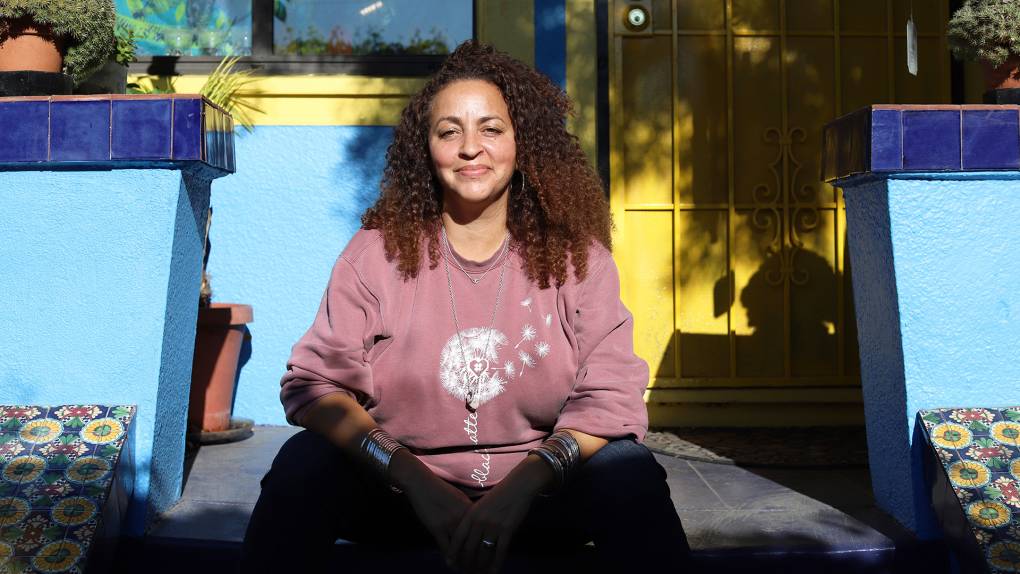
"caption": "Mystic surprised the world by walking away from a record deal after her successful debut album. But for her, it was all part of the plan to create and be of service, completely on her own terms. ",
"description": "Mystic surprised the world by walking away from a record deal after her successful debut album. But for her, it was all part of the plan to chart a fiercely independent path. ",
"title": "Mystic 1",
"credit": "Nastia Voynovskaya/KQED",
"status": "inherit",
"altTag": "Mystic sits on the steps in front of her home in Oakland, CA.",
"isLoading": false,
"fetchFailed": false
},
"arts_13905238": {
"type": "attachments",
"id": "arts_13905238",
"meta": {
"index": "attachments_1716263798",
"site": "arts",
"id": "13905238",
"found": true
},
"parent": 13905208,
"imgSizes": {
"twentyfourteen-full-width": {
"file": "https://ww2.kqed.org/app/uploads/sites/2/2021/10/guapdad-1038x576.jpg",
"width": 1038,
"mimeType": "image/jpeg",
"height": 576
},
"thumbnail": {
"file": "https://ww2.kqed.org/app/uploads/sites/2/2021/10/guapdad-160x90.jpg",
"width": 160,
"mimeType": "image/jpeg",
"height": 90
},
"post-thumbnail": {
"file": "https://ww2.kqed.org/app/uploads/sites/2/2021/10/guapdad-672x372.jpg",
"width": 672,
"mimeType": "image/jpeg",
"height": 372
},
"kqedFullSize": {
"file": "https://ww2.kqed.org/app/uploads/sites/2/2021/10/guapdad.jpg",
"width": 1920,
"height": 1080
},
"large": {
"file": "https://ww2.kqed.org/app/uploads/sites/2/2021/10/guapdad-1020x574.jpg",
"width": 1020,
"mimeType": "image/jpeg",
"height": 574
},
"1536x1536": {
"file": "https://ww2.kqed.org/app/uploads/sites/2/2021/10/guapdad-1536x864.jpg",
"width": 1536,
"mimeType": "image/jpeg",
"height": 864
},
"medium": {
"file": "https://ww2.kqed.org/app/uploads/sites/2/2021/10/guapdad-800x450.jpg",
"width": 800,
"mimeType": "image/jpeg",
"height": 450
},
"medium_large": {
"file": "https://ww2.kqed.org/app/uploads/sites/2/2021/10/guapdad-768x432.jpg",
"width": 768,
"mimeType": "image/jpeg",
"height": 432
}
},
"publishDate": 1635288938,
"modified": 1635288996,
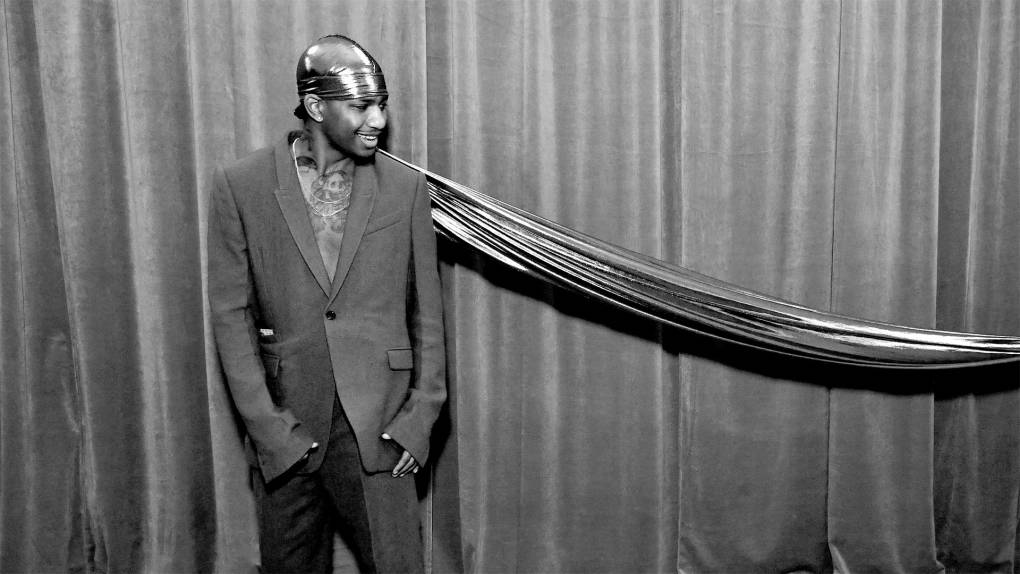
"caption": "Guapdad 4000 attends the 62nd Annual GRAMMY Awards at STAPLES Center on January 26, 2020 in Los Angeles, California.",
"description": "Guapdad 4000 attends the 62nd Annual GRAMMY Awards at STAPLES Center on January 26, 2020 in Los Angeles, California.",
"title": "guapdad",
"credit": " Emma McIntyre/Getty Images for The Recording Academy",
"status": "inherit",
"altTag": null,
"isLoading": false,
"fetchFailed": false
},
"arts_13900231": {
"type": "attachments",
"id": "arts_13900231",
"meta": {
"index": "attachments_1716263798",
"site": "arts",
"id": "13900231",
"found": true
},
"parent": 13900205,
"imgSizes": {
"twentyfourteen-full-width": {
"file": "https://ww2.kqed.org/app/uploads/sites/2/2021/07/PhotoCredit_Maria-Gates-1038x576.jpg",
"width": 1038,
"mimeType": "image/jpeg",
"height": 576
},
"thumbnail": {
"file": "https://ww2.kqed.org/app/uploads/sites/2/2021/07/PhotoCredit_Maria-Gates-160x160.jpg",
"width": 160,
"mimeType": "image/jpeg",
"height": 160
},
"post-thumbnail": {
"file": "https://ww2.kqed.org/app/uploads/sites/2/2021/07/PhotoCredit_Maria-Gates-672x372.jpg",
"width": 672,
"mimeType": "image/jpeg",
"height": 372
},
"kqedFullSize": {
"file": "https://ww2.kqed.org/app/uploads/sites/2/2021/07/PhotoCredit_Maria-Gates.jpg",
"width": 1125,
"height": 1125
},
"large": {
"file": "https://ww2.kqed.org/app/uploads/sites/2/2021/07/PhotoCredit_Maria-Gates-1020x1020.jpg",
"width": 1020,
"mimeType": "image/jpeg",
"height": 1020
},
"medium": {
"file": "https://ww2.kqed.org/app/uploads/sites/2/2021/07/PhotoCredit_Maria-Gates-800x800.jpg",
"width": 800,
"mimeType": "image/jpeg",
"height": 800
},
"medium_large": {
"file": "https://ww2.kqed.org/app/uploads/sites/2/2021/07/PhotoCredit_Maria-Gates-768x768.jpg",
"width": 768,
"mimeType": "image/jpeg",
"height": 768
}
},
"publishDate": 1626993163,
"modified": 1626993563,
"caption": "Trackademicks stands in a white jacket with black sunglasses, posing for the camera. ",
"description": "Trackademicks stands in a white jacket with black sunglasses, posing for the camera. ",
"title": "Trackademicks stands in a white jacket with black sunglasses, posing for the camera.",
"credit": "Maria Gates",
"status": "inherit",
"altTag": "Trackademicks stands in a white jacket with black sunglasses, posing for the camera.",
"isLoading": false,
"fetchFailed": false
},
"arts_13896258": {
"type": "attachments",
"id": "arts_13896258",
"meta": {
"index": "attachments_1716263798",
"site": "arts",
"id": "13896258",
"found": true
},
"title": "ShockG",
"publishDate": 1619143785,
"status": "inherit",
"parent": 13896256,
"modified": 1783556414,
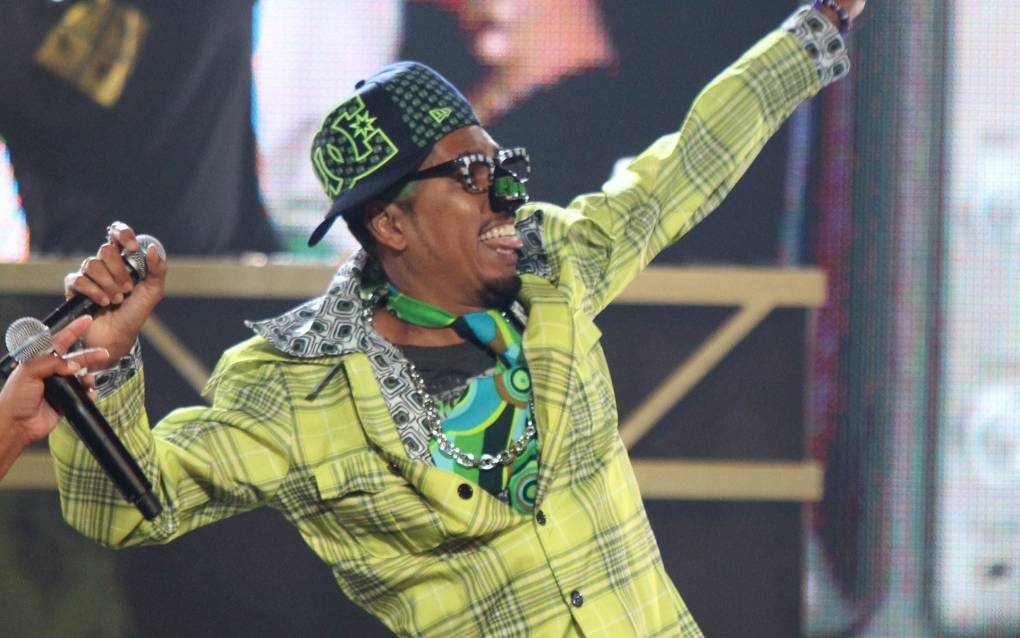
"caption": "Shock G of Digital Underground performs during the BET Hip Hop Awards in 2010 in Atlanta.",
"credit": "Taylor Hill/Getty Images",
"altTag": "Shock G of Digital Underground performs during the BET Hip Hop Awards in 2010 in Atlanta. Shock G died Thursday at age 57.",
"description": "Shock G of Digital Underground performs during the BET Hip Hop Awards in 2010 in Atlanta. Shock G died Thursday at age 57.",
"imgSizes": {
"medium": {
"file": "https://cdn.kqed.org/wp-content/uploads/sites/2/2021/04/ShockG-800x500.jpg",
"width": 800,
"height": 500,
"mimeType": "image/jpeg"
},
"large": {
"file": "https://cdn.kqed.org/wp-content/uploads/sites/2/2021/04/ShockG-1020x638.jpg",
"width": 1020,
"height": 638,
"mimeType": "image/jpeg"
},
"thumbnail": {
"file": "https://cdn.kqed.org/wp-content/uploads/sites/2/2021/04/ShockG-160x100.jpg",
"width": 160,
"height": 100,
"mimeType": "image/jpeg"
},
"medium_large": {
"file": "https://cdn.kqed.org/wp-content/uploads/sites/2/2021/04/ShockG-768x480.jpg",
"width": 768,
"height": 480,
"mimeType": "image/jpeg"
},
"1536x1536": {
"file": "https://cdn.kqed.org/wp-content/uploads/sites/2/2021/04/ShockG-1536x960.jpg",
"width": 1536,
"height": 960,
"mimeType": "image/jpeg"
},
"post-thumbnail": {
"file": "https://cdn.kqed.org/wp-content/uploads/sites/2/2021/04/ShockG-672x372.jpg",
"width": 672,
"height": 372,
"mimeType": "image/jpeg"
},
"twentyfourteen-full-width": {
"file": "https://cdn.kqed.org/wp-content/uploads/sites/2/2021/04/ShockG-1038x576.jpg",
"width": 1038,
"height": 576,
"mimeType": "image/jpeg"
},
"kqedFullSize": {
"file": "https://cdn.kqed.org/wp-content/uploads/sites/2/2021/04/ShockG.jpg",
"width": 1920,
"height": 1200
}
},
"isLoading": false,
"fetchFailed": false
},
"arts_13890572": {
"type": "attachments",
"id": "arts_13890572",
"meta": {
"index": "attachments_1716263798",
"site": "arts",
"id": "13890572",
"found": true
},
"parent": 13890570,
"imgSizes": {
"thumbnail": {
"file": "https://ww2.kqed.org/app/uploads/sites/2/2020/12/1910094_521846737803_9_n-160x120.jpg",
"width": 160,
"mimeType": "image/jpeg",
"height": 120
},
"post-thumbnail": {
"file": "https://ww2.kqed.org/app/uploads/sites/2/2020/12/1910094_521846737803_9_n-604x372.jpg",
"width": 604,
"mimeType": "image/jpeg",
"height": 372
},
"kqedFullSize": {
"file": "https://ww2.kqed.org/app/uploads/sites/2/2020/12/1910094_521846737803_9_n.jpg",
"width": 604,
"height": 453
}
},
"publishDate": 1608240833,
"modified": 1608245130,
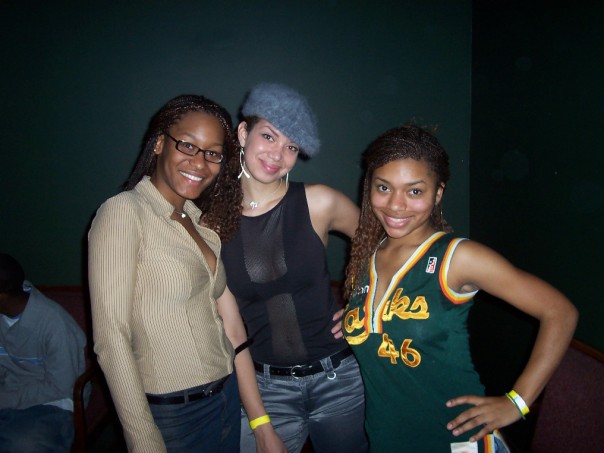
"caption": "Author Nijla Mu’min (far right) with friends Latonya Wright and Autumn Anderson Mosby at a party in Berkeley in 2004.",
"description": "Author Nijla Mu’min (far right) with friends Latonya Wright and Autumn Anderson Mosby at a party in Berkeley in 2004.",
"title": "1910094_521846737803_9_n",
"credit": "Nijla Mu'min",
"status": "inherit",
"altTag": null,
"isLoading": false,
"fetchFailed": false
},
"arts_13890444": {
"type": "attachments",
"id": "arts_13890444",
"meta": {
"index": "attachments_1716263798",
"site": "arts",
"id": "13890444",
"found": true
},
"parent": 13890437,
"imgSizes": {
"twentyfourteen-full-width": {
"file": "https://ww2.kqed.org/app/uploads/sites/2/2020/12/EJbsFORUEAApF9v-1038x576.jpg",
"width": 1038,
"mimeType": "image/jpeg",
"height": 576
},
"thumbnail": {
"file": "https://ww2.kqed.org/app/uploads/sites/2/2020/12/EJbsFORUEAApF9v-160x107.jpg",
"width": 160,
"mimeType": "image/jpeg",
"height": 107
},
"post-thumbnail": {
"file": "https://ww2.kqed.org/app/uploads/sites/2/2020/12/EJbsFORUEAApF9v-672x372.jpg",
"width": 672,
"mimeType": "image/jpeg",
"height": 372
},
"kqedFullSize": {
"file": "https://ww2.kqed.org/app/uploads/sites/2/2020/12/EJbsFORUEAApF9v.jpg",
"width": 1200,
"height": 800
},
"large": {
"file": "https://ww2.kqed.org/app/uploads/sites/2/2020/12/EJbsFORUEAApF9v-1020x680.jpg",
"width": 1020,
"mimeType": "image/jpeg",
"height": 680
},
"medium": {
"file": "https://ww2.kqed.org/app/uploads/sites/2/2020/12/EJbsFORUEAApF9v-800x533.jpg",
"width": 800,
"mimeType": "image/jpeg",
"height": 533
},
"medium_large": {
"file": "https://ww2.kqed.org/app/uploads/sites/2/2020/12/EJbsFORUEAApF9v-768x512.jpg",
"width": 768,
"mimeType": "image/jpeg",
"height": 512
}
},
"publishDate": 1608028447,
"modified": 1608028510,
"caption": "Jesus El stares into the camera as I video interview E-40 at Youth Uprising in Deep East Oakland. ",
"description": "Jesus El stares into the camera as I video interview E-40 at Youth Uprising in Deep East Oakland. ",
"title": "Jesus El stares into the camera as I video interview E-40 at Youth Uprising in Deep East Oakland.",
"credit": "Jacky Johnson",
"status": "inherit",
"altTag": "Jesus El stares into the camera as I video interview E-40 at Youth Uprising in Deep East Oakland.",
"isLoading": false,
"fetchFailed": false
},
"arts_13877637": {
"type": "attachments",
"id": "arts_13877637",
"meta": {
"index": "attachments_1716263798",
"site": "arts",
"id": "13877637",
"found": true
},
"parent": 13877570,
"imgSizes": {
"thumbnail": {
"file": "https://ww2.kqed.org/app/uploads/sites/2/2020/03/SoulBeat-160x87.jpg",
"width": 160,
"mimeType": "image/jpeg",
"height": 87
},
"post-thumbnail": {
"file": "https://ww2.kqed.org/app/uploads/sites/2/2020/03/SoulBeat-672x372.jpg",
"width": 672,
"mimeType": "image/jpeg",
"height": 372
},
"kqedFullSize": {
"file": "https://ww2.kqed.org/app/uploads/sites/2/2020/03/SoulBeat.jpg",
"width": 720,
"height": 393
}
},
"publishDate": 1585335057,
"modified": 1585335092,
"caption": "Commercials on SoulBeat TV now serve as a time capsule to the Oakland of the 1980s. ",
"description": "Commercials on SoulBeat TV now serve as a time capsule to the Oakland of the 1980s. ",
"title": "SoulBeat",
"credit": "SoulBeat",
"status": "inherit",
"isLoading": false,
"fetchFailed": false
},
"arts_13847779": {
"type": "attachments",
"id": "arts_13847779",
"meta": {
"index": "attachments_1716263798",
"site": "arts",
"id": "13847779",
"found": true
},
"parent": 13847704,
"imgSizes": {
"small": {
"file": "https://ww2.kqed.org/app/uploads/sites/2/2018/12/GettyImages-84202544-520x293.jpg",
"width": 520,
"mimeType": "image/jpeg",
"height": 293
},
"twentyfourteen-full-width": {
"file": "https://ww2.kqed.org/app/uploads/sites/2/2018/12/GettyImages-84202544-1038x576.jpg",
"width": 1038,
"mimeType": "image/jpeg",
"height": 576
},
"thumbnail": {
"file": "https://ww2.kqed.org/app/uploads/sites/2/2018/12/GettyImages-84202544-160x90.jpg",
"width": 160,
"mimeType": "image/jpeg",
"height": 90
},
"fd-sm": {
"file": "https://ww2.kqed.org/app/uploads/sites/2/2018/12/GettyImages-84202544-960x540.jpg",
"width": 960,
"mimeType": "image/jpeg",
"height": 540
},
"post-thumbnail": {
"file": "https://ww2.kqed.org/app/uploads/sites/2/2018/12/GettyImages-84202544-672x372.jpg",
"width": 672,
"mimeType": "image/jpeg",
"height": 372
},
"xsmall": {
"file": "https://ww2.kqed.org/app/uploads/sites/2/2018/12/GettyImages-84202544-375x211.jpg",
"width": 375,
"mimeType": "image/jpeg",
"height": 211
},
"kqedFullSize": {
"file": "https://ww2.kqed.org/app/uploads/sites/2/2018/12/GettyImages-84202544.jpg",
"width": 1920,
"height": 1080
},
"large": {
"file": "https://ww2.kqed.org/app/uploads/sites/2/2018/12/GettyImages-84202544-1020x574.jpg",
"width": 1020,
"mimeType": "image/jpeg",
"height": 574
},
"xlarge": {
"file": "https://ww2.kqed.org/app/uploads/sites/2/2018/12/GettyImages-84202544-1180x664.jpg",
"width": 1180,
"mimeType": "image/jpeg",
"height": 664
},
"complete_open_graph": {
"file": "https://ww2.kqed.org/app/uploads/sites/2/2018/12/GettyImages-84202544-1200x675.jpg",
"width": 1200,
"mimeType": "image/jpeg",
"height": 675
},
"guest-author-50": {
"file": "https://ww2.kqed.org/app/uploads/sites/2/2018/12/GettyImages-84202544-50x50.jpg",
"width": 50,
"mimeType": "image/jpeg",
"height": 50
},
"guest-author-96": {
"file": "https://ww2.kqed.org/app/uploads/sites/2/2018/12/GettyImages-84202544-96x96.jpg",
"width": 96,
"mimeType": "image/jpeg",
"height": 96
},
"medium": {
"file": "https://ww2.kqed.org/app/uploads/sites/2/2018/12/GettyImages-84202544-800x450.jpg",
"width": 800,
"mimeType": "image/jpeg",
"height": 450
},
"guest-author-64": {
"file": "https://ww2.kqed.org/app/uploads/sites/2/2018/12/GettyImages-84202544-64x64.jpg",
"width": 64,
"mimeType": "image/jpeg",
"height": 64
},
"guest-author-32": {
"file": "https://ww2.kqed.org/app/uploads/sites/2/2018/12/GettyImages-84202544-32x32.jpg",
"width": 32,
"mimeType": "image/jpeg",
"height": 32
},
"fd-lrg": {
"file": "https://ww2.kqed.org/app/uploads/sites/2/2018/12/GettyImages-84202544-1920x1080.jpg",
"width": 1920,
"mimeType": "image/jpeg",
"height": 1080
},
"fd-med": {
"file": "https://ww2.kqed.org/app/uploads/sites/2/2018/12/GettyImages-84202544-1180x664.jpg",
"width": 1180,
"mimeType": "image/jpeg",
"height": 664
},
"full-width": {
"file": "https://ww2.kqed.org/app/uploads/sites/2/2018/12/GettyImages-84202544-1920x1080.jpg",
"width": 1920,
"mimeType": "image/jpeg",
"height": 1080
},
"detail": {
"file": "https://ww2.kqed.org/app/uploads/sites/2/2018/12/GettyImages-84202544-150x150.jpg",
"width": 150,
"mimeType": "image/jpeg",
"height": 150
},
"medium_large": {
"file": "https://ww2.kqed.org/app/uploads/sites/2/2018/12/GettyImages-84202544-768x432.jpg",
"width": 768,
"mimeType": "image/jpeg",
"height": 432
},
"guest-author-128": {
"file": "https://ww2.kqed.org/app/uploads/sites/2/2018/12/GettyImages-84202544-128x128.jpg",
"width": 128,
"mimeType": "image/jpeg",
"height": 128
},
"xxsmall": {
"file": "https://ww2.kqed.org/app/uploads/sites/2/2018/12/GettyImages-84202544-240x135.jpg",
"width": 240,
"mimeType": "image/jpeg",
"height": 135
}
},
"publishDate": 1546045607,
"modified": 1546045690,
"caption": "A protester marches with a sign by Dignidad Rebelde on Jan. 7, 2009. ",
"description": "A protester marches with a sign by Dignidad Rebelde on Jan. 7, 2009. ",
"title": "Protestors Demand Justice In Oakland Police Subway Shooting",
"credit": " Justin Sullivan/Getty Images",
"status": "inherit",
"isLoading": false,
"fetchFailed": false
},
"arts_13812553": {
"type": "attachments",
"id": "arts_13812553",
"meta": {
"index": "attachments_1716263798",
"site": "arts",
"id": "13812553",
"found": true
},
"parent": 13812551,
"imgSizes": {
"small": {
"file": "https://ww2.kqed.org/app/uploads/sites/2/2017/10/ARTS_FILIPINODJS_1-520x293.jpg",
"width": 520,
"mimeType": "image/jpeg",
"height": 293
},
"twentyfourteen-full-width": {
"file": "https://ww2.kqed.org/app/uploads/sites/2/2017/10/ARTS_FILIPINODJS_1-1038x576.jpg",
"width": 1038,
"mimeType": "image/jpeg",
"height": 576
},
"thumbnail": {
"file": "https://ww2.kqed.org/app/uploads/sites/2/2017/10/ARTS_FILIPINODJS_1-160x90.jpg",
"width": 160,
"mimeType": "image/jpeg",
"height": 90
},
"fd-sm": {
"file": "https://ww2.kqed.org/app/uploads/sites/2/2017/10/ARTS_FILIPINODJS_1-960x540.jpg",
"width": 960,
"mimeType": "image/jpeg",
"height": 540
},
"post-thumbnail": {
"file": "https://ww2.kqed.org/app/uploads/sites/2/2017/10/ARTS_FILIPINODJS_1-672x372.jpg",
"width": 672,
"mimeType": "image/jpeg",
"height": 372
},
"xsmall": {
"file": "https://ww2.kqed.org/app/uploads/sites/2/2017/10/ARTS_FILIPINODJS_1-375x211.jpg",
"width": 375,
"mimeType": "image/jpeg",
"height": 211
},
"kqedFullSize": {
"file": "https://ww2.kqed.org/app/uploads/sites/2/2017/10/ARTS_FILIPINODJS_1.jpg",
"width": 1920,
"height": 1080
},
"large": {
"file": "https://ww2.kqed.org/app/uploads/sites/2/2017/10/ARTS_FILIPINODJS_1-1020x574.jpg",
"width": 1020,
"mimeType": "image/jpeg",
"height": 574
},
"xlarge": {
"file": "https://ww2.kqed.org/app/uploads/sites/2/2017/10/ARTS_FILIPINODJS_1-1180x664.jpg",
"width": 1180,
"mimeType": "image/jpeg",
"height": 664
},
"guest-author-50": {
"file": "https://ww2.kqed.org/app/uploads/sites/2/2017/10/ARTS_FILIPINODJS_1-50x50.jpg",
"width": 50,
"mimeType": "image/jpeg",
"height": 50
},
"guest-author-96": {
"file": "https://ww2.kqed.org/app/uploads/sites/2/2017/10/ARTS_FILIPINODJS_1-96x96.jpg",
"width": 96,
"mimeType": "image/jpeg",
"height": 96
},
"medium": {
"file": "https://ww2.kqed.org/app/uploads/sites/2/2017/10/ARTS_FILIPINODJS_1-800x450.jpg",
"width": 800,
"mimeType": "image/jpeg",
"height": 450
},
"guest-author-64": {
"file": "https://ww2.kqed.org/app/uploads/sites/2/2017/10/ARTS_FILIPINODJS_1-64x64.jpg",
"width": 64,
"mimeType": "image/jpeg",
"height": 64
},
"guest-author-32": {
"file": "https://ww2.kqed.org/app/uploads/sites/2/2017/10/ARTS_FILIPINODJS_1-32x32.jpg",
"width": 32,
"mimeType": "image/jpeg",
"height": 32
},
"fd-lrg": {
"file": "https://ww2.kqed.org/app/uploads/sites/2/2017/10/ARTS_FILIPINODJS_1-1920x1080.jpg",
"width": 1920,
"mimeType": "image/jpeg",
"height": 1080
},
"fd-med": {
"file": "https://ww2.kqed.org/app/uploads/sites/2/2017/10/ARTS_FILIPINODJS_1-1180x664.jpg",
"width": 1180,
"mimeType": "image/jpeg",
"height": 664
},
"full-width": {
"file": "https://ww2.kqed.org/app/uploads/sites/2/2017/10/ARTS_FILIPINODJS_1-1920x1080.jpg",
"width": 1920,
"mimeType": "image/jpeg",
"height": 1080
},
"detail": {
"file": "https://ww2.kqed.org/app/uploads/sites/2/2017/10/ARTS_FILIPINODJS_1-150x150.jpg",
"width": 150,
"mimeType": "image/jpeg",
"height": 150
},
"medium_large": {
"file": "https://ww2.kqed.org/app/uploads/sites/2/2017/10/ARTS_FILIPINODJS_1-768x432.jpg",
"width": 768,
"mimeType": "image/jpeg",
"height": 432
},
"guest-author-128": {
"file": "https://ww2.kqed.org/app/uploads/sites/2/2017/10/ARTS_FILIPINODJS_1-128x128.jpg",
"width": 128,
"mimeType": "image/jpeg",
"height": 128
},
"xxsmall": {
"file": "https://ww2.kqed.org/app/uploads/sites/2/2017/10/ARTS_FILIPINODJS_1-240x135.jpg",
"width": 240,
"mimeType": "image/jpeg",
"height": 135
}
},
"publishDate": 1508881425,
"modified": 1508881425,
"caption": null,
"description": null,
"title": "ARTS_FILIPINODJS_1",
"credit": null,
"status": "inherit",
"isLoading": false,
"fetchFailed": false
},
"arts_11696578": {
"type": "attachments",
"id": "arts_11696578",
"meta": {
"index": "attachments_1716263798",
"site": "arts",
"id": "11696578",
"found": true
},
"parent": 11696060,
"imgSizes": {
"twentyfourteen-full-width": {
"file": "https://ww2.kqed.org/app/uploads/sites/2/2016/06/2pac.MAIN_-1038x576.jpg",
"width": 1038,
"mimeType": "image/jpeg",
"height": 576
},
"thumbnail": {
"file": "https://ww2.kqed.org/app/uploads/sites/2/2016/06/2pac.MAIN_-400x225.jpg",
"width": 400,
"mimeType": "image/jpeg",
"height": 225
},
"fd-sm": {
"file": "https://ww2.kqed.org/app/uploads/sites/2/2016/06/2pac.MAIN_-960x540.jpg",
"width": 960,
"mimeType": "image/jpeg",
"height": 540
},
"post-thumbnail": {
"file": "https://ww2.kqed.org/app/uploads/sites/2/2016/06/2pac.MAIN_-672x372.jpg",
"width": 672,
"mimeType": "image/jpeg",
"height": 372
},
"kqedFullSize": {
"file": "https://ww2.kqed.org/app/uploads/sites/2/2016/06/2pac.MAIN_.jpg",
"width": 1920,
"height": 1080
},
"large": {
"file": "https://ww2.kqed.org/app/uploads/sites/2/2016/06/2pac.MAIN_-1180x664.jpg",
"width": 1180,
"mimeType": "image/jpeg",
"height": 664
},
"guest-author-50": {
"file": "https://ww2.kqed.org/app/uploads/sites/2/2016/06/2pac.MAIN_-50x50.jpg",
"width": 50,
"mimeType": "image/jpeg",
"height": 50
},
"guest-author-96": {
"file": "https://ww2.kqed.org/app/uploads/sites/2/2016/06/2pac.MAIN_-96x96.jpg",
"width": 96,
"mimeType": "image/jpeg",
"height": 96
},
"medium": {
"file": "https://ww2.kqed.org/app/uploads/sites/2/2016/06/2pac.MAIN_-800x450.jpg",
"width": 800,
"mimeType": "image/jpeg",
"height": 450
},
"guest-author-64": {
"file": "https://ww2.kqed.org/app/uploads/sites/2/2016/06/2pac.MAIN_-64x64.jpg",
"width": 64,
"mimeType": "image/jpeg",
"height": 64
},
"guest-author-32": {
"file": "https://ww2.kqed.org/app/uploads/sites/2/2016/06/2pac.MAIN_-32x32.jpg",
"width": 32,
"mimeType": "image/jpeg",
"height": 32
},
"fd-lrg": {
"file": "https://ww2.kqed.org/app/uploads/sites/2/2016/06/2pac.MAIN_-1920x1080.jpg",
"width": 1920,
"mimeType": "image/jpeg",
"height": 1080
},
"fd-med": {
"file": "https://ww2.kqed.org/app/uploads/sites/2/2016/06/2pac.MAIN_-1180x664.jpg",
"width": 1180,
"mimeType": "image/jpeg",
"height": 664
},
"detail": {
"file": "https://ww2.kqed.org/app/uploads/sites/2/2016/06/2pac.MAIN_-150x150.jpg",
"width": 150,
"mimeType": "image/jpeg",
"height": 150
},
"medium_large": {
"file": "https://ww2.kqed.org/app/uploads/sites/2/2016/06/2pac.MAIN_-768x432.jpg",
"width": 768,
"mimeType": "image/jpeg",
"height": 432
},
"guest-author-128": {
"file": "https://ww2.kqed.org/app/uploads/sites/2/2016/06/2pac.MAIN_-128x128.jpg",
"width": 128,
"mimeType": "image/jpeg",
"height": 128
}
},
"publishDate": 1466109409,
"modified": 1696010083,
"caption": "Tupac Shakur in a still from the 1993 film 'Poetic Justice,' three years before his death.",
"description": "Tupac Shakur in a still from 'Poetic Justice.'",
"title": "2pac.MAIN",
"credit": "Columbia Pictures",
"status": "inherit",
"altTag": "Tupac Shakur in a still from 'Poetic Justice.'",
"isLoading": false,
"fetchFailed": false
}
},
"audioPlayerReducer": {
"postId": "stream_live",
"isPaused": true,
"isPlaying": false,
"pfsActive": false,
"pledgeModalIsOpen": true,
"playerDrawerIsOpen": false,
"liveAudioPlayStartedAt": 0,
"liveAudioPlayContext": ""
},
"authorsReducer": {
"byline_arts_13890570": {
"type": "authors",
"id": "byline_arts_13890570",
"meta": {
"override": true
},
"slug": "byline_arts_13890570",
"name": "Nijla Mu’min",
"isLoading": false
},
"gmeline": {
"type": "authors",
"id": "185",
"meta": {
"index": "authors_1716337520",
"id": "185",
"found": true
},
"name": "Gabe Meline",
"firstName": "Gabe",
"lastName": "Meline",
"slug": "gmeline",
"email": "gmeline@kqed.org",
"display_author_email": true,
"staff_mastheads": [
"arts"
],
"title": "Senior Editor, KQED Arts & Culture",
"bio": "Gabe Meline entered journalism at age 15 making photocopied zines, and has since earned awards from the Edward R. Murrow Awards, the Society for Professional Journalists, the Online Journalism Awards, the Association of Alternative Newsweeklies and the California Newspaper Publishers Association. Prior to KQED, he was the editor of the \u003cem>North Bay Bohemian\u003c/em> and a touring musician. He lives with his wife and daughter in his hometown of Santa Rosa, CA.",
"avatar": "https://secure.gravatar.com/avatar/5bebe57be0d8bc2dd318934feb47299e2d2d10cba28d09d8d7afb389a2ce2bdd?s=600&d=blank&r=g",
"twitter": null,
"bluesky": null,
"facebook": null,
"instagram": null,
"linkedin": null,
"sites": [
{
"site": "",
"roles": [
"editor"
]
},
{
"site": "arts",
"roles": [
"administrator"
]
},
{
"site": "artschool",
"roles": [
"editor"
]
},
{
"site": "news",
"roles": [
"author"
]
},
{
"site": "pop",
"roles": [
"editor"
]
},
{
"site": "bayareabites",
"roles": [
"editor"
]
},
{
"site": "food",
"roles": [
"editor"
]
},
{
"site": "forum",
"roles": [
"administrator"
]
},
{
"site": "liveblog",
"roles": [
"editor"
]
},
{
"site": "hiphop",
"roles": [
"editor"
]
}
],
"headData": {
"title": "Gabe Meline | KQED",
"description": "Senior Editor, KQED Arts & Culture",
"ogImgSrc": "https://secure.gravatar.com/avatar/5bebe57be0d8bc2dd318934feb47299e2d2d10cba28d09d8d7afb389a2ce2bdd?s=600&d=blank&r=g",
"twImgSrc": "https://secure.gravatar.com/avatar/5bebe57be0d8bc2dd318934feb47299e2d2d10cba28d09d8d7afb389a2ce2bdd?s=600&d=blank&r=g"
},
"isLoading": false,
"link": "/author/gmeline"
},
"cescobar": {
"type": "authors",
"id": "11241",
"meta": {
"index": "authors_1716337520",
"id": "11241",
"found": true
},
"name": "Claudia Escobar",
"firstName": "Claudia",
"lastName": "Escobar",
"slug": "cescobar",
"email": "cescobar@kqed.org",
"display_author_email": false,
"staff_mastheads": [],
"title": "KQED Contributor",
"bio": "Tropical latin visual story teller extraordinaire! bread maker apprentice.",
"avatar": "https://secure.gravatar.com/avatar/39af590a0e19126bafbf121ec9d891a77a3d680061d7cc03d720efe706992707?s=600&d=blank&r=g",
"twitter": null,
"bluesky": null,
"facebook": null,
"instagram": null,
"linkedin": null,
"sites": [
{
"site": "arts",
"roles": [
"subscriber"
]
},
{
"site": "news",
"roles": [
"author"
]
}
],
"headData": {
"title": "Claudia Escobar | KQED",
"description": "KQED Contributor",
"ogImgSrc": "https://secure.gravatar.com/avatar/39af590a0e19126bafbf121ec9d891a77a3d680061d7cc03d720efe706992707?s=600&d=blank&r=g",
"twImgSrc": "https://secure.gravatar.com/avatar/39af590a0e19126bafbf121ec9d891a77a3d680061d7cc03d720efe706992707?s=600&d=blank&r=g"
},
"isLoading": false,
"link": "/author/cescobar"
},
"nvoynovskaya": {
"type": "authors",
"id": "11387",
"meta": {
"index": "authors_1716337520",
"id": "11387",
"found": true
},
"name": "Nastia Voynovskaya",
"firstName": "Nastia",
"lastName": "Voynovskaya",
"slug": "nvoynovskaya",
"email": "nvoynovskaya@kqed.org",
"display_author_email": false,
"staff_mastheads": [
"arts"
],
"title": "Editor and reporter",
"bio": "Nastia Voynovskaya is a reporter, editor and host at KQED Arts & Culture. She's been covering the arts in the Bay Area for over a decade, with a focus on music, queer culture, labor issues and grassroots organizing. She has edited KQED story series such as Trans Bay: A History of San Francisco's Gender-Diverse Community, and co-created KQED's Bay Area hip-hop history project, That's My Word. Nastia's work has been recognized by the Society of Professional Journalists and San Francisco Press Club. She regularly appears on podcasts and radio programs, including NPR's All Songs Considered, and hosts live events where music, culture and conversation meet.",
"avatar": "https://secure.gravatar.com/avatar/5025ee460e5a85d69ca20ea6c6f2f80d7e17795c828f61ea3aecfcd924e9042e?s=600&d=blank&r=g",
"twitter": null,
"bluesky": null,
"facebook": null,
"instagram": "https://www.instagram.com/nananastia/",
"linkedin": null,
"sites": [
{
"site": "",
"roles": [
"editor"
]
},
{
"site": "arts",
"roles": [
"administrator"
]
},
{
"site": "news",
"roles": [
"editor"
]
},
{
"site": "pop",
"roles": [
"administrator"
]
},
{
"site": "bayareabites",
"roles": [
"editor"
]
},
{
"site": "podcasts",
"roles": [
"editor"
]
},
{
"site": "hiphop",
"roles": [
"editor"
]
}
],
"headData": {
"title": "Nastia Voynovskaya | KQED",
"description": "Editor and reporter",
"ogImgSrc": "https://secure.gravatar.com/avatar/5025ee460e5a85d69ca20ea6c6f2f80d7e17795c828f61ea3aecfcd924e9042e?s=600&d=blank&r=g",
"twImgSrc": "https://secure.gravatar.com/avatar/5025ee460e5a85d69ca20ea6c6f2f80d7e17795c828f61ea3aecfcd924e9042e?s=600&d=blank&r=g"
},
"isLoading": false,
"link": "/author/nvoynovskaya"
},
"ogpenn": {
"type": "authors",
"id": "11491",
"meta": {
"index": "authors_1716337520",
"id": "11491",
"found": true
},
"name": "Pendarvis Harshaw",
"firstName": "Pendarvis",
"lastName": "Harshaw",
"slug": "ogpenn",
"email": "ogpenn@gmail.com",
"display_author_email": false,
"staff_mastheads": [
"arts"
],
"title": "Community Engagement Reporter",
"bio": "Pendarvis Harshaw is an educator, host and writer with KQED Arts.",
"avatar": "https://secure.gravatar.com/avatar/972b77ee8e3f346ae2b00622661187fbfabd059b5693bbdc1475ea7a722fd4cd?s=600&d=blank&r=g",
"twitter": null,
"bluesky": null,
"facebook": null,
"instagram": "ogpenn",
"linkedin": null,
"sites": [
{
"site": "arts",
"roles": [
"administrator"
]
},
{
"site": "news",
"roles": [
"editor"
]
},
{
"site": "bayareabites",
"roles": [
"author"
]
},
{
"site": "hiphop",
"roles": [
"editor"
]
}
],
"headData": {
"title": "Pendarvis Harshaw | KQED",
"description": "Community Engagement Reporter",
"ogImgSrc": "https://secure.gravatar.com/avatar/972b77ee8e3f346ae2b00622661187fbfabd059b5693bbdc1475ea7a722fd4cd?s=600&d=blank&r=g",
"twImgSrc": "https://secure.gravatar.com/avatar/972b77ee8e3f346ae2b00622661187fbfabd059b5693bbdc1475ea7a722fd4cd?s=600&d=blank&r=g"
},
"isLoading": false,
"link": "/author/ogpenn"
},
"mmedina": {
"type": "authors",
"id": "11528",
"meta": {
"index": "authors_1716337520",
"id": "11528",
"found": true
},
"name": "Marisol Medina-Cadena",
"firstName": "Marisol",
"lastName": "Medina-Cadena",
"slug": "mmedina",
"email": "mmedina@KQED.org",
"display_author_email": true,
"staff_mastheads": [],
"title": "Producer, Rightnowish Podcast",
"bio": "Marisol Medina-Cadena is a radio reporter and podcast producer. Before working at KQED, she produced for PBS member station, KCET, in Los Angeles. In 2017, Marisol won an Emmy Award for her work on the televised documentary, \u003cem>City Rising\u003c/em>, examining California's affordable housing crisis and the historical roots of gentrification.",
"avatar": "https://secure.gravatar.com/avatar/6c3db46a1cabb5e1fe9a365b5f4e681e?s=600&d=blank&r=g",
"twitter": "marisolreports",
"facebook": null,
"instagram": null,
"linkedin": null,
"sites": [
{
"site": "arts",
"roles": []
},
{
"site": "news",
"roles": [
"edit_others_posts"
]
}
],
"headData": {
"title": "Marisol Medina-Cadena | KQED",
"description": "Producer, Rightnowish Podcast",
"ogImgSrc": "https://secure.gravatar.com/avatar/6c3db46a1cabb5e1fe9a365b5f4e681e?s=600&d=blank&r=g",
"twImgSrc": "https://secure.gravatar.com/avatar/6c3db46a1cabb5e1fe9a365b5f4e681e?s=600&d=blank&r=g"
},
"isLoading": false,
"link": "/author/mmedina"
},
"achazaro": {
"type": "authors",
"id": "11748",
"meta": {
"index": "authors_1716337520",
"id": "11748",
"found": true
},
"name": "Alan Chazaro",
"firstName": "Alan",
"lastName": "Chazaro",
"slug": "achazaro",
"email": "agchazaro@gmail.com",
"display_author_email": true,
"staff_mastheads": [],
"title": "Food Writer and Reporter",
"bio": "Alan Chazaro is the author of \u003cem>This Is Not a Frank Ocean Cover Album\u003c/em> (Black Lawrence Press, 2019), \u003cem>Piñata Theory\u003c/em> (Black Lawrence Press, 2020), and \u003cem>Notes from the Eastern Span of the Bay Bridge\u003c/em> (Ghost City Press, 2021). He is a graduate of June Jordan’s Poetry for the People program at UC Berkeley and a former Lawrence Ferlinghetti Fellow at the University of San Francisco. He writes about sports, food, art, music, education, and culture while repping the Bay on \u003ca href=\"https://twitter.com/alan_chazaro\">Twitter\u003c/a> and \u003ca href=\"https://www.instagram.com/alan_chazaro/?hl=en\">Instagram\u003c/a> at @alan_chazaro.",
"avatar": "https://secure.gravatar.com/avatar/ea8b6dd970fc5c29e7a188e7d5861df7?s=600&d=blank&r=g",
"twitter": "alan_chazaro",
"facebook": null,
"instagram": null,
"linkedin": null,
"sites": [
{
"site": "arts",
"roles": [
"contributor"
]
},
{
"site": "news",
"roles": [
"editor"
]
}
],
"headData": {
"title": "Alan Chazaro | KQED",
"description": "Food Writer and Reporter",
"ogImgSrc": "https://secure.gravatar.com/avatar/ea8b6dd970fc5c29e7a188e7d5861df7?s=600&d=blank&r=g",
"twImgSrc": "https://secure.gravatar.com/avatar/ea8b6dd970fc5c29e7a188e7d5861df7?s=600&d=blank&r=g"
},
"isLoading": false,
"link": "/author/achazaro"
},
"earnold": {
"type": "authors",
"id": "11839",
"meta": {
"index": "authors_1716337520",
"id": "11839",
"found": true
},
"name": "Eric Arnold",
"firstName": "Eric",
"lastName": "Arnold",
"slug": "earnold",
"email": "earnold@kqed.org",
"display_author_email": false,
"staff_mastheads": [],
"title": "Contributing Editor, 'That's My Word'",
"bio": "Eric Arnold has covered hip-hop locally and nationally for over 30 years. Formerly the managing editor of \u003cem>4080\u003c/em> and columnist for \u003cem>The Source\u003c/em>, he chronicled hyphy’s rise and fall, co-curated the Oakland Museum of California’s first hip-hop exhibit in 2018 and won a 2022 Northern California Emmy Award for a mini-documentary on Oakland’s Boogaloo dance culture. He is a contributing editor for \u003cem>That’s My Word\u003c/em>, KQED's series on the history of Bay Area hip-hop.",
"avatar": "https://secure.gravatar.com/avatar/ede45b04898456ad0893a2811e78b0a2?s=600&d=blank&r=g",
"twitter": null,
"facebook": null,
"instagram": null,
"linkedin": null,
"sites": [
{
"site": "arts",
"roles": [
"contributor"
]
},
{
"site": "news",
"roles": [
"contributor"
]
},
{
"site": "hiphop",
"roles": [
"contributor"
]
}
],
"headData": {
"title": "Eric Arnold | KQED",
"description": "Contributing Editor, 'That's My Word'",
"ogImgSrc": "https://secure.gravatar.com/avatar/ede45b04898456ad0893a2811e78b0a2?s=600&d=blank&r=g",
"twImgSrc": "https://secure.gravatar.com/avatar/ede45b04898456ad0893a2811e78b0a2?s=600&d=blank&r=g"
},
"isLoading": false,
"link": "/author/earnold"
}
},
"pagesReducer": {
"arts_series_thats-my-word": {
"type": "terms",
"id": "arts_22314",
"meta": {
"index": "terms_1716263798",
"site": "arts",
"id": "22314",
"score": 14.901979
},
"name": "That’s My Word",
"slug": "thats-my-word",
"taxonomy": "series",
"description": null,
"featImg": null,
"headData": {
"title": "That’s My Word | KQED Arts",
"description": null,
"ogTitle": null,
"ogDescription": null,
"ogImgId": null,
"twTitle": null,
"twDescription": null,
"twImgId": null
},
"ttid": 22326,
"isLoading": false,
"title": "That’s My Word",
"pageMeta": {
"site": "arts",
"WpPageTemplate": "page-topic-editorial",
"currentPage": 7
},
"blocks": [
{
"blockName": "kqed/post-list",
"attrs": {
"layout": "cardArticle2",
"query": "posts/arts?series=thats-my-word",
"seeMore": false,
"paginated": true,
"page": 7
}
},
{
"blockName": "kqed/ad"
}
]
}
},
"pfsSessionReducer": {},
"postsReducer": {
"stream_live": {
"type": "live",
"id": "stream_live",
"audioUrl": "https://streams.kqed.org/kqedradio",
"title": "Live Stream",
"excerpt": "Live Stream information currently unavailable.",
"link": "/radio",
"featImg": "",
"label": {
"name": "KQED Live",
"link": "/"
}
},
"stream_kqedNewscast": {
"type": "posts",
"id": "stream_kqedNewscast",
"audioUrl": "https://www.kqed.org/.stream/anon/radio/RDnews/newscast.mp3?_=1",
"title": "KQED Newscast",
"featImg": "",
"label": {
"name": "88.5 FM",
"link": "/"
}
},
"arts_13908150": {
"type": "posts",
"id": "arts_13908150",
"meta": {
"index": "posts_1716263798",
"site": "arts",
"id": "13908150",
"score": null,
"sort": [
1642118562000
]
},
"guestAuthors": [],
"slug": "remembering-wild-nights-at-lukas-where-oakland-partied-together",
"title": "Remembering Wild Nights at Luka’s, Where Oakland Partied Together",
"publishDate": 1642118562,
"format": "standard",
"headTitle": "Remembering Wild Nights at Luka’s, Where Oakland Partied Together | KQED",
"labelTerm": {
"term": 22314,
"site": "arts"
},
"content": "\u003cp>[dropcap]I[/dropcap]n the early 2000s, going to Brothers & Sisters at Luka’s Taproom & Lounge was nothing short of a transcendental experience for \u003ca href=\"http://djemancipation.com/\" target=\"_blank\" rel=\"noopener noreferrer\">DJ Emancipation\u003c/a>.\u003c/p>\n\u003cp>Every Thursday, she and her friends would roll up on their bikes to the downtown Oakland spot. Once inside, they’d say hello to the host, bypass the dining area and enter the dancefloor through a heavy velvet curtain. “It had this mysterious feeling to it, like you’re about to enter a womb of love,” she remembers.\u003c/p>\n\u003cp>Emancipation, who eventually became a resident DJ at the party, says those nights felt “almost like a prayer for our community”: bodies moving in unison to soulful house music, the advanced dancers getting in the middle of the circle, time melting away. At the time, downtown Oakland had fewer places for young people to party, and almost none of the existing spots had nights welcoming Black and Brown LGBTQ+ clientele like Brothers & Sisters did.\u003c/p>\n\u003cp>“Our sweat and our DNA is definitely ingrained in the wood floors of that space,” she says.\u003c/p>\n\u003cp>“The party was for everybody,” says \u003ca href=\"https://www.mixcloud.com/DjDedan/stream/\" target=\"_blank\" rel=\"noopener noreferrer\">DJ Dedan\u003c/a>, who started Brothers & Sisters with DJ Daniella in 2004, when Luka’s first opened. “The whole idea is to bring people together and have a slice of utopia for those four, five hours on a Thursday.”\u003c/p>\n\u003cp>[ad fullwidth]\u003c/p>\n\u003cp>Last week, Luka’s announced it would be closing after 18 years in business. Husband-wife owner team Rick Mitchell and Maria Alderete decided to shut down after their landlord, HP Investors, \u003ca href=\"https://oaklandside.org/2022/01/07/lukas-oakland-closing-hp-investors/\" target=\"_blank\" rel=\"noopener noreferrer\">wanted to double the rent\u003c/a> and take a portion of their profits in a participation agreement. The bar, restaurant and venue will close at the end of January, joining a growing list of pandemic-era closures in the area that includes longtime punk dive Stork Club, nightclub The Layover and soul food destination \u003ca href=\"https://oaklandside.org/2022/01/11/brown-sugar-kitchen-tanya-holland-closed/\" target=\"_blank\" rel=\"noopener noreferrer\">Brown Sugar Kitchen\u003c/a>.\u003c/p>\n\u003cp>https://www.instagram.com/p/BZU6AsBArGr/\u003c/p>\n\u003cp>With some key establishments going out of business and customers hesitant to go out because of the recent surge in COVID-19 cases, “downtown is looking real 2004-ish,” says Leon Dnas Sykes, an Oakland high school teacher, community advocate and radio personality who hosted the party Fresh Steps at Luka’s from 2009 to 2017. He’s referring to the era before Oakland saw a massive influx of development and gentrification, a time when city policy made it difficult for nightlife venues catering to young, Black audiences to operate.\u003c/p>\n\u003cp>Although Oakland lifted an \u003ca href=\"https://www.latimes.com/archives/la-xpm-1990-12-31-ca-5617-story.html\" target=\"_blank\" rel=\"noopener noreferrer\">official ban on rap concerts in 1990\u003c/a>, throughout the ’90s and 2000s, discrimination was still rampant. Club owners said \u003ca href=\"https://eastbayexpress.com/delete-add-delete-1/\" target=\"_blank\" rel=\"noopener noreferrer\">police scapegoated them for neighborhood violence\u003c/a>, and leveraged expensive security fees and bureaucratic hurdles to make throwing events difficult, \u003ca href=\"https://www.kqed.org/arts/13902006/oakland-police-security-fees-community-events-canceled\" target=\"_blank\" rel=\"noopener noreferrer\">a trend that continues\u003c/a> to a lesser extent today. [aside postid='arts_13902006']\u003c/p>\n\u003cp>“Black nightlife was strategically removed,” says community advocate and event organizer Chaney Turner. “That’s when you had a ghost town, pretty much, downtown. OPD would sit in front, pretty much intimidating the owners and staff, and providing ‘security’ or whatever, and sending these venues these crazy ass bills.”\u003c/p>\n\u003cp>[dropcap]W[/dropcap]hen Lukas opened in 2004, there were few places in town where hip-hop thrived outside of house parties and underground warehouses. “There was definitely this excitement that there was a legit venue that was supporting real hip-hop DJs,” remembers \u003ca href=\"https://djplaturn.com/\" target=\"_blank\" rel=\"noopener noreferrer\">DJ Platurn\u003c/a>, who DJed at Luka’s on First Fridays from its early days until about 2011. “Oasis was around, and was Geoffey’s Inner Circle was around. But this was the new spot, and we hadn’t seen a new spot that was at this caliber come along in I don’t know how long. … It was a big deal for Oakland, I definitely remember that.”\u003c/p>\n\u003cfigure id=\"attachment_13829481\" class=\"wp-caption aligncenter\" style=\"max-width: 800px\">\u003cimg loading=\"lazy\" decoding=\"async\" class=\"size-medium wp-image-13829481\" src=\"https://ww2.kqed.org/app/uploads/sites/2/2018/04/DJ-Platurn-Header-03-1920x1080-credit-Jose-Lim-800x450.jpg\" alt=\"\" width=\"800\" height=\"450\" srcset=\"https://cdn.kqed.org/wp-content/uploads/sites/2/2018/04/DJ-Platurn-Header-03-1920x1080-credit-Jose-Lim-800x450.jpg 800w, https://cdn.kqed.org/wp-content/uploads/sites/2/2018/04/DJ-Platurn-Header-03-1920x1080-credit-Jose-Lim-160x90.jpg 160w, https://cdn.kqed.org/wp-content/uploads/sites/2/2018/04/DJ-Platurn-Header-03-1920x1080-credit-Jose-Lim-768x432.jpg 768w, https://cdn.kqed.org/wp-content/uploads/sites/2/2018/04/DJ-Platurn-Header-03-1920x1080-credit-Jose-Lim-1020x574.jpg 1020w, https://cdn.kqed.org/wp-content/uploads/sites/2/2018/04/DJ-Platurn-Header-03-1920x1080-credit-Jose-Lim-1200x675.jpg 1200w, https://cdn.kqed.org/wp-content/uploads/sites/2/2018/04/DJ-Platurn-Header-03-1920x1080-credit-Jose-Lim.jpg 1920w, https://cdn.kqed.org/wp-content/uploads/sites/2/2018/04/DJ-Platurn-Header-03-1920x1080-credit-Jose-Lim-1180x664.jpg 1180w, https://cdn.kqed.org/wp-content/uploads/sites/2/2018/04/DJ-Platurn-Header-03-1920x1080-credit-Jose-Lim-960x540.jpg 960w, https://cdn.kqed.org/wp-content/uploads/sites/2/2018/04/DJ-Platurn-Header-03-1920x1080-credit-Jose-Lim-240x135.jpg 240w, https://cdn.kqed.org/wp-content/uploads/sites/2/2018/04/DJ-Platurn-Header-03-1920x1080-credit-Jose-Lim-375x211.jpg 375w, https://cdn.kqed.org/wp-content/uploads/sites/2/2018/04/DJ-Platurn-Header-03-1920x1080-credit-Jose-Lim-520x293.jpg 520w\" sizes=\"(max-width: 800px) 100vw, 800px\">\u003cfigcaption class=\"wp-caption-text\">DJ Platurn in 2017. \u003ccite>(Jose Lim)\u003c/cite>\u003c/figcaption>\u003c/figure>\n\u003cp>“My original vision was I wanted to make it like going to Kool Herc’s place in 1972—DJs cuttin’ it up, showing off their skills, not just playing records,” says co-owner Mitchell.\u003c/p>\n\u003cp>When he and Alderete started the business, he had previous experience waiting tables but had never run a bar or restaurant, let alone a nightclub. He enlisted DJ Wisdom, who booked the first parties at Luka’s and helped Mitchell network with other DJs. DJ Platurn and DJ Spair started a party called Flashback Fridays after Mitchell wrote an email to the address on the back of their mixtape from their influential DJ collective, \u003ca href=\"https://twitter.com/oaklandfaders\" target=\"_blank\" rel=\"noopener noreferrer\">Oakland Faders\u003c/a>.\u003c/p>\n\u003cp>By the mid 2000s, the First Friday art walk started drawing a punk and hipster crowd to downtown, and the hyphy movement was in full swing. The excitement of young, creative energy was in the air. Underground scenes percolated, invigorated by the rise of early social media and sustained by an abundance of cheap real estate. Luka’s was a place where all these different kinds of people could meet.\u003c/p>\n\u003cp>“There just wasn’t a ton of stuff to choose from, and there was an energy involved with our night that people were really attracted to,” says DJ Platurn. “That was for sure an undeniable thing that I remember pretty fondly as far as an Oakland nightlife energy goes, where you’re seeing people from literally every walk of life and all ages, the whole nine, all coming to party for the right reasons. … The drinks were always super heavy, the bartenders were always really generous with their pours. People would be hammered, having a blast. Dancing the whole night. The walls would fucking sweat in that place on our nights. It was hardcore.”\u003c/p>\n\u003cp>Over the years, Luka’s nightlife programming continued to evolve: there were nights for salsa and reggae, and local celebrities like Pam the Funkstress (who DJed for Prince and Boots Riley’s The Coup) regularly showed up. After DJ Platurn and DJ Spair moved on, DJ Mere and Max Kane took over First Fridays, and eventually KMEL’s \u003ca href=\"https://www.instagram.com/lexxjonez/?hl=en\" target=\"_blank\" rel=\"noopener noreferrer\">Lexx Jonez\u003c/a> held down the slot along with Kane.\u003c/p>\n\u003cp>“When First Fridays were going on outside, it was usually people’s first stop,” he says. “It was a meeting place for artists and DJs and everybody, period.”\u003c/p>\n\u003cfigure id=\"attachment_13908155\" class=\"wp-caption aligncenter\" style=\"max-width: 800px\">\u003cimg loading=\"lazy\" decoding=\"async\" class=\"size-medium wp-image-13908155\" src=\"https://ww2.kqed.org/app/uploads/sites/2/2022/01/IMG_4017-800x600.jpg\" alt=\"\" width=\"800\" height=\"600\" srcset=\"https://cdn.kqed.org/wp-content/uploads/sites/2/2022/01/IMG_4017-800x600.jpg 800w, https://cdn.kqed.org/wp-content/uploads/sites/2/2022/01/IMG_4017-1020x765.jpg 1020w, https://cdn.kqed.org/wp-content/uploads/sites/2/2022/01/IMG_4017-160x120.jpg 160w, https://cdn.kqed.org/wp-content/uploads/sites/2/2022/01/IMG_4017-768x576.jpg 768w, https://cdn.kqed.org/wp-content/uploads/sites/2/2022/01/IMG_4017-1536x1152.jpg 1536w, https://cdn.kqed.org/wp-content/uploads/sites/2/2022/01/IMG_4017.jpg 1920w\" sizes=\"(max-width: 800px) 100vw, 800px\">\u003cfigcaption class=\"wp-caption-text\">Pam the Funkstress’ signature inside the DJ booth at Luka’s.\u003c/figcaption>\u003c/figure>\n\u003cp>\u003ca href=\"https://www.instagram.com/aebldee/?hl=en\" target=\"_blank\" rel=\"noopener noreferrer\">DJ Aebl Dee\u003c/a> started his party, Fresh Steps on a New Lawn, in 2008 to celebrate Black excellence after Barack Obama was elected. The monthly showcase continued at Luka’s for 10 years, and became a place for emerging rappers to sharpen their skills. Bay Area artists who eventually became nationally recognized—IAMSU, P-Lo, Ian Kelly, Duckwrth—had some of their first performances there. Veterans like Zion I and Mac Mall showed up, too. And there were even live instrumentalists: hip-hop orchestra Ensemble Mik Nawooj performed, and so did hip-hop, rock and cumbia group Bang Data.\u003c/p>\n\u003cp>“It was such an intimate show—it was no stress,” says Aebl Dee. “You showed up, handed me a flashdrive and just got up on the stage and went for it.”\u003c/p>\n\u003cfigure id=\"attachment_13908153\" class=\"wp-caption aligncenter\" style=\"max-width: 800px\">\u003cimg loading=\"lazy\" decoding=\"async\" class=\"size-medium wp-image-13908153\" src=\"https://ww2.kqed.org/app/uploads/sites/2/2022/01/IMG_1879-800x1067.jpg\" alt=\"\" width=\"800\" height=\"1067\" srcset=\"https://cdn.kqed.org/wp-content/uploads/sites/2/2022/01/IMG_1879-800x1067.jpg 800w, https://cdn.kqed.org/wp-content/uploads/sites/2/2022/01/IMG_1879-1020x1360.jpg 1020w, https://cdn.kqed.org/wp-content/uploads/sites/2/2022/01/IMG_1879-160x213.jpg 160w, https://cdn.kqed.org/wp-content/uploads/sites/2/2022/01/IMG_1879-768x1024.jpg 768w, https://cdn.kqed.org/wp-content/uploads/sites/2/2022/01/IMG_1879-1152x1536.jpg 1152w, https://cdn.kqed.org/wp-content/uploads/sites/2/2022/01/IMG_1879-1536x2048.jpg 1536w, https://cdn.kqed.org/wp-content/uploads/sites/2/2022/01/IMG_1879-scaled.jpg 1920w\" sizes=\"(max-width: 800px) 100vw, 800px\">\u003cfigcaption class=\"wp-caption-text\">A blurry photo captures the chaotic dancefloor at Oakland Faders’ party, Flashback Fridays, at Luka’s. \u003ccite>(DJ Platurn)\u003c/cite>\u003c/figcaption>\u003c/figure>\n\u003cp>[dropcap]W[/dropcap]hile Luka’s is set to close at the end of the month, HP Investors hasn’t officially announced new plans for the site. Razing the building to put up a hotel is one possibility. For many longtime Oakland residents, that prospect indicates a trend towards homogeny and more corporate ownership, and less of what makes the city vibrant.\u003c/p>\n\u003cp>“Each time we lose a space, we’re losing a bit of culture,” says Chaney Turner. “We’re losing memories that have been made, friendships with different people.”\u003c/p>\n\u003cp>Noting the empty storefronts downtown, Turner says, “The city has to do more to protect our small businesses across the board so we can protect jobs.”\u003c/p>\n\u003cp>“The reason why people come to places like Oakland, even San Francisco, New York, is because there’s a culture there,” says Brothers & Sisters’ DJ Dedan. “When you start stripping that culture away, what are you gonna have? You have a hotel but there’s no reason to go to Oakland anymore because there’s nothing there.”\u003c/p>\n\u003cp>Aebl Dee takes a more optimistic view. He recently started spinning at \u003ca href=\"https://www.continentalcluboakland.com/\" target=\"_blank\" rel=\"noopener noreferrer\">Continental Club\u003c/a>, a historic blues venue that just reopened in West Oakland, and he’s a resident DJ on First Fridays at \u003ca href=\"https://www.instagram.com/hellostrangerbar/?hl=en\" target=\"_blank\" rel=\"noopener noreferrer\">Hello Stranger\u003c/a> with DJ Platurn, who is the talent buyer and promoter there. “Oakland nightlife is gonna be here,” he says.\u003c/p>\n\u003cp>https://www.instagram.com/p/Br9WqbsBrF9/\u003c/p>\n\u003cp>Indeed, other new club openings are on the horizon: Mistah F.A.B. secured a spot for his venue, \u003ca href=\"https://www.instagram.com/p/CYNXyperF-6/\" target=\"_blank\" rel=\"noopener noreferrer\">Dezi’s\u003c/a>, opening later this year, and a new place called \u003ca href=\"https://www.instagram.com/p/CYmjcfovhF4/\" target=\"_blank\" rel=\"noopener noreferrer\">Crybaby\u003c/a>—owned by a \u003ca href=\"https://www.instagram.com/p/CS99P_YhJ5u/\" target=\"_blank\" rel=\"noopener noreferrer\">crew of longtime DJs, musicians, independent label owners and promoters\u003c/a>—is also set to debut soon at an unspecified date.\u003c/p>\n\u003cp>As for the owners of Luka’s, once their venue closes they’ll be taking some time off from the hustle of running a small business to focus on community work. They started \u003ca href=\"https://www.ckoakland.org/\" target=\"_blank\" rel=\"noopener noreferrer\">Community Kitchens\u003c/a>, which buys meals from other local restaurants and serves them to people in need with the help of mobile clinics. They’ve distributed 120,000 hot meals since the pandemic started, Mitchell says, and are getting ready to launch a new initiative called \u003ca href=\"https://www.ckoakland.org/dining-for-justice\" target=\"_blank\" rel=\"noopener noreferrer\">Dining for Justice\u003c/a>, where the participating restaurants add a 1% surcharge to checks to raise permanent, sustainable funding for these efforts.\u003c/p>\n\u003cp>Luka’s brought people from all walks of life together in an unpretentious atmosphere, and for many artists and partygoers, it’ll always hold a special place in Oakland nightlife history. But when looking back at the venue’s legacy, Mitchell doesn’t like to take much credit.\u003c/p>\n\u003cp>[ad floatright]\u003c/p>\n\u003cp>“The truth is, I didn’t come into this in any way with a master vision,” he says. “I was just a guy who didn’t like what I was doing before, and wanted to have a change and get involved in my community. People saw it as something going on and wanted to help. DJ Wisdom built our nightclub, and it’s just the community of people that came around, that’s what I’m most proud of, the people I’ve met and what they’ve accomplished. I managed to not burn the place down along the way. It’s everybody else who made it happen.”\u003c/p>\n\n",
"blocks": [],
"excerpt": "Luka's opened in 2004 and quickly harnessed the young, creative energy exploding in the Town. ",
"status": "publish",
"parent": 0,
"modified": 1726791245,
"stats": {
"hasAudio": false,
"hasVideo": false,
"hasChartOrMap": false,
"iframeSrcs": [],
"hasGoogleForm": false,
"hasGallery": false,
"hasHearkenModule": false,
"hasPolis": false,
"paragraphCount": 29,
"wordCount": 1836
},
"headData": {
"title": "Remembering Wild Nights at Luka’s, Where Oakland Partied Together | KQED",
"description": "Luka's opened in 2004 and quickly harnessed the young, creative energy exploding in the Town. ",
"ogTitle": "",
"ogDescription": "",
"ogImgId": "",
"twTitle": "",
"twDescription": "",
"twImgId": "",
"schema": {
"@context": "https://schema.org",
"@type": "Article",
"headline": "Remembering Wild Nights at Luka’s, Where Oakland Partied Together",
"datePublished": "2022-01-13T16:02:42-08:00",
"dateModified": "2024-09-19T17:14:05-07:00",
"image": "https://cdn.kqed.org/wp-content/uploads/2020/02/KQED-OG-Image@1x.png"
}
},
"sticky": false,
"templateType": "standard",
"featuredImageType": "standard",
"excludeFromSiteSearch": "Include",
"articleAge": "0",
"path": "/arts/13908150/remembering-wild-nights-at-lukas-where-oakland-partied-together",
"audioTrackLength": null,
"parsedContent": [
{
"type": "contentString",
"content": "\u003cdiv class=\"post-body\">\u003cp>\u003cp>\u003c/p>\u003cp>\u003cspan class=\"utils-parseShortcode-shortcodes-__dropcapShortcode__dropcap\">I\u003c/span>\u003c/p>\u003cp>n the early 2000s, going to Brothers & Sisters at Luka’s Taproom & Lounge was nothing short of a transcendental experience for \u003ca href=\"http://djemancipation.com/\" target=\"_blank\" rel=\"noopener noreferrer\">DJ Emancipation\u003c/a>.\u003c/p>\n\u003cp>Every Thursday, she and her friends would roll up on their bikes to the downtown Oakland spot. Once inside, they’d say hello to the host, bypass the dining area and enter the dancefloor through a heavy velvet curtain. “It had this mysterious feeling to it, like you’re about to enter a womb of love,” she remembers.\u003c/p>\n\u003cp>Emancipation, who eventually became a resident DJ at the party, says those nights felt “almost like a prayer for our community”: bodies moving in unison to soulful house music, the advanced dancers getting in the middle of the circle, time melting away. At the time, downtown Oakland had fewer places for young people to party, and almost none of the existing spots had nights welcoming Black and Brown LGBTQ+ clientele like Brothers & Sisters did.\u003c/p>\n\u003cp>“Our sweat and our DNA is definitely ingrained in the wood floors of that space,” she says.\u003c/p>\n\u003cp>“The party was for everybody,” says \u003ca href=\"https://www.mixcloud.com/DjDedan/stream/\" target=\"_blank\" rel=\"noopener noreferrer\">DJ Dedan\u003c/a>, who started Brothers & Sisters with DJ Daniella in 2004, when Luka’s first opened. “The whole idea is to bring people together and have a slice of utopia for those four, five hours on a Thursday.”\u003c/p>\n\u003cp>\u003c/p>\u003c/div>",
"attributes": {
"named": {},
"numeric": []
}
},
{
"type": "component",
"content": "",
"name": "ad",
"attributes": {
"named": {
"label": "fullwidth"
},
"numeric": [
"fullwidth"
]
}
},
{
"type": "contentString",
"content": "\u003cdiv class=\"post-body\">\u003cp>\u003c/p>\n\u003cp>Last week, Luka’s announced it would be closing after 18 years in business. Husband-wife owner team Rick Mitchell and Maria Alderete decided to shut down after their landlord, HP Investors, \u003ca href=\"https://oaklandside.org/2022/01/07/lukas-oakland-closing-hp-investors/\" target=\"_blank\" rel=\"noopener noreferrer\">wanted to double the rent\u003c/a> and take a portion of their profits in a participation agreement. The bar, restaurant and venue will close at the end of January, joining a growing list of pandemic-era closures in the area that includes longtime punk dive Stork Club, nightclub The Layover and soul food destination \u003ca href=\"https://oaklandside.org/2022/01/11/brown-sugar-kitchen-tanya-holland-closed/\" target=\"_blank\" rel=\"noopener noreferrer\">Brown Sugar Kitchen\u003c/a>.\u003c/p>\u003c/p>\u003c/div>",
"attributes": {
"named": {},
"numeric": []
}
},
{
"type": "component",
"content": "",
"name": "instagramLink",
"attributes": {
"named": {
"instagramUrl": "https://www.instagram.com/p/BZU6AsBArGr/"
},
"numeric": []
}
},
{
"type": "contentString",
"content": "\u003cdiv class=\"post-body\">\u003cp>\u003cp>With some key establishments going out of business and customers hesitant to go out because of the recent surge in COVID-19 cases, “downtown is looking real 2004-ish,” says Leon Dnas Sykes, an Oakland high school teacher, community advocate and radio personality who hosted the party Fresh Steps at Luka’s from 2009 to 2017. He’s referring to the era before Oakland saw a massive influx of development and gentrification, a time when city policy made it difficult for nightlife venues catering to young, Black audiences to operate.\u003c/p>\n\u003cp>Although Oakland lifted an \u003ca href=\"https://www.latimes.com/archives/la-xpm-1990-12-31-ca-5617-story.html\" target=\"_blank\" rel=\"noopener noreferrer\">official ban on rap concerts in 1990\u003c/a>, throughout the ’90s and 2000s, discrimination was still rampant. Club owners said \u003ca href=\"https://eastbayexpress.com/delete-add-delete-1/\" target=\"_blank\" rel=\"noopener noreferrer\">police scapegoated them for neighborhood violence\u003c/a>, and leveraged expensive security fees and bureaucratic hurdles to make throwing events difficult, \u003ca href=\"https://www.kqed.org/arts/13902006/oakland-police-security-fees-community-events-canceled\" target=\"_blank\" rel=\"noopener noreferrer\">a trend that continues\u003c/a> to a lesser extent today. \u003c/p>\u003c/div>",
"attributes": {
"named": {},
"numeric": []
}
},
{
"type": "component",
"content": "",
"name": "aside",
"attributes": {
"named": {
"postid": "arts_13902006",
"label": ""
},
"numeric": []
}
},
{
"type": "contentString",
"content": "\u003cdiv class=\"post-body\">\u003cp>\u003c/p>\n\u003cp>“Black nightlife was strategically removed,” says community advocate and event organizer Chaney Turner. “That’s when you had a ghost town, pretty much, downtown. OPD would sit in front, pretty much intimidating the owners and staff, and providing ‘security’ or whatever, and sending these venues these crazy ass bills.”\u003c/p>\n\u003cp>\u003c/p>\u003cp>\u003cspan class=\"utils-parseShortcode-shortcodes-__dropcapShortcode__dropcap\">W\u003c/span>\u003c/p>\u003cp>hen Lukas opened in 2004, there were few places in town where hip-hop thrived outside of house parties and underground warehouses. “There was definitely this excitement that there was a legit venue that was supporting real hip-hop DJs,” remembers \u003ca href=\"https://djplaturn.com/\" target=\"_blank\" rel=\"noopener noreferrer\">DJ Platurn\u003c/a>, who DJed at Luka’s on First Fridays from its early days until about 2011. “Oasis was around, and was Geoffey’s Inner Circle was around. But this was the new spot, and we hadn’t seen a new spot that was at this caliber come along in I don’t know how long. … It was a big deal for Oakland, I definitely remember that.”\u003c/p>\n\u003cfigure id=\"attachment_13829481\" class=\"wp-caption aligncenter\" style=\"max-width: 800px\">\u003cimg loading=\"lazy\" decoding=\"async\" class=\"size-medium wp-image-13829481\" src=\"https://ww2.kqed.org/app/uploads/sites/2/2018/04/DJ-Platurn-Header-03-1920x1080-credit-Jose-Lim-800x450.jpg\" alt=\"\" width=\"800\" height=\"450\" srcset=\"https://cdn.kqed.org/wp-content/uploads/sites/2/2018/04/DJ-Platurn-Header-03-1920x1080-credit-Jose-Lim-800x450.jpg 800w, https://cdn.kqed.org/wp-content/uploads/sites/2/2018/04/DJ-Platurn-Header-03-1920x1080-credit-Jose-Lim-160x90.jpg 160w, https://cdn.kqed.org/wp-content/uploads/sites/2/2018/04/DJ-Platurn-Header-03-1920x1080-credit-Jose-Lim-768x432.jpg 768w, https://cdn.kqed.org/wp-content/uploads/sites/2/2018/04/DJ-Platurn-Header-03-1920x1080-credit-Jose-Lim-1020x574.jpg 1020w, https://cdn.kqed.org/wp-content/uploads/sites/2/2018/04/DJ-Platurn-Header-03-1920x1080-credit-Jose-Lim-1200x675.jpg 1200w, https://cdn.kqed.org/wp-content/uploads/sites/2/2018/04/DJ-Platurn-Header-03-1920x1080-credit-Jose-Lim.jpg 1920w, https://cdn.kqed.org/wp-content/uploads/sites/2/2018/04/DJ-Platurn-Header-03-1920x1080-credit-Jose-Lim-1180x664.jpg 1180w, https://cdn.kqed.org/wp-content/uploads/sites/2/2018/04/DJ-Platurn-Header-03-1920x1080-credit-Jose-Lim-960x540.jpg 960w, https://cdn.kqed.org/wp-content/uploads/sites/2/2018/04/DJ-Platurn-Header-03-1920x1080-credit-Jose-Lim-240x135.jpg 240w, https://cdn.kqed.org/wp-content/uploads/sites/2/2018/04/DJ-Platurn-Header-03-1920x1080-credit-Jose-Lim-375x211.jpg 375w, https://cdn.kqed.org/wp-content/uploads/sites/2/2018/04/DJ-Platurn-Header-03-1920x1080-credit-Jose-Lim-520x293.jpg 520w\" sizes=\"(max-width: 800px) 100vw, 800px\">\u003cfigcaption class=\"wp-caption-text\">DJ Platurn in 2017. \u003ccite>(Jose Lim)\u003c/cite>\u003c/figcaption>\u003c/figure>\n\u003cp>“My original vision was I wanted to make it like going to Kool Herc’s place in 1972—DJs cuttin’ it up, showing off their skills, not just playing records,” says co-owner Mitchell.\u003c/p>\n\u003cp>When he and Alderete started the business, he had previous experience waiting tables but had never run a bar or restaurant, let alone a nightclub. He enlisted DJ Wisdom, who booked the first parties at Luka’s and helped Mitchell network with other DJs. DJ Platurn and DJ Spair started a party called Flashback Fridays after Mitchell wrote an email to the address on the back of their mixtape from their influential DJ collective, \u003ca href=\"https://twitter.com/oaklandfaders\" target=\"_blank\" rel=\"noopener noreferrer\">Oakland Faders\u003c/a>.\u003c/p>\n\u003cp>By the mid 2000s, the First Friday art walk started drawing a punk and hipster crowd to downtown, and the hyphy movement was in full swing. The excitement of young, creative energy was in the air. Underground scenes percolated, invigorated by the rise of early social media and sustained by an abundance of cheap real estate. Luka’s was a place where all these different kinds of people could meet.\u003c/p>\n\u003cp>“There just wasn’t a ton of stuff to choose from, and there was an energy involved with our night that people were really attracted to,” says DJ Platurn. “That was for sure an undeniable thing that I remember pretty fondly as far as an Oakland nightlife energy goes, where you’re seeing people from literally every walk of life and all ages, the whole nine, all coming to party for the right reasons. … The drinks were always super heavy, the bartenders were always really generous with their pours. People would be hammered, having a blast. Dancing the whole night. The walls would fucking sweat in that place on our nights. It was hardcore.”\u003c/p>\n\u003cp>Over the years, Luka’s nightlife programming continued to evolve: there were nights for salsa and reggae, and local celebrities like Pam the Funkstress (who DJed for Prince and Boots Riley’s The Coup) regularly showed up. After DJ Platurn and DJ Spair moved on, DJ Mere and Max Kane took over First Fridays, and eventually KMEL’s \u003ca href=\"https://www.instagram.com/lexxjonez/?hl=en\" target=\"_blank\" rel=\"noopener noreferrer\">Lexx Jonez\u003c/a> held down the slot along with Kane.\u003c/p>\n\u003cp>“When First Fridays were going on outside, it was usually people’s first stop,” he says. “It was a meeting place for artists and DJs and everybody, period.”\u003c/p>\n\u003cfigure id=\"attachment_13908155\" class=\"wp-caption aligncenter\" style=\"max-width: 800px\">\u003cimg loading=\"lazy\" decoding=\"async\" class=\"size-medium wp-image-13908155\" src=\"https://ww2.kqed.org/app/uploads/sites/2/2022/01/IMG_4017-800x600.jpg\" alt=\"\" width=\"800\" height=\"600\" srcset=\"https://cdn.kqed.org/wp-content/uploads/sites/2/2022/01/IMG_4017-800x600.jpg 800w, https://cdn.kqed.org/wp-content/uploads/sites/2/2022/01/IMG_4017-1020x765.jpg 1020w, https://cdn.kqed.org/wp-content/uploads/sites/2/2022/01/IMG_4017-160x120.jpg 160w, https://cdn.kqed.org/wp-content/uploads/sites/2/2022/01/IMG_4017-768x576.jpg 768w, https://cdn.kqed.org/wp-content/uploads/sites/2/2022/01/IMG_4017-1536x1152.jpg 1536w, https://cdn.kqed.org/wp-content/uploads/sites/2/2022/01/IMG_4017.jpg 1920w\" sizes=\"(max-width: 800px) 100vw, 800px\">\u003cfigcaption class=\"wp-caption-text\">Pam the Funkstress’ signature inside the DJ booth at Luka’s.\u003c/figcaption>\u003c/figure>\n\u003cp>\u003ca href=\"https://www.instagram.com/aebldee/?hl=en\" target=\"_blank\" rel=\"noopener noreferrer\">DJ Aebl Dee\u003c/a> started his party, Fresh Steps on a New Lawn, in 2008 to celebrate Black excellence after Barack Obama was elected. The monthly showcase continued at Luka’s for 10 years, and became a place for emerging rappers to sharpen their skills. Bay Area artists who eventually became nationally recognized—IAMSU, P-Lo, Ian Kelly, Duckwrth—had some of their first performances there. Veterans like Zion I and Mac Mall showed up, too. And there were even live instrumentalists: hip-hop orchestra Ensemble Mik Nawooj performed, and so did hip-hop, rock and cumbia group Bang Data.\u003c/p>\n\u003cp>“It was such an intimate show—it was no stress,” says Aebl Dee. “You showed up, handed me a flashdrive and just got up on the stage and went for it.”\u003c/p>\n\u003cfigure id=\"attachment_13908153\" class=\"wp-caption aligncenter\" style=\"max-width: 800px\">\u003cimg loading=\"lazy\" decoding=\"async\" class=\"size-medium wp-image-13908153\" src=\"https://ww2.kqed.org/app/uploads/sites/2/2022/01/IMG_1879-800x1067.jpg\" alt=\"\" width=\"800\" height=\"1067\" srcset=\"https://cdn.kqed.org/wp-content/uploads/sites/2/2022/01/IMG_1879-800x1067.jpg 800w, https://cdn.kqed.org/wp-content/uploads/sites/2/2022/01/IMG_1879-1020x1360.jpg 1020w, https://cdn.kqed.org/wp-content/uploads/sites/2/2022/01/IMG_1879-160x213.jpg 160w, https://cdn.kqed.org/wp-content/uploads/sites/2/2022/01/IMG_1879-768x1024.jpg 768w, https://cdn.kqed.org/wp-content/uploads/sites/2/2022/01/IMG_1879-1152x1536.jpg 1152w, https://cdn.kqed.org/wp-content/uploads/sites/2/2022/01/IMG_1879-1536x2048.jpg 1536w, https://cdn.kqed.org/wp-content/uploads/sites/2/2022/01/IMG_1879-scaled.jpg 1920w\" sizes=\"(max-width: 800px) 100vw, 800px\">\u003cfigcaption class=\"wp-caption-text\">A blurry photo captures the chaotic dancefloor at Oakland Faders’ party, Flashback Fridays, at Luka’s. \u003ccite>(DJ Platurn)\u003c/cite>\u003c/figcaption>\u003c/figure>\n\u003cp>\u003c/p>\u003cp>\u003cspan class=\"utils-parseShortcode-shortcodes-__dropcapShortcode__dropcap\">W\u003c/span>\u003c/p>\u003cp>hile Luka’s is set to close at the end of the month, HP Investors hasn’t officially announced new plans for the site. Razing the building to put up a hotel is one possibility. For many longtime Oakland residents, that prospect indicates a trend towards homogeny and more corporate ownership, and less of what makes the city vibrant.\u003c/p>\n\u003cp>“Each time we lose a space, we’re losing a bit of culture,” says Chaney Turner. “We’re losing memories that have been made, friendships with different people.”\u003c/p>\n\u003cp>Noting the empty storefronts downtown, Turner says, “The city has to do more to protect our small businesses across the board so we can protect jobs.”\u003c/p>\n\u003cp>“The reason why people come to places like Oakland, even San Francisco, New York, is because there’s a culture there,” says Brothers & Sisters’ DJ Dedan. “When you start stripping that culture away, what are you gonna have? You have a hotel but there’s no reason to go to Oakland anymore because there’s nothing there.”\u003c/p>\n\u003cp>Aebl Dee takes a more optimistic view. He recently started spinning at \u003ca href=\"https://www.continentalcluboakland.com/\" target=\"_blank\" rel=\"noopener noreferrer\">Continental Club\u003c/a>, a historic blues venue that just reopened in West Oakland, and he’s a resident DJ on First Fridays at \u003ca href=\"https://www.instagram.com/hellostrangerbar/?hl=en\" target=\"_blank\" rel=\"noopener noreferrer\">Hello Stranger\u003c/a> with DJ Platurn, who is the talent buyer and promoter there. “Oakland nightlife is gonna be here,” he says.\u003c/p>\u003c/p>\u003c/div>",
"attributes": {
"named": {},
"numeric": []
}
},
{
"type": "component",
"content": "",
"name": "instagramLink",
"attributes": {
"named": {
"instagramUrl": "https://www.instagram.com/p/Br9WqbsBrF9/"
},
"numeric": []
}
},
{
"type": "contentString",
"content": "\u003cdiv class=\"post-body\">\u003cp>\u003cp>Indeed, other new club openings are on the horizon: Mistah F.A.B. secured a spot for his venue, \u003ca href=\"https://www.instagram.com/p/CYNXyperF-6/\" target=\"_blank\" rel=\"noopener noreferrer\">Dezi’s\u003c/a>, opening later this year, and a new place called \u003ca href=\"https://www.instagram.com/p/CYmjcfovhF4/\" target=\"_blank\" rel=\"noopener noreferrer\">Crybaby\u003c/a>—owned by a \u003ca href=\"https://www.instagram.com/p/CS99P_YhJ5u/\" target=\"_blank\" rel=\"noopener noreferrer\">crew of longtime DJs, musicians, independent label owners and promoters\u003c/a>—is also set to debut soon at an unspecified date.\u003c/p>\n\u003cp>As for the owners of Luka’s, once their venue closes they’ll be taking some time off from the hustle of running a small business to focus on community work. They started \u003ca href=\"https://www.ckoakland.org/\" target=\"_blank\" rel=\"noopener noreferrer\">Community Kitchens\u003c/a>, which buys meals from other local restaurants and serves them to people in need with the help of mobile clinics. They’ve distributed 120,000 hot meals since the pandemic started, Mitchell says, and are getting ready to launch a new initiative called \u003ca href=\"https://www.ckoakland.org/dining-for-justice\" target=\"_blank\" rel=\"noopener noreferrer\">Dining for Justice\u003c/a>, where the participating restaurants add a 1% surcharge to checks to raise permanent, sustainable funding for these efforts.\u003c/p>\n\u003cp>Luka’s brought people from all walks of life together in an unpretentious atmosphere, and for many artists and partygoers, it’ll always hold a special place in Oakland nightlife history. But when looking back at the venue’s legacy, Mitchell doesn’t like to take much credit.\u003c/p>\n\u003cp>\u003c/p>\u003c/div>",
"attributes": {
"named": {},
"numeric": []
}
},
{
"type": "component",
"content": "",
"name": "ad",
"attributes": {
"named": {
"label": "floatright"
},
"numeric": [
"floatright"
]
}
},
{
"type": "contentString",
"content": "\u003cdiv class=\"post-body\">\u003cp>\u003c/p>\n\u003cp>“The truth is, I didn’t come into this in any way with a master vision,” he says. “I was just a guy who didn’t like what I was doing before, and wanted to have a change and get involved in my community. People saw it as something going on and wanted to help. DJ Wisdom built our nightclub, and it’s just the community of people that came around, that’s what I’m most proud of, the people I’ve met and what they’ve accomplished. I managed to not burn the place down along the way. It’s everybody else who made it happen.”\u003c/p>\n\n\u003c/div>\u003c/p>",
"attributes": {
"named": {},
"numeric": []
}
}
],
"link": "/arts/13908150/remembering-wild-nights-at-lukas-where-oakland-partied-together",
"authors": [
"11387"
],
"series": [
"arts_22314"
],
"categories": [
"arts_1"
],
"tags": [
"arts_8505",
"arts_11014",
"arts_10342",
"arts_10278",
"arts_1143",
"arts_7827",
"arts_19347"
],
"featImg": "arts_13908156",
"label": "arts_22314"
},
"arts_13907735": {
"type": "posts",
"id": "arts_13907735",
"meta": {
"index": "posts_1716263798",
"site": "arts",
"id": "13907735",
"score": null,
"sort": [
1641410161000
]
},
"guestAuthors": [],
"slug": "remembering-traxamillion-whose-beats-defined-the-bay-area-sound",
"title": "Remembering Traxamillion, Whose Beats Defined the Bay Area Sound",
"publishDate": 1641410161,
"format": "standard",
"headTitle": "Remembering Traxamillion, Whose Beats Defined the Bay Area Sound | KQED",
"labelTerm": {
"term": 22314,
"site": "arts"
},
"content": "\u003cp>In Bay Area hip-hop, where San Francisco, Oakland, Richmond and Vallejo reign supreme, a producer from San Jose united the region and became a key architect of one of its most notable musical movements: hyphy. The party-centric subgenre became the Bay Area’s signature sound in the 2000s, and wouldn’t have been possible without Traxamillion’s uptempo, bass-heavy production on essential tracks like Keak Da Sneak’s “Super Hyphy,” The Jacka’s “Glamorous Lifestyle” and Traxamillion’s own “Sideshow,” featuring Too $hort and Mistah F.A.B. \u003c/p>\n\u003cp>Traxamillion, born Sultan Banks, died at the age of 42 on Jan. 2 at his aunt’s home in Santa Clara, where he was receiving in-home care for nasopharyngeal cancer. He is survived by his 19-year-old son Elijah Banks, his father Darryl Cudgel and countless friends and collaborators from the Bay Area hip-hop community, where he was a key figure. \u003c/p>\n\u003cp>“It’s my loss—it’s every rapper, it’s everybody in the Bay—it’s all our loss,” says Too $hort. “It’s a family, it goes generations. And he was a real member of that family.”\u003c/p>\n\u003cp>“He really left his impact on the culture, on the music we listen to, what we like, our style of music. You know, the whole hyphy movement,” says Keak Da Sneak.\u003c/p>\n\u003cp>“Rest in heaven, man, Trax, we love you,” he continues. “You’ll always be in our hearts, you’ll never be forgotten. We made history together.”\u003c/p>\n\u003cfigure id=\"attachment_13907708\" class=\"wp-caption alignright\" style=\"max-width: 800px\">\u003cimg loading=\"lazy\" decoding=\"async\" src=\"https://ww2.kqed.org/app/uploads/sites/2/2022/01/IMG_1281-800x1200.jpeg\" alt=\"Portrait of hip-hop producer Traxamillion, who died Jan. 2, 2022 at 42 years old.\" width=\"800\" height=\"1200\" class=\"size-medium wp-image-13907708\" srcset=\"https://cdn.kqed.org/wp-content/uploads/sites/2/2022/01/IMG_1281-800x1200.jpeg 800w, https://cdn.kqed.org/wp-content/uploads/sites/2/2022/01/IMG_1281-1020x1530.jpeg 1020w, https://cdn.kqed.org/wp-content/uploads/sites/2/2022/01/IMG_1281-160x240.jpeg 160w, https://cdn.kqed.org/wp-content/uploads/sites/2/2022/01/IMG_1281-768x1152.jpeg 768w, https://cdn.kqed.org/wp-content/uploads/sites/2/2022/01/IMG_1281-1024x1536.jpeg 1024w, https://cdn.kqed.org/wp-content/uploads/sites/2/2022/01/IMG_1281-1365x2048.jpeg 1365w, https://cdn.kqed.org/wp-content/uploads/sites/2/2022/01/IMG_1281-1920x2880.jpeg 1920w, https://cdn.kqed.org/wp-content/uploads/sites/2/2022/01/IMG_1281-scaled.jpeg 1707w\" sizes=\"(max-width: 800px) 100vw, 800px\">\u003cfigcaption class=\"wp-caption-text\">Traxamillion. \u003ccite>(Kevin Allen)\u003c/cite>\u003c/figcaption>\u003c/figure>\n\u003ch2>A San Jose prodigy\u003c/h2>\n\u003cp>Born in Newark, New Jersey and raised in San Jose from the age of nine, Traxamillion began making beats at 12 years old on a keyboard his grandmother gave him for Christmas. “I used to listen to the radio all the time and just play the songs on the radio,” he said in 2016 during a \u003ca href=\"https://www.youtube.com/watch?v=e-_ZsLFIwmM\" rel=\"noopener noreferrer\" target=\"_blank\">music workshop for youth at the San Jose Public Library\u003c/a>. “That’s how I really learned how to make beats. I felt like I was able to get a peek inside [the artists’] mind and how they did this.” \u003c/p>\n\u003cp>Traxamillion was just 14 when he showed up to a backyard MC battle in San Jose and promptly blew away the competition, according to Demone Carter, now a co-host of the rap podcast \u003cem>Dad Bod Rap Pod\u003c/em>. Soon after, Traxamillion recorded a diss track in his bedroom to another rapper in town, then showed up to school with hand-dubbed cassette tapes of the song, and handed all 20 or 30 of them out to fellow classmates.\u003c/p>\n\u003cp>“I know he is renowned as a producer, but his rap chops are fuckin’ incredible. He had the rhythm, and the cadence, and the voice,” says Carter. “You could hear the musicality in his raps.”\u003c/p>\n\u003cp>Before long, Traxamillion was producing and rapping alongside Carter and Jesse Jones in a group called Lackadaisical, heavily inspired by Oakland’s Souls of Mischief and fellow San Jose crew The Dereliks. One of the few hip-hop groups in San Jose at the time, Lackadaisical played pep rallies, art galleries and downtown clubs, and recorded an EP that Traxamillion co-produced.\u003c/p>\n\u003cp>“We were super young, didn’t have any production equipment, and he was making pause-loop tapes that we would rap to,” says Carter. “Even then, he had a vision. He wanted to go somewhere with the music—as we all did at that time, but you could tell, internally, he had it, and he wasn’t afraid to own it.” \u003c/p>\n\u003cp>https://youtu.be/eumCos1fh5Y\u003c/p>\n\u003cp>After Lackadaisical disbanded, Traxamillion set his sights beyond the underground scene. With an eye toward the millennial success of producers like The Neptunes, Traxamillion bought new equipment and evolved his production style, combining the high-energy Latin freestyle he’d heard growing up among San Jose’s immigrant communities with the futuristic knock of Timbaland.\u003c/p>\n\u003cp>“Back in the hyphy movement, one of the main conversations going on was, ‘We need to be able to compete on a national level.’ A lot of other regions had their producers, and we had ours, but there had been a lull in the Bay Area,” remembers fellow hip-hop producer Trackademicks, who came up with Traxamillion in the early 2000s. “It was time for new folks. … Traxamillion was kind of the big breakout for the hyphy movement.” \u003c/p>\n\u003ch2>A key architect of hyphy\u003c/h2>\n\u003cp>One night at a party in San Jose, Traxamillion watched people doing a new dance with a particular manic energy. “So I was tryin’ to figure out a beat that went with that while they was in the room dancin’,” \u003ca href=\"https://podcasts.apple.com/mu/podcast/episode-30-super-hyphy-with-guest-traxamillion/id1369624840?i=1000416187793\" rel=\"noopener noreferrer\" target=\"_blank\">Traxamillion told \u003cem>Dad Bod Rap Pod\u003c/em>\u003c/a> podcast in 2018.\u003c/p>\n\u003cp>[pullquote size='large' citation='Keak Da Sneak']“He really left his impact on the culture, on the music we listen to, what we like, our style of music. You know, the whole hyphy movement.”[/pullquote]\u003c/p>\n\u003cp>He knew the beat was special, so he waited outside the stage door after a Keak da Sneak show and passed him a CD. Keak nodded and continued to his van. A few months later, in 2005, Keak’s recording of “Super Hyphy” became Traxamillion’s first hit—and a tectonic shift for Bay Area hip-hop. The song not only coalesced new, frenetic musical ideas bubbling in the region, it coined an entire era.\u003c/p>\n\u003cp>“When I first met Keak, he told me, ‘Man, your beats and my voice—it’s a marriage,’” \u003ca href=\"https://48hills.org/2022/01/rip-bay-genius-producer-traxamillion-read-our-profile-from-2006/\" rel=\"noopener noreferrer\" target=\"_blank\">Traxamillion told \u003cem>San Francisco Bay Guardian\u003c/em>\u003c/a> in 2006. \u003c/p>\n\u003cp>https://youtu.be/w7zd6fVCORE\u003c/p>\n\u003cp>“Super Hyphy” hit No. 40 on Billboard’s Rhythmic Top 40 chart, and took a local movement to the national stage. Propelled by Traxamillion’s production–along with that of Rick Rock, The Mekanix, Droop-E, Sean T and others–hyphy became the West Coast’s answer to Atlanta’s crunk sound that dominated the airwaves at the time. \u003c/p>\n\u003cp>The hyphy movement birthed huge songs—E-40’s “Tell Me When To Go,” Mac Dre’s “Feelin’ Myself,” Mistah F.A.B.’s “N.E.W. Oakland”—but “Super Hyphy” was, indisputably, its namesake anthem.\u003c/p>\n\u003cp>“The impact of that song—that song will never die,” says Keak Da Sneak, adding that he and Traxamillion continued to work together throughout the years and have unreleased music in the pipeline. \u003c/p>\n\u003cp>“We always had fun doing music,” he says. “We would get in there and it would turn into something, you know what I mean. A lot of people don’t just got that ability to always come up with something good. This is a chemistry.”\u003c/p>\n\u003cp>“Traxamillion the composer created sonic adventures that exemplified Bay Area culture,” Mistah F.A.B. says via text message. “I will forever be in debt for what he did, not only for me personally but his role in the elevation and recognition of my region. Stanley to Sultan, thank you for being a friend … way deeper than music.” \u003c/p>\n\u003cp>https://youtu.be/h4d7UwaNrIQ\u003c/p>\n\u003ch2>A lasting legacy\u003c/h2>\n\u003cp>Traxamillion’s mid-2000s reign continued with The Jacka’s “Glamorous Lifestyle,” and his 2006 album \u003cem>The Slapp Addict\u003c/em>—with vocals from Turf Talk, Zion I, Too $hort, Keak Da Sneak, Mistah F.A.B. and his own raps—is considered hyphy music canon. But his output never slowed. His 2016 album, \u003cem>The Tech Boom\u003c/em>, put the spotlight on his hometown, San Jose. \u003c/p>\n\u003cp>“He was a legend in San Jose,” says friend and former manager Kevin “K9” Pringle, adding that Traxamillion would also make sure people outside of the city knew where he was from. “During the hyphy days everyone assumed he was from Oakland, and he would always correct them. ‘No, I’m from San Jose.’”\u003c/p>\n\u003cp>https://youtu.be/bPbgNHDpgAY\u003c/p>\n\u003cp>Through that connection to Pringle, a bond that formed around 2002, Traxamillion met Kevin Allen, formerly known as Erk Tha Jerk. “I called him the Timbaland of the Bay,” says Allen, explaining that Traxamillion was someone who could add a certain sauce to any given project.\u003c/p>\n\u003cp>While recording his 2009 hit “Right Here,” Allen says Traxamillion engineered the session and contributed additional vocals. “We turned a joke into a song,” Allen reflects. “I came back the next day and he added so many layers and textures and harmonies to it, it was like OK—it’s a hit.”\u003c/p>\n\u003cp>Traxamillion was an organized and professional producer who worked on everything from R&B tracks to an album inspired by video game sounds, but nothing spoke more to his brand than the slaps he made during the hyphy movement.\u003c/p>\n\u003cp>[pullquote size='large' citation='Mistah F.A.B.']“I will forever be in debt for what he did, not only for me personally but his role in the elevation and recognition of my region.”[/pullquote]\u003c/p>\n\u003cp>“If you’re from the Bay, Trax probably did one of the biggest songs for your city,” says manager PK, noting how impressive that was for anyone—let alone someone from San Jose. Listing popular songs Traxamillion produced for The Jacka, Dem Hoodstarz and San Quinn, PK says, “There weren’t a lot of songs on the radio from the Bay before he started doing what he was doing. It was like, if you want to get on the radio, ‘I need to get with Trax, I need to make a slap.’”\u003c/p>\n\u003cp>Traxamillion’s last release was his 2021 album \u003cem>Sirens\u003c/em>, which featured over a dozen up-and-coming women rappers and singers. “He spoke about how women are kind of dominating rap music right now, really doing our thing,” says Qing Qi, one of the featured artists on the album. “He was like, ‘I need to get all the talented women from the Bay Area and put them together.’”\u003c/p>\n\u003cp>Qing Qi grew up listening to Traxamillion’s productions, and was nervous when she got to the studio. But she quickly found that he was a generous collaborator. “After I was done [recording], he was going crazy,” she says of their song together, “Big D.” “He was like, ‘Play it back, play it back! That’s a hit!’”\u003c/p>\n\u003cp>https://youtu.be/rsMhenbNtjE\u003c/p>\n\u003cp>In a male-dominated rap scene, Qing Qi appreciated the way Traxamillion used his influence to break down gender barriers. It was an endeavor he wanted to continue. “It’s just so much more of a lane that he could have curated,” she says. \u003c/p>\n\u003cp>Traxamillion continued to branch out and work with national acts. In 2020 he produced City Girls’ “Broke N—-s” featuring Yo Gotti, and last year he was the maestro on E-40’s track “I Stand On That” featuring Joyner Lucas and T.I. PK says that Houston’s Paul Wall also has a forthcoming project entirely produced by Traxamillion and well-known Bay Area producer RobLo.\u003c/p>\n\u003cp>And though his profile continued to grow, over the years Traxamillion kept one foot rooted in his community, working as a mentor to younger artists and high school students. “People were drawn to him and loved his music,” says PK. “He was really a better person than a producer.”\u003c/p>\n\u003cp>With Traxamillion’s passing, the Bay Area mourns the loss of a great. But Traxamillion’s music and influence will endure well beyond this region for years to come. “The hyphy movement will never die if you dissect and listen to the beats,” says Too $hort. “And Trax was instrumental to that evolution. I don’t know who turned me on to Traxamillion, but once they did there was no turning back.”\u003c/p>\n\u003cp>[ad fullwidth]\u003c/p>\n\u003cp>[ad floatright]\u003c/p>\n",
"blocks": [],
"excerpt": "Too $hort, Mistah F.A.B., Keak Da Sneak and more reflect on the late producer’s lasting legacy, from hyphy and beyond. ",
"status": "publish",
"parent": 0,
"modified": 1726791247,
"stats": {
"hasAudio": false,
"hasVideo": false,
"hasChartOrMap": false,
"iframeSrcs": [],
"hasGoogleForm": false,
"hasGallery": false,
"hasHearkenModule": false,
"hasPolis": false,
"paragraphCount": 36,
"wordCount": 2096
},
"headData": {
"title": "Remembering Traxamillion, Whose Beats Defined the Bay Area Sound | KQED",
"description": "Too $hort, Mistah F.A.B., Keak Da Sneak and more reflect on the late producer’s lasting legacy, from hyphy and beyond. ",
"ogTitle": "",
"ogDescription": "",
"ogImgId": "",
"twTitle": "",
"twDescription": "",
"twImgId": "",
"schema": {
"@context": "https://schema.org",
"@type": "Article",
"headline": "Remembering Traxamillion, Whose Beats Defined the Bay Area Sound",
"datePublished": "2022-01-05T11:16:01-08:00",
"dateModified": "2024-09-19T17:14:07-07:00",
"image": "https://cdn.kqed.org/wp-content/uploads/2020/02/KQED-OG-Image@1x.png"
}
},
"sticky": false,
"templateType": "standard",
"featuredImageType": "standard",
"excludeFromSiteSearch": "Include",
"articleAge": "0",
"path": "/arts/13907735/remembering-traxamillion-whose-beats-defined-the-bay-area-sound",
"audioTrackLength": null,
"parsedContent": [
{
"type": "contentString",
"content": "\u003cdiv class=\"post-body\">\u003cp>\u003cp>In Bay Area hip-hop, where San Francisco, Oakland, Richmond and Vallejo reign supreme, a producer from San Jose united the region and became a key architect of one of its most notable musical movements: hyphy. The party-centric subgenre became the Bay Area’s signature sound in the 2000s, and wouldn’t have been possible without Traxamillion’s uptempo, bass-heavy production on essential tracks like Keak Da Sneak’s “Super Hyphy,” The Jacka’s “Glamorous Lifestyle” and Traxamillion’s own “Sideshow,” featuring Too $hort and Mistah F.A.B. \u003c/p>\n\u003cp>Traxamillion, born Sultan Banks, died at the age of 42 on Jan. 2 at his aunt’s home in Santa Clara, where he was receiving in-home care for nasopharyngeal cancer. He is survived by his 19-year-old son Elijah Banks, his father Darryl Cudgel and countless friends and collaborators from the Bay Area hip-hop community, where he was a key figure. \u003c/p>\n\u003cp>“It’s my loss—it’s every rapper, it’s everybody in the Bay—it’s all our loss,” says Too $hort. “It’s a family, it goes generations. And he was a real member of that family.”\u003c/p>\n\u003cp>“He really left his impact on the culture, on the music we listen to, what we like, our style of music. You know, the whole hyphy movement,” says Keak Da Sneak.\u003c/p>\n\u003cp>“Rest in heaven, man, Trax, we love you,” he continues. “You’ll always be in our hearts, you’ll never be forgotten. We made history together.”\u003c/p>\n\u003cfigure id=\"attachment_13907708\" class=\"wp-caption alignright\" style=\"max-width: 800px\">\u003cimg loading=\"lazy\" decoding=\"async\" src=\"https://ww2.kqed.org/app/uploads/sites/2/2022/01/IMG_1281-800x1200.jpeg\" alt=\"Portrait of hip-hop producer Traxamillion, who died Jan. 2, 2022 at 42 years old.\" width=\"800\" height=\"1200\" class=\"size-medium wp-image-13907708\" srcset=\"https://cdn.kqed.org/wp-content/uploads/sites/2/2022/01/IMG_1281-800x1200.jpeg 800w, https://cdn.kqed.org/wp-content/uploads/sites/2/2022/01/IMG_1281-1020x1530.jpeg 1020w, https://cdn.kqed.org/wp-content/uploads/sites/2/2022/01/IMG_1281-160x240.jpeg 160w, https://cdn.kqed.org/wp-content/uploads/sites/2/2022/01/IMG_1281-768x1152.jpeg 768w, https://cdn.kqed.org/wp-content/uploads/sites/2/2022/01/IMG_1281-1024x1536.jpeg 1024w, https://cdn.kqed.org/wp-content/uploads/sites/2/2022/01/IMG_1281-1365x2048.jpeg 1365w, https://cdn.kqed.org/wp-content/uploads/sites/2/2022/01/IMG_1281-1920x2880.jpeg 1920w, https://cdn.kqed.org/wp-content/uploads/sites/2/2022/01/IMG_1281-scaled.jpeg 1707w\" sizes=\"(max-width: 800px) 100vw, 800px\">\u003cfigcaption class=\"wp-caption-text\">Traxamillion. \u003ccite>(Kevin Allen)\u003c/cite>\u003c/figcaption>\u003c/figure>\n\u003ch2>A San Jose prodigy\u003c/h2>\n\u003cp>Born in Newark, New Jersey and raised in San Jose from the age of nine, Traxamillion began making beats at 12 years old on a keyboard his grandmother gave him for Christmas. “I used to listen to the radio all the time and just play the songs on the radio,” he said in 2016 during a \u003ca href=\"https://www.youtube.com/watch?v=e-_ZsLFIwmM\" rel=\"noopener noreferrer\" target=\"_blank\">music workshop for youth at the San Jose Public Library\u003c/a>. “That’s how I really learned how to make beats. I felt like I was able to get a peek inside [the artists’] mind and how they did this.” \u003c/p>\n\u003cp>Traxamillion was just 14 when he showed up to a backyard MC battle in San Jose and promptly blew away the competition, according to Demone Carter, now a co-host of the rap podcast \u003cem>Dad Bod Rap Pod\u003c/em>. Soon after, Traxamillion recorded a diss track in his bedroom to another rapper in town, then showed up to school with hand-dubbed cassette tapes of the song, and handed all 20 or 30 of them out to fellow classmates.\u003c/p>\n\u003cp>“I know he is renowned as a producer, but his rap chops are fuckin’ incredible. He had the rhythm, and the cadence, and the voice,” says Carter. “You could hear the musicality in his raps.”\u003c/p>\n\u003cp>Before long, Traxamillion was producing and rapping alongside Carter and Jesse Jones in a group called Lackadaisical, heavily inspired by Oakland’s Souls of Mischief and fellow San Jose crew The Dereliks. One of the few hip-hop groups in San Jose at the time, Lackadaisical played pep rallies, art galleries and downtown clubs, and recorded an EP that Traxamillion co-produced.\u003c/p>\n\u003cp>“We were super young, didn’t have any production equipment, and he was making pause-loop tapes that we would rap to,” says Carter. “Even then, he had a vision. He wanted to go somewhere with the music—as we all did at that time, but you could tell, internally, he had it, and he wasn’t afraid to own it.” \u003c/p>\u003c/p>\u003cp>\u003cspan class='utils-parseShortcode-shortcodes-__youtubeShortcode__embedYoutube'>\n \u003cspan class='utils-parseShortcode-shortcodes-__youtubeShortcode__embedYoutubeInside'>\n \u003ciframe\n loading='lazy'\n class='utils-parseShortcode-shortcodes-__youtubeShortcode__youtubePlayer'\n type='text/html'\n src='//www.youtube.com/embed/eumCos1fh5Y'\n title='//www.youtube.com/embed/eumCos1fh5Y'\n allowfullscreen='true'\n style='border:0;'>\u003c/iframe>\n \u003c/span>\n \u003c/span>\u003c/p>\u003cp>\u003cp>After Lackadaisical disbanded, Traxamillion set his sights beyond the underground scene. With an eye toward the millennial success of producers like The Neptunes, Traxamillion bought new equipment and evolved his production style, combining the high-energy Latin freestyle he’d heard growing up among San Jose’s immigrant communities with the futuristic knock of Timbaland.\u003c/p>\n\u003cp>“Back in the hyphy movement, one of the main conversations going on was, ‘We need to be able to compete on a national level.’ A lot of other regions had their producers, and we had ours, but there had been a lull in the Bay Area,” remembers fellow hip-hop producer Trackademicks, who came up with Traxamillion in the early 2000s. “It was time for new folks. … Traxamillion was kind of the big breakout for the hyphy movement.” \u003c/p>\n\u003ch2>A key architect of hyphy\u003c/h2>\n\u003cp>One night at a party in San Jose, Traxamillion watched people doing a new dance with a particular manic energy. “So I was tryin’ to figure out a beat that went with that while they was in the room dancin’,” \u003ca href=\"https://podcasts.apple.com/mu/podcast/episode-30-super-hyphy-with-guest-traxamillion/id1369624840?i=1000416187793\" rel=\"noopener noreferrer\" target=\"_blank\">Traxamillion told \u003cem>Dad Bod Rap Pod\u003c/em>\u003c/a> podcast in 2018.\u003c/p>\n\u003cp>\u003c/p>\u003c/div>",
"attributes": {
"named": {},
"numeric": []
}
},
{
"type": "component",
"content": "“He really left his impact on the culture, on the music we listen to, what we like, our style of music. You know, the whole hyphy movement.”",
"name": "pullquote",
"attributes": {
"named": {
"size": "large",
"citation": "Keak Da Sneak",
"label": ""
},
"numeric": []
}
},
{
"type": "contentString",
"content": "\u003cdiv class=\"post-body\">\u003cp>\u003c/p>\n\u003cp>He knew the beat was special, so he waited outside the stage door after a Keak da Sneak show and passed him a CD. Keak nodded and continued to his van. A few months later, in 2005, Keak’s recording of “Super Hyphy” became Traxamillion’s first hit—and a tectonic shift for Bay Area hip-hop. The song not only coalesced new, frenetic musical ideas bubbling in the region, it coined an entire era.\u003c/p>\n\u003cp>“When I first met Keak, he told me, ‘Man, your beats and my voice—it’s a marriage,’” \u003ca href=\"https://48hills.org/2022/01/rip-bay-genius-producer-traxamillion-read-our-profile-from-2006/\" rel=\"noopener noreferrer\" target=\"_blank\">Traxamillion told \u003cem>San Francisco Bay Guardian\u003c/em>\u003c/a> in 2006. \u003c/p>\u003c/p>\u003cp>\u003cspan class='utils-parseShortcode-shortcodes-__youtubeShortcode__embedYoutube'>\n \u003cspan class='utils-parseShortcode-shortcodes-__youtubeShortcode__embedYoutubeInside'>\n \u003ciframe\n loading='lazy'\n class='utils-parseShortcode-shortcodes-__youtubeShortcode__youtubePlayer'\n type='text/html'\n src='//www.youtube.com/embed/w7zd6fVCORE'\n title='//www.youtube.com/embed/w7zd6fVCORE'\n allowfullscreen='true'\n style='border:0;'>\u003c/iframe>\n \u003c/span>\n \u003c/span>\u003c/p>\u003cp>\u003cp>“Super Hyphy” hit No. 40 on Billboard’s Rhythmic Top 40 chart, and took a local movement to the national stage. Propelled by Traxamillion’s production–along with that of Rick Rock, The Mekanix, Droop-E, Sean T and others–hyphy became the West Coast’s answer to Atlanta’s crunk sound that dominated the airwaves at the time. \u003c/p>\n\u003cp>The hyphy movement birthed huge songs—E-40’s “Tell Me When To Go,” Mac Dre’s “Feelin’ Myself,” Mistah F.A.B.’s “N.E.W. Oakland”—but “Super Hyphy” was, indisputably, its namesake anthem.\u003c/p>\n\u003cp>“The impact of that song—that song will never die,” says Keak Da Sneak, adding that he and Traxamillion continued to work together throughout the years and have unreleased music in the pipeline. \u003c/p>\n\u003cp>“We always had fun doing music,” he says. “We would get in there and it would turn into something, you know what I mean. A lot of people don’t just got that ability to always come up with something good. This is a chemistry.”\u003c/p>\n\u003cp>“Traxamillion the composer created sonic adventures that exemplified Bay Area culture,” Mistah F.A.B. says via text message. “I will forever be in debt for what he did, not only for me personally but his role in the elevation and recognition of my region. Stanley to Sultan, thank you for being a friend … way deeper than music.” \u003c/p>\u003c/p>\u003cp>\u003cspan class='utils-parseShortcode-shortcodes-__youtubeShortcode__embedYoutube'>\n \u003cspan class='utils-parseShortcode-shortcodes-__youtubeShortcode__embedYoutubeInside'>\n \u003ciframe\n loading='lazy'\n class='utils-parseShortcode-shortcodes-__youtubeShortcode__youtubePlayer'\n type='text/html'\n src='//www.youtube.com/embed/h4d7UwaNrIQ'\n title='//www.youtube.com/embed/h4d7UwaNrIQ'\n allowfullscreen='true'\n style='border:0;'>\u003c/iframe>\n \u003c/span>\n \u003c/span>\u003c/p>\u003cp>\u003ch2>A lasting legacy\u003c/h2>\n\u003cp>Traxamillion’s mid-2000s reign continued with The Jacka’s “Glamorous Lifestyle,” and his 2006 album \u003cem>The Slapp Addict\u003c/em>—with vocals from Turf Talk, Zion I, Too $hort, Keak Da Sneak, Mistah F.A.B. and his own raps—is considered hyphy music canon. But his output never slowed. His 2016 album, \u003cem>The Tech Boom\u003c/em>, put the spotlight on his hometown, San Jose. \u003c/p>\n\u003cp>“He was a legend in San Jose,” says friend and former manager Kevin “K9” Pringle, adding that Traxamillion would also make sure people outside of the city knew where he was from. “During the hyphy days everyone assumed he was from Oakland, and he would always correct them. ‘No, I’m from San Jose.’”\u003c/p>\u003c/p>\u003cp>\u003cspan class='utils-parseShortcode-shortcodes-__youtubeShortcode__embedYoutube'>\n \u003cspan class='utils-parseShortcode-shortcodes-__youtubeShortcode__embedYoutubeInside'>\n \u003ciframe\n loading='lazy'\n class='utils-parseShortcode-shortcodes-__youtubeShortcode__youtubePlayer'\n type='text/html'\n src='//www.youtube.com/embed/bPbgNHDpgAY'\n title='//www.youtube.com/embed/bPbgNHDpgAY'\n allowfullscreen='true'\n style='border:0;'>\u003c/iframe>\n \u003c/span>\n \u003c/span>\u003c/p>\u003cp>\u003cp>Through that connection to Pringle, a bond that formed around 2002, Traxamillion met Kevin Allen, formerly known as Erk Tha Jerk. “I called him the Timbaland of the Bay,” says Allen, explaining that Traxamillion was someone who could add a certain sauce to any given project.\u003c/p>\n\u003cp>While recording his 2009 hit “Right Here,” Allen says Traxamillion engineered the session and contributed additional vocals. “We turned a joke into a song,” Allen reflects. “I came back the next day and he added so many layers and textures and harmonies to it, it was like OK—it’s a hit.”\u003c/p>\n\u003cp>Traxamillion was an organized and professional producer who worked on everything from R&B tracks to an album inspired by video game sounds, but nothing spoke more to his brand than the slaps he made during the hyphy movement.\u003c/p>\n\u003cp>\u003c/p>\u003c/div>",
"attributes": {
"named": {},
"numeric": []
}
},
{
"type": "component",
"content": "“I will forever be in debt for what he did, not only for me personally but his role in the elevation and recognition of my region.”",
"name": "pullquote",
"attributes": {
"named": {
"size": "large",
"citation": "Mistah F.A.B.",
"label": ""
},
"numeric": []
}
},
{
"type": "contentString",
"content": "\u003cdiv class=\"post-body\">\u003cp>\u003c/p>\n\u003cp>“If you’re from the Bay, Trax probably did one of the biggest songs for your city,” says manager PK, noting how impressive that was for anyone—let alone someone from San Jose. Listing popular songs Traxamillion produced for The Jacka, Dem Hoodstarz and San Quinn, PK says, “There weren’t a lot of songs on the radio from the Bay before he started doing what he was doing. It was like, if you want to get on the radio, ‘I need to get with Trax, I need to make a slap.’”\u003c/p>\n\u003cp>Traxamillion’s last release was his 2021 album \u003cem>Sirens\u003c/em>, which featured over a dozen up-and-coming women rappers and singers. “He spoke about how women are kind of dominating rap music right now, really doing our thing,” says Qing Qi, one of the featured artists on the album. “He was like, ‘I need to get all the talented women from the Bay Area and put them together.’”\u003c/p>\n\u003cp>Qing Qi grew up listening to Traxamillion’s productions, and was nervous when she got to the studio. But she quickly found that he was a generous collaborator. “After I was done [recording], he was going crazy,” she says of their song together, “Big D.” “He was like, ‘Play it back, play it back! That’s a hit!’”\u003c/p>\u003c/p>\u003cp>\u003cspan class='utils-parseShortcode-shortcodes-__youtubeShortcode__embedYoutube'>\n \u003cspan class='utils-parseShortcode-shortcodes-__youtubeShortcode__embedYoutubeInside'>\n \u003ciframe\n loading='lazy'\n class='utils-parseShortcode-shortcodes-__youtubeShortcode__youtubePlayer'\n type='text/html'\n src='//www.youtube.com/embed/rsMhenbNtjE'\n title='//www.youtube.com/embed/rsMhenbNtjE'\n allowfullscreen='true'\n style='border:0;'>\u003c/iframe>\n \u003c/span>\n \u003c/span>\u003c/p>\u003cp>\u003cp>In a male-dominated rap scene, Qing Qi appreciated the way Traxamillion used his influence to break down gender barriers. It was an endeavor he wanted to continue. “It’s just so much more of a lane that he could have curated,” she says. \u003c/p>\n\u003cp>Traxamillion continued to branch out and work with national acts. In 2020 he produced City Girls’ “Broke N—-s” featuring Yo Gotti, and last year he was the maestro on E-40’s track “I Stand On That” featuring Joyner Lucas and T.I. PK says that Houston’s Paul Wall also has a forthcoming project entirely produced by Traxamillion and well-known Bay Area producer RobLo.\u003c/p>\n\u003cp>And though his profile continued to grow, over the years Traxamillion kept one foot rooted in his community, working as a mentor to younger artists and high school students. “People were drawn to him and loved his music,” says PK. “He was really a better person than a producer.”\u003c/p>\n\u003cp>With Traxamillion’s passing, the Bay Area mourns the loss of a great. But Traxamillion’s music and influence will endure well beyond this region for years to come. “The hyphy movement will never die if you dissect and listen to the beats,” says Too $hort. “And Trax was instrumental to that evolution. I don’t know who turned me on to Traxamillion, but once they did there was no turning back.”\u003c/p>\n\u003cp>\u003c/p>\u003c/div>",
"attributes": {
"named": {},
"numeric": []
}
},
{
"type": "component",
"content": "",
"name": "ad",
"attributes": {
"named": {
"label": "fullwidth"
},
"numeric": [
"fullwidth"
]
}
},
{
"type": "contentString",
"content": "\u003cdiv class=\"post-body\">\u003cp>\u003c/p>\n\u003cp>\u003c/p>\u003c/div>",
"attributes": {
"named": {},
"numeric": []
}
},
{
"type": "component",
"content": "",
"name": "ad",
"attributes": {
"named": {
"label": "floatright"
},
"numeric": [
"floatright"
]
}
},
{
"type": "contentString",
"content": "\u003cdiv class=\"post-body\">\u003cp>\u003c/p>\n\u003c/div>\u003c/p>",
"attributes": {
"named": {},
"numeric": []
}
}
],
"link": "/arts/13907735/remembering-traxamillion-whose-beats-defined-the-bay-area-sound",
"authors": [
"11387",
"185",
"11491"
],
"series": [
"arts_22314"
],
"categories": [
"arts_1",
"arts_69",
"arts_235",
"arts_1564"
],
"tags": [
"arts_8505",
"arts_5397",
"arts_10342",
"arts_10278",
"arts_831",
"arts_6975",
"arts_2173",
"arts_13352",
"arts_19347",
"arts_9963"
],
"featImg": "arts_13840220",
"label": "arts_22314"
},
"arts_13906176": {
"type": "posts",
"id": "arts_13906176",
"meta": {
"index": "posts_1716263798",
"site": "arts",
"id": "13906176",
"score": null,
"sort": [
1638390237000
]
},
"guestAuthors": [],
"slug": "in-hip-hop-and-academia-mystic-defines-her-own-success-story",
"title": "In Hip-Hop and Academia, Mystic Defines Her Own Success Story",
"publishDate": 1638390237,
"format": "standard",
"headTitle": "In Hip-Hop and Academia, Mystic Defines Her Own Success Story | KQED",
"labelTerm": {
"term": 22314,
"site": "arts"
},
"content": "\u003cp>[dropcap]M[/dropcap]ystic sits in her backyard on the kind of warm, autumn afternoon that makes people remark at how good it is to live in Oakland, California. Dappled light shines through a lush canopy of persimmon, fig and guava trees. Her pet lovebird chirps in the distance, and she’s snacking on almonds between Zoom calls with young musicians she mentors.\u003c/p>\n\u003cp>This is the veteran hip-hop artist’s little oasis, away from the unruliness of the city, where she ponders the changing seasons of life, love and art.\u003c/p>\n\u003cp>It’s a good time for reflection. The recent loss of her longtime close friend and Digital Underground collaborator, Shock G, shook her deeply. That, and the grief of living during a global pandemic, prompted her to listen inward and ask herself what would fulfill her soul right now.\u003c/p>\n\u003cp>“I mean, shouldn’t we be doing what we love? Isn’t it the time now?” she asks in her naturally poetic cadence, lowering her voice into a near-whisper. Then, she starts to get louder and more passionate, as if proclaiming a manifesto: “If we’re artists, and art is part of our healing journey, then we should all be making art right now, right? There should be art flooding our speakers and our museums and our buildings, right? Public art.”\u003c/p>\n\u003cp>And for \u003ca href=\"http://mysticworldwide.com/\" target=\"_blank\" rel=\"noopener noreferrer\">Mystic\u003c/a>, one of the roles of hip-hop as a public art form is to bring traumas out of darkness and into the light, where they can be examined and processed—maybe even let go—in communion with others. That’s the power of her classic album \u003cem>Cuts for Luck and Scars for Freedom\u003c/em>, whose 20th anniversary Mystic is celebrating this year. She recently took ownership of the master recordings and put out a \u003ca href=\"https://anchor.fm/thatgirlmystic/episodes/ep-e1529j3\" target=\"_blank\" rel=\"noopener noreferrer\">podcast series\u003c/a> looking back at its creation. Now, she’s gearing up for a vinyl rerelease in December.\u003c/p>\n\u003cp>[pullquote size='large' citation='Mystic on owning her masters']“I think the benefit of owning that means nobody else gets to sell my trauma. Nobody else gets to sell my healing.”[/pullquote]\u003c/p>\n\u003cp>From the outside, it might look like Mystic is recommitting to her art after years of focusing on her other loves: academia and teaching. After \u003cem>Cuts for Luck and Scars for Freedom\u003c/em> was released to great acclaim, she walked away from a record deal and took a different path that brought her to UC Berkeley and, eventually, the University of Oxford for her master’s degree in education. For years, she spent more time in kindergarten classrooms than on stage in front of fans. But to Mystic, these multiple pursuits are all part of one continuous quest to create, express and be of service.\u003c/p>\n\u003cp>“It takes life to make art,” she texts me after one of our conversations. “There are times of input and times of output. I take my time for input, and that includes healing, living, loving, working with children, school and community. When my art is ready to be born, that is output. That is all 😉.”\u003c/p>\n\u003cp>[dropcap]I[/dropcap]t’s easy to see why \u003cem>Cuts for Luck and Scars for Freedom\u003c/em> put Mystic, born Mandolyn Ludlum, on the precipice of major music industry success when it came out in 2001. The vulnerability and candor in her lyrics are magnetic as she zooms from sharp observations to intimate, personal confessions. She navigates a confusing labyrinth of pressures—both from an oppressive social order and within her own community—and carves out space for compassion and love for her people. Twenty years before the #MeToo movement and conversations about mental health became mainstream, Mystic rapped about losing her father to a drug overdose and surviving sexual abuse. She gave voice to struggles shrouded in stigma and shame.\u003c/p>\n\u003cp>“Part of what I hear back then is this fierce commitment to attempt to live and attempt to heal,” she says of her own recordings. “And so when I listen back to that and I read those lyrics, I just I want to tell her, ‘I love you.’”\u003c/p>\n\u003cp>\u003c!-- iframe plugin v.4.3 wordpress.org/plugins/iframe/ -->\u003cbr>\n\u003ciframe loading=\"lazy\" style=\"border: 0; width: 100%; height: 120px;\" src=\"https://bandcamp.com/EmbeddedPlayer/album=1184030260/size=large/bgcol=ffffff/linkcol=0687f5/tracklist=false/artwork=small/transparent=true/\" width=\"100%\" height=\"500\" scrolling=\"yes\" class=\"iframe-class\" frameborder=\"0\">\u003c/iframe>\u003c/p>\n\u003cp>With its jazzy undertones and West Coast swing, \u003cem>Cuts for Luck\u003c/em> offers life-affirming moments of free-spirited fun and sexuality, too. Mystic’s delivery is smooth yet earnest, and she comes across as a warm, approachable, wise friend. It’s no wonder the album earned comparisons to \u003cem>The Miseducation of Lauryn Hill\u003c/em>—although to equate the work of two politically outspoken Gen X women in hip-hop would be an oversimplification.\u003c/p>\n\u003cp>With production from Zion I’s Amp Live, Hieroglyphics’ A-Plus, Shock G and several others, \u003cem>Cuts for Luck\u003c/em> is the result of a collaborative underground hip-hop scene that strived to push the boundaries of the craft. After living all over the West Coast, Mystic immersed herself in that community when she and her mom settled down in Oakland in 1989, the summer before her sophomore year of high school. (A-Plus was their neighbor across the street.) In her teens and 20s, she honed her skills at cyphers at friends’ houses, where they would rhyme, cook and drink beer.\u003c/p>\n\u003cp>“We were young and we were free, and it was the end of the decimation of communities from crack cocaine in the ’80s and Reaganomics,” she recalls. “There were still a lot of things going on and a lot of loss. But we were happy, you know. We were creating culture, creating hip-hop.”\u003c/p>\n\u003cfigure id=\"attachment_13906496\" class=\"wp-caption aligncenter\" style=\"max-width: 800px\">\u003cimg loading=\"lazy\" decoding=\"async\" class=\"size-medium wp-image-13906496\" src=\"https://ww2.kqed.org/app/uploads/sites/2/2021/11/du-crew-800x476.jpg\" alt=\"An archival film photo from the 1990s featuring a crew of hip-hop artists partying and laughing.\" width=\"800\" height=\"476\" srcset=\"https://cdn.kqed.org/wp-content/uploads/sites/2/2021/11/du-crew-800x476.jpg 800w, https://cdn.kqed.org/wp-content/uploads/sites/2/2021/11/du-crew-1020x606.jpg 1020w, https://cdn.kqed.org/wp-content/uploads/sites/2/2021/11/du-crew-160x95.jpg 160w, https://cdn.kqed.org/wp-content/uploads/sites/2/2021/11/du-crew-768x457.jpg 768w, https://cdn.kqed.org/wp-content/uploads/sites/2/2021/11/du-crew.jpg 1080w\" sizes=\"(max-width: 800px) 100vw, 800px\">\u003cfigcaption class=\"wp-caption-text\">Mystic and her Digital Underground family in the 1990s. \u003ccite>(Courtesy of Mystic)\u003c/cite>\u003c/figcaption>\u003c/figure>\n\u003cp>In the ’90s, Mystic developed her stage presence at warehouse parties and open mics, where she’d rhyme alongside revered underground acts like Souls of Mischief. As she ascended to bigger stages, she opened for OutKast and Leaders of the New School, Busta Rhymes’ first group. Her lyrical prowess earned her respect, and eventually she became a member of Digital Underground (she first appears on their 1998 album \u003cem>Who Got the Gravy?\u003c/em>). \u003cem>Cuts for Luck and Scars for Freedom\u003c/em>, her solo debut, is as multifaceted as life in Oakland at the turn of the millennium.\u003c/p>\n\u003cp>[dropcap]T[/dropcap]he power, vulnerability and self-awareness Mystic projected on \u003cem>Cuts for Luck and Scars for Freedom\u003c/em> propelled her to great heights. She was nominated for a Grammy and a BET Award, and the music video for the lead single, “The Life,” was on TV.\u003c/p>\n\u003cp>https://youtu.be/pqw8tVLYhVI\u003c/p>\n\u003cp>In the 1990s, major labels signed a number of Bay Area artists, and West Coast hip-hop emerged as a commercial force. But the early-2000s era of illegal downloads caused chaos in the industry. Labels were merging and changing ownership, laying off staff and shelving artists’ work. The rerelease of \u003cem>Cuts for Luck and Scars for Freedom \u003c/em>was one such casualty.\u003c/p>\n\u003cp>Mystic originally released the album on the independent label Good Vibe, which had a joint venture deal with Jcor. When Jcor went out of business, Mystic and her Good Vibe team signed to DreamWorks. A rerelease was in the pipeline. It was supposed to introduce her to an even bigger audience—the first single, “\u003ca href=\"https://www.youtube.com/watch?v=XMINrw4aFSI\" target=\"_blank\" rel=\"noopener noreferrer\">Breathe (Better Days)\u003c/a>” produced by Kanye West and featuring Donell Jones, had been on the radio, and physical copies were sold in Japan. But the U.S. rollout kept getting stalled.\u003c/p>\n\u003cp>By 2004, Universal Music Group bought DreamWorks and absorbed it into Interscope, and her album was still in limbo. Mystic broke the emergency glass and hired a lawyer to get her out of her contract. And though she continued to create (she recorded the first track from her 2014 album \u003cem>Beautiful Resistance\u003c/em> after George Bush was declared winner of the 2004 election), Mystic set out on a new path towards higher education.\u003c/p>\n\u003cp>“Everybody was trying to figure out what was wrong with me,” she says. “My accountant, my lawyer, the label—everybody is like, ‘What is she doing,’ right? Because everything in front of her right now.”\u003c/p>\n\u003cp>Mystic knew she had to heed an internal calling. “I just felt like in order to not hate what I love, which is my art, that it was important for me to step back,” she says.\u003c/p>\n\u003cp>It wasn’t until 2019, after she finished her master’s degree, that Mystic discovered she owned the masters for \u003cem>Cuts for Luck and Scars for Freedom\u003c/em>. And while artists like \u003ca href=\"https://www.nytimes.com/2021/02/11/arts/music/taylor-swift-rerecord-fearless.html\" target=\"_blank\" rel=\"noopener noreferrer\">Taylor Swift\u003c/a>, \u003ca href=\"https://people.com/music/ashanti-to-re-record-debut-album-after-gaining-ownership-of-her-masters/\" target=\"_blank\" rel=\"noopener noreferrer\">Ashanti\u003c/a> and \u003ca href=\"https://www.essence.com/entertainment/anita-baker-says-you-can-stream-her-music-again/\" target=\"_blank\" rel=\"noopener noreferrer\">Anita Baker\u003c/a> have had to fight to take ownership over their work, when Mystic went to Universal Music Group, it turned out all she had to do was ask.\u003c/p>\n\u003cp>“DreamWorks took what they owned,” she says. “Good Vibe wanted to keep the songs I had done with other artists on the label. Nobody kept the \u003cem>Cuts for Luck and Scars for Freedom\u003c/em> album. But I didn’t know.”\u003c/p>\n\u003cfigure id=\"attachment_13906481\" class=\"wp-caption aligncenter\" style=\"max-width: 800px\">\u003cimg loading=\"lazy\" decoding=\"async\" class=\"size-medium wp-image-13906481\" src=\"https://ww2.kqed.org/app/uploads/sites/2/2021/11/Mystic-2-800x450.jpg\" alt=\"\" width=\"800\" height=\"450\" srcset=\"https://cdn.kqed.org/wp-content/uploads/sites/2/2021/11/Mystic-2-800x450.jpg 800w, https://cdn.kqed.org/wp-content/uploads/sites/2/2021/11/Mystic-2-1020x574.jpg 1020w, https://cdn.kqed.org/wp-content/uploads/sites/2/2021/11/Mystic-2-160x90.jpg 160w, https://cdn.kqed.org/wp-content/uploads/sites/2/2021/11/Mystic-2-768x432.jpg 768w, https://cdn.kqed.org/wp-content/uploads/sites/2/2021/11/Mystic-2-1536x864.jpg 1536w, https://cdn.kqed.org/wp-content/uploads/sites/2/2021/11/Mystic-2.jpg 1920w\" sizes=\"(max-width: 800px) 100vw, 800px\">\u003cfigcaption class=\"wp-caption-text\">Mystic in her backyard oasis. \u003ccite>(Nastia Voynovskaya/KQED)\u003c/cite>\u003c/figcaption>\u003c/figure>\n\u003cp>Would Mystic’s story have unfolded differently if she had known? She doesn’t like to dwell on it. But she still makes sure to tell her mentees, “Contact the label who owns [your masters] or the people you know to own them. They may not own them anymore. I may have just gotten really lucky, right, and the universe did that. I don’t know. But go and ask.”\u003c/p>\n\u003cp>Mystic poured herself into the songs on \u003cem>Cuts for Luck and Scars for Freedom\u003c/em>, and for years listeners have told her that the album has helped them heal from their own life struggles. There’s power in reclaiming something so personally meaningful—to have full control over where the music is licensed and how much she gets paid, and to guarantee the album makes its way onto whatever new streaming platform emerges in the years to come.\u003c/p>\n\u003cp>“The songs that I wrote about my father, about the trauma that I’ve been through, about trying to navigate who I was as a young Black woman who was on a healing journey—like, that’s mine,” she says. “And I think the benefit of owning that means nobody else gets to sell my trauma. Nobody else gets to sell my healing.”\u003c/p>\n\u003cp>[dropcap]M[/dropcap]ystic’s second album, \u003cem>Beautiful Resistance\u003c/em>, didn’t come until she was entering her second year at UC Berkeley, in 2014. An “untraditional” student now in her 30s, she was fully focused on getting a degree so she could be of service to children. After studying child development and cultural anthropology at Los Angeles Valley College—and a transformational trip to Haiti, where she learned about child exploitation in the aftermath of the 2010 earthquake—she mapped out a new goal of creating an international arts program that would empower children of color across borders.\u003c/p>\n\u003cp>Music wasn’t top of mind until she attended Ananya Roy’s global poverty class. Roy was one of Cal’s star faculty—a professor with a contagious passion for social justice, whose lectures students would talk about in dining halls and in dorm rooms late at night. (She’s since moved on to become the inaugural director of UCLA’s Institute on Inequality and Democracy.) Mystic was moved when she heard Roy’s lecture about “insurgent architects,” people who work from within institutions to create progressive social change. Insurgent architects could even be artists, she remembers Roy telling the class. Even though there were hundreds of other students in the lecture hall, Mystic felt like Roy was speaking directly to her.\u003c/p>\n\u003cp>Then it hit her: “I can be a scholar and an artist and an educator and an activist.” Taking academia seriously didn’t mean she had to put down music.\u003c/p>\n\u003cp>\u003c!-- iframe plugin v.4.3 wordpress.org/plugins/iframe/ -->\u003cbr>\n\u003ciframe loading=\"lazy\" style=\"border: 0; width: 100%; height: 120px;\" src=\"https://bandcamp.com/EmbeddedPlayer/album=3617047025/size=large/bgcol=ffffff/linkcol=0687f5/tracklist=false/artwork=small/transparent=true/\" width=\"100%\" height=\"500\" scrolling=\"yes\" class=\"iframe-class\" frameborder=\"0\">\u003c/iframe>\u003c/p>\n\u003cp>After the lecture, Mystic emailed Roy a note and attached a few tracks. The professor liked what she heard and encouraged Mystic to keep making music. As she prepared to enter her second year at Berkeley, \u003cem>Beautiful Resistance\u003c/em> was finally out in the world, 10 years after she recorded the first song.\u003c/p>\n\u003cp>“I released it on a Tuesday and I started a new semester on a Thursday,” Mystic remembers. A deepening of the themes on \u003cem>Cuts for Luck\u003c/em>, it features beautifully sung affirmations of Black love and resistance, with vibe-y inflections of jazz and soul.\u003c/p>\n\u003cp>But as soon as Mystic got \u003cem>Beautiful Resistance\u003c/em> out of her system, her mind was back on school. She was on a mission. “I graduated from college with a 4.0, right? I say that not to be like, ‘Oh, pop my collar.’ I say that as a representation of how I worked to internalize the knowledge, to be of service to children and the community.\u003ci>”\u003c/i>\u003c/p>\n\u003cfigure id=\"attachment_13906497\" class=\"wp-caption aligncenter\" style=\"max-width: 800px\">\u003cimg loading=\"lazy\" decoding=\"async\" class=\"size-medium wp-image-13906497\" src=\"https://ww2.kqed.org/app/uploads/sites/2/2021/11/Mystic_HieroDay_2013-0001-800x533.jpg\" alt=\"Mystic raps on stage at an outdoor festival.\" width=\"800\" height=\"533\">\u003cfigcaption class=\"wp-caption-text\">Mystic performed at Hiero Day in 2013 just days before starting her first semester at UC Berkeley. \u003ccite>(Eric Nelson)\u003c/cite>\u003c/figcaption>\u003c/figure>\n\u003cp>[dropcap]T[/dropcap]hat devotion to helping young people heal and grow through art comes from a profound place within Mystic. When she was a teenager, she dropped out of high school. Her teachers labeled her as gifted and talented, but she felt unchallenged and uninspired at Oakland High School. She longed for a creative outlet: she’d skip school and go to the public library to read books about the music business. Not only that, but she was suffering in silence after surviving a rape. She began to check out mentally—she had a natural love of learning but wasn’t in an environment that encouraged her to thrive.\u003c/p>\n\u003cp>In her life as an educator, Mystic wants her students to have a different experience than she did, whether she’s teaching in a classroom, an after-school arts program or at San Quentin State Prison. “I don’t really care about your math or your English. I mean, I do,” she says. “But like, [I also care about] whether you ate. And whether your heart is broken today and whether you’re losing people in your community, whether there’s abuse in your home, everything that you are having to live through, particularly as a young child.”\u003c/p>\n\u003cp>[pullquote size='large' citation='Mystic']“Children are the most natural advocates for human rights and justice in the world.”[/pullquote]\u003c/p>\n\u003cp>Mystic’s studies and travels endowed her with an international perspective on the related struggles of colonized people across the world. (While at Berkeley, she did a semester abroad in South Africa, where she studied post-apartheid education reforms.) After graduating from Berkeley in 2015 with a degree in independent studies, a self-directed major where she wrote a thesis on public policy, education and global poverty, she set off to Oxford to get a master’s degree in comparative and international education.\u003c/p>\n\u003cp>“My interest in education in an international sense is because the inequalities that exist right here in East Oakland also exist really everywhere else,” she says. “I ended up focusing on how elementary school educators of color are using culturally relevant arts education with students of color. And knowing personally, the arts are transformative. They save lives.”\u003c/p>\n\u003cp>[dropcap]M[/dropcap]ystic has spent much of the past decade in the “input” phase of her creative process. But in October 2020, after a summer of racial justice uprisings and just before the 2020 election, she decided to put out new track: “We Are the People (All Around the Word).” She wanted a protest song parents could sing with their children, a song for intergenerational activist spaces. It’s as much an indictment of racist power structures as it is a prayer for a world where the next generation can thrive.\u003c/p>\n\u003cp>“Children are the most natural advocates for human rights and justice in the world,” she says.\u003c/p>\n\u003cp>\u003c!-- iframe plugin v.4.3 wordpress.org/plugins/iframe/ -->\u003cbr>\n\u003ciframe loading=\"lazy\" style=\"border: 0; width: 100%; height: 120px;\" src=\"https://bandcamp.com/EmbeddedPlayer/track=1586769193/size=large/bgcol=ffffff/linkcol=0687f5/tracklist=false/artwork=small/transparent=true/\" width=\"100%\" height=\"500\" scrolling=\"yes\" class=\"iframe-class\" frameborder=\"0\">\u003c/iframe>\u003c/p>\n\u003cp>Mystic won’t yet reveal what’s to come, but she’s been fully self-employed since September to focus on creating, cooking (another great love of hers), working with children and mentoring young people.\u003c/p>\n\u003cp>“We live in a social media age and everything happens in front of the camera,” she says. “I still will always be the artist who’s like, it’s really awesome when nobody knows what you’re doing, and nobody has any expectations and you can just be in your sacred journey.”\u003c/p>\n\u003cp>So what does this part of the path look like, making hip-hop at 47? Especially in an industry inundated with young, male perspectives? Mystic approaches it with a growth mindset.\u003c/p>\n\u003cp>“I still play with styles and I’m a master at what I do, but I’m always committed to, ‘How does that continue to develop?’” Mystic says. “And you talk about different things. I have seven godchildren. I have people with health issues that we don’t necessarily talk about, that happen when you get older: sister with fibroids, people with more cancer, people trying to determine, ‘Well, do I get to own a house?’ Our parents are getting older, right. And these are things we all think we know until we get there. And then when you get there, you go, ‘Oh, this is not really what I thought it was going to be.’” [aside postid='arts_13896288']\u003c/p>\n\u003cp>Confronting mortality has always been an element of hip-hop. Since the beginning, its most tremendous artists have come from neighborhoods where people become familiar with death and violence at too young an age. But with the deaths of Gen X hip-hop greats like Shock G, DMX and \u003ca href=\"https://www.kqed.org/arts/13899378/blackalicious-gift-of-gab-a-celebrated-mc-dies-at-age-50\" target=\"_blank\" rel=\"noopener noreferrer\">Gift of Gab\u003c/a> over the past year, health issues, aging and life’s precariousness are at the forefront of conversations among artists and fans.\u003c/p>\n\u003cp>“I was born within a year of the birth of hip-hop,” Mystic says. “What we’re doing right now has never been done before. It will always be youth-driven. But what [does it] look like to be an artist in our 40s or in our 50s?”\u003c/p>\n\u003cp>She pauses her train of thought to enumerate hip-hop’s many elder statespeople enjoying thriving careers: MC Lyte, Queen Latifah, E-40, Too $hort.\u003c/p>\n\u003cp>“You get there and you realize it’s a beautiful, full life,” she concludes, “if we’re blessed to have those opportunities. And particularly in our communities—with Black and Brown and Indigenous, economically vulnerable communities—it’s a lot of people who don’t live that long. And so in some ways, we’ve never seen what we’ve seen in hip-hop.”\u003c/p>\n\u003cp>In 1990, Shock G and Digital Underground famously rapped “\u003ca href=\"https://www.youtube.com/watch?v=31A6RjOxE74&ab_channel=TommyBoy\" target=\"_blank\" rel=\"noopener noreferrer\">Doowutchyalike\u003c/a>.” The time has come for Mystic, and all of us, to do what we love.\u003c/p>\n\u003cp>[ad fullwidth]\u003c/p>\n\u003cp>[ad floatright]\u003c/p>\n",
"blocks": [],
"excerpt": "After leaving a record deal, Mystic's quest to heal took her to UC Berkeley and Oxford, and allowed her to create on her own terms.",
"status": "publish",
"parent": 0,
"modified": 1726791249,
"stats": {
"hasAudio": false,
"hasVideo": false,
"hasChartOrMap": true,
"iframeSrcs": [
"https://bandcamp.com/EmbeddedPlayer/album=1184030260/size=large/bgcol=ffffff/linkcol=0687f5/tracklist=false/artwork=small/transparent=true/",
"https://bandcamp.com/EmbeddedPlayer/album=3617047025/size=large/bgcol=ffffff/linkcol=0687f5/tracklist=false/artwork=small/transparent=true/",
"https://bandcamp.com/EmbeddedPlayer/track=1586769193/size=large/bgcol=ffffff/linkcol=0687f5/tracklist=false/artwork=small/transparent=true/"
],
"hasGoogleForm": false,
"hasGallery": false,
"hasHearkenModule": false,
"hasPolis": false,
"paragraphCount": 52,
"wordCount": 3232
},
"headData": {
"title": "In Hip-Hop and Academia, Mystic Defines Her Own Success Story | KQED",
"description": "After leaving a record deal, Mystic's quest to heal took her to UC Berkeley and Oxford, and allowed her to create on her own terms.",
"ogTitle": "",
"ogDescription": "",
"ogImgId": "",
"twTitle": "",
"twDescription": "",
"twImgId": "",
"schema": {
"@context": "https://schema.org",
"@type": "Article",
"headline": "In Hip-Hop and Academia, Mystic Defines Her Own Success Story",
"datePublished": "2021-12-01T12:23:57-08:00",
"dateModified": "2024-09-19T17:14:09-07:00",
"image": "https://cdn.kqed.org/wp-content/uploads/2020/02/KQED-OG-Image@1x.png"
}
},
"sticky": false,
"templateType": "standard",
"featuredImageType": "standard",
"excludeFromSiteSearch": "Include",
"articleAge": "0",
"path": "/arts/13906176/in-hip-hop-and-academia-mystic-defines-her-own-success-story",
"audioTrackLength": null,
"parsedContent": [
{
"type": "contentString",
"content": "\u003cdiv class=\"post-body\">\u003cp>\u003cp>\u003c/p>\u003cp>\u003cspan class=\"utils-parseShortcode-shortcodes-__dropcapShortcode__dropcap\">M\u003c/span>\u003c/p>\u003cp>ystic sits in her backyard on the kind of warm, autumn afternoon that makes people remark at how good it is to live in Oakland, California. Dappled light shines through a lush canopy of persimmon, fig and guava trees. Her pet lovebird chirps in the distance, and she’s snacking on almonds between Zoom calls with young musicians she mentors.\u003c/p>\n\u003cp>This is the veteran hip-hop artist’s little oasis, away from the unruliness of the city, where she ponders the changing seasons of life, love and art.\u003c/p>\n\u003cp>It’s a good time for reflection. The recent loss of her longtime close friend and Digital Underground collaborator, Shock G, shook her deeply. That, and the grief of living during a global pandemic, prompted her to listen inward and ask herself what would fulfill her soul right now.\u003c/p>\n\u003cp>“I mean, shouldn’t we be doing what we love? Isn’t it the time now?” she asks in her naturally poetic cadence, lowering her voice into a near-whisper. Then, she starts to get louder and more passionate, as if proclaiming a manifesto: “If we’re artists, and art is part of our healing journey, then we should all be making art right now, right? There should be art flooding our speakers and our museums and our buildings, right? Public art.”\u003c/p>\n\u003cp>And for \u003ca href=\"http://mysticworldwide.com/\" target=\"_blank\" rel=\"noopener noreferrer\">Mystic\u003c/a>, one of the roles of hip-hop as a public art form is to bring traumas out of darkness and into the light, where they can be examined and processed—maybe even let go—in communion with others. That’s the power of her classic album \u003cem>Cuts for Luck and Scars for Freedom\u003c/em>, whose 20th anniversary Mystic is celebrating this year. She recently took ownership of the master recordings and put out a \u003ca href=\"https://anchor.fm/thatgirlmystic/episodes/ep-e1529j3\" target=\"_blank\" rel=\"noopener noreferrer\">podcast series\u003c/a> looking back at its creation. Now, she’s gearing up for a vinyl rerelease in December.\u003c/p>\n\u003cp>\u003c/p>\u003c/div>",
"attributes": {
"named": {},
"numeric": []
}
},
{
"type": "component",
"content": "“I think the benefit of owning that means nobody else gets to sell my trauma. Nobody else gets to sell my healing.”",
"name": "pullquote",
"attributes": {
"named": {
"size": "large",
"citation": "Mystic on owning her masters",
"label": ""
},
"numeric": []
}
},
{
"type": "contentString",
"content": "\u003cdiv class=\"post-body\">\u003cp>\u003c/p>\n\u003cp>From the outside, it might look like Mystic is recommitting to her art after years of focusing on her other loves: academia and teaching. After \u003cem>Cuts for Luck and Scars for Freedom\u003c/em> was released to great acclaim, she walked away from a record deal and took a different path that brought her to UC Berkeley and, eventually, the University of Oxford for her master’s degree in education. For years, she spent more time in kindergarten classrooms than on stage in front of fans. But to Mystic, these multiple pursuits are all part of one continuous quest to create, express and be of service.\u003c/p>\n\u003cp>“It takes life to make art,” she texts me after one of our conversations. “There are times of input and times of output. I take my time for input, and that includes healing, living, loving, working with children, school and community. When my art is ready to be born, that is output. That is all 😉.”\u003c/p>\n\u003cp>\u003c/p>\u003cp>\u003cspan class=\"utils-parseShortcode-shortcodes-__dropcapShortcode__dropcap\">I\u003c/span>\u003c/p>\u003cp>t’s easy to see why \u003cem>Cuts for Luck and Scars for Freedom\u003c/em> put Mystic, born Mandolyn Ludlum, on the precipice of major music industry success when it came out in 2001. The vulnerability and candor in her lyrics are magnetic as she zooms from sharp observations to intimate, personal confessions. She navigates a confusing labyrinth of pressures—both from an oppressive social order and within her own community—and carves out space for compassion and love for her people. Twenty years before the #MeToo movement and conversations about mental health became mainstream, Mystic rapped about losing her father to a drug overdose and surviving sexual abuse. She gave voice to struggles shrouded in stigma and shame.\u003c/p>\n\u003cp>“Part of what I hear back then is this fierce commitment to attempt to live and attempt to heal,” she says of her own recordings. “And so when I listen back to that and I read those lyrics, I just I want to tell her, ‘I love you.’”\u003c/p>\n\u003cp>\u003c!-- iframe plugin v.4.3 wordpress.org/plugins/iframe/ -->\u003cbr>\n\u003ciframe loading=\"lazy\" style=\"border: 0; width: 100%; height: 120px;\" src=\"https://bandcamp.com/EmbeddedPlayer/album=1184030260/size=large/bgcol=ffffff/linkcol=0687f5/tracklist=false/artwork=small/transparent=true/\" width=\"100%\" height=\"500\" scrolling=\"yes\" class=\"iframe-class\" frameborder=\"0\">\u003c/iframe>\u003c/p>\n\u003cp>With its jazzy undertones and West Coast swing, \u003cem>Cuts for Luck\u003c/em> offers life-affirming moments of free-spirited fun and sexuality, too. Mystic’s delivery is smooth yet earnest, and she comes across as a warm, approachable, wise friend. It’s no wonder the album earned comparisons to \u003cem>The Miseducation of Lauryn Hill\u003c/em>—although to equate the work of two politically outspoken Gen X women in hip-hop would be an oversimplification.\u003c/p>\n\u003cp>With production from Zion I’s Amp Live, Hieroglyphics’ A-Plus, Shock G and several others, \u003cem>Cuts for Luck\u003c/em> is the result of a collaborative underground hip-hop scene that strived to push the boundaries of the craft. After living all over the West Coast, Mystic immersed herself in that community when she and her mom settled down in Oakland in 1989, the summer before her sophomore year of high school. (A-Plus was their neighbor across the street.) In her teens and 20s, she honed her skills at cyphers at friends’ houses, where they would rhyme, cook and drink beer.\u003c/p>\n\u003cp>“We were young and we were free, and it was the end of the decimation of communities from crack cocaine in the ’80s and Reaganomics,” she recalls. “There were still a lot of things going on and a lot of loss. But we were happy, you know. We were creating culture, creating hip-hop.”\u003c/p>\n\u003cfigure id=\"attachment_13906496\" class=\"wp-caption aligncenter\" style=\"max-width: 800px\">\u003cimg loading=\"lazy\" decoding=\"async\" class=\"size-medium wp-image-13906496\" src=\"https://ww2.kqed.org/app/uploads/sites/2/2021/11/du-crew-800x476.jpg\" alt=\"An archival film photo from the 1990s featuring a crew of hip-hop artists partying and laughing.\" width=\"800\" height=\"476\" srcset=\"https://cdn.kqed.org/wp-content/uploads/sites/2/2021/11/du-crew-800x476.jpg 800w, https://cdn.kqed.org/wp-content/uploads/sites/2/2021/11/du-crew-1020x606.jpg 1020w, https://cdn.kqed.org/wp-content/uploads/sites/2/2021/11/du-crew-160x95.jpg 160w, https://cdn.kqed.org/wp-content/uploads/sites/2/2021/11/du-crew-768x457.jpg 768w, https://cdn.kqed.org/wp-content/uploads/sites/2/2021/11/du-crew.jpg 1080w\" sizes=\"(max-width: 800px) 100vw, 800px\">\u003cfigcaption class=\"wp-caption-text\">Mystic and her Digital Underground family in the 1990s. \u003ccite>(Courtesy of Mystic)\u003c/cite>\u003c/figcaption>\u003c/figure>\n\u003cp>In the ’90s, Mystic developed her stage presence at warehouse parties and open mics, where she’d rhyme alongside revered underground acts like Souls of Mischief. As she ascended to bigger stages, she opened for OutKast and Leaders of the New School, Busta Rhymes’ first group. Her lyrical prowess earned her respect, and eventually she became a member of Digital Underground (she first appears on their 1998 album \u003cem>Who Got the Gravy?\u003c/em>). \u003cem>Cuts for Luck and Scars for Freedom\u003c/em>, her solo debut, is as multifaceted as life in Oakland at the turn of the millennium.\u003c/p>\n\u003cp>\u003c/p>\u003cp>\u003cspan class=\"utils-parseShortcode-shortcodes-__dropcapShortcode__dropcap\">T\u003c/span>\u003c/p>\u003cp>he power, vulnerability and self-awareness Mystic projected on \u003cem>Cuts for Luck and Scars for Freedom\u003c/em> propelled her to great heights. She was nominated for a Grammy and a BET Award, and the music video for the lead single, “The Life,” was on TV.\u003c/p>\u003c/p>\u003cp>\u003cspan class='utils-parseShortcode-shortcodes-__youtubeShortcode__embedYoutube'>\n \u003cspan class='utils-parseShortcode-shortcodes-__youtubeShortcode__embedYoutubeInside'>\n \u003ciframe\n loading='lazy'\n class='utils-parseShortcode-shortcodes-__youtubeShortcode__youtubePlayer'\n type='text/html'\n src='//www.youtube.com/embed/pqw8tVLYhVI'\n title='//www.youtube.com/embed/pqw8tVLYhVI'\n allowfullscreen='true'\n style='border:0;'>\u003c/iframe>\n \u003c/span>\n \u003c/span>\u003c/p>\u003cp>\u003cp>In the 1990s, major labels signed a number of Bay Area artists, and West Coast hip-hop emerged as a commercial force. But the early-2000s era of illegal downloads caused chaos in the industry. Labels were merging and changing ownership, laying off staff and shelving artists’ work. The rerelease of \u003cem>Cuts for Luck and Scars for Freedom \u003c/em>was one such casualty.\u003c/p>\n\u003cp>Mystic originally released the album on the independent label Good Vibe, which had a joint venture deal with Jcor. When Jcor went out of business, Mystic and her Good Vibe team signed to DreamWorks. A rerelease was in the pipeline. It was supposed to introduce her to an even bigger audience—the first single, “\u003ca href=\"https://www.youtube.com/watch?v=XMINrw4aFSI\" target=\"_blank\" rel=\"noopener noreferrer\">Breathe (Better Days)\u003c/a>” produced by Kanye West and featuring Donell Jones, had been on the radio, and physical copies were sold in Japan. But the U.S. rollout kept getting stalled.\u003c/p>\n\u003cp>By 2004, Universal Music Group bought DreamWorks and absorbed it into Interscope, and her album was still in limbo. Mystic broke the emergency glass and hired a lawyer to get her out of her contract. And though she continued to create (she recorded the first track from her 2014 album \u003cem>Beautiful Resistance\u003c/em> after George Bush was declared winner of the 2004 election), Mystic set out on a new path towards higher education.\u003c/p>\n\u003cp>“Everybody was trying to figure out what was wrong with me,” she says. “My accountant, my lawyer, the label—everybody is like, ‘What is she doing,’ right? Because everything in front of her right now.”\u003c/p>\n\u003cp>Mystic knew she had to heed an internal calling. “I just felt like in order to not hate what I love, which is my art, that it was important for me to step back,” she says.\u003c/p>\n\u003cp>It wasn’t until 2019, after she finished her master’s degree, that Mystic discovered she owned the masters for \u003cem>Cuts for Luck and Scars for Freedom\u003c/em>. And while artists like \u003ca href=\"https://www.nytimes.com/2021/02/11/arts/music/taylor-swift-rerecord-fearless.html\" target=\"_blank\" rel=\"noopener noreferrer\">Taylor Swift\u003c/a>, \u003ca href=\"https://people.com/music/ashanti-to-re-record-debut-album-after-gaining-ownership-of-her-masters/\" target=\"_blank\" rel=\"noopener noreferrer\">Ashanti\u003c/a> and \u003ca href=\"https://www.essence.com/entertainment/anita-baker-says-you-can-stream-her-music-again/\" target=\"_blank\" rel=\"noopener noreferrer\">Anita Baker\u003c/a> have had to fight to take ownership over their work, when Mystic went to Universal Music Group, it turned out all she had to do was ask.\u003c/p>\n\u003cp>“DreamWorks took what they owned,” she says. “Good Vibe wanted to keep the songs I had done with other artists on the label. Nobody kept the \u003cem>Cuts for Luck and Scars for Freedom\u003c/em> album. But I didn’t know.”\u003c/p>\n\u003cfigure id=\"attachment_13906481\" class=\"wp-caption aligncenter\" style=\"max-width: 800px\">\u003cimg loading=\"lazy\" decoding=\"async\" class=\"size-medium wp-image-13906481\" src=\"https://ww2.kqed.org/app/uploads/sites/2/2021/11/Mystic-2-800x450.jpg\" alt=\"\" width=\"800\" height=\"450\" srcset=\"https://cdn.kqed.org/wp-content/uploads/sites/2/2021/11/Mystic-2-800x450.jpg 800w, https://cdn.kqed.org/wp-content/uploads/sites/2/2021/11/Mystic-2-1020x574.jpg 1020w, https://cdn.kqed.org/wp-content/uploads/sites/2/2021/11/Mystic-2-160x90.jpg 160w, https://cdn.kqed.org/wp-content/uploads/sites/2/2021/11/Mystic-2-768x432.jpg 768w, https://cdn.kqed.org/wp-content/uploads/sites/2/2021/11/Mystic-2-1536x864.jpg 1536w, https://cdn.kqed.org/wp-content/uploads/sites/2/2021/11/Mystic-2.jpg 1920w\" sizes=\"(max-width: 800px) 100vw, 800px\">\u003cfigcaption class=\"wp-caption-text\">Mystic in her backyard oasis. \u003ccite>(Nastia Voynovskaya/KQED)\u003c/cite>\u003c/figcaption>\u003c/figure>\n\u003cp>Would Mystic’s story have unfolded differently if she had known? She doesn’t like to dwell on it. But she still makes sure to tell her mentees, “Contact the label who owns [your masters] or the people you know to own them. They may not own them anymore. I may have just gotten really lucky, right, and the universe did that. I don’t know. But go and ask.”\u003c/p>\n\u003cp>Mystic poured herself into the songs on \u003cem>Cuts for Luck and Scars for Freedom\u003c/em>, and for years listeners have told her that the album has helped them heal from their own life struggles. There’s power in reclaiming something so personally meaningful—to have full control over where the music is licensed and how much she gets paid, and to guarantee the album makes its way onto whatever new streaming platform emerges in the years to come.\u003c/p>\n\u003cp>“The songs that I wrote about my father, about the trauma that I’ve been through, about trying to navigate who I was as a young Black woman who was on a healing journey—like, that’s mine,” she says. “And I think the benefit of owning that means nobody else gets to sell my trauma. Nobody else gets to sell my healing.”\u003c/p>\n\u003cp>\u003c/p>\u003cp>\u003cspan class=\"utils-parseShortcode-shortcodes-__dropcapShortcode__dropcap\">M\u003c/span>\u003c/p>\u003cp>ystic’s second album, \u003cem>Beautiful Resistance\u003c/em>, didn’t come until she was entering her second year at UC Berkeley, in 2014. An “untraditional” student now in her 30s, she was fully focused on getting a degree so she could be of service to children. After studying child development and cultural anthropology at Los Angeles Valley College—and a transformational trip to Haiti, where she learned about child exploitation in the aftermath of the 2010 earthquake—she mapped out a new goal of creating an international arts program that would empower children of color across borders.\u003c/p>\n\u003cp>Music wasn’t top of mind until she attended Ananya Roy’s global poverty class. Roy was one of Cal’s star faculty—a professor with a contagious passion for social justice, whose lectures students would talk about in dining halls and in dorm rooms late at night. (She’s since moved on to become the inaugural director of UCLA’s Institute on Inequality and Democracy.) Mystic was moved when she heard Roy’s lecture about “insurgent architects,” people who work from within institutions to create progressive social change. Insurgent architects could even be artists, she remembers Roy telling the class. Even though there were hundreds of other students in the lecture hall, Mystic felt like Roy was speaking directly to her.\u003c/p>\n\u003cp>Then it hit her: “I can be a scholar and an artist and an educator and an activist.” Taking academia seriously didn’t mean she had to put down music.\u003c/p>\n\u003cp>\u003c!-- iframe plugin v.4.3 wordpress.org/plugins/iframe/ -->\u003cbr>\n\u003ciframe loading=\"lazy\" style=\"border: 0; width: 100%; height: 120px;\" src=\"https://bandcamp.com/EmbeddedPlayer/album=3617047025/size=large/bgcol=ffffff/linkcol=0687f5/tracklist=false/artwork=small/transparent=true/\" width=\"100%\" height=\"500\" scrolling=\"yes\" class=\"iframe-class\" frameborder=\"0\">\u003c/iframe>\u003c/p>\n\u003cp>After the lecture, Mystic emailed Roy a note and attached a few tracks. The professor liked what she heard and encouraged Mystic to keep making music. As she prepared to enter her second year at Berkeley, \u003cem>Beautiful Resistance\u003c/em> was finally out in the world, 10 years after she recorded the first song.\u003c/p>\n\u003cp>“I released it on a Tuesday and I started a new semester on a Thursday,” Mystic remembers. A deepening of the themes on \u003cem>Cuts for Luck\u003c/em>, it features beautifully sung affirmations of Black love and resistance, with vibe-y inflections of jazz and soul.\u003c/p>\n\u003cp>But as soon as Mystic got \u003cem>Beautiful Resistance\u003c/em> out of her system, her mind was back on school. She was on a mission. “I graduated from college with a 4.0, right? I say that not to be like, ‘Oh, pop my collar.’ I say that as a representation of how I worked to internalize the knowledge, to be of service to children and the community.\u003ci>”\u003c/i>\u003c/p>\n\u003cfigure id=\"attachment_13906497\" class=\"wp-caption aligncenter\" style=\"max-width: 800px\">\u003cimg loading=\"lazy\" decoding=\"async\" class=\"size-medium wp-image-13906497\" src=\"https://ww2.kqed.org/app/uploads/sites/2/2021/11/Mystic_HieroDay_2013-0001-800x533.jpg\" alt=\"Mystic raps on stage at an outdoor festival.\" width=\"800\" height=\"533\">\u003cfigcaption class=\"wp-caption-text\">Mystic performed at Hiero Day in 2013 just days before starting her first semester at UC Berkeley. \u003ccite>(Eric Nelson)\u003c/cite>\u003c/figcaption>\u003c/figure>\n\u003cp>\u003c/p>\u003cp>\u003cspan class=\"utils-parseShortcode-shortcodes-__dropcapShortcode__dropcap\">T\u003c/span>\u003c/p>\u003cp>hat devotion to helping young people heal and grow through art comes from a profound place within Mystic. When she was a teenager, she dropped out of high school. Her teachers labeled her as gifted and talented, but she felt unchallenged and uninspired at Oakland High School. She longed for a creative outlet: she’d skip school and go to the public library to read books about the music business. Not only that, but she was suffering in silence after surviving a rape. She began to check out mentally—she had a natural love of learning but wasn’t in an environment that encouraged her to thrive.\u003c/p>\n\u003cp>In her life as an educator, Mystic wants her students to have a different experience than she did, whether she’s teaching in a classroom, an after-school arts program or at San Quentin State Prison. “I don’t really care about your math or your English. I mean, I do,” she says. “But like, [I also care about] whether you ate. And whether your heart is broken today and whether you’re losing people in your community, whether there’s abuse in your home, everything that you are having to live through, particularly as a young child.”\u003c/p>\n\u003cp>\u003c/p>\u003c/div>",
"attributes": {
"named": {},
"numeric": []
}
},
{
"type": "component",
"content": "“Children are the most natural advocates for human rights and justice in the world.”",
"name": "pullquote",
"attributes": {
"named": {
"size": "large",
"citation": "Mystic",
"label": ""
},
"numeric": []
}
},
{
"type": "contentString",
"content": "\u003cdiv class=\"post-body\">\u003cp>\u003c/p>\n\u003cp>Mystic’s studies and travels endowed her with an international perspective on the related struggles of colonized people across the world. (While at Berkeley, she did a semester abroad in South Africa, where she studied post-apartheid education reforms.) After graduating from Berkeley in 2015 with a degree in independent studies, a self-directed major where she wrote a thesis on public policy, education and global poverty, she set off to Oxford to get a master’s degree in comparative and international education.\u003c/p>\n\u003cp>“My interest in education in an international sense is because the inequalities that exist right here in East Oakland also exist really everywhere else,” she says. “I ended up focusing on how elementary school educators of color are using culturally relevant arts education with students of color. And knowing personally, the arts are transformative. They save lives.”\u003c/p>\n\u003cp>\u003c/p>\u003cp>\u003cspan class=\"utils-parseShortcode-shortcodes-__dropcapShortcode__dropcap\">M\u003c/span>\u003c/p>\u003cp>ystic has spent much of the past decade in the “input” phase of her creative process. But in October 2020, after a summer of racial justice uprisings and just before the 2020 election, she decided to put out new track: “We Are the People (All Around the Word).” She wanted a protest song parents could sing with their children, a song for intergenerational activist spaces. It’s as much an indictment of racist power structures as it is a prayer for a world where the next generation can thrive.\u003c/p>\n\u003cp>“Children are the most natural advocates for human rights and justice in the world,” she says.\u003c/p>\n\u003cp>\u003c!-- iframe plugin v.4.3 wordpress.org/plugins/iframe/ -->\u003cbr>\n\u003ciframe loading=\"lazy\" style=\"border: 0; width: 100%; height: 120px;\" src=\"https://bandcamp.com/EmbeddedPlayer/track=1586769193/size=large/bgcol=ffffff/linkcol=0687f5/tracklist=false/artwork=small/transparent=true/\" width=\"100%\" height=\"500\" scrolling=\"yes\" class=\"iframe-class\" frameborder=\"0\">\u003c/iframe>\u003c/p>\n\u003cp>Mystic won’t yet reveal what’s to come, but she’s been fully self-employed since September to focus on creating, cooking (another great love of hers), working with children and mentoring young people.\u003c/p>\n\u003cp>“We live in a social media age and everything happens in front of the camera,” she says. “I still will always be the artist who’s like, it’s really awesome when nobody knows what you’re doing, and nobody has any expectations and you can just be in your sacred journey.”\u003c/p>\n\u003cp>So what does this part of the path look like, making hip-hop at 47? Especially in an industry inundated with young, male perspectives? Mystic approaches it with a growth mindset.\u003c/p>\n\u003cp>“I still play with styles and I’m a master at what I do, but I’m always committed to, ‘How does that continue to develop?’” Mystic says. “And you talk about different things. I have seven godchildren. I have people with health issues that we don’t necessarily talk about, that happen when you get older: sister with fibroids, people with more cancer, people trying to determine, ‘Well, do I get to own a house?’ Our parents are getting older, right. And these are things we all think we know until we get there. And then when you get there, you go, ‘Oh, this is not really what I thought it was going to be.’” \u003c/p>\u003c/div>",
"attributes": {
"named": {},
"numeric": []
}
},
{
"type": "component",
"content": "",
"name": "aside",
"attributes": {
"named": {
"postid": "arts_13896288",
"label": ""
},
"numeric": []
}
},
{
"type": "contentString",
"content": "\u003cdiv class=\"post-body\">\u003cp>\u003c/p>\n\u003cp>Confronting mortality has always been an element of hip-hop. Since the beginning, its most tremendous artists have come from neighborhoods where people become familiar with death and violence at too young an age. But with the deaths of Gen X hip-hop greats like Shock G, DMX and \u003ca href=\"https://www.kqed.org/arts/13899378/blackalicious-gift-of-gab-a-celebrated-mc-dies-at-age-50\" target=\"_blank\" rel=\"noopener noreferrer\">Gift of Gab\u003c/a> over the past year, health issues, aging and life’s precariousness are at the forefront of conversations among artists and fans.\u003c/p>\n\u003cp>“I was born within a year of the birth of hip-hop,” Mystic says. “What we’re doing right now has never been done before. It will always be youth-driven. But what [does it] look like to be an artist in our 40s or in our 50s?”\u003c/p>\n\u003cp>She pauses her train of thought to enumerate hip-hop’s many elder statespeople enjoying thriving careers: MC Lyte, Queen Latifah, E-40, Too $hort.\u003c/p>\n\u003cp>“You get there and you realize it’s a beautiful, full life,” she concludes, “if we’re blessed to have those opportunities. And particularly in our communities—with Black and Brown and Indigenous, economically vulnerable communities—it’s a lot of people who don’t live that long. And so in some ways, we’ve never seen what we’ve seen in hip-hop.”\u003c/p>\n\u003cp>In 1990, Shock G and Digital Underground famously rapped “\u003ca href=\"https://www.youtube.com/watch?v=31A6RjOxE74&ab_channel=TommyBoy\" target=\"_blank\" rel=\"noopener noreferrer\">Doowutchyalike\u003c/a>.” The time has come for Mystic, and all of us, to do what we love.\u003c/p>\n\u003cp>\u003c/p>\u003c/div>",
"attributes": {
"named": {},
"numeric": []
}
},
{
"type": "component",
"content": "",
"name": "ad",
"attributes": {
"named": {
"label": "fullwidth"
},
"numeric": [
"fullwidth"
]
}
},
{
"type": "contentString",
"content": "\u003cdiv class=\"post-body\">\u003cp>\u003c/p>\n\u003cp>\u003c/p>\u003c/div>",
"attributes": {
"named": {},
"numeric": []
}
},
{
"type": "component",
"content": "",
"name": "ad",
"attributes": {
"named": {
"label": "floatright"
},
"numeric": [
"floatright"
]
}
},
{
"type": "contentString",
"content": "\u003cdiv class=\"post-body\">\u003cp>\u003c/p>\n\u003c/div>\u003c/p>",
"attributes": {
"named": {},
"numeric": []
}
}
],
"link": "/arts/13906176/in-hip-hop-and-academia-mystic-defines-her-own-success-story",
"authors": [
"11387"
],
"series": [
"arts_22314"
],
"categories": [
"arts_1",
"arts_69"
],
"tags": [
"arts_8505",
"arts_14230",
"arts_10342",
"arts_10278",
"arts_831",
"arts_3477",
"arts_19347"
],
"featImg": "arts_13906479",
"label": "arts_22314"
},
"arts_13905208": {
"type": "posts",
"id": "arts_13905208",
"meta": {
"index": "posts_1716263798",
"site": "arts",
"id": "13905208",
"score": null,
"sort": [
1635290931000
]
},
"guestAuthors": [],
"slug": "a-new-generation-of-filipino-hip-hop-builds-on-a-deep-bay-area-legacy",
"title": "A New Generation of Filipino Hip-Hop Builds On a Deep Bay Area Legacy",
"publishDate": 1635290931,
"format": "standard",
"headTitle": "A New Generation of Filipino Hip-Hop Builds On a Deep Bay Area Legacy | KQED",
"labelTerm": {
"term": 22314,
"site": "arts"
},
"content": "\u003cp>\u003cspan style=\"font-weight: 400\">Guapdad 4000 isn’t your prototypical rapper. For starters, the West Oakland artist is part of the Marvel Universe’s \u003c/span>\u003ci>\u003cspan style=\"font-weight: 400\">Shang-Chi and the Legend of the Ten Rings\u003c/span>\u003c/i>\u003cspan style=\"font-weight: 400\"> soundtrack, something he’s proud about as a comic head.\u003c/span>\u003c/p>\n\u003cp>\u003cspan style=\"font-weight: 400\">“I’m a huge Marvel fan and it was the first Asian American movie. I knew they was finna go crazy,” he says. “I was juiced. Especially to champion my Filipino side as a part of that. And it takes place in the Bay? Not even Thanos could snap me out of that.” [aside postid='arts_13902470']\u003c/span>\u003c/p>\n\u003cp>\u003cspan style=\"font-weight: 400\">If you don’t know Guap, he’s an essential player in the Bay Area’s latest wave of Filipino American artists who’ve taken over the scene with their eclectically unparalleled vibrancy. You can’t talk about Bay Area music in 2021 without mentioning him or the “\u003c/span>\u003ca href=\"https://www.youtube.com/watch?v=0SeZHOqSsZA\" target=\"_blank\" rel=\"noopener noreferrer\">\u003cspan style=\"font-weight: 400\">same squad, same squad\u003c/span>\u003c/a>\u003cspan style=\"font-weight: 400\">” of Fil Ams from here, including H.E.R, Ruby Ibarra, \u003ca href=\"https://www.kqed.org/arts/13924828/rocky-rivera-ruckus-magazine-hyphy-movement-hip-hop\">Rocky Rivera\u003c/a>, P-Lo, Kuya Beats and Saweetie, to name a a few. \u003c/span>\u003c/p>\n\u003cp>\u003cspan style=\"font-weight: 400\">Saweetie has \u003c/span>\u003ca href=\"https://www.billboard.com/articles/columns/hip-hop/9446648/saweetie-tap-in-top-10-rb-hip-hop-songs-chart\">\u003cspan style=\"font-weight: 400\">two chart-topping singles\u003c/span>\u003c/a>\u003cspan style=\"font-weight: 400\"> and a McDonald’s meal with her name on it. P-Lo \u003c/span>\u003ca href=\"https://www.kqed.org/arts/13899945/how-the-bay-area-reshaped-a-classic-soundtrack\" target=\"_blank\" rel=\"noopener noreferrer\">\u003cspan style=\"font-weight: 400\">produced “About That Time,”\u003c/span>\u003c/a>\u003cspan style=\"font-weight: 400\"> the most-streamed song from this summer’s \u003c/span>\u003ci>\u003cspan style=\"font-weight: 400\">Space Jam: A New Legacy\u003c/span>\u003c/i>\u003cspan style=\"font-weight: 400\"> soundtrack, featuring verses from NBA All Star Damian Lillard, G-Eazy and White Dave. H.E.R won four Grammys and launched the \u003c/span>\u003ca href=\"https://www.kqed.org/arts/13903394/photos-h-e-r-erykah-badu-and-other-rb-stars-shine-at-lights-on-festival\" target=\"_blank\" rel=\"noopener noreferrer\">\u003cspan style=\"font-weight: 400\">Lights On Festival\u003c/span>\u003c/a>\u003cspan style=\"font-weight: 400\">, with nearly 6 million followers on Instagram. Rivera added “author” to her resume with the \u003c/span>\u003ca href=\"https://www.kqed.org/arts/13894648/rapper-and-activist-rocky-rivera-embraces-growth-in-her-first-book-snakeskin\" target=\"_blank\" rel=\"noopener noreferrer\">\u003cspan style=\"font-weight: 400\">publication of her debut book\u003c/span>\u003c/a>\u003cspan style=\"font-weight: 400\">. Ibarra is literally \u003ca href=\"https://www.kqed.org/arts/13887169/whats-on-your-ballot-ruby-ibarra-rapper-and-scientist\" target=\"_blank\" rel=\"noopener noreferrer\">a scientist\u003c/a> and \u003c/span>\u003ca href=\"https://www.nbcbayarea.com/community/asian-pacific-america/scientist-and-rapper-ruby-ibarra-on-asian-pacific-america/2580781/\" target=\"_blank\" rel=\"noopener noreferrer\">\u003cspan style=\"font-weight: 400\">co-founded the Pinays Rising Scholarship Program\u003c/span>\u003c/a>\u003cspan style=\"font-weight: 400\">. And that’s just in the past few months.\u003c/span>\u003c/p>\n\u003cp>\u003cspan style=\"font-weight: 400\">This list doesn’t even include the unquantifiable amount of genuine community work, activism and representation each artist has provided throughout Northern California and beyond over their careers and lifetimes. It also doesn’t even touch on the OG Pinoys and Pinays who certainly paved the path for this ascendance to happen.\u003c/span>\u003cspan style=\"font-weight: 400\"> \u003c/span>\u003c/p>\n\u003cfigure id=\"attachment_13903463\" class=\"wp-caption aligncenter\" style=\"max-width: 800px\">\u003cimg loading=\"lazy\" decoding=\"async\" class=\"size-full wp-image-13903463\" src=\"https://ww2.kqed.org/app/uploads/sites/2/2021/09/D7A5910.jpg\" alt=\"\" width=\"800\" height=\"533\" srcset=\"https://cdn.kqed.org/wp-content/uploads/sites/2/2021/09/D7A5910.jpg 800w, https://cdn.kqed.org/wp-content/uploads/sites/2/2021/09/D7A5910-160x107.jpg 160w, https://cdn.kqed.org/wp-content/uploads/sites/2/2021/09/D7A5910-768x512.jpg 768w\" sizes=\"(max-width: 800px) 100vw, 800px\">\u003cfigcaption class=\"wp-caption-text\">H.E.R. performs at Lights On Festival at Concord Pavilion on Sunday, Sept. 19, 2021. \u003ccite>(Estefany Gonzalez)\u003c/cite>\u003c/figcaption>\u003c/figure>\n\u003ch2>A-Side: Chicken Adobo\u003c/h2>\n\u003cp>\u003cspan style=\"font-weight: 400\">“My mother’s side is Filipino. My grandma is a short, 5’3” lady from Zambales in the Philippines. My grandfather is Black and was a merchant marine out there on a military base. They met and decided to move to Oakland and that’s how my roots started in the Bay,” Guap says.\u003c/span>\u003c/p>\n\u003cp>\u003cspan style=\"font-weight: 400\">It’s a relatable truth for many Bay Area locals, who’ve grown up here with mixed backgrounds and a fluid sense of self across the generations. Alongside his Fil Am peers, Guap is voicing his multi-ethnic experience in an idiosyncratic, hyphy-melodic way, narrating where he’s from and his journey navigating the world as a Black Pinoy.\u003c/span>\u003c/p>\n\u003cp>https://youtu.be/1DaovaJgytE\u003c/p>\n\u003cp>\u003cspan style=\"font-weight: 400\">With his popular single “Chicken Adobo” (a love song inspired by his lola’s cooking) and his feature on Thundercat’s “\u003ca href=\"https://youtu.be/T2bcUZj6LAc\" target=\"_blank\" rel=\"noopener noreferrer\">Dragonball Durag\u003c/a>” (a tribute to the classic anime), Guap is constantly dropping hints about his Asian American upbringing and identity—though, most people admittedly don’t perceive him as Filipino upon initially seeing him.\u003c/span>\u003c/p>\n\u003cp>\u003cspan style=\"font-weight: 400\">“My direct portion is one-fourth Filipino,” he says. “I don’t use that mindstate though. I’m equal Black and Filipino. My lola raised me in a biracial household, cooking and speaking both languages. I went to an all-Filipino church for 15 years. I was immersed in the culture. Hella [stuff] in my upbringing comes straight from my Filipino side.”\u003c/span>\u003c/p>\n\u003cp>\u003cspan style=\"font-weight: 400\">Guap’s style and albums are reflective of his modern Filipino upbringing in the Bay Area—which is to say, it’s not singularly limited. It’s multidimensional and authentic, an unapologetic fusion. And it’s helping to put Filipino Americans back on the map. \u003c/span>\u003cspan style=\"font-weight: 400\">But he’s not alone. He just happens to be one \u003c/span>\u003cspan style=\"font-weight: 400\">“\u003c/span>\u003ca href=\"https://www.youtube.com/watch?v=zQuajCfNBA8\" target=\"_blank\" rel=\"noopener noreferrer\">\u003cspan style=\"font-weight: 400\">Alpha\u003c/span>\u003c/a>\u003cspan style=\"font-weight: 400\">”\u003c/span>\u003cspan style=\"font-weight: 400\"> in this group of trendsetters. \u003c/span>\u003c/p>\n\u003cfigure id=\"attachment_13867199\" class=\"wp-caption aligncenter\" style=\"max-width: 800px\">\u003cimg loading=\"lazy\" decoding=\"async\" class=\"size-medium wp-image-13867199\" src=\"https://ww2.kqed.org/app/uploads/sites/2/2019/09/Saweetie-800x450.jpg\" alt=\"Saweetie performs at Rolling Loud 2018 in Oakland.\" width=\"800\" height=\"450\" srcset=\"https://cdn.kqed.org/wp-content/uploads/sites/2/2019/09/Saweetie.jpg 800w, https://cdn.kqed.org/wp-content/uploads/sites/2/2019/09/Saweetie-160x90.jpg 160w, https://cdn.kqed.org/wp-content/uploads/sites/2/2019/09/Saweetie-768x432.jpg 768w\" sizes=\"(max-width: 800px) 100vw, 800px\">\u003cfigcaption class=\"wp-caption-text\">Saweetie performs at Rolling Loud 2018 in Oakland. \u003ccite>(Estefany Gonzalez)\u003c/cite>\u003c/figcaption>\u003c/figure>\n\u003cp>\u003cspan style=\"font-weight: 400\">“If you look at every pillar in hip-hop that exists, all of ’em, it’s gonna be at least one Filipino in there that’s a legend,” Guapdad says. “Chad Hugo [from The Neptunes]. H.E.R. Qbert. Jabbawockeez. Over the years Filipinos have found ways to integrate themselves seamlessly. It’s global but it’s also bringing that back to a local scale.”\u003c/span>\u003c/p>\n\u003cp>\u003cspan style=\"font-weight: 400\">In other words, they got roots.\u003c/span>\u003c/p>\n\u003ch2>B-Side: Origins and Migrations\u003c/h2>\n\u003cp>\u003cspan style=\"font-weight: 400\">With over 310,000 Filipino residents, \u003c/span>\u003ca href=\"https://www.asianjournal.com/usa/dateline-usa/pew-research-over-4-2m-filipino-americans-in-the-us/\" target=\"_blank\" rel=\"noopener noreferrer\">\u003cspan style=\"font-weight: 400\">the San Francisco Bay Area boasts the second-largest population of the diaspora in the United States\u003c/span>\u003c/a>\u003cspan style=\"font-weight: 400\">. Per capita, it’s among the most densely populated Filipino areas outside of the Philippines. It’s no surprise then that \u003c/span>\u003ca href=\"https://www.vox.com/2020/3/10/21172993/filipino-neighborhood-san-francisco-destroyed-i-hotel\" target=\"_blank\" rel=\"noopener noreferrer\">\u003cspan style=\"font-weight: 400\">there was once a Manilatown in San Francisco\u003c/span>\u003c/a>\u003cspan style=\"font-weight: 400\">, which blossomed from the 1920s through the 1970s until it was systematically dismantled and cannibalized as part of the “Manhattanization” of downtown’s Financial District. Starting in the 1950s, low-income Filipinos were evicted to make room for “a Wall Street of the West.” The story is just one chapter of the ongoing battle to maintain affordable housing in one of the world’s most expensive cities. \u003c/span>\u003c/p>\n\u003cp>https://youtu.be/tcsdglJFT0M\u003c/p>\n\u003cp>\u003cspan style=\"font-weight: 400\">Still, Filipinos have thrived along the Bay Area’s shorelines, allowing for many artists, activists and changemakers to emerge and collaboratively grow here—especially through the rebellion of hip-hop.\u003c/span>\u003c/p>\n\u003cp>\u003cspan style=\"font-weight: 400\">“We were raised by brown immigrants in America, but immigrants who were educated in American colonial systems,” says \u003ca href=\"https://barbarajanereyes.com/\" target=\"_blank\" rel=\"noopener noreferrer\">Barbara Jane Reyes\u003c/a>, a Manila-born poet and professor at the University of San Francisco. “Our parents’ aesthetic preferences were rooted in colonial whiteness. So seeing brown kids having a good time while listening to what we were told was the music of Black people seemed scary to them.”\u003c/span>\u003c/p>\n\u003cp>\u003cspan style=\"font-weight: 400\">By adopting hip-hop as a form of self expression, many Filipinos during the 1980s were able to create a sense of selfhood that might’ve otherwise felt trampled on or neglected by previous generations and institutional ideologies. [aside postid='arts_13812554']\u003c/span>\u003c/p>\n\u003cp>\u003cspan style=\"font-weight: 400\">But how exactly did so many Filipinos like Reyes, who grew up in the East Bay, and her family end up migrating to the San Francisco Bay Area—where they’ve been able to directly participate in hip-hop’s growth—to begin with? \u003c/span>\u003c/p>\n\u003cp>\u003cspan style=\"font-weight: 400\">The story spans centuries, but Reyes tells me there was a turning point in 1965, when President Lyndon B. Johnson signed the \u003c/span>\u003ca href=\"https://www.history.com/topics/immigration/us-immigration-since-1965\">\u003cspan style=\"font-weight: 400\">The Immigration and Nationality Act\u003c/span>\u003c/a>\u003cspan style=\"font-weight: 400\">. In an effort to attract skilled labor, the law abolished discriminatory quotas that once prevented Asians and Pacific Islanders from entering the country after World War II. The decision might’ve been the most influential factor in allowing Filipino families to spread across California, forever changing the demographics of coastal North America.\u003c/span>\u003c/p>\n\u003cp>\u003cspan style=\"font-weight: 400\">“We had migrant laborers who came to the territory of Hawai’i in 1905. Then laborers who came to the continental West Coast in the ’20s and ’30s,” says Professor Reyes. “Then World War II happened and there’s another wave of migration with [Filipino] Americans who enlist in the military, go to the Philippines to fight, and come back with war brides to the States and raise their families here. It wasn’t until ’65 til that all opened up more. And we’ve been here ever since.” \u003c/span>\u003c/p>\n\u003cp>\u003cspan style=\"font-weight: 400\">Importantly, the 1965 Act was largely a result of monumental liberation efforts made during the Civil Rights, Chicano and United Farmworkers Movements. That unity among multi-ethnic, working-class communities foreshadowed an allyship that would eventually coalesce organically into hip-hop.\u003c/span>\u003c/p>\n\u003cp>\u003cspan style=\"font-weight: 400\">“It wasn’t about popular entertainment but had something to do with making cultural and political statements,” says Reyes. “Listening to hip-hop, I realized something else was happening that made me have to look at my parents’ colonial education and love for whiteness. Going to rap was part of that exploration of asking, ‘Why do you love whiteness so much and why is Blackness so scary to you?’ How do we find kinship in those communities?” [aside postid=\"arts_13895462']\u003c/span>\u003c/p>\n\u003cp>\u003cspan style=\"font-weight: 400\">By the late 1980s, Filipinos had fully integrated themselves into Bay Area shipyards and city centers as military personnel and blue-collar workers. They also moved into suburbs and middle-class areas with access to college and professional careers in health, education and other fields. Their proliferation led to more intersectional involvement in Americanized cultures, such as\u003c/span>\u003ca href=\"https://www.undiscoveredsf.com/blog/2019/7/13/a-look-back-at-filipino-american-rampb-music-of-the-1990s\" target=\"_blank\" rel=\"noopener noreferrer\">\u003cspan style=\"font-weight: 400\"> freestyle and R&B of the ’90s\u003c/span>\u003c/a>\u003cspan style=\"font-weight: 400\">. \u003c/span>\u003c/p>\n\u003cp>\u003cspan style=\"font-weight: 400\">With a visible community already established, and clearly growing, conditions led to the formation of tightly-connected enclaves in places like Fremont, Vallejo and, most famously, Daly City.\u003c/span>\u003c/p>\n\u003ch2>C-Side: Spinning Records, Breaking Barriers\u003c/h2>\n\u003cp>\u003cspan style=\"font-weight: 400\">Filipinos have always been present in Bay Area hip-hop. Ever since the artform emerged as a vehicle for social justice and cultural empowerment, they’ve been among the most active participants in DJing, breakdancing, graffiti and MCing—from Daly City to Vallejo and back down to San Jose. Like many diverse immigrant diasporas who serendipitously arrive in the Golden State, Fil Ams have been a true staple in our neighborhoods, and their role in hip-hop is a reflection of that shared, liberating transcendence.\u003c/span>\u003c/p>\n\u003cp>\u003cspan style=\"font-weight: 400\">“My aunt, \u003c/span>\u003ca href=\"https://www.hopclear.com/filipino-amerian-mom-goes-viral-for-being-an-awesome-dj/\" target=\"_blank\" rel=\"noopener noreferrer\">\u003cspan style=\"font-weight: 400\">DJ Lady Ames\u003c/span>\u003c/a>\u003cspan style=\"font-weight: 400\">, was one of the first Pinay DJs to come out of San Francisco. She went to Balboa High \u003c/span>\u003ca href=\"https://www.youtube.com/watch?v=XbnDXp4lYuk\" target=\"_blank\" rel=\"noopener noreferrer\">\u003cspan style=\"font-weight: 400\">during the ’80s while the mobile DJing scene was happening\u003c/span>\u003c/a>\u003cspan style=\"font-weight: 400\">, and she started a crew with her friends,” says Delrokz.\u003c/span>\u003c/p>\n\u003cfigure id=\"attachment_13905237\" class=\"wp-caption alignright\" style=\"max-width: 512px\">\u003cimg loading=\"lazy\" decoding=\"async\" class=\"size-full wp-image-13905237\" src=\"https://ww2.kqed.org/app/uploads/sites/2/2021/10/delrokz.jpg\" alt=\"\" width=\"512\" height=\"341\" srcset=\"https://cdn.kqed.org/wp-content/uploads/sites/2/2021/10/delrokz.jpg 512w, https://cdn.kqed.org/wp-content/uploads/sites/2/2021/10/delrokz-160x107.jpg 160w\" sizes=\"(max-width: 512px) 100vw, 512px\">\u003cfigcaption class=\"wp-caption-text\">Delrokz in his Hayward record shop, The Stacks. \u003ccite>(Alan Chazaro)\u003c/cite>\u003c/figcaption>\u003c/figure>\n\u003cp>\u003cspan style=\"font-weight: 400\">Del is a DJ and b-boy who has lived all over the “Yay Area,” but is currently posted up in downtown Hayward, where he owns his new record shop, \u003ca href=\"https://www.thestacksrecordshop.com/\" target=\"_blank\" rel=\"noopener noreferrer\">The Stacks\u003c/a>.\u003c/span>\u003c/p>\n\u003cp>\u003cspan style=\"font-weight: 400\">“To be Filipina and have a whole crew of DJs, that was revolutionary at its time in the early ’80s,” he says. “They were an all Pinay group, The GoGos. There really weren’t that many women DJs getting attention back then. But I grew up around her and my uncles and that whole culture. It’s part of who I am.”\u003c/span>\u003c/p>\n\u003cp>\u003cspan style=\"font-weight: 400\">Del is the founder and organizer of \u003c/span>\u003ca href=\"https://www.instagram.com/breakthebay/?hl=en\" target=\"_blank\" rel=\"noopener noreferrer\">\u003cspan style=\"font-weight: 400\">Break the Bay\u003c/span>\u003c/a>\u003cspan style=\"font-weight: 400\">, an annual five-on-five breakdance competition that spins on principles of community, fun and “healthy competition.”\u003c/span>\u003c/p>\n\u003cp>\u003cspan style=\"font-weight: 400\">It’s yet another manifestation of how the Filipino homies have not only been a part of the culture, but have pioneered spaces for others to be a part of the culture, too—regardless of gender or age.\u003c/span>\u003c/p>\n\u003cp>\u003cspan style=\"font-weight: 400\">Del emphasizes that he is a second-generation Fil Am, whose mom immigrated from the islands at a very early age, and whose dad was born here. It’s an important detail to distinguish.\u003c/span>\u003c/p>\n\u003cp>\u003cspan style=\"font-weight: 400\">“My parents listened to hip-hop,” he explains. “I had a different experience than someone who’s parents immigrated here directly. Hip-hop culture is so deep within the Filipino Bay Area because it’s been passed for so long. We also just have a lot of parties, so having good DJs makes a lot of sense for us.”\u003c/span>\u003c/p>\n\u003cp>https://vimeo.com/239151243\u003c/p>\n\u003cp>\u003cspan style=\"font-weight: 400\">To say Bay Area Filipinos have become good DJs is an understatement. \u003c/span>\u003c/p>\n\u003cp>\u003cspan style=\"font-weight: 400\">Widely credited as the most innovative turntablists in modern hip-hop history, the Invisibl Skratch Piklz symbolize everything that Bay Area Filipinos have meant to the world of DJing. Their members—DJ QBert, Mixmaster Mike, DJ Apollo, Shortkut and D-Styles, to name some—have been dominant in global competitions such as the International Turntablist Federation battles since the ’80s. At one point, they received so many awards that other crews didn’t even show up to compete. By the late 90s, their members were frequently asked to be \u003ca href=\"https://www.mtv.com/news/tmaa3x/infamous-scratches-out-victory-in-us-dj-competition\">judges for the nation’s best DJ competitions\u003c/a>.\u003c/span>\u003c/p>\n\u003cp>\u003ca href=\"https://www.factmag.com/2016/09/08/invisibl-skratch-piklz-the-13th-floor/\" target=\"_blank\" rel=\"noopener noreferrer\">\u003cspan style=\"font-weight: 400\">Underground hip-hip historian Laurent Fintoni\u003c/span>\u003c/a>\u003cspan style=\"font-weight: 400\">—the author of \u003c/span>\u003ci>\u003cspan style=\"font-weight: 400\">Bedroom Beats & B-Sides: Instrumental Hip-Hop and Electronic Music at the Turn of the Century\u003c/span>\u003c/i>\u003cspan style=\"font-weight: 400\">—lauded the Piklz as the original group who “invented the concept of a DJ band, elevated the turntablist art form to new technical and creative heights and helped drive technological innovation.”\u003c/span>\u003c/p>\n\u003cp>\u003cspan style=\"font-weight: 400\">Connecting five turntables to scratch, mix and fade all at once, live on stage? Yup. These Filipino DJs are known for popularizing that. Their craft went on to birth future groups in the genre of turntablism, such as The X-Ecutioners from New York City.\u003c/span>\u003c/p>\n\u003cp>\u003cspan style=\"font-weight: 400\">Between the Piklz, DJ Lady Ames, Delrokz and so many other Filipino Americans from this time and place, DJing went from inside the garages of Daly City’s battling crews to a globally revolutionized way of life.\u003c/span>\u003c/p>\n\u003cfigure id=\"attachment_10345320\" class=\"wp-caption aligncenter\" style=\"max-width: 800px\">\u003cimg loading=\"lazy\" decoding=\"async\" class=\"size-medium wp-image-10345320\" src=\"https://ww2.kqed.org/app/uploads/sites/2/2015/01/QBertMain-800x450.jpg\" alt=\"\" width=\"800\" height=\"450\" srcset=\"https://cdn.kqed.org/wp-content/uploads/sites/2/2015/01/QBertMain.jpg 800w, https://cdn.kqed.org/wp-content/uploads/sites/2/2015/01/QBertMain-400x225.jpg 400w\" sizes=\"(max-width: 800px) 100vw, 800px\">\u003cfigcaption class=\"wp-caption-text\">DJ QBert. \u003ccite>(Thud Rumble)\u003c/cite>\u003c/figcaption>\u003c/figure>\n\u003ch2>D-Side: Underground Legends\u003c/h2>\n\u003cp>\u003cspan style=\"font-weight: 400\">If you’ve ever noticed “TDK” tagged on any Bay Area surface, then you’ve likely seen the work of Vogue and \u003c/span>\u003ca href=\"https://www.kqed.org/arts/13863999/dream-day-2019-celebrating-mike-dream-franciscos-50th-birthday\" target=\"_blank\" rel=\"noopener noreferrer\">\u003cspan style=\"font-weight: 400\">the late Mike Dream Francisco\u003c/span>\u003c/a>\u003cspan style=\"font-weight: 400\">. They are—in the opinion of every Bay Area graffiti artist I know—two of the most iconic dudes to ever wield cans of aerosol. \u003c/span>\u003c/p>\n\u003cp>\u003cspan style=\"font-weight: 400\">You shouldn’t be surprised to learn that they’re Filipinos. \u003c/span>\u003c/p>\n\u003cp>\u003cspan style=\"font-weight: 400\">Here are a few more Pinoy names you may or may not have heard about who have helped to shape, or are currently shaping, Bay Area culture: \u003c/span>\u003cspan style=\"font-weight: 400\">\u003ca href=\"https://www.instagram.com/reyresurreccion/?hl=en\">Rey Resurrection\u003c/a>, \u003c/span>\u003ca href=\"https://www.kqed.org/arts/10445851/from-gangs-to-glory-bambus-political-hip-hop-for-the-people\" target=\"_blank\" rel=\"noopener noreferrer\">\u003cspan style=\"font-weight: 400\">Bambu\u003c/span>\u003c/a>\u003cspan style=\"font-weight: 400\">, Celskiii, Deeandroid, \u003c/span>\u003ca href=\"https://www.instagram.com/dj_bitesize/?hl=en\" target=\"_blank\" rel=\"noopener noreferrer\">\u003cspan style=\"font-weight: 400\">DJ Bitesize\u003c/span>\u003c/a>\u003cspan style=\"font-weight: 400\">, and the \u003c/span>\u003ca href=\"https://dothebay.com/artists/knuckle-neck-tribe\" target=\"_blank\" rel=\"noopener noreferrer\">\u003cspan style=\"font-weight: 400\">Knuckle Neck Tribe\u003c/span>\u003c/a>\u003cspan style=\"font-weight: 400\">.\u003c/span>\u003c/p>\n\u003cp>\u003cspan style=\"font-weight: 400\">And who can forget one of the most influential sound architects of the entire hyphy movement?\u003c/span>\u003c/p>\n\u003cp>\u003cspan style=\"font-weight: 400\">Dustin “Nump” Perfetto is a 707 product who has been inside studios with everyone’s favorite musicians, from E-40 to Green Day. \u003ca href=\"https://www.kqed.org/arts/13924042/nump-hyphy-i-gott-grapes-interview\">He operated as the recording engineer\u003c/a> on countless albums from that glorious era in Bay Area music history, including \u003c/span>\u003ci>\u003cspan style=\"font-weight: 400\">Rick Rock Presents Federation: The Album\u003c/span>\u003c/i>\u003cspan style=\"font-weight: 400\">, which features the timeless anthem, “\u003ca href=\"https://youtu.be/oe7ohnlZhBc\" target=\"_blank\" rel=\"noopener noreferrer\">Hyphy\u003c/a>.”\u003c/span>\u003c/p>\n\u003cp>\u003cspan style=\"font-weight: 400\">“Filipinos play a major part behind the scenes but it hasn’t always been as popular for us to be mainstream,” Perfetto says. “I won’t stop ’til we get that respect.”\u003c/span>\u003c/p>\n\u003cfigure id=\"attachment_13887463\" class=\"wp-caption aligncenter\" style=\"max-width: 800px\">\u003cimg loading=\"lazy\" decoding=\"async\" class=\"size-full wp-image-13887463\" src=\"https://ww2.kqed.org/app/uploads/sites/2/2020/10/RubyIbarra.MAIN_.jpg\" alt=\"Ruby Ibarra in an East Bay park.\" width=\"800\" height=\"450\" srcset=\"https://cdn.kqed.org/wp-content/uploads/sites/2/2020/10/RubyIbarra.MAIN_.jpg 800w, https://cdn.kqed.org/wp-content/uploads/sites/2/2020/10/RubyIbarra.MAIN_-160x90.jpg 160w, https://cdn.kqed.org/wp-content/uploads/sites/2/2020/10/RubyIbarra.MAIN_-768x432.jpg 768w\" sizes=\"(max-width: 800px) 100vw, 800px\">\u003cfigcaption class=\"wp-caption-text\">Ruby Ibarra. \u003ccite>(Estefany Gonzalez)\u003c/cite>\u003c/figcaption>\u003c/figure>\n\u003cp>\u003cspan style=\"font-weight: 400\">By promoting his pride in launching his own clothing line, Gorillapino, and collaborating with former and current Fil Am artists (including Ruby Ibarra on her incisive 2017 album, \u003c/span>\u003ca href=\"https://pinoyhiphopsuperstar.com/ruby-ibarra-circa-91-album-review/\">\u003ci>\u003cspan style=\"font-weight: 400\">CIRCA91\u003c/span>\u003c/i>\u003c/a>\u003cspan style=\"font-weight: 400\">, which includes extensive verses in Tagalog) Perfetto personifies the undying grit and collective strength of the Fil Am hip hop community that has always been \u003c/span>\u003ca href=\"https://www.youtube.com/watch?v=Ccm73eJo2_U\">\u003cspan style=\"font-weight: 400\">“Going Off”\u003c/span>\u003c/a>\u003cspan style=\"font-weight: 400\"> for the Bay.\u003c/span>\u003c/p>\n\u003cp>\u003cspan style=\"font-weight: 400\">“\u003ca href=\"https://theculturetrip.com/asia/philippines/articles/the-story-of-lapu-lapu-the-legendary-filipino-hero/\" target=\"_blank\" rel=\"noopener noreferrer\">Lapulapu\u003c/a> is the original Filipino warrior who cut off Magellan’s head when they tried to conquer us,” Perfetto says. “That’s the energy I move with. That’s who we are.”\u003c/span>\u003c/p>\n\u003cp>\u003cspan style=\"font-weight: 400\">Translation: Filipinos stand united for anything they believe in. And local history underscores how they’ve always utilized the powers of music and community for good.\u003c/span>\u003c/p>\n\u003cp>https://youtu.be/xOrYbSM1ArI\u003c/p>\n\u003cp>\u003cspan style=\"font-weight: 400\">Perfetto and the rest of these artists making waves out here can definitely wreck microphones, but they can just as easily build across communities to reach audiences of any background. More than anything, they represent how the Bay is a soil of innovation and solidarity—how we’re all building towards communal celebration.\u003c/span>\u003c/p>\n\u003cp>\u003cspan style=\"font-weight: 400\">“We have a lot of similarities with other cultures,” Guapdad reminds me. “It’s just something we need to celebrate more.”\u003c/span>\u003c/p>\n\u003cp>[ad fullwidth]\u003c/p>\n\u003cp>[ad floatright]\u003c/p>\n",
"blocks": [],
"excerpt": "Guapdad, Saweetie and some of today's best-known Bay Area artists rep their Filipino heritage, continuing a tradition going back to the '80s.",
"status": "publish",
"parent": 0,
"modified": 1726791251,
"stats": {
"hasAudio": false,
"hasVideo": false,
"hasChartOrMap": false,
"iframeSrcs": [],
"hasGoogleForm": false,
"hasGallery": false,
"hasHearkenModule": false,
"hasPolis": false,
"paragraphCount": 49,
"wordCount": 2670
},
"headData": {
"title": "A New Generation of Filipino Hip-Hop Builds On a Deep Bay Area Legacy | KQED",
"description": "Guapdad, Saweetie and some of today's best-known Bay Area artists rep their Filipino heritage, continuing a tradition going back to the '80s.",
"ogTitle": "",
"ogDescription": "",
"ogImgId": "",
"twTitle": "",
"twDescription": "",
"twImgId": "",
"schema": {
"@context": "https://schema.org",
"@type": "Article",
"headline": "A New Generation of Filipino Hip-Hop Builds On a Deep Bay Area Legacy",
"datePublished": "2021-10-26T16:28:51-07:00",
"dateModified": "2024-09-19T17:14:11-07:00",
"image": "https://cdn.kqed.org/wp-content/uploads/2020/02/KQED-OG-Image@1x.png"
}
},
"sticky": false,
"templateType": "standard",
"featuredImageType": "standard",
"excludeFromSiteSearch": "Include",
"articleAge": "0",
"path": "/arts/13905208/a-new-generation-of-filipino-hip-hop-builds-on-a-deep-bay-area-legacy",
"audioTrackLength": null,
"parsedContent": [
{
"type": "contentString",
"content": "\u003cdiv class=\"post-body\">\u003cp>\u003cp>\u003cspan style=\"font-weight: 400\">Guapdad 4000 isn’t your prototypical rapper. For starters, the West Oakland artist is part of the Marvel Universe’s \u003c/span>\u003ci>\u003cspan style=\"font-weight: 400\">Shang-Chi and the Legend of the Ten Rings\u003c/span>\u003c/i>\u003cspan style=\"font-weight: 400\"> soundtrack, something he’s proud about as a comic head.\u003c/span>\u003c/p>\n\u003cp>\u003cspan style=\"font-weight: 400\">“I’m a huge Marvel fan and it was the first Asian American movie. I knew they was finna go crazy,” he says. “I was juiced. Especially to champion my Filipino side as a part of that. And it takes place in the Bay? Not even Thanos could snap me out of that.” \u003c/p>\u003c/div>",
"attributes": {
"named": {},
"numeric": []
}
},
{
"type": "component",
"content": "",
"name": "aside",
"attributes": {
"named": {
"postid": "arts_13902470",
"label": ""
},
"numeric": []
}
},
{
"type": "contentString",
"content": "\u003cdiv class=\"post-body\">\u003cp>\u003c/span>\u003c/p>\n\u003cp>\u003cspan style=\"font-weight: 400\">If you don’t know Guap, he’s an essential player in the Bay Area’s latest wave of Filipino American artists who’ve taken over the scene with their eclectically unparalleled vibrancy. You can’t talk about Bay Area music in 2021 without mentioning him or the “\u003c/span>\u003ca href=\"https://www.youtube.com/watch?v=0SeZHOqSsZA\" target=\"_blank\" rel=\"noopener noreferrer\">\u003cspan style=\"font-weight: 400\">same squad, same squad\u003c/span>\u003c/a>\u003cspan style=\"font-weight: 400\">” of Fil Ams from here, including H.E.R, Ruby Ibarra, \u003ca href=\"https://www.kqed.org/arts/13924828/rocky-rivera-ruckus-magazine-hyphy-movement-hip-hop\">Rocky Rivera\u003c/a>, P-Lo, Kuya Beats and Saweetie, to name a a few. \u003c/span>\u003c/p>\n\u003cp>\u003cspan style=\"font-weight: 400\">Saweetie has \u003c/span>\u003ca href=\"https://www.billboard.com/articles/columns/hip-hop/9446648/saweetie-tap-in-top-10-rb-hip-hop-songs-chart\">\u003cspan style=\"font-weight: 400\">two chart-topping singles\u003c/span>\u003c/a>\u003cspan style=\"font-weight: 400\"> and a McDonald’s meal with her name on it. P-Lo \u003c/span>\u003ca href=\"https://www.kqed.org/arts/13899945/how-the-bay-area-reshaped-a-classic-soundtrack\" target=\"_blank\" rel=\"noopener noreferrer\">\u003cspan style=\"font-weight: 400\">produced “About That Time,”\u003c/span>\u003c/a>\u003cspan style=\"font-weight: 400\"> the most-streamed song from this summer’s \u003c/span>\u003ci>\u003cspan style=\"font-weight: 400\">Space Jam: A New Legacy\u003c/span>\u003c/i>\u003cspan style=\"font-weight: 400\"> soundtrack, featuring verses from NBA All Star Damian Lillard, G-Eazy and White Dave. H.E.R won four Grammys and launched the \u003c/span>\u003ca href=\"https://www.kqed.org/arts/13903394/photos-h-e-r-erykah-badu-and-other-rb-stars-shine-at-lights-on-festival\" target=\"_blank\" rel=\"noopener noreferrer\">\u003cspan style=\"font-weight: 400\">Lights On Festival\u003c/span>\u003c/a>\u003cspan style=\"font-weight: 400\">, with nearly 6 million followers on Instagram. Rivera added “author” to her resume with the \u003c/span>\u003ca href=\"https://www.kqed.org/arts/13894648/rapper-and-activist-rocky-rivera-embraces-growth-in-her-first-book-snakeskin\" target=\"_blank\" rel=\"noopener noreferrer\">\u003cspan style=\"font-weight: 400\">publication of her debut book\u003c/span>\u003c/a>\u003cspan style=\"font-weight: 400\">. Ibarra is literally \u003ca href=\"https://www.kqed.org/arts/13887169/whats-on-your-ballot-ruby-ibarra-rapper-and-scientist\" target=\"_blank\" rel=\"noopener noreferrer\">a scientist\u003c/a> and \u003c/span>\u003ca href=\"https://www.nbcbayarea.com/community/asian-pacific-america/scientist-and-rapper-ruby-ibarra-on-asian-pacific-america/2580781/\" target=\"_blank\" rel=\"noopener noreferrer\">\u003cspan style=\"font-weight: 400\">co-founded the Pinays Rising Scholarship Program\u003c/span>\u003c/a>\u003cspan style=\"font-weight: 400\">. And that’s just in the past few months.\u003c/span>\u003c/p>\n\u003cp>\u003cspan style=\"font-weight: 400\">This list doesn’t even include the unquantifiable amount of genuine community work, activism and representation each artist has provided throughout Northern California and beyond over their careers and lifetimes. It also doesn’t even touch on the OG Pinoys and Pinays who certainly paved the path for this ascendance to happen.\u003c/span>\u003cspan style=\"font-weight: 400\"> \u003c/span>\u003c/p>\n\u003cfigure id=\"attachment_13903463\" class=\"wp-caption aligncenter\" style=\"max-width: 800px\">\u003cimg loading=\"lazy\" decoding=\"async\" class=\"size-full wp-image-13903463\" src=\"https://ww2.kqed.org/app/uploads/sites/2/2021/09/D7A5910.jpg\" alt=\"\" width=\"800\" height=\"533\" srcset=\"https://cdn.kqed.org/wp-content/uploads/sites/2/2021/09/D7A5910.jpg 800w, https://cdn.kqed.org/wp-content/uploads/sites/2/2021/09/D7A5910-160x107.jpg 160w, https://cdn.kqed.org/wp-content/uploads/sites/2/2021/09/D7A5910-768x512.jpg 768w\" sizes=\"(max-width: 800px) 100vw, 800px\">\u003cfigcaption class=\"wp-caption-text\">H.E.R. performs at Lights On Festival at Concord Pavilion on Sunday, Sept. 19, 2021. \u003ccite>(Estefany Gonzalez)\u003c/cite>\u003c/figcaption>\u003c/figure>\n\u003ch2>A-Side: Chicken Adobo\u003c/h2>\n\u003cp>\u003cspan style=\"font-weight: 400\">“My mother’s side is Filipino. My grandma is a short, 5’3” lady from Zambales in the Philippines. My grandfather is Black and was a merchant marine out there on a military base. They met and decided to move to Oakland and that’s how my roots started in the Bay,” Guap says.\u003c/span>\u003c/p>\n\u003cp>\u003cspan style=\"font-weight: 400\">It’s a relatable truth for many Bay Area locals, who’ve grown up here with mixed backgrounds and a fluid sense of self across the generations. Alongside his Fil Am peers, Guap is voicing his multi-ethnic experience in an idiosyncratic, hyphy-melodic way, narrating where he’s from and his journey navigating the world as a Black Pinoy.\u003c/span>\u003c/p>\u003c/p>\u003cp>\u003cspan class='utils-parseShortcode-shortcodes-__youtubeShortcode__embedYoutube'>\n \u003cspan class='utils-parseShortcode-shortcodes-__youtubeShortcode__embedYoutubeInside'>\n \u003ciframe\n loading='lazy'\n class='utils-parseShortcode-shortcodes-__youtubeShortcode__youtubePlayer'\n type='text/html'\n src='//www.youtube.com/embed/1DaovaJgytE'\n title='//www.youtube.com/embed/1DaovaJgytE'\n allowfullscreen='true'\n style='border:0;'>\u003c/iframe>\n \u003c/span>\n \u003c/span>\u003c/p>\u003cp>\u003cp>\u003cspan style=\"font-weight: 400\">With his popular single “Chicken Adobo” (a love song inspired by his lola’s cooking) and his feature on Thundercat’s “\u003ca href=\"https://youtu.be/T2bcUZj6LAc\" target=\"_blank\" rel=\"noopener noreferrer\">Dragonball Durag\u003c/a>” (a tribute to the classic anime), Guap is constantly dropping hints about his Asian American upbringing and identity—though, most people admittedly don’t perceive him as Filipino upon initially seeing him.\u003c/span>\u003c/p>\n\u003cp>\u003cspan style=\"font-weight: 400\">“My direct portion is one-fourth Filipino,” he says. “I don’t use that mindstate though. I’m equal Black and Filipino. My lola raised me in a biracial household, cooking and speaking both languages. I went to an all-Filipino church for 15 years. I was immersed in the culture. Hella [stuff] in my upbringing comes straight from my Filipino side.”\u003c/span>\u003c/p>\n\u003cp>\u003cspan style=\"font-weight: 400\">Guap’s style and albums are reflective of his modern Filipino upbringing in the Bay Area—which is to say, it’s not singularly limited. It’s multidimensional and authentic, an unapologetic fusion. And it’s helping to put Filipino Americans back on the map. \u003c/span>\u003cspan style=\"font-weight: 400\">But he’s not alone. He just happens to be one \u003c/span>\u003cspan style=\"font-weight: 400\">“\u003c/span>\u003ca href=\"https://www.youtube.com/watch?v=zQuajCfNBA8\" target=\"_blank\" rel=\"noopener noreferrer\">\u003cspan style=\"font-weight: 400\">Alpha\u003c/span>\u003c/a>\u003cspan style=\"font-weight: 400\">”\u003c/span>\u003cspan style=\"font-weight: 400\"> in this group of trendsetters. \u003c/span>\u003c/p>\n\u003cfigure id=\"attachment_13867199\" class=\"wp-caption aligncenter\" style=\"max-width: 800px\">\u003cimg loading=\"lazy\" decoding=\"async\" class=\"size-medium wp-image-13867199\" src=\"https://ww2.kqed.org/app/uploads/sites/2/2019/09/Saweetie-800x450.jpg\" alt=\"Saweetie performs at Rolling Loud 2018 in Oakland.\" width=\"800\" height=\"450\" srcset=\"https://cdn.kqed.org/wp-content/uploads/sites/2/2019/09/Saweetie.jpg 800w, https://cdn.kqed.org/wp-content/uploads/sites/2/2019/09/Saweetie-160x90.jpg 160w, https://cdn.kqed.org/wp-content/uploads/sites/2/2019/09/Saweetie-768x432.jpg 768w\" sizes=\"(max-width: 800px) 100vw, 800px\">\u003cfigcaption class=\"wp-caption-text\">Saweetie performs at Rolling Loud 2018 in Oakland. \u003ccite>(Estefany Gonzalez)\u003c/cite>\u003c/figcaption>\u003c/figure>\n\u003cp>\u003cspan style=\"font-weight: 400\">“If you look at every pillar in hip-hop that exists, all of ’em, it’s gonna be at least one Filipino in there that’s a legend,” Guapdad says. “Chad Hugo [from The Neptunes]. H.E.R. Qbert. Jabbawockeez. Over the years Filipinos have found ways to integrate themselves seamlessly. It’s global but it’s also bringing that back to a local scale.”\u003c/span>\u003c/p>\n\u003cp>\u003cspan style=\"font-weight: 400\">In other words, they got roots.\u003c/span>\u003c/p>\n\u003ch2>B-Side: Origins and Migrations\u003c/h2>\n\u003cp>\u003cspan style=\"font-weight: 400\">With over 310,000 Filipino residents, \u003c/span>\u003ca href=\"https://www.asianjournal.com/usa/dateline-usa/pew-research-over-4-2m-filipino-americans-in-the-us/\" target=\"_blank\" rel=\"noopener noreferrer\">\u003cspan style=\"font-weight: 400\">the San Francisco Bay Area boasts the second-largest population of the diaspora in the United States\u003c/span>\u003c/a>\u003cspan style=\"font-weight: 400\">. Per capita, it’s among the most densely populated Filipino areas outside of the Philippines. It’s no surprise then that \u003c/span>\u003ca href=\"https://www.vox.com/2020/3/10/21172993/filipino-neighborhood-san-francisco-destroyed-i-hotel\" target=\"_blank\" rel=\"noopener noreferrer\">\u003cspan style=\"font-weight: 400\">there was once a Manilatown in San Francisco\u003c/span>\u003c/a>\u003cspan style=\"font-weight: 400\">, which blossomed from the 1920s through the 1970s until it was systematically dismantled and cannibalized as part of the “Manhattanization” of downtown’s Financial District. Starting in the 1950s, low-income Filipinos were evicted to make room for “a Wall Street of the West.” The story is just one chapter of the ongoing battle to maintain affordable housing in one of the world’s most expensive cities. \u003c/span>\u003c/p>\u003c/p>\u003cp>\u003cspan class='utils-parseShortcode-shortcodes-__youtubeShortcode__embedYoutube'>\n \u003cspan class='utils-parseShortcode-shortcodes-__youtubeShortcode__embedYoutubeInside'>\n \u003ciframe\n loading='lazy'\n class='utils-parseShortcode-shortcodes-__youtubeShortcode__youtubePlayer'\n type='text/html'\n src='//www.youtube.com/embed/tcsdglJFT0M'\n title='//www.youtube.com/embed/tcsdglJFT0M'\n allowfullscreen='true'\n style='border:0;'>\u003c/iframe>\n \u003c/span>\n \u003c/span>\u003c/p>\u003cp>\u003cp>\u003cspan style=\"font-weight: 400\">Still, Filipinos have thrived along the Bay Area’s shorelines, allowing for many artists, activists and changemakers to emerge and collaboratively grow here—especially through the rebellion of hip-hop.\u003c/span>\u003c/p>\n\u003cp>\u003cspan style=\"font-weight: 400\">“We were raised by brown immigrants in America, but immigrants who were educated in American colonial systems,” says \u003ca href=\"https://barbarajanereyes.com/\" target=\"_blank\" rel=\"noopener noreferrer\">Barbara Jane Reyes\u003c/a>, a Manila-born poet and professor at the University of San Francisco. “Our parents’ aesthetic preferences were rooted in colonial whiteness. So seeing brown kids having a good time while listening to what we were told was the music of Black people seemed scary to them.”\u003c/span>\u003c/p>\n\u003cp>\u003cspan style=\"font-weight: 400\">By adopting hip-hop as a form of self expression, many Filipinos during the 1980s were able to create a sense of selfhood that might’ve otherwise felt trampled on or neglected by previous generations and institutional ideologies. \u003c/p>\u003c/div>",
"attributes": {
"named": {},
"numeric": []
}
},
{
"type": "component",
"content": "",
"name": "aside",
"attributes": {
"named": {
"postid": "arts_13812554",
"label": ""
},
"numeric": []
}
},
{
"type": "contentString",
"content": "\u003cdiv class=\"post-body\">\u003cp>\u003c/span>\u003c/p>\n\u003cp>\u003cspan style=\"font-weight: 400\">But how exactly did so many Filipinos like Reyes, who grew up in the East Bay, and her family end up migrating to the San Francisco Bay Area—where they’ve been able to directly participate in hip-hop’s growth—to begin with? \u003c/span>\u003c/p>\n\u003cp>\u003cspan style=\"font-weight: 400\">The story spans centuries, but Reyes tells me there was a turning point in 1965, when President Lyndon B. Johnson signed the \u003c/span>\u003ca href=\"https://www.history.com/topics/immigration/us-immigration-since-1965\">\u003cspan style=\"font-weight: 400\">The Immigration and Nationality Act\u003c/span>\u003c/a>\u003cspan style=\"font-weight: 400\">. In an effort to attract skilled labor, the law abolished discriminatory quotas that once prevented Asians and Pacific Islanders from entering the country after World War II. The decision might’ve been the most influential factor in allowing Filipino families to spread across California, forever changing the demographics of coastal North America.\u003c/span>\u003c/p>\n\u003cp>\u003cspan style=\"font-weight: 400\">“We had migrant laborers who came to the territory of Hawai’i in 1905. Then laborers who came to the continental West Coast in the ’20s and ’30s,” says Professor Reyes. “Then World War II happened and there’s another wave of migration with [Filipino] Americans who enlist in the military, go to the Philippines to fight, and come back with war brides to the States and raise their families here. It wasn’t until ’65 til that all opened up more. And we’ve been here ever since.” \u003c/span>\u003c/p>\n\u003cp>\u003cspan style=\"font-weight: 400\">Importantly, the 1965 Act was largely a result of monumental liberation efforts made during the Civil Rights, Chicano and United Farmworkers Movements. That unity among multi-ethnic, working-class communities foreshadowed an allyship that would eventually coalesce organically into hip-hop.\u003c/span>\u003c/p>\n\u003cp>\u003cspan style=\"font-weight: 400\">“It wasn’t about popular entertainment but had something to do with making cultural and political statements,” says Reyes. “Listening to hip-hop, I realized something else was happening that made me have to look at my parents’ colonial education and love for whiteness. Going to rap was part of that exploration of asking, ‘Why do you love whiteness so much and why is Blackness so scary to you?’ How do we find kinship in those communities?” \u003c/p>\u003c/div>",
"attributes": {
"named": {},
"numeric": []
}
},
{
"type": "component",
"content": "",
"name": "aside",
"attributes": {
"named": {
"label": "postid=\"arts_13895462'"
},
"numeric": [
"postid=\"arts_13895462'"
]
}
},
{
"type": "contentString",
"content": "\u003cdiv class=\"post-body\">\u003cp>\u003c/span>\u003c/p>\n\u003cp>\u003cspan style=\"font-weight: 400\">By the late 1980s, Filipinos had fully integrated themselves into Bay Area shipyards and city centers as military personnel and blue-collar workers. They also moved into suburbs and middle-class areas with access to college and professional careers in health, education and other fields. Their proliferation led to more intersectional involvement in Americanized cultures, such as\u003c/span>\u003ca href=\"https://www.undiscoveredsf.com/blog/2019/7/13/a-look-back-at-filipino-american-rampb-music-of-the-1990s\" target=\"_blank\" rel=\"noopener noreferrer\">\u003cspan style=\"font-weight: 400\"> freestyle and R&B of the ’90s\u003c/span>\u003c/a>\u003cspan style=\"font-weight: 400\">. \u003c/span>\u003c/p>\n\u003cp>\u003cspan style=\"font-weight: 400\">With a visible community already established, and clearly growing, conditions led to the formation of tightly-connected enclaves in places like Fremont, Vallejo and, most famously, Daly City.\u003c/span>\u003c/p>\n\u003ch2>C-Side: Spinning Records, Breaking Barriers\u003c/h2>\n\u003cp>\u003cspan style=\"font-weight: 400\">Filipinos have always been present in Bay Area hip-hop. Ever since the artform emerged as a vehicle for social justice and cultural empowerment, they’ve been among the most active participants in DJing, breakdancing, graffiti and MCing—from Daly City to Vallejo and back down to San Jose. Like many diverse immigrant diasporas who serendipitously arrive in the Golden State, Fil Ams have been a true staple in our neighborhoods, and their role in hip-hop is a reflection of that shared, liberating transcendence.\u003c/span>\u003c/p>\n\u003cp>\u003cspan style=\"font-weight: 400\">“My aunt, \u003c/span>\u003ca href=\"https://www.hopclear.com/filipino-amerian-mom-goes-viral-for-being-an-awesome-dj/\" target=\"_blank\" rel=\"noopener noreferrer\">\u003cspan style=\"font-weight: 400\">DJ Lady Ames\u003c/span>\u003c/a>\u003cspan style=\"font-weight: 400\">, was one of the first Pinay DJs to come out of San Francisco. She went to Balboa High \u003c/span>\u003ca href=\"https://www.youtube.com/watch?v=XbnDXp4lYuk\" target=\"_blank\" rel=\"noopener noreferrer\">\u003cspan style=\"font-weight: 400\">during the ’80s while the mobile DJing scene was happening\u003c/span>\u003c/a>\u003cspan style=\"font-weight: 400\">, and she started a crew with her friends,” says Delrokz.\u003c/span>\u003c/p>\n\u003cfigure id=\"attachment_13905237\" class=\"wp-caption alignright\" style=\"max-width: 512px\">\u003cimg loading=\"lazy\" decoding=\"async\" class=\"size-full wp-image-13905237\" src=\"https://ww2.kqed.org/app/uploads/sites/2/2021/10/delrokz.jpg\" alt=\"\" width=\"512\" height=\"341\" srcset=\"https://cdn.kqed.org/wp-content/uploads/sites/2/2021/10/delrokz.jpg 512w, https://cdn.kqed.org/wp-content/uploads/sites/2/2021/10/delrokz-160x107.jpg 160w\" sizes=\"(max-width: 512px) 100vw, 512px\">\u003cfigcaption class=\"wp-caption-text\">Delrokz in his Hayward record shop, The Stacks. \u003ccite>(Alan Chazaro)\u003c/cite>\u003c/figcaption>\u003c/figure>\n\u003cp>\u003cspan style=\"font-weight: 400\">Del is a DJ and b-boy who has lived all over the “Yay Area,” but is currently posted up in downtown Hayward, where he owns his new record shop, \u003ca href=\"https://www.thestacksrecordshop.com/\" target=\"_blank\" rel=\"noopener noreferrer\">The Stacks\u003c/a>.\u003c/span>\u003c/p>\n\u003cp>\u003cspan style=\"font-weight: 400\">“To be Filipina and have a whole crew of DJs, that was revolutionary at its time in the early ’80s,” he says. “They were an all Pinay group, The GoGos. There really weren’t that many women DJs getting attention back then. But I grew up around her and my uncles and that whole culture. It’s part of who I am.”\u003c/span>\u003c/p>\n\u003cp>\u003cspan style=\"font-weight: 400\">Del is the founder and organizer of \u003c/span>\u003ca href=\"https://www.instagram.com/breakthebay/?hl=en\" target=\"_blank\" rel=\"noopener noreferrer\">\u003cspan style=\"font-weight: 400\">Break the Bay\u003c/span>\u003c/a>\u003cspan style=\"font-weight: 400\">, an annual five-on-five breakdance competition that spins on principles of community, fun and “healthy competition.”\u003c/span>\u003c/p>\n\u003cp>\u003cspan style=\"font-weight: 400\">It’s yet another manifestation of how the Filipino homies have not only been a part of the culture, but have pioneered spaces for others to be a part of the culture, too—regardless of gender or age.\u003c/span>\u003c/p>\n\u003cp>\u003cspan style=\"font-weight: 400\">Del emphasizes that he is a second-generation Fil Am, whose mom immigrated from the islands at a very early age, and whose dad was born here. It’s an important detail to distinguish.\u003c/span>\u003c/p>\n\u003cp>\u003cspan style=\"font-weight: 400\">“My parents listened to hip-hop,” he explains. “I had a different experience than someone who’s parents immigrated here directly. Hip-hop culture is so deep within the Filipino Bay Area because it’s been passed for so long. We also just have a lot of parties, so having good DJs makes a lot of sense for us.”\u003c/span>\u003c/p>\u003c/p>\u003c/div>",
"attributes": {
"named": {},
"numeric": []
}
},
{
"type": "component",
"content": "",
"name": "vimeoLink",
"attributes": {
"named": {
"vimeoId": "239151243"
},
"numeric": []
}
},
{
"type": "contentString",
"content": "\u003cdiv class=\"post-body\">\u003cp>\u003cp>\u003cspan style=\"font-weight: 400\">To say Bay Area Filipinos have become good DJs is an understatement. \u003c/span>\u003c/p>\n\u003cp>\u003cspan style=\"font-weight: 400\">Widely credited as the most innovative turntablists in modern hip-hop history, the Invisibl Skratch Piklz symbolize everything that Bay Area Filipinos have meant to the world of DJing. Their members—DJ QBert, Mixmaster Mike, DJ Apollo, Shortkut and D-Styles, to name some—have been dominant in global competitions such as the International Turntablist Federation battles since the ’80s. At one point, they received so many awards that other crews didn’t even show up to compete. By the late 90s, their members were frequently asked to be \u003ca href=\"https://www.mtv.com/news/tmaa3x/infamous-scratches-out-victory-in-us-dj-competition\">judges for the nation’s best DJ competitions\u003c/a>.\u003c/span>\u003c/p>\n\u003cp>\u003ca href=\"https://www.factmag.com/2016/09/08/invisibl-skratch-piklz-the-13th-floor/\" target=\"_blank\" rel=\"noopener noreferrer\">\u003cspan style=\"font-weight: 400\">Underground hip-hip historian Laurent Fintoni\u003c/span>\u003c/a>\u003cspan style=\"font-weight: 400\">—the author of \u003c/span>\u003ci>\u003cspan style=\"font-weight: 400\">Bedroom Beats & B-Sides: Instrumental Hip-Hop and Electronic Music at the Turn of the Century\u003c/span>\u003c/i>\u003cspan style=\"font-weight: 400\">—lauded the Piklz as the original group who “invented the concept of a DJ band, elevated the turntablist art form to new technical and creative heights and helped drive technological innovation.”\u003c/span>\u003c/p>\n\u003cp>\u003cspan style=\"font-weight: 400\">Connecting five turntables to scratch, mix and fade all at once, live on stage? Yup. These Filipino DJs are known for popularizing that. Their craft went on to birth future groups in the genre of turntablism, such as The X-Ecutioners from New York City.\u003c/span>\u003c/p>\n\u003cp>\u003cspan style=\"font-weight: 400\">Between the Piklz, DJ Lady Ames, Delrokz and so many other Filipino Americans from this time and place, DJing went from inside the garages of Daly City’s battling crews to a globally revolutionized way of life.\u003c/span>\u003c/p>\n\u003cfigure id=\"attachment_10345320\" class=\"wp-caption aligncenter\" style=\"max-width: 800px\">\u003cimg loading=\"lazy\" decoding=\"async\" class=\"size-medium wp-image-10345320\" src=\"https://ww2.kqed.org/app/uploads/sites/2/2015/01/QBertMain-800x450.jpg\" alt=\"\" width=\"800\" height=\"450\" srcset=\"https://cdn.kqed.org/wp-content/uploads/sites/2/2015/01/QBertMain.jpg 800w, https://cdn.kqed.org/wp-content/uploads/sites/2/2015/01/QBertMain-400x225.jpg 400w\" sizes=\"(max-width: 800px) 100vw, 800px\">\u003cfigcaption class=\"wp-caption-text\">DJ QBert. \u003ccite>(Thud Rumble)\u003c/cite>\u003c/figcaption>\u003c/figure>\n\u003ch2>D-Side: Underground Legends\u003c/h2>\n\u003cp>\u003cspan style=\"font-weight: 400\">If you’ve ever noticed “TDK” tagged on any Bay Area surface, then you’ve likely seen the work of Vogue and \u003c/span>\u003ca href=\"https://www.kqed.org/arts/13863999/dream-day-2019-celebrating-mike-dream-franciscos-50th-birthday\" target=\"_blank\" rel=\"noopener noreferrer\">\u003cspan style=\"font-weight: 400\">the late Mike Dream Francisco\u003c/span>\u003c/a>\u003cspan style=\"font-weight: 400\">. They are—in the opinion of every Bay Area graffiti artist I know—two of the most iconic dudes to ever wield cans of aerosol. \u003c/span>\u003c/p>\n\u003cp>\u003cspan style=\"font-weight: 400\">You shouldn’t be surprised to learn that they’re Filipinos. \u003c/span>\u003c/p>\n\u003cp>\u003cspan style=\"font-weight: 400\">Here are a few more Pinoy names you may or may not have heard about who have helped to shape, or are currently shaping, Bay Area culture: \u003c/span>\u003cspan style=\"font-weight: 400\">\u003ca href=\"https://www.instagram.com/reyresurreccion/?hl=en\">Rey Resurrection\u003c/a>, \u003c/span>\u003ca href=\"https://www.kqed.org/arts/10445851/from-gangs-to-glory-bambus-political-hip-hop-for-the-people\" target=\"_blank\" rel=\"noopener noreferrer\">\u003cspan style=\"font-weight: 400\">Bambu\u003c/span>\u003c/a>\u003cspan style=\"font-weight: 400\">, Celskiii, Deeandroid, \u003c/span>\u003ca href=\"https://www.instagram.com/dj_bitesize/?hl=en\" target=\"_blank\" rel=\"noopener noreferrer\">\u003cspan style=\"font-weight: 400\">DJ Bitesize\u003c/span>\u003c/a>\u003cspan style=\"font-weight: 400\">, and the \u003c/span>\u003ca href=\"https://dothebay.com/artists/knuckle-neck-tribe\" target=\"_blank\" rel=\"noopener noreferrer\">\u003cspan style=\"font-weight: 400\">Knuckle Neck Tribe\u003c/span>\u003c/a>\u003cspan style=\"font-weight: 400\">.\u003c/span>\u003c/p>\n\u003cp>\u003cspan style=\"font-weight: 400\">And who can forget one of the most influential sound architects of the entire hyphy movement?\u003c/span>\u003c/p>\n\u003cp>\u003cspan style=\"font-weight: 400\">Dustin “Nump” Perfetto is a 707 product who has been inside studios with everyone’s favorite musicians, from E-40 to Green Day. \u003ca href=\"https://www.kqed.org/arts/13924042/nump-hyphy-i-gott-grapes-interview\">He operated as the recording engineer\u003c/a> on countless albums from that glorious era in Bay Area music history, including \u003c/span>\u003ci>\u003cspan style=\"font-weight: 400\">Rick Rock Presents Federation: The Album\u003c/span>\u003c/i>\u003cspan style=\"font-weight: 400\">, which features the timeless anthem, “\u003ca href=\"https://youtu.be/oe7ohnlZhBc\" target=\"_blank\" rel=\"noopener noreferrer\">Hyphy\u003c/a>.”\u003c/span>\u003c/p>\n\u003cp>\u003cspan style=\"font-weight: 400\">“Filipinos play a major part behind the scenes but it hasn’t always been as popular for us to be mainstream,” Perfetto says. “I won’t stop ’til we get that respect.”\u003c/span>\u003c/p>\n\u003cfigure id=\"attachment_13887463\" class=\"wp-caption aligncenter\" style=\"max-width: 800px\">\u003cimg loading=\"lazy\" decoding=\"async\" class=\"size-full wp-image-13887463\" src=\"https://ww2.kqed.org/app/uploads/sites/2/2020/10/RubyIbarra.MAIN_.jpg\" alt=\"Ruby Ibarra in an East Bay park.\" width=\"800\" height=\"450\" srcset=\"https://cdn.kqed.org/wp-content/uploads/sites/2/2020/10/RubyIbarra.MAIN_.jpg 800w, https://cdn.kqed.org/wp-content/uploads/sites/2/2020/10/RubyIbarra.MAIN_-160x90.jpg 160w, https://cdn.kqed.org/wp-content/uploads/sites/2/2020/10/RubyIbarra.MAIN_-768x432.jpg 768w\" sizes=\"(max-width: 800px) 100vw, 800px\">\u003cfigcaption class=\"wp-caption-text\">Ruby Ibarra. \u003ccite>(Estefany Gonzalez)\u003c/cite>\u003c/figcaption>\u003c/figure>\n\u003cp>\u003cspan style=\"font-weight: 400\">By promoting his pride in launching his own clothing line, Gorillapino, and collaborating with former and current Fil Am artists (including Ruby Ibarra on her incisive 2017 album, \u003c/span>\u003ca href=\"https://pinoyhiphopsuperstar.com/ruby-ibarra-circa-91-album-review/\">\u003ci>\u003cspan style=\"font-weight: 400\">CIRCA91\u003c/span>\u003c/i>\u003c/a>\u003cspan style=\"font-weight: 400\">, which includes extensive verses in Tagalog) Perfetto personifies the undying grit and collective strength of the Fil Am hip hop community that has always been \u003c/span>\u003ca href=\"https://www.youtube.com/watch?v=Ccm73eJo2_U\">\u003cspan style=\"font-weight: 400\">“Going Off”\u003c/span>\u003c/a>\u003cspan style=\"font-weight: 400\"> for the Bay.\u003c/span>\u003c/p>\n\u003cp>\u003cspan style=\"font-weight: 400\">“\u003ca href=\"https://theculturetrip.com/asia/philippines/articles/the-story-of-lapu-lapu-the-legendary-filipino-hero/\" target=\"_blank\" rel=\"noopener noreferrer\">Lapulapu\u003c/a> is the original Filipino warrior who cut off Magellan’s head when they tried to conquer us,” Perfetto says. “That’s the energy I move with. That’s who we are.”\u003c/span>\u003c/p>\n\u003cp>\u003cspan style=\"font-weight: 400\">Translation: Filipinos stand united for anything they believe in. And local history underscores how they’ve always utilized the powers of music and community for good.\u003c/span>\u003c/p>\u003c/p>\u003cp>\u003cspan class='utils-parseShortcode-shortcodes-__youtubeShortcode__embedYoutube'>\n \u003cspan class='utils-parseShortcode-shortcodes-__youtubeShortcode__embedYoutubeInside'>\n \u003ciframe\n loading='lazy'\n class='utils-parseShortcode-shortcodes-__youtubeShortcode__youtubePlayer'\n type='text/html'\n src='//www.youtube.com/embed/xOrYbSM1ArI'\n title='//www.youtube.com/embed/xOrYbSM1ArI'\n allowfullscreen='true'\n style='border:0;'>\u003c/iframe>\n \u003c/span>\n \u003c/span>\u003c/p>\u003cp>\u003cp>\u003cspan style=\"font-weight: 400\">Perfetto and the rest of these artists making waves out here can definitely wreck microphones, but they can just as easily build across communities to reach audiences of any background. More than anything, they represent how the Bay is a soil of innovation and solidarity—how we’re all building towards communal celebration.\u003c/span>\u003c/p>\n\u003cp>\u003cspan style=\"font-weight: 400\">“We have a lot of similarities with other cultures,” Guapdad reminds me. “It’s just something we need to celebrate more.”\u003c/span>\u003c/p>\n\u003cp>\u003c/p>\u003c/div>",
"attributes": {
"named": {},
"numeric": []
}
},
{
"type": "component",
"content": "",
"name": "ad",
"attributes": {
"named": {
"label": "fullwidth"
},
"numeric": [
"fullwidth"
]
}
},
{
"type": "contentString",
"content": "\u003cdiv class=\"post-body\">\u003cp>\u003c/p>\n\u003cp>\u003c/p>\u003c/div>",
"attributes": {
"named": {},
"numeric": []
}
},
{
"type": "component",
"content": "",
"name": "ad",
"attributes": {
"named": {
"label": "floatright"
},
"numeric": [
"floatright"
]
}
},
{
"type": "contentString",
"content": "\u003cdiv class=\"post-body\">\u003cp>\u003c/p>\n\u003c/div>\u003c/p>",
"attributes": {
"named": {},
"numeric": []
}
}
],
"link": "/arts/13905208/a-new-generation-of-filipino-hip-hop-builds-on-a-deep-bay-area-legacy",
"authors": [
"11748"
],
"series": [
"arts_22314"
],
"categories": [
"arts_1",
"arts_7862",
"arts_69"
],
"tags": [
"arts_10342",
"arts_10278",
"arts_2855",
"arts_3771",
"arts_6187",
"arts_831",
"arts_2907",
"arts_1803",
"arts_4219",
"arts_8924",
"arts_8682",
"arts_19347"
],
"featImg": "arts_13905238",
"label": "arts_22314"
},
"arts_13900205": {
"type": "posts",
"id": "arts_13900205",
"meta": {
"index": "posts_1716263798",
"site": "arts",
"id": "13900205",
"score": null,
"sort": [
1627034446000
]
},
"guestAuthors": [],
"slug": "rightnowish-trackademicks",
"title": "A Hyphy History with Producer Trackademicks",
"publishDate": 1627034446,
"format": "standard",
"headTitle": "A Hyphy History with Producer Trackademicks | KQED",
"labelTerm": {},
"content": "\u003cp>In 2006, when music producer \u003ca href=\"https://www.instagram.com/trackademicks/\" target=\"_blank\" rel=\"noopener noreferrer\">Trackademicks\u003c/a> remixed the smash hit by E-40 and Keak Da Sneak, “Tell Me When To Go,” \u003ca href=\"https://www.youtube.com/watch?v=ii7QSbxg88w\" target=\"_blank\" rel=\"noopener noreferrer\">he created a cultural jewel\u003c/a> that sent waves throughout the Yay. The remix took a seminal song from the Hyphy Movement, added a unique wrinkle, and then proceeded to make faces melt.\u003c/p>\n\u003cp>https://www.youtube.com/watch?v=ii7QSbxg88w\u003c/p>\n\u003cp>The track could be heard at pep rallies in the valley, in nightclubs in San Francisco and blasting out of the front grill speakers of Chevy vans as they smashed through Deep East Oakland.\u003c/p>\n\u003cp>Trackademicks, a half-Black and half-Filipino guy who was raised in Alameda, looks at his own lineage and says remixing things is in his DNA, literally.\u003c/p>\n\u003cp>It was already in the music too. The Hyphy movement has its own history of mixing genres, which allowed it to birth something unique in The Bay.\u003c/p>\n\u003cp>Now, as a number of rappers (\u003ca href=\"https://www.youtube.com/watch?v=Cc8oGJNUh2o&list=OLAK5uy_kS656OLwsYU_0N1YsfmLkv5bA3pQjr6Sc\" target=\"_blank\" rel=\"noopener noreferrer\">including Trackademicks\u003c/a>) make music that harkens back to that era, we thought it’d be a good time to discuss how the big sun glasses, fun dances, and uptempo music of the Hyphy Movement came to be.\u003c/p>\n\u003cp>\u003c!-- iframe plugin v.4.3 wordpress.org/plugins/iframe/ -->\u003cbr>\n\u003ciframe loading=\"lazy\" frameborder=\"0\" height=\"200\" scrolling=\"no\" src=\"https://playlist.megaphone.fm?e=KQINC9687019930\" width=\"100%\" class=\"iframe-class\">\u003c/iframe>\u003c/p>\n\u003cp>\u003cb>Below are lightly edited excerpts of our episode on Hyphy history with Trackademicks. Listen to get the full experience and to hear more about how Trackademicks remixed a classic and worked with artists like Mistah F.A.B. \u003c/b>\u003c/p>\n\u003cp>\u003cstrong>Pendarvis:\u003c/strong> I think it’s time for a Bay Area history lesson on hyphy music, and who better to talk to than the cool collar scholar himself, the HNRL producer who has worked with J. Stalin, Kamaiyah, Mistah F.A.B. and more. His name is Trackademicks, and he knows a thing or two about hip-hop history in this region.\u003c/p>\n\u003cp>\u003cstrong>Pendarvis:\u003c/strong> What’s the first hyphy song you ever heard?\u003c/p>\n\u003cp>\u003cstrong>Trackademicks:\u003c/strong> I’d have to say that E-40 album … it had the song “Gasoline” with Turf Talk. That’s when I first started hearing like, ‘oh, this is an actual crazy sound.’ The hyphy sound. Turf Talk’s voice next to E-40’s voice, it just kind of created this crazy tone where it’s just unruly. It was in your face.\u003c/p>\n\u003cp>https://www.youtube.com/watch?v=ySel0OB-TDw\u003c/p>\n\u003cp>\u003cstrong>Trackademicks:\u003c/strong> The beat’s by Rick Rock.\u003c/p>\n\u003cp>\u003cstrong>Pendarvis:\u003c/strong> Rick Rock was the Northern California producer behind classic old-school songs, contemporary hits, and a ton of songs from major hip-hop artists, like Tupac, Jay-Z … even \u003ca href=\"https://www.youtube.com/watch?v=WDaNJW_jEBo\">Busta Rhymes and Mariah Carey\u003c/a>. Rick Rock was one of the producers who laid the cornerstone to the hyphy sound — producing songs like \u003ca href=\"https://www.youtube.com/watch?v=oe7ohnlZhBc\">“Hyphy”\u003c/a> and \u003ca href=\"https://www.youtube.com/watch?v=0vtZ0bYEW28\">“Go Dumb”\u003c/a> by The Federation, as well as E-40’s “Yay Area.”\u003c/p>\n\u003cp>https://www.youtube.com/watch?v=K71IXLQpGss\u003c/p>\n\u003cp>\u003cstrong>Trackademicks:\u003c/strong> Rick Rock was making crazy beats. He was making more uptempo songs with wacky, wacky sounds and crazy percussion. This is something different, it’s hyphy. I mean, we didn’t have the terminology yet. But it slapped.\u003c/p>\n\u003ch3>Where Did the Word “Hyphy” Come From?\u003c/h3>\n\u003cp>\u003cstrong>Pendarvis:\u003c/strong> “Hyphy” the word was first said on record by East Oakland’s Keak Da Sneak in the mid-’90s. It gained popularity in the early 2000s. But in the early days when Keak started using it, “hyphy” didn’t mean what it means now.\u003c/p>\n\u003cp>\u003cstrong>Trackademicks:\u003c/strong> He’s the one who created the hyphy terminology. In Oakland, hyphy … didn’t mean fun. Hyphy meant … “They hyphy over there.” Like I’m not trying to go over there. They might rob you. You never know what’s going on.\u003c/p>\n\u003cp>\u003cstrong>Pendarvis:\u003c/strong> But, as language does, the term evolved to mean hyperactive — in a good way. Full of exuberant energy, the life of the party.\u003c/p>\n\u003cp>\u003cstrong>Trackademicks:\u003c/strong> Hyphy is pure energy. It’s not a clap sound or ghostriding whips and all that … it’s pure energy.\u003c/p>\n\u003ch3>The Musical Lineage that Created Hyphy\u003c/h3>\n\u003cp>\u003cstrong>Pendarvis:\u003c/strong> The hyphy sound in the mid-2000s didn’t come out of nowhere; it was a combination of the energy of the people and the evolution of music styles happening locally. To start us off, back in the day, there was funk music…\u003c/p>\n\u003cp>https://www.youtube.com/watch?v=AoQ4AtsFWVM\u003c/p>\n\u003cp>\u003cstrong>Pendarvis:\u003c/strong> The heavy bass and synthesizers from funk shifted into a darker tone… becoming \u003ca href=\"https://www.criticalminded.com/2016/11/27/bay-area-mobb-music/\" target=\"_blank\" rel=\"noopener noreferrer\">mobb music\u003c/a>.\u003c/p>\n\u003cp>\u003cstrong>Trackademicks:\u003c/strong> In the ’80s, you had prehistoric mobb music. I call it prehistoric, Cro-Magnon mobb music, where it was influenced by East Coast rap like Whodini.\u003c/p>\n\u003cp>https://www.youtube.com/watch?v=qMnTawcUZLQ\u003c/p>\n\u003cp>\u003cstrong>Trackademicks:\u003c/strong> Specifically here, it’s just the bass lines, and the ominous sounds … the Moog synths, and the different synthesizers that they were using back then. So that’s the first iteration, like that mobb, that ’80s, you know, Too Short.\u003c/p>\n\u003cp>https://www.youtube.com/watch?v=1b8kTV4VtKA\u003c/p>\n\u003cp>\u003cstrong>Pendarvis:\u003c/strong> Everyone knows Short sampled Parliament Funkadelic and James Brown, but it’s the deep cuts that show how foundational the funk was. Tracks like the Conscious Daughters’ “\u003ca href=\"https://www.youtube.com/watch?v=p8KZ2CIpjto\">Somethin’ to Ride To (Fonky Expedition)\u003c/a>”. That song is built off a sample of the S.O.S. Band’s “\u003ca href=\"https://www.youtube.com/watch?v=JSEbDN49bYM\">No One’s Going to Love You\u003c/a>.”\u003c/p>\n\u003cp>\u003cstrong>Trackademicks:\u003c/strong> As it went through the late ’90s, mobb music started re-interpolating a lot of things. Musicians like Ant Banks and Khayree were producing very lavish productions.\u003c/p>\n\u003cp>https://www.youtube.com/watch?v=v2QjOclOzkU\u003c/p>\n\u003cp>\u003cstrong>Pendarvis: \u003c/strong>That sound got juiced up and grew into what we know as hyphy — same bass, more tempo, not as dark, and a lot more fun. The mobb era came with different flavors from all across Northern California. Similarly, the hyphy movement had different flavors from different towns too. There was \u003ca href=\"https://www.youtube.com/watch?v=mLRCIja0Eb4\">Dem Hoodstarz\u003c/a> out of East Palo Alto. \u003ca href=\"https://www.youtube.com/watch?v=o6FDYlpKek0\">J. Stalin and Livewire Records\u003c/a> out of West Oakland, and \u003ca href=\"https://www.youtube.com/watch?v=oe7ohnlZhBc\">The Federation\u003c/a> out of Fairfield, to name a few. And many artists had careers that spanned both mobb music and the hyphy movement — like Too Short, E-40, and this one guy whose birth name is Andre Hicks. But you might know him as the Furly Ghost, Ronald Dregan, Thizzelle Washington, Andre Macassi, the Cold Crest Creeper, or simply: Mac Dre.\u003c/p>\n\u003cp>\u003cstrong>Trackademicks:\u003c/strong> The thing that Mac Dre brought was the energy of hyphy, the caricature, the character of hyphy. He kind of set the groundwork of the fun aspect of it. And as the music started to catch up, with Rick Rock and E-40 bringing that actual sonic sound of hyphy, that connected with the characters that Mac Dre gave F.A.B in the 2000s. The baton from Mac Dre was kind of passed to Mistah F.A.B, and in that regard, everybody else.\u003c/p>\n\u003cp>https://www.youtube.com/watch?v=v37_C3WaTNk\u003c/p>\n\u003ch3>Music Today\u003c/h3>\n\u003cp>\u003cstrong>Pendarvis:\u003c/strong> What’s going on right now in terms of the Bay Area sound?\u003c/p>\n\u003cp>\u003cstrong>Trackademicks:\u003c/strong> It’s all like a post-mobb and hyphy sound kind of mixed together. So you have a lot of the slap and kind of the general rhythmic disposition. We’re back to the ominous chords and the pianos. It’s undeniable that the sonic backdrop of it all is a direct descendant of the older Bay Area music. Even someone like Rexx Life Raj, where it’s almost like soulful mobb or soulful hyphy. It amazes me how much it stays ingrained in our music. And I believe that it’s going to stay, because it actually has influenced the whole landscape of music.\u003c/p>\n\u003cp>\u003cimg loading=\"lazy\" decoding=\"async\" class=\"aligncenter size-full wp-image-12127869\" src=\"https://ww2.kqed.org/app/uploads/sites/2/2016/09/Q.Logo_.Break_.jpg\" alt=\"\" width=\"800\" height=\"78\" srcset=\"https://cdn.kqed.org/wp-content/uploads/sites/2/2016/09/Q.Logo_.Break_.jpg 800w, https://cdn.kqed.org/wp-content/uploads/sites/2/2016/09/Q.Logo_.Break_-400x39.jpg 400w, https://cdn.kqed.org/wp-content/uploads/sites/2/2016/09/Q.Logo_.Break_-768x75.jpg 768w\" sizes=\"(max-width: 800px) 100vw, 800px\">\u003c/p>\n\u003cp>\u003cstrong>\u003cem>Rightnowish is an arts and culture podcast produced at KQED. Listen to it wherever you get your podcasts or click the play button at the top of this page and subscribe to the show on \u003ca href=\"https://www.npr.org/podcasts/721590300/rightnowish\">NPR One\u003c/a>, \u003ca href=\"https://open.spotify.com/show/7kEJuafTzTVan7B78ttz1I\">Spotify\u003c/a>, \u003ca href=\"https://podcasts.apple.com/us/podcast/rightnowish/id1482187648\">Apple Podcasts\u003c/a>, \u003ca href=\"https://tunein.com/podcasts/Arts--Culture-Podcasts/Rightnowish-p1258245/\">TuneIn\u003c/a>, \u003ca href=\"https://www.stitcher.com/podcast/kqed/rightnowish\">Stitcher\u003c/a> or wherever you get your podcasts. \u003c/em>\u003c/strong>\u003c/p>\n\u003cp>[ad fullwidth]\u003c/p>\n\u003cp>[ad floatright]\u003c/p>\n",
"blocks": [],
"excerpt": "Before Hyphy Music there was Mobb Music, but Funk Music laid the foundation. ",
"status": "publish",
"parent": 0,
"modified": 1726791253,
"stats": {
"hasAudio": true,
"hasVideo": true,
"hasChartOrMap": false,
"iframeSrcs": [],
"hasGoogleForm": false,
"hasGallery": false,
"hasHearkenModule": false,
"hasPolis": false,
"paragraphCount": 31,
"wordCount": 1350
},
"headData": {
"title": "A Hyphy History with Producer Trackademicks | KQED",
"description": "Before Hyphy Music there was Mobb Music, but Funk Music laid the foundation. ",
"ogTitle": "",
"ogDescription": "",
"ogImgId": "",
"twTitle": "",
"twDescription": "",
"twImgId": "",
"schema": {
"@context": "https://schema.org",
"@type": "Article",
"headline": "A Hyphy History with Producer Trackademicks",
"datePublished": "2021-07-23T03:00:46-07:00",
"dateModified": "2024-09-19T17:14:13-07:00",
"image": "https://cdn.kqed.org/wp-content/uploads/2020/02/KQED-OG-Image@1x.png"
}
},
"source": "Rightnowish",
"sourceUrl": "https://www.kqed.org/podcasts/rightnowish",
"audioUrl": "https://www.podtrac.com/pts/redirect.mp3/traffic.megaphone.fm/KQINC9687019930.mp3?updated=1626997850",
"sticky": false,
"WpOldSlug": "a-hyphy-history-with-producer-trackademics",
"templateType": "standard",
"featuredImageType": "standard",
"excludeFromSiteSearch": "Include",
"articleAge": "0",
"path": "/arts/13900205/rightnowish-trackademicks",
"audioTrackLength": null,
"parsedContent": [
{
"type": "contentString",
"content": "\u003cdiv class=\"post-body\">\u003cp>\u003cp>In 2006, when music producer \u003ca href=\"https://www.instagram.com/trackademicks/\" target=\"_blank\" rel=\"noopener noreferrer\">Trackademicks\u003c/a> remixed the smash hit by E-40 and Keak Da Sneak, “Tell Me When To Go,” \u003ca href=\"https://www.youtube.com/watch?v=ii7QSbxg88w\" target=\"_blank\" rel=\"noopener noreferrer\">he created a cultural jewel\u003c/a> that sent waves throughout the Yay. The remix took a seminal song from the Hyphy Movement, added a unique wrinkle, and then proceeded to make faces melt.\u003c/p>\u003c/p>\u003cp>\u003cspan class='utils-parseShortcode-shortcodes-__youtubeShortcode__embedYoutube'>\n \u003cspan class='utils-parseShortcode-shortcodes-__youtubeShortcode__embedYoutubeInside'>\n \u003ciframe\n loading='lazy'\n class='utils-parseShortcode-shortcodes-__youtubeShortcode__youtubePlayer'\n type='text/html'\n src='//www.youtube.com/embed/ii7QSbxg88w'\n title='//www.youtube.com/embed/ii7QSbxg88w'\n allowfullscreen='true'\n style='border:0;'>\u003c/iframe>\n \u003c/span>\n \u003c/span>\u003c/p>\u003cp>\u003cp>The track could be heard at pep rallies in the valley, in nightclubs in San Francisco and blasting out of the front grill speakers of Chevy vans as they smashed through Deep East Oakland.\u003c/p>\n\u003cp>Trackademicks, a half-Black and half-Filipino guy who was raised in Alameda, looks at his own lineage and says remixing things is in his DNA, literally.\u003c/p>\n\u003cp>It was already in the music too. The Hyphy movement has its own history of mixing genres, which allowed it to birth something unique in The Bay.\u003c/p>\n\u003cp>Now, as a number of rappers (\u003ca href=\"https://www.youtube.com/watch?v=Cc8oGJNUh2o&list=OLAK5uy_kS656OLwsYU_0N1YsfmLkv5bA3pQjr6Sc\" target=\"_blank\" rel=\"noopener noreferrer\">including Trackademicks\u003c/a>) make music that harkens back to that era, we thought it’d be a good time to discuss how the big sun glasses, fun dances, and uptempo music of the Hyphy Movement came to be.\u003c/p>\n\u003cp>\u003c!-- iframe plugin v.4.3 wordpress.org/plugins/iframe/ -->\u003cbr>\n\u003ciframe loading=\"lazy\" frameborder=\"0\" height=\"200\" scrolling=\"no\" src=\"https://playlist.megaphone.fm?e=KQINC9687019930\" width=\"100%\" class=\"iframe-class\">\u003c/iframe>\u003c/p>\n\u003cp>\u003cb>Below are lightly edited excerpts of our episode on Hyphy history with Trackademicks. Listen to get the full experience and to hear more about how Trackademicks remixed a classic and worked with artists like Mistah F.A.B. \u003c/b>\u003c/p>\n\u003cp>\u003cstrong>Pendarvis:\u003c/strong> I think it’s time for a Bay Area history lesson on hyphy music, and who better to talk to than the cool collar scholar himself, the HNRL producer who has worked with J. Stalin, Kamaiyah, Mistah F.A.B. and more. His name is Trackademicks, and he knows a thing or two about hip-hop history in this region.\u003c/p>\n\u003cp>\u003cstrong>Pendarvis:\u003c/strong> What’s the first hyphy song you ever heard?\u003c/p>\n\u003cp>\u003cstrong>Trackademicks:\u003c/strong> I’d have to say that E-40 album … it had the song “Gasoline” with Turf Talk. That’s when I first started hearing like, ‘oh, this is an actual crazy sound.’ The hyphy sound. Turf Talk’s voice next to E-40’s voice, it just kind of created this crazy tone where it’s just unruly. It was in your face.\u003c/p>\u003c/p>\u003cp>\u003cspan class='utils-parseShortcode-shortcodes-__youtubeShortcode__embedYoutube'>\n \u003cspan class='utils-parseShortcode-shortcodes-__youtubeShortcode__embedYoutubeInside'>\n \u003ciframe\n loading='lazy'\n class='utils-parseShortcode-shortcodes-__youtubeShortcode__youtubePlayer'\n type='text/html'\n src='//www.youtube.com/embed/ySel0OB-TDw'\n title='//www.youtube.com/embed/ySel0OB-TDw'\n allowfullscreen='true'\n style='border:0;'>\u003c/iframe>\n \u003c/span>\n \u003c/span>\u003c/p>\u003cp>\u003cp>\u003cstrong>Trackademicks:\u003c/strong> The beat’s by Rick Rock.\u003c/p>\n\u003cp>\u003cstrong>Pendarvis:\u003c/strong> Rick Rock was the Northern California producer behind classic old-school songs, contemporary hits, and a ton of songs from major hip-hop artists, like Tupac, Jay-Z … even \u003ca href=\"https://www.youtube.com/watch?v=WDaNJW_jEBo\">Busta Rhymes and Mariah Carey\u003c/a>. Rick Rock was one of the producers who laid the cornerstone to the hyphy sound — producing songs like \u003ca href=\"https://www.youtube.com/watch?v=oe7ohnlZhBc\">“Hyphy”\u003c/a> and \u003ca href=\"https://www.youtube.com/watch?v=0vtZ0bYEW28\">“Go Dumb”\u003c/a> by The Federation, as well as E-40’s “Yay Area.”\u003c/p>\u003c/p>\u003cp>\u003cspan class='utils-parseShortcode-shortcodes-__youtubeShortcode__embedYoutube'>\n \u003cspan class='utils-parseShortcode-shortcodes-__youtubeShortcode__embedYoutubeInside'>\n \u003ciframe\n loading='lazy'\n class='utils-parseShortcode-shortcodes-__youtubeShortcode__youtubePlayer'\n type='text/html'\n src='//www.youtube.com/embed/K71IXLQpGss'\n title='//www.youtube.com/embed/K71IXLQpGss'\n allowfullscreen='true'\n style='border:0;'>\u003c/iframe>\n \u003c/span>\n \u003c/span>\u003c/p>\u003cp>\u003cp>\u003cstrong>Trackademicks:\u003c/strong> Rick Rock was making crazy beats. He was making more uptempo songs with wacky, wacky sounds and crazy percussion. This is something different, it’s hyphy. I mean, we didn’t have the terminology yet. But it slapped.\u003c/p>\n\u003ch3>Where Did the Word “Hyphy” Come From?\u003c/h3>\n\u003cp>\u003cstrong>Pendarvis:\u003c/strong> “Hyphy” the word was first said on record by East Oakland’s Keak Da Sneak in the mid-’90s. It gained popularity in the early 2000s. But in the early days when Keak started using it, “hyphy” didn’t mean what it means now.\u003c/p>\n\u003cp>\u003cstrong>Trackademicks:\u003c/strong> He’s the one who created the hyphy terminology. In Oakland, hyphy … didn’t mean fun. Hyphy meant … “They hyphy over there.” Like I’m not trying to go over there. They might rob you. You never know what’s going on.\u003c/p>\n\u003cp>\u003cstrong>Pendarvis:\u003c/strong> But, as language does, the term evolved to mean hyperactive — in a good way. Full of exuberant energy, the life of the party.\u003c/p>\n\u003cp>\u003cstrong>Trackademicks:\u003c/strong> Hyphy is pure energy. It’s not a clap sound or ghostriding whips and all that … it’s pure energy.\u003c/p>\n\u003ch3>The Musical Lineage that Created Hyphy\u003c/h3>\n\u003cp>\u003cstrong>Pendarvis:\u003c/strong> The hyphy sound in the mid-2000s didn’t come out of nowhere; it was a combination of the energy of the people and the evolution of music styles happening locally. To start us off, back in the day, there was funk music…\u003c/p>\u003c/p>\u003cp>\u003cspan class='utils-parseShortcode-shortcodes-__youtubeShortcode__embedYoutube'>\n \u003cspan class='utils-parseShortcode-shortcodes-__youtubeShortcode__embedYoutubeInside'>\n \u003ciframe\n loading='lazy'\n class='utils-parseShortcode-shortcodes-__youtubeShortcode__youtubePlayer'\n type='text/html'\n src='//www.youtube.com/embed/AoQ4AtsFWVM'\n title='//www.youtube.com/embed/AoQ4AtsFWVM'\n allowfullscreen='true'\n style='border:0;'>\u003c/iframe>\n \u003c/span>\n \u003c/span>\u003c/p>\u003cp>\u003cp>\u003cstrong>Pendarvis:\u003c/strong> The heavy bass and synthesizers from funk shifted into a darker tone… becoming \u003ca href=\"https://www.criticalminded.com/2016/11/27/bay-area-mobb-music/\" target=\"_blank\" rel=\"noopener noreferrer\">mobb music\u003c/a>.\u003c/p>\n\u003cp>\u003cstrong>Trackademicks:\u003c/strong> In the ’80s, you had prehistoric mobb music. I call it prehistoric, Cro-Magnon mobb music, where it was influenced by East Coast rap like Whodini.\u003c/p>\u003c/p>\u003cp>\u003cspan class='utils-parseShortcode-shortcodes-__youtubeShortcode__embedYoutube'>\n \u003cspan class='utils-parseShortcode-shortcodes-__youtubeShortcode__embedYoutubeInside'>\n \u003ciframe\n loading='lazy'\n class='utils-parseShortcode-shortcodes-__youtubeShortcode__youtubePlayer'\n type='text/html'\n src='//www.youtube.com/embed/qMnTawcUZLQ'\n title='//www.youtube.com/embed/qMnTawcUZLQ'\n allowfullscreen='true'\n style='border:0;'>\u003c/iframe>\n \u003c/span>\n \u003c/span>\u003c/p>\u003cp>\u003cp>\u003cstrong>Trackademicks:\u003c/strong> Specifically here, it’s just the bass lines, and the ominous sounds … the Moog synths, and the different synthesizers that they were using back then. So that’s the first iteration, like that mobb, that ’80s, you know, Too Short.\u003c/p>\u003c/p>\u003cp>\u003cspan class='utils-parseShortcode-shortcodes-__youtubeShortcode__embedYoutube'>\n \u003cspan class='utils-parseShortcode-shortcodes-__youtubeShortcode__embedYoutubeInside'>\n \u003ciframe\n loading='lazy'\n class='utils-parseShortcode-shortcodes-__youtubeShortcode__youtubePlayer'\n type='text/html'\n src='//www.youtube.com/embed/1b8kTV4VtKA'\n title='//www.youtube.com/embed/1b8kTV4VtKA'\n allowfullscreen='true'\n style='border:0;'>\u003c/iframe>\n \u003c/span>\n \u003c/span>\u003c/p>\u003cp>\u003cp>\u003cstrong>Pendarvis:\u003c/strong> Everyone knows Short sampled Parliament Funkadelic and James Brown, but it’s the deep cuts that show how foundational the funk was. Tracks like the Conscious Daughters’ “\u003ca href=\"https://www.youtube.com/watch?v=p8KZ2CIpjto\">Somethin’ to Ride To (Fonky Expedition)\u003c/a>”. That song is built off a sample of the S.O.S. Band’s “\u003ca href=\"https://www.youtube.com/watch?v=JSEbDN49bYM\">No One’s Going to Love You\u003c/a>.”\u003c/p>\n\u003cp>\u003cstrong>Trackademicks:\u003c/strong> As it went through the late ’90s, mobb music started re-interpolating a lot of things. Musicians like Ant Banks and Khayree were producing very lavish productions.\u003c/p>\u003c/p>\u003cp>\u003cspan class='utils-parseShortcode-shortcodes-__youtubeShortcode__embedYoutube'>\n \u003cspan class='utils-parseShortcode-shortcodes-__youtubeShortcode__embedYoutubeInside'>\n \u003ciframe\n loading='lazy'\n class='utils-parseShortcode-shortcodes-__youtubeShortcode__youtubePlayer'\n type='text/html'\n src='//www.youtube.com/embed/v2QjOclOzkU'\n title='//www.youtube.com/embed/v2QjOclOzkU'\n allowfullscreen='true'\n style='border:0;'>\u003c/iframe>\n \u003c/span>\n \u003c/span>\u003c/p>\u003cp>\u003cp>\u003cstrong>Pendarvis: \u003c/strong>That sound got juiced up and grew into what we know as hyphy — same bass, more tempo, not as dark, and a lot more fun. The mobb era came with different flavors from all across Northern California. Similarly, the hyphy movement had different flavors from different towns too. There was \u003ca href=\"https://www.youtube.com/watch?v=mLRCIja0Eb4\">Dem Hoodstarz\u003c/a> out of East Palo Alto. \u003ca href=\"https://www.youtube.com/watch?v=o6FDYlpKek0\">J. Stalin and Livewire Records\u003c/a> out of West Oakland, and \u003ca href=\"https://www.youtube.com/watch?v=oe7ohnlZhBc\">The Federation\u003c/a> out of Fairfield, to name a few. And many artists had careers that spanned both mobb music and the hyphy movement — like Too Short, E-40, and this one guy whose birth name is Andre Hicks. But you might know him as the Furly Ghost, Ronald Dregan, Thizzelle Washington, Andre Macassi, the Cold Crest Creeper, or simply: Mac Dre.\u003c/p>\n\u003cp>\u003cstrong>Trackademicks:\u003c/strong> The thing that Mac Dre brought was the energy of hyphy, the caricature, the character of hyphy. He kind of set the groundwork of the fun aspect of it. And as the music started to catch up, with Rick Rock and E-40 bringing that actual sonic sound of hyphy, that connected with the characters that Mac Dre gave F.A.B in the 2000s. The baton from Mac Dre was kind of passed to Mistah F.A.B, and in that regard, everybody else.\u003c/p>\u003c/p>\u003cp>\u003cspan class='utils-parseShortcode-shortcodes-__youtubeShortcode__embedYoutube'>\n \u003cspan class='utils-parseShortcode-shortcodes-__youtubeShortcode__embedYoutubeInside'>\n \u003ciframe\n loading='lazy'\n class='utils-parseShortcode-shortcodes-__youtubeShortcode__youtubePlayer'\n type='text/html'\n src='//www.youtube.com/embed/v37_C3WaTNk'\n title='//www.youtube.com/embed/v37_C3WaTNk'\n allowfullscreen='true'\n style='border:0;'>\u003c/iframe>\n \u003c/span>\n \u003c/span>\u003c/p>\u003cp>\u003ch3>Music Today\u003c/h3>\n\u003cp>\u003cstrong>Pendarvis:\u003c/strong> What’s going on right now in terms of the Bay Area sound?\u003c/p>\n\u003cp>\u003cstrong>Trackademicks:\u003c/strong> It’s all like a post-mobb and hyphy sound kind of mixed together. So you have a lot of the slap and kind of the general rhythmic disposition. We’re back to the ominous chords and the pianos. It’s undeniable that the sonic backdrop of it all is a direct descendant of the older Bay Area music. Even someone like Rexx Life Raj, where it’s almost like soulful mobb or soulful hyphy. It amazes me how much it stays ingrained in our music. And I believe that it’s going to stay, because it actually has influenced the whole landscape of music.\u003c/p>\n\u003cp>\u003cimg loading=\"lazy\" decoding=\"async\" class=\"aligncenter size-full wp-image-12127869\" src=\"https://ww2.kqed.org/app/uploads/sites/2/2016/09/Q.Logo_.Break_.jpg\" alt=\"\" width=\"800\" height=\"78\" srcset=\"https://cdn.kqed.org/wp-content/uploads/sites/2/2016/09/Q.Logo_.Break_.jpg 800w, https://cdn.kqed.org/wp-content/uploads/sites/2/2016/09/Q.Logo_.Break_-400x39.jpg 400w, https://cdn.kqed.org/wp-content/uploads/sites/2/2016/09/Q.Logo_.Break_-768x75.jpg 768w\" sizes=\"(max-width: 800px) 100vw, 800px\">\u003c/p>\n\u003cp>\u003cstrong>\u003cem>Rightnowish is an arts and culture podcast produced at KQED. Listen to it wherever you get your podcasts or click the play button at the top of this page and subscribe to the show on \u003ca href=\"https://www.npr.org/podcasts/721590300/rightnowish\">NPR One\u003c/a>, \u003ca href=\"https://open.spotify.com/show/7kEJuafTzTVan7B78ttz1I\">Spotify\u003c/a>, \u003ca href=\"https://podcasts.apple.com/us/podcast/rightnowish/id1482187648\">Apple Podcasts\u003c/a>, \u003ca href=\"https://tunein.com/podcasts/Arts--Culture-Podcasts/Rightnowish-p1258245/\">TuneIn\u003c/a>, \u003ca href=\"https://www.stitcher.com/podcast/kqed/rightnowish\">Stitcher\u003c/a> or wherever you get your podcasts. \u003c/em>\u003c/strong>\u003c/p>\n\u003cp>\u003c/p>\u003c/div>",
"attributes": {
"named": {},
"numeric": []
}
},
{
"type": "component",
"content": "",
"name": "ad",
"attributes": {
"named": {
"label": "fullwidth"
},
"numeric": [
"fullwidth"
]
}
},
{
"type": "contentString",
"content": "\u003cdiv class=\"post-body\">\u003cp>\u003c/p>\n\u003cp>\u003c/p>\u003c/div>",
"attributes": {
"named": {},
"numeric": []
}
},
{
"type": "component",
"content": "",
"name": "ad",
"attributes": {
"named": {
"label": "floatright"
},
"numeric": [
"floatright"
]
}
},
{
"type": "contentString",
"content": "\u003cdiv class=\"post-body\">\u003cp>\u003c/p>\n\u003c/div>\u003c/p>",
"attributes": {
"named": {},
"numeric": []
}
}
],
"link": "/arts/13900205/rightnowish-trackademicks",
"authors": [
"11491",
"11528"
],
"programs": [
"arts_8720"
],
"series": [
"arts_22314"
],
"categories": [
"arts_69",
"arts_21759"
],
"tags": [
"arts_14987",
"arts_1601",
"arts_1118",
"arts_831",
"arts_6975",
"arts_2173",
"arts_6764",
"arts_19347"
],
"featImg": "arts_13900231",
"label": "source_arts_13900205"
},
"arts_13896288": {
"type": "posts",
"id": "arts_13896288",
"meta": {
"index": "posts_1716263798",
"site": "arts",
"id": "13896288",
"score": null,
"sort": [
1619213688000
]
},
"guestAuthors": [],
"slug": "remembering-shock-g-the-funky-digital-underground-frontman-who-shaped-oakland-rap",
"title": "Remembering Shock G, the Funky Digital Underground Frontman Who Shaped Oakland Rap",
"publishDate": 1619213688,
"format": "standard",
"headTitle": "Remembering Shock G, the Funky Digital Underground Frontman Who Shaped Oakland Rap | KQED",
"labelTerm": {
"term": 22314,
"site": "arts"
},
"content": "\u003cp>Shock G once named himself “the one who put the satin on your panties.”\u003c/p>\n\u003cp>Any deep dive into classic literature, be it \u003cem>Beowulf\u003c/em> or \u003cem>The Iliad\u003c/em>, won’t reveal a more puissant epithet. The passing of the former Digital Underground frontman/avatar comes as a, yes, shock to many, G. It reverberates with the recent passing of iconic rap figures like Black Rob, DMX and MF Doom—a sign that hip-hop has matured to the point where its heroes are becoming ancestors. [aside postid='arts_13895541']\u003c/p>\n\u003cp>As you read this, local social media pages have been filling up with heartfelt tributes and remembrances of Shock, who passed away of unknown causes on April 22 at age 57. (He died in Tampa, Florida, the city where the New York native spent his adolescence and young adulthood before relocating to Oakland.) People have shared stories about buying early cassettes from the artist, real name Gregory Jacobs, on Telegraph Avenue, and discoursing about film, art, and food on tour buses. One story finds him randomly showing up at Albany’s Ivy Room to rock an impromptu 15-minute freestyle, rapping through headphones to Brick’s “Dazz.” There are many other stories circulating about this hip-hop legend, a man who came along at a time when Bay Area hip-hop was beginning to heft national gravitas and helped push it over the hump. His contributions to local music culture remain truly significant. \u003c/p>\n\u003cp>Funny and provocative, Shock allegedly “once got busy in a Burger King bathroom.” But he also put Tupac, Saafir and Mystic on and produced Pac’s “So Many Tears,” “Rebel of the Underground,” and “Changes.” Inspired by Parliament-Funkadelic, Shock dubbed his erstwhile bandmates “Sons of the P” and revived the conceptual approach that separated George Clinton’s groups from the rest of the funkateers, creating urban mythos around aphrodisiac pills and full-body condoms. Underrated as a rapper, he nevertheless contributed a deceptively-smooth verse to perhaps the Bay Area-est rap song of all time, the remix of the Luniz’ “\u003ca href=\"https://youtu.be/CiZ3XtGtmQs\" rel=\"noopener noreferrer\" target=\"_blank\">I Got Five On It\u003c/a>.” Shock held his ground alongside Yukmouth, Numskull, E-40, Dru Down, Spice-1 and Richie Rich. The half-rapped, half-sung lyrics sum up his ethos: “still bringing satin for them drawers, velvet for the mic, and a pound for the cause.” [aside postid='arts_13839952']\u003c/p>\n\u003cp>Most notably, he led the greatest hip-hop band not named The Roots or Stetsasonic, skillfully blending live instrumentation with P-Funk samples, turntables and rhymes that often ended up being catch phrases. Digital Underground crafted a unique identity in the burgeoning ’90s hip-hop field as the “\u003ca href=\"https://youtu.be/2v2sw89s9wA\" rel=\"noopener noreferrer\" target=\"_blank\">Freaks of the Industry\u003c/a>,” to name-check a classic song from Digital Underground’s 1990 debut album, \u003cem>Sex Packets\u003c/em>, which sold more than one million copies. The song was never officially released as a single. But that didn’t stop the promo-only 12” from becoming a radio and club favorite that still clocked spins and rocked parties decades after its release.\u003c/p>\n\u003cp>[ad fullwidth]\u003c/p>\n\u003cp>https://youtu.be/8Ihi-onGULs\u003c/p>\n\u003cp>Despite the salacious overtones of many of their songs, DU were a very nuanced and diverse group who covered a broad range of topics. For all the whimsical humor and self-clowning of their biggest hit, “The Humpty Dance,” they were equally capable of making poignant pleas for unity (“\u003ca href=\"https://youtu.be/CmFDyZ3ytg8\" rel=\"noopener noreferrer\" target=\"_blank\">The Same Song\u003c/a>”), togetherness (“\u003ca href=\"https://youtu.be/BwU8K9WF-bc\" rel=\"noopener noreferrer\" target=\"_blank\">Wassup Wit The Luv?\u003c/a>”) and emotional resonance (“\u003ca href=\"https://youtu.be/-msFXMBn7rQ\" rel=\"noopener noreferrer\" target=\"_blank\">Heartbeat Props\u003c/a>”). They made party anthems like “Doowhutchyalike” and “Kiss You Back,” but also injected social commentary in unexpected places, as on “\u003ca href=\"https://youtu.be/dDy4bp9nKf0\" rel=\"noopener noreferrer\" target=\"_blank\">No Nose Job\u003c/a>,” a subtle dig at artists who dilute their image to chase pop stardom and commercial success. Their live shows were known for their energy—a major reason why they remained a touring act well into the late 2000s.\u003c/p>\n\u003cp>https://youtu.be/PBsjggc5jHM\u003c/p>\n\u003cp>If DU was the hip-hop equivalent of a circus act, Shock G was its ringleader, a man of many talents who rapped, sang, produced, played the piano and designed cover artwork. Years after their success had faded, in 2004, he released a solo album, \u003cem>Fear of a Mixed Planet\u003c/em>—which I flagged as one of the year’s best albums in an \u003ca href=\"https://eastbayexpress.com/new-bay-incarnate-1/\" rel=\"noopener noreferrer\" target=\"_blank\">\u003cem>East Bay Express\u003c/em>\u003c/a> holiday round-up: “Digital Underground founder Shock G will always be linked to his colorful, proboscis-flaunting alter ego Humpty Hump, but there’s more to him than just a nose.” Specifically, the Tupac tribute “Keep It Beautiful” stood out for “a poignancy that has all but disappeared from rap music.”\u003c/p>\n\u003cp>\u003c/p>\n\u003cp>At the height of their success in the early ’90s, DU toured with Public Enemy. Their show at the Shoreline Amphitheater easily kept pace with Chuck D and Flavor Flav’s frenetic tone. Two decades later, Shock closed Oakland’s Life Is Living festival with a remarkable solo set that showcased all his talents: rapping, singing, and playing the keyboards. The set felt like a gift to Oakland, the adopted home with which he will forever be identified. \u003c/p>\n\n",
"blocks": [],
"excerpt": "Funny, raunchy and philosophical, the rapper made a major impact and helped launch Tupac's career. ",
"status": "publish",
"parent": 0,
"modified": 1726791255,
"stats": {
"hasAudio": false,
"hasVideo": false,
"hasChartOrMap": false,
"iframeSrcs": [],
"hasGoogleForm": false,
"hasGallery": false,
"hasHearkenModule": false,
"hasPolis": false,
"paragraphCount": 10,
"wordCount": 889
},
"headData": {
"title": "Remembering Shock G, the Funky Digital Underground Frontman Who Shaped Oakland Rap | KQED",
"description": "Funny, raunchy and philosophical, the rapper made a major impact and helped launch Tupac's career. ",
"ogTitle": "",
"ogDescription": "",
"ogImgId": "",
"twTitle": "",
"twDescription": "",
"twImgId": "",
"schema": {
"@context": "https://schema.org",
"@type": "Article",
"headline": "Remembering Shock G, the Funky Digital Underground Frontman Who Shaped Oakland Rap",
"datePublished": "2021-04-23T14:34:48-07:00",
"dateModified": "2024-09-19T17:14:15-07:00",
"image": "https://cdn.kqed.org/wp-content/uploads/2020/02/KQED-OG-Image@1x.png"
}
},
"sticky": false,
"templateType": "standard",
"featuredImageType": "standard",
"excludeFromSiteSearch": "Include",
"showOnAuthorArchivePages": "No",
"articleAge": "0",
"path": "/arts/13896288/remembering-shock-g-the-funky-digital-underground-frontman-who-shaped-oakland-rap",
"audioTrackLength": null,
"parsedContent": [
{
"type": "contentString",
"content": "\u003cdiv class=\"post-body\">\u003cp>\u003cp>Shock G once named himself “the one who put the satin on your panties.”\u003c/p>\n\u003cp>Any deep dive into classic literature, be it \u003cem>Beowulf\u003c/em> or \u003cem>The Iliad\u003c/em>, won’t reveal a more puissant epithet. The passing of the former Digital Underground frontman/avatar comes as a, yes, shock to many, G. It reverberates with the recent passing of iconic rap figures like Black Rob, DMX and MF Doom—a sign that hip-hop has matured to the point where its heroes are becoming ancestors. \u003c/p>\u003c/div>",
"attributes": {
"named": {},
"numeric": []
}
},
{
"type": "component",
"content": "",
"name": "aside",
"attributes": {
"named": {
"postid": "arts_13895541",
"label": ""
},
"numeric": []
}
},
{
"type": "contentString",
"content": "\u003cdiv class=\"post-body\">\u003cp>\u003c/p>\n\u003cp>As you read this, local social media pages have been filling up with heartfelt tributes and remembrances of Shock, who passed away of unknown causes on April 22 at age 57. (He died in Tampa, Florida, the city where the New York native spent his adolescence and young adulthood before relocating to Oakland.) People have shared stories about buying early cassettes from the artist, real name Gregory Jacobs, on Telegraph Avenue, and discoursing about film, art, and food on tour buses. One story finds him randomly showing up at Albany’s Ivy Room to rock an impromptu 15-minute freestyle, rapping through headphones to Brick’s “Dazz.” There are many other stories circulating about this hip-hop legend, a man who came along at a time when Bay Area hip-hop was beginning to heft national gravitas and helped push it over the hump. His contributions to local music culture remain truly significant. \u003c/p>\n\u003cp>Funny and provocative, Shock allegedly “once got busy in a Burger King bathroom.” But he also put Tupac, Saafir and Mystic on and produced Pac’s “So Many Tears,” “Rebel of the Underground,” and “Changes.” Inspired by Parliament-Funkadelic, Shock dubbed his erstwhile bandmates “Sons of the P” and revived the conceptual approach that separated George Clinton’s groups from the rest of the funkateers, creating urban mythos around aphrodisiac pills and full-body condoms. Underrated as a rapper, he nevertheless contributed a deceptively-smooth verse to perhaps the Bay Area-est rap song of all time, the remix of the Luniz’ “\u003ca href=\"https://youtu.be/CiZ3XtGtmQs\" rel=\"noopener noreferrer\" target=\"_blank\">I Got Five On It\u003c/a>.” Shock held his ground alongside Yukmouth, Numskull, E-40, Dru Down, Spice-1 and Richie Rich. The half-rapped, half-sung lyrics sum up his ethos: “still bringing satin for them drawers, velvet for the mic, and a pound for the cause.” \u003c/p>\u003c/div>",
"attributes": {
"named": {},
"numeric": []
}
},
{
"type": "component",
"content": "",
"name": "aside",
"attributes": {
"named": {
"postid": "arts_13839952",
"label": ""
},
"numeric": []
}
},
{
"type": "contentString",
"content": "\u003cdiv class=\"post-body\">\u003cp>\u003c/p>\n\u003cp>Most notably, he led the greatest hip-hop band not named The Roots or Stetsasonic, skillfully blending live instrumentation with P-Funk samples, turntables and rhymes that often ended up being catch phrases. Digital Underground crafted a unique identity in the burgeoning ’90s hip-hop field as the “\u003ca href=\"https://youtu.be/2v2sw89s9wA\" rel=\"noopener noreferrer\" target=\"_blank\">Freaks of the Industry\u003c/a>,” to name-check a classic song from Digital Underground’s 1990 debut album, \u003cem>Sex Packets\u003c/em>, which sold more than one million copies. The song was never officially released as a single. But that didn’t stop the promo-only 12” from becoming a radio and club favorite that still clocked spins and rocked parties decades after its release.\u003c/p>\n\u003cp>\u003c/p>\u003c/div>",
"attributes": {
"named": {},
"numeric": []
}
},
{
"type": "component",
"content": "",
"name": "ad",
"attributes": {
"named": {
"label": "fullwidth"
},
"numeric": [
"fullwidth"
]
}
},
{
"type": "contentString",
"content": "\u003cdiv class=\"post-body\">\u003cp>\u003c/p>\u003c/p>\u003cp>\u003cspan class='utils-parseShortcode-shortcodes-__youtubeShortcode__embedYoutube'>\n \u003cspan class='utils-parseShortcode-shortcodes-__youtubeShortcode__embedYoutubeInside'>\n \u003ciframe\n loading='lazy'\n class='utils-parseShortcode-shortcodes-__youtubeShortcode__youtubePlayer'\n type='text/html'\n src='//www.youtube.com/embed/8Ihi-onGULs'\n title='//www.youtube.com/embed/8Ihi-onGULs'\n allowfullscreen='true'\n style='border:0;'>\u003c/iframe>\n \u003c/span>\n \u003c/span>\u003c/p>\u003cp>\u003cp>Despite the salacious overtones of many of their songs, DU were a very nuanced and diverse group who covered a broad range of topics. For all the whimsical humor and self-clowning of their biggest hit, “The Humpty Dance,” they were equally capable of making poignant pleas for unity (“\u003ca href=\"https://youtu.be/CmFDyZ3ytg8\" rel=\"noopener noreferrer\" target=\"_blank\">The Same Song\u003c/a>”), togetherness (“\u003ca href=\"https://youtu.be/BwU8K9WF-bc\" rel=\"noopener noreferrer\" target=\"_blank\">Wassup Wit The Luv?\u003c/a>”) and emotional resonance (“\u003ca href=\"https://youtu.be/-msFXMBn7rQ\" rel=\"noopener noreferrer\" target=\"_blank\">Heartbeat Props\u003c/a>”). They made party anthems like “Doowhutchyalike” and “Kiss You Back,” but also injected social commentary in unexpected places, as on “\u003ca href=\"https://youtu.be/dDy4bp9nKf0\" rel=\"noopener noreferrer\" target=\"_blank\">No Nose Job\u003c/a>,” a subtle dig at artists who dilute their image to chase pop stardom and commercial success. Their live shows were known for their energy—a major reason why they remained a touring act well into the late 2000s.\u003c/p>\u003c/p>\u003cp>\u003cspan class='utils-parseShortcode-shortcodes-__youtubeShortcode__embedYoutube'>\n \u003cspan class='utils-parseShortcode-shortcodes-__youtubeShortcode__embedYoutubeInside'>\n \u003ciframe\n loading='lazy'\n class='utils-parseShortcode-shortcodes-__youtubeShortcode__youtubePlayer'\n type='text/html'\n src='//www.youtube.com/embed/PBsjggc5jHM'\n title='//www.youtube.com/embed/PBsjggc5jHM'\n allowfullscreen='true'\n style='border:0;'>\u003c/iframe>\n \u003c/span>\n \u003c/span>\u003c/p>\u003cp>\u003cp>If DU was the hip-hop equivalent of a circus act, Shock G was its ringleader, a man of many talents who rapped, sang, produced, played the piano and designed cover artwork. Years after their success had faded, in 2004, he released a solo album, \u003cem>Fear of a Mixed Planet\u003c/em>—which I flagged as one of the year’s best albums in an \u003ca href=\"https://eastbayexpress.com/new-bay-incarnate-1/\" rel=\"noopener noreferrer\" target=\"_blank\">\u003cem>East Bay Express\u003c/em>\u003c/a> holiday round-up: “Digital Underground founder Shock G will always be linked to his colorful, proboscis-flaunting alter ego Humpty Hump, but there’s more to him than just a nose.” Specifically, the Tupac tribute “Keep It Beautiful” stood out for “a poignancy that has all but disappeared from rap music.”\u003c/p>\n\u003cp>\u003c/p>\n\u003cp>At the height of their success in the early ’90s, DU toured with Public Enemy. Their show at the Shoreline Amphitheater easily kept pace with Chuck D and Flavor Flav’s frenetic tone. Two decades later, Shock closed Oakland’s Life Is Living festival with a remarkable solo set that showcased all his talents: rapping, singing, and playing the keyboards. The set felt like a gift to Oakland, the adopted home with which he will forever be identified. \u003c/p>\n\n\u003c/div>\u003c/p>",
"attributes": {
"named": {},
"numeric": []
}
}
],
"link": "/arts/13896288/remembering-shock-g-the-funky-digital-underground-frontman-who-shaped-oakland-rap",
"authors": [
"11839"
],
"series": [
"arts_22314"
],
"categories": [
"arts_1",
"arts_235",
"arts_1564"
],
"tags": [
"arts_14230",
"arts_10342",
"arts_10278",
"arts_831",
"arts_1091",
"arts_19347"
],
"featImg": "arts_13896258",
"label": "arts_22314"
},
"arts_13890570": {
"type": "posts",
"id": "arts_13890570",
"meta": {
"index": "posts_1716263798",
"site": "arts",
"id": "13890570",
"score": null,
"sort": [
1608245980000
]
},
"guestAuthors": [],
"slug": "for-filmmaker-nijla-mumin-loving-bay-area-hip-hop-is-complicated",
"title": "For Filmmaker Nijla Mu’min, Loving Bay Area Hip-Hop is Complicated",
"publishDate": 1608245980,
"format": "standard",
"headTitle": "For Filmmaker Nijla Mu’min, Loving Bay Area Hip-Hop is Complicated | KQED",
"labelTerm": {},
"content": "\u003cp>When I was in college, my girls and I would get all dressed up in our tight jeans, jersey dresses and stretchy shirts, and line the hallway of the designated “Afro floor” dorms at UC Berkeley, ready to go to a party. That hallway was like a runway. New fits were debuted, uncomfortable stilettos were broken in, fresh perms and presses ready to be sweated out. We were Black girls in search of fun nights, backed by the sounds of Bay Area hip-hop that filled the venues with a kind of euphoric chaos that I haven’t witnessed since.[aside postid='arts_13890437']\u003c/p>\n\u003cp>We never drank at these parties, but the dancing was a kind of intoxication. We danced until we sweat, forming a circle together; young Black women mouthing the words to songs not always meant for us, transforming meaning as our hips circled and swayed in the darkness. This was our space.\u003c/p>\n\u003cp>The guys came in white T-shirts and button-ups, some with deep waves in their haircuts, smelling of strong cologne. And we didn’t have to try. We’d just turn around, and they’d be there, standing behind us, waiting to be grinded on. But what if we didn’t want to? What if our bodies weren’t an invitation?\u003c/p>\n\u003cfigure id=\"attachment_13890573\" class=\"wp-caption aligncenter\" style=\"max-width: 500px\">\u003cimg loading=\"lazy\" decoding=\"async\" class=\"wp-image-13890573 size-full\" src=\"https://ww2.kqed.org/app/uploads/sites/2/2020/12/1923279_506862691058_5216_n.jpg\" alt=\"\" width=\"500\" height=\"375\" srcset=\"https://cdn.kqed.org/wp-content/uploads/sites/2/2020/12/1923279_506862691058_5216_n.jpg 500w, https://cdn.kqed.org/wp-content/uploads/sites/2/2020/12/1923279_506862691058_5216_n-160x120.jpg 160w\" sizes=\"(max-width: 500px) 100vw, 500px\">\u003cfigcaption class=\"wp-caption-text\">The author, Nijla Mu’min, with her friend Janine Rubenstein at a party in Oakland in 2006. \u003ccite>(BayNightLife.com)\u003c/cite>\u003c/figcaption>\u003c/figure>\n\u003cp>One night, I refuse to dance with a guy who then picks me up and carries me around the club in anger. I struggle to get down but he won’t let go. My girlfriends tug his arm until he does. I remember.\u003c/p>\n\u003cp>Another time, “\u003ca href=\"https://www.youtube.com/watch?v=9EWuoodHgG4&ab_channel=TooShortVEVO\" target=\"_blank\" rel=\"noopener noreferrer\">Shake That Monkey\u003c/a>” by Too $hort and Lil Jon comes on and my knees are tired. I wanna hit up Jack in the Box, but my girls are still dancing. Some guy keeps getting behind me, and it seems like he might be aroused through his jeans. I can feel his wet breath on my neck. I’m uncomfortable, and I quickly dance away from him, disappearing into the crowd as the song segues into an extended chorus of, “Now put your ass on his dick / Let him know you the baddest lil’ bitch / Put your hand on your clit / Ask him do he like that shit.”\u003c/p>\n\u003cp>[ad fullwidth]\u003c/p>\n\u003cp>I made my first short film in 2006. It was around the time that E-40’s classic “\u003ca href=\"https://www.youtube.com/watch?v=2GZbaXdK8Js&ab_channel=WarnerRecords\" target=\"_blank\" rel=\"noopener noreferrer\">Tell Me When To Go\u003c/a>” was released. I had a white Cutlass with a blue interior that could’ve been a scraper, and the bass bounced off the windows. My film was appropriately titled \u003ca href=\"https://www.nijlamumin.com/blog/2018/2/16/my-first-time\" target=\"_blank\" rel=\"noopener noreferrer\">\u003cem>Oakland\u003c/em>\u003c/a>, about a Black woman falling for a Black man through her bedroom window. It starred my friend \u003ca href=\"https://www.wmagazine.com/story/yahya-abdul-mateen-ii-trial-of-the-chicago-7-watchmen-aquaman-interview/\" target=\"_blank\" rel=\"noopener noreferrer\">Yahya Abdul-Mateen II\u003c/a>. My editor used that song during one of the opening scenes in the film. We shot on-location around the North Oakland house I lived in at the time. One day, while I was filming b-roll in my neighborhood, a Black male neighbor yelled out: “Bitch, you better put down that camera!” It made me aware of myself in a way I hadn’t been before, and I began to realize I wasn’t always perceived as an equal participant in the culture I came to celebrate.\u003c/p>\n\u003cfigure id=\"attachment_13890586\" class=\"wp-caption aligncenter\" style=\"max-width: 800px\">\u003cimg loading=\"lazy\" decoding=\"async\" class=\"size-medium wp-image-13890586\" src=\"https://ww2.kqed.org/app/uploads/sites/2/2020/12/2071738995_51efc00255_o-800x514.jpg\" alt=\"\" width=\"800\" height=\"514\" srcset=\"https://cdn.kqed.org/wp-content/uploads/sites/2/2020/12/2071738995_51efc00255_o-800x514.jpg 800w, https://cdn.kqed.org/wp-content/uploads/sites/2/2020/12/2071738995_51efc00255_o-1020x655.jpg 1020w, https://cdn.kqed.org/wp-content/uploads/sites/2/2020/12/2071738995_51efc00255_o-160x103.jpg 160w, https://cdn.kqed.org/wp-content/uploads/sites/2/2020/12/2071738995_51efc00255_o-768x493.jpg 768w, https://cdn.kqed.org/wp-content/uploads/sites/2/2020/12/2071738995_51efc00255_o-1536x986.jpg 1536w, https://cdn.kqed.org/wp-content/uploads/sites/2/2020/12/2071738995_51efc00255_o.jpg 1614w\" sizes=\"(max-width: 800px) 100vw, 800px\">\u003cfigcaption class=\"wp-caption-text\">A 35mm film photo by Nijla Mu’min from 2006 titled ”MacArthur BART.” \u003ccite>(Nijla Mu’min)\u003c/cite>\u003c/figcaption>\u003c/figure>\n\u003cp>While we could all dance and go crazy at the parties, I was called an “ugly ass bitch” on Telegraph Avenue for not giving my number to a man I didn’t know. I walked away startled, with anger and hurt in my throat. I was followed by a different group of men while driving home because I wouldn’t slow down to talk to them through my car window. I was writing for a Bay Area hip-hop publication and was told I couldn’t interview a well-known Bay Area rapper because he didn’t like to be interviewed by “females.” And I remember a friend who got spit on by her boyfriend in high school because she had an argument with him. We often celebrated the pimp culture in this music, sometimes at the very expense of ourselves. [aside postid='arts_13890558']\u003c/p>\n\u003cp>My identity as a Black woman filmmaker was forming at this time, and it was inherently subversive. I wanted to document the people around me in ways that humanized them, especially Black women. The heavy thump of “Tell Me When To Go” was like the backdrop of my emergence into this medium. I was going dumb at the parties, spending long days in the dark room developing film prints and then renting cameras to bring the Bay to life at a time when I had no example to follow.\u003c/p>\n\u003cfigure id=\"attachment_13890574\" class=\"wp-caption aligncenter\" style=\"max-width: 800px\">\u003cimg loading=\"lazy\" decoding=\"async\" class=\"wp-image-13890574 size-medium\" src=\"https://ww2.kqed.org/app/uploads/sites/2/2020/12/Screen-Shot-2020-12-17-at-11.19.17-AM-800x614.png\" alt=\"\" width=\"800\" height=\"614\" srcset=\"https://cdn.kqed.org/wp-content/uploads/sites/2/2020/12/Screen-Shot-2020-12-17-at-11.19.17-AM-800x614.png 800w, https://cdn.kqed.org/wp-content/uploads/sites/2/2020/12/Screen-Shot-2020-12-17-at-11.19.17-AM-1020x783.png 1020w, https://cdn.kqed.org/wp-content/uploads/sites/2/2020/12/Screen-Shot-2020-12-17-at-11.19.17-AM-160x123.png 160w, https://cdn.kqed.org/wp-content/uploads/sites/2/2020/12/Screen-Shot-2020-12-17-at-11.19.17-AM-768x590.png 768w, https://cdn.kqed.org/wp-content/uploads/sites/2/2020/12/Screen-Shot-2020-12-17-at-11.19.17-AM-1536x1179.png 1536w, https://cdn.kqed.org/wp-content/uploads/sites/2/2020/12/Screen-Shot-2020-12-17-at-11.19.17-AM.png 1904w\" sizes=\"(max-width: 800px) 100vw, 800px\">\u003cfigcaption class=\"wp-caption-text\">A 35mm film photo by Nijla Mu’min titled “Janine and Amena,” from 2007. \u003ccite>(Nijla Mu'min)\u003c/cite>\u003c/figcaption>\u003c/figure>\n\u003cp>That same independent, grassroots, guerrilla grind culture that helped birth some of the classic Bay Area hip-hop is what also brought me into storytelling in this medium. I wasn’t selling CDs out of my trunk like E-40, but I was teaching and immersing myself in the craft, documenting the sounds and moments that would come to define an era. I was \u003ca href=\"https://www.youtube.com/watch?v=8wDziTMsA9k&ab_channel=TooShortVEVO\" target=\"_blank\" rel=\"noopener noreferrer\">gettin’ it\u003c/a>. I was a Black girl—discovering, but not always welcomed. [aside postid='arts_13823736']\u003c/p>\n\u003cp>\u003c/p>\n\u003cp>I wonder how certain Too $hort songs have aged, and if they will be played in his \u003ca href=\"https://www.kqed.org/arts/13890437/e-40-and-too-horts-verzuz-battle-a-treasure-trove-of-bay-area-hip-hop-culture\" target=\"_blank\" rel=\"noopener noreferrer\">Verzuz battle\u003c/a> with E-40. I wonder if we’ll all just bob our heads and let it ride. I wonder what it means to be of a moment, but also be critical of your place in it. Those Friday nights dancing, those days building stories with a camera and film, are indelibly a part of the culture I come from, though I see things through my own lens.\u003c/p>\n\n",
"blocks": [],
"excerpt": "In this personal essay, Mu’min meditates on women not always feeling like equal participants in a culture they’ve celebrated.",
"status": "publish",
"parent": 0,
"modified": 1726791257,
"stats": {
"hasAudio": false,
"hasVideo": false,
"hasChartOrMap": false,
"iframeSrcs": [],
"hasGoogleForm": false,
"hasGallery": false,
"hasHearkenModule": false,
"hasPolis": false,
"paragraphCount": 12,
"wordCount": 1027
},
"headData": {
"title": "For Filmmaker Nijla Mu’min, Loving Bay Area Hip-Hop is Complicated | KQED",
"description": "In this personal essay, Mu’min meditates on women not always feeling like equal participants in a culture they’ve celebrated.",
"ogTitle": "",
"ogDescription": "",
"ogImgId": "",
"twTitle": "",
"twDescription": "",
"twImgId": "",
"schema": {
"@context": "https://schema.org",
"@type": "Article",
"headline": "For Filmmaker Nijla Mu’min, Loving Bay Area Hip-Hop is Complicated",
"datePublished": "2020-12-17T14:59:40-08:00",
"dateModified": "2024-09-19T17:14:17-07:00",
"image": "https://cdn.kqed.org/wp-content/uploads/2020/02/KQED-OG-Image@1x.png"
}
},
"source": "Commentary",
"sourceUrl": "https://www.kqed.org/artscommentary",
"sticky": false,
"nprByline": "Nijla Mu’min",
"templateType": "standard",
"featuredImageType": "standard",
"excludeFromSiteSearch": "Include",
"showOnAuthorArchivePages": "No",
"articleAge": "0",
"path": "/arts/13890570/for-filmmaker-nijla-mumin-loving-bay-area-hip-hop-is-complicated",
"audioTrackLength": null,
"parsedContent": [
{
"type": "contentString",
"content": "\u003cdiv class=\"post-body\">\u003cp>\u003cp>When I was in college, my girls and I would get all dressed up in our tight jeans, jersey dresses and stretchy shirts, and line the hallway of the designated “Afro floor” dorms at UC Berkeley, ready to go to a party. That hallway was like a runway. New fits were debuted, uncomfortable stilettos were broken in, fresh perms and presses ready to be sweated out. We were Black girls in search of fun nights, backed by the sounds of Bay Area hip-hop that filled the venues with a kind of euphoric chaos that I haven’t witnessed since.\u003c/p>\u003c/div>",
"attributes": {
"named": {},
"numeric": []
}
},
{
"type": "component",
"content": "",
"name": "aside",
"attributes": {
"named": {
"postid": "arts_13890437",
"label": ""
},
"numeric": []
}
},
{
"type": "contentString",
"content": "\u003cdiv class=\"post-body\">\u003cp>\u003c/p>\n\u003cp>We never drank at these parties, but the dancing was a kind of intoxication. We danced until we sweat, forming a circle together; young Black women mouthing the words to songs not always meant for us, transforming meaning as our hips circled and swayed in the darkness. This was our space.\u003c/p>\n\u003cp>The guys came in white T-shirts and button-ups, some with deep waves in their haircuts, smelling of strong cologne. And we didn’t have to try. We’d just turn around, and they’d be there, standing behind us, waiting to be grinded on. But what if we didn’t want to? What if our bodies weren’t an invitation?\u003c/p>\n\u003cfigure id=\"attachment_13890573\" class=\"wp-caption aligncenter\" style=\"max-width: 500px\">\u003cimg loading=\"lazy\" decoding=\"async\" class=\"wp-image-13890573 size-full\" src=\"https://ww2.kqed.org/app/uploads/sites/2/2020/12/1923279_506862691058_5216_n.jpg\" alt=\"\" width=\"500\" height=\"375\" srcset=\"https://cdn.kqed.org/wp-content/uploads/sites/2/2020/12/1923279_506862691058_5216_n.jpg 500w, https://cdn.kqed.org/wp-content/uploads/sites/2/2020/12/1923279_506862691058_5216_n-160x120.jpg 160w\" sizes=\"(max-width: 500px) 100vw, 500px\">\u003cfigcaption class=\"wp-caption-text\">The author, Nijla Mu’min, with her friend Janine Rubenstein at a party in Oakland in 2006. \u003ccite>(BayNightLife.com)\u003c/cite>\u003c/figcaption>\u003c/figure>\n\u003cp>One night, I refuse to dance with a guy who then picks me up and carries me around the club in anger. I struggle to get down but he won’t let go. My girlfriends tug his arm until he does. I remember.\u003c/p>\n\u003cp>Another time, “\u003ca href=\"https://www.youtube.com/watch?v=9EWuoodHgG4&ab_channel=TooShortVEVO\" target=\"_blank\" rel=\"noopener noreferrer\">Shake That Monkey\u003c/a>” by Too $hort and Lil Jon comes on and my knees are tired. I wanna hit up Jack in the Box, but my girls are still dancing. Some guy keeps getting behind me, and it seems like he might be aroused through his jeans. I can feel his wet breath on my neck. I’m uncomfortable, and I quickly dance away from him, disappearing into the crowd as the song segues into an extended chorus of, “Now put your ass on his dick / Let him know you the baddest lil’ bitch / Put your hand on your clit / Ask him do he like that shit.”\u003c/p>\n\u003cp>\u003c/p>\u003c/div>",
"attributes": {
"named": {},
"numeric": []
}
},
{
"type": "component",
"content": "",
"name": "ad",
"attributes": {
"named": {
"label": "fullwidth"
},
"numeric": [
"fullwidth"
]
}
},
{
"type": "contentString",
"content": "\u003cdiv class=\"post-body\">\u003cp>\u003c/p>\n\u003cp>I made my first short film in 2006. It was around the time that E-40’s classic “\u003ca href=\"https://www.youtube.com/watch?v=2GZbaXdK8Js&ab_channel=WarnerRecords\" target=\"_blank\" rel=\"noopener noreferrer\">Tell Me When To Go\u003c/a>” was released. I had a white Cutlass with a blue interior that could’ve been a scraper, and the bass bounced off the windows. My film was appropriately titled \u003ca href=\"https://www.nijlamumin.com/blog/2018/2/16/my-first-time\" target=\"_blank\" rel=\"noopener noreferrer\">\u003cem>Oakland\u003c/em>\u003c/a>, about a Black woman falling for a Black man through her bedroom window. It starred my friend \u003ca href=\"https://www.wmagazine.com/story/yahya-abdul-mateen-ii-trial-of-the-chicago-7-watchmen-aquaman-interview/\" target=\"_blank\" rel=\"noopener noreferrer\">Yahya Abdul-Mateen II\u003c/a>. My editor used that song during one of the opening scenes in the film. We shot on-location around the North Oakland house I lived in at the time. One day, while I was filming b-roll in my neighborhood, a Black male neighbor yelled out: “Bitch, you better put down that camera!” It made me aware of myself in a way I hadn’t been before, and I began to realize I wasn’t always perceived as an equal participant in the culture I came to celebrate.\u003c/p>\n\u003cfigure id=\"attachment_13890586\" class=\"wp-caption aligncenter\" style=\"max-width: 800px\">\u003cimg loading=\"lazy\" decoding=\"async\" class=\"size-medium wp-image-13890586\" src=\"https://ww2.kqed.org/app/uploads/sites/2/2020/12/2071738995_51efc00255_o-800x514.jpg\" alt=\"\" width=\"800\" height=\"514\" srcset=\"https://cdn.kqed.org/wp-content/uploads/sites/2/2020/12/2071738995_51efc00255_o-800x514.jpg 800w, https://cdn.kqed.org/wp-content/uploads/sites/2/2020/12/2071738995_51efc00255_o-1020x655.jpg 1020w, https://cdn.kqed.org/wp-content/uploads/sites/2/2020/12/2071738995_51efc00255_o-160x103.jpg 160w, https://cdn.kqed.org/wp-content/uploads/sites/2/2020/12/2071738995_51efc00255_o-768x493.jpg 768w, https://cdn.kqed.org/wp-content/uploads/sites/2/2020/12/2071738995_51efc00255_o-1536x986.jpg 1536w, https://cdn.kqed.org/wp-content/uploads/sites/2/2020/12/2071738995_51efc00255_o.jpg 1614w\" sizes=\"(max-width: 800px) 100vw, 800px\">\u003cfigcaption class=\"wp-caption-text\">A 35mm film photo by Nijla Mu’min from 2006 titled ”MacArthur BART.” \u003ccite>(Nijla Mu’min)\u003c/cite>\u003c/figcaption>\u003c/figure>\n\u003cp>While we could all dance and go crazy at the parties, I was called an “ugly ass bitch” on Telegraph Avenue for not giving my number to a man I didn’t know. I walked away startled, with anger and hurt in my throat. I was followed by a different group of men while driving home because I wouldn’t slow down to talk to them through my car window. I was writing for a Bay Area hip-hop publication and was told I couldn’t interview a well-known Bay Area rapper because he didn’t like to be interviewed by “females.” And I remember a friend who got spit on by her boyfriend in high school because she had an argument with him. We often celebrated the pimp culture in this music, sometimes at the very expense of ourselves. \u003c/p>\u003c/div>",
"attributes": {
"named": {},
"numeric": []
}
},
{
"type": "component",
"content": "",
"name": "aside",
"attributes": {
"named": {
"postid": "arts_13890558",
"label": ""
},
"numeric": []
}
},
{
"type": "contentString",
"content": "\u003cdiv class=\"post-body\">\u003cp>\u003c/p>\n\u003cp>My identity as a Black woman filmmaker was forming at this time, and it was inherently subversive. I wanted to document the people around me in ways that humanized them, especially Black women. The heavy thump of “Tell Me When To Go” was like the backdrop of my emergence into this medium. I was going dumb at the parties, spending long days in the dark room developing film prints and then renting cameras to bring the Bay to life at a time when I had no example to follow.\u003c/p>\n\u003cfigure id=\"attachment_13890574\" class=\"wp-caption aligncenter\" style=\"max-width: 800px\">\u003cimg loading=\"lazy\" decoding=\"async\" class=\"wp-image-13890574 size-medium\" src=\"https://ww2.kqed.org/app/uploads/sites/2/2020/12/Screen-Shot-2020-12-17-at-11.19.17-AM-800x614.png\" alt=\"\" width=\"800\" height=\"614\" srcset=\"https://cdn.kqed.org/wp-content/uploads/sites/2/2020/12/Screen-Shot-2020-12-17-at-11.19.17-AM-800x614.png 800w, https://cdn.kqed.org/wp-content/uploads/sites/2/2020/12/Screen-Shot-2020-12-17-at-11.19.17-AM-1020x783.png 1020w, https://cdn.kqed.org/wp-content/uploads/sites/2/2020/12/Screen-Shot-2020-12-17-at-11.19.17-AM-160x123.png 160w, https://cdn.kqed.org/wp-content/uploads/sites/2/2020/12/Screen-Shot-2020-12-17-at-11.19.17-AM-768x590.png 768w, https://cdn.kqed.org/wp-content/uploads/sites/2/2020/12/Screen-Shot-2020-12-17-at-11.19.17-AM-1536x1179.png 1536w, https://cdn.kqed.org/wp-content/uploads/sites/2/2020/12/Screen-Shot-2020-12-17-at-11.19.17-AM.png 1904w\" sizes=\"(max-width: 800px) 100vw, 800px\">\u003cfigcaption class=\"wp-caption-text\">A 35mm film photo by Nijla Mu’min titled “Janine and Amena,” from 2007. \u003ccite>(Nijla Mu'min)\u003c/cite>\u003c/figcaption>\u003c/figure>\n\u003cp>That same independent, grassroots, guerrilla grind culture that helped birth some of the classic Bay Area hip-hop is what also brought me into storytelling in this medium. I wasn’t selling CDs out of my trunk like E-40, but I was teaching and immersing myself in the craft, documenting the sounds and moments that would come to define an era. I was \u003ca href=\"https://www.youtube.com/watch?v=8wDziTMsA9k&ab_channel=TooShortVEVO\" target=\"_blank\" rel=\"noopener noreferrer\">gettin’ it\u003c/a>. I was a Black girl—discovering, but not always welcomed. \u003c/p>\u003c/div>",
"attributes": {
"named": {},
"numeric": []
}
},
{
"type": "component",
"content": "",
"name": "aside",
"attributes": {
"named": {
"postid": "arts_13823736",
"label": ""
},
"numeric": []
}
},
{
"type": "contentString",
"content": "\u003cdiv class=\"post-body\">\u003cp>\u003c/p>\n\u003cp>\u003c/p>\n\u003cp>I wonder how certain Too $hort songs have aged, and if they will be played in his \u003ca href=\"https://www.kqed.org/arts/13890437/e-40-and-too-horts-verzuz-battle-a-treasure-trove-of-bay-area-hip-hop-culture\" target=\"_blank\" rel=\"noopener noreferrer\">Verzuz battle\u003c/a> with E-40. I wonder if we’ll all just bob our heads and let it ride. I wonder what it means to be of a moment, but also be critical of your place in it. Those Friday nights dancing, those days building stories with a camera and film, are indelibly a part of the culture I come from, though I see things through my own lens.\u003c/p>\n\n\u003c/div>\u003c/p>",
"attributes": {
"named": {},
"numeric": []
}
}
],
"link": "/arts/13890570/for-filmmaker-nijla-mumin-loving-bay-area-hip-hop-is-complicated",
"authors": [
"byline_arts_13890570"
],
"series": [
"arts_22314"
],
"categories": [
"arts_1"
],
"tags": [
"arts_8505",
"arts_1601",
"arts_10278",
"arts_3851",
"arts_19347",
"arts_3478"
],
"featImg": "arts_13890572",
"label": "source_arts_13890570"
},
"arts_13890437": {
"type": "posts",
"id": "arts_13890437",
"meta": {
"index": "posts_1716263798",
"site": "arts",
"id": "13890437",
"score": null,
"sort": [
1608070437000
]
},
"guestAuthors": [],
"slug": "e-40-and-too-horts-verzuz-battle-a-treasure-trove-of-bay-area-hip-hop-culture",
"title": "E-40 and Too $hort’s Verzuz Battle: A Treasure Trove of Bay Area Hip-Hop Culture",
"publishDate": 1608070437,
"format": "standard",
"headTitle": "E-40 and Too $hort’s Verzuz Battle: A Treasure Trove of Bay Area Hip-Hop Culture | KQED",
"labelTerm": {},
"content": "\u003cp>\u003cspan style=\"font-size: 4.6875em;float: left;line-height: 0.733em;padding: 0.05em 0.1em 0 0;font-family: times, serif, georgia\">T\u003c/span>\u003cspan style=\"font-weight: 400\">he Bay Area’s hip-hop culture is as rich as the soil from which it grows. We should value it like the property in the region.\u003c/span>\u003c/p>\n\u003cp>\u003cimg loading=\"lazy\" decoding=\"async\" class=\"alignright size-thumbnail wp-image-13833985\" src=\"https://ww2.kqed.org/app/uploads/sites/2/2018/05/OGPenn.Cap_-160x184.jpg\" alt=\"\" width=\"160\" height=\"184\" srcset=\"https://cdn.kqed.org/wp-content/uploads/sites/2/2018/05/OGPenn.Cap_-160x184.jpg 160w, https://cdn.kqed.org/wp-content/uploads/sites/2/2018/05/OGPenn.Cap_.jpg 180w\" sizes=\"(max-width: 160px) 100vw, 160px\">\u003c/p>\n\u003cp>\u003cspan style=\"font-weight: 400\">In the bedroom closet of this little apartment I’ve been renting for just over a year (in Sacramento because the Bay is too damn expensive), I’ve got a little bit of that history tucked off in a shoebox. It’s full of printed photos and digital images archived on external drives. It’s my stash of golden nuggets that I’ve mined during my 15-plus years of being a documentarian, and lifetime of soaking up \u003c/span>\u003ci>\u003cspan style=\"font-weight: 400\">game\u003c/span>\u003c/i>\u003cspan style=\"font-weight: 400\"> in the Bay. \u003c/span>\u003c/p>\n\u003cp>\u003cspan style=\"font-weight: 400\">Since our rich Bay Area hip-hop culture will be center stage this coming weekend, I figured it’s time to share a little bit of the wealth. \u003c/span>\u003c/p>\n\u003cp>\u003ca href=\"https://www.billboard.com/articles/columns/hip-hop/9389058/verzuz-battles-ranked-instagram\" target=\"_blank\" rel=\"noopener noreferrer\">Verzuz\u003c/a>, the online musical battle series backed by mega-producers Timbaland and Swizz Beatz, is scheduled to feature Bay Area superstars \u003ca href=\"https://www.instagram.com/p/CIwO8zqDVw3/\" target=\"_blank\" rel=\"noopener noreferrer\">E-40 and Too $hort\u003c/a> on Saturday, Dec. 19.\u003c/p>\n\u003cfigure id=\"attachment_13890442\" class=\"wp-caption alignnone\" style=\"max-width: 800px\">\u003cimg loading=\"lazy\" decoding=\"async\" class=\"size-medium wp-image-13890442\" src=\"https://ww2.kqed.org/app/uploads/sites/2/2020/12/E-40-in-NY-800x455.jpg\" alt=\"Me in New York pointing to a small poster advertising the release of E-40's My Ghetto Report Card\" width=\"800\" height=\"455\" srcset=\"https://cdn.kqed.org/wp-content/uploads/sites/2/2020/12/E-40-in-NY-800x455.jpg 800w, https://cdn.kqed.org/wp-content/uploads/sites/2/2020/12/E-40-in-NY-1020x580.jpg 1020w, https://cdn.kqed.org/wp-content/uploads/sites/2/2020/12/E-40-in-NY-160x91.jpg 160w, https://cdn.kqed.org/wp-content/uploads/sites/2/2020/12/E-40-in-NY-768x437.jpg 768w, https://cdn.kqed.org/wp-content/uploads/sites/2/2020/12/E-40-in-NY.jpg 1023w\" sizes=\"(max-width: 800px) 100vw, 800px\">\u003cfigcaption class=\"wp-caption-text\">Me in New York pointing to a small poster advertising the release of E-40’s My Ghetto Report Card in late January, 2006. \u003ccite>(Pendarvis Harshaw)\u003c/cite>\u003c/figcaption>\u003c/figure>\n\u003cp>\u003cspan style=\"font-weight: 400\">Just after the event’s announcement on Sunday, a virtual chat room titled “The Bay Is In The Area” on the all-audio social media app Clubhouse got a surprise appearance from Mr. 40 Water himself. \u003c/span>\u003c/p>\n\u003cp>[ad fullwidth]\u003c/p>\n\u003cp>\u003cspan style=\"font-weight: 400\">E-40 Fonzarelli explained that during the upcoming battle he’ll be wearing his rapper hat, so he can’t be “the goon with the spoon,” for catering purposes. He said his Bay Area rap Mount Rushmore includes himself, Too $hort, Mac Dre and MC Hammer (with a nod to Tupac, but Pac is also on the overall hip-hop Mount Rushmore, so there’s that). \u003c/span>\u003c/p>\n\u003cp>\u003cspan style=\"font-weight: 400\">I asked 40 Belafonte about his 1996 track “\u003c/span>\u003ca href=\"https://genius.com/E-40-record-haters-lyrics\">\u003cspan style=\"font-weight: 400\">Record Haters\u003c/span>\u003c/a>\u003cspan style=\"font-weight: 400\">,” (a diss to Brooklyn rapper AZ and NBA star Rasheed Wallace), in which Uncle Earl says, “My niggas 3X Krazy laced me/ \u003c/span>\u003cspan style=\"font-weight: 400\">Taught me how to say ‘fa sheezy.’” \u003c/span>\u003c/p>\n\u003cfigure id=\"attachment_13890440\" class=\"wp-caption aligncenter\" style=\"max-width: 800px\">\u003cimg loading=\"lazy\" decoding=\"async\" class=\"size-medium wp-image-13890440\" src=\"https://ww2.kqed.org/app/uploads/sites/2/2020/12/PEN-and-DWAYNE-800x528.png\" alt=\"Pendarvis Harshaw wearing a "100% Intelligent Black Child" shirt while standing next to D'Wayne Wiggins backstage at the S.O.S. Hurricane Katrina Benefit Concert in Oakland.\" width=\"800\" height=\"528\" srcset=\"https://cdn.kqed.org/wp-content/uploads/sites/2/2020/12/PEN-and-DWAYNE-800x528.png 800w, https://cdn.kqed.org/wp-content/uploads/sites/2/2020/12/PEN-and-DWAYNE-1020x673.png 1020w, https://cdn.kqed.org/wp-content/uploads/sites/2/2020/12/PEN-and-DWAYNE-160x106.png 160w, https://cdn.kqed.org/wp-content/uploads/sites/2/2020/12/PEN-and-DWAYNE-768x506.png 768w, https://cdn.kqed.org/wp-content/uploads/sites/2/2020/12/PEN-and-DWAYNE-1536x1013.png 1536w, https://cdn.kqed.org/wp-content/uploads/sites/2/2020/12/PEN-and-DWAYNE-2048x1350.png 2048w, https://cdn.kqed.org/wp-content/uploads/sites/2/2020/12/PEN-and-DWAYNE-1920x1266.png 1920w\" sizes=\"(max-width: 800px) 100vw, 800px\">\u003cfigcaption class=\"wp-caption-text\">Pendarvis Harshaw wearing a “100% Intelligent Black Child” shirt while standing next to D’Wayne Wiggins backstage at the S.O.S. Hurricane Katrina Benefit Concert in Oakland. \u003ccite>(Pendarvis Harshaw)\u003c/cite>\u003c/figcaption>\u003c/figure>\n\u003cp>\u003cspan style=\"font-weight: 400\">My question: did 3x Krazy, a popular East Oakland rap group from the late ’90s and early ’00s consisting of Keak Da Sneak, Agerman and Bart, really teach The Ambassador how to say “fa sheezy”? \u003c/span>\u003c/p>\n\u003cp>\u003cspan style=\"font-weight: 400\">Mr. Charlie Hustle confirmed that they did indeed. And then The Ballatician went on to explain how that term gave birth to a new way of speaking, one that’s evident in Lil Wayne’s usage of “Lil Weezy,” Kanye West’s moniker of “Kanyeezy” and more. \u003c/span>\u003c/p>\n\u003cp>\u003cspan style=\"font-weight: 400\">It was a preview of the larger lesson on the etymology of popular slang we’re sure to get during the upcoming battle. \u003c/span>\u003c/p>\n\u003cp>\u003cspan style=\"font-weight: 400\">Earl Stevens told the attendees of the chat that he “hardly has enough time to eat a pistachio,” so he’d have to exit the convo. It’s true—the 53-year-old fixture from the hillside in Vallejo dropped multiple albums in 2020, and he’s working on \u003ca href=\"https://hiphopdx.com/news/id.59525/title.too-short-explains-snoop-dogg-ice-cube-e-40-supergroup-is-for-hip-hop-not-the-bag#signup\" target=\"_blank\" rel=\"noopener noreferrer\">an album with Snoop, Too $hort and Ice Cube\u003c/a> for 2021. But before he left the virtual room, he mentioned he’d be posting old photos ahead of this weekend’s battle, just to let people see a bit of his story. Which is \u003c/span>\u003ci>\u003cspan style=\"font-weight: 400\">lightweight\u003c/span>\u003c/i>\u003cspan style=\"font-weight: 400\"> our story. Our culture. \u003c/span>\u003c/p>\n\u003cp>\u003cspan style=\"font-weight: 400\">It got me to thinking about that collection in my closet.\u003c/span>\u003c/p>\n\u003cp>\u003cspan style=\"font-size: 4.6875em;float: left;line-height: 0.733em;padding: 0.05em 0.1em 0 0;font-family: times, serif, georgia\">I\u003c/span>\u003cspan style=\"font-weight: 400\">t’s not \u003c/span>\u003ci>\u003cspan style=\"font-weight: 400\">all\u003c/span>\u003c/i>\u003cspan style=\"font-weight: 400\"> there. I’ve lost all the airbrushed shirts. And I’m wounded because those size 38, baggy Girbaud jeans with the straps that I wore when I weighed 140 pounds would probably fit well right about now. But a\u003c/span>\u003cspan style=\"font-weight: 400\">t least \u003c/span>\u003ca href=\"https://www.youtube.com/watch?v=zdst63FWSCs\">\u003cspan style=\"font-weight: 400\">my video of Stomper goin’ dumb\u003c/span>\u003c/a>\u003cspan style=\"font-weight: 400\"> still exists.\u003c/span>\u003c/p>\n\u003cp>\u003cspan style=\"font-weight: 400\">I hold tight to what I do have: my photos of that time\u003ca href=\"https://www.kqed.org/arts/13854043/when-nipsey-hussle-brought-his-marathon-mindset-to-oakland\" target=\"_blank\" rel=\"noopener noreferrer\"> Nipsey Hussle brought the Jacka on stage\u003c/a> in December of 2013. (Both of them are now deceased.) Dear to me, too, are the pictures from that evening \u003ca href=\"http://hiphopandpolitics.com/2012/03/15/oaklands-townhall-on-misogyny-teen-violence-the-influence-of-rap-music-w-too-short/\" target=\"_blank\" rel=\"noopener noreferrer\">Rev. Dereca Blackmon and Too $hort\u003c/a> sat in Oakland’s City Hall chambers and held a conversation about misogyny in hip-hop in March of 2012.\u003c/span>\u003c/p>\n\u003cp>\u003cspan style=\"font-weight: 400\">Arguably my most important stash of printed photos is from \u003c/span>\u003cspan style=\"font-weight: 400\">October 2005. A little more than a month after Hurricane Katrina ravaged the gulf coast, there was a \u003ca href=\"https://archive.upcoming.org/event/bay-area-saving-ourselves-sos-benefit-concert-32878\" target=\"_blank\" rel=\"noopener noreferrer\">Saving Ourselves S.O.S. Hurricane Katrina Benefit\u003c/a> concert held at the Henry J. Kaiser Convention Center in Oakland in effort to support folks in the south. \u003c/span>\u003c/p>\n\u003cp>\u003cspan style=\"font-weight: 400\">Backed by Comcast Cable and The First African Methodist Episcopal (A.M.E.) Church of Oakland\u003c/span>, the event was organized by former Oakland City Councilperson Desley Brooks, the late trumpeter \u003ca href=\"https://www.kqed.org/arts/13869182/oaktown-jazz-workshops-a-beacon-of-youth-music-programs-turns-25\" target=\"_blank\" rel=\"noopener noreferrer\">Khalil Shaheed\u003c/a> and Tony! Toni! Toné!’s Dwayne Wiggins. \u003cspan style=\"font-weight: 400\">The show featured jazz greats Bobby Hutcherson and Nicholas Payton. Hip-hop and R&B artists like Spice-1, EA-Ski and Jennifer Johns were also in the building. \u003c/span>\u003c/p>\n\u003cp>\u003cspan style=\"font-weight: 400\">It was one of the first events I ever covered. \u003c/span>\u003c/p>\n\u003cfigure id=\"attachment_13890445\" class=\"wp-caption alignnone\" style=\"max-width: 800px\">\u003cimg loading=\"lazy\" decoding=\"async\" class=\"size-medium wp-image-13890445\" src=\"https://ww2.kqed.org/app/uploads/sites/2/2020/12/Left-Frontline-800x1067.jpg\" alt=\"Dr. Ameer Loggins when he was known as Left, half of the the Frontline duo.\" width=\"800\" height=\"1067\" srcset=\"https://cdn.kqed.org/wp-content/uploads/sites/2/2020/12/Left-Frontline-800x1067.jpg 800w, https://cdn.kqed.org/wp-content/uploads/sites/2/2020/12/Left-Frontline-1020x1360.jpg 1020w, https://cdn.kqed.org/wp-content/uploads/sites/2/2020/12/Left-Frontline-160x213.jpg 160w, https://cdn.kqed.org/wp-content/uploads/sites/2/2020/12/Left-Frontline-768x1024.jpg 768w, https://cdn.kqed.org/wp-content/uploads/sites/2/2020/12/Left-Frontline-1152x1536.jpg 1152w, https://cdn.kqed.org/wp-content/uploads/sites/2/2020/12/Left-Frontline-1536x2048.jpg 1536w, https://cdn.kqed.org/wp-content/uploads/sites/2/2020/12/Left-Frontline-scaled.jpg 1920w\" sizes=\"(max-width: 800px) 100vw, 800px\">\u003cfigcaption class=\"wp-caption-text\">Dr. Ameer Loggins, aka Left, half of the the Frontline duo posing for a photo at the Henry J. Kaiser Auditorium. \u003ccite>(Pendarvis Harshaw)\u003c/cite>\u003c/figcaption>\u003c/figure>\n\u003cp>\u003cspan style=\"font-weight: 400\">En route to the show I hit the Walgreens on 14th and Broadway and liberated two disposable cameras. I had a digital video camera and a small voice recorder too, but those have since vanished. All that’s left are the photos from the disposable cameras.\u003c/span>\u003c/p>\n\u003cp>\u003cspan style=\"font-weight: 400\">Within the stack of image after image of people in airbrushed T-shirts is a photo of Keak The Sneak—wearing an airbrushed T-shirt of himself. I took the photo right after he told me about his family roots in Alabama, and why the event meant so much to him. \u003c/span>\u003c/p>\n\u003cfigure id=\"attachment_13890439\" class=\"wp-caption alignnone\" style=\"max-width: 419px\">\u003cimg loading=\"lazy\" decoding=\"async\" class=\" wp-image-13890439\" src=\"https://ww2.kqed.org/app/uploads/sites/2/2020/12/Keak-800x1162.png\" alt=\"East Oakland emcee Keak Da Sneak wearing an airbrushed shirt of Keak Da Sneak.\" width=\"419\" height=\"608\" srcset=\"https://cdn.kqed.org/wp-content/uploads/sites/2/2020/12/Keak-800x1162.png 800w, https://cdn.kqed.org/wp-content/uploads/sites/2/2020/12/Keak-1020x1481.png 1020w, https://cdn.kqed.org/wp-content/uploads/sites/2/2020/12/Keak-160x232.png 160w, https://cdn.kqed.org/wp-content/uploads/sites/2/2020/12/Keak-768x1115.png 768w, https://cdn.kqed.org/wp-content/uploads/sites/2/2020/12/Keak-1058x1536.png 1058w, https://cdn.kqed.org/wp-content/uploads/sites/2/2020/12/Keak-1410x2048.png 1410w, https://cdn.kqed.org/wp-content/uploads/sites/2/2020/12/Keak-1920x2789.png 1920w, https://cdn.kqed.org/wp-content/uploads/sites/2/2020/12/Keak.png 1941w\" sizes=\"(max-width: 419px) 100vw, 419px\">\u003cfigcaption class=\"wp-caption-text\">East Oakland rapper Keak Da Sneak wearing an airbrushed shirt of Keak Da Sneak. \u003ccite>(Pendarvis Harshaw)\u003c/cite>\u003c/figcaption>\u003c/figure>\n\u003cp>\u003cspan style=\"font-weight: 400\">There’s also a photo of rapper San Quinn in the dressing room, surrounded by his folks from the City, including Big Rich, Ya Boy (also known as Rich Rocka) and Bailey, whose song “U C It” (featuring J. Valentine) was getting a lot of spins at the time. After the photo, I recall Quinn pulling me aside and suggesting I interview a firefighter who was in the room—saying he was the real star. \u003c/span>\u003c/p>\n\u003cp>\u003cspan style=\"font-weight: 400\">The night ended with a good friend of mine, Jesus El, being harassed and arrested by the Oakland Police Department. The overly aggressive officers made for an anti-climatic ending to the evening, and simultaneously exemplified another aspect of Bay Area hip-hop culture.\u003c/span>\u003c/p>\n\u003cp>\u003cspan style=\"font-weight: 400\">But what came from that night was a small sample—a couple of golden nuggets—of what the culture was like at the time. (My Lord, did we really wear that many airbrushed shirts?) \u003c/span>\u003c/p>\n\u003cfigure id=\"attachment_13890441\" class=\"wp-caption alignnone\" style=\"max-width: 800px\">\u003cimg loading=\"lazy\" decoding=\"async\" class=\"wp-image-13890441 size-medium\" src=\"https://ww2.kqed.org/app/uploads/sites/2/2020/12/Quinn-800x600.jpg\" alt=\"San Francisco rappers, including Ya Boy (sunglasses), San Quinn (center, far back), Bailey (Blue SF hat) and Big Rich (far right) pose for a photo at the Henry J. Kaiser Auditorium in Oakland. October 2005. \" width=\"800\" height=\"600\" srcset=\"https://cdn.kqed.org/wp-content/uploads/sites/2/2020/12/Quinn-800x600.jpg 800w, https://cdn.kqed.org/wp-content/uploads/sites/2/2020/12/Quinn-1020x765.jpg 1020w, https://cdn.kqed.org/wp-content/uploads/sites/2/2020/12/Quinn-160x120.jpg 160w, https://cdn.kqed.org/wp-content/uploads/sites/2/2020/12/Quinn-768x576.jpg 768w, https://cdn.kqed.org/wp-content/uploads/sites/2/2020/12/Quinn-1536x1152.jpg 1536w, https://cdn.kqed.org/wp-content/uploads/sites/2/2020/12/Quinn-2048x1536.jpg 2048w, https://cdn.kqed.org/wp-content/uploads/sites/2/2020/12/Quinn-1920x1440.jpg 1920w\" sizes=\"(max-width: 800px) 100vw, 800px\">\u003cfigcaption class=\"wp-caption-text\">San Francisco rappers, including Ya Boy (sunglasses), San Quinn (center, far back), Bailey (Blue SF hat) and Big Rich (far right) pose for a photo at the Henry J. Kaiser Auditorium in Oakland. October 2005.\u003c/figcaption>\u003c/figure>\n\u003cp>\u003cspan style=\"font-weight: 400\">It also shows the importance of\u003c/span>\u003cspan style=\"font-weight: 400\"> someone valuing the story of the Bay Area’s hip-hop culture. \u003c/span>And with that said, I’m kicking myself because there should be so much more.\u003c/p>\n\u003cp>\u003cspan style=\"font-size: 4.6875em;float: left;line-height: 0.733em;padding: 0.05em 0.1em 0 0;font-family: times, serif, georgia\">I\u003c/span>\u003cspan style=\"font-weight: 400\"> should have the video I shot from the night before Husalah turned himself in to face federal time. I should have the photos from that evening I sat in on a studio session with a group of youngsters named \u003ca href=\"https://www.youtube.com/watch?v=X03wPJpQG4U&ab_channel=kellymdickpromotions\" target=\"_blank\" rel=\"noopener noreferrer\">Poplyfe\u003c/a>, which featured a vocalist named \u003ca href=\"https://www.kqed.org/arts/13830316/kehlani-is-queering-mainstream-pop-and-the-bay-area-is-here-for-it\" target=\"_blank\" rel=\"noopener noreferrer\">Kehlani\u003c/a>. I should have the tapes from the day I interviewed journalist \u003ca href=\"http://www.daveyd.com/\" target=\"_blank\" rel=\"noopener noreferrer\">Davey D\u003c/a>, when he told me about Tupac living on the other side of the Lake—a conversation that lasted two hours and concluded with me going to the Federation’s video shoot for the song “\u003ca href=\"https://www.youtube.com/watch?v=kuVwF80ydqA\" target=\"_blank\" rel=\"noopener noreferrer\">18 Dummy\u003c/a>,” on Alameda’s Naval Air Station. \u003c/span>\u003c/p>\n\u003cfigure id=\"attachment_13890443\" class=\"wp-caption alignnone\" style=\"max-width: 800px\">\u003cimg loading=\"lazy\" decoding=\"async\" class=\"size-medium wp-image-13890443\" src=\"https://ww2.kqed.org/app/uploads/sites/2/2020/12/Goapele-in-SF-800x1204.png\" alt=\"Goapele singing at an event at SF State in 2005. \" width=\"800\" height=\"1204\" srcset=\"https://cdn.kqed.org/wp-content/uploads/sites/2/2020/12/Goapele-in-SF-800x1204.png 800w, https://cdn.kqed.org/wp-content/uploads/sites/2/2020/12/Goapele-in-SF-160x241.png 160w, https://cdn.kqed.org/wp-content/uploads/sites/2/2020/12/Goapele-in-SF-768x1156.png 768w, https://cdn.kqed.org/wp-content/uploads/sites/2/2020/12/Goapele-in-SF.png 876w\" sizes=\"(max-width: 800px) 100vw, 800px\">\u003cfigcaption class=\"wp-caption-text\">Also found in my archives: a photo of Goapele singing at an event at San Francisco State University in 2005. \u003ccite>(Pendarvis Harshaw)\u003c/cite>\u003c/figcaption>\u003c/figure>\n\u003cp>\u003cspan style=\"font-weight: 400\">I’m hella salty about all the stories untold, photos unpublished and videos unshared, because I know each tale pushes the value of the culture that much further.\u003c/span>\u003c/p>\n\u003cp>\u003cspan style=\"font-weight: 400\">\u003cem>… all the more reason to share what I do have. \u003c/em> \u003c/span>\u003c/p>\n\u003cp>\u003ca href=\"https://www.hot97.com/hip-hop-news/hot-news/ashanti-vs-keyshia-cole-verzuz-cancelled-singer-tested-postive-for-covid-19/\" target=\"_blank\" rel=\"noopener noreferrer\">If this weekend’s event happens\u003c/a>, I’m sure it’ll bring about more gold than one can hold. [aside postid='arts_13890048']\u003c/p>\n\u003cp>My hope is that the event not only pushes our region a step further down the path of the recognition it deserves, but also inspires other folks to dig in their crates, closets and computer chips and share some of the cultural riches they’re sitting on.\u003c/p>\n\u003cp> \u003c/p>\n\u003cp>[ad floatright]\u003c/p>\n\u003cp>\u003c!-- iframe plugin v.4.3 wordpress.org/plugins/iframe/ -->\u003cbr>\n\u003ciframe loading=\"lazy\" frameborder=\"0\" height=\"200\" scrolling=\"no\" src=\"https://playlist.megaphone.fm?e=KQINC2198604807\" width=\"100%\" class=\"iframe-class\">\u003c/iframe>\u003c/p>\n\n",
"blocks": [],
"excerpt": "A musical battle between two heavyweights inspires columnist Pendarvis Harshaw to dig into his personal archives.",
"status": "publish",
"parent": 0,
"modified": 1726791259,
"stats": {
"hasAudio": true,
"hasVideo": false,
"hasChartOrMap": false,
"iframeSrcs": [],
"hasGoogleForm": false,
"hasGallery": false,
"hasHearkenModule": false,
"hasPolis": false,
"paragraphCount": 32,
"wordCount": 1528
},
"headData": {
"title": "E-40 and Too $hort’s Verzuz Battle: A Treasure Trove of Bay Area Hip-Hop Culture | KQED",
"description": "A musical battle between two heavyweights inspires columnist Pendarvis Harshaw to dig into his personal archives.",
"ogTitle": "",
"ogDescription": "",
"ogImgId": "",
"twTitle": "",
"twDescription": "",
"twImgId": "",
"schema": {
"@context": "https://schema.org",
"@type": "Article",
"headline": "E-40 and Too $hort’s Verzuz Battle: A Treasure Trove of Bay Area Hip-Hop Culture",
"datePublished": "2020-12-15T14:13:57-08:00",
"dateModified": "2024-09-19T17:14:19-07:00",
"image": "https://cdn.kqed.org/wp-content/uploads/2020/02/KQED-OG-Image@1x.png"
}
},
"source": "Commentary",
"sourceUrl": "https://www.kqed.org/artscommentary",
"sticky": false,
"templateType": "standard",
"featuredImageType": "standard",
"excludeFromSiteSearch": "Include",
"articleAge": "0",
"path": "/arts/13890437/e-40-and-too-horts-verzuz-battle-a-treasure-trove-of-bay-area-hip-hop-culture",
"audioTrackLength": null,
"parsedContent": [
{
"type": "contentString",
"content": "\u003cdiv class=\"post-body\">\u003cp>\u003cp>\u003cspan style=\"font-size: 4.6875em;float: left;line-height: 0.733em;padding: 0.05em 0.1em 0 0;font-family: times, serif, georgia\">T\u003c/span>\u003cspan style=\"font-weight: 400\">he Bay Area’s hip-hop culture is as rich as the soil from which it grows. We should value it like the property in the region.\u003c/span>\u003c/p>\n\u003cp>\u003cimg loading=\"lazy\" decoding=\"async\" class=\"alignright size-thumbnail wp-image-13833985\" src=\"https://ww2.kqed.org/app/uploads/sites/2/2018/05/OGPenn.Cap_-160x184.jpg\" alt=\"\" width=\"160\" height=\"184\" srcset=\"https://cdn.kqed.org/wp-content/uploads/sites/2/2018/05/OGPenn.Cap_-160x184.jpg 160w, https://cdn.kqed.org/wp-content/uploads/sites/2/2018/05/OGPenn.Cap_.jpg 180w\" sizes=\"(max-width: 160px) 100vw, 160px\">\u003c/p>\n\u003cp>\u003cspan style=\"font-weight: 400\">In the bedroom closet of this little apartment I’ve been renting for just over a year (in Sacramento because the Bay is too damn expensive), I’ve got a little bit of that history tucked off in a shoebox. It’s full of printed photos and digital images archived on external drives. It’s my stash of golden nuggets that I’ve mined during my 15-plus years of being a documentarian, and lifetime of soaking up \u003c/span>\u003ci>\u003cspan style=\"font-weight: 400\">game\u003c/span>\u003c/i>\u003cspan style=\"font-weight: 400\"> in the Bay. \u003c/span>\u003c/p>\n\u003cp>\u003cspan style=\"font-weight: 400\">Since our rich Bay Area hip-hop culture will be center stage this coming weekend, I figured it’s time to share a little bit of the wealth. \u003c/span>\u003c/p>\n\u003cp>\u003ca href=\"https://www.billboard.com/articles/columns/hip-hop/9389058/verzuz-battles-ranked-instagram\" target=\"_blank\" rel=\"noopener noreferrer\">Verzuz\u003c/a>, the online musical battle series backed by mega-producers Timbaland and Swizz Beatz, is scheduled to feature Bay Area superstars \u003ca href=\"https://www.instagram.com/p/CIwO8zqDVw3/\" target=\"_blank\" rel=\"noopener noreferrer\">E-40 and Too $hort\u003c/a> on Saturday, Dec. 19.\u003c/p>\n\u003cfigure id=\"attachment_13890442\" class=\"wp-caption alignnone\" style=\"max-width: 800px\">\u003cimg loading=\"lazy\" decoding=\"async\" class=\"size-medium wp-image-13890442\" src=\"https://ww2.kqed.org/app/uploads/sites/2/2020/12/E-40-in-NY-800x455.jpg\" alt=\"Me in New York pointing to a small poster advertising the release of E-40's My Ghetto Report Card\" width=\"800\" height=\"455\" srcset=\"https://cdn.kqed.org/wp-content/uploads/sites/2/2020/12/E-40-in-NY-800x455.jpg 800w, https://cdn.kqed.org/wp-content/uploads/sites/2/2020/12/E-40-in-NY-1020x580.jpg 1020w, https://cdn.kqed.org/wp-content/uploads/sites/2/2020/12/E-40-in-NY-160x91.jpg 160w, https://cdn.kqed.org/wp-content/uploads/sites/2/2020/12/E-40-in-NY-768x437.jpg 768w, https://cdn.kqed.org/wp-content/uploads/sites/2/2020/12/E-40-in-NY.jpg 1023w\" sizes=\"(max-width: 800px) 100vw, 800px\">\u003cfigcaption class=\"wp-caption-text\">Me in New York pointing to a small poster advertising the release of E-40’s My Ghetto Report Card in late January, 2006. \u003ccite>(Pendarvis Harshaw)\u003c/cite>\u003c/figcaption>\u003c/figure>\n\u003cp>\u003cspan style=\"font-weight: 400\">Just after the event’s announcement on Sunday, a virtual chat room titled “The Bay Is In The Area” on the all-audio social media app Clubhouse got a surprise appearance from Mr. 40 Water himself. \u003c/span>\u003c/p>\n\u003cp>\u003c/p>\u003c/div>",
"attributes": {
"named": {},
"numeric": []
}
},
{
"type": "component",
"content": "",
"name": "ad",
"attributes": {
"named": {
"label": "fullwidth"
},
"numeric": [
"fullwidth"
]
}
},
{
"type": "contentString",
"content": "\u003cdiv class=\"post-body\">\u003cp>\u003c/p>\n\u003cp>\u003cspan style=\"font-weight: 400\">E-40 Fonzarelli explained that during the upcoming battle he’ll be wearing his rapper hat, so he can’t be “the goon with the spoon,” for catering purposes. He said his Bay Area rap Mount Rushmore includes himself, Too $hort, Mac Dre and MC Hammer (with a nod to Tupac, but Pac is also on the overall hip-hop Mount Rushmore, so there’s that). \u003c/span>\u003c/p>\n\u003cp>\u003cspan style=\"font-weight: 400\">I asked 40 Belafonte about his 1996 track “\u003c/span>\u003ca href=\"https://genius.com/E-40-record-haters-lyrics\">\u003cspan style=\"font-weight: 400\">Record Haters\u003c/span>\u003c/a>\u003cspan style=\"font-weight: 400\">,” (a diss to Brooklyn rapper AZ and NBA star Rasheed Wallace), in which Uncle Earl says, “My niggas 3X Krazy laced me/ \u003c/span>\u003cspan style=\"font-weight: 400\">Taught me how to say ‘fa sheezy.’” \u003c/span>\u003c/p>\n\u003cfigure id=\"attachment_13890440\" class=\"wp-caption aligncenter\" style=\"max-width: 800px\">\u003cimg loading=\"lazy\" decoding=\"async\" class=\"size-medium wp-image-13890440\" src=\"https://ww2.kqed.org/app/uploads/sites/2/2020/12/PEN-and-DWAYNE-800x528.png\" alt=\"Pendarvis Harshaw wearing a "100% Intelligent Black Child" shirt while standing next to D'Wayne Wiggins backstage at the S.O.S. Hurricane Katrina Benefit Concert in Oakland.\" width=\"800\" height=\"528\" srcset=\"https://cdn.kqed.org/wp-content/uploads/sites/2/2020/12/PEN-and-DWAYNE-800x528.png 800w, https://cdn.kqed.org/wp-content/uploads/sites/2/2020/12/PEN-and-DWAYNE-1020x673.png 1020w, https://cdn.kqed.org/wp-content/uploads/sites/2/2020/12/PEN-and-DWAYNE-160x106.png 160w, https://cdn.kqed.org/wp-content/uploads/sites/2/2020/12/PEN-and-DWAYNE-768x506.png 768w, https://cdn.kqed.org/wp-content/uploads/sites/2/2020/12/PEN-and-DWAYNE-1536x1013.png 1536w, https://cdn.kqed.org/wp-content/uploads/sites/2/2020/12/PEN-and-DWAYNE-2048x1350.png 2048w, https://cdn.kqed.org/wp-content/uploads/sites/2/2020/12/PEN-and-DWAYNE-1920x1266.png 1920w\" sizes=\"(max-width: 800px) 100vw, 800px\">\u003cfigcaption class=\"wp-caption-text\">Pendarvis Harshaw wearing a “100% Intelligent Black Child” shirt while standing next to D’Wayne Wiggins backstage at the S.O.S. Hurricane Katrina Benefit Concert in Oakland. \u003ccite>(Pendarvis Harshaw)\u003c/cite>\u003c/figcaption>\u003c/figure>\n\u003cp>\u003cspan style=\"font-weight: 400\">My question: did 3x Krazy, a popular East Oakland rap group from the late ’90s and early ’00s consisting of Keak Da Sneak, Agerman and Bart, really teach The Ambassador how to say “fa sheezy”? \u003c/span>\u003c/p>\n\u003cp>\u003cspan style=\"font-weight: 400\">Mr. Charlie Hustle confirmed that they did indeed. And then The Ballatician went on to explain how that term gave birth to a new way of speaking, one that’s evident in Lil Wayne’s usage of “Lil Weezy,” Kanye West’s moniker of “Kanyeezy” and more. \u003c/span>\u003c/p>\n\u003cp>\u003cspan style=\"font-weight: 400\">It was a preview of the larger lesson on the etymology of popular slang we’re sure to get during the upcoming battle. \u003c/span>\u003c/p>\n\u003cp>\u003cspan style=\"font-weight: 400\">Earl Stevens told the attendees of the chat that he “hardly has enough time to eat a pistachio,” so he’d have to exit the convo. It’s true—the 53-year-old fixture from the hillside in Vallejo dropped multiple albums in 2020, and he’s working on \u003ca href=\"https://hiphopdx.com/news/id.59525/title.too-short-explains-snoop-dogg-ice-cube-e-40-supergroup-is-for-hip-hop-not-the-bag#signup\" target=\"_blank\" rel=\"noopener noreferrer\">an album with Snoop, Too $hort and Ice Cube\u003c/a> for 2021. But before he left the virtual room, he mentioned he’d be posting old photos ahead of this weekend’s battle, just to let people see a bit of his story. Which is \u003c/span>\u003ci>\u003cspan style=\"font-weight: 400\">lightweight\u003c/span>\u003c/i>\u003cspan style=\"font-weight: 400\"> our story. Our culture. \u003c/span>\u003c/p>\n\u003cp>\u003cspan style=\"font-weight: 400\">It got me to thinking about that collection in my closet.\u003c/span>\u003c/p>\n\u003cp>\u003cspan style=\"font-size: 4.6875em;float: left;line-height: 0.733em;padding: 0.05em 0.1em 0 0;font-family: times, serif, georgia\">I\u003c/span>\u003cspan style=\"font-weight: 400\">t’s not \u003c/span>\u003ci>\u003cspan style=\"font-weight: 400\">all\u003c/span>\u003c/i>\u003cspan style=\"font-weight: 400\"> there. I’ve lost all the airbrushed shirts. And I’m wounded because those size 38, baggy Girbaud jeans with the straps that I wore when I weighed 140 pounds would probably fit well right about now. But a\u003c/span>\u003cspan style=\"font-weight: 400\">t least \u003c/span>\u003ca href=\"https://www.youtube.com/watch?v=zdst63FWSCs\">\u003cspan style=\"font-weight: 400\">my video of Stomper goin’ dumb\u003c/span>\u003c/a>\u003cspan style=\"font-weight: 400\"> still exists.\u003c/span>\u003c/p>\n\u003cp>\u003cspan style=\"font-weight: 400\">I hold tight to what I do have: my photos of that time\u003ca href=\"https://www.kqed.org/arts/13854043/when-nipsey-hussle-brought-his-marathon-mindset-to-oakland\" target=\"_blank\" rel=\"noopener noreferrer\"> Nipsey Hussle brought the Jacka on stage\u003c/a> in December of 2013. (Both of them are now deceased.) Dear to me, too, are the pictures from that evening \u003ca href=\"http://hiphopandpolitics.com/2012/03/15/oaklands-townhall-on-misogyny-teen-violence-the-influence-of-rap-music-w-too-short/\" target=\"_blank\" rel=\"noopener noreferrer\">Rev. Dereca Blackmon and Too $hort\u003c/a> sat in Oakland’s City Hall chambers and held a conversation about misogyny in hip-hop in March of 2012.\u003c/span>\u003c/p>\n\u003cp>\u003cspan style=\"font-weight: 400\">Arguably my most important stash of printed photos is from \u003c/span>\u003cspan style=\"font-weight: 400\">October 2005. A little more than a month after Hurricane Katrina ravaged the gulf coast, there was a \u003ca href=\"https://archive.upcoming.org/event/bay-area-saving-ourselves-sos-benefit-concert-32878\" target=\"_blank\" rel=\"noopener noreferrer\">Saving Ourselves S.O.S. Hurricane Katrina Benefit\u003c/a> concert held at the Henry J. Kaiser Convention Center in Oakland in effort to support folks in the south. \u003c/span>\u003c/p>\n\u003cp>\u003cspan style=\"font-weight: 400\">Backed by Comcast Cable and The First African Methodist Episcopal (A.M.E.) Church of Oakland\u003c/span>, the event was organized by former Oakland City Councilperson Desley Brooks, the late trumpeter \u003ca href=\"https://www.kqed.org/arts/13869182/oaktown-jazz-workshops-a-beacon-of-youth-music-programs-turns-25\" target=\"_blank\" rel=\"noopener noreferrer\">Khalil Shaheed\u003c/a> and Tony! Toni! Toné!’s Dwayne Wiggins. \u003cspan style=\"font-weight: 400\">The show featured jazz greats Bobby Hutcherson and Nicholas Payton. Hip-hop and R&B artists like Spice-1, EA-Ski and Jennifer Johns were also in the building. \u003c/span>\u003c/p>\n\u003cp>\u003cspan style=\"font-weight: 400\">It was one of the first events I ever covered. \u003c/span>\u003c/p>\n\u003cfigure id=\"attachment_13890445\" class=\"wp-caption alignnone\" style=\"max-width: 800px\">\u003cimg loading=\"lazy\" decoding=\"async\" class=\"size-medium wp-image-13890445\" src=\"https://ww2.kqed.org/app/uploads/sites/2/2020/12/Left-Frontline-800x1067.jpg\" alt=\"Dr. Ameer Loggins when he was known as Left, half of the the Frontline duo.\" width=\"800\" height=\"1067\" srcset=\"https://cdn.kqed.org/wp-content/uploads/sites/2/2020/12/Left-Frontline-800x1067.jpg 800w, https://cdn.kqed.org/wp-content/uploads/sites/2/2020/12/Left-Frontline-1020x1360.jpg 1020w, https://cdn.kqed.org/wp-content/uploads/sites/2/2020/12/Left-Frontline-160x213.jpg 160w, https://cdn.kqed.org/wp-content/uploads/sites/2/2020/12/Left-Frontline-768x1024.jpg 768w, https://cdn.kqed.org/wp-content/uploads/sites/2/2020/12/Left-Frontline-1152x1536.jpg 1152w, https://cdn.kqed.org/wp-content/uploads/sites/2/2020/12/Left-Frontline-1536x2048.jpg 1536w, https://cdn.kqed.org/wp-content/uploads/sites/2/2020/12/Left-Frontline-scaled.jpg 1920w\" sizes=\"(max-width: 800px) 100vw, 800px\">\u003cfigcaption class=\"wp-caption-text\">Dr. Ameer Loggins, aka Left, half of the the Frontline duo posing for a photo at the Henry J. Kaiser Auditorium. \u003ccite>(Pendarvis Harshaw)\u003c/cite>\u003c/figcaption>\u003c/figure>\n\u003cp>\u003cspan style=\"font-weight: 400\">En route to the show I hit the Walgreens on 14th and Broadway and liberated two disposable cameras. I had a digital video camera and a small voice recorder too, but those have since vanished. All that’s left are the photos from the disposable cameras.\u003c/span>\u003c/p>\n\u003cp>\u003cspan style=\"font-weight: 400\">Within the stack of image after image of people in airbrushed T-shirts is a photo of Keak The Sneak—wearing an airbrushed T-shirt of himself. I took the photo right after he told me about his family roots in Alabama, and why the event meant so much to him. \u003c/span>\u003c/p>\n\u003cfigure id=\"attachment_13890439\" class=\"wp-caption alignnone\" style=\"max-width: 419px\">\u003cimg loading=\"lazy\" decoding=\"async\" class=\" wp-image-13890439\" src=\"https://ww2.kqed.org/app/uploads/sites/2/2020/12/Keak-800x1162.png\" alt=\"East Oakland emcee Keak Da Sneak wearing an airbrushed shirt of Keak Da Sneak.\" width=\"419\" height=\"608\" srcset=\"https://cdn.kqed.org/wp-content/uploads/sites/2/2020/12/Keak-800x1162.png 800w, https://cdn.kqed.org/wp-content/uploads/sites/2/2020/12/Keak-1020x1481.png 1020w, https://cdn.kqed.org/wp-content/uploads/sites/2/2020/12/Keak-160x232.png 160w, https://cdn.kqed.org/wp-content/uploads/sites/2/2020/12/Keak-768x1115.png 768w, https://cdn.kqed.org/wp-content/uploads/sites/2/2020/12/Keak-1058x1536.png 1058w, https://cdn.kqed.org/wp-content/uploads/sites/2/2020/12/Keak-1410x2048.png 1410w, https://cdn.kqed.org/wp-content/uploads/sites/2/2020/12/Keak-1920x2789.png 1920w, https://cdn.kqed.org/wp-content/uploads/sites/2/2020/12/Keak.png 1941w\" sizes=\"(max-width: 419px) 100vw, 419px\">\u003cfigcaption class=\"wp-caption-text\">East Oakland rapper Keak Da Sneak wearing an airbrushed shirt of Keak Da Sneak. \u003ccite>(Pendarvis Harshaw)\u003c/cite>\u003c/figcaption>\u003c/figure>\n\u003cp>\u003cspan style=\"font-weight: 400\">There’s also a photo of rapper San Quinn in the dressing room, surrounded by his folks from the City, including Big Rich, Ya Boy (also known as Rich Rocka) and Bailey, whose song “U C It” (featuring J. Valentine) was getting a lot of spins at the time. After the photo, I recall Quinn pulling me aside and suggesting I interview a firefighter who was in the room—saying he was the real star. \u003c/span>\u003c/p>\n\u003cp>\u003cspan style=\"font-weight: 400\">The night ended with a good friend of mine, Jesus El, being harassed and arrested by the Oakland Police Department. The overly aggressive officers made for an anti-climatic ending to the evening, and simultaneously exemplified another aspect of Bay Area hip-hop culture.\u003c/span>\u003c/p>\n\u003cp>\u003cspan style=\"font-weight: 400\">But what came from that night was a small sample—a couple of golden nuggets—of what the culture was like at the time. (My Lord, did we really wear that many airbrushed shirts?) \u003c/span>\u003c/p>\n\u003cfigure id=\"attachment_13890441\" class=\"wp-caption alignnone\" style=\"max-width: 800px\">\u003cimg loading=\"lazy\" decoding=\"async\" class=\"wp-image-13890441 size-medium\" src=\"https://ww2.kqed.org/app/uploads/sites/2/2020/12/Quinn-800x600.jpg\" alt=\"San Francisco rappers, including Ya Boy (sunglasses), San Quinn (center, far back), Bailey (Blue SF hat) and Big Rich (far right) pose for a photo at the Henry J. Kaiser Auditorium in Oakland. October 2005. \" width=\"800\" height=\"600\" srcset=\"https://cdn.kqed.org/wp-content/uploads/sites/2/2020/12/Quinn-800x600.jpg 800w, https://cdn.kqed.org/wp-content/uploads/sites/2/2020/12/Quinn-1020x765.jpg 1020w, https://cdn.kqed.org/wp-content/uploads/sites/2/2020/12/Quinn-160x120.jpg 160w, https://cdn.kqed.org/wp-content/uploads/sites/2/2020/12/Quinn-768x576.jpg 768w, https://cdn.kqed.org/wp-content/uploads/sites/2/2020/12/Quinn-1536x1152.jpg 1536w, https://cdn.kqed.org/wp-content/uploads/sites/2/2020/12/Quinn-2048x1536.jpg 2048w, https://cdn.kqed.org/wp-content/uploads/sites/2/2020/12/Quinn-1920x1440.jpg 1920w\" sizes=\"(max-width: 800px) 100vw, 800px\">\u003cfigcaption class=\"wp-caption-text\">San Francisco rappers, including Ya Boy (sunglasses), San Quinn (center, far back), Bailey (Blue SF hat) and Big Rich (far right) pose for a photo at the Henry J. Kaiser Auditorium in Oakland. October 2005.\u003c/figcaption>\u003c/figure>\n\u003cp>\u003cspan style=\"font-weight: 400\">It also shows the importance of\u003c/span>\u003cspan style=\"font-weight: 400\"> someone valuing the story of the Bay Area’s hip-hop culture. \u003c/span>And with that said, I’m kicking myself because there should be so much more.\u003c/p>\n\u003cp>\u003cspan style=\"font-size: 4.6875em;float: left;line-height: 0.733em;padding: 0.05em 0.1em 0 0;font-family: times, serif, georgia\">I\u003c/span>\u003cspan style=\"font-weight: 400\"> should have the video I shot from the night before Husalah turned himself in to face federal time. I should have the photos from that evening I sat in on a studio session with a group of youngsters named \u003ca href=\"https://www.youtube.com/watch?v=X03wPJpQG4U&ab_channel=kellymdickpromotions\" target=\"_blank\" rel=\"noopener noreferrer\">Poplyfe\u003c/a>, which featured a vocalist named \u003ca href=\"https://www.kqed.org/arts/13830316/kehlani-is-queering-mainstream-pop-and-the-bay-area-is-here-for-it\" target=\"_blank\" rel=\"noopener noreferrer\">Kehlani\u003c/a>. I should have the tapes from the day I interviewed journalist \u003ca href=\"http://www.daveyd.com/\" target=\"_blank\" rel=\"noopener noreferrer\">Davey D\u003c/a>, when he told me about Tupac living on the other side of the Lake—a conversation that lasted two hours and concluded with me going to the Federation’s video shoot for the song “\u003ca href=\"https://www.youtube.com/watch?v=kuVwF80ydqA\" target=\"_blank\" rel=\"noopener noreferrer\">18 Dummy\u003c/a>,” on Alameda’s Naval Air Station. \u003c/span>\u003c/p>\n\u003cfigure id=\"attachment_13890443\" class=\"wp-caption alignnone\" style=\"max-width: 800px\">\u003cimg loading=\"lazy\" decoding=\"async\" class=\"size-medium wp-image-13890443\" src=\"https://ww2.kqed.org/app/uploads/sites/2/2020/12/Goapele-in-SF-800x1204.png\" alt=\"Goapele singing at an event at SF State in 2005. \" width=\"800\" height=\"1204\" srcset=\"https://cdn.kqed.org/wp-content/uploads/sites/2/2020/12/Goapele-in-SF-800x1204.png 800w, https://cdn.kqed.org/wp-content/uploads/sites/2/2020/12/Goapele-in-SF-160x241.png 160w, https://cdn.kqed.org/wp-content/uploads/sites/2/2020/12/Goapele-in-SF-768x1156.png 768w, https://cdn.kqed.org/wp-content/uploads/sites/2/2020/12/Goapele-in-SF.png 876w\" sizes=\"(max-width: 800px) 100vw, 800px\">\u003cfigcaption class=\"wp-caption-text\">Also found in my archives: a photo of Goapele singing at an event at San Francisco State University in 2005. \u003ccite>(Pendarvis Harshaw)\u003c/cite>\u003c/figcaption>\u003c/figure>\n\u003cp>\u003cspan style=\"font-weight: 400\">I’m hella salty about all the stories untold, photos unpublished and videos unshared, because I know each tale pushes the value of the culture that much further.\u003c/span>\u003c/p>\n\u003cp>\u003cspan style=\"font-weight: 400\">\u003cem>… all the more reason to share what I do have. \u003c/em> \u003c/span>\u003c/p>\n\u003cp>\u003ca href=\"https://www.hot97.com/hip-hop-news/hot-news/ashanti-vs-keyshia-cole-verzuz-cancelled-singer-tested-postive-for-covid-19/\" target=\"_blank\" rel=\"noopener noreferrer\">If this weekend’s event happens\u003c/a>, I’m sure it’ll bring about more gold than one can hold. \u003c/p>\u003c/div>",
"attributes": {
"named": {},
"numeric": []
}
},
{
"type": "component",
"content": "",
"name": "aside",
"attributes": {
"named": {
"postid": "arts_13890048",
"label": ""
},
"numeric": []
}
},
{
"type": "contentString",
"content": "\u003cdiv class=\"post-body\">\u003cp>\u003c/p>\n\u003cp>My hope is that the event not only pushes our region a step further down the path of the recognition it deserves, but also inspires other folks to dig in their crates, closets and computer chips and share some of the cultural riches they’re sitting on.\u003c/p>\n\u003cp> \u003c/p>\n\u003cp>\u003c/p>\u003c/div>",
"attributes": {
"named": {},
"numeric": []
}
},
{
"type": "component",
"content": "",
"name": "ad",
"attributes": {
"named": {
"label": "floatright"
},
"numeric": [
"floatright"
]
}
},
{
"type": "contentString",
"content": "\u003cdiv class=\"post-body\">\u003cp>\u003c/p>\n\u003cp>\u003c!-- iframe plugin v.4.3 wordpress.org/plugins/iframe/ -->\u003cbr>\n\u003ciframe loading=\"lazy\" frameborder=\"0\" height=\"200\" scrolling=\"no\" src=\"https://playlist.megaphone.fm?e=KQINC2198604807\" width=\"100%\" class=\"iframe-class\">\u003c/iframe>\u003c/p>\n\n\u003c/div>\u003c/p>",
"attributes": {
"named": {},
"numeric": []
}
}
],
"link": "/arts/13890437/e-40-and-too-horts-verzuz-battle-a-treasure-trove-of-bay-area-hip-hop-culture",
"authors": [
"11491"
],
"series": [
"arts_22314"
],
"categories": [
"arts_1"
],
"tags": [
"arts_1331",
"arts_1601",
"arts_10278",
"arts_831",
"arts_2173",
"arts_1143",
"arts_4814",
"arts_974",
"arts_19347",
"arts_9963",
"arts_3800"
],
"featImg": "arts_13890444",
"label": "source_arts_13890437"
},
"arts_13877570": {
"type": "posts",
"id": "arts_13877570",
"meta": {
"index": "posts_1716263798",
"site": "arts",
"id": "13877570",
"score": null,
"sort": [
1585338224000
]
},
"guestAuthors": [],
"slug": "a-tribute-to-soul-beat-tv-the-black-owned-network-of-east-oakland",
"title": "A Tribute to Soul Beat TV, the Black-Owned Network of East Oakland",
"publishDate": 1585338224,
"format": "standard",
"headTitle": "A Tribute to Soul Beat TV, the Black-Owned Network of East Oakland | KQED",
"labelTerm": {
"term": 22314,
"site": "arts"
},
"content": "\u003cp>It’s week three of California’s shelter-in-place order due to the spread of COVID-19. How deep into your childhood memories are you by now?\u003c/p>\n\u003cp>Old photos. Ancient notebooks. Video games you haven’t played since the second grade. How about that TV show you used to watch back in the day?\u003c/p>\n\u003cp>Luckily for me, and many others of a certain age and locale, there’s an Instagram page paying homage to the old school Bay Area TV station that hosted shows, music videos and Oakland culture.\u003c/p>\n\u003cp>Soul Beat TV, one of the nation’s first African American-owned TV Networks—which ran from \u003ca href=\"https://www.sfgate.com/bayarea/article/Oaklanders-calling-for-return-of-Soul-Beat-2510067.php\" target=\"_blank\" rel=\"noopener noreferrer\">1978–2003\u003c/a>, and which was filmed and broadcast from East Oakland—has been revived \u003ca href=\"https://www.instagram.com/soulbeattv/\" target=\"_blank\" rel=\"noopener noreferrer\">in Instagram form\u003c/a>. Grainy videos from the early ’90s, cheesy commercials and comical crank calls from the era that I called a childhood have been made readily accessible.\u003c/p>\n\u003cp>https://www.instagram.com/p/B9b3SoNBM3J/\u003c/p>\n\u003cp>It couldn’t have come at a better time.\u003c/p>\n\u003cp>In early March, when the coronavius was something Americans were just starting to seriously prepare for, Rynell “Showbiz” Williams started the \u003ca href=\"https://www.instagram.com/soulbeattv/\" target=\"_blank\" rel=\"noopener noreferrer\">Soul Beat TV Instagram page\u003c/a>.\u003c/p>\n\u003cp>\u003ca href=\"https://www.instagram.com/DjBiz/\" target=\"_blank\" rel=\"noopener noreferrer\">Showbiz\u003c/a> is a longtime radio DJ, formerly with 94.9 KWILD, and currently a host on the morning show with 102.5 KDON. He’s also from East Oakland, and grew up watching Soul Beat TV on Channel 37.\u003c/p>\n\u003cp>“Soul Beat in Oakland was everything,” Showbiz says, over the phone. “It was (one of) the first black-owned television network(s)… Before BET. Before TV One. There was Soul Beat. And it was started by\u003ca href=\"https://www.eastbaytimes.com/2004/07/28/soul-beat-owner-chuck-johnson-dies/\" target=\"_blank\" rel=\"noopener noreferrer\"> Chuck Johnson\u003c/a>.”\u003c/p>\n\u003cp>Chuck Johnson was a former Marine who spent some time in Hollywood, where he worked on movies like \u003cem>Dolemite\u003c/em> before coming to Oakland and starting Soul Beat.\u003c/p>\n\u003cp>Although the production was sometimes low quality, the network’s appeal was immediate in making something for the people, by the people.\u003c/p>\n\u003cp>“It was black faces that you saw. It was black businesses that you saw,” says Showbiz. “The beauty was all about the Soul Beat commercials.”\u003c/p>\n\u003cp>https://www.youtube.com/watch?v=ySQmXtwz-AI\u003c/p>\n\u003cp>The \u003ca href=\"https://www.instagram.com/tv/B-Hkv4pg0Ew/?utm_source=ig_web_copy_link\" target=\"_blank\" rel=\"noopener noreferrer\">corny car commercial\u003c/a> where everyone waves on cue. The commercial for Harputs, an urban \u003ca href=\"https://www.youtube.com/watch?v=ajCwxC3s2Nc\" target=\"_blank\" rel=\"noopener noreferrer\">clothing store in San Francisco\u003c/a> that has since pivoted to more \u003ca href=\"https://thecollection.sbe.com/creators/gus-robin-harputs\" target=\"_blank\" rel=\"noopener noreferrer\">upscale fashion\u003c/a> . The \u003ca href=\"https://www.instagram.com/p/B-LHRqCgSbn/?utm_source=ig_web_copy_link\" target=\"_blank\" rel=\"noopener noreferrer\">S-Curl commercial\u003c/a> that shows the styles of the time.\u003c/p>\n\u003cp>At this point, it’s incredible that this footage has survived. If you lived it, you may or may not want to travel back then. But for me, it’s what the big homies always talked about—so I’m fascinated.\u003c/p>\n\u003cp>Not just by the commercials, but the commentary from Night Dog, whose no-holds-barred \u003ca href=\"https://youtu.be/kONpdG_hKpI?t=50s\" target=\"_blank\" rel=\"noopener noreferrer\">call-in talk show\u003c/a> was a Soul Beat TV staple. The music videos were the soundtrack to my childhood, with lyrics I didn’t fully understood until now. Even the background scenes of Oakland, in the music videos and commercials Soul Beat showed, is now rare documentary footage, what with all the changes that have occurred here. [ad floatright]\u003c/p>\n\u003cp>As far as music, Soul Beat had it covered in more ways than one.\u003c/p>\n\u003cp>“They made sure they showed all the videos. They broke a lot of artists,” says Showbiz. Soul Beat first introduced him to Too $hort, MC Hammer, En Vogue, Seagram, Tony! Toni! Toné! and more.\u003c/p>\n\u003cp>More important than the rotation of local artists was the fiscal impact. “Soul Beat would play an artist, and people would hear it and then go to a store called \u003ca href=\"https://www.complex.com/pop-culture/2011/02/rap-atlas-oakland/eastmontmall\" target=\"_blank\" rel=\"noopener noreferrer\">T’s Wauzi\u003c/a>,” said Showbiz. “Soul Beat was like the circle of life. They’d play the music and we’d go out and buy it.”\u003c/p>\n\u003cp>https://www.youtube.com/watch?v=T4RB41Dn9Vg\u003c/p>\n\u003cp>That’s how arts and culture spread throughout East Oakland, and the greater Bay Area, for the course of a few decades. And it wasn’t confined to local artists, either—SoulBeat broadcast early interviews with \u003ca href=\"https://www.youtube.com/watch?v=LRNk_U5telI\" target=\"_blank\" rel=\"noopener noreferrer\">Michael Jackson\u003c/a> and \u003ca href=\"https://www.youtube.com/watch?v=bPqs1SdZpMU\" target=\"_blank\" rel=\"noopener noreferrer\">Eazy-E\u003c/a>.\u003c/p>\n\u003cp>But Soul Beat has been defunct for nearly 20 years. Why start an Instagram account now?\u003c/p>\n\u003cp>Showbiz was simply having a conversation with Atlantic Records’ \u003ca href=\"https://www.eastbaytimes.com/2005/11/23/east-bay-man-breaks-into-thebiz-hopes-to-end-up-on-top/\" target=\"_blank\" rel=\"noopener noreferrer\">Yancey Richardson\u003c/a>, the co-executive producer of Raphael Saadiq’s album \u003cem>Jimmy Lee\u003c/em>, when he got inspired. Next thing he knew, he was scouring the internet for related content.\u003c/p>\n\u003cp>“I couldn’t find a lot of things about Soul Beat. So, I was like, let me put something together,” says Showbiz.\u003c/p>\n\u003cfigure id=\"attachment_13877705\" class=\"wp-caption aligncenter\" style=\"max-width: 800px\">\u003cimg loading=\"lazy\" decoding=\"async\" class=\"size-medium wp-image-13877705\" src=\"https://ww2.kqed.org/app/uploads/sites/2/2020/03/Showbiz-800x800.jpg\" alt=\"Rynell "Showbiz" Williams\" width=\"800\" height=\"800\" srcset=\"https://cdn.kqed.org/wp-content/uploads/sites/2/2020/03/Showbiz.jpg 800w, https://cdn.kqed.org/wp-content/uploads/sites/2/2020/03/Showbiz-160x160.jpg 160w, https://cdn.kqed.org/wp-content/uploads/sites/2/2020/03/Showbiz-768x768.jpg 768w\" sizes=\"(max-width: 800px) 100vw, 800px\" />\u003cfigcaption class=\"wp-caption-text\">Rynell “Showbiz” Williams, outside the Oakland Coliseum. \u003ccite>(Rynell \"Showbiz\" Williams)\u003c/cite>\u003c/figcaption>\u003c/figure>\n\u003cp>He found some old commercials online. After tracking down some footage of well-known comedian and actor Luenell, he was on to something. He paired that footage with some commercials, videos and footage of Night Dog. And then he got people to tap in.\u003c/p>\n\u003cp>“A lot of artists from the Bay started following the page,” says Showbiz. “First, you’ve got Raphael Saadiq following, then you’ve got his brother D’Wayne Wiggins … and then members from En Vogue.” He let off a roster of names including the entire Hiero crew, members of RBL Posse and more.\u003c/p>\n\u003cp>Showbiz says, “You got so many people following the page because people feel the same way I feel about SoulBeat, and now I feel like I have a responsibility to make this thing go.”\u003c/p>\n\u003cp>https://www.instagram.com/p/B9ackH-hXGr/\u003c/p>\n\u003cp>I let him know that the special thing for me wasn’t necessarily the retreat into better times, nostalgia being \u003ca href=\"https://www.nytimes.com/2020/03/24/arts/coronavirus-myst-nostalgia.html\" target=\"_blank\" rel=\"noopener noreferrer\">par for the course\u003c/a> for anyone going through what we’re going through. But instead, it’s the history lessons. The ability to understand what the older kids in the neighborhood would talk about back in the day, but that I hadn’t gotten the chance to digest. The commerce. The entrepreneurship. The staked claim of ownership in a town that has always been up for grabs.\u003c/p>\n\u003cp>Of course, it was out there all this time. I just hadn’t seen it curated in this manner, all in one place.\u003c/p>\n\u003cp>On that note, Showbiz tips his hat, and acknowledges that his Instagram page is simply a tribute, not an official page. He has nothing to do with the family or Soul Beat’s ownership. This is a passion project. But he still tries to reach out to people for content, and people reach out to him.\u003c/p>\n\u003cp>He says Charles Johnson (no relation to former owner Charles Johnson), former host of Soul Beat’s hip-hop show, has sent him some photos. Artists have reached out. And the community has been activated.\u003c/p>\n\u003cp>Like I said, it couldn’t have come at a better time.\u003c/p>\n\u003cp>“While we’re in this whole coronavirus time period,” Showbiz says, “maybe this can ease somebody’s mind for five or ten minutes. Help them think back to happier times.”\u003c/p>\n\u003cp>[ad fullwidth]\u003c/p>\n",
"blocks": [],
"excerpt": "Vintage footage from SoulBeat's commercials, music videos and talk shows has found its way to Instagram.",
"status": "publish",
"parent": 0,
"modified": 1726790286,
"stats": {
"hasAudio": false,
"hasVideo": true,
"hasChartOrMap": false,
"iframeSrcs": [],
"hasGoogleForm": false,
"hasGallery": false,
"hasHearkenModule": false,
"hasPolis": false,
"paragraphCount": 31,
"wordCount": 1190
},
"headData": {
"title": "A Tribute to Soul Beat TV, the Black-Owned Network of East Oakland | KQED",
"description": "Vintage footage from SoulBeat's commercials, music videos and talk shows has found its way to Instagram.",
"ogTitle": "",
"ogDescription": "",
"ogImgId": "",
"twTitle": "",
"twDescription": "",
"twImgId": "",
"schema": {
"@context": "https://schema.org",
"@type": "Article",
"headline": "A Tribute to Soul Beat TV, the Black-Owned Network of East Oakland",
"datePublished": "2020-03-27T12:43:44-07:00",
"dateModified": "2024-09-19T16:58:06-07:00",
"image": "https://cdn.kqed.org/wp-content/uploads/2020/02/KQED-OG-Image@1x.png"
}
},
"sticky": false,
"templateType": "standard",
"featuredImageType": "standard",
"excludeFromSiteSearch": "Include",
"articleAge": "0",
"path": "/arts/13877570/a-tribute-to-soul-beat-tv-the-black-owned-network-of-east-oakland",
"audioTrackLength": null,
"parsedContent": [
{
"type": "contentString",
"content": "\u003cdiv class=\"post-body\">\u003cp>\u003cp>It’s week three of California’s shelter-in-place order due to the spread of COVID-19. How deep into your childhood memories are you by now?\u003c/p>\n\u003cp>Old photos. Ancient notebooks. Video games you haven’t played since the second grade. How about that TV show you used to watch back in the day?\u003c/p>\n\u003cp>Luckily for me, and many others of a certain age and locale, there’s an Instagram page paying homage to the old school Bay Area TV station that hosted shows, music videos and Oakland culture.\u003c/p>\n\u003cp>Soul Beat TV, one of the nation’s first African American-owned TV Networks—which ran from \u003ca href=\"https://www.sfgate.com/bayarea/article/Oaklanders-calling-for-return-of-Soul-Beat-2510067.php\" target=\"_blank\" rel=\"noopener noreferrer\">1978–2003\u003c/a>, and which was filmed and broadcast from East Oakland—has been revived \u003ca href=\"https://www.instagram.com/soulbeattv/\" target=\"_blank\" rel=\"noopener noreferrer\">in Instagram form\u003c/a>. Grainy videos from the early ’90s, cheesy commercials and comical crank calls from the era that I called a childhood have been made readily accessible.\u003c/p>\u003c/p>\u003c/div>",
"attributes": {
"named": {},
"numeric": []
}
},
{
"type": "component",
"content": "",
"name": "instagramLink",
"attributes": {
"named": {
"instagramUrl": "https://www.instagram.com/p/B9b3SoNBM3J/"
},
"numeric": []
}
},
{
"type": "contentString",
"content": "\u003cdiv class=\"post-body\">\u003cp>\u003cp>It couldn’t have come at a better time.\u003c/p>\n\u003cp>In early March, when the coronavius was something Americans were just starting to seriously prepare for, Rynell “Showbiz” Williams started the \u003ca href=\"https://www.instagram.com/soulbeattv/\" target=\"_blank\" rel=\"noopener noreferrer\">Soul Beat TV Instagram page\u003c/a>.\u003c/p>\n\u003cp>\u003ca href=\"https://www.instagram.com/DjBiz/\" target=\"_blank\" rel=\"noopener noreferrer\">Showbiz\u003c/a> is a longtime radio DJ, formerly with 94.9 KWILD, and currently a host on the morning show with 102.5 KDON. He’s also from East Oakland, and grew up watching Soul Beat TV on Channel 37.\u003c/p>\n\u003cp>“Soul Beat in Oakland was everything,” Showbiz says, over the phone. “It was (one of) the first black-owned television network(s)… Before BET. Before TV One. There was Soul Beat. And it was started by\u003ca href=\"https://www.eastbaytimes.com/2004/07/28/soul-beat-owner-chuck-johnson-dies/\" target=\"_blank\" rel=\"noopener noreferrer\"> Chuck Johnson\u003c/a>.”\u003c/p>\n\u003cp>Chuck Johnson was a former Marine who spent some time in Hollywood, where he worked on movies like \u003cem>Dolemite\u003c/em> before coming to Oakland and starting Soul Beat.\u003c/p>\n\u003cp>Although the production was sometimes low quality, the network’s appeal was immediate in making something for the people, by the people.\u003c/p>\n\u003cp>“It was black faces that you saw. It was black businesses that you saw,” says Showbiz. “The beauty was all about the Soul Beat commercials.”\u003c/p>\u003c/p>\u003cp>\u003cspan class='utils-parseShortcode-shortcodes-__youtubeShortcode__embedYoutube'>\n \u003cspan class='utils-parseShortcode-shortcodes-__youtubeShortcode__embedYoutubeInside'>\n \u003ciframe\n loading='lazy'\n class='utils-parseShortcode-shortcodes-__youtubeShortcode__youtubePlayer'\n type='text/html'\n src='//www.youtube.com/embed/ySQmXtwz-AI'\n title='//www.youtube.com/embed/ySQmXtwz-AI'\n allowfullscreen='true'\n style='border:0;'>\u003c/iframe>\n \u003c/span>\n \u003c/span>\u003c/p>\u003cp>\u003cp>The \u003ca href=\"https://www.instagram.com/tv/B-Hkv4pg0Ew/?utm_source=ig_web_copy_link\" target=\"_blank\" rel=\"noopener noreferrer\">corny car commercial\u003c/a> where everyone waves on cue. The commercial for Harputs, an urban \u003ca href=\"https://www.youtube.com/watch?v=ajCwxC3s2Nc\" target=\"_blank\" rel=\"noopener noreferrer\">clothing store in San Francisco\u003c/a> that has since pivoted to more \u003ca href=\"https://thecollection.sbe.com/creators/gus-robin-harputs\" target=\"_blank\" rel=\"noopener noreferrer\">upscale fashion\u003c/a> . The \u003ca href=\"https://www.instagram.com/p/B-LHRqCgSbn/?utm_source=ig_web_copy_link\" target=\"_blank\" rel=\"noopener noreferrer\">S-Curl commercial\u003c/a> that shows the styles of the time.\u003c/p>\n\u003cp>At this point, it’s incredible that this footage has survived. If you lived it, you may or may not want to travel back then. But for me, it’s what the big homies always talked about—so I’m fascinated.\u003c/p>\n\u003cp>Not just by the commercials, but the commentary from Night Dog, whose no-holds-barred \u003ca href=\"https://youtu.be/kONpdG_hKpI?t=50s\" target=\"_blank\" rel=\"noopener noreferrer\">call-in talk show\u003c/a> was a Soul Beat TV staple. The music videos were the soundtrack to my childhood, with lyrics I didn’t fully understood until now. Even the background scenes of Oakland, in the music videos and commercials Soul Beat showed, is now rare documentary footage, what with all the changes that have occurred here. \u003c/p>\u003c/div>",
"attributes": {
"named": {},
"numeric": []
}
},
{
"type": "component",
"content": "",
"name": "ad",
"attributes": {
"named": {
"label": "floatright"
},
"numeric": [
"floatright"
]
}
},
{
"type": "contentString",
"content": "\u003cdiv class=\"post-body\">\u003cp>\u003c/p>\n\u003cp>As far as music, Soul Beat had it covered in more ways than one.\u003c/p>\n\u003cp>“They made sure they showed all the videos. They broke a lot of artists,” says Showbiz. Soul Beat first introduced him to Too $hort, MC Hammer, En Vogue, Seagram, Tony! Toni! Toné! and more.\u003c/p>\n\u003cp>More important than the rotation of local artists was the fiscal impact. “Soul Beat would play an artist, and people would hear it and then go to a store called \u003ca href=\"https://www.complex.com/pop-culture/2011/02/rap-atlas-oakland/eastmontmall\" target=\"_blank\" rel=\"noopener noreferrer\">T’s Wauzi\u003c/a>,” said Showbiz. “Soul Beat was like the circle of life. They’d play the music and we’d go out and buy it.”\u003c/p>\u003c/p>\u003cp>\u003cspan class='utils-parseShortcode-shortcodes-__youtubeShortcode__embedYoutube'>\n \u003cspan class='utils-parseShortcode-shortcodes-__youtubeShortcode__embedYoutubeInside'>\n \u003ciframe\n loading='lazy'\n class='utils-parseShortcode-shortcodes-__youtubeShortcode__youtubePlayer'\n type='text/html'\n src='//www.youtube.com/embed/T4RB41Dn9Vg'\n title='//www.youtube.com/embed/T4RB41Dn9Vg'\n allowfullscreen='true'\n style='border:0;'>\u003c/iframe>\n \u003c/span>\n \u003c/span>\u003c/p>\u003cp>\u003cp>That’s how arts and culture spread throughout East Oakland, and the greater Bay Area, for the course of a few decades. And it wasn’t confined to local artists, either—SoulBeat broadcast early interviews with \u003ca href=\"https://www.youtube.com/watch?v=LRNk_U5telI\" target=\"_blank\" rel=\"noopener noreferrer\">Michael Jackson\u003c/a> and \u003ca href=\"https://www.youtube.com/watch?v=bPqs1SdZpMU\" target=\"_blank\" rel=\"noopener noreferrer\">Eazy-E\u003c/a>.\u003c/p>\n\u003cp>But Soul Beat has been defunct for nearly 20 years. Why start an Instagram account now?\u003c/p>\n\u003cp>Showbiz was simply having a conversation with Atlantic Records’ \u003ca href=\"https://www.eastbaytimes.com/2005/11/23/east-bay-man-breaks-into-thebiz-hopes-to-end-up-on-top/\" target=\"_blank\" rel=\"noopener noreferrer\">Yancey Richardson\u003c/a>, the co-executive producer of Raphael Saadiq’s album \u003cem>Jimmy Lee\u003c/em>, when he got inspired. Next thing he knew, he was scouring the internet for related content.\u003c/p>\n\u003cp>“I couldn’t find a lot of things about Soul Beat. So, I was like, let me put something together,” says Showbiz.\u003c/p>\n\u003cfigure id=\"attachment_13877705\" class=\"wp-caption aligncenter\" style=\"max-width: 800px\">\u003cimg loading=\"lazy\" decoding=\"async\" class=\"size-medium wp-image-13877705\" src=\"https://ww2.kqed.org/app/uploads/sites/2/2020/03/Showbiz-800x800.jpg\" alt=\"Rynell "Showbiz" Williams\" width=\"800\" height=\"800\" srcset=\"https://cdn.kqed.org/wp-content/uploads/sites/2/2020/03/Showbiz.jpg 800w, https://cdn.kqed.org/wp-content/uploads/sites/2/2020/03/Showbiz-160x160.jpg 160w, https://cdn.kqed.org/wp-content/uploads/sites/2/2020/03/Showbiz-768x768.jpg 768w\" sizes=\"(max-width: 800px) 100vw, 800px\" />\u003cfigcaption class=\"wp-caption-text\">Rynell “Showbiz” Williams, outside the Oakland Coliseum. \u003ccite>(Rynell \"Showbiz\" Williams)\u003c/cite>\u003c/figcaption>\u003c/figure>\n\u003cp>He found some old commercials online. After tracking down some footage of well-known comedian and actor Luenell, he was on to something. He paired that footage with some commercials, videos and footage of Night Dog. And then he got people to tap in.\u003c/p>\n\u003cp>“A lot of artists from the Bay started following the page,” says Showbiz. “First, you’ve got Raphael Saadiq following, then you’ve got his brother D’Wayne Wiggins … and then members from En Vogue.” He let off a roster of names including the entire Hiero crew, members of RBL Posse and more.\u003c/p>\n\u003cp>Showbiz says, “You got so many people following the page because people feel the same way I feel about SoulBeat, and now I feel like I have a responsibility to make this thing go.”\u003c/p>\u003c/p>\u003c/div>",
"attributes": {
"named": {},
"numeric": []
}
},
{
"type": "component",
"content": "",
"name": "instagramLink",
"attributes": {
"named": {
"instagramUrl": "https://www.instagram.com/p/B9ackH-hXGr/"
},
"numeric": []
}
},
{
"type": "contentString",
"content": "\u003cdiv class=\"post-body\">\u003cp>\u003cp>I let him know that the special thing for me wasn’t necessarily the retreat into better times, nostalgia being \u003ca href=\"https://www.nytimes.com/2020/03/24/arts/coronavirus-myst-nostalgia.html\" target=\"_blank\" rel=\"noopener noreferrer\">par for the course\u003c/a> for anyone going through what we’re going through. But instead, it’s the history lessons. The ability to understand what the older kids in the neighborhood would talk about back in the day, but that I hadn’t gotten the chance to digest. The commerce. The entrepreneurship. The staked claim of ownership in a town that has always been up for grabs.\u003c/p>\n\u003cp>Of course, it was out there all this time. I just hadn’t seen it curated in this manner, all in one place.\u003c/p>\n\u003cp>On that note, Showbiz tips his hat, and acknowledges that his Instagram page is simply a tribute, not an official page. He has nothing to do with the family or Soul Beat’s ownership. This is a passion project. But he still tries to reach out to people for content, and people reach out to him.\u003c/p>\n\u003cp>He says Charles Johnson (no relation to former owner Charles Johnson), former host of Soul Beat’s hip-hop show, has sent him some photos. Artists have reached out. And the community has been activated.\u003c/p>\n\u003cp>Like I said, it couldn’t have come at a better time.\u003c/p>\n\u003cp>“While we’re in this whole coronavirus time period,” Showbiz says, “maybe this can ease somebody’s mind for five or ten minutes. Help them think back to happier times.”\u003c/p>\n\u003cp>\u003c/p>\u003c/div>",
"attributes": {
"named": {},
"numeric": []
}
},
{
"type": "component",
"content": "",
"name": "ad",
"attributes": {
"named": {
"label": "fullwidth"
},
"numeric": [
"fullwidth"
]
}
},
{
"type": "contentString",
"content": "\u003cdiv class=\"post-body\">\u003cp>\u003c/p>\n\u003c/div>\u003c/p>",
"attributes": {
"named": {},
"numeric": []
}
}
],
"link": "/arts/13877570/a-tribute-to-soul-beat-tv-the-black-owned-network-of-east-oakland",
"authors": [
"11491"
],
"series": [
"arts_22314"
],
"categories": [
"arts_7862",
"arts_69",
"arts_75",
"arts_990"
],
"tags": [
"arts_10493",
"arts_5016",
"arts_10342",
"arts_10278",
"arts_831",
"arts_924",
"arts_585",
"arts_19346",
"arts_2792"
],
"featImg": "arts_13877637",
"label": "arts_22314"
},
"arts_13847704": {
"type": "posts",
"id": "arts_13847704",
"meta": {
"index": "posts_1716263798",
"site": "arts",
"id": "13847704",
"score": null,
"sort": [
1546444809000
]
},
"guestAuthors": [],
"slug": "after-oscar-grant-oakland-artists-inspired-a-new-generation-of-activists",
"title": "After Oscar Grant, Oakland Artists Inspired a New Generation of Activists",
"publishDate": 1546444809,
"format": "image",
"headTitle": "After Oscar Grant, Oakland Artists Inspired a New Generation of Activists | KQED",
"labelTerm": {
"term": 22314,
"site": "arts"
},
"content": "\u003cp>Hours after Bay Area Rapid Transit police officer Johannes Mehserle shot and killed Oscar Grant on the platform of Fruitvale Station on Jan. 1, 2009, Bay Area street artists sprang into action. An Alameda printmaker named \u003ca href=\"http://www.gridlock.com/\" target=\"_blank\" rel=\"noopener noreferrer\">Jon-Paul Bail\u003c/a> churned out hundreds of “\u003ca href=\"https://nickcernak.com/wp-content/uploads/2017/05/20090205-political-gridlock-bart-283x400.jpg\" target=\"_blank\" rel=\"noopener noreferrer\">Disarm BART Police\u003c/a>” posters to hand out at demonstrations. An artist going by \u003ca href=\"https://endlesscanvas.com/?tag=justice-for-oscar-grant\" target=\"_blank\" rel=\"noopener noreferrer\">Broke\u003c/a> printed “Justice for Oscar Grant” posters with stylized graffiti font. Designer \u003ca href=\"https://nickcernak.com/wp-content/uploads/2017/06/200903023-frank-zio-bloody-bart-258x400.jpg\" target=\"_blank\" rel=\"noopener noreferrer\">Frank Zio\u003c/a> depicted a BART ticket with a bloody fingerprint.\u003c/p>\n\u003cp>Meanwhile, a cellphone video of the killing went viral on YouTube and social media, galvanizing hundreds of demonstrators who faced off against police in riot gear in downtown Oakland. As they marched, they hoisted signs with Bail, Zio and Broke’s artwork, plus posters by Oakland artists such as \u003ca href=\"http://endlesscanvas.com/?tag=gats\" target=\"_blank\" rel=\"noopener noreferrer\">GATS\u003c/a> and Melanie Cervantes and Jesus Barraza of \u003ca href=\"https://dignidadrebelde.com\" target=\"_blank\" rel=\"noopener noreferrer\">Dignidad Rebelde\u003c/a>.\u003c/p>\n\u003cp>“Everyone was using everyone else’s images freely,” says Bail, who’s made political posters since the ’80s under the name \u003ca href=\"http://www.gridlock.com/\" target=\"_blank\" rel=\"noopener noreferrer\">Political Gridlock\u003c/a>. “There was no, ‘This is my image, this is your image.’ No one cared, we just made the art and donated it. Give them posters, go to the rallies.”\u003c/p>\n\u003cp>As helicopters loomed overhead, the images made their way from people’s hands onto city walls and shop windows—a constant reminder of Oakland’s civil unrest—amplifying demonstrators’ calls for accountability as news cameras captured their clashes with police.\u003c/p>\n\u003cp>Those confrontational tactics worked: with public pressure mounting, the Alameda County district attorney charged Mehserle with murder on Jan. 14, 2009, a statistical anomaly for an officer-involved shooting. With Mehserle in custody, a millennial uprising against police brutality began to form in Oakland a full five years before Black Lives Matter became a national rallying cry.\u003c/p>\n\u003cp>[ad fullwidth]\u003c/p>\n\u003cp>Following in the footsteps of Tupac Shakur and the Black Panthers’ Emory Douglas, Oakland artists such as rapper Mistah F.A.B., rapper-turned-filmmaker Boots Riley, and \u003cem>Fruitvale Station\u003c/em> director Ryan Coogler lent their skills to the movement, and they brought followings of newly politicized young people with them. Ten years after Oscar Grant’s death, some of these artists have made a major impact on American pop culture, while others are still doing on-the-ground work in Oakland. All of them catalyzed a new generation of activists who rallied the nation against racial injustice and shifted American consciousness over the past decade.\u003c/p>\n\u003cfigure id=\"attachment_13847780\" class=\"wp-caption aligncenter\" style=\"max-width: 800px\">\u003cimg loading=\"lazy\" decoding=\"async\" class=\"size-medium wp-image-13847780\" src=\"https://ww2.kqed.org/arts/wp-content/uploads/sites/2/2018/12/IMG_0781-800x533.jpg\" alt=\"A Justice for Oscar Grant poster by street artist Broke. \" width=\"800\" height=\"533\" srcset=\"https://cdn.kqed.org/wp-content/uploads/sites/2/2018/12/IMG_0781-800x533.jpg 800w, https://cdn.kqed.org/wp-content/uploads/sites/2/2018/12/IMG_0781-160x107.jpg 160w, https://cdn.kqed.org/wp-content/uploads/sites/2/2018/12/IMG_0781-768x512.jpg 768w, https://cdn.kqed.org/wp-content/uploads/sites/2/2018/12/IMG_0781-1020x680.jpg 1020w, https://cdn.kqed.org/wp-content/uploads/sites/2/2018/12/IMG_0781-1200x800.jpg 1200w, https://cdn.kqed.org/wp-content/uploads/sites/2/2018/12/IMG_0781.jpg 1920w, https://cdn.kqed.org/wp-content/uploads/sites/2/2018/12/IMG_0781-1180x787.jpg 1180w, https://cdn.kqed.org/wp-content/uploads/sites/2/2018/12/IMG_0781-960x640.jpg 960w, https://cdn.kqed.org/wp-content/uploads/sites/2/2018/12/IMG_0781-240x160.jpg 240w, https://cdn.kqed.org/wp-content/uploads/sites/2/2018/12/IMG_0781-375x250.jpg 375w, https://cdn.kqed.org/wp-content/uploads/sites/2/2018/12/IMG_0781-520x347.jpg 520w\" sizes=\"auto, (max-width: 800px) 100vw, 800px\">\u003cfigcaption class=\"wp-caption-text\">A Justice for Oscar Grant poster by street artist Broke. \u003ccite>(Nastia Voynovskaya)\u003c/cite>\u003c/figcaption>\u003c/figure>\n\u003cp>“I would say for those of us who created Black Lives Matter, it really does start with Oscar Grant as our Rodney King moment—where the violence our communities experience every day was actually captured on video and circulated around the world,” says Black Lives Matter co-founder Alicia Garza.\u003c/p>\n\u003cp>“I think what Mistah F.A.B. and other artists were able to do is speak to folks who are not part of coalitions, who are not part of organizations … and allow them to be a part of the change that needs to happen,” Garza says. “Talking about the role that police violence plays in communities every day is a big part of how people are being reached and being told, ‘You’re not alone,’ one, and, two, ‘You can do something about it.'”\u003c/p>\n\u003ch2>Artists become community organizers\u003c/h2>\n\u003cp>As street artists handed out posters in the weeks after Grant’s death, the Bay Area’s rap scene mobilized to create a soundtrack for the protests. Mistah F.A.B., a central figure of the 2000s hyphy movement, recorded and released “\u003ca href=\"https://mistahfab.bandcamp.com/album/oscar-grant\" target=\"_blank\" rel=\"noopener noreferrer\">My Life (Oscar Grant)\u003c/a>” the day of the shooting. On the track, he drew attention to an ongoing pattern of police brutality against the black community, which he says mainstream society mostly ignored until it was captured on camera. “See, I’m from a city, man / Where police brutality ain’t nothin’ new to us, man / It’s another Oscar Grant that happens every day,” he rapped.\u003c/p>\n\u003cp>Oscar Grant hadn’t yet become a national news story on Jan. 1, 2009, but Mistah F.A.B. knew he had fans he could reach all over the country through MySpace, Bandcamp and YouTube. That month, he wore an Oscar Grant T-shirt for a TV appearance on BET. “I think expressing what was going on in the city through art was very important because there were individuals who hadn’t heard about the atrocities outside of our area,” he tells me in a recent interview.\u003c/p>\n\u003cfigure id=\"attachment_12997915\" class=\"wp-caption aligncenter\" style=\"max-width: 800px\">\u003cimg loading=\"lazy\" decoding=\"async\" class=\"size-medium wp-image-12997915\" src=\"https://ww2.kqed.org/arts/wp-content/uploads/sites/2/2017/04/20160601_MistahFAB_Credit_BertJohnson-COVER-800x450.jpg\" alt=\"Mistah F.A.B.\" width=\"800\" height=\"450\" srcset=\"https://cdn.kqed.org/wp-content/uploads/sites/2/2017/04/20160601_MistahFAB_Credit_BertJohnson-COVER-800x450.jpg 800w, https://cdn.kqed.org/wp-content/uploads/sites/2/2017/04/20160601_MistahFAB_Credit_BertJohnson-COVER-160x90.jpg 160w, https://cdn.kqed.org/wp-content/uploads/sites/2/2017/04/20160601_MistahFAB_Credit_BertJohnson-COVER-768x432.jpg 768w, https://cdn.kqed.org/wp-content/uploads/sites/2/2017/04/20160601_MistahFAB_Credit_BertJohnson-COVER-1020x574.jpg 1020w, https://cdn.kqed.org/wp-content/uploads/sites/2/2017/04/20160601_MistahFAB_Credit_BertJohnson-COVER.jpg 1920w, https://cdn.kqed.org/wp-content/uploads/sites/2/2017/04/20160601_MistahFAB_Credit_BertJohnson-COVER-1180x664.jpg 1180w, https://cdn.kqed.org/wp-content/uploads/sites/2/2017/04/20160601_MistahFAB_Credit_BertJohnson-COVER-960x540.jpg 960w, https://cdn.kqed.org/wp-content/uploads/sites/2/2017/04/20160601_MistahFAB_Credit_BertJohnson-COVER-240x135.jpg 240w, https://cdn.kqed.org/wp-content/uploads/sites/2/2017/04/20160601_MistahFAB_Credit_BertJohnson-COVER-375x211.jpg 375w, https://cdn.kqed.org/wp-content/uploads/sites/2/2017/04/20160601_MistahFAB_Credit_BertJohnson-COVER-520x293.jpg 520w\" sizes=\"auto, (max-width: 800px) 100vw, 800px\">\u003cfigcaption class=\"wp-caption-text\">Mistah F.A.B. \u003ccite>(Bert Johnson)\u003c/cite>\u003c/figcaption>\u003c/figure>\n\u003cp>\u003cspan style=\"font-weight: 400\">“For artists, rappers, singers, directors—it definitely lit a fire under the people and let them know, we have to address these things,” Mistah F.A.B. says. \u003c/span>\u003c/p>\n\u003cp>Other Bay Area rappers, including \u003ca href=\"https://www.youtube.com/watch?v=8fWeMeqinIE\" target=\"_blank\" rel=\"noopener noreferrer\">J Stalin and Beeda Weeda\u003c/a>, \u003ca href=\"https://www.youtube.com/watch?v=xQFajNZMxM8\" target=\"_blank\" rel=\"noopener noreferrer\">Zumbi of Zion I\u003c/a> and \u003ca href=\"https://younggullyyh.bandcamp.com/album/the-grant-station-project\" target=\"_blank\" rel=\"noopener noreferrer\">Young Gully\u003c/a>, recorded their own protest songs and homages to Grant. And music wasn’t the only way they took action: F.A.B. and \u003cem>Sorry to Bother You\u003c/em> director Boots Riley, then known as a rapper in The Coup, were on the front lines at Oakland City Hall in the days after the shooting to organize outraged Oaklanders.\u003c/p>\n\u003cp>Protests continued throughout 2009 and 2010 as Mehserle’s trial unfolded. In July 2010, a jury convicted the former police officer of involuntary manslaughter. He served 11 months of his two-year sentence, prompting more protests upon his early release in June 2011.\u003c/p>\n\u003cp>That same year, a new movement percolated in New York City: Occupy Wall Street, a protest against corporate interests and wealth inequality. As Occupy protests took root across the country, the center of the action in Oakland was Frank Ogawa Plaza at City Hall, which activists dubbed Oscar Grant Plaza. Following the unofficial name change, calling out racism in the criminal justice system became a core tenet of Occupy Oakland even as the national movement emphasized economics.\u003c/p>\n\u003cp>Many key people from the Oscar Grant protests showed up. Boots Riley \u003ca href=\"http://www.look2remember.com/2011/12/11/boots-riley-at-occupy-oakland-general-strike/\" target=\"_blank\" rel=\"noopener noreferrer\">led direct actions\u003c/a> as police encroached on the Occupy encampment; Mistah F.A.B. delivered speeches on the City Hall steps alongside Nation of Islam leaders and members of Oscar Grant’s family.\u003c/p>\n\u003cp>https://youtu.be/Xym-xl8zLNw\u003c/p>\n\u003cp>Jon-Paul Bail and fellow street artist \u003ca href=\"https://www.instagram.com/rebelstilskin/\" target=\"_blank\" rel=\"noopener noreferrer\">Kalleb Arefaine\u003c/a> arrived to screenprint thousands of posters on site, handing them directly to demonstrators. Graffiti artists, including \u003ca href=\"http://endlesscanvas.com/?p=5004\" target=\"_blank\" rel=\"noopener noreferrer\">Eesuu\u003c/a> and \u003ca href=\"http://endlesscanvas.com/?p=4940\" target=\"_blank\" rel=\"noopener noreferrer\">Optimist\u003c/a>, joined the cause, covering the city with “Justice for Oscar Grant” posters and tags. Oscar Grant murals and wheatpasted posters showed up all over town as protesters camped out in front of City Hall.\u003c/p>\n\u003cp>“When the news and everyone was complaining about the graffiti,” recalls Arefaine, “it broadcasted the message even more.”\u003c/p>\n\u003ch2>Grant’s family enlists artists’ help\u003c/h2>\n\u003cp>During the height of Occupy Oakland, Oscar Grant’s uncle Cephus Johnson, known to many as Uncle Bobby, saw Bail screenprinting at a protest and approached him to collaborate on a new design for a vigil he’d planned for the third anniversary of Grant’s death on Jan. 1, 2012. This time, Bail enlisted another artist, \u003ca href=\"http://cargocollective.com/2amisthetime/filter/2amart/About\" target=\"_blank\" rel=\"noopener noreferrer\">Aambr Newsome a.k.a. 2AM\u003c/a>, who was a Berkeley City College student at the time. Newsome and Bail drew a stylized portrait of a smiling Oscar Grant, illuminated by sunshine with protest signs in the background.\u003c/p>\n\u003cp>Newsome recalls how Oscar Grant’s murder awakened her to the reality of police violence against black communities in America. She felt a sense of duty to lend her illustration skills to the cause. “For me, it was really important providing assistance to those families who feel like they don’t have a voice, that nobody is listening, and to really give them something to march with,” she says. “I think that makes them louder. It makes them a bit more proud so they feel like they have supporters backing them.”\u003c/p>\n\u003cfigure id=\"attachment_13847781\" class=\"wp-caption aligncenter\" style=\"max-width: 800px\">\u003cimg loading=\"lazy\" decoding=\"async\" class=\"size-medium wp-image-13847781\" src=\"https://ww2.kqed.org/arts/wp-content/uploads/sites/2/2018/12/IMG_0786-800x533.jpg\" alt=\"Kalleb Arefaine and Jon-Paul Bail printed thousands of anti-police brutality posters over the past decade. Bail (right) holds a poster he created with Aambr Newsom in 2012.\" width=\"800\" height=\"533\" srcset=\"https://cdn.kqed.org/wp-content/uploads/sites/2/2018/12/IMG_0786-800x533.jpg 800w, https://cdn.kqed.org/wp-content/uploads/sites/2/2018/12/IMG_0786-160x107.jpg 160w, https://cdn.kqed.org/wp-content/uploads/sites/2/2018/12/IMG_0786-768x512.jpg 768w, https://cdn.kqed.org/wp-content/uploads/sites/2/2018/12/IMG_0786-1020x680.jpg 1020w, https://cdn.kqed.org/wp-content/uploads/sites/2/2018/12/IMG_0786-1200x800.jpg 1200w, https://cdn.kqed.org/wp-content/uploads/sites/2/2018/12/IMG_0786-1920x1280.jpg 1920w, https://cdn.kqed.org/wp-content/uploads/sites/2/2018/12/IMG_0786.jpg 2048w\" sizes=\"auto, (max-width: 800px) 100vw, 800px\">\u003cfigcaption class=\"wp-caption-text\">Kalleb Arefaine and Jon-Paul Bail printed thousands of anti-police brutality posters over the past decade. Bail (right) holds a poster he created with Aambr Newsom in 2012. \u003ccite>(Nastia Voynovskaya)\u003c/cite>\u003c/figcaption>\u003c/figure>\n\u003cp>Johnson, who assumed the role of family spokesperson after founding the \u003ca href=\"http://www.lovenotbloodcampaign.com\" target=\"_blank\" rel=\"noopener noreferrer\">Oscar Grant Foundation\u003c/a> in 2010, collaborated with numerous artists in the wake of Grant’s death. Johnson’s voice appears on rapper Young Gully’s album \u003cem>\u003ca href=\"https://younggullyyh.bandcamp.com/album/the-grant-station-project\" target=\"_blank\" rel=\"noopener noreferrer\">The Grant Station Project\u003c/a> \u003c/em>on the heartfelt final track, “Letter to Grant,” where Gully raps from the perspective of Grant in heaven. (KQED’s Pendarvis Harshaw was an executive producer on the album.)\u003c/p>\n\u003cp>Young Gully recalls how Johnson was skeptical of his intentions until he heard “Letter to Grant” being recorded in the studio. “When Uncle Bobby heard that, he cried. That one song is what allowed me to put that album out,” Gully says. “After that, he saw what my angle was. We built this big relationship, and basically he loved me for that.”\u003c/p>\n\u003cp>\u003c!-- iframe plugin v.4.3 wordpress.org/plugins/iframe/ -->\u003cbr>\n\u003ciframe loading=\"lazy\" style=\"border: 0; width: 100%; height: 120px;\" src=\"https://bandcamp.com/EmbeddedPlayer/album=3032191159/size=large/bgcol=ffffff/linkcol=0687f5/tracklist=false/artwork=small/transparent=true/\" width=\"100%\" height=\"500\" scrolling=\"yes\" class=\"iframe-class\" frameborder=\"0\">\u003c/iframe>\u003c/p>\n\u003cp>For Johnson, working with artists was crucial for drawing attention to injustice, and especially getting young people on board with the fight against police brutality. “Artistry from muralists, hip-hop artists—and artists period, whether they be spoken-word artists, portraitists—they all shared their gifts when it came time to talk about Oscar Grant and speak about the social ills of the system concerning police violence, state-sponsored violence,” he says. “It was young people speaking to young people, and us elders heard their call and responded.”\u003c/p>\n\u003ch2>The movement hits the big screen\u003c/h2>\n\u003cp>The “Justice for Oscar Grant” poster Newsome and Bail created with Johnson’s blessing ended up in \u003cem>Black Panther\u003c/em> director Ryan Coogler’s debut feature film, \u003cem>Fruitvale Station\u003c/em>, about the final 24 hours of Oscar Grant’s life.\u003c/p>\n\u003cp>Coogler, an Oakland native who was only a year older than Grant at the time of the killing, painted a portrait of Grant as an imperfect but loving young father attempting to get his life on track after a stint behind bars. The humanizing portrayal was crucial to the developing national conversation about racial injustice, which only grew more tense after the high-profile shooting of Trayvon Martin in 2012.\u003c/p>\n\u003cp>By the time \u003cem>Fruitvale Station\u003c/em> hit theaters in 2013, Oscar Grant had become a martyr, a symbol and a hashtag after four years of protests in his name. But \u003cem>Fruitvale Station\u003c/em> brought the focus back on Grant as a regular, working-class young man finding his way. At a time when news media regularly vilified victims of police brutality—for example, \u003ca href=\"https://www.theatlantic.com/politics/archive/2012/03/what-did-trayvon-look-depends-your-politics/329893/\" target=\"_blank\" rel=\"noopener noreferrer\">the fixation\u003c/a> on photos of Trayvon Martin showing his middle finger—this was essential.\u003c/p>\n\u003cp>https://youtu.be/crMTGCCui5c\u003c/p>\n\u003cp>“[Oscar] has to deal with his baby mama; he has to deal with money; he has to figure out what to do with this dog; his job has some stress,” says Carvell Wallace, an Oakland-based critic who has \u003ca href=\"https://www.nytimes.com/2018/02/12/magazine/why-black-panther-is-a-defining-moment-for-black-america.html\" target=\"_blank\" rel=\"noopener noreferrer\">covered Coogler’s work\u003c/a> for \u003cem>The New York Times\u003c/em>. “The way [Coogler] takes us through this allows us to relate to those things so we see him as a person. I think it’s important to see someone as a person before they become a hashtag, and that’s what the movements are always fighting for. And that’s an uphill battle.”\u003c/p>\n\u003cp>With a wide release in theaters across the country, \u003cem>Fruitvale Station\u003c/em> was essential for building empathy among non-black Americans who didn’t have personal experience with police brutality and racial injustice, and who might have felt threatened by the protests they saw on the news without understanding the underlying cause. “I think what Coogler did with that film was show Oscar Grant not as a ‘them’ but as a ‘you,'” says Wallace.\u003c/p>\n\u003cp>April Reign, a diversity advocate who coined the #OscarsSoWhite hashtag in response to a lack of black artists at the Academy Awards, says that \u003cem>Fruitvale Station\u003c/em> served another purpose: it emphasized the importance of documenting injustice with smartphones, which was instrumental to the Black Lives Matter movement as it took off nationally in 2013.\u003c/p>\n\u003cp>“The movie \u003cem>Fruitvale Station\u003c/em> was incredibly underrated and really brought to the forefront some of the issues that people had been fighting for years,” says Reign. “Not just talking about the issues of state-sanctioned violence, but also the question of filming the police, and how taking a stand in that way has the potential to make a difference when cops are involved in violence against American citizens, especially black men.”\u003c/p>\n\u003ch2>Black Lives Matter on the world stage\u003c/h2>\n\u003cp>The Bay Area artists politicized during the Oscar Grant protests found a new calling with the Black Lives Matter movement, a rallying cry against systemic racism after the high-profile killings of Martin, Mike Brown and Eric Garner.\u003c/p>\n\u003cp>Oakland artist \u003ca href=\"http://www.oreeoriginol.com/justiceforourlives.html\" target=\"_blank\" rel=\"noopener noreferrer\">Oree Original\u003c/a> created dozens of downloadable portraits of victims of police brutality that Black Lives Matter activists carried at marches nationwide. And \u003ca href=\"http://chinakahodge.com/projects/\" target=\"_blank\" rel=\"noopener noreferrer\">Chinaka Hodge\u003c/a>, a star of the Bay Area’s literary scene, debuted her critically acclaimed play \u003cem>Chasing Mehserle\u003c/em>, which toured the country after its local premiere in 2014.\u003c/p>\n\u003cfigure id=\"attachment_12624168\" class=\"wp-caption aligncenter\" style=\"max-width: 800px\">\u003cimg loading=\"lazy\" decoding=\"async\" class=\"size-medium wp-image-12624168\" src=\"https://ww2.kqed.org/arts/wp-content/uploads/sites/2/2017/01/oreeportrait-800x450.jpg\" alt=\"Artist Oree Originol\" width=\"800\" height=\"450\" srcset=\"https://cdn.kqed.org/wp-content/uploads/sites/2/2017/01/oreeportrait-800x450.jpg 800w, https://cdn.kqed.org/wp-content/uploads/sites/2/2017/01/oreeportrait-160x90.jpg 160w, https://cdn.kqed.org/wp-content/uploads/sites/2/2017/01/oreeportrait-768x432.jpg 768w, https://cdn.kqed.org/wp-content/uploads/sites/2/2017/01/oreeportrait-1020x574.jpg 1020w, https://cdn.kqed.org/wp-content/uploads/sites/2/2017/01/oreeportrait-1180x664.jpg 1180w, https://cdn.kqed.org/wp-content/uploads/sites/2/2017/01/oreeportrait-960x540.jpg 960w, https://cdn.kqed.org/wp-content/uploads/sites/2/2017/01/oreeportrait-240x135.jpg 240w, https://cdn.kqed.org/wp-content/uploads/sites/2/2017/01/oreeportrait-375x211.jpg 375w, https://cdn.kqed.org/wp-content/uploads/sites/2/2017/01/oreeportrait-520x293.jpg 520w, https://cdn.kqed.org/wp-content/uploads/sites/2/2017/01/oreeportrait.jpg 1600w\" sizes=\"auto, (max-width: 800px) 100vw, 800px\">\u003cfigcaption class=\"wp-caption-text\">Artist Oree Originol with posters from his ‘Justice for Our Lives’ project. \u003ccite>(Manjula Varghese)\u003c/cite>\u003c/figcaption>\u003c/figure>\n\u003cp>Black Lives Matter protests continued into 2016, following the deaths of Sandra Bland in Texas, Philando Castile in Minnesota and Alton Sterling in Louisiana. The movement entered the pop culture zeitgeist: Beyoncé brought Grant’s mother, Reverend Wanda Johnson, and the mothers of Brown, Martin and Garner to the \u003ca href=\"https://www.independent.co.uk/news/beyonce-brings-mothers-of-eric-garner-trayvon-martin-mike-brown-and-oscar-grant-to-vmas-2016-a7214741.html\" target=\"_blank\" rel=\"noopener noreferrer\">2016 VMAs\u003c/a>. Colin Kaepernick, whose kneeling protest against police brutality received support from Grant’s family, continues to be the biggest topic of conversation in the NFL.\u003c/p>\n\u003cp>Chart-topping artists like Migos and Young Thug mentioned victims of police violence in their songs; Kendrick Lamar made history at the \u003ca href=\"https://www.rollingstone.com/music/music-news/grammys-2016-king-kendrick-lamar-steals-the-show-178882/\" target=\"_blank\" rel=\"noopener noreferrer\">2016 Grammy Awards\u003c/a> with a performance that called out racism in the criminal justice system. Drawing from a long history of African-American protest art, the wave of artists demanding justice for Grant ushered in an era of creatives and entertainers speaking out against police brutality, and using social media to amplify the conversation.\u003c/p>\n\u003cp>“Artistry spring-boarded the Oscar Grant movement,” says Johnson, Grant’s uncle. “So today, when we see young men getting killed, there are forms of artistry that come into play… It’s carried on ever since.”\u003c/p>\n\u003cp>Ryan Coogler and Boots Riley kicked off a huge year for black cinema with the successes of their 2018 films \u003cem>Black Panther \u003c/em>and \u003cem>Sorry to Bother You\u003c/em>, and other critically acclaimed films from that year addressed police brutality directly. Director George Tillman Jr. based his movie about the aftermath of a police shooting, \u003cem>\u003ca href=\"https://www.latimes.com/entertainment/movies/la-ca-mn-sneaks-hate-u-give-20180830-story.html\" target=\"_blank\" rel=\"noopener noreferrer\">The Hate U Give\u003c/a>, \u003c/em>on a young-adult novel by Angie Thomas, who began writing it after watching cellphone footage of Oscar Grant’s death. Similarly, \u003cem>Hamilton\u003c/em> star Daveed Diggs and spoken-word artist Rafael Casal, both from Oakland, wrote the screenplay for\u003cem> Blindspotting\u003c/em>—about a man reeling from PTSD after witnessing a police shooting—in the aftermath of the Oscar Grant shooting.\u003c/p>\n\u003cp>“We were trying to match the nature of the national conversation about these kinds of killings,” Diggs \u003ca href=\"https://www.kqed.org/arts/13837184/blindspotting-is-a-spot-on-portrait-of-an-oakland-in-flux\" target=\"_blank\" rel=\"noopener noreferrer\">told\u003c/a> KQED in a July 2018 interview about the film. “When Oscar Grant was murdered, there were riots and protests; Oscar’s face was on all the shirts; there was 24-hour news cycle about it. Flash forward to now, every time one of these [killings] happens, it’s just another body on the pile.”\u003c/p>\n\u003ch2>Culture shifts, legislation stagnates\u003c/h2>\n\u003cp>Although the many examples of art to emerge from the fight against police brutality have shifted American consciousness and changed the culture, policy has been slow to catch up. California passed a law creating \u003ca href=\"https://www.aclusocal.org/en/press-releases/california-passes-landmark-police-transparency-and-accountability-legislation\" target=\"_blank\" rel=\"noopener noreferrer\">greater transparency in police misconduct cases\u003c/a> in 2018, but no sweeping state or federal reforms have taken place, especially regarding disciplining officers who abuse their authority. \u003ca href=\"https://www.washingtonpost.com/graphics/2018/national/police-shootings-2018/?utm_term=.a11ef20c2f4b\" target=\"_blank\" rel=\"noopener noreferrer\">Recent studies\u003c/a> estimate that police kill nearly 1,000 people a year in the United States, but \u003ca href=\"https://www.cnn.com/2017/05/18/us/police-involved-shooting-cases/index.html\" target=\"_blank\" rel=\"noopener noreferrer\">only 80 officers\u003c/a> were arrested on murder or manslaughter chargers for on-duty shootings between 2005 and 2017. Of those, only 35 percent were convicted.\u003c/p>\n\u003cp>Oaklanders voted to replace an inefficient Citizens’ Police Review Board in 2016 with the Oakland Police Commission, which has more power to investigate and discipline officers accused of misconduct. But the board’s first year was marred by turmoil and leadership changes, with one commissioner calling it a “squandered opportunity” in her \u003ca href=\"https://www.eastbayexpress.com/SevenDays/archives/2018/11/29/oakland-police-commissioner-resigns-calling-the-oversight-boards-first-year-a-squandered-opportunity\" target=\"_blank\" rel=\"noopener noreferrer\">resignation letter in November 2018\u003c/a>.\u003c/p>\n\u003cp>With Donald Trump in office, police brutality is no longer a central focus for many non-black Americans as the administration enacts policies that undermine many other populations’ civil liberties. The lack of tangible progress feels deflating to some, but the fight against systemic racism started long before Oscar Grant—and will continue long after.\u003c/p>\n\u003cp>“The system hasn’t changed, and policing hasn’t become more transparent than it was before. It’s just more visible,” says Black Lives Matter’s Garza. “Black people are still being murdered.”\u003c/p>\n\u003cp>https://youtu.be/gRJboyRHfYo\u003c/p>\n\u003cp>For many of the artists who mobilized against police brutality ten years ago, the pain of Grant’s death and the fraught state of race relations in America are still front-of-mind. \u003ca href=\"https://www.kqed.org/news/11710770/honoring-oscar-grant-gets-political-at-bart-meeting\" target=\"_blank\" rel=\"noopener noreferrer\">Refa One\u003c/a>, a street artist involved in the movement since at least 2009, is currently painting a new mural honoring Grant at Fruitvale BART station. Mistah F.A.B. recently filmed a music video at Fruitvale station for his new song “War Vibes,” where he raps face down on the platform—the position Grant found himself in during his last moments.\u003c/p>\n\u003cp>\u003cspan style=\"font-weight: 400\">“It’s unfortunate that these kids are being killed and stripped of their lives and their innocence,” Mistah F.A.B. says. “It’s not even safe outside. A trip to the store could end in you being beat up or shot by the police.”\u003c/span>\u003c/p>\n\u003cp>[ad floatright]\u003c/p>\n\u003cp>\u003cimg loading=\"lazy\" decoding=\"async\" class=\"aligncenter size-medium wp-image-12127869\" src=\"https://ww2.kqed.org/arts/wp-content/uploads/sites/2/2016/09/Q.Logo_.Break_-800x78.jpg\" alt=\"\" width=\"800\" height=\"78\" srcset=\"https://cdn.kqed.org/wp-content/uploads/sites/2/2016/09/Q.Logo_.Break_.jpg 800w, https://cdn.kqed.org/wp-content/uploads/sites/2/2016/09/Q.Logo_.Break_-400x39.jpg 400w, https://cdn.kqed.org/wp-content/uploads/sites/2/2016/09/Q.Logo_.Break_-768x75.jpg 768w\" sizes=\"auto, (max-width: 800px) 100vw, 800px\">\u003c/p>\n\n",
"blocks": [],
"excerpt": "Street artists, rappers, filmmakers and other creatives helped galvanize a protest movement after Oscar Grant's death. ",
"status": "publish",
"parent": 0,
"modified": 1733790616,
"stats": {
"hasAudio": false,
"hasVideo": false,
"hasChartOrMap": true,
"iframeSrcs": [
"https://bandcamp.com/EmbeddedPlayer/album=3032191159/size=large/bgcol=ffffff/linkcol=0687f5/tracklist=false/artwork=small/transparent=true/"
],
"hasGoogleForm": false,
"hasGallery": false,
"hasHearkenModule": false,
"hasPolis": false,
"paragraphCount": 46,
"wordCount": 3090
},
"headData": {
"title": "After Oscar Grant, Oakland Artists Inspired a New Generation of Activists | KQED",
"description": "Street artists, rappers, filmmakers and other creatives helped galvanize a protest movement after Oscar Grant's death. ",
"ogTitle": "",
"ogDescription": "",
"ogImgId": "",
"twTitle": "",
"twDescription": "",
"twImgId": "",
"schema": {
"@context": "https://schema.org",
"@type": "Article",
"headline": "After Oscar Grant, Oakland Artists Inspired a New Generation of Activists",
"datePublished": "2019-01-02T08:00:09-08:00",
"dateModified": "2024-12-09T16:30:16-08:00",
"image": "https://cdn.kqed.org/wp-content/uploads/2020/02/KQED-OG-Image@1x.png"
}
},
"sticky": false,
"templateType": "standard",
"featuredImageType": "standard",
"excludeFromSiteSearch": "Include",
"articleAge": "0",
"path": "/arts/13847704/after-oscar-grant-oakland-artists-inspired-a-new-generation-of-activists",
"audioTrackLength": null,
"parsedContent": [
{
"type": "contentString",
"content": "\u003cdiv class=\"post-body\">\u003cp>\u003cp>Hours after Bay Area Rapid Transit police officer Johannes Mehserle shot and killed Oscar Grant on the platform of Fruitvale Station on Jan. 1, 2009, Bay Area street artists sprang into action. An Alameda printmaker named \u003ca href=\"http://www.gridlock.com/\" target=\"_blank\" rel=\"noopener noreferrer\">Jon-Paul Bail\u003c/a> churned out hundreds of “\u003ca href=\"https://nickcernak.com/wp-content/uploads/2017/05/20090205-political-gridlock-bart-283x400.jpg\" target=\"_blank\" rel=\"noopener noreferrer\">Disarm BART Police\u003c/a>” posters to hand out at demonstrations. An artist going by \u003ca href=\"https://endlesscanvas.com/?tag=justice-for-oscar-grant\" target=\"_blank\" rel=\"noopener noreferrer\">Broke\u003c/a> printed “Justice for Oscar Grant” posters with stylized graffiti font. Designer \u003ca href=\"https://nickcernak.com/wp-content/uploads/2017/06/200903023-frank-zio-bloody-bart-258x400.jpg\" target=\"_blank\" rel=\"noopener noreferrer\">Frank Zio\u003c/a> depicted a BART ticket with a bloody fingerprint.\u003c/p>\n\u003cp>Meanwhile, a cellphone video of the killing went viral on YouTube and social media, galvanizing hundreds of demonstrators who faced off against police in riot gear in downtown Oakland. As they marched, they hoisted signs with Bail, Zio and Broke’s artwork, plus posters by Oakland artists such as \u003ca href=\"http://endlesscanvas.com/?tag=gats\" target=\"_blank\" rel=\"noopener noreferrer\">GATS\u003c/a> and Melanie Cervantes and Jesus Barraza of \u003ca href=\"https://dignidadrebelde.com\" target=\"_blank\" rel=\"noopener noreferrer\">Dignidad Rebelde\u003c/a>.\u003c/p>\n\u003cp>“Everyone was using everyone else’s images freely,” says Bail, who’s made political posters since the ’80s under the name \u003ca href=\"http://www.gridlock.com/\" target=\"_blank\" rel=\"noopener noreferrer\">Political Gridlock\u003c/a>. “There was no, ‘This is my image, this is your image.’ No one cared, we just made the art and donated it. Give them posters, go to the rallies.”\u003c/p>\n\u003cp>As helicopters loomed overhead, the images made their way from people’s hands onto city walls and shop windows—a constant reminder of Oakland’s civil unrest—amplifying demonstrators’ calls for accountability as news cameras captured their clashes with police.\u003c/p>\n\u003cp>Those confrontational tactics worked: with public pressure mounting, the Alameda County district attorney charged Mehserle with murder on Jan. 14, 2009, a statistical anomaly for an officer-involved shooting. With Mehserle in custody, a millennial uprising against police brutality began to form in Oakland a full five years before Black Lives Matter became a national rallying cry.\u003c/p>\n\u003cp>\u003c/p>\u003c/div>",
"attributes": {
"named": {},
"numeric": []
}
},
{
"type": "component",
"content": "",
"name": "ad",
"attributes": {
"named": {
"label": "fullwidth"
},
"numeric": [
"fullwidth"
]
}
},
{
"type": "contentString",
"content": "\u003cdiv class=\"post-body\">\u003cp>\u003c/p>\n\u003cp>Following in the footsteps of Tupac Shakur and the Black Panthers’ Emory Douglas, Oakland artists such as rapper Mistah F.A.B., rapper-turned-filmmaker Boots Riley, and \u003cem>Fruitvale Station\u003c/em> director Ryan Coogler lent their skills to the movement, and they brought followings of newly politicized young people with them. Ten years after Oscar Grant’s death, some of these artists have made a major impact on American pop culture, while others are still doing on-the-ground work in Oakland. All of them catalyzed a new generation of activists who rallied the nation against racial injustice and shifted American consciousness over the past decade.\u003c/p>\n\u003cfigure id=\"attachment_13847780\" class=\"wp-caption aligncenter\" style=\"max-width: 800px\">\u003cimg loading=\"lazy\" decoding=\"async\" class=\"size-medium wp-image-13847780\" src=\"https://ww2.kqed.org/arts/wp-content/uploads/sites/2/2018/12/IMG_0781-800x533.jpg\" alt=\"A Justice for Oscar Grant poster by street artist Broke. \" width=\"800\" height=\"533\" srcset=\"https://cdn.kqed.org/wp-content/uploads/sites/2/2018/12/IMG_0781-800x533.jpg 800w, https://cdn.kqed.org/wp-content/uploads/sites/2/2018/12/IMG_0781-160x107.jpg 160w, https://cdn.kqed.org/wp-content/uploads/sites/2/2018/12/IMG_0781-768x512.jpg 768w, https://cdn.kqed.org/wp-content/uploads/sites/2/2018/12/IMG_0781-1020x680.jpg 1020w, https://cdn.kqed.org/wp-content/uploads/sites/2/2018/12/IMG_0781-1200x800.jpg 1200w, https://cdn.kqed.org/wp-content/uploads/sites/2/2018/12/IMG_0781.jpg 1920w, https://cdn.kqed.org/wp-content/uploads/sites/2/2018/12/IMG_0781-1180x787.jpg 1180w, https://cdn.kqed.org/wp-content/uploads/sites/2/2018/12/IMG_0781-960x640.jpg 960w, https://cdn.kqed.org/wp-content/uploads/sites/2/2018/12/IMG_0781-240x160.jpg 240w, https://cdn.kqed.org/wp-content/uploads/sites/2/2018/12/IMG_0781-375x250.jpg 375w, https://cdn.kqed.org/wp-content/uploads/sites/2/2018/12/IMG_0781-520x347.jpg 520w\" sizes=\"auto, (max-width: 800px) 100vw, 800px\">\u003cfigcaption class=\"wp-caption-text\">A Justice for Oscar Grant poster by street artist Broke. \u003ccite>(Nastia Voynovskaya)\u003c/cite>\u003c/figcaption>\u003c/figure>\n\u003cp>“I would say for those of us who created Black Lives Matter, it really does start with Oscar Grant as our Rodney King moment—where the violence our communities experience every day was actually captured on video and circulated around the world,” says Black Lives Matter co-founder Alicia Garza.\u003c/p>\n\u003cp>“I think what Mistah F.A.B. and other artists were able to do is speak to folks who are not part of coalitions, who are not part of organizations … and allow them to be a part of the change that needs to happen,” Garza says. “Talking about the role that police violence plays in communities every day is a big part of how people are being reached and being told, ‘You’re not alone,’ one, and, two, ‘You can do something about it.'”\u003c/p>\n\u003ch2>Artists become community organizers\u003c/h2>\n\u003cp>As street artists handed out posters in the weeks after Grant’s death, the Bay Area’s rap scene mobilized to create a soundtrack for the protests. Mistah F.A.B., a central figure of the 2000s hyphy movement, recorded and released “\u003ca href=\"https://mistahfab.bandcamp.com/album/oscar-grant\" target=\"_blank\" rel=\"noopener noreferrer\">My Life (Oscar Grant)\u003c/a>” the day of the shooting. On the track, he drew attention to an ongoing pattern of police brutality against the black community, which he says mainstream society mostly ignored until it was captured on camera. “See, I’m from a city, man / Where police brutality ain’t nothin’ new to us, man / It’s another Oscar Grant that happens every day,” he rapped.\u003c/p>\n\u003cp>Oscar Grant hadn’t yet become a national news story on Jan. 1, 2009, but Mistah F.A.B. knew he had fans he could reach all over the country through MySpace, Bandcamp and YouTube. That month, he wore an Oscar Grant T-shirt for a TV appearance on BET. “I think expressing what was going on in the city through art was very important because there were individuals who hadn’t heard about the atrocities outside of our area,” he tells me in a recent interview.\u003c/p>\n\u003cfigure id=\"attachment_12997915\" class=\"wp-caption aligncenter\" style=\"max-width: 800px\">\u003cimg loading=\"lazy\" decoding=\"async\" class=\"size-medium wp-image-12997915\" src=\"https://ww2.kqed.org/arts/wp-content/uploads/sites/2/2017/04/20160601_MistahFAB_Credit_BertJohnson-COVER-800x450.jpg\" alt=\"Mistah F.A.B.\" width=\"800\" height=\"450\" srcset=\"https://cdn.kqed.org/wp-content/uploads/sites/2/2017/04/20160601_MistahFAB_Credit_BertJohnson-COVER-800x450.jpg 800w, https://cdn.kqed.org/wp-content/uploads/sites/2/2017/04/20160601_MistahFAB_Credit_BertJohnson-COVER-160x90.jpg 160w, https://cdn.kqed.org/wp-content/uploads/sites/2/2017/04/20160601_MistahFAB_Credit_BertJohnson-COVER-768x432.jpg 768w, https://cdn.kqed.org/wp-content/uploads/sites/2/2017/04/20160601_MistahFAB_Credit_BertJohnson-COVER-1020x574.jpg 1020w, https://cdn.kqed.org/wp-content/uploads/sites/2/2017/04/20160601_MistahFAB_Credit_BertJohnson-COVER.jpg 1920w, https://cdn.kqed.org/wp-content/uploads/sites/2/2017/04/20160601_MistahFAB_Credit_BertJohnson-COVER-1180x664.jpg 1180w, https://cdn.kqed.org/wp-content/uploads/sites/2/2017/04/20160601_MistahFAB_Credit_BertJohnson-COVER-960x540.jpg 960w, https://cdn.kqed.org/wp-content/uploads/sites/2/2017/04/20160601_MistahFAB_Credit_BertJohnson-COVER-240x135.jpg 240w, https://cdn.kqed.org/wp-content/uploads/sites/2/2017/04/20160601_MistahFAB_Credit_BertJohnson-COVER-375x211.jpg 375w, https://cdn.kqed.org/wp-content/uploads/sites/2/2017/04/20160601_MistahFAB_Credit_BertJohnson-COVER-520x293.jpg 520w\" sizes=\"auto, (max-width: 800px) 100vw, 800px\">\u003cfigcaption class=\"wp-caption-text\">Mistah F.A.B. \u003ccite>(Bert Johnson)\u003c/cite>\u003c/figcaption>\u003c/figure>\n\u003cp>\u003cspan style=\"font-weight: 400\">“For artists, rappers, singers, directors—it definitely lit a fire under the people and let them know, we have to address these things,” Mistah F.A.B. says. \u003c/span>\u003c/p>\n\u003cp>Other Bay Area rappers, including \u003ca href=\"https://www.youtube.com/watch?v=8fWeMeqinIE\" target=\"_blank\" rel=\"noopener noreferrer\">J Stalin and Beeda Weeda\u003c/a>, \u003ca href=\"https://www.youtube.com/watch?v=xQFajNZMxM8\" target=\"_blank\" rel=\"noopener noreferrer\">Zumbi of Zion I\u003c/a> and \u003ca href=\"https://younggullyyh.bandcamp.com/album/the-grant-station-project\" target=\"_blank\" rel=\"noopener noreferrer\">Young Gully\u003c/a>, recorded their own protest songs and homages to Grant. And music wasn’t the only way they took action: F.A.B. and \u003cem>Sorry to Bother You\u003c/em> director Boots Riley, then known as a rapper in The Coup, were on the front lines at Oakland City Hall in the days after the shooting to organize outraged Oaklanders.\u003c/p>\n\u003cp>Protests continued throughout 2009 and 2010 as Mehserle’s trial unfolded. In July 2010, a jury convicted the former police officer of involuntary manslaughter. He served 11 months of his two-year sentence, prompting more protests upon his early release in June 2011.\u003c/p>\n\u003cp>That same year, a new movement percolated in New York City: Occupy Wall Street, a protest against corporate interests and wealth inequality. As Occupy protests took root across the country, the center of the action in Oakland was Frank Ogawa Plaza at City Hall, which activists dubbed Oscar Grant Plaza. Following the unofficial name change, calling out racism in the criminal justice system became a core tenet of Occupy Oakland even as the national movement emphasized economics.\u003c/p>\n\u003cp>Many key people from the Oscar Grant protests showed up. Boots Riley \u003ca href=\"http://www.look2remember.com/2011/12/11/boots-riley-at-occupy-oakland-general-strike/\" target=\"_blank\" rel=\"noopener noreferrer\">led direct actions\u003c/a> as police encroached on the Occupy encampment; Mistah F.A.B. delivered speeches on the City Hall steps alongside Nation of Islam leaders and members of Oscar Grant’s family.\u003c/p>\u003c/p>\u003cp>\u003cspan class='utils-parseShortcode-shortcodes-__youtubeShortcode__embedYoutube'>\n \u003cspan class='utils-parseShortcode-shortcodes-__youtubeShortcode__embedYoutubeInside'>\n \u003ciframe\n loading='lazy'\n class='utils-parseShortcode-shortcodes-__youtubeShortcode__youtubePlayer'\n type='text/html'\n src='//www.youtube.com/embed/Xym-xl8zLNw'\n title='//www.youtube.com/embed/Xym-xl8zLNw'\n allowfullscreen='true'\n style='border:0;'>\u003c/iframe>\n \u003c/span>\n \u003c/span>\u003c/p>\u003cp>\u003cp>Jon-Paul Bail and fellow street artist \u003ca href=\"https://www.instagram.com/rebelstilskin/\" target=\"_blank\" rel=\"noopener noreferrer\">Kalleb Arefaine\u003c/a> arrived to screenprint thousands of posters on site, handing them directly to demonstrators. Graffiti artists, including \u003ca href=\"http://endlesscanvas.com/?p=5004\" target=\"_blank\" rel=\"noopener noreferrer\">Eesuu\u003c/a> and \u003ca href=\"http://endlesscanvas.com/?p=4940\" target=\"_blank\" rel=\"noopener noreferrer\">Optimist\u003c/a>, joined the cause, covering the city with “Justice for Oscar Grant” posters and tags. Oscar Grant murals and wheatpasted posters showed up all over town as protesters camped out in front of City Hall.\u003c/p>\n\u003cp>“When the news and everyone was complaining about the graffiti,” recalls Arefaine, “it broadcasted the message even more.”\u003c/p>\n\u003ch2>Grant’s family enlists artists’ help\u003c/h2>\n\u003cp>During the height of Occupy Oakland, Oscar Grant’s uncle Cephus Johnson, known to many as Uncle Bobby, saw Bail screenprinting at a protest and approached him to collaborate on a new design for a vigil he’d planned for the third anniversary of Grant’s death on Jan. 1, 2012. This time, Bail enlisted another artist, \u003ca href=\"http://cargocollective.com/2amisthetime/filter/2amart/About\" target=\"_blank\" rel=\"noopener noreferrer\">Aambr Newsome a.k.a. 2AM\u003c/a>, who was a Berkeley City College student at the time. Newsome and Bail drew a stylized portrait of a smiling Oscar Grant, illuminated by sunshine with protest signs in the background.\u003c/p>\n\u003cp>Newsome recalls how Oscar Grant’s murder awakened her to the reality of police violence against black communities in America. She felt a sense of duty to lend her illustration skills to the cause. “For me, it was really important providing assistance to those families who feel like they don’t have a voice, that nobody is listening, and to really give them something to march with,” she says. “I think that makes them louder. It makes them a bit more proud so they feel like they have supporters backing them.”\u003c/p>\n\u003cfigure id=\"attachment_13847781\" class=\"wp-caption aligncenter\" style=\"max-width: 800px\">\u003cimg loading=\"lazy\" decoding=\"async\" class=\"size-medium wp-image-13847781\" src=\"https://ww2.kqed.org/arts/wp-content/uploads/sites/2/2018/12/IMG_0786-800x533.jpg\" alt=\"Kalleb Arefaine and Jon-Paul Bail printed thousands of anti-police brutality posters over the past decade. Bail (right) holds a poster he created with Aambr Newsom in 2012.\" width=\"800\" height=\"533\" srcset=\"https://cdn.kqed.org/wp-content/uploads/sites/2/2018/12/IMG_0786-800x533.jpg 800w, https://cdn.kqed.org/wp-content/uploads/sites/2/2018/12/IMG_0786-160x107.jpg 160w, https://cdn.kqed.org/wp-content/uploads/sites/2/2018/12/IMG_0786-768x512.jpg 768w, https://cdn.kqed.org/wp-content/uploads/sites/2/2018/12/IMG_0786-1020x680.jpg 1020w, https://cdn.kqed.org/wp-content/uploads/sites/2/2018/12/IMG_0786-1200x800.jpg 1200w, https://cdn.kqed.org/wp-content/uploads/sites/2/2018/12/IMG_0786-1920x1280.jpg 1920w, https://cdn.kqed.org/wp-content/uploads/sites/2/2018/12/IMG_0786.jpg 2048w\" sizes=\"auto, (max-width: 800px) 100vw, 800px\">\u003cfigcaption class=\"wp-caption-text\">Kalleb Arefaine and Jon-Paul Bail printed thousands of anti-police brutality posters over the past decade. Bail (right) holds a poster he created with Aambr Newsom in 2012. \u003ccite>(Nastia Voynovskaya)\u003c/cite>\u003c/figcaption>\u003c/figure>\n\u003cp>Johnson, who assumed the role of family spokesperson after founding the \u003ca href=\"http://www.lovenotbloodcampaign.com\" target=\"_blank\" rel=\"noopener noreferrer\">Oscar Grant Foundation\u003c/a> in 2010, collaborated with numerous artists in the wake of Grant’s death. Johnson’s voice appears on rapper Young Gully’s album \u003cem>\u003ca href=\"https://younggullyyh.bandcamp.com/album/the-grant-station-project\" target=\"_blank\" rel=\"noopener noreferrer\">The Grant Station Project\u003c/a> \u003c/em>on the heartfelt final track, “Letter to Grant,” where Gully raps from the perspective of Grant in heaven. (KQED’s Pendarvis Harshaw was an executive producer on the album.)\u003c/p>\n\u003cp>Young Gully recalls how Johnson was skeptical of his intentions until he heard “Letter to Grant” being recorded in the studio. “When Uncle Bobby heard that, he cried. That one song is what allowed me to put that album out,” Gully says. “After that, he saw what my angle was. We built this big relationship, and basically he loved me for that.”\u003c/p>\n\u003cp>\u003c!-- iframe plugin v.4.3 wordpress.org/plugins/iframe/ -->\u003cbr>\n\u003ciframe loading=\"lazy\" style=\"border: 0; width: 100%; height: 120px;\" src=\"https://bandcamp.com/EmbeddedPlayer/album=3032191159/size=large/bgcol=ffffff/linkcol=0687f5/tracklist=false/artwork=small/transparent=true/\" width=\"100%\" height=\"500\" scrolling=\"yes\" class=\"iframe-class\" frameborder=\"0\">\u003c/iframe>\u003c/p>\n\u003cp>For Johnson, working with artists was crucial for drawing attention to injustice, and especially getting young people on board with the fight against police brutality. “Artistry from muralists, hip-hop artists—and artists period, whether they be spoken-word artists, portraitists—they all shared their gifts when it came time to talk about Oscar Grant and speak about the social ills of the system concerning police violence, state-sponsored violence,” he says. “It was young people speaking to young people, and us elders heard their call and responded.”\u003c/p>\n\u003ch2>The movement hits the big screen\u003c/h2>\n\u003cp>The “Justice for Oscar Grant” poster Newsome and Bail created with Johnson’s blessing ended up in \u003cem>Black Panther\u003c/em> director Ryan Coogler’s debut feature film, \u003cem>Fruitvale Station\u003c/em>, about the final 24 hours of Oscar Grant’s life.\u003c/p>\n\u003cp>Coogler, an Oakland native who was only a year older than Grant at the time of the killing, painted a portrait of Grant as an imperfect but loving young father attempting to get his life on track after a stint behind bars. The humanizing portrayal was crucial to the developing national conversation about racial injustice, which only grew more tense after the high-profile shooting of Trayvon Martin in 2012.\u003c/p>\n\u003cp>By the time \u003cem>Fruitvale Station\u003c/em> hit theaters in 2013, Oscar Grant had become a martyr, a symbol and a hashtag after four years of protests in his name. But \u003cem>Fruitvale Station\u003c/em> brought the focus back on Grant as a regular, working-class young man finding his way. At a time when news media regularly vilified victims of police brutality—for example, \u003ca href=\"https://www.theatlantic.com/politics/archive/2012/03/what-did-trayvon-look-depends-your-politics/329893/\" target=\"_blank\" rel=\"noopener noreferrer\">the fixation\u003c/a> on photos of Trayvon Martin showing his middle finger—this was essential.\u003c/p>\u003c/p>\u003cp>\u003cspan class='utils-parseShortcode-shortcodes-__youtubeShortcode__embedYoutube'>\n \u003cspan class='utils-parseShortcode-shortcodes-__youtubeShortcode__embedYoutubeInside'>\n \u003ciframe\n loading='lazy'\n class='utils-parseShortcode-shortcodes-__youtubeShortcode__youtubePlayer'\n type='text/html'\n src='//www.youtube.com/embed/crMTGCCui5c'\n title='//www.youtube.com/embed/crMTGCCui5c'\n allowfullscreen='true'\n style='border:0;'>\u003c/iframe>\n \u003c/span>\n \u003c/span>\u003c/p>\u003cp>\u003cp>“[Oscar] has to deal with his baby mama; he has to deal with money; he has to figure out what to do with this dog; his job has some stress,” says Carvell Wallace, an Oakland-based critic who has \u003ca href=\"https://www.nytimes.com/2018/02/12/magazine/why-black-panther-is-a-defining-moment-for-black-america.html\" target=\"_blank\" rel=\"noopener noreferrer\">covered Coogler’s work\u003c/a> for \u003cem>The New York Times\u003c/em>. “The way [Coogler] takes us through this allows us to relate to those things so we see him as a person. I think it’s important to see someone as a person before they become a hashtag, and that’s what the movements are always fighting for. And that’s an uphill battle.”\u003c/p>\n\u003cp>With a wide release in theaters across the country, \u003cem>Fruitvale Station\u003c/em> was essential for building empathy among non-black Americans who didn’t have personal experience with police brutality and racial injustice, and who might have felt threatened by the protests they saw on the news without understanding the underlying cause. “I think what Coogler did with that film was show Oscar Grant not as a ‘them’ but as a ‘you,'” says Wallace.\u003c/p>\n\u003cp>April Reign, a diversity advocate who coined the #OscarsSoWhite hashtag in response to a lack of black artists at the Academy Awards, says that \u003cem>Fruitvale Station\u003c/em> served another purpose: it emphasized the importance of documenting injustice with smartphones, which was instrumental to the Black Lives Matter movement as it took off nationally in 2013.\u003c/p>\n\u003cp>“The movie \u003cem>Fruitvale Station\u003c/em> was incredibly underrated and really brought to the forefront some of the issues that people had been fighting for years,” says Reign. “Not just talking about the issues of state-sanctioned violence, but also the question of filming the police, and how taking a stand in that way has the potential to make a difference when cops are involved in violence against American citizens, especially black men.”\u003c/p>\n\u003ch2>Black Lives Matter on the world stage\u003c/h2>\n\u003cp>The Bay Area artists politicized during the Oscar Grant protests found a new calling with the Black Lives Matter movement, a rallying cry against systemic racism after the high-profile killings of Martin, Mike Brown and Eric Garner.\u003c/p>\n\u003cp>Oakland artist \u003ca href=\"http://www.oreeoriginol.com/justiceforourlives.html\" target=\"_blank\" rel=\"noopener noreferrer\">Oree Original\u003c/a> created dozens of downloadable portraits of victims of police brutality that Black Lives Matter activists carried at marches nationwide. And \u003ca href=\"http://chinakahodge.com/projects/\" target=\"_blank\" rel=\"noopener noreferrer\">Chinaka Hodge\u003c/a>, a star of the Bay Area’s literary scene, debuted her critically acclaimed play \u003cem>Chasing Mehserle\u003c/em>, which toured the country after its local premiere in 2014.\u003c/p>\n\u003cfigure id=\"attachment_12624168\" class=\"wp-caption aligncenter\" style=\"max-width: 800px\">\u003cimg loading=\"lazy\" decoding=\"async\" class=\"size-medium wp-image-12624168\" src=\"https://ww2.kqed.org/arts/wp-content/uploads/sites/2/2017/01/oreeportrait-800x450.jpg\" alt=\"Artist Oree Originol\" width=\"800\" height=\"450\" srcset=\"https://cdn.kqed.org/wp-content/uploads/sites/2/2017/01/oreeportrait-800x450.jpg 800w, https://cdn.kqed.org/wp-content/uploads/sites/2/2017/01/oreeportrait-160x90.jpg 160w, https://cdn.kqed.org/wp-content/uploads/sites/2/2017/01/oreeportrait-768x432.jpg 768w, https://cdn.kqed.org/wp-content/uploads/sites/2/2017/01/oreeportrait-1020x574.jpg 1020w, https://cdn.kqed.org/wp-content/uploads/sites/2/2017/01/oreeportrait-1180x664.jpg 1180w, https://cdn.kqed.org/wp-content/uploads/sites/2/2017/01/oreeportrait-960x540.jpg 960w, https://cdn.kqed.org/wp-content/uploads/sites/2/2017/01/oreeportrait-240x135.jpg 240w, https://cdn.kqed.org/wp-content/uploads/sites/2/2017/01/oreeportrait-375x211.jpg 375w, https://cdn.kqed.org/wp-content/uploads/sites/2/2017/01/oreeportrait-520x293.jpg 520w, https://cdn.kqed.org/wp-content/uploads/sites/2/2017/01/oreeportrait.jpg 1600w\" sizes=\"auto, (max-width: 800px) 100vw, 800px\">\u003cfigcaption class=\"wp-caption-text\">Artist Oree Originol with posters from his ‘Justice for Our Lives’ project. \u003ccite>(Manjula Varghese)\u003c/cite>\u003c/figcaption>\u003c/figure>\n\u003cp>Black Lives Matter protests continued into 2016, following the deaths of Sandra Bland in Texas, Philando Castile in Minnesota and Alton Sterling in Louisiana. The movement entered the pop culture zeitgeist: Beyoncé brought Grant’s mother, Reverend Wanda Johnson, and the mothers of Brown, Martin and Garner to the \u003ca href=\"https://www.independent.co.uk/news/beyonce-brings-mothers-of-eric-garner-trayvon-martin-mike-brown-and-oscar-grant-to-vmas-2016-a7214741.html\" target=\"_blank\" rel=\"noopener noreferrer\">2016 VMAs\u003c/a>. Colin Kaepernick, whose kneeling protest against police brutality received support from Grant’s family, continues to be the biggest topic of conversation in the NFL.\u003c/p>\n\u003cp>Chart-topping artists like Migos and Young Thug mentioned victims of police violence in their songs; Kendrick Lamar made history at the \u003ca href=\"https://www.rollingstone.com/music/music-news/grammys-2016-king-kendrick-lamar-steals-the-show-178882/\" target=\"_blank\" rel=\"noopener noreferrer\">2016 Grammy Awards\u003c/a> with a performance that called out racism in the criminal justice system. Drawing from a long history of African-American protest art, the wave of artists demanding justice for Grant ushered in an era of creatives and entertainers speaking out against police brutality, and using social media to amplify the conversation.\u003c/p>\n\u003cp>“Artistry spring-boarded the Oscar Grant movement,” says Johnson, Grant’s uncle. “So today, when we see young men getting killed, there are forms of artistry that come into play… It’s carried on ever since.”\u003c/p>\n\u003cp>Ryan Coogler and Boots Riley kicked off a huge year for black cinema with the successes of their 2018 films \u003cem>Black Panther \u003c/em>and \u003cem>Sorry to Bother You\u003c/em>, and other critically acclaimed films from that year addressed police brutality directly. Director George Tillman Jr. based his movie about the aftermath of a police shooting, \u003cem>\u003ca href=\"https://www.latimes.com/entertainment/movies/la-ca-mn-sneaks-hate-u-give-20180830-story.html\" target=\"_blank\" rel=\"noopener noreferrer\">The Hate U Give\u003c/a>, \u003c/em>on a young-adult novel by Angie Thomas, who began writing it after watching cellphone footage of Oscar Grant’s death. Similarly, \u003cem>Hamilton\u003c/em> star Daveed Diggs and spoken-word artist Rafael Casal, both from Oakland, wrote the screenplay for\u003cem> Blindspotting\u003c/em>—about a man reeling from PTSD after witnessing a police shooting—in the aftermath of the Oscar Grant shooting.\u003c/p>\n\u003cp>“We were trying to match the nature of the national conversation about these kinds of killings,” Diggs \u003ca href=\"https://www.kqed.org/arts/13837184/blindspotting-is-a-spot-on-portrait-of-an-oakland-in-flux\" target=\"_blank\" rel=\"noopener noreferrer\">told\u003c/a> KQED in a July 2018 interview about the film. “When Oscar Grant was murdered, there were riots and protests; Oscar’s face was on all the shirts; there was 24-hour news cycle about it. Flash forward to now, every time one of these [killings] happens, it’s just another body on the pile.”\u003c/p>\n\u003ch2>Culture shifts, legislation stagnates\u003c/h2>\n\u003cp>Although the many examples of art to emerge from the fight against police brutality have shifted American consciousness and changed the culture, policy has been slow to catch up. California passed a law creating \u003ca href=\"https://www.aclusocal.org/en/press-releases/california-passes-landmark-police-transparency-and-accountability-legislation\" target=\"_blank\" rel=\"noopener noreferrer\">greater transparency in police misconduct cases\u003c/a> in 2018, but no sweeping state or federal reforms have taken place, especially regarding disciplining officers who abuse their authority. \u003ca href=\"https://www.washingtonpost.com/graphics/2018/national/police-shootings-2018/?utm_term=.a11ef20c2f4b\" target=\"_blank\" rel=\"noopener noreferrer\">Recent studies\u003c/a> estimate that police kill nearly 1,000 people a year in the United States, but \u003ca href=\"https://www.cnn.com/2017/05/18/us/police-involved-shooting-cases/index.html\" target=\"_blank\" rel=\"noopener noreferrer\">only 80 officers\u003c/a> were arrested on murder or manslaughter chargers for on-duty shootings between 2005 and 2017. Of those, only 35 percent were convicted.\u003c/p>\n\u003cp>Oaklanders voted to replace an inefficient Citizens’ Police Review Board in 2016 with the Oakland Police Commission, which has more power to investigate and discipline officers accused of misconduct. But the board’s first year was marred by turmoil and leadership changes, with one commissioner calling it a “squandered opportunity” in her \u003ca href=\"https://www.eastbayexpress.com/SevenDays/archives/2018/11/29/oakland-police-commissioner-resigns-calling-the-oversight-boards-first-year-a-squandered-opportunity\" target=\"_blank\" rel=\"noopener noreferrer\">resignation letter in November 2018\u003c/a>.\u003c/p>\n\u003cp>With Donald Trump in office, police brutality is no longer a central focus for many non-black Americans as the administration enacts policies that undermine many other populations’ civil liberties. The lack of tangible progress feels deflating to some, but the fight against systemic racism started long before Oscar Grant—and will continue long after.\u003c/p>\n\u003cp>“The system hasn’t changed, and policing hasn’t become more transparent than it was before. It’s just more visible,” says Black Lives Matter’s Garza. “Black people are still being murdered.”\u003c/p>\u003c/p>\u003cp>\u003cspan class='utils-parseShortcode-shortcodes-__youtubeShortcode__embedYoutube'>\n \u003cspan class='utils-parseShortcode-shortcodes-__youtubeShortcode__embedYoutubeInside'>\n \u003ciframe\n loading='lazy'\n class='utils-parseShortcode-shortcodes-__youtubeShortcode__youtubePlayer'\n type='text/html'\n src='//www.youtube.com/embed/gRJboyRHfYo'\n title='//www.youtube.com/embed/gRJboyRHfYo'\n allowfullscreen='true'\n style='border:0;'>\u003c/iframe>\n \u003c/span>\n \u003c/span>\u003c/p>\u003cp>\u003cp>For many of the artists who mobilized against police brutality ten years ago, the pain of Grant’s death and the fraught state of race relations in America are still front-of-mind. \u003ca href=\"https://www.kqed.org/news/11710770/honoring-oscar-grant-gets-political-at-bart-meeting\" target=\"_blank\" rel=\"noopener noreferrer\">Refa One\u003c/a>, a street artist involved in the movement since at least 2009, is currently painting a new mural honoring Grant at Fruitvale BART station. Mistah F.A.B. recently filmed a music video at Fruitvale station for his new song “War Vibes,” where he raps face down on the platform—the position Grant found himself in during his last moments.\u003c/p>\n\u003cp>\u003cspan style=\"font-weight: 400\">“It’s unfortunate that these kids are being killed and stripped of their lives and their innocence,” Mistah F.A.B. says. “It’s not even safe outside. A trip to the store could end in you being beat up or shot by the police.”\u003c/span>\u003c/p>\n\u003cp>\u003c/p>\u003c/div>",
"attributes": {
"named": {},
"numeric": []
}
},
{
"type": "component",
"content": "",
"name": "ad",
"attributes": {
"named": {
"label": "floatright"
},
"numeric": [
"floatright"
]
}
},
{
"type": "contentString",
"content": "\u003cdiv class=\"post-body\">\u003cp>\u003c/p>\n\u003cp>\u003cimg loading=\"lazy\" decoding=\"async\" class=\"aligncenter size-medium wp-image-12127869\" src=\"https://ww2.kqed.org/arts/wp-content/uploads/sites/2/2016/09/Q.Logo_.Break_-800x78.jpg\" alt=\"\" width=\"800\" height=\"78\" srcset=\"https://cdn.kqed.org/wp-content/uploads/sites/2/2016/09/Q.Logo_.Break_.jpg 800w, https://cdn.kqed.org/wp-content/uploads/sites/2/2016/09/Q.Logo_.Break_-400x39.jpg 400w, https://cdn.kqed.org/wp-content/uploads/sites/2/2016/09/Q.Logo_.Break_-768x75.jpg 768w\" sizes=\"auto, (max-width: 800px) 100vw, 800px\">\u003c/p>\n\n\u003c/div>\u003c/p>",
"attributes": {
"named": {},
"numeric": []
}
}
],
"link": "/arts/13847704/after-oscar-grant-oakland-artists-inspired-a-new-generation-of-activists",
"authors": [
"11387"
],
"series": [
"arts_22314"
],
"categories": [
"arts_74",
"arts_69",
"arts_235",
"arts_70"
],
"tags": [
"arts_3156",
"arts_1998",
"arts_2467",
"arts_1118",
"arts_5849",
"arts_1768",
"arts_6252",
"arts_5375",
"arts_3961",
"arts_19347",
"arts_901"
],
"featImg": "arts_13847779",
"label": "arts_22314"
},
"arts_13812554": {
"type": "posts",
"id": "arts_13812554",
"meta": {
"index": "posts_1716263798",
"site": "arts",
"id": "13812554",
"score": null,
"sort": [
1508884031000
]
},
"guestAuthors": [],
"slug": "how-daly-citys-filipino-mobile-dj-scene-changed-hip-hop-forever",
"title": "How Daly City's Filipino Mobile DJ Scene Changed Hip-Hop Forever",
"publishDate": 1508884031,
"format": "video",
"headTitle": "How Daly City’s Filipino Mobile DJ Scene Changed Hip-Hop Forever | KQED",
"labelTerm": {
"term": 22314,
"site": "arts"
},
"content": "\u003cp>Apollo Novicio, Ken Anolin and Dino Rivera weren’t trying to change the world. Growing up in Daly City in the 1980s, they just wanted to rock parties for their friends, families and fellow Filipinos. Hauling mobile DJ setups from houses to garages to church auditoriums, the two were part of a booming scene of DJ crews and dancers who created their own subculture in a mostly forgotten corner of the Bay Area while grandma cooked the rice and adobo.\u003c/p>\n\u003cp>Fast-forward to the present day, and the \u003ca href=\"https://ww2.kqed.org/arts/2015/06/19/top-5-tracks-born-from-the-bay-areas-filipino-mobile-dj-scene/\" target=\"_blank\" rel=\"noopener noreferrer\">turntable innovations of people like DJ Qbert, Mix Master Mike and others\u003c/a> who sprung from Daly City’s mobile DJ scene are felt everywhere in hip-hop and beyond — whether in pure technical scratch wizardry, the off-kilter production styles of J. Dilla and Madlib, or the prominence of the turntable as an individual instrument. Inspired by Oliver Wang’s essential history \u003ca href=\"http://legionsofboom.com/\" target=\"_blank\" rel=\"noopener noreferrer\">\u003cem>Legions of Boom: Filipino American Mobile DJ Crews in the Bay Area\u003c/em>\u003c/a>, KQED recently sat down with Novicio, Anolin and Rivera for a look into the roots of their musical revolution. \u003cem>—Gabe Meline\u003c/em>\u003c/p>\n\u003cp>[ad fullwidth]\u003c/p>\u003cp>\u003c/p>\n",
"blocks": [],
"excerpt": "The city's DJ crews created their own subculture in a mostly forgotten corner of the Bay Area — and went on to influence the world.",
"status": "publish",
"parent": 0,
"modified": 1726790288,
"stats": {
"hasAudio": false,
"hasVideo": false,
"hasChartOrMap": false,
"iframeSrcs": [],
"hasGoogleForm": false,
"hasGallery": false,
"hasHearkenModule": false,
"hasPolis": false,
"paragraphCount": 4,
"wordCount": 190
},
"headData": {
"title": "How Daly City's Filipino Mobile DJ Scene Changed Hip-Hop Forever | KQED",
"description": "The city's DJ crews created their own subculture in a mostly forgotten corner of the Bay Area — and went on to influence the world.",
"ogTitle": "",
"ogDescription": "",
"ogImgId": "",
"twTitle": "",
"twDescription": "",
"twImgId": "",
"schema": {
"@context": "https://schema.org",
"@type": "Article",
"headline": "How Daly City's Filipino Mobile DJ Scene Changed Hip-Hop Forever",
"datePublished": "2017-10-24T15:27:11-07:00",
"dateModified": "2024-09-19T16:58:08-07:00",
"image": "https://cdn.kqed.org/wp-content/uploads/2020/02/KQED-OG-Image@1x.png"
}
},
"videoEmbed": "https://vimeo.com/239151243",
"sticky": false,
"templateType": "standard",
"featuredImageType": "standard",
"excludeFromSiteSearch": "Include",
"articleAge": "0",
"path": "/arts/13812554/how-daly-citys-filipino-mobile-dj-scene-changed-hip-hop-forever",
"audioTrackLength": null,
"parsedContent": [
{
"type": "contentString",
"content": "\u003cdiv class=\"post-body\">\u003cp>\u003cp>Apollo Novicio, Ken Anolin and Dino Rivera weren’t trying to change the world. Growing up in Daly City in the 1980s, they just wanted to rock parties for their friends, families and fellow Filipinos. Hauling mobile DJ setups from houses to garages to church auditoriums, the two were part of a booming scene of DJ crews and dancers who created their own subculture in a mostly forgotten corner of the Bay Area while grandma cooked the rice and adobo.\u003c/p>\n\u003cp>Fast-forward to the present day, and the \u003ca href=\"https://ww2.kqed.org/arts/2015/06/19/top-5-tracks-born-from-the-bay-areas-filipino-mobile-dj-scene/\" target=\"_blank\" rel=\"noopener noreferrer\">turntable innovations of people like DJ Qbert, Mix Master Mike and others\u003c/a> who sprung from Daly City’s mobile DJ scene are felt everywhere in hip-hop and beyond — whether in pure technical scratch wizardry, the off-kilter production styles of J. Dilla and Madlib, or the prominence of the turntable as an individual instrument. Inspired by Oliver Wang’s essential history \u003ca href=\"http://legionsofboom.com/\" target=\"_blank\" rel=\"noopener noreferrer\">\u003cem>Legions of Boom: Filipino American Mobile DJ Crews in the Bay Area\u003c/em>\u003c/a>, KQED recently sat down with Novicio, Anolin and Rivera for a look into the roots of their musical revolution. \u003cem>—Gabe Meline\u003c/em>\u003c/p>\n\u003cp>\u003c/p>\u003c/div>",
"attributes": {
"named": {},
"numeric": []
}
},
{
"type": "component",
"content": "",
"name": "ad",
"attributes": {
"named": {
"label": "fullwidth"
},
"numeric": [
"fullwidth"
]
}
},
{
"type": "contentString",
"content": "\u003cdiv class=\"post-body\">\u003cp>\u003c/p>\u003cp>\u003c/p>\n\u003c/div>\u003c/p>",
"attributes": {
"named": {},
"numeric": []
}
}
],
"link": "/arts/13812554/how-daly-citys-filipino-mobile-dj-scene-changed-hip-hop-forever",
"authors": [
"11241"
],
"series": [
"arts_22314"
],
"categories": [
"arts_69"
],
"tags": [
"arts_2854",
"arts_2852",
"arts_1118",
"arts_2855",
"arts_596",
"arts_3126",
"arts_19346",
"arts_1007"
],
"featImg": "arts_13812553",
"label": "arts_22314"
},
"arts_11696060": {
"type": "posts",
"id": "arts_11696060",
"meta": {
"index": "posts_1716263798",
"site": "arts",
"id": "11696060",
"score": null,
"sort": [
1466113514000
]
},
"guestAuthors": [],
"slug": "its-tupac-day-in-oakland-where-he-once-sued-the-police-for-10-million",
"title": "Remembering the Time Tupac Shakur Sued the Oakland Police for $10 Million",
"publishDate": 1466113514,
"format": "standard",
"headTitle": "Remembering the Time Tupac Shakur Sued the Oakland Police for $10 Million | KQED",
"labelTerm": {
"term": 22314,
"site": "arts"
},
"content": "\u003cp>In honor of the late rapper’s birthday, Oakland has \u003ca href=\"http://www.okayplayer.com/news/tupac-shakur-day-oakland-june-16.html\" target=\"_blank\" rel=\"noopener noreferrer\">proclaimed June 16 to be Tupac Shakur Day\u003c/a>—a nice, overdue gesture to the years Shakur spent living in Oakland. But the text of the \u003ca href=\"http://www.okayplayer.com/news/tupac-shakur-day-oakland-june-16.html\" target=\"_blank\" rel=\"noopener noreferrer\">official honor\u003c/a> is also missing a key part of Shakur’s history with the city.\u003c/p>\n\u003cp>Mayoral proclamations are usually forgotten after a few years. What’s \u003cem>not\u003c/em> likely to be forgotten is the Oakland Police Department’s jaywalking stop of Tupac Shakur in October 1991, which resulted in Shakur allegedly slammed to the ground and arrested.\u003c/p>\n\u003cp>That’s because in a rare early case of a rap artist suing the police, Shakur subsequently brought a $10 million civil suit against the OPD for their actions—and in an even rarer conclusion, the suit was settled for a reported $42,000.\u003c/p>\n\u003cfigure id=\"attachment_11696582\" class=\"wp-caption aligncenter\" style=\"max-width: 800px\">\u003cimg loading=\"lazy\" decoding=\"async\" class=\"size-medium wp-image-11696582\" src=\"http://ww2.kqed.org/arts/wp-content/uploads/sites/2/2016/06/bdwy17th-800x396.jpg\" alt=\"The intersection of 17th and Broadway, where Tupac's incident with police is said to have happened.\" width=\"800\" height=\"396\" srcset=\"https://cdn.kqed.org/wp-content/uploads/sites/2/2016/06/bdwy17th-800x396.jpg 800w, https://cdn.kqed.org/wp-content/uploads/sites/2/2016/06/bdwy17th-400x198.jpg 400w, https://cdn.kqed.org/wp-content/uploads/sites/2/2016/06/bdwy17th-768x380.jpg 768w, https://cdn.kqed.org/wp-content/uploads/sites/2/2016/06/bdwy17th-1180x584.jpg 1180w, https://cdn.kqed.org/wp-content/uploads/sites/2/2016/06/bdwy17th.jpg 1920w, https://cdn.kqed.org/wp-content/uploads/sites/2/2016/06/bdwy17th-960x475.jpg 960w\" sizes=\"(max-width: 800px) 100vw, 800px\">\u003cfigcaption class=\"wp-caption-text\">The intersection of 17th and Broadway, where Tupac’s incident with police is said to have happened.\u003c/figcaption>\u003c/figure>\n\u003cp>You can read the \u003ca href=\"http://www.okayplayer.com/news/tupac-shakur-day-oakland-june-16.html\" target=\"_blank\" rel=\"noopener noreferrer\">full proclamation\u003c/a>, which recounts Shakur’s involvement with Oakland hip-hop group Digital Underground, his own solo album sales, and his hit songs. But while Oakland’s police department seems to constantly be \u003ca href=\"http://www.eastbayexpress.com/oakland/badge-of-dishonor-top-oakland-police-department-officials-looked-away-as-east-bay-cops-sexually-exploited-and-trafficked-a-teenagerdepartmen/Content?oid=4832543\" target=\"_blank\" rel=\"noopener noreferrer\">in the midst of another scandal\u003c/a>, an additional stanza would seem appropriate today:\u003c/p>\n\u003cp>\u003cem>…and WHEREAS, in our ongoing efforts to better our police force, we remember the ways in which Shakur held our department to a higher standard…\u003c/em>\u003c/p>\n\u003cp>[ad fullwidth]\u003c/p>\n\u003cp>One can dream.\u003c/p>\n\u003cp>In 1991, Shakur was walking at what’s long been rumored as the intersection of 17th and Broadway in downtown Oakland when he was stopped by officers for jaywalking. What happened next was recounted by Shakur in \u003ca href=\"http://www.daveyd.com/interview2pacrare.html\" target=\"_blank\" rel=\"noopener noreferrer\">an interview with hip-hop journalist Davey D\u003c/a>:\u003c/p>\n\u003cblockquote>\u003cp>\u003cstrong>Davey D\u003c/strong>: Can talk about your recent encounter with police brutality at the hands of the Oakland PD?\u003c/p>\n\u003cp>\u003cstrong>Tupac\u003c/strong>: We’re letting the law do its job. It’s making its way through the court system. We filed a claim.\u003c/p>\n\u003cp>\u003cstrong>Davey D\u003c/strong>: Recount the incident for those who don’t know.\u003c/p>\n\u003cp>\u003cstrong>Tupac\u003c/strong>: For everyone who doesn’t know, I, an innocent young black male, was walking down the streets of Oakland minding my own business and the police department saw fit for me to be trained or snapped back into my place. So they asked for my ID and sweated me about my name because my name is “Tupac.” My final words to them was “fuck y’all.” Next thing I know I was in a chokehold passing out with cuffs on, headed for jail for resisting arrest. Yes, you heard right—I was arrested for resisting arrest.\u003c/p>\n\u003cp>\u003cstrong>Davey D\u003c/strong>: Where is all this now?\u003c/p>\n\u003cp>\u003cstrong>Tupac\u003c/strong>: We’re in the midst of having a $10 million dollar lawsuit against the Oakland Police Department. If I win and get the money, then the Oakland Police department is going to buy a Boys Home, me a house, my family a house, and a ‘Stop Police Brutality Center’ and other little odd things like that.\u003c/p>\u003c/blockquote>\n\u003cfigure id=\"attachment_11696580\" class=\"wp-caption aligncenter\" style=\"max-width: 800px\">\u003cimg loading=\"lazy\" decoding=\"async\" class=\"size-medium wp-image-11696580\" src=\"http://ww2.kqed.org/arts/wp-content/uploads/sites/2/2016/06/2pacbooklet-800x450.jpg\" alt=\"Shakur, in the booklet for 'All Eyez on Me.'\" width=\"800\" height=\"450\" srcset=\"https://cdn.kqed.org/wp-content/uploads/sites/2/2016/06/2pacbooklet-800x450.jpg 800w, https://cdn.kqed.org/wp-content/uploads/sites/2/2016/06/2pacbooklet-400x225.jpg 400w, https://cdn.kqed.org/wp-content/uploads/sites/2/2016/06/2pacbooklet-768x432.jpg 768w, https://cdn.kqed.org/wp-content/uploads/sites/2/2016/06/2pacbooklet-1180x664.jpg 1180w, https://cdn.kqed.org/wp-content/uploads/sites/2/2016/06/2pacbooklet.jpg 1920w, https://cdn.kqed.org/wp-content/uploads/sites/2/2016/06/2pacbooklet-960x540.jpg 960w\" sizes=\"(max-width: 800px) 100vw, 800px\">\u003cfigcaption class=\"wp-caption-text\">Shakur, in the booklet for ‘All Eyez on Me.’ \u003ccite>(Interscope Records)\u003c/cite>\u003c/figcaption>\u003c/figure>\n\u003cp>Shakur, the son of \u003ca href=\"http://ww2.kqed.org/pop/2016/05/04/you-cant-kill-the-revolution-davey-d-on-tupacs-mother-afeni-shakur/\" target=\"_blank\" rel=\"noopener noreferrer\">the late Black Panther Afeni Shakur\u003c/a>, was raised with the importance of community building. His goal to build a boys’ home and center for police brutality is even more laudable considering the rapper was without any secure income: his debut album \u003cem>2Pacalypse Now\u003c/em> wouldn’t be released for another month. But Shakur wanted to give back to Oakland, claiming in interviews after moving to L.A. that “I give all my love to Oakland, if I’ma claim somewhere, I’ma claim Oakland… everything I do, you can give it to Oakland.”\u003c/p>\n\u003cp>For more historical context, consider that in 1991, the Rodney King jury had yet to acquit four officers involved in the infamous LAPD beating, and Rodney King had yet to be awarded any damages. As for a young black man suing the police department for what most black residents of Oakland at the time could testify was a routine occurrence? In 1991, that was a brazen move; to Shakur, however, it was simply asserting his civil rights.\u003c/p>\n\u003cp>https://www.youtube.com/watch?v=yCYT3T3UBdw\u003c/p>\n\u003cp>And especially before smartphone cameras provided quick, reliable evidence in police brutality cases, a $42,000 settlement to a young rapper—whose music would be the subject of \u003ca href=\"http://www.nytimes.com/1996/09/14/arts/tupac-shakur-25-rap-performer-who-personified-violence-dies.html?pagewanted=2\" target=\"_blank\" rel=\"noopener noreferrer\">an attempted ban by the vice president of the United States\u003c/a> for its criticism of police—was groundbreaking.\u003c/p>\n\u003cp>So, happy Tupac Shakur Day. But while you’re playing “\u003ca href=\"https://www.youtube.com/watch?v=FWOsbGP5Ox4\" target=\"_blank\" rel=\"noopener noreferrer\">California Love\u003c/a>” to celebrate, remember the determined young black man who kept pushing for a better world, kept fighting for his rights, and reminded us all to \u003ca href=\"https://www.youtube.com/watch?v=XW--IGAfeas\" target=\"_blank\" rel=\"noopener noreferrer\">keep our heads up\u003c/a>.\u003c/p>\n\u003cp>\u003cem>Watch one of Shakur’s greatest interview segments below.\u003c/em>\u003c/p>\n\u003cp>\u003c/p>\n\u003cp>https://www.youtube.com/watch?v=HuBWjhEax3g\u003c/p>\n\n",
"blocks": [],
"excerpt": "Tupac filed suit for being slammed to the ground by Oakland police and arrested—and he won.",
"status": "publish",
"parent": 0,
"modified": 1726790290,
"stats": {
"hasAudio": false,
"hasVideo": true,
"hasChartOrMap": false,
"iframeSrcs": [],
"hasGoogleForm": false,
"hasGallery": false,
"hasHearkenModule": false,
"hasPolis": false,
"paragraphCount": 20,
"wordCount": 824
},
"headData": {
"title": "Remembering the Time Tupac Shakur Sued the Oakland Police for $10 Million | KQED",
"description": "Tupac filed suit for being slammed to the ground by Oakland police and arrested—and he won.",
"ogTitle": "",
"ogDescription": "",
"ogImgId": "",
"twTitle": "",
"twDescription": "",
"twImgId": "",
"schema": {
"@context": "https://schema.org",
"@type": "Article",
"headline": "Remembering the Time Tupac Shakur Sued the Oakland Police for $10 Million",
"datePublished": "2016-06-16T14:45:14-07:00",
"dateModified": "2024-09-19T16:58:10-07:00",
"image": "https://cdn.kqed.org/wp-content/uploads/2020/02/KQED-OG-Image@1x.png"
}
},
"sticky": false,
"nprStoryId": "493814060",
"templateType": "standard",
"featuredImageType": "standard",
"excludeFromSiteSearch": "Include",
"articleAge": "0",
"path": "/arts/11696060/its-tupac-day-in-oakland-where-he-once-sued-the-police-for-10-million",
"audioTrackLength": null,
"parsedContent": [
{
"type": "contentString",
"content": "\u003cdiv class=\"post-body\">\u003cp>\u003cp>In honor of the late rapper’s birthday, Oakland has \u003ca href=\"http://www.okayplayer.com/news/tupac-shakur-day-oakland-june-16.html\" target=\"_blank\" rel=\"noopener noreferrer\">proclaimed June 16 to be Tupac Shakur Day\u003c/a>—a nice, overdue gesture to the years Shakur spent living in Oakland. But the text of the \u003ca href=\"http://www.okayplayer.com/news/tupac-shakur-day-oakland-june-16.html\" target=\"_blank\" rel=\"noopener noreferrer\">official honor\u003c/a> is also missing a key part of Shakur’s history with the city.\u003c/p>\n\u003cp>Mayoral proclamations are usually forgotten after a few years. What’s \u003cem>not\u003c/em> likely to be forgotten is the Oakland Police Department’s jaywalking stop of Tupac Shakur in October 1991, which resulted in Shakur allegedly slammed to the ground and arrested.\u003c/p>\n\u003cp>That’s because in a rare early case of a rap artist suing the police, Shakur subsequently brought a $10 million civil suit against the OPD for their actions—and in an even rarer conclusion, the suit was settled for a reported $42,000.\u003c/p>\n\u003cfigure id=\"attachment_11696582\" class=\"wp-caption aligncenter\" style=\"max-width: 800px\">\u003cimg loading=\"lazy\" decoding=\"async\" class=\"size-medium wp-image-11696582\" src=\"http://ww2.kqed.org/arts/wp-content/uploads/sites/2/2016/06/bdwy17th-800x396.jpg\" alt=\"The intersection of 17th and Broadway, where Tupac's incident with police is said to have happened.\" width=\"800\" height=\"396\" srcset=\"https://cdn.kqed.org/wp-content/uploads/sites/2/2016/06/bdwy17th-800x396.jpg 800w, https://cdn.kqed.org/wp-content/uploads/sites/2/2016/06/bdwy17th-400x198.jpg 400w, https://cdn.kqed.org/wp-content/uploads/sites/2/2016/06/bdwy17th-768x380.jpg 768w, https://cdn.kqed.org/wp-content/uploads/sites/2/2016/06/bdwy17th-1180x584.jpg 1180w, https://cdn.kqed.org/wp-content/uploads/sites/2/2016/06/bdwy17th.jpg 1920w, https://cdn.kqed.org/wp-content/uploads/sites/2/2016/06/bdwy17th-960x475.jpg 960w\" sizes=\"(max-width: 800px) 100vw, 800px\">\u003cfigcaption class=\"wp-caption-text\">The intersection of 17th and Broadway, where Tupac’s incident with police is said to have happened.\u003c/figcaption>\u003c/figure>\n\u003cp>You can read the \u003ca href=\"http://www.okayplayer.com/news/tupac-shakur-day-oakland-june-16.html\" target=\"_blank\" rel=\"noopener noreferrer\">full proclamation\u003c/a>, which recounts Shakur’s involvement with Oakland hip-hop group Digital Underground, his own solo album sales, and his hit songs. But while Oakland’s police department seems to constantly be \u003ca href=\"http://www.eastbayexpress.com/oakland/badge-of-dishonor-top-oakland-police-department-officials-looked-away-as-east-bay-cops-sexually-exploited-and-trafficked-a-teenagerdepartmen/Content?oid=4832543\" target=\"_blank\" rel=\"noopener noreferrer\">in the midst of another scandal\u003c/a>, an additional stanza would seem appropriate today:\u003c/p>\n\u003cp>\u003cem>…and WHEREAS, in our ongoing efforts to better our police force, we remember the ways in which Shakur held our department to a higher standard…\u003c/em>\u003c/p>\n\u003cp>\u003c/p>\u003c/div>",
"attributes": {
"named": {},
"numeric": []
}
},
{
"type": "component",
"content": "",
"name": "ad",
"attributes": {
"named": {
"label": "fullwidth"
},
"numeric": [
"fullwidth"
]
}
},
{
"type": "contentString",
"content": "\u003cdiv class=\"post-body\">\u003cp>\u003c/p>\n\u003cp>One can dream.\u003c/p>\n\u003cp>In 1991, Shakur was walking at what’s long been rumored as the intersection of 17th and Broadway in downtown Oakland when he was stopped by officers for jaywalking. What happened next was recounted by Shakur in \u003ca href=\"http://www.daveyd.com/interview2pacrare.html\" target=\"_blank\" rel=\"noopener noreferrer\">an interview with hip-hop journalist Davey D\u003c/a>:\u003c/p>\n\u003cblockquote>\u003cp>\u003cstrong>Davey D\u003c/strong>: Can talk about your recent encounter with police brutality at the hands of the Oakland PD?\u003c/p>\n\u003cp>\u003cstrong>Tupac\u003c/strong>: We’re letting the law do its job. It’s making its way through the court system. We filed a claim.\u003c/p>\n\u003cp>\u003cstrong>Davey D\u003c/strong>: Recount the incident for those who don’t know.\u003c/p>\n\u003cp>\u003cstrong>Tupac\u003c/strong>: For everyone who doesn’t know, I, an innocent young black male, was walking down the streets of Oakland minding my own business and the police department saw fit for me to be trained or snapped back into my place. So they asked for my ID and sweated me about my name because my name is “Tupac.” My final words to them was “fuck y’all.” Next thing I know I was in a chokehold passing out with cuffs on, headed for jail for resisting arrest. Yes, you heard right—I was arrested for resisting arrest.\u003c/p>\n\u003cp>\u003cstrong>Davey D\u003c/strong>: Where is all this now?\u003c/p>\n\u003cp>\u003cstrong>Tupac\u003c/strong>: We’re in the midst of having a $10 million dollar lawsuit against the Oakland Police Department. If I win and get the money, then the Oakland Police department is going to buy a Boys Home, me a house, my family a house, and a ‘Stop Police Brutality Center’ and other little odd things like that.\u003c/p>\u003c/blockquote>\n\u003cfigure id=\"attachment_11696580\" class=\"wp-caption aligncenter\" style=\"max-width: 800px\">\u003cimg loading=\"lazy\" decoding=\"async\" class=\"size-medium wp-image-11696580\" src=\"http://ww2.kqed.org/arts/wp-content/uploads/sites/2/2016/06/2pacbooklet-800x450.jpg\" alt=\"Shakur, in the booklet for 'All Eyez on Me.'\" width=\"800\" height=\"450\" srcset=\"https://cdn.kqed.org/wp-content/uploads/sites/2/2016/06/2pacbooklet-800x450.jpg 800w, https://cdn.kqed.org/wp-content/uploads/sites/2/2016/06/2pacbooklet-400x225.jpg 400w, https://cdn.kqed.org/wp-content/uploads/sites/2/2016/06/2pacbooklet-768x432.jpg 768w, https://cdn.kqed.org/wp-content/uploads/sites/2/2016/06/2pacbooklet-1180x664.jpg 1180w, https://cdn.kqed.org/wp-content/uploads/sites/2/2016/06/2pacbooklet.jpg 1920w, https://cdn.kqed.org/wp-content/uploads/sites/2/2016/06/2pacbooklet-960x540.jpg 960w\" sizes=\"(max-width: 800px) 100vw, 800px\">\u003cfigcaption class=\"wp-caption-text\">Shakur, in the booklet for ‘All Eyez on Me.’ \u003ccite>(Interscope Records)\u003c/cite>\u003c/figcaption>\u003c/figure>\n\u003cp>Shakur, the son of \u003ca href=\"http://ww2.kqed.org/pop/2016/05/04/you-cant-kill-the-revolution-davey-d-on-tupacs-mother-afeni-shakur/\" target=\"_blank\" rel=\"noopener noreferrer\">the late Black Panther Afeni Shakur\u003c/a>, was raised with the importance of community building. His goal to build a boys’ home and center for police brutality is even more laudable considering the rapper was without any secure income: his debut album \u003cem>2Pacalypse Now\u003c/em> wouldn’t be released for another month. But Shakur wanted to give back to Oakland, claiming in interviews after moving to L.A. that “I give all my love to Oakland, if I’ma claim somewhere, I’ma claim Oakland… everything I do, you can give it to Oakland.”\u003c/p>\n\u003cp>For more historical context, consider that in 1991, the Rodney King jury had yet to acquit four officers involved in the infamous LAPD beating, and Rodney King had yet to be awarded any damages. As for a young black man suing the police department for what most black residents of Oakland at the time could testify was a routine occurrence? In 1991, that was a brazen move; to Shakur, however, it was simply asserting his civil rights.\u003c/p>\u003c/p>\u003cp>\u003cspan class='utils-parseShortcode-shortcodes-__youtubeShortcode__embedYoutube'>\n \u003cspan class='utils-parseShortcode-shortcodes-__youtubeShortcode__embedYoutubeInside'>\n \u003ciframe\n loading='lazy'\n class='utils-parseShortcode-shortcodes-__youtubeShortcode__youtubePlayer'\n type='text/html'\n src='//www.youtube.com/embed/yCYT3T3UBdw'\n title='//www.youtube.com/embed/yCYT3T3UBdw'\n allowfullscreen='true'\n style='border:0;'>\u003c/iframe>\n \u003c/span>\n \u003c/span>\u003c/p>\u003cp>\u003cp>And especially before smartphone cameras provided quick, reliable evidence in police brutality cases, a $42,000 settlement to a young rapper—whose music would be the subject of \u003ca href=\"http://www.nytimes.com/1996/09/14/arts/tupac-shakur-25-rap-performer-who-personified-violence-dies.html?pagewanted=2\" target=\"_blank\" rel=\"noopener noreferrer\">an attempted ban by the vice president of the United States\u003c/a> for its criticism of police—was groundbreaking.\u003c/p>\n\u003cp>So, happy Tupac Shakur Day. But while you’re playing “\u003ca href=\"https://www.youtube.com/watch?v=FWOsbGP5Ox4\" target=\"_blank\" rel=\"noopener noreferrer\">California Love\u003c/a>” to celebrate, remember the determined young black man who kept pushing for a better world, kept fighting for his rights, and reminded us all to \u003ca href=\"https://www.youtube.com/watch?v=XW--IGAfeas\" target=\"_blank\" rel=\"noopener noreferrer\">keep our heads up\u003c/a>.\u003c/p>\n\u003cp>\u003cem>Watch one of Shakur’s greatest interview segments below.\u003c/em>\u003c/p>\n\u003cp>\u003c/p>\u003c/p>\u003cp>\u003cspan class='utils-parseShortcode-shortcodes-__youtubeShortcode__embedYoutube'>\n \u003cspan class='utils-parseShortcode-shortcodes-__youtubeShortcode__embedYoutubeInside'>\n \u003ciframe\n loading='lazy'\n class='utils-parseShortcode-shortcodes-__youtubeShortcode__youtubePlayer'\n type='text/html'\n src='//www.youtube.com/embed/HuBWjhEax3g'\n title='//www.youtube.com/embed/HuBWjhEax3g'\n allowfullscreen='true'\n style='border:0;'>\u003c/iframe>\n \u003c/span>\n \u003c/span>\u003c/p>\u003cp>\n\u003c/div>\u003c/p>",
"attributes": {
"named": {},
"numeric": []
}
}
],
"link": "/arts/11696060/its-tupac-day-in-oakland-where-he-once-sued-the-police-for-10-million",
"authors": [
"185"
],
"series": [
"arts_22314"
],
"categories": [
"arts_69"
],
"tags": [
"arts_1346",
"arts_7711",
"arts_831",
"arts_596",
"arts_1143",
"arts_4730",
"arts_5848",
"arts_19346",
"arts_6903",
"arts_4269"
],
"featImg": "arts_11696578",
"label": "arts_22314"
}
},
"podcastsReducer": {
"isFetching": false,
"fetchFailed": false,
"hasFetched": false,
"podcasts": {}
},
"radioProgramsReducer": {
"isFetching": false,
"fetchFailed": false,
"hasFetched": false,
"radioPrograms": {}
},
"radioSearchSegmentsReducer": {},
"programsReducer": {
"all-things-considered": {
"id": "all-things-considered",
"title": "All Things Considered",
"info": "Every weekday, \u003cem>All Things Considered\u003c/em> hosts Robert Siegel, Audie Cornish, Ari Shapiro, and Kelly McEvers present the program's trademark mix of news, interviews, commentaries, reviews, and offbeat features. Michel Martin hosts on the weekends.",
"airtime": "MON-FRI 1pm-2pm, 4:30pm-6:30pm\u003cbr />SAT-SUN 5pm-6pm",
"imageSrc": "https://cdn.kqed.org/wp-content/uploads/2024/04/All-Things-Considered-Podcast-Tile-360x360-1.jpg",
"officialWebsiteLink": "https://www.npr.org/programs/all-things-considered/",
"meta": {
"site": "news",
"source": "npr"
},
"link": "/radio/program/all-things-considered"
},
"american-suburb-podcast": {
"id": "american-suburb-podcast",
"title": "American Suburb: The Podcast",
"tagline": "The flip side of gentrification, told through one town",
"info": "Gentrification is changing cities across America, forcing people from neighborhoods they have long called home. Call them the displaced. Now those priced out of the Bay Area are looking for a better life in an unlikely place. American Suburb follows this migration to one California town along the Delta, 45 miles from San Francisco. But is this once sleepy suburb ready for them?",
"imageSrc": "https://cdn.kqed.org/wp-content/uploads/2024/04/American-Suburb-Podcast-Tile-703x703-1.jpg",
"officialWebsiteLink": "/news/series/american-suburb-podcast",
"meta": {
"site": "news",
"source": "kqed",
"order": 19
},
"link": "/news/series/american-suburb-podcast/",
"subscribe": {
"npr": "https://rpb3r.app.goo.gl/RBrW",
"apple": "https://itunes.apple.com/WebObjects/MZStore.woa/wa/viewPodcast?mt=2&id=1287748328",
"tuneIn": "https://tunein.com/radio/American-Suburb-p1086805/",
"rss": "https://ww2.kqed.org/news/series/american-suburb-podcast/feed/podcast",
"google": "https://podcasts.google.com/feed/aHR0cHM6Ly9mZWVkcy5tZWdhcGhvbmUuZm0vS1FJTkMzMDExODgxNjA5"
}
},
"baycurious": {
"id": "baycurious",
"title": "Bay Curious",
"tagline": "Exploring the Bay Area, one question at a time",
"info": "KQED’s new podcast, Bay Curious, gets to the bottom of the mysteries — both profound and peculiar — that give the Bay Area its unique identity. And we’ll do it with your help! You ask the questions. You decide what Bay Curious investigates. And you join us on the journey to find the answers.",
"imageSrc": "https://cdn.kqed.org/wp-content/uploads/2024/04/Bay-Curious-Podcast-Tile-703x703-1.jpg",
"imageAlt": "KQED Bay Curious",
"officialWebsiteLink": "/news/series/baycurious",
"meta": {
"site": "news",
"source": "kqed",
"order": 3
},
"link": "/podcasts/baycurious",
"subscribe": {
"apple": "https://podcasts.apple.com/us/podcast/bay-curious/id1172473406",
"npr": "https://www.npr.org/podcasts/500557090/bay-curious",
"rss": "https://ww2.kqed.org/news/category/bay-curious-podcast/feed/podcast",
"amazon": "https://music.amazon.com/podcasts/9a90d476-aa04-455d-9a4c-0871ed6216d4/bay-curious",
"stitcher": "https://www.stitcher.com/podcast/kqed/bay-curious",
"spotify": "https://open.spotify.com/show/6O76IdmhixfijmhTZLIJ8k"
}
},
"bbc-world-service": {
"id": "bbc-world-service",
"title": "BBC World Service",
"info": "The day's top stories from BBC News compiled twice daily in the week, once at weekends.",
"airtime": "MON-FRI 9pm-10pm, TUE-FRI 1am-2am",
"imageSrc": "https://cdn.kqed.org/wp-content/uploads/2024/04/BBC-World-Service-Podcast-Tile-360x360-1.jpg",
"officialWebsiteLink": "https://www.bbc.co.uk/sounds/play/live:bbc_world_service",
"meta": {
"site": "news",
"source": "BBC World Service"
},
"link": "/radio/program/bbc-world-service",
"subscribe": {
"apple": "https://itunes.apple.com/us/podcast/global-news-podcast/id135067274?mt=2",
"tuneIn": "https://tunein.com/radio/BBC-World-Service-p455581/",
"rss": "https://podcasts.files.bbci.co.uk/p02nq0gn.rss"
}
},
"californiareport": {
"id": "californiareport",
"title": "The California Report",
"tagline": "California, day by day",
"info": "KQED’s statewide radio news program providing daily coverage of issues, trends and public policy decisions.",
"imageSrc": "https://cdn.kqed.org/wp-content/uploads/2024/04/The-California-Report-Podcast-Tile-703x703-1.jpg",
"imageAlt": "KQED The California Report",
"officialWebsiteLink": "/californiareport",
"meta": {
"site": "news",
"source": "kqed",
"order": 8
},
"link": "/californiareport",
"subscribe": {
"apple": "https://podcasts.apple.com/us/podcast/kqeds-the-california-report/id79681292",
"amazon": "https://music.amazon.com/podcasts/26099305-72af-4542-9dde-ac1807fe36d5/kqed-s-the-california-report",
"npr": "https://www.npr.org/podcasts/432285393/the-california-report",
"stitcher": "https://www.stitcher.com/podcast/kqedfm-kqeds-the-california-report-podcast-8838",
"rss": "https://ww2.kqed.org/news/tag/tcram/feed/podcast"
}
},
"californiareportmagazine": {
"id": "californiareportmagazine",
"title": "The California Report Magazine",
"tagline": "Your state, your stories",
"info": "Every week, The California Report Magazine takes you on a road trip for the ears: to visit the places and meet the people who make California unique. The in-depth storytelling podcast from the California Report.",
"airtime": "FRI 4:30pm-5pm, 6:30pm-7pm, 11pm-11:30pm",
"imageSrc": "https://cdn.kqed.org/wp-content/uploads/2024/04/The-California-Report-Magazine-Podcast-Tile-703x703-1.jpg",
"imageAlt": "KQED The California Report Magazine",
"officialWebsiteLink": "/californiareportmagazine",
"meta": {
"site": "news",
"source": "kqed",
"order": 10
},
"link": "/californiareportmagazine",
"subscribe": {
"apple": "https://podcasts.apple.com/us/podcast/the-california-report-magazine/id1314750545",
"google": "https://podcasts.google.com/feed/aHR0cHM6Ly9mZWVkcy5tZWdhcGhvbmUuZm0vS1FJTkM3NjkwNjk1OTAz",
"npr": "https://www.npr.org/podcasts/564733126/the-california-report-magazine",
"stitcher": "https://www.stitcher.com/podcast/kqed/the-california-report-magazine",
"rss": "https://ww2.kqed.org/news/tag/tcrmag/feed/podcast"
}
},
"city-arts": {
"id": "city-arts",
"title": "City Arts & Lectures",
"info": "A one-hour radio program to hear celebrated writers, artists and thinkers address contemporary ideas and values, often discussing the creative process. Please note: tapes or transcripts are not available",
"imageSrc": "https://ww2.kqed.org/radio/wp-content/uploads/sites/50/2018/05/cityartsandlecture-300x300.jpg",
"officialWebsiteLink": "https://www.cityarts.net/",
"airtime": "SUN 1pm-2pm, TUE 10pm, WED 1am",
"meta": {
"site": "news",
"source": "City Arts & Lectures"
},
"link": "https://www.cityarts.net",
"subscribe": {
"tuneIn": "https://tunein.com/radio/City-Arts-and-Lectures-p692/",
"rss": "https://www.cityarts.net/feed/"
}
},
"closealltabs": {
"id": "closealltabs",
"title": "Close All Tabs",
"tagline": "Your irreverent guide to the trends redefining our world",
"info": "Close All Tabs breaks down how digital culture shapes our world through thoughtful insights and irreverent humor.",
"imageSrc": "https://cdn.kqed.org/wp-content/uploads/2025/02/CAT_2_Tile-scaled.jpg",
"imageAlt": "KQED Close All Tabs",
"officialWebsiteLink": "/podcasts/closealltabs",
"meta": {
"site": "news",
"source": "kqed",
"order": 1
},
"link": "/podcasts/closealltabs",
"subscribe": {
"apple": "https://podcasts.apple.com/us/podcast/close-all-tabs/id214663465",
"rss": "https://feeds.megaphone.fm/KQINC6993880386",
"amazon": "https://music.amazon.com/podcasts/92d9d4ac-67a3-4eed-b10a-fb45d45b1ef2/close-all-tabs",
"spotify": "https://open.spotify.com/show/6LAJFHnGK1pYXYzv6SIol6?si=deb0cae19813417c"
}
},
"code-switch-life-kit": {
"id": "code-switch-life-kit",
"title": "Code Switch / Life Kit",
"info": "\u003cem>Code Switch\u003c/em>, which listeners will hear in the first part of the hour, has fearless and much-needed conversations about race. Hosted by journalists of color, the show tackles the subject of race head-on, exploring how it impacts every part of society — from politics and pop culture to history, sports and more.\u003cbr />\u003cbr />\u003cem>Life Kit\u003c/em>, which will be in the second part of the hour, guides you through spaces and feelings no one prepares you for — from finances to mental health, from workplace microaggressions to imposter syndrome, from relationships to parenting. The show features experts with real world experience and shares their knowledge. Because everyone needs a little help being human.\u003cbr />\u003cbr />\u003ca href=\"https://www.npr.org/podcasts/510312/codeswitch\">\u003cem>Code Switch\u003c/em> offical site and podcast\u003c/a>\u003cbr />\u003ca href=\"https://www.npr.org/lifekit\">\u003cem>Life Kit\u003c/em> offical site and podcast\u003c/a>\u003cbr />",
"airtime": "SUN 9pm-10pm",
"imageSrc": "https://cdn.kqed.org/wp-content/uploads/2024/04/Code-Switch-Life-Kit-Podcast-Tile-360x360-1.jpg",
"meta": {
"site": "radio",
"source": "npr"
},
"link": "/radio/program/code-switch-life-kit",
"subscribe": {
"apple": "https://podcasts.apple.com/podcast/1112190608?mt=2&at=11l79Y&ct=nprdirectory",
"google": "https://podcasts.google.com/feed/aHR0cHM6Ly93d3cubnByLm9yZy9yc3MvcG9kY2FzdC5waHA_aWQ9NTEwMzEy",
"spotify": "https://open.spotify.com/show/3bExJ9JQpkwNhoHvaIIuyV",
"rss": "https://feeds.npr.org/510312/podcast.xml"
}
},
"commonwealth-club": {
"id": "commonwealth-club",
"title": "Commonwealth Club of California Podcast",
"info": "The Commonwealth Club of California is the nation's oldest and largest public affairs forum. As a non-partisan forum, The Club brings to the public airwaves diverse viewpoints on important topics. The Club's weekly radio broadcast - the oldest in the U.S., dating back to 1924 - is carried across the nation on public radio stations and is now podcasting. Our website archive features audio of our recent programs, as well as selected speeches from our long and distinguished history. This podcast feed is usually updated twice a week and is always un-edited.",
"airtime": "THU 10pm, FRI 1am",
"imageSrc": "https://cdn.kqed.org/wp-content/uploads/2024/04/Commonwealth-Club-Podcast-Tile-360x360-1.jpg",
"officialWebsiteLink": "https://www.commonwealthclub.org/podcasts",
"meta": {
"site": "news",
"source": "Commonwealth Club of California"
},
"link": "/radio/program/commonwealth-club",
"subscribe": {
"apple": "https://itunes.apple.com/us/podcast/commonwealth-club-of-california-podcast/id976334034?mt=2",
"google": "https://podcasts.google.com/feed/aHR0cDovL3d3dy5jb21tb253ZWFsdGhjbHViLm9yZy9hdWRpby9wb2RjYXN0L3dlZWtseS54bWw",
"tuneIn": "https://tunein.com/radio/Commonwealth-Club-of-California-p1060/"
}
},
"forum": {
"id": "forum",
"title": "Forum",
"tagline": "The conversation starts here",
"info": "KQED’s live call-in program discussing local, state, national and international issues, as well as in-depth interviews.",
"airtime": "MON-FRI 9am-11am, 10pm-11pm",
"imageSrc": "https://cdn.kqed.org/wp-content/uploads/2024/04/Forum-Podcast-Tile-703x703-1.jpg",
"imageAlt": "KQED Forum with Mina Kim and Alexis Madrigal",
"officialWebsiteLink": "/forum",
"meta": {
"site": "news",
"source": "kqed",
"order": 9
},
"link": "/forum",
"subscribe": {
"apple": "https://podcasts.apple.com/us/podcast/kqeds-forum/id73329719",
"google": "https://podcasts.google.com/feed/aHR0cHM6Ly9mZWVkcy5tZWdhcGhvbmUuZm0vS1FJTkM5NTU3MzgxNjMz",
"npr": "https://www.npr.org/podcasts/432307980/forum",
"stitcher": "https://www.stitcher.com/podcast/kqedfm-kqeds-forum-podcast",
"rss": "https://feeds.megaphone.fm/KQINC9557381633"
}
},
"freakonomics-radio": {
"id": "freakonomics-radio",
"title": "Freakonomics Radio",
"info": "Freakonomics Radio is a one-hour award-winning podcast and public-radio project hosted by Stephen Dubner, with co-author Steve Levitt as a regular guest. It is produced in partnership with WNYC.",
"imageSrc": "https://ww2.kqed.org/news/wp-content/uploads/sites/10/2018/05/freakonomicsRadio.png",
"officialWebsiteLink": "http://freakonomics.com/",
"airtime": "SUN 1am-2am, SAT 3pm-4pm",
"meta": {
"site": "radio",
"source": "WNYC"
},
"link": "/radio/program/freakonomics-radio",
"subscribe": {
"npr": "https://rpb3r.app.goo.gl/4s8b",
"apple": "https://itunes.apple.com/us/podcast/freakonomics-radio/id354668519",
"tuneIn": "https://tunein.com/podcasts/WNYC-Podcasts/Freakonomics-Radio-p272293/",
"rss": "https://feeds.feedburner.com/freakonomicsradio"
}
},
"fresh-air": {
"id": "fresh-air",
"title": "Fresh Air",
"info": "Hosted by Terry Gross, \u003cem>Fresh Air from WHYY\u003c/em> is the Peabody Award-winning weekday magazine of contemporary arts and issues. One of public radio's most popular programs, Fresh Air features intimate conversations with today's biggest luminaries.",
"airtime": "MON-FRI 7pm-8pm",
"imageSrc": "https://cdn.kqed.org/wp-content/uploads/2024/04/Fresh-Air-Podcast-Tile-360x360-1.jpg",
"officialWebsiteLink": "https://www.npr.org/programs/fresh-air/",
"meta": {
"site": "radio",
"source": "npr"
},
"link": "/radio/program/fresh-air",
"subscribe": {
"npr": "https://rpb3r.app.goo.gl/4s8b",
"apple": "https://itunes.apple.com/WebObjects/MZStore.woa/wa/viewPodcast?s=143441&mt=2&id=214089682&at=11l79Y&ct=nprdirectory",
"tuneIn": "https://tunein.com/radio/Fresh-Air-p17/",
"rss": "https://feeds.npr.org/381444908/podcast.xml"
}
},
"here-and-now": {
"id": "here-and-now",
"title": "Here & Now",
"info": "A live production of NPR and WBUR Boston, in collaboration with stations across the country, Here & Now reflects the fluid world of news as it's happening in the middle of the day, with timely, in-depth news, interviews and conversation. Hosted by Robin Young, Jeremy Hobson and Tonya Mosley.",
"airtime": "MON-THU 11am-12pm",
"imageSrc": "https://cdn.kqed.org/wp-content/uploads/2024/04/Here-And-Now-Podcast-Tile-360x360-1.jpg",
"officialWebsiteLink": "http://www.wbur.org/hereandnow",
"meta": {
"site": "news",
"source": "npr"
},
"link": "/radio/program/here-and-now",
"subsdcribe": {
"apple": "https://itunes.apple.com/WebObjects/MZStore.woa/wa/viewPodcast?mt=2&id=426698661",
"tuneIn": "https://tunein.com/radio/Here--Now-p211/",
"rss": "https://feeds.npr.org/510051/podcast.xml"
}
},
"hidden-brain": {
"id": "hidden-brain",
"title": "Hidden Brain",
"info": "Shankar Vedantam uses science and storytelling to reveal the unconscious patterns that drive human behavior, shape our choices and direct our relationships.",
"imageSrc": "https://ww2.kqed.org/radio/wp-content/uploads/sites/50/2018/05/hiddenbrain.jpg",
"officialWebsiteLink": "https://www.npr.org/series/423302056/hidden-brain",
"airtime": "SUN 7pm-8pm",
"meta": {
"site": "news",
"source": "NPR"
},
"link": "/radio/program/hidden-brain",
"subscribe": {
"apple": "https://itunes.apple.com/us/podcast/hidden-brain/id1028908750?mt=2",
"tuneIn": "https://tunein.com/podcasts/Science-Podcasts/Hidden-Brain-p787503/",
"rss": "https://feeds.npr.org/510308/podcast.xml"
}
},
"how-i-built-this": {
"id": "how-i-built-this",
"title": "How I Built This with Guy Raz",
"info": "Guy Raz dives into the stories behind some of the world's best known companies. How I Built This weaves a narrative journey about innovators, entrepreneurs and idealists—and the movements they built.",
"imageSrc": "https://ww2.kqed.org/news/wp-content/uploads/sites/10/2018/05/howIBuiltThis.png",
"officialWebsiteLink": "https://www.npr.org/podcasts/510313/how-i-built-this",
"airtime": "SUN 7:30pm-8pm",
"meta": {
"site": "news",
"source": "npr"
},
"link": "/radio/program/how-i-built-this",
"subscribe": {
"npr": "https://rpb3r.app.goo.gl/3zxy",
"apple": "https://itunes.apple.com/us/podcast/how-i-built-this-with-guy-raz/id1150510297?mt=2",
"tuneIn": "https://tunein.com/podcasts/Arts--Culture-Podcasts/How-I-Built-This-p910896/",
"rss": "https://feeds.npr.org/510313/podcast.xml"
}
},
"hyphenacion": {
"id": "hyphenacion",
"title": "Hyphenación",
"tagline": "Where conversation and cultura meet",
"info": "What kind of no sabo word is Hyphenación? For us, it’s about living within a hyphenation. Like being a third-gen Mexican-American from the Texas border now living that Bay Area Chicano life. Like Xorje! Each week we bring together a couple of hyphenated Latinos to talk all about personal life choices: family, careers, relationships, belonging … everything is on the table. ",
"imageSrc": "https://cdn.kqed.org/wp-content/uploads/2025/03/Hyphenacion_FinalAssets_PodcastTile.png",
"imageAlt": "KQED Hyphenación",
"officialWebsiteLink": "/podcasts/hyphenacion",
"meta": {
"site": "news",
"source": "kqed",
"order": 15
},
"link": "/podcasts/hyphenacion",
"subscribe": {
"apple": "https://podcasts.apple.com/us/podcast/hyphenaci%C3%B3n/id1191591838",
"spotify": "https://open.spotify.com/show/2p3Fifq96nw9BPcmFdIq0o?si=39209f7b25774f38",
"youtube": "https://www.youtube.com/c/kqedarts",
"amazon": "https://music.amazon.com/podcasts/6c3dd23c-93fb-4aab-97ba-1725fa6315f1/hyphenaci%C3%B3n",
"rss": "https://feeds.megaphone.fm/KQINC2275451163"
}
},
"jerrybrown": {
"id": "jerrybrown",
"title": "The Political Mind of Jerry Brown",
"tagline": "Lessons from a lifetime in politics",
"info": "The Political Mind of Jerry Brown brings listeners the wisdom of the former Governor, Mayor, and presidential candidate. Scott Shafer interviewed Brown for more than 40 hours, covering the former governor's life and half-century in the political game – and Brown has some lessons he'd like to share. ",
"imageSrc": "https://cdn.kqed.org/wp-content/uploads/2024/04/The-Political-Mind-of-Jerry-Brown-Podcast-Tile-703x703-1.jpg",
"imageAlt": "KQED The Political Mind of Jerry Brown",
"officialWebsiteLink": "/podcasts/jerrybrown",
"meta": {
"site": "news",
"source": "kqed",
"order": 18
},
"link": "/podcasts/jerrybrown",
"subscribe": {
"npr": "https://www.npr.org/podcasts/790253322/the-political-mind-of-jerry-brown",
"apple": "https://itunes.apple.com/us/podcast/id1492194549",
"rss": "https://ww2.kqed.org/news/series/jerrybrown/feed/podcast/",
"tuneIn": "http://tun.in/pjGcK",
"stitcher": "https://www.stitcher.com/podcast/kqed/the-political-mind-of-jerry-brown",
"spotify": "https://open.spotify.com/show/54C1dmuyFyKMFttY6X2j6r?si=K8SgRCoISNK6ZbjpXrX5-w",
"amazon": "https://music.amazon.com/podcasts/44420f75-3b0e-4301-ab3b-16da6b09e543/the-political-mind-of-jerry-brown"
}
},
"latino-usa": {
"id": "latino-usa",
"title": "Latino USA",
"airtime": "MON 1am-2am, SUN 6pm-7pm",
"info": "Latino USA, the radio journal of news and culture, is the only national, English-language radio program produced from a Latino perspective.",
"imageSrc": "https://ww2.kqed.org/radio/wp-content/uploads/sites/50/2018/04/latinoUsa.jpg",
"officialWebsiteLink": "http://latinousa.org/",
"meta": {
"site": "news",
"source": "npr"
},
"link": "/radio/program/latino-usa",
"subscribe": {
"npr": "https://rpb3r.app.goo.gl/xtTd",
"apple": "https://itunes.apple.com/WebObjects/MZStore.woa/wa/viewPodcast?s=143441&mt=2&id=79681317&at=11l79Y&ct=nprdirectory",
"tuneIn": "https://tunein.com/radio/Latino-USA-p621/",
"rss": "https://feeds.npr.org/510016/podcast.xml"
}
},
"marketplace": {
"id": "marketplace",
"title": "Marketplace",
"info": "Our flagship program, helmed by Kai Ryssdal, examines what the day in money delivered, through stories, conversations, newsworthy numbers and more. Updated Monday through Friday at about 3:30 p.m. PT.",
"airtime": "MON-FRI 4pm-4:30pm, MON-WED 6:30pm-7pm",
"imageSrc": "https://cdn.kqed.org/wp-content/uploads/2024/04/Marketplace-Podcast-Tile-360x360-1.jpg",
"officialWebsiteLink": "https://www.marketplace.org/",
"meta": {
"site": "news",
"source": "American Public Media"
},
"link": "/radio/program/marketplace",
"subscribe": {
"apple": "https://itunes.apple.com/WebObjects/MZStore.woa/wa/viewPodcast?s=143441&mt=2&id=201853034&at=11l79Y&ct=nprdirectory",
"tuneIn": "https://tunein.com/radio/APM-Marketplace-p88/",
"rss": "https://feeds.publicradio.org/public_feeds/marketplace-pm/rss/rss"
}
},
"masters-of-scale": {
"id": "masters-of-scale",
"title": "Masters of Scale",
"info": "Masters of Scale is an original podcast in which LinkedIn co-founder and Greylock Partner Reid Hoffman sets out to describe and prove theories that explain how great entrepreneurs take their companies from zero to a gazillion in ingenious fashion.",
"airtime": "Every other Wednesday June 12 through October 16 at 8pm (repeats Thursdays at 2am)",
"imageSrc": "https://cdn.kqed.org/wp-content/uploads/2024/04/Masters-of-Scale-Podcast-Tile-360x360-1.jpg",
"officialWebsiteLink": "https://mastersofscale.com/",
"meta": {
"site": "radio",
"source": "WaitWhat"
},
"link": "/radio/program/masters-of-scale",
"subscribe": {
"apple": "http://mastersofscale.app.link/",
"rss": "https://rss.art19.com/masters-of-scale"
}
},
"mindshift": {
"id": "mindshift",
"title": "MindShift",
"tagline": "A podcast about the future of learning and how we raise our kids",
"info": "The MindShift podcast explores the innovations in education that are shaping how kids learn. Hosts Ki Sung and Katrina Schwartz introduce listeners to educators, researchers, parents and students who are developing effective ways to improve how kids learn. We cover topics like how fed-up administrators are developing surprising tactics to deal with classroom disruptions; how listening to podcasts are helping kids develop reading skills; the consequences of overparenting; and why interdisciplinary learning can engage students on all ends of the traditional achievement spectrum. This podcast is part of the MindShift education site, a division of KQED News. KQED is an NPR/PBS member station based in San Francisco. You can also visit the MindShift website for episodes and supplemental blog posts or tweet us \u003ca href=\"https://twitter.com/MindShiftKQED\">@MindShiftKQED\u003c/a> or visit us at \u003ca href=\"/mindshift\">MindShift.KQED.org\u003c/a>",
"imageSrc": "https://cdn.kqed.org/wp-content/uploads/2024/04/Mindshift-Podcast-Tile-703x703-1.jpg",
"imageAlt": "KQED MindShift: How We Will Learn",
"officialWebsiteLink": "/mindshift/",
"meta": {
"site": "news",
"source": "kqed",
"order": 12
},
"link": "/podcasts/mindshift",
"subscribe": {
"apple": "https://podcasts.apple.com/us/podcast/mindshift-podcast/id1078765985",
"google": "https://podcasts.google.com/feed/aHR0cHM6Ly9mZWVkcy5tZWdhcGhvbmUuZm0vS1FJTkM1NzY0NjAwNDI5",
"npr": "https://www.npr.org/podcasts/464615685/mind-shift-podcast",
"stitcher": "https://www.stitcher.com/podcast/kqed/stories-teachers-share",
"spotify": "https://open.spotify.com/show/0MxSpNYZKNprFLCl7eEtyx"
}
},
"morning-edition": {
"id": "morning-edition",
"title": "Morning Edition",
"info": "\u003cem>Morning Edition\u003c/em> takes listeners around the country and the world with multi-faceted stories and commentaries every weekday. Hosts Steve Inskeep, David Greene and Rachel Martin bring you the latest breaking news and features to prepare you for the day.",
"airtime": "MON-FRI 3am-9am",
"imageSrc": "https://cdn.kqed.org/wp-content/uploads/2024/04/Morning-Edition-Podcast-Tile-360x360-1.jpg",
"officialWebsiteLink": "https://www.npr.org/programs/morning-edition/",
"meta": {
"site": "news",
"source": "npr"
},
"link": "/radio/program/morning-edition"
},
"onourwatch": {
"id": "onourwatch",
"title": "On Our Watch",
"tagline": "Deeply-reported investigative journalism",
"info": "For decades, the process for how police police themselves has been inconsistent – if not opaque. In some states, like California, these proceedings were completely hidden. After a new police transparency law unsealed scores of internal affairs files, our reporters set out to examine these cases and the shadow world of police discipline. On Our Watch brings listeners into the rooms where officers are questioned and witnesses are interrogated to find out who this system is really protecting. Is it the officers, or the public they've sworn to serve?",
"imageSrc": "https://cdn.kqed.org/wp-content/uploads/2024/04/On-Our-Watch-Podcast-Tile-703x703-1.jpg",
"imageAlt": "On Our Watch from NPR and KQED",
"officialWebsiteLink": "/podcasts/onourwatch",
"meta": {
"site": "news",
"source": "kqed",
"order": 11
},
"link": "/podcasts/onourwatch",
"subscribe": {
"apple": "https://podcasts.apple.com/podcast/id1567098962",
"google": "https://podcasts.google.com/feed/aHR0cHM6Ly9mZWVkcy5ucHIub3JnLzUxMDM2MC9wb2RjYXN0LnhtbD9zYz1nb29nbGVwb2RjYXN0cw",
"npr": "https://rpb3r.app.goo.gl/onourwatch",
"spotify": "https://open.spotify.com/show/0OLWoyizopu6tY1XiuX70x",
"tuneIn": "https://tunein.com/radio/On-Our-Watch-p1436229/",
"stitcher": "https://www.stitcher.com/show/on-our-watch",
"rss": "https://feeds.npr.org/510360/podcast.xml"
}
},
"on-the-media": {
"id": "on-the-media",
"title": "On The Media",
"info": "Our weekly podcast explores how the media 'sausage' is made, casts an incisive eye on fluctuations in the marketplace of ideas, and examines threats to the freedom of information and expression in America and abroad. For one hour a week, the show tries to lift the veil from the process of \"making media,\" especially news media, because it's through that lens that we see the world and the world sees us",
"airtime": "SUN 2pm-3pm, MON 12am-1am",
"imageSrc": "https://ww2.kqed.org/radio/wp-content/uploads/sites/50/2018/04/onTheMedia.png",
"officialWebsiteLink": "https://www.wnycstudios.org/shows/otm",
"meta": {
"site": "news",
"source": "wnyc"
},
"link": "/radio/program/on-the-media",
"subscribe": {
"apple": "https://itunes.apple.com/us/podcast/on-the-media/id73330715?mt=2",
"tuneIn": "https://tunein.com/radio/On-the-Media-p69/",
"rss": "http://feeds.wnyc.org/onthemedia"
}
},
"pbs-newshour": {
"id": "pbs-newshour",
"title": "PBS NewsHour",
"info": "Analysis, background reports and updates from the PBS NewsHour putting today's news in context.",
"airtime": "MON-FRI 3pm-4pm",
"imageSrc": "https://cdn.kqed.org/wp-content/uploads/2024/04/PBS-News-Hour-Podcast-Tile-360x360-1.jpg",
"officialWebsiteLink": "https://www.pbs.org/newshour/",
"meta": {
"site": "news",
"source": "pbs"
},
"link": "/radio/program/pbs-newshour",
"subscribe": {
"apple": "https://itunes.apple.com/us/podcast/pbs-newshour-full-show/id394432287?mt=2",
"tuneIn": "https://tunein.com/radio/PBS-NewsHour---Full-Show-p425698/",
"rss": "https://www.pbs.org/newshour/feeds/rss/podcasts/show"
}
},
"perspectives": {
"id": "perspectives",
"title": "Perspectives",
"tagline": "KQED's series of daily listener commentaries since 1991",
"info": "KQED's series of daily listener commentaries since 1991.",
"imageSrc": "https://cdn.kqed.org/wp-content/uploads/2025/01/Perspectives_Tile_Final.jpg",
"imageAlt": "KQED Perspectives",
"officialWebsiteLink": "/perspectives/",
"meta": {
"site": "radio",
"source": "kqed",
"order": 14
},
"link": "/perspectives",
"subscribe": {
"apple": "https://podcasts.apple.com/us/podcast/id73801135",
"npr": "https://www.npr.org/podcasts/432309616/perspectives",
"rss": "https://ww2.kqed.org/perspectives/category/perspectives/feed/",
"google": "https://podcasts.google.com/feed/aHR0cHM6Ly93dzIua3FlZC5vcmcvcGVyc3BlY3RpdmVzL2NhdGVnb3J5L3BlcnNwZWN0aXZlcy9mZWVkLw"
}
},
"planet-money": {
"id": "planet-money",
"title": "Planet Money",
"info": "The economy explained. Imagine you could call up a friend and say, Meet me at the bar and tell me what's going on with the economy. Now imagine that's actually a fun evening.",
"airtime": "SUN 3pm-4pm",
"imageSrc": "https://ww2.kqed.org/radio/wp-content/uploads/sites/50/2018/04/planetmoney.jpg",
"officialWebsiteLink": "https://www.npr.org/sections/money/",
"meta": {
"site": "news",
"source": "npr"
},
"link": "/radio/program/planet-money",
"subscribe": {
"npr": "https://rpb3r.app.goo.gl/M4f5",
"apple": "https://itunes.apple.com/us/podcast/planet-money/id290783428?mt=2",
"tuneIn": "https://tunein.com/podcasts/Business--Economics-Podcasts/Planet-Money-p164680/",
"rss": "https://feeds.npr.org/510289/podcast.xml"
}
},
"politicalbreakdown": {
"id": "politicalbreakdown",
"title": "Political Breakdown",
"tagline": "Politics from a personal perspective",
"info": "Political Breakdown is a new series that explores the political intersection of California and the nation. Each week hosts Scott Shafer and Marisa Lagos are joined with a new special guest to unpack politics -- with personality — and offer an insider’s glimpse at how politics happens.",
"airtime": "THU 6:30pm-7pm",
"imageSrc": "https://cdn.kqed.org/wp-content/uploads/2024/04/Political-Breakdown-2024-Podcast-Tile-703x703-1.jpg",
"imageAlt": "KQED Political Breakdown",
"officialWebsiteLink": "/podcasts/politicalbreakdown",
"meta": {
"site": "radio",
"source": "kqed",
"order": 5
},
"link": "/podcasts/politicalbreakdown",
"subscribe": {
"apple": "https://podcasts.apple.com/us/podcast/political-breakdown/id1327641087",
"amazon": "https://music.amazon.com/podcasts/e0c2d153-ad36-4c8d-901d-f1da6a724824/political-breakdown",
"npr": "https://www.npr.org/podcasts/572155894/political-breakdown",
"stitcher": "https://www.stitcher.com/podcast/kqed/political-breakdown",
"spotify": "https://open.spotify.com/show/07RVyIjIdk2WDuVehvBMoN",
"rss": "https://ww2.kqed.org/news/tag/political-breakdown/feed/podcast"
}
},
"possible": {
"id": "possible",
"title": "Possible",
"info": "Possible is hosted by entrepreneur Reid Hoffman and writer Aria Finger. Together in Possible, Hoffman and Finger lead enlightening discussions about building a brighter collective future. The show features interviews with visionary guests like Trevor Noah, Sam Altman and Janette Sadik-Khan. Possible paints an optimistic portrait of the world we can create through science, policy, business, art and our shared humanity. It asks: What if everything goes right for once? How can we get there? Each episode also includes a short fiction story generated by advanced AI GPT-4, serving as a thought-provoking springboard to speculate how humanity could leverage technology for good.",
"airtime": "SUN 2pm",
"imageSrc": "https://cdn.kqed.org/wp-content/uploads/2024/04/Possible-Podcast-Tile-360x360-1.jpg",
"officialWebsiteLink": "https://www.possible.fm/",
"meta": {
"site": "news",
"source": "Possible"
},
"link": "/radio/program/possible",
"subscribe": {
"apple": "https://podcasts.apple.com/us/podcast/possible/id1677184070",
"spotify": "https://open.spotify.com/show/730YpdUSNlMyPQwNnyjp4k"
}
},
"pri-the-world": {
"id": "pri-the-world",
"title": "PRI's The World: Latest Edition",
"info": "Each weekday, host Marco Werman and his team of producers bring you the world's most interesting stories in an hour of radio that reminds us just how small our planet really is.",
"airtime": "MON-FRI 2pm-3pm",
"imageSrc": "https://cdn.kqed.org/wp-content/uploads/2024/04/The-World-Podcast-Tile-360x360-1.jpg",
"officialWebsiteLink": "https://www.pri.org/programs/the-world",
"meta": {
"site": "news",
"source": "PRI"
},
"link": "/radio/program/pri-the-world",
"subscribe": {
"apple": "https://itunes.apple.com/us/podcast/pris-the-world-latest-edition/id278196007?mt=2",
"tuneIn": "https://tunein.com/podcasts/News--Politics-Podcasts/PRIs-The-World-p24/",
"rss": "http://feeds.feedburner.com/pri/theworld"
}
},
"radiolab": {
"id": "radiolab",
"title": "Radiolab",
"info": "A two-time Peabody Award-winner, Radiolab is an investigation told through sounds and stories, and centered around one big idea. In the Radiolab world, information sounds like music and science and culture collide. Hosted by Jad Abumrad and Robert Krulwich, the show is designed for listeners who demand skepticism, but appreciate wonder. WNYC Studios is the producer of other leading podcasts including Freakonomics Radio, Death, Sex & Money, On the Media and many more.",
"airtime": "SUN 12am-1am, SAT 2pm-3pm",
"imageSrc": "https://ww2.kqed.org/radio/wp-content/uploads/sites/50/2018/04/radiolab1400.png",
"officialWebsiteLink": "https://www.wnycstudios.org/shows/radiolab/",
"meta": {
"site": "science",
"source": "WNYC"
},
"link": "/radio/program/radiolab",
"subscribe": {
"apple": "https://itunes.apple.com/us/podcast/radiolab/id152249110?mt=2",
"tuneIn": "https://tunein.com/radio/RadioLab-p68032/",
"rss": "https://feeds.wnyc.org/radiolab"
}
},
"reveal": {
"id": "reveal",
"title": "Reveal",
"info": "Created by The Center for Investigative Reporting and PRX, Reveal is public radios first one-hour weekly radio show and podcast dedicated to investigative reporting. Credible, fact based and without a partisan agenda, Reveal combines the power and artistry of driveway moment storytelling with data-rich reporting on critically important issues. The result is stories that inform and inspire, arming our listeners with information to right injustices, hold the powerful accountable and improve lives.Reveal is hosted by Al Letson and showcases the award-winning work of CIR and newsrooms large and small across the nation. In a radio and podcast market crowded with choices, Reveal focuses on important and often surprising stories that illuminate the world for our listeners.",
"airtime": "SAT 4pm-5pm",
"imageSrc": "https://ww2.kqed.org/radio/wp-content/uploads/sites/50/2018/04/reveal300px.png",
"officialWebsiteLink": "https://www.revealnews.org/episodes/",
"meta": {
"site": "news",
"source": "npr"
},
"link": "/radio/program/reveal",
"subscribe": {
"apple": "https://itunes.apple.com/us/podcast/reveal/id886009669",
"tuneIn": "https://tunein.com/radio/Reveal-p679597/",
"rss": "http://feeds.revealradio.org/revealpodcast"
}
},
"rightnowish": {
"id": "rightnowish",
"title": "Rightnowish",
"tagline": "Art is where you find it",
"info": "Rightnowish digs into life in the Bay Area right now… ish. Journalist Pendarvis Harshaw takes us to galleries painted on the sides of liquor stores in West Oakland. We'll dance in warehouses in the Bayview, make smoothies with kids in South Berkeley, and listen to classical music in a 1984 Cutlass Supreme in Richmond. Every week, Pen talks to movers and shakers about how the Bay Area shapes what they create, and how they shape the place we call home.",
"imageSrc": "https://cdn.kqed.org/wp-content/uploads/2024/04/Rightnowish-Podcast-Tile-500x500-1.jpg",
"imageAlt": "KQED Rightnowish with Pendarvis Harshaw",
"officialWebsiteLink": "/podcasts/rightnowish",
"meta": {
"site": "arts",
"source": "kqed",
"order": 16
},
"link": "/podcasts/rightnowish",
"subscribe": {
"npr": "https://www.npr.org/podcasts/721590300/rightnowish",
"rss": "https://ww2.kqed.org/arts/programs/rightnowish/feed/podcast",
"apple": "https://podcasts.apple.com/us/podcast/rightnowish/id1482187648",
"stitcher": "https://www.stitcher.com/podcast/kqed/rightnowish",
"google": "https://podcasts.google.com/feed/aHR0cHM6Ly9mZWVkcy5tZWdhcGhvbmUuZm0vS1FJTkMxMjU5MTY3NDc4",
"spotify": "https://open.spotify.com/show/7kEJuafTzTVan7B78ttz1I"
}
},
"science-friday": {
"id": "science-friday",
"title": "Science Friday",
"info": "Science Friday is a weekly science talk show, broadcast live over public radio stations nationwide. Each week, the show focuses on science topics that are in the news and tries to bring an educated, balanced discussion to bear on the scientific issues at hand. Panels of expert guests join host Ira Flatow, a veteran science journalist, to discuss science and to take questions from listeners during the call-in portion of the program.",
"airtime": "FRI 11am-1pm",
"imageSrc": "https://cdn.kqed.org/wp-content/uploads/2024/04/Science-Friday-Podcast-Tile-360x360-1.jpg",
"officialWebsiteLink": "https://www.wnycstudios.org/shows/science-friday",
"meta": {
"site": "news",
"source": "npr"
},
"link": "/radio/program/science-friday",
"subscribe": {
"apple": "https://itunes.apple.com/WebObjects/MZStore.woa/wa/viewPodcast?s=143441&mt=2&id=73329284&at=11l79Y&ct=nprdirectory",
"tuneIn": "https://tunein.com/radio/Science-Friday-p394/",
"rss": "http://feeds.wnyc.org/science-friday"
}
},
"snap-judgment": {
"id": "snap-judgment",
"title": "Snap Judgment",
"tagline": "Real stories with killer beats",
"info": "The Snap Judgment radio show and podcast mixes real stories with killer beats to produce cinematic, dramatic radio. Snap's musical brand of storytelling dares listeners to see the world through the eyes of another. This is storytelling... with a BEAT!! Snap first aired on public radio stations nationwide in July 2010. Today, Snap Judgment airs on over 450 public radio stations and is brought to the airwaves by KQED & PRX.",
"airtime": "SAT 1pm-2pm, 9pm-10pm",
"imageSrc": "https://cdn.kqed.org/wp-content/uploads/2024/05/Snap-Judgment-Podcast-Tile-703x703-1.jpg",
"imageAlt": "KQED Snap Judgment",
"officialWebsiteLink": "https://snapjudgment.org",
"meta": {
"site": "arts",
"source": "kqed",
"order": 4
},
"link": "https://snapjudgment.org",
"subscribe": {
"apple": "https://podcasts.apple.com/us/podcast/snap-judgment/id283657561",
"npr": "https://www.npr.org/podcasts/449018144/snap-judgment",
"stitcher": "https://www.pandora.com/podcast/snap-judgment/PC:241?source=stitcher-sunset",
"spotify": "https://open.spotify.com/show/3Cct7ZWmxHNAtLgBTqjC5v",
"rss": "https://snap.feed.snapjudgment.org/"
}
},
"soldout": {
"id": "soldout",
"title": "SOLD OUT: Rethinking Housing in America",
"tagline": "A new future for housing",
"info": "Sold Out: Rethinking Housing in America",
"imageSrc": "https://cdn.kqed.org/wp-content/uploads/2024/04/Sold-Out-Podcast-Tile-703x703-1.jpg",
"imageAlt": "KQED Sold Out: Rethinking Housing in America",
"officialWebsiteLink": "/podcasts/soldout",
"meta": {
"site": "news",
"source": "kqed",
"order": 13
},
"link": "/podcasts/soldout",
"subscribe": {
"npr": "https://www.npr.org/podcasts/911586047/s-o-l-d-o-u-t-a-new-future-for-housing",
"apple": "https://podcasts.apple.com/us/podcast/introducing-sold-out-rethinking-housing-in-america/id1531354937",
"rss": "https://feeds.megaphone.fm/soldout",
"spotify": "https://open.spotify.com/show/38dTBSk2ISFoPiyYNoKn1X",
"stitcher": "https://www.stitcher.com/podcast/kqed/sold-out-rethinking-housing-in-america",
"tunein": "https://tunein.com/radio/SOLD-OUT-Rethinking-Housing-in-America-p1365871/"
}
},
"spooked": {
"id": "spooked",
"title": "Spooked",
"tagline": "True-life supernatural stories",
"info": "",
"imageSrc": "https://cdn.kqed.org/wp-content/uploads/2024/10/Spooked-Podcast-Tile-703x703-1.jpg",
"imageAlt": "KQED Spooked",
"officialWebsiteLink": "https://spookedpodcast.org/",
"meta": {
"site": "news",
"source": "kqed",
"order": 7
},
"link": "https://spookedpodcast.org/",
"subscribe": {
"apple": "https://podcasts.apple.com/us/podcast/spooked/id1279361017",
"npr": "https://www.npr.org/podcasts/549547848/snap-judgment-presents-spooked",
"spotify": "https://open.spotify.com/show/76571Rfl3m7PLJQZKQIGCT",
"rss": "https://feeds.simplecast.com/TBotaapn"
}
},
"tech-nation": {
"id": "tech-nation",
"title": "Tech Nation Radio Podcast",
"info": "Tech Nation is a weekly public radio program, hosted by Dr. Moira Gunn. Founded in 1993, it has grown from a simple interview show to a multi-faceted production, featuring conversations with noted technology and science leaders, and a weekly science and technology-related commentary.",
"airtime": "FRI 10pm",
"imageSrc": "https://cdn.kqed.org/wp-content/uploads/2024/04/Tech-Nation-Radio-Podcast-Tile-360x360-1.jpg",
"officialWebsiteLink": "http://technation.podomatic.com/",
"meta": {
"site": "science",
"source": "Tech Nation Media"
},
"link": "/radio/program/tech-nation",
"subscribe": {
"rss": "https://technation.podomatic.com/rss2.xml"
}
},
"ted-radio-hour": {
"id": "ted-radio-hour",
"title": "TED Radio Hour",
"info": "The TED Radio Hour is a journey through fascinating ideas, astonishing inventions, fresh approaches to old problems, and new ways to think and create.",
"airtime": "SUN 3pm-4pm, SAT 10pm-11pm",
"imageSrc": "https://ww2.kqed.org/radio/wp-content/uploads/sites/50/2018/04/tedRadioHour.jpg",
"officialWebsiteLink": "https://www.npr.org/programs/ted-radio-hour/?showDate=2018-06-22",
"meta": {
"site": "news",
"source": "npr"
},
"link": "/radio/program/ted-radio-hour",
"subscribe": {
"npr": "https://rpb3r.app.goo.gl/8vsS",
"apple": "https://itunes.apple.com/WebObjects/MZStore.woa/wa/viewPodcast?s=143441&mt=2&id=523121474&at=11l79Y&ct=nprdirectory",
"tuneIn": "https://tunein.com/radio/TED-Radio-Hour-p418021/",
"rss": "https://feeds.npr.org/510298/podcast.xml"
}
},
"thebay": {
"id": "thebay",
"title": "The Bay",
"tagline": "Local news to keep you rooted",
"info": "Host Devin Katayama walks you through the biggest story of the day with reporters and newsmakers.",
"imageSrc": "https://cdn.kqed.org/wp-content/uploads/2024/04/The-Bay-Podcast-Tile-703x703-1.jpg",
"imageAlt": "KQED The Bay",
"officialWebsiteLink": "/podcasts/thebay",
"meta": {
"site": "radio",
"source": "kqed",
"order": 2
},
"link": "/podcasts/thebay",
"subscribe": {
"apple": "https://podcasts.apple.com/us/podcast/the-bay/id1350043452",
"amazon": "https://music.amazon.com/podcasts/d800ea4c-7a2c-42f2-b861-edaf78a5db0b/the-bay",
"npr": "https://www.npr.org/podcasts/586725995/the-bay",
"stitcher": "https://www.stitcher.com/podcast/kqed/the-bay",
"spotify": "https://open.spotify.com/show/4BIKBKIujizLHlIlBNaAqQ",
"rss": "https://feeds.megaphone.fm/KQINC8259786327"
}
},
"thelatest": {
"id": "thelatest",
"title": "The Latest",
"tagline": "Trusted local news in real time",
"info": "",
"imageSrc": "https://cdn.kqed.org/wp-content/uploads/2025/05/The-Latest-2025-Podcast-Tile-703x703-1.jpg",
"imageAlt": "KQED The Latest",
"officialWebsiteLink": "/thelatest",
"meta": {
"site": "news",
"source": "kqed",
"order": 6
},
"link": "/thelatest",
"subscribe": {
"apple": "https://podcasts.apple.com/us/podcast/the-latest-from-kqed/id1197721799",
"npr": "https://www.npr.org/podcasts/1257949365/the-latest-from-k-q-e-d",
"spotify": "https://open.spotify.com/show/5KIIXMgM9GTi5AepwOYvIZ?si=bd3053fec7244dba",
"rss": "https://feeds.megaphone.fm/KQINC9137121918"
}
},
"theleap": {
"id": "theleap",
"title": "The Leap",
"tagline": "What if you closed your eyes, and jumped?",
"info": "Stories about people making dramatic, risky changes, told by award-winning public radio reporter Judy Campbell.",
"imageSrc": "https://cdn.kqed.org/wp-content/uploads/2024/04/The-Leap-Podcast-Tile-703x703-1.jpg",
"imageAlt": "KQED The Leap",
"officialWebsiteLink": "/podcasts/theleap",
"meta": {
"site": "news",
"source": "kqed",
"order": 17
},
"link": "/podcasts/theleap",
"subscribe": {
"apple": "https://podcasts.apple.com/us/podcast/the-leap/id1046668171",
"npr": "https://www.npr.org/podcasts/447248267/the-leap",
"stitcher": "https://www.stitcher.com/podcast/kqed/the-leap",
"spotify": "https://open.spotify.com/show/3sSlVHHzU0ytLwuGs1SD1U",
"rss": "https://ww2.kqed.org/news/programs/the-leap/feed/podcast"
}
},
"the-moth-radio-hour": {
"id": "the-moth-radio-hour",
"title": "The Moth Radio Hour",
"info": "Since its launch in 1997, The Moth has presented thousands of true stories, told live and without notes, to standing-room-only crowds worldwide. Moth storytellers stand alone, under a spotlight, with only a microphone and a roomful of strangers. The storyteller and the audience embark on a high-wire act of shared experience which is both terrifying and exhilarating. Since 2008, The Moth podcast has featured many of our favorite stories told live on Moth stages around the country. For information on all of our programs and live events, visit themoth.org.",
"airtime": "SAT 8pm-9pm and SUN 11am-12pm",
"imageSrc": "https://ww2.kqed.org/radio/wp-content/uploads/sites/50/2018/04/theMoth.jpg",
"officialWebsiteLink": "https://themoth.org/",
"meta": {
"site": "arts",
"source": "prx"
},
"link": "/radio/program/the-moth-radio-hour",
"subscribe": {
"apple": "https://itunes.apple.com/us/podcast/the-moth-podcast/id275699983?mt=2",
"tuneIn": "https://tunein.com/radio/The-Moth-p273888/",
"rss": "http://feeds.themoth.org/themothpodcast"
}
},
"the-new-yorker-radio-hour": {
"id": "the-new-yorker-radio-hour",
"title": "The New Yorker Radio Hour",
"info": "The New Yorker Radio Hour is a weekly program presented by the magazine's editor, David Remnick, and produced by WNYC Studios and The New Yorker. Each episode features a diverse mix of interviews, profiles, storytelling, and an occasional burst of humor inspired by the magazine, and shaped by its writers, artists, and editors. This isn't a radio version of a magazine, but something all its own, reflecting the rich possibilities of audio storytelling and conversation. Theme music for the show was composed and performed by Merrill Garbus of tUnE-YArDs.",
"airtime": "SAT 10am-11am",
"imageSrc": "https://cdn.kqed.org/wp-content/uploads/2024/04/The-New-Yorker-Podcast-Tile-360x360-1.jpg",
"officialWebsiteLink": "https://www.wnycstudios.org/shows/tnyradiohour",
"meta": {
"site": "arts",
"source": "WNYC"
},
"link": "/radio/program/the-new-yorker-radio-hour",
"subscribe": {
"apple": "https://itunes.apple.com/us/podcast/id1050430296",
"tuneIn": "https://tunein.com/podcasts/WNYC-Podcasts/New-Yorker-Radio-Hour-p803804/",
"rss": "https://feeds.feedburner.com/newyorkerradiohour"
}
},
"the-sam-sanders-show": {
"id": "the-sam-sanders-show",
"title": "The Sam Sanders Show",
"info": "One of public radio's most dynamic voices, Sam Sanders helped launch The NPR Politics Podcast and hosted NPR's hit show It's Been A Minute. Now, the award-winning host returns with something brand new, The Sam Sanders Show. Every week, Sam Sanders and friends dig into the culture that shapes our lives: what's driving the biggest trends, how artists really think, and even the memes you can't stop scrolling past. Sam is beloved for his way of unpacking the world and bringing you up close to fresh currents and engaging conversations. The Sam Sanders Show is smart, funny and always a good time.",
"airtime": "FRI 12-1pm AND SAT 11am-12pm",
"imageSrc": "https://cdn.kqed.org/wp-content/uploads/2025/11/The-Sam-Sanders-Show-Podcast-Tile-400x400-1.jpg",
"officialWebsiteLink": "https://www.kcrw.com/shows/the-sam-sanders-show/latest",
"meta": {
"site": "arts",
"source": "KCRW"
},
"link": "https://www.kcrw.com/shows/the-sam-sanders-show/latest",
"subscribe": {
"rss": "https://feed.cdnstream1.com/zjb/feed/download/ac/28/59/ac28594c-e1d0-4231-8728-61865cdc80e8.xml"
}
},
"the-splendid-table": {
"id": "the-splendid-table",
"title": "The Splendid Table",
"info": "\u003cem>The Splendid Table\u003c/em> hosts our nation's conversations about cooking, sustainability and food culture.",
"imageSrc": "https://cdn.kqed.org/wp-content/uploads/2024/04/The-Splendid-Table-Podcast-Tile-360x360-1.jpg",
"officialWebsiteLink": "https://www.splendidtable.org/",
"airtime": "SUN 10-11 pm",
"meta": {
"site": "radio",
"source": "npr"
},
"link": "/radio/program/the-splendid-table"
},
"this-american-life": {
"id": "this-american-life",
"title": "This American Life",
"info": "This American Life is a weekly public radio show, heard by 2.2 million people on more than 500 stations. Another 2.5 million people download the weekly podcast. It is hosted by Ira Glass, produced in collaboration with Chicago Public Media, delivered to stations by PRX The Public Radio Exchange, and has won all of the major broadcasting awards.",
"airtime": "SAT 12pm-1pm, 7pm-8pm",
"imageSrc": "https://ww2.kqed.org/radio/wp-content/uploads/sites/50/2018/04/thisAmericanLife.png",
"officialWebsiteLink": "https://www.thisamericanlife.org/",
"meta": {
"site": "news",
"source": "wbez"
},
"link": "/radio/program/this-american-life",
"subscribe": {
"apple": "https://itunes.apple.com/WebObjects/MZStore.woa/wa/viewPodcast?s=143441&mt=2&id=201671138&at=11l79Y&ct=nprdirectory",
"rss": "https://www.thisamericanlife.org/podcast/rss.xml"
}
},
"tinydeskradio": {
"id": "tinydeskradio",
"title": "Tiny Desk Radio",
"info": "We're bringing the best of Tiny Desk to the airwaves, only on public radio.",
"airtime": "SUN 8pm and SAT 9pm",
"imageSrc": "https://cdn.kqed.org/wp-content/uploads/2025/04/300x300-For-Member-Station-Logo-Tiny-Desk-Radio-@2x.png",
"officialWebsiteLink": "https://www.npr.org/series/g-s1-52030/tiny-desk-radio",
"meta": {
"site": "news",
"source": "npr"
},
"link": "/radio/program/tinydeskradio",
"subscribe": {
"rss": "https://feeds.npr.org/g-s1-52030/rss.xml"
}
},
"wait-wait-dont-tell-me": {
"id": "wait-wait-dont-tell-me",
"title": "Wait Wait... Don't Tell Me!",
"info": "Peter Sagal and Bill Kurtis host the weekly NPR News quiz show alongside some of the best and brightest news and entertainment personalities.",
"airtime": "SUN 10am-11am, SAT 11am-12pm, SAT 6pm-7pm",
"imageSrc": "https://cdn.kqed.org/wp-content/uploads/2024/04/Wait-Wait-Podcast-Tile-300x300-1.jpg",
"officialWebsiteLink": "https://www.npr.org/programs/wait-wait-dont-tell-me/",
"meta": {
"site": "news",
"source": "npr"
},
"link": "/radio/program/wait-wait-dont-tell-me",
"subscribe": {
"npr": "https://rpb3r.app.goo.gl/Xogv",
"apple": "https://itunes.apple.com/WebObjects/MZStore.woa/wa/viewPodcast?s=143441&mt=2&id=121493804&at=11l79Y&ct=nprdirectory",
"tuneIn": "https://tunein.com/radio/Wait-Wait-Dont-Tell-Me-p46/",
"rss": "https://feeds.npr.org/344098539/podcast.xml"
}
},
"weekend-edition-saturday": {
"id": "weekend-edition-saturday",
"title": "Weekend Edition Saturday",
"info": "Weekend Edition Saturday wraps up the week's news and offers a mix of analysis and features on a wide range of topics, including arts, sports, entertainment, and human interest stories. The two-hour program is hosted by NPR's Peabody Award-winning Scott Simon.",
"airtime": "SAT 5am-10am",
"imageSrc": "https://cdn.kqed.org/wp-content/uploads/2024/04/Weekend-Edition-Podcast-Tile-360x360-1.jpg",
"officialWebsiteLink": "https://www.npr.org/programs/weekend-edition-saturday/",
"meta": {
"site": "news",
"source": "npr"
},
"link": "/radio/program/weekend-edition-saturday"
},
"weekend-edition-sunday": {
"id": "weekend-edition-sunday",
"title": "Weekend Edition Sunday",
"info": "Weekend Edition Sunday features interviews with newsmakers, artists, scientists, politicians, musicians, writers, theologians and historians. The program has covered news events from Nelson Mandela's 1990 release from a South African prison to the capture of Saddam Hussein.",
"airtime": "SUN 5am-10am",
"imageSrc": "https://cdn.kqed.org/wp-content/uploads/2024/04/Weekend-Edition-Podcast-Tile-360x360-1.jpg",
"officialWebsiteLink": "https://www.npr.org/programs/weekend-edition-sunday/",
"meta": {
"site": "news",
"source": "npr"
},
"link": "/radio/program/weekend-edition-sunday"
}
},
"racesReducer": {},
"racesGenElectionReducer": {},
"racesGenElection2026Reducer": {},
"racesGenElection2026PresidentialReducer": {},
"radioSchedulesReducer": {},
"listsReducer": {
"posts/arts?series=thats-my-word": {
"isFetching": false,
"latestQuery": {
"from": 72,
"size": 12
},
"vitalsOnly": false,
"totalRequested": 12,
"isLoading": false,
"isLoadingMore": true,
"total": {
"value": 86,
"relation": "eq"
},
"items": [
"arts_13908150",
"arts_13907735",
"arts_13906176",
"arts_13905208",
"arts_13900205",
"arts_13896288",
"arts_13890570",
"arts_13890437",
"arts_13877570",
"arts_13847704",
"arts_13812554",
"arts_11696060"
],
"complete": true
}
},
"recallGuideReducer": {
"intros": {},
"policy": {},
"candidates": {}
},
"savedArticleReducer": {
"articles": [],
"status": {}
},
"newslettersReducer": {
"isFetching": false,
"fetchFailed": false,
"hasFetched": false,
"newsletters": {},
"isSubscribing": false,
"isUnsubscribing": false,
"subscribedNewsletters": {}
},
"termsReducer": {
"about": {
"name": "About",
"type": "terms",
"id": "about",
"slug": "about",
"link": "/about",
"taxonomy": "site"
},
"arts": {
"name": "Arts & Culture",
"grouping": [
"arts",
"pop",
"trulyca"
],
"description": "KQED Arts provides daily in-depth coverage of the Bay Area's music, art, film, performing arts, literature and arts news, as well as cultural commentary and criticism.",
"type": "terms",
"id": "arts",
"slug": "arts",
"link": "/arts",
"taxonomy": "site"
},
"artschool": {
"name": "Art School",
"parent": "arts",
"type": "terms",
"id": "artschool",
"slug": "artschool",
"link": "/artschool",
"taxonomy": "site"
},
"bayareabites": {
"name": "KQED food",
"grouping": [
"food",
"bayareabites",
"checkplease"
],
"parent": "food",
"type": "terms",
"id": "bayareabites",
"slug": "bayareabites",
"link": "/food",
"taxonomy": "site"
},
"bayareahiphop": {
"name": "Bay Area Hiphop",
"type": "terms",
"id": "bayareahiphop",
"slug": "bayareahiphop",
"link": "/bayareahiphop",
"taxonomy": "site"
},
"campaign21": {
"name": "Campaign 21",
"type": "terms",
"id": "campaign21",
"slug": "campaign21",
"link": "/campaign21",
"taxonomy": "site"
},
"careers": {
"name": "Careers",
"type": "terms",
"id": "careers",
"slug": "careers",
"link": "/careers",
"taxonomy": "site"
},
"checkplease": {
"name": "KQED food",
"grouping": [
"food",
"bayareabites",
"checkplease"
],
"parent": "food",
"type": "terms",
"id": "checkplease",
"slug": "checkplease",
"link": "/food",
"taxonomy": "site"
},
"education": {
"name": "Education",
"grouping": [
"education"
],
"type": "terms",
"id": "education",
"slug": "education",
"link": "/education",
"taxonomy": "site"
},
"elections": {
"name": "Elections",
"type": "terms",
"id": "elections",
"slug": "elections",
"link": "/elections",
"taxonomy": "site"
},
"events": {
"name": "Events",
"type": "terms",
"id": "events",
"slug": "events",
"link": "/events",
"taxonomy": "site"
},
"event": {
"name": "Event",
"alias": "events",
"type": "terms",
"id": "event",
"slug": "event",
"link": "/event",
"taxonomy": "site"
},
"filmschoolshorts": {
"name": "Film School Shorts",
"type": "terms",
"id": "filmschoolshorts",
"slug": "filmschoolshorts",
"link": "/filmschoolshorts",
"taxonomy": "site"
},
"food": {
"name": "KQED food",
"grouping": [
"food",
"bayareabites",
"checkplease"
],
"type": "terms",
"id": "food",
"slug": "food",
"link": "/food",
"taxonomy": "site"
},
"forum": {
"name": "Forum",
"relatedContentQuery": "posts/forum?",
"parent": "news",
"type": "terms",
"id": "forum",
"slug": "forum",
"link": "/forum",
"taxonomy": "site"
},
"futureofyou": {
"name": "Future of You",
"grouping": [
"science",
"futureofyou"
],
"parent": "science",
"type": "terms",
"id": "futureofyou",
"slug": "futureofyou",
"link": "/futureofyou",
"taxonomy": "site"
},
"jpepinheart": {
"name": "KQED food",
"relatedContentQuery": "posts/food,bayareabites,checkplease",
"parent": "food",
"type": "terms",
"id": "jpepinheart",
"slug": "jpepinheart",
"link": "/food",
"taxonomy": "site"
},
"liveblog": {
"name": "Live Blog",
"type": "terms",
"id": "liveblog",
"slug": "liveblog",
"link": "/liveblog",
"taxonomy": "site"
},
"livetv": {
"name": "Live TV",
"parent": "tv",
"type": "terms",
"id": "livetv",
"slug": "livetv",
"link": "/livetv",
"taxonomy": "site"
},
"lowdown": {
"name": "The Lowdown",
"relatedContentQuery": "posts/lowdown?",
"parent": "news",
"type": "terms",
"id": "lowdown",
"slug": "lowdown",
"link": "/lowdown",
"taxonomy": "site"
},
"mindshift": {
"name": "Mindshift",
"parent": "news",
"description": "MindShift explores the future of education by highlighting the innovative – and sometimes counterintuitive – ways educators and parents are helping all children succeed.",
"type": "terms",
"id": "mindshift",
"slug": "mindshift",
"link": "/mindshift",
"taxonomy": "site"
},
"news": {
"name": "News",
"grouping": [
"news",
"forum"
],
"type": "terms",
"id": "news",
"slug": "news",
"link": "/news",
"taxonomy": "site"
},
"newsletters": {
"name": "newsletters",
"type": "terms",
"id": "newsletters",
"slug": "newsletters",
"link": "/newsletters",
"taxonomy": "site"
},
"perspectives": {
"name": "Perspectives",
"parent": "radio",
"type": "terms",
"id": "perspectives",
"slug": "perspectives",
"link": "/perspectives",
"taxonomy": "site"
},
"podcasts": {
"name": "Podcasts",
"type": "terms",
"id": "podcasts",
"slug": "podcasts",
"link": "/podcasts",
"taxonomy": "site"
},
"pop": {
"name": "Pop",
"parent": "arts",
"type": "terms",
"id": "pop",
"slug": "pop",
"link": "/pop",
"taxonomy": "site"
},
"pressroom": {
"name": "Pressroom",
"type": "terms",
"id": "pressroom",
"slug": "pressroom",
"link": "/pressroom",
"taxonomy": "site"
},
"quest": {
"name": "Quest",
"parent": "science",
"type": "terms",
"id": "quest",
"slug": "quest",
"link": "/quest",
"taxonomy": "site"
},
"radio": {
"name": "Radio",
"grouping": [
"forum",
"perspectives"
],
"description": "Listen to KQED Public Radio – home of Forum and The California Report – on 88.5 FM in San Francisco, 89.3 FM in Sacramento, 88.3 FM in Santa Rosa and 88.1 FM in Martinez.",
"type": "terms",
"id": "radio",
"slug": "radio",
"link": "/radio",
"taxonomy": "site"
},
"root": {
"name": "KQED",
"image": "https://ww2.kqed.org/app/uploads/2020/02/KQED-OG-Image@1x.png",
"imageWidth": 1200,
"imageHeight": 630,
"headData": {
"title": "KQED | News, Radio, Podcasts, TV | Public Media for Northern California",
"description": "KQED provides public radio, television, and independent reporting on issues that matter to the Bay Area. We’re the NPR and PBS member station for Northern California."
},
"type": "terms",
"id": "root",
"slug": "root",
"link": "/root",
"taxonomy": "site"
},
"science": {
"name": "Science",
"grouping": [
"science",
"futureofyou"
],
"description": "KQED Science brings you award-winning science and environment coverage from the Bay Area and beyond.",
"type": "terms",
"id": "science",
"slug": "science",
"link": "/science",
"taxonomy": "site"
},
"stateofhealth": {
"name": "State of Health",
"parent": "science",
"type": "terms",
"id": "stateofhealth",
"slug": "stateofhealth",
"link": "/stateofhealth",
"taxonomy": "site"
},
"support": {
"name": "Support",
"type": "terms",
"id": "support",
"slug": "support",
"link": "/support",
"taxonomy": "site"
},
"thedolist": {
"name": "The Do List",
"parent": "arts",
"type": "terms",
"id": "thedolist",
"slug": "thedolist",
"link": "/thedolist",
"taxonomy": "site"
},
"trulyca": {
"name": "Truly CA",
"grouping": [
"arts",
"pop",
"trulyca"
],
"parent": "arts",
"type": "terms",
"id": "trulyca",
"slug": "trulyca",
"link": "/trulyca",
"taxonomy": "site"
},
"tv": {
"name": "TV",
"type": "terms",
"id": "tv",
"slug": "tv",
"link": "/tv",
"taxonomy": "site"
},
"voterguide": {
"name": "Voter Guide",
"parent": "elections",
"alias": "elections",
"type": "terms",
"id": "voterguide",
"slug": "voterguide",
"link": "/voterguide",
"taxonomy": "site"
},
"guiaelectoral": {
"name": "Guia Electoral",
"parent": "elections",
"alias": "elections",
"type": "terms",
"id": "guiaelectoral",
"slug": "guiaelectoral",
"link": "/guiaelectoral",
"taxonomy": "site"
},
"arts_series_thats-my-word": {
"isLoading": true
},
"arts_22314": {
"type": "terms",
"id": "arts_22314",
"meta": {
"index": "terms_1716263798",
"site": "arts",
"id": "22314",
"found": true
},
"relationships": {},
"name": "That’s My Word",
"slug": "thats-my-word",
"taxonomy": "series",
"description": null,
"featImg": null,
"headData": {
"title": "That’s My Word | KQED Arts",
"description": null,
"ogTitle": null,
"ogDescription": null,
"ogImgId": null,
"twTitle": null,
"twDescription": null,
"twImgId": null
},
"ttid": 22326,
"isLoading": false,
"link": "/arts/series/thats-my-word"
},
"source_arts_13900205": {
"type": "terms",
"id": "source_arts_13900205",
"meta": {
"override": true
},
"name": "Rightnowish",
"link": "https://www.kqed.org/podcasts/rightnowish",
"isLoading": false
},
"source_arts_13890570": {
"type": "terms",
"id": "source_arts_13890570",
"meta": {
"override": true
},
"name": "Commentary",
"link": "https://www.kqed.org/artscommentary",
"isLoading": false
},
"source_arts_13890437": {
"type": "terms",
"id": "source_arts_13890437",
"meta": {
"override": true
},
"name": "Commentary",
"link": "https://www.kqed.org/artscommentary",
"isLoading": false
},
"arts_1": {
"type": "terms",
"id": "arts_1",
"meta": {
"index": "terms_1716263798",
"site": "arts",
"id": "1",
"found": true
},
"relationships": {},
"featImg": null,
"name": "Arts",
"description": null,
"taxonomy": "category",
"headData": {
"twImgId": null,
"twTitle": null,
"ogTitle": null,
"ogImgId": null,
"twDescription": null,
"description": null,
"title": "Arts Archives | KQED Arts",
"ogDescription": null
},
"ttid": 1,
"slug": "arts",
"isLoading": false,
"link": "/arts/category/arts"
},
"arts_8505": {
"type": "terms",
"id": "arts_8505",
"meta": {
"index": "terms_1716263798",
"site": "arts",
"id": "8505",
"found": true
},
"relationships": {},
"featImg": null,
"name": "bay area hip-hop",
"description": null,
"taxonomy": "tag",
"headData": {
"twImgId": null,
"twTitle": null,
"ogTitle": null,
"ogImgId": null,
"twDescription": null,
"description": null,
"title": "bay area hip-hop Archives | KQED Arts",
"ogDescription": null
},
"ttid": 8517,
"slug": "bay-area-hip-hop",
"isLoading": false,
"link": "/arts/tag/bay-area-hip-hop"
},
"arts_11014": {
"type": "terms",
"id": "arts_11014",
"meta": {
"index": "terms_1716263798",
"site": "arts",
"id": "11014",
"found": true
},
"relationships": {},
"featImg": null,
"name": "COVID",
"description": null,
"taxonomy": "tag",
"headData": {
"twImgId": null,
"twTitle": null,
"ogTitle": null,
"ogImgId": null,
"twDescription": null,
"description": null,
"title": "COVID Archives | KQED Arts",
"ogDescription": null
},
"ttid": 11026,
"slug": "covid",
"isLoading": false,
"link": "/arts/tag/covid"
},
"arts_10342": {
"type": "terms",
"id": "arts_10342",
"meta": {
"index": "terms_1716263798",
"site": "arts",
"id": "10342",
"found": true
},
"relationships": {},
"featImg": null,
"name": "editorspick",
"description": null,
"taxonomy": "tag",
"headData": {
"twImgId": null,
"twTitle": null,
"ogTitle": null,
"ogImgId": null,
"twDescription": null,
"description": null,
"title": "editorspick Archives | KQED Arts",
"ogDescription": null
},
"ttid": 10354,
"slug": "editorspick",
"isLoading": false,
"link": "/arts/tag/editorspick"
},
"arts_10278": {
"type": "terms",
"id": "arts_10278",
"meta": {
"index": "terms_1716263798",
"site": "arts",
"id": "10278",
"found": true
},
"relationships": {},
"featImg": null,
"name": "featured-arts",
"description": null,
"taxonomy": "tag",
"headData": {
"twImgId": null,
"twTitle": null,
"ogTitle": null,
"ogImgId": null,
"twDescription": null,
"description": null,
"title": "featured-arts Archives | KQED Arts",
"ogDescription": null
},
"ttid": 10290,
"slug": "featured-arts",
"isLoading": false,
"link": "/arts/tag/featured-arts"
},
"arts_1143": {
"type": "terms",
"id": "arts_1143",
"meta": {
"index": "terms_1716263798",
"site": "arts",
"id": "1143",
"found": true
},
"relationships": {},
"featImg": null,
"name": "Oakland",
"description": null,
"taxonomy": "tag",
"headData": {
"twImgId": null,
"twTitle": null,
"ogTitle": null,
"ogImgId": null,
"twDescription": null,
"description": null,
"title": "Oakland Archives | KQED Arts",
"ogDescription": null
},
"ttid": 692,
"slug": "oakland",
"isLoading": false,
"link": "/arts/tag/oakland"
},
"arts_7827": {
"type": "terms",
"id": "arts_7827",
"meta": {
"index": "terms_1716263798",
"site": "arts",
"id": "7827",
"found": true
},
"relationships": {},
"featImg": null,
"name": "oakland hip-hop",
"description": null,
"taxonomy": "tag",
"headData": {
"twImgId": null,
"twTitle": null,
"ogTitle": null,
"ogImgId": null,
"twDescription": null,
"description": null,
"title": "oakland hip-hop Archives | KQED Arts",
"ogDescription": null
},
"ttid": 7839,
"slug": "oakland-hip-hop",
"isLoading": false,
"link": "/arts/tag/oakland-hip-hop"
},
"arts_19347": {
"type": "terms",
"id": "arts_19347",
"meta": {
"index": "terms_1716263798",
"site": "arts",
"id": "19347",
"found": true
},
"relationships": {},
"featImg": null,
"name": "tmw-latest",
"description": null,
"taxonomy": "tag",
"headData": {
"twImgId": null,
"twTitle": null,
"ogTitle": null,
"ogImgId": null,
"twDescription": null,
"description": null,
"title": "tmw-latest Archives | KQED Arts",
"ogDescription": null
},
"ttid": 19359,
"slug": "tmw-latest",
"isLoading": false,
"link": "/arts/tag/tmw-latest"
},
"arts_69": {
"type": "terms",
"id": "arts_69",
"meta": {
"index": "terms_1716263798",
"site": "arts",
"id": "69",
"found": true
},
"relationships": {},
"featImg": null,
"name": "Music",
"description": null,
"taxonomy": "category",
"headData": {
"twImgId": null,
"twTitle": null,
"ogTitle": null,
"ogImgId": null,
"twDescription": null,
"description": null,
"title": "Music Archives | KQED Arts",
"ogDescription": null
},
"ttid": 70,
"slug": "music",
"isLoading": false,
"link": "/arts/category/music"
},
"arts_235": {
"type": "terms",
"id": "arts_235",
"meta": {
"index": "terms_1716263798",
"site": "arts",
"id": "235",
"found": true
},
"relationships": {},
"featImg": null,
"name": "News",
"description": null,
"taxonomy": "category",
"headData": {
"twImgId": null,
"twTitle": null,
"ogTitle": null,
"ogImgId": null,
"twDescription": null,
"description": null,
"title": "News Archives | KQED Arts",
"ogDescription": null
},
"ttid": 236,
"slug": "news",
"isLoading": false,
"link": "/arts/category/news"
},
"arts_1564": {
"type": "terms",
"id": "arts_1564",
"meta": {
"index": "terms_1716263798",
"site": "arts",
"id": "1564",
"found": true
},
"relationships": {},
"featImg": null,
"name": "Remembrance",
"description": null,
"taxonomy": "category",
"headData": {
"twImgId": null,
"twTitle": null,
"ogTitle": null,
"ogImgId": null,
"twDescription": null,
"description": null,
"title": "Remembrance Archives | KQED Arts",
"ogDescription": null
},
"ttid": 1576,
"slug": "remembrance",
"isLoading": false,
"link": "/arts/category/remembrance"
},
"arts_5397": {
"type": "terms",
"id": "arts_5397",
"meta": {
"index": "terms_1716263798",
"site": "arts",
"id": "5397",
"found": true
},
"relationships": {},
"featImg": null,
"name": "bay area rap",
"description": null,
"taxonomy": "tag",
"headData": {
"twImgId": null,
"twTitle": null,
"ogTitle": null,
"ogImgId": null,
"twDescription": null,
"description": null,
"title": "bay area rap Archives | KQED Arts",
"ogDescription": null
},
"ttid": 5409,
"slug": "bay-area-rap",
"isLoading": false,
"link": "/arts/tag/bay-area-rap"
},
"arts_831": {
"type": "terms",
"id": "arts_831",
"meta": {
"index": "terms_1716263798",
"site": "arts",
"id": "831",
"found": true
},
"relationships": {},
"featImg": null,
"name": "Hip Hop",
"description": null,
"taxonomy": "tag",
"headData": {
"twImgId": null,
"twTitle": null,
"socialTitle": "Fresh Off the Streets: Get Amped by the Bay's Hottest Hip-Hop Stories",
"ogTitle": null,
"ogImgId": null,
"twDescription": null,
"description": "Discover rising stars, hidden gems, and live events that'll keep your head nodding. Find your next favorite local hip hop artist right here.",
"metaRobotsNoIndex": "index",
"title": "Fresh Off the Streets: Get Amped by the Bay's Hottest Hip-Hop Stories",
"ogDescription": null
},
"ttid": 849,
"slug": "hip-hop",
"isLoading": false,
"link": "/arts/tag/hip-hop"
},
"arts_6975": {
"type": "terms",
"id": "arts_6975",
"meta": {
"index": "terms_1716263798",
"site": "arts",
"id": "6975",
"found": true
},
"relationships": {},
"featImg": null,
"name": "Hyphy",
"description": null,
"taxonomy": "tag",
"headData": {
"twImgId": null,
"twTitle": null,
"ogTitle": null,
"ogImgId": null,
"twDescription": null,
"description": null,
"title": "Hyphy Archives | KQED Arts",
"ogDescription": null
},
"ttid": 6987,
"slug": "hyphy",
"isLoading": false,
"link": "/arts/tag/hyphy"
},
"arts_2173": {
"type": "terms",
"id": "arts_2173",
"meta": {
"index": "terms_1716263798",
"site": "arts",
"id": "2173",
"found": true
},
"relationships": {},
"featImg": null,
"name": "keak da sneak",
"description": null,
"taxonomy": "tag",
"headData": {
"twImgId": null,
"twTitle": null,
"ogTitle": null,
"ogImgId": null,
"twDescription": null,
"description": null,
"title": "keak da sneak Archives | KQED Arts",
"ogDescription": null
},
"ttid": 2185,
"slug": "keak-da-sneak",
"isLoading": false,
"link": "/arts/tag/keak-da-sneak"
},
"arts_13352": {
"type": "terms",
"id": "arts_13352",
"meta": {
"index": "terms_1716263798",
"site": "arts",
"id": "13352",
"found": true
},
"relationships": {},
"featImg": null,
"name": "Mistah F.A.B.",
"description": null,
"taxonomy": "tag",
"headData": {
"twImgId": null,
"twTitle": null,
"ogTitle": null,
"ogImgId": null,
"twDescription": null,
"description": null,
"title": "Mistah F.A.B. Archives | KQED Arts",
"ogDescription": null
},
"ttid": 13364,
"slug": "mistah-f-a-b",
"isLoading": false,
"link": "/arts/tag/mistah-f-a-b"
},
"arts_9963": {
"type": "terms",
"id": "arts_9963",
"meta": {
"index": "terms_1716263798",
"site": "arts",
"id": "9963",
"found": true
},
"relationships": {},
"featImg": null,
"name": "Too $hort",
"description": null,
"taxonomy": "tag",
"headData": {
"twImgId": null,
"twTitle": null,
"ogTitle": null,
"ogImgId": null,
"twDescription": null,
"description": null,
"title": "Too $hort Archives | KQED Arts",
"ogDescription": null
},
"ttid": 9975,
"slug": "too-hort",
"isLoading": false,
"link": "/arts/tag/too-hort"
},
"arts_14230": {
"type": "terms",
"id": "arts_14230",
"meta": {
"index": "terms_1716263798",
"site": "arts",
"id": "14230",
"found": true
},
"relationships": {},
"featImg": null,
"name": "digital underground",
"description": null,
"taxonomy": "tag",
"headData": {
"twImgId": null,
"twTitle": null,
"ogTitle": null,
"ogImgId": null,
"twDescription": null,
"description": null,
"title": "digital underground Archives | KQED Arts",
"ogDescription": null
},
"ttid": 14242,
"slug": "digital-underground",
"isLoading": false,
"link": "/arts/tag/digital-underground"
},
"arts_3477": {
"type": "terms",
"id": "arts_3477",
"meta": {
"index": "terms_1716263798",
"site": "arts",
"id": "3477",
"found": true
},
"relationships": {},
"featImg": null,
"name": "Mystic",
"description": null,
"taxonomy": "tag",
"headData": {
"twImgId": null,
"twTitle": null,
"ogTitle": null,
"ogImgId": null,
"twDescription": null,
"description": null,
"title": "Mystic Archives | KQED Arts",
"ogDescription": null
},
"ttid": 3489,
"slug": "mystic",
"isLoading": false,
"link": "/arts/tag/mystic"
},
"arts_7862": {
"type": "terms",
"id": "arts_7862",
"meta": {
"index": "terms_1716263798",
"site": "arts",
"id": "7862",
"found": true
},
"relationships": {},
"featImg": null,
"name": "History",
"description": null,
"taxonomy": "category",
"headData": {
"twImgId": null,
"twTitle": null,
"ogTitle": null,
"ogImgId": null,
"twDescription": null,
"description": null,
"title": "History Archives | KQED Arts",
"ogDescription": null
},
"ttid": 7874,
"slug": "history",
"isLoading": false,
"link": "/arts/category/history"
},
"arts_2855": {
"type": "terms",
"id": "arts_2855",
"meta": {
"index": "terms_1716263798",
"site": "arts",
"id": "2855",
"found": true
},
"relationships": {},
"featImg": null,
"name": "Filipino",
"description": null,
"taxonomy": "tag",
"headData": {
"twImgId": null,
"twTitle": null,
"ogTitle": null,
"ogImgId": null,
"twDescription": null,
"description": null,
"title": "Filipino Archives | KQED Arts",
"ogDescription": null
},
"ttid": 2867,
"slug": "filipino",
"isLoading": false,
"link": "/arts/tag/filipino"
},
"arts_3771": {
"type": "terms",
"id": "arts_3771",
"meta": {
"index": "terms_1716263798",
"site": "arts",
"id": "3771",
"found": true
},
"relationships": {},
"featImg": null,
"name": "guapdad4000",
"description": null,
"taxonomy": "tag",
"headData": {
"twImgId": null,
"twTitle": null,
"ogTitle": null,
"ogImgId": null,
"twDescription": null,
"description": null,
"title": "guapdad4000 Archives | KQED Arts",
"ogDescription": null
},
"ttid": 3783,
"slug": "guapdad4000",
"isLoading": false,
"link": "/arts/tag/guapdad4000"
},
"arts_6187": {
"type": "terms",
"id": "arts_6187",
"meta": {
"index": "terms_1716263798",
"site": "arts",
"id": "6187",
"found": true
},
"relationships": {},
"featImg": null,
"name": "h.e.r.",
"description": null,
"taxonomy": "tag",
"headData": {
"twImgId": null,
"twTitle": null,
"ogTitle": null,
"ogImgId": null,
"twDescription": null,
"description": null,
"title": "h.e.r. Archives | KQED Arts",
"ogDescription": null
},
"ttid": 6199,
"slug": "h-e-r",
"isLoading": false,
"link": "/arts/tag/h-e-r"
},
"arts_2907": {
"type": "terms",
"id": "arts_2907",
"meta": {
"index": "terms_1716263798",
"site": "arts",
"id": "2907",
"found": true
},
"relationships": {},
"featImg": null,
"name": "mike dream francisco",
"description": null,
"taxonomy": "tag",
"headData": {
"twImgId": null,
"twTitle": null,
"ogTitle": null,
"ogImgId": null,
"twDescription": null,
"description": null,
"title": "mike dream francisco Archives | KQED Arts",
"ogDescription": null
},
"ttid": 2919,
"slug": "mike-dream-francisco",
"isLoading": false,
"link": "/arts/tag/mike-dream-francisco"
},
"arts_1803": {
"type": "terms",
"id": "arts_1803",
"meta": {
"index": "terms_1716263798",
"site": "arts",
"id": "1803",
"found": true
},
"relationships": {},
"name": "P-Lo",
"slug": "p-lo",
"taxonomy": "tag",
"description": null,
"featImg": null,
"headData": {
"title": "P-Lo | KQED Arts",
"description": null,
"ogTitle": null,
"ogDescription": null,
"ogImgId": null,
"twTitle": null,
"twDescription": null,
"twImgId": null
},
"ttid": 1815,
"isLoading": false,
"link": "/arts/tag/p-lo"
},
"arts_4219": {
"type": "terms",
"id": "arts_4219",
"meta": {
"index": "terms_1716263798",
"site": "arts",
"id": "4219",
"found": true
},
"relationships": {},
"featImg": null,
"name": "rocky rivera",
"description": null,
"taxonomy": "tag",
"headData": {
"twImgId": null,
"twTitle": null,
"ogTitle": null,
"ogImgId": null,
"twDescription": null,
"description": null,
"title": "rocky rivera Archives | KQED Arts",
"ogDescription": null
},
"ttid": 4231,
"slug": "rocky-rivera",
"isLoading": false,
"link": "/arts/tag/rocky-rivera"
},
"arts_8924": {
"type": "terms",
"id": "arts_8924",
"meta": {
"index": "terms_1716263798",
"site": "arts",
"id": "8924",
"found": true
},
"relationships": {},
"featImg": null,
"name": "Ruby Ibarra",
"description": null,
"taxonomy": "tag",
"headData": {
"twImgId": null,
"twTitle": null,
"ogTitle": null,
"ogImgId": null,
"twDescription": null,
"description": null,
"title": "Ruby Ibarra Archives | KQED Arts",
"ogDescription": null
},
"ttid": 8936,
"slug": "ruby-ibarra",
"isLoading": false,
"link": "/arts/tag/ruby-ibarra"
},
"arts_8682": {
"type": "terms",
"id": "arts_8682",
"meta": {
"index": "terms_1716263798",
"site": "arts",
"id": "8682",
"found": true
},
"relationships": {},
"featImg": null,
"name": "saweetie",
"description": null,
"taxonomy": "tag",
"headData": {
"twImgId": null,
"twTitle": null,
"ogTitle": null,
"ogImgId": null,
"twDescription": null,
"description": null,
"title": "saweetie Archives | KQED Arts",
"ogDescription": null
},
"ttid": 8694,
"slug": "saweetie",
"isLoading": false,
"link": "/arts/tag/saweetie"
},
"arts_8720": {
"type": "terms",
"id": "arts_8720",
"meta": {
"index": "terms_1716263798",
"site": "arts",
"id": "8720",
"found": true
},
"relationships": {},
"featImg": null,
"name": "Rightnowish",
"description": null,
"taxonomy": "program",
"headData": {
"twImgId": null,
"twTitle": null,
"ogTitle": null,
"ogImgId": null,
"twDescription": null,
"description": null,
"title": "Rightnowish Archives | KQED Arts",
"ogDescription": null
},
"ttid": 8732,
"slug": "rightnowish",
"isLoading": false,
"link": "/arts/program/rightnowish"
},
"arts_21759": {
"type": "terms",
"id": "arts_21759",
"meta": {
"index": "terms_1716263798",
"site": "arts",
"id": "21759",
"found": true
},
"relationships": {},
"featImg": null,
"name": "Podcast",
"description": null,
"taxonomy": "category",
"headData": {
"twImgId": null,
"twTitle": null,
"ogTitle": null,
"ogImgId": null,
"twDescription": null,
"description": null,
"title": "Podcast Archives | KQED Arts",
"ogDescription": null
},
"ttid": 21771,
"slug": "podcast",
"isLoading": false,
"link": "/arts/category/podcast"
},
"arts_14987": {
"type": "terms",
"id": "arts_14987",
"meta": {
"index": "terms_1716263798",
"site": "arts",
"id": "14987",
"found": true
},
"relationships": {},
"featImg": null,
"name": "Alameda",
"description": null,
"taxonomy": "tag",
"headData": {
"twImgId": null,
"twTitle": null,
"ogTitle": null,
"ogImgId": null,
"twDescription": null,
"description": null,
"title": "Alameda Archives | KQED Arts",
"ogDescription": null
},
"ttid": 14999,
"slug": "alameda",
"isLoading": false,
"link": "/arts/tag/alameda"
},
"arts_1601": {
"type": "terms",
"id": "arts_1601",
"meta": {
"index": "terms_1716263798",
"site": "arts",
"id": "1601",
"found": true
},
"relationships": {},
"featImg": null,
"name": "E-40",
"description": null,
"taxonomy": "tag",
"headData": {
"twImgId": null,
"twTitle": null,
"ogTitle": null,
"ogImgId": null,
"twDescription": null,
"description": null,
"title": "E-40 Archives | KQED Arts",
"ogDescription": null
},
"ttid": 1613,
"slug": "e-40",
"isLoading": false,
"link": "/arts/tag/e-40"
},
"arts_1118": {
"type": "terms",
"id": "arts_1118",
"meta": {
"index": "terms_1716263798",
"site": "arts",
"id": "1118",
"found": true
},
"relationships": {},
"featImg": null,
"name": "featured",
"description": null,
"taxonomy": "tag",
"headData": {
"twImgId": null,
"twTitle": null,
"ogTitle": null,
"ogImgId": null,
"twDescription": null,
"description": null,
"title": "featured Archives | KQED Arts",
"ogDescription": null
},
"ttid": 1135,
"slug": "featured",
"isLoading": false,
"link": "/arts/tag/featured"
},
"arts_6764": {
"type": "terms",
"id": "arts_6764",
"meta": {
"index": "terms_1716263798",
"site": "arts",
"id": "6764",
"found": true
},
"relationships": {},
"featImg": "https://ww2.kqed.org/app/uploads/sites/2/2019/02/Rightnowish-Link-for-Social.jpg",
"name": "Rightnowish",
"description": "Art is where you find it. Each week, follow lifelong Oaklander, Pendarvis Harshaw, on a brief but memorable trip through the Bay Area’s creative hubs. ",
"taxonomy": "tag",
"headData": {
"twImgId": null,
"twTitle": null,
"ogTitle": null,
"ogImgId": null,
"twDescription": null,
"description": "Art is where you find it. Each week, follow lifelong Oaklander, Pendarvis Harshaw, on a brief but memorable trip through the Bay Area’s creative hubs.",
"title": "Rightnowish Archives | KQED Arts",
"ogDescription": null
},
"ttid": 6776,
"slug": "rightnowish",
"isLoading": false,
"link": "/arts/tag/rightnowish"
},
"arts_1091": {
"type": "terms",
"id": "arts_1091",
"meta": {
"index": "terms_1716263798",
"site": "arts",
"id": "1091",
"found": true
},
"relationships": {},
"featImg": null,
"name": "obit",
"description": null,
"taxonomy": "tag",
"headData": {
"twImgId": null,
"twTitle": null,
"ogTitle": null,
"ogImgId": null,
"twDescription": null,
"description": null,
"title": "obit Archives | KQED Arts",
"ogDescription": null
},
"ttid": 1108,
"slug": "obit",
"isLoading": false,
"link": "/arts/tag/obit"
},
"arts_3851": {
"type": "terms",
"id": "arts_3851",
"meta": {
"index": "terms_1716263798",
"site": "arts",
"id": "3851",
"found": true
},
"relationships": {},
"featImg": null,
"name": "Nijla Mu’min",
"description": null,
"taxonomy": "tag",
"headData": {
"twImgId": null,
"twTitle": null,
"ogTitle": null,
"ogImgId": null,
"twDescription": null,
"description": null,
"title": "Nijla Mu’min Archives | KQED Arts",
"ogDescription": null
},
"ttid": 3863,
"slug": "nijla-mumin",
"isLoading": false,
"link": "/arts/tag/nijla-mumin"
},
"arts_3478": {
"type": "terms",
"id": "arts_3478",
"meta": {
"index": "terms_1716263798",
"site": "arts",
"id": "3478",
"found": true
},
"relationships": {},
"featImg": null,
"name": "Too Short",
"description": null,
"taxonomy": "tag",
"headData": {
"twImgId": null,
"twTitle": null,
"ogTitle": null,
"ogImgId": null,
"twDescription": null,
"description": null,
"title": "Too Short Archives | KQED Arts",
"ogDescription": null
},
"ttid": 3490,
"slug": "too-short",
"isLoading": false,
"link": "/arts/tag/too-short"
},
"arts_1331": {
"type": "terms",
"id": "arts_1331",
"meta": {
"index": "terms_1716263798",
"site": "arts",
"id": "1331",
"found": true
},
"relationships": {},
"featImg": null,
"name": "bay area",
"description": null,
"taxonomy": "tag",
"headData": {
"twImgId": null,
"twTitle": null,
"ogTitle": null,
"ogImgId": null,
"twDescription": null,
"description": null,
"title": "bay area Archives | KQED Arts",
"ogDescription": null
},
"ttid": 1343,
"slug": "bay-area",
"isLoading": false,
"link": "/arts/tag/bay-area"
},
"arts_4814": {
"type": "terms",
"id": "arts_4814",
"meta": {
"index": "terms_1716263798",
"site": "arts",
"id": "4814",
"found": true
},
"relationships": {},
"featImg": null,
"name": "pendarvis harshaw",
"description": null,
"taxonomy": "tag",
"headData": {
"twImgId": null,
"twTitle": null,
"ogTitle": null,
"ogImgId": null,
"twDescription": null,
"description": null,
"title": "pendarvis harshaw Archives | KQED Arts",
"ogDescription": null
},
"ttid": 4826,
"slug": "pendarvis-harshaw",
"isLoading": false,
"link": "/arts/tag/pendarvis-harshaw"
},
"arts_974": {
"type": "terms",
"id": "arts_974",
"meta": {
"index": "terms_1716263798",
"site": "arts",
"id": "974",
"found": true
},
"relationships": {},
"featImg": null,
"name": "rap",
"description": null,
"taxonomy": "tag",
"headData": {
"twImgId": null,
"twTitle": null,
"ogTitle": null,
"ogImgId": null,
"twDescription": null,
"description": null,
"title": "rap Archives | KQED Arts",
"ogDescription": null
},
"ttid": 992,
"slug": "rap",
"isLoading": false,
"link": "/arts/tag/rap"
},
"arts_3800": {
"type": "terms",
"id": "arts_3800",
"meta": {
"index": "terms_1716263798",
"site": "arts",
"id": "3800",
"found": true
},
"relationships": {},
"featImg": null,
"name": "vallejo",
"description": null,
"taxonomy": "tag",
"headData": {
"twImgId": null,
"twTitle": null,
"ogTitle": null,
"ogImgId": null,
"twDescription": null,
"description": null,
"title": "vallejo Archives | KQED Arts",
"ogDescription": null
},
"ttid": 3812,
"slug": "vallejo",
"isLoading": false,
"link": "/arts/tag/vallejo"
},
"arts_75": {
"type": "terms",
"id": "arts_75",
"meta": {
"index": "terms_1716263798",
"site": "arts",
"id": "75",
"found": true
},
"relationships": {},
"featImg": null,
"name": "Pop Culture",
"description": null,
"taxonomy": "category",
"headData": {
"twImgId": null,
"twTitle": null,
"ogTitle": null,
"ogImgId": null,
"twDescription": null,
"description": null,
"title": "Pop Culture Archives | KQED Arts",
"ogDescription": null
},
"ttid": 76,
"slug": "popculture",
"isLoading": false,
"link": "/arts/category/popculture"
},
"arts_990": {
"type": "terms",
"id": "arts_990",
"meta": {
"index": "terms_1716263798",
"site": "arts",
"id": "990",
"found": true
},
"relationships": {},
"featImg": null,
"name": "TV",
"description": null,
"taxonomy": "category",
"headData": {
"twImgId": null,
"twTitle": null,
"ogTitle": null,
"ogImgId": null,
"twDescription": null,
"description": null,
"title": "TV Archives | KQED Arts",
"ogDescription": null
},
"ttid": 1008,
"slug": "tv",
"isLoading": false,
"link": "/arts/category/tv"
},
"arts_10493": {
"type": "terms",
"id": "arts_10493",
"meta": {
"index": "terms_1716263798",
"site": "arts",
"id": "10493",
"found": true
},
"relationships": {},
"featImg": null,
"name": "1980s",
"description": null,
"taxonomy": "tag",
"headData": {
"twImgId": null,
"twTitle": null,
"ogTitle": null,
"ogImgId": null,
"twDescription": null,
"description": null,
"title": "1980s Archives | KQED Arts",
"ogDescription": null
},
"ttid": 10505,
"slug": "1980s",
"isLoading": false,
"link": "/arts/tag/1980s"
},
"arts_5016": {
"type": "terms",
"id": "arts_5016",
"meta": {
"index": "terms_1716263798",
"site": "arts",
"id": "5016",
"found": true
},
"relationships": {},
"featImg": null,
"name": "east oakland",
"description": null,
"taxonomy": "tag",
"headData": {
"twImgId": null,
"twTitle": null,
"ogTitle": null,
"ogImgId": null,
"twDescription": null,
"description": null,
"title": "east oakland Archives | KQED Arts",
"ogDescription": null
},
"ttid": 5028,
"slug": "east-oakland",
"isLoading": false,
"link": "/arts/tag/east-oakland"
},
"arts_924": {
"type": "terms",
"id": "arts_924",
"meta": {
"index": "terms_1716263798",
"site": "arts",
"id": "924",
"found": true
},
"relationships": {},
"featImg": null,
"name": "R&B",
"description": null,
"taxonomy": "tag",
"headData": {
"twImgId": null,
"twTitle": null,
"ogTitle": null,
"ogImgId": null,
"twDescription": null,
"description": null,
"title": "R&B Archives | KQED Arts",
"ogDescription": null
},
"ttid": 942,
"slug": "rb",
"isLoading": false,
"link": "/arts/tag/rb"
},
"arts_585": {
"type": "terms",
"id": "arts_585",
"meta": {
"index": "terms_1716263798",
"site": "arts",
"id": "585",
"found": true
},
"relationships": {},
"featImg": null,
"name": "thedolist",
"description": null,
"taxonomy": "tag",
"headData": {
"twImgId": null,
"twTitle": null,
"ogTitle": null,
"ogImgId": null,
"twDescription": null,
"description": null,
"title": "thedolist Archives | KQED Arts",
"ogDescription": null
},
"ttid": 590,
"slug": "thedolist",
"isLoading": false,
"link": "/arts/tag/thedolist"
},
"arts_19346": {
"type": "terms",
"id": "arts_19346",
"meta": {
"index": "terms_1716263798",
"site": "arts",
"id": "19346",
"found": true
},
"relationships": {},
"featImg": null,
"name": "tmw-featured",
"description": null,
"taxonomy": "tag",
"headData": {
"twImgId": null,
"twTitle": null,
"ogTitle": null,
"ogImgId": null,
"twDescription": null,
"description": null,
"title": "tmw-featured Archives | KQED Arts",
"ogDescription": null
},
"ttid": 19358,
"slug": "tmw-featured",
"isLoading": false,
"link": "/arts/tag/tmw-featured"
},
"arts_2792": {
"type": "terms",
"id": "arts_2792",
"meta": {
"index": "terms_1716263798",
"site": "arts",
"id": "2792",
"found": true
},
"relationships": {},
"featImg": null,
"name": "tv",
"description": null,
"taxonomy": "tag",
"headData": {
"twImgId": null,
"twTitle": null,
"ogTitle": null,
"ogImgId": null,
"twDescription": null,
"description": null,
"title": "tv Archives | KQED Arts",
"ogDescription": null
},
"ttid": 2804,
"slug": "tv",
"isLoading": false,
"link": "/arts/tag/tv"
},
"arts_74": {
"type": "terms",
"id": "arts_74",
"meta": {
"index": "terms_1716263798",
"site": "arts",
"id": "74",
"found": true
},
"relationships": {},
"featImg": null,
"name": "Movies",
"description": null,
"taxonomy": "category",
"headData": {
"twImgId": null,
"twTitle": null,
"ogTitle": null,
"ogImgId": null,
"twDescription": null,
"description": null,
"title": "Movies Archives | KQED Arts",
"ogDescription": null
},
"ttid": 75,
"slug": "movies",
"isLoading": false,
"link": "/arts/category/movies"
},
"arts_70": {
"type": "terms",
"id": "arts_70",
"meta": {
"index": "terms_1716263798",
"site": "arts",
"id": "70",
"found": true
},
"relationships": {},
"featImg": null,
"name": "Visual Arts",
"description": null,
"taxonomy": "category",
"headData": {
"twImgId": null,
"twTitle": null,
"ogTitle": null,
"ogImgId": null,
"twDescription": null,
"description": null,
"title": "Visual Arts Archives | KQED Arts",
"ogDescription": null
},
"ttid": 71,
"slug": "visualarts",
"isLoading": false,
"link": "/arts/category/visualarts"
},
"arts_3156": {
"type": "terms",
"id": "arts_3156",
"meta": {
"index": "terms_1716263798",
"site": "arts",
"id": "3156",
"found": true
},
"relationships": {},
"featImg": null,
"name": "Black Lives Matter",
"description": null,
"taxonomy": "tag",
"headData": {
"twImgId": null,
"twTitle": null,
"ogTitle": null,
"ogImgId": null,
"twDescription": null,
"description": null,
"title": "Black Lives Matter Archives | KQED Arts",
"ogDescription": null
},
"ttid": 3168,
"slug": "black-lives-matter",
"isLoading": false,
"link": "/arts/tag/black-lives-matter"
},
"arts_1998": {
"type": "terms",
"id": "arts_1998",
"meta": {
"index": "terms_1716263798",
"site": "arts",
"id": "1998",
"found": true
},
"relationships": {},
"featImg": null,
"name": "Boots Riley",
"description": null,
"taxonomy": "tag",
"headData": {
"twImgId": null,
"twTitle": null,
"ogTitle": null,
"ogImgId": null,
"twDescription": null,
"description": null,
"title": "Boots Riley Archives | KQED Arts",
"ogDescription": null
},
"ttid": 2010,
"slug": "boots-riley",
"isLoading": false,
"link": "/arts/tag/boots-riley"
},
"arts_2467": {
"type": "terms",
"id": "arts_2467",
"meta": {
"index": "terms_1716263798",
"site": "arts",
"id": "2467",
"found": true
},
"relationships": {},
"featImg": null,
"name": "daveed diggs",
"description": null,
"taxonomy": "tag",
"headData": {
"twImgId": null,
"twTitle": null,
"ogTitle": null,
"ogImgId": null,
"twDescription": null,
"description": null,
"title": "daveed diggs Archives | KQED Arts",
"ogDescription": null
},
"ttid": 2479,
"slug": "daveed-diggs",
"isLoading": false,
"link": "/arts/tag/daveed-diggs"
},
"arts_5849": {
"type": "terms",
"id": "arts_5849",
"meta": {
"index": "terms_1716263798",
"site": "arts",
"id": "5849",
"found": true
},
"relationships": {},
"featImg": null,
"name": "long",
"description": null,
"taxonomy": "tag",
"headData": {
"twImgId": null,
"twTitle": null,
"ogTitle": null,
"ogImgId": null,
"twDescription": null,
"description": null,
"title": "long Archives | KQED Arts",
"ogDescription": null
},
"ttid": 5861,
"slug": "long",
"isLoading": false,
"link": "/arts/tag/long"
},
"arts_1768": {
"type": "terms",
"id": "arts_1768",
"meta": {
"index": "terms_1716263798",
"site": "arts",
"id": "1768",
"found": true
},
"relationships": {},
"featImg": null,
"name": "mistah fab",
"description": null,
"taxonomy": "tag",
"headData": {
"twImgId": null,
"twTitle": null,
"ogTitle": null,
"ogImgId": null,
"twDescription": null,
"description": null,
"title": "mistah fab Archives | KQED Arts",
"ogDescription": null
},
"ttid": 1780,
"slug": "mistah-fab",
"isLoading": false,
"link": "/arts/tag/mistah-fab"
},
"arts_6252": {
"type": "terms",
"id": "arts_6252",
"meta": {
"index": "terms_1716263798",
"site": "arts",
"id": "6252",
"found": true
},
"relationships": {},
"featImg": null,
"name": "oscar grant",
"description": null,
"taxonomy": "tag",
"headData": {
"twImgId": null,
"twTitle": null,
"ogTitle": null,
"ogImgId": null,
"twDescription": null,
"description": null,
"title": "oscar grant Archives | KQED Arts",
"ogDescription": null
},
"ttid": 6264,
"slug": "oscar-grant",
"isLoading": false,
"link": "/arts/tag/oscar-grant"
},
"arts_5375": {
"type": "terms",
"id": "arts_5375",
"meta": {
"index": "terms_1716263798",
"site": "arts",
"id": "5375",
"found": true
},
"relationships": {},
"featImg": null,
"name": "protest art",
"description": null,
"taxonomy": "tag",
"headData": {
"twImgId": null,
"twTitle": null,
"ogTitle": null,
"ogImgId": null,
"twDescription": null,
"description": null,
"title": "protest art Archives | KQED Arts",
"ogDescription": null
},
"ttid": 5387,
"slug": "protest-art",
"isLoading": false,
"link": "/arts/tag/protest-art"
},
"arts_3961": {
"type": "terms",
"id": "arts_3961",
"meta": {
"index": "terms_1716263798",
"site": "arts",
"id": "3961",
"found": true
},
"relationships": {},
"featImg": null,
"name": "Ryan Coogler",
"description": null,
"taxonomy": "tag",
"headData": {
"twImgId": null,
"twTitle": null,
"ogTitle": null,
"ogImgId": null,
"twDescription": null,
"description": null,
"title": "Ryan Coogler Archives | KQED Arts",
"ogDescription": null
},
"ttid": 3973,
"slug": "ryan-coogler",
"isLoading": false,
"link": "/arts/tag/ryan-coogler"
},
"arts_901": {
"type": "terms",
"id": "arts_901",
"meta": {
"index": "terms_1716263798",
"site": "arts",
"id": "901",
"found": true
},
"relationships": {},
"featImg": null,
"name": "visual art",
"description": null,
"taxonomy": "tag",
"headData": {
"twImgId": null,
"twTitle": null,
"ogTitle": null,
"ogImgId": null,
"twDescription": null,
"description": null,
"title": "visual art Archives | KQED Arts",
"ogDescription": null
},
"ttid": 919,
"slug": "visual-art",
"isLoading": false,
"link": "/arts/tag/visual-art"
},
"arts_2854": {
"type": "terms",
"id": "arts_2854",
"meta": {
"index": "terms_1716263798",
"site": "arts",
"id": "2854",
"found": true
},
"relationships": {},
"featImg": null,
"name": "daly city",
"description": null,
"taxonomy": "tag",
"headData": {
"twImgId": null,
"twTitle": null,
"ogTitle": null,
"ogImgId": null,
"twDescription": null,
"description": null,
"title": "daly city Archives | KQED Arts",
"ogDescription": null
},
"ttid": 2866,
"slug": "daly-city",
"isLoading": false,
"link": "/arts/tag/daly-city"
},
"arts_2852": {
"type": "terms",
"id": "arts_2852",
"meta": {
"index": "terms_1716263798",
"site": "arts",
"id": "2852",
"found": true
},
"relationships": {},
"featImg": null,
"name": "DJs",
"description": null,
"taxonomy": "tag",
"headData": {
"twImgId": null,
"twTitle": null,
"ogTitle": null,
"ogImgId": null,
"twDescription": null,
"description": null,
"title": "DJs Archives | KQED Arts",
"ogDescription": null
},
"ttid": 2864,
"slug": "djs",
"isLoading": false,
"link": "/arts/tag/djs"
},
"arts_596": {
"type": "terms",
"id": "arts_596",
"meta": {
"index": "terms_1716263798",
"site": "arts",
"id": "596",
"found": true
},
"relationships": {},
"featImg": null,
"name": "ntv",
"description": null,
"taxonomy": "tag",
"headData": {
"twImgId": null,
"twTitle": null,
"ogTitle": null,
"ogImgId": null,
"twDescription": null,
"description": null,
"title": "ntv Archives | KQED Arts",
"ogDescription": null
},
"ttid": 602,
"slug": "ntv",
"isLoading": false,
"link": "/arts/tag/ntv"
},
"arts_3126": {
"type": "terms",
"id": "arts_3126",
"meta": {
"index": "terms_1716263798",
"site": "arts",
"id": "3126",
"found": true
},
"relationships": {},
"featImg": null,
"name": "represent",
"description": null,
"taxonomy": "tag",
"headData": {
"twImgId": null,
"twTitle": null,
"ogTitle": null,
"ogImgId": null,
"twDescription": null,
"description": null,
"title": "represent Archives | KQED Arts",
"ogDescription": null
},
"ttid": 3138,
"slug": "represent",
"isLoading": false,
"link": "/arts/tag/represent"
},
"arts_1007": {
"type": "terms",
"id": "arts_1007",
"meta": {
"index": "terms_1716263798",
"site": "arts",
"id": "1007",
"found": true
},
"relationships": {},
"featImg": null,
"name": "video",
"description": null,
"taxonomy": "tag",
"headData": {
"twImgId": null,
"twTitle": null,
"ogTitle": null,
"ogImgId": null,
"twDescription": null,
"description": null,
"title": "video Archives | KQED Arts",
"ogDescription": null
},
"ttid": 1024,
"slug": "video",
"isLoading": false,
"link": "/arts/tag/video"
},
"arts_1346": {
"type": "terms",
"id": "arts_1346",
"meta": {
"index": "terms_1716263798",
"site": "arts",
"id": "1346",
"found": true
},
"relationships": {},
"featImg": null,
"name": "Black Panthers",
"description": null,
"taxonomy": "tag",
"headData": {
"twImgId": null,
"twTitle": null,
"ogTitle": null,
"ogImgId": null,
"twDescription": null,
"description": null,
"title": "Black Panthers Archives | KQED Arts",
"ogDescription": null
},
"ttid": 1358,
"slug": "black-panthers",
"isLoading": false,
"link": "/arts/tag/black-panthers"
},
"arts_7711": {
"type": "terms",
"id": "arts_7711",
"meta": {
"index": "terms_1716263798",
"site": "arts",
"id": "7711",
"found": true
},
"relationships": {},
"featImg": null,
"name": "Davey D",
"description": null,
"taxonomy": "tag",
"headData": {
"twImgId": null,
"twTitle": null,
"ogTitle": null,
"ogImgId": null,
"twDescription": null,
"description": null,
"title": "Davey D Archives | KQED Arts",
"ogDescription": null
},
"ttid": 7723,
"slug": "davey-d",
"isLoading": false,
"link": "/arts/tag/davey-d"
},
"arts_4730": {
"type": "terms",
"id": "arts_4730",
"meta": {
"index": "terms_1716263798",
"site": "arts",
"id": "4730",
"found": true
},
"relationships": {},
"featImg": null,
"name": "police",
"description": null,
"taxonomy": "tag",
"headData": {
"twImgId": null,
"twTitle": null,
"ogTitle": null,
"ogImgId": null,
"twDescription": null,
"description": null,
"title": "police Archives | KQED Arts",
"ogDescription": null
},
"ttid": 4742,
"slug": "police",
"isLoading": false,
"link": "/arts/tag/police"
},
"arts_5848": {
"type": "terms",
"id": "arts_5848",
"meta": {
"index": "terms_1716263798",
"site": "arts",
"id": "5848",
"found": true
},
"relationships": {},
"featImg": null,
"name": "police brutality",
"description": null,
"taxonomy": "tag",
"headData": {
"twImgId": null,
"twTitle": null,
"ogTitle": null,
"ogImgId": null,
"twDescription": null,
"description": null,
"title": "police brutality Archives | KQED Arts",
"ogDescription": null
},
"ttid": 5860,
"slug": "police-brutality",
"isLoading": false,
"link": "/arts/tag/police-brutality"
},
"arts_6903": {
"type": "terms",
"id": "arts_6903",
"meta": {
"index": "terms_1716263798",
"site": "arts",
"id": "6903",
"found": true
},
"relationships": {},
"featImg": null,
"name": "Tupac",
"description": null,
"taxonomy": "tag",
"headData": {
"twImgId": null,
"twTitle": null,
"ogTitle": null,
"ogImgId": null,
"twDescription": null,
"description": null,
"title": "Tupac Archives | KQED Arts",
"ogDescription": null
},
"ttid": 6915,
"slug": "tupac",
"isLoading": false,
"link": "/arts/tag/tupac"
},
"arts_4269": {
"type": "terms",
"id": "arts_4269",
"meta": {
"index": "terms_1716263798",
"site": "arts",
"id": "4269",
"found": true
},
"relationships": {},
"featImg": null,
"name": "tupac shakur",
"description": null,
"taxonomy": "tag",
"headData": {
"twImgId": null,
"twTitle": null,
"ogTitle": null,
"ogImgId": null,
"twDescription": null,
"description": null,
"title": "tupac shakur Archives | KQED Arts",
"ogDescription": null
},
"ttid": 4281,
"slug": "tupac-shakur",
"isLoading": false,
"link": "/arts/tag/tupac-shakur"
}
},
"userPermissionsReducer": {
"wpLoggedIn": false
},
"eventsReducer": {},
"fssReducer": {},
"tvDailyScheduleReducer": {},
"tvWeeklyScheduleReducer": {},
"tvPrimetimeScheduleReducer": {},
"tvMonthlyScheduleReducer": {},
"userAccountReducer": {
"user": {
"email": null,
"emailStatus": "EMAIL_UNVALIDATED",
"loggedStatus": "LOGGED_OUT",
"loggingChecked": false,
"articles": [],
"firstName": null,
"lastName": null,
"phoneNumber": null,
"fetchingMembership": false,
"membershipError": false,
"memberships": [
{
"id": null,
"startDate": null,
"firstName": null,
"lastName": null,
"familyNumber": null,
"memberNumber": null,
"memberSince": null,
"expirationDate": null,
"pfsEligible": false,
"isSustaining": false,
"membershipLevel": "Prospect",
"membershipStatus": "Non Member",
"lastGiftDate": null,
"renewalDate": null,
"lastDonationAmount": null
}
]
},
"authModal": {
"isOpen": false,
"view": "LANDING_VIEW"
},
"error": null
},
"youthMediaReducer": {},
"checkPleaseReducer": {
"filterData": {
"region": {
"key": "Restaurant Region",
"filters": [
"Any Region"
]
},
"cuisine": {
"key": "Restaurant Cuisine",
"filters": [
"Any Cuisine"
]
}
},
"restaurantDataById": {},
"restaurantIdsSorted": [],
"error": null
},
"userAgentReducer": {
"userAgent": "Mozilla/5.0 AppleWebKit/537.36 (KHTML, like Gecko; compatible; ClaudeBot/1.0; +claudebot@anthropic.com)",
"isBot": true
},
"requestOutcomesReducer": {
"notFound": []
}
}